JP6850528B2 - Bispecific chimeric antigen receptor and its therapeutic use - Google Patents
Bispecific chimeric antigen receptor and its therapeutic use Download PDFInfo
- Publication number
- JP6850528B2 JP6850528B2 JP2014556818A JP2014556818A JP6850528B2 JP 6850528 B2 JP6850528 B2 JP 6850528B2 JP 2014556818 A JP2014556818 A JP 2014556818A JP 2014556818 A JP2014556818 A JP 2014556818A JP 6850528 B2 JP6850528 B2 JP 6850528B2
- Authority
- JP
- Japan
- Prior art keywords
- domain
- cells
- region
- car
- antigen
- Prior art date
- Legal status (The legal status is an assumption and is not a legal conclusion. Google has not performed a legal analysis and makes no representation as to the accuracy of the status listed.)
- Active
Links
Images


Classifications
-
- C—CHEMISTRY; METALLURGY
- C07—ORGANIC CHEMISTRY
- C07K—PEPTIDES
- C07K16/00—Immunoglobulins [IGs], e.g. monoclonal or polyclonal antibodies
- C07K16/18—Immunoglobulins [IGs], e.g. monoclonal or polyclonal antibodies against material from animals or humans
- C07K16/28—Immunoglobulins [IGs], e.g. monoclonal or polyclonal antibodies against material from animals or humans against receptors, cell surface antigens or cell surface determinants
- C07K16/2803—Immunoglobulins [IGs], e.g. monoclonal or polyclonal antibodies against material from animals or humans against receptors, cell surface antigens or cell surface determinants against the immunoglobulin superfamily
-
- A—HUMAN NECESSITIES
- A61—MEDICAL OR VETERINARY SCIENCE; HYGIENE
- A61K—PREPARATIONS FOR MEDICAL, DENTAL OR TOILETRY PURPOSES
- A61K35/00—Medicinal preparations containing materials or reaction products thereof with undetermined constitution
- A61K35/12—Materials from mammals; Compositions comprising non-specified tissues or cells; Compositions comprising non-embryonic stem cells; Genetically modified cells
- A61K35/14—Blood; Artificial blood
- A61K35/17—Lymphocytes; B-cells; T-cells; Natural killer cells; Interferon-activated or cytokine-activated lymphocytes
-
- A—HUMAN NECESSITIES
- A61—MEDICAL OR VETERINARY SCIENCE; HYGIENE
- A61K—PREPARATIONS FOR MEDICAL, DENTAL OR TOILETRY PURPOSES
- A61K38/00—Medicinal preparations containing peptides
- A61K38/16—Peptides having more than 20 amino acids; Gastrins; Somatostatins; Melanotropins; Derivatives thereof
- A61K38/17—Peptides having more than 20 amino acids; Gastrins; Somatostatins; Melanotropins; Derivatives thereof from animals; from humans
- A61K38/177—Receptors; Cell surface antigens; Cell surface determinants
- A61K38/179—Receptors; Cell surface antigens; Cell surface determinants for growth factors; for growth regulators
-
- A—HUMAN NECESSITIES
- A61—MEDICAL OR VETERINARY SCIENCE; HYGIENE
- A61K—PREPARATIONS FOR MEDICAL, DENTAL OR TOILETRY PURPOSES
- A61K40/00—Cellular immunotherapy
- A61K40/10—Cellular immunotherapy characterised by the cell type used
- A61K40/11—T-cells, e.g. tumour infiltrating lymphocytes [TIL] or regulatory T [Treg] cells; Lymphokine-activated killer [LAK] cells
-
- A—HUMAN NECESSITIES
- A61—MEDICAL OR VETERINARY SCIENCE; HYGIENE
- A61K—PREPARATIONS FOR MEDICAL, DENTAL OR TOILETRY PURPOSES
- A61K40/00—Cellular immunotherapy
- A61K40/30—Cellular immunotherapy characterised by the recombinant expression of specific molecules in the cells of the immune system
- A61K40/31—Chimeric antigen receptors [CAR]
-
- A—HUMAN NECESSITIES
- A61—MEDICAL OR VETERINARY SCIENCE; HYGIENE
- A61K—PREPARATIONS FOR MEDICAL, DENTAL OR TOILETRY PURPOSES
- A61K40/00—Cellular immunotherapy
- A61K40/40—Cellular immunotherapy characterised by antigens that are targeted or presented by cells of the immune system
- A61K40/41—Vertebrate antigens
- A61K40/42—Cancer antigens
- A61K40/4202—Receptors, cell surface antigens or cell surface determinants
-
- A—HUMAN NECESSITIES
- A61—MEDICAL OR VETERINARY SCIENCE; HYGIENE
- A61K—PREPARATIONS FOR MEDICAL, DENTAL OR TOILETRY PURPOSES
- A61K40/00—Cellular immunotherapy
- A61K40/40—Cellular immunotherapy characterised by antigens that are targeted or presented by cells of the immune system
- A61K40/41—Vertebrate antigens
- A61K40/42—Cancer antigens
- A61K40/4202—Receptors, cell surface antigens or cell surface determinants
- A61K40/4203—Receptors for growth factors
- A61K40/4204—Epidermal growth factor receptors [EGFR]
-
- A—HUMAN NECESSITIES
- A61—MEDICAL OR VETERINARY SCIENCE; HYGIENE
- A61K—PREPARATIONS FOR MEDICAL, DENTAL OR TOILETRY PURPOSES
- A61K40/00—Cellular immunotherapy
- A61K40/40—Cellular immunotherapy characterised by antigens that are targeted or presented by cells of the immune system
- A61K40/41—Vertebrate antigens
- A61K40/42—Cancer antigens
- A61K40/4202—Receptors, cell surface antigens or cell surface determinants
- A61K40/421—Immunoglobulin superfamily
- A61K40/4211—CD19 or B4
-
- A—HUMAN NECESSITIES
- A61—MEDICAL OR VETERINARY SCIENCE; HYGIENE
- A61K—PREPARATIONS FOR MEDICAL, DENTAL OR TOILETRY PURPOSES
- A61K40/00—Cellular immunotherapy
- A61K40/40—Cellular immunotherapy characterised by antigens that are targeted or presented by cells of the immune system
- A61K40/41—Vertebrate antigens
- A61K40/42—Cancer antigens
- A61K40/4202—Receptors, cell surface antigens or cell surface determinants
- A61K40/4221—CD20
-
- A—HUMAN NECESSITIES
- A61—MEDICAL OR VETERINARY SCIENCE; HYGIENE
- A61K—PREPARATIONS FOR MEDICAL, DENTAL OR TOILETRY PURPOSES
- A61K47/00—Medicinal preparations characterised by the non-active ingredients used, e.g. carriers or inert additives; Targeting or modifying agents chemically bound to the active ingredient
- A61K47/50—Medicinal preparations characterised by the non-active ingredients used, e.g. carriers or inert additives; Targeting or modifying agents chemically bound to the active ingredient the non-active ingredient being chemically bound to the active ingredient, e.g. polymer-drug conjugates
- A61K47/51—Medicinal preparations characterised by the non-active ingredients used, e.g. carriers or inert additives; Targeting or modifying agents chemically bound to the active ingredient the non-active ingredient being chemically bound to the active ingredient, e.g. polymer-drug conjugates the non-active ingredient being a modifying agent
- A61K47/68—Medicinal preparations characterised by the non-active ingredients used, e.g. carriers or inert additives; Targeting or modifying agents chemically bound to the active ingredient the non-active ingredient being chemically bound to the active ingredient, e.g. polymer-drug conjugates the non-active ingredient being a modifying agent the modifying agent being an antibody, an immunoglobulin or a fragment thereof, e.g. an Fc-fragment
- A61K47/6835—Medicinal preparations characterised by the non-active ingredients used, e.g. carriers or inert additives; Targeting or modifying agents chemically bound to the active ingredient the non-active ingredient being chemically bound to the active ingredient, e.g. polymer-drug conjugates the non-active ingredient being a modifying agent the modifying agent being an antibody, an immunoglobulin or a fragment thereof, e.g. an Fc-fragment the modifying agent being an antibody or an immunoglobulin bearing at least one antigen-binding site
- A61K47/6849—Medicinal preparations characterised by the non-active ingredients used, e.g. carriers or inert additives; Targeting or modifying agents chemically bound to the active ingredient the non-active ingredient being chemically bound to the active ingredient, e.g. polymer-drug conjugates the non-active ingredient being a modifying agent the modifying agent being an antibody, an immunoglobulin or a fragment thereof, e.g. an Fc-fragment the modifying agent being an antibody or an immunoglobulin bearing at least one antigen-binding site the antibody targeting a receptor, a cell surface antigen or a cell surface determinant
-
- A—HUMAN NECESSITIES
- A61—MEDICAL OR VETERINARY SCIENCE; HYGIENE
- A61P—SPECIFIC THERAPEUTIC ACTIVITY OF CHEMICAL COMPOUNDS OR MEDICINAL PREPARATIONS
- A61P35/00—Antineoplastic agents
-
- C—CHEMISTRY; METALLURGY
- C07—ORGANIC CHEMISTRY
- C07K—PEPTIDES
- C07K14/00—Peptides having more than 20 amino acids; Gastrins; Somatostatins; Melanotropins; Derivatives thereof
- C07K14/435—Peptides having more than 20 amino acids; Gastrins; Somatostatins; Melanotropins; Derivatives thereof from animals; from humans
- C07K14/705—Receptors; Cell surface antigens; Cell surface determinants
- C07K14/70503—Immunoglobulin superfamily
- C07K14/7051—T-cell receptor (TcR)-CD3 complex
-
- C—CHEMISTRY; METALLURGY
- C07—ORGANIC CHEMISTRY
- C07K—PEPTIDES
- C07K14/00—Peptides having more than 20 amino acids; Gastrins; Somatostatins; Melanotropins; Derivatives thereof
- C07K14/435—Peptides having more than 20 amino acids; Gastrins; Somatostatins; Melanotropins; Derivatives thereof from animals; from humans
- C07K14/705—Receptors; Cell surface antigens; Cell surface determinants
- C07K14/70503—Immunoglobulin superfamily
- C07K14/70517—CD8
-
- C—CHEMISTRY; METALLURGY
- C07—ORGANIC CHEMISTRY
- C07K—PEPTIDES
- C07K14/00—Peptides having more than 20 amino acids; Gastrins; Somatostatins; Melanotropins; Derivatives thereof
- C07K14/435—Peptides having more than 20 amino acids; Gastrins; Somatostatins; Melanotropins; Derivatives thereof from animals; from humans
- C07K14/705—Receptors; Cell surface antigens; Cell surface determinants
- C07K14/70503—Immunoglobulin superfamily
- C07K14/70521—CD28, CD152
-
- C—CHEMISTRY; METALLURGY
- C07—ORGANIC CHEMISTRY
- C07K—PEPTIDES
- C07K14/00—Peptides having more than 20 amino acids; Gastrins; Somatostatins; Melanotropins; Derivatives thereof
- C07K14/435—Peptides having more than 20 amino acids; Gastrins; Somatostatins; Melanotropins; Derivatives thereof from animals; from humans
- C07K14/705—Receptors; Cell surface antigens; Cell surface determinants
- C07K14/70578—NGF-receptor/TNF-receptor superfamily, e.g. CD27, CD30, CD40, CD95
-
- C—CHEMISTRY; METALLURGY
- C07—ORGANIC CHEMISTRY
- C07K—PEPTIDES
- C07K14/00—Peptides having more than 20 amino acids; Gastrins; Somatostatins; Melanotropins; Derivatives thereof
- C07K14/435—Peptides having more than 20 amino acids; Gastrins; Somatostatins; Melanotropins; Derivatives thereof from animals; from humans
- C07K14/705—Receptors; Cell surface antigens; Cell surface determinants
- C07K14/71—Receptors; Cell surface antigens; Cell surface determinants for growth factors; for growth regulators
-
- C—CHEMISTRY; METALLURGY
- C07—ORGANIC CHEMISTRY
- C07K—PEPTIDES
- C07K16/00—Immunoglobulins [IGs], e.g. monoclonal or polyclonal antibodies
- C07K16/18—Immunoglobulins [IGs], e.g. monoclonal or polyclonal antibodies against material from animals or humans
- C07K16/28—Immunoglobulins [IGs], e.g. monoclonal or polyclonal antibodies against material from animals or humans against receptors, cell surface antigens or cell surface determinants
- C07K16/2887—Immunoglobulins [IGs], e.g. monoclonal or polyclonal antibodies against material from animals or humans against receptors, cell surface antigens or cell surface determinants against CD20
-
- C—CHEMISTRY; METALLURGY
- C07—ORGANIC CHEMISTRY
- C07K—PEPTIDES
- C07K16/00—Immunoglobulins [IGs], e.g. monoclonal or polyclonal antibodies
- C07K16/18—Immunoglobulins [IGs], e.g. monoclonal or polyclonal antibodies against material from animals or humans
- C07K16/28—Immunoglobulins [IGs], e.g. monoclonal or polyclonal antibodies against material from animals or humans against receptors, cell surface antigens or cell surface determinants
- C07K16/2896—Immunoglobulins [IGs], e.g. monoclonal or polyclonal antibodies against material from animals or humans against receptors, cell surface antigens or cell surface determinants against molecules with a "CD"-designation, not provided for elsewhere
-
- C—CHEMISTRY; METALLURGY
- C07—ORGANIC CHEMISTRY
- C07K—PEPTIDES
- C07K16/00—Immunoglobulins [IGs], e.g. monoclonal or polyclonal antibodies
- C07K16/46—Hybrid immunoglobulins
- C07K16/468—Immunoglobulins having two or more different antigen binding sites, e.g. multifunctional antibodies
-
- C—CHEMISTRY; METALLURGY
- C12—BIOCHEMISTRY; BEER; SPIRITS; WINE; VINEGAR; MICROBIOLOGY; ENZYMOLOGY; MUTATION OR GENETIC ENGINEERING
- C12N—MICROORGANISMS OR ENZYMES; COMPOSITIONS THEREOF; PROPAGATING, PRESERVING, OR MAINTAINING MICROORGANISMS; MUTATION OR GENETIC ENGINEERING; CULTURE MEDIA
- C12N5/00—Undifferentiated human, animal or plant cells, e.g. cell lines; Tissues; Cultivation or maintenance thereof; Culture media therefor
- C12N5/06—Animal cells or tissues; Human cells or tissues
- C12N5/0602—Vertebrate cells
- C12N5/0634—Cells from the blood or the immune system
- C12N5/0636—T lymphocytes
-
- C—CHEMISTRY; METALLURGY
- C12—BIOCHEMISTRY; BEER; SPIRITS; WINE; VINEGAR; MICROBIOLOGY; ENZYMOLOGY; MUTATION OR GENETIC ENGINEERING
- C12N—MICROORGANISMS OR ENZYMES; COMPOSITIONS THEREOF; PROPAGATING, PRESERVING, OR MAINTAINING MICROORGANISMS; MUTATION OR GENETIC ENGINEERING; CULTURE MEDIA
- C12N7/00—Viruses; Bacteriophages; Compositions thereof; Preparation or purification thereof
-
- A—HUMAN NECESSITIES
- A61—MEDICAL OR VETERINARY SCIENCE; HYGIENE
- A61K—PREPARATIONS FOR MEDICAL, DENTAL OR TOILETRY PURPOSES
- A61K39/00—Medicinal preparations containing antigens or antibodies
- A61K2039/505—Medicinal preparations containing antigens or antibodies comprising antibodies
-
- A—HUMAN NECESSITIES
- A61—MEDICAL OR VETERINARY SCIENCE; HYGIENE
- A61K—PREPARATIONS FOR MEDICAL, DENTAL OR TOILETRY PURPOSES
- A61K2239/00—Indexing codes associated with cellular immunotherapy of group A61K40/00
- A61K2239/27—Indexing codes associated with cellular immunotherapy of group A61K40/00 characterized by targeting or presenting multiple antigens
- A61K2239/29—Multispecific CARs
-
- A—HUMAN NECESSITIES
- A61—MEDICAL OR VETERINARY SCIENCE; HYGIENE
- A61K—PREPARATIONS FOR MEDICAL, DENTAL OR TOILETRY PURPOSES
- A61K38/00—Medicinal preparations containing peptides
-
- C—CHEMISTRY; METALLURGY
- C07—ORGANIC CHEMISTRY
- C07K—PEPTIDES
- C07K2317/00—Immunoglobulins specific features
- C07K2317/20—Immunoglobulins specific features characterized by taxonomic origin
- C07K2317/24—Immunoglobulins specific features characterized by taxonomic origin containing regions, domains or residues from different species, e.g. chimeric, humanized or veneered
-
- C—CHEMISTRY; METALLURGY
- C07—ORGANIC CHEMISTRY
- C07K—PEPTIDES
- C07K2317/00—Immunoglobulins specific features
- C07K2317/30—Immunoglobulins specific features characterized by aspects of specificity or valency
- C07K2317/31—Immunoglobulins specific features characterized by aspects of specificity or valency multispecific
-
- C—CHEMISTRY; METALLURGY
- C07—ORGANIC CHEMISTRY
- C07K—PEPTIDES
- C07K2317/00—Immunoglobulins specific features
- C07K2317/50—Immunoglobulins specific features characterized by immunoglobulin fragments
- C07K2317/56—Immunoglobulins specific features characterized by immunoglobulin fragments variable (Fv) region, i.e. VH and/or VL
-
- C—CHEMISTRY; METALLURGY
- C07—ORGANIC CHEMISTRY
- C07K—PEPTIDES
- C07K2317/00—Immunoglobulins specific features
- C07K2317/60—Immunoglobulins specific features characterized by non-natural combinations of immunoglobulin fragments
- C07K2317/62—Immunoglobulins specific features characterized by non-natural combinations of immunoglobulin fragments comprising only variable region components
- C07K2317/622—Single chain antibody (scFv)
-
- C—CHEMISTRY; METALLURGY
- C07—ORGANIC CHEMISTRY
- C07K—PEPTIDES
- C07K2319/00—Fusion polypeptide
- C07K2319/01—Fusion polypeptide containing a localisation/targetting motif
- C07K2319/03—Fusion polypeptide containing a localisation/targetting motif containing a transmembrane segment
-
- C—CHEMISTRY; METALLURGY
- C07—ORGANIC CHEMISTRY
- C07K—PEPTIDES
- C07K2319/00—Fusion polypeptide
- C07K2319/70—Fusion polypeptide containing domain for protein-protein interaction
- C07K2319/74—Fusion polypeptide containing domain for protein-protein interaction containing a fusion for binding to a cell surface receptor
-
- C—CHEMISTRY; METALLURGY
- C12—BIOCHEMISTRY; BEER; SPIRITS; WINE; VINEGAR; MICROBIOLOGY; ENZYMOLOGY; MUTATION OR GENETIC ENGINEERING
- C12N—MICROORGANISMS OR ENZYMES; COMPOSITIONS THEREOF; PROPAGATING, PRESERVING, OR MAINTAINING MICROORGANISMS; MUTATION OR GENETIC ENGINEERING; CULTURE MEDIA
- C12N2510/00—Genetically modified cells
-
- C—CHEMISTRY; METALLURGY
- C12—BIOCHEMISTRY; BEER; SPIRITS; WINE; VINEGAR; MICROBIOLOGY; ENZYMOLOGY; MUTATION OR GENETIC ENGINEERING
- C12N—MICROORGANISMS OR ENZYMES; COMPOSITIONS THEREOF; PROPAGATING, PRESERVING, OR MAINTAINING MICROORGANISMS; MUTATION OR GENETIC ENGINEERING; CULTURE MEDIA
- C12N2740/00—Reverse transcribing RNA viruses
- C12N2740/00011—Details
- C12N2740/10011—Retroviridae
- C12N2740/15011—Lentivirus, not HIV, e.g. FIV, SIV
- C12N2740/15021—Viruses as such, e.g. new isolates, mutants or their genomic sequences
-
- C—CHEMISTRY; METALLURGY
- C12—BIOCHEMISTRY; BEER; SPIRITS; WINE; VINEGAR; MICROBIOLOGY; ENZYMOLOGY; MUTATION OR GENETIC ENGINEERING
- C12N—MICROORGANISMS OR ENZYMES; COMPOSITIONS THEREOF; PROPAGATING, PRESERVING, OR MAINTAINING MICROORGANISMS; MUTATION OR GENETIC ENGINEERING; CULTURE MEDIA
- C12N2740/00—Reverse transcribing RNA viruses
- C12N2740/00011—Details
- C12N2740/10011—Retroviridae
- C12N2740/15011—Lentivirus, not HIV, e.g. FIV, SIV
- C12N2740/15041—Use of virus, viral particle or viral elements as a vector
- C12N2740/15043—Use of virus, viral particle or viral elements as a vector viral genome or elements thereof as genetic vector
-
- Y—GENERAL TAGGING OF NEW TECHNOLOGICAL DEVELOPMENTS; GENERAL TAGGING OF CROSS-SECTIONAL TECHNOLOGIES SPANNING OVER SEVERAL SECTIONS OF THE IPC; TECHNICAL SUBJECTS COVERED BY FORMER USPC CROSS-REFERENCE ART COLLECTIONS [XRACs] AND DIGESTS
- Y02—TECHNOLOGIES OR APPLICATIONS FOR MITIGATION OR ADAPTATION AGAINST CLIMATE CHANGE
- Y02A—TECHNOLOGIES FOR ADAPTATION TO CLIMATE CHANGE
- Y02A50/00—TECHNOLOGIES FOR ADAPTATION TO CLIMATE CHANGE in human health protection, e.g. against extreme weather
- Y02A50/30—Against vector-borne diseases, e.g. mosquito-borne, fly-borne, tick-borne or waterborne diseases whose impact is exacerbated by climate change
Landscapes
- Health & Medical Sciences (AREA)
- Life Sciences & Earth Sciences (AREA)
- Chemical & Material Sciences (AREA)
- Immunology (AREA)
- Organic Chemistry (AREA)
- General Health & Medical Sciences (AREA)
- Medicinal Chemistry (AREA)
- Genetics & Genomics (AREA)
- Veterinary Medicine (AREA)
- Public Health (AREA)
- Animal Behavior & Ethology (AREA)
- Biochemistry (AREA)
- Epidemiology (AREA)
- Engineering & Computer Science (AREA)
- Zoology (AREA)
- Proteomics, Peptides & Aminoacids (AREA)
- Cell Biology (AREA)
- Biophysics (AREA)
- Molecular Biology (AREA)
- Bioinformatics & Cheminformatics (AREA)
- Biomedical Technology (AREA)
- Gastroenterology & Hepatology (AREA)
- Wood Science & Technology (AREA)
- Biotechnology (AREA)
- Pharmacology & Pharmacy (AREA)
- Toxicology (AREA)
- General Engineering & Computer Science (AREA)
- Microbiology (AREA)
- Hematology (AREA)
- Virology (AREA)
- Developmental Biology & Embryology (AREA)
- Nuclear Medicine, Radiotherapy & Molecular Imaging (AREA)
- General Chemical & Material Sciences (AREA)
- Chemical Kinetics & Catalysis (AREA)
- Micro-Organisms Or Cultivation Processes Thereof (AREA)
- Peptides Or Proteins (AREA)
- Medicines Containing Antibodies Or Antigens For Use As Internal Diagnostic Agents (AREA)
- Medicines Containing Material From Animals Or Micro-Organisms (AREA)
- Medicines That Contain Protein Lipid Enzymes And Other Medicines (AREA)
- Pharmaceuticals Containing Other Organic And Inorganic Compounds (AREA)
Description
本発明は、キメラ抗原受容体およびそれを使用する遺伝子改変細胞に関する。 The present invention relates to chimeric antigen receptors and genetically modified cells that use them.
現在の免疫療法は、癌細胞上の単一抗原を標的とするように設計されている。しかしながら、例えば、癌細胞は不安定であり、一部の細胞はもはや標的抗原を有していない場合がある。抗原消失エスケープ変異体(antigen loss escape variant)と称されるこれらの細胞は、療法による破壊を回避し、成長し続け、野放しに蔓延し得る。ゆえに、当該技術分野において、癌および他の疾患における治療の失敗を防ぐか、または最小化する療法の必要性が存在する。 Current immunotherapies are designed to target a single antigen on cancer cells. However, for example, cancer cells may be unstable and some cells may no longer carry the target antigen. These cells, called antigen loss escape variants, can avoid therapeutic destruction, continue to grow, and spread wildly. Therefore, there is a need for therapy in the art to prevent or minimize treatment failure in cancer and other diseases.
一実施形態において、本発明は、(a)少なくとも2つの抗原特異的標的指向領域、(b)細胞外スペーサードメイン、(c)膜貫通ドメイン、(d)少なくとも1つの共刺激ドメイン、および(e)細胞内シグナル伝達ドメインを含む、二重特異性キメラ抗原受容体を提供し、ここで、各抗原特異的標的指向領域は、抗原特異的単鎖Fv(scFv)フラグメントを含み、かつ異なる抗原に結合し、かつここで、その二重特異性キメラ抗原受容体は、治療用制御物質と共発現される。 In one embodiment, the invention comprises (a) at least two antigen-specific targeting regions, (b) extracellular spacer domains, (c) transmembrane domains, (d) at least one costimulatory domain, and (e). ) Provides a bispecific chimeric antigen receptor comprising an intracellular signaling domain, where each antigen-specific targeting region comprises an antigen-specific single-stranded Fv (scFv) fragment and is on a different antigen. It binds and where its bispecific chimeric antigen receptor is co-expressed with a therapeutic regulator.
一実施形態において、本発明は、二重特異性キメラ抗原受容体および治療用制御物質の組み合わせをさらに提供し、ここで、その二重特異性キメラ抗原受容体は、(a)少なくとも2つの抗原特異的標的指向領域、(b)細胞外スペーサードメイン、(c)膜貫通ドメイン、(d)少なくとも1つの共刺激ドメイン、および(e)細胞内シグナル伝達ドメインを含み、ここで、各抗原特異的標的指向領域は、抗原特異的単鎖Fv(scFv)フラグメントを含み、かつ異なる抗原に結合する。 In one embodiment, the invention further provides a combination of a bispecific chimeric antigen receptor and a therapeutic control agent, wherein the bispecific chimeric antigen receptor is (a) at least two antigens. It comprises a specific targeting region, (b) an extracellular spacer domain, (c) a transmembrane domain, (d) at least one costimulatory domain, and (e) an intracellular signaling domain, wherein each antigen is specific. The target-oriented region contains an antigen-specific single-stranded Fv (scFv) fragment and binds to a different antigen.
一実施形態において、本発明は、(a)少なくとも2つの抗原特異的標的指向領域、(b)細胞外スペーサードメイン、(c)膜貫通ドメイン、(d)少なくとも1つの共刺激ドメイン、および(e)細胞内シグナル伝達ドメインを含む、二重特異性キメラ抗原受容体をさらに提供し、ここで、各抗原特異的標的指向領域は、抗原特異的単鎖Fv(scFv)フラグメントを含み、かつ異なる抗原に結合し、かつここで、その二重特異性キメラ抗原受容体は、トランケート型上皮成長因子受容体(EGFRt)と共発現される。 In one embodiment, the invention comprises (a) at least two antigen-specific targeting regions, (b) extracellular spacer domains, (c) transmembrane domains, (d) at least one costimulatory domain, and (e). ) Further provide a bispecific chimeric antigen receptor comprising an intracellular signaling domain, where each antigen-specific targeting region contains an antigen-specific single-stranded Fv (scFv) fragment and a different antigen. And where its bispecific chimeric antigen receptor is co-expressed with the truncated epithelial growth factor receptor (EGFRt).
一実施形態において、本発明は、(a)少なくとも2つの抗原特異的標的指向領域、(b)CD8αヒンジ細胞外スペーサードメイン、(c)CD8α膜貫通ドメイン、(d)4−1BB共刺激ドメイン、および(vi)CD3ζ細胞内シグナル伝達ドメインを含む、二重特異性キメラ抗原受容体をさらに提供し、ここで、各抗原特異的標的指向領域は、抗原特異的単鎖Fv(scFv)フラグメントを含み、かつ異なる抗原に結合し、ここで、その二重特異性キメラ抗原受容体はEGFRtと共発現され、かつここで、その二重特異性キメラ抗原受容体およびEGFRtは、T2Aリンカーを介して連結されている。 In one embodiment, the invention comprises (a) at least two antigen-specific targeting regions, (b) CD8α hinge extracellular spacer domain, (c) CD8α transmembrane domain, and (d) 4-1BB costimulatory domain. And (vi) CD3ζ further provides a bispecific chimeric antigen receptor comprising an intracellular signaling domain, where each antigen-specific targeting region comprises an antigen-specific single chain Fv (scFv) fragment. And binds to a different antigen, where the bispecific chimeric antigen receptor is co-expressed with EGFRt, and where the bispecific chimeric antigen receptor and EGFrt are linked via a T2A linker. Has been done.
一実施形態において、上述の二重特異性キメラ抗原受容体、二重特異性キメラ抗原受容体および治療用制御物質の組み合わせ、二重特異性キメラ抗原受容体をコードするポリペプチド、二重特異性キメラ抗原受容体を含むベクター、ウイルス、および遺伝子改変細胞、二重特異性キメラ抗原受容体および治療用制御物質の組み合わせを含むベクター、ウイルス、および遺伝子改変細胞、またはそれらの組み合わせと、薬学的に許容される担体とを含む、薬学的組成物がまた提供される。
[本発明1001]
a.少なくとも2つの抗原特異的標的指向領域、
b.細胞外スペーサードメイン、
c.膜貫通ドメイン、
d.少なくとも1つの共刺激ドメイン、および
e.細胞内シグナル伝達ドメイン
を含み、治療用制御物質と共発現される、二重特異性キメラ抗原受容体であって、
各抗原特異的標的指向領域が、抗原特異的単鎖Fv(scFv)フラグメントを含み、かつ異なる抗原に結合する、
二重特異性キメラ抗原受容体。
[本発明1002]
前記治療用制御物質が、トランケート型上皮成長因子受容体(EGFRt)、チミジンキナーゼ、シトシンデアミナーゼ、ニトロレダクターゼ、キサンチン−グアニンホスホリボシルトランスフェラーゼ、ヒトカスパーゼ8、ヒトカスパーゼ9、プリンヌクレオシドホスホリラーゼ、リナマラーゼ/リナマリン/グルコースオキシダーゼ、デオキシリボヌクレオシドキナーゼ、西洋ワサビペルオキシダーゼ(HRP)/インドール−3−酢酸(IAA)、γグルタミルシステインシンテターゼ、CD20/αCD20、CD34/チミジンキナーゼキメラ、dox依存カスパーゼ−2、変異チミジンキナーゼ(HSV−TKSR39)、AP1903/Fas系、キメラサイトカイン受容体(CCR)、選択マーカー、およびそれらの組み合わせのうちのいずれか1つまたは複数を含む、本発明1001の二重特異性キメラ抗原受容体。
[本発明1003]
前記EGFRtが、EGFR特異的siRNA、小分子、抗EGFR抗体もしくはそのフラグメント、またはそれらの組み合わせのうちのいずれか1つまたは複数に結合する、本発明1002の二重特異性キメラ抗原受容体。
[本発明1004]
前記選択マーカーが、ジヒドロキシ葉酸受容体(dihydroxyfolate receptor)(DHFR)、変異DHFR、メチル化−DNA−タンパク質−システインメチルトランスフェラーゼ、イノシン一リン酸デヒドロゲナーゼII(IMDHP2)、およびそれらの組み合わせのうちのいずれか1つまたは複数を含む、本発明1002の二重特異性キメラ抗原受容体。
[本発明1005]
前記CCRが、(i)IL−7サイトカイン−リンカー−IL7Rα、(ii)IL−7サイトカイン−リンカー−IL−7Rαの細胞外ドメイン−IL−7Rαの膜貫通ドメイン−IL−2Rβの細胞質ドメイン、(iii)IL−7サイトカイン−リンカー−IL2Rβ、および(iv)それらの組み合わせのうちのいずれか1つまたは複数を含む、本発明1002の二重特異性キメラ抗原受容体。
[本発明1006]
前記二重特異性キメラ抗原受容体および前記治療用制御物質が、切断可能なリンカーを介して連結されている、本発明1001の二重特異性キメラ抗原受容体。
[本発明1007]
前記切断可能なリンカーが、自己切断型の切断可能なリンカーである、本発明1006の二重特異性キメラ抗原受容体。
[本発明1008]
前記切断可能なリンカーが、2Aリンカー、2A様リンカー、またはその機能的等価物のうちのいずれか1つまたは複数である、本発明1007の二重特異性キメラ抗原受容体。
[本発明1009]
前記細胞外スペーサードメインが、抗体のFcフラグメント、またはその機能的等価物、フラグメント、もしくは誘導体、抗体のヒンジ領域、またはその機能的等価物、フラグメント、もしくは誘導体、抗体のCH2領域、抗体のCH3領域、人工スペーサー配列、およびそれらの組み合わせのうちのいずれか1つまたは複数を含む、本発明1001の二重特異性キメラ抗原受容体。
[本発明1010]
前記細胞外スペーサードメインが、(i)IgG4のヒンジ、CH2、およびCH3領域、(ii)IgG4のヒンジ領域、(iii)IgG4のヒンジおよびCH2領域、(iv)CD8αのヒンジ領域、(v)IgG1のヒンジ、CH2、およびCH3領域、(vi)IgG1のヒンジ領域、(vi)IgG1のヒンジおよびCH2領域、または(vii)それらの組み合わせのうちのいずれか1つまたは複数を含む、本発明1009の二重特異性キメラ抗原受容体。
[本発明1011]
前記膜貫通ドメインが、I型膜貫通タンパク質の膜貫通領域、人工疎水性配列、およびそれらの組み合わせのうちのいずれか1つまたは複数を含む、本発明1001の二重特異性キメラ抗原受容体。
[本発明1012]
前記膜貫通ドメインが、T細胞受容体複合体のζ鎖の膜貫通ドメイン、CD28、CD8α、およびそれらの組み合わせのうちのいずれか1つまたは複数を含む、本発明1011の二重特異性キメラ抗原受容体。
[本発明1013]
前記共刺激ドメインが、CD28、CD137(4−1BB)、CD134(OX40)、Dap10、CD27、CD2、CD5、ICAM−1、LFA−1、Lck、TNFR−I、TNFR−II、Fas、CD30、CD40、およびそれらの組み合わせのうちのいずれか1つまたは複数に由来するシグナル伝達ドメインを含む、本発明1001の二重特異性キメラ抗原受容体。
[本発明1014]
前記細胞内シグナル伝達ドメインが、ヒトCD3ζ鎖、FcγRIII、FcεRI、Fc受容体の細胞質側末端、免疫受容体チロシン活性化モチーフ(ITAM)を有する細胞質受容体、およびそれらの組み合わせのうちの1つまたは複数のシグナル伝達ドメインを含む、本発明1001の二重特異性キメラ抗原受容体。
[本発明1015]
前記少なくとも2つの抗原特異的標的指向ドメインのそれぞれが、癌、炎症性疾患、神経障害、糖尿病、心血管系疾患、感染性疾患、自己免疫性疾患、およびそれらの組み合わせに対して特異的な抗原から成る群から独立して選択される抗原を標的とする、本発明1001の二重特異性キメラ抗原受容体。
[本発明1016]
癌に特異的な前記抗原が、4−1BB、5T4、腺癌抗原、α−フェトプロテイン、BAFF、B−リンパ腫細胞、C242抗原、CA−125、炭酸脱水酵素9(CA−IX)、C−MET、CCR4、CD152、CD19、CD20、CD200、CD22、CD221、CD23(IgE受容体)、CD28、CD30(TNFRSF8)、CD33、CD4、CD40、CD44v6、CD51、CD52、CD56、CD74、CD80、CEA、CNTO888、CTLA−4、DR5、EGFR、EpCAM、CD3、FAP、フィブロネクチンのエクストラドメイン−B、葉酸受容体1、GD2、GD3ガングリオシド、糖タンパク質75、GPNMB、HER2/neu、HGF、ヒト細胞分散因子(scatter factor)受容体キナーゼ、IGF−1受容体、IGF−I、IgG1、L1−CAM、IL−13、IL−6、インスリン様成長因子I受容体、インテグリンα5β1、インテグリンαvβ3、MORAb−009、MS4A1、MUC1、ムチンCanAg、N−グリコリルノイラミン酸、NPC−1C、PDGF−Rα、PDL192、ホスファチジルセリン、前立腺癌細胞、RANKL、RON、ROR1、SCH 900105、SDC1、SLAMF7、TAG−72、テネイシンC、TGFβ2、TGF−β、TRAIL−R1、TRAIL−R2、腫瘍抗原CTAA16.88、VEGF−A、VEGFR−1、VEGFR2、ビメンチン、およびそれらの組み合わせのうちのいずれか1つまたは複数を含む、本発明1015の二重特異性キメラ抗原受容体。
[本発明1017]
前記少なくとも2つの抗原特異的標的指向領域が、(i)CD19およびCD20、(ii)CD20およびL1−CAM、(iii)L1−CAMおよびGD2、(iv)EGFRおよびL1−CAM、(v)CD19およびCD22、(vi)EGFRおよびC−MET、(vii)EGFRおよびHER2、(viii)C−METおよびHER2、または(ix)EGFRおよびROR1に結合する、本発明1001の二重特異性キメラ抗原受容体。
[本発明1018]
前記少なくとも2つの抗原特異的標的指向領域が、CD19およびCD20に結合する、本発明1001の二重特異性キメラ抗原受容体。
[本発明1019]
炎症性疾患に特異的な前記抗原が、AOC3(VAP−1)、CAM−3001、CCL11(エオタキシン−1)、CD125、CD147(ベイシジン)、CD154(CD40L)、CD2、CD20、CD23(IgE受容体)、CD25(IL−2受容体のα鎖)、CD3、CD4、CD5、IFN−α、IFN−γ、IgE、IgE Fc領域、IL−1、IL−12、IL−23、IL−13、IL−17、IL−17A、IL−22、IL−4、IL−5、IL−5、IL−6、IL−6受容体、インテグリンα4、インテグリンα4β7、リャマ(Lama glama)、LFA−1(CD11a)、MEDI−528、ミオスタチン、OX−40、rhuMAbβ7、スクレロスシン(scleroscin)、SOST、TGFβ1、TNF−α、VEGF−A、およびそれらの組み合わせのうちのいずれか1つまたは複数を含む、本発明1015の二重特異性キメラ抗原受容体。
[本発明1020]
神経障害に特異的な前記抗原が、βアミロイド、MABT5102A、およびそれらの組み合わせのうちのいずれか1つまたは複数を含む、本発明1015の二重特異性キメラ抗原受容体。
[本発明1021]
糖尿病に特異的な前記抗原が、L−1β、CD3、およびそれらの組み合わせのうちのいずれか1つまたは複数を含む、本発明1015の二重特異性キメラ抗原受容体。
[本発明1022]
心血管系疾患に特異的な前記抗原が、C5、心筋ミオシン、CD41(インテグリンα−IIb)、フィブリンII、β鎖、ITGB2(CD18)、スフィンゴシン−1−ホスファート、およびそれらの組み合わせのうちのいずれか1つまたは複数を含む、本発明1015の二重特異性キメラ抗原受容体。
[本発明1023]
感染性疾患に特異的な前記抗原が、炭疽毒素、CCR5、CD4、クランピング因子A、サイトメガロウイルス、サイトメガロウイルス糖タンパク質B、内毒素、大腸菌(Escherichia coli)、B型肝炎表面抗原、B型肝炎ウイルス、HIV−1、Hsp90、A型インフルエンザ血球凝集素、リポテイコ酸、緑膿菌(Pseudomonas aeruginosa)、狂犬病ウイルス糖タンパク質、呼吸器合胞体ウイルス、TNF−α、およびそれらの組み合わせのうちのいずれか1つまたは複数を含む、本発明1015の二重特異性キメラ抗原受容体。
[本発明1024]
本発明1001の二重特異性キメラ抗原受容体と、治療用制御物質との組み合わせ。
[本発明1025]
前記治療用制御物質が、トランケート型上皮成長因子受容体(EGFRt)、チミジンキナーゼ、シトシンデアミナーゼ、ニトロレダクターゼ、キサンチン−グアニンホスホリボシルトランスフェラーゼ、ヒトカスパーゼ8、ヒトカスパーゼ9、プリンヌクレオシドホスホリラーゼ、リナマラーゼ/リナマリン/グルコースオキシダーゼ、デオキシリボヌクレオシドキナーゼ、西洋ワサビペルオキシダーゼ(HRP)/インドール−3−酢酸(IAA)、γグルタミルシステインシンテターゼ、CD20/αCD20、CD34/チミジンキナーゼキメラ、dox依存カスパーゼ−2、変異チミジンキナーゼ(HSV−TKSR39)、AP1903/Fas系、キメラサイトカイン受容体(CCR)、選択マーカー、およびそれらの組み合わせのうちのいずれか1つまたは複数を含む、本発明1024の組み合わせ。
[本発明1026]
前記EGFRtが、EGFR特異的siRNA、小分子、抗EGFR抗体もしくはそのフラグメント、またはそれらの組み合わせのうちのいずれかのうちの1つまたは複数に結合する、本発明1025の組み合わせ。
[本発明1027]
前記選択マーカーが、ジヒドロキシ葉酸受容体(DHFR)、変異DHFR、メチル化−DNA−タンパク質−システインメチルトランスフェラーゼ、イノシン一リン酸デヒドロゲナーゼII(IMDHP2)、およびそれらの組み合わせのうちのいずれか1つまたは複数を含む、本発明1025の組み合わせ。
[本発明1028]
前記CCRが、(i)IL−7サイトカイン−リンカー−IL7Rα、(ii)IL−7サイトカイン−リンカー−IL−7Rαの細胞外ドメイン−IL−7Rαの膜貫通ドメイン−IL−2Rβの細胞質ドメイン、(iii)IL−7サイトカイン−リンカー−IL2Rβ、および(iv)それらの組み合わせのうちのいずれか1つまたは複数を含む、本発明1025の組み合わせ。
[本発明1029]
前記二重特異性キメラ抗原受容体および前記治療用制御物質が、切断可能なリンカーを介して連結されている、本発明1024の組み合わせ。
[本発明1030]
前記切断可能なリンカーが、自己切断型の切断可能なリンカーである、本発明1029の組み合わせ。
[本発明1031]
前記切断可能なリンカーが、2Aリンカー、2A様リンカー、またはその機能的等価物のうちのいずれか1つまたは複数である、本発明1029の組み合わせ。
[本発明1032]
本発明1001の二重特異性キメラ抗原受容体または本発明1024の組み合わせをコードする、ポリヌクレオチド。
[本発明1033]
本発明1032のポリヌクレオチドによってコードされる、ポリペプチド。
[本発明1034]
本発明1032のポリヌクレオチドを含む、ベクター。
[本発明1035]
本発明1032のポリヌクレオチドを含む、ウイルス。
[本発明1036]
RNAウイルスである、本発明1035のウイルス。
[本発明1037]
レトロウイルス、アデノウイルス、アデノ随伴ウイルス、レンチウイルス、ポックスウイルス、またはヘルペスウイルスである、本発明1035のウイルス。
[本発明1038]
本発明1032のポリヌクレオチド、本発明1001のキメラ抗原受容体、または本発明1024の組み合わせを含む、遺伝子改変細胞。
[本発明1039]
T−リンパ球(T細胞)である、本発明1038の遺伝子改変細胞。
[本発明1040]
ナイーブT細胞、セントラルメモリーT細胞、エフェクターメモリーT細胞、またはそれらの組み合わせである、本発明1039の遺伝子改変細胞。
[本発明1041]
ナチュラルキラー(NK)細胞、造血幹細胞(HSC)、胚性幹細胞、または多能性幹細胞である、本発明1038の遺伝子改変細胞。
[本発明1042]
a.本発明1001の二重特異性キメラ抗原受容体、本発明1024の組み合わせ、本発明1032のポリペプチド、本発明1034のベクター、本発明1035のウイルス、本発明1038の遺伝子改変細胞、およびそれらの組み合わせのうちのいずれか1つまたは複数と、
b.薬学的に許容される担体と
を含む、薬学的組成物。
[本発明1043]
本発明1042の薬学的組成物と、
治療用制御物質を発現する細胞の増殖を阻害するための、該治療用制御物質と生化学的に相互作用するように適合された組成物と
の組み合わせ。
[本発明1044]
前記治療用制御物質と生化学的に相互作用するように適合された前記組成物が、ハーセプチン、メトトレキサート、セツキシマブ、チミジン類似体(例えばガンシクロビル)、(E)−5−(2−ブロモビニル)−2'−デオキシウリジン(BVDU)、5−フルロシトシン(flurocytosine)(5−FC)、5−(アザリジン(azaridin)−1−イル)−2,4−ジニトロベンズアミド(CB1954)、6−チオグアニン、合成二量体化薬(dimerizing drug)(例えば、AP1903)、リン酸フルダラビン、リナマリン(lin)、ヌクレオシド類似体(例えば、BVDU、ジフルオロデオキシシチジン(dFdC)、1−β−D−アラビノフラノシルチミン(アラ−T))、インドール−3−酢酸(IAA)、l−ブチオニン−S,R−スルホキシイミン(BSO)、リツキシマブ(RTX)、ドキシサイクリン、チロシンキナーゼ阻害剤、またはそれらの組み合わせのうちのいずれか1つまたは複数である、本発明1043の組み合わせ。
[本発明1045]
以下の工程を含む、キメラ抗原受容体を発現する一定量のT細胞を生成する方法:
(i)本発明1034のベクターを、1個または複数個のT細胞にトランスフェクトする工程、および
(ii)少なくとも2つの抗原特異的標的指向領域によって標的とされる抗原を発現する細胞、少なくとも2つの抗原特異的標的指向領域によって標的とされる組換え抗原を発現する細胞、またはキメラ抗原受容体に対する抗体を発現する細胞で、該1個または複数個のT細胞を刺激する工程であって、それによって該T細胞が、一定量のT細胞を生成するように増殖する、工程。
[本発明1046]
疾患の治療を必要とする対象における疾患を治療するための方法であって、
該方法が、
(i)本発明1042の組成物を提供する工程、および
(ii)治療的有効量の該組成物を、該疾患を治療するように該対象に投与する工程
を含み、
少なくとも2つの抗原特異的標的指向領域がそれぞれ、抗原を標的とし、かつ少なくとも1つのそのような抗原が、該疾患と関連している、
該方法。
[本発明1047]
a.少なくとも2つの抗原特異的標的指向領域、
b.細胞外スペーサードメイン、
c.膜貫通ドメイン、
d.少なくとも1つの共刺激ドメイン、および
e.細胞内シグナル伝達ドメイン
を含み、トランケート型上皮成長因子受容体(EGFRt)と共発現される、二重特異性キメラ抗原受容体であって、
各抗原特異的標的指向領域が、抗原特異的単鎖Fv(scFv)フラグメントを含み、かつ異なる抗原に結合する、
二重特異性キメラ抗原受容体。
[本発明1048]
チミジンキナーゼ、シトシンデアミナーゼ、ニトロレダクターゼ、キサンチン−グアニンホスホリボシルトランスフェラーゼ、ヒトカスパーゼ8、ヒトカスパーゼ9、プリンヌクレオシドホスホリラーゼ、リナマラーゼ/リナマリン/グルコースオキシダーゼ、デオキシリボヌクレオシドキナーゼ、西洋ワサビペルオキシダーゼ(HRP)/インドール−3−酢酸(IAA)、γグルタミルシステインシンテターゼ、CD20/αCD20、CD34/チミジンキナーゼキメラ、dox依存カスパーゼ−2、変異チミジンキナーゼ(HSV−TKSR39)、AP1903/Fas系、キメラサイトカイン受容体(CCR)、選択マーカー、およびそれらの組み合わせのうちのいずれか1つまたは複数を含む治療用制御物質と共発現される、本発明1047の二重特異性キメラ抗原受容体。
[本発明1049]
前記EGFRtが、EGFR特異的siRNA、小分子、抗EGFR抗体もしくはそのフラグメント、またはそれらの組み合わせのうちのいずれか1つまたは複数に結合する、本発明1047の二重特異性キメラ抗原受容体。
[本発明1050]
前記選択マーカーが、ジヒドロキシ葉酸受容体(DHFR)、変異DHFR、メチル化−DNA−タンパク質−システインメチルトランスフェラーゼ、イノシン一リン酸デヒドロゲナーゼII(IMDHP2)、およびそれらの組み合わせのうちのいずれか1つまたは複数を含む、本発明1048の二重特異性キメラ抗原受容体。
[本発明1051]
前記CCRが、(i)IL−7サイトカイン−リンカー−IL7Rα、(ii)IL−7サイトカイン−リンカー−IL−7Rαの細胞外ドメイン−IL−7Rαの膜貫通ドメイン−IL−2Rβの細胞質ドメイン、(iii)IL−7サイトカイン−リンカー−IL2Rβ、および(iv)それらの組み合わせのうちのいずれか1つまたは複数を含む、本発明1048の二重特異性キメラ抗原受容体。
[本発明1052]
前記二重特異性キメラ抗原受容体および前記治療用制御物質が、切断可能なリンカーを介して連結されている、本発明1047の二重特異性キメラ抗原受容体。
[本発明1053]
前記切断可能なリンカーが、自己切断型の切断可能なリンカーである、本発明1052の二重特異性キメラ抗原受容体。
[本発明1054]
前記切断可能なリンカーが、2Aリンカー、2A様リンカー、またはその機能的等価物のうちのいずれか1つまたは複数である、本発明1052の二重特異性キメラ抗原受容体。
[本発明1055]
前記細胞外スペーサードメインが、抗体のFcフラグメント、またはその機能的等価物、フラグメント、もしくは誘導体、抗体のヒンジ領域、またはその機能的等価物、フラグメント、もしくは誘導体、抗体のCH2領域、抗体のCH3領域、人工スペーサー配列、およびそれらの組み合わせのうちのいずれか1つまたは複数を含む、本発明1047の二重特異性キメラ抗原受容体。
[本発明1056]
前記細胞外スペーサードメインが、(i)IgG4のヒンジ、CH2、およびCH3領域、(ii)IgG4のヒンジ領域、(iii)IgG4のヒンジおよびCH2領域、(iv)CD8αのヒンジ領域、(v)IgG1のヒンジ、CH2、およびCH3領域、(vi)IgG1のヒンジ領域、(vi)IgG1のヒンジおよびCH2領域、ならびに(vii)それらの組み合わせのうちのいずれか1つまたは複数を含む、本発明1055の二重特異性キメラ抗原受容体。
[本発明1057]
前記膜貫通ドメインが、I型膜貫通タンパク質の膜貫通領域、人工疎水性配列、およびそれらの組み合わせのうちのいずれか1つまたは複数を含む、本発明1047の二重特異性キメラ抗原受容体。
[本発明1058]
前記膜貫通ドメインが、T細胞受容体複合体のζ鎖の膜貫通ドメイン、CD28、CD8α、およびそれらの組み合わせのうちのいずれか1つまたは複数を含む、本発明1057の二重特異性キメラ抗原受容体。
[本発明1059]
前記共刺激ドメインが、CD28、CD137(4−1BB)、CD134(OX40)、Dap10、CD27、CD2、CD5、ICAM−1、LFA−1、Lck、TNFR−I、TNFR−II、Fas、CD30、CD40、およびそれらの組み合わせのうちのいずれか1つまたは複数に由来するシグナル伝達ドメインを含む、本発明1047の二重特異性キメラ抗原受容体。
[本発明1060]
前記細胞内シグナル伝達ドメインが、ヒトCD3ζ鎖、FcγRIII、FcεRI、Fc受容体の細胞質側末端、免疫受容体チロシン活性化モチーフ(ITAM)を有する細胞質受容体、およびそれらの組み合わせのうちの1つまたは複数のシグナル伝達ドメインを含む、本発明1047の二重特異性キメラ抗原受容体。
[本発明1061]
前記少なくとも2つの抗原特異的標的指向ドメインのそれぞれが、癌、炎症性疾患、神経障害、糖尿病、心血管系疾患、感染性疾患、自己免疫性疾患、およびそれらの組み合わせに対して特異的な抗原から成る群から独立して選択される抗原を標的とする、本発明1047の二重特異性キメラ抗原受容体。
[本発明1062]
癌に特異的な前記抗原が、4−1BB、5T4、腺癌抗原、α−フェトプロテイン、BAFF、B−リンパ腫細胞、C242抗原、CA−125、炭酸脱水酵素9(CA−IX)、C−MET、CCR4、CD152、CD19、CD20、CD200、CD22、CD221、CD23(IgE受容体)、CD28、CD30(TNFRSF8)、CD33、CD4、CD40、CD44v6、CD51、CD52、CD56、CD74、CD80、CEA、CNTO888、CTLA−4、DR5、EGFR、EpCAM、CD3、FAP、フィブロネクチンのエクストラドメイン−B、葉酸受容体1、GD2、GD3ガングリオシド、糖タンパク質75、GPNMB、HER2/neu、HGF、ヒト細胞分散因子受容体キナーゼ、IGF−1受容体、IGF−I、IgG1、L1−CAM、IL−13、IL−6、インスリン様成長因子I受容体、インテグリンα5β1、インテグリンαvβ3、MORAb−009、MS4A1、MUC1、ムチンCanAg、N−グリコリルノイラミン酸、NPC−1C、PDGF−Rα、PDL192、ホスファチジルセリン、前立腺癌細胞、RANKL、RON、ROR1、SCH 900105、SDC1、SLAMF7、TAG−72、テネイシンC、TGFβ2、TGF−β、TRAIL−R1、TRAIL−R2、腫瘍抗原CTAA16.88、VEGF−A、VEGFR−1、VEGFR2、ビメンチン、およびそれらの組み合わせのうちのいずれか1つまたは複数を含む、本発明1061の二重特異性キメラ抗原受容体。
[本発明1063]
前記少なくとも2つの抗原特異的標的指向領域が、(i)CD19およびCD20、(ii)CD20およびL1−CAM、(iii)L1−CAMおよびGD2、(iv)EGFRおよびL1−CAM、(v)CD19およびCD22、(vi)EGFRおよびC−MET、(vii)EGFRおよびHER2、(viii)C−METおよびHER2、または(ix)EGFRおよびROR1に結合する、本発明1047の二重特異性キメラ抗原受容体。
[本発明1064]
前記少なくとも2つの抗原特異的標的指向領域が、CD19およびCD20に結合する、本発明1047の二重特異性キメラ抗原受容体。
[本発明1065]
炎症性疾患に特異的な前記抗原が、AOC3(VAP−1)、CAM−3001、CCL11(エオタキシン−1)、CD125、CD147(ベイシジン)、CD154(CD40L)、CD2、CD20、CD23(IgE受容体)、CD25(IL−2受容体のα鎖)、CD3、CD4、CD5、IFN−α、IFN−γ、IgE、IgE Fc領域、IL−1、IL−12、IL−23、IL−13、IL−17、IL−17A、IL−22、IL−4、IL−5、IL−5、IL−6、IL−6受容体、インテグリンα4、インテグリンα4β7、リャマ、LFA−1(CD11a)、MEDI−528、ミオスタチン、OX−40、rhuMAbβ7、スクレロスシン、SOST、TGFβ1、TNF−α、VEGF−A、およびそれらの組み合わせのうちのいずれか1つまたは複数を含む、本発明1061の二重特異性キメラ抗原受容体。
[本発明1066]
神経障害に特異的な前記抗原が、βアミロイド、MABT5102A、およびそれらの組み合わせのうちのいずれか1つまたは複数を含む、本発明1061の二重特異性キメラ抗原受容体。
[本発明1067]
糖尿病に特異的な前記抗原が、L−1β、CD3、およびそれらの組み合わせのうちのいずれか1つまたは複数を含む、本発明1061の二重特異性キメラ抗原受容体。
[本発明1068]
心血管系疾患に特異的な前記抗原が、C5、心筋ミオシン、CD41(インテグリンα−IIb)、フィブリンII、β鎖、ITGB2(CD18)、スフィンゴシン−1−ホスファート、およびそれらの組み合わせのうちのいずれか1つまたは複数を含む、本発明1061の二重特異性キメラ抗原受容体。
[本発明1069]
感染性疾患に特異的な前記抗原が、炭疽毒素、CCR5、CD4、クランピング因子A、サイトメガロウイルス、サイトメガロウイルス糖タンパク質B、内毒素、大腸菌、B型肝炎表面抗原、B型肝炎ウイルス、HIV−1、Hsp90、A型インフルエンザ血球凝集素、リポテイコ酸、緑膿菌、狂犬病ウイルス糖タンパク質、呼吸器合胞体ウイルス、TNF−α、およびそれらの組み合わせのうちのいずれか1つまたは複数を含む、本発明1061の二重特異性キメラ抗原受容体。
[本発明1070]
本発明1047の二重特異性キメラ抗原受容体と、EGFRtとの組み合わせ。
[本発明1071]
前記EGFRtが、EGFR特異的siRNA、小分子、抗EGFR抗体もしくはそのフラグメント、またはそれらの組み合わせのうちのいずれか1つまたは複数に結合する、本発明1070の組み合わせ。
[本発明1072]
前記二重特異性キメラ抗原受容体および前記EGFRtが、切断可能なリンカーを介して連結されている、本発明1070の組み合わせ。
[本発明1073]
前記切断可能なリンカーが、自己切断型の切断可能なリンカーである、本発明1072の組み合わせ。
[本発明1074]
前記切断可能なリンカーが、2Aリンカー、2A様リンカー、またはその機能的等価物のうちのいずれか1つまたは複数である、本発明1072の組み合わせ。
[本発明1075]
本発明1047の二重特異性キメラ抗原受容体または本発明1070の組み合わせをコードする、ポリヌクレオチド。
[本発明1076]
本発明1075のポリヌクレオチドによってコードされる、ポリペプチド。
[本発明1077]
本発明1075のポリヌクレオチドを含む、ベクター。
[本発明1078]
本発明1075のポリヌクレオチドを含む、ウイルス。
[本発明1079]
RNAウイルスである、本発明1078のウイルス。
[本発明1080]
レトロウイルス、アデノウイルス、アデノ随伴ウイルス、レンチウイルス、ポックスウイルス、またはヘルペスウイルスである、本発明1078のウイルス。
[本発明1081]
本発明1075のポリヌクレオチド、本発明1047のキメラ抗原受容体、または本発明1070の組み合わせを含む、遺伝子改変細胞。
[本発明1082]
T−リンパ球(T細胞)である、本発明1081の遺伝子改変細胞。
[本発明1083]
ナイーブT細胞、セントラルメモリーT細胞、エフェクターメモリーT細胞、またはそれらの組み合わせである、本発明1082の遺伝子改変細胞。
[本発明1084]
ナチュラルキラー(NK)細胞、造血幹細胞(HSC)、胚性幹細胞、または多能性幹細胞である、本発明1081の遺伝子改変細胞。
[本発明1085]
a.本発明1047の二重特異性キメラ抗原受容体、本発明1070の組み合わせ、本発明1076のポリペプチド、本発明1077のベクター、本発明1078のウイルス、本発明1081の遺伝子改変細胞、およびそれらの組み合わせのうちのいずれか1つまたは複数と、
b.薬学的に許容される担体と
を含む、薬学的組成物。
[本発明1086]
本発明1085の薬学的組成物と、
EGFRtを発現する細胞の増殖を阻害するための、治療用制御物質と生化学的に相互作用するように適合された組成物と
の組み合わせ。
[本発明1087]
前記治療用制御物質と生化学的に相互作用するように適合された前記組成物が、ハーセプチン、メトトレキサート、セツキシマブ、チミジン類似体(例えばガンシクロビル)、(E)−5−(2−ブロモビニル)−2'−デオキシウリジン(BVDU)、5−フルロシトシン(5−FC)、5−(アザリジン−1−イル)−2,4−ジニトロベンズアミド(CB1954)、6−チオグアニン、合成二量体化薬(例えば、AP1903)、リン酸フルダラビン、リナマリン(lin)、ヌクレオシド類似体(例えば、BVDU、ジフルオロデオキシシチジン(dFdC)、1−β−D−アラビノフラノシルチミン(アラ−T))、インドール−3−酢酸(IAA)、l−ブチオニン−S,R−スルホキシイミン(BSO)、リツキシマブ(RTX)、ドキシサイクリン、チロシンキナーゼ阻害剤、またはそれらの組み合わせのうちのいずれか1つまたは複数である、本発明1086の組み合わせ。
[本発明1088]
以下の工程を含む、キメラ抗原受容体を発現する一定量のT細胞を生成する方法:
(i)本発明1077のベクターを、1個または複数個のT細胞にトランスフェクトする工程、および
(ii)少なくとも2つの抗原特異的標的指向領域によって標的とされる抗原を発現する細胞、少なくとも2つの抗原特異的標的指向領域によって標的とされる組換え抗原を発現する細胞、またはキメラ抗原受容体に対する抗体を発現する細胞で、該1個または複数個のT細胞を刺激する工程であって、それによって該T細胞が、一定量のT細胞を生成するように増殖する、工程。
[本発明1089]
疾患の治療を必要とする対象における疾患を治療するための方法であって、
該方法が、
(i)本発明1085の組成物を提供する工程、および
(ii)治療的有効量の該組成物を、該疾患を治療するように該対象に投与する工程
を含み、
少なくとも2つの抗原特異的標的指向領域がそれぞれ、抗原を標的とし、かつ少なくとも1つのそのような抗原が、該疾患と関連している、
該方法。
[本発明1090]
図4、9、または11に記載される配列を含む、二重特異性キメラ抗原受容体。
[本発明1091]
a.少なくとも2つの抗原特異的標的指向領域、
b.CD8αヒンジ細胞外スペーサードメイン、
c.CD8α膜貫通ドメイン、
d.4−1BB共刺激ドメイン、および
e.CD3ζ細胞内シグナル伝達ドメイン
を含み、トランケート型上皮成長因子受容体(EGFRt)と共発現される、二重特異性キメラ抗原受容体であって、
各抗原特異的標的指向領域が、抗原特異的単鎖Fv(scFv)フラグメントを含み、かつ異なる抗原に結合し、
二重特異性キメラ抗原受容体およびEGFRtが、T2Aリンカーを介して連結されている、
二重特異性キメラ抗原受容体。
[本発明1092]
チミジンキナーゼ、シトシンデアミナーゼ、ニトロレダクターゼ、キサンチン−グアニンホスホリボシルトランスフェラーゼ、ヒトカスパーゼ8、ヒトカスパーゼ9、プリンヌクレオシドホスホリラーゼ、リナマラーゼ/リナマリン/グルコースオキシダーゼ、デオキシリボヌクレオシドキナーゼ、西洋ワサビペルオキシダーゼ(HRP)/インドール−3−酢酸(IAA)、γグルタミルシステインシンテターゼ、CD20/αCD20、CD34/チミジンキナーゼキメラ、dox依存カスパーゼ−2、変異チミジンキナーゼ(HSV−TKSR39)、AP1903/Fas系、キメラサイトカイン受容体(CCR)、選択マーカー、およびそれらの組み合わせのうちのいずれか1つまたは複数を含む治療用制御物質と共発現される、本発明1091の二重特異性キメラ抗原受容体。
[本発明1093]
前記EGFRtが、EGFR特異的siRNA、小分子、抗EGFR抗体もしくはそのフラグメント、またはそれらの組み合わせのうちのいずれか1つまたは複数に結合する、本発明1091の二重特異性キメラ抗原受容体。
[本発明1094]
前記選択マーカーが、ジヒドロキシ葉酸受容体(DHFR)、変異DHFR、メチル化−DNA−タンパク質−システインメチルトランスフェラーゼ、イノシン一リン酸デヒドロゲナーゼII(IMDHP2)、およびそれらの組み合わせのうちのいずれか1つまたは複数を含む、本発明1092の二重特異性キメラ抗原受容体。
[本発明1095]
前記CCRが、(i)IL−7サイトカイン−リンカー−IL7Rα、(ii)IL−7サイトカイン−リンカー−IL−7Rαの細胞外ドメイン−IL−7Rαの膜貫通ドメイン−IL−2Rβの細胞質ドメイン、(iii)IL−7サイトカイン−リンカー−IL2Rβ、および(iv)それらの組み合わせのうちのいずれか1つまたは複数を含む、本発明1092の二重特異性キメラ抗原受容体。
[本発明1096]
前記少なくとも2つの抗原特異的標的指向ドメインのそれぞれが、癌、炎症性疾患、神経障害、糖尿病、心血管系疾患、感染性疾患、自己免疫性疾患、およびそれらの組み合わせに対して特異的な抗原から成る群から独立して選択される抗原を標的とする、本発明1091の二重特異性キメラ抗原受容体。
[本発明1097]
癌に特異的な前記抗原が、4−1BB、5T4、腺癌抗原、α−フェトプロテイン、BAFF、B−リンパ腫細胞、C242抗原、CA−125、炭酸脱水酵素9(CA−IX)、C−MET、CCR4、CD152、CD19、CD20、CD200、CD22、CD221、CD23(IgE受容体)、CD28、CD30(TNFRSF8)、CD33、CD4、CD40、CD44v6、CD51、CD52、CD56、CD74、CD80、CEA、CNTO888、CTLA−4、DR5、EGFR、EpCAM、CD3、FAP、フィブロネクチンのエクストラドメイン−B、葉酸受容体1、GD2、GD3ガングリオシド、糖タンパク質75、GPNMB、HER2/neu、HGF、ヒト細胞分散因子受容体キナーゼ、IGF−1受容体、IGF−I、IgG1、L1−CAM、IL−13、IL−6、インスリン様成長因子I受容体、インテグリンα5β1、インテグリンαvβ3、MORAb−009、MS4A1、MUC1、ムチンCanAg、N−グリコリルノイラミン酸、NPC−1C、PDGF−Rα、PDL192、ホスファチジルセリン、前立腺癌細胞、RANKL、RON、ROR1、SCH 900105、SDC1、SLAMF7、TAG−72、テネイシンC、TGFβ2、TGF−β、TRAIL−R1、TRAIL−R2、腫瘍抗原CTAA16.88、VEGF−A、VEGFR−1、VEGFR2、ビメンチン、およびそれらの組み合わせのうちのいずれか1つまたは複数を含む、本発明1096の二重特異性キメラ抗原受容体。
[本発明1098]
前記少なくとも2つの抗原特異的標的指向領域が、(i)CD19およびCD20、(ii)CD20およびL1−CAM、(iii)L1−CAMおよびGD2、(iv)EGFRおよびL1−CAM、(v)CD19およびCD22、(vi)EGFRおよびC−MET、(vii)EGFRおよびHER2、(viii)C−METおよびHER2、または(ix)EGFRおよびROR1に結合する、本発明1096の二重特異性キメラ抗原受容体。
[本発明1099]
前記少なくとも2つの抗原特異的標的指向領域が、CD19およびCD20に結合する、本発明1096の二重特異性キメラ抗原受容体。
[本発明1100]
炎症性疾患に特異的な前記抗原が、AOC3(VAP−1)、CAM−3001、CCL11(エオタキシン−1)、CD125、CD147(ベイシジン)、CD154(CD40L)、CD2、CD20、CD23(IgE受容体)、CD25(IL−2受容体のα鎖)、CD3、CD4、CD5、IFN−α、IFN−γ、IgE、IgE Fc領域、IL−1、IL−12、IL−23、IL−13、IL−17、IL−17A、IL−22、IL−4、IL−5、IL−5、IL−6、IL−6受容体、インテグリンα4、インテグリンα4β7、リャマ、LFA−1(CD11a)、MEDI−528、ミオスタチン、OX−40、rhuMAbβ7、スクレロスシン、SOST、TGFβ1、TNF−α、VEGF−A、およびそれらの組み合わせのうちのいずれか1つまたは複数を含む、本発明1096の二重特異性キメラ抗原受容体。
[本発明1101]
神経障害に特異的な前記抗原が、βアミロイド、MABT5102A、およびそれらの組み合わせのうちのいずれか1つまたは複数を含む、本発明1096の二重特異性キメラ抗原受容体。
[本発明1102]
糖尿病に特異的な前記抗原が、L−1β、CD3、およびそれらの組み合わせのうちのいずれか1つまたは複数を含む、本発明1096の二重特異性キメラ抗原受容体。
[本発明1103]
心血管系疾患に特異的な前記抗原が、C5、心筋ミオシン、CD41(インテグリンα−IIb)、フィブリンII、β鎖、ITGB2(CD18)、スフィンゴシン−1−ホスファート、およびそれらの組み合わせのうちのいずれか1つまたは複数を含む、本発明1096の二重特異性キメラ抗原受容体。
[本発明1104]
感染性疾患に特異的な前記抗原が、炭疽毒素、CCR5、CD4、クランピング因子A、サイトメガロウイルス、サイトメガロウイルス糖タンパク質B、内毒素、大腸菌、B型肝炎表面抗原、B型肝炎ウイルス、HIV−1、Hsp90、A型インフルエンザ血球凝集素、リポテイコ酸、緑膿菌、狂犬病ウイルス糖タンパク質、呼吸器合胞体ウイルス、TNF−α、およびそれらの組み合わせのうちのいずれか1つまたは複数を含む、本発明1096の二重特異性キメラ抗原受容体。
In one embodiment, a combination of the bispecific chimeric antigen receptor, bispecific chimeric antigen receptor and therapeutic control substance described above, a polypeptide encoding the bispecific chimeric antigen receptor, bispecificity. Pharmaceutically with vectors, viruses, and genetically modified cells containing chimeric antigen receptors, vectors, viruses, and genetically modified cells containing combinations of bispecific chimeric antigen receptors and therapeutic regulators, or combinations thereof. Pharmaceutical compositions are also provided that include an acceptable carrier.
[Invention 1001]
a. At least two antigen-specific targeting regions,
b. Extracellular spacer domain,
c. Transmembrane domain,
d. At least one co-stimulation domain, and
e. Intracellular signaling domain
A bispecific chimeric antigen receptor that contains and is co-expressed with a therapeutic regulator.
Each antigen-specific targeting region contains an antigen-specific single chain Fv (scFv) fragment and binds to a different antigen.
Bispecific chimeric antigen receptor.
[Invention 1002]
The therapeutic regulators are truncated epithelial growth factor receptor (EGFRt), thymidine kinase, cytosine deaminase, nitroreductase, xanthin-guanine phosphoribosyl transferase,
[Invention 1003]
The bispecific chimeric antigen receptor of the present invention 1002, wherein the EGFRt binds to any one or more of an EGFR-specific siRNA, a small molecule, an anti-EGFR antibody or fragment thereof, or a combination thereof.
[Invention 1004]
The selection marker is any of dihydrofolate receptor (DHFR), mutant DHFR, methylated-DNA-protein-cysteine methyltransferase, inosinate dehydrogenase II (IMDHP2), and combinations thereof. The bispecific chimeric antigen receptor of the present invention 1002, comprising one or more.
[Invention 1005]
The CCRs are (i) IL-7 cytokine-linker-IL7Rα, (ii) extracellular domain of IL-7 cytokine-linker-IL-7Rα-transmembrane domain of IL-7Rα-cytoplasmic domain of IL-2Rβ, ( iii) The bispecific chimeric antigen receptor of the present invention 1002, comprising any one or more of IL-7 cytokine-linker-IL2Rβ, and (iv) a combination thereof.
[Invention 1006]
The bispecific chimeric antigen receptor of the present invention 1001 in which the bispecific chimeric antigen receptor and the therapeutic control substance are linked via a cleavable linker.
[Invention 1007]
The bispecific chimeric antigen receptor of the present invention 1006, wherein the cleavable linker is a self-cleavable cleavable linker.
[Invention 1008]
The bispecific chimeric antigen receptor of the present invention 1007, wherein the cleavable linker is any one or more of a 2A linker, a 2A-like linker, or a functional equivalent thereof.
[Invention 1009]
The extracellular spacer domain is an Fc fragment of an antibody, or a functional equivalent, fragment, or derivative thereof, a hinge region of an antibody, or a functional equivalent, fragment, or derivative thereof, a CH2 region of an antibody, or a CH3 region of an antibody. , Artificial spacer sequences, and any one or more of combinations thereof, the bispecific chimeric antigen receptor of the present invention 1001.
[Invention 1010]
The extracellular spacer domains are (i) IgG4 hinge, CH2, and CH3 regions, (ii) IgG4 hinge region, (iii) IgG4 hinge and CH2 region, (iv) CD8α hinge region, (v) IgG1. 1009 of the present invention comprising any one or more of the hinges, CH2, and CH3 regions, (vi) IgG1 hinge regions, (vi) IgG1 hinges and CH2 regions, or (vi) combinations thereof. Bispecific chimeric antigen receptor.
[Invention 1011]
The bispecific chimeric antigen receptor of the present invention 1001 wherein the transmembrane domain comprises one or more of a transmembrane region of a type I transmembrane protein, an artificial hydrophobic sequence, and a combination thereof.
[Invention 1012]
The bispecific chimeric antigen of the invention 1011, wherein the transmembrane domain comprises one or more of the transmembrane domain of the ζ chain of the T cell receptor complex, CD28, CD8α, and combinations thereof. Receptor.
[Invention 1013]
The co-stimulation domains are CD28, CD137 (4-1BB), CD134 (OX40), Dap10, CD27, CD2, CD5, ICAM-1, LFA-1, Lck, TNFR-I, TNFR-II, Fas, CD30, The bispecific chimeric antigen receptor of the present invention 1001 comprising a signal transduction domain derived from CD40 and any one or more of combinations thereof.
[Invention 1014]
The intracellular signaling domain is the human CD3ζ chain, FcγRIII, FcεRI, the cytoplasmic terminal of the Fc receptor, the cytoplasmic receptor having the immunoreceptor tyrosine activation motif (ITAM), and one or a combination thereof. The bispecific chimeric antigen receptor of the present invention 1001 comprising multiple signaling domains.
[Invention 1015]
Each of the at least two antigen-specific targeting domains is an antigen specific for cancer, inflammatory disease, neuropathy, diabetes, cardiovascular disease, infectious disease, autoimmune disease, and combinations thereof. The bispecific chimeric antigen receptor of the present invention 1001 that targets an antigen independently selected from the group consisting of.
[Invention 1016]
The cancer-specific antigens are 4-1BB, 5T4, adenocarcinoma antigen, α-fetoprotein, BAFF, B-lymphoma cells, C242 antigen, CA-125, carbon dioxide dehydration enzyme 9 (CA-IX), C-MET. , CCR4, CD152, CD19, CD20, CD200, CD22, CD221, CD23 (IgE receptor), CD28, CD30 (TNFRSF8), CD33, CD4, CD40, CD44v6, CD51, CD52, CD56, CD74, CD80, CEA, CNTO888 , CTLA-4, DR5, EGFR, EpCAM, CD3, FAP, fibronectin extra domain-B,
[Invention 1017]
The at least two antigen-specific targeting regions are (i) CD19 and CD20, (ii) CD20 and L1-CAM, (iii) L1-CAM and GD2, (iv) EGFR and L1-CAM, (v) CD19. And the bispecific chimeric antigen receptor of the present invention 1001 that binds to CD22, (vi) EGFR and C-MET, (vii) EGFR and HER2, (viii) C-MET and HER2, or (ix) EGFR and ROR1. body.
[Invention 1018]
The bispecific chimeric antigen receptor of the present invention 1001 in which the at least two antigen-specific targeting regions bind to CD19 and CD20.
[Invention 1019]
The antigens specific to inflammatory diseases are AOC3 (VAP-1), CAM-3001, CCL11 (eotaxin-1), CD125, CD147 (basidin), CD154 (CD40L), CD2, CD20, CD23 (IgE receptor). ), CD25 (alpha chain of IL-2 receptor), CD3, CD4, CD5, IFN-α, IFN-γ, IgE, IgE Fc region, IL-1, IL-12, IL-23, IL-13, IL-17, IL-17A, IL-22, IL-4, IL-5, IL-5, IL-6, IL-6 receptor, integrin α4, integrin α4β7, Lama glama, LFA-1 ( The present invention comprises any one or more of CD11a), MEDI-528, myostatin, OX-40, rhuMAbβ7, scleroscin, SOST, TGFβ1, TNF-α, VEGF-A, and combinations thereof. 1015 bispecific chimeric antigen receptor.
[Invention 1020]
The bispecific chimeric antigen receptor of the present invention 1015, wherein the neuropathy-specific antigen comprises one or more of β-amyloid, MABT5102A, and combinations thereof.
[Invention 1021]
The bispecific chimeric antigen receptor of the present invention 1015, wherein the diabetes-specific antigen comprises one or more of L-1β, CD3, and combinations thereof.
[Invention 1022]
The antigen specific to cardiovascular disease is any of C5, myocardial myosin, CD41 (integrin α-IIb), fibrin II, β chain, ITGB2 (CD18), sphingosine-1-phosphate, and combinations thereof. The bispecific chimeric antigen receptor of the present invention 1015, which comprises one or more.
[Invention 1023]
The antigens specific to infectious diseases are charcoal toxin, CCR5, CD4, clamping factor A, cytomegalovirus, cytomegalovirus glycoprotein B, endotoxin, Escherichia coli, hepatitis B surface antigen, B. Of hepatitis virus, HIV-1, Hsp90, influenza A hemagglutinin, lipoteicoic acid, Pseudomonas aeruginosa, mad dog disease virus glycoprotein, respiratory follicles virus, TNF-α, and combinations thereof. The bispecific chimeric antigen receptor of the present invention 1015, comprising any one or more.
[1024 of the present invention]
A combination of the bispecific chimeric antigen receptor of the present invention 1001 and a therapeutic control substance.
[Invention 1025]
The therapeutic regulators are truncated epithelial growth factor receptor (EGFRt), thymidine kinase, cytosine deaminase, nitroreductase, xanthin-guanine phosphoribosyl transferase,
[Invention 1026]
The combination of the present invention 1025, wherein the EGFRt binds to one or more of an EGFR-specific siRNA, a small molecule, an anti-EGFR antibody or fragment thereof, or a combination thereof.
[Invention 1027]
The selectable marker is one or more of dihydroxyfolate receptor (DHFR), mutant DHFR, methylation-DNA-protein-cysteine methyltransferase, inosinic acid dehydrogenase II (IMDHP2), and combinations thereof. A combination of the present invention 1025, including.
[Invention 1028]
The CCRs are (i) IL-7 cytokine-linker-IL7Rα, (ii) IL-7 cytokine-linker-IL-7Rα extracellular domain-IL-7Rα transmembrane domain-IL-2Rβ cytoplasmic domain, (i). iii) A combination of the present invention 1025 comprising any one or more of IL-7 cytokine-linker-IL2Rβ, and (iv) a combination thereof.
[Invention 1029]
The combination of 1024 of the present invention, wherein the bispecific chimeric antigen receptor and the therapeutic control substance are linked via a cleavable linker.
[Invention 1030]
The combination of the present invention 1029, wherein the cleavable linker is a self-cleavable cleavable linker.
[Invention 1031]
The combination of the present invention 1029, wherein the cleaveable linker is any one or more of a 2A linker, a 2A-like linker, or a functional equivalent thereof.
[Invention 1032]
A polynucleotide encoding a bispecific chimeric antigen receptor of the invention 1001 or a combination of the invention 1024.
[Invention 1033]
A polypeptide encoded by the polynucleotide of the present invention 1032.
[Invention 1034]
A vector comprising the polynucleotide of the present invention 1032.
[Invention 1035]
A virus comprising the polynucleotide of the present invention 1032.
[Invention 1036]
The virus of the present invention 1035, which is an RNA virus.
[Invention 1037]
The virus of the invention 1035, which is a retrovirus, adenovirus, adeno-associated virus, lentivirus, poxvirus, or herpesvirus.
[Invention 1038]
A genetically modified cell comprising a polynucleotide of invention 1032, a chimeric antigen receptor of invention 1001, or a combination of invention 1024.
[Invention 1039]
A genetically modified cell of the present invention 1038, which is a T-lymphocyte (T cell).
[Invention 1040]
The genetically modified cells of the present invention 1039, which are naive T cells, central memory T cells, effector memory T cells, or a combination thereof.
[Invention 1041]
A genetically modified cell of the invention 1038 that is a natural killer (NK) cell, hematopoietic stem cell (HSC), embryonic stem cell, or pluripotent stem cell.
[Invention 1042]
a. Bispecific chimeric antigen receptor of the present invention 1001, combination of the present invention 1024, polypeptide of the present invention 1032, vector of the present invention 1034, virus of the present invention 1035, genetically modified cells of the present invention 1038, and combinations thereof. With one or more of
b. With pharmaceutically acceptable carriers
A pharmaceutical composition comprising.
[Invention 1043]
With the pharmaceutical composition of the present invention 1042,
With a composition adapted to biochemically interact with the therapeutic control substance to inhibit the growth of cells expressing the therapeutic control substance.
Combination of.
[Invention 1044]
The composition adapted to biochemically interact with the therapeutic control substance is Herceptin, methotrexate, cetuximab, a thymidin analog (eg, gancyclovir), (E) -5- (2-bromovinyl) -2. '-Deoxyuridine (BVDU), 5-flurocytosine (5-FC), 5- (azaridin-1-yl) -2,4-dinitrobenzamide (CB1954), 6-thioguanine, synthetic diquant Dimerizing drug (eg AP1903), fludalabine phosphate, linamarin (lin), nucleoside analogs (eg BVDU, difluorodeoxycitidine (dFdC), 1-β-D-arabinofuranosyltimine (ara) -T)), Indol-3-acetic acid (IAA), l-butionin-S, R-sulfoximab (BSO), rituximab (RTX), doxicycline, tyrosine kinase inhibitor, or any one of a combination thereof. Or a combination of 1043 of the present invention, which is a plurality.
[Invention 1045]
A method for producing a certain amount of T cells expressing a chimeric antigen receptor, which comprises the following steps:
(I) Transfection of the vector of the present invention 1034 into one or more T cells, and
(Ii) A cell expressing an antigen targeted by at least two antigen-specific targeting regions, a cell expressing a recombinant antigen targeted by at least two antigen-specific targeting regions, or a chimeric antigen receptor. A step of stimulating the one or more T cells with cells expressing an antibody against the antigen, whereby the T cells proliferate to produce a certain amount of T cells.
[Invention 1046]
A method for treating a disease in a subject who needs treatment for the disease.
The method
(I) A step of providing the composition of the present invention 1042, and
(Ii) A step of administering a therapeutically effective amount of the composition to the subject to treat the disease.
Including
At least two antigen-specific targeting regions each target an antigen, and at least one such antigen is associated with the disease.
The method.
[Invention 1047]
a. At least two antigen-specific targeting regions,
b. Extracellular spacer domain,
c. Transmembrane domain,
d. At least one co-stimulation domain, and
e. Intracellular signaling domain
A bispecific chimeric antigen receptor that contains and is co-expressed with the truncated epidermal growth factor receptor (EGFRt).
Each antigen-specific targeting region contains an antigen-specific single chain Fv (scFv) fragment and binds to a different antigen.
Bispecific chimeric antigen receptor.
[Invention 1048]
Thymidine kinase, cytosine deaminase, nitroreductase, xanthin-guanine phosphoribosyl transferase,
[Invention 1049]
The bispecific chimeric antigen receptor of the present invention 1047, wherein the EGFRt binds to any one or more of an EGFR-specific siRNA, a small molecule, an anti-EGFR antibody or fragment thereof, or a combination thereof.
[Invention 1050]
The selection marker is one or more of dihydroxyfolate receptor (DHFR), mutant DHFR, methylation-DNA-protein-cysteine methyltransferase, inosinic acid dehydrogenase II (IMDHP2), and combinations thereof. The bispecific chimeric antigen receptor of the present invention 1048, which comprises.
[Invention 1051]
The CCRs are (i) IL-7 cytokine-linker-IL7Rα, (ii) extracellular domain of IL-7 cytokine-linker-IL-7Rα-transmembrane domain of IL-7Rα-cytoplasmic domain of IL-2Rβ, ( iii) The bispecific chimeric antigen receptor of the present invention 1048 comprising any one or more of IL-7 cytokine-linker-IL2Rβ, and (iv) a combination thereof.
[Invention 1052]
The bispecific chimeric antigen receptor of the present invention 1047, wherein the bispecific chimeric antigen receptor and the therapeutic control substance are linked via a cleavable linker.
[Invention 1053]
The bispecific chimeric antigen receptor of the present invention 1052, wherein the cleavable linker is a self-cleavable cleavable linker.
[Invention 1054]
The bispecific chimeric antigen receptor of 1052 of the present invention, wherein the cleavable linker is any one or more of a 2A linker, a 2A-like linker, or a functional equivalent thereof.
[Invention 1055]
The extracellular spacer domain is an Fc fragment of an antibody, or a functional equivalent, fragment, or derivative thereof, a hinge region of an antibody, or a functional equivalent, fragment, or derivative thereof, a CH2 region of an antibody, or a CH3 region of an antibody. , Artificial spacer sequences, and any one or more of combinations thereof, the bispecific chimeric antigen receptor of the present invention 1047.
[Invention 1056]
The extracellular spacer domains are (i) IgG4 hinge, CH2, and CH3 regions, (ii) IgG4 hinge region, (iii) IgG4 hinge and CH2 region, (iv) CD8α hinge region, (v) IgG1. 1055 of the present invention comprising one or more of the hinges, CH2, and CH3 regions, (vi) IgG1 hinge regions, (vi) IgG1 hinges and CH2 regions, and (vi) combinations thereof. Bispecific chimeric antigen receptor.
[Invention 1057]
The bispecific chimeric antigen receptor of the invention 1047, wherein the transmembrane domain comprises one or more of a transmembrane region of a transmembrane protein, an artificial hydrophobic sequence, and a combination thereof.
[Invention 1058]
The bispecific chimeric antigen of the invention 1057, wherein the transmembrane domain comprises one or more of the transmembrane domain of the ζ chain of the T cell receptor complex, CD28, CD8α, and combinations thereof. Receptor.
[Invention 1059]
The co-stimulation domains are CD28, CD137 (4-1BB), CD134 (OX40), Dap10, CD27, CD2, CD5, ICAM-1, LFA-1, Lck, TNFR-I, TNFR-II, Fas, CD30, The bispecific chimeric antigen receptor of the present invention 1047, comprising a signaling domain derived from CD40 and any one or more of combinations thereof.
[Invention 1060]
The intracellular signaling domain is the human CD3ζ chain, FcγRIII, FcεRI, the cytoplasmic terminal of the Fc receptor, the cytoplasmic receptor having the immunoreceptor tyrosine activation motif (ITAM), and one or a combination thereof. The bispecific chimeric antigen receptor of the present invention 1047, which comprises a plurality of signal transduction domains.
[Invention 1061]
Each of the at least two antigen-specific targeting domains is an antigen specific for cancer, inflammatory disease, neuropathy, diabetes, cardiovascular disease, infectious disease, autoimmune disease, and combinations thereof. The bispecific chimeric antigen receptor of the present invention 1047, which targets an antigen independently selected from the group consisting of.
[Invention 1062]
The cancer-specific antigens are 4-1BB, 5T4, adenocarcinoma antigen, α-fetoprotein, BAFF, B-lymphoma cells, C242 antigen, CA-125, carbon dioxide dehydration enzyme 9 (CA-IX), C-MET. , CCR4, CD152, CD19, CD20, CD200, CD22, CD221, CD23 (IgE receptor), CD28, CD30 (TNFRSF8), CD33, CD4, CD40, CD44v6, CD51, CD52, CD56, CD74, CD80, CEA, CNTO888 , CTLA-4, DR5, EGFR, EpCAM, CD3, FAP, Fibronectin extra domain-B,
[Invention 1063]
The at least two antigen-specific targeting regions are (i) CD19 and CD20, (ii) CD20 and L1-CAM, (iii) L1-CAM and GD2, (iv) EGFR and L1-CAM, (v) CD19. And CD22, (vi) EGFR and C-MET, (vii) EGFR and HER2, (viii) C-MET and HER2, or (ix) EGFR and ROR1 binding to the bispecific chimeric antigen receptor of the present invention 1047. body.
[Invention 1064]
The bispecific chimeric antigen receptor of the present invention 1047, wherein the at least two antigen-specific targeting regions bind to CD19 and CD20.
[Invention 1065]
The antigens specific to inflammatory diseases are AOC3 (VAP-1), CAM-3001, CCL11 (eotaxin-1), CD125, CD147 (basidin), CD154 (CD40L), CD2, CD20, CD23 (IgE receptor). ), CD25 (alpha chain of IL-2 receptor), CD3, CD4, CD5, IFN-α, IFN-γ, IgE, IgE Fc region, IL-1, IL-12, IL-23, IL-13, IL-17, IL-17A, IL-22, IL-4, IL-5, IL-5, IL-6, IL-6 receptor, integrin α4, integrin α4β7, lyama, LFA-1 (CD11a), MEDI A bispecific chimera of 1061 of the present invention comprising −528, myostatin, OX-40, rhuMAbβ7, scleroscin, SOST, TGFβ1, TNF-α, VEGF-A, and any one or more of combinations thereof. Antigen receptor.
[Invention 1066]
The bispecific chimeric antigen receptor of the present invention 1061, wherein the neuropathy-specific antigen comprises one or more of β-amyloid, MABT5102A, and combinations thereof.
[Invention 1067]
The bispecific chimeric antigen receptor of the present invention 1061, wherein the diabetes-specific antigen comprises one or more of L-1β, CD3, and combinations thereof.
[Invention 1068]
The antigen specific to cardiovascular disease is any of C5, myocardial myosin, CD41 (integrin α-IIb), fibrin II, β chain, ITGB2 (CD18), sphingosine-1-phosphate, and combinations thereof. The bispecific chimeric antigen receptor of the present invention 1061, which comprises one or more.
[Invention 1069]
The antigens specific to infectious diseases are charcoal toxin, CCR5, CD4, clamping factor A, cytomegalovirus, cytomegalovirus glycoprotein B, endotoxin, Escherichia coli, hepatitis B surface antigen, hepatitis B virus, Includes one or more of HIV-1, Hsp90, influenza A hemagglutinin, lipoteicoic acid, pyogenes, mad dog disease viral glycoproteins, respiratory follicles virus, TNF-α, and combinations thereof. , Bispecific chimeric antigen receptor of the present invention 1061.
[Invention 1070]
A combination of the bispecific chimeric antigen receptor of the present invention 1047 and EGFRt.
[Invention 1071]
The combination of the present invention 1070, wherein the EGFRt binds to any one or more of an EGFR-specific siRNA, a small molecule, an anti-EGFR antibody or fragment thereof, or a combination thereof.
[Invention 1072]
The combination of the present invention 1070, wherein the bispecific chimeric antigen receptor and the EGFRt are linked via a cleavable linker.
[Invention 1073]
The combination of the present invention 1072, wherein the cleavable linker is a self-cleavable cleavable linker.
[Invention 1074]
The combination of 1072 of the present invention, wherein the cleaveable linker is any one or more of a 2A linker, a 2A-like linker, or a functional equivalent thereof.
[Invention 1075]
A polynucleotide encoding a bispecific chimeric antigen receptor of invention 1047 or a combination of invention 1070.
[Invention 1076]
A polypeptide encoded by the polynucleotide of the present invention 1075.
[Invention 1077]
A vector comprising the polynucleotide of the present invention 1075.
[Invention 1078]
A virus comprising the polynucleotide of the present invention 1075.
[Invention 1079]
The virus of the present invention 1078, which is an RNA virus.
[Invention 1080]
The virus of the invention 1078, which is a retrovirus, adenovirus, adeno-associated virus, lentivirus, poxvirus, or herpesvirus.
[Invention 1081]
A genetically modified cell comprising a polynucleotide of invention 1075, a chimeric antigen receptor of invention 1047, or a combination of invention 1070.
[Invention 1082]
A genetically modified cell of the present invention 1081, which is a T-lymphocyte (T cell).
[Invention 1083]
The genetically modified cell of the present invention 1082, which is a naive T cell, a central memory T cell, an effector memory T cell, or a combination thereof.
[Invention 1084]
A genetically modified cell of the invention 1081 that is a natural killer (NK) cell, hematopoietic stem cell (HSC), embryonic stem cell, or pluripotent stem cell.
[Invention 1085]
a. Bispecific chimeric antigen receptor of the present invention 1047, combination of the present invention 1070, polypeptide of the present invention 1076, vector of the present invention 1077, virus of the present invention 1078, genetically modified cell of the present invention 1081 and combinations thereof. With one or more of
b. With pharmaceutically acceptable carriers
A pharmaceutical composition comprising.
[Invention 1086]
With the pharmaceutical composition of the present invention 1085,
With a composition adapted to biochemically interact with a therapeutic control agent for inhibiting the proliferation of cells expressing EGFRt.
Combination of.
[Invention 1087]
The composition adapted to biochemically interact with the therapeutic control substance is Herceptin, methotrexate, cetuximab, a timidine analog (eg, gancyclovir), (E) -5- (2-bromovinyl) -2. '-Deoxycytidine (BVDU), 5-flurositocin (5-FC), 5- (azadin-1-yl) -2,4-dinitrobenzamide (CB1954), 6-thioguanine, synthetic dimerizers (eg, for example AP1903), fludalabine phosphate, linamarin (lin), nucleoside analogs (eg BVDU, difluorodeoxycytidine (dFdC), 1-β-D-arabinofuranosyltimine (ara-T)), indol-3-acetate (IAA), l-butionin-S, R-sulfoximab (BSO), rituximab (RTX), doxicycline, tyrosine kinase inhibitor, or a combination thereof, any one or more of the combinations of the present invention 1086. ..
[Invention 1088]
A method for producing a certain amount of T cells expressing a chimeric antigen receptor, which comprises the following steps:
(I) Transfection of the vector of the present invention 1077 into one or more T cells, and
(Ii) A cell expressing an antigen targeted by at least two antigen-specific targeting regions, a cell expressing a recombinant antigen targeted by at least two antigen-specific targeting regions, or a chimeric antigen receptor. A step of stimulating the one or more T cells with cells expressing an antibody against the antigen, whereby the T cells proliferate to produce a certain amount of T cells.
[Invention 1089]
A method for treating a disease in a subject who needs treatment for the disease.
The method
(I) A step of providing the composition of the present invention 1085, and
(Ii) A step of administering a therapeutically effective amount of the composition to the subject to treat the disease.
Including
At least two antigen-specific targeting regions each target an antigen, and at least one such antigen is associated with the disease.
The method.
[Invention 1090]
A bispecific chimeric antigen receptor comprising the sequence set forth in FIG. 4, 9, or 11.
[Invention 1091]
a. At least two antigen-specific targeting regions,
b. CD8α hinge extracellular spacer domain,
c. CD8α transmembrane domain,
d. 4-1BB co-stimulation domain, and
e. CD3ζ Intracellular signaling domain
A bispecific chimeric antigen receptor that contains and is co-expressed with the truncated epidermal growth factor receptor (EGFRt).
Each antigen-specific target-oriented region contains an antigen-specific single-chain Fv (scFv) fragment and binds to a different antigen.
The bispecific chimeric antigen receptor and EGFRt are linked via a T2A linker,
Bispecific chimeric antigen receptor.
[Invention 1092]
Thymidine kinase, cytosine deaminase, nitroreductase, xanthin-guanine phosphoribosyl transferase,
[Invention 1093]
The bispecific chimeric antigen receptor of 1091 of the present invention, wherein the EGFRt binds to any one or more of an EGFR-specific siRNA, a small molecule, an anti-EGFR antibody or fragment thereof, or a combination thereof.
[Invention 1094]
The selection marker is one or more of dihydroxyfolate receptor (DHFR), mutant DHFR, methylation-DNA-protein-cysteine methyltransferase, inosinic acid dehydrogenase II (IMDHP2), and combinations thereof. The bispecific chimeric antigen receptor of the present invention 1092, which comprises.
[Invention 1095]
The CCRs are (i) IL-7 cytokine-linker-IL7Rα, (ii) extracellular domain of IL-7 cytokine-linker-IL-7Rα-transmembrane domain of IL-7Rα-cytoplasmic domain of IL-2Rβ, ( iii) The bispecific chimeric antigen receptor of the present invention 1092 comprising any one or more of IL-7 cytokine-linker-IL2Rβ, and (iv) a combination thereof.
[Invention 1096]
Each of the at least two antigen-specific targeting domains is an antigen specific for cancer, inflammatory disease, neuropathy, diabetes, cardiovascular disease, infectious disease, autoimmune disease, and combinations thereof. The bispecific chimeric antigen receptor of the present invention 1091 that targets an antigen independently selected from the group consisting of.
[Invention 1097]
The cancer-specific antigens are 4-1BB, 5T4, adenocarcinoma antigen, α-fetoprotein, BAFF, B-lymphoma cells, C242 antigen, CA-125, carbon dioxide dehydration enzyme 9 (CA-IX), C-MET. , CCR4, CD152, CD19, CD20, CD200, CD22, CD221, CD23 (IgE receptor), CD28, CD30 (TNFRSF8), CD33, CD4, CD40, CD44v6, CD51, CD52, CD56, CD74, CD80, CEA, CNTO888 , CTLA-4, DR5, EGFR, EpCAM, CD3, FAP, Fibronectin extra domain-B,
[Invention 1098]
The at least two antigen-specific targeting regions are (i) CD19 and CD20, (ii) CD20 and L1-CAM, (iii) L1-CAM and GD2, (iv) EGFR and L1-CAM, (v) CD19. And the bispecific chimeric antigen receptor of the invention 1096 that binds to CD22, (vi) EGFR and C-MET, (vii) EGFR and HER2, (viii) C-MET and HER2, or (ix) EGFR and ROR1. body.
[Invention 1099]
The bispecific chimeric antigen receptor of the present invention 1096, wherein the at least two antigen-specific targeting regions bind to CD19 and CD20.
[Invention 1100]
The antigens specific to inflammatory diseases are AOC3 (VAP-1), CAM-3001, CCL11 (eotaxin-1), CD125, CD147 (basidin), CD154 (CD40L), CD2, CD20, CD23 (IgE receptor). ), CD25 (alpha chain of IL-2 receptor), CD3, CD4, CD5, IFN-α, IFN-γ, IgE, IgE Fc region, IL-1, IL-12, IL-23, IL-13, IL-17, IL-17A, IL-22, IL-4, IL-5, IL-5, IL-6, IL-6 receptor, integrin α4, integrin α4β7, lyama, LFA-1 (CD11a), MEDI A bispecific chimera of the invention 1096, comprising one or more of −528, myostatin, OX-40, rhuMAbβ7, scleroscin, SOST, TGFβ1, TNF-α, VEGF-A, and combinations thereof. Antigen receptor.
[Invention 1101]
The bispecific chimeric antigen receptor of the present invention 1096, wherein the neuropathy-specific antigen comprises one or more of β-amyloid, MABT5102A, and combinations thereof.
[Invention 1102]
The bispecific chimeric antigen receptor of the present invention 1096, wherein the diabetes-specific antigen comprises one or more of L-1β, CD3, and combinations thereof.
[Invention 1103]
The antigen specific to cardiovascular disease is any of C5, myocardial myosin, CD41 (integrin α-IIb), fibrin II, β chain, ITGB2 (CD18), sphingosine-1-phosphate, and combinations thereof. The bispecific chimeric antigen receptor of the present invention 1096, which comprises one or more.
[Invention 1104]
The antigens specific to infectious diseases are charcoal toxin, CCR5, CD4, clamping factor A, cytomegalovirus, cytomegalovirus glycoprotein B, endotoxin, Escherichia coli, hepatitis B surface antigen, hepatitis B virus, Includes one or more of HIV-1, Hsp90, influenza A hemagglutinin, lipoteicoic acid, pyogenes, mad dog disease viral glycoproteins, respiratory follicles virus, TNF-α, and combinations thereof. , Bispecific chimeric antigen receptor of the present invention 1096.
例となる実施形態が、参照図面中に例示されている。本明細書に開示される実施形態および図面は、限定ではなく例示であると考えられることが意図される。 An exemplary embodiment is illustrated in the reference drawings. The embodiments and drawings disclosed herein are intended to be considered exemplary rather than limiting.
本明細書に引用されるすべての参照物は、完全に明記されるかのように、参照することによりそれらの全体が本明細書に組み込まれる。別途定義されない限り、本明細書で使用される技術および科学用語は、本発明が属する技術分野の当業者によって一般的に理解されるものと同じ意味を有する。Singletonet al.,Dictionary of Microbiology and Molecular Biology 3rd ed.,J.Wiley&Sons(New York,NY 2001)、March,Advanced Organic Chemistry Reactions,Mechanisms and Structure 5th ed.,J.Wiley&Sons(New York,NY 2001)、およびSambrook and Russel,Molecular Cloning:A Laboratory Manual 3rd ed.,Cold Spring Harbor Laboratory Press(Cold Spring Harbor,NY 2001)は、当業者に本出願において使用される用語の多くの一般的な指針を提供する。
All references cited herein are incorporated herein by reference in their entirety, as if fully specified. Unless otherwise defined, the technical and scientific terms used herein have the same meaning as commonly understood by one of ordinary skill in the art to which the present invention belongs. Singletonet al. , Dictionary of Microbiology and
当業者は、本発明の実践において使用され得る、明細書に記載されるものと類似または同等の多くの方法および材料を理解するであろう。実際に、本発明は、記載の方法および材料には全く限定されない。本発明の目的に対して、以下の用語が下記に定義される。 One of ordinary skill in the art will understand many methods and materials similar to or equivalent to those described herein that may be used in the practice of the present invention. In fact, the invention is not limited to the methods and materials described. For the purposes of the present invention, the following terms are defined below.
本明細書に記載の発明は、キメラ抗原受容体を提供する。キメラ抗原受容体は、免疫特異性を遺伝子改変細胞に移植する改変受容体である。単一のキメラ抗原受容体(CAR)が多重抗原に対する特異性を持つことによって、様々な利益を達成することができ、とりわけ、1患者あたり多数種のT細胞生成物を作製することと比べて労力が著しく減少することが挙げられる。 The invention described herein provides a chimeric antigen receptor. A chimeric antigen receptor is a modified receptor that transplants immune specificity into genetically modified cells. The specificity of a single chimeric antigen receptor (CAR) for multiple antigens can achieve a variety of benefits, especially compared to producing multiple T cell products per patient. The effort is significantly reduced.
定義
キメラ抗原受容体の成分
本明細書で使用される場合、「抗原特異的標的指向領域」(ASTR)は、特定の抗原を標的とするCARの領域を指す。本発明のCARは、少なくとも2つの異なる抗原を標的とする少なくとも2つの標的指向領域を含む。一実施形態において、CARは、少なくとも3つ以上の異なる抗原を標的とする3つ以上の標的指向領域を含む。CAR上の標的指向領域は、細胞外である。いくつかの実施形態において、抗原特異的標的指向領域は、抗体またはその機能的等価物またはそのフラグメントまたはその誘導体を含み、標的指向領域のそれぞれは、異なる抗原を標的とする。標的指向領域は、そのそれぞれが標的抗原に特異的である、完全長重鎖、Fabフラグメント、単鎖Fv(scFv)フラグメント、二価単鎖抗体、またはダイアボディを含み得る。しかしながら、そのそれぞれが本発明の様々な実施形態において使用され得る、結合サイトカイン(サイトカイン受容体を有する細胞の認識をもたらす)、アフィボディ、天然型受容体由来のリガンド結合ドメイン、(例えば、腫瘍細胞上の)受容体の溶解性タンパク質/ペプチドリガンド、ペプチド、および免疫応答を促すためのワクチン等の多数の代替物が存在する。実際に、当業者に理解されるように、高い親和性で所与の抗原に結合するほぼすべての分子が、抗原特異的標的指向領域として使用され得る。
Definition Chimeric Antigen Receptor Components As used herein, "antigen-specific targeting region" (ASTR) refers to the region of CAR that targets a particular antigen. The CAR of the present invention comprises at least two targeting regions that target at least two different antigens. In one embodiment, the CAR comprises three or more targeting regions that target at least three or more different antigens. The target-oriented region on the CAR is extracellular. In some embodiments, the antigen-specific targeting region comprises an antibody or functional equivalent thereof or a fragment thereof or a derivative thereof, each of which targets a different antigen. Target-oriented regions can include full-length heavy chains, Fab fragments, single-chain Fv (scFv) fragments, divalent single-chain antibodies, or diabodies, each of which is specific for the target antigen. However, binding cytokines (which result in recognition of cells with cytokine receptors), affibodies, ligand-binding domains from native receptors, each of which can be used in various embodiments of the invention (eg, tumor cells). There are numerous alternatives such as lytic protein / peptide ligands for the receptor (above), peptides, and vaccines to stimulate the immune response. In fact, as will be appreciated by those skilled in the art, almost any molecule that binds to a given antigen with high affinity can be used as the antigen-specific targeting region.
本明細書で使用される場合、「キメラ抗原受容体」または「CAR」または「CARs」は、抗原特異性を細胞(例えば、ナイーブT細胞、セントラルメモリーT細胞、エフェクターメモリーT細胞、またはそれらの組み合わせ等のT細胞)に移植する改変受容体を指す。CARはまた、人工T細胞受容体、キメラT細胞受容体、またはキメラ免疫受容体としても知られる。本発明のCARは、少なくとも2つの抗原特異的標的指向領域、細胞外ドメイン、膜貫通ドメイン、1つまたは複数の共刺激ドメイン、および細胞内シグナル伝達ドメインを含む。2つ以上の抗原特異的標的指向領域は、少なくとも2つの異なる抗原を標的とし、直列に配列され、リンカー配列によって分離され得る。一実施形態において、細胞外スペーサードメインは任意である。別の実施形態において、CARは、二重特異性CARである。二重特異性CARは、2つの異なる抗原に特異的である。 As used herein, "chimeric antigen receptor" or "CAR" or "CARs" are antigen-specific cells (eg, naive T cells, central memory T cells, effector memory T cells, or theirs). Refers to a modified receptor to be transplanted into T cells such as combinations. CAR is also known as an artificial T cell receptor, a chimeric T cell receptor, or a chimeric immunoreceptor. The CAR of the present invention comprises at least two antigen-specific targeting regions, an extracellular domain, a transmembrane domain, one or more co-stimulating domains, and an intracellular signaling domain. Two or more antigen-specific targeting regions can be sequenced in series and separated by a linker sequence, targeting at least two different antigens. In one embodiment, the extracellular spacer domain is optional. In another embodiment, the CAR is a bispecific CAR. Bispecific CAR is specific for two different antigens.
本明細書で使用される場合、「共刺激ドメイン」(CSD)は、メモリー細胞の増殖、生存、および/または発生を増強するCARの部分を指す。本発明のCARは、1つまたは複数の共刺激ドメインを含み得る。各共刺激ドメインは、例えば、TNFRスーパーファミリーのメンバー、CD28、CD137(4−1BB)、CD134(OX40)、Dap10、CD27、CD2、CD5、ICAM−1、LFA−1(CD11a/CD18)、Lck、TNFR−I、TNFR−II、Fas、CD30、CD40、またはそれらの組み合わせのいずれか1つまたは複数の共刺激ドメインを含む。(例えば、他のタンパク質由来の)他の共刺激ドメインが、当業者に明白であり、本発明の代替の実施形態に関連して使用され得る。 As used herein, "co-stimulation domain" (CSD) refers to the portion of CAR that enhances memory cell proliferation, survival, and / or development. The CAR of the present invention may include one or more co-stimulation domains. Each co-stimulation domain is, for example, a member of the TNFR superfamily, CD28, CD137 (4-1BB), CD134 (OX40), Dap10, CD27, CD2, CD5, ICAM-1, LFA-1 (CD11a / CD18), Lck. , TNFR-I, TNFR-II, Fas, CD30, CD40, or a combination thereof, any one or more costimulatory domains. Other costimulatory domains (eg, derived from other proteins) are apparent to those of skill in the art and can be used in connection with alternative embodiments of the invention.
本明細書で使用される場合、「細胞外スペーサードメイン」(ESD)は、抗原特異的標的指向領域と膜貫通ドメインとの間の親水性領域を指す。いくつかの実施形態において、本発明のCARは、細胞外スペーサードメインを含む。他の実施形態において、本発明のCARは、細胞外スペーサードメインを含まない。その細胞外スペーサードメインは、抗体のFcフラグメント、またはそのフラグメントもしくは誘導体、抗体のヒンジ領域、またはそのフラグメントもしくは誘導体、抗体のCH2領域、抗体のCH3領域、人工スペーサー配列、またはそれらの組み合わせを含むが、これらに限定されない。細胞外スペーサードメインの例には、CD8αヒンジ、ならびに、例えばGly3程小さくてもよい、ポリペプチドから作製される人工スペーサー、またはIgG(ヒトIgG4等)のCH1およびCH3ドメインが挙げられるが、これらに限定されない。いくつかの実施形態において、細胞外スペーサードメインは、(i)IgG4のヒンジ、CH2、およびCH3領域、(ii)IgG4のヒンジ領域、(iii)IgG4のヒンジおよびCH2、(iv)CD8αのヒンジ領域、(v)IgG1のヒンジ、CH2、およびCH3領域、(vi)IgG1のヒンジ領域、または(vi)IgG1のヒンジおよびCH2領域のいずれか1つまたは複数である。他の細胞外スペーサードメインが当業者に明白であり、本発明の代替の実施形態に関連して使用され得る。 As used herein, "extracellular spacer domain" (ESD) refers to the hydrophilic region between the antigen-specific targeting domain and the transmembrane domain. In some embodiments, the CAR of the present invention comprises an extracellular spacer domain. In other embodiments, the CARs of the invention do not include extracellular spacer domains. The extracellular spacer domain comprises an Fc fragment of an antibody, or fragment or derivative thereof, a hinge region of an antibody, or a fragment or derivative thereof, a CH2 region of an antibody, a CH3 region of an antibody, an artificial spacer sequence, or a combination thereof. , Not limited to these. Examples of extracellular spacer domains include CD8α hinges and artificial spacers made from polypeptides, which may be as small as Gly3, or CH1 and CH3 domains of IgG (human IgG4, etc.). Not limited. In some embodiments, the extracellular spacer domains are (i) IgG4 hinges, CH2, and CH3 regions, (ii) IgG4 hinge regions, (iii) IgG4 hinges and CH2, (iv) CD8α hinge regions. , (V) IgG1 hinges, CH2, and CH3 regions, (vi) IgG1 hinge regions, or (vi) IgG1 hinges and CH2 regions. Other extracellular spacer domains are apparent to those of skill in the art and can be used in connection with alternative embodiments of the invention.
本明細書で使用される場合、「細胞内シグナル伝達ドメイン」(ISD)または「細胞質ドメイン」は、エフェクター機能シグナルを伝達し、細胞にその特殊化された機能を実施するように指示する、CARの部分を指す。エフェクター機能シグナルを伝達するドメインの例には、T細胞受容体複合体のζ鎖またはそのホモログのいずれか(例えば、η鎖、FcεR1γおよびβ鎖、MB1(Igα)鎖、B29(Igβ)鎖等)、ヒトCD3ζ鎖、CD3ポリペプチド(Δ、δ、およびε)、sykファミリーチロシンキナーゼ(Syk、ZAP70等)、srcファミリーチロシンキナーゼ(Lck、Fyn、Lyn等)、ならびにCD2、CD5、およびCD28等のT細胞伝達に関与する他の分子が挙げられるが、これらに限定されない。他の細胞内シグナル伝達ドメインが当業者に明白であり、本発明の代替の実施形態に関連して使用され得る。 As used herein, an "intracellular signaling domain" (ISD) or "cytoplasmic domain" transmits effector function signals and directs cells to perform their specialized function, CAR. Refers to the part of. Examples of domains that transmit effector function signals include either the ζ chain of the T cell receptor complex or its homologue (eg, η chain, FcεR1γ and β chains, MB1 (Igα) chain, B29 (Igβ) chain, etc. ), Human CD3ζ chain, CD3 polypeptides (Δ, δ, and ε), syk family tyrosine kinases (Syk, ZAP70, etc.), src family tyrosine kinases (Lck, Fin, Lyn, etc.), and CD2, CD5, and CD28, etc. Other molecules involved in T cell transduction, but are not limited to these. Other intracellular signaling domains are apparent to those of skill in the art and can be used in connection with alternative embodiments of the invention.
本明細書で使用される場合、「リンカー」(L)または「リンカードメイン」または「リンカー領域」は、本発明のCARのドメイン/領域のいずれかを一緒に連結する、約1〜100アミノ酸の長さのオリゴまたはポリペプチド領域を指す。リンカーは、隣接するタンパク質ドメインが互いに自由に動くように、グリシンおよびセリンのようなフレキシブル残基で構成され得る。2つの隣接するドメインが互いに立体的に干渉しないことを確実にすることが望ましい場合、より長いリンカーが使用され得る。リンカーは、切断可能であってもよく、または切断可能でなくてもよい。切断可能なリンカーの例には、2Aリンカー(例えば、T2A)、2A様リンカー、またはそれらの機能的等価物、およびそれらの組み合わせが挙げられる。いくつかの実施形態において、リンカーには、ピコルナウイルス2A様リンカー、ブタテッショウウイルス(P2A)のCHYSEL配列、ゾセア・アシグナ(Thosea asigna)ウイルス(T2A)、またはそれらの組み合わせ、変異体、および機能的等価物が挙げられる。他の実施形態において、リンカー配列は、2Aグリシンと2Bプロリンとの間に切断をもたらす、Asp−Val/Ile−Glu−X−Asn−Pro−Gly(2A)−Pro(2B)モチーフを含んでもよい。他のリンカーが当業者に明白であり、本発明の代替の実施形態に関連して使用され得る。 As used herein, a "linker" (L) or "linker domain" or "linker region" is about 1-100 amino acids that together link any of the domains / regions of the CAR of the invention. Refers to an oligo or polypeptide region of length. The linker can be composed of flexible residues such as glycine and serine so that adjacent protein domains can move freely with each other. Longer linkers can be used if it is desirable to ensure that two adjacent domains do not interfere sterically with each other. The linker may or may not be cleaveable. Examples of cleavable linkers include 2A linkers (eg, T2A), 2A-like linkers, or their functional equivalents, and combinations thereof. In some embodiments, the linkers include picornavirus 2A-like linkers, CHYSEL sequences of butotaschovirus (P2A), Zosea asigna virus (T2A), or combinations, variants, and variants thereof. Functional equivalents can be mentioned. In other embodiments, the linker sequence also comprises an Asp-Val / Ile-Glu-X-Asn-Pro-Gly (2A) -Pro (2B) motif that results in cleavage between 2A glycine and 2B proline. Good. Other linkers will be apparent to those of skill in the art and may be used in connection with alternative embodiments of the invention.
本明細書で使用される場合、「膜貫通ドメイン」(TMD)は、細胞膜を横断するCARの領域を指す。本発明のCARの膜貫通ドメインは、膜貫通タンパク質(例えば、I型膜貫通タンパク質)、人工疎水性配列、またはそれらの組み合わせの膜貫通領域である。他の膜貫通ドメインが当業者に明白であり、本発明の代替の実施形態に関連して使用され得る。 As used herein, a "transmembrane domain" (TMD) refers to a region of CAR that traverses the cell membrane. The transmembrane domain of the CAR of the present invention is a transmembrane protein (eg, type I transmembrane protein), an artificial hydrophobic sequence, or a combination thereof. Other transmembrane domains are apparent to those of skill in the art and can be used in connection with alternative embodiments of the invention.
その他
本明細書で使用される場合、「抗原消失エスケープ変異体」は、標的抗原の発現の低減または消失を示す細胞を指し、それらの抗原は、本発明のCARによって標的とされる。
Others As used herein, "antigen elimination escape variant" refers to cells that exhibit reduced or absent expression of target antigens, which antigens are targeted by the CARs of the invention.
本明細書で使用される場合、「B細胞関連疾患」は、B細胞免疫不全、自己免疫性疾患、ならびに/またはB細胞と関連している過剰/無制御細胞増殖(リンパ腫および/もしくは白血病を含む)を含む。本発明の二重特異性CARが治療手段として使用され得る、そのような疾患の例には、全身性エリテマトーデス(SLE)、糖尿病、関節リウマチ(RA)、反応性関節炎、多発性硬化症(MS)、尋常性天疱瘡、セリアック病、クローン病、炎症性腸疾患、潰瘍性大腸炎、自己免疫性甲状腺疾患、X連鎖無ガンマグロブリン血症、プレB急性リンパ芽球性白血病、全身性エリテマトーデス、分類不能型免疫不全、慢性リンパ性白血病、選択的IgA欠乏および/またはIgGサブクラス欠乏と関連している疾患、B細胞系リンパ腫(ホジキンリンパ腫および/または非ホジキンリンパ腫)、胸腺腫を伴う免疫不全、一過性低ガンマグロブリン血症および/または高IgM症候群、ならびにEBV媒介性リンパ増殖性疾患等のウイルス媒介性B細胞疾患、およびB細胞が病態生理に関与する慢性感染症が挙げられるが、これらに限定されない。 As used herein, "B cell-related disease" refers to B cell immunodeficiency, autoimmune disease, and / or excess / uncontrolled cell proliferation (lymphoma and / or leukemia) associated with B cells. Includes). Examples of such diseases in which the bispecific CAR of the present invention can be used as a therapeutic means include systemic erythematosus (SLE), diabetes, rheumatoid arthritis (RA), reactive arthritis, polysclerosis (MS). ), Celiac disease, Crohn's disease, inflammatory bowel disease, ulcerative colitis, autoimmune thyroid disease, X-chain hypogammaglobulinemia, pre-B acute lymphoblastic leukemia, systemic erythematosus, Diseases associated with unclassifiable immunodeficiency, chronic lymphocytic leukemia, selective IgA deficiency and / or IgG subclass deficiency, B-cell lymphoma (hodgkin lymphoma and / or non-hodgkin lymphoma), immunodeficiency with thoracic adenoma, These include transient hypogammaglobulinemia and / or hyperIgM syndrome, and virus-mediated B-cell diseases such as EBV-mediated lymphoproliferative disorders, and chronic infections in which B cells are involved in pathophysiology. Not limited to.
「有益な結果」には、疾患状態の重症度を緩和するか、もしくは軽減する、疾患状態が悪化するのを防ぐ、疾患状態を治癒する、疾患状態を発症するのを防ぐ、患者が疾患状態を発症する機会を低減する、および患者の寿命もしくは寿命の予想値を伸ばすことが含まれるが、これらには全く限定されない。 "Benefits" include alleviating or alleviating the severity of the disease condition, preventing the condition from worsening, curing the condition, preventing the development of the condition, and preventing the patient from developing the condition. It includes, but is not limited to, reducing the chances of developing the disease and extending the patient's lifespan or life expectancy.
「癌」および「癌性」とは、典型的には、制御されていない細胞成長によって特徴付けられる、哺乳動物における生理的状態を指すか、または述べる。癌の例には、B細胞リンパ腫(ホジキンリンパ腫および/または非ホジキンリンパ腫)、脳腫瘍、乳癌、結腸癌、肺癌、肝細胞癌、胃癌、膵臓癌、子宮頸癌、卵巣癌、肝臓癌、膀胱癌、尿路の癌、甲状腺癌、腎癌、癌腫、黒色腫、頭頸部癌、脳癌、ならびにアンドロゲン依存性前立腺癌およびアンドロゲン非依存性前立腺癌を含むがこれらに限定されない前立腺癌が挙げられるが、これらに限定されない。 "Cancer" and "cancerous" typically refer to or describe a physiological condition in a mammal characterized by uncontrolled cell growth. Examples of cancers include B-cell lymphoma (hodgkin lymphoma and / or non-hodgkin lymphoma), brain tumor, breast cancer, colon cancer, lung cancer, hepatocellular carcinoma, gastric cancer, pancreatic cancer, cervical cancer, ovarian cancer, liver cancer, bladder cancer. , But urinary tract cancer, thyroid cancer, renal cancer, cancer, melanoma, head and neck cancer, brain cancer, and prostate cancer including, but not limited to, androgen-dependent and androgen-independent prostate cancer. , Not limited to these.
本明細書で使用される場合、「共発現」は、2つ以上の遺伝子の同時の発現を指す。遺伝子は、例えば、単一のタンパク質または単一のポリペプチド鎖としてのキメラタンパク質をコードする核酸であり得る。例えば、本発明のCARは、治療用制御物質(例えば、トランケート型上皮成長因子(EGFRt))と共発現され得、CARは、第1のポリヌクレオチド鎖でコードされ、治療用制御物質は、第2のポリヌクレオチド鎖でコードされる。一実施形態において、第1および第2のポリヌクレオチド鎖は、切断可能なリンカーをコードする核酸配列によって連結される。CARおよび治療用制御物質系をコードするポリヌクレオチドは、IRES配列によって連結される。代替的に、CARおよび治療用制御物質は、リンカーを介して連結されていないが、代わりに例えば、2つの異なるベクターによってコードされている、2つの異なるポリヌクレオチドによってコードされる。さらに、本発明のCARは、治療用制御物質およびCCR、治療用制御物質およびDHFR(例えば、変異DHFR)、または治療用制御物質およびCCRおよびDHFR(例えば、変異DHFR)と共発現され得る。CAR、治療用制御物質、およびCCRは、共発現され、それぞれ、第1、第2、および第3のポリヌクレオチド配列によってコードされ得、その第1、第2、および第3のポリヌクレオチド配列はIRES配列または切断可能なリンカーコードする配列を介して連結される。代替的に、これらの配列は、リンカーを介して連結されないが、代わりに例えば、別々のベクターによってコードされる。CAR、治療用制御物質、およびDHFR(例えば、変異DHFR)は、共発現され、第1、第2、および第4のポリヌクレオチド配列によってコードされ得、それぞれ、その第1、第2、および第4のポリヌクレオチド配列はIRES配列を介して、または切断可能なリンカーコードする配列を介して連結される。代替的に、これらの配列は、リンカーを介して連結されないが、代わりに例えば、別々のベクターによってコードされる。CAR、治療用制御物質、CCR、およびDHFR(例えば、変異DHFR)は、共発現され、それぞれ、第1、第2、第3、および第4のポリヌクレオチド配列によってコードされ得、その第1、第2、第3、および第4のポリヌクレオチド配列はIRES配列または切断可能なリンカーコードする配列を介して連結される。代替的に、これらの配列は、リンカーを介して連結されないが、代わりに例えば、別々のベクターによってコードされる。前述の配列が別々のベクターによってコードされる場合、これらのベクターは、同時に、または連続してトランスフェクトされ得る。 As used herein, "co-expression" refers to the simultaneous expression of two or more genes. The gene can be, for example, a nucleic acid encoding a chimeric protein as a single protein or a single polypeptide chain. For example, the CAR of the present invention can be co-expressed with a therapeutic control substance (eg, truncated epidermal growth factor (EGFRt)), the CAR is encoded by a first polynucleotide chain, and the therapeutic control substance is the first. It is encoded by 2 polynucleotide chains. In one embodiment, the first and second polynucleotide chains are linked by a nucleic acid sequence encoding a cleavable linker. The polynucleotides encoding CAR and the therapeutic control substance system are linked by an IRES sequence. Alternatively, the CAR and therapeutic control material are not linked via a linker, but instead are encoded by, for example, two different vectors, two different polynucleotides. In addition, the CARs of the invention can be co-expressed with therapeutic controls and CCRs, therapeutic controls and DHFR (eg, mutant DHFR), or therapeutic controls and CCR and DHFR (eg, mutant DHFR). The CAR, therapeutic regulator, and CCR can be co-expressed and encoded by the first, second, and third polynucleotide sequences, respectively, the first, second, and third polynucleotide sequences. It is linked via an IRES sequence or a cleavable linker-encoding sequence. Alternatively, these sequences are not linked via a linker, but instead are encoded by, for example, separate vectors. CARs, therapeutic controls, and DHFRs (eg, mutant DHFRs) can be co-expressed and encoded by the first, second, and fourth polynucleotide sequences, which are the first, second, and fourth, respectively. The polynucleotide sequence of 4 is linked via an IRES sequence or via a cleavable linker-encoding sequence. Alternatively, these sequences are not linked via a linker, but instead are encoded by, for example, separate vectors. CARs, therapeutic controls, CCRs, and DHFRs (eg, mutant DHFRs) can be co-expressed and encoded by the first, second, third, and fourth polynucleotide sequences, respectively. The second, third, and fourth polynucleotide sequences are linked via an IRES sequence or a cleavable linker-encoding sequence. Alternatively, these sequences are not linked via a linker, but instead are encoded by, for example, separate vectors. If the aforementioned sequences are encoded by separate vectors, these vectors can be transfected simultaneously or sequentially.
本明細書で使用される場合、「状態」、「疾患状態(disease conditions)」、「疾患」、および「疾患状態(disease state)」は、患部細胞が、例えば、患部細胞上の特異抗原に対する抗体を発現する本発明のCARによって標的とされ得る、生理学的状態を含む。標的とされ得る抗原の例には、B細胞(CD19およびCD20)上で発現される抗原、癌腫、肉腫、リンパ腫、白血病、胚細胞性腫瘍、芽細胞腫上で発現される抗原、種々の免疫細胞上で発現される抗原、ならびに種々の血液疾患、自己免疫性疾患、および/または炎症性疾患と関連している細胞上で発現される抗原が挙げられるが、これらに限定されない。 As used herein, "state," "disease conditions," "disease," and "disease state" refer to the affected cell as, for example, to a specific antigen on the affected cell. Includes physiological conditions that can be targeted by the CAR of the invention expressing the antibody. Examples of antigens that can be targeted include antigens expressed on B cells (CD19 and CD20), cancers, sarcomas, lymphomas, leukemias, embryonic tumors, antigens expressed on blastomas, various immunity. Antigens expressed on cells and, but are not limited to, antigens expressed on cells associated with various blood disorders, autoimmune disorders, and / or inflammatory disorders.
本明細書で使用される場合、「遺伝子修飾細胞によって標的とされる疾患」は、治療的に有益な結果を実現するように遺伝子修飾細胞が患部細胞または健常な細胞を標的とするかどうかに関係なく、本発明の遺伝子修飾細胞によって、任意の疾患における任意の手段に関与する任意の細胞が標的とされることを包含する。遺伝子修飾細胞には、遺伝子修飾T細胞、NK細胞、造血幹細胞、多能性胚性幹細胞、または胚性幹細胞が含まれるが、これらに限定されない。遺伝子修飾細胞は、本発明のCARを発現し、そのCARは、標的細胞の表面上で発現される抗原のいずれかを標的とし得る。標的とされ得る抗原の例には、B細胞上で発現される抗原、癌腫、肉腫、リンパ腫、白血病、胚細胞性腫瘍、および芽細胞腫上で発現される抗原、種々の免疫細胞上で発現される抗原、ならびに種々の血液疾患、自己免疫性疾患、および/または炎症性疾患と関連している細胞上で発現される抗原が挙げられるが、これらに限定されない。標的とされ得る他の抗原が当業者に明白であり、それらの代替の実施形態に関連して本発明のCARによって標的とされ得る。 As used herein, "disease targeted by genetically modified cells" refers to whether genetically modified cells target affected or healthy cells to achieve therapeutically beneficial results. Regardless, the genetically modified cells of the invention include targeting any cell involved in any means in any disease. Genetically modified cells include, but are not limited to, genetically modified T cells, NK cells, hematopoietic stem cells, pluripotent embryonic stem cells, or embryonic stem cells. The genetically modified cell expresses the CAR of the invention, which CAR can target any of the antigens expressed on the surface of the target cell. Examples of antigens that can be targeted include antigens expressed on B cells, cancers, sarcomas, lymphomas, leukemias, embryonic tumors, and blastomas, expressed on various immune cells. Antigens, as well as antigens expressed on cells associated with various blood disorders, autoimmune disorders, and / or inflammatory disorders, but are not limited thereto. Other antigens that can be targeted are apparent to those of skill in the art and can be targeted by the CAR of the present invention in connection with their alternative embodiments.
「エフェクター機能」は、分化した細胞の特殊化された機能を指す。T細胞のエフェクター機能は、例えば、サイトカインの分泌を含む、細胞溶解活性またはヘルパー活性であり得る。 "Effector function" refers to the specialized function of differentiated cells. The effector function of T cells can be cytolytic or helper activity, including, for example, the secretion of cytokines.
本明細書で使用される場合、「遺伝子修飾細胞」、「再配向細胞(redirected cell)」、「遺伝子改変細胞」、または「修飾細胞」は、本発明のCARを発現する細胞を指す。 As used herein, "gene-modified cell," "directed cell," "gene-modified cell," or "modified cell" refers to a cell that expresses the CAR of the invention.
本明細書で使用される場合、「免疫細胞」は、抗原提示細胞、B細胞、好塩基球、細胞傷害性T細胞、樹状細胞、好酸球、顆粒球、ヘルパーT細胞、白血球、リンパ球、マクロファージ、マスト細胞、メモリー細胞、単球、ナチュラルキラー細胞、好中球、貪食細胞、形質細胞、およびT細胞を含むが、これらに限定されない、哺乳類免疫系の細胞を指す。 As used herein, "immune cells" are antigen-presenting cells, B cells, eosinophils, cytotoxic T cells, dendritic cells, eosinophils, granulocytes, helper T cells, leukocytes, lymphocytes. Refers to cells of the mammalian immune system that include, but are not limited to, spheres, macrophages, mast cells, memory cells, monospheres, natural killer cells, neutrophils, phagocytic cells, plasma cells, and T cells.
本明細書で使用される場合、「免疫応答」は、先天免疫、体液性免疫、細胞性免疫、免疫、炎症反応、後天(適応)免疫、自己免疫、および/または過活動免疫(overactive immunity)を含むが、これらに限定されない、免疫を指す。 As used herein, "immune response" refers to congenital immunity, humoral immunity, cell-mediated immunity, immunity, inflammatory response, acquired (adaptive) immunity, innate immunity, and / or overactive immunity. Refers to immunity, including, but not limited to, immunity.
本明細書で使用される場合、「哺乳類」は、限定されることなく、ヒトおよび非ヒト霊長動物、例えばチンパンジーおよび他の類人猿ならびにサル種;ウシ、ヒツジ、ブタ、ヤギ、およびウマ等の家畜動物;イヌおよびネコ等の飼育哺乳動物;マウス、ラット、モルモット等の齧歯動物を含む実験動物を含む、哺乳綱の任意のメンバーを指す。この用語は、特定の年齢または性別を示さない。このため、成体および新生児の対象、ならびに胎児は、雄性または雌性にかかわらず、本用語の範囲内に含まれることが意図される。 As used herein, "mammal" is, without limitation, human and non-human primates such as chimpanzees and other apes and monkey species; domestic animals such as cows, sheep, pigs, goats, and horses. Animals; Domestic mammals such as dogs and cats; Refers to any member of the mammal family, including laboratory animals including rodents such as mice, rats and guinea pigs. The term does not indicate a particular age or gender. For this reason, adult and neonatal subjects, as well as fetuses, are intended to be included within the scope of this term, whether male or female.
本明細書で使用される場合、「ポリヌクレオチド」には、DNA、RNA、cDNA(相補DNA)、mRNA(メッセンジャーRNA)、rRNA(リボソームRNA)、shRNA(小ヘアピンRNA)、snRNA(核内低分子RNA)、snoRNA(核小体低分子RNA)、miRNA(マイクロRNA)、ゲノムDNA、合成DNA、合成RNA、および/またはtRNAが含まれるが、これらに限定されない。 As used herein, "polynucleotide" includes DNA, RNA, cDNA (complementary DNA), mRNA (messenger RNA), rRNA (ribosome RNA), shRNA (small hairpin RNA), snRNA (nucleolar RNA). Includes, but is not limited to, molecular RNA), snoRNA (small nucleolar RNA), miRNA (microRNA), genomic DNA, synthetic DNA, synthetic RNA, and / or tRNA.
本明細書で使用される場合、「裸のDNA」は、発現に適切な配向で好適な発現ベクター内にクローン化されたCARをコードするDNAを指す。使用され得るウイルスベクターには、SINレンチウイルスベクター、レトロウイルスベクター、泡沫状ウイルスベクター、アデノ随伴ウイルス(AAV)ベクター、ハイブリッドベクター、および/またはプラスミドトランスポゾン(例えば、sleeping beautyトランスポゾンシステム)もしくはインテグラーゼ系のベクターシステムが含まれるが、これらに限定されない。本発明の代替の実施形態に関連して使用され得る他のベクターが、当業者に明白である。 As used herein, "naked DNA" refers to DNA encoding CAR cloned into an expression vector suitable for expression in a suitable orientation. Viral vectors that can be used include SIN lentiviral vectors, retroviral vectors, foamy viral vectors, adeno-associated virus (AAV) vectors, hybrid vectors, and / or plasmid transposons (eg, sleeping beauty transposon systems) or integrase systems. Vector system is included, but is not limited to these. Other vectors that can be used in connection with alternative embodiments of the invention are apparent to those of skill in the art.
本明細書で使用される場合、「単鎖可変フラグメント」、「単鎖抗体可変フラグメント」、または「scFv」抗体は、リンカーペプチドで結合された重鎖および軽鎖のみの可変領域を含む、抗体の形態を指す。 As used herein, a "single chain variable fragment," "single chain antibody variable fragment," or "scFv" antibody is an antibody that comprises a variable region of heavy and light chains only linked with a linker peptide. Refers to the form of.
本明細書で使用される場合、「標的細胞」は、一疾患に関与し、本発明の遺伝子修飾細胞(遺伝子修飾T細胞、NK細胞、造血幹細胞、多能性幹細胞、および胚性幹細胞が挙げられるが、これらに限定されない)によって標的とされ得る細胞を指す。他の標的細胞が当業者に明白であり、本発明の代替の実施形態に関連して使用され得る。 As used herein, "target cells" are involved in a disease and include genetically modified cells of the invention (genetically modified T cells, NK cells, hematopoietic stem cells, pluripotent stem cells, and embryonic stem cells. However, but not limited to, cells that can be targeted by. Other target cells are apparent to those of skill in the art and can be used in connection with alternative embodiments of the invention.
「T細胞」および「Tリンパ球」という用語は、互いに交換可能であり、本明細書において同義的に使用される。例には、ナイーブT細胞、セントラルメモリーT細胞、エフェクターメモリーT細胞、またはそれらの組み合わせが挙げられるが、これらに限定されない。 The terms "T cells" and "T lymphocytes" are interchangeable and are used interchangeably herein. Examples include, but are not limited to, naive T cells, central memory T cells, effector memory T cells, or combinations thereof.
本明細書で使用される場合、「治療剤」は、例えば、疾患を、治療する、阻害する、防ぐ、その影響を軽減する、その重症度を低減する、発症の可能性を低減する、その進行を緩徐にする、および/またはそれを治癒するために使用される薬剤を指す。治療剤によって標的とされる疾患には、限定されないが、癌腫、肉腫、リンパ腫、白血病、胚細胞性腫瘍、芽細胞腫が含まれ、種々の免疫細胞上で発現される抗原、ならびに種々の血液疾患、自己免疫性疾患、および/または炎症性疾患と関連している細胞上で発現される抗原が含まれる。 As used herein, a "therapeutic agent" is, for example, treating, inhibiting, preventing, reducing its effect, reducing its severity, reducing its likelihood of developing, its Refers to a drug used to slow the progression and / or cure it. Diseases targeted by therapeutic agents include, but are not limited to, cancers, sarcomas, lymphomas, leukemias, embryonic tumors, blastomas, antigens expressed on various immune cells, and various blood. Includes antigens expressed on cells associated with disease, autoimmune disease, and / or inflammatory disease.
本明細書で使用される場合、「治療用制御物質」は、細胞増殖を制御する、細胞選択(例えば、本発明のキメラ抗原受容体を発現する細胞を選択する)を促進する、細胞トラッキングを促進する、またはそれらの組み合わせを行う作用物質を指す。1つの実施形態において、細胞増殖を制御することとは、細胞増殖を促進するように細胞増殖を上方制御することを含む。別の実施形態において、細胞増殖を制御することとは、細胞増殖を減少させるか、または阻害するように細胞増殖を下方制御することを含む。いくつかの実施形態において、治療用制御物質として役立つ作用物質は、治療的利点をもたらし得る二重特異性キメラ抗原受容体を発現する細胞の濃縮を促進し得る。 As used herein, "therapeutic regulators" control cell proliferation, promote cell selection (eg, select cells expressing the chimeric antigen receptor of the invention), cell tracking. Refers to agents that promote or combine them. In one embodiment, controlling cell growth includes upregulating cell growth so as to promote cell growth. In another embodiment, controlling cell growth includes down-regulating cell growth so as to reduce or inhibit cell growth. In some embodiments, agents that serve as therapeutic controls can promote enrichment of cells expressing bispecific chimeric antigen receptors that can provide therapeutic benefits.
本明細書で使用される場合、「形質導入」は、ウイルスベクターを使用した、外来核酸の細胞内への導入を指す。 As used herein, "transduction" refers to the introduction of a foreign nucleic acid into a cell using a viral vector.
本明細書で使用される場合、「トランスフェクション」は、組換えDNA技術を使用した、外来核酸の細胞内への導入を指す。「形質転換」という用語は、「外来」(すなわち、外因性または細胞外)遺伝子、DNA、またはRNA配列の、宿主細胞への導入を意味し、その導入遺伝子または配列によってコードされるタンパク質または酵素等の望ましい物質を産生させるように、宿主細胞にその導入遺伝子または配列を発現させるようにする。導入遺伝子または配列はまた、「クローン化された」または「外来」遺伝子または配列と呼ばれてもよく、細胞の遺伝子機構によって使用される、開始、停止、プロモーター、シグナル、分泌、または他の配列等の制御性または調節配列を含み得る。遺伝子または配列は、非機能性配列または機能不明の配列を含み得る。導入DNAまたはRNAを受容しかつ発現する宿主細胞は、「形質転換され」ており、「形質転換体」または「クローン」である。宿主細胞に導入されるDNAまたはRNAは、その宿主細胞と同じ属もしくは種の細胞、または異なる属もしくは種の細胞を含む、任意の源に由来し得る。 As used herein, "transfection" refers to the introduction of foreign nucleic acids into cells using recombinant DNA technology. The term "transformation" means the introduction of a "foreign" (ie, exogenous or extracellular) gene, DNA, or RNA sequence into a host cell, a protein or enzyme encoded by the transgene or sequence. The transgene or sequence is made to be expressed in the host cell so as to produce a desired substance such as. The introduced gene or sequence may also be referred to as a "cloned" or "foreign" gene or sequence and is used by the genetic machinery of the cell to start, stop, promoter, signal, secrete, or other sequence. Etc. can include controllability or regulatory sequences such as. The gene or sequence may include a non-functional sequence or a sequence of unknown function. A host cell that receives and expresses the introduced DNA or RNA is "transformed" and is a "transformant" or "clone". The DNA or RNA introduced into a host cell can be derived from any source, including cells of the same genus or species as the host cell, or cells of a different genus or species.
本明細書で使用される場合、「治療」および「治療する」は、そこで対象が、たとえその治療が最終的に不成功であったとしても、標的とされる病態を防ぐか、もしくは鈍化(緩和)させる、病態を防ぐ、有益な結果を探究するか、もしくは得る、あるいは個体のその状態を発症する可能性を低下させることを目的とした、治療的処置および予防的もしくは予防手段の両方を指す。治療を必要とする者には、既にその状態を有している者、ならびにその状態を有し易い者、またはその状態が防がれるべき者が含まれる。 As used herein, "treat" and "treat" are where the subject prevents or slows down the targeted condition, even if the treatment is ultimately unsuccessful. Both therapeutic and prophylactic or prophylactic measures aimed at alleviating), preventing the condition, seeking or obtaining beneficial results, or reducing the likelihood of developing the condition in the individual. Point to. Those in need of treatment include those who already have the condition, those who are likely to have the condition, or those who should be prevented from the condition.
本明細書で使用される場合、「腫瘍」は、悪性または良性にかかわらず、すべての腫瘍細胞の成長および増殖、ならびにすべての前癌性および癌性細胞および組織を指す。 As used herein, "tumor" refers to the growth and proliferation of all tumor cells, whether malignant or benign, and all precancerous and cancerous cells and tissues.
本明細書で使用される場合、「ベクター」、「クローニングベクター」、および「発現ベクター」は、媒介物であって、これにより、宿主を形質転換しかつ導入配列の発現(例えば、転写および翻訳)を促進するように、ポリヌクレオチド配列(例えば、外来遺伝子)が宿主細胞に導入され得る、媒介物を指す。ベクターには、プラスミド、ファージ、ウイルス等が含まれる。 As used herein, the "vector", "cloning vector", and "expression vector" are mediators that transform the host and express the transgene (eg, transcription and translation). ), Refers to a mediator through which a polynucleotide sequence (eg, a foreign gene) can be introduced into a host cell. Vectors include plasmids, phages, viruses and the like.
本発明の説明
キメラ抗原受容体
いかなる前提によっても限定されることは望まないが、本発明のキメラ抗原受容体(例えば、二重特異性CAR)は、例えば、単一の抗原が標的とされる場合、種々の療法の経過中に生じ得る抗原消失エスケープ変異体の成長による従来の治療的失敗を克服し得ると考えられる。したがって、本発明は、とりわけ、CARをコードする核酸配列およびアミノ酸配列、CARを含むベクター、CARを含むウイルス、CARを含む遺伝子修飾細胞(再配向細胞)、ならびにそれらを作製し使用する方法を対象とする。いくつかの実施形態において、CARは二重特異性CARである。他の実施形態において、CARは、3つ以上の異なる抗原を標的とし、結合する。
Description of the Invention Chimeric Antigen Receptors Although not desired to be limited by any premise, the chimeric antigen receptors of the invention (eg, bispecific CAR) are targeted, for example, to a single antigen. If so, it may be possible to overcome conventional therapeutic failures due to the growth of antigen-eliminating escape variants that may occur during the course of various therapies. Therefore, the present invention is particularly directed to Nucleic Acid and Amino Acid Sequences Encoding CAR, Vectors Containing CAR, Viruses Containing CAR, Gene Modified Cells Containing CAR (Reorientation Cells), and Methods for Producing and Using Their. And. In some embodiments, the CAR is a bispecific CAR. In other embodiments, CAR targets and binds to three or more different antigens.
一般的な実施形態において、本発明は、CAR(例えば、二重特異性CAR)、CAR(例えば、二重特異性CAR)をコードする核酸配列、CAR(例えば、二重特異性CAR)をコードする核酸を含むベクター、CAR(例えば、二重特異性CAR)をコードする核酸配列を含むウイルス、CAR(例えば、二重特異性CAR)を発現する宿主細胞(遺伝子修飾細胞等)、CAR(例えば、二重特異性CAR)および治療用制御物質の組み合わせ、ならびにCAR(例えば、二重特異性CAR)を治療剤として作製し、使用する方法に関する。 In a general embodiment, the invention encodes a CAR (eg, bispecific CAR), a nucleic acid sequence encoding CAR (eg, bispecific CAR), CAR (eg, bispecific CAR). Vectors containing nucleic acids, viruses containing nucleic acid sequences encoding CARs (eg, bispecific CARs), host cells expressing CARs (eg, bispecific CARs), CARs (eg, bispecific CARs) , Bispecific CAR) and a combination of therapeutic control substances, and methods of making and using CAR (eg, bispecific CAR) as a therapeutic agent.
本発明のCARは、少なくとも2つの異なる抗原を標的とする。CAR(二重特異性CAR等)は、治療用制御物質、例えば、トランケート型上皮成長因子受容体(EGFRt)、キメラサイトカイン受容体(CCR)、および/またはジヒドロキシ葉酸受容体(dihydroxyfolate receptor)(DHFR)(例えば、変異DHFR)と共発現される。CARおよび治療用制御物質をコードするポリヌクレオチドは、IRES配列を介して、または切断可能なリンカーをコードするポリヌクレオチド配列を介して、連結され得る。本発明のCARは、それらが細胞内で発現され、次にその細胞が、少なくとも1つの抗原特異的標的指向領域と相互作用する少なくとも1つの分子の存在、例えば抗原の存在に応じて増殖し得るように、構築される。 The CAR of the present invention targets at least two different antigens. CARs (such as bispecific CARs) are therapeutic regulators such as truncated epidermal growth factor receptor (EGFRt), chimeric cytokine receptor (CCR), and / or dihydrofolate receptor (DHFR). ) (For example, mutant DHFR). The polynucleotides encoding CARs and therapeutic controls can be linked via IRES sequences or via polynucleotide sequences encoding cleavable linkers. The CARs of the invention can proliferate in response to the presence of at least one molecule, eg, an antigen, in which they are expressed intracellularly and then the cell interacts with at least one antigen-specific targeting region. Is constructed so that.
いくつかの実施形態において、本発明のCARとともに使用するための治療用制御物質は、トランケート型上皮成長因子受容体(EGFRt)、チミジンキナーゼ、シトシンデアミナーゼ、ニトロレダクターゼ、キサンチン−グアニンホスホリボシルトランスフェラーゼ、ヒトカスパーゼ8、ヒトカスパーゼ9、プリンヌクレオシドホスホリラーゼ、リナマラーゼ/リナマリン/グルコースオキシダーゼ、デオキシリボヌクレオシドキナーゼ、西洋ワサビペルオキシダーゼ(HRP)/インドール−3−酢酸(IAA)、γグルタミルシステインシンテターゼ、CD20/αCD20、CD34/チミジンキナーゼキメラ、dox依存カスパーゼ−2、変異チミジンキナーゼ(HSV−TKSR39)、またはAP1903/Fas系のうちのいずれか1つまたは複数を含む。一実施形態において、本発明のCARは、切断可能なリンカーまたはIRES配列を介してEGFRtに連結される。別の実施形態において、二重特異性CARは、切断可能なリンカーまたはIRES配列を介してEGFRtに連結される。
In some embodiments, the therapeutic regulators for use with the CAR of the invention are Trancate Epithelial Growth Factor Receptors (EGFRt), Thymidine Kinases, Citocin Deaminase, Nitroreductase, Xanthin-guanine Phosphoribosyl Transtransferase, Humans.
本明細書に記載のCARは、単一のポリペプチド鎖として合成され得、少なくとも2つの抗原特異的標的指向領域、細胞外スペーサードメイン、膜貫通ドメイン、1つまたは複数の共刺激ドメイン、および細胞内シグナル伝達ドメインを含み得る。この実施形態において、抗原特異的標的指向領域はN末端にあり、直列に配列され、リンカーペプチドによって分離されている。抗原特異的標的指向領域は、膜貫通ドメインに連結される細胞外スペーサードメインに連結される。膜貫通ドメインは、共刺激ドメインに連結される。共刺激ドメインは、C末端の細胞内シグナル伝達ドメインに連結される。1つを超える共刺激ドメインが使用される場合、複数の共刺激ドメインは、そのN末端で膜貫通ドメインと、およびそのC末端で細胞内シグナル伝達ドメインと直列に配列され得る。これらのポリペプチドをコードするポリヌクレオチドは、I型膜貫通タンパク質としてCARを細胞表面に方向付けるN末端シグナル配列をさらに含み得る。抗原特異的標的指向領域は、細胞外に面していてよく、細胞内シグナル伝達ドメインは細胞質内であってよい。 The CARs described herein can be synthesized as a single polypeptide chain, at least two antigen-specific targeting regions, extracellular spacer domains, transmembrane domains, one or more costimulatory domains, and cells. Can include an internal signaling domain. In this embodiment, the antigen-specific targeting region is N-terminal, arranged in series and separated by a linker peptide. The antigen-specific targeting region is linked to the extracellular spacer domain, which is linked to the transmembrane domain. The transmembrane domain is linked to the co-stimulation domain. The co-stimulation domain is linked to the C-terminal intracellular signaling domain. When more than one co-stimulation domain is used, multiple co-stimulation domains can be sequenced in series with the transmembrane domain at its N-terminus and with the intracellular signaling domain at its C-terminus. Polynucleotides encoding these polypeptides may further comprise an N-terminal signal sequence that directs CAR to the cell surface as a type I transmembrane protein. The antigen-specific targeting region may face extracellularly and the intracellular signaling domain may be intracellular.
図1は、本発明のキメラ抗原受容体の略図を示す。 FIG. 1 shows a schematic diagram of the chimeric antigen receptor of the present invention.
一実施形態において、CAR中の細胞外スペーサードメインは任意である。そのようなCARにおいて、抗原特異的標的指向領域はN末端にあり、直列に配列され、リンカーペプチドによって分離されている。抗原特異的標的指向領域は、膜貫通ドメインに連結され得る。膜貫通ドメインは、共刺激ドメインに連結され得る。共刺激ドメインは、C末端の細胞内シグナル伝達ドメインに連結され得る。1つを超える共刺激ドメインが使用される場合、複数の共刺激ドメインは、直列に配列され得、そのN末端に膜貫通ドメイン、およびそのC末端に細胞内シグナル伝達ドメインがある。これらのポリペプチドをコードするポリヌクレオチドは、I型膜貫通タンパク質としてCARを細胞表面に方向付けるN末端シグナル配列をさらに含み得る。抗原特異的標的指向領域は、細胞外に面していてよく、細胞内シグナル伝達ドメインは細胞質内であってよい。 In one embodiment, the extracellular spacer domain in CAR is optional. In such CARs, the antigen-specific targeting region is N-terminal, arranged in series and separated by a linker peptide. Antigen-specific targeting regions can be linked to transmembrane domains. The transmembrane domain can be linked to the co-stimulation domain. The co-stimulation domain can be linked to the C-terminal intracellular signaling domain. When more than one co-stimulation domain is used, multiple co-stimulation domains can be arranged in series, with a transmembrane domain at its N-terminus and an intracellular signaling domain at its C-terminus. Polynucleotides encoding these polypeptides may further comprise an N-terminal signal sequence that directs CAR to the cell surface as a type I transmembrane protein. The antigen-specific targeting region may face extracellularly and the intracellular signaling domain may be intracellular.
キメラ抗原受容体の抗原特異的標的指向領域
本発明のCARは、いくつかの(2つ以上、3つ以上等)異なる抗原を標的とし得る。一実施形態において、CARは二重特異性CARであり、2つの異なる抗原を標的とする。上述のように、CARの抗原特異的標的指向領域は、直列に配列され得、リンカーペプチドによって分離され得る。CARによって標的とされる抗原は、単一の患部細胞(癌性B細胞等)上の抗原、またはそれぞれが疾患に寄与する別々の細胞上で発現される抗原であり得る。CARによって標的とされる抗原は、疾患に直接的または間接的のいずれかで関与する抗原である。
Antigen-Specific Targeted Region of Chimeric Antigen Receptor The CAR of the present invention can target several (two or more, three or more, etc.) different antigens. In one embodiment, the CAR is a bispecific CAR and targets two different antigens. As mentioned above, the antigen-specific targeting regions of CAR can be sequenced in series and separated by a linker peptide. The antigen targeted by CAR can be an antigen on a single affected cell (such as cancerous B cells) or an antigen expressed on separate cells, each of which contributes to the disease. Antigens targeted by CAR are antigens that are either directly or indirectly involved in the disease.
二重特異性CARにおいて、少なくとも2つの異なる抗原特異的抗体またはそのフラグメントもしくはその誘導体は、抗原特異的標的指向領域内にクローン化され得る。抗体は、任意の、しかし少なくとも2つの別個の最適な抗原に特異的であり得る。抗原に特異的な抗体は、抗体のFabフラグメントまたは抗体の単鎖可変フラグメント(scFv)であり得る。 In bispecific CAR, at least two different antigen-specific antibodies or fragments thereof or derivatives thereof can be cloned within the antigen-specific targeting region. Antibodies can be specific for any, but at least two distinct, optimal antigens. Antigen-specific antibodies can be Fab fragments of antibodies or single chain variable fragments (scFv) of antibodies.
例えば、図2は、CD19およびCD20に特異的なCARを描写する本発明の一実施形態を示す。当業者によく知られている方法を使用して、複数の、少なくとも2つの異なる抗原に特異的なscFvは、以下に記載される遺伝子修飾細胞によって標的とされ得る細胞上で標的抗原が発現される限り、IgG4−CD28−ζドメインの上流に(すなわち、N末端に)クローン化される。そのような技術が文献において完全に説明される。(Sambrook et al,"Molecular Cloning:A Laboratory Manual"(1989)、Current Protocols in Molecular Biology.Volumes I−III[Ausubel,R.M.,ed.(1994)]、Cell Biology:A Laboratory Handbook.Volumes I−III[J.E.Celis,ed.(1994))]、Current Protocols in Immunology.Volumes I−III[Coligan,J.E.,ed.(1994)]、Oligonucleotide Synthesis.(M.J.Gait ed.1984)、Nucleic Acid Hybridization[B.D.Hames&S.J.Higgins eds.(1985)]、Transcription And Translation[B.D.Hames&S.J.Higgins,eds.(1984)]、Animal Cell Culture[R.I.Freshney,ed.(1986)]、Immobilized Cells And Enzymes[IRL Press,(1986)]、Practical Guide To Molecular Cloning B.Perbal(1984)、Current Prptocols in Immunology(J.E.Coligan,A.M.Kruisbeek,D.H.Margulies,E.M.Shevach and W.Strober,eds.,1991)、Annual Review of Immunology、ならびにAdvances in Immunology等の学術誌における研究書)。 For example, FIG. 2 shows an embodiment of the invention depicting a CAR specific for CD19 and CD20. Using methods well known to those of skill in the art, multiple, at least two different antigen-specific scFvs are expressed on cells that can be targeted by the genetically modified cells described below. As long as it is cloned upstream (ie, at the N-terminus) of the IgG 4-CD28-ζ domain. Such techniques are fully described in the literature. (Sambrook et al, "Molecular Cloning: A Laboratory Manual" (1989), Current Protocols in Molecular Biology. Volumes I-III [Ausube, R.M., ed. 1994] I-III [JE Celis, ed. (1994)], Current Protocols in Biology. Volumes I-III [Coligan, J. et al. E. , Ed. (1994)], Oligonucleotide Synthesis. (MJ Gait ed. 1984), Nucleic Acid Hybridization [B. D. Hames & S. J. Highgins eds. (1985)], Transcription And Translation [B. D. Hames & S. J. Higgins, eds. (1984)], Animal Cell Culture [R. I. Freshney, ed. (1986)], Immunobilized Cells And Enzymes [IRL Press, (1986)], Practical Guide To Molecular Cloning B. et al. Perbal (1984), Currant Prptocols in Immunology (JE Colon, AM Kruisbek, DH Margulies, EM Shevac and W. Strober, eds. Research books in academic journals such as Advances in Immunology).
1つの実施形態において、各抗原特異的標的指向領域は、抗原特異性を与えるのにVHドメイン単独で十分である場合(「単一ドメイン抗体」)、VH、CH1、ヒンジ、ならびにCH2およびCH3(Fc)Igドメインを有する完全長IgG重鎖(標的抗原に特異的)を含む。完全長IgG重鎖は、適切な膜貫通ドメインを介して、共刺激ドメインおよび細胞内シグナル伝達ドメインに連結され得る。完全に活性である抗原特異的標的指向領域を生成するためにVHおよびVLドメインの両方が必要な場合、VH含有CARおよび完全長ラムダ軽鎖(IgL)の両方が、活性の抗原特異的標的指向領域を生成するために細胞に導入される。一実施形態において、細胞外スペーサードメインは、抗原特異的結合ドメインと膜貫通ドメインとの間に連結され得る。細胞には、治療に関連した成果をもたらすことができる、T−リンパ球(T細胞)、ナチュラルキラー細胞、造血幹細胞、および/または多能性胚性/誘導性幹細胞が含まれるが、これらに限定されない。 In one embodiment, if each antigen-specific targeting region is sufficient for the VH domain alone to confer antigen specificity (“single domain antibody”), then VH , CH1, hinge, and CH2 and Includes a full-length IgG heavy chain (specific for the target antigen) with a CH3 (Fc) Ig domain. Full-length IgG heavy chains can be linked to co-stimulation domains and intracellular signaling domains via appropriate transmembrane domains. If both VH and VL domains are required to generate a fully active antigen-specific targeting region , both the VH- containing CAR and the full-length lambda light chain (IgL) are active antigen-specific. Introduced into cells to generate targeted targeting regions. In one embodiment, the extracellular spacer domain can be linked between an antigen-specific binding domain and a transmembrane domain. Cells include T-lymphocytes (T cells), natural killer cells, hematopoietic stem cells, and / or pluripotent embryonic / inducible stem cells that can produce therapeutically relevant outcomes. Not limited.
別の実施形態において、CARの各抗原特異的標的指向領域は、それぞれが異なる標的抗原に特異的である、少なくとも2つの単鎖抗体可変フラグメント(scFv)を含む。scFvは、その中で1つの可変ドメイン(VHまたはVL)のC末端がポリペプチドリンカーを介して、他方(それぞれ、VLまたはVH)のN末端につながれており、scFvは、抗原の結合または結合の特異性を著しく破壊することなく発達してきた。(Chaudhary et al.,A recombinant single−chain immunotoxin composed of anti−Tac variable regions and a truncated diphtheria toxin.1990 Proc.Natl.Acad.Sci.,87:9491、Bedzyk et al.Immunological and structural characterization of a high affinity anti−fluorescein single−chain antibody.1990 J.Biol.Chem.,265:18615)。リンカーは、VHのN末端をVLのC末端に、またはVHのC末端をVLのN末端に結合する。これらのscFvは、自然抗体の重鎖および軽鎖中にある定常領域(Fc)を欠く。少なくとも2つの異なる抗原に特異的なscFvは、直列に配列され、膜貫通ドメインを介して共刺激ドメインおよび細胞内シグナル伝達ドメインに連結される。一実施形態において、細胞外スペーサードメインは、抗原特異的結合領域と膜貫通ドメインとの間に連結され得る。 In another embodiment, each antigen-specific targeting region of CAR comprises at least two single chain antibody variable fragments (scFv), each specific for a different target antigen. scFv, within its C-terminus of one variable domain (V H or V L) via a polypeptide linker, other (respectively, V L or V H) is connected to the N-terminus of, the scFv, the antigen It has developed without significantly disrupting the binding or binding specificity. . (Chaudhary et al, A recombinant single-chain immunotoxin composed of anti-Tac variable regions and a truncated diphtheria toxin.1990 Proc.Natl.Acad.Sci, 87:. 9491, Bedzyk et al.Immunological and structural characterization of a high Infinity antibody-fluorescein single-chain antibody. 1990 J. Biol. Chem., 265: 18615). Linker, the N-terminus of V H at the C-terminus of V L, or bind the C-terminus of V H to the N-terminus of the V L. These scFvs lack constant regions (Fc) in the heavy and light chains of natural antibodies. ScFv specific for at least two different antigens are arranged in series and linked to the co-stimulation domain and the intracellular signaling domain via the transmembrane domain. In one embodiment, the extracellular spacer domain can be linked between the antigen-specific binding region and the transmembrane domain.
別の態様において、各scFvフラグメントは、重鎖の定常ドメインのすべて、または一部に融合され得る。少なくとも2つの異なる抗原に特異的な、結果として生じる抗原特異的標的指向領域は、膜貫通ドメインを介して共刺激ドメインおよび細胞内シグナル伝達ドメインに結合される。一実施形態において、細胞外スペーサードメインは、抗原特異的結合ドメインと膜貫通ドメインとの間に連結され得る。 In another embodiment, each scFv fragment can be fused to all or part of the constant domain of the heavy chain. The resulting antigen-specific targeting regions, specific for at least two different antigens, are linked to the co-stimulation domain and the intracellular signaling domain via the transmembrane domain. In one embodiment, the extracellular spacer domain can be linked between an antigen-specific binding domain and a transmembrane domain.
さらなる実施形態において、CARの各抗原特異的標的指向領域は、二価(divalent)(または二価(bivalent))単鎖可変フラグメント(di−scFv、bi−scFv)を含む。di−scFVを含むCARにおいて、各抗原に特異的な2つのscFvは、直列scFvをもたらす2つのVHおよび2つのVL領域をもつ単一ペプチド鎖を生成することによって、一緒に連結される。(Xiong,Cheng−Yi;Natarajan,A;Shi,XB;Denardo,GL;Denardo,SJ(2006)."Development of tumor targeting anti−MUC−1 multimer:effects of di−scFv unpaired cysteine location on PEGylation and tumor binding".Protein Engineering Design and Selection 19(8):359−367、Kufer,Peter;Lutterbuse,Ralf;Baeuerle,Patrick A.(2004)."A revival of bispecific antibodies".Trends in Biotechnology 22(5):238−244)。少なくとも2つの抗原特異的標的指向領域を含むCARは、2つの抗原のそれぞれに特異的な2つのscFvを発現することになる。少なくとも2つの異なる抗原に特異的な、結果として生じる抗原特異的標的指向領域は、膜貫通ドメインを介して共刺激ドメインおよび細胞内シグナル伝達ドメインに結合される。一実施形態において、細胞外スペーサードメインは、抗原特異的結合ドメインと膜貫通ドメインとの間に連結され得る。 In a further embodiment, each antigen-specific targeting region of CAR comprises a divalent (or bivalent) single chain variable fragment (di-scFv, bi-scFv). In a CAR containing a di-scFV, two scFvs specific for each antigen are linked together by producing a single peptide chain with two VHs and two VL regions resulting in a series scFv. .. (Xiong, Cheng-Yi; Natarajan, A; Shi, XB; Denardo, GL; Denardo, SJ (2006). binding ". Protein Engineering Design and Selection 19 (8): 359-376, Cooper, Peter; Luterbuse, Ralf; Baeuerle, Patrick A. (2004)." 238-244). A CAR containing at least two antigen-specific targeting regions will express two scFvs specific for each of the two antigens. The resulting antigen-specific targeting regions, specific for at least two different antigens, are linked to the co-stimulation domain and the intracellular signaling domain via the transmembrane domain. In one embodiment, the extracellular spacer domain can be linked between an antigen-specific binding domain and a transmembrane domain.
さらなる実施形態において、CARの各抗原特異的標的指向領域は、ダイアボディを含む。ダイアボディにおいて、scFvは、2つの可変領域が一緒に折り重なるには短すぎるリンカーペプチドを用いて作製され、scFvを二量体化させる。さらにより短いリンカー(1つまたは2つのアミノ酸)は、三量体、いわゆるトリアボディ(triabody)またはトリボディ(tribody)の形成をもたらす。テトラボディ(Tetrabody)もまた使用され得る。 In a further embodiment, each antigen-specific targeting region of CAR comprises a diabody. In the diabody, scFv is made with a linker peptide that is too short for the two variable regions to fold together, dimerizing scFv. Even shorter linkers (one or two amino acids) result in the formation of trimers, so-called tribodies or tribodies. Tetrabody can also be used.
本発明のCARを作製するために、2つ以上の個々の抗原特異的標的指向領域は、単一のタンパク質分子上で共有結合的または非共有結合的のいずれかで互いに結合される。オリゴまたはポリペプチドリンカー、Fcヒンジまたは膜ヒンジ領域は、これらのドメインを互いに結合するために使用され得る。本発明のCARは、異なる組み合わせでともに結合される異なる抗原特異的標的指向領域のうちの2つ以上を含み得る。例えば、免疫グロブリン配列(例えば、scFvおよび/または単一ドメイン抗体)を含む2つ以上の抗原特異的標的指向領域は、互いに連結され得る。 To make the CARs of the invention, two or more individual antigen-specific targeting regions are covalently or non-covalently attached to each other on a single protein molecule. Oligo or polypeptide linkers, Fc hinges or membrane hinge regions can be used to bind these domains together. The CAR of the present invention may include two or more of different antigen-specific targeting regions that are bound together in different combinations. For example, two or more antigen-specific targeting regions containing immunoglobulin sequences (eg, scFv and / or single domain antibodies) can be linked together.
キメラ抗原受容体の抗原特異的標的指向領域の標的
いくつかの実施形態において、CAR(例えば、二重特異性CAR)の抗原特異的標的指向領域は、癌、炎症性疾患、神経障害、糖尿病、心血管系疾患、感染性疾患、またはそれらの組み合わせに特異的な抗原を標的とする。本発明のCAR(例えば、二重特異性CAR)によって標的とされ得る抗原の例には、B細胞上で発現される抗原、癌腫、肉腫、リンパ腫、白血病、胚細胞性腫瘍、芽細胞腫上で発現される抗原、種々の免疫細胞上で発現される抗原、ならびに種々の血液疾患、自己免疫性疾患、および/または炎症性疾患と関連している細胞上で発現される抗原が挙げられるが、これらに限定されない。少なくとも2つの異なる標的抗原に特異的な本発明のCARは、発現細胞のエフェクター機能を両標的抗原のいずれかに向け直すことが可能であり得る。構築物のこの特徴は、例えば、遺伝的に不安定なB細胞系悪性腫瘍を、単一の抗原特異性を使用して標的とする際の、抗原消失エスケープ変異体の問題を克服し得る。
Targeting Antigen-Specific Targeting Regions of Chimeric Antigen Receptors In some embodiments, antigen-specific targeting regions of CAR (eg, bispecific CAR) are cancer, inflammatory disease, neuropathy, diabetes, etc. Target antigens specific for cardiovascular disease, infectious disease, or a combination thereof. Examples of antigens that can be targeted by the CAR of the invention (eg, bispecific CAR) include antigens expressed on B cells, cancers, sarcomas, lymphomas, leukemias, embryonic tumors, blastomas. Antigens expressed in, antigens expressed on various immune cells, and antigens expressed on cells associated with various blood disorders, autoimmune disorders, and / or inflammatory disorders. , Not limited to these. The CAR of the present invention, which is specific to at least two different target antigens, may be able to redirect the effector function of expressing cells to either of the two target antigens. This feature of the construct can overcome the problem of antigen-eliminating escape variants, for example, when targeting genetically unstable B-cell malignancies using a single antigen specificity.
本発明のCAR(例えば、二重特異性CAR)によって標的とされ得る癌に特異的な抗原には、4−1BB、5T4、腺癌抗原、α−フェトプロテイン、BAFF、B−リンパ腫細胞、C242抗原、CA−125、炭酸脱水酵素9(CA−IX)、C−MET、CCR4、CD152、CD19、CD20、CD200、CD22、CD221、CD23(IgE受容体)、CD28、CD30(TNFRSF8)、CD33、CD4、CD40、CD44v6、CD51、CD52、CD56、CD74、CD80、CEA、CNTO888、CTLA−4、DR5、EGFR、EpCAM、CD3、FAP、フィブロネクチンのエクストラドメイン−B、葉酸受容体1、GD2、GD3ガングリオシド、糖タンパク質75、GPNMB、HER2/neu、HGF、ヒト細胞分散因子(scatter factor)受容体キナーゼ、IGF−1受容体、IGF−I、IgG1、L1−CAM、IL−13、IL−6、インスリン様成長因子I受容体、インテグリンα5β1、インテグリンαvβ3、MORAb−009、MS4A1、MUC1、ムチンCanAg、N−グリコリルノイラミン酸、NPC−1C、PDGF−Rα、PDL192、ホスファチジルセリン、前立腺癌細胞、RANKL、RON、ROR1、SCH 900105、SDC1、SLAMF7、TAG−72、テネイシンC、TGFβ2、TGF−β、TRAIL−R1、TRAIL−R2、腫瘍抗原CTAA16.88、VEGF−A、VEGFR−1、VEGFR2、またはビメンチンのうちのいずれか1つまたは複数が含まれるが、これらに限定されない。癌に特異的な他の抗原が当業者に明白であり、本発明の代替の実施形態に関連して使用され得る。上記抗原を標的とするCARの例には、二重特異性CAR、EGFRtと共発現される二重特異性CAR、EGFRtおよびCCRと共発現される二重特異性CAR、EGFRtおよびDHFR(例えば、変異DHFR)と共発現される二重特異性CAR、またはEGFRtおよびCDRおよびDHFR(例えば変異DHFR)と共発現される二重特異性CARが挙げられるが、これらに限定されない。
Cancer-specific antigens that can be targeted by the CAR of the invention (eg, bispecific CAR) include 4-1BB, 5T4, adenocarcinoma antigens, α-fetoproteins, BAFF, B-lymphoma cells, C242 antigens. , CA-125, carbonate dehydration enzyme 9 (CA-IX), C-MET, CCR4, CD152, CD19, CD20, CD200, CD22, CD221, CD23 (IgE receptor), CD28, CD30 (TNFRSF8), CD33, CD4 , CD40, CD44v6, CD51, CD52, CD56, CD74, CD80, CEA, CNTO888, CTLA-4, DR5, EGFR, EpCAM, CD3, FAP, fibronectin extra domain-B,
いくつかの実施形態において、二重特異性キメラ抗原受容体は、少なくとも2つの異なる抗原を標的とし、結合する。本発明の二重特異性CARによって結合される少なくとも2つの抗原の対の例には、CD19およびCD20、CD19およびCD22、CD20およびL1−CAM、L1−CAMおよびGD2、EGFRおよびL1−CAM、EGFRおよびC−MET、EGFRおよびHER2、C−METおよびHER2、ならびにEGFRおよびROR1が挙げられるが、これらに限定されない。癌に特異的な抗原の他の対が当業者に明白であり、本発明の代替の実施形態に関連して使用され得る。さらに他の実施形態において、二重特異性キメラ抗原受容体は、CD19およびCD20を標的とする。上記抗原を標的とするCARの例には、二重特異性CAR、EGFRtと共発現される二重特異性CAR、EGFRtおよびCCRと共発現される二重特異性CAR、EGFRtおよびDHFR(例えば、変異DHFR)と共発現される二重特異性CAR、またはEGFRtおよびCDRおよびDHFR(例えば変異DHFR)と共発現される二重特異性CARが挙げられるが、これらに限定されない。 In some embodiments, the bispecific chimeric antigen receptor targets and binds to at least two different antigens. Examples of pairs of at least two antigens bound by the bispecific CAR of the invention include CD19 and CD20, CD19 and CD22, CD20 and L1-CAM, L1-CAM and GD2, EGFR and L1-CAM, EGFR. And C-MET, EGFR and HER2, C-MET and HER2, and EGFR and ROR1, but not limited to these. Other pairs of cancer-specific antigens will be apparent to those of skill in the art and can be used in connection with alternative embodiments of the invention. In yet another embodiment, the bispecific chimeric antigen receptor targets CD19 and CD20. Examples of CARs targeting the above antigens include bispecific CAR, bispecific CAR co-expressed with EGFRt, bispecific CAR co-expressed with EGFRt and CCR, EGFRt and DHFR (eg, eg). Bispecific CAR co-expressed with mutant DHFR) or bispecific CAR co-expressed with EGFRt and CDR and DHFR (eg mutant DHFR), but is not limited thereto.
本発明のCARによって標的とされ得る炎症性疾患に特異的な抗原には、AOC3(VAP−1)、CAM−3001、CCL11(エオタキシン−1)、CD125、CD147(ベイシジン)、CD154(CD40L)、CD2、CD20、CD23(IgE受容体)、CD25(IL−2受容体のα鎖)、CD3、CD4、CD5、IFN−α、IFN−γ、IgE、IgE Fc領域、IL−1、IL−12、IL−23、IL−13、IL−17、IL−17A、IL−22、IL−4、IL−5、IL−5、IL−6、IL−6受容体、インテグリンα4、インテグリンα4β7、リャマ(Lama glama)、LFA−1(CD11a)、MEDI−528、ミオスタチン、OX−40、rhuMAbβ7、スクレロスシン(scleroscin)、SOST、TGFβ1、TNF−α、またはVEGF−Aのうちのいずれか1つまたは複数が含まれるが、これらに限定されない。炎症性疾患に特異的な他の抗原が当業者に明白であり、本発明の代替の実施形態に関連して使用され得る。上記抗原を標的とするCARの例には、二重特異性CAR、EGFRtと共発現される二重特異性CAR、EGFRtおよびCCRと共発現される二重特異性CAR、EGFRtおよびDHFR(例えば、変異DHFR)と共発現される二重特異性CAR、またはEGFRtおよびCDRおよびDHFR(例えば変異DHFR)と共発現される二重特異性CARが挙げられるが、これらに限定されない。 Antigens specific for inflammatory diseases that can be targeted by the CAR of the present invention include AOC3 (VAP-1), CAM-3001, CCL11 (Eotaxin-1), CD125, CD147 (Basisdin), CD154 (CD40L), CD2, CD20, CD23 (IgE receptor), CD25 (alpha chain of IL-2 receptor), CD3, CD4, CD5, IFN-α, IFN-γ, IgE, IgE Fc region, IL-1, IL-12 , IL-23, IL-13, IL-17, IL-17A, IL-22, IL-4, IL-5, IL-5, IL-6, IL-6 receptor, integrin α4, integrin α4β7, lyama (Lama glama), LFA-1 (CD11a), MEDI-528, myostatin, OX-40, rhumabβ7, scleroscin, SOST, TGFβ1, TNF-α, or VEGF-A. Includes, but is not limited to. Other antigens specific for inflammatory disease are apparent to those of skill in the art and can be used in connection with alternative embodiments of the invention. Examples of CARs targeting the above antigens include bispecific CAR, bispecific CAR co-expressed with EGFRt, bispecific CAR co-expressed with EGFRt and CCR, EGFRt and DHFR (eg, eg). Bispecific CAR co-expressed with mutant DHFR) or bispecific CAR co-expressed with EGFRt and CDR and DHFR (eg mutant DHFR), but is not limited thereto.
本発明のCARによって標的とされ得る神経障害に特異的な抗原には、βアミロイドまたはMABT5102Aのいずれか1つまたは複数が含まれるが、これらに限定されない。神経障害に特異的な他の抗原が当業者に明白であり、本発明の代替の実施形態に関連して使用され得る。上記抗原を標的とするCARの例には、二重特異性CAR、EGFRtと共発現される二重特異性CAR、EGFRtおよびCCRと共発現される二重特異性CAR、EGFRtおよびDHFR(例えば、変異DHFR)と共発現される二重特異性CAR、またはEGFRtおよびCDRおよびDHFR(例えば変異DHFR)と共発現される二重特異性CARが挙げられるが、これらに限定されない。 Antigens specific for neuropathy that can be targeted by the CAR of the present invention include, but are not limited to, any one or more of β-amyloid or MABT5102A. Other antigens specific for neuropathy are apparent to those of skill in the art and can be used in connection with alternative embodiments of the invention. Examples of CARs targeting the above antigens include bispecific CAR, bispecific CAR co-expressed with EGFRt, bispecific CAR co-expressed with EGFRt and CCR, EGFRt and DHFR (eg, eg). Bispecific CAR co-expressed with mutant DHFR) or bispecific CAR co-expressed with EGFRt and CDR and DHFR (eg mutant DHFR), but is not limited thereto.
本発明のCARによって標的とされ得る糖尿病に特異的な抗原には、L−1βまたはCD3のいずれか1つまたは複数が含まれるが、これらに限定されない。糖尿病または他の代謝障害に特異的な他の抗原が当業者に明白であり、本発明の代替の実施形態に関連して使用され得る。上記抗原を標的とするCARの例には、二重特異性CAR、EGFRtと共発現される二重特異性CAR、EGFRtおよびCCRと共発現される二重特異性CAR、EGFRtおよびDHFR(例えば、変異DHFR)と共発現される二重特異性CAR、またはEGFRtおよびCDRおよびDHFR(例えば変異DHFR)と共発現される二重特異性CARが挙げられるが、これらに限定されない。 Diabetes-specific antigens that can be targeted by the CAR of the present invention include, but are not limited to, any one or more of L-1β or CD3. Other antigens specific for diabetes or other metabolic disorders are apparent to those of skill in the art and can be used in connection with alternative embodiments of the invention. Examples of CARs targeting the above antigens include bispecific CAR, bispecific CAR co-expressed with EGFRt, bispecific CAR co-expressed with EGFRt and CCR, EGFRt and DHFR (eg, eg). Bispecific CAR co-expressed with mutant DHFR) or bispecific CAR co-expressed with EGFRt and CDR and DHFR (eg mutant DHFR), but is not limited thereto.
本発明のCARによって標的とされ得る心血管系疾患に特異的な抗原には、C5、心筋ミオシン、CD41(インテグリンα−IIb)、フィブリンII、β鎖、ITGB2(CD18)、およびスフィンゴシン−1−ホスファートのうちのいずれか1つまたは複数が含まれるが、これらに限定されない。心血管系疾患に特異的な他の抗原が当業者に明白であり、本発明の代替の実施形態に関連して使用され得る。上記抗原を標的とするCARの例には、二重特異性CAR、EGFRtと共発現される二重特異性CAR、EGFRtおよびCCRと共発現される二重特異性CAR、EGFRtおよびDHFR(例えば、変異DHFR)と共発現される二重特異性CAR、またはEGFRtおよびCDRおよびDHFR(例えば変異DHFR)と共発現される二重特異性CARが挙げられるが、これらに限定されない。 Antigens specific for cardiovascular disease that can be targeted by the CAR of the present invention include C5, myocardial myosin, CD41 (integrin α-IIb), fibrin II, β chain, ITGB2 (CD18), and sphingosine-1-. Includes, but is not limited to, any one or more of the phosphates. Other antigens specific for cardiovascular disease are apparent to those of skill in the art and can be used in connection with alternative embodiments of the invention. Examples of CARs targeting the above antigens include bispecific CAR, bispecific CAR co-expressed with EGFRt, bispecific CAR co-expressed with EGFRt and CCR, EGFRt and DHFR (eg, eg). Bispecific CAR co-expressed with mutant DHFR) or bispecific CAR co-expressed with EGFRt and CDR and DHFR (eg mutant DHFR), but is not limited thereto.
本発明のCARによって標的とされ得る感染性疾患に特異的な抗原には、炭疽毒素、CCR5、CD4、クランピング因子A、サイトメガロウイルス、サイトメガロウイルス糖タンパク質B、内毒素、大腸菌(Escherichia coli)、B型肝炎表面抗原、B型肝炎ウイルス、HIV−1、Hsp90、A型インフルエンザ血球凝集素、リポテイコ酸、緑膿菌(Pseudomonas aeruginosa)、狂犬病ウイルス糖タンパク質、呼吸器合胞体ウイルス、およびTNF−αのうちのいずれか1つまたは複数が含まれるが、これらに限定されない。感染性疾患に特異的な他の抗原が当業者に明白であり、本発明の代替の実施形態に関連して使用され得る。上記抗原を標的とするCARの例には、二重特異性CAR、EGFRtと共発現される二重特異性CAR、EGFRtおよびCCRと共発現される二重特異性CAR、EGFRtおよびDHFR(例えば、変異DHFR)と共発現される二重特異性CAR、またはEGFRtおよびCDRおよびDHFR(例えば変異DHFR)と共発現される二重特異性CARが挙げられるが、これらに限定されない。 Antigens specific for infectious diseases that can be targeted by the CAR of the present invention include charcoal toxin, CCR5, CD4, clamping factor A, cytomegalovirus, cytomegalovirus glycoprotein B, endotoxin, Escherichia coli. ), Hepatitis B surface antigen, hepatitis B virus, HIV-1, Hsp90, influenza A blood cell agglutinin, lipoteiconic acid, Pseudomonas aeruginosa, mad dog disease virus glycoprotein, respiratory follicles virus, and TNF. Includes, but is not limited to, any one or more of −α. Other antigens specific for infectious diseases will be apparent to those of skill in the art and may be used in connection with alternative embodiments of the invention. Examples of CARs targeting the above antigens include bispecific CAR, bispecific CAR co-expressed with EGFRt, bispecific CAR co-expressed with EGFRt and CCR, EGFRt and DHFR (eg, eg). Bispecific CAR co-expressed with mutant DHFR) or bispecific CAR co-expressed with EGFRt and CDR and DHFR (eg mutant DHFR), but is not limited thereto.
標的抗原のさらなる例には、特異的なまたは増幅された様式で癌細胞上に見出される表面タンパク質(例えば、B細胞リンパ腫におけるIL−14受容体、CD19、CD20、およびCD40、様々な癌腫におけるルイスYおよびCEA抗原、乳癌および結腸直腸癌におけるTag72抗原、肺癌におけるEGF−R、ヒト乳癌および卵巣癌においてしばしば増幅されている葉酸結合タンパク質およびHER−2タンパク質)、またはウイルスタンパク質(例えば、HIVのgp120およびgp41エンベロープタンパク質、B型およびC型肝炎ウイルス由来のエンベロープタンパク質、ヒトサイトメガロウイルスの糖タンパク質Bおよび他のエンベロープ糖タンパク質、カポジ肉腫関連ヘルペスウイルス等のオンコウイルス由来のエンベロープタンパク質)が挙げられるが、これらに限定されない。本発明のCARの他の潜在的標的は、リガンドがHIVgp120エンベロープ糖タンパク質である場合、CD4、ならびに他のウイルス受容体、例えばヒトライノウイルスの受容体であるICAM、およびポリオウイルスの関連受容体分子を含む。 Further examples of target antigens include surface proteins found on cancer cells in a specific or amplified manner (eg, IL-14 receptor in B-cell lymphoma, CD19, CD20, and CD40, Lewis in various cancer tumors. Y and CEA antigens, Tag72 antigen in breast cancer and colorectal cancer, EGF-R in lung cancer, folic acid-binding and HER-2 proteins often amplified in human breast cancer and ovarian cancer, or viral proteins (eg, gp120 of HIV). And gp41 envelope proteins, envelope proteins derived from hepatitis B and C viruses, glycoproteins B and other enveloped glycoproteins of human cytomegalovirus, envelope proteins derived from oncoviruses such as Kaposi sarcoma-related herpesvirus). , Not limited to these. Other potential targets for CAR of the invention are CD4, as well as other viral receptors, such as ICAM, which is a receptor for rhinovirus, and related receptor molecules for poliovirus, when the ligand is an HIVgp120 envelope glycoprotein. including.
本発明のCARのさらなる標的は、B細胞関連疾患に関与する抗原を含む。本発明のCARのなおさらなる標的が当業者に明白であり、本発明の代替の実施形態に関連して使用され得る。 Further targets of the CAR of the present invention include antigens involved in B cell related diseases. Still further targets of the CAR of the present invention will be apparent to those skilled in the art and can be used in connection with alternative embodiments of the present invention.
キメラ抗原受容体の共刺激ドメイン
本発明のCARはまた、共刺激ドメインを含む。このドメインは、細胞増殖、細胞生存、およびメモリー細胞の発生を増強し得る。本発明のCARは、1つまたは複数の共刺激ドメインを含み得る。各共刺激ドメインは、例えば、TNFRスーパーファミリーのメンバー、CD28、CD137(4−1BB)、CD134(OX40)、Dap10、CD27、CD2、CD5、ICAM−1、LFA−1、Lck、TNFR−1、TNFR−II、Fas、CD30、CD40、またはそれらの組み合わせのうちのいずれか1つまたは複数の共刺激ドメインを含む。他のタンパク質由来の共刺激ドメインがまた、本発明のCARとともに使用され得る。さらなる共刺激ドメインが当業者に明白であり、本発明の代替の実施形態に関連して使用され得る。CARが1つを超える共刺激ドメインを含む場合、これらのドメインは直列に配列され、任意にリンカーによって分離され得る。
Co-stimulation Domains for Chimeric Antigen Receptors The CARs of the present invention also include co-stimulation domains. This domain can enhance cell proliferation, cell survival, and memory cell development. The CAR of the present invention may include one or more co-stimulation domains. Each co-stimulation domain is, for example, a member of the TNFR superfamily, CD28, CD137 (4-1BB), CD134 (OX40), Dap10, CD27, CD2, CD5, ICAM-1, LFA-1, Lck, TNFR-1, Includes one or more co-stimulatory domains of TNFR-II, Fas, CD30, CD40, or a combination thereof. Co-stimulatory domains derived from other proteins can also be used with the CAR of the present invention. Additional co-stimulation domains are apparent to those of skill in the art and can be used in connection with alternative embodiments of the invention. If the CAR contains more than one co-stimulating domain, these domains are arranged in series and can optionally be separated by a linker.
キメラ抗原受容体の細胞外スペーサードメイン
本発明のCARは、細胞外スペーサードメインをさらに含み得る。いくつかの実施形態において、このドメインは、適切なタンパク質フォールディングを促進する。細胞外スペーサードメインは、抗原特異的標的指向領域および膜貫通ドメインに付着される親水性領域を含む。細胞外スペーサードメインには、抗体のFcフラグメント、またはそのフラグメントもしくは誘導体、抗体のヒンジ領域、またはそのフラグメントもしくは誘導体、抗体のCH2領域、抗体のCH3領域、人工スペーサー配列、またはそれらの組み合わせが含まれ得るが、これらに限定されない。細胞外スペーサードメインの例には、CD8αヒンジ、Gly3等のポリペプチドから作製される人工スペーサー、またはIgG(ヒトIgG4等)のCH1、CH3ドメインが挙げられるが、これらに限定されない。具体的に、細胞外スペーサードメインは、(i)IgG4のヒンジ、CH2、およびCH3領域、(ii)IgG4のヒンジ領域、(iii)IgG4のヒンジおよびCH2、(iv)CD8αのヒンジ領域、(v)IgG1のヒンジ、CH2、およびCH3領域、(vi)IgG1のヒンジ領域、もしくは(vi)IgG1のヒンジおよびCH2、またはそれらの組み合わせであり得る。さらなる細胞外スペーサードメインが当業者に明白であり、本発明の代替の実施形態に関連して使用され得る。
Extracellular spacer domain of chimeric antigen receptor The CAR of the present invention may further comprise an extracellular spacer domain. In some embodiments, this domain promotes proper protein folding. The extracellular spacer domain comprises an antigen-specific targeting region and a hydrophilic region attached to the transmembrane domain. The extracellular spacer domain includes an Fc fragment of an antibody, or a fragment or derivative thereof, a hinge region of an antibody, or a fragment or derivative thereof, a CH2 region of an antibody, a CH3 region of an antibody, an artificial spacer sequence, or a combination thereof. Obtain, but are not limited to these. Examples of extracellular spacer domains include, but are not limited to, CD8α hinges, artificial spacers made from polypeptides such as Gly3, or CH1, CH3 domains of IgG (human IgG4, etc.). Specifically, the extracellular spacer domains are (i) IgG4 hinge, CH2, and CH3 regions, (ii) IgG4 hinge region, (iii) IgG4 hinge and CH2, (iv) CD8α hinge region, (v). ) IgG1 hinges, CH2 and CH3 regions, (vi) IgG1 hinge regions, or (vi) IgG1 hinges and CH2, or a combination thereof. Additional extracellular spacer domains are apparent to those of skill in the art and can be used in connection with alternative embodiments of the invention.
キメラ抗原受容体の膜貫通ドメイン
本発明のCARはまた、膜貫通ドメインを含み得る。膜貫通ドメインは、I型、II型、またはIII型膜貫通タンパク質のいずれかを含む、膜貫通ドメインを有する任意のタンパク質に由来する膜貫通配列を含み得る。本発明のCARの膜貫通ドメインはまた、人工疎水性配列を含み得る。本発明のCARの膜貫通ドメインは、二量体化しないように選択され得る。さらなる膜貫通ドメインが当業者に明白であり、本発明の代替の実施形態に関連して使用され得る。
Transmembrane Domain of Chimeric Antigen Receptor The CAR of the present invention may also include a transmembrane domain. The transmembrane domain may include a transmembrane sequence derived from any protein having a transmembrane domain, including either a type I, type II, or type III transmembrane protein. The transmembrane domain of the CAR of the present invention may also include an artificial hydrophobic sequence. The transmembrane domain of the CAR of the present invention can be selected so as not to dimerize. Additional transmembrane domains are apparent to those of skill in the art and can be used in connection with alternative embodiments of the invention.
キメラ抗原受容体の細胞内シグナル伝達ドメイン
本発明のCARはまた、細胞内シグナル伝達ドメインを含み得る。このドメインは、細胞質内であってもよく、エフェクター機能シグナルを伝達し、細胞にその特殊化された機能を実施するように指示し得る。細胞内シグナル伝達ドメインの例には、T細胞受容体のζ鎖またはそのホモログのいずれか(例えば、η鎖、FcεR1γおよびβ鎖、MB1(Igα)鎖、B29(Igβ)鎖等)、CD3ポリペプチド(Δ、δ、およびε)、sykファミリーチロシンキナーゼ(Syk、ZAP70等)、srcファミリーチロシンキナーゼ(Lck、Fyn、Lyn等)、ならびにCD2、CD5、およびCD28等のT細胞伝達に関与する他の分子が挙げられるが、これらに限定されない。具体的に、細胞内シグナル伝達ドメインは、ヒトCD3ζ鎖、FcγRIII、FcεRI、Fc受容体の細胞質側末端、免疫受容体チロシン活性化モチーフ(ITAM)を有する細胞質受容体、またはそれらの組み合わせであり得る。さらなる細胞内シグナル伝達ドメインが当業者に明白であり、本発明の代替の実施形態に関連して使用され得る。
Intracellular Signaling Domain of Chimeric Antigen Receptor The CAR of the present invention may also include an intracellular signaling domain. This domain may be in the cytoplasm and may transmit effector function signals and direct the cell to perform its specialized function. Examples of intracellular signaling domains include either the ζ chain of the T cell receptor or its homologue (eg, η chain, FcεR1γ and β chain, MB1 (Igα) chain, B29 (Igβ) chain, etc.), CD3 poly. Peptides (Δ, δ, and ε), syk family tyrosine kinases (Syk, ZAP70, etc.), src family tyrosine kinases (Lck, Fin, Lyn, etc.), and others involved in T cell transmission such as CD2, CD5, and CD28. The molecules of, but are not limited to these. Specifically, the intracellular signaling domain can be the human CD3ζ chain, FcγRIII, FcεRI, the cytoplasmic terminal of the Fc receptor, the cytoplasmic receptor with the immunoreceptor tyrosine activation motif (ITAM), or a combination thereof. .. Additional intracellular signaling domains are apparent to those of skill in the art and can be used in connection with alternative embodiments of the invention.
キメラ抗原受容体におけるリンカー
いくつかの実施形態において、本発明のCARの2つ以上の成分は、1つまたは複数のリンカーによって分離される。例えば、少なくとも2つの抗原特異的標的指向領域を含むCARにおいて、CAR上の第1の標的指向領域は、CAR上の第2の標的指向領域からリンカーを介して分離され得る。さらに、CARは、リンカーを介して治療用制御物質に連結され得る。リンカーは、本発明のCARのドメイン/領域のいずれかを一緒に連結する、約1〜100アミノ酸の長さのオリゴまたはポリペプチド領域である。いくつかの実施形態において、リンカーは、例えば、5〜12アミノ酸の長さ、5〜15アミノ酸の長さ、または5〜20アミノ酸の長さであり得る。リンカーは、隣接するタンパク質ドメインが互いに自由に動くように、グリシンおよびセリンのようなフレキシブル残基で構成され得る。例えば、100アミノ酸よりも長い、より長いリンカーが、本発明の代替の実施形態に関連して使用されてもよく、例えば、2つの隣接するドメインが互いに立体的に干渉しないことを確実にするために選択され得る。本発明において使用され得るリンカーの例には、2Aリンカー(例えば、T2A)、2A様リンカー、またはその機能的等価物が挙げられるが、これらに限定されない。
Linkers at Chimeric Antigen Receptors In some embodiments, two or more components of the CAR of the invention are separated by one or more linkers. For example, in a CAR containing at least two antigen-specific targeting regions, the first targeting region on the CAR can be separated from the second targeting region on the CAR via a linker. In addition, CAR can be linked to therapeutic controls via a linker. The linker is an oligo or polypeptide region about 1-100 amino acids long that links any of the domains / regions of the CAR of the invention together. In some embodiments, the linker can be, for example, 5-12 amino acids long, 5-15 amino acids long, or 5-20 amino acids long. The linker can be composed of flexible residues such as glycine and serine so that adjacent protein domains can move freely with each other. For example, longer linkers, longer than 100 amino acids, may be used in connection with alternative embodiments of the invention, eg, to ensure that two adjacent domains do not sterically interfere with each other. Can be selected for. Examples of linkers that can be used in the present invention include, but are not limited to, 2A linkers (eg, T2A), 2A-like linkers, or functional equivalents thereof.
治療用制御物質
治療用制御物質は、細胞増殖を制御するか、細胞選択(例えば、本発明のキメラ抗原受容体を発現する細胞を選択する)を促進するか、またはそれらの組み合わせを行う。1つの実施形態において、細胞増殖を制御することとは、細胞増殖を促進するように細胞増殖を上方制御することを含む。別の実施形態において、細胞増殖を制御することとは、細胞増殖を減少させるか、または阻害するように細胞増殖を下方制御することを含む。いくつかの実施形態において、治療用制御物質として役立つ作用物質は、治療的利点をもたらし得る二重特異性キメラ抗原受容体を発現する細胞の濃縮を促進し得る。いくつかの実施形態において、治療用制御物質として役立つ作用物質は、追加の組成物と生化学的に相互作用することができ、その治療用制御物質の機能が制御されるようになる。例えば、EGFRt(治療用制御物質)は、セツキシマブと生化学的に相互作用することができ、選択、トラッキング、細胞アブレーション、またはそれらの組み合わせにおけるEGFRtの機能が制御されるようになる。
Therapeutic control substances Therapeutic control substances control cell proliferation, promote cell selection (eg, select cells expressing the chimeric antigen receptor of the present invention), or combine them. In one embodiment, controlling cell growth includes upregulating cell growth so as to promote cell growth. In another embodiment, controlling cell growth includes down-regulating cell growth so as to reduce or inhibit cell growth. In some embodiments, agents that serve as therapeutic controls can promote enrichment of cells expressing bispecific chimeric antigen receptors that can provide therapeutic benefits. In some embodiments, the agent serving as a therapeutic control substance can biochemically interact with the additional composition so that the function of the therapeutic control substance is controlled. For example, EGFRt (therapeutic control substance) can biochemically interact with cetuximab to control the function of EGFRt in selection, tracking, cell ablation, or a combination thereof.
治療用制御物質の例には、トランケート型上皮成長因子受容体(EGFRt)、チミジンキナーゼ、シトシンデアミナーゼ、ニトロレダクターゼ、キサンチン−グアニンホスホリボシルトランスフェラーゼ、ヒトカスパーゼ8、ヒトカスパーゼ9、プリンヌクレオシドホスホリラーゼ、リナマラーゼ/リナマリン/グルコースオキシダーゼ、デオキシリボヌクレオシドキナーゼ、西洋ワサビペルオキシダーゼ(HRP)/インドール−3−酢酸(IAA)、γグルタミルシステインシンテターゼ、CD20/αCD20、CD34/チミジンキナーゼキメラ、dox依存カスパーゼ−2、変異チミジンキナーゼ(HSV−TKSR39)、AP1903/Fas系、キメラサイトカイン受容体(CCR)、選択マーカー、およびそれらの組み合わせのうちのいずれか1つまたは複数が挙げられるが、これらに限定されない。いくつかの実施形態において、治療用制御物質は、二重特異性キメラ抗原受容体と共発現される。
Examples of therapeutic regulators include truncated epithelial growth factor receptor (EGFRt), thymidine kinase, cytosine deaminase, nitroreductase, xanthin-guanine phosphoribosyl transferase,
治療用制御物質の機能を制御する薬剤の例には、ハーセプチン、メトトレキサート、セツキシマブ、チミジン類似体(例えばガンシクロビル)、(E)−5−(2−ブロモビニル)−2'−デオキシウリジン(BVDU)、5−フルロシトシン(flurocytosine)(5−FC)、5−(アザリジン(azaridin)−1−イル)−2,4−ジニトロベンズアミド(CB1954)、6−チオグアニン、合成二量体化薬(dimerizing drug)(例えば、AP1903)、リン酸フルダラビン、リナマリン(lin)、ヌクレオシド類似体(例えば、BVDU、ジフルオロデオキシシチジン(dFdC)、1−β−D−アラビノフラノシルチミン(アラ−T))、インドール−3−酢酸(IAA)、l−ブチオニン−S,R−スルホキシイミン(BSO)、リツキシマブ(RTX)、ドキシサイクリン、チロシンキナーゼ阻害剤、またはそれらの組み合わせのうちのいずれか1つまたは複数が挙げられるが、これらに限定されない。これらの薬剤は、治療用制御物質の使用前、使用中、または使用後に投与され得る。 Examples of agents that control the function of therapeutic regulators include Herceptin, methotrexate, cetuximab, thymine analogs (eg, gancyclovir), (E) -5- (2-bromovinyl) -2'-deoxyuridine (BVDU), 5-fludarabine (5-FC), 5- (azaridin-1-yl) -2,4-dinitrobenzamide (CB1954), 6-thioguanine, synthetic dimerizing drug (dimerizing drug) ( For example, AP1903), fludarabine phosphate, linamarin (lin), nucleoside analogs (eg, BVDU, difluorodeoxycitidine (dFdC), 1-β-D-arabinofuranosyltimine (ara-T)), indol-3. One or more of acetic acid (IAA), l-butionin-S, R-sulfoximab (BSO), rituximab (RTX), doxicycline, tyrosine kinase inhibitors, or a combination thereof. Not limited to. These agents may be administered before, during, or after use of the therapeutic control substance.
上述のように、本発明のCARは、単一ポリペプチド鎖として合成され得る。CARが二重特異性CARの場合、そのCARをコードするポリヌクレオチド配列は、例えば、N末端からC末端方向で以下の配置であり得る:N末端シグナル配列−抗原特異的標的指向領域1−リンカー−抗原特異的標的指向領域2−細胞外スペーサードメイン−膜貫通ドメイン−共刺激ドメイン−細胞内シグナル伝達ドメイン。一実施形態において、そのようなCARは、2つ以上の共刺激ドメインを含み得る。 As mentioned above, the CAR of the present invention can be synthesized as a single polypeptide chain. If the CAR is a bispecific CAR, the polynucleotide sequence encoding that CAR can be, for example, the following arrangement from the N-terminus to the C-terminus: N-terminus signal sequence-antigen-specific targeting region 1-linker. -Antigen-specific targeting region 2-Extracellular spacer domain-Transmembrane domain-Co-stimulation domain-Intracellular signal transduction domain. In one embodiment, such CAR may include more than one co-stimulation domain.
代替的に、CARをコードするポリヌクレオチド配列は、N末端からC末端方向で以下の配置であり得る:N末端シグナル配列−抗原特異的標的指向領域1−リンカー−抗原特異的標的指向領域2−膜貫通ドメイン−共刺激ドメイン−細胞内シグナル伝達ドメイン。一実施形態において、そのようなCARは、2つ以上の共刺激ドメインを含み得る。 Alternatively, the polynucleotide sequence encoding the CAR can have the following arrangement from the N-terminus to the C-terminus: N-terminus signal sequence-antigen-specific targeting region 1-linker-antigen-specific targeting region 2- Transmembrane domain-co-stimulation domain-intracellular signaling domain. In one embodiment, such CAR may include more than one co-stimulation domain.
CARが2つを超える抗原特異的標的指向領域を含む場合、CARをコードするポリヌクレオチド配列は、N末端からC末端方向で以下の配置であり得る:N末端シグナル配列−抗原特異的標的指向領域1−リンカー−抗原特異的標的指向領域2−リンカー−(抗原特異的標的指向領域)n−膜貫通ドメイン−共刺激ドメイン−細胞内シグナル伝達ドメイン。そのようなCARは、細胞外スペーサードメインをさらに含み得る。各抗原特異的標的指向領域は、リンカーによって分離され得る。一実施形態において、そのようなCARは、2つ以上の共刺激ドメインを含み得る。 If the CAR contains more than one antigen-specific targeting region, the polynucleotide sequence encoding the CAR can have the following arrangement from the N-terminus to the C-terminus: N-terminus signal sequence-antigen-specific targeting region. 1-linker-antigen-specific targeting region 2-linker- (antigen-specific targeting region) n- transmembrane domain-costimulation domain-intracellular signal transduction domain. Such CAR may further comprise an extracellular spacer domain. Each antigen-specific targeting region can be separated by a linker. In one embodiment, such CAR may include more than one co-stimulation domain.
本発明は、細胞外スペーサードメイン、膜貫通ドメイン、共刺激ドメイン、および細胞内シグナル伝達ドメインを含む、本発明の例となるCARの主鎖の核酸配列を提供する。具体的には、CARの例となる主鎖は、N末端からC末端の方向で、IgG4ヒンジ−CD28tm−41BB−CD3ζを含み得、細胞外スペーサードメインはIgG4ヒンジ領域であり、膜貫通ドメインはCD28由来の膜貫通領域であり、共刺激ドメインは4−1BB由来であり、細胞内シグナル伝達ドメインはCD3ζ鎖由来である(図7)。少なくとも2つ以上の抗原特異的標的指向領域は、IgG4ヒンジに対してN末端に挿入され得る。 The present invention provides a nucleic acid sequence of the backbone of CAR, which is an example of the present invention, including an extracellular spacer domain, a transmembrane domain, a costimulatory domain, and an intracellular signal transduction domain. Specifically, the main chain, which is an example of CAR, may contain IgG4 hinge-CD28tm-41BB-CD3ζ in the direction from N-terminus to C-terminus, the extracellular spacer domain is the IgG4 hinge region, and the transmembrane domain is. It is a transmembrane region derived from CD28, the co-stimulation domain is derived from 4-1BB, and the intracellular signaling domain is derived from the CD3ζ chain (Fig. 7). At least two or more antigen-specific targeting regions can be inserted at the N-terminus to the IgG4 hinge.
本発明は、CARがCD19およびCD20に特異的である、本発明の例となる実施形態の核酸配列を提供する。1つの実施形態において、二重特異性抗CD19xCD20 CARをコードする配列が、図3、8、または10に示される。別の実施形態において、二重特異性抗CD19xCD20 CARをコードする配列が、図4、9、または11に示される。この例となる実施形態において、二重特異性CARはCD19およびCD20に特異的なscFvを含み、各scFvは、リンカーによって分離されており、膜貫通ドメインを介して共刺激ドメインおよび細胞内シグナル伝達ドメインへと結合される細胞外スペーサードメインに結合されている。例となるCARは1組のscFv配列を示したが、CD19およびCD20に特異的な任意のscFvが使用され得る。特定の実施形態において、CD19およびCD20に特異的な二重特異性CARは、CD19scFv−Gly4Serリンカー−CD20scFv−IgG4−ヒンジ−CD28tm−41BB(cyto)−ζ(cyto)であり、図3および4に示される配列によってコードされる。この二重特異性CARは、Gly4Serリンカーによって連結されたCD19およびCD20に特異的な単鎖Fvフラグメント、IgG4ヒンジ細胞外スペーサードメイン、CD28膜貫通ドメイン、41BB共刺激ドメイン、およびCD3ζ鎖由来の細胞質ドメインを含む。 The present invention provides a nucleic acid sequence of an exemplary embodiment of the invention in which CAR is specific for CD19 and CD20. In one embodiment, the sequence encoding the bispecific anti-CD19xCD20 CAR is shown in FIGS. 3, 8 or 10. In another embodiment, the sequence encoding the bispecific anti-CD19xCD20 CAR is shown in FIGS. 4, 9, or 11. In this exemplary embodiment, the bispecific CAR comprises CD19 and CD20 specific scFv, each scFv being separated by a linker and co-stimulating domain and intracellular signaling via a transmembrane domain. It is bound to an extracellular spacer domain that is bound to a domain. The example CAR showed a set of scFv sequences, but any scFv specific for CD19 and CD20 can be used. In certain embodiments, the bispecific CAR specific for CD19 and CD20 is CD19scFv-Gly4Ser linker-CD20scFv-IgG4-hinge-CD28tm-41BB (cyto) -ζ (cyto), as shown in FIGS. 3 and 4. Coded by the sequence shown. This bispecific CAR is a CD19 and CD20 specific single chain Fv fragment linked by a Gly4Ser linker, an IgG4 hinge extracellular spacer domain, a CD28 transmembrane domain, a 41BB co-stimulation domain, and a cytoplasmic domain derived from the CD3ζ chain. including.
別の実施形態において、CD19およびCD20に特異的な二重特異性CARは、CDl9scFv−Gly4serリンカー−CD20scFv−hulgG4−ヒンジCH2CH3−CD28tm/cyto−41BB−ζを含む(図9〜10)。この二重特異性CARは、Gly4Serリンカーによって連結されたCD19およびCD20に特異的な単鎖Fvフラグメント、ヒトIgG4ヒンジ、CH2およびCH3細胞外スペーサードメイン、CD28膜貫通ドメイン、4−1BB共刺激ドメイン、ならびにCD3ζ鎖由来の細胞質ドメインを含む。 In another embodiment, CD19 and CD20-specific bispecific CARs include CDl9scFv-Gly4ser linker-CD20scFv-hurgG4-hinge CH2CH3-CD28tm / cyto-41BB-ζ (FIGS. 9-10). This bispecific CAR is a CD19 and CD20 specific single chain Fv fragment linked by a Gly4Ser linker, human IgG4 hinge, CH2 and CH3 extracellular spacer domains, CD28 transmembrane domain, 4-1BB co-stimulation domain, It also contains a cytoplasmic domain derived from the CD3ζ chain.
さらなる実施形態において、CD19およびCD20に特異的な二重特異性CARは、CD19−Gly4serリンカー−CD20scFv−CD8αヒンジ−CD8αTM−41BB共刺激−ζcyto(図11〜12)である。この二重特異性CARは、Gly4Serリンカーによって連結されたCD19およびCD20に特異的な単鎖Fvフラグメント、CD8αヒンジ細胞外スペーサードメイン、CD8α膜貫通ドメイン、41BB共刺激ドメイン、およびCD3ζ鎖由来の細胞質ドメインを含む。 In a further embodiment, the bispecific CAR specific for CD19 and CD20 is CD19-Gly4ser linker-CD20scFv-CD8α hinge-CD8αTM-41BB co-stimulation-ζcyto (FIGS. 11-12). This bispecific CAR is a CD19 and CD20 specific single chain Fv fragment linked by a Gly4Ser linker, a CD8α hinge extracellular spacer domain, a CD8α transmembrane domain, a 41BB co-stimulation domain, and a cytoplasmic domain derived from the CD3ζ chain. including.
トランケート型上皮成長因子受容体(EGFRt)
ヒト上皮成長因子受容体(huEGFR)(ヒトにおけるEGFR;ErbB−1、HER1)は、造血およびリンパ球新生系の細胞によって発現されることがない、成長因子受容体のErbBファミリーの受容体チロシンキナーゼである。リガンド(EGF、TGF−α)結合は、受容体チロシンキナーゼ不活性単量体の活性ホモ二量体への移行の結果として、EGFRのN末端細胞外ドメインIおよびII内で生じる。
Truncate epidermal growth factor receptor (EGFRt)
Human epidermal growth factor receptor (huEGFR) (EGFR in humans; ErbB-1, HER1) is a receptor tyrosine kinase of the ErbB family of growth factor receptors that is not expressed by cells of the hematopoietic and lymphocyte neoplastic lineage. Is. Ligand (EGF, TGF-α) binding occurs within the N-terminal extracellular domains I and II of EGFR as a result of the transfer of the receptor tyrosine kinase inactive monomer to the active homodimer.
EGFRの細胞外ドメインIIIは、抗体(例えば、セツキシマブ(Erbitux)、IgG1キメラ抗体)の結合部位を含む。ヒトEGFRは、例えば、細胞外ドメインIII、IV、またはそれらの組み合わせ内に無傷の抗体結合部位(例えば、セツキシマブ結合部位)を保持する一方、ドメインIおよびIIの除去、ならびにその細胞質側末端の欠失によるシグナル伝達活性が欠けていることによって、リガンド(EGF、TGF−α)に結合できなくなり得ると考えられる(Wang et al.,A transgene−encoded cell surface polypeptide for selection,in vivo tracking,and ablation of engineered cells Blood 118(5)1255−1263)。 The extracellular domain III of EGFR contains the binding site of an antibody (eg, cetuximab (Erbitux), IgG1 chimeric antibody). Human EGFR retains intact antibody binding sites (eg, cetuximab binding sites) within, for example, extracellular domains III, IV, or combinations thereof, while removing domains I and II, as well as lacking their cytoplasmic ends. It is considered that the lack of signal transduction activity due to loss may make it impossible to bind to a ligand (EGF, TGF-α) (Wang et al., A transgene-encoded cell surface polypeptide for selection, in vivo tracking, and). of engineered cells Blood 118 (5) 1255-1263).
本明細書に記載のトランケート型EGFRtポリペプチドは、細胞ベースの療法の遺伝子改変のために少なくとも3つの使用法を有する:エクスビボ細胞精製、インビボ細胞トラッキング、および細胞アブレーション。一実施形態において、治療用制御物質として本発明のCARと使用するためのEGFRtは、EGFR特異的siRNA、EGFRを標的とする小分子、抗EGFR抗体、またはそれらの組み合わせのうちのいずれか1つまたは複数に結合する。別の実施形態において、EGFRtは、図12もしくは13に示される配列、または図12もしくは13に示される配列と約70%、約75%、約80%、約85%、約90%、もしくは約95%相同である配列を含む。 The truncated EGFRt polypeptides described herein have at least three uses for genetic modification of cell-based therapies: ex vivo cell purification, in vivo cell tracking, and cell ablation. In one embodiment, the EGFRt for use with the CAR of the invention as a therapeutic control agent is any one of an EGFR-specific siRNA, a small molecule targeting EGFR, an anti-EGFR antibody, or a combination thereof. Or combine into multiple. In another embodiment, EGFRt is about 70%, about 75%, about 80%, about 85%, about 90%, or about the sequence shown in FIG. 12 or 13 or the sequence shown in FIG. 12 or 13. Contains sequences that are 95% homologous.
本発明の一実施形態において、huEGFRtは、CARを発現する細胞を精製するか(例えば、エクスビボ細胞精製)、CARを発現する細胞をトラッキングするか(例えば、インビトロもしくはインビボ細胞トラッキング)、または必要に応じて細胞アブレーションを誘起することによって、CARを発現する細胞を制御する(例えば、インビボもしくはインビトロもしくはエクスビボ)ように、本発明のCARと共発現され得る。1つの実施形態において、CARは、二重特異性CARである。 In one embodiment of the invention, huEGFRt purifies cells expressing CAR (eg, ex vivo cell purification), tracks cells expressing CAR (eg, in vitro or in vivo cell tracking), or is required. Correspondingly, it can be co-expressed with the CAR of the invention to control cells expressing CAR by inducing cell ablation (eg, in vivo or in vitro or ex vivo). In one embodiment, the CAR is a bispecific CAR.
キメラサイトカイン受容体(CCR)
養子免疫療法における外因性γcサイトカインの使用の限界に基づき、本発明は、内因性γcサイトカインシグナル伝達機構を持つT細胞を提供する。強制構成的キメラサイトカイン受容体IL−2/IL−15Rβ(CγCR2)およびIL−7Rα(CγCR7)受容体シグナルの有用性を比較した。以下に記載されるように、キメラサイトカイン受容体は、細胞傷害性T細胞(CTL)の生存、残存、およびインビボ生着を改善する能力を有する。
Chimeric cytokine receptor (CCR)
Based on the limitations of the use of exogenous γc cytokines in adoptive immunotherapy, the present invention provides T cells with an endogenous γc cytokine signaling mechanism. The usefulness of the forced constitutive chimeric cytokine receptor IL-2 / IL-15Rβ (CγCR2) and IL-7Rα (CγCR7) receptor signals was compared. As described below, chimeric cytokine receptors have the ability to improve the survival, survival, and in vivo engraftment of cytotoxic T cells (CTLs).
したがって、本発明の一実施形態において、本発明のCARは、CCRと共発現され得る。例えば、二重特異性CARは、EGFRtおよびCCRと共発現され得る。代替的に、二重特異性CARは、CCRと共発現され得る。キメラサイトカイン受容体の例には、IL−7サイトカイン−リンカー−IL7Rα、IL−7サイトカイン−リンカー−IL−7Rαの細胞外ドメイン−IL−7Rαの膜貫通ドメイン−IL−2Rβの細胞質ドメイン、IL−7サイトカイン−リンカー−IL2Rβが挙げられるが、これらに限定されない。 Therefore, in one embodiment of the invention, the CAR of the invention can be co-expressed with the CCR. For example, bispecific CAR can be co-expressed with EGFRt and CCR. Alternatively, bispecific CAR can be co-expressed with CCR. Examples of chimeric cytokine receptors include IL-7 cytokine-linker-IL7Rα, IL-7 cytokine-linker-IL-7Rα extracellular domain-IL-7Rα transmembrane domain-IL-2Rβ cytoplasmic domain, IL- 7 Cytokine-linker-IL2Rβ, but not limited to.
IL−7サイトカイン−リンカー−IL7Rαを含むCCRは、IL−7サイトカインのN末端に結合されたN末端シグナル配列を含み、IL−7サイトカインはリンカーを介してIL−7Rα(IL−7受容体のα鎖)の細胞外ドメイン、膜貫通ドメイン、および細胞質ドメインに連結されている。 A CCR containing the IL-7 cytokine-linker-IL7Rα contains an N-terminal signal sequence bound to the N-terminus of the IL-7 cytokine, and the IL-7 cytokine is via the linker to IL-7Rα (of the IL-7 receptor). It is linked to the extracellular domain, transmembrane domain, and cytokine domain of the α chain).
IL−7サイトカイン−リンカー−IL−7Rαの細胞外ドメイン−IL−7Rαの膜貫通ドメイン−IL−2Rβの細胞質ドメインを含むCCRは、IL−7サイトカインのN末端に結合されたN末端シグナル配列を含み、IL−7サイトカインはリンカーを介してIL−7Rαの細胞外ドメインおよび膜貫通ドメイン、ならびにIL−2Rβ(IL−2受容体のβ鎖)の細胞質ドメインに連結されている。 The CCR containing the extracellular domain of IL-7 cytokine-linker-IL-7Rα-transmembrane domain of IL-7Rα-cytoplasmic domain of IL-2Rβ has an N-terminal signal sequence bound to the N-terminal of the IL-7 cytokine. Including, IL-7 cytokines are linked via a linker to the extracellular and transmembrane domains of IL-7Rα and the cytoplasmic domain of IL-2Rβ (β chain of IL-2 receptor).
IL−7サイトカイン−リンカー−IL2Rβを含むCCRは、IL−7サイトカインのN末端に結合されたN末端シグナル配列を含み、IL−7サイトカインはリンカーを介してIL−2Rβの細胞外ドメイン、膜貫通ドメイン、および細胞質ドメインに連結されている。 A CCR containing the IL-7 cytokine-linker-IL2Rβ contains an N-terminal signal sequence bound to the N-terminus of the IL-7 cytokine, and the IL-7 cytokine transmembranes the extracellular domain of IL-2Rβ via the linker. It is linked to a domain and a cytokine domain.
ジヒドロキシ葉酸受容体(DHFR)
治療用導入遺伝子と、リンパ球毒性(lymphotoxic)薬物に対する抵抗性を与える薬物抵抗性導入遺伝子とを共発現するためのT細胞の遺伝子修飾は、インビボおよびエクスビボの両方で治療用細胞を選択する機会を提供する。変異したヒト酵素導入遺伝子である、ジヒドロ葉酸レダクターゼ二重変異体(DHFRFS;L22F、F31S)は、改変されたT細胞にメトトレキサート(MTX)に対する抵抗性を与え、B細胞系腫瘍細胞を特異的に標的とするCD19特異性キメラ抗原受容体(CD19CAR)を共発現する細胞の選択を可能にする。
Dihydrofolate Receptor (DHFR)
Genetic modification of T cells to co-express a therapeutic transgene with a drug-resistant transgene that confers resistance to lymphotropic drugs is an opportunity to select therapeutic cells both in vivo and in Exvivo. I will provide a. A mutated human enzyme transfer gene, the dihydrofolate reductase double variant (DHFR FS ; L22F, F31S), confers modified T cells with resistance to methotrexate (MTX) and specificizes B cell lineage tumor cells. Allows selection of cells that co-express the CD19-specific chimeric antigen receptor (CD19CAR) targeted at.
一実施形態において、本発明のCAR(例えば二重特異性CAR)は、DHFR(例えば、変異DHFR)と共発現され得る。さらなる実施形態において、二重特異性CARは、EGFRt、CCR、およびDHFR(変異DHFRを含む)と共発現され得る。代替的に、二重特異性CARは、EGFRtおよびDHFR(変異DHFRを含む)と共発現され得る。 In one embodiment, the CAR of the invention (eg, bispecific CAR) can be co-expressed with DHFR (eg, mutant DHFR). In a further embodiment, bispecific CAR can be co-expressed with EGFRt, CCR, and DHFR, including mutant DHFR. Alternatively, bispecific CAR can be co-expressed with EGFRt and DHFR (including mutant DHFR).
本発明のCARとともに使用され得る他の選択マーカーには、メチル化−DNA−タンパク質−システインメチルトランスフェラーゼ(MDMT)、イノシン一リン酸デヒドロゲナーゼII(IMDHP2)、またはそれらの組み合わせが含まれるが、これらに限定されない。MDMTは、細胞を化学療法に対して抵抗性にし、ゆえに化学療法とT細胞療法との相乗作用が望ましい場合に使用され得る。 Other selectable markers that can be used with the CAR of the present invention include methylation-DNA-protein-cysteine methyltransferase (MDMT), inosinate dehydrogenase II (IMDHP2), or a combination thereof. Not limited. MDMTs can be used when cells are resistant to chemotherapy and therefore synergies between chemotherapy and T cell therapy are desired.
本発明のCARをコードするベクターがまた本明細書に提供される。CARをコードするベクターはまたEGFRtもコードする。いくつかの実施形態において、CARおよびEGFRtをコードするベクターはまた、CCRまたはDHFR(例えば、変異DHFR)もコードする。他の実施形態において、CARおよびEGFRtをコードするベクターはまた、CCDおよびDHFR(例えば、変異DHFR)もコードする。いくつかの特定の実施形態において、ベクターは、二重特異性CARおよびEGFRt、二重特異性CARおよびEGFRtおよびCCR、二重特異性CARおよびEGFRtおよびDHFR(例えば、変異DHFR)、または二重特異性CARおよびEGFRtおよびCCRおよびDHFR(例えば、変異DHFR)をコードし得る。本発明のCARを発現するために使用され得るベクターには、レンチウイルスベクター、γレトロウイルスベクター、泡沫状ウイルスベクター、AAVベクター、アデノウイルスベクター、改変ハイブリッドウイルス、裸のDNA(Sleeping Beauty、Piggybak等のトランスポゾン媒介ベクター、Phi31等のインテグラーゼが含まれるが、これらに限定されない)が含まれるが、これらに限定されない。 Vectors encoding the CAR of the present invention are also provided herein. The vector encoding CAR also encodes EGFRt. In some embodiments, the vector encoding CAR and EGFRt also encodes CCR or DHFR (eg, mutant DHFR). In other embodiments, the vectors encoding CAR and EGFRt also encode CCD and DHFR (eg, mutant DHFR). In some specific embodiments, the vector is bispecific CAR and EGFrt, bispecific CAR and EGFRt and CCR, bispecific CAR and EGFRt and DHFR (eg, mutant DHFR), or bispecific. It can encode sex CAR and EGFRt and CCR and DHFR (eg, mutant DHFR). Vectors that can be used to express the CAR of the present invention include lentiviral vectors, γ retroviral vectors, foamy viral vectors, AAV vectors, adenovirus vectors, modified hybrid viruses, naked DNA (Sleeping Beauty, Piggybak, etc.). Integrases such as, but not limited to, transposon-mediated vectors, Ph31, etc.) are included, but not limited to these.
本発明の一例となる実施形態において、本明細書に開示されるCD19およびCD20に特異的な二重特異性CARは、図5に例示されるように、レンチウイルスベクターによって発現される。 In an exemplary embodiment of the invention, the CD19 and CD20 specific bispecific CARs disclosed herein are expressed by a lentiviral vector, as illustrated in FIG.
本発明の遺伝子改変細胞
本発明はまた、本発明のCARを含みかつ安定して発現する遺伝子改変細胞を提供する。遺伝子改変細胞によって発現されるCARは、少なくとも2つの抗原特異的標的指向領域、細胞外ドメイン、膜貫通ドメイン、1つまたは複数の共刺激ドメイン、および細胞内シグナル伝達ドメインを含み得る。CARをコードするポリヌクレオチド配列はまた、N末端シグナル配列も含み得る。一実施形態において、CARは二重特異性CARである。少なくとも2つの抗原特異的標的指向領域、細胞外スペーサードメイン、膜貫通ドメイン、1つまたは複数の共刺激ドメイン、および細胞内シグナル伝達ドメインのそれぞれは上述されている。抗原特異的標的指向ドメインは、MHC非拘束的な様式で、その様式ではT細胞受容体によって通常は結合されない抗原に特異的に結合することが可能である。
Gene-modified cells of the present invention The present invention also provides gene-modified cells containing and stably expressing the CAR of the present invention. CAR expressed by a genetically modified cell can include at least two antigen-specific targeting regions, an extracellular domain, a transmembrane domain, one or more co-stimulating domains, and an intracellular signaling domain. The polynucleotide sequence encoding CAR may also include an N-terminal signal sequence. In one embodiment, the CAR is a bispecific CAR. At least two antigen-specific targeting regions, extracellular spacer domains, transmembrane domains, one or more co-stimulation domains, and intracellular signaling domains are each described above. Antigen-specific targeting domains are capable of specifically binding to antigens that are not normally bound by T cell receptors in an MHC non-binding manner.
一実施形態において、本発明のCAR(例えば、二重特異性CAR)を発現する遺伝子改変細胞は、EGFRtを共発現する。さらなる実施形態において、CAR(例えば、二重特異性CAR)を発現する遺伝子改変細胞は、EGFRtおよびCCRを共発現する。さらなる実施形態において、CAR(例えば、二重特異性CAR)を発現する遺伝子改変細胞は、EGFRtおよびDHFR(例えば、変異DHFR)を共発現する。別の実施形態において、CAR(例えば、二重特異性CAR)を発現する遺伝子改変細胞は、EGFRt、CCR、およびDHFR(例えば、変異DHFR)を共発現する。 In one embodiment, genetically modified cells expressing the CAR of the invention (eg, bispecific CAR) co-express EGFRt. In a further embodiment, genetically modified cells expressing CAR (eg, bispecific CAR) co-express EGFRt and CCR. In a further embodiment, genetically modified cells expressing CAR (eg, bispecific CAR) co-express EGFRt and DHFR (eg, mutant DHFR). In another embodiment, genetically modified cells expressing CAR (eg, bispecific CAR) co-express EGFRt, CCR, and DHFR (eg, mutant DHFR).
遺伝子改変細胞は、少なくとも2つの異なる標的抗原に特異的な、少なくとも2つの抗原特異的標的指向領域を有するCARを発現する。1つの実施形態において、抗原特異的標的指向領域は、標的特異的抗体またはそれらの機能的等価物もしくはフラグメントもしくは誘導体を含む。抗原特異的抗体は、抗体のFabフラグメントまたは抗体の単鎖可変フラグメント(scFv)であり得る。 Genetically modified cells express CAR with at least two antigen-specific targeting regions that are specific for at least two different target antigens. In one embodiment, the antigen-specific targeting region comprises a target-specific antibody or functional equivalent or fragment or derivative thereof. The antigen-specific antibody can be a Fab fragment of the antibody or a single chain variable fragment (scFv) of the antibody.
本発明のCARを含みかつ発現し得る遺伝子改変細胞には、治療に関連した成果をもたらすことができる、T−リンパ球(T細胞)、ナイーブT細胞(TN)、メモリーT細胞(例えば、セントラルメモリーT細胞(TCM)、エフェクターメモリー細胞(TEM))、ナチュラルキラー細胞、造血幹細胞および/または多能性胚性/誘導性幹細胞が含まれるが、これらに限定されない。一実施形態において、遺伝子改変細胞は自家細胞である。例として、本発明の個々のT細胞は、CD4+/CD8−、CD4−/CD8+、CD4−/CD8−、またはCD4+/CD8+であり得る。T細胞は、CD4+/CD8−およびCD4−/CD8+細胞の混合群、または単一クローンの一群であり得る。本発明のCD4+T細胞は、標的抗原を発現する細胞(例えば、CD20+および/またはCD19+腫瘍細胞)とインビトロで共培養された場合、IL−2、IFNγ、TNFα、および他のT細胞エフェクターサイトカインを産生し得る。本発明のCD8+T細胞は、抗原特異的標的細胞とインビトロで共培養された場合、その標的細胞を溶解し得る。いくつかの実施形態において、T細胞は、CD45RA+CD62L+ナイーブ細胞、CD45RO+CD62L+セントラルメモリー細胞、CD62L−エフェクターメモリー細胞、またはそれらの組み合わせうちのいずれか1つまたは複数であり得る。(Berger et al.,Adoptive transfer of virus−specific and tumor−specific T cell immunity.Curr Opin Immunol 2009 21(2)224−232)。 The genetically modified cells that can contain and express the CAR of the present invention may provide results related to the treatment, T-lymphocytes (T cells), naive T cells (T N), memory T cells (e.g., central memory T cells (T CM), effector memory cells (T EM)), natural killer cells, but are hematopoietic stem cells and / or pluripotent embryonic / induced stem cells, but are not limited to. In one embodiment, the genetically modified cell is an autologous cell. As an example, the individual T cells of the invention can be CD4 + / CD8-, CD4- / CD8 +, CD4- / CD8-, or CD4 + / CD8 +. T cells can be a mixed group of CD4 + / CD8- and CD4- / CD8 + cells, or a group of single clones. The CD4 + T cells of the invention produce IL-2, IFNγ, TNFα, and other T cell effector cytokines when co-cultured in vitro with cells expressing the target antigen (eg, CD20 + and / or CD19 + tumor cells). Can be done. The CD8 + T cells of the present invention can lyse the target cells when co-cultured with the antigen-specific target cells in vitro. In some embodiments, the T cells can be one or more of CD45RA + CD62L + naive cells, CD45RO + CD62L + central memory cells, CD62L - effector memory cells, or a combination thereof. (Berge et al., Adaptive transfer of virus-special and tumor-special T cell immunity. Curr Opin Immunol 2009 21 (2) 224-232).
遺伝子修飾細胞は、本発明のCARをコードするDNAを細胞に安定してトランスフェクトすることによって産生され得る。本発明のCAR(例えば、二重特異性CAR)をコードするDNAはまた、EGFRt、CCR、および/またはDHFR(例えば、変異DHFR)もコードし得る。1つの実施形態において、第1のポリヌクレオチドはCAR(例えば、二重特異性CAR)をコードし、IRES配列または切断可能なリンカーをコードするポリヌクレオチドを介して、EGFRtをコードする第2のポリヌクレオチドに連結される。別の実施形態において、第1のポリヌクレオチドはCAR(例えば、二重特異性CAR)をコードし、IRES配列または切断可能なリンカーをコードするポリヌクレオチドを介して、EGFRtをコードする第2のポリヌクレオチドに連結され、第1もしくは第2のポリヌクレオチドは、同様にIRES配列または切断可能なリンカーをコードするポリヌクレオチドを介して、CCRまたはDHFR(例えば、変異DHFR)をコードする第3のポリヌクレオチドに連結される。さらなる実施形態において、第1のポリヌクレオチドはCAR(例えば、二重特異性CAR)をコードし、IRES配列または切断可能なリンカーをコードするポリヌクレオチドを介して、EGFRtをコードする第2のポリヌクレオチドに連結され、第1および第2のポリヌクレオチドは、IRES配列または切断可能なリンカーをコードするポリヌクレオチドを介して、CCRをコードする第3のポリヌクレオチドおよびDHFR(例えば、変異DHFR)をコードする第4のポリヌクレオチドに連結される。ウイルスベクターは一般的に異種遺伝子を細胞(例えば、T細胞)に運ぶために使用される。遺伝子修飾細胞を生成するために使用され得るウイルスベクターの例には、SINレンチウイルスベクター、レトロウイルスベクター、泡沫状ウイルスベクター、アデノ随伴ウイルス(AAV)ベクター、および/またはプラスミドトランスポゾン(例えば、sleeping beautyトランスポゾンシステム)が挙げられるが、これらに限定されない。 Genetically modified cells can be produced by stably transfecting cells with the DNA encoding the CAR of the present invention. The DNA encoding the CAR of the invention (eg, bispecific CAR) can also encode EGFRt, CCR, and / or DHFR (eg, mutant DHFR). In one embodiment, the first polynucleotide encodes a CAR (eg, bispecific CAR) and the second polynucleotide encodes an EGFRt via a polynucleotide encoding an IRES sequence or a cleavable linker. It is linked to a nucleotide. In another embodiment, the first polynucleotide encodes CAR (eg, bispecific CAR) and the second polynucleotide encodes EGFRt via a polynucleotide encoding an IRES sequence or a cleavable linker. A third polynucleotide linked to a nucleotide and encoding CCR or DHFR (eg, mutant DHFR) via a polynucleotide that also encodes an IRES sequence or a cleavable linker. Is connected to. In a further embodiment, the first polynucleotide encodes CAR (eg, bispecific CAR) and the second polynucleotide encodes EGFRt via a polynucleotide encoding an IRES sequence or a cleavable linker. The first and second polynucleotides encode a third polynucleotide encoding CCR and a DHFR (eg, a mutant DHFR) via an IRES sequence or a polynucleotide encoding a cleavable linker. It is linked to a fourth polynucleotide. Viral vectors are commonly used to carry heterologous genes into cells (eg, T cells). Examples of viral vectors that can be used to generate genetically modified cells include SIN lentiviral vectors, retroviral vectors, foamy viral vectors, adeno-associated virus (AAV) vectors, and / or plasmid transposons (eg, sleeping beauty). Transposon system), but is not limited to these.
種々の方法は、本発明のCARを発現する安定したトランスフェクタントを生成する。1つの実施形態において、細胞に安定してトランスフェクトしかつ細胞を向け直す方法は、裸のDNAを使用するエレクトロポレーションによるものである。裸のDNAを使用することによって、再配向細胞を生成するために必要とされる時間は、著しく減少され得る。本発明のCARをコードする裸のDNAを使用して細胞を遺伝子改変するためのさらなる方法には、(例えば、リン酸カルシウム、デンドリマー、リポソーム、および/もしくは陽イオンポリマーを使用する)化学形質転換法、非化学形質転換法(例えば、エレクトロポレーション、光学形質転換、遺伝子エレクトロトランスファー、および/もしくはハイドロダイナミックデリバリー)、ならびに/または粒子ベースの方法(例えば、遺伝子銃を使用するインペールフェクション(impalefection)および/もしくはマグネトフェクション(magnetofection))が含まれるが、これらに限定されない。単一の統合された非再配列ベクターおよびCARの発現の存在を示すトランスフェクトされた細胞は、エクスビボで拡大され得る。1つの実施形態において、エクスビボでの拡大のために選択された細胞はCD8+であり、抗原特異的標的細胞を特異的に認識しかつ溶解する能力を示す。 Various methods produce stable transfectants that express the CAR of the present invention. In one embodiment, the method of stably transfecting and reorienting cells is by electroporation using bare DNA. By using bare DNA, the time required to generate reoriented cells can be significantly reduced. Further methods for genetic modification of cells using the bare DNA encoding the CAR of the present invention include chemical transformation methods (eg, using calcium phosphate, dendrimers, liposomes, and / or cationic polymers). Non-chemical transformation methods (eg, electroporation, optical transformation, gene electrotransfer, and / or hydrodynamic delivery), and / or particle-based methods (eg, implantation using a gene gun) and / Or, but is not limited to these. Transfected cells showing the presence of a single integrated non-resequence vector and expression of CAR can be expanded with Exvivo. In one embodiment, the cells selected for expansion in Exvivo are CD8 + , exhibiting the ability to specifically recognize and lyse antigen-specific target cells.
ウイルス形質導入法もまた、本発明のCARを発現する再配向細胞を生成するために使用され得る。本発明の二重特異性CARを発現する遺伝子修飾細胞を生成するために使用され得る細胞型には、治療に関連した成果をもたらすことができるTリンパ球(T細胞)、ナチュラルキラー細胞、造血幹細胞、および/または多能性胚性/誘導性幹細胞が含まれるが、これらに限定されない。 Viral transduction methods can also be used to generate reoriented cells that express the CAR of the invention. Cell types that can be used to generate genetically modified cells expressing the bispecific CAR of the invention include T lymphocytes (T cells), natural killer cells, hematopoietic stems, which can provide therapeutically relevant outcomes. Includes, but is not limited to, stem cells and / or pluripotent embryonic / inducible stem cells.
適切な条件下での抗原によるT細胞の刺激は、細胞の増殖(拡大)および/またはIL−2の産生をもたらす。本発明のCARを含む細胞は、1つまたは複数の抗原の、CARの抗原特異的標的指向領域への結合に応答して、数を拡大する。本発明はまた、CARを発現する細胞を作製しかつ拡大させる方法を提供する。その方法は、CARを発現するベクターを細胞にトランスフェクトするか、または形質導入することと、該細胞を、受容体に対する標的抗原、組換え標的抗原、または抗体を発現する細胞で刺激することとを含み、前記細胞は、T細胞を作製しかつ拡大させるように増殖する。一実施形態において、細胞は、治療に関連した成果をもたらすことができる、Tリンパ球(T細胞)、ナチュラルキラー(NK)細胞、造血幹細胞(HSC)、または多能性胚性/誘導性幹細胞のうちのいずれか1つまたは複数であり得る。 Stimulation of T cells with an antigen under appropriate conditions results in cell proliferation (expansion) and / or production of IL-2. The cells containing the CAR of the present invention expand in number in response to the binding of one or more antigens to the antigen-specific targeting region of the CAR. The present invention also provides a method of producing and expanding cells expressing CAR. The method involves transfecting or transducing a cell expressing a CAR-expressing vector and stimulating the cell with a cell expressing a target antigen, recombinant target antigen, or antibody against the receptor. The cells proliferate to make and expand T cells. In one embodiment, the cells can deliver therapeutically relevant outcomes, T lymphocytes (T cells), natural killer (NK) cells, hematopoietic stem cells (HSCs), or pluripotent embryonic / inducible stem cells. It can be any one or more of them.
一例となる実施形態において、本発明の遺伝子改変細胞は、CD19およびCD20抗原に特異的な二重特異性CARを発現する。さらなる実施形態において、遺伝子改変T細胞は、二重特異性CAR CDl9scFv−Gly4ser−リンカー−CD20scFv−hulgG4−ヒンジ−CD28−41BB(cyto)−ζ(cyto)、またはCDl9scFv−Gly4ser−リンカー−CD20scFv−hulgG4−ヒンジCH2CH3−CD28tm/cyto−ζ、またはCD19−Gly4serリンカー−CD20scFv−CD8αヒンジ−CD8αTM−41BB共刺激−ζcytoを発現する。 In an exemplary embodiment, the genetically modified cells of the invention express bispecific CAR specific for the CD19 and CD20 antigens. In a further embodiment, the genetically modified T cells are bispecific CAR CDl9scFv-Gly4ser-linker-CD20scFv-hulgG4-hinge-CD28-41BB (cyto) -ζ (cyto), or CDl9scFv-Gly4ser-linker-CD20scFv-hulgG4. -Hinge CH2CH3-CD28tm / cyto-ζ, or CD19-Gly4ser linker-CD20scFv-CD8α hinge-CD8αTM-41BB co-stimulation-ζcyto is expressed.
一例となる実施形態において、本発明は、CD19特異的およびCD20特異的CARを発現するT細胞を作製しかつ拡大させる方法を提供する。その方法は、レンチウイルスを使用して、CD19およびCD20二重特異性CARを発現するベクターを、CD3xCD28ビーズ刺激精製セントラルメモリーT細胞(末梢血由来のT細胞等)に形質導入することと、rhuIL−2および/またはIL−15の存在下でT細胞を成長させることと、T細胞を、CD19+およびCD20+細胞、組換えCD19およびCD20、または受容体に対する抗体で再度刺激することとを含み、T細胞は、CD19特異的およびCD20特異的T細胞を作製しかつ拡大させるように増殖する。 In an exemplary embodiment, the invention provides a method of producing and expanding T cells that express CD19-specific and CD20-specific CARs. The method involves transfecting a vector expressing CD19 and CD20 bispecific CAR into CD3xCD28 bead-stimulated purified central memory T cells (such as peripheral blood-derived T cells) using lentivirus and rhuIL. Includes growing T cells in the presence of -2 and / or IL-15 and restimulating T cells with antibodies to CD19 + and CD20 + cells, recombinant CD19 and CD20, or receptors. , T cells proliferate to create and expand CD19-specific and CD20-specific T cells.
本発明の治療方法
本発明のCARを使用して、抗原消失エスケープ変異体から生じる治療の失敗を克服し、既存の療法に対する抵抗性を低減し、および/または本CARによって標的とされる抗原と関連している疾患を治療することができる。
Therapeutic Methods of the Invention Using the CARs of the invention, overcoming therapeutic failures resulting from antigen-eliminating escape variants, reducing resistance to existing therapies, and / or with antigens targeted by the CARs. Can treat related diseases.
したがって、本発明はまた、本発明のCARによって標的とされる抗原と関連している疾患の治療を必要とする対象における、該疾患を治療するための方法も提供する。その方法は、本発明のCARを含む組成物を提供すること、ならびに有効量のその組成物を、対象における抗原と関連している疾患を治療するように投与することを含む。 Therefore, the present invention also provides a method for treating a disease in a subject in need of treatment of the disease associated with the antigen targeted by the CAR of the present invention. The method comprises providing a composition comprising the CAR of the present invention, as well as administering an effective amount of the composition to treat a disease associated with an antigen in a subject.
本発明はまた、抗原消失エスケープ変異体から生じる治療の失敗を克服することを必要とする対象における疾患状態(例えば、B細胞疾患)において、該治療の失敗を克服するための方法も提供する。その方法は、本発明のCARを含む組成物を提供すること、ならびに有効量のその組成物を、対象における抗原と関連している疾患を治療するように投与することを含む。 The present invention also provides a method for overcoming a therapeutic failure in a disease state (eg, B cell disease) in a subject that requires overcoming a therapeutic failure resulting from an antigen-eliminating escape variant. The method comprises providing a composition comprising the CAR of the present invention, as well as administering an effective amount of the composition to treat a disease associated with an antigen in a subject.
いくつかの実施形態において、その組成物は、CARをコードするポリヌクレオチド、CARを含むタンパク質、またはCARを含む遺伝子修飾細胞を含む。別の実施形態において、組成物の遺伝子修飾細胞は、治療に関連した成果をもたらすことができるTリンパ球(T細胞)、ナイーブT細胞(TN)、メモリーT細胞(例えば、セントラルメモリーT細胞(TCM)、エフェクターメモリー細胞(TEM))、ナチュラルキラー(NK)細胞、造血幹細胞(HSC)、または多能性胚性/誘導性幹細胞であり、それらは本発明のCARを発現する。本発明の組成物は、単独で、または既存の療法と併せて投与され得る。他の療法が併せて使用される場合、本発明の組成物は、他の既存の療法と同時に、または連続して投与され得る。 In some embodiments, the composition comprises a polynucleotide encoding CAR, a protein comprising CAR, or a genetically modified cell comprising CAR. In another embodiment, the genetically modified cells of the composition are T lymphocytes (T cells), naive T cells ( TN ), memory T cells (eg, central memory T cells) that can produce therapeutically relevant outcomes. (T CM), effector memory cells (T EM)), natural killer (NK) cells, hematopoietic stem cells (HSC), or a pluripotent embryonic / induced stem cells, they express CAR of the present invention. The compositions of the present invention can be administered alone or in combination with existing therapies. When other therapies are used in combination, the compositions of the invention may be administered simultaneously with or in succession with other existing therapies.
薬学的組成物
種々の実施形態において、本発明は、薬学的に許容される賦形剤および治療的有効量の本発明のCAR(例えば、二重特異性CAR)を含む、薬学的組成物を提供する。組成物中の本発明のCARは、CARをコードするポリヌクレオチド、CARを含むタンパク質、またはCARを含む遺伝子修飾細胞のいずれか1つまたは複数であり得る。本組成物は、EGFRt、CCR、および/もしくはDHFR(例えば、変異DHFR)をコードするポリヌクレオチド、EGFRt、CCR、および/もしくはDHFRを含みCARと共発現されるタンパク質、またはCARを発現しかつEGFRt、CCRおよび/もしくはDHFRを共発現する遺伝子修飾細胞をさらに含み得る。「薬学的に許容される賦形剤」は、概して安全、非毒性、および望ましい薬学的組成物の調製において有用である賦形剤を意味し、獣医学的使用、ならびにヒトへの薬学的使用に許容される賦形剤を含む。そのような賦形剤は、固体、液体、半固体、またはエアロゾル組成物の場合には気体であり得る。
Pharmaceutical Compositions In various embodiments, the present invention comprises pharmaceutical compositions comprising pharmaceutically acceptable excipients and therapeutically effective amounts of CARs of the invention (eg, bispecific CARs). provide. The CAR of the present invention in the composition can be any one or more of the polynucleotide encoding the CAR, the protein containing the CAR, or the genetically modified cell containing the CAR. The composition expresses a protein that contains a polynucleotide encoding EGFRt, CCR, and / or DHFR (eg, mutant DHFR), EGFRt, CCR, and / or DHFR and is co-expressed with CAR, or EGFRt. , CCR and / or DHFR co-expressing gene modified cells may be further included. "Pharmaceutically acceptable Excipients" means excipients that are generally safe, non-toxic, and useful in the preparation of desirable pharmaceutical compositions, for veterinary use, as well as for pharmaceutical use in humans. Contains acceptable excipients. Such excipients can be solids, liquids, semi-solids, or gases in the case of aerosol compositions.
種々の実施形態において、本発明に従う薬学的組成物は、任意の投与経路を介する送達用に製剤化され得る。「投与経路」とは、エアロゾル、経鼻、経口、静脈内、筋肉内、腹腔内、吸入、経粘膜、経皮、非経口、埋め込み型ポンプ、連続注入、局所適用、カプセル、および/または注射を含むが、これらに限定されない、当該技術分野で既知の任意の投与経路を指し得る。 In various embodiments, pharmaceutical compositions according to the invention can be formulated for delivery via any route of administration. "Route of administration" means aerosol, nasal, oral, intravenous, intramuscular, intraperitoneal, inhalation, transmucosal, transdermal, parenteral, implantable pump, continuous infusion, topical application, capsule, and / or injection. Can refer to any route of administration known in the art, including, but not limited to.
本発明に従う薬学的組成物はまた、任意の薬学的に許容される担体を含有してもよい。本明細書で使用される場合、「薬学的に許容される担体」は、ある組織、臓器、または身体の部分から、別の組織、臓器、または身体の部分へと関心対象の化合物を運ぶか、または輸送することに関与する、薬学的に許容される材料、組成物、または媒介物を指す。例えば、担体は、液体もしくは固体フィラー、希釈剤、賦形剤、溶媒、もしくはカプセル封入材料、またはそれらの組み合わせであり得る。担体の各成分は、それが製剤の他の成分と適合性がなければならないという点で、「薬学的に許容され」なければならない。それはまた、その治療的利益を過度に上回る、毒性、過敏、アレルギー反応、免疫原性、または任意の他の合併症の危険性を有してはならないという意味で、それが接触し得る任意の組織または臓器と接触する使用に適していなければならない。 Pharmaceutical compositions according to the invention may also contain any pharmaceutically acceptable carrier. As used herein, does a "pharmaceutically acceptable carrier" carry a compound of interest from one tissue, organ, or part of the body to another tissue, organ, or part of the body? , Or a pharmaceutically acceptable material, composition, or intermediary involved in transport. For example, the carrier can be a liquid or solid filler, diluent, excipient, solvent, or encapsulation material, or a combination thereof. Each component of the carrier must be "pharmaceutically acceptable" in that it must be compatible with the other components of the formulation. It may also come into contact with any that it may come into contact with, in the sense that it must not have a risk of toxicity, hypersensitivity, allergic reactions, immunogenicity, or any other complications that exceeds its therapeutic benefit. Must be suitable for use in contact with tissues or organs.
本発明に従う薬学的組成物はまた、経口投与用にカプセルに封入されるか、錠剤化されるか、または乳剤もしくはシロップに調製されてもよい。薬学的に許容される固形もしくは液体担体が、組成物を増強するか、もしくは安定させるために、または組成物の調製を促進するために添加され得る。液体担体には、シロップ、落花生油、オリーブ油、グリセリン、生理食塩水、アルコール、および水が含まれる。固形担体には、デンプン、ラクトース、硫酸カルシウム、二水和物、白土、ステアリン酸マグネシウムもしくはステアリン酸、タルク、ペクチン、アカシア、寒天、またはゼラチンが含まれる。担体にはまた、単独で、または蝋とともに、モノステアリン酸グリセリンもしくはジステアリン酸グリセリン等の持続放出材料も含まれる。 Pharmaceutical compositions according to the invention may also be encapsulated, tableted, or prepared in emulsions or syrups for oral administration. A pharmaceutically acceptable solid or liquid carrier may be added to enhance or stabilize the composition or to facilitate the preparation of the composition. Liquid carriers include syrup, peanut oil, olive oil, glycerin, saline, alcohol, and water. Solid carriers include starch, lactose, calcium sulphate, dihydrate, clay, magnesium or stearic acid stearate, talc, pectin, acacia, agar, or gelatin. Carriers also include sustained release materials such as glycerin monostearate or glycerin distearate, either alone or with wax.
薬学的調製物は、必要に応じて、錠剤形成のための製粉、混合、造粒、および加圧、または硬性ゼラチンカプセル形成のための製粉、混合、および充填に関与する薬学の従来の技術に従って作製される。液体担体を使用する場合、調製物は、シロップ、エリキシル剤、乳剤、または水性もしくは非水性懸濁液の形態である。そのような液体製剤は、直接経口投与または軟性ゼラチンカプセル内に充填されて投与されてもよい。 Pharmaceutical preparations, as required, follow conventional pharmaceutical techniques involved in milling, mixing, granulating, and pressurizing for tablet formation, or milling, mixing, and filling for rigid gelatin capsule formation. Made. When using liquid carriers, the preparation is in the form of syrups, elixirs, emulsions, or aqueous or non-aqueous suspensions. Such liquid formulations may be administered directly orally or packed in soft gelatin capsules.
本発明に従う薬学的組成物は、治療的有効量で送達され得る。正確な治療的有効量は、所与の対象における治療の有効性の観点において最も効果的な結果をもたらす組成物の量である。この量は、治療化合物の特性(活性度、薬物動態、薬力学、および生物学的利用能を含む)、対象の生理的状態(年齢、性別、疾患タイプおよび段階、全身健康状態、所与の投薬量に対する応答性、および薬物療法のタイプを含む)、製剤物中の薬学的に許容される担体の性質、ならびに投与経路を含むが、これらに限定されない、様々な要因に応じて異なる。臨床および薬理学分野の技術者は、通例の実験方法を通して、例えば、化合物の投与に対する対象の反応を監視し、それに応じて投薬量を調整することによって治療的有効量を決定することができる。さらなるガイダンスは、Remington:The Science and Practice of Pharmacy(Gennaro ed.20th edition,Williams&Wilkins PA,USA)(2000)を参照されたい。 Pharmaceutical compositions according to the invention can be delivered in therapeutically effective amounts. The exact therapeutically effective amount is the amount of composition that yields the most effective results in terms of therapeutic efficacy in a given subject. This amount is the characteristics of the therapeutic compound (including activity, pharmacokinetics, pharmacodynamics, and bioavailability), the physiological condition of the subject (age, gender, disease type and stage, general health condition, given). It depends on a variety of factors, including, but not limited to, responsiveness to dosage and the type of drug therapy), the nature of the pharmaceutically acceptable carrier in the formulation, and the route of administration. Technicians in the field of clinical and pharmacology can determine therapeutically effective amounts by, for example, monitoring the subject's response to administration of the compound and adjusting the dosage accordingly through conventional experimental methods. For further guidance, see Remington: The Science and Practice of Pharmacy (Gennaro ed. 20th edition, Williams & Wilkins PA, USA) (2000).
特許請求される発明をより良く例示するために以下の実施例が提供され、本発明の範囲を限定するとは解釈されない。特定の材料が言及される範囲に関して、それは単に例示の目的であり、本発明を限定するとは意図されない。当業者は、独創的な能力を行使させることなく、かつ本発明の範囲から逸脱することなく、同等の手段または反応物を開発し得る。 The following examples are provided to better illustrate the claimed invention and are not construed as limiting the scope of the invention. As far as the particular material is mentioned, it is for illustrative purposes only and is not intended to limit the invention. One of ordinary skill in the art can develop equivalent means or reactants without exercising creative abilities and without departing from the scope of the invention.
実施例1
図1は、本発明の二重特異性キメラ抗原受容体の略図である。本発明の一例となる実施形態において、図2は、二重特異性抗CD19x抗CD20二重特異性CARの成分を示す。図2はまた、epHIV−7レンチウイルスベクタートランスファープラスミドにパッケージ化された完全cDNAの概略図も示す。図3および4は、一例となる二重特異性CAR、すなわち、GMCSFss−CD19scFv−Gly4Ser1リンカー−CD20scFv−IgG4ヒンジ−CD28tm−41BBζ−T2A−EGFRt_epHIV7の核酸配列およびアミノ酸配列を示す。
Example 1
FIG. 1 is a schematic diagram of the bispecific chimeric antigen receptor of the present invention. In an exemplary embodiment of the invention, FIG. 2 shows the components of a bispecific anti-CD19x anti-CD20 bispecific CAR. FIG. 2 also shows a schematic representation of the complete cDNA packaged in the epHIV-7 wrench virus vector transfer plasmid. 3 and 4 show an example bispecific CAR, namely the nucleic acid sequence and amino acid sequence of GMCSFss-CD19scFv-Gly4Ser1 linker-CD20scFv-IgG4 hinge-CD28tm-41BBζ-T2A-EGFRt_epHIV7.
実施例2
図5は、本発明の例となるCARのベクター構築物、すなわち、CD19scFv−CD20scFv−IgG4−CD28tm−CD28共刺激−CD3ζ導入遺伝子構築物を示す概略図である。過去にGibsonらによって記述されたワンステップ等温DNAアセンブリ法を使用して、CD19scFv−CD20scFv−IgG4−CD28tmCD28共刺激−CD3ζ導入遺伝子を構築した(Enzymatic assembly of DNA molecules upto several hindred kilobases.Nature Methods.2009;6:343−345)。CD19 scFv構築物のVLおよびVHドメインを、ポリメラーゼ連鎖反応(PCR)によって、以前に記述されたCD19CAR−CD28−ζ導入遺伝子から配列決定した。Schmitz N,Dreger P,Glass B,Sureda A.Allogeneic transplantation in lymphoma:current status.Haematologica.2007;92(11):1533−1548)。以前に記述されたCD20R−CD28−ζ導入遺伝子を使用して、スプライス重複(spliced−overlap)ポリメラーゼ連鎖反応によって、CD20 scFvのVHおよびVLドメインを構築した(Michael Jensen et al.,CD20 is a molecular target for scFvFc:zeta receptor redirected T−cells:implications for cellular immunotherapy of CD20+ malignancy.Biology of Blood and Marrow Transplant.1998;4:75−83)。CD19 scFvおよびCD20 scFvのVHおよびVLドメインを以前に記述されたように18残基リンカーペプチドに連結した。PCRによってCD19R−CD28−CD3ζ導入遺伝子を使用して、IgG4−CD28tm−CD28共刺激ドメインを配列決定した。以前に記述されたCD19R−CD28−ζ−T2A−EGFRt_epHIV7プラスミド(Seitaro Terakura et al.,Generation of CD19−CAR modified CD8+ T−cells derived from virus−specific central memory T−cells.Blood.Oct.26,2011)からのCD19R−CD28部分のNheIおよびRsrIIの制限消化によって、CD3ζ−T2A−EGFRt_epHIV7レンチウイルスデスティネーションベクターを調製した。制限消化されたζ−epHIV7デスティネーションベクター、ならびに5'末端に30bp重複を含むそれぞれに対するプライマーを有する、CD19scFv、CD20scFv、およびIgG4−CD28tm−CD28共刺激−DNAフラグメントを使用して、ワンステップ等温ギブソンDNAアセンブリ法によって、最終CD19scFv−CD20scFv−IgG4−CD28tm−CD28共刺激−CD3ζ構築物を構築した。
Example 2
FIG. 5 is a schematic diagram showing a CAR vector construct that is an example of the present invention, that is, a CD19scFv-CD20scFv-IgG4-CD28tm-CD28 co-stimulation-CD3ζ transgene construct. CD19scFv-CD20scFv-IgG4-CD28tmCD28 co-stimulation-CD3ζ transgene was constructed using the one-step isothermal DNA assembly method previously described by Gibson et al. 6: 343-345). V L and V H domains of CD19 scFv construct by polymerase chain reaction (PCR), was sequenced from CD19CAR-CD28-ζ transgene previously described. Schmitz N, Dreger P, Grass B, Sureda A. Allogeneic transplantation in lymphoma: currant status. Haematologica. 2007; 92 (11): 1533-1548). Using the previously described CD20R-CD28-ζ transgene, the VH and VL domains of CD20 scFv were constructed by a spliced-overlap polymerase chain reaction (Michael Jensen et al., CD20 is). a molecular target for scFvFc: zeta receptor redirected T-cells: impedances for cellphone immunotherapy of CD20 + marignancy.Biolog. The VH and VL domains of CD19 scFv and CD20 scFv were linked to the 18-residue linker peptide as previously described. The IgG4-CD28tm-CD28 co-stimulation domain was sequenced using the CD19R-CD28-CD3ζ transgene by PCR. Previously described CD19R-CD28-ζ-T2A-EGFRt_epHIV7 plasmid (Seitaro Terakura et al., Generation of CD19-CAR modified CD8 + T-cells divided from virus-virus-spec. ) By restriction digestion of NheI and RsrII of the CD19R-CD28 moiety to prepare a CD3ζ-T2A-EGFRt_epHIV7 lentivirus destination vector. One-step isothermal Gibson using a restricted digested ζ-epHIV7 destination vector and a CD19scFv, CD20scFv, and IgG4-CD28tm-CD28 co-stimulation-DNA fragment with primers for each containing a 30bp duplication at the 5'end. The final CD19scFv-CD20scFv-IgG4-CD28tm-CD28 co-stimulation-CD3ζ construct was constructed by the DNA assembly method.
(表1)二重特異性CAR epHIV−7トランスファープラスミド中の調節エレメント
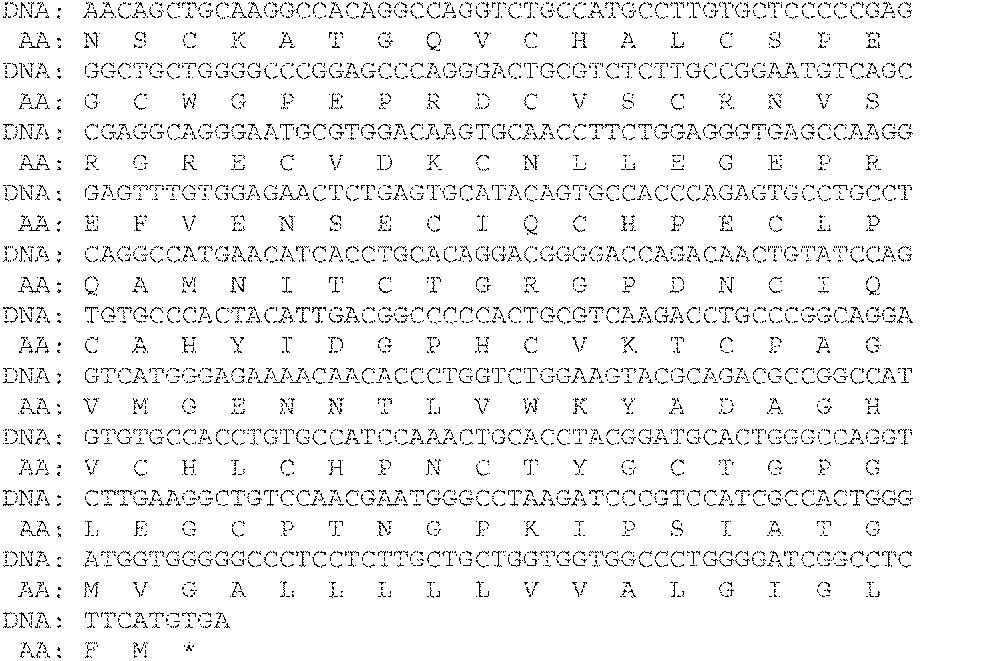
実施例3
HEK293T細胞に抗CD19xCD20CAR−T2A−EGFRt epHIV−7トランスファープラスミドまたは抗CD20xCD19CAR−T2A−EGFRt epHIV−7トランスファープラスミドをトランスフェクトした。トランスフェクトされた細胞をビオチン化抗Fc抗体およびストレプトアビジンPE(SA−PE)で染色し、次いで上記2つのCARの発現の検出のために、フローサイトメトリー解析に供した。抗CD19xCD20 CARおよび抗CD20xCD19 CARの両方が、トランスフェクトされたHEK293T細胞上で発現された。
Example 3
HEK293T cells were transfected with the anti-CD19xCD20CAR-T2A-EGFRt epHIV-7 transfer plasmid or the anti-CD20xCD19CAR-T2A-EGFRt epHIV-7 transfer plasmid. Transfected cells were stained with biotinylated anti-Fc antibody and streptavidin PE (SA-PE) and then subjected to flow cytometric analysis to detect the expression of the above two CARs. Both anti-CD19xCD20 CAR and anti-CD20xCD19 CAR were expressed on transfected HEK293T cells.
epHIV−7トランスファープラスミドは、上記2つの二重特異性CARとEGFRtを共発現した。ビオチン化抗EGFR抗体/SA−PE染色およびフローサイトメトリー解析の組み合わせを使用して、同じくトランスフェクトされた細胞上でEGFRt共発現を検出した。 The epHIV-7 transfer plasmid co-expressed the above two bispecific CARs and EGFRt. A combination of biotinylated anti-EGFR antibody / SA-PE staining and flow cytometric analysis was used to detect EGFRt co-expression on cells also transfected.
実施例4
初代ヒト末梢血由来T細胞をOKT3で活性化し、次いで、単一特異性抗CD19 CAR、単一特異性抗CD20 CAR、または二重特異性抗CD19xCD20 CAR−T2A−EGFRt epHIV7レンチウイルスベクターを用いて、レンチウイルスによる(lentivirally)形質導入を行った。epHIV7レンチウイルスベクターもまた、単一特異性抗CD19 CAR、単一特異性抗CD20 CAR、または二重特異性抗CD19xCD20とともに、EGFRtをコードした。このようにして、CARを発現する細胞はEGFRtを共発現した。トランスフェクトされた細胞をビオチン化抗EGFR抗体およびSA−PEで染色し、次いで、EGFRt発現および単一特異性または二重特異性CARの共発現の検出のために、フローサイトメトリー解析に供した。単一特異性抗CD19 CARをトランスフェクトされた細胞のうち51%がEGFRtを発現し、単一特異性抗CD20 CARをトランスフェクトされた細胞のうち38.5%がEGFRtを発現し、二重特異性抗CD19xCD20 CARをトランスフェクトされた細胞のうち63.8%がEGFRtを発現した。
Example 4
Primary human peripheral blood-derived T cells are activated with OKT3 and then using a monospecific anti-CD19 CAR, a monospecific anti-CD20 CAR, or a bispecific anti-CD19xCD20 CAR-T2A-EGFRt epHIV7 lentiviral vector. , Lentivirally transduction was performed. The epHIV7 lentiviral vector also encoded EGFrt, along with a monospecific anti-CD19 CAR, a monospecific anti-CD20 CAR, or a bispecific anti-CD19xCD20. In this way, CAR-expressing cells co-expressed EGFRt. Transfected cells were stained with biotinylated anti-EGFR antibody and SA-PE and then subjected to flow cytometric analysis for detection of EGFRt expression and co-expression of unispecific or bispecific CAR. .. 51% of cells transfected with unispecific anti-CD19 CAR express EGFRt and 38.5% of cells transfected with unispecific anti-CD20 CAR express EGFRt, dual 63.8% of cells transfected with the specific anti-CD19xCD20 CAR expressed EGFRt.
トランスフェクトされた細胞におけるT細胞受容体(TCR)複合体もまた、FITC結合抗TCRαおよび抗TCRβ抗体染色ならびにフローサイトメトリー解析を使用して、同じくトランスフェクトされた細胞内で検出された。 T cell receptor (TCR) complexes in transfected cells were also detected in cells that were also transfected using FITC-binding anti-TCRα and anti-TCRβ antibody staining and flow cytometric analysis.
実施例5
CD19、もしくはCD20、またはCD19およびCD20の両方を発現するようにH9細胞を遺伝子修飾した。細胞を抗CD19および抗CD20抗体で染色し、次いでCD19およびCD20の発現を検出するために、フローサイトメトリー解析に供した。サイトメトリー解析は、CD19+CD20−、CD19−CD20+、およびCD19+CD20+H9細胞の所望の発現プロファイルを確認した、すなわち、遺伝子改変されたH9細胞は、CD19もしくはCD20、またはCD19およびCD20の両方を発現し、それによって、抗原陰性抗原消失エスケープ変異体を含む癌標的細胞を刺激した。後に記述されるように、これらの細胞株はその後、CAR発現T細胞株を刺激するために標的細胞として使用され、標的細胞を死滅させるエフェクター細胞として作用した。
Example 5
H9 cells were genetically modified to express CD19, or CD20, or both CD19 and CD20. Cells were stained with anti-CD19 and anti-CD20 antibodies and then subjected to flow cytometric analysis to detect expression of CD19 and CD20. Cytometric analysis, CD19 + CD20 -, CD19 - CD20 +, and confirmed the desired expression profile of CD19 + CD20 + H9 cells, ie, H9 cells that have been genetically modified is the CD19 or CD20 or CD19 and CD20, Both were expressed, thereby stimulating cancer target cells containing antigen-negative antigen-eliminating escape variants. As described below, these cell lines were subsequently used as target cells to stimulate CAR-expressing T cell lines and acted as effector cells to kill the target cells.
同様に、SUP−B15およびDHL−6細胞株中のCD19およびCD20発現の内在レベルを抗CD19APCおよび抗CD20PE染色ならびにフローサイトメトリー解析を使用して分析した。SUP−B15細胞株は、高レベルのCD19および低レベルのCD20(ゆえに、CD19+CD20−)を発現し、かつDHL−16細胞株は、高レベルのCD20および低レベルのCD19(ゆえに、CD19−CD20+)を発現した。 Similarly, endogenous levels of CD19 and CD20 expression in SUP-B15 and DHL-6 cell lines were analyzed using anti-CD19APC and anti-CD20PE staining and flow cytometric analysis. SUP-B15 cell lines, high levels of CD19 and low levels CD20 (thus, CD19 + CD20 -) express, and DHL-16 cell line, CD19 (hence high levels of CD20 and low levels, CD19 - CD20 + ) was expressed.
実施例6
4時間のクロム放出アッセイを使用してエフェクター細胞による標的細胞の溶解を測定した。エフェクター細胞は、単一特異性抗CD19 CAR、単一特異性抗CD20 CAR、または二重特異性抗CD19xCD20 CARを発現するために、レンチウイルスによって形質導入された初代ヒトT細胞である。二重特異性抗CD19xCD20CARエフェクターT細胞は、CD19+CD20−H9細胞、CD19−CD20+H9細胞、CD19+CD20+H9細胞、およびSUP−B15細胞を含む、CD19+CD20−、CD19−CD20+、およびCD19+CD20+標的細胞のすべてを効果的に溶解した。1:1、3:1、10:1、および30:1の比率のエフェクター対標的において、それぞれ約25%、45%、50%、および60%の標的細胞が溶解された。
Example 6
The lysis of target cells by effector cells was measured using a 4-hour chromium release assay. Effector cells are primary human T cells transduced by lentivirus to express unispecific anti-CD19 CAR, unispecific anti-CD20 CAR, or bispecific anti-CD19xCD20 CAR. Bispecific anti CD19xCD20CAR effector T cells, CD19 + CD20 - H9 cells, CD19 - including CD20 + H9 cells, CD19 + CD20 + H9 cells, and the SUP-B15 cells, CD19 + CD20 -, CD19 - CD20 +, And all of CD19 + CD20 + target cells were effectively lysed. Approximately 25%, 45%, 50%, and 60% target cells were lysed in effector-to-target ratios of 1: 1, 3: 1, 10: 1, and 30: 1, respectively.
対照的に、単一特異性CAR発現T細胞株は、単一特異性CARエフェクター細胞から逃れる抗原陰性抗原消失エスケープ変異体を溶解することができない。抗CD19 CARエフェクターT細胞は、CD19−CD20+標的を溶解することができず、抗CD20 CARエフェクターT細胞は、CD19+CD20−標的を溶解することができなかった。 In contrast, unispecific CAR-expressing T cell lines are unable to lyse antigen-negative antigen-eliminating escape mutants that escape from unispecific CAR effector cells. Anti-CD19 CAR effector T cells were unable to lyse the CD19- CD20 + target, and anti-CD20 CAR effector T cells were unable to lyse the CD19 + CD20 -target.
実施例7
二重特異性CAR発現CD4濃縮T細胞は、CD19+CD20−H9細胞、CD19−CD20+H9細胞、CD19+CD20+H9細胞、およびSUP−B15細胞を含む、CD19+CD20−、CD19−CD20+、およびCD19+CD20+標的細胞による刺激に応じたサイトカイン分泌(インターフェロンγ(IFN−g、IFN−γ))に対して活性化された。IFN−γ量を、共培養の24時間後にT細胞および標的細胞の培養上清のサイトカインビーズアレイによって測定した。活性化された二重特異性CAR発現CD4濃縮T細胞は、全タイプの標的細胞による刺激に応じて少なくとも2500pg/ml INF−gを分泌した。対照的に、単一特異性CAR発現T細胞株は、単一特異性CARエフェクター細胞から逃れる抗原陰性抗原消失エスケープ変異体による刺激に応じて、サイトカインINF−g分泌に対して活性化されなかった。CD19 CAR T細胞は、CD19−CD20+標的細胞との共培養の際にIGN−γを分泌することができず、CD20 CAR T細胞は、CD19+CD20−標的細胞との共培養の際にIGN−γを分泌することができなかった。
インビトロでの刺激アッセイ
Bispecific CAR expression CD4 enriched T cells, CD19 + CD20 - H9 cells, CD19 - CD20 + H9 cells, CD19 + CD20 + H9 cells, and SUP-B15 cells, CD19 + CD20 -, CD19 - CD20 + , And CD19 + CD20 + activated for cytokine secretion (interferon γ (IFN-g, IFN-γ)) in response to stimulation by target cells. The amount of IFN-γ was measured by a cytokine bead array of culture supernatants of T cells and target cells 24 hours after co-culture. Activated bispecific CAR-expressing CD4-enriched T cells secreted at least 2500 pg / ml INF-g in response to stimulation by all types of target cells. In contrast, unispecific CAR-expressing T cell lines were not activated for cytokine INF-g secretion in response to stimulation by antigen-negative antigen-eliminating escape mutants escaping unispecific CAR effector cells. .. CD19 CAR T cells cannot secrete IGN-γ when co-cultured with CD19- CD20 + target cells, and CD20 CAR T cells are IGN when co-cultured with CD19 + CD20 -target cells. Could not secrete −γ.
In vitro stimulation assay
実施例8
以下の実施例は、T2A配列を介してトランケート型上皮成長因子受容体(EGFRt)に連結されたCD19特異性キメラ抗原受容体を説明する。EGFRtは、他のキメラ抗原受容体、例えば、二重特異性キメラ抗原受容体に連結され、それと共発現され得る。
Example 8
The following examples describe a CD19-specific chimeric antigen receptor linked to a truncated epidermal growth factor receptor (EGFRt) via a T2A sequence. EGFRt can be linked to and co-expressed with other chimeric antigen receptors, such as bispecific chimeric antigen receptors.
出願人は、ビオチン化セツキシマブを使用する免疫磁気精製、フローサイトメトリーおよび免疫組織化学による細胞トラッキング、ならびに全身性セツキシマブ投与後のインビボでの細胞アブレーションのための、形質導入T細胞によって発現されたそのようなトランケート型EGFR(huEGFRt)の有用性を示した。この例となる実施形態において、EGFRtのドメインIおよびIIは除去されたが、ドメインIIIおよびIVは保持された。 Applicants expressed by transfected T cells for immunomagnetic purification using biotinylated cetuximab, cell tracking by flow cytometry and immunohistochemistry, and cell ablation in vivo after administration of systemic cetuximab. The usefulness of such a truncated EGFR (huEGFRt) was shown. In this exemplary embodiment, domains I and II of EGFRt were removed, but domains III and IV were retained.
CD19CAR−T2A−EGFRt−epHIV7レンチウイルス構築物は、示されるように(1)CD19特異的FMC63モノクローナル抗体(mAb)のVHおよびVL遺伝子断片、IgG4ヒンジ−CH2−CH3、共刺激分子CD28の膜貫通および細胞質シグナル伝達ドメイン、ならびにCD3ζ鎖の細胞質ドメインから成るキメラ抗原受容体(CAR)配列(Kowolik CK.et al.,CD28 costimuation provided through a CD19−specific chimeric antigen receptor enhances in vivo persistence and antitumor efficacy of adoptively transferred T cells.Cancer Res.2006,66(22):10995−11004);(2)自己切断型のT2A配列(Szymczak AL.et al.,Correction of multi−gene deficiency in vivo using a "self−cleaving"2A peptide−based retroviral vector.Nat Biotechnol2004;22(5)589−594);ならびに(3)トランケート型EGFR配列を含む。 The CD19CAR-T2A-EGFRt-epHIV7 lentivirus constructs are as shown (1) V H and VL gene fragments of CD19-specific FMC63 monoclonal antibody (mAb), IgG4 hinge-C H2- C H3 , co-stimulator molecule CD28. Chimeric antigen receptor (CAR) sequence (Kowolik CK. Et al., CD28 costimulation developed therapy a CD19-specific chimeric engineering receptor receptor) consisting of the transmembrane and cytoplasmic signaling domains of the CD3ζ chain and the cytoplasmic domain of the CD3ζ chain. effective of adaptive transferred T cells. Cancer Res. 2006, 66 (22): 10995-11004); (2) Self-cleaving T2A sequence (Szymczak AL. et al., Co-stimulation of engineering Self-cleaving "2A peptide-based recombinant vector.Nat Biotechnol 2004; 22 (5) 589-594); and (3) including a truncated EGFR sequence.
レンチウイルス形質導入後のhuEGFRt+ヒトT細胞の免疫磁気濃縮
huEGFRt+細胞の免疫磁気選択またはFACS選別のいずれかに対してビオチン化セツキシマブを使用した。出願人らは、CD19CARおよびhuEGFRtの共発現を指示する、自己不活性化レンチウイルスによって形質導入されたヒトT細胞の免疫磁気選択のために、市販の抗ビオチンマイクロビーズと併せてビオチン化セツキシマブを使用した。
Biotinylated cetuximab was used for either huEGFRt + immunomagnetic enrichment of human T cells after lentivirus transduction huEGFRt + immunomagnetic selection of cells or FACS selection. Applicants used biotinylated cetuximab in combination with commercially available anti-biotin microbeads for immunomagnetic selection of human T cells transduced by self-inactivating lentivirus, which directs co-expression of CD19CAR and huEGFRt. used.
PBMCまたは精製セントラルメモリー(CD45RO+CD62L+TCM)またはエフェクターメモリー(CD45RO+CD62L+TEM)T細胞サブセットを抗CD3/抗CD28ビーズで刺激し、次いで、レンチウイルスベクターによって形質導入して初代ヒトT細胞株のパネルを生成した;その2.6%〜40%はhuEGFRtおよびCARを発現した。選択されていない細胞をビオチン化セツキシマブおよび抗ビオチンマイクロビーズで標識し、次いで、その90%がhuEGFRtおよびCARを発現する選択された細胞集団を一貫して得るように分離した。 Stimulated with PBMC or purified central memory (CD45RO + CD62L + T CM) or effector memory (CD45RO + CD62L + T EM) T cell subsets anti-CD3 / anti-CD28 beads, then primary human and transduced by lentiviral vectors A panel of T cell lines was generated; 2.6% -40% of them expressed huEGFRt and CAR. Unselected cells were labeled with biotinylated cetuximab and anti-biotin microbeads and then isolated to consistently obtain selected cell populations 90% of which express huEGFRt and CAR.
選択されていないT細胞および選択された画分をビオチン化−セツキシマブおよびPE結合ストレプトアビジンまたはPE結合抗ビオチンAbのいずれかで染色し、次いで、フローサイトメトリー解析に供した。CD19CAR+EGFRt+細胞の選択を、OKT3芽細胞の形質導入の3日後(38%から98%に濃縮された)、または形質導入エフェクターメモリーCD62LCD45RO+由来細胞の急速拡大の1サイクル後(20%から96%に濃縮された)、形質導入CMVpp65特異的TCM由来細胞の急速拡大の3サイクル後(12%から91%に濃縮された)、もしくは形質導入CD8+TCM由来細胞の急速拡大の2サイクル後(3%から97%に濃縮された)のいずれかで実施した。CD19CAR+EGFRt+IMPDH2dm+細胞の選択を、形質導入TCM由来細胞の急速拡大の1サイクル後(25から92%に濃縮された)に実施した。 Unselected T cells and selected fractions were stained with either biotinylated-cetuximab and PE-linked streptavidin or PE-linked antibiotin Ab and then subjected to flow cytometric analysis. Selection of CD19CAR + EGFRt + cells is performed 3 days after transduction of OKT3 blast cells (concentrated from 38% to 98%) or after 1 cycle of rapid expansion of transduced effector memory CD62LCD45RO + derived cells (from 20%). (Concentrated to 96%), after 3 cycles of rapid expansion of transduced CMVpp65-specific TCM-derived cells (concentrated from 12% to 91%), or after 2 cycles of rapid expansion of transduced CD8 + TCM-derived cells Performed with either (concentrated from 3% to 97%). CD19CAR + EGFRt + IMPDH2dm + cell selection was performed after one cycle of rapid expansion of transduced TCM-derived cells (concentrated to 25-92%).
レンチウイルスベクターに含まれるCD19CAR−T2A−EGFRt−IMPDH2dm構築物は、CD19特異的CD28共刺激CAR(CD19CAR)のコドン最適化配列部分、続いて自己切断可能T2A、ならびに選択マーカーhuEGFRtおよびIMPDH2dm(ミコフェノラート27の添加に応じて細胞生存を可能にさせるイノシン一リン酸デヒドロゲナーゼ2遺伝子の二重変異体)を、伸長因子1プロモーター配列(EF−1p)、GM−CSF受容体α鎖シグナル配列(GMCSFRss)、および3ヌクレオチド停止コドンとともに含む。
The CD19CAR-T2A-EGFRt-IMPDH2dm construct contained in the lentiviral vector is a codon-optimized sequence portion of the CD19-specific CD28 co-stimulating CAR (CD19CAR), followed by self-cleavable T2A, and the selection markers huEGFRt and IMPDH2dm (mycophenolate). A double mutant of the
OKT3媒介性の拡大に供される、選択されていない形質導入T細胞の培養物において、免疫磁気選択の前にhuEGFRt−細胞のhuEGFRt+細胞を上回る増殖優位性を観察した。しかしながら、免疫磁気選択後、huEGFRt発現のレベルおよび発現細胞の頻度は、OKT3ベースの拡大14の14日間サイクルの3回連続した期間にわたって、安定したまままであった。免疫磁気選択後のEGFRt+細胞の拡大倍率は、選択されていない培養物におけるhuEGFRt+細胞のものよりも有意に増強された。 OKT3 is subjected to the expansion of mediated, in cultures of transduced T cells that have not been selected, before the immunomagnetic selection HuEGFRt - was observed growth advantage over the HuEGFRt + cells in the cell. However, after immunomagnetic selection, the level of huEGFRt expression and the frequency of expressing cells remained stable over three consecutive periods of 14-day cycles of OKT3-based expansion 14. The magnification of EGFRt + cells after immunomagnetic selection was significantly enhanced over that of huEGFRt + cells in unselected cultures.
これらのデータは、huEGFRtが形質導入ヒトT細胞に独特である細胞表面マーカーとして役立つことができ、その後の、CARも発現する安定したhuEGFRt発現細胞集団の、セツキシマブベースの免疫磁気精製を可能にすることを示す。 These data allow for cetuximab-based immunomagnetic purification of a stable huEGFRt-expressing cell population in which huEGFRt can serve as a cell surface marker unique to transduced human T cells and subsequently also express CAR. Show that.
フローサイトメトリーおよび免疫組織化学を使用する養子移入huEGFRt+T細胞のトラッキング
養子移入T細胞の生着をトラッキングするためのhuEGFRtの有用性を試験するために、出願人らは、CD19CAR+EGFRt+ヒトT細胞を移植されたNOD/Scid IL−2RγCnullマウスから血液および骨髄標本を収集した。
Tracking Adopted HuEGFRt + T Cells Using Flow Cytometry and Immunohistochemistry To test the usefulness of huEGFRt for tracking engraftment of adopted T cells, Applicants submitted CD19CAR + EGFRt + humans. Blood and bone marrow specimens were collected from NOD / Scid IL-2RγC null mice transplanted with T cells.
まず、固定していない末梢血および骨髄単核細胞試料をビオチン化セツキシマブおよびPE結合ストレプトアビジンで染色した後、フローサイトメトリー解析に供した。ヒトCD45+T細胞生着のレベル(20%〜25%)は、EGFRt陰性もしくは陽性T細胞のいずれかを投与された動物において同様であったが、ヒトCD45およびEGFRについての二重染色は、huEGFRt+(すなわち、導入遺伝子を発現する)ヒトT細胞を、それらのhuEGFRt陰性カウンターパートから分離することを可能にした。 First, unfixed peripheral blood and bone marrow mononuclear cell samples were stained with biotinylated cetuximab and PE-bound streptavidin and then subjected to flow cytometric analysis. Levels of human CD45 + T cell engraftment (20% -25%) were similar in animals treated with either EGFRt negative or positive T cells, but double staining for human CD45 and EGFR It allowed huEGFRt + (ie, expressing the transgene) human T cells to be isolated from their huEGFRt negative counterparts.
次に、出願人らは、EGFR特異的診断キットを使用して、標準パラフィン包埋の固定組織標本が、huEGFRt+T細胞浸潤の検出に適しているかどうかを特定しようと試みた。出願人らは、移植マウスからのパラフィン包埋した大腿骨の免疫組織化学的分析を実施し、骨髄中のhuEGFRt+細胞を検出した。これらのデータは、養子移入T細胞の頻度および組織分布の数量化のためのトラッキングマーカーとして役立つhuEGFRtの有用性を支持する。 Applicants then attempted to use an EGFR-specific diagnostic kit to determine whether standard paraffin-embedded fixative specimens are suitable for detecting huEGFRt + T cell infiltration. Applicants performed immunohistochemical analysis of paraffin-embedded femurs from transplanted mice to detect huEGFRt + cells in bone marrow. These data support the usefulness of huEGFRt as a tracking marker for the frequency of adopted T cells and the quantification of tissue distribution.
huEGFRtに結合するセツキシマブは、ヒトT細胞をADCCに対して感作する
細胞表面選択/トラッキングマーカーの有用な特徴は、インビボでの細胞アブレーションのための標的として役立つその能力である。出願人らは、T細胞上でhuEGFRtに結合されたセツキシマブがインビトロでhuEGFRt+T細胞のADCCを活性化する度合い、ならびにセツキシマブ投与がNOD/scidマウス中の養子移入huEGFRt+T細胞の生着を減弱し得るかどうかを評価した。
Cetuximab, which binds to huEGFRt, is a useful feature of cell surface selection / tracking markers that sensitize human T cells to ADCC, its ability to serve as a target for cell ablation in vivo. Applicants found that cetuximab bound to huEGFRt on T cells activates huEGFRt + T cell ADCC in vitro, and that cetuximab administration produces adoptive huEGFRt + T cell engraftment in NOD / scid mice. We evaluated whether it could be attenuated.
標的細胞として51Cr標識化huEGFRt+T細胞、およびエフェクターとしてヒトGM−CSF活性化新鮮PBMCを共培養した。次いで、セツキシマブの添加は、huEGFRt+T細胞をエフェクターによるADCC細胞溶解に対して特異的に感作した。huEGFRt+T細胞の溶解を4時間のクロム放出アッセイによって測定し、結果は、セツキシマブ添加が溶解を、50:1、25:1、5:1、および1:1のエフェクター対標的(エフェクター:標的)比率で、それぞれ、5%未満から約50%、45%、40%、および15%著しく増大させたことを示した。 51 Cr-labeled huEGFRt + T cells were co-cultured as target cells, and human GM-CSF activated fresh PBMC was co-cultured as an effector. The addition of cetuximab then specifically sensitized huEGFRt + T cells to ADCC cell lysis by effectors. Lysis of huEGFRt + T cells was measured by a 4-hour chromium release assay and the results showed that cetuximab addition resulted in lysis of 50: 1, 25: 1, 5: 1, and 1: 1 effector-to-target (effector: target). ) Percentages showed significant increases from less than 5% to about 50%, 45%, 40%, and 15%, respectively.
対照的に、このアッセイにおいて、CD20特異的mAbリツキサンの添加は、huEGFRt+T細胞のADCCの誘起に対して効果を有さなかった。 In contrast, in this assay, the addition of CD20-specific mAb rituximab had no effect on the induction of ADCC in huEGFRt + T cells.
出願人らは次に、オートクリンIL−2を分泌しかつホタルルシフェラーゼバイオフォトニック(biophotonic)レポーターを発現するように、さらに修飾されたhuEGFRt+CTLL−2マウスのT細胞を誘導し、これらのffLuc+huEGFRt+CTLL−2細胞を、静脈内注射を介してNOD/scidマウスに養子移入し、それらにその後セツキシマブまたはリツキサンを与えた。移入されたCTLL−2のインビボでの生着は、インビボバイオフォトニックイメージングによって測定されたように、Erbitux(毎日腹腔内に1mg)を与えたマウスにおいて有意に阻害された(97%、P<0.05)。ffLuc+huEGFRt+CTLL−2細胞のセツキシマブ媒介性の消失は、4〜6日間の間に生じた。これらのデータは、huEGFRt+T細胞を受けた患者に対する治療用制御物質としてのセツキシマブ投与の使用を支持する。 Applicants then induced T cells in further modified huEGFRt + CTLL-2 mice to secrete autoclean IL-2 and express a firefly luciferase biophotonic reporter. ffLuc + huEGFRt + CTLL-2 cells were adopted into NOD / scid mice via intravenous injection, which were then fed cetuximab or rituximab. In vivo engraftment of transferred CTLL-2 was significantly inhibited in mice fed Erbitux (1 mg daily intraperitoneally) as measured by in vivo biophotonic imaging (97%, P < 0.05). The cetuximab-mediated loss of ffLuc + huEGFRt + CTLL-2 cells occurred between 4 and 6 days. These data support the use of cetuximab administration as a therapeutic control agent for patients who have received huEGFRt + T cells.
実施例9
本実施例は、内因性γcサイトカインシグナル伝達機構を持つT細胞を説明し、キメラサイトカイン受容体(CCR)であるIL−2/IL−15Rβ(CγCR2)およびIL−7Rα(CγCR7)が、細胞傷害性T細胞(CTL)の生存、残存、およびインビボ生着を改善する能力を有することを示す。トランケート型CD19抗原(CD19t)を、細胞表面上のCγCRの発現を示すように、T2Aリンカーを介してCγCRに連結した。本明細書に記載のキメラサイトカイン受容体は、本明細書に記載の二重特異性CAR等の、本発明のキメラ抗原受容体に連結され得る。
Example 9
This example describes T cells with an endogenous γc cytokine signaling mechanism, where the chimeric cytokine receptors (CCR) IL-2 / IL-15Rβ (CγCR2) and IL-7Rα (CγCR7) are cytotoxic. It is shown to have the ability to improve survival, survival, and in vivo engraftment of sex T cells (CTLs). The truncated CD19 antigen (CD19t) was ligated to CγCR via a T2A linker to show expression of CγCR on the cell surface. The chimeric cytokine receptors described herein can be linked to the chimeric antigen receptors of the invention, such as the bispecific CARs described herein.
細胞内因性でリガンド非依存性のγcサイトカインプラットフォームを生じるために、出願人らは、10個のアミノ酸によってIL−7Rαの細胞外ドメインにつながれたIL−7サイトカインから成るキメラγcサイトカイン受容体(CγCR)を作製した。IL−7Rシグナルを与えるCγCRを作製するために、IL−7サイトカインを完全長IL−7Rα鎖につないだ(CγCR7)。IL−2/IL−15Rβシグナルを提供するCγCRは、IL−7サイトカインを、IL−2/IL−15Rβの細胞質ドメインと融合されたIL−7Rαの細胞外および膜貫通ドメインにつなぐことによって作製した(CγCR2)。これらの単鎖キメラ受容体は、シグナル伝達のために内因性γc鎖を必要とすることが予想される。 To give rise to an intracellular, ligand-independent γc cytokine platform, Applicants filed a chimeric γc cytokine receptor (CγCR) consisting of IL-7 cytokines linked to the extracellular domain of IL-7Rα by 10 amino acids. ) Was prepared. IL-7 cytokines were ligated into the full-length IL-7Rα chain to generate CγCR that gave the IL-7R signal (CγCR7). CγCR, which provides the IL-2 / IL-15Rβ signal, was created by linking IL-7 cytokines to the extracellular and transmembrane domains of IL-7Rα fused to the cytoplasmic domain of IL-2 / IL-15Rβ. (CγCR2). These single-chain chimeric receptors are expected to require an endogenous γc chain for signal transduction.
構築物を次いで、CγCR導入遺伝子の後に、自己切断可能なT2A配列、および細胞質トランケート型CD19抗原(CD19t)が続くように生成した。CγCRおよびCD19tは、単一転写物として発現され、翻訳後に、2つの別々の1型膜タンパク質CγCR(T2A)およびCD19tをもたらすようにT2A自己切断型ペプチドのC末端で切断される。単一転写物からの2つのタンパク質の発現に基づく、CγCR(T2A)対CD19t発現の比率は1:1であり、したがって、細胞表面CD19tは、CγCR細胞表面発現のしるしである。レンチウイルス形質導入およびこれら構築物の発現は次いで、ジャーカット細胞株およびNK−92細胞株の両方において見られるように、表面CD19t発現によって測定され得る。
The construct was then generated such that the CγCR transgene was followed by a self-cleavable T2A sequence and a cytoplasmic truncated CD19 antigen (CD19t). CγCR and CD19t are expressed as a single transcript and are cleaved at the C-terminus of the T2A self-cleaving peptide to result in two
IL−7Rαの細胞外ドメインから1〜126個のアミノ酸を欠失しているトランケート型IL−7RαにつながれたIL−7サイトカインを有する第3のCγCRもまた作製した(CγCR7t)。内因性γc鎖とのCγCR7t二量体形成の分子モデルが、シグナル伝達に必須である。IL−7Rαの細胞外ドメインの1〜126個のアミノ酸の欠失は、CγCR7tを非機能性にする。 A third CγCR with IL-7 cytokines linked to truncated IL-7Rα lacking 1-126 amino acids from the extracellular domain of IL-7Rα was also generated (CγCR7t). A molecular model of CγCR7t dimer formation with an endogenous γc chain is essential for signal transduction. Deletion of 1-126 amino acids in the extracellular domain of IL-7Rα renders CγCR7t non-functional.
トランケート型CγCR7発現は、サイトカイン非依存性細胞成長について機能的にシグナル伝達または支持しない。フローサイトメトリーは、レンチ形質導入ジャーカット(95% CD19t+CγCR7t+)およびテフ細胞株(97% CD19t+CγCR7t+)上の細胞表面CD19tを検出した。CγCR7t発現ジャーカット細胞株でのSTAT5リン酸化のウエスタンブロット分析は、非形質導入対照ジャーカット細胞株と比較して、リン酸化STAT5の明らかな増加を検出しなかった。陽性対照OKT3刺激PBMCを50U/ml IL−2および10ng/ml IL−15中で培養し、K562は、増加したリン酸化STAT5の活性化を示した。したがって、20日間培養されたCγCR7t形質導入CTLの拡大および生存能はなお、サイトカインに左右された。 Truncate CγCR7 expression does not functionally signal or support cytokine-independent cell growth. Flow cytometry detected cell surface CD19t on wrench transduced jar cut (95% CD19t + CγCR7t + ) and Teff cell line (97% CD19t + CγCR7t +). Western blot analysis of STAT5 phosphorylation in CγCR7t-expressing Jarkat cell lines did not detect a clear increase in phosphorylated STAT5 compared to non-transduced control Jerkat cell lines. Positive control OKT3-stimulated PBMCs were cultured in 50 U / ml IL-2 and 10 ng / ml IL-15 and K562 showed increased activation of phosphorylated STAT5. Therefore, the expansion and viability of CγCR7t transduced CTLs cultured for 20 days was still dependent on cytokines.
CγCR2およびCγCR7等の機能的CγCRが、外因性サイトカインの不在下でCD8+ヒト初代T細胞の成長を支持し得るかを判定するために、本発明者らは各CγCRを発現するCTLの拡大を測定した。CγCR7tを発現するヒト初代T細胞は、外因性サイトカインの不在下では拡大できなかった。CγCR2およびCγCR7の両方が、それぞれ5U/mlおよび0.5U/ml IL−2中で培養された親の細胞のものと同様の手法において、生存能の維持によってCD8+T細胞の生存および増殖を支持することが可能であった。CγCR2+対CγCR7+CTLについて測定された全細胞拡大の増加は、細胞周期のG1、S、G2、およびM相に存在する核抗原タンパク質であるKi67の発現の増加と相関する(すなわち、CγCR7に対する26のMFI対CγCR2に対する52のMFI)。IL−2およびIL−7シグナル伝達に応答して誘発される主要な抗アポトーシス性タンパク質である、より高度なBcl−2の発現が、CγCR7+対CγCR2+CTLにおいて観察され、ヒト初代T細胞の生存を維持するCγCR7の能力を支持した。このデータを合わせると、両方のCγCRがサイトカイン非依存性T細胞生存能および拡大を支持するが、CγCR7がエフェクターCD8+CTLの生存を維持する間、CγCR2は増殖優位性を提供することが示唆される。 To determine if functional CγCRs such as CγCR2 and CγCR7 can support the growth of CD8 + human primary T cells in the absence of exogenous cytokines, we have expanded the CTLs that express each CγCR. It was measured. Human primary T cells expressing CγCR7t could not be expanded in the absence of exogenous cytokines. Both CγCR2 and CγCR7 proliferate and proliferate CD8 + T cells by maintaining viability in a manner similar to that of parental cells cultured in 5 U / ml and 0.5 U / ml IL-2, respectively. It was possible to support. The increased total cell expansion measured for CγCR2 + vs. CγCR7 + CTL correlates with increased expression of Ki67, a nuclear antigen protein present in the G1, S, G2, and M phases of the cell cycle (ie, relative to CγCR7). 52 MFIs for 26 MFIs vs. CγCR2). Higher levels of Bcl-2 expression, a major anti-apoptotic protein elicited in response to IL-2 and IL-7 signaling, were observed in CγCR7 + vs. CγCR2 + CTL and of human primary T cells. We supported the ability of CγCR7 to maintain survival. Taken together, this data suggests that both CγCRs support cytokine-independent T cell viability and expansion, while CγCR2 provides proliferative dominance while CγCR7 maintains the survival of effector CD8 + CTL. To.
CγCRを発現するCD8+T細胞は、インビボでのサイトカイン非依存性生着を示す
本発明者の研究所およびその他による研究は、NOD/Scid IL−2RγCnullマウスにおけるヒトCTLの生着が、ヒトIL−15またはIL−2の外因性投与に依存することを示す。この依存性を克服すべくCTLにおけるCγCR発現の可能性を試験するために、親のエフェクターT細胞、CγCR7+CTL、およびCγCR2+CTLを外因性サイトカイン投与の不存在下で免疫不全NOD/Scid IL−2RγCnullマウスの尾静脈に注入した。8日目、17日目、24日目、および48日目に1群あたり少なくとも4匹のマウスを収集し、血液および骨髄中のT細胞レベルを分析することによって全生着を比較した。
CD8 + T cells expressing CγCR show cytokine-independent engraftment in vivo Studies by our laboratory and others have shown that human CTL engraftment in NOD / Scid IL-2RγC null mice is human. Shows that it depends on extrinsic administration of IL-15 or IL-2. To test the potential for CγCR expression in CTLs to overcome this dependence, parental effector T cells, CγCR7 + CTLs, and CγCR2 + CTLs were immunodeficient NOD / Scid IL in the absence of exogenous cytokine administration. It was injected into the tail vein of -2RγC null mice. At least 4 mice per group were collected on
血液中では、CγCR2+CTLは、CγCR7+CTLおよび親の細胞と比較して、非常に著しい(P<0.007)外因性サイトカイン非依存性生着を有した。骨髄中では、CγCR7+CTL(P<0.03)およびCγCR2+CTL(P<0.0005)の両方が、親の細胞と比較して著しい外因性サイトカイン非依存性生着を有した。CγCR2+CTLは、CγCR7+CTLと比較してより高い生着を有した。これは、CγCR7+CTLおよびCγCR2+CTLの両方が外因性サイトカイン非依存性生着を支持することができるが、細胞の全割合が異なったことを示す。血液は、骨髄と比較して、CγCR2+CTLのより高い割合の生着を支持した。骨髄は、長期間にわたるCγCR7+CTLの生着を支持した。重要なことには、細胞がいずれの群においても48日目には血液および骨髄中にもはや存在しなかったように、生着は無限ではなかった。 In blood, CγCR2 + CTL had very significant (P <0.007) exogenous cytokine-independent engraftment compared to CγCR7 + CTL and parental cells. In the bone marrow, both CγCR7 + CTL (P <0.03) and CγCR2 + CTL (P <0.0005) had significant exogenous cytokine-independent engraftment compared to parental cells. CγCR2 + CTL had higher engraftment compared to CγCR7 + CTL. This indicates that both CγCR7 + CTL and CγCR2 + CTL can support exogenous cytokine-independent engraftment, but the overall proportion of cells is different. Blood supported a higher proportion of engraftment of CγCR2 + CTL compared to bone marrow. Bone marrow supported long-term engraftment of CγCR7 + CTL. Importantly, engraftment was not infinite, as cells were no longer present in blood and bone marrow on day 48 in either group.
細胞内因性γcサイトカインシグナルは、養子移入CTLの支持のための外因性サイトカイン投与の必要性に取って代わることができる。細胞内因性サイトカイン受容体を提供することで、養子免疫療法(養子移入CTLの長期残存)の主要な限界を克服することができる。これは、外因性サイトカインの投与の必要性を排除することができ、内因性細胞型に対する毒性およびバイスタンダー効果を低減することができる。 Endogenous γc cytokine signals can replace the need for exogenous cytokine administration to support adoption CTL. By providing intracellular cytokine receptors, the major limitations of adoptive immunotherapy (long-term survival of adopted CTL) can be overcome. This can eliminate the need for administration of exogenous cytokines and reduce toxicity and bystander effects on endogenous cell types.
実施例10
本実施例は、EGFRtおよびDHFRに連結されたCD19キメラ抗原受容体が、メトトレキサートによって制御され得ることを示す。本明細書に記載の方法を使用して、本明細書に記載のジヒドロキシ葉酸受容体は、本発明の二重特異性キメラ抗原受容体に連結され得る。
Example 10
This example shows that CD19 chimeric antigen receptors linked to EGFRt and DHFR can be regulated by methotrexate. Using the methods described herein, the dihydroxyfolate receptors described herein can be linked to the bispecific chimeric antigen receptor of the invention.
出願人らは、より低い毒性の薬学的利用可能な薬物メトトレキサート(MTX)によってT細胞の選択を可能にし得るヒトジヒドロ葉酸レダクターゼ(hDHFR)変異体を使用する、ヒト選択性(selectable)導入遺伝子を開発した。MTXは、チミジル酸ヌクレオチドの新規合成に必須の主要な酵素であるDHFRの競合的阻害を通して、その抗増殖性効果を発揮する。 Applicants have developed a human selectable transgene using a human dihydrofolate reductase (hDHFR) variant that can allow selection of T cells by the less virulent pharmaceutically available drug methotrexate (MTX). did. MTX exerts its antiproliferative effect through competitive inhibition of DHFR, a major enzyme essential for the novel synthesis of thymidylate nucleotides.
本実施例において、出願人らは、CD19特異性キメラ抗原受容体(CD19発現腫瘍を標的とするためのCD19CAR)を共発現する初代ヒトT細胞の、DHFRFS(hDHFR L22F/F31S変異体)媒介性インビトロ選択の可能性を評価した。このストラテジーにおいて、本発明者らは、形質導入されたT細胞の混合群の、リンパ球毒性薬物MTXへの曝露は、非形質導入T細胞の排除およびDHFRFS/CD19CAR T細胞の選択的拡大をもたらすはずであり、総じて、共発現T細胞はT細胞群の抗腫瘍効果を増大すると仮定した。ここで、出願人らは、遺伝子修飾T細胞のDHFRFS媒介性選択が、CD19CAR治療的導入遺伝子発現を強制し、かつ臨床的に達成可能な濃度のMTX(例えば、0.1μM MTX)の存在下でCAR+安定組込み体の誘導を可能にしたことを示す。 In this example, Applicants mediated DHFR FS (hDHFR L22F / F31S mutants) of primary human T cells co-expressing a CD19-specific chimeric antigen receptor (CD19CAR for targeting CD19-expressing tumors). The possibility of sex in vitro selection was evaluated. In this strategy, we found that exposure of a mixed group of transduced T cells to the lymphotoxic drug MTX eliminated non-transduced T cells and selectively expanded DHFR FS / CD19CAR T cells. It should, and overall, co-expressed T cells were assumed to increase the antitumor effect of the T cell population. Here, Applicants found that DHFR FS- mediated selection of genetically modified T cells forced CD19CAR therapeutic transgene expression and the presence of clinically achievable concentrations of MTX (eg, 0.1 μM MTX). It is shown below that it enabled the induction of CAR + stable inclusions.
潜在的治療有用性のためのhDHFRFS選択アプローチをもたらすために、出願人らは、リボソームスキップT2A配列によってそれぞれが分離されているCD19特異性キメラ抗原受容体(CD19CAR)およびトラッキングマーカー(huEGFRt)としてのトランケート型ヒトEGFRポリペプチドと併せて、hDHFRFSを共発現するレンチウイルスベクターを設計した。 To provide an hDHFR FS selection approach for potential therapeutic utility, Applicants as CD19-specific chimeric antigen receptors (CD19CAR) and tracking markers (huEGFRt), respectively, separated by a ribosome-skipping T2A sequence. A lentiviral vector co-expressing hDHFR FS was designed in conjunction with the truncated human EGFR polypeptide.
CTLL2 T細胞に、まずこのCD19CAR−huEGFRt−hDHFRFSレンチウイルスベクターを形質導入し、そのMTXに対する抵抗性を評価した。レンチ形質導入の10日後、細胞の7〜8%がCD19CARおよびhuEGFRt発現に対して陽性であった。 This CD19CAR-huEGFRt-hDHFR FS wrench virus vector was first transduced into CTLL2 T cells, and its resistance to MTX was evaluated. Ten days after wrench transduction, 7-8% of cells were positive for CD19CAR and huEGFRt expression.
MTXの不在下において、非形質導入および形質導入CTLL2細胞が、等しい割合で拡大した(それぞれ、21および27倍)。MTX(0〜0.1μM)で8日間のインキュベーション後、80%の生存を有する7倍拡大が、形質導入細胞において観察され、一方、非形質導入CTLL2細胞の0.05μM以上のMTXへの曝露は、非形質導入CTLL2細胞の拡大および生存能に対して強い阻害をもたらした。 In the absence of MTX, non-transduced and transduced CTLL2 cells expanded at equal rates (21 and 27-fold, respectively). After 8 days incubation with MTX (0-0.1 μM), a 7-fold magnification with 80% survival was observed in transduced cells, while exposure of non-transduced CTLL2 cells to MTX greater than 0.05 μM. Caused a strong inhibition of the expansion and viability of non-transduced CTLL2 cells.
異なる濃度のMTXでの培養物における8日後の形質導入CTLL2細胞のhuEGFRt発現レベルの評価は、導入遺伝子発現huEGFRt+細胞の著しいMTX媒介性濃縮をさらに明らかにした(0.01、0.025、0.05、および0.1μMのMTXで、それぞれ49%、93%、98.5%、99%)。 Assessment of huEGFRt expression levels in transduced CTLL2 cells after 8 days in cultures at different concentrations of MTX further revealed significant MTX-mediated enrichment of transduced gene-expressing huEGFRt + cells (0.01, 0.025, 49%, 93%, 98.5%, 99%, respectively, at 0.05 and 0.1 μM MTX).
選択されたCTLL2細胞にとって耐性であり得るMTXの最高用量をさらに特徴付けるために、0.1μM MTXで8日間培養された形質導入CTLL2細胞を広範囲のMTX濃度(最大0.75μM)で置き換えた。これらの、形質導入されかつ事前にMTX選択された細胞は、最大0.25μMのMTX濃度で90〜100倍拡大することが可能であり、それはMTXの不在下での非形質導入対照CTLL2の拡大と等しかった。 To further characterize the highest dose of MTX that could be resistant to selected CTLL2 cells, transduced CTLL2 cells cultured for 8 days at 0.1 μM MTX were replaced with a wide range of MTX concentrations (up to 0.75 μM). These transduced and pre-MTX-selected cells can be expanded 90-100-fold at MTX concentrations up to 0.25 μM, which is the expansion of non-transduced control CTLL2 in the absence of MTX. Was equal.
出願人らは、初代ヒトT細胞に、同じCD19CAR−huEGFRt−hDHFRFSレンチウイルスベクターを形質導入した。精製CD62L+CD45RO+T細胞を、それらの養子移入後の残存の可能性に基づいて開始群として使用した。形質導入の10日後、これらのT細胞を異なる濃度のMTXで培養し、経時的な細胞数および生存能を評価した。10日後、形質導入および非形質導入T細胞は、MTXの不在下では同等に(80倍)拡大した。さらに、たとえ0.1μMのMTXであっても、形質導入T細胞は63%の生存能を維持し、一方、非形質導入初代ヒトT細胞は、0.025μMほどの低いMTX濃度で開始したが、生存能および拡大倍率の両方の強い阻害を示した。 Applicants transduced the same CD19CAR-huEGFRt-hDHFR FS lentiviral vector into primary human T cells. Purified CD62L + CD45RO + T cells were used as the starting group based on their potential for survival after adoption. Ten days after transduction, these T cells were cultured in different concentrations of MTX to assess cell number and viability over time. After 10 days, transduced and non-transduced T cells expanded equally (80-fold) in the absence of MTX. Moreover, transduced T cells maintained 63% viability, even at 0.1 μM MTX, while non-transduced primary human T cells started at as low an MTX concentration as 0.025 μM. Showed strong inhibition of both viability and magnification.
異なる濃度のMTXでの培養物における10日後の形質導入T細胞のフローサイトメトリー評価は、導入遺伝子発現細胞の著しいMTX媒介性濃縮を明らかにした(例えば、0.025μM MTXは、約54% CD19CAR+および79% EGFRt+に濃縮した;0.05μM MTXは、約76% CD19CAR+および89% EGFRt+に濃縮した)。 Flow cytometric assessment of transduced T cells after 10 days in cultures at different concentrations of MTX revealed significant MTX-mediated enrichment of transduced gene-expressing cells (eg, 0.025 μM MTX was approximately 54% CD19CAR). Concentrated to + and 79% EGFRt + ; 0.05 μM MTX concentrated to approximately 76% CD19CAR + and 89% EGFRt + ).
培養物の6日目対10日目におけるCD19CARおよびEGFRt発現の比較は、経時的な、このMTX/DHFRFS媒介性選択の安定した進行を明らかにした(0日目:18% CD19CAR+、28% EGFRt+;6日目:48% CD19CAR+、71% EGFRt+;10日目:70% CD19CAR+、88% EGFRt+)。 Comparison of CD19CAR and EGFrt expression on days 6 vs. 10 of the culture revealed stable progression of this MTX / DHFR FS- mediated selection over time (Day 0: 18% CD19CAR + , 28). % EGFRt + ; Day 6: 48% CD19CAR + , 71% EGFRt + ; Day 10: 70% CD19CAR + , 88% EGFRt + ).
本明細書に引用されるすべての参照物は、完全に明記されるかのように参照することによりその全体が本明細書に組み込まれる。別途定義されない限り、本明細書で使用される技術および科学用語は、本発明がそこに属する技術分野の当業者によって一般的に理解されるものと同じ意味を有する。Singletonet al.,Dictionary of Microbiology and Molecular Biology 3rd ed.,J.Wiley&Sons(New York,NY 2001)、March,Advanced Organic Chemistry Reactions,Mechanisms and Structure 5th ed.,J.Wiley&Sons(New York,NY 2001)、およびSambrook and Russel,Molecular Cloning:A Laboratory Manual 3rd ed.,Cold Spring Harbor Laboratory Press(Cold Spring Harbor,NY 2001)は、当業者に本出願において使用される用語の多くの一般的な指針を提供する。
All references cited herein are incorporated herein in their entirety by reference as if fully specified. Unless otherwise defined, the technical and scientific terms used herein have the same meaning as commonly understood by one of ordinary skill in the art to which the present invention belongs. Singletonet al. , Dictionary of Microbiology and
当業者は、本明細書に記載されるものと類似または同等の本発明の実践において使用され得る多くの方法および材料を理解するであろう。実際に、本発明は、記載の方法および材料には全く限定されない。本発明の目的に対して、以下の用語が下記に定義される。 One of ordinary skill in the art will understand many methods and materials that may be used in the practice of the invention similar to or equivalent to those described herein. In fact, the invention is not limited to the methods and materials described. For the purposes of the present invention, the following terms are defined below.
これらの記述は、上記の実施形態を直接説明するが、当業者は、本明細書に示され、説明される特定の実施形態の修正および/または変形を考えてもよいことを理解されたい。本記述の範囲内である任意のそのような修正または変形は、同様にその中に含まれることが意図される。具体的に言及されない限り、本明細書および特許請求の範囲の単語および語句は、通常の、および当出願分野における当業者に慣用的な意味において使用されることが、発明者の意図である。 Although these descriptions directly describe the above embodiments, it will be appreciated by those skilled in the art that modifications and / or variations of the particular embodiments set forth and described herein may be considered. Any such modifications or modifications within the scope of this description are intended to be included therein as well. Unless specifically mentioned, it is the inventor's intent to use the words and phrases in this specification and claims in the usual and conventional sense to those skilled in the art.
特許申請書提出時において、出願人に既知である本発明の種々の実施形態の前述の説明は、提案されており、例示および説明の目的を意図している。本説明は、包括的であるか、または本発明を開示される正確な形式に限定することを意図せず、多くの修正および変形が、上記の教示の観点から可能である。記載の本実施形態は、本発明の原理およびその実用的な用途の説明、ならびに他の当業者が種々の実施形態において、および企図される特定の使用に適した種々の修正を伴って本発明を利用できるようにするのに役立つ。したがって、本発明は、本発明を実行するために開示される特定の実施形態に限定されないことが意図される。 The aforementioned description of various embodiments of the invention known to the applicant at the time of filing the patent application has been proposed and is intended for purposes of illustration and description. This description is not intended to be inclusive or limited to the exact form in which the invention is disclosed, and many modifications and modifications are possible in view of the above teachings. The described embodiments of the present invention are accompanied by a description of the principles of the invention and its practical use, as well as various modifications suitable for the particular use intended by those skilled in the art in various embodiments. Helps to make available. Therefore, it is intended that the invention is not limited to the particular embodiments disclosed in order to carry out the invention.
本発明の特定の実施形態が示され説明されたが、本明細書の教示に基づいて、本発明およびそのより広範な態様から逸脱することなく変更および修正がなされることが可能であることが当業者にとって明白である。概して、本明細書で使用される用語は、概して「限定されない」用語(例えば、用語「含んでいる」は、「含んでいるがこれに限定されない」として解釈されるべきであり、用語「有する」は、「少なくとも有する」として解釈されるべきであり、用語「含む」は「含むがこれに限定されない」として解釈されるべきである等)として意図されることが当業者には理解されるであろう。 Although specific embodiments of the invention have been shown and described, it is possible that modifications and modifications can be made based on the teachings herein without departing from the invention and its broader aspects. It is obvious to those skilled in the art. In general, the terms used herein should be generally construed as "non-limiting" terms (eg, the term "contains" is "contains but is not limited to" and the term "has". Is understood by those skilled in the art to be intended as "at least have" and the term "including" should be interpreted as "including but not limited to"). Will.
Claims (22)
該二重特異性CARが、
a.少なくとも2つの抗原特異的標的指向領域、
b.細胞外スペーサードメイン、
c.膜貫通ドメイン、
d.少なくとも1つの共刺激ドメイン、および
e.細胞内シグナル伝達ドメイン
を含み、
各抗原特異的標的指向領域が抗原特異的単鎖Fv(scFv)フラグメントを含み、少なくとも2つの抗原特異的標的指向領域が、単一のB細胞上で発現されるCD19およびCD20に結合する、
前記T細胞。 A genetically modified T cell expressing a bispecific chimeric antigen receptor (CAR) and a truncated epidermal growth factor receptor (EGFRt) by introducing a gene.
The bispecific CAR
a. At least two antigen-specific targeting regions,
b. Extracellular spacer domain,
c. Transmembrane domain,
d. At least one co-stimulation domain, and e. Contains intracellular signaling domains
Each antigen-specific targeting region contains an antigen-specific single chain Fv (scFv) fragment, and at least two antigen-specific targeting regions bind to CD19 and CD20 expressed on a single B cell.
The T cell.
(ii)細胞外スペーサードメイン、
(iii)膜貫通ドメイン、
(iv)少なくとも1つの共刺激ドメイン、および
(v)細胞内シグナル伝達ドメイン
を含む、二重特異性キメラ抗原受容体(CAR)であって、各抗原特異的標的指向領域が抗原特異的単鎖Fv(scFv)フラグメントを含み、かつ少なくとも2つの抗原特異的標的指向領域が、単一のB細胞上で発現されるCD19およびCD20に結合する、二重特異性CAR;ならびに
b.トランケート型上皮成長因子受容体(EGFRt)
をコードする、ポリヌクレオチド、または、
前記二重特異性CARをコードするポリヌクレオチドと前記EGFRtをコードするポリヌクレオチドを組み合わせたセットのポリヌクレオチド。 a. (I) At least two antigen-specific targeting regions,
(Ii) Extracellular spacer domain,
(Iii) Transmembrane domain,
A bispecific chimeric antigen receptor (CAR) comprising (iv) at least one co-stimulating domain and (v) an intracellular signaling domain, each antigen-specific targeting region being an antigen-specific single chain. A bispecific CAR; and b., Containing an Fv (scFv) fragment, in which at least two antigen-specific targeting regions bind to CD19 and CD20 expressed on a single B cell. Truncate epidermal growth factor receptor (EGFRt )
Encodes a polynucleotide , or
A set of polynucleotides in which the polynucleotide encoding the bispecific CAR and the polynucleotide encoding the EGFRt are combined .
前記膜貫通ドメインが、I型膜貫通タンパク質の膜貫通領域、人工疎水性配列、T細胞受容体複合体のζ鎖の膜貫通ドメイン、CD28の膜貫通ドメイン、CD8αの膜貫通ドメイン、およびそれらの組み合わせのうちのいずれか1つまたは複数を含み;
前記少なくとも1つの共刺激ドメインが、CD28、CD137(4−1BB)、CD134(OX40)、Dap10、CD27、CD2、CD5、ICAM−1、LFA−1、Lck、TNFR−I、TNFR−II、Fas、CD30、CD40、およびそれらの組み合わせのうちのいずれか1つまたは複数に由来するシグナル伝達ドメインを含み;ならびに/または
前記細胞内シグナル伝達ドメインが、ヒトCD3ζ鎖、FcγRIII、FcεRI、Fc受容体の細胞質側末端、免疫受容体チロシン活性化モチーフ(ITAM)を有する細胞質受容体、およびそれらの組み合わせのうちの1つまたは複数のシグナル伝達ドメインを含む、
請求項1または3に記載の遺伝子改変T細胞。 The extracellular spacer domain is (i) an Fc fragment of an antibody, or a functional equivalent, fragment, or derivative thereof, (ii) a hinge region of an antibody, or a functional equivalent, fragment, or derivative thereof, (iii). CH2 region of antibody, (iv) CH3 region of antibody, (v) artificial spacer sequence, (vi) IgG4 hinge, CH2, and CH3 region, (vii) IgG4 hinge region, (viii) IgG4 hinge and CH2 region , (Ix) CD8α hinge region, (x) IgG1 hinge, CH2, and CH3 region, (xi) IgG1 hinge region, (xii) IgG1 hinge and CH2 region, and (xiii) a combination thereof. Includes any one or more;
The transmembrane domains are the transmembrane region of a type I transmembrane protein, an artificial hydrophobic sequence, the transmembrane domain of the ζ chain of the T cell receptor complex, the transmembrane domain of CD28, the transmembrane domain of CD8α, and theirs. Includes one or more of the combinations;
The at least one costimulatory domain is CD28, CD137 (4-1BB), CD134 (OX40), Dap10, CD27, CD2, CD5, ICAM-1, LFA-1, Lck, TNFR-I, TNFR-II, Fas. , CD30, CD40, and / or a signal transduction domain derived from any one or more of them; and / or said intracellular signaling domain is a human CD3ζ chain, FcγRIII, FcεRI, Fc receptor. Includes cytoplasmic ends, cytoplasmic receptors with the immunoreceptor tyrosine activation motif (ITAM), and one or more of their combination signaling domains.
The genetically modified T cell according to claim 1 or 3.
前記膜貫通ドメインが、I型膜貫通タンパク質の膜貫通領域、人工疎水性配列、T細胞受容体複合体のζ鎖の膜貫通ドメイン、CD28の膜貫通ドメイン、CD8αの膜貫通ドメイン、およびそれらの組み合わせのうちのいずれか1つまたは複数を含み; The transmembrane domains are the transmembrane region of a type I transmembrane protein, an artificial hydrophobic sequence, the transmembrane domain of the ζ chain of the T cell receptor complex, the transmembrane domain of CD28, the transmembrane domain of CD8α, and theirs. Includes one or more of the combinations;
前記少なくとも1つの共刺激ドメインが、CD28、CD137(4−1BB)、CD134(OX40)、Dap10、CD27、CD2、CD5、ICAM−1、LFA−1、Lck、TNFR−I、TNFR−II、Fas、CD30、CD40、およびそれらの組み合わせのうちのいずれか1つまたは複数に由来するシグナル伝達ドメインを含み;ならびに/または The at least one co-stimulating domain is CD28, CD137 (4-1BB), CD134 (OX40), Dap10, CD27, CD2, CD5, ICAM-1, LFA-1, Lck, TNFR-I, TNFR-II, Fas. , CD30, CD40, and any one or more of combinations thereof, including signal transduction domains; and / or
前記細胞内シグナル伝達ドメインが、ヒトCD3ζ鎖、FcγRIII、FcεRI、Fc受容体の細胞質側末端、免疫受容体チロシン活性化モチーフ(ITAM)を有する細胞質受容体、およびそれらの組み合わせのうちの1つまたは複数のシグナル伝達ドメインを含む、 The intracellular signaling domain is the human CD3ζ chain, FcγRIII, FcεRI, the cytoplasmic terminal of the Fc receptor, the cytoplasmic receptor having the immunoreceptor tyrosine activation motif (ITAM), and one or a combination thereof. Contains multiple signaling domains,
請求項2,4または5に記載のポリヌクレオチド。The polynucleotide according to claim 2, 4 or 5.
前記膜貫通ドメインが、I型膜貫通タンパク質の膜貫通領域、人工疎水性配列、T細胞受容体複合体のζ鎖の膜貫通ドメイン、CD28の膜貫通ドメイン、CD8αの膜貫通ドメイン、およびそれらの組み合わせのうちのいずれか1つまたは複数を含み; The transmembrane domains are the transmembrane region of a type I transmembrane protein, an artificial hydrophobic sequence, the transmembrane domain of the ζ chain of the T cell receptor complex, the transmembrane domain of CD28, the transmembrane domain of CD8α, and theirs. Includes one or more of the combinations;
前記少なくとも1つの共刺激ドメインが、CD28、CD137(4−1BB)、CD134(OX40)、Dap10、CD27、CD2、CD5、ICAM−1、LFA−1、Lck、TNFR−I、TNFR−II、Fas、CD30、CD40、およびそれらの組み合わせのうちのいずれか1つまたは複数に由来するシグナル伝達ドメインを含み;ならびに/または The at least one co-stimulating domain is CD28, CD137 (4-1BB), CD134 (OX40), Dap10, CD27, CD2, CD5, ICAM-1, LFA-1, Lck, TNFR-I, TNFR-II, Fas. , CD30, CD40, and any one or more of combinations thereof, including signal transduction domains; and / or
前記細胞内シグナル伝達ドメインが、ヒトCD3ζ鎖、FcγRIII、FcεRI、Fc受容体の細胞質側末端、免疫受容体チロシン活性化モチーフ(ITAM)を有する細胞質受容体、およびそれらの組み合わせのうちの1つまたは複数のシグナル伝達ドメインを含む、 The intracellular signaling domain is the human CD3ζ chain, FcγRIII, FcεRI, the cytoplasmic terminal of the Fc receptor, the cytoplasmic receptor having the immunoreceptor tyrosine activation motif (ITAM), and one or a combination thereof. Contains multiple signaling domains,
請求項6または7に記載のベクター。The vector according to claim 6 or 7.
前記細胞外スペーサードメインがIgG4のヒンジ領域を含み、前記膜貫通ドメインがCD28膜貫通ドメインを含み、前記共刺激ドメインが4−1BB共刺激ドメインを含み、および前記細胞内シグナル伝達ドメインがCD3ζ鎖のシグナル伝達ドメインを含むか;または
前記細胞外スペーサードメインがIgG4のヒンジ領域を含み、前記膜貫通ドメインがCD28膜貫通ドメインを含み、前記少なくとも1つの共刺激ドメインがCD28共刺激ドメインを含み、および前記細胞内シグナル伝達ドメインがCD3ζ鎖のシグナル伝達ドメインを含む、
請求項1,3または8に記載の遺伝子改変T細胞。 The extracellular spacer domain comprises a CD8α hinge, the transmembrane domain comprises a CD8α transmembrane domain, the at least one co-stimulation domain comprises a 4-1BB co-stimulation domain, and the intracellular signaling domain is a CD3ζ chain. Includes a signal transduction domain;
The extracellular spacer domain comprises the hinge region of IgG4, the transmembrane domain comprises a CD28 transmembrane domain, the co-stimulation domain comprises a 4-1BB co-stimulation domain, and the intracellular signaling domain is of a CD3ζ chain. A signaling domain is included; or the extracellular spacer domain comprises the hinge region of IgG4, the transmembrane domain comprises a CD28 transmembrane domain, the at least one co-stimulation domain comprises a CD28 co-stimulation domain, and said. The intracellular signaling domain comprises the signaling domain of the CD3ζ chain,
The genetically modified T cell according to claim 1 , 3 or 8.
前記細胞外スペーサードメインがIgG4のヒンジ領域を含み、前記膜貫通ドメインがCD28膜貫通ドメインを含み、前記共刺激ドメインが4−1BB共刺激ドメインを含み、および前記細胞内シグナル伝達ドメインがCD3ζ鎖のシグナル伝達ドメインを含むか;または The extracellular spacer domain comprises an IgG4 hinge region, the transmembrane domain comprises a CD28 transmembrane domain, the co-stimulation domain comprises a 4-1BB co-stimulation domain, and the intracellular signaling domain is a CD3ζ chain. Contains a signaling domain; or
前記細胞外スペーサードメインがIgG4のヒンジ領域を含み、前記膜貫通ドメインがCD28膜貫通ドメインを含み、前記少なくとも1つの共刺激ドメインがCD28共刺激ドメインを含み、および前記細胞内シグナル伝達ドメインがCD3ζ鎖のシグナル伝達ドメインを含む、 The extracellular spacer domain comprises an IgG4 hinge region, the transmembrane domain comprises a CD28 transmembrane domain, the at least one co-stimulation domain comprises a CD28 co-stimulation domain, and the intracellular signaling domain is a CD3ζ chain. Including the signaling domain of
請求項2,4,5または9に記載のポリヌクレオチド。The polynucleotide according to claim 2, 4, 5 or 9.
前記細胞外スペーサードメインがIgG4のヒンジ領域を含み、前記膜貫通ドメインがCD28膜貫通ドメインを含み、前記共刺激ドメインが4−1BB共刺激ドメインを含み、および前記細胞内シグナル伝達ドメインがCD3ζ鎖のシグナル伝達ドメインを含むか;または The extracellular spacer domain comprises an IgG4 hinge region, the transmembrane domain comprises a CD28 transmembrane domain, the co-stimulation domain comprises a 4-1BB co-stimulation domain, and the intracellular signaling domain is a CD3ζ chain. Contains a signaling domain; or
前記細胞外スペーサードメインがIgG4のヒンジ領域を含み、前記膜貫通ドメインがCD28膜貫通ドメインを含み、前記少なくとも1つの共刺激ドメインがCD28共刺激ドメインを含み、および前記細胞内シグナル伝達ドメインがCD3ζ鎖のシグナル伝達ドメインを含む、 The extracellular spacer domain comprises an IgG4 hinge region, the transmembrane domain comprises a CD28 transmembrane domain, the at least one co-stimulation domain comprises a CD28 co-stimulation domain, and the intracellular signaling domain is a CD3ζ chain. Including the signaling domain of
請求項6,7または10に記載のベクター。The vector according to claim 6, 7 or 10.
前記少なくとも2つの抗原特異的標的指向領域が、直列に配置され、かつリンカーによって分離されている、
請求項1,3,8または11に記載の遺伝子改変T細胞。 The bispecific CAR is expressed as a single polypeptide chain; and / or the at least two antigen-specific targeting regions are arranged in series and separated by a linker.
The genetically modified T cell according to claim 1 , 3, 8 or 11.
b.薬学的に許容される担体と
を含む、薬学的組成物。 a. The genetically modified T cell according to claim 1 , 3, 8, 11, 14, 15, 16 or 17.
b. A pharmaceutical composition comprising a pharmaceutically acceptable carrier.
b.薬学的に許容される担体と b. With pharmaceutically acceptable carriers
を含む、薬学的組成物。A pharmaceutical composition comprising.
b.薬学的に許容される担体と b. With pharmaceutically acceptable carriers
を含む、薬学的組成物。A pharmaceutical composition comprising.
請求項6,7,10または13に記載のベクターを、1個または複数個のT細胞にトランスフェクトする工程、および
少なくとも2つの抗原特異的標的指向領域によって標的とされる抗原を発現する細胞、少なくとも2つの抗原特異的標的指向領域によって標的とされる組換え抗原を発現する細胞、またはキメラ抗原受容体に対する抗体を発現する細胞で、該1個または複数個のT細胞を刺激する工程であって、それによって該T細胞が、一定量の遺伝子改変T細胞を生成するように増殖する、工程。 A method for producing a certain amount of genetically modified T cells expressing bispecific CAR, which comprises the following steps:
A step of transfecting one or more T cells with the vector according to claim 6, 7, 10 or 13 , and a cell expressing an antigen targeted by at least two antigen-specific targeting regions. A step of stimulating one or more T cells with cells expressing a recombinant antigen targeted by at least two antigen-specific targeting regions, or cells expressing an antibody against a chimeric antigen receptor. The step by which the T cells proliferate to produce a certain amount of genetically modified T cells.
Applications Claiming Priority (3)
| Application Number | Priority Date | Filing Date | Title |
|---|---|---|---|
| US201261598216P | 2012-02-13 | 2012-02-13 | |
| US61/598,216 | 2012-02-13 | ||
| PCT/US2013/025953 WO2013123061A1 (en) | 2012-02-13 | 2013-02-13 | Bispecific chimeric antigen receptors and therapeutic uses thereof |
Related Child Applications (1)
| Application Number | Title | Priority Date | Filing Date |
|---|---|---|---|
| JP2019032591A Division JP2019088330A (en) | 2012-02-13 | 2019-02-26 | Dual specific chimeric antigen receptor and its therapeutic use |
Publications (3)
| Publication Number | Publication Date |
|---|---|
| JP2015513394A JP2015513394A (en) | 2015-05-14 |
| JP2015513394A5 JP2015513394A5 (en) | 2016-03-17 |
| JP6850528B2 true JP6850528B2 (en) | 2021-03-31 |
Family
ID=48984661
Family Applications (4)
| Application Number | Title | Priority Date | Filing Date |
|---|---|---|---|
| JP2014556818A Active JP6850528B2 (en) | 2012-02-13 | 2013-02-13 | Bispecific chimeric antigen receptor and its therapeutic use |
| JP2019032591A Pending JP2019088330A (en) | 2012-02-13 | 2019-02-26 | Dual specific chimeric antigen receptor and its therapeutic use |
| JP2021087300A Pending JP2021121222A (en) | 2012-02-13 | 2021-05-25 | Bispecific chimeric antigen receptor and its therapeutic use |
| JP2024068180A Pending JP2024083617A (en) | 2012-02-13 | 2024-04-19 | Bispecific chimeric antigen receptors and therapeutic uses thereof |
Family Applications After (3)
| Application Number | Title | Priority Date | Filing Date |
|---|---|---|---|
| JP2019032591A Pending JP2019088330A (en) | 2012-02-13 | 2019-02-26 | Dual specific chimeric antigen receptor and its therapeutic use |
| JP2021087300A Pending JP2021121222A (en) | 2012-02-13 | 2021-05-25 | Bispecific chimeric antigen receptor and its therapeutic use |
| JP2024068180A Pending JP2024083617A (en) | 2012-02-13 | 2024-04-19 | Bispecific chimeric antigen receptors and therapeutic uses thereof |
Country Status (7)
| Country | Link |
|---|---|
| US (6) | US9447194B2 (en) |
| EP (2) | EP3594245A1 (en) |
| JP (4) | JP6850528B2 (en) |
| AU (4) | AU2013221672B2 (en) |
| CA (1) | CA2861491C (en) |
| ES (1) | ES2774160T3 (en) |
| WO (1) | WO2013123061A1 (en) |
Cited By (2)
| Publication number | Priority date | Publication date | Assignee | Title |
|---|---|---|---|---|
| US20190183936A1 (en) * | 2016-08-26 | 2019-06-20 | Baylor College Of Medicine | Constitutively active cytokine receptors for cell therapy |
| US12091459B2 (en) | 2012-02-13 | 2024-09-17 | Seattle Children's Hospital | Bispecific chimeric antigen receptors, encoding polynucleotides and use of receptors thereof to treat cancer |
Families Citing this family (521)
| Publication number | Priority date | Publication date | Assignee | Title |
|---|---|---|---|---|
| MX380522B (en) | 2011-04-08 | 2025-03-12 | Baylor College Medicine | REVERSING THE EFFECTS OF THE TUMOR MICRO-ENVIRONMENT USING CHIMERIC CYTOKINE RECEPTORS. |
| BR112014020499A2 (en) | 2012-02-22 | 2019-09-24 | Univ Pennsylvania | isolated nucleic acid sequence, t-cell, vector, and persistent t-cell population |
| KR20210032014A (en) | 2012-04-11 | 2021-03-23 | 더 유나이티드 스테이츠 오브 어메리카, 애즈 리프리젠티드 바이 더 세크러테리, 디파트먼트 오브 헬쓰 앤드 휴먼 서비씨즈 | Chimeric antigen receptors targeting b-cell maturation antigen |
| US20130280220A1 (en) * | 2012-04-20 | 2013-10-24 | Nabil Ahmed | Chimeric antigen receptor for bispecific activation and targeting of t lymphocytes |
| WO2014011988A2 (en) | 2012-07-13 | 2014-01-16 | The Trustees Of The University Of Pennsylvania | Enhancing activity of car t cells by co-introducing a bispecific antibody |
| ES2842102T3 (en) * | 2012-08-20 | 2021-07-12 | Hutchinson Fred Cancer Res | Method and compositions for cellular immunotherapy |
| WO2014100615A1 (en) | 2012-12-20 | 2014-06-26 | Purdue Research Foundation | Chimeric antigen receptor-expressing t cells as anti-cancer therapeutics |
| AU2013204922B2 (en) | 2012-12-20 | 2015-05-14 | Celgene Corporation | Chimeric antigen receptors |
| KR102685501B1 (en) | 2013-02-20 | 2024-07-17 | 노파르티스 아게 | Treatment of cancer using humanized anti-egfrviii chimeric antigen receptor |
| US9587237B2 (en) | 2013-03-14 | 2017-03-07 | Elwha Llc | Compositions, methods, and computer systems related to making and administering modified T cells |
| US9499855B2 (en) | 2013-03-14 | 2016-11-22 | Elwha Llc | Compositions, methods, and computer systems related to making and administering modified T cells |
| US20140274801A1 (en) * | 2013-03-14 | 2014-09-18 | Elwha Llc | Compositions, methods, and computer systems related to making and administering modified t cells |
| US9657105B2 (en) | 2013-03-15 | 2017-05-23 | City Of Hope | CD123-specific chimeric antigen receptor redirected T cells and methods of their use |
| WO2014152177A1 (en) | 2013-03-15 | 2014-09-25 | Anthrogenesis Corporation | Modified t lymphocytes |
| BR112015027567B1 (en) | 2013-05-03 | 2024-02-20 | Ohio State Innovation Foundation | POLYPEPTIDE, ISOLATED NUCLEIC ACID SEQUENCE, VECTOR, METHOD OF OBTAINING CELL, USE OF A CELL |
| JP6516740B2 (en) | 2013-08-02 | 2019-05-22 | ザ リージェンツ オブ ザ ユニバーシティ オブ カリフォルニア | Modification of antitumor T cell immunity via stem cell and chimeric antigen receptor |
| KR102357968B1 (en) * | 2013-10-15 | 2022-02-03 | 더 스크립스 리서치 인스티튜트 | Chimeric antigen receptor t cell switches and uses thereof |
| CN105829349B (en) | 2013-10-15 | 2023-02-03 | 斯克利普斯研究所 | Peptide chimeric antigen receptor T cell switches and uses thereof |
| RU2733652C2 (en) * | 2013-10-31 | 2020-10-06 | Фред Хатчинсон Кэнсер Рисерч Сентер | Modified hematopoietic stem cells/progenitor cells and non-t effector cells, and use thereof |
| WO2015075470A1 (en) * | 2013-11-21 | 2015-05-28 | Ucl Business Plc | Cell |
| EP3077416B1 (en) * | 2013-12-06 | 2019-06-19 | The United States of America, as represented by The Secretary, Department of Health and Human Services | Thymic stromal lymphopoietin receptor-specific chimeric antigen receptors and methods using same |
| ES2837856T3 (en) | 2013-12-20 | 2021-07-01 | Hutchinson Fred Cancer Res | Labeled Chimeric Effector Molecules and Receptors |
| AU2014368383B2 (en) | 2013-12-20 | 2020-01-16 | Cellectis | Method of engineering multi-input signal sensitive T cell for immunotherapy |
| CN113307880B (en) * | 2014-01-13 | 2025-07-04 | 希望之城公司 | Chimeric antigen receptors (CARs) having mutations in the Fc spacer region and methods of use thereof |
| US10189908B2 (en) | 2014-02-05 | 2019-01-29 | The University Of Chicago | Chimeric antigen receptors recognizing cancer-specific TN glycopeptide variants |
| US10435453B2 (en) | 2014-02-07 | 2019-10-08 | Mcmaster University | Trifunctional T cell-antigen coupler and methods and uses thereof |
| EP3107552B1 (en) * | 2014-02-21 | 2018-03-28 | Cellectis | Method for in situ inhibition of regulatory t cells |
| CN106163547A (en) | 2014-03-15 | 2016-11-23 | 诺华股份有限公司 | Use Chimeric antigen receptor treatment cancer |
| ES2740903T3 (en) | 2014-03-19 | 2020-02-07 | Cellectis | CD123 specific chimeric antigenic receptors for cancer immunotherapy |
| CN104974261B (en) * | 2014-04-01 | 2019-06-14 | 三生国健药业(上海)股份有限公司 | Recombinate anti-HER2/PS bispecific antibody, preparation method and application |
| CN106795221B (en) | 2014-04-03 | 2022-06-07 | 塞勒克提斯公司 | CD 33-specific chimeric antigen receptor for cancer immunotherapy |
| PH12016502010B1 (en) * | 2014-04-10 | 2023-08-16 | Seattle Childrens Hospital Dba Seattle Childrens Res Inst | Drug related transgene expression |
| CN106459924A (en) * | 2014-04-23 | 2017-02-22 | 得克萨斯州大学系统董事会 | Chimeric antigen receptors (CAR) for use in therapy and methods for making the same |
| CN113046321A (en) * | 2014-04-23 | 2021-06-29 | 朱诺治疗学股份有限公司 | Methods of isolating, culturing and genetically engineering immune cell populations for adoptive therapy |
| US9975960B2 (en) | 2014-05-09 | 2018-05-22 | Samsung Electronics Co., Ltd. | Anti-HER2 antibody and anti-c-Met/anti-HER2 bispecific antibodies comprising the same |
| DE112014006656B4 (en) * | 2014-05-14 | 2018-05-17 | Carsgen Therapeutics Limited | Nucleic acid for encoding a chimeric antigen receptor protein and T lymphocyte for expression of a chimeric antigen receptor protein |
| CN106535925A (en) | 2014-05-23 | 2017-03-22 | 佛罗里达大学研究基金会有限公司 | CAR based immunotherapy |
| SG11201609960QA (en) | 2014-06-02 | 2016-12-29 | Us Health | Chimeric antigen receptors targeting cd-19 |
| GB201506423D0 (en) | 2015-04-15 | 2015-05-27 | Tc Biopharm Ltd | Gamma delta T cells and uses thereof |
| CA2954414A1 (en) | 2014-07-15 | 2016-01-21 | Juno Therapeutics, Inc. | Engineered cells for adoptive cell therapy |
| ES2833162T5 (en) | 2014-07-16 | 2024-06-12 | Hinrich Abken | Chimeric antigen receptor and its use |
| TWI718992B (en) | 2014-07-21 | 2021-02-21 | 瑞士商諾華公司 | Treatment of cancer using a cll-1 chimeric antigen receptor |
| BR112017001242A2 (en) | 2014-07-21 | 2017-12-05 | Novartis Ag | cancer treatment using a cd33 chimeric antigen receptor |
| WO2016014530A1 (en) | 2014-07-21 | 2016-01-28 | Novartis Ag | Combinations of low, immune enhancing. doses of mtor inhibitors and cars |
| EP3172237A2 (en) | 2014-07-21 | 2017-05-31 | Novartis AG | Treatment of cancer using humanized anti-bcma chimeric antigen receptor |
| EP3174557B1 (en) | 2014-07-29 | 2018-10-17 | Cellectis | Ror1(ntrkr1)specific chimeric antigen receptors for cancer immunotherapy |
| US10544201B2 (en) | 2014-07-31 | 2020-01-28 | Cellectis | ROR1 specific multi-chain chimeric antigen receptor |
| AU2015301921A1 (en) * | 2014-08-12 | 2017-03-02 | Celgene Corporation | Car-T lymphocytes engineered to home to lymph node B cell zone, skin, or gastrointestinal tract |
| MX2017002605A (en) * | 2014-08-28 | 2017-05-19 | Bioatla Llc | Conditionally active chimeric antigen receptors for modified t-cells. |
| TWI751102B (en) | 2014-08-28 | 2022-01-01 | 美商奇諾治療有限公司 | Antibodies and chimeric antigen receptors specific for cd19 |
| US11111288B2 (en) | 2014-08-28 | 2021-09-07 | Bioatla, Inc. | Conditionally active chimeric antigen receptors for modified t-cells |
| CA2959786A1 (en) * | 2014-09-03 | 2016-03-10 | Bioatla, Llc | Discovering and producing conditionally active biologic proteins in the same eukaryotic cell production hosts |
| CA2959694C (en) * | 2014-09-04 | 2023-11-21 | Cellectis | Trophoblast glycoprotein (5t4, tpbg) specific chimeric antigen receptors for cancer immunotherapy |
| MX2017003645A (en) | 2014-09-17 | 2017-05-30 | Novartis Ag | Targeting cytotoxic cells with chimeric receptors for adoptive immunotherapy. |
| RU2749922C2 (en) * | 2014-09-19 | 2021-06-21 | Сити Оф Хоуп | T- CELLS WITH COSTIMULATING CHIMERIC ANTIGEN RECEPTOR TARGETING IL13Rα2 |
| HRP20191839T1 (en) * | 2014-10-09 | 2020-01-24 | Yamaguchi University | CAR EXPRESSION VECTOR AND T STATIONS EXPRESSING CAR |
| MA41538A (en) * | 2014-10-17 | 2017-12-26 | Baylor College Medicine | BIPARTITE AND TRIPARTITE IMMUNE CELLS OF SIGNALING |
| CA2964941A1 (en) | 2014-10-20 | 2016-04-28 | Juno Therapeutics, Inc. | Methods and compositions for dosing in adoptive cell therapy |
| JP6884697B2 (en) * | 2014-10-31 | 2021-06-09 | ザ トラスティーズ オブ ザ ユニバーシティ オブ ペンシルバニア | Compositions and Methods for Stimulating and Expanding T Cells |
| US20170258835A1 (en) * | 2014-10-31 | 2017-09-14 | The Trustees Of The University Of Pennsylvania | Methods and compositions for modified t cells |
| AR102417A1 (en) * | 2014-11-05 | 2017-03-01 | Lilly Co Eli | ANTI-TNF- / ANTI-IL-23 BIESPECTIFIC ANTIBODIES |
| EP3757206B1 (en) | 2014-11-05 | 2024-04-10 | Juno Therapeutics, Inc. | Methods for transduction and cell processing |
| US20180334490A1 (en) | 2014-12-03 | 2018-11-22 | Qilong H. Wu | Methods for b cell preconditioning in car therapy |
| US11266739B2 (en) | 2014-12-03 | 2022-03-08 | Juno Therapeutics, Inc. | Methods and compositions for adoptive cell therapy |
| CN114085856A (en) * | 2014-12-05 | 2022-02-25 | 希望之城公司 | CS1-targeted chimeric antigen receptor-modified T cells |
| WO2016100232A1 (en) * | 2014-12-15 | 2016-06-23 | The Regents Of The University Of California | Bispecific or-gate chimeric antigen receptor responsive to cd19 and cd20 |
| WO2016100233A1 (en) | 2014-12-15 | 2016-06-23 | The Regents Of The University Of California | Cytotoxic molecules responsive to intracellular ligands for selective t cell mediated killing |
| IL252295B2 (en) * | 2014-12-19 | 2023-10-01 | Dana Farber Cancer Inst Inc | Chimeric antigen receptors and methods of use thereof |
| HRP20240357T1 (en) * | 2014-12-24 | 2024-06-07 | Autolus Limited | Cell |
| HK1246180A1 (en) * | 2014-12-31 | 2018-09-07 | Celgene Corporation | Methods of treating hematological disorders, solid tumors, or infectious diseases using natural killer cells |
| MA41346A (en) | 2015-01-12 | 2017-11-21 | Juno Therapeutics Inc | POST-TRANSCRIPTIONAL REGULATORY ELEMENTS OF MODIFIED HEPATITIS |
| CA2973964A1 (en) | 2015-01-16 | 2016-07-21 | Juno Therapeutics, Inc. | Antibodies and chimeric antigen receptors specific for ror1 |
| WO2016123143A1 (en) | 2015-01-26 | 2016-08-04 | The University Of Chicago | CAR T-CELLS RECOGNIZING CANCER-SPECIFIC IL 13Rα2 |
| JP7264592B2 (en) | 2015-01-26 | 2023-04-25 | ザ ユニバーシティー オブ シカゴ | IL13Rα2 BINDING AGENTS AND THEIR USE IN CANCER THERAPY |
| ES2869972T3 (en) | 2015-01-26 | 2021-10-26 | Cellectis | MAb-Targeted Chimeric Antigen Receptor Systems for Sorting / Depleting Genomanipulated Immune Cells |
| WO2016126608A1 (en) | 2015-02-02 | 2016-08-11 | Novartis Ag | Car-expressing cells against multiple tumor antigens and uses thereof |
| CN105985444B (en) * | 2015-02-05 | 2024-02-13 | 博生吉安科细胞技术有限公司 | Chimeric antigen receptor, and method and application for rapidly constructing chimeric antigen receptor |
| US10647778B2 (en) | 2015-02-09 | 2020-05-12 | University Of Florida Research Foundation, Incorporated | Bi-specific chimeric antigen receptor and uses thereof |
| WO2016134284A1 (en) | 2015-02-19 | 2016-08-25 | University Of Florida Research Foundation, Inc. | Chimeric antigen receptors and uses thereof |
| WO2016134371A2 (en) | 2015-02-20 | 2016-08-25 | Ohio State Innovation Foundation | Bivalent antibody directed against nkg2d and tumor associated antigens |
| CA2976126A1 (en) * | 2015-02-24 | 2016-09-01 | Board Of Regents, The University Of Texas System | Selection methods for genetically-modified t cells |
| CN107249602B (en) * | 2015-02-27 | 2021-09-28 | 美商生物细胞基因治疗有限公司 | Chimeric Antigen Receptors (CARs) targeting hematologic malignancies, compositions thereof, and methods of use |
| BR112017018770A2 (en) * | 2015-03-02 | 2018-04-17 | Innovative Cellular Therapeutics CO., LTD. | reduced immune tolerance induced by pd-l1 |
| WO2016141357A1 (en) | 2015-03-05 | 2016-09-09 | Fred Hutchinson Cancer Research Center | Immunomodulatory fusion proteins and uses thereof |
| US10738116B2 (en) | 2015-03-19 | 2020-08-11 | The United States Of America, As Represented By The Secretary, Department Of Health And Human Services | Dual specific anti-CD22-anti-CD19 chimeric antigen receptors |
| WO2016154621A1 (en) | 2015-03-26 | 2016-09-29 | The California Institute For Biomedical Research | SWITCHABLE NON-scFv CHIMERIC RECEPTORS, SWITCHES, AND USES THEREOF |
| EA039192B1 (en) * | 2015-03-30 | 2021-12-16 | Селджин Корпорейшн | METHOD FOR CANCER TREATMENT AND CANCER TREATMENT KIT |
| EP3280437A4 (en) | 2015-04-06 | 2018-09-12 | Jianhua Yu | Egfr-directed car therapy for glioblastoma |
| IL254817B2 (en) * | 2015-04-08 | 2023-12-01 | Novartis Ag | CD20 treatments, CD22 treatments and combined treatments with CD19 chimeric antigen receptor expressing cells |
| EP3283113A4 (en) | 2015-04-15 | 2018-12-05 | The California Institute for Biomedical Research | Optimized pne-based chimeric receptor t cell switches and uses thereof |
| WO2016166568A1 (en) | 2015-04-16 | 2016-10-20 | Juno Therapeutics Gmbh | Methods, kits and apparatus for expanding a population of cells |
| EP3286211A1 (en) | 2015-04-23 | 2018-02-28 | Novartis AG | Treatment of cancer using chimeric antigen receptor and protein kinase a blocker |
| WO2016172606A1 (en) | 2015-04-23 | 2016-10-27 | Baylor College Of Medicine | Cd5 chimeric antigen receptor for adoptive t cell therapy |
| GB201507111D0 (en) * | 2015-04-27 | 2015-06-10 | Ucl Business Plc | Nucleic acid construct |
| US11827904B2 (en) | 2015-04-29 | 2023-11-28 | Fred Hutchinson Cancer Center | Modified stem cells and uses thereof |
| GB201507368D0 (en) * | 2015-04-30 | 2015-06-17 | Ucl Business Plc | Cell |
| CN107849102B (en) * | 2015-05-15 | 2022-05-13 | 希望之城 | Chimeric antigen receptor compositions |
| SG10201914069SA (en) | 2015-05-18 | 2020-03-30 | Tcr2 Therapeutics Inc | Compositions and methods for tcr reprogramming using fusion proteins |
| US20180147271A1 (en) * | 2015-05-18 | 2018-05-31 | Bluebird Bio, Inc. | Anti-ror1 chimeric antigen receptors |
| AR104718A1 (en) | 2015-05-20 | 2017-08-09 | Cellectis | RECEIVERS OF ANTI-GD3 SPECIFIC CHEMICAL ANTIGENS FOR IMMUNOTHERAPIES AGAINST CANCER |
| CN107847583A (en) | 2015-05-28 | 2018-03-27 | 阿尔莫生物科技股份有限公司 | PEGylated Interleukin 10 for treating cancer |
| WO2016196388A1 (en) | 2015-05-29 | 2016-12-08 | Juno Therapeutics, Inc. | Composition and methods for regulating inhibitory interactions in genetically engineered cells |
| US11173179B2 (en) | 2015-06-25 | 2021-11-16 | Icell Gene Therapeutics Llc | Chimeric antigen receptor (CAR) targeting multiple antigens, compositions and methods of use thereof |
| CN107849112B (en) * | 2015-06-25 | 2022-04-01 | 美商生物细胞基因治疗有限公司 | Chimeric Antigen Receptors (CAR), compositions and methods of use thereof |
| CA2986604A1 (en) * | 2015-06-26 | 2016-12-29 | University Of Southern California | Masking chimeric antigen receptor t cells for tumor-specific activation |
| MA42895A (en) | 2015-07-15 | 2018-05-23 | Juno Therapeutics Inc | MODIFIED CELLS FOR ADOPTIVE CELL THERAPY |
| EP3328994A4 (en) | 2015-07-31 | 2019-04-17 | Memorial Sloan-Kettering Cancer Center | CD56 TARGETING ANTIGEN BINDING PROTEINS AND USES THEREOF |
| WO2017027392A1 (en) | 2015-08-07 | 2017-02-16 | Novartis Ag | Treatment of cancer using chimeric cd3 receptor proteins |
| CA2994829A1 (en) * | 2015-08-07 | 2017-02-16 | Seattle Children's Hospital (dba Seattle Children's Research Institute) | Bispecific car t-cells for solid tumor targeting |
| US10654931B2 (en) | 2015-08-11 | 2020-05-19 | Osaka University | Antibody |
| CN105384825B (en) | 2015-08-11 | 2018-06-01 | 南京传奇生物科技有限公司 | A kind of bispecific chimeric antigen receptor and its application based on single domain antibody |
| GB201514875D0 (en) * | 2015-08-20 | 2015-10-07 | Autolus Ltd | Receptor |
| GB201514874D0 (en) | 2015-08-20 | 2015-10-07 | Autolus Ltd | Cell |
| EP3347026A4 (en) * | 2015-09-09 | 2019-05-08 | Seattle Children's Hospital (DBA Seattle Children's Research Institute) | GENETIC MODIFICATION OF MACROPHAGES FOR IMMUNOTHERAPY |
| MA44909A (en) | 2015-09-15 | 2018-07-25 | Acerta Pharma Bv | THERAPEUTIC ASSOCIATION OF A CD19 INHIBITOR AND A BTK INHIBITOR |
| MX2018003463A (en) * | 2015-09-22 | 2018-09-06 | Univ Pennsylvania | METHOD OF REDIRECTION OF T-CELLS TO TREAT INFECTION WITH HUMAN IMMUNODEFICIENCY VIRUSES (HIV). |
| US11142565B2 (en) | 2015-09-24 | 2021-10-12 | Abvitro Llc | Broadly neutralizing anti-HIV-1 antibodies that bind to an N-glycan epitope on the envelope |
| JP7341661B2 (en) | 2015-09-25 | 2023-09-11 | アブビトロ, エルエルシー | High-throughput process for T cell receptor target identification of natively paired T cell receptor sequences |
| US11365391B2 (en) | 2015-09-28 | 2022-06-21 | Trustees Of Dartmouth College | Chimeric antigen receptor anti-inflammatory cells and methods of use |
| EP3356403A2 (en) | 2015-10-02 | 2018-08-08 | H. Hoffnabb-La Roche Ag | Bispecific antibodies specific for a costimulatory tnf receptor |
| WO2017059900A1 (en) * | 2015-10-07 | 2017-04-13 | Biontech Cell & Gene Therapies Gmbh | Antigen receptors and uses thereof |
| MA45488A (en) | 2015-10-22 | 2018-08-29 | Juno Therapeutics Gmbh | CELL CULTURE PROCESSES, KITS AND APPARATUS |
| RU2761555C2 (en) | 2015-10-22 | 2021-12-09 | Джуно Терапьютикс Гмбх | Methods, sets, means and devices for transduction |
| MA45489A (en) | 2015-10-22 | 2018-08-29 | Juno Therapeutics Gmbh | CELL CULTURE PROCESSES, ASSOCIATED KITS AND APPARATUS |
| EP3368571B1 (en) * | 2015-10-30 | 2022-12-07 | The Regents of The University of California | Transforming growth factor-beta-responsive polypeptides and their methods for use |
| MA44314A (en) | 2015-11-05 | 2018-09-12 | Juno Therapeutics Inc | CHEMERICAL RECEPTORS CONTAINING TRAF-INDUCING DOMAINS, AND ASSOCIATED COMPOSITIONS AND METHODS |
| WO2017079703A1 (en) | 2015-11-05 | 2017-05-11 | Juno Therapeutics, Inc. | Vectors and genetically engineered immune cells expressing metabolic pathway modulators and uses in adoptive cell therapy |
| DK3377103T4 (en) * | 2015-11-19 | 2025-05-19 | Revitope Ltd | Functional antibody fragment complementation for a two-components system for redirected killing of unwanted cells |
| CN116334143A (en) | 2015-11-23 | 2023-06-27 | 诺华股份有限公司 | Optimized lentiviral transfer vectors and uses thereof |
| CN116041538A (en) | 2015-12-03 | 2023-05-02 | 朱诺治疗学股份有限公司 | Modified chimeric receptors and related compositions and methods |
| EP4212166A1 (en) | 2015-12-03 | 2023-07-19 | Juno Therapeutics, Inc. | Compositions and methods for reducing immune responses against cell therapies |
| EP3384294B1 (en) | 2015-12-04 | 2021-10-13 | Juno Therapeutics, Inc. | Methods and compositions related to toxicity associated with cell therapy |
| WO2017114497A1 (en) | 2015-12-30 | 2017-07-06 | Novartis Ag | Immune effector cell therapies with enhanced efficacy |
| EP3419618A4 (en) * | 2016-02-26 | 2019-11-06 | iCell Gene Therapeutics, LLC | CHIMERIC ANTIGEN RECEPTOR (CAR) TARGETING HEMATOLOGICAL MALIGNANT TUMORS, COMPOSITIONS AND METHODS FOR USING SAME |
| AU2017225733A1 (en) | 2016-03-04 | 2018-09-27 | Novartis Ag | Cells expressing multiple chimeric antigen receptor (CAR) molecules and uses therefore |
| US20190287013A1 (en) | 2016-03-16 | 2019-09-19 | Juno Therapeutics, Inc. | Methods for determining dosing of a therapeutic agent and related treatments |
| EP3430549A1 (en) | 2016-03-16 | 2019-01-23 | Juno Therapeutics, Inc. | Methods for adaptive design of a treatment regimen and related treatments |
| MY190565A (en) | 2016-03-17 | 2022-04-27 | Univ Yamaguchi | Immunocompetent cell and expression vector expressing regulatory factors of immune function |
| KR102457098B1 (en) * | 2016-03-19 | 2022-10-21 | 엑수마 바이오테크, 코포레이션 | Methods and compositions for transducing lymphocytes, and controlled expansion thereof |
| US11325948B2 (en) | 2016-03-19 | 2022-05-10 | Exuma Biotech Corp. | Methods and compositions for genetically modifying lymphocytes to express polypeptides comprising the intracellular domain of MPL |
| US11111505B2 (en) | 2016-03-19 | 2021-09-07 | Exuma Biotech, Corp. | Methods and compositions for transducing lymphocytes and regulating the activity thereof |
| BR112018069251A2 (en) | 2016-03-22 | 2019-01-22 | Seattle Children's Hospital (dba Seattle Children's Research Institute) | early intervention methods to prevent or improve toxicity |
| US11549099B2 (en) | 2016-03-23 | 2023-01-10 | Novartis Ag | Cell secreted minibodies and uses thereof |
| WO2017177217A2 (en) * | 2016-04-08 | 2017-10-12 | Unum Therapeutics | Chimeric receptors and uses thereof in immune therapy |
| EP3439675A4 (en) | 2016-04-08 | 2019-12-18 | Purdue Research Foundation | METHODS AND COMPOSITIONS FOR T CAR LYMPHOCYTE THERAPY |
| MX2018012539A (en) * | 2016-04-15 | 2019-07-08 | Univ Pennsylvania | COMPOSITIONS AND METHODS OF CHEMERIC ALLOANTIGEN RECEPTOR T-CELLS. |
| CA3021027A1 (en) | 2016-04-15 | 2017-10-19 | Novartis Ag | Compositions and methods for selective expression of chimeric antigen receptors |
| ES2981274T3 (en) * | 2016-04-20 | 2024-10-08 | Fred Hutchinson Cancer Center | Immunomodulatory IL2R fusion proteins and their uses |
| WO2017186853A1 (en) * | 2016-04-27 | 2017-11-02 | Bcrt Holding Bv | T cell-based bi-specific immunotherapeutics |
| WO2017190096A1 (en) | 2016-04-29 | 2017-11-02 | University Of Florida Research Foundation Incorporated | Chimeric antigen receptors and uses thereof |
| WO2017192536A1 (en) | 2016-05-02 | 2017-11-09 | University Of Kansas | Eliminating mhc restriction from the t cell receptor as a strategy for immunotherapy |
| WO2017193107A2 (en) | 2016-05-06 | 2017-11-09 | Juno Therapeutics, Inc. | Genetically engineered cells and methods of making the same |
| PL3455261T3 (en) | 2016-05-13 | 2022-12-12 | Bioatla, Inc. | ANTI-ROR2 ANTIBODY, ANTIBODY FRAGMENTS, THEIR IMMUNOCJUGATES AND THEIR APPLICATIONS |
| MX388294B (en) | 2016-05-27 | 2025-03-19 | Aadigen Llc | PEPTIDES AND NANOPARTICLES FOR INTRACELLULAR DELIVERY OF GENOME EDITING MOLECULES. |
| WO2017210689A1 (en) | 2016-06-03 | 2017-12-07 | Memorial Sloan-Kettering Cancer Center | Adoptive cell therapies as early treatment options |
| MA45341A (en) | 2016-06-06 | 2019-04-10 | Hutchinson Fred Cancer Res | METHODS FOR TREATING B-LYMPHOCYTE MALIGNITIES USING ADOPTIVE CELL THERAPY |
| IL321834A (en) | 2016-06-08 | 2025-08-01 | Precigen Inc | Chimeric receptors for the CD33 antigen |
| JP7114490B2 (en) | 2016-06-24 | 2022-08-08 | アイセル・ジーン・セラピューティクス・エルエルシー | Construction of chimeric antibody receptors (CARs) and methods of their use |
| CA3028002A1 (en) | 2016-06-27 | 2018-01-04 | Juno Therapeutics, Inc. | Method of identifying peptide epitopes, molecules that bind such epitopes and related uses |
| MA45491A (en) | 2016-06-27 | 2019-05-01 | Juno Therapeutics Inc | CMH-E RESTRICTED EPITOPES, BINDING MOLECULES AND RELATED METHODS AND USES |
| EP3472318B1 (en) * | 2016-07-08 | 2023-09-06 | Exuma Biotech Corp. | Methods and compositions for transducing lymphocytes and regulating the activity thereof |
| CN109804089A (en) | 2016-07-29 | 2019-05-24 | 朱诺治疗学股份有限公司 | For assessing the present or absent method of duplicating virus |
| US12304935B2 (en) | 2016-07-29 | 2025-05-20 | Juno Therapeutics, Inc. | Immunomodulatory polypeptides and related compositions and methods |
| BR112019001327A2 (en) | 2016-07-29 | 2019-04-30 | Juno Therapeutics Inc | anti-idiotypic antibodies and related methods |
| CA3032581A1 (en) | 2016-08-01 | 2018-02-08 | Novartis Ag | Treatment of cancer using a chimeric antigen receptor in combination with an inhibitor of a pro-m2 macrophage molecule |
| CN109715668A (en) | 2016-08-02 | 2019-05-03 | T细胞受体治疗公司 | For using fusion protein to carry out the composition and method of TCR reprogramming |
| WO2018027036A1 (en) | 2016-08-03 | 2018-02-08 | Dipersio John F | Gene editing of car-t cells for the treatment of t cell malignancies with chimeric antigen receptors |
| JP7160482B2 (en) * | 2016-09-02 | 2022-10-25 | レンティジェン・テクノロジー・インコーポレイテッド | Compositions and methods for treating cancer with DUOCAR |
| US11701384B2 (en) | 2016-09-02 | 2023-07-18 | The Regents Of The University Of California | Methods and compositions involving interleukin-6 receptor alpha-binding single chain variable fragments |
| MA46194A (en) | 2016-09-12 | 2019-07-17 | Juno Therapeutics Inc | INFUSION BIOREACTOR POCKET SETS |
| CN107841506B (en) * | 2016-09-20 | 2021-03-16 | 上海恒润达生生物科技有限公司 | Mesothelin-targeted chimeric antigen receptors and uses thereof |
| JP6908710B2 (en) * | 2016-09-21 | 2021-07-28 | ザ ユナイテッド ステイツ オブ アメリカ, アズ リプレゼンテッド バイ ザ セクレタリー, デパートメント オブ ヘルス アンド ヒューマン サービシーズ | Chimeric antigen receptor (CAR) targeting the chemokine receptor CCR4 and its use |
| WO2018057904A1 (en) * | 2016-09-23 | 2018-03-29 | University Of Southern California | Chimeric antigen receptors and compositions and methods of use thereof |
| WO2018063985A1 (en) | 2016-09-28 | 2018-04-05 | Atossa Genetics Inc. | Methods of adoptive cell therapy |
| WO2018064681A1 (en) * | 2016-09-30 | 2018-04-05 | Poseida Therapeutics, Inc. | Modified stem cell memory t cells, methods of making and methods of using same |
| US20190119636A1 (en) | 2017-10-23 | 2019-04-25 | Poseida Therapeutics, Inc. | Modified stem cell memory t cells, methods of making and methods of using same |
| EP3519443A4 (en) * | 2016-09-30 | 2020-06-10 | Baylor College of Medicine | CHIMEAN ANTIGENT RECEPTOR THERAPY WITH REDUCED CYTOTOXICITY FOR VIRAL DISEASES |
| EP3519433A1 (en) | 2016-10-03 | 2019-08-07 | Juno Therapeutics, Inc. | Hpv-specific binding molecules |
| EP3848392A1 (en) | 2016-10-07 | 2021-07-14 | TCR2 Therapeutics Inc. | Compositions and methods for tcr reprogramming using fusion proteins |
| MY200337A (en) * | 2016-10-07 | 2023-12-20 | Novartis Ag | Nucleic acid molecules encoding chimeric antigen receptors comprising a cd20 binding domain |
| CA3039797A1 (en) * | 2016-10-11 | 2018-04-19 | Minerva Biotechnologies Corporation | Humanized anti-muc1* antibodies and use of cleavage enzyme |
| WO2018071873A2 (en) | 2016-10-13 | 2018-04-19 | Juno Therapeutics, Inc. | Immunotherapy methods and compositions involving tryptophan metabolic pathway modulators |
| CN120795163A (en) * | 2016-10-14 | 2025-10-17 | 丹娜法伯癌症研究所公司 | Modular tetramer bispecific antibody platform |
| KR102613430B1 (en) | 2016-10-19 | 2023-12-18 | 더 스크립스 리서치 인스티튜트 | Chimeric antigen receptor effector cell switches with humanized targeting moieties and/or optimized chimeric antigen receptor-interacting domains and uses thereof |
| MA46716A (en) | 2016-11-03 | 2019-09-11 | Juno Therapeutics Inc | CELL THERAPY AND MICROGLIA INHIBITOR POLYTHERAPY |
| JP2019532997A (en) | 2016-11-03 | 2019-11-14 | ジュノー セラピューティクス インコーポレイテッド | Combination therapy with T cell therapy and BTK inhibitor |
| CA3044593A1 (en) | 2016-11-22 | 2018-05-31 | TCR2 Therapeutics Inc. | Compositions and methods for tcr reprogramming using fusion proteins |
| MX2019006288A (en) | 2016-12-03 | 2020-10-01 | Juno Therapeutics Inc | Methods and compositions for use of therapeutic t cells in combination with kinase inhibitors. |
| US20190358262A1 (en) | 2016-12-03 | 2019-11-28 | Juno Therapeutics, Inc. | Methods for modulation of car-t cells |
| MA46963A (en) | 2016-12-03 | 2019-10-09 | Juno Therapeutics Inc | METHODS FOR DETERMINING THE DOSAGE OF CAR-T CELLS |
| WO2018106732A1 (en) | 2016-12-05 | 2018-06-14 | Juno Therapeutics, Inc. | Production of engineered cells for adoptive cell therapy |
| US11408005B2 (en) | 2016-12-12 | 2022-08-09 | Seattle Children's Hospital | Chimeric transcription factor variants with augmented sensitivity to drug ligand induction of transgene expression in mammalian cells |
| JP7206214B2 (en) | 2016-12-13 | 2023-01-17 | シアトル チルドレンズ ホスピタル (ディービーエイ シアトル チルドレンズ リサーチ インスティテュート) | Methods for exogenous drug activation of chemo-inducible signaling complexes expressed in engineered cells in vitro and in vivo |
| WO2018111340A1 (en) | 2016-12-16 | 2018-06-21 | Novartis Ag | Methods for determining potency and proliferative function of chimeric antigen receptor (car)-t cells |
| US20180100016A1 (en) * | 2016-12-22 | 2018-04-12 | Xiaotong Song | Use of car-modified human natural killer cells to treat cancer |
| KR102630036B1 (en) | 2016-12-23 | 2024-01-29 | 마크로제닉스, 인크. | ADAM9-Binding Molecules, and Methods of Use Thereof |
| CN108250301A (en) * | 2016-12-29 | 2018-07-06 | 天津天锐生物科技有限公司 | A kind of multiple target point Chimeric antigen receptor |
| CN108264566B (en) * | 2016-12-30 | 2021-05-14 | 惠和生物技术(上海)有限公司 | Bispecific molecule fusing anti-CD3 antibody structural domain and T cell positive co-stimulatory molecule ligand and application thereof |
| WO2018132506A1 (en) | 2017-01-10 | 2018-07-19 | The General Hospital Corporation | Chimeric antigen receptors based on alternative signal 1 domains |
| MX2019008227A (en) | 2017-01-10 | 2020-08-17 | Juno Therapeutics Inc | EPIGENETIC ANALYSIS OF CELL THERAPY AND RELATED METHODS. |
| WO2018132513A1 (en) | 2017-01-10 | 2018-07-19 | The General Hospital Corporation | T cells experessing a chimeric antigen receptor |
| MX2019008538A (en) | 2017-01-20 | 2019-11-05 | Juno Therapeutics Gmbh | Cell surface conjugates and related cell compositions and methods. |
| EP4043485A1 (en) | 2017-01-26 | 2022-08-17 | Novartis AG | Cd28 compositions and methods for chimeric antigen receptor therapy |
| EP3577134A1 (en) | 2017-01-31 | 2019-12-11 | Novartis AG | Treatment of cancer using chimeric t cell receptor proteins having multiple specificities |
| CN110612119B (en) | 2017-02-07 | 2024-10-29 | 西雅图儿童医院(Dba西雅图儿童研究所) | Phosphatidylether (PLE) CAR T cell tumor targeting (CTCT) agents |
| CN108395482B (en) | 2017-02-08 | 2021-02-05 | 西比曼生物科技(香港)有限公司 | Construction of targeting CD20 antigen chimeric antigen receptor and activity identification of engineered T cell thereof |
| BR112019017120A8 (en) | 2017-02-17 | 2023-05-02 | Hutchinson Fred Cancer Res | COMBINATION THERAPIES FOR TREATMENT OF CANCER AND BCMA-RELATED AUTOIMMUNE DISORDERS |
| EP4353818A3 (en) | 2017-02-27 | 2024-06-19 | Juno Therapeutics, Inc. | Compositions, articles of manufacture and methods related to dosing in cell therapy |
| US11850262B2 (en) | 2017-02-28 | 2023-12-26 | Purdue Research Foundation | Compositions and methods for CAR T cell therapy |
| EP3589647A1 (en) | 2017-02-28 | 2020-01-08 | Novartis AG | Shp inhibitor compositions and uses for chimeric antigen receptor therapy |
| KR102771581B1 (en) | 2017-03-14 | 2025-02-25 | 주노 쎄러퓨티크스 인코퍼레이티드 | Cryogenic storage method |
| US11352434B2 (en) | 2017-03-16 | 2022-06-07 | The General Hospital Corporation | Chimeric antigen receptors targeting CD37 |
| JP2020511136A (en) | 2017-03-17 | 2020-04-16 | フレッド ハッチンソン キャンサー リサーチ センター | Immunomodulatory fusion proteins and uses thereof |
| EP3601345A1 (en) * | 2017-03-29 | 2020-02-05 | H. Hoffnabb-La Roche Ag | Bispecific antigen binding molecule for a costimulatory tnf receptor |
| CN110382542B (en) | 2017-03-29 | 2023-06-09 | 豪夫迈·罗氏有限公司 | Bispecific antigen-binding molecules targeting co-stimulatory TNF receptors |
| US11944643B2 (en) | 2017-03-31 | 2024-04-02 | Cellectis Sa | Universal anti-CD22 chimeric antigen receptor engineered immune cells |
| EP3606956B1 (en) * | 2017-04-04 | 2024-07-31 | F. Hoffmann-La Roche AG | Novel bispecific antigen binding molecules capable of specific binding to cd40 and to fap |
| JP7284707B2 (en) | 2017-04-07 | 2023-05-31 | ジュノー セラピューティクス インコーポレイテッド | Engineered Cells Expressing Prostate-Specific Membrane Antigen (PSMA) or Modified Forms Thereof and Related Methods |
| MX2019012189A (en) | 2017-04-14 | 2020-12-10 | Juno Therapeutics Inc | Methods for assessing cell surface glycosylation. |
| MX2019011897A (en) | 2017-04-18 | 2019-11-28 | Fujifilm Cellular Dynamics Inc | Antigen-specific immune effector cells. |
| US11344578B2 (en) | 2017-04-19 | 2022-05-31 | Board Of Regents, The University Of Texas System | Immune cells expressing engineered antigen receptors |
| CN108728458B (en) * | 2017-04-21 | 2021-11-16 | 上海恒润达生生物科技股份有限公司 | Methods and uses of chimeric antigen receptors targeting mesothelin in combination with IL-15 expression |
| EP3615076A4 (en) | 2017-04-24 | 2021-06-02 | Memorial Sloan Kettering Cancer Center | Anti-cd33 antibody agents |
| JP7339160B2 (en) | 2017-04-27 | 2023-09-05 | ジュノ セラピューティクス ゲーエムベーハー | Oligomeric particle reagents and methods of use thereof |
| WO2018204427A1 (en) | 2017-05-01 | 2018-11-08 | Juno Therapeutics, Inc. | Combination of a cell therapy and an immunomodulatory compound |
| CA3062433A1 (en) | 2017-05-15 | 2018-11-22 | The United States Of America, As Represented By The Secretary, Department Of Health And Human Services | Bicistronic chimeric antigen receptors and their uses |
| CN111225675B (en) | 2017-06-02 | 2024-05-03 | 朱诺治疗学股份有限公司 | Articles and methods of treatment using adoptive cell therapy |
| AU2018275891B2 (en) | 2017-06-02 | 2025-02-27 | Juno Therapeutics, Inc. | Articles of manufacture and methods related to toxicity associated with cell therapy |
| CN110997920A (en) * | 2017-06-07 | 2020-04-10 | 英特拉克森公司 | Expression of novel cell tags |
| WO2018229715A1 (en) | 2017-06-16 | 2018-12-20 | Novartis Ag | Compositions comprising anti-cd32b antibodies and methods of use thereof |
| CN114058590B (en) | 2017-06-20 | 2024-08-06 | 居里研究所 | SUV39H1-deficient immune cells |
| CN118853581A (en) | 2017-06-21 | 2024-10-29 | 美商生物细胞基因治疗有限公司 | Chimeric antigen receptors (CARs), compositions and methods of use thereof |
| WO2018237325A1 (en) * | 2017-06-22 | 2018-12-27 | University Of Southern California | ANTICANCER POLYTHERAPY USING NATURAL CORRELATED ANTIGENIC RECEPTOR MANIPULATED CELLS AS CHEMOTHERAPEUTIC MEDICAMENT CARRIERS |
| KR20200019231A (en) | 2017-06-22 | 2020-02-21 | 보드 오브 리전츠, 더 유니버시티 오브 텍사스 시스템 | Method for producing regulatory immune cells and uses thereof |
| CN111050545A (en) | 2017-06-29 | 2020-04-21 | 朱诺治疗学股份有限公司 | A mouse model for assessing immunotherapy-related toxicity |
| AU2018304173A1 (en) * | 2017-07-17 | 2020-01-30 | Janssen Biotech, Inc. | Antigen binding regions against fibronectin type III domains and methods of using the same |
| IL272103B2 (en) | 2017-07-20 | 2024-10-01 | Aptevo Res & Development Llc | Antigen-binding proteins that bind to 5T4 and 4-1BB, as well as compositions and methods for treating cancer related to them |
| CN109996872A (en) * | 2017-07-20 | 2019-07-09 | 深圳普瑞金生物药业有限公司 | A kind of EGFR single domain antibody CART and its application for treating tumour |
| KR20200064060A (en) | 2017-07-29 | 2020-06-05 | 주노 쎄러퓨티크스 인코퍼레이티드 | Reagent for cell amplification expressing a recombinant receptor |
| EP3661964A1 (en) * | 2017-07-31 | 2020-06-10 | Lentigen Technology, Inc. | Compositions and methods for treating cancer with anti-cd19/cd20 immunotherapy |
| JP2020530294A (en) | 2017-08-09 | 2020-10-22 | ジュノー セラピューティクス インコーポレイテッド | Methods and compositions for preparing genetically engineered cells |
| ES2959953T3 (en) | 2017-08-09 | 2024-02-29 | Juno Therapeutics Inc | Methods for producing genetically modified cellular compositions and related compositions |
| CN109423495A (en) * | 2017-08-24 | 2019-03-05 | 上海恒润达生生物科技有限公司 | A kind of pair of targeting Chimeric antigen receptor and application thereof |
| MA50057A (en) | 2017-09-01 | 2020-07-08 | Juno Therapeutics Inc | GENE EXPRESSION AND ASSESSMENT OF A RISK OF DEVELOPING TOXICITY FOLLOWING CELL THERAPY |
| WO2019051335A1 (en) | 2017-09-07 | 2019-03-14 | Juno Therapeutics, Inc. | Methods of identifying cellular attributes related to outcomes associated with cell therapy |
| CN109517820B (en) | 2017-09-20 | 2021-09-24 | 北京宇繁生物科技有限公司 | A gRNA targeting HPK1 and an HPK1 gene editing method |
| WO2019060823A1 (en) * | 2017-09-22 | 2019-03-28 | The Regents Of The University Of California | Interferon-gamma attenuates anti-tumor immune response to checkpoint blockade |
| US20200239544A1 (en) * | 2017-10-03 | 2020-07-30 | Precision Biosciences, Inc. | Modified epidermal growth factor receptor peptides for use in genetically-modified cells |
| EP3692063A1 (en) | 2017-10-03 | 2020-08-12 | Juno Therapeutics, Inc. | Hpv-specific binding molecules |
| EP4265634A3 (en) | 2017-10-10 | 2024-01-24 | National University Corporation Tottori University | Enhancer for t-cells or b-cells having memory function, malignant tumor recurrence inhibitor, and inducer for inducing memory function in t-cells or b-cells |
| CA3078637A1 (en) | 2017-10-12 | 2019-04-18 | Mcmaster University | T cell-antigen coupler with y182t mutation and methods and uses thereof |
| WO2019075385A1 (en) | 2017-10-12 | 2019-04-18 | Board Of Regents, The University Of Texas System | T cell receptors for immunotherapy |
| JP7585034B2 (en) | 2017-10-18 | 2024-11-18 | ノバルティス アーゲー | Compositions and methods for selective protein degradation |
| US10329543B2 (en) | 2017-10-23 | 2019-06-25 | Poseida Therapeutics, Inc. | Modified stem cell memory T cells, methods of making and methods of using same |
| US20210040205A1 (en) | 2017-10-25 | 2021-02-11 | Novartis Ag | Antibodies targeting cd32b and methods of use thereof |
| CA3078270A1 (en) | 2017-10-25 | 2019-05-02 | Novartis Ag | Methods of making chimeric antigen receptor-expressing cells |
| AU2018359224B2 (en) | 2017-10-30 | 2023-10-05 | Neuropore Therapies, Inc. | Substituted phenyl sulfonyl phenyl triazole thiones and uses thereof |
| WO2019089798A1 (en) | 2017-10-31 | 2019-05-09 | Novartis Ag | Anti-car compositions and methods |
| CN111511370A (en) | 2017-11-01 | 2020-08-07 | 朱诺治疗学股份有限公司 | Antibodies and chimeric antigen receptors specific for B cell maturation antigens |
| WO2019089982A1 (en) | 2017-11-01 | 2019-05-09 | Juno Therapeutics, Inc. | Method of assessing activity of recombinant antigen receptors |
| CN111527209B (en) | 2017-11-01 | 2024-11-12 | 爱迪塔斯医药股份有限公司 | Methods, compositions and components for CRISPR-CAS9 editing of TGFBR2 in T cells for immunotherapy |
| US20210254000A1 (en) | 2017-11-01 | 2021-08-19 | Juno Therapeutics, Inc. | Process for producing a t cell composition |
| WO2019089858A2 (en) | 2017-11-01 | 2019-05-09 | Juno Therapeutics, Inc. | Methods of assessing or monitoring a response to a cell therapy |
| EP3704230B1 (en) | 2017-11-01 | 2024-10-23 | Juno Therapeutics, Inc. | Process for generating therapeutic compositions of engineered cells |
| US11564946B2 (en) | 2017-11-01 | 2023-01-31 | Juno Therapeutics, Inc. | Methods associated with tumor burden for assessing response to a cell therapy |
| PT3703750T (en) | 2017-11-01 | 2025-01-17 | Memorial Sloan Kettering Cancer Center | Chimeric antigen receptors specific for b-cell maturation antigen and encoding polynucleotides |
| KR20200079312A (en) | 2017-11-06 | 2020-07-02 | 에디타스 메디신, 인코포레이티드 | CRISPR-CAS9 editing method, composition and components of CBLB in T cells for immunotherapy |
| MA50564A (en) | 2017-11-06 | 2020-09-16 | Hutchinson Fred Cancer Res | COMBINATION OF CELL THERAPY AND A GAMMA SECRETASE INHIBITOR |
| CN111556789A (en) | 2017-11-10 | 2020-08-18 | 朱诺治疗学股份有限公司 | Closed System Cryogenic Vessels |
| WO2019094482A1 (en) * | 2017-11-10 | 2019-05-16 | The United States Of America, As Represented By The Secretary, Department Of Health And Human Services | Chimeric antigen receptors targeting tumor antigens |
| CN108034669B (en) * | 2017-11-17 | 2021-07-30 | 山东兴瑞生物科技有限公司 | VEGF (vascular endothelial growth factor) -resistant gene, T cell modified by VEGF-resistant gene, preparation method and application |
| CA3083118A1 (en) | 2017-11-22 | 2019-05-31 | Iovance Biotherapeutics, Inc. | Expansion of peripheral blood lymphocytes (pbls) from peripheral blood |
| GB201719557D0 (en) * | 2017-11-24 | 2018-01-10 | Autolus Ltd | Polypeptide |
| US20210198372A1 (en) | 2017-12-01 | 2021-07-01 | Juno Therapeutics, Inc. | Methods for dosing and for modulation of genetically engineered cells |
| BR112020011215A2 (en) | 2017-12-08 | 2020-11-17 | Juno Therapeutics Inc | process for producing a modified t-cell composition |
| AU2018379094B2 (en) | 2017-12-08 | 2025-09-25 | Juno Therapeutics, Inc. | Phenotypic markers for cell therapy and related methods |
| MX2020005907A (en) | 2017-12-08 | 2020-10-19 | Juno Therapeutics Inc | Serum-free media formulation for culturing cells and methods of use thereof. |
| CN112204048A (en) | 2017-12-15 | 2021-01-08 | 朱诺治疗学股份有限公司 | Anti-CCT5 binding molecules and methods of use |
| EP4083192A1 (en) | 2017-12-22 | 2022-11-02 | Fate Therapeutics, Inc. | Enhanced immune effector cells and use thereof |
| AU2018392080A1 (en) * | 2017-12-22 | 2020-07-02 | 2Seventy Bio, Inc. | Multivalent chimeric antigen receptor |
| GB201721802D0 (en) * | 2017-12-22 | 2018-02-07 | Almac Discovery Ltd | Ror1-specific antigen binding molecules |
| WO2019127215A1 (en) * | 2017-12-28 | 2019-07-04 | Nanjing Legend Biotech Co., Ltd. | Multispecific chimeric receptors comprising an nkg2d domain and methods of use thereof |
| KR20200115511A (en) * | 2017-12-29 | 2020-10-07 | 시티 오브 호프 | Meditope-enabled T cells |
| US12491153B2 (en) | 2018-01-03 | 2025-12-09 | Qu Biologics Inc. | Innate targeting of adoptive cellular therapies |
| WO2019139972A1 (en) | 2018-01-09 | 2019-07-18 | Board Of Regents, The University Of Texas System | T cell receptors for immunotherapy |
| JP7566628B2 (en) * | 2018-01-10 | 2024-10-15 | ザ ジェネラル ホスピタル コーポレイション | Immune cells expressing chimeric antigen receptors |
| US10561686B2 (en) | 2018-01-12 | 2020-02-18 | Innovative Cellular Therapeutics CO., LTD. | Modified cell expansion and uses thereof |
| CN108285486A (en) * | 2018-01-15 | 2018-07-17 | 浙江阿思科力生物科技有限公司 | Using CD20 as the specific antibody of target spot, CAR-NK cells and its preparation and application |
| US11311576B2 (en) | 2018-01-22 | 2022-04-26 | Seattle Children's Hospital | Methods of use for CAR T cells |
| KR102115236B1 (en) * | 2018-01-29 | 2020-05-27 | (주)에스엠티바이오 | Chimera antigen receptors for treating pancreatic cancer or biliary tract cancer |
| CN111918972A (en) | 2018-01-31 | 2020-11-10 | 朱诺治疗学股份有限公司 | Methods and reagents for assessing the presence or absence of replication-competent virus |
| MA54118A (en) | 2018-01-31 | 2021-09-15 | Celgene Corp | MULTIPLE THERAPY USING ADOPTIVE CELL THERAPY AND A CHECKPOINT INHIBITOR |
| EP3749695A4 (en) | 2018-02-06 | 2021-12-29 | Seattle Children's Hospital (DBA Seattle Children's Research Institute) | Fluorescein-specific cars exhibiting optimal t cell function against fl-ple labelled tumors |
| CN108219004A (en) * | 2018-02-08 | 2018-06-29 | 吉林省拓华生物科技有限公司 | The T cell of double distinctive embedment antigen receptor modifications, preparation method and the usage |
| WO2019157440A1 (en) | 2018-02-09 | 2019-08-15 | The Trustees Of Dartmouth College | Chimeric antigen receptors for treatment of neurodegenerative diseases and disorders |
| JP7273421B2 (en) | 2018-02-21 | 2023-05-15 | ボード オブ リージェンツ,ザ ユニバーシティ オブ テキサス システム | Methods and uses thereof for activation and expansion of natural killer cells |
| AU2019225174B2 (en) | 2018-02-23 | 2025-11-20 | Endocyte, Inc. | Sequencing method for CAR T cell therapy |
| EP3762012A1 (en) | 2018-03-09 | 2021-01-13 | Ospedale San Raffaele S.r.l. | Il-1 antagonist and toxicity induced by cell therapy |
| JP7575271B2 (en) | 2018-03-29 | 2024-10-29 | フェイト セラピューティクス,インコーポレイテッド | Engineered immune effector cells and uses thereof |
| CN108251392B (en) * | 2018-03-30 | 2021-04-20 | 广东溢多利生物科技股份有限公司 | Glucose oxidase mutant capable of improving specific activity and thermal stability and coding gene and application thereof |
| MX2020010460A (en) | 2018-04-05 | 2021-01-29 | Juno Therapeutics Inc | T-CELL RECEPTORS, AND ENGINEERED CELLS EXPRESSING THEM. |
| BR112020020245A2 (en) | 2018-04-05 | 2021-04-06 | Editas Medicine, Inc. | METHODS OF PRODUCING CELLS EXPRESSING A RECOMBINANT RECEIVER AND RELATED COMPOSITIONS |
| CA3096202A1 (en) | 2018-04-06 | 2019-10-10 | The Regents Of The University Of California | Methods of treating egfrviii expressing glioblastomas |
| EP3773633A4 (en) | 2018-04-06 | 2022-01-26 | The Regents of The University of California | GLIOBLASTOMA TREATMENT METHODS |
| US10869888B2 (en) | 2018-04-17 | 2020-12-22 | Innovative Cellular Therapeutics CO., LTD. | Modified cell expansion and uses thereof |
| CN108715616A (en) * | 2018-04-27 | 2018-10-30 | 上海恒润达生生物科技有限公司 | The Chimeric antigen receptor method and purposes of targeting humanized mesothelin |
| US20210047405A1 (en) | 2018-04-27 | 2021-02-18 | Novartis Ag | Car t cell therapies with enhanced efficacy |
| CN112041436A (en) | 2018-04-27 | 2020-12-04 | 西雅图儿童医院(Dba西雅图儿童研究所) | Rapamycin resistant cells |
| EP3788369A1 (en) | 2018-05-01 | 2021-03-10 | Novartis Ag | Biomarkers for evaluating car-t cells to predict clinical outcome |
| US20210121466A1 (en) | 2018-05-03 | 2021-04-29 | Juno Therapeutics, Inc. | Combination therapy of a chimeric antigen receptor (car) t cell therapy and a kinase inhibitor |
| EP3801769A1 (en) | 2018-05-25 | 2021-04-14 | Novartis AG | Combination therapy with chimeric antigen receptor (car) therapies |
| US20210123075A1 (en) | 2018-06-08 | 2021-04-29 | Novartis Ag | Compositions and methods for immunooncology |
| WO2019241358A2 (en) | 2018-06-12 | 2019-12-19 | The Regents Of The University Of California | Single-chain bispecific chimeric antigen receptors for the treatment of cancer |
| EP3806962A1 (en) | 2018-06-13 | 2021-04-21 | Novartis AG | Bcma chimeric antigen receptors and uses thereof |
| WO2019245817A1 (en) | 2018-06-19 | 2019-12-26 | Armo Biosciences, Inc. | Compositions and methods of use of il-10 agents in conjunction with chimeric antigen receptor cell therapy |
| CN110615842B (en) * | 2018-06-20 | 2023-05-09 | 上海隆耀生物科技有限公司 | Chimeric antigen receptor containing co-stimulatory receptor and application thereof |
| AU2019290230A1 (en) * | 2018-06-22 | 2020-12-03 | The General Hospital Corporation | Chimeric antigen receptors targeting CD37 and CD19 |
| AR116109A1 (en) | 2018-07-10 | 2021-03-31 | Novartis Ag | DERIVATIVES OF 3- (5-AMINO-1-OXOISOINDOLIN-2-IL) PIPERIDINE-2,6-DIONA AND USES OF THE SAME |
| EP3820888A4 (en) * | 2018-07-13 | 2022-04-27 | Nanjing Legend Biotech Co., Ltd. | CO-RECEPTOR SYSTEMS FOR THE TREATMENT OF INFECTIOUS DISEASES |
| US11110123B2 (en) | 2018-07-17 | 2021-09-07 | Triumvira Immunologics Usa, Inc. | T cell-antigen coupler with various construct optimizations |
| US10640562B2 (en) | 2018-07-17 | 2020-05-05 | Mcmaster University | T cell-antigen coupler with various construct optimizations |
| AU2019316647A1 (en) | 2018-08-09 | 2021-02-25 | Juno Therapeutics, Inc. | Methods for assessing integrated nucleic acids |
| EP3833742A2 (en) | 2018-08-09 | 2021-06-16 | Juno Therapeutics, Inc. | Processes for generating engineered cells and compositions thereof |
| US12350316B2 (en) | 2018-08-16 | 2025-07-08 | Nantbio, Inc. | IL7-IL 15 TxM compositions and methods |
| US12240915B2 (en) | 2018-08-30 | 2025-03-04 | Innovative Cellular Therapeutics Holdings, Ltd. | Chimeric antigen receptor cells for treating solid tumor |
| US12366580B2 (en) | 2018-09-11 | 2025-07-22 | Juno Therapeutics, Inc. | Methods for mass spectrometry analysis of engineered cell compositions |
| CN109293781A (en) * | 2018-09-12 | 2019-02-01 | 中国人民解放军总医院 | Chimeric antigen receptor and its gene and recombinant expression vector, CD19-CD20 dual-targeted T cell and its application |
| WO2020061796A1 (en) * | 2018-09-26 | 2020-04-02 | Hrain Biotechnology Co., Ltd. | Bcma-and-cd19-targeting chimeric antigen receptor and uses thereof |
| JP2022504191A (en) | 2018-10-05 | 2022-01-13 | ザンクト アンナ キンダークレプスフォルシュング | Chimeric antigen receptor (CAR) group |
| EP3632460A1 (en) | 2018-10-05 | 2020-04-08 | St. Anna Kinderkrebsforschung | A group of chimeric antigen receptors (cars) |
| CA3116294C (en) * | 2018-10-19 | 2023-10-24 | Cartexell Inc. | Anti-l1cam antibody or antigen-binding fragment thereof and chimeric antigen receptor comprising same |
| US20210388389A1 (en) | 2018-10-30 | 2021-12-16 | Yale University | Compositions and methods for rapid and modular generation of chimeric antigen receptor t cells |
| AU2019370705B2 (en) | 2018-10-31 | 2026-01-22 | Juno Therapeutics Gmbh | Methods for selection and stimulation of cells and apparatus for same |
| EP3873943A2 (en) | 2018-11-01 | 2021-09-08 | Juno Therapeutics, Inc. | Methods for treatment using chimeric antigen receptors specific for b-cell maturation antigen |
| ES3035857T3 (en) | 2018-11-01 | 2025-09-10 | Gracell Biotechnologies Shanghai Co Ltd | Compositions and methods for t cell engineering |
| CN113272018A (en) | 2018-11-06 | 2021-08-17 | 朱诺治疗学股份有限公司 | Method for producing genetically engineered T cells |
| WO2020097395A1 (en) | 2018-11-08 | 2020-05-14 | The Regents Of The University Of California | Systems and methods for targeting cancer cells |
| IL282886B2 (en) | 2018-11-08 | 2025-07-01 | Juno Therapeutics Inc | Methods and combinations for treatment and t cell modulation |
| AU2019381827A1 (en) | 2018-11-16 | 2021-06-10 | Juno Therapeutics, Inc. | Methods of dosing engineered T cells for the treatment of B cell malignancies |
| CN113286813A (en) | 2018-11-19 | 2021-08-20 | 得克萨斯大学体系董事会 | Modular polycistronic vectors for CAR and TCR transduction |
| US10918667B2 (en) | 2018-11-20 | 2021-02-16 | Innovative Cellular Therapeutics CO., LTD. | Modified cell expressing therapeutic agent and uses thereof |
| KR20210096638A (en) | 2018-11-28 | 2021-08-05 | 보드 오브 리전츠, 더 유니버시티 오브 텍사스 시스템 | Multiplex Genome Editing of Immune Cells to Enhance Function and Resistance to Inhibitory Environments |
| EP4471129A3 (en) | 2018-11-29 | 2025-02-19 | Board of Regents, The University of Texas System | Methods for ex vivo expansion of natural killer cells and use thereof |
| WO2020113194A2 (en) | 2018-11-30 | 2020-06-04 | Juno Therapeutics, Inc. | Methods for treatment using adoptive cell therapy |
| EP3886894B1 (en) | 2018-11-30 | 2024-03-13 | Juno Therapeutics, Inc. | Methods for dosing and treatment of b cell malignancies in adoptive cell therapy |
| US20220047634A1 (en) * | 2018-11-30 | 2022-02-17 | Dana-Farber Cancer Institute, Inc. | Chimeric antigen receptor factories and methods of use thereof |
| SG11202105480WA (en) | 2018-12-02 | 2021-06-29 | Fate Therapeutics Inc | IMMUNOTHERAPIES USING ENHANCED iPSC DERIVED EFFECTOR CELLS |
| CN120025452A (en) * | 2018-12-12 | 2025-05-23 | 凯德药业股份有限公司 | Chimeric antigens and T cell receptors and methods of use |
| AU2019405747A1 (en) * | 2018-12-19 | 2021-06-17 | Regeneron Pharmaceuticals, Inc. | Bispecific anti-CD28 x anti-CD22 antibodies and uses thereof |
| EP3897637A1 (en) | 2018-12-20 | 2021-10-27 | Novartis AG | Dosing regimen and pharmaceutical combination comprising 3-(1-oxoisoindolin-2-yl)piperidine-2,6-dione derivatives |
| JP2022524178A (en) * | 2019-01-07 | 2022-04-28 | セルリス パルティシパソエス リミターダ | How to Modulate Tumor Microenvironment with Bispecificity in Tandem Receptor CAR |
| MX2021009087A (en) | 2019-01-29 | 2021-09-08 | Juno Therapeutics Inc | Antibodies and chimeric antigen receptors specific for receptor tyrosine kinase like orphan receptor 1 (ror1). |
| CN113660942A (en) * | 2019-02-08 | 2021-11-16 | 西雅图儿童医院(Dba西雅图儿童研究所) | Chimeric cytokine receptors |
| CN111544585B (en) * | 2019-02-11 | 2024-12-27 | 北京卡替医疗技术有限公司 | An adjuvant that boosts immune cell proliferation in vivo |
| ES2982474T3 (en) | 2019-02-15 | 2024-10-16 | Novartis Ag | Substituted 3-(1-oxoisoindolin-2-yl)piperidine-1,6-dione derivatives and their uses |
| WO2020168298A2 (en) | 2019-02-15 | 2020-08-20 | University Of Southern California | Lym-1 and lym-2 antibody compositions and improved car constructs |
| CN113490528B (en) | 2019-02-15 | 2024-12-03 | 诺华股份有限公司 | 3-(1-oxo-5-(piperidin-4-yl)isoindolin-2-yl)piperidine-2,6-dione derivatives and uses thereof |
| US20230348556A1 (en) * | 2019-02-21 | 2023-11-02 | Arbele Limited | Artificial immunosurveillance chimeric antigen receptor and cells expressing the same |
| WO2020180733A1 (en) | 2019-03-01 | 2020-09-10 | Iovance Biotherapeutics, Inc. | Expansion of tumor infiltrating lymphocytes from liquid tumors and therapeutic uses thereof |
| CA3131533A1 (en) | 2019-03-05 | 2020-09-10 | Nkarta, Inc. | Cd19-directed chimeric antigen receptors and uses thereof in immunotherapy |
| CA3131839A1 (en) | 2019-03-08 | 2020-09-17 | Autolus Limited | Compositions and methods comprising engineered chimeric antigen receptor and modulator of car |
| EP3712617B1 (en) * | 2019-03-19 | 2022-01-26 | Miltenyi Biotec B.V. & Co. KG | Method for providing personalized cells with chimeric antigen receptors (car) |
| CN113677664B (en) | 2019-04-12 | 2025-04-04 | C4医药公司 | Tricyclic degradants of IKAROS and AIOLOS |
| WO2020219742A1 (en) | 2019-04-24 | 2020-10-29 | Novartis Ag | Compositions and methods for selective protein degradation |
| SG11202111130SA (en) | 2019-04-30 | 2021-11-29 | Senti Biosciences Inc | Chimeric receptors and methods of use thereof |
| US20220184131A1 (en) | 2019-05-01 | 2022-06-16 | Juno Therapeutics, Inc. | Cells expressing a recombinant receptor from a modified tgfbr2 locus, related polynucleotides and methods |
| BR112021021200A2 (en) | 2019-05-01 | 2021-12-21 | Juno Therapeutics Inc | Cells expressing a chimeric receptor from a modified cd247 locus, related polynucleotides, and methods |
| EP3967329A4 (en) | 2019-05-07 | 2023-06-14 | Gracell Biotechnologies (Shanghai) Co., Ltd. | MODIFIED IMMUNE CELL TARGET BCMA AND ITS USE |
| US20220218751A1 (en) * | 2019-05-07 | 2022-07-14 | The Board Of Trustees Of The Leland Stanford Junior University | Enhancement of polypeptides and chimeric antigen receptors via hinge domains |
| US20220241330A1 (en) * | 2019-05-16 | 2022-08-04 | Nanjing Legend Biotech Co., Ltd. | Immune cell receptors comprising cd4 binding moieties |
| CA3139965A1 (en) | 2019-06-07 | 2020-12-10 | Ivie AIFUWA | Automated t cell culture |
| KR20220034782A (en) | 2019-06-12 | 2022-03-18 | 주노 쎄러퓨티크스 인코퍼레이티드 | Combination therapy of cell-mediated cytotoxicity therapy and pro-survival BLC2 family protein inhibitors |
| CN114222763A (en) * | 2019-06-19 | 2022-03-22 | 尤利乌斯·马克西米利安维尔茨堡大学 | Supermodular IgG3 spacer domain and multifunctional sites achieved in chimeric antigen receptor design |
| AU2020314969A1 (en) | 2019-07-17 | 2022-02-03 | Fate Therapeutics, Inc. | Immune effector cell engineering and use thereof |
| BR112022001148A2 (en) | 2019-07-23 | 2022-03-15 | Inst Nat Sante Rech Med | Modified immune cells, pharmaceutical composition, kit, use of a modified immune cell and product invention |
| CN112390891B (en) * | 2019-08-14 | 2022-06-03 | 苏州方德门达新药开发有限公司 | Chimeric antigen receptor and its construction method and application |
| KR20220066892A (en) | 2019-08-22 | 2022-05-24 | 주노 쎄러퓨티크스 인코퍼레이티드 | Combination therapy of T cell therapy and Zest homologue 2 enhancer (EH2) inhibitor and related methods |
| CN114600172A (en) | 2019-08-30 | 2022-06-07 | 朱诺治疗学股份有限公司 | Machine learning methods for classifying cells |
| BR112022003790A2 (en) | 2019-09-02 | 2022-05-31 | Inst Nat Sante Rech Med | Method for selecting a tumor neoantigenic peptide, tumor neoantigenic peptide, isolated tumor neoantigenic peptide, population of autologous dendritic cells, vaccine or immunogenic composition, antibodies, method of producing an antibody, t-cell receptor, polynucleotide, vector, immune cell, cell t, neoantigenic peptide and immune cell population |
| GB2628935B (en) | 2019-09-03 | 2025-03-05 | Myeloid Therapeutics Inc | Methods and compositions for genomic integration |
| CA3153700A1 (en) | 2019-09-09 | 2021-03-18 | Scribe Therapeutics Inc. | Compositions and methods for use in immunotherapy |
| EP4041257A4 (en) * | 2019-10-11 | 2024-01-17 | The Regents of the University of California | CHIMERIC ANTIGEN RECEPTORS AGAINST HUMAN CYTOMEGALOVIRUS |
| US20220401539A1 (en) | 2019-10-22 | 2022-12-22 | Institut Curie | Immunotherapy Targeting Tumor Neoantigenic Peptides |
| CN114929360A (en) | 2019-10-30 | 2022-08-19 | 朱诺治疗学有限公司 | Cell selection and/or stimulation devices and methods of use |
| KR20220122615A (en) | 2019-11-07 | 2022-09-02 | 주노 쎄러퓨티크스 인코퍼레이티드 | T cell therapy and (S)-3-[4-(4-morpholin-4-ylmethyl-benzyloxy)-1-oxo-1,3-dihydro-isoindol-2-yl]-piperidine -Combination of 2,6-dione |
| KR20220104217A (en) | 2019-11-26 | 2022-07-26 | 노파르티스 아게 | CD19 and CD22 chimeric antigen receptors and uses thereof |
| MX2022006715A (en) | 2019-12-06 | 2022-09-23 | Juno Therapeutics Inc | Methods related to toxicity and response associated with cell therapy for treating b cell malignancies. |
| JP2023504740A (en) | 2019-12-06 | 2023-02-06 | ジュノー セラピューティクス インコーポレイテッド | Anti-idiotypic antibodies against BCMA target binding domains and related compositions and methods |
| US20230192869A1 (en) | 2019-12-06 | 2023-06-22 | Juno Therapeutics, Inc. | Anti-idiotypic antibodies to gprc5d-targeted binding domains and related compositions and methods |
| IL293889A (en) | 2019-12-20 | 2022-08-01 | Novartis Ag | Uses of antitgf-beta antibodies and checkpoint inhibitors for the treatment of proliferative diseases |
| JP7088902B2 (en) * | 2019-12-27 | 2022-06-21 | クレージュ メディカル カンパニー,リミテッド | Nucleic acid encoding the chimeric antigen receptor protein and T lymphocytes expressing the chimeric antigen receptor protein |
| WO2021146487A2 (en) | 2020-01-14 | 2021-07-22 | Synthekine, Inc. | Il2 orthologs and methods of use |
| US20230073449A1 (en) | 2020-01-23 | 2023-03-09 | The Children's Medical Center Corporation | Stroma-free t cell differentiation from human pluripotent stem cells |
| US20230071910A1 (en) | 2020-01-24 | 2023-03-09 | Juno Therapeutics, Inc. | Methods for dosing and treatment of follicular lymphoma and marginal zone lymphoma in adoptive cell therapy |
| EP4097218A1 (en) | 2020-01-28 | 2022-12-07 | Juno Therapeutics, Inc. | Methods for t cell transduction |
| CN115361955A (en) | 2020-02-12 | 2022-11-18 | 朱诺治疗学股份有限公司 | Chimeric antigen receptor T cell compositions directed against BCMA and methods and uses thereof |
| EP4103204A1 (en) | 2020-02-12 | 2022-12-21 | Juno Therapeutics, Inc. | Cd19-directed chimeric antigen receptor t cell compositions and methods and uses thereof |
| US20230106973A1 (en) | 2020-02-17 | 2023-04-06 | Board Of Regents, The University Of Texas System | Methods for expansion of tumor infiltrating lymphocytes and use thereof |
| WO2021168000A1 (en) * | 2020-02-17 | 2021-08-26 | University Of Virginia Patent Foundation | CAR T CELLS TARGETING THE INTEGRIN ALPHAv BETA3 EXHIBIT ROBUST ANTI-TUMOR RESPONSES AGAINST GLIOMAS AND OTHER SOLID TUMOR MALIGNANCIES |
| US12076343B2 (en) | 2020-02-19 | 2024-09-03 | Innovative Cellular Therapeutics Holdings, Ltd. | Engineered safety in cell therapy |
| MX2022010685A (en) | 2020-02-27 | 2022-09-23 | Novartis Ag | Methods of making chimeric antigen receptor-expressing cells. |
| CN113402612A (en) | 2020-03-17 | 2021-09-17 | 西比曼生物科技(香港)有限公司 | Combined chimeric antigen receptor targeting CD19 and CD20 and application thereof |
| JP2023518293A (en) | 2020-03-20 | 2023-04-28 | ライル・イミュノファーマ,インコーポレイテッド | A novel recombinant cell surface marker |
| CN115916223A (en) | 2020-04-10 | 2023-04-04 | 朱诺治疗学股份有限公司 | Methods and uses related to cell therapy engineered with chimeric antigen receptors targeting B cell maturation antigens |
| WO2021221783A1 (en) | 2020-05-01 | 2021-11-04 | Massachusetts Institute Of Technology | Methods for identifying chimeric antigen receptor-targeting ligands and uses thereof |
| JP2023525049A (en) * | 2020-05-08 | 2023-06-14 | シアトル・チルドレンズ・ホスピタル・ドゥーイング/ビジネス/アズ・シアトル・チルドレンズ・リサーチ・インスティテュート | Chimeric Antigen Receptor (CAR) Targeting Natural Killer Cells |
| US20230212243A1 (en) | 2020-05-12 | 2023-07-06 | Institut Curie | Neoantigenic Epitopes Associated with SF3B1 Mutations |
| CN115835873A (en) | 2020-05-13 | 2023-03-21 | 朱诺治疗学股份有限公司 | Method for producing donor batch cells expressing recombinant receptors |
| CN115803824A (en) | 2020-05-13 | 2023-03-14 | 朱诺治疗学股份有限公司 | Methods of identifying features associated with clinical response and uses thereof |
| EP4153301A2 (en) | 2020-05-21 | 2023-03-29 | Board of Regents, The University of Texas System | T cell receptors with vgll1 specificity and uses thereof |
| US12043654B2 (en) | 2020-06-02 | 2024-07-23 | Innovative Cellular Therapeutics Holdings, Ltd. | Anti-GCC antibody and CAR thereof for treating digestive system cancer |
| AU2021288224A1 (en) | 2020-06-11 | 2023-01-05 | Novartis Ag | ZBTB32 inhibitors and uses thereof |
| MX2022015863A (en) | 2020-06-19 | 2023-03-23 | Fate Therapeutics Inc | Combining ipsc-derived effector cell types for immunotherapy use. |
| WO2021260528A1 (en) | 2020-06-23 | 2021-12-30 | Novartis Ag | Dosing regimen comprising 3-(1-oxoisoindolin-2-yl)piperidine-2,6-dione derivatives |
| CN116234558A (en) | 2020-06-26 | 2023-06-06 | 朱诺治疗学有限公司 | Engineered T cells, related polynucleotides and methods for conditionally expressing recombinant receptors |
| WO2022023576A1 (en) | 2020-07-30 | 2022-02-03 | Institut Curie | Immune cells defective for socs1 |
| WO2022029573A1 (en) | 2020-08-03 | 2022-02-10 | Novartis Ag | Heteroaryl substituted 3-(1-oxoisoindolin-2-yl)piperidine-2,6-dione derivatives and uses thereof |
| EP4192868A1 (en) | 2020-08-05 | 2023-06-14 | Juno Therapeutics, Inc. | Anti-idiotypic antibodies to ror1-targeted binding domains and related compositions and methods |
| CN116583607A (en) | 2020-08-13 | 2023-08-11 | 耶鲁大学 | Compositions and methods for engineering and selecting CAR T cells with desired phenotypes |
| WO2022036495A1 (en) | 2020-08-17 | 2022-02-24 | Utc Therapeutics Inc. | Lymphocytes-antigen presenting cells co-stimulators and uses thereof |
| WO2022036458A1 (en) | 2020-08-21 | 2022-02-24 | 12343096 Canada Inc. | Modular assembly receptors and uses thereof |
| JP2023539871A (en) * | 2020-08-26 | 2023-09-20 | ザ リージェンツ オブ ザ ユニバーシティ オブ カリフォルニア | Methods and compositions for treating glioblastoma |
| WO2022087458A1 (en) | 2020-10-23 | 2022-04-28 | Asher Biotherapeutics, Inc. | Fusions with cd8 antigen binding molecules for modulating immune cell function |
| WO2022098914A1 (en) * | 2020-11-04 | 2022-05-12 | Fate Therapeutics, Inc. | Engineered ipsc and persistent immune effector cells |
| WO2022104109A1 (en) | 2020-11-13 | 2022-05-19 | Catamaran Bio, Inc. | Genetically modified natural killer cells and methods of use thereof |
| MX2023006395A (en) | 2020-12-03 | 2023-06-15 | Century Therapeutics Inc | GENETICALLY DESIGNED CELLS AND USES OF THESE. |
| US11661459B2 (en) | 2020-12-03 | 2023-05-30 | Century Therapeutics, Inc. | Artificial cell death polypeptide for chimeric antigen receptor and uses thereof |
| WO2022133030A1 (en) | 2020-12-16 | 2022-06-23 | Juno Therapeutics, Inc. | Combination therapy of a cell therapy and a bcl2 inhibitor |
| WO2022133169A1 (en) | 2020-12-18 | 2022-06-23 | Century Therapeutics, Inc. | Chimeric antigen receptor systems with adaptable receptor specificity |
| WO2022150731A1 (en) | 2021-01-11 | 2022-07-14 | Sana Biotechnology, Inc. | Use of cd8-targeted viral vectors |
| CN114807042B (en) * | 2021-01-22 | 2024-09-03 | 南京助天中科科技发展有限公司 | A chimeric antigen receptor modified NK cell and its preparation method and application |
| CN114907485B (en) * | 2021-02-08 | 2024-04-26 | 浙江大学 | A chimeric antigen receptor that replaces a single-domain antibody with an endogenous protein molecule |
| CA3207861A1 (en) * | 2021-02-11 | 2022-08-18 | Carl H. June | Ccr4-targeting chimeric antigen receptor cell therapy |
| AU2022227686A1 (en) | 2021-02-25 | 2023-07-27 | Lyell Immunopharma, Inc. | Ror1 targeting chimeric antigen receptor |
| KR20230165771A (en) | 2021-03-03 | 2023-12-05 | 주노 쎄러퓨티크스 인코퍼레이티드 | Combination of T cell therapy and DGK inhibitor |
| KR20230172047A (en) | 2021-03-11 | 2023-12-21 | 므네모 테라퓨틱스 | Tumor neoantigen peptides and uses thereof |
| AU2022232196A1 (en) | 2021-03-11 | 2023-09-21 | INSERM (Institut National de la Santé et de la Recherche Médicale) | Transmembrane neoantigenic peptides |
| IL305810A (en) | 2021-03-11 | 2023-11-01 | Mnemo Therapeutics | Neoantigenic peptides from cancer |
| US20250354978A1 (en) | 2021-03-22 | 2025-11-20 | Juno Therapeutics, Inc. | Method to assess potency of viral vector particles |
| CN117321417A (en) | 2021-03-22 | 2023-12-29 | 朱诺治疗学股份有限公司 | Methods for determining the efficacy of therapeutic cell compositions |
| CN115109754B (en) * | 2021-03-23 | 2025-04-01 | 复星凯瑞(上海)生物科技有限公司 | Anti-EGFR and cMet bispecific chimeric antigen receptor and its application |
| JP2024513054A (en) | 2021-03-29 | 2024-03-21 | ジュノー セラピューティクス インコーポレイテッド | Combination of CAR T cell therapy and immunomodulatory compounds for the treatment of lymphoma |
| WO2022212400A1 (en) | 2021-03-29 | 2022-10-06 | Juno Therapeutics, Inc. | Methods for dosing and treatment with a combination of a checkpoint inhibitor therapy and a car t cell therapy |
| TW202304979A (en) | 2021-04-07 | 2023-02-01 | 瑞士商諾華公司 | USES OF ANTI-TGFβ ANTIBODIES AND OTHER THERAPEUTIC AGENTS FOR THE TREATMENT OF PROLIFERATIVE DISEASES |
| CN113735978B (en) * | 2021-04-22 | 2023-06-30 | 河北森朗生物科技有限公司 | Chimeric antigen receptor targeting CD19, preparation method and application thereof |
| JP2024514942A (en) | 2021-04-22 | 2024-04-03 | ベイラー カレッジ オブ メディスン | Methods for engineering immune cells with reduced anti-contaminant activity |
| EP4330381A1 (en) | 2021-04-27 | 2024-03-06 | Novartis AG | Viral vector production system |
| KR20240018454A (en) | 2021-05-06 | 2024-02-13 | 주노 테라퓨틱스 게엠베하 | Methods for stimulating and transducing T cells |
| JP2024518100A (en) | 2021-05-11 | 2024-04-24 | マイエロイド・セラピューティクス,インコーポレーテッド | Methods and compositions for genomic integration |
| AU2022283819A1 (en) | 2021-06-01 | 2024-01-04 | Triumvira Immunologics Usa, Inc. | Claudin 18.2 t cell-antigen couplers and uses thereof |
| US11453723B1 (en) | 2021-06-25 | 2022-09-27 | Mcmaster University | BCMA T cell-antigen couplers and uses thereof |
| US20250114452A1 (en) | 2021-08-04 | 2025-04-10 | The Regents Of The University Of Colorado, A Body Corporate | Lat activating chimeric antigen receptor t cells and methods of use thereof |
| TW202321457A (en) | 2021-08-04 | 2023-06-01 | 美商薩那生物科技公司 | Use of cd4-targeted viral vectors |
| AU2022326908A1 (en) * | 2021-08-12 | 2024-03-28 | Cellogen Therapeutics Pvt. Ltd. | Chimeric antigen receptors (car) for b cell malignancies |
| EP4394043A4 (en) * | 2021-08-24 | 2025-09-03 | Cells & Genes Biotech Shanghai Co Ltd | Methods for modifying cells |
| GB202112923D0 (en) | 2021-09-10 | 2021-10-27 | Ucl Business Ltd | Binding domain |
| WO2023090780A1 (en) * | 2021-11-22 | 2023-05-25 | 재단법인 아산사회복지재단 | Natural killer cell-specific chimeric antigen receptor and use thereof |
| WO2023105000A1 (en) | 2021-12-09 | 2023-06-15 | Zygosity Limited | Vector |
| TW202342757A (en) | 2021-12-17 | 2023-11-01 | 美商薩那生物科技公司 | Modified paramyxoviridae attachment glycoproteins |
| TW202342498A (en) | 2021-12-17 | 2023-11-01 | 美商薩那生物科技公司 | Modified paramyxoviridae fusion glycoproteins |
| JP2025501272A (en) | 2021-12-28 | 2025-01-17 | ムネモ・セラピューティクス | Immune cells with inactivated SUV39H1 and modified TCR |
| WO2023139269A1 (en) | 2022-01-21 | 2023-07-27 | Mnemo Therapeutics | Modulation of suv39h1 expression by rnas |
| US20250101379A1 (en) | 2022-01-28 | 2025-03-27 | Juno Therapeutics, Inc. | Methods of manufacturing cellular compositions |
| WO2023150518A1 (en) | 2022-02-01 | 2023-08-10 | Sana Biotechnology, Inc. | Cd3-targeted lentiviral vectors and uses thereof |
| WO2023150674A2 (en) * | 2022-02-04 | 2023-08-10 | Duke University | Compositions for and methods of effecting tumor cell death |
| WO2023173137A1 (en) | 2022-03-11 | 2023-09-14 | Yale University | Compositions and methods for efficient and stable genetic modification of eukaryotic cells |
| WO2023178348A1 (en) | 2022-03-18 | 2023-09-21 | The Regents Of The University Of Colorado, A Body Corporate | Genetically engineered t-cell co-receptors and methods of use thereof |
| EP4499134A1 (en) | 2022-03-24 | 2025-02-05 | Institut Curie | Immunotherapy targeting tumor transposable element derived neoantigenic peptides in glioblastoma |
| WO2023193015A1 (en) | 2022-04-01 | 2023-10-05 | Sana Biotechnology, Inc. | Cytokine receptor agonist and viral vector combination therapies |
| US20250304913A1 (en) | 2022-04-06 | 2025-10-02 | The Regents Of The University Of Colorado, A Body Corporate | Chimeric antigen receptor t cells and methods of use thereof |
| WO2023196921A1 (en) | 2022-04-06 | 2023-10-12 | The Regents Of The University Of Colorado, A Body Corporate | Granzyme expressing t cells and methods of use |
| JP7701453B2 (en) | 2022-04-08 | 2025-07-01 | フェイト セラピューティクス,インコーポレイティド | Solid tumor targeting scaffold bearing cells and uses thereof |
| JP7707304B2 (en) | 2022-04-08 | 2025-07-14 | フェイト セラピューティクス,インコーポレイティド | Chimeric antigen receptors for tumor targeting |
| US20250235478A1 (en) | 2022-04-28 | 2025-07-24 | Musc Foundation For Research Development | Chimeric antigen receptor modified regulatory t cells for treating cancer |
| WO2023214325A1 (en) | 2022-05-05 | 2023-11-09 | Novartis Ag | Pyrazolopyrimidine derivatives and uses thereof as tet2 inhibitors |
| WO2023213969A1 (en) | 2022-05-05 | 2023-11-09 | Juno Therapeutics Gmbh | Viral-binding protein and related reagents, articles, and methods of use |
| WO2023220655A1 (en) | 2022-05-11 | 2023-11-16 | Celgene Corporation | Methods to overcome drug resistance by re-sensitizing cancer cells to treatment with a prior therapy via treatment with a t cell therapy |
| EP4279085A1 (en) | 2022-05-20 | 2023-11-22 | Mnemo Therapeutics | Compositions and methods for treating a refractory or relapsed cancer or a chronic infectious disease |
| EP4532695A1 (en) | 2022-05-25 | 2025-04-09 | Celgene Corporation | Methods of manufacturing t cell therapies |
| JP2025521543A (en) | 2022-06-22 | 2025-07-10 | ジュノー セラピューティクス インコーポレイテッド | Treatment methods for second line therapy of CD19-targeted CAR T cells |
| WO2024006960A1 (en) | 2022-06-29 | 2024-01-04 | Juno Therapeutics, Inc. | Lipid nanoparticles for delivery of nucleic acids |
| AU2023329484A1 (en) | 2022-08-26 | 2025-02-20 | Juno Therapeutics, Inc. | Antibodies and chimeric antigen receptors specific for delta-like ligand 3 (dll3) |
| KR20250061756A (en) | 2022-09-08 | 2025-05-08 | 주노 쎄러퓨티크스 인코퍼레이티드 | Combination of T cell therapy and continuous or intermittent DGK inhibitor administration |
| CN117305248A (en) * | 2022-09-09 | 2023-12-29 | 复星凯特生物科技有限公司 | Anti-EGFR and cMet bispecific chimeric antigen receptors and their applications |
| WO2024062138A1 (en) | 2022-09-23 | 2024-03-28 | Mnemo Therapeutics | Immune cells comprising a modified suv39h1 gene |
| EP4602174A1 (en) | 2022-10-13 | 2025-08-20 | Sana Biotechnology, Inc. | Viral particles targeting hematopoietic stem cells |
| WO2024089639A1 (en) | 2022-10-26 | 2024-05-02 | Novartis Ag | Lentiviral formulations |
| WO2024098024A1 (en) | 2022-11-04 | 2024-05-10 | Iovance Biotherapeutics, Inc. | Expansion of tumor infiltrating lymphocytes from liquid tumors and therapeutic uses thereof |
| EP4615960A1 (en) | 2022-11-09 | 2025-09-17 | C3S2 GmbH | Methods for manufacturing engineered immune cells |
| KR20250121074A (en) | 2022-12-09 | 2025-08-11 | 주노 쎄러퓨티크스 인코퍼레이티드 | A machine learning method for predicting cell phenotypes using holographic imaging. |
| EP4658675A1 (en) | 2023-02-03 | 2025-12-10 | C3S2 GmbH | Methods for non-viral manufacturing of engineered immune cells |
| WO2024182516A1 (en) | 2023-02-28 | 2024-09-06 | Juno Therapeutics, Inc. | Cell therapy for treating systemic autoimmune diseases |
| EP4676499A2 (en) * | 2023-03-10 | 2026-01-14 | The J. David Gladstone Institutes, A Testamentary Trust Established under The Will of J. David Gladstone | Methods and compositions for cellular immunotherapy- fib4 |
| EP4676945A2 (en) * | 2023-03-10 | 2026-01-14 | The J. David Gladstone Institutes, A Testamentary Trust Established under The Will of J. David Gladstone | Methods and compositions for cellular immunotherapy - fib2 |
| WO2024192134A1 (en) * | 2023-03-13 | 2024-09-19 | Immpact Bio Usa, Inc. | Bispecific cars for the treatment of lupus and autoimmune diseases |
| CN120641113A (en) | 2023-03-31 | 2025-09-12 | 西比曼生物科技集团 | Bispecific chimeric antigen receptor targeting CD20 and BCMA |
| WO2024220574A1 (en) | 2023-04-18 | 2024-10-24 | Sana Biotechnology, Inc. | Universal protein g fusogens and adapter systems thereof and related lipid particles and uses |
| WO2024220598A2 (en) | 2023-04-18 | 2024-10-24 | Sana Biotechnology, Inc. | Lentiviral vectors with two or more genomes |
| CN121311765A (en) | 2023-04-18 | 2026-01-09 | 朱诺治疗学股份有限公司 | Cytotoxicity assays for evaluating the potency of therapeutic cell compositions |
| WO2024220560A1 (en) | 2023-04-18 | 2024-10-24 | Sana Biotechnology, Inc. | Engineered protein g fusogens and related lipid particles and methods thereof |
| WO2024226858A1 (en) | 2023-04-26 | 2024-10-31 | Juno Therapeutics, Inc. | Methods for viral vector manufacturing |
| WO2024226829A2 (en) | 2023-04-26 | 2024-10-31 | Yale University | Enpp3-binding molecules, compositions formed therefrom, and methods of use thereof for the treatment of cancer |
| CN121464348A (en) | 2023-05-23 | 2026-02-03 | 朱诺治疗学股份有限公司 | T cell activation markers and methods for assessing T cell activation |
| TW202500126A (en) | 2023-05-24 | 2025-01-01 | 美商金橘生物科技公司 | Heterocyclic compounds and uses thereof |
| WO2025054202A1 (en) | 2023-09-05 | 2025-03-13 | Sana Biotechnology, Inc. | Method of screening a sample comprising a transgene with a unique barcode |
| WO2025052001A1 (en) | 2023-09-07 | 2025-03-13 | Mnemo Therapeutics | Methods and compositions for improving immune response |
| EP4520334A1 (en) | 2023-09-07 | 2025-03-12 | Mnemo Therapeutics | Methods and compositions for improving immune response |
| WO2025059162A1 (en) | 2023-09-11 | 2025-03-20 | Dana-Farber Cancer Institute, Inc. | Car-engager containing il-2 variants to enhance the functionality of car t cells |
| WO2025082603A1 (en) | 2023-10-18 | 2025-04-24 | Institut Curie | Engineered immune cells overexpressing cd74 molecule |
| WO2025096975A1 (en) | 2023-11-02 | 2025-05-08 | The Regents Of The University Of Colorado, A Body Corporate | Compositions and methods of enhancing immune cell therapies by runx2 modulation |
| WO2025147545A1 (en) | 2024-01-03 | 2025-07-10 | Juno Therapeutics, Inc. | Lipid nanoparticles for delivery of nucleic acids and related methods and uses |
| WO2025151838A1 (en) | 2024-01-12 | 2025-07-17 | Sana Biotechnology, Inc. | Safety switches to control in vitro and in vivo proliferation of cell therapy products |
| WO2025163107A1 (en) | 2024-02-01 | 2025-08-07 | Institut Gustave Roussy | Immune cells defective for znf217 and uses thereof |
| WO2025176853A1 (en) | 2024-02-22 | 2025-08-28 | Miltenyi Biotec B.V. & Co. KG | Cd4- or cd8-targeted retroviral vector particles for generation of cells expressing a bispecific chimeric antigen receptor |
| WO2025184421A1 (en) | 2024-02-28 | 2025-09-04 | Juno Therapeutics, Inc. | Chimeric antigen receptors and antibodies specific for delta-like ligand 3 (dll3) and related methods |
| WO2025231185A1 (en) | 2024-05-01 | 2025-11-06 | Legend Biotech Ireland Limited | Viral glycoprotein variants and uses thereof |
| US20250345431A1 (en) | 2024-05-10 | 2025-11-13 | Juno Therapeutics, Inc. | Genetically engineered t cells expressing a cd19 chimeric antigen receptor (car) and uses thereof for allogeneic cell therapy |
| NL2037811B1 (en) | 2024-05-29 | 2025-12-12 | Univ Oslo | Treatment for Cancer |
| NL2037929B1 (en) | 2024-06-11 | 2026-01-12 | Prinses Maxima Centrum Voor Kinderoncologie B V | Brain Organoid |
| WO2026020055A2 (en) | 2024-07-18 | 2026-01-22 | Juno Therapeutics, Inc. | Methods for assessing exosomes in a cell composition and related uses |
| WO2026025092A1 (en) | 2024-07-26 | 2026-01-29 | Juno Therapeutics, Inc. | Synthetic promoters for t cell expression |
Family Cites Families (19)
| Publication number | Priority date | Publication date | Assignee | Title |
|---|---|---|---|---|
| US6891021B2 (en) * | 1993-02-12 | 2005-05-10 | Board Of Trustees Of The Leland Stanford Junior University | Regulated apoptosis |
| US5741899A (en) | 1995-02-02 | 1998-04-21 | Cell Genesys, Inc. | Chimeric receptors comprising janus kinase for regulating cellular pro liferation |
| US6103521A (en) | 1995-02-06 | 2000-08-15 | Cell Genesys, Inc. | Multispecific chimeric receptors |
| GB9526131D0 (en) * | 1995-12-21 | 1996-02-21 | Celltech Therapeutics Ltd | Recombinant chimeric receptors |
| JP3850528B2 (en) | 1997-09-30 | 2006-11-29 | 株式会社リコー | Sheet material feeding device |
| US20090257994A1 (en) * | 2001-04-30 | 2009-10-15 | City Of Hope | Chimeric immunoreceptor useful in treating human cancers |
| US20050113564A1 (en) * | 2003-11-05 | 2005-05-26 | St. Jude Children's Research Hospital | Chimeric receptors with 4-1BB stimulatory signaling domain |
| EP2066349B1 (en) * | 2006-09-08 | 2012-03-28 | MedImmune, LLC | Humanized anti-cd19 antibodies and their use in treatment of tumors, transplantation and autoimmune diseases |
| EP1975239A1 (en) * | 2006-09-27 | 2008-10-01 | Bundesrepublik Deutschland, letztvertreten durch den Präsidenten des Paul-Ehrlich-Instituts Prof. Dr. Johannes Löwer | Pseudotyping of retroviral vectors, methods for production and use thereof for targeted gene transfer and high-throughput screening |
| WO2008095141A2 (en) | 2007-01-31 | 2008-08-07 | Yeda Research And Development Co. Ltd. | Redirected, genetically-engineered t regulatory cells and their use in suppression of autoimmune and inflammatory disease |
| EP2012122A1 (en) * | 2007-07-06 | 2009-01-07 | Medigene AG | Mutated parvovirus structural proteins as vaccines |
| AU2008343855B2 (en) | 2007-12-21 | 2013-08-15 | Amgen Inc. | Anti-amyloid antibodies and uses thereof |
| CN102076355B (en) | 2008-04-29 | 2014-05-07 | Abbvie公司 | Dual varistructure domain immunoglobulins and uses thereof |
| CA2776143A1 (en) * | 2009-10-01 | 2011-04-07 | The United States Of America, As Represented By The Secretary, Departmen T Of Health And Human Services | Anti-vascular endothelial growth factor receptor-2 chimeric antigen receptors and use of same for the treatment of cancer |
| WO2011056894A2 (en) * | 2009-11-03 | 2011-05-12 | Jensen Michael C | TRUNCATED EPIDERIMAL GROWTH FACTOR RECEPTOR (EGFRt) FOR TRANSDUCED T CELL SELECTION |
| UA109888C2 (en) * | 2009-12-07 | 2015-10-26 | ANTIBODY OR ANTIBODILITY ANTIBODY OR ITS BINDING TO THE β-CLOTE, FGF RECEPTORS AND THEIR COMPLEXES | |
| JP6850528B2 (en) | 2012-02-13 | 2021-03-31 | シアトル チルドレンズ ホスピタル ドゥーイング ビジネス アズ シアトル チルドレンズ リサーチ インスティテュート | Bispecific chimeric antigen receptor and its therapeutic use |
| US20130280220A1 (en) * | 2012-04-20 | 2013-10-24 | Nabil Ahmed | Chimeric antigen receptor for bispecific activation and targeting of t lymphocytes |
| JP2019055330A (en) | 2019-01-21 | 2019-04-11 | 株式会社三洋物産 | Game machine |
-
2013
- 2013-02-13 JP JP2014556818A patent/JP6850528B2/en active Active
- 2013-02-13 EP EP19173955.6A patent/EP3594245A1/en active Pending
- 2013-02-13 EP EP13748596.7A patent/EP2814846B1/en active Active
- 2013-02-13 US US14/376,610 patent/US9447194B2/en active Active
- 2013-02-13 AU AU2013221672A patent/AU2013221672B2/en active Active
- 2013-02-13 CA CA2861491A patent/CA2861491C/en active Active
- 2013-02-13 ES ES13748596T patent/ES2774160T3/en active Active
- 2013-02-13 WO PCT/US2013/025953 patent/WO2013123061A1/en not_active Ceased
-
2016
- 2016-08-10 US US15/233,140 patent/US10189903B2/en active Active
-
2017
- 2017-11-20 AU AU2017264982A patent/AU2017264982B2/en active Active
-
2019
- 2019-01-04 US US16/240,652 patent/US10829556B2/en active Active
- 2019-02-26 JP JP2019032591A patent/JP2019088330A/en active Pending
-
2020
- 2020-05-13 AU AU2020203137A patent/AU2020203137B2/en active Active
- 2020-09-29 US US17/037,381 patent/US11639387B2/en active Active
-
2021
- 2021-05-25 JP JP2021087300A patent/JP2021121222A/en active Pending
-
2023
- 2023-01-31 US US18/162,447 patent/US12091459B2/en active Active
- 2023-10-13 AU AU2023248177A patent/AU2023248177A1/en active Pending
-
2024
- 2024-04-19 JP JP2024068180A patent/JP2024083617A/en active Pending
- 2024-08-15 US US18/806,325 patent/US12466885B2/en active Active
Cited By (4)
| Publication number | Priority date | Publication date | Assignee | Title |
|---|---|---|---|---|
| US12091459B2 (en) | 2012-02-13 | 2024-09-17 | Seattle Children's Hospital | Bispecific chimeric antigen receptors, encoding polynucleotides and use of receptors thereof to treat cancer |
| US12466885B2 (en) | 2012-02-13 | 2025-11-11 | Seattle Children's Hospital | Bispecific chimeric antigen receptors and encoding polynucleotides, vectors and cells thereof |
| US20190183936A1 (en) * | 2016-08-26 | 2019-06-20 | Baylor College Of Medicine | Constitutively active cytokine receptors for cell therapy |
| US12102652B2 (en) * | 2016-08-26 | 2024-10-01 | Baylor College Of Medicine | Constitutively active cytokine receptors for cell therapy |
Also Published As
Similar Documents
| Publication | Publication Date | Title |
|---|---|---|
| JP6850528B2 (en) | Bispecific chimeric antigen receptor and its therapeutic use | |
| US10822419B2 (en) | Masking chimeric antigen receptor T cells for tumor-specific activation | |
| US9272002B2 (en) | Fully human, anti-mesothelin specific chimeric immune receptor for redirected mesothelin-expressing cell targeting | |
| US20170296623A1 (en) | INHIBITORY CHIMERIC ANTIGEN RECEPTOR (iCAR OR N-CAR) EXPRESSING NON-T CELL TRANSDUCTION DOMAIN | |
| BR112021001338A2 (en) | compositions and methods for reprogramming tcr using target-specific fusion proteins | |
| CN109562126A (en) | Chimeric antigen receptor (CAR), composition and its application method | |
| CN113039209A (en) | Compositions and methods for TCR reprogramming using fusion proteins | |
| CN113891718A (en) | Artificial immune surveillance chimeric antigen receptor (AI-CAR) and cells expressing same | |
| HK1205144B (en) | Bispecific chimeric antigen receptors and therapeutic uses thereof | |
| HK40030405A (en) | Chimeric antigen receptor (car) binding to bcma, and uses thereof |
Legal Events
| Date | Code | Title | Description |
|---|---|---|---|
| RD04 | Notification of resignation of power of attorney |
Free format text: JAPANESE INTERMEDIATE CODE: A7424 Effective date: 20150323 |
|
| A521 | Request for written amendment filed |
Free format text: JAPANESE INTERMEDIATE CODE: A523 Effective date: 20160129 |
|
| A621 | Written request for application examination |
Free format text: JAPANESE INTERMEDIATE CODE: A621 Effective date: 20160129 |
|
| A131 | Notification of reasons for refusal |
Free format text: JAPANESE INTERMEDIATE CODE: A131 Effective date: 20170410 |
|
| A601 | Written request for extension of time |
Free format text: JAPANESE INTERMEDIATE CODE: A601 Effective date: 20170707 |
|
| A521 | Request for written amendment filed |
Free format text: JAPANESE INTERMEDIATE CODE: A523 Effective date: 20171010 |
|
| A131 | Notification of reasons for refusal |
Free format text: JAPANESE INTERMEDIATE CODE: A131 Effective date: 20180402 |
|
| A601 | Written request for extension of time |
Free format text: JAPANESE INTERMEDIATE CODE: A601 Effective date: 20180628 |
|
| A521 | Request for written amendment filed |
Free format text: JAPANESE INTERMEDIATE CODE: A523 Effective date: 20181002 |
|
| A02 | Decision of refusal |
Free format text: JAPANESE INTERMEDIATE CODE: A02 Effective date: 20181031 |
|
| A521 | Request for written amendment filed |
Free format text: JAPANESE INTERMEDIATE CODE: A523 Effective date: 20190226 |
|
| C60 | Trial request (containing other claim documents, opposition documents) |
Free format text: JAPANESE INTERMEDIATE CODE: C60 Effective date: 20190226 |
|
| A521 | Request for written amendment filed |
Free format text: JAPANESE INTERMEDIATE CODE: A821 Effective date: 20190227 |
|
| C11 | Written invitation by the commissioner to file amendments |
Free format text: JAPANESE INTERMEDIATE CODE: C11 Effective date: 20190325 |
|
| A521 | Request for written amendment filed |
Free format text: JAPANESE INTERMEDIATE CODE: A523 Effective date: 20190417 |
|
| A911 | Transfer to examiner for re-examination before appeal (zenchi) |
Free format text: JAPANESE INTERMEDIATE CODE: A911 Effective date: 20190417 |
|
| C21 | Notice of transfer of a case for reconsideration by examiners before appeal proceedings |
Free format text: JAPANESE INTERMEDIATE CODE: C21 Effective date: 20190418 |
|
| A912 | Re-examination (zenchi) completed and case transferred to appeal board |
Free format text: JAPANESE INTERMEDIATE CODE: A912 Effective date: 20190614 |
|
| C211 | Notice of termination of reconsideration by examiners before appeal proceedings |
Free format text: JAPANESE INTERMEDIATE CODE: C211 Effective date: 20190619 |
|
| C22 | Notice of designation (change) of administrative judge |
Free format text: JAPANESE INTERMEDIATE CODE: C22 Effective date: 20191204 |
|
| C22 | Notice of designation (change) of administrative judge |
Free format text: JAPANESE INTERMEDIATE CODE: C22 Effective date: 20200917 |
|
| C13 | Notice of reasons for refusal |
Free format text: JAPANESE INTERMEDIATE CODE: C13 Effective date: 20200930 |
|
| A521 | Request for written amendment filed |
Free format text: JAPANESE INTERMEDIATE CODE: A523 Effective date: 20201209 |
|
| C23 | Notice of termination of proceedings |
Free format text: JAPANESE INTERMEDIATE CODE: C23 Effective date: 20210113 |
|
| C03 | Trial/appeal decision taken |
Free format text: JAPANESE INTERMEDIATE CODE: C03 Effective date: 20210210 |
|
| C30A | Notification sent |
Free format text: JAPANESE INTERMEDIATE CODE: C3012 Effective date: 20210210 |
|
| A61 | First payment of annual fees (during grant procedure) |
Free format text: JAPANESE INTERMEDIATE CODE: A61 Effective date: 20210308 |
|
| R150 | Certificate of patent or registration of utility model |
Ref document number: 6850528 Country of ref document: JP Free format text: JAPANESE INTERMEDIATE CODE: R150 |
|
| R250 | Receipt of annual fees |
Free format text: JAPANESE INTERMEDIATE CODE: R250 |
|
| R250 | Receipt of annual fees |
Free format text: JAPANESE INTERMEDIATE CODE: R250 |