CN114634943A - Compositions and methods for reprogramming TCRs using fusion proteins - Google Patents
Compositions and methods for reprogramming TCRs using fusion proteins Download PDFInfo
- Publication number
- CN114634943A CN114634943A CN202210028922.8A CN202210028922A CN114634943A CN 114634943 A CN114634943 A CN 114634943A CN 202210028922 A CN202210028922 A CN 202210028922A CN 114634943 A CN114634943 A CN 114634943A
- Authority
- CN
- China
- Prior art keywords
- domain
- tfp
- cells
- tcr
- cell
- Prior art date
- Legal status (The legal status is an assumption and is not a legal conclusion. Google has not performed a legal analysis and makes no representation as to the accuracy of the status listed.)
- Pending
Links
- 108091008874 T cell receptors Proteins 0.000 title claims abstract 50
- 108020001507 fusion proteins Proteins 0.000 title claims abstract 14
- 102000037865 fusion proteins Human genes 0.000 title claims abstract 14
- 239000000203 mixture Substances 0.000 title 1
- 230000008672 reprogramming Effects 0.000 title 1
- 230000009258 tissue cross reactivity Effects 0.000 title 1
- 102000016266 T-Cell Antigen Receptors Human genes 0.000 claims abstract 49
- 210000001744 T-lymphocyte Anatomy 0.000 claims abstract 6
- 239000000427 antigen Substances 0.000 claims 10
- 102000036639 antigens Human genes 0.000 claims 10
- 108091007433 antigens Proteins 0.000 claims 10
- 230000004068 intracellular signaling Effects 0.000 claims 7
- 102000039446 nucleic acids Human genes 0.000 claims 7
- 108020004707 nucleic acids Proteins 0.000 claims 7
- 150000007523 nucleic acids Chemical class 0.000 claims 7
- 230000003834 intracellular effect Effects 0.000 claims 6
- 230000004936 stimulating effect Effects 0.000 claims 5
- BGFTWECWAICPDG-UHFFFAOYSA-N 2-[bis(4-chlorophenyl)methyl]-4-n-[3-[bis(4-chlorophenyl)methyl]-4-(dimethylamino)phenyl]-1-n,1-n-dimethylbenzene-1,4-diamine Chemical compound C1=C(C(C=2C=CC(Cl)=CC=2)C=2C=CC(Cl)=CC=2)C(N(C)C)=CC=C1NC(C=1)=CC=C(N(C)C)C=1C(C=1C=CC(Cl)=CC=1)C1=CC=C(Cl)C=C1 BGFTWECWAICPDG-UHFFFAOYSA-N 0.000 claims 1
- 102000006942 B-Cell Maturation Antigen Human genes 0.000 claims 1
- 108010008014 B-Cell Maturation Antigen Proteins 0.000 claims 1
- 101000946860 Homo sapiens T-cell surface glycoprotein CD3 epsilon chain Proteins 0.000 claims 1
- 102100035794 T-cell surface glycoprotein CD3 epsilon chain Human genes 0.000 claims 1
- 230000011748 cell maturation Effects 0.000 claims 1
- 230000010354 integration Effects 0.000 claims 1
- 229920001184 polypeptide Polymers 0.000 claims 1
- 102000004196 processed proteins & peptides Human genes 0.000 claims 1
- 108090000765 processed proteins & peptides Proteins 0.000 claims 1
- 206010028980 Neoplasm Diseases 0.000 abstract 1
- 201000011510 cancer Diseases 0.000 abstract 1
- 201000010099 disease Diseases 0.000 abstract 1
- 208000037265 diseases, disorders, signs and symptoms Diseases 0.000 abstract 1
Images




Classifications
-
- C—CHEMISTRY; METALLURGY
- C07—ORGANIC CHEMISTRY
- C07K—PEPTIDES
- C07K14/00—Peptides having more than 20 amino acids; Gastrins; Somatostatins; Melanotropins; Derivatives thereof
- C07K14/435—Peptides having more than 20 amino acids; Gastrins; Somatostatins; Melanotropins; Derivatives thereof from animals; from humans
- C07K14/705—Receptors; Cell surface antigens; Cell surface determinants
-
- C—CHEMISTRY; METALLURGY
- C07—ORGANIC CHEMISTRY
- C07K—PEPTIDES
- C07K14/00—Peptides having more than 20 amino acids; Gastrins; Somatostatins; Melanotropins; Derivatives thereof
- C07K14/435—Peptides having more than 20 amino acids; Gastrins; Somatostatins; Melanotropins; Derivatives thereof from animals; from humans
- C07K14/705—Receptors; Cell surface antigens; Cell surface determinants
- C07K14/70503—Immunoglobulin superfamily
- C07K14/7051—T-cell receptor (TcR)-CD3 complex
-
- A—HUMAN NECESSITIES
- A61—MEDICAL OR VETERINARY SCIENCE; HYGIENE
- A61K—PREPARATIONS FOR MEDICAL, DENTAL OR TOILETRY PURPOSES
- A61K39/00—Medicinal preparations containing antigens or antibodies
- A61K39/0005—Vertebrate antigens
- A61K39/0011—Cancer antigens
-
- A—HUMAN NECESSITIES
- A61—MEDICAL OR VETERINARY SCIENCE; HYGIENE
- A61K—PREPARATIONS FOR MEDICAL, DENTAL OR TOILETRY PURPOSES
- A61K40/00—Cellular immunotherapy
- A61K40/10—Cellular immunotherapy characterised by the cell type used
- A61K40/11—T-cells, e.g. tumour infiltrating lymphocytes [TIL] or regulatory T [Treg] cells; Lymphokine-activated killer [LAK] cells
-
- A—HUMAN NECESSITIES
- A61—MEDICAL OR VETERINARY SCIENCE; HYGIENE
- A61K—PREPARATIONS FOR MEDICAL, DENTAL OR TOILETRY PURPOSES
- A61K40/00—Cellular immunotherapy
- A61K40/30—Cellular immunotherapy characterised by the recombinant expression of specific molecules in the cells of the immune system
- A61K40/31—Chimeric antigen receptors [CAR]
-
- A—HUMAN NECESSITIES
- A61—MEDICAL OR VETERINARY SCIENCE; HYGIENE
- A61K—PREPARATIONS FOR MEDICAL, DENTAL OR TOILETRY PURPOSES
- A61K40/00—Cellular immunotherapy
- A61K40/30—Cellular immunotherapy characterised by the recombinant expression of specific molecules in the cells of the immune system
- A61K40/32—T-cell receptors [TCR]
-
- A—HUMAN NECESSITIES
- A61—MEDICAL OR VETERINARY SCIENCE; HYGIENE
- A61K—PREPARATIONS FOR MEDICAL, DENTAL OR TOILETRY PURPOSES
- A61K40/00—Cellular immunotherapy
- A61K40/40—Cellular immunotherapy characterised by antigens that are targeted or presented by cells of the immune system
- A61K40/41—Vertebrate antigens
- A61K40/42—Cancer antigens
- A61K40/4202—Receptors, cell surface antigens or cell surface determinants
- A61K40/421—Immunoglobulin superfamily
- A61K40/4211—CD19 or B4
-
- A—HUMAN NECESSITIES
- A61—MEDICAL OR VETERINARY SCIENCE; HYGIENE
- A61K—PREPARATIONS FOR MEDICAL, DENTAL OR TOILETRY PURPOSES
- A61K40/00—Cellular immunotherapy
- A61K40/40—Cellular immunotherapy characterised by antigens that are targeted or presented by cells of the immune system
- A61K40/41—Vertebrate antigens
- A61K40/42—Cancer antigens
- A61K40/4202—Receptors, cell surface antigens or cell surface determinants
- A61K40/4214—Receptors for cytokines
- A61K40/4215—Receptors for tumor necrosis factors [TNF], e.g. lymphotoxin receptor [LTR], CD30
-
- A—HUMAN NECESSITIES
- A61—MEDICAL OR VETERINARY SCIENCE; HYGIENE
- A61P—SPECIFIC THERAPEUTIC ACTIVITY OF CHEMICAL COMPOUNDS OR MEDICINAL PREPARATIONS
- A61P35/00—Antineoplastic agents
-
- A—HUMAN NECESSITIES
- A61—MEDICAL OR VETERINARY SCIENCE; HYGIENE
- A61P—SPECIFIC THERAPEUTIC ACTIVITY OF CHEMICAL COMPOUNDS OR MEDICINAL PREPARATIONS
- A61P35/00—Antineoplastic agents
- A61P35/02—Antineoplastic agents specific for leukemia
-
- A—HUMAN NECESSITIES
- A61—MEDICAL OR VETERINARY SCIENCE; HYGIENE
- A61P—SPECIFIC THERAPEUTIC ACTIVITY OF CHEMICAL COMPOUNDS OR MEDICINAL PREPARATIONS
- A61P43/00—Drugs for specific purposes, not provided for in groups A61P1/00-A61P41/00
-
- C—CHEMISTRY; METALLURGY
- C07—ORGANIC CHEMISTRY
- C07K—PEPTIDES
- C07K14/00—Peptides having more than 20 amino acids; Gastrins; Somatostatins; Melanotropins; Derivatives thereof
- C07K14/435—Peptides having more than 20 amino acids; Gastrins; Somatostatins; Melanotropins; Derivatives thereof from animals; from humans
- C07K14/705—Receptors; Cell surface antigens; Cell surface determinants
- C07K14/70578—NGF-receptor/TNF-receptor superfamily, e.g. CD27, CD30, CD40, CD95
-
- C—CHEMISTRY; METALLURGY
- C07—ORGANIC CHEMISTRY
- C07K—PEPTIDES
- C07K16/00—Immunoglobulins [IGs], e.g. monoclonal or polyclonal antibodies
- C07K16/18—Immunoglobulins [IGs], e.g. monoclonal or polyclonal antibodies against material from animals or humans
- C07K16/28—Immunoglobulins [IGs], e.g. monoclonal or polyclonal antibodies against material from animals or humans against receptors, cell surface antigens or cell surface determinants
- C07K16/2803—Immunoglobulins [IGs], e.g. monoclonal or polyclonal antibodies against material from animals or humans against receptors, cell surface antigens or cell surface determinants against the immunoglobulin superfamily
-
- C—CHEMISTRY; METALLURGY
- C07—ORGANIC CHEMISTRY
- C07K—PEPTIDES
- C07K16/00—Immunoglobulins [IGs], e.g. monoclonal or polyclonal antibodies
- C07K16/18—Immunoglobulins [IGs], e.g. monoclonal or polyclonal antibodies against material from animals or humans
- C07K16/28—Immunoglobulins [IGs], e.g. monoclonal or polyclonal antibodies against material from animals or humans against receptors, cell surface antigens or cell surface determinants
- C07K16/2878—Immunoglobulins [IGs], e.g. monoclonal or polyclonal antibodies against material from animals or humans against receptors, cell surface antigens or cell surface determinants against the NGF-receptor/TNF-receptor superfamily, e.g. CD27, CD30, CD40, CD95
-
- C—CHEMISTRY; METALLURGY
- C07—ORGANIC CHEMISTRY
- C07K—PEPTIDES
- C07K16/00—Immunoglobulins [IGs], e.g. monoclonal or polyclonal antibodies
- C07K16/18—Immunoglobulins [IGs], e.g. monoclonal or polyclonal antibodies against material from animals or humans
- C07K16/28—Immunoglobulins [IGs], e.g. monoclonal or polyclonal antibodies against material from animals or humans against receptors, cell surface antigens or cell surface determinants
- C07K16/30—Immunoglobulins [IGs], e.g. monoclonal or polyclonal antibodies against material from animals or humans against receptors, cell surface antigens or cell surface determinants from tumour cells
-
- C—CHEMISTRY; METALLURGY
- C07—ORGANIC CHEMISTRY
- C07K—PEPTIDES
- C07K16/00—Immunoglobulins [IGs], e.g. monoclonal or polyclonal antibodies
- C07K16/40—Immunoglobulins [IGs], e.g. monoclonal or polyclonal antibodies against enzymes
-
- C—CHEMISTRY; METALLURGY
- C07—ORGANIC CHEMISTRY
- C07K—PEPTIDES
- C07K19/00—Hybrid peptides, i.e. peptides covalently bound to nucleic acids, or non-covalently bound protein-protein complexes
-
- C—CHEMISTRY; METALLURGY
- C12—BIOCHEMISTRY; BEER; SPIRITS; WINE; VINEGAR; MICROBIOLOGY; ENZYMOLOGY; MUTATION OR GENETIC ENGINEERING
- C12N—MICROORGANISMS OR ENZYMES; COMPOSITIONS THEREOF; PROPAGATING, PRESERVING, OR MAINTAINING MICROORGANISMS; MUTATION OR GENETIC ENGINEERING; CULTURE MEDIA
- C12N5/00—Undifferentiated human, animal or plant cells, e.g. cell lines; Tissues; Cultivation or maintenance thereof; Culture media therefor
- C12N5/06—Animal cells or tissues; Human cells or tissues
- C12N5/0602—Vertebrate cells
- C12N5/0634—Cells from the blood or the immune system
- C12N5/0636—T lymphocytes
-
- A—HUMAN NECESSITIES
- A61—MEDICAL OR VETERINARY SCIENCE; HYGIENE
- A61K—PREPARATIONS FOR MEDICAL, DENTAL OR TOILETRY PURPOSES
- A61K39/00—Medicinal preparations containing antigens or antibodies
- A61K2039/505—Medicinal preparations containing antigens or antibodies comprising antibodies
-
- A—HUMAN NECESSITIES
- A61—MEDICAL OR VETERINARY SCIENCE; HYGIENE
- A61K—PREPARATIONS FOR MEDICAL, DENTAL OR TOILETRY PURPOSES
- A61K39/00—Medicinal preparations containing antigens or antibodies
- A61K2039/51—Medicinal preparations containing antigens or antibodies comprising whole cells, viruses or DNA/RNA
- A61K2039/515—Animal cells
- A61K2039/5158—Antigen-pulsed cells, e.g. T-cells
-
- A—HUMAN NECESSITIES
- A61—MEDICAL OR VETERINARY SCIENCE; HYGIENE
- A61K—PREPARATIONS FOR MEDICAL, DENTAL OR TOILETRY PURPOSES
- A61K2239/00—Indexing codes associated with cellular immunotherapy of group A61K40/00
- A61K2239/31—Indexing codes associated with cellular immunotherapy of group A61K40/00 characterized by the route of administration
-
- A—HUMAN NECESSITIES
- A61—MEDICAL OR VETERINARY SCIENCE; HYGIENE
- A61K—PREPARATIONS FOR MEDICAL, DENTAL OR TOILETRY PURPOSES
- A61K2239/00—Indexing codes associated with cellular immunotherapy of group A61K40/00
- A61K2239/38—Indexing codes associated with cellular immunotherapy of group A61K40/00 characterised by the dose, timing or administration schedule
-
- A—HUMAN NECESSITIES
- A61—MEDICAL OR VETERINARY SCIENCE; HYGIENE
- A61K—PREPARATIONS FOR MEDICAL, DENTAL OR TOILETRY PURPOSES
- A61K2239/00—Indexing codes associated with cellular immunotherapy of group A61K40/00
- A61K2239/46—Indexing codes associated with cellular immunotherapy of group A61K40/00 characterised by the cancer treated
- A61K2239/48—Blood cells, e.g. leukemia or lymphoma
-
- C—CHEMISTRY; METALLURGY
- C07—ORGANIC CHEMISTRY
- C07K—PEPTIDES
- C07K2317/00—Immunoglobulins specific features
- C07K2317/20—Immunoglobulins specific features characterized by taxonomic origin
- C07K2317/24—Immunoglobulins specific features characterized by taxonomic origin containing regions, domains or residues from different species, e.g. chimeric, humanized or veneered
-
- C—CHEMISTRY; METALLURGY
- C07—ORGANIC CHEMISTRY
- C07K—PEPTIDES
- C07K2317/00—Immunoglobulins specific features
- C07K2317/50—Immunoglobulins specific features characterized by immunoglobulin fragments
- C07K2317/56—Immunoglobulins specific features characterized by immunoglobulin fragments variable (Fv) region, i.e. VH and/or VL
-
- C—CHEMISTRY; METALLURGY
- C07—ORGANIC CHEMISTRY
- C07K—PEPTIDES
- C07K2317/00—Immunoglobulins specific features
- C07K2317/60—Immunoglobulins specific features characterized by non-natural combinations of immunoglobulin fragments
- C07K2317/62—Immunoglobulins specific features characterized by non-natural combinations of immunoglobulin fragments comprising only variable region components
- C07K2317/622—Single chain antibody (scFv)
-
- C—CHEMISTRY; METALLURGY
- C07—ORGANIC CHEMISTRY
- C07K—PEPTIDES
- C07K2317/00—Immunoglobulins specific features
- C07K2317/70—Immunoglobulins specific features characterized by effect upon binding to a cell or to an antigen
- C07K2317/73—Inducing cell death, e.g. apoptosis, necrosis or inhibition of cell proliferation
-
- C—CHEMISTRY; METALLURGY
- C07—ORGANIC CHEMISTRY
- C07K—PEPTIDES
- C07K2319/00—Fusion polypeptide
-
- C—CHEMISTRY; METALLURGY
- C07—ORGANIC CHEMISTRY
- C07K—PEPTIDES
- C07K2319/00—Fusion polypeptide
- C07K2319/01—Fusion polypeptide containing a localisation/targetting motif
- C07K2319/02—Fusion polypeptide containing a localisation/targetting motif containing a signal sequence
-
- C—CHEMISTRY; METALLURGY
- C07—ORGANIC CHEMISTRY
- C07K—PEPTIDES
- C07K2319/00—Fusion polypeptide
- C07K2319/01—Fusion polypeptide containing a localisation/targetting motif
- C07K2319/03—Fusion polypeptide containing a localisation/targetting motif containing a transmembrane segment
-
- C—CHEMISTRY; METALLURGY
- C07—ORGANIC CHEMISTRY
- C07K—PEPTIDES
- C07K2319/00—Fusion polypeptide
- C07K2319/01—Fusion polypeptide containing a localisation/targetting motif
- C07K2319/10—Fusion polypeptide containing a localisation/targetting motif containing a tag for extracellular membrane crossing, e.g. TAT or VP22
-
- C—CHEMISTRY; METALLURGY
- C07—ORGANIC CHEMISTRY
- C07K—PEPTIDES
- C07K2319/00—Fusion polypeptide
- C07K2319/33—Fusion polypeptide fusions for targeting to specific cell types, e.g. tissue specific targeting, targeting of a bacterial subspecies
-
- C—CHEMISTRY; METALLURGY
- C12—BIOCHEMISTRY; BEER; SPIRITS; WINE; VINEGAR; MICROBIOLOGY; ENZYMOLOGY; MUTATION OR GENETIC ENGINEERING
- C12N—MICROORGANISMS OR ENZYMES; COMPOSITIONS THEREOF; PROPAGATING, PRESERVING, OR MAINTAINING MICROORGANISMS; MUTATION OR GENETIC ENGINEERING; CULTURE MEDIA
- C12N2510/00—Genetically modified cells
Landscapes
- Health & Medical Sciences (AREA)
- Chemical & Material Sciences (AREA)
- Life Sciences & Earth Sciences (AREA)
- Organic Chemistry (AREA)
- Immunology (AREA)
- General Health & Medical Sciences (AREA)
- Genetics & Genomics (AREA)
- Biochemistry (AREA)
- Medicinal Chemistry (AREA)
- Animal Behavior & Ethology (AREA)
- Veterinary Medicine (AREA)
- Public Health (AREA)
- Proteomics, Peptides & Aminoacids (AREA)
- Molecular Biology (AREA)
- Biophysics (AREA)
- Epidemiology (AREA)
- Engineering & Computer Science (AREA)
- Zoology (AREA)
- Cell Biology (AREA)
- Biomedical Technology (AREA)
- Bioinformatics & Cheminformatics (AREA)
- Biotechnology (AREA)
- Wood Science & Technology (AREA)
- Gastroenterology & Hepatology (AREA)
- Toxicology (AREA)
- Hematology (AREA)
- Microbiology (AREA)
- Pharmacology & Pharmacy (AREA)
- General Engineering & Computer Science (AREA)
- Nuclear Medicine, Radiotherapy & Molecular Imaging (AREA)
- General Chemical & Material Sciences (AREA)
- Chemical Kinetics & Catalysis (AREA)
- Oncology (AREA)
- Mycology (AREA)
- Peptides Or Proteins (AREA)
- Micro-Organisms Or Cultivation Processes Thereof (AREA)
- Medicines That Contain Protein Lipid Enzymes And Other Medicines (AREA)
- Medicines Containing Material From Animals Or Micro-Organisms (AREA)
- Medicines Containing Antibodies Or Antigens For Use As Internal Diagnostic Agents (AREA)
- Pharmaceuticals Containing Other Organic And Inorganic Compounds (AREA)
Abstract
Description
本申请是申请日为2016年05月18日、申请号为201680032042.0、发明名称为“使用融合蛋白对TCR重编程的组合物和方法”的中国专利申请(其对应PCT申请的申请日为2016年05月18日、申请号为PCT/US2016/033146)的分案申请。This application is a Chinese patent application with an application date of May 18, 2016, an application number of 201680032042.0, and the title of the invention "compositions and methods for reprogramming TCR using fusion proteins" (the application date of the corresponding PCT application is 2016 On May 18, the divisional application with the application number of PCT/US2016/033146).
交叉引用cross reference
本申请要求2015年5月18日提交的美国临时专利申请号62/163,342的权益,该案以引用的方式整体并入本文中。This application claims the benefit of US Provisional Patent Application No. 62/163,342, filed May 18, 2015, which is incorporated herein by reference in its entirety.
发明背景Background of the Invention
大多数患有血液恶性疾病或晚期实体肿瘤的患者都无法用标准疗法治愈。此外,传统的治疗选项通常具有严重的副作用。已经作出多种尝试来使患者的免疫系统排斥癌细胞,这种方法统称为癌症免疫疗法。然而,存在的若干障碍使得很难实现临床效用。尽管已经鉴别出数百种所谓的肿瘤抗原,但这些抗原通常是来源于自身,并因此会使癌症免疫疗法针对健康组织,或者具有较差免疫原性。此外,癌细胞使用了多种机制来使其自身不可见或抵抗癌症免疫疗法免疫攻击的起始和传播。Most patients with hematological malignancies or advanced solid tumors cannot be cured with standard therapy. In addition, traditional treatment options often have serious side effects. Various attempts have been made to make a patient's immune system reject cancer cells, collectively known as cancer immunotherapy. However, several barriers exist that make it difficult to achieve clinical utility. Although hundreds of so-called tumor antigens have been identified, these antigens are often self-derived and thus target cancer immunotherapy against healthy tissue, or are less immunogenic. In addition, cancer cells use a variety of mechanisms to render themselves invisible or to resist the initiation and spread of an immune attack by cancer immunotherapy.
近期有关使用嵌合抗原受体(CAR)修饰的自体T细胞疗法的研究在利用免疫系统的能力治疗B细胞恶性疾病方面显示出颇具前景的结果,该疗法依赖于将基因工程改造的T细胞重新引导至癌细胞上的适合细胞表面分子(参见例如,Sadelain等人,CancerDiscovery 3:388-398(2013))。利用CD19特异性CAR T细胞(称为CTL019)得到的临床结果显示,罹患慢性淋巴细胞性白血病(CLL)以及儿童急性淋巴母细胞白血病(ALL)的患者完全缓解(参见例如,Kalos等人,Sci Transl Med 3:95ra73(2011);Porter等人,NEJM 365:725-733(2011);Grupp等人,NEJM 368:1509-1518(2013))。一种替代方法是使用针对肿瘤相关肽抗原选择的T细胞受体(TCR)α和β链对自体T细胞进行基因工程改造。这些TCR链将形成完整的TCR复合物并且使含TCR的T细胞具有第二种指定的特异性。在患有滑膜癌瘤的患者中,利用表达NY-ESO-1特异性TCRα和β链的工程改造的自体T细胞获得了振奋人心的结果。Recent research on the use of chimeric antigen receptor (CAR)-modified autologous T-cell therapy has shown promising results in harnessing the ability of the immune system to treat B-cell malignancies, which relies on repopulating genetically engineered T cells. Appropriate cell surface molecules directed to cancer cells (see eg, Sadelain et al., Cancer Discovery 3:388-398 (2013)). Clinical results using CD19-specific CAR T cells, termed CTL019, show complete remission in patients with chronic lymphocytic leukemia (CLL) as well as childhood acute lymphoblastic leukemia (ALL) (see eg, Kalos et al, Sci Transl Med 3:95ra73 (2011); Porter et al, NEJM 365:725-733 (2011); Grupp et al, NEJM 368:1509-1518 (2013)). An alternative approach is to genetically engineer autologous T cells using T cell receptor (TCR) alpha and beta chains selected for tumor-associated peptide antigens. These TCR chains will form the complete TCR complex and confer the second specified specificity to TCR-containing T cells. In patients with synovial carcinoma, encouraging results were obtained using engineered autologous T cells expressing NY-ESO-1-specific TCR alpha and beta chains.
除表达CAR或第二TCR的基因修饰的T细胞在体外/离体识别并破坏对应靶细胞的能力外,利用工程改造的T细胞的成功患者疗法还需要T细胞能够强活化、扩增、随时间推移持续存在,并且在复发性疾病情况下,实现‘记忆’反应。CAR T细胞的较高并且可管理的临床功效当前局限于CD19阳性B细胞恶性疾病及表达NY-ESO-1-肽并且表达HLA-A2的滑膜肉瘤患者。显然,需要改善基因工程改造的T细胞以使其更广泛地作用于多种人恶性疾病。本文描述了TCR亚基,包括CD3ε、CD3γ及CD3δ,以及TCRα和TCRβ链与细胞表面抗原特异性结合结构域形成的新型融合蛋白,这些融合蛋白具有克服现有方法的缺点的潜力。本文描述了比CAR更有效地杀灭靶细胞,但释放的促炎性细胞因子量与CAR相当或更少的新型融合蛋白。这些融合蛋白及其使用方法代表了TFP相对于CAR的优势,因为这些细胞因子的水平升高与过继性CAR-T疗法的剂量限制性毒性有关。In addition to the ability of genetically modified T cells expressing a CAR or a second TCR to recognize and destroy corresponding target cells in vitro/ex vivo, successful patient therapy using engineered T cells requires strong activation, expansion, It persists over time and, in the case of relapsing disease, achieves a 'memory' response. The high and manageable clinical efficacy of CAR T cells is currently limited to patients with CD19-positive B-cell malignancies and synovial sarcoma expressing NY-ESO-1-peptide and expressing HLA-A2. Clearly, there is a need for improved genetically engineered T cells to act more broadly in a variety of human malignancies. Described herein are novel fusion proteins of TCR subunits, including CD3ε, CD3γ, and CD3δ, as well as TCRα and TCRβ chains, with cell surface antigen-specific binding domains, which have the potential to overcome the shortcomings of existing approaches. This paper describes novel fusion proteins that kill target cells more efficiently than CARs but release pro-inflammatory cytokines in amounts equivalent or less than CARs. These fusion proteins and their methods of use represent an advantage of TFP over CAR because elevated levels of these cytokines are associated with dose-limiting toxicity of adoptive CAR-T therapy.
发明概述SUMMARY OF THE INVENTION
本文提供了T细胞受体(TCR)融合蛋白(TFP)、被工程改造成表达一种或多种TFP的T细胞,以及使用其治疗疾病的方法。Provided herein are T cell receptor (TCR) fusion proteins (TFPs), T cells engineered to express one or more TFPs, and methods of using the same to treat disease.
在一个方面,本文提供了一种编码T细胞受体(TCR)融合蛋白(TFP)的分离的重组核酸分子,该融合蛋白包含:TCR亚基,该TCR亚基包含TCR细胞外结构域的至少一部分,和包含来自CD3ε的细胞内信号传导结构域的刺激性结构域的TCR细胞内结构域;及包含抗原结合结构域的人或人源化抗体结构域,其中该TCR亚基和该抗体结构域可操作地连接,并且其中该TFP当在T细胞中表达时并入TCR中。In one aspect, provided herein is an isolated recombinant nucleic acid molecule encoding a T cell receptor (TCR) fusion protein (TFP), the fusion protein comprising: a TCR subunit comprising at least a portion of the TCR extracellular domain a portion, and a TCR intracellular domain comprising a stimulatory domain from the intracellular signaling domain of CD3ε; and a human or humanized antibody domain comprising an antigen binding domain, wherein the TCR subunit and the antibody structure The domains are operably linked, and wherein the TFP is incorporated into the TCR when expressed in the T cell.
在一个方面,本文提供了一种编码T细胞受体(TCR)融合蛋白(TFP)的分离的重组核酸分子,该融合蛋白包含:TCR亚基,该TCR亚基包含TCR细胞外结构域的至少一部分,和包含来自CD3γ的细胞内信号传导结构域的刺激性结构域的TCR细胞内结构域;及包含抗原结合结构域的人或人源化抗体结构域,其中该TCR亚基和该抗体结构域可操作地连接,并且其中该TFP当在T细胞中表达时并入TCR中。In one aspect, provided herein is an isolated recombinant nucleic acid molecule encoding a T cell receptor (TCR) fusion protein (TFP), the fusion protein comprising: a TCR subunit comprising at least a portion of the TCR extracellular domain a portion, and a TCR intracellular domain comprising a stimulatory domain from the intracellular signaling domain of CD3γ; and a human or humanized antibody domain comprising an antigen binding domain, wherein the TCR subunit and the antibody structure The domains are operably linked, and wherein the TFP is incorporated into the TCR when expressed in the T cell.
在一个方面,本文提供了一种编码T细胞受体(TCR)融合蛋白(TFP)的分离的重组核酸分子,该融合蛋白包含:TCR亚基,该TCR亚基包含TCR细胞外结构域的至少一部分,和包含来自CD3δ的细胞内信号传导结构域的刺激性结构域的TCR细胞内结构域;及包含抗原结合结构域的人或人源化抗体结构域,其中该TCR亚基和该抗体结构域可操作地连接,并且其中该TFP当在T细胞中表达时并入TCR中。In one aspect, provided herein is an isolated recombinant nucleic acid molecule encoding a T cell receptor (TCR) fusion protein (TFP), the fusion protein comprising: a TCR subunit comprising at least a portion of the TCR extracellular domain a portion, and a TCR intracellular domain comprising a stimulatory domain from the intracellular signaling domain of CD3δ; and a human or humanized antibody domain comprising an antigen binding domain, wherein the TCR subunit and the antibody structure The domains are operably linked, and wherein the TFP is incorporated into the TCR when expressed in the T cell.
在一个方面,本文提供了一种编码T细胞受体(TCR)融合蛋白(TFP)的分离的重组核酸分子,该融合蛋白包含:TCR亚基,该TCR亚基包含TCR细胞外结构域的至少一部分,和包含来自TCRα的细胞内信号传导结构域的刺激性结构域的TCR细胞内结构域;及包含抗原结合结构域的人或人源化抗体结构域,其中该TCR亚基和该抗体结构域可操作地连接,并且其中该TFP当在T细胞中表达时并入TCR中。In one aspect, provided herein is an isolated recombinant nucleic acid molecule encoding a T cell receptor (TCR) fusion protein (TFP), the fusion protein comprising: a TCR subunit comprising at least a portion of the TCR extracellular domain a portion, and a TCR intracellular domain comprising a stimulatory domain from the intracellular signaling domain of TCRα; and a human or humanized antibody domain comprising an antigen binding domain, wherein the TCR subunit and the antibody structure The domains are operably linked, and wherein the TFP is incorporated into the TCR when expressed in the T cell.
在一个方面,本文提供了一种编码T细胞受体(TCR)融合蛋白(TFP)的分离的重组核酸分子,该融合蛋白包含:TCR亚基,该TCR亚基包含TCR细胞外结构域的至少一部分,和包含来自TCRβ的细胞内信号传导结构域的刺激性结构域的TCR细胞内结构域;及包含抗原结合结构域的人或人源化抗体结构域,其中该TCR亚基和该抗体结构域可操作地连接,并且其中该TFP当在T细胞中表达时并入TCR中。In one aspect, provided herein is an isolated recombinant nucleic acid molecule encoding a T cell receptor (TCR) fusion protein (TFP), the fusion protein comprising: a TCR subunit comprising at least a portion of the TCR extracellular domain a portion, and a TCR intracellular domain comprising a stimulatory domain from the intracellular signaling domain of TCRβ; and a human or humanized antibody domain comprising an antigen binding domain, wherein the TCR subunit and the antibody structure The domains are operably linked, and wherein the TFP is incorporated into the TCR when expressed in the T cell.
在一个方面,本文提供了一种编码T细胞受体(TCR)融合蛋白(TFP)的分离的重组核酸分子,该融合蛋白包含TCR亚基以及包含抗原结合结构域的人或人源化抗体结构域,该抗原结合结构域是抗CD19结合结构域。In one aspect, provided herein is an isolated recombinant nucleic acid molecule encoding a T cell receptor (TCR) fusion protein (TFP) comprising a TCR subunit and a human or humanized antibody structure comprising an antigen binding domain domain, the antigen binding domain is an anti-CD19 binding domain.
在一个方面,本文提供了一种编码T细胞受体(TCR)融合蛋白(TFP)的分离的重组核酸分子,该融合蛋白包含TCR亚基以及包含抗原结合结构域的人或人源化抗体结构域,该抗原结合结构域是抗B细胞成熟抗原(BCMA)结合结构域。In one aspect, provided herein is an isolated recombinant nucleic acid molecule encoding a T cell receptor (TCR) fusion protein (TFP) comprising a TCR subunit and a human or humanized antibody structure comprising an antigen binding domain domain, the antigen binding domain is an anti-B cell maturation antigen (BCMA) binding domain.
在一些情形中,所述TCR亚基和所述抗体结构域可操作地连接。在一些情形中,所述TFP当在T细胞中表达时并入TCR中。在一些情形中,编码的抗原结合结构域通过连接子序列连接至TCR细胞外结构域。在一些情形中,编码的连接子序列包括(G4S)n,其中n=1至4。在一些情形中,TCR亚基包含TCR细胞外结构域。在一些情形中,TCR亚基包含TCR跨膜结构域。在一些情形中,TCR亚基包含TCR细胞内结构域。在一些情形中,TCR亚基包含(i)TCR细胞外结构域;(ii)TCR跨膜结构域;及(iii)TCR细胞内结构域,其中(i)、(ii)及(iii)中至少两个是来自同一TCR亚基。在一些情形中,TCR亚基包含含刺激性结构域的TCR细胞内结构域,该刺激性结构域选自CD3ε、CD3γ或CD3δ的细胞内信号传导结构域,或其具有至少一个、两个或三个修饰的氨基酸序列。在一些情形中,TCR亚基包含含刺激性结构域的细胞内结构域,该刺激性结构域选自4-1BB的功能性信号传导结构域和/或CD3ζ的功能性信号传导结构域,或其具有至少一个修饰的氨基酸序列。在一些情形中,所述人或人源化抗体结构域包括抗体片段。在一些情形中,该人或人源化抗体结构域包括scFv或VH结构域。在一些情形中,所述分离的核酸分子编码(i)分别与SEQ ID NO:25、SEQ ID NO:27及SEQ ID NO:29具有70-100%序列同一性的抗CD19轻链结合结构域氨基酸序列的轻链(LC)CDR1、LC CDR2及LCCDR3,和/或(ii)分别与SEQ ID NO:31、SEQ ID NO:33及SEQ ID NO:35具有70-100%序列同一性的抗CD19重链结合结构域氨基酸序列的重链(HC)CDR1、HC CDR2及HC CDR3。在一些情形中,所述分离的核酸分子编码轻链可变区,其中所述轻链可变区包含在轻链可变区氨基酸序列SEQ ID NO:49中具有至少一个但不超过30个修饰的氨基酸序列,或与轻链可变区氨基酸序列SEQ ID NO:49具有95-99%同一性的序列。在一些情形中,所述分离的核酸分子编码重链可变区,其中所述重链可变区包含在重链可变区氨基酸序列SEQ ID NO:51中具有至少一个但不超过30个修饰的氨基酸序列,或与重链可变区氨基酸序列SEQ ID NO:51具有95-99%同一性的序列。在一些情形中,所述分离的核酸分子编码(i)分别与SEQ ID NO:37、SEQ ID NO:39及SEQ ID NO:41具有70-100%序列同一性的抗BCMA轻链结合结构域氨基酸序列的轻链(LC)CDR1、LC CDR2及LC CDR3,和/或(ii)分别与SEQ ID NO:43、SEQ ID NO:45及SEQ ID NO:47具有70-100%序列同一性的抗BCMA重链结合结构域氨基酸序列的重链(HC)CDR1、HC CDR2及HC CDR3。在一些情形中,所述分离的核酸分子编码轻链可变区,其中所述轻链可变区包含在轻链可变区氨基酸序列SEQ ID NO:53中具有至少一个但不超过30个修饰的氨基酸序列,或与轻链可变区氨基酸序列SEQ ID NO:53具有95-99%同一性的序列。在一些情形中,所述分离的核酸分子编码重链可变区,其中所述重链可变区包含在重链可变区氨基酸序列SEQ ID NO:55中具有至少一个但不超过30个修饰的氨基酸序列,或与重链可变区氨基酸序列SEQ ID NO:55具有95-99%同一性的序列。在一些情形中,所述TFP包含TCR亚基的细胞外结构域,所述细胞外结构域包括选自由以下组成的组的蛋白质的细胞外结构域或其部分:TCRα链、TCRβ链、CD3εTCR亚基、CD3γTCR亚基、CD3δTCR亚基、其功能片段,及其具有至少一个但不超过20个修饰的氨基酸序列。在一些情形中,所编码的TFP包含跨膜结构域,所述跨膜结构域包括选自由以下组成的组的蛋白质的跨膜结构域:TCRα链、TCRβ链、CD3εTCR亚基、CD3γTCR亚基、CD3δTCR亚基、其功能片段,及其具有至少一个但不超过20个修饰的氨基酸序列。在一些情形中,所编码的TFP包含跨膜结构域,所述跨膜结构域包括选自由以下组成的组的蛋白质的跨膜结构域:TCRα链、TCRβ链、TCRζ链、CD3εTCR亚基、CD3γTCR亚基、CD3δTCR亚基、CD45、CD4、CD5、CD8、CD9、CD16、CD22、CD33、CD28、CD37、CD64、CD80、CD86、CD134、CD137、CD154、其功能片段,及其具有至少一个但不超过20个修饰的氨基酸序列。在一些情形中,分离的核酸分子还包含编码共刺激性结构域的序列。在一些情形中,所述共刺激性结构域是从选自由以下组成的组的蛋白质获得的功能性信号传导结构域:OX40、CD2、CD27、CD28、CDS、ICAM-1、LFA-1(CD11a/CD18)、ICOS(CD278)及4-1BB(CD137),及其具有至少一个但不超过20个修饰的氨基酸序列。在一些情形中,分离的核酸分子还包含前导序列。在一些情形中,分离的核酸分子是mRNA。In some cases, the TCR subunit and the antibody domain are operably linked. In some cases, the TFP is incorporated into the TCR when expressed in the T cell. In some cases, the encoded antigen binding domain is linked to the TCR extracellular domain by a linker sequence. In some cases, the encoded linker sequence includes (G 4 S) n , where n=1-4. In some cases, the TCR subunit comprises the TCR extracellular domain. In some cases, the TCR subunit comprises a TCR transmembrane domain. In some cases, the TCR subunit comprises the TCR intracellular domain. In some cases, the TCR subunit comprises (i) the TCR extracellular domain; (ii) the TCR transmembrane domain; and (iii) the TCR intracellular domain, wherein (i), (ii), and (iii) At least two are from the same TCR subunit. In some cases, the TCR subunit comprises a TCR intracellular domain comprising a stimulatory domain selected from the intracellular signaling domains of CD3ε, CD3γ, or CD3δ, or having at least one, two or Three modified amino acid sequences. In some cases, the TCR subunit comprises an intracellular domain comprising a stimulatory domain selected from the functional signaling domain of 4-1BB and/or the functional signaling domain of CD3ζ, or It has at least one modified amino acid sequence. In some cases, the human or humanized antibody domains comprise antibody fragments. In some cases, the human or humanized antibody domain includes an scFv or VH domain. In some cases, the isolated nucleic acid molecule encodes (i) an anti-CD19 light chain binding domain having 70-100% sequence identity to SEQ ID NO:25, SEQ ID NO:27, and SEQ ID NO:29, respectively The light chain (LC) CDR1, LC CDR2 and LCCDR3 of the amino acid sequence, and/or (ii) antibodies having 70-100% sequence identity to SEQ ID NO:31, SEQ ID NO:33 and SEQ ID NO:35, respectively Heavy chain (HC) CDR1, HC CDR2 and HC CDR3 of the CD19 heavy chain binding domain amino acid sequence. In some cases, the isolated nucleic acid molecule encodes a light chain variable region, wherein the light chain variable region comprises at least one but no more than 30 modifications in the light chain variable region amino acid sequence of SEQ ID NO:49 , or a sequence that is 95-99% identical to the light chain variable region amino acid sequence SEQ ID NO:49. In some cases, the isolated nucleic acid molecule encodes a heavy chain variable region, wherein the heavy chain variable region comprises at least one but no more than 30 modifications in the heavy chain variable region amino acid sequence of SEQ ID NO:51 , or a sequence that is 95-99% identical to the heavy chain variable region amino acid sequence SEQ ID NO:51. In some cases, the isolated nucleic acid molecule encodes (i) an anti-BCMA light chain binding domain having 70-100% sequence identity to SEQ ID NO:37, SEQ ID NO:39, and SEQ ID NO:41, respectively Light chain (LC) CDR1, LC CDR2 and LC CDR3 of amino acid sequence, and/or (ii) having 70-100% sequence identity to SEQ ID NO:43, SEQ ID NO:45 and SEQ ID NO:47, respectively Heavy chain (HC) CDR1, HC CDR2 and HC CDR3 of the anti-BCMA heavy chain binding domain amino acid sequence. In some cases, the isolated nucleic acid molecule encodes a light chain variable region, wherein the light chain variable region comprises at least one but no more than 30 modifications in the light chain variable region amino acid sequence of SEQ ID NO:53 , or a sequence that is 95-99% identical to the light chain variable region amino acid sequence SEQ ID NO:53. In some cases, the isolated nucleic acid molecule encodes a heavy chain variable region, wherein the heavy chain variable region comprises at least one but no more than 30 modifications in the heavy chain variable region amino acid sequence of SEQ ID NO:55 The amino acid sequence of , or a sequence that is 95-99% identical to the heavy chain variable region amino acid sequence SEQ ID NO:55. In some cases, the TFP comprises the extracellular domain of a TCR subunit, the extracellular domain comprising the extracellular domain or portion thereof of a protein selected from the group consisting of: TCRα chain, TCRβ chain, CD3ε TCR subunit base, CD3γ TCR subunit, CD3δ TCR subunit, functional fragments thereof, and amino acid sequences thereof having at least one but not more than 20 modifications. In some cases, the encoded TFP comprises a transmembrane domain comprising a transmembrane domain of a protein selected from the group consisting of: TCRα chain, TCRβ chain, CD3ε TCR subunit, CD3γ TCR subunit, CD3delta TCR subunits, functional fragments thereof, and amino acid sequences thereof having at least one but not more than 20 modifications. In some cases, the encoded TFP comprises a transmembrane domain comprising a transmembrane domain of a protein selected from the group consisting of: TCRα chain, TCRβ chain, TCRζ chain, CD3εTCR subunit, CD3γTCR subunits, CD3delta TCR subunits, CD45, CD4, CD5, CD8, CD9, CD16, CD22, CD33, CD28, CD37, CD64, CD80, CD86, CD134, CD137, CD154, functional fragments thereof, and functional fragments thereof having at least one but not More than 20 modified amino acid sequences. In some cases, the isolated nucleic acid molecule further comprises a sequence encoding a costimulatory domain. In some cases, the costimulatory domain is a functional signaling domain obtained from a protein selected from the group consisting of OX40, CD2, CD27, CD28, CDS, ICAM-1, LFA-1 (CD11a /CD18), ICOS (CD278) and 4-1BB (CD137), and amino acid sequences thereof having at least one but not more than 20 modifications. In some cases, the isolated nucleic acid molecule also comprises a leader sequence. In some cases, the isolated nucleic acid molecule is mRNA.
在一些情形中,所述TFP包括TCR亚基的免疫受体酪氨酸活化基序(ITAM),所述ITAM包括选自由以下组成的组的蛋白质的ITAM或其部分:CD3ζTCR亚基、CD3εTCR亚基、CD3γTCR亚基、CD3δTCR亚基、TCRζ链、Fcε受体1链、Fcε受体2链、Fcγ受体1链、Fcγ受体2a链、Fcγ受体2b1链、Fcγ受体2b2链、Fcγ受体3a链、Fcγ受体3b链、Fcβ受体1链、TYROBP(DAP12)、CD5、CD16a、CD16b、CD22、CD23、CD32、CD64、CD79a、CD79b、CD89、CD278、CD66d、其功能片段,及其具有至少一个但不超过20个修饰的氨基酸序列。在一些情形中,该ITAM替代CD3γ、CD3δ或CD3ε的ITAM。在一些情形中,该ITAM选自由以下组成的组:CD3ζTCR亚基、CD3εTCR亚基、CD3γTCR亚基及CD3δTCR亚基,并且替代选自由以下组成的组的不同ITAM:CD3ζTCR亚基、CD3εTCR亚基、CD3γTCR亚基及CD3δTCR亚基。In some cases, the TFP comprises an immunoreceptor tyrosine activation motif (ITAM) of a TCR subunit, the ITAM comprising an ITAM or a portion thereof of a protein selected from the group consisting of CD3ζTCR subunit, CD3εTCR subunit base, CD3γTCR subunit, CD3δTCR subunit, TCRζ chain,
在一些情形中,该核酸包含核苷酸类似物。在一些情形中,该核苷酸类似物选自由以下组成的组:2’-O-甲基、2’-O-甲氧基乙基(2’-O-MOE)、2’-O-氨基丙基、2’-脱氧、T-脱氧-2’-氟、2’-O-氨基丙基(2’-O-AP)、2'-O-二甲基氨基乙基(2’-O-DMAOE)、2’-O-二甲基氨基丙基(2’-O-DMAP)、T-O-二甲基氨基乙氧基乙基(2’-O-DMAEOE)、2’-O-N-甲基乙酰氨基(2’-O-NMA)修饰的核苷酸、锁核酸(LNA)、乙烯核酸(ethylene nucleic acid,ENA)、肽核酸(PNA)、1’,5’-脱水己糖醇核酸(HNA)、吗啉基、甲基膦酸酯核苷酸、硫代膦酸酯核苷酸及2’-氟N3-P5’-亚磷酰胺In some cases, the nucleic acid comprises a nucleotide analog. In some cases, the nucleotide analog is selected from the group consisting of 2'-O-methyl, 2'-O-methoxyethyl (2'-O-MOE), 2'-O- Aminopropyl, 2'-deoxy, T-deoxy-2'-fluoro, 2'-O-aminopropyl (2'-O-AP), 2'-O-dimethylaminoethyl (2'- O-DMAOE), 2'-O-dimethylaminopropyl (2'-O-DMAP), T-O-dimethylaminoethoxyethyl (2'-O-DMAEOE), 2'-O-N- Methylacetamido (2'-O-NMA) modified nucleotides, locked nucleic acid (LNA), ethylene nucleic acid (ENA), peptide nucleic acid (PNA), 1',5'-anhydrohexitol Nucleic acids (HNA), morpholinos, methylphosphonate nucleotides, phosphorothioate nucleotides and 2'-fluoro N3-P5'-phosphoramidite
在一个方面,本文提供了一种由本文所提供的核酸分子编码的分离的多肽分子。In one aspect, provided herein is an isolated polypeptide molecule encoded by a nucleic acid molecule provided herein.
在一个方面,本文提供了一种分离的TFP分子,该TFP分子包含人或人源化抗CD19结合结构域、TCR细胞外结构域、跨膜结构域及细胞内结构域。In one aspect, provided herein is an isolated TFP molecule comprising a human or humanized anti-CD19 binding domain, a TCR extracellular domain, a transmembrane domain, and an intracellular domain.
在一个方面,本文提供了一种分离的TFP分子,该TFP分子包含人或人源化抗CD19结合结构域、TCR细胞外结构域、跨膜结构域及细胞内信号传导结构域,其中所述TFP分子能够与内源性TCR复合物和/或至少一种内源性TCR多肽功能性相互作用。In one aspect, provided herein is an isolated TFP molecule comprising a human or humanized anti-CD19 binding domain, a TCR extracellular domain, a transmembrane domain and an intracellular signaling domain, wherein the The TFP molecule is capable of functionally interacting with the endogenous TCR complex and/or at least one endogenous TCR polypeptide.
在一个方面,本文提供了一种分离的TFP分子,该TFP分子包含人或人源化抗CD19结合结构域、TCR细胞外结构域、跨膜结构域及细胞内信号传导结构域,其中所述TFP分子能够功能性整合至内源性TCR复合物中In one aspect, provided herein is an isolated TFP molecule comprising a human or humanized anti-CD19 binding domain, a TCR extracellular domain, a transmembrane domain and an intracellular signaling domain, wherein the TFP molecules are functionally integrated into the endogenous TCR complex
在一些情形中,该分离的TFP分子包括含人或人源化抗CD19结合结构域、TCR细胞外结构域、跨膜结构域及细胞内结构域的抗体或抗体片段。在一些情形中,该抗CD19结合结构域是scFv或VH结构域。在一些情形中,该抗CD19结合结构域包含与氨基酸序列SEQ IDNO:51具有95-100%同一性的重链、其功能片段,或其具有至少一个但不超过30个修饰的氨基酸序列。在一些情形中,该抗CD19结合结构域包含与氨基酸序列SEQ ID NO:49具有95-100%同一性的轻链、其功能片段,或其具有至少一个但不超过30个修饰的氨基酸序列。在一些情形中,该分离的TFP分子包含TCR细胞外结构域,该细胞外结构域包括选自由以下组成的组的蛋白质的细胞外结构域或其部分:TCRα链、TCRβ链、CD3εTCR亚基、CD3γTCR亚基、CD3δTCR亚基、其功能片段,及其具有至少一个但不超过20个修饰的氨基酸序列。在一些情形中,抗CD19结合结构域通过连接子序列连接至TCR细胞外结构域。在一些情形中,连接子区包括(G4S)n,其中n=1至4。In some cases, the isolated TFP molecule comprises an antibody or antibody fragment comprising a human or humanized anti-CD19 binding domain, a TCR extracellular domain, a transmembrane domain, and an intracellular domain. In some cases, the anti-CD19 binding domain is an scFv or a VH domain. In some cases, the anti-CD19 binding domain comprises a heavy chain having 95-100% identity to the amino acid sequence of SEQ ID NO:51, a functional fragment thereof, or an amino acid sequence thereof having at least one but no more than 30 modifications. In some cases, the anti-CD19 binding domain comprises a light chain having 95-100% identity to the amino acid sequence of SEQ ID NO:49, a functional fragment thereof, or an amino acid sequence thereof having at least one but no more than 30 modifications. In some cases, the isolated TFP molecule comprises a TCR extracellular domain comprising the extracellular domain or portion thereof of a protein selected from the group consisting of TCRα chain, TCRβ chain, CD3ε TCR subunit, CD3γ TCR subunit, CD3δ TCR subunit, functional fragments thereof, and amino acid sequences thereof having at least one but not more than 20 modifications. In some cases, the anti-CD19 binding domain is linked to the TCR extracellular domain by a linker sequence. In some cases, the linker region includes (G 4 S) n , where n=1-4.
在一个方面,本文提供了一种分离的TFP分子,该TFP分子包含人或人源化抗BCMA结合结构域、TCR细胞外结构域、跨膜结构域及细胞内结构域。In one aspect, provided herein is an isolated TFP molecule comprising a human or humanized anti-BCMA binding domain, a TCR extracellular domain, a transmembrane domain, and an intracellular domain.
在一个方面,本文提供了一种分离的TFP分子,该TFP分子包含人或人源化抗BCMA结合结构域、TCR细胞外结构域、跨膜结构域及细胞内信号传导结构域,其中所述TFP分子能够与内源性TCR复合物和/或至少一种内源性TCR多肽功能性相互作用。In one aspect, provided herein is an isolated TFP molecule comprising a human or humanized anti-BCMA binding domain, a TCR extracellular domain, a transmembrane domain and an intracellular signaling domain, wherein the The TFP molecule is capable of functionally interacting with the endogenous TCR complex and/or at least one endogenous TCR polypeptide.
在一个方面,本文提供了一种分离的TFP分子,该TFP分子包含人或人源化抗BCMA结合结构域、TCR细胞外结构域、跨膜结构域及细胞内信号传导结构域,其中所述TFP分子能够功能性整合至内源性TCR复合物中。In one aspect, provided herein is an isolated TFP molecule comprising a human or humanized anti-BCMA binding domain, a TCR extracellular domain, a transmembrane domain and an intracellular signaling domain, wherein the TFP molecules are capable of functional integration into the endogenous TCR complex.
在一些情形中,该分离的TFP分子包含抗体或抗体片段,所述抗体或抗体片段包含人或人源化抗BCMA结合结构域、TCR细胞外结构域、跨膜结构域及细胞内结构域。在一些情形中,该抗BCMA结合结构域是scFv或VH结构域。在一些情形中,该抗BCMA结合结构域包含与氨基酸序列SEQ ID NO:55具有95-100%同一性的重链、其功能片段,或其具有至少一个但不超过30个修饰的氨基酸序列。在一些情形中,该抗BCMA结合结构域包含与氨基酸序列SEQID NO:53具有95-100%同一性的轻链、其功能片段,或其具有至少一个但不超过30个修饰的氨基酸序列。在一些情形中,该分离的TFP分子包含TCR细胞外结构域,该细胞外结构域包括选自由以下组成的组的蛋白质的细胞外结构域或其部分:TCRα链、TCRβ链、CD3εTCR亚基、CD3γTCR亚基、CD3δTCR亚基、其功能片段,及其具有至少一个但不超过20个修饰的氨基酸序列。在一些情形中,抗BCMA结合结构域通过连接子序列连接至TCR细胞外结构域。在一些情形中,连接子区包括(G4S)n,其中n=1至4。在一些情形中,分离的TFP分子还包含编码共刺激性结构域的序列。在一些情形中,分离的TFP分子还包含编码细胞内信号传导结构域的序列。在一些情形中,分离的TFP分子还包含前导序列。In some cases, the isolated TFP molecule comprises an antibody or antibody fragment comprising a human or humanized anti-BCMA binding domain, a TCR extracellular domain, a transmembrane domain, and an intracellular domain. In some cases, the anti-BCMA binding domain is an scFv or a VH domain. In some cases, the anti-BCMA binding domain comprises a heavy chain having 95-100% identity to the amino acid sequence of SEQ ID NO: 55, a functional fragment thereof, or an amino acid sequence thereof having at least one but no more than 30 modifications. In some cases, the anti-BCMA binding domain comprises a light chain having 95-100% identity to the amino acid sequence of SEQ ID NO:53, a functional fragment thereof, or an amino acid sequence thereof having at least one but no more than 30 modifications. In some cases, the isolated TFP molecule comprises a TCR extracellular domain comprising the extracellular domain or portion thereof of a protein selected from the group consisting of TCRα chain, TCRβ chain, CD3ε TCR subunit, CD3γ TCR subunit, CD3δ TCR subunit, functional fragments thereof, and amino acid sequences thereof having at least one but not more than 20 modifications. In some cases, the anti-BCMA binding domain is linked to the TCR extracellular domain by a linker sequence. In some cases, the linker region includes (G 4 S) n , where n=1-4. In some cases, the isolated TFP molecule further comprises a sequence encoding a costimulatory domain. In some cases, the isolated TFP molecule further comprises a sequence encoding an intracellular signaling domain. In some cases, the isolated TFP molecule also contains a leader sequence.
在一个方面,本文提供了一种载体,该载体包含编码本文所提供的TFP的核酸分子。在一些情形中,所述载体选自由以下组成的组:DNA、RNA、质粒、慢病毒载体、腺病毒载体、劳氏肉瘤病毒(Rous sarcoma viral,RSV)载体或逆转录病毒载体。在一些情形中,该载体还包含启动子。在一些情形中,该载体是在体外转录的载体。在一些情形中,该载体中的核酸序列还包含多聚腺苷酸尾。在一些情形中,该载体中的核酸序列还包含3’UTR。In one aspect, provided herein is a vector comprising a nucleic acid molecule encoding a TFP provided herein. In some cases, the vector is selected from the group consisting of DNA, RNA, plasmid, lentiviral vector, adenoviral vector, Rous sarcoma viral (RSV) vector, or retroviral vector. In some cases, the vector also includes a promoter. In some cases, the vector is an in vitro transcribed vector. In some cases, the nucleic acid sequence in the vector also includes a polyadenylation tail. In some cases, the nucleic acid sequence in the vector also comprises a 3'UTR.
在一个方面,本文提供了一种包含本文所提供的载体的细胞。在一些情形中,该细胞是人T细胞。在一些情形中,该T细胞是CD8+或CD4+T细胞。在一些情形中,该细胞还包含编码抑制性分子的核酸,该抑制性分子包含含抑制性分子的至少一部分的第一多肽以及与其缔合的含来自细胞内信号传导结构域的阳性信号的第二多肽。在一些情形中,所述抑制性分子包含含PD1的至少一部分的第一多肽以及含共刺激性结构域和主要信号传导结构域的第二多肽。In one aspect, provided herein is a cell comprising a vector provided herein. In some cases, the cell is a human T cell. In some cases, the T cells are CD8+ or CD4+ T cells. In some cases, the cell further comprises a nucleic acid encoding an inhibitory molecule comprising a first polypeptide comprising at least a portion of the inhibitory molecule and associated therewith a positive signal from an intracellular signaling domain the second polypeptide. In some cases, the inhibitory molecule comprises a first polypeptide comprising at least a portion of PDl and a second polypeptide comprising a costimulatory domain and a major signaling domain.
在一个方面,本文提供了一种人CD8+或CD4+ T细胞,该细胞包含至少两个TFP分子,所述TFP分子包含人或人源化抗CD19结合结构域、TCR细胞外结构域、跨膜结构域及细胞内结构域,其中所述TFP分子能够与所述人CD8+或CD4+ T细胞中,细胞表面处和/或所述表面上的内源性TCR复合物和/或至少一种内源性TCR多肽功能性相互作用。In one aspect, provided herein is a human CD8+ or CD4+ T cell comprising at least two TFP molecules comprising a human or humanized anti-CD19 binding domain, a TCR extracellular domain, a transmembrane structure Domain and intracellular domain, wherein the TFP molecule is capable of interacting with an endogenous TCR complex and/or at least one endogenous TCR complex at the cell surface and/or on the surface in the human CD8+ or CD4+ T cells TCR polypeptide functional interactions.
在一个方面,本文提供了一种蛋白质复合物,该复合物包含:含人或人源化抗CD19结合结构域、TCR细胞外结构域、跨膜结构域及细胞内结构域的TFP分子;以及至少一种内源性TCR复合物。In one aspect, provided herein is a protein complex comprising: a TFP molecule comprising a human or humanized anti-CD19 binding domain, a TCR extracellular domain, a transmembrane domain, and an intracellular domain; and At least one endogenous TCR complex.
在一些情形中,所述TCR包含选自由以下组成的组的蛋白质的细胞外结构域或其部分:TCRα链、TCRβ链、CD3εTCR亚基、CD3γTCR亚基及CD3δTCR亚基。在一些情形中,抗CD19结合结构域通过连接子序列连接至TCR细胞外结构域。在一些情形中,连接子区包括(G4S)n,其中n=1至4。In some cases, the TCR comprises the extracellular domain or portion thereof of a protein selected from the group consisting of a TCRα chain, a TCRβ chain, a CD3ε TCR subunit, a CD3γ TCR subunit, and a CD3δ TCR subunit. In some cases, the anti-CD19 binding domain is linked to the TCR extracellular domain by a linker sequence. In some cases, the linker region includes (G 4 S) n , where n=1-4.
在一个方面,本文提供了一种蛋白质复合物,该复合物包含:含人或人源化抗BCMA结合结构域、TCR细胞外结构域、跨膜结构域及细胞内结构域的TFP分子;以及至少一种内源性TCR复合物。In one aspect, provided herein is a protein complex comprising: a TFP molecule comprising a human or humanized anti-BCMA binding domain, a TCR extracellular domain, a transmembrane domain, and an intracellular domain; and At least one endogenous TCR complex.
在一些情形中,所述TCR包含选自由以下组成的组的蛋白质的细胞外结构域或其部分:TCRα链、TCRβ链、CD3εTCR亚基、CD3γTCR亚基及CD3δTCR亚基。在一些情形中,抗BCMA结合结构域通过连接子序列连接至TCR细胞外结构域。在一些情形中,连接子区包括(G4S)n,其中n=1至4。In some cases, the TCR comprises the extracellular domain or portion thereof of a protein selected from the group consisting of a TCRα chain, a TCRβ chain, a CD3ε TCR subunit, a CD3γ TCR subunit, and a CD3δ TCR subunit. In some cases, the anti-BCMA binding domain is linked to the TCR extracellular domain by a linker sequence. In some cases, the linker region includes (G 4 S) n , where n=1-4.
在一个方面,本文提供了一种人CD8+或CD4+ T细胞,该细胞包含每一本文所提供的蛋白质复合物至少两种不同的TFP蛋白。In one aspect, provided herein is a human CD8+ or CD4+ T cell comprising at least two different TFP proteins per protein complex provided herein.
在一个方面,本文提供了一种制备细胞的方法,该方法包括用本文所提供的载体转导T细胞。In one aspect, provided herein is a method of making a cell comprising transducing T cells with a vector provided herein.
在一个方面,本文提供了一种产生RNA工程改造的细胞群的方法,该方法包括将体外转录的RNA或合成RNA引入细胞中,其中该RNA包括编码本文所提供的TFP分子的核酸。In one aspect, provided herein is a method of producing an RNA engineered cell population, the method comprising introducing into the cell an in vitro transcribed RNA or synthetic RNA, wherein the RNA comprises a nucleic acid encoding a TFP molecule provided herein.
在一个方面,本文提供了一种在哺乳动物体内提供抗肿瘤免疫性的方法,该方法包括向该哺乳动物施用有效量的表达本文所提供的TFP分子,或表达本文所提供的多肽分子的细胞。In one aspect, provided herein is a method of providing anti-tumor immunity in a mammal, the method comprising administering to the mammal an effective amount of a cell expressing a TFP molecule provided herein, or a cell expressing a polypeptide molecule provided herein .
在一些情形中,该细胞是自体T细胞。在一些情形中,该细胞是同种异体T细胞。在一些情形中,所述哺乳动物是人。In some cases, the cell is an autologous T cell. In some cases, the cells are allogeneic T cells. In some cases, the mammal is a human.
在一个方面,本文提供了一种治疗患有与CD19或BCMA表达有关的疾病的哺乳动物的方法,该方法包括向该哺乳动物施用有效量的本文所提供的TFP分子,本文所提供的细胞,或本文所提供的多肽分子。In one aspect, provided herein is a method of treating a mammal having a disease associated with CD19 or BCMA expression, the method comprising administering to the mammal an effective amount of a TFP molecule provided herein, a cell provided herein, or the polypeptide molecules provided herein.
在一些情形中,所述与CD19或BCMA表达有关的疾病选自由以下组成的组:增生性疾病、癌症、恶性疾病、骨髓发育不良、骨髓发育不良综合症、白血病前期、与CD19表达有关的非癌症相关适应症。在一些情形中,该疾病是选自由以下组成的组的血液癌症:B细胞急性淋巴细胞白血病(B-ALL)、T细胞急性淋巴细胞白血病(T-ALL)、急性淋巴母细胞白血病(ALL);慢性骨髓性白血病(CML)、慢性淋巴细胞性白血病(CLL)、B细胞幼淋巴细胞白血病、母细胞性浆细胞样树突状细胞瘤、伯基特氏淋巴瘤(Burkitt’s lymphoma)、弥散性大B细胞淋巴瘤、滤泡性淋巴瘤、毛细胞白血病、小细胞-滤泡性淋巴瘤、大细胞-滤泡性淋巴瘤、恶性淋巴组织增生疾病、MALT淋巴瘤、套细胞淋巴瘤、边缘区淋巴瘤、多发性骨髓瘤、骨髓发育不良、骨髓发育不良综合症、非霍奇金氏淋巴瘤(non-Hodgkin’s lymphoma)、浆母细胞性淋巴瘤、浆细胞样树突状细胞瘤、威尔姆氏巨球蛋白血症(Waldenstrom macroglobulinemia)、白血病前期、与CD19或BCMA表达有关的疾病,及其组合。在一些情形中,所述表达TFP分子的细胞和增加表达TFP分子的细胞的功效的药剂组合施用。在一些情形中,相较于施用有效量表达抗CD19嵌合抗原受体(CAR)或抗BCMA CAR的T细胞的哺乳动物,所述哺乳动物中释放的细胞因子较少。在一些情形中,所述表达TFP分子的细胞和改善与施用表达TFP分子的细胞有关的一种或多种副作用的药剂组合施用。在一些情形中,所述表达TFP分子的细胞和治疗与CD19或BCMA有关的疾病的药剂组合施用。In some instances, the disease associated with CD19 or BCMA expression is selected from the group consisting of proliferative disease, cancer, malignant disease, myelodysplasia, myelodysplastic syndrome, preleukemia, non-proliferative disease, cancer, malignant disease, myelodysplastic syndrome, preleukemia Cancer related indications. In some instances, the disease is a blood cancer selected from the group consisting of B-cell acute lymphoblastic leukemia (B-ALL), T-cell acute lymphoblastic leukemia (T-ALL), acute lymphoblastic leukemia (ALL) ; Chronic myeloid leukemia (CML), chronic lymphocytic leukemia (CLL), B-cell prolymphocytic leukemia, blastic plasmacytoid dendritic cell tumor, Burkitt's lymphoma, diffuse Large B-cell lymphoma, follicular lymphoma, hairy cell leukemia, small cell-follicular lymphoma, large cell-follicular lymphoma, malignant lymphoproliferative disorder, MALT lymphoma, mantle cell lymphoma, borderline regional lymphoma, multiple myeloma, myelodysplasia, myelodysplastic syndrome, non-Hodgkin's lymphoma, plasmablastic lymphoma, plasmacytoid dendritic cell tumor, Waldenstrom macroglobulinemia, preleukemia, diseases associated with CD19 or BCMA expression, and combinations thereof. In some cases, the TFP molecule-expressing cell is administered in combination with an agent that increases the efficacy of the TFP molecule-expressing cell. In some cases, less cytokines are released in the mammal compared to the mammal administered an effective amount of T cells expressing an anti-CD19 chimeric antigen receptor (CAR) or an anti-BCMA CAR. In some cases, the TFP molecule-expressing cell is administered in combination with an agent that ameliorates one or more side effects associated with administration of the TFP molecule-expressing cell. In some cases, the cells expressing the TFP molecule are administered in combination with an agent for treating a disease associated with CD19 or BCMA.
在一个方面,本文所提供的分离的核酸分子、本文所提供的分离的多肽分子、本文所提供的分离的TFP、本文所提供的复合物、本文所提供的载体或本文所提供的细胞用作药物。In one aspect, an isolated nucleic acid molecule provided herein, an isolated polypeptide molecule provided herein, an isolated TFP provided herein, a complex provided herein, a vector provided herein, or a cell provided herein is used as a drug.
在一个方面,本文提供了一种治疗患有与CD19或BCMA表达有关的疾病的哺乳动物的方法,该方法包括向该哺乳动物施用有效量的本文所提供的TFP分子、本文所提供的细胞或本文所提供的多肽分子,其中相较于施用有效量的表达抗CD19嵌合抗原受体(CAR)或抗BCMA CAR的T细胞的哺乳动物,所述哺乳动物中释放的细胞因子较少。In one aspect, provided herein is a method of treating a mammal having a disease associated with CD19 or BCMA expression, the method comprising administering to the mammal an effective amount of a TFP molecule provided herein, a cell provided herein, or Polypeptide molecules provided herein wherein less cytokines are released in the mammal than in a mammal administered an effective amount of T cells expressing an anti-CD19 chimeric antigen receptor (CAR) or an anti-BCMA CAR.
以引用的方式并入incorporated by reference
本说明书中所提到的所有公布、专利及专利申请均以引用的方式并入本文中,其引用程度就如同具体且个别地指示每一个别公布、专利或专利申请以引用的方式并入一般。All publications, patents and patent applications mentioned in this specification are herein incorporated by reference to the same extent as if each individual publication, patent or patent application was specifically and individually indicated to be incorporated by reference. .
附图简述Brief Description of Drawings
本发明的新颖特征将根据所附权利要求书中的特性陈述。通过参照以下陈述说明性实施方案的详述将更好地了解本发明的特征和优势,在以下详述中,利用了本发明的原理并且其随附图式如下:The novel features of the invention will be set forth with particularity in the appended claims. The features and advantages of the present invention will be better understood by reference to the following detailed description, which sets forth illustrative embodiments, in which the principles of the invention are utilized and the accompanying drawings are as follows:
图1是展示本发明的T细胞受体融合多肽(TFP)的使用的示意性说明。示例性TFP含有通过(G4S)3连接子序列融合的抗CD19 scFv和全长CD3ε多肽。当利用T细胞产生TFP或将TFP引入T细胞中时,该TFP与内源性T细胞受体(TCR)(被显示成包括两个CD3ε多肽、一个CD3γ多肽、一个CD3δ多肽、两个CD3ζ多肽、一个TCRα亚基及一个TCRβ亚基,其中水平的灰色区段表示质膜)的其它多肽缔合形成重编程的TCR,其中一个或两个内源性CD3ε多肽被TFP取代。Figure 1 is a schematic illustration showing the use of T cell receptor fusion polypeptides (TFPs) of the invention. Exemplary TFPs contain an anti-CD19 scFv and a full-length CD3ε polypeptide fused through a ( G4S)3 linker sequence. When TFP is produced by T cells or introduced into T cells, the TFP interacts with the endogenous T cell receptor (TCR) (shown to include two CD3ε polypeptides, one CD3γ polypeptide, one CD3δ polypeptide, two CD3ζ polypeptides , one TCRα subunit, and one TCRβ subunit, with the horizontal gray segment representing the plasma membrane), associate with other polypeptides to form a reprogrammed TCR in which one or both endogenous CD3ε polypeptides are replaced by TFP.
图2中A是展示本发明的重编程T细胞受体融合多肽(TFP)的示例性变型的示意性说明。Figure 2, A is a schematic illustration showing an exemplary variation of a reprogramming T cell receptor fusion polypeptide (TFP) of the invention.
图2中A示出了含有TFP的示例性重编程TCR,该TFP含有通过(G4S)3连接子序列融合的抗CD19 scFv和全长TCR Vα多肽。Figure 2, panel A shows an exemplary reprogrammed TCR containing a TFP containing an anti-CD19 scFv and a full-length TCR Va polypeptide fused through a ( G4S)3 linker sequence.
图2中B示出了含有多个TFP的一系列示例性重编程TCR,所述TFP包括i)通过(G4S)3连接子序列融合的抗CD19 scFv和全长TCR Vα多肽;和ii)通过(G4S)3连接子序列融合的抗CD19 scFv和全长TCR Vβ多肽。FIG. 2B shows a series of exemplary reprogrammed TCRs containing multiple TFPs including i) an anti-CD19 scFv and a full-length TCR Vα polypeptide fused via a ( G4S)3 linker sequence; and ii ) anti-CD19 scFv and full-length TCR V[beta] polypeptide fused via a ( G4S)3 linker sequence.
图2中C示出了含有多个TFP的示例性重编程TCR,所述TFP包括i)通过(G4S)3连接子序列融合的抗CD19 scFv和截短的(Δ)TCR多肽;和ii)通过(G4S)3连接子序列融合的抗CD19scFv和全长CD3ε多肽。截短的(Δ)TCR多肽是因缺失Vα而截短的。Figure 2, panel C shows an exemplary reprogrammed TCR containing multiple TFPs including i) an anti-CD19 scFv and a truncated (Δ)TCR polypeptide fused via a ( G4S)3 linker sequence; and ii) Anti-CD19 scFv and full-length CD3ε polypeptide fused via a (G4S )3 linker sequence. Truncated (Δ)TCR polypeptides are truncated by deletion of Va.
图2中D示出了含有多个TFP的示例性重编程TCR,所述TFP包括i)通过(G4S)3连接子序列融合的抗CD19 scFv和截短的(Δ)TCR Vα多肽;和ii)通过(G4S)3连接子序列融合的抗CD19 scFv和截短的(Δ)TCR Vβ多肽。截短的(Δ)TCR多肽是因缺失Vβ而截短的。Figure 2, panel D shows an exemplary reprogrammed TCR containing multiple TFPs including i) an anti-CD19 scFv and a truncated (Δ)TCR Va polypeptide fused via a ( G4S)3 linker sequence; and ii) an anti-CD19 scFv and a truncated (Δ)TCR Vβ polypeptide fused via a ( G4S)3 linker sequence. Truncated (Δ)TCR polypeptides are truncated by deletion of Vβ.
图3是展示本发明的T细胞受体融合多肽(TFP)的使用的示意性说明。示例性TFP含有通过(G4S)3连接子序列融合的抗CD19 VH结构域和全长CD3ε多肽。当利用T细胞产生TFP或将TFP引入T细胞中时,该TFP与内源性T细胞受体(TCR)(被显示成包括两个CD3ε多肽、一个CD3γ多肽、一个CD3δ多肽、两个CD3ζ多肽、一个TCRα亚基及一个TCRβ亚基,其中水平的灰色区段表示质膜)的其它多肽缔合形成重编程的TCR,其中一个或两个内源性CD3ε多肽被TFP取代。Figure 3 is a schematic illustration showing the use of T cell receptor fusion polypeptides (TFPs) of the invention. Exemplary TFPs contain an anti-CD19 VH domain and a full-length CD3ε polypeptide fused through a ( G4S)3 linker sequence. When TFP is produced by T cells or introduced into T cells, the TFP interacts with the endogenous T cell receptor (TCR) (shown to include two CD3ε polypeptides, one CD3γ polypeptide, one CD3δ polypeptide, two CD3ζ polypeptides , one TCRα subunit, and one TCRβ subunit, with the horizontal gray segment representing the plasma membrane), associate with other polypeptides to form a reprogrammed TCR in which one or both endogenous CD3ε polypeptides are replaced by TFP.
图4是展示编码各种TFP的DNA构建体的一系列示意性说明。Figure 4 is a series of schematic illustrations showing DNA constructs encoding various TFPs.
图5是描绘在慢病毒转导后T细胞上抗CD19 LL(长连接子)TFP的表面表达的示例性柱形图。效应T细胞未被转导或用抗CD19-28ζCAR或指定的抗CD19 LL TFP构建体转导。在IL-2中扩增10天后,通过流式细胞术测定其表面的适当CAR或TFP构建体的表达。Figure 5 is an exemplary bar graph depicting surface expression of anti-CD19 LL (long linker) TFP on T cells following lentiviral transduction. Effector T cells were not transduced or transduced with anti-CD19-28ζ CAR or the indicated anti-CD19 LL TFP constructs. After 10 days of expansion in IL-2, the expression of the appropriate CAR or TFP construct on its surface was determined by flow cytometry.
图6是描绘在慢病毒转导后T细胞上抗CD19 SL(短连接子)TFP的表面表达的示例性柱形图。效应T细胞未被转导或用抗CD19-28ζCAR或指定的抗CD19 SL TFP构建体转导。在IL-2中扩增7天后,通过流式细胞术测定其表面的适当CAR或TFP构建体的表达。Figure 6 is an exemplary bar graph depicting surface expression of anti-CD19 SL (short linker) TFP on T cells following lentiviral transduction. Effector T cells were not transduced or transduced with anti-CD19-28ζ CAR or the indicated anti-CD19 SL TFP constructs. After 7 days of expansion in IL-2, the expression of the appropriate CAR or TFP construct on its surface was determined by flow cytometry.
图7是描绘在慢病毒转导后T细胞上抗BCMA TFP的表面表达的示例性柱形图。效应T细胞未被转导或用抗BCMA-CD3ε或抗BCMA-CD3γTFP构建体转导。在IL-2中扩增10天后,通过流式细胞术测定其表面的TFP表达。Figure 7 is an exemplary bar graph depicting surface expression of anti-BCMA TFP on T cells following lentiviral transduction. Effector T cells were not transduced or transduced with anti-BCMA-CD3ε or anti-BCMA-CD3γ TFP constructs. After 10 days of expansion in IL-2, TFP expression on its surface was determined by flow cytometry.
图8是描绘抗CD19 LL TFP杀灭表达CD19的Raji靶细胞的示例性柱形图。使转导的效应T细胞扩增14天,随后与1×10⁴个Raji靶细胞一起以20:1、10:1或5:1的E:T比孵育18小时。在流式细胞术细胞毒性测定中测定细胞毒性百分比。Figure 8 is an exemplary bar graph depicting anti-CD19 LL TFP killing of CD19 expressing Raji target cells. Transduced effector T cells were expanded for 14 days followed by incubation with 1 x 10⁴ Raji target cells for 18 hours at an E:T ratio of 20:1, 10:1 or 5:1. Percent cytotoxicity was determined in a flow cytotoxicity assay.
图9是描绘抗BCMA TFP杀灭表达BCMA的RPMI8226靶细胞的示例性柱形图。使转导的效应T细胞扩增12天,随后与1×10⁴个RPMI8226靶细胞一起以10:1或5:1的E:T比孵育4小时。在流式细胞术细胞毒性测定中测定细胞毒性百分比。Figure 9 is an exemplary bar graph depicting anti-BCMA TFP killing of BCMA-expressing RPMI8226 target cells. Transduced effector T cells were expanded for 12 days and then incubated with 1 x 10⁴ RPMI8226 target cells for 4 hours at an E:T ratio of 10:1 or 5:1. Percent cytotoxicity was determined in a flow cytotoxicity assay.
图10A是描绘抗CD19-28ζCAR构建体随时间杀灭CD19转导的HeLa靶细胞的示例性曲线图。使转导的效应T细胞扩增14天,随后与1×10⁴个CD19转导的HeLa靶细胞一起孵育。在RTCA中测定细胞指数,该细胞指数指示细胞毒性。Figure 10A is an exemplary graph depicting the killing of CD19-transduced HeLa target cells by anti-CD19-28ζCAR constructs over time. Transduced effector T cells were expanded for 14 days followed by incubation with 1 x 10⁴ CD19-transduced HeLa target cells. The cell index, which is indicative of cytotoxicity, was determined in RTCA.
图10B是描绘抗CD19-CD3εLL TFP构建体随时间杀灭CD19转导的HeLa靶细胞的示例性曲线图。使转导的效应T细胞扩增14天,随后与1×10⁴个CD19转导的HeLa靶细胞一起孵育。在RTCA测定中测定细胞指数,该细胞指数指示细胞毒性。Figure 10B is an exemplary graph depicting the killing of CD19-transduced HeLa target cells by anti-CD19-CD3εLL TFP constructs over time. Transduced effector T cells were expanded for 14 days followed by incubation with 1 x 10⁴ CD19-transduced HeLa target cells. The cell index, which is indicative of cytotoxicity, was determined in the RTCA assay.
图10C是描绘抗CD19-CD3γLL TFP构建体随时间杀灭CD19转导的HeLa靶细胞的示例性曲线图。使转导的效应T细胞扩增14天,随后与1×10⁴个CD19转导的HeLa靶细胞一起孵育。在RTCA测定中测定细胞指数,该细胞指数指示细胞毒性。10C is an exemplary graph depicting the killing of CD19-transduced HeLa target cells by anti-CD19-CD3γLL TFP constructs over time. Transduced effector T cells were expanded for 14 days followed by incubation with 1 x 10⁴ CD19-transduced HeLa target cells. The cell index, which is indicative of cytotoxicity, was determined in the RTCA assay.
图10D是描绘抗CD19-TCRαc LL TFP构建体随时间杀灭CD19转导的HeLa靶细胞的示例性曲线图。使转导的效应T细胞扩增14天,随后与1×10⁴个CD19转导的HeLa靶细胞一起孵育。在RTCA测定中测定细胞指数,该细胞指数指示细胞毒性。Figure 10D is an exemplary graph depicting the killing of CD19-transduced HeLa target cells by anti-CD19-TCRac LL TFP constructs over time. Transduced effector T cells were expanded for 14 days followed by incubation with 1 x 10⁴ CD19-transduced HeLa target cells. The cell index, which is indicative of cytotoxicity, was determined in the RTCA assay.
图10E是描绘抗CD19-TCRβc LL TFP构建体随时间杀灭CD19转导的HeLa靶细胞的示例性曲线图。使转导的效应T细胞扩增14天,随后与1×10⁴个CD19转导的HeLa靶细胞一起孵育。在RTCA测定中测定细胞指数,该细胞指数指示细胞毒性。Figure 10E is an exemplary graph depicting the killing of CD19-transduced HeLa target cells by anti-CD19-TCRβc LL TFP constructs over time. Transduced effector T cells were expanded for 14 days followed by incubation with 1 x 10⁴ CD19-transduced HeLa target cells. The cell index, which is indicative of cytotoxicity, was determined in the RTCA assay.
图10F是描绘抗CD19-TCRαLL TFP构建体随时间杀灭CD19转导的HeLa靶细胞的示例性曲线图。使转导的效应T细胞扩增14天,随后与1×10⁴个CD19转导的HeLa靶细胞一起孵育。在RTCA测定中测定细胞指数,该细胞指数指示细胞毒性。Figure 10F is an exemplary graph depicting the killing of CD19-transduced HeLa target cells by anti-CD19-TCRaLL TFP constructs over time. Transduced effector T cells were expanded for 14 days followed by incubation with 1 x 10⁴ CD19-transduced HeLa target cells. The cell index, which is indicative of cytotoxicity, was determined in the RTCA assay.
图10G是描绘抗CD19-TCRβLL TFP构建体随时间杀灭CD19转导的HeLa靶细胞的示例性曲线图。使转导的效应T细胞扩增14天,随后与1×10⁴个CD19转导的HeLa靶细胞一起孵育。在RTCA测定中测定细胞指数,该细胞指数指示细胞毒性。Figure 10G is an exemplary graph depicting the killing of CD19-transduced HeLa target cells by anti-CD19-TCRβLL TFP constructs over time. Transduced effector T cells were expanded for 14 days followed by incubation with 1 x 10⁴ CD19-transduced HeLa target cells. The cell index, which is indicative of cytotoxicity, was determined in the RTCA assay.
图11是描绘抗CD19 TFP杀灭CD19转导的HeLa靶细胞的示例性曲线图。使转导的效应T细胞扩增7天,随后与1×10⁴个CD19转导的HeLa靶细胞一起孵育。在RTCA测定中测定细胞指数,该细胞指数指示细胞毒性。Figure 11 is an exemplary graph depicting anti-CD19 TFP killing of CD19-transduced HeLa target cells. Transduced effector T cells were expanded for 7 days and then incubated with 1 x 10⁴ CD19-transduced HeLa target cells. The cell index, which is indicative of cytotoxicity, was determined in the RTCA assay.
图12是描绘抗BCMA TFP随时间杀灭BCMA转导的HeLa靶细胞的示例性曲线图。使未被转导或用抗BCMA-CD3ε或抗BCMA-CD3γTFP转导的效应T细胞扩增7天,随后与1×10⁴个HeLa或HeLa-BCMA靶细胞一起孵育。在RTCA测定中测定细胞指数,该细胞指数指示细胞毒性。Figure 12 is an exemplary graph depicting the killing of BCMA-transduced HeLa target cells by anti-BCMA TFP over time. Effector T cells that were not transduced or transduced with anti-BCMA-CD3ε or anti-BCMA-CD3γ TFP were expanded for 7 days and then incubated with 1×10 4 HeLa or HeLa-BCMA target cells. The cell index, which is indicative of cytotoxicity, was determined in the RTCA assay.
图13是描绘用不同量的编码抗CD19-CD3εLL TFP的慢病毒转导的T细胞随时间的杀灭活性的示例性曲线图。使指定MOI的编码抗CD19-CD3εLL TFP的慢病毒转导的T细胞扩增14天,随后与1×10⁴个CD19转导的HeLa靶细胞一起孵育。测定细胞指数,该细胞指数指示细胞毒性。Figure 13 is an exemplary graph depicting the killing activity over time of T cells transduced with different amounts of lentivirus encoding anti-CD19-CD3εLL TFP. Lentiviral-transduced T cells encoding anti-CD19-CD3ε LL TFP at indicated MOIs were expanded for 14 days, followed by incubation with 1×10 4 CD19-transduced HeLa target cells. The cell index, which is indicative of cytotoxicity, was determined.
图14是描绘通过用体外转录(IVT)的编码抗CD19-CD3εSL或抗CD19-CD3γSL TRuC的mRNA电穿孔转染的T细胞的杀灭活性的示例性图。通过用体外转录(IVT)的编码GFP对照物、抗CD19-CD3εSL或抗CD19-CD3γSL TruC的mRNA电穿孔活化的PBMC来对效应T细胞转染。在扩增3天后,将效应物与1×10⁴个Raji细胞或K562细胞一起以10:1的E:T比率孵育4小时。在流式细胞术细胞毒性测定中测定细胞毒性百分比。14 is an exemplary graph depicting the killing activity of T cells transfected by electroporation with in vitro transcribed (IVT) mRNA encoding anti-CD19-CD3εSL or anti-CD19-CD3γSL TRuC. Effector T cells were transfected by electroporating activated PBMCs with in vitro transcribed (IVT) mRNA encoding GFP control, anti-CD19-CD3εSL or anti-CD19-CD3γSL TruC. After 3 days of expansion, effectors were incubated with 1 x 10⁴ Raji cells or K562 cells for 4 hours at an E:T ratio of 10:1. Percent cytotoxicity was determined in a flow cytotoxicity assay.
图15A是描绘用抗CD19 LL TFP转导的T细胞响应于带有CD19的靶细胞而释放IL-2的示例性图。使未被转导、用对照CAR、抗CD19-28ζCAT或指定抗CD19 LL TFP转导的效应T细胞扩增14天,随后与1×10⁴个Raji细胞或K562靶细胞一起孵育。通过ELISA测定IL-2水平。Figure 15A is an exemplary graph depicting the release of IL-2 from T cells transduced with anti-CD19 LL TFP in response to CD19 bearing target cells. Effector T cells that were not transduced, transduced with control CAR, anti-CD19-28ζCAT, or indicated anti-CD19 LL TFPs were expanded for 14 days, followed by incubation with 1 x 10⁴ Raji cells or K562 target cells. IL-2 levels were determined by ELISA.
图15B是描绘用抗CD19 LL TFP转导的T细胞响应于带有CD19的靶细胞而释放IFN-γ的示例性图。使未被转导、用对照CAR、抗CD19-28ζCAT或指定抗CD19 LL TFP转导的效应T细胞扩增14天,随后与1×10⁴个Raji细胞或K562靶细胞一起孵育。通过ELISA测定IFN-γ水平。Figure 15B is an exemplary graph depicting the release of IFN-γ from T cells transduced with anti-CD19 LL TFP in response to CD19 bearing target cells. Effector T cells that were not transduced, transduced with control CAR, anti-CD19-28ζCAT, or indicated anti-CD19 LL TFPs were expanded for 14 days, followed by incubation with 1 x 10⁴ Raji cells or K562 target cells. IFN-γ levels were determined by ELISA.
图15C是描绘用抗CD19 LL TFP转导的T细胞响应于带有CD19的靶细胞而释放IL-2的示例性图。使未被转导、用对照CAR、抗CD19-28ζCAT或指定抗CD19 LL TFP转导的效应T细胞扩增14天,随后与1×10⁴个HeLa细胞或CD19-HeLa靶细胞一起孵育。通过ELISA测定IL-2水平。Figure 15C is an exemplary graph depicting the release of IL-2 from T cells transduced with anti-CD19 LL TFP in response to CD19 bearing target cells. Effector T cells that were not transduced, transduced with control CAR, anti-CD19-28ζCAT, or indicated anti-CD19 LL TFPs were expanded for 14 days and then incubated with 1 x 10⁴ HeLa cells or CD19-HeLa target cells. IL-2 levels were determined by ELISA.
图15D是描绘用抗CD19 LL TFP转导的T细胞响应于带有CD19的靶细胞而释放IFN-γ的示例性图。使未被转导、用对照CAR、抗CD19-28ζCAT或指定抗CD19 LL TFP转导的效应T细胞扩增14天,随后与1×10⁴个HeLa细胞或CD19-HeLa靶细胞一起孵育。通过ELISA测定IFN-γ水平。Figure 15D is an exemplary graph depicting the release of IFN-γ from T cells transduced with anti-CD19 LL TFP in response to CD19 bearing target cells. Effector T cells that were not transduced, transduced with control CAR, anti-CD19-28ζCAT, or indicated anti-CD19 LL TFPs were expanded for 14 days and then incubated with 1 x 10⁴ HeLa cells or CD19-HeLa target cells. IFN-γ levels were determined by ELISA.
图16是描绘用抗CD19 TFP转导的T细胞响应于带有CD19的靶细胞而释放IFN-γ的示例性图。使未被转导或用指定抗CD19 TFP转导的效应T细胞扩增7天,随后与1×10⁴个HeLa或CD19-HeLa靶细胞一起孵育。通过ELISA测定IFN-γ水平。Figure 16 is an exemplary graph depicting the release of IFN-γ from T cells transduced with anti-CD19 TFP in response to CD19 bearing target cells. Effector T cells, either untransduced or transduced with the indicated anti-CD19 TFPs, were expanded for 7 days and then incubated with 1 x 10⁴ HeLa or CD19-HeLa target cells. IFN-γ levels were determined by ELISA.
图17A是描绘用抗BCMA TFP转导的T细胞响应于带有BCMA的靶细胞而释放IL-2的示例性图。使未被转导或用抗BCMA-CD3ε或抗BCMA-CD3γTFP转导的效应T细胞扩增7天,随后与1×10⁴个HeLa或HeLa-BCMA靶细胞一起孵育。通过2-plex Luminex测定IL-2产量。Figure 17A is an exemplary graph depicting IL-2 release from T cells transduced with anti-BCMA TFP in response to BCMA-bearing target cells. Effector T cells that were not transduced or transduced with anti-BCMA-CD3ε or anti-BCMA-CD3γ TFP were expanded for 7 days and then incubated with 1×10 4 HeLa or HeLa-BCMA target cells. IL-2 production was determined by 2-plex Luminex.
图17B是描绘用抗BCMA TFP转导的T细胞响应于带有BCMA的靶细胞而释放IFN-γ的示例性图。使未被转导或用抗BCMA-CD3ε或抗BCMA-CD3γTFP转导的效应T细胞扩增7天,随后与1×10⁴个HeLa或HeLa-BCMA靶细胞一起孵育。通过2-plex Luminex测定IFN-γ产量。Figure 17B is an exemplary graph depicting the release of IFN-γ from T cells transduced with anti-BCMA TFP in response to BCMA bearing target cells. Effector T cells that were not transduced or transduced with anti-BCMA-CD3ε or anti-BCMA-CD3γ TFP were expanded for 7 days and then incubated with 1×10 4 HeLa or HeLa-BCMA target cells. IFN-γ production was determined by 2-plex Luminex.
图18是描绘用抗CD19 TFP转导的T细胞响应于带有CD19的靶细胞而失调的示例性图。使未被转导或用抗CD19-28ζCAR、抗BCMA-CD3εLL TFP或抗BCMA-CD3γLL TFP转导的效应T细胞扩增14天,随后与1×10⁴个指定的CD19+ve或CD19–ve靶细胞一起孵育。测定在CD3+CD8+设门下CD107+细胞的百分比。在荧光标记的抗CD107a抗体存在下,共培养靶细胞和效应细胞。接着,通过流式细胞术测定细胞表面CD107a染色呈阳性的在CD3和CD4/CD8设门内的T细胞的百分比。Figure 18 is an exemplary graph depicting the dysregulation of T cells transduced with anti-CD19 TFP in response to CD19 bearing target cells. Effector T cells that were not transduced or transduced with anti-CD19-28ζCAR, anti-BCMA-CD3εLL TFP, or anti-BCMA-CD3γLL TFP were expanded for 14 days and subsequently treated with 1 x 10 4 of the indicated CD19+ve or CD19–ve target cells were incubated together. The percentage of CD107+ cells was determined under the CD3+CD8+ gate. Target and effector cells were co-cultured in the presence of fluorescently labeled anti-CD107a antibody. Next, the percentage of T cells within the CD3 and CD4/CD8 gates that stained positive for cell surface CD107a was determined by flow cytometry.
图19是描绘用抗BCMA TFP转导的T细胞响应于带有BCMA的靶细胞而失调的示例性图。使未被转导或用50MOI抗BCMA-CD3ε或抗BCMA-CD3γTFP转导的效应T细胞扩增13天,随后与1×10⁴个指定的BCMA+ve RPMI8226靶细胞一起孵育。测定在CD3+CD8+设门下CD107+细胞的百分比。Figure 19 is an exemplary graph depicting the dysregulation of T cells transduced with anti-BCMA TFP in response to BCMA bearing target cells. Effector T cells that were not transduced or transduced with 50 MOI of anti-BCMA-CD3ε or anti-BCMA-CD3γ TFP were expanded for 13 days and then incubated with 1×10 4 indicated BCMA+ve RPMI8226 target cells. The percentage of CD107+ cells was determined with a CD3+CD8+ gate.
图20A描绘了在播散性人白血病异种移植模型中用抗CD19 LL TFP转导的T细胞的体内功效的示例性图。用5×10⁵个Raji细胞经静脉内激发NSG小鼠三天,随后过继转移5×10⁶个未被转导(4)或用抗CD19-28ζCAR(1)、抗CD19-CD3εLL TFP(2)或抗CD19-CD3γLL TFP(3)转导的T细胞。Figure 20A depicts an exemplary graph of the in vivo efficacy of T cells transduced with anti-CD19 LL TFP in a disseminated human leukemia xenograft model. NSG mice were challenged intravenously with 5x10⁵ Raji cells for three days, followed by adoptive transfer of 5x10⁶ untransduced (4) or anti-CD19-28ζCAR (1), anti-CD19-CD3εLL TFP (2 ) or anti-CD19-CD3γLL TFP(3) transduced T cells.
图20B描绘了在播散性人白血病异种移植模型中用抗CD19 LL TFP转导的T细胞的体内功效的示例性图。用1×10⁶个Nalm-6细胞经静脉内激发NSG小鼠三天,随后过继转移5×10⁶个未被转导(4)或用抗CD19-28ζCAR(1)、抗CD19-CD3εLL TFP(2)或抗CD19-CD3γLLTFP(3)转导的T细胞。通过对数秩(Mantel-Cox)检验比较存活曲线显示,p=0.0001(第4组对比第1、2、3组),p=0.0001(第1组对比第2、3组),及p=0.0004(第2组对比第3组)。通过Gehan-Breslow-Wilcoxon检验比较存活曲线显示,p=0.0001(第4组对比第1、2、3组),p=0.0001(第1组对比第2、3组),及p=0.0005(第2组对比第3组)。Figure 20B depicts an exemplary graph of the in vivo efficacy of T cells transduced with anti-CD19 LL TFP in a disseminated human leukemia xenograft model. NSG mice were challenged intravenously with 1 x 10⁶ Nalm- 6 cells for three days, followed by adoptive transfer of 5 x 10⁶ untransduced (4) or with anti-CD19-28ζCAR (1), anti-CD19-CD3εLL TFP (2) or anti-CD19-CD3γLLTFP (3) transduced T cells. Comparison of survival curves by log-rank (Mantel-Cox) test showed p=0.0001 (
发明详述Detailed description of the invention
在一个方面,本文描述了一种编码T细胞受体(TCR)融合蛋白(TFP)的分离的核酸分子,该融合蛋白包含TCR亚基以及包含抗CD19结合结构域的人或人源化抗体结构域。在一些实施方案中,TCR亚基包含TCR细胞外结构域。在其它实施方案中,TCR亚基包含TCR跨膜结构域。在又其它实施方案中,TCR亚基包含TCR细胞内结构域。在其它实施方案中,TCR亚基包含(i)TCR细胞外结构域;(ii)TCR跨膜结构域;及(iii)TCR细胞内结构域,其中(i)、(ii)及(iii)中至少两个是来自同一TCR亚基。在又其它实施方案中,TCR亚基包含TCR细胞内结构域,该TCR细胞内结构域包括选自以下的刺激性结构域:CD3ε、CD3γ或CD3δ的细胞内信号传导结构域,或其具有至少一个、两个或三个修饰的氨基酸序列。在又其它实施方案中,TCR亚基包含细胞内结构域,该细胞内结构域包括选自以下的刺激性结构域:4-1BB的功能性信号传导结构域和/或CD3ζ的功能性信号传导结构域,或其具有至少一个、两个或三个修饰的氨基酸序列。In one aspect, described herein is an isolated nucleic acid molecule encoding a T cell receptor (TCR) fusion protein (TFP) comprising a TCR subunit and a human or humanized antibody structure comprising an anti-CD19 binding domain area. In some embodiments, the TCR subunit comprises the TCR extracellular domain. In other embodiments, the TCR subunit comprises a TCR transmembrane domain. In yet other embodiments, the TCR subunit comprises the TCR intracellular domain. In other embodiments, the TCR subunit comprises (i) the TCR extracellular domain; (ii) the TCR transmembrane domain; and (iii) the TCR intracellular domain, wherein (i), (ii), and (iii) At least two of them are from the same TCR subunit. In yet other embodiments, the TCR subunit comprises a TCR intracellular domain comprising a stimulatory domain selected from the group consisting of an intracellular signaling domain of CD3ε, CD3γ or CD3δ, or having at least One, two or three modified amino acid sequences. In yet other embodiments, the TCR subunit comprises an intracellular domain comprising a stimulatory domain selected from the group consisting of a functional signaling domain of 4-1BB and/or a functional signaling domain of CD3ζ domain, or its amino acid sequence having at least one, two, or three modifications.
在一些实施方案中,所述人或人源化抗体结构域包括抗体片段。在一些实施方案中,该人或人源化抗体结构域包括scFv或VH结构域。In some embodiments, the human or humanized antibody domains comprise antibody fragments. In some embodiments, the human or humanized antibody domain comprises an scFv or VH domain.
在一些实施方案中,所述分离的核酸分子包含(i)本文所提供的任何抗CD19轻链结合结构域氨基酸序列的轻链(LC)CDR1、LC CDR2及LC CDR3,和/或(ii)本文所提供的任何抗CD19重链结合结构域氨基酸序列的重链(HC)CDR1、HC CDR2及HC CDR3。In some embodiments, the isolated nucleic acid molecule comprises (i) the light chain (LC) CDR1, LC CDR2, and LC CDR3 of any of the anti-CD19 light chain binding domain amino acid sequences provided herein, and/or (ii) Heavy chain (HC) CDR1, HC CDR2, and HC CDR3 of any of the anti-CD19 heavy chain binding domain amino acid sequences provided herein.
在一些实施方案中,轻链可变区包含在本文所提供的轻链可变区的氨基酸序列中具有至少一个、两个或三个修饰但不超过30、20或10个修饰的氨基酸序列,或与本文所提供的氨基酸序列具有95-99%同一性的序列。在其它实施方案中,重链可变区包含在本文所提供的重链可变区的氨基酸序列中具有至少一个、两个或三个修饰但不超过30、20或10个修饰的氨基酸序列,或与本文所提供的氨基酸序列具有95-99%同一性的序列。In some embodiments, the light chain variable region comprises an amino acid sequence having at least one, two or three modifications but no more than 30, 20 or 10 modifications in the amino acid sequences of the light chain variable regions provided herein, or a sequence that is 95-99% identical to the amino acid sequences provided herein. In other embodiments, the heavy chain variable region comprises an amino acid sequence having at least one, two or three modifications but no more than 30, 20 or 10 modifications in the amino acid sequences of the heavy chain variable regions provided herein, or a sequence that is 95-99% identical to the amino acid sequences provided herein.
在一些实施方案中,TFP包括TCR亚基的细胞外结构域,该细胞外结构域包括选自由以下组成的组的蛋白质的细胞外结构域或其部分:T细胞受体的α或β链、CD3δ、CD3ε或CD3γ,或其功能片段,或其具有至少一个、两个或三个修饰但不超过20、10或5个修饰的氨基酸序列。在其它实施方案中,编码的TFP包括跨膜结构域,该跨膜结构域包括选自由以下组成的组的蛋白质的跨膜结构域:TCRα、β链,或TCR亚基CD3ε、CD3γ及CD3δ,或其功能片段,或其具有至少一个、两个或三个修饰但不超过20、10或5个修饰的氨基酸序列。In some embodiments, the TFP comprises the extracellular domain of a TCR subunit, the extracellular domain comprising the extracellular domain or portion thereof of a protein selected from the group consisting of an alpha or beta chain of a T cell receptor, CD3δ, CD3ε or CD3γ, or functional fragments thereof, or amino acid sequences thereof having at least one, two or three modifications but not more than 20, 10 or 5 modifications. In other embodiments, the encoded TFP comprises a transmembrane domain comprising a transmembrane domain of a protein selected from the group consisting of TCRα, β chains, or TCR subunits CD3ε, CD3γ and CD3δ, or a functional fragment thereof, or an amino acid sequence thereof having at least one, two or three modifications but not more than 20, 10 or 5 modifications.
在一些实施方案中,编码的TFP包括跨膜结构域,该跨膜结构域包括选自由以下组成的组的蛋白质的跨膜结构域:TCRα、β或ζ链,或CD3ε、CD3γ及CD3δCD45、CD4、CD5、CD8、CD9、CD16、CD22、CD33、CD28、CD37、CD64、CD80、CD86、CD134、CD137及CD154,或其功能片段,或其具有至少一个、两个或三个修饰但不超过20、10或5个修饰的氨基酸序列。In some embodiments, the encoded TFP comprises a transmembrane domain comprising a transmembrane domain of a protein selected from the group consisting of a TCRα, β or zeta chain, or CD3ε, CD3γ and CD3δ CD45, CD4 , CD5, CD8, CD9, CD16, CD22, CD33, CD28, CD37, CD64, CD80, CD86, CD134, CD137 and CD154, or functional fragments thereof, or having at least one, two or three modifications but not more than 20 , 10 or 5 modified amino acid sequences.
在一些实施方案中,编码的抗CD19结合结构域通过连接子序列连接至TCR细胞外结构域。在一些情形中,编码的连接子序列包括(G4S)n,其中n=1至4。在一些情形中,编码的连接子序列包含长连接子(LL)序列。在一些情形中,编码的长连接子序列包括(G4S)n,其中n=2至4。在一些情形中,编码的连接子序列包含短连接子(SL)序列。在一些情形中,编码的短连接子序列包括(G4S)n,其中n=1至3。In some embodiments, the encoded anti-CD19 binding domain is linked to the TCR extracellular domain via a linker sequence. In some cases, the encoded linker sequence includes (G 4 S) n , where n=1-4. In some cases, the encoded linker sequence comprises a long linker (LL) sequence. In some cases, the encoded long linker sequence includes (G 4 S) n , where n=2-4. In some cases, the encoded linker sequence comprises a short linker (SL) sequence. In some cases, the encoded short linker sequence includes (G 4 S) n , where n=1-3.
一些实施方案中,分离的核酸分子还包含编码共刺激性结构域的序列。在一些情形中,所述共刺激性结构域是从选自由以下组成的组的蛋白质获得的功能性信号传导结构域:OX40、CD2、CD27、CD28、CDS、ICAM-1、LFA-1(CD11a/CD18)、ICOS(CD278)及4-1BB(CD137),或其具有至少一个、两个或三个修饰但不超过20、10或5个修饰的氨基酸序列。In some embodiments, the isolated nucleic acid molecule further comprises a sequence encoding a costimulatory domain. In some cases, the costimulatory domain is a functional signaling domain obtained from a protein selected from the group consisting of OX40, CD2, CD27, CD28, CDS, ICAM-1, LFA-1 (CD11a /CD18), ICOS (CD278) and 4-1BB (CD137), or amino acid sequences thereof having at least one, two or three modifications but not more than 20, 10 or 5 modifications.
在一些实施方案中,分离的核酸分子还包含前导序列。In some embodiments, the isolated nucleic acid molecule further comprises a leader sequence.
本文还提供了由任何先前所描述的核酸分子编码的分离的多肽分子。Also provided herein are isolated polypeptide molecules encoded by any of the previously described nucleic acid molecules.
在另一方面,本文还提供了分离的T细胞受体融合蛋白(TFP)分子,这些TFP分子包含人或人源化抗CD19结合结构域、TCR细胞外结构域、跨膜结构域及细胞内结构域。在一些实施方案中,这些分离的TFP分子包括含人或人源化抗CD19结合结构域、TCR细胞外结构域、跨膜结构域及细胞内结构域的抗体或抗体片段。In another aspect, provided herein are isolated T cell receptor fusion protein (TFP) molecules comprising a human or humanized anti-CD19 binding domain, a TCR extracellular domain, a transmembrane domain, and an intracellular domain. domain. In some embodiments, these isolated TFP molecules comprise antibodies or antibody fragments comprising a human or humanized anti-CD19 binding domain, a TCR extracellular domain, a transmembrane domain, and an intracellular domain.
在一些实施方案中,该抗CD19结合结构域是scFv或VH结构域。在其它实施方案中,该抗CD19结合结构域包含轻链和重链,该轻链和重链具有本文所提供的氨基酸序列,或其功能片段,或在本文所提供的轻链可变区氨基酸序列中具有至少一个、两个或三个修饰但不超过30、20或10个修饰的氨基酸序列,或与本文所提供的氨基酸序列具有95-99%同一性的序列。In some embodiments, the anti-CD19 binding domain is an scFv or a VH domain. In other embodiments, the anti-CD19 binding domain comprises a light chain and a heavy chain having the amino acid sequences provided herein, or functional fragments thereof, or light chain variable region amino acids provided herein Amino acid sequences with at least one, two or three modifications but no more than 30, 20 or 10 modifications in the sequence, or sequences that are 95-99% identical to the amino acid sequences provided herein.
在一些实施方案中,分离的TFP分子包含TCR细胞外结构域,该细胞外结构域包括选自由以下组成的组的蛋白质的细胞外结构域或其部分:T细胞受体的α或β链、CD3δ、CD3ε或CD3γ,或其具有至少一个、两个或三个修饰但不超过20、10或5个修饰的氨基酸序列。In some embodiments, the isolated TFP molecule comprises a TCR extracellular domain comprising the extracellular domain or portion thereof of a protein selected from the group consisting of an alpha or beta chain of a T cell receptor, CD3δ, CD3ε or CD3γ, or amino acid sequences thereof having at least one, two or three modifications but not more than 20, 10 or 5 modifications.
在一些实施方案中,抗CD19结合结构域通过连接子序列连接至TCR细胞外结构域。在一些情形中,连接子区包括(G4S)n,其中n=1至4。在一些情形中,该连接子序列包括长连接子(LL)序列。在一些情形中,该长连接子序列包括(G4S)n,其中n=2至4。在一些情形中,该连接子序列包括短连接子(SL)序列。在一些情形中,该短连接子序列包括(G4S)n,其中n=1至3。In some embodiments, the anti-CD19 binding domain is linked to the TCR extracellular domain via a linker sequence. In some cases, the linker region includes (G 4 S) n , where n=1-4. In some cases, the linker sequence includes a long linker (LL) sequence. In some cases, the long linker sequence includes (G 4 S) n , where n=2-4. In some cases, the linker sequence includes a short linker (SL) sequence. In some cases, the short linker sequence includes (G 4 S) n , where n=1-3.
在一些实施方案中,分离的TFP分子还包含编码共刺激性结构域的序列。在其它实施方案中,分离的TFP分子还包含编码细胞内信号传导结构域的序列。在又其它实施方案中,分离的TFP分子还包含前导序列。In some embodiments, the isolated TFP molecule further comprises a sequence encoding a costimulatory domain. In other embodiments, the isolated TFP molecule further comprises a sequence encoding an intracellular signaling domain. In yet other embodiments, the isolated TFP molecule further comprises a leader sequence.
本文还提供了载体,这些载体包含编码任何先前所描述的TFP分子的核酸分子。在一些实施方案中,所述载体选自由以下组成的组:DNA、RNA、质粒、慢病毒载体、腺病毒载体或逆转录病毒载体。在一些实施方案中,该载体还包含启动子。在一些实施方案中,该载体是在体外转录的载体。在一些实施方案中,该载体中的核酸序列还包含多聚腺苷酸尾。在一些实施方案中,该载体中的核酸序列还包含3’UTR。Also provided herein are vectors comprising nucleic acid molecules encoding any of the previously described TFP molecules. In some embodiments, the vector is selected from the group consisting of DNA, RNA, plasmid, lentiviral vector, adenoviral vector, or retroviral vector. In some embodiments, the vector further comprises a promoter. In some embodiments, the vector is an in vitro transcribed vector. In some embodiments, the nucleic acid sequence in the vector further comprises a polyadenylation tail. In some embodiments, the nucleic acid sequence in the vector further comprises a 3'UTR.
本文还提供了包含所述载体中的任一种的细胞。在一些实施方案中,该细胞是人T细胞。在一些实施方案中,该细胞是CD8+或CD4+ T细胞。在其它实施方案中,这些细胞还包含编码抑制性分子的核酸,该抑制性分子包含含抑制性分子的至少一部分的第一多肽以及与其缔合的含来自细胞内信号传导结构域的阳性信号的第二多肽。在一些情形中,所述抑制性分子包含含PD1的至少一部分的第一多肽以及含共刺激性结构域和主要信号传导结构域的第二多肽。Also provided herein are cells comprising any of the vectors. In some embodiments, the cells are human T cells. In some embodiments, the cell is a CD8+ or CD4+ T cell. In other embodiments, the cells further comprise a nucleic acid encoding an inhibitory molecule comprising a first polypeptide comprising at least a portion of the inhibitory molecule and associated therewith a positive signal from an intracellular signaling domain the second polypeptide. In some cases, the inhibitory molecule comprises a first polypeptide comprising at least a portion of PDl and a second polypeptide comprising a costimulatory domain and a major signaling domain.
在另一方面,本文提供了分离的TFP分子,这些TFP分子包含人或人源化抗CD19结合结构域、TCR细胞外结构域、跨膜结构域及细胞内结构域,其中该TFP分子能够与内源性TCR复合物和/或至少一种内源性TCR多肽功能性相互作用。In another aspect, provided herein are isolated TFP molecules comprising a human or humanized anti-CD19 binding domain, a TCR extracellular domain, a transmembrane domain, and an intracellular domain, wherein the TFP molecule is capable of interacting with The endogenous TCR complex and/or at least one endogenous TCR polypeptide functionally interact.
在另一方面,本文提供了分离的TFP分子,这些TFP分子包含人或人源化抗CD19结合结构域、TCR细胞外结构域、跨膜结构域及细胞内信号传导结构域,其中该TFP分子能够功能性整合至内源性TCR复合物中。In another aspect, provided herein are isolated TFP molecules comprising a human or humanized anti-CD19 binding domain, a TCR extracellular domain, a transmembrane domain, and an intracellular signaling domain, wherein the TFP molecule Capable of functional integration into the endogenous TCR complex.
在另一方面,本文提供了人CD8+或CD4+ T细胞,该细胞包含至少两个TFP分子,所述TFP分子包含人或人源化抗CD19结合结构域、TCR细胞外结构域、跨膜结构域及细胞内结构域,其中所述TFP分子能够与人CD8+或CD4+ T细胞中、所述细胞表面处和/或所述表面上的内源性TCR复合物和/或至少一种内源性TCR多肽功能性相互作用。In another aspect, provided herein are human CD8+ or CD4+ T cells comprising at least two TFP molecules comprising a human or humanized anti-CD19 binding domain, a TCR extracellular domain, a transmembrane domain and an intracellular domain, wherein the TFP molecule is capable of interacting with endogenous TCR complexes and/or at least one endogenous TCR in human CD8+ or CD4+ T cells, at the cell surface and/or on the surface Polypeptide functional interactions.
在另一方面,本文提供了蛋白质复合物,所述复合物包含:i)含人或人源化抗CD19结合结构域、TCR细胞外结构域、跨膜结构域及细胞内结构域的TFP分子;以及ii)至少一种内源性TCR复合物。In another aspect, provided herein is a protein complex comprising: i) a TFP molecule comprising a human or humanized anti-CD19 binding domain, a TCR extracellular domain, a transmembrane domain and an intracellular domain and ii) at least one endogenous TCR complex.
在一些实施方案中,所述TCR包含选自由以下组成的组的蛋白质的细胞外结构域或其部分:T细胞受体的α或β链、CD3δ、CD3ε或CD3γ。在一些实施方案中,抗CD19结合结构域通过连接子序列连接至TCR细胞外结构域。在一些情形中,连接子区包括(G4S)n,其中n=1至4。在一些情形中,该连接子序列包括长连接子(LL)序列。在一些情形中,该长连接子序列包括(G4S)n,其中n=2至4。在一些情形中,该连接子序列包含短连接子(SL)序列。在一些情形中,该短连接子序列包括(G4S)n,其中n=1至3。In some embodiments, the TCR comprises the extracellular domain or portion thereof of a protein selected from the group consisting of an alpha or beta chain of a T cell receptor, CD3delta, CD3epsilon, or CD3gamma. In some embodiments, the anti-CD19 binding domain is linked to the TCR extracellular domain via a linker sequence. In some cases, the linker region includes (G 4 S) n , where n=1-4. In some cases, the linker sequence includes a long linker (LL) sequence. In some cases, the long linker sequence includes (G 4 S) n , where n=2-4. In some cases, the linker sequence comprises a short linker (SL) sequence. In some cases, the short linker sequence includes (G 4 S) n , where n=1-3.
本文还提供了人CD8+或CD4+ T细胞,这些细胞包含每一所述蛋白质复合物中的任一种至少两种不同的TFP蛋白。Also provided herein are human CD8+ or CD4+ T cells comprising any one of at least two different TFP proteins in each of the protein complexes.
在另一方面,本文提供了一种人CD8+或CD4+ T细胞群,其中所述群的T细胞个别地或共同地包含至少两个TFP分子,所述TFP分子包含人或人源化抗CD19或抗BCMA结合结构域、TCR细胞外结构域、跨膜结构域及细胞内结构域,其中所述TFP分子能够与所述人CD8+或CD4+ T细胞中、所述细胞表面处和/或所述表面上的内源性TCR复合物和/或至少一种内源性TCR多肽功能性相互作用。In another aspect, provided herein is a population of human CD8+ or CD4+ T cells, wherein the T cells of the population individually or collectively comprise at least two TFP molecules comprising human or humanized anti-CD19 or Anti-BCMA binding domain, TCR extracellular domain, transmembrane domain and intracellular domain, wherein said TFP molecule is capable of binding to said human CD8+ or CD4+ T cell, at said cell surface and/or said surface functional interaction with the endogenous TCR complex and/or at least one endogenous TCR polypeptide.
在另一方面,本文提供了一种人CD8+或CD4+ T细胞群,其中所述群的T细胞个别地或共同地包含至少两个由本文所提供的分离的核酸分子编码的TFP分子。In another aspect, provided herein is a population of human CD8+ or CD4+ T cells, wherein the T cells of the population individually or collectively comprise at least two TFP molecules encoded by the isolated nucleic acid molecules provided herein.
在另一方面,本文提供了制备细胞的方法,所述方法包括用任何所述载体转导T细胞。In another aspect, provided herein are methods of making cells comprising transducing T cells with any of the vectors.
在另一方面,本文提供了一种产生RNA工程改造的细胞群的方法,所述方法包括将体外转录的RNA或合成RNA引入细胞中,其中该RNA包括编码任何所述TFP分子的核酸。In another aspect, provided herein is a method of producing an RNA-engineered cell population, the method comprising introducing into a cell an in vitro transcribed RNA or a synthetic RNA, wherein the RNA includes a nucleic acid encoding any of the TFP molecules.
在另一方面,本文提供了在哺乳动物中提供抗肿瘤免疫性的方法,所述方法包括向该哺乳动物施用有效量的表达任何所述TFP分子的细胞。在一些实施方案中,该细胞是自体T细胞。在一些实施方案中,该细胞是同种异体T细胞。在一些实施方案中,所述哺乳动物是人。In another aspect, provided herein is a method of providing anti-tumor immunity in a mammal, the method comprising administering to the mammal an effective amount of a cell expressing any of the TFP molecules. In some embodiments, the cell is an autologous T cell. In some embodiments, the cell is an allogeneic T cell. In some embodiments, the mammal is a human.
在另一方面,本文提供了治疗患有与CD19表达有关的疾病的哺乳动物的方法,所述方法包括向该哺乳动物施用有效量的包含任何所述TFP分子的细胞。在一些实施方案中,该与CD19表达有关的疾病是选自增生性疾病,如癌症或恶性疾病,或癌前病况,如骨髓发育不良、骨髓发育不良综合症或白血病前期,或是与CD19表达有关的非癌症相关适应症。在一些实施方案中,该疾病是血液癌症,该血液癌症选自由以下组成的组:一种或多种急性白血病,包括但不限于B细胞急性淋巴细胞白血病(“B-ALL”)、T细胞急性淋巴细胞白血病(“T-ALL”)、急性淋巴母细胞白血病(ALL);一种或多种慢性白血病,包括但不限于慢性骨髓性白血病(CML)、慢性淋巴细胞性白血病(CLL);额外的血液癌症或血液病症,包括但不限于B细胞幼淋巴细胞白血病、母细胞性浆细胞样树突状细胞瘤、伯基特氏淋巴瘤、弥散性大B细胞淋巴瘤、滤泡性淋巴瘤、毛细胞白血病、小细胞或大细胞滤泡性淋巴瘤、恶性淋巴组织增生疾病、MALT淋巴瘤、套细胞淋巴瘤、边缘区淋巴瘤、多发性骨髓瘤、骨髓发育不良和骨髓发育不良综合症、非霍奇金氏淋巴瘤、浆母细胞性淋巴瘤、浆细胞样树突状细胞瘤、威尔姆氏巨球蛋白血症,以及“白血病前期”(伴有无效产生骨髓血细胞(或发育不良)的一组不同的血液病症),并且与CD19表达有关的疾病包括但不限于非典型性和/或非经典癌症、恶性疾病、癌前病症或表达CD19的增生性疾病;及其组合。In another aspect, provided herein is a method of treating a mammal having a disease associated with CD19 expression, the method comprising administering to the mammal an effective amount of a cell comprising any of the TFP molecules. In some embodiments, the disease associated with CD19 expression is selected from a proliferative disease, such as cancer or a malignant disease, or a precancerous condition, such as myelodysplasia, myelodysplastic syndrome, or preleukemia, or is associated with CD19 expression Relevant non-cancer related indications. In some embodiments, the disease is a blood cancer selected from the group consisting of one or more acute leukemias, including but not limited to B-cell acute lymphoblastic leukemia ("B-ALL"), T-cell acute lymphoblastic leukemia ("T-ALL"), acute lymphoblastic leukemia (ALL); one or more chronic leukemias, including but not limited to chronic myelogenous leukemia (CML), chronic lymphocytic leukemia (CLL); Additional blood cancers or blood disorders, including but not limited to B-cell prolymphocytic leukemia, blastic plasmacytoid dendritic cell tumor, Burkitt's lymphoma, diffuse large B-cell lymphoma, follicular lymphoma tumor, hairy cell leukemia, small or large cell follicular lymphoma, malignant lymphoproliferative disorders, MALT lymphoma, mantle cell lymphoma, marginal zone lymphoma, multiple myeloma, myelodysplasia and myelodysplastic syndrome disease, non-Hodgkin's lymphoma, plasmablastic lymphoma, plasmacytoid dendritic cell tumor, Wilms' macroglobulinemia, and "preleukemia" (with ineffective production of bone marrow blood cells (or dysplasia), and diseases associated with CD19 expression include, but are not limited to, atypical and/or non-classical cancers, malignant diseases, precancerous conditions, or CD19-expressing proliferative diseases; and combinations thereof .
在一些实施方案中,表达任何所述TFP分子的细胞和改善与施用表达TFP分子的细胞有关的一种或多种副作用的药剂组合施用。在一些实施方案中,表达任何所述TFP分子的细胞和治疗与CD19有关的疾病的药剂组合施用。In some embodiments, cells expressing any of the TFP molecules are administered in combination with an agent that ameliorates one or more side effects associated with administration of cells expressing TFP molecules. In some embodiments, cells expressing any of the TFP molecules are administered in combination with an agent for treating a disease associated with CD19.
本文还提供了用作药物的任何所述分离的核酸分子、任何所述分离的多肽分子、任何所述分离的TFP、任何所述蛋白质复合物、任何所述载体或任何所述细胞。Also provided herein is any such isolated nucleic acid molecule, any such isolated polypeptide molecule, any such isolated TFP, any such protein complex, any such vector, or any such cell for use as a medicament.
定义definition
除非另作定义,否则本文中所使用的所有技术和科学术语都具有与本发明所属领域的普通技术人员通常所了解相同的含义。Unless otherwise defined, all technical and scientific terms used herein have the same meaning as commonly understood by one of ordinary skill in the art to which this invention belongs.
术语“一个(种)”是指一个(种)或多于一个(种)(即,至少一个(种))所述冠词的语法宾语。举例来说,“一个要素”意思指一个要素或多于一个要素。The term "a (species)" refers to one (species) or more than one (species) (ie, at least one (species)) of the grammatical object of the article. For example, "an element" means one element or more than one element.
如本文所使用,“约”可以取决于状况以及本领域技术人员所了解或可了解而表示加或减小于1%或1%、2%、3%、4%、5%、6%、7%、8%、9%、10%、11%、12%、13%、14%、15%、16%、17%、18%、19%、20%、25%、30%或超过30%。As used herein, "about" may mean plus or minus 1% or 1%, 2%, 3%, 4%, 5%, 6%, 7%, 8%, 9%, 10%, 11%, 12%, 13%, 14%, 15%, 16%, 17%, 18%, 19%, 20%, 25%, 30% or more than 30 %.
如本说明书中所使用,“受试者”或“个体”可以包括但不限于,哺乳动物,如人或非人哺乳动物,例如家畜、农业动物或野生动物,以及鸟类和水生动物。“患者”是罹患疾病、病症或病况,或有发展疾病、病症或病况的风险,或在其它方面需要本文所提供的组合物和方法的受试者。As used in this specification, "subject" or "individual" may include, but is not limited to, mammals, such as human or non-human mammals, eg, livestock, agricultural or wild animals, as well as birds and aquatic animals. A "patient" is a subject suffering from, or at risk of developing a disease, disorder or condition, or otherwise in need of the compositions and methods provided herein.
如本文所使用,“治疗”是指成功治疗或改善疾病或病况的任何指征。治疗可以包括例如减轻、延迟或缓解疾病或病况的一种或多种症状的严重程度,或者其可以包括降低患者所经历的疾病、缺陷、病症或不良状况等的症状的频率。如本文所使用,“治疗或预防”有时在本文中用于指在一定程度上治疗或改善疾病或病况的方法,并且涵盖指向该目的一系列结果,包括但不限于,完全预防该病况。As used herein, "treatment" refers to successful treatment or amelioration of any indication of a disease or condition. Treatment can include, for example, reducing, delaying, or alleviating the severity of one or more symptoms of a disease or condition, or it can include reducing the frequency of symptoms of a disease, defect, disorder, or adverse condition, etc., experienced by the patient. As used herein, "treating or preventing" is sometimes used herein to refer to a method of treating or ameliorating a disease or condition to some extent, and encompasses a range of outcomes directed toward that purpose, including, but not limited to, complete prevention of the condition.
如本文所使用,“预防”是指患者疾病或病况,例如肿瘤形成的预防。举例来说,如果有发展肿瘤或其它形式癌症的风险的个体用本发明的方法治疗并且后续未发展该肿瘤或其它形式癌症,则至少在一段时间内该疾病在该个体中得到预防。As used herein, "prevention" refers to the prevention of a patient's disease or condition, eg, tumor formation. For example, if an individual at risk of developing a tumor or other form of cancer is treated with the methods of the invention and does not subsequently develop the tumor or other form of cancer, the disease is prevented in that individual for at least a period of time.
如本文所使用,“治疗有效量”是足以向施用组合物的个体提供有益作用或以其它方式减少有害的非有益事件的组合物或其活性化合物的量。“治疗有效剂量”在本文中意思指由于其施用而产生一种或多种所希望或期望(例如有益)作用的剂量,该施用在指定时间段内实行一次或多次。确切剂量将取决于治疗目的,并且可以由本领域技术人员使用已知技术确定(参见例如,Lieberman,Pharmaceutical Dosage Forms(第1-3卷,1992);Lloyd,The Art,Science and Technology of Pharmaceutical Compounding(1999);及Pickar,Dosage Calculations(1999))。As used herein, a "therapeutically effective amount" is an amount of a composition or an active compound thereof sufficient to provide a beneficial effect or otherwise reduce an adverse non-beneficial event to an individual to whom the composition is administered. A "therapeutically effective dose" as used herein means a dose that produces one or more desired or desired (eg, beneficial) effects as a result of its administration, which is effected one or more times over a specified period of time. The exact dose will depend on the purpose of treatment and can be determined by one of skill in the art using known techniques (see, eg, Lieberman, Pharmaceutical Dosage Forms (Vol. 1-3, 1992); Lloyd, The Art, Science and Technology of Pharmaceutical Compounding ( 1999); and Pickar, Dosage Calculations (1999)).
如本文所使用,“T细胞受体(TCR)融合蛋白”或“TFP”包括来源于组成TCR的各种多肽的重组多肽,该TFP一般能够i)结合至靶细胞上的表面抗原;及ii)典型地当共定位于T细胞表面中或表面上时与完整TCR复合物的其它多肽组分相互作用。As used herein, a "T cell receptor (TCR) fusion protein" or "TFP" includes recombinant polypeptides derived from the various polypeptides that make up a TCR, the TFP generally being capable of i) binding to surface antigens on target cells; and ii ) typically interacts with other polypeptide components of the intact TCR complex when colocalized in or on the T cell surface.
如本文所使用,术语“CD19”是指分化19蛋白簇(Cluster of Differentiation19protein),其是在B细胞白血病前体细胞、其它恶性B细胞以及正常B细胞系的大多数细胞上可检测到的抗原决定子。人和鼠类氨基酸和核酸序列可以见于公共数据库,如GenBank、UniProt及Swiss-Prot。举例来说,人CD19的氨基酸序列可以见于UniProt/Swiss-Prot登录号P15391。人CD19多肽规范序列(canonical sequence)是UniProt登录号P15391(或P15391-1):MPPPRLLFFLLFLTPMEVRPEEPLVVKVEEGDNAVLQCLKGTSDGPTQQLTWSRESPLKPFLKLSLGLPGLGIHMRPLAIWLFIFNVSQQMGGFYLCQPGPPSEKAWQPGWTVNVEGSGELFRWNVSDLGGLGCGLKNRSSEGPSSPSGKLMSPKLYVWAKDRPEIWEGEPPCLPPRDSLNQSLSQDLTMAPGSTLWLSCGVPPDSVSRGPLSWTHVHPKGPKSLLSLELKDDRPARDMWVMETGLLLPRATAQDAGKYYCHRGNLTMSFHLEITARPVLWHWLLRTGGWKVSAVTLAYLIFCLCSLVGILHLQRALVLRRKRKRMTDPTRRFFKVTPPPGSGPQNQYGNVLSLPTPTSGLGRAQRWAAGLGGTAPSYGNPSSDVQADGALGSRSPPGVGPEEEEGEGYEEPDSEEDSEFYENDSNLGQDQLSQDGSGYENPEDEPLGPEDEDSFSNAESYENEDEELTQPVARTMDFLSPHGSAWDPSREATSLGSQSYEDMRGILYAAPQLRSIRGQPGPNHEEDADSYENMDNPDGPDPAWGGGGRMGTWSTR(SEQ ID NO:1)。As used herein, the term "CD19" refers to the Cluster of
编码人CD19的核苷酸序列可以见于登录号NM001178098。CD19是在大多数B细胞谱系癌症,包括例如ALL、CLL及非霍奇金氏淋巴瘤(NHL)上表达。其它表达CD19的细胞提供于以下“与CD19表达相关的疾病”的定义中。它还是正常B细胞祖细胞的早期标志物。参见例如,Nicholson等人,Mol.Immun.34(16-17):1157-1165(1997)。在一个实例中,TFP的抗原结合部分识别并结合如在恶性和正常B细胞上表达的CD19蛋白质的细胞外结构域内的表位。The nucleotide sequence encoding human CD19 can be found under accession number NM001178098. CD19 is expressed on most cancers of the B cell lineage, including, for example, ALL, CLL, and non-Hodgkin's lymphoma (NHL). Other cells expressing CD19 are provided in the definition of "disorders associated with CD19 expression" below. It is also an early marker of normal B cell progenitors. See, eg, Nicholson et al., Mol. Immun. 34(16-17):1157-1165 (1997). In one example, the antigen binding portion of TFP recognizes and binds to epitopes within the extracellular domain of the CD19 protein as expressed on malignant and normal B cells.
如本文所使用,术语“BCMA”是指B细胞成熟抗原,又称为肿瘤坏死因子受体超家族成员17(TNFRSF17)并且分化269蛋白簇(CD269)是人中由TNFRSF17基因编码的蛋白质。TNFRSF17是识别B细胞活化因子(BAFF)的TNF受体超家族的细胞表面受体(参见例如,Laabi等人,EMBO11(11):3897–904(1992))。该受体在成熟B淋巴细胞中表达,并且对于B细胞发育和自体免疫反应很重要。人和鼠类氨基酸和核酸序列可以见于公共数据库,如GenBank、UniProt及Swiss-Prot。举例来说,人BCMA的氨基酸序列可以见于UniProt/Swiss-Prot登录号Q02223。人BCMA多肽规范序列是UniProt登录号Q02223(或Q02223-1):MLQMAGQCSQNEYFDSLLHACIPCQLRCSSNTPPLTCQRYCNASVTNSVKGTNAILWTCLGLSLIISLAVFVLMFLLRKINSEPLKDEFKNTGSGLLGMANIDLEKSRTGDEIILPRGLEYTVEECTCEDCIKSKPKVDSDHCFPLPAMEEGATILVTTKTNDYCKSLPAALSATEIEKSISAR(SEQ ID NO:2)。As used herein, the term "BCMA" refers to B cell maturation antigen, also known as tumor necrosis factor receptor superfamily member 17 (TNFRSF17) and differentiation 269 protein cluster (CD269) is the protein encoded by the TNFRSF17 gene in humans. TNFRSF17 is a cell surface receptor of the TNF receptor superfamily that recognizes B cell activating factor (BAFF) (see eg, Laabi et al., EMBO 11(11):3897-904 (1992)). This receptor is expressed in mature B lymphocytes and is important for B cell development and autoimmune responses. Human and murine amino acid and nucleic acid sequences can be found in public databases such as GenBank, UniProt and Swiss-Prot. For example, the amino acid sequence of human BCMA can be found in UniProt/Swiss-Prot Accession No. Q02223. The human BCMA polypeptide canonical sequence is UniProt Accession No. Q02223 (or Q02223-1): MLQMAGQCSQNEYFDSLLHACIPCQLRCSSNTPPLTCQRYCNASVTNSVKGTNAILWTCLGLSLIISLAVFVLMFLLRKINSEPLKDEFKNTGSGLLGMANIDLEKRTGDEIILPRGLEYTVEECTCEDCIKSKSARPKVDSDHCFPLPAMEEGATILVTTKTNDYCKSLPAALSATEIE(SEQ NO.
编码人BCMA的核苷酸序列可以见于登录号NM001192。BCMA在大多数B细胞谱系癌症,包括例如白血病、淋巴瘤及多发性骨髓瘤上表达。其它表达BCMA的细胞提供于以下“与BCMA表达相关的疾病”的定义中。经显示,该受体特异性结合至肿瘤坏死因子(配体)超家族成员13b(TNFSF13B/TALL-1/BAFF),并且引起NF-κB和MAPK8/JNK活化。此受体还结合至各种TRAF家族成员,并因此可以转导有关细胞存活和增殖的信号(参见例如,Laabi等人,Nucleic Acids Research 22(7):1147–54(1994))。在一个实例中,TFP的抗原结合部分识别并结合如在恶性和正常B细胞上表达的BCMA蛋白质的细胞外结构域内的表位。The nucleotide sequence encoding human BCMA can be found under accession number NM001192. BCMA is expressed on most cancers of the B cell lineage, including, for example, leukemias, lymphomas, and multiple myeloma. Other cells expressing BCMA are provided in the definition of "diseases associated with BCMA expression" below. This receptor was shown to bind specifically to tumor necrosis factor (ligand) superfamily member 13b (TNFSF13B/TALL-1/BAFF) and cause NF-κB and MAPK8/JNK activation. This receptor also binds to various TRAF family members and thus can transduce signals related to cell survival and proliferation (see eg, Laabi et al., Nucleic Acids Research 22(7):1147-54 (1994)). In one example, the antigen binding portion of TFP recognizes and binds to epitopes within the extracellular domain of the BCMA protein as expressed on malignant and normal B cells.
如本文所使用,术语“抗体”是指来源于免疫球蛋白分子的特异性结合至抗原的蛋白质或多肽序列。抗体可以是多克隆或单克隆来源的完整免疫球蛋白,或其片段,并且可以来源于天然来源或重组来源。As used herein, the term "antibody" refers to a protein or polypeptide sequence derived from an immunoglobulin molecule that specifically binds to an antigen. Antibodies can be whole immunoglobulins of polyclonal or monoclonal origin, or fragments thereof, and can be derived from natural or recombinant sources.
术语“抗体片段”或“抗体结合结构域”是指含有抗原结合结构域,即,完整抗体的抗原决定可变区的抗体的至少一部分,或其重组变体,其足以使抗体片段识别并特异性结合靶标,如抗原及其指定表位。抗体片段的实例包括但不限于,Fab、Fab’、F(ab’)2及Fv片段、单链(sc)Fv(“scFv”)抗体片段、线性抗体、单结构域抗体如sdAb(VL或VH)、骆驼VHH结构域,及由抗体片段形成的多特异性抗体。The term "antibody fragment" or "antibody binding domain" refers to at least a portion of an antibody comprising an antigen binding domain, i.e., the antigenic variable regions of an intact antibody, or a recombinant variant thereof, sufficient to allow the antibody fragment to recognize and specific Binds to targets, such as antigens and their designated epitopes. Examples of antibody fragments include, but are not limited to, Fab, Fab', F(ab') 2 and Fv fragments, single chain (sc)Fv ("scFv") antibody fragments, linear antibodies, single domain antibodies such as sdAb ( VL or VH ), camelid VHH domains, and multispecific antibodies formed from antibody fragments.
术语“scFv”是指包含至少一个含轻链可变区的抗体片段及至少一个含重链可变区的抗体片段的融合蛋白,其中该轻链和重链可变区通过短柔性多肽连接子连续地连接,并且能够表达为单一多肽链的形式,并且其中该scFv保持其来源的完整抗体的特异性。The term "scFv" refers to a fusion protein comprising at least one light chain variable region-containing antibody fragment and at least one heavy chain variable region-containing antibody fragment, wherein the light chain and heavy chain variable regions are connected by a short flexible polypeptide linker Linked continuously, and capable of being expressed as a single polypeptide chain, and wherein the scFv retains the specificity of the intact antibody from which it is derived.
就抗体来说,“重链可变区”或“VH”是指在称为框架区的侧接链段中杂有三个CDR的重链片段,这些框架区一般比CDR保守性高并且形成支架以支撑CDR。In the context of antibodies, a "heavy chain variable region" or " VH " refers to a fragment of a heavy chain that is fused with three CDRs in flanking segments called framework regions, which are generally more conserved than the CDRs and form Brackets to support the CDR.
除非具体说明,否则如本文所使用,scFv可以具有关于多肽的N末端和C末端呈任一次序的VL和VH可变区,该scFv可以包含VL-连接子-VH或者可以包含VH-连接子-VL。Unless otherwise specified, as used herein, a scFv may have VL and VH variable regions in either order with respect to the N- and C-termini of the polypeptide, the scFv may comprise a VL -linker- VH or may comprise a VL-linker-VH VH -linker- VL .
本发明的TFP组合物中包含抗体或其片段的部分可以呈多种形式存在,其中抗原结合结构域是作为连续多肽链,包括例如单结构域抗体片段(sdAb),来源于鼠类、人源化或人抗体的单链抗体(scFv)的一部分表达(Harlow等人,1999,Using Antibodies:ALaboratory Manual,Cold Spring Harbor Laboratory Press,N.Y.;Harlow等人,1989,Antibodies:A Laboratory Manual,Cold Spring Harbor,N.Y.;Houston等人,1988,Proc.Natl.Acad.Sci.USA 85:5879-5883;Bird等人,1988,Science 242:423-426)。在一个方面,本发明的TFP组合物的抗原结合结构域包括抗体片段。在另一方面,TFP包括含scFv或sdAb的抗体片段。The portion of the TFP composition of the present invention comprising an antibody or fragment thereof may exist in various forms, wherein the antigen binding domain is as a continuous polypeptide chain, including, for example, single domain antibody fragments (sdAb), derived from murine, human Expression of a portion of a single chain antibody (scFv) of a IgG or human antibody (Harlow et al., 1999, Using Antibodies: A Laboratory Manual, Cold Spring Harbor Laboratory Press, N.Y.; Harlow et al., 1989, Antibodies: A Laboratory Manual, Cold Spring Harbor , N.Y.; Houston et al., 1988, Proc. Natl. Acad. Sci. USA 85:5879-5883; Bird et al., 1988, Science 242:423-426). In one aspect, the antigen binding domains of the TFP compositions of the invention comprise antibody fragments. In another aspect, the TFP includes an antibody fragment comprising an scFv or sdAb.
术语“抗体重链”是指呈天然存在的构象的抗体分子中存在的两类多肽链中的较大链,并且通常决定抗体所属的类别。The term "antibody heavy chain" refers to the larger of the two classes of polypeptide chains found in antibody molecules in the naturally occurring conformation, and generally determines the class to which the antibody belongs.
术语“抗体轻链”是指呈天然存在的构象的抗体分子中存在的两类多肽链中的较小链。κ和λ轻链是指两种主要的抗体轻链同种型。The term "antibody light chain" refers to the smaller of the two types of polypeptide chains found in antibody molecules in the naturally occurring conformation. Kappa and lambda light chains refer to the two major antibody light chain isotypes.
术语“重组抗体”是指使用重组DNA技术产生的抗体,如由噬菌体或酵母表达系统表达的抗体。该术语也应解释为指通过合成编码抗体的DNA分子而产生的抗体并且该DNA分子表达抗体蛋白,或通过合成指定该抗体的氨基酸序列产生的抗体,其中该DNA或氨基酸序列是使用本领域中可用并且众所周知的重组DNA或氨基酸序列技术获得。The term "recombinant antibody" refers to antibodies produced using recombinant DNA technology, such as antibodies expressed by phage or yeast expression systems. The term should also be interpreted to refer to an antibody produced by synthesizing a DNA molecule encoding the antibody and expressing the antibody protein, or by synthesizing an amino acid sequence specifying the antibody, wherein the DNA or amino acid sequence is used in the art Available and well known recombinant DNA or amino acid sequence techniques are available.
术语“抗原”或“Ag”是指能够被抗体特异性结合,或以其它方式激发免疫反应的分子。这一免疫反应可能涉及抗体产生,或特定免疫活性细胞的活化,或两种。The term "antigen" or "Ag" refers to a molecule capable of being specifically bound by an antibody, or otherwise eliciting an immune response. This immune response may involve antibody production, or activation of specific immunocompetent cells, or both.
熟练技术人员应了解,任何大分子,包括实际上所有蛋白质或肽在内,都可以用作抗原。另外,抗原可以来源于重组或基因组DNA。熟练技术人员应了解,包含了编码引起免疫反应的蛋白质的核苷酸序列或部分核苷酸序列的任何DNA因此编码“抗原”,该术语如本文所使用。另外,本领域技术人员应了解,抗原不必仅由基因的全长核苷酸序列编码。显而易见的是,本发明包括但不限于,使用超过一个基因的部分核苷酸序列并且这些核苷酸序列以各种组合形式布置以编码引起所希望的免疫反应的多肽。此外,熟练技术人员还应了解,抗原根本不必由“基因”编码。很显然,抗原可以是合成产生的,或者可以来源于生物样品,或者可能是除多肽外的大分子。此类生物样品可以包括但不限于组织样品、肿瘤样品、细胞或含其它生物组分的流体。The skilled artisan will appreciate that any macromolecule, including virtually any protein or peptide, can be used as an antigen. Additionally, the antigen can be derived from recombinant or genomic DNA. The skilled artisan will appreciate that any DNA comprising a nucleotide sequence or part of a nucleotide sequence encoding a protein that elicits an immune response thus encodes an "antigen," as the term is used herein. Additionally, those skilled in the art will appreciate that the antigen need not be encoded solely by the full-length nucleotide sequence of the gene. It will be apparent that the present invention includes, but is not limited to, the use of partial nucleotide sequences of more than one gene and that these nucleotide sequences are arranged in various combinations to encode polypeptides that elicit a desired immune response. Furthermore, the skilled artisan will appreciate that the antigen need not be encoded by a "gene" at all. Obviously, antigens may be produced synthetically, or may be derived from biological samples, or may be macromolecules other than polypeptides. Such biological samples may include, but are not limited to, tissue samples, tumor samples, cells, or fluids containing other biological components.
术语“抗肿瘤作用”是指可以通过各种方式表现的生物作用,包括但不限于,例如肿瘤体积减小、肿瘤细胞数量减少、转移数量减少、期望寿命增加、肿瘤细胞增殖减少、肿瘤细胞存活率降低,或与癌性病况相关的各种生理症状改善。“抗肿瘤作用”还可以由本发明的肽、多核苷酸、细胞及抗体在首先防止肿瘤发生方面的能力来表现。The term "anti-tumor effect" refers to a biological effect that can be manifested in a variety of ways, including, but not limited to, for example, decreased tumor volume, decreased tumor cell number, decreased metastatic number, increased life expectancy, decreased tumor cell proliferation, tumor cell survival rate, or improvement in various physical symptoms associated with cancerous conditions. "Anti-tumor effect" can also be manifested by the ability of the peptides, polynucleotides, cells and antibodies of the invention to prevent tumorigenesis in the first place.
术语“自体”是指来源于个体的任何材料稍后将被再引入该相同个体中。The term "autologous" refers to any material derived from an individual to be later reintroduced into that same individual.
术语“同种异体”是指任何材料来源于与引入该材料的个体相同物种的不同动物或不同患者。当在一个或多个基因座处的基因不同时,认为两个或更多个体彼此为同种异体的。在一些方面,来自同一物种的各个体的同种异体材料在基因上的不同可能足以发生抗原相互作用。The term "allogeneic" refers to any material derived from a different animal or different patient of the same species as the individual into which the material is introduced. Two or more individuals are considered allogeneic to each other when the genes at one or more loci are different. In some aspects, allogeneic material from individuals of the same species may be genetically different enough for antigenic interactions to occur.
术语“异种”是指移植物来源于不同物种的动物。The term "xenogeneic" refers to a graft derived from an animal of a different species.
术语“癌症”是指以异常细胞的快速且不受控制的生长为特征的疾病。癌细胞可以局部扩散或通过血流和淋巴系统扩散至身体的其它部分。本文中描述了多种癌症的实例,并且包括但不限于,乳癌、前列腺癌、卵巢癌、子宫颈癌、皮肤癌、胰腺癌、结肠直肠癌、肾癌、肝癌、脑癌、淋巴瘤、白血病、肺癌等。The term "cancer" refers to a disease characterized by the rapid and uncontrolled growth of abnormal cells. Cancer cells can spread locally or through the bloodstream and lymphatic system to other parts of the body. Examples of various cancers are described herein and include, but are not limited to, breast cancer, prostate cancer, ovarian cancer, cervical cancer, skin cancer, pancreatic cancer, colorectal cancer, kidney cancer, liver cancer, brain cancer, lymphoma, leukemia , lung cancer, etc.
短语“与CD19表达有关的疾病”和“与BCMA表达有关的疾病”包括但不限于,与CD19或BCMA表达有关的疾病,或与表达CD19或BCMA的细胞有关的病况,包括例如增生性疾病,如癌症或恶性疾病,或癌前病况,如骨髓发育不良、骨髓发育不良综合症或白血病前期;或者与表达CD19或BCMA的细胞有关的非癌症相关适应症。在一个方面,与CD19或BCMA表达有关的癌症是血液癌症。在一个方面,该血液癌症是白血病或淋巴瘤。在一个方面,与CD19或BCMA表达有关的癌症包括癌症和恶性疾病,包括但不限于,例如一种或多种急性白血病,包括但不限于,例如B细胞ALL、T细胞急性淋巴细胞性白血病(TALL);一种或多种慢性白血病,包括但不限于,例如CLL或慢性骨髓性白血病(CML)。其它与CD19表达有关的癌症或血液病况包含但不限于,例如B细胞幼淋巴细胞白血病、母细胞性浆细胞样树突状细胞瘤、伯基特氏淋巴瘤、弥散性大B细胞淋巴瘤、滤泡性淋巴瘤、毛细胞白血病、小细胞或大细胞滤泡性淋巴瘤、恶性淋巴组织增生疾病、MALT淋巴瘤、套细胞淋巴瘤、边缘区淋巴瘤、多发性骨髓瘤、骨髓发育不良和骨髓发育不良综合症、非霍奇金氏淋巴瘤、浆母细胞性淋巴瘤、浆细胞样树突状细胞瘤、威尔姆氏巨球蛋白血症,以及“白血病前期”,即伴有无效产生骨髓血细胞(或发育不良)的一组不同的血液病症,等等。与CD19的表达或BCMA表达有关的其它疾病包括但不限于,例如与CD19或BCMA表达有关的非典型性和/或非经典癌症、恶性疾病、癌前病况或增生性疾病。与CD19或BCMA表达有关的非癌症相关适应症包括但不限于,例如自身免疫性疾病(例如狼疮、类风湿性关节炎、结肠炎)、炎症性病症(过敏和哮喘)及移植。The phrases "diseases associated with CD19 expression" and "diseases associated with BCMA expression" include, but are not limited to, diseases associated with CD19 or BCMA expression, or conditions associated with cells expressing CD19 or BCMA, including, for example, proliferative diseases, Such as cancer or malignant disease, or a precancerous condition such as myelodysplasia, myelodysplastic syndrome, or preleukemia; or a non-cancer-related indication associated with cells expressing CD19 or BCMA. In one aspect, the cancer associated with CD19 or BCMA expression is a hematological cancer. In one aspect, the blood cancer is leukemia or lymphoma. In one aspect, cancers associated with CD19 or BCMA expression include cancers and malignant diseases including, but not limited to, for example, one or more acute leukemias, including but not limited to, for example, B-cell ALL, T-cell acute lymphoblastic leukemia ( TALL); one or more chronic leukemias, including, but not limited to, eg, CLL or chronic myelogenous leukemia (CML). Other cancers or hematological conditions associated with CD19 expression include, but are not limited to, for example, B-cell prolymphocytic leukemia, blastic plasmacytoid dendritic cell tumor, Burkitt's lymphoma, diffuse large B-cell lymphoma, Follicular lymphoma, hairy cell leukemia, small or large cell follicular lymphoma, malignant lymphoproliferative disorders, MALT lymphoma, mantle cell lymphoma, marginal zone lymphoma, multiple myeloma, myelodysplasia and Myelodysplastic syndrome, non-Hodgkin's lymphoma, plasmablastic lymphoma, plasmacytoid dendritic cell tumor, Wilm's macroglobulinemia, and "preleukemia," which is associated with ineffective A different set of blood disorders that produce blood cells (or dysplasia) in the bone marrow, and so on. Other diseases associated with expression of CD19 or BCMA include, but are not limited to, eg, atypical and/or non-classical cancers, malignant diseases, precancerous conditions or proliferative diseases associated with expression of CD19 or BCMA. Non-cancer related indications associated with CD19 or BCMA expression include, but are not limited to, for example, autoimmune diseases (eg, lupus, rheumatoid arthritis, colitis), inflammatory disorders (allergy and asthma), and transplantation.
术语“保守性序列修饰”是指不会明显影响或改变含有该氨基酸序列的抗体或抗体片段的结合特征的氨基酸修饰。这些保守修饰包括氨基酸取代、添加及缺失。修饰可以通过本领域中已知的标准技术,如定点诱变和PCR介导的诱变而引入本发明的抗体或抗体片段中。保守氨基酸取代是氨基酸残基被具有类似侧链的氨基酸残基置换的取代。具有类似侧链的氨基酸残基的家族在本领域中已有定义。这些家族包括具有碱性侧链的氨基酸(例如赖氨酸、精氨酸、组氨酸)、具有酸性侧链的氨基酸(例如天冬氨酸、谷氨酸)、具有不带电荷极性侧链的氨基酸(例如甘氨酸、天冬酰胺、谷氨酰胺、丝氨酸、苏氨酸、酪氨酸、半胱氨酸)、具有非极性侧链的氨基酸(例如丙氨酸、缬氨酸、亮氨酸、异亮氨酸、脯氨酸、苯丙氨酸、甲硫氨酸)、具有β-分支侧链的氨基酸(例如苏氨酸、缬氨酸、异亮氨酸)及具有芳香族侧链的氨基酸(例如酪氨酸、苯丙氨酸、色氨酸、组氨酸)。因此,在本发明的TFP内的一个或多个氨基酸残基可以被来自相同侧链家族的其它氨基酸残基置换,并且改变的TFP可以使用本文所描述的功能测定进行测试。The term "conservative sequence modifications" refers to amino acid modifications that do not significantly affect or alter the binding characteristics of an antibody or antibody fragment containing the amino acid sequence. These conservative modifications include amino acid substitutions, additions and deletions. Modifications can be introduced into the antibodies or antibody fragments of the invention by standard techniques known in the art, such as site-directed mutagenesis and PCR-mediated mutagenesis. Conservative amino acid substitutions are substitutions in which amino acid residues are replaced by amino acid residues having similar side chains. Families of amino acid residues with similar side chains are defined in the art. These families include amino acids with basic side chains (eg, lysine, arginine, histidine), amino acids with acidic side chains (eg, aspartic acid, glutamic acid), uncharged polar side chains chain amino acids (eg glycine, asparagine, glutamine, serine, threonine, tyrosine, cysteine), amino acids with non-polar side chains (eg alanine, valine, leucine amino acids, isoleucine, proline, phenylalanine, methionine), amino acids with β-branched side chains (e.g. threonine, valine, isoleucine) and those with aromatic Side chain amino acids (eg tyrosine, phenylalanine, tryptophan, histidine). Thus, one or more amino acid residues within the TFPs of the invention can be replaced by other amino acid residues from the same side chain family, and the altered TFPs can be tested using the functional assays described herein.
术语“刺激”是指由刺激性结构域或刺激性分子(例如TCR/CD3复合物)与其同源配体结合,由此介导信号转导事件,如但不限于,通过TCR/CD3复合物进行的信号转导所诱导的初次反应。刺激可以介导某些分子表达的改变,和/或细胞骨架结构的重新组织等。The term "stimulation" refers to the binding of a stimulatory domain or stimulatory molecule (eg, a TCR/CD3 complex) to its cognate ligand, thereby mediating a signaling event, such as, but not limited to, through the TCR/CD3 complex The primary response induced by the ongoing signal transduction. Stimulation can mediate changes in the expression of certain molecules, and/or reorganization of cytoskeletal structures.
术语“刺激性分子”或“刺激性结构域”是指T细胞所表达的提供初级细胞质信号传导序列的分子或其部分,所述初级细胞质信号传导序列以针对T细胞信号传导途径的至少某一方面刺激的方式调控TCR复合物的初次活化。在一个方面,初级信号是由例如TCR/CD3复合物与装载有肽上MHC分子结合起始,并由此介导T细胞反应,包括但不限于,增殖、活化、分化等。以刺激性方式作用的初级细胞质信号传导序列(又称为“初级信号传导结构域”)可以含有信号传导基序,该基序称为免疫受体酪氨酸活化基序或“ITAM”。特别适用于本发明中的含有ITAM的初级细胞质信号传导序列的实例包括但不限于,来源于TCRζ、FcRγ、FcRβ、CD3γ、CD3δ、CD3ε、CD5、CD22、CD79a、CD79b、CD278(又称为“ICOS”)及CD66d的那些。The term "stimulatory molecule" or "stimulatory domain" refers to a molecule or portion thereof expressed by a T cell that provides primary cytoplasmic signaling sequences directed to at least one of the T cell signaling pathways. The primary activation of the TCR complex is regulated in a stimulatory manner. In one aspect, the primary signal is initiated, for example, by the binding of the TCR/CD3 complex to the peptide-loaded MHC molecule, and thereby mediates T cell responses including, but not limited to, proliferation, activation, differentiation, and the like. Primary cytoplasmic signaling sequences (also referred to as "primary signaling domains") that act in a stimulatory manner may contain signaling motifs known as immunoreceptor tyrosine activation motifs or "ITAMs." Examples of ITAM-containing primary cytoplasmic signaling sequences that are particularly suitable for use in the present invention include, but are not limited to, those derived from TCRζ, FcRγ, FcRβ, CD3γ, CD3δ, CD3ε, CD5, CD22, CD79a, CD79b, CD278 (also known as "" ICOS") and those of CD66d.
术语“抗原呈递细胞”或“APC”是指在表面上展示外来抗原与主要组织相容性复合物(MHC)的复合物的免疫系统细胞,如辅助细胞(例如B细胞、树突状细胞等)。T细胞可以使用其T细胞受体(TCR)识别这些复合物。APC加工抗原并将其呈递至T细胞。The term "antigen presenting cell" or "APC" refers to a cell of the immune system, such as a helper cell (eg, B cells, dendritic cells, etc.) ). T cells can recognize these complexes using their T cell receptors (TCRs). APCs process antigens and present them to T cells.
如本文所使用的术语“细胞内信号传导结构域”是指分子的细胞内部分。细胞内信号传导结构域产生了促进含有TFP的细胞,例如表达TFP的T细胞的免疫效应功能的信号。免疫效应功能,例如在表达TFP的T细胞中的免疫效应功能的实例包括细胞溶解活性和T辅助细胞活性,包括细胞因子的分泌。在一个实施方案中,细胞内信号传导结构域可以包含初级细胞内信号传导结构域。示例性初级细胞内信号传导结构域包括来源于负责初次刺激或抗原依赖性刺激的分子的那些。在一个实施方案中,细胞内信号传导结构域可以包含共刺激细胞内结构域。示例性共刺激细胞内信号传导结构域包括来源于负责共刺激信号或不依赖于抗原的刺激的分子的那些。The term "intracellular signaling domain" as used herein refers to the intracellular portion of a molecule. Intracellular signaling domains generate signals that promote the immune effector function of TFP-containing cells, such as TFP-expressing T cells. Examples of immune effector functions, eg, in TFP-expressing T cells, include cytolytic activity and T helper cell activity, including secretion of cytokines. In one embodiment, the intracellular signaling domain may comprise a primary intracellular signaling domain. Exemplary primary intracellular signaling domains include those derived from molecules responsible for primary or antigen-dependent stimulation. In one embodiment, the intracellular signaling domain may comprise a costimulatory intracellular domain. Exemplary costimulatory intracellular signaling domains include those derived from molecules responsible for costimulatory signaling or antigen-independent stimulation.
初级细胞内信号传导结构域可以包含ITAM(“免疫受体酪氨酸活化基序”)。含有ITAM的初级细胞质信号传导序列的实例包括但不限于,来源于CD3ζ、FcRγ、FcRβ、CD3γ、CD3δ、CD3ε、CD5、CD22、CD79a、CD79b以及CD66d DAP10和DAP12的那些。The primary intracellular signaling domain may comprise an ITAM ("immunoreceptor tyrosine activation motif"). Examples of ITAM-containing primary cytoplasmic signaling sequences include, but are not limited to, those derived from CD3ζ, FcRγ, FcRβ, CD3γ, CD3δ, CD3ε, CD5, CD22, CD79a, CD79b, and CD66d DAP10 and DAP12.
术语“共刺激分子”是指在T细胞上与共刺激配体特异性结合,由此介导T细胞的共刺激反应,如但不限于增殖的同源结合配偶体。共刺激分子是高效免疫反应所需的除抗原受体或其配体外的细胞表面分子。共刺激分子包括但不限于,1类MHC分子、BTLA和Toll配体受体,以及OX40、CD2、CD27、CD28、CDS、ICAM-1、LFA-1(CD11a/CD18)及4-1BB(CD137)。共刺激细胞内信号传导结构域可以是共刺激分子的细胞内部分。共刺激分子可以通过以下蛋白质家族表示:TNF受体蛋白、免疫球蛋白样蛋白、细胞因子受体、整合素、信号传导淋巴细胞活化分子(SLAM蛋白)及活化NK细胞受体。这些分子的实例包括CD27、CD28、4-1BB(CD137)、OX40、GITR、CD30、CD40、ICOS、BAFFR、HVEM、淋巴细胞功能相关抗原-1(LFA-1)、CD2、CD7、LIGHT、NKG2C、SLAMF7、NKp80、CD160、B7-H3,以及与CD83特异性结合的配体等。细胞内信号传导结构域可以包含作为该结构域的来源的分子的整个细胞内部分,或整个天然细胞内信号传导结构域,或其功能片段。术语“4-1BB”是指具有如GenBank登录号AAA62478.2所提供的氨基酸序列或来自非人物种,例如小鼠、啮齿动物、猴、猿等的等效残基的TNFR超家族的成员;并且“4-1BB共刺激性结构域”定义为GenBank登录号AAA62478.2的氨基酸残基214-255,或来自来自非人物种,例如小鼠、啮齿动物、猴、猿等的等效残基。The term "costimulatory molecule" refers to a cognate binding partner that specifically binds to a costimulatory ligand on a T cell, thereby mediating a costimulatory response of the T cell, such as, but not limited to, proliferation. Costimulatory molecules are cell surface molecules other than antigen receptors or their ligands that are required for efficient immune responses. Costimulatory molecules include, but are not limited to,
术语“编码”是指多核苷酸,如基因、cDNA或mRNA中特定核苷酸序列的固有特性,这些核苷酸序列在生物过程中用作合成具有指定核苷酸序列(例如rRNA、tRNA及mRNA)或指定氨基酸序列并且具有由此引起的生物特性的其它聚合物和大分子的模板。因此,如果对应于一个基因的mRNA在细胞或其它生物系统中转录和翻译产生蛋白质,则该基因、cDNR或RNA编码该蛋白质。核苷酸序列与mRNA序列相同并且通常被提供于序列表中的编码链,以及用作基因或cDNA的转录模板的非编码链,可以称为编码该基因或cDNA的蛋白质或其它产物。The term "encoding" refers to the inherent property of a specific nucleotide sequence in a polynucleotide, such as a gene, cDNA, or mRNA, that is used in biological processes to synthesize a specific nucleotide sequence (e.g., rRNA, tRNA, and mRNA) or templates for other polymers and macromolecules that specify amino acid sequences and have biological properties resulting therefrom. Thus, a gene, cDNR or RNA encodes a protein if the mRNA corresponding to the gene is transcribed and translated in a cell or other biological system to produce the protein. The coding strand whose nucleotide sequence is identical to the mRNA sequence and is generally provided in sequence listings, as well as the non-coding strand, which serves as a transcription template for a gene or cDNA, may be referred to as encoding a protein or other product of the gene or cDNA.
除非另外说明,否则“编码氨基酸序列的核苷酸序列”包括彼此互为简并形式并且编码相同氨基酸序列的所有核苷酸序列。就编码蛋白质的核苷酸序列的一些形式可能含有一个或多个内含子来说,短语编码蛋白质或RNA的核苷酸序列还可以包括内含子。Unless otherwise specified, "nucleotide sequences encoding amino acid sequences" include all nucleotide sequences that are degenerate to each other and that encode the same amino acid sequence. To the extent that some forms of a nucleotide sequence encoding a protein may contain one or more introns, the phrase nucleotide sequence encoding a protein or RNA may also include introns.
术语“有效量”或“治疗有效量”在本文中可互换使用,并且指有效实现特定生物或治疗结果的如本文所述的化合物、配制物、材料或组合物的量。The terms "effective amount" or "therapeutically effective amount" are used interchangeably herein and refer to an amount of a compound, formulation, material or composition as described herein that is effective to achieve a particular biological or therapeutic result.
术语“内源性”是指来自生物体、细胞、组织或系统,或在生物体、细胞、组织或系统内产生的任何材料。The term "endogenous" refers to any material derived from, or produced within an organism, cell, tissue or system.
术语“外源性”是指从生物体、细胞、组织或系统引入,或在生物体、细胞、组织或系统外部产生的任何材料。The term "exogenous" refers to any material introduced from an organism, cell, tissue or system, or produced outside the organism, cell, tissue or system.
术语“表达”是指由启动子驱动的特定核苷酸序列的转录和/或翻译。The term "expression" refers to the transcription and/or translation of a specific nucleotide sequence driven by a promoter.
术语“转移载体”是指包含分离的核酸并且可以用于将该分离的核酸递送至细胞内部的物质组合物。本领域中已知多种载体,包括但不限于,线性多核苷酸、与离子性或两性化合物关联的多核苷酸、质粒及病毒。因此,术语“转移载体”包括自主复制的质粒或病毒。该术语还应解释为进一步包括有助于核酸转移至细胞中的非质粒和非病毒化合物,如聚赖氨酸化合物、脂质体等。病毒转移载体的实例包括但不限于,腺病毒载体、腺相关病毒载体、逆转录病毒载体、慢病毒载体等。The term "transfer vector" refers to a composition of matter that contains an isolated nucleic acid and can be used to deliver the isolated nucleic acid to the interior of a cell. A variety of vectors are known in the art, including, but not limited to, linear polynucleotides, polynucleotides associated with ionic or amphoteric compounds, plasmids, and viruses. Thus, the term "transfer vector" includes autonomously replicating plasmids or viruses. The term should also be interpreted to further include non-plasmid and non-viral compounds that facilitate transfer of nucleic acid into cells, such as polylysine compounds, liposomes, and the like. Examples of viral transfer vectors include, but are not limited to, adenoviral vectors, adeno-associated viral vectors, retroviral vectors, lentiviral vectors, and the like.
术语“表达载体”是指包含重组多核苷酸的载体,该重组多核苷酸包含可操作地连接至待表达的核苷酸序列的表达控制序列。表达载体包含足以进行表达的顺式作用元件;其它表达元件可以由宿主细胞或体外表达系统提供。表达载体包括本领域中已知的并入重组多核苷酸的所有表达载体,包括粘粒、质粒(例如裸质粒或包含在脂质体中)和病毒(例如慢病毒、逆转录病毒、腺病毒及腺相关病毒)。The term "expression vector" refers to a vector comprising a recombinant polynucleotide comprising expression control sequences operably linked to the nucleotide sequence to be expressed. Expression vectors contain sufficient cis-acting elements for expression; other expression elements may be provided by host cells or by in vitro expression systems. Expression vectors include all expression vectors known in the art that incorporate recombinant polynucleotides, including cosmids, plasmids (eg, naked plasmids or contained in liposomes) and viruses (eg, lentiviruses, retroviruses, adenoviruses) and adeno-associated virus).
术语“慢病毒”是指逆转录病毒科的一个属。慢病毒是独特的逆转录病毒,能够感染非分裂细胞;这些病毒能够将大量的遗传信息递送至宿主细胞DNA中,由此它们是基因递送载体的最高效方法之一。HIV、SIV及FIV是慢病毒的所有实例。The term "lentivirus" refers to a genus of the family Retroviridae. Lentiviruses are unique retroviruses capable of infecting non-dividing cells; these viruses are capable of delivering large amounts of genetic information into host cell DNA, making them one of the most efficient methods of gene delivery vectors. HIV, SIV and FIV are all examples of lentiviruses.
术语“慢病毒载体”是指来源于至少一部分慢病毒基因组的载体,包括特别是如Milone等人,Mol.Ther.17(8):1453-1464(2009)中所提供的自灭活慢病毒载体。可以用于临床的其它慢病毒载体的实例包括但不限于,例如来自Oxford BioMedica的LENTIVECTORTM基因递送技术、来自Lentigen的LENTIMAXTM载体系统等。非临床型慢病毒载体也可使用并且是本领域技术人员所知的。The term "lentiviral vector" refers to a vector derived from at least a portion of the lentiviral genome, including, inter alia, self-inactivating lentiviruses as provided in Milone et al., MoI. Ther. 17(8): 1453-1464 (2009) vector. Examples of other lentiviral vectors that can be used in the clinic include, but are not limited to, for example, the LENTIVECTOR ™ gene delivery technology from Oxford BioMedica, the LENTIMAX ™ vector system from Lentigen, and the like. Non-clinical lentiviral vectors can also be used and are known to those skilled in the art.
术语“同源”或“同一性”是指两个聚合物分子之间,例如两个核酸分子,如两个DNA分子或两个RNA分子之间,或两个多肽分子之间的亚基序列同一性。当两个分子中的亚基位置被相同单体亚基占据时;例如,如果两个DNA分子各自的位置都被腺嘌呤占据,则这两个分子在该位置处同源或同一。两个序列之间的同源性与匹配或同源位置的数量直接相关;例如,如果两个序列中的半数位置(例如长度是十个亚基的聚合物中的五个位置)是同源的,则这两个序列50%同源;如果90%的位置(例如10个中的9个)是匹配或同源的,则这两个序列90%同源。The term "homologous" or "identity" refers to a subunit sequence between two polymer molecules, eg, two nucleic acid molecules, such as between two DNA molecules or two RNA molecules, or between two polypeptide molecules identity. When a subunit position in two molecules is occupied by the same monomeric subunit; for example, two DNA molecules are homologous or identical at that position if each position is occupied by adenine. Homology between two sequences is directly related to the number of matches or homologous positions; for example, if half of the positions in the two sequences (e.g. five positions in a polymer of ten subunits in length) are homologous , the two sequences are 50% homologous; if 90% of the positions (eg, 9 out of 10) are matched or homologous, the two sequences are 90% homologous.
非人(例如鼠类)抗体的“人源化”形式是含有来源于非人免疫球蛋白的最小序列的嵌合免疫球蛋白、免疫球蛋白链或其片段(如Fv、Fab、Fab’、F(ab’)2或抗体的其它抗原结合子序列)。在很大程度上,人源化抗体和其抗体片段是来自受体的互补决定区(CDR)的残基被来自具有所需特异性、亲和力和容量的非人物种(供体抗体;如小鼠、大鼠或兔)的CDR的残基置换的人免疫球蛋白(受体抗体或抗体片段)。在一些情形中,人免疫球蛋白的Fv框架区(FR)残基被相应非人残基置换。此外,人源化抗体/抗体片段还可以包含在受体抗体和引入的CDR或框架序列中都未发现的残基。这些修饰可以进一步改善和优化抗体或抗体片段的性能。一般来说,人源化抗体或抗体片段将包含至少一个且典型地两个可变结构域的基本上全部,其中所有或基本上所有CDR区都与非人免疫球蛋白的CDR区对应并且所有FR区或大部分FR区都是人免疫球蛋白序列的FR区。人源化抗体或抗体片段还可以包含免疫球蛋白恒定区(Fc)的至少一部分,典型地是人免疫球蛋白恒定区的至少一部分。有关更多详情,参见Jones等人,Nature,321:522-525,1986;Reichmann等人,Nature,332:323-329,1988;Presta,Curr.Op.Struct.Biol.,2:593-596,1992。"Humanized" forms of non-human (eg, murine) antibodies are chimeric immunoglobulins, immunoglobulin chains or fragments thereof (eg, Fv, Fab, Fab', F(ab') 2 or other antigen binding subsequence of the antibody). To a large extent, humanized antibodies and antibody fragments thereof are derived from the acceptor's complementarity determining region (CDR) residues from a non-human species (donor antibody; such as small A human immunoglobulin (receptor antibody or antibody fragment) substituted by residues in the CDRs of mouse, rat or rabbit). In some instances, Fv framework region (FR) residues of the human immunoglobulin are replaced by corresponding non-human residues. In addition, the humanized antibody/antibody fragment may also contain residues that are not found in neither the recipient antibody nor the introduced CDR or framework sequences. These modifications can further improve and optimize the performance of the antibody or antibody fragment. In general, a humanized antibody or antibody fragment will comprise substantially all of at least one and typically both variable domains, wherein all or substantially all CDR regions correspond to CDR regions of a non-human immunoglobulin and all The FR regions, or most of the FR regions, are the FR regions of human immunoglobulin sequences. The humanized antibody or antibody fragment may also comprise at least a portion of an immunoglobulin constant region (Fc), typically at least a portion of a human immunoglobulin constant region. For more details, see Jones et al., Nature, 321:522-525, 1986; Reichmann et al., Nature, 332:323-329, 1988; Presta, Curr. Op. Struct. Biol., 2:593-596 , 1992.
“人”或“完全人”是指这样一种免疫球蛋白,如抗体或抗体片段,在该免疫球蛋白中,整个分子都是人来源的或者由与该抗体或免疫球蛋白的人形式相同的氨基酸序列组成。"Human" or "fully human" refers to an immunoglobulin, such as an antibody or antibody fragment, in which the entire molecule is of human origin or is made from the same human form as the antibody or immunoglobulin composition of the amino acid sequence.
术语“分离的”意思指从天然状态改变或取出的。举例来说,活体动物中天然存在的核酸或肽不是“分离的”,但与其天然状态的共存材料部分或完全分离的肽是“分离的”。分离的核酸或蛋白质可以呈大体上纯化的形式存在,或者可以存在于非原生环境,如宿主细胞中。The term "isolated" means altered or removed from the natural state. For example, a nucleic acid or peptide that occurs naturally in a living animal is not "isolated," but a peptide that is partially or completely separated from coexisting material in its natural state is "isolated." An isolated nucleic acid or protein can exist in substantially purified form, or can exist in a non-native environment, such as a host cell.
在本发明的上下文中,使用以下常见核酸碱基缩写。“A”是指腺苷,“C”是指胞苷,“G”是指鸟苷,“T”是指胸苷,并且“U”是指尿苷。In the context of the present invention, the following common nucleic acid base abbreviations are used. "A" refers to adenosine, "C" refers to cytidine, "G" refers to guanosine, "T" refers to thymidine, and "U" refers to uridine.
术语“可操作地连接”或“转录控制”是指调控序列与异源核酸序列之间的功能性连接,该连接引起异源核酸序列的表达。举例来说,当第一核酸序列与第二核酸序列呈功能关系时,该第一核酸序列与该第二核酸序列可操作地连接。例如,如果启动子影响编码序列的转录或表达,则该启动子可操作地连接至编码序列。可操作地连接的DNA序列可以彼此相邻,并且例如在需要接合两个蛋白质编码区时是处于同一阅读框中。The term "operably linked" or "transcriptional control" refers to a functional linkage between a regulatory sequence and a heterologous nucleic acid sequence, which linkage results in the expression of the heterologous nucleic acid sequence. For example, a first nucleic acid sequence is operably linked to a second nucleic acid sequence when it is in a functional relationship with the second nucleic acid sequence. For example, a promoter is operably linked to a coding sequence if it affects the transcription or expression of the coding sequence. Operably linked DNA sequences can be adjacent to each other and, for example, in the same reading frame when it is desired to join two protein coding regions.
术语“肠胃外”施用免疫原性组合物包括例如皮下(s.c.)、静脉内(i.v.)、肌肉内(i.m.)或胸骨内注射、肿瘤内或输注技术。The term "parenteral" administration of an immunogenic composition includes, for example, subcutaneous (s.c.), intravenous (i.v.), intramuscular (i.m.) or intrasternal injection, intratumoral or infusion techniques.
术语“核酸”或“多核苷酸”是指呈单链或双链形式的脱氧核糖核酸(DNA)或核糖核酸(RNA)及其聚合物。除非明确限制,否则该术语涵盖含有天然核苷酸的已知类似物的核酸,这些核酸的结合特性与参考核酸类似并且以与天然存在的核苷酸类似的方式代谢。除非另外指示,否则特定核酸序列也隐含地其保守修饰变体(例如简并密码子取代)、等位基因、直系同源物、SNP及互补序列以及明确指明的序列。确切地说,可以通过产生一个或多个所选(或所有)密码子的第三个位置被混合碱基和/或脱氧肌苷残基取代的序列来实现简并密码子取代(Batzer等人,Nucleic Acid Res.19:5081(1991);Ohtsuka等人,J.Biol.Chem.260:2605-2608(1985);及Rossolini等人,Mol.Cell.Probes 8:91-98(1994))。The term "nucleic acid" or "polynucleotide" refers to deoxyribonucleic acid (DNA) or ribonucleic acid (RNA) and polymers thereof in single- or double-stranded form. Unless expressly limited, the term encompasses nucleic acids containing known analogs of natural nucleotides that have similar binding properties to the reference nucleic acid and are metabolized in a manner similar to naturally occurring nucleotides. Unless otherwise indicated, a particular nucleic acid sequence is also implicitly its conservatively modified variants (eg, degenerate codon substitutions), alleles, orthologs, SNPs and complements, as well as explicitly indicated sequences. Specifically, degenerate codon substitutions can be achieved by generating sequences in which the third position of one or more selected (or all) codons is replaced by mixed bases and/or deoxyinosine residues (Batzer et al. , Nucleic Acid Res. 19:5081 (1991); Ohtsuka et al., J. Biol. Chem. 260:2605-2608 (1985); and Rossolini et al., Mol. Cell. Probes 8:91-98 (1994)) .
术语“肽”、“多肽”和“蛋白质”可互换使用,并且指包含通过肽键共价连接的氨基酸残基的化合物。蛋白质或肽必须含有至少两个氨基酸,并且对可以构成蛋白质或肽序列的氨基酸的最大数量没有限制。多肽包括含通过肽键彼此接合的两个或更多个氨基酸的任何肽或蛋白质。如本文所使用,该术语是指在本领域中通常又称为肽、寡肽和寡聚物的短链,以及在本领域中一般称为蛋白质的较长链,所述蛋白质存在许多类型。“多肽”包括例如生物活性片段、基本上同源的多肽、寡肽、同二聚体、异二聚体、多肽变体、修饰的多肽、衍生物、类似物、融合蛋白等。多肽包括天然肽、重组肽或其组合。The terms "peptide", "polypeptide" and "protein" are used interchangeably and refer to compounds comprising amino acid residues covalently linked by peptide bonds. A protein or peptide must contain at least two amino acids, and there is no limit to the maximum number of amino acids that can make up a protein or peptide sequence. Polypeptides include any peptide or protein containing two or more amino acids joined to each other by peptide bonds. As used herein, the term refers to short chains, also commonly known in the art as peptides, oligopeptides, and oligomers, as well as longer chains commonly known in the art as proteins, of which there are many types. "Polypeptide" includes, for example, biologically active fragments, substantially homologous polypeptides, oligopeptides, homodimers, heterodimers, polypeptide variants, modified polypeptides, derivatives, analogs, fusion proteins, and the like. Polypeptides include natural peptides, recombinant peptides, or combinations thereof.
术语“启动子”是指由细胞的转录机构,或引入的合成机构识别的起始多核苷酸序列的特定转录所需的DNA序列。The term "promoter" refers to a DNA sequence required for specific transcription of an initiating polynucleotide sequence recognized by the transcriptional machinery of a cell, or by an introduced synthetic machinery.
术语“启动子/调控序列”是指表达可操作地连接至启动子/调控序列的基因产物所需的核酸序列。在一些情形中,这一序列可以是核心启动子序列,并且在其它情形中,这一序列还可以包括增强子序列及表达基因产物所需的其它调控元件。启动子/调控序列可以是例如以组织特异性方式表达基因产物的启动子/调控序列。The term "promoter/regulatory sequence" refers to a nucleic acid sequence required for the expression of a gene product operably linked to a promoter/regulatory sequence. In some cases, this sequence may be the core promoter sequence, and in other cases, this sequence may also include enhancer sequences and other regulatory elements required for expression of the gene product. A promoter/regulatory sequence can be, for example, a promoter/regulatory sequence that expresses a gene product in a tissue-specific manner.
术语“组成型”启动子是指这样一种核苷酸序列,该核苷酸序列当与编码或指定基因产物的多核苷酸可操作地连接时,在细胞中在大多数或所有细胞生理条件下产生基因产物。The term "constitutive" promoter refers to a nucleotide sequence that, when operably linked to a polynucleotide encoding or specifying a gene product, is in a cell under most or all cellular physiological conditions produce gene products.
术语“诱导型”启动子是指这样一种核苷酸序列,该核苷酸序列当与编码或指定基因产物的多核苷酸可操作地连接时,基本上仅在对应于启动子的诱导子存在于细胞中时才在该细胞中产生基因产物。The term "inducible" promoter refers to a nucleotide sequence which, when operably linked to a polynucleotide encoding or specifying a gene product, is substantially only in the inducer corresponding to the promoter. The gene product is not produced in a cell until it is present in that cell.
术语“组织特异性”启动子是指这样一种核苷酸序列,该核苷酸序列当与基因编码或指定的多核苷酸可操作地连接时,基本上仅在细胞是对应于该启动子的组织类型的细胞时才在该细胞中产生基因产物。The term "tissue-specific" promoter refers to a nucleotide sequence that, when operably linked to a genetically encoded or designated polynucleotide, corresponds to the promoter substantially only in cells Gene products are produced in cells of a specific tissue type.
在scFv的情形中使用的术语“连接子”和“柔性多肽连接子”是指由氨基酸,如单独或组合使用的甘氨酸和/或丝氨酸残基组成的用以将可变重链区和可变轻链区连接在一起的肽连接子。在一个实施方案中,柔性多肽连接子是Gly/Ser连接子并且包含氨基酸序列(Gly-Gly-Gly-Ser)n,其中n是等于或大于1的正整数。例如,n=1、n=2、n=3、n=4、n=5、n=6、n=7、n=8、n=9及n=10。在一个实施方案中,柔性多肽连接子包括但不限于,(Gly4Ser)4或(Gly4Ser)3。在另一实施方案中,连接子包括多个(Gly2Ser)、(GlySer)或(Gly3Ser)的重复。本发明的范围内还包括WO2012/138475(以引用的方式并入本文中)中所描述的连接子。在一些情形中,该连接子序列包括长连接子(LL)序列。在一些情形中,该长连接子序列包括(G4S)n,其中n=2至4。在一些情形中,该连接子序列包括短连接子(SL)序列。在一些情形中,该短连接子序列包括(G4S)n,其中n=1至3。The terms "linker" and "flexible polypeptide linker" as used in the context of scFv refer to amino acids, such as glycine and/or serine residues, used alone or in combination, to connect the variable heavy chain region to the variable Peptide linkers linking light chain regions together. In one embodiment, the flexible polypeptide linker is a Gly/Ser linker and comprises the amino acid sequence (Gly-Gly-Gly-Ser) n , where n is a positive integer equal to or greater than one. For example, n=1, n=2, n=3, n=4, n=5, n=6, n=7, n=8, n=9 and n=10. In one embodiment, flexible polypeptide linkers include, but are not limited to, (Gly 4 Ser) 4 or (Gly 4 Ser) 3 . In another embodiment, the linker comprises a plurality of repeats of ( Gly2Ser ), (GlySer) or ( Gly3Ser ). Also included within the scope of the present invention are the linkers described in WO2012/138475 (incorporated herein by reference). In some cases, the linker sequence includes a long linker (LL) sequence. In some cases, the long linker sequence includes (G 4 S) n , where n=2-4. In some cases, the linker sequence includes a short linker (SL) sequence. In some cases, the short linker sequence includes (G 4 S) n , where n=1-3.
如本文所使用,5’帽(又称为RNA帽、RNA 7-甲基鸟苷帽或RNA m7G帽)是在开始转录后不久即添加至真核生物信使RNA的“前部”或5’端的经过修饰的鸟嘌呤核苷酸。5’帽由连接至第一个转录的核苷酸的末端基团组成。其存在对于核糖体识别以及防止RNA酶作用至关重要。帽的添加与转录相结合,并且与转录地共同发生,由此彼此相互影响。在开始转录后不久,所合成的mRNA的5’端就被与RNA聚合酶缔合的帽合成复合物结合。这一酶复合物催化mRNA戴帽所需的化学反应。合成是以多步骤生物化学反应进行的。戴帽部分可以经过修饰以调节mRNA的功能,如其稳定性或翻译效率。As used herein, a 5' cap (also known as an RNA cap, RNA 7-methylguanosine cap, or RNA m7G cap) is a "front" or 5' added to eukaryotic messenger RNA shortly after transcription begins terminal modified guanine nucleotides. The 5' cap consists of a terminal group attached to the first transcribed nucleotide. Its presence is essential for ribosome recognition and protection against RNase action. The addition of caps is combined with and co-occurs with transcription, thereby interacting with each other. Shortly after initiation of transcription, the 5' end of the synthesized mRNA is bound by a cap synthesis complex associated with RNA polymerase. This enzyme complex catalyzes the chemical reaction required for mRNA capping. Synthesis is carried out in multi-step biochemical reactions. The capping moiety can be modified to modulate the function of the mRNA, such as its stability or translation efficiency.
如本文所使用,“体外转录的RNA”是指在体外合成的RNA,优选mRNA。一般来说,体外转录的RNA由体外转录载体产生。体外转录载体包含用于产生体外转录的RNA的模板。As used herein, "in vitro transcribed RNA" refers to RNA, preferably mRNA, synthesized in vitro. Generally, in vitro transcribed RNA is produced from an in vitro transcription vector. In vitro transcription vectors contain templates for the production of in vitro transcribed RNA.
如本文所使用,“多聚腺苷酸”是通过聚腺苷酸化连接至mRNA的一系列腺苷。在用于短暂表达的构建体的优选实施方案中,多聚腺苷酸是介于50与5000个之间,优选超过64个,更优选超过100个,最优选超过300或400个。多聚腺苷酸序列可以通过化学方式或酶方式修饰以调节mRNA功能,如定位、稳定性或翻译效率。As used herein, "polyadenylation" is a series of adenosines linked to mRNA by polyadenylation. In a preferred embodiment of the construct for transient expression, the polyadenylation nucleotides are between 50 and 5000, preferably more than 64, more preferably more than 100, most preferably more than 300 or 400. Polyadenylation sequences can be chemically or enzymatically modified to modulate mRNA function, such as localization, stability, or translation efficiency.
如本文所使用,“聚腺苷酸化”是指聚腺苷酰基部分,或其修饰变体与信使RNA分子的共价键联。在真核生物体中,大多数的信使RNA(mRNA)分子在3’端处聚腺苷酸化。3’多聚腺苷酸尾是通过酶,即聚腺苷酸化聚合酶的作用添加至前体mRNA中的较长腺嘌呤核苷酸序列(通常数百个腺嘌呤核苷酸)。在高级真核生物中,多聚腺苷酸尾被添加至含有特定序列,即聚腺苷酸化信号的转录物上。多聚腺苷酸尾及其所结合的蛋白质有助于保护mRNA免于被外切核酸酶降解。聚腺苷酸化对于转录终止、mRNA从核输出以及翻译也很重要。聚腺苷酸化是在DNA转录成RNA之后立即在核中发生,但另外也可以稍后在细胞质中发生。在转录终止后,mRNA链通过与RNA聚合酶缔合的内切核酸酶复合物作用裂解。裂解位点通常以裂解位点附近碱基序列AAUAAA的存在为特征。在mRNA裂解后,腺苷残基被添加至游离3’端的裂解位点处。As used herein, "polyadenylation" refers to the covalent linkage of a polyadenylation moiety, or a modified variant thereof, to a messenger RNA molecule. In eukaryotic organisms, most messenger RNA (mRNA) molecules are polyadenylated at the 3' end. A 3' polyadenylation tail is a longer sequence of adenine nucleotides (usually hundreds of adenine nucleotides) added to the precursor mRNA by the action of an enzyme, polyadenylation polymerase. In higher eukaryotes, polyadenylation tails are added to transcripts containing specific sequences, the polyadenylation signals. The polyadenylation tail and the protein to which it binds help protect mRNA from degradation by exonucleases. Polyadenylation is also important for transcription termination, mRNA export from the nucleus, and translation. Polyadenylation occurs in the nucleus immediately after DNA is transcribed into RNA, but can also occur later in the cytoplasm. After termination of transcription, the mRNA strand is cleaved by the action of an endonuclease complex associated with RNA polymerase. The cleavage site is usually characterized by the presence of the base sequence AAUAAA near the cleavage site. Following mRNA cleavage, adenosine residues are added to the free 3' end at the cleavage site.
如本文所使用,“短暂”是指在数小时、数天或数周时间内非整合转基因的表达,其中该表达时间段小于该基因在整合至宿主细胞中的基因组中或包含在稳定质粒复制子内时表达的时间段。As used herein, "transient" refers to the expression of a non-integrating transgene over a period of hours, days, or weeks, wherein the expression period is less than replication of the gene in the genome integrated into the host cell or contained in a stable plasmid The period of time expressed within the child.
术语“信号转导途径”是指在信号从细胞的一部分传播至细胞另一部分中起作用的多个信号转导分子之间的生物化学关系。短语“细胞表面受体”包括能够跨细胞膜接收信号并传播信号的分子和分子复合物。The term "signal transduction pathway" refers to the biochemical relationship between multiple signal transduction molecules that play a role in the propagation of signals from one part of a cell to another. The phrase "cell surface receptor" includes molecules and molecular complexes capable of receiving and propagating signals across cell membranes.
术语“受试者”意图包括在其中可引起免疫反应的活生物体(例如哺乳动物、人)。The term "subject" is intended to include living organisms (eg, mammals, humans) in which an immune response can be elicited.
术语“大体上纯化的”细胞是指基本上不含其它细胞类型的细胞。大体上纯化的细胞还指已经与在其天然存在状态下通常与其相关联的其它细胞类型分离的细胞。在一些情形中,一群大体上纯化的细胞是指一群同源细胞。在其它情形中,这一术语简单地指已经与在其天然状态下天然相关联的细胞分离的细胞。在一些方面,细胞是在体外培养的。在其它方面,细胞不是在体外培养的。The term "substantially purified" cells refers to cells that are substantially free of other cell types. Substantially purified cells also refer to cells that have been separated from other cell types with which they are normally associated in their naturally occurring state. In some instances, a population of substantially purified cells refers to a population of homologous cells. In other instances, the term simply refers to cells that have been separated from the cells with which they are naturally associated in their native state. In some aspects, the cells are cultured in vitro. In other aspects, the cells are not cultured in vitro.
如本文所使用,术语“治疗性(therapeutic)”意思指治疗(treatment)。治疗作用是通过减轻、抑制、缓解或根除疾病状态获得。As used herein, the term "therapeutic" means treatment. Therapeutic effect is obtained by alleviating, inhibiting, alleviating or eradicating the disease state.
如本文所使用,术语“预防”意思指疾病或疾病状态的预防或防护性治疗。As used herein, the term "prophylaxis" means prophylactic or preventative treatment of a disease or disease state.
在本发明的上下文中,“肿瘤抗原”或“过度增生性病症抗原”或“与过度增生性病症有关的抗原”是指特定过度增生性病症共有的抗原。在某些方面,本发明的过度增生性病症抗原是来源于癌症,包括但不限于,原发性或转移性黑色素瘤、胸腺瘤、淋巴瘤、肉瘤、肺癌、肝癌、NHL、白血病、子宫癌、子宫颈癌、膀胱癌、肾癌,以及腺癌,如乳癌、前列腺癌、卵巢癌、胰腺癌等。In the context of the present invention, "tumor antigen" or "hyperproliferative disorder antigen" or "antigen associated with a hyperproliferative disorder" refers to an antigen common to a particular hyperproliferative disorder. In certain aspects, the hyperproliferative disorder antigens of the invention are derived from cancer, including, but not limited to, primary or metastatic melanoma, thymoma, lymphoma, sarcoma, lung cancer, liver cancer, NHL, leukemia, uterine cancer , cervical cancer, bladder cancer, kidney cancer, and adenocarcinoma, such as breast cancer, prostate cancer, ovarian cancer, pancreatic cancer, etc.
术语“转染”或“转化”或“转导”是指将外源性核酸转移或引入宿主细胞中的过程。“转染”或“转化”或“转导”的细胞是被外源性核酸转染、转化或转导的细胞。细胞包括原代受试者细胞和其后代。The term "transfection" or "transformation" or "transduction" refers to the process of transferring or introducing exogenous nucleic acid into a host cell. A "transfected" or "transformed" or "transduced" cell is one that has been transfected, transformed or transduced with exogenous nucleic acid. Cells include primary subject cells and progeny thereof.
术语“特异性结合”是指识别并结合样品中存在的同源结合配偶体(例如CD19),但未必并且基本上不识别或结合样品中的其它分子的抗体、抗体片段或特定配体。The term "specifically binds" refers to an antibody, antibody fragment, or specific ligand that recognizes and binds to a cognate binding partner (eg, CD19) present in a sample, but does not necessarily and does not necessarily recognize or bind other molecules in the sample.
范围:在本公开通篇,本发明的各个方面可以通过范围形式呈现。应了解,呈范围形式的描述仅为了便利和简洁起见,而不应解释为对本发明范围的固定限制。因此,对范围的描述应视为具体地公开所有可能的子范围以及在该范围内的个别数字值。举例来说,对范围,如从1至6的描述应视为具体地公开子范围,如从1至3、从1至4、从1至5、从2至4、从2至6、从3至6等,以及在该范围内的个别数字,例如1、2、2.7、3、4、5、5.3及6。作为另一举例,一个范围,如95-99%同一性,包括具有95%、96%、97%、98%或99%同一性的事物,并且包括如96-99%、96-98%、96-97%、97-99%、97-98%及98-99%同一性等子范围。无论范围宽度如何,此均适用。Ranges: Throughout this disclosure, various aspects of this invention may be presented in a range format. It should be understood that the description in range format is merely for convenience and brevity and should not be construed as an inflexible limitation on the scope of the invention. Accordingly, the description of a range should be considered to specifically disclose all possible subranges as well as individual numerical values within that range. For example, a description of a range, such as from 1 to 6, should be considered to specifically disclose sub-ranges, such as from 1 to 3, from 1 to 4, from 1 to 5, from 2 to 4, from 2 to 6, from 3 to 6, etc., and individual numbers within that range, such as 1, 2, 2.7, 3, 4, 5, 5.3, and 6. As another example, a range, such as 95-99% identity, includes things having 95%, 96%, 97%, 98%, or 99% identity, and includes things such as 96-99%, 96-98%, Subranges such as 96-97%, 97-99%, 97-98% and 98-99% identity. This applies regardless of the range width.
描述describe
本文提供了使用T细胞受体(TCR)融合蛋白的物质组合物以及使用T细胞受体(TCR)融合蛋白治疗如癌症等疾病的方法。如本文所使用,“T细胞受体(TCR)融合蛋白”或“TFP”包括来源于组成TCR的各种多肽的重组多肽,该重组多肽一般能够i)结合至靶细胞上的表面抗原;及ii)典型地当共定位于T细胞中或表面上时与完整TCR复合物的其它多肽组分相互作用。如本文所提供,相较于嵌合抗原受体,TFP提供了相当大的益处。术语“嵌合抗原受体”或替代地“CAR”是指包含呈scFv形式的细胞外抗原结合结构域、跨膜结构域及细胞质信号传导结构域(在本文中又称为“细胞内信号传导结构域”)的重组多肽,所述细胞质信号传导结构域包含来源于如下所定义的刺激性分子的功能性信号传导结构域。一般来说,CAR的中心细胞内信号传导结构域来源于通常发现与TCR复合物相缔合的CD3ζ链。CD3ζ信号传导结构域可以与来源于至少一个共刺激分子,如4-1BB(即,CD137)、CD27和/或CD28的一个或多个功能性信号传导结构域融合。Provided herein are compositions of matter using T cell receptor (TCR) fusion proteins and methods of using T cell receptor (TCR) fusion proteins to treat diseases such as cancer. As used herein, a "T cell receptor (TCR) fusion protein" or "TFP" includes recombinant polypeptides derived from the various polypeptides that make up a TCR, generally capable of i) binding to surface antigens on target cells; and ii) Interacts with other polypeptide components of the intact TCR complex, typically when co-localized in or on a T cell. As provided herein, TFP provides considerable benefits over chimeric antigen receptors. The term "chimeric antigen receptor" or alternatively "CAR" refers to an extracellular antigen binding domain, a transmembrane domain, and a cytoplasmic signaling domain (also referred to herein as "intracellular signaling") in the form of an scFv. domain") comprising a functional signaling domain derived from a stimulatory molecule as defined below. In general, the central intracellular signaling domain of a CAR is derived from the CD3ζ chain that is typically found associated with the TCR complex. The CD3ζ signaling domain can be fused to one or more functional signaling domains derived from at least one costimulatory molecule, such as 4-1BB (ie, CD137), CD27, and/or CD28.
T细胞受体(TCR)融合蛋白(TFP)T cell receptor (TCR) fusion protein (TFP)
本发明涵盖编码TFP的重组DNA构建体,其中该TFP包含特异性结合至CD19,例如人CD19的抗体片段,其中抗体片段的序列与编码TCR亚基或其部分的核酸序列相邻并且在同一阅读框中。本发明涵盖编码TFP的重组DNA构建体,其中该TFP包含特异性结合至BCMA,例如人BCMA的抗体片段,其中抗体片段的序列与编码TCR亚基或其部分的核酸序列相邻并且在同一阅读框中。本文提供的TFP能够与一个或多个内源性TCR亚基(或替代地,一个或多个外源性TCR亚基,或内源性TCR亚基和外源性TCR亚基的组合)缔合以便形成功能性TCR复合物。The present invention encompasses recombinant DNA constructs encoding a TFP, wherein the TFP comprises an antibody fragment that specifically binds to CD19, eg, human CD19, wherein the sequence of the antibody fragment is adjacent to and in the same reading as the nucleic acid sequence encoding the TCR subunit or portion thereof box. The present invention encompasses recombinant DNA constructs encoding TFP, wherein the TFP comprises an antibody fragment that specifically binds to BCMA, such as human BCMA, wherein the sequence of the antibody fragment is adjacent to and in the same reading as the nucleic acid sequence encoding the TCR subunit or portion thereof box. The TFPs provided herein are capable of associating with one or more endogenous TCR subunits (or alternatively, one or more exogenous TCR subunits, or a combination of endogenous TCR subunits and exogenous TCR subunits) combined to form functional TCR complexes.
在一个方面,本发明的TFP包含靶特异性结合元件,又称为抗原结合结构域。部分的选择取决于界定靶细胞表面的靶抗原的类型和数量。举例来说,可选择抗原结合结构域以识别在与特定疾病状态有关的靶细胞上充当细胞表面标志物的靶抗原。因此,可以充当本发明TFP中的抗原结合结构域的靶抗原的细胞表面标志物的实例包括与病毒、细菌和寄生虫感染;自身免疫疾病;及癌性疾病(例如恶性疾病)有关的那些。In one aspect, the TFP of the invention comprises a target-specific binding element, also referred to as an antigen binding domain. The choice of part depends on the type and quantity of target antigens that define the surface of the target cells. For example, an antigen binding domain can be selected to recognize a target antigen that acts as a cell surface marker on target cells associated with a particular disease state. Thus, examples of cell surface markers that can serve as target antigens for antigen binding domains in TFPs of the invention include those associated with viral, bacterial and parasitic infections; autoimmune diseases; and cancerous diseases (eg, malignant diseases).
在一个方面,通过将抗原结合结构域工程改造至特异性结合所需抗原的TFP中,可以使TFP介导的T细胞反应针对所关注抗原。In one aspect, TFP-mediated T cell responses can be directed against an antigen of interest by engineering an antigen binding domain into a TFP that specifically binds the desired antigen.
在一个方面,TFP中包含抗原结合结构域的部分包含靶向CD19的抗原结合结构域。在一个方面,抗原结合结构域靶向人CD19。在一个方面,TFP中包含抗原结合结构域的部分包含靶向BCMA的抗原结合结构域。在一个方面,抗原结合结构域靶向人BCMA。In one aspect, the portion of the TFP comprising an antigen binding domain comprises an antigen binding domain targeting CD19. In one aspect, the antigen binding domain targets human CD19. In one aspect, the portion of the TFP comprising an antigen binding domain comprises an antigen binding domain targeting BCMA. In one aspect, the antigen binding domain targets human BCMA.
抗原结合结构域可以是结合至该抗原的任何结构域,包括但不限于单克隆抗体、多克隆抗体、重组抗体、人抗体、人源化抗体及其功能片段,包括但不限于单结构域抗体,如重链可变结构域(VH)、轻链可变结构域(VL)及骆驼源性纳米抗体的可变结构域(VHH),以及本领域中已知可用作抗原结合结构域的替代性支架,如重组纤连蛋白结构域、anticalin、DARPIN等。同样,特异性识别并结合靶抗原的天然或合成配体也可以用作TFP的抗原结合结构域。在一些情形中,抗原结合结构域宜来源于与最终将使用TFP相同的物种。举例来说,对用于人来说,TFP的抗原结合结构域在抗体或抗体片段的抗原结合结构域中包含人或人源化残基可能是有益的。The antigen binding domain can be any domain that binds to the antigen, including but not limited to monoclonal antibodies, polyclonal antibodies, recombinant antibodies, human antibodies, humanized antibodies and functional fragments thereof, including but not limited to single domain antibodies , such as heavy chain variable domains ( VH ), light chain variable domains ( VL ), and variable domains ( VHH ) of camel-derived Nanobodies, as well as those known in the art that can be used for antigen binding Alternative scaffolds for domains, such as recombinant fibronectin domains, anticalin, DARPIN, etc. Likewise, natural or synthetic ligands that specifically recognize and bind the target antigen can also be used as the antigen-binding domain of the TFP. In some cases, the antigen binding domain will advantageously be derived from the same species as the TFP that will ultimately be used. For example, for use in humans, it may be beneficial for the antigen binding domain of TFP to comprise human or humanized residues in the antigen binding domain of the antibody or antibody fragment.
因此,在一个方面,抗原结合结构域包含人源化或人抗体或抗体片段,或者鼠类抗体或抗体片段。在一个实施方案中,人源化或人抗CD19或抗BCMA结合结构域包含本文所述的人源化或人抗CD19或抗BCMA结合结构域的一个或多个(例如全部三个)轻链互补决定区1(LC CDR1)、轻链互补决定区2(LC CDR2)及轻链互补决定区3(LC CDR3),和/或本文所述的人源化或人抗CD19结合结构域的一个或多个(例如全部三个)重链互补决定区1(HC CDR1)、重链互补决定区2(HC CDR2)及重链互补决定区3(HC CDR3),例如该人源化或人抗CD19或抗BCMA结合结构域包含一个或多个,例如全部三个LC CDR以及一个或多个,例如全部三个HCCDR。在一个实施方案中,人源化或人抗CD19结合结构域包含本文所述的人源化或人抗CD19或抗BCMA结合结构域的一个或多个(例如全部三个)重链互补决定区1(HC CDR1)、重链互补决定区2(HC CDR2)及重链互补决定区3(HC CDR3),例如该人源化或人抗CD19或抗BCMA结合结构域具有两个可变重链区,各自包含本文所述的HC CDR1、HC CDR2及HC CDR3。在一个实施方案中,人源化或人抗CD19或抗BCMA结合结构域包含本文所述的人源化或人轻链可变区和/或本文所述的人源化或人重链可变区。在一个实施方案中,人源化或人抗CD19或抗BCMA结合结构域包含本文所述的人源化重链可变区,例如至少两个本文所述的人源化或人重链可变区。在一个实施方案中,抗CD19或抗BCMA结合结构域是scFv,该scFv包含具有本文所提供的氨基酸序列的轻链和重链。在一个实施方案中,该抗CD19或抗BCMA结合结构域(例如scFv)包含:包含在本文所提供的轻链可变区的氨基酸序列中具有至少一个、两个或三个修饰(例如取代)但不超过30、20或10个修饰(例如取代)的氨基酸序列,或与本文所提供的氨基酸序列具有95-99%同一性的序列的轻链可变区;和/或包含在本文所提供的重链可变区氨基酸序列中具有至少一个、两个或三个修饰(例如取代)但不超过30、20或10个修饰(例如取代)的氨基酸序列,或与本文所提供的氨基酸序列具有95-99%同一性的序列的重链可变区。在一个实施方案中,人源化或人抗CD19或抗BCMA结合结构域是scFv,并且包含本文所述的氨基酸序列的轻链可变区通过连接子,例如本文所述的连接子连接至包含本文所述的氨基酸序列的重链可变区。在一个实施方案中,人源化抗CD19或抗BCMA结合结构域包括(Gly4-Ser)n连接子,其中n是1、2、3、4、5或6,优选是3或4。scFv的轻链可变区和重链可变区可以例如呈以下取向中的任一种:轻链可变区-连接子-重链可变区,或重链可变区-连接子-轻链可变区。在一些情形中,该连接子序列包括长连接子(LL)序列。在一些情形中,该长连接子序列包括(G4S)n,其中n=2至4。在一些情形中,该连接子序列包括短连接子(SL)序列。在一些情形中,该短连接子序列包括(G4S)n,其中n=1至3。Thus, in one aspect, the antigen binding domain comprises a humanized or human antibody or antibody fragment, or a murine antibody or antibody fragment. In one embodiment, the humanized or human anti-CD19 or anti-BCMA binding domain comprises one or more (eg all three) light chains of the humanized or human anti-CD19 or anti-BCMA binding domains described herein Complementarity Determining Region 1 (LC CDR1), Light Chain Complementarity Determining Region 2 (LC CDR2) and Light Chain Complementarity Determining Region 3 (LC CDR3), and/or one of the humanized or human anti-CD19 binding domains described herein or more (eg all three) heavy chain complementarity determining region 1 (HC CDR1), heavy chain complementarity determining region 2 (HC CDR2) and heavy chain complementarity determining region 3 (HC CDR3), such as the humanized or human antibody The CD19 or anti-BCMA binding domain comprises one or more, eg, all three LC CDRs, and one or more, eg, all three HC CDRs. In one embodiment, the humanized or human anti-CD19 binding domain comprises one or more (eg all three) heavy chain complementarity determining regions of the humanized or human anti-CD19 or anti-BCMA binding domains described herein 1 (HC CDR1), heavy chain complementarity determining region 2 (HC CDR2) and heavy chain complementarity determining region 3 (HC CDR3), e.g. the humanized or human anti-CD19 or anti-BCMA binding domain has two variable heavy chains regions, each comprising HC CDR1, HC CDR2, and HC CDR3 as described herein. In one embodiment, the humanized or human anti-CD19 or anti-BCMA binding domain comprises a humanized or human light chain variable region described herein and/or a humanized or human heavy chain variable region described herein Area. In one embodiment, the humanized or human anti-CD19 or anti-BCMA binding domain comprises a humanized heavy chain variable region described herein, eg, at least two humanized or human heavy chain variable regions described herein Area. In one embodiment, the anti-CD19 or anti-BCMA binding domain is a scFv comprising a light chain and a heavy chain having the amino acid sequences provided herein. In one embodiment, the anti-CD19 or anti-BCMA binding domain (eg, scFv) comprises at least one, two, or three modifications (eg, substitutions) in the amino acid sequence of a light chain variable region provided herein but not more than 30, 20, or 10 modified (eg, substituted) amino acid sequences, or light chain variable regions of sequences that are 95-99% identical to the amino acid sequences provided herein; and/or include those provided herein An amino acid sequence with at least one, two, or three modifications (e.g., substitutions) but no more than 30, 20, or 10 modifications (e.g., substitutions) in the heavy chain variable region amino acid sequence, or with the amino acid sequences provided herein Heavy chain variable regions of sequences of 95-99% identity. In one embodiment, the humanized or human anti-CD19 or anti-BCMA binding domain is an scFv, and the light chain variable region comprising the amino acid sequences described herein is linked by a linker, such as a linker described herein, to a Heavy chain variable regions of the amino acid sequences described herein. In one embodiment, the humanized anti-CD19 or anti-BCMA binding domain comprises a (Gly4 - Ser) n linker, wherein n is 1, 2, 3, 4, 5 or 6, preferably 3 or 4. The light and heavy chain variable regions of the scFv can, for example, be in any of the following orientations: light chain variable region-linker-heavy chain variable region, or heavy chain variable region-linker-light chain variable region. In some cases, the linker sequence includes a long linker (LL) sequence. In some cases, the long linker sequence includes (G 4 S) n , where n=2-4. In some cases, the linker sequence includes a short linker (SL) sequence. In some cases, the short linker sequence includes (G 4 S) n , where n=1-3.
在一些方面,当抗体的特定序列或区域被修饰成使得与人体中天然产生的抗体或其片段类似性增加时,非人抗体被人源化。在一个方面,抗原结合结构域被人源化。In some aspects, non-human antibodies are humanized when specific sequences or regions of the antibody are modified to increase similarity to antibodies or fragments thereof that occur naturally in humans. In one aspect, the antigen binding domain is humanized.
人源化抗体可以使用本领域中已知的众多技术产生,包括但不限于,CDR移植(参见例如,欧洲专利号EP 239,400;国际公布号WO 91/09967;以及美国专利号5,225,539、5,530,101和5,585,089,各自以引用的方式整体并入本文中)、镶饰(veneering)或表面重塑(resurfacing)(参见例如,欧洲专利号EP 592,106和EP 519,596;Padlan,1991,MolecularImmunology,28(4/5):489-498;Studnicka等人,1994,Protein Engineering,7(6):805-814;以及Roguska等人,1994,PNAS,91:969-973,各自以引用的方式整体并入本文中)、链改组(参见例如,美国专利号5,565,332,以引用的方式整体并入本文中),以及例如美国专利申请公布号US2005/0042664、美国专利申请公布号US2005/0048617、美国专利号6,407,213、美国专利号5,766,886、国际公布号WO 9317105;Tan等人,J.Immunol.,169:1119-25(2002);Caldas等人,Protein Eng.,13(5):353-60(2000);Morea等人,Methods,20(3):267-79(2000);Baca等人,J.Biol.Chem.,272(16):10678-84(1997);Roguska等人,ProteinEng.,9(10):895-904(1996);Couto等人,Cancer Res.,55(23增刊):5973s-5977s(1995);Couto等人,Cancer Res.,55(8):1717-22(1995);Sandhu J S,Gene,150(2):409-10(1994),以及Pedersen等人,J.Mol.Biol.,235(3):959-73(1994)中所公开的技术,所述参考文献各自以引用的方式整体并入本文中。通常,框架区中的框架残基将被来自CDR供体抗体的相应残基取代,以改变,例如改善抗原结合。这些框架取代是通过本领域中众所周知的方法鉴别,例如通过对CDR与框架残基相互作用进行建模以鉴别对于抗原结合很重要的框架残基以及进行序列比较以鉴别在特定位置处的不常见框架残基(参见例如,Queen等人,美国专利号5,585,089;和Riechmann等人,1988,Nature,332:323,以引用的方式整体并入本文中)。Humanized antibodies can be produced using a number of techniques known in the art, including, but not limited to, CDR grafting (see, eg, European Patent No. EP 239,400; International Publication No. WO 91/09967; and US Patent Nos. 5,225,539, 5,530,101, and 5,585,089 , each incorporated herein by reference in its entirety), veneering or resurfacing (see, eg, European Patent Nos. EP 592,106 and EP 519,596; Padlan, 1991, Molecular Immunology, 28(4/5) : 489-498; Studnicka et al, 1994, Protein Engineering, 7(6): 805-814; and Roguska et al, 1994, PNAS, 91: 969-973, each of which is hereby incorporated by reference in its entirety), Chain shuffling (see, eg, US Patent No. 5,565,332, herein incorporated by reference in its entirety), and eg, US Patent Application Publication No. US2005/0042664, US Patent Application Publication No. US2005/0048617, US Patent No. 6,407,213, US Patent No. 5,766,886, International Publication No. WO 9317105; Tan et al, J. Immunol., 169: 1119-25 (2002); Caldas et al, Protein Eng., 13(5): 353-60 (2000); Morea et al, Methods, 20(3): 267-79 (2000); Baca et al, J. Biol. Chem., 272(16): 10678-84 (1997); Roguska et al, Protein Eng., 9(10): 895 -904 (1996); Couto et al, Cancer Res., 55(23 Suppl): 5973s-5977s (1995); Couto et al, Cancer Res., 55(8): 1717-22 (1995); Sandhu J S, Gene, 150(2):409-10 (1994), and the techniques disclosed in Pedersen et al., J. Mol. Biol., 235(3):959-73 (1994), each of which is cited is incorporated herein in its entirety. Typically, framework residues in the framework regions will be replaced by corresponding residues from the CDR donor antibody to alter, eg, improve antigen binding. These framework substitutions are identified by methods well known in the art, such as by modeling CDR interactions with framework residues to identify framework residues important for antigen binding and sequence comparisons to identify uncommon ones at specific positions Framework residues (see eg, Queen et al., US Pat. No. 5,585,089; and Riechmann et al., 1988, Nature, 332:323, herein incorporated by reference in their entirety).
人源化抗体或抗体片段保留有一个或多个来自非人来源的氨基酸残基。这些非人氨基酸残基通常称为“输入”残基,这些残基典型地是从“输入”可变结构域获得。如本文所提供,人源化抗体或抗体片段包含一个或多个来自非人免疫球蛋白分子的CDR,以及框架区,其中构成框架的氨基酸残基完全或主要来源于人种系。用于使抗体或抗体片段人源化的多种技术是本领域中众所周知的并且基本上可以遵循Winter和同事的方法(Jones等人,Nature,321:522-525(1986);Riechmann等人,Nature,332:323-327(1988);Verhoeyen等人,Science,239:1534-1536(1988)),通过用啮齿动物的CDR或CDR序列取代人抗体的相应序列,即CDR移植进行(EP 239,400;PCT公布号WO 91/09967;以及美国专利号4,816,567、6,331,415、5,225,539、5,530,101、5,585,089、6,548,640,其内容以引用的方式整体并入本文中)。在此类人源化抗体和抗体片段中,基本上少于完整的人可变结构域被来自非人物种的相应序列取代。人源化抗体通常是一些CDR残基并且可能一些框架(FR)残基被来自啮齿动物抗体中类似位点的残基取代的人抗体。也可以通过镶饰或表面重塑(EP 592,106;EP519,596;Padlan,1991,Molecular Immunology,28(4/5):489-498;Studnicka等人,Protein Engineering,7(6):805-814(1994);以及Roguska等人,PNAS,91:969-973(1994))或链改组(美国专利号5,565,332)使抗体和抗体片段人源化,所述文献的内容以引用的方式整体并入本文中。A humanized antibody or antibody fragment retains one or more amino acid residues from a non-human source. These non-human amino acid residues are commonly referred to as "import" residues, which are typically obtained from an "import" variable domain. As provided herein, a humanized antibody or antibody fragment comprises one or more CDRs from a non-human immunoglobulin molecule, as well as framework regions, wherein the amino acid residues comprising the framework are derived entirely or predominantly from the human germline. Various techniques for humanizing antibodies or antibody fragments are well known in the art and can essentially follow the methods of Winter and colleagues (Jones et al., Nature, 321:522-525 (1986); Riechmann et al., Nature, 332:323-327 (1988); Verhoeyen et al., Science, 239:1534-1536 (1988)), by substituting rodent CDRs or CDR sequences for the corresponding sequences of human antibodies, ie CDR grafting (EP 239,400 ; PCT Publication No. WO 91/09967; and US Patent Nos. 4,816,567, 6,331,415, 5,225,539, 5,530,101, 5,585,089, 6,548,640, the contents of which are hereby incorporated by reference in their entirety). In such humanized antibodies and antibody fragments, substantially less than the entire human variable domains are replaced by corresponding sequences from non-human species. Humanized antibodies are usually human antibodies in which some CDR residues and possibly some framework (FR) residues have been replaced by residues from analogous sites in rodent antibodies. It can also be achieved by veneering or resurfacing (EP 592,106; EP 519,596; Padlan, 1991, Molecular Immunology, 28(4/5):489-498; Studnicka et al, Protein Engineering, 7(6):805-814 (1994); and Roguska et al., PNAS, 91:969-973 (1994)) or chain shuffling (US Pat. No. 5,565,332) to humanize antibodies and antibody fragments, the contents of which are incorporated by reference in their entirety in this article.
选择用于制备人源化抗体的人轻链和重链可变结构域应降低抗原性。根据所谓的“最佳配合(best-fit)”方法,针对已知人可变结构域序列的完整文库筛选啮齿动物抗体的可变结构域的序列。最接近啮齿动物序列的人序列则被接受作为人源化抗体的人框架(FR)(Sims等人,J.Immunol.,151:2296(1993);Chothia等人,J.Mol.Biol.,196:901(1987),其内容以引用的方式整体并入本文中)。另一方法使用了来源于具有特定轻链或重链亚组的所有人抗体的共同序列的特定框架。该相同框架可以用于若干不同的人源化抗体(参见例如,Nicholson等人,Mol.Immun.34(16-17):1157-1165(1997);Carter等人,Proc.Natl.Acad.Sci.USA,89:4285(1992);Presta等人,J.Immunol.,151:2623(1993),其内容以引用的方式整体并入本文中)。在一些实施方案中,重链可变区的框架区,例如全部四个框架区来源于VH4-4-59种系序列。在一个实施方案中,该框架区可以例如在相应鼠类序列的氨基酸中包含一个、两个、三个、四个或五个修饰,例如取代。在一些实施方案中,轻链可变区的框架区,例如全部四个框架区来源于VK3-1.25种系序列。在一个实施方案中,该框架区可以例如在相应鼠类序列的氨基酸中包含一个、两个、三个、四个或五个修饰,例如取代。The selection of human light and heavy chain variable domains for making humanized antibodies should reduce antigenicity. The sequences of the variable domains of rodent antibodies are screened against a complete library of known human variable domain sequences according to the so-called "best-fit" method. The human sequence closest to the rodent sequence was accepted as the human framework (FR) for humanized antibodies (Sims et al., J. Immunol., 151:2296 (1993); Chothia et al., J. Mol. Biol., 196:901 (1987), the contents of which are hereby incorporated by reference in their entirety). Another method uses a specific framework derived from the common sequence of all human antibodies with a specific subgroup of light or heavy chains. This same framework can be used for several different humanized antibodies (see, eg, Nicholson et al., Mol. Immun. 34(16-17):1157-1165 (1997); Carter et al., Proc. Natl. Acad. Sci USA, 89:4285 (1992); Presta et al, J. Immunol., 151:2623 (1993), the contents of which are hereby incorporated by reference in their entirety). In some embodiments, the framework regions of the heavy chain variable region, eg, all four framework regions, are derived from the VH 4-4-59 germline sequence. In one embodiment, the framework region may comprise, eg, one, two, three, four or five modifications, eg, substitutions, in the amino acids of the corresponding murine sequence. In some embodiments, the framework regions of the light chain variable region, eg, all four framework regions, are derived from the VK3-1.25 germline sequence. In one embodiment, the framework region may comprise, eg, one, two, three, four or five modifications, eg, substitutions, in the amino acids of the corresponding murine sequence.
在一些方面,本发明的TFP组合物中包含抗体片段的部分被人源化而保持对靶抗原的高亲和力及其它有利的生物特性。根据本发明的一个方面,人源化抗体和抗体片段是通过使用亲本和人源化序列的三维模型分析亲本序列和各种概念性人源化产物的方法来制备。三维免疫球蛋白模型通常是可得的并且是本领域技术人员所熟悉的。可用计算机程序图解并展示了所选候选免疫球蛋白序列的可能的三维构象结构。检查这些展示允许分析残基在候选免疫球蛋白序列功能中的可能作用,例如分析影响候选免疫球蛋白结合靶抗原的能力的残基。以此方式,可以从受体序列和输入序列中选出FR残基并组合,以获得所希望的抗体或抗体片段特征,如对靶抗原增加的亲和力。一般来说,CDR残基直接并且最充分地参与影响抗原结合。In some aspects, the antibody fragment-containing portion of the TFP composition of the invention is humanized to retain high affinity for the target antigen and other favorable biological properties. According to one aspect of the invention, humanized antibodies and antibody fragments are prepared by a method of analyzing the parental sequences and various conceptual humanized products using three-dimensional models of the parental and humanized sequences. Three-dimensional immunoglobulin models are commonly available and familiar to those skilled in the art. A computer program can be used to illustrate and display possible three-dimensional conformational structures of selected candidate immunoglobulin sequences. Examining these displays allows analysis of the possible roles of residues in the function of candidate immunoglobulin sequences, eg, analysis of residues that affect the ability of a candidate immunoglobulin to bind to a target antigen. In this way, FR residues can be selected and combined from the acceptor and import sequences to obtain the desired antibody or antibody fragment characteristic, such as increased affinity for the target antigen. In general, CDR residues are directly and most fully involved in influencing antigen binding.
人源化抗体或抗体片段可以保持与原始抗体类似的抗原特异性,例如在本发明中,结合人CD19的能力。在一些实施方案中,人源化抗体或抗体片段可以具有改善的结合至人CD19或人BCMA的亲和力和/或特异性。A humanized antibody or antibody fragment may retain similar antigenic specificity as the original antibody, eg, in the present invention, the ability to bind human CD19. In some embodiments, a humanized antibody or antibody fragment may have improved affinity and/or specificity for binding to human CD19 or human BCMA.
在一个方面,抗CD19或抗BCMA结合结构域是以抗体或抗体片段的特定功能特征或特性表征。举例来说,在一个方面,本发明的TFP组合物中包含抗原结合结构域的部分特异性结合人CD19或人BCMA。在一个方面,抗原结合结构域与人CD19的结合特异性与Nicholson等人,Mol.Immun.34(16-17):1157-1165(1997)中所述的FMC63 scFv相同或类似。在一个方面,本发明涉及构成抗体或抗体片段的抗原结合结构域,其中该抗原结合结构域特异性结合至CD19或BCMA蛋白或其片段,其中该抗体或抗体片段包括含本文所提供的氨基酸序列的可变轻链和/或可变重链。在某些方面,scFv与前导序列相邻并在同一阅读框中。In one aspect, the anti-CD19 or anti-BCMA binding domain is characterized by a particular functional characteristic or property of the antibody or antibody fragment. For example, in one aspect, the portion of the TFP composition of the invention comprising the antigen binding domain specifically binds human CD19 or human BCMA. In one aspect, the binding specificity of the antigen binding domain to human CD19 is the same as or similar to the FMC63 scFv described in Nicholson et al., Mol. Immun. 34(16-17):1157-1165 (1997). In one aspect, the invention relates to an antigen binding domain constituting an antibody or antibody fragment, wherein the antigen binding domain specifically binds to CD19 or BCMA protein or a fragment thereof, wherein the antibody or antibody fragment comprises an amino acid sequence provided herein variable light chain and/or variable heavy chain. In certain aspects, the scFv is adjacent and in the same reading frame as the leader sequence.
在一个方面,抗CD19或抗BCMA结合结构域是一个片段,例如单链可变片段(scFv)。在一个方面,抗CD19结合结构域是Fv、Fab、(Fab’)2或双功能(例如双特异性)杂合抗体(例如Lanzavecchia等人,Eur.J.Immunol.17,105(1987))。在一个方面,本发明的抗体和其片段以野生型或增强的亲和力结合CD19蛋白。In one aspect, the anti-CD19 or anti-BCMA binding domain is a fragment, eg, a single-chain variable fragment (scFv). In one aspect, the anti-CD19 binding domain is a Fv, Fab, (Fab') 2 , or bifunctional (eg, bispecific) hybrid antibody (eg, Lanzavecchia et al., Eur. J. Immunol. 17, 105 (1987)). In one aspect, the antibodies and fragments thereof of the invention bind the CD19 protein with wild-type or enhanced affinity.
本文还提供了用于获得对于靶抗原(例如CD19、BCMA或本文别处关于融合部分结合结构域的标所描述的任何靶抗原)具有特异性的抗体抗原结合结构域的方法,该方法包括通过在本文所陈述的VH结构域氨基酸序列中添加、缺失、取代或插入一个或多个氨基酸来提供作为该VH结构域的氨基酸序列变体的VH结构域,任选将由此获得的VH结构域与一个或多个VL结构域组合,并测试VH结构域或一个或多个VH/VL组合以鉴别对所关注的靶抗原(例如CD19或BCMA)具有特异性并任选具有一种或多种所希望的特性的特异性结合成员或抗体抗原结合结构域。Also provided herein is a method for obtaining an antibody antigen-binding domain specific for a target antigen (eg, CD19, BCMA, or any of the target antigens described elsewhere herein with respect to the fusion moiety binding domain target), the method comprising by in One or more amino acids are added, deleted, substituted or inserted into the VH domain amino acid sequences set forth herein to provide a VH domain that is an amino acid sequence variant of the VH domain, optionally the VH obtained thereby The domains are combined with one or more VL domains and the VH domains or one or more VH / VL combinations are tested to identify and optionally A specific binding member or antibody antigen-binding domain having one or more desired properties.
在一些情形中,VH结构域和scFv可以根据本领域中已知的方法制备(参见例如,Bird等人(1988)Science 242:423-426和Huston等人,(1988)Proc.Natl.Acad.Sci.USA85:5879-5883)。scFv分子可以通过使用柔性多肽连接子将VH区和VL区连接在一起产生。scFv分子包含具有最佳长度和/或氨基酸组成的连接子(例如Ser-Gly连接子)。连接子长度会明显影响scFv的可变区折叠和相互作用情况。事实上,如果使用较短的多肽连接子(例如在5-10个氨基酸之间),则防止链内折叠。链间折叠还是使两个可变区连在一起形成功能性表位结合位点所需的。在一些情形中,该连接子序列包括长连接子(LL)序列。在一些情形中,该长连接子序列包括(G4S)n,其中n=2至4。在一些情形中,该连接子序列包括短连接子(SL)序列。在一些情形中,该短连接子序列包括(G4S)n,其中n=1至3。关于连接子取向和大小的实例,参见例如,Hollinger等人,1993Proc Natl Acad.Sci.U.S.A.90:6444-6448;美国专利申请公布号2005/0100543、2005/0175606、2007/0014794;以及PCT公布号WO2006/020258和WO2007/024715,以引用的方式并入本文中。In some cases, VH domains and scFvs can be prepared according to methods known in the art (see, eg, Bird et al. (1988) Science 242:423-426 and Huston et al. (1988) Proc. Natl. Acad . Sci. USA 85:5879-5883). scFv molecules can be produced by linking the VH and VL regions together using flexible polypeptide linkers. scFv molecules contain linkers (eg Ser-Gly linkers) of optimal length and/or amino acid composition. Linker length can significantly affect the variable region folding and interaction of scFv. In fact, intrachain folding is prevented if shorter polypeptide linkers (eg, between 5-10 amino acids) are used. Interchain folding is also required to bring the two variable regions together to form a functional epitope binding site. In some cases, the linker sequence includes a long linker (LL) sequence. In some cases, the long linker sequence includes (G 4 S) n , where n=2-4. In some cases, the linker sequence includes a short linker (SL) sequence. In some cases, the short linker sequence includes (G 4 S) n , where n=1-3. For examples of linker orientation and size, see, eg, Hollinger et al., 1993 Proc Natl Acad. Sci. USA 90:6444-6448; US Patent Application Publication Nos. 2005/0100543, 2005/0175606, 2007/0014794; and PCT Publication No. WO2006 /020258 and WO2007/024715, incorporated herein by reference.
scFv可以在其VL区与VH区之间包含约10、11、12、13、14、15或超过15个残基的连接子。该连接子序列可以包含任何天然存在的氨基酸。在一些实施方案中,该连接子序列包含氨基酸甘氨酸和丝氨酸。在另一实施方案中,该连接子序列包含数组甘氨酸和丝氨酸重复序列,如(Gly4Ser)n,其中n是等于或大于1的正整数。在一个实施方案中,连接子可以是(Gly4Ser)4或(Gly4Ser)3。改变连接子长度可以保持或增强活性,由此在活性研究中产生优良功效。在一些情形中,该连接子序列包括长连接子(LL)序列。在一些情形中,该长连接子序列包括(G4S)n,其中n=2至4。在一些情形中,该连接子序列包括短连接子(SL)序列。在一些情形中,该短连接子序列包括(G4S)n,其中n=1至3。The scFv may comprise a linker of about 10, 11, 12, 13, 14, 15, or more than 15 residues between its VL and VH regions. The linker sequence can comprise any naturally occurring amino acid. In some embodiments, the linker sequence comprises the amino acids glycine and serine. In another embodiment, the linker sequence comprises an array of glycine and serine repeats, such as ( Gly4Ser) n , where n is a positive integer equal to or greater than one. In one embodiment, the linker may be (Gly 4 Ser) 4 or (Gly 4 Ser) 3 . Altering the linker length can maintain or enhance activity, thereby yielding superior efficacy in activity studies. In some cases, the linker sequence includes a long linker (LL) sequence. In some cases, the long linker sequence includes (G 4 S) n , where n=2-4. In some cases, the linker sequence includes a short linker (SL) sequence. In some cases, the short linker sequence includes (G 4 S) n , where n=1-3.
稳定性和突变Stability and Mutation
可以参照常规对照scFv分子或全长抗体的生物物理特性(例如热稳定性)评价抗CD19或抗BCMA结合结构域,例如scFv分子(例如可溶性scFv)的稳定性。在一个实施方案中,人源化或人scFv在所描述的测定中的热稳定性比亲本scFv高约0.1℃、约0.25℃、约0.5℃、约0.75℃、约1℃、约1.25℃、约1.5℃、约1.75℃、约2℃、约2.5℃、约3℃、约3.5℃、约4℃、约4.5℃、约5℃、约5.5℃、约6℃、约6.5℃、约7℃、约7.5℃、约8℃、约8.5℃、约9℃、约9.5℃、约10℃、约11℃、约12℃、约13℃、约14℃或约15℃。The stability of anti-CD19 or anti-BCMA binding domains, eg, scFv molecules (eg, soluble scFv), can be assessed with reference to the biophysical properties (eg, thermal stability) of conventional control scFv molecules or full-length antibodies. In one embodiment, the humanized or human scFv is thermally stable in the described assay by about 0.1°C, about 0.25°C, about 0.5°C, about 0.75°C, about 1°C, about 1.25°C, about 1.5°C, about 1.75°C, about 2°C, about 2.5°C, about 3°C, about 3.5°C, about 4°C, about 4.5°C, about 5°C, about 5.5°C, about 6°C, about 6.5°C, about 7°C °C, about 7.5°C, about 8°C, about 8.5°C, about 9°C, about 9.5°C, about 10°C, about 11°C, about 12°C, about 13°C, about 14°C, or about 15°C.
抗CD19或抗BCMA结合结构域,例如scFv的改善的热稳定性随后被赋予完整CD19-TFP构建体,由此改善抗CD19或抗BCMA TFP构建体的治疗特性。相较于常规抗体,抗CD19或抗BCMA结合结构域,例如scFv的热稳定性可以有至少约2℃或3℃的改善。在一个实施方案中,相较于常规抗体,抗CD19或抗BCMA结合结构域,例如scFv的热稳定性有1℃的改善。在另一实施方案中,相较于常规抗体,抗CD19结合结构域,例如scFv的热稳定性有2℃的改善。在另一实施方案中,相较于常规抗体,scFv的热稳定性有4℃、5℃、6℃、7℃、8℃、9℃、10℃、11℃、12℃、13℃、14℃或15℃的改善。比较可以例如在本文所公开的scFv分子与作为scFv VH和VL来源的抗体的scFv分子或Fab片段之间进行。热稳定性可以使用本领域中已知的方法测量。例如,在一个实施方案中,可以测量TM。用于测量TM的方法以及测定蛋白质稳定性的其它方法于下文更详细地描述。The improved thermostability of the anti-CD19 or anti-BCMA binding domain, eg, scFv, is subsequently conferred on the intact CD19-TFP construct, thereby improving the therapeutic properties of the anti-CD19 or anti-BCMA TFP construct. The thermostability of anti-CD19 or anti-BCMA binding domains, eg, scFvs, can be improved by at least about 2°C or 3°C compared to conventional antibodies. In one embodiment, the thermal stability of an anti-CD19 or anti-BCMA binding domain, eg, scFv, is improved by 1°C compared to conventional antibodies. In another embodiment, there is a 2°C improvement in the thermal stability of an anti-CD19 binding domain, eg, a scFv, compared to conventional antibodies. In another embodiment, compared to conventional antibodies, the thermal stability of scFv is 4°C, 5°C, 6°C, 7°C, 8°C, 9°C, 10°C, 11°C, 12°C, 13°C, 14°C ℃ or 15℃ improvement. Comparisons can be made, for example, between scFv molecules disclosed herein and scFv molecules or Fab fragments of antibodies that are the source of scFv VH and VL . Thermal stability can be measured using methods known in the art. For example, in one embodiment, TM can be measured. Methods for measuring TM , as well as other methods for determining protein stability, are described in more detail below.
scFv中的突变(通过可溶性scFv的人源化或直接诱变引起)改变scFv的稳定性并且改善scFv和抗CD19或抗BCMA TFP构建体的总体稳定性。使用如TM、变性温度和聚集温度等测量值来比较人源化scFv与鼠类scFv的稳定性。在一个实施方案中,抗CD19或抗BCMA结合结构域,例如scFv包含至少一个由人源化过程引起的突变,由此突变的scFv赋予抗CD19TFP构建体改善的稳定性。在另一实施方案中,抗CD19结合结构域,例如scFv包含至少1、2、3、4、5、6、7、8、9、10个由人源化过程引起的突变,由此突变的scFv赋予CD19-TFP或BCMA-TFP构建体改善的稳定性。Mutations in the scFv (caused by humanization of soluble scFv or direct mutagenesis) alter the stability of the scFv and improve the overall stability of the scFv and anti-CD19 or anti-BCMA TFP constructs. Measurements such as TM , denaturation temperature, and aggregation temperature were used to compare the stability of humanized scFvs to murine scFvs. In one embodiment, the anti-CD19 or anti-BCMA binding domain, eg, scFv, comprises at least one mutation resulting from the humanization process, whereby the mutated scFv confers improved stability to the anti-CD19 TFP construct. In another embodiment, the anti-CD19 binding domain, eg, scFv, comprises at least 1, 2, 3, 4, 5, 6, 7, 8, 9, 10 mutations resulting from the humanization process, whereby the mutated The scFv confers improved stability to the CD19-TFP or BCMA-TFP constructs.
在一个方面,TFP的抗原结合结构域包含与本文所述的抗原结合结构域氨基酸序列同源的氨基酸序列,并且该抗原结合结构域保持本文所述的抗CD19或抗BCMA抗体片段所希望的功能特性。在一个具体方面中,本发明的TFP组合物包含抗体片段。在另一方面,该抗体片段包含scFv。In one aspect, the antigen binding domain of TFP comprises an amino acid sequence homologous to the antigen binding domain amino acid sequences described herein, and the antigen binding domain retains the desired function of the anti-CD19 or anti-BCMA antibody fragments described herein characteristic. In a specific aspect, the TFP compositions of the invention comprise antibody fragments. In another aspect, the antibody fragment comprises a scFv.
在各个方面,通过修饰一个或两个可变区(例如VH和/或VL)内,例如一个或多个CDR区内和/或一个或多个框架区内的一个或多个氨基酸残基来对TFP的抗原结合结构域进行工程改造。在一个具体方面中,本发明的TFP组合物包含抗体片段。在另一方面,该抗体片段包含scFv。In various aspects, by modifying one or more amino acid residues within one or both variable regions (eg, VH and/or VL ), eg, within one or more CDR regions and/or within one or more framework regions based to engineer the antigen-binding domain of TFP. In a specific aspect, the TFP compositions of the invention comprise antibody fragments. In another aspect, the antibody fragment comprises a scFv.
本领域的普通技术人员应了解,本发明的抗体或抗体片段可以被进一步进行修饰以使其氨基酸序列改变(例如相对于野生型),但不改变所希望的活性。举例来说,可以在该蛋白质中进行额外核苷酸取代,由此在“非必需”氨基酸残基处进行氨基酸取代。举例来说,一个分子中的非必需氨基酸残基可以被来自同一侧链家族的另一氨基酸残基置换。在另一实施方案中,一连串氨基酸可以被结构类似但侧链家族成员的次序和/或组成不同的序列置换,例如可以进行保守取代,其中氨基酸残基被具有类似侧链的氨基酸残基置换。One of ordinary skill in the art will appreciate that the antibodies or antibody fragments of the invention can be further modified to alter their amino acid sequence (eg, relative to wild type) without altering the desired activity. For example, additional nucleotide substitutions can be made in the protein, thereby making amino acid substitutions at "non-essential" amino acid residues. For example, a non-essential amino acid residue in one molecule can be replaced by another amino acid residue from the same side chain family. In another embodiment, a sequence of amino acids can be replaced by a sequence that is structurally similar but differs in the order and/or composition of side chain family members, eg, conservative substitutions can be made in which amino acid residues are replaced by amino acid residues with similar side chains.
具有类似侧链的氨基酸残基家族已在本领域中有定义,包括碱性侧链(例如赖氨酸、精氨酸、组氨酸)、酸性侧链(例如天冬氨酸、谷氨酸)、不带电荷极性侧链(例如甘氨酸、天冬酰胺、谷氨酰胺、丝氨酸、苏氨酸、酪氨酸、半胱氨酸)、非极性侧链(例如丙氨酸、缬氨酸、亮氨酸、异亮氨酸、脯氨酸、苯丙氨酸、甲硫氨酸、色氨酸)、β-分支侧链(例如苏氨酸、缬氨酸、异亮氨酸)及芳香族侧链(例如酪氨酸、苯丙氨酸、色氨酸、组氨酸)。Families of amino acid residues with similar side chains have been defined in the art, including basic side chains (eg, lysine, arginine, histidine), acidic side chains (eg, aspartic acid, glutamic acid) ), uncharged polar side chains (e.g. glycine, asparagine, glutamine, serine, threonine, tyrosine, cysteine), non-polar side chains (e.g. alanine, valine) acid, leucine, isoleucine, proline, phenylalanine, methionine, tryptophan), beta-branched side chains (e.g. threonine, valine, isoleucine) and aromatic side chains (eg tyrosine, phenylalanine, tryptophan, histidine).
在两个或更多个核酸或多肽序列情形中,同一性百分比是指相同的两个或更多个序列。当在比较窗或指定区内比较且对准以达到最大对应性时,如使用以下序列比较算法之一或通过手动对准和目测检查所测量,如果两个序列具有指定百分比的氨基酸残基或核苷酸相同(例如,在指定区内,或在未指定时在整个序列内具有60%同一性,任选地70%、71%、72%、73%、74%、75%、76%、77%、78%、79%、80%、81%、82%、83%、84%、85%、86%、87%、88%、89%、90%、91%、92%、93%、94%、95%、96%、97%、98%或99%同一性),则两个序列为“大体上同一”。任选地,同一性存在于长度是至少约50个核苷酸(或10个氨基酸)的区域内,或更优选存在于长度是100至500或1000或更多个核苷酸(或20、50、200或更多个氨基酸)的区域内。In the context of two or more nucleic acid or polypeptide sequences, percent identity refers to the two or more sequences that are identical. When compared and aligned for maximum correspondence within a comparison window or specified region, as measured using one of the following sequence comparison algorithms or by manual alignment and visual inspection, if the two sequences have the specified percentage of amino acid residues or Nucleotides are identical (eg, within a specified region, or if not specified, have 60% identity within the entire sequence, optionally 70%, 71%, 72%, 73%, 74%, 75%, 76% , 77%, 78%, 79%, 80%, 81%, 82%, 83%, 84%, 85%, 86%, 87%, 88%, 89%, 90%, 91%, 92%, 93 %, 94%, 95%, 96%, 97%, 98% or 99% identical), then two sequences are "substantially identical". Optionally, the identity exists over a region of at least about 50 nucleotides (or 10 amino acids) in length, or more preferably 100 to 500 or 1000 or more nucleotides in length (or 20, 50, 200 or more amino acids).
为进行序列比较,典型地一个序列充当参考序列,用以与测试序列相比较。当使用序列比较算法时,将测试序列和参考序列输入计算机,必要时指定子序列座标,并且指定序列算法程序参数。可以使用默认的程序参数或者可以指定替代性参数。随后序列比较算法基于程序参数计算测试序列相对于参考序列的序列同一性百分比。供比较序列的比对方法是本领域中众所周知的。可以利用Smith和Waterman(1970)Adv.Appl.Math.2:482c的局部同源算法;Needleman和Wunsch,(1970)J.Mol.Biol.48:443的同源比对算法;Pearson和Lipman,(1988)Proc.Nat’l.Acad.Sci.USA 85:2444的相似性搜索方法;这些算法的计算机执行(Wisconsin Genetics软件包中的GAP、BESTFIT、FASTA及TFASTA,Genetics ComputerGroup,575 Science Dr.,Madison,WI);或者人工比对和目测检查(参见例如,Brent等人,(2003)Current Protocols in Molecular Biology),来进行供比较序列的最佳比对。适用于测定序列同一性和序列相似性百分比的算法的两个实例是BLAST及BLAST 2.0算法,分别描述于Altschul等人,(1977)Nuc.Acids Res.25:3389-3402;及Altschul等人,(1990)J.Mol.Biol.215:403-410中。执行BLAST分析的软件通过National Center forBiotechnology Information公开可用。For sequence comparison, typically one sequence serves as a reference sequence to which test sequences are compared. When using a sequence comparison algorithm, test and reference sequences are entered into a computer, subsequence coordinates are designated if necessary, and sequence algorithm program parameters are designated. Default program parameters can be used or alternative parameters can be specified. The sequence comparison algorithm then calculates the percent sequence identity of the test sequence relative to the reference sequence based on the program parameters. Alignment methods for comparing sequences are well known in the art. The local homology algorithm of Smith and Waterman (1970) Adv.Appl.Math. 2:482c; the homology alignment algorithm of Needleman and Wunsch, (1970) J.Mol.Biol. 48:443; Pearson and Lipman, (1988) Similarity search methods in Proc. Nat'l. Acad. Sci. USA 85:2444; computer implementation of these algorithms (GAP, BESTFIT, FASTA and TFASTA in the Wisconsin Genetics software package, Genetics Computer Group, 575 Science Dr. , Madison, WI); or manual alignment and visual inspection (see, eg, Brent et al., (2003) Current Protocols in Molecular Biology) for optimal alignment of sequences for comparison. Two examples of algorithms suitable for use in determining percent sequence identity and sequence similarity are the BLAST and BLAST 2.0 algorithms, described in Altschul et al., (1977) Nuc. Acids Res. 25:3389-3402, respectively; and Altschul et al., (1990) J. Mol. Biol. 215:403-410. Software to perform BLAST analysis is publicly available through the National Center for Biotechnology Information.
在一个方面,本发明涵盖起始抗体或片段(例如scFv)氨基酸序列的修饰,这些修饰产生功能等效的分子。举例来说,TFP中包含的抗CD19或抗BCMA结合结构域,例如scFv的VH或VL可以经过修饰以与抗CD19结合结构域,例如scFv的起始VH或VL框架保持至少约70%、71%、72%、73%、74%、75%、76%、77%、78%、79%、80%、81%、82%、83%、84%、85%、86%、87%、88%、89%、90%、91%、92%、93%、94%、95%、96%、97%、98%、99%同一性。为了产生功能等效的分子,本发明涵盖完整TFP构建体的修饰,例如在TFP构建体各种结构域的一个或多个氨基酸序列中的修饰。TFP构建体可以经过修饰以与起始TFP构建体保持至少约70%、71%、72%、73%、74%、75%、76%、77%、78%、79%、80%、81%、82%、83%、84%、85%、86%、87%、88%、89%、90%、91%、92%、93%、94%、95%、96%、97%、98%、99%同一性。In one aspect, the invention encompasses modification of the amino acid sequence of the starting antibody or fragment (eg, scFv) that results in a functionally equivalent molecule. For example, an anti-CD19 or anti-BCMA binding domain, such as the VH or VL of a scFv, contained in a TFP can be modified to retain at least about the starting VH or VL framework of the anti-CD19 binding domain, such as the scFv. 70%, 71%, 72%, 73%, 74%, 75%, 76%, 77%, 78%, 79%, 80%, 81%, 82%, 83%, 84%, 85%, 86% , 87%, 88%, 89%, 90%, 91%, 92%, 93%, 94%, 95%, 96%, 97%, 98%, 99% identical. Modifications of the complete TFP construct, eg, in one or more amino acid sequences of various domains of the TFP construct, are contemplated by the present invention in order to generate functionally equivalent molecules. The TFP construct can be modified to remain at least about 70%, 71%, 72%, 73%, 74%, 75%, 76%, 77%, 78%, 79%, 80%, 81 from the starting TFP construct %, 82%, 83%, 84%, 85%, 86%, 87%, 88%, 89%, 90%, 91%, 92%, 93%, 94%, 95%, 96%, 97%, 98%, 99% identity.
细胞外结构域extracellular domain
细胞外结构域可以来源于天然来源或重组来源。在该来源是天然来源的情况下,该结构域可以来源于任何蛋白质,而且特别是膜结合或跨膜蛋白。在一个方面,细胞外结构域能够与跨膜结构域缔合。特别适用于本发明中的细胞外结构域可以至少包括例如T细胞受体α、β或ζ链,或CD3ε、CD3γ或CD3δ,或在替代实施方案中CD28、CD45、CD4、CD5、CD8、CD9、CD16、CD22、CD33、CD37、CD64、CD80、CD86、CD134、CD137、CD154的细胞外区域。Extracellular domains can be derived from natural or recombinant sources. Where the source is a natural source, the domain may be derived from any protein, and in particular membrane-bound or transmembrane proteins. In one aspect, the extracellular domain is capable of associating with the transmembrane domain. Extracellular domains particularly suitable for use in the present invention may comprise at least, for example, the T cell receptor alpha, beta or zeta chains, or CD3ε, CD3γ or CD3δ, or in alternative embodiments CD28, CD45, CD4, CD5, CD8, CD9 , CD16, CD22, CD33, CD37, CD64, CD80, CD86, CD134, CD137, CD154 extracellular regions.
跨膜结构域transmembrane domain
一般来说,TFP序列含有由单一基因组序列编码的细胞外结构域和跨膜结构域。在替代性实施方案中,TFP可以被设计成包含与TFP细胞外结构域异源的跨膜结构域。跨膜结构域可以包括与跨膜区邻近的一个或多个额外氨基酸,例如与作为跨膜蛋白来源的蛋白质的细胞外区域缔合的一个或多个氨基酸(例如细胞外区域的1、2、3、4、5、6、7、8、9、10或超过15个氨基酸)和/或与作为跨膜蛋白来源的蛋白质的细胞内区域缔合的一个或多个额外氨基酸(例如细胞内区域的1、2、3、4、5、6、7、8、9、10或超过15个氨基酸)。在一个方面,跨膜结构域是与所用TFP的其它结构域之一缔合的跨膜结构域。在一些情形中,跨膜结构域可以经过选择或通过氨基酸取代进行修饰以避免此类结构域结合至相同或不同表面膜蛋白的跨膜结构域,例如以使与受体复合物的其它成员的相互作用减到最少。在一个方面,跨膜结构域能够与TFP-T细胞表面上的另一TFP发生同二聚化。在一个不同方面,跨膜结构域的氨基酸序列可以经过修饰或取代,由此使与同一TFP中存在的天然结合配偶体的结合结构域的相互作用减到最小。Generally, TFP sequences contain extracellular and transmembrane domains encoded by a single genomic sequence. In an alternative embodiment, the TFP can be designed to contain a transmembrane domain heterologous to the TFP extracellular domain. The transmembrane domain may include one or more additional amino acids adjacent to the transmembrane region, such as one or more amino acids associated with the extracellular region of the protein from which the transmembrane protein is derived (e.g., 1, 2, 3, 4, 5, 6, 7, 8, 9, 10, or more than 15 amino acids) and/or one or more additional amino acids associated with the intracellular domain of the protein from which the transmembrane protein is derived (e.g., the
跨膜结构域可以来源于天然来源或重组来源。在该来源是天然来源的情况下,该结构域可以来源于任何膜结合或跨膜蛋白。在一个方面,跨膜结构域能够向细胞内结构域进行信号传导,只要TFP结合至靶标。特别适用于本发明中的跨膜结构域可以至少包括例如T细胞受体α、β或ζ链、CD28、CD3ε、CD45、CD4、CD5、CD8、CD9、CD16、CD22、CD33、CD37、CD64、CD80、CD86、CD134、CD137、CD154的跨膜区域。Transmembrane domains can be derived from natural or recombinant sources. Where the source is a natural source, the domain may be derived from any membrane-bound or transmembrane protein. In one aspect, the transmembrane domain is capable of signaling to the intracellular domain so long as the TFP binds to the target. Transmembrane domains particularly suitable for use in the present invention may include at least T cell receptor alpha, beta or zeta chains, CD28, CD3ε, CD45, CD4, CD5, CD8, CD9, CD16, CD22, CD33, CD37, CD64, Transmembrane regions of CD80, CD86, CD134, CD137, CD154.
在一些情形中,跨膜结构域可以通过铰链,例如来自人蛋白质的铰链连接至TFP的细胞外区域,例如TFP的抗原结合结构域。举例来说,在一个实施方案中,铰链可以是人免疫球蛋白(Ig)铰链,例如IgG4铰链,或CD8a铰链。In some cases, the transmembrane domain can be linked to the extracellular region of TFP, eg, the antigen-binding domain of TFP, by a hinge, eg, from a human protein. For example, in one embodiment, the hinge can be a human immunoglobulin (Ig) hinge, such as an IgG4 hinge, or a CD8a hinge.
连接子linker
任选地,长度介于2与10个氨基酸之间的短寡肽或多肽连接子可以在TFP的跨膜结构域与细胞质区域之间形成连接。甘氨酸-丝氨酸对提供特别适合的连接子。举例来说,在一个方面,连接子包含氨基酸序列GGGGSGGGGS(SEQ ID NO:3)。在一些实施方案中,连接子是由核苷酸序列GGTGGCGGAGGTTCTGGAGGTGGAGGTTCC(SEQ ID NO:4)编码。Optionally, a short oligopeptide or polypeptide linker between 2 and 10 amino acids in length can form a link between the transmembrane domain and the cytoplasmic region of TFP. Glycine-serine pairs provide particularly suitable linkers. For example, in one aspect, the linker comprises the amino acid sequence GGGGSGGGGS (SEQ ID NO: 3). In some embodiments, the linker is encoded by the nucleotide sequence GGTGGCGGAGGTTCTGGAGGTGGAGGTTCC (SEQ ID NO:4).
细胞质结构域cytoplasmic domain
如果TFP含有CD3γ、δ或ε多肽,则TFP的细胞质结构域可以包括细胞内信号传导结构域;TCRα和TCRβ亚基一般没有信号传导结构域。细胞内信号传导结构域一般负责引入了TFP的免疫细胞的至少一种正常效应功能的活化。术语“效应功能”是指细胞的专有功能。T细胞的效应功能可以例如是细胞溶解活性或辅助活性,包括细胞因子的分泌。因此,术语“细胞内信号传导结构域”是指蛋白质中转导效应功能信号并引导细胞执行专门功能的部分。尽管通常可以采用完整的细胞内信号传导结构域,但在许多情况中不必使用完整链。就使用细胞内信号传导结构域的截短部分来说,可以使用此截短部分替代完整链,只要该截短部分转导效应功能信号即可。因此,术语细胞内信号传导结构域意图包括足以转导效应功能信号的细胞内信号传导结构域的任何截短部分。If the TFP contains a CD3 gamma, delta, or epsilon polypeptide, the cytoplasmic domain of the TFP may include an intracellular signaling domain; the TCRα and TCRβ subunits generally lack a signaling domain. Intracellular signaling domains are generally responsible for the activation of at least one normal effector function of TFP-introduced immune cells. The term "effector function" refers to the exclusive function of a cell. The effector function of T cells can be, for example, cytolytic activity or helper activity, including secretion of cytokines. Thus, the term "intracellular signaling domain" refers to the portion of a protein that transduces effector function signals and directs cells to perform specialized functions. Although an intact intracellular signaling domain can often be employed, in many cases it is not necessary to use an intact chain. In the case of using a truncated portion of an intracellular signaling domain, the truncated portion can be used in place of the full chain, so long as the truncated portion transduces effector function signals. Thus, the term intracellular signaling domain is intended to include any truncated portion of the intracellular signaling domain sufficient to transduce effector function signals.
用于本发明的TFP中的细胞内信号传导结构域的实例包括T细胞受体(TCR)和一起作用以在抗原受体接合后起始信号转导的辅助受体的细胞质序列,以及这些序列的任何衍生物或变体,和具有相同功能能力的任何重组序列。Examples of intracellular signaling domains for use in the TFPs of the present invention include cytoplasmic sequences of T cell receptors (TCRs) and coreceptors that work together to initiate signaling upon antigen receptor engagement, and these sequences any derivative or variant of , and any recombinant sequence with the same functional capability.
已知由单独TCR产生的信号不足以完全活化天然T细胞并且需要二次信号和/或共刺激信号。因此,天然T细胞活化可以被认为是由两类截然不同的细胞质信号传导序列介导:通过TCR起始抗原依赖性初次活化的序列(初级细胞内信号传导结构域)以及以不依赖于抗原的方式作用以提供二次或共刺激信号的序列(二级细胞质结构域,例如共刺激性结构域)。It is known that the signal generated by TCR alone is not sufficient to fully activate naive T cells and that secondary and/or costimulatory signals are required. Thus, naive T cell activation can be considered to be mediated by two distinct classes of cytoplasmic signaling sequences: sequences that initiate antigen-dependent primary activation through the TCR (primary intracellular signaling domains) and those that initiate antigen-independent primary activation through the TCR. A sequence that acts in a manner to provide a secondary or costimulatory signal (secondary cytoplasmic domain, eg, a costimulatory domain).
初级信号传导结构域以刺激性方式或以抑制性方式调控TCR复合物的初次活化。以刺激性方式作用的初级细胞内信号传导结构域可以含有信号传导基序,称为免疫受体酪氨酸活化基序(ITAM)。Primary signaling domains regulate primary activation of the TCR complex in a stimulatory or inhibitory manner. Primary intracellular signaling domains that act in a stimulatory manner may contain signaling motifs known as immunoreceptor tyrosine activation motifs (ITAMs).
特别适用于本发明中的含有ITAM的初级细胞质信号传导序列的实例包括CD3ζ、FcRγ、FcRβ、CD3γ、CD3δ、CD3ε、CD5、CD22、CD79a、CD79b以及CD66d的那些。在一个实施方案中,本发明的TFP包含细胞内信号传导结构域,例如CD3ε的初级信号传导结构域。在一个实施方案中,初级信号传导结构域包含修饰的ITAM结构域,例如活性相较于天然ITAM结构域有所改变(例如增加或降低)的突变的ITAM结构域。在一个实施方案中,初级信号传导结构域包括含修饰的ITAM的初级细胞内信号传导结构域,例如含优化和/或截短的ITAM的初级细胞内信号传导结构域。在一个实施方案中,初级信号传导结构域包含一个、两个、三个、四个或更多个ITAM基序。Examples of ITAM-containing primary cytoplasmic signaling sequences that are particularly suitable for use in the present invention include those of CD3ζ, FcRγ, FcRβ, CD3γ, CD3δ, CD3ε, CD5, CD22, CD79a, CD79b, and CD66d. In one embodiment, the TFP of the invention comprises an intracellular signaling domain, eg, the primary signaling domain of CD3ε. In one embodiment, the primary signaling domain comprises a modified ITAM domain, eg, a mutated ITAM domain whose activity is altered (eg, increased or decreased) compared to the native ITAM domain. In one embodiment, the primary signaling domain comprises a modified ITAM-containing primary intracellular signaling domain, eg, an optimized and/or truncated ITAM-containing primary intracellular signaling domain. In one embodiment, the primary signaling domain comprises one, two, three, four or more ITAM motifs.
TFP的细胞内信号传导结构域可包含CD3ζ信号传导结构域本身,或者该结构域可以与可用于本发明的TFP情形中的任何其它所希望的细胞内信号传导结构域组合。举例来说,TFP的细胞内信号传导结构域可以包含CD3ε链部分和共刺激信号传导结构域。共刺激信号传导结构域是指TFP中包含共刺激分子细胞内结构域的部分。共刺激分子是淋巴细胞对抗原高效反应所需的除抗原受体或其配体外的细胞表面分子。这些分子的实例包括CD27、CD28、4-1BB(CD137)、OX40、CD30、CD40、PD1、ICOS、淋巴细胞功能相关抗原-1(LFA-1)、CD2、CD7、LIGHT、NKG2C、B7-H3,以及与CD83特异性结合的配体等。举例来说,经展示,CD27共刺激可在体外增强人TFP-T细胞的扩增、效应功能及存活,并且在体内加强人T细胞存留时间和抗肿瘤活性(Song等人,Blood.2012;119(3):696-706)。The intracellular signaling domain of a TFP may comprise the CD3ζ signaling domain itself, or this domain may be combined with any other desired intracellular signaling domain useful in the context of the TFP of the present invention. For example, the intracellular signaling domain of a TFP can comprise a CD3ε chain portion and a costimulatory signaling domain. A costimulatory signaling domain refers to the portion of TFP that contains the intracellular domain of a costimulatory molecule. Costimulatory molecules are cell surface molecules other than antigen receptors or their ligands that are required for efficient lymphocyte responses to antigens. Examples of these molecules include CD27, CD28, 4-1BB (CD137), OX40, CD30, CD40, PD1, ICOS, Lymphocyte Function Associated Antigen-1 (LFA-1), CD2, CD7, LIGHT, NKG2C, B7-H3 , and ligands that specifically bind to CD83, etc. For example, CD27 costimulation has been shown to enhance human TFP-T cell expansion, effector function, and survival in vitro, and human T cell persistence and antitumor activity in vivo (Song et al., Blood. 2012; 119(3):696-706).
在本发明TFP的细胞质部分内的细胞内信号传导序列可以按随机或指定次序相互连接。任选地,长度在例如2与10个氨基酸之间(例如2、3、4、5、6、7、8、9或10个氨基酸)的短寡肽或多肽连接子可以在细胞内信号传导序列之间形成连接。The intracellular signaling sequences within the cytoplasmic portion of the TFP of the invention may be linked to each other in random or specified order. Optionally, short oligopeptide or polypeptide linkers of, eg, between 2 and 10 amino acids in length (eg, 2, 3, 4, 5, 6, 7, 8, 9, or 10 amino acids) can signal intracellularly Links are formed between sequences.
在一个实施方案中,可以使用甘氨酸-丝氨酸对作为适合连接子。在一个实施方案中,可以使用单一氨基酸,例如丙氨酸、甘氨酸,作为适合连接子。In one embodiment, a glycine-serine pair can be used as a suitable linker. In one embodiment, a single amino acid, eg, alanine, glycine, can be used as a suitable linker.
在一个方面,本文所描述的表达TFP的细胞还可以包含第二TFP,例如包括针对例如相同靶标(CD19或BCMA)或不同靶标(例如CD123)的不同抗原结合结构域的第二TFP。在一个实施方案中,当表达TFP的细胞包含两种或更多种不同TFP时,这些不同TFP的抗原结合结构域可以使得这些抗原结合结构域不会彼此相互作用。举例来说,表达第一和第二TFP的细胞可以具有呈例如片段形式(例如scFv)的第一TFP的抗原结合结构域,该抗原结合结构域不与第二TFP的抗原结合结构域形成缔合,例如该第二TFP的抗原结合结构域是VHH。In one aspect, the TFP-expressing cells described herein may further comprise a second TFP, eg, a second TFP comprising a different antigen binding domain to, eg, the same target (CD19 or BCMA) or a different target (eg, CD123). In one embodiment, when the TFP-expressing cell comprises two or more different TFPs, the antigen binding domains of these different TFPs can be such that the antigen binding domains do not interact with each other. For example, cells expressing the first and second TFPs can have the antigen-binding domain of the first TFP in, for example, a fragmented form (eg, scFv) that does not form an association with the antigen-binding domain of the second TFP. In combination, eg, the antigen binding domain of the second TFP is VHH .
在另一方面,本文所述的表达TFP的细胞还可以表达另一试剂,例如增强表达TFP的细胞的活性的试剂。举例来说,在一个实施方案中,该试剂可以是对抑制性分子进行抑制的试剂。在一些实施方案中,抑制性分子,例如PD1,可以降低表达TFP的细胞产生免疫效应反应的能力。抑制性分子的实例包括PD1、PD-L1、CTLA4、TIM3、LAG3、VISTA、BTLA、TIGIT、LAIR1、CD160、2B4及TGFRβ。在一个实施方案中,对抑制性分子进行抑制的试剂包含第一多肽,例如抑制性分子,以及与其缔合的向细胞提供阳性信号的第二多肽,例如本文所述的细胞内信号传导结构域。在一个实施方案中,该试剂包含第一多肽,例如抑制性分子,如PD1、LAG3、CTLA4、CD160、BTLA、LAIR1、TIM3、2B4及TIGIT,或这些分子中任一个的片段(例如这些分子中任一个的细胞外结构域的至少一部分),以及第二多肽,即本文所述的细胞内信号传导结构域(例如包含共刺激性结构域(例如4-1BB、CD27或CD28,例如,如本文所描述)和/或初级信号传导结构域(例如本文所述的CD3ζ信号传导结构域)。在一个实施方案中,该试剂包含第一多肽PD1或其片段(例如PD1细胞外结构域的至少一部分),和本文所述的细胞内信号传导结构域第二多肽(例如本文所述的CD28信号传导结构域和/或本文所述的CD3ζ信号传导结构域)。PD1是CD28受体家族的抑制性成员,该家族还包括CD28、CTLA-4、ICOS及BTLA。PD-1在活化的B细胞、T细胞和骨髓细胞上表达(Agata等人,1996 Int.Immunol 8:765-75)。经显示,PD1的两个配体PD-L1和PD-L2当结合至PD1时使T细胞活化下调(Freeman等人,2000J Exp Med 192:1027-34;Latchman等人,2001 Nat Immunol 2:261-8;Carter等人,2002 Eur J Immunol 32:634-43)。PD-L1在人癌症中含量丰富(Dong等人,2003 J Mol Med81:281-7;Blank等人,2005 Cancer Immunol.Immunother 54:307-314;Konishi等人,2004Clin Cancer Res 10:5094)。通过抑制PD1与PD-L1的局部相互作用可以保持免疫抑制。In another aspect, the TFP-expressing cells described herein may also express another agent, eg, an agent that enhances the activity of the TFP-expressing cell. For example, in one embodiment, the agent may be an agent that inhibits an inhibitory molecule. In some embodiments, inhibitory molecules, such as PD1, can reduce the ability of TFP-expressing cells to mount an immune effector response. Examples of inhibitory molecules include PDl, PD-Ll, CTLA4, TIM3, LAG3, VISTA, BTLA, TIGIT, LAIRl, CD160, 2B4, and TGFR[beta]. In one embodiment, an agent that inhibits an inhibitory molecule comprises a first polypeptide, eg, an inhibitory molecule, and a second polypeptide associated therewith that provides a positive signal to the cell, eg, intracellular signaling described herein domain. In one embodiment, the agent comprises a first polypeptide, eg, an inhibitory molecule, such as PD1, LAG3, CTLA4, CD160, BTLA, LAIR1, TIM3, 2B4, and TIGIT, or a fragment of any of these molecules (eg, these molecules at least a portion of the extracellular domain of any one), and a second polypeptide, an intracellular signaling domain described herein (e.g., comprising a co-stimulatory domain (e.g., 4-1BB, CD27, or CD28, e.g., as described herein) and/or a primary signaling domain (eg, a CD3ζ signaling domain as described herein). In one embodiment, the agent comprises a first polypeptide PD1 or a fragment thereof (eg, a PD1 extracellular domain). at least a portion of ), and an intracellular signaling domain second polypeptide described herein (eg, a CD28 signaling domain described herein and/or a CD3ζ signaling domain described herein). PD1 is a CD28 receptor Inhibitory member of a family that also includes CD28, CTLA-4, ICOS, and BTLA. PD-1 is expressed on activated B cells, T cells, and myeloid cells (Agata et al., 1996 Int. Immunol 8:765-75 ).The two ligands of PD1, PD-L1 and PD-L2, have been shown to downregulate T cell activation when bound to PD1 (Freeman et al., 2000 J Exp Med 192:1027-34; Latchman et al., 2001 Nat Immunol 2 : 261-8; Carter et al, 2002 Eur J Immunol 32: 634-43). PD-L1 is abundant in human cancers (Dong et al, 2003 J Mol Med 81: 281-7; Blank et al, 2005 Cancer Immunol . Immunoother 54:307-314; Konishi et al., 2004 Clin Cancer Res 10:5094). Immunosuppression can be maintained by inhibiting the local interaction of PD1 with PD-L1.
在一个实施方案中,该试剂包含抑制性分子的细胞外结构域(ECD),例如程序性死亡蛋白1(PD1)可以与跨膜结构域以及任选地细胞内信号传导结构域如41BB和CD3ζ融合(在本文中又称为PD1 TFP)。在一个实施方案中,PD1 TFP当与本文所述的抗CD19 TFP组合使用时,改善T细胞的存留时间。在一个实施方案中,该TFP是包含PD 1细胞外结构域的PD1 TFP。或者,提供了含有特异性结合至程序性死亡配体1(PD-L1)或程序性死亡配体2(PD-L2)的抗体或抗体片段如scFv的TFP。In one embodiment, the agent comprises an extracellular domain (ECD) of an inhibitory molecule, such as programmed death protein 1 (PD1 ) that can interact with a transmembrane domain and optionally an intracellular signaling domain such as 41BB and CD3ζ Fusion (also referred to herein as PD1 TFP). In one embodiment, PD1 TFP, when used in combination with an anti-CD19 TFP described herein, improves T cell survival time. In one embodiment, the TFP is a PD1 TFP comprising the extracellular domain of PD1. Alternatively, TFPs containing antibodies or antibody fragments such as scFvs that specifically bind to programmed death ligand 1 (PD-L1) or programmed death ligand 2 (PD-L2) are provided.
在另一方面,本发明提供了表达TFP的T细胞(例如TFP-T细胞)群。在一些实施方案中,该表达TFP的T细胞群包含表达不同TFP的细胞的混合物。举例来说,在一个实施方案中,该TFP-T细胞群可以包括:第一细胞,该第一细胞表达具有本文所述的抗CD19或抗BCMA结合结构域的TFP;以及第二细胞,该第二细胞表达具有不同抗CD19或抗BCMA结合结构域,例如不同于第一细胞所表达的TFP中的抗CD19结合结构域的本文所述的抗CD19或抗BCMA结合结构域的TFP。作为另一个实例,该表达TFP的细胞群可以包括:第一细胞,该第一细胞表达包括例如本文所述的抗CD19或抗BCMA结合结构域的TFP;以及第二细胞,该第二细胞表达包括针对除CD19或BCMA外的靶标(例如另一肿瘤相关抗原)的抗原结合结构域的TFP。In another aspect, the present invention provides TFP-expressing populations of T cells (eg, TFP-T cells). In some embodiments, the TFP-expressing T cell population comprises a mixture of cells expressing different TFPs. For example, in one embodiment, the TFP-T cell population can include: a first cell expressing a TFP having an anti-CD19 or anti-BCMA binding domain described herein; and a second cell, the The second cell expresses a TFP having a different anti-CD19 or anti-BCMA binding domain, eg, an anti-CD19 or anti-BCMA binding domain described herein, that is different from the anti-CD19 binding domain in the TFP expressed by the first cell. As another example, the TFP-expressing cell population can include: a first cell expressing a TFP comprising, eg, an anti-CD19 or anti-BCMA binding domain as described herein; and a second cell expressing Include TFPs against the antigen binding domain of a target other than CD19 or BCMA (eg, another tumor associated antigen).
在另一方面,本发明提供一种细胞群,其中该细胞群中至少一个细胞表达具有本文所述的抗CD19或抗BCMA结构域的TFP,并且第二细胞表达另一试剂,例如增强表达TFP的细胞的活性的试剂。举例来说,在一个实施方案中,该试剂可以是对抑制性分子进行抑制的试剂。在一些实施方案中,抑制性分子例如可以降低表达TFP的细胞产生免疫效应反应的能力。抑制性分子的实例包括PD1、PD-L1、PD-L2、CTLA4、TIM3、LAG3、VISTA、BTLA、TIGIT、LAIR1、CD160、2B4及TGFRβ。在一个实施方案中,对抑制性分子进行抑制的试剂包含第一多肽,例如抑制性分子,和与其缔合的向细胞提供阳性信号的第二多肽,例如本文所述的细胞内信号传导结构域。In another aspect, the invention provides a cell population wherein at least one cell in the cell population expresses a TFP having an anti-CD19 or anti-BCMA domain as described herein, and a second cell expresses another agent, eg, enhances expression of TFP reagents for the activity of cells. For example, in one embodiment, the agent may be an agent that inhibits an inhibitory molecule. In some embodiments, inhibitory molecules, for example, can reduce the ability of TFP-expressing cells to mount an immune effector response. Examples of inhibitory molecules include PD1, PD-L1, PD-L2, CTLA4, TIM3, LAG3, VISTA, BTLA, TIGIT, LAIR1, CD160, 2B4, and TGFRβ. In one embodiment, an agent that inhibits an inhibitory molecule comprises a first polypeptide, eg, an inhibitory molecule, and a second polypeptide associated therewith that provides a positive signal to the cell, eg, intracellular signaling described herein domain.
本文公开了用于产生编码TFP的体外转录的RNA的方法。本发明还包括编码TFP的RNA构建体,该构建体可以直接转染至细胞中。产生用于转染的mRNA的方法可以涉及在体外转录(IVT)带有专门设计的引物的模板,随后添加多聚腺苷酸,以产生含有3’和5’非翻译序列(“UTR”)、5’帽和/或内部核糖体进入位点(IRES)、待表达的核酸以及长度典型地是50-2000个碱基的多聚腺苷酸尾的构建体。由此产生的RNA可以高效地转染不同种类的细胞。在一个方面,该模板包括TFP的序列。Disclosed herein are methods for producing in vitro transcribed RNA encoding TFP. The present invention also includes RNA constructs encoding TFP that can be directly transfected into cells. Methods of generating mRNA for transfection may involve in vitro transcription (IVT) of a template with specially designed primers followed by the addition of polyadenylation to generate 3' and 5' untranslated sequences ("UTRs") , a 5' cap and/or an internal ribosome entry site (IRES), the nucleic acid to be expressed, and the construct of a polyadenylation tail typically 50-2000 bases in length. The resulting RNA can efficiently transfect different types of cells. In one aspect, the template includes the sequence of TFP.
在一个方面,抗CD19或抗BCMA TFP由信使RNA(mRNA)编码。在一个方面,将编码抗CD19或抗BCMA TFP的mRNA引入T细胞中以产生TFP-T细胞。在一个实施方案中,体外转录的RNA TFP可以通过短暂转染形式引入细胞中。该RNA使用聚合酶链式反应(PCR)产生的模板,通过体外转录产生。来自任何来源的所关注DNA都可以通过PCR直接转化成模板,以使用适当引物和RNA聚合酶在体外合成mRNA。DNA的来源可以是例如基因组DNA、质粒DNA、噬菌体DNA、cDNA、合成DNA序列或任何其它适当的DNA来源。所希望的体外转录模板是本发明的TFP。在一个实施方案中,打算用于PCR的DNA含有开放阅读框。该DNA可以来自生物体基因组的天然存在的DNA序列。在一个实施方案中,核酸可以包括5’和/或3’非翻译区(UTR)的一部分或全部。该核酸可以包括外显子和内含子。在一个实施方案中,打算用于PCR的DNA是人核酸序列。在另一实施方案中,打算用于PCR的DNA是包括5’和3’UTR的人核酸序列。该DNA可以替代地是通常不在天然存在的生物体中表达的人工DNA序列。示例性人工DNA序列是含有连接在一起形成编码融合蛋白的开放阅读框的基因部分的序列。连接在一起的DNA部分可以来自单一生物体或来自不止一种生物体。In one aspect, the anti-CD19 or anti-BCMA TFP is encoded by messenger RNA (mRNA). In one aspect, mRNA encoding anti-CD19 or anti-BCMA TFP is introduced into T cells to generate TFP-T cells. In one embodiment, in vitro transcribed RNA TFPs can be introduced into cells by transient transfection. The RNA is produced by in vitro transcription using a polymerase chain reaction (PCR) generated template. DNA of interest from any source can be directly converted to template by PCR for in vitro synthesis of mRNA using appropriate primers and RNA polymerase. The source of DNA can be, for example, genomic DNA, plasmid DNA, phage DNA, cDNA, synthetic DNA sequences, or any other suitable source of DNA. The desired template for in vitro transcription is the TFP of the present invention. In one embodiment, the DNA intended for PCR contains an open reading frame. The DNA can be derived from naturally occurring DNA sequences of the organism's genome. In one embodiment, the nucleic acid may include part or all of the 5' and/or 3' untranslated regions (UTRs). The nucleic acid can include exons and introns. In one embodiment, the DNA intended for PCR is a human nucleic acid sequence. In another embodiment, the DNA intended for PCR is a human nucleic acid sequence that includes 5' and 3' UTRs. The DNA may alternatively be an artificial DNA sequence not normally expressed in naturally occurring organisms. An exemplary artificial DNA sequence is a sequence containing portions of a gene joined together to form an open reading frame encoding a fusion protein. The portions of DNA that are linked together can be from a single organism or from more than one organism.
使用PCR产生模板以在体外转录用于转染的mRNA。用于执行PCR的方法是本领域中众所周知的。用于PCR中的引物被设计成具有与用作PCR模板的DNA区域大体上互补的区域。如本文所使用,“大体上互补”是指其中引物序列中的大部分或所有碱基都互补,或者一个或多个碱基不互补,或错配的核苷酸序列。大体上互补的序列能够与预定DNA靶在用于PCR的退火条件下退火或杂交。引物可以被设计成与DNA模板的任何部分大体上互补。举例来说,引物可以被设计成扩增核酸中通常在细胞中转录的部分(开放阅读框),包括5’和3’UTR。引物还可以被设计成扩增核酸中编码所关注的特定结构域的一部分。在一个实施方案中,引物被设计成扩增人cDNA的编码区,包括5’和3’UTR的全部或部分。可用于PCR的引物可以通过本领域中众所周知的合成方法产生。“正向引物”是位于待扩增DNA序列上游的含有与DNA模板上核苷酸大体上互补的核苷酸区域的引物。“上游”在本文中用于指相对于编码链,在待扩增DNA序列的5位。“反向引物”是位于待扩增DNA序列下游的含有与双链DNA模板大体上互补的核苷酸区域的引物。“下游”在本文中用于指相对于编码链,在待扩增DNA序列的3’位。Templates were generated using PCR to transcribe mRNA for transfection in vitro. Methods for performing PCR are well known in the art. Primers used in PCR are designed to have regions that are substantially complementary to the regions of DNA used as PCR templates. As used herein, "substantially complementary" refers to a nucleotide sequence in which most or all of the bases in the primer sequence are complementary, or one or more bases are not complementary, or are mismatched. Substantially complementary sequences are capable of annealing or hybridizing to a predetermined DNA target under the annealing conditions used for PCR. Primers can be designed to be substantially complementary to any portion of the DNA template. For example, primers can be designed to amplify portions of nucleic acid that are normally transcribed in cells (open reading frames), including the 5' and 3' UTRs. Primers can also be designed to amplify a portion of the nucleic acid encoding a particular domain of interest. In one embodiment, the primers are designed to amplify the coding region of human cDNA, including all or part of the 5' and 3' UTRs. Primers useful in PCR can be generated by synthetic methods well known in the art. A "forward primer" is a primer located upstream of the DNA sequence to be amplified that contains a region of nucleotides that are substantially complementary to the nucleotides on the DNA template. "Upstream" is used herein to mean, relative to the coding strand, at
可用于PCR的任何DNA聚合酶都可以用于本文所公开的方法中。试剂和聚合酶可购自众多来源。Any DNA polymerase that can be used in PCR can be used in the methods disclosed herein. Reagents and polymerases are commercially available from numerous sources.
也可以使用能够促进稳定性和/或翻译效率的化学结构。RNA优选具有5’和3’UTR。在一个实施方案中,5’UTR的长度介于一个与3000个核苷酸之间。打算添加至编码区中的5’和3’UTR序列的长度可以通过不同方法改变,包括但不限于,设计出与UTR的不同区域退火的PCR引物。使用这一方法,本领域的普通技术人员可以改变在转录的RNA转染后获得最佳翻译效率所需的5’和3’UTR长度。Chemical structures that promote stability and/or translation efficiency can also be used. RNA preferably has 5' and 3' UTRs. In one embodiment, the 5'UTR is between one and 3000 nucleotides in length. The length of the 5' and 3' UTR sequences intended to be added to the coding region can be varied by various means including, but not limited to, designing PCR primers that anneal to different regions of the UTR. Using this method, one of ordinary skill in the art can vary the 5' and 3' UTR lengths required for optimal translation efficiency after transfection of the transcribed RNA.
5’和3’UTR可以是所关注核酸的天然存在的内源性5’和3’UTR。或者,可以通过将UTR序列并入正向和反向引物中或通过任何其它模板修饰来添加不是所关注核酸内源性的UTR序列的UTR序列。使用不是所关注核酸内源性的UTR序列的UTR序列可用于改变RNA的稳定性和/或翻译效率。举例来说,已知3’UTR序列中富含AU的元件可以降低mRNA的稳定性。因此,3’UTR可以基于本领域中众所周知的UTR特性进行选择或设计以增加转录的RNA的稳定性。The 5' and 3' UTRs can be the naturally occurring endogenous 5' and 3' UTRs of the nucleic acid of interest. Alternatively, UTR sequences that are not endogenous to the nucleic acid of interest can be added by incorporating the UTR sequences into the forward and reverse primers or by any other template modification. The use of UTR sequences that are not endogenous to the nucleic acid of interest can be used to alter RNA stability and/or translation efficiency. For example, AU-rich elements in the 3' UTR sequence are known to reduce mRNA stability. Thus, 3' UTRs can be selected or designed to increase the stability of transcribed RNAs based on UTR properties well known in the art.
在一个实施方案中,5’UTR可以含有内源性核酸的Kozak序列。或者,当通过如上文所述的PCR添加不是所关注核酸的内源序列的5’UTR时,可以通过该5’UTR序列重新设计共同Kozak序列。Kozak序列可以增加某些RNA转录物的翻译效率,但看来并非所有RNA都需要该序列才能够高效翻译。需要Kozak序列的许多mRNA是本领域中已知的。在其它实施方案中,5’UTR可以是RNA基因组在细胞中稳定的RNA病毒的5’UTR。在其它实施方案中,可以在3’或5’UTR中使用各种核苷酸类似物以阻止外切核酸酶降解mRNA。In one embodiment, the 5'UTR may contain the Kozak sequence of the endogenous nucleic acid. Alternatively, when a 5'UTR that is not the endogenous sequence of the nucleic acid of interest is added by PCR as described above, the common Kozak sequence can be redesigned from the 5'UTR sequence. Kozak sequences can increase the translation efficiency of some RNA transcripts, but it appears that not all RNAs require this sequence for efficient translation. Many mRNAs that require Kozak sequences are known in the art. In other embodiments, the 5'UTR may be the 5'UTR of an RNA virus whose RNA genome is stable in the cell. In other embodiments, various nucleotide analogs can be used in the 3' or 5' UTR to prevent exonuclease degradation of mRNA.
为了在不需要基因克隆情况下能由DNA模板合成RNA,转录启动子应连接至DNA模板中在待转录序列上游。当将用作RNA聚合酶启动子的序列添加至正向引物的5’端时,RNA聚合酶启动子被并入PCR产物中,在待转录的开放阅读框的上游。在一个优选实施方案中,启动子是T7聚合酶启动子,如本文别处所描述。其它有用的启动子包括但不限于,T3和SP6RNA聚合酶启动子。T7、T3及SP6启动子的共同核苷酸序列是本领域中已知的。In order to be able to synthesize RNA from a DNA template without the need for gene cloning, a transcriptional promoter should be linked to the DNA template upstream of the sequence to be transcribed. When a sequence serving as an RNA polymerase promoter is added to the 5' end of the forward primer, the RNA polymerase promoter is incorporated into the PCR product, upstream of the open reading frame to be transcribed. In a preferred embodiment, the promoter is a T7 polymerase promoter, as described elsewhere herein. Other useful promoters include, but are not limited to, T3 and SP6 RNA polymerase promoters. Common nucleotide sequences of T7, T3 and SP6 promoters are known in the art.
在一个优选实施方案中,mRNA具有5’端帽和3’多聚腺苷酸尾,由此决定核糖体结合、翻译起始以及细胞中mRNA的稳定性。在环状DNA模板,例如质粒DNA上,RNA聚合酶产生不适于在真核细胞中表达的较长连接产物。在3’UTR端处线性化的质粒DNA的转录产生正常大小的mRNA,该mRNA不能有效转染真核细胞,即使它在转录之后进行了聚腺苷酸化。In a preferred embodiment, the mRNA has a 5' end cap and a 3' polyadenylation tail, thereby determining ribosome binding, translation initiation, and mRNA stability in the cell. On circular DNA templates, such as plasmid DNA, RNA polymerase produces longer ligation products that are not suitable for expression in eukaryotic cells. Transcription of plasmid DNA linearized at the 3'UTR end produces normal-sized mRNA that cannot efficiently transfect eukaryotic cells even though it is polyadenylated after transcription.
在线性DNA模板上,噬菌体T7 RNA聚合酶可以使转录物的3’端延伸超过模板的最后一个碱基(Schenborn和Mierendorf,Nuc Acids Res.,13:6223-36(1985);Nacheva和Berzal-Herranz,Eur.J.Biochem.,270:1485-65(2003)。On linear DNA templates, bacteriophage T7 RNA polymerase can extend the 3' end of the transcript beyond the last base of the template (Schenborn and Mierendorf, Nuc Acids Res., 13:6223-36 (1985); Nacheva and Berzal- Herranz, Eur. J. Biochem., 270: 1485-65 (2003).
将多聚A/T链段整合至DNA模板中的常规方法是分子克隆。不过,整合至质粒DNA中的多聚A/T序列可能使质粒不稳定,这就是从细菌细胞获得的质粒DNA模板通常大量掺杂缺失和其它异常的原因。这使得克隆程序不仅繁杂耗时,而且通常是不可靠的。这就是允许构建含多聚A/T 3’链段的DNA模板的方法特别不希望克隆的原因。A conventional method for incorporating poly A/T segments into DNA templates is molecular cloning. However, polyA/T sequences integrated into plasmid DNA can destabilize plasmids, which is why plasmid DNA templates obtained from bacterial cells are often heavily doped with deletions and other abnormalities. This makes cloning procedures not only cumbersome and time-consuming, but also generally unreliable. This is why methods that allow for the construction of DNA templates containing polyA/T 3' segments are particularly undesirable for cloning.
转录DNA模板的多聚A/T区段可以在PCR期间,通过使用含多聚T尾,如有100个T的尾(大小可以是50-5000个T)的反向引物产生,或在PCR之后,通过任何其它方法,包括但不限于DNA连接或体外重组产生。多聚腺苷酸尾也使RNA稳定并减少其降解。一般来说,多聚腺苷酸尾的长度与转录的RNA的稳定性呈正相关。在一个实施方案中,多聚腺苷酸尾是在100与5000个之间的腺苷。The poly A/T segment of the transcribed DNA template can be generated during PCR by using a reverse primer containing a poly T tail, such as a 100 T tail (which can be 50-5000 T in size), or during PCR. Afterwards, it is produced by any other method, including but not limited to DNA ligation or in vitro recombination. The polyadenylation tail also stabilizes RNA and reduces its degradation. In general, the length of the polyadenylation tail is positively correlated with the stability of the transcribed RNA. In one embodiment, the polyA tail is between 100 and 5000 adenosines.
RNA的多聚腺苷酸尾可以在体外转录之后,使用多聚腺苷酸聚合酶,如大肠杆菌多聚腺苷酸聚合酶(E-PAP)进一步延伸。在一个实施方案中,将多聚腺苷酸尾的长度从100个核苷酸增加至在300与400个核苷酸之间使RNA的翻译效率增加约两倍。另外,将不同化学基团连接至3’端可以增加mRNA的稳定性。此连接可以含有修饰/人工的核苷酸、适体及其它化合物。举例来说,可以使用多聚腺苷酸聚合酶将ATP类似物并入多聚腺苷酸尾中。ATP类似物可以进一步增加RNA的稳定性。The poly(A) tail of the RNA can be further extended after in vitro transcription using a poly(A) polymerase, such as E. coli poly(A) polymerase (E-PAP). In one embodiment, increasing the length of the polyadenylation tail from 100 nucleotides to between 300 and 400 nucleotides increases the translational efficiency of the RNA by about two-fold. Additionally, attaching different chemical groups to the 3' end can increase mRNA stability. This linkage may contain modified/artificial nucleotides, aptamers and other compounds. For example, polyadenylate polymerases can be used to incorporate ATP analogs into polyadenylate tails. ATP analogs can further increase RNA stability.
5’帽也使RNA分子稳定。在一个优选实施方案中,由本文所公开的方法产生的RNA包括5’帽。5’帽是使用本领域中已知并且本文所描述的技术提供(Cougot等人,Trends inBiochem.Sci.,29:436-444(2001);Stepinski等人,RNA,7:1468-95(2001);Elango等人,Biochim.Biophys.Res.Commun.,330:958-966(2005))。The 5' cap also stabilizes the RNA molecule. In a preferred embodiment, the RNA produced by the methods disclosed herein includes a 5' cap. The 5' cap was provided using techniques known in the art and described herein (Cougot et al., Trends in Biochem. Sci., 29:436-444 (2001); Stepinski et al., RNA, 7:1468-95 (2001) ); Elango et al., Biochim. Biophys. Res. Commun., 330:958-966 (2005)).
由本文所公开的方法产生的RNA还可以含有内部核糖体进入位点(IRES)序列。IRES序列可以是起始核糖体与mRNA的不依赖于帽的结合并促进翻译起始的任何病毒序列、染色体序列或人工设计的序列。可以包括适于细胞电穿孔的任何溶质,这些溶质可以含有促进细胞渗透和活力的因子,如糖、肽、脂质、蛋白质、抗氧化剂以及表面活性剂。RNAs produced by the methods disclosed herein may also contain internal ribosome entry site (IRES) sequences. The IRES sequence can be any viral sequence, chromosomal sequence or artificially designed sequence that initiates cap-independent binding of the ribosome to the mRNA and facilitates translation initiation. Any solute suitable for electroporation of cells can be included, and these solutes can contain factors that promote cell penetration and viability, such as sugars, peptides, lipids, proteins, antioxidants, and surfactants.
RNA可以使用多种不同的方法引入靶细胞中,例如可商购的方法,包括但不限于,电穿孔(Amaxa Nucleofector-II(Amaxa Biosystems,Cologne,Germany))、(ECM 830(BTX)(Harvard Instruments,Boston,Mass.)或Gene Pulser II(BioRad,Denver,Colo.)、Multiporator(Eppendort,Hamburg Germany)、使用脂质转染进行的阳离子脂质体介导的转染、聚合物包封、肽介导的转染,或biolistic粒子递送系统,如“基因枪”(参见例如,Nishikawa等人,Hum Gene Ther.,12(8):861-70(2001)。RNA can be introduced into target cells using a variety of different methods, such as commercially available methods, including, but not limited to, electroporation (Amaxa Nucleofector-II (Amaxa Biosystems, Cologne, Germany)), (ECM 830 (BTX) (Harvard) Instruments, Boston, Mass.) or Gene Pulser II (BioRad, Denver, Colo.), Multiporator (Eppendort, Hamburg Germany), cationic liposome-mediated transfection using lipofection, polymer encapsulation, Peptide-mediated transfection, or biolistic particle delivery systems, such as "gene guns" (see eg, Nishikawa et al, Hum Gene Ther., 12(8):861-70 (2001).
编码TFP的核酸构建体Nucleic acid construct encoding TFP
本发明还提供了编码一个或多个本文所述的TFP构建体的核酸分子。在一个方面,该核酸分子是以信使RNA转录物的形式提供。在一个方面,该核酸分子是以DNA构建体的形式提供。The present invention also provides nucleic acid molecules encoding one or more of the TFP constructs described herein. In one aspect, the nucleic acid molecule is provided in the form of a messenger RNA transcript. In one aspect, the nucleic acid molecule is provided in the form of a DNA construct.
编码所希望的分子的核酸序列可以使用本领域中已知的重组方法获得,如通过筛选由表达该基因的细胞构成的文库;通过从已知包括该基因的载体得到该基因;或通过使用标准技术直接从含有该基因的细胞和组织分离。或者,可以通过合成产生而非克隆所关注基因。Nucleic acid sequences encoding the desired molecules can be obtained using recombinant methods known in the art, such as by screening a library consisting of cells expressing the gene; by obtaining the gene from a vector known to include the gene; or by using standard The technology isolates directly from cells and tissues containing the gene. Alternatively, the gene of interest can be produced synthetically rather than cloned.
本发明还提供插入了本发明的DNA的载体。来源于逆转录病毒如慢病毒的载体是实现长期基因转移的适合工具,因为这些载体能够长期、稳定地整合转基因并且在其子代细胞中繁殖。相对于来源于致癌逆转录病毒,如鼠类白血病病毒的载体,慢病毒载体的附加益处在于,这些载体可以转导非增殖性细胞,如肝细胞。这些载体还具有低免疫原性的附加益处。The present invention also provides a vector into which the DNA of the present invention is inserted. Vectors derived from retroviruses such as lentiviruses are suitable tools for long-term gene transfer because these vectors are capable of long-term, stable integration of transgenes and propagation in their progeny cells. An added benefit of lentiviral vectors over vectors derived from oncogenic retroviruses, such as murine leukemia virus, is that these vectors can transduce non-proliferating cells, such as hepatocytes. These vectors also have the added benefit of low immunogenicity.
在另一实施方案中,包含编码所需本发明TFP的核酸的载体是腺病毒载体(A5/35)。在另一实施方案中,编码TFP的核酸可以使用转座子,如sleeping beauty、crisper、CAS9及锌指核酸酶进行表达。参见以下June等人,2009 Nature Reviews Immunology9.10:704-716,以引用的方式并入本文中。In another embodiment, the vector comprising the nucleic acid encoding the desired TFP of the invention is an adenoviral vector (A5/35). In another embodiment, nucleic acids encoding TFPs can be expressed using transposons, such as sleeping beauty, crisper, CAS9, and zinc finger nucleases. See below June et al, 2009 Nature Reviews Immunology 9.10:704-716, incorporated herein by reference.
本发明的表达构建体还可以用于使用标准基因递送方案进行的核酸免疫和基因疗法。基因递送方法是本领域中已知的(参见例如,美国专利号5,399,346、5,580,859、5,589,466,以引用的方式整体并入本文中)。在另一实施方案中,本发明提供了基因疗法载体。The expression constructs of the invention can also be used for nucleic acid immunization and gene therapy using standard gene delivery protocols. Gene delivery methods are known in the art (see, eg, US Pat. Nos. 5,399,346, 5,580,859, 5,589,466, herein incorporated by reference in their entirety). In another embodiment, the present invention provides gene therapy vectors.
可以将核酸克隆至多种类型的载体中。举例来说,可以将核酸克隆至载体中,包括但不限于质粒、噬菌粒、噬菌体衍生物、动物病毒及粘粒。特别值得关注的载体包括表达载体、复制载体、探针产生载体及测序载体。Nucleic acids can be cloned into various types of vectors. For example, nucleic acids can be cloned into vectors including, but not limited to, plasmids, phagemids, phage derivatives, animal viruses, and cosmids. Vectors of particular interest include expression vectors, replication vectors, probe generation vectors, and sequencing vectors.
另外,表达载体可以呈病毒载体形式提供至细胞中。病毒载体技术是本领域中众所周知的并且描述于例如Sambrook等人,2012,Molecular Cloning:A LaboratoryManual,第1-4卷,Cold Spring Harbor Press,NY)以及其它病毒学和分子生物学指南中。可用作载体的病毒包括但不限于,逆转录病毒、腺病毒、腺相关病毒、疱疹病毒及慢病毒。一般来说,适合的载体含有在至少一种生物体中起作用的复制起点、启动子序列、常规限制性内切核酸酶位点,以及一种或多种选择性标志物(例如WO 01/96584、WO 01/29058,以及美国专利号6,326,193)。Additionally, the expression vector can be provided into the cell as a viral vector. Viral vector techniques are well known in the art and are described, for example, in Sambrook et al., 2012, Molecular Cloning: A Laboratory Manual, Vols. 1-4, Cold Spring Harbor Press, NY) and other virology and molecular biology guides. Viruses that can be used as vectors include, but are not limited to, retroviruses, adenoviruses, adeno-associated viruses, herpesviruses, and lentiviruses. In general, suitable vectors contain an origin of replication functional in at least one organism, a promoter sequence, conventional restriction endonuclease sites, and one or more selectable markers (eg WO 01/ 96584, WO 01/29058, and US Patent No. 6,326,193).
已经开发出多种基于病毒的系统用于将基因转移至哺乳动物细胞中。举例来说,逆转录病毒为基因递送系统提供了一个适宜的平台。所选基因可以使用本领域中已知的技术插入载体中并包装于逆转录病毒粒子中。重组病毒接着可以被分离并在体内或离体递送至受试者的细胞中。本领域中已知多种逆转录病毒系统。在一些实施方案中,使用了腺病毒载体。本领域中已知多种腺病毒载体。在一个实施方案中,使用了慢病毒载体。Various virus-based systems have been developed for gene transfer into mammalian cells. For example, retroviruses provide a suitable platform for gene delivery systems. The selected gene can be inserted into a vector and packaged in retroviral particles using techniques known in the art. The recombinant virus can then be isolated and delivered to the cells of the subject in vivo or ex vivo. Various retroviral systems are known in the art. In some embodiments, adenoviral vectors are used. Various adenoviral vectors are known in the art. In one embodiment, lentiviral vectors are used.
其它的启动子元件,例如增强子,调控转录起始的频率。典型地,这些都位于在起始位点上游30-110bp的区域中,不过经显示,很多启动子还在起始位点的下游含有功能元件。启动子元件之间的间距通常很灵活,因此当各元件相对于彼此倒转或移动时,启动子的功能得到保持。在胸苷激酶(tk)启动子中,启动子元件之间的间距在活性开始下降前可以增加至间隔50bp。取决于启动子,似乎个别元件可以协同或独立作用以活化转录。Other promoter elements, such as enhancers, regulate the frequency of transcription initiation. Typically, these are located in a region 30-110 bp upstream of the initiation site, although it has been shown that many promoters also contain functional elements downstream of the initiation site. The spacing between promoter elements is often flexible so that when the elements are inverted or moved relative to each other, the function of the promoter is preserved. In the thymidine kinase (tk) promoter, the spacing between promoter elements can be increased to 50 bp apart before activity begins to decline. Depending on the promoter, it appears that individual elements can act synergistically or independently to activate transcription.
能够在哺乳动物T细胞中表达TFP转基因的启动子的实例是EF1a启动子。天然的EF1a启动子驱动伸长因子-1复合物的α亚基的表达,该复合物负责将氨酰基tRNA通过酶递送至核糖体。EF1a启动子已被广泛用于哺乳动物表达质粒中,并且经显示,该启动子可有效驱动被克隆至慢病毒载体中的转基因表达TFP(参见例如,Milone等人,Mol.Ther.17(8):1453-1464(2009))。启动子的另一个实例是立即早期巨细胞病毒(CMV)启动子序列。这一启动子序列是能够驱动与其可操作地链接的任何多核苷酸序列高水平表达的强组成型启动子序列。不过,也可以使用其它组成型启动子序列,包括但不限于猿猴病毒40(SV40)早期启动子、小鼠乳腺肿瘤病毒(MMTV)、人免疫缺陷病毒(HIV)长末端重复(LTR)启动子、MoMuLV启动子、禽白血病病毒启动子、Epstein-Barr病毒立即早期启动子、劳氏肉瘤病毒启动子,以及人基因启动子,如但不限于,肌动蛋白启动子、肌球蛋白启动子、伸长因子-1a启动子、血红蛋白启动子以及肌酸激酶启动子。另外,本发明不应局限于使用组成型启动子。也涵盖诱导型启动子作为本发明的一部分。诱导型启动子的使用提供了一个分子开关,该分子开关能够在希望该启动子可操作地链接的多核苷酸表达时开启此表达,或在不希望表达时关闭该表达。诱导型启动子的实例包括但不限于金属硫蛋白(metallothionine)启动子、糖皮质激素启动子、孕酮启动子及四环素调控的启动子。An example of a promoter capable of expressing a TFP transgene in mammalian T cells is the EF1a promoter. The native EF1a promoter drives the expression of the alpha subunit of the elongation factor-1 complex, which is responsible for the enzymatic delivery of aminoacyl tRNAs to the ribosome. The EF1a promoter has been widely used in mammalian expression plasmids and has been shown to efficiently drive transgenic expression of TFP cloned into lentiviral vectors (see, eg, Milone et al., Mol. Ther. 17 (8). ): 1453-1464 (2009)). Another example of a promoter is the immediate early cytomegalovirus (CMV) promoter sequence. This promoter sequence is a strong constitutive promoter sequence capable of driving high-level expression of any polynucleotide sequence to which it is operably linked. However, other constitutive promoter sequences can also be used, including but not limited to the simian virus 40 (SV40) early promoter, mouse mammary tumor virus (MMTV), human immunodeficiency virus (HIV) long terminal repeat (LTR) promoter , MoMuLV promoter, avian leukemia virus promoter, Epstein-Barr virus immediate early promoter, Rous sarcoma virus promoter, and human gene promoters, such as, but not limited to, actin promoter, myosin promoter, Elongation factor-la promoter, hemoglobin promoter, and creatine kinase promoter. Additionally, the present invention should not be limited to the use of constitutive promoters. Inducible promoters are also contemplated as part of the present invention. The use of an inducible promoter provides a molecular switch that can turn on expression when expression of a polynucleotide to which the promoter is operably linked is desired, or turn off expression when expression is not desired. Examples of inducible promoters include, but are not limited to, metallothionine promoters, glucocorticoid promoters, progesterone promoters, and tetracycline-regulated promoters.
为了评估TFP多肽或其部分的表达,打算引入细胞中的表达载体还可以含有选择性标志物基因或报告基因或这两种,以帮助从打算用病毒载体转染或感染的细胞群中鉴别和选出表达细胞。在其它方面,选择性标志物可以被携带于独立DNA片段上并用于共转染程序中。选择性标志物和报告基因都可以侧接适当的调控序列以便能在宿主细胞中表达。有用的选择性标志物包括例如抗生素抗性基因,如neo等。To assess the expression of a TFP polypeptide or portion thereof, the expression vector intended for introduction into a cell may also contain a selectable marker gene or a reporter gene or both to aid in the identification and identification of the cell population intended to be transfected or infected with the viral vector. Select expressing cells. In other aspects, selectable markers can be carried on separate DNA fragments and used in co-transfection procedures. Both the selectable marker and the reporter gene can be flanked by appropriate regulatory sequences to enable expression in the host cell. Useful selectable markers include, for example, antibiotic resistance genes such as neo and the like.
报告基因被用于鉴别可能转染的细胞以及评价调控序列的功能。一般来说,报告基因是不存在于受体生物体或组织中或不由受体生物体或组织表达的基因,并且该基因编码的多肽的表达是通过一些容易检测的特性,例如酶活性表现出来。报告基因的表达是在DNA引入受体细胞中之后的适合时间测定。适合报告基因可以包括编码荧光素酶、β-半乳糖苷酶、氯霉素乙酰转移酶、分泌型碱性磷酸酶的基因或绿色荧光蛋白基因(例如Ui-Tei等人,2000 FEBS Letters 479:79-82)。适合的表达系统是众所周知的并且可以使用已知技术制备或商购获得。一般来说,将带有显示最高报告基因表达水平的最小5’侧接区的构建体鉴别为启动子。此类启动子区可以连接至报告基因并且用于评价能够调节启动子驱动的转录的试剂。Reporter genes are used to identify potentially transfected cells and to evaluate the function of regulatory sequences. In general, a reporter gene is a gene that is not present in or expressed by the recipient organism or tissue, and the expression of the polypeptide encoded by the gene is manifested by some easily detectable property, such as enzymatic activity . The expression of the reporter gene is determined at a suitable time after the DNA has been introduced into the recipient cells. Suitable reporter genes may include genes encoding luciferase, beta-galactosidase, chloramphenicol acetyltransferase, secreted alkaline phosphatase, or the green fluorescent protein gene (eg Ui-Tei et al., 2000 FEBS Letters 479: 79-82). Suitable expression systems are well known and can be prepared using known techniques or commercially available. In general, constructs with the smallest 5' flanking regions showing the highest levels of reporter gene expression were identified as promoters. Such promoter regions can be linked to reporter genes and used to evaluate agents capable of modulating promoter-driven transcription.
将基因引入细胞中并进行表达的方法是本领域中已知的。在表达载体的情况下,该载体可以通过本领域中的任何方法容易地引入宿主细胞,例如哺乳动物、细菌、酵母或昆虫细胞中。举例来说,表达载体可以通过物理、化学或生物方式转移至宿主细胞中。Methods for introducing genes into cells and expressing them are known in the art. In the case of an expression vector, the vector can be readily introduced into a host cell, such as a mammalian, bacterial, yeast or insect cell, by any method known in the art. For example, an expression vector can be transferred into a host cell by physical, chemical or biological means.
用于将多核苷酸引入宿主细胞中的物理方法包括磷酸钙沉淀法、脂质转染法、粒子轰击法、显微注射法、电穿孔法等。用于产生包含载体和/或外源性核酸的细胞的方法是本领域中众所周知的。参见例如,Sambrook等人,2012,Molecular Cloning:A LaboratoryManual,第1-4卷,Cold Spring Harbor Press,NY。用于将多核苷酸引入宿主细胞中的优选方法是磷酸钙转染法。Physical methods for introducing polynucleotides into host cells include calcium phosphate precipitation, lipofection, particle bombardment, microinjection, electroporation, and the like. Methods for producing cells comprising vectors and/or exogenous nucleic acid are well known in the art. See, eg, Sambrook et al., 2012, Molecular Cloning: A Laboratory Manual, Vols. 1-4, Cold Spring Harbor Press, NY. The preferred method for introducing polynucleotides into host cells is calcium phosphate transfection.
用于将所关注的多核苷酸引入宿主细胞中的生物方法包括使用DNA和RNA载体。病毒载体,尤其是逆转录病毒载体,已经成为将基因插入哺乳动物,例如人细胞中的最常用方法。其它病毒载体可以来源于慢病毒、痘病毒、单纯疱疹病毒I、腺病毒及腺相关病毒等(参见例如,美国专利号5,350,674和5,585,362)。Biological methods for introducing polynucleotides of interest into host cells include the use of DNA and RNA vectors. Viral vectors, especially retroviral vectors, have become the most common method for inserting genes into mammalian, eg, human, cells. Other viral vectors can be derived from lentiviruses, poxviruses, herpes simplex virus I, adenoviruses, and adeno-associated viruses, among others (see, eg, US Pat. Nos. 5,350,674 and 5,585,362).
用于将多核苷酸引入宿主细胞中的化学方式包括胶体分散系统,如大分子复合物、纳米胶囊、微球、珠粒以及基于脂质的系统,包括水包油乳液、胶束、混合胶束及脂质体。在体外和体内用作递送媒介物的示例性胶体系统是脂质体(例如人工膜囊泡)。现有技术靶向递送核酸的其它方法是可用的,如用靶向性纳米粒子或其它适合的亚微米大小的递送系统递送多核苷酸。Chemical means for introducing polynucleotides into host cells include colloidal dispersion systems, such as macromolecular complexes, nanocapsules, microspheres, beads, and lipid-based systems, including oil-in-water emulsions, micelles, mixed gels bundles and liposomes. Exemplary colloidal systems for use as delivery vehicles in vitro and in vivo are liposomes (eg, artificial membrane vesicles). Other methods of targeted delivery of nucleic acids in the prior art are available, such as delivery of polynucleotides using targeted nanoparticles or other suitable sub-micron sized delivery systems.
在利用非病毒递送系统的情况下,示例性递送媒介物是脂质体。涵盖使用脂质体配制物将核酸引入宿主细胞中(体外、离体或体内)。在另一方面,核酸可以与脂质缔合。与脂质缔合的核酸可以被包封于脂质体的水性内部中、散布于脂质体的脂质双层内、通过同时与脂质体和寡聚核苷酸缔合的连接分子连接至脂质体、夹在脂质体中、与脂质体形成复合物、分散于含有脂质的溶液中、与脂质混合、与脂质组合、包含在脂质中呈悬浮液形式、包含胶束或与胶束形成复合物,或以其它方式与脂质缔合。脂质、脂质/DNA或脂质/表达载体相关组合物不限于在溶液中的任何特定结构。举例来说,它们可以呈双层结构形式、呈胶束形式,或具有“塌缩的(collapsed)”结构存在。它们还可以简单地散布于溶液中,可能形成大小或形状不均一的聚集体。脂质是脂肪性物质,这些脂肪性物质可以是天然存在或合成的脂质。举例来说,脂质包括天然存在于细胞质中的脂肪小滴,以及含有长链脂肪烃和其衍生物,如脂肪酸、醇、胺、氨基醇及醛的化合物类别。Where non-viral delivery systems are utilized, an exemplary delivery vehicle is a liposome. The introduction of nucleic acids into host cells (in vitro, ex vivo or in vivo) using liposomal formulations is contemplated. In another aspect, nucleic acids can be associated with lipids. Nucleic acids associated with lipids can be encapsulated in the aqueous interior of liposomes, interspersed within the lipid bilayer of liposomes, linked by linker molecules associated with both liposomes and oligonucleotides to liposomes, sandwiched in liposomes, complexed with liposomes, dispersed in a solution containing lipids, mixed with lipids, combined with lipids, contained in lipids as a suspension, containing The micelles either form complexes with micelles, or are otherwise associated with lipids. The lipid, lipid/DNA or lipid/expression vector related composition is not limited to any particular structure in solution. For example, they may exist as bilayer structures, as micelles, or with a "collapsed" structure. They can also simply be dispersed in solution, possibly forming aggregates that are not uniform in size or shape. Lipids are fatty substances, which can be naturally occurring or synthetic lipids. For example, lipids include lipid droplets naturally occurring in the cytoplasm, as well as classes of compounds containing long chain aliphatic hydrocarbons and their derivatives, such as fatty acids, alcohols, amines, amino alcohols, and aldehydes.
适合使用的脂质可以从商业来源获得。举例来说,二棕榈酰基磷脂酰胆碱(“DMPC”)可以从Sigma(St.Louis,Mo.)获得;磷酸二鲸蜡酯(“DCP”)可以从K & KLaboratories(Plainview,N.Y.)获得;胆固醇(“Choi”)可以从Calbiochem-Behring获得;二棕榈酰基磷脂酰甘油(“DMPG”)和其它脂质可以从Avanti Polar Lipids,Inc.(Birmingham,Ala.)获得。脂质于氯仿或氯仿/甲醇中的储备液可以在约-20℃储存。氯仿被用作唯一溶剂,这是因为它比甲醇更易蒸发。“脂质体”是涵盖通过产生封闭的脂质双层或聚集体所形成的多种单层和多层脂质媒介物的通用术语。脂质体的特征可以在于具有含磷脂双层膜和内部水性介质的囊泡结构。多层脂质体具有由水性介质分隔的多个脂质层。这些脂质体是在磷脂悬浮于过量水溶液中时自发形成的。脂质组分经历自我重排,随后形成密闭结构并将水和溶解的溶质夹在脂质双层之间(Ghosh等人,1991 Glycobiology 5:505-10)。不过,也涵盖在溶液中的结构不同于正常囊泡结构的组合物。举例来说,脂质可以呈现胶束结构或仅以不均一脂质分子聚集体形式存在。还涵盖脂转染胺(lipofectamine)-核酸复合物。Suitable lipids for use can be obtained from commercial sources. For example, dipalmitoyl phosphatidylcholine ("DMPC") is available from Sigma (St. Louis, Mo.); dicetyl phosphate ("DCP") is available from K & K Laboratories (Plainview, N.Y.) Cholesterol ("Choi") is available from Calbiochem-Behring; dipalmitoyl phosphatidylglycerol ("DMPG") and other lipids are available from Avanti Polar Lipids, Inc. (Birmingham, Ala.). Stock solutions of lipids in chloroform or chloroform/methanol can be stored at about -20°C. Chloroform was used as the only solvent because it evaporates more easily than methanol. "Liposome" is a general term covering a variety of unilamellar and multilamellar lipid vehicles formed by the creation of closed lipid bilayers or aggregates. Liposomes can be characterized as having a vesicular structure containing a phospholipid bilayer membrane and an internal aqueous medium. Multilamellar liposomes have multiple lipid layers separated by an aqueous medium. These liposomes are formed spontaneously when phospholipids are suspended in excess aqueous solution. Lipid components undergo self-rearrangement, subsequently forming a closed structure and sandwiching water and dissolved solutes between lipid bilayers (Ghosh et al., 1991 Glycobiology 5:505-10). However, compositions whose structures in solution differ from the normal vesicle structure are also contemplated. For example, lipids may exhibit a micellar structure or only exist as heterogeneous aggregates of lipid molecules. Lipofectamine-nucleic acid complexes are also encompassed.
不管用于将外源性核酸引入宿主细胞或以其它方式使细胞暴露于本发明抑制剂的方法如何,为了确定宿主细胞中重组DNA序列的存在,可以进行多种测定。这些测定包括例如本领域技术人员众所周知的“分子生物”测定法,如Southern印迹法和Northern印迹法、RT-PCR及PCR;“生物化学”测定法,如例如通过免疫方式(ELISA和Western印迹法),或通过本文所描述的用于鉴别在本发明范围内的试剂的测定法检测特定肽的存在或不存在。Regardless of the method used to introduce exogenous nucleic acid into a host cell or otherwise expose a cell to an inhibitor of the invention, a variety of assays can be performed in order to determine the presence of recombinant DNA sequences in a host cell. Such assays include, for example, "molecular biological" assays well known to those skilled in the art, such as Southern and Northern blotting, RT-PCR and PCR; "biochemical" assays, such as, for example, by immunological means (ELISA and Western blotting) ), or detect the presence or absence of a particular peptide by the assays described herein for identifying agents within the scope of the invention.
本发明还提供了一种载体,该载体包含编码TFP的核酸分子。在一个方面,TFP载体可以直接转导至细胞,例如T细胞中。在一个方面,载体是克隆或表达载体,例如包括但不限于一种或多种质粒(例如表达质粒、克隆载体、小环分子、微型载体、双微染色体)、逆转录病毒和慢病毒载体构建体的载体。在一个方面,载体能够在哺乳动物T细胞中表达TFP构建体。在一个方面,哺乳动物T细胞是人T细胞。The present invention also provides a vector comprising a nucleic acid molecule encoding TFP. In one aspect, the TFP vector can be directly transduced into cells, such as T cells. In one aspect, the vector is a cloning or expression vector, such as including, but not limited to, one or more plasmids (eg, expression plasmids, cloning vectors, minicircles, minivectors, double minichromosomes), retroviral and lentiviral vector constructs body carrier. In one aspect, the vector is capable of expressing the TFP construct in mammalian T cells. In one aspect, the mammalian T cells are human T cells.
T细胞来源T cell source
在进行扩增和基因修饰之前,从受试者获得T细胞来源。术语“受试者”意图包括能够引起免疫反应的活生物体(例如哺乳动物)。受试者的实例包括人、狗、猫、小鼠、大鼠及其转基因物种。T细胞可以从多种来源获得,包括外周血单核细胞、骨髓、淋巴结组织、脐血、胸腺组织、来自感染部位的组织、腹水、胸膜积液、脾组织及肿瘤。在本发明的某些方面,可以使用本领域中可得到的多种T细胞系。在本发明的某些方面,T细胞可以使用熟练技术人员已知的多种技术,如FicollTM分离从受试者收集的一单位血液获得。在一个优选方面,通过单采血液成分术(apheresis)从个体的循环血获得细胞。单采血液成分术产物典型地含有淋巴细胞,包括T细胞、单核细胞、粒细胞、B细胞、其它有核白细胞、红细胞及血小板。在一个方面,可以对通过单采血液成分术收集的细胞进行洗涤以去除血浆部分并将细胞放入适当缓冲液或介质中用于后续加工步骤。在本发明的一个方面,用磷酸盐缓冲生理盐水(PBS)洗涤细胞。在一个替代性方面,洗涤溶液不含钙并且可以不含镁或可以不含许多(如果不是全部)二价阳离子。在无钙存在下的初始活化步骤可以引起活化放大。本领域普通技术人应易于理解,洗涤步骤可以通过本领域技术人员已知的方法实现,如根据制造商的说明书,使用半自动“流通”离心管(例如Cobe 2991细胞处理器、Baxter CytoMate或Haemonetics CellSaver 5)。洗涤后,可以将细胞再悬浮于多种生物相容性缓冲液,如无钙、无镁PBS、PlasmaLyte A,或者含或不含缓冲剂的其它生理盐水溶液中。或者,可以去除单采血液成分术样品的不想要组分并将细胞直接再悬浮于培养基中。A source of T cells is obtained from the subject prior to expansion and genetic modification. The term "subject" is intended to include living organisms (eg, mammals) capable of eliciting an immune response. Examples of subjects include humans, dogs, cats, mice, rats, and transgenic species thereof. T cells can be obtained from a variety of sources, including peripheral blood mononuclear cells, bone marrow, lymph node tissue, cord blood, thymus tissue, tissue from sites of infection, ascites, pleural effusion, spleen tissue, and tumors. In certain aspects of the invention, various T cell lines available in the art can be used. In certain aspects of the invention, T cells can be obtained from a unit of blood collected from a subject using a variety of techniques known to the skilled artisan, such as Ficoll ™ separation. In a preferred aspect, the cells are obtained from the individual's circulating blood by apheresis. Apheresis products typically contain lymphocytes, including T cells, monocytes, granulocytes, B cells, other nucleated leukocytes, red blood cells, and platelets. In one aspect, cells collected by apheresis can be washed to remove the plasma fraction and placed in an appropriate buffer or medium for subsequent processing steps. In one aspect of the invention, cells are washed with phosphate buffered saline (PBS). In an alternative aspect, the wash solution is free of calcium and may be free of magnesium or may be free of many, if not all, divalent cations. The initial activation step in the absence of calcium can cause activation amplification. As will be readily understood by those of ordinary skill in the art, the washing step can be accomplished by methods known to those skilled in the art, such as using semi-automated "flow-through" centrifuge tubes (eg, Cobe 2991 Cell Processor, Baxter CytoMate, or Haemonetics CellSaver, according to the manufacturer's instructions) 5). After washing, cells can be resuspended in various biocompatible buffers such as calcium-free, magnesium-free PBS, PlasmaLyte A, or other physiological saline solutions with or without buffers. Alternatively, unwanted components of the apheresis sample can be removed and the cells resuspended directly in culture medium.
在一个方面,通过将红细胞溶解并例如经PERCOLLTM梯度离心或逆流离心淘选耗尽单核细胞,从外周血淋巴细胞分离出T细胞。特定T细胞亚群,如CD3+、CD28+、CD4+、CD8+、CD45RA+及CD45RO+ T细胞可以通过阳性或阴性选择技术进一步分离。举例来说,在一个方面,T细胞通过与抗CD3/抗CD28(例如3×28)偶联珠粒,如DYNABEADSTM M-450 CD3/CD28 T一起孵育一段足以对所希望的T细胞进行阳性选择的时间来分离。在一个方面,该时间段是约30分钟。在另一方面,该时间段在30分钟至36小时或更长以及其间的任何整数值的范围内。在另一方面,该时间段是至少1、2、3、4、5或6小时。在又另一优选方面,该时间段是10至24小时。在一个方面,孵育时间段是24小时。在T细胞比其它细胞类型少的情况下,如在从肿瘤组织分离肿瘤浸润淋巴细胞(TIL)或从免疫力低下的个体分离时,可以使用更长孵育时间来分离T细胞。另外,使用较长孵育时间可以增加捕捉CD8+ T细胞的效率。因此,通过简单地缩短或延长时间,使T细胞能够结合至CD3/CD28珠粒,和/或通过增加或减小珠粒与T细胞的比率(如本文另外描述),可以在培养起始或该过程期间的其它时间点关于或针对T细胞亚群进行优先选择。另外,通过增加或减小珠粒或其它表面上抗CD3和/或抗CD28抗体的比率,可以在培养起始或其它所希望的时间点关于或针对T细胞亚群进行优先选择。熟练技术人员将认识到,在本发明的情况下还可以使用多轮选择。在某些方面,可能希望执行选择程序并且在活化和扩增过程中使用“未被选择”的细胞。“未被选择”的细胞也可以经历另外数轮选择。In one aspect, T cells are isolated from peripheral blood lymphocytes by lysing red blood cells and depleting monocytes by panning, eg, by PERCOLL™ gradient centrifugation or countercurrent centrifugation. Specific T cell subsets, such as CD3+, CD28+, CD4+, CD8+, CD45RA+ and CD45RO+ T cells can be further isolated by positive or negative selection techniques. For example, in one aspect, T cells are positive for desired T cells by incubating with anti-CD3/anti-CD28 (eg, 3x28) conjugated beads, such as DYNABEADS ™ M-450 CD3/CD28 T for a period of time sufficient to Choose the time to separate. In one aspect, the time period is about 30 minutes. In another aspect, the period of time is in the range of 30 minutes to 36 hours or more and any integer value therebetween. In another aspect, the period of time is at least 1, 2, 3, 4, 5, or 6 hours. In yet another preferred aspect, the time period is 10 to 24 hours. In one aspect, the incubation period is 24 hours. In situations where there are fewer T cells than other cell types, such as when isolating tumor-infiltrating lymphocytes (TILs) from tumor tissue or from immunocompromised individuals, longer incubation times can be used to isolate T cells. In addition, the use of longer incubation times can increase the efficiency of capturing CD8+ T cells. Thus, by simply shortening or lengthening the time to enable T cells to bind to CD3/CD28 beads, and/or by increasing or decreasing the ratio of beads to T cells (as otherwise described herein), one may Other time points during this process are preferentially selected for or against T cell subsets. Additionally, by increasing or decreasing the ratio of anti-CD3 and/or anti-CD28 antibodies on beads or other surfaces, preference can be made for or against T cell subsets at the initiation of culture or other desired time points. Skilled artisans will recognize that multiple rounds of selection may also be used in the context of the present invention. In certain aspects, it may be desirable to perform a selection procedure and use "unselected" cells during activation and expansion. "Unselected" cells may also undergo additional rounds of selection.
通过阴性选择来富集T细胞群可以用针对阴性选择的细胞独有的表面标志物的抗体组合实现。一种方法是通过负磁性免疫吸附或流式细胞术进行的细胞分选和/或选择,该方法使用了针对阴性选择的细胞上存在的细胞表面标志物的单克隆抗体的混合物。举例来说,为了能通过阴性选择富集CD4+细胞,单克隆抗体混合物典型地包括针对CD14、CD20、CD11b、CD16、HLA-DR及CD8的抗体。在某些方面,可能希望富集或阳性选择通常表达CD4+、CD25+、CD62Lhi、GITR+及FoxP3+的调控T细胞。或者,在某些方面,通过抗C25偶联珠粒或其它类似的选择方法耗尽T调控细胞。Enrichment of T cell populations by negative selection can be achieved with combinations of antibodies directed against surface markers unique to the negatively selected cells. One method is cell sorting and/or selection by negative magnetic immunosorbent or flow cytometry, which uses a cocktail of monoclonal antibodies directed against cell surface markers present on negatively selected cells. For example, to enable enrichment of CD4+ cells by negative selection, monoclonal antibody mixtures typically include antibodies against CD14, CD20, CD11b, CD16, HLA-DR, and CD8. In certain aspects, it may be desirable to enrich or positively select for regulatory T cells that typically express CD4+, CD25+, CD62Lhi, GITR+, and FoxP3+. Alternatively, in certain aspects, T regulatory cells are depleted by anti-C25 conjugated beads or other similar selection methods.
在一个实施方案中,可以选出表达以下一种或多种的T细胞群:IFN-γ、TNF-α、IL-17A、IL-2、IL-3、IL-4、GM-CSF、IL-10、IL-13、粒酶B及穿孔素,或其它适当的分子,例如其它细胞因子。针对细胞表达进行筛选的方法可以例如通过PCT公布号WO 2013/126712中所描述的方法确定。In one embodiment, T cell populations can be selected to express one or more of the following: IFN-γ, TNF-α, IL-17A, IL-2, IL-3, IL-4, GM-CSF, IL -10, IL-13, granzyme B and perforin, or other suitable molecules such as other cytokines. Methods of screening for cellular expression can be determined, for example, by the methods described in PCT Publication No. WO 2013/126712.
对于通过阳性或阴性选择来分离所希望的细胞群,可以变化细胞浓度和表面(例如粒子,如珠粒)。在某些方面,可能希望明显减小其中珠粒与细胞混合在一起的体积(例如增加细胞浓度)以确保细胞与珠粒的最大接触。举例来说,在一个方面,使用了2×10⁹个细胞/毫升的浓度。在一个方面,使用了1×109个细胞/毫升的浓度。在又一方面,使用了每毫升超过1×108个细胞。在又一方面,使用了10、15、20、25、30、35、40、45或50×106个细胞/毫升的浓度。在另一方面,使用了75、80、85、90、95或100×106个细胞/毫升的浓度。在其它方面,使用了125或150×106个细胞/毫升的浓度。使用较高浓度可以增加细胞产率、细胞活化及细胞扩增。另外,使用较高细胞浓度允许更高效地捕捉可能较弱表达所关注靶抗原的细胞,如CD28阴性T细胞,或从存在许多肿瘤细胞的样品(例如白血病的血液、肿瘤组织等)捕捉细胞。此类细胞群可能具有治疗价值并且是希望获得的。举例来说,使用较高的细胞浓度允许更高效地选择通常具有较弱CD28表达的CD8+ T细胞。Cell concentration and surface (eg, particles such as beads) can be varied for isolation of a desired cell population by positive or negative selection. In certain aspects, it may be desirable to significantly reduce the volume in which the beads and cells are mixed together (eg, increase the cell concentration) to ensure maximum contact of the cells with the beads. For example, in one aspect, a concentration of 2 x 10⁹ cells/ml is used. In one aspect, a concentration of 1 x 10⁹ cells/ml is used. In yet another aspect, more than 1 x 10⁸ cells per milliliter are used. In yet another aspect, a concentration of 10, 15, 20, 25 , 30, 35, 40, 45 or 50 x 106 cells/ml is used. In another aspect, concentrations of 75, 80, 85, 90, 95 or 100 x 106 cells/ml were used. In other aspects, concentrations of 125 or 150 x 106 cells/ml were used. Using higher concentrations can increase cell yield, cell activation, and cell expansion. Additionally, the use of higher cell concentrations allows for more efficient capture of cells that may be less expressive of the target antigen of interest, such as CD28 negative T cells, or from samples where many tumor cells are present (eg, leukemic blood, tumor tissue, etc.). Such cell populations may have therapeutic value and are desirable. For example, using higher cell concentrations allows for more efficient selection of CD8+ T cells, which typically have weaker CD28 expression.
在一个相关方面,可能希望使用较低的细胞浓度。通过明显稀释T细胞与表面(例如粒子,如珠粒)的混合物,使粒子与细胞之间的相互作用减到最低。由此选出表达大量有待结合至粒子的所需抗原的细胞。举例来说,相较于CD8+ T细胞,在较稀浓度下,CD4+ T细胞表达较高水平的CD28并且更高效地被捕捉。在一个方面,所用细胞的浓度是5×10⁶/mL。在其它方面,所用浓度可以是约1×105/mL至1×106/mL,及其间任何整数值。在其它方面,细胞可以在2-10℃或室温下,在旋转器上以不同速度孵育不同时间长度。In a related aspect, it may be desirable to use lower cell concentrations. Interactions between particles and cells are minimized by significantly diluting the mixture of T cells and the surface (eg, particles, such as beads). Cells expressing large amounts of the desired antigen to be bound to the particles are thus selected. For example, CD4+ T cells express higher levels of CD28 and are more efficiently captured at thinner concentrations than CD8+ T cells. In one aspect, the concentration of cells used is 5 x 10⁶/mL. In other aspects, the concentration used can be from about 1×10 5 /mL to 1×10 6 /mL, and any integer value therebetween. In other aspects, cells can be incubated for different lengths of time at different speeds on a rotator at 2-10°C or room temperature.
供刺激用的T细胞还可以在洗涤步骤之后冷冻。不希望受理论束缚,冷冻和后续的解冻步骤通过去除细胞群中的粒细胞以及在一定程度上去除单核细胞而提供更均一的产物。在洗涤步骤去除血浆和血小板之后,可以将细胞悬浮于冷冻溶液中。尽管本领域中已知许多冷冻溶液和参数并且可用于此情形中,但一种方法涉及使用含20%DMSO和8%人血清白蛋白的PBS,或含10%葡聚糖40和5%右旋糖、20%人血清白蛋白及7.5%DMSO,或31.25%Plasmalyte-A、31.25%右旋糖5%、0.45%NaCl、10%葡聚糖40及5%右旋糖、20%人血清白蛋白及7.5%DMSO的培养基,或含有例如Hespan和PlasmaLyte A的其它适合的细胞冷冻介质,细胞接着以1分钟的速率冷冻至-80℃并储存于液氮储罐的气相中。可以使用其它控制性冷冻方法以及直接在-20℃或液氮中不受控制冷冻。在某些方面,将低温保存的细胞解冻并如本文所描述进行洗涤,并且在使用本发明的方法活化之前使其在室温下保持一小时。T cells for stimulation can also be frozen after washing steps. Without wishing to be bound by theory, the freezing and subsequent thawing steps provide a more homogeneous product by removing granulocytes and to some extent monocytes from the cell population. Following washing steps to remove plasma and platelets, cells can be suspended in a freezing solution. Although many freezing solutions and parameters are known in the art and can be used in this context, one approach involves the use of PBS containing 20% DMSO and 8% human serum albumin, or 10
在本发明的上下文中还涵盖在可能需要如本文所述扩增细胞之前的时间段,从受试者收集血液样品或单采血液成分术产物。因此,待扩增的细胞来源可以在任何所需时间点收集,并且将所希望的细胞,如T细胞分离并冷冻以待用于针对多种疾病或病况的T细胞疗法中,这些疾病或病况将得益于T细胞疗法,如本文所描述的那些。在一个方面,血液样品或单采血液成分是从大体上健康的受试者取得。在某些方面,血液样品或单采血液成分是从有发生疾病的风险但尚未发展该疾病的大体上健康的受试者取得,并且分离所关注细胞并冷冻待用。在某些方面,T细胞可以被扩增、冷冻并在稍后时间使用。在某些方面,在如本文所述诊断出特定疾病之后不久但在任何治疗之前从患者收集样品。在另一方面,细胞是在多种相关治疗措施之前从来自受试者的血液样品或单采血液成分分离,所述相关治疗措施包括但不限于用如那他珠单抗(natalizumab)、依法珠单抗(efalizumab)等药剂、抗病毒剂、化学疗法、放射、免疫抑制剂如环孢霉素(cyclosporin)、硫唑嘌呤(azathioprine)、甲氨蝶呤(methotrexate)、霉芬酸酯(mycophenolate)及FK506、抗体,或其它免疫消融剂如CAMPATH、抗CD3抗体、环磷酰胺(cytoxan)、氟达拉滨(fludarabine)、环孢霉素、FK506、雷帕霉素(rapamycin)、霉芬酸、类固醇、FR901228,以及辐射治疗的治疗。Also contemplated in the context of the present invention is the collection of a blood sample or apheresis product from a subject at a time period prior to the potential need to expand cells as described herein. Thus, the source of cells to be expanded can be collected at any desired time point, and the desired cells, such as T cells, isolated and frozen for use in T cell therapy for a variety of diseases or conditions, such as would benefit from T cell therapy, such as those described herein. In one aspect, the blood sample or apheresis is obtained from a substantially healthy subject. In certain aspects, the blood sample or apheresis is obtained from a substantially healthy subject who is at risk for developing the disease but has not yet developed the disease, and the cells of interest are isolated and frozen for use. In certain aspects, T cells can be expanded, frozen, and used at a later time. In certain aspects, the sample is collected from the patient shortly after diagnosis of a particular disease as described herein but before any treatment. In another aspect, the cells are isolated from a blood sample or apheresis from the subject prior to various related therapeutic measures, including, but not limited to, treatment with natalizumab, Medications such as efalizumab, antiviral agents, chemotherapy, radiation, immunosuppressants such as cyclosporin, azathioprine, methotrexate, mycophenolate mofetil ( mycophenolate) and FK506, antibodies, or other immunoablative agents such as CAMPATH, anti-CD3 antibodies, cyclophosphamide (cytoxan), fludarabine, cyclosporine, FK506, rapamycin, mold Treatment with fenac, steroids, FR901228, and radiation therapy.
在本发明的另一方面,T细胞是在向受试者施用功能性T细胞的治疗之后立即从患者获得。就这一点来说,据观察在某些癌症治疗之后,特别是在用破坏免疫系统的药物治疗之后,在治疗后不久且患者从治疗正常恢复期间,所获得的T细胞的质量可能是最佳的或其离体扩增的能力得到改善。同样,在使用本文所述的方法离体操作时,这些细胞可以处于用于增强移植和体内扩增的优选状态。因此,在本发明的情形内涵盖在此恢复期间收集血液细胞,包括T细胞、树突状细胞或造血细胞系的其它细胞。另外,在某些方面,可以使用动员(例如用GM-CSF动员)和调理方案在受试者体内建立有利于特定细胞类型再增殖、再循环、再生和/或扩增的条件,尤其是在治疗之后的指定时间范围内。示范性细胞类型包括T细胞、B细胞、树突状细胞以及免疫系统的其它细胞。In another aspect of the invention, the T cells are obtained from the patient immediately following administration of the treatment to the subject with functional T cells. In this regard, it has been observed that following certain cancer treatments, especially after treatment with drugs that destroy the immune system, the quality of T cells obtained may be optimal shortly after treatment and during the period when the patient is recovering normally from treatment. or its ability to expand in vitro is improved. Likewise, when manipulated ex vivo using the methods described herein, these cells may be in a preferred state for enhanced engraftment and in vivo expansion. Therefore, the collection of blood cells during this recovery period, including T cells, dendritic cells or other cells of the hematopoietic cell line, is contemplated within the context of the present invention. Additionally, in certain aspects, mobilization (eg, mobilization with GM-CSF) and conditioning regimens can be used to establish conditions in a subject favorable for repopulation, recycling, regeneration, and/or expansion of particular cell types, particularly in within the specified time frame after treatment. Exemplary cell types include T cells, B cells, dendritic cells, and other cells of the immune system.
T细胞活化和扩增T cell activation and expansion
T细胞可以大体上使用例如美国专利号6,352,694、6,534,055、6,905,680、6,692,964、5,858,358、6,887,466、6,905,681、7,144,575、7,067,318、7,172,869、7,232,566、7,175,843、5,883,223、6,905,874、6,797,514、6,867,041;以及美国专利申请公布号20060121005中所描述的方法活化和扩增。T细胞可以大体上使用例如美国专利号6,352,694、6,534,055、6,905,680、6,692,964、5,858,358、6,887,466、6,905,681、7,144,575、7,067,318、7,172,869、7,232,566、7,175,843、5,883,223、6,905,874、6,797,514、6,867,041;以及美国专利申请公布号20060121005中The described method activates and amplifies.
一般来说,本发明的T细胞可以通过接触连接有刺激CD3/TCR复合物相关信号的试剂和刺激T细胞表面上的共刺激分子的配体的表面来进行扩增。具体地说,T细胞群可以如本文所述,如通过接触抗CD3抗体或其抗原结合片段,或固定在表面上的抗CD2抗体,或通过接触蛋白质激酶C活化剂(例如苔藓抑素)与钙离子载体缀合来实现刺激。对于共刺激T细胞表面上的辅助分子,使用了结合该辅助分子的配体。举例来说,可以使T细胞群与抗CD3抗体和抗CD28抗体在适于刺激T细胞增殖的条件下接触。为了刺激CD4+ T细胞或CD8+ T细胞增殖,使用了抗CD3抗体和抗CD28抗体。抗CD28抗体的实例包括9.3、B-T3,可以使用XR-CD28(Diaclone,Besancon,France)以及本领域中通常所了解的其它方法(Berg等人,Transplant Proc.30(8):3975-3977,1998;Haanen等人,J.Exp.Med.190(9):13191328,1999;Garland等人,J.Immunol.Meth.227(1-2):53-63,1999)。In general, T cells of the present invention can be expanded by contacting the surface with an agent that stimulates a signal associated with the CD3/TCR complex and a ligand that stimulates a costimulatory molecule on the surface of the T cell. Specifically, T cell populations can be as described herein, such as by contact with an anti-CD3 antibody or antigen-binding fragment thereof, or an anti-CD2 antibody immobilized on a surface, or by contact with a protein kinase C activator (eg, bryostatin) with Calcium ionophore conjugation to achieve stimulation. For an accessory molecule on the surface of costimulatory T cells, a ligand that binds the accessory molecule is used. For example, a T cell population can be contacted with an anti-CD3 antibody and an anti-CD28 antibody under conditions suitable for stimulating T cell proliferation. To stimulate the proliferation of CD4+ T cells or CD8+ T cells, anti-CD3 and anti-CD28 antibodies were used. Examples of anti-CD28 antibodies include 9.3, B-T3, XR-CD28 (Diaclone, Besancon, France) and other methods commonly known in the art can be used (Berg et al., Transplant Proc. 30(8):3975-3977 , 1998; Haanen et al, J. Exp. Med. 190(9): 13191328, 1999; Garland et al, J. Immunol. Meth. 227(1-2): 53-63, 1999).
暴露不同刺激时间的T细胞可以展现不同的特征。举例来说,典型的血液或单采血液成分得到的外周血单核细胞产物具有的辅助T细胞群(TH,CD4+)大于细胞毒性或抑制性T细胞群(TC,CD8+)。通过刺激CD3和CD28受体离体扩增T细胞产生这样一群T细胞,该细胞群在约第8-9天前主要由TH细胞组成,而在约第8-9天之后,该T细胞群包含大量增加的TC细胞群。因此,取决于治疗目的,向受试者输注主要包含TH细胞的T细胞群可能是有利的。类似地,如果分离出抗原特异性TC细胞亚群,则将此亚群扩增较高程度可能是有利的。T cells exposed to different stimulation times can exhibit different characteristics. For example, a typical blood or apheresis derived peripheral blood mononuclear cell product has a larger T cell population (TH, CD4+) than cytotoxic or suppressor T cells (TC, CD8+). Ex vivo expansion of T cells by stimulation of the CD3 and CD28 receptors generates a population of T cells that consists primarily of TH cells until about day 8-9, and that after about day 8-9 Contains a substantially increased population of TC cells. Therefore, depending on the purpose of treatment, it may be advantageous to infuse a subject with a T cell population comprising predominantly TH cells. Similarly, if an antigen-specific TC cell subset is isolated, it may be advantageous to expand this subset to a higher degree.
另外,除CD4和CD8标志物外,其它表型标志物也明显不同,但在较大程度上,在细胞扩增过程期间可再现。因此,此再现性使得能针对特定目的定制活化的T细胞产物。Additionally, in addition to CD4 and CD8 markers, other phenotypic markers were also significantly different, but to a greater extent, reproducible during the cell expansion process. Thus, this reproducibility enables tailoring of activated T cell products for specific purposes.
一旦构建出抗CD19或抗BCMA TFP,则可以使用多种测定法评价该分子的活性,如但不限于,在抗原刺激后扩增T细胞、在无再刺激存在下保持T细胞扩增的能力,以及在适当体外和动物模型中的抗癌活性。评价抗CD19或抗BCMA TFP的作用的测定法于下文更详细地描述。Once an anti-CD19 or anti-BCMA TFP has been constructed, a variety of assays can be used to assess the activity of the molecule, such as, but not limited to, the ability to expand T cells following antigen stimulation and maintain T cell expansion in the absence of restimulation , and anticancer activity in appropriate in vitro and animal models. Assays to assess the effect of anti-CD19 or anti-BCMA TFP are described in more detail below.
可以使用原代T细胞中TFP表达的Western印迹分析来检测单体和二聚体的存在(参见例如,Milone等人,Molecular Therapy 17(8):1453-1464(2009))。简单点说,在体外扩增表达TFP的T细胞(CD4+T细胞与CD8+T细胞的1:1混合物)超过10天,随后溶解并在还原条件下进行SDS-PAGE。使用针对TCR链的抗体,通过Western印迹法检测TFP。相同的T细胞亚群在非还原条件下进行SDS-PAGE分析以评价共价二聚体的形成。The presence of monomers and dimers can be detected using Western blot analysis of TFP expression in primary T cells (see eg, Milone et al., Molecular Therapy 17(8):1453-1464 (2009)). Briefly, TFP-expressing T cells (1:1 mixture of CD4 + T cells and CD8 + T cells) were expanded in vitro over 10 days, then lysed and subjected to SDS-PAGE under reducing conditions. TFP was detected by Western blotting using an antibody against the TCR chain. The same T cell subsets were subjected to SDS-PAGE analysis under non-reducing conditions to evaluate covalent dimer formation.
在抗原刺激后TFP+T细胞的体外扩增情况可以用流式细胞术测量。举例来说,用αCD3/αCD28和APC刺激CD4+T细胞与CD8+T细胞的混合物,随后用在待分析启动子控制下表达GFP的慢病毒载体转导。示例性启动子包括CMV IE基因、EF-1α、泛素C或甘油磷酸激酶(PGK)启动子。在培养第6天,通过流式细胞术评价CD4+和/或CD8+ T细胞亚群中的GFP荧光(参见例如,Milone等人,Molecular Therapy 17(8):1453-1464(2009))。或者,在第0天利用涂有αCD3/αCD28的磁珠刺激CD4+和CD8+ T细胞混合物,并在第1天,使用表达TFP和eGFP的双顺反子慢病毒载体,利用2A核糖体跳跃序列,用TFP进行转导。洗涤后,用CD19+K562细胞(K562-CD19)、野生型K562细胞(K562野生型)或在抗CD3和抗CD28抗体存在下表达hCD32和4-1BBL的K562细胞(K562-BBL-3/28)再刺激培养物。每隔一天以100IU/mL将外源性IL-2添加至培养物中。通过流式细胞术,使用基于珠粒的计数法对GFP+ T细胞进行计数(参见例如,Milone等人,Molecular Therapy 17(8):1453-1464(2009))。In vitro expansion of TFP + T cells following antigen stimulation can be measured by flow cytometry. For example, a mixture of CD4 + T cells and CD8 + T cells was stimulated with αCD3/αCD28 and APC, followed by transduction with a lentiviral vector expressing GFP under the control of the promoter to be analyzed. Exemplary promoters include the CMV IE gene, EF-1α, ubiquitin C or glycerophosphokinase (PGK) promoters. On
还可以测量在无再刺激存在下TFP+ T细胞的持续扩增情况(参见例如,Milone等人,Molecular Therapy 17(8):1453-1464(2009))。简单点说,在第0天用涂有αCD3/αCD28的磁珠刺激并在第1天用指定TFP转导之后,在培养第8天,使用Coulter Multisizer III粒子计数器测量平均T细胞容积(fl)。Sustained expansion of TFP+ T cells in the absence of restimulation can also be measured (see eg, Milone et al., Molecular Therapy 17(8):1453-1464 (2009)). Briefly, after stimulation with magnetic beads coated with αCD3/αCD28 on day 0 and transduction with indicated TFPs on
也可以使用动物模型测量TFP-T活性。举例来说,使用人CD19特异性TFP+ T细胞治疗免疫缺陷小鼠的原发性人前体B ALL的异种移植模型可以使用(参见例如,Milone等人,Molecular Therapy 17(8):1453-1464(2009))。简单点说,在确定ALL之后,将小鼠随机分入治疗组。将不同数量的经过工程改造的T细胞以1:1比率共注射至患有B-ALL的NOD/SCID/γ-/-小鼠中。在T细胞注射后的各种时间点,评价来自小鼠的脾DNA中每个载体的拷贝数。以每周时间间隔评估动物的白血病。测量注射了αCD19-ζTFP+ T细胞或mock转导的T细胞的小鼠中外周血CD19+B-ALL母细胞数量。使用对数秩检验比较各组的存活率曲线。此外,还可以在T细胞注射后4周,分析NOD/SCID/γ-/-小鼠中的绝对外周血CD4+和CD8+ T细胞计数。对小鼠注射白血病细胞并在3周后,注射被编码连接至eGFP的TFP的双顺反子慢病毒载体工程改造成表达TFP的T细胞。T细胞通过与mock转导的细胞混合,随后注射而归一化至45-50%输入GFP+ T细胞,并利用流式细胞术确定。以1周的时间间隔评估动物的白血病。使用对数秩检验比较TFP+ T细胞组的存活率曲线。TFP-T activity can also be measured using animal models. For example, a xenograft model of primary human precursor B ALL using human CD19-specific TFP+ T cells to treat immunodeficient mice can be used (see eg, Milone et al., Molecular Therapy 17(8):1453-1464 (2009)). Briefly, after ALL was identified, mice were randomized into treatment groups. Different numbers of engineered T cells were co-injected at a 1:1 ratio into NOD/SCID/γ-/- mice with B-ALL. The copy number of each vector in spleen DNA from mice was assessed at various time points after T cell injection. Animals were assessed for leukemia at weekly time intervals. The number of peripheral blood CD19+ B-ALL blasts was measured in mice injected with αCD19-ζTFP+ T cells or mock-transduced T cells. Survival curves for each group were compared using the log-rank test. In addition, absolute peripheral blood CD4+ and CD8+ T cell counts in NOD/SCID/γ-/- mice can also be analyzed 4 weeks after T cell injection. Mice were injected with leukemia cells and 3 weeks later, T cells engineered to express TFP with a bicistronic lentiviral vector encoding TFP linked to eGFP. T cells were normalized to 45-50% input GFP+ T cells by mixing with mock-transduced cells followed by injection and determined using flow cytometry. Animals were assessed for leukemia at 1-week intervals. The survival curves of the TFP+ T cell groups were compared using the log-rank test.
可以评价剂量依赖性TFP治疗反应(参见例如,Milone等人,Molecular Therapy17(8):1453-1464(2009))。举例来说,在确定白血病之后35-70天,从第21天注射了TFP T细胞、等量mock转导的T细胞或未注射T细胞的小鼠获得外周血。对来自各组的小鼠随机抽血以测定外周血CD19+ALL母细胞数量,然后在第35天和第49天将其杀灭。在第57天和第70天评价剩余动物。Dose-dependent TFP treatment response can be assessed (see eg, Milone et al., Molecular Therapy 17(8):1453-1464 (2009)). For example, peripheral blood was obtained from mice injected on day 21 with TFP T cells, equal amounts of mock-transduced T cells, or no T cells injected 35-70 days after leukemia was determined. Mice from each group were randomly bled to determine the number of peripheral blood CD19+ ALL blasts, which were then killed on days 35 and 49. The remaining animals were evaluated on days 57 and 70.
先前例如在Milone等人,Molecular Therapy 17(8):1453-1464(2009)中已描述有关细胞增殖和细胞因子产生的评估。简单点说,在微量滴定板中,通过将洗涤过的T细胞与表达CD19的K562细胞(K19)或表达CD32和CD137的K562细胞(KT32-BBL)以2:1的最终T细胞:K562比率混合来评估TFP介导的增殖情况。在使用前,用γ放射照射K562细胞。将抗CD3(克隆OKT3)和抗CD28(克隆9.3)单克隆抗体添加至含KT32-BBL细胞的培养物中以用作刺激T细胞增殖的阳性对照,因为这些信号支持长期CD8+ T细胞离体扩增。根据制造商的描述,使用CountBrightTM荧光珠粒(Invitrogen)和流式细胞术对培养物中的T细胞进行计数。使用以表达eGFP-2A连接的TFP的慢病毒载体工程改造的T细胞,通过GFP表达来鉴别TFP+ T细胞。对于不表达GFP的TFP+ T细胞,用生物素化重组CD19蛋白和二次抗生物素蛋白-PE偶联物检测TFP+ T细胞。另外,用特定单克隆抗体(BD Biosciences)同时检测T细胞上的CD4+和CD8+表达。根据制造商的说明书,使用人TH1/TH2细胞因子细胞测量珠测定试剂盒(BDBiosciences)对再刺激后24小时收集到的上清液进行细胞因子测量。使用FACScalibur流式细胞仪评估荧光度,并根据制造商的说明书分析数据。Assessment of cell proliferation and cytokine production has been described previously, eg, in Milone et al., Molecular Therapy 17(8): 1453-1464 (2009). Briefly, in microtiter plates, wash T cells by mixing washed T cells with K562 cells expressing CD19 (K19) or K562 cells expressing CD32 and CD137 (KT32-BBL) at a final T cell:K562 ratio of 2:1 Mixed to assess TFP-mediated proliferation. K562 cells were irradiated with gamma radiation prior to use. Anti-CD3 (clone OKT3) and anti-CD28 (clone 9.3) monoclonal antibodies were added to cultures containing KT32-BBL cells to serve as positive controls to stimulate T cell proliferation, as these signals support long-term CD8+ T cell expansion ex vivo. increase. T cells in culture were counted using CountBright ™ fluorescent beads (Invitrogen) and flow cytometry according to the manufacturer's instructions. TFP+ T cells were identified by GFP expression using T cells engineered with a lentiviral vector expressing eGFP-2A-linked TFP. For TFP+ T cells that do not express GFP, TFP+ T cells were detected with biotinylated recombinant CD19 protein and secondary avidin-PE conjugate. In addition, CD4+ and CD8+ expression on T cells was detected simultaneously with specific monoclonal antibodies (BD Biosciences). Cytokine measurements were performed on supernatants collected 24 hours after restimulation using the Human TH1/TH2 Cytokine Cytometry Bead Assay Kit (BD Biosciences) according to the manufacturer's instructions. Fluorescence was assessed using a FACScalibur flow cytometer and data were analyzed according to the manufacturer's instructions.
可以通过标准51Cr释放测定法评估细胞毒性(参见例如,Milone等人,MolecularTherapy 17(8):1453-1464(2009))。简单点说,在37℃下,在频繁搅动下向靶细胞(K562细胞系和原代原B-ALL细胞)中装载51Cr(呈NaCrO4形式,New England Nuclear),保持2小时,在完全RPMI中洗涤两次并涂铺于微量滴定板中。在各孔中的完全RPMI中将效应T细胞与靶细胞以不同的效应细胞:靶细胞(E:T)比率混合。另外,准备仅含培养基(自发释放,SR)或含triton-X 100清洁剂的1%溶液(总释放,TR)的额外孔。在37℃下孵育4小时后,从各孔收集上清液。然后,使用γ粒子计数器(Packard Instrument Co.,Waltham,Mass.)测量51Cr的释放量。每一条件一式三份执行,并且使用下式计算溶解百分比:%溶解=(ER-SR)/(TR-SR),其中ER表示每一实验条件的平均51Cr释放量。Cytotoxicity can be assessed by standard51Cr release assays (see eg, Milone et al., Molecular Therapy 17(8):1453-1464 (2009)). Briefly, target cells (K562 cell line and primary primary B-ALL cells) were loaded with51Cr (as NaCrO4 , New England Nuclear) for 2 hours at 37°C with frequent agitation, under complete Washed twice in RPMI and plated in microtiter plates. Effector T cells were mixed with target cells at different effector:target (E:T) ratios in complete RPMI in each well. Additionally, additional wells were prepared with medium only (spontaneous release, SR) or a 1% solution of triton-
可以使用成像技术评价带有肿瘤的动物模型中TFP的具体运输和增殖情况。此类测定法描述于例如Barrett等人,Human Gene Therapy 22:1575-1586(2011)中。简单点说,向NOD/SCID/γc-/-(NSG)小鼠静脉内注射Nalm-6细胞,7天后注射电穿孔放入TFP构建体4小时后的T细胞。用慢病毒构建体稳定转染T细胞以使其表达萤火虫荧光素酶,并获取小鼠的生物发光影像。或者,可以如下所述,在Nalm-6异种移植模型中测量单次注射TFP+ T细胞的治疗功效和特异性:向NSG小鼠注射被转导成稳定表达萤火虫荧光素酶的Nalm-6,随后,在7天后,单侧尾静脉注射经电穿孔放入CD19 TFP的T细胞。在注射后的各种时间点,获取动物影像。举例来说,可以在第5天(治疗前2天)和第8天(TFP+PBL后24小时),生成代表性小鼠中萤火虫荧光素酶阳性白血病的光子密度热图。Specific trafficking and proliferation of TFP in tumor-bearing animal models can be assessed using imaging techniques. Such assays are described, for example, in Barrett et al., Human Gene Therapy 22:1575-1586 (2011). Briefly, NOD/SCID/γc-/-(NSG) mice were injected intravenously with Nalm-6
也可以使用其它测定法,包括本文实施例部分中所描述的测定法以及本领域中已知的测定法,评价本发明的抗CD19或抗BCMA TFP构建体。Other assays, including those described in the Examples section herein as well as assays known in the art, can also be used to evaluate the anti-CD19 or anti-BCMA TFP constructs of the invention.
治疗应用therapeutic application
CD19或BCMA相关疾病和/或病症CD19 or BCMA-related diseases and/or disorders
在一个方面,本发明提供了用于治疗与CD19或BCMA表达有关的疾病的方法。在一个方面,本发明提供了治疗其中部分肿瘤对CD19或BCMA呈阴性且部分肿瘤对CD19或BCMA呈阳性的疾病的方法。举例来说,本发明的TFP可用于治疗经历了CD19或BCMA表达升高相关疾病的治疗的受试者,其中经历了针对CD19或BCMA水平升高的治疗的受试者展现与CD19或BCMA水平升高有关的疾病。In one aspect, the present invention provides methods for treating diseases associated with CD19 or BCMA expression. In one aspect, the invention provides methods of treating a disease in which some tumors are negative for CD19 or BCMA and some tumors are positive for CD19 or BCMA. For example, the TFPs of the invention can be used to treat subjects undergoing treatment for a disorder associated with elevated CD19 or BCMA expression, wherein the subject undergoing treatment for elevated CD19 or BCMA levels exhibits levels of CD19 or BCMA Elevated disease.
在一个方面,本发明涉及一种载体,该载体包含可操作地连接至启动子的抗CD19或BCMA TFP,用于在哺乳动物T细胞中表达。在一个方面,本发明提供了一种表达CD19或BCMA TFP的重组T细胞,该TFP用于治疗表达CD19或BCMA的肿瘤,其中该表达CD19或BCMATFP的重组T细胞称为CD19或BCMA TFP-T。在一个方面,本发明的CD19或BCMA TFP-T能够使肿瘤细胞与其表面上表达的至少一种本发明的CD19或BCMA TFP接触,由此使TFP-T靶向肿瘤细胞并抑制肿瘤细胞生长。In one aspect, the invention relates to a vector comprising an anti-CD19 or BCMA TFP operably linked to a promoter for expression in mammalian T cells. In one aspect, the invention provides a recombinant T cell expressing CD19 or BCMA TFP for use in the treatment of tumors expressing CD19 or BCMA, wherein the recombinant T cell expressing CD19 or BCMATFP is referred to as CD19 or BCMA TFP-T . In one aspect, a CD19 or BCMA TFP-T of the invention is capable of contacting tumor cells with at least one CD19 or BCMA TFP of the invention expressed on their surface, thereby targeting the TFP-T to tumor cells and inhibiting tumor cell growth.
在一个方面,本发明涉及一种抑制表达CD19或BCMA的肿瘤细胞生长的方法,该方法包括使肿瘤细胞与本发明的CD19或BCMA TFP T细胞接触,由此使TFP-T响应于抗原而活化并靶向癌细胞,其中肿瘤的生长受到抑制。In one aspect, the invention relates to a method of inhibiting the growth of tumor cells expressing CD19 or BCMA, the method comprising contacting the tumor cells with a CD19 or BCMA TFP T cell of the invention, thereby activating TFP-T in response to an antigen And target cancer cells, where tumor growth is inhibited.
在一个方面,本发明涉及一种治疗受试者的癌症的方法。该方法包括向受试者施用本发明的CD19或BCMA TFP T细胞,由此治疗受试者的癌症。能用本发明的CD19或BCMATFP T细胞治疗的癌症的实例是与CD19或BCMA表达有关的癌症。在一个方面,与CD19或BCMA表达有关的癌症是血液癌症。在一个方面,该血液癌症是白血病或淋巴瘤。在一个方面,与CD19表达有关的癌症包括癌症和恶性疾病,包括但不限于,例如一种或多种急性白血病,包括但不限于,例如B细胞急性淋巴细胞性白血病(“BALL”)、T细胞急性淋巴细胞性白血病(“TALL”)、急性淋巴细胞性白血病(ALL);一种或多种慢性白血病,包括但不限于,例如慢性骨髓性白血病(CML)、慢性淋巴细胞性白血病(CLL)。其它与CD19或BCMA表达有关的癌症或血液病况包括但不限于,例如B细胞幼淋巴细胞白血病、母细胞性浆细胞样树突状细胞瘤、伯基特氏淋巴瘤、弥散性大B细胞淋巴瘤、滤泡性淋巴瘤、毛细胞白血病、小细胞或大细胞滤泡性淋巴瘤、恶性淋巴组织增生疾病、MALT淋巴瘤、套细胞淋巴瘤、边缘区淋巴瘤、多发性骨髓瘤、骨髓发育不良和骨髓发育不良综合症、非霍奇金氏淋巴瘤、浆母细胞性淋巴瘤、浆细胞样树突状细胞瘤、威尔姆氏巨球蛋白血症,以及“白血病前期”,即伴有无效产生骨髓血细胞(或发育不良)的一组不同的血液病症,等等。与CD19或BCMA表达有关的其它疾病包括但不限于,例如与CD19或BCMA表达有关的非典型性和/或非经典癌症、恶性疾病、癌前病况或增生性疾病。In one aspect, the invention relates to a method of treating cancer in a subject. The method comprises administering to the subject a CD19 or BCMA TFP T cell of the invention, thereby treating cancer in the subject. Examples of cancers that can be treated with the CD19 or BCMATFP T cells of the invention are cancers associated with CD19 or BCMA expression. In one aspect, the cancer associated with CD19 or BCMA expression is a hematological cancer. In one aspect, the blood cancer is leukemia or lymphoma. In one aspect, cancers associated with CD19 expression include cancers and malignant diseases including, but not limited to, for example, one or more acute leukemias, including but not limited to, for example, B-cell acute lymphoblastic leukemia ("BALL"), T Cellular acute lymphoblastic leukemia ("TALL"), acute lymphocytic leukemia (ALL); one or more chronic leukemias, including but not limited to, eg, chronic myelogenous leukemia (CML), chronic lymphocytic leukemia (CLL) ). Other cancer or hematological conditions associated with CD19 or BCMA expression include, but are not limited to, for example, B-cell prolymphocytic leukemia, blastic plasmacytoid dendritic cell tumor, Burkitt's lymphoma, diffuse large B-cell lymphoid tumor, follicular lymphoma, hairy cell leukemia, small or large cell follicular lymphoma, malignant lymphoproliferative disorders, MALT lymphoma, mantle cell lymphoma, marginal zone lymphoma, multiple myeloma, myeloid development Hypoplastic and myelodysplastic syndromes, non-Hodgkin's lymphoma, plasmablastic lymphoma, plasmacytoid dendritic cell tumor, Wilm's macroglobulinemia, and "preleukemia", i.e. with There are a different set of blood disorders that ineffectively produce bone marrow blood cells (or dysplasia), among others. Other diseases associated with CD19 or BCMA expression include, but are not limited to, eg, atypical and/or non-classical cancers, malignant diseases, precancerous conditions or proliferative diseases associated with CD19 or BCMA expression.
在一些实施方案中,可以用例如本文所述的CD19或BCMA TFP治疗的癌症是多发性骨髓瘤。多发性骨髓瘤是以浆细胞集落在骨髓中积累为特征的血液癌症。当前的多发性骨髓瘤疗法包括但不限于,用来那度胺(lenalidomide),即沙利度胺(thalidomide)类似物治疗。来那度胺的活性包括抗肿瘤活性、血管生成抑制及免疫调节。一般来说,根据流式细胞术,骨髓瘤细胞被认为对CD19或BCMA表达呈阴性。本发明涵盖认识到少量的骨髓瘤肿瘤细胞表达CD19或BCMA。因此,在一些实施方案中,可以使用例如本文所描述的CD19或BCMA TFP靶向骨髓瘤细胞。在一些实施方案中,CD19或BCMA TFP疗法可以与一种或多种额外疗法,例如来那度胺治疗组合使用。In some embodiments, the cancer that can be treated with, eg, CD19 or BCMA TFP as described herein is multiple myeloma. Multiple myeloma is a blood cancer characterized by the accumulation of plasma cell colonies in the bone marrow. Current multiple myeloma therapies include, but are not limited to, lenalidomide, a thalidomide analog therapy. The activities of lenalidomide include antitumor activity, inhibition of angiogenesis, and immunomodulation. In general, myeloma cells are considered negative for CD19 or BCMA expression according to flow cytometry. The present invention encompasses the recognition that a small number of myeloma tumor cells express CD19 or BCMA. Thus, in some embodiments, myeloma cells can be targeted using, for example, CD19 or BCMA TFPs as described herein. In some embodiments, CD19 or BCMA TFP therapy can be used in combination with one or more additional therapies, such as lenalidomide therapy.
本发明包括这样一类细胞疗法,其中T细胞被基因修饰成表达TFP并且表达TFP的T细胞被输注给有需要的受体。输注的细胞能够杀灭受体中的肿瘤细胞。与抗体疗法不同,表达TFP的T细胞能够在体内复制,引起长期存留,由此可以导致持续的肿瘤控制。在各个方面,在将T细胞施用给患者之后,施用给患者的T细胞,或其子代在患者体内持续存在至少四个月、五个月、六个月、七个月、八个月、九个月、十个月、十一个月、十二个月、十三个月、十四个月、十五个月、十六个月、十七个月、十八个月、十九个月、二十个月、二十一个月、二十二个月、二十三个月、两年、三年、四年或五年。The present invention includes a class of cell therapy wherein T cells are genetically modified to express TFP and the TFP expressing T cells are infused to a recipient in need. The infused cells were able to kill tumor cells in the recipient. Unlike antibody therapy, TFP-expressing T cells are able to replicate in vivo, leading to long-term persistence, which can lead to sustained tumor control. In various aspects, the T cells administered to the patient, or progeny thereof, persist in the patient for at least four months, five months, six months, seven months, eight months, nine months, ten months, eleven months, twelve months, thirteen months, fourteen months, fifteen months, sixteen months, seventeen months, eighteen months, nineteen months months, twenty months, twenty-one months, twenty-two months, twenty-three months, two years, three years, four years, or five years.
本发明还包括这样一类细胞疗法,其中T细胞通过例如体外转录的RNA修饰成短暂地表达TFP并且表达TFP的T细胞被输注给有需要的受体。输注的细胞能够杀灭受体中的肿瘤细胞。因此,在各种方面,在将T细胞施用给患者之后,施用给患者的T细胞存在不到一个月,例如三周、两周或一周。The invention also includes a class of cell therapy wherein T cells are modified to transiently express TFP by, for example, in vitro transcribed RNA and the TFP expressing T cells are infused to a recipient in need. The infused cells were able to kill tumor cells in the recipient. Thus, in various aspects, the T cells administered to the patient are present for less than one month, eg, three weeks, two weeks, or one week after administration of the T cells to the patient.
不希望受任何特定理论束缚,由表达TFP的T细胞引起的抗肿瘤免疫反应可以是主动或被动免疫反应,或替代地,可以归于直接与间接免疫反应。在一个方面,TFP转导的T细胞响应于表达CD19或BCMA抗原的人癌细胞而展现特异性促炎性细胞因子分泌和有效的细胞溶解活性,抵抗可溶性CD19或BCMA抑制,介导旁观者杀灭作用并且介导确定的人肿瘤的消退。举例来说,在表达CD19或表达BCMA的肿瘤的异质区内的低抗原肿瘤细胞可能易于被先前针对相邻抗原阳性癌细胞具有反应的CD19重定向或BCMA重定向的T细胞间接破坏。Without wishing to be bound by any particular theory, the anti-tumor immune response elicited by TFP-expressing T cells can be an active or passive immune response, or alternatively, can be attributed to direct versus indirect immune responses. In one aspect, TFP-transduced T cells exhibit specific pro-inflammatory cytokine secretion and potent cytolytic activity in response to human cancer cells expressing CD19 or BCMA antigens, resist soluble CD19 or BCMA inhibition, mediate bystander killing and mediates regression of established human tumors. For example, low-antigen tumor cells within a heterogeneous region of a CD19-expressing or BCMA-expressing tumor may be susceptible to indirect destruction by CD19-redirected or BCMA-redirected T cells previously reactive against adjacent antigen-positive cancer cells.
在一个方面,本发明的人TFP修饰的T细胞可以是一类用于离体免疫的疫苗和/或哺乳动物的体内疗法。在一个方面,该哺乳动物是人。In one aspect, the human TFP-modified T cells of the invention can be a type of vaccine for ex vivo immunization and/or in vivo therapy in mammals. In one aspect, the mammal is a human.
就离体免疫来说,在将细胞施用给哺乳动物之前,以下至少一种情形在体外发生:i)细胞扩增;ii)将编码TFP的核酸引入细胞中;或iii)低温保存细胞。For ex vivo immunization, at least one of the following occurs in vitro prior to administration of the cells to a mammal: i) expansion of the cells; ii) introduction of a nucleic acid encoding a TFP into the cells; or iii) cryopreservation of the cells.
离体程序是本领域中众所周知的并且在下文更完整地论述。简单点说,从哺乳动物(例如人)分离细胞并用表达本文所公开的TFP的载体进行基因修饰(即,在体外转导或转染)。可以将TFP修饰的细胞施用给哺乳动物受体以提供治疗益处。哺乳动物受体可以是人并且TFP修饰的细胞可以关于受体是自体的。或者,细胞可以关于受体是同种异体细胞、同基因细胞或异种细胞。Ex vivo procedures are well known in the art and are discussed more fully below. Briefly, cells are isolated from mammals (eg, humans) and genetically modified (ie, transduced or transfected in vitro) with vectors expressing the TFPs disclosed herein. TFP-modified cells can be administered to mammalian recipients to provide therapeutic benefit. The mammalian receptor can be human and the TFP-modified cell can be autologous to the receptor. Alternatively, the cells can be allogeneic, syngeneic, or xenogeneic with respect to the recipient.
离体扩增造血干细胞和祖细胞的程序描述于以引用的方式并入本文中的美国专利号5,199,942中,该程序可以用于本发明的细胞。其它适合的方法是本领域中已知的,因此本发明不限于任何特定的离体细胞扩增方法。简单点说,T细胞的离体培养和扩增包括:(1)通过采集外周血或骨髓外植体,从哺乳动物收集CD34+造血干细胞和祖细胞;及(2)离体扩增这些细胞。除美国专利号5,199,942中所描述的细胞生长因子外,还可以使用其它因子,如flt3-L、IL-1、IL-3及c-kit配体培养并扩增细胞。Procedures for ex vivo expansion of hematopoietic stem and progenitor cells are described in US Pat. No. 5,199,942, herein incorporated by reference, and may be used with the cells of the present invention. Other suitable methods are known in the art, and thus the present invention is not limited to any particular method of ex vivo cell expansion. Briefly, ex vivo culture and expansion of T cells includes: (1) collection of CD34+ hematopoietic stem and progenitor cells from mammals by collecting peripheral blood or bone marrow explants; and (2) ex vivo expansion of these cells. In addition to the cell growth factors described in US Pat. No. 5,199,942, other factors, such as flt3-L, IL-1, IL-3, and c-kit ligand, can be used to culture and expand cells.
就离体免疫来说,除使用基于细胞的疫苗外,本发明还提供了用于体内免疫以引起针对患者体内抗原的免疫反应的组合物和方法。For ex vivo immunization, in addition to the use of cell-based vaccines, the present invention provides compositions and methods for in vivo immunization to elicit an immune response against an antigen in a patient.
一般来说,可以用如本文所述活化并扩增的细胞治疗和预防免疫受损的个体中发生的疾病。确切地说,使用本发明的TFP修饰的T细胞治疗与CD19或BCMA表达有关的疾病、病症和病况。在某些方面,使用本发明的细胞来治疗有发生与CD19或BCMA表达有关的疾病、病症和病况风险的患者。因此,本发明提供了用于治疗或预防与CD19或BCMA表达有关的疾病、病症和病况的方法,这些方法包括向有需要的受试者施用治疗有效量的本发明的TFP修饰的T细胞。In general, cells activated and expanded as described herein can be used to treat and prevent diseases that occur in immunocompromised individuals. Specifically, diseases, disorders and conditions associated with CD19 or BCMA expression are treated using the TFP-modified T cells of the present invention. In certain aspects, the cells of the invention are used to treat patients at risk for developing diseases, disorders and conditions associated with CD19 or BCMA expression. Accordingly, the present invention provides methods for treating or preventing diseases, disorders and conditions associated with CD19 or BCMA expression, the methods comprising administering to a subject in need thereof a therapeutically effective amount of TFP-modified T cells of the present invention.
在一个方面,本发明的TFP-T细胞可以用于治疗增生性疾病如癌症或恶性疾病,或癌前病况如骨髓发育不良、骨髓发育不良综合症,或白血病前期。在一个方面,癌症是血液癌症。在一个方面,该血液癌症是白血病或淋巴瘤。在一个方面,本发明的TFP-T细胞可用于治疗癌症和恶性疾病,如但不限于,例如急性白血病,包括但不限于,例如B细胞急性淋巴细胞性白血病(“BALL”)、T细胞急性淋巴细胞性白血病(“TALL”)、急性淋巴细胞性白血病(ALL);一种或多种慢性白血病,包括但不限于,例如慢性骨髓性白血病(CML)、慢性淋巴细胞性白血病(CLL);其它的血液癌症或血液病况,包括但不限于,例如B细胞幼淋巴细胞白血病、母细胞性浆细胞样树突状细胞瘤、伯基特氏淋巴瘤、弥散性大B细胞淋巴瘤、滤泡性淋巴瘤、毛细胞白血病、小细胞或大细胞滤泡性淋巴瘤、恶性淋巴组织增生疾病、MALT淋巴瘤、套细胞淋巴瘤、边缘区淋巴瘤、多发性骨髓瘤、骨髓发育不良和骨髓发育不良综合症、非霍奇金氏淋巴瘤、浆母细胞性淋巴瘤、浆细胞样树突状细胞瘤、威尔姆氏巨球蛋白血症,以及“白血病前期”,即伴有无效产生骨髓血细胞(或发育不良)的一组不同的血液病症,等等。与CD19或BCMA表达有关的其它疾病包括但不限于,例如表达CD19或BCMA的非典型性和/或非经典癌症、恶性疾病、癌前病况或增生性疾病。与CD19或BCMA表达有关的非癌症相关适应症包括但不限于,例如自身免疫性疾病(例如狼疮)、炎症性病症(过敏和哮喘)及移植。In one aspect, the TFP-T cells of the invention can be used to treat a proliferative disease such as cancer or malignant disease, or a precancerous condition such as myelodysplasia, myelodysplastic syndrome, or preleukemia. In one aspect, the cancer is a blood cancer. In one aspect, the blood cancer is leukemia or lymphoma. In one aspect, the TFP-T cells of the invention can be used to treat cancer and malignant diseases, such as, but not limited to, for example, acute leukemia, including but not limited to, for example, B-cell acute lymphoblastic leukemia ("BALL"), T-cell acute Lymphocytic leukemia ("TALL"), acute lymphocytic leukemia (ALL); one or more chronic leukemias, including but not limited to, eg, chronic myelogenous leukemia (CML), chronic lymphocytic leukemia (CLL); Other blood cancers or blood conditions, including, but not limited to, for example, B-cell prolymphocytic leukemia, blastic plasmacytoid dendritic cell tumor, Burkitt's lymphoma, diffuse large B-cell lymphoma, follicular lymphoma, hairy cell leukemia, small or large cell follicular lymphoma, malignant lymphoproliferative disorders, MALT lymphoma, mantle cell lymphoma, marginal zone lymphoma, multiple myeloma, myelodysplasia, and myeloid development Adverse syndromes, non-Hodgkin's lymphoma, plasmablastic lymphoma, plasmacytoid dendritic cell tumor, Wilms' macroglobulinemia, and "preleukemia," which is associated with ineffective production of bone marrow A group of different blood disorders of blood cells (or dysplasia), etc. Other diseases associated with CD19 or BCMA expression include, but are not limited to, eg, atypical and/or non-classical cancers, malignant diseases, precancerous conditions, or proliferative diseases that express CD19 or BCMA. Non-cancer-related indications associated with CD19 or BCMA expression include, but are not limited to, for example, autoimmune diseases (eg, lupus), inflammatory disorders (allergy and asthma), and transplantation.
本发明的TFP修饰的T细胞可以单独施用,或与稀释剂和/或与如IL-2或其它细胞因子或细胞群等其它组分组合以药物组合物形式施用。The TFP-modified T cells of the present invention can be administered alone or in pharmaceutical compositions in combination with diluents and/or in combination with other components such as IL-2 or other cytokines or cell populations.
血液癌症blood cancer
血液癌症病况是影响血液、骨髓和淋巴系统的癌症类型,如白血病和恶性淋巴增生性病况。Blood cancer conditions are types of cancer that affect the blood, bone marrow, and lymphatic systems, such as leukemias and malignant lymphoproliferative conditions.
白血病可以分类为急性白血病和慢性白血病。急性白血病可以进一步分类为急性骨髓性白血病(AML)和急性淋巴细胞性白血病(ALL)。慢性白血病包括慢性骨髓性白血病(CML)和慢性淋巴细胞性白血病(CLL)。其它相关病况包括骨髓发育不良综合症(MDS,先前称为“白血病前期”),这是伴有无效产生骨髓血细胞(或发育不良)的一组不同的血液病况并且有转化成AML的风险。Leukemia can be classified into acute leukemia and chronic leukemia. Acute leukemia can be further classified into acute myeloid leukemia (AML) and acute lymphoblastic leukemia (ALL). Chronic leukemias include chronic myelogenous leukemia (CML) and chronic lymphocytic leukemia (CLL). Other related conditions include myelodysplastic syndromes (MDS, formerly known as "preleukemia"), a diverse group of blood conditions with ineffective production of bone marrow blood cells (or dysplasia) and a risk of transformation into AML.
本发明提供了用于治疗癌症的组合物和方法。在一个方面,癌症是血液癌症,包括但不限于,血液癌症是白血病或淋巴瘤。在一个方面,本发明的TFP-T细胞可用于治疗癌症和恶性疾病,如但不限于,例如急性白血病,包括但不限于,例如B细胞急性淋巴细胞性白血病(“BALL”)、T细胞急性淋巴细胞性白血病(“TALL”)、急性淋巴细胞性白血病(ALL);一种或多种慢性白血病,包括但不限于,例如慢性骨髓性白血病(CML)、慢性淋巴细胞性白血病(CLL);其它的血液癌症或血液病况,包括但不限于,例如B细胞幼淋巴细胞白血病、母细胞性浆细胞样树突状细胞瘤、伯基特氏淋巴瘤、弥散性大B细胞淋巴瘤、滤泡性淋巴瘤、毛细胞白血病、小细胞或大细胞滤泡性淋巴瘤、恶性淋巴组织增生疾病、MALT淋巴瘤、套细胞淋巴瘤、边缘区淋巴瘤、多发性骨髓瘤、骨髓发育不良和骨髓发育不良综合症、非霍奇金氏淋巴瘤、浆母细胞性淋巴瘤、浆细胞样树突状细胞瘤、威尔姆氏巨球蛋白血症,以及“白血病前期”,即伴有无效产生骨髓血细胞(或发育不良)的一组不同的血液病症,等等。与CD19或BCMA表达有关的其它疾病包括但不限于,例如表达CD19或BCMA的非典型性和/或非经典癌症、恶性疾病、癌前病况或增生性疾病。The present invention provides compositions and methods for treating cancer. In one aspect, the cancer is a blood cancer, including but not limited to, the blood cancer is a leukemia or lymphoma. In one aspect, the TFP-T cells of the invention can be used to treat cancer and malignant diseases, such as, but not limited to, for example, acute leukemia, including but not limited to, for example, B-cell acute lymphoblastic leukemia ("BALL"), T-cell acute Lymphocytic leukemia ("TALL"), acute lymphocytic leukemia (ALL); one or more chronic leukemias, including but not limited to, eg, chronic myelogenous leukemia (CML), chronic lymphocytic leukemia (CLL); Other blood cancers or blood conditions, including, but not limited to, for example, B-cell prolymphocytic leukemia, blastic plasmacytoid dendritic cell tumor, Burkitt's lymphoma, diffuse large B-cell lymphoma, follicular lymphoma, hairy cell leukemia, small or large cell follicular lymphoma, malignant lymphoproliferative disorders, MALT lymphoma, mantle cell lymphoma, marginal zone lymphoma, multiple myeloma, myelodysplasia, and myeloid development Adverse syndromes, non-Hodgkin's lymphoma, plasmablastic lymphoma, plasmacytoid dendritic cell tumor, Wilms' macroglobulinemia, and "preleukemia," which is associated with ineffective production of bone marrow A group of different blood disorders of blood cells (or dysplasia), etc. Other diseases associated with CD19 or BCMA expression include, but are not limited to, eg, atypical and/or non-classical cancers, malignant diseases, precancerous conditions, or proliferative diseases that express CD19 or BCMA.
本发明还提供了用于抑制表达CD19或BCMA的细胞群的增殖或减少表达CD19或BCMA的细胞群的方法,这些方法包括使包含表达CD19或BCMA的细胞的细胞群与结合至该表达CD19或BCMA的细胞的本发明的抗CD19或抗BCMA TFP-T细胞接触。在一个特定方面,本发明提供了用于抑制表达CD19或BCMA的癌细胞群的增殖或减少表达CD19或BCMA的癌细胞群的方法,这些方法包括使表达CD19或BCMA的癌细胞群与结合至该表达CD19或BCMA的细胞的本发明的抗CD19或抗BCMA TFP-T细胞接触。在一个方面,本发明提供了用于抑制表达CD19或BCMA的癌细胞群的增殖或减少表达CD19或BCMA的癌细胞群的方法,这些方法包括使表达CD19或BCMA的癌细胞群与结合至该表达CD19或BCMA的细胞的本发明的抗CD19或抗BCMATFP-T细胞接触。在某些方面,相对于阴性对照,本发明的抗CD19或抗BCMA TFP-T细胞使患有骨髓性白血病或与表达CD19或BCMA的细胞有关的另一癌症的受试者或动物模型中细胞和/或癌细胞的数量、数目、量或百分比减少至少25%、至少30%、至少40%、至少50%、至少65%、至少75%、至少85%、至少95%或至少99%。在一个方面,受试者是人。The present invention also provides methods for inhibiting the proliferation of or reducing a population of cells expressing CD19 or BCMA, the methods comprising combining a population of cells comprising cells expressing CD19 or BCMA with binding to the CD19 or BCMA expressing cell population BCMA cells were contacted with anti-CD19 or anti-BCMA TFP-T cells of the invention. In one particular aspect, the present invention provides methods for inhibiting the proliferation or reducing a population of cancer cells expressing CD19 or BCMA, the methods comprising binding the population of CD19 or BCMA expressing cancer cells to a The CD19 or BCMA expressing cells are contacted with an anti-CD19 or anti-BCMA TFP-T cell of the invention. In one aspect, the invention provides methods for inhibiting the proliferation of or reducing a population of cancer cells expressing CD19 or BCMA, the methods comprising binding a population of cancer cells expressing CD19 or BCMA to the Anti-CD19 or anti-BCMATFP-T cells of the invention are contacted with cells expressing CD19 or BCMA. In certain aspects, the anti-CD19 or anti-BCMA TFP-T cells of the invention enable cells in a subject or animal model with myeloid leukemia or another cancer associated with cells expressing CD19 or BCMA relative to a negative control and/or the number, number, amount or percentage of cancer cells is reduced by at least 25%, at least 30%, at least 40%, at least 50%, at least 65%, at least 75%, at least 85%, at least 95% or at least 99%. In one aspect, the subject is a human.
本发明还提供了用于预防、治疗和/或管理与表达CD19或BCMA的细胞有关的疾病(例如表达CD19或BCMA的血液癌症或非典型性癌症)的方法,这些方法包括向有需要的受试者施用结合至表达CD19或BCMA的细胞的本发明的抗CD19或抗BCMA TFP-T细胞。在一个方面,受试者是人。与表达CD19或BCMA的细胞有关的病症的非限制性实例包括自身免疫性病症(如狼疮)、炎症性病症(如过敏和哮喘)及癌症(如表达CD19或BCMA的血液癌症或非典型性癌症)。The present invention also provides methods for the prevention, treatment and/or management of diseases associated with cells expressing CD19 or BCMA (eg, CD19 or BCMA expressing hematological cancers or atypical cancers), the methods comprising administering to a patient in need thereof The subject administers anti-CD19 or anti-BCMA TFP-T cells of the invention that bind to cells expressing CD19 or BCMA. In one aspect, the subject is a human. Non-limiting examples of disorders associated with cells expressing CD19 or BCMA include autoimmune disorders such as lupus, inflammatory disorders such as allergies and asthma, and cancers such as blood cancers or atypical cancers that express CD19 or BCMA ).
本发明还提供了用于预防、治疗和/或管理与表达CD19或BCMA的细胞有关的疾病的方法,这些方法包括向有需要的受试者施用结合至表达CD19或BCMA的细胞的本发明的抗CD19或抗BCMA TFP-T细胞。在一个方面,受试者是人。The present invention also provides methods for preventing, treating and/or managing diseases associated with cells expressing CD19 or BCMA, the methods comprising administering to a subject in need thereof a method of the invention that binds to cells expressing CD19 or BCMA Anti-CD19 or anti-BCMA TFP-T cells. In one aspect, the subject is a human.
本发明提供了用于预防与表达CD19或BCMA的细胞有关的癌症复发的方法,这些方法包括向有需要的受试者施用结合至表达CD19或BCMA的细胞的本发明的抗CD19或抗BCMATFP-T细胞。在一个方面,这些方法包括向有需要的受试者施用有效量的本文所述的结合至表达CD19或BCMA的细胞的本发明的抗CD19或抗BCMA TFP-T细胞于有效量的另一疗法的组合。The present invention provides methods for preventing recurrence of cancer associated with cells expressing CD19 or BCMA, the methods comprising administering to a subject in need thereof an anti-CD19 or anti-BCMATFP- of the invention that binds to cells expressing CD19 or BCMA T cells. In one aspect, these methods comprise administering to a subject in need thereof an effective amount of an anti-CD19 or anti-BCMA TFP-T cell of the invention described herein that binds to a cell expressing CD19 or BCMA in an effective amount of another therapy The combination.
组合疗法combination therapy
本文所述的表达TFP的细胞可以与其它已知的药剂和疗法组合使用。如本文所使用,“组合”施用意味着在受试者患病过程期间,向该受试者递送两种(或更多种)不同的治疗,例如在受试者被诊断患有病症之后且在该病症被治愈或消除或者出于其它原因停止治疗之前,递送两种或更多种治疗。在一些实施方案中,一种治疗的递送在开始递送另一种治疗时仍然继续,由此在施用方面存在重叠。这在本文中有时称为“同时”或“共同递送”。在其它实施方案中,一种治疗的递送在另一种治疗的递送开始之前已结束。在任一情形的一些实施方案中,归于组合施用,治疗更有效。举例来说,相较于在无第一种治疗存在下施用第二种治疗时所见到的情形或利用第一种治疗所见到的类似状况,该第二种治疗更有效,例如利用较少第二种治疗见到等效作用,或第二种治疗在较大程度上减轻症状。在一些实施方案中,递送使得症状减轻程度,或与病症相关的其它参数高于在无另一种治疗存在下递送一种治疗所观察到的情形。这两种治疗的作用可以是部分加和、完全加和或超过加和作用的。该递送可以使得在递送第二种治疗时仍能检测到所递送的第一种治疗的作用。The TFP-expressing cells described herein can be used in combination with other known agents and therapies. As used herein, administering "in combination" means delivering two (or more) different treatments to a subject during the course of the subject's disease, eg, after the subject is diagnosed with a disorder and Two or more treatments are delivered until the condition is cured or eliminated, or treatment is discontinued for other reasons. In some embodiments, delivery of one treatment continues when delivery of the other treatment is initiated, whereby there is overlap in administration. This is sometimes referred to herein as "simultaneous" or "co-delivery." In other embodiments, delivery of one therapy ends before delivery of another therapy begins. In some embodiments of either case, the treatment is more effective due to combined administration. For example, the second treatment is more effective than what is seen when the second treatment is administered in the absence of the first treatment, or a similar condition seen with the first treatment, eg, with a more Equivalent effects were seen less frequently with the second treatment, or the second treatment reduced symptoms to a greater extent. In some embodiments, the delivery results in a reduction in the degree of symptoms, or other parameters associated with the condition, above that observed when one treatment is delivered in the absence of another treatment. The effects of the two treatments can be partially additive, fully additive or more than additive. This delivery may allow the effects of the first therapy delivered to be detectable while the second therapy is being delivered.
在一些实施方案中,“至少一种额外治疗剂”包括表达TFP的细胞。还提供了表达多个TFP的T细胞,所述TFP结合至相同或不同靶抗原,或同一靶抗原上的相同或不同表位。还提供了T细胞群,其中第一T细胞亚群表达第一TFP,并且第二T细胞亚群表达第二TFP。In some embodiments, "at least one additional therapeutic agent" includes cells expressing TFP. Also provided are T cells expressing multiple TFPs that bind to the same or different target antigens, or the same or different epitopes on the same target antigen. T cell populations are also provided, wherein a first T cell subset expresses a first TFP and a second T cell subset expresses a second TFP.
本文所述的表达TFP的细胞和该至少一种额外治疗剂可以呈相同或独立组合物形式同时或依序施用。对于依序施用,可以先施用本文所述的表达TFP的细胞,再施用该额外药剂,或施用次序可以颠倒。The TFP-expressing cells described herein and the at least one additional therapeutic agent can be administered simultaneously or sequentially in the same or separate compositions. For sequential administration, the TFP-expressing cells described herein can be administered first, followed by the additional agent, or the order of administration can be reversed.
在其它方面,本文所述的表达TFP的细胞可以与手术、化学疗法、放射、免疫抑制剂如环孢霉素、硫唑嘌呤、甲氨蝶呤、霉酚酸酯和FK506、抗体,或其它免疫消融剂如CAMPATH、抗CD3抗体或其它抗体疗法、细胞毒素、氟达拉滨、环孢霉素、FK506、雷帕霉素、霉芬酸、类固醇、FR901228、细胞因子以及辐射、肽疫苗(如Izumoto等人,2008 J Neurosurg 108:963-971中所述)组合用于治疗方案中。In other aspects, the TFP-expressing cells described herein can be combined with surgery, chemotherapy, radiation, immunosuppressive agents such as cyclosporine, azathioprine, methotrexate, mycophenolate mofetil and FK506, antibodies, or other Immune ablative agents such as CAMPATH, anti-CD3 antibodies or other antibody therapies, cytotoxins, fludarabine, cyclosporine, FK506, rapamycin, mycofenac, steroids, FR901228, cytokines and radiation, peptide vaccines ( As described in Izumoto et al., 2008 J Neurosurg 108:963-971 ) combinations are used in treatment regimens.
在一个实施方案中,可以向受试者施用减少或改善与施用表达TFP的细胞有关的副作用的药剂。与施用表达TFP的细胞有关的副作用包括但不限于细胞因子释放综合症(CRS),以及噬血细胞性淋巴组织细胞增多症(HLH),又称为巨噬细胞活化综合症(MAS)。CRS的症状包括高烧、恶心、短暂性低血压、缺氧等。因此,本文所述的方法可以包括向受试者施用本文所述的表达TFP的细胞以及另外施用管理由表达TFP的细胞的治疗引起的可溶性因子水平升高的药剂。在一个实施方案中,受试者体内升高的可溶性因子是以下一种或多种:IFN-γ、TNFα、IL-2及IL-6。因此,被施用于治疗此副作用的药剂可以是中和一种或多种所述可溶性因子的药剂。这些药剂包括但不限于类固醇、TNFα抑制剂以及IL-6抑制剂。TNFα抑制剂的一个实例是依那西普(entanercept)。IL-6抑制剂的一个实例是托珠单抗(tocilizumab,toc)。In one embodiment, the subject can be administered an agent that reduces or ameliorates the side effects associated with administration of TFP-expressing cells. Side effects associated with administration of TFP-expressing cells include, but are not limited to, cytokine release syndrome (CRS), and hemophagocytic lymphohistiocytosis (HLH), also known as macrophage activation syndrome (MAS). Symptoms of CRS include high fever, nausea, transient hypotension, and hypoxia. Accordingly, the methods described herein can include administering to a subject a TFP-expressing cell described herein and additionally administering an agent that manages the increased levels of soluble factors that result from treatment of the TFP-expressing cell. In one embodiment, the elevated soluble factor in the subject is one or more of: IFN-γ, TNFα, IL-2, and IL-6. Thus, the agent administered to treat this side effect may be an agent that neutralizes one or more of the soluble factors. These agents include, but are not limited to, steroids, TNFα inhibitors, and IL-6 inhibitors. An example of a TNFa inhibitor is etanercept. An example of an IL-6 inhibitor is tocilizumab (toc).
在一个实施方案中,可以向受试者施用增强表达TFP的细胞的活性的药剂。举例来说,在一个实施方案中,该药剂可以是对抑制性分子进行抑制的药剂。在一些实施方案中,抑制性分子,例如程序性死亡因子1(PD1),可以降低表达TFP的细胞产生免疫效应反应的能力。抑制性分子抑制性分子的实例包括PD1、PD-L1、CTLA4、TIM3、LAG3、VISTA、BTLA、TIGIT、LAIR1、CD160、2B4及TGFRβ。通过例如在DNA、RNA或蛋白质水平上抑制来进行抑制性分子的抑制可以优化表达TFP的细胞的性能。在实施方案中,可以使用抑制性核酸,例如抑制性核酸,例如dsRNA,例如siRNA或shRNA来抑制表达TFP的细胞中抑制性分子的表达。在一个实施方案中,该抑制剂是shRNA。在一个实施方案中,表达TFP的细胞内的抑制性分子受到抑制。在这些实施方案中,抑制这些抑制性分子的表达的dsRNA分子连接至编码TFP的组分,例如TFP的所有组分的核酸。在一个实施方案中,抑制性信号的抑制剂可以是例如结合至抑制性分子的抗体或抗体片段。举例来说,所述药剂可以是结合至PD1、PD-L1、PD-L2或CTLA4的抗体或抗体片段(例如伊匹单抗(又称为MDX-010和MDX-101,并且以YervoyTM销售;Bristol-Myers Squibb;曲美木单抗(Tremelimumab)(可购自Pfizer的IgG2单克隆抗体,先前称为替西木单抗(ticilimumab)、CP-675,206))。在一个实施方案中,该药剂是结合至TIM3的抗体或抗体片段。在一个实施方案中,该药剂是结合至LAG3的抗体或抗体片段。In one embodiment, the subject can be administered an agent that enhances the activity of cells expressing TFP. For example, in one embodiment, the agent may be an agent that inhibits an inhibitory molecule. In some embodiments, inhibitory molecules, such as programmed death factor 1 (PD1), can reduce the ability of TFP-expressing cells to mount an immune effector response. Inhibitory Molecules Examples of inhibitory molecules include PD1, PD-L1, CTLA4, TIM3, LAG3, VISTA, BTLA, TIGIT, LAIR1, CD160, 2B4, and TGFRβ. Inhibition of inhibitory molecules, eg, at the DNA, RNA or protein level, can optimize the performance of cells expressing TFP. In embodiments, inhibitory nucleic acid, eg, inhibitory nucleic acid, eg, dsRNA, eg, siRNA or shRNA, can be used to inhibit the expression of inhibitory molecules in cells expressing TFP. In one embodiment, the inhibitor is a shRNA. In one embodiment, inhibitory molecules in cells expressing TFP are inhibited. In these embodiments, the dsRNA molecules that inhibit the expression of these inhibitory molecules are linked to nucleic acids encoding components of TFP, eg, all components of TFP. In one embodiment, an inhibitor of an inhibitory signal can be, for example, an antibody or antibody fragment that binds to an inhibitory molecule. For example, the agent can be an antibody or antibody fragment that binds to PD1, PD-L1, PD-L2, or CTLA4 (eg, ipilimumab (also known as MDX-010 and MDX-101, and sold as Yervoy ™) Bristol-Myers Squibb; Tremelimumab (an IgG2 monoclonal antibody commercially available from Pfizer, formerly known as ticilimumab, CP-675, 206). In one embodiment, the agent is an antibody or antibody fragment that binds to TIM3. In one embodiment, the agent is an antibody or antibody fragment that binds to LAG3.
在一些实施方案中,增强表达TFP的细胞的活性的药剂可以是例如包含第一结构域和第二结构域的融合蛋白,其中该第一结构域是抑制性分子或其片段,并且该第二结构域是与阳性信号缔合的多肽,例如包含如本文所述的细胞内信号传导结构域的多肽。在一些实施方案中,与阳性信号缔合的多肽可以包括CD28、CD27、ICOS的共刺激性结构域,例如CD28、CD27和/或ICOS的细胞内信号传导结构域,和/或例如CD3ζ的初级信号传导结构域,例如本文所描述。在一个实施方案中,所述融合蛋白由与表达TFP相同的细胞表达。在另一实施方案中,该融合蛋白由不表达抗CD19 TFP的细胞,例如T细胞表达。In some embodiments, the agent that enhances the activity of cells expressing TFP can be, for example, a fusion protein comprising a first domain and a second domain, wherein the first domain is an inhibitory molecule or fragment thereof, and the second domain is an inhibitory molecule or fragment thereof. A domain is a polypeptide that associates with a positive signal, eg, a polypeptide comprising an intracellular signaling domain as described herein. In some embodiments, a polypeptide associated with a positive signal can include a co-stimulatory domain of CD28, CD27, ICOS, eg, an intracellular signaling domain of CD28, CD27, and/or ICOS, and/or a primary, eg, CD3ζ Signaling domains, eg, as described herein. In one embodiment, the fusion protein is expressed by the same cell that expresses the TFP. In another embodiment, the fusion protein is expressed by cells that do not express anti-CD19 TFP, eg, T cells.
药物组合物pharmaceutical composition
本发明的药物组合物可以包含如本文所述的表达TFP的细胞,例如多个表达TFP的细胞,与一种或多种药学上或生理上可接受的载体、稀释剂或赋形剂组合。这些组合物可以包含缓冲剂,如中性缓冲生理盐水、磷酸盐缓冲生理盐水等;碳水化合物,如葡萄糖、甘露糖、蔗糖或葡聚糖、甘露糖醇;蛋白质;多肽或氨基酸,如甘氨酸;抗氧化剂;螯合剂,如EDTA或谷胱甘肽;佐剂(例如氢氧化铝);以及防腐剂。在一个方面,本发明的组合物被配制用于静脉内施用。The pharmaceutical compositions of the present invention may comprise TFP-expressing cells, eg, a plurality of TFP-expressing cells, as described herein, in combination with one or more pharmaceutically or physiologically acceptable carriers, diluents, or excipients. These compositions may contain buffers, such as neutral buffered saline, phosphate buffered saline, etc.; carbohydrates, such as glucose, mannose, sucrose or dextran, mannitol; proteins; polypeptides or amino acids, such as glycine; Antioxidants; chelating agents, such as EDTA or glutathione; adjuvants (eg, aluminum hydroxide); and preservatives. In one aspect, the compositions of the present invention are formulated for intravenous administration.
本发明的药物组合物可以通过适于待治疗(或待预防)疾病的方式施用。施用的量和频率将由如患者的状况以及患者疾病的类型和严重程度等因素决定,不过适当剂量可以由临床试验确定。The pharmaceutical compositions of the present invention can be administered in a manner suitable for the disease to be treated (or prevented). The amount and frequency of administration will be determined by factors such as the patient's condition and the type and severity of the patient's disease, although appropriate doses can be determined by clinical trials.
在一个实施方案中,该药物组合物大体上不含,例如不存在可检测量的污染物,所述污染物例如选自由以下组成的组:内毒素、支原体、有复制能力的慢病毒(RCL)、p24、VSV-G核酸、HIV gag、残留的涂有抗CD3/抗CD28的珠粒、小鼠抗体、汇集的人血清、牛血清白蛋白、牛血清、培养基组分、载体包装细胞或质粒组分、细菌以及真菌。在一个实施方案中,细菌是选自由以下组成的组的至少一种:粪产碱菌(Alcaligenes faecalis)、白色念珠菌(Candida albicans)、大肠杆菌(Escherichia coli)、流感嗜血杆菌(Haemophilusinfluenza)、脑膜炎奈瑟菌(Neisseria meningitides)、绿脓杆菌(Pseudomonasaeruginosa)、金黄色葡萄球菌(Staphylococcus aureus)、肺炎链球菌(Streptococcuspneumonia)以及A群化脓性链球菌(Streptococcus pyogenes group A)。In one embodiment, the pharmaceutical composition is substantially free, eg, free of detectable amounts of contaminants, eg, selected from the group consisting of endotoxin, mycoplasma, replication competent lentivirus (RCL ), p24, VSV-G nucleic acid, HIV gag, residual anti-CD3/anti-CD28-coated beads, mouse antibodies, pooled human serum, bovine serum albumin, bovine serum, media components, vector packaging cells or plasmid components, bacteria and fungi. In one embodiment, the bacterium is at least one selected from the group consisting of Alcaligenes faecalis, Candida albicans, Escherichia coli, Haemophilus influenza , Neisseria meningitides, Pseudomonasaeruginosa, Staphylococcus aureus, Streptococcus pneumoniae, and Streptococcus pyogenes group A.
当指示“免疫有效量”、“抗肿瘤有效量”、“肿瘤抑制有效量”或“治疗量”时,打算施用的本发明组合物的精确量可以由医师考虑个体年龄、体重、肿瘤大小、感染或转移程度以及患者(受试者)状况的差异来决定。一般可以确定,包含本文所述的T细胞的药物组合物可以按每千克体重104至109个细胞,在一些情形中每千克体重105至106个细胞,包括这些范围内的所有整数值在内的剂量施用。T细胞组合物还可以按这些剂量多次施用。这些细胞可以通过使用免疫疗法中通常所知的输注技术施用(参见例如,Rosenberg等人,New Eng.J.ofMed.319:1676,1988)。When indicating an "immunologically effective amount", "antitumorally effective amount", "tumor inhibitory effective amount" or "therapeutic amount", the precise amount of the composition of the invention to be administered can be determined by the physician taking into account the age, weight, tumor size, The degree of infection or metastasis and the difference in the condition of the patient (subject) are determined. It can generally be determined that a pharmaceutical composition comprising the T cells described herein can range from 10 4 to 10 9 cells per kilogram of body weight, in some cases from 10 5 to 10 6 cells per kilogram of body weight, including all integers within these ranges doses including values. The T cell composition can also be administered in multiple doses at these doses. These cells can be administered by using infusion techniques commonly known in immunotherapy (see, eg, Rosenberg et al., New Eng. J. of Med. 319:1676, 1988).
在某些方面,可能希望向受试者施用活化T细胞,然后再抽血(或进行单采血液成分术),根据本发明活化由此得到的T细胞,并且向患者回输这些活化并且扩增的T细胞。此方法可以每数周进行多次。在某些方面,可以使抽取的10cc至400cc血液中的T细胞活化。在某些方面,使抽取的20cc、30cc、40cc、50cc、60cc、70cc、80cc、90cc或100cc血液中的T细胞活化。In certain aspects, it may be desirable to administer activated T cells to a subject, then draw blood (or perform apheresis), activate the resulting T cells in accordance with the present invention, and reinfuse these activated and expanded T cells to the patient. increased T cells. This method can be done multiple times every few weeks. In certain aspects, T cells in a drawn 10cc to 400cc of blood can be activated. In certain aspects, T cells in drawn 20cc, 30cc, 40cc, 50cc, 60cc, 70cc, 80cc, 90cc, or 100cc blood are activated.
主题组合物的施用可以通过任何便利的方式进行,包括气雾剂吸入、注射、摄取、输注、植入或移植。本文所述的组合物可以经动脉、皮下、皮内、肿瘤内、结内、髓内、肌肉内、通过静脉内(i.v.)注射或经腹膜内施用给患者。在一个方面,本发明的T细胞组合物是通过皮内或皮下注射施用给患者。在一个方面,本发明的T细胞组合物是通过静脉内注射施用。T细胞组合物可以直接注射至肿瘤、淋巴结或注射部位中。Administration of the subject compositions can be carried out by any convenient means, including aerosol inhalation, injection, ingestion, infusion, implantation, or implantation. The compositions described herein can be administered to a patient via arterial, subcutaneous, intradermal, intratumoral, intranodal, intramedullary, intramuscular, by intravenous (i.v.) injection, or intraperitoneally. In one aspect, the T cell compositions of the present invention are administered to a patient by intradermal or subcutaneous injection. In one aspect, the T cell compositions of the present invention are administered by intravenous injection. The T cell composition can be injected directly into the tumor, lymph node or injection site.
在一个特定的示例性方面中,受试者可能经历白细胞去除术,其中白细胞被收集,富集或离体耗尽,以选出和/或分离所关注细胞,例如T细胞。这些T细胞分离物可以通过本领域中已知的方法扩增并处理,由此可以引入一个或多个本发明的TFP构建体,从而产生本发明的表达TFP的T细胞。有需要的受试者随后可以经历用高剂量化学疗法进行的标准治疗,随后经历外周血干细胞移植。在某些方面,在移植之后或同时,受试者接受扩增的本发明的TFP T细胞输注。在额外方面,扩增的细胞是在手术之前或之后施用。In one particular exemplary aspect, a subject may undergo leukocytosis, wherein leukocytes are collected, enriched, or depleted ex vivo to select and/or isolate cells of interest, eg, T cells. These T cell isolates can be expanded and processed by methods known in the art, whereby one or more TFP constructs of the invention can be introduced to generate TFP-expressing T cells of the invention. A subject in need may then undergo standard treatment with high dose chemotherapy followed by peripheral blood stem cell transplantation. In certain aspects, following or concurrently with transplantation, the subject receives an infusion of expanded TFP T cells of the invention. In additional aspects, the expanded cells are administered before or after surgery.
打算施用给患者的以上治疗的剂量将随所治疗病况的确切性质以及治疗的接受者而变化。施用给人的剂量比例可以根据本领域公认的实践执行。举例来说,对于成年患者,CAMPATH的剂量一般在1至约100mg范围内,通常每天施用,持续在1与30天之间的时间。优选的日剂量是每天1至10mg,不过在一些情形中,每天可以使用多达40mg的较大剂量(如美国专利号6,120,766中所述)。The dosage of the above treatments intended to be administered to a patient will vary with the exact nature of the condition being treated and the recipient of the treatment. Dosage ratios for administration to humans can be carried out according to art-recognized practice. For example, for adult patients, the dosage of CAMPATH will generally range from 1 to about 100 mg, usually administered daily for a period of between 1 and 30 days. The preferred daily dose is 1 to 10 mg per day, although in some cases larger doses of up to 40 mg per day may be used (as described in US Pat. No. 6,120,766).
在一个实施方案中,使用例如体外转录将TFP引入T细胞中,并且受试者(例如人)接受本发明的TFP T细胞的初次施用,以及本发明的TFP T细胞的一次或多次后续施用,其中该一次或多次后续施用是在前一次施用之后不到15天,例如14天、13天、12天、11天、10天、9天、8天、7天、6天、5天、4天、3天或2天施用。在一个实施方案中,每周向受试者(例如人)施用超过一次本发明的TFP T细胞,例如每周施用2、3或4次本发明的TFP T细胞。在一个实施方案中,受试者(例如人受试者)每周施用超过一次TFP T细胞(例如每周施用2、3或4次)(在本文中又称为一个周期),随后一周不施用TFP T细胞,并且然后向受试者再施用一次或多次TFP T细胞(例如每周施用超过一次TFP T细胞)。在另一实施方案中,受试者(例如人受试者)接受超过一个周期的TFP T细胞,并且每个周期之间的时间少于10、9、8、7、6、5、4或3天。在一个实施方案中,每隔一天施用TFP T细胞,每周施用3次。在一个实施方案中,将本发明的TFP T细胞施用至少两周、三周、四周、五周、六周、七周、八周或更长时间。In one embodiment, TFP is introduced into T cells using, eg, in vitro transcription, and a subject (eg, a human) receives an initial administration of TFP T cells of the invention, and one or more subsequent administrations of TFP T cells of the invention , wherein the one or more subsequent administrations are less than 15 days after the previous administration, eg, 14 days, 13 days, 12 days, 11 days, 10 days, 9 days, 8 days, 7 days, 6 days, 5 days , 4 days, 3 days or 2 days. In one embodiment, the TFP T cells of the present invention are administered to a subject (eg, a human) more than once per week, eg, 2, 3 or 4 administrations of the TFP T cells of the present invention per week. In one embodiment, a subject (eg, a human subject) is administered TFP T cells more than once a week (eg, 2, 3 or 4 times a week) (also referred to herein as a cycle), followed by no subsequent week The TFP T cells are administered, and then the subject is then administered one or more additional TFP T cells (eg, TFP T cells administered more than once per week). In another embodiment, the subject (eg, a human subject) receives more than one cycle of TFP T cells, and the time between each cycle is less than 10, 9, 8, 7, 6, 5, 4 or 3 days. In one embodiment, TFP T cells are administered every other day three times a week. In one embodiment, the TFP T cells of the invention are administered for at least two weeks, three weeks, four weeks, five weeks, six weeks, seven weeks, eight weeks or more.
在一个方面,CD19 TFP T细胞是使用慢病毒载体,如慢病毒产生的。以此方式产生的TFP-T细胞将稳定表达TFP。In one aspect, CD19 TFP T cells are generated using lentiviral vectors, such as lentiviruses. TFP-T cells generated in this way will stably express TFP.
在一个方面,TFP T细胞在转导后短暂表达TFP载体达4天、5天、6天、7天、8天、9天、10天、11天、12天、13天、14天、15天。TFP的短暂表达可以通过RNA TFP载体递送实现。在一个方面,通过电穿孔将TFP RNA转导至T细胞中。In one aspect, the TFP T cells transiently express the TFP vector for 4 days, 5 days, 6 days, 7 days, 8 days, 9 days, 10 days, 11 days, 12 days, 13 days, 14 days, 15 days after transduction sky. Transient expression of TFP can be achieved by RNA TFP vector delivery. In one aspect, TFP RNA is transduced into T cells by electroporation.
使用短暂表达TFP的T细胞(特别是带有鼠类scFv的TFP T细胞)治疗患者可能引起的潜在问题是在多次治疗之后的过敏反应。A potential problem that may arise from the treatment of patients with transiently expressing TFP T cells, particularly TFP T cells with murine scFv, is anaphylaxis after multiple treatments.
不受理论束缚,相信这种过敏反应可能是由患者产生体液抗TFP反应,即具有抗IgE同种型的抗TFP抗体引起。据悉,当有十至十四天暂停暴露于抗原时,患者的产抗体细胞经历从IgG同种型(不会引起过敏反应)向IgE同种型的类别转换。Without being bound by theory, it is believed that this allergic reaction may be caused by the patient developing a humoral anti-TFP response, ie, anti-TFP antibodies with an anti-IgE isotype. It is reported that when antigen exposure is suspended for ten to fourteen days, the patient's antibody-producing cells undergo a class switch from the IgG isotype (which does not cause an allergic reaction) to the IgE isotype.
如果患者在短暂TFP疗法(如通过RNA转导产生的那些)过程期间产生抗TFP抗体反应的风险较高,则TFP T细胞输注暂停不应持续超过十至十四天。If the patient is at high risk of developing an anti-TFP antibody response during the course of brief TFP therapy (such as those generated by RNA transduction), the TFP T cell infusion suspension should not continue for more than ten to fourteen days.
本发明提供了包括但不限于以下实施方式:The present invention provides embodiments including but not limited to the following:
1.一种编码T细胞受体(TCR)融合蛋白(TFP)的分离的重组核酸分子,所述融合蛋白包含1. An isolated recombinant nucleic acid molecule encoding a T cell receptor (TCR) fusion protein (TFP), the fusion protein comprising
(a)TCR亚基,所述TCR亚基包含(a) a TCR subunit comprising
(i)TCR细胞外结构域的至少一部分,和(i) at least a portion of the TCR extracellular domain, and
(ii)包含来自CD3ε的细胞内信号传导结构域的刺激性结构域的TCR细胞内结构域;及(ii) a TCR intracellular domain comprising a stimulatory domain from the intracellular signaling domain of CD3ε; and
(b)包含抗原结合结构域的人或人源化抗体结构域;(b) a human or humanized antibody domain comprising an antigen binding domain;
其中所述TCR亚基和所述抗体结构域可操作地连接;并且wherein the TCR subunit and the antibody domain are operably linked; and
其中所述TFP当在T细胞中表达时并入TCR中。wherein the TFP is incorporated into the TCR when expressed in T cells.
2.一种编码T细胞受体(TCR)融合蛋白(TFP)的分离的重组核酸分子,所述融合蛋白包含2. An isolated recombinant nucleic acid molecule encoding a T cell receptor (TCR) fusion protein (TFP), the fusion protein comprising
(a)TCR亚基,所述TCR亚基包含(a) a TCR subunit comprising
(i)TCR细胞外结构域的至少一部分,和(i) at least a portion of the TCR extracellular domain, and
(ii)包含来自CD3γ的细胞内信号传导结构域的刺激性结构域的TCR细胞内结构域;及(ii) a TCR intracellular domain comprising a stimulatory domain from the intracellular signaling domain of CD3γ; and
(b)包含抗原结合结构域的人或人源化抗体结构域;(b) a human or humanized antibody domain comprising an antigen binding domain;
其中所述TCR亚基和所述抗体结构域可操作地连接;并且wherein the TCR subunit and the antibody domain are operably linked; and
其中所述TFP当在T细胞中表达时并入TCR中。wherein the TFP is incorporated into the TCR when expressed in T cells.
3.一种编码T细胞受体(TCR)融合蛋白(TFP)的分离的重组核酸分子,所述融合蛋白包含3. An isolated recombinant nucleic acid molecule encoding a T cell receptor (TCR) fusion protein (TFP), the fusion protein comprising
(a)TCR亚基,所述TCR亚基包含(a) a TCR subunit comprising
(i)TCR细胞外结构域的至少一部分,和(i) at least a portion of the TCR extracellular domain, and
(ii)包含来自CD3δ的细胞内信号传导结构域的刺激性结构域的TCR细胞内结构域;及(ii) a TCR intracellular domain comprising a stimulatory domain from the intracellular signaling domain of CD3δ; and
(b)包含抗原结合结构域的人或人源化抗体结构域;(b) a human or humanized antibody domain comprising an antigen binding domain;
其中所述TCR亚基和所述抗体结构域可操作地连接;并且wherein the TCR subunit and the antibody domain are operably linked; and
其中所述TFP当在T细胞中表达时并入TCR中。wherein the TFP is incorporated into the TCR when expressed in T cells.
4.一种编码T细胞受体(TCR)融合蛋白(TFP)的分离的重组核酸分子,所述融合蛋白包含4. An isolated recombinant nucleic acid molecule encoding a T cell receptor (TCR) fusion protein (TFP), the fusion protein comprising
(a)TCR亚基,所述TCR亚基包含(a) a TCR subunit comprising
(i)TCR细胞外结构域的至少一部分,和(i) at least a portion of the TCR extracellular domain, and
(ii)包含来自TCRα的细胞内信号传导结构域的刺激性结构域的TCR细胞内结构域;及(ii) a TCR intracellular domain comprising a stimulatory domain from the intracellular signaling domain of TCRα; and
(b)包含抗原结合结构域的人或人源化抗体结构域;(b) a human or humanized antibody domain comprising an antigen binding domain;
其中所述TCR亚基和所述抗体结构域可操作地连接;并且wherein the TCR subunit and the antibody domain are operably linked; and
其中所述TFP当在T细胞中表达时并入TCR中。wherein the TFP is incorporated into the TCR when expressed in T cells.
5.一种编码T细胞受体(TCR)融合蛋白(TFP)的分离的重组核酸分子,所述融合蛋白包含5. An isolated recombinant nucleic acid molecule encoding a T cell receptor (TCR) fusion protein (TFP), the fusion protein comprising
(a)TCR亚基,所述TCR亚基包含(a) a TCR subunit comprising
(i)TCR细胞外结构域的至少一部分,和(i) at least a portion of the TCR extracellular domain, and
(ii)包含来自TCRβ的细胞内信号传导结构域的刺激性结构域的TCR细胞内结构域;及(ii) a TCR intracellular domain comprising a stimulatory domain from the intracellular signaling domain of TCRβ; and
(b)包含抗原结合结构域的人或人源化抗体结构域;(b) a human or humanized antibody domain comprising an antigen binding domain;
其中所述TCR亚基和所述抗体结构域可操作地连接;并且wherein the TCR subunit and the antibody domain are operably linked; and
其中所述TFP当在T细胞中表达时并入TCR中。wherein the TFP is incorporated into the TCR when expressed in T cells.
6.一种编码T细胞受体(TCR)融合蛋白(TFP)的分离的重组核酸分子,所述融合蛋白包含TCR亚基以及包含抗原结合结构域的人或人源化抗体结构域,所述抗原结合结构域是抗CD19结合结构域。6. An isolated recombinant nucleic acid molecule encoding a T cell receptor (TCR) fusion protein (TFP) comprising a TCR subunit and a human or humanized antibody domain comprising an antigen binding domain, the The antigen binding domain is an anti-CD19 binding domain.
7.一种编码T细胞受体(TCR)融合蛋白(TFP)的分离的重组核酸分子,所述融合蛋白包含TCR亚基以及包含抗原结合结构域的人或人源化抗体结构域,所述抗原结合结构域是抗B细胞成熟抗原(BCMA)结合结构域。7. An isolated recombinant nucleic acid molecule encoding a T cell receptor (TCR) fusion protein (TFP) comprising a TCR subunit and a human or humanized antibody domain comprising an antigen binding domain, the The antigen binding domain is an anti-B cell maturation antigen (BCMA) binding domain.
8.根据实施方式6或7所述的分离的核酸分子,其中所述TCR亚基和所述抗体结构域可操作地连接。8. The isolated nucleic acid molecule of
9.根据实施方式6-8中任一项所述的分离的核酸分子,其中所述TFP当在T细胞中表达时并入TCR中。9. The isolated nucleic acid molecule of any one of embodiments 6-8, wherein the TFP is incorporated into the TCR when expressed in a T cell.
10.根据实施方式1-9中任一项所述的分离的核酸分子,其中所述编码的抗原结合结构域通过连接子序列连接至所述TCR细胞外结构域。10. The isolated nucleic acid molecule of any one of embodiments 1-9, wherein the encoded antigen binding domain is linked to the TCR extracellular domain by a linker sequence.
11.根据实施方式10所述的分离的核酸分子,其中所述编码的连接子序列包括(G4S)n,其中n=1至4。11. The isolated nucleic acid molecule of
12.根据实施方式1-11中任一项所述的分离的核酸分子,其中所述TCR亚基包含TCR细胞外结构域。12. The isolated nucleic acid molecule of any one of embodiments 1-11, wherein the TCR subunit comprises a TCR extracellular domain.
13.根据实施方式1-12中任一项所述的分离的核酸分子,其中所述TCR亚基包含TCR跨膜结构域。13. The isolated nucleic acid molecule of any one of embodiments 1-12, wherein the TCR subunit comprises a TCR transmembrane domain.
14.根据实施方式1-13中任一项所述的分离的核酸分子,其中所述TCR亚基包含TCR细胞内结构域。14. The isolated nucleic acid molecule of any one of embodiments 1-13, wherein the TCR subunit comprises a TCR intracellular domain.
15.根据实施方式1-14中任一项所述的分离的核酸分子,其中所述TCR亚基包含(i)TCR细胞外结构域、(ii)TCR跨膜结构域,及(iii)TCR细胞内结构域,其中(i)、(ii)及(iii)中至少两个是来自同一TCR亚基。15. The isolated nucleic acid molecule of any one of embodiments 1-14, wherein the TCR subunit comprises (i) a TCR extracellular domain, (ii) a TCR transmembrane domain, and (iii) a TCR An intracellular domain wherein at least two of (i), (ii) and (iii) are from the same TCR subunit.
16.根据实施方式1-15中任一项所述的分离的核酸分子,其中所述TCR亚基包含含刺激性结构域的TCR细胞内结构域,所述刺激性结构域选自CD3ε、CD3γ或CD3δ的细胞内信号传导结构域,或其中具有至少一个修饰的氨基酸序列。16. The isolated nucleic acid molecule of any one of embodiments 1-15, wherein the TCR subunit comprises a TCR intracellular domain comprising a stimulatory domain selected from the group consisting of CD3ε, CD3γ or the intracellular signaling domain of CD3δ, or an amino acid sequence having at least one modification therein.
17.根据实施方式1-16中任一项所述的分离的核酸分子,其中所述TCR亚基包含含刺激性结构域的细胞内结构域,所述刺激性结构域选自4-1BB的功能性信号传导结构域和/或CD3ζ的功能性信号传导结构域,或其中具有至少一个修饰的氨基酸序列。17. The isolated nucleic acid molecule of any one of embodiments 1-16, wherein the TCR subunit comprises an intracellular domain comprising a stimulatory domain selected from the group consisting of 4-1BB. A functional signaling domain and/or a functional signaling domain of CD3ζ, or an amino acid sequence having at least one modification therein.
18.根据实施方式1-17中任一项所述的分离的核酸分子,其中所述人或人源化抗体结构域包括抗体片段。18. The isolated nucleic acid molecule of any one of embodiments 1-17, wherein the human or humanized antibody domain comprises an antibody fragment.
19.根据实施方式1-18中任一项所述的分离的核酸分子,其中所述人或人源化抗体结构域包括scFv或VH结构域。19. The isolated nucleic acid molecule of any one of embodiments 1-18, wherein the human or humanized antibody domain comprises a scFv or VH domain.
20.根据实施方式1-19中任一项所述的分离的核酸分子,所述核酸分子编码(i)分别与SEQ ID NO:25、SEQ ID NO:27及SEQ ID NO:29具有70-100%序列同一性的抗CD19轻链结合结构域氨基酸序列的轻链(LC)CDR1、LC CDR2及LC CDR3,和/或(ii)分别与SEQ ID NO:31、SEQ ID NO:33及SEQ ID NO:35具有70-100%序列同一性的抗CD19重链结合结构域氨基酸序列的重链(HC)CDR1、HC CDR2及HC CDR3。20. The isolated nucleic acid molecule of any one of embodiments 1-19, which encodes (i) having 70- The light chain (LC) CDR1, LC CDR2 and LC CDR3 of the anti-CD19 light chain binding domain amino acid sequence of 100% sequence identity, and/or (ii) are identical to SEQ ID NO:31, SEQ ID NO:33 and SEQ ID NO:33, respectively ID NO: 35 Heavy chain (HC) CDR1, HC CDR2 and HC CDR3 of anti-CD19 heavy chain binding domain amino acid sequences with 70-100% sequence identity.
21.根据实施方式1-20中任一项所述的分离的核酸分子,所述核酸分子编码轻链可变区,其中所述轻链可变区包含在轻链可变区氨基酸序列SEQ ID NO:49中具有至少一个但不超过30个修饰的氨基酸序列,或与轻链可变区氨基酸序列SEQ ID NO:49具有95-99%同一性的序列。21. The isolated nucleic acid molecule of any one of embodiments 1-20, the nucleic acid molecule encoding a light chain variable region, wherein the light chain variable region is included in the light chain variable region amino acid sequence SEQ ID An amino acid sequence having at least one but not more than 30 modifications in NO:49, or a sequence 95-99% identical to the light chain variable region amino acid sequence SEQ ID NO:49.
22.根据实施方式1-21中任一项所述的分离的核酸分子,所述核酸分子编码重链可变区,其中所述重链可变区包含在重链可变区氨基酸序列SEQ ID NO:51中具有至少一个但不超过30个修饰的氨基酸序列,或与重链可变区氨基酸序列SEQ ID NO:51具有95-99%同一性的序列。22. The isolated nucleic acid molecule of any one of embodiments 1-21, the nucleic acid molecule encoding a heavy chain variable region, wherein the heavy chain variable region is included in the heavy chain variable region amino acid sequence SEQ ID An amino acid sequence having at least one but not more than 30 modifications in NO:51, or a sequence that is 95-99% identical to the heavy chain variable region amino acid sequence SEQ ID NO:51.
23.根据实施方式1-19中任一项所述的分离的核酸分子,所述核酸分子编码(i)分别与SEQ ID NO:37、SEQ ID NO:39及SEQ ID NO:41具有70-100%序列同一性的抗BCMA轻链结合结构域氨基酸序列的轻链(LC)CDR1、LC CDR2及LC CDR3,和/或(ii)分别与SEQ ID NO:43、SEQ ID NO:45及SEQ ID NO:47具有70-100%序列同一性的抗BCMA重链结合结构域氨基酸序列的重链(HC)CDR1、HC CDR2及HC CDR3。23. The isolated nucleic acid molecule of any one of embodiments 1-19, which encodes (i) having 70- The light chain (LC) CDR1, LC CDR2 and LC CDR3 of the anti-BCMA light chain binding domain amino acid sequence of 100% sequence identity, and/or (ii) are identical to SEQ ID NO:43, SEQ ID NO:45 and SEQ ID NO:45, respectively ID NO: 47 Heavy chain (HC) CDR1, HC CDR2 and HC CDR3 of anti-BCMA heavy chain binding domain amino acid sequences with 70-100% sequence identity.
24.根据实施方式1-19及23中任一项所述的分离的核酸分子,所述核酸分子编码轻链可变区,其中所述轻链可变区包含在轻链可变区氨基酸序列SEQ ID NO:53中具有至少一个但不超过30个修饰的氨基酸序列,或与轻链可变区氨基酸序列SEQ ID NO:53具有95-99%同一性的序列。24. The isolated nucleic acid molecule of any one of embodiments 1-19 and 23, the nucleic acid molecule encoding a light chain variable region, wherein the light chain variable region is included in the light chain variable region amino acid sequence An amino acid sequence having at least one but not more than 30 modifications in SEQ ID NO:53, or a sequence that is 95-99% identical to the light chain variable region amino acid sequence SEQ ID NO:53.
25.根据实施方式1-19、23及24中任一项所述的分离的核酸分子,所述核酸分子编码重链可变区,其中所述重链可变区包含在重链可变区氨基酸序列SEQ ID NO:55中具有至少一个但不超过30个修饰的氨基酸序列,或与重链可变区氨基酸序列SEQ ID NO:55具有95-99%同一性的序列。25. The isolated nucleic acid molecule of any one of embodiments 1-19, 23 and 24, the nucleic acid molecule encoding a heavy chain variable region, wherein the heavy chain variable region is contained within the heavy chain variable region An amino acid sequence having at least one but not more than 30 modifications in the amino acid sequence SEQ ID NO:55, or a sequence that is 95-99% identical to the heavy chain variable region amino acid sequence SEQ ID NO:55.
26.根据实施方式1-25中任一项所述的分离的核酸分子,其中所述TFP包含TCR亚基的细胞外结构域,所述细胞外结构域包括选自由以下组成的组的蛋白质的细胞外结构域或其部分:TCRα链、TCRβ链、CD3εTCR亚基、CD3γTCR亚基、CD3δTCR亚基、其功能片段,及其具有至少一个但不超过20个修饰的氨基酸序列。26. The isolated nucleic acid molecule of any one of embodiments 1-25, wherein the TFP comprises an extracellular domain of a TCR subunit, the extracellular domain comprising a protein selected from the group consisting of Extracellular domain or part thereof: TCRα chain, TCRβ chain, CD3ε TCR subunit, CD3γ TCR subunit, CD3δ TCR subunit, functional fragments thereof, and amino acid sequences thereof having at least one but not more than 20 modifications.
27.根据实施方式1-26中任一项所述的分离的核酸分子,其中所述编码的TFP包含跨膜结构域,所述跨膜结构域包括选自由以下组成的组的蛋白质的跨膜结构域:TCRα链、TCRβ链、CD3εTCR亚基、CD3γTCR亚基、CD3δTCR亚基、其功能片段,及其具有至少一个但不超过20个修饰的氨基酸序列。27. The isolated nucleic acid molecule of any one of embodiments 1-26, wherein the encoded TFP comprises a transmembrane domain comprising a transmembrane protein selected from the group consisting of Domain: TCRα chain, TCRβ chain, CD3ε TCR subunit, CD3γ TCR subunit, CD3δ TCR subunit, functional fragments thereof, and amino acid sequences thereof with at least one but not more than 20 modifications.
28.根据实施方式1-27中任一项所述的分离的核酸分子,其中所述编码的TFP包含跨膜结构域,所述跨膜结构域包括选自由以下组成的组的蛋白质的跨膜结构域:TCRα链、TCRβ链、TCRζ链、CD3εTCR亚基、CD3γTCR亚基、CD3δTCR亚基、CD45、CD4、CD5、CD8、CD9、CD16、CD22、CD33、CD28、CD37、CD64、CD80、CD86、CD134、CD137、CD154、其功能片段,及其具有至少一个但不超过20个修饰的氨基酸序列。28. The isolated nucleic acid molecule of any one of embodiments 1-27, wherein the encoded TFP comprises a transmembrane domain comprising a transmembrane protein selected from the group consisting of Domain: TCRα chain, TCRβ chain, TCRζ chain, CD3εTCR subunit, CD3γTCR subunit, CD3δTCR subunit, CD45, CD4, CD5, CD8, CD9, CD16, CD22, CD33, CD28, CD37, CD64, CD80, CD86, CD134, CD137, CD154, functional fragments thereof, and amino acid sequences thereof having at least one but not more than 20 modifications.
29.根据实施方式1-28中任一项所述的分离的核酸分子,其还包含编码共刺激性结构域的序列。29. The isolated nucleic acid molecule of any one of embodiments 1-28, further comprising a sequence encoding a costimulatory domain.
30.根据实施方式29所述的分离的核酸分子,其中所述共刺激性结构域是从选自由以下组成的组的蛋白质获得的功能性信号传导结构域:OX40、CD2、CD27、CD28、CDS、ICAM-1、LFA-1(CD11a/CD18)、ICOS(CD278)及4-1BB(CD137),以及其具有至少一个但不超过20个修饰的氨基酸序列。30. The isolated nucleic acid molecule of embodiment 29, wherein the costimulatory domain is a functional signaling domain obtained from a protein selected from the group consisting of: OX40, CD2, CD27, CD28, CDS , ICAM-1, LFA-1 (CD11a/CD18), ICOS (CD278) and 4-1BB (CD137), and their amino acid sequences having at least one but not more than 20 modifications.
31.根据实施方式1-30中任一项所述的分离的核酸分子,其中所述至少一个但不超过20个修饰包括介导细胞信号传导的氨基酸修饰,或响应于配体结合至所述TFP而磷酸化的氨基酸修饰。31. The isolated nucleic acid molecule of any one of embodiments 1-30, wherein the at least one but not more than 20 modifications comprise amino acid modifications that mediate cell signaling, or are bound to the Amino acid modifications that are phosphorylated by TFP.
32.根据实施方式1-31中任一项所述的分离的核酸分子,其中所述分离的核酸分子是mRNA。32. The isolated nucleic acid molecule of any one of embodiments 1-31, wherein the isolated nucleic acid molecule is mRNA.
33.根据实施方式1-32中任一项所述的分离的核酸分子,其中所述TFP包括TCR亚基的免疫受体酪氨酸活化基序(ITAM),所述ITAM包括选自由以下组成的组的蛋白质的ITAM或其部分:CD3ζTCR亚基、CD3εTCR亚基、CD3γTCR亚基、CD3δTCR亚基、TCRζ链、Fcε受体1链、Fcε受体2链、Fcγ受体1链、Fcγ受体2a链、Fcγ受体2b1链、Fcγ受体2b2链、Fcγ受体3a链、Fcγ受体3b链、Fcβ受体1链、TYROBP(DAP12)、CD5、CD16a、CD16b、CD22、CD23、CD32、CD64、CD79a、CD79b、CD89、CD278、CD66d、其功能片段,及其具有至少一个但不超过20个修饰的氨基酸序列。33. The isolated nucleic acid molecule of any one of embodiments 1-32, wherein the TFP comprises an immunoreceptor tyrosine activation motif (ITAM) of a TCR subunit, the ITAM comprising being selected from the group consisting of ITAM of the group of proteins or parts thereof: CD3ζTCR subunit, CD3εTCR subunit, CD3γTCR subunit, CD3δTCR subunit, TCRζ chain,
34.根据实施方式33所述的分离的核酸分子,其中所述ITAM替代CD3γ、CD3δ或CD3ε的ITAM。34. The isolated nucleic acid molecule of
35.根据实施方式33所述的分离的核酸分子,其中所述ITAM选自由以下组成的组:CD3ζTCR亚基、CD3εTCR亚基、CD3γTCR亚基及CD3δTCR亚基,并且替代选自由以下组成的组的不同ITAM:CD3ζTCR亚基、CD3εTCR亚基、CD3γTCR亚基及CD3δTCR亚基。35. The isolated nucleic acid molecule of
36.根据实施方式1-35中任一项所述的分离的核酸分子,其中所述核酸分子包含核苷酸类似物。36. The isolated nucleic acid molecule of any one of embodiments 1-35, wherein the nucleic acid molecule comprises a nucleotide analog.
37.根据实施方式36所述的分离的核酸分子,其中所述核苷酸类似物选自由以下组成的组:2’-O-甲基、2’-O-甲氧基乙基(2’-O-MOE)、2’-O-氨基丙基、2’-脱氧、T-脱氧-2’-氟、2’-O-氨基丙基(2’-O-AP)、2'-O-二甲基氨基乙基(2’-O-DMAOE)、2’-O-二甲基氨基丙基(2’-O-DMAP)、T-O-二甲基氨基乙氧基乙基(2’-O-DMAEOE)、2’-O-N-甲基乙酰氨基(2’-O-NMA)修饰的核苷酸、锁核酸(LNA)、乙烯核酸(ENA)、肽核酸(PNA)、1’,5’-脱水己糖醇核酸(HNA)、吗啉基、甲基膦酸酯核苷酸、硫代膦酸酯核苷酸及2’-氟N3-P5’-亚磷酰胺。37. The isolated nucleic acid molecule of embodiment 36, wherein the nucleotide analog is selected from the group consisting of: 2'-O-methyl, 2'-O-methoxyethyl (2'-O-methyl) -O-MOE), 2'-O-aminopropyl, 2'-deoxy, T-deoxy-2'-fluoro, 2'-O-aminopropyl (2'-O-AP), 2'-O -Dimethylaminoethyl (2'-O-DMAOE), 2'-O-dimethylaminopropyl (2'-O-DMAP), T-O-dimethylaminoethoxyethyl (2'- -O-DMAEOE), 2'-O-N-methylacetamido (2'-O-NMA) modified nucleotides, locked nucleic acid (LNA), vinyl nucleic acid (ENA), peptide nucleic acid (PNA), 1', 5'-Anhydrohexitol nucleic acid (HNA), morpholino, methylphosphonate nucleotides, thiophosphonate nucleotides, and 2'-fluoro N3-P5'-phosphoramidite.
38.根据实施方式1-37中任一项所述的分离的核酸分子,其还包含前导序列。38. The isolated nucleic acid molecule of any one of embodiments 1-37, further comprising a leader sequence.
39.一种分离的多肽分子,其由如实施方式1-38中任一项所述的核酸分子编码。39. An isolated polypeptide molecule encoded by the nucleic acid molecule of any one of embodiments 1-38.
40.一种分离的重组TFP分子,其包含人或人源化抗CD19结合结构域、TCR细胞外结构域、跨膜结构域及细胞内结构域。40. An isolated recombinant TFP molecule comprising a human or humanized anti-CD19 binding domain, a TCR extracellular domain, a transmembrane domain and an intracellular domain.
41.一种分离的重组TFP分子,其包含人或人源化抗CD19结合结构域、TCR细胞外结构域、跨膜结构域及细胞内信号传导结构域,其中所述TFP分子能够与内源性TCR复合物和/或至少一种内源性TCR多肽功能性相互作用。41. An isolated recombinant TFP molecule comprising a human or humanized anti-CD19 binding domain, a TCR extracellular domain, a transmembrane domain and an intracellular signaling domain, wherein the TFP molecule is capable of interacting with endogenous The TCR complex and/or at least one endogenous TCR polypeptide functionally interact.
42.一种分离的重组TFP分子,其包含人或人源化抗CD19结合结构域、TCR细胞外结构域、跨膜结构域及细胞内信号传导结构域,其中所述TFP分子能够功能性整合至内源性TCR复合物中。42. An isolated recombinant TFP molecule comprising a human or humanized anti-CD19 binding domain, a TCR extracellular domain, a transmembrane domain and an intracellular signaling domain, wherein the TFP molecule is capable of functional integration into the endogenous TCR complex.
43.根据实施方式40所述的分离的TFP分子,其包括含人或人源化抗CD19结合结构域、TCR细胞外结构域、跨膜结构域及细胞内结构域的抗体或抗体片段。43. The isolated TFP molecule of
44.根据实施方式40-43中任一项所述的分离的TFP分子,其中所述抗CD19结合结构域是scFv或VH结构域。44. The isolated TFP molecule of any one of embodiments 40-43, wherein the anti-CD19 binding domain is a scFv or a VH domain.
45.根据实施方式40-44中任一项所述的分离的TFP分子,其中所述抗CD19结合结构域包含与氨基酸序列SEQ ID NO:51具有95-100%同一性的重链、其功能片段,或其具有至少一个但不超过30个修饰的氨基酸序列。45. The isolated TFP molecule of any one of embodiments 40-44, wherein the anti-CD19 binding domain comprises a heavy chain having 95-100% identity to the amino acid sequence SEQ ID NO:51, its function Fragments, or amino acid sequences thereof having at least one but not more than 30 modifications.
46.根据实施方式40-45中任一项所述的分离的TFP分子,其中所述抗CD19结合结构域包含与氨基酸序列SEQ ID NO:49具有95-100%同一性的轻链、其功能片段,或其具有至少一个但不超过30个修饰的氨基酸序列。46. The isolated TFP molecule of any one of embodiments 40-45, wherein the anti-CD19 binding domain comprises a light chain having 95-100% identity to the amino acid sequence SEQ ID NO:49, its function Fragments, or amino acid sequences thereof having at least one but no more than 30 modifications.
47.根据实施方式40-46中任一项所述的分离的TFP分子,所述TFP分子包含TCR细胞外结构域,所述细胞外结构域包括选自由以下组成的组的蛋白质的细胞外结构域或其部分:TCRα链、TCRβ链、CD3εTCR亚基、CD3γTCR亚基、CD3δTCR亚基、其功能片段,及其具有至少一个但不超过20个修饰的氨基酸序列。47. The isolated TFP molecule of any one of embodiments 40-46, the TFP molecule comprising a TCR extracellular domain comprising the extracellular structure of a protein selected from the group consisting of Domains or parts thereof: TCRα chain, TCRβ chain, CD3ε TCR subunit, CD3γ TCR subunit, CD3δ TCR subunit, functional fragments thereof, and amino acid sequences thereof having at least one but not more than 20 modifications.
48.根据实施方式40-47中任一项所述的分离的TFP分子,其中:48. The isolated TFP molecule of any one of embodiments 40-47, wherein:
49.根据实施方式40-48中任一项所述的分离的TFP分子,其中所述抗CD19结合结构域通过连接子序列连接至所述TCR细胞外结构域。49. The isolated TFP molecule of any one of embodiments 40-48, wherein the anti-CD19 binding domain is linked to the TCR extracellular domain by a linker sequence.
50.根据实施方式49所述的分离的TFP分子,其中所述连接子区包括(G4S)n,其中n=1至4。50. The isolated TFP molecule of embodiment 49, wherein the linker region comprises (G4S)n, wherein n=1-4.
51.一种分离的重组TFP分子,其包含人或人源化抗BCMA结合结构域、TCR细胞外结构域、跨膜结构域及细胞内结构域。51. An isolated recombinant TFP molecule comprising a human or humanized anti-BCMA binding domain, a TCR extracellular domain, a transmembrane domain, and an intracellular domain.
52.一种分离的重组TFP分子,其包含人或人源化抗BCMA结合结构域、TCR细胞外结构域、跨膜结构域及细胞内信号传导结构域,其中所述TFP分子能够与内源性TCR复合物和/或至少一种内源性TCR多肽功能性相互作用。52. An isolated recombinant TFP molecule comprising a human or humanized anti-BCMA binding domain, a TCR extracellular domain, a transmembrane domain and an intracellular signaling domain, wherein the TFP molecule is capable of interacting with endogenous The TCR complex and/or at least one endogenous TCR polypeptide functionally interact.
53.一种分离的重组TFP分子,其包含人或人源化抗BCMA结合结构域、TCR细胞外结构域、跨膜结构域及细胞内信号传导结构域,其中所述TFP分子能够功能性整合至内源性TCR复合物中。53. An isolated recombinant TFP molecule comprising a human or humanized anti-BCMA binding domain, a TCR extracellular domain, a transmembrane domain and an intracellular signaling domain, wherein the TFP molecule is capable of functional integration into the endogenous TCR complex.
54.根据实施方式53所述的分离的TFP分子,其包括含人或人源化抗BCMA结合结构域、TCR细胞外结构域、跨膜结构域及细胞内结构域的抗体或抗体片段。54. The isolated TFP molecule of embodiment 53, comprising an antibody or antibody fragment comprising a human or humanized anti-BCMA binding domain, a TCR extracellular domain, a transmembrane domain, and an intracellular domain.
55.根据实施方式51-54中任一项所述的分离的TFP分子,其中所述抗BCMA结合结构域是scFv或VH结构域。55. The isolated TFP molecule of any one of embodiments 51-54, wherein the anti-BCMA binding domain is a scFv or a VH domain.
56.根据实施方式51-55中任一项所述的分离的TFP分子,其中所述抗BCMA结合结构域包含与氨基酸序列SEQ ID NO:55具有95-100%同一性的重链、其功能片段,或其具有至少一个但不超过30个修饰的氨基酸序列。56. The isolated TFP molecule of any one of embodiments 51-55, wherein the anti-BCMA binding domain comprises a heavy chain having 95-100% identity to the amino acid sequence of SEQ ID NO:55, its function Fragments, or amino acid sequences thereof having at least one but not more than 30 modifications.
57.根据实施方式51-56中任一项所述的分离的TFP分子,其中所述抗BCMA结合结构域包含与氨基酸序列SEQ ID NO:53具有95-100%同一性的轻链、其功能片段,或其具有至少一个但不超过30个修饰的氨基酸序列。57. The isolated TFP molecule of any one of embodiments 51-56, wherein the anti-BCMA binding domain comprises a light chain with 95-100% identity to the amino acid sequence of SEQ ID NO:53, its function Fragments, or amino acid sequences thereof having at least one but no more than 30 modifications.
58.根据实施方式51-57中任一项所述的分离的TFP分子,所述TFP分子包含TCR细胞外结构域,所述细胞外结构域包括选自由以下组成的组的蛋白质的细胞外结构域或其部分:TCRα链、TCRβ链、CD3εTCR亚基、CD3γTCR亚基、CD3δTCR亚基、其功能片段,及其具有至少一个但不超过20个修饰的氨基酸序列。58. The isolated TFP molecule of any one of embodiments 51-57, the TFP molecule comprising a TCR extracellular domain comprising the extracellular structure of a protein selected from the group consisting of Domains or parts thereof: TCRα chain, TCRβ chain, CD3ε TCR subunit, CD3γ TCR subunit, CD3δ TCR subunit, functional fragments thereof, and amino acid sequences thereof having at least one but not more than 20 modifications.
59.根据实施方式51-58中任一项所述的分离的TFP分子,其中所述抗BCMA结合结构域通过连接子序列连接至所述TCR细胞外结构域。59. The isolated TFP molecule of any one of embodiments 51-58, wherein the anti-BCMA binding domain is linked to the TCR extracellular domain by a linker sequence.
60.根据实施方式59所述的分离的TFP分子,其中所述连接子区包括(G4S)n,其中n=1至4。60. The isolated TFP molecule of embodiment 59, wherein the linker region comprises (G4S)n, wherein n=1-4.
61.根据实施方式40-60中任一项所述的分离的TFP分子,其还包含编码共刺激性结构域的序列。61. The isolated TFP molecule of any one of embodiments 40-60, further comprising a sequence encoding a costimulatory domain.
62.根据实施方式40-61中任一项所述的分离的TFP分子,其还包含编码细胞内信号传导结构域的序列。62. The isolated TFP molecule of any one of embodiments 40-61, further comprising a sequence encoding an intracellular signaling domain.
63.根据实施方式40-62中任一项所述的分离的TFP分子,其还包含前导序列。63. The isolated TFP molecule of any one of embodiments 40-62, further comprising a leader sequence.
64.一种核酸,其包含编码根据实施方式40-63中任一项所述的TFP的序列。64. A nucleic acid comprising a sequence encoding the TFP of any one of embodiments 40-63.
65.根据实施方式64所述的核酸,其中所述核酸选自由DNA和RNA组成的组。65. The nucleic acid of embodiment 64, wherein the nucleic acid is selected from the group consisting of DNA and RNA.
66.根据实施方式64或65所述的核酸,其中所述核酸是mRNA。66. The nucleic acid of embodiment 64 or 65, wherein the nucleic acid is mRNA.
67.根据实施方式64-66中任一项所述的核酸,其中所述核酸包含核苷酸类似物。67. The nucleic acid of any one of embodiments 64-66, wherein the nucleic acid comprises a nucleotide analog.
68.根据实施方式67所述的核酸,其中所述核苷酸类似物选自由以下组成的组:2’-O-甲基、2’-O-甲氧基乙基(2’-O-MOE)、2’-O-氨基丙基、2’-脱氧、T-脱氧-2’-氟、2’-O-氨基丙基(2’-O-AP)、2'-O-二甲基氨基乙基(2’-O-DMAOE)、2’-O-二甲基氨基丙基(2’-O-DMAP)、T-O-二甲基氨基乙氧基乙基(2’-O-DMAEOE)、2’-O-N-甲基乙酰氨基(2’-O-NMA)修饰的核苷酸、锁核酸(LNA)、乙烯核酸(ENA)、肽核酸(PNA)、1’,5’-脱水己糖醇核酸(HNA)、吗啉基、甲基膦酸酯核苷酸、硫代膦酸酯核苷酸及2’-氟N3-P5’-亚磷酰胺。68. The nucleic acid of embodiment 67, wherein the nucleotide analog is selected from the group consisting of: 2'-O-methyl, 2'-O-methoxyethyl (2'-O- MOE), 2'-O-aminopropyl, 2'-deoxy, T-deoxy-2'-fluoro, 2'-O-aminopropyl (2'-O-AP), 2'-O-dimethyl aminoethyl (2'-O-DMAOE), 2'-O-dimethylaminopropyl (2'-O-DMAP), T-O-dimethylaminoethoxyethyl (2'-O- DMAEOE), 2'-O-N-methylacetamido (2'-O-NMA) modified nucleotides, locked nucleic acid (LNA), vinyl nucleic acid (ENA), peptide nucleic acid (PNA), 1',5'- Anhydrohexitol nucleic acid (HNA), morpholino, methylphosphonate nucleotides, thiophosphonate nucleotides, and 2'-fluoro N3-P5'-phosphoramidite.
69.根据实施方式64-68中任一项所述的核酸,其还包含启动子。69. The nucleic acid of any one of embodiments 64-68, further comprising a promoter.
70.根据实施方式64-69中任一项所述的核酸,其中所述核酸是在体外转录的核酸。70. The nucleic acid of any one of embodiments 64-69, wherein the nucleic acid is an in vitro transcribed nucleic acid.
71.根据实施方式64-70中任一项所述的核酸,其中所述核酸还包含编码多聚腺苷酸尾的序列。71. The nucleic acid of any one of embodiments 64-70, wherein the nucleic acid further comprises a sequence encoding a polyadenylation tail.
72.根据实施方式64-71中任一项所述的核酸,其中所述核酸还包含3’UTR序列。72. The nucleic acid of any one of embodiments 64-71, wherein the nucleic acid further comprises a 3'UTR sequence.
73.一种载体,包含编码根据实施方式40-63中任一项所述的TFP的核酸分子。73. A vector comprising a nucleic acid molecule encoding the TFP of any one of embodiments 40-63.
74.根据实施方式73所述的载体,其中所述载体选自由以下组成的组:DNA、RNA、质粒、慢病毒载体、腺病毒载体、劳氏肉瘤病毒(RSV)载体或逆转录病毒载体。74. The vector of embodiment 73, wherein the vector is selected from the group consisting of DNA, RNA, plasmid, lentiviral vector, adenoviral vector, Rous Sarcoma virus (RSV) vector or retroviral vector.
75.根据实施方式73或74所述的载体,还包含启动子。75. The vector of embodiment 73 or 74, further comprising a promoter.
76.根据实施方式73-75中任一项所述的载体,其中所述载体是在体外转录的载体。76. The vector of any one of embodiments 73-75, wherein the vector is an in vitro transcribed vector.
77.根据实施方式73-76中任一项所述的载体,其中所述载体中的核酸序列还包含多聚腺苷酸尾。77. The vector of any one of embodiments 73-76, wherein the nucleic acid sequence in the vector further comprises a polyadenylation tail.
78.根据实施方式73-77中任一项所述的载体,其中所述载体中的核酸序列还包含3’UTR。78. The vector of any one of embodiments 73-77, wherein the nucleic acid sequence in the vector further comprises a 3' UTR.
79.一种细胞,其包含根据实施方式1-38中任一项所述的分离的核酸分子、根据实施方式39所述的多肽分子、根据实施方式40-63中任一项所述的TFP分子、根据实施方式64-72中任一项所述的核酸、根据实施方式73-78中任一项所述的载体。79. A cell comprising the isolated nucleic acid molecule of any one of embodiments 1-38, the polypeptide molecule of any one of embodiments 39, the TFP of any one of embodiments 40-63 A molecule, a nucleic acid according to any one of embodiments 64-72, a vector according to any one of embodiments 73-78.
80.根据实施方式79所述的细胞,其中所述细胞是人T细胞。80. The cell of embodiment 79, wherein the cell is a human T cell.
81.根据实施方式80所述的细胞,其中所述T细胞是CD8+或CD4+T细胞。81. The cell of
82.根据实施方式79-81中任一项所述的细胞,其还包含编码抑制性分子的核酸,所述抑制性分子包含含抑制性分子的至少一部分的第一多肽以及含来自细胞内信号传导结构域的阳性信号的第二多肽。82. The cell of any one of embodiments 79-81, further comprising a nucleic acid encoding an inhibitory molecule, the inhibitory molecule comprising a first polypeptide comprising at least a portion of the inhibitory molecule and a nucleic acid comprising an inhibitory molecule from within the cell. The second polypeptide of the positive signal of the signaling domain.
83.根据实施方式82所述的细胞,其中所述抑制性分子包含含PD1的至少一部分的第一多肽及含共刺激性结构域和初级信号传导结构域的第二多肽。83. The cell of embodiment 82, wherein the inhibitory molecule comprises a first polypeptide comprising at least a portion of PDl and a second polypeptide comprising a costimulatory domain and a primary signaling domain.
84.一种人CD8+或CD4+ T细胞,其包含至少两个TFP分子,所述TFP分子包含人或人源化抗CD19或抗BCMA结合结构域、TCR细胞外结构域、跨膜结构域及细胞内结构域,其中所述TFP分子能够与所述人CD8+或CD4+ T细胞中、表面处和/或所述表面上的内源性TCR复合物和/或至少一种内源性TCR多肽功能性相互作用。84. A human CD8+ or CD4+ T cell comprising at least two TFP molecules comprising a human or humanized anti-CD19 or anti-BCMA binding domain, a TCR extracellular domain, a transmembrane domain and a cell Endogenous domain, wherein said TFP molecule is able to function with endogenous TCR complex and/or at least one endogenous TCR polypeptide in, at and/or on said human CD8+ or CD4+ T cell interaction.
85.一种蛋白质复合物,其包含:85. A protein complex comprising:
i)TFP分子,所述TFP分子包含人或人源化抗CD19结合结构域、TCR细胞外结构域、跨膜结构域及细胞内结构域;和i) a TFP molecule comprising a human or humanized anti-CD19 binding domain, a TCR extracellular domain, a transmembrane domain and an intracellular domain; and
ii)至少一种内源性TCR亚基或内源性TCR复合物。ii) at least one endogenous TCR subunit or endogenous TCR complex.
86.根据实施方式85所述的蛋白质复合物,其中所述TCR包含选自由以下组成的组的蛋白质的细胞外结构域或其部分:TCRα链、TCRβ链、CD3εTCR亚基、CD3γTCR亚基及CD3δTCR亚基。86. The protein complex of embodiment 85, wherein the TCR comprises an extracellular domain or portion thereof of a protein selected from the group consisting of TCRα chain, TCRβ chain, CD3ε TCR subunit, CD3γ TCR subunit and CD3δ TCR subunit.
87.根据实施方式85或86所述的蛋白质复合物,其中所述抗CD19结合结构域通过连接子序列连接至所述TCR细胞外结构域。87. The protein complex of embodiment 85 or 86, wherein the anti-CD19 binding domain is linked to the TCR extracellular domain by a linker sequence.
88.根据实施方式87所述的蛋白质复合物,其中所述连接子区包括(G4S)n,其中n=1至4。88. The protein complex of embodiment 87, wherein the linker region comprises (G4S)n, wherein n=1-4.
89.一种蛋白质复合物,其包含:89. A protein complex comprising:
(a)由根据实施方式1-38中任一项所述的分离的核酸分子编码的TFP,和(a) a TFP encoded by the isolated nucleic acid molecule of any one of embodiments 1-38, and
(b)至少一种内源性TCR亚基或内源性TCR复合物。(b) at least one endogenous TCR subunit or endogenous TCR complex.
90.一种蛋白质复合物,其包含:90. A protein complex comprising:
i)TFP分子,所述TFP分子包含人或人源化抗BCMA结合结构域、TCR细胞外结构域、跨膜结构域及细胞内结构域;和i) a TFP molecule comprising a human or humanized anti-BCMA binding domain, a TCR extracellular domain, a transmembrane domain and an intracellular domain; and
ii)至少一种内源性TCR亚基或内源性TCR复合物。ii) at least one endogenous TCR subunit or endogenous TCR complex.
91.根据实施方式90所述的蛋白质复合物,其中所述TCR包含选自由以下组成的组的蛋白质的细胞外结构域或其部分:TCRα链、TCRβ链、CD3εTCR亚基、CD3γTCR亚基及CD3δTCR亚基。91. The protein complex of embodiment 90, wherein the TCR comprises an extracellular domain or portion thereof of a protein selected from the group consisting of TCRα chain, TCRβ chain, CD3ε TCR subunit, CD3γ TCR subunit and CD3δ TCR subunit.
92.根据实施方式90或91所述的蛋白质复合物,其中所述抗BCMA结合结构域通过连接子序列连接至所述TCR细胞外结构域。92. The protein complex of embodiment 90 or 91, wherein the anti-BCMA binding domain is linked to the TCR extracellular domain via a linker sequence.
93.根据实施方式92所述的蛋白质复合物,其中所述连接子区包括(G4S)n,其中n=1至4。93. The protein complex of embodiment 92, wherein the linker region comprises (G4S)n, wherein n=1-4.
94.一种人CD8+或CD4+ T细胞,其包含每一根据实施方式85-93中任一项所述的蛋白质复合物至少两种不同的TFP蛋白质。94. A human CD8+ or CD4+ T cell comprising at least two different TFP proteins per protein complex according to any one of embodiments 85-93.
95.一种人CD8+或CD4+ T细胞,其包含至少两个不同的由根据实施方式1-38中任一项所述的分离的核酸分子编码的TFP分子。95. A human CD8+ or CD4+ T cell comprising at least two different TFP molecules encoded by the isolated nucleic acid molecule of any one of embodiments 1-38.
96.一种人CD8+或CD4+ T细胞群,其中所述群的T细胞个别地或共同地包含至少两个TFP分子,所述TFP分子包含人或人源化抗CD19或抗BCMA结合结构域、TCR细胞外结构域、跨膜结构域及细胞内结构域,其中所述TFP分子能够与所述人CD8+或CD4+ T细胞中、表面处和/或所述表面上的内源性TCR复合物和/或至少一种内源性TCR多肽功能性相互作用。96. A population of human CD8+ or CD4+ T cells, wherein the T cells of the population individually or collectively comprise at least two TFP molecules comprising a human or humanized anti-CD19 or anti-BCMA binding domain, TCR extracellular domain, transmembrane domain and intracellular domain, wherein said TFP molecule is capable of complexing with endogenous TCR in, at and/or on said human CD8+ or CD4+ T cell and /or at least one endogenous TCR polypeptide functionally interacts.
97.一种人CD8+或CD4+ T细胞群,其中所述群的T细胞个别地或共同地包含至少两个由根据实施方式1-38中任一项所述的分离的核酸分子编码的TFP分子。97. A population of human CD8+ or CD4+ T cells, wherein the T cells of the population individually or collectively comprise at least two TFP molecules encoded by the isolated nucleic acid molecules according to any one of embodiments 1-38 .
98.一种制备细胞的方法,所述方法包括用根据实施方式1-38中任一项所述的分离的核酸分子、根据实施方式64-72中任一项所述的核酸或根据实施方式73-78中任一项所述的载体转导T细胞。98. A method of making a cell, the method comprising using the isolated nucleic acid molecule according to any one of embodiments 1-38, the nucleic acid according to any one of embodiments 64-72, or according to the embodiments The vector of any one of 73-78 transduces T cells.
99.一种产生RNA工程改造的细胞群的方法,所述方法包括将体外转录的RNA或合成RNA引入细胞中,其中所述RNA包括编码根据实施方式40-63中任一项所述的TFP分子的核酸。99. A method of producing an RNA-engineered cell population, the method comprising introducing an in vitro transcribed RNA or synthetic RNA into a cell, wherein the RNA comprises encoding the TFP according to any one of embodiments 40-63 Molecular nucleic acid.
100.一种在哺乳动物体内提供抗肿瘤免疫性的方法,所述方法包括向所述哺乳动物施用有效量的根据实施方式1-38中任一项所述的分离的核酸分子、根据实施方式39所述的多肽分子、表达根据实施方式39所述的多肽分子的细胞、根据实施方式40-63中任一项所述的TFP分子、根据实施方式64-72中任一项所述的核酸、根据实施方式73-78中任一项所述的载体或根据实施方式79-84及94-98中任一项所述的细胞。100. A method of providing anti-tumor immunity in a mammal, the method comprising administering to the mammal an effective amount of an isolated nucleic acid molecule according to any one of embodiments 1-38, according to an embodiment The polypeptide molecule of 39, a cell expressing the polypeptide molecule of embodiment 39, the TFP molecule of any one of embodiments 40-63, the nucleic acid of any one of embodiments 64-72 , the vector of any one of embodiments 73-78, or the cell of any one of embodiments 79-84 and 94-98.
101.根据实施方式100所述的方法,其中所述细胞是自体T细胞。101. The method of
102.根据实施方式100所述的方法,其中所述细胞是同种异体T细胞。102. The method of
103.根据实施方式100-102中任一项所述的方法,其中所述哺乳动物是人。103. The method of any one of embodiments 100-102, wherein the mammal is a human.
104.一种治疗患有与CD19或BCMA表达有关的疾病的哺乳动物的方法,所述方法包括向所述哺乳动物施用有效量的根据实施方式1-38中任一项所述的分离的核酸分子、根据实施方式39所述的多肽分子、表达根据实施方式39所述的多肽分子的细胞、根据实施方式40-63中任一项所述的TFP分子、根据实施方式64-72中任一项所述的核酸、根据实施方式73-78中任一项所述的载体或根据实施方式79-84及94-98中任一项所述的细胞。104. A method of treating a mammal suffering from a disease associated with CD19 or BCMA expression, the method comprising administering to the mammal an effective amount of the isolated nucleic acid according to any one of embodiments 1-38 A molecule, a polypeptide molecule according to embodiment 39, a cell expressing a polypeptide molecule according to embodiment 39, a TFP molecule according to any of embodiments 40-63, any of embodiments 64-72 The nucleic acid of any one of embodiments 73-78, the vector of any one of embodiments 73-78, or the cell of any one of embodiments 79-84 and 94-98.
105.根据实施方式104所述的方法,其中所述与CD19或BCMA表达有关的疾病选自由以下组成的组:增生性疾病、癌症、恶性疾病、骨髓发育不良、骨髓发育不良综合症、白血病前期、与CD19表达有关的非癌症相关适应症。105. The method of embodiment 104, wherein the disease associated with CD19 or BCMA expression is selected from the group consisting of proliferative disease, cancer, malignant disease, myelodysplasia, myelodysplastic syndrome, preleukemia , Non-cancer-related indications related to CD19 expression.
106.根据实施方式104所述的方法,其中所述疾病是选自由以下组成的组的血液癌症:B细胞急性淋巴细胞白血病(B-ALL)、T细胞急性淋巴细胞白血病(T-ALL)、急性淋巴母细胞白血病(ALL);慢性骨髓性白血病(CML)、慢性淋巴细胞性白血病(CLL)、B细胞幼淋巴细胞白血病、母细胞性浆细胞样树突状细胞瘤、伯基特氏淋巴瘤、弥散性大B细胞淋巴瘤、滤泡性淋巴瘤、毛细胞白血病、小细胞-滤泡性淋巴瘤、大细胞-滤泡性淋巴瘤、恶性淋巴组织增生疾病、MALT淋巴瘤、套细胞淋巴瘤、边缘区淋巴瘤、多发性骨髓瘤、骨髓发育不良、骨髓发育不良综合症、非霍奇金氏淋巴瘤、浆母细胞性淋巴瘤、浆细胞样树突状细胞瘤、威尔姆氏巨球蛋白血症、白血病前期、与CD19或BCMA表达有关的疾病,及其组合。106. The method of embodiment 104, wherein the disease is a blood cancer selected from the group consisting of B-cell acute lymphoblastic leukemia (B-ALL), T-cell acute lymphoblastic leukemia (T-ALL), Acute lymphoblastic leukemia (ALL); chronic myelogenous leukemia (CML), chronic lymphocytic leukemia (CLL), B-cell prolymphocytic leukemia, blastic plasmacytoid dendritic cell tumor, Burkitt's lymphoma tumor, diffuse large B-cell lymphoma, follicular lymphoma, hairy cell leukemia, small cell-follicular lymphoma, large cell-follicular lymphoma, malignant lymphoproliferative disorders, MALT lymphoma, mantle cell Lymphoma, marginal zone lymphoma, multiple myeloma, myelodysplasia, myelodysplastic syndrome, non-Hodgkin's lymphoma, plasmablastic lymphoma, plasmacytoid dendritic cell tumor, Wilms Macroglobulinemia, preleukemia, diseases associated with CD19 or BCMA expression, and combinations thereof.
107.根据实施方式104所述的方法,其中所述表达TFP分子的细胞和增加表达TFP分子的细胞的功效的药剂组合施用。107. The method of embodiment 104, wherein the TFP molecule-expressing cell is administered in combination with an agent that increases the efficacy of the TFP molecule-expressing cell.
108.根据实施方式104-107中任一项所述的方法,其中相较于施用有效量表达抗CD19嵌合抗原受体(CAR)或抗BCMA CAR的T细胞的哺乳动物,所述哺乳动物中释放的细胞因子较少。108. The method of any one of embodiments 104-107, wherein the mammal is compared to a mammal administered an effective amount of T cells expressing an anti-CD19 chimeric antigen receptor (CAR) or an anti-BCMA CAR less cytokines are released.
109.根据实施方式104-108中任一项所述的方法,其中所述表达TFP分子的细胞和改善与施用表达TFP分子的细胞有关的一种或多种副作用的药剂组合施用。109. The method of any one of embodiments 104-108, wherein the TFP molecule-expressing cell is administered in combination with an agent that ameliorates one or more side effects associated with administration of the TFP molecule-expressing cell.
110.根据实施方式104-109中任一项所述的方法,其中所述表达TFP分子的细胞和治疗所述与CD19或BCMA相关的疾病的药剂组合施用。110. The method of any one of embodiments 104-109, wherein the TFP molecule-expressing cell is administered in combination with an agent for treating the CD19- or BCMA-related disease.
111.根据实施方式1-38中任一项所述的分离的核酸分子、根据实施方式39所述的分离的多肽分子、表达根据实施方式39所述的多肽分子的细胞、根据实施方式40-63中任一项所述的分离的TFP分子、根据实施方式64-72中任一项所述的核酸、根据实施方式73-78中任一项所述的载体、根据实施方式85-93中任一项所述的复合物,或根据实施方式79-84及94-98中任一项所述的细胞,其用作药物。111. The isolated nucleic acid molecule according to any one of embodiments 1-38, the isolated polypeptide molecule according to embodiment 39, a cell expressing the polypeptide molecule according to embodiment 39, according to embodiment 40- The isolated TFP molecule of any of 63, the nucleic acid of any of embodiments 64-72, the vector of any of embodiments 73-78, the nucleic acid of any of embodiments 85-93 The complex of any one, or the cell of any one of embodiments 79-84 and 94-98, for use as a medicament.
112.一种治疗患有与CD19或BCMA表达有关的疾病的哺乳动物的方法,所述方法包括向所述哺乳动物施用有效量的根据实施方式1-38中任一项所述的分离的核酸分子、根据实施方式39所述的多肽分子、表达根据实施方式39所述的多肽分子的细胞、根据实施方式40-63中任一项所述的TFP分子、根据实施方式64-72中任一项所述的核酸、根据实施方式73-78中任一项所述的载体或根据实施方式79-84及94-98中任一项所述的细胞,其中相较于施用有效量表达抗CD19嵌合抗原受体(CAR)或抗BCMA CAR的T细胞的哺乳动物,所述哺乳动物中释放的细胞因子较少。112. A method of treating a mammal suffering from a disease associated with CD19 or BCMA expression, the method comprising administering to the mammal an effective amount of the isolated nucleic acid according to any one of embodiments 1-38 A molecule, a polypeptide molecule according to embodiment 39, a cell expressing a polypeptide molecule according to embodiment 39, a TFP molecule according to any of embodiments 40-63, any of embodiments 64-72 The nucleic acid of item, the vector of any one of Embodiments 73-78, or the cell of any one of Embodiments 79-84 and 94-98, wherein the anti-CD19 is expressed in an effective amount compared to administering Mammals with chimeric antigen receptor (CAR) or anti-BCMA CAR T cells that release fewer cytokines.
实施例Example
参照以下实验实施例进一步详细描述本发明。除非另外具体说明,否则这些实施例只是出于说明的目的提供,并且不打算作限制。因此,本发明不应当以任何方式解释为局限于以下实施例,而是应当解释为涵盖由于本文所提供的教导而变得显而易见的任何和所有变化。不作进一步描述,相信本领域的普通技术人员可以使用前述描述和以下说明性实施例,制备和利用本发明的化合物并实践所要求的方法。以下操作实施例具体地指出了本发明的各种方面,并且不应解释为以任何方式限制本公开的其余内容。The present invention is described in further detail with reference to the following experimental examples. Unless specifically stated otherwise, these examples are provided for illustrative purposes only and are not intended to be limiting. Therefore, the present invention should not be construed in any way as limited to the following examples, but should be construed to cover any and all variations that become apparent in light of the teachings provided herein. Without further description, it is believed that one of ordinary skill in the art can, using the foregoing description and the following illustrative examples, make and utilize the compounds of the present invention and practice the claimed methods. The following working examples specifically point out various aspects of the invention and should not be construed as limiting the remainder of the disclosure in any way.
实施例1:TFP构建体Example 1: TFP Constructs
通过将利用编码短连接子(SL):AAAGGGGSGGGGSGGGGSLE(SEQ ID NO:5)或长连接子(LL):AAAIEVMYPPPYLGGGGSGGGGSGGGGSLE(SEQ ID NO:6)的DNA序列连接至CD3或TCR DNA片段的抗CD19 scFv DNA片段克隆至p510载体((System Biosciences(SBI))中XbaI和EcoR1位点处,来工程改造抗CD19 TFP构建体。Anti-CD19 scFv DNA by ligating to CD3 or TCR DNA fragments using DNA sequences encoding short linker (SL): AAAGGGGSGGGGSGGGGSLE (SEQ ID NO: 5) or long linker (LL): AAAIEVMYPPPYLGGGGSGGGGSGGGGSLE (SEQ ID NO: 6) Fragments were cloned into p510 vector ((System Biosciences (SBI)) at XbaI and EcoR1 sites to engineer anti-CD19 TFP constructs.
产生的抗CD19 TRuC构建体是p510_抗CD19_LL_TCRα(抗CD19scFv–长连接子-人全长T细胞受体α链)、p510_抗CD19_LL_TCRαC(抗CD19 scFv–长连接子-人T细胞受体α恒定结构域链)、p510_抗CD19_LL_TCRβ(抗CD19 scFv–长连接子-人全长T细胞受体β链)、p510_抗CD19_LL_TCRβC(抗CD19 scFv–长连接子-人T细胞受体β恒定结构域链)、p510_抗CD19_LL_CD3γ(抗CD19 scFv–长连接子-人CD3γ链)、p510_抗CD19_LL_CD3δ(抗CD19 scFv–长连接子-人CD3δ链)、p510_抗CD19_LL_CD3ε(抗CD19 scFv–长连接子-人CD3ε链)、p510_抗CD19_SL_TCRβ(抗CD19 scFv–短连接子-人全长T细胞受体β链)、p510_抗CD19_SL_CD3γ(抗CD19scFv–短连接子-人CD3γ链)、p510_抗CD19_SL_CD3δ(抗CD19 scFv–短连接子-人CD3δ链)、p510_抗CD19_SL_CD3ε(抗CD19 scFv–短连接子-人CD3ε链)。The resulting anti-CD19 TRuC constructs were p510_anti-CD19_LL_TCRα (anti-CD19 scFv-long linker-human full-length T-cell receptor alpha chain), p510_anti-CD19_LL_TCRαC (anti-CD19 scFv-long-linker-human T-cell receptor alpha chain) constant domain chain), p510_anti-CD19_LL_TCRβ (anti-CD19 scFv-long linker-human full-length T-cell receptor beta chain), p510_anti-CD19_LL_TCRβC (anti-CD19 scFv-long-linker-human T-cell receptor beta constant) domain chain), p510_anti-CD19_LL_CD3γ (anti-CD19 scFv-long linker-human CD3γ chain), p510_anti-CD19_LL_CD3δ (anti-CD19 scFv-long linker-human CD3δ chain), p510_anti-CD19_LL_CD3ε (anti-CD19 scFv- long linker-human CD3ε chain), p510_anti-CD19_SL_TCRβ (anti-CD19 scFv-short linker-human full-length T cell receptor beta chain), p510_anti-CD19_SL_CD3γ (anti-CD19scFv-short linker-human CD3γ chain), p510_anti-CD19_SL_CD3δ (anti-CD19 scFv-short linker-human CD3δ chain), p510_anti-CD19_SL_CD3ε (anti-CD19 scFv-short linker-human CD3ε chain).
通过将编码抗CD19、部分CD28细胞外结构域、CD28跨膜结构域、CD28细胞内结构域及CD3ζ的合成DNA克隆至p510载体的XbaI和EcoR1位点处来产生抗CD19 CAR构建体p510_抗CD19_28ζ。The anti-CD19 CAR construct p510_anti was generated by cloning synthetic DNA encoding anti-CD19, part of the CD28 extracellular domain, CD28 transmembrane domain, CD28 intracellular domain, and CD3ζ into the p510 vector at the XbaI and EcoR1 sites CD19_28ζ.
通过将利用编码连接子:GGGGSGGGGSGGGGSLE(SEQ ID NO:7)的DNA序列连接至CD3DNA片段的抗BCMA scFv DNA片段克隆至p510载体(SBI)的XbaI和EcoR1位点来工程改造抗BCMA TFP构建体。所产生单抗BCMA TFP构建体是p510_抗BCMA_CD3γ(抗BCMA scFv–连接子-人CD3γ链)和p510_抗BCMA_CD3ε(抗BCMA scFv–连接子-人CD3ε链)。The anti-BCMA TFP construct was engineered by cloning the anti-BCMA scFv DNA fragment ligated to the CD3 DNA fragment using the DNA sequence encoding the linker: GGGGSGGGGSGGGGSLE (SEQ ID NO: 7) into the XbaI and EcoR1 sites of the p510 vector (SBI). The resulting mAb BCMA TFP constructs were p510_anti-BCMA_CD3γ (anti-BCMA scFv-linker-human CD3γ chain) and p510_anti-BCMA_CD3ε (anti-BCMA scFv-linker-human CD3ε chain).
合成全长BCMA并克隆至p514(SBI)的BamHI和NheI位点以产生构建体p514_BCMA,用于产生稳定靶细胞系。Full-length BCMA was synthesized and cloned into the BamHI and NheI sites of p514 (SBI) to generate the construct p514_BCMA, which was used to generate stable target cell lines.
通过将利用编码连接子:GGGGSGGGGSGGGGSLE(SEQ ID NO:7)的DNA序列连接至CD3DNA片段的抗FAP或抗CAIX scFv DNA片段克隆至p510载体(SBI)的XbaI和EcoR1位点来工程改造抗成纤维细胞活化蛋白(FAP)和抗碳酸酐酶-9(CAIX)TFP构建体。可以产生的抗FAP或抗CAIXTFP构建体包括p510_抗FAP_CD3γ(抗FAP scFv–连接子-人CD3γ链)和p510_抗FAP_CD3ε(抗FAP scFv–连接子-人CD3ε链)以及p510_抗CAIX_CD3γ(抗CAIX scFv–连接子-人CD3γ链)和p510_抗CAIX_CD3ε(抗CAIX scFv–连接子-人CD3ε链)。Anti-fibroblasts were engineered by cloning an anti-FAP or anti-CAIX scFv DNA fragment ligated to a CD3 DNA fragment using the DNA sequence encoding the linker: GGGGSGGGGSGGGGSLE (SEQ ID NO: 7) into the XbaI and EcoR1 sites of the p510 vector (SBI) Cell Activation Protein (FAP) and Carbonic Anhydrase-9 (CAIX) resistant TFP constructs. Anti-FAP or anti-CAIXTFP constructs that can be generated include p510_anti-FAP_CD3γ (anti-FAP scFv-linker-human CD3γ chain) and p510_anti-FAP_CD3ε (anti-FAP scFv-linker-human CD3ε chain) and p510_anti-CAIX_CD3γ ( anti-CAIX scFv - linker - human CD3γ chain) and p510_anti-CAIX_CD3ε (anti-CAIX scFv - linker - human CD3ε chain).
可以合成全长FAP和CAIX并克隆至p514(SBI)的BamHI和NheI位点以产生构建体p514_FAP和p514_CAIX,这些构建体可以用于产生稳定靶细胞系。Full-length FAP and CAIX can be synthesized and cloned into the BamHI and NheI sites of p514 (SBI) to generate constructs p514_FAP and p514_CAIX, which can be used to generate stable target cell lines.
示例性构建体序列显示于下:Exemplary construct sequences are shown below:
构建体序列Construct sequence
靶构建体target construct
P514_BCMA(SEQ ID NO:8)P514_BCMA (SEQ ID NO: 8)


CAR构建体CAR construct
p510_抗CD19_28z(SEQ ID NO:9)p510_anti-CD19_28z (SEQ ID NO:9)

p526A_19BBZ(SEQ ID NO:10)p526A_19BBZ (SEQ ID NO: 10)


TFP(TRuC)构建体TFP(TRuC) construct
p510_抗CD19_LL_TCRα(SEQ ID NO:11)p510_anti-CD19_LL_TCRα (SEQ ID NO: 11)

p510_抗CD19_LL_TCRαC(SEQ ID NO:12)p510_anti-CD19_LL_TCRαC (SEQ ID NO: 12)



p510_抗CD19_LL_TCRβ(SEQ ID NO:13)p510_anti-CD19_LL_TCRβ (SEQ ID NO: 13)


p510_抗CD19_LL_TCRβC(SEQ ID NO:14)p510_anti-CD19_LL_TCRβC (SEQ ID NO: 14)

p510_抗CD19_LL_CD3γ(SEQ ID NO:15)p510_anti-CD19_LL_CD3γ (SEQ ID NO: 15)

p510_抗CD19_LL_CD3δ(SEQ ID NO:16)p510_anti-CD19_LL_CD3delta (SEQ ID NO: 16)



p510_抗CD19_LL_CD3ε(SEQ ID NO:17)p510_anti-CD19_LL_CD3ε (SEQ ID NO: 17)
p510_抗CD19_SL_CD3ε(SEQ ID NO:18)p510_anti-CD19_SL_CD3ε (SEQ ID NO: 18)



p510_抗CD19_SL_CD3γ(SEQ ID NO:19)p510_anti-CD19_SL_CD3γ (SEQ ID NO: 19)
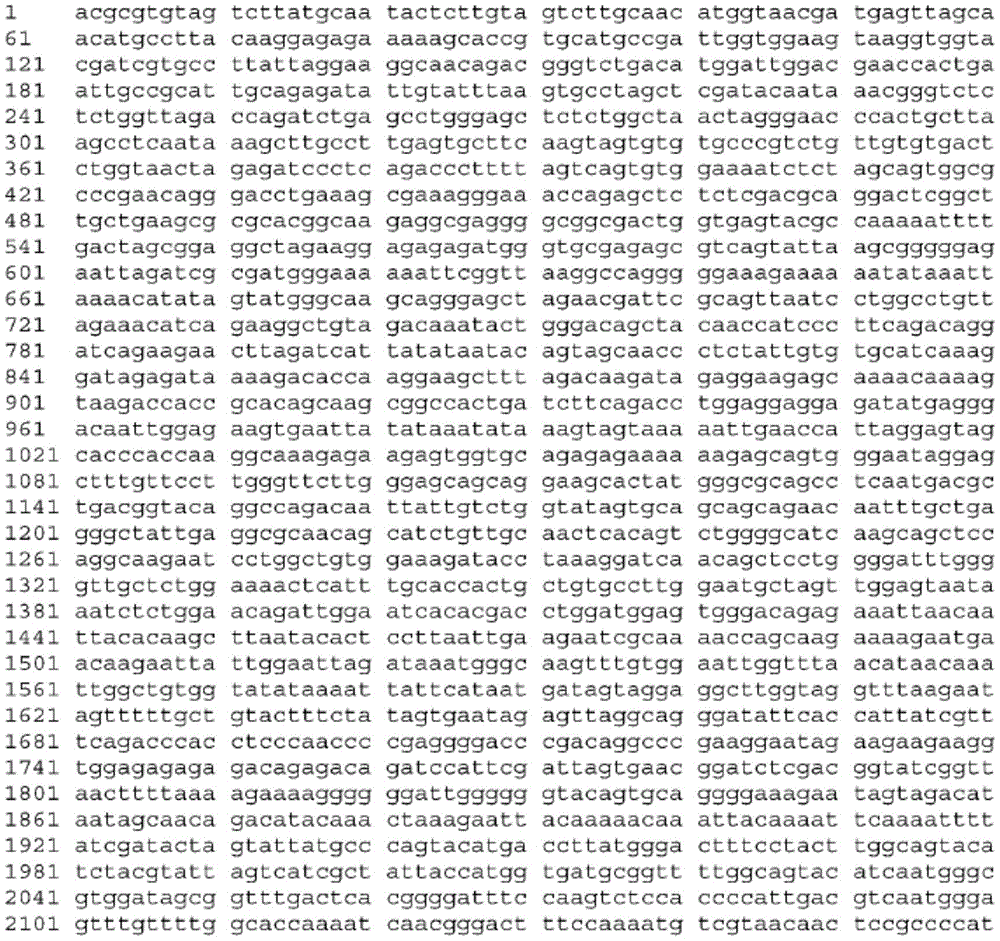
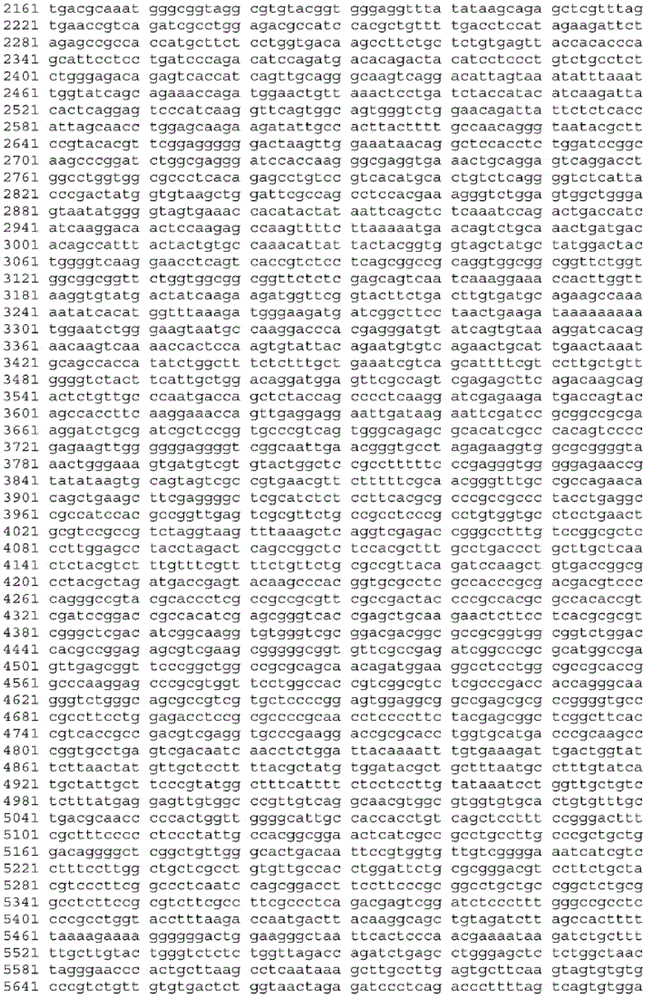
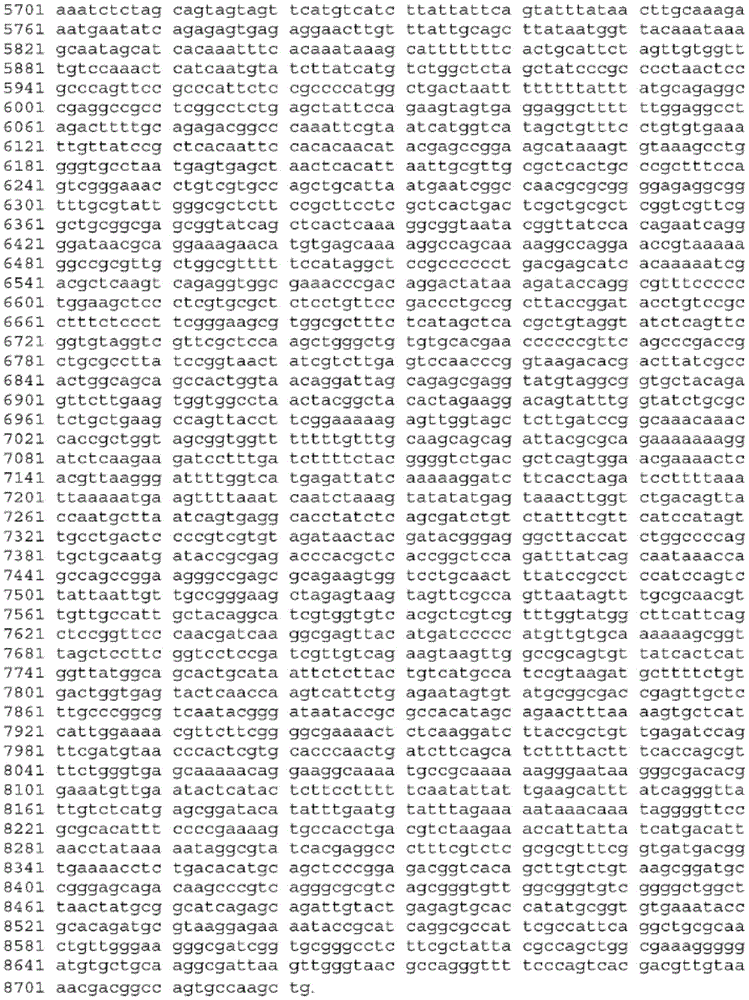
p510_抗CD19_SL_CD3δ(SEQ ID NO:20)p510_anti-CD19_SL_CD3delta (SEQ ID NO:20)

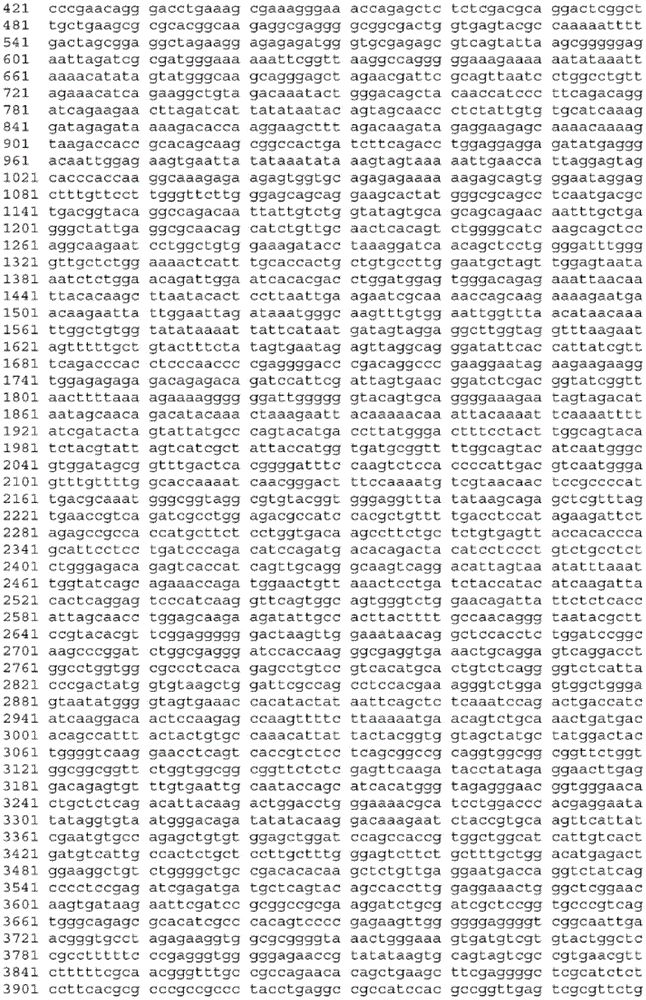

p510_抗CD19_SL_TCRβ(SEQ ID NO:21)p510_anti-CD19_SL_TCRβ (SEQ ID NO: 21)


p510_抗BCMA_CD3ε(SEQ ID NO:22)p510_anti-BCMA_CD3ε (SEQ ID NO:22)

p510_抗BCMA_CD3γ(SEQ ID NO:23)p510_anti-BCMA_CD3γ (SEQ ID NO: 23)

实施例2:抗体序列Example 2: Antibody Sequences
产生抗体序列generating antibody sequences
人CD19多肽规范序列是UniProt登录号P15391(或P15391-1)。人BCMA多肽规范序列是UniProt登录号Q02223(或Q02223-1)。提供了能够特异性结合至人CD19多肽或人BCMA多肽或人FAP多肽或人BCMA多肽,及其片段或结构域的抗体多肽。抗CD19抗体、抗FAP抗体、抗CAIX抗体以及抗BCMA抗体可以使用多种技术产生(参见例如,Nicholson等人,1997)。当使用鼠类抗CD19抗体、抗FAP抗体、抗CAIX抗体或抗BCMA抗体作为起始物质时,对于临床环境来说,需要对鼠类抗CD19抗体、抗FAP抗体、抗CAIX抗体或抗BCMA抗体进行人源化,其中鼠类特异性残基可以在接受T细胞受体(TCR)融合蛋白(TFP)治疗,即用TFP.CD19、TFP.FAP、TFP.CAIX或TFP.BCMA构建体转导的T细胞进行的治疗的受试者中诱导人抗小鼠抗原(HAMA)反应。通过将来自鼠类抗CD19抗体、抗FAP抗体、抗CAIX抗体或抗BCMA抗体的CDR区移植到适当人种系受体框架上,任选地包括针对CDR和/或框架区的其它修饰,来实现人源化。如本文所提供,抗体和抗体片段残基编号遵循Kabat(Kabat E.A.等人,1991;Chothia等人,1987)。The human CD19 polypeptide canonical sequence is UniProt accession number P15391 (or P15391-1). The human BCMA polypeptide canonical sequence is UniProt Accession No. Q02223 (or Q02223-1). Antibody polypeptides capable of specifically binding to human CD19 polypeptides or human BCMA polypeptides or human FAP polypeptides or human BCMA polypeptides, and fragments or domains thereof, are provided. Anti-CD19 antibodies, anti-FAP antibodies, anti-CAIX antibodies, and anti-BCMA antibodies can be produced using a variety of techniques (see, eg, Nicholson et al., 1997). When using a murine anti-CD19, anti-FAP, anti-CAIX, or anti-BCMA antibody as starting material, for a clinical setting, a murine anti-CD19, anti-FAP, anti-CAIX, or anti-BCMA antibody is required Humanization is performed where murine specific residues can be treated with T cell receptor (TCR) fusion protein (TFP) i.e. transduction with TFP.CD19, TFP.FAP, TFP.CAIX or TFP.BCMA constructs Induction of human anti-mouse antigen (HAMA) responses in subjects treated with T cells. by grafting CDR regions from a murine anti-CD19 antibody, anti-FAP antibody, anti-CAIX antibody or anti-BCMA antibody onto an appropriate human germline acceptor framework, optionally including other modifications to the CDR and/or framework regions Humanize. As provided herein, antibody and antibody fragment residue numbering follows Kabat (Kabat E.A. et al., 1991; Chothia et al., 1987).
产生scFvGenerate scFv
使用人或人源化抗CD19 IgG、抗FAP IgG、抗CAIX IgG或抗BCMA IgG产生TFP构建体的scFv序列。获得编码人或人源化VL和VH结构域的DNA序列,并任选地针对在来自智人的细胞中表达来优化这些构建体的密码子。scFv中VL和VH结构域出现的次序是不同的(即,VL-VH或VH-VL取向),并且三个“G4S”或“G4S”亚基拷贝(G4S)3连接可变结构域以产生scFv结构域。抗CD19 scFv、抗FAP scFv、抗CAIX scFv以及抗BCMA scFv质粒构建体可以具有任选的Flag、His或其它亲和标签,并且通过电穿孔放入HEK293或其它适合的人或哺乳动物细胞系中,并经历纯化。验证测定包括通过FACS进行的结合分析、使用Proteon的动力学分析以及对表达CD19的细胞的染色。The scFv sequences of the TFP constructs were generated using human or humanized anti-CD19 IgG, anti-FAP IgG, anti-CAIX IgG or anti-BCMA IgG. DNA sequences encoding human or humanized VL and VH domains are obtained, and these constructs are optionally codon-optimized for expression in cells from Homo sapiens. The order of appearance of the VL and VH domains in the scFv is different (ie, VL - VH or VH - VL orientation), and there are three copies of the "G4S" or "G4S" subunit ( G4 S) 3 Linking the variable domains to generate the scFv domains. Anti-CD19 scFv, anti-FAP scFv, anti-CAIX scFv, and anti-BCMA scFv plasmid constructs can have optional Flag, His or other affinity tags and be electroporated into HEK293 or other suitable human or mammalian cell lines , and undergo purification. Validation assays included binding analysis by FACS, kinetic analysis using Proteon, and staining for CD19 expressing cells.
VL和VH结构域的示例性抗CD19或抗BCMA CDR及编码其的核苷酸序列分别显示于下:Exemplary anti-CD19 or anti-BCMA CDRs and nucleotide sequences encoding the same for the VL and VH domains are shown below, respectively:
抗CD19anti-CD19
抗CD19轻链CDR1anti-CD19 light chain CDR1
编码序列:AGGGCAAGTCAGGACATTAGTAAA(SEQ ID NO:24)。Coding sequence: AGGGCAAGTCAGGACATTAGTAAA (SEQ ID NO: 24).
氨基酸序列:RASQDISK(SEQ ID NO:25)。Amino acid sequence: RASQDISK (SEQ ID NO: 25).
抗CD19轻链CDR2anti-CD19 light chain CDR2
编码序列:ATCTACCATACATCAAGATTA(SEQ ID NO:26)。Coding sequence: ATCTACCATACATCAAGATTA (SEQ ID NO: 26).
氨基酸序列:IYHTSRL(SEQ ID NO:27)。Amino acid sequence: IYHTSRL (SEQ ID NO: 27).
抗CD19轻链CDR3anti-CD19 light chain CDR3
编码序列:CAACAGGGTAATACGCTTCCGTACACG(SEQ ID NO:28)。Coding sequence: CAACAGGGTAATACGCTTCCGTACACG (SEQ ID NO: 28).
氨基酸序列:QQGNTLPYT(SEQ ID NO:29)。Amino acid sequence: QQGNTLPYT (SEQ ID NO: 29).
抗CD19重链CDR1anti-CD19 heavy chain CDR1
编码序列:GGGGTCTCATTACCCGACTATGGTGTAAGC(SEQ ID NO:30)。Coding sequence: GGGGTCTCATTACCCGACTATGGTGTAAGC (SEQ ID NO:30).
氨基酸序列:GVSLPDYGVS(SEQ ID NO:31)。Amino acid sequence: GVSLPDYGVS (SEQ ID NO: 31).
抗CD19重链CDR2anti-CD19 heavy chain CDR2
编码序列:GTAATATGGGGTAGTGAAACCACATACTATAATTCAGCTCTC(SEQ ID NO:32)。Coding sequence: GTAATATGGGGGTAGTGAAAACCACATACTATAATTCAGCTCTC (SEQ ID NO:32).
氨基酸序列:VIWGSETTYYNSAL(SEQ ID NO:33)。Amino acid sequence: VIWGSETTYYNSAL (SEQ ID NO: 33).
抗CD19重链CDR3anti-CD19 heavy chain CDR3
编码序列:CATTATTACTACGGTGGTAGCTATGCTATGGACTAC(SEQ ID NO:34)。Coding sequence: CATTATTACTACGGTGGTAGCTATGCTATGGACTAC (SEQ ID NO:34).
氨基酸序列:HYYYGGSYAMDY(SEQ ID NO:35)。Amino acid sequence: HYYYGGSYAMDY (SEQ ID NO: 35).
抗BCMAanti-BCMA
抗BCMA轻链CDR1Anti-BCMA light chain CDR1
编码序列:AAAAGCAGCCAGAGCCTGGTGCATAGCAACGGCAACACCTATCTGCAT(SEQ ID NO:36)。Coding sequence: AAAAGCAGCCAGAGCCTGGTGCATAGCAACGGCAACACCTATCTGCAT (SEQ ID NO: 36).
氨基酸序列:KSSQSLVHSNGNTYLH(SEQ ID NO:37)。Amino acid sequence: KSSQSLVHSNGNTYLH (SEQ ID NO: 37).
抗BCMA轻链CDR2Anti-BCMA light chain CDR2
编码序列:AAAGTGAGCAACCGCTTTAGC(SEQ ID NO:38)。Coding sequence: AAAGTGAGCAACCGCTTTAGC (SEQ ID NO: 38).
氨基酸序列:KVSNRFS(SEQ ID NO:39)。Amino acid sequence: KVSNRFS (SEQ ID NO:39).
抗BCMA轻链CDR3Anti-BCMA light chain CDR3
编码序列:GCGGAAACCAGCCATGTGCCGTGGACC(SEQ ID NO:40)Coding sequence: GCGGAAACCAGCCATGTGCCGTGGACC (SEQ ID NO:40)
氨基酸序列:AETSHVPWT(SEQ ID NO:41)。Amino acid sequence: AETSHVPWT (SEQ ID NO: 41).
抗BCMA重链CDR1Anti-BCMA heavy chain CDR1
编码序列:AAAGCGAGCGGCTATAGCTTTCCGGATTATTATATTAAC(SEQ ID NO:42)。Coding sequence: AAAGCGAGCGGCTATAGCTTTCCGGATTATTATATTAAC (SEQ ID NO: 42).
氨基酸序列:KASGYSFPDYYIN(SEQ ID NO:43)。Amino acid sequence: KASGYSFPDYYIN (SEQ ID NO:43).
抗BCMA重链CDR2Anti-BCMA heavy chain CDR2
编码序列:TGGATTTATTTTGCGAGCGGCAACAGCGAATATAACCAGAAATTTACCGGC(SEQ IDNO:44)。Coding sequence: TGGATTTATTTTGCGAGCGGCAACAGCGAATATAACCAGAAATTTACCGGC (SEQ ID NO: 44).
氨基酸序列:WIYFASGNSEYNQKFTG(SEQ ID NO:45)。Amino acid sequence: WIYFASGNSEYNQKFTG (SEQ ID NO: 45).
抗BCMA重链CDR3Anti-BCMA heavy chain CDR3
编码序列:CTGTATGATTATGATTGGTATTTTGATGTG(SEQ ID NO:46)。Coding sequence: CTGTATGATTATGATTGGTATTTTGATGTG (SEQ ID NO: 46).
氨基酸序列:LYDYDWYFDV(SEQ ID NO:47)。Amino acid sequence: LYDYDWYFDV (SEQ ID NO: 47).
抗CD19轻链可变区anti-CD19 light chain variable region
编码序列:Coding sequence:
GACATCCAGATGACACAGACTACATCCTCCCTGTCTGCCTCTCTGGGAGACAGAGTCACCATCAGTTGCAGGGCAAGTCAGGACATTAGTAAATATTTAAATTGGTATCAGCAGAAACCAGATGGAACTGTTAAACTCCTGATCTACCATACATCAAGATTACACTCAGGAGTCCCATCAAGGTTCAGTGGCAGTGGGTCTGGAACAGATTATTCTCTCACCATTAGCAACCTGGAGCAAGAAGATATTGCCACTTACTTTTGCCAACAGGGTAATACGCTTCCGTACACGTTCGGAGGGGGGACTAAGTTGGAAATAACA(SEQ ID NO:48)。GACATCCAGATGACACAGACTACATCCTCCCTGTCTGCCTCTCTGGGAGACAGAGTCACCATCAGTTGCAGGGCAAGTCAGGACATTAGTAAATATTTAAATTGGTATCAGCAGAAACCAGATGGAACTGTTAAACTCCTGATCTACCATACATCAAGATTACACTCAGGAGTCCCATCAAGGTTCAGTGGCAGTGGGTCTGGAACAGATTATTCTCTCACCATTAGCAACCTGGAGCAAGAAGATATTGCCACTTACTTTTGCCAACAGGGTAATACGCTTCCGTACACGTTCGGAGGGGGGACTAAGTTGGAAATAACA(SEQ ID NO:48)。
氨基酸序列:Amino acid sequence:
DIQMTQTTSSLSASLGDRVTISCRASQDISKYLNWYQQKPDGTVKLLIYHTSRLHSGVPSRFSGSGSGTDYSLTISNLEQEDIATYFCQQGNTLPYTFGGGTKLEIT(SEQ ID NO:49)。DIQMTQTTSSLSASLGDRVTISCRASQDISKYLNWYQQKPDGTVKLLIYHTSRLHSGVPSRFSGSGSGTDYSLTISNLEQEDIATYFCQQGNTLPYTFGGGTKLEIT (SEQ ID NO: 49).
抗CD19重链可变区Anti-CD19 heavy chain variable region
编码序列:Coding sequence:
GAGGTGAAACTGCAGGAGTCAGGACCTGGCCTGGTGGCGCCCTCACAGAGCCTGTCCGTCACATGCACTGTCTCAGGGGTCTCATTACCCGACTATGGTGTAAGCTGGATTCGCCAGCCTCCACGAAAGGGTCTGGAGTGGCTGGGAGTAATATGGGGTAGTGAAACCACATACTATAATTCAGCTCTCAAATCCAGACTGACCATCATCAAGGACAACTCCAAGAGCCAAGTTTTCTTAAAAATGAACAGTCTGCAAACTGATGACACAGCCATTTACTACTGTGCCAAACATTATTACTACGGTGGTAGCTATGCTATGGACTACTGGGGTCAAGGAACCTCAGTCACCGTCTCCTCA(SEQ ID NO:50)。GAGGTGAAACTGCAGGAGTCAGGACCTGGCCTGGTGGCGCCCTCACAGAGCCTGTCCGTCACATGCACTGTCTCAGGGGTCTCATTACCCGACTATGGTGTAAGCTGGATTCGCCAGCCTCCACGAAAGGGTCTGGAGTGGCTGGGAGTAATATGGGGTAGTGAAACCACATACTATAATTCAGCTCTCAAATCCAGACTGACCATCATCAAGGACAACTCCAAGAGCCAAGTTTTCTTAAAAATGAACAGTCTGCAAACTGATGACACAGCCATTTACTACTGTGCCAAACATTATTACTACGGTGGTAGCTATGCTATGGACTACTGGGGTCAAGGAACCTCAGTCACCGTCTCCTCA(SEQ ID NO:50)。
氨基酸序列:Amino acid sequence:
EVKLQESGPGLVAPSQSLSVTCTVSGVSLPDYGVSWIRQPPRKGLEWLGVIWGSETTYYNSALKSRLTIIKDNSKSQVFLKMNSLQTDDTAIYYCAKHYYYGGSYAMDYWGQGTSVTVSS(SEQ ID NO:51)。EVKLQESGPGLVAPSQSLSVTCTVSGVSLPDYGVSWIRQPPRKGLEWLGVIWGSETTYYNSALKSRLTIIKDNSKSQVFLKMNSLQTDDTAIYYCAKHYYYGGSYAMDYWGQGTSVTVSS (SEQ ID NO: 51).
抗BCMA轻链可变区anti-BCMA light chain variable region
编码序列:Coding sequence:
GATATTGTGATGACCCAGACCCCGCTGAGCCTGAGCGTGACCCCGGGCGAACCGGCGAGCATTAGCTGCAAAAGCAGCCAGAGCCTGGTGCATAGCAACGGCAACACCTATCTGCATTGGTATCTGCAGAAACCGGGCCAGAGCCCGCAGCTGCTGATTTATAAAGTGAGCAACCGCTTTAGCGGCGTGCCGGATCGCTTTAGCGGCAGCGGCAGCGGCGCGGATTTTACCCTGAAAATTAGCCGCGTGGAAGCGGAAGATGTGGGCGTGTATTATTGCGCGGAAACCAGCCATGTGCCGTGGACCTTTGGCCAGGGCACCAAACTGGAAATTAAAAGC(SEQ ID NO:52)。GATATTGTGATGACCCAGACCCCGCTGAGCCTGAGCGTGACCCCGGGCGAACCGGCGAGCATTAGCTGCAAAAGCAGCCAGAGCCTGGTGCATAGCAACGGCAACACCTATCTGCATTGGTATCTGCAGAAACCGGGCCAGAGCCCGCAGCTGCTGATTTATAAAGTGAGCAACCGCTTTAGCGGCGTGCCGGATCGCTTTAGCGGCAGCGGCAGCGGCGCGGATTTTACCCTGAAAATTAGCCGCGTGGAAGCGGAAGATGTGGGCGTGTATTATTGCGCGGAAACCAGCCATGTGCCGTGGACCTTTGGCCAGGGCACCAAACTGGAAATTAAAAGC(SEQ ID NO:52)。
氨基酸序列:Amino acid sequence:
DIVMTQTPLSLSVTPGEPASISCKSSQSLVHSNGNTYLHWYLQKPGQSPQLLIYKVSNRFSGVPDRFSGSGSGADFTLKISRVEAEDVGVYYCAETSHVPWTFGQGTKLEIKS(SEQ ID NO:53)。DIVMTQTPLSLSVTPGEPASISCKSSQSLVHSNGNTYLHWYLQKPGQSPQLLIYKVSNRFSGVPDRFSGSGSGADFTLKISRVEAEDVGVYYCAETSHVPWTFGQGTKLEIKS (SEQ ID NO: 53).
抗BCMA重链可变区Anti-BCMA heavy chain variable region
编码序列:Coding sequence:
CAGGTGCAGCTGGTGCAGAGCGGCGCGGAAGTGAAAAAACCGGGCGCGAGCGTGAAAGTGAGCTGCAAAGCGAGCGGCTATAGCTTTCCGGATTATTATATTAACTGGGTGCGCCAGGCGCCGGGCCAGGGCCTGGAATGGATGGGCTGGATTTATTTTGCGAGCGGCAACAGCGAATATAACCAGAAATTTACCGGCCGCGTGACCATGACCCGCGATACCAGCAGCAGCACCGCGTATATGGAACTGAGCAGCCTGCGCAGCGAAGATACCGCGGTGTATTTTTGCGCGAGCCTGTATGATTATGATTGGTATTTTGATGTGTGGGGCCAGGGCACCATGGTGACCGTGAGCAGC(SEQ ID NO:54)。CAGGTGCAGCTGGTGCAGAGCGGCGCGGAAGTGAAAAAACCGGGCGCGAGCGTGAAAGTGAGCTGCAAAGCGAGCGGCTATAGCTTTCCGGATTATTATATTAACTGGGTGCGCCAGGCGCCGGGCCAGGGCCTGGAATGGATGGGCTGGATTTATTTTGCGAGCGGCAACAGCGAATATAACCAGAAATTTACCGGCCGCGTGACCATGACCCGCGATACCAGCAGCAGCACCGCGTATATGGAACTGAGCAGCCTGCGCAGCGAAGATACCGCGGTGTATTTTTGCGCGAGCCTGTATGATTATGATTGGTATTTTGATGTGTGGGGCCAGGGCACCATGGTGACCGTGAGCAGC(SEQ ID NO:54)。
氨基酸序列:Amino acid sequence:
QVQLVQSGAEVKKPGASVKVSCKASGYSFPDYYINWVRQAPGQGLEWMGWIYFASGNSEYNQKFTGRVTMTRDTSSSTAYMELSSLRSEDTAVYFCASLYDYDWYFDVWGQGTMVTVSS(SEQ ID NO:55)。QVQLVQSGAEVKKPGASVKVSCKASGYSFPDYYINWVRQAPGQGLEWMGWIYFASGNSEYNQKFTGRVTMTRDTSSSTAYMELSSLRSEDTAVYFCASLYDYDWYFDVWGQGTMVTVSS (SEQ ID NO: 55).
TCR亚基的来源Origin of TCR subunits
人T细胞受体(TCR)复合物的亚基都含有细胞外结构域、跨膜结构域及细胞内结构域。人TCR复合物含有CD3-ε多肽、CD3-γ多肽、CD3-δ多肽、CD3-ζ多肽、TCRα链多肽及TCRβ链多肽。人CD3-ε多肽规范序列是Uniprot登录号P07766。人CD3-γ多肽规范序列是Uniprot登录号P09693。人CD3-δ多肽规范序列是Uniprot登录号P043234。人CD3-ζ多肽规范序列是Uniprot登录号P20963。人TCRα链规范序列是Uniprot登录号Q6ISU1。人TCRβ链C区规范序列是Uniprot登录号P01850,人TCRβ链V区序列是P04435。The subunits of the human T cell receptor (TCR) complex all contain an extracellular domain, a transmembrane domain and an intracellular domain. The human TCR complex contains CD3-ε polypeptide, CD3-γ polypeptide, CD3-δ polypeptide, CD3-ζ polypeptide, TCRα chain polypeptide and TCRβ chain polypeptide. The human CD3-ε polypeptide canonical sequence is Uniprot accession number P07766. The human CD3-gamma polypeptide canonical sequence is Uniprot accession number P09693. The human CD3-delta polypeptide canonical sequence is Uniprot accession number P043234. The human CD3-zeta polypeptide canonical sequence is Uniprot accession number P20963. The human TCR alpha chain canonical sequence is Uniprot accession number Q6ISU1. The canonical sequence of the human TCR beta chain C region is Uniprot accession number P01850 and the human TCR beta chain V region sequence is P04435.
人CD3-ε多肽规范序列是MQSGTHWRVLGLCLLSVGVWGQDGNEEMGGITQTPYKVSISGTTVILTCPQYPGSEILWQHNDKNIGGDEDDKNIGSDEDHLSLKEFSELEQSGYYVCYPRGSKPEDANFYLYLRARVCENCMEMDVMSVATIVIVDICITGGLLLLVYYWSKNRKAKAKPVTRGAGAGGRQRGQNKERPPPVPNPDYEPIRKGQRDLYSGLNQRRI(SEQ ID NO:56)。The human CD3-ε polypeptide canonical sequence is MQSGTHWRVLGLCLLSVGVWGQDGNEEMGGITQTPYKVSISGTTVILTCPQYPGSEILWQHNDKNIGGDEDDKNIGSDEDHLSLKEFSELEQSGYYVCYPRGSKPEDANFYLYLRARVCENCMEMDVMSVATIVIVDICITGGLLLLVYYWSKNRKAKAKPVTRGAGAGGRQRGQNKERPPPVPNPDYIRKGQRDLYSGLNQRRI)(SEQ ID NO.
人CD3-γ多肽规范序列是:MEQGKGLAVLILAIILLQGTLAQSIKGNHLVKVYDYQEDGSVLLTCDAEAKNITWFKDGKMIGFLTEDKKKWNLGSNAKDPRGMYQCKGSQNKSKPLQVYYRMCQNCIELNAATISGFLFAEIVSIFVLAVGVYFIAGQDGVRQSRASDKQTLLPNDQLYQPLKDREDDQYSHLQGNQLRRN(SEQ ID NO:57)。The human CD3-gamma polypeptide canonical sequence is: MEQGKGLAVLILAIILLQGTLAQSIKGNHLVKVYDYQEDGSVLLTCDAEAKNITWFKDGKMIGFLTEDKKKWNLGSNAKDPRGMYQCKGSQNKSKPLQVYYRMCQNCIELNAATISGFLFAEIVSIFVLAVGVYFIAGQDGVRQSRASDKQTLLPNDQLYQPLKDREDDQYSHLQGNQLRRN (SEQ ID NO: 57).
人CD3-δ多肽规范序列是:MEHSTFLSGLVLATLLSQVSPFKIPIEELEDRVFVNCNTSITWVEGTVGTLLSDITRLDLGKRILDPRGIYRCNGTDIYKDKESTVQVHYRMCQSCVELDPATVAGIIVTDVIATLLLALGVFCFAGHETGRLSGAADTQALLRNDQVYQPLRDRDDAQYSHLGGNWARNK(SEQ ID NO:58)。The human CD3-delta polypeptide canonical sequence is: MEHSTFLSGLVLATLLSQVSPFKIPIEELEDRVFVNCNTSITWVEGTVGTLLSDITRLDLGKRILDPRGIYRCNGTDIYKDKESTVQVHYRMCQSCVELDPATVAGIIVTDVIATLLLALGVFCFAGHETGRLSGAADTQALLRNDQVYQPLRDRDDAQYSHLGGNWARNK (SEQ ID NO: 58).
人CD3-ζ多肽规范序列是:MKWKALFTAAILQAQLPITEAQSFGLLDPKLCYLLDGILFIYGVILTALFLRVKFSRSADAPAYQQGQNQLYNELNLGRREEYDVLDKRRGRDPEMGGKPQRRKNPQEGLYNELQKDKMAEAYSEIGMKGERRRGKGHDGLYQGLSTATKDTYDALHMQALPPR(SEQ ID NO:59)。The human CD3-zeta polypeptide canonical sequence is: MKWKALFTAAILQAQLPITEAQSFGLLDPKLCYLLDGILFIYGVILTALFLRVKFSRSADAPAYQQGQNQLYNELNLGRREEYDVLDKRRGRDPEMGGKPQRRKNPQEGLYNELQKDKMAEAYSEIGMKGERRRGKGHDGLYQGLSTATKDTYDALHMQALPPR (SEQ ID NO: 59).
人TCRα链规范序列是:MAGTWLLLLLALGCPALPTGVGGTPFPSLAPPIMLLVDGKQQMVVVCLVLDVAPPGLDSPIWFSAGNGSALDAFTYGPSPATDGTWTNLAHLSLPSEELASWEPLVCHTGPGAEGHSRSTQPMHLSGEASTARTCPQEPLRGTPGGALWLGVLRLLLFKLLLFDLLLTCSCLCDPAGPLPSPATTTRLRALGSHRLHPATETGGREATSSPRPQPRDRRWGDTPPGRKPGSPVWGEGSYLSSYPTCPAQAWCSRSALRAPSSSLGAFFAGDLPPPLQAGAA(SEQ ID NO:60)。人TCRα链规范序列是:MAGTWLLLLLALGCPALPTGVGGTPFPSLAPPIMLLVDGKQQMVVVCLVLDVAPPGLDSPIWFSAGNGSALDAFTYGPSPATDGTWTNLAHLSLPSEELASWEPLVCHTGPGAEGHSRSTQPMHLSGEASTARTCPQEPLRGTPGGALWLGVLRLLLFKLLLFDLLLTCSCLCDPAGPLPSPATTTRLRALGSHRLHPATETGGREATSSPRPQPRDRRWGDTPPGRKPGSPVWGEGSYLSSYPTCPAQAWCSRSALRAPSSSLGAFFAGDLPPPLQAGAA(SEQ ID NO:60)。
人TCRα链C区规范序列是:PNIQNPDPAVYQLRDSKSSDKSVCLFTDFDSQTNVSQSKDSDVYITDKTVLDMRSMDFKSNSAVAWSNKSDFACANAFNNSIIPEDTFFPSPESSCDVKLVEKSFETDTNLNFQNLSVIGFRILLLKVAGFNLLMTLRLWSS(SEQ ID NO:61)。The human TCR alpha chain C region canonical sequence is: PNIQNPDPAVYQLRDSKSSDKSVCLFTDFDSQTNVSQSKDSDVYITDKTVLDMRSMDFKSNSAVAWSNKSDFACANAFNNSIIPEDTFFPSPESSCDVKLVEKSFETDTNLNFQNLSVIGFRILLLKVAGFNLLMTLRLWSS (SEQ ID NO: 61).
人TCRα链V区CTL-L17规范序列是:MAMLLGASVLILWLQPDWVNSQQKNDDQQVKQNSPSLSVQEGRISILNCDYTNSMFDYFLWYKKYPAEGPTFLISISSIKDKNEDGRFTVFLNKSAKHLSLHIVPSQPGDSAVYFCAAKGAGTASKLTFGTGTRLQVTL(SEQ ID NO:62)。The human TCR alpha chain V region CTL-L17 canonical sequence is: MAMLLGASVLILWLQPDWVNSQQKNDDQQVKQNSPSLSVQEGRISILNCDYTNSMFDYFLWYKKYPAEGPTFLISISSIKDKNEDGRFTVFLNKSAKHLSLHIVPSQPGDSAVYFCAAKGAGTASKLTFGTGTRLQVTL (SEQ ID NO: 62).
人TCRβ链C区规范序列是:EDLNKVFPPEVAVFEPSEAEISHTQKATLVCLATGFFPDHVELSWWVNGKEVHSGVSTDPQPLKEQPALNDSRYCLSSRLRVSATFWQNPRNHFRCQVQFYGLSENDEWTQDRAKPVTQIVSAEAWGRADCGFTSVSYQQGVLSATILYEILLGKATLYAVLVSALVLMAMVKRKDF(SEQ ID NO:63)。The canonical sequence for the human TCR beta chain C region is: EDLNKVFPPEVAVFEPSEAEISHTQKATLVCLATGFFPDHVELSWWVNGKEVHSGVSTDPQPLKEQPALNDSRYCLSSRLRVSATFWQNPRNHFRCQVQFYGLSENDEWTQDRAKPVTQIVSAAEAWGRADCGFTSVSYQQGVLSATILYEILLGKATLYAVLVSALVLMAMVKRKDF (SEQ ID NO: 63).
人TCRβ链V区CTL-L17规范序列是:MGTSLLCWMALCLLGADHADTGVSQNPRHNITKRGQNVTFRCDPISEHNRLYWYRQTLGQGPEFLTYFQNEAQLEKSRLLSDRFSAERPKGSFSTLEIQRTEQGDSAMYLCASSLAGLNQPQHFGDGTRLSIL(SEQ ID NO:64)。The human TCR beta chain V region CTL-L17 canonical sequence is: MGTSLLCWMALCLLGADHADTGVSQNPRHNITKRGQNVTFRCDPISEHNRLYWYRQTLGQGPEFLTYFQNEAQLEKSRLLSDRFSAERPKGSFSTLEIQRTEQGDSAMYLCASSLAGLNQPQHFGDGTRLSIL (SEQ ID NO: 64).
人TCRβ链V区YT35规范序列是:MDSWTFCCVSLCILVAKHTDAGVIQSPRHEVTEMGQEVTLRCKPISGHNSLFWYRQTMMRGLELLIYFNNNVPIDDSGMPEDRFSAKMPNASFSTLKIQPSEPRDSAVYFCASSFSTCSANYGYTFGSGTRLTVV(SEQ ID NO:65)。The human TCR beta chain V region YT35 canonical sequence is: MDSWTFCCVSLCILVAKHTDAGVIQSPRHEVTEMGQEVTLRCKPISGHNSLFWYRQTMMRGLELLIYFNNNVPIDDSGMPEDRFSAKMPNASFSTLKIQPSEPRDSAVYFCASSFSTCSANYGYTFGSGTRLTVV (SEQ ID NO: 65).
示例性抗BCMA重链序列是:Exemplary anti-BCMA heavy chain sequences are:
由TCR结构域和scFv产生TFPTFP production from TCR domains and scFv
使用连接子序列,如G4S、(G4S)2、(G4S)3或(G4S)4,将CD19或BCMA scFv重组连接至CD3-ε或其它TCR亚基(参见1C)。利用了各种连接子和scFv构型。TCRα和TCRβ链被用于产生TFP的全长多肽或仅其恒定结构域。TCRα和TCRβ链的任何可变序列都能用于制备TFP。Using linker sequences such as G4S, (G4S) 2 , ( G4S ) 3 or (G4S)4 , the CD19 or BCMA scFv was recombined to the CD3-ε or other TCR subunits (see 1C ). Various linker and scFv configurations were utilized. The TCRα and TCRβ chains are used to generate the full-length polypeptide of TFP or only its constant domains. Any variable sequence of the TCRα and TCRβ chains can be used to make TFP.
TFP表达载体TFP expression vector
提供的表达载体包括:启动子(巨细胞病毒(CMV)增强子-启动子)、起始分泌的信号序列、多聚腺苷酸化信号及转录终止子(牛生长激素(BGH)基因)、允许游离型复制和在原核生物中复制的元件(例如SV40起点和ColE1或本领域中已知的其它元件)以及允许选择的元件(氨苄青霉素(ampicillin)抗性基因和博莱霉素(zeocin)标志物)。The provided expression vector includes: a promoter (cytomegalovirus (CMV) enhancer-promoter), a signal sequence to initiate secretion, a polyadenylation signal, and a transcription terminator (bovine growth hormone (BGH) gene), allowing Elements for episomal replication and replication in prokaryotes (eg SV40 origin and ColE1 or other elements known in the art) and elements allowing selection (ampicillin resistance gene and zeocin marker ).
优选地,将编码TFP的核酸构建体克隆至慢病毒表达载体中,并基于TFP.CD19转导的T细胞(“CD19.TFP”或“CD19.TFP T细胞”或“TFP.CD19”或“TFP.CD19 T细胞”)响应于CD19+靶细胞、TFP.FAP转导的T细胞(“FAP.TFP”或“FAP.TFP T细胞”或“TFP.FAP”或“TFP.FAP T细胞”)响应于FAP+靶细胞、TFP.CAIX转导的T细胞(“CAIX.TFP”或“CAIX.TFP T细胞”或“TFP.CAIX”或“TFP.CAIX T细胞”)响应CAIX+靶细胞,或TFP.BCMA转导的T细胞(“BCMA.TFP”或“BCMA.TFP T细胞”或“TFP.BCMA”或“TFP.BCMA T细胞”)响应于BCMA+靶细胞的效应T细胞反应的数量和质量来验证表达。效应T细胞反应包括但不限于,细胞扩增、增殖、倍增、细胞因子产生以及靶细胞溶解或细胞溶解活性(即,脱粒)。Preferably, the nucleic acid construct encoding TFP is cloned into a lentiviral expression vector and based on TFP.CD19 transduced T cells ("CD19.TFP" or "CD19.TFP T cells" or "TFP.CD19" or " TFP.CD19 T cells") in response to CD19+ target cells, TFP.FAP transduced T cells ("FAP.TFP" or "FAP.TFP T cells" or "TFP.FAP" or "TFP.FAP T cells") T cells transduced in response to FAP+ target cells, TFP.CAIX ("CAIX.TFP" or "CAIX.TFP T cells" or "TFP.CAIX" or "TFP.CAIX T cells") in response to CAIX+ target cells, or TFP Quantity and quality of effector T cell responses of BCMA-transduced T cells ("BCMA.TFP" or "BCMA.TFP T cells" or "TFP.BCMA" or "TFP.BCMA T cells") in response to BCMA+ target cells to verify the expression. Effector T cell responses include, but are not limited to, cell expansion, proliferation, multiplication, cytokine production, and target cell lysis or cytolytic activity (ie, degranulation).
使用TFP.CD19、TFP.FAP、TFP.CAIX或TFP.BCMA慢病毒转移载体产生包装于VSVg假型慢病毒粒子中的基因材料。将慢病毒转移载体DNA与VSVg、gag/pol和rev三种包装组分以及脂转染胺试剂混合以将其一起转移至293细胞中。24和48小时后,收集培养基,过滤并通过超速离心来浓缩。所得病毒制剂在-80C下储存。通过对SupT1细胞进行滴定来测定转导单元的数量。通过用抗CD3×抗CD28珠粒活化新鲜的原生T细胞24小时,然后添加适当数量的转导单元以获得所希望百分比的转导T细胞,由此产生重定向的TFP.CD19、TFP.FAP、TFP.CAIX或TFP.BCMA T细胞。使这些修饰过的T细胞扩增,直到这些细胞休止并且大小减小,此时将其低温保存以待分析。使用coulter multisizer III测量细胞数量和大小。在低温保存之前,利用流式细胞术分析来测定转导的细胞(在细胞表面上表达TFP.CD19、TFP.FAP、TFP.CAIX或TFP.BCMA的细胞)的百分比以及其表达的相对荧光强度。根据柱形图,通过比较转导的百分比与其相对荧光强度来检查TFP的相对表达水平。Genetic material packaged in VSVg pseudotyped lentiviral particles was generated using TFP.CD19, TFP.FAP, TFP.CAIX or TFP.BCMA lentiviral transfer vectors. The lentiviral transfer vector DNA was mixed with the three packaging components VSVg, gag/pol and rev and the lipofectamine reagent to transfer them together into 293 cells. After 24 and 48 hours, the medium was collected, filtered and concentrated by ultracentrifugation. The resulting virus preparations were stored at -80C. The number of transduction units was determined by titrating SupT1 cells. Redirected TFP.CD19, TFP.FAP were generated by activating fresh naive T cells with anti-CD3 x anti-CD28 beads for 24 hours, then adding the appropriate number of transduction units to obtain the desired percentage of transduced T cells , TFP.CAIX or TFP.BCMA T cells. These modified T cells are expanded until the cells are quiescent and reduced in size, at which point they are cryopreserved for analysis. Cell number and size were measured using a coulter multisizer III. Flow cytometry analysis was used to determine the percentage of transduced cells (cells expressing TFP.CD19, TFP.FAP, TFP.CAIX or TFP.BCMA on the cell surface) and the relative fluorescence intensity of their expression prior to cryopreservation . The relative expression levels of TFP were examined by comparing the percentage of transduction with its relative fluorescence intensity according to the bar graph.
在一些实施方案中,通过用多种病毒载体转导T细胞来引入多个TFP。In some embodiments, multiple TFPs are introduced by transducing T cells with multiple viral vectors.
评价人源化TFP重定向T细胞的细胞溶解活性、增殖能力及细胞因子分泌Assessing the cytolytic activity, proliferative capacity, and cytokine secretion of humanized TFP-redirected T cells
使用本领域中已知的测定法测定TFP.CD19、TFP.FAP、TFP.CAIX或TFP.BCMA T细胞产生细胞表面表达的TFP以及杀灭靶肿瘤细胞的功能能力。The functional ability of TFP.CD19, TFP.FAP, TFP.CAIX or TFP.BCMA T cells to produce cell surface expressed TFP and kill target tumor cells is determined using assays known in the art.
用人白细胞介素2(IL-2)处理人PBMC(例如,来自正常进行单采血液成分的供体的血液,该供体的原生T细胞是通过针对T细胞、CD4+和CD8+淋巴细胞进行阴性选择来获得),然后在37℃和5%CO2下,例如在10%RPMI中用抗CD3×抗CD28珠粒活化,随后用编码TFP的慢病毒载体转导。利用流式细胞术测定法,如利用抗FLAG抗体或抗鼠类可变结构域抗体确定细胞表面TFP的存在。使用ELISA或其它测定法测量细胞因子(例如IFN-γ)的产生。Treatment of human PBMCs (e.g., blood from a normal apheresis donor whose naive T cells were negatively selected for T cells, CD4+ and CD8+ lymphocytes) with human interleukin 2 (IL-2) to obtain), followed by activation with anti-CD3 x anti-CD28 beads at 37 °C and 5% CO , eg, in 10% RPMI, followed by transduction with a lentiviral vector encoding TFP. The presence of cell surface TFP is determined using flow cytometry assays, such as using anti-FLAG antibodies or anti-murine variable domain antibodies. Cytokine (eg, IFN-γ) production is measured using ELISA or other assays.
实施例3:在人ALL小鼠模型中TFP T细胞的功效Example 3: Efficacy of TFP T cells in a human ALL mouse model
可以使原代人ALL细胞在免疫受损的小鼠(例如NSG或NOD小鼠)中生长,不必在体外对其进行培养。同样,培养的人ALL细胞系可以在这些小鼠中诱发白血病。可以使用患有ALL的小鼠,例如在HALLX5447模型中测试人TFP.CD19、TFP.FAP、TFP.CAIX或TFP.BCMA T细胞的功效。此模型中的读出是在存在和不存在静脉内(i.v.)施用的人TFP.CD19、TFP.FAP、TFP.CAIX或TFP.BCMA T细胞下在静脉内输注ALL细胞之后小鼠的存活率。Primary human ALL cells can be grown in immunocompromised mice (eg NSG or NOD mice) without having to culture them in vitro. Likewise, cultured human ALL cell lines can induce leukemia in these mice. The efficacy of human TFP.CD19, TFP.FAP, TFP.CAIX or TFP.BCMA T cells can be tested using mice with ALL, eg, in the HALLX5447 model. The readout in this model is the survival of mice following i.v. infusion of ALL cells in the presence and absence of intravenously (i.v.) administered human TFP.CD19, TFP.FAP, TFP.CAIX or TFP.BCMA T cells Rate.
实施例4:在体内实体肿瘤异种移植小鼠模型中进行的人TFP T细胞治疗Example 4: Human TFP T cell therapy in an in vivo solid tumor xenograft mouse model
还可以在带有来源于表达人CD19或BCMA的ALL、CLL或NHL人细胞系的皮下实体肿瘤的免疫受损的小鼠模型中测试人TFP.CD19或TFP.BCMA T细胞的功效。可以通过测径规测量肿瘤大小,或通过跟踪表达GFP的肿瘤细胞发射的GFP荧光信号的强度,来评估响应于人TFP.CD19、TFP.FAP、TFP.CAIX或TFP.BCMA T细胞治疗的肿瘤缩小情况。The efficacy of human TFP.CD19 or TFP.BCMA T cells can also be tested in immunocompromised mouse models bearing subcutaneous solid tumors derived from ALL, CLL or NHL human cell lines expressing human CD19 or BCMA. Tumor size in response to human TFP.CD19, TFP.FAP, TFP.CAIX, or TFP.BCMA T cell therapy can be assessed by measuring tumor size by calipers, or by tracking the intensity of the GFP fluorescent signal emitted by GFP-expressing tumor cells Narrow the situation.
可以使原代人实体肿瘤细胞在免疫受损的小鼠中生长,不必在体外对其进行培养。示例性实体肿瘤细胞包括如The Cancer Genome Atlas(TCGA)和/或Broad CancerCell Line Encyclopedia(CCLE,参见Barretina等人,Nature 483:603(2012))中所提供的实体肿瘤细胞系。示例性实体癌症细胞包括从肾细胞癌、乳癌、肺癌、卵巢癌、前列腺癌、结肠癌、子宫颈癌、脑癌、肝癌、胰腺癌、肾癌或胃癌分离的原代肿瘤细胞。在人肿瘤异种移植模型中,可以使用这些小鼠来测试TFP.CD19、TFP.FAP、TFP.CAIX或TFP.BCMA T细胞的功效(参见例如,Morton等人,Nat.Procol.2:247(2007))。在通过皮下植入或注射1×10⁶-1×10⁷个原代细胞(胶原蛋白酶处理的肿块于EC基质材料中的悬浮液)或肿瘤片段(在EC基质材料中的原发性肿瘤片段)之后,在开始治疗之前,使肿瘤生长至200-500mm3。Primary human solid tumor cells can be grown in immunocompromised mice without having to culture them in vitro. Exemplary solid tumor cells include solid tumor cell lines as provided in The Cancer Genome Atlas (TCGA) and/or the Broad Cancer Cell Line Encyclopedia (CCLE, see Barretina et al., Nature 483:603 (2012)). Exemplary solid cancer cells include primary tumor cells isolated from renal cell carcinoma, breast cancer, lung cancer, ovarian cancer, prostate cancer, colon cancer, cervical cancer, brain cancer, liver cancer, pancreatic cancer, kidney cancer, or gastric cancer. These mice can be used to test the efficacy of TFP.CD19, TFP.FAP, TFP.CAIX or TFP.BCMA T cells in human tumor xenograft models (see, e.g., Morton et al., Nat. Procol. 2:247 ( 2007)). 1 x 10 6 -1
实施例5:多重TFP多肽的说明以及多重人源化TFP重定向T细胞的用途Example 5: Description of Multiplex TFP Polypeptides and Use of Multiplex Humanized TFP to Redirect T Cells
本文所提供的TFP多肽能够与内源性TCR亚基多肽功能性缔合,形成功能性TCR复合物。此处,为了产生功能性、多重重组TCR复合物,使用了慢病毒载体中的多个TFP来转导T细胞。举例来说,提供T细胞,该T细胞含有i)具有来自CD3δ多肽的细胞外结构域、跨膜结构域和细胞内结构域,以及CD19、FAP、CAIX或BCMA特异性scFv抗体片段的第一TFP;及ii)具有来自CD3γ多肽的细胞外结构域、跨膜结构域和细胞内结构域,以及CD19、FAP、CAIX或BCMA特异性抗体片段的第二TFP。第一TFP和第二TFP能够彼此相互作用并且与内源性TCR亚基多肽相互作用,由此形成功能性TCR复合物。The TFP polypeptides provided herein are capable of functional association with endogenous TCR subunit polypeptides to form functional TCR complexes. Here, multiple TFPs in lentiviral vectors were used to transduce T cells in order to generate functional, multiplex recombinant TCR complexes. For example, T cells are provided that contain i) a first having an extracellular, transmembrane and intracellular domain from a CD3delta polypeptide, and a CD19, FAP, CAIX or BCMA specific scFv antibody fragment and ii) a second TFP having the extracellular, transmembrane and intracellular domains from a CD3γ polypeptide, and a CD19, FAP, CAIX or BCMA specific antibody fragment. The first TFP and the second TFP are capable of interacting with each other and with the endogenous TCR subunit polypeptide, thereby forming a functional TCR complex.
如以上实施例2和3中所提供,展现这些多重人源化TFP.CD19、TFP.FAP、TFP.CAIX或TFP.BCMA T细胞在液体和实体肿瘤中的用途。Use of these multiple humanized TFP.CD19, TFP.FAP, TFP.CAIX or TFP.BCMA T cells in liquid and solid tumors is demonstrated as provided in Examples 2 and 3 above.
实施例6:TFP转导的T细胞的制备Example 6: Preparation of TFP-transduced T cells
慢病毒产生Lentivirus production
编码适当构建体的慢病毒制备如下。将5×10⁶个HEK293FT细胞接种于100mm培养皿中并使其达到70-90%汇合过夜。在0.5mL无血清DMEM或Opti-MEM I培养基中稀释2.5μg指定DNA质粒和20μL慢病毒包装混合液(ALSTEM,目录号VP100;参见附录B3)并轻柔地混合。在一个独立试管中,在0.5mL无血清DMEM或Opti-MEM I培养基中稀释30μL NanoFect转染试剂(ALSTEM,目录号NF100)并轻柔地混合。然后,将NanoFect/DMEM和DNA/DMEM溶液混合在一起并涡旋10-15秒,随后在室温下孵育DMEM-质粒-NanoFect混合物15分钟。将来自前一步骤的完全转染复合物逐滴添加至细胞板中并摇动以使转染复合物均匀地分散于该板中。然后,在含5%CO2的潮湿恒温箱中,在37℃下孵育该板过夜。次日,用10mL新鲜培养基更换上清液并补充20μL ViralBoost(500x,ALSTEM,目录号VB100)。然后,在37℃下再孵育该板24小时。接着,将含慢病毒的上清液收集至50mL带盖的无菌锥形离心管中并放在冰上。在4℃下以3000rpm离心15分钟之后,用低蛋白质结合0.45μm无菌过滤器过滤澄清上清液,并且随后通过在4℃下以25,000rpm超速离心(Beckmann,L8-70M)1.5小时来分离病毒。取出沉淀并将其再悬浮于DMEM培养基中,并使用Lenti-X qRT-PCR滴定试剂盒(Clontech;目录号631235),通过定量RT-PCR确定慢病毒浓度/滴度。通过用DNA酶I处理来去除任何残留的质粒DNA。病毒储备制剂被立即用于感染或被等分并在-80℃下储存待用。Lentiviruses encoding appropriate constructs were prepared as follows. 5 x 10⁶ HEK293FT cells were seeded in 100 mm dishes and allowed to reach 70-90% confluence overnight. Dilute 2.5 μg of the indicated DNA plasmids and 20 μL of lentiviral packaging mix (ALSTEM, cat. no. VP100; see Appendix B3) in 0.5 mL of serum-free DMEM or Opti-MEM I medium and mix gently. In a separate tube, dilute 30 μL of NanoFect Transfection Reagent (ALSTEM, cat. no. NF100) in 0.5 mL of serum-free DMEM or Opti-MEM I medium and mix gently. The NanoFect/DMEM and DNA/DMEM solutions were then mixed together and vortexed for 10-15 seconds, followed by incubation of the DMEM-plasmid-NanoFect mixture for 15 minutes at room temperature. The complete transfection complex from the previous step was added dropwise to the cell plate and shaken to evenly disperse the transfection complex in the plate. The plate was then incubated overnight at 37 °C in a humidified incubator with 5% CO . The next day, the supernatant was replaced with 10 mL of fresh medium and supplemented with 20 μL of ViralBoost (500x, ALSTEM, cat. no. VB100). Then, the plate was incubated for an additional 24 hours at 37°C. Next, the lentivirus-containing supernatant was collected into a sterile 50 mL capped conical centrifuge tube and placed on ice. After centrifugation at 3000 rpm for 15 min at 4°C, the supernatant was clarified by filtration with a low protein binding 0.45 μm sterile filter and then isolated by ultracentrifugation (Beckmann, L8-70M) at 25,000 rpm for 1.5 h at 4°C Virus. The pellet was removed and resuspended in DMEM medium, and lentivirus concentration/titer was determined by quantitative RT-PCR using the Lenti-X qRT-PCR titration kit (Clontech; cat. no. 631235). Any residual plasmid DNA was removed by treatment with DNase I. Virus stock preparations were used immediately for infection or were aliquoted and stored at -80°C until use.
可以用FAP.TFP和CAIX.TFP构建体进行类似实验。Similar experiments can be performed with the FAP.TFP and CAIX.TFP constructs.
PBMC分离PBMC isolation
由全血或血沉棕黄层制备外周血单核细胞(PBMC)。将全血收集于10mL肝素真空采血管(vacutainer)中并且立即处理或在4℃下储存。在50mL锥形离心管中,约10mL抗凝全血与无菌磷酸盐缓冲生理盐水(PBS)缓冲液混合,总体积是20mL(PBS,pH 7.4,不含Ca2+/Mg2 +)。然后,将20mL此血液/PBS混合物轻柔地涂铺至15mL Ficoll-Paque PLUS(GEHealthcare,17-1440-03)的表面上,随后在室温下在无制动情况下以400g离心30-40分钟。Peripheral blood mononuclear cells (PBMC) were prepared from whole blood or buffy coat. Whole blood was collected in 10 mL heparin vacutainers and processed immediately or stored at 4°C. In a 50 mL conical centrifuge tube, approximately 10 mL of anticoagulated whole blood was mixed with sterile phosphate buffered saline (PBS) buffer in a total volume of 20 mL (PBS, pH 7.4, without Ca 2+ /Mg 2 + ). Then, 20 mL of this blood/PBS mixture was gently spread onto the surface of 15 mL of Ficoll-Paque PLUS (GE Healthcare, 17-1440-03), followed by centrifugation at 400 g for 30-40 minutes at room temperature without braking.
血沉棕黄层是购自Research Blood Components(Boston,MA)。通过添加15mLFicoll-Paque(GE Health Care)来准备Leucosep管(Greiner bio-one)并以1000g离心1分钟。将血沉棕黄层在PBS(pH 7.4,不含Ca2+ or Mg2+)中以1:3稀释。将稀释的血沉棕黄层转移至Leucosep管中并在无制动情况下以1000g离心15分钟。小心地取出接种于稀释的血浆/Ficoll界面处的含有外周血单核细胞(PBMC)的细胞层以使Ficoll引起的污染减到最少。然后,通过用40mL PBS洗涤PBMC三次,随后在室温下以200g离心10分钟来去除残留的Ficoll、血小板及血浆蛋白。然后,用血细胞计数器对细胞计数。用CAR-T培养基(AIM V-AlbuMAX(BSA)(Life Technologies),含5%AB血清和1.25μg/mL两性霉素B(Gemini Bioproducts,Woodland,CA)、100U/mL青霉素以及100μg/mL链霉素)将经过洗涤的PBMC洗涤一次。或者,将经过洗涤的PBMC转移至隔离小瓶中并在-80℃下冷冻24小时,随后储存于液氮中待用。Buffy coat was purchased from Research Blood Components (Boston, MA). Leucosep tubes (Greiner bio-one) were prepared by adding 15 mL of Ficoll-Paque (GE Health Care) and centrifuged at 1000 g for 1 minute. The buffy coat was diluted 1:3 in PBS (pH 7.4 without Ca 2+ or Mg 2+ ). The diluted buffy coat was transferred to Leucosep tubes and centrifuged at 1000 g for 15 minutes without braking. The cell layer containing peripheral blood mononuclear cells (PBMC) seeded at the diluted plasma/Ficoll interface was carefully removed to minimize Ficoll-induced contamination. Residual Ficoll, platelets, and plasma proteins were then removed by washing the PBMCs three times with 40 mL of PBS, followed by centrifugation at 200 g for 10 minutes at room temperature. Then, count the cells with a hemocytometer. CAR-T medium (AIM V-AlbuMAX (BSA) (Life Technologies) containing 5% AB serum and 1.25 μg/mL amphotericin B (Gemini Bioproducts, Woodland, CA), 100 U/mL penicillin and 100 μg/mL Streptomycin) washed the washed PBMC once. Alternatively, the washed PBMCs were transferred to isolation vials and frozen at -80°C for 24 hours, then stored in liquid nitrogen until use.
可以用FAP.TFP和CAIX.TFP构建体进行类似实验。Similar experiments can be performed with the FAP.TFP and CAIX.TFP constructs.
T细胞活化T cell activation
用抗人CD28和CD3抗体偶联的磁珠刺激由全血或血沉棕黄层制备的外周血单核细胞(PBMC),保持24小时,随后进行病毒转导。在不含huIL-2的CAR-T培养基(AIM V-AlbuMAX(BSA)(Life Technologies),含5%AB血清和1.25μg/mL两性霉素B(Gemini Bioproducts)、100U/mL青霉素以及100μg/mL链霉素)中洗涤新鲜分离的PBMC一次,随后将其以1×106个细胞/毫升的最终浓度再悬浮于含300IU/mL人IL-2(来自1000×储备液;Invitrogen)的CAR-T培养基中。如果先前已冷冻PBMC,则将其解冻并在10%FBS、100U/mL青霉素和100μg/mL链霉素存在下,以1×107个细胞/毫升再悬浮于9mL预先加温(37℃)的cDMEM培养基(LifeTechnologies)中,浓度是1×106个细胞/毫升,随后如上所述,在CART培养基中洗涤一次,以1×106个细胞/毫升再悬浮于CAR-T培养基中,并且添加IL-2。Peripheral blood mononuclear cells (PBMC) prepared from whole blood or buffy coat were stimulated with anti-human CD28 and CD3 antibody-conjugated magnetic beads for 24 hours prior to viral transduction. In huIL-2-free CAR-T medium (AIM V-AlbuMAX (BSA) (Life Technologies), containing 5% AB serum and 1.25 μg/mL amphotericin B (Gemini Bioproducts), 100 U/mL penicillin and 100 μg Freshly isolated PBMCs were washed once in streptomycin/mL) and then resuspended at a final concentration of 1 x 10⁶ cells/mL in 300 IU/mL human IL-2 (from 1000 x stock; Invitrogen) in CAR-T medium. If PBMCs were previously frozen, thaw them and resuspend at 1 x 10 cells/mL in 9 mL prewarmed (37°C) in the presence of 10% FBS, 100 U/mL penicillin, and 100 μg/mL streptomycin cDMEM medium (LifeTechnologies) at a concentration of 1 x 10 6 cells/ml, followed by one wash in CAR-T medium as described above, and resuspended in CAR-T medium at 1 x 10 6 cells/ml and added IL-2.
在活化之前,用1mL无菌1×PBS(pH7.4)洗涤抗人CD28和CD3抗体偶联的磁珠(Invitrogen)三次,使用磁力架将珠粒从溶液分离,随后再悬浮于含300IU/mL人IL-2的CAR-T培养基中,达到4×107个珠粒/毫升的最终浓度。然后通过将25μL(1×106个珠粒)珠粒转移至1mL PBMC中,以1:1珠粒比细胞比率混合PBMC和珠粒。然后,将所希望数量的等分试样分配于12孔低吸附或非处理细胞培养板的各个孔中,并在37℃和5%CO2下孵育24小时,随后进行病毒转导。Before activation, anti-human CD28 and CD3 antibody-conjugated magnetic beads (Invitrogen) were washed three times with 1 mL of sterile 1x PBS (pH 7.4), the beads were separated from solution using a magnetic stand, and then resuspended in 300 IU/ mL human IL-2 in CAR-T medium to reach a final concentration of 4 x 10⁷ beads/mL. PBMCs and beads were then mixed at a 1:1 bead to cell ratio by transferring 25 μL (1×10 6 beads) of beads into 1 mL of PBMCs. Then, aliquots of the desired number were dispensed into individual wells of a 12-well low-adsorption or non-treated cell culture plate and incubated at 37°C and 5% CO for 24 hours prior to viral transduction.
可以用FAP.TFP和CAIX.TFP构建体进行类似实验。Similar experiments can be performed with the FAP.TFP and CAIX.TFP constructs.
T细胞转导/转染和扩增T cell transduction/transfection and expansion
活化后,在37℃和5%CO2下孵育PBMC细胞24小时。在冰上使慢病毒解冻,并将5×10⁶个慢病毒以及每毫升培养基2μL Transplus(Alstem)(最终稀释度是1:500)添加至含1×10⁶个细胞的每个孔中。将细胞再孵育24小时,随后重复添加病毒。或者,在冰上使慢病毒解冻,并在5μg/mL Polybrene(Sigma)存在下,添加5或50MOI的对应病毒。在室温下,以100g低速离心病毒接种细胞,保持100分钟。然后使细胞在300IU/mL人IL-2持续存在下生长6-14天时间(总孵育时间取决于所需CAR-T细胞的最终数量)。每2-3天分析细胞浓度,并且在该时间添加培养基以维持1×106个细胞/毫升的细胞悬浮液。After activation, PBMC cells were incubated at 37 °C and 5% CO for 24 h. Thaw lentiviruses on ice and add 5 x 10⁶ lentiviruses to each well containing 1 x 10⁶ cells along with 2 μL of Transplus (Alstem) per ml of medium (final dilution is 1:500) . Cells were incubated for an additional 24 hours, followed by repeated addition of virus. Alternatively, lentiviruses were thawed on ice and added at 5 or 50 MOI of the corresponding virus in the presence of 5 μg/mL Polybrene (Sigma). Cells were inoculated with virus by low speed centrifugation at 100 g for 100 minutes at room temperature. Cells were then grown in the continuous presence of 300 IU/mL human IL-2 for a period of 6-14 days (total incubation time depends on the final number of CAR-T cells desired). Cell concentration was analyzed every 2-3 days and medium was added at this time to maintain a cell suspension of 1 x 10⁶ cells/ml.
在一些情形中,通过电穿孔将体外转录(IVT)的mRNA放入活化的PBMC中(图14)。在300IU/ml重组人IL-2(R&D System)存在下,用Dyna珠粒(ThermoFisher)以1比1比率刺激人PBMC,保持3天。在电穿孔之前,取出珠粒。洗涤细胞并将其以2.5×10⁷个细胞/毫升的浓度再悬浮于OPTI-MEM培养基(ThermoFisher)中。将200μL细胞悬浮液(5×106个细胞)转移至2mm间隙的Electroporation Cuvettes PlusTM(Harvard Apparatus BTX)中并在冰上预冷却。将10μg IVT TFP mRNA添加至细胞悬浮液中。然后,使用ECM830 Electro Square WavePorator(Harvard Apparatus BTX),在200V下电穿孔放入mRNA/细胞混合物,保持20毫秒。在电穿孔之后,立即将细胞转移至新鲜细胞培养基(AIM V AlbuMAX(BSA)无血清培养基+5%人AB血清+300IU/ml IL-2)中并在37℃下孵育。In some cases, in vitro transcribed (IVT) mRNA was placed into activated PBMCs by electroporation (FIG. 14). Human PBMCs were stimulated at a 1:1 ratio with Dyna beads (ThermoFisher) in the presence of 300 IU/ml recombinant human IL-2 (R&D System) for 3 days. Before electroporation, remove the beads. Cells were washed and resuspended in OPTI-MEM medium (ThermoFisher) at a concentration of 2.5 x 10⁷ cells/ml. 200 μL of cell suspension (5×10 6 cells) was transferred into Electroporation Cuvettes Plus ™ (Harvard Apparatus BTX) with a 2 mm gap and pre-cooled on ice. 10 μg of IVT TFP mRNA was added to the cell suspension. The mRNA/cell mixture was then electroporated at 200V for 20 ms using an ECM830 Electro Square WavePorator (Harvard Apparatus BTX). Immediately after electroporation, cells were transferred to fresh cell culture medium (AIM V AlbuMAX (BSA) serum free medium + 5% human AB serum + 300 IU/ml IL-2) and incubated at 37°C.
可以用FAP.TFP和CAIX.TFP构建体进行类似实验。Similar experiments can be performed with the FAP.TFP and CAIX.TFP constructs.
通过细胞染色验证TFP表达Validation of TFP expression by cell staining
在慢病毒转导或mRNA电穿孔之后,通过流式细胞术,使用抗小鼠Fab抗体检测鼠类抗CD19、抗FAP、抗CAIX或抗BCMA scFv来确定抗CD19、抗FAP、抗CAIX以及抗BCMA CAR和TFP的表达。在3mL染色缓冲液(PBS,4%BSA)中洗涤T细胞三次,并将其以1×10⁶个细胞/孔再悬浮于PBS中。为去除死细胞,将细胞与Live dead aqua(Invitrogen)一起在冰上孵育30分钟。用PBS洗涤细胞两次并将其再悬浮于50μL染色缓冲液中。为阻断Fc受体,将1μL 1:100稀释的标准山羊IgG(LifeTechnologies)添加至每个管中并在冰中孵育10分钟。将1.0mLFACS缓冲液添加至各管中,充分混合并通过以300g离心5分钟使细胞沉淀。通过生物素标记的多克隆山羊抗小鼠F(ab)2抗体(Life Technologies),并以生物素标记的标准多克隆山羊IgG抗体(Life Technologies)用作同种型对照来检测scFv TFP的表面表达。以10μg/mL添加两种抗体,反应体积是100μL。然后,细胞在4℃下孵育45分钟,洗涤一次,将其再悬浮于FACS缓冲液中,并通过向各管中添加100μL1:1000稀释的标准小鼠IgG,用标准小鼠IgG(Invitrogen)阻断。接着,细胞在冰上孵育10分钟,用染色缓冲液洗涤,并在再悬浮于100μL染色缓冲液中。然后,通过添加1.0μL藻红素(PE)标记的抗生蛋白链菌素(BD Biosciences)对细胞染色,并向各管中添加APC抗人CD3抗体(Clone-UCHT1,BD Biosciences)、PerCP/Cy5.5抗人CD8抗体(Clone-SK1,BD Biosciences)及太平洋蓝抗人CD4抗体(Clone-RPA-T4,BD Biosciences)。使用LSRFortessaTM X20(BD Biosciences)进行流式细胞术并使用FACSdiva软件采集数据,并用FlowJo(Treestar,Inc.Ashland,OR)进行分析。介于20%与40%之间的转导的T细胞表达抗CD19 CAR、抗CD19 LL TFP、抗CD19 SL TFP或抗BCMA TFP,表明CAR和TFP构建体的转导和表面表达水平相当(图5-7)。After lentiviral transduction or mRNA electroporation, anti-CD19, anti-FAP, anti-CAIX, and anti-CD19, anti-FAP, anti-CAIX, and anti-CD19 were determined by flow cytometry using anti-mouse Fab antibodies to detect murine anti-CD19, anti-FAP, anti-CAIX, or anti-BCMA scFv Expression of BCMA CAR and TFP. T cells were washed three times in 3 mL staining buffer (PBS, 4% BSA) and resuspended in PBS at 1 x 10⁶ cells/well. To remove dead cells, cells were incubated with Live dead aqua (Invitrogen) for 30 minutes on ice. Cells were washed twice with PBS and resuspended in 50 μL of staining buffer. To block Fc receptors, 1 μL of a 1:100 dilution of standard goat IgG (Life Technologies) was added to each tube and incubated on ice for 10 minutes. 1.0 mL of FACS buffer was added to each tube, mixed well and cells were pelleted by centrifugation at 300 g for 5 minutes. The surface of the scFv TFP was detected by a biotin-labeled polyclonal goat anti-mouse F(ab) 2 antibody (Life Technologies) with a biotin-labeled standard polyclonal goat IgG antibody (Life Technologies) used as an isotype control Express. Both antibodies were added at 10 μg/mL and the reaction volume was 100 μL. Cells were then incubated at 4°C for 45 min, washed once, resuspended in FACS buffer and blocked with standard mouse IgG (Invitrogen) by adding 100 μL of standard mouse IgG diluted 1:1000 to each tube. break. Next, cells were incubated on ice for 10 min, washed with staining buffer, and resuspended in 100 μL staining buffer. Cells were then stained by adding 1.0 μL of phycoerythrin (PE)-labeled streptavidin (BD Biosciences), and APC anti-human CD3 antibody (Clone-UCHT1, BD Biosciences), PerCP/Cy5 were added to each tube .5 Anti-human CD8 antibody (Clone-SK1, BD Biosciences) and Pacific Blue anti-human CD4 antibody (Clone-RPA-T4, BD Biosciences). Flow cytometry was performed using a LSRFortessa ™ X20 (BD Biosciences) and data was acquired using FACSdiva software and analyzed with FlowJo (Treestar, Inc. Ashland, OR). Between 20% and 40% of transduced T cells expressed anti-CD19 CAR, anti-CD19 LL TFP, anti-CD19 SL TFP, or anti-BCMA TFP, indicating comparable levels of transduction and surface expression for the CAR and TFP constructs (Fig. 5-7).
可以用FAP.TFP和CAIX.TFP构建体进行类似实验。Similar experiments can be performed with the FAP.TFP and CAIX.TFP constructs.
实施例7:通过流式细胞术进行细胞毒性测定Example 7: Cytotoxicity assay by flow cytometry
用荧光染料羧基荧光素二乙酸琥珀酰亚胺酯(CFSE)标记对相应CD19、FAP、CAIX或BCMA靶呈阳性或阴性的靶细胞。将这些靶细胞与未被转导、被对照CAR-T构建体转导或被TFP转导的效应T细胞混合。在指定孵育时间之后,通过流式细胞术测定各效应细胞/靶细胞培养物中死CFSE标记靶细胞相对于活CFSE标记靶细胞和阴性对照靶细胞的百分比。计算相对于仅含靶细胞的孔,各T细胞+靶细胞培养物中靶细胞存活率百分比。Target cells positive or negative for the corresponding CD19, FAP, CAIX or BCMA targets were labeled with the fluorescent dye carboxyfluorescein diacetate succinimidyl ester (CFSE). These target cells were mixed with effector T cells that were not transduced, transduced with control CAR-T constructs, or transduced with TFP. After the indicated incubation times, the percentage of dead CFSE-labeled target cells relative to live CFSE-labeled and negative control target cells in each effector/target cell culture was determined by flow cytometry. Percent target cell viability in each T cell + target cell culture was calculated relative to wells containing target cells only.
通过在共孵育效应细胞和靶细胞之后,使用流式细胞术比较不存在或存在效应T细胞下靶细胞中存活靶细胞的数量,来测量效应T细胞的细胞毒性活性。在用CD19 TFP或CAR-T细胞进行的实验中,靶细胞是CD19阳性Raji伯基特氏淋巴瘤细胞(ATCC,CCL-86),而用作阴性对照的细胞是CD19阴性K562细胞(ATCC,CCL-243)。在用BCMA TFP T细胞进行的实验中,靶细胞是BCMA阳性RPMI-8226浆细胞瘤/骨髓瘤细胞(ATCC,CCL-155),而用作阴性对照的细胞是BCMA阴性Raji伯基特氏淋巴瘤细胞(ATCC,CCL-86)。Cytotoxic activity of effector T cells is measured by comparing the number of viable target cells in target cells in the absence or presence of effector T cells using flow cytometry after co-incubation of effector and target cells. In experiments with CD19 TFP or CAR-T cells, the target cells were CD19-positive Raji Burkitt's lymphoma cells (ATCC, CCL-86), while the cells used as negative controls were CD19-negative K562 cells (ATCC, CCL-243). In experiments with BCMA TFP T cells, the target cells were BCMA positive RPMI-8226 plasmacytoma/myeloma cells (ATCC, CCL-155), while the cells used as negative controls were BCMA negative Raji Burkitt's lymphoma tumor cells (ATCC, CCL-86).
洗涤靶细胞一次,并将其以1×10⁶个细胞/毫升再悬浮于PBS中。将荧光染料羧基荧光素二乙酸琥珀酰亚胺酯(CFSE)(ThermoFisher)以0.03μM浓度添加至细胞悬浮液中并在室温下孵育细胞20分钟。通过向细胞悬浮液中添加体积是反应体积5倍的完全细胞培养基(RPMI-1640+10%HI-FBS)来停止标记反应,并在室温下再孵育细胞2分钟。通过离心使细胞沉淀并将其以2×105个细胞/毫升再悬浮于细胞毒性培养基(不含酚红的RPMI1640(Invitrogen)加5%AB血清中。向96孔U形底培养板(Corning)的各孔中添加五十微升CFSE标记的靶细胞悬浮液(相当于10,000个细胞)。Target cells were washed once and resuspended in PBS at 1 x 10⁶ cells/ml. The fluorescent dye carboxyfluorescein diacetate succinimidyl ester (CFSE) (ThermoFisher) was added to the cell suspension at a concentration of 0.03 μM and the cells were incubated at room temperature for 20 minutes. The labeling reaction was stopped by adding a volume of complete cell medium (RPMI-1640 + 10% HI-FBS) to the
洗涤用BCMA TFP构建体转导的效应T细胞以及作为阴性对照的未被转导的T细胞并以2×10⁶个细胞/毫升或1×106个细胞/毫升悬浮于细胞毒性培养基中。将50μL效应T细胞悬浮液(相当于100,000或50,000个细胞)添加至涂铺的靶细胞中,分别达到10:1或5:1的效应细胞与靶细胞比率,总体积是100μL。然后混合培养物,离心并在37℃、5%CO2下孵育4小时。在该孵育之后,根据制造商的推荐,立即将7AAD(7-氨基放线菌素D)(BioLegend)添加至培养的细胞中,并用BD Fortessa X-20(BD Biosciences)进行流式细胞术。使用FlowJo软件(TreeStar,Inc.)对流式细胞术数据进行分析。Effector T cells transduced with BCMA TFP constructs and non-transduced T cells as negative controls were washed and suspended in cytotoxic medium at 2 x 10 cells/ml or 1 x 10 cells/ml . 50 μL of the effector T cell suspension (equivalent to 100,000 or 50,000 cells) was added to the plated target cells to achieve a 10:1 or 5:1 effector to target cell ratio, respectively, in a total volume of 100 μL. The cultures were then mixed, centrifuged and incubated at 37°C, 5% CO2 for 4 hours. Immediately after this incubation, 7AAD (7-aminoactinomycin D) (BioLegend) was added to the cultured cells and flow cytometry was performed with a BD Fortessa X-20 (BD Biosciences) according to the manufacturer's recommendations. Flow cytometry data were analyzed using FlowJo software (TreeStar, Inc.).
通过用含效应T细胞和靶细胞的样品中存活RPMI-8226靶细胞(CFSE+7-AAD-)的数量除以仅含靶细胞的样品中存活RPMI-8226(CFSE+7-AAD-)细胞的数量来计算RPMI-8226靶细胞的存活率百分比。以杀灭RPMI-8226的百分比计算效应细胞的细胞毒性=100%-RPMI-8226细胞存活百分比。By dividing the number of viable RPMI-8226 target cells (CFSE+7-AAD-) in samples containing effector T cells and target cells by the number of viable RPMI-8226 (CFSE+7-AAD-) cells in samples containing only target cells The number to calculate the percent viability of RPMI-8226 target cells. The cytotoxicity of effector cells was calculated as the percentage of killing of RPMI-8226 = 100% - % of RPMI-8226 cell survival.
如先前所述,当与未被转导或被非CD19特异性CAR对照物转导的T细胞相比较时,用抗CD19 28ζCAR构建体转导的T细胞针对表达CD19的Raji B细胞展现出细胞毒性(图8)。不过,在所测试的所有效应细胞:靶细胞比率下,用抗CD19-CD3ε转导的T细胞诱导针对Raji靶的细胞毒性比抗CD19 CAR对照有效。在介于5与10:1之间的效应细胞:靶细胞比率下,抗CD19-CD3γTFP还介导稳固细胞毒性,高于用抗CD19-CAR所观察到的细胞毒性(图8)。用抗CD19-TCRα和抗CD19-TCRβTFP观察到某种细胞毒性。利用以替代性铰链区构建的抗CD19TFP获得类似结果。再一次,利用抗CD19-CD3ε或抗CD19-CD3γTFP转导的T细胞针对表达CD19的Raji靶细胞的细胞毒性高于抗CD19-CAR转导的T细胞。As previously described, T cells transduced with the anti-CD19 28ζ CAR construct exhibited cellularity against CD19-expressing Raji B cells when compared to T cells that were not transduced or transduced with a non-CD19-specific CAR control toxicity (Figure 8). However, T cells transduced with anti-CD19-CD3ε induced cytotoxicity against Raji targets more efficiently than anti-CD19 CAR controls at all effector:target cell ratios tested. Anti-CD19-CD3γ TFP also mediated robust cytotoxicity at effector:target cell ratios between 5 and 10:1, higher than that observed with anti-CD19-CAR (Figure 8). Some cytotoxicity was observed with anti-CD19-TCRα and anti-CD19-TCRβ TFPs. Similar results were obtained with anti-CD19 TFPs constructed with alternative hinge regions. Again, T cells transduced with anti-CD19-CD3ε or anti-CD19-CD3γ TFP were more cytotoxic against CD19-expressing Raji target cells than T cells transduced with anti-CD19-CAR.
用编码CD-19特异性TFP的mRNA电穿孔的T细胞也针对表达CD19的Raji细胞展现出稳固的细胞毒性。用对照物或抗CD19 TRuC构建体未观察到明显的CD19阴性K562细胞杀灭作用,但利用被抗CD19-CD3εSL或抗CD19-CD3γSL TRuC转导的T细胞观察到CD19特异性Raji杀灭作用(图14)。T cells electroporated with mRNA encoding CD-19-specific TFP also exhibited robust cytotoxicity against CD19-expressing Raji cells. No significant killing of CD19-negative K562 cells was observed with control or anti-CD19 TRuC constructs, but CD19-specific Raji killing was observed with T cells transduced with anti-CD19-CD3εSL or anti-CD19-CD3γSL TRuC ( Figure 14).
用B细胞成熟抗原(BCMA)特异性TFP转导的T细胞也针对表达BCMA的RPMI8226细胞展现出稳固的细胞毒性。用抗BCMA-CD3ε或抗BCMA-CD3γTFP转导的T细胞有效介导针对表达BCMA的RPMI8226靶细胞的细胞毒性。在10:1的效应物比靶细胞比率下,几乎100%的靶细胞被杀灭(图9)。T cells transduced with B cell maturation antigen (BCMA) specific TFP also exhibited robust cytotoxicity against BCMA expressing RPMI8226 cells. T cells transduced with anti-BCMA-CD3ε or anti-BCMA-CD3γ TFP efficiently mediated cytotoxicity against BCMA-expressing RPMI8226 target cells. At an effector to target cell ratio of 10:1, almost 100% of the target cells were killed (Figure 9).
可以用FAP.TFP和CAIX.TFP构建体进行类似实验。Similar experiments can be performed with the FAP.TFP and CAIX.TFP constructs.
实施例8:通过实时细胞毒性测定分析细胞毒性Example 8: Analysis of cytotoxicity by real-time cytotoxicity assay
在实时细胞毒性测定(RTCA)形式中,抗CD19和抗BCMA TFP也展现出优于抗CD19CAR的细胞毒性。RTCA测定法实时测量了专用96孔板各孔中粘附靶细胞单层的电阻抗,并以值形式呈现最终读出,称为细胞指数。细胞指数的改变指示靶细胞单层由于靶细胞被共孵育的T细胞效应物杀灭而破坏。因此,可以根据同时含靶细胞和效应T细胞的孔的细胞指数相较于仅含靶细胞的孔的细胞指数的变化来评价效应T细胞的细胞毒性。Anti-CD19 and anti-BCMA TFPs also demonstrated superior cytotoxicity to anti-CD19 CARs in a real-time cytotoxicity assay (RTCA) format. The RTCA assay measures the electrical impedance of the adherent target cell monolayer in each well of a dedicated 96-well plate in real time and presents the final readout as a value, called the cell index. Changes in cell index indicate that the target cell monolayer is disrupted due to killing of target cells by co-incubated T cell effectors. Therefore, the cytotoxicity of effector T cells can be assessed as the change in the cell index of wells containing both target cells and effector T cells compared to the cell index of wells containing only target cells.
RTCA的靶细胞是表达CD19(CD19-HeLa)或BCMA(BCMA-HeLa)的HeLa细胞,并以未被转导的亲本HeLa细胞作为阴性对照。通过GeneArt(ThermoFisher)合成编码全长人CD19或BCMA的DNA,并将其插入带有新霉素作为选择标志物的双启动子慢病毒载体pCDH514B(System Bioscience)的多个克隆位点中,处于EF1a启动子控制下。然后,包装带有CD19或BCMA编码载体的慢病毒。用CD19慢病毒或BCMA慢病毒转导HeLa细胞24小时,然后用G418(1mg/mL)进行选择。通过FACS分析,利用抗人CD19或BCMA抗体(BioLegend,克隆编号19A2;Miltenyi,克隆编号REA315)确定被转导的CD19-Hela或BCMA-HeLa中CD19或BCMA的表达。Target cells for RTCA were HeLa cells expressing CD19 (CD19-HeLa) or BCMA (BCMA-HeLa), and untransduced parental HeLa cells were used as negative controls. DNA encoding full-length human CD19 or BCMA was synthesized by GeneArt (ThermoFisher) and inserted into multiple cloning sites of the double-promoter lentiviral vector pCDH514B (System Bioscience) with neomycin as a selection marker, at under the control of the EF1a promoter. Then, lentiviruses with CD19 or BCMA encoding vectors are packaged. HeLa cells were transduced with CD19 lentivirus or BCMA lentivirus for 24 hours and then selected with G418 (1 mg/mL). The expression of CD19 or BCMA in transduced CD19-Hela or BCMA-HeLa was determined by FACS analysis using anti-human CD19 or BCMA antibodies (BioLegend, clone no. 19A2; Miltenyi, clone no. REA315).
在DMEM、10%FBS、1%抗生素-抗霉素(Life Technologies)中培养粘附靶细胞。为了制备RTCA,将50μL RPMI培养基添加至E-板(ACEA Biosciences,Inc,目录号:JL-10-156010-1A)的适当孔中。然后,将板放入RTCA MP仪器(ACEA Biosciences,Inc.)中并如制造商手册中所述,将适当板布置和测定方案输入RTCA 2.0软件中。每15分钟进行基线测量,得到100个测量值。然后,将1×10⁴个靶细胞/100μL体积添加至每个测定孔中并使细胞沉降15分钟。将板放回读取器中并再次读数。Adherent target cells were cultured in DMEM, 10% FBS, 1% antibiotic-antimycin (Life Technologies). To prepare RTCA, 50 μL of RPMI medium was added to the appropriate wells of the E-plate (ACEA Biosciences, Inc, catalog number: JL-10-156010-1A). The plates were then placed into the RTCA MP instrument (ACEA Biosciences, Inc.) and the appropriate plate arrangement and assay protocol entered into the RTCA 2.0 software as described in the manufacturer's manual. Baseline measurements were taken every 15 minutes, resulting in 100 measurements. Then, 1 x 10⁴ target cells/100 μL volume were added to each assay well and the cells were allowed to settle for 15 minutes. Put the plate back in the reader and read again.
次日,洗涤效应T细胞并将其再悬浮于细胞毒性培养基(不含酚红的RPMI1640(Invitrogen)加5%AB血清(Gemini Bioproducts;100-318))中。然后,从仪器中取出板并将悬浮于细胞毒性培养基(不含酚红的RPMI1640+5%AB血清)中的效应T细胞以100,000个细胞或50,000个细胞添加至各孔中,以分别达到10:1或5:1的效应物与靶比率。然后,将板放回仪器中。每2分钟进行测量,得到100个测量值,并且然后每15分钟测量,得到1000个测量值。The following day, effector T cells were washed and resuspended in cytotoxic medium (RPMI 1640 (Invitrogen) without phenol red plus 5% AB serum (Gemini Bioproducts; 100-318)). The plate was then removed from the apparatus and effector T cells suspended in cytotoxic medium (RPMI1640 without phenol red + 5% AB serum) were added to each well at 100,000 cells or 50,000 cells, respectively, to achieve Effector to target ratio of 10:1 or 5:1. Then, put the plate back into the instrument. Measurements are taken every 2 minutes, yielding 100 measurements, and then every 15 minutes, yielding 1000 measurements.
在RTCA测定中,如添加效应细胞后的细胞指数相对于单独HeLa或与对照CAR构建体转导的T细胞共孵育的HeLa时间依赖性降低所展示,观察到被抗CD19-28ζCAR转导的T细胞对CD19转导的HeLa的杀灭作用(图11)。不过,相较于用抗CD19 CAR观察到的靶细胞杀灭作用,表达抗CD19-CD3ε或抗BCMA-CD3γTFP的T细胞的靶细胞杀灭作用更深并且更快。举例来说,在添加被抗CD19-CD3εTFP转导的T细胞的4小时里,表达CD19的靶细胞基本上完全被杀灭。利用多种包含其它CD3的TFP构建体和TCR构建体转导的T细胞观察到极低或无杀灭作用。利用以替代性铰链区构建的抗CD19 TFP获得类似结果。抗CD19-CD3ε或抗CD19-CD3γTFP转导的T细胞针对CD19转导的HeLa靶细胞的细胞毒性也高于抗CD19-CAR转导的T细胞。T cells transduced with the anti-CD19-28ζ CAR were observed in RTCA assays as demonstrated by a time-dependent reduction in cell index following addition of effector cells relative to HeLa alone or co-incubated with T cells transduced with control CAR constructs. Cell killing of CD19-transduced HeLa (Figure 11). However, T cells expressing anti-CD19-CD3ε or anti-BCMA-CD3γ TFP had deeper and faster target killing than those observed with anti-CD19 CARs. For example, within 4 hours of adding T cells transduced with anti-CD19-CD3ε TFP, CD19-expressing target cells were substantially completely killed. Little or no killing was observed with T cells transduced with various other CD3-containing TFP constructs and TCR constructs. Similar results were obtained with anti-CD19 TFPs constructed with alternative hinge regions. Anti-CD19-CD3ε or anti-CD19-CD3γ TFP-transduced T cells were also more cytotoxic against CD19-transduced HeLa target cells than anti-CD19-CAR-transduced T cells.
用抗BCMA TFP转导的T细胞针对表达BCMA的RPMI8226细胞也展现出稳固的细胞毒性。如图9中所示,用抗BCMA-CD3ε或抗BCMA-CD3γTFP转导的T细胞有效介导针对表达BCMA的RPMI8226靶细胞的细胞毒性。在10:1的效应物比靶细胞比率下,几乎100%的靶细胞被杀灭(图12)。T cells transduced with anti-BCMA TFP also exhibited robust cytotoxicity against BCMA expressing RPMI8226 cells. As shown in Figure 9, T cells transduced with anti-BCMA-CD3ε or anti-BCMA-CD3γ TFP efficiently mediated cytotoxicity against BCMA-expressing RPMI8226 target cells. At an effector to target cell ratio of 10:1, almost 100% of the target cells were killed (Figure 12).
TFP转导的T细胞的细胞毒性活性关于用于转导的病毒的量(MOI)具有剂量依赖性。利用递增MOI的抗CD19-CD3εTFP慢病毒观察到增加的CD19-HeLa杀灭作用,进一步加强了TFP转导与细胞毒性活性之间的关系(图13)。The cytotoxic activity of TFP-transduced T cells was dose-dependent with respect to the amount of virus used for transduction (MOI). Increased killing of CD19-HeLa was observed with increasing MOI of anti-CD19-CD3ε TFP lentivirus, further strengthening the relationship between TFP transduction and cytotoxic activity (Figure 13).
可以用FAP.TFP和CAIX.TFP构建体进行类似实验。Similar experiments can be performed with the FAP.TFP and CAIX.TFP constructs.
实施例9:通过ELISA测定IL-2和IFN-γ分泌Example 9: Determination of IL-2 and IFN-γ secretion by ELISA
与带有同源抗原的细胞的识别有关的效应T细胞活化和增殖的另一量度是效应细胞因子,如白细胞介素-2(IL-2)和干扰素-γ(IFN-γ)的产生。Another measure of effector T cell activation and proliferation associated with recognition of cells bearing cognate antigens is the production of effector cytokines, such as interleukin-2 (IL-2) and interferon-gamma (IFN-gamma) .
如产品插页中所描述,针对人IL-2(目录号EH2IL2,Thermo Scientific)和IFN-γ(目录号KHC4012,Invitrogen)进行ELISA测定。简单点说,将50μL复原的标准品或样品一式两份添加至96孔板的每个孔中,随后添加50μL生物素化抗体试剂。通过轻敲该板数次来混合样品。然后,将50μL标准稀释剂添加至不含标准品或样品的所有孔中,并用带粘合剂的板盖小心地密封该板,随后在室温(20-25℃)下孵育3小时。接着,去除板盖,排空板内含物,并用洗涤缓冲液填满各孔。重复此洗涤程序总计3次,并将板转印至纸巾或其它吸收材料上。向各孔中添加100μL所制备的抗生蛋白链菌素-HRP溶液并附着新的板盖,随后在室温下孵育30分钟。再次去除板盖,丢弃板内含物,并将100μL TMB底物溶液添加至各孔中。使反应在室温下于暗处发生30分钟,之后向个孔中添加100μL停止溶液(Stop Solution)。评价该板。在停止反应的30分钟内,在设置于450nm和550nm的ELISA板读取器上测量吸光度。用450nm的值减去550nm的值并且相对于从IL-2标准曲线获得的值计算未知样品中IL-2的量。ELISA assays were performed for human IL-2 (Cat. No. EH2IL2, Thermo Scientific) and IFN-γ (Cat. No. KHC4012, Invitrogen) as described in the product insert. Briefly, 50 μL of reconstituted standards or samples were added to each well of a 96-well plate in duplicate, followed by 50 μL of biotinylated antibody reagent. Mix the sample by tapping the plate several times. Then, 50 μL of standard diluent was added to all wells without standards or samples, and the plate was carefully sealed with an adhesive plate lid, followed by incubation at room temperature (20-25° C.) for 3 hours. Next, the plate lid was removed, the plate contents were emptied, and the wells were filled with wash buffer. Repeat this washing procedure a total of 3 times and transfer the plate to a paper towel or other absorbent material. 100 μL of the prepared streptavidin-HRP solution was added to each well and a new plate lid was attached, followed by incubation at room temperature for 30 minutes. The plate lid was removed again, the plate contents were discarded, and 100 μL of TMB substrate solution was added to each well. The reaction was allowed to occur for 30 minutes at room temperature in the dark, after which 100 [mu]L of Stop Solution was added to each well. Evaluate the board. Absorbance was measured on an ELISA plate reader set at 450 nm and 550 nm within 30 minutes of stopping the reaction. The value at 550 nm was subtracted from the value at 450 nm and the amount of IL-2 in the unknown sample was calculated relative to the value obtained from the IL-2 standard curve.
或者,使用人细胞因子磁珠缓冲剂试剂盒(Human Cytokine Magnetic BufferReagent Kit)(Invitrogen,LHB0001M)以及人IL-2磁珠试剂盒(Human IL-2Magnetic BeadKit)(Invitrogen,LHC0021M)和人IFN-γ磁珠试剂盒(Human IFN-γMagnetic Bead Kit)(Invitrogen,LHC4031M)进行2-Plex测定。简单点说,将25μL人IL-2和IFN-γ抗体珠粒添加至96孔板各孔中并使用以下指导进行洗涤:200μL 1x洗涤溶液洗涤两次,将板与磁性96孔板分离器(Invitrogen,A14179)接触放置,使珠粒沉降1分钟并倾析出液体。然后,将50μL孵育缓冲液添加至该板中一式两份含100μL复原标准品或一式三份含50μL样品(来自细胞毒性测定的上清液)和50μL测定稀释剂的各孔中,总体积是150μL。在室温下,于暗处用轨道半径是3mm的回旋振荡器(orbital shaker)以600rpm混合样品2小时。遵循相同洗涤指导,洗涤板,并将100μL人IL-2和IFN-γ生物素化检测器抗体添加至各孔中。在室温下,于暗处用轨道半径是3mm的回旋振荡器以600rpm混合样品1小时。遵循相同洗涤指导,洗涤板,并将100μL抗生蛋白链菌素-R-藻红素添加至各孔中。在室温下,于暗处用轨道半径是3mm的回旋振荡器以600rpm混合样品30分钟。使用相同洗涤指导,洗涤板3次,并在倾析液体之后,将样品再悬浮于150μL1x洗涤溶液中。用轨道半径是3mm的回旋振荡器以600rpm混合样品3分钟并在4℃下储存过夜。之后,遵循相同洗涤指导,洗涤板,并将样品再悬浮于150μL 1x洗涤溶液中。Alternatively, use Human Cytokine Magnetic Buffer Reagent Kit (Invitrogen, LHB0001M) and Human IL-2 Magnetic BeadKit (Invitrogen, LHC0021M) and human IFN-γ The 2-Plex assay was performed with the Human IFN-γ Magnetic Bead Kit (Invitrogen, LHC4031M). Briefly, 25 μL of human IL-2 and IFN-γ antibody beads were added to each well of a 96-well plate and washed using the following instructions: 200 μL of 1x wash solution was washed twice, the plate was separated with a magnetic 96-well plate separator ( Invitrogen, A14179) were placed in contact, the beads were allowed to settle for 1 minute and the liquid was decanted. Then, 50 μL incubation buffer was added to each well of the plate containing 100 μL reconstituted standard in duplicate or 50 μL sample (supernatant from cytotoxicity assay) and 50 μL assay diluent in triplicate, for a total volume of 150 μL. The samples were mixed with an orbital shaker with an orbital radius of 3 mm at 600 rpm for 2 hours at room temperature in the dark. Following the same washing instructions, the plate was washed and 100 μL of human IL-2 and IFN-γ biotinylated detector antibodies were added to each well. The samples were mixed at 600 rpm for 1 hour in the dark with a gyroscope with an orbital radius of 3 mm at room temperature. Following the same washing instructions, the plate was washed and 100 μL of streptavidin-R-phycoerythrin was added to each well. The samples were mixed at 600 rpm for 30 minutes at room temperature in the dark with a gyroscope with an orbital radius of 3 mm. Using the same washing instructions, the plate was washed 3 times, and after decanting the liquid, the samples were resuspended in 150 [mu]L of 1x wash solution. The samples were mixed for 3 minutes at 600 rpm with a gyroscope with an orbital radius of 3 mm and stored overnight at 4°C. Afterwards, following the same washing instructions, the plate was washed and the samples were resuspended in 150 μL of 1x wash solution.
使用MAGPIX系统(Luminex)和xPONENT软件读取板。使用MILLIPLEX分析软件进行数据分析,由此提供标准曲线和细胞因子浓度。Plates were read using the MAGPIX system (Luminex) and xPONENT software. Data analysis was performed using MILLIPLEX analysis software, from which standard curves and cytokine concentrations were provided.
图15显示,相对于未被转导或对照CAR转导的T细胞,用抗CD19TFP转导的T细胞当与内源性表达CD19的Raji细胞或CD19转导的HeLa细胞共培养时,产生较高水平的IL-2和IFN-γ。相比之下,与CD19阴性K562细胞或未被转导的HeLa细胞共培养使TFP转导的T细胞极少释放或不释放细胞因子。与先前的细胞毒性数据一致,用替代性铰链区构建的抗CD19TFP在与带有CD19的靶细胞共培养后产生类似结果(图16)。Figure 15 shows that T cells transduced with anti-CD19 TFP, when co-cultured with endogenously expressing CD19 Raji cells or CD19 transduced HeLa cells, produced more High levels of IL-2 and IFN-γ. In contrast, co-culture with CD19-negative K562 cells or untransduced HeLa cells resulted in little or no cytokine release from TFP-transduced T cells. Consistent with previous cytotoxicity data, anti-CD19 TFPs constructed with alternative hinge regions produced similar results after co-culture with CD19-bearing target cells (Figure 16).
与先前的细胞毒性数据相符,抗CD19-CD3ε和抗CD19-CD3γ的TFP构建体产生最高水平的IL-2和IFN-γ(图15和16)。然而,用抗CD19-CD3ε和抗CD19-CD3γTFP转导的T细胞的细胞因子产量与表达抗CD19-28ζCAR的T细胞相当,不过这些TFP展现的靶细胞杀灭水平要高得多(图8和11)。TFP比CAR更有效地杀灭靶细胞,但促炎性细胞因子释放量与CAR相当或比CAR低的可能性呈现了TFP相对于CAR的潜在优势,因为这些细胞因子的含量升高与过继CAR-T疗法的剂量限制性毒性有关。Consistent with previous cytotoxicity data, the anti-CD19-CD3ε and anti-CD19-CD3γ TFP constructs produced the highest levels of IL-2 and IFN-γ (Figures 15 and 16). However, T cells transduced with anti-CD19-CD3ε and anti-CD19-CD3γ TFPs had comparable cytokine production to T cells expressing anti-CD19-28ζ CAR, although these TFPs exhibited much higher levels of target cell killing (Figures 8 and 8). 11). TFP kills target cells more efficiently than CAR, but the possibility that pro-inflammatory cytokines are released in comparable or lower amounts than CAR presents a potential advantage of TFP over CAR, as elevated levels of these cytokines are associated with adoptive CAR -T therapy related to dose-limiting toxicity.
用抗BCMA-CD3ε或抗BCMA-CD3γTFP转导的T细胞在与BCMA-HeLa共培养时也产生IL-2和IFN-γ,但与不表达BCMA的对照HeLa细胞共培养时不产生(图17)。T cells transduced with anti-BCMA-CD3ε or anti-BCMA-CD3γ TFP also produced IL-2 and IFN-γ when co-cultured with BCMA-HeLa, but not when co-cultured with control HeLa cells that did not express BCMA (Figure 17). ).
可以用FAP.TFP和CAIX.TFP构建体进行类似实验。Similar experiments can be performed with the FAP.TFP and CAIX.TFP constructs.
实施例10:通过流式细胞术检测CD107a暴露Example 10: Detection of CD107a exposure by flow cytometry
有关T细胞活化的另一测定是CD107a的表面表达,CD107a是位于休止细胞中的细胞质细胞溶解颗粒膜中的溶酶体相关膜蛋白(LAMP-1)。效应T细胞的脱粒,作为细胞溶解活性的先决条件,使CD107a在活化诱导的颗粒胞吐之后被动员至细胞表面。因此,除细胞因子产生外,CD107a暴露提供了与细胞毒性密切相关的T细胞活化的另一量度。Another measure of T cell activation is the surface expression of CD107a, a lysosome-associated membrane protein (LAMP-1 ) located in the membranes of cytoplasmic cytolytic granules in resting cells. Degranulation of effector T cells, a prerequisite for cytolytic activity, mobilizes CD107a to the cell surface following activation-induced granule exocytosis. Thus, in addition to cytokine production, CD107a exposure provides another measure of T cell activation that is closely related to cytotoxicity.
分开洗涤靶细胞和效应细胞并将其再悬浮于细胞毒性培养基(RPMI+5%人AB血清+1%抗生素抗霉素)。所述测定是通过以下方式执行:在每孔0.5μL PE/Cy7标记的抗人CD107a(LAMP-1)抗体(Clone-H4A3,BD Biosciences)存在下,在U形底96孔板(Corning)中,将2×10⁵个效应细胞与2×10⁵个靶细胞组合,最终体积是100μL。然后,在37℃、5%CO2下,将培养物孵育一小时。在此孵育之后,在不破坏细胞的情况下,立即向各孔中小心地添加10μL分泌抑制剂莫能霉素(monensin)(1000x溶液,BD GolgiStopTM)的1:10稀释液。然后,在37℃、5%CO2下,再孵育板2.5小时。在此孵育之后,用APC抗人CD3抗体(Clone-UCHT1,BDBiosciences)、PerCP/Cy5.5抗人CD8抗体(Clone-SK1,BD Biosciences)及太平洋蓝抗人CD4抗体(Clone-RPA-T4,BD Biosciences)对细胞染色,并且然后在37℃、5%CO2下孵育30分钟。然后,用FACS缓冲液洗涤细胞2次(并且在分析之前,将其再悬浮于100μL FACS缓冲液和100ul IC固定缓冲液中。Target and effector cells were washed separately and resuspended in cytotoxic medium (RPMI + 5% human AB serum + 1% antibiotic antimycin). The assay was performed in the presence of 0.5 μL per well of PE/Cy7-labeled anti-human CD107a (LAMP-1) antibody (Clone-H4A3, BD Biosciences) in a U-bottom 96-well plate (Corning) , combine 2 x 10 5 effector cells with 2 x 10 5 target cells in a final volume of 100 μL. The cultures were then incubated for one hour at 37°C, 5% CO2 . Immediately after this incubation, 10 [mu]L of a 1:10 dilution of the secretion inhibitor monensin (1000x solution, BD GolgiStop ™ ) was carefully added to each well without disrupting the cells. The plates were then incubated for an additional 2.5 hours at 37°C, 5% CO2 . Following this incubation, APC anti-human CD3 antibody (Clone-UCHT1, BD Biosciences), PerCP/Cy5.5 anti-human CD8 antibody (Clone-SK1, BD Biosciences) and Pacific Blue anti-human CD4 antibody (Clone-RPA-T4, BD Biosciences) stained the cells and then incubated at 37°C, 5% CO2 for 30 minutes. Cells were then washed twice with FACS buffer (and resuspended in 100 μL of FACS buffer and 100 ul of IC fixation buffer prior to analysis.
通过流式细胞术检测T细胞表面上CD107a的暴露。流式细胞术是使用LSRFortessaTM X20(BD Biosciences)进行的并且使用FlowJo软件(Treestar,Inc.Ashland,OR)分析流式细胞术的数据。测定每一效应细胞/靶细胞培养物中在CD3设门内呈CD107+ve的CD8+效应细胞的百分比。Exposure of CD107a on the surface of T cells was detected by flow cytometry. Flow cytometry was performed using a LSRFortessa ™ X20 (BD Biosciences) and flow cytometry data were analyzed using FlowJo software (Treestar, Inc. Ashland, OR). The percentage of CD8+ effector cells that are CD107+ve within the CD3 gate in each effector/target cell culture was determined.
与先前的细胞毒性和细胞因子数据一致,表达CD19的靶细胞,如Raji或Nalm-6细胞与抗CD19-28ζCAR转导的效应T细胞共培养所诱导的表面CD107a表达相对于与CD19–ve靶细胞一起孵育的效应物有3至5倍增加(图18)。比较而言,在相同条件下,表达抗CD19-CD3εLL或CD19-CD3γLL TFP的效应物对CD107a表达展现的诱导作用达5至7倍。用替代性铰链区构建的抗CD19 TFP在与带有CD19的靶细胞共培养后产生类似的结果。Consistent with previous cytotoxicity and cytokine data, co-culture of CD19-expressing target cells such as Raji or Nalm-6 cells with anti-CD19-28ζ CAR-transduced effector T cells induced surface CD107a expression relative to those with CD19–ve targets. There was a 3- to 5-fold increase in effector cells incubated with cells (Figure 18). In comparison, effectors expressing anti-CD19-CD3εLL or CD19-CD3γLL TFP exhibited a 5- to 7-fold induction of CD107a expression under the same conditions. Anti-CD19 TFPs constructed with alternative hinge regions produced similar results after co-culture with CD19-bearing target cells.
相对于未被转导的T细胞,用抗BCMA-CD3ε或抗BCMA-CD3γTFP转导的细胞在与BCMA+ve RPMI8226细胞共培养后也展现CD107a表面表达的增加(图19)。这些结果表明,TFP转导的效应T细胞在暴露于表达其同源抗原的靶细胞后变得活化并脱粒。Cells transduced with anti-BCMA-CD3ε or anti-BCMA-CD3γ TFP also exhibited increased CD107a surface expression after co-culture with BCMA+ve RPMI8226 cells relative to untransduced T cells (Figure 19). These results suggest that TFP-transduced effector T cells become activated and degranulate after exposure to target cells expressing their cognate antigens.
可以用FAP.TFP和CAIX.TFP构建体进行类似实验。Similar experiments can be performed with the FAP.TFP and CAIX.TFP constructs.
实施例11:体内小鼠功效研究Example 11: In vivo mouse efficacy study
为了评估用抗CD19 TFP转导的效应T细胞在体内实现抗肿瘤反应的能力,将用抗CD19-28ζCAR、抗CD19-CD3εLL TFP或抗CD19-CD3γLL TFP转导的效应T细胞过继转移至先前接种有CD19+Raji或Nalm6人白血病细胞系的NOD/SCID/IL-2Rγ-/-(NSG-JAX)小鼠中。To assess the ability of effector T cells transduced with anti-CD19 TFP to achieve an antitumor response in vivo, effector T cells transduced with anti-CD19-28ζCAR, anti-CD19-CD3εLL TFP, or anti-CD19-CD3γLL TFP were adoptively transferred to previously inoculated In NOD/SCID/IL-2Rγ-/-(NSG-JAX) mice with CD19+Raji or Nalm6 human leukemia cell lines.
从The Jackson Laboratory(库存号005557)获得在开始研究前至少6周龄的雌性NOD/SCID/IL-2Rγ-/-(NSG-JAX)小鼠,并且在用于实验之前,使其适应3天。使用于接种的Raji和Nalm-6人白血病细胞系维持在对数期培养,随后收集并用台盼蓝计数以测定活细胞计数。在肿瘤激发当天,以300g离心细胞5分钟并将其以1×106个细胞/100μL(Nalm-6)或5×105个细胞/100μL(Raji)再悬浮于预先加温的无菌PBS中。制备未被转导或者被抗CD19-28ζCAR、抗CD19-CD3εLL TFP或抗CD3γLL TFP构建体转导的T细胞以供用于过继转移。在研究第0天,用5×10⁵个Raji细胞或1×10⁶个Nalm-6细胞经静脉内激发每个实验组的10只动物。3天后,将5×10⁶个指定效应T细胞群用100μL无菌PBS经静脉内转移至各动物中。每天记录下有关动物的详细临床观察结果,直到实施安乐死。每周测量所有动物的体重,直到死亡或实施安乐死。在过继转移测试物和对照物之后35天,对所有动物实施安乐死。由研究主管与兽医商议决定对研究期间看起来濒死的任何动物实施安乐死。Female NOD/SCID/IL-2Rγ-/- (NSG-JAX) mice at least 6 weeks old before starting the study were obtained from The Jackson Laboratory (stock number 005557) and acclimated for 3 days before being used in the experiments . The Raji and Nalm-6 human leukemia cell lines used for seeding were maintained in log phase culture and subsequently harvested and counted with trypan blue to determine viable cell counts. On the day of tumor challenge, cells were centrifuged at 300 g for 5 min and resuspended in pre-warmed sterile PBS at 1 x 10⁶ cells/100 μL (Nalm- 6 ) or 5 x 10⁵ cells/100 μL (Raji) middle. T cells that were not transduced or transduced with anti-CD19-28ζCAR, anti-CD19-CD3εLL TFP or anti-CD3γLL TFP constructs were prepared for adoptive transfer. On
相对于未被转导的T细胞,过继转移用抗CD19-28ζCAR、抗CD19-CD3εLLTFP或抗CD19-CD3γLLTFP转导的T细胞延长带有Raji肿瘤(图20A)和带有Nalm6肿瘤(图20B)的小鼠的存活期,表明抗CD19CAR和TFP转导的T细胞都能够在这些小鼠模型中介导靶细胞杀灭并相应地增加存活期。总的说来,这些数据表明,TFP是对于在体外和体内都针对第一代CAR展现优良的抗原特异性杀灭作用的嵌合受体进行工程改造的另一平台。Adoptive transfer of T cells transduced with anti-CD19-28ζCAR, anti-CD19-CD3εLLTFP, or anti-CD19-CD3γLLTFP extended Raji tumors (Fig. 20A) and Nalm6 tumors (Fig. 20B) relative to untransduced T cells survival of mice, indicating that both anti-CD19 CAR and TFP-transduced T cells are able to mediate target cell killing and correspondingly increase survival in these mouse models. Collectively, these data suggest that TFP is another platform for engineering chimeric receptors that exhibit superior antigen-specific killing against first-generation CARs both in vitro and in vivo.
可以用FAP.TFP和CAIX.TFP构建体进行类似实验。Similar experiments can be performed with the FAP.TFP and CAIX.TFP constructs.
尽管本文中已显示并描述本发明的优选实施方案,但本领域技术人员将显而易见,这些实施方案仅仅作为举例提供。在不偏离本发明的情况下,本领域技术人员现可以进行多种变更、改变及取代。应了解,本文所述的本发明实施方案的各种替代方案都可以用于实践本发明。预期以下权利要求书将界定本发明的范围,并且在这些权利要求和其等效物范围内的方法和结构都涵盖于其中。While preferred embodiments of the present invention have been shown and described herein, it will be apparent to those skilled in the art that these embodiments are provided by way of example only. Numerous alterations, changes, and substitutions can now be made by those skilled in the art without departing from the invention. It should be understood that various alternatives to the embodiments of the invention described herein may be employed in the practice of the invention. It is intended that the following claims define the scope of the invention and that methods and structures within the scope of these claims and their equivalents be included therein.
Claims (10)
Applications Claiming Priority (4)
| Application Number | Priority Date | Filing Date | Title |
|---|---|---|---|
| US201562163342P | 2015-05-18 | 2015-05-18 | |
| US62/163,342 | 2015-05-18 | ||
| PCT/US2016/033146 WO2016187349A1 (en) | 2015-05-18 | 2016-05-18 | Compositions and methods for tcr reprogramming using fusion proteins |
| CN201680032042.0A CN107995913B (en) | 2015-05-18 | 2016-05-18 | Compositions and methods for reprogramming TCRs using fusion proteins |
Related Parent Applications (1)
| Application Number | Title | Priority Date | Filing Date |
|---|---|---|---|
| CN201680032042.0A Division CN107995913B (en) | 2015-05-18 | 2016-05-18 | Compositions and methods for reprogramming TCRs using fusion proteins |
Publications (1)
| Publication Number | Publication Date |
|---|---|
| CN114634943A true CN114634943A (en) | 2022-06-17 |
Family
ID=57320750
Family Applications (2)
| Application Number | Title | Priority Date | Filing Date |
|---|---|---|---|
| CN202210028922.8A Pending CN114634943A (en) | 2015-05-18 | 2016-05-18 | Compositions and methods for reprogramming TCRs using fusion proteins |
| CN201680032042.0A Active CN107995913B (en) | 2015-05-18 | 2016-05-18 | Compositions and methods for reprogramming TCRs using fusion proteins |
Family Applications After (1)
| Application Number | Title | Priority Date | Filing Date |
|---|---|---|---|
| CN201680032042.0A Active CN107995913B (en) | 2015-05-18 | 2016-05-18 | Compositions and methods for reprogramming TCRs using fusion proteins |
Country Status (19)
| Country | Link |
|---|---|
| US (7) | US10442849B2 (en) |
| EP (3) | EP3466967A1 (en) |
| JP (4) | JP2018515123A (en) |
| KR (1) | KR20180029201A (en) |
| CN (2) | CN114634943A (en) |
| AU (2) | AU2016264323B2 (en) |
| BR (1) | BR112017024757A2 (en) |
| DK (1) | DK3298033T4 (en) |
| EA (2) | EA035618B1 (en) |
| ES (1) | ES2819976T5 (en) |
| FI (1) | FI3298033T4 (en) |
| HU (1) | HUE051661T2 (en) |
| IL (2) | IL303905A (en) |
| MX (1) | MX2017014822A (en) |
| PL (1) | PL3298033T5 (en) |
| PT (1) | PT3298033T (en) |
| SG (1) | SG10201914069SA (en) |
| WO (1) | WO2016187349A1 (en) |
| ZA (1) | ZA201708000B (en) |
Families Citing this family (99)
| Publication number | Priority date | Publication date | Assignee | Title |
|---|---|---|---|---|
| US9273283B2 (en) * | 2009-10-29 | 2016-03-01 | The Trustees Of Dartmouth College | Method of producing T cell receptor-deficient T cells expressing a chimeric receptor |
| PH12016502010B1 (en) | 2014-04-10 | 2023-08-16 | Seattle Childrens Hospital Dba Seattle Childrens Res Inst | Drug related transgene expression |
| SG10201914069SA (en) | 2015-05-18 | 2020-03-30 | Tcr2 Therapeutics Inc | Compositions and methods for tcr reprogramming using fusion proteins |
| WO2017004252A1 (en) * | 2015-06-30 | 2017-01-05 | The Arizona Board Of Regents On Behalf Of The University Of Arizona | Redirected cells with mhc chimeric receptors and methods of use in immunotherapy |
| US10493139B2 (en) | 2015-07-24 | 2019-12-03 | Innovative Cellular Therapeutics CO., LTD. | Humanized anti-CD19 antibody and use thereof with chimeric antigen receptor |
| WO2017027392A1 (en) | 2015-08-07 | 2017-02-16 | Novartis Ag | Treatment of cancer using chimeric cd3 receptor proteins |
| CA2994829A1 (en) | 2015-08-07 | 2017-02-16 | Seattle Children's Hospital (dba Seattle Children's Research Institute) | Bispecific car t-cells for solid tumor targeting |
| EP3359650A4 (en) * | 2015-10-08 | 2019-03-20 | Innovative Cellular Therapeutics Co., Ltd. | ACTIVATION AND EXPANSION OF T CELLS |
| SG10201913245UA (en) | 2015-10-23 | 2020-02-27 | Eureka Therapeutics Inc | Antibody/t-cell receptor chimeric constructs and uses thereof |
| GB201604458D0 (en) | 2016-03-16 | 2016-04-27 | Immatics Biotechnologies Gmbh | Peptides and combination of peptides for use in immunotherapy against cancers |
| CA3017036A1 (en) * | 2016-03-23 | 2017-09-28 | Helmholtz Zentrum Munchen - Deutsches Forschungszentrum Fur Gesundheit Und Umwelt (Gmbh) | Fusion proteins of pd-1 and 4-1bb |
| WO2017192536A1 (en) | 2016-05-02 | 2017-11-09 | University Of Kansas | Eliminating mhc restriction from the t cell receptor as a strategy for immunotherapy |
| US10086055B2 (en) * | 2016-06-01 | 2018-10-02 | Promab Biotechnologies, Inc. | Adherent cancer cell line expressing a hematological tumor antigen |
| CN109715668A (en) * | 2016-08-02 | 2019-05-03 | T细胞受体治疗公司 | For using fusion protein to carry out the composition and method of TCR reprogramming |
| CA3039406A1 (en) | 2016-09-19 | 2018-03-22 | University Of Southern California | Non-radioactive cytotoxicity assays |
| MX389789B (en) | 2016-09-27 | 2025-03-20 | Cero Therapeutics Inc | CHIMERICAL ENVELOPEMENT RECEPTOR MOLECULES. |
| EP3848392A1 (en) | 2016-10-07 | 2021-07-14 | TCR2 Therapeutics Inc. | Compositions and methods for tcr reprogramming using fusion proteins |
| CA3044593A1 (en) | 2016-11-22 | 2018-05-31 | TCR2 Therapeutics Inc. | Compositions and methods for tcr reprogramming using fusion proteins |
| KR20250072712A (en) * | 2016-12-02 | 2025-05-26 | 앤젤레스 테라퓨틱스, 인코포레이티드 | Synthetic immune receptors and methods of use thereof |
| WO2018119298A1 (en) * | 2016-12-21 | 2018-06-28 | TCR2 Therapeutics Inc. | Engineered t cells for the treatment of cancer |
| EP3609536B1 (en) * | 2017-01-05 | 2022-03-09 | Innovative Cellular Therapeutics Holdings, Ltd. | Humanized anti-cd19 antibody and use thereof with chimeric antigen receptor |
| EP3577134A1 (en) * | 2017-01-31 | 2019-12-11 | Novartis AG | Treatment of cancer using chimeric t cell receptor proteins having multiple specificities |
| WO2018166589A1 (en) * | 2017-03-15 | 2018-09-20 | Biontech Cell & Gene Therapies Gmbh | Antigen receptors and uses thereof |
| SG10201913656TA (en) | 2017-04-26 | 2020-03-30 | Eureka Therapeutics Inc | Cells expressing chimeric activating receptors and chimeric stimulating receptors and uses thereof |
| SG10201913582XA (en) | 2017-04-26 | 2020-02-27 | Eureka Therapeutics Inc | Constructs specifically recognizing glypican 3 and uses thereof |
| WO2018204427A1 (en) * | 2017-05-01 | 2018-11-08 | Juno Therapeutics, Inc. | Combination of a cell therapy and an immunomodulatory compound |
| US11166985B2 (en) | 2017-05-12 | 2021-11-09 | Crispr Therapeutics Ag | Materials and methods for engineering cells and uses thereof in immuno-oncology |
| MY201573A (en) | 2017-05-12 | 2024-03-02 | Crispr Therapeutics Ag | Materials and methods for engineering cells and uses thereof in immuno-oncology |
| CA3064000A1 (en) | 2017-05-24 | 2018-11-29 | Effector Therapeutics, Inc. | Methods and compositions for cellular immunotherapy |
| SG11202000027WA (en) | 2017-07-14 | 2020-02-27 | Immatics Biotechnologies Gmbh | Improved dual specificity polypeptide molecule |
| AU2018341244A1 (en) | 2017-09-26 | 2020-03-05 | Cero Therapeutics, Inc. | Chimeric engulfment receptor molecules and methods of use |
| WO2019089982A1 (en) | 2017-11-01 | 2019-05-09 | Juno Therapeutics, Inc. | Method of assessing activity of recombinant antigen receptors |
| PT3703750T (en) | 2017-11-01 | 2025-01-17 | Memorial Sloan Kettering Cancer Center | Chimeric antigen receptors specific for b-cell maturation antigen and encoding polynucleotides |
| US11026975B2 (en) * | 2018-02-01 | 2021-06-08 | Nanjing Iaso Biotherapeutics Co., Ltd. | Chimeric antigen receptor (CAR) binding to BCMA, and uses thereof |
| US11266690B2 (en) | 2018-02-01 | 2022-03-08 | Nanjing Iaso Biotherapeutics Co., Ltd. | Chimeric antigen receptor (CAR) binding to BCMA, and uses thereof |
| WO2019157279A1 (en) * | 2018-02-10 | 2019-08-15 | Berkeley Lights, Inc. | Mutant idh1 specific t cell receptor |
| SG11202007622SA (en) | 2018-02-11 | 2020-09-29 | Memorial Sloan Kettering Cancer Center | Non-hla restricted t cell receptors and uses thereof |
| JP7520717B2 (en) | 2018-02-17 | 2024-07-23 | フラッグシップ パイオニアリング イノベーションズ ブイ, インコーポレイテッド | Compositions and methods for membrane protein delivery - Patents.com |
| WO2019173693A1 (en) * | 2018-03-09 | 2019-09-12 | TCR2 Therapeutics Inc. | Compositions and methods for tcr reprogramming using fusion proteins |
| WO2019191334A1 (en) | 2018-03-28 | 2019-10-03 | Cero Therapeutics, Inc. | Chimeric tim4 receptors and uses thereof |
| CA3093969A1 (en) | 2018-03-28 | 2019-10-03 | Cero Therapeutics, Inc. | Expression vectors for chimeric engulfment receptors, genetically modified host cells, and uses thereof |
| WO2019191340A1 (en) | 2018-03-28 | 2019-10-03 | Cero Therapeutics, Inc. | Cellular immunotherapy compositions and uses thereof |
| CN112105420A (en) | 2018-05-11 | 2020-12-18 | 克里斯珀医疗股份公司 | Methods and compositions for treating cancer |
| CA3101510A1 (en) | 2018-06-01 | 2019-12-05 | University Of Southern California | Diverse antigen binding domains, novel platforms and other enhancements for cellular therapy |
| JP7477112B2 (en) * | 2018-06-19 | 2024-05-01 | ナンジン レジェンド バイオテック カンパニー,リミテッド | Engineered cells and uses thereof |
| EP3820888A4 (en) * | 2018-07-13 | 2022-04-27 | Nanjing Legend Biotech Co., Ltd. | CO-RECEPTOR SYSTEMS FOR THE TREATMENT OF INFECTIOUS DISEASES |
| JP2021530503A (en) * | 2018-07-26 | 2021-11-11 | ティーシーアール2 セラピューティクス インク. | Compositions and Methods for Reprogramming TCRs Using Target-Specific Fusion Proteins |
| IL282886B2 (en) | 2018-11-08 | 2025-07-01 | Juno Therapeutics Inc | Methods and combinations for treatment and t cell modulation |
| KR20210131991A (en) | 2018-11-14 | 2021-11-03 | 플래그쉽 파이어니어링 이노베이션스 브이, 인크. | Compositions and methods for compartment-specific cargo delivery |
| CN109735558B (en) * | 2018-12-12 | 2022-04-15 | 中南大学 | Recombinant CAR19-IL24 gene, lentiviral vector, CAR19-IL24-T cell and application |
| CN113164626A (en) * | 2019-01-14 | 2021-07-23 | 南京传奇生物科技有限公司 | Chimeric receptor polypeptides and uses thereof |
| US20220144916A1 (en) * | 2019-02-12 | 2022-05-12 | Board Of Regents, The University Of Texas System | High affinity engineered t-cell receptors targeting cmv infected cells |
| EP3715368A1 (en) | 2019-03-28 | 2020-09-30 | Albert-Ludwigs-Universität Freiburg | Chimeric antigen receptors, vectors coding for such receptors and their use in the modification of t cells |
| WO2020201527A1 (en) | 2019-04-04 | 2020-10-08 | Umc Utrecht Holding B.V. | Modified immune receptor constructs |
| EP3959322A4 (en) * | 2019-04-22 | 2023-06-07 | TCR2 Therapeutics Inc. | COMPOSITIONS AND METHODS FOR TCR REPROGRAMMING USING FUSION PROTEINS |
| EP3962535A1 (en) | 2019-04-30 | 2022-03-09 | CRISPR Therapeutics AG | Allogeneic cell therapy of b cell malignancies using genetically engineered t cells targeting cd19 |
| US20220252594A1 (en) * | 2019-05-28 | 2022-08-11 | The University Of Vermont And State Agricultural College | Gamma-delta t cell ligands for cancer immunotherapy |
| CN114341171A (en) | 2019-06-27 | 2022-04-12 | 美国卫生和人力服务部 | T cell receptor recognizing R175H or Y220C mutations in P53 |
| SG11202111943UA (en) | 2019-07-02 | 2021-11-29 | Hutchinson Fred Cancer Res | Recombinant ad35 vectors and related gene therapy improvements |
| AU2020315796A1 (en) * | 2019-07-19 | 2022-02-24 | Memorial Hospital For Cancer And Allied Diseases | Fusion polypeptide for immunotherapy |
| DE102019121007A1 (en) | 2019-08-02 | 2021-02-04 | Immatics Biotechnologies Gmbh | Antigen binding proteins that specifically bind to MAGE-A |
| WO2021035170A1 (en) | 2019-08-21 | 2021-02-25 | Precision Biosciences, Inc. | Compositions and methods for tcr reprogramming using fusion proteins |
| CN112500492B (en) * | 2019-09-13 | 2023-08-04 | 中国科学院分子细胞科学卓越创新中心 | Chimeric antigen receptor and application thereof |
| EP4038097A1 (en) | 2019-10-03 | 2022-08-10 | Cero Therapeutics, Inc. | Chimeric tim4 receptors and uses thereof |
| CN110964122B (en) * | 2019-12-24 | 2022-04-15 | 南京北恒生物科技有限公司 | T cell receptor fusion proteins and uses thereof |
| CN116194130A (en) | 2020-03-16 | 2023-05-30 | 南加利福尼亚大学 | Novel antigen-binding domains and synthetic antigen receptors comprising these antigen-binding domains |
| JP7518915B2 (en) * | 2020-04-01 | 2024-07-18 | メディジーン イミュノテラピーズ ゲーエムベーハー | CD3 fusion proteins and uses thereof |
| KR20230020421A (en) * | 2020-05-05 | 2023-02-10 | 티씨알2 테라퓨틱스 인크. | Compositions and methods for TCR reprogramming using CD70 specific fusion proteins |
| EP4185326A1 (en) * | 2020-07-24 | 2023-05-31 | TCR2 Therapeutics Inc. | Compositions and methods for treating cancer |
| WO2022036265A1 (en) | 2020-08-14 | 2022-02-17 | Cero Therapeutics, Inc. | Chimeric tim receptors and uses thereof |
| WO2022036287A1 (en) | 2020-08-14 | 2022-02-17 | Cero Therapeutics, Inc. | Anti-cd72 chimeric receptors and uses thereof |
| WO2022036285A1 (en) | 2020-08-14 | 2022-02-17 | Cero Therapeutics, Inc. | Compositions and methods for treating cancer with chimeric tim receptors in combination with inhibitors of poly (adp-ribose) polymerase |
| US20240018210A1 (en) | 2020-11-13 | 2024-01-18 | The United States Of America, As Represented By The Secretary, Department Of Health And Human Servic | Enhanced antigen reactivity of immune cells expressing a mutant non-signaling cd3 zeta chain |
| CN112521513B (en) * | 2020-12-15 | 2021-08-24 | 青岛西凯生物技术有限公司 | Chimeric Antigen Receptor (CAR) targeting CD19 and application thereof |
| WO2022133169A1 (en) | 2020-12-18 | 2022-06-23 | Century Therapeutics, Inc. | Chimeric antigen receptor systems with adaptable receptor specificity |
| WO2022147481A1 (en) | 2020-12-30 | 2022-07-07 | Ansun Biopharma Inc. | Combination therapy of an oncolytic virus delivering a foreign antigen and an engineered immune cell expressing a chimeric receptor targeting the foreign antigen |
| WO2022174172A1 (en) * | 2021-02-15 | 2022-08-18 | H. Lee Moffitt Cancer Center And Research Institute Inc. | Customized chimeric antigen receptor polypeptides |
| WO2022177966A1 (en) * | 2021-02-16 | 2022-08-25 | TCR2 Therapeutics Inc. | Compositions and methods for the treatment of hiv |
| EP4301782A1 (en) | 2021-03-05 | 2024-01-10 | Go Therapeutics, Inc. | Anti-glyco-cd44 antibodies and their uses |
| WO2022192286A1 (en) * | 2021-03-09 | 2022-09-15 | TCR2 Therapeutics Inc. | Compositions and methods for tcr reprogramming using fusion proteins and rna interference |
| MX2023012902A (en) | 2021-05-05 | 2023-11-08 | Immatics Biotechnologies Gmbh | Antigen binding proteins specifically binding prame. |
| JP2024529474A (en) | 2021-07-28 | 2024-08-06 | セロ・セラピューティクス・インコーポレイテッド | Chimeric Tim4 receptor and uses thereof |
| WO2023014863A1 (en) | 2021-08-05 | 2023-02-09 | Go Therapeutics, Inc. | Anti-glyco-muc4 antibodies and their uses |
| WO2023010436A1 (en) * | 2021-08-05 | 2023-02-09 | 卡瑞济(北京)生命科技有限公司 | Tcr expression construct, and preparation method therefor and use thereof |
| WO2023034571A1 (en) | 2021-09-03 | 2023-03-09 | Go Therapeutics, Inc. | Anti-glyco-lamp1 antibodies and their uses |
| JP2024536722A (en) | 2021-09-03 | 2024-10-08 | ジーオー セラピューティクス,インコーポレイテッド | Anti-glyco-CMET antibodies and uses thereof |
| WO2023081767A1 (en) | 2021-11-05 | 2023-05-11 | Precision Biosciences, Inc. | Methods for immunotherapy |
| WO2023091910A1 (en) | 2021-11-16 | 2023-05-25 | Precision Biosciences, Inc. | Methods for cancer immunotherapy |
| US20250041417A1 (en) | 2021-12-10 | 2025-02-06 | Precision Biosciences, Inc. | Methods for cancer immunotherapy |
| WO2023215725A1 (en) | 2022-05-02 | 2023-11-09 | Fred Hutchinson Cancer Center | Compositions and methods for cellular immunotherapy |
| WO2024062138A1 (en) | 2022-09-23 | 2024-03-28 | Mnemo Therapeutics | Immune cells comprising a modified suv39h1 gene |
| IL321936A (en) | 2023-01-05 | 2025-09-01 | Prec Biosciences Inc | Optimized engineered meganucleases having specificity for the human t cell receptor alpha constant region gene |
| TW202500126A (en) | 2023-05-24 | 2025-01-01 | 美商金橘生物科技公司 | Heterocyclic compounds and uses thereof |
| WO2024259371A2 (en) * | 2023-06-14 | 2024-12-19 | Duke University | COMPOSITIONS FOR AND METHODS OF EXPANDING γδ T CELLS |
| WO2025029930A1 (en) | 2023-07-31 | 2025-02-06 | Legend Biotech Ireland Limited | Cells overexpressing cd31 and methods of use thereof |
| WO2025081123A1 (en) | 2023-10-12 | 2025-04-17 | Fred Hutchinson Cancer Center | Methods and compositions for improving t cell immunotherapy |
| WO2025101820A1 (en) | 2023-11-08 | 2025-05-15 | Fred Hutchinson Cancer Center | Compositions and methods for cellular immunotherapy |
| WO2025160480A1 (en) | 2024-01-26 | 2025-07-31 | The United States Of America, As Represented By The Secretary, Department Of Health And Human Services | Enhanced tumor reactivity of t cells lacking sit1, lax1, or trat1 |
| WO2025162379A1 (en) * | 2024-02-01 | 2025-08-07 | 深圳市济因生物科技有限公司 | Polypeptide and viral vector containing gene encoding polypeptide |
Citations (3)
| Publication number | Priority date | Publication date | Assignee | Title |
|---|---|---|---|---|
| US20110189141A1 (en) * | 2009-05-19 | 2011-08-04 | Max-Delbrück-Centrum für Molekulare Medizin | Multiple target t cell receptor |
| CN102209728A (en) * | 2008-11-07 | 2011-10-05 | 米克罗麦特股份公司 | Treatment for acute lymphoblastic leukemia |
| CN104136458A (en) * | 2012-02-22 | 2014-11-05 | 宾夕法尼亚大学董事会 | Use of the cd2 signaling domain in second-generation chimeric antigen receptors |
Family Cites Families (268)
| Publication number | Priority date | Publication date | Assignee | Title |
|---|---|---|---|---|
| US1009390A (en) | 1910-04-18 | 1911-11-21 | Miehle Printing Press & Mfg | Manufacture of printing-plates. |
| US1035847A (en) | 1910-05-23 | 1912-08-20 | William P Bettendorf | Means for cushioning the bodies of railway-cars. |
| US1020828A (en) | 1911-12-11 | 1912-03-19 | William A Rees | Electric washing-machine. |
| US1044284A (en) | 1912-04-29 | 1912-11-12 | Gen Electric | Heating device. |
| FR901228A (en) | 1943-01-16 | 1945-07-20 | Deutsche Edelstahlwerke Ag | Ring gap magnet system |
| US4816567A (en) | 1983-04-08 | 1989-03-28 | Genentech, Inc. | Recombinant immunoglobin preparations |
| GB8607679D0 (en) | 1986-03-27 | 1986-04-30 | Winter G P | Recombinant dna product |
| US5225539A (en) | 1986-03-27 | 1993-07-06 | Medical Research Council | Recombinant altered antibodies and methods of making altered antibodies |
| US6548640B1 (en) | 1986-03-27 | 2003-04-15 | Btg International Limited | Altered antibodies |
| US5906936A (en) * | 1988-05-04 | 1999-05-25 | Yeda Research And Development Co. Ltd. | Endowing lymphocytes with antibody specificity |
| US5858358A (en) | 1992-04-07 | 1999-01-12 | The United States Of America As Represented By The Secretary Of The Navy | Methods for selectively stimulating proliferation of T cells |
| US6352694B1 (en) | 1994-06-03 | 2002-03-05 | Genetics Institute, Inc. | Methods for inducing a population of T cells to proliferate using agents which recognize TCR/CD3 and ligands which stimulate an accessory molecule on the surface of the T cells |
| US6534055B1 (en) | 1988-11-23 | 2003-03-18 | Genetics Institute, Inc. | Methods for selectively stimulating proliferation of T cells |
| US6905680B2 (en) | 1988-11-23 | 2005-06-14 | Genetics Institute, Inc. | Methods of treating HIV infected subjects |
| US5530101A (en) | 1988-12-28 | 1996-06-25 | Protein Design Labs, Inc. | Humanized immunoglobulins |
| US5703055A (en) | 1989-03-21 | 1997-12-30 | Wisconsin Alumni Research Foundation | Generation of antibodies through lipid mediated DNA delivery |
| US5399346A (en) | 1989-06-14 | 1995-03-21 | The United States Of America As Represented By The Department Of Health And Human Services | Gene therapy |
| US5585362A (en) | 1989-08-22 | 1996-12-17 | The Regents Of The University Of Michigan | Adenovirus vectors for gene therapy |
| GB8928874D0 (en) | 1989-12-21 | 1990-02-28 | Celltech Ltd | Humanised antibodies |
| EP0519596B1 (en) | 1991-05-17 | 2005-02-23 | Merck & Co. Inc. | A method for reducing the immunogenicity of antibody variable domains |
| US5199942A (en) | 1991-06-07 | 1993-04-06 | Immunex Corporation | Method for improving autologous transplantation |
| JP4124480B2 (en) | 1991-06-14 | 2008-07-23 | ジェネンテック・インコーポレーテッド | Immunoglobulin variants |
| ES2136092T3 (en) | 1991-09-23 | 1999-11-16 | Medical Res Council | PROCEDURES FOR THE PRODUCTION OF HUMANIZED ANTIBODIES. |
| GB9125768D0 (en) | 1991-12-04 | 1992-02-05 | Hale Geoffrey | Therapeutic method |
| CA2507749C (en) | 1991-12-13 | 2010-08-24 | Xoma Corporation | Methods and materials for preparation of modified antibody variable domains and therapeutic uses thereof |
| GB9203459D0 (en) | 1992-02-19 | 1992-04-08 | Scotgen Ltd | Antibodies with germ-line variable regions |
| WO1993019163A1 (en) † | 1992-03-18 | 1993-09-30 | Yeda Research And Development Co, Ltd. | Chimeric receptor genes and cells transformed therewith |
| IL104570A0 (en) * | 1992-03-18 | 1993-05-13 | Yeda Res & Dev | Chimeric genes and cells transformed therewith |
| US5350674A (en) | 1992-09-04 | 1994-09-27 | Becton, Dickinson And Company | Intrinsic factor - horse peroxidase conjugates and a method for increasing the stability thereof |
| US5639641A (en) | 1992-09-09 | 1997-06-17 | Immunogen Inc. | Resurfacing of rodent antibodies |
| US7175843B2 (en) | 1994-06-03 | 2007-02-13 | Genetics Institute, Llc | Methods for selectively stimulating proliferation of T cells |
| US5731168A (en) | 1995-03-01 | 1998-03-24 | Genentech, Inc. | Method for making heteromultimeric polypeptides |
| US6692964B1 (en) | 1995-05-04 | 2004-02-17 | The United States Of America As Represented By The Secretary Of The Navy | Methods for transfecting T cells |
| US7067318B2 (en) | 1995-06-07 | 2006-06-27 | The Regents Of The University Of Michigan | Methods for transfecting T cells |
| GB9809658D0 (en) | 1998-05-06 | 1998-07-01 | Celltech Therapeutics Ltd | Biological products |
| DE60039510D1 (en) | 1999-05-27 | 2008-08-28 | Us Gov Health & Human Serv | IMMUNOKON JUGATES WITH HIGH BINDING SAFFINITY |
| JP2003502341A (en) | 1999-06-16 | 2003-01-21 | マイアロス コーポレイション | Retro-inverso peptide derived from leukemia inhibitory factor |
| WO2001029058A1 (en) | 1999-10-15 | 2001-04-26 | University Of Massachusetts | Rna interference pathway genes as tools for targeted genetic interference |
| US6326193B1 (en) | 1999-11-05 | 2001-12-04 | Cambria Biosciences, Llc | Insect control agent |
| US7572631B2 (en) | 2000-02-24 | 2009-08-11 | Invitrogen Corporation | Activation and expansion of T cells |
| ES2302726T3 (en) | 2000-02-24 | 2008-08-01 | Invitrogen Corporation | STIMULATION AND SIMULTANEOUS CONCENTRATION OF CELLS. |
| US6797514B2 (en) | 2000-02-24 | 2004-09-28 | Xcyte Therapies, Inc. | Simultaneous stimulation and concentration of cells |
| US6867041B2 (en) | 2000-02-24 | 2005-03-15 | Xcyte Therapies, Inc. | Simultaneous stimulation and concentration of cells |
| WO2001096584A2 (en) | 2000-06-12 | 2001-12-20 | Akkadix Corporation | Materials and methods for the control of nematodes |
| WO2002002621A2 (en) | 2000-06-30 | 2002-01-10 | Zymogenetics, Inc. | Mammalian secreted proteins |
| CA2425862C (en) | 2000-11-07 | 2013-01-22 | City Of Hope | Cd19-specific redirected immune cells |
| CN1294148C (en) | 2001-04-11 | 2007-01-10 | 中国科学院遗传与发育生物学研究所 | Single-stranded cyctic trispecific antibody |
| US7371849B2 (en) | 2001-09-13 | 2008-05-13 | Institute For Antibodies Co., Ltd. | Methods of constructing camel antibody libraries |
| US7323440B2 (en) | 2002-02-13 | 2008-01-29 | Micromet Ag | De-immunized MOG (poly)peptide constructs |
| DE10244457A1 (en) | 2002-09-24 | 2004-04-01 | Johannes-Gutenberg-Universität Mainz | Process for the rational mutagenesis of alpha / beta T-cell receptors and corresponding mutated MDM2 protein-specific alpha / beta T-cell receptors |
| JP2006520584A (en) | 2002-11-08 | 2006-09-14 | アブリンクス エン.ヴェー. | Stabilized single domain antibody |
| US20050129671A1 (en) | 2003-03-11 | 2005-06-16 | City Of Hope | Mammalian antigen-presenting T cells and bi-specific T cells |
| US7251470B2 (en) | 2003-06-25 | 2007-07-31 | Nokia Corporation | Emergency response system with personal emergency device |
| WO2005004809A2 (en) | 2003-07-01 | 2005-01-20 | Immunomedics, Inc. | Multivalent carriers of bi-specific antibodies |
| US7902338B2 (en) | 2003-07-31 | 2011-03-08 | Immunomedics, Inc. | Anti-CD19 antibodies |
| WO2005042743A2 (en) | 2003-08-18 | 2005-05-12 | Medimmune, Inc. | Humanization of antibodies |
| CA2537055A1 (en) | 2003-08-22 | 2005-04-21 | Medimmune, Inc. | Humanization of antibodies |
| NZ546173A (en) | 2003-10-16 | 2009-04-30 | Micromet Ag | Multispecific deimmunized CD3-binders |
| US20130266551A1 (en) | 2003-11-05 | 2013-10-10 | St. Jude Children's Research Hospital, Inc. | Chimeric receptors with 4-1bb stimulatory signaling domain |
| AU2004293471C1 (en) | 2003-11-25 | 2011-02-24 | The Government Of The United States, As Represented By The Secretary Of Health And Human Services | Mutated anti-CD22 antibodies and immunoconjugates |
| US20050238626A1 (en) | 2004-04-01 | 2005-10-27 | Lili Yang | Antigen specific T cell therapy |
| EP1786918A4 (en) | 2004-07-17 | 2009-02-11 | Imclone Systems Inc | Novel tetravalent bispecific antibody |
| US20080294058A1 (en) | 2004-08-16 | 2008-11-27 | Dror Shklarski | Wearable Device, System and Method for Measuring a Pulse While a User is in Motion |
| US9707302B2 (en) | 2013-07-23 | 2017-07-18 | Immunomedics, Inc. | Combining anti-HLA-DR or anti-Trop-2 antibodies with microtubule inhibitors, PARP inhibitors, bruton kinase inhibitors or phosphoinositide 3-kinase inhibitors significantly improves therapeutic outcome in cancer |
| EP2322560B1 (en) | 2005-03-10 | 2013-09-04 | Morphotek, Inc. | Anti-mesothelin antibodies |
| US20090047211A1 (en) | 2005-05-12 | 2009-02-19 | The Govt. Of The U.S. As Represented By The Sec. Of The Dept. Of Health And Human Services | Anti-mesothelin antibodies useful for immunological assays |
| MY169746A (en) | 2005-08-19 | 2019-05-14 | Abbvie Inc | Dual variable domain immunoglobulin and uses thereof |
| AT503861B1 (en) | 2006-07-05 | 2008-06-15 | F Star Biotech Forsch & Entw | METHOD FOR MANIPULATING T-CELL RECEPTORS |
| US8389282B2 (en) | 2007-03-30 | 2013-03-05 | Memorial Sloan-Kettering Cancer Center | Constitutive expression of costimulatory ligands on adoptively transferred T lymphocytes |
| GB0721686D0 (en) | 2007-11-05 | 2007-12-12 | Medinnova As | Polypeptides |
| US9023351B2 (en) | 2007-11-26 | 2015-05-05 | Bayer Intellectual Property Gmbh | Anti-mesothelin antibodies and uses thereof |
| US9308257B2 (en) | 2007-11-28 | 2016-04-12 | Medimmune, Llc | Protein formulation |
| KR20090092900A (en) | 2008-02-28 | 2009-09-02 | 신준호 | Safety and Care System for Child and Feeble Person |
| US20090322513A1 (en) | 2008-06-27 | 2009-12-31 | Franklin Dun-Jen Hwang | Medical emergency alert system and method |
| PL3006459T3 (en) | 2008-08-26 | 2022-01-17 | City Of Hope | Method and compositions for enhanced anti-tumor effector functioning of t cells |
| EP2342228B1 (en) | 2008-09-12 | 2017-09-06 | Oxford University Innovation Limited | Pd-1 specific antibodies and uses thereof |
| AU2009299791B2 (en) | 2008-10-01 | 2016-02-25 | Amgen Research (Munich) Gmbh | Cross-species-specific PSCAxCD3, CD19xCD3, C-METxCD3, EndosialinxCD3, EpCAMxC D3, IGF-1RxCD3 or FAPalpha xCD3 bispecific single chain antibody |
| KR20110122859A (en) | 2009-02-23 | 2011-11-11 | 그렌마크 파머수티칼스 에스. 아. | Humanized antibodies that bind CD1 and their uses |
| MX2011009430A (en) * | 2009-03-10 | 2011-11-18 | Biogen Idec Inc | Anti-bcma antibodies. |
| AU2010238723A1 (en) | 2009-04-23 | 2011-11-10 | The United States Of America, As Represented By The Secretary, Department Of Health And Human Services | Anti-human ROR1 antibodies |
| WO2011050327A1 (en) | 2009-10-23 | 2011-04-28 | Forsight Labs Llc | Corneal denervation for treatment of ocular pain |
| WO2011059836A2 (en) | 2009-10-29 | 2011-05-19 | Trustees Of Dartmouth College | T cell receptor-deficient t cell compositions |
| ES2582001T3 (en) | 2010-02-25 | 2016-09-08 | Affimed Gmbh | Molecule that binds to antigen and uses thereof |
| PT2552959T (en) | 2010-03-26 | 2017-04-21 | Memorial Sloan Kettering Cancer Center | MUC16 ANTIBODIES AND METHODS OF USE |
| EP2593796A4 (en) | 2010-07-16 | 2016-07-27 | Auckland Uniservices Ltd | BACTERIAL NITROREDUCTASE ENZYMES AND ASSOCIATED METHODS |
| EP2614143B1 (en) | 2010-09-08 | 2018-11-07 | Baylor College Of Medicine | Immunotherapy of non-small lung cancer using genetically engineered gd2-specific t cells |
| WO2012055961A1 (en) | 2010-10-27 | 2012-05-03 | Micromet Gmbh | Means and methods for treating dlbcl |
| NZ723974A (en) | 2010-10-27 | 2017-03-31 | Baylor College Medicine | Chimeric cd27 receptors for redirecting t cells to cd70-positive malignancies |
| EP2646469B1 (en) | 2010-12-01 | 2017-11-01 | The United States of America, as represented by The Secretary, Department of Health and Human Services | Chimeric rabbit/human ror1 antibodies |
| PH12013501201A1 (en) * | 2010-12-09 | 2013-07-29 | Univ Pennsylvania | Use of chimeric antigen receptor-modified t cells to treat cancer |
| GB201020995D0 (en) | 2010-12-10 | 2011-01-26 | Bioinvent Int Ab | Biological materials and uses thereof |
| WO2012087962A2 (en) | 2010-12-20 | 2012-06-28 | Genentech, Inc. | Anti-mesothelin antibodies and immunoconjugates |
| PT3604339T (en) | 2011-01-14 | 2021-04-13 | Univ California | Therapeutic antibodies against ror-1 protein and methods for use of same |
| KR20140004174A (en) | 2011-01-18 | 2014-01-10 | 더 트러스티스 오브 더 유니버시티 오브 펜실바니아 | Compositions and methods for treating cancer |
| ES2588730T3 (en) | 2011-03-17 | 2016-11-04 | Miltenyi Biotec Gmbh | Exhausted cell preparations in regards to TCRalfa / beta |
| ES2872077T3 (en) | 2011-04-08 | 2021-11-02 | Us Health | Chimeric antigen receptor anti-variant III epidermal growth factor receptor and use of the same for the treatment of cancer |
| EA201490636A1 (en) | 2011-09-16 | 2014-08-29 | Дзе Трастиз Оф Дзе Юниверсити Оф Пенсильвания | T-CELLS DESIGNED WITH THE HELP OF RNA FOR THE TREATMENT OF MALIGNOUS NON-FORMATIONS |
| US9688740B2 (en) | 2011-10-26 | 2017-06-27 | National Cancer Center | Mutant CTLA4 gene transfected T cell and composition including same for anticancer immunotherapy |
| US9272002B2 (en) | 2011-10-28 | 2016-03-01 | The Trustees Of The University Of Pennsylvania | Fully human, anti-mesothelin specific chimeric immune receptor for redirected mesothelin-expressing cell targeting |
| EP2773651B1 (en) | 2011-11-03 | 2020-12-23 | The Trustees of the University of Pennsylvania | Isolated b7-h4 specific compositions and methods of use thereof |
| US20140322216A1 (en) | 2011-11-08 | 2014-10-30 | The Trustees Of The University Of Pennsylvania | Glypican-3-specific antibody and uses thereof |
| TWI679212B (en) | 2011-11-15 | 2019-12-11 | 美商安進股份有限公司 | Binding molecules for e3 of bcma and cd3 |
| AU2012350429A1 (en) | 2011-12-09 | 2013-07-11 | Amgen Research (Munich) Gmbh | Prevention of adverse effects caused by EpCAMxCD3 bispecific antibodies |
| JP6850528B2 (en) | 2012-02-13 | 2021-03-31 | シアトル チルドレンズ ホスピタル ドゥーイング ビジネス アズ シアトル チルドレンズ リサーチ インスティテュート | Bispecific chimeric antigen receptor and its therapeutic use |
| BR112014020499A2 (en) | 2012-02-22 | 2019-09-24 | Univ Pennsylvania | isolated nucleic acid sequence, t-cell, vector, and persistent t-cell population |
| EP3421489B1 (en) | 2012-03-23 | 2021-05-05 | The United States of America, as represented by The Secretary, Department of Health and Human Services | Anti-mesothelin chimeric antigen receptors |
| KR20210032014A (en) | 2012-04-11 | 2021-03-23 | 더 유나이티드 스테이츠 오브 어메리카, 애즈 리프리젠티드 바이 더 세크러테리, 디파트먼트 오브 헬쓰 앤드 휴먼 서비씨즈 | Chimeric antigen receptors targeting b-cell maturation antigen |
| US20130280220A1 (en) | 2012-04-20 | 2013-10-24 | Nabil Ahmed | Chimeric antigen receptor for bispecific activation and targeting of t lymphocytes |
| US9127081B2 (en) | 2012-05-10 | 2015-09-08 | Washington University | Tumor targeted TNF-related apoptosis inducing ligand fusion polypeptide and nucleic acids encoding the same |
| WO2013176915A1 (en) | 2012-05-25 | 2013-11-28 | Roman Galetto | Methods for engineering allogeneic and immunosuppressive resistant t cell for immunotherapy |
| EP2872617A4 (en) | 2012-07-13 | 2015-12-09 | Univ Pennsylvania | EXTENSION OF EPITOPES IN RELATION TO T CAR LYMPHOCYTES |
| WO2014011988A2 (en) | 2012-07-13 | 2014-01-16 | The Trustees Of The University Of Pennsylvania | Enhancing activity of car t cells by co-introducing a bispecific antibody |
| EA028988B1 (en) | 2012-07-13 | 2018-01-31 | Дзе Трастиз Оф Дзе Юниверсити Оф Пенсильвания | METHOD FOR VITRO CULTURE ANALYSIS OF GENETICALLY MODIFIED T-CELLS FOR POLLUTION DETECTION |
| ES2842102T3 (en) | 2012-08-20 | 2021-07-12 | Hutchinson Fred Cancer Res | Method and compositions for cellular immunotherapy |
| EP2900695B1 (en) | 2012-09-27 | 2018-01-17 | The United States Of America, As Represented By The Secretary, Department Of Health And Human Services | Mesothelin antibodies and methods for eliciting potent antitumor activity |
| AR092745A1 (en) | 2012-10-01 | 2015-04-29 | Univ Pennsylvania | COMPOSITIONS THAT INCLUDE AN ANTI-FAP UNION DOMAIN AND METHODS TO MAKE WHITE IN STROMAL CELLS FOR THE TREATMENT OF CANCER |
| NZ746914A (en) | 2012-10-02 | 2020-03-27 | Memorial Sloan Kettering Cancer Center | Compositions and methods for immunotherapy |
| US10117896B2 (en) | 2012-10-05 | 2018-11-06 | The Trustees Of The University Of Pennsylvania | Use of a trans-signaling approach in chimeric antigen receptors |
| WO2014079000A1 (en) | 2012-11-21 | 2014-05-30 | Wuhan Yzy Biopharma Co., Ltd. | Bispecific antibody |
| US8697359B1 (en) | 2012-12-12 | 2014-04-15 | The Broad Institute, Inc. | CRISPR-Cas systems and methods for altering expression of gene products |
| WO2014099671A1 (en) | 2012-12-20 | 2014-06-26 | Bluebird Bio, Inc. | Chimeric antigen receptors and immune cells targeting b cell malignancies |
| CN104968682A (en) | 2013-02-05 | 2015-10-07 | 英格玛布股份公司 | Bispecific antibodies against CD3[epsilon] and BCMA |
| CA3115383A1 (en) | 2013-02-06 | 2014-08-14 | Celgene Corporation | Modified t lymphocytes having improved specificity |
| KR102332790B1 (en) | 2013-02-15 | 2021-12-01 | 더 리젠츠 오브 더 유니버시티 오브 캘리포니아 | Chimeric Antigen Receptor and Methods of Use Thereof |
| EP2958942B1 (en) * | 2013-02-20 | 2020-06-03 | Novartis AG | Effective targeting of primary human leukemia using anti-cd123 chimeric antigen receptor engineered t cells |
| MX2015010350A (en) | 2013-02-26 | 2015-10-29 | Roche Glycart Ag | Bispecific t cell activating antigen binding molecules. |
| WO2014134165A1 (en) | 2013-02-26 | 2014-09-04 | Memorial Sloan-Kettering Cancer Center | Compositions and methods for immunotherapy |
| EP3567104A1 (en) | 2013-03-01 | 2019-11-13 | Regents of the University of Minnesota | Talen-based gene correction |
| WO2014138306A1 (en) | 2013-03-05 | 2014-09-12 | Baylor College Of Medicine | Engager cells for immunotherapy |
| CA2907181C (en) | 2013-03-15 | 2023-10-17 | Viktor Roschke | Multivalent and monovalent multispecific complexes and their uses |
| AR095374A1 (en) | 2013-03-15 | 2015-10-14 | Amgen Res Munich Gmbh | UNION MOLECULES FOR BCMA AND CD3 |
| WO2014152177A1 (en) | 2013-03-15 | 2014-09-25 | Anthrogenesis Corporation | Modified t lymphocytes |
| KR102466666B1 (en) | 2013-03-15 | 2022-11-15 | 메모리얼 슬로안 케터링 캔서 센터 | Compositions and methods for immunotherapy |
| US9446105B2 (en) | 2013-03-15 | 2016-09-20 | The Trustees Of The University Of Pennsylvania | Chimeric antigen receptor specific for folate receptor β |
| TWI654206B (en) | 2013-03-16 | 2019-03-21 | 諾華公司 | Treatment of cancer with a humanized anti-CD19 chimeric antigen receptor |
| CA2908668C (en) | 2013-04-03 | 2023-03-14 | Memorial Sloan-Kettering Cancer Center | Effective generation of tumor-targeted t cells derived from pluripotent stem cells |
| RS63798B1 (en) | 2013-05-13 | 2022-12-30 | Cellectis | Cd19 specific chimeric antigen receptor and uses thereof |
| US11311575B2 (en) | 2013-05-13 | 2022-04-26 | Cellectis | Methods for engineering highly active T cell for immunotherapy |
| EP3004168A4 (en) | 2013-05-24 | 2017-03-01 | Board of Regents, The University of Texas System | Chimeric antigen receptor-targeting monoclonal antibodies |
| ES2883131T3 (en) | 2013-05-29 | 2021-12-07 | Cellectis | Methods for modifying T cells for immunotherapy using the RNA-guided CAS nuclease system |
| EP3004337B1 (en) | 2013-05-29 | 2017-08-02 | Cellectis | Methods for engineering t cells for immunotherapy by using rna-guided cas nuclease system |
| AU2014287011A1 (en) | 2013-07-12 | 2016-02-25 | Zymeworks Inc. | Bispecific CD3 and CD19 antigen binding constructs |
| JP6516740B2 (en) | 2013-08-02 | 2019-05-22 | ザ リージェンツ オブ ザ ユニバーシティ オブ カリフォルニア | Modification of antitumor T cell immunity via stem cell and chimeric antigen receptor |
| RU2715232C2 (en) | 2013-09-25 | 2020-02-26 | Сайтомкс Терапьютикс, Инк. | Substrates of matrix metalloproteinase and other cleavable moieties and methods for use thereof |
| GB201317929D0 (en) | 2013-10-10 | 2013-11-27 | Ucl Business Plc | Chimeric antigen receptor |
| CN105829349B (en) | 2013-10-15 | 2023-02-03 | 斯克利普斯研究所 | Peptide chimeric antigen receptor T cell switches and uses thereof |
| KR102357968B1 (en) | 2013-10-15 | 2022-02-03 | 더 스크립스 리서치 인스티튜트 | Chimeric antigen receptor t cell switches and uses thereof |
| ES2837856T3 (en) | 2013-12-20 | 2021-07-01 | Hutchinson Fred Cancer Res | Labeled Chimeric Effector Molecules and Receptors |
| WO2015090229A1 (en) | 2013-12-20 | 2015-06-25 | Novartis Ag | Regulatable chimeric antigen receptor |
| AU2014368383B2 (en) | 2013-12-20 | 2020-01-16 | Cellectis | Method of engineering multi-input signal sensitive T cell for immunotherapy |
| AU2014374055B2 (en) | 2013-12-30 | 2018-11-08 | Epimab Biotherapeutics Inc. | Fabs-in-tandem immunoglobulin and uses thereof |
| WO2015107075A1 (en) | 2014-01-14 | 2015-07-23 | Cellectis | Chimeric antigen receptor using antigen recognition domains derived from cartilaginous fish |
| EP4303229A3 (en) * | 2014-01-21 | 2024-04-17 | Novartis AG | Enhanced antigen presenting ability of car t cells by co-introduction of costimulatory molecules |
| TWI681969B (en) | 2014-01-23 | 2020-01-11 | 美商再生元醫藥公司 | Human antibodies to pd-1 |
| AU2015209263A1 (en) | 2014-01-24 | 2016-07-28 | The United States Of America, As Represented By The Secretary, Department Of Health And Human Services | Anti-NY-BR-1 polypeptides, proteins, and chimeric antigen receptors |
| IL312867A (en) | 2014-02-04 | 2024-07-01 | Kite Pharma Inc | Methods for producing autologous t cells useful to treat b cell malignancies and other cancers and compositions thereof |
| PL3105317T3 (en) | 2014-02-14 | 2019-02-28 | Cellectis | IMMUNOTHERAPY CELLS DESIGNED FOR TARGETING PRESENT ANTIGENES BOTH ON IMMUNE CELLS AND PATHOLOGICAL CELLS |
| CN106414748B (en) | 2014-02-14 | 2021-05-28 | 得克萨斯州大学系统董事会 | Chimeric antigen receptor and preparation method |
| EP3107552B1 (en) | 2014-02-21 | 2018-03-28 | Cellectis | Method for in situ inhibition of regulatory t cells |
| US9139649B2 (en) | 2014-02-25 | 2015-09-22 | Immunomedics, Inc. | Humanized anti-CD22 antibody |
| KR101605421B1 (en) | 2014-03-05 | 2016-03-23 | 국립암센터 | A monoclonal antibody which specifically recognizes B cell lymphoma and use thereof |
| CN106163547A (en) | 2014-03-15 | 2016-11-23 | 诺华股份有限公司 | Use Chimeric antigen receptor treatment cancer |
| WO2015142661A1 (en) | 2014-03-15 | 2015-09-24 | Novartis Ag | Regulatable chimeric antigen receptor |
| EP3126381B2 (en) | 2014-04-01 | 2022-02-16 | Biontech Cell&Gene Therapies GmbH | Claudin-6-specific immunoreceptors and t cell epitopes |
| JP6698546B2 (en) | 2014-04-14 | 2020-05-27 | セレクティスCellectis | BCMA (CD269)-specific chimeric antigen receptor for cancer immunotherapy |
| SI3689899T1 (en) | 2014-04-25 | 2022-01-31 | 2Seventy Bio, Inc. | MND promoter of chimeric antigen receptors |
| PL3134095T3 (en) | 2014-04-25 | 2020-10-19 | Bluebird Bio, Inc. | Improved methods for manufacturing adoptive cell therapies |
| US10301370B2 (en) | 2014-05-02 | 2019-05-28 | The Trustees Of The University Of Pennsylvania | Compositions and methods of chimeric autoantibody receptor T cells |
| CN106535925A (en) | 2014-05-23 | 2017-03-22 | 佛罗里达大学研究基金会有限公司 | CAR based immunotherapy |
| WO2015177349A1 (en) | 2014-05-23 | 2015-11-26 | INSERM (Institut National de la Santé et de la Recherche Médicale) | Anti- egfr conformational single domain antibodies and uses thereof |
| WO2015188141A2 (en) | 2014-06-06 | 2015-12-10 | Memorial Sloan-Kettering Cancer Ceneter | Mesothelin-targeted chimeric antigen receptors and uses thereof |
| CA2954414A1 (en) | 2014-07-15 | 2016-01-21 | Juno Therapeutics, Inc. | Engineered cells for adoptive cell therapy |
| EP3172237A2 (en) * | 2014-07-21 | 2017-05-31 | Novartis AG | Treatment of cancer using humanized anti-bcma chimeric antigen receptor |
| EP3172231B1 (en) | 2014-07-24 | 2021-05-05 | Bluebird Bio, Inc. | Bcma chimeric antigen receptors |
| EP3174557B1 (en) | 2014-07-29 | 2018-10-17 | Cellectis | Ror1(ntrkr1)specific chimeric antigen receptors for cancer immunotherapy |
| EP2982692A1 (en) | 2014-08-04 | 2016-02-10 | EngMab AG | Bispecific antibodies against CD3epsilon and BCMA |
| EP3177711B1 (en) | 2014-08-07 | 2024-04-24 | Northwestern University | Use of ligands for the programmed cell death receptor conjugated to solid supports for the expansion of human regulatory t cells |
| WO2016019969A1 (en) | 2014-08-08 | 2016-02-11 | Ludwig-Maximilians-Universität München | Subcutaneously administered bispecific antibodies for use in the treatment of cancer |
| PL3177640T3 (en) | 2014-08-08 | 2020-11-02 | The Board Of Trustees Of The Leland Stanford Junior University | High affinity pd-1 agents and methods of use |
| AU2015301921A1 (en) | 2014-08-12 | 2017-03-02 | Celgene Corporation | Car-T lymphocytes engineered to home to lymph node B cell zone, skin, or gastrointestinal tract |
| MX2017002605A (en) | 2014-08-28 | 2017-05-19 | Bioatla Llc | Conditionally active chimeric antigen receptors for modified t-cells. |
| GB201415347D0 (en) | 2014-08-29 | 2014-10-15 | Ucl Business Plc | Signalling system |
| WO2016036678A1 (en) | 2014-09-02 | 2016-03-10 | Medimmune, Llc | Formulations of bispecific antibodies |
| CN107074969A (en) | 2014-09-09 | 2017-08-18 | 优努姆治疗公司 | Chimerical receptor and its application in immunization therapy |
| RU2749922C2 (en) | 2014-09-19 | 2021-06-21 | Сити Оф Хоуп | T- CELLS WITH COSTIMULATING CHIMERIC ANTIGEN RECEPTOR TARGETING IL13Rα2 |
| WO2016054520A2 (en) * | 2014-10-03 | 2016-04-07 | The California Institute For Biomedical Research | Engineered cell surface proteins and uses thereof |
| KR20170068539A (en) | 2014-10-07 | 2017-06-19 | 셀렉티스 | Method for modulating car-induced immune cells activity |
| CA2964941A1 (en) | 2014-10-20 | 2016-04-28 | Juno Therapeutics, Inc. | Methods and compositions for dosing in adoptive cell therapy |
| US20170258835A1 (en) † | 2014-10-31 | 2017-09-14 | The Trustees Of The University Of Pennsylvania | Methods and compositions for modified t cells |
| US10688166B2 (en) | 2014-11-03 | 2020-06-23 | Cerus Corporation | Compositions and methods for improved car-T cell therapies |
| EP3757206B1 (en) | 2014-11-05 | 2024-04-10 | Juno Therapeutics, Inc. | Methods for transduction and cell processing |
| CA2968162A1 (en) | 2014-11-20 | 2016-05-26 | F. Hoffmann-La Roche Ag | Common light chains and methods of use |
| EP3023437A1 (en) | 2014-11-20 | 2016-05-25 | EngMab AG | Bispecific antibodies against CD3epsilon and BCMA |
| EP3025719B1 (en) | 2014-11-26 | 2018-09-26 | Miltenyi Biotec GmbH | Combination immunotherapy of antigen-recognizing receptors and hematopoietic cells for the treatment of diseases |
| EP3029067A1 (en) | 2014-12-01 | 2016-06-08 | Deutsches Krebsforschungszentrum | Use of blocking-reagents for reducing unspecific T cell-activation |
| EP3029068A1 (en) | 2014-12-03 | 2016-06-08 | EngMab AG | Bispecific antibodies against CD3epsilon and BCMA for use in the treatment of diseases |
| US11266739B2 (en) | 2014-12-03 | 2022-03-08 | Juno Therapeutics, Inc. | Methods and compositions for adoptive cell therapy |
| US20180334490A1 (en) | 2014-12-03 | 2018-11-22 | Qilong H. Wu | Methods for b cell preconditioning in car therapy |
| HUE057777T2 (en) | 2014-12-05 | 2022-06-28 | Memorial Sloan Kettering Cancer Center | Chimeric antigen receptors targeting g-protein coupled receptor and uses thereof |
| SG10201901707QA (en) | 2014-12-05 | 2019-03-28 | Memorial Sloan Kettering Cancer Center | Antibodies targeting b-cell maturation antigen and methods of use |
| CA2969870A1 (en) | 2014-12-05 | 2016-06-09 | Memorial Sloan-Kettering Cancer Center | Chimeric antigen receptors targeting b-cell maturation antigen and uses thereof |
| EP3233095A2 (en) | 2014-12-17 | 2017-10-25 | Cellectis | INHIBITORY CHIMERIC ANTIGEN RECEPTOR (iCAR OR N-CAR) EXPRESSING NON-T CELL TRANSDUCTION DOMAIN |
| EP3037170A1 (en) | 2014-12-27 | 2016-06-29 | Miltenyi Biotec GmbH | Multisort cell separation method |
| IL253149B2 (en) | 2014-12-29 | 2023-11-01 | Novartis Ag | Methods for preparing cells expressing a chimeric receptor antigen |
| BR112017015136A2 (en) | 2015-01-14 | 2018-01-30 | Compass Therapeutics Llc | multispecific immunomodulator antigen binding construct polypeptide, multispecific immunomodulator antigen binding construct, conjugate, pharmaceutical composition, method for treating an individual with cancer, method for inhibiting or reducing cancer growth, composition, cell, method of making a polypeptide of multispecific immunomodulatory antigen binding construct, vector or vector set and kit |
| CA2973964A1 (en) | 2015-01-16 | 2016-07-21 | Juno Therapeutics, Inc. | Antibodies and chimeric antigen receptors specific for ror1 |
| US11459390B2 (en) | 2015-01-16 | 2022-10-04 | Novartis Ag | Phosphoglycerate kinase 1 (PGK) promoters and methods of use for expressing chimeric antigen receptor |
| GB201501175D0 (en) | 2015-01-23 | 2015-03-11 | Univ Oslo Hf | A universal T-cell for personalised medicine |
| WO2016123143A1 (en) | 2015-01-26 | 2016-08-04 | The University Of Chicago | CAR T-CELLS RECOGNIZING CANCER-SPECIFIC IL 13Rα2 |
| WO2016126608A1 (en) | 2015-02-02 | 2016-08-11 | Novartis Ag | Car-expressing cells against multiple tumor antigens and uses thereof |
| AU2016214978B2 (en) | 2015-02-05 | 2021-12-09 | The University Of Queensland | Targeting constructs for delivery of payloads |
| EP3253408A4 (en) | 2015-02-05 | 2018-09-26 | Stc.Unm | Anti-pre-bcr antagonists and methods |
| US20160228547A1 (en) | 2015-02-06 | 2016-08-11 | Batu Biologics, Inc. | Chimeric antigen receptor targeting of tumor endothelium |
| US10647778B2 (en) | 2015-02-09 | 2020-05-12 | University Of Florida Research Foundation, Incorporated | Bi-specific chimeric antigen receptor and uses thereof |
| WO2016127257A1 (en) | 2015-02-12 | 2016-08-18 | University Health Network | Chimeric antigen receptors |
| US20160237407A1 (en) | 2015-02-17 | 2016-08-18 | Batu Biologics, Inc. | Universal donor chimeric antigen receptor cells |
| EP3258943B1 (en) | 2015-02-18 | 2021-05-12 | Enlivex Therapeutics Ltd. | Combination immune therapy and cytokine control therapy for cancer treatment |
| KR102624023B1 (en) | 2015-02-24 | 2024-01-11 | 더 리젠츠 오브 더 유니버시티 오브 캘리포니아 | Binding-triggered transcription switches and methods of using them |
| BR112017018770A2 (en) | 2015-03-02 | 2018-04-17 | Innovative Cellular Therapeutics CO., LTD. | reduced immune tolerance induced by pd-l1 |
| WO2016141357A1 (en) | 2015-03-05 | 2016-09-09 | Fred Hutchinson Cancer Research Center | Immunomodulatory fusion proteins and uses thereof |
| GB201504840D0 (en) | 2015-03-23 | 2015-05-06 | Ucl Business Plc | Chimeric antigen receptor |
| AU2016243043B2 (en) | 2015-04-02 | 2021-12-09 | Memorial Sloan Kettering Cancer Center | TNFRSF14/ HVEM proteins and methods of use thereof |
| SG10201914069SA (en) | 2015-05-18 | 2020-03-30 | Tcr2 Therapeutics Inc | Compositions and methods for tcr reprogramming using fusion proteins |
| ES2976647T3 (en) | 2015-06-19 | 2024-08-06 | Sebastian Kobold | PD-1-CD28 fusion proteins and their use in medicine |
| TWI773647B (en) | 2015-06-23 | 2022-08-11 | 史隆凱特林紀念癌症中心 | Novel pd-1 immune modulating agents |
| AU2016285859A1 (en) | 2015-06-29 | 2018-02-15 | The Johns Hopkins University | Immune checkpoint chimeric antigen receptors therapy |
| WO2017040945A1 (en) | 2015-09-04 | 2017-03-09 | Memorial Sloan Kettering Cancer Center | Immune cell compositions and methods of use |
| CN106519037B (en) | 2015-09-11 | 2019-07-23 | 科济生物医药(上海)有限公司 | Activable Chimerical receptor |
| EP3756682B8 (en) | 2015-10-05 | 2022-04-27 | Precision Biosciences, Inc. | Genetically-modified cells comprising a modified human t cell receptor alpha constant region gene |
| SG10201913245UA (en) | 2015-10-23 | 2020-02-27 | Eureka Therapeutics Inc | Antibody/t-cell receptor chimeric constructs and uses thereof |
| WO2017079703A1 (en) | 2015-11-05 | 2017-05-11 | Juno Therapeutics, Inc. | Vectors and genetically engineered immune cells expressing metabolic pathway modulators and uses in adoptive cell therapy |
| CN105331585A (en) | 2015-11-13 | 2016-02-17 | 科济生物医药(上海)有限公司 | Chimeric antigen receptor-modified immunologic effector cell with PD-L1 blocking agent |
| AU2016366226B2 (en) | 2015-12-09 | 2023-06-01 | Memorial Sloan Kettering Cancer Center | Immune cell compositions and methods of using same |
| US11413340B2 (en) | 2015-12-22 | 2022-08-16 | Novartis Ag | Mesothelin chimeric antigen receptor (CAR) and antibody against PD-L1 inhibitor for combined use in anticancer therapy |
| CN108601841A (en) | 2016-02-10 | 2018-09-28 | 免疫医疗公司 | Combination of ABCG2 Inhibitor with SACITUZUMAB GOVITECAN (IMMU-132) Overcomes Resistance to SN-38 in TROP-2 Expressing Cancers |
| WO2017162587A1 (en) | 2016-03-22 | 2017-09-28 | F. Hoffmann-La Roche Ag | Protease-activated t cell bispecific molecules |
| CA3017036A1 (en) | 2016-03-23 | 2017-09-28 | Helmholtz Zentrum Munchen - Deutsches Forschungszentrum Fur Gesundheit Und Umwelt (Gmbh) | Fusion proteins of pd-1 and 4-1bb |
| TWI691596B (en) | 2016-04-01 | 2020-04-21 | 美商凱特製藥公司 | Chimeric antigen and t cell receptors and methods of use |
| EP3468997B1 (en) | 2016-06-08 | 2023-09-13 | Xencor, Inc. | Treatment of igg4-related diseases with anti-cd19 antibodies crossbinding to cd32b |
| CN109715668A (en) | 2016-08-02 | 2019-05-03 | T细胞受体治疗公司 | For using fusion protein to carry out the composition and method of TCR reprogramming |
| WO2018044866A1 (en) | 2016-08-30 | 2018-03-08 | Memorial Sloan Kettering Cancer Center | Immune cell compositions and methods of use for treating viral and other infections |
| EP3848392A1 (en) * | 2016-10-07 | 2021-07-14 | TCR2 Therapeutics Inc. | Compositions and methods for tcr reprogramming using fusion proteins |
| CA3044593A1 (en) | 2016-11-22 | 2018-05-31 | TCR2 Therapeutics Inc. | Compositions and methods for tcr reprogramming using fusion proteins |
| WO2018119298A1 (en) | 2016-12-21 | 2018-06-28 | TCR2 Therapeutics Inc. | Engineered t cells for the treatment of cancer |
| AU2017382243A1 (en) | 2016-12-22 | 2019-05-02 | Windmil Therapeutics, Inc. | Compositions and methods for modulating the immune system |
| IL268206B2 (en) | 2017-01-23 | 2024-05-01 | Carsgen Therapeutics Co Ltd | Antibodies directed against BCMA and their use |
| US11767512B2 (en) | 2017-04-13 | 2023-09-26 | Cellectis | Sequence specific reagents targeting CCR5 in primary hematopoietic cells |
| SG10201913656TA (en) | 2017-04-26 | 2020-03-30 | Eureka Therapeutics Inc | Cells expressing chimeric activating receptors and chimeric stimulating receptors and uses thereof |
| WO2018232020A1 (en) | 2017-06-13 | 2018-12-20 | TCR2 Therapeutics Inc. | Compositions and methods for tcr reprogramming using fusion proteins |
| BR112020005938A2 (en) | 2017-09-27 | 2020-11-17 | University Of Southern California | immune cell or immune cell population of the same, immune effector cell or stem cell, cell presenting antigen, recombinant polynucleotide, vector, composition comprising an immune effector cell or a stem cell, methods for producing an immune effector cell that expresses unnaturally occurring immune receptor, to generate a population of cells manipulated by rna, to provide anti-disease immunity in an individual, to treat or prevent a disease associated with the expression of an antigen, and, use |
| GB201800298D0 (en) | 2018-01-09 | 2018-02-21 | Autolus Ltd | Method |
| BR112020015662A2 (en) | 2018-02-01 | 2020-12-08 | Pfizer Inc. | CHEMICAL ANTIGEN RECEPTORS AIMED AT CD70 |
| WO2019173693A1 (en) | 2018-03-09 | 2019-09-12 | TCR2 Therapeutics Inc. | Compositions and methods for tcr reprogramming using fusion proteins |
| WO2019222275A2 (en) | 2018-05-14 | 2019-11-21 | TCR2 Therapeutics Inc. | Compositions and methods for tcr reprogramming using inducible fusion proteins |
| JP2021530503A (en) | 2018-07-26 | 2021-11-11 | ティーシーアール2 セラピューティクス インク. | Compositions and Methods for Reprogramming TCRs Using Target-Specific Fusion Proteins |
| KR102879284B1 (en) | 2018-08-29 | 2025-10-31 | 난징 레전드 바이오테크 씨오., 엘티디. | Anti-mesothelin chimeric antigen receptor (CAR) constructs and uses thereof |
| AR116048A1 (en) | 2018-08-30 | 2021-03-25 | Tcr2 Therapeutics Inc | COMPOSITIONS AND METHODS FOR REPROGRAMMING T CELL RECEPTORS (TCR) USING FUSION PROTEINS |
| CA3134511A1 (en) | 2019-03-22 | 2020-10-01 | TCR2 Therapeutics Inc. | Compositions and methods for tcr reprogramming using fusion proteins |
| EP3959322A4 (en) | 2019-04-22 | 2023-06-07 | TCR2 Therapeutics Inc. | COMPOSITIONS AND METHODS FOR TCR REPROGRAMMING USING FUSION PROTEINS |
| US20210130438A1 (en) | 2019-10-28 | 2021-05-06 | The Broad Institute, Inc. | Pan-cancer t cell exhaustion genes |
| JP2023510353A (en) | 2020-01-10 | 2023-03-13 | ティーシーアール2 セラピューティクス インク. | Compositions and methods for autoimmune control |
| WO2021155034A1 (en) | 2020-01-29 | 2021-08-05 | TCR2 Therapeutics Inc. | Compositions and methods for tcr reprogramming using muc16 specific fusion proteins |
| KR20230020421A (en) | 2020-05-05 | 2023-02-10 | 티씨알2 테라퓨틱스 인크. | Compositions and methods for TCR reprogramming using CD70 specific fusion proteins |
| EP4185326A1 (en) | 2020-07-24 | 2023-05-31 | TCR2 Therapeutics Inc. | Compositions and methods for treating cancer |
| WO2022056321A1 (en) | 2020-09-10 | 2022-03-17 | TCR2 Therapeutics Inc. | Compositions and methods for tcr reprogramming using gpc3 specific fusion proteins |
| WO2022177966A1 (en) | 2021-02-16 | 2022-08-25 | TCR2 Therapeutics Inc. | Compositions and methods for the treatment of hiv |
| US20230065936A1 (en) | 2021-04-09 | 2023-03-02 | Tcr2 Therapeutics Inc | Compositions and methods for treating cancer |
| WO2023044039A1 (en) | 2021-09-16 | 2023-03-23 | TCR2 Therapeutics Inc. | Compositions and methods for treating cancer |
-
2016
- 2016-05-18 SG SG10201914069SA patent/SG10201914069SA/en unknown
- 2016-05-18 CN CN202210028922.8A patent/CN114634943A/en active Pending
- 2016-05-18 HU HUE16797244A patent/HUE051661T2/en unknown
- 2016-05-18 ES ES16797244T patent/ES2819976T5/en active Active
- 2016-05-18 EP EP18207665.3A patent/EP3466967A1/en not_active Withdrawn
- 2016-05-18 WO PCT/US2016/033146 patent/WO2016187349A1/en not_active Ceased
- 2016-05-18 PT PT167972447T patent/PT3298033T/en unknown
- 2016-05-18 BR BR112017024757-7A patent/BR112017024757A2/en not_active IP Right Cessation
- 2016-05-18 JP JP2017560616A patent/JP2018515123A/en not_active Withdrawn
- 2016-05-18 IL IL303905A patent/IL303905A/en unknown
- 2016-05-18 MX MX2017014822A patent/MX2017014822A/en unknown
- 2016-05-18 EP EP20180627.0A patent/EP3770168A1/en not_active Withdrawn
- 2016-05-18 PL PL16797244.7T patent/PL3298033T5/en unknown
- 2016-05-18 FI FIEP16797244.7T patent/FI3298033T4/en active
- 2016-05-18 EP EP16797244.7A patent/EP3298033B2/en active Active
- 2016-05-18 EA EA201792420A patent/EA035618B1/en unknown
- 2016-05-18 EA EA202090931A patent/EA202090931A3/en unknown
- 2016-05-18 AU AU2016264323A patent/AU2016264323B2/en active Active
- 2016-05-18 DK DK16797244.7T patent/DK3298033T4/en active
- 2016-05-18 CN CN201680032042.0A patent/CN107995913B/en active Active
- 2016-05-18 KR KR1020177036173A patent/KR20180029201A/en not_active Ceased
- 2016-05-18 IL IL255697A patent/IL255697B2/en unknown
-
2017
- 2017-01-30 US US15/419,398 patent/US10442849B2/en active Active
- 2017-11-24 ZA ZA2017/08000A patent/ZA201708000B/en unknown
-
2018
- 2018-04-27 US US15/965,739 patent/US10358474B2/en active Active
- 2018-04-27 US US15/965,738 patent/US10358473B2/en active Active
-
2019
- 2019-06-10 US US16/436,110 patent/US20210206827A9/en not_active Abandoned
-
2020
- 2020-08-10 US US16/989,602 patent/US11028142B2/en active Active
-
2021
- 2021-05-13 AU AU2021203052A patent/AU2021203052A1/en not_active Abandoned
- 2021-07-29 JP JP2021124590A patent/JP7047172B2/en active Active
- 2021-08-26 JP JP2021138030A patent/JP7262535B2/en active Active
-
2022
- 2022-12-21 US US18/069,749 patent/US11965012B2/en active Active
-
2023
- 2023-04-07 JP JP2023062797A patent/JP2023085509A/en active Pending
-
2024
- 2024-03-08 US US18/600,309 patent/US20240301026A1/en active Pending
Patent Citations (3)
| Publication number | Priority date | Publication date | Assignee | Title |
|---|---|---|---|---|
| CN102209728A (en) * | 2008-11-07 | 2011-10-05 | 米克罗麦特股份公司 | Treatment for acute lymphoblastic leukemia |
| US20110189141A1 (en) * | 2009-05-19 | 2011-08-04 | Max-Delbrück-Centrum für Molekulare Medizin | Multiple target t cell receptor |
| CN104136458A (en) * | 2012-02-22 | 2014-11-05 | 宾夕法尼亚大学董事会 | Use of the cd2 signaling domain in second-generation chimeric antigen receptors |
Also Published As
Similar Documents
| Publication | Publication Date | Title |
|---|---|---|
| JP7262535B2 (en) | Compositions and methods for TCR reprogramming using fusion proteins | |
| US11085021B2 (en) | Compositions and methods for TCR reprogramming using fusion proteins | |
| US11242376B2 (en) | Compositions and methods for TCR reprogramming using fusion proteins | |
| JP7291396B2 (en) | Compositions and methods for TCR reprogramming using fusion proteins | |
| JP2022188163A (en) | Engineered t cells for the treatment of cancer | |
| CN113039197A (en) | Compositions and methods for TCR reprogramming using target-specific fusion proteins | |
| CN113039209A (en) | Compositions and methods for TCR reprogramming using fusion proteins | |
| CN114828862A (en) | Compositions and methods for TCR reprogramming using fusion proteins | |
| HK40076914A (en) | Compositions and methods for tcr reprogramming using fusion proteins | |
| HK40045811A (en) | Compositions and methods for tcr reprogramming using fusion proteins | |
| HK40008051A (en) | Compositions and methods for tcr reprogramming using fusion proteins | |
| HK1252643B (en) | Compositions and medical uses for tcr reprogramming using fusion proteins | |
| HK40004389A (en) | Compositions and methods for tcr reprogramming using fusion proteins | |
| HK40010509A (en) | Engineered t cells for the treatment of cancer | |
| EA043737B1 (en) | COMPOSITIONS AND METHODS FOR REPROGRAMMING T-CELL RECEPTORS USING HYBRID PROTEINS | |
| HK40007902A (en) | Compositions and methods for tcr reprogramming using fusion proteins |
Legal Events
| Date | Code | Title | Description |
|---|---|---|---|
| PB01 | Publication | ||
| PB01 | Publication | ||
| SE01 | Entry into force of request for substantive examination | ||
| SE01 | Entry into force of request for substantive examination | ||
| REG | Reference to a national code |
Ref country code: HK Ref legal event code: DE Ref document number: 40076914 Country of ref document: HK |
|
| WD01 | Invention patent application deemed withdrawn after publication |
Application publication date: 20220617 |