JP5319306B2 - Composition for treatment of undifferentiated gastric cancer - Google Patents
Composition for treatment of undifferentiated gastric cancer Download PDFInfo
- Publication number
- JP5319306B2 JP5319306B2 JP2008556208A JP2008556208A JP5319306B2 JP 5319306 B2 JP5319306 B2 JP 5319306B2 JP 2008556208 A JP2008556208 A JP 2008556208A JP 2008556208 A JP2008556208 A JP 2008556208A JP 5319306 B2 JP5319306 B2 JP 5319306B2
- Authority
- JP
- Japan
- Prior art keywords
- group
- substituent
- quinolinecarboxamide
- chloro
- methoxy
- Prior art date
- Legal status (The legal status is an assumption and is not a legal conclusion. Google has not performed a legal analysis and makes no representation as to the accuracy of the status listed.)
- Expired - Fee Related
Links
Images


Classifications
-
- C—CHEMISTRY; METALLURGY
- C07—ORGANIC CHEMISTRY
- C07D—HETEROCYCLIC COMPOUNDS
- C07D215/00—Heterocyclic compounds containing quinoline or hydrogenated quinoline ring systems
-
- C—CHEMISTRY; METALLURGY
- C07—ORGANIC CHEMISTRY
- C07D—HETEROCYCLIC COMPOUNDS
- C07D215/00—Heterocyclic compounds containing quinoline or hydrogenated quinoline ring systems
- C07D215/02—Heterocyclic compounds containing quinoline or hydrogenated quinoline ring systems having no bond between the ring nitrogen atom and a non-ring member or having only hydrogen atoms or carbon atoms directly attached to the ring nitrogen atom
- C07D215/16—Heterocyclic compounds containing quinoline or hydrogenated quinoline ring systems having no bond between the ring nitrogen atom and a non-ring member or having only hydrogen atoms or carbon atoms directly attached to the ring nitrogen atom with hetero atoms or with carbon atoms having three bonds to hetero atoms with at the most one bond to halogen, e.g. ester or nitrile radicals, directly attached to ring carbon atoms
- C07D215/20—Oxygen atoms
- C07D215/22—Oxygen atoms attached in position 2 or 4
-
- A—HUMAN NECESSITIES
- A61—MEDICAL OR VETERINARY SCIENCE; HYGIENE
- A61K—PREPARATIONS FOR MEDICAL, DENTAL OR TOILETRY PURPOSES
- A61K31/00—Medicinal preparations containing organic active ingredients
- A61K31/33—Heterocyclic compounds
- A61K31/335—Heterocyclic compounds having oxygen as the only ring hetero atom, e.g. fungichromin
- A61K31/337—Heterocyclic compounds having oxygen as the only ring hetero atom, e.g. fungichromin having four-membered rings, e.g. taxol
-
- A—HUMAN NECESSITIES
- A61—MEDICAL OR VETERINARY SCIENCE; HYGIENE
- A61P—SPECIFIC THERAPEUTIC ACTIVITY OF CHEMICAL COMPOUNDS OR MEDICINAL PREPARATIONS
- A61P35/00—Antineoplastic agents
-
- A—HUMAN NECESSITIES
- A61—MEDICAL OR VETERINARY SCIENCE; HYGIENE
- A61P—SPECIFIC THERAPEUTIC ACTIVITY OF CHEMICAL COMPOUNDS OR MEDICINAL PREPARATIONS
- A61P43/00—Drugs for specific purposes, not provided for in groups A61P1/00-A61P41/00
Landscapes
- Chemical & Material Sciences (AREA)
- Organic Chemistry (AREA)
- Health & Medical Sciences (AREA)
- General Health & Medical Sciences (AREA)
- Public Health (AREA)
- Veterinary Medicine (AREA)
- Medicinal Chemistry (AREA)
- Animal Behavior & Ethology (AREA)
- Life Sciences & Earth Sciences (AREA)
- Pharmacology & Pharmacy (AREA)
- Nuclear Medicine, Radiotherapy & Molecular Imaging (AREA)
- Chemical Kinetics & Catalysis (AREA)
- General Chemical & Material Sciences (AREA)
- Bioinformatics & Cheminformatics (AREA)
- Engineering & Computer Science (AREA)
- Epidemiology (AREA)
- Pharmaceuticals Containing Other Organic And Inorganic Compounds (AREA)
- Quinoline Compounds (AREA)
Abstract
Description
本発明は、線維芽細胞増殖因子レセプター2(以下、「FGFR2」と称する場合がある)のキナーゼ活性を阻害する活性を有する物質(以下、「FGFR2阻害物質」と称する場合がある)と、胃癌治療物質または前記FGFR2阻害物質とは異なるFGFR2阻害物質とを組み合わせてなる未分化型胃癌に対する治療剤、キットおよび治療方法、前記治療剤の製造のためのFGFR2阻害物質の使用ならびに前記治療剤のためのFGFR2阻害物質に関するものである。
また、本発明は、FGFR2を過剰発現している細胞および変異型FGFR2を発現している細胞からなる群から選択される少なくとも一つを含む生体に対して投与するための、FGFR2阻害物質と、胃癌治療物質または前記FGFR2阻害物質とは異なるFGFR2阻害物質とを組み合わせてなる医薬組成物およびキット、前記生体に対してFGFR2阻害物質と、胃癌治療物質または前記FGFR2阻害物質とは異なるFGFR2阻害物質とを有効量投与することを特徴とする疾患の治療方法、前記医薬組成物の製造のためのFGFR2阻害物質の使用ならびに前記医薬組成物のためのFGFR2阻害物質に関するものである。The present invention relates to a substance having an activity of inhibiting the kinase activity of fibroblast growth factor receptor 2 (hereinafter sometimes referred to as “FGFR2”) (hereinafter sometimes referred to as “FGFR2 inhibitory substance”), gastric cancer, A therapeutic agent, kit and treatment method for undifferentiated gastric cancer comprising a therapeutic substance or a FGFR2 inhibitor different from the FGFR2 inhibitor in combination, use of the FGFR2 inhibitor for the production of the therapeutic agent, and the therapeutic agent The present invention relates to FGFR2 inhibitors.
The present invention also provides an FGFR2 inhibitor for administration to a living body comprising at least one selected from the group consisting of cells overexpressing FGFR2 and cells expressing mutant FGFR2. A pharmaceutical composition and a kit comprising a gastric cancer therapeutic substance or a FGFR2 inhibitor different from the FGFR2 inhibitor, a FGFR2 inhibitor and a gastric cancer therapeutic substance or a FGFR2 inhibitor different from the FGFR2 inhibitor for the living body The present invention relates to a method for treating a disease characterized by administering an effective amount of the FGFR2, a use of an FGFR2 inhibitor for the production of the pharmaceutical composition, and an FGFR2 inhibitor for the pharmaceutical composition.
胃癌は、癌による死亡原因の主要な癌種の一つである。胃癌は、病理組織学的に分化型胃癌(differentiated gastric cancer)と未分化型胃癌(undifferentiated gastric cancer)とに分類され、未分化型胃癌には、低分化腺癌(poorly differentiated adenocarcinoma)、印環細胞癌(signet−ring cell carcinoma)、粘液癌(mucinous carcinoma)などが含まれる。
未分化型胃癌では、癌細胞が拡散しやすく、また、線維化してスキルス胃癌(scirrhous gastric cancer)となりやすい。そして、未分化型胃癌は、特に若年層において観察され、浸潤性増殖および転移を起こし、予後不良となることが知られている(1)。
FGFR2(K−samともいう)は、びまん性胃癌(diffuse−type gastric cancer)、すなわち、未分化型胃癌において、増幅されており、癌の悪性化に関与していることが知られている(1,2)。そして、FGFR2遺伝子は、未分化型胃癌の33%の患者において、増幅されており(2)、FGFR2は、未分化型胃癌の約50%の患者において、陽性であったことが報告されている(1)。
FGFR2遺伝子は、NIH3T3細胞を形質転換させることができ、形質転換した細胞は、ヌードマウスにおいて造腫瘍性を示したことが報告されている(3)。また、FGFR2のC末欠失体は、形質転換活性が強く、そして、未分化型胃癌細胞株に主に発現していることが報告されている(1,3)。例えば、769番目のチロシン以降を欠失したFGFR2は、高い形質転換活性を有していることが報告されている(3)。
また、FGFR2遺伝子は、低分化型胃癌、特にスキルス胃癌において増幅されており、チロシン残基780,784,813を含むC末の欠失したFGFR2タンパク質は、スキルス胃癌において、特に発現していることが報告されている(4)。そして、活性化されたFGFR2の増幅は、スキルス胃癌の腫瘍増殖に寄与していることが報告されている(4)。
胃癌の化学療法剤として従来用いられているものには、5−フルオロウラシル類縁体、パクリタキセル類縁体などがあるが、いずれもその抗腫瘍効果は十分であるとはいえず、新しい抗腫瘍剤の開発が切望されていた。
近年、FGFR2阻害物質であるジフェニルアミン誘導体は、ヒトスキルス胃癌細胞株の細胞増殖を用量依存的に抑制し、ヒトスキルス胃癌細胞株皮下移植モデルにおいて、抗腫瘍効果をを示したことが報告されている(5)。
また、FGFR2阻害物質である4−[(4−フルオロ−2−メチルインドール−5−イル)オキシ]−6−メトキシ−7−[3−(ピロリジン−1−イル)プロポキシ]キナゾリンは、K−samを過剰発現している胃癌に対して有効であることが示唆されている(6)。
このように、FGFR2阻害物質は、未分化型胃癌、好ましくは低分化腺癌、印環細胞癌、粘液癌およびスキルス胃癌に対して、増殖抑制作用および抗腫瘍効果を示すことが示唆されている。
ここで、血管新生阻害物質として、一般式(I)で表される化合物が知られている(7−9)。しかしながら、一般式(I)で表される化合物がFGFR2阻害活性を有することについては一切報告されていない。
また、これらの化合物の組合せにより、いかなる効果を示すか否かについてはこれまで報告されてない。
(参考文献)
(1)Clinical Cancer Research.2(8),1373−1381,1996.
(2)Journal of Cancer Research and Clinical Oncology,127,207−216,2001.
(3)Cancer Research.54,3237−3241,1994.
(4)Cancer Research.59(24),6080−6086,1999.
(5)Bioorganic and Medicinal Chemistry Letters.14(4),875−879,2004.
(6)Proceeding of the American Association for Cancer Research.47,890,2006.
(7)国際公開第02/32872号パンフレット
(8)国際公開第2004/080462号パンフレット
(9)国際公開第2005/063713号パンフレットGastric cancer is one of the leading cancer types that cause cancer deaths. The gastric cancer is classified into a differentiated gastric cancer and an undifferentiated gastric cancer in histopathology. The undifferentiated gastric cancer includes poorly differentiated adenocarcinoma and poorly differentiated adenocarcinoma. Examples include cell-ring cell carcinoma, mucinous carcinoma, and the like.
In undifferentiated gastric cancer, cancer cells tend to spread, and fibrosis tends to become scirrhous gastric cancer. Undifferentiated gastric cancer is observed particularly in the younger generation and is known to cause invasive growth and metastasis, resulting in a poor prognosis (1) .
FGFR2 (also referred to as K-sam) is amplified in diffuse-type gastric cancer, ie, undifferentiated gastric cancer, and is known to be involved in malignant transformation of cancer ( 1, 2) . The FGFR2 gene was amplified in 33% of patients with undifferentiated gastric cancer (2) , and FGFR2 was reported to be positive in approximately 50% of patients with undifferentiated gastric cancer. (1)
It has been reported that the FGFR2 gene can transform NIH3T3 cells, and the transformed cells showed tumorigenicity in nude mice (3) . In addition, it has been reported that the C-terminal deletion form of FGFR2 has strong transformation activity and is mainly expressed in undifferentiated gastric cancer cell lines (1, 3) . For example, FGFR2 lacking the 769th tyrosine and thereafter has been reported to have high transformation activity (3) .
In addition, the FGFR2 gene is amplified in poorly differentiated gastric cancer, particularly Skills gastric cancer, and the C-terminal deleted FGFR2 protein containing tyrosine residues 780,784,813 is particularly expressed in Skills gastric cancer Has been reported (4) . And it has been reported that the amplification of activated FGFR2 contributes to tumor growth of Skills gastric cancer (4) .
Conventionally used as chemotherapeutic agents for gastric cancer include 5-fluorouracil analogs and paclitaxel analogs, but none of them has sufficient antitumor effects, and development of new antitumor agents Was anxious.
In recent years, it has been reported that a diphenylamine derivative that is an FGFR2 inhibitory substance dose-dependently suppresses cell growth of a human Skills gastric cancer cell line, and showed an antitumor effect in a human Skills gastric cancer cell line subcutaneous transplantation model (5 )
In addition, 4-[(4-fluoro-2-methylindol-5-yl) oxy] -6-methoxy-7- [3- (pyrrolidin-1-yl) propoxy] quinazoline, which is an FGFR2 inhibitor, It has been suggested to be effective against gastric cancer overexpressing sam (6) .
Thus, it has been suggested that the FGFR2 inhibitory substance exhibits a growth inhibitory action and an antitumor effect against undifferentiated gastric cancer, preferably poorly differentiated adenocarcinoma, signet ring cell cancer, mucinous cancer, and Skills gastric cancer. .
Here, as an angiogenesis inhibitor, a compound represented by the general formula (I) is known (7-9) . However, it has not been reported at all that the compound represented by the general formula (I) has FGFR2 inhibitory activity.
Moreover, it has not been reported so far whether or not any effect is exhibited by the combination of these compounds.
(References)
(1) Clinical Cancer Research. 2 (8), 1373-1381, 1996.
(2) Journal of Cancer Research and Clinical Oncology, 127, 207-216, 2001.
(3) Cancer Research. 54, 3237-3241, 1994.
(4) Cancer Research. 59 (24), 6080-6086, 1999.
(5) Bioorganic and Medicinal Chemistry Letters. 14 (4), 875-879, 2004.
(6) Proceeding of the American Association for Cancer Research. 47, 890, 2006.
(7) International Publication No. 02/32872 pamphlet (8) International Publication No. 2004/080462 pamphlet (9) International Publication No. 2005/063713 pamphlet
本発明は、このような状況に鑑みてなされたものであり、その解決しようとする課題は、未分化型胃癌に対する治療剤、キットおよび治療方法を提供すること、ならびに、FGFR2を過剰発現している細胞および変異型FGFR2を発現している細胞からなる群から選択される少なくとも一つを含む生体に対してより有効に効果を発揮する医薬組成物、キットおよび治療方法を提供することにある。
本発明者らは、上記課題を解決するため、鋭意検討を重ねた結果、これまでに、一般式(I)で表される化合物、もしくはその薬理学的に許容される塩、またはそれらの溶媒和物がFGFR2阻害活性を有することを見出した。そして、一般式(I)で表される化合物、もしくはその薬理学的に許容される塩、またはそれらの溶媒和物は、未分化型胃癌に対して、より有効に効果を発揮することを見出した。また、一般式(I)で表される化合物、もしくはその薬理学的に許容される塩、またはそれらの溶媒和物は、FGFR2を過剰発現している細胞および変異型FGFR2を発現している細胞からなる群から選択される少なくとも一つを含む生体に対して、より有効に効果を発揮することを見出した。これらの知見をもとに、さらに検討を重ねた結果、ヒトスキルス胃癌細胞株皮下移植モデル(in vivo)において、一般式(I)で表される化合物、もしくはその薬理学的に許容される塩、またはそれらの溶媒和物は、胃癌治療物質と併用することにより、胃癌治療物質単独では示すことができないようなすぐれた抗腫瘍効果が認められた。したがって、FGFR2阻害物質、例えば一般式(I)で表される化合物、もしくはその薬理学的に許容される塩、またはそれらの溶媒和物は、胃癌治療物質と併用することにより、すぐれた抗腫瘍活性を示すと考えられ、FGFR2阻害物質と胃癌治療物質との組合せは、有用な未分化型胃癌治療剤およびキットとして使用し得ること、ならびに未分化型胃癌に使用し得ることを見出した。
すなわち本発明は、以下に関する。
(1)一般式(I)で表される化合物、もしくはその薬理学的に許容される塩、またはそれらの溶媒和物と、胃癌治療物質またはFGFR2阻害物質とを組み合わせてなる未分化型胃癌に対する治療剤。
(2)FGFR2を過剰発現している細胞および変異型FGFR2を発現している細胞からなる群から選択される少なくとも一つを含む生体に対して投与するための、一般式(I)で表される化合物、もしくはその薬理学的に許容される塩、またはそれらの溶媒和物と、胃癌治療物質またはFGFR2阻害物質とを組み合わせてなる医薬組成物。
(3)一般式(I)で表される化合物、もしくはその薬理学的に許容される塩、またはそれらの溶媒和物と、胃癌治療物質またはFGFR2阻害物質とを生体に有効量投与することを特徴とする、未分化型胃癌の治療方法。
(4)FGFR2を過剰発現している細胞および変異型FGFR2を発現している細胞からなる群から選択される少なくとも一つを含む生体に対して、一般式(I)で表される化合物、もしくはその薬理学的に許容される塩、またはそれらの溶媒和物と、胃癌治療物質またはFGFR2阻害物質とを有効量投与することを特徴とする疾患の治療方法。
(5)胃癌治療物質またはFGFR2阻害物質と組み合わせてなる未分化型胃癌に対する治療剤の製造のための一般式(I)で表される化合物、もしくはその薬理学的に許容される塩、またはそれらの溶媒和物の使用。
(6)FGFR2を過剰発現している細胞および変異型FGFR2を発現している細胞からなる群から選択される少なくとも一つを含む生体に対して投与するための、胃癌治療物質またはFGFR2阻害物質と組み合わせてなる医薬組成物の製造のための一般式(I)で表される化合物、もしくはその薬理学的に許容される塩、またはそれらの溶媒和物の使用。
(7)胃癌治療物質またはFGFR2阻害物質と組み合わせてなる、未分化型胃癌に対する治療のための一般式(I)で表される化合物、もしくはその薬理学的に許容される塩、またはそれらの溶媒和物。
(8)FGFR2を過剰発現している細胞および変異型FGFR2を発現している細胞からなる群から選択される少なくとも一つを含む生体に対して胃癌治療物質またはFGFR2阻害物質と組み合わせて投与するための一般式(I)で表される化合物、もしくはその薬理学的に許容される塩、またはそれらの溶媒和物。
(9)(a)一般式(I)で表される化合物、もしくはその薬理学的に許容される塩、またはそれらの溶媒和物と、胃癌治療物質またはFGFR2阻害物質とを併用することを記載した、包装容器、取扱説明書および添付文書からなる群から選択される少なくとも1つと、
(b)一般式(I)で表される化合物、もしくはその薬理学的に許容される塩、またはそれらの溶媒和物を含む未分化型胃癌に対する治療剤と、
を含有するキット。
(10)(a)一般式(I)で表される化合物、もしくはその薬理学的に許容される塩、またはそれらの溶媒和物と、胃癌治療物質またはFGFR2阻害物質とを併用することを記載した、包装容器、取扱説明書および添付文書からなる群から選択される少なくとも1つと、
(b)FGFR2を過剰発現している細胞および変異型FGFR2を発現している細胞からなる群から選択される少なくとも一つを含む生体に対して投与するための、一般式(I)で表される化合物、もしくはその薬理学的に許容される塩、またはそれらの溶媒和物を含む医薬組成物と
を含有するキット。
(11)一般式(I)で表される化合物、もしくはその薬理学的に許容される塩、またはそれらの溶媒和物を含んでなる未分化型胃癌に対する治療剤と、胃癌治療物質またはFGFR2阻害物質を含んでなる製剤とをセットにしたことを特徴とするキット。
(12)FGFR2を過剰発現している細胞および変異型FGFR2を発現している細胞からなる群から選択される少なくとも一つを含む生体に対する投与に使用するためのキットであって、一般式(I)で表される化合物、もしくはその薬理学的に許容される塩、またはそれらの溶媒和物を含んでなる製剤と、胃癌治療物質またはFGFR2阻害物質を含んでなる製剤とをセットにしたことを特徴とする前記キット。
(13)胃癌治療物質またはFGFR2阻害物質とともに生体に投与されることを特徴とする一般式(I)で表される化合物、もしくはその薬理学的に許容される塩、またはそれらの溶媒和物を含む未分化型胃癌に対する治療剤。
(14)FGFR2を過剰発現している細胞および変異型FGFR2を発現している細胞からなる群から選択される少なくとも一つを含む生体に対して投与するための、胃癌治療物質またはFGFR2阻害物質とともに生体に投与されることを特徴とする一般式(I)で表される化合物、もしくはその薬理学的に許容される塩、またはそれらの溶媒和物を含む医薬組成物。
また、本発明は、好ましくは以下に関する。
(15)4−(3−クロロ−4−(シクロプロピルアミノカルボニル)アミノフェノキシ)−7−メトキシ−6−キノリンカルボキサミド、もしくはその薬理学的に許容される塩、またはそれらの溶媒和物と、胃癌治療物質またはFGFR2阻害物質とを組み合わせてなる未分化型胃癌に対する治療剤。
(16)FGFR2を過剰発現している細胞および変異型FGFR2を発現している細胞からなる群から選択される少なくとも一つを含む生体に対して投与するための、4−(3−クロロ−4−(シクロプロピルアミノカルボニル)アミノフェノキシ)−7−メトキシ−6−キノリンカルボキサミド、もしくはその薬理学的に許容される塩、またはそれらの溶媒和物と、胃癌治療物質またはFGFR2阻害物質とを組み合わせてなる医薬組成物。
(17)4−(3−クロロ−4−(シクロプロピルアミノカルボニル)アミノフェノキシ)−7−メトキシ−6−キノリンカルボキサミド、もしくはその薬理学的に許容される塩、またはそれらの溶媒和物と、胃癌治療物質またはFGFR2阻害物質とを生体に有効量投与することを特徴とする、未分化型胃癌の治療方法。
(18)FGFR2を過剰発現している細胞および変異型FGFR2を発現している細胞からなる群から選択される少なくとも一つを含む生体に対して、4−(3−クロロ−4−(シクロプロピルアミノカルボニル)アミノフェノキシ)−7−メトキシ−6−キノリンカルボキサミド、もしくはその薬理学的に許容される塩、またはそれらの溶媒和物と、胃癌治療物質またはFGFR2阻害物質とを有効量投与することを特徴とする疾患の治療方法。
(19)胃癌治療物質またはFGFR2阻害物質と組み合わせてなる未分化型胃癌に対する治療剤の製造のための4−(3−クロロ−4−(シクロプロピルアミノカルボニル)アミノフェノキシ)−7−メトキシ−6−キノリンカルボキサミド、もしくはその薬理学的に許容される塩、またはそれらの溶媒和物の使用。
(20)FGFR2を過剰発現している細胞および変異型FGFR2を発現している細胞からなる群から選択される少なくとも一つを含む生体に対して投与するための、胃癌治療物質またはFGFR2阻害物質と組み合わせてなる医薬組成物の製造のための4−(3−クロロ−4−(シクロプロピルアミノカルボニル)アミノフェノキシ)−7−メトキシ−6−キノリンカルボキサミド、もしくはその薬理学的に許容される塩、またはそれらの溶媒和物の使用。
(21)胃癌治療物質またはFGFR2阻害物質と組み合わせてなる未分化型胃癌に対する治療のための4−(3−クロロ−4−(シクロプロピルアミノカルボニル)アミノフェノキシ)−7−メトキシ−6−キノリンカルボキサミド、もしくはその薬理学的に許容される塩、またはそれらの溶媒和物。
(22)FGFR2を過剰発現している細胞および変異型FGFR2を発現している細胞からなる群から選択される少なくとも一つを含む生体に対して胃癌治療物質またはFGFR2阻害物質と組み合わせて投与するための4−(3−クロロ−4−(シクロプロピルアミノカルボニル)アミノフェノキシ)−7−メトキシ−6−キノリンカルボキサミド、もしくはその薬理学的に許容される塩、またはそれらの溶媒和物。
(23)(a)4−(3−クロロ−4−(シクロプロピルアミノカルボニル)アミノフェノキシ)−7−メトキシ−6−キノリンカルボキサミド、もしくはその薬理学的に許容される塩、またはそれらの溶媒和物と、胃癌治療物質またはFGFR2阻害物質とを併用することを記載した、包装容器、取扱説明書および添付文書からなる群から選択される少なくとも1つと、
(b)4−(3−クロロ−4−(シクロプロピルアミノカルボニル)アミノフェノキシ)−7−メトキシ−6−キノリンカルボキサミド、もしくはその薬理学的に許容される塩、またはそれらの溶媒和物を含む未分化型胃癌に対する治療剤と、
を含有するキット。
(24)(a)4−(3−クロロ−4−(シクロプロピルアミノカルボニル)アミノフェノキシ)−7−メトキシ−6−キノリンカルボキサミド、もしくはその薬理学的に許容される塩、またはそれらの溶媒和物と、胃癌治療物質またはFGFR2阻害物質とを併用することを記載した、包装容器、取扱説明書および添付文書からなる群から選択される少なくとも1つと、
(b)FGFR2を過剰発現している細胞および変異型FGFR2を発現している細胞からなる群から選択される少なくとも一つを含む生体に対して投与するための、4−(3−クロロ−4−(シクロプロピルアミノカルボニル)アミノフェノキシ)−7−メトキシ−6−キノリンカルボキサミド、もしくはその薬理学的に許容される塩、またはそれらの溶媒和物を含む医薬組成物と、
を含有するキット。
(25)4−(3−クロロ−4−(シクロプロピルアミノカルボニル)アミノフェノキシ)−7−メトキシ−6−キノリンカルボキサミド、もしくはその薬理学的に許容される塩、またはそれらの溶媒和物を含んでなる未分化型胃癌に対する治療剤と、胃癌治療物質またはFGFR2阻害物質を含んでなる製剤とをセットにしたことを特徴とするキット。
(26)FGFR2を過剰発現している細胞および変異型FGFR2を発現している細胞からなる群から選択される少なくとも一つを含む生体に対する投与に使用するためのキットであって、4−(3−クロロ−4−(シクロプロピルアミノカルボニル)アミノフェノキシ)−7−メトキシ−6−キノリンカルボキサミド、もしくはその薬理学的に許容される塩、またはそれらの溶媒和物を含んでなる製剤と、胃癌治療物質またはFGFR2阻害物質を含んでなる製剤とをセットにしたことを特徴とする前記キット。
(27)胃癌治療物質またはFGFR2阻害物質とともに生体に投与されることを特徴とする4−(3−クロロ−4−(シクロプロピルアミノカルボニル)アミノフェノキシ)−7−メトキシ−6−キノリンカルボキサミド、もしくはその薬理学的に許容される塩、またはそれらの溶媒和物を含む未分化型胃癌に対する治療剤。
(28)FGFR2を過剰発現している細胞および変異型FGFR2を発現している細胞からなる群から選択される少なくとも一つを含む生体に対して投与するための、胃癌治療物質またはFGFR2阻害物質とともに生体に投与されることを特徴とする4−(3−クロロ−4−(シクロプロピルアミノカルボニル)アミノフェノキシ)−7−メトキシ−6−キノリンカルボキサミド、もしくはその薬理学的に許容される塩、またはそれらの溶媒和物を含む医薬組成物。
また、本発明は、以下に関する。
(29)FGFR2阻害物質と胃癌治療物質とを組み合わせてなる未分化型胃癌に対する治療剤。
(30)FGFR2を過剰発現している細胞および変異型FGFR2を発現している細胞からなる群から選択される少なくとも一つを含む生体に対して投与するための、FGFR2阻害物質と胃癌治療物質とを組み合わせてなる医薬組成物。
(31)FGFR2阻害物質と胃癌治療物質とを生体に有効量投与することを特徴とする、未分化型胃癌の治療方法。
(32)FGFR2を過剰発現している細胞および変異型FGFR2を発現している細胞からなる群から選択される少なくとも一つを含む生体に対して、FGFR2阻害物質と胃癌治療物質とを有効量投与することを特徴とする疾患の治療方法。
(33)胃癌治療物質またはFGFR2阻害物質と組み合わせてなる未分化型胃癌に対する治療剤の製造のためのFGFR2阻害物質または胃癌治療物質の使用。
(34)FGFR2を過剰発現している細胞および変異型FGFR2を発現している細胞からなる群から選択される少なくとも一つを含む生体に対して投与するための、胃癌治療物質またはFGFR2阻害物質と組み合わせてなる医薬組成物の製造のためのFGFR2阻害物質または胃癌治療物質の使用。
(35)胃癌治療物質またはFGFR2阻害物質と組み合わせてなる未分化型胃癌に対する治療のためのFGFR2阻害物質または胃癌治療物質。
(36)FGFR2を過剰発現している細胞および変異型FGFR2を発現している細胞からなる群から選択される少なくとも一つを含む生体に対して胃癌治療物質またはFGFR2阻害物質と組み合わせて投与するためのFGFR2阻害物質または胃癌治療物質。
(37)(a)FGFR2阻害物質と胃癌治療物質とを併用することを記載した、包装容器、取扱説明書および添付文書からなる群から選択される少なくとも1つと、
(b)FGFR2阻害物質を含む未分化型胃癌に対する治療剤、または胃癌治療物質を含む胃癌に対する治療剤と、
を含有するキット。
(38)(a)FGFR2阻害物質と胃癌治療物質とを併用することを記載した、包装容器、取扱説明書および添付文書からなる群から選択される少なくとも1つと、
(b)FGFR2を過剰発現している細胞および変異型FGFR2を発現している細胞からなる群から選択される少なくとも一つを含む生体に対して投与するための、FGFR2阻害物質または胃癌治療物質を含む医薬組成物と、
を含有するキット。
(39)FGFR2阻害物質を含んでなる未分化型胃癌に対する治療剤と、胃癌治療物質を含んでなる製剤とをセットにしたことを特徴とするキット。
(40)FGFR2を過剰発現している細胞および変異型FGFR2を発現している細胞からなる群から選択される少なくとも一つを含む生体に対する投与に使用するためのキットであって、FGFR2阻害物質を含んでなる製剤と胃癌治療物質を含んでなる製剤とをセットにしたことを特徴とする前記キット。
(41)胃癌治療物質またはFGFR2阻害物質とともに生体に投与されることを特徴とする、FGFR2阻害物質を含む未分化型胃癌に対する治療剤または胃癌治療物質を含む胃癌に対する治療剤。
(42)FGFR2を過剰発現している細胞および変異型FGFR2を発現している細胞からなる群から選択される少なくとも一つを含む生体に対して投与するための、胃癌治療物質またはFGFR2阻害物質とともに生体に投与されることを特徴とするFGFR2阻害物質または胃癌治療物質を含む医薬組成物。
さらに具体的には、本発明は、以下に関する。
[1].下記一般式(I)で表される化合物、もしくはその薬理学的に許容される塩、またはそれらの溶媒和物と、胃癌治療物質またはFGFR2阻害物質とを組み合わせてなる未分化型胃癌に対する治療剤。
一般式(I)
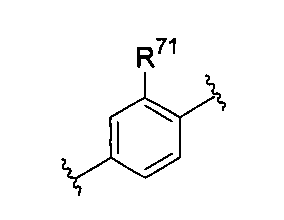
R2は、シアノ基、置換基を有していてもよいC1−6アルコキシ基、カルボキシル基、置換基を有していてもよいC2−7アルコキシカルボニル基または式−CONVa11Va12(式中、Va11は、水素原子、置換基を有していてもよいC1−6アルキル基、置換基を有していてもよいC2−6アルケニル基、置換基を有していてもよいC2−6アルキニル基、置換基を有していてもよいC3−8シクロアルキル基、置換基を有していてもよいC6−10アリール基、置換基を有していてもよい5〜10員ヘテロアリール基または置換基を有していてもよい3〜10員非芳香族ヘテロ環式基を意味する;Va12は、水素原子、置換基を有していてもよいC1−6アルキル基、置換基を有していてもよいC2−6アルケニル基、置換基を有していてもよいC2−6アルキニル基、置換基を有していてもよいC3−8シクロアルキル基、置換基を有していてもよいC6−10アリール基、置換基を有していてもよい5〜10員ヘテロアリール基、置換基を有していてもよい3〜10員非芳香族ヘテロ環式基、水酸基、置換基を有していてもよいC1−6アルコキシ基または置換基を有していてもよいC3−8シクロアルコキシ基を意味する。)で表される基を意味する;
Y1は、式
W1およびW2は、それぞれ独立して置換基を有していてもよい炭素原子または窒素原子を意味する。)で表される基を意味する;
R3およびR4は、それぞれ独立して水素原子、置換基を有していてもよいC1−6アルキル基、置換基を有していてもよいC2−6アルケニル基、置換基を有していてもよいC2−6アルキニル基、置換基を有していてもよいC3−8シクロアルキル基、置換基を有していてもよいC2−7アシル基または置換基を有していてもよいC2−7アルコキシカルボニル基を意味する;
R5は、水素原子、置換基を有していてもよいC1−6アルキル基、置換基を有していてもよいC2−6アルケニル基、置換基を有していてもよいC2−6アルキニル基、置換基を有していてもよいC3−8シクロアルキル基、置換基を有していてもよいC6−10アリール基、置換基を有していてもよい5〜10員ヘテロアリール基、置換基を有していてもよい3〜10員非芳香族ヘテロ環式基を意味する。]
[2].R1がC1−6アルキル基(ただし、R1はC1−6アルキル基を有していてもよい3〜10員非芳香族ヘテロ環式基、水酸基、C1−6アルコキシ基、アミノ基、モノ−C1−6アルキルアミノ基およびジ−C1−6アルキルアミノ基からなる群から選ばれる少なくとも一つの置換基を有していてもよい)である[1]に記載の治療剤。
[3].R1がメチル基または式
[4].R1がメチル基または2−メトキシエチル基である、[1]に記載の治療剤。
[5].R2がシアノ基または式−CONVa11Va12(式中、Va11は、水素原子、置換基を有していてもよいC1−6アルキル基、置換基を有していてもよいC2−6アルケニル基、置換基を有していてもよいC2−6アルキニル基、置換基を有していてもよいC3−8シクロアルキル基、置換基を有していてもよいC6−10アリール基、置換基を有していてもよい5〜10員ヘテロアリール基または置換基を有していてもよい3〜10員非芳香族ヘテロ環式基を意味する;
Va12は、水素原子、置換基を有していてもよいC1−6アルキル基、置換基を有していてもよいC2−6アルケニル基、置換基を有していてもよいC2−6アルキニル基、置換基を有していてもよいC3−8シクロアルキル基、置換基を有していてもよいC6−10アリール基、置換基を有していてもよい5〜10員ヘテロアリール基、置換基を有していてもよい3〜10員非芳香族ヘテロ環式基、水酸基、置換基を有していてもよいC1−6アルコキシ基または置換基を有していてもよいC3−8シクロアルコキシ基を意味する。)で表される基である、[1]に記載の治療剤。
[6].R2がシアノ基または式−CONHVa16(式中、Va16は、水素原子、C1−6アルキル基、C3−8シクロアルキル基、C1−6アルコキシ基またはC3−8シクロアルコキシ基を意味する。ただし、Va16は、ハロゲン原子、シアノ基、水酸基およびC1−6アルコキシ基からなる群から選ばれる少なくとも一つの置換基を有していてもよい。)で表される基である、[1]に記載の治療剤。
[7].R2が式−CONHVa17(式中、Va17は、水素原子、C1−6アルキル基またはC1−6アルコキシ基を意味する。)で表される基である、[1]に記載の治療剤。
[8].R2が式−CONHVa18(式中、Va18は、水素原子、メチル基またはメトキシ基を意味する。)で表される基である、[1]に記載の治療剤。
[9].Y1が式
[10].R3およびR4が水素原子である、[1]に記載の治療剤。
[11].R5が水素原子、C1−6アルキル基、C3−8シクロアルキル基またはC6−10アリール基(ただし、R5は、ハロゲン原子およびメタンスルホニル基からなる群から選ばれる少なくとも一つの置換基を有していてもよい)である、[1]に記載の治療剤。
[12].R5がメチル基、エチル基またはシクロプロピル基である、[1]に記載の治療剤。
[13].一般式(I)で表される化合物、もしくはその薬理学的に許容される塩、またはそれらの溶媒和物が、
N−(4−(6−シアノ−7−(2−メトキシエトキシ)−4−キノリル)オキシ−2−フルオロフェニル)−N’−(4−フルオロフェニル)ウレア、
N−(2−クロロ−4−((6−シアノ−7−((1−メチル−4−ピペリジル)メトキシ)−4−キノリル)オキシ)フェニル)−N’−シクロプロピルウレア、
N−(4−((6−シアノ−7−(((2R)−3−(ジエチルアミノ)−2−ヒドロキシプロピル)オキシ)−4−キノリル)オキシ)フェニル)−N’−(4−フルオロフェニル)ウレア、
N−(4−((6−シアノ−7−(((2R)−2−ヒドロキシ−3−(1−ピロリジノ)プロピル)オキシ)−4−キノリル)オキシ)フェニル)−N’−(4−フルオロフェニル)ウレア、
4−(3−クロロ−4−(シクロプロピルアミノカルボニル)アミノフェノキシ)−7−メトキシ−6−キノリンカルボキサミド、
4−(3−クロロ−4−(シクロプロピルアミノカルボニル)アミノフェノキシ)−7−(2−メトキシエトキシ)−6−キノリンカルボキサミド、
N6−シクロプロピル−4−(3−クロロ−4−(((シクロプロピルアミノ)カルボニル)アミノ)フェノキシ)−7−メトキシ−6−キノリンカルボキサミド、
N6−(2−メトキシエチル)−4−(3−クロロ−4−(((シクロプロピルアミノ)カルボニル)アミノ)フェノキシ)−7−メトキシ−6−キノリンカルボキサミド、
N6−(2−フルオロエチル)−4−(3−クロロ−4−(((シクロプロピルアミノ)カルボニル)アミノ)フェノキシ)−7−メトキシ−6−キノリンカルボキサミド、
N6−メトキシ−4−(3−クロロ−4−(((シクロプロピルアミノ)カルボニル)アミノ)フェノキシ)−7−メトキシ−6−キノリンカルボキサミド、
N6−メチル−4−(3−クロロ−4−(((シクロプロピルアミノ)カルボニル)アミノ)フェノキシ)−7−メトキシ−6−キノリンカルボキサミド、
N6−エチル−4−(3−クロロ−4−(((シクロプロピルアミノ)カルボニル)アミノ)フェノキシ)−7−メトキシ−6−キノリンカルボキサミド、
4−(3−フルオロ−4−(シクロプロピルアミノカルボニル)アミノフェノキシ)−7−(2−メトキシエトキシ)−6−キノリンカルボキサミド、
4−(3−クロロ−4−(シクロプロピルアミノカルボニル)アミノフェノキシ)−7−(2−ヒドロキシエトキシ)−6−キノリンカルボキサミド、
4−(3−クロロ−4−(シクロプロピルアミノカルボニル)アミノフェノキシ)−7−((2S)−2,3−ジヒドロキシプロピル)オキシ−6−キノリンカルボキサミド、
4−(3−クロロ−4−(メチルアミノカルボニル)アミノフェノキシ)−7−メトキシ−6−キノリンカルボキサミド、
4−(3−クロロ−4−(エチルアミノカルボニル)アミノフェノキシ)−7−メトキシ−6−キノリンカルボキサミド、
N6−メトキシ−4−(3−クロロ−4−(((エチルアミノ)カルボニル)アミノ)フェノキシ)−7−メトキシ−6−キノリンカルボキサミド、
4−(3−クロロ−4−(シクロプロピルアミノカルボニル)アミノフェノキシ)−7−(2−エトキシエトキシ)−6−キノリンカルボキサミド、
4−(4−((シクロプロピルアミノ)カルボニル)アミノフェノキシ)−7−(2−メトキシエトキシ)−6−キノリンカルボキサミド、
N−(2−フルオロ−4−((6−カルバモイル−7−メトキシ−4−キノリル)オキシ)フェニル)−N’−シクロプロピルウレア、
N6−(2−ヒドロキシエチル)−4−(3−クロロ−4−(((シクロプロピルアミノ)カルボニル)アミノ)フェノキシ)−7−メトキシ−6−キノリンカルボキサミド、
4−(3−クロロ−4−(1−プロピルアミノカルボニル)アミノフェノキシ)−7−メトキシ−6−キノリンカルボキサミド、
4−(3−クロロ−4−(cis−2−フルオロ−シクロプロピルアミノカルボニル)アミノフェノキシ)−7−メトキシ−6−キノリンカルボキサミド、
N6−メチル−4−(3−クロロ−4−(((シクロプロピルアミノ)カルボニル)アミノ)フェノキシ)−7−(2−メトキシエトキシ)−6−キノリンカルボキサミド、
N6−メチル−4−(3−クロロ−4−(((エチルアミノ)カルボニル)アミノ)フェノキシ)−7−メトキシ−6−キノリンカルボキサミド、
4−(3−クロロ−4−(シクロプロピルアミノカルボニル)アミノフェノキシ)−7−(2−(4−モルホリノ)エトキシ)−6−キノリンカルボキサミド、
4−(3−クロロ−4−(2−フルオロエチルアミノカルボニル)アミノフェノキシ)−7−メトキシ−6−キノリンカルボキサミド、
N6−((2R)テトラヒドロ−2−フラニルメチル)−4−(3−クロロ−4−(((メチルアミノ)カルボニル)アミノ)フェノキシ)−7−メトキシ−6−キノリンカルボキサミド、
4−(3−フルオロ−4−(エチルアミノカルボニル)アミノフェノキシ)−7−メトキシ−6−キノリンカルボキサミド、
4−(3−クロロ−4−(((シクロプロピルアミノ)カルボニル)アミノ)フェノキシ)−7−((2R)−2−ヒドロキシ−3−(1−ピロリジノ)プロポキシ)−6−キノリンカルボキサミド、
N6−メチル−4−(3−クロロ−4−(((メチルアミノ)カルボニル)アミノ)フェノキシ)−7−((2R)−3−ジエチルアミノ−2−ヒドロキシプロポキシ)−6−キノリンカルボキサミド、
N6−メチル−4−(3−クロロ−4−(((エチルアミノ)カルボニル)アミノ)フェノキシ)−7−((2R)−3−ジエチルアミノ−2−ヒドロキシプロポキシ)−6−キノリンカルボキサミド、
N6−メチル−4−(3−クロロ−4−(((メチルアミノ)カルボニル)アミノ)フェノキシ)−7−((2R)−2−ヒドロキシ−3−(1−ピロリジノ)プロポキシ)−6−キノリンカルボキサミド、
N6−メチル−4−(3−クロロ−4−(((エチルアミノ)カルボニル)アミノ)フェノキシ)−7−((2R)−2−ヒドロキシ−3−(1−ピロリジノ)プロポキシ)−6−キノリンカルボキサミド、
N6−メチル−4−(3−クロロ−4−(((メチルアミノ)カルボニル)アミノ)フェノキシ)−7−((1−メチル−4−ピペリジル)メトキシ)−6−キノリンカルボキサミド、
N6−メチル−4−(3−クロロ−4−(((エチルアミノ)カルボニル)アミノ)フェノキシ)−7−((1−メチル−4−ピペリジル)メトキシ)−6−キノリンカルボキサミド、
N−(4−(6−シアノ−7−(2−メトキシエトキシ)−4−キノリル)オキシ−2−フルオロフェニル)−N′−シクロプロピルウレア、
N−(4−(6−シアノ−7−(3−(4−モルホリノ)プロポキシ)−4−キノリル)オキシフェニル)−N′−(3−(メチルスルホニル)フェニル)ウレア、
4−(4−((シクロプロピルアミノ)カルボニル)アミノフェノキシ)−7−メトキシ−6−キノリンカルボキサミド、
4−(3−フルオロ−4−((2−フルオロエチルアミノ)カルボニル)アミノフェノキシ)−7−メトキシ−6−キノリンカルボキサミド、
N6−(2−エトキシエチル)−4−(3−クロロ−4−(((メチルアミノ)カルボニル)アミノ)フェノキシ)−7−メトキシ−6−キノリンカルボキサミド、
4−(4−(3−エチルウレイド)−3−フルオロ−フェノキシ)−7−メトキシキノリン−6−カルボキシリック アシッド (2−シアノエチル)アミド
および
N−(4−(6−(2−シアノエチル)カルバモイル−7−メトキシ−4−キノリル)オキシ−2−フルオロフェニル)−N’−シクロプロピルウレア
からなる群から選択される少なくとも一つの化合物、もしくはその薬理学的に許容される塩、またはそれらの溶媒和物である、[1]に記載の治療剤。
[14].一般式(I)で表される化合物、もしくはその薬理学的に許容される塩、またはそれらの溶媒和物が、
4−(3−クロロ−4−(シクロプロピルアミノカルボニル)アミノフェノキシ)−7−メトキシ−6−キノリンカルボキサミド、
4−(3−クロロ−4−(エチルアミノカルボニル)アミノフェノキシ)−7−メトキシ−6−キノリンカルボキサミド、
N6−メトキシ−4−(3−クロロ−4−(((シクロプロピルアミノ)カルボニル)アミノ)フェノキシ)−7−メトキシ−6−キノリンカルボキサミド、
4−(3−クロロ−4−(メチルアミノカルボニル)アミノフェノキシ)−7−メトキシ−6−キノリンカルボキサミド
および
N6−メトキシ−4−(3−クロロ−4−(((エチルアミノ)カルボニル)アミノ)フェノキシ)−7−メトキシ−6−キノリンカルボキサミド
からなる群から選択される少なくとも一つの化合物、もしくはその薬理学的に許容される塩、またはそれらの溶媒和物である、[1]に記載の治療剤。
[15].一般式(I)で表される化合物、もしくはその薬理学的に許容される塩、またはそれらの溶媒和物が、4−(3−クロロ−4−(シクロプロピルアミノカルボニル)アミノフェノキシ)−7−メトキシ−6−キノリンカルボキサミド、もしくはその薬理学的に許容される塩、またはそれらの溶媒和物である、[1]に記載の治療剤。
[16].一般式(I)で表される化合物、もしくはその薬理学的に許容される塩、またはそれらの溶媒和物が、4−(3−クロロ−4−(シクロプロピルアミノカルボニル)アミノフェノキシ)−7−メトキシ−6−キノリンカルボキサミドのメタンスルホン酸塩である、[1]に記載の治療剤。
[17].胃癌治療物質が、イリノテカン、パクリタキセル、Carboquone、Nimustine、5−フルオロウラシル、Tegafur、UFT、Doxifluridine、Carmofur、S−1、Doxorubicin、Mitomycin C、Aclarubicin、Pirarubicin、Epirubicin、DocetaxelおよびCis−platinumからなる群から選択される少なくとも一つである、[1]〜[16]に記載の治療剤。
[18].胃癌治療物質が、イリノテカン、5−フルオロウラシルまたはパクリタキセルである、[1]〜[16]に記載の治療剤。
[19].FGFR2阻害物質が、
N−(3−トリフルオロメチル−4−クロロフェニル)−N’−(4−(2−メチルカルバモイルピリジン−4−イル)オキシフェニル)ウレア、
6−[2−(メチルカルバモイル)フェニルスルファニル]−3−E−[2−(ピリジン−2−イル)エテニル]インダゾール、
5−(5−フルオロ−2−オキソ−1,2−ジヒドロインドール−3−イリデンメチル)−2,4−ジメチル−1H−ピロール−3−カルボキシリック アシッド (2−ジエチルアミノエチル)アミド
および
N−{2−クロロ−4−[(6,7−ジメトキシ−4−キノリル)オキシ]フェニル}−N’−(5−メチル−3−イソキサゾリル)ウレア
からなる群から選択される少なくとも一つの化合物、もしくはその薬理学的に許容される塩、またはそれらの溶媒和物である、[1]〜[16]に記載の治療剤。
[20].未分化型胃癌が、FGFR2を過剰発現している細胞および変異型FGFR2を発現している細胞からなる群から選択される少なくとも一つを含む未分化型胃癌である、[1]に記載の治療剤。
[21].変異型FGFR2が、配列番号:2で表されるアミノ酸配列のうち第22番目から第822番目のアミノ酸配列において、少なくとも813番目以降のアミノ酸配列が欠失された変異部位を含むものである、[20]に記載の治療剤。
[22].未分化型胃癌が、低分化腺癌、印環細胞癌、粘液癌およびスキルス胃癌からなる群から選択される少なくとも一つの胃癌である、[1]に記載の治療剤。
[23].FGFR2を過剰発現している細胞および変異型FGFR2を発現している細胞からなる群から選択される少なくとも一つを含む生体に対して投与するための、下記一般式(I)で表される化合物、もしくはその薬理学的に許容される塩、またはそれらの溶媒和物と、胃癌治療物質またはFGFR2阻害物質とを組み合わせてなる医薬組成物。
一般式(I)
R2は、シアノ基、置換基を有していてもよいC1−6アルコキシ基、カルボキシル基、置換基を有していてもよいC2−7アルコキシカルボニル基または式−CONVa11Va12(式中、Va11は、水素原子、置換基を有していてもよいC1−6アルキル基、置換基を有していてもよいC2−6アルケニル基、置換基を有していてもよいC2−6アルキニル基、置換基を有していてもよいC3−8シクロアルキル基、置換基を有していてもよいC6−10アリール基、置換基を有していてもよい5〜10員ヘテロアリール基または置換基を有していてもよい3〜10員非芳香族ヘテロ環式基を意味する;Va12は、水素原子、置換基を有していてもよいC1−6アルキル基、置換基を有していてもよいC2−6アルケニル基、置換基を有していてもよいC2−6アルキニル基、置換基を有していてもよいC3−8シクロアルキル基、置換基を有していてもよいC6−10アリール基、置換基を有していてもよい5〜10員ヘテロアリール基、置換基を有していてもよい3〜10員非芳香族ヘテロ環式基、水酸基、置換基を有していてもよいC1−6アルコキシ基または置換基を有していてもよいC3−8シクロアルコキシ基を意味する。)で表される基を意味する;
Y1は、式
W1およびW2は、それぞれ独立して置換基を有していてもよい炭素原子または窒素原子を意味する。)で表される基を意味する;
R3およびR4は、それぞれ独立して水素原子、置換基を有していてもよいC1−6アルキル基、置換基を有していてもよいC2−6アルケニル基、置換基を有していてもよいC2−6アルキニル基、置換基を有していてもよいC3−8シクロアルキル基、置換基を有していてもよいC2−7アシル基または置換基を有していてもよいC2−7アルコキシカルボニル基を意味する;
R5は、水素原子、置換基を有していてもよいC1−6アルキル基、置換基を有していてもよいC2−6アルケニル基、置換基を有していてもよいC2−6アルキニル基、置換基を有していてもよいC3−8シクロアルキル基、置換基を有していてもよいC6−10アリール基、置換基を有していてもよい5〜10員ヘテロアリール基、置換基を有していてもよい3〜10員非芳香族ヘテロ環式基を意味する。]
[24].R1がC1−6アルキル基(ただし、R1はC1−6アルキル基を有していてもよい3〜10員非芳香族ヘテロ環式基、水酸基、C1−6アルコキシ基、アミノ基、モノ−C1−6アルキルアミノ基およびジ−C1−6アルキルアミノ基からなる群から選ばれる少なくとも一つの置換基を有していてもよい)である、[23]に記載の医薬組成物。
[25].R1がメチル基または式
[26].R1がメチル基または2−メトキシエチル基である、[23]に記載の医薬組成物。
[27].R2がシアノ基または式−CONVa11Va12(式中、Va11は、水素原子、置換基を有していてもよいC1−6アルキル基、置換基を有していてもよいC2−6アルケニル基、置換基を有していてもよいC2−6アルキニル基、置換基を有していてもよいC3−8シクロアルキル基、置換基を有していてもよいC6−10アリール基、置換基を有していてもよい5〜10員ヘテロアリール基または置換基を有していてもよい3〜10員非芳香族ヘテロ環式基を意味する;Va12は、水素原子、置換基を有していてもよいC1−6アルキル基、置換基を有していてもよいC2−6アルケニル基、置換基を有していてもよいC2−6アルキニル基、置換基を有していてもよいC3−8シクロアルキル基、置換基を有していてもよいC6−10アリール基、置換基を有していてもよい5〜10員ヘテロアリール基、置換基を有していてもよい3〜10員非芳香族ヘテロ環式基、水酸基、置換基を有していてもよいC1−6アルコキシ基または置換基を有していてもよいC3−8シクロアルコキシ基を意味する。)で表される基である、[23]に記載の医薬組成物。
[28].R2がシアノ基または式−CONHVa16(式中、Va16は、水素原子、C1−6アルキル基、C3−8シクロアルキル基、C1−6アルコキシ基またはC3−8シクロアルコキシ基を意味する。ただし、Va16は、ハロゲン原子、シアノ基、水酸基およびC1−6アルコキシ基からなる群から選ばれる少なくとも一つの置換基を有していてもよい。)で表される基である、[23]に記載の医薬組成物。
[29].R2が式−CONHVa17(式中、Va17は、水素原子、C1−6アルキル基またはC1−6アルコキシ基を意味する。)で表される基である、[23]に記載の医薬組成物。
[30].R2が式−CONHVa18(式中、Va18は、水素原子、メチル基またはメトキシ基を意味する。)で表される基である、[23]に記載の医薬組成物。
[31].Y1が式
[32].R3およびR4が水素原子である、[23]に記載の医薬組成物。
[33].R5が水素原子、C1−6アルキル基、C3−8シクロアルキル基またはC6−10アリール基(ただし、R5は、ハロゲン原子およびメタンスルホニル基からなる群から選ばれる少なくとも一つの置換基を有していてもよい)である、[23]に記載の医薬組成物。
[34].R5がメチル基、エチル基またはシクロプロピル基である、[23]に記載の医薬組成物。
[35].一般式(I)で表される化合物、もしくはその薬理学的に許容される塩、またはそれらの溶媒和物が、
N−(4−(6−シアノ−7−(2−メトキシエトキシ)−4−キノリル)オキシ−2−フルオロフェニル)−N’−(4−フルオロフェニル)ウレア、
N−(2−クロロ−4−((6−シアノ−7−((1−メチル−4−ピペリジル)メトキシ)−4−キノリル)オキシ)フェニル)−N’−シクロプロピルウレア、
N−(4−((6−シアノ−7−(((2R)−3−(ジエチルアミノ)−2−ヒドロキシプロピル)オキシ)−4−キノリル)オキシ)フェニル)−N’−(4−フルオロフェニル)ウレア、
N−(4−((6−シアノ−7−(((2R)−2−ヒドロキシ−3−(1−ピロリジノ)プロピル)オキシ)−4−キノリル)オキシ)フェニル)−N’−(4−フルオロフェニル)ウレア、
4−(3−クロロ−4−(シクロプロピルアミノカルボニル)アミノフェノキシ)−7−メトキシ−6−キノリンカルボキサミド、
4−(3−クロロ−4−(シクロプロピルアミノカルボニル)アミノフェノキシ)−7−(2−メトキシエトキシ)−6−キノリンカルボキサミド、
N6−シクロプロピル−4−(3−クロロ−4−(((シクロプロピルアミノ)カルボニル)アミノ)フェノキシ)−7−メトキシ−6−キノリンカルボキサミド、
N6−(2−メトキシエチル)−4−(3−クロロ−4−(((シクロプロピルアミノ)カルボニル)アミノ)フェノキシ)−7−メトキシ−6−キノリンカルボキサミド、
N6−(2−フルオロエチル)−4−(3−クロロ−4−(((シクロプロピルアミノ)カルボニル)アミノ)フェノキシ)−7−メトキシ−6−キノリンカルボキサミド、
N6−メトキシ−4−(3−クロロ−4−(((シクロプロピルアミノ)カルボニル)アミノ)フェノキシ)−7−メトキシ−6−キノリンカルボキサミド、
N6−メチル−4−(3−クロロ−4−(((シクロプロピルアミノ)カルボニル)アミノ)フェノキシ)−7−メトキシ−6−キノリンカルボキサミド、
N6−エチル−4−(3−クロロ−4−(((シクロプロピルアミノ)カルボニル)アミノ)フェノキシ)−7−メトキシ−6−キノリンカルボキサミド、
4−(3−フルオロ−4−(シクロプロピルアミノカルボニル)アミノフェノキシ)−7−(2−メトキシエトキシ)−6−キノリンカルボキサミド、
4−(3−クロロ−4−(シクロプロピルアミノカルボニル)アミノフェノキシ)−7−(2−ヒドロキシエトキシ)−6−キノリンカルボキサミド、
4−(3−クロロ−4−(シクロプロピルアミノカルボニル)アミノフェノキシ)−7−((2S)−2,3−ジヒドロキシプロピル)オキシ−6−キノリンカルボキサミド、
4−(3−クロロ−4−(メチルアミノカルボニル)アミノフェノキシ)−7−メトキシ−6−キノリンカルボキサミド、
4−(3−クロロ−4−(エチルアミノカルボニル)アミノフェノキシ)−7−メトキシ−6−キノリンカルボキサミド、
N6−メトキシ−4−(3−クロロ−4−(((エチルアミノ)カルボニル)アミノ)フェノキシ)−7−メトキシ−6−キノリンカルボキサミド、
4−(3−クロロ−4−(シクロプロピルアミノカルボニル)アミノフェノキシ)−7−(2−エトキシエトキシ)−6−キノリンカルボキサミド、
4−(4−((シクロプロピルアミノ)カルボニル)アミノフェノキシ)−7−(2−メトキシエトキシ)−6−キノリンカルボキサミド、
N−(2−フルオロ−4−((6−カルバモイル−7−メトキシ−4−キノリル)オキシ)フェニル)−N’−シクロプロピルウレア、
N6−(2−ヒドロキシエチル)−4−(3−クロロ−4−(((シクロプロピルアミノ)カルボニル)アミノ)フェノキシ)−7−メトキシ−6−キノリンカルボキサミド、
4−(3−クロロ−4−(1−プロピルアミノカルボニル)アミノフェノキシ)−7−メトキシ−6−キノリンカルボキサミド、
4−(3−クロロ−4−(cis−2−フルオロ−シクロプロピルアミノカルボニル)アミノフェノキシ)−7−メトキシ−6−キノリンカルボキサミド、
N6−メチル−4−(3−クロロ−4−(((シクロプロピルアミノ)カルボニル)アミノ)フェノキシ)−7−(2−メトキシエトキシ)−6−キノリンカルボキサミド、
N6−メチル−4−(3−クロロ−4−(((エチルアミノ)カルボニル)アミノ)フェノキシ)−7−メトキシ−6−キノリンカルボキサミド、
4−(3−クロロ−4−(シクロプロピルアミノカルボニル)アミノフェノキシ)−7−(2−(4−モルホリノ)エトキシ)−6−キノリンカルボキサミド、
4−(3−クロロ−4−(2−フルオロエチルアミノカルボニル)アミノフェノキシ)−7−メトキシ−6−キノリンカルボキサミド、
N6−((2R)テトラヒドロ−2−フラニルメチル)−4−(3−クロロ−4−(((メチルアミノ)カルボニル)アミノ)フェノキシ)−7−メトキシ−6−キノリンカルボキサミド、
4−(3−フルオロ−4−(エチルアミノカルボニル)アミノフェノキシ)−7−メトキシ−6−キノリンカルボキサミド、
4−(3−クロロ−4−(((シクロプロピルアミノ)カルボニル)アミノ)フェノキシ)−7−((2R)−2−ヒドロキシ−3−(1−ピロリジノ)プロポキシ)−6−キノリンカルボキサミド、
N6−メチル−4−(3−クロロ−4−(((メチルアミノ)カルボニル)アミノ)フェノキシ)−7−((2R)−3−ジエチルアミノ−2−ヒドロキシプロポキシ)−6−キノリンカルボキサミド、
N6−メチル−4−(3−クロロ−4−(((エチルアミノ)カルボニル)アミノ)フェノキシ)−7−((2R)−3−ジエチルアミノ−2−ヒドロキシプロポキシ)−6−キノリンカルボキサミド、
N6−メチル−4−(3−クロロ−4−(((メチルアミノ)カルボニル)アミノ)フェノキシ)−7−((2R)−2−ヒドロキシ−3−(1−ピロリジノ)プロポキシ)−6−キノリンカルボキサミド、
N6−メチル−4−(3−クロロ−4−(((エチルアミノ)カルボニル)アミノ)フェノキシ)−7−((2R)−2−ヒドロキシ−3−(1−ピロリジノ)プロポキシ)−6−キノリンカルボキサミド、
N6−メチル−4−(3−クロロ−4−(((メチルアミノ)カルボニル)アミノ)フェノキシ)−7−((1−メチル−4−ピペリジル)メトキシ)−6−キノリンカルボキサミド、
N6−メチル−4−(3−クロロ−4−(((エチルアミノ)カルボニル)アミノ)フェノキシ)−7−((1−メチル−4−ピペリジル)メトキシ)−6−キノリンカルボキサミド、
N−(4−(6−シアノ−7−(2−メトキシエトキシ)−4−キノリル)オキシ−2−フルオロフェニル)−N′−シクロプロピルウレア、
N−(4−(6−シアノ−7−(3−(4−モルホリノ)プロポキシ)−4−キノリル)オキシフェニル)−N′−(3−(メチルスルホニル)フェニル)ウレア、
4−(4−((シクロプロピルアミノ)カルボニル)アミノフェノキシ)−7−メトキシ−6−キノリンカルボキサミド、
4−(3−フルオロ−4−((2−フルオロエチルアミノ)カルボニル)アミノフェノキシ)−7−メトキシ−6−キノリンカルボキサミド、
N6−(2−エトキシエチル)−4−(3−クロロ−4−(((メチルアミノ)カルボニル)アミノ)フェノキシ)−7−メトキシ−6−キノリンカルボキサミド、
4−(4−(3−エチルウレイド)−3−フルオロ−フェノキシ)−7−メトキシキノリン−6−カルボキシリック アシッド (2−シアノエチル)アミド
および
N−(4−(6−(2−シアノエチル)カルバモイル−7−メトキシ−4−キノリル)オキシ−2−フルオロフェニル)−N’−シクロプロピルウレア
からなる群から選択される少なくとも一つの化合物、もしくはその薬理学的に許容される塩、またはそれらの溶媒和物である、[23]に記載の医薬組成物。
[36].一般式(I)で表される化合物、もしくはその薬理学的に許容される塩、またはそれらの溶媒和物が、
4−(3−クロロ−4−(シクロプロピルアミノカルボニル)アミノフェノキシ)−7−メトキシ−6−キノリンカルボキサミド、
4−(3−クロロ−4−(エチルアミノカルボニル)アミノフェノキシ)−7−メトキシ−6−キノリンカルボキサミド、
N6−メトキシ−4−(3−クロロ−4−(((シクロプロピルアミノ)カルボニル)アミノ)フェノキシ)−7−メトキシ−6−キノリンカルボキサミド、
4−(3−クロロ−4−(メチルアミノカルボニル)アミノフェノキシ)−7−メトキシ−6−キノリンカルボキサミド
および
N6−メトキシ−4−(3−クロロ−4−(((エチルアミノ)カルボニル)アミノ)フェノキシ)−7−メトキシ−6−キノリンカルボキサミド
からなる群から選択される少なくとも一つの化合物、もしくはその薬理学的に許容される塩、またはそれらの溶媒和物である、[23]に記載の医薬組成物。
[37].一般式(I)で表される化合物、もしくはその薬理学的に許容される塩、またはそれらの溶媒和物が、4−(3−クロロ−4−(シクロプロピルアミノカルボニル)アミノフェノキシ)−7−メトキシ−6−キノリンカルボキサミド、もしくはその薬理学的に許容される塩、またはそれらの溶媒和物である、[23]に記載の医薬組成物。
[38].一般式(I)で表される化合物、もしくはその薬理学的に許容される塩、またはそれらの溶媒和物が、4−(3−クロロ−4−(シクロプロピルアミノカルボニル)アミノフェノキシ)−7−メトキシ−6−キノリンカルボキサミドのメタンスルホン酸塩である、[23]に記載の医薬組成物。
[39].胃癌治療物質が、イリノテカン、パクリタキセル、Carboquone、Nimustine、5−フルオロウラシル、Tegafur、UFT、Doxifluridine、Carmofur、S−1、Doxorubicin、Mitomycin C、Aclarubicin、Pirarubicin、Epirubicin、DocetaxelおよびCis−platinumからなる群から選択される少なくとも一つである、[23]〜[38]に記載の医薬組成物。
[40].胃癌治療物質が、イリノテカン、5−フルオロウラシルまたはパクリタキセルである、[23]〜[38]に記載の医薬組成物。
[41].FGFR2阻害物質が、
N−(3−トリフルオロメチル−4−クロロフェニル)−N’−(4−(2−メチルカルバモイルピリジン−4−イル)オキシフェニル)ウレア、
6−[2−(メチルカルバモイル)フェニルスルファニル]−3−E−[2−(ピリジン−2−イル)エテニル]インダゾール、
5−(5−フルオロ−2−オキソ−1,2−ジヒドロインドール−3−イリデンメチル)−2,4−ジメチル−1H−ピロール−3−カルボキシリック アシッド (2−ジエチルアミノエチル)アミド
および
N−{2−クロロ−4−[(6,7−ジメトキシ−4−キノリル)オキシ]フェニル}−N’−(5−メチル−3−イソキサゾリル)ウレア
からなる群から選択される少なくとも一つの化合物、もしくはその薬理学的に許容される塩、またはそれらの溶媒和物である、[23]〜[38]に記載の医薬組成物。
[42].変異型FGFR2が、配列番号:2で表されるアミノ酸配列のうち第22番目から第822番目のアミノ酸配列において、少なくとも813番目以降のアミノ酸配列が欠失された変異部位を含むものである、[23]に記載の医薬組成物。
[43].生体が、未分化型胃癌の患者である、[23]に記載の医薬組成物。
[44].未分化型胃癌が、低分化腺癌、印環細胞癌、粘液癌およびスキルス胃癌からなる群から選択される少なくとも一つの胃癌である、[43]に記載の医薬組成物。
[45].下記一般式(I)で表される化合物、もしくはその薬理学的に許容される塩、またはそれらの溶媒和物と、胃癌治療物質またはFGFR2阻害物質とを生体に有効量投与することを特徴とする、未分化型胃癌の治療方法。
一般式(I)
R2は、シアノ基、置換基を有していてもよいC1−6アルコキシ基、カルボキシル基、置換基を有していてもよいC2−7アルコキシカルボニル基または式−CONVa11Va12(式中、Va11は、水素原子、置換基を有していてもよいC1−6アルキル基、置換基を有していてもよいC2−6アルケニル基、置換基を有していてもよいC2−6アルキニル基、置換基を有していてもよいC3−8シクロアルキル基、置換基を有していてもよいC6−10アリール基、置換基を有していてもよい5〜10員ヘテロアリール基または置換基を有していてもよい3〜10員非芳香族ヘテロ環式基を意味する;Va12は、水素原子、置換基を有していてもよいC1−6アルキル基、置換基を有していてもよいC2−6アルケニル基、置換基を有していてもよいC2−6アルキニル基、置換基を有していてもよいC3−8シクロアルキル基、置換基を有していてもよいC6−10アリール基、置換基を有していてもよい5〜10員へテロアリール基、置換基を有していてもよい3〜10員非芳香族ヘテロ環式基、水酸基、置換基を有していてもよいC1−6アルコキシ基または置換基を有していてもよいC3−8シクロアルコキシ基を意味する。)で表される基を意味する;
Y1は、式
W1およびW2は、それぞれ独立して置換基を有していてもよい炭素原子または窒素原子を意味する。)で表される基を意味する;
R3およびR4は、それぞれ独立して水素原子、置換基を有していてもよいC1−6アルキル基、置換基を有していてもよいC2−6アルケニル基、置換基を有していてもよいC2−6アルキニル基、置換基を有していてもよいC3−8シクロアルキル基、置換基を有していてもよいC2−7アシル基または置換基を有していてもよいC2−7アルコキシカルボニル基を意味する;
R5は、水素原子、置換基を有していてもよいC1−6アルキル基、置換基を有していてもよいC2−6アルケニル基、置換基を有していてもよいC2−6アルキニル基、置換基を有していてもよいC3−8シクロアルキル基、置換基を有していてもよいC6−10アリール基、置換基を有していてもよい5〜10員ヘテロアリール基、置換基を有していてもよい3〜10員非芳香族ヘテロ環式基を意味する。]
[46].R1がC1−6アルキル基(ただし、R1はC1−6アルキル基を有していてもよい3〜10員非芳香族ヘテロ環式基、水酸基、C1−6アルコキシ基、アミノ基、モノ−C1−6アルキルアミノ基およびジ−C1−6アルキルアミノ基からなる群から選ばれる少なくとも一つの置換基を有していてもよい)である、[45]に記載の治療方法。
[47].R1がメチル基または式
[48].R1がメチル基または2−メトキシエチル基である、[45]に記載の治療方法。
[49].R2がシアノ基または式−CONVa11Va12(式中、Va11は、水素原子、置換基を有していてもよいC1−6アルキル基、置換基を有していてもよいC2−6アルケニル基、置換基を有していてもよいC2−6アルキニル基、置換基を有していてもよいC3−8シクロアルキル基、置換基を有していてもよいC6−10アリール基、置換基を有していてもよい5〜10員ヘテロアリール基または置換基を有していてもよい3〜10員非芳香族ヘテロ環式基を意味する;Va12は、水素原子、置換基を有していてもよいC1−6アルキル基、置換基を有していてもよいC2−6アルケニル基、置換基を有していてもよいC2−6アルキニル基、置換基を有していてもよいC3−8シクロアルキル基、置換基を有していてもよいC6−10アリール基、置換基を有していてもよい5〜10員ヘテロアリール基、置換基を有していてもよい3〜10員非芳香族ヘテロ環式基、水酸基、置換基を有していてもよいC1−6アルコキシ基または置換基を有していてもよいC3−8シクロアルコキシ基を意味する。)で表される基である、[45]に記載の治療方法。
[50].R2がシアノ基または式−CONHVa16(式中、Va16は、水素原子、C1−6アルキル基、C3−8シクロアルキル基、C1−6アルコキシ基またはC3−8シクロアルコキシ基を意味する。ただし、Va16は、ハロゲン原子、シアノ基、水酸基およびC1−6アルコキシ基からなる群から選ばれる少なくとも一つの置換基を有していてもよい。)で表される基である、[45]に記載の治療方法。
[51].R2が式−CONHVa17(式中、Va17は、水素原子、C1−6アルキル基またはC1−6アルコキシ基を意味する。)で表される基である、[45]に記載の治療方法。
[52].R2が式−CONHVa18(式中、Va18は、水素原子、メチル基またはメトキシ基を意味する。)で表される基である、[45]に記載の治療方法。
[53].Y1が式
[54].R3およびR4が水素原子である、[45]に記載の治療方法。
[55].R5が水素原子、C1−6アルキル基、C3−8シクロアルキル基またはC6−10アリール基(ただし、R5は、ハロゲン原子およびメタンスルホニル基からなる群から選ばれる少なくとも一つの置換基を有していてもよい)である、[45]に記載の治療方法。
[56].R5がメチル基、エチル基またはシクロプロピル基である、[45]に記載の治療方法。
[57].一般式(I)で表される化合物、もしくはその薬理学的に許容される塩、またはそれらの溶媒和物が、
N−(4−(6−シアノ−7−(2−メトキシエトキシ)−4−キノリル)オキシ−2−フルオロフェニル)−N’−(4−フルオロフェニル)ウレア、
N−(2−クロロ−4−((6−シアノ−7−((1−メチル−4−ピペリジル)メトキシ)−4−キノリル)オキシ)フェニル)−N’−シクロプロピルウレア、
N−(4−((6−シアノ−7−(((2R)−3−(ジエチルアミノ)−2−ヒドロキシプロピル)オキシ)−4−キノリル)オキシ)フェニル)−N’−(4−フルオロフェニル)ウレア、
N−(4−((6−シアノ−7−(((2R)−2−ヒドロキシ−3−(1−ピロリジノ)プロピル)オキシ)−4−キノリル)オキシ)フェニル)−N’−(4−フルオロフェニル)ウレア、
4−(3−クロロ−4−(シクロプロピルアミノカルボニル)アミノフェノキシ)−7−メトキシ−6−キノリンカルボキサミド、
4−(3−クロロ−4−(シクロプロピルアミノカルボニル)アミノフェノキシ)−7−(2−メトキシエトキシ)−6−キノリンカルボキサミド、
N6−シクロプロピル−4−(3−クロロ−4−(((シクロプロピルアミノ)カルボニル)アミノ)フェノキシ)−7−メトキシ−6−キノリンカルボキサミド、
N6−(2−メトキシエチル)−4−(3−クロロ−4−(((シクロプロピルアミノ)カルボニル)アミノ)フェノキシ)−7−メトキシ−6−キノリンカルボキサミド、
N6−(2−フルオロエチル)−4−(3−クロロ−4−(((シクロプロピルアミノ)カルボニル)アミノ)フェノキシ)−7−メトキシ−6−キノリンカルボキサミド、
N6−メトキシ−4−(3−クロロ−4−(((シクロプロピルアミノ)カルボニル)アミノ)フェノキシ)−7−メトキシ−6−キノリンカルボキサミド、
N6−メチル−4−(3−クロロ−4−(((シクロプロピルアミノ)カルボニル)アミノ)フェノキシ)−7−メトキシ−6−キノリンカルボキサミド、
N6−エチル−4−(3−クロロ−4−(((シクロプロピルアミノ)カルボニル)アミノ)フェノキシ)−7−メトキシ−6−キノリンカルボキサミド、
4−(3−フルオロ−4−(シクロプロピルアミノカルボニル)アミノフェノキシ)−7−(2−メトキシエトキシ)−6−キノリンカルボキサミド、
4−(3−クロロ−4−(シクロプロピルアミノカルボニル)アミノフェノキシ)−7−(2−ヒドロキシエトキシ)−6−キノリンカルボキサミド、
4−(3−クロロ−4−(シクロプロピルアミノカルボニル)アミノフェノキシ)−7−((2S)−2,3−ジヒドロキシプロピル)オキシ−6−キノリンカルボキサミド、
4−(3−クロロ−4−(メチルアミノカルボニル)アミノフェノキシ)−7−メトキシ−6−キノリンカルボキサミド、
4−(3−クロロ−4−(エチルアミノカルボニル)アミノフェノキシ)−7−メトキシ−6−キノリンカルボキサミド、
N6−メトキシ−4−(3−クロロ−4−(((エチルアミノ)カルボニル)アミノ)フェノキシ)−7−メトキシ−6−キノリンカルボキサミド、
4−(3−クロロ−4−(シクロプロピルアミノカルボニル)アミノフェノキシ)−7−(2−エトキシエトキシ)−6−キノリンカルボキサミド、
4−(4−((シクロプロピルアミノ)カルボニル)アミノフェノキシ)−7−(2−メトキシエトキシ)−6−キノリンカルボキサミド、
N−(2−フルオロ−4−((6−カルバモイル−7−メトキシ−4−キノリル)オキシ)フェニル)−N’−シクロプロピルウレア、
N6−(2−ヒドロキシエチル)−4−(3−クロロ−4−(((シクロプロピルアミノ)カルボニル)アミノ)フェノキシ)−7−メトキシ−6−キノリンカルボキサミド、
4−(3−クロロ−4−(1−プロピルアミノカルボニル)アミノフェノキシ)−7−メトキシ−6−キノリンカルボキサミド、
4−(3−クロロ−4−(cis−2−フルオロ−シクロプロピルアミノカルボニル)アミノフェノキシ)−7−メトキシ−6−キノリンカルボキサミド、
N6−メチル−4−(3−クロロ−4−(((シクロプロピルアミノ)カルボニル)アミノ)フェノキシ)−7−(2−メトキシエトキシ)−6−キノリンカルボキサミド、
N6−メチル−4−(3−クロロ−4−(((エチルアミノ)カルボニル)アミノ)フェノキシ)−7−メトキシ−6−キノリンカルボキサミド、
4−(3−クロロ−4−(シクロプロピルアミノカルボニル)アミノフェノキシ)−7−(2−(4−モルホリノ)エトキシ)−6−キノリンカルボキサミド、
4−(3−クロロ−4−(2−フルオロエチルアミノカルボニル)アミノフェノキシ)−7−メトキシ−6−キノリンカルボキサミド、
N6−((2R)テトラヒドロ−2−フラニルメチル)−4−(3−クロロ−4−(((メチルアミノ)カルボニル)アミノ)フェノキシ)−7−メトキシ−6−キノリンカルボキサミド、
4−(3−フルオロ−4−(エチルアミノカルボニル)アミノフェノキシ)−7−メトキシ−6−キノリンカルボキサミド、
4−(3−クロロ−4−(((シクロプロピルアミノ)カルボニル)アミノ)フェノキシ)−7−((2R)−2−ヒドロキシ−3−(1−ピロリジノ)プロポキシ)−6−キノリンカルボキサミド、
N6−メチル−4−(3−クロロ−4−(((メチルアミノ)カルボニル)アミノ)フェノキシ)−7−((2R)−3−ジエチルアミノ−2−ヒドロキシプロポキシ)−6−キノリンカルボキサミド、
N6−メチル−4−(3−クロロ−4−(((エチルアミノ)カルボニル)アミノ)フェノキシ)−7−((2R)−3−ジエチルアミノ−2−ヒドロキシプロポキシ)−6−キノリンカルボキサミド、
N6−メチル−4−(3−クロロ−4−(((メチルアミノ)カルボニル)アミノ)フェノキシ)−7−((2R)−2−ヒドロキシ−3−(1−ピロリジノ)プロポキシ)−6−キノリンカルボキサミド、
N6−メチル−4−(3−クロロ−4−(((エチルアミノ)カルボニル)アミノ)フェノキシ)−7−((2R)−2−ヒドロキシ−3−(1−ピロリジノ)プロポキシ)−6−キノリンカルボキサミド、
N6−メチル−4−(3−クロロ−4−(((メチルアミノ)カルボニル)アミノ)フェノキシ)−7−((1−メチル−4−ピペリジル)メトキシ)−6−キノリンカルボキサミド、
N6−メチル−4−(3−クロロ−4−(((エチルアミノ)カルボニル)アミノ)フェノキシ)−7−((1−メチル−4−ピペリジル)メトキシ)−6−キノリンカルボキサミド、
N−(4−(6−シアノ−7−(2−メトキシエトキシ)−4−キノリル)オキシ−2−フルオロフェニル)−N′−シクロプロピルウレア、
N−(4−(6−シアノ−7−(3−(4−モルホリノ)プロポキシ)−4−キノリル)オキシフェニル)−N′−(3−(メチルスルホニル)フェニル)ウレア、
4−(4−((シクロプロピルアミノ)カルボニル)アミノフェノキシ)−7−メトキシ−6−キノリンカルボキサミド、
4−(3−フルオロ−4−((2−フルオロエチルアミノ)カルボニル)アミノフェノキシ)−7−メトキシ−6−キノリンカルボキサミド、
N6−(2−エトキシエチル)−4−(3−クロロ−4−(((メチルアミノ)カルボニル)アミノ)フェノキシ)−7−メトキシ−6−キノリンカルボキサミド、
4−(4−(3−エチルウレイド)−3−フルオロ−フェノキシ)−7−メトキシキノリン−6−カルボキシリック アシッド (2−シアノエチル)アミド
および
N−(4−(6−(2−シアノエチル)カルバモイル−7−メトキシ−4−キノリル)オキシ−2−フルオロフェニル)−N’−シクロプロピルウレア
からなる群から選択される少なくとも一つの化合物、もしくはその薬理学的に許容される塩、またはそれらの溶媒和物である、[45]に記載の治療方法。
[58].一般式(I)で表される化合物、もしくはその薬理学的に許容される塩、またはそれらの溶媒和物が、
4−(3−クロロ−4−(シクロプロピルアミノカルボニル)アミノフェノキシ)−7−メトキシ−6−キノリンカルボキサミド、
4−(3−クロロ−4−(エチルアミノカルボニル)アミノフェノキシ)−7−メトキシ−6−キノリンカルボキサミド、
N6−メトキシ−4−(3−クロロ−4−(((シクロプロピルアミノ)カルボニル)アミノ)フェノキシ)−7−メトキシ−6−キノリンカルボキサミド、
4−(3−クロロ−4−(メチルアミノカルボニル)アミノフェノキシ)−7−メトキシ−6−キノリンカルボキサミド
および
N6−メトキシ−4−(3−クロロ−4−(((エチルアミノ)カルボニル)アミノ)フェノキシ)−7−メトキシ−6−キノリンカルボキサミド
からなる群から選択される少なくとも一つの化合物、もしくはその薬理学的に許容される塩、またはそれらの溶媒和物である、[45]に記載の治療方法。
[59].一般式(I)で表される化合物、もしくはその薬理学的に許容される塩、またはそれらの溶媒和物が、4−(3−クロロ−4−(シクロプロピルアミノカルボニル)アミノフェノキシ)−7−メトキシ−6−キノリンカルボキサミド、もしくはその薬理学的に許容される塩、またはそれらの溶媒和物である、[45]に記載の治療方法。
[60].一般式(I)で表される化合物、もしくはその薬理学的に許容される塩、またはそれらの溶媒和物が、4−(3−クロロ−4−(シクロプロピルアミノカルボニル)アミノフェノキシ)−7−メトキシ−6−キノリンカルボキサミドのメタンスルホン酸塩である、[45]に記載の治療方法。
[61].胃癌治療物質が、イリノテカン、パクリタキセル、Carboquone、Nimustine、5−フルオロウラシル、Tegafur、UFT、Doxifluridine、Carmofur、S−1、Doxorubicin、Mitomycin C、Aclarubicin、Pirarubicin、Epirubicin、DocetaxelおよびCis−platinumからなる群から選択される少なくとも一つである、[45]〜[60]に記載の治療方法。
[62].胃癌治療物質が、イリノテカン、5−フルオロウラシルまたはパクリタキセルである、[45]〜[60]に記載の治療方法。
[63].FGFR2阻害物質が、
N−(3−トリフルオロメチル−4−クロロフェニル)−N’−(4−(2−メチルカルバモイルピリジン−4−イル)オキシフェニル)ウレア、
6−[2−(メチルカルバモイル)フェニルスルファニル]−3−E−[2−(ピリジン−2−イル)エテニル]インダゾール、
5−(5−フルオロ−2−オキソ−1,2−ジヒドロインドール−3−イリデンメチル)−2,4−ジメチル−1H−ピロール−3−カルボキシリック アシッド (2−ジエチルアミノエチル)アミド
および
N−{2−クロロ−4−[(6,7−ジメトキシ−4−キノリル)オキシ]フェニル}−N’−(5−メチル−3−イソキサゾリル)ウレア
からなる群から選択される少なくとも一つの化合物、もしくはその薬理学的に許容される塩、またはそれらの溶媒和物である、[45]〜[60]に記載の治療方法。
[64]変異型FGFR2が、配列番号:2で表されるアミノ酸配列のうち第22番目から第822番目のアミノ酸配列において、少なくとも813番目以降のアミノ酸配列が欠失された変異部位を含むものである、[45]に記載の治療方法。
[65].生体が、未分化型胃癌の患者である、[45]に記載の治療方法。
[66].未分化型胃癌が、低分化腺癌、印環細胞癌、粘液癌およびスキルス胃癌からなる群から選択される少なくとも一つの胃癌である、[65]に記載の治療方法。
[67].FGFR2を過剰発現している細胞および変異型FGFR2を発現している細胞からなる群から選択される少なくとも一つを含む生体に対して、下記一般式(I)で表される化合物、もしくはその薬理学的に許容される塩、またはそれらの溶媒和物と、胃癌治療物質またはFGFR2阻害物質とを有効量投与することを特徴とする、疾患の治療方法。
一般式(I)
R2は、シアノ基、置換基を有していてもよいC1−6アルコキシ基、カルボキシル基、置換基を有していてもよいC2−7アルコキシカルボニル基または式−CONVa11Va12(式中、Va11は、水素原子、置換基を有していてもよいC1−6アルキル基、置換基を有していてもよいC2−6アルケニル基、置換基を有していてもよいC2−6アルキニル基、置換基を有していてもよいC3−8シクロアルキル基、置換基を有していてもよいC6−10アリール基、置換基を有していてもよい5〜10員ヘテロアリール基または置換基を有していてもよい3〜10員非芳香族ヘテロ環式基を意味する;Va12は、水素原子、置換基を有していてもよいC1−6アルキル基、置換基を有していてもよいC2−6アルケニル基、置換基を有していてもよいC2−6アルキニル基、置換基を有していてもよいC3−8シクロアルキル基、置換基を有していてもよいC6−10アリール基、置換基を有していてもよい5〜10員ヘテロアリール基、置換基を有していてもよい3〜10員非芳香族ヘテロ環式基、水酸基、置換基を有していてもよいC1−6アルコキシ基または置換基を有していてもよいC3−8シクロアルコキシ基を意味する。)で表される基を意味する;
Y1は、式
W1およびW2は、それぞれ独立して置換基を有していてもよい炭素原子または窒素原子を意味する。)で表される基を意味する;
R3およびR4は、それぞれ独立して水素原子、置換基を有していてもよいC1−6アルキル基、置換基を有していてもよいC2−6アルケニル基、置換基を有していてもよいC2−6アルキニル基、置換基を有していてもよいC3−8シクロアルキル基、置換基を有していてもよいC2−7アシル基または置換基を有していてもよいC2−7アルコキシカルボニル基を意味する;
R5は、水素原子、置換基を有していてもよいC1−6アルキル基、置換基を有していてもよいC2−6アルケニル基、置換基を有していてもよいC2−6アルキニル基、置換基を有していてもよいC3−8シクロアルキル基、置換基を有していてもよいC6−10アリール基、置換基を有していてもよい5〜10員ヘテロアリール基、置換基を有していてもよい3〜10員非芳香族ヘテロ環式基を意味する。]
[68].R1がC1−6アルキル基(ただし、R1はC1−6アルキル基を有していてもよい3〜10員非芳香族ヘテロ環式基、水酸基、C1−6アルコキシ基、アミノ基、モノ−C1−6アルキルアミノ基およびジ−C1−6アルキルアミノ基からなる群から選ばれる少なくとも一つの置換基を有していてもよい)である、[67]に記載の治療方法。
[69].R1がメチル基または式
[70].R1がメチル基または2−メトキシエチル基である、[67]に記載の治療方法。
[71].R2がシアノ基または式−CONVa11Va12(式中、Va11は、水素原子、置換基を有していてもよいC1−6アルキル基、置換基を有していてもよいC2−6アルケニル基、置換基を有していてもよいC2−6アルキニル基、置換基を有していてもよいC3−8シクロアルキル基、置換基を有していてもよいC6−10アリール基、置換基を有していてもよい5〜10員ヘテロアリール基または置換基を有していてもよい3〜10員非芳香族ヘテロ環式基を意味する;Va12は、水素原子、置換基を有していてもよいC1−6アルキル基、置換基を有していてもよいC2−6アルケニル基、置換基を有していてもよいC2−6アルキニル基、置換基を有していてもよいC3−8シクロアルキル基、置換基を有していてもよいC6−10アリール基、置換基を有していてもよい5〜10員ヘテロアリール基、置換基を有していてもよい3〜10員非芳香族ヘテロ環式基、水酸基、置換基を有していてもよいC1−6アルコキシ基または置換基を有していてもよいC3−8シクロアルコキシ基を意味する。)で表される基である、[67]に記載の治療方法。
[72].R2がシアノ基または式−CONHVa16(式中、Va16は、水素原子、C1−6アルキル基、C3−8シクロアルキル基、C1−6アルコキシ基またはC3−8シクロアルコキシ基を意味する。ただし、Va16は、ハロゲン原子、シアノ基、水酸基およびC1−6アルコキシ基からなる群から選ばれる少なくとも一つの置換基を有していてもよい。)で表される基である、[67]に記載の治療方法。
[73].R2が式−CONHVa17(式中、Va17は、水素原子、C1−6アルキル基またはC1−6アルコキシ基を意味する。)で表される基である、[67]に記載の治療方法。
[74].R2が式−CONHVa18(式中、Va18は、水素原子、メチル基またはメトキシ基を意味する。)で表される基である、[67]に記載の治療方法。
[75].Y1が式
[76].R3およびR4が水素原子である、[67]に記載の治療方法。
[77].R5が水素原子、C1−6アルキル基、C3−8シクロアルキル基またはC6−10アリール基(ただし、R5は、ハロゲン原子およびメタンスルホニル基からなる群から選ばれる少なくとも一つの置換基を有していてもよい)である、[67]に記載の治療方法。
[78].R5がメチル基、エチル基またはシクロプロピル基である、[67]に記載の治療方法。
[79].一般式(I)で表される化合物、もしくはその薬理学的に許容される塩、またはそれらの溶媒和物が、
N−(4−(6−シアノ−7−(2−メトキシエトキシ)−4−キノリル)オキシ−2−フルオロフェニル)−N’−(4−フルオロフェニル)ウレア、
N−(2−クロロ−4−((6−シアノ−7−((1−メチル−4−ピペリジル)メトキシ)−4−キノリル)オキシ)フェニル)−N’−シクロプロピルウレア、
N−(4−((6−シアノ−7−(((2R)−3−(ジエチルアミノ)−2−ヒドロキシプロピル)オキシ)−4−キノリル)オキシ)フェニル)−N’−(4−フルオロフェニル)ウレア、
N−(4−((6−シアノ−7−(((2R)−2−ヒドロキシ−3−(1−ピロリジノ)プロピル)オキシ)−4−キノリル)オキシ)フェニル)−N’−(4−フルオロフェニル)ウレア、
4−(3−クロロ−4−(シクロプロピルアミノカルボニル)アミノフェノキシ)−7−メトキシ−6−キノリンカルボキサミド、
4−(3−クロロ−4−(シクロプロピルアミノカルボニル)アミノフェノキシ)−7−(2−メトキシエトキシ)−6−キノリンカルボキサミド、
N6−シクロプロピル−4−(3−クロロ−4−(((シクロプロピルアミノ)カルボニル)アミノ)フェノキシ)−7−メトキシ−6−キノリンカルボキサミド、
N6−(2−メトキシエチル)−4−(3−クロロ−4−(((シクロプロピルアミノ)カルボニル)アミノ)フェノキシ)−7−メトキシ−6−キノリンカルボキサミド、
N6−(2−フルオロエチル)−4−(3−クロロ−4−(((シクロプロピルアミノ)カルボニル)アミノ)フェノキシ)−7−メトキシ−6−キノリンカルボキサミド、
N6−メトキシ−4−(3−クロロ−4−(((シクロプロピルアミノ)カルボニル)アミノ)フェノキシ)−7−メトキシ−6−キノリンカルボキサミド、
N6−メチル−4−(3−クロロ−4−(((シクロプロピルアミノ)カルボニル)アミノ)フェノキシ)−7−メトキシ−6−キノリンカルボキサミド、
N6−エチル−4−(3−クロロ−4−(((シクロプロピルアミノ)カルボニル)アミノ)フェノキシ)−7−メトキシ−6−キノリンカルボキサミド、
4−(3−フルオロ−4−(シクロプロピルアミノカルボニル)アミノフェノキシ)−7−(2−メトキシエトキシ)−6−キノリンカルボキサミド、
4−(3−クロロ−4−(シクロプロピルアミノカルボニル)アミノフェノキシ)−7−(2−ヒドロキシエトキシ)−6−キノリンカルボキサミド、
4−(3−クロロ−4−(シクロプロピルアミノカルボニル)アミノフェノキシ)−7−((2S)−2,3−ジヒドロキシプロピル)オキシ−6−キノリンカルボキサミド、
4−(3−クロロ−4−(メチルアミノカルボニル)アミノフェノキシ)−7−メトキシ−6−キノリンカルボキサミド、
4−(3−クロロ−4−(エチルアミノカルボニル)アミノフェノキシ)−7−メトキシ−6−キノリンカルボキサミド、
N6−メトキシ−4−(3−クロロ−4−(((エチルアミノ)カルボニル)アミノ)フェノキシ)−7−メトキシ−6−キノリンカルボキサミド、
4−(3−クロロ−4−(シクロプロピルアミノカルボニル)アミノフェノキシ)−7−(2−エトキシエトキシ)−6−キノリンカルボキサミド、
4−(4−((シクロプロピルアミノ)カルボニル)アミノフェノキシ)−7−(2−メトキシエトキシ)−6−キノリンカルボキサミド、
N−(2−フルオロ−4−((6−カルバモイル−7−メトキシ−4−キノリル)オキシ)フェニル)−N’−シクロプロピルウレア、
N6−(2−ヒドロキシエチル)−4−(3−クロロ−4−(((シクロプロピルアミノ)カルボニル)アミノ)フェノキシ)−7−メトキシ−6−キノリンカルボキサミド、
4−(3−クロロ−4−(1−プロピルアミノカルボニル)アミノフェノキシ)−7−メトキシ−6−キノリンカルボキサミド、
4−(3−クロロ−4−(cis−2−フルオロ−シクロプロピルアミノカルボニル)アミノフェノキシ)−7−メトキシ−6−キノリンカルボキサミド、
N6−メチル−4−(3−クロロ−4−(((シクロプロピルアミノ)カルボニル)アミノ)フェノキシ)−7−(2−メトキシエトキシ)−6−キノリンカルボキサミド、
N6−メチル−4−(3−クロロ−4−(((エチルアミノ)カルボニル)アミノ)フェノキシ)−7−メトキシ−6−キノリンカルボキサミド、
4−(3−クロロ−4−(シクロプロピルアミノカルボニル)アミノフェノキシ)−7−(2−(4−モルホリノ)エトキシ)−6−キノリンカルボキサミド、
4−(3−クロロ−4−(2−フルオロエチルアミノカルボニル)アミノフェノキシ)−7−メトキシ−6−キノリンカルボキサミド、
N6−((2R)テトラヒドロ−2−フラニルメチル)−4−(3−クロロ−4−(((メチルアミノ)カルボニル)アミノ)フェノキシ)−7−メトキシ−6−キノリンカルボキサミド、
4−(3−フルオロ−4−(エチルアミノカルボニル)アミノフェノキシ)−7−メトキシ−6−キノリンカルボキサミド、
4−(3−クロロ−4−(((シクロプロピルアミノ)カルボニル)アミノ)フェノキシ)−7−((2R)−2−ヒドロキシ−3−(1−ピロリジノ)プロポキシ)−6−キノリンカルボキサミド、
N6−メチル−4−(3−クロロ−4−(((メチルアミノ)カルボニル)アミノ)フェノキシ)−7−((2R)−3−ジエチルアミノ−2−ヒドロキシプロポキシ)−6−キノリンカルボキサミド、
N6−メチル−4−(3−クロロ−4−(((エチルアミノ)カルボニル)アミノ)フェノキシ)−7−((2R)−3−ジエチルアミノ−2−ヒドロキシプロポキシ)−6−キノリンカルボキサミド、
N6−メチル−4−(3−クロロ−4−(((メチルアミノ)カルボニル)アミノ)フェノキシ)−7−((2R)−2−ヒドロキシ−3−(1−ピロリジノ)プロポキシ)−6−キノリンカルボキサミド、
N6−メチル−4−(3−クロロ−4−(((エチルアミノ)カルボニル)アミノ)フェノキシ)−7−((2R)−2−ヒドロキシ−3−(1−ピロリジノ)プロポキシ)−6−キノリンカルボキサミド、
N6−メチル−4−(3−クロロ−4−(((メチルアミノ)カルボニル)アミノ)フェノキシ)−7−((1−メチル−4−ピペリジル)メトキシ)−6−キノリンカルボキサミド、
N6−メチル−4−(3−クロロ−4−(((エチルアミノ)カルボニル)アミノ)フェノキシ)−7−((1−メチル−4−ピペリジル)メトキシ)−6−キノリンカルボキサミド、
N−(4−(6−シアノ−7−(2−メトキシエトキシ)−4−キノリル)オキシ−2−フルオロフェニル)−N′−シクロプロピルウレア、
N−(4−(6−シアノ−7−(3−(4−モルホリノ)プロポキシ)−4−キノリル)オキシフェニル)−N′−(3−(メチルスルホニル)フェニル)ウレア、
4−(4−((シクロプロピルアミノ)カルボニル)アミノフェノキシ)−7−メトキシ−6−キノリンカルボキサミド、
4−(3−フルオロ−4−((2−フルオロエチルアミノ)カルボニル)アミノフェノキシ)−7−メトキシ−6−キノリンカルボキサミド、
N6−(2−エトキシエチル)−4−(3−クロロ−4−(((メチルアミノ)カルボニル)アミノ)フェノキシ)−7−メトキシ−6−キノリンカルボキサミド、
4−(4−(3−エチルウレイド)−3−フルオロ−フェノキシ)−7−メトキシキノリン−6−カルボキシリック アシッド (2−シアノエチル)アミド
および
N−(4−(6−(2−シアノエチル)カルバモイル−7−メトキシ−4−キノリル)オキシ−2−フルオロフェニル)−N’−シクロプロピルウレア
からなる群から選択される少なくとも一つの化合物、もしくはその薬理学的に許容される塩、またはそれらの溶媒和物である、[67]に記載の治療方法。
[80].一般式(I)で表される化合物、もしくはその薬理学的に許容される塩、またはそれらの溶媒和物が、
4−(3−クロロ−4−(シクロプロピルアミノカルボニル)アミノフェノキシ)−7−メトキシ−6−キノリンカルボキサミド、
4−(3−クロロ−4−(エチルアミノカルボニル)アミノフェノキシ)−7−メトキシ−6−キノリンカルボキサミド、
N6−メトキシ−4−(3−クロロ−4−(((シクロプロピルアミノ)カルボニル)アミノ)フェノキシ)−7−メトキシ−6−キノリンカルボキサミド、
4−(3−クロロ−4−(メチルアミノカルボニル)アミノフェノキシ)−7−メトキシ−6−キノリンカルボキサミド
および
N6−メトキシ−4−(3−クロロ−4−(((エチルアミノ)カルボニル)アミノ)フェノキシ)−7−メトキシ−6−キノリンカルボキサミド
からなる群から選択される少なくとも一つの化合物、もしくはその薬理学的に許容される塩、またはそれらの溶媒和物である、[67]に記載の治療方法。
[81].一般式(I)で表される化合物、もしくはその薬理学的に許容される塩、またはそれらの溶媒和物が、4−(3−クロロ−4−(シクロプロピルアミノカルボニル)アミノフェノキシ)−7−メトキシ−6−キノリンカルボキサミド、もしくはその薬理学的に許容される塩、またはそれらの溶媒和物である、[67]に記載の治療方法。
[82].一般式(I)で表される化合物、もしくはその薬理学的に許容される塩、またはそれらの溶媒和物が、4−(3−クロロ−4−(シクロプロピルアミノカルボニル)アミノフェノキシ)−7−メトキシ−6−キノリンカルボキサミドのメタンスルホン酸塩である、[67]に記載の治療方法。
[83].胃癌治療物質が、イリノテカン、パクリタキセル、Carboquone、Nimustine、5−フルオロウラシル、Tegafur、UFT、Doxifluridine、Carmofur、S−1、Doxorubicin、Mitomycin C、Aclarubicin、Pirarubicin、Epirubicin、DocetaxelおよびCis−platinumからなる群から選択される少なくとも一つである、[67]〜[82]のいずれか一項に記載の治療方法。
[84].胃癌治療物質が、イリノテカン、5−フルオロウラシルまたはパクリタキセルである、[67]〜[82]のいずれか一項に記載の治療方法。
[85].FGFR2阻害物質が、
N−(3−トリフルオロメチル−4−クロロフェニル)−N’−(4−(2−メチルカルバモイルピリジン−4−イル)オキシフェニル)ウレア、
6−[2−(メチルカルバモイル)フェニルスルファニル]−3−E−[2−(ピリジン−2−イル)エテニル]インダゾール、
5−(5−フルオロ−2−オキソ−1,2−ジヒドロインドール−3−イリデンメチル)−2,4−ジメチル−1H−ピロール−3−カルボキシリック アシッド (2−ジエチルアミノエチル)アミド
および
N−{2−クロロ−4−[(6,7−ジメトキシ−4−キノリル)オキシ]フェニル}−N’−(5−メチル−3−イソキサゾリル)ウレア
からなる群から選択される少なくとも一つの化合物、もしくはその薬理学的に許容される塩、またはそれらの溶媒和物である、[67]〜[82]のいずれか一項に記載の治療方法。
[86]変異型FGFR2が、配列番号:2で表されるアミノ酸配列のうち第22番目から第822番目のアミノ酸配列において、少なくとも813番目以降のアミノ酸配列が欠失された変異部位を含むものである、[67]に記載の治療方法。
[87].生体が、未分化型胃癌の患者である、[67]に記載の治療方法。
[88].未分化型胃癌が、低分化腺癌、印環細胞癌、粘液癌およびスキルス胃癌からなる群から選択される少なくとも一つの胃癌である、[87]に記載の治療方法。
[89].胃癌治療物質またはFGFR2阻害物質と組み合わせてなる未分化型胃癌に対する治療剤の製造のための下記一般式(I)で表される化合物、もしくはその薬理学的に許容される塩、またはそれらの溶媒和物の使用。
一般式(I)
R2は、シアノ基、置換基を有していてもよいC1−6アルコキシ基、カルボキシル基、置換基を有していてもよいC2−7アルコキシカルボニル基または式−CONVa11Va12(式中、Va11は、水素原子、置換基を有していてもよいC1−6アルキル基、置換基を有していてもよいC2−6アルケニル基、置換基を有していてもよいC2−6アルキニル基、置換基を有していてもよいC3−8シクロアルキル基、置換基を有していてもよいC6−10アリール基、置換基を有していてもよい5〜10員ヘテロアリール基または置換基を有していてもよい3〜10員非芳香族ヘテロ環式基を意味する;Va12は、水素原子、置換基を有していてもよいC1−6アルキル基、置換基を有していてもよいC2−6アルケニル基、置換基を有していてもよいC2−6アルキニル基、置換基を有していてもよいC3−8シクロアルキル基、置換基を有していてもよいC6−10アリール基、置換基を有していてもよい5〜10員ヘテロアリール基、置換基を有していてもよい3〜10員非芳香族ヘテロ環式基、水酸基、置換基を有していてもよいC1−6アルコキシ基または置換基を有していてもよいC3−8シクロアルコキシ基を意味する。)で表される基を意味する;
Y1は、式
W1およびW2は、それぞれ独立して置換基を有していてもよい炭素原子または窒素原子を意味する。)で表される基を意味する;
R3およびR4は、それぞれ独立して水素原子、置換基を有していてもよいC1−6アルキル基、置換基を有していてもよいC2−6アルケニル基、置換基を有していてもよいC2−6アルキニル基、置換基を有していてもよいC3−8シクロアルキル基、置換基を有していてもよいC2−7アシル基または置換基を有していてもよいC2−7アルコキシカルボニル基を意味する;
R5は、水素原子、置換基を有していてもよいC1−6アルキル基、置換基を有していてもよいC2−6アルケニル基、置換基を有していてもよいC2−6アルキニル基、置換基を有していてもよいC3−8シクロアルキル基、置換基を有していてもよいC6−10アリール基、置換基を有していてもよい5〜10員ヘテロアリール基、置換基を有していてもよい3〜10員非芳香族ヘテロ環式基を意味する。]
[90].R1がC1−6アルキル基(ただし、R1はC1−6アルキル基を有していてもよい3〜10員非芳香族ヘテロ環式基、水酸基、C1−6アルコキシ基、アミノ基、モノ−C1−6アルキルアミノ基およびジ−C1−6アルキルアミノ基からなる群から選ばれる少なくとも一つの置換基を有していてもよい)である、[89]に記載の使用。
[91].R1がメチル基または式
[92].R1がメチル基または2−メトキシエチル基である、[89]に記載の使用。
[93].R2がシアノ基または式−CONVa11Va12(式中、Va11は、水素原子、置換基を有していてもよいC1−6アルキル基、置換基を有していてもよいC2−6アルケニル基、置換基を有していてもよいC2−6アルキニル基、置換基を有していてもよいC3−8シクロアルキル基、置換基を有していてもよいC6−10アリール基、置換基を有していてもよい5〜10員ヘテロアリール基または置換基を有していてもよい3〜10員非芳香族ヘテロ環式基を意味する;Va12は、水素原子、置換基を有していてもよいC1−6アルキル基、置換基を有していてもよいC2−6アルケニル基、置換基を有していてもよいC2−6アルキニル基、置換基を有していてもよいC3−8シクロアルキル基、置換基を有していてもよいC6−10アリール基、置換基を有していてもよい5〜10員ヘテロアリール基、置換基を有していてもよい3〜10員非芳香族ヘテロ環式基、水酸基、置換基を有していてもよいC1−6アルコキシ基または置換基を有していてもよいC3−8シクロアルコキシ基を意味する。)で表される基である、[89]に記載の使用。
[94].R2がシアノ基または式−CONHVa16(式中、Va16は、水素原子、C1−6アルキル基、C3−8シクロアルキル基、C1−6アルコキシ基またはC3−8シクロアルコキシ基を意味する。ただし、Va16は、ハロゲン原子、シアノ基、水酸基およびC1−6アルコキシ基からなる群から選ばれる少なくとも一つの置換基を有していてもよい。)で表される基である、[89]に記載の使用。
[95].R2が式−CONHVa17(式中、Va17は、水素原子、C1−6アルキル基またはC1−6アルコキシ基を意味する。)で表される基である、[89]に記載の使用。
[96].R2が式−CONHVa18(式中、Va18は、水素原子、メチル基またはメトキシ基を意味する。)で表される基である、[89]に記載の使用。
[97].Y1が式
[98].R3およびR4が水素原子である、[89]に記載の使用。
[99].R5が水素原子、C1−6アルキル基、C3−8シクロアルキル基またはC6−10アリール基(ただし、R5は、ハロゲン原子およびメタンスルホニル基からなる群から選ばれる少なくとも一つの置換基を有していてもよい)である、[89]に記載の使用。
[100].R5がメチル基、エチル基またはシクロプロピル基である、[89]に記載の使用。
[101].一般式(I)で表される化合物、もしくはその薬理学的に許容される塩、またはそれらの溶媒和物が、
N−(4−(6−シアノ−7−(2−メトキシエトキシ)−4−キノリル)オキシ−2−フルオロフェニル)−N’−(4−フルオロフェニル)ウレア、
N−(2−クロロ−4−((6−シアノ−7−((1−メチル−4−ピペリジル)メトキシ)−4−キノリル)オキシ)フェニル)−N’−シクロプロピルウレア、
N−(4−((6−シアノ−7−(((2R)−3−(ジエチルアミノ)−2−ヒドロキシプロピル)オキシ)−4−キノリル)オキシ)フェニル)−N’−(4−フルオロフェニル)ウレア、
N−(4−((6−シアノ−7−(((2R)−2−ヒドロキシ−3−(1−ピロリジノ)プロピル)オキシ)−4−キノリル)オキシ)フェニル)−N’−(4−フルオロフェニル)ウレア、
4−(3−クロロ−4−(シクロプロピルアミノカルボニル)アミノフェノキシ)−7−メトキシ−6−キノリンカルボキサミド、
4−(3−クロロ−4−(シクロプロピルアミノカルボニル)アミノフェノキシ)−7−(2−メトキシエトキシ)−6−キノリンカルボキサミド、
N6−シクロプロピル−4−(3−クロロ−4−(((シクロプロピルアミノ)カルボニル)アミノ)フェノキシ)−7−メトキシ−6−キノリンカルボキサミド、
N6−(2−メトキシエチル)−4−(3−クロロ−4−(((シクロプロピルアミノ)カルボニル)アミノ)フェノキシ)−7−メトキシ−6−キノリンカルボキサミド、
N6−(2−フルオロエチル)−4−(3−クロロ−4−(((シクロプロピルアミノ)カルボニル)アミノ)フェノキシ)−7−メトキシ−6−キノリンカルボキサミド、
N6−メトキシ−4−(3−クロロ−4−(((シクロプロピルアミノ)カルボニル)アミノ)フェノキシ)−7−メトキシ−6−キノリンカルボキサミド、
N6−メチル−4−(3−クロロ−4−(((シクロプロピルアミノ)カルボニル)アミノ)フェノキシ)−7−メトキシ−6−キノリンカルボキサミド、
N6−エチル−4−(3−クロロ−4−(((シクロプロピルアミノ)カルボニル)アミノ)フェノキシ)−7−メトキシ−6−キノリンカルボキサミド、
4−(3−フルオロ−4−(シクロプロピルアミノカルボニル)アミノフェノキシ)−7−(2−メトキシエトキシ)−6−キノリンカルボキサミド、
4−(3−クロロ−4−(シクロプロピルアミノカルボニル)アミノフェノキシ)−7−(2−ヒドロキシエトキシ)−6−キノリンカルボキサミド、
4−(3−クロロ−4−(シクロプロピルアミノカルボニル)アミノフェノキシ)−7−((2S)−2,3−ジヒドロキシプロピル)オキシ−6−キノリンカルボキサミド、
4−(3−クロロ−4−(メチルアミノカルボニル)アミノフェノキシ)−7−メトキシ−6−キノリンカルボキサミド、
4−(3−クロロ−4−(エチルアミノカルボニル)アミノフェノキシ)−7−メトキシ−6−キノリンカルボキサミド、
N6−メトキシ−4−(3−クロロ−4−(((エチルアミノ)カルボニル)アミノ)フェノキシ)−7−メトキシ−6−キノリンカルボキサミド、
4−(3−クロロ−4−(シクロプロピルアミノカルボニル)アミノフェノキシ)−7−(2−エトキシエトキシ)−6−キノリンカルボキサミド、
4−(4−((シクロプロピルアミノ)カルボニル)アミノフェノキシ)−7−(2−メトキシエトキシ)−6−キノリンカルボキサミド、
N−(2−フルオロ−4−((6−カルバモイル−7−メトキシ−4−キノリル)オキシ)フェニル)−N’−シクロプロピルウレア、
N6−(2−ヒドロキシエチル)−4−(3−クロロ−4−(((シクロプロピルアミノ)カルボニル)アミノ)フェノキシ)−7−メトキシ−6−キノリンカルボキサミド、
4−(3−クロロ−4−(1−プロピルアミノカルボニル)アミノフェノキシ)−7−メトキシ−6−キノリンカルボキサミド、
4−(3−クロロ−4−(cis−2−フルオロ−シクロプロピルアミノカルボニル)アミノフェノキシ)−7−メトキシ−6−キノリンカルボキサミド、
N6−メチル−4−(3−クロロ−4−(((シクロプロピルアミノ)カルボニル)アミノ)フェノキシ)−7−(2−メトキシエトキシ)−6−キノリンカルボキサミド、
N6−メチル−4−(3−クロロ−4−(((エチルアミノ)カルボニル)アミノ)フェノキシ)−7−メトキシ−6−キノリンカルボキサミド、
4−(3−クロロ−4−(シクロプロピルアミノカルボニル)アミノフェノキシ)−7−(2−(4−モルホリノ)エトキシ)−6−キノリンカルボキサミド、
4−(3−クロロ−4−(2−フルオロエチルアミノカルボニル)アミノフェノキシ)−7−メトキシ−6−キノリンカルボキサミド、
N6−((2R)テトラヒドロ−2−フラニルメチル)−4−(3−クロロ−4−(((メチルアミノ)カルボニル)アミノ)フェノキシ)−7−メトキシ−6−キノリンカルボキサミド、
4−(3−フルオロ−4−(エチルアミノカルボニル)アミノフェノキシ)−7−メトキシ−6−キノリンカルボキサミド、
4−(3−クロロ−4−(((シクロプロピルアミノ)カルボニル)アミノ)フェノキシ)−7−((2R)−2−ヒドロキシ−3−(1−ピロリジノ)プロポキシ)−6−キノリンカルボキサミド、
N6−メチル−4−(3−クロロ−4−(((メチルアミノ)カルボニル)アミノ)フェノキシ)−7−((2R)−3−ジエチルアミノ−2−ヒドロキシプロポキシ)−6−キノリンカルボキサミド、
N6−メチル−4−(3−クロロ−4−(((エチルアミノ)カルボニル)アミノ)フェノキシ)−7−((2R)−3−ジエチルアミノ−2−ヒドロキシプロポキシ)−6−キノリンカルボキサミド、
N6−メチル−4−(3−クロロ−4−(((メチルアミノ)カルボニル)アミノ)フェノキシ)−7−((2R)−2−ヒドロキシ−3−(1−ピロリジノ)プロポキシ)−6−キノリンカルボキサミド、
N6−メチル−4−(3−クロロ−4−(((エチルアミノ)カルボニル)アミノ)フェノキシ)−7−((2R)−2−ヒドロキシ−3−(1−ピロリジノ)プロポキシ)−6−キノリンカルボキサミド、
N6−メチル−4−(3−クロロ−4−(((メチルアミノ)カルボニル)アミノ)フェノキシ)−7−((1−メチル−4−ピペリジル)メトキシ)−6−キノリンカルボキサミド、
N6−メチル−4−(3−クロロ−4−(((エチルアミノ)カルボニル)アミノ)フェノキシ)−7−((1−メチル−4−ピペリジル)メトキシ)−6−キノリンカルボキサミド、
N−(4−(6−シアノ−7−(2−メトキシエトキシ)−4−キノリル)オキシ−2−フルオロフェニル)−N′−シクロプロピルウレア、
N−(4−(6−シアノ−7−(3−(4−モルホリノ)プロポキシ)−4−キノリル)オキシフェニル)−N′−(3−(メチルスルホニル)フェニル)ウレア、
4−(4−((シクロプロピルアミノ)カルボニル)アミノフェノキシ)−7−メトキシ−6−キノリンカルボキサミド、
4−(3−フルオロ−4−((2−フルオロエチルアミノ)カルボニル)アミノフェノキシ)−7−メトキシ−6−キノリンカルボキサミド、
N6−(2−エトキシエチル)−4−(3−クロロ−4−(((メチルアミノ)カルボニル)アミノ)フェノキシ)−7−メトキシ−6−キノリンカルボキサミド、
4−(4−(3−エチルウレイド)−3−フルオロ−フェノキシ)−7−メトキシキノリン−6−カルボキシリック アシッド (2−シアノエチル)アミド
および
N−(4−(6−(2−シアノエチル)カルバモイル−7−メトキシ−4−キノリル)オキシ−2−フルオロフェニル)−N’−シクロプロピルウレア
からなる群から選択される少なくとも一つの化合物、もしくはその薬理学的に許容される塩、またはそれらの溶媒和物である、[89]に記載の使用。
[102].一般式(I)で表される化合物、もしくはその薬理学的に許容される塩、またはそれらの溶媒和物が、
4−(3−クロロ−4−(シクロプロピルアミノカルボニル)アミノフェノキシ)−7−メトキシ−6−キノリンカルボキサミド、
4−(3−クロロ−4−(エチルアミノカルボニル)アミノフェノキシ)−7−メトキシ−6−キノリンカルボキサミド、
N6−メトキシ−4−(3−クロロ−4−(((シクロプロピルアミノ)カルボニル)アミノ)フェノキシ)−7−メトキシ−6−キノリンカルボキサミド、
4−(3−クロロ−4−(メチルアミノカルボニル)アミノフェノキシ)−7−メトキシ−6−キノリンカルボキサミド
および
N6−メトキシ−4−(3−クロロ−4−(((エチルアミノ)カルボニル)アミノ)フェノキシ)−7−メトキシ−6−キノリンカルボキサミド
からなる群から選択される少なくとも一つの化合物、もしくはその薬理学的に許容される塩、またはそれらの溶媒和物である、[89]に記載の使用。
[103].一般式(I)で表される化合物、もしくはその薬理学的に許容される塩、またはそれらの溶媒和物が、4−(3−クロロ−4−(シクロプロピルアミノカルボニル)アミノフェノキシ)−7−メトキシ−6−キノリンカルボキサミド、もしくはその薬理学的に許容される塩、またはそれらの溶媒和物である、[89]に記載の使用。
[104].一般式(I)で表される化合物、もしくはその薬理学的に許容される塩、またはそれらの溶媒和物が、4−(3−クロロ−4−(シクロプロピルアミノカルボニル)アミノフェノキシ)−7−メトキシ−6−キノリンカルボキサミドのメタンスルホン酸塩である、[89]に記載の使用。
[105].胃癌治療物質が、イリノテカン、パクリタキセル、Carboquone、Nimustine、5−フルオロウラシル、Tegafur、UFT、Doxifluridine、Carmofur、S−1、Doxorubicin、Mitomycin C、Aclarubicin、Pirarubicin、Epirubicin、DocetaxelおよびCis−platinumからなる群から選択される少なくとも一つである、[89]〜[104]のいずれか一項に記載の使用。
[106].胃癌治療物質が、イリノテカン、5−フルオロウラシルまたはパクリタキセルである、[89]〜[104]のいずれか一項に記載の使用。
[107].FGFR2阻害物質が、
N−(3−トリフルオロメチル−4−クロロフェニル)−N’−(4−(2−メチルカルバモイルピリジン−4−イル)オキシフェニル)ウレア、
6−[2−(メチルカルバモイル)フェニルスルファニル]−3−E−[2−(ピリジン−2−イル)エテニル]インダゾール、
5−(5−フルオロ−2−オキソ−1,2−ジヒドロインドール−3−イリデンメチル)−2,4−ジメチル−1H−ピロール−3−カルボキシリック アシッド (2−ジエチルアミノエチル)アミド
および
N−{2−クロロ−4−[(6,7−ジメトキシ−4−キノリル)オキシ]フェニル}−N’−(5−メチル−3−イソキサゾリル)ウレア
からなる群から選択される少なくとも一つの化合物、もしくはその薬理学的に許容される塩、またはそれらの溶媒和物である、[89]〜[104]のいずれか一項に記載の使用。
[108].未分化型胃癌が、FGFR2を過剰発現している細胞および変異型FGFR2を発現している細胞からなる群から選択される少なくとも一つを含む未分化型胃癌である、[89]に記載の使用。
[109].変異型FGFR2が、配列番号:2で表されるアミノ酸配列のうち第22番目から第822番目のアミノ酸配列において、少なくとも813番目以降のアミノ酸配列が欠失された変異部位を含むものである、[108]に記載の使用。
[110].未分化型胃癌が、低分化腺癌、印環細胞癌、粘液癌およびスキルス胃癌からなる群から選択される少なくとも一つの胃癌である、[89]に記載の使用。
[111].FGFR2を過剰発現している細胞および変異型FGFR2を発現している細胞からなる群から選択される少なくとも一つを含む生体に対して投与するための、胃癌治療物質またはFGFR2阻害物質と組み合わせてなる医薬組成物の製造のための下記一般式(I)で表される化合物、もしくはその薬理学的に許容される塩、またはそれらの溶媒和物の使用。
一般式(I)
R2は、シアノ基、置換基を有していてもよいC1−6アルコキシ基、カルボキシル基、置換基を有していてもよいC2−7アルコキシカルボニル基または式−CONVa11Va12(式中、Va11は、水素原子、置換基を有していてもよいC1−6アルキル基、置換基を有していてもよいC2−6アルケニル基、置換基を有していてもよいC2−6アルキニル基、置換基を有していてもよいC3−8シクロアルキル基、置換基を有していてもよいC6−10アリール基、置換基を有していてもよい5〜10員ヘテロアリール基または置換基を有していてもよい3〜10員非芳香族ヘテロ環式基を意味する;Va12は、水素原子、置換基を有していてもよいC1−6アルキル基、置換基を有していてもよいC2−6アルケニル基、置換基を有していてもよいC2−6アルキニル基、置換基を有していてもよいC3−8シクロアルキル基、置換基を有していてもよいC6−10アリール基、置換基を有していてもよい5〜10員ヘテロアリール基、置換基を有していてもよい3〜10員非芳香族ヘテロ環式基、水酸基、置換基を有していてもよいC1−6アルコキシ基または置換基を有していてもよいC3−8シクロアルコキシ基を意味する。)で表される基を意味する;
Y1は、式
W1およびW2は、それぞれ独立して置換基を有していてもよい炭素原子または窒素原子を意味する。)で表される基を意味する;
R3およびR4は、それぞれ独立して水素原子、置換基を有していてもよいC1−6アルキル基、置換基を有していてもよいC2−6アルケニル基、置換基を有していてもよいC2−6アルキニル基、置換基を有していてもよいC3−8シクロアルキル基、置換基を有していてもよいC2−7アシル基または置換基を有していてもよいC2−7アルコキシカルボニル基を意味する;
R5は、水素原子、置換基を有していてもよいC1−6アルキル基、置換基を有していてもよいC2−6アルケニル基、置換基を有していてもよいC2−6アルキニル基、置換基を有していてもよいC3−8シクロアルキル基、置換基を有していてもよいC6−10アリール基、置換基を有していてもよい5〜10員ヘテロアリール基、置換基を有していてもよい3〜10員非芳香族ヘテロ環式基を意味する。]
[112].R1がC1−6アルキル基(ただし、R1はC1−6アルキル基を有していてもよい3〜10員非芳香族ヘテロ環式基、水酸基、C1−6アルコキシ基、アミノ基、モノ−C1−6アルキルアミノ基およびジ−C1−6アルキルアミノ基からなる群から選ばれる少なくとも一つの置換基を有していてもよい)である、[111]に記載の使用。
[113].R1がメチル基または式
[114].R1がメチル基または2−メトキシエチル基である、[111]に記載の使用。
[115].R2がシアノ基または式−CONVa11Va12(式中、Va11は、水素原子、置換基を有していてもよいC1−6アルキル基、置換基を有していてもよいC2−6アルケニル基、置換基を有していてもよいC2−6アルキニル基、置換基を有していてもよいC3−8シクロアルキル基、置換基を有していてもよいC6−10アリール基、置換基を有していてもよい5〜10員ヘテロアリール基または置換基を有していてもよい3〜10員非芳香族ヘテロ環式基を意味する;Va12は、水素原子、置換基を有していてもよいC1−6アルキル基、置換基を有していてもよいC2−6アルケニル基、置換基を有していてもよいC2−6アルキニル基、置換基を有していてもよいC3−8シクロアルキル基、置換基を有していてもよいC6−10アリール基、置換基を有していてもよい5〜10員ヘテロアリール基、置換基を有していてもよい3〜10員非芳香族ヘテロ環式基、水酸基、置換基を有していてもよいC1−6アルコキシ基または置換基を有していてもよいC3−8シクロアルコキシ基を意味する。)で表される基である、[111]に記載の使用。
[116].R2がシアノ基または式−CONHVa16(式中、Va16は、水素原子、C1−6アルキル基、C3−8シクロアルキル基、C1−6アルコキシ基またはC3−8シクロアルコキシ基を意味する。ただし、Va16は、ハロゲン原子、シアノ基、水酸基およびC1−6アルコキシ基からなる群から選ばれる少なくとも一つの置換基を有していてもよい。)で表される基である、[111]に記載の使用。
[117].R2が式−CONHVa17(式中、Va17は、水素原子、C1−6アルキル基またはC1−6アルコキシ基を意味する。)で表される基である、[111]に記載の使用。
[118].R2が式−CONHVa18(式中、Va18は、水素原子、メチル基またはメトキシ基を意味する。)で表される基である、[111]に記載の使用。
[119].Y1が式
[120].R3およびR4が水素原子である、[111]に記載の使用。
[121].R5が水素原子、C1−6アルキル基、C3−8シクロアルキル基またはC6−10アリール基(ただし、R5は、ハロゲン原子およびメタンスルホニル基からなる群から選ばれる少なくとも一つの置換基を有していてもよい)である、[111]に記載の使用。
[122].R5がメチル基、エチル基またはシクロプロピル基である、[111]に記載の使用。
[123].一般式(I)で表される化合物、もしくはその薬理学的に許容される塩、またはそれらの溶媒和物が、
N−(4−(6−シアノ−7−(2−メトキシエトキシ)−4−キノリル)オキシ−2−フルオロフェニル)−N’−(4−フルオロフェニル)ウレア、
N−(2−クロロ−4−((6−シアノ−7−((1−メチル−4−ピペリジル)メトキシ)−4−キノリル)オキシ)フェニル)−N’−シクロプロピルウレア、
N−(4−((6−シアノ−7−(((2R)−3−(ジエチルアミノ)−2−ヒドロキシプロピル)オキシ)−4−キノリル)オキシ)フェニル)−N’−(4−フルオロフェニル)ウレア、
N−(4−((6−シアノ−7−(((2R)−2−ヒドロキシ−3−(1−ピロリジノ)プロピル)オキシ)−4−キノリル)オキシ)フェニル)−N’−(4−フルオロフェニル)ウレア、
4−(3−クロロ−4−(シクロプロピルアミノカルボニル)アミノフェノキシ)−7−メトキシ−6−キノリンカルボキサミド、
4−(3−クロロ−4−(シクロプロピルアミノカルボニル)アミノフェノキシ)−7−(2−メトキシエトキシ)−6−キノリンカルボキサミド、
N6−シクロプロピル−4−(3−クロロ−4−(((シクロプロピルアミノ)カルボニル)アミノ)フェノキシ)−7−メトキシ−6−キノリンカルボキサミド、
N6−(2−メトキシエチル)−4−(3−クロロ−4−(((シクロプロピルアミノ)カルボニル)アミノ)フェノキシ)−7−メトキシ−6−キノリンカルボキサミド、
N6−(2−フルオロエチル)−4−(3−クロロ−4−(((シクロプロピルアミノ)カルボニル)アミノ)フェノキシ)−7−メトキシ−6−キノリンカルボキサミド、
N6−メトキシ−4−(3−クロロ−4−(((シクロプロピルアミノ)カルボニル)アミノ)フェノキシ)−7−メトキシ−6−キノリンカルボキサミド、
N6−メチル−4−(3−クロロ−4−(((シクロプロピルアミノ)カルボニル)アミノ)フェノキシ)−7−メトキシ−6−キノリンカルボキサミド、
N6−エチル−4−(3−クロロ−4−(((シクロプロピルアミノ)カルボニル)アミノ)フェノキシ)−7−メトキシ−6−キノリンカルボキサミド、
4−(3−フルオロ−4−(シクロプロピルアミノカルボニル)アミノフェノキシ)−7−(2−メトキシエトキシ)−6−キノリンカルボキサミド、
4−(3−クロロ−4−(シクロプロピルアミノカルボニル)アミノフェノキシ)−7−(2−ヒドロキシエトキシ)−6−キノリンカルボキサミド、
4−(3−クロロ−4−(シクロプロピルアミノカルボニル)アミノフェノキシ)−7−((2S)−2,3−ジヒドロキシプロピル)オキシ−6−キノリンカルボキサミド、
4−(3−クロロ−4−(メチルアミノカルボニル)アミノフェノキシ)−7−メトキシ−6−キノリンカルボキサミド、
4−(3−クロロ−4−(エチルアミノカルボニル)アミノフェノキシ)−7−メトキシ−6−キノリンカルボキサミド、
N6−メトキシ−4−(3−クロロ−4−(((エチルアミノ)カルボニル)アミノ)フェノキシ)−7−メトキシ−6−キノリンカルボキサミド、
4−(3−クロロ−4−(シクロプロピルアミノカルボニル)アミノフェノキシ)−7−(2−エトキシエトキシ)−6−キノリンカルボキサミド、
4−(4−((シクロプロピルアミノ)カルボニル)アミノフェノキシ)−7−(2−メトキシエトキシ)−6−キノリンカルボキサミド、
N−(2−フルオロ−4−((6−カルバモイル−7−メトキシ−4−キノリル)オキシ)フェニル)−N’−シクロプロピルウレア、
N6−(2−ヒドロキシエチル)−4−(3−クロロ−4−(((シクロプロピルアミノ)カルボニル)アミノ)フェノキシ)−7−メトキシ−6−キノリンカルボキサミド、
4−(3−クロロ−4−(1−プロピルアミノカルボニル)アミノフェノキシ)−7−メトキシ−6−キノリンカルボキサミド、
4−(3−クロロ−4−(cis−2−フルオロ−シクロプロピルアミノカルボニル)アミノフェノキシ)−7−メトキシ−6−キノリンカルボキサミド、
N6−メチル−4−(3−クロロ−4−(((シクロプロピルアミノ)カルボニル)アミノ)フェノキシ)−7−(2−メトキシエトキシ)−6−キノリンカルボキサミド、
N6−メチル−4−(3−クロロ−4−(((エチルアミノ)カルボニル)アミノ)フェノキシ)−7−メトキシ−6−キノリンカルボキサミド、
4−(3−クロロ−4−(シクロプロピルアミノカルボニル)アミノフェノキシ)−7−(2−(4−モルホリノ)エトキシ)−6−キノリンカルボキサミド、
4−(3−クロロ−4−(2−フルオロエチルアミノカルボニル)アミノフェノキシ)−7−メトキシ−6−キノリンカルボキサミド、
N6−((2R)テトラヒドロ−2−フラニルメチル)−4−(3−クロロ−4−(((メチルアミノ)カルボニル)アミノ)フェノキシ)−7−メトキシ−6−キノリンカルボキサミド、
4−(3−フルオロ−4−(エチルアミノカルボニル)アミノフェノキシ)−7−メトキシ−6−キノリンカルボキサミド、
4−(3−クロロ−4−(((シクロプロピルアミノ)カルボニル)アミノ)フェノキシ)−7−((2R)−2−ヒドロキシ−3−(1−ピロリジノ)プロポキシ)−6−キノリンカルボキサミド、
N6−メチル−4−(3−クロロ−4−(((メチルアミノ)カルボニル)アミノ)フェノキシ)−7−((2R)−3−ジエチルアミノ−2−ヒドロキシプロポキシ)−6−キノリンカルボキサミド、
N6−メチル−4−(3−クロロ−4−(((エチルアミノ)カルボニル)アミノ)フェノキシ)−7−((2R)−3−ジエチルアミノ−2−ヒドロキシプロポキシ)−6−キノリンカルボキサミド、
N6−メチル−4−(3−クロロ−4−(((メチルアミノ)カルボニル)アミノ)フェノキシ)−7−((2R)−2−ヒドロキシ−3−(1−ピロリジノ)プロポキシ)−6−キノリンカルボキサミド、
N6−メチル−4−(3−クロロ−4−(((エチルアミノ)カルボニル)アミノ)フェノキシ)−7−((2R)−2−ヒドロキシ−3−(1−ピロリジノ)プロポキシ)−6−キノリンカルボキサミド、
N6−メチル−4−(3−クロロ−4−(((メチルアミノ)カルボニル)アミノ)フェノキシ)−7−((1−メチル−4−ピペリジル)メトキシ)−6−キノリンカルボキサミド、
N6−メチル−4−(3−クロロ−4−(((エチルアミノ)カルボニル)アミノ)フェノキシ)−7−((1−メチル−4−ピペリジル)メトキシ)−6−キノリンカルボキサミド、
N−(4−(6−シアノ−7−(2−メトキシエトキシ)−4−キノリル)オキシ−2−フルオロフェニル)−N′−シクロプロピルウレア、
N−(4−(6−シアノ−7−(3−(4−モルホリノ)プロポキシ)−4−キノリル)オキシフェニル)−N′−(3−(メチルスルホニル)フェニル)ウレア、
4−(4−((シクロプロピルアミノ)カルボニル)アミノフェノキシ)−7−メトキシ−6−キノリンカルボキサミド、
4−(3−フルオロ−4−((2−フルオロエチルアミノ)カルボニル)アミノフェノキシ)−7−メトキシ−6−キノリンカルボキサミド、
N6−(2−エトキシエチル)−4−(3−クロロ−4−(((メチルアミノ)カルボニル)アミノ)フェノキシ)−7−メトキシ−6−キノリンカルボキサミド、
4−(4−(3−エチルウレイド)−3−フルオロ−フェノキシ)−7−メトキシキノリン−6−カルボキシリック アシッド (2−シアノエチル)アミド
および
N−(4−(6−(2−シアノエチル)カルバモイル−7−メトキシ−4−キノリル)オキシ−2−フルオロフェニル)−N’−シクロプロピルウレア
からなる群から選択される少なくとも一つの化合物、もしくはその薬理学的に許容される塩、またはそれらの溶媒和物である、[111]に記載の使用。
[124].一般式(I)で表される化合物、もしくはその薬理学的に許容される塩、またはそれらの溶媒和物が、
4−(3−クロロ−4−(シクロプロピルアミノカルボニル)アミノフェノキシ)−7−メトキシ−6−キノリンカルボキサミド、
4−(3−クロロ−4−(エチルアミノカルボニル)アミノフェノキシ)−7−メトキシ−6−キノリンカルボキサミド、
N6−メトキシ−4−(3−クロロ−4−(((シクロプロピルアミノ)カルボニル)アミノ)フェノキシ)−7−メトキシ−6−キノリンカルボキサミド、
4−(3−クロロ−4−(メチルアミノカルボニル)アミノフェノキシ)−7−メトキシ−6−キノリンカルボキサミド
および
N6−メトキシ−4−(3−クロロ−4−(((エチルアミノ)カルボニル)アミノ)フェノキシ)−7−メトキシ−6−キノリンカルボキサミド
からなる群から選択される少なくとも一つの化合物、もしくはその薬理学的に許容される塩、またはそれらの溶媒和物である、[111]に記載の使用。
[125].一般式(I)で表される化合物、もしくはその薬理学的に許容される塩、またはそれらの溶媒和物が、4−(3−クロロ−4−(シクロプロピルアミノカルボニル)アミノフェノキシ)−7−メトキシ−6−キノリンカルボキサミド、もしくはその薬理学的に許容される塩、またはそれらの溶媒和物である、[111]に記載の使用。
[126].一般式(I)で表される化合物、もしくはその薬理学的に許容される塩、またはそれらの溶媒和物が、4−(3−クロロ−4−(シクロプロピルアミノカルボニル)アミノフェノキシ)−7−メトキシ−6−キノリンカルボキサミドのメタンスルホン酸塩である、[111]に記載の使用。
[127].胃癌治療物質が、イリノテカン、パクリタキセル、Carboquone、Nimustine、5−フルオロウラシル、Tegafur、UFT、Doxifluridine、Carmofur、S−1、Doxorubicin、Mitomycin C、Aclarubicin、Pirarubicin、Epirubicin、DocetaxelおよびCis−platinumからなる群から選択される少なくとも一つである、[111]〜[116]のいずれか一項に記載の使用。
[128].胃癌治療物質が、イリノテカン、5−フルオロウラシルまたはパクリタキセルである、[111]〜[116]のいずれか一項に記載の使用。
[129].FGFR2阻害物質が、
N−(3−トリフルオロメチル−4−クロロフェニル)−N’−(4−(2−メチルカルバモイルピリジン−4−イル)オキシフェニル)ウレア、
6−[2−(メチルカルバモイル)フェニルスルファニル]−3−E−[2−(ピリジン−2−イル)エテニル]インダゾール、
5−(5−フルオロ−2−オキソ−1,2−ジヒドロインドール−3−イリデンメチル)−2,4−ジメチル−1H−ピロール−3−カルボキシリック アシッド (2−ジエチルアミノエチル)アミド
および
N−{2−クロロ−4−[(6,7−ジメトキシ−4−キノリル)オキシ]フェニル}−N’−(5−メチル−3−イソキサゾリル)ウレア
からなる群から選択される少なくとも一つの化合物、もしくはその薬理学的に許容される塩、またはそれらの溶媒和物である、[111]〜[116]のいずれか一項に記載の使用。
[130].未分化型胃癌が、FGFR2を過剰発現している細胞および変異型FGFR2を発現している細胞からなる群から選択される少なくとも一つを含む未分化型胃癌である、[111]に記載の使用。
[131].変異型FGFR2が、配列番号:2で表されるアミノ酸配列のうち第22番目から第822番目のアミノ酸配列において、少なくとも813番目以降のアミノ酸配列が欠失された変異部位を含むものである、[130]に記載の使用。
[132].未分化型胃癌が、低分化腺癌、印環細胞癌、粘液癌およびスキルス胃癌からなる群から選択される少なくとも一つの胃癌である、[111]に記載の使用。
[133].胃癌治療物質またはFGFR2阻害物質と組み合わせてなる未分化型胃癌に対する治療のための下記一般式(I)で表される化合物、もしくはその薬理学的に許容される塩、またはそれらの溶媒和物。
一般式(I)
R2は、シアノ基、置換基を有していてもよいC1−6アルコキシ基、カルボキシル基、置換基を有していてもよいC2−7アルコキシカルボニル基または式−CONVa11Va12(式中、Va11は、水素原子、置換基を有していてもよいC1−6アルキル基、置換基を有していてもよいC2−6アルケニル基、置換基を有していてもよいC2−6アルキニル基、置換基を有していてもよいC3−8シクロアルキル基、置換基を有していてもよいC6−10アリール基、置換基を有していてもよい5〜10員ヘテロアリール基または置換基を有していてもよい3〜10員非芳香族ヘテロ環式基を意味する;Va12は、水素原子、置換基を有していてもよいC1−6アルキル基、置換基を有していてもよいC2−6アルケニル基、置換基を有していてもよいC2−6アルキニル基、置換基を有していてもよいC3−8シクロアルキル基、置換基を有していてもよいC6−10アリール基、置換基を有していてもよい5〜10員へテロアリール基、置換基を有していてもよい3〜10員非芳香族ヘテロ環式基、水酸基、置換基を有していてもよいC1−6アルコキシ基または置換基を有していてもよいC3−8シクロアルコキシ基を意味する。)で表される基を意味する;
Y1は、式
W1およびW2は、それぞれ独立して置換基を有していてもよい炭素原子または窒素原子を意味する。)で表される基を意味する;
R3およびR4は、それぞれ独立して水素原子、置換基を有していてもよいC1−6アルキル基、置換基を有していてもよいC2−6アルケニル基、置換基を有していてもよいC2−6アルキニル基、置換基を有していてもよいC3−8シクロアルキル基、置換基を有していてもよいC2−7アシル基または置換基を有していてもよいC2−7アルコキシカルボニル基を意味する;
R5は、水素原子、置換基を有していてもよいC1−6アルキル基、置換基を有していてもよいC2−6アルケニル基、置換基を有していてもよいC2−6アルキニル基、置換基を有していてもよいC3−8シクロアルキル基、置換基を有していてもよいC6−10アリール基、置換基を有していてもよい5〜10員ヘテロアリール基、置換基を有していてもよい3〜10員非芳香族ヘテロ環式基を意味する。]
[134].R1がC1−6アルキル基(ただし、R1はC1−6アルキル基を有していてもよい3〜10員非芳香族ヘテロ環式基、水酸基、C1−6アルコキシ基、アミノ基、モノ−C1−6アルキルアミノ基およびジ−C1−6アルキルアミノ基からなる群から選ばれる少なくとも一つの置換基を有していてもよい)である、[133]に記載の化合物、もしくはその薬理学的に許容される塩、またはそれらの溶媒和物。
[135].R1がメチル基または式
[136].R1がメチル基または2−メトキシエチル基である、[133]に記載の化合物、もしくはその薬理学的に許容される塩、またはそれらの溶媒和物。
[137].R2がシアノ基または式−CONVa11Va12(式中、Va11は、水素原子、置換基を有していてもよいC1−6アルキル基、置換基を有していてもよいC2−6アルケニル基、置換基を有していてもよいC2−6アルキニル基、置換基を有していてもよいC3−8シクロアルキル基、置換基を有していてもよいC6−10アリール基、置換基を有していてもよい5〜10員ヘテロアリール基または置換基を有していてもよい3〜10員非芳香族ヘテロ環式基を意味する;Va12は、水素原子、置換基を有していてもよいC1−6アルキル基、置換基を有していてもよいC2−6アルケニル基、置換基を有していてもよいC2−6アルキニル基、置換基を有していてもよいC3−8シクロアルキル基、置換基を有していてもよいC6−10アリール基、置換基を有していてもよい5〜10員ヘテロアリール基、置換基を有していてもよい3〜10員非芳香族ヘテロ環式基、水酸基、置換基を有していてもよいC1−6アルコキシ基または置換基を有していてもよいC3−8シクロアルコキシ基を意味する。)で表される基である、[133]に記載の化合物、もしくはその薬理学的に許容される塩、またはそれらの溶媒和物。
[138].R2がシアノ基または式−CONHVa16(式中、Va16は、水素原子、C1−6アルキル基、C3−8シクロアルキル基、C1−6アルコキシ基またはC3−8シクロアルコキシ基を意味する。ただし、Va16は、ハロゲン原子、シアノ基、水酸基およびC1−6アルコキシ基からなる群から選ばれる少なくとも一つの置換基を有していてもよい。)で表される基である、[133]に記載の化合物、もしくはその薬理学的に許容される塩、またはそれらの溶媒和物。
[139].R2が式−CONHVa17(式中、Va17は、水素原子、C1−6アルキル基またはC1−6アルコキシ基を意味する。)で表される基である、[133]に記載の化合物、もしくはその薬理学的に許容される塩、またはそれらの溶媒和物。
[140].R2が式−CONHVa18(式中、Va18は、水素原子、メチル基またはメトキシ基を意味する。)で表される基である、[133]に記載の化合物、もしくはその薬理学的に許容される塩、またはそれらの溶媒和物。
[141].Y1が式
[142].R3およびR4が水素原子である、[133]に記載の化合物、もしくはその薬理学的に許容される塩、またはそれらの溶媒和物。
[143].R5が水素原子、C1−6アルキル基、C3−8シクロアルキル基またはC6−10アリール基(ただし、R5は、ハロゲン原子およびメタンスルホニル基からなる群から選ばれる少なくとも一つの置換基を有していてもよい)である、[133]に記載の化合物、もしくはその薬理学的に許容される塩、またはそれらの溶媒和物。
[144].R5がメチル基、エチル基またはシクロプロピル基である、[133]に記載の化合物、もしくはその薬理学的に許容される塩、またはそれらの溶媒和物。
[145].一般式(I)で表される化合物、もしくはその薬理学的に許容される塩、またはそれらの溶媒和物が、
N−(4−(6−シアノ−7−(2−メトキシエトキシ)−4−キノリル)オキシ−2−フルオロフェニル)−N’−(4−フルオロフェニル)ウレア、
N−(2−クロロ−4−((6−シアノ−7−((1−メチル−4−ピペリジル)メトキシ)−4−キノリル)オキシ)フェニル)−N’−シクロプロピルウレア、
N−(4−((6−シアノ−7−(((2R)−3−(ジエチルアミノ)−2−ヒドロキシプロピル)オキシ)−4−キノリル)オキシ)フェニル)−N’−(4−フルオロフェニル)ウレア、
N−(4−((6−シアノ−7−(((2R)−2−ヒドロキシ−3−(1−ピロリジノ)プロピル)オキシ)−4−キノリル)オキシ)フェニル)−N’−(4−フルオロフェニル)ウレア、
4−(3−クロロ−4−(シクロプロピルアミノカルボニル)アミノフェノキシ)−7−メトキシ−6−キノリンカルボキサミド、
4−(3−クロロ−4−(シクロプロピルアミノカルボニル)アミノフェノキシ)−7−(2−メトキシエトキシ)−6−キノリンカルボキサミド、
N6−シクロプロピル−4−(3−クロロ−4−(((シクロプロピルアミノ)カルボニル)アミノ)フェノキシ)−7−メトキシ−6−キノリンカルボキサミド、
N6−(2−メトキシエチル)−4−(3−クロロ−4−(((シクロプロピルアミノ)カルボニル)アミノ)フェノキシ)−7−メトキシ−6−キノリンカルボキサミド、
N6−(2−フルオロエチル)−4−(3−クロロ−4−(((シクロプロピルアミノ)カルボニル)アミノ)フェノキシ)−7−メトキシ−6−キノリンカルボキサミド、
N6−メトキシ−4−(3−クロロ−4−(((シクロプロピルアミノ)カルボニル)アミノ)フェノキシ)−7−メトキシ−6−キノリンカルボキサミド、
N6−メチル−4−(3−クロロ−4−(((シクロプロピルアミノ)カルボニル)アミノ)フェノキシ)−7−メトキシ−6−キノリンカルボキサミド、
N6−エチル−4−(3−クロロ−4−(((シクロプロピルアミノ)カルボニル)アミノ)フェノキシ)−7−メトキシ−6−キノリンカルボキサミド、
4−(3−フルオロ−4−(シクロプロピルアミノカルボニル)アミノフェノキシ)−7−(2−メトキシエトキシ)−6−キノリンカルボキサミド、
4−(3−クロロ−4−(シクロプロピルアミノカルボニル)アミノフェノキシ)−7−(2−ヒドロキシエトキシ)−6−キノリンカルボキサミド、
4−(3−クロロ−4−(シクロプロピルアミノカルボニル)アミノフェノキシ)−7−((2S)−2,3−ジヒドロキシプロピル)オキシ−6−キノリンカルボキサミド、
4−(3−クロロ−4−(メチルアミノカルボニル)アミノフェノキシ)−7−メトキシ−6−キノリンカルボキサミド、
4−(3−クロロ−4−(エチルアミノカルボニル)アミノフェノキシ)−7−メトキシ−6−キノリンカルボキサミド、
N6−メトキシ−4−(3−クロロ−4−(((エチルアミノ)カルボニル)アミノ)フェノキシ)−7−メトキシ−6−キノリンカルボキサミド、
4−(3−クロロ−4−(シクロプロピルアミノカルボニル)アミノフェノキシ)−7−(2−エトキシエトキシ)−6−キノリンカルボキサミド、
4−(4−((シクロプロピルアミノ)カルボニル)アミノフェノキシ)−7−(2−メトキシエトキシ)−6−キノリンカルボキサミド、
N−(2−フルオロ−4−((6−カルバモイル−7−メトキシ−4−キノリル)オキシ)フェニル)−N’−シクロプロピルウレア、
N6−(2−ヒドロキシエチル)−4−(3−クロロ−4−(((シクロプロピルアミノ)カルボニル)アミノ)フェノキシ)−7−メトキシ−6−キノリンカルボキサミド、
4−(3−クロロ−4−(1−プロピルアミノカルボニル)アミノフェノキシ)−7−メトキシ−6−キノリンカルボキサミド、
4−(3−クロロ−4−(cis−2−フルオロ−シクロプロピルアミノカルボニル)アミノフェノキシ)−7−メトキシ−6−キノリンカルボキサミド、
N6−メチル−4−(3−クロロ−4−(((シクロプロピルアミノ)カルボニル)アミノ)フェノキシ)−7−(2−メトキシエトキシ)−6−キノリンカルボキサミド、
N6−メチル−4−(3−クロロ−4−(((エチルアミノ)カルボニル)アミノ)フェノキシ)−7−メトキシ−6−キノリンカルボキサミド、
4−(3−クロロ−4−(シクロプロピルアミノカルボニル)アミノフェノキシ)−7−(2−(4−モルホリノ)エトキシ)−6−キノリンカルボキサミド、
4−(3−クロロ−4−(2−フルオロエチルアミノカルボニル)アミノフェノキシ)−7−メトキシ−6−キノリンカルボキサミド、
N6−((2R)テトラヒドロ−2−フラニルメチル)−4−(3−クロロ−4−(((メチルアミノ)カルボニル)アミノ)フェノキシ)−7−メトキシ−6−キノリンカルボキサミド、
4−(3−フルオロ−4−(エチルアミノカルボニル)アミノフェノキシ)−7−メトキシ−6−キノリンカルボキサミド、
4−(3−クロロ−4−(((シクロプロピルアミノ)カルボニル)アミノ)フェノキシ)−7−((2R)−2−ヒドロキシ−3−(1−ピロリジノ)プロポキシ)−6−キノリンカルボキサミド、
N6−メチル−4−(3−クロロ−4−(((メチルアミノ)カルボニル)アミノ)フェノキシ)−7−((2R)−3−ジエチルアミノ−2−ヒドロキシプロポキシ)−6−キノリンカルボキサミド、
N6−メチル−4−(3−クロロ−4−(((エチルアミノ)カルボニル)アミノ)フェノキシ)−7−((2R)−3−ジエチルアミノ−2−ヒドロキシプロポキシ)−6−キノリンカルボキサミド、
N6−メチル−4−(3−クロロ−4−(((メチルアミノ)カルボニル)アミノ)フェノキシ)−7−((2R)−2−ヒドロキシ−3−(1−ピロリジノ)プロポキシ)−6−キノリンカルボキサミド、
N6−メチル−4−(3−クロロ−4−(((エチルアミノ)カルボニル)アミノ)フェノキシ)−7−((2R)−2−ヒドロキシ−3−(1−ピロリジノ)プロポキシ)−6−キノリンカルボキサミド、
N6−メチル−4−(3−クロロ−4−(((メチルアミノ)カルボニル)アミノ)フェノキシ)−7−((1−メチル−4−ピペリジル)メトキシ)−6−キノリンカルボキサミド、
N6−メチル−4−(3−クロロ−4−(((エチルアミノ)カルボニル)アミノ)フェノキシ)−7−((1−メチル−4−ピペリジル)メトキシ)−6−キノリンカルボキサミド、
N−(4−(6−シアノ−7−(2−メトキシエトキシ)−4−キノリル)オキシ−2−フルオロフェニル)−N′−シクロプロピルウレア、
N−(4−(6−シアノ−7−(3−(4−モルホリノ)プロポキシ)−4−キノリル)オキシフェニル)−N′−(3−(メチルスルホニル)フェニル)ウレア、
4−(4−((シクロプロピルアミノ)カルボニル)アミノフェノキシ)−7−メトキシ−6−キノリンカルボキサミド、
4−(3−フルオロ−4−((2−フルオロエチルアミノ)カルボニル)アミノフェノキシ)−7−メトキシ−6−キノリンカルボキサミド、
N6−(2−エトキシエチル)−4−(3−クロロ−4−(((メチルアミノ)カルボニル)アミノ)フェノキシ)−7−メトキシ−6−キノリンカルボキサミド、
4−(4−(3−エチルウレイド)−3−フルオロ−フェノキシ)−7−メトキシキノリン−6−カルボキシリック アシッド (2−シアノエチル)アミド
および
N−(4−(6−(2−シアノエチル)カルバモイル−7−メトキシ−4−キノリル)オキシ−2−フルオロフェニル)−N’−シクロプロピルウレア
からなる群から選択される少なくとも一つの化合物、もしくはその薬理学的に許容される塩、またはそれらの溶媒和物である、[133]に記載の化合物、もしくはその薬理学的に許容される塩、またはそれらの溶媒和物。
[146].一般式(I)で表される化合物、もしくはその薬理学的に許容される塩、またはそれらの溶媒和物が、
4−(3−クロロ−4−(シクロプロピルアミノカルボニル)アミノフェノキシ)−7−メトキシ−6−キノリンカルボキサミド、
4−(3−クロロ−4−(エチルアミノカルボニル)アミノフェノキシ)−7−メトキシ−6−キノリンカルボキサミド、
N6−メトキシ−4−(3−クロロ−4−(((シクロプロピルアミノ)カルボニル)アミノ)フェノキシ)−7−メトキシ−6−キノリンカルボキサミド、
4−(3−クロロ−4−(メチルアミノカルボニル)アミノフェノキシ)−7−メトキシ−6−キノリンカルボキサミド
および
N6−メトキシ−4−(3−クロロ−4−(((エチルアミノ)カルボニル)アミノ)フェノキシ)−7−メトキシ−6−キノリンカルボキサミド
からなる群から選択される少なくとも一つの化合物、もしくはその薬理学的に許容される塩、またはそれらの溶媒和物である、[133]に記載の化合物、もしくはその薬理学的に許容される塩、またはそれらの溶媒和物。
[147].一般式(I)で表される化合物、もしくはその薬理学的に許容される塩、またはそれらの溶媒和物が、4−(3−クロロ−4−(シクロプロピルアミノカルボニル)アミノフェノキシ)−7−メトキシ−6−キノリンカルボキサミド、もしくはその薬理学的に許容される塩、またはそれらの溶媒和物である、[133]に記載の化合物、もしくはその薬理学的に許容される塩、またはそれらの溶媒和物。
[148].一般式(I)で表される化合物、もしくはその薬理学的に許容される塩、またはそれらの溶媒和物が、4−(3−クロロ−4−(シクロプロピルアミノカルボニル)アミノフェノキシ)−7−メトキシ−6−キノリンカルボキサミドのメタンスルホン酸塩である、[133]に記載の化合物、もしくはその薬理学的に許容される塩、またはそれらの溶媒和物。
[149].胃癌治療物質が、イリノテカン、パクリタキセル、Carboquone、Nimustine、5−フルオロウラシル、Tegafur、UFT、Doxifluridine、Carmofur、S−1、Doxorubicin、Mitomycin C、Aclarubicin、Pirarubicin、Epirubicin、DocetaxelおよびCis−platinumからなる群から選択される少なくとも一つである、[133]〜[148]のいずれか一項に記載の化合物、もしくはその薬理学的に許容される塩、またはそれらの溶媒和物。
[150].胃癌治療物質が、イリノテカン、5−フルオロウラシルまたはパクリタキセルである、[133]〜[148]のいずれか一項に記載の化合物、もしくはその薬理学的に許容される塩、またはそれらの溶媒和物。
[151].FGFR2阻害物質が、
N−(3−トリフルオロメチル−4−クロロフェニル)−N’−(4−(2−メチルカルバモイルピリジン−4−イル)オキシフェニル)ウレア、
6−[2−(メチルカルバモイル)フェニルスルファニル]−3−E−[2−(ピリジン−2−イル)エテニル]インダゾール、
5−(5−フルオロ−2−オキソ−1,2−ジヒドロインドール−3−イリデンメチル)−2,4−ジメチル−1H−ピロール−3−カルボキシリック アシッド (2−ジエチルアミノエチル)アミド
および
N−{2−クロロ−4−[(6,7−ジメトキシ−4−キノリル)オキシ]フェニル}−N’−(5−メチル−3−イソキサゾリル)ウレア
からなる群から選択される少なくとも一つの化合物、もしくはその薬理学的に許容される塩、またはそれらの溶媒和物である、[133]〜[148]のいずれか一項に記載の化合物、もしくはその薬理学的に許容される塩、またはそれらの溶媒和物。
[152].未分化型胃癌が、FGFR2を過剰発現している細胞および変異型FGFR2を発現している細胞からなる群から選択される少なくとも一つを含む未分化型胃癌である、[133]に記載の化合物、もしくはその薬理学的に許容される塩、またはそれらの溶媒和物。
[153].変異型FGFR2が、配列番号:2で表されるアミノ酸配列のうち第22番目から第822番目のアミノ酸配列において、少なくとも813番目以降のアミノ酸配列が欠失された変異部位を含むものである、[152]に記載の化合物、もしくはその薬理学的に許容される塩、またはそれらの溶媒和物。
[154].未分化型胃癌が、低分化腺癌、印環細胞癌、粘液癌およびスキルス胃癌からなる群から選択される少なくとも一つの胃癌である、[133]に記載の化合物、もしくはその薬理学的に許容される塩、またはそれらの溶媒和物。
[155].FGFR2を過剰発現している細胞および変異型FGFR2を発現している細胞からなる群から選択される少なくとも一つを含む生体に対して胃癌治療物質またはFGFR2阻害物質と組み合わせて投与するための下記一般式(I)で表される化合物、もしくはその薬理学的に許容される塩、またはそれらの溶媒和物。
一般式(I)
R2は、シアノ基、置換基を有していてもよいC1−6アルコキシ基、カルボキシル基、置換基を有していてもよいC2−7アルコキシカルボニル基または式−CONVa11Va12(式中、Va11は、水素原子、置換基を有していてもよいC1−6アルキル基、置換基を有していてもよいC2−6アルケニル基、置換基を有していてもよいC2−6アルキニル基、置換基を有していてもよいC3−8シクロアルキル基、置換基を有していてもよいC6−10アリール基、置換基を有していてもよい5〜10員ヘテロアリール基または置換基を有していてもよい3〜10員非芳香族ヘテロ環式基を意味する;Va12は、水素原子、置換基を有していてもよいC1−6アルキル基、置換基を有していてもよいC2−6アルケニル基、置換基を有していてもよいC2−6アルキニル基、置換基を有していてもよいC3−8シクロアルキル基、置換基を有していてもよいC6−10アリール基、置換基を有していてもよい5〜10員ヘテロアリール基、置換基を有していてもよい3〜10員非芳香族ヘテロ環式基、水酸基、置換基を有していてもよいC1−6アルコキシ基または置換基を有していてもよいC3−8シクロアルコキシ基を意味する。)で表される基を意味する;
Y1は、式
W1およびW2は、それぞれ独立して置換基を有していてもよい炭素原子または窒素原子を意味する。)で表される基を意味する;
R3およびR4は、それぞれ独立して水素原子、置換基を有していてもよいC1−6アルキル基、置換基を有していてもよいC2−6アルケニル基、置換基を有していてもよいC2−6アルキニル基、置換基を有していてもよいC3−8シクロアルキル基、置換基を有していてもよいC2−7アシル基または置換基を有していてもよいC2−7アルコキシカルボニル基を意味する;
R5は、水素原子、置換基を有していてもよいC1−6アルキル基、置換基を有していてもよいC2−6アルケニル基、置換基を有していてもよいC2−6アルキニル基、置換基を有していてもよいC3−8シクロアルキル基、置換基を有していてもよいC6−10アリール基、置換基を有していてもよい5〜10員ヘテロアリール基、置換基を有していてもよい3〜10員非芳香族ヘテロ環式基を意味する。]
[156].R1がC1−6アルキル基(ただし、R1はC1−6アルキル基を有していてもよい3〜10員非芳香族ヘテロ環式基、水酸基、C1−6アルコキシ基、アミノ基、モノ−C1−6アルキルアミノ基およびジ−C1−6アルキルアミノ基からなる群から選ばれる少なくとも一つの置換基を有していてもよい)である、[155]に記載の化合物、もしくはその薬理学的に許容される塩、またはそれらの溶媒和物。
[157].R1がメチル基または式
[158].R1がメチル基または2−メトキシエチル基である、[155]に記載の化合物、もしくはその薬理学的に許容される塩、またはそれらの溶媒和物。
[159].R2がシアノ基または式−CONVa11Va12(式中、Va11は、水素原子、置換基を有していてもよいC1−6アルキル基、置換基を有していてもよいC2−6アルケニル基、置換基を有していてもよいC2−6アルキニル基、置換基を有していてもよいC3−8シクロアルキル基、置換基を有していてもよいC6−10アリール基、置換基を有していてもよい5〜10員ヘテロアリール基または置換基を有していてもよい3〜10員非芳香族ヘテロ環式基を意味する;Va12は、水素原子、置換基を有していてもよいC1−6アルキル基、置換基を有していてもよいC2−6アルケニル基、置換基を有していてもよいC2−6アルキニル基、置換基を有していてもよいC3−8シクロアルキル基、置換基を有していてもよいC6−10アリール基、置換基を有していてもよい5〜10員ヘテロアリール基、置換基を有していてもよい3〜10員非芳香族ヘテロ環式基、水酸基、置換基を有していてもよいC1−6アルコキシ基または置換基を有していてもよいC3−8シクロアルコキシ基を意味する。)で表される基である、[155]に記載の化合物、もしくはその薬理学的に許容される塩、またはそれらの溶媒和物。
[160].R2がシアノ基または式−CONHVa16(式中、Va16は、水素原子、C1−6アルキル基、C3−8シクロアルキル基、C1−6アルコキシ基またはC3−8シクロアルコキシ基を意味する。ただし、Va16は、ハロゲン原子、シアノ基、水酸基およびC1−6アルコキシ基からなる群から選ばれる少なくとも一つの置換基を有していてもよい。)で表される基である、[155]に記載の化合物、もしくはその薬理学的に許容される塩、またはそれらの溶媒和物。
[161].R2が式−CONHVa17(式中、Va17は、水素原子、C1−6アルキル基またはC1−6アルコキシ基を意味する。)で表される基である、[155]に記載の化合物、もしくはその薬理学的に許容される塩、またはそれらの溶媒和物。
[162].R2が式−CONHVa18(式中、Va18は、水素原子、メチル基またはメトキシ基を意味する。)で表される基である、[155]に記載の化合物、もしくはその薬理学的に許容される塩、またはそれらの溶媒和物。
[163].Y1が式
[164].R3およびR4が水素原子である、[155]に記載の化合物、もしくはその薬理学的に許容される塩、またはそれらの溶媒和物。
[165].R5が水素原子、C1−6アルキル基、C3−8シクロアルキル基またはC6−10アリール基(ただし、R5は、ハロゲン原子およびメタンスルホニル基からなる群から選ばれる少なくとも一つの置換基を有していてもよい)である、[155]に記載の化合物、もしくはその薬理学的に許容される塩、またはそれらの溶媒和物。
[166].R5がメチル基、エチル基またはシクロプロピル基である、[155]に記載の化合物、もしくはその薬理学的に許容される塩、またはそれらの溶媒和物。
[167].一般式(I)で表される化合物、もしくはその薬理学的に許容される塩、またはそれらの溶媒和物が、
N−(4−(6−シアノ−7−(2−メトキシエトキシ)−4−キノリル)オキシ−2−フルオロフェニル)−N’−(4−フルオロフェニル)ウレア、
N−(2−クロロ−4−((6−シアノ−7−((1−メチル−4−ピペリジル)メトキシ)−4−キノリル)オキシ)フェニル)−N’−シクロプロピルウレア、
N−(4−((6−シアノ−7−(((2R)−3−(ジエチルアミノ)−2−ヒドロキシプロピル)オキシ)−4−キノリル)オキシ)フェニル)−N’−(4−フルオロフェニル)ウレア、
N−(4−((6−シアノ−7−(((2R)−2−ヒドロキシ−3−(1−ピロリジノ)プロピル)オキシ)−4−キノリル)オキシ)フェニル)−N’−(4−フルオロフェニル)ウレア、
4−(3−クロロ−4−(シクロプロピルアミノカルボニル)アミノフェノキシ)−7−メトキシ−6−キノリンカルボキサミド、
4−(3−クロロ−4−(シクロプロピルアミノカルボニル)アミノフェノキシ)−7−(2−メトキシエトキシ)−6−キノリンカルボキサミド、
N6−シクロプロピル−4−(3−クロロ−4−(((シクロプロピルアミノ)カルボニル)アミノ)フェノキシ)−7−メトキシ−6−キノリンカルボキサミド、
N6−(2−メトキシエチル)−4−(3−クロロ−4−(((シクロプロピルアミノ)カルボニル)アミノ)フェノキシ)−7−メトキシ−6−キノリンカルボキサミド、
N6−(2−フルオロエチル)−4−(3−クロロ−4−(((シクロプロピルアミノ)カルボニル)アミノ)フェノキシ)−7−メトキシ−6−キノリンカルボキサミド、
N6−メトキシ−4−(3−クロロ−4−(((シクロプロピルアミノ)カルボニル)アミノ)フェノキシ)−7−メトキシ−6−キノリンカルボキサミド、
N6−メチル−4−(3−クロロ−4−(((シクロプロピルアミノ)カルボニル)アミノ)フェノキシ)−7−メトキシ−6−キノリンカルボキサミド、
N6−エチル−4−(3−クロロ−4−(((シクロプロピルアミノ)カルボニル)アミノ)フェノキシ)−7−メトキシ−6−キノリンカルボキサミド、
4−(3−フルオロ−4−(シクロプロピルアミノカルボニル)アミノフェノキシ)−7−(2−メトキシエトキシ)−6−キノリンカルボキサミド、
4−(3−クロロ−4−(シクロプロピルアミノカルボニル)アミノフェノキシ)−7−(2−ヒドロキシエトキシ)−6−キノリンカルボキサミド、
4−(3−クロロ−4−(シクロプロピルアミノカルボニル)アミノフェノキシ)−7−((2S)−2,3−ジヒドロキシプロピル)オキシ−6−キノリンカルボキサミド、
4−(3−クロロ−4−(メチルアミノカルボニル)アミノフェノキシ)−7−メトキシ−6−キノリンカルボキサミド、
4−(3−クロロ−4−(エチルアミノカルボニル)アミノフェノキシ)−7−メトキシ−6−キノリンカルボキサミド、
N6−メトキシ−4−(3−クロロ−4−(((エチルアミノ)カルボニル)アミノ)フェノキシ)−7−メトキシ−6−キノリンカルボキサミド、
4−(3−クロロ−4−(シクロプロピルアミノカルボニル)アミノフェノキシ)−7−(2−エトキシエトキシ)−6−キノリンカルボキサミド、
4−(4−((シクロプロピルアミノ)カルボニル)アミノフェノキシ)−7−(2−メトキシエトキシ)−6−キノリンカルボキサミド、
N−(2−フルオロ−4−((6−カルバモイル−7−メトキシ−4−キノリル)オキシ)フェニル)−N’−シクロプロピルウレア、
N6−(2−ヒドロキシエチル)−4−(3−クロロ−4−(((シクロプロピルアミノ)カルボニル)アミノ)フェノキシ)−7−メトキシ−6−キノリンカルボキサミド、
4−(3−クロロ−4−(1−プロピルアミノカルボニル)アミノフェノキシ)−7−メトキシ−6−キノリンカルボキサミド、
4−(3−クロロ−4−(cis−2−フルオロ−シクロプロピルアミノカルボニル)アミノフェノキシ)−7−メトキシ−6−キノリンカルボキサミド、
N6−メチル−4−(3−クロロ−4−(((シクロプロピルアミノ)カルボニル)アミノ)フェノキシ)−7−(2−メトキシエトキシ)−6−キノリンカルボキサミド、
N6−メチル−4−(3−クロロ−4−(((エチルアミノ)カルボニル)アミノ)フェノキシ)−7−メトキシ−6−キノリンカルボキサミド、
4−(3−クロロ−4−(シクロプロピルアミノカルボニル)アミノフェノキシ)−7−(2−(4−モルホリノ)エトキシ)−6−キノリンカルボキサミド、
4−(3−クロロ−4−(2−フルオロエチルアミノカルボニル)アミノフェノキシ)−7−メトキシ−6−キノリンカルボキサミド、
N6−((2R)テトラヒドロ−2−フラニルメチル)−4−(3−クロロ−4−(((メチルアミノ)カルボニル)アミノ)フェノキシ)−7−メトキシ−6−キノリンカルボキサミド、
4−(3−フルオロ−4−(エチルアミノカルボニル)アミノフェノキシ)−7−メトキシ−6−キノリンカルボキサミド、
4−(3−クロロ−4−(((シクロプロピルアミノ)カルボニル)アミノ)フェノキシ)−7−((2R)−2−ヒドロキシ−3−(1−ピロリジノ)プロポキシ)−6−キノリンカルボキサミド、
N6−メチル−4−(3−クロロ−4−(((メチルアミノ)カルボニル)アミノ)フェノキシ)−7−((2R)−3−ジエチルアミノ−2−ヒドロキシプロポキシ)−6−キノリンカルボキサミド、
N6−メチル−4−(3−クロロ−4−(((エチルアミノ)カルボニル)アミノ)フェノキシ)−7−((2R)−3−ジエチルアミノ−2−ヒドロキシプロポキシ)−6−キノリンカルボキサミド、
N6−メチル−4−(3−クロロ−4−(((メチルアミノ)カルボニル)アミノ)フェノキシ)−7−((2R)−2−ヒドロキシ−3−(1−ピロリジノ)プロポキシ)−6−キノリンカルボキサミド、
N6−メチル−4−(3−クロロ−4−(((エチルアミノ)カルボニル)アミノ)フェノキシ)−7−((2R)−2−ヒドロキシ−3−(1−ピロリジノ)プロポキシ)−6−キノリンカルボキサミド、
N6−メチル−4−(3−クロロ−4−(((メチルアミノ)カルボニル)アミノ)フェノキシ)−7−((1−メチル−4−ピペリジル)メトキシ)−6−キノリンカルボキサミド、
N6−メチル−4−(3−クロロ−4−(((エチルアミノ)カルボニル)アミノ)フェノキシ)−7−((1−メチル−4−ピペリジル)メトキシ)−6−キノリンカルボキサミド、
N−(4−(6−シアノ−7−(2−メトキシエトキシ)−4−キノリル)オキシ−2−フルオロフェニル)−N′−シクロプロピルウレア、
N−(4−(6−シアノ−7−(3−(4−モルホリノ)プロポキシ)−4−キノリル)オキシフェニル)−N′−(3−(メチルスルホニル)フェニル)ウレア、
4−(4−((シクロプロピルアミノ)カルボニル)アミノフェノキシ)−7−メトキシ−6−キノリンカルボキサミド、
4−(3−フルオロ−4−((2−フルオロエチルアミノ)カルボニル)アミノフェノキシ)−7−メトキシ−6−キノリンカルボキサミド、
N6−(2−エトキシエチル)−4−(3−クロロ−4−(((メチルアミノ)カルボニル)アミノ)フェノキシ)−7−メトキシ−6−キノリンカルボキサミド、
4−(4−(3−エチルウレイド)−3−フルオロ−フェノキシ)−7−メトキシキノリン−6−カルボキシリック アシッド (2−シアノエチル)アミド
および
N−(4−(6−(2−シアノエチル)カルバモイル−7−メトキシ−4−キノリル)オキシ−2−フルオロフェニル)−N’−シクロプロピルウレア
からなる群から選択される少なくとも一つの化合物、もしくはその薬理学的に許容される塩、またはそれらの溶媒和物である、[155]に記載の化合物、もしくはその薬理学的に許容される塩、またはそれらの溶媒和物。
[168].一般式(I)で表される化合物、もしくはその薬理学的に許容される塩、またはそれらの溶媒和物が、
4−(3−クロロ−4−(シクロプロピルアミノカルボニル)アミノフェノキシ)−7−メトキシ−6−キノリンカルボキサミド、
4−(3−クロロ−4−(エチルアミノカルボニル)アミノフェノキシ)−7−メトキシ−6−キノリンカルボキサミド、
N6−メトキシ−4−(3−クロロ−4−(((シクロプロピルアミノ)カルボニル)アミノ)フェノキシ)−7−メトキシ−6−キノリンカルボキサミド、
4−(3−クロロ−4−(メチルアミノカルボニル)アミノフェノキシ)−7−メトキシ−6−キノリンカルボキサミド
および
N6−メトキシ−4−(3−クロロ−4−(((エチルアミノ)カルボニル)アミノ)フェノキシ)−7−メトキシ−6−キノリンカルボキサミド
からなる群から選択される少なくとも一つの化合物、もしくはその薬理学的に許容される塩、またはそれらの溶媒和物である、[155]に記載の化合物、もしくはその薬理学的に許容される塩、またはそれらの溶媒和物。
[169].一般式(I)で表される化合物、もしくはその薬理学的に許容される塩、またはそれらの溶媒和物が、4−(3−クロロ−4−(シクロプロピルアミノカルボニル)アミノフェノキシ)−7−メトキシ−6−キノリンカルボキサミド、もしくはその薬理学的に許容される塩、またはそれらの溶媒和物である、[155]に記載の化合物、もしくはその薬理学的に許容される塩、またはそれらの溶媒和物。
[170].一般式(I)で表される化合物、もしくはその薬理学的に許容される塩、またはそれらの溶媒和物が、4−(3−クロロ−4−(シクロプロピルアミノカルボニル)アミノフェノキシ)−7−メトキシ−6−キノリンカルボキサミドのメタンスルホン酸塩である、[155]に記載の化合物、もしくはその薬理学的に許容される塩、またはそれらの溶媒和物。
[171].胃癌治療物質が、イリノテカン、パクリタキセル、Carboquone、Nimustine、5−フルオロウラシル、Tegafur、UFT、Doxifluridine、Carmofur、S−1、Doxorubicin、Mitomycin C、Aclarubicin、Pirarubicin、Epirubicin、DocetaxelおよびCis−platinumからなる群から選択される少なくとも一つである、[155]〜[170]のいずれか一項に記載の化合物、もしくはその薬理学的に許容される塩、またはそれらの溶媒和物。
[172].胃癌治療物質が、イリノテカン、5−フルオロウラシルまたはパクリタキセルである、[155]〜[170]のいずれか一項に記載の化合物、もしくはその薬理学的に許容される塩、またはそれらの溶媒和物。
[173].FGFR2阻害物質が、
N−(3−トリフルオロメチル−4−クロロフェニル)−N’−(4−(2−メチルカルバモイルピリジン−4−イル)オキシフェニル)ウレア、
6−[2−(メチルカルバモイル)フェニルスルファニル]−3−E−[2−(ピリジン−2−イル)エテニル]インダゾール、
5−(5−フルオロ−2−オキソ−1,2−ジヒドロインドール−3−イリデンメチル)−2,4−ジメチル−1H−ピロール−3−カルボキシリック アシッド (2−ジエチルアミノエチル)アミド
および
N−{2−クロロ−4−[(6,7−ジメトキシ−4−キノリル)オキシ]フェニル}−N’−(5−メチル−3−イソキサゾリル)ウレア
からなる群から選択される少なくとも一つの化合物、もしくはその薬理学的に許容される塩、またはそれらの溶媒和物である、[155]〜[170]のいずれか一項に記載の化合物、もしくはその薬理学的に許容される塩、またはそれらの溶媒和物。
[174].未分化型胃癌が、FGFR2を過剰発現している細胞および変異型FGFR2を発現している細胞からなる群から選択される少なくとも一つを含む未分化型胃癌である、[155]に記載の化合物、もしくはその薬理学的に許容される塩、またはそれらの溶媒和物。
[175].変異型FGFR2が、配列番号:2で表されるアミノ酸配列のうち第22番目から第822番目のアミノ酸配列において、少なくとも813番目以降のアミノ酸配列が欠失された変異部位を含むものである、[174]に記載の化合物、もしくはその薬理学的に許容される塩、またはそれらの溶媒和物。
[176].未分化型胃癌が、低分化腺癌、印環細胞癌、粘液癌およびスキルス胃癌からなる群から選択される少なくとも一つの胃癌である、[155]に記載の化合物、もしくはその薬理学的に許容される塩、またはそれらの溶媒和物。
[177].(a)一般式(I)で表される化合物、もしくはその薬理学的に許容される塩、またはそれらの溶媒和物と、胃癌治療物質またはFGFR2阻害物質とを併用することを記載した、包装容器、取扱説明書および添付文書からなる群から選択される少なくとも1つと、
(b)一般式(I)で表される化合物、もしくはその薬理学的に許容される塩、またはそれらの溶媒和物を含む未分化型胃癌に対する治療剤と、
を含有するキット。
一般式(I)
R2は、シアノ基、置換基を有していてもよいC1−6アルコキシ基、カルボキシル基、置換基を有していてもよいC2−7アルコキシカルボニル基または式−CONVa11Va12(式中、Va11は、水素原子、置換基を有していてもよいC1−6アルキル基、置換基を有していてもよいC2−6アルケニル基、置換基を有していてもよいC2−6アルキニル基、置換基を有していてもよいC3−8シクロアルキル基、置換基を有していてもよいC6−10アリール基、置換基を有していてもよい5〜10員ヘテロアリール基または置換基を有していてもよい3〜10員非芳香族ヘテロ環式基を意味する;Va12は、水素原子、置換基を有していてもよいC1−6アルキル基、置換基を有していてもよいC2−6アルケニル基、置換基を有していてもよいC2−6アルキニル基、置換基を有していてもよいC3−8シクロアルキル基、置換基を有していてもよいC6−10アリール基、置換基を有していてもよい5〜10員へテロアリール基、置換基を有していてもよい3〜10員非芳香族ヘテロ環式基、水酸基、置換基を有していてもよいC1−6アルコキシ基または置換基を有していてもよいC3−8シクロアルコキシ基を意味する。)で表される基を意味する;
Y1は、式
W1およびW2は、それぞれ独立して置換基を有していてもよい炭素原子または窒素原子を意味する。)で表される基を意味する;
R3およびR4は、それぞれ独立して水素原子、置換基を有していてもよいC1−6アルキル基、置換基を有していてもよいC2−6アルケニル基、置換基を有していてもよいC2−6アルキニル基、置換基を有していてもよいC3−8シクロアルキル基、置換基を有していてもよいC2−7アシル基または置換基を有していてもよいC2−7アルコキシカルボニル基を意味する;
R5は、水素原子、置換基を有していてもよいC1−6アルキル基、置換基を有していてもよいC2−6アルケニル基、置換基を有していてもよいC2−6アルキニル基、置換基を有していてもよいC3−8シクロアルキル基、置換基を有していてもよいC6−10アリール基、置換基を有していてもよい5〜10員ヘテロアリール基、置換基を有していてもよい3〜10員非芳香族ヘテロ環式基を意味する。]
[178].(a)一般式(I)で表される化合物、もしくはその薬理学的に許容される塩、またはそれらの溶媒和物と、胃癌治療物質またはFGFR2阻害物質とを併用することを記載した、包装容器、取扱説明書および添付文書からなる群から選択される少なくとも1つと、
(b)FGFR2を過剰発現している細胞および変異型FGFR2を発現している細胞からなる群から選択される少なくとも一つを含む生体に対して投与するための、一般式(I)で表される化合物、もしくはその薬理学的に許容される塩、またはそれらの溶媒和物を含む医薬組成物と、
を含有するキット。
一般式(I)
R2は、シアノ基、置換基を有していてもよいC1−6アルコキシ基、カルボキシル基、置換基を有していてもよいC2−7アルコキシカルボニル基または式−CONVa11Va12(式中、Va11は、水素原子、置換基を有していてもよいC1−6アルキル基、置換基を有していてもよいC2−6アルケニル基、置換基を有していてもよいC2−6アルキニル基、置換基を有していてもよいC3−8シクロアルキル基、置換基を有していてもよいC6−10アリール基、置換基を有していてもよい5〜10員ヘテロアリール基または置換基を有していてもよい3〜10員非芳香族ヘテロ環式基を意味する;Va12は、水素原子、置換基を有していてもよいC1−6アルキル基、置換基を有していてもよいC2−6アルケニル基、置換基を有していてもよいC2−6アルキニル基、置換基を有していてもよいC3−8シクロアルキル基、置換基を有していてもよいC6−10アリール基、置換基を有していてもよい5〜10員ヘテロアリール基、置換基を有していてもよい3〜10員非芳香族ヘテロ環式基、水酸基、置換基を有していてもよいC1−6アルコキシ基または置換基を有していてもよいC3−8シクロアルコキシ基を意味する。)で表される基を意味する;
Y1は、式
W1およびW2は、それぞれ独立して置換基を有していてもよい炭素原子または窒素原子を意味する。)で表される基を意味する;
R3およびR4は、それぞれ独立して水素原子、置換基を有していてもよいC1−6アルキル基、置換基を有していてもよいC2−6アルケニル基、置換基を有していてもよいC2−6アルキニル基、置換基を有していてもよいC3−8シクロアルキル基、置換基を有していてもよいC2−7アシル基または置換基を有していてもよいC2−7アルコキシカルボニル基を意味する;
R5は、水素原子、置換基を有していてもよいC1−6アルキル基、置換基を有していてもよいC2−6アルケニル基、置換基を有していてもよいC2−6アルキニル基、置換基を有していてもよいC3−8シクロアルキル基、置換基を有していてもよいC6−10アリール基、置換基を有していてもよい5〜10員ヘテロアリール基、置換基を有していてもよい3〜10員非芳香族ヘテロ環式基を意味する。]
[179].一般式(I)で表される化合物、もしくはその薬理学的に許容される塩、またはそれらの溶媒和物を含んでなる未分化型胃癌に対する治療剤と、胃癌治療物質またはFGFR2阻害物質を含んでなる製剤とをセットにしたことを特徴とするキット。
一般式(I)
R2は、シアノ基、置換基を有していてもよいC1−6アルコキシ基、カルボキシル基、置換基を有していてもよいC2−7アルコキシカルボニル基または式−CONVa11Va12(式中、Va11は、水素原子、置換基を有していてもよいC1−6アルキル基、置換基を有していてもよいC2−6アルケニル基、置換基を有していてもよいC2−6アルキニル基、置換基を有していてもよいC3−8シクロアルキル基、置換基を有していてもよいC6−10アリール基、置換基を有していてもよい5〜10員ヘテロアリール基または置換基を有していてもよい3〜10員非芳香族ヘテロ環式基を意味する;Va12は、水素原子、置換基を有していてもよいC1−6アルキル基、置換基を有していてもよいC2−6アルケニル基、置換基を有していてもよいC2−6アルキニル基、置換基を有していてもよいC3−8シクロアルキル基、置換基を有していてもよいC6−10アリール基、置換基を有していてもよい5〜10員ヘテロアリール基、置換基を有していてもよい3〜10員非芳香族ヘテロ環式基、水酸基、置換基を有していてもよいC1−6アルコキシ基または置換基を有していてもよいC3−8シクロアルコキシ基を意味する。)で表される基を意味する;
Y1は、式
W1およびW2は、それぞれ独立して置換基を有していてもよい炭素原子または窒素原子を意味する。)で表される基を意味する;
R3およびR4は、それぞれ独立して水素原子、置換基を有していてもよいC1−6アルキル基、置換基を有していてもよいC2−6アルケニル基、置換基を有していてもよいC2−6アルキニル基、置換基を有していてもよいC3−8シクロアルキル基、置換基を有していてもよいC2−7アシル基または置換基を有していてもよいC2−7アルコキシカルボニル基を意味する;
R5は、水素原子、置換基を有していてもよいC1−6アルキル基、置換基を有していてもよいC2−6アルケニル基、置換基を有していてもよいC2−6アルキニル基、置換基を有していてもよいC3−8シクロアルキル基、置換基を有していてもよいC6−10アリール基、置換基を有していてもよい5〜10員ヘテロアリール基、置換基を有していてもよい3〜10員非芳香族ヘテロ環式基を意味する。]
[180].FGFR2を過剰発現している細胞および変異型FGFR2を発現している細胞からなる群から選択される少なくとも一つを含む生体に対する投与に使用するためのキットであって、一般式(I)で表される化合物、もしくはその薬理学的に許容される塩、またはそれらの溶媒和物を含んでなる製剤と、胃癌治療物質またはFGFR2阻害物質を含んでなる製剤とをセットにしたことを特徴とする前記キット。
一般式(I)
R2は、シアノ基、置換基を有していてもよいC1−6アルコキシ基、カルボキシル基、置換基を有していてもよいC2−7アルコキシカルボニル基または式−CONVa11Va12(式中、Va11は、水素原子、置換基を有していてもよいC1−6アルキル基、置換基を有していてもよいC2−6アルケニル基、置換基を有していてもよいC2−6アルキニル基、置換基を有していてもよいC3−8シクロアルキル基、置換基を有していてもよいC6−10アリール基、置換基を有していてもよい5〜10員ヘテロアリール基または置換基を有していてもよい3〜10員非芳香族ヘテロ環式基を意味する;Va12は、水素原子、置換基を有していてもよいC1−6アルキル基、置換基を有していてもよいC2−6アルケニル基、置換基を有していてもよいC2−6アルキニル基、置換基を有していてもよいC3−8シクロアルキル基、置換基を有していてもよいC6−10アリール基、置換基を有していてもよい5〜10員ヘテロアリール基、置換基を有していてもよい3〜10員非芳香族ヘテロ環式基、水酸基、置換基を有していてもよいC1−6アルコキシ基または置換基を有していてもよいC3−8シクロアルコキシ基を意味する。)で表される基を意味する;
Y1は、式
W1およびW2は、それぞれ独立して置換基を有していてもよい炭素原子または窒素原子を意味する。)で表される基を意味する;
R3およびR4は、それぞれ独立して水素原子、置換基を有していてもよいC1−6アルキル基、置換基を有していてもよいC2−6アルケニル基、置換基を有していてもよいC2−6アルキニル基、置換基を有していてもよいC3−8シクロアルキル基、置換基を有していてもよいC2−7アシル基または置換基を有していてもよいC2−7アルコキシカルボニル基を意味する;
R5は、水素原子、置換基を有していてもよいC1−6アルキル基、置換基を有していてもよいC2−6アルケニル基、置換基を有していてもよいC2−6アルキニル基、置換基を有していてもよいC3−8シクロアルキル基、置換基を有していてもよいC6−10アリール基、置換基を有していてもよい5〜10員ヘテロアリール基、置換基を有していてもよい3〜10員非芳香族ヘテロ環式基を意味する。]
[181].胃癌治療物質またはFGFR2阻害物質とともに生体に投与されることを特徴とする一般式(I)で表される化合物、もしくはその薬理学的に許容される塩、またはそれらの溶媒和物を含む未分化型胃癌に対する治療剤。
一般式(I)
R2は、シアノ基、置換基を有していてもよいC1−6アルコキシ基、カルボキシル基、置換基を有していてもよいC2−7アルコキシカルボニル基または式−CONVa11Va12(式中、Va11は、水素原子、置換基を有していてもよいC1−6アルキル基、置換基を有していてもよいC2−6アルケニル基、置換基を有していてもよいC2−6アルキニル基、置換基を有していてもよいC3−8シクロアルキル基、置換基を有していてもよいC6−10アリール基、置換基を有していてもよい5〜10員ヘテロアリール基または置換基を有していてもよい3〜10員非芳香族ヘテロ環式基を意味する;Va12は、水素原子、置換基を有していてもよいC1−6アルキル基、置換基を有していてもよいC2−6アルケニル基、置換基を有していてもよいC2−6アルキニル基、置換基を有していてもよいC3−8シクロアルキル基、置換基を有していてもよいC6−10アリール基、置換基を有していてもよい5〜10員ヘテロアリール基、置換基を有していてもよい3〜10員非芳香族ヘテロ環式基、水酸基、置換基を有していてもよいC1−6アルコキシ基または置換基を有していてもよいC3−8シクロアルコキシ基を意味する。)で表される基を意味する;
Y1は、式
W1およびW2は、それぞれ独立して置換基を有していてもよい炭素原子または窒素原子を意味する。)で表される基を意味する;
R3およびR4は、それぞれ独立して水素原子、置換基を有していてもよいC1−6アルキル基、置換基を有していてもよいC2−6アルケニル基、置換基を有していてもよいC2−6アルキニル基、置換基を有していてもよいC3−8シクロアルキル基、置換基を有していてもよいC2−7アシル基または置換基を有していてもよいC2−7アルコキシカルボニル基を意味する;
R5は、水素原子、置換基を有していてもよいC1−6アルキル基、置換基を有していてもよいC2−6アルケニル基、置換基を有していてもよいC2−6アルキニル基、置換基を有していてもよいC3−8シクロアルキル基、置換基を有していてもよいC6−10アリール基、置換基を有していてもよい5〜10員ヘテロアリール基、置換基を有していてもよい3〜10員非芳香族ヘテロ環式基を意味する。]
[182].FGFR2を過剰発現している細胞および変異型FGFR2を発現している細胞からなる群から選択される少なくとも一つを含む生体に対して投与するための、胃癌治療物質またはFGFR2阻害物質とともに生体に投与されることを特徴とする一般式(I)で表される化合物、もしくはその薬理学的に許容される塩、またはそれらの溶媒和物を含む医薬組成物。
一般式(I)
R2は、シアノ基、置換基を有していてもよいC1−6アルコキシ基、カルボキシル基、置換基を有していてもよいC2−7アルコキシカルボニル基または式−CONVa11Va12(式中、Va11は、水素原子、置換基を有していてもよいC1−6アルキル基、置換基を有していてもよいC2−6アルケニル基、置換基を有していてもよいC2−6アルキニル基、置換基を有していてもよいC3−8シクロアルキル基、置換基を有していてもよいC6−10アリール基、置換基を有していてもよい5〜10員ヘテロアリール基または置換基を有していてもよい3〜10員非芳香族ヘテロ環式基を意味する;Va12は、水素原子、置換基を有していてもよいC1−6アルキル基、置換基を有していてもよいC2−6アルケニル基、置換基を有していてもよいC2−6アルキニル基、置換基を有していてもよいC3−8シクロアルキル基、置換基を有していてもよいC6−10アリール基、置換基を有していてもよい5〜10員ヘテロアリール基、置換基を有していてもよい3〜10員非芳香族ヘテロ環式基、水酸基、置換基を有していてもよいC1−6アルコキシ基または置換基を有していてもよいC3−8シクロアルコキシ基を意味する。)で表される基を意味する;
Y1は、式
W1およびW2は、それぞれ独立して置換基を有していてもよい炭素原子または窒素原子を意味する。)で表される基を意味する;
R3およびR4は、それぞれ独立して水素原子、置換基を有していてもよいC1−6アルキル基、置換基を有していてもよいC2−6アルケニル基、置換基を有していてもよいC2−6アルキニル基、置換基を有していてもよいC3−8シクロアルキル基、置換基を有していてもよいC2−7アシル基または置換基を有していてもよいC2−7アルコキシカルボニル基を意味する;
R5は、水素原子、置換基を有していてもよいC1−6アルキル基、置換基を有していてもよいC2−6アルケニル基、置換基を有していてもよいC2−6アルキニル基、置換基を有していてもよいC3−8シクロアルキル基、置換基を有していてもよいC6−10アリール基、置換基を有していてもよい5〜10員ヘテロアリール基、置換基を有していてもよい3〜10員非芳香族ヘテロ環式基を意味する。]
前記(1)〜(42)及び[1]〜[182]において、前記一般式(I)で表される化合物、もしくはその薬理学的に許容される塩、またはそれらの溶媒和物は、以下のとおりである。
R2は、シアノ基、置換基を有していてもよいC1−6アルコキシ基、カルボキシル基、置換基を有していてもよいC2−7アルコキシカルボニル基または式−CONVa11Va12(式中、Va11は、水素原子、置換基を有していてもよいC1−6アルキル基、置換基を有していてもよいC2−6アルケニル基、置換基を有していてもよいC2−6アルキニル基、置換基を有していてもよいC3−8シクロアルキル基、置換基を有していてもよいC6−10アリール基、置換基を有していてもよい5〜10員ヘテロアリール基または置換基を有していてもよい3〜10員非芳香族ヘテロ環式基を意味する;Va12は、水素原子、置換基を有していてもよいC1−6アルキル基、置換基を有していてもよいC2−6アルケニル基、置換基を有していてもよいC2−6アルキニル基、置換基を有していてもよいC3−8シクロアルキル基、置換基を有していてもよいC6−10アリール基、置換基を有していてもよい5〜10員ヘテロアリール基、置換基を有していてもよい3〜10員非芳香族ヘテロ環式基、水酸基、置換基を有していてもよいC1−6アルコキシ基または置換基を有していてもよいC3−8シクロアルコキシ基を意味する。)で表される基を意味する;
Y1は、式
W1およびW2は、それぞれ独立して置換基を有していてもよい炭素原子または窒素原子を意味する。)で表される基を意味する;
R3およびR4は、それぞれ独立して水素原子、置換基を有していてもよいC1−6アルキル基、置換基を有していてもよいC2−6アルケニル基、置換基を有していてもよいC2−6アルキニル基、置換基を有していてもよいC3−8シクロアルキル基、置換基を有していてもよいC2−7アシル基または置換基を有していてもよいC2−7アルコキシカルボニル基を意味する;
R5は、水素原子、置換基を有していてもよいC1−6アルキル基、置換基を有していてもよいC2−6アルケニル基、置換基を有していてもよいC2−6アルキニル基、置換基を有していてもよいC3−8シクロアルキル基、置換基を有していてもよいC6−10アリール基、置換基を有していてもよい5〜10員ヘテロアリール基、置換基を有していてもよい3〜10員非芳香族ヘテロ環式基を意味する]で表される化合物、もしくはその薬理学的に許容される塩、またはそれらの溶媒和物。
また、前記(1)〜(42)において、前記胃癌治療物質としては、例えば、イリノテカン、パクリタキセル、Carboquone、Nimustine、5−フルオロウラシル、Tegafur、UFT、Doxifluridine、Carmofur、S−1、Doxorubicin(Adriamycin)、Mitomycin C、Aclarubicin、Pirarubicin、Epirubicin、DocetaxelおよびCis−platinum(Cisplatin)からなる群から選択される少なくとも一つを挙げることができる。好ましい胃癌治療物質は、イリノテカン、5−フルオロウラシルまたはパクリタキセルである。
また、前記(1)〜(42)において、前記FGFR2阻害物質は、例えば、一般式(I)に含まれない化合物を挙げることができ、例えば、
N−(3−トリフルオロメチル−4−クロロフェニル)−N’−(4−(2−メチルカルバモイルピリジン−4−イル)オキシフェニル)ウレア(BAY 43−9006)、
6−[2−(メチルカルバモイル)フェニルスルファニル]−3−E−[2−(ピリジン−2−イル)エテニル]インダゾール(AG013736)、
5−(5−フルオロ−2−オキソ−1,2−ジヒドロインドール−3−イリデンメチル)−2,4−ジメチル−1H−ピロール−3−カルボキシリック アシッド (2−ジエチルアミノエチル)アミド(SU11248)
および
N−{2−クロロ−4−[(6,7−ジメトキシ−4−キノリル)オキシ]フェニル}−N’−(5−メチル−3−イソキサゾリル)ウレア(KRN951)
からなる群から選択される少なくとも一つの化合物、もしくはその薬理学的に許容される塩、またはそれらの溶媒和物を挙げることができる。
本発明により、すぐれた抗腫瘍活性を示す未分化型胃癌に対する治療剤、キット、および治療方法、前記治療剤の製造のためのFGFR2阻害物質の使用ならびに前記治療剤のためのFGFR2阻害物質が提供される。
より具体的には、
(i)FGFR2阻害物質、例えば一般式(I)で表される化合物と胃癌治療剤、
(ii)FGFR2阻害物質、例えば一般式(I)で表される化合物と一般式(I)に含まれないFGFR2阻害物質、
(iii)FGFR2阻害物質、例えば一般式(I)に含まれないFGFR2阻害物質と胃癌治療剤
とを組み合わせることにより、すぐれた抗腫瘍活性を示す未分化型胃癌に対する治療剤、キットおよび治療方法が提供され、未分化型胃癌の治療に用いることが可能となった。
また、本発明により、FGFR2を過剰発現している細胞および変異型FGFR2を発現している細胞からなる群から選択される少なくとも一つを含む生体に対して投与するための、医薬組成物およびキット、前記生体に対する疾患の治療方法、前記医薬組成物の製造のためのFGFR2阻害物質の使用ならびに前記医薬組成物のためのFGFR2阻害物質が提供される。
より具体的には、
(i)FGFR2阻害物質、例えば一般式(I)で表される化合物と胃癌治療剤、
(ii)FGFR2阻害物質、例えば一般式(I)で表される化合物と一般式(I)に含まれないFGFR2阻害物質、
(iii)FGFR2阻害物質、例えば一般式(I)に含まれないFGFR2阻害物質と胃癌治療剤
とを組み合わせることにより、すぐれた抗腫瘍活性を示す医薬組成物、キットおよび前記生体に対する治療方法が提供され、疾患の治療に用いることが可能となった。The present invention has been made in view of such circumstances, and the problem to be solved is to provide a therapeutic agent, a kit and a treatment method for undifferentiated gastric cancer, and to overexpress FGFR2. It is an object to provide a pharmaceutical composition, a kit, and a treatment method that exhibit an effect more effectively on a living body including at least one selected from the group consisting of a cell and a cell expressing a mutant FGFR2.
As a result of intensive studies in order to solve the above-mentioned problems, the present inventors have so far obtained a compound represented by the general formula (I), a pharmacologically acceptable salt thereof, or a solvent thereof. It was found that the Japanese product has FGFR2 inhibitory activity. And it discovered that the compound represented by general formula (I), its pharmacologically acceptable salt, or those solvates exhibits an effect more effectively with respect to undifferentiated type gastric cancer. It was. In addition, a compound represented by the general formula (I), a pharmacologically acceptable salt thereof, or a solvate thereof is a cell overexpressing FGFR2 or a cell expressing mutant FGFR2. It has been found that it is more effective for a living body including at least one selected from the group consisting of: Based on these findings, as a result of further studies, in a human Skills gastric cancer cell line subcutaneous transplantation model (in vivo), a compound represented by the general formula (I), or a pharmacologically acceptable salt thereof, In addition, when these solvates were used in combination with a gastric cancer therapeutic substance, an excellent antitumor effect that could not be demonstrated with the gastric cancer therapeutic substance alone was observed. Therefore, an FGFR2 inhibitor, for example, a compound represented by the general formula (I), or a pharmacologically acceptable salt thereof, or a solvate thereof can be used in combination with a gastric cancer therapeutic agent to provide an excellent anti-tumor It has been found that the combination of an FGFR2 inhibitor and a gastric cancer therapeutic substance is considered to be active, and can be used as a useful undifferentiated gastric cancer therapeutic agent and kit, and can be used for undifferentiated gastric cancer.
That is, the present invention relates to the following.
(1) For undifferentiated gastric cancer comprising a compound represented by the general formula (I), or a pharmacologically acceptable salt thereof, or a solvate thereof, and a gastric cancer therapeutic substance or an FGFR2 inhibitory substance. Therapeutic agent.
(2) represented by the general formula (I) for administration to a living body containing at least one selected from the group consisting of cells overexpressing FGFR2 and cells expressing mutant FGFR2 Or a pharmaceutically acceptable salt thereof, or a solvate thereof, and a gastric cancer therapeutic substance or a FGFR2 inhibitory substance in combination.
(3) administering an effective amount of a compound represented by general formula (I), a pharmacologically acceptable salt thereof, or a solvate thereof, and a gastric cancer therapeutic substance or FGFR2 inhibitory substance to a living body. A method for treating undifferentiated gastric cancer.
(4) a compound represented by the general formula (I) for a living body containing at least one selected from the group consisting of cells overexpressing FGFR2 and cells expressing mutant FGFR2, or A method for treating a disease, comprising administering an effective amount of a pharmacologically acceptable salt thereof or a solvate thereof and a gastric cancer therapeutic substance or an FGFR2 inhibitory substance.
(5) Compound represented by general formula (I) for producing a therapeutic agent for undifferentiated gastric cancer, or a pharmacologically acceptable salt thereof, or a combination thereof, in combination with a gastric cancer therapeutic substance or an FGFR2 inhibitory substance Use of the solvate.
(6) a gastric cancer therapeutic substance or an FGFR2 inhibitor for administration to a living body comprising at least one selected from the group consisting of cells overexpressing FGFR2 and cells expressing mutant FGFR2; Use of the compound represented by the general formula (I), or a pharmacologically acceptable salt thereof, or a solvate thereof for the production of a combined pharmaceutical composition.
(7) A compound represented by the general formula (I), a pharmacologically acceptable salt thereof, or a solvent thereof for treating undifferentiated gastric cancer, which is combined with a gastric cancer therapeutic substance or an FGFR2 inhibitory substance Japanese products.
(8) To administer in combination with a gastric cancer therapeutic substance or an FGFR2 inhibitor to a living body containing at least one selected from the group consisting of cells overexpressing FGFR2 and cells expressing mutant FGFR2 Or a pharmacologically acceptable salt thereof, or a solvate thereof.
(9) (a) A combination of a compound represented by general formula (I) or a pharmacologically acceptable salt thereof, or a solvate thereof, and a gastric cancer therapeutic substance or an FGFR2 inhibitory substance At least one selected from the group consisting of packaging containers, instruction manuals and package inserts,
(B) a therapeutic agent for undifferentiated gastric cancer comprising a compound represented by the general formula (I), or a pharmacologically acceptable salt thereof, or a solvate thereof;
A kit containing
(10) (a) A combination of a compound represented by the general formula (I), a pharmacologically acceptable salt thereof, or a solvate thereof, and a gastric cancer therapeutic substance or an FGFR2 inhibitory substance At least one selected from the group consisting of packaging containers, instruction manuals and package inserts,
(B) represented by the general formula (I) for administration to a living body containing at least one selected from the group consisting of cells overexpressing FGFR2 and cells expressing mutant FGFR2. Or a pharmacologically acceptable salt thereof, or a pharmaceutical composition containing a solvate thereof,
A kit containing
(11) A therapeutic agent for undifferentiated gastric cancer comprising a compound represented by general formula (I), or a pharmacologically acceptable salt thereof, or a solvate thereof, and a therapeutic agent for gastric cancer or FGFR2 inhibition A kit comprising a preparation containing a substance as a set.
(12) A kit for use in administration to a living body comprising at least one selected from the group consisting of cells overexpressing FGFR2 and cells expressing mutant FGFR2, comprising a general formula (I ) Or a pharmacologically acceptable salt thereof, or a solvate thereof, and a preparation comprising a gastric cancer therapeutic substance or an FGFR2 inhibitor. Said kit characterized.
(13) A compound represented by the general formula (I), a pharmacologically acceptable salt thereof, or a solvate thereof, which is administered to a living body together with a gastric cancer therapeutic substance or an FGFR2 inhibitory substance A therapeutic agent for undifferentiated gastric cancer.
(14) A gastric cancer therapeutic substance or an FGFR2 inhibitor for administration to a living body containing at least one selected from the group consisting of cells overexpressing FGFR2 and cells expressing mutant FGFR2 A pharmaceutical composition comprising a compound represented by the general formula (I), a pharmacologically acceptable salt thereof, or a solvate thereof, characterized by being administered to a living body.
The present invention preferably relates to the following.
(15) 4- (3-chloro-4- (cyclopropylaminocarbonyl) aminophenoxy) -7-methoxy-6-quinolinecarboxamide, or a pharmaceutically acceptable salt thereof, or a solvate thereof; A therapeutic agent for undifferentiated gastric cancer, comprising a combination of a gastric cancer therapeutic substance or a FGFR2 inhibitory substance.
(16) 4- (3-Chloro-4) for administration to a living body containing at least one selected from the group consisting of cells overexpressing FGFR2 and cells expressing mutant FGFR2 -(Cyclopropylaminocarbonyl) aminophenoxy) -7-methoxy-6-quinolinecarboxamide, or a pharmaceutically acceptable salt thereof, or a solvate thereof, and a gastric cancer therapeutic substance or an FGFR2 inhibitor A pharmaceutical composition.
(17) 4- (3-chloro-4- (cyclopropylaminocarbonyl) aminophenoxy) -7-methoxy-6-quinolinecarboxamide, or a pharmaceutically acceptable salt thereof, or a solvate thereof, A method for treating undifferentiated gastric cancer, comprising administering an effective amount of a gastric cancer therapeutic substance or an FGFR2 inhibitory substance to a living body.
(18) For a living body containing at least one selected from the group consisting of cells overexpressing FGFR2 and cells expressing mutant FGFR2, 4- (3-chloro-4- (cyclopropyl) Administration of an effective amount of aminocarbonyl) aminophenoxy) -7-methoxy-6-quinolinecarboxamide, or a pharmaceutically acceptable salt thereof, or a solvate thereof, and a gastric cancer therapeutic substance or FGFR2 inhibitor. A method for treating a characteristic disease.
(19) 4- (3-Chloro-4- (cyclopropylaminocarbonyl) aminophenoxy) -7-methoxy-6 for producing a therapeutic agent for undifferentiated gastric cancer in combination with a gastric cancer therapeutic substance or an FGFR2 inhibitory substance -Use of quinoline carboxamide, or a pharmaceutically acceptable salt thereof, or a solvate thereof.
(20) a gastric cancer therapeutic substance or an FGFR2 inhibitor for administration to a living body comprising at least one selected from the group consisting of cells overexpressing FGFR2 and cells expressing mutant FGFR2; 4- (3-chloro-4- (cyclopropylaminocarbonyl) aminophenoxy) -7-methoxy-6-quinolinecarboxamide, or a pharmacologically acceptable salt thereof for the manufacture of a pharmaceutical composition comprising the combination, Or the use of solvates thereof.
(21) 4- (3-Chloro-4- (cyclopropylaminocarbonyl) aminophenoxy) -7-methoxy-6-quinolinecarboxamide for treatment of undifferentiated gastric cancer in combination with a gastric cancer therapeutic substance or an FGFR2 inhibitory substance Or a pharmacologically acceptable salt thereof, or a solvate thereof.
(22) To administer in combination with a gastric cancer therapeutic substance or an FGFR2 inhibitor to a living body containing at least one selected from the group consisting of cells overexpressing FGFR2 and cells expressing mutant FGFR2 4- (3-chloro-4- (cyclopropylaminocarbonyl) aminophenoxy) -7-methoxy-6-quinolinecarboxamide, or a pharmaceutically acceptable salt thereof, or a solvate thereof.
(23) (a) 4- (3-Chloro-4- (cyclopropylaminocarbonyl) aminophenoxy) -7-methoxy-6-quinolinecarboxamide, or a pharmaceutically acceptable salt thereof, or a solvate thereof And at least one selected from the group consisting of a packaging container, an instruction manual, and a package insert describing the combined use of the product with a gastric cancer therapeutic substance or an FGFR2 inhibitor;
(B) including 4- (3-chloro-4- (cyclopropylaminocarbonyl) aminophenoxy) -7-methoxy-6-quinolinecarboxamide, or a pharmaceutically acceptable salt thereof, or a solvate thereof A therapeutic agent for undifferentiated gastric cancer;
A kit containing
(24) (a) 4- (3-Chloro-4- (cyclopropylaminocarbonyl) aminophenoxy) -7-methoxy-6-quinolinecarboxamide, or a pharmaceutically acceptable salt thereof, or a solvate thereof And at least one selected from the group consisting of a packaging container, an instruction manual, and a package insert describing the combined use of the product with a gastric cancer therapeutic substance or an FGFR2 inhibitor;
(B) 4- (3-chloro-4) for administration to a living body containing at least one selected from the group consisting of cells overexpressing FGFR2 and cells expressing mutant FGFR2 A pharmaceutical composition comprising-(cyclopropylaminocarbonyl) aminophenoxy) -7-methoxy-6-quinolinecarboxamide, or a pharmaceutically acceptable salt thereof, or a solvate thereof;
A kit containing
(25) 4- (3-chloro-4- (cyclopropylaminocarbonyl) aminophenoxy) -7-methoxy-6-quinolinecarboxamide, or a pharmaceutically acceptable salt thereof, or a solvate thereof A kit comprising: a therapeutic agent for undifferentiated gastric cancer comprising: a gastric cancer therapeutic substance or a preparation containing an FGFR2 inhibitory substance.
(26) A kit for use in administration to a living body comprising at least one selected from the group consisting of cells overexpressing FGFR2 and cells expressing mutant FGFR2, comprising 4- (3 -Chloro-4- (cyclopropylaminocarbonyl) aminophenoxy) -7-methoxy-6-quinolinecarboxamide, a pharmacologically acceptable salt thereof, or a solvate thereof, and gastric cancer treatment A kit comprising a substance or a preparation comprising an FGFR2 inhibitor.
(27) 4- (3-chloro-4- (cyclopropylaminocarbonyl) aminophenoxy) -7-methoxy-6-quinolinecarboxamide, which is administered to a living body together with a gastric cancer therapeutic substance or an FGFR2 inhibitory substance, or A therapeutic agent for undifferentiated gastric cancer comprising a pharmacologically acceptable salt thereof or a solvate thereof.
(28) Together with a gastric cancer therapeutic substance or FGFR2 inhibitor for administration to a living body containing at least one selected from the group consisting of cells overexpressing FGFR2 and cells expressing mutant FGFR2 4- (3-chloro-4- (cyclopropylaminocarbonyl) aminophenoxy) -7-methoxy-6-quinolinecarboxamide, or a pharmaceutically acceptable salt thereof, characterized by being administered to a living body, or Pharmaceutical compositions containing their solvates.
The present invention also relates to the following.
(29) A therapeutic agent for undifferentiated gastric cancer comprising a combination of a FGFR2 inhibitory substance and a gastric cancer therapeutic substance.
(30) an FGFR2 inhibitor and a gastric cancer therapeutic agent for administration to a living body comprising at least one selected from the group consisting of cells overexpressing FGFR2 and cells expressing mutant FGFR2; A pharmaceutical composition comprising a combination of
(31) A method for treating undifferentiated gastric cancer, comprising administering an effective amount of an FGFR2 inhibitory substance and a gastric cancer therapeutic substance to a living body.
(32) An effective amount of an FGFR2 inhibitory substance and a gastric cancer therapeutic substance administered to a living body including at least one selected from the group consisting of cells overexpressing FGFR2 and cells expressing mutant FGFR2 A method of treating a disease characterized by comprising:
(33) Use of an FGFR2 inhibitory substance or a gastric cancer therapeutic substance for the manufacture of a therapeutic agent for undifferentiated gastric cancer in combination with a gastric cancer therapeutic substance or an FGFR2 inhibitory substance.
(34) a gastric cancer therapeutic substance or FGFR2 inhibitor for administration to a living body comprising at least one selected from the group consisting of cells overexpressing FGFR2 and cells expressing mutant FGFR2; Use of a FGFR2 inhibitory substance or a gastric cancer therapeutic substance for the manufacture of a pharmaceutical composition comprising a combination.
(35) A FGFR2 inhibitory substance or a gastric cancer therapeutic substance for treatment of undifferentiated gastric cancer in combination with a gastric cancer therapeutic substance or an FGFR2 inhibitory substance.
(36) To administer in combination with a gastric cancer therapeutic substance or a FGFR2 inhibitory substance to a living body containing at least one selected from the group consisting of cells overexpressing FGFR2 and cells expressing mutant FGFR2 FGFR2 inhibitory substance or gastric cancer therapeutic substance.
(37) (a) at least one selected from the group consisting of a packaging container, an instruction manual and a package insert describing the combined use of an FGFR2 inhibitor and a gastric cancer therapeutic substance;
(B) a therapeutic agent for undifferentiated gastric cancer containing an FGFR2 inhibitor, or a therapeutic agent for gastric cancer containing a gastric cancer therapeutic agent;
A kit containing
(38) (a) at least one selected from the group consisting of a packaging container, an instruction manual and a package insert describing the combined use of an FGFR2 inhibitor and a gastric cancer therapeutic substance;
(B) an FGFR2 inhibitory substance or a gastric cancer therapeutic substance for administration to a living body containing at least one selected from the group consisting of cells overexpressing FGFR2 and cells expressing mutant FGFR2 A pharmaceutical composition comprising:
A kit containing
(39) A kit comprising a therapeutic agent for undifferentiated gastric cancer comprising an FGFR2 inhibitor and a preparation comprising a therapeutic agent for gastric cancer.
(40) A kit for use in administration to a living body comprising at least one selected from the group consisting of cells overexpressing FGFR2 and cells expressing mutant FGFR2, comprising: A kit comprising a preparation comprising a preparation and a preparation comprising a gastric cancer therapeutic substance.
(41) A therapeutic agent for undifferentiated gastric cancer containing a FGFR2 inhibitory substance or a therapeutic agent for gastric cancer containing a gastric cancer therapeutic substance, which is administered to a living body together with a gastric cancer therapeutic substance or FGFR2 inhibitory substance.
(42) Together with a gastric cancer therapeutic substance or an FGFR2 inhibitor for administration to a living body comprising at least one selected from the group consisting of cells overexpressing FGFR2 and cells expressing mutant FGFR2 A pharmaceutical composition comprising an FGFR2 inhibitory substance or a gastric cancer therapeutic substance, characterized by being administered to a living body.
More specifically, the present invention relates to the following.
[1]. Therapeutic agent for undifferentiated gastric cancer comprising a compound represented by the following general formula (I) or a pharmacologically acceptable salt thereof, or a solvate thereof, and a gastric cancer therapeutic substance or an FGFR2 inhibitory substance .
Formula (I)
R 2 Is a cyano group or an optionally substituted C 1-6 C which may have an alkoxy group, a carboxyl group, or a substituent 2-7 An alkoxycarbonyl group or the formula -CONV a11 V a12 (Where V a11 May have a hydrogen atom or a substituent. 1-6 C which may have an alkyl group or a substituent 2-6 Alkenyl group, optionally substituted C 2-6 Alkynyl group, C optionally having substituent 3-8 Cycloalkyl group, C which may have a substituent 6-10 Means an aryl group, an optionally substituted 5 to 10 membered heteroaryl group or an optionally substituted 3 to 10 membered non-aromatic heterocyclic group; V a12 May have a hydrogen atom or a substituent. 1-6 C which may have an alkyl group or a substituent 2-6 Alkenyl group, optionally substituted C 2-6 Alkynyl group, C optionally having substituent 3-8 Cycloalkyl group, C which may have a substituent 6-10 An aryl group, an optionally substituted 5- to 10-membered heteroaryl group, an optionally substituted 3- to 10-membered non-aromatic heterocyclic group, a hydroxyl group, and a substituent; Moyo C 1-6 C which may have an alkoxy group or a substituent 3-8 Means a cycloalkoxy group; ) Means a group represented by
Y 1 Is the formula
W 1 And W 2 Each independently represents a carbon atom or a nitrogen atom which may have a substituent. ) Means a group represented by
R 3 And R 4 Each independently has a hydrogen atom or a substituent. 1-6 C which may have an alkyl group or a substituent 2-6 Alkenyl group, optionally substituted C 2-6 Alkynyl group, C optionally having substituent 3-8 Cycloalkyl group, C which may have a substituent 2-7 C which may have an acyl group or a substituent 2-7 Means an alkoxycarbonyl group;
R 5 May have a hydrogen atom or a substituent. 1-6 C which may have an alkyl group or a substituent 2-6 Alkenyl group, optionally substituted C 2-6 Alkynyl group, C optionally having substituent 3-8 Cycloalkyl group, C which may have a substituent 6-10 It means an aryl group, an optionally substituted 5- to 10-membered heteroaryl group, and an optionally substituted 3- to 10-membered non-aromatic heterocyclic group. ]
[2]. R 1 Is C 1-6 Alkyl group (however, R 1 Is C 1-6 3- to 10-membered non-aromatic heterocyclic group optionally having an alkyl group, hydroxyl group, C 1-6 Alkoxy group, amino group, mono-C 1-6 Alkylamino and di-C 1-6 The therapeutic agent according to [1], which may have at least one substituent selected from the group consisting of alkylamino groups.
[3]. R 1 Is a methyl group or a formula
[4]. R 1 The therapeutic agent according to [1], wherein is a methyl group or a 2-methoxyethyl group.
[5]. R 2 Is a cyano group or the formula -CONV a11 V a12 (Where V a11 May have a hydrogen atom or a substituent. 1-6 C which may have an alkyl group or a substituent 2-6 Alkenyl group, optionally substituted C 2-6 Alkynyl group, C optionally having substituent 3-8 Cycloalkyl group, C which may have a substituent 6-10 An aryl group, an optionally substituted 5- to 10-membered heteroaryl group or an optionally substituted 3- to 10-membered non-aromatic heterocyclic group;
V a12 May have a hydrogen atom or a substituent. 1-6 C which may have an alkyl group or a substituent 2-6 Alkenyl group, optionally substituted C 2-6 Alkynyl group, C optionally having substituent 3-8 Cycloalkyl group, C which may have a substituent 6-10 An aryl group, an optionally substituted 5- to 10-membered heteroaryl group, an optionally substituted 3- to 10-membered non-aromatic heterocyclic group, a hydroxyl group, and a substituent; Moyo C 1-6 C which may have an alkoxy group or a substituent 3-8 Means a cycloalkoxy group; The therapeutic agent according to [1], which is a group represented by:
[6]. R 2 Is a cyano group or the formula -CONHV a16 (Where V a16 Is a hydrogen atom, C 1-6 Alkyl group, C 3-8 A cycloalkyl group, C 1-6 An alkoxy group or C 3-8 Means a cycloalkoxy group; However, V a16 Is a halogen atom, a cyano group, a hydroxyl group and C 1-6 It may have at least one substituent selected from the group consisting of alkoxy groups. The therapeutic agent according to [1], which is a group represented by:
[7]. R 2 Is the formula -CONHV a17 (Where V a17 Is a hydrogen atom, C 1-6 Alkyl group or C 1-6 An alkoxy group is meant. The therapeutic agent according to [1], which is a group represented by:
[8]. R 2 Is the formula -CONHV a18 (Where V a18 Means a hydrogen atom, a methyl group or a methoxy group. The therapeutic agent according to [1], which is a group represented by:
[9]. Y 1 Is an expression
[10]. R 3 And R 4 The therapeutic agent according to [1], wherein is a hydrogen atom.
[11]. R 5 Is a hydrogen atom, C 1-6 Alkyl group, C 3-8 A cycloalkyl group or C 6-10 Aryl group (however, R 5 May have at least one substituent selected from the group consisting of a halogen atom and a methanesulfonyl group.) The therapeutic agent according to [1].
[12]. R 5 The therapeutic agent according to [1], wherein is a methyl group, an ethyl group or a cyclopropyl group.
[13]. A compound represented by the general formula (I), or a pharmacologically acceptable salt thereof, or a solvate thereof,
N- (4- (6-cyano-7- (2-methoxyethoxy) -4-quinolyl) oxy-2-fluorophenyl) -N ′-(4-fluorophenyl) urea,
N- (2-chloro-4-((6-cyano-7-((1-methyl-4-piperidyl) methoxy) -4-quinolyl) oxy) phenyl) -N'-cyclopropylurea,
N- (4-((6-cyano-7-(((2R) -3- (diethylamino) -2-hydroxypropyl) oxy) -4-quinolyl) oxy) phenyl) -N '-(4-fluorophenyl ) Urea,
N- (4-((6-cyano-7-(((2R) -2-hydroxy-3- (1-pyrrolidino) propyl) oxy) -4-quinolyl) oxy) phenyl) -N '-(4- Fluorophenyl) urea,
4- (3-chloro-4- (cyclopropylaminocarbonyl) aminophenoxy) -7-methoxy-6-quinolinecarboxamide,
4- (3-chloro-4- (cyclopropylaminocarbonyl) aminophenoxy) -7- (2-methoxyethoxy) -6-quinolinecarboxamide,
N6-cyclopropyl-4- (3-chloro-4-(((cyclopropylamino) carbonyl) amino) phenoxy) -7-methoxy-6-quinolinecarboxamide,
N6- (2-methoxyethyl) -4- (3-chloro-4-(((cyclopropylamino) carbonyl) amino) phenoxy) -7-methoxy-6-quinolinecarboxamide,
N6- (2-fluoroethyl) -4- (3-chloro-4-(((cyclopropylamino) carbonyl) amino) phenoxy) -7-methoxy-6-quinolinecarboxamide;
N6-methoxy-4- (3-chloro-4-(((cyclopropylamino) carbonyl) amino) phenoxy) -7-methoxy-6-quinolinecarboxamide,
N6-methyl-4- (3-chloro-4-(((cyclopropylamino) carbonyl) amino) phenoxy) -7-methoxy-6-quinolinecarboxamide;
N6-ethyl-4- (3-chloro-4-(((cyclopropylamino) carbonyl) amino) phenoxy) -7-methoxy-6-quinolinecarboxamide,
4- (3-fluoro-4- (cyclopropylaminocarbonyl) aminophenoxy) -7- (2-methoxyethoxy) -6-quinolinecarboxamide,
4- (3-chloro-4- (cyclopropylaminocarbonyl) aminophenoxy) -7- (2-hydroxyethoxy) -6-quinolinecarboxamide,
4- (3-chloro-4- (cyclopropylaminocarbonyl) aminophenoxy) -7-((2S) -2,3-dihydroxypropyl) oxy-6-quinolinecarboxamide,
4- (3-chloro-4- (methylaminocarbonyl) aminophenoxy) -7-methoxy-6-quinolinecarboxamide,
4- (3-chloro-4- (ethylaminocarbonyl) aminophenoxy) -7-methoxy-6-quinolinecarboxamide,
N6-methoxy-4- (3-chloro-4-(((ethylamino) carbonyl) amino) phenoxy) -7-methoxy-6-quinolinecarboxamide,
4- (3-chloro-4- (cyclopropylaminocarbonyl) aminophenoxy) -7- (2-ethoxyethoxy) -6-quinolinecarboxamide,
4- (4-((cyclopropylamino) carbonyl) aminophenoxy) -7- (2-methoxyethoxy) -6-quinolinecarboxamide,
N- (2-fluoro-4-((6-carbamoyl-7-methoxy-4-quinolyl) oxy) phenyl) -N′-cyclopropylurea,
N6- (2-hydroxyethyl) -4- (3-chloro-4-(((cyclopropylamino) carbonyl) amino) phenoxy) -7-methoxy-6-quinolinecarboxamide,
4- (3-chloro-4- (1-propylaminocarbonyl) aminophenoxy) -7-methoxy-6-quinolinecarboxamide,
4- (3-chloro-4- (cis-2-fluoro-cyclopropylaminocarbonyl) aminophenoxy) -7-methoxy-6-quinolinecarboxamide,
N6-methyl-4- (3-chloro-4-(((cyclopropylamino) carbonyl) amino) phenoxy) -7- (2-methoxyethoxy) -6-quinolinecarboxamide;
N6-methyl-4- (3-chloro-4-(((ethylamino) carbonyl) amino) phenoxy) -7-methoxy-6-quinolinecarboxamide,
4- (3-chloro-4- (cyclopropylaminocarbonyl) aminophenoxy) -7- (2- (4-morpholino) ethoxy) -6-quinolinecarboxamide,
4- (3-chloro-4- (2-fluoroethylaminocarbonyl) aminophenoxy) -7-methoxy-6-quinolinecarboxamide,
N6-((2R) tetrahydro-2-furanylmethyl) -4- (3-chloro-4-(((methylamino) carbonyl) amino) phenoxy) -7-methoxy-6-quinolinecarboxamide,
4- (3-fluoro-4- (ethylaminocarbonyl) aminophenoxy) -7-methoxy-6-quinolinecarboxamide,
4- (3-chloro-4-(((cyclopropylamino) carbonyl) amino) phenoxy) -7-((2R) -2-hydroxy-3- (1-pyrrolidino) propoxy) -6-quinolinecarboxamide,
N6-methyl-4- (3-chloro-4-(((methylamino) carbonyl) amino) phenoxy) -7-((2R) -3-diethylamino-2-hydroxypropoxy) -6-quinolinecarboxamide,
N6-methyl-4- (3-chloro-4-(((ethylamino) carbonyl) amino) phenoxy) -7-((2R) -3-diethylamino-2-hydroxypropoxy) -6-quinolinecarboxamide;
N6-methyl-4- (3-chloro-4-(((methylamino) carbonyl) amino) phenoxy) -7-((2R) -2-hydroxy-3- (1-pyrrolidino) propoxy) -6-quinoline Carboxamide,
N6-methyl-4- (3-chloro-4-(((ethylamino) carbonyl) amino) phenoxy) -7-((2R) -2-hydroxy-3- (1-pyrrolidino) propoxy) -6-quinoline Carboxamide,
N6-methyl-4- (3-chloro-4-(((methylamino) carbonyl) amino) phenoxy) -7-((1-methyl-4-piperidyl) methoxy) -6-quinolinecarboxamide;
N6-methyl-4- (3-chloro-4-(((ethylamino) carbonyl) amino) phenoxy) -7-((1-methyl-4-piperidyl) methoxy) -6-quinolinecarboxamide;
N- (4- (6-cyano-7- (2-methoxyethoxy) -4-quinolyl) oxy-2-fluorophenyl) -N'-cyclopropylurea,
N- (4- (6-cyano-7- (3- (4-morpholino) propoxy) -4-quinolyl) oxyphenyl) -N '-(3- (methylsulfonyl) phenyl) urea,
4- (4-((cyclopropylamino) carbonyl) aminophenoxy) -7-methoxy-6-quinolinecarboxamide,
4- (3-fluoro-4-((2-fluoroethylamino) carbonyl) aminophenoxy) -7-methoxy-6-quinolinecarboxamide,
N6- (2-ethoxyethyl) -4- (3-chloro-4-(((methylamino) carbonyl) amino) phenoxy) -7-methoxy-6-quinolinecarboxamide,
4- (4- (3-Ethylureido) -3-fluoro-phenoxy) -7-methoxyquinoline-6-carboxylic acid (2-cyanoethyl) amide
and
N- (4- (6- (2-cyanoethyl) carbamoyl-7-methoxy-4-quinolyl) oxy-2-fluorophenyl) -N'-cyclopropylurea
The therapeutic agent according to [1], which is at least one compound selected from the group consisting of: or a pharmacologically acceptable salt thereof, or a solvate thereof.
[14]. A compound represented by the general formula (I), or a pharmacologically acceptable salt thereof, or a solvate thereof,
4- (3-chloro-4- (cyclopropylaminocarbonyl) aminophenoxy) -7-methoxy-6-quinolinecarboxamide,
4- (3-chloro-4- (ethylaminocarbonyl) aminophenoxy) -7-methoxy-6-quinolinecarboxamide,
N6-methoxy-4- (3-chloro-4-(((cyclopropylamino) carbonyl) amino) phenoxy) -7-methoxy-6-quinolinecarboxamide,
4- (3-Chloro-4- (methylaminocarbonyl) aminophenoxy) -7-methoxy-6-quinolinecarboxamide
and
N6-methoxy-4- (3-chloro-4-(((ethylamino) carbonyl) amino) phenoxy) -7-methoxy-6-quinolinecarboxamide
The therapeutic agent according to [1], which is at least one compound selected from the group consisting of: or a pharmacologically acceptable salt thereof, or a solvate thereof.
[15]. The compound represented by general formula (I), or a pharmaceutically acceptable salt thereof, or a solvate thereof is 4- (3-chloro-4- (cyclopropylaminocarbonyl) aminophenoxy) -7. The therapeutic agent according to [1], which is methoxy-6-quinolinecarboxamide, a pharmacologically acceptable salt thereof, or a solvate thereof.
[16]. The compound represented by general formula (I), or a pharmaceutically acceptable salt thereof, or a solvate thereof is 4- (3-chloro-4- (cyclopropylaminocarbonyl) aminophenoxy) -7. The therapeutic agent according to [1], which is a methanesulfonate salt of methoxy-6-quinolinecarboxamide.
[17]. Gastric cancer therapeutic substance is selected from irinotecan, paclitaxel, Carboquone, Nimustine, 5-fluorouracil, Tegafur, UFT, Doxifluridine, Carmofur, S-1, Doxorubicin, Mitocin C, AclariP, The therapeutic agent according to [1] to [16], which is at least one of
[18]. The therapeutic agent according to [1] to [16], wherein the gastric cancer therapeutic substance is irinotecan, 5-fluorouracil or paclitaxel.
[19]. FGFR2 inhibitor is
N- (3-trifluoromethyl-4-chlorophenyl) -N ′-(4- (2-methylcarbamoylpyridin-4-yl) oxyphenyl) urea,
6- [2- (methylcarbamoyl) phenylsulfanyl] -3-E- [2- (pyridin-2-yl) ethenyl] indazole,
5- (5-Fluoro-2-oxo-1,2-dihydroindole-3-ylidenemethyl) -2,4-dimethyl-1H-pyrrole-3-carboxylic acid (2-diethylaminoethyl) amide
and
N- {2-chloro-4-[(6,7-dimethoxy-4-quinolyl) oxy] phenyl} -N '-(5-methyl-3-isoxazolyl) urea
The therapeutic agent according to [1] to [16], which is at least one compound selected from the group consisting of: or a pharmacologically acceptable salt thereof, or a solvate thereof.
[20]. The treatment according to [1], wherein the undifferentiated gastric cancer is an undifferentiated gastric cancer comprising at least one selected from the group consisting of cells overexpressing FGFR2 and cells expressing mutant FGFR2. Agent.
[21]. The mutant FGFR2 contains a mutation site in which at least the amino acid sequence after the 813rd in the amino acid sequence from the 22nd to the 822nd in the amino acid sequence represented by SEQ ID NO: 2 is deleted [20] The therapeutic agent as described in.
[22]. [1] The therapeutic agent according to [1], wherein the undifferentiated gastric cancer is at least one gastric cancer selected from the group consisting of poorly differentiated adenocarcinoma, signet ring cell cancer, mucinous cancer, and Skills gastric cancer.
[23]. A compound represented by the following general formula (I) for administration to a living body containing at least one selected from the group consisting of cells overexpressing FGFR2 and cells expressing mutant FGFR2 Or a pharmacologically acceptable salt thereof, or a solvate thereof, and a gastric cancer therapeutic substance or a FGFR2 inhibitory substance in combination.
Formula (I)
R 2 Is a cyano group or an optionally substituted C 1-6 C which may have an alkoxy group, a carboxyl group, or a substituent 2-7 An alkoxycarbonyl group or the formula -CONV a11 V a12 (Where V a11 May have a hydrogen atom or a substituent. 1-6 C which may have an alkyl group or a substituent 2-6 Alkenyl group, optionally substituted C 2-6 Alkynyl group, C optionally having substituent 3-8 Cycloalkyl group, C which may have a substituent 6-10 Means an aryl group, an optionally substituted 5 to 10 membered heteroaryl group or an optionally substituted 3 to 10 membered non-aromatic heterocyclic group; V a12 May have a hydrogen atom or a substituent. 1-6 C which may have an alkyl group or a substituent 2-6 Alkenyl group, optionally substituted C 2-6 Alkynyl group, C optionally having substituent 3-8 Cycloalkyl group, C which may have a substituent 6-10 An aryl group, an optionally substituted 5- to 10-membered heteroaryl group, an optionally substituted 3- to 10-membered non-aromatic heterocyclic group, a hydroxyl group, and a substituent; Moyo C 1-6 C which may have an alkoxy group or a substituent 3-8 Means a cycloalkoxy group; ) Means a group represented by
Y 1 Is the formula
W 1 And W 2 Each independently represents a carbon atom or a nitrogen atom which may have a substituent. ) Means a group represented by
R 3 And R 4 Each independently has a hydrogen atom or a substituent. 1-6 C which may have an alkyl group or a substituent 2-6 Alkenyl group, optionally substituted C 2-6 Alkynyl group, C optionally having substituent 3-8 Cycloalkyl group, C which may have a substituent 2-7 C which may have an acyl group or a substituent 2-7 Means an alkoxycarbonyl group;
R 5 May have a hydrogen atom or a substituent. 1-6 C which may have an alkyl group or a substituent 2-6 Alkenyl group, optionally substituted C 2-6 Alkynyl group, C optionally having substituent 3-8 Cycloalkyl group, C which may have a substituent 6-10 It means an aryl group, an optionally substituted 5- to 10-membered heteroaryl group, and an optionally substituted 3- to 10-membered non-aromatic heterocyclic group. ]
[24]. R 1 Is C 1-6 Alkyl group (however, R 1 Is C 1-6 3- to 10-membered non-aromatic heterocyclic group optionally having an alkyl group, hydroxyl group, C 1-6 Alkoxy group, amino group, mono-C 1-6 Alkylamino and di-C 1-6 The pharmaceutical composition according to [23], which may have at least one substituent selected from the group consisting of alkylamino groups.
[25]. R 1 Is a methyl group or a formula
[26]. R 1 [23] The pharmaceutical composition according to [23], wherein is a methyl group or a 2-methoxyethyl group.
[27]. R 2 Is a cyano group or the formula -CONV a11 V a12 (Where V a11 May have a hydrogen atom or a substituent. 1-6 C which may have an alkyl group or a substituent 2-6 Alkenyl group, optionally substituted C 2-6 Alkynyl group, C optionally having substituent 3-8 Cycloalkyl group, C which may have a substituent 6-10 Means an aryl group, an optionally substituted 5 to 10 membered heteroaryl group or an optionally substituted 3 to 10 membered non-aromatic heterocyclic group; V a12 May have a hydrogen atom or a substituent. 1-6 C which may have an alkyl group or a substituent 2-6 Alkenyl group, optionally substituted C 2-6 Alkynyl group, C optionally having substituent 3-8 Cycloalkyl group, C which may have a substituent 6-10 An aryl group, an optionally substituted 5- to 10-membered heteroaryl group, an optionally substituted 3- to 10-membered non-aromatic heterocyclic group, a hydroxyl group, and a substituent; Moyo C 1-6 C which may have an alkoxy group or a substituent 3-8 Means a cycloalkoxy group; ] The pharmaceutical composition as described in [23] which is group represented by this.
[28]. R 2 Is a cyano group or the formula -CONHV a16 (Where V a16 Is a hydrogen atom, C 1-6 Alkyl group, C 3-8 A cycloalkyl group, C 1-6 An alkoxy group or C 3-8 Means a cycloalkoxy group; However, V a16 Is a halogen atom, a cyano group, a hydroxyl group and C 1-6 It may have at least one substituent selected from the group consisting of alkoxy groups. ] The pharmaceutical composition as described in [23] which is group represented by this.
[29]. R 2 Is the formula -CONHV a17 (Where V a17 Is a hydrogen atom, C 1-6 Alkyl group or C 1-6 An alkoxy group is meant. ] The pharmaceutical composition as described in [23] which is group represented by this.
[30]. R 2 Is the formula -CONHV a18 (Where V a18 Means a hydrogen atom, a methyl group or a methoxy group. ] The pharmaceutical composition as described in [23] which is group represented by this.
[31]. Y 1 Is an expression
[32]. R 3 And R 4 The pharmaceutical composition according to [23], wherein is a hydrogen atom.
[33]. R 5 Is a hydrogen atom, C 1-6 Alkyl group, C 3-8 A cycloalkyl group or C 6-10 Aryl group (however, R 5 May have at least one substituent selected from the group consisting of a halogen atom and a methanesulfonyl group.) The pharmaceutical composition according to [23].
[34]. R 5 [23] The pharmaceutical composition according to [23], wherein is a methyl group, an ethyl group or a cyclopropyl group.
[35]. A compound represented by the general formula (I), or a pharmacologically acceptable salt thereof, or a solvate thereof,
N- (4- (6-cyano-7- (2-methoxyethoxy) -4-quinolyl) oxy-2-fluorophenyl) -N ′-(4-fluorophenyl) urea,
N- (2-chloro-4-((6-cyano-7-((1-methyl-4-piperidyl) methoxy) -4-quinolyl) oxy) phenyl) -N'-cyclopropylurea,
N- (4-((6-cyano-7-(((2R) -3- (diethylamino) -2-hydroxypropyl) oxy) -4-quinolyl) oxy) phenyl) -N '-(4-fluorophenyl ) Urea,
N- (4-((6-cyano-7-(((2R) -2-hydroxy-3- (1-pyrrolidino) propyl) oxy) -4-quinolyl) oxy) phenyl) -N '-(4- Fluorophenyl) urea,
4- (3-chloro-4- (cyclopropylaminocarbonyl) aminophenoxy) -7-methoxy-6-quinolinecarboxamide,
4- (3-chloro-4- (cyclopropylaminocarbonyl) aminophenoxy) -7- (2-methoxyethoxy) -6-quinolinecarboxamide,
N6-cyclopropyl-4- (3-chloro-4-(((cyclopropylamino) carbonyl) amino) phenoxy) -7-methoxy-6-quinolinecarboxamide,
N6- (2-methoxyethyl) -4- (3-chloro-4-(((cyclopropylamino) carbonyl) amino) phenoxy) -7-methoxy-6-quinolinecarboxamide,
N6- (2-fluoroethyl) -4- (3-chloro-4-(((cyclopropylamino) carbonyl) amino) phenoxy) -7-methoxy-6-quinolinecarboxamide;
N6-methoxy-4- (3-chloro-4-(((cyclopropylamino) carbonyl) amino) phenoxy) -7-methoxy-6-quinolinecarboxamide,
N6-methyl-4- (3-chloro-4-(((cyclopropylamino) carbonyl) amino) phenoxy) -7-methoxy-6-quinolinecarboxamide;
N6-ethyl-4- (3-chloro-4-(((cyclopropylamino) carbonyl) amino) phenoxy) -7-methoxy-6-quinolinecarboxamide,
4- (3-fluoro-4- (cyclopropylaminocarbonyl) aminophenoxy) -7- (2-methoxyethoxy) -6-quinolinecarboxamide,
4- (3-chloro-4- (cyclopropylaminocarbonyl) aminophenoxy) -7- (2-hydroxyethoxy) -6-quinolinecarboxamide,
4- (3-chloro-4- (cyclopropylaminocarbonyl) aminophenoxy) -7-((2S) -2,3-dihydroxypropyl) oxy-6-quinolinecarboxamide,
4- (3-chloro-4- (methylaminocarbonyl) aminophenoxy) -7-methoxy-6-quinolinecarboxamide,
4- (3-chloro-4- (ethylaminocarbonyl) aminophenoxy) -7-methoxy-6-quinolinecarboxamide,
N6-methoxy-4- (3-chloro-4-(((ethylamino) carbonyl) amino) phenoxy) -7-methoxy-6-quinolinecarboxamide,
4- (3-chloro-4- (cyclopropylaminocarbonyl) aminophenoxy) -7- (2-ethoxyethoxy) -6-quinolinecarboxamide,
4- (4-((cyclopropylamino) carbonyl) aminophenoxy) -7- (2-methoxyethoxy) -6-quinolinecarboxamide,
N- (2-fluoro-4-((6-carbamoyl-7-methoxy-4-quinolyl) oxy) phenyl) -N′-cyclopropylurea,
N6- (2-hydroxyethyl) -4- (3-chloro-4-(((cyclopropylamino) carbonyl) amino) phenoxy) -7-methoxy-6-quinolinecarboxamide,
4- (3-chloro-4- (1-propylaminocarbonyl) aminophenoxy) -7-methoxy-6-quinolinecarboxamide,
4- (3-chloro-4- (cis-2-fluoro-cyclopropylaminocarbonyl) aminophenoxy) -7-methoxy-6-quinolinecarboxamide,
N6-methyl-4- (3-chloro-4-(((cyclopropylamino) carbonyl) amino) phenoxy) -7- (2-methoxyethoxy) -6-quinolinecarboxamide;
N6-methyl-4- (3-chloro-4-(((ethylamino) carbonyl) amino) phenoxy) -7-methoxy-6-quinolinecarboxamide,
4- (3-chloro-4- (cyclopropylaminocarbonyl) aminophenoxy) -7- (2- (4-morpholino) ethoxy) -6-quinolinecarboxamide,
4- (3-chloro-4- (2-fluoroethylaminocarbonyl) aminophenoxy) -7-methoxy-6-quinolinecarboxamide,
N6-((2R) tetrahydro-2-furanylmethyl) -4- (3-chloro-4-(((methylamino) carbonyl) amino) phenoxy) -7-methoxy-6-quinolinecarboxamide,
4- (3-fluoro-4- (ethylaminocarbonyl) aminophenoxy) -7-methoxy-6-quinolinecarboxamide,
4- (3-chloro-4-(((cyclopropylamino) carbonyl) amino) phenoxy) -7-((2R) -2-hydroxy-3- (1-pyrrolidino) propoxy) -6-quinolinecarboxamide,
N6-methyl-4- (3-chloro-4-(((methylamino) carbonyl) amino) phenoxy) -7-((2R) -3-diethylamino-2-hydroxypropoxy) -6-quinolinecarboxamide,
N6-methyl-4- (3-chloro-4-(((ethylamino) carbonyl) amino) phenoxy) -7-((2R) -3-diethylamino-2-hydroxypropoxy) -6-quinolinecarboxamide;
N6-methyl-4- (3-chloro-4-(((methylamino) carbonyl) amino) phenoxy) -7-((2R) -2-hydroxy-3- (1-pyrrolidino) propoxy) -6-quinoline Carboxamide,
N6-methyl-4- (3-chloro-4-(((ethylamino) carbonyl) amino) phenoxy) -7-((2R) -2-hydroxy-3- (1-pyrrolidino) propoxy) -6-quinoline Carboxamide,
N6-methyl-4- (3-chloro-4-(((methylamino) carbonyl) amino) phenoxy) -7-((1-methyl-4-piperidyl) methoxy) -6-quinolinecarboxamide;
N6-methyl-4- (3-chloro-4-(((ethylamino) carbonyl) amino) phenoxy) -7-((1-methyl-4-piperidyl) methoxy) -6-quinolinecarboxamide;
N- (4- (6-cyano-7- (2-methoxyethoxy) -4-quinolyl) oxy-2-fluorophenyl) -N'-cyclopropylurea,
N- (4- (6-cyano-7- (3- (4-morpholino) propoxy) -4-quinolyl) oxyphenyl) -N '-(3- (methylsulfonyl) phenyl) urea,
4- (4-((cyclopropylamino) carbonyl) aminophenoxy) -7-methoxy-6-quinolinecarboxamide,
4- (3-fluoro-4-((2-fluoroethylamino) carbonyl) aminophenoxy) -7-methoxy-6-quinolinecarboxamide,
N6- (2-ethoxyethyl) -4- (3-chloro-4-(((methylamino) carbonyl) amino) phenoxy) -7-methoxy-6-quinolinecarboxamide,
4- (4- (3-Ethylureido) -3-fluoro-phenoxy) -7-methoxyquinoline-6-carboxylic acid (2-cyanoethyl) amide
and
N- (4- (6- (2-cyanoethyl) carbamoyl-7-methoxy-4-quinolyl) oxy-2-fluorophenyl) -N'-cyclopropylurea
The pharmaceutical composition according to [23], which is at least one compound selected from the group consisting of: or a pharmacologically acceptable salt thereof, or a solvate thereof.
[36]. A compound represented by the general formula (I), or a pharmacologically acceptable salt thereof, or a solvate thereof,
4- (3-chloro-4- (cyclopropylaminocarbonyl) aminophenoxy) -7-methoxy-6-quinolinecarboxamide,
4- (3-chloro-4- (ethylaminocarbonyl) aminophenoxy) -7-methoxy-6-quinolinecarboxamide,
N6-methoxy-4- (3-chloro-4-(((cyclopropylamino) carbonyl) amino) phenoxy) -7-methoxy-6-quinolinecarboxamide,
4- (3-Chloro-4- (methylaminocarbonyl) aminophenoxy) -7-methoxy-6-quinolinecarboxamide
and
N6-methoxy-4- (3-chloro-4-(((ethylamino) carbonyl) amino) phenoxy) -7-methoxy-6-quinolinecarboxamide
The pharmaceutical composition according to [23], which is at least one compound selected from the group consisting of: or a pharmacologically acceptable salt thereof, or a solvate thereof.
[37]. The compound represented by general formula (I), or a pharmaceutically acceptable salt thereof, or a solvate thereof is 4- (3-chloro-4- (cyclopropylaminocarbonyl) aminophenoxy) -7. -The pharmaceutical composition according to [23], which is methoxy-6-quinolinecarboxamide, or a pharmacologically acceptable salt thereof, or a solvate thereof.
[38]. The compound represented by general formula (I), or a pharmaceutically acceptable salt thereof, or a solvate thereof is 4- (3-chloro-4- (cyclopropylaminocarbonyl) aminophenoxy) -7. -The pharmaceutical composition according to [23], which is a methanesulfonate salt of methoxy-6-quinolinecarboxamide.
[39]. Gastric cancer therapeutic substance is selected from irinotecan, paclitaxel, Carboquone, Nimustine, 5-fluorouracil, Tegafur, UFT, Doxifluridine, Carmofur, S-1, Doxorubicin, Mitocin C, AclariP, The pharmaceutical composition according to [23] to [38], which is at least one of
[40]. The pharmaceutical composition according to [23] to [38], wherein the gastric cancer therapeutic substance is irinotecan, 5-fluorouracil or paclitaxel.
[41]. FGFR2 inhibitor is
N- (3-trifluoromethyl-4-chlorophenyl) -N ′-(4- (2-methylcarbamoylpyridin-4-yl) oxyphenyl) urea,
6- [2- (methylcarbamoyl) phenylsulfanyl] -3-E- [2- (pyridin-2-yl) ethenyl] indazole,
5- (5-Fluoro-2-oxo-1,2-dihydroindole-3-ylidenemethyl) -2,4-dimethyl-1H-pyrrole-3-carboxylic acid (2-diethylaminoethyl) amide
and
N- {2-chloro-4-[(6,7-dimethoxy-4-quinolyl) oxy] phenyl} -N '-(5-methyl-3-isoxazolyl) urea
The pharmaceutical composition according to [23] to [38], which is at least one compound selected from the group consisting of: or a pharmacologically acceptable salt thereof, or a solvate thereof.
[42]. The mutant FGFR2 contains a mutation site in which at least the amino acid sequence after the 813rd in the amino acid sequence from the 22nd to the 822th in the amino acid sequence represented by SEQ ID NO: 2 is deleted [23] A pharmaceutical composition according to 1.
[43]. The pharmaceutical composition according to [23], wherein the living body is a patient with undifferentiated gastric cancer.
[44]. [43] The pharmaceutical composition according to [43], wherein the undifferentiated gastric cancer is at least one gastric cancer selected from the group consisting of poorly differentiated adenocarcinoma, signet ring cell cancer, mucinous cancer, and Skills gastric cancer.
[45]. Characterized in that an effective amount of a compound represented by the following general formula (I), a pharmacologically acceptable salt thereof, or a solvate thereof, and a gastric cancer therapeutic substance or FGFR2 inhibitory substance is administered to a living body. A method for treating undifferentiated gastric cancer.
Formula (I)
R 2 Is a cyano group or an optionally substituted C 1-6 C which may have an alkoxy group, a carboxyl group, or a substituent 2-7 An alkoxycarbonyl group or the formula -CONV a11 V a12 (Where V a11 May have a hydrogen atom or a substituent. 1-6 C which may have an alkyl group or a substituent 2-6 Alkenyl group, optionally substituted C 2-6 Alkynyl group, C optionally having substituent 3-8 Cycloalkyl group, C which may have a substituent 6-10 Means an aryl group, an optionally substituted 5 to 10 membered heteroaryl group or an optionally substituted 3 to 10 membered non-aromatic heterocyclic group; V a12 May have a hydrogen atom or a substituent. 1-6 C which may have an alkyl group or a substituent 2-6 Alkenyl group, optionally substituted C 2-6 Alkynyl group, C optionally having substituent 3-8 Cycloalkyl group, C which may have a substituent 6-10 An aryl group, an optionally substituted 5- to 10-membered heteroaryl group, an optionally substituted 3- to 10-membered non-aromatic heterocyclic group, a hydroxyl group, and a substituent; Moyo C 1-6 C which may have an alkoxy group or a substituent 3-8 Means a cycloalkoxy group; ) Means a group represented by
Y 1 Is the formula
W 1 And W 2 Each independently represents a carbon atom or a nitrogen atom which may have a substituent. ) Means a group represented by
R 3 And R 4 Each independently has a hydrogen atom or a substituent. 1-6 C which may have an alkyl group or a substituent 2-6 Alkenyl group, optionally substituted C 2-6 Alkynyl group, C optionally having substituent 3-8 Cycloalkyl group, C which may have a substituent 2-7 C which may have an acyl group or a substituent 2-7 Means an alkoxycarbonyl group;
R 5 May have a hydrogen atom or a substituent. 1-6 C which may have an alkyl group or a substituent 2-6 Alkenyl group, optionally substituted C 2-6 Alkynyl group, C optionally having substituent 3-8 Cycloalkyl group, C which may have a substituent 6-10 It means an aryl group, an optionally substituted 5- to 10-membered heteroaryl group, and an optionally substituted 3- to 10-membered non-aromatic heterocyclic group. ]
[46]. R 1 Is C 1-6 Alkyl group (however, R 1 Is C 1-6 3- to 10-membered non-aromatic heterocyclic group optionally having an alkyl group, hydroxyl group, C 1-6 Alkoxy group, amino group, mono-C 1-6 Alkylamino and di-C 1-6 The therapeutic method according to [45], which may have at least one substituent selected from the group consisting of alkylamino groups.
[47]. R 1 Is a methyl group or a formula
[48]. R 1 The method according to [45], wherein is a methyl group or a 2-methoxyethyl group.
[49]. R 2 Is a cyano group or the formula -CONV a11 V a12 (Where V a11 May have a hydrogen atom or a substituent. 1-6 C which may have an alkyl group or a substituent 2-6 Alkenyl group, optionally substituted C 2-6 Alkynyl group, C optionally having substituent 3-8 Cycloalkyl group, C which may have a substituent 6-10 Means an aryl group, an optionally substituted 5 to 10 membered heteroaryl group or an optionally substituted 3 to 10 membered non-aromatic heterocyclic group; V a12 May have a hydrogen atom or a substituent. 1-6 C which may have an alkyl group or a substituent 2-6 Alkenyl group, optionally substituted C 2-6 Alkynyl group, C optionally having substituent 3-8 Cycloalkyl group, C which may have a substituent 6-10 An aryl group, an optionally substituted 5- to 10-membered heteroaryl group, an optionally substituted 3- to 10-membered non-aromatic heterocyclic group, a hydroxyl group, and a substituent; Moyo C 1-6 C which may have an alkoxy group or a substituent 3-8 Means a cycloalkoxy group; The method of treatment according to [45], which is a group represented by:
[50]. R 2 Is a cyano group or the formula -CONHV a16 (Where V a16 Is a hydrogen atom, C 1-6 Alkyl group, C 3-8 A cycloalkyl group, C 1-6 An alkoxy group or C 3-8 Means a cycloalkoxy group; However, V a16 Is a halogen atom, a cyano group, a hydroxyl group and C 1-6 It may have at least one substituent selected from the group consisting of alkoxy groups. The method of treatment according to [45], which is a group represented by:
[51]. R 2 Is the formula -CONHV a17 (Where V a17 Is a hydrogen atom, C 1-6 Alkyl group or C 1-6 An alkoxy group is meant. The method of treatment according to [45], which is a group represented by:
[52]. R 2 Is the formula -CONHV a18 (Where V a18 Means a hydrogen atom, a methyl group or a methoxy group. The method of treatment according to [45], which is a group represented by:
[53]. Y 1 Is an expression
[54]. R 3 And R 4 The method according to [45], wherein is a hydrogen atom.
[55]. R 5 Is a hydrogen atom, C 1-6 Alkyl group, C 3-8 A cycloalkyl group or C 6-10 Aryl group (however, R 5 May have at least one substituent selected from the group consisting of a halogen atom and a methanesulfonyl group).
[56]. R 5 The method according to [45], wherein is a methyl group, an ethyl group, or a cyclopropyl group.
[57]. A compound represented by the general formula (I), or a pharmacologically acceptable salt thereof, or a solvate thereof,
N- (4- (6-cyano-7- (2-methoxyethoxy) -4-quinolyl) oxy-2-fluorophenyl) -N ′-(4-fluorophenyl) urea,
N- (2-chloro-4-((6-cyano-7-((1-methyl-4-piperidyl) methoxy) -4-quinolyl) oxy) phenyl) -N'-cyclopropylurea,
N- (4-((6-cyano-7-(((2R) -3- (diethylamino) -2-hydroxypropyl) oxy) -4-quinolyl) oxy) phenyl) -N '-(4-fluorophenyl ) Urea,
N- (4-((6-cyano-7-(((2R) -2-hydroxy-3- (1-pyrrolidino) propyl) oxy) -4-quinolyl) oxy) phenyl) -N '-(4- Fluorophenyl) urea,
4- (3-chloro-4- (cyclopropylaminocarbonyl) aminophenoxy) -7-methoxy-6-quinolinecarboxamide,
4- (3-chloro-4- (cyclopropylaminocarbonyl) aminophenoxy) -7- (2-methoxyethoxy) -6-quinolinecarboxamide,
N6-cyclopropyl-4- (3-chloro-4-(((cyclopropylamino) carbonyl) amino) phenoxy) -7-methoxy-6-quinolinecarboxamide,
N6- (2-methoxyethyl) -4- (3-chloro-4-(((cyclopropylamino) carbonyl) amino) phenoxy) -7-methoxy-6-quinolinecarboxamide,
N6- (2-fluoroethyl) -4- (3-chloro-4-(((cyclopropylamino) carbonyl) amino) phenoxy) -7-methoxy-6-quinolinecarboxamide;
N6-methoxy-4- (3-chloro-4-(((cyclopropylamino) carbonyl) amino) phenoxy) -7-methoxy-6-quinolinecarboxamide,
N6-methyl-4- (3-chloro-4-(((cyclopropylamino) carbonyl) amino) phenoxy) -7-methoxy-6-quinolinecarboxamide;
N6-ethyl-4- (3-chloro-4-(((cyclopropylamino) carbonyl) amino) phenoxy) -7-methoxy-6-quinolinecarboxamide,
4- (3-fluoro-4- (cyclopropylaminocarbonyl) aminophenoxy) -7- (2-methoxyethoxy) -6-quinolinecarboxamide,
4- (3-chloro-4- (cyclopropylaminocarbonyl) aminophenoxy) -7- (2-hydroxyethoxy) -6-quinolinecarboxamide,
4- (3-chloro-4- (cyclopropylaminocarbonyl) aminophenoxy) -7-((2S) -2,3-dihydroxypropyl) oxy-6-quinolinecarboxamide,
4- (3-chloro-4- (methylaminocarbonyl) aminophenoxy) -7-methoxy-6-quinolinecarboxamide,
4- (3-chloro-4- (ethylaminocarbonyl) aminophenoxy) -7-methoxy-6-quinolinecarboxamide,
N6-methoxy-4- (3-chloro-4-(((ethylamino) carbonyl) amino) phenoxy) -7-methoxy-6-quinolinecarboxamide,
4- (3-chloro-4- (cyclopropylaminocarbonyl) aminophenoxy) -7- (2-ethoxyethoxy) -6-quinolinecarboxamide,
4- (4-((cyclopropylamino) carbonyl) aminophenoxy) -7- (2-methoxyethoxy) -6-quinolinecarboxamide,
N- (2-fluoro-4-((6-carbamoyl-7-methoxy-4-quinolyl) oxy) phenyl) -N′-cyclopropylurea,
N6- (2-hydroxyethyl) -4- (3-chloro-4-(((cyclopropylamino) carbonyl) amino) phenoxy) -7-methoxy-6-quinolinecarboxamide,
4- (3-chloro-4- (1-propylaminocarbonyl) aminophenoxy) -7-methoxy-6-quinolinecarboxamide,
4- (3-chloro-4- (cis-2-fluoro-cyclopropylaminocarbonyl) aminophenoxy) -7-methoxy-6-quinolinecarboxamide,
N6-methyl-4- (3-chloro-4-(((cyclopropylamino) carbonyl) amino) phenoxy) -7- (2-methoxyethoxy) -6-quinolinecarboxamide;
N6-methyl-4- (3-chloro-4-(((ethylamino) carbonyl) amino) phenoxy) -7-methoxy-6-quinolinecarboxamide,
4- (3-chloro-4- (cyclopropylaminocarbonyl) aminophenoxy) -7- (2- (4-morpholino) ethoxy) -6-quinolinecarboxamide,
4- (3-chloro-4- (2-fluoroethylaminocarbonyl) aminophenoxy) -7-methoxy-6-quinolinecarboxamide,
N6-((2R) tetrahydro-2-furanylmethyl) -4- (3-chloro-4-(((methylamino) carbonyl) amino) phenoxy) -7-methoxy-6-quinolinecarboxamide,
4- (3-fluoro-4- (ethylaminocarbonyl) aminophenoxy) -7-methoxy-6-quinolinecarboxamide,
4- (3-chloro-4-(((cyclopropylamino) carbonyl) amino) phenoxy) -7-((2R) -2-hydroxy-3- (1-pyrrolidino) propoxy) -6-quinolinecarboxamide,
N6-methyl-4- (3-chloro-4-(((methylamino) carbonyl) amino) phenoxy) -7-((2R) -3-diethylamino-2-hydroxypropoxy) -6-quinolinecarboxamide,
N6-methyl-4- (3-chloro-4-(((ethylamino) carbonyl) amino) phenoxy) -7-((2R) -3-diethylamino-2-hydroxypropoxy) -6-quinolinecarboxamide;
N6-methyl-4- (3-chloro-4-(((methylamino) carbonyl) amino) phenoxy) -7-((2R) -2-hydroxy-3- (1-pyrrolidino) propoxy) -6-quinoline Carboxamide,
N6-methyl-4- (3-chloro-4-(((ethylamino) carbonyl) amino) phenoxy) -7-((2R) -2-hydroxy-3- (1-pyrrolidino) propoxy) -6-quinoline Carboxamide,
N6-methyl-4- (3-chloro-4-(((methylamino) carbonyl) amino) phenoxy) -7-((1-methyl-4-piperidyl) methoxy) -6-quinolinecarboxamide;
N6-methyl-4- (3-chloro-4-(((ethylamino) carbonyl) amino) phenoxy) -7-((1-methyl-4-piperidyl) methoxy) -6-quinolinecarboxamide;
N- (4- (6-cyano-7- (2-methoxyethoxy) -4-quinolyl) oxy-2-fluorophenyl) -N'-cyclopropylurea,
N- (4- (6-cyano-7- (3- (4-morpholino) propoxy) -4-quinolyl) oxyphenyl) -N '-(3- (methylsulfonyl) phenyl) urea,
4- (4-((cyclopropylamino) carbonyl) aminophenoxy) -7-methoxy-6-quinolinecarboxamide,
4- (3-fluoro-4-((2-fluoroethylamino) carbonyl) aminophenoxy) -7-methoxy-6-quinolinecarboxamide,
N6- (2-ethoxyethyl) -4- (3-chloro-4-(((methylamino) carbonyl) amino) phenoxy) -7-methoxy-6-quinolinecarboxamide,
4- (4- (3-Ethylureido) -3-fluoro-phenoxy) -7-methoxyquinoline-6-carboxylic acid (2-cyanoethyl) amide
and
N- (4- (6- (2-cyanoethyl) carbamoyl-7-methoxy-4-quinolyl) oxy-2-fluorophenyl) -N'-cyclopropylurea
The treatment method according to [45], which is at least one compound selected from the group consisting of: or a pharmacologically acceptable salt thereof, or a solvate thereof.
[58]. A compound represented by the general formula (I), or a pharmacologically acceptable salt thereof, or a solvate thereof,
4- (3-chloro-4- (cyclopropylaminocarbonyl) aminophenoxy) -7-methoxy-6-quinolinecarboxamide,
4- (3-chloro-4- (ethylaminocarbonyl) aminophenoxy) -7-methoxy-6-quinolinecarboxamide,
N6-methoxy-4- (3-chloro-4-(((cyclopropylamino) carbonyl) amino) phenoxy) -7-methoxy-6-quinolinecarboxamide,
4- (3-Chloro-4- (methylaminocarbonyl) aminophenoxy) -7-methoxy-6-quinolinecarboxamide
and
N6-methoxy-4- (3-chloro-4-(((ethylamino) carbonyl) amino) phenoxy) -7-methoxy-6-quinolinecarboxamide
The treatment method according to [45], which is at least one compound selected from the group consisting of: or a pharmacologically acceptable salt thereof, or a solvate thereof.
[59]. The compound represented by general formula (I), or a pharmaceutically acceptable salt thereof, or a solvate thereof is 4- (3-chloro-4- (cyclopropylaminocarbonyl) aminophenoxy) -7. -The treatment method according to [45], which is methoxy-6-quinolinecarboxamide, or a pharmaceutically acceptable salt thereof, or a solvate thereof.
[60]. The compound represented by general formula (I), or a pharmaceutically acceptable salt thereof, or a solvate thereof is 4- (3-chloro-4- (cyclopropylaminocarbonyl) aminophenoxy) -7. The treatment method according to [45], which is methanesulfonate of -methoxy-6-quinolinecarboxamide.
[61]. Gastric cancer therapeutic substance is selected from irinotecan, paclitaxel, Carboquone, Nimustine, 5-fluorouracil, Tegafur, UFT, Doxifluridine, Carmofur, S-1, Doxorubicin, Mitocin C, AclariP, The method of treatment according to [45] to [60], which is at least one of the following.
[62]. The therapeutic method according to [45] to [60], wherein the gastric cancer therapeutic substance is irinotecan, 5-fluorouracil or paclitaxel.
[63]. FGFR2 inhibitor is
N- (3-trifluoromethyl-4-chlorophenyl) -N ′-(4- (2-methylcarbamoylpyridin-4-yl) oxyphenyl) urea,
6- [2- (methylcarbamoyl) phenylsulfanyl] -3-E- [2- (pyridin-2-yl) ethenyl] indazole,
5- (5-Fluoro-2-oxo-1,2-dihydroindole-3-ylidenemethyl) -2,4-dimethyl-1H-pyrrole-3-carboxylic acid (2-diethylaminoethyl) amide
and
N- {2-chloro-4-[(6,7-dimethoxy-4-quinolyl) oxy] phenyl} -N '-(5-methyl-3-isoxazolyl) urea
The method of treatment according to [45] to [60], which is at least one compound selected from the group consisting of: or a pharmacologically acceptable salt thereof, or a solvate thereof.
[64] The mutant FGFR2 comprises a mutation site in which at least the amino acid sequence from the 813th position is deleted in the 22nd to 822th amino acid sequences of the amino acid sequence represented by SEQ ID NO: 2. [45] The treatment method according to [45].
[65]. The treatment method according to [45], wherein the living body is a patient with undifferentiated gastric cancer.
[66]. [65] The treatment method according to [65], wherein the undifferentiated gastric cancer is at least one gastric cancer selected from the group consisting of poorly differentiated adenocarcinoma, signet ring cell cancer, mucinous cancer, and Skills gastric cancer.
[67]. A compound represented by the following general formula (I), or a drug thereof, for a living body containing at least one selected from the group consisting of cells overexpressing FGFR2 and cells expressing mutant FGFR2 A method for treating a disease, comprising administering an effective amount of a physically acceptable salt, or a solvate thereof, and a gastric cancer therapeutic substance or FGFR2 inhibitory substance.
Formula (I)
R 2 Is a cyano group or an optionally substituted C 1-6 C which may have an alkoxy group, a carboxyl group, or a substituent 2-7 An alkoxycarbonyl group or the formula -CONV a11 V a12 (Where V a11 May have a hydrogen atom or a substituent. 1-6 C which may have an alkyl group or a substituent 2-6 Alkenyl group, optionally substituted C 2-6 Alkynyl group, C optionally having substituent 3-8 Cycloalkyl group, C which may have a substituent 6-10 Means an aryl group, an optionally substituted 5 to 10 membered heteroaryl group or an optionally substituted 3 to 10 membered non-aromatic heterocyclic group; V a12 May have a hydrogen atom or a substituent. 1-6 C which may have an alkyl group or a substituent 2-6 Alkenyl group, optionally substituted C 2-6 Alkynyl group, C optionally having substituent 3-8 Cycloalkyl group, C which may have a substituent 6-10 An aryl group, an optionally substituted 5- to 10-membered heteroaryl group, an optionally substituted 3- to 10-membered non-aromatic heterocyclic group, a hydroxyl group, and a substituent; Moyo C 1-6 C which may have an alkoxy group or a substituent 3-8 Means a cycloalkoxy group; ) Means a group represented by
Y 1 Is the formula
W 1 And W 2 Each independently represents a carbon atom or a nitrogen atom which may have a substituent. ) Means a group represented by
R 3 And R 4 Each independently has a hydrogen atom or a substituent. 1-6 C which may have an alkyl group or a substituent 2-6 Alkenyl group, optionally substituted C 2-6 Alkynyl group, C optionally having substituent 3-8 Cycloalkyl group, C which may have a substituent 2-7 C which may have an acyl group or a substituent 2-7 Means an alkoxycarbonyl group;
R 5 May have a hydrogen atom or a substituent. 1-6 C which may have an alkyl group or a substituent 2-6 Alkenyl group, optionally substituted C 2-6 Alkynyl group, C optionally having substituent 3-8 Cycloalkyl group, C which may have a substituent 6-10 It means an aryl group, an optionally substituted 5- to 10-membered heteroaryl group, and an optionally substituted 3- to 10-membered non-aromatic heterocyclic group. ]
[68]. R 1 Is C 1-6 Alkyl group (however, R 1 Is C 1-6 3- to 10-membered non-aromatic heterocyclic group optionally having an alkyl group, hydroxyl group, C 1-6 Alkoxy group, amino group, mono-C 1-6 Alkylamino and di-C 1-6 The treatment method according to [67], which may have at least one substituent selected from the group consisting of alkylamino groups.
[69]. R 1 Is a methyl group or a formula
[70]. R 1 The treatment method according to [67], wherein is a methyl group or a 2-methoxyethyl group.
[71]. R 2 Is a cyano group or the formula -CONV a11 V a12 (Where V a11 May have a hydrogen atom or a substituent. 1-6 C which may have an alkyl group or a substituent 2-6 Alkenyl group, optionally substituted C 2-6 Alkynyl group, C optionally having substituent 3-8 Cycloalkyl group, C which may have a substituent 6-10 Means an aryl group, an optionally substituted 5 to 10 membered heteroaryl group or an optionally substituted 3 to 10 membered non-aromatic heterocyclic group; V a12 May have a hydrogen atom or a substituent. 1-6 C which may have an alkyl group or a substituent 2-6 Alkenyl group, optionally substituted C 2-6 Alkynyl group, C optionally having substituent 3-8 Cycloalkyl group, C which may have a substituent 6-10 An aryl group, an optionally substituted 5- to 10-membered heteroaryl group, an optionally substituted 3- to 10-membered non-aromatic heterocyclic group, a hydroxyl group, and a substituent; Moyo C 1-6 C which may have an alkoxy group or a substituent 3-8 Means a cycloalkoxy group; ] The treatment method of [67] which is group represented by this.
[72]. R 2 Is a cyano group or the formula -CONHV a16 (Where V a16 Is a hydrogen atom, C 1-6 Alkyl group, C 3-8 A cycloalkyl group, C 1-6 An alkoxy group or C 3-8 Means a cycloalkoxy group; However, V a16 Is a halogen atom, a cyano group, a hydroxyl group and C 1-6 It may have at least one substituent selected from the group consisting of alkoxy groups. ] The treatment method of [67] which is group represented by this.
[73]. R 2 Is the formula -CONHV a17 (Where V a17 Is a hydrogen atom, C 1-6 Alkyl group or C 1-6 An alkoxy group is meant. ] The treatment method of [67] which is group represented by this.
[74]. R 2 Is the formula -CONHV a18 (Where V a18 Means a hydrogen atom, a methyl group or a methoxy group. ] The treatment method of [67] which is group represented by this.
[75]. Y 1 Is an expression
[76]. R 3 And R 4 The treatment method according to [67], wherein is a hydrogen atom.
[77]. R 5 Is a hydrogen atom, C 1-6 Alkyl group, C 3-8 A cycloalkyl group or C 6-10 Aryl group (however, R 5 May have at least one substituent selected from the group consisting of a halogen atom and a methanesulfonyl group).
[78]. R 5 The treatment method according to [67], wherein is a methyl group, an ethyl group, or a cyclopropyl group.
[79]. A compound represented by the general formula (I), or a pharmacologically acceptable salt thereof, or a solvate thereof,
N- (4- (6-cyano-7- (2-methoxyethoxy) -4-quinolyl) oxy-2-fluorophenyl) -N ′-(4-fluorophenyl) urea,
N- (2-chloro-4-((6-cyano-7-((1-methyl-4-piperidyl) methoxy) -4-quinolyl) oxy) phenyl) -N'-cyclopropylurea,
N- (4-((6-cyano-7-(((2R) -3- (diethylamino) -2-hydroxypropyl) oxy) -4-quinolyl) oxy) phenyl) -N '-(4-fluorophenyl ) Urea,
N- (4-((6-cyano-7-(((2R) -2-hydroxy-3- (1-pyrrolidino) propyl) oxy) -4-quinolyl) oxy) phenyl) -N '-(4- Fluorophenyl) urea,
4- (3-chloro-4- (cyclopropylaminocarbonyl) aminophenoxy) -7-methoxy-6-quinolinecarboxamide,
4- (3-chloro-4- (cyclopropylaminocarbonyl) aminophenoxy) -7- (2-methoxyethoxy) -6-quinolinecarboxamide,
N6-cyclopropyl-4- (3-chloro-4-(((cyclopropylamino) carbonyl) amino) phenoxy) -7-methoxy-6-quinolinecarboxamide,
N6- (2-methoxyethyl) -4- (3-chloro-4-(((cyclopropylamino) carbonyl) amino) phenoxy) -7-methoxy-6-quinolinecarboxamide,
N6- (2-fluoroethyl) -4- (3-chloro-4-(((cyclopropylamino) carbonyl) amino) phenoxy) -7-methoxy-6-quinolinecarboxamide;
N6-methoxy-4- (3-chloro-4-(((cyclopropylamino) carbonyl) amino) phenoxy) -7-methoxy-6-quinolinecarboxamide,
N6-methyl-4- (3-chloro-4-(((cyclopropylamino) carbonyl) amino) phenoxy) -7-methoxy-6-quinolinecarboxamide;
N6-ethyl-4- (3-chloro-4-(((cyclopropylamino) carbonyl) amino) phenoxy) -7-methoxy-6-quinolinecarboxamide,
4- (3-fluoro-4- (cyclopropylaminocarbonyl) aminophenoxy) -7- (2-methoxyethoxy) -6-quinolinecarboxamide,
4- (3-chloro-4- (cyclopropylaminocarbonyl) aminophenoxy) -7- (2-hydroxyethoxy) -6-quinolinecarboxamide,
4- (3-chloro-4- (cyclopropylaminocarbonyl) aminophenoxy) -7-((2S) -2,3-dihydroxypropyl) oxy-6-quinolinecarboxamide,
4- (3-chloro-4- (methylaminocarbonyl) aminophenoxy) -7-methoxy-6-quinolinecarboxamide,
4- (3-chloro-4- (ethylaminocarbonyl) aminophenoxy) -7-methoxy-6-quinolinecarboxamide,
N6-methoxy-4- (3-chloro-4-(((ethylamino) carbonyl) amino) phenoxy) -7-methoxy-6-quinolinecarboxamide,
4- (3-chloro-4- (cyclopropylaminocarbonyl) aminophenoxy) -7- (2-ethoxyethoxy) -6-quinolinecarboxamide,
4- (4-((cyclopropylamino) carbonyl) aminophenoxy) -7- (2-methoxyethoxy) -6-quinolinecarboxamide,
N- (2-fluoro-4-((6-carbamoyl-7-methoxy-4-quinolyl) oxy) phenyl) -N′-cyclopropylurea,
N6- (2-hydroxyethyl) -4- (3-chloro-4-(((cyclopropylamino) carbonyl) amino) phenoxy) -7-methoxy-6-quinolinecarboxamide,
4- (3-chloro-4- (1-propylaminocarbonyl) aminophenoxy) -7-methoxy-6-quinolinecarboxamide,
4- (3-chloro-4- (cis-2-fluoro-cyclopropylaminocarbonyl) aminophenoxy) -7-methoxy-6-quinolinecarboxamide,
N6-methyl-4- (3-chloro-4-(((cyclopropylamino) carbonyl) amino) phenoxy) -7- (2-methoxyethoxy) -6-quinolinecarboxamide;
N6-methyl-4- (3-chloro-4-(((ethylamino) carbonyl) amino) phenoxy) -7-methoxy-6-quinolinecarboxamide,
4- (3-chloro-4- (cyclopropylaminocarbonyl) aminophenoxy) -7- (2- (4-morpholino) ethoxy) -6-quinolinecarboxamide,
4- (3-chloro-4- (2-fluoroethylaminocarbonyl) aminophenoxy) -7-methoxy-6-quinolinecarboxamide,
N6-((2R) tetrahydro-2-furanylmethyl) -4- (3-chloro-4-(((methylamino) carbonyl) amino) phenoxy) -7-methoxy-6-quinolinecarboxamide,
4- (3-fluoro-4- (ethylaminocarbonyl) aminophenoxy) -7-methoxy-6-quinolinecarboxamide,
4- (3-chloro-4-(((cyclopropylamino) carbonyl) amino) phenoxy) -7-((2R) -2-hydroxy-3- (1-pyrrolidino) propoxy) -6-quinolinecarboxamide,
N6-methyl-4- (3-chloro-4-(((methylamino) carbonyl) amino) phenoxy) -7-((2R) -3-diethylamino-2-hydroxypropoxy) -6-quinolinecarboxamide,
N6-methyl-4- (3-chloro-4-(((ethylamino) carbonyl) amino) phenoxy) -7-((2R) -3-diethylamino-2-hydroxypropoxy) -6-quinolinecarboxamide;
N6-methyl-4- (3-chloro-4-(((methylamino) carbonyl) amino) phenoxy) -7-((2R) -2-hydroxy-3- (1-pyrrolidino) propoxy) -6-quinoline Carboxamide,
N6-methyl-4- (3-chloro-4-(((ethylamino) carbonyl) amino) phenoxy) -7-((2R) -2-hydroxy-3- (1-pyrrolidino) propoxy) -6-quinoline Carboxamide,
N6-methyl-4- (3-chloro-4-(((methylamino) carbonyl) amino) phenoxy) -7-((1-methyl-4-piperidyl) methoxy) -6-quinolinecarboxamide;
N6-methyl-4- (3-chloro-4-(((ethylamino) carbonyl) amino) phenoxy) -7-((1-methyl-4-piperidyl) methoxy) -6-quinolinecarboxamide;
N- (4- (6-cyano-7- (2-methoxyethoxy) -4-quinolyl) oxy-2-fluorophenyl) -N'-cyclopropylurea,
N- (4- (6-cyano-7- (3- (4-morpholino) propoxy) -4-quinolyl) oxyphenyl) -N '-(3- (methylsulfonyl) phenyl) urea,
4- (4-((cyclopropylamino) carbonyl) aminophenoxy) -7-methoxy-6-quinolinecarboxamide,
4- (3-fluoro-4-((2-fluoroethylamino) carbonyl) aminophenoxy) -7-methoxy-6-quinolinecarboxamide,
N6- (2-ethoxyethyl) -4- (3-chloro-4-(((methylamino) carbonyl) amino) phenoxy) -7-methoxy-6-quinolinecarboxamide,
4- (4- (3-Ethylureido) -3-fluoro-phenoxy) -7-methoxyquinoline-6-carboxylic acid (2-cyanoethyl) amide
and
N- (4- (6- (2-cyanoethyl) carbamoyl-7-methoxy-4-quinolyl) oxy-2-fluorophenyl) -N'-cyclopropylurea
The treatment method according to [67], which is at least one compound selected from the group consisting of: or a pharmacologically acceptable salt thereof, or a solvate thereof.
[80]. A compound represented by the general formula (I), or a pharmacologically acceptable salt thereof, or a solvate thereof,
4- (3-chloro-4- (cyclopropylaminocarbonyl) aminophenoxy) -7-methoxy-6-quinolinecarboxamide,
4- (3-chloro-4- (ethylaminocarbonyl) aminophenoxy) -7-methoxy-6-quinolinecarboxamide,
N6-methoxy-4- (3-chloro-4-(((cyclopropylamino) carbonyl) amino) phenoxy) -7-methoxy-6-quinolinecarboxamide,
4- (3-Chloro-4- (methylaminocarbonyl) aminophenoxy) -7-methoxy-6-quinolinecarboxamide
and
N6-methoxy-4- (3-chloro-4-(((ethylamino) carbonyl) amino) phenoxy) -7-methoxy-6-quinolinecarboxamide
The treatment method according to [67], which is at least one compound selected from the group consisting of: or a pharmacologically acceptable salt thereof, or a solvate thereof.
[81]. The compound represented by the general formula (I), or a pharmaceutically acceptable salt thereof, or a solvate thereof is 4- (3-chloro-4- (cyclopropylaminocarbonyl) aminophenoxy) -7. The treatment method according to [67], which is methoxy-6-quinolinecarboxamide, a pharmacologically acceptable salt thereof, or a solvate thereof.
[82]. The compound represented by the general formula (I), or a pharmaceutically acceptable salt thereof, or a solvate thereof is 4- (3-chloro-4- (cyclopropylaminocarbonyl) aminophenoxy) -7. The treatment method according to [67], which is a methanesulfonate salt of methoxy-6-quinolinecarboxamide.
[83]. Gastric cancer therapeutic substance is selected from irinotecan, paclitaxel, Carboquone, Nimustine, 5-fluorouracil, Tegafur, UFT, Doxifluridine, Carmofur, S-1, Doxorubicin, Mitocin C, AclariP, The treatment method according to any one of [67] to [82], which is at least one of the following.
[84]. The treatment method according to any one of [67] to [82], wherein the gastric cancer therapeutic substance is irinotecan, 5-fluorouracil or paclitaxel.
[85]. FGFR2 inhibitor is
N- (3-trifluoromethyl-4-chlorophenyl) -N ′-(4- (2-methylcarbamoylpyridin-4-yl) oxyphenyl) urea,
6- [2- (methylcarbamoyl) phenylsulfanyl] -3-E- [2- (pyridin-2-yl) ethenyl] indazole,
5- (5-Fluoro-2-oxo-1,2-dihydroindole-3-ylidenemethyl) -2,4-dimethyl-1H-pyrrole-3-carboxylic acid (2-diethylaminoethyl) amide
and
N- {2-chloro-4-[(6,7-dimethoxy-4-quinolyl) oxy] phenyl} -N '-(5-methyl-3-isoxazolyl) urea
The treatment method according to any one of [67] to [82], which is at least one compound selected from the group consisting of: or a pharmacologically acceptable salt thereof, or a solvate thereof.
[86] The mutant FGFR2 includes a mutation site in which at least the amino acid sequence from the 813th position is deleted in the 22nd to 822th amino acid sequences of the amino acid sequence represented by SEQ ID NO: 2. [67] The treatment method according to [67].
[87]. The treatment method according to [67], wherein the living body is a patient with undifferentiated gastric cancer.
[88]. [87] The treatment method according to [87], wherein the undifferentiated gastric cancer is at least one gastric cancer selected from the group consisting of poorly differentiated adenocarcinoma, signet ring cell cancer, mucinous cancer, and Skills gastric cancer.
[89]. A compound represented by the following general formula (I), a pharmacologically acceptable salt thereof, or a solvent thereof for producing a therapeutic agent for undifferentiated gastric cancer in combination with a therapeutic agent for gastric cancer or an FGFR2 inhibitor Use of Japanese products.
Formula (I)
R 2 Is a cyano group or an optionally substituted C 1-6 C which may have an alkoxy group, a carboxyl group, or a substituent 2-7 An alkoxycarbonyl group or the formula -CONV a11 V a12 (Where V a11 May have a hydrogen atom or a substituent. 1-6 C which may have an alkyl group or a substituent 2-6 Alkenyl group, optionally substituted C 2-6 Alkynyl group, C optionally having substituent 3-8 Cycloalkyl group, C which may have a substituent 6-10 Means an aryl group, an optionally substituted 5 to 10 membered heteroaryl group or an optionally substituted 3 to 10 membered non-aromatic heterocyclic group; V a12 May have a hydrogen atom or a substituent. 1-6 C which may have an alkyl group or a substituent 2-6 Alkenyl group, optionally substituted C 2-6 Alkynyl group, C optionally having substituent 3-8 Cycloalkyl group, C which may have a substituent 6-10 An aryl group, an optionally substituted 5- to 10-membered heteroaryl group, an optionally substituted 3- to 10-membered non-aromatic heterocyclic group, a hydroxyl group, and a substituent; Moyo C 1-6 C which may have an alkoxy group or a substituent 3-8 Means a cycloalkoxy group; ) Means a group represented by
Y 1 Is the formula
W 1 And W 2 Each independently represents a carbon atom or a nitrogen atom which may have a substituent. ) Means a group represented by
R 3 And R 4 Each independently has a hydrogen atom or a substituent. 1-6 C which may have an alkyl group or a substituent 2-6 Alkenyl group, optionally substituted C 2-6 Alkynyl group, C optionally having substituent 3-8 Cycloalkyl group, C which may have a substituent 2-7 C which may have an acyl group or a substituent 2-7 Means an alkoxycarbonyl group;
R 5 May have a hydrogen atom or a substituent. 1-6 C which may have an alkyl group or a substituent 2-6 Alkenyl group, optionally substituted C 2-6 Alkynyl group, C optionally having substituent 3-8 Cycloalkyl group, C which may have a substituent 6-10 It means an aryl group, an optionally substituted 5- to 10-membered heteroaryl group, and an optionally substituted 3- to 10-membered non-aromatic heterocyclic group. ]
[90]. R 1 Is C 1-6 Alkyl group (however, R 1 Is C 1-6 3- to 10-membered non-aromatic heterocyclic group optionally having an alkyl group, hydroxyl group, C 1-6 Alkoxy group, amino group, mono-C 1-6 Alkylamino and di-C 1-6 The use according to [89], which may have at least one substituent selected from the group consisting of alkylamino groups.
[91]. R 1 Is a methyl group or a formula
[92]. R 1 The use according to [89], wherein is a methyl group or a 2-methoxyethyl group.
[93]. R 2 Is a cyano group or the formula -CONV a11 V a12 (Where V a11 May have a hydrogen atom or a substituent. 1-6 C which may have an alkyl group or a substituent 2-6 Alkenyl group, optionally substituted C 2-6 Alkynyl group, C optionally having substituent 3-8 Cycloalkyl group, C which may have a substituent 6-10 Means an aryl group, an optionally substituted 5 to 10 membered heteroaryl group or an optionally substituted 3 to 10 membered non-aromatic heterocyclic group; V a12 May have a hydrogen atom or a substituent. 1-6 C which may have an alkyl group or a substituent 2-6 Alkenyl group, optionally substituted C 2-6 Alkynyl group, C optionally having substituent 3-8 Cycloalkyl group, C which may have a substituent 6-10 An aryl group, an optionally substituted 5- to 10-membered heteroaryl group, an optionally substituted 3- to 10-membered non-aromatic heterocyclic group, a hydroxyl group, and a substituent; Moyo C 1-6 C which may have an alkoxy group or a substituent 3-8 Means a cycloalkoxy group; The use according to [89], which is a group represented by:
[94]. R 2 Is a cyano group or the formula -CONHV a16 (Where V a16 Is a hydrogen atom, C 1-6 Alkyl group, C 3-8 A cycloalkyl group, C 1-6 An alkoxy group or C 3-8 Means a cycloalkoxy group; However, V a16 Is a halogen atom, a cyano group, a hydroxyl group and C 1-6 It may have at least one substituent selected from the group consisting of alkoxy groups. The use according to [89], which is a group represented by:
[95]. R 2 Is the formula -CONHV a17 (Where V a17 Is a hydrogen atom, C 1-6 Alkyl group or C 1-6 An alkoxy group is meant. The use according to [89], which is a group represented by:
[96]. R 2 Is the formula -CONHV a18 (Where V a18 Means a hydrogen atom, a methyl group or a methoxy group. The use according to [89], which is a group represented by:
[97]. Y 1 Is an expression
[98]. R 3 And R 4 The use according to [89], wherein is a hydrogen atom.
[99]. R 5 Is a hydrogen atom, C 1-6 Alkyl group, C 3-8 A cycloalkyl group or C 6-10 Aryl group (however, R 5 May have at least one substituent selected from the group consisting of a halogen atom and a methanesulfonyl group), the use according to [89].
[100]. R 5 The use according to [89], wherein is a methyl group, an ethyl group or a cyclopropyl group.
[101]. A compound represented by the general formula (I), or a pharmacologically acceptable salt thereof, or a solvate thereof,
N- (4- (6-cyano-7- (2-methoxyethoxy) -4-quinolyl) oxy-2-fluorophenyl) -N ′-(4-fluorophenyl) urea,
N- (2-chloro-4-((6-cyano-7-((1-methyl-4-piperidyl) methoxy) -4-quinolyl) oxy) phenyl) -N'-cyclopropylurea,
N- (4-((6-cyano-7-(((2R) -3- (diethylamino) -2-hydroxypropyl) oxy) -4-quinolyl) oxy) phenyl) -N '-(4-fluorophenyl ) Urea,
N- (4-((6-cyano-7-(((2R) -2-hydroxy-3- (1-pyrrolidino) propyl) oxy) -4-quinolyl) oxy) phenyl) -N '-(4- Fluorophenyl) urea,
4- (3-chloro-4- (cyclopropylaminocarbonyl) aminophenoxy) -7-methoxy-6-quinolinecarboxamide,
4- (3-chloro-4- (cyclopropylaminocarbonyl) aminophenoxy) -7- (2-methoxyethoxy) -6-quinolinecarboxamide,
N6-cyclopropyl-4- (3-chloro-4-(((cyclopropylamino) carbonyl) amino) phenoxy) -7-methoxy-6-quinolinecarboxamide,
N6- (2-methoxyethyl) -4- (3-chloro-4-(((cyclopropylamino) carbonyl) amino) phenoxy) -7-methoxy-6-quinolinecarboxamide,
N6- (2-fluoroethyl) -4- (3-chloro-4-(((cyclopropylamino) carbonyl) amino) phenoxy) -7-methoxy-6-quinolinecarboxamide;
N6-methoxy-4- (3-chloro-4-(((cyclopropylamino) carbonyl) amino) phenoxy) -7-methoxy-6-quinolinecarboxamide,
N6-methyl-4- (3-chloro-4-(((cyclopropylamino) carbonyl) amino) phenoxy) -7-methoxy-6-quinolinecarboxamide;
N6-ethyl-4- (3-chloro-4-(((cyclopropylamino) carbonyl) amino) phenoxy) -7-methoxy-6-quinolinecarboxamide,
4- (3-fluoro-4- (cyclopropylaminocarbonyl) aminophenoxy) -7- (2-methoxyethoxy) -6-quinolinecarboxamide,
4- (3-chloro-4- (cyclopropylaminocarbonyl) aminophenoxy) -7- (2-hydroxyethoxy) -6-quinolinecarboxamide,
4- (3-chloro-4- (cyclopropylaminocarbonyl) aminophenoxy) -7-((2S) -2,3-dihydroxypropyl) oxy-6-quinolinecarboxamide,
4- (3-chloro-4- (methylaminocarbonyl) aminophenoxy) -7-methoxy-6-quinolinecarboxamide,
4- (3-chloro-4- (ethylaminocarbonyl) aminophenoxy) -7-methoxy-6-quinolinecarboxamide,
N6-methoxy-4- (3-chloro-4-(((ethylamino) carbonyl) amino) phenoxy) -7-methoxy-6-quinolinecarboxamide,
4- (3-chloro-4- (cyclopropylaminocarbonyl) aminophenoxy) -7- (2-ethoxyethoxy) -6-quinolinecarboxamide,
4- (4-((cyclopropylamino) carbonyl) aminophenoxy) -7- (2-methoxyethoxy) -6-quinolinecarboxamide,
N- (2-fluoro-4-((6-carbamoyl-7-methoxy-4-quinolyl) oxy) phenyl) -N′-cyclopropylurea,
N6- (2-hydroxyethyl) -4- (3-chloro-4-(((cyclopropylamino) carbonyl) amino) phenoxy) -7-methoxy-6-quinolinecarboxamide,
4- (3-chloro-4- (1-propylaminocarbonyl) aminophenoxy) -7-methoxy-6-quinolinecarboxamide,
4- (3-chloro-4- (cis-2-fluoro-cyclopropylaminocarbonyl) aminophenoxy) -7-methoxy-6-quinolinecarboxamide,
N6-methyl-4- (3-chloro-4-(((cyclopropylamino) carbonyl) amino) phenoxy) -7- (2-methoxyethoxy) -6-quinolinecarboxamide;
N6-methyl-4- (3-chloro-4-(((ethylamino) carbonyl) amino) phenoxy) -7-methoxy-6-quinolinecarboxamide,
4- (3-chloro-4- (cyclopropylaminocarbonyl) aminophenoxy) -7- (2- (4-morpholino) ethoxy) -6-quinolinecarboxamide,
4- (3-chloro-4- (2-fluoroethylaminocarbonyl) aminophenoxy) -7-methoxy-6-quinolinecarboxamide,
N6-((2R) tetrahydro-2-furanylmethyl) -4- (3-chloro-4-(((methylamino) carbonyl) amino) phenoxy) -7-methoxy-6-quinolinecarboxamide,
4- (3-fluoro-4- (ethylaminocarbonyl) aminophenoxy) -7-methoxy-6-quinolinecarboxamide,
4- (3-chloro-4-(((cyclopropylamino) carbonyl) amino) phenoxy) -7-((2R) -2-hydroxy-3- (1-pyrrolidino) propoxy) -6-quinolinecarboxamide,
N6-methyl-4- (3-chloro-4-(((methylamino) carbonyl) amino) phenoxy) -7-((2R) -3-diethylamino-2-hydroxypropoxy) -6-quinolinecarboxamide,
N6-methyl-4- (3-chloro-4-(((ethylamino) carbonyl) amino) phenoxy) -7-((2R) -3-diethylamino-2-hydroxypropoxy) -6-quinolinecarboxamide;
N6-methyl-4- (3-chloro-4-(((methylamino) carbonyl) amino) phenoxy) -7-((2R) -2-hydroxy-3- (1-pyrrolidino) propoxy) -6-quinoline Carboxamide,
N6-methyl-4- (3-chloro-4-(((ethylamino) carbonyl) amino) phenoxy) -7-((2R) -2-hydroxy-3- (1-pyrrolidino) propoxy) -6-quinoline Carboxamide,
N6-methyl-4- (3-chloro-4-(((methylamino) carbonyl) amino) phenoxy) -7-((1-methyl-4-piperidyl) methoxy) -6-quinolinecarboxamide;
N6-methyl-4- (3-chloro-4-(((ethylamino) carbonyl) amino) phenoxy) -7-((1-methyl-4-piperidyl) methoxy) -6-quinolinecarboxamide;
N- (4- (6-cyano-7- (2-methoxyethoxy) -4-quinolyl) oxy-2-fluorophenyl) -N'-cyclopropylurea,
N- (4- (6-cyano-7- (3- (4-morpholino) propoxy) -4-quinolyl) oxyphenyl) -N '-(3- (methylsulfonyl) phenyl) urea,
4- (4-((cyclopropylamino) carbonyl) aminophenoxy) -7-methoxy-6-quinolinecarboxamide,
4- (3-fluoro-4-((2-fluoroethylamino) carbonyl) aminophenoxy) -7-methoxy-6-quinolinecarboxamide,
N6- (2-ethoxyethyl) -4- (3-chloro-4-(((methylamino) carbonyl) amino) phenoxy) -7-methoxy-6-quinolinecarboxamide,
4- (4- (3-Ethylureido) -3-fluoro-phenoxy) -7-methoxyquinoline-6-carboxylic acid (2-cyanoethyl) amide
and
N- (4- (6- (2-cyanoethyl) carbamoyl-7-methoxy-4-quinolyl) oxy-2-fluorophenyl) -N'-cyclopropylurea
The use according to [89], which is at least one compound selected from the group consisting of: or a pharmacologically acceptable salt thereof, or a solvate thereof.
[102]. A compound represented by the general formula (I), or a pharmacologically acceptable salt thereof, or a solvate thereof,
4- (3-chloro-4- (cyclopropylaminocarbonyl) aminophenoxy) -7-methoxy-6-quinolinecarboxamide,
4- (3-chloro-4- (ethylaminocarbonyl) aminophenoxy) -7-methoxy-6-quinolinecarboxamide,
N6-methoxy-4- (3-chloro-4-(((cyclopropylamino) carbonyl) amino) phenoxy) -7-methoxy-6-quinolinecarboxamide,
4- (3-Chloro-4- (methylaminocarbonyl) aminophenoxy) -7-methoxy-6-quinolinecarboxamide
and
N6-methoxy-4- (3-chloro-4-(((ethylamino) carbonyl) amino) phenoxy) -7-methoxy-6-quinolinecarboxamide
The use according to [89], which is at least one compound selected from the group consisting of: or a pharmacologically acceptable salt thereof, or a solvate thereof.
[103]. The compound represented by the general formula (I), or a pharmaceutically acceptable salt thereof, or a solvate thereof is 4- (3-chloro-4- (cyclopropylaminocarbonyl) aminophenoxy) -7. -The use according to [89], which is methoxy-6-quinolinecarboxamide, or a pharmaceutically acceptable salt thereof, or a solvate thereof.
[104]. The compound represented by the general formula (I), or a pharmaceutically acceptable salt thereof, or a solvate thereof is 4- (3-chloro-4- (cyclopropylaminocarbonyl) aminophenoxy) -7. -Use according to [89], which is a methanesulfonate salt of methoxy-6-quinolinecarboxamide.
[105]. Gastric cancer therapeutic substance is selected from irinotecan, paclitaxel, Carboquone, Nimustine, 5-fluorouracil, Tegafur, UFT, Doxifluridine, Carmofur, S-1, Doxorubicin, Mitocin C, AclariP, The use according to any one of [89] to [104], which is at least one of
[106]. The use according to any one of [89] to [104], wherein the gastric cancer therapeutic substance is irinotecan, 5-fluorouracil or paclitaxel.
[107]. FGFR2 inhibitor is
N- (3-trifluoromethyl-4-chlorophenyl) -N ′-(4- (2-methylcarbamoylpyridin-4-yl) oxyphenyl) urea,
6- [2- (methylcarbamoyl) phenylsulfanyl] -3-E- [2- (pyridin-2-yl) ethenyl] indazole,
5- (5-Fluoro-2-oxo-1,2-dihydroindole-3-ylidenemethyl) -2,4-dimethyl-1H-pyrrole-3-carboxylic acid (2-diethylaminoethyl) amide
and
N- {2-chloro-4-[(6,7-dimethoxy-4-quinolyl) oxy] phenyl} -N '-(5-methyl-3-isoxazolyl) urea
The use according to any one of [89] to [104], which is at least one compound selected from the group consisting of: or a pharmacologically acceptable salt thereof, or a solvate thereof.
[108]. The use according to [89], wherein the undifferentiated gastric cancer is an undifferentiated gastric cancer comprising at least one selected from the group consisting of cells overexpressing FGFR2 and cells expressing mutant FGFR2. .
[109]. The mutant FGFR2 contains a mutation site in which at least the amino acid sequence after the 813th in the amino acid sequence from the 22nd to the 822th in the amino acid sequence represented by SEQ ID NO: 2 is deleted [108] Use as described in.
[110]. [89] The use according to [89], wherein the undifferentiated gastric cancer is at least one gastric cancer selected from the group consisting of poorly differentiated adenocarcinoma, signet ring cell cancer, mucinous cancer, and Skills gastric cancer.
[111]. Combined with a gastric cancer therapeutic substance or a FGFR2 inhibitor for administration to a living body containing at least one selected from the group consisting of cells overexpressing FGFR2 and cells expressing mutant FGFR2 Use of a compound represented by the following general formula (I), or a pharmaceutically acceptable salt thereof, or a solvate thereof for the production of a pharmaceutical composition.
Formula (I)
R 2 Is a cyano group or an optionally substituted C 1-6 C which may have an alkoxy group, a carboxyl group, or a substituent 2-7 An alkoxycarbonyl group or the formula -CONV a11 V a12 (Where V a11 May have a hydrogen atom or a substituent. 1-6 C which may have an alkyl group or a substituent 2-6 Alkenyl group, optionally substituted C 2-6 Alkynyl group, C optionally having substituent 3-8 Cycloalkyl group, C which may have a substituent 6-10 Means an aryl group, an optionally substituted 5 to 10 membered heteroaryl group or an optionally substituted 3 to 10 membered non-aromatic heterocyclic group; V a12 May have a hydrogen atom or a substituent. 1-6 C which may have an alkyl group or a substituent 2-6 Alkenyl group, optionally substituted C 2-6 Alkynyl group, C optionally having substituent 3-8 Cycloalkyl group, C which may have a substituent 6-10 An aryl group, an optionally substituted 5- to 10-membered heteroaryl group, an optionally substituted 3- to 10-membered non-aromatic heterocyclic group, a hydroxyl group, and a substituent; Moyo C 1-6 C which may have an alkoxy group or a substituent 3-8 Means a cycloalkoxy group; ) Means a group represented by
Y 1 Is the formula
W 1 And W 2 Each independently represents a carbon atom or a nitrogen atom which may have a substituent. ) Means a group represented by
R 3 And R 4 Each independently has a hydrogen atom or a substituent. 1-6 C which may have an alkyl group or a substituent 2-6 Alkenyl group, optionally substituted C 2-6 Alkynyl group, C optionally having substituent 3-8 Cycloalkyl group, C which may have a substituent 2-7 C which may have an acyl group or a substituent 2-7 Means an alkoxycarbonyl group;
R 5 May have a hydrogen atom or a substituent. 1-6 C which may have an alkyl group or a substituent 2-6 Alkenyl group, optionally substituted C 2-6 Alkynyl group, C optionally having substituent 3-8 Cycloalkyl group, C which may have a substituent 6-10 It means an aryl group, an optionally substituted 5- to 10-membered heteroaryl group, and an optionally substituted 3- to 10-membered non-aromatic heterocyclic group. ]
[112]. R 1 Is C 1-6 Alkyl group (however, R 1 Is C 1-6 3- to 10-membered non-aromatic heterocyclic group optionally having an alkyl group, hydroxyl group, C 1-6 Alkoxy group, amino group, mono-C 1-6 Alkylamino and di-C 1-6 The use according to [111], which may have at least one substituent selected from the group consisting of alkylamino groups.
[113]. R 1 Is a methyl group or a formula
[114]. R 1 The use according to [111], wherein is a methyl group or a 2-methoxyethyl group.
[115]. R 2 Is a cyano group or the formula -CONV a11 V a12 (Where V a11 May have a hydrogen atom or a substituent. 1-6 C which may have an alkyl group or a substituent 2-6 Alkenyl group, optionally substituted C 2-6 Alkynyl group, C optionally having substituent 3-8 Cycloalkyl group, C which may have a substituent 6-10 Means an aryl group, an optionally substituted 5 to 10 membered heteroaryl group or an optionally substituted 3 to 10 membered non-aromatic heterocyclic group; V a12 May have a hydrogen atom or a substituent. 1-6 C which may have an alkyl group or a substituent 2-6 Alkenyl group, optionally substituted C 2-6 Alkynyl group, C optionally having substituent 3-8 Cycloalkyl group, C which may have a substituent 6-10 An aryl group, an optionally substituted 5- to 10-membered heteroaryl group, an optionally substituted 3- to 10-membered non-aromatic heterocyclic group, a hydroxyl group, and a substituent; Moyo C 1-6 C which may have an alkoxy group or a substituent 3-8 Means a cycloalkoxy group; The use according to [111], which is a group represented by:
[116]. R 2 Is a cyano group or the formula -CONHV a16 (Where V a16 Is a hydrogen atom, C 1-6 Alkyl group, C 3-8 A cycloalkyl group, C 1-6 An alkoxy group or C 3-8 Means a cycloalkoxy group; However, V a16 Is a halogen atom, a cyano group, a hydroxyl group and C 1-6 It may have at least one substituent selected from the group consisting of alkoxy groups. The use according to [111], which is a group represented by:
[117]. R 2 Is the formula -CONHV a17 (Where V a17 Is a hydrogen atom, C 1-6 Alkyl group or C 1-6 An alkoxy group is meant. The use according to [111], which is a group represented by:
[118]. R 2 Is the formula -CONHV a18 (Where V a18 Means a hydrogen atom, a methyl group or a methoxy group. The use according to [111], which is a group represented by:
[119]. Y 1 Is an expression
[120]. R 3 And R 4 Use according to [111], wherein is a hydrogen atom.
[121]. R 5 Is a hydrogen atom, C 1-6 Alkyl group, C 3-8 A cycloalkyl group or C 6-10 Aryl group (however, R 5 May have at least one substituent selected from the group consisting of a halogen atom and a methanesulfonyl group), the use according to [111].
[122]. R 5 The use according to [111], wherein is a methyl group, an ethyl group or a cyclopropyl group.
[123]. A compound represented by the general formula (I), or a pharmacologically acceptable salt thereof, or a solvate thereof,
N- (4- (6-cyano-7- (2-methoxyethoxy) -4-quinolyl) oxy-2-fluorophenyl) -N ′-(4-fluorophenyl) urea,
N- (2-chloro-4-((6-cyano-7-((1-methyl-4-piperidyl) methoxy) -4-quinolyl) oxy) phenyl) -N'-cyclopropylurea,
N- (4-((6-cyano-7-(((2R) -3- (diethylamino) -2-hydroxypropyl) oxy) -4-quinolyl) oxy) phenyl) -N '-(4-fluorophenyl ) Urea,
N- (4-((6-cyano-7-(((2R) -2-hydroxy-3- (1-pyrrolidino) propyl) oxy) -4-quinolyl) oxy) phenyl) -N '-(4- Fluorophenyl) urea,
4- (3-chloro-4- (cyclopropylaminocarbonyl) aminophenoxy) -7-methoxy-6-quinolinecarboxamide,
4- (3-chloro-4- (cyclopropylaminocarbonyl) aminophenoxy) -7- (2-methoxyethoxy) -6-quinolinecarboxamide,
N6-cyclopropyl-4- (3-chloro-4-(((cyclopropylamino) carbonyl) amino) phenoxy) -7-methoxy-6-quinolinecarboxamide,
N6- (2-methoxyethyl) -4- (3-chloro-4-(((cyclopropylamino) carbonyl) amino) phenoxy) -7-methoxy-6-quinolinecarboxamide,
N6- (2-fluoroethyl) -4- (3-chloro-4-(((cyclopropylamino) carbonyl) amino) phenoxy) -7-methoxy-6-quinolinecarboxamide;
N6-methoxy-4- (3-chloro-4-(((cyclopropylamino) carbonyl) amino) phenoxy) -7-methoxy-6-quinolinecarboxamide,
N6-methyl-4- (3-chloro-4-(((cyclopropylamino) carbonyl) amino) phenoxy) -7-methoxy-6-quinolinecarboxamide;
N6-ethyl-4- (3-chloro-4-(((cyclopropylamino) carbonyl) amino) phenoxy) -7-methoxy-6-quinolinecarboxamide,
4- (3-fluoro-4- (cyclopropylaminocarbonyl) aminophenoxy) -7- (2-methoxyethoxy) -6-quinolinecarboxamide,
4- (3-chloro-4- (cyclopropylaminocarbonyl) aminophenoxy) -7- (2-hydroxyethoxy) -6-quinolinecarboxamide,
4- (3-chloro-4- (cyclopropylaminocarbonyl) aminophenoxy) -7-((2S) -2,3-dihydroxypropyl) oxy-6-quinolinecarboxamide,
4- (3-chloro-4- (methylaminocarbonyl) aminophenoxy) -7-methoxy-6-quinolinecarboxamide,
4- (3-chloro-4- (ethylaminocarbonyl) aminophenoxy) -7-methoxy-6-quinolinecarboxamide,
N6-methoxy-4- (3-chloro-4-(((ethylamino) carbonyl) amino) phenoxy) -7-methoxy-6-quinolinecarboxamide,
4- (3-chloro-4- (cyclopropylaminocarbonyl) aminophenoxy) -7- (2-ethoxyethoxy) -6-quinolinecarboxamide,
4- (4-((cyclopropylamino) carbonyl) aminophenoxy) -7- (2-methoxyethoxy) -6-quinolinecarboxamide,
N- (2-fluoro-4-((6-carbamoyl-7-methoxy-4-quinolyl) oxy) phenyl) -N′-cyclopropylurea,
N6- (2-hydroxyethyl) -4- (3-chloro-4-(((cyclopropylamino) carbonyl) amino) phenoxy) -7-methoxy-6-quinolinecarboxamide,
4- (3-chloro-4- (1-propylaminocarbonyl) aminophenoxy) -7-methoxy-6-quinolinecarboxamide,
4- (3-chloro-4- (cis-2-fluoro-cyclopropylaminocarbonyl) aminophenoxy) -7-methoxy-6-quinolinecarboxamide,
N6-methyl-4- (3-chloro-4-(((cyclopropylamino) carbonyl) amino) phenoxy) -7- (2-methoxyethoxy) -6-quinolinecarboxamide;
N6-methyl-4- (3-chloro-4-(((ethylamino) carbonyl) amino) phenoxy) -7-methoxy-6-quinolinecarboxamide,
4- (3-chloro-4- (cyclopropylaminocarbonyl) aminophenoxy) -7- (2- (4-morpholino) ethoxy) -6-quinolinecarboxamide,
4- (3-chloro-4- (2-fluoroethylaminocarbonyl) aminophenoxy) -7-methoxy-6-quinolinecarboxamide,
N6-((2R) tetrahydro-2-furanylmethyl) -4- (3-chloro-4-(((methylamino) carbonyl) amino) phenoxy) -7-methoxy-6-quinolinecarboxamide,
4- (3-fluoro-4- (ethylaminocarbonyl) aminophenoxy) -7-methoxy-6-quinolinecarboxamide,
4- (3-chloro-4-(((cyclopropylamino) carbonyl) amino) phenoxy) -7-((2R) -2-hydroxy-3- (1-pyrrolidino) propoxy) -6-quinolinecarboxamide,
N6-methyl-4- (3-chloro-4-(((methylamino) carbonyl) amino) phenoxy) -7-((2R) -3-diethylamino-2-hydroxypropoxy) -6-quinolinecarboxamide,
N6-methyl-4- (3-chloro-4-(((ethylamino) carbonyl) amino) phenoxy) -7-((2R) -3-diethylamino-2-hydroxypropoxy) -6-quinolinecarboxamide;
N6-methyl-4- (3-chloro-4-(((methylamino) carbonyl) amino) phenoxy) -7-((2R) -2-hydroxy-3- (1-pyrrolidino) propoxy) -6-quinoline Carboxamide,
N6-methyl-4- (3-chloro-4-(((ethylamino) carbonyl) amino) phenoxy) -7-((2R) -2-hydroxy-3- (1-pyrrolidino) propoxy) -6-quinoline Carboxamide,
N6-methyl-4- (3-chloro-4-(((methylamino) carbonyl) amino) phenoxy) -7-((1-methyl-4-piperidyl) methoxy) -6-quinolinecarboxamide;
N6-methyl-4- (3-chloro-4-(((ethylamino) carbonyl) amino) phenoxy) -7-((1-methyl-4-piperidyl) methoxy) -6-quinolinecarboxamide;
N- (4- (6-cyano-7- (2-methoxyethoxy) -4-quinolyl) oxy-2-fluorophenyl) -N'-cyclopropylurea,
N- (4- (6-cyano-7- (3- (4-morpholino) propoxy) -4-quinolyl) oxyphenyl) -N '-(3- (methylsulfonyl) phenyl) urea,
4- (4-((cyclopropylamino) carbonyl) aminophenoxy) -7-methoxy-6-quinolinecarboxamide,
4- (3-fluoro-4-((2-fluoroethylamino) carbonyl) aminophenoxy) -7-methoxy-6-quinolinecarboxamide,
N6- (2-ethoxyethyl) -4- (3-chloro-4-(((methylamino) carbonyl) amino) phenoxy) -7-methoxy-6-quinolinecarboxamide,
4- (4- (3-Ethylureido) -3-fluoro-phenoxy) -7-methoxyquinoline-6-carboxylic acid (2-cyanoethyl) amide
and
N- (4- (6- (2-cyanoethyl) carbamoyl-7-methoxy-4-quinolyl) oxy-2-fluorophenyl) -N'-cyclopropylurea
The use according to [111], which is at least one compound selected from the group consisting of: or a pharmacologically acceptable salt thereof, or a solvate thereof.
[124]. A compound represented by the general formula (I), or a pharmacologically acceptable salt thereof, or a solvate thereof,
4- (3-chloro-4- (cyclopropylaminocarbonyl) aminophenoxy) -7-methoxy-6-quinolinecarboxamide,
4- (3-chloro-4- (ethylaminocarbonyl) aminophenoxy) -7-methoxy-6-quinolinecarboxamide,
N6-methoxy-4- (3-chloro-4-(((cyclopropylamino) carbonyl) amino) phenoxy) -7-methoxy-6-quinolinecarboxamide,
4- (3-Chloro-4- (methylaminocarbonyl) aminophenoxy) -7-methoxy-6-quinolinecarboxamide
and
N6-methoxy-4- (3-chloro-4-(((ethylamino) carbonyl) amino) phenoxy) -7-methoxy-6-quinolinecarboxamide
The use according to [111], which is at least one compound selected from the group consisting of: or a pharmacologically acceptable salt thereof, or a solvate thereof.
[125]. The compound represented by the general formula (I), or a pharmaceutically acceptable salt thereof, or a solvate thereof is 4- (3-chloro-4- (cyclopropylaminocarbonyl) aminophenoxy) -7. -The use according to [111], which is methoxy-6-quinolinecarboxamide, or a pharmaceutically acceptable salt thereof, or a solvate thereof.
[126]. The compound represented by the general formula (I), or a pharmaceutically acceptable salt thereof, or a solvate thereof is 4- (3-chloro-4- (cyclopropylaminocarbonyl) aminophenoxy) -7. -Use according to [111], which is a methanesulfonate of methoxy-6-quinolinecarboxamide.
[127]. Gastric cancer therapeutic substance is selected from irinotecan, paclitaxel, Carboquone, Nimustine, 5-fluorouracil, Tegafur, UFT, Doxifluridine, Carmofur, S-1, Doxorubicin, Mitocin C, AclariP, The use according to any one of [111] to [116], which is at least one of
[128]. The use according to any one of [111] to [116], wherein the gastric cancer therapeutic substance is irinotecan, 5-fluorouracil or paclitaxel.
[129]. FGFR2 inhibitor is
N- (3-trifluoromethyl-4-chlorophenyl) -N ′-(4- (2-methylcarbamoylpyridin-4-yl) oxyphenyl) urea,
6- [2- (methylcarbamoyl) phenylsulfanyl] -3-E- [2- (pyridin-2-yl) ethenyl] indazole,
5- (5-Fluoro-2-oxo-1,2-dihydroindole-3-ylidenemethyl) -2,4-dimethyl-1H-pyrrole-3-carboxylic acid (2-diethylaminoethyl) amide
and
N- {2-chloro-4-[(6,7-dimethoxy-4-quinolyl) oxy] phenyl} -N '-(5-methyl-3-isoxazolyl) urea
The use according to any one of [111] to [116], which is at least one compound selected from the group consisting of: or a pharmacologically acceptable salt thereof, or a solvate thereof.
[130]. The use according to [111], wherein the undifferentiated gastric cancer is an undifferentiated gastric cancer comprising at least one selected from the group consisting of cells overexpressing FGFR2 and cells expressing mutant FGFR2. .
[131]. The mutant FGFR2 contains a mutation site in which at least the amino acid sequence after the 813rd in the amino acid sequence from the 22nd to the 822th in the amino acid sequence represented by SEQ ID NO: 2 is deleted [130] Use as described in.
[132]. The use according to [111], wherein the undifferentiated gastric cancer is at least one gastric cancer selected from the group consisting of poorly differentiated adenocarcinoma, signet ring cell cancer, mucinous cancer, and Skills gastric cancer.
[133]. A compound represented by the following general formula (I), a pharmacologically acceptable salt thereof, or a solvate thereof for the treatment of undifferentiated gastric cancer in combination with a gastric cancer therapeutic substance or an FGFR2 inhibitory substance.
Formula (I)
R 2 Is a cyano group or an optionally substituted C 1-6 C which may have an alkoxy group, a carboxyl group, or a substituent 2-7 An alkoxycarbonyl group or the formula -CONV a11 V a12 (Where V a11 May have a hydrogen atom or a substituent. 1-6 C which may have an alkyl group or a substituent 2-6 Alkenyl group, optionally substituted C 2-6 Alkynyl group, C optionally having substituent 3-8 Cycloalkyl group, C which may have a substituent 6-10 Means an aryl group, an optionally substituted 5 to 10 membered heteroaryl group or an optionally substituted 3 to 10 membered non-aromatic heterocyclic group; V a12 May have a hydrogen atom or a substituent. 1-6 C which may have an alkyl group or a substituent 2-6 Alkenyl group, optionally substituted C 2-6 Alkynyl group, C optionally having substituent 3-8 Cycloalkyl group, C which may have a substituent 6-10 An aryl group, an optionally substituted 5- to 10-membered heteroaryl group, an optionally substituted 3- to 10-membered non-aromatic heterocyclic group, a hydroxyl group, and a substituent; Moyo C 1-6 C which may have an alkoxy group or a substituent 3-8 Means a cycloalkoxy group; ) Means a group represented by
Y 1 Is the formula
W 1 And W 2 Each independently represents a carbon atom or a nitrogen atom which may have a substituent. ) Means a group represented by
R 3 And R 4 Each independently has a hydrogen atom or a substituent. 1-6 C which may have an alkyl group or a substituent 2-6 Alkenyl group, optionally substituted C 2-6 Alkynyl group, C optionally having substituent 3-8 Cycloalkyl group, C which may have a substituent 2-7 C which may have an acyl group or a substituent 2-7 Means an alkoxycarbonyl group;
R 5 May have a hydrogen atom or a substituent. 1-6 C which may have an alkyl group or a substituent 2-6 Alkenyl group, optionally substituted C 2-6 Alkynyl group, C optionally having substituent 3-8 Cycloalkyl group, C which may have a substituent 6-10 It means an aryl group, an optionally substituted 5- to 10-membered heteroaryl group, and an optionally substituted 3- to 10-membered non-aromatic heterocyclic group. ]
[134]. R 1 Is C 1-6 Alkyl group (however, R 1 Is C 1-6 3- to 10-membered non-aromatic heterocyclic group optionally having an alkyl group, hydroxyl group, C 1-6 Alkoxy group, amino group, mono-C 1-6 Alkylamino and di-C 1-6 The compound according to [133], which may have at least one substituent selected from the group consisting of alkylamino groups, or a pharmaceutically acceptable salt thereof, or a solvate thereof. .
[135]. R 1 Is a methyl group or a formula
[136]. R 1 The compound according to [133], wherein is a methyl group or a 2-methoxyethyl group, or a pharmaceutically acceptable salt thereof, or a solvate thereof.
[137]. R 2 Is a cyano group or the formula -CONV a11 V a12 (Where V a11 May have a hydrogen atom or a substituent. 1-6 C which may have an alkyl group or a substituent 2-6 Alkenyl group, optionally substituted C 2-6 Alkynyl group, C optionally having substituent 3-8 Cycloalkyl group, C which may have a substituent 6-10 Means an aryl group, an optionally substituted 5 to 10 membered heteroaryl group or an optionally substituted 3 to 10 membered non-aromatic heterocyclic group; V a12 May have a hydrogen atom or a substituent. 1-6 C which may have an alkyl group or a substituent 2-6 Alkenyl group, optionally substituted C 2-6 Alkynyl group, C optionally having substituent 3-8 Cycloalkyl group, C which may have a substituent 6-10 An aryl group, an optionally substituted 5- to 10-membered heteroaryl group, an optionally substituted 3- to 10-membered non-aromatic heterocyclic group, a hydroxyl group, and a substituent; Moyo C 1-6 C which may have an alkoxy group or a substituent 3-8 Means a cycloalkoxy group; ), Or a pharmaceutically acceptable salt thereof, or a solvate thereof.
[138]. R 2 Is a cyano group or the formula -CONHV a16 (Where V a16 Is a hydrogen atom, C 1-6 Alkyl group, C 3-8 A cycloalkyl group, C 1-6 An alkoxy group or C 3-8 Means a cycloalkoxy group; However, V a16 Is a halogen atom, a cyano group, a hydroxyl group and C 1-6 It may have at least one substituent selected from the group consisting of alkoxy groups. ), Or a pharmaceutically acceptable salt thereof, or a solvate thereof.
[139]. R 2 Is the formula -CONHV a17 (Where V a17 Is a hydrogen atom, C 1-6 Alkyl group or C 1-6 An alkoxy group is meant. ), Or a pharmaceutically acceptable salt thereof, or a solvate thereof.
[140]. R 2 Is the formula -CONHV a18 (Where V a18 Means a hydrogen atom, a methyl group or a methoxy group. ), Or a pharmaceutically acceptable salt thereof, or a solvate thereof.
[141]. Y 1 Is an expression
[142]. R 3 And R 4 [133] The compound according to [133], or a pharmaceutically acceptable salt thereof, or a solvate thereof.
[143]. R 5 Is a hydrogen atom, C 1-6 Alkyl group, C 3-8 A cycloalkyl group or C 6-10 Aryl group (however, R 5 Which may have at least one substituent selected from the group consisting of a halogen atom and a methanesulfonyl group), or a pharmaceutically acceptable salt thereof, or Their solvates.
[144]. R 5 The compound according to [133], wherein R is a methyl group, an ethyl group or a cyclopropyl group, or a pharmaceutically acceptable salt thereof, or a solvate thereof.
[145]. A compound represented by the general formula (I), or a pharmacologically acceptable salt thereof, or a solvate thereof,
N- (4- (6-cyano-7- (2-methoxyethoxy) -4-quinolyl) oxy-2-fluorophenyl) -N ′-(4-fluorophenyl) urea,
N- (2-chloro-4-((6-cyano-7-((1-methyl-4-piperidyl) methoxy) -4-quinolyl) oxy) phenyl) -N'-cyclopropylurea,
N- (4-((6-cyano-7-(((2R) -3- (diethylamino) -2-hydroxypropyl) oxy) -4-quinolyl) oxy) phenyl) -N '-(4-fluorophenyl ) Urea,
N- (4-((6-cyano-7-(((2R) -2-hydroxy-3- (1-pyrrolidino) propyl) oxy) -4-quinolyl) oxy) phenyl) -N '-(4- Fluorophenyl) urea,
4- (3-chloro-4- (cyclopropylaminocarbonyl) aminophenoxy) -7-methoxy-6-quinolinecarboxamide,
4- (3-chloro-4- (cyclopropylaminocarbonyl) aminophenoxy) -7- (2-methoxyethoxy) -6-quinolinecarboxamide,
N6-cyclopropyl-4- (3-chloro-4-(((cyclopropylamino) carbonyl) amino) phenoxy) -7-methoxy-6-quinolinecarboxamide,
N6- (2-methoxyethyl) -4- (3-chloro-4-(((cyclopropylamino) carbonyl) amino) phenoxy) -7-methoxy-6-quinolinecarboxamide,
N6- (2-fluoroethyl) -4- (3-chloro-4-(((cyclopropylamino) carbonyl) amino) phenoxy) -7-methoxy-6-quinolinecarboxamide;
N6-methoxy-4- (3-chloro-4-(((cyclopropylamino) carbonyl) amino) phenoxy) -7-methoxy-6-quinolinecarboxamide,
N6-methyl-4- (3-chloro-4-(((cyclopropylamino) carbonyl) amino) phenoxy) -7-methoxy-6-quinolinecarboxamide;
N6-ethyl-4- (3-chloro-4-(((cyclopropylamino) carbonyl) amino) phenoxy) -7-methoxy-6-quinolinecarboxamide,
4- (3-fluoro-4- (cyclopropylaminocarbonyl) aminophenoxy) -7- (2-methoxyethoxy) -6-quinolinecarboxamide,
4- (3-chloro-4- (cyclopropylaminocarbonyl) aminophenoxy) -7- (2-hydroxyethoxy) -6-quinolinecarboxamide,
4- (3-chloro-4- (cyclopropylaminocarbonyl) aminophenoxy) -7-((2S) -2,3-dihydroxypropyl) oxy-6-quinolinecarboxamide,
4- (3-chloro-4- (methylaminocarbonyl) aminophenoxy) -7-methoxy-6-quinolinecarboxamide,
4- (3-chloro-4- (ethylaminocarbonyl) aminophenoxy) -7-methoxy-6-quinolinecarboxamide,
N6-methoxy-4- (3-chloro-4-(((ethylamino) carbonyl) amino) phenoxy) -7-methoxy-6-quinolinecarboxamide,
4- (3-chloro-4- (cyclopropylaminocarbonyl) aminophenoxy) -7- (2-ethoxyethoxy) -6-quinolinecarboxamide,
4- (4-((cyclopropylamino) carbonyl) aminophenoxy) -7- (2-methoxyethoxy) -6-quinolinecarboxamide,
N- (2-fluoro-4-((6-carbamoyl-7-methoxy-4-quinolyl) oxy) phenyl) -N′-cyclopropylurea,
N6- (2-hydroxyethyl) -4- (3-chloro-4-(((cyclopropylamino) carbonyl) amino) phenoxy) -7-methoxy-6-quinolinecarboxamide,
4- (3-chloro-4- (1-propylaminocarbonyl) aminophenoxy) -7-methoxy-6-quinolinecarboxamide,
4- (3-chloro-4- (cis-2-fluoro-cyclopropylaminocarbonyl) aminophenoxy) -7-methoxy-6-quinolinecarboxamide,
N6-methyl-4- (3-chloro-4-(((cyclopropylamino) carbonyl) amino) phenoxy) -7- (2-methoxyethoxy) -6-quinolinecarboxamide;
N6-methyl-4- (3-chloro-4-(((ethylamino) carbonyl) amino) phenoxy) -7-methoxy-6-quinolinecarboxamide,
4- (3-chloro-4- (cyclopropylaminocarbonyl) aminophenoxy) -7- (2- (4-morpholino) ethoxy) -6-quinolinecarboxamide,
4- (3-chloro-4- (2-fluoroethylaminocarbonyl) aminophenoxy) -7-methoxy-6-quinolinecarboxamide,
N6-((2R) tetrahydro-2-furanylmethyl) -4- (3-chloro-4-(((methylamino) carbonyl) amino) phenoxy) -7-methoxy-6-quinolinecarboxamide,
4- (3-fluoro-4- (ethylaminocarbonyl) aminophenoxy) -7-methoxy-6-quinolinecarboxamide,
4- (3-chloro-4-(((cyclopropylamino) carbonyl) amino) phenoxy) -7-((2R) -2-hydroxy-3- (1-pyrrolidino) propoxy) -6-quinolinecarboxamide,
N6-methyl-4- (3-chloro-4-(((methylamino) carbonyl) amino) phenoxy) -7-((2R) -3-diethylamino-2-hydroxypropoxy) -6-quinolinecarboxamide,
N6-methyl-4- (3-chloro-4-(((ethylamino) carbonyl) amino) phenoxy) -7-((2R) -3-diethylamino-2-hydroxypropoxy) -6-quinolinecarboxamide;
N6-methyl-4- (3-chloro-4-(((methylamino) carbonyl) amino) phenoxy) -7-((2R) -2-hydroxy-3- (1-pyrrolidino) propoxy) -6-quinoline Carboxamide,
N6-methyl-4- (3-chloro-4-(((ethylamino) carbonyl) amino) phenoxy) -7-((2R) -2-hydroxy-3- (1-pyrrolidino) propoxy) -6-quinoline Carboxamide,
N6-methyl-4- (3-chloro-4-(((methylamino) carbonyl) amino) phenoxy) -7-((1-methyl-4-piperidyl) methoxy) -6-quinolinecarboxamide;
N6-methyl-4- (3-chloro-4-(((ethylamino) carbonyl) amino) phenoxy) -7-((1-methyl-4-piperidyl) methoxy) -6-quinolinecarboxamide;
N- (4- (6-cyano-7- (2-methoxyethoxy) -4-quinolyl) oxy-2-fluorophenyl) -N'-cyclopropylurea,
N- (4- (6-cyano-7- (3- (4-morpholino) propoxy) -4-quinolyl) oxyphenyl) -N '-(3- (methylsulfonyl) phenyl) urea,
4- (4-((cyclopropylamino) carbonyl) aminophenoxy) -7-methoxy-6-quinolinecarboxamide,
4- (3-fluoro-4-((2-fluoroethylamino) carbonyl) aminophenoxy) -7-methoxy-6-quinolinecarboxamide,
N6- (2-ethoxyethyl) -4- (3-chloro-4-(((methylamino) carbonyl) amino) phenoxy) -7-methoxy-6-quinolinecarboxamide,
4- (4- (3-Ethylureido) -3-fluoro-phenoxy) -7-methoxyquinoline-6-carboxylic acid (2-cyanoethyl) amide
and
N- (4- (6- (2-cyanoethyl) carbamoyl-7-methoxy-4-quinolyl) oxy-2-fluorophenyl) -N'-cyclopropylurea
The compound according to [133], or a pharmacologically acceptable salt thereof, which is at least one compound selected from the group consisting of: Or a solvate thereof.
[146]. A compound represented by the general formula (I), or a pharmacologically acceptable salt thereof, or a solvate thereof,
4- (3-chloro-4- (cyclopropylaminocarbonyl) aminophenoxy) -7-methoxy-6-quinolinecarboxamide,
4- (3-chloro-4- (ethylaminocarbonyl) aminophenoxy) -7-methoxy-6-quinolinecarboxamide,
N6-methoxy-4- (3-chloro-4-(((cyclopropylamino) carbonyl) amino) phenoxy) -7-methoxy-6-quinolinecarboxamide,
4- (3-Chloro-4- (methylaminocarbonyl) aminophenoxy) -7-methoxy-6-quinolinecarboxamide
and
N6-methoxy-4- (3-chloro-4-(((ethylamino) carbonyl) amino) phenoxy) -7-methoxy-6-quinolinecarboxamide
The compound according to [133], or a pharmacologically acceptable salt thereof, which is at least one compound selected from the group consisting of: Or a solvate thereof.
[147]. The compound represented by the general formula (I), or a pharmaceutically acceptable salt thereof, or a solvate thereof is 4- (3-chloro-4- (cyclopropylaminocarbonyl) aminophenoxy) -7. -Methoxy-6-quinolinecarboxamide, a pharmacologically acceptable salt thereof, or a solvate thereof, the compound according to [133], or a pharmacologically acceptable salt thereof, or a salt thereof Solvate.
[148]. The compound represented by the general formula (I), or a pharmaceutically acceptable salt thereof, or a solvate thereof is 4- (3-chloro-4- (cyclopropylaminocarbonyl) aminophenoxy) -7. -The compound according to [133], which is a methanesulfonate of methoxy-6-quinolinecarboxamide, or a pharmaceutically acceptable salt thereof, or a solvate thereof.
[149]. Gastric cancer therapeutic substance is selected from irinotecan, paclitaxel, Carboquone, Nimustine, 5-fluorouracil, Tegafur, UFT, Doxifluridine, Carmofur, S-1, Doxorubicin, Mitocin C, AclariP, The compound according to any one of [133] to [148], or a pharmaceutically acceptable salt thereof, or a solvate thereof.
[150]. [133] The compound according to any one of [133] to [148], or a pharmaceutically acceptable salt thereof, or a solvate thereof, wherein the gastric cancer therapeutic substance is irinotecan, 5-fluorouracil or paclitaxel.
[151]. FGFR2 inhibitor is
N- (3-trifluoromethyl-4-chlorophenyl) -N ′-(4- (2-methylcarbamoylpyridin-4-yl) oxyphenyl) urea,
6- [2- (methylcarbamoyl) phenylsulfanyl] -3-E- [2- (pyridin-2-yl) ethenyl] indazole,
5- (5-Fluoro-2-oxo-1,2-dihydroindole-3-ylidenemethyl) -2,4-dimethyl-1H-pyrrole-3-carboxylic acid (2-diethylaminoethyl) amide
and
N- {2-chloro-4-[(6,7-dimethoxy-4-quinolyl) oxy] phenyl} -N '-(5-methyl-3-isoxazolyl) urea
The compound according to any one of [133] to [148], which is at least one compound selected from the group consisting of: or a pharmacologically acceptable salt thereof, or a solvate thereof, or A pharmacologically acceptable salt thereof, or a solvate thereof.
[152]. [133] The compound according to [133], wherein the undifferentiated gastric cancer is an undifferentiated gastric cancer comprising at least one selected from the group consisting of cells overexpressing FGFR2 and cells expressing mutant FGFR2. Or a pharmacologically acceptable salt thereof, or a solvate thereof.
[153]. The mutant FGFR2 contains a mutation site in which at least the amino acid sequence after the 813rd in the amino acid sequence from the 22nd to the 822th in the amino acid sequence represented by SEQ ID NO: 2 is deleted [152] Or a pharmaceutically acceptable salt thereof, or a solvate thereof.
[154]. [133] or a pharmacologically acceptable compound thereof, wherein the undifferentiated gastric cancer is at least one gastric cancer selected from the group consisting of poorly differentiated adenocarcinoma, signet ring cell carcinoma, mucinous cancer, and Skills gastric cancer Salts, or solvates thereof.
[155]. The following general for administering to a living body containing at least one selected from the group consisting of cells overexpressing FGFR2 and cells expressing mutant FGFR2 in combination with a gastric cancer therapeutic substance or FGFR2 inhibitory substance A compound represented by formula (I), or a pharmacologically acceptable salt thereof, or a solvate thereof.
Formula (I)
R 2 Is a cyano group or an optionally substituted C 1-6 C which may have an alkoxy group, a carboxyl group, or a substituent 2-7 An alkoxycarbonyl group or the formula -CONV a11 V a12 (Where V a11 May have a hydrogen atom or a substituent. 1-6 C which may have an alkyl group or a substituent 2-6 Alkenyl group, optionally substituted C 2-6 Alkynyl group, C optionally having substituent 3-8 Cycloalkyl group, C which may have a substituent 6-10 Means an aryl group, an optionally substituted 5 to 10 membered heteroaryl group or an optionally substituted 3 to 10 membered non-aromatic heterocyclic group; V a12 May have a hydrogen atom or a substituent. 1-6 C which may have an alkyl group or a substituent 2-6 Alkenyl group, optionally substituted C 2-6 Alkynyl group, C optionally having substituent 3-8 Cycloalkyl group, C which may have a substituent 6-10 An aryl group, an optionally substituted 5- to 10-membered heteroaryl group, an optionally substituted 3- to 10-membered non-aromatic heterocyclic group, a hydroxyl group, and a substituent; Moyo C 1-6 C which may have an alkoxy group or a substituent 3-8 Means a cycloalkoxy group; ) Means a group represented by
Y 1 Is the formula
W 1 And W 2 Each independently represents a carbon atom or a nitrogen atom which may have a substituent. ) Means a group represented by
R 3 And R 4 Each independently has a hydrogen atom or a substituent. 1-6 C which may have an alkyl group or a substituent 2-6 Alkenyl group, optionally substituted C 2-6 Alkynyl group, C optionally having substituent 3-8 Cycloalkyl group, C which may have a substituent 2-7 C which may have an acyl group or a substituent 2-7 Means an alkoxycarbonyl group;
R 5 May have a hydrogen atom or a substituent. 1-6 C which may have an alkyl group or a substituent 2-6 Alkenyl group, optionally substituted C 2-6 Alkynyl group, C optionally having substituent 3-8 Cycloalkyl group, C which may have a substituent 6-10 It means an aryl group, an optionally substituted 5- to 10-membered heteroaryl group, and an optionally substituted 3- to 10-membered non-aromatic heterocyclic group. ]
[156]. R 1 Is C 1-6 Alkyl group (however, R 1 Is C 1-6 3- to 10-membered non-aromatic heterocyclic group optionally having an alkyl group, hydroxyl group, C 1-6 Alkoxy group, amino group, mono-C 1-6 Alkylamino and di-C 1-6 Or a pharmacologically acceptable salt thereof, or a solvate thereof, which may have at least one substituent selected from the group consisting of alkylamino groups) .
[157]. R 1 Is a methyl group or a formula
[158]. R 1 The compound according to [155], wherein R is a methyl group or a 2-methoxyethyl group, or a pharmaceutically acceptable salt thereof, or a solvate thereof.
[159]. R 2 Is a cyano group or the formula -CONV a11 V a12 (Where V a11 May have a hydrogen atom or a substituent. 1-6 C which may have an alkyl group or a substituent 2-6 Alkenyl group, optionally substituted C 2-6 Alkynyl group, C optionally having substituent 3-8 Cycloalkyl group, C which may have a substituent 6-10 Means an aryl group, an optionally substituted 5 to 10 membered heteroaryl group or an optionally substituted 3 to 10 membered non-aromatic heterocyclic group; V a12 May have a hydrogen atom or a substituent. 1-6 C which may have an alkyl group or a substituent 2-6 Alkenyl group, optionally substituted C 2-6 Alkynyl group, C optionally having substituent 3-8 Cycloalkyl group, C which may have a substituent 6-10 An aryl group, an optionally substituted 5- to 10-membered heteroaryl group, an optionally substituted 3- to 10-membered non-aromatic heterocyclic group, a hydroxyl group, and a substituent; Moyo C 1-6 C which may have an alkoxy group or a substituent 3-8 Means a cycloalkoxy group; ), Or a pharmaceutically acceptable salt thereof, or a solvate thereof.
[160]. R 2 Is a cyano group or the formula -CONHV a16 (Where V a16 Is a hydrogen atom, C 1-6 Alkyl group, C 3-8 A cycloalkyl group, C 1-6 An alkoxy group or C 3-8 Means a cycloalkoxy group; However, V a16 Is a halogen atom, a cyano group, a hydroxyl group and C 1-6 It may have at least one substituent selected from the group consisting of alkoxy groups. ), Or a pharmaceutically acceptable salt thereof, or a solvate thereof.
[161]. R 2 Is the formula -CONHV a17 (Where V a17 Is a hydrogen atom, C 1-6 Alkyl group or C 1-6 An alkoxy group is meant. ), Or a pharmaceutically acceptable salt thereof, or a solvate thereof.
[162]. R 2 Is the formula -CONHV a18 (Where V a18 Means a hydrogen atom, a methyl group or a methoxy group. ), Or a pharmaceutically acceptable salt thereof, or a solvate thereof.
[163]. Y 1 Is an expression
[164]. R 3 And R 4 The compound according to [155], or a pharmaceutically acceptable salt thereof, or a solvate thereof, wherein is a hydrogen atom.
[165]. R 5 Is a hydrogen atom, C 1-6 Alkyl group, C 3-8 A cycloalkyl group or C 6-10 Aryl group (however, R 5 Which may have at least one substituent selected from the group consisting of a halogen atom and a methanesulfonyl group), or a pharmaceutically acceptable salt thereof, or Their solvates.
[166]. R 5 The compound according to [155], wherein R is a methyl group, an ethyl group or a cyclopropyl group, or a pharmaceutically acceptable salt thereof, or a solvate thereof.
[167]. A compound represented by the general formula (I), or a pharmacologically acceptable salt thereof, or a solvate thereof,
N- (4- (6-cyano-7- (2-methoxyethoxy) -4-quinolyl) oxy-2-fluorophenyl) -N ′-(4-fluorophenyl) urea,
N- (2-chloro-4-((6-cyano-7-((1-methyl-4-piperidyl) methoxy) -4-quinolyl) oxy) phenyl) -N'-cyclopropylurea,
N- (4-((6-cyano-7-(((2R) -3- (diethylamino) -2-hydroxypropyl) oxy) -4-quinolyl) oxy) phenyl) -N '-(4-fluorophenyl ) Urea,
N- (4-((6-cyano-7-(((2R) -2-hydroxy-3- (1-pyrrolidino) propyl) oxy) -4-quinolyl) oxy) phenyl) -N '-(4- Fluorophenyl) urea,
4- (3-chloro-4- (cyclopropylaminocarbonyl) aminophenoxy) -7-methoxy-6-quinolinecarboxamide,
4- (3-chloro-4- (cyclopropylaminocarbonyl) aminophenoxy) -7- (2-methoxyethoxy) -6-quinolinecarboxamide,
N6-cyclopropyl-4- (3-chloro-4-(((cyclopropylamino) carbonyl) amino) phenoxy) -7-methoxy-6-quinolinecarboxamide,
N6- (2-methoxyethyl) -4- (3-chloro-4-(((cyclopropylamino) carbonyl) amino) phenoxy) -7-methoxy-6-quinolinecarboxamide,
N6- (2-fluoroethyl) -4- (3-chloro-4-(((cyclopropylamino) carbonyl) amino) phenoxy) -7-methoxy-6-quinolinecarboxamide;
N6-methoxy-4- (3-chloro-4-(((cyclopropylamino) carbonyl) amino) phenoxy) -7-methoxy-6-quinolinecarboxamide,
N6-methyl-4- (3-chloro-4-(((cyclopropylamino) carbonyl) amino) phenoxy) -7-methoxy-6-quinolinecarboxamide;
N6-ethyl-4- (3-chloro-4-(((cyclopropylamino) carbonyl) amino) phenoxy) -7-methoxy-6-quinolinecarboxamide,
4- (3-fluoro-4- (cyclopropylaminocarbonyl) aminophenoxy) -7- (2-methoxyethoxy) -6-quinolinecarboxamide,
4- (3-chloro-4- (cyclopropylaminocarbonyl) aminophenoxy) -7- (2-hydroxyethoxy) -6-quinolinecarboxamide,
4- (3-chloro-4- (cyclopropylaminocarbonyl) aminophenoxy) -7-((2S) -2,3-dihydroxypropyl) oxy-6-quinolinecarboxamide,
4- (3-chloro-4- (methylaminocarbonyl) aminophenoxy) -7-methoxy-6-quinolinecarboxamide,
4- (3-chloro-4- (ethylaminocarbonyl) aminophenoxy) -7-methoxy-6-quinolinecarboxamide,
N6-methoxy-4- (3-chloro-4-(((ethylamino) carbonyl) amino) phenoxy) -7-methoxy-6-quinolinecarboxamide,
4- (3-chloro-4- (cyclopropylaminocarbonyl) aminophenoxy) -7- (2-ethoxyethoxy) -6-quinolinecarboxamide,
4- (4-((cyclopropylamino) carbonyl) aminophenoxy) -7- (2-methoxyethoxy) -6-quinolinecarboxamide,
N- (2-fluoro-4-((6-carbamoyl-7-methoxy-4-quinolyl) oxy) phenyl) -N′-cyclopropylurea,
N6- (2-hydroxyethyl) -4- (3-chloro-4-(((cyclopropylamino) carbonyl) amino) phenoxy) -7-methoxy-6-quinolinecarboxamide,
4- (3-chloro-4- (1-propylaminocarbonyl) aminophenoxy) -7-methoxy-6-quinolinecarboxamide,
4- (3-chloro-4- (cis-2-fluoro-cyclopropylaminocarbonyl) aminophenoxy) -7-methoxy-6-quinolinecarboxamide,
N6-methyl-4- (3-chloro-4-(((cyclopropylamino) carbonyl) amino) phenoxy) -7- (2-methoxyethoxy) -6-quinolinecarboxamide;
N6-methyl-4- (3-chloro-4-(((ethylamino) carbonyl) amino) phenoxy) -7-methoxy-6-quinolinecarboxamide,
4- (3-chloro-4- (cyclopropylaminocarbonyl) aminophenoxy) -7- (2- (4-morpholino) ethoxy) -6-quinolinecarboxamide,
4- (3-chloro-4- (2-fluoroethylaminocarbonyl) aminophenoxy) -7-methoxy-6-quinolinecarboxamide,
N6-((2R) tetrahydro-2-furanylmethyl) -4- (3-chloro-4-(((methylamino) carbonyl) amino) phenoxy) -7-methoxy-6-quinolinecarboxamide,
4- (3-fluoro-4- (ethylaminocarbonyl) aminophenoxy) -7-methoxy-6-quinolinecarboxamide,
4- (3-chloro-4-(((cyclopropylamino) carbonyl) amino) phenoxy) -7-((2R) -2-hydroxy-3- (1-pyrrolidino) propoxy) -6-quinolinecarboxamide,
N6-methyl-4- (3-chloro-4-(((methylamino) carbonyl) amino) phenoxy) -7-((2R) -3-diethylamino-2-hydroxypropoxy) -6-quinolinecarboxamide,
N6-methyl-4- (3-chloro-4-(((ethylamino) carbonyl) amino) phenoxy) -7-((2R) -3-diethylamino-2-hydroxypropoxy) -6-quinolinecarboxamide;
N6-methyl-4- (3-chloro-4-(((methylamino) carbonyl) amino) phenoxy) -7-((2R) -2-hydroxy-3- (1-pyrrolidino) propoxy) -6-quinoline Carboxamide,
N6-methyl-4- (3-chloro-4-(((ethylamino) carbonyl) amino) phenoxy) -7-((2R) -2-hydroxy-3- (1-pyrrolidino) propoxy) -6-quinoline Carboxamide,
N6-methyl-4- (3-chloro-4-(((methylamino) carbonyl) amino) phenoxy) -7-((1-methyl-4-piperidyl) methoxy) -6-quinolinecarboxamide;
N6-methyl-4- (3-chloro-4-(((ethylamino) carbonyl) amino) phenoxy) -7-((1-methyl-4-piperidyl) methoxy) -6-quinolinecarboxamide;
N- (4- (6-cyano-7- (2-methoxyethoxy) -4-quinolyl) oxy-2-fluorophenyl) -N'-cyclopropylurea,
N- (4- (6-cyano-7- (3- (4-morpholino) propoxy) -4-quinolyl) oxyphenyl) -N '-(3- (methylsulfonyl) phenyl) urea,
4- (4-((cyclopropylamino) carbonyl) aminophenoxy) -7-methoxy-6-quinolinecarboxamide,
4- (3-fluoro-4-((2-fluoroethylamino) carbonyl) aminophenoxy) -7-methoxy-6-quinolinecarboxamide,
N6- (2-ethoxyethyl) -4- (3-chloro-4-(((methylamino) carbonyl) amino) phenoxy) -7-methoxy-6-quinolinecarboxamide,
4- (4- (3-Ethylureido) -3-fluoro-phenoxy) -7-methoxyquinoline-6-carboxylic acid (2-cyanoethyl) amide
and
N- (4- (6- (2-cyanoethyl) carbamoyl-7-methoxy-4-quinolyl) oxy-2-fluorophenyl) -N'-cyclopropylurea
The compound according to [155], or a pharmaceutically acceptable salt thereof, which is at least one compound selected from the group consisting of: or a pharmaceutically acceptable salt thereof, or a solvate thereof. Or a solvate thereof.
[168]. A compound represented by the general formula (I), or a pharmacologically acceptable salt thereof, or a solvate thereof,
4- (3-chloro-4- (cyclopropylaminocarbonyl) aminophenoxy) -7-methoxy-6-quinolinecarboxamide,
4- (3-chloro-4- (ethylaminocarbonyl) aminophenoxy) -7-methoxy-6-quinolinecarboxamide,
N6-methoxy-4- (3-chloro-4-(((cyclopropylamino) carbonyl) amino) phenoxy) -7-methoxy-6-quinolinecarboxamide,
4- (3-Chloro-4- (methylaminocarbonyl) aminophenoxy) -7-methoxy-6-quinolinecarboxamide
and
N6-methoxy-4- (3-chloro-4-(((ethylamino) carbonyl) amino) phenoxy) -7-methoxy-6-quinolinecarboxamide
The compound according to [155], or a pharmaceutically acceptable salt thereof, which is at least one compound selected from the group consisting of: or a pharmaceutically acceptable salt thereof, or a solvate thereof. Or a solvate thereof.
[169]. The compound represented by the general formula (I), or a pharmaceutically acceptable salt thereof, or a solvate thereof is 4- (3-chloro-4- (cyclopropylaminocarbonyl) aminophenoxy) -7. -Methoxy-6-quinolinecarboxamide, a pharmacologically acceptable salt thereof, or a solvate thereof, the compound according to [155], or a pharmacologically acceptable salt thereof, or a thereof Solvate.
[170]. The compound represented by the general formula (I), or a pharmaceutically acceptable salt thereof, or a solvate thereof is 4- (3-chloro-4- (cyclopropylaminocarbonyl) aminophenoxy) -7. -The compound according to [155], which is a methanesulfonate of methoxy-6-quinolinecarboxamide, or a pharmaceutically acceptable salt thereof, or a solvate thereof.
[171]. Gastric cancer therapeutic substance is selected from irinotecan, paclitaxel, Carboquone, Nimustine, 5-fluorouracil, Tegafur, UFT, Doxifluridine, Carmofur, S-1, Doxorubicin, Mitocin C, AclariP, The compound according to any one of [155] to [170], or a pharmacologically acceptable salt thereof, or a solvate thereof.
[172]. The compound according to any one of [155] to [170], or a pharmacologically acceptable salt thereof, or a solvate thereof, wherein the gastric cancer therapeutic substance is irinotecan, 5-fluorouracil or paclitaxel.
[173]. FGFR2 inhibitor is
N- (3-trifluoromethyl-4-chlorophenyl) -N ′-(4- (2-methylcarbamoylpyridin-4-yl) oxyphenyl) urea,
6- [2- (methylcarbamoyl) phenylsulfanyl] -3-E- [2- (pyridin-2-yl) ethenyl] indazole,
5- (5-Fluoro-2-oxo-1,2-dihydroindole-3-ylidenemethyl) -2,4-dimethyl-1H-pyrrole-3-carboxylic acid (2-diethylaminoethyl) amide
and
N- {2-chloro-4-[(6,7-dimethoxy-4-quinolyl) oxy] phenyl} -N '-(5-methyl-3-isoxazolyl) urea
The compound according to any one of [155] to [170], which is at least one compound selected from the group consisting of: or a pharmacologically acceptable salt thereof, or a solvate thereof, or A pharmacologically acceptable salt thereof, or a solvate thereof.
[174]. The compound according to [155], wherein the undifferentiated gastric cancer is an undifferentiated gastric cancer comprising at least one selected from the group consisting of cells overexpressing FGFR2 and cells expressing mutant FGFR2. Or a pharmacologically acceptable salt thereof, or a solvate thereof.
[175]. The mutant FGFR2 contains a mutation site in which at least the amino acid sequence after the 813rd in the amino acid sequence from the 22nd to the 822th in the amino acid sequence represented by SEQ ID NO: 2 is deleted [174] Or a pharmaceutically acceptable salt thereof, or a solvate thereof.
[176]. The compound according to [155] or the pharmacologically acceptable state thereof, wherein the undifferentiated gastric cancer is at least one gastric cancer selected from the group consisting of poorly differentiated adenocarcinoma, signet ring cell cancer, mucinous cancer, and Skills gastric cancer Salts, or solvates thereof.
[177]. (A) Packaging which describes the combined use of a compound represented by general formula (I), or a pharmacologically acceptable salt thereof, or a solvate thereof, and a gastric cancer therapeutic substance or FGFR2 inhibitory substance At least one selected from the group consisting of a container, instruction manual and package insert;
(B) a therapeutic agent for undifferentiated gastric cancer comprising a compound represented by the general formula (I), or a pharmacologically acceptable salt thereof, or a solvate thereof;
A kit containing
Formula (I)
R 2 Is a cyano group or an optionally substituted C 1-6 C which may have an alkoxy group, a carboxyl group, or a substituent 2-7 An alkoxycarbonyl group or the formula -CONV a11 V a12 (Where V a11 May have a hydrogen atom or a substituent. 1-6 C which may have an alkyl group or a substituent 2-6 Alkenyl group, optionally substituted C 2-6 Alkynyl group, C optionally having substituent 3-8 Cycloalkyl group, C which may have a substituent 6-10 Means an aryl group, an optionally substituted 5 to 10 membered heteroaryl group or an optionally substituted 3 to 10 membered non-aromatic heterocyclic group; V a12 May have a hydrogen atom or a substituent. 1-6 C which may have an alkyl group or a substituent 2-6 Alkenyl group, optionally substituted C 2-6 Alkynyl group, C optionally having substituent 3-8 Cycloalkyl group, C which may have a substituent 6-10 An aryl group, an optionally substituted 5- to 10-membered heteroaryl group, an optionally substituted 3- to 10-membered non-aromatic heterocyclic group, a hydroxyl group, and a substituent; Moyo C 1-6 C which may have an alkoxy group or a substituent 3-8 Means a cycloalkoxy group; ) Means a group represented by
Y 1 Is the formula
W 1 And W 2 Each independently represents a carbon atom or a nitrogen atom which may have a substituent. ) Means a group represented by
R 3 And R 4 Each independently has a hydrogen atom or a substituent. 1-6 C which may have an alkyl group or a substituent 2-6 Alkenyl group, optionally substituted C 2-6 Alkynyl group, C optionally having substituent 3-8 Cycloalkyl group, C which may have a substituent 2-7 C which may have an acyl group or a substituent 2-7 Means an alkoxycarbonyl group;
R 5 May have a hydrogen atom or a substituent. 1-6 C which may have an alkyl group or a substituent 2-6 Alkenyl group, optionally substituted C 2-6 Alkynyl group, C optionally having substituent 3-8 Cycloalkyl group, C which may have a substituent 6-10 It means an aryl group, an optionally substituted 5- to 10-membered heteroaryl group, and an optionally substituted 3- to 10-membered non-aromatic heterocyclic group. ]
[178]. (A) Packaging which describes the combined use of a compound represented by general formula (I), or a pharmacologically acceptable salt thereof, or a solvate thereof, and a gastric cancer therapeutic substance or FGFR2 inhibitory substance At least one selected from the group consisting of a container, instruction manual and package insert;
(B) represented by the general formula (I) for administration to a living body containing at least one selected from the group consisting of cells overexpressing FGFR2 and cells expressing mutant FGFR2. Or a pharmacologically acceptable salt thereof, or a pharmaceutical composition comprising a solvate thereof,
A kit containing
Formula (I)
R 2 Is a cyano group or an optionally substituted C 1-6 C which may have an alkoxy group, a carboxyl group, or a substituent 2-7 An alkoxycarbonyl group or the formula -CONV a11 V a12 (Where V a11 May have a hydrogen atom or a substituent. 1-6 C which may have an alkyl group or a substituent 2-6 Alkenyl group, optionally substituted C 2-6 Alkynyl group, C optionally having substituent 3-8 Cycloalkyl group, C which may have a substituent 6-10 Means an aryl group, an optionally substituted 5 to 10 membered heteroaryl group or an optionally substituted 3 to 10 membered non-aromatic heterocyclic group; V a12 May have a hydrogen atom or a substituent. 1-6 C which may have an alkyl group or a substituent 2-6 Alkenyl group, optionally substituted C 2-6 Alkynyl group, C optionally having substituent 3-8 Cycloalkyl group, C which may have a substituent 6-10 An aryl group, an optionally substituted 5- to 10-membered heteroaryl group, an optionally substituted 3- to 10-membered non-aromatic heterocyclic group, a hydroxyl group, and a substituent; Moyo C 1-6 C which may have an alkoxy group or a substituent 3-8 Means a cycloalkoxy group; ) Means a group represented by
Y 1 Is the formula
W 1 And W 2 Each independently represents a carbon atom or a nitrogen atom which may have a substituent. ) Means a group represented by
R 3 And R 4 Each independently has a hydrogen atom or a substituent. 1-6 C which may have an alkyl group or a substituent 2-6 Alkenyl group, optionally substituted C 2-6 Alkynyl group, C optionally having substituent 3-8 Cycloalkyl group, C which may have a substituent 2-7 C which may have an acyl group or a substituent 2-7 Means an alkoxycarbonyl group;
R 5 May have a hydrogen atom or a substituent. 1-6 C which may have an alkyl group or a substituent 2-6 Alkenyl group, optionally substituted C 2-6 Alkynyl group, C optionally having substituent 3-8 Cycloalkyl group, C which may have a substituent 6-10 It means an aryl group, an optionally substituted 5- to 10-membered heteroaryl group, and an optionally substituted 3- to 10-membered non-aromatic heterocyclic group. ]
[179]. A therapeutic agent for undifferentiated gastric cancer comprising a compound represented by general formula (I), or a pharmacologically acceptable salt thereof, or a solvate thereof, and a gastric cancer therapeutic substance or an FGFR2 inhibitory substance A kit comprising a preparation comprising:
Formula (I)
R 2 Is a cyano group or an optionally substituted C 1-6 C which may have an alkoxy group, a carboxyl group, or a substituent 2-7 An alkoxycarbonyl group or the formula -CONV a11 V a12 (Where V a11 May have a hydrogen atom or a substituent. 1-6 C which may have an alkyl group or a substituent 2-6 Alkenyl group, optionally substituted C 2-6 Alkynyl group, C optionally having substituent 3-8 Cycloalkyl group, C which may have a substituent 6-10 Means an aryl group, an optionally substituted 5 to 10 membered heteroaryl group or an optionally substituted 3 to 10 membered non-aromatic heterocyclic group; V a12 May have a hydrogen atom or a substituent. 1-6 C which may have an alkyl group or a substituent 2-6 Alkenyl group, optionally substituted C 2-6 Alkynyl group, C optionally having substituent 3-8 Cycloalkyl group, C which may have a substituent 6-10 An aryl group, an optionally substituted 5- to 10-membered heteroaryl group, an optionally substituted 3- to 10-membered non-aromatic heterocyclic group, a hydroxyl group, and a substituent; Moyo C 1-6 C which may have an alkoxy group or a substituent 3-8 Means a cycloalkoxy group; ) Means a group represented by
Y 1 Is the formula
W 1 And W 2 Each independently represents a carbon atom or a nitrogen atom which may have a substituent. ) Means a group represented by
R 3 And R 4 Each independently has a hydrogen atom or a substituent. 1-6 C which may have an alkyl group or a substituent 2-6 Alkenyl group, optionally substituted C 2-6 Alkynyl group, C optionally having substituent 3-8 Cycloalkyl group, C which may have a substituent 2-7 C which may have an acyl group or a substituent 2-7 Means an alkoxycarbonyl group;
R 5 May have a hydrogen atom or a substituent. 1-6 C which may have an alkyl group or a substituent 2-6 Alkenyl group, optionally substituted C 2-6 Alkynyl group, C optionally having substituent 3-8 Cycloalkyl group, C which may have a substituent 6-10 It means an aryl group, an optionally substituted 5- to 10-membered heteroaryl group, and an optionally substituted 3- to 10-membered non-aromatic heterocyclic group. ]
[180]. A kit for use in administration to a living body comprising at least one selected from the group consisting of cells overexpressing FGFR2 and cells expressing mutant FGFR2, represented by the general formula (I) And a pharmacologically acceptable salt thereof, or a preparation comprising a solvate thereof, and a preparation comprising a gastric cancer therapeutic substance or an FGFR2 inhibitory substance Said kit.
Formula (I)
R 2 Is a cyano group or an optionally substituted C 1-6 C which may have an alkoxy group, a carboxyl group, or a substituent 2-7 An alkoxycarbonyl group or the formula -CONV a11 V a12 (Where V a11 May have a hydrogen atom or a substituent. 1-6 C which may have an alkyl group or a substituent 2-6 Alkenyl group, optionally substituted C 2-6 Alkynyl group, C optionally having substituent 3-8 Cycloalkyl group, C which may have a substituent 6-10 Means an aryl group, an optionally substituted 5 to 10 membered heteroaryl group or an optionally substituted 3 to 10 membered non-aromatic heterocyclic group; V a12 May have a hydrogen atom or a substituent. 1-6 C which may have an alkyl group or a substituent 2-6 Alkenyl group, optionally substituted C 2-6 Alkynyl group, C optionally having substituent 3-8 Cycloalkyl group, C which may have a substituent 6-10 An aryl group, an optionally substituted 5- to 10-membered heteroaryl group, an optionally substituted 3- to 10-membered non-aromatic heterocyclic group, a hydroxyl group, and a substituent; Moyo C 1-6 C which may have an alkoxy group or a substituent 3-8 Means a cycloalkoxy group; ) Means a group represented by
Y 1 Is the formula
W 1 And W 2 Each independently represents a carbon atom or a nitrogen atom which may have a substituent. ) Means a group represented by
R 3 And R 4 Each independently has a hydrogen atom or a substituent. 1-6 C which may have an alkyl group or a substituent 2-6 Alkenyl group, optionally substituted C 2-6 Alkynyl group, C optionally having substituent 3-8 Cycloalkyl group, C which may have a substituent 2-7 C which may have an acyl group or a substituent 2-7 Means an alkoxycarbonyl group;
R 5 May have a hydrogen atom or a substituent. 1-6 C which may have an alkyl group or a substituent 2-6 Alkenyl group, optionally substituted C 2-6 Alkynyl group, C optionally having substituent 3-8 Cycloalkyl group, C which may have a substituent 6-10 It means an aryl group, an optionally substituted 5- to 10-membered heteroaryl group, and an optionally substituted 3- to 10-membered non-aromatic heterocyclic group. ]
[181]. An undifferentiated product comprising a compound represented by the general formula (I), a pharmacologically acceptable salt thereof, or a solvate thereof, characterized by being administered to a living body together with a gastric cancer therapeutic substance or an FGFR2 inhibitory substance Treatment for gastric cancer.
Formula (I)
R 2 Is a cyano group or an optionally substituted C 1-6 C which may have an alkoxy group, a carboxyl group, or a substituent 2-7 An alkoxycarbonyl group or the formula -CONV a11 V a12 (Where V a11 May have a hydrogen atom or a substituent. 1-6 C which may have an alkyl group or a substituent 2-6 Alkenyl group, optionally substituted C 2-6 Alkynyl group, C optionally having substituent 3-8 Cycloalkyl group, C which may have a substituent 6-10 Means an aryl group, an optionally substituted 5 to 10 membered heteroaryl group or an optionally substituted 3 to 10 membered non-aromatic heterocyclic group; V a12 May have a hydrogen atom or a substituent. 1-6 C which may have an alkyl group or a substituent 2-6 Alkenyl group, optionally substituted C 2-6 Alkynyl group, C optionally having substituent 3-8 Cycloalkyl group, C which may have a substituent 6-10 An aryl group, an optionally substituted 5- to 10-membered heteroaryl group, an optionally substituted 3- to 10-membered non-aromatic heterocyclic group, a hydroxyl group, and a substituent; Moyo C 1-6 C which may have an alkoxy group or a substituent 3-8 Means a cycloalkoxy group; ) Means a group represented by
Y 1 Is the formula
W 1 And W 2 Each independently represents a carbon atom or a nitrogen atom which may have a substituent. ) Means a group represented by
R 3 And R 4 Each independently has a hydrogen atom or a substituent. 1-6 C which may have an alkyl group or a substituent 2-6 Alkenyl group, optionally substituted C 2-6 Alkynyl group, C optionally having substituent 3-8 Cycloalkyl group, C which may have a substituent 2-7 C which may have an acyl group or a substituent 2-7 Means an alkoxycarbonyl group;
R 5 May have a hydrogen atom or a substituent. 1-6 C which may have an alkyl group or a substituent 2-6 Alkenyl group, optionally substituted C 2-6 Alkynyl group, C optionally having substituent 3-8 Cycloalkyl group, C which may have a substituent 6-10 It means an aryl group, an optionally substituted 5- to 10-membered heteroaryl group, and an optionally substituted 3- to 10-membered non-aromatic heterocyclic group. ]
[182]. Administration to a living body together with a gastric cancer therapeutic substance or an FGFR2 inhibitor for administration to a living body containing at least one selected from the group consisting of cells overexpressing FGFR2 and cells expressing mutant FGFR2 A pharmaceutical composition comprising a compound represented by the general formula (I), or a pharmaceutically acceptable salt thereof, or a solvate thereof.
Formula (I)
R 2 Is a cyano group or an optionally substituted C 1-6 C which may have an alkoxy group, a carboxyl group, or a substituent 2-7 An alkoxycarbonyl group or the formula -CONV a11 V a12 (Where V a11 May have a hydrogen atom or a substituent. 1-6 C which may have an alkyl group or a substituent 2-6 Alkenyl group, optionally substituted C 2-6 Alkynyl group, C optionally having substituent 3-8 Cycloalkyl group, C which may have a substituent 6-10 Means an aryl group, an optionally substituted 5 to 10 membered heteroaryl group or an optionally substituted 3 to 10 membered non-aromatic heterocyclic group; V a12 May have a hydrogen atom or a substituent. 1-6 C which may have an alkyl group or a substituent 2-6 Alkenyl group, optionally substituted C 2-6 Alkynyl group, C optionally having substituent 3-8 Cycloalkyl group, C which may have a substituent 6-10 An aryl group, an optionally substituted 5- to 10-membered heteroaryl group, an optionally substituted 3- to 10-membered non-aromatic heterocyclic group, a hydroxyl group, and a substituent; Moyo C 1-6 C which may have an alkoxy group or a substituent 3-8 Means a cycloalkoxy group; ) Means a group represented by
Y 1 Is the formula
W 1 And W 2 Each independently represents a carbon atom or a nitrogen atom which may have a substituent. ) Means a group represented by
R 3 And R 4 Each independently has a hydrogen atom or a substituent. 1-6 C which may have an alkyl group or a substituent 2-6 Alkenyl group, optionally substituted C 2-6 Alkynyl group, C optionally having substituent 3-8 Cycloalkyl group, C which may have a substituent 2-7 C which may have an acyl group or a substituent 2-7 Means an alkoxycarbonyl group;
R 5 May have a hydrogen atom or a substituent. 1-6 C which may have an alkyl group or a substituent 2-6 Alkenyl group, optionally substituted C 2-6 Alkynyl group, C optionally having substituent 3-8 Cycloalkyl group, C which may have a substituent 6-10 It means an aryl group, an optionally substituted 5- to 10-membered heteroaryl group, and an optionally substituted 3- to 10-membered non-aromatic heterocyclic group. ]
In the above (1) to (42) and [1] to [182], the compound represented by the general formula (I), or a pharmacologically acceptable salt thereof, or a solvate thereof is as follows. It is as follows.
R 2 Is a cyano group or an optionally substituted C 1-6 C which may have an alkoxy group, a carboxyl group, or a substituent 2-7 An alkoxycarbonyl group or the formula -CONV a11 V a12 (Where V a11 May have a hydrogen atom or a substituent. 1-6 C which may have an alkyl group or a substituent 2-6 Alkenyl group, optionally substituted C 2-6 Alkynyl group, C optionally having substituent 3-8 Cycloalkyl group, C which may have a substituent 6-10 Means an aryl group, an optionally substituted 5 to 10 membered heteroaryl group or an optionally substituted 3 to 10 membered non-aromatic heterocyclic group; V a12 May have a hydrogen atom or a substituent. 1-6 C which may have an alkyl group or a substituent 2-6 Alkenyl group, optionally substituted C 2-6 Alkynyl group, C optionally having substituent 3-8 Cycloalkyl group, C which may have a substituent 6-10 An aryl group, an optionally substituted 5- to 10-membered heteroaryl group, an optionally substituted 3- to 10-membered non-aromatic heterocyclic group, a hydroxyl group, and a substituent; Moyo C 1-6 C which may have an alkoxy group or a substituent 3-8 Means a cycloalkoxy group; ) Means a group represented by
Y 1 Is the formula
W 1 And W 2 Each independently represents a carbon atom or a nitrogen atom which may have a substituent. ) Means a group represented by
R 3 And R 4 Each independently has a hydrogen atom or a substituent. 1-6 C which may have an alkyl group or a substituent 2-6 Alkenyl group, optionally substituted C 2-6 Alkynyl group, C optionally having substituent 3-8 Cycloalkyl group, C which may have a substituent 2-7 C which may have an acyl group or a substituent 2-7 Means an alkoxycarbonyl group;
R 5 May have a hydrogen atom or a substituent. 1-6 C which may have an alkyl group or a substituent 2-6 Alkenyl group, optionally substituted C 2-6 Alkynyl group, C optionally having substituent 3-8 Cycloalkyl group, C which may have a substituent 6-10 An aryl group, a 5- to 10-membered heteroaryl group which may have a substituent, and a 3- to 10-membered non-aromatic heterocyclic group which may have a substituent] Or its pharmacologically acceptable salt, or those solvates.
In the above (1) to (42), examples of the gastric cancer therapeutic substance include irinotecan, paclitaxel, Carboquine, Nimustine, 5-fluorouracil, Tegafur, UFT, Doxifluridine, Carmofur, S-1, Doxorubicin (Doxorubicin) Mention may be made of at least one selected from the group consisting of Mitomicin C, Acralubicin, Pilarubicin, Epirubicin, Docetaxel and Cis-platinum (Cisplatin). Preferred gastric cancer therapeutic substances are irinotecan, 5-fluorouracil or paclitaxel.
In the above (1) to (42), examples of the FGFR2 inhibitory substance include compounds that are not included in the general formula (I).
N- (3-trifluoromethyl-4-chlorophenyl) -N ′-(4- (2-methylcarbamoylpyridin-4-yl) oxyphenyl) urea (BAY 43-9006),
6- [2- (methylcarbamoyl) phenylsulfanyl] -3-E- [2- (pyridin-2-yl) ethenyl] indazole (AG013736),
5- (5-Fluoro-2-oxo-1,2-dihydroindole-3-ylidenemethyl) -2,4-dimethyl-1H-pyrrole-3-carboxylic acid (2-diethylaminoethyl) amide (SU11248)
and
N- {2-chloro-4-[(6,7-dimethoxy-4-quinolyl) oxy] phenyl} -N '-(5-methyl-3-isoxazolyl) urea (KRN951)
At least one compound selected from the group consisting of: or a pharmacologically acceptable salt thereof, or a solvate thereof.
The present invention provides therapeutic agents, kits, and therapeutic methods for undifferentiated gastric cancer exhibiting excellent antitumor activity, use of FGFR2 inhibitors for the production of the therapeutic agents, and FGFR2 inhibitors for the therapeutic agents Is done.
More specifically,
(I) an FGFR2 inhibitor, for example, a compound represented by the general formula (I) and a gastric cancer therapeutic agent,
(Ii) an FGFR2 inhibitor, such as a compound represented by general formula (I) and an FGFR2 inhibitor not included in general formula (I),
(Iii) FGFR2 inhibitory substance, for example, FGFR2 inhibitory substance and gastric cancer therapeutic agent not contained in the general formula (I)
In combination, a therapeutic agent, a kit, and a treatment method for undifferentiated gastric cancer exhibiting excellent antitumor activity are provided, and can be used for the treatment of undifferentiated gastric cancer.
Further, according to the present invention, a pharmaceutical composition and a kit for administration to a living body containing at least one selected from the group consisting of cells overexpressing FGFR2 and cells expressing mutant FGFR2 , A method of treating a disease for the living body, use of an FGFR2 inhibitor for the manufacture of the pharmaceutical composition, and an FGFR2 inhibitor for the pharmaceutical composition.
More specifically,
(I) an FGFR2 inhibitor, for example, a compound represented by the general formula (I) and a gastric cancer therapeutic agent,
(Ii) an FGFR2 inhibitor, such as a compound represented by general formula (I) and an FGFR2 inhibitor not included in general formula (I),
(Iii) FGFR2 inhibitory substance, for example, FGFR2 inhibitory substance and gastric cancer therapeutic agent not contained in the general formula (I)
In combination, a pharmaceutical composition, a kit, and a treatment method for the living body exhibiting excellent antitumor activity are provided and can be used for treatment of diseases.
図1は、ヒトスキルス胃癌細胞株(HSC−39)皮下移植モデル(in vivo)における腫瘍増殖抑制に対する4−(3−クロロ−4−(シクロプロピルアミノカルボニル)アミノフェノキシ)−7−メトキシ−6−キノリンカルボキサミド(化合物A)(3mg/kg)と塩酸イリノテカン(100mg/kg)との併用効果を示す。
図2は、ヒトスキルス胃癌細胞株(HSC−39)皮下移植モデル(in vivo)における腫瘍増殖抑制に対する4−(3−クロロ−4−(シクロプロピルアミノカルボニル)アミノフェノキシ)−7−メトキシ−6−キノリンカルボキサミド(化合物A)(10mg/kg)と塩酸イリノテカン(100mg/kg)との併用効果を示す。
図3は、ヒトスキルス胃癌細胞株(HSC−39)皮下移植モデル(in vivo)における腫瘍増殖抑制に対する4−(3−クロロ−4−(シクロプロピルアミノカルボニル)アミノフェノキシ)−7−メトキシ−6−キノリンカルボキサミド(化合物A)(30mg/kg)と塩酸イリノテカン(100mg/kg)との併用効果を示す。
図4は、ヒトスキルス胃癌細胞株(HSC−39)皮下移植モデル(in vivo)における腫瘍増殖抑制に対する4−(3−クロロ−4−(シクロプロピルアミノカルボニル)アミノフェノキシ)−7−メトキシ−6−キノリンカルボキサミド(化合物A)(3mg/kg)と5−フルオロウラシル(50mg/kg)との併用効果を示す。
図5は、ヒトスキルス胃癌細胞株(HSC−39)皮下移植モデル(in vivo)における腫瘍増殖抑制に対する4−(3−クロロ−4−(シクロプロピルアミノカルボニル)アミノフェノキシ)−7−メトキシ−6−キノリンカルボキサミド(化合物A)(10mg/kg)と5−フルオロウラシル(50mg/kg)との併用効果を示す。
図6は、ヒトスキルス胃癌細胞株(HSC−39)皮下移植モデル(in vivo)における腫瘍増殖抑制に対する4−(3−クロロ−4−(シクロプロピルアミノカルボニル)アミノフェノキシ)−7−メトキシ−6−キノリンカルボキサミド(化合物A)(30mg/kg)と5−フルオロウラシル(50mg/kg)との併用効果を示す。
図7は、ヒトスキルス胃癌細胞株(HSC−39)皮下移植モデル(in vivo)における腫瘍増殖抑制に対する4−(3−クロロ−4−(シクロプロピルアミノカルボニル)アミノフェノキシ)−7−メトキシ−6−キノリンカルボキサミド(化合物A)(3mg/kg)とパクリタキセル(14mg/kg)との併用効果を示す。
図8は、ヒトスキルス胃癌細胞株(HSC−39)皮下移植モデル(in vivo)における腫瘍増殖抑制に対する4−(3−クロロ−4−(シクロプロピルアミノカルボニル)アミノフェノキシ)−7−メトキシ−6−キノリンカルボキサミド(化合物A)(10mg/kg)とパクリタキセル(14mg/kg)との併用効果を示す。
図9は、ヒトスキルス胃癌細胞株(HSC−39)皮下移植モデル(in vivo)における腫瘍増殖抑制に対する4−(3−クロロ−4−(シクロプロピルアミノカルボニル)アミノフェノキシ)−7−メトキシ−6−キノリンカルボキサミド(化合物A)(30mg/kg)とパクリタキセル(14mg/kg)との併用効果を示す。FIG. 1 shows 4- (3-chloro-4- (cyclopropylaminocarbonyl) aminophenoxy) -7-methoxy-6-6 for tumor growth inhibition in a human Skills gastric cancer cell line (HSC-39) subcutaneous transplantation model (in vivo). The combination effect of quinoline carboxamide (compound A) (3 mg / kg) and irinotecan hydrochloride (100 mg / kg) is shown.
FIG. 2 shows 4- (3-chloro-4- (cyclopropylaminocarbonyl) aminophenoxy) -7-methoxy-6-6 for tumor growth inhibition in a human Skills gastric cancer cell line (HSC-39) subcutaneous transplantation model (in vivo). The combined effect of quinoline carboxamide (Compound A) (10 mg / kg) and irinotecan hydrochloride (100 mg / kg) is shown.
FIG. 3 shows 4- (3-chloro-4- (cyclopropylaminocarbonyl) aminophenoxy) -7-methoxy-6-6 for tumor growth inhibition in a human Skills gastric cancer cell line (HSC-39) subcutaneous transplantation model (in vivo). The combination effect of quinoline carboxamide (compound A) (30 mg / kg) and irinotecan hydrochloride (100 mg / kg) is shown.
FIG. 4 shows 4- (3-chloro-4- (cyclopropylaminocarbonyl) aminophenoxy) -7-methoxy-6-6 for tumor growth inhibition in a human Skills gastric cancer cell line (HSC-39) subcutaneous transplantation model (in vivo). The combination effect of quinoline carboxamide (compound A) (3 mg / kg) and 5-fluorouracil (50 mg / kg) is shown.
FIG. 5 shows 4- (3-chloro-4- (cyclopropylaminocarbonyl) aminophenoxy) -7-methoxy-6-6 for tumor growth inhibition in a human Skills gastric cancer cell line (HSC-39) subcutaneous transplantation model (in vivo). The combination effect of quinoline carboxamide (compound A) (10 mg / kg) and 5-fluorouracil (50 mg / kg) is shown.
FIG. 6 shows 4- (3-chloro-4- (cyclopropylaminocarbonyl) aminophenoxy) -7-methoxy-6-6 for tumor growth inhibition in a human Skills gastric cancer cell line (HSC-39) subcutaneous transplantation model (in vivo). The combination effect of quinoline carboxamide (compound A) (30 mg / kg) and 5-fluorouracil (50 mg / kg) is shown.
FIG. 7 shows 4- (3-chloro-4- (cyclopropylaminocarbonyl) aminophenoxy) -7-methoxy-6-6 for tumor growth inhibition in a human Skills gastric cancer cell line (HSC-39) subcutaneous transplantation model (in vivo). The combined effect of quinoline carboxamide (compound A) (3 mg / kg) and paclitaxel (14 mg / kg) is shown.
FIG. 8 shows 4- (3-chloro-4- (cyclopropylaminocarbonyl) aminophenoxy) -7-methoxy-6-6 for tumor growth inhibition in a human Skills gastric cancer cell line (HSC-39) subcutaneous transplantation model (in vivo). The combined effect of quinoline carboxamide (compound A) (10 mg / kg) and paclitaxel (14 mg / kg) is shown.
FIG. 9 shows 4- (3-chloro-4- (cyclopropylaminocarbonyl) aminophenoxy) -7-methoxy-6-6 for tumor growth inhibition in a human Skills gastric cancer cell line (HSC-39) subcutaneous transplantation model (in vivo). The combination effect of quinoline carboxamide (compound A) (30 mg / kg) and paclitaxel (14 mg / kg) is shown.
以下に本発明の実施の形態について説明する。以下の実施の形態は、本発明を説明するための例示であり、本発明をこの実施の形態にのみ限定する趣旨ではない。本発明は、その要旨を逸脱しない限り、さまざまな形態で実施をすることができる。
なお、本明細書において引用した文献、および公開公報、特許公報その他の特許文献は、参照として本明細書に組み込むものとする。また、本明細書は、本願優先権の基礎となる米国仮特許出願第60/887,006号(2007年1月29日出願)の開示内容を包含する。
1.FGFR2阻害物質
(1)FGFR2
本発明において、FGFR2とは、配列番号:2(GenBankアクセッション番号:NM_022970)で表されるアミノ酸配列または当該アミノ酸配列のうち第22番目から第822番目のアミノ酸配列と同一または実質的に同一のアミノ酸配列を含むポリペプチドを含むものである。また、配列番号:2で表されるアミノ酸配列を含むポリペプチドは、例えば、配列番号:1で表される塩基配列を含むポリヌクレオチドによってコードされる。なお、配列番号:2で表されるアミノ酸配列からなるポリペプチドは、通常、プロセッシングを受けて成熟体となる。
配列番号:2で表されるアミノ酸配列(第22番目から第822番目のアミノ酸配列)と実質的に同一のアミノ酸配列を有するポリペプチドとしては、例えば、下記(a)〜(d)からなる群より選択されるものが挙げられる:
(a)配列番号:2で表されるアミノ酸配列(第22番目から第822番目のアミノ酸配列)を含むポリペプチド、
(b)配列番号:2で表されるアミノ酸配列(第22番目から第822番目のアミノ酸配列)において、1または複数個(例えば、1個または数個)のアミノ酸が、欠失、置換もしくは付加され、またはそれらの組合せにより変異されたアミノ酸配列を含み、かつ、FGFR2と実質的に同じ活性を有するポリペプチド、
(c)配列番号:1で表される塩基配列に相補的な塩基配列からなるポリヌクレオチドとストリンジェントな条件下でハイブリダイズするポリヌクレオチドによりコードされるポリペプチドであって、FGFR2と実質的に同じ活性を有するポリペプチド、
(d)配列番号:2で表されるアミノ酸配列(第22番目から第822番目のアミノ酸配列)に対して90%以上、好ましくは約95%以上、より好ましくは約98%以上の同一性(相同性という場合もある)を有するアミノ酸配列からなるポリペプチドであって、FGFR2と実質的に同じ活性を有するポリペプチド。
ここで、「FGFR2と実質的に同じ活性を有する」とは、リガンド(例えば、FGFなど)が結合したときに引き起こされる細胞内シグナルの少なくとも一つが、配列番号:2に記載のアミノ酸配列(第22番目から第822番目のアミノ酸配列)からなるタンパク質によるシグナルの一つと同一であり、かつ、当該細胞内シグナルの活性化の程度が配列番号:2に記載のアミノ酸配列(第22番目から第822番目のアミノ酸配列)からなるタンパク質と比較して同程度であることを示す。また、「同程度」とは、例えば、リガンド(例えば、FGFなど)が結合したときに引き起こされる細胞内シグナルの活性化の程度が、配列番号:2で表されるアミノ酸配列(第22番目から第822番目のアミノ酸配列)からなるタンパク質が有する細胞内シグナルの活性化の程度の10%以上、好ましくは30%以上有する場合をいい、このとき実質的に同じ活性を有するということができる。リガンドが結合したときに引き起こされる細胞内シグナルとしては、例えば、FGFR2のリン酸化、FGFR2リン酸化に起因するRaf、MEK、ERK1およびERK2のリン酸化、phosphatidylinositol 3 kinaseのリン酸化、Aktのリン酸化、phospholipase C−γのリン酸化、inositol 1,4,5−trisphosphate(IP3)の増加、diacylglycerol(DAG)の増加などが挙げられる。
リガンドが結合したときに引き起こされる細胞内シグナルの活性の測定方法は、免疫沈降法、ウエスタンブロットなどの慣用の方法にしたがって測定することができる。
配列番号:2で表されるアミノ酸配列(第22番目から第822番目のアミノ酸配列)において、1または複数個(例えば、1個または数個)のアミノ酸が、欠失、置換もしくは付加され、またはそれらの組合せにより変異されたアミノ酸配列としては、例えば、
(i)配列番号:2で表されるアミノ酸配列(第22番目から第822番目のアミノ酸配列)中の1〜9個(例えば、1〜5個、好ましくは1〜3個、より好ましくは1〜2個、さらに好ましくは1個)のアミノ酸が欠失したアミノ酸配列、
(ii)配列番号:2で表されるアミノ酸配列(第22番目から第822番目のアミノ酸配列)に1〜9個(例えば、1〜5個、好ましくは1〜3個、より好ましくは1〜2個、さらに好ましくは1個)のアミノ酸が付加したアミノ酸配列、
(iii)配列番号:2で表されるアミノ酸配列(第22番目から第822番目のアミノ酸配列)中の1〜9個(例えば、1〜5個、好ましくは1〜3個、より好ましくは1〜2個、さらに好ましくは1個)のアミノ酸が他のアミノ酸で置換されたアミノ酸配列、
(iv)上記(i)〜(iii)の組合せにより変異されたアミノ酸配列、
などが挙げられる。
ここで、アミノ酸の「欠失」は、配列中のアミノ酸残基の一つ以上が欠失した変異を意味し、欠失には、アミノ酸配列の端からアミノ酸残基が欠失したものおよびアミノ酸配列の途中のアミノ酸残基が欠失したものが含まれる。
ここで、アミノ酸の「付加」は、配列中にアミノ酸残基の一つ以上が付加された変異を意味し、付加には、アミノ酸配列の端にアミノ酸残基が付加されたものおよびアミノ酸配列の途中にアミノ酸残基を付加されたものが含まれる。なお途中に付加されたものは、「挿入」ということもできる。
ここで、アミノ酸の「置換」は、配列中のアミノ酸残基の一つ以上が、異なる種類のアミノ酸残基に変えられた変異を意味する。このような置換によりFGFR2のアミノ酸配列を改変する場合、タンパク質の機能を保持するためには、保存的な置換を行うことが好ましい。保存的な置換とは、置換前のアミノ酸と似た性質のアミノ酸をコードするように配列を変化させることである。アミノ酸の性質は、例えば、非極性アミノ酸(Ala,Ile,Leu,Met,Phe,Pro,Trp,Val)、非荷電性アミノ酸(Asn,Cys,Gln,Gly,Ser,Thr,Tyr)、酸性アミノ酸(Asp,Glu)、塩基性アミノ酸(Arg,His,Lys)、中性アミノ酸(Ala,Asn,Cys,Gln,Gly,Ile,Leu,Met,Phe,Pro,Ser,Thr,Trp,Tyr,Val)、脂肪族アミノ酸(Ala,Gly)、分枝アミノ酸(Ile,Leu,Val)、ヒドロキシアミノ酸(Ser,Thr)、アミド型アミノ酸(Gln,Asn)、含硫アミノ酸(Cys,Met)、芳香族アミノ酸(His,Phe,Trp,Tyr)、複素環式アミノ酸(His,Trp)、イミノ酸(Pro,4Hyp)等に分類することができる。
従って、例えば、非極性アミノ酸同士、あるいは非荷電性アミノ酸同士で置換させることが好ましい。中でも、Ala、Val、LeuおよびIleの間、SerおよびThrの間、AspおよびGluの間、AsnおよびGlnの間、LysおよびArgの間、PheおよびTyrの間の置換は、タンパク質の性質を保持する置換として好ましい。変異されるアミノ酸の数および部位は特に制限されない。
配列番号:2で表されるアミノ酸配列(第22番目から第822番目のアミノ酸配列)と実質的に同一のアミノ酸配列を有するポリペプチドとしては、上述のように、配列番号:1で表される塩基配列に相補的な塩基配列からなるポリヌクレオチドとストリンジェントな条件下でハイブリダイズするポリヌクレオチドによりコードされるポリペプチドであって、FGFR2と実質的に同じ活性を有するポリペプチドが挙げられる。
本明細書において、ストリンジェントな条件下でハイブリダイズするポリヌクレオチドとは、具体的には、FASTA、BLAST、Smith−Waterman〔Meth.Enzym.,164,765(1988)〕などの相同性検索ソフトウェアにより、デフォルト(初期設定)のパラメーターを用いて計算したときに、例えば配列番号:1で表される塩基配列と少なくとも90%以上、好ましくは95%以上、より好ましくは97%以上、さらに好ましくは98%以上、さらにより好ましくは99%以上の同一性を有する塩基配列を含むポリヌクレオチドが挙げられる。またここで、ストリンジェントな条件としては、例えば、「2×SSC、0.1%SDS、50℃」、「2×SSC、1%SDS、42℃」、「1×SSC、0.1%SDS、37℃」、よりストリンジェントな条件としては、例えば「2×SSC、0.1%SDS、65℃」、「0.5×SSC、0.1%SDS、42℃」、「0.2×SSC、0.1%SDS、65℃」等の条件を挙げることができる。
ハイブリダイゼーションは、公知の方法に従って行うことができる。また、市販のライブラリーを使用する場合、添付の使用説明書に記載の方法に従って行うことができる。
配列番号:1で表される塩基配列に相補的な塩基配列からなるポリヌクレオチドとストリンジェントな条件下でハイブリダイズするポリヌクレオチドとしては、例えば、配列番号:1で表される塩基配列と90%以上、好ましくは95%以上、より好ましくは98%以上の同一性を有する塩基配列を含むポリヌクレオチドが挙げられる。
配列番号:1で表される塩基配列に相補的な塩基配列からなるポリヌクレオチドとストリンジェントな条件下でハイブリダイズするポリヌクレオチドとしては、例えば、配列番号:1で表される塩基配列において1個または複数個(例えば1個または数個)の核酸に欠失、置換または付加等の変異が生じた塩基配列が挙げられる。
配列番号:1で表される塩基配列に相補的な塩基配列からなるポリヌクレオチドとストリンジェントな条件下でハイブリダイズするポリヌクレオチドとしては、例えば、
(i)配列番号:1で表される塩基配列中の1〜9個(例えば、1〜5個、好ましくは1〜3個、より好ましくは1〜2個、さらに好ましくは1個)の核酸が欠失した塩基配列、
(ii)配列番号:1で表される塩基配列に1〜9個(例えば、1〜5個、好ましくは1〜3個、より好ましくは1〜2個、さらに好ましくは1個)の核酸が付加した塩基配列、
(iii)配列番号:1で表される塩基配列中の1〜9個(例えば、1〜5個、好ましくは1〜3個、より好ましくは1〜2個、さらに好ましくは1個)の核酸が他の核酸で置換された塩基配列、
(iv)上記(i)〜(iii)の組合せにより変異された塩基配列
などが挙げられる。
本明細書において、アミノ酸配列について「同一性」(相同性という場合もある)とは、比較される配列間において、各々の配列を構成するアミノ酸残基の一致の程度の意味で用いられる。比較対照のアミノ酸配列に対する所定のアミノ酸配列の有する同一性を計算する場合には、ギャップの存在およびアミノ酸の性質が考慮される(Wilbur,Natl.Acad.Sci.U.S.A.80:726−730(1983))。同一性の計算には、市販のソフトであるBLAST(Altschul:J.Mol.Biol.215:403−410(1990))、FASTA(Peasron:Methods in Enzymology 183:63−69(1990))等を用いることができる。
「同一性」の数値はいずれも、当業者に公知の相同性検索プログラムを用いて算出される数値であればよく、例えば全米バイオテクノロジー情報センター(NCBI)の相同性アルゴリズムBLAST(Basic local alignment search tool)http://www.ncbi.nlm.nih.gov/BLAST/においてデフォルト(初期設定)のパラメーターを用いることにより、算出することができる。
本発明において、FGFR2は、後述の変異型FGFR2を含むものである。
(2)FGFR2を過剰発現している細胞
本発明において、FGFR2を過剰発現している細胞とは、例えば、正常細胞に比べてFGFR2が相当量発現している細胞を挙げることができる。また、本発明において、FGFR2を過剰発現している細胞とは、例えば、正常細胞に比べてFGFR2が1.5倍以上、好ましくは2倍以上、より好ましくは3倍以上、さらに好ましくは4倍以上発現している細胞を挙げることができる。ここで、本発明において、「正常細胞」は、例えば、癌(例えば、未分化型胃癌など)細胞以外の細胞を挙げることができる。
本発明において、FGFR2を過剰発現している細胞は、好ましくは未分化型胃癌の細胞であり、より好ましくは低分化腺癌、印環細胞癌、粘液癌およびスキルス胃癌からなる群から選択される少なくとも一つの細胞である。
FGFR2の発現量は、例えば、細胞に発現するFGFR2のタンパク質および/またはmRNAを測定することにより解析することができる。
タンパク質の測定は、例えば、免疫化学的方法(例えば、免疫組織化学的方法、免疫沈降法、ウエスタンブロット、フローサイトメトリー、ELISA、RIAなど)、質量分析による方法などがあげられ、好ましくは免疫化学的方法があげられ、特に好ましくはフローサイトメトリーがあげられる。これらの方法は、常法に従い行うことができる。
一方、mRNAの測定は、例えば、in situハイブリダイゼーション、ノーザンブロット解析、DNAマイクロアレイ、RT−PCR、定量的RT−PCRなどの方法があげられ、好ましくはRT−PCRまたは定量的RT−PCRがあげられる。これらの方法は、常法に従い行うことができる。
(3)変異型FGFR2を発現している細胞
本発明において、変異型FGFR2は、野生型のFGFR2のアミノ酸配列、例えば、配列番号:2で表されるアミノ酸配列(第22番目から第822番目のアミノ酸配列)のうち、一もしくは数個のアミノ酸が欠失、置換もしくは付加され、またはそれらの組み合わせにより変異されたアミノ酸配列を含むポリペプチドを挙げることができる。また、変異型FGFR2は、好ましくは、野生型のFGFR2のアミノ酸配列、例えば、配列番号:2で表されるアミノ酸配列(第22番目から第822番目のアミノ酸配列)のうち、一もしくは数個のアミノ酸が欠失、置換もしくは付加され、またはそれらの組み合わせにより変異されたアミノ酸配列を含むポリペプチドであって、FGFR2と実質的に同じ活性を有するポリペプチドを挙げることができる。本発明において、変異型FGFR2を発現している細胞としては、上記のポリペプチドを発現している細胞を挙げることができる。
変異型FGFR2は、例えば、配列番号:2で表されるアミノ酸配列(第22番目から第822番目のアミノ酸配列)のうち、267番目のセリンが他のアミノ酸、好ましくはプロリンに置換されたアミノ酸配列で表される配列を含むポリペプチドを挙げることができる(Cancer Research.61,3541−3543,2001.)。
また、変異型FGFR2は、野生型のFGFR2のアミノ酸配列、例えば、配列番号:2で表されるアミノ酸配列のうち第22番目から第822番目のアミノ酸配列において、C末側の数個のアミノ酸が欠失された変異部位を含むポリペプチドを挙げることができる。変異型FGFR2は、例えば、配列番号:2で表されるアミノ酸配列(第22番目から第822番目のアミノ酸配列)において少なくとも813番目、好ましくは少なくとも784番目、より好ましくは少なくとも780番目、さらに好ましくは少なくとも769番目以降のアミノ酸配列が欠失されたアミノ酸配列を含むポリペプチドを挙げることができる。
また、変異型FGFR2は、活性化変異型FGFR2が好ましい。活性化変異型FGFR2とは、リガンド非依存的に自己リン酸化を引き起こし、細胞内シグナルを活性化する変異型FGFR2をいう。
FGFR2の変異の有無は、FGFR2の遺伝子配列またはFGFR2の転写産物であるmRNAの配列を解析することにより調べることができる。配列の解析方法は、例えば、ジデオキシヌクレオチドチェーンターミネーション法(Sanger et al.(1977)Proc.Natl.Acad.Sci.USA 74:5463)などを挙げることができる。適当なDNAシークエンサーを利用して配列を解析することも可能である。
また、FGFR2の変異の有無は、例えば、in situハイブリダイゼーション、ノーザンブロット解析、DNAマイクロアレイ、RT−PCR、SSCP−PCR(Single−Strand Conformation Polymorphism−PCR)などの方法により解析することもできる。これらの方法は、常法に従い行うことができる。
また、FGFR2の変異の有無は、例えば、免疫化学的方法(例えば、免疫組織化学的方法、免疫沈降法、ウエスタンブロット、フローサイトメトリー、ELISA、RIAなど)により解析することもできる。これらの方法は、常法に従い行うことができる。
本発明において、変異型FGFR2を発現している細胞は、好ましくは未分化型胃癌の細胞であり、より好ましくは低分化腺癌、印環細胞癌、粘液癌およびスキルス胃癌からなる群から選択される少なくとも一つの細胞である。
(4)本発明のFGFR2阻害物質
本明細書において、「ハロゲン原子」とは、フッ素原子、塩素原子、臭素原子またはヨウ素原子を意味する。
「ハロゲン原子」の好適な例としては、フッ素原子、塩素原子をあげることができる。
本明細書において、「C1−6アルキル基」とは、炭素数が1〜6個の直鎖状または分枝鎖状のアルキル基を意味し、具体例としては、メチル基、エチル基、1−プロピル基(n−プロピル基)、2−プロピル基(i−プロピル基)、2−メチル−1−プロピル基(i−ブチル基)、2−メチル−2−プロピル基(t−ブチル基)、1−ブチル基(n−ブチル基)、2−ブチル基(s−ブチル基)、1−ペンチル基、2−ペンチル基、3−ペンチル基、2−メチル−1−ブチル基、3−メチル−1−ブチル基、2−メチル−2−ブチル基、3−メチル−2−ブチル基、2,2−ジメチル−1−プロピル基、1−ヘキシル基、2−ヘキシル基、3−ヘキシル基、2−メチル−1−ペンチル基、3−メチル−1−ペンチル基、4−メチル−1−ペンチル基、2−メチル−2−ペンチル基、3−メチル−2−ペンチル基、4−メチル−2−ペンチル基、2−メチル−3−ペンチル基、3−メチル−3−ペンチル基、2,3−ジメチル−1−ブチル基、3,3−ジメチル−1−ブチル基、2,2−ジメチル−1−ブチル基、2−エチル−1−ブチル基、3,3−ジメチル−2−ブチル基、2,3−ジメチル−2−ブチル基などがあげられる。
「C1−6アルキル基」の好適な例としては、メチル基、エチル基、1−プロピル基、2−プロピル基、2−メチル−1−プロピル基、2−メチル−2−プロピル基、1−ブチル基、2−ブチル基をあげることができる。
本明細書において、「C1−6アルキレン基」とは、上記定義「C1−6アルキル基」からさらに任意の水素原子を1個除いて誘導される二価の基を意味し、具体例としては、メチレン基、1,2−エチレン基、1,1−エチレン基、1,3−プロピレン基、テトラメチレン基、ペンタメチレン基、ヘキサメチレン基などがあげられる。
本明細書において、「C2−6アルケニル基」とは、二重結合を1個有する、炭素数が2〜6個の直鎖状または分枝鎖状のアルケニル基を意味し、具体例としては、エテニル基(ビニル基)、1−プロペニル基、2−プロペニル基(アリル基)、1−ブテニル基、2−ブテニル基、3−ブテニル基、ペンテニル基、ヘキセニル基などがあげられる。
本明細書において、「C2−6アルキニル基」とは、二重結合を1個有する、炭素数が2〜6個の直鎖状または分枝鎖状のアルキニル基を意味し、具体例としては、エチニル基、1−プロピニル基、2−プロピニル基、1−ブチニル基、2−ブチニル基、3−ブチニル基、ペンチニル基、ヘキシニル基などがあげられる。
本明細書において、「C3−8シクロアルキル基」とは、炭素数が3〜8個の単環または二環の飽和脂肪族炭化水素基を意味し、具体例としては、シクロプロピル基、シクロブチル基、シクロペンチル基、シクロヘキシル基、シクロヘプチル基、シクロオクチル基、ビシクロ[2.1.0]ペンチル基、ビシクロ[3.1.0]ヘキシル基、ビシクロ[2.1.1]ヘキシル基、ビシクロ[4.1.0]ヘプチル基、ビシクロ[2.2.1]ヘプチル基(ノルボルニル基)、ビシクロ[3.3.0]オクチル基、ビシクロ[3.2.1]オクチル基、ビシクロ[2.2.2]オクチル基などがあげられる。
「C3−8シクロアルキル基」の好適な例としては、シクロプロピル基、シクロブチル基、シクロペンチル基をあげることができる。
本明細書において、「C6−10アリール基」とは、炭素数が6〜10個の芳香族性の炭化水素環式基を意味し、具体例としては、フェニル基、1−ナフチル基、2−ナフチル基、インデニル基、アズレニル基などがあげられる。
「C6−10アリール基」の好適な例としては、フェニル基をあげることができる。
本明細書において、「ヘテロ原子」とは、窒素原子、酸素原子または硫黄原子を意味する。
本明細書において、「5〜10員ヘテロアリール基」とは、環を構成する原子の数が5〜10個であり、環を構成する原子中に1〜5個のヘテロ原子を含有する芳香族性の環式基を意味し、具体例としては、フリル基、チエニル基、ピロリル基、イミダゾリル基、トリアゾリル基、テトラゾリル基、チアゾリル基、ピラゾリル基、オキサゾリル基、イソオキサゾリル基、イソチアゾリル基、フラザニル基、チアジアゾリル基、オキサジアゾリル基、ピリジル基、ピラジニル基、ピリダジニル基、ピリミジニル基、トリアジニル基、プリニル基、プテリジニル基、キノリル基、イソキノリル基、ナフチリジニル基、キノキサリニル基、シンノリニル基、キナゾリニル基、フタラジニル基、イミダゾピリジル基、イミダゾチアゾリル基、イミダゾオキサゾリル基、ベンゾチアゾリル基、ベンゾオキサゾリル基、ベンズイミダゾリル基、インドリル基、イソインドリル基、インダゾリル基、ピロロピリジル基、チエノピリジル基、フロピリジル基、ベンゾチアジアゾリル基、ベンゾオキサジアゾリル基、ピリドピリミジニル基、ベンゾフリル基、ベンゾチエニル基、チエノフリル基などがあげられる。
「5〜10員ヘテロアリール基」の好適な例としては、フリル基、チエニル基、ピロリル基、イミダゾリル基、チアゾリル基、ピラゾリル基、オキサゾリル基、イソオキサゾリル基、イソチアゾリル基、ピリジル基、ピリミジニル基をあげることができる。
本明細書において、「3〜10員非芳香族ヘテロ環式基」とは、
(a)環を構成する原子の数が3〜10個であり、
(b)環を構成する原子中に1〜2個のヘテロ原子を含有し、
(c)環中に二重結合を1〜2個含んでいてもよく、
(d)環中にカルボニル基、スルフィニル基またはスルホニル基を1〜3個含んでいてもよい、
(e)単環式または二環式である非芳香族性の環式基を意味し、環を構成する原子中に窒素原子を含有する場合、窒素原子から結合手が出ていてもよい。
具体例としては、アジリジニル基、アゼチジニル基、ピロリジニル基、ピペリジニル基、アゼパニル基、アゾカニル基、ピペラジニル基、ジアゼパニル基、ジアゾカニル基、ジアザビシクロ[2.2.1]ヘプチル基、モルホリニル基、チオモルホリニル基、1,1−ジオキソチオモルホリニル基、オキシラニル基、オキセタニル基、テトラヒドロフリル基、ジオキソラニル基、テトラヒドロピラニル基、ジオキサニル基、テトラヒドロチエニル基、テトラヒドロチオピラニル基、オキサゾリジニル基、チアゾリジニル基などがあげられる。
「3〜10員非芳香族ヘテロ環式基」の好適な例としては、アジリジニル基、アゼチジニル基、ピロリジニル基、ピペリジニル基、アゼパニル基、ピペラジニル基、ジアゼパニル基、モルホリニル基、チオモルホリニル基、1,1−ジオキソチオモルホリニル基、テトラヒドロフリル基、テトラヒドロピラニル基をあげることができる。
本明細書において、「C1−6アルコキシ基」とは、上記定義「C1−6アルキル基」の末端に酸素原子が結合した基であることを意味し、具体的としては、メトキシ基、エトキシ基、1−プロポキシ基(n−プロポキシ基)、2−プロポキシ基(i−プロポキシ基)、2−メチル−1−プロポキシ基(i−ブトキシ基)、2−メチル−2−プロポキシ基(t−ブトキシ基)、1−ブトキシ基(n−ブトキシ基)、2−ブトキシ基(s−ブトキシ基)、1−ペンチルオキシ基、2−ペンチルオキシ基、3−ペンチルオキシ基、2−メチル−1−ブトキシ基、3−メチル−1−ブトキシ基、2−メチル−2−ブトキシ基、3−メチル−2−ブトキシ基、2,2−ジメチル−1−プロポキシ基、1−ヘキシルオキシ基、2−ヘキシルオキシ基、3−ヘキシルオキシ基、2−メチル−1−ペンチルオキシ基、3−メチル−1−ペンチルオキシ基、4−メチル−1−ペンチルオキシ基、2−メチル−2−ペンチルオキシ基、3−メチル−2−ペンチルオキシ基、4−メチル−2−ペンチルオキシ基、2−メチル−3−ペンチルオキシ基、3−メチル−3−ペンチルオキシ基、2,3−ジメチル−1−ブトキシ基、3,3−ジメチル−1−ブトキシ基、2,2−ジメチル−1−ブトキシ基、2−エチル−1−ブトキシ基、3,3−ジメチル−2−ブトキシ基、2,3−ジメチル−2−ブトキシ基などがあげられる。
「C1−6アルコキシ基」の好適な例としては、メトキシ基、エトキシ基、1−プロポキシ基、2−プロポキシ基、2−メチル−1−プロポキシ基、2−メチル−2−プロポキシ基、1−ブトキシ基、2−ブトキシ基をあげることができる。
本明細書において、「C1−6アルキルチオ基」とは、上記定義「C1−6アルキル基」の末端に硫黄原子が結合した基であることを意味し、具体例としては、メチルチオ基、エチルチオ基、1−プロピルチオ基(n−プロピルチオ基)、2−プロピルチオ基(i−プロピルチオ基)、2−メチル−1−プロピルチオ基(i−ブチルチオ基)、2−メチル−2−プロピルチオ基(t−ブチルチオ基)、1−ブチルチオ基(n−ブチルチオ基)、2−ブチルチオ基(s−ブチルチオ基)、1−ペンチルチオ基、2−ペンチルチオ基、3−ペンチルチオ基、2−メチル−1−ブチルチオ基、3−メチル−1−ブチルチオ基、2−メチル−2−ブチルチオ基、3−メチル−2−ブチルチオ基、2,2−ジメチル−1−プロピルチオ基、1−ヘキシルチオ基、2−ヘキシルチオ基、3−ヘキシルチオ基、2−メチル−1−ペンチルチオ基、3−メチル−1−ペンチルチオ基、4−メチル−1−ペンチルチオ基、2−メチル−2−ペンチルチオ基、3−メチル−2−ペンチルチオ基、4−メチル−2−ペンチルチオ基、2−メチル−3−ペンチルチオ基、3−メチル−3−ペンチルチオ基、2,3−ジメチル−1−ブチルチオ基、3,3−ジメチル−1−ブチルチオ基、2,2−ジメチル−1−ブチルチオ基、2−エチル−1−ブチルチオ基、3,3−ジメチル−2−ブチルチオ基、2,3−ジメチル−2−ブチルチオ基などがあげられる。
「C1−6アルキルチオ基」の好適な例としては、メチルチオ基、エチルチオ基、1−プロピルチオ基(n−プロピルチオ基)、2−プロピルチオ基(i−プロピルチオ基)、2−メチル−1−プロピルチオ基(i−ブチルチオ基)、2−メチル−2−プロピルチオ基(t−ブチルチオ基)、1−ブチルチオ基(n−ブチルチオ基)、2−ブチルチオ基(s−ブチルチオ基)をあげることができる。
本明細書において、「C3−8シクロアルコキシ基」とは、上記定義「C3−8シクロアルキル基」の末端に酸素原子が結合した基であることを意味し、具体的としては、シクロプロポキシ基、シクロブトキシ基、シクロペンチルオキシ基、シクロヘキシルオキシ基、シクロヘプチルオキシ基、シクロオクチルオキシ基、ビシクロ[2.1.0]ペンチルオキシ基、ビシクロ[3.1.0]ヘキシルオキシ基、ビシクロ[2.1.1]ヘキシルオキシ基、ビシクロ[4.1.0]ヘプチルオキシ基、ビシクロ[2.2.1]ヘプチルオキシ基(ノルボルニルオキシ基)、ビシクロ[3.3.0]オクチルオキシ基、ビシクロ[3.2.1]オクチルオキシ基、ビシクロ[2.2.2]オクチルオキシ基などがあげられる。
「C3−8シクロアルコキシ基」の好適な例としては、シクロプロポキシ基、シクロブトキシ基、シクロペンチルオキシ基をあげることができる。
本明細書において、「モノ−C1−6アルキルアミノ基」とは、アミノ基中の1個の水素原子を、上記定義「C1−6アルキル基」で置換した基を意味し、具体例としては、メチルアミノ基、エチルアミノ基、1−プロピルアミノ基(n−プロピルアミノ基)、2−プロピルアミノ基(i−プロピルアミノ基)、2−メチル−1−プロピルアミノ基(i−ブチルアミノ基)、2−メチル−2−プロピルアミノ基(t−ブチルアミノ基)、1−ブチルアミノ基(n−ブチルアミノ基)、2−ブチルアミノ基(s−ブチルアミノ基)、1−ペンチルアミノ基、2−ペンチルアミノ基、3−ペンチルアミノ基、2−メチル−1−ブチルアミノ基、3−メチル−1−ブチルアミノ基、2−メチル−2−ブチルアミノ基、3−メチル−2−ブチルアミノ基、2,2−ジメチル−1−プロピルアミノ基、1−ヘキシルアミノ基、2−ヘキシルアミノ基、3−ヘキシルアミノ基、2−メチル−1−ペンチルアミノ基、3−メチル−1−ペンチルアミノ基、4−メチル−1−ペンチルアミノ基、2−メチル−2−ペンチルアミノ基、3−メチル−2−ペンチルアミノ基、4−メチル−2−ペンチルアミノ基、2−メチル−3−ペンチルアミノ基、3−メチル−3−ペンチルアミノ基、2,3−ジメチル−1−ブチルアミノ基、3,3−ジメチル−1−ブチルアミノ基、2,2−ジメチル−1−ブチルアミノ基、2−エチル−1−ブチルアミノ基、3,3−ジメチル−2−ブチルアミノ基、2,3−ジメチル−2−ブチルアミノ基などがあげられる。
本明細書において、「ジ−C1−6アルキルアミノ基」とは、アミノ基中の2個の水素原子を、それぞれ同一のまたは異なる、上記定義「C1−6アルキル基」で置換した基を意味し、具体例としては、N,N−ジメチルアミノ基、N,N−ジエチルアミノ基、N,N−ジ−n−プロピルアミノ基、N,N−ジ−i−プロピルアミノ基、N,N−ジ−n−ブチルアミノ基、N,N−ジ−i−ブチルアミノ基、N,N−ジ−s−ブチルアミノ基、N,N−ジ−t−ブチルアミノ基、N−エチル−N−メチルアミノ基、N−n−プロピル−N−メチルアミノ基、N−i−プロピル−N−メチルアミノ基、N−n−ブチル−N−メチルアミノ基、N−i−ブチル−N−メチルアミノ基、N−s−ブチル−N−メチルアミノ基、N−t−ブチル−N−メチルアミノ基などがあげられる。
本明細書において、「C2−7アシル基」とは、上記定義の「C1−6アルキル基」が結合したカルボニル基であることを意味し、具体例としては、例えば、アセチル基、プロピオニル基、イソプロピオニル基、ブチリル基、イソブチリル基、バレリル基、イソバレリル基、ピバロイル基などがあげられる。
本明細書において、「C2−7アルコキシカルボニル基」とは、上記定義の「C1−6アルコキシ基」が結合したカルボニル基であることを意味し、具体例としては、例えば、メトキシカルボニル基、エトキシカルボニル基、1−プロピルオキシカルボニル基、2−プロピルオキシカルボニル基、2−メチル−2−プロポキシカルボニル基などがあげられる。
本明細書において、「置換基を有していてもよい」とは、「置換可能な部位に、任意に組み合わせて1または複数個の置換基を有してもよい」ことを意味し、置換基の具体例としては、例えば、ハロゲン原子、水酸基、チオール基、ニトロ基、シアノ基、ホルミル基、カルボキシル基、アミノ基、シリル基、メタンスルホニル基、C1−6アルキル基、C2−6アルケニル基、C2−6アルキニル基、C3−8シクロアルキル基、C6−10アリール基、5〜10員ヘテロアリール基、3〜10員非芳香族ヘテロ環式基、C1−6アルコキシ基、C1−6アルキルチオ基、C3−8シクロアルコキシ基、モノ−C1−6アルキルアミノ基、ジ−C1−6アルキルアミノ基、C2−7アシル基またはC2−7アルコキシカルボニル基などをあげることができる。ただし、C1−6アルキル基、C2−6アルケニル基、C2−6アルキニル基、C3−8シクロアルキル基、C6−10アリール基、5〜10員ヘテロアリール基、3〜10員非芳香族ヘテロ環式基、C1−6アルコキシ基、C1−6アルキルチオ基、C3−8シクロアルコキシ基、モノ−C1−6アルキルアミノ基、ジ−C1−6アルキルアミノ基、C2−7アシル基およびC2−7アルコキシカルボニル基はそれぞれ独立して下記置換基群からなる群から選ばれる1〜3個の基を有していてもよい。
<置換基群>
ハロゲン原子、水酸基、チオール基、ニトロ基、シアノ基、C1−6アルキル基、C3−8シクロアルキル基、C2−6アルケニル基、C2−6アルキニル基、C6−10アリール基、5〜10員ヘテロアリール基、3〜10員非芳香族ヘテロ環式基、C1−6アルコキシ基およびC1−6アルキルチオ基。
本発明において、FGFR2阻害物質は、例えば、
一般式(I)
(i)R1
R1は、式−V1−V2−V3(式中、V1は、置換基を有していてもよいC1−6アルキレン基を意味する;V2は、単結合、酸素原子、硫黄原子、カルボニル基、スルフィニル基、スルホニル基、式−CONR6−で表される基、式−SO2NR6−で表される基、式−NR6SO2−で表される基、式−NR6CO−で表される基または式−NR6−で表される基を意味する(式中、R6は、水素原子、置換基を有していてもよいC1−6アルキル基または置換基を有していてもよいC3−8シクロアルキル基を意味する。);V3は、水素原子、置換基を有していてもよいC1−6アルキル基、置換基を有していてもよいC2−6アルケニル基、置換基を有していてもよいC2−6アルキニル基、置換基を有していてもよいC3−8シクロアルキル基、置換基を有していてもよいC6−10アリール基、置換基を有していてもよい5〜10員ヘテロアリール基または置換基を有していてもよい3〜10員非芳香族ヘテロ環式基を意味する。)で表される基を意味する。
R1の好適な例としては、C1−6アルキル基があげられる。ただし、この場合、R1は、C1−6アルキル基を有していてもよい3〜10員非芳香族ヘテロ環式基、水酸基、C1−6アルコキシ基、アミノ基、モノ−C1−6アルキルアミノ基およびジ−C1−6アルキルアミノ基から選ばれる置換基を有していてもよい。
R1のより好適な例としては、メチル基または式
R1のさらに好適な例としては、メチル基または2−メトキシエチル基があげられる。
(ii)R2
R2は、シアノ基、置換基を有していてもよいC1−6アルコキシ基、カルボキシル基、置換基を有していてもよいC2−7アルコキシカルボニル基または式−CONVa11Va12(式中、Va11は、水素原子、置換基を有していてもよいC1−6アルキル基、置換基を有していてもよいC2−6アルケニル基、置換基を有していてもよいC2−6アルキニル基、置換基を有していてもよいC3−8シクロアルキル基、置換基を有していてもよいC6−10アリール基、置換基を有していてもよい5〜10員ヘテロアリール基または置換基を有していてもよい3〜10員非芳香族ヘテロ環式基を意味する;Va12は、水素原子、置換基を有していてもよいC1−6アルキル基、置換基を有していてもよいC2−6アルケニル基、置換基を有していてもよいC2−6アルキニル基、置換基を有していてもよいC3−8シクロアルキル基、置換基を有していてもよいC6−10アリール基、置換基を有していてもよい5〜10員ヘテロアリール基、置換基を有していてもよい3〜10員非芳香族ヘテロ環式基、水酸基、置換基を有していてもよいC1−6アルコキシ基または置換基を有していてもよいC3−8シクロアルコキシ基を意味する。)で表される基を意味する。
R2の好適な例としては、シアノ基または式−CONVa11Va12(式中、Va11およびVa12は、前記定義と同じ意味である。)で表される基があげられる。
R2のより好適な例としては、シアノ基または式−CONHVa16(式中、Va16は、水素原子、C1−6アルキル基、C3−8シクロアルキル基、C1−6アルコキシ基またはC3−8シクロアルコキシ基を意味する。ただし、Va16は、ハロゲン原子、シアノ基、水酸基およびC1−6アルコキシ基から選ばれる置換基を有していてもよい。)で表される基があげられる。
R2のさらに好適な例としては、式−CONHVa17(式中、Va17は、水素原子、C1−6アルキル基またはC1−6アルコキシ基を意味する。)で表される基があげられる。
R2のもっとも好適な例としては、式−CONHVa18(式中、Va18は、水素原子、メチル基またはメトキシ基を意味する。)で表される基があげられる。
(iii)Y1
Y1は、式
W1およびW2は、それぞれ独立して置換基を有していてもよい炭素原子または窒素原子を意味する。)で表される基を意味する。
Y1の好適な例としては、式
(iv)R3およびR4
R3およびR4は、それぞれ独立して水素原子、置換基を有していてもよいC1−6アルキル基、置換基を有していてもよいC2−6アルケニル基、置換基を有していてもよいC2−6アルキニル基、置換基を有していてもよいC3−8シクロアルキル基、置換基を有していてもよいC2−7アシル基または置換基を有していてもよいC2−7アルコキシカルボニル基を意味する。
R3およびR4の好適な例としては、水素原子があげられる。
(v)R5
R5は、水素原子、置換基を有していてもよいC1−6アルキル基、置換基を有していてもよいC2−6アルケニル基、置換基を有していてもよいC2−6アルキニル基、置換基を有していてもよいC3−8シクロアルキル基、置換基を有していてもよいC6−10アリール基、置換基を有していてもよい5〜10員ヘテロアリール基、置換基を有していてもよい3〜10員非芳香族ヘテロ環式基を意味する。
R5の好適な例としては、水素原子、置換基を有していてもよいC1−6アルキル基、置換基を有していてもよいC2−6アルケニル基、置換基を有していてもよいC2−6アルキニル基、置換基を有していてもよいC3−8シクロアルキル基、置換基を有していてもよいC6−10アリール基、置換基を有していてもよい3〜10員非芳香族ヘテロ環式基があげられる。
R5のより好適な例としては、水素原子、C1−6アルキル基、C3−8シクロアルキル基またはC6−10アリール基(ただし、R5は、ハロゲン原子およびメタンスルホニル基からなる群から選ばれる少なくとも一つの置換基を有していてもよい)があげられる。
R5のさらに好適な例としては、メチル基、エチル基またはシクロプロピル基があげられる。
また、一般式(I)で表される化合物の好適な例としては、
N−(4−(6−シアノ−7−(2−メトキシエトキシ)−4−キノリル)オキシ−2−フルオロフェニル)−N’−(4−フルオロフェニル)ウレア、
N−(2−クロロ−4−((6−シアノ−7−((1−メチル−4−ピペリジル)メトキシ)−4−キノリル)オキシ)フェニル)−N’−シクロプロピルウレア、
N−(4−((6−シアノ−7−(((2R)−3−(ジエチルアミノ)−2−ヒドロキシプロピル)オキシ)−4−キノリル)オキシ)フェニル)−N’−(4−フルオロフェニル)ウレア、
N−(4−((6−シアノ−7−(((2R)−2−ヒドロキシ−3−(1−ピロリジノ)プロピル)オキシ)−4−キノリル)オキシ)フェニル)−N’−(4−フルオロフェニル)ウレア、
4−(3−クロロ−4−(シクロプロピルアミノカルボニル)アミノフェノキシ)−7−メトキシ−6−キノリンカルボキサミド、
4−(3−クロロ−4−(シクロプロピルアミノカルボニル)アミノフェノキシ)−7−(2−メトキシエトキシ)−6−キノリンカルボキサミド、
N6−シクロプロピル−4−(3−クロロ−4−(((シクロプロピルアミノ)カルボニル)アミノ)フェノキシ)−7−メトキシ−6−キノリンカルボキサミド、
N6−(2−メトキシエチル)−4−(3−クロロ−4−(((シクロプロピルアミノ)カルボニル)アミノ)フェノキシ)−7−メトキシ−6−キノリンカルボキサミド、
N6−(2−フルオロエチル)−4−(3−クロロ−4−(((シクロプロピルアミノ)カルボニル)アミノ)フェノキシ)−7−メトキシ−6−キノリンカルボキサミド、
N6−メトキシ−4−(3−クロロ−4−(((シクロプロピルアミノ)カルボニル)アミノ)フェノキシ)−7−メトキシ−6−キノリンカルボキサミド、
N6−メチル−4−(3−クロロ−4−(((シクロプロピルアミノ)カルボニル)アミノ)フェノキシ)−7−メトキシ−6−キノリンカルボキサミド、
N6−エチル−4−(3−クロロ−4−(((シクロプロピルアミノ)カルボニル)アミノ)フェノキシ)−7−メトキシ−6−キノリンカルボキサミド、
4−(3−フルオロ−4−(シクロプロピルアミノカルボニル)アミノフェノキシ)−7−(2−メトキシエトキシ)−6−キノリンカルボキサミド、
4−(3−クロロ−4−(シクロプロピルアミノカルボニル)アミノフェノキシ)−7−(2−ヒドロキシエトキシ)−6−キノリンカルボキサミド、
4−(3−クロロ−4−(シクロプロピルアミノカルボニル)アミノフェノキシ)−7−((2S)−2,3−ジヒドロキシプロピル)オキシ−6−キノリンカルボキサミド、
4−(3−クロロ−4−(メチルアミノカルボニル)アミノフェノキシ)−7−メトキシ−6−キノリンカルボキサミド、
4−(3−クロロ−4−(エチルアミノカルボニル)アミノフェノキシ)−7−メトキシ−6−キノリンカルボキサミド、
N6−メトキシ−4−(3−クロロ−4−(((エチルアミノ)カルボニル)アミノ)フェノキシ)−7−メトキシ−6−キノリンカルボキサミド、
4−(3−クロロ−4−(シクロプロピルアミノカルボニル)アミノフェノキシ)−7−(2−エトキシエトキシ)−6−キノリンカルボキサミド、
4−(4−((シクロプロピルアミノ)カルボニル)アミノフェノキシ)−7−(2−メトキシエトキシ)−6−キノリンカルボキサミド、
N−(2−フルオロ−4−((6−カルバモイル−7−メトキシ−4−キノリル)オキシ)フェニル)−N’−シクロプロピルウレア、
N6−(2−ヒドロキシエチル)−4−(3−クロロ−4−(((シクロプロピルアミノ)カルボニル)アミノ)フェノキシ)−7−メトキシ−6−キノリンカルボキサミド、
4−(3−クロロ−4−(1−プロピルアミノカルボニル)アミノフェノキシ)−7−メトキシ−6−キノリンカルボキサミド、
4−(3−クロロ−4−(cis−2−フルオロ−シクロプロピルアミノカルボニル)アミノフェノキシ)−7−メトキシ−6−キノリンカルボキサミド、
N6−メチル−4−(3−クロロ−4−(((シクロプロピルアミノ)カルボニル)アミノ)フェノキシ)−7−(2−メトキシエトキシ)−6−キノリンカルボキサミド、
N6−メチル−4−(3−クロロ−4−(((エチルアミノ)カルボニル)アミノ)フェノキシ)−7−メトキシ−6−キノリンカルボキサミド、
4−(3−クロロ−4−(シクロプロピルアミノカルボニル)アミノフェノキシ)−7−(2−(4−モルホリノ)エトキシ)−6−キノリンカルボキサミド、
4−(3−クロロ−4−(2−フルオロエチルアミノカルボニル)アミノフェノキシ)−7−メトキシ−6−キノリンカルボキサミド、
N6−((2R)テトラヒドロ−2−フラニルメチル)−4−(3−クロロ−4−(((メチルアミノ)カルボニル)アミノ)フェノキシ)−7−メトキシ−6−キノリンカルボキサミド、
4−(3−フルオロ−4−(エチルアミノカルボニル)アミノフェノキシ)−7−メトキシ−6−キノリンカルボキサミド、
4−(3−クロロ−4−(((シクロプロピルアミノ)カルボニル)アミノ)フェノキシ)−7−((2R)−2−ヒドロキシ−3−(1−ピロリジノ)プロポキシ)−6−キノリンカルボキサミド、
N6−メチル−4−(3−クロロ−4−(((メチルアミノ)カルボニル)アミノ)フェノキシ)−7−((2R)−3−ジエチルアミノ−2−ヒドロキシプロポキシ)−6−キノリンカルボキサミド、
N6−メチル−4−(3−クロロ−4−(((エチルアミノ)カルボニル)アミノ)フェノキシ)−7−((2R)−3−ジエチルアミノ−2−ヒドロキシプロポキシ)−6−キノリンカルボキサミド、
N6−メチル−4−(3−クロロ−4−(((メチルアミノ)カルボニル)アミノ)フェノキシ)−7−((2R)−2−ヒドロキシ−3−(1−ピロリジノ)プロポキシ)−6−キノリンカルボキサミド、
N6−メチル−4−(3−クロロ−4−(((エチルアミノ)カルボニル)アミノ)フェノキシ)−7−((2R)−2−ヒドロキシ−3−(1−ピロリジノ)プロポキシ)−6−キノリンカルボキサミド、
N6−メチル−4−(3−クロロ−4−(((メチルアミノ)カルボニル)アミノ)フェノキシ)−7−((1−メチル−4−ピペリジル)メトキシ)−6−キノリンカルボキサミド、
N6−メチル−4−(3−クロロ−4−(((エチルアミノ)カルボニル)アミノ)フェノキシ)−7−((1−メチル−4−ピペリジル)メトキシ)−6−キノリンカルボキサミド、
N−(4−(6−シアノ−7−(2−メトキシエトキシ)−4−キノリル)オキシ−2−フルオロフェニル)−N′−シクロプロピルウレア、
N−(4−(6−シアノ−7−(3−(4−モルホリノ)プロポキシ)−4−キノリル)オキシフェニル)−N′−(3−(メチルスルホニル)フェニル)ウレア、
4−(4−((シクロプロピルアミノ)カルボニル)アミノフェノキシ)−7−メトキシ−6−キノリンカルボキサミド、
4−(3−フルオロ−4−((2−フルオロエチルアミノ)カルボニル)アミノフェノキシ)−7−メトキシ−6−キノリンカルボキサミド、
N6−(2−エトキシエチル)−4−(3−クロロ−4−(((メチルアミノ)カルボニル)アミノ)フェノキシ)−7−メトキシ−6−キノリンカルボキサミド、
4−(4−(3−エチルウレイド)−3−フルオロ−フェノキシ)−7−メトキシキノリン−6−カルボキシリック アシッド (2−シアノエチル)アミド
および
N−(4−(6−(2−シアノエチル)カルバモイル−7−メトキシ−4−キノリル)オキシ−2−フルオロフェニル)−N’−シクロプロピルウレア
を挙げることができる。
さらに、一般式(I)で表される化合物のより好適な例としては、
4−(3−クロロ−4−(シクロプロピルアミノカルボニル)アミノフェノキシ)−7−メトキシ−6−キノリンカルボキサミド、
4−(3−クロロ−4−(エチルアミノカルボニル)アミノフェノキシ)−7−メトキシ−6−キノリンカルボキサミド、
N6−メトキシ−4−(3−クロロ−4−(((シクロプロピルアミノ)カルボニル)アミノ)フェノキシ)−7−メトキシ−6−キノリンカルボキサミド、
4−(3−クロロ−4−(メチルアミノカルボニル)アミノフェノキシ)−7−メトキシ−6−キノリンカルボキサミド
および
N6−メトキシ−4−(3−クロロ−4−(((エチルアミノ)カルボニル)アミノ)フェノキシ)−7−メトキシ−6−キノリンカルボキサミドを挙げることができる。
また、一般式(I)で表される化合物のさらに好適な例としては、4−(3−クロロ−4−(シクロプロピルアミノカルボニル)アミノフェノキシ)−7−メトキシ−6−キノリンカルボキサミド(式(II)参照)を挙げることができる。
FGFR2阻害物質Iの最も好適な例としては、4−(3−クロロ−4−(シクロプロピルアミノカルボニル)アミノフェノキシ)−7−メトキシ−6−キノリンカルボキサミドのメタンスルホン酸塩を挙げることができる。
また、本発明において、FGFR2阻害物質は、FGFR2のキナーゼ活性を阻害する活性を有する限り、上記一般式(I)に含まれない化合物でもよい(以下、「FGFR2阻害物質II」と称する場合がある)。FGFR2阻害物質IIとして、例えば、
5−(5−フルオロ−2−オキソ−1,2−ジヒドロインドール−3−イリデンメチル)−2,4−ジメチル−1H−ピロール−3−カルボキシリック アシッド (2−ジエチルアミノエチル)アミド(以下、「SU11248」ともいう。Journal of Medicinal Chemistry.,46:1116−9,2003.、WO01/060814)(式(III)参照)、
SU11248、BAY 43−9006、AG013736およびKRN951は、公知の方法で製造することができ、例えば、それぞれの文献に記載された方法で製造することができる。
本発明において、FGFR2阻害物質は、酸または塩基と薬理学的に許容される塩を形成する場合もある。本発明において、FGFR2阻害物質は、これらの薬理学的に許容される塩をも包含する。酸との塩としては、例えば、塩酸塩、臭化水素酸塩、硫酸塩、リン酸塩などの無機酸塩およびギ酸、酢酸、乳酸、コハク酸、フマル酸、マレイン酸、クエン酸、酒石酸、ステアリン酸、安息香酸、メタンスルホン酸、ベンゼンスルホン酸、p−トルエンスルホン酸、トリフルオロ酢酸などの有機酸塩などを挙げることができる。また、塩基との塩としては、ナトリウム塩、カリウム塩などのアルカリ金属塩、カルシウム塩、マグネシウム塩などのアルカリ土類金属塩、トリメチルアミン、トリエチルアミン、ピリジン、ピコリン、ジシクロヘキシルアミン、N,N’−ジベンジルエチレンジアミン、アルギニン、リジンなどの有機塩基塩、アンモニウム塩などを挙げることができる。
また、本発明において、FGFR2阻害物質は、これらの溶媒和物として存在する場合および光学異性体が存在する場合もある。本発明において、FGFR2阻害物質には、それらの溶媒和物および光学異性体が含まれる。溶媒和物は、例えば、水和物、非水和物などを挙げることができ、好ましくは水和物を挙げることができる。溶媒は、例えば、水、アルコール(例えば、メタノール、エタノール、n−プロパノール)、ジメチルホルムアミドなどを挙げることができる。
さらに、本発明において、FGFR2阻害物質は、結晶でも無結晶でもよく、また、結晶多形が存在する場合には、それらのいずれかの結晶形の単一物であっても混合物であってもよい。
また、本発明において、FGFR2阻害物質は、FGFR2阻害物質が生体内で酸化、還元、加水分解、抱合などの代謝を受けた代謝物をも包含する。また、本発明において、FGFR2阻害物質は、生体内で酸化、還元、加水分解などの代謝を受けてFGFR2阻害物質を生成する化合物をも包含する。
なお、本発明のFGFR2阻害物質は、好ましくはFGFR2のキナーゼ活性を阻害する活性(以下、「FGFR2阻害活性」とも称する場合がある)を有する物質である。本明細書において、「FGFR2のキナーゼ活性」はFGFR2が自己または他のタンパク質のチロシン残基をリン酸化する活性を意味する。
FGFR2阻害物質の有するFGFR2阻害活性の測定方法は、例えば、Cell freeキナーゼアッセイ、ウエスタンブロット、細胞増殖アッセイ、生存アッセイなどがあげられる。細胞増殖アッセイは、例えば、トリチウムチミジン取り込み法、MTT法、XTT法(cell counting kit−8(同仁化学株式会社))、アラマーブルー法、ニュートラルレッド法、BrdU法、Ki67染色法、PCNA染色法などがあげられる。生存アッセイは、例えば、TUNNEL染色法、Caspase−3切断検出法、PARP切断検出法などがあげられる。これらの方法は、常法に従い行うことができる(Blood.2005,105,2941−2948.,Molecular Cancer Therapeutics.2005,4,787−798.)。
以下、FGFR2阻害活性の測定方法の一例について記載する。
FGFR2阻害活性は、Cell freeキナーゼアッセイによって測定することができる。
FGFR2は、常法に従い遺伝子工学的手法により作製することができる。例えば、Baculovirus Expression Systemの方法により、昆虫細胞(Spondoptea frugiperda 9(Sf9))にヒトリコンビナントGST融合タンパク質、ヒトリコンビナントヒスチジンタグ融合タンパク質などとして発現させることができる。また、発現させたリコンビナントタンパク質は、アフィニティークロマトグラフィー(例えば、GSH−agarose(シグマ社製)またはNi−NTH−agarose(キアゲン社製)など)により精製することができる。タンパク質の純度および同定は、SDS−PAGE、銀染色およびFGFR2に対する特異的抗体を用いたウエスタンブロットにより確認することができる。
Cell freeキナーゼアッセイは、以下の通りに行うことができる。
まず、プレート(例えば、96ウエル、384ウエルなど)の各ウエルに、ATP溶液、被検物質、FGFR2リコンビナントタンパク質5−10mUおよび0.1mg/ml Poly(Glu,Tyr)4:1を含む溶液25μlを加えることができる。混合溶液にMgATPを加えて反応を開始することができる。
この混合溶液25μlには、8mM MOPS(pH7.0)、0.2mM EDTA、2.5mM MnCl2、10mM MgAcetateなどを含ませることができる。このとき、ATPは、[γ−32P]−ATP、[γ−32P]−ATPなどの放射性同位体で標識したATPを用いることができる。
反応液を、一定時間インキュベーションした後、3% phosphoric acid 5μLを添加することにより反応を停止させることができる。
各ウエルは、適宜洗浄操作を行うことができる。
ATPの取り込み量を測定することによりFGFR2阻害活性を評価することができる。上記の放射性同位体標識ATPを用いた場合は、ATPの取り込み量は、プレート上に捕捉された放射活性をシンチレーションカウンターで測定することで評価することができる。また、反応液のうち一定量をフィルターにスポットし、スポット部分の放射活性をシンチレーションカウンターで測定することで評価することもできる。フィルターは適宜洗浄操作を行うことができる。
上記の方法により、化合物のFGFR2阻害活性を評価することができる。
2.胃癌治療物質
本発明において、胃癌治療物質は胃癌の治療に使用される物質、適応症が胃癌である物質または胃癌に対する抗腫瘍作用を有する物質であればよく、特に限定されるものではない。また、本発明において、胃癌治療物質は、有効成分である化合物を製剤化した胃癌治療剤であってもよい。
本発明において、胃癌治療物質には、Carboquone(カルボコン)、Nimustine(ニムスチン)、5−フルオロウラシル類縁体(例えば、5−フルオロウラシル、Tegafur(テガフール)、UFT、Doxifluridine、Carmofur、S−1)、Doxorubicin(Adriamycin)、Mitomycin C、Aclarubicin、Pirarubicin、Epirubicin、Irinotecan(イリノテカン)、パクリタキセル類縁体(例えばDocetaxel、Paclitaxel(パクリタキセル))、Cis−platinum(Cisplatin)などが挙げられ、好ましくは5−フルオロウラシル、S−1、イリノテカン、Docetaxel、PaclitaxelまたはCis−platinumであり、より好ましくはイリノテカン、5−フルオロウラシルまたはパクリタキセルである。胃癌治療物質は、公知の方法で製造でき、また、購入することができる。
Carboquoneは、Esquinon(エスキノン)(登録商標)(三共)を購入することによって、入手することができる。
ニムスチンまたは塩酸ニムスチンは、Nidran(登録商標)(三共)を購入することによって、入手することができる。
5−フルオロウラシルは、5−FU(協和発酵工業)を購入することによって、入手することができる。
Tegafur(テガフール)は、Futraful(フトラフール)(登録商標)(大鵬薬品工業)を購入することによって、入手することができる。
UFTは、Tegafur(テガフール)、ウラシルの合剤を意味する。UFTは、ユーエフティ(UFT)(登録商標)(大鵬薬品工業)を購入することによって、入手することができる。
Doxifluridine(ドキシフルリジン)は、Furtulon(フルツロン)(登録商標)(中外製薬)を購入することによって、入手することができる。
Carmofur(カルモフール)は、Mifurol(ミフロール)(登録商標)(シエーリング)を購入することによって、入手することができる。
S−1は、Tegafur(テガフール)、ギメラシルおよびオテラシルカリウムの合剤を意味する。S−1は、ティーエスワン(TS−1)(登録商標)(大鵬薬品工業)を購入することによって、入手することができる。
Doxorubicin(ドキソルビシン)(Adriamycin(アドリアマイシン))または塩酸ドキソルビシンは、Adriacin(アドリアシン)(登録商標)(協和発酵工業)を購入することによって、入手することができる。
Mitomycin C(マイトマイシンC)は、Mitomycin(マイトマイシン)(協和発酵工業)を購入することによって、入手することができる。
Aclarubicin(アクラルビシン)または塩酸アクラルビシンは、Aclacinon(アクラシノン)(登録商標)(アステラス製薬)を購入することによって、入手することができる。
Pirarubicin(ピラルビシン)または塩酸ピラルビシンは、Pinorubin(ピノルビン)(登録商標)(日本化薬)またはTherarubicin(登録商標)(明治製菓)を購入することによって、入手することができる。
Epirubicin(エピルビシン)または塩酸エピルビシンは、Farmorubicin(ファルモルビシン)(登録商標)(協和発酵工業)またはEpirubicin(登録商標)(日本化薬)を購入することによって、入手することができる。
イリノテカンまたは塩酸イリノテカンは、Campto(カンプト)(登録商標)(ヤクルト)を購入することによって入手することができる。また、Topotecin(トポテシン)(登録商標)(第一製薬)を購入することによっても、入手することができる。
Docetaxel(ドセタキセル)またはドセタキセル水和物は、Taxotere(タキソテール)(登録商標)(サノフィ・アベンティス)を購入することによって、入手することができる。
Paclitaxel(パクリタキセル)は、Taxol(タキソール)(登録商標)(ブリストル・マイヤーズ スクイブ)を購入することによって、またはPaclitaxel(日本化薬)、Paclitaxel(Calbiochem)を購入することによって、入手することができる。
Cis−platinum(Cisplatin(シスプラチン))は、Randa(ランダ)(登録商標)(日本化薬)またはBriplatin(ブリプラチン)(登録商標)(ブリストル・マイヤーズ スクイブ)を購入することによって、入手することができる。
また、本発明において、FGFR2阻害物質は未分化型胃癌に対する抗腫瘍作用を有しているため、胃癌治療物質には、FGFR2阻害物質も含まれる。この場合、胃癌治療物質は、好ましくはFGFR2阻害物質IまたはFGFR2阻害物質IIであり、より好ましくはFGFR2阻害物質IIである。
本発明において、胃癌治療物質は、酸または塩基と薬理学的に許容される塩を形成する場合もある。本発明における胃癌治療物質は、これらの薬理学的に許容される塩をも包含する。酸との塩としては、例えば、塩酸塩、臭化水素酸塩、硫酸塩、リン酸塩などの無機酸塩およびギ酸、酢酸、乳酸、コハク酸、フマル酸、マレイン酸、クエン酸、酒石酸、ステアリン酸、安息香酸、メタンスルホン酸、ベンゼンスルホン酸、p−トルエンスルホン酸、トリフルオロ酢酸などの有機酸塩などを挙げることができる。また、塩基との塩としては、ナトリウム塩、カリウム塩などのアルカリ金属塩、カルシウム塩、マグネシウム塩などのアルカリ土類金属塩、トリメチルアミン、トリエチルアミン、ピリジン、ピコリン、ジシクロヘキシルアミン、N,N’−ジベンジルエチレンジアミン、アルギニン、リジンなどの有機塩基塩、アンモニウム塩などを挙げることができる。
また、本発明において、胃癌治療物質は、これらの溶媒和物として存在する場合および光学異性体が存在する場合もある。本発明において、胃癌治療物質には、それらの溶媒和物および光学異性体が含まれる。溶媒和物は、例えば、水和物、非水和物などを挙げることができ、好ましくは水和物を挙げることができる。溶媒は、例えば、水、アルコール(例えば、メタノール、エタノール、n−プロパノール)、ジメチルホルムアミドなどを挙げることができる。
さらに、本発明において、胃癌治療物質は、結晶でも無結晶でもよく、また、結晶多形が存在する場合には、それらのいずれかの結晶形の単一物であっても混合物であってもよい。
また、本発明において、胃癌治療物質は、胃癌治療物質が生体内で酸化、還元、加水分解、抱合などの代謝を受けた代謝物をも包含する。また、本発明において、胃癌治療物質は、生体内で酸化、還元、加水分解などの代謝を受けて胃癌治療物質を生成する化合物をも包含する。
3.医薬組成物、治療剤、キット、治療方法
本発明は、FGFR2阻害物質と胃癌治療物質とを組み合わせる点に特徴を有するものであり、具体的には、(i)FGFR2阻害物質Iと胃癌治療物質、(ii)FGFR2阻害物質IとFGFR2阻害物質II、(iii)FGFR2阻害物質IIと胃癌治療物質とを組み合わせる点に特徴を有する未分化型胃癌に対する治療剤、キットおよび治療方法に関するものである。本発明の治療剤は、好ましくはFGFR2を過剰発現している細胞および変異型FGFR2を発現している細胞からなる群から選択される少なくとも一つを含む生体に対して使用される。
ここで、未分化型胃癌には、低分化腺癌、印環細胞癌、粘液癌が含まれる(胃癌取扱い規約(第13版))。また、未分化型胃癌では癌細胞が拡散しやすく、線維化してスキルス胃癌(scirrhous gastric cancer)となりやすい。そのため、本発明の治療剤は、低分化腺癌、印環細胞癌、粘液癌およびスキルス胃癌からなる群から選択される少なくとも一つの胃癌に対して有効である。
本発明の治療剤は、哺乳動物(例、ヒト、ラット、ウサギ、ヒツジ、ブタ、ウシ、ネコ、イヌ、サルなど)に対して、投与することができる。
また、本発明の医薬組成物は、FGFR2を過剰発現している細胞および変異型FGFR2を発現している細胞からなる群から選択される少なくとも一つを含む生体に対して投与するための、FGFR2阻害物質と胃癌治療物質、具体的には、(i)FGFR2阻害物質Iと胃癌治療物質、(ii)FGFR2阻害物質IとFGFR2阻害物質II、(iii)FGFR2阻害物質IIと胃癌治療物質とを含有する医薬組成物である。
本発明の医薬組成物は、FGFR2を過剰発現している細胞および変異型FGFR2を発現している細胞からなる群から選択される少なくとも一つを含むことを特徴とする疾患に対する治療剤として使用することができる。前記疾患としては、例えば、未分化型胃癌などを挙げることができる。
本発明の医薬組成物は、生体、すなわち、哺乳動物(例、ヒト、ラット、ウサギ、ヒツジ、ブタ、ウシ、ネコ、イヌ、サルなど)に対して、投与することができる。本発明において、当該生体は、FGFR2を過剰発現している細胞および変異型FGFR2を発現している細胞のいずれかを有していてもよいし、これらの全てを有していてもよい。
本発明において、治療には、疾患の症状を軽減すること、疾患の症状の進行を抑制すること、疾患の症状を除去すること、疾患の予後を改善することおよび疾患の再発を予防することなどが含まれる。
本発明において、癌に対する治療剤には、抗腫瘍剤、癌転移抑制剤、癌予後改善剤、癌再発予防剤なども含まれる。
治療の効果は、レントゲン写真、CT等の所見や生検の病理組織診断により、または疾患マーカーの値により確認することができる。
本発明において、FGFR2阻害物質は、「1.FGFR2阻害物質」で記載したとおりである。本発明において、FGFR2阻害物質は、例えば、FGFR2阻害物質I、例えば、一般式(I)で表される化合物であり、より好ましくは4−(3−クロロ−4−(シクロプロピルアミノカルボニル)アミノフェノキシ)−7−メトキシ−6−キノリンカルボキサミドであり、より好ましくは4−(3−クロロ−4−(シクロプロピルアミノカルボニル)アミノフェノキシ)−7−メトキシ−6−キノリンカルボキサミドのメタンスルホン酸塩である。
他方、本発明において、FGFR2阻害物質は、FGFR2阻害物質II、すなわち、FGFR2阻害作用を示す物質であって、一般式(I)に含まれない物質であり、好ましくはSU11248、BAY43−9006、AG013736またはKRN951である。
本発明において、胃癌治療物質は、「2.胃癌治療物質」で記載したとおりであるが、好ましくは、イリノテカン、5−クロロウラシルまたはパクリタキセルである。また、FGFR2阻害物質は未分化型胃癌に対する抗腫瘍作用を有しているため、胃癌治療物質には、FGFR2阻害物質を挙げることができる。
本発明において、FGFR2阻害物質と胃癌治療物質との組み合わせに関する好ましい態様を以下に示す。
(1)本発明において、FGFR2阻害物質が一般式(I)で表される化合物、もしくはその薬理学的に許容される塩、またはそれらの溶媒和物(FGFR2阻害物質I)である場合は、上記「2.胃癌治療物質」で示した胃癌治療物質と組み合わせて使用することが好ましい。
(2)本発明において、FGFR2阻害物質が一般式(I)で表される化合物、もしくはその薬理学的に許容される塩、またはそれらの溶媒和物(FGFR2阻害物質I)である場合は、一般式(I)に含まれないFGFR2阻害物質(FGFR2阻害物質II)、例えばSU11248、BAY43−9006、AG013736、KRN951などと組み合わせて使用することが好ましい。
(3)本発明において、FGFR2阻害物質が一般式(I)に含まれないFGFR2阻害物質(FGFR2阻害物質II)である場合は、上記「2.胃癌治療物質」で示した胃癌治療物質と組み合わせて使用することが好ましい。
本発明において、「組み合わせてなる」とは、化合物を併用して用いるための組み合わせを意味し、別々の物質を投与時に併用する形態、および混合物としての形態の両方を含む。
また、本発明の治療剤は、胃癌治療物質またはFGFR2阻害物質IIとともに患者に併用投与するためのFGFR2阻害物質Iを含む未分化型胃癌に対する治療剤の態様でも提供される。さらに、本発明の治療剤は、胃癌治療物質またはFGFR2阻害物質IIとともに患者に併用投与するための、FGFR2阻害物質IIを含む未分化型胃癌に対する治療剤または胃癌治療物質を含む胃癌に対する治療剤の態様でも提供される。
さらに、本発明の医薬組成物は、FGFR2を過剰発現している細胞および変異型FGFR2を発現している細胞からなる群から選択される少なくとも一つを含む生体に対して投与するための、胃癌治療物質またはFGFR2阻害物質IIとともに患者に併用投与するためのFGFR2阻害物質Iを含む医薬組成物の態様でも提供される。また、本発明の医薬組成物は、前記生体に対して投与するための、胃癌治療物質またはFGFR2阻害物質IIとともに患者に併用投与するためのFGFR2阻害物質IIまたは胃癌治療物質を含む医薬組成物の態様でも提供される。
FGFR2阻害物質I、および胃癌治療物質もしくはFGFR2阻害物質II、または、FGFR2阻害物質IIおよび胃癌治療物質は、同時または別々に投与され得る。「同時」とは、一つの投与スケジュールにおいて同一のタイミングで投与されることを意味し、投与の時分が完全に同一である必要はない。「別々」とは、一つの投与スケジュールにおいて異なるタイミングで投与されることを意味する。
また、本発明のキットは、FGFR2阻害物質Iを含んでなる製剤と、胃癌治療物質またはFGFR2阻害物質IIを含んでなる製剤とをセットにしたことを特徴とするキットである。さらに、本発明のキットは、FGFR2阻害物質IIを含んでなる製剤と胃癌治療物質を含んでなる製剤とをセットにしたことを特徴とするキットである。本発明のキットに含まれる製剤は、前記物質を含む限り、その剤形は特に限定されない。本発明のキットは、未分化型胃癌治療用キットとして有用である。
本発明のキットにおいて、キットに含まれる製剤は、混合されていてもよいし、あるいは、別個に収納されて一体に包装されていてもよい。また、これらの製剤は、同時に投与されてもよいし、いずれか一方を先に投与してもよい。
本発明の治療剤、医薬組成物、キットまたは未分化型胃癌の治療方法において、さらに一以上の他の抗癌剤を組み合わせてもよい。他の抗癌剤は、抗癌作用を有する製剤であれば、特に限定されない。
本発明の治療剤、医薬組成物またはキットを使用する場合には、経口もしくは非経口的に投与することができる。
本発明の治療剤、医薬組成物またはキットを使用する場合、FGFR2阻害物質の投与量は、症状の程度、患者の年齢、性別、体重、感受性差、投与方法、投与時期、投与間隔、医薬製剤の性質、調剤、種類、有効成分の種類等によって異なり、特に限定されないが、通常成人(体重60Kg)1日あたり0.1〜1000mg、好ましくは0.5〜100mg、さらに好ましくは1〜30mgであり、これを通常1日1〜3回に分けて投与することができる。
本発明の治療剤、医薬組成物またはキットを使用する場合、胃癌治療物質の投与量は、特に限定されないが、通常成人(体重60Kg)1日あたり0.1〜6000mg、好ましくは10〜4000mg、さらに好ましくは50〜2000mgであり、これを通常1日1〜3回に分けて投与することができる。
使用するFGFR2阻害物質Iの量は、特に限定されず、胃癌治療物質またはFGFR2阻害物質IIとの組み合わせによって異なるが、例えば、胃癌治療物質またはFGFR2阻害物質IIの約0.01〜100倍(重量比)であり、好ましくは約0.1〜10倍(重量比)である。
同様に、使用するFGFR2阻害物質IIの量は、特に限定されず、胃癌治療物質との組み合わせによって異なるが、例えば、胃癌治療物質の約0.01〜100倍(重量比)であり、好ましくは約0.1〜10倍(重量比)である。
本発明の医薬組成物または治療剤は、そのまま用いることもできるが、通常、適当な添加剤を混和し製剤化したものを使用することもできる。
また、本発明のキットに含まれるFGFR2阻害物質または胃癌治療物質は、適当な添加剤を混和し製剤化したものを使用することもできる。
上記添加剤としては、一般に医薬に使用される、賦形剤、結合剤、滑沢剤、崩壊剤、着色剤、矯味矯臭剤、乳化剤、界面活性剤、溶解補助剤、懸濁化剤、等張化剤、緩衝剤、防腐剤、抗酸化剤、安定化剤、吸収促進剤等を挙げることができ、所望により、これらを適宜組み合わせて使用することもできる。以下に上記添加剤の例を挙げる。
賦形剤:乳糖、白糖、ブドウ糖、コーンスターチ、マンニトール、ソルビトール、デンプン、α化デンプン、デキストリン、結晶セルロース、軽質無水ケイ酸、ケイ酸アルミニウム、ケイ酸カルシウム、メタケイ酸アルミン酸マグネシウム、リン酸水素カルシウム
結合剤:例えばポリビニルアルコール、メチルセルロース、エチルセルロース、アラビアゴム、トラガント、ゼラチン、シェラック、ヒドロキシプロピルメチルセルロース、ヒドロキシプロピルセルロース、カルボキシメチルセルロースナトリウム、ポリビニルピロリドン、マクロゴール
滑沢剤:ステアリン酸マグネシウム、ステアリン酸カルシウム、フマル酸ステアリルナトリウム、タルク、ポリエチレングリコール、コロイドシリカ
崩壊剤:結晶セルロース、寒天、ゼラチン、炭酸カルシウム、炭酸水素ナトリウム、クエン酸カルシウム、デキストリン、ペクチン、低置換度ヒドロキシプロピルセルロース、カルボキシメチルセルロース、カルボキシメチルセルロースカルシウム、クロスカルメロースナトリウム、カルボキシメチルスターチ、カルボキシメチルスターチナトリウム
着色剤:三二酸化鉄、黄色三二酸化鉄、カルミン、カラメル、β−カロチン、酸化チタン、タルク、リン酸リボフラビンナトリウム、黄色アルミニウムレーキ等、医薬品に添加することが許可されているもの
矯味矯臭剤:ココア末、ハッカ脳、芳香散、ハッカ油、竜脳、桂皮末
乳化剤または界面活性剤:ステアリルトリエタノールアミン、ラウリル硫酸ナトリウム、ラウリルアミノプロピオン酸、レシチン、モノステアリン酸グリセリン、ショ糖脂肪酸エステル、グリセリン脂肪酸エステル
溶解補助剤:ポリエチレングリコール、プロピレングリコール、安息香酸ベンジル、エタノール、コレステロール、トリエタノールアミン、炭酸ナトリウム、クエン酸ナトリウム、ポリソルベート80、ニコチン酸アミド
懸濁化剤:前記界面活性剤のほか、例えばポリビニルアルコール、ポリビニルピロリドン、メチルセルロース、ヒドロキシメチルセルロース、ヒドロキシエチルセルロース、ヒドロキシプロピルセルロース等の親水性高分子
等張化剤:ブドウ糖、塩化ナトリウム、マンニトール、ソルビトール
緩衝剤:リン酸塩、酢酸塩、炭酸塩、クエン酸塩などの緩衝液
防腐剤:メチルパラベン、プロピルパラベン、クロロブタノール、ベンジルアルコール、フェネチルアルコール、デヒドロ酢酸、ソルビン酸
抗酸化剤:硫酸塩、アスコルビン酸、α−トコフェロール
安定化剤:一般に医薬に使用されるもの
吸収促進剤:一般に医薬に使用されるもの
また、必要に応じて、ビタミン類、アミノ酸等の成分を配合してもよい。
また、上記製剤としては、錠剤、散剤、顆粒剤、細粒剤、カプセル剤、シロップ剤、トローチ剤、吸入剤等の経口剤;坐剤、軟膏剤、眼軟膏剤、テープ剤、点眼剤、点鼻剤、点耳剤、パップ剤、ローション剤等の外用剤または注射剤を挙げることができる。
上記経口剤は、上記添加剤を適宜組み合わせて製剤化することができる。なお、必要に応じてこれらの表面をコーティングしてもよい。
上記外用剤は、上記添加剤のうち、特に賦形剤、結合剤、矯味矯臭剤、乳化剤、界面活性剤、溶解補助剤、懸濁化剤、等張化剤、防腐剤、抗酸化剤、安定化剤または吸収促進剤を適宜組み合わせて製剤化することができる。
上記注射剤は、上記添加剤のうち、特に乳化剤、界面活性剤、溶解補助剤、懸濁化剤、等張化剤、緩衝剤、防腐剤、抗酸化剤、安定化剤または吸収促進剤を適宜組み合わせて製剤化することができる。注射剤は、点滴、筋注、皮下注、皮内注、静注などの方法で使用することができる。
本発明の治療剤、医薬組成物またはキットは、上記のFGFR2阻害物質および/または胃癌治療物質の他に、包装容器、取扱説明書、添付文書等を含んでいてもよい。包装容器、取扱説明書、添付文書等には、化合物を併用して用いるための組み合わせを記載することができ、また、別々の物質を投与時に併用する形態または混合物としての形態について、用法、用量などを記載することができる。用法、用量は、上記を参照して記載することができる。
また、本発明のキットは、(a)FGFR2阻害物質Iと、胃癌治療物質またはFGFR2阻害物質IIとを併用して用いることを記載した、包装容器、取扱説明書および添付文書からなる群から選択される少なくとも一つと、(b)FGFR2阻害物質Iを含む未分化型胃癌に対する治療剤とを含有する態様であってもよい。さらに、(a)’FGFR2阻害物質IIと胃癌治療物質とを併用して用いることを記載した、包装容器、取扱説明書および添付文書からなる群から選択される少なくとも一つと、(b)’FGFR2阻害物質IIを含む未分化型胃癌に対する治療剤、または胃癌治療物質を含む胃癌に対する治療剤とを含有する態様であってもよい。
さらに、本発明のキットは、上記(a)と、(b)’’FGFR2を過剰発現している細胞および変異型FGFR2を発現している細胞からなる群から選択される少なくとも一つを含む生体に対して投与するための、FGFR2阻害物質Iを含む医薬組成物とを含有する態様であってもい。また、本発明のキットは、上記(a)’と、(b)’’’前記生体に対して投与するための、FGFR2阻害物質IIまたは胃癌治療物質を含む医薬組成物とを含有する態様であってもよい。
これらのキットは、未分化型胃癌治療用キットとして有用である。包装容器、取扱説明書、添付文書等には、併用の態様を記載することができ、また、別々の物質を投与時に併用する形態または混合物としての形態について、用法、用量などを記載することができる。用法、用量は、上記治療剤、医薬組成物、キットの記載を参照して設定することができる。
さらに、本発明は、FGFR2阻害物質Iと、胃癌治療物質またはFGFR2阻害物質IIとを患者に有効量投与することを特徴とする、未分化型胃癌に対する治療方法を含むものである。また、本発明は、FGFR2阻害物質IIと胃癌治療物質とを患者に有効量投与することを特徴とする、未分化型胃癌に対する治療方法を含むものである。
また、本発明は、FGFR2を過剰発現している細胞および変異型FGFR2を発現している細胞からなる群から選択される少なくとも一つを含む生体に対してFGFR2阻害物質Iと胃癌治療物質またはFGFR2阻害物質IIとを有効量投与することを特徴とする、疾患の治療方法をも含むものである。さらに、本発明は、前記生体に対してFGFR2阻害物質IIと胃癌治療物質とを有効量投与することを特徴とする、疾患の治療方法をも含むものである。本発明において、上記疾患は、未分化型胃癌であることが好ましい。
本発明の治療方法において、FGFR2阻害物質の投与経路および投与方法は特に限定されないが、上記本発明の医薬組成物または治療剤の記載を参照することができる。
本発明は、胃癌治療物質またはFGFR2阻害物質IIと組み合わせてなる未分化型胃癌に対する治療剤の製造のためのFGFR2阻害物質Iの使用を含むものである。また、本発明は、胃癌治療物質またはFGFR2阻害物質IIと組み合わせてなる未分化型胃癌に対する治療剤の製造のためのFGFR2阻害物質IIまたは胃癌治療物質の使用を含むものである。
また、本発明は、FGFR2を過剰発現している細胞および変異型FGFR2を発現している細胞からなる群から選択される少なくとも一つを含む生体に対して投与するための、胃癌治療物質またはFGFR2阻害物質IIと組み合わせてなる医薬組成物の製造のためのFGFR2阻害物質Iの使用をも含むものである。また、本発明は、前記生体に対して投与するための、胃癌治療物質またはFGFR2阻害物質IIと組み合わせてなる医薬組成物の製造のためのFGFR2阻害物質IIまたは胃癌治療物質の使用をも含むものである。本発明の使用において、上記医薬組成物は、未分化型胃癌に対する治療剤として有用である。
本発明は、胃癌治療物質またはFGFR2阻害物質IIと組み合わせてなる未分化型胃癌に対する治療剤のためのFGFR2阻害物質Iを含むものである。また、本発明は、胃癌治療物質またはFGFR2阻害物質IIと組み合わせてなる未分化型胃癌に対する治療剤のためのFGFR2阻害物質IIまたは胃癌治療物質を含むものである。
また、本発明は、FGFR2を過剰発現している細胞および変異型FGFR2を発現している細胞からなる群から選択される少なくとも一つを含む生体に対して投与するための、胃癌治療物質またはFGFR2阻害物質IIと組み合わせてなる医薬組成物のためのFGFR2阻害物質Iをも含むものである。さらに、本発明は、前記生体に対して投与するための、胃癌治療物質またはFGFR2阻害物質IIと組み合わせてなる医薬組成物のためのFGFR2阻害物質IIまたは胃癌治療物質をも含むものである。本発明において、上記医薬組成物は、未分化型胃癌に対する治療剤として有用である。
以下に、具体的な例をもって本発明を示すが、本発明はこれに限られるものではない。
Embodiments of the present invention will be described below. The following embodiment is an example for explaining the present invention, and is not intended to limit the present invention only to this embodiment. The present invention can be implemented in various forms without departing from the gist thereof.
It should be noted that documents cited in the present specification, as well as published gazettes, patent gazettes, and other patent documents are incorporated herein by reference. This specification also includes the disclosure of US Provisional Patent Application No. 60 / 887,006 (filed January 29, 2007), which is the basis of the priority of the present application.
1. FGFR2 inhibitor
(1) FGFR2
In the present invention, FGFR2 is the same as or substantially the same as the amino acid sequence represented by SEQ ID NO: 2 (GenBank accession number: NM_022970) or the 22nd to 822th amino acid sequences of the amino acid sequence. It includes a polypeptide comprising an amino acid sequence. In addition, the polypeptide comprising the amino acid sequence represented by SEQ ID NO: 2 is encoded by a polynucleotide comprising the base sequence represented by SEQ ID NO: 1, for example. The polypeptide consisting of the amino acid sequence represented by SEQ ID NO: 2 usually undergoes processing to become a mature form.
Examples of the polypeptide having an amino acid sequence substantially the same as the amino acid sequence represented by SEQ ID NO: 2 (the 22nd to 822th amino acid sequence) include, for example, the group consisting of the following (a) to (d) Some of the more selected are:
(A) a polypeptide comprising the amino acid sequence represented by SEQ ID NO: 2 (the 22nd to 822th amino acid sequence);
(B) In the amino acid sequence represented by SEQ ID NO: 2 (the 22nd to 822th amino acid sequence), one or more (for example, one or several) amino acids are deleted, substituted or added. Or a polypeptide comprising an amino acid sequence mutated by a combination thereof and having substantially the same activity as FGFR2,
(C) a polypeptide encoded by a polynucleotide that hybridizes under stringent conditions with a polynucleotide comprising a base sequence complementary to the base sequence represented by SEQ ID NO: 1, substantially comprising FGFR2 Polypeptides having the same activity,
(D) 90% or more, preferably about 95% or more, more preferably about 98% or more identity to the amino acid sequence represented by SEQ ID NO: 2 (the 22nd to 822th amino acid sequence) ( A polypeptide having an amino acid sequence having a similar activity to FGFR2 in some cases.
Here, “having substantially the same activity as FGFR2” means that at least one of intracellular signals caused when a ligand (for example, FGF, etc.) is bound is the amino acid sequence (SEQ ID NO: 2) described in SEQ ID NO: 2. And the degree of activation of the intracellular signal is the amino acid sequence described in SEQ ID NO: 2 (from the 22nd to the 822th amino acid sequence). It is comparable to the protein consisting of the second amino acid sequence). Further, “same degree” means, for example, the degree of activation of an intracellular signal caused when a ligand (for example, FGF or the like) is bound, the amino acid sequence represented by SEQ ID NO: 2 (from the 22nd position) The protein having the 822th amino acid sequence) has 10% or more, preferably 30% or more of the degree of activation of the intracellular signal possessed by the protein, and it can be said that the protein has substantially the same activity. Intracellular signals triggered when the ligand is bound include, for example, phosphorylation of FGFR2, phosphorylation of Raf, MEK, ERK1 and ERK2 resulting from FGFR2 phosphorylation, phosphorylation of phosphatidylinositol 3 kinase, phosphorylation of Akt, Examples thereof include phosphorylation of phospholipase C-γ, an increase in
The method for measuring the activity of the intracellular signal caused when the ligand is bound can be measured according to a conventional method such as immunoprecipitation or Western blot.
In the amino acid sequence represented by SEQ ID NO: 2 (the 22nd to 822th amino acid sequence), one or more (for example, one or several) amino acids are deleted, substituted or added, or Examples of amino acid sequences mutated by the combination include, for example,
(I) 1 to 9 (for example, 1 to 5, preferably 1 to 3, more preferably 1) in the amino acid sequence represented by SEQ ID NO: 2 (the 22nd to 822th amino acid sequence) Amino acid sequence from which 2 amino acids are deleted, more preferably 1 amino acid,
(Ii) 1 to 9 (for example, 1 to 5, preferably 1 to 3, more preferably 1 to 1) of the amino acid sequence represented by SEQ ID NO: 2 (the 22nd to 822th amino acid sequence). 2 and more preferably 1) an amino acid sequence added,
(Iii) 1-9 (for example, 1-5, preferably 1-3, more preferably 1) in the amino acid sequence represented by SEQ ID NO: 2 (the 22nd to 822th amino acid sequence) An amino acid sequence in which ~ 2 and more preferably 1) amino acids are substituted with other amino acids,
(Iv) an amino acid sequence mutated by the combination of (i) to (iii) above,
Etc.
As used herein, an amino acid “deletion” means a mutation in which one or more of the amino acid residues in the sequence has been deleted. The deletion includes amino acid residues deleted from the end of the amino acid sequence and amino acids. The amino acid residue in the middle of the sequence is deleted.
Here, “addition” of an amino acid means a mutation in which one or more amino acid residues are added to the sequence, and the addition includes those in which an amino acid residue is added to the end of the amino acid sequence and the amino acid sequence. Those with amino acid residues added in the middle are included. In addition, what was added in the middle can also be called "insertion".
Here, “substitution” of an amino acid means a mutation in which one or more amino acid residues in a sequence are changed to different types of amino acid residues. When the amino acid sequence of FGFR2 is modified by such substitution, it is preferable to perform conservative substitution in order to retain the function of the protein. A conservative substitution is a change in sequence to encode an amino acid with properties similar to the amino acid before substitution. The properties of amino acids include, for example, nonpolar amino acids (Ala, Ile, Leu, Met, Phe, Pro, Trp, Val), uncharged amino acids (Asn, Cys, Gln, Gly, Ser, Thr, Tyr), acidic amino acids (Asp, Glu), basic amino acids (Arg, His, Lys), neutral amino acids (Ala, Asn, Cys, Gln, Gly, Ile, Leu, Met, Phe, Pro, Ser, Thr, Trp, Tyr, Val ), Aliphatic amino acids (Ala, Gly), branched amino acids (Ile, Leu, Val), hydroxy amino acids (Ser, Thr), amide-type amino acids (Gln, Asn), sulfur-containing amino acids (Cys, Met), aromatic Amino acids (His, Phe, Trp, Tyr), heterocyclic amino acids (His, Trp), imino (Pro, 4Hyp) can be classified as such.
Therefore, for example, substitution with nonpolar amino acids or noncharged amino acids is preferable. Among them, substitutions between Ala, Val, Leu and Ile, between Ser and Thr, between Asp and Glu, between Asn and Gln, between Lys and Arg, and between Phe and Tyr retain the properties of the protein. Preferred as a substitution. The number and site of amino acids to be mutated are not particularly limited.
As described above, the polypeptide having substantially the same amino acid sequence as the amino acid sequence represented by SEQ ID NO: 2 (the 22nd to 822th amino acid sequence) is represented by SEQ ID NO: 1. A polypeptide encoded by a polynucleotide that hybridizes under stringent conditions with a polynucleotide comprising a base sequence complementary to the base sequence, and has substantially the same activity as FGFR2.
In the present specification, polynucleotides that hybridize under stringent conditions specifically include FASTA, BLAST, Smith-Waterman [Meth. Enzym. , 164, 765 (1988)] using the default (initial setting) parameters, for example, at least 90% or more of the base sequence represented by SEQ ID NO: 1, preferably Examples thereof include a polynucleotide comprising a nucleotide sequence having 95% or more, more preferably 97% or more, still more preferably 98% or more, and even more preferably 99% or more. Here, as stringent conditions, for example, “2 × SSC, 0.1% SDS, 50 ° C.”, “2 × SSC, 1% SDS, 42 ° C.”, “1 × SSC, 0.1% SDS, 37 ° C. ”and more stringent conditions include, for example,“ 2 × SSC, 0.1% SDS, 65 ° C. ”,“ 0.5 × SSC, 0.1% SDS, 42 ° C. ”,“ 0. The conditions such as “2 × SSC, 0.1% SDS, 65 ° C.” can be mentioned.
Hybridization can be performed according to a known method. Moreover, when using a commercially available library, it can carry out according to the method as described in an attached instruction manual.
Examples of a polynucleotide that hybridizes under stringent conditions with a polynucleotide comprising a base sequence complementary to the base sequence represented by SEQ ID NO: 1 include 90% of the base sequence represented by SEQ ID NO: 1. As mentioned above, a polynucleotide comprising a nucleotide sequence having an identity of preferably 95% or more, more preferably 98% or more can be mentioned.
As the polynucleotide that hybridizes under stringent conditions with a polynucleotide comprising a base sequence complementary to the base sequence represented by SEQ ID NO: 1, for example, one in the base sequence represented by SEQ ID NO: 1 Alternatively, a base sequence in which mutation such as deletion, substitution or addition has occurred in a plurality of (for example, one or several) nucleic acids.
As a polynucleotide that hybridizes under stringent conditions with a polynucleotide comprising a base sequence complementary to the base sequence represented by SEQ ID NO: 1, for example,
(I) 1 to 9 (for example, 1 to 5, preferably 1 to 3, more preferably 1 to 2, more preferably 1) nucleic acid in the base sequence represented by SEQ ID NO: 1. The nucleotide sequence deleted,
(Ii) 1 to 9 (for example, 1 to 5, preferably 1 to 3, more preferably 1 to 2, more preferably 1) nucleic acid is included in the base sequence represented by SEQ ID NO: 1. Added base sequence,
(Iii) 1-9 (for example, 1-5, preferably 1-3, more preferably 1-2, more preferably 1) nucleic acid in the base sequence represented by SEQ ID NO: 1. Is a base sequence substituted with other nucleic acid,
(Iv) a nucleotide sequence mutated by the combination of (i) to (iii) above
Etc.
In the present specification, “identity” (sometimes referred to as homology) with respect to amino acid sequences is used to mean the degree of coincidence of amino acid residues constituting each sequence among the sequences to be compared. When calculating the identity of a given amino acid sequence relative to the comparative amino acid sequence, the presence of gaps and the nature of the amino acids are taken into account (Wilbur, Natl. Acad. Sci. USA 80: 726). -730 (1983)). For the calculation of identity, commercially available software such as BLAST (Altschul: J. Mol. Biol. 215: 403-410 (1990)), FASTA (Peasron: Methods in Enzymology 183: 63-69 (1990)) and the like are used. Can be used.
Any numerical value of “identity” may be a numerical value calculated using a homology search program known to those skilled in the art. For example, the homology algorithm BLAST (Basic local alignment search) of the National Center for Biotechnology Information (NCBI) tool) http: // www. ncbi. nlm. nih. It can be calculated by using default (initial setting) parameters in gov / BLAST /.
In the present invention, FGFR2 includes mutant FGFR2 described later.
(2) Cells overexpressing FGFR2
In the present invention, the cells overexpressing FGFR2 can include, for example, cells expressing a considerable amount of FGFR2 compared to normal cells. In the present invention, the cell overexpressing FGFR2 means, for example, that FGFR2 is 1.5 times or more, preferably 2 times or more, more preferably 3 times or more, and further preferably 4 times that of normal cells. Examples of cells that have been expressed as described above. Here, in the present invention, examples of “normal cells” include cells other than cancer (eg, undifferentiated gastric cancer) cells.
In the present invention, the cell overexpressing FGFR2 is preferably a cell of undifferentiated gastric cancer, more preferably selected from the group consisting of poorly differentiated adenocarcinoma, signet ring cell carcinoma, mucinous cancer, and Skills gastric cancer. At least one cell.
The expression level of FGFR2 can be analyzed, for example, by measuring FGFR2 protein and / or mRNA expressed in cells.
Examples of protein measurement include immunochemical methods (for example, immunohistochemical methods, immunoprecipitation methods, Western blots, flow cytometry, ELISA, RIA, etc.), mass spectrometry methods, and the like, preferably immunochemistry. And particularly preferred is flow cytometry. These methods can be performed according to a conventional method.
On the other hand, the measurement of mRNA includes, for example, methods such as in situ hybridization, Northern blot analysis, DNA microarray, RT-PCR, quantitative RT-PCR, preferably RT-PCR or quantitative RT-PCR. It is done. These methods can be performed according to a conventional method.
(3) Cells expressing mutant FGFR2
In the present invention, mutant FGFR2 is one or several amino acids of the amino acid sequence of wild-type FGFR2, for example, the amino acid sequence represented by SEQ ID NO: 2 (the 22nd to 822th amino acid sequence). A polypeptide comprising an amino acid sequence wherein is deleted, substituted or added, or mutated by a combination thereof. The mutant FGFR2 is preferably one or several of the amino acid sequence of wild-type FGFR2, for example, the amino acid sequence represented by SEQ ID NO: 2 (the 22nd to 822th amino acid sequence). A polypeptide having an amino acid sequence in which amino acids are deleted, substituted or added, or mutated by a combination thereof, and having substantially the same activity as FGFR2 can be mentioned. In the present invention, examples of the cells expressing mutant FGFR2 include cells expressing the above polypeptides.
The mutant FGFR2 is, for example, an amino acid sequence in which the 267th serine is substituted with another amino acid, preferably proline, in the amino acid sequence represented by SEQ ID NO: 2 (the 22nd to 822th amino acid sequence). (Cancer Research. 61, 3541-3543, 2001.).
Mutant FGFR2 is an amino acid sequence of wild-type FGFR2, for example, in the 22nd to 822th amino acid sequences of the amino acid sequence represented by SEQ ID NO: 2, wherein several amino acids on the C-terminal side are Mention may be made of polypeptides comprising deleted mutation sites. The mutant FGFR2 is, for example, at least 813th, preferably at least 784th, more preferably at least 780th, more preferably in the amino acid sequence represented by SEQ ID NO: 2 (the 22nd to 822th amino acid sequence). Mention may be made of a polypeptide comprising an amino acid sequence from which at least the 769th amino acid sequence has been deleted.
The mutant FGFR2 is preferably an activated mutant FGFR2. The activated mutant FGFR2 refers to mutant FGFR2 that causes autophosphorylation in a ligand-independent manner and activates intracellular signals.
The presence or absence of a mutation in FGFR2 can be examined by analyzing the gene sequence of FGFR2 or the sequence of mRNA that is a transcription product of FGFR2. Examples of sequence analysis methods include the dideoxynucleotide chain termination method (Sanger et al. (1977) Proc. Natl. Acad. Sci. USA 74: 5463). It is also possible to analyze the sequence using an appropriate DNA sequencer.
The presence or absence of FGFR2 mutation can also be analyzed by methods such as in situ hybridization, Northern blot analysis, DNA microarray, RT-PCR, SSCP-PCR (Single-Strand Formation Polymorphism-PCR). These methods can be performed according to a conventional method.
The presence or absence of FGFR2 mutation can also be analyzed by, for example, an immunochemical method (eg, immunohistochemical method, immunoprecipitation method, Western blot, flow cytometry, ELISA, RIA). These methods can be performed according to a conventional method.
In the present invention, the cells expressing mutant FGFR2 are preferably undifferentiated gastric cancer cells, and more preferably selected from the group consisting of poorly differentiated adenocarcinoma, signet ring cell carcinoma, mucinous cancer, and Skills gastric cancer. At least one cell.
(4) FGFR2 inhibitory substance of the present invention
In the present specification, the “halogen atom” means a fluorine atom, a chlorine atom, a bromine atom or an iodine atom.
Preferable examples of the “halogen atom” include a fluorine atom and a chlorine atom.
In this specification, “C1-6“Alkyl group” means a linear or branched alkyl group having 1 to 6 carbon atoms. Specific examples include a methyl group, an ethyl group, and a 1-propyl group (n-propyl group). 2-propyl group (i-propyl group), 2-methyl-1-propyl group (i-butyl group), 2-methyl-2-propyl group (t-butyl group), 1-butyl group (n-butyl) Group), 2-butyl group (s-butyl group), 1-pentyl group, 2-pentyl group, 3-pentyl group, 2-methyl-1-butyl group, 3-methyl-1-butyl group, 2-methyl 2-butyl group, 3-methyl-2-butyl group, 2,2-dimethyl-1-propyl group, 1-hexyl group, 2-hexyl group, 3-hexyl group, 2-methyl-1-pentyl group, 3-methyl-1-pentyl group, 4-methyl-1-pentyl group, 2-methyl-2-pe Til group, 3-methyl-2-pentyl group, 4-methyl-2-pentyl group, 2-methyl-3-pentyl group, 3-methyl-3-pentyl group, 2,3-dimethyl-1-butyl group, 3,3-dimethyl-1-butyl group, 2,2-dimethyl-1-butyl group, 2-ethyl-1-butyl group, 3,3-dimethyl-2-butyl group, 2,3-dimethyl-2- Examples thereof include a butyl group.
“C1-6Preferred examples of the “alkyl group” include methyl group, ethyl group, 1-propyl group, 2-propyl group, 2-methyl-1-propyl group, 2-methyl-2-propyl group, 1-butyl group, 2 -A butyl group can be mentioned.
In this specification, “C1-6The term “alkylene group” means the above-mentioned definition “C1-6It means a divalent group derived by removing one arbitrary hydrogen atom from an “alkyl group”. Specific examples thereof include a methylene group, 1,2-ethylene group, 1,1-ethylene group, 1,3 -A propylene group, a tetramethylene group, a pentamethylene group, a hexamethylene group, etc. are mention | raise | lifted.
In this specification, “C2-6The term “alkenyl group” means a linear or branched alkenyl group having 1 to 6 carbon atoms and having 2 double bonds. Specific examples thereof include an ethenyl group (vinyl group), 1 -Propenyl group, 2-propenyl group (allyl group), 1-butenyl group, 2-butenyl group, 3-butenyl group, pentenyl group, hexenyl group and the like can be mentioned.
In this specification, “C2-6The term “alkynyl group” means a linear or branched alkynyl group having 1 double bond and having 2 to 6 carbon atoms. Specific examples thereof include ethynyl group, 1-propynyl group, Examples include 2-propynyl group, 1-butynyl group, 2-butynyl group, 3-butynyl group, pentynyl group, hexynyl group and the like.
In this specification, “C3-8"Cycloalkyl group" means a monocyclic or bicyclic saturated aliphatic hydrocarbon group having 3 to 8 carbon atoms. Specific examples thereof include a cyclopropyl group, a cyclobutyl group, a cyclopentyl group, a cyclohexyl group, a cyclo group. Heptyl group, cyclooctyl group, bicyclo [2.1.0] pentyl group, bicyclo [3.1.0] hexyl group, bicyclo [2.1.1] hexyl group, bicyclo [4.1.0] heptyl group Bicyclo [2.2.1] heptyl group (norbornyl group), bicyclo [3.3.0] octyl group, bicyclo [3.2.1] octyl group, bicyclo [2.2.2] octyl group, etc. can give.
“C3-8Preferable examples of the “cycloalkyl group” include a cyclopropyl group, a cyclobutyl group, and a cyclopentyl group.
In this specification, “C6-10“Aryl group” means an aromatic hydrocarbon cyclic group having 6 to 10 carbon atoms, and specific examples include phenyl group, 1-naphthyl group, 2-naphthyl group, indenyl group, and azulenyl group. Etc.
“C6-10Preferable examples of the “aryl group” include a phenyl group.
In the present specification, the “heteroatom” means a nitrogen atom, an oxygen atom or a sulfur atom.
In the present specification, the “5- to 10-membered heteroaryl group” means a fragrance having 5 to 10 atoms constituting a ring and containing 1 to 5 heteroatoms in the atoms constituting the ring. Meaning cyclic group, and specific examples include furyl, thienyl, pyrrolyl, imidazolyl, triazolyl, tetrazolyl, thiazolyl, pyrazolyl, oxazolyl, isoxazolyl, isothiazolyl, furazanyl , Thiadiazolyl, oxadiazolyl, pyridyl, pyrazinyl, pyridazinyl, pyrimidinyl, triazinyl, purinyl, pteridinyl, quinolyl, isoquinolyl, naphthyridinyl, quinoxalinyl, cinnolinyl, quinazolinyl, imidazolinyl, Pyridyl group, imidazothiazolyl group, imidazo Xazolyl group, benzothiazolyl group, benzoxazolyl group, benzimidazolyl group, indolyl group, isoindolyl group, indazolyl group, pyrrolopyridyl group, thienopyridyl group, furopyridyl group, benzothiadiazolyl group, benzooxadiazolyl group, pyridopyrimidinyl group Benzofuryl group, benzothienyl group, thienofuryl group and the like.
Preferable examples of the “5- to 10-membered heteroaryl group” include a furyl group, a thienyl group, a pyrrolyl group, an imidazolyl group, a thiazolyl group, a pyrazolyl group, an oxazolyl group, an isoxazolyl group, an isothiazolyl group, a pyridyl group, and a pyrimidinyl group. be able to.
In the present specification, “3- to 10-membered non-aromatic heterocyclic group” means
(A) The number of atoms constituting the ring is 3 to 10,
(B) containing 1 to 2 heteroatoms in the atoms constituting the ring;
(C) The ring may contain 1 to 2 double bonds,
(D) The ring may contain 1 to 3 carbonyl groups, sulfinyl groups or sulfonyl groups.
(E) A monocyclic or bicyclic non-aromatic cyclic group means that when a nitrogen atom is contained in the atoms constituting the ring, a bond may come out of the nitrogen atom.
Specific examples include aziridinyl group, azetidinyl group, pyrrolidinyl group, piperidinyl group, azepanyl group, azocanyl group, piperazinyl group, diazepanyl group, diazocanyl group, diazabicyclo [2.2.1] heptyl group, morpholinyl group, thiomorpholinyl group, 1 , 1-dioxothiomorpholinyl group, oxiranyl group, oxetanyl group, tetrahydrofuryl group, dioxolanyl group, tetrahydropyranyl group, dioxanyl group, tetrahydrothienyl group, tetrahydrothiopyranyl group, oxazolidinyl group, thiazolidinyl group, etc. It is done.
Preferable examples of “3 to 10-membered non-aromatic heterocyclic group” include aziridinyl group, azetidinyl group, pyrrolidinyl group, piperidinyl group, azepanyl group, piperazinyl group, diazepanyl group, morpholinyl group, thiomorpholinyl group, 1,1 -A dioxothiomorpholinyl group, a tetrahydrofuryl group, and a tetrahydropyranyl group can be mentioned.
In this specification, “C1-6“Alkoxy group” means the above-defined “C”1-6It means a group in which an oxygen atom is bonded to the terminal of the “alkyl group”, and specifically includes a methoxy group, an ethoxy group, a 1-propoxy group (n-propoxy group), a 2-propoxy group (i-propoxy group). ), 2-methyl-1-propoxy group (i-butoxy group), 2-methyl-2-propoxy group (t-butoxy group), 1-butoxy group (n-butoxy group), 2-butoxy group (s- Butoxy group), 1-pentyloxy group, 2-pentyloxy group, 3-pentyloxy group, 2-methyl-1-butoxy group, 3-methyl-1-butoxy group, 2-methyl-2-butoxy group, 3 -Methyl-2-butoxy group, 2,2-dimethyl-1-propoxy group, 1-hexyloxy group, 2-hexyloxy group, 3-hexyloxy group, 2-methyl-1-pentyloxy group, 3-methyl − -Pentyloxy group, 4-methyl-1-pentyloxy group, 2-methyl-2-pentyloxy group, 3-methyl-2-pentyloxy group, 4-methyl-2-pentyloxy group, 2-methyl-3 -Pentyloxy group, 3-methyl-3-pentyloxy group, 2,3-dimethyl-1-butoxy group, 3,3-dimethyl-1-butoxy group, 2,2-dimethyl-1-butoxy group, 2- Examples thereof include an ethyl-1-butoxy group, a 3,3-dimethyl-2-butoxy group, and a 2,3-dimethyl-2-butoxy group.
“C1-6Preferred examples of the “alkoxy group” include methoxy group, ethoxy group, 1-propoxy group, 2-propoxy group, 2-methyl-1-propoxy group, 2-methyl-2-propoxy group, 1-butoxy group, 2 -A butoxy group can be mentioned.
In this specification, “C1-6The term “alkylthio group” means the above definition “C1-6It means that the sulfur atom is bonded to the terminal of the “alkyl group”, and specific examples include methylthio group, ethylthio group, 1-propylthio group (n-propylthio group), 2-propylthio group (i-propylthio group). ), 2-methyl-1-propylthio group (i-butylthio group), 2-methyl-2-propylthio group (t-butylthio group), 1-butylthio group (n-butylthio group), 2-butylthio group (s- Butylthio group), 1-pentylthio group, 2-pentylthio group, 3-pentylthio group, 2-methyl-1-butylthio group, 3-methyl-1-butylthio group, 2-methyl-2-butylthio group, 3-methyl- 2-butylthio group, 2,2-dimethyl-1-propylthio group, 1-hexylthio group, 2-hexylthio group, 3-hexylthio group, 2-methyl-1-pen Ruthio group, 3-methyl-1-pentylthio group, 4-methyl-1-pentylthio group, 2-methyl-2-pentylthio group, 3-methyl-2-pentylthio group, 4-methyl-2-pentylthio group, 2- Methyl-3-pentylthio group, 3-methyl-3-pentylthio group, 2,3-dimethyl-1-butylthio group, 3,3-dimethyl-1-butylthio group, 2,2-dimethyl-1-butylthio group, 2 -Ethyl-1-butylthio group, 3,3-dimethyl-2-butylthio group, 2,3-dimethyl-2-butylthio group and the like.
“C1-6Preferred examples of the “alkylthio group” include methylthio group, ethylthio group, 1-propylthio group (n-propylthio group), 2-propylthio group (i-propylthio group), 2-methyl-1-propylthio group (i-butylthio group). Group), 2-methyl-2-propylthio group (t-butylthio group), 1-butylthio group (n-butylthio group), and 2-butylthio group (s-butylthio group).
In this specification, “C3-8“Cycloalkoxy group” means the above-mentioned definition “C3-8It means a group in which an oxygen atom is bonded to the terminal of `` cycloalkyl group '', specifically, cyclopropoxy group, cyclobutoxy group, cyclopentyloxy group, cyclohexyloxy group, cycloheptyloxy group, cyclooctyloxy group Bicyclo [2.1.0] pentyloxy group, bicyclo [3.1.0] hexyloxy group, bicyclo [2.1.1] hexyloxy group, bicyclo [4.1.0] heptyloxy group, bicyclo [2.2.1] heptyloxy group (norbornyloxy group), bicyclo [3.3.0] octyloxy group, bicyclo [3.2.1] octyloxy group, bicyclo [2.2.2] And octyloxy group.
“C3-8Preferable examples of the “cycloalkoxy group” include a cyclopropoxy group, a cyclobutoxy group, and a cyclopentyloxy group.
In this specification, “mono-C1-6“Alkylamino group” means one hydrogen atom in an amino group as defined above1-6Means a group substituted with an “alkyl group”, and specific examples include a methylamino group, an ethylamino group, a 1-propylamino group (n-propylamino group), a 2-propylamino group (i-propylamino group), 2-methyl-1-propylamino group (i-butylamino group), 2-methyl-2-propylamino group (t-butylamino group), 1-butylamino group (n-butylamino group), 2-butyl Amino group (s-butylamino group), 1-pentylamino group, 2-pentylamino group, 3-pentylamino group, 2-methyl-1-butylamino group, 3-methyl-1-butylamino group, 2- Methyl-2-butylamino group, 3-methyl-2-butylamino group, 2,2-dimethyl-1-propylamino group, 1-hexylamino group, 2-hexylamino group, 3-hexylamino group 2-methyl-1-pentylamino group, 3-methyl-1-pentylamino group, 4-methyl-1-pentylamino group, 2-methyl-2-pentylamino group, 3-methyl-2-pentylamino group 4-methyl-2-pentylamino group, 2-methyl-3-pentylamino group, 3-methyl-3-pentylamino group, 2,3-dimethyl-1-butylamino group, 3,3-dimethyl-1 -Butylamino group, 2,2-dimethyl-1-butylamino group, 2-ethyl-1-butylamino group, 3,3-dimethyl-2-butylamino group, 2,3-dimethyl-2-butylamino group Etc.
In this specification, “di-C1-6The term “alkylamino group” means that two hydrogen atoms in an amino group are the same or different,1-6Means a group substituted with an “alkyl group”, and specific examples include N, N-dimethylamino group, N, N-diethylamino group, N, N-di-n-propylamino group, N, N-di-i. -Propylamino group, N, N-di-n-butylamino group, N, N-di-i-butylamino group, N, N-di-s-butylamino group, N, N-di-t-butyl Amino group, N-ethyl-N-methylamino group, Nn-propyl-N-methylamino group, Ni-propyl-N-methylamino group, Nn-butyl-N-methylamino group, N -I-butyl-N-methylamino group, Ns-butyl-N-methylamino group, Nt-butyl-N-methylamino group and the like.
In this specification, “C2-7“Acyl group” means “C” defined above.1-6The term “alkyl group” means a bonded carbonyl group, and specific examples include acetyl group, propionyl group, isopropionyl group, butyryl group, isobutyryl group, valeryl group, isovaleryl group, pivaloyl group and the like. .
In this specification, “C2-7The term “alkoxycarbonyl group” means “C” defined above.1-6It means a carbonyl group to which "alkoxy group" is bonded, and specific examples include, for example, methoxycarbonyl group, ethoxycarbonyl group, 1-propyloxycarbonyl group, 2-propyloxycarbonyl group, 2-methyl-2- And propoxycarbonyl group.
In the present specification, “may have a substituent” means “may have one or a plurality of substituents arbitrarily combined at a substitutable site”. Specific examples of the group include, for example, halogen atom, hydroxyl group, thiol group, nitro group, cyano group, formyl group, carboxyl group, amino group, silyl group, methanesulfonyl group, C1-6Alkyl group, C2-6Alkenyl group, C2-6Alkynyl group, C3-8A cycloalkyl group, C6-10Aryl group, 5-10 membered heteroaryl group, 3-10 membered non-aromatic heterocyclic group, C1-6Alkoxy group, C1-6Alkylthio group, C3-8Cycloalkoxy group, mono-C1-6Alkylamino group, di-C1-6Alkylamino group, C2-7Acyl group or C2-7An alkoxycarbonyl group etc. can be mention | raise | lifted. However, C1-6Alkyl group, C2-6Alkenyl group, C2-6Alkynyl group, C3-8A cycloalkyl group, C6-10Aryl group, 5-10 membered heteroaryl group, 3-10 membered non-aromatic heterocyclic group, C1-6Alkoxy group, C1-6Alkylthio group, C3-8Cycloalkoxy group, mono-C1-6Alkylamino group, di-C1-6Alkylamino group, C2-7Acyl groups and C2-7Each alkoxycarbonyl group may independently have 1 to 3 groups selected from the group consisting of the following substituent groups.
<Substituent group>
Halogen atom, hydroxyl group, thiol group, nitro group, cyano group, C1-6Alkyl group, C3-8A cycloalkyl group, C2-6Alkenyl group, C2-6Alkynyl group, C6-10Aryl group, 5-10 membered heteroaryl group, 3-10 membered non-aromatic heterocyclic group, C1-6Alkoxy groups and C1-6An alkylthio group;
In the present invention, the FGFR2 inhibitory substance is, for example,
Formula (I)
(I) R1
R1Is the formula -V1-V2-V3(Where V1Is an optionally substituted C1-6Means an alkylene group; V2Is a single bond, oxygen atom, sulfur atom, carbonyl group, sulfinyl group, sulfonyl group, formula -CONR6A group represented by the formula: -SO2NR6A group represented by the formula: -NR6SO2A group represented by the formula: -NR6A group represented by CO- or the formula -NR6-Means a group represented by the formula:6May have a hydrogen atom or a substituent.1-6C which may have an alkyl group or a substituent3-8Means a cycloalkyl group; ; V3May have a hydrogen atom or a substituent.1-6C which may have an alkyl group or a substituent2-6Alkenyl group, optionally substituted C2-6Alkynyl group, C optionally having substituent3-8Cycloalkyl group, C which may have a substituent6-10It means an aryl group, a 5- to 10-membered heteroaryl group which may have a substituent, or a 3- to 10-membered non-aromatic heterocyclic group which may have a substituent. ).
R1As a suitable example of C,1-6And an alkyl group. However, in this case, R1Is C1-63- to 10-membered non-aromatic heterocyclic group optionally having an alkyl group, hydroxyl group, C1-6Alkoxy group, amino group, mono-C1-6Alkylamino and di-C1-6It may have a substituent selected from alkylamino groups.
R1More preferred examples of are methyl groups or formulas
R1More preferred examples of are a methyl group or a 2-methoxyethyl group.
(Ii) R2
R2Is a cyano group or an optionally substituted C1-6C which may have an alkoxy group, a carboxyl group, or a substituent2-7An alkoxycarbonyl group or the formula -CONVa11Va12(Where Va11May have a hydrogen atom or a substituent.1-6C which may have an alkyl group or a substituent2-6Alkenyl group, optionally substituted C2-6Alkynyl group, C optionally having substituent3-8Cycloalkyl group, C which may have a substituent6-10Means an aryl group, an optionally substituted 5 to 10 membered heteroaryl group or an optionally substituted 3 to 10 membered non-aromatic heterocyclic group; Va12May have a hydrogen atom or a substituent.1-6C which may have an alkyl group or a substituent2-6Alkenyl group, optionally substituted C2-6Alkynyl group, C optionally having substituent3-8Cycloalkyl group, C which may have a substituent6-10An aryl group, an optionally substituted 5- to 10-membered heteroaryl group, an optionally substituted 3- to 10-membered non-aromatic heterocyclic group, a hydroxyl group, and a substituent; Moyo C1-6C which may have an alkoxy group or a substituent3-8Means a cycloalkoxy group; ).
R2Suitable examples of include a cyano group or the formula -CONVa11Va12(Where Va11And Va12Has the same meaning as defined above. ).
R2More preferred examples of are cyano groups or the formula -CONHVa16(Where Va16Is a hydrogen atom, C1-6Alkyl group, C3-8A cycloalkyl group, C1-6An alkoxy group or C3-8Means a cycloalkoxy group; However, Va16Is a halogen atom, a cyano group, a hydroxyl group and C1-6It may have a substituent selected from an alkoxy group. ).
R2A more preferred example of is the formula -CONHVa17(Where Va17Is a hydrogen atom, C1-6Alkyl group or C1-6An alkoxy group is meant. ).
R2The most preferred example of is the formula -CONHVa18(Where Va18Means a hydrogen atom, a methyl group or a methoxy group. ).
(Iii) Y1
Y1Is the formula
W1And W2Each independently represents a carbon atom or a nitrogen atom which may have a substituent. ).
Y1As a suitable example of
(Iv) R3And R4
R3And R4Each independently has a hydrogen atom or a substituent.1-6C which may have an alkyl group or a substituent2-6Alkenyl group, optionally substituted C2-6Alkynyl group, C optionally having substituent3-8Cycloalkyl group, C which may have a substituent2-7C which may have an acyl group or a substituent2-7An alkoxycarbonyl group is meant.
R3And R4A preferred example of is a hydrogen atom.
(V) R5
R5May have a hydrogen atom or a substituent.1-6C which may have an alkyl group or a substituent2-6Alkenyl group, optionally substituted C2-6Alkynyl group, C optionally having substituent3-8Cycloalkyl group, C which may have a substituent6-10It means an aryl group, an optionally substituted 5- to 10-membered heteroaryl group, and an optionally substituted 3- to 10-membered non-aromatic heterocyclic group.
R5As a suitable example, C may optionally have a hydrogen atom or a substituent.1-6C which may have an alkyl group or a substituent2-6Alkenyl group, optionally substituted C2-6Alkynyl group, C optionally having substituent3-8Cycloalkyl group, C which may have a substituent6-10Examples thereof include an aryl group and a 3- to 10-membered non-aromatic heterocyclic group which may have a substituent.
R5As a more preferable example of the above, a hydrogen atom, C1-6Alkyl group, C3-8A cycloalkyl group or C6-10Aryl group (however, R5May have at least one substituent selected from the group consisting of a halogen atom and a methanesulfonyl group.
R5More preferred examples of are methyl group, ethyl group and cyclopropyl group.
Moreover, as a suitable example of a compound represented by general formula (I),
N- (4- (6-cyano-7- (2-methoxyethoxy) -4-quinolyl) oxy-2-fluorophenyl) -N '-(4-fluorophenyl) urea,
N- (2-chloro-4-((6-cyano-7-((1-methyl-4-piperidyl) methoxy) -4-quinolyl) oxy) phenyl) -N'-cyclopropylurea,
N- (4-((6-cyano-7-(((2R) -3- (diethylamino) -2-hydroxypropyl) oxy) -4-quinolyl) oxy) phenyl) -N '-(4-fluorophenyl ) Urea,
N- (4-((6-cyano-7-(((2R) -2-hydroxy-3- (1-pyrrolidino) propyl) oxy) -4-quinolyl) oxy) phenyl) -N '-(4- Fluorophenyl) urea,
4- (3-chloro-4- (cyclopropylaminocarbonyl) aminophenoxy) -7-methoxy-6-quinolinecarboxamide,
4- (3-chloro-4- (cyclopropylaminocarbonyl) aminophenoxy) -7- (2-methoxyethoxy) -6-quinolinecarboxamide,
N6-cyclopropyl-4- (3-chloro-4-(((cyclopropylamino) carbonyl) amino) phenoxy) -7-methoxy-6-quinolinecarboxamide,
N6- (2-methoxyethyl) -4- (3-chloro-4-(((cyclopropylamino) carbonyl) amino) phenoxy) -7-methoxy-6-quinolinecarboxamide,
N6- (2-fluoroethyl) -4- (3-chloro-4-(((cyclopropylamino) carbonyl) amino) phenoxy) -7-methoxy-6-quinolinecarboxamide;
N6-methoxy-4- (3-chloro-4-(((cyclopropylamino) carbonyl) amino) phenoxy) -7-methoxy-6-quinolinecarboxamide,
N6-methyl-4- (3-chloro-4-(((cyclopropylamino) carbonyl) amino) phenoxy) -7-methoxy-6-quinolinecarboxamide;
N6-ethyl-4- (3-chloro-4-(((cyclopropylamino) carbonyl) amino) phenoxy) -7-methoxy-6-quinolinecarboxamide,
4- (3-fluoro-4- (cyclopropylaminocarbonyl) aminophenoxy) -7- (2-methoxyethoxy) -6-quinolinecarboxamide,
4- (3-chloro-4- (cyclopropylaminocarbonyl) aminophenoxy) -7- (2-hydroxyethoxy) -6-quinolinecarboxamide,
4- (3-chloro-4- (cyclopropylaminocarbonyl) aminophenoxy) -7-((2S) -2,3-dihydroxypropyl) oxy-6-quinolinecarboxamide,
4- (3-chloro-4- (methylaminocarbonyl) aminophenoxy) -7-methoxy-6-quinolinecarboxamide,
4- (3-chloro-4- (ethylaminocarbonyl) aminophenoxy) -7-methoxy-6-quinolinecarboxamide,
N6-methoxy-4- (3-chloro-4-(((ethylamino) carbonyl) amino) phenoxy) -7-methoxy-6-quinolinecarboxamide,
4- (3-chloro-4- (cyclopropylaminocarbonyl) aminophenoxy) -7- (2-ethoxyethoxy) -6-quinolinecarboxamide,
4- (4-((cyclopropylamino) carbonyl) aminophenoxy) -7- (2-methoxyethoxy) -6-quinolinecarboxamide,
N- (2-fluoro-4-((6-carbamoyl-7-methoxy-4-quinolyl) oxy) phenyl) -N'-cyclopropylurea,
N6- (2-hydroxyethyl) -4- (3-chloro-4-(((cyclopropylamino) carbonyl) amino) phenoxy) -7-methoxy-6-quinolinecarboxamide,
4- (3-chloro-4- (1-propylaminocarbonyl) aminophenoxy) -7-methoxy-6-quinolinecarboxamide,
4- (3-chloro-4- (cis-2-fluoro-cyclopropylaminocarbonyl) aminophenoxy) -7-methoxy-6-quinolinecarboxamide,
N6-methyl-4- (3-chloro-4-(((cyclopropylamino) carbonyl) amino) phenoxy) -7- (2-methoxyethoxy) -6-quinolinecarboxamide;
N6-methyl-4- (3-chloro-4-(((ethylamino) carbonyl) amino) phenoxy) -7-methoxy-6-quinolinecarboxamide,
4- (3-chloro-4- (cyclopropylaminocarbonyl) aminophenoxy) -7- (2- (4-morpholino) ethoxy) -6-quinolinecarboxamide,
4- (3-chloro-4- (2-fluoroethylaminocarbonyl) aminophenoxy) -7-methoxy-6-quinolinecarboxamide,
N6-((2R) tetrahydro-2-furanylmethyl) -4- (3-chloro-4-(((methylamino) carbonyl) amino) phenoxy) -7-methoxy-6-quinolinecarboxamide,
4- (3-fluoro-4- (ethylaminocarbonyl) aminophenoxy) -7-methoxy-6-quinolinecarboxamide,
4- (3-chloro-4-(((cyclopropylamino) carbonyl) amino) phenoxy) -7-((2R) -2-hydroxy-3- (1-pyrrolidino) propoxy) -6-quinolinecarboxamide,
N6-methyl-4- (3-chloro-4-(((methylamino) carbonyl) amino) phenoxy) -7-((2R) -3-diethylamino-2-hydroxypropoxy) -6-quinolinecarboxamide,
N6-methyl-4- (3-chloro-4-(((ethylamino) carbonyl) amino) phenoxy) -7-((2R) -3-diethylamino-2-hydroxypropoxy) -6-quinolinecarboxamide;
N6-methyl-4- (3-chloro-4-(((methylamino) carbonyl) amino) phenoxy) -7-((2R) -2-hydroxy-3- (1-pyrrolidino) propoxy) -6-quinoline Carboxamide,
N6-methyl-4- (3-chloro-4-(((ethylamino) carbonyl) amino) phenoxy) -7-((2R) -2-hydroxy-3- (1-pyrrolidino) propoxy) -6-quinoline Carboxamide,
N6-methyl-4- (3-chloro-4-(((methylamino) carbonyl) amino) phenoxy) -7-((1-methyl-4-piperidyl) methoxy) -6-quinolinecarboxamide;
N6-methyl-4- (3-chloro-4-(((ethylamino) carbonyl) amino) phenoxy) -7-((1-methyl-4-piperidyl) methoxy) -6-quinolinecarboxamide;
N- (4- (6-cyano-7- (2-methoxyethoxy) -4-quinolyl) oxy-2-fluorophenyl) -N'-cyclopropylurea,
N- (4- (6-cyano-7- (3- (4-morpholino) propoxy) -4-quinolyl) oxyphenyl) -N '-(3- (methylsulfonyl) phenyl) urea,
4- (4-((cyclopropylamino) carbonyl) aminophenoxy) -7-methoxy-6-quinolinecarboxamide,
4- (3-fluoro-4-((2-fluoroethylamino) carbonyl) aminophenoxy) -7-methoxy-6-quinolinecarboxamide,
N6- (2-ethoxyethyl) -4- (3-chloro-4-(((methylamino) carbonyl) amino) phenoxy) -7-methoxy-6-quinolinecarboxamide,
4- (4- (3-Ethylureido) -3-fluoro-phenoxy) -7-methoxyquinoline-6-carboxylic acid (2-cyanoethyl) amide
and
N- (4- (6- (2-cyanoethyl) carbamoyl-7-methoxy-4-quinolyl) oxy-2-fluorophenyl) -N'-cyclopropylurea
Can be mentioned.
Furthermore, as a more preferable example of the compound represented by the general formula (I),
4- (3-chloro-4- (cyclopropylaminocarbonyl) aminophenoxy) -7-methoxy-6-quinolinecarboxamide,
4- (3-chloro-4- (ethylaminocarbonyl) aminophenoxy) -7-methoxy-6-quinolinecarboxamide,
N6-methoxy-4- (3-chloro-4-(((cyclopropylamino) carbonyl) amino) phenoxy) -7-methoxy-6-quinolinecarboxamide,
4- (3-Chloro-4- (methylaminocarbonyl) aminophenoxy) -7-methoxy-6-quinolinecarboxamide
and
Mention may be made of N6-methoxy-4- (3-chloro-4-(((ethylamino) carbonyl) amino) phenoxy) -7-methoxy-6-quinolinecarboxamide.
Further, more preferable examples of the compound represented by the general formula (I) include 4- (3-chloro-4- (cyclopropylaminocarbonyl) aminophenoxy) -7-methoxy-6-quinolinecarboxamide (formula ( II)).
The most suitable example of the FGFR2 inhibitory substance I is methanesulfonate of 4- (3-chloro-4- (cyclopropylaminocarbonyl) aminophenoxy) -7-methoxy-6-quinolinecarboxamide.
In the present invention, the FGFR2 inhibitor may be a compound not included in the above general formula (I) as long as it has an activity of inhibiting the kinase activity of FGFR2 (hereinafter sometimes referred to as “FGFR2 inhibitor II”) ). As the FGFR2 inhibitor II, for example,
5- (5-fluoro-2-oxo-1,2-dihydroindole-3-ylidenemethyl) -2,4-dimethyl-1H-pyrrole-3-carboxylic acid (2-diethylaminoethyl) amide (hereinafter referred to as “SU11248 "Journal of Medicinal Chemistry., 46: 1116-9, 2003., WO01 / 060814) (see formula (III)),
SU11248, BAY 43-9006, AG013736, and KRN951 can be manufactured by a well-known method, for example, can be manufactured by the method described in each literature.
In the present invention, the FGFR2 inhibitor may form a pharmacologically acceptable salt with an acid or base. In the present invention, the FGFR2 inhibitory substance includes these pharmacologically acceptable salts. Examples of the salt with an acid include inorganic acid salts such as hydrochloride, hydrobromide, sulfate, phosphate, and formic acid, acetic acid, lactic acid, succinic acid, fumaric acid, maleic acid, citric acid, tartaric acid, Examples thereof include organic acid salts such as stearic acid, benzoic acid, methanesulfonic acid, benzenesulfonic acid, p-toluenesulfonic acid, and trifluoroacetic acid. Examples of the salt with a base include alkali metal salts such as sodium salt and potassium salt, alkaline earth metal salts such as calcium salt and magnesium salt, trimethylamine, triethylamine, pyridine, picoline, dicyclohexylamine, N, N′-di Examples thereof include organic base salts such as benzylethylenediamine, arginine and lysine, and ammonium salts.
Further, in the present invention, the FGFR2 inhibitory substance may exist as a solvate thereof or an optical isomer. In the present invention, FGFR2 inhibitors include their solvates and optical isomers. Examples of solvates include hydrates and non-hydrates, and preferably hydrates. Examples of the solvent include water, alcohol (eg, methanol, ethanol, n-propanol), dimethylformamide and the like.
Furthermore, in the present invention, the FGFR2 inhibitor may be crystalline or non-crystalline, and when a crystalline polymorph exists, it may be a single substance or a mixture of any of those crystalline forms. Good.
In the present invention, the FGFR2 inhibitory substance also includes a metabolite obtained by subjecting the FGFR2 inhibitory substance to metabolism such as oxidation, reduction, hydrolysis, and conjugation in vivo. In the present invention, the FGFR2 inhibitory substance also includes a compound that generates a FGFR2 inhibitory substance by undergoing metabolism such as oxidation, reduction, and hydrolysis in vivo.
The FGFR2 inhibitory substance of the present invention is preferably a substance having an activity of inhibiting the kinase activity of FGFR2 (hereinafter sometimes referred to as “FGFR2 inhibitory activity”). As used herein, “FGFR2 kinase activity” means the activity of FGFR2 to phosphorylate tyrosine residues of self or other proteins.
Examples of the method for measuring the FGFR2 inhibitory activity of the FGFR2 inhibitory substance include a cell free kinase assay, a Western blot, a cell proliferation assay, and a survival assay. Cell proliferation assays include, for example, tritium thymidine incorporation method, MTT method, XTT method (cell counting kit-8 (Dojin Chemical Co., Ltd.)), alamar blue method, neutral red method, BrdU method, Ki67 staining method, PCNA staining method Etc. Examples of the survival assay include a TUNEL staining method, a Caspase-3 cleavage detection method, a PARP cleavage detection method, and the like. These methods can be performed according to a conventional method (Blood. 2005, 105, 2941-2948., Molecular Cancer Therapeutics. 2005, 4, 787-798.).
Hereinafter, an example of a method for measuring FGFR2 inhibitory activity will be described.
FGFR2 inhibitory activity can be measured by Cell free kinase assay.
FGFR2 can be produced by genetic engineering techniques according to conventional methods. For example, it can be expressed in insect cells (Spondoptera frugiperda 9 (Sf9)) as a human recombinant GST fusion protein, a human recombinant histidine tag fusion protein, or the like by the method of Baculovirus Expression System. The expressed recombinant protein can be purified by affinity chromatography (for example, GSH-agarose (Sigma) or Ni-NTH-agarose (Qiagen)). Protein purity and identity can be confirmed by SDS-PAGE, silver staining and Western blot using specific antibodies against FGFR2.
Cell free kinase assay can be performed as follows.
First, in each well of a plate (for example, 96 well, 384 well, etc.), ATP solution, test substance, FGFR2 recombinant protein 5-10 mU and 0.1 mg / ml Poly (Glu, Tyr)4: 125 μl of solution containing can be added. MgATP can be added to the mixed solution to initiate the reaction.
In this
After incubating the reaction solution for a certain time, the reaction can be stopped by adding 5 μL of 3% phosphoric acid.
Each well can be appropriately washed.
FGFR2 inhibitory activity can be evaluated by measuring the amount of ATP uptake. When the above radioisotope-labeled ATP is used, the amount of ATP incorporated can be evaluated by measuring the radioactivity captured on the plate with a scintillation counter. Moreover, it can also evaluate by spotting a fixed amount among reaction liquids on a filter, and measuring the radioactivity of a spot part with a scintillation counter. The filter can be appropriately washed.
By the above method, the FGFR2 inhibitory activity of the compound can be evaluated.
2. Gastric cancer therapeutic substance
In the present invention, the gastric cancer therapeutic substance is not particularly limited as long as it is a substance used for the treatment of gastric cancer, a substance whose indication is gastric cancer, or a substance having an antitumor action against gastric cancer. In the present invention, the gastric cancer therapeutic substance may be a gastric cancer therapeutic agent formulated with a compound that is an active ingredient.
In the present invention, gastric cancer therapeutic substances include Carboquone (Carbocon), Nimustine (Nimustine), 5-fluorouracil analogs (for example, 5-fluorouracil, Tegafur (tegafur), UFT, Doxifluridine, Carmofur, S-1), Doxorb (S-1), Doxorb (S-1), Adriamycin), Mitomicin C, Acralubicin, Piralubicin, Epirubicin, Irinotecan (Irinotecan), Paclitaxel analogs (e.g. Docetaxel, Paclitaxel), C , Irinotecan, Docetaxel, Pa A litaxel or Cis-platinum, more preferably irinotecan, 5-fluorouracil or paclitaxel. The therapeutic substance for gastric cancer can be produced by a known method or can be purchased.
Carboqueen can be obtained by purchasing Esquinon (registered trademark) (Sankyo).
Nimustine or nimustine hydrochloride can be obtained by purchasing Nidran (registered trademark) (Sankyo).
5-Fluorouracil can be obtained by purchasing 5-FU (Kyowa Hakko Kogyo).
Tegafur can be obtained by purchasing Futraful (registered trademark) (Takuma Pharmaceutical).
UFT means a combination of Tegafur and uracil. UFT can be obtained by purchasing UFT (registered trademark) (Takuma Pharmaceutical Co., Ltd.).
Doxifluridine (doxyfluridine) can be obtained by purchasing Furturon (registered trademark) (Chugai Pharmaceutical).
Carmofur can be obtained by purchasing Mifurol (registered trademark) (Schering).
S-1 means a combination of Tegafur, gimeracil and oteracil potassium. S-1 can be obtained by purchasing TS-1 (TS-1) (registered trademark) (Takuma Pharmaceutical Co., Ltd.).
Doxorubicin (Adriamycin) (adriamycin) or doxorubicin hydrochloride can be obtained by purchasing Adriacin (registered trademark) (Kyowa Hakko Kogyo).
Mitomicin C (mitomycin C) can be obtained by purchasing Mitomicin (mitomycin) (Kyowa Hakko Kogyo).
Acclarubicin (acralubicin) or aclarubicin hydrochloride can be obtained by purchasing Aclacinon (registered trademark) (Astellas Pharma).
Pilarubicin (Pirarubicin) or pirarubicin hydrochloride can be obtained by purchasing Pinorubin (Pinorbin) (Nippon Kayaku) or Therarubicin (registered trademark) (Meiji Seika).
Epirubicin (epirubicin) or epirubicin hydrochloride can be obtained by purchasing Farmorubicin (farmorubicin) (registered trademark) (Kyowa Hakko Kogyo) or Epirubicin (registered trademark) (Nippon Kayaku).
Irinotecan or irinotecan hydrochloride can be obtained by purchasing Campto (registered trademark) (Yakult). It can also be obtained by purchasing Topotecin (Topotecin) (registered trademark) (Daiichi Pharmaceutical Co., Ltd.).
Docetaxel (docetaxel) or docetaxel hydrate can be obtained by purchasing Taxotere® (Sanofi-Aventis).
Paclitaxel (paclitaxel) can be obtained by purchasing Taxol (registered trademark) (Bristol-Myers Squibb) or by purchasing Paclitaxel (Nippon Kayaku), Paclitaxel (Calbiochem).
Cis-platinum (Cisplatin) can be obtained by purchasing Randa (R) (Nippon Kayaku) or Briplatin (R) (Bristol-Myers Squibb) .
In the present invention, since the FGFR2 inhibitory substance has an antitumor action against undifferentiated gastric cancer, the FGFR2 inhibitory substance is also included in the gastric cancer therapeutic substance. In this case, the gastric cancer therapeutic substance is preferably FGFR2 inhibitor I or FGFR2 inhibitor II, and more preferably FGFR2 inhibitor II.
In the present invention, the gastric cancer therapeutic substance may form a pharmacologically acceptable salt with an acid or base. The gastric cancer therapeutic substance in the present invention includes these pharmacologically acceptable salts. Examples of the salt with an acid include inorganic acid salts such as hydrochloride, hydrobromide, sulfate, phosphate, and formic acid, acetic acid, lactic acid, succinic acid, fumaric acid, maleic acid, citric acid, tartaric acid, Examples thereof include organic acid salts such as stearic acid, benzoic acid, methanesulfonic acid, benzenesulfonic acid, p-toluenesulfonic acid, and trifluoroacetic acid. Examples of the salt with a base include alkali metal salts such as sodium salt and potassium salt, alkaline earth metal salts such as calcium salt and magnesium salt, trimethylamine, triethylamine, pyridine, picoline, dicyclohexylamine, N, N′-di Examples thereof include organic base salts such as benzylethylenediamine, arginine and lysine, and ammonium salts.
Further, in the present invention, the gastric cancer therapeutic substance may exist as a solvate thereof or an optical isomer. In the present invention, gastric cancer therapeutic substances include solvates and optical isomers thereof. Examples of solvates include hydrates and non-hydrates, and preferably hydrates. Examples of the solvent include water, alcohol (eg, methanol, ethanol, n-propanol), dimethylformamide and the like.
Furthermore, in the present invention, the gastric cancer therapeutic substance may be crystalline or non-crystalline, and when a crystalline polymorph exists, it may be a single substance or a mixture of any of those crystalline forms. Good.
In the present invention, the gastric cancer therapeutic substance also includes a metabolite obtained by subjecting the gastric cancer therapeutic substance to metabolism such as oxidation, reduction, hydrolysis, and conjugation in vivo. In the present invention, the gastric cancer therapeutic substance also includes a compound that undergoes metabolism such as oxidation, reduction, and hydrolysis in vivo to produce a gastric cancer therapeutic substance.
3. Pharmaceutical composition, therapeutic agent, kit, therapeutic method
The present invention is characterized in that an FGFR2 inhibitory substance and a gastric cancer therapeutic substance are combined. Specifically, (i) FGFR2 inhibitory substance I and gastric cancer therapeutic substance, (ii) FGFR2 inhibitory substance I and FGFR2 inhibitory substance Substance II, (iii) The present invention relates to a therapeutic agent, a kit, and a treatment method for undifferentiated gastric cancer characterized by combining FGFR2 inhibitory substance II and a gastric cancer therapeutic substance. The therapeutic agent of the present invention is preferably used for a living body containing at least one selected from the group consisting of cells overexpressing FGFR2 and cells expressing mutant FGFR2.
Here, undifferentiated gastric cancer includes poorly differentiated adenocarcinoma, signet ring cell carcinoma, and mucinous carcinoma (Gastrocancer Handling Rules (13th edition)). In addition, in undifferentiated gastric cancer, cancer cells are likely to diffuse and become fibrotic and tend to become schirrhous gastric cancer. Therefore, the therapeutic agent of the present invention is effective against at least one gastric cancer selected from the group consisting of poorly differentiated adenocarcinoma, signet ring cell carcinoma, mucinous cancer, and Skills gastric cancer.
The therapeutic agent of the present invention can be administered to mammals (eg, humans, rats, rabbits, sheep, pigs, cows, cats, dogs, monkeys, etc.).
In addition, the pharmaceutical composition of the present invention can be administered to a living body containing at least one selected from the group consisting of cells overexpressing FGFR2 and cells expressing mutant FGFR2. Inhibitor and gastric cancer therapeutic substance, specifically, (i) FGFR2 inhibitory substance I and gastric cancer therapeutic substance, (ii) FGFR2 inhibitory substance I and FGFR2 inhibitory substance II, (iii) FGFR2 inhibitory substance II and gastric cancer therapeutic substance It is a pharmaceutical composition containing.
The pharmaceutical composition of the present invention is used as a therapeutic agent for a disease characterized by comprising at least one selected from the group consisting of cells overexpressing FGFR2 and cells expressing mutant FGFR2. be able to. Examples of the disease include undifferentiated gastric cancer.
The pharmaceutical composition of the present invention can be administered to a living body, that is, a mammal (eg, human, rat, rabbit, sheep, pig, cow, cat, dog, monkey, etc.). In the present invention, the living body may have either a cell overexpressing FGFR2 or a cell expressing mutant FGFR2, or may have all of them.
In the present invention, treatment includes alleviation of disease symptoms, suppression of progression of disease symptoms, removal of disease symptoms, improvement of disease prognosis, prevention of disease recurrence, etc. Is included.
In the present invention, the therapeutic agent for cancer includes an antitumor agent, a cancer metastasis inhibitor, a cancer prognosis improving agent, a cancer recurrence preventing agent and the like.
The effect of treatment can be confirmed by findings such as radiographs and CT, histopathological diagnosis of biopsy, or by the value of a disease marker.
In the present invention, the FGFR2 inhibitory substance is as described in “1. FGFR2 inhibitory substance”. In the present invention, the FGFR2 inhibitory substance is, for example, a FGFR2 inhibitory substance I, for example, a compound represented by the general formula (I), more preferably 4- (3-chloro-4- (cyclopropylaminocarbonyl) amino. Phenoxy) -7-methoxy-6-quinolinecarboxamide, more preferably 4- (3-chloro-4- (cyclopropylaminocarbonyl) aminophenoxy) -7-methoxy-6-quinolinecarboxamide methanesulfonate is there.
On the other hand, in the present invention, the FGFR2 inhibitory substance is FGFR2 inhibitory substance II, that is, a substance exhibiting FGFR2 inhibitory action and not included in the general formula (I), and preferably SU11248, BAY43-9006, AG013736. Or it is KRN951.
In the present invention, the gastric cancer therapeutic substance is as described in “2. Gastric cancer therapeutic substance”, and is preferably irinotecan, 5-chlorouracil or paclitaxel. Moreover, since the FGFR2 inhibitory substance has an antitumor action against undifferentiated gastric cancer, examples of the gastric cancer therapeutic substance include FGFR2 inhibitory substances.
In the present invention, preferred embodiments relating to the combination of an FGFR2 inhibitor and a gastric cancer therapeutic substance are shown below.
(1) In the present invention, when the FGFR2 inhibitor is a compound represented by the general formula (I), or a pharmacologically acceptable salt thereof, or a solvate thereof (FGFR2 inhibitor I), It is preferably used in combination with the gastric cancer therapeutic substance shown in “2. Gastric cancer therapeutic substance”.
(2) In the present invention, when the FGFR2 inhibitor is a compound represented by the general formula (I), or a pharmacologically acceptable salt thereof, or a solvate thereof (FGFR2 inhibitor I), It is preferably used in combination with an FGFR2 inhibitor (FGFR2 inhibitor II) not included in the general formula (I), for example, SU11248, BAY43-9006, AG013736, KRN951, and the like.
(3) In the present invention, when the FGFR2 inhibitory substance is an FGFR2 inhibitory substance (FGFR2 inhibitory substance II) not included in the general formula (I), it is combined with the gastric cancer therapeutic substance shown in “2. Gastric cancer therapeutic substance” above. Are preferably used.
In the present invention, “combined” means a combination for using compounds in combination, and includes both forms in which different substances are used together at the time of administration, and forms as a mixture.
The therapeutic agent of the present invention is also provided in the form of a therapeutic agent for undifferentiated gastric cancer comprising FGFR2 inhibitory substance I for coadministration to a patient together with a gastric cancer therapeutic substance or FGFR2 inhibitory substance II. Further, the therapeutic agent of the present invention is a therapeutic agent for undifferentiated gastric cancer containing FGFR2 inhibitory substance II or a therapeutic agent for gastric cancer containing a gastric cancer therapeutic substance for coadministration to a patient together with a gastric cancer therapeutic substance or FGFR2 inhibitory substance II. An aspect is also provided.
Furthermore, the pharmaceutical composition of the present invention is a gastric cancer for administration to a living body comprising at least one selected from the group consisting of cells overexpressing FGFR2 and cells expressing mutant FGFR2. Also provided is an embodiment of a pharmaceutical composition comprising FGFR2 inhibitor I for co-administration to a patient with a therapeutic agent or FGFR2 inhibitor II. The pharmaceutical composition of the present invention is a pharmaceutical composition comprising a FGFR2 inhibitory substance II or a gastric cancer therapeutic substance for coadministration to a patient together with a gastric cancer therapeutic substance or FGFR2 inhibitory substance II for administration to the living body. An aspect is also provided.
FGFR2 inhibitor I and gastric cancer therapeutic or FGFR2 inhibitor II, or FGFR2 inhibitor II and gastric cancer therapeutic can be administered simultaneously or separately. “Simultaneous” means that they are administered at the same timing in one administration schedule, and the time of administration does not have to be completely the same. “Separately” means that they are administered at different times in one administration schedule.
The kit of the present invention is a kit characterized by comprising a preparation comprising FGFR2 inhibitory substance I and a preparation comprising gastric cancer therapeutic substance or FGFR2 inhibitory substance II as a set. Furthermore, the kit of the present invention is a kit characterized in that a preparation comprising FGFR2 inhibitory substance II and a preparation comprising a gastric cancer therapeutic substance are combined. The dosage form of the preparation contained in the kit of the present invention is not particularly limited as long as it contains the substance. The kit of the present invention is useful as a kit for treating undifferentiated gastric cancer.
In the kit of the present invention, the preparations contained in the kit may be mixed, or may be separately stored and integrally packaged. Moreover, these preparations may be administered simultaneously, or one of them may be administered first.
In the therapeutic agent, pharmaceutical composition, kit or method of treating undifferentiated gastric cancer of the present invention, one or more other anticancer agents may be further combined. Other anticancer agents are not particularly limited as long as they are preparations having an anticancer effect.
When the therapeutic agent, pharmaceutical composition or kit of the present invention is used, it can be administered orally or parenterally.
When the therapeutic agent, pharmaceutical composition or kit of the present invention is used, the dosage of the FGFR2 inhibitory substance is the degree of symptoms, patient age, sex, body weight, sensitivity difference, administration method, administration time, administration interval, pharmaceutical preparation It varies depending on the nature, preparation, type, type of active ingredient, etc., and is not particularly limited, but is usually 0.1 to 1000 mg, preferably 0.5 to 100 mg, more preferably 1 to 30 mg per day for an adult (body weight 60 kg) Yes, this can usually be divided into 1 to 3 times a day.
When the therapeutic agent, pharmaceutical composition or kit of the present invention is used, the dose of the gastric cancer therapeutic substance is not particularly limited, but is usually 0.1 to 6000 mg per day for an adult (body weight 60 kg), preferably 10 to 4000 mg, More preferably, it is 50-2000 mg, and this can be normally administered in 1 to 3 times a day.
The amount of the FGFR2 inhibitor I to be used is not particularly limited and varies depending on the combination with the gastric cancer therapeutic substance or the FGFR2 inhibitor II. For example, about 0.01 to 100 times (by weight) of the gastric cancer therapeutic substance or the FGFR2 inhibitor II Ratio), preferably about 0.1 to 10 times (weight ratio).
Similarly, the amount of the FGFR2 inhibitory substance II to be used is not particularly limited and varies depending on the combination with the gastric cancer therapeutic substance. For example, it is about 0.01 to 100 times (weight ratio) of the gastric cancer therapeutic substance, About 0.1 to 10 times (weight ratio).
The pharmaceutical composition or therapeutic agent of the present invention can be used as it is, but generally, it can also be prepared by mixing with appropriate additives.
In addition, the FGFR2 inhibitory substance or gastric cancer therapeutic substance contained in the kit of the present invention may be prepared by mixing appropriate additives.
Examples of the additive include excipients, binders, lubricants, disintegrating agents, coloring agents, flavoring agents, emulsifiers, surfactants, solubilizers, suspending agents, etc. Examples include tonicity agents, buffering agents, preservatives, antioxidants, stabilizers, absorption promoters, and the like, and these can be used in appropriate combinations as desired. Examples of the additive will be given below.
Excipients: Lactose, sucrose, glucose, corn starch, mannitol, sorbitol, starch, pregelatinized starch, dextrin, crystalline cellulose, light anhydrous silicic acid, aluminum silicate, calcium silicate, magnesium aluminate metasilicate, calcium hydrogen phosphate
Binders: eg polyvinyl alcohol, methylcellulose, ethylcellulose, gum arabic, tragacanth, gelatin, shellac, hydroxypropylmethylcellulose, hydroxypropylcellulose, sodium carboxymethylcellulose, polyvinylpyrrolidone, macrogol
Lubricant: Magnesium stearate, calcium stearate, sodium stearyl fumarate, talc, polyethylene glycol, colloidal silica
Disintegrants: crystalline cellulose, agar, gelatin, calcium carbonate, sodium bicarbonate, calcium citrate, dextrin, pectin, low-substituted hydroxypropylcellulose, carboxymethylcellulose, carboxymethylcellulose calcium, croscarmellose sodium, carboxymethyl starch, carboxymethyl Starch sodium
Coloring agents: iron sesquioxide, yellow ferric oxide, carmine, caramel, β-carotene, titanium oxide, talc, riboflavin sodium phosphate, yellow aluminum lake, etc.
Flavoring agent: Cocoa powder, mint brain, fragrance powder, mint oil, dragon brain, cinnamon powder
Emulsifier or surfactant: stearyltriethanolamine, sodium lauryl sulfate, laurylaminopropionic acid, lecithin, glyceryl monostearate, sucrose fatty acid ester, glycerin fatty acid ester
Solubilizer: polyethylene glycol, propylene glycol, benzyl benzoate, ethanol, cholesterol, triethanolamine, sodium carbonate, sodium citrate, polysorbate 80, nicotinamide
Suspending agent: In addition to the surfactant, hydrophilic polymers such as polyvinyl alcohol, polyvinyl pyrrolidone, methyl cellulose, hydroxymethyl cellulose, hydroxyethyl cellulose, hydroxypropyl cellulose, etc.
Isotonizing agents: glucose, sodium chloride, mannitol, sorbitol
Buffers: Buffers such as phosphates, acetates, carbonates, citrates
Preservatives: methyl paraben, propyl paraben, chlorobutanol, benzyl alcohol, phenethyl alcohol, dehydroacetic acid, sorbic acid
Antioxidants: sulfate, ascorbic acid, α-tocopherol
Stabilizer: Commonly used in medicine
Absorption enhancers: Commonly used in medicine
Moreover, you may mix | blend components, such as vitamins and an amino acid, as needed.
Examples of the preparation include tablets, powders, granules, fine granules, capsules, syrups, troches, inhalants, and other oral preparations; suppositories, ointments, eye ointments, tapes, eye drops, External preparations such as nasal drops, ear drops, poultices, lotions, and injections can be mentioned.
The oral preparation can be formulated by appropriately combining the additives. In addition, you may coat these surfaces as needed.
Among the above-mentioned additives, the above external preparations are particularly excipients, binders, flavoring agents, emulsifiers, surfactants, solubilizers, suspending agents, isotonic agents, preservatives, antioxidants, Formulation can be made by appropriately combining stabilizers or absorption promoters.
Among the above-mentioned additives, the above injection is an emulsifier, surfactant, solubilizer, suspending agent, isotonic agent, buffer, preservative, antioxidant, stabilizer or absorption enhancer. It can be formulated by appropriately combining. The injection can be used by methods such as infusion, intramuscular injection, subcutaneous injection, intradermal injection, and intravenous injection.
The therapeutic agent, pharmaceutical composition or kit of the present invention may contain a packaging container, an instruction manual, a package insert, etc. in addition to the above FGFR2 inhibitory substance and / or gastric cancer therapeutic substance. Packaging containers, instruction manuals, package inserts, etc. can describe combinations for the combined use of compounds. Also, for forms in which different substances are used together at the time of administration or forms as a mixture, the usage, dosage Etc. can be described. The usage and dose can be described with reference to the above.
The kit of the present invention is selected from the group consisting of: (a) a FGFR2 inhibitory substance I and a gastric cancer therapeutic substance or FGFR2 inhibitory substance II used in combination, a packaging container, an instruction manual and a package insert And (b) a therapeutic agent for undifferentiated gastric cancer containing FGFR2 inhibitory substance I may be included. And (a) at least one selected from the group consisting of a packaging container, an instruction manual, and a package insert describing that the FGFR2 inhibitory substance II and the gastric cancer therapeutic substance are used in combination, and (b) 'FGFR2 It may be an embodiment containing a therapeutic agent for undifferentiated gastric cancer containing inhibitory substance II or a therapeutic agent for gastric cancer containing a gastric cancer therapeutic substance.
Furthermore, the kit of the present invention comprises a living body comprising (a) and (b) at least one selected from the group consisting of cells overexpressing '' FGFR2 and cells expressing mutant FGFR2. And a pharmaceutical composition containing the FGFR2 inhibitory substance I for administration to a pharmaceutical composition. In addition, the kit of the present invention includes the above-described (a) ′ and (b) ′ ″ a pharmaceutical composition containing an FGFR2 inhibitory substance II or a gastric cancer therapeutic substance for administration to the living body. There may be.
These kits are useful as undifferentiated gastric cancer treatment kits. The packaging container, instruction manual, package insert, etc. can describe the mode of combination, and the usage, dosage, etc. can be described for the form in which different substances are used together at the time of administration or as a mixture. it can. The usage and dosage can be set with reference to the descriptions of the therapeutic agent, pharmaceutical composition and kit.
Furthermore, the present invention includes a method for treating undifferentiated gastric cancer, comprising administering an effective amount of FGFR2 inhibitory substance I and gastric cancer therapeutic substance or FGFR2 inhibitory substance II to a patient. The present invention also includes a method for treating undifferentiated gastric cancer, comprising administering an effective amount of FGFR2 inhibitory substance II and gastric cancer therapeutic substance to a patient.
The present invention also provides an FGFR2 inhibitory substance I and a gastric cancer therapeutic substance or FGFR2 for a living body containing at least one selected from the group consisting of cells overexpressing FGFR2 and cells expressing mutant FGFR2. It also includes a method for treating a disease, which comprises administering an effective amount of inhibitor II. Furthermore, the present invention includes a method for treating a disease, which comprises administering an effective amount of an FGFR2 inhibitory substance II and a gastric cancer therapeutic substance to the living body. In the present invention, the disease is preferably undifferentiated gastric cancer.
In the treatment method of the present invention, the administration route and administration method of the FGFR2 inhibitor are not particularly limited, but reference can be made to the above description of the pharmaceutical composition or therapeutic agent of the present invention.
The present invention includes the use of FGFR2 inhibitor I for the production of a therapeutic agent for undifferentiated gastric cancer in combination with a gastric cancer therapeutic substance or FGFR2 inhibitor II. The present invention also includes the use of FGFR2 inhibitory substance II or gastric cancer therapeutic substance for the manufacture of a therapeutic agent for undifferentiated gastric cancer in combination with gastric cancer therapeutic substance or FGFR2 inhibitory substance II.
The present invention also provides a therapeutic agent for gastric cancer or FGFR2 for administration to a living body comprising at least one selected from the group consisting of cells overexpressing FGFR2 and cells expressing mutant FGFR2. It also includes the use of FGFR2 inhibitor I for the manufacture of a pharmaceutical composition in combination with inhibitor II. The present invention also includes the use of a FGFR2 inhibitory substance II or a gastric cancer therapeutic substance for the manufacture of a pharmaceutical composition in combination with a gastric cancer therapeutic substance or FGFR2 inhibitory substance II for administration to the living body. . In the use of the present invention, the pharmaceutical composition is useful as a therapeutic agent for undifferentiated gastric cancer.
The present invention includes FGFR2 inhibitor I for a therapeutic agent for undifferentiated gastric cancer in combination with a gastric cancer therapeutic substance or FGFR2 inhibitor II. The present invention also includes a FGFR2 inhibitory substance II or a gastric cancer therapeutic substance for a therapeutic agent for undifferentiated gastric cancer in combination with a gastric cancer therapeutic substance or FGFR2 inhibitory substance II.
The present invention also provides a therapeutic agent for gastric cancer or FGFR2 for administration to a living body comprising at least one selected from the group consisting of cells overexpressing FGFR2 and cells expressing mutant FGFR2. It also includes FGFR2 inhibitor I for pharmaceutical compositions in combination with inhibitor II. Furthermore, the present invention also includes a FGFR2 inhibitory substance II or a gastric cancer therapeutic substance for a pharmaceutical composition in combination with a gastric cancer therapeutic substance or FGFR2 inhibitory substance II for administration to the living body. In the present invention, the pharmaceutical composition is useful as a therapeutic agent for undifferentiated gastric cancer.
Hereinafter, the present invention will be described with specific examples, but the present invention is not limited thereto.
ヒトスキルス胃癌細胞株(HSC−39)皮下移植モデル(in vivo)における本発明の化合物と塩酸イリノテカンとの併用
ヒトスキルス胃癌細胞株HSC−39(免疫生物研究所より購入)を37℃下、5%炭酸ガスインキュベーター内においてRPMI1640(10%FBS含)で約80%コンフルレントとなるまで培養し、トリプシン−EDTAにより、細胞を回収した。リン酸緩衝液で、5×10⁷cells/mL懸濁液を調製し、得られた細胞懸濁液を0.1mLずつヌードマウス体側皮下に移植した。
移植12日目より、4−(3−クロロ−4−(シクロプロピルアミノカルボニル)アミノフェノキシ)−7−メトキシ−6−キノリンカルボキサミドを3,10,30mg/kg、1日1回、4週間、塩酸イリノテカン(第一製薬)を100mg/kg、4日毎に3回のスケジュールで、単剤あるいは併用で経口投与した。腫瘍長径および短径をデジマチックキャリパー(Mitsutoyo)で測定し、以下の式で腫瘍体積、比腫瘍体積を算出した。
腫瘍体積(TV)=腫瘍長径(mm)×腫瘍短径2(mm2)/2
比腫瘍体積(RTV)=測定日の腫瘍体積/投与開始日の腫瘍体積
併用群において、two−way ANOVA解析で統計的有意な相互作用が認められた場合、相乗効果と判定した。
その結果、4−(3−クロロ−4−(シクロプロピルアミノカルボニル)アミノフェノキシ)−7−メトキシ−6−キノリンカルボキサミド(化合物A)は、塩酸イリノテカンと併用することにより、相加効果が認められ、4−(3−クロロ−4−(シクロプロピルアミノカルボニル)アミノフェノキシ)−7−メトキシ−6−キノリンカルボキサミドまたは塩酸イリノテカン単独の効果に比べ、すぐれた抗腫瘍効果を示した(表1,2,3および図1,2,3)。また、4−(3−クロロ−4−(シクロプロピルアミノカルボニル)アミノフェノキシ)−7−メトキシ−6−キノリンカルボキサミドは、塩酸イリノテカンと併用することにより、塩酸イリノテカン単独では示すことができないような優れた抗腫瘍効果が認められた(表1,2,3および図1,2,3)。
以上の結果から、4−(3−クロロ−4−(シクロプロピルアミノカルボニル)アミノフェノキシ)−7−メトキシ−6−キノリンカルボキサミドと塩酸イリノテカンとを組み合わせることにより、すぐれた抗腫瘍活性を示す医薬組成物およびキットが提供され、癌の治療に用いることが可能となった。Human Skills Gastric Cancer Cell Line (HSC-39) Combination of Compound of the Present Invention and Irinotecan in Subcutaneous Transplant Model (in vivo) In a gas incubator, RPMI 1640 (containing 10% FBS) was cultured until approximately 80% confluent, and cells were collected by trypsin-EDTA. A 5 × 10 7 cells / mL suspension was prepared with a phosphate buffer, and 0.1 mL of the resulting cell suspension was transplanted subcutaneously on the nude mouse side.
From day 12 of transplantation, 4- (3-chloro-4- (cyclopropylaminocarbonyl) aminophenoxy) -7-methoxy-6-quinolinecarboxamide was administered at 3, 10, 30 mg / kg once a day for 4 weeks. Irinotecan hydrochloride (Daiichi Pharmaceutical Co., Ltd.) was orally administered as a single agent or in combination on a schedule of 3 times every 4 days at 100 mg / kg. The major axis and the minor axis of the tumor were measured with a Digimatic caliper (Mitutoyo), and the tumor volume and the specific tumor volume were calculated by the following equations.
Tumor volume (TV) = tumor major axis (mm) × tumor minor axis 2 (mm 2 ) / 2
Specific tumor volume (RTV) = tumor volume on the measurement day / tumor volume on the administration start date In the combination group, when a two-way ANOVA analysis showed a statistically significant interaction, a synergistic effect was determined.
As a result, 4- (3-chloro-4- (cyclopropylaminocarbonyl) aminophenoxy) -7-methoxy-6-quinolinecarboxamide (Compound A) has an additive effect when used in combination with irinotecan hydrochloride. , 4- (3-chloro-4- (cyclopropylaminocarbonyl) aminophenoxy) -7-methoxy-6-quinolinecarboxamide or irinotecan hydrochloride showed superior antitumor effects (Tables 1 and 2). 3 and FIGS. 1, 2, 3). In addition, 4- (3-chloro-4- (cyclopropylaminocarbonyl) aminophenoxy) -7-methoxy-6-quinolinecarboxamide is superior in combination with irinotecan hydrochloride that cannot be exhibited by irinotecan hydrochloride alone. Antitumor effects were observed (Tables 1, 2, 3 and FIGS. 1, 2, 3).
From the above results, a pharmaceutical composition exhibiting excellent antitumor activity by combining 4- (3-chloro-4- (cyclopropylaminocarbonyl) aminophenoxy) -7-methoxy-6-quinolinecarboxamide and irinotecan hydrochloride. Products and kits have been provided and can be used to treat cancer.
ヒトスキルス胃癌細胞株(HSC−39)皮下移植モデル(in vivo)における本発明の化合物と5−フルオロウラシルとの併用
ヒトスキルス胃癌細胞株HSC−39(免疫生物研究所より購入)を37℃下、5%炭酸ガスインキュベーター内においてRPMI1640(10%FBS含)で約80%コンフルレントとなるまで培養し、トリプシン−EDTAにより、細胞を回収した。リン酸緩衝液で、5×10⁷cells/mL懸濁液を調製し、得られた細胞懸濁液を0.1mLずつヌードマウス体側皮下に移植した。
移植13日目より、4−(3−クロロ−4−(シクロプロピルアミノカルボニル)アミノフェノキシ)−7−メトキシ−6−キノリンカルボキサミドを3,10,30mg/kg、1日1回、4週間、5−フルオロウラシル(協和発酵工業)を50mg/kg、4日毎に3回のスケジュールで、単剤あるいは併用で経口投与した。腫瘍長径および短径をデジマチックキャリパー(Mitsutoyo)で測定し、以下の式で腫瘍体積、比腫瘍体積を算出した。
腫瘍体積(TV)=腫瘍長径(mm)×腫瘍短径2(mm2)/2
比腫瘍体積(RTV)=測定日の腫瘍体積/投与開始日の腫瘍体積
併用群において、two−way ANOVA解析で統計的有意な相互作用が認められた場合、相乗効果と判定した。
その結果、4−(3−クロロ−4−(シクロプロピルアミノカルボニル)アミノフェノキシ)−7−メトキシ−6−キノリンカルボキサミド(化合物A)は、5−フルオロウラシルと併用することにより、相加効果が認められ、4−(3−クロロ−4−(シクロプロピルアミノカルボニル)アミノフェノキシ)−7−メトキシ−6−キノリンカルボキサミドまたは5−フルオロウラシル単独の効果に比べ、すぐれた抗腫瘍効果を示した(表4,5,6および図4,5,6)。また、4−(3−クロロ−4−(シクロプロピルアミノカルボニル)アミノフェノキシ)−7−メトキシ−6−キノリンカルボキサミドは、5−フルオロウラシルと併用することにより、5−フルオロウラシル単独では示すことができないような優れた抗腫瘍効果が認められた(表4,5,6および図4,5,6)。
以上の結果から、4−(3−クロロ−4−(シクロプロピルアミノカルボニル)アミノフェノキシ)−7−メトキシ−6−キノリンカルボキサミドと5−フルオロウラシルとを組み合わせることにより、すぐれた抗腫瘍活性を示す医薬組成物およびキットが提供され、癌の治療に用いることが可能となった。Human Skills Gastric Cancer Cell Line (HSC-39) Combination of Compound of the Present Invention and 5-Fluorouracil in Subcutaneous Transplant Model (in vivo) The cells were cultured in a carbon dioxide incubator with RPMI 1640 (containing 10% FBS) until approximately 80% confluent, and the cells were collected with trypsin-EDTA. A 5 × 10 7 cells / mL suspension was prepared with a phosphate buffer, and 0.1 mL of the resulting cell suspension was transplanted subcutaneously on the nude mouse side.
From day 13 of transplantation, 4- (3-chloro-4- (cyclopropylaminocarbonyl) aminophenoxy) -7-methoxy-6-quinolinecarboxamide was administered at 3, 10, 30 mg / kg once a day for 4 weeks. 5-Fluorouracil (Kyowa Hakko Kogyo Co., Ltd.) was orally administered as a single agent or in combination on a schedule of 3 times every 4 days at 50 mg / kg. The major axis and the minor axis of the tumor were measured with a Digimatic caliper (Mitutoyo), and the tumor volume and the specific tumor volume were calculated by the following equations.
Tumor volume (TV) = tumor major axis (mm) × tumor minor axis 2 (mm 2 ) / 2
Specific tumor volume (RTV) = tumor volume on the measurement day / tumor volume on the administration start date In the combination group, when a two-way ANOVA analysis showed a statistically significant interaction, a synergistic effect was determined.
As a result, 4- (3-chloro-4- (cyclopropylaminocarbonyl) aminophenoxy) -7-methoxy-6-quinolinecarboxamide (Compound A) has an additive effect when used in combination with 5-fluorouracil. In comparison with the effects of 4- (3-chloro-4- (cyclopropylaminocarbonyl) aminophenoxy) -7-methoxy-6-quinolinecarboxamide or 5-fluorouracil alone (Table 4). , 5, 6 and FIGS. 4, 5, 6). Also, 4- (3-chloro-4- (cyclopropylaminocarbonyl) aminophenoxy) -7-methoxy-6-quinolinecarboxamide cannot be shown by 5-fluorouracil alone when used in combination with 5-fluorouracil. Excellent antitumor effects were observed (Tables 4, 5, 6 and FIGS. 4, 5, 6).
From the above results, a drug exhibiting excellent antitumor activity by combining 4- (3-chloro-4- (cyclopropylaminocarbonyl) aminophenoxy) -7-methoxy-6-quinolinecarboxamide and 5-fluorouracil. Compositions and kits have been provided and can be used to treat cancer.
ヒトスキルス胃癌細胞株(HSC−39)皮下移植モデル(in vivo)における本発明の化合物とパクリタキセルとの併用
ヒトスキルス胃癌細胞株HSC−39(免疫生物研究所より購入)を37℃下、5%炭酸ガスインキュベーター内においてRPMI1640(10%FBS含)で約80%コンフルレントとなるまで培養し、トリプシン−EDTAにより、細胞を回収した。リン酸緩衝液で、5×10⁷cells/mL懸濁液を調製し、得られた細胞懸濁液を0.1mLずつヌードマウス体側皮下に移植した。
移植11日目より、4−(3−クロロ−4−(シクロプロピルアミノカルボニル)アミノフェノキシ)−7−メトキシ−6−キノリンカルボキサミドを3,10,30mg/kg、1日1回、4週間、パクリタキセル(Calbiochem)を14mg/kg、1日1回、5日間のスケジュールで、単剤あるいは併用で経口投与した。腫瘍長径および短径をデジマチックキャリパー(Mitsutoyo)で測定し、以下の式で腫瘍体積、比腫瘍体積を算出した。
腫瘍体積(TV)=腫瘍長径(mm)×腫瘍短径2(mm2)/2
比腫瘍体積(RTV)=測定日の腫瘍体積/投与開始日の腫瘍体積
併用群において、two−way ANOVA解析で統計的有意な相互作用が認められた場合、相乗効果と判定した。
その結果、4−(3−クロロ−4−(シクロプロピルアミノカルボニル)アミノフェノキシ)−7−メトキシ−6−キノリンカルボキサミド(化合物A)は、パクリタキセルと併用することにより、相加効果が認められ、4−(3−クロロ−4−(シクロプロピルアミノカルボニル)アミノフェノキシ)−7−メトキシ−6−キノリンカルボキサミドまたはパクリタキセル単独の効果に比べ、すぐれた抗腫瘍効果を示した(表7,8,9および図7,8,9)。また、4−(3−クロロ−4−(シクロプロピルアミノカルボニル)アミノフェノキシ)−7−メトキシ−6−キノリンカルボキサミドは、パクリタキセルと併用することにより、パクリタキセル単独では示すことができないような優れた抗腫瘍効果が認められた(表7,8,9および図7,8,9)。
以上の結果から、4−(3−クロロ−4−(シクロプロピルアミノカルボニル)アミノフェノキシ)−7−メトキシ−6−キノリンカルボキサミドとパクリタキセルとを組み合わせることにより、すぐれた抗腫瘍活性を示す医薬組成物およびキットが提供され、癌の治療に用いることが可能となった。
これらの実施例の結果から、FGFR2阻害物質、好ましくは4−(3−クロロ−4−(シクロプロピルアミノカルボニル)アミノフェノキシ)−7−メトキシ−6−キノリンカルボキサミドは、胃癌治療物質、好ましくは、イリノテカン、5−フルオロウラシル、パクリタキセルと併用することにより、すぐれた抗腫瘍活性を示すことが明らかになった。Human Skills Gastric Cancer Cell Line (HSC-39) Combination of Compound of the Present Invention and Paclitaxel in Subcutaneous Transplant Model (in vivo) The cells were cultured in an incubator with RPMI 1640 (containing 10% FBS) until they became about 80% confluent, and the cells were collected with trypsin-EDTA. A 5 × 10 7 cells / mL suspension was prepared with a phosphate buffer, and 0.1 mL of the resulting cell suspension was transplanted subcutaneously on the nude mouse side.
From day 11 of transplantation, 4- (3-chloro-4- (cyclopropylaminocarbonyl) aminophenoxy) -7-methoxy-6-quinolinecarboxamide was administered at 3, 10, 30 mg / kg once a day for 4 weeks. Paclitaxel (Calbiochem) was orally administered at 14 mg / kg once a day for 5 days, alone or in combination. The major axis and the minor axis of the tumor were measured with a Digimatic caliper (Mitutoyo), and the tumor volume and the specific tumor volume were calculated by the following equations.
Tumor volume (TV) = tumor major axis (mm) × tumor minor axis 2 (mm 2 ) / 2
Specific tumor volume (RTV) = tumor volume on the measurement day / tumor volume on the administration start date In the combination group, when a two-way ANOVA analysis showed a statistically significant interaction, a synergistic effect was determined.
As a result, 4- (3-chloro-4- (cyclopropylaminocarbonyl) aminophenoxy) -7-methoxy-6-quinolinecarboxamide (Compound A) has an additive effect when used in combination with paclitaxel, Compared to the effects of 4- (3-chloro-4- (cyclopropylaminocarbonyl) aminophenoxy) -7-methoxy-6-quinolinecarboxamide or paclitaxel alone (Tables 7, 8, 9) And FIGS. 7, 8, and 9). In addition, 4- (3-chloro-4- (cyclopropylaminocarbonyl) aminophenoxy) -7-methoxy-6-quinolinecarboxamide is used in combination with paclitaxel to provide an excellent resistance that cannot be demonstrated with paclitaxel alone. Tumor effects were observed (Tables 7, 8, 9 and Figures 7, 8, 9).
From the above results, a pharmaceutical composition exhibiting excellent antitumor activity by combining 4- (3-chloro-4- (cyclopropylaminocarbonyl) aminophenoxy) -7-methoxy-6-quinolinecarboxamide and paclitaxel. And kits have been provided that can be used to treat cancer.
From the results of these examples, an FGFR2 inhibitor, preferably 4- (3-chloro-4- (cyclopropylaminocarbonyl) aminophenoxy) -7-methoxy-6-quinolinecarboxamide, is a gastric cancer therapeutic agent, preferably It was revealed that when used in combination with irinotecan, 5-fluorouracil, and paclitaxel, it exhibits excellent antitumor activity.
本発明により、すぐれた抗腫瘍活性を示す未分化型胃癌に対する治療剤、キット、および治療方法、前記治療剤の製造のためのFGFR2阻害物質の使用ならびに前記治療剤のためのFGFR2阻害物質が提供される。
より具体的には、
より具体的には、
(i)FGFR2阻害物質、例えば一般式(I)で表される化合物と胃癌治療剤、
(ii)FGFR2阻害物質、例えば一般式(I)で表される化合物と一般式(I)に含まれないFGFR2阻害物質、
(iii)FGFR2阻害物質、例えば一般式(I)に含まれないFGFR2阻害物質と胃癌治療剤
とを組み合わせることにより、すぐれた抗腫瘍活性を示す未分化型胃癌に対する治療剤、キットおよび治療方法が提供され、未分化型胃癌の治療に用いることが可能となった。
また、本発明により、FGFR2を過剰発現している細胞および変異型FGFR2を発現している細胞からなる群から選択される少なくとも一つを含む生体に対して投与するための、医薬組成物およびキット、前記生体に対する疾患の治療方法、前記医薬組成物の製造のためのFGFR2阻害物質の使用ならびに前記医薬組成物のためのFGFR2阻害物質が提供される。
より具体的には、
(i)FGFR2阻害物質、例えば一般式(I)で表される化合物と胃癌治療剤、
(ii)FGFR2阻害物質、例えば一般式(I)で表される化合物と一般式(I)に含まれないFGFR2阻害物質、
(iii)FGFR2阻害物質、例えば一般式(I)に含まれないFGFR2阻害物質と胃癌治療剤
とを組み合わせることにより、すぐれた抗腫瘍活性を示す医薬組成物、キットおよび前記生体に対する治療方法が提供され、疾患の治療に用いることが可能となった。
[配列表]
More specifically,
More specifically,
(I) an FGFR2 inhibitor, for example, a compound represented by the general formula (I) and a gastric cancer therapeutic agent,
(Ii) an FGFR2 inhibitor, such as a compound represented by general formula (I) and an FGFR2 inhibitor not included in general formula (I),
(Iii) A therapeutic agent, a kit, and a therapeutic method for undifferentiated gastric cancer exhibiting excellent antitumor activity by combining a FGFR2 inhibitor, for example, an FGFR2 inhibitor not included in the general formula (I), and a therapeutic agent for gastric cancer Provided and can be used to treat undifferentiated gastric cancer.
Further, according to the present invention, a pharmaceutical composition and a kit for administration to a living body containing at least one selected from the group consisting of cells overexpressing FGFR2 and cells expressing mutant FGFR2 , A method of treating a disease for the living body, use of an FGFR2 inhibitor for the manufacture of the pharmaceutical composition, and an FGFR2 inhibitor for the pharmaceutical composition.
More specifically,
(I) an FGFR2 inhibitor, for example, a compound represented by the general formula (I) and a gastric cancer therapeutic agent,
(Ii) an FGFR2 inhibitor, such as a compound represented by general formula (I) and an FGFR2 inhibitor not included in general formula (I),
(Iii) A pharmaceutical composition, a kit, and a treatment method for the living body exhibiting excellent antitumor activity by combining an FGFR2 inhibitor, for example, an FGFR2 inhibitor not included in the general formula (I) and a gastric cancer therapeutic agent It has become possible to use it for the treatment of diseases.
[Sequence Listing]
Claims (3)
Applications Claiming Priority (3)
| Application Number | Priority Date | Filing Date | Title |
|---|---|---|---|
| US88700607P | 2007-01-29 | 2007-01-29 | |
| US60/887,006 | 2007-01-29 | ||
| PCT/JP2008/051697 WO2008093855A1 (en) | 2007-01-29 | 2008-01-28 | Composition for treatment of undifferentiated-type of gastric cancer |
Publications (2)
| Publication Number | Publication Date |
|---|---|
| JPWO2008093855A1 JPWO2008093855A1 (en) | 2010-05-20 |
| JP5319306B2 true JP5319306B2 (en) | 2013-10-16 |
Family
ID=39674157
Family Applications (1)
| Application Number | Title | Priority Date | Filing Date |
|---|---|---|---|
| JP2008556208A Expired - Fee Related JP5319306B2 (en) | 2007-01-29 | 2008-01-28 | Composition for treatment of undifferentiated gastric cancer |
Country Status (9)
| Country | Link |
|---|---|
| US (1) | US8962655B2 (en) |
| EP (1) | EP2119707B1 (en) |
| JP (1) | JP5319306B2 (en) |
| KR (1) | KR101445892B1 (en) |
| CN (1) | CN101600694A (en) |
| AU (1) | AU2008211952B2 (en) |
| CA (1) | CA2676796C (en) |
| IL (1) | IL200090A (en) |
| WO (1) | WO2008093855A1 (en) |
Families Citing this family (34)
| Publication number | Priority date | Publication date | Assignee | Title |
|---|---|---|---|---|
| DE60134679D1 (en) | 2000-10-20 | 2008-08-14 | Eisai R&D Man Co Ltd | Nitrogen-containing aromatic heterocycles |
| JP4303726B2 (en) | 2003-11-11 | 2009-07-29 | エーザイ・アール・アンド・ディー・マネジメント株式会社 | Urea derivative and method for producing the same |
| ES2322175T3 (en) | 2004-09-17 | 2009-06-17 | EISAI R&D MANAGEMENT CO., LTD. | MEDICINAL COMPOSITION WITH IMPROVED STABILITY AND REDUCED GELIFICATION. |
| WO2007015569A1 (en) * | 2005-08-01 | 2007-02-08 | Eisai R & D Management Co., Ltd. | Method for prediction of the efficacy of vascularization inhibitor |
| US9006240B2 (en) | 2005-08-02 | 2015-04-14 | Eisai R&D Management Co., Ltd. | Method for assay on the effect of vascularization inhibitor |
| CN102716490A (en) * | 2005-09-01 | 2012-10-10 | 卫材R&D管理有限公司 | Method for improving disintegration of pharmaceutical composition |
| US20090053236A1 (en) | 2005-11-07 | 2009-02-26 | Eisai R & D Management Co., Ltd. | USE OF COMBINATION OF ANTI-ANGIOGENIC SUBSTANCE AND c-kit KINASE INHIBITOR |
| CA2652442C (en) | 2006-05-18 | 2014-12-09 | Eisai R & D Management Co., Ltd. | Antitumor agent for thyroid cancer |
| EP2065372B1 (en) * | 2006-08-28 | 2012-11-28 | Eisai R&D Management Co., Ltd. | Antitumor agent for undifferentiated gastric cancer |
| JP5319306B2 (en) | 2007-01-29 | 2013-10-16 | エーザイ・アール・アンド・ディー・マネジメント株式会社 | Composition for treatment of undifferentiated gastric cancer |
| CN101848895B (en) | 2007-11-09 | 2013-10-23 | 卫材R&D管理有限公司 | Combined use of angiogenesis inhibitory substance and antitumor platinum complex |
| EP2248804A4 (en) * | 2008-01-29 | 2014-09-10 | Eisai R&D Man Co Ltd | Combined use of angiogenesis inhibitor and taxane |
| AU2010285740C1 (en) | 2009-08-19 | 2016-03-17 | Eisai R&D Management Co., Ltd. | Quinoline derivative-containing pharmaceutical composition |
| ES2573515T3 (en) | 2010-06-25 | 2016-06-08 | Eisai R&D Management Co., Ltd. | Anti-tumor agent that uses compounds with combined kinase inhibitory effect |
| WO2012008564A1 (en) * | 2010-07-16 | 2012-01-19 | 協和発酵キリン株式会社 | Nitrogenated aromatic heterocyclic ring derivative |
| US20130225581A1 (en) * | 2010-07-16 | 2013-08-29 | Kyowa Hakko Kirin Co., Ltd | Nitrogen-containing aromatic heterocyclic derivative |
| JP6021805B2 (en) | 2011-04-18 | 2016-11-09 | エーザイ・アール・アンド・ディー・マネジメント株式会社 | Tumor treatment |
| EP3444363B1 (en) | 2011-06-03 | 2020-11-25 | Eisai R&D Management Co., Ltd. | Biomarkers for prediciting and assessing responsiveness of thyroid and kidney cancer subjects to lenvatinib compounds |
| BR112015009004A8 (en) | 2012-12-21 | 2021-07-20 | Eisai R&D Man Co Ltd | amorphous form of quinoline derivative and method of production thereof |
| US10517861B2 (en) | 2013-05-14 | 2019-12-31 | Eisai R&D Management Co., Ltd. | Biomarkers for predicting and assessing responsiveness of endometrial cancer subjects to lenvatinib compounds |
| ES2705698T3 (en) | 2013-06-26 | 2019-03-26 | Eisai R&D Man Co Ltd | Combination therapy for cancer treatment comprising eribulin and lenvatinib |
| JP6659554B2 (en) | 2014-08-28 | 2020-03-04 | エーザイ・アール・アンド・ディー・マネジメント株式会社 | High purity quinoline derivative and method for producing the same |
| LT3263106T (en) | 2015-02-25 | 2024-01-10 | Eisai R&D Management Co., Ltd. | METHOD OF REDUCING BITTERNESS OF QUINOLINE DERIVATIVES |
| AU2015384801B2 (en) | 2015-03-04 | 2022-01-06 | Eisai R&D Management Co., Ltd. | Combination of a PD-1 antagonist and a VEGFR/FGFR/RET tyrosine kinase inhibitor for treating cancer |
| AU2016279474B2 (en) | 2015-06-16 | 2021-09-09 | Eisai R&D Management Co., Ltd. | Anticancer agent |
| JP2018524010A (en) * | 2015-07-24 | 2018-08-30 | デバイオファーム インターナショナル エスエイ | FGFR expression and sensitivity to FGFR inhibitors |
| SG11201801083UA (en) | 2015-08-20 | 2018-03-28 | Eisai R&D Man Co Ltd | Tumor therapeutic agent |
| KR20250007056A (en) | 2016-03-04 | 2025-01-13 | 다이호야쿠힌고교 가부시키가이샤 | Preparation and composition for treatment of malignant tumors |
| US11883404B2 (en) | 2016-03-04 | 2024-01-30 | Taiho Pharmaceuticals Co., Ltd. | Preparation and composition for treatment of malignant tumors |
| CN110072528B (en) | 2017-02-08 | 2022-04-26 | 卫材R&D管理有限公司 | Pharmaceutical composition for treating tumor |
| KR20200013644A (en) | 2017-05-16 | 2020-02-07 | 에자이 알앤드디 매니지먼트 가부시키가이샤 | Treatment of Hepatocellular Carcinoma |
| KR102074559B1 (en) * | 2017-10-31 | 2020-02-06 | 사회복지법인 삼성생명공익재단 | Biomarker for diagnosis of anticancer drug resistance of gastric cancer and use thereof |
| HUE067430T2 (en) | 2018-03-19 | 2024-10-28 | Taiho Pharmaceutical Co Ltd | Pharmaceutical composition including sodium alkyl sulfate |
| CN115215799B (en) * | 2022-08-12 | 2024-05-31 | 上海爱博医药科技有限公司 | Urea multi-target tyrosine kinase inhibitor and multiple medical applications thereof |
Citations (5)
| Publication number | Priority date | Publication date | Assignee | Title |
|---|---|---|---|---|
| WO2002032872A1 (en) * | 2000-10-20 | 2002-04-25 | Eisai Co., Ltd. | Nitrogenous aromatic ring compounds |
| WO2003033472A1 (en) * | 2001-10-17 | 2003-04-24 | Kirin Beer Kabushiki Kaisha | Quinoline or quinazoline derivatives inhibiting auto- phosphorylation of fibroblast growth factor receptors |
| WO2004080462A1 (en) * | 2003-03-10 | 2004-09-23 | Eisai Co., Ltd. | c-Kit KINASE INHIBITOR |
| WO2006030947A1 (en) * | 2004-09-13 | 2006-03-23 | Eisai R & D Management Co., Ltd. | Joint use of sulfonamide based compound with angiogenesis inhibitor |
| WO2008026748A1 (en) * | 2006-08-28 | 2008-03-06 | Eisai R & D Management Co., Ltd. | Antitumor agent for undifferentiated gastric cancer |
Family Cites Families (212)
| Publication number | Priority date | Publication date | Assignee | Title |
|---|---|---|---|---|
| SU11248A1 (en) | 1927-03-29 | 1929-09-30 | В.С. Григорьев | Anthracene cleaning method |
| CU22545A1 (en) | 1994-11-18 | 1999-03-31 | Centro Inmunologia Molecular | OBTAINING A CHEMICAL AND HUMANIZED ANTIBODY AGAINST THE RECEPTOR OF THE EPIDERMAL GROWTH FACTOR FOR DIAGNOSTIC AND THERAPEUTIC USE |
| JPS6328427Y2 (en) | 1979-06-28 | 1988-08-01 | ||
| JPS5944869U (en) | 1982-09-17 | 1984-03-24 | 近畿アルミニユ−ム工業株式会社 | Hinge with plate spacing correction tool |
| US4526988A (en) | 1983-03-10 | 1985-07-02 | Eli Lilly And Company | Difluoro antivirals and intermediate therefor |
| DE3587022T2 (en) | 1984-02-17 | 1993-06-17 | Genentech Inc | HUMAN TRANSFORMATION GROWTH FACTOR AND PRECURSOR OR FRAGMENT THEREOF, CELLS, DNA, VECTORS AND METHODS FOR THE PRODUCTION THEREOF, COMPOSITIONS AND PRODUCTS THAT CONTAIN THESE, AND ANTI-OXIDERS AND DIAGNOSTICS DERIVED FROM THEM. |
| US4582789A (en) | 1984-03-21 | 1986-04-15 | Cetus Corporation | Process for labeling nucleic acids using psoralen derivatives |
| US4563417A (en) | 1984-08-31 | 1986-01-07 | Miles Laboratories, Inc. | Nucleic acid hybridization assay employing antibodies to intercalation complexes |
| EP0183858B1 (en) | 1984-11-22 | 1988-09-14 | Holsten-Brauerei AG | Beer and process for its preparation |
| DE3587500T2 (en) | 1984-12-04 | 1993-12-16 | Lilly Co Eli | Tumor treatment in mammals. |
| JPS62168137A (en) | 1985-12-20 | 1987-07-24 | Fuji Photo Film Co Ltd | Silver halide color photographic sensitive material and its processing method |
| CA1339136C (en) | 1987-07-01 | 1997-07-29 | Sailesh Amilal Varia | Amorphous form of aztreonam |
| AU4128089A (en) | 1988-09-15 | 1990-03-22 | Rorer International (Overseas) Inc. | Monoclonal antibodies specific to human epidermal growth factor receptor and therapeutic methods employing same |
| US5143854A (en) | 1989-06-07 | 1992-09-01 | Affymax Technologies N.V. | Large scale photolithographic solid phase synthesis of polypeptides and receptor binding screening thereof |
| US4983615A (en) | 1989-06-28 | 1991-01-08 | Hoechst-Roussel Pharmaceuticals Inc. | Heteroarylamino- and heteroaryloxypyridinamine compounds which are useful in treating skin disorders |
| US5180818A (en) | 1990-03-21 | 1993-01-19 | The University Of Colorado Foundation, Inc. | Site specific cleavage of single-stranded dna |
| US5210015A (en) | 1990-08-06 | 1993-05-11 | Hoffman-La Roche Inc. | Homogeneous assay system using the nuclease activity of a nucleic acid polymerase |
| WO1992010588A1 (en) | 1990-12-06 | 1992-06-25 | Affymax Technologies N.V. | Sequencing by hybridization of a target nucleic acid to a matrix of defined oligonucleotides |
| GB9105677D0 (en) | 1991-03-19 | 1991-05-01 | Ici Plc | Heterocyclic compounds |
| US5367057A (en) | 1991-04-02 | 1994-11-22 | The Trustees Of Princeton University | Tyrosine kinase receptor flk-2 and fragments thereof |
| SG64322A1 (en) | 1991-05-10 | 1999-04-27 | Rhone Poulenc Rorer Int | Bis mono and bicyclic aryl and heteroaryl compounds which inhibit egf and/or pdgf receptor tyrosine kinase |
| US5721237A (en) | 1991-05-10 | 1998-02-24 | Rhone-Poulenc Rorer Pharmaceuticals Inc. | Protein tyrosine kinase aryl and heteroaryl quinazoline compounds having selective inhibition of HER-2 autophosphorylation properties |
| US5710158A (en) | 1991-05-10 | 1998-01-20 | Rhone-Poulenc Rorer Pharmaceuticals Inc. | Aryl and heteroaryl quinazoline compounds which inhibit EGF and/or PDGF receptor tyrosine kinase |
| JPH04341454A (en) | 1991-05-16 | 1992-11-27 | Canon Inc | seat storage device |
| US5750376A (en) | 1991-07-08 | 1998-05-12 | Neurospheres Holdings Ltd. | In vitro growth and proliferation of genetically modified multipotent neural stem cells and their progeny |
| CA2137275A1 (en) | 1992-06-03 | 1993-12-09 | Richard L. Eckert | Bandage for continuous application of biologicals |
| GB9221220D0 (en) | 1992-10-09 | 1992-11-25 | Sandoz Ag | Organic componds |
| JPH06153952A (en) | 1992-11-26 | 1994-06-03 | Nobuaki Tamamaki | Method for pretreatment for carrying out amplifying and labeling of unknown double-stranded dna molecule in trace amount |
| GB9323290D0 (en) | 1992-12-10 | 1994-01-05 | Zeneca Ltd | Quinazoline derivatives |
| US6027880A (en) | 1995-08-02 | 2000-02-22 | Affymetrix, Inc. | Arrays of nucleic acid probes and methods of using the same for detecting cystic fibrosis |
| US6156501A (en) | 1993-10-26 | 2000-12-05 | Affymetrix, Inc. | Arrays of modified nucleic acid probes and methods of use |
| JPH07176103A (en) | 1993-12-20 | 1995-07-14 | Canon Inc | Magneto-optical recording / reproducing system, magnetic head and magneto-optical recording medium used therefor |
| GB9326136D0 (en) | 1993-12-22 | 1994-02-23 | Erba Carlo Spa | Biologically active 3-substituted oxindole derivatives useful as anti-angiogenic agents |
| IL112249A (en) | 1994-01-25 | 2001-11-25 | Warner Lambert Co | Pharmaceutical compositions containing di and tricyclic pyrimidine derivatives for inhibiting tyrosine kinases of the epidermal growth factor receptor family and some new such compounds |
| US6811779B2 (en) | 1994-02-10 | 2004-11-02 | Imclone Systems Incorporated | Methods for reducing tumor growth with VEGF receptor antibody combined with radiation and chemotherapy |
| JP3660391B2 (en) | 1994-05-27 | 2005-06-15 | 株式会社東芝 | Manufacturing method of semiconductor device |
| JPH0848078A (en) | 1994-08-05 | 1996-02-20 | Nippon Paper Ind Co Ltd | Heat-sensitive recorder |
| GB9510757D0 (en) | 1994-09-19 | 1995-07-19 | Wellcome Found | Therapeuticaly active compounds |
| US5656454A (en) | 1994-10-04 | 1997-08-12 | President And Fellows Of Harvard College | Endothelial cell-specific enhancer |
| JP3207058B2 (en) | 1994-11-07 | 2001-09-10 | 財団法人国際超電導産業技術研究センター | Superconductor thin film and method of manufacturing the same |
| IL115256A0 (en) | 1994-11-14 | 1995-12-31 | Warner Lambert Co | 6-Aryl pyrido (2,3-d) pyrimidines and naphthyridines and their use |
| JPH08176138A (en) | 1994-12-19 | 1996-07-09 | Mercian Corp | Isocoumarin derivative |
| US5948438A (en) | 1995-01-09 | 1999-09-07 | Edward Mendell Co., Inc. | Pharmaceutical formulations having improved disintegration and/or absorptivity |
| US5658374A (en) | 1995-02-28 | 1997-08-19 | Buckman Laboratories International, Inc. | Aqueous lecithin-based release aids and methods of using the same |
| US5624937A (en) | 1995-03-02 | 1997-04-29 | Eli Lilly And Company | Chemical compounds as inhibitors of amyloid beta protein production |
| EP2163546B1 (en) | 1995-03-30 | 2016-06-01 | Pfizer Products Inc. | Quinazoline derivatives |
| GB9508538D0 (en) | 1995-04-27 | 1995-06-14 | Zeneca Ltd | Quinazoline derivatives |
| DK0831829T3 (en) | 1995-06-07 | 2003-12-15 | Pfizer | Heterocyclic, ring-condensed pyrimidine derivatives |
| US5880141A (en) | 1995-06-07 | 1999-03-09 | Sugen, Inc. | Benzylidene-Z-indoline compounds for the treatment of disease |
| JPH0923885A (en) | 1995-07-12 | 1997-01-28 | Dai Ichi Seiyaku Co Ltd | Gene expression library and its production |
| GB9514265D0 (en) | 1995-07-13 | 1995-09-13 | Wellcome Found | Hetrocyclic compounds |
| GB9520822D0 (en) | 1995-10-11 | 1995-12-13 | Wellcome Found | Therapeutically active compounds |
| AR004010A1 (en) | 1995-10-11 | 1998-09-30 | Glaxo Group Ltd | HETERO CYCLIC COMPOUNDS |
| US6346398B1 (en) | 1995-10-26 | 2002-02-12 | Ribozyme Pharmaceuticals, Inc. | Method and reagent for the treatment of diseases or conditions related to levels of vascular endothelial growth factor receptor |
| US6143764A (en) | 1995-11-07 | 2000-11-07 | Kirin Beer Kabushiki Kaisha | Quinoline and quinazoline derivatives inhibiting platelet-derived growth factor receptor autophosphorylation and pharmaceutical compositions containing the same |
| US5849759A (en) | 1995-12-08 | 1998-12-15 | Berlex Laboratories, Inc. | Naphthyl-substituted benzimidazole derivatives as anti-coagulants |
| GB9604361D0 (en) | 1996-02-29 | 1996-05-01 | Pharmacia Spa | 4-Substituted pyrrolopyrimidine compounds as tyrosine kinase inhibitors |
| JPH09234074A (en) | 1996-03-04 | 1997-09-09 | Sumitomo Electric Ind Ltd | Adapter double-stranded DNA and DNA amplification method using the same |
| AU2733997A (en) | 1996-04-17 | 1997-11-07 | Du Pont Pharmaceuticals Company | N-(amidinophenyl)-n'-(subst.)-3h-2,4-benzodiazepin-3-one derivatives as factor xa inhibitors |
| US6057100A (en) | 1996-06-07 | 2000-05-02 | Eos Biotechnology, Inc. | Oligonucleotide arrays |
| JP2000514061A (en) | 1996-06-28 | 2000-10-24 | メルク エンド カンパニー インコーポレーテッド | Fibrinogen receptor antagonist |
| HRP970371A2 (en) | 1996-07-13 | 1998-08-31 | Kathryn Jane Smith | Heterocyclic compounds |
| ES2191187T3 (en) | 1996-07-13 | 2003-09-01 | Glaxo Group Ltd | BICYCLE HETEROAROMATIC COMPOUNDS AS INHIBITORS OF PROTEIN TIROSIN-QUINASA. |
| EP0912559B1 (en) | 1996-07-13 | 2002-11-06 | Glaxo Group Limited | Fused heterocyclic compounds as protein tyrosine kinase inhibitors |
| CN1252054C (en) | 1996-09-25 | 2006-04-19 | 曾尼卡有限公司 | Qinoline derivatives inhibiting effect of growth factors such as VEGF |
| WO1998014437A1 (en) | 1996-09-30 | 1998-04-09 | Nihon Nohyaku Co., Ltd. | 1,2,3-thiadiazole derivatives and salts thereof, disease controlling agents for agricultural and horticultural use, and method for the use thereof |
| EP0837063A1 (en) | 1996-10-17 | 1998-04-22 | Pfizer Inc. | 4-Aminoquinazoline derivatives |
| CA2272705C (en) | 1996-11-27 | 2003-03-18 | Pfizer Inc. | Fused bicyclic pyrimidine derivatives |
| CA2275777A1 (en) | 1997-01-29 | 1998-07-30 | Louise Richman Levine | Treatment for premenstrual dysphoric disorder |
| JP3040486U (en) | 1997-02-13 | 1997-08-19 | 有限会社ザップ | Fishing jacket |
| CO4950519A1 (en) | 1997-02-13 | 2000-09-01 | Novartis Ag | PHTHALAZINES, PHARMACEUTICAL PREPARATIONS THAT UNDERSTAND THEM AND THE PROCESS FOR THEIR PREPARATION |
| CN1100777C (en) | 1997-02-19 | 2003-02-05 | 伯莱克斯实验室公司 | N-heterocyclic derivatives as NOS inhibitor |
| US6090556A (en) | 1997-04-07 | 2000-07-18 | Japan Science & Technology Corporation | Method for quantitatively determining the expression of a gene |
| WO1998050346A2 (en) | 1997-04-18 | 1998-11-12 | Smithkline Beecham Plc | Acetamide and urea derivatives, process for their preparation and their use in the treatment of cns disorders |
| DE69826695T2 (en) | 1997-05-23 | 2006-02-02 | Bayer Pharmaceuticals Corp., West Haven | ARYLENE DERIVATIVES FOR THE TREATMENT OF INFLAMMATORY OR IMMUNOMODULATORY DISEASES |
| US6093742A (en) | 1997-06-27 | 2000-07-25 | Vertex Pharmaceuticals, Inc. | Inhibitors of p38 |
| WO1999001738A2 (en) | 1997-06-30 | 1999-01-14 | University Of Maryland, Baltimore | Heparin binding-epidermal growth factor in the diagnosis of interstitial cystitis |
| JP3765918B2 (en) | 1997-11-10 | 2006-04-12 | パイオニア株式会社 | Light emitting display and driving method thereof |
| JP4194678B2 (en) | 1997-11-28 | 2008-12-10 | キリンファーマ株式会社 | Quinoline derivative and pharmaceutical composition containing the same |
| WO1999032110A1 (en) | 1997-12-22 | 1999-07-01 | Bayer Corporation | INHIBITION OF p38 KINASE ACTIVITY USING ARYL AND HETEROARYL SUBSTITUTED HETEROCYCLIC UREAS |
| NZ505844A (en) | 1997-12-22 | 2003-10-31 | Bayer Ag | Inhibition of raf kinase using substituted heterocyclic ureas |
| DE69829412T2 (en) | 1997-12-22 | 2005-07-28 | Bayer Pharmaceuticals Corp., West Haven | INHIBITION OF RAF KINASE USING SYMMETRIC AND UNSYMMETRIC SUBSTITUTED UREAS |
| DE1041982T1 (en) | 1997-12-22 | 2001-06-07 | Bayer Corp., Pittsburgh | INHIBITION OF p38 KINASE ACTIVITY BY SUBSTITUTED HETEROCYCLIC UREAS |
| RS49779B (en) | 1998-01-12 | 2008-06-05 | Glaxo Group Limited, | BICYCLIC HETEROAROMATIC COMPOUNDS AS PROTEIN TYROSINE KINASE INHIBITORS |
| GB9800575D0 (en) | 1998-01-12 | 1998-03-11 | Glaxo Group Ltd | Heterocyclic compounds |
| BR9908275A (en) | 1998-02-25 | 2000-10-24 | Genetics Inst | Phospholipase enzyme inhibitors |
| JPH11322596A (en) | 1998-05-12 | 1999-11-24 | Shionogi & Co Ltd | Anticancer agent containing platinum complex and cyclic phosphoric ester amide |
| UA60365C2 (en) | 1998-06-04 | 2003-10-15 | Пфайзер Продактс Інк. | Isothiazole derivatives, a method for preparing thereof, a pharmaceutical composition and a method for treatment of hyperproliferative disease of mammal |
| JP3687900B2 (en) | 1998-11-19 | 2005-08-24 | ワーナー−ランバート・カンパニー、リミテッド、ライアビリティ、カンパニー | N- [4- (3-Chloro-4-fluorophenylamino) -7- (3-morpholin-4-ylpropoxy) quinazolin-6-yl] acrylamide is an irreversible inhibitor of tyrosine kinase |
| EP1140840B1 (en) | 1999-01-13 | 2006-03-22 | Bayer Pharmaceuticals Corp. | -g(v)-carboxyaryl substituted diphenyl ureas as raf kinase inhibitors |
| UA73492C2 (en) | 1999-01-19 | 2005-08-15 | Aromatic heterocyclic compounds as antiinflammatory agents | |
| ES2281591T3 (en) | 1999-01-22 | 2007-10-01 | Kirin Beer Kabushiki Kaisha | DERIVATIVES OF N - ((QUINOLINIL) OXIL) -PENYL) -UREA AND N - ((QUINAZOLINIL) OXIL) -PENYL) -UREA WITH ANTITUMORAL ACTIVITY. |
| UA71945C2 (en) | 1999-01-27 | 2005-01-17 | Pfizer Prod Inc | Substituted bicyclic derivatives being used as anticancer agents |
| JP3270834B2 (en) | 1999-01-27 | 2002-04-02 | ファイザー・プロダクツ・インク | Heteroaromatic bicyclic derivatives useful as anticancer agents |
| MXPA01008182A (en) | 1999-02-10 | 2003-08-20 | Astrazeneca Ab | Quinazoline derivatives as angiogenesis inhibitors. |
| GB9904103D0 (en) | 1999-02-24 | 1999-04-14 | Zeneca Ltd | Quinoline derivatives |
| JP2000328080A (en) | 1999-03-12 | 2000-11-28 | Shin Etsu Chem Co Ltd | Low friction treatment for seat belts |
| YU13200A (en) | 1999-03-31 | 2002-10-18 | Pfizer Products Inc. | Process and intermediates for preparing anti-cancer compounds |
| HK1045700B (en) | 1999-04-28 | 2007-07-27 | 德克萨斯大学董事会 | Compositions an methods for cancer treatment by selectively inhibiting vegf |
| WO2000071097A1 (en) | 1999-05-20 | 2000-11-30 | Takeda Chemical Industries, Ltd. | Composition containing ascorbic acid salt |
| PE20010306A1 (en) | 1999-07-02 | 2001-03-29 | Agouron Pharma | INDAZOLE COMPOUNDS AND PHARMACEUTICAL COMPOSITIONS CONTAINING THEM USEFUL FOR THE INHIBITION OF PROTEIN KINASE |
| US6534535B1 (en) | 1999-08-12 | 2003-03-18 | Millennium Pharmaceuticals, Inc. | Inhibitors of factor Xa |
| CO5200835A1 (en) | 1999-09-28 | 2002-09-27 | Bayer Corp | PIRIDINES AND REPLACED PIRIDACINES WITH ANGIOGENESIS INHIBITION ACTIVITY |
| US6762180B1 (en) | 1999-10-13 | 2004-07-13 | Boehringer Ingelheim Pharma Kg | Substituted indolines which inhibit receptor tyrosine kinases |
| UA75054C2 (en) | 1999-10-13 | 2006-03-15 | Бьорінгер Інгельхайм Фарма Гмбх & Ко. Кг | Substituted in position 6 indolinones, producing and use thereof as medicament |
| JP2001131071A (en) | 1999-10-29 | 2001-05-15 | Meiji Seika Kaisha Ltd | Amorphous substance and medical composition containing amorphous substance |
| US20080241835A1 (en) | 1999-11-01 | 2008-10-02 | Genentech, Inc. | Differentially expressed genes involved in angiogenesis, the polypeptides encoded thereby, and methods of using the same |
| AU784338B2 (en) | 1999-11-01 | 2006-03-16 | Curagen Corporation | Differentially expressed genes involved in angiogenesis, the polypeptides encoded thereby, and methods of using the same |
| ATE375334T1 (en) | 1999-11-16 | 2007-10-15 | Boehringer Ingelheim Pharma | UREA DERIVATIVES AS ANTI-INFLAMMATORY AGENTS |
| UA75055C2 (en) | 1999-11-30 | 2006-03-15 | Пфайзер Продактс Інк. | Benzoimidazole derivatives being used as antiproliferative agent, pharmaceutical composition based thereon |
| PT1255536E (en) | 1999-12-22 | 2006-09-29 | Sugen Inc | DERIVATIVES OF INDOLINONE FOR THE MODULATION OF TYROSINE PROTEIN CINASE TYPE C-KIT |
| EP1251130B1 (en) | 1999-12-24 | 2005-02-16 | Kyowa Hakko Kogyo Co., Ltd. | Fused purine derivatives |
| US7135466B2 (en) | 1999-12-24 | 2006-11-14 | Kirin Beer Kabushiki Kaisha | Quinoline and quinazoline derivatives and drugs containing the same |
| PT1255752E (en) | 2000-02-15 | 2007-10-17 | Pharmacia & Upjohn Co Llc | Pyrrole substituted 2-indolinone protein kinase inhibitors |
| JP3657203B2 (en) | 2000-04-21 | 2005-06-08 | エーザイ株式会社 | Copper chlorophyllin salt-containing liquid composition |
| CA2411278A1 (en) | 2000-06-09 | 2001-12-20 | Corixa Corporation | Compositions and methods for the therapy and diagnosis of colon cancer |
| AU2001277621A1 (en) | 2000-08-09 | 2002-03-04 | Astrazeneca Ab | Antiangiogenic bicyclic derivatives |
| TWI283575B (en) | 2000-10-31 | 2007-07-11 | Eisai Co Ltd | Medicinal compositions for concomitant use as anticancer agent |
| PT1339458E (en) | 2000-11-22 | 2007-11-09 | Novartis Ag | Combination comprising an agent decreasing vegf activity and an agent decreasing egf activity |
| AU2002232439A1 (en) | 2000-11-29 | 2002-06-11 | Glaxo Group Limited | Benzimidazole derivatives useful as tie-2 and/or vegfr-2 inhibitors |
| AU2002247248B2 (en) | 2001-03-02 | 2007-07-05 | University Of Pittsburgh Of The Commonwealth System Of Higher Education | PCR method |
| US6960580B2 (en) | 2001-03-08 | 2005-11-01 | Millennium Pharmaceuticals, Inc. | Nitrogenous heterocyclic substituted quinoline compounds |
| EA010184B1 (en) | 2001-04-06 | 2008-06-30 | Уайт | Use of antineoplastic combinations such as rapamycin together with gemcitabine or 5-fluorouracil |
| WO2002085926A2 (en) | 2001-04-19 | 2002-10-31 | GESELLSCHAFT FüR BIOTECHNOLOGISCHE FORSCHUNG MBH (GBF) | Method for producing stable, regeneratable antibody arrays |
| PL209822B1 (en) | 2001-04-27 | 2011-10-31 | Kirin Pharma Kk | Quinoline derivative having azolyl group and quinazoline derivative |
| JP3602513B2 (en) * | 2001-04-27 | 2004-12-15 | 麒麟麦酒株式会社 | Quinoline derivatives and quinazoline derivatives having an azolyl group |
| JP2003026576A (en) | 2001-05-09 | 2003-01-29 | Eisai Co Ltd | Medicine having improved taste |
| US6812341B1 (en) | 2001-05-11 | 2004-11-02 | Ambion, Inc. | High efficiency mRNA isolation methods and compositions |
| WO2002092091A1 (en) | 2001-05-16 | 2002-11-21 | Novartis Ag | Combination comprising n-{5-[4-(4-methyl-piperazino-methyl)-benzoylamido]-2-methylphenyl}-4-(3-pyridyl)-2pyrimidine-amine and a chemotherapeutic agent |
| KR100883731B1 (en) | 2001-06-22 | 2009-02-12 | 기린 파마 가부시끼가이샤 | Quinoline derivatives and quinazoline derivatives that inhibit hepatocellular growth factor receptor autophosphorylation and pharmaceutical compositions containing them |
| GB0117144D0 (en) | 2001-07-13 | 2001-09-05 | Glaxo Group Ltd | Process |
| US20030013208A1 (en) | 2001-07-13 | 2003-01-16 | Milagen, Inc. | Information enhanced antibody arrays |
| GB0119467D0 (en) | 2001-08-09 | 2001-10-03 | Smithkline Beecham Plc | Novel compound |
| WO2003023360A2 (en) | 2001-09-10 | 2003-03-20 | Meso Scale Technologies, Llc | Methods and apparatus for conducting multiple measurements on a sample |
| DE60228278D1 (en) | 2001-09-20 | 2008-09-25 | Ab Science | THE USE OF POTENTIALS, SELECTIVE AND NONTOXIC C-THICKNESSES FOR THE TREATMENT OF INTERSTITIAL BUBBLE IGNITION |
| US20030225152A1 (en) | 2001-09-27 | 2003-12-04 | Andrews Steven W. | 3-(Arylamino)methylene-1, 3-dihydro-2h-indol-2-ones as kinase inhibitors |
| EP1432422A2 (en) | 2001-09-27 | 2004-06-30 | Novartis AG | Use of c-kit inhibitors for the treatment of myeloma |
| JP2005531488A (en) | 2001-10-09 | 2005-10-20 | ザ・ユニバーシティ・オブ・シンシナティ | EGF receptor inhibitor for treating thyroid cancer |
| MXPA04004969A (en) | 2001-11-27 | 2004-08-11 | Wyeth Corp | 3-cyanoquinolines as inhibitors of egf-r and her2 kinases. |
| GB0201508D0 (en) | 2002-01-23 | 2002-03-13 | Novartis Ag | Organic compounds |
| EP1481678A4 (en) | 2002-03-05 | 2009-12-30 | Eisai R&D Man Co Ltd | Antitumor agent comprising combination of sulfonamide-containing heterocyclic compound with angiogenesis inhibitor |
| US20050233991A1 (en) | 2002-03-20 | 2005-10-20 | Ravi Salgia | Methods and compositions for the identification, assessment, and therapy of small cell lung cancer |
| WO2003093238A1 (en) | 2002-05-01 | 2003-11-13 | Kirin Beer Kabushiki Kaisha | Quinoline derivatives and quinazoline derivatives inhibiting autophosphorylation of macrophage colony stimulating factor receptor |
| UA77303C2 (en) | 2002-06-14 | 2006-11-15 | Pfizer | Derivatives of thienopyridines substituted by benzocondensed heteroarylamide useful as therapeutic agents, pharmaceutical compositions and methods for their use |
| AU2003251968A1 (en) | 2002-07-16 | 2004-02-02 | Children's Medical Center Corporation | A method for the modulation of angiogenesis |
| US7252976B2 (en) | 2002-08-28 | 2007-08-07 | Board Of Regents The University Of Texas System | Quantitative RT-PCR to AC133 to diagnose cancer and monitor angiogenic activity in a cell sample |
| KR100732440B1 (en) | 2002-08-30 | 2007-06-27 | 에자이 알앤드디 매니지먼트 가부시키가이샤 | Azaarene derivatives |
| GB0223380D0 (en) | 2002-10-09 | 2002-11-13 | Astrazeneca Ab | Combination therapy |
| MXPA05003706A (en) | 2002-10-09 | 2005-07-01 | Kosan Biosciences Inc | Epo D + 5-FU/GEMCITABINE. |
| AU2003273000A1 (en) | 2002-10-16 | 2004-05-04 | Takeda Pharmaceutical Company Limited | Stable solid preparations |
| JP4749660B2 (en) | 2002-10-16 | 2011-08-17 | 武田薬品工業株式会社 | Stable solid formulation |
| AU2003280599A1 (en) | 2002-10-29 | 2004-05-25 | Kirin Beer Kabushiki Kaisha | QUINOLINE DERIVATIVES AND QUINAZOLINE DERIVATIVES INHIBITING AUTOPHOSPHORYLATION OF Flt3 AND MEDICINAL COMPOSITIONS CONTAINING THE SAME |
| DE10250711A1 (en) | 2002-10-31 | 2004-05-19 | Degussa Ag | Pharmaceutical and cosmetic preparations |
| BR0316004A (en) | 2002-11-06 | 2005-09-13 | Cyclacel Ltd | Pharmaceutical composition comprising a cdk and gemcitabine inhibitor |
| GB0226434D0 (en) | 2002-11-13 | 2002-12-18 | Astrazeneca Ab | Combination product |
| AR042042A1 (en) | 2002-11-15 | 2005-06-08 | Sugen Inc | COMBINED ADMINISTRATION OF AN INDOLINONE WITH A CHEMOTHERAPEUTIC AGENT FOR CELL PROLIFERATION DISORDERS |
| AU2004206860B2 (en) | 2003-01-14 | 2010-03-18 | Cytokinetics, Inc. | Compounds, compositions and methods |
| KR20050117533A (en) | 2003-03-05 | 2005-12-14 | 셀진 코포레이션 | Diphenylethylene compounds and uses thereof |
| MXPA05009771A (en) | 2003-03-14 | 2005-10-26 | Ono Pharmaceutical Co | Nitrogen-containing heterocyclic derivatives and drugs containing the same as the active ingredient. |
| EP1607404A4 (en) | 2003-03-14 | 2008-01-23 | Taisho Pharmaceutical Co Ltd | MONOCLONAL ANTIBODY AND HYBRIDOMA PRODUCING THE SAME |
| JP4300847B2 (en) | 2003-04-01 | 2009-07-22 | Jsr株式会社 | Photosensitive resin film and cured film comprising the same |
| US20070117842A1 (en) | 2003-04-22 | 2007-05-24 | Itaru Arimoto | Polymorph of 4-[3-chloro-4-(cyclopropylaminocarbonyl)aminophenoxy]-7-methoxy-6- quinolinecarboxamide and a process for the preparation of the same |
| JP2005008534A (en) | 2003-06-17 | 2005-01-13 | Soc De Conseils De Recherches & D'applications Scientifiques (Scras) | Anticancer agent and cancer treatment method |
| ATE478671T1 (en) | 2003-07-10 | 2010-09-15 | Astrazeneca Ab | USE OF THE QUINAZOLINE DERIVATIVE ZD6474 IN COMBINATION WITH PLATINUM COMPOUNDS AND OPTIONAL IONIZING RADIATION IN THE TREATMENT OF DISEASES ASSOCIATED WITH ANGIOGENESIS AND/OR INCREASED VASCULAR PERMEABILITY |
| TWI248947B (en) * | 2003-07-21 | 2006-02-11 | Ind Tech Res Inst | Biodegradable copolymer, and polymeric micelle composition containing the copolymer |
| WO2005016323A2 (en) | 2003-08-15 | 2005-02-24 | Ab Science | Use of c-kit inhibitors for treating type ii diabetes |
| US7485658B2 (en) | 2003-08-21 | 2009-02-03 | Osi Pharmaceuticals, Inc. | N-substituted pyrazolyl-amidyl-benzimidazolyl c-Kit inhibitors |
| MXPA06002017A (en) | 2003-08-21 | 2006-05-31 | Osi Pharm Inc | N-substituted pyrazolyl-amidyl-benzimidazolyl c-kit inhibitors. |
| WO2005021531A1 (en) | 2003-08-21 | 2005-03-10 | Osi Pharmaceuticals, Inc. | N-substituted benzimidazolyl c-kit inhibitors |
| KR20060097000A (en) | 2003-09-23 | 2006-09-13 | 노파르티스 아게 | Combinations of Chemotherapy Agents and VEUF Inhibitors |
| ES2925655T3 (en) | 2003-09-26 | 2022-10-19 | Exelixis Inc | c-Met modulators and methods of use |
| JP4303726B2 (en) | 2003-11-11 | 2009-07-29 | エーザイ・アール・アンド・ディー・マネジメント株式会社 | Urea derivative and method for producing the same |
| RU2006122853A (en) | 2003-11-28 | 2008-01-10 | Новартис АГ (CH) | DIARYM UREA DERIVATIVES FOR TREATMENT OF DISEASES DEPENDING ON PROTEINKINASE |
| JP5006651B2 (en) | 2003-12-05 | 2012-08-22 | ブリストル−マイヤーズ スクウィブ カンパニー | Inhibitor of type 2 vascular endothelial growth factor receptor |
| KR100870681B1 (en) | 2003-12-25 | 2008-11-26 | 에자이 알앤드디 매니지먼트 가부시키가이샤 | Determination of salts of 4- (3-chloro-4- (cyclopropylaminocarbonyl) aminophenoxy) -7-methoxy-6-quinolinecarboxamide or solvates thereof and preparation method thereof |
| US7531532B2 (en) | 2004-02-27 | 2009-05-12 | Eisai R&D Management Co., Ltd. | Pyridine derivative and pyrimidine derivative |
| KR20050091462A (en) | 2004-03-12 | 2005-09-15 | 한국과학기술연구원 | Furopyrimidine compound and ddr2 tyrosine kinase activity inhibitor comprising the same |
| CA2567836A1 (en) | 2004-06-03 | 2005-12-15 | F. Hoffmann-La Roche Ag | Treatment with gemcitabine and an egfr-inhibitor |
| US8772269B2 (en) * | 2004-09-13 | 2014-07-08 | Eisai R&D Management Co., Ltd. | Use of sulfonamide-including compounds in combination with angiogenesis inhibitors |
| ES2322175T3 (en) | 2004-09-17 | 2009-06-17 | EISAI R&D MANAGEMENT CO., LTD. | MEDICINAL COMPOSITION WITH IMPROVED STABILITY AND REDUCED GELIFICATION. |
| CA2581375A1 (en) | 2004-09-27 | 2006-04-06 | Kosan Biosciences Incorporated | Specific kinase inhibitors |
| WO2007040565A2 (en) | 2004-11-22 | 2007-04-12 | King Pharmaceuticals Research & Development, Inc. | Enhancing treatment of cancer and hif-1 mediated disoders with adenosine a3 receptor antagonists |
| US7612200B2 (en) | 2004-12-07 | 2009-11-03 | Locus Pharmaceuticals, Inc. | Inhibitors of protein kinases |
| EP1859797A4 (en) | 2005-02-28 | 2011-04-13 | Eisai R&D Man Co Ltd | Novel concomitant use of sulfonamide compound with anti-cancer agent |
| SI1859793T1 (en) | 2005-02-28 | 2011-08-31 | Eisai R&D Man Co Ltd | Novel combinational use of a sulfonamide compound in the treatment of cancer |
| US7550483B2 (en) | 2005-06-23 | 2009-06-23 | Eisai R&D Management Co., Ltd. | Amorphous salt of 4-(3-chloro-4-(cyclopropylaminocarbonyl)aminophenoxy)-7-methoxy-6-quinolinecarboxamide and process for preparing the same |
| CN101233111A (en) | 2005-06-23 | 2008-07-30 | 卫材R&D管理有限公司 | Amorphous salt of 4- (3-chloro-4- (cyclopropylaminocarbonyl) aminophenoxy) -7-methoxy-6-quinolinecarboxylic acid amide and process for producing the same |
| JP2008546821A (en) | 2005-06-29 | 2008-12-25 | ロゼリ、 パトリツィア | Compounds that regulate VEGF receptors and uses thereof |
| JP2009502960A (en) | 2005-07-27 | 2009-01-29 | ザ・ボード・オブ・リージェンツ・オブ・ザ・ユニバーシティ・オブ・テキサス・システム | Combination comprising gemcitabine and tyrosine kinase inhibitor for the treatment of pancreatic cancer |
| WO2007015569A1 (en) | 2005-08-01 | 2007-02-08 | Eisai R & D Management Co., Ltd. | Method for prediction of the efficacy of vascularization inhibitor |
| US9006240B2 (en) | 2005-08-02 | 2015-04-14 | Eisai R&D Management Co., Ltd. | Method for assay on the effect of vascularization inhibitor |
| WO2007023768A1 (en) | 2005-08-24 | 2007-03-01 | Eisai R & D Management Co., Ltd. | Novel pyridine derivative and pyrimidine derivative (3) |
| US20090053236A1 (en) | 2005-11-07 | 2009-02-26 | Eisai R & D Management Co., Ltd. | USE OF COMBINATION OF ANTI-ANGIOGENIC SUBSTANCE AND c-kit KINASE INHIBITOR |
| US20090247576A1 (en) | 2005-11-22 | 2009-10-01 | Eisai R & D Management Co., Ltd. | Anti-tumor agent for multiple myeloma |
| AR059066A1 (en) | 2006-01-27 | 2008-03-12 | Amgen Inc | COMBINATIONS OF THE ANGIOPOYETINE INHIBITOR -2 (ANG2) AND THE VASCULAR ENDOTELIAL GROWTH FACTOR INHIBITOR (VEGF) |
| KR100728926B1 (en) | 2006-03-20 | 2007-06-15 | 삼성전자주식회사 | Portable electronic device with three axis hinge structure |
| CA2652442C (en) | 2006-05-18 | 2014-12-09 | Eisai R & D Management Co., Ltd. | Antitumor agent for thyroid cancer |
| AU2007288793B2 (en) | 2006-08-23 | 2012-04-19 | Eisai R & D Management Co., Ltd. | Salt of phenoxypyridine derivative or crystal thereof and process for producing the same |
| KR20090108086A (en) * | 2007-01-19 | 2009-10-14 | 에자이 알앤드디 매니지먼트 가부시키가이샤 | Pancreatic cancer treatment composition |
| JP5319306B2 (en) | 2007-01-29 | 2013-10-16 | エーザイ・アール・アンド・ディー・マネジメント株式会社 | Composition for treatment of undifferentiated gastric cancer |
| JPWO2008108386A1 (en) | 2007-03-05 | 2010-06-17 | 協和発酵キリン株式会社 | Pharmaceutical composition |
| CA2680122A1 (en) | 2007-03-05 | 2008-09-18 | Kyowa Hakko Kirin Co., Ltd. | Pharmaceutical composition |
| CN101848895B (en) | 2007-11-09 | 2013-10-23 | 卫材R&D管理有限公司 | Combined use of angiogenesis inhibitory substance and antitumor platinum complex |
| JP2009132660A (en) | 2007-11-30 | 2009-06-18 | Eisai R & D Management Co Ltd | Composition for treating esophageal cancer |
| EP2248804A4 (en) | 2008-01-29 | 2014-09-10 | Eisai R&D Man Co Ltd | Combined use of angiogenesis inhibitor and taxane |
| JP2011516412A (en) | 2008-03-05 | 2011-05-26 | ビカス セラピューティクス,エルエルシー | Compositions and methods for the treatment of cancer and mucositis |
| JP5699075B2 (en) | 2008-05-14 | 2015-04-08 | アムジエン・インコーポレーテツド | Combinations of VEGF (R) inhibitors and hepatocyte growth factor (C-MET) inhibitors for the treatment of cancer |
| AU2010285740C1 (en) | 2009-08-19 | 2016-03-17 | Eisai R&D Management Co., Ltd. | Quinoline derivative-containing pharmaceutical composition |
| EP2467491A4 (en) | 2009-08-21 | 2014-04-02 | Sinai School Medicine | METHODS OF USING CD44 FUSION PROTEINS TO TREAT CANCER |
| RU2568258C2 (en) | 2011-02-28 | 2015-11-20 | Саншайн Лейк Фарма Ко., Лтд | Substituted quinoline compounds and methods of their application |
| CA2864394C (en) | 2011-03-02 | 2021-10-19 | Jack Roth | A method of predicting a response to a tusc2 therapy |
| CN103476943A (en) | 2011-03-10 | 2013-12-25 | 普罗维克图斯药品公司 | Combination of local and systemic immunomodulative therapies for enhanced treatment of cancer |
-
2008
- 2008-01-28 JP JP2008556208A patent/JP5319306B2/en not_active Expired - Fee Related
- 2008-01-28 AU AU2008211952A patent/AU2008211952B2/en not_active Ceased
- 2008-01-28 EP EP08704376.6A patent/EP2119707B1/en active Active
- 2008-01-28 KR KR1020097017694A patent/KR101445892B1/en not_active Expired - Fee Related
- 2008-01-28 WO PCT/JP2008/051697 patent/WO2008093855A1/en not_active Ceased
- 2008-01-28 CN CNA2008800033366A patent/CN101600694A/en active Pending
- 2008-01-28 CA CA2676796A patent/CA2676796C/en not_active Expired - Fee Related
- 2008-01-28 US US12/524,754 patent/US8962655B2/en not_active Expired - Fee Related
-
2009
- 2009-07-27 IL IL200090A patent/IL200090A/en active IP Right Grant
Patent Citations (5)
| Publication number | Priority date | Publication date | Assignee | Title |
|---|---|---|---|---|
| WO2002032872A1 (en) * | 2000-10-20 | 2002-04-25 | Eisai Co., Ltd. | Nitrogenous aromatic ring compounds |
| WO2003033472A1 (en) * | 2001-10-17 | 2003-04-24 | Kirin Beer Kabushiki Kaisha | Quinoline or quinazoline derivatives inhibiting auto- phosphorylation of fibroblast growth factor receptors |
| WO2004080462A1 (en) * | 2003-03-10 | 2004-09-23 | Eisai Co., Ltd. | c-Kit KINASE INHIBITOR |
| WO2006030947A1 (en) * | 2004-09-13 | 2006-03-23 | Eisai R & D Management Co., Ltd. | Joint use of sulfonamide based compound with angiogenesis inhibitor |
| WO2008026748A1 (en) * | 2006-08-28 | 2008-03-06 | Eisai R & D Management Co., Ltd. | Antitumor agent for undifferentiated gastric cancer |
Non-Patent Citations (3)
| Title |
|---|
| JPN6008009569; TAHAHASHI Y. et al.: 'A case of inoperable scirrhous gastric cancer that responded remarkably to a combination of TS-1+pac' Japanese Journal of Cancer and Chemotherapy Vol. 31, No. 7, 2004, p.1093-1095 * |
| JPN6008009570; WAKUI A.: 'Chemotherapy of scirrhous gastric cancer' Japanese Journal of Cancer and Chemotherapy Vol. 21, No. 14, 1994, p. 2398-2406 * |
| JPN6013001578; 松井英男: 'スキルス胃癌:細胞外マトリックスを標的とした新しい治療は可能か?' 外科治療 巻:89 号:3, 20030901, ページ:301-306 * |
Also Published As
| Publication number | Publication date |
|---|---|
| KR101445892B1 (en) | 2014-09-29 |
| AU2008211952A1 (en) | 2008-08-07 |
| CN101600694A (en) | 2009-12-09 |
| JPWO2008093855A1 (en) | 2010-05-20 |
| IL200090A0 (en) | 2010-04-15 |
| CA2676796A1 (en) | 2008-08-07 |
| EP2119707A1 (en) | 2009-11-18 |
| IL200090A (en) | 2014-02-27 |
| US20100048620A1 (en) | 2010-02-25 |
| US8962655B2 (en) | 2015-02-24 |
| CA2676796C (en) | 2016-02-23 |
| EP2119707A4 (en) | 2012-07-18 |
| KR20090108100A (en) | 2009-10-14 |
| WO2008093855A1 (en) | 2008-08-07 |
| AU2008211952B2 (en) | 2012-07-19 |
| EP2119707B1 (en) | 2015-01-14 |
Similar Documents
| Publication | Publication Date | Title |
|---|---|---|
| JP5319306B2 (en) | Composition for treatment of undifferentiated gastric cancer | |
| JP5368096B2 (en) | Anti-tumor agent for undifferentiated gastric cancer | |
| JP5190361B2 (en) | Antitumor agent for thyroid cancer | |
| CN101316590B (en) | combined use of angiogenesis inhibitor and c-kit kinase inhibitor | |
| KR101506062B1 (en) | Combined use of angiogenesis inhibitor and taxane | |
| US20090247576A1 (en) | Anti-tumor agent for multiple myeloma | |
| US20100239688A1 (en) | Combination of anti-angiogenic substance and anti-tumor platinum complex | |
| KR20090108086A (en) | Pancreatic cancer treatment composition | |
| EP2044939A1 (en) | Therapeutic agent for liver fibrosis | |
| JPWO2007061130A1 (en) | Antitumor agent for multiple myeloma |
Legal Events
| Date | Code | Title | Description |
|---|---|---|---|
| A521 | Request for written amendment filed |
Free format text: JAPANESE INTERMEDIATE CODE: A523 Effective date: 20110127 |
|
| A621 | Written request for application examination |
Free format text: JAPANESE INTERMEDIATE CODE: A621 Effective date: 20110127 |
|
| RD03 | Notification of appointment of power of attorney |
Free format text: JAPANESE INTERMEDIATE CODE: A7423 Effective date: 20120823 |
|
| RD04 | Notification of resignation of power of attorney |
Free format text: JAPANESE INTERMEDIATE CODE: A7424 Effective date: 20120824 |
|
| A131 | Notification of reasons for refusal |
Free format text: JAPANESE INTERMEDIATE CODE: A131 Effective date: 20130122 |
|
| A521 | Request for written amendment filed |
Free format text: JAPANESE INTERMEDIATE CODE: A523 Effective date: 20130321 |
|
| TRDD | Decision of grant or rejection written | ||
| A01 | Written decision to grant a patent or to grant a registration (utility model) |
Free format text: JAPANESE INTERMEDIATE CODE: A01 Effective date: 20130709 |
|
| A61 | First payment of annual fees (during grant procedure) |
Free format text: JAPANESE INTERMEDIATE CODE: A61 Effective date: 20130711 |
|
| R150 | Certificate of patent or registration of utility model |
Ref document number: 5319306 Country of ref document: JP Free format text: JAPANESE INTERMEDIATE CODE: R150 Free format text: JAPANESE INTERMEDIATE CODE: R150 |
|
| R250 | Receipt of annual fees |
Free format text: JAPANESE INTERMEDIATE CODE: R250 |
|
| R250 | Receipt of annual fees |
Free format text: JAPANESE INTERMEDIATE CODE: R250 |
|
| LAPS | Cancellation because of no payment of annual fees |