CN115551553A - Novel method for treating cutaneous T cell lymphoma and lymphoma of TFH origin - Google Patents
Novel method for treating cutaneous T cell lymphoma and lymphoma of TFH origin Download PDFInfo
- Publication number
- CN115551553A CN115551553A CN202180034963.1A CN202180034963A CN115551553A CN 115551553 A CN115551553 A CN 115551553A CN 202180034963 A CN202180034963 A CN 202180034963A CN 115551553 A CN115551553 A CN 115551553A
- Authority
- CN
- China
- Prior art keywords
- antibody
- icos
- cells
- antibodies
- cell
- Prior art date
- Legal status (The legal status is an assumption and is not a legal conclusion. Google has not performed a legal analysis and makes no representation as to the accuracy of the status listed.)
- Pending
Links
Images


Classifications
-
- A—HUMAN NECESSITIES
- A61—MEDICAL OR VETERINARY SCIENCE; HYGIENE
- A61K—PREPARATIONS FOR MEDICAL, DENTAL OR TOILETRY PURPOSES
- A61K47/00—Medicinal preparations characterised by the non-active ingredients used, e.g. carriers or inert additives; Targeting or modifying agents chemically bound to the active ingredient
- A61K47/50—Medicinal preparations characterised by the non-active ingredients used, e.g. carriers or inert additives; Targeting or modifying agents chemically bound to the active ingredient the non-active ingredient being chemically bound to the active ingredient, e.g. polymer-drug conjugates
- A61K47/51—Medicinal preparations characterised by the non-active ingredients used, e.g. carriers or inert additives; Targeting or modifying agents chemically bound to the active ingredient the non-active ingredient being chemically bound to the active ingredient, e.g. polymer-drug conjugates the non-active ingredient being a modifying agent
- A61K47/68—Medicinal preparations characterised by the non-active ingredients used, e.g. carriers or inert additives; Targeting or modifying agents chemically bound to the active ingredient the non-active ingredient being chemically bound to the active ingredient, e.g. polymer-drug conjugates the non-active ingredient being a modifying agent the modifying agent being an antibody, an immunoglobulin or a fragment thereof, e.g. an Fc-fragment
- A61K47/6835—Medicinal preparations characterised by the non-active ingredients used, e.g. carriers or inert additives; Targeting or modifying agents chemically bound to the active ingredient the non-active ingredient being chemically bound to the active ingredient, e.g. polymer-drug conjugates the non-active ingredient being a modifying agent the modifying agent being an antibody, an immunoglobulin or a fragment thereof, e.g. an Fc-fragment the modifying agent being an antibody or an immunoglobulin bearing at least one antigen-binding site
- A61K47/6851—Medicinal preparations characterised by the non-active ingredients used, e.g. carriers or inert additives; Targeting or modifying agents chemically bound to the active ingredient the non-active ingredient being chemically bound to the active ingredient, e.g. polymer-drug conjugates the non-active ingredient being a modifying agent the modifying agent being an antibody, an immunoglobulin or a fragment thereof, e.g. an Fc-fragment the modifying agent being an antibody or an immunoglobulin bearing at least one antigen-binding site the antibody targeting a determinant of a tumour cell
- A61K47/6865—Medicinal preparations characterised by the non-active ingredients used, e.g. carriers or inert additives; Targeting or modifying agents chemically bound to the active ingredient the non-active ingredient being chemically bound to the active ingredient, e.g. polymer-drug conjugates the non-active ingredient being a modifying agent the modifying agent being an antibody, an immunoglobulin or a fragment thereof, e.g. an Fc-fragment the modifying agent being an antibody or an immunoglobulin bearing at least one antigen-binding site the antibody targeting a determinant of a tumour cell the tumour determinant being from skin, nerves or brain cancer cell
-
- A—HUMAN NECESSITIES
- A61—MEDICAL OR VETERINARY SCIENCE; HYGIENE
- A61K—PREPARATIONS FOR MEDICAL, DENTAL OR TOILETRY PURPOSES
- A61K38/00—Medicinal preparations containing peptides
- A61K38/04—Peptides having up to 20 amino acids in a fully defined sequence; Derivatives thereof
- A61K38/05—Dipeptides
-
- A—HUMAN NECESSITIES
- A61—MEDICAL OR VETERINARY SCIENCE; HYGIENE
- A61K—PREPARATIONS FOR MEDICAL, DENTAL OR TOILETRY PURPOSES
- A61K47/00—Medicinal preparations characterised by the non-active ingredients used, e.g. carriers or inert additives; Targeting or modifying agents chemically bound to the active ingredient
- A61K47/50—Medicinal preparations characterised by the non-active ingredients used, e.g. carriers or inert additives; Targeting or modifying agents chemically bound to the active ingredient the non-active ingredient being chemically bound to the active ingredient, e.g. polymer-drug conjugates
- A61K47/51—Medicinal preparations characterised by the non-active ingredients used, e.g. carriers or inert additives; Targeting or modifying agents chemically bound to the active ingredient the non-active ingredient being chemically bound to the active ingredient, e.g. polymer-drug conjugates the non-active ingredient being a modifying agent
- A61K47/68—Medicinal preparations characterised by the non-active ingredients used, e.g. carriers or inert additives; Targeting or modifying agents chemically bound to the active ingredient the non-active ingredient being chemically bound to the active ingredient, e.g. polymer-drug conjugates the non-active ingredient being a modifying agent the modifying agent being an antibody, an immunoglobulin or a fragment thereof, e.g. an Fc-fragment
- A61K47/6801—Drug-antibody or immunoglobulin conjugates defined by the pharmacologically or therapeutically active agent
- A61K47/6803—Drugs conjugated to an antibody or immunoglobulin, e.g. cisplatin-antibody conjugates
- A61K47/68031—Drugs conjugated to an antibody or immunoglobulin, e.g. cisplatin-antibody conjugates the drug being an auristatin
-
- A—HUMAN NECESSITIES
- A61—MEDICAL OR VETERINARY SCIENCE; HYGIENE
- A61K—PREPARATIONS FOR MEDICAL, DENTAL OR TOILETRY PURPOSES
- A61K47/00—Medicinal preparations characterised by the non-active ingredients used, e.g. carriers or inert additives; Targeting or modifying agents chemically bound to the active ingredient
- A61K47/50—Medicinal preparations characterised by the non-active ingredients used, e.g. carriers or inert additives; Targeting or modifying agents chemically bound to the active ingredient the non-active ingredient being chemically bound to the active ingredient, e.g. polymer-drug conjugates
- A61K47/51—Medicinal preparations characterised by the non-active ingredients used, e.g. carriers or inert additives; Targeting or modifying agents chemically bound to the active ingredient the non-active ingredient being chemically bound to the active ingredient, e.g. polymer-drug conjugates the non-active ingredient being a modifying agent
- A61K47/68—Medicinal preparations characterised by the non-active ingredients used, e.g. carriers or inert additives; Targeting or modifying agents chemically bound to the active ingredient the non-active ingredient being chemically bound to the active ingredient, e.g. polymer-drug conjugates the non-active ingredient being a modifying agent the modifying agent being an antibody, an immunoglobulin or a fragment thereof, e.g. an Fc-fragment
- A61K47/6801—Drug-antibody or immunoglobulin conjugates defined by the pharmacologically or therapeutically active agent
- A61K47/6803—Drugs conjugated to an antibody or immunoglobulin, e.g. cisplatin-antibody conjugates
- A61K47/68035—Drugs conjugated to an antibody or immunoglobulin, e.g. cisplatin-antibody conjugates the drug being a pyrrolobenzodiazepine
-
- A—HUMAN NECESSITIES
- A61—MEDICAL OR VETERINARY SCIENCE; HYGIENE
- A61K—PREPARATIONS FOR MEDICAL, DENTAL OR TOILETRY PURPOSES
- A61K47/00—Medicinal preparations characterised by the non-active ingredients used, e.g. carriers or inert additives; Targeting or modifying agents chemically bound to the active ingredient
- A61K47/50—Medicinal preparations characterised by the non-active ingredients used, e.g. carriers or inert additives; Targeting or modifying agents chemically bound to the active ingredient the non-active ingredient being chemically bound to the active ingredient, e.g. polymer-drug conjugates
- A61K47/51—Medicinal preparations characterised by the non-active ingredients used, e.g. carriers or inert additives; Targeting or modifying agents chemically bound to the active ingredient the non-active ingredient being chemically bound to the active ingredient, e.g. polymer-drug conjugates the non-active ingredient being a modifying agent
- A61K47/68—Medicinal preparations characterised by the non-active ingredients used, e.g. carriers or inert additives; Targeting or modifying agents chemically bound to the active ingredient the non-active ingredient being chemically bound to the active ingredient, e.g. polymer-drug conjugates the non-active ingredient being a modifying agent the modifying agent being an antibody, an immunoglobulin or a fragment thereof, e.g. an Fc-fragment
- A61K47/6801—Drug-antibody or immunoglobulin conjugates defined by the pharmacologically or therapeutically active agent
- A61K47/6803—Drugs conjugated to an antibody or immunoglobulin, e.g. cisplatin-antibody conjugates
- A61K47/6811—Drugs conjugated to an antibody or immunoglobulin, e.g. cisplatin-antibody conjugates the drug being a protein or peptide, e.g. transferrin or bleomycin
-
- A—HUMAN NECESSITIES
- A61—MEDICAL OR VETERINARY SCIENCE; HYGIENE
- A61K—PREPARATIONS FOR MEDICAL, DENTAL OR TOILETRY PURPOSES
- A61K47/00—Medicinal preparations characterised by the non-active ingredients used, e.g. carriers or inert additives; Targeting or modifying agents chemically bound to the active ingredient
- A61K47/50—Medicinal preparations characterised by the non-active ingredients used, e.g. carriers or inert additives; Targeting or modifying agents chemically bound to the active ingredient the non-active ingredient being chemically bound to the active ingredient, e.g. polymer-drug conjugates
- A61K47/51—Medicinal preparations characterised by the non-active ingredients used, e.g. carriers or inert additives; Targeting or modifying agents chemically bound to the active ingredient the non-active ingredient being chemically bound to the active ingredient, e.g. polymer-drug conjugates the non-active ingredient being a modifying agent
- A61K47/68—Medicinal preparations characterised by the non-active ingredients used, e.g. carriers or inert additives; Targeting or modifying agents chemically bound to the active ingredient the non-active ingredient being chemically bound to the active ingredient, e.g. polymer-drug conjugates the non-active ingredient being a modifying agent the modifying agent being an antibody, an immunoglobulin or a fragment thereof, e.g. an Fc-fragment
- A61K47/6835—Medicinal preparations characterised by the non-active ingredients used, e.g. carriers or inert additives; Targeting or modifying agents chemically bound to the active ingredient the non-active ingredient being chemically bound to the active ingredient, e.g. polymer-drug conjugates the non-active ingredient being a modifying agent the modifying agent being an antibody, an immunoglobulin or a fragment thereof, e.g. an Fc-fragment the modifying agent being an antibody or an immunoglobulin bearing at least one antigen-binding site
- A61K47/6849—Medicinal preparations characterised by the non-active ingredients used, e.g. carriers or inert additives; Targeting or modifying agents chemically bound to the active ingredient the non-active ingredient being chemically bound to the active ingredient, e.g. polymer-drug conjugates the non-active ingredient being a modifying agent the modifying agent being an antibody, an immunoglobulin or a fragment thereof, e.g. an Fc-fragment the modifying agent being an antibody or an immunoglobulin bearing at least one antigen-binding site the antibody targeting a receptor, a cell surface antigen or a cell surface determinant
-
- A—HUMAN NECESSITIES
- A61—MEDICAL OR VETERINARY SCIENCE; HYGIENE
- A61K—PREPARATIONS FOR MEDICAL, DENTAL OR TOILETRY PURPOSES
- A61K47/00—Medicinal preparations characterised by the non-active ingredients used, e.g. carriers or inert additives; Targeting or modifying agents chemically bound to the active ingredient
- A61K47/50—Medicinal preparations characterised by the non-active ingredients used, e.g. carriers or inert additives; Targeting or modifying agents chemically bound to the active ingredient the non-active ingredient being chemically bound to the active ingredient, e.g. polymer-drug conjugates
- A61K47/51—Medicinal preparations characterised by the non-active ingredients used, e.g. carriers or inert additives; Targeting or modifying agents chemically bound to the active ingredient the non-active ingredient being chemically bound to the active ingredient, e.g. polymer-drug conjugates the non-active ingredient being a modifying agent
- A61K47/68—Medicinal preparations characterised by the non-active ingredients used, e.g. carriers or inert additives; Targeting or modifying agents chemically bound to the active ingredient the non-active ingredient being chemically bound to the active ingredient, e.g. polymer-drug conjugates the non-active ingredient being a modifying agent the modifying agent being an antibody, an immunoglobulin or a fragment thereof, e.g. an Fc-fragment
- A61K47/6835—Medicinal preparations characterised by the non-active ingredients used, e.g. carriers or inert additives; Targeting or modifying agents chemically bound to the active ingredient the non-active ingredient being chemically bound to the active ingredient, e.g. polymer-drug conjugates the non-active ingredient being a modifying agent the modifying agent being an antibody, an immunoglobulin or a fragment thereof, e.g. an Fc-fragment the modifying agent being an antibody or an immunoglobulin bearing at least one antigen-binding site
- A61K47/6851—Medicinal preparations characterised by the non-active ingredients used, e.g. carriers or inert additives; Targeting or modifying agents chemically bound to the active ingredient the non-active ingredient being chemically bound to the active ingredient, e.g. polymer-drug conjugates the non-active ingredient being a modifying agent the modifying agent being an antibody, an immunoglobulin or a fragment thereof, e.g. an Fc-fragment the modifying agent being an antibody or an immunoglobulin bearing at least one antigen-binding site the antibody targeting a determinant of a tumour cell
- A61K47/6867—Medicinal preparations characterised by the non-active ingredients used, e.g. carriers or inert additives; Targeting or modifying agents chemically bound to the active ingredient the non-active ingredient being chemically bound to the active ingredient, e.g. polymer-drug conjugates the non-active ingredient being a modifying agent the modifying agent being an antibody, an immunoglobulin or a fragment thereof, e.g. an Fc-fragment the modifying agent being an antibody or an immunoglobulin bearing at least one antigen-binding site the antibody targeting a determinant of a tumour cell the tumour determinant being from a cell of a blood cancer
-
- A—HUMAN NECESSITIES
- A61—MEDICAL OR VETERINARY SCIENCE; HYGIENE
- A61P—SPECIFIC THERAPEUTIC ACTIVITY OF CHEMICAL COMPOUNDS OR MEDICINAL PREPARATIONS
- A61P35/00—Antineoplastic agents
-
- C—CHEMISTRY; METALLURGY
- C07—ORGANIC CHEMISTRY
- C07K—PEPTIDES
- C07K16/00—Immunoglobulins [IGs], e.g. monoclonal or polyclonal antibodies
- C07K16/18—Immunoglobulins [IGs], e.g. monoclonal or polyclonal antibodies against material from animals or humans
- C07K16/28—Immunoglobulins [IGs], e.g. monoclonal or polyclonal antibodies against material from animals or humans against receptors, cell surface antigens or cell surface determinants
- C07K16/2803—Immunoglobulins [IGs], e.g. monoclonal or polyclonal antibodies against material from animals or humans against receptors, cell surface antigens or cell surface determinants against the immunoglobulin superfamily
- C07K16/2818—Immunoglobulins [IGs], e.g. monoclonal or polyclonal antibodies against material from animals or humans against receptors, cell surface antigens or cell surface determinants against the immunoglobulin superfamily against CD28 or CD152
-
- C—CHEMISTRY; METALLURGY
- C07—ORGANIC CHEMISTRY
- C07K—PEPTIDES
- C07K2317/00—Immunoglobulins specific features
- C07K2317/70—Immunoglobulins specific features characterized by effect upon binding to a cell or to an antigen
- C07K2317/73—Inducing cell death, e.g. apoptosis, necrosis or inhibition of cell proliferation
Landscapes
- Health & Medical Sciences (AREA)
- Engineering & Computer Science (AREA)
- Bioinformatics & Cheminformatics (AREA)
- Life Sciences & Earth Sciences (AREA)
- Chemical & Material Sciences (AREA)
- Immunology (AREA)
- Medicinal Chemistry (AREA)
- General Health & Medical Sciences (AREA)
- Animal Behavior & Ethology (AREA)
- Public Health (AREA)
- Veterinary Medicine (AREA)
- Pharmacology & Pharmacy (AREA)
- Epidemiology (AREA)
- Cell Biology (AREA)
- Organic Chemistry (AREA)
- Molecular Biology (AREA)
- Oncology (AREA)
- Proteomics, Peptides & Aminoacids (AREA)
- Nuclear Medicine, Radiotherapy & Molecular Imaging (AREA)
- General Chemical & Material Sciences (AREA)
- Biophysics (AREA)
- Biochemistry (AREA)
- Chemical Kinetics & Catalysis (AREA)
- Genetics & Genomics (AREA)
- Neurology (AREA)
- Biomedical Technology (AREA)
- Neurosurgery (AREA)
- Hematology (AREA)
- Gastroenterology & Hepatology (AREA)
- Peptides Or Proteins (AREA)
- Medicines Containing Antibodies Or Antigens For Use As Internal Diagnostic Agents (AREA)
- Medicinal Preparation (AREA)
Abstract
Description
技术领域technical field
本发明涉及一种用于治疗有需要的受试者的皮肤T细胞淋巴瘤(CTCL)和/或TFH起源淋巴瘤的抗ICOS抗体。The present invention relates to an anti-ICOS antibody for treating cutaneous T-cell lymphoma (CTCL) and/or lymphoma of TFH origin in a subject in need thereof.
背景技术Background technique
原发性皮肤T细胞淋巴瘤(CTCLs)约占所有原发性皮肤淋巴瘤的三分之二,(1)其中蕈样肉芽肿(MF)和塞扎里综合征(Sézary syndrome,SS)是最常见的亚型(1)。MF和SS均以在皮肤中成熟的T辅助淋巴细胞的单克隆增殖为特征。MF中的肿瘤细胞通常是CD3+CD4+CD8-,常伴有CD7的缺失(2)。Sézary细胞(循环恶性淋巴细胞)是CD4+CD7-,和/或CD4+CD26-,经常表达CD158k(KIR3DL2)(3)。CD158k是检测血液和皮肤中Sézary细胞最敏感的标记物(4-6)。程序性死亡配体-1(PD-1)也由皮肤和血液中的肿瘤T细胞表达(7,8),是诊断SS皮肤病变的有用标记物(9)。然而,不同患者之间Sézary细胞的表型差异很大(5,10)。Primary cutaneous T-cell lymphomas (CTCLs) account for approximately two-thirds of all primary cutaneous lymphomas,(1) of which mycosis fungoides (MF) and Sézary syndrome (SS) are Most common subtype (1). Both MF and SS are characterized by monoclonal proliferation of mature T helper lymphocytes in the skin. Tumor cells in MF are usually CD3 + CD4 + CD8 − , often with loss of CD7 (2). Sézary cells (circulating malignant lymphocytes) are CD4 + CD7 − , and/or CD4 + CD26 − , frequently expressing CD158k(KIR3DL2) (3). CD158k is the most sensitive marker for detection of Sézary cells in blood and skin (4-6). Programmed death ligand-1 (PD-1) is also expressed by tumor T cells in the skin and blood (7,8) and is a useful marker for the diagnosis of SS skin lesions (9). However, the phenotype of Sézary cells varies greatly between different patients (5,10).
先进的CTCLs仍然存在未满足的医疗需求。Brentuximab vedotin(BV)(11)-一种与单甲基奥瑞他汀E(MMAE)相连接的CD30-抗体药物偶联物(ADC),不能对病患结果提供显着的长期改善。最近,莫格利珠单抗注射液(12)和抗KIR3DL213提供了令人鼓舞的结果,但需要新的靶向治疗。There remains an unmet medical need for advanced CTCLs. Brentuximab vedotin (BV) (11), a CD30-antibody drug conjugate (ADC) linked to monomethyl auristatin E (MMAE), did not provide significant long-term improvement in patient outcome. More recently, moglizumab injection (12) and anti-KIR3DL213 have provided encouraging results, but new targeted therapies are needed.
在淋巴瘤的形成中,肿瘤T细胞既可以过表达使其活化、增殖和抵抗凋亡的共刺激受体,也可以过表达与其功能耗竭相关的共抑制受体(14,15)。在CTCLs中,肿瘤生长可能由共刺激受体和共抑制受体共同驱动(16)。一方面,CTCLs中的肿瘤和非肿瘤CD4 T细胞广泛表达的共抑制受体,例如PD-1。另一方面,在一小群MF患者中,免疫组织化学分析还揭示了恶性T细胞表面的共刺激受体如诱导性T细胞共刺激因子(ICOS)的上调(17)。最近,对CTCL患者皮肤活检组织的表皮和真皮外植体培养的分析表明,CTCL样本中的ICOS+T细胞比健康供体皮肤样本中的ICOS+T细胞更多,但是没有具体说明这些淋巴细胞的肿瘤或反应性(16)。In lymphomagenesis, tumor T cells can overexpress both co-stimulatory receptors, which enable their activation, proliferation, and resistance to apoptosis, and co-inhibitory receptors, which are associated with their functional depletion (14,15). In CTCLs, tumor growth may be driven by co-stimulatory and co-inhibitory receptors (16). On the one hand, co-inhibitory receptors, such as PD-1, are ubiquitously expressed by tumor and non-tumor CD4 T cells in CTCLs. On the other hand, in a small cohort of MF patients, immunohistochemical analysis also revealed upregulation of costimulatory receptors on the surface of malignant T cells such as inducible T cell costimulator (ICOS) (17). Recently, analysis of epidermal and dermal explant cultures from skin biopsies from patients with CTCL showed that there were more ICOS + T cells in CTCL samples than in healthy donor skin samples, but these lymphocytes were not specified tumor or responsiveness (16).
ICOS(CD278,AILIM,H4)是用于T细胞增强的共刺激受体,也是B7/CD28超家族的成员(18)。它在活化的T淋巴细胞(CD4和CD8效应细胞、T卵泡辅助细胞[TFH]、调节性T细胞[Tregs])上被上调。初始T细胞的ICOS表达水平较低,但它的表达在T细胞受体参与后被迅速诱导。其独特的配体ICOSL通过抗原呈现细胞、B细胞以及许多非造血细胞进行表达(19)。ICOS通过其配体参与诱导增殖、活化、分化和细胞因子生成,以增强抗原特异性免疫反应。ICOS (CD278, AILIM, H4) is a co-stimulatory receptor for T cell enhancement and a member of the B7/CD28 superfamily (18). It is upregulated on activated T lymphocytes (CD4 and CD8 effector cells, T follicular helper cells [TFH], regulatory T cells [Tregs]). Naive T cells express low levels of ICOS, but its expression is rapidly induced upon T cell receptor engagement. Its unique ligand, ICOSL, is expressed by antigen-presenting cells, B cells, and many non-hematopoietic cells (19). ICOS participates in the induction of proliferation, activation, differentiation and cytokine production through its ligands to enhance antigen-specific immune responses.
TFH起源肿瘤细胞表达高水平ICOS已为人所知约20年(20,21)。血管免疫母细胞性T细胞淋巴瘤(AITL)和原发性皮肤CD4+小/中等大小T细胞淋巴增生疾病(PCSMTLPD)广泛表达ICOS。此外,活化的Tregs也可以表示ICOS(19)。并且ICOS+Tregs表现出比ICOS-Tregs更高的免疫抑制能力(22)。最近,Geskin等人(23)在SS患者血液中发现了高水平的Tregs。莫格利珠单抗注射液对Tregs的抑制作用部分解释了其在SS中的功效(24)。Tumor cells of TFH origin have been known to express high levels of ICOS for approximately 20 years (20,21). ICOS is ubiquitously expressed in angioimmunoblastic T-cell lymphoma (AITL) and primary cutaneous CD4 + small/medium-sized T-cell lymphoproliferative disorder (PCSMTLPD). In addition, activated Tregs can also express ICOS (19). And ICOS + Tregs exhibit higher immunosuppressive capacity than ICOS- Tregs (22). Recently, Geskin et al. (23) found high levels of Tregs in the blood of SS patients. The inhibitory effect of moglizumab injection on Tregs partly explains its efficacy in SS (24).
因此,由于ICOS在几种外周T细胞淋巴瘤(PTCL)中广泛表达,这种表达可能由恶性T细胞和Tregs引起,因此ICOS是一个有前途的治疗靶点。Therefore, since ICOS is widely expressed in several peripheral T-cell lymphomas (PTCLs), and this expression may be caused by malignant T cells and Tregs, ICOS is a promising therapeutic target.
发明内容Contents of the invention
在这项研究中,发明人展示了肿瘤细胞在疾病不同阶段的MF和SS(CTCL)患者的皮肤中,以及在SS患者的血液中ICOS的表达。因此,这个想法是使用针对ICOS的ADC抗体杀死这些肿瘤细胞。由于细胞系肿瘤异种移植小鼠模型和人源肿瘤组织异种移植瘤模型(PDXs),他们展示了这种抗ICOS ADCs对TFH起源淋巴瘤(如CTCL和AITL)的疗效。In this study, the inventors demonstrate the expression of ICOS by tumor cells in the skin of MF and SS (CTCL) patients at different stages of the disease, and in the blood of SS patients. So, the idea is to use an ADC antibody against ICOS to kill these tumor cells. Thanks to cell line tumor xenograft mouse models and human-derived tumor tissue xenograft tumor models (PDXs), they demonstrated the efficacy of this anti-ICOS ADCs against TFH -derived lymphomas such as CTCL and AITL.
因此,本发明涉及一种用于治疗有需要的受试者的皮肤T细胞淋巴瘤(CTCL)和/或TFH起源淋巴瘤的ICOS抗体。特别地,本发明由权利要求书限定。Accordingly, the present invention relates to an ICOS antibody for use in the treatment of cutaneous T-cell lymphoma (CTCL) and/or lymphoma of TFH origin in a subject in need thereof. In particular, the invention is defined by the claims.
发明详述Detailed description of the invention
本发明涉及一种用于治疗有需要的受试者的皮肤T细胞淋巴瘤(CTCL)和/或TFH起源淋巴瘤的抗ICOS抗体。The present invention relates to an anti-ICOS antibody for treating cutaneous T-cell lymphoma (CTCL) and/or lymphoma of TFH origin in a subject in need thereof.
如本文所用,术语“抗ICOS抗体”是指以ICOS或ICOS配体(ICOS通路)为靶向的单克隆抗体。这种抗体可以与ICOS或ICOS-L结合并阻断ICOS通路的活性,例如激活PI3K/AKT信号通路和增强所述通路的抗肿瘤T细胞的反应或仅与ICOS、ICOS-L或重组蛋白ICOS-L结合。As used herein, the term "anti-ICOS antibody" refers to a monoclonal antibody that targets ICOS or an ICOS ligand (the ICOS pathway). This antibody can bind to ICOS or ICOS-L and block the activity of the ICOS pathway, such as activating the PI3K/AKT signaling pathway and enhancing the anti-tumor T cell response of said pathway or only with ICOS, ICOS-L or the recombinant protein ICOS -L binding.
根据本发明,ICOS-L可以是重组人B7-H2 Fc嵌合蛋白,CF。According to the present invention, ICOS-L may be recombinant human B7-H2 Fc chimeric protein, CF.
如本文所用,术语“ICOS”或“可诱导T细胞共刺激分子”(CD278,AILIM,H4),是指55-60kDa的跨膜同型二聚体糖蛋白,其胞外部分呈现IgV型结构域和胞质部分呈现YMFM基序中的酪氨酸。表明ICOS与其单一配体(ICOSL,CD275,B7-H2,B7h,B7RP-1)的结合诱导ICOS细胞质部分中酪氨酸的磷酸化。所述磷酸化用于激活PI3K/AKT信号通路的p85 PI3K调节性亚基的募集。还描述了ICOS结合诱导CD40L在细胞表面的表达。已知CD40L对T淋巴细胞和B淋巴细胞之间的协作具有重要影响。ICOS作为共刺激分子B7-1/B7-2-CD28/CTLA-4家族的成员,在TCR与常规T细胞(Tconv CD4+,CD8+亚群)以及Treg结合后迅速诱导。ICOS在肿瘤发生中表现出二元论行为,因为它既可以增强抗肿瘤T细胞反应,又可以通过Tregs促进肿瘤发展,如在患有黑色素瘤或乳腺癌的患者中。其Entrez基因ID号为29851。As used herein, the term "ICOS" or "inducible T cell co-stimulatory molecule" (CD278, AILIM, H4), refers to a 55-60 kDa transmembrane homodimeric glycoprotein whose extracellular portion presents an IgV-type domain and the cytoplasmic portion presents the tyrosine in the YMFM motif. It was shown that the binding of ICOS to its single ligands (ICOSL, CD275, B7-H2, B7h, B7RP-1) induces the phosphorylation of tyrosine in the cytoplasmic fraction of ICOS. The phosphorylation serves to activate the recruitment of the p85 PI3K regulatory subunit of the PI3K/AKT signaling pathway. It has also been described that ICOS binding induces the expression of CD40L on the cell surface. CD40L is known to have an important influence on the cooperation between T lymphocytes and B lymphocytes. ICOS, a member of the B7-1/B7-2-CD28/CTLA-4 family of co-stimulatory molecules, is rapidly induced upon TCR engagement with conventional T cells (Tconv CD4 + , CD8 + subsets) as well as Treg. ICOS exhibits a dualistic behavior in tumorigenesis, as it can both enhance antitumor T cell responses and promote tumor development through Tregs, as in patients with melanoma or breast cancer. Its Entrez gene ID number is 29851.
如本文所用,术语“TFH起源淋巴瘤”在本领域具有其一般含义,表示起源于TFH细胞的侵袭性成熟外周T细胞淋巴瘤,表现为全身淋巴结肿大和肝脾肿大。其特征为多形性淋巴结浸润,显示滤泡树突状细胞肉瘤(FDCs)和高内皮细胞微静脉(HEVs)显著增加和系统性参与。TFH起源淋巴瘤包括血管免疫母细胞T细胞淋巴瘤(AITL)、原发性皮肤CD4+小/中T细胞增殖性疾病(PCSMLPD)和肿瘤(例如参见Shimin Hu MD et al.2012)。As used herein, the term "lymphoma of T FH origin" has its ordinary meaning in the art, and refers to an aggressive mature peripheral T cell lymphoma originating from T FH cells, manifested by generalized lymphadenopathy and hepatosplenomegaly. It is characterized by pleomorphic lymph node infiltration, showing marked increase and systemic involvement of follicular dendritic cell sarcomas (FDCs) and hyperendothelial venules (HEVs). Lymphomas of TFH origin include angioimmunoblastic T-cell lymphoma (AITL), primary cutaneous CD4 + small/medium T-cell proliferative disorder (PCSMLPD), and tumors (see, for example, Shimin Hu MD et al. 2012).
如本文所用,术语“皮肤T细胞淋巴瘤(CTCL)”具有其在本领域的一般含义,表示一类非霍奇金淋巴瘤,是一种免疫系统癌症。与大多数非霍奇金淋巴瘤(通常与B淋巴细胞有关)不同,CTCL是由T细胞突变引起的。体内的肿瘤T细胞最初会迁移到皮肤上,导致出现各种病变。随着疾病的发展,这些病变会改变形状,通常开始时可能是非常痒的皮疹,最终形成斑块和肿瘤,然后扩散到身体的其他部位。As used herein, the term "cutaneous T-cell lymphoma (CTCL)" has its ordinary meaning in the art, denoting a type of non-Hodgkin's lymphoma, which is a cancer of the immune system. Unlike most non-Hodgkin lymphomas, which are usually associated with B lymphocytes, CTCL is caused by mutations in T cells. Tumor T cells in the body initially migrate to the skin, causing various lesions to appear. As the disease progresses, these lesions change shape and often begin as a very itchy rash, eventually forming plaques and tumors that then spread to other parts of the body.
根据本发明,CTCL可以是原发性皮肤T细胞淋巴瘤和以下疾病的重组:蕈样真菌病(MF)和MF变体(嗜毛囊、佩吉特样网状细胞增多症、肉芽肿性皮肤松弛症),Sézary综合征(SS)成人T细胞白血病/淋巴瘤,原发性皮肤CD30+淋巴组织增殖性疾病(皮肤间变性T细胞淋巴瘤和淋巴瘤样丘疹病),皮下脂膜炎样T细胞淋巴瘤,结外NK/T细胞淋巴瘤(鼻型),原发性皮肤g/d T细胞淋巴瘤,皮肤CD8+侵袭性嗜表皮性细胞毒性T细胞淋巴瘤(CD8+AECTCL),原发性皮肤CD4+小/中T细胞淋巴增殖性疾病,原发性皮肤肢端CD8+T细胞淋巴瘤、原发性皮肤外周T细胞淋巴瘤NOS。According to the invention, CTCL can be a combination of primary cutaneous T-cell lymphoma and the following diseases: mycosis fungoides (MF) and MF variants (folliculophilia, Paget-like reticulocytosis, granulomatous dermatosis Chalasia), Sézary syndrome (SS) adult T-cell leukemia/lymphoma, primary cutaneous CD30 + lymphoproliferative disorders (cutaneous anaplastic T-cell lymphoma and lymphomatoid papulosis), subcutaneous panniculitis-like T-cell lymphoma, extranodal NK/T-cell lymphoma (nasal type), primary cutaneous g/d T-cell lymphoma, cutaneous CD8 + aggressive epidermotropic cytotoxic T-cell lymphoma (CD8 + AECTCL), Primary cutaneous CD4 + small/medium T-cell lymphoproliferative disorder, primary cutaneous acral CD8 + T-cell lymphoma, primary cutaneous peripheral T-cell lymphoma NOS.
特别地,CTCL是蕈样肉芽肿或Sézary综合征。In particular, CTCL is mycosis fungoides or Sézary's syndrome.
如本文所用,术语“受试者”是指哺乳动物,如啮齿动物、猫科动物、犬科动物和灵长类动物。特别地,本发明的受试者是人。更具体地,本发明的受试者是患有皮肤T细胞淋巴瘤(CTCL)或TFH起源淋巴瘤的患者。As used herein, the term "subject" refers to mammals, such as rodents, felines, canines, and primates. In particular, the subject of the invention is a human. More specifically, the subject of the present invention is a patient suffering from cutaneous T-cell lymphoma (CTCL) or lymphoma of TFH origin.
本发明的抗体Antibodies of the invention
发明人表明,用于ADC或ADCC/ADCP的不同抗ICOS抗体可用于治疗有需要的受试者的皮肤T细胞淋巴瘤(CTCL)和/或TFH起源淋巴瘤。The inventors have shown that different anti-ICOS antibodies for ADC or ADCC/ADCP can be used to treat cutaneous T-cell lymphoma (CTCL) and/or lymphoma of TFH origin in subjects in need thereof.
因此,抗ICOS抗体可以是以ICOS或ICOS-L为靶向的任何抗体。Thus, an anti-ICOS antibody can be any antibody that targets ICOS or ICOS-L.
如本文所用,术语“抗体”或“免疫球蛋白”具有相同的含义,并且将在本发明中同等使用。如本文所用,术语“抗体”是指免疫球蛋白分子和免疫球蛋白分子的免疫活性部分,例如含有与抗原免疫特异性结合的抗原结合位点的分子。因此,术语抗体不仅包括完整的抗体分子,还包括抗体片段以及抗体和抗体片段的变体(包括衍生物)。在天然抗体中,这两条重链通过二硫键相互连接,每条重链通过二硫键与一条轻链连接。轻链有两种类型,lambda(1)和kappa(k)。有五种主要的重链类别(或同种型)决定了抗体分子的功能活性:IgM、IgD、IgG、IgA和IgE。每条链包含不同的序列结构域。轻链包括两个结构域,可变结构域(VL)和恒定结构域(CL)。重链包括四个结构域,一个可变结构域(VH)和三个恒定结构域(CH1、CH2和CH3,统称为CH)。轻链(VL)和重链(VH)的可变区决定了对抗原的结合识别和特异性。轻链(CL)和重链(CH)的恒定区结构域赋予重要的生物学特性,例如抗体链结合、分泌、跨胎盘迁移、补体结合和与Fc受体(FcR)的结合。Fv片段是免疫球蛋白Fab片段的N端部分,由一条轻链和一条重链的可变部分组成。抗体的特异性在于抗体结合位点和抗原决定簇之间的结构互补性。抗体结合位点由主要来自高变区或互补决定区(CDRs)的残基组成。有时,来自非高变区或框架区(FR)的残基可以参与抗体结合位点或影响整个结构域结构,从而影响结合位点。互补决定区或CDRs是指共同定义天然免疫球蛋白结合位点的天然Fv区的结合亲和力和特异性的氨基酸序列。免疫球蛋白的轻链和重链各自具有三个CDRs,分别命名为L-CDR1、L-CDR2、L-CDR3和H-CDR1、H-CDR2、H-CDR3。因此,一个抗原结合位点通常包括六个CDRs,包括来自重链和轻链V区中的各自的CDR集。框架区(FRs)是指插在CDRs之间的氨基酸序列。As used herein, the terms "antibody" or "immunoglobulin" have the same meaning and will be used equally in the present invention. As used herein, the term "antibody" refers to immunoglobulin molecules and immunologically active portions of immunoglobulin molecules, eg, molecules that contain an antigen binding site that immunospecifically binds an antigen. Thus, the term antibody includes not only whole antibody molecules, but also antibody fragments and variants (including derivatives) of antibodies and antibody fragments. In native antibodies, these two heavy chains are disulfide-bonded to each other and each heavy chain is disulfide-bonded to a light chain. There are two types of light chains, lambda (1) and kappa (k). There are five major heavy chain classes (or isotypes) that determine the functional activity of an antibody molecule: IgM, IgD, IgG, IgA, and IgE. Each chain contains distinct sequence domains. A light chain consists of two domains, a variable domain (VL) and a constant domain (CL). The heavy chain includes four domains, one variable domain (VH) and three constant domains (CH1, CH2 and CH3, collectively referred to as CH). The variable regions of the light chain (VL) and heavy chain (VH) determine the binding recognition and specificity for antigens. The constant region domains of the light chain (CL) and heavy chain (CH) confer important biological properties such as antibody chain association, secretion, transplacental migration, complement fixation and binding to Fc receptors (FcR). The Fv fragment is the N-terminal portion of the Fab fragment of an immunoglobulin, consisting of a light chain and the variable portion of a heavy chain. The specificity of an antibody lies in the structural complementarity between the antibody binding site and the antigenic determinant. Antibody combining sites are composed of residues predominantly from hypervariable regions or complementarity determining regions (CDRs). Occasionally, residues from the non-hypervariable or framework regions (FR) can participate in the antibody binding site or affect the overall domain structure, thereby affecting the binding site. Complementarity Determining Regions or CDRs refer to the amino acid sequences that together define the binding affinity and specificity of the native Fv domain of the native immunoglobulin binding site. The light and heavy chains of immunoglobulins each have three CDRs, designated L-CDR1, L-CDR2, L-CDR3 and H-CDR1, H-CDR2, H-CDR3, respectively. Thus, an antigen binding site typically includes six CDRs, including separate sets of CDRs from the heavy and light chain V regions. Framework regions (FRs) refer to amino acid sequences inserted between CDRs.
如本文所用,术语“特异性”是指抗体可检测地与抗原呈递的表位结合的能力,如ICOS,与非ICOS蛋白或结构具有相对低的可检测反应性。特异性可以通过结合或竞争性结合试验相对测定,例如使用Biacore仪器,如本文其他地方所述。特异性可以通过在与特异性抗原的结合中的亲和力和与其他无关分子的非特异性结合中的亲合力的比值,例如亲和力/亲合力的比值约10:1、约20:1、约50:1、约100:1、10.000:1或更大来表现(在这种情况下,特异性抗原是ICOS)。As used herein, the term "specificity" refers to the ability of an antibody to detectably bind to an antigen-presented epitope, such as ICOS, with relatively low detectable reactivity with non-ICOS proteins or structures. Specificity can be determined relatively by binding or competitive binding assays, for example using a Biacore instrument, as described elsewhere herein. Specificity can be measured by the ratio of affinity in binding to a specific antigen and avidity in non-specific binding to other unrelated molecules, for example an affinity/avidity ratio of about 10:1, about 20:1, about 50: 1. About 100:1, 10.000:1 or greater (in this case the specific antigen is ICOS).
如本文所用,术语“亲和力”是指抗体与表位结合的强度。抗体的亲和力由解离常数Kd给出,定义为[Ab]×[Ag]/[Ab-Ag],其中[Ab-Ag]是抗体-抗原复合物的摩尔浓度,[Ab]是未结合抗体的摩尔浓度,[Ag]是未结合抗原的摩尔浓度。亲和常数Ka定义为1/Kd。确定mAbs亲和力的优选方法参见Harlow等人,Antibodies:A Laboratory Manual,Cold SpringHarbor Laboratory Press,Cold Spring Harbor,N.Y.,(1988),Coligan等人,eds,Current Protocols in Immunology,Greene Publishing Assoc.and WileyInterscience,N.Y.,(1992,1993),和Muller,Meth.Enzymol.92:589-601(1983),这些参考文献通过引入整体并入本文。本领域熟知的用于确定mAbs亲和力的一种优选标准方法是使用Biacore仪器。As used herein, the term "affinity" refers to the strength with which an antibody binds to an epitope. The affinity of an antibody is given by the dissociation constant Kd, defined as [Ab] × [Ag]/[Ab-Ag], where [Ab-Ag] is the molar concentration of the antibody-antigen complex and [Ab] is the unbound antibody The molar concentration of [Ag] is the molar concentration of unbound antigen. The affinity constant Ka is defined as 1/Kd. Preferred methods for determining the affinity of mAbs are described in Harlow et al., Antibodies: A Laboratory Manual, Cold Spring Harbor Laboratory Press, Cold Spring Harbor, N.Y., (1988), Coligan et al., eds, Current Protocols in Immunology, Greene Publishing Assoc. and Wiley Interscience, N. Y., (1992, 1993), and Muller, Meth. Enzymol. 92:589-601 (1983), which references are hereby incorporated by reference in their entirety. A preferred standard method well known in the art for determining the affinity of mAbs is to use a Biacore instrument.
如本文所用,术语“单克隆抗体”、“单克隆Ab”、“单克隆抗体组合物”、“mAb”等是指具有单分子组合物的抗体分子的制剂。单克隆抗体组合物表现出针对特定表位的单结合特异性和亲和力。As used herein, the terms "monoclonal antibody", "monoclonal Ab", "monoclonal antibody composition", "mAb" and the like refer to a preparation of antibody molecules of single molecular composition. Monoclonal antibody compositions exhibit a single binding specificity and affinity for a particular epitope.
本发明的抗体通过本领域已知的任何技术产生,例如但不限于任何化学、生物、遗传或酶技术,单独或组合。通常,已知所需序列的氨基酸序列,本领域技术人员可以通过用于生产多肽的标准技术容易地生产所述抗体。例如,它们可以使用众所周知的固相方法合成,优选使用市售的肽合成装置(例如由Applied Biosystems,Foster City,California制造的装置)并遵循制造商的说明。或者,本发明的抗体可以通过本领域熟知的重组DNA技术合成。例如,在将编码抗体的DNA序列掺入表达载体中并将此类载体引入将表达所需抗体的合适真核或原核宿主后,可以作为DNA表达产物获得抗体,随后可以使用众所周知的技术将它们从中分离出来。Antibodies of the invention are produced by any technique known in the art, such as, but not limited to, any chemical, biological, genetic or enzymatic technique, alone or in combination. In general, the amino acid sequence of the desired sequence is known, and one skilled in the art can readily produce such antibodies by standard techniques used to produce polypeptides. For example, they can be synthesized using well-known solid-phase methods, preferably using commercially available peptide synthesis apparatus (such as those manufactured by Applied Biosystems, Foster City, California) and following manufacturer's instructions. Alternatively, antibodies of the invention can be synthesized by recombinant DNA techniques well known in the art. For example, after incorporating the DNA sequence encoding the antibody into an expression vector and introducing such vector into a suitable eukaryotic or prokaryotic host that will express the desired antibody, the antibody can be obtained as a DNA expression product, which can then be expressed using well-known techniques Separated from it.
根据本发明,以复数或单数使用的术语以等效方式使用。According to the present invention, terms used in the plural or the singular are used in an equivalent manner.
特别地,本发明的抗ICOS可以是如专利申请WO2008137915或WO0187981中描述的抗体。In particular, the anti-ICOS of the present invention may be an antibody as described in patent application WO2008137915 or WO0187981.
特别地,本发明的抗ICOS可以是如Solinas等人2019年描述的抗体GSK3359609、JTX-2011、MEDI-570或KY1044之一。In particular, the anti-ICOS of the invention may be one of the antibodies GSK3359609, JTX-2011, MEDI-570 or KY1044 as described by Solinas et al. 2019.
特别地,本发明的抗ICOS抗体可以是专利申请WO2012131004(53.3mab、88.2mab、92.17mab、145.1mab和314.8mab及其衍生物)中描述的抗体之一。In particular, the anti-ICOS antibody of the present invention may be one of the antibodies described in patent application WO2012131004 (53.3mab, 88.2mab, 92.17mab, 145.1mab and 314.8mab and derivatives thereof).
如本文所用,表述“抗体的衍生物”是指包含所述抗体的6个CDRs的抗体。As used herein, the expression "derivative of an antibody" refers to an antibody comprising the 6 CDRs of said antibody.
如本文所用,术语“53.3mAb”或“Icos 53-3”是指针对ICOS的单克隆抗体,该单克隆抗体于2009年7月2日以登录号CNCM I-4176保藏在CNCM。所述抗体为ICOS的拮抗剂。术语“53.3mAb的衍生物”是指包含53.3mAb的6个CDRs的抗ICOS抗体。As used herein, the term "53.3 mAb" or "Icos 53-3" refers to the monoclonal antibody directed against ICOS, which was deposited with the CNCM on July 2, 2009 under accession number CNCM 1-4176. The antibody is an antagonist of ICOS. The term "derivative of 53.3 mAb" refers to an anti-ICOS antibody comprising 6 CDRs of 53.3 mAb.
如本文所用,术语“88.2mAb”或“Icos 88-2”是指针对ICOS的单克隆抗体,该单克隆抗体于2009年7月2日以登录号CNCM I-4177保藏在CNCM。所述抗体是ICOS的拮抗剂。术语“88.2mAb的衍生物”是指包含88.2mAb的6个CDRs的抗ICOS抗体。As used herein, the term "88.2 mAb" or "Icos 88-2" refers to the monoclonal antibody directed against ICOS, which was deposited with the CNCM on July 2, 2009 under accession number CNCM 1-4177. The antibodies are antagonists of ICOS. The term "derivative of 88.2mAb" refers to an anti-ICOS antibody comprising 6 CDRs of 88.2mAb.
如本文所用,术语“92.17mAb”或“Icos 92-17”是指针对ICOS的单克隆抗体,该单克隆抗体于2009年7月2日以登录号CNCM I-4178保藏在CNCM。所述抗体是ICOS的拮抗剂。术语“92.17mAb的衍生物”是指包含92.17mAb的6个CDRs的抗ICOS抗体。As used herein, the term "92.17mAb" or "Icos 92-17" refers to the monoclonal antibody directed against ICOS, which was deposited with the CNCM on July 2, 2009 under accession number CNCM 1-4178. The antibodies are antagonists of ICOS. The term "derivative of 92.17mAb" refers to an anti-ICOS antibody comprising 6 CDRs of 92.17mAb.
如本文所用,术语“145.1mAb”或“Icos 145-1”是指针对ICOS的单克隆抗体,该单克隆抗体于2009年7月2日以登录号CNCM I-4179保藏在CNCM。所述抗体是ICOS的拮抗剂。术语“145.1mAb的衍生物”是指包含145-1mAb的6个CDRs的抗ICOS抗体。As used herein, the term "145.1 mAb" or "Icos 145-1" refers to the monoclonal antibody directed against ICOS, which was deposited with CNCM on July 2, 2009 under accession number CNCM 1-4179. The antibodies are antagonists of ICOS. The term "derivative of 145.1 mAb" refers to an anti-ICOS antibody comprising 6 CDRs of 145-1 mAb.
如本文所用,术语“314.8mAb”或“Icos 314-8”是指针对ICOS的单克隆抗体,该单克隆抗体于2009年7月2日以登录号CNCM I-4180保藏在CNCM。术语“314.8mAb的衍生物”是指包含314.8mAb的6个CDRs的抗ICOS抗体。As used herein, the term "314.8 mAb" or "Icos 314-8" refers to the monoclonal antibody directed against ICOS, which was deposited with the CNCM on July 2, 2009 under accession number CNCM 1-4180. The term "derivative of 314.8mAb" refers to an anti-ICOS antibody comprising 6 CDRs of 314.8mAb.
具体地,本发明的抗ICOS抗体可以是具有以下CDRs的88.2抗体(表1):Specifically, the anti-ICOS antibody of the present invention may be the 88.2 antibody (Table 1) with the following CDRs:
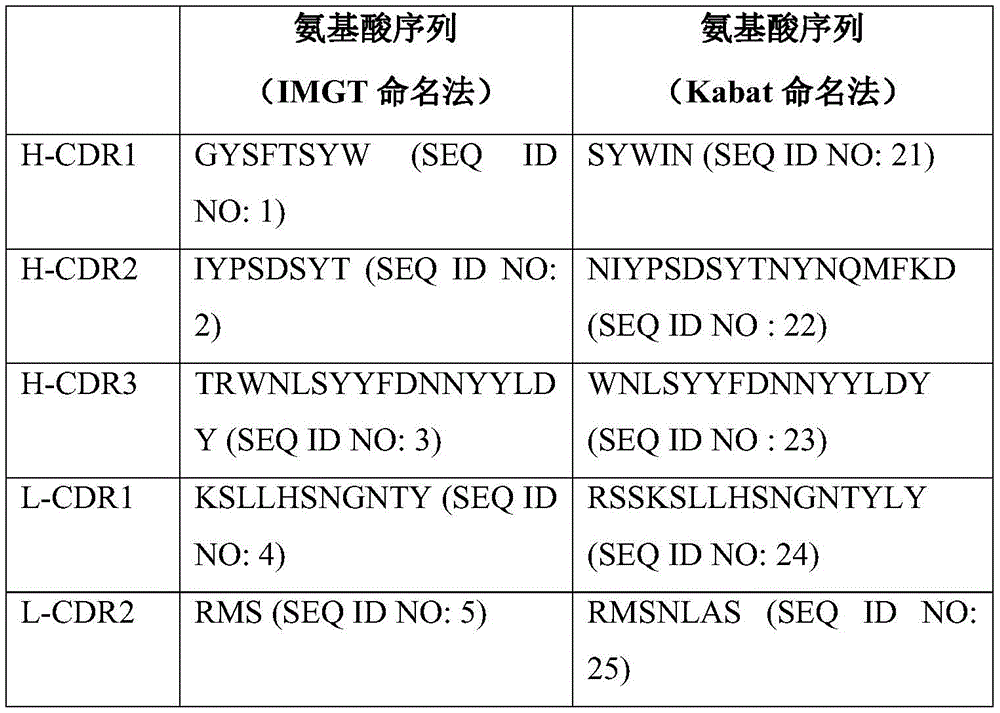

表1:88.2抗体的CDRsTable 1: CDRs of the 88.2 antibody
88.2mAb(SEQ ID NO:7)的重链(H)的氨基酸序列:Amino acid sequence of the heavy chain (H) of 88.2 mAb (SEQ ID NO:7):
QVQLQQPGAELVRPGASVKLSCKASGYSFTSYWINWVKQRPGQGLEWIGNIYPSDSYTNYNQMFKDKATLTVDKSSNTAYMQLTSPTSEDSAVYYCTRWNLSYYFDNNYYLDYWGQGTTLTVSSQVQLQQPGAELVRPGASVKLSCKASGYSFTSYWINWVKQRPGQGLEWIGNIYPSDSYTNYNQMFKDKATLTVDKSSNTAYMQLTSPTSEDSAVYYCTRWNLSYYFDNNYYLDYWGQGTTLTVSS
88.2mAb(SEQ ID NO:8)的轻链(L)的氨基酸序列:Amino acid sequence of the light chain (L) of 88.2 mAb (SEQ ID NO:8):
DIVMTQAAPSVPVTPGESVSISCRSSKSLLHSNGNTYLYWFLQRPGQSPQLLIYRMSNLASGVPDRFSGSGSGTAFTLRISRVEAEDVGVYYCMQHLEYPWTFGGGTKLEIKDIVMTQAAPSVPVTPGESVSISCRSSKSLLHSNGNTYLYWFLQRPGQSPQLLIYRMSNLASGVPDRFSGSGSGTAFTLRISRVEAEDVGVYYCMQHLEYPWTFGGGTKLEIK
具体地,本发明的抗ICOS抗体可以是具有以下CDR的314.8抗体(表2):Specifically, the anti-ICOS antibody of the present invention may be the 314.8 antibody (Table 2) having the following CDRs:

表2:314.8抗体的CDRsTable 2: CDRs of the 314.8 antibody
314.8mAb(SEQ ID NO:15)的重链(H)的氨基酸序列:Amino acid sequence of the heavy chain (H) of 314.8 mAb (SEQ ID NO: 15):
QVQLQQPGTELMKPGASVKLSCKASGYTFTTYWMHWVKQRPGQGLEWIGEIDPSDSYVNYNQNFKGKATLTVDKSSSTAYIQLSSLTSEDSAVYFCARSPDYYGTSLAWFDYWGQGTLVTVSTQVQLQQPGTELMKPGASVKLSCKASGYTFTTYWMHWVKQRPGQGLEWIGEIDPSDSYVNYNQNFKGKATLTVDKSSSTAYIQLSLTSEDSAVYFCARSPDYYGTSLAWFDYWGQGTLVTVST
314.8mAb(SEQ ID NO:16)的轻链(L)的氨基酸序列:Amino acid sequence of the light chain (L) of 314.8 mAb (SEQ ID NO: 16):
DIVMTQAAPSVPVTPGESVSISCRSSKSPLHSNGNIYLYWFLQRPGQSPQLLIYRMSNLASGVPDRFSGSGSGTTFTLKISRVEAEDVGVYYCMQHLEYPYTFGGGTKLEIKDIVMTQAAPSVPVTPGESVSISCRSSKSPLHSNGNIYLYWFLQRPGQSPQLLIYRMSNLASGVPDRFSGSGSGTTFTLKISRVEAEDVGVYYCMQHLEYPYTFGGGTKLEIK
本发明抗体的氨基酸残基可以根据IMGT或KABAT编号系统编号。无论抗原受体、链类型或物种,IMGT唯一编号都被定义为比较可变结构域(Lefranc M.-P.,"Uniquedatabase numbering system for immunogenetic analysis"Immunology Today,18,509(1997);Lefranc M.-P.,"The IMGT unique numbering for Immunoglobulins,T cellreceptors and Ig-like domains"The Immunologist,7,132-136(1999).;Lefranc,M.-P.,Pommié,C.,Ruiz,M.,Giudicelli,V.,Foulquier,E.,Truong,L.,Thouvenin-Contet,V.and Lefranc,G.,"IMGT unique numbering for immunoglobulin and T cellreceptor variable domains and Ig superfamily V-like domains"Dev.Comp.Immunol.,27,55-77(2003).)。在IMGT唯一编号中,保守氨基酸始终具有相同的位置,例如半胱氨酸23、色氨酸41、疏水氨基酸89、半胱氨酸104、苯丙氨酸或色氨酸118。IMGT唯一编号提供了框架区(FR1-IMGT:位置1至26,FR2-IMGT:39至55,FR3-IMGT:66至104和FR4-IMGT:118至128)和互补决定区的标准化划分:CDR1-IMGT:27至38,CDR2-IMGT:56至65和CDR3-IMGT:105至117。如果CDR3-IMGT长度小于13个氨基酸,按以下顺序:111、112、110、113、109、114等从环的顶部产生空位。如果CDR3-IMGT长度超过13个氨基酸,则在CDR3-IMGT环顶部的位置111和112之间以112.1、111.1、112.2、111.2、112.3、111.3等的顺序产生额外的位置。(http://www.imgt.org/IMGTScientificChart/Nomenclature/IMGT- FRCDRdefinition.html)Amino acid residues of antibodies of the invention may be numbered according to the IMGT or KABAT numbering system. Regardless of antigen receptor, chain type or species, IMGT unique numbers are defined to compare variable domains (Lefranc M.-P., "Uniquedatabase numbering system for immunogenetic analysis" Immunology Today, 18, 509(1997); Lefranc M.-P. P., "The IMGT unique numbering for Immunoglobulins, T cell receptors and Ig-like domains" The Immunologist, 7, 132-136 (1999).; Lefranc, M.-P., Pommié, C., Ruiz, M., Giudicelli, V., Foulquier, E., Truong, L., Thouvenin-Contet, V. and Lefranc, G., "IMGT unique numbering for immunoglobulin and T cell receptor variable domains and Ig superfamily V-like domains" Dev.Comp.Immunol. , 27, 55-77 (2003).). In the IMGT unique numbering, conserved amino acids always have the same position, eg cysteine 23, tryptophan 41, hydrophobic amino acid 89, cysteine 104, phenylalanine or tryptophan 118. The IMGT unique numbering provides a standardized division of framework regions (FR1-IMGT:
抗体可变结构域中的残基通常根据Kabat等设计的系统编号。该系统如Kabat等,1987,in Sequences of Proteins of Immunological Interest,US Department ofHealth and Human Services,NIH,USA(以下称“Kabat等”)所述。本说明书使用该编号系统。Kabat残基名称并不总是与SEQ ID序列中氨基酸残基的线性编号直接对应。实际的线性氨基酸序列可含有比严格Kabat编号更少或更多的氨基酸,其对应于基本可变结构域的框架区或互补决定区(CDR)中结构组分的缩短或插入。通过将抗体序列中的同源残基与“标准”Kabat编号的序列进行比对,可以确定给定抗体的残基的正确Kabat编号。根据Kabat编号系统,重链可变结构域的CDRs位于残基31-35B(H-CDR1)、残基50-65(H-CDR2)和残基95-102(H-CDR3)。根据Kabat编号系统(http://www.bioinf.org.uk/abs/#cdrdef),轻链可变结构域的CDRs位于残基24-34(L-CDR1)、残基50-56(L-CDR2)和残基89-97(L-CDR3)。The residues in antibody variable domains are generally numbered according to the system devised by Kabat et al. This system is described in Kabat et al., 1987, in Sequences of Proteins of Immunological Interest, US Department of Health and Human Services, NIH, USA (hereinafter "Kabat et al."). This manual uses this numbering system. Kabat residue names do not always correspond directly to the linear numbering of the amino acid residues in the SEQ ID sequence. The actual linear amino acid sequence may contain fewer or more amino acids than the strict Kabat numbering, which correspond to shortenings or insertions of structural components in the framework regions or complementarity determining regions (CDRs) of the basic variable domains. The correct Kabat numbering of residues for a given antibody can be determined by aligning the homologous residues in the antibody sequence to the "standard" Kabat numbered sequence. According to the Kabat numbering system, the CDRs of the heavy chain variable domain are located at residues 31-35B (H-CDR1), residues 50-65 (H-CDR2) and residues 95-102 (H-CDR3). According to the Kabat numbering system (http://www.bioinf.org.uk/abs/#cdrdef), the CDRs of the light chain variable domain are located at residues 24-34 (L-CDR1), residues 50-56 (L- -CDR2) and residues 89-97 (L-CDR3).
因此,本发明提供了包含本发明抗体的VL区、VH区或一种或多种CDRs的功能变体的抗体。在本发明的单克隆抗体中使用的VL、VH或CDR的功能变体仍然允许该抗体至少保留亲本抗体的很大比例的亲和力/亲合力和/或特异性/选择性(至少50%、60%、70%、80%、90%、95%或以上),并且在某些情况下,本发明的单克隆抗体可能比亲本抗体具有更高的亲和力、选择性和/或特异性。此类变体可通过许多亲和力成熟方案获得,包括突变CDRs(Yang et al.,J.Mol.Biol.,254,392-403,1995)、链替换(Marks et al.,Bio/Technology,10,779-783,1992)、使用大肠杆菌突变株(Low et al.,J.Mol.Biol.,250,359-368,1996)、DNA改组(Patten et al.,Curr.Opin.Biotechnol.,8,724-733,1997)、噬菌体展现(Thompson et al.,J.Mol.Biol.,256,77-88,1996)和性聚合酶连锁反应(Crameri et al.,Nature,391,288-291,1998)。Vaughan等人(supra)讨论了这些亲和力成熟方案。此类功能变体通常保留与亲本抗体显着的序列同一性。CDR变体的序列可能通过保守性替换与亲本抗体序列的CDR序列不同;例如变体中至少约35%、约50%或更多、约60%或更多、约70%或更多、约75%或更多、约80%或更多、约85%或更多、约90%或更多,(例如,约65-95%,例如约92%、93%或94%)的替换是保守氨基酸残基的替换。CDR变体的序列可能通过保守性替换与亲本抗体序列的CDRs序列不同;例如,变体中的至少10个,例如至少9、8、7、6、5、4、3、2或1个的替换是保守氨基酸残基的替换。在本发明的内容中,保守性替换可以通过如下所示的氨基酸种类的替换来定义:Accordingly, the invention provides antibodies comprising functional variants of the VL region, VH region, or one or more CDRs of an antibody of the invention. Functional variants of the VL, VH or CDRs used in the monoclonal antibodies of the invention still allow the antibody to retain at least a substantial proportion of the affinity/avidity and/or specificity/selectivity (at least 50%, 60%, %, 70%, 80%, 90%, 95% or more), and in some cases, the monoclonal antibodies of the invention may have higher affinity, selectivity and/or specificity than the parental antibody. Such variants can be obtained by a number of affinity maturation protocols, including mutating CDRs (Yang et al., J. Mol. Biol., 254, 392-403, 1995), strand replacement (Marks et al., Bio/Technology, 10, 779-783 , 1992), use of Escherichia coli mutants (Low et al., J.Mol.Biol., 250,359-368, 1996), DNA shuffling (Patten et al., Curr.Opin.Biotechnol., 8, 724-733, 1997) , phage display (Thompson et al., J. Mol. Biol., 256, 77-88, 1996) and polymerase chain reaction (Crameri et al., Nature, 391, 288-291, 1998). These affinity maturation protocols are discussed by Vaughan et al. (supra). Such functional variants typically retain substantial sequence identity to the parent antibody. The sequences of the CDR variants may differ from the CDR sequences of the parent antibody sequence by conservative substitutions; for example, at least about 35%, about 50% or more, about 60% or more, about 70% or more, about 75% or more, about 80% or more, about 85% or more, about 90% or more, (for example, about 65-95%, such as about 92%, 93% or 94%) alternatives are Substitution of conserved amino acid residues. The sequence of the CDR variant may differ from the sequence of the CDRs of the parental antibody sequence by conservative substitutions; for example, at least 10, such as at least 9, 8, 7, 6, 5, 4, 3, 2 or 1 of the variants Substitutions are those of conserved amino acid residues. In the context of the present invention, conservative substitutions can be defined by substitutions of amino acid classes as shown below:
脂肪族残基I、L、V和MAliphatic residues I, L, V and M
环烯基相关残基F、H、W和YCycloalkenyl related residues F, H, W and Y
疏水性残基A、C、F、G、H、I、L、M、R、T、V、W和YHydrophobic residues A, C, F, G, H, I, L, M, R, T, V, W, and Y
带负电残基D和ENegatively charged residues D and E
极性残基C、D、E、H、K、N、Q、R、S和TPolar residues C, D, E, H, K, N, Q, R, S and T
带正电残基H、K和RPositively charged residues H, K and R
小残基A、C、D、G、N、P、S、T和VSmall residues A, C, D, G, N, P, S, T, and V
非常小的残基A、G和SVery small residues A, G and S
涉及转角的残基A、C、D、E、G、H、K、N、Q、R、S、P和涉及形成的残基TResidues A, C, D, E, G, H, K, N, Q, R, S, P involved in turns and T involved in formation
柔性残基Q、T、K、S、G、P、D、E和RFlexible residues Q, T, K, S, G, P, D, E and R
更多的保守性替换分组包括:缬氨酸-亮氨酸-异亮氨酸、苯丙氨酸-酪氨酸、赖氨酸-精氨酸、丙氨酸-缬氨酸和天冬酰胺-谷氨酰胺。与本发明抗体的CDR相比,变体CDR基本上保留了在亲水/亲水性质和残基重量/大小方面的保守性。本领域通常理解亲水氨基酸指数在赋予蛋白质相互作用的生物学功能方面的重要性。公认的是,氨基酸的相对亲水特性有助于所得蛋白质的二级结构,而二级结构又决定了蛋白质与其他分子的相互作用,例如酶、底物、受体、DNA、抗体、抗原等。根据其疏水性和电荷特征,为每种氨基酸都指定了亲水指数,它们是:异亮氨酸(+4.5);缬氨酸(+4.2);亮氨酸(+3.8);苯丙氨酸(+2.8);半胱氨酸/胱氨酸(+2.5);蛋氨酸(+1.9);丙氨酸(+1.8);甘氨酸(-0.4);苏氨酸(-0.7);丝氨酸(-0.8);色氨酸(-0.9);酪氨酸(-1.3);脯氨酸(-1.6);组氨酸(-3.2);谷氨酸(-3.5);谷氨酰胺(-3.5);天冬氨酸(-3.5);天冬酰胺(-3.5);赖氨酸(-3.9);和精氨酸(-4.5)。类似残基的保留也可以或可替代地通过相似性评分来测量,如使用BLAST程序来测定(例如,BLAST2.2.8可通过NCBI使用标准设置BLOSUM62,Open Gap=11和Extended Gap=1)。合适的变体通常表现出与亲本肽至少约70%的同一性。根据本发明,第一氨基酸序列与第二氨基酸序列具有至少70%同一性是指第一序列与第二氨基酸序列具有70;71;72;73;74;75;76;77;78;79;80;81;82;83;84;85;86;87;88;89;90;91;92;93;94;95;96;97;98;99或100%同一性。根据本发明,第一氨基酸序列与第二氨基酸序列具有至少90%同一性是指第一氨基酸序列与第二氨基酸序列具有90;91;92;93;94;95;96;97;98;99或100%同一性。More conservative substitution groups include: valine-leucine-isoleucine, phenylalanine-tyrosine, lysine-arginine, alanine-valine, and asparagine - Glutamine. Variant CDRs substantially retain the conservation of hydrophilic/hydrophilic properties and residue weight/size compared to the CDRs of antibodies of the invention. The importance of the hydropathic amino acid index in conferring biological function on protein interactions is generally understood in the art. It is well established that the relative hydrophilic character of amino acids contributes to the secondary structure of the resulting protein, which in turn determines the protein's interactions with other molecules, such as enzymes, substrates, receptors, DNA, antibodies, antigens, etc. . Based on its hydrophobicity and charge characteristics, each amino acid is assigned a hydropathic index, which are: Isoleucine (+4.5); Valine (+4.2); Leucine (+3.8); Phenylalanine acid (+2.8); cysteine/cystine (+2.5); methionine (+1.9); alanine (+1.8); glycine (-0.4); threonine (-0.7); 0.8); Tryptophan (-0.9); Tyrosine (-1.3); Proline (-1.6); Histidine (-3.2); Glutamic acid (-3.5); Glutamine (-3.5) ; aspartic acid (-3.5); asparagine (-3.5); lysine (-3.9); and arginine (-4.5). Retention of similar residues can also or alternatively be measured by similarity scoring, as determined using the BLAST program (eg, BLAST2.2.8 is available through NCBI using standard settings BLOSUM62, Open Gap=11 and Extended Gap=1). Suitable variants typically exhibit at least about 70% identity to the parent peptide. According to the present invention, the first amino acid sequence has at least 70% identity with the second amino acid sequence means that the first sequence and the second amino acid sequence have 70; 71; 72; 73; 74; 75; 76; 77; 78; 79; 80; 81; 82; 83; 84; 85; 86; 87; 88; 89; 90; 91; 92; 93; 94; 95; 96; 97; 98; 99 or 100% identity. According to the present invention, the first amino acid sequence has at least 90% identity with the second amino acid sequence means that the first amino acid sequence and the second amino acid sequence have 90; 91; 92; 93; 94; 95; 96; 97; 98; 99 Or 100% identity.
在一些实施方式中,本发明的抗体是具有重链的抗体,该重链包含i)53.3mab、88.2mab、92.17mab、145.1mab或314.8mab的H-CDR1,ii)53.3mab、88.2mab、92.17mab、145.1mab或314.8mab的H-CDR2和iii)53.3mab、88.2mab、92.17mab、145.1mab或314.8mab的H-CDR3以及轻链包含i)53.3mab、88.2mab、92.17mab、145.1mab或314.8mab的L-CDR1,ii)53.3mab、88.2mab、92.17mab、145.1mab或314.8mab的L-CDR2和iii)53.3mab、88.2mab、92.17mab、145.1mab或314.8mab的L-CDR3。In some embodiments, an antibody of the invention is an antibody having a heavy chain comprising i) the H-CDR1 of 53.3mab, 88.2mab, 92.17mab, 145.1mab, or 314.8mab, ii) 53.3mab, 88.2mab, H-CDR2 of 92.17mab, 145.1mab or 314.8mab and iii) H-CDR3 of 53.3mab, 88.2mab, 92.17mab, 145.1mab or 314.8mab and light chain comprising i) 53.3mab, 88.2mab, 92.17mab, 145.1mab or L-CDR1 of 314.8mab, ii) L-CDR2 of 53.3mab, 88.2mab, 92.17mab, 145.1mab or 314.8mab and iii) L-CDR3 of 53.3mab, 88.2mab, 92.17mab, 145.1mab or 314.8mab.
在一些实施方式中,本发明的抗体是具有重链的抗体,该重链与SEQ ID NO:7或15具有至少70;71;72;73;74;75;76;77;78;79;80;81;82;83;84;85;86;87;88;89;90;91;92;93;94;95;96;97;98;或99%的同一性,该轻链与SEQ ID NO:8或16具有至少70;71;72;73;74;75;76;77;78;79;80;81;82;83;84;85;86;87;88;89;90;91;92;93;94;95;96;97;98;或99%的同一性。In some embodiments, an antibody of the invention is an antibody having a heavy chain having at least 70; 71; 72; 73; 74; 75; 76; 77; 78; 79; 80; 81; 82; 83; 84; 85; 86; 87; 88; 89; 90; 91; 92; 93; 94; 95; 96; 97; 98; or 99% identity, the light chain with SEQ ID NO: 8 or 16 has at least 70;71;72;73;74;75;76;77;78;79;80;81;82;83;84;85;86;87;88;89;90; 91; 92; 93; 94; 95; 96; 97; 98; or 99% identity.
在一些实施方式中,本发明的抗体是具有与SEQ ID NO:7或15相同的重链和与SEQID NO:8或16相同的轻链的抗体。In some embodiments, an antibody of the invention is an antibody having the same heavy chain as SEQ ID NO: 7 or 15 and the same light chain as SEQ ID NO: 8 or 16.
在一个实施方式中,本发明的单克隆抗体是嵌合抗体,特别是嵌合小鼠/人抗体。In one embodiment, the monoclonal antibody of the invention is a chimeric antibody, particularly a chimeric mouse/human antibody.
因此,本发明涉及一种抗ICOS嵌合抗体,用于治疗有需要的受试者的皮肤T细胞淋巴瘤(CTCL)和/或TFH起源淋巴瘤。Accordingly, the present invention relates to an anti-ICOS chimeric antibody for use in the treatment of cutaneous T-cell lymphoma (CTCL) and/or lymphoma of TFH origin in a subject in need thereof.
根据本发明,术语“嵌合抗体”是指包含非人抗体的VH结构域和VL结构域,以及人抗体的CH结构域和CL结构域的抗体。According to the present invention, the term "chimeric antibody" refers to an antibody comprising the VH and VL domains of a non-human antibody, and the CH and CL domains of a human antibody.
在一些实施方式中,本发明的人嵌合抗体可以通过以下过程产生:获得如前所述的编码VL和VH结构域的核酸序列,通过将它们插入具有编码人抗体CH和人抗体CL基因的动物细胞表达载体,以构建人嵌合抗体表达载体,并通过将表达载体引入动物细胞来表达编码序列。作为人嵌合抗体的CH结构域,可以是属于人免疫球蛋白的任何区域,但IgG类的区域是合适的,并且也可以使用属于IgG类的任何亚类,例如IgG1、IgG2、IgG3和IgG4。另外,作为人嵌合抗体的CL,可以是属于Ig的任何区域,也可以使用kappa类或lambda类。产生嵌合抗体的方法涉及本领域熟知的常规重组DNA和基因转染技术(参见Morrison SL.et al.(1984)和专利文献US5,202,238;和US5,204,244.)。In some embodiments, the human chimeric antibody of the present invention can be produced by the following process: obtaining the nucleic acid sequences encoding the VL and VH domains as described above, by inserting them into the human antibody CH and human antibody CL genes Animal cell expression vectors to construct human chimeric antibody expression vectors and express coding sequences by introducing the expression vectors into animal cells. As the CH domain of a human chimeric antibody, any region belonging to human immunoglobulin may be used, but a region belonging to the IgG class is suitable, and any subclass belonging to the IgG class such as IgG1, IgG2, IgG3, and IgG4 may also be used . In addition, as the CL of the human chimeric antibody, any region belonging to Ig may be used, and kappa-type or lambda-type can also be used. Methods for producing chimeric antibodies involve conventional recombinant DNA and gene transfection techniques well known in the art (see Morrison SL. et al. (1984) and patent documents US 5,202,238; and US 5,204,244.).
根据本发明,抗ICOS抗体可以是上述抗体的嵌合抗体,特别是抗体53.3mab、88.2mab、92.17mab、145.1mab和314.8mab。According to the present invention, the anti-ICOS antibody may be a chimeric antibody of the above-mentioned antibodies, especially antibodies 53.3mab, 88.2mab, 92.17mab, 145.1mab and 314.8mab.
在一些实施方式中,本发明的单克隆抗体是人源抗体。特别地,在所述人源抗体中,可变结构域包括人受体框架区,以及任选的人恒定结构域(如果存在)和非人供体CDRs,例如小鼠CDRs。In some embodiments, the monoclonal antibodies of the invention are human antibodies. In particular, in such human antibodies, the variable domains comprise human acceptor framework regions, and optionally human constant domains (if present) and non-human donor CDRs, such as mouse CDRs.
因此,本发明涉及用于治疗有需要的受试者的皮肤T细胞淋巴瘤(CTCL)和/或TFH起源淋巴瘤抗ICOS人源抗体。Accordingly, the present invention relates to an anti-ICOS human antibody for use in the treatment of cutaneous T-cell lymphoma (CTCL) and/or TFH -derived lymphoma in a subject in need thereof.
在一个实施方案中,人源抗体可衍生自嵌合抗体(从本发明的抗体获得)。In one embodiment, a human antibody may be derived from a chimeric antibody (obtained from an antibody of the invention).
在另一个实施方案中,本发明的单克隆抗体是基于相同的人源化方法的犬化或灵长类化的。In another embodiment, the monoclonal antibodies of the invention are caninized or primatized based on the same humanization method.
根据本发明,术语“人源抗体”是指具有来自人抗体的可变区框架和恒定区但保留先前非人抗体的CDRs的抗体。According to the present invention, the term "human antibody" refers to an antibody having variable region frameworks and constant regions derived from a human antibody but retaining the CDRs of a previously non-human antibody.
本发明的人源抗体可以通过获得编码CDR结构域的核酸序列产生,如前所述,通过将其插入具有编码(i)与人抗体相同的重链恒定区和(ii)与人的抗体相同的轻链恒定区的基因的动物细胞表达载体中,构建人源化抗体表达载体,并通过将所述表达载体引入动物细胞中来表达所述基因。人源抗体表达载体可以是编码抗体重链的基因和编码抗体轻链的基因分别存在于不同的载体上的类型,也可以是编码抗体重链的基因和编码抗体轻链的基因存在于同一载体上的类型(串联型)。考虑到人源抗体表达载体构建容易、易于引入动物细胞以及动物细胞中抗体H和L链的表达水平的平衡方面,优选串联型人源抗体表达载体。串联型人源抗体表达载体包括pKANTEX93(WO 97/10354)、pEE18等。基于传统重组DNA和基因转染技术生产人源抗体的方法在技术上是众所周知的(参见,例如,Riechmann L.etal.1988;Neuberger MS.et al.1985)。可以使用本领域已知的各种技术将抗体人源化,包括例如CDR移植(EP 239400;PCT出版物WO91/09967;美国专利号5225539;5530101;和5585089),贴面或表面改性(EP 592106;EP 519596;Padlan EA(1991);Studnicka GM等(1994);Roguska MA等人(1994))和链改组(美国专利号5565332)。用于制备这种抗体的常用重组DNA技术也是已知的(参见欧洲专利申请EP 125023和国际专利申请WO 96/02576)。The human antibody of the present invention can be produced by obtaining the nucleic acid sequence encoding the CDR domain, as described above, by inserting it into a CDR domain encoding (i) the same heavy chain constant region as a human antibody and (ii) the same as a human antibody. In the animal cell expression vector of the light chain constant region gene, construct the humanized antibody expression vector, and express the gene by introducing the expression vector into animal cells. The human antibody expression vector can be a type in which the gene encoding the antibody heavy chain and the gene encoding the antibody light chain exist on different vectors, or the gene encoding the antibody heavy chain and the gene encoding the antibody light chain exist in the same vector The above type (serial type). Considering the ease of construction of the human antibody expression vector, ease of introduction into animal cells, and the balance of expression levels of antibody H and L chains in animal cells, the tandem human antibody expression vector is preferred. Tandem human antibody expression vectors include pKANTEX93 (WO 97/10354), pEE18 and the like. Methods for producing human antibodies based on conventional recombinant DNA and gene transfection techniques are well known in the art (see, eg, Riechmann L. et al. 1988; Neuberger MS. et al. 1985). Antibodies can be humanized using various techniques known in the art, including, for example, CDR grafting (EP 239400; PCT publication WO91/09967; US Patent Nos. 5225539; 5530101; and 5585089), veneering or surface modification (EP 592106; EP 519596; Padlan EA (1991); Studnicka GM et al (1994); Roguska MA et al (1994)) and chain shuffling (US Patent No. 5565332). Common recombinant DNA techniques for the preparation of such antibodies are also known (see European Patent Application EP 125023 and International Patent Application WO 96/02576).
根据本发明,抗ICOS抗体可以是上述抗体的人源抗体,特别是抗体53.3mab,88.2mab,92.17mab,145.1mab和314.8mab。According to the present invention, the anti-ICOS antibody may be a human antibody of the above-mentioned antibodies, especially antibodies 53.3mab, 88.2mab, 92.17mab, 145.1mab and 314.8mab.
在一些实施方案中,本发明的抗体是人源抗体。In some embodiments, antibodies of the invention are human antibodies.
因此,本发明涉及用于治疗有需要的受试者的皮肤T细胞淋巴瘤(CTCL)和/或TFH起源淋巴瘤的抗ICOS人源抗体。Accordingly, the present invention relates to anti-ICOS human antibodies for use in the treatment of cutaneous T-cell lymphoma (CTCL) and/or lymphoma of TFH origin in a subject in need thereof.
如本文所用,术语“人源抗体”意指包括具有衍生自人免疫球蛋白序列的可变区和恒定区的抗体。本发明的人源抗体可以包括不是由人免疫球蛋白序列编码的氨基酸残基(例如通过随机的或位点特异性的体外诱变或通过体内体细胞突变引入的突变)。然而,如本文所用,术语“人源抗体”并不意指包括其中衍生自另一哺乳动物物种的种系(例如小鼠)的CDR序列已被嫁接到人构架序列上的抗体。As used herein, the term "human antibody" is meant to include antibodies having variable and constant regions derived from human immunoglobulin sequences. Human antibodies of the invention may include amino acid residues not encoded by human immunoglobulin sequences (eg, mutations introduced by random or site-specific mutagenesis in vitro or by somatic mutation in vivo). However, as used herein, the term "human antibody" is not meant to include antibodies in which CDR sequences derived from the germline of another mammalian species (eg, mouse) have been grafted onto human framework sequences.
可以使用本领域已知的各种技术产生人源抗体。人源抗体一般描述于van Dijkand van de Winkel,cur.Opin.Pharmacol.5;368-74(2001)以及lonberg,cur.Opin.Immunol.20;450-459(2008)中。人源抗体可以通过向转基因动物施用免疫原来制备,该转基因动物已被修饰为产生完整人源抗体或具有人可变区的完整人源抗体,以便对抗原挑战作出应答。此类动物通常包含全部或部分人源化免疫球蛋白基因座,或者存在于动物染色体外或随机整合到动物染色体中。在此类转基因小鼠中,内源性免疫球蛋白基因座通常已被灭活。有关从转基因动物获得人源抗体的方法的综述,参见Lonberg,Nat.Biotech.23;1117-1125(2005)。还参见例如描述XENOMOUSETM技术的美国专利号6,075,181和6,150,584;描述


在一个实施方式中,本发明的抗体是指抗原结合片段(这里指ICOS结合片段),其选自由Fab片段、F(ab)'2片段、单结构域抗体、ScFv片段、Sc(Fv)2片段、双抗体、三抗体、四抗体、单抗体、微型抗体、巨型抗体、小型模块免疫药物(SMIP)、由模拟抗体超变区的氨基酸残基构成的最小识别单元作为分离的互补决定区(CDR)和包含或由VL或VH链以及与SEQ IDNO:7或15和/或SEQ ID NO:8或16具有至少70,71,72,73,74,75,76,77,78,79,80,81,82,83,84,85,86,87,88,89,90,91,92,93,94,95,96,或100%的同一性的氨基酸序列组成的片段组成的组。In one embodiment, the antibody of the present invention refers to an antigen-binding fragment (herein referred to as an ICOS-binding fragment), which is selected from Fab fragments, F(ab)'2 fragments, single domain antibodies, ScFv fragments, Sc(Fv)2 Fragments, diabodies, triabodies, tetrabodies, monobodies, minibodies, giant antibodies, small modular immunopharmaceuticals (SMIP), the smallest recognition unit composed of amino acid residues mimicking the hypervariable region of an antibody as an isolated complementarity-determining region ( CDR) and comprising or consisting of a VL or VH chain and having at least 70, 71, 72, 73, 74, 75, 76, 77, 78, 79 with SEQ ID NO: 7 or 15 and/or SEQ ID NO: 8 or 16, 80, 81, 82, 83, 84, 85, 86, 87, 88, 89, 90, 91, 92, 93, 94, 95, 96, or a group consisting of fragments of amino acid sequences with 100% identity.
因此,本发明涉及用于治疗有需要的受试者的TFH起源淋巴瘤的ICOS结合片段。Accordingly, the present invention relates to ICOS binding fragments for use in the treatment of lymphoma of TFH origin in a subject in need thereof.
如本文所用,术语抗体的“抗原结合片段”是指完整抗体的一个或多个片段,其保留了与给定抗原(例如,[抗原])特异性结合的能力。抗体的抗原结合功能可以通过完整抗体的片段来执行。抗体的术语“抗原结合部分”所涵盖的结合片段的实例包括:Fab片段,其是由VL、VH、CL和CH1结构域组成的单价片段;Fab'片段,其是由VL、VH、CL、CH1结构域和铰链区组成的单价片段;F(ab')2片段,其是包含两个Fab'片段的二价片段,这两个Fab片段通过铰链区的二硫键连接;Fd片段,其由抗体单臂的VH结构域组成的;单域抗体(sdAb)片段(Ward et al.,1989Nature 341:544-546.),其由VH结构域或VL结构域组成;以及一个分离的互补决定区(CDR)。此外,虽然Fv片段的两个结构域VL和VH是由单独的基因编码,但可以使用重组方法,通过人工肽接头将它们连接起来,使它们能够制备成单条蛋白质链,其中VL和VH区配对形成单价分子(称为单链Fv(ScFv);参见例如Bird et al.,1989Science 242:423-426;和Huston et al.,1988proc.Natl.Acad.Sci.85:5879-5883.)。“dsFv”是通过二硫键稳定的VH::VL异源二聚体。二价和多价抗体片段可通过单价scFvs的结合自发形成,或可由肽接头通过偶联单价scFvs生成,如二价sc(Fv)2。此类单链抗体包括抗体的一个或多个抗原结合部分或片段。这些抗体片段是使用本领域技术人员已知的常规技术获得的,并且以与完整抗体相同的方式对这些片段进行实用性筛选。单一抗体是另一种类型的抗体片段,其缺少IgG4抗体的铰链区。铰链区的缺失导致分子大小基本上为传统IgG4抗体的一半,且具有单价结合区而不是IgG4抗体的二价结合区。抗原结合片段可以引入单域抗体、SMIP、巨型抗体、微型抗体、胞内抗体、双抗体、三抗体和四抗体(参见,例如,Hollinger andHudson,2005,Nature Biotechnology,23,9,1126-1136)。术语“双体”“三体”或“四体”是指具有多个抗原结合位点(2、3或4个)的小抗体片段,该片段包含在同一多肽链(VH-VL)中与轻链可变区(VL)连接的重链可变区(VH)。通过使用足够短的接头使得不能在同一链的两个结构区之间配对,迫使该结构区与另一条链的互补结构区配对并形成两个抗原结合位点。抗原结合片段可掺入包含一对串联Fv片段(VH-CH1-VH-CH1)的单链分子中,该片段与互补的轻链多肽一起形成一对抗原结合区(Zapata et al.,1995Protein Eng.8(10);1057-1062和美国专利号5,641,870)。As used herein, the term "antigen-binding fragment" of an antibody refers to one or more fragments of an intact antibody that retain the ability to specifically bind a given antigen (eg, [antigen]). The antigen-binding function of an antibody can be performed by fragments of an intact antibody. Examples of binding fragments encompassed by the term "antigen-binding portion" of an antibody include: Fab fragments, which are monovalent fragments consisting of VL, VH, CL and CH1 domains; Fab' fragments, which are composed of VL, VH, CL, Monovalent fragment consisting of CH1 domain and hinge region; F(ab')2 fragment, which is a bivalent fragment comprising two Fab' fragments connected by a disulfide bond in the hinge region; Fd fragment, which Consists of the VH domain of a single arm of an antibody; a single domain antibody (sdAb) fragment (Ward et al., 1989 Nature 341:544-546.), which consists of either a VH domain or a VL domain; and an isolated complementarity determining region (CDR). Furthermore, although the two domains VL and VH of the Fv fragment are encoded by separate genes, recombinant methods can be used to link them through artificial peptide linkers, allowing them to be prepared as a single protein chain in which the VL and VH regions are paired A monovalent molecule is formed (termed single-chain Fv (ScFv); see eg Bird et al., 1989 Science 242:423-426; and Huston et al., 1988 proc. Natl. Acad. Sci. 85:5879-5883.). "dsFv" is a VH::VL heterodimer stabilized by disulfide bonds. Bivalent and multivalent antibody fragments can be formed spontaneously by conjugation of monovalent scFvs, or can be generated by coupling monovalent scFvs via peptide linkers, such as bivalent sc(Fv)2. Such single chain antibodies include one or more antigen-binding portions or fragments of antibodies. These antibody fragments are obtained using conventional techniques known to those skilled in the art, and these fragments are screened for utility in the same manner as intact antibodies. Monoantibodies are another type of antibody fragment that lack the hinge region of an IgG4 antibody. The absence of the hinge region results in a molecule that is essentially half the size of a traditional IgG4 antibody and has a monovalent binding domain instead of the bivalent binding domain of an IgG4 antibody. Antigen-binding fragments can be incorporated into single domain antibodies, SMIPs, macrobodies, minibodies, intrabodies, diabodies, triabodies, and tetrabodies (see, e.g., Hollinger and Hudson, 2005, Nature Biotechnology, 23, 9, 1126-1136) . The terms "diabodies", "tribodies" or "tetrabodies" refer to small antibody fragments with multiple antigen binding sites (2, 3 or 4) contained in the same polypeptide chain (VH-VL) with A heavy chain variable region (VH) linked to a light chain variable region (VL). By using a linker that is short enough to prevent pairing between the two domains of the same chain, the domain is forced to pair with the complementary domain of the other chain and form two antigen-binding sites. Antigen-binding fragments can be incorporated into single-chain molecules comprising a pair of tandem Fv fragments (VH-CH1-VH-CH1), which together with complementary light-chain polypeptides form a pair of antigen-binding domains (Zapata et al., 1995 Protein Eng .8(10); 1057-1062 and US Patent No. 5,641,870).
本发明的Fab可以通过蛋白酶(如木瓜蛋白酶)处理与[抗原]特异性反应的抗体而获得。此外,该Fab可通过将编码抗体的Fab的DNA序列插入用于原核表达系统或用于真核表达系统的载体中,并将该载体引入原核或真核细胞(视情况而定)中以表达Fab来产生。The Fab of the present invention can be obtained by treating an antibody that specifically reacts with [antigen] with a protease (such as papain). In addition, the Fab can be expressed by inserting the DNA sequence encoding the Fab of the antibody into a vector for prokaryotic expression system or for eukaryotic expression system, and introducing the vector into prokaryotic or eukaryotic cells (as the case may be) Fab to generate.
本发明的F(ab')2可用蛋白酶、胃蛋白酶处理与[抗原]特异性反应的抗体获得。此外,F(ab')2可以通过经由硫醚键或二硫键结合下述Fab'来制备。The F(ab')2 of the present invention can be obtained by treating an antibody specifically reacting with [antigen] with protease or pepsin. In addition, F(ab')2 can be prepared by binding Fab' described below via a thioether bond or a disulfide bond.
本发明的Fab'可通过用还原剂二硫苏糖醇处理与[抗原]特异性反应的F(ab')2来获得。此外,Fab'可通过将编码抗体的Fab'片段的DNA插入用于原核生物的表达载体或真核生物的表达载体中,并将该载体引入原核或真核细胞(视情况而定)以实施其表达来产生。The Fab' of the present invention can be obtained by treating F(ab')2 specifically reactive with [antigen] with a reducing agent, dithiothreitol. Furthermore, Fab' can be performed by inserting DNA encoding a Fab' fragment of an antibody into an expression vector for prokaryotes or an expression vector for eukaryotes, and introducing the vector into prokaryotic or eukaryotic cells, as the case may be. its expression to produce.
本发明的scFv可以通过如前文所述获得编码VH和VL结构域的cDNA,构建编码scFv片段的DNA,将该DNA插入原核或真核生物的表达载体中,且随后将该表达载体引入原核或真核细胞(视情况而定)中以表达scFv来产生。为生成人源化scFv片段,可使用称为CDR移植的熟知技术,该技术涉及选择根据本发明的互补决定区(CDRs),并将其移植到已知三维结构的人scFv片段框架上(参见,例如WO 98/45322;WO 87/02671;US5,859,205;US5,585,089;US4,816,567;EP0173494)。The scFv of the present invention can be obtained by obtaining cDNAs encoding VH and VL domains as described above, constructing DNA encoding scFv fragments, inserting the DNA into a prokaryotic or eukaryotic expression vector, and then introducing the expression vector into prokaryotic or eukaryotic Produced by expression of scFv in eukaryotic cells (as appropriate). To generate humanized scFv fragments, a well-known technique called CDR grafting can be used, which involves selecting the complementarity determining regions (CDRs) according to the present invention and grafting them onto human scFv fragment frameworks of known three-dimensional structure (see , eg WO 98/45322; WO 87/02671; US 5,859,205; US 5,585,089; US 4,816,567; EP0173494).
结构域抗体(dAbs)是抗体的最小功能结合单位-分子量约为13kDa-且对应于抗体的重链(VH)或轻链(VL)的可变区。有关结构域抗体及其生产方法的更多详细信息,请参见US 6,291,158;6,582,915;6,593,081;6,172,197;和6,696,245;US 2004/0110941;EP1433846;0368684和0616640;WO 2005/035572;2004/101790;2004/081026;2004/058821;2004/003019和2003/002609,每一项均通过引用全文并入本文。Domain antibodies (dAbs) are the smallest functional binding unit of an antibody - having a molecular weight of approximately 13 kDa - and corresponding to the variable region of either the heavy (VH) or light (VL) chain of an antibody. For more details on domain antibodies and methods of producing them, see US 6,291,158; 6,582,915; 6,593,081; 6,172,197; and 6,696,245; US 2004/0110941; EP1433846; 081026; 2004/058821; 2004/003019 and 2003/002609, each of which is incorporated herein by reference in its entirety.
单一抗体是另一种抗体片段技术,这种技术基于去除IgG4抗体的铰链区。铰链区的缺失导致分子大小基本上为传统IgG4抗体的一半,且具有单价结合区而不是二价结合区。此外,由于单一抗体的体积更小,它们可能比较大的实体瘤上表现出更好的分布,并具有潜在的有利功效。更多细节可参见专利WO 2007/059782,其通过引用全文并入本文。Single antibodies are another antibody fragment technology based on removing the hinge region of IgG4 antibodies. The absence of the hinge region results in a molecule that is essentially half the size of a traditional IgG4 antibody and has a monovalent rather than a bivalent binding region. Furthermore, due to the smaller size of individual antibodies, they may exhibit better distribution than larger solid tumors and have potentially beneficial efficacy. Further details can be found in patent WO 2007/059782, which is hereby incorporated by reference in its entirety.
根据本发明,抗ICOS抗体可以是上述抗体的ICOS结合片段,特别是抗体53.3mab、88.2mab、92.17mab、145.1mab和314.8mab。According to the invention, the anti-ICOS antibody may be an ICOS-binding fragment of the above-mentioned antibodies, in particular antibodies 53.3mab, 88.2mab, 92.17mab, 145.1mab and 314.8mab.
单域抗体single domain antibody
在一个具体实施方式中,抗ICOS抗体是抗ICOS单域抗体。In a specific embodiment, the anti-ICOS antibody is an anti-ICOS single domain antibody.
因此,本发明涉及一种用于治疗有需要的受试者的皮肤T细胞淋巴瘤(CTCL)和/或TFH起源淋巴瘤的抗ICOS单域抗体。Accordingly, the present invention relates to an anti-ICOS single domain antibody for use in the treatment of cutaneous T-cell lymphoma (CTCL) and/or lymphoma of TFH origin in a subject in need thereof.
如本文所用,术语“单域抗体”具有其在本领域的一般含义,是指可以在天然不含轻链的骆驼科哺乳动物中发现的抗体类型的单个重链可变结构域。此类单域抗体也称为VHH或
骆驼Ig可以通过基因工程进行修饰,以产生对靶标具有高亲和力的小蛋白,从而产生称为“纳米抗体”或“VHH”的低分子量抗体衍生蛋白质。参见1998年6月2日颁发的美国专利5,759,808;另见Stijlemans,B.et al.,2004J Biol Chem 279:1256-1261;Dumoulin,M.et a/.,2003Nature 424:783-788;Pleschberger,M.et al.2003Bioconjugate Chem14:440-448;Cortez-Retamozo,V.et al.2002Int J Cancer 89:456-62;and Lauwereys,M.et al.1998EMBO J 17:3512-3520.。骆驼科动物抗体和抗体片段的工程文库是市售的,例如,来自Ablynx,Ghent,Belgium.。在本文的某些实施方式中,骆驼科动物抗体或纳米抗体是在骆驼科动物中自然产生的,即,使用本文针对其他抗体描述的技术,由用[抗原]或其肽片段免疫后的骆驼科动物产生。或者,与[抗原]结合骆驼纳米抗体是被工程化的,即,通过以[抗原]作为靶标的淘选,从展示适当突变的骆驼纳米抗体蛋白质的噬菌体库中筛选产生。Camelid Ig can be modified by genetic engineering to produce small proteins with high affinity for the target, resulting in low molecular weight antibody-derived proteins called "nanobodies" or "VHHs". See US Patent 5,759,808, issued June 2, 1998; see also Stijlemans, B. et al., 2004 J Biol Chem 279:1256-1261; Dumoulin, M. et a/., 2003 Nature 424:783-788; Pleschberger, M. et al. 2003 Bioconjugate Chem 14: 440-448; Cortez-Retamozo, V. et al. 2002 Int J Cancer 89: 456-62; and Lauwereys, M. et al. 1998 EMBO J 17: 3512-3520. Engineered libraries of camelid antibodies and antibody fragments are commercially available, eg, from Ablynx, Ghent, Belgium. In certain embodiments herein, the camelid antibody or Nanobody is naturally produced in a camelid, i.e., from a camelid immunized with [antigen] or a peptide fragment thereof using the techniques described herein for other antibodies. Animals produce. Alternatively, camelid Nanobodies that bind to [antigen] are engineered, i.e., produced by panning against [antigen] from a phage library displaying appropriately mutated camelid Nanobody proteins.
在一些实施方式中,单域抗体是“人源化”的单域抗体。In some embodiments, the single domain antibody is a "humanized" single domain antibody.
如本文所用,术语“人源化”是指本发明的单域抗体,其中天然存在的VHH结构域的氨基酸序列相对应的氨基酸序列已被“人源化”,即通过将所述天然存在的VHH序列(特别是在框架序列中)的氨基酸序列中的一个或多个氨基酸残基替换为来自人常规链抗体在VH结构域中相应位置上的一个或多个氨基酸残基。用于人源化单域抗体的方法在本领域是公知的。通常,应选择人源化取代,使产生的人源化单域抗体仍保留本发明单域抗体的良好特性。本领域技术人员能够确定和选择合适的人源化取代或人源化取代的合适组合。As used herein, the term "humanized" refers to the single domain antibody of the present invention, wherein the amino acid sequence corresponding to the amino acid sequence of the naturally occurring VHH domain has been "humanized", that is, by converting the naturally occurring One or more amino acid residues in the amino acid sequence of the VHH sequence (especially in the framework sequence) are replaced by one or more amino acid residues from the corresponding positions in the VH domain of human conventional chain antibodies. Methods for humanizing single domain antibodies are well known in the art. In general, humanizing substitutions should be selected so that the resulting humanized single domain antibody still retains the favorable properties of the single domain antibody of the invention. Those skilled in the art will be able to determine and select appropriate humanizing substitutions or suitable combinations of humanizing substitutions.
本发明的另一方面涉及包含至少一种本发明的单域抗体的多肽。Another aspect of the invention relates to a polypeptide comprising at least one single domain antibody of the invention.
通常,本发明的多肽包含本发明的单域抗体,其在N末端、在C末端或同时在N末端和C末端至少融合一个氨基酸序列,即,从而提供一种融合蛋白。根据本发明,包含唯一单域抗体的多肽在本文中称为“单价”多肽。根据本发明,包含或本质上由两个或多个单域抗体组成的多肽在本文中称为“多价”多肽。Typically, a polypeptide of the invention comprises a single domain antibody of the invention fused to at least one amino acid sequence at the N-terminus, at the C-terminus, or at both the N-terminus and the C-terminus, ie, thereby providing a fusion protein. According to the invention, a polypeptide comprising a unique single domain antibody is referred to herein as a "monovalent" polypeptide. According to the present invention, a polypeptide comprising or essentially consisting of two or more single domain antibodies is referred to herein as a "multivalent" polypeptide.
根据本发明,本发明的单域抗体和多肽可以通过常规的自动肽合成方法或通过重组表达来产生。设计和制造蛋白质的一般原理是本领域技术人员所熟知的。本发明的单域抗体和多肽可以根据常规技术在溶液或在固体载体上合成。各种自动合成器是市售的,并且可以按照Stewart and Young;Tam et al.,1983;Merrifield,1986and Barany andMerrifield,Gross and Meienhofer,1979中描述的已知方案进行使用。本发明的单域抗体和多肽也可以通过使用诸如Applied Biosystems公司生产的433A型肽合成仪进行固相技术合成。任何给定的蛋白质(通过自动肽合成或通过重组方法产生)的纯度可以使用反相HPLC分析测定。每种肽的化学真实性可以通过本领域技术人员公知的任何方法来建立。作为自动化肽合成的替代方法,可以采用重组DNA技术,其中,将编码所选蛋白质的核苷酸序列插入表达载体中,转化或转染到合适的宿主细胞中,并在如下文所述的适合表达的条件下培养。重组技术特别优选用于产生较长的多肽。According to the present invention, single domain antibodies and polypeptides of the present invention can be produced by conventional automated peptide synthesis methods or by recombinant expression. The general principles of designing and making proteins are well known to those skilled in the art. Single domain antibodies and polypeptides of the present invention can be synthesized in solution or on solid supports according to conventional techniques. Various automatic synthesizers are commercially available and can be used following known protocols described in Stewart and Young; Tam et al., 1983; Merrifield, 1986 and Barany and Merrifield, Gross and Meienhofer, 1979. The single domain antibodies and polypeptides of the present invention can also be synthesized by solid-phase techniques using, for example, a 433A peptide synthesizer produced by Applied Biosystems. The purity of any given protein (produced by automated peptide synthesis or by recombinant methods) can be determined using reverse phase HPLC analysis. The chemical identity of each peptide can be established by any method known to those skilled in the art. As an alternative to automated peptide synthesis, recombinant DNA techniques can be employed, wherein the nucleotide sequence encoding the selected protein is inserted into an expression vector, transformed or transfected into a suitable host cell, and expressed in a suitable host cell as described below. cultured under conditions of expression. Recombinant techniques are particularly preferred for the production of longer polypeptides.
核酸、载体和宿主细胞Nucleic acids, vectors and host cells
本发明的另一个目的涉及一种编码本发明的抗体的核酸分子。更具体地,核酸分子编码本发明抗体的重链或轻链。Another object of the invention relates to a nucleic acid molecule encoding the antibody of the invention. More specifically, the nucleic acid molecule encodes a heavy or light chain of an antibody of the invention.
因此,本发明涉及一种编码本发明的抗体的核酸分子,用于治疗有需要的受试者的皮肤T细胞淋巴瘤(CTCL)和/或TFH起源的淋巴瘤。Accordingly, the present invention relates to a nucleic acid molecule encoding an antibody of the present invention for use in the treatment of cutaneous T-cell lymphoma (CTCL) and/or lymphoma of TFH origin in a subject in need thereof.
通常,所述核酸是DNA或RNA分子,其可以包含在任何合适的载体中,例如质粒、粘粒、附加体、人工染色体、噬菌体或病毒载体。如本文所用,术语“载体”、“克隆载体”和“表达载体”是指可将DNA或RNA序列(例如外源基因)引入宿主细胞,从而转化宿主并促进引入序列的表达(例如转录和翻译)的载体。因此,本发明的又一方面涉及包含本发明核酸的载体。此类载体可包含调控元件,例如启动子、增强子、终止子等,以在施用于受试者时引起或指导所述抗体的表达。用于动物细胞表达载体的启动子和增强子的实例包括SV40的早期启动子和增强子(Mizukami T.et al.1987)、莫洛尼小鼠白血病病毒的LTR启动子和增强子(Kuwana Y et al.1987)、免疫球蛋白H链的启动子(Mason JO et al.1985)和增强子(Gillies SD et al.1983)等。可以使用任何用于动物细胞的表达载体,只要可以插入并表达编码人抗体C区的基因即可。合适载体的实例包括pAGE107(Miyaji H et al.1990)、pAGE103(Mizukami T et al.1987)、pHSG274(Brady G et al.1984)、pKCR(O'Hare K etal.1981)、pSG1 beta d2 -4-(Miyaji H et al.1990)等。质粒的其他实例包括包含复制起点的复制质粒或整合质粒,例如pUC、pcDNA、pBR等。病毒载体的其他实例包括腺病毒、逆转录病毒、疱疹病毒和AAV载体。此类重组病毒可以通过本领域已知的技术产生,例如通过转染包装细胞或通过用辅助质粒或病毒的瞬时转染产生。病毒包装细胞的典型实例包括PA317细胞、PsiCRIP细胞、GPenv+细胞、293细胞等。用于产生这种复制缺陷型重组病毒的详细方案可参见例如WO 95/14785、WO 96/22378、US 5,882,877、US 6,013,516、US 4,861,719、US 5,278,056和WO 94/19478。Typically, the nucleic acid is a DNA or RNA molecule, which may be contained in any suitable vector, such as a plasmid, cosmid, episome, artificial chromosome, phage or viral vector. As used herein, the terms "vector," "cloning vector," and "expression vector" refer to a vector that can introduce a DNA or RNA sequence (such as a foreign gene) into a host cell, thereby transforming the host and facilitating expression (such as transcription and translation) of the introduced sequence. )Carrier. Accordingly, a further aspect of the invention relates to a vector comprising a nucleic acid of the invention. Such vectors may contain regulatory elements, such as promoters, enhancers, terminators, etc., to cause or direct the expression of the antibody when administered to a subject. Examples of promoters and enhancers used in animal cell expression vectors include early promoters and enhancers of SV40 (Mizukami T. et al. 1987), LTR promoters and enhancers of Moloney murine leukemia virus (Kuwana Y et al.1987), immunoglobulin H chain promoter (Mason JO et al.1985) and enhancer (Gillies SD et al.1983), etc. Any expression vector for animal cells can be used as long as a gene encoding a human antibody C region can be inserted and expressed. Examples of suitable vectors include pAGE107 (Miyaji H et al. 1990), pAGE103 (Mizukami T et al. 1987), pHSG274 (Brady G et al. 1984), pKCR (O'Hare K et al. 1981), pSG1 beta d2- 4 - (Miyaji H et al. 1990) et al. Other examples of plasmids include replicating or integrating plasmids comprising an origin of replication, such as pUC, pcDNA, pBR, and the like. Other examples of viral vectors include adenovirus, retrovirus, herpes virus and AAV vectors. Such recombinant viruses can be produced by techniques known in the art, for example by transfection of packaging cells or by transient transfection with helper plasmids or viruses. Typical examples of virus packaging cells include PA317 cells, PsiCRIP cells, GPenv+ cells, 293 cells, and the like. Detailed protocols for producing such replication-defective recombinant viruses can be found in, eg, WO 95/14785, WO 96/22378, US 5,882,877, US 6,013,516, US 4,861,719, US 5,278,056 and WO 94/19478.
88.2mAb的重链(H)的核酸序列是(SEQ ID NO:17):The nucleic acid sequence of the heavy chain (H) of 88.2 mAb is (SEQ ID NO: 17):
CAGGTCCAACTGCAGCAGCCTGGGGCTGAGCTGGTGAGGCCTGGGGCTTCAGTGAAGCTGTCCTGCAAGGCTTCTGGCTACAGTTTCACCAGCTACTGGATAAACTGGGTGAAGCAGAGGCCTGGACAAGGCCTTGAGTGGATCGGAAATATTTATCCTTCTGATAGTTATACTAACTACAATCAAATGTTCAAGGACAAGGCCACATTGACTGTAGACAAATCCTCCAACACAGCCTACATGCAGCTCACCAGCCCGACATCTGAGGACTCTGCGGTCTATTACTGTACAAGATGGAATCTTTCTTATTACTTCGATAATAACTACTACTTGGACTACTGGGGCCAAGGCACCACTCTCACAGTCTCCTCACAGGTCCAACTGCAGCAGCCTGGGGCTGAGCTGGTGAGGCCTGGGGCTTCAGTGAAGCTGTCCTGCAAGGCTTCTGGCTACAGTTTCACCAGCTACTGGATAAACTGGGTGAAGCAGAGGCCTGGACAAGGCCTTGAGTGGATCGGAAATATTTATCCTTCTGATAGTTATACTAACTACAATCAAATGTTCAAGGACAAGGCCACATTGACTGTAGACAAATCCTCCAACACAGCCTACATGCAGCTCACCAGCCCGACATCTGAGGACTCTGCGGTCTATTACTGTACAAGATGGAATCTTTCTTATTACTTCGATAATAACTACTACTTGGACTACTGGGGCCAAGGCACCACTCTCACAGTCTCCTCA
88.2mAb的轻链(L)的核酸序列是(SEQ ID NO:18):The nucleic acid sequence of the light chain (L) of 88.2 mAb is (SEQ ID NO: 18):
GATATTGTGATGACTCAGGCTGCACCCTCTGTACCTGTCACTCCTGGAGAGTCAGTATCCATCTCCTGCAGGTCTAGTAAGAGTCTCCTGCATAGTAATGGCAACACTTACTTGTATTGGTTCCTGCAGAGGCCAGGCCAGTCTCCTCAACTCCTGATATATCGGATGTCCAACCTTGCCTCAGGAGTCCCAGACAGGTTCAGTGGCAGTGGGTCAGGAACTGCTTTCACACTGAGAATCAGTAGAGTGGAGGCTGAGGATGTGGGTGTTTATTACTGTATGCAACATCTAGAATATCCGTGGACGTTCGGTGGAGGCACCAAGCTGGAAATCAAAGATATTGTGATGACTCAGGCTGCACCCTCTGTACCTGTCACTCCTGGAGAGTCAGTATCCATCTCCTGCAGGTCTAGTAAGAGTCTCCTGCATAGTAATGGCAACACTTACTTGTATTGGTTCCTGCAGAGGCCAGGCCAGTCTCCTCAACTCCTGATATATCGGATGTCCAACCTTGCCTCAGGAGTCCCAGACAGGTTCAGTGGCAGTGGGTCAGGAACTGCTTTCACACTGAGAATCAGTAGAGTGGAGGCTGAGGATGTGGGTGTTTATTACTGTATGCAACATCTAGAATATCCGTGGACGTTCGGTGGAGGCACCAAGCTGGAAATCAAA
314.8mAb的重链(H)的核酸序列是(SEQ ID NO:19):The nucleic acid sequence of the heavy chain (H) of 314.8 mAb is (SEQ ID NO: 19):
CAGGTCCAACTACAGCAGCCTGGGACTGAACTTATGAAGCCTGGGGCTTCAGTGAAGCTGTCCTGCAAGGCTTCTGGCTACACCTTCACCACCTACTGGATGCACTGGGTGAAGCAGAGGCCTGGACAAGGCCTTGAGTGGATCGGAGAGATTGATCCTTCTGATAGTTATGTTAACTACAATCAAAACTTTAAGGGCAAGGCCACATTGACTGTAGACAAATCCTCCAGCACAGCCTACATACAGCTCAGCAGCCTGACATCTGAGGACTCTGCGGTCTATTTTTGTGCGAGATCCCCTGATTACTACGGTACTAGTCTTGCCTGGTTTGATTACTGGGGCCAAGGGACTCTGGTCACTGTCTCTACACAGGTCCAACTACAGCAGCCTGGGACTGAACTTATGAAGCCTGGGGCTTCAGTGAAGCTGTCCTGCAAGGCTTCTGGCTACACCTTCACCACCTACTGGATGCACTGGGTGAAGCAGAGGCCTGGACAAGGCCTTGAGTGGATCGGAGAGATTGATCCTTCTGATAGTTATGTTAACTACAATCAAAACTTTAAGGGCAAGGCCACATTGACTGTAGACAAATCCTCCAGCACAGCCTACATACAGCTCAGCAGCCTGACATCTGAGGACTCTGCGGTCTATTTTTGTGCGAGATCCCCTGATTACTACGGTACTAGTCTTGCCTGGTTTGATTACTGGGGCCAAGGGACTCTGGTCACTGTCTCTACA
314.8mAb的轻链(L)的核酸序列是(SEQ ID NO:20):The nucleic acid sequence of the light chain (L) of 314.8mAb is (SEQ ID NO:20):
GATATTGTGATGACTCAGGCTGCACCCTCTGTACCTGTCACTCCTGGAGAGTCAGTATCCATCTCCTGCAGGTCTAGTAAGAGTCCCCTGCATAGTAACGGCAACATTTACTTATATTGGTTCCTGCAGAGGCCAGGCCAGTCTCCTCAGCTCCTGATATATCGGATGTCCAACCTTGCCTCAGGAGTCCCAGACAGGTTCAGTGGCAGTGGGTCAGGAACTACTTTCACACTGAAAATCAGTAGAGTGGAGGCTGAGGATGTGGGTGTTTATTACTGTATGCAACATCTAGAATATCCGTACACGTTCGGAGGGGGGACCAAGCTGGAAATAAAAGATATTGTGATGACTCAGGCTGCACCCTCTGTACCTGTCACTCCTGGAGAGTCAGTATCCATCTCCTGCAGGTCTAGTAAGAGTCCCCTGCATAGTAACGGCAACATTTACTTATATTGGTTCCTGCAGAGGCCAGGCCAGTCTCCTCAGCTCCTGATATATCGGATGTCCAACCTTGCCTCAGGAGTCCCAGACAGGTTCAGTGGCAGTGGGTCAGGAACTACTTTCACACTGAAAATCAGTAGAGTGGAGGCTGAGGATGTGGGTGTTTATTACTGTATGCAACATCTAGAATATCCGTACACGTTCGGAGGGGGGACCAAGCTGGAAATAAAA
本发明的另一方面涉及已经被根据本发明的核酸和/或载体转染、感染或转化的宿主细胞。Another aspect of the invention relates to host cells which have been transfected, infected or transformed with nucleic acids and/or vectors according to the invention.
术语“转化”是指将“外源”(即外源或细胞外)基因、DNA或RNA序列引入宿主细胞,使得宿主细胞将表达引入的基因或序列以产生所需物质,通常是通过引入的基因或序列编码的蛋白质或酶。接受并表达引入的DNA或RNA的宿主细胞被“转化”。The term "transformation" refers to the introduction of a "foreign" (i.e. foreign or extracellular) gene, DNA or RNA sequence into a host cell such that the host cell will express the introduced gene or sequence to produce the desired substance, usually by introducing A gene or sequence encodes a protein or enzyme. A host cell that receives and expresses the introduced DNA or RNA is "transformed."
本发明的核酸可用于在合适的表达系统中产生本发明的抗体。术语“表达系统”是指在合适的条件下的宿主细胞和相容载体,例如用于表达由载体携带并引入宿主细胞的外源DNA编码的蛋白质。常见的表达系统包括大肠杆菌宿主细胞和质粒载体、昆虫宿主细胞和杆状病毒载体,以及哺乳动物宿主细胞和载体。宿主细胞的其他实例包括但不限于原核细胞(例如细菌)和真核细胞(例如酵母细胞、哺乳动物细胞、昆虫细胞、植物细胞等)。具体实例包括大肠杆菌、克鲁维酵母菌或酵母菌、哺乳动物细胞系(例如,Vero细胞、CHO细胞、3T3细胞、COS细胞等)以及原代或已建立的哺乳动物细胞培养物(例如由淋巴母细胞、成纤维细胞、胚胎细胞、上皮细胞、神经细胞、脂肪细胞等产生)。实例还包括小鼠SP2/0-Ag14细胞(ATCC CRL1581)、小鼠P3X63-Ag8.653细胞(ATCC CRL1580)、其中二氢叶酸还原酶基因(以下称为“DHFR基因”)缺陷型的CHO细胞(Urlaub G et al;1980)、大鼠YB2/3HL.P2.G11.16Ag.20细胞(ATCC CRL1662,以下称为“YB2/0细胞”)等。本发明还涉及产生表达根据本发明的抗体的重组宿主细胞的方法,所述方法包括以下步骤:(i)将如上所述的重组核酸或载体体外或离体引入感受态宿主细胞,(ii)体外或离体培养获得的重组宿主细胞,和(iii)任选地,选择表达和/或分泌所述抗体的细胞。此类重组宿主细胞可用于产生本发明的抗体。Nucleic acids of the invention can be used to produce antibodies of the invention in a suitable expression system. The term "expression system" refers to a host cell and a compatible vector under suitable conditions, eg, for expressing a protein encoded by an exogenous DNA carried by the vector and introduced into the host cell. Common expression systems include E. coli host cells and plasmid vectors, insect host cells and baculovirus vectors, and mammalian host cells and vectors. Other examples of host cells include, but are not limited to, prokaryotic cells (eg, bacteria) and eukaryotic cells (eg, yeast cells, mammalian cells, insect cells, plant cells, etc.). Specific examples include E. coli, Kluyveromyces or yeast, mammalian cell lines (e.g., Vero cells, CHO cells, 3T3 cells, COS cells, etc.), and primary or established mammalian cell cultures (e.g., derived from Lymphoblasts, fibroblasts, embryonic cells, epithelial cells, nerve cells, fat cells, etc.). Examples also include mouse SP2/0-Ag14 cells (ATCC CRL1581), mouse P3X63-Ag8.653 cells (ATCC CRL1580), CHO cells in which the dihydrofolate reductase gene (hereinafter referred to as "DHFR gene") is deficient (Urlaub G et al; 1980), rat YB2/3HL.P2.G11.16Ag.20 cells (ATCC CRL1662, hereinafter referred to as "YB2/0 cells") and the like. The present invention also relates to a method for producing a recombinant host cell expressing an antibody according to the present invention, the method comprising the steps of: (i) introducing the above-mentioned recombinant nucleic acid or vector into a competent host cell in vitro or ex vivo, (ii) The obtained recombinant host cells are cultured in vitro or ex vivo, and (iii) optionally, cells are selected for expressing and/or secreting said antibodies. Such recombinant host cells can be used to produce the antibodies of the invention.
本发明的抗体通过常规免疫球蛋白纯化方法适当地从培养基中分离,例如蛋白A琼脂糖、羟磷灰石层析、凝胶电泳、透析或亲和层析。The antibodies of the invention are suitably isolated from the culture medium by conventional immunoglobulin purification methods, such as protein A sepharose, hydroxyapatite chromatography, gel electrophoresis, dialysis or affinity chromatography.
与本发明抗体竞争的抗体Antibodies that compete with the antibodies of the invention
在另一个方面,本发明提供一种与本发明的抗体竞争结合ICOS的抗体。In another aspect, the invention provides an antibody that competes with an antibody of the invention for ICOS binding.
因此,本发明涉及一种与本发明的抗体竞争结合ICOS的抗体,用于治疗有需要的受试者的皮肤T细胞淋巴瘤(CTCL)和/或TFH起源的淋巴瘤。Accordingly, the present invention relates to an antibody that competes with the antibody of the present invention for binding to ICOS for the treatment of cutaneous T-cell lymphoma (CTCL) and/or lymphoma of TFH origin in a subject in need thereof.
如本文所用,在抗体与预定抗原或表位结合的背景下,术语“结合”通常是当通过例如在BIAcore 3000仪器中采用表面等离子共振(SPR)技术,以可溶形式的抗原作为配体,以抗体作为分析物进行测定时,对应的具有约10-7M或更低,如约10-8M或更低,约10-9M或更低,约10-10M或更低,或者约10-11M甚至更低的解离常数的亲和力的结合。
可以根据它们在标准ICOS结合测定中与本发明的其他抗体交叉竞争(例如,以统计学显着方式竞争性抑制结合)的能力来鉴定其他抗体。试验抗体抑制本发明抗体与ICOS结合的能力表明,试验抗体可以与该抗体竞争结合ICOS;根据非限制性理论,这种抗体可能与其竞争的抗体结合在ICOS上相同或相关(例如,结构相似或空间上接近的)的表位。因此,本发明的另一方面提供了与本文公开的抗体结合并与之竞争的相同抗原的抗体。在存在等摩尔浓度的竞争抗体时,当竞争抗体抑制本发明抗体或抗原结合片段的ICOS结合超过50,51,52,53,54,55,56,57,58,59,60,61,62,63,64,65,66,67,68,69,70,71,72,73,74,75,77,78,79,80,81,82,83,84,85,86,87,88,89,90,91,92,93,94,95,96,97,98或99%时,抗体“竞争”结合。Additional antibodies can be identified based on their ability to cross-compete (eg, competitively inhibit binding in a statistically significant manner) other antibodies of the invention in standard ICOS binding assays. The ability of a test antibody to inhibit binding of an antibody of the invention to ICOS indicates that the test antibody may compete with that antibody for binding to ICOS; according to non-limiting theory, such an antibody may bind to ICOS identically or related (e.g., structurally similar or spatially close) epitopes. Accordingly, another aspect of the invention provides antibodies to the same antigens that bind to and compete with the antibodies disclosed herein. When a competing antibody inhibits ICOS binding of an antibody or antigen-binding fragment of the invention by more than 50, 51, 52, 53, 54, 55, 56, 57, 58, 59, 60, 61, 62 in the presence of an equimolar concentration of the competing antibody , 63, 64, 65, 66, 67, 68, 69, 70, 71, 72, 73, 74, 75, 77, 78, 79, 80, 81, 82, 83, 84, 85, 86, 87, 88 , 89, 90, 91, 92, 93, 94, 95, 96, 97, 98 or 99%, the antibodies "compete" for binding.
在其他实施方式中,本发明的抗体或抗原结合片段与ICOS的一个或多个表位结合。在一些实施方式中,本发明抗体或抗原结合片段结合的表位是线性表位。在其他实施方式中,本发明抗体或抗原结合片段结合的表位是非线性、构象表位。In other embodiments, an antibody or antigen-binding fragment of the invention binds to one or more epitopes of ICOS. In some embodiments, the epitope to which an antibody or antigen-binding fragment of the invention binds is a linear epitope. In other embodiments, the epitope to which an antibody or antigen-binding fragment of the invention binds is a non-linear, conformational epitope.
本发明的抗体可以通过本领域已知的任何方法测定特异性结合。许多不同的竞争性结合试验形式可用于表位结合。可以使用的免疫测定包括但不限于竞争性测定系统,诸如使用蛋白质印迹法、放射性免疫测定法、ELISA、“夹心”免疫测定法、免疫沉淀测定法、免疫沉淀素测定法、凝胶扩散沉淀素测定法、免疫放射测定法、荧光免疫测定法、蛋白质A免疫测定法和补体结合测定法。这些测定法是常规的,并且在本领域中是公知的(参见,例如,Ausubel et al.,eds,1994Current Protocols in Molecular Biology,Vol.1,JohnWiley&sons,Inc.,New York)。Antibodies of the invention can be assayed for specific binding by any method known in the art. Many different competitive binding assay formats are available for epitope binding. Immunoassays that can be used include, but are not limited to, competitive assay systems such as those using Western blot, radioimmunoassay, ELISA, "sandwich" immunoassay, immunoprecipitation assay, immunoprecipitin assay, gel-diffusion precipitin Assay, immunoradiometric assay, fluorescent immunoassay, protein A immunoassay, and complement fixation assay. These assays are routine and well known in the art (see, eg, Ausubel et al., eds, 1994 Current Protocols in Molecular Biology, Vol. 1, John Wiley & sons, Inc., New York).
抗体工程化Antibody engineering
本发明的工程化抗体包括那些已经对VH和/或VL内的框架残基进行修饰的抗体,例如为改善抗体的特性。通常进行此类框架修饰以降低抗体的免疫原性。例如,一种方法是将一个或多个框架残基“反向突变”到相应的种系序列。更具体地,经历过体细胞突变的抗体可能包含与衍生抗体的种系序列不同的框架残基。此类残基可以通过将抗体框架序列与衍生抗体的种系序列进行比较来鉴定。为了使构架区序列回到其种系构型,体细胞突变可以通过定点诱变或PCR介导的诱变等方法“反向突变”到种系序列。这种“反向突变”抗体也旨在被本发明所涵盖。另一种类型的框架修饰涉及在突变框架区域内,或甚至在一个或多个CDR区域内的一个或多个残基,去除T细胞表位,从而降低抗体的潜在免疫原性。这种方法也称为“去免疫”,并且在Carr等人的美国专利申请公开号20030153043中对此方法进行了详细的描述。Engineered antibodies of the invention include those antibodies in which modifications have been made to framework residues within the VH and/or VL, eg, to improve the properties of the antibody. Such framework modifications are typically made to reduce the immunogenicity of the antibody. For example, one approach is to "backmutate" one or more framework residues into the corresponding germline sequence. More specifically, antibodies that have undergone somatic mutation may contain framework residues that differ from the germline sequence of the derived antibody. Such residues can be identified by comparing the antibody framework sequence to the germline sequence of the derived antibody. To return the framework region sequences to their germline configuration, somatic mutations can be "backmutated" to the germline sequence by methods such as site-directed mutagenesis or PCR-mediated mutagenesis. Such "back mutation" antibodies are also intended to be encompassed by the present invention. Another type of framework modification involves mutating one or more residues within the framework regions, or even within one or more CDR regions, to remove T-cell epitopes, thereby reducing the potential immunogenicity of the antibody. This approach is also known as "deimmunization" and is described in detail in US Patent Application Publication No. 20030153043 by Carr et al.
在一些实施方式中,抗体被糖基化修饰。例如可以通过糖基化的改变,以增加抗体对抗原的亲和力。例如可以通过改变抗体序列内的一个或多个糖基化位点,实现此类碳水化合物的修饰。例如,可以进行一个或多个氨基酸取代,从而消除一个或多个可变区框架的糖基化位点,从而消除该位点的糖基化。这样的糖基化可以增加抗体对抗原的亲和力。在Co等人的美国专利申请公开号5,714,350和6,350,861中对此方法进行了详细的描述。In some embodiments, the antibody is modified by glycosylation. For example, changes in glycosylation can be used to increase the affinity of antibodies for antigens. Such carbohydrate modifications can be achieved, for example, by altering one or more sites of glycosylation within the antibody sequence. For example, one or more amino acid substitutions can be made that eliminate one or more variable region framework glycosylation sites, thereby eliminating glycosylation at that site. Such glycosylation can increase the affinity of the antibody for the antigen. This method is described in detail in US Patent Application Publication Nos. 5,714,350 and 6,350,861 by Co et al.
在一些实施方式中,一些突变发生在位于第一个CDR(CDR1)内部和附近的聚集“热点”中的氨基酸,以降低抗体对聚集的敏感性(参见Joseph M.Perchiacca et al.,Proteins 2011;79:2637-2647)。In some embodiments, some mutations occur at amino acids located in aggregation "hot spots" located in and near the first CDR (CDR1) to reduce the susceptibility of the antibody to aggregation (see Joseph M. Perchiacca et al., Proteins 2011 ; 79:2637-2647).
本发明的抗体可以是任何同种型。同种型的选择通常由所需的效应子功能进行指导。当IgG2和IgG4不发挥作用或以较低的方式发挥作用时,IgG1和IgG3是介导ADCC或CDC效应子功能的同种型。可以使用任何人轻链恒定区,kappa型或lambda型。如果需要,本发明的单克隆抗体的类别可以通过已知方法进行转换。通常,类别转换技术可用于将一种IgG亚类转换为另一种,例如从IgG1转换为IgG2。因此,本发明的单克隆抗体的效应子功能可以通过同种型转换来改变,例如用于各种治疗用途的IgG1、IgG2、IgG3、IgG4、IgD、IgA、IgE或IgM抗体。Antibodies of the invention may be of any isotype. The choice of isoform is usually guided by the desired effector function. IgG1 and IgG3 are the isotypes that mediate ADCC or CDC effector functions while IgG2 and IgG4 do not function or function in a lower manner. Any human light chain constant region, kappa-type or lambda-type, can be used. The class of the monoclonal antibody of the present invention can be switched by known methods, if necessary. Typically, class switching techniques can be used to switch one IgG subclass to another, for example from IgG1 to IgG2. Thus, the effector functions of the monoclonal antibodies of the invention can be altered by isotype switching, such as IgG1, IgG2, IgG3, IgG4, IgD, IgA, IgE or IgM antibodies for various therapeutic uses.
在一些实施方式中,本发明的抗体是全长抗体。在一些实施方式中,全长抗体是IgG1抗体。在一些实施方式中,全长抗体是IgG3抗体。In some embodiments, antibodies of the invention are full-length antibodies. In some embodiments, the full length antibody is an IgG1 antibody. In some embodiments, the full length antibody is an IgG3 antibody.
因此,本发明还涉及一种抗ICOS IgG1抗体,用于治疗有需要的受试者的皮肤T细胞淋巴瘤(CTCL)和/或TFH起源淋巴瘤。Accordingly, the present invention also relates to an anti-ICOS IgGl antibody for use in the treatment of cutaneous T-cell lymphoma (CTCL) and/or lymphoma of TFH origin in a subject in need thereof.
在一些实施方式中,CH1的铰链区被修饰,使得铰链区中半胱氨酸残基的数量被改变,例如增加或减少。在Bodmer等人的美国专利号5,677,425中对此方法进一步描述。例如,改变CH1铰链区中半胱氨酸残基的数量,以促进轻链和重链的组装或增加或降低抗体的稳定性。In some embodiments, the hinge region of CH1 is modified such that the number of cysteine residues in the hinge region is altered, eg, increased or decreased. This method is further described in US Patent No. 5,677,425 to Bodmer et al. For example, altering the number of cysteine residues in the CH1 hinge region to facilitate light and heavy chain assembly or to increase or decrease antibody stability.
在一些实施方式中,通过将至少一个氨基酸残基替换为不同的氨基酸残基来改变Fc区,以改变抗体的效应子功能。例如,一个或多个氨基酸可以被不同的氨基酸残基取代,使得抗体对效应配体的亲和力发生改变,但保留亲本抗体的抗原结合能力。亲和力改变的效应配体可以是Fc受体或补体的C1组分。在Winter等人的美国专利号5,624,821和5,648,260中对此方法进行了更详细地描述。In some embodiments, the Fc region is altered by replacing at least one amino acid residue with a different amino acid residue to alter the effector function of the antibody. For example, one or more amino acids can be substituted with a different amino acid residue such that the affinity of the antibody for the effector ligand is altered but retains the antigen-binding ability of the parent antibody. The affinity-altered effector ligand may be an Fc receptor or the C1 component of complement. This method is described in more detail in US Patent Nos. 5,624,821 and 5,648,260 to Winter et al.
在一些实施方式中,选自氨基酸残基的一个或多个氨基酸可以被不同的氨基酸残基取代,使得抗体改变了Clq的结合和/或降低或消除了补体依赖性细胞毒性(CDC)。在ldusogie等人的美国专利号6,194,551中对此方法进行了更详细地描述。In some embodiments, one or more amino acids selected from amino acid residues may be substituted with a different amino acid residue such that the antibody alters Clq binding and/or reduces or eliminates complement dependent cytotoxicity (CDC). This method is described in more detail in US Patent No. 6,194,551 to ldusogie et al.
在一些实施方式中,改变一个或多个氨基酸残基从而改变抗体固定补体的能力。在Bodmer等人的国际专利申请WO 94/29351中对此种方法进一步描述。In some embodiments, one or more amino acid residues are altered to alter the ability of the antibody to fix complement. This approach is further described in International Patent Application WO 94/29351 by Bodmer et al.
在一些实施方式中,对Fc区进行修饰以增加抗体介导抗体依赖性细胞介导的细胞毒性(ADCC)的能力或抗体依赖性细胞吞噬作用(ADCP)的能力,和/或通过修饰一个或多个氨基酸从而增加抗体对Fc受体的亲和力。在Presta的国际专利申请WO 00/42072中对此种方法进一步描述。此外,FcγRI,FcγRII,FcγRIII和FcRn在人IgG1上的结合位点已被定位,同时具有改进结合的变体已被描述(参见Shields,R.L.et al.,2001J.Biol.Chen.276:6591-6604,WO2010106180)。In some embodiments, the Fc region is modified to increase the ability of the antibody to mediate antibody-dependent cell-mediated cytotoxicity (ADCC) or antibody-dependent cellular phagocytosis (ADCP), and/or by modifying one or Multiple amino acids thereby increasing the affinity of the antibody for Fc receptors. This method is further described in Presta's International Patent Application WO 00/42072. Furthermore, binding sites for FcγRI, FcγRII, FcγRIII and FcRn on human IgG1 have been mapped, and variants with improved binding have been described (see Shields, R.L. et al., 2001 J. Biol. Chen. 276:6591- 6604, WO2010106180).
术语“抗体依赖性细胞介导细胞毒性”或“ADCC”是本领域熟知的术语,是指细胞介导的反应,其中表达Fc受体(FcRs)的非特异性细胞毒性细胞识别靶细胞上的结合抗体,并随后引起靶细胞的裂解。介导ADCC的非特异性细胞毒性细胞包括细胞毒性(NK)细胞、巨噬细胞、单核细胞、中性粒细胞和嗜酸性粒细胞。The term "antibody-dependent cell-mediated cytotoxicity" or "ADCC" is a term well known in the art and refers to a cell-mediated response in which non-specific cytotoxic cells expressing Fc receptors (FcRs) recognize binding on target cells antibodies, and subsequently cause lysis of target cells. Nonspecific cytotoxic cells that mediate ADCC include cytotoxic (NK) cells, macrophages, monocytes, neutrophils, and eosinophils.
如本文所用,术语“效应子功能”是指那些可归因于抗体Fc区的生物活性,其随抗体同种型而变化。抗体效应子功能的例子包括:Clq结合和补体依赖性细胞毒性(CDC);Fc受体结合;抗体依赖性细胞介导的细胞毒性(ADCC);吞噬作用;细胞表面受体(例如B细胞受体)下调;和B细胞活化。As used herein, the term "effector functions" refers to those biological activities attributable to the Fc region of an antibody, which vary with antibody isotype. Examples of antibody effector functions include: Clq binding and complement-dependent cytotoxicity (CDC); Fc receptor binding; antibody-dependent cell-mediated cytotoxicity (ADCC); phagocytosis; body) downregulation; and B cell activation.
另外或可替代地,可以制备具有改变的糖基化种类的抗体,例如具有降低含量的岩藻糖基残基或不具有岩藻糖基残基的低岩藻糖基化或非岩藻糖基化抗体,或具有增加的二等分GlcNac结构的抗体。已经证明,这种改变的糖基化模式可增加抗体的ADCC能力。这种碳水化合物修饰可以通过例如在具有改变的糖基化机制的宿主细胞中表达抗体来完成。本领域已经描述了具有改变的糖基化机制的细胞,且其可用作在其中表达本发明的重组抗体,从而产生具有改变的糖基化的抗体的宿主细胞。例如,Hang等的EP1,176,195描述了FUT8基因被功能性破坏的细胞系,该基因编码岩藻糖基转移酶,使得这种细胞系表达的抗体表现出低岩藻糖基化或缺少岩藻糖基残基。因此,在一些实施方式中,本发明的单克隆抗体通过在表现出低岩藻糖基化或非岩藻糖基化模式的细胞系中的重组表达来制备,例如,编码岩藻糖基转移酶的FUT8基因表达缺陷的哺乳动物细胞系。Presta等的PCT公开文本WO03/035835描述了一种变体CHO细胞系Lecl3细胞,其将岩藻糖连接到Asn(297)-连接的碳水化合物上的能力降低,还导致在该宿主细胞中表达的抗体的低岩藻糖基化(另参见Shields,R.L.et al,2002J.Biol.Chem.277:26733-26740)。Umana等的PCT公开文本WO 99/54342描述了工程化以表达糖蛋白修饰的糖基转移酶(例如,beta(1,4)-N乙酰氨基葡糖基转移酶III(GnTIII))的细胞系,使得在该工程化的细胞系中表达的抗体表现出增加的二等分GlcNac结构,这导致抗体的ADCC活性增加(参见Umana et al,1999 Nat.Biotech.17:176-180)。Eureka Therapeutics进一步描述了基因工程化的CHO哺乳动物细胞,能够产生具有改变的哺乳动物糖基化模式且没有岩藻糖基残基的抗体(http://www.eurekainc.com/a&boutus/companyoverview.html)。或者,本发明的单克隆抗体可以在酵母或丝状真菌中产生,其工程化为哺乳动物样糖基化模式并且能够产生缺乏岩藻糖作为糖基化模式的抗体(参见例如EP1297172B1)。Additionally or alternatively, antibodies may be prepared with altered glycosylation species, for example hypofucosylated or afucosylated with reduced levels of fucosyl residues or with no fucosyl residues ylated antibodies, or antibodies with increased bisecting GlcNac structures. This altered glycosylation pattern has been shown to increase the ADCC ability of the antibody. Such carbohydrate modifications can be accomplished, for example, by expressing the antibody in a host cell with an altered glycosylation machinery. Cells with altered glycosylation machinery have been described in the art and are useful as host cells in which to express recombinant antibodies of the invention, thereby producing antibodies with altered glycosylation. For example, EP1,176,195 by Hang et al. describes a cell line in which the FUT8 gene, which encodes a fucosyltransferase, is functionally disrupted such that antibodies expressed by this cell line exhibit hypofucosylation or lack fucosylation Glycosyl residues. Thus, in some embodiments, monoclonal antibodies of the invention are produced by recombinant expression in cell lines exhibiting hypofucosylation or afucosylation patterns, e.g., encoding transfucosylation A mammalian cell line deficient in the expression of the FUT8 enzyme. PCT publication WO03/035835 by Presta et al. describes a variant CHO cell line, Lecl3 cells, which has a reduced ability to attach fucose to Asn(297)-linked carbohydrates and also results in the expression of Hypofucosylation of antibodies (see also Shields, R.L. et al, 2002 J. Biol. Chem. 277:26733-26740). PCT Publication WO 99/54342 by Umana et al. describes cell lines engineered to express glycoprotein modified glycosyltransferases such as beta(1,4)-N-acetylglucosaminidase III (GnTIII) , so that antibodies expressed in this engineered cell line exhibit increased bisecting GlcNac structure, which leads to increased ADCC activity of the antibody (see Umana et al, 1999 Nat. Biotech. 17:176-180). Eureka Therapeutics further describes genetically engineered CHO mammalian cells capable of producing antibodies with altered mammalian glycosylation patterns and without fucosyl residues (http://www.eurekainc.com/a&boutus/companyoverview. html). Alternatively, monoclonal antibodies of the invention can be produced in yeast or filamentous fungi engineered to have a mammalian-like glycosylation pattern and capable of producing antibodies lacking fucose as a glycosylation pattern (see eg EP1297172B1).
在另一个实施方式中,修饰抗体以增加其生物半衰期。各种方法都是可能的。例如,Ward的美国专利No.6,277,375中所述,可以引入一种或多种以下的突变:T252L、T254S、T256F。或者,为了增加生物半衰期,如Presta等的美国专利号5,869,046和6,121,022所述,可以改变抗体的CH1或CL区,以包含取自lgG的Fc区的CH2结构域的两个环的补救受体结合表位。US2005/0014934A1(Hinton等)描述了具有增加的半衰期与改进的与新生儿Fc受体(FcRn,负责将母体IgG转移至胎儿)的结合的抗体(Guyer et al.,J.Immunol.117:587(1976)和Kim et al.,J.immunol.24:249(1994))。这些抗体包含具有一个或多个取代的Fc区,所述取代可改善Fc区域FcRn的结合。此类Fc变体包括在一个或多个Fc区残基处具有取代的那些抗体:238、256、265、272、286、303、305、307、311、312、317、340、356、360、362、376、378、380、382、413、424或434,例如,Fc区残基434的取代(美国专利号7,371,826)。In another embodiment, the antibody is modified to increase its biological half-life. Various methods are possible. For example, as described in US Patent No. 6,277,375 to Ward, one or more of the following mutations can be introduced: T252L, T254S, T256F. Alternatively, to increase biological half-life, the CH1 or CL region of an antibody can be altered to include salvage receptor binding from two loops derived from the CH2 domain of the Fc region of IgG, as described in U.S. Patent Nos. 5,869,046 and 6,121,022 to Presta et al. gauge. US2005/0014934A1 (Hinton et al.) describes antibodies with increased half-life and improved binding to the neonatal Fc receptor (FcRn, responsible for transferring maternal IgG to the fetus) (Guyer et al., J. Immunol. 117:587 (1976) and Kim et al., J. Immunol. 24:249 (1994)). These antibodies comprise an Fc region with one or more substitutions that improve binding of the Fc region FcRn. Such Fc variants include those antibodies with substitutions at one or more Fc region residues: 238, 256, 265, 272, 286, 303, 305, 307, 311, 312, 317, 340, 356, 360, 362, 376, 378, 380, 382, 413, 424 or 434, eg, substitution of Fc region residue 434 (US Pat. No. 7,371,826).
本发明所预期的本发明抗体的另一种修饰是聚乙二醇化。抗体可以被聚乙二醇化,例如,以增加抗体的生物学(例如血清)半衰期。为了使抗体聚乙二醇化,通常在其中一个或多个PEG基团与抗体或抗体片段连接的条件下,将抗体或抗体片段与聚乙二醇(PEG)反应,例如PEG的反应性酯或醛衍生物反应。聚乙二醇化可以通过与活性PEG分子(或类似活性水溶性聚合物)的酰化反应或烷基化反应来进行。如本文所用,术语“聚乙二醇”旨在涵盖用于衍生其他蛋白质的PEG的任何形式,例如单(C1-C10)烷氧基-或芳氧基-聚乙二醇或聚乙二醇-马来酰亚胺。在一些实施方式中,待聚乙二醇化的抗体是糖基化的抗体。使蛋白质聚乙二醇化的方法是本领域已知的,并且可以可以应用于本发明的抗体。参见例如Nishimura等人的EP0154316和Ishikawa等人的EP0401384。Another modification of the antibodies of the invention contemplated by the present invention is pegylation. Antibodies can be pegylated, eg, to increase the biological (eg, serum) half-life of the antibody. To pegylate an antibody, the antibody or antibody fragment is typically reacted with polyethylene glycol (PEG), such as a reactive ester of PEG or a reactive ester of PEG, under conditions wherein one or more PEG groups are attached to the antibody or antibody fragment. Aldehyde derivative reaction. Pegylation can be performed by acylation or alkylation with a reactive PEG molecule (or similar reactive water-soluble polymer). As used herein, the term "polyethylene glycol" is intended to encompass any form of PEG used to derivatize other proteins, such as mono(C1-C10) alkoxy- or aryloxy-polyethylene glycol or polyethylene glycol -Maleimide. In some embodiments, the antibody to be pegylated is a glycosylated antibody. Methods for PEGylation of proteins are known in the art and can be applied to the antibodies of the invention. See eg EP0154316 by Nishimura et al. and EP0401384 by Ishikawa et al.
本发明所预期的抗体的另一种修饰是至少将本发明的抗体的抗原结合区与血清蛋白(例如人血清白蛋白)或其片段偶联或与蛋白融合,以增加所得分子的半衰期。例如Balance等人的EP0322094描述了此种方法。另一种可能性是至少将本发明抗体的抗原结合区与能够结合血清蛋白(例如人血清白蛋白)的蛋白质融合,以增加所得分子的半衰期。如Nygren等人的EP 0 486525。Another modification of the antibodies contemplated by the invention is the coupling or protein fusion of at least the antigen binding region of the antibodies of the invention to a serum protein (eg, human serum albumin) or a fragment thereof to increase the half-life of the resulting molecule. Such a method is described, for example, in EP0322094 by Balance et al. Another possibility is to fuse at least the antigen-binding region of an antibody of the invention to a protein capable of binding a serum protein, such as human serum albumin, in order to increase the half-life of the resulting molecule. As in
聚唾液酸化是另一种技术,它使用天然聚合物聚唾液酸(PSA)来延长治疗性肽和蛋白质的活性寿命并提高稳定性。PSA是唾液酸(一种糖)的聚合物。当用于递送蛋白质和治疗性肽药物时,聚唾液酸为结合提供保护性微环境。这增加了治疗性蛋白质在循环中的活性寿命,并防止其被免疫系统识别。PSA聚合物天然存在于人体中。它被某些细菌采用,这些细菌进化了数百万年,用它覆盖了它们的细胞壁。然后,这些天然的聚唾液酸化细菌凭借分子模拟能够破坏人体的防御系统。PSA是自然界的终极隐形技术,可以很容易地从这些细菌中大量产生并具有预定的物理特性。即使与蛋白质偶联,细菌PSA也是完全无免疫原性的,因为它在化学上与人体中的PSA相同。Polysialylation is another technology that uses the natural polymer polysialic acid (PSA) to extend the active lifetime and improve stability of therapeutic peptides and proteins. PSA is a polymer of sialic acid, a sugar. When used to deliver proteins and therapeutic peptide drugs, polysialic acid provides a protective microenvironment for conjugation. This increases the active lifetime of the therapeutic protein in circulation and prevents it from being recognized by the immune system. PSA polymers occur naturally in the human body. It is adopted by certain bacteria, which have evolved over millions of years to cover their cell walls with it. These natural polysialylated bacteria were then able to subvert the body's defenses by virtue of their molecular mimicry. PSA, nature's ultimate stealth technology, can be easily produced in large quantities from these bacteria with predetermined physical properties. Even when conjugated to proteins, bacterial PSA is completely non-immunogenic because it is chemically identical to PSA in humans.
另一种技术包括使用与抗体连接的羟乙基淀粉(“HES”)衍生物。HES是一种从蜡质玉米淀粉中提取的改性天然聚合物,可以被机体的酶代谢。通常施用HES溶液以替代不足的血容量并改善血液的流变学特性。抗体的羟乙基化能够通过增加分子的稳定性以及通过降低肾清除率来延长循环半衰期,从而增加生物活性。通过改变不同的参数,例如HES的分子量,可以定制各种HES抗体偶联物。Another technique involves the use of hydroxyethyl starch ("HES") derivatives linked to antibodies. HES is a modified natural polymer extracted from waxy cornstarch that can be metabolized by the body's enzymes. HES solutions are commonly administered to replace deficient blood volume and to improve the rheological properties of blood. Hydroxyethylation of antibodies can increase biological activity by increasing the stability of the molecule and prolonging the circulating half-life by reducing renal clearance. Various HES antibody conjugates can be customized by varying various parameters, such as the molecular weight of HES.
在本发明的某些实施方式中,抗体工程化以除去脱酰胺的作用位点。已知脱酰胺会导致肽或蛋白质的结构和功能发生变化。脱酰胺可导致生物活性降低,以及蛋白质药物的药代动力学和抗原性改变。(Anal Chem.2005Mar 1;77(5):1432-9)。In certain embodiments of the invention, antibodies are engineered to remove sites of deamidation. Deamidation is known to result in changes in the structure and function of peptides or proteins. Deamidation can lead to reduced biological activity, as well as changes in the pharmacokinetics and antigenicity of protein drugs. (Anal Chem. 2005
在一个具体的实施方式中,本发明涉及一种用于治疗有需要的受试者的皮肤T细胞淋巴瘤(CTCL)和/或TFH起源淋巴瘤的抗ICOS抗体,其中所述抗体能够通过ADCC和/或ADCP杀死CTCL细胞或TFH起源的淋巴瘤获得CTCL细胞或TFH起源淋巴瘤ITL细胞。In a specific embodiment, the present invention relates to an anti-ICOS antibody for treating cutaneous T-cell lymphoma (CTCL) and/or lymphoma of TFH origin in a subject in need thereof, wherein said antibody is capable of passing ADCC and/or ADCP kill CTCL cells or TFH -derived lymphomas to obtain CTCL cells or TFH -derived lymphoma ITL cells.
换言之,本发明涉及一种用于治疗有需要的受试者的皮肤T细胞淋巴瘤(CTCL)和/或TFH起源淋巴瘤的抗ICOS抗体,其中所述抗体介导ADCC活性和/或ADCP活性。In other words, the present invention relates to an anti-ICOS antibody for use in the treatment of cutaneous T-cell lymphoma (CTCL) and/or lymphoma of TFH origin in a subject in need thereof, wherein said antibody mediates ADCC activity and/or ADCP active.
在本发明的某些实施方式中,抗体工程化以增加pI并改进其类药属性。蛋白质的pI是分子整体生物物理特性的关键决定因素。已知具有低pIs的抗体溶解性较差、稳定性较差且易于聚集。此外,低pI抗体的纯化是具有挑战性的,并且可能存在问题,尤其是在临床使用放大过程中。增加本发明的抗ICOS抗体或其片段的pI改进了它们的溶解度,使抗体能够以更高的浓度(>100mg/ml)配制。高浓度抗体(例如>100mg/ml)的配制具有能够通过玻璃体将更高剂量的抗体注射到患者眼部的优点,这反过来可以降低给药频率,这对于治疗包括心血管疾病在内的慢性疾病具有显著优势。较高的pIs还可能增加FcRn介导的Ig形式抗体的再循环,从而只需很少量的注射,就可以使药物长时间在体内持续。最后,由于较高的pI,抗体的整体稳定性显着提高,导致更长的保质期和体内生物活性。优选地,pI大于或等于8.2。In certain embodiments of the invention, antibodies are engineered to increase the pi and improve their drug-like properties. The pI of a protein is a key determinant of the overall biophysical properties of the molecule. Antibodies with low pIs are known to be less soluble, less stable and prone to aggregation. Furthermore, purification of low pI antibodies is challenging and can be problematic, especially during scale-up for clinical use. Increasing the pi of the anti-ICOS antibodies or fragments thereof of the invention improves their solubility, allowing the antibodies to be formulated at higher concentrations (>100 mg/ml). The formulation of high concentrations of antibody (eg, >100 mg/ml) has the advantage of enabling higher doses of antibody to be injected into the patient's eye through the vitreous, which in turn allows for less frequent dosing, which is important in the treatment of chronic diseases including cardiovascular disease Disease has significant advantages. Higher pIs may also increase FcRn-mediated recycling of the Ig form of antibodies, allowing for prolonged drug persistence in the body with only small injections. Finally, due to the higher pI, the overall stability of the antibody is significantly improved, resulting in longer shelf life and in vivo bioactivity. Preferably, the pi is greater than or equal to 8.2.
糖基化修饰还可以通过添加唾液酸化聚糖诱导抗体的抗炎特性增强。向Fc聚糖中添加末端唾液酸可减少FcγR结合,并通过获得新的结合活性将IgG抗体转化为抗炎介质(参见Robert M.Anthony et al.,J Clin Immunol(2010)30(Suppl 1):S9–S14;Kai-TingC et al.,Antibodies 2013,2,392-414)。Glycosylation modifications can also induce enhanced anti-inflammatory properties of antibodies by adding sialylated glycans. Addition of terminal sialic acid to Fc glycans reduces FcγR binding and converts IgG antibodies into anti-inflammatory mediators by acquiring novel binding activity (see Robert M. Anthony et al., J Clin Immunol (2010) 30 (Suppl 1) :S9–S14; Kai-TingC et al.,
抗体模拟物antibody mimic
在一些实施方式中,所公开的重链和轻链、可变区域结构域和CDRs可用于制备含有可特异性结合到ICOS的抗原结合区域的多肽。例如,表1或2中列出的一个或多个CDRs可以共价或非共价地掺入分子(例如,多肽)以形成免疫粘附物。免疫粘附物可能将CDR(s)作为较大一部分的多肽链进行结合,可能将CDR(s)共价地连接到另一个多肽链,或者可能非共价地结合CDR(s)。CDR(s)使免疫粘附物能够特异性地结合特定的目标抗原(例如,ICOS或其表位)。In some embodiments, the disclosed heavy and light chains, variable region domains and CDRs can be used to prepare polypeptides containing an antigen binding region that specifically binds to ICOS. For example, one or more of the CDRs listed in Table 1 or 2 can be incorporated covalently or non-covalently into a molecule (eg, a polypeptide) to form an immunoadhesion. Immunoadhesives may bind the CDR(s) as part of a larger polypeptide chain, may covalently link the CDR(s) to another polypeptide chain, or may bind the CDR(s) non-covalently. The CDR(s) enable the immunoadhesive to specifically bind a particular antigen of interest (eg, ICOS or an epitope thereof).
术语“多肽”和“蛋白质”在本文中可互换使用,是指氨基酸残基的聚合物。该术语适用于氨基酸聚合物,其中一个或多个氨基酸残基是相应的天然存在的氨基酸的人工化学模拟物的氨基酸聚合物,也适用于天然存在的氨基酸聚合物和非天然存在的氨基酸聚合物。除非另有说明,否则特定多肽序列也隐含地包括其保守修饰变体。The terms "polypeptide" and "protein" are used interchangeably herein to refer to a polymer of amino acid residues. The term applies to amino acid polymers in which one or more amino acid residues are an artificial chemical mimetic of the corresponding naturally occurring amino acid, and also to naturally occurring amino acid polymers and non-naturally occurring amino acid polymers . Unless otherwise stated, a particular polypeptide sequence also implicitly includes conservatively modified variants thereof.
在一些实施方式中,本发明的抗原结合片段被移植到基于非免疫球蛋白的抗体(也称为抗体模拟物)中,该抗体模拟物选自由同源体、同源蛋白affilin、同源蛋白affitin、附连蛋白、中质蛋白、内质蛋白、DARPin、抗肽、亲和蛋白、前体以及多功能体组成的组。In some embodiments, the antigen-binding fragments of the invention are grafted into non-immunoglobulin-based antibodies (also known as antibody mimetics) selected from the group consisting of homologs, homologous protein affilin, homologous protein Affitin, catnexin, mesoplasmin, endoplasmin, DARPin, antipeptide, affinity protein, precursor, and multifunctional body.
术语“抗体模拟物”是指能够模拟抗体结合抗原的能力,但不限于天然抗体结构的分子。此种抗体模拟物的实例包括但不限于Adnectins、Affibodies、DARPins、Anticalins、Avimers和多功能体,它们都采用结合结构,虽然它们模拟传统的抗体结合,但通过不同的机制产生和起作用。抗体的抗原结合片段可以移植到基于多肽(例如纤连蛋白III型(Fn3))的支架中(参见美国专利号6,703,199号,其描述了纤连蛋白多肽单体)。同源体在本领域是公知的,是指基于58个氨基酸残基的蛋白结构域的亲和蛋白,其衍生自葡萄球菌蛋白A的IgG结合结构域之一。DAPPins(设计的锚蛋白重复蛋白质)在本领域是公知的,是指为利用非抗体蛋白的结合能力而开发的抗体模拟DRP(设计的重复蛋白)技术。Anticalins在本领域是公知的,是指另一种抗体模拟技术,其中结合特异性来源于脂质运载蛋白。Anticalins也可以被设计为双靶向蛋白,称为Duocalins。Avimers在本领域是公知的,是指另一种抗体模拟技术,Avimers衍生自含有天然A结构域的蛋白质。Versabodies在本领域是公知的,是指另一种抗体模拟技术,它们是具有>15%的半胱氨酸的3-5kDa的小蛋白质,其形成高密度的二硫键支架,代替了传统蛋白质具有的疏水核心。这种抗体模拟物可以包含在支架中。术语“支架”是指具有定制功能和特征的用于工程化新产品的多肽平台。The term "antibody mimetic" refers to a molecule capable of mimicking the ability of an antibody to bind antigen, but is not limited to the structure of a native antibody. Examples of such antibody mimetics include, but are not limited to, Adnectins, Affibodies, DARPins, Anticalins, Avimers, and multifunctionals, all of which employ binding structures that, while they mimic traditional antibody binding, are produced and act by different mechanisms. Antigen-binding fragments of antibodies can be grafted into polypeptide-based scaffolds such as fibronectin type III (Fn3) (see US Patent No. 6,703,199, which describes fibronectin polypeptide monomers). Homologs are well known in the art and refer to affinity proteins based on a protein domain of 58 amino acid residues derived from one of the IgG binding domains of staphylococcal protein A. DAPPins (Designed Ankyrin Repeat Proteins) are well known in the art and refer to antibody-mimicking DRP (Designed Repeat Proteins) technology developed to exploit the binding ability of non-antibody proteins. Anticalins are well known in the art and refer to another antibody mimetic technology in which the binding specificity is derived from lipocalins. Anticalins can also be designed as dual targeting proteins, called Duocalins. Avimers are well known in the art and refer to another antibody mimic technology, Avimers are derived from proteins containing native A domains. Versabodies are well known in the art and refer to another antibody mimic technology, they are small proteins of 3-5 kDa with >15% cysteines, which form a high-density disulfide bond scaffold, replacing traditional proteins have a hydrophobic core. Such antibody mimetics can be included in scaffolds. The term "scaffold" refers to a polypeptide platform with customized functions and characteristics for engineering new products.
在一个方面,本发明涉及使用可将本发明的CDRs移植到其上的非免疫球蛋白支架产生基于非免疫球蛋白的抗体(也称为抗体模拟物)。可以使用已知的或未来的非免疫球蛋白框架和支架,只要它们包含对靶[抗原]蛋白具有特异性的结合区。In one aspect, the invention involves the use of non-immunoglobulin scaffolds onto which the CDRs of the invention can be grafted to generate non-immunoglobulin-based antibodies (also known as antibody mimetics). Known or future non-immunoglobulin frameworks and scaffolds may be used so long as they contain binding regions specific for the target [antigen] protein.
纤连蛋白支架基于纤连蛋白III型结构域(例如,纤连蛋白III型的第十个模块(10Fn3结构域))。纤连蛋白III型结构域具有分布在两个β层之间的7或8条β链,其本身相互包裹以形成蛋白质的核心,并进一步包括将β链彼此相互连接的环(类似于CDRs),并彼此暴露在溶剂中。在β夹层的每个边缘处至少有三个这样的环,其中边缘是垂直于β链方向的蛋白质的边界(参见US 6,818,418)。这些基于纤连蛋白的支架不是免疫球蛋白,尽管整体折叠与包含骆驼和美洲驼IgG的完整抗原识别单元的最小功能性抗体片段(重链的可变区域)密切相关。由于这种结构,非免疫球蛋白抗体模拟了与抗体的性质和亲和力相似的抗原结合特性。这些支架可用于体外的环随机化和改组策略,其类似于体内的抗体亲和力成熟的过程。这些基于纤连蛋白的分子可以用作支架,其中可以使用标准克隆技术将分子的环区替换为本发明的CDRs。Fibronectin scaffolds are based on fibronectin type III domains (eg, the tenth module of fibronectin type III (10Fn3 domain)). The fibronectin type III domain has 7 or 8 β-strands distributed between two β-sheets, wraps itself around each other to form the core of the protein, and further includes loops that interconnect the β-strands to each other (similar to CDRs) , and are exposed to each other in solvent. There are at least three such loops at each edge of the beta sandwich, where the edge is the boundary of the protein perpendicular to the orientation of the beta strands (see US 6,818,418). These fibronectin-based scaffolds are not immunoglobulins, although the overall fold is closely related to the smallest functional antibody fragment (the variable region of the heavy chain) comprising the complete antigen recognition unit of camel and llama IgG. Because of this structure, non-immunoglobulin antibodies mimic antigen-binding properties similar in nature and affinity to antibodies. These scaffolds can be used in loop randomization and shuffling strategies in vitro, which are similar to the process of antibody affinity maturation in vivo. These fibronectin-based molecules can be used as scaffolds in which the loop regions of the molecule can be replaced with the CDRs of the invention using standard cloning techniques.
Ankyrin技术基于使用具有Ankyrin衍生的重复模块的蛋白质作为携带可以用于结合不同靶标的可变区的支架。Ankyrin重复模块是一个33个氨基酸的多肽,由两个反向平行的α-螺旋和一个β-转角组成。可变区的结合主要通过使用核糖体展示来优化。Ankyrin technology is based on the use of proteins with Ankyrin-derived repeat modules as scaffolds carrying variable regions that can be used to bind different targets. The Ankyrin repeat module is a 33 amino acid polypeptide consisting of two antiparallel α-helices and a β-turn. Binding of variable regions is primarily optimized through the use of ribosome display.
Avimers衍生自含有天然A结构域的蛋白质,例如LRP-1。这些结构域本质上用于蛋白质-蛋白质相互作用,并且在人类中,超过250种蛋白质在结构上基于通过氨基酸连接子连接的“A-结构域”单体(2-10)。可以使用例如美国专利申请公开号20040175756;20050053973;20050048512;和20060008844中描述的方法产生可以与靶抗原结合的Avimers。Avimers are derived from proteins containing native A domains, such as LRP-1. These domains are essentially used for protein-protein interactions, and in humans, more than 250 proteins are structurally based on "A-domain" monomers linked by amino acid linkers (2-10). Avimers that can bind to a target antigen can be generated using methods described, for example, in US Patent Application Publication Nos. 20040175756; 20050053973; 20050048512; and 20060008844.
Affibody亲和配体是由基于蛋白A的IgG结合结构域之一的支架的三螺旋束组成的小而简单的蛋白质。蛋白A是来自金黄色葡萄球菌的表面蛋白。该支架结构域由58个氨基酸组成,其中13个被随机化以产生具有大量配体变体的affibody库(参见例如,US 5,831,012)。Affibody分子模拟抗体,它们的分子量为6kDa。尽管其尺寸很小,但affibody分子的结合位点与抗体的结合位点相似。Affibody affinity ligands are small, simple proteins composed of three-helical bundles based on a scaffold of one of protein A's IgG-binding domains. Protein A is a surface protein from Staphylococcus aureus. The scaffold domain consists of 58 amino acids, 13 of which were randomized to generate an affibody library with a large number of ligand variants (see eg, US 5,831,012). Affibody molecules mimic antibodies, and they have a molecular weight of 6kDa. Despite its small size, the binding site of an affibody molecule is similar to that of an antibody.
Anticalins是由Pieris ProteoLab AG公司开发的产品。它们衍生自脂质运载蛋白,脂质运载蛋白是一种广泛存在的小而坚固的蛋白质,通常参与对化学敏感或不溶性化合物的生理运输或储存。几种天然脂质运载蛋白存在于人体组织或体液中。蛋白质结构让人联想到免疫球蛋白,在刚性框架之上具有高变环。然而,与抗体或其重组片段相反,脂质运载蛋白由具有160至180个氨基酸残基的多肽单链组成,仅略大于单个免疫球蛋白结构域。构成结合口袋的四个环组显示出明显的结构可塑性并容许存在各种侧链。因此,结合位点可以在专有过程中重新成形,以便以高亲和力和特异性识别不同形状的特定靶向分子。大菜粉蝶Pieris Brassicae的bilin结合蛋白(BBP)作为脂质运载蛋白家族的一种蛋白质,已被用于通过诱变四个环组来开发anticalins。描述anticalins的专利申请的一个实例是PCT公开文本WO 199916873。Anticalins is a product developed by Pieris ProteoLab AG. They are derived from lipocalins, a ubiquitous small, robust protein often involved in the physiological transport or storage of chemically sensitive or insoluble compounds. Several natural lipocalins are found in human tissues or fluids. The protein structure is reminiscent of immunoglobulins, with hypervariable loops atop a rigid framework. However, in contrast to antibodies or their recombinant fragments, lipocalins consist of a single polypeptide chain of 160 to 180 amino acid residues, only slightly larger than a single immunoglobulin domain. The set of four loops that make up the binding pocket shows significant structural plasticity and allows for a variety of side chains. Thus, the binding site can be reshaped in a proprietary process to recognize specific target molecules of different shapes with high affinity and specificity. The bilin-binding protein (BBP) of Pieris Brassicae, a protein of the lipocalin family, has been used to develop anticalins by mutagenizing four loop groups. An example of a patent application describing anticalins is PCT publication WO 199916873.
Affilin分子是小的非免疫球蛋白,其被设计用于针对蛋白质和小分子的特异性亲和力。可以从两个库中非常快速地选择新的affilin分子,每个文库基于不同的人源支架蛋白。Affilin分子不显示与免疫球蛋白蛋白质的任何结构同源性。目前,使用了两种Affilin支架,其中一种是γ晶体,一种人眼晶状体蛋白质,另一种是“泛素样”超家族蛋白质。两种人体支架都非常小,显示出高温稳定性,并且几乎可以抵抗pH变化和变性剂。这种高稳定性主要是由于蛋白质的β折叠结构扩大。“泛素样”蛋白质的实例描述于WO2004106368中。Affilin molecules are small non-immunoglobulin proteins designed with specific affinity for proteins and small molecules. New affilin molecules can be selected very rapidly from two libraries, each based on a different human scaffold protein. Affilin molecules do not show any structural homology to immunoglobulin proteins. Currently, two Affilin scaffolds are used, one of which is gamma crystal, a human eye lens protein, and the other is a "ubiquitin-like" superfamily protein. Both human scaffolds are very small, show high-temperature stability, and are virtually resistant to pH changes and denaturants. This high stability is mainly due to the expansion of the protein's beta-sheet structure. Examples of "ubiquitin-like" proteins are described in WO2004106368.
Versabodies具有高度可溶性,可配制成高浓度。Versabodies具有极佳的热稳定性,可提供更长的保质期。关于Versabodies的其他信息可以在US 2007/0191272中找到,该专利通过引用整体并入本文。Versabodies are highly soluble and can be formulated in high concentrations. Versabodies have excellent heat stability, providing a longer shelf life. Additional information on Versabodies can be found in US 2007/0191272, which is hereby incorporated by reference in its entirety.
上述抗体片段和模拟技术的描述并不全面。多种附加技术,包括基于多肽的替代技术,例如Qui等,Nature Biotechnology,25(8)921-929(2007)中概述的互补决定区的融合,以及基于核酸的技术,例如在US 5,789,157;5,864,026;5,712,375;5,763,566;6,013,443;6,376,474;6,613,526;6,114,120;6,261,774;and 6,387,620中描述的RNA适配子技术,所有这些都通过引用并入本文,可以用于本发明的上下文中。The above description of antibody fragments and mimicking techniques is not comprehensive. A variety of additional techniques, including polypeptide-based alternatives, such as the fusion of complementarity-determining regions outlined in Qui et al., Nature Biotechnology, 25(8) 921-929 (2007), and nucleic acid-based techniques, such as in US 5,789,157; 5,864,026 5,712,375; 5,763,566; 6,013,443; 6,376,474; 6,613,526; 6,114,120;
CAR-T细胞CAR-T cells
本发明还提供了包含本发明抗体的抗原结合结构域的嵌合抗原受体(CARs)。通常,所述嵌合抗原受体包含本发明抗体的至少一个VH和/或VL序列。本发明的嵌合抗原受体还包含细胞外铰链结构域、跨膜结构域和细胞内T细胞信号传导结构域。CAR-T细胞已经在CTCL中使用(参见例如Scarfò I et al.,2019)。The invention also provides chimeric antigen receptors (CARs) comprising the antigen binding domain of an antibody of the invention. Typically, the chimeric antigen receptor comprises at least one VH and/or VL sequence of an antibody of the invention. The chimeric antigen receptors of the invention also comprise an extracellular hinge domain, a transmembrane domain, and an intracellular T cell signaling domain. CAR-T cells have been used in CTCL (see eg Scarfò I et al., 2019).
因此,本发明涉及一种用于治疗有需要的受试者的皮肤T细胞淋巴瘤(CTCL)和/或TFH起源淋巴瘤的抗ICOS CAR-T细胞。Accordingly, the present invention relates to an anti-ICOS CAR-T cell for the treatment of cutaneous T-cell lymphoma (CTCL) and/or lymphoma of TFH origin in a subject in need thereof.
如本文所用,术语“嵌合抗原受体”或“CAR”具有其在本领域中的一般含义,是指人工构建的杂合蛋白或多肽,其含有与T细胞信号传导结构域连接的抗体(例如,scFv)的抗原结合结构域。CARs的特征包括利用单克隆抗体的抗原结合特性,以非MHC限制性方式将T细胞特异性和反应性重新定向到选定靶标的能力。非MHC限制性抗原识别为表达CARs的T细胞提供能够独立于抗原加工而识别抗原的能力,从而绕过肿瘤逃逸的主要机制。此外,当在T细胞中表达时,CARs不会与内源性T细胞受体(TCR)α和β链二聚化。As used herein, the term "chimeric antigen receptor" or "CAR" has its general meaning in the art and refers to an artificially constructed hybrid protein or polypeptide containing an antibody linked to a T cell signaling domain ( For example, the antigen binding domain of scFv). Characteristics of CARs include the ability to redirect T cell specificity and reactivity to selected targets in a non-MHC-restricted manner by exploiting the antigen-binding properties of monoclonal antibodies. Non-MHC-restricted antigen recognition provides CAR-expressing T cells with the ability to recognize antigens independently of antigen processing, thus bypassing the main mechanism of tumor escape. Furthermore, CARs do not dimerize with endogenous T cell receptor (TCR) α and β chains when expressed in T cells.
在一些实施方式中,本发明提供了包含抗原结合结构域的CARs,该抗原结合结构域包含本发明抗体的单链可变片段(scFv)、或由其组成或基本上由其组成。在一些实施方式中,抗原结合结构域包含连接子肽。连接子肽可位于轻链可变区和重链可变区之间。In some embodiments, the invention provides CARs comprising an antigen binding domain comprising, consisting of, or consisting essentially of a single chain variable fragment (scFv) of an antibody of the invention. In some embodiments, the antigen binding domain comprises a linker peptide. A linker peptide can be located between the light chain variable region and the heavy chain variable region.
在一些实施方式中,CAR包含选自CD28、4-1BB和CD3ζ细胞内结构域组成的组中的细胞外铰链结构域、跨膜结构域和细胞内T细胞信号传导结构域。CD28是T细胞共刺激中重要的T细胞标志物。4-1BB向T细胞传递有效的共刺激信号,促进T淋巴细胞的分化并提高其长期存活率。CD3ζ与TCR结合产生信号,并含有基于免疫受体酪氨酸的活化基序(ITAM)。In some embodiments, the CAR comprises an extracellular hinge domain, a transmembrane domain, and an intracellular T cell signaling domain selected from the group consisting of CD28, 4-1BB, and CD3ζ intracellular domains. CD28 is an important T cell marker in T cell co-stimulation. 4-1BB transmits effective co-stimulatory signals to T cells, promotes the differentiation of T lymphocytes and improves their long-term survival. CD3ζ binds to the TCR for signaling and contains an immunoreceptor tyrosine-based activation motif (ITAM).
在一些实施方式中,本发明的嵌合抗原受体可以是糖基化的、酰胺化的、羧基化的、磷酸化的、酯化的、N-酰化的、通过例如二硫桥环化、或转化为酸加成盐和/或任选地二聚化或聚合。In some embodiments, chimeric antigen receptors of the invention can be glycosylated, amidated, carboxylated, phosphorylated, esterified, N-acylated, cyclized via, for example, a disulfide bridge , or conversion into acid addition salts and/or optionally dimerization or polymerization.
本发明还提供了编码本发明的嵌合抗原受体的核酸。在一些实施方式中,核酸被整合入如上文所述的载体中。The invention also provides nucleic acids encoding chimeric antigen receptors of the invention. In some embodiments, the nucleic acid is incorporated into a vector as described above.
本发明还提供一种宿主细胞,其包含编码本发明的嵌合抗原受体的核酸。尽管宿主细胞可以是任何细胞类型,可以源自任何类型的组织,并且可以是任何发育阶段;宿主细胞是例如从外周血淋巴细胞(PBL)或外周血单核细胞(PBMC)中分离出的T细胞。在一些实施方式中,T细胞可以是任何T细胞,例如培养的T细胞,例如原代T细胞,或来自培养的T细胞系的T细胞,例如Jurkat、SupTl等,或从哺乳动物获得的T细胞。如果从哺乳动物获得,T细胞可以从许多来源获得,包括但不限于血液,骨髓,淋巴结,胸腺或其他组织或液体。也可以富集或纯化T细胞。T细胞可以是任何类型的T细胞,并且可以是任何发育阶段,包括但不限于CD4+/CD8+双阳性T细胞、CD4+辅助性T细胞,例如Th2细胞、CD8+T细胞(例如细胞毒性T细胞)、肿瘤浸润细胞、记忆T细胞、初始T细胞等。T细胞可以是CD8+T细胞或CD4+T细胞。The present invention also provides a host cell comprising a nucleic acid encoding a chimeric antigen receptor of the present invention. Although host cells can be of any cell type, can be derived from any type of tissue, and can be of any developmental stage; host cells are, for example, T cells isolated from peripheral blood lymphocytes (PBL) or peripheral blood mononuclear cells (PBMC). cell. In some embodiments, the T cell can be any T cell, such as a cultured T cell, such as a primary T cell, or a T cell from a cultured T cell line, such as Jurkat, SupT1, etc., or a T cell obtained from a mammal. cell. If obtained from a mammal, T cells can be obtained from a number of sources including, but not limited to, blood, bone marrow, lymph nodes, thymus or other tissues or fluids. T cells can also be enriched or purified. T cells can be of any type and can be of any developmental stage, including but not limited to CD4+/CD8+ double positive T cells, CD4+ helper T cells such as Th2 cells, CD8+ T cells (e.g. cytotoxic T cells) , tumor infiltrating cells, memory T cells, naive T cells, etc. T cells can be CD8+ T cells or CD4+ T cells.
如上所述制备的那些T细胞群可根据已知技术用于过继免疫疗法的方法和组合物,或基于本公开内容的变体对于本领域技术人员来说是显而易见的。参见例如,Gruenberg等的美国专利申请公开号2003/0170238;还参见Rosenberg的美国专利4,690,915。癌症的过继免疫疗法是指向携带肿瘤的宿主施用具有抗肿瘤反应性的免疫细胞的治疗方法,目的是使细胞直接或间接介导已形成的肿瘤的消退。输注淋巴细胞,特别是T淋巴细胞,属于这一类。目前,大多数过继免疫疗法是直接使用患者自身免疫细胞进行治疗的自体淋巴细胞疗法(ALT)。这些疗法涉及处理患者自体的淋巴细胞,以增强免疫细胞介导的反应或识别机体内的特定抗原或外来物质,包括癌细胞。治疗是通过移除患者的淋巴细胞并将这些细胞体外暴露于生物制剂和药物以激活细胞的免疫功能来完成的。一旦自体细胞被激活,这些离体的活化细胞重新注入患者体内,以增强免疫系统,从而治疗癌症。在一些实施方式中,细胞的配制方法是,首先通过从其培养基中获取细胞,然后将细胞洗涤并以治疗有效量浓缩在适于施用的介质和容器系统(“药学上可接受的”载体)中。合适的输注介质可以是任何等渗介质制剂,通常是生理盐水、Normosol R(Abbott)或Plasma-Lyte A(Baxter),但也可以使用5%的葡萄糖水溶液或乳酸林格式液。输注介质可以补充人血清白蛋白。组合物中细胞的治疗有效量取决于具有所需特异性的T细胞的相对代表性、受试者的年龄和体重、靶向病症的严重程度和靶向Ags的免疫原性。这些细胞的量可以低至约103/kg,优选5×103/kg;高达107/kg,优选108/kg。细胞数量将取决于组合物的最终用途,以及其中包含的细胞类型。例如,如果需要针对特定Ag的细胞,则该群体将包含大于70%,通常大于80%、85%和90-95%的此类细胞。对于本文提供的用途,细胞的体积通常为1升或更小,可以是500ml或更小,甚至250ml或100ml或更小。临床相关的免疫细胞数量可以分摊到多次输注中,累积等于或超过所需细胞总量。Those T cell populations prepared as described above can be used in methods and compositions of adoptive immunotherapy according to known techniques, or variations will be apparent to those skilled in the art based on this disclosure. See, eg, US Patent Application Publication No. 2003/0170238 to Gruenberg et al.; see also US Patent 4,690,915 to Rosenberg. Adoptive immunotherapy of cancer refers to the treatment method of administering immune cells with anti-tumor reactivity to the host bearing the tumor, with the purpose of making the cells directly or indirectly mediate the regression of the established tumor. Infusions of lymphocytes, especially T lymphocytes, fall into this category. Currently, most adoptive immunotherapy is autologous lymphocyte therapy (ALT) that directly uses the patient's own immune cells for treatment. These therapies involve manipulating a patient's own lymphocytes to enhance immune cell-mediated responses or to recognize specific antigens or foreign substances in the body, including cancer cells. Treatment is accomplished by removing the patient's lymphocytes and exposing these cells in vitro to biologics and drugs to activate the cells' immune function. Once the autologous cells are activated, these ex vivo activated cells are reinfused into the patient to boost the immune system and thus treat the cancer. In some embodiments, the cells are formulated by first obtaining the cells from their culture medium, washing and concentrating the cells in a therapeutically effective amount in a medium and container system suitable for administration (a "pharmaceutically acceptable" carrier )middle. A suitable infusion medium may be any isotonic medium formulation, usually physiological saline, Normosol R (Abbott) or Plasma-Lyte A (Baxter), although 5% dextrose in water or lactated Ringer's solution may also be used. The infusion medium can be supplemented with human serum albumin. The therapeutically effective amount of cells in the composition depends on the relative representation of T cells with the desired specificity, the age and weight of the subject, the severity of the targeted disorder, and the immunogenicity of the targeted Ags. The amount of these cells can be as low as about 103/kg, preferably 5 x 10³/kg; as high as 107/kg, preferably 108/kg. The number of cells will depend on the end use of the composition, and the type of cells contained therein. For example, if cells directed against a specific Ag are desired, the population will contain greater than 70%, usually greater than 80%, 85% and 90-95% of such cells. For the uses provided herein, the volume of the cells is typically 1 liter or less, may be 500 ml or less, even 250 ml or 100 ml or less. Clinically relevant immune cell numbers can be amortized over multiple infusions, accumulating to equal or exceed the desired total cell count.
多特异性抗体multispecific antibody
在一些实施方式中,本发明提供一种多特异性抗体,包括来自上文所述的本发明分子的抗体的第一抗原结合位点和至少一个第二抗原结合位点。In some embodiments, the invention provides a multispecific antibody comprising a first antigen binding site and at least one second antigen binding site of an antibody from a molecule of the invention described above.
因此,本发明还涉及一种多特异性抗体,其包含来自本发明的抗ICOS抗体的第一抗原结合位点和至少一个第二抗原结合位点,用于治疗皮肤T细胞淋巴瘤(CTCL)和/或TFH起源的淋巴瘤。Accordingly, the present invention also relates to a multispecific antibody comprising a first antigen-binding site and at least one second antigen-binding site from an anti-ICOS antibody of the invention, for use in the treatment of cutaneous T-cell lymphoma (CTCL) and/or lymphoma of TFH origin.
在一些实施方式中,第二抗原结合位点用于募集杀伤机制,例如,通过结合人效应子细胞上的抗原结合为BiTE(双特异性T细胞接合器)抗体,该抗体是针对靶抗原的双特异性scFv2和US7235641中描述的T细胞上的CD3,或者通过结合细胞毒性剂或第二治疗剂。如本文所述,术语“效应子细胞”是指免疫细胞,其参与免疫应答的效应子阶段,与免疫应答的认知和激活阶段相反。示例性免疫细胞包括来自骨髓或淋巴来源细胞,例如淋巴细胞(例如B细胞和T细胞,包括细胞溶解性T细胞(CTL))、杀伤细胞、天然杀伤细胞、巨噬细胞、单核细胞、肥大细胞和粒细胞,例如中性粒细胞、嗜酸性粒细胞和嗜碱性粒细胞。一些效应子细胞表达特异性Fc受体(FcRs)并执行特异性免疫功能。在一些实施方式中,效应子细胞能够诱导ADCC,例如天然杀伤细胞。例如,表达FcRs的单核细胞、巨噬细胞,参与靶细胞的特异性杀伤,并将抗原呈递给免疫系统的其他组分。在一些实施方式中,效应子细胞可以吞噬靶抗原或靶细胞。效应子细胞上特定FcR的表达可以通过体液因子(如细胞因子)调节。效应子细胞可以吞噬靶抗原或吞噬或裂解靶细胞。合适的细胞毒性剂和第二治疗剂在下面举例说明,包括毒素(如放射性标记的肽)、化疗药物和前体药物。In some embodiments, the second antigen-binding site is used to recruit a killing mechanism, for example, by binding to an antigen on a human effector cell as a BiTE (bispecific T-cell engager) antibody that is directed against the target antigen. Bispecific scFv2 and CD3 on T cells as described in US7235641, or by conjugation of a cytotoxic agent or a second therapeutic agent. As used herein, the term "effector cells" refers to immune cells that participate in the effector phase of an immune response, as opposed to the cognitive and activation phases of an immune response. Exemplary immune cells include cells of myeloid or lymphoid origin, such as lymphocytes (e.g., B cells and T cells, including cytolytic T cells (CTLs)), killer cells, natural killer cells, macrophages, monocytes, mast cells, Cells and granulocytes such as neutrophils, eosinophils, and basophils. Some effector cells express specific Fc receptors (FcRs) and carry out specific immune functions. In some embodiments, the effector cells are capable of inducing ADCC, such as natural killer cells. For example, monocytes and macrophages, which express FcRs, participate in the specific killing of target cells and present antigens to other components of the immune system. In some embodiments, an effector cell can phagocytose a target antigen or target cell. Expression of specific FcRs on effector cells can be regulated by humoral factors such as cytokines. Effector cells can phagocytose target antigens or phagocytose or lyse target cells. Suitable cytotoxic and second therapeutic agents are exemplified below and include toxins (such as radiolabeled peptides), chemotherapeutic drugs and prodrugs.
在一些实施方式中,第二抗原结合位点与人B细胞上的抗原结合,例如CD19、CD20、CD21、CD22、CD23、CD46、CD80、CD138和HLA-DR。In some embodiments, the second antigen binding site binds to an antigen on a human B cell, such as CD19, CD20, CD21, CD22, CD23, CD46, CD80, CD138, and HLA-DR.
在一些实施方式中,第二抗原结合位点结合组织特异性抗原,促进双特异性抗体定位于特定组织。In some embodiments, the second antigen binding site binds to a tissue-specific antigen, facilitating localization of the bispecific antibody to a specific tissue.
在一些实施方式中,第二抗原结合位点结合位于与表达ICOS的细胞相同类型的细胞上的抗原,通常是肿瘤相关抗原(TAA),但具有不同于第一抗原结合位点的结合特异性。此类多特异性或双特异性抗体可增强肿瘤细胞结合的特异性和/或参与多种效应子途径。示例性TAAs包括癌胚抗原(CEA)、前列腺特异性抗原(PSA)、RAGE(肾抗原)、甲型胎儿蛋白、CAMEL(CTL识别的黑色素瘤抗原)、CT抗原(如MAGE-B5、-B6、-C2、-C3和D;Mage-12;CT10;NY-ESO-1、SSX-2、GAGE、BAGE、MAGE和SAGE)、粘蛋白抗原(例如MUC1、粘蛋白-CA125等)、神经节苷酯抗原、酪氨酸酶、gp75、c-Met、Marti、MelanA、MUM-1、MUM-2、MUM-3、HLA-B7、Ep-CAM或癌症相关整联蛋白,如α5β3整联蛋白。或者,第二抗原结合位点与[抗原]的不同表位结合。第二抗原结合位点可交替地与血管生成因子或其他与癌症相关的生长因子结合,例如血管内皮生长因子、成纤维细胞生长因子、表皮生长因子、血管生成素或这些受体中的任何一种,特别是与癌症进展相关的受体。In some embodiments, the second antigen binding site binds an antigen, typically a tumor-associated antigen (TAA), located on the same type of cell as the ICOS-expressing cell, but has a different binding specificity than the first antigen binding site . Such multispecific or bispecific antibodies may enhance the specificity of tumor cell binding and/or engage in multiple effector pathways. Exemplary TAAs include carcinoembryonic antigen (CEA), prostate-specific antigen (PSA), RAGE (renal antigen), alpha-fetoprotein, CAMEL (melanoma antigen recognized by CTL), CT antigens (such as MAGE-B5, -B6 , -C2, -C3, and D; Mage-12; CT10; NY-ESO-1, SSX-2, GAGE, BAGE, MAGE, and SAGE), mucin antigens (eg, MUC1, mucin-CA125, etc.), ganglia Glycoside antigens, tyrosinase, gp75, c-Met, Marti, MelanA, MUM-1, MUM-2, MUM-3, HLA-B7, Ep-CAM, or cancer-associated integrins such as α5β3 integrin . Alternatively, the second antigen binding site binds to a different epitope of the [antigen]. The second antigen binding site may alternately bind angiogenic factors or other growth factors associated with cancer, such as vascular endothelial growth factor, fibroblast growth factor, epidermal growth factor, angiopoietin, or any of these receptors species, especially receptors associated with cancer progression.
本发明的多特异性抗体分子的示例性形式包括但不限于(i)通过化学异源偶联交联的两种抗体,一种对ICOS具有特异性,另一种对第二抗原具有特异性;(ii)包含两个不同抗原结合区的单个抗体;(iii)单链抗体,其包含两个不同的抗原结合区,例如通过额外的肽连接子串联的两个scFvs;(iv)双可变结构域抗体(DVD-Ig),其中每条轻链和重链包含通过短肽键串联的两个可变结构域(Wu et al.,Generation and Characterization of aDual Variable Domain Immunoglobulin(DVD-IgTM)Molecule,In:Antibody Engineering,Springer Berlin Heidelberg(2010));(v)化学连接的双特异性(Fab')2片段;(vi)Tandab,其是两个单链二聚体的融合物,产生对于每种靶抗原具有两个结合位点的四价双特异性抗体;(vii)柔性体,它是scFvs与双抗体的组合,产生多价分子;(viii)一种所谓的“对接和锁定”分子,基于蛋白激酶A中的“二聚化和对接结构域”,当应用于Fabs时,其可以产生由与不同Fab片段连接的两个相同Fab片段组成的三价双特异性结合蛋白;(ix)所谓的Scorpion分子,其包含例如与Fab壁的两个末端融合的两个scFvs;和(x)双抗体。双特异性抗体的另一种示例性形式是具有互补CH3结构域以强制异二聚化的IgG样分子。这些分子可以使用已知技术制备,例如称为Triomab/Quadroma(Trion Pharma/Fresenius Biotech)、Knob-into-Hole(Genentech)、CrossMAb(Roche)和静电匹配(Amgen)、LUZ-Y(Genentech)、链交换工程域体(SEEDbody)(EMD Serono)、Biclonic(Merus)和DuoBody(Genmab A/S)的技术。Exemplary formats of multispecific antibody molecules of the invention include, but are not limited to (i) two antibodies cross-linked by chemical heterocoupling, one specific for ICOS and the other specific for a second antigen (ii) a single antibody comprising two different antigen-binding regions; (iii) a single-chain antibody comprising two different antigen-binding regions, such as two scFvs connected in series by an additional peptide linker; Variable domain antibodies (DVD-Ig), in which each light and heavy chain comprises two variable domains connected in series by a short peptide bond (Wu et al., Generation and Characterization of a Dual Variable Domain Immunoglobulin (DVD- IgTM ) Molecule, In: Antibody Engineering, Springer Berlin Heidelberg (2010)); (v) chemically linked bispecific (Fab') 2 fragments; (vi) Tandab, which is a fusion of two single-chain dimers, Generation of tetravalent bispecific antibodies with two binding sites for each target antigen; (vii) flexible bodies, which are combinations of scFvs and diabodies to generate multivalent molecules; (viii) a so-called "docking and "Lock" molecule, based on the "dimerization and docking domain" in protein kinase A, which, when applied to Fabs, can generate a trivalent bispecific binding protein consisting of two identical Fab fragments linked to different Fab fragments ; (ix) so-called Scorpion molecules comprising, for example, two scFvs fused to the two ends of the Fab wall; and (x) diabodies. Another exemplary format of bispecific antibodies are IgG-like molecules with complementary CH3 domains to enforce heterodimerization. These molecules can be prepared using known techniques such as those known as Triomab/Quadroma (Trion Pharma/Fresenius Biotech), Knob-into-Hole (Genentech), CrossMAb (Roche) and Electrostatic Matching (Amgen), LUZ-Y (Genentech), Technologies of Strand Exchange Engineered Domain Body (SEEDbody) (EMD Serono), Biclonic (Merus) and DuoBody (Genmab A/S).
在一些实施方式中,通过受控的Fab臂交换获得或可获得双特异性抗体,通常使用DuoBody技术。WO2008119353和WO 2011131746(均由Genmab A/S)已经描述了通过受控Fab臂交换产生双特异性抗体的体外方法。在WO 2008119353中描述的一种示例性方法中,在还原条件下培养时,通过两种均包含IgG4型CH3区域的单特异性抗体之间的“Fab-臂”或“半分子”交换(交换重链和连接的轻链)形成双特异性抗体。所得产物是具有两个Fab臂的双特异性抗体,所述Fab臂可包含不同的序列。在WO 2011131746中描述的另一示例性方法中,本发明的双特异性抗体通过包括以下步骤的方法制备,其中第一和第二抗体中的至少一种是本发明的抗体:a)提供包含免疫球蛋白的Fc区的第一抗体,所述Fc区包含第一CH3区;b)提供包含免疫球蛋白的Fc区的第二抗体,所述Fc区包含第二CH3区;其中所述第一和第二CH3区的序列不同,并且使得所述第一和第二CH3区之间的异源二聚体相互作用强于所述第一和第二CH3区的每个同源二聚体相互作用;c)在还原条件下将所述第一抗体与所述第二抗体一起培养;d)获得所述双特异性抗体,其中第一抗体是本发明的抗体,第二抗体具有不同的结合特异性,反之亦然。还原条件可以例如通过添加还原剂来提供,例如还原剂选自2-巯基乙胺、二硫苏糖醇和三(2-羧乙基)膦。步骤d)可以进一步包括将条件恢复为非还原或较少还原,例如通过去除还原剂,例如通过脱盐。优选地,第一和第二CH3区的序列不同,仅包含少数相当保守的不对称突变,使得所述第一和第二CH3区之间的异源二聚体相互作用强于所述第一和第二CH3区的每个同源二聚体相互作用。关于这些相互作用以及如何实现它们的更多细节在WO 2011131746中提供,其通过引用整体并入本文。以下是此种不对称突变的组合的示例性实施方式,任选地其中一个或两个Fc区是IgG1同种型。In some embodiments, bispecific antibodies are obtained or obtainable by controlled Fab arm exchange, typically using DuoBody technology. WO2008119353 and WO 2011131746 (both by Genmab A/S) have described in vitro methods for the production of bispecific antibodies by controlled Fab arm exchange. In an exemplary method described in WO 2008119353, upon incubation under reducing conditions, exchange of "Fab-arms" or "half-molecules" (exchange heavy chain and linked light chain) to form bispecific antibodies. The resulting product is a bispecific antibody with two Fab arms, which may comprise different sequences. In another exemplary method described in WO 2011131746, the bispecific antibody of the invention is prepared by a method comprising the following steps, wherein at least one of the first and second antibodies is an antibody of the invention: a) providing A first antibody to an Fc region of an immunoglobulin, said Fc region comprising a first CH3 region; b) providing a second antibody comprising an Fc region of an immunoglobulin, said Fc region comprising a second CH3 region; wherein said second The sequences of the first and second CH3 domains are different such that the heterodimer interaction between said first and second CH3 domains is stronger than each homodimer of said first and second CH3 domains interaction; c) incubating the first antibody with the second antibody under reducing conditions; d) obtaining the bispecific antibody, wherein the first antibody is the antibody of the present invention, and the second antibody has different binding specificity and vice versa. Reducing conditions can be provided, for example, by adding a reducing agent, for example selected from 2-mercaptoethylamine, dithiothreitol and tris(2-carboxyethyl)phosphine. Step d) may further comprise returning the conditions to non-reducing or less reducing, for example by removing the reducing agent, for example by desalting. Preferably, the sequences of the first and second CH3 regions are different, comprising only a few relatively conservative asymmetric mutations, so that the heterodimer interaction between the first and second CH3 regions is stronger than that of the first Interacts with each homodimer of the second CH3 domain. Further details on these interactions and how to achieve them are provided in WO 2011131746, which is hereby incorporated by reference in its entirety. The following are exemplary embodiments of combinations of such asymmetric mutations, optionally wherein one or both Fc regions are IgGl isotypes.
在一些实施方式中,第一Fc区在选自由366、368、370、399、405、407和409组成的组中的位置处具有氨基酸取代:,并且第二Fc区在选自由:366、368、370、399、405、407和409组成的组中的位置处发生氨基酸取代,并且其中第一和第二Fc区的取代不在同一位置。In some embodiments, the first Fc region has an amino acid substitution at a position selected from the group consisting of 366, 368, 370, 399, 405, 407, and 409: and the second Fc region is selected from the group consisting of: 366, 368 , 370, 399, 405, 407, and 409, and wherein the substitutions of the first and second Fc regions are not at the same position.
在一些实施方式中,第一Fc区在405处发生氨基酸取代,第二Fc区在选自以下的位置处发生氨基酸取代:由366、368、370、399、407和409组成的组,任选地409。In some embodiments, the first Fc region has an amino acid substitution at 405 and the second Fc region has an amino acid substitution at a position selected from the group consisting of 366, 368, 370, 399, 407, and 409, optionally Land 409.
在一些实施方式中,第一Fc区在409处发生氨基酸取代,并且第二Fc区在选自以下的位置处发生氨基酸取代:由366、368、370、399、405和407组成的组,任选地405或368。In some embodiments, the first Fc region has an amino acid substitution at 409 and the second Fc region has an amino acid substitution at a position selected from the group consisting of 366, 368, 370, 399, 405, and 407, any Choose land 405 or 368.
在一些实施方式中,第一和第二Fc区都是IgGl同种型,第一Fc区在405位点具有Leu,第二Fc区在409位点具有Arg。In some embodiments, the first and second Fc regions are both IgGl isotypes, the first Fc region has Leu at position 405 and the second Fc region has Arg at position 409.
免疫偶联物Immunoconjugate
本发明的抗体可以与可检测标记偶联以形成抗ICOS免疫偶联物。合适的可检测标记包括例如放射性同位素、荧光标记、化学发光标记、酶标记、生物发光标记或胶体金。制备和检测此类可检测标记的免疫偶联物的方法是本领域普通技术人员所熟知的,并在下文中更详细地描述。可检测标记可以是通过放射自显影检测的放射性同位素。对本发明目的特别有用的同位素是3H、125I、131I、35S和14C。Antibodies of the invention can be conjugated to a detectable label to form anti-ICOS immunoconjugates. Suitable detectable labels include, for example, radioisotopes, fluorescent labels, chemiluminescent labels, enzymatic labels, bioluminescent labels or colloidal gold. Methods of preparing and detecting such detectably labeled immunoconjugates are well known to those of ordinary skill in the art and are described in more detail below. Detectable labels may be radioisotopes detected by autoradiography. Particularly useful isotopes for the purposes of the present invention are 3H, 125I, 131I, 35S and 14C.
也可以用荧光化合物标记抗ICOS免疫偶联物。通过将免疫偶联物暴露于适当波长的光并检测所得荧光来确定荧光标记的抗体的存在。荧光标记化合物包括异硫氰酸荧光素、罗丹明、藻红蛋白、藻蓝蛋白、别藻蓝蛋白、邻苯二醛和荧光胺。Anti-ICOS immunoconjugates can also be labeled with fluorescent compounds. The presence of fluorescently labeled antibodies is determined by exposing the immunoconjugate to light of the appropriate wavelength and detecting the resulting fluorescence. Fluorescently labeled compounds include fluorescein isothiocyanate, rhodamine, phycoerythrin, phycocyanin, allophycocyanin, o-phthalaldehyde, and fluorescamine.
或者,可以通过将抗体与化学发光化合物偶联来可检测地标记抗ICOS免疫偶联物。通过检测在化学反应过程中产生的发光的存在来确定化学发光标记的免疫偶联物。化学发光标记化合物的实例包括鲁米诺、异鲁米诺、芳族吖啶酯、咪唑、吖啶盐和草酸酯。Alternatively, anti-ICOS immunoconjugates can be detectably labeled by conjugating the antibody to a chemiluminescent compound. Chemiluminescence-labeled immunoconjugates are identified by detecting the presence of luminescence produced during the course of a chemical reaction. Examples of chemiluminescent labeling compounds include luminol, isoluminol, aromatic acridinium esters, imidazoles, acridinium salts, and oxalate esters.
类似地,可以使用生物发光化合物来标记本发明的抗ICOS免疫偶联物。生物发光是在生物系统中发现的一种化学发光,其中催化蛋白质提高了化学发光反应的效率。通过检测发光的存在来确定生物发光蛋白的存在。可用于标记的生物发光化合物包括萤光素、萤光素酶和水母发光蛋白。Similarly, anti-ICOS immunoconjugates of the invention can be labeled with bioluminescent compounds. Bioluminescence is a type of chemiluminescence found in biological systems where catalytic proteins increase the efficiency of the chemiluminescent reaction. The presence of bioluminescent proteins is determined by detecting the presence of luminescence. Bioluminescent compounds that can be used for labeling include luciferin, luciferase, and aequorin.
或者,可通过将抗[抗原]的抗体与酶连接来可检测地标记抗ICOS免疫偶联物。当在合适的底物存在下培养抗ICOS酶偶联物时,酶部分与底物反应产生化学部分,该化学部分可以例如通过分光光度、荧光或视觉方法检测。可用于可检测地标记多特异性免疫偶联物的酶的实例包括β-半乳糖苷酶、葡萄糖氧化酶、过氧化物酶和碱性磷酸酶。Alternatively, the anti-ICOS immunoconjugate can be detectably labeled by linking an anti-[antigen] antibody to an enzyme. When the anti-ICOS enzyme conjugate is incubated in the presence of a suitable substrate, the enzyme moiety reacts with the substrate to produce a chemical moiety that can be detected, for example, by spectrophotometric, fluorescent or visual methods. Examples of enzymes that can be used to detectably label multispecific immunoconjugates include beta-galactosidase, glucose oxidase, peroxidase, and alkaline phosphatase.
本领域技术人员将知道可以根据本发明使用的其他合适的标记。标记部分与抗[抗原]单克隆抗体的结合可以使用本领域已知的标准技术来完成。这方面的典型方法描述于Kennedy et al.,Clin.Chim.Acta 70:1,1976;Schurs et al.,Clin.Chim.Acta 81:1,1977;Shih et al.,Int'l J.Cancer 46:1101,1990;Stein et al.,Cancer Res.50:1330,1990;和Coligan,supra。Those skilled in the art will be aware of other suitable labels that may be used in accordance with the present invention. Conjugation of the label moiety to the anti-[antigen] monoclonal antibody can be accomplished using standard techniques known in the art. Typical methods in this regard are described in Kennedy et al., Clin. Chim. Acta 70:1, 1976; Schurs et al., Clin. Chim. Acta 81:1, 1977; Shih et al., Int'l J. Cancer 46:1101, 1990; Stein et al., Cancer Res. 50:1330, 1990; and Coligan, supra.
此外,通过使用与亲和素、链霉亲和素和生物素偶联的抗ICOS单克隆抗体,可以增强免疫化学检测的便利性和多功能性。(例如参见Wilchek et al.(eds.),“Avidin-BiotinTechnology,”Methods In Enzymology(Vol.184)(Academic Press 1990);Bayer et al.,“Immunochemical Applications of Avidin-Biotin Technology,”in Methods InMolecular Biology(Vol.10)149-162(Manson,ed.,The Humana Press,Inc.1992).)。In addition, the convenience and versatility of immunochemical detection can be enhanced by using anti-ICOS monoclonal antibodies conjugated to avidin, streptavidin, and biotin. (see, for example, Wilchek et al. (eds.), "Avidin-Biotin Technology," Methods In Enzymology (Vol. 184) (Academic Press 1990); Bayer et al., "Immunochemical Applications of Avidin-Biotin Technology," in Methods In Molecular Biology (Vol. 10) 149-162 (Manson, ed., The Humana Press, Inc. 1992).).
进行免疫测定的方法是被公认的。(参见例如,Cook and Self,“MonoclonalAntibodies in Diagnostic Immunoassays,”in Monoclonal Antibodies:Production,Engineering,and Clinical Application 180-208(Ritter and Ladyman,eds.,Cambridge University Press 1995);Perry,“The Role of Monoclonal Antibodies inthe Advancement of Immunoassay Technology,”in Monoclonal Antibodies:Principles and Applications 107-120(Birch and Lennox,eds.,Wiley-Liss,Inc.1995);Diamandis,Immunoassay(Academic Press,Inc.1996).)。Methods for performing immunoassays are well established. (See, e.g., Cook and Self, "Monoclonal Antibodies in Diagnostic Immunoassays," in Monoclonal Antibodies: Production, Engineering, and Clinical Application 180-208 (Ritter and Ladyman, eds., Cambridge University Press 1995); Perry, "The Role of Monoclonal Antibodies in the Advancement of Immunoassay Technology," in Monoclonal Antibodies: Principles and Applications 107-120 (Birch and Lennox, eds., Wiley-Liss, Inc. 1995); Diamandis, Immunoassay (Academic Press, Inc. 1996).).
在一些实施方式中,本发明的抗体与治疗部分即药物偶联。治疗部分可以是例如细胞毒素、细胞毒性部分、化学治疗剂、细胞因子、免疫抑制剂、免疫刺激剂、裂解肽或放射性同位素。此类偶联物在本文中被称为“抗体-药物偶联物”或“ADC”。In some embodiments, antibodies of the invention are conjugated to a therapeutic moiety, ie, a drug. Therapeutic moieties can be, for example, cytotoxins, cytotoxic moieties, chemotherapeutic agents, cytokines, immunosuppressants, immunostimulants, lytic peptides, or radioisotopes. Such conjugates are referred to herein as "antibody-drug conjugates" or "ADCs."
因此,本发明还涉及抗ICOS抗体-药物偶联物(ADC),用于治疗有需要的受试者的皮肤T细胞淋巴瘤(CTCL)和/或TFH起源的淋巴瘤。Accordingly, the present invention also relates to an anti-ICOS antibody-drug conjugate (ADC) for use in the treatment of cutaneous T-cell lymphoma (CTCL) and/or lymphoma of TFH origin in a subject in need thereof.
在一些实施方式中,本发明的抗体与细胞毒性部分偶联。例如,细胞毒性部分可以选自由紫杉醇;细胞松弛素B;短杆菌肽D;溴乙锭;吐根碱;丝裂霉素;依托泊苷;替尼泊苷;长春新碱;长春花碱;秋水仙碱;阿霉素;道诺红菌素;二羟基炭疽菌素二酮;微管蛋白抑制剂,如美登素或其类似物或其衍生物;抗有丝分裂剂,如单甲基奥瑞他汀E或F(MMAE或MMAF)或其类似物或衍生物;多司他丁10或15或其类似物;伊立替康或其类似物;米托蒽醌;光神霉素;放线菌D;1-脱氢睾酮;肾上腺糖皮质激素;普鲁卡因;丁卡因;利多卡因;心得安;嘌呤霉素;卡奇霉素或其类似物或其衍生物;抗代谢物,如甲胺喋呤、6-巯基嘌呤、6-硫鸟嘌呤、阿糖胞苷、氟达那宾、5-氟尿嘧啶、氨烯咪胺、羟基脲、天冬酰胺酶、吉西他滨或克拉屈滨;烷化剂,如氮芥,硫代哌,苯丁酸氮芥,马法兰,卡莫司汀(BSNU),洛莫司汀(CCNU),环磷酰胺,白消安,二溴甘露醇,链脲佐菌素,氮烯咪胺(DTIC),普鲁苄肼,丝裂霉素C;铂衍生物,如顺氯氨铂或卡铂;多卡霉素A,多卡霉素SA,拉奇霉素(CC-1065),或其类似物或其衍生物;抗生素,如放线菌素、博来霉素、道诺红菌素、阿霉素、去甲氧柔红霉素、光神霉素、丝裂霉素、米托蒽醌、普卡霉素、氨茴霉素(AMC);吡咯并[2,1-c][1,4]-苯二氮卓类(PDB);白喉类毒素及相关分子如白喉毒素A链及其活性片段和杂交分子,蓖麻毒素,如蓖麻毒素A链或去糖基化蓖麻毒素A链,霍乱菌毒素、志贺样毒素,如SLT I、SLT II、SLT IIV,LT毒素,C3毒素,志贺毒素,百日咳毒素,破伤风毒素,大豆Bowman-Birk蛋白酶抑制剂,假单胞菌外毒素,阿洛林,肥皂草素,蒴莲根毒素,格拉宁,相思豆毒蛋白A链,蒴莲根毒素A链,细胞毒素基因,油桐蛋白,香石竹毒蛋白,垂序商陆蛋白,如PAPI,PAPII以及PAP-S,苦瓜抑制剂,麻疯树毒蛋白,巴豆毒蛋白,肥皂草抑制剂,白树毒素,米托洁林,局限曲菌素,酚霉素以及伊诺霉素;核糖核酸酶(RNase);脱氧核糖核酸酶I,葡萄球菌肠毒素A;商陆抗病毒素蛋白;白喉毒素和假单胞菌内毒素组成的组。In some embodiments, antibodies of the invention are conjugated to cytotoxic moieties. For example, the cytotoxic moiety may be selected from paclitaxel; cytochalasin B; gramicidin D; ethidium bromide; emetine; mitomycin; etoposide; teniposide; vincristine; vinblastine; Colchicine; Doxorubicin; Daunorubicin; Dihydroxyanthraxindione; Tubulin inhibitors, such as maytansine or its analogs or derivatives; Antimitotic agents, such as monomethylol Restatin E or F (MMAE or MMAF) or its analogs or derivatives; doxastatin 10 or 15 or its analogs; irinotecan or its analogs; mitoxantrone; mithramycin; actin Bacillus D; 1-dehydrotestosterone; adrenal glucocorticoids; procaine; tetracaine; lidocaine; propranolol; puromycin; calicheamicin or its analogs or derivatives; antimetabolites , such as methotrexate, 6-mercaptopurine, 6-thioguanine, cytarabine, fludanabine, 5-fluorouracil, dacarbazine, hydroxyurea, asparaginase, gemcitabine, or cladribine Alkylating agents such as nitrogen mustard, thiopiper, chlorambucil, melphalan, carmustine (BSNU), lomustine (CCNU), cyclophosphamide, busulfan, dibromomannitol, Streptozotocin, dacarbazine (DTIC), procarbazine, mitomycin C; platinum derivatives, such as cisplatin or carboplatin; duocarmycin A, duocarmycin SA, Lazithromycin (CC-1065), or its analogs or derivatives; antibiotics, such as actinomycin, bleomycin, daunorubicin, doxorubicin, daunorubicin, Mithramycin, mitomycin, mitoxantrone, plicamycin, anthranimycin (AMC); pyrrolo[2,1-c][1,4]-benzodiazepines (PDB ); diphtheria toxoids and related molecules such as diphtheria toxin A chain and its active fragments and hybrid molecules, ricin, such as ricin A chain or deglycosylated ricin A chain, cholera toxin, Shiga-like toxin , such as SLT I, SLT II, SLT IIV, LT toxin, C3 toxin, Shiga toxin, pertussis toxin, tetanus toxin, soybean Bowman-Birk protease inhibitor, Pseudomonas exotoxin, arolene, saporin , Glycyrrhiza toxin, Granin, Abrin A chain, Glycyrrhizin A chain, cytotoxin gene, tung oil protein, carnation toxin, pokeweed protein, such as PAPI, PAPII and PAP-S , balsam pear inhibitor, jatrophin, crotonin, soapwort inhibitor, gelonin, mitogen, limiterin, phenomycin and ionomycin; ribonuclease (RNase); Group consisting of deoxyribonuclease I, staphylococcal enterotoxin A; pokeweed antiviral protein; diphtheria toxin and Pseudomonas endotoxin.
在一些实施方式中,细胞毒性部分是选自α-鹅膏蕈碱、β-鹅膏蕈碱、γ-鹅膏蕈碱、ε-鹅膏蕈碱、鹅膏无毒环肽、一羟鹅膏毒肽羧酸、鹅膏毒肽酰胺、三羟鹅膏毒肽或芳香鹅膏菌素组成的组。In some embodiments, the cytotoxic moiety is selected from the group consisting of α-amanitin, β-amanitin, γ-amanitin, ε-amanitin, amanitin, amarin The group consisting of amanitin carboxylic acid, amanitin amide, trihydroxyamanitin or aromatic amanitin.
在一些实施方式中,本发明的抗体与核酸或核酸相关分子偶联。在一个这样的实施方式中,偶联的核酸是细胞毒性核糖核酸酶(RNase)或脱氧核糖核酸酶(例如DNase I)、反义核酸、抑制性RNA分子(例如siRNA分子)或免疫刺激性核酸(例如含免疫刺激性CpG基序的DNA分子)。在一些实施方式中,抗体与适体或核酶偶联。In some embodiments, antibodies of the invention are conjugated to nucleic acids or nucleic acid-related molecules. In one such embodiment, the conjugated nucleic acid is a cytotoxic ribonuclease (RNase) or deoxyribonuclease (such as DNase I), an antisense nucleic acid, an inhibitory RNA molecule (such as an siRNA molecule), or an immunostimulatory nucleic acid (eg DNA molecules containing immunostimulatory CpG motifs). In some embodiments, antibodies are conjugated to aptamers or ribozymes.
在一些实施方式中,本发明的抗体例如作为融合蛋白与裂解肽(例如CLIP、美甘宁2、蜂毒肽、天蚕抗菌肽和P18)偶联。In some embodiments, an antibody of the invention is coupled to a lytic peptide (eg, CLIP,
在一些实施方式中,本发明的抗体与细胞因子(例如IL-2、IL-4、IL-6、IL-7、IL-10、IL-12、IL-13、IL-15、IL-18、IL-23、IL-24、IL-27、IL-28a、IL-28b、IL-29、KGF、IFNa、IFN3、IFNy、GM-CSF、CD40L、Flt3配体、干细胞因子、安西司亭和TNFa)偶联。In some embodiments, antibodies of the invention are combined with cytokines (e.g., IL-2, IL-4, IL-6, IL-7, IL-10, IL-12, IL-13, IL-15, IL-18 , IL-23, IL-24, IL-27, IL-28a, IL-28b, IL-29, KGF, IFNa, IFN3, IFNy, GM-CSF, CD40L, Flt3 ligand, stem cell factor, anxigrastim and TNFa) coupling.
在一些实施方式中,本发明的抗体与放射性同位素或含放射性同位素的螯合物偶联。例如,本发明的抗体可以与允许与放射性同位素络合的螯合剂连接子(例如DOTA、DTPA或噻西坦)偶联。抗体还可以或可选地包含或偶联一种或多种放射性标记的氨基酸或其他放射性标记的分子。放射性同位素的非限制性实例包括3H、14C、15N、35S、90Y、99Tc、125I、131I、186Re、213Bi、225Ac和227Th。出于治疗目的,可以使用发射β或α粒子辐射的放射性同位素,例如1311、90Y、211At、212Bi、67Cu、186Re、188Re和212Pb。In some embodiments, an antibody of the invention is conjugated to a radioisotope or a chelate containing a radioisotope. For example, an antibody of the invention can be conjugated to a chelator linker (eg, DOTA, DTPA, or Thiacetam) that permits complexation with a radioisotope. Antibodies may also or alternatively comprise or be conjugated to one or more radiolabeled amino acids or other radiolabeled molecules. Non-limiting examples of radioactive isotopes include 3H, 14C, 15N, 35S, 90Y, 99Tc, 125I, 131I, 186Re, 213Bi, 225Ac, and 227Th. For therapeutic purposes, beta or alpha radiation emitting radioisotopes such as 1311, 90Y, 211At, 212Bi, 67Cu, 186Re, 188Re and 212Pb may be used.
在某些实施方式中,根据本发明的抗体-药物偶联物包含抗微管蛋白剂。抗微管蛋白剂的实例包括,例如紫杉烷(例如,

在其他实施方式中,细胞毒剂是抗代谢物。抗代谢物可以是,例如嘌呤拮抗剂(例如唑硫嘌呤或霉酚酸酯)、二氢叶酸还原酶抑制剂(例如甲氨蝶呤)、阿昔洛韦、更昔洛韦、齐多夫定、阿糖腺苷、利巴韦林、叠氮胸苷、胞苷阿拉伯糖苷、金刚烷胺、双脱氧尿苷、碘脱氧尿苷、膦甲酸(poscarnet)或三氟胸苷。In other embodiments, the cytotoxic agent is an antimetabolite. Antimetabolites can be, for example, purine antagonists (such as azathioprine or mycophenolate mofetil), dihydrofolate reductase inhibitors (such as methotrexate), acyclovir, ganciclovir, zidov Adenosine, vidarabine, ribavirin, azidothymidine, cytidine arabinoside, amantadine, dideoxyuridine, iodeoxyuridine, foscarnet or trifluorothymidine.
在其他实施方式中,本发明的抗体与前体药物转化酶偶联。可以使用已知方法将前体药物转化酶与抗体重组融合或与其化学偶联。示例性的前体药物转化酶是羧肽酶G2、β-葡萄糖醛酸糖苷酶、青霉素-V-酰胺酶、青霉素-G-酰胺酶、β-内酰胺酶、β-葡糖苷酶、硝基还原酶和羧肽酶A。In other embodiments, antibodies of the invention are conjugated to prodrug converting enzymes. The prodrug-converting enzyme can be recombinantly fused to the antibody or chemically coupled thereto using known methods. Exemplary prodrug converting enzymes are carboxypeptidase G2, β-glucuronidase, penicillin-V-amidase, penicillin-G-amidase, β-lactamase, β-glucosidase, nitro Reductase and carboxypeptidase A.
通常,本发明的抗体-药物偶联物包含药物单元和抗体单元之间的连接子单元。在一些实施方式中,连接子在细胞内条件下是可裂解的,使得在细胞内环境中裂解连接子从抗体释放药物单元。在其他实施方式中,连接子单元不可裂解,并且例如通过降解抗体释放药物。Typically, the antibody-drug conjugates of the invention comprise a Linker unit between the Drug unit and the Antibody unit. In some embodiments, the linker is cleavable under intracellular conditions such that cleavage of the linker in the intracellular environment releases the drug unit from the antibody. In other embodiments, the linker unit is not cleavable and releases the drug, eg, by degrading the antibody.
在一些实施方式中,连接子可被存在于细胞内环境(例如,在溶酶体或核内体或胞膜窖)中的裂解剂裂解。连接子可以是例如被细胞内肽酶或蛋白酶切割的肽基连接子,包括但不限于溶酶体或核内体蛋白酶。在一些实施方式中,肽基连接子的长度为至少两个氨基酸或至少三个氨基酸。裂解剂可以包括组织蛋白酶B和D以及纤溶酶,已知所有这些都能水解二肽药物衍生物,导致活性药物在靶细胞内释放(参见例如,Dubowchik和Walker,1999,Pharm.Therapeutics 83:67-123)。In some embodiments, linkers are cleavable by cleavage agents present in the intracellular environment (eg, in lysosomes or endosomes or caveolaes). A linker can be, for example, a peptidyl linker that is cleaved by an intracellular peptidase or protease, including but not limited to lysosomal or endosomal proteases. In some embodiments, the peptidyl linker is at least two amino acids or at least three amino acids in length. Cleaving agents can include cathepsins B and D and plasmin, all of which are known to hydrolyze dipeptide drug derivatives, resulting in the release of the active drug within target cells (see, e.g., Dubowchik and Walker, 1999, Pharm. Therapeutics 83: 67-123).
最典型的是可被存在于表达191P4D12的细胞中的酶裂解的肽基连接子。此类连接子的实例描述于例如美国专利号6,214,345中,其全部内容通过引用并入本文并用于所有目的。在一个具体实施方式中,可被细胞内蛋白酶裂解的肽基连接子是Val-Cit连接子或Phe-Lys连接子(参见例如,美国专利号6,214,345,其描述了用Val-Cit连接子合成阿霉素)。使用细胞内蛋白水解释放治疗剂的一个优点是试剂在偶联时通常效力减弱,并且偶联物的血清稳定性通常很高。Most typical are peptidyl linkers that are cleaved by enzymes present in cells expressing 191P4D12. Examples of such linkers are described, eg, in US Patent No. 6,214,345, the entire contents of which are incorporated herein by reference for all purposes. In a specific embodiment, the peptidyl linker that is cleavable by intracellular proteases is a Val-Cit linker or a Phe-Lys linker (see, e.g., U.S. Patent No. 6,214,345, which describes the synthesis of A mycin). One advantage of using intracellular proteolytic release of therapeutic agents is that the reagents are usually less potent upon conjugation, and the serum stability of the conjugates is usually high.
在其他实施方式中,可裂解连接子对pH是敏感的,即在某些pH值下对水解敏感。In other embodiments, the cleavable linker is pH sensitive, ie, susceptible to hydrolysis at certain pH values.
通常,对pH敏感的连接子可在酸性条件下水解。例如,可以使用在溶酶体中可水解的酸性不稳定连接子(例如腙、缩氨基脲、缩氨硫脲、顺乌头酰胺、原酸酯、缩醛、缩酮等)。(参见例如,美国专利号5,122,368;5,824,805;5,622,929;Dubowchik和Walker,1999,Pharm.Therapeutics 83:67-123;Neville et al.,1989,Biol.Chem.264:14653-14661.)。此种连接子在中性pH条件相对稳定,例如血液中的连接子,但在pH低于5.5或5.0(溶酶体的近似pH值)时不稳定。在某些实施方式中,可水解的连接子是硫醚连接子(例如,通过酰基腙键与治疗剂连接的硫醚(参见,例如,美国专利号5,622,929)。Typically, linkers that are pH sensitive can be hydrolyzed under acidic conditions. For example, acid-labile linkers that are hydrolyzable in lysosomes (eg, hydrazones, semicarbazones, thiosemicarbazones, cis-aconitamides, orthoesters, acetals, ketals, etc.) can be used. (See eg, US Patent Nos. 5,122,368; 5,824,805; 5,622,929; Dubowchik and Walker, 1999, Pharm. Therapeutics 83:67-123; Neville et al., 1989, Biol. Chem. 264:14653-14661.). Such linkers are relatively stable at neutral pH conditions, such as those in blood, but are unstable at pH below 5.5 or 5.0 (the approximate pH of lysosomes). In certain embodiments, the hydrolyzable linker is a thioether linker (eg, a thioether linked to a therapeutic agent via an acylhydrazone linkage (see, eg, US Patent No. 5,622,929).
在其他实施方式中,连接子可在还原条件下裂解(例如,二硫化物连接子)。多种二硫化物连接子是本领域已知的,包括例如可使用SATA(N-琥珀酰亚胺基-S-乙酰硫代乙酸酯)、SPDP(N-琥珀酰亚胺基-3-(2-吡啶基二硫代)丙酸酯)、SPDB(N-琥珀酰亚胺基-3-(2-吡啶基二硫代)丁酸酯)和SMPT(N-琥珀酰亚胺基-氧基羰基-α-甲基-α-(2-吡啶基-二硫代)甲苯)、SPDB和SMPT形成的连接子。(参见例如,Thorpe et al.,1987,Cancer Res.47:5924-5931;Wawrzynczak et al.,In Immunoconjugates:Antibody Conjugates inRadioimagery and Therapy of Cancer(C.W.Vogel ed.,Oxford U.Press,1987.另见美国专利号4,880,935)。In other embodiments, the linker is cleavable under reducing conditions (eg, a disulfide linker). A variety of disulfide linkers are known in the art including, for example, SATA (N-succinimidyl-S-acetylthioacetate), SPDP (N-succinimidyl-3- (2-pyridyldithio)propionate), SPDB (N-succinimidyl-3-(2-pyridyldithio)butyrate) and SMPT (N-succinimidyl- Oxycarbonyl-α-methyl-α-(2-pyridyl-dithio)toluene), SPDB and SMPT form the linker. (See, eg, Thorpe et al., 1987, Cancer Res. 47:5924-5931; Wawrzynczak et al., In Immunoconjugates: Antibody Conjugates in Radioimagery and Therapy of Cancer (C.W. Vogel ed., Oxford U. Press, 1987. See also U.S. Patent No. 4,880,935).
在其他具体实施方式中,连接子是丙二酸酯连接子(Johnson et al.,1995,Anticancer Res.15:1387-93),马来酰亚胺基苯甲酰基连接子(Lau et al.,1995,Bioorg-Med-Chem.3(10):1299-1304),或3'-N-酰胺类似物(Lau et al.,1995,Bioorg-Med-Chem.3(10):1305-12)。In other specific embodiments, the linker is a malonate linker (Johnson et al., 1995, Anticancer Res. 15:1387-93), a maleimidobenzoyl linker (Lau et al. , 1995, Bioorg-Med-Chem.3 (10): 1299-1304), or 3'-N-amide analog (Lau et al., 1995, Bioorg-Med-Chem.3 (10): 1305-12 ).
在其他实施方式中,连接子单元不可裂解,并且药物通过降解抗体释放。In other embodiments, the linker unit is not cleavable and the drug is released by degrading the antibody.
通常,连接子对细胞外环境基本上不敏感。如本文所用,在接头的上下文中“对细胞外环境基本上不敏感”是指当抗体-药物偶联化合物存在于细胞外环境(例如,在血浆中)时,抗体-药物偶联化合物样品中通常不超过约20%,通常不超过约15%,更通常不超过约10%,甚至更通常不超过约5%,不超过约3%,或不超过约1%的连接子被裂解。连接子是否对细胞外环境基本上不敏感可以通过例如以下方法来确定:将血浆与抗体-药物偶联化合物一起培养预定的时间段(例如2、4、8、16或24小时),然后定量血浆中存在的游离药物的量。Typically, linkers are largely insensitive to the extracellular environment. As used herein, "substantially insensitive to the extracellular environment" in the context of a linker means that when the antibody-drug conjugate compound is present in the extracellular environment (e.g., in blood plasma), in a sample of the antibody-drug conjugate compound Usually not more than about 20%, usually not more than about 15%, more usually not more than about 10%, even more usually not more than about 5%, not more than about 3%, or not more than about 1% of the linkers are cleaved. Whether the linker is substantially insensitive to the extracellular environment can be determined, for example, by incubating plasma with the antibody-drug conjugate compound for a predetermined period of time (eg, 2, 4, 8, 16, or 24 hours), followed by quantification The amount of free drug present in plasma.
用于将分子与抗体偶联的技术在本领域中是公知的(参见例如,Arnon et al.,“Monoclonal Antibodies For Immunotargeting Of Drugs In Cancer Therapy,”inMonoclonal Antibodies And Cancer Therapy(Reisfeld et al.eds.,Alan R.Liss,Inc.,1985);Hellstrom et al.,“Antibodies For Drug Delivery,”in Controlled DrugDelivery(Robinson et al.eds.,Marcel Deiker,Inc.,2nd ed.1987);Thorpe,“AntibodyCarriers Of Cytotoxic Agents In Cancer Therapy:A Review,”in MonoclonalAntibodies'84:Biological And Clinical Applications(Pinchera et al.eds.,1985);“Analysis,Results,and Future Prospective of the Therapeutic Use ofRadiolabeled Antibody In Cancer Therapy,”in Monoclonal Antibodies For CancerDetection And Therapy(Baldwin et al.eds.,Academic Press,1985);和Thorpe etal.,1982,Immunol.Rev.62:119-58.也参见,例如,PCT publication WO 89/12624.)。通常,核酸分子分别通过N-羟基琥珀酰亚胺酯或马来酰亚胺官能团与抗体上的赖氨酸或半胱氨酸共价连接。据报道,使用工程化半胱氨酸或掺入非天然氨基酸的偶联方法可改善偶联物的同质性(Axup,J.Y.,Bajjuri,K.M.,Ritland,M.,Hutchins,B.M.,Kim,C.H.,Kazane,S.A.,Halder,R.,Forsyth,J.S.,Santidrian,A.F.,Stafin,K.,et al.(2012).Synthesisof site-specific antibody-drug conjugates using unnatural aminoacids.Proc.Natl.Acad.Sci.USA109,16101–16106.;Junutula,J.R.,Flagella,K.M.,Graham,R.A.,Parsons,K.L.,Ha,E.,Raab,H.,Bhakta,S.,Nguyen,T.,Dugger,D.L.,Li,G.,et al.(2010).Engineered thio-trastuzumab-DM1 conjugate with an improvedtherapeutic index to target human epidermal growth factor receptor 2-positivebreast cancer.Clin.Cancer Res.16,4769–4778.)。Junutula等(2008年)开发了称为“THIOMAB”(TDC)的基于半胱氨酸的位点特异性偶联物,据称与传统偶联方法相比,其治疗指数有所提高。已经探索了已掺入抗体中的非天然氨基酸与ADC的偶联;然而,这种方法的普遍性尚未确定(Axup等,2012)。特别地,本领域技术人员还可以设想用含有酰基供体谷氨酰胺的标记(例如,含有Gin的肽标记或Q-标记)或通过多肽工程(例如,通过多肽上的氨基酸缺失、插入、取代或突变)使其具有反应性的内源性谷氨酰胺工程化的含Fc多肽。然后,转谷氨酰胺酶可以与胺供体剂(例如,包含或连接到反应性胺的小分子)共价交联,以形成稳定且均质的工程化的含Fc多肽偶联物群,其中胺供体剂通过含有酰基供体谷氨酰胺的标记或可接近/暴露/反应性内源性谷氨酰胺位点特异性地与含Fc多肽偶联(WO 2012059882)。Techniques for conjugating molecules to antibodies are well known in the art (see, e.g., Arnon et al., "Monoclonal Antibodies For Immunotargeting Of Drugs In Cancer Therapy," in Monoclonal Antibodies And Cancer Therapy (Reisfeld et al. eds. , Alan R. Liss, Inc., 1985); Hellstrom et al., "Antibodies For Drug Delivery," in Controlled Drug Delivery (Robinson et al.eds., Marcel Deiker, Inc., 2nd ed.1987); Thorpe, " Antibody Carriers Of Cytotoxic Agents In Cancer Therapy: A Review," in Monoclonal Antibodies'84: Biological And Clinical Applications (Pinchera et al.eds., 1985); "Analysis, Results, and Future Prospective of the Therapeutic Use of Radiolabeled Antibody In Cancer Therapy, " in Monoclonal Antibodies For Cancer Detection And Therapy (Baldwin et al. eds., Academic Press, 1985); and Thorpe et al., 1982, Immunol. Rev. 62: 119-58. See also, eg, PCT publication WO 89/12624 .). Typically, the nucleic acid molecule is covalently linked to lysine or cysteine on the antibody via N-hydroxysuccinimide ester or maleimide functional groups, respectively. Conjugation methods using engineered cysteines or incorporating unnatural amino acids have been reported to improve conjugate homogeneity (Axup, J.Y., Bajjuri, K.M., Ritland, M., Hutchins, B.M., Kim, C.H. , Kazane, S.A., Halder, R., Forsyth, J.S., Santidrian, A.F., Stafin, K., et al. (2012). Synthesis of site-specific antibody-drug conjugates using unnatural aminoacids. Proc. Natl. Acad. Sci. USA 109, 16101–16106.; Junutula, J.R., Flagella, K.M., Graham, R.A., Parsons, K.L., Ha, E., Raab, H., Bhakta, S., Nguyen, T., Dugger, D.L., Li, G. ., et al. (2010). Engineered thio-trastuzumab-DM1 conjugate with an improved therapeutic index to target human epidermal growth factor receptor 2-positive breast cancer. Clin. Cancer Res. 16, 4769–4778.). Junutula et al. (2008) developed a cysteine-based site-specific conjugate called "THIOMAB" (TDC), which was claimed to have an improved therapeutic index compared to traditional conjugation methods. Conjugation of unnatural amino acids already incorporated into antibodies to ADCs has been explored; however, the generalizability of this approach has not been established (Axup et al., 2012). In particular, those skilled in the art can also envisage using labels containing acyl donor glutamine (for example, peptide labels or Q-labels containing Gin) or by polypeptide engineering (for example, by amino acid deletions, insertions, substitutions on polypeptides) or mutation) to render it reactive to endogenous glutamine-engineered Fc-containing polypeptides. The transglutaminase can then be covalently cross-linked with an amine donor agent (e.g., a small molecule comprising or linked to a reactive amine) to form a stable and homogeneous population of engineered Fc-containing polypeptide conjugates, wherein the amine donor agent is site-specifically coupled to the Fc-containing polypeptide via a label containing an acyl donor glutamine or accessible/exposed/reactive endogenous glutamine (WO 2012059882).
治疗用途therapeutic use
如上所述,本发明涉及一种抗ICOS抗体,用于治疗有需要的受试者的皮肤T细胞淋巴瘤(CTCL)和/或TFH起源的淋巴瘤。As stated above, the present invention relates to an anti-ICOS antibody for use in the treatment of cutaneous T-cell lymphoma (CTCL) and/or lymphoma of TFH origin in a subject in need thereof.
在另一个具体的实施方式中,本发明涉及一种抗ICOS抗体,用于治疗有需要的受试者中由皮肤T细胞淋巴瘤(CTCL)或TFH起源的淋巴瘤诱导的转移。In another specific embodiment, the present invention relates to an anti-ICOS antibody for the treatment of metastasis induced by cutaneous T-cell lymphoma (CTCL) or lymphoma of TFH origin in a subject in need thereof.
在上述治疗方法的每个实施方式中,以与寻求治疗的疾病或病症的管理相关的常规方法一致的方式递送抗ICOS抗体或抗ICOS抗体-药物偶联物(ADC)。根据本文的公开内容,在足以预防或治疗疾病或病症的条件下,向需要这种治疗的患者施用有效量的抗体或抗体-药物偶联物一段时间。In each of the above embodiments of the methods of treatment, the anti-ICOS antibody or anti-ICOS antibody-drug conjugate (ADC) is delivered in a manner consistent with conventional methods associated with the management of the disease or condition for which treatment is sought. In accordance with the disclosure herein, an effective amount of an antibody or antibody-drug conjugate is administered to a patient in need of such treatment for a period of time and under conditions sufficient to prevent or treat a disease or condition.
如本文所用,术语“治疗方法”或“治疗”是指预防或预防性治疗以及治愈性或疾病改善性治疗,包括治疗处于患病风险或疑似患有该疾病的受试者以及患病病或被诊断为患有疾病或医学病症的受试者,包括抑制临床复发。可以向患有医学病症或最终可能患有病症的受试者施用治疗,以预防、治愈、延迟病症或复发病症的发作、减轻其严重程度或改善其一个或多个症状,或者为了将受试者的寿命延长到超出没有这种治疗的情况下的预期寿命。“治疗方案”是指疾病的治疗模式,例如治疗期间使用的给药模式。治疗方案可以包括诱导方案和维持方案。短语“诱导方案”或“诱导期”是指用于疾病初始治疗的治疗方案(或治疗方案的一部分)。诱导方案的总体目标是在治疗方案的初始阶段向受试者提供高水平的药物。诱导方案可采用(部分或全部)“负荷方案”,其可以包括施用比医生在维持方案期间使用的更大剂量的药物、比医生在维持方案期间更频繁地施用药物,或两者兼而有之。短语“维持方案”或“维持期”是指用于在疾病治疗期间维持受试者的治疗方案(或治疗方案的一部分),例如,使受试者长期(数月或数年)处于缓解状态的治疗方案。维持方案可以采用连续治疗(例如,定期(例如每周、每月、每年等)施用药物)或间歇治疗(例如,中断治疗、间歇治疗、复发治疗或实现特定的预定标准后[例如疾病表现等]的治疗)。As used herein, the term "method of treatment" or "treatment" refers to prophylactic or prophylactic treatment as well as curative or disease-modifying treatment, including treatment of subjects at risk of or suspected of having the disease as well as diseased or Subjects diagnosed with a disease or medical condition, including inhibiting clinical relapse. Treatment may be administered to a subject having a medical condition, or eventually becoming likely to have a condition, to prevent, cure, delay the onset of, lessen the severity of, or ameliorate one or more symptoms of a condition or a recurrent condition, or to treat the subject The life expectancy of patients is extended beyond the life expectancy without this treatment. "Treatment regimen"refers to the mode of treatment of a disease, eg, the mode of administration used during treatment. Treatment regimens may include induction regimens and maintenance regimens. The phrase "induction regimen" or "induction period" refers to a treatment regimen (or part of a treatment regimen) for the initial treatment of a disease. The overall goal of the induction regimen is to provide high levels of drug to the subject during the initial phase of the treatment regimen. The induction regimen may employ (part or all) a "loading regimen," which may include administering a larger dose of the drug than the physician used during the maintenance regimen, administering the drug more frequently than the physician used during the maintenance regimen, or both Of. The phrase "maintenance regimen" or "maintenance period" refers to a treatment regimen (or portion of a treatment regimen) used to maintain a subject during treatment for a disease, e.g., keeping a subject in remission for an extended period (months or years) treatment plan. Maintenance regimens may employ continuous treatment (e.g., regular (e.g., weekly, monthly, yearly, etc.) drug administration) or intermittent treatment (e.g., treatment interruption, intermittent treatment, relapse treatment, or upon achievement of specific predetermined criteria [e.g., disease manifestations, etc. ]Treatment).
如本文所用,术语“治疗有效量”或“有效量”是指在所需的剂量和时间段内达到期望的治疗结果的有效量。本发明抗体的治疗有效量可以根据个体的疾病状态、年龄、性别和体重,以及本发明的抗体在个体中引发所需反应的能力等因素而变化。治疗有效量也是指治疗有益效果抵消抗体或抗体部分的任何毒性或有害作用的量。本发明抗体的有效剂量和给药方案取决于待治疗的疾病或病症,并且可由本领域技术人员确定。具有本领域普通技术的医师可以容易地确定和开出所需药物组合物的有效量。例如,医师可以在开始阶段药物组合物中使用低于所需水平剂量的本发明抗体,并逐渐增加剂量直至达到所需效果。通常,本发明组合物的合适剂量是根据特定剂量方案有效产生治疗效果的的最低剂量的化合物的量。这种有效剂量通常取决于上述因素。例如,用于治疗用途的治疗有效量可以通过其稳定疾病进展的能力来测量。通常,化合物抑制癌症的能力可以例如在预测人类肿瘤功效的动物模型系统中进行评估。或者,组合物的这种性质可以通过本领域技术人员已知的体外测定法检查化合物诱导细胞毒性的能力来评估。治疗有效量的治疗化合物可以减小受试者的肿瘤大小,或以其他方式减轻受试者的症状。本领域普通技术人员将能够基于诸如受试者的体型、受试者症状的严重程度和所选择的特定组合物或给药途径等因素来确定这样的量。本发明抗体的治疗有效量的示例性、非限制性范围是约0.1-100mg/kg,例如约0.1-50mg/kg,例如约0.1-20mg/kg,例如约0.1-10mg/kg,例如约0.5、约0.3、约1、约3mg/kg、约5mg/kg或约8mg/kg。本发明抗体的治疗有效量的示例性、非限制性范围是0.02-100mg/kg,例如约0.02-30mg/kg,例如约0.05-10mg/kg或0.1-3mg/kg,例如约0.5-2mg/kg。可以例如在静脉内、肌肉内、腹膜内或皮下给药,并且例如在靶位点附近给药。调整上述治疗方法和用途中的剂量方案以提供最佳的期望反应(例如治疗反应)。例如,可以施用单次推注,可以随时间施用几个分开的剂量,或者可以根据治疗情况的紧急程度按比例减少或增加剂量。在一些实施方式中,在治疗期间,例如在预定义的时间点监测治疗效果。在一些实施方式中,可以通过疾病区域的可视化或通过本文进一步描述的其他诊断方法来监测效果,例如通过执行一个或多个PET-CT扫描,例如施用本发明的标记抗体、衍生自本发明抗体的片段或小抗体。如果需要,药物组合物的有效日剂量可以作为2、3、4、5、6或更多次亚剂量,在全天以适当的间隔分开给药,任选地以单位剂型给药。在一些实施方式中,本发明的单克隆抗体通过长期缓慢连续输注施用,例如超过24小时,以尽量减少任何不必要的副作用。还可以使用每周、每两周或每三周一次的给药期来施用有效剂量的本发明抗体。给药期可以限制为例如8周、12周或直到临床进展已经确定。作为非限制性实例,可以用每日剂量为以下含量的本发明抗体提供根据本发明的治疗:每天约0.1-100mg/kg,例如0.2、0.5、0.9、1.0、1.1、1.5、2、3、4、5、6、7、8、9、10、11、12、13、14、15、16、17、18、19、20、21、22、23、24、25、26、27、28、29、30、40、45、50、60、70、80、90或100mg/kg,在治疗开始后的第1、2、3、4、5、6、7、8、9、10、11、12、13、14、15、16、17、18、19、20、21、22、23、24、25、26、27、28、29、30、31、32、33、34、35、36、37、38、39或40天的至少一天,或在第1、2、3、4、5、6、7、8、9、10、11、12、13、14、15、16、17、18、19或20周的至少一周,或其任意组合,每24、12、8、6、4或2小时使用单次或分次剂量,或其任何组合。As used herein, the term "therapeutically effective amount" or "effective amount" refers to an effective amount to achieve the desired therapeutic result, at dosages and for periods of time required. A therapeutically effective amount of an antibody of the invention may vary depending on factors such as the disease state, age, sex, and weight of the individual, and the ability of the antibody of the invention to elicit a desired response in the individual. A therapeutically effective amount also refers to an amount in which the therapeutically beneficial effect offsets any toxic or detrimental effects of the antibody or antibody portion. Effective dosages and dosing regimens for the antibodies of the invention depend on the disease or condition to be treated and can be determined by those skilled in the art. A physician having ordinary skill in the art can readily determine and prescribe the effective amount of the pharmaceutical composition required. For example, the physician can start the pharmaceutical composition with doses of the antibodies of the invention at levels lower than desired and gradually increase the dose until the desired effect is achieved. In general, a suitable dosage of a composition of the invention is that amount of the compound which is the lowest dose effective to produce a therapeutic effect according to the particular dosage regimen. Such an effective dose will generally depend on the factors mentioned above. For example, a therapeutically effective amount for therapeutic use can be measured by its ability to stabilize disease progression. Typically, the ability of a compound to inhibit cancer can be assessed, for example, in animal model systems predictive of human tumor efficacy. Alternatively, this property of the composition can be assessed by examining the ability of the compound to induce cytotoxicity by in vitro assays known to those skilled in the art. A therapeutically effective amount of a therapeutic compound can reduce the size of a tumor in a subject, or otherwise alleviate symptoms in a subject. Those of ordinary skill in the art will be able to determine such amounts based on factors such as the size of the subject, the severity of the subject's symptoms, and the particular composition or route of administration chosen. An exemplary, non-limiting range of a therapeutically effective amount of an antibody of the invention is about 0.1-100 mg/kg, such as about 0.1-50 mg/kg, such as about 0.1-20 mg/kg, such as about 0.1-10 mg/kg, such as about 0.5 , about 0.3, about 1, about 3 mg/kg, about 5 mg/kg, or about 8 mg/kg. An exemplary, non-limiting range of a therapeutically effective amount of an antibody of the invention is 0.02-100 mg/kg, such as about 0.02-30 mg/kg, such as about 0.05-10 mg/kg or 0.1-3 mg/kg, such as about 0.5-2 mg/kg kg. Administration can be, for example, intravenous, intramuscular, intraperitoneal or subcutaneous, and, for example, in the vicinity of the target site. Dosage regimens in the above methods of treatment and uses are adjusted to provide the optimum desired response (eg, a therapeutic response). For example, a single bolus injection can be administered, several divided doses can be administered over time or the dose can be proportionally reduced or increased as indicated by the exigencies of the therapeutic situation. In some embodiments, the effect of the treatment is monitored during treatment, eg, at predefined time points. In some embodiments, the effect can be monitored by visualization of the diseased area or by other diagnostic methods described further herein, for example by performing one or more PET-CT scans, for example administering a labeled antibody of the invention, derived from an antibody of the invention fragments or small antibodies. If desired, the effective daily dose of the pharmaceutical composition may be administered as 2, 3, 4, 5, 6 or more sub-doses, divided at appropriate intervals throughout the day, optionally in unit dosage form. In some embodiments, the monoclonal antibodies of the invention are administered by slow continuous infusion over a long period of time, eg, over 24 hours, to minimize any unwanted side effects. Weekly, every two weeks, or every three week dosing periods can also be used to administer effective doses of antibodies of the invention. The dosing period can be limited to, for example, 8 weeks, 12 weeks or until clinical progression has been determined. As a non-limiting example, a daily dose of an antibody of the invention in an amount of about 0.1-100 mg/kg per day, such as 0.2, 0.5, 0.9, 1.0, 1.1, 1.5, 2, 3, 4, 5, 6, 7, 8, 9, 10, 11, 12, 13, 14, 15, 16, 17, 18, 19, 20, 21, 22, 23, 24, 25, 26, 27, 28, 29, 30, 40, 45, 50, 60, 70, 80, 90, or 100 mg/kg at the 1st, 2nd, 3rd, 4th, 5th, 6th, 7th, 8th, 9th, 10th, 11th, 12, 13, 14, 15, 16, 17, 18, 19, 20, 21, 22, 23, 24, 25, 26, 27, 28, 29, 30, 31, 32, 33, 34, 35, 36, At least one of 37, 38, 39, or 40 days, or on days 1, 2, 3, 4, 5, 6, 7, 8, 9, 10, 11, 12, 13, 14, 15, 16, 17, 18 , at least one of 19 or 20 weeks, or any combination thereof, in single or divided doses every 24, 12, 8, 6, 4, or 2 hours, or any combination thereof.
因此,本发明的一个目的涉及治疗有需要的受试者的皮肤T细胞淋巴瘤(CTCL)和/或TFH起源的淋巴瘤或由CTCL或TFH起源的淋巴瘤诱导的转移的方法,包括向受试者施用治疗有效量的本发明抗体。Accordingly, an object of the present invention relates to a method of treating cutaneous T-cell lymphoma (CTCL) and/or lymphoma of TFH origin or metastasis induced by CTCL or lymphoma of TFH origin in a subject in need thereof, comprising A therapeutically effective amount of an antibody of the invention is administered to a subject.
在一个具体的实施方式中,本发明涉及治疗有需要的受试者中CTCL(皮肤和血液受累)的方法,包括向受试者施用治疗有效量的本发明的抗体。In a specific embodiment, the invention relates to a method of treating CTCL (skin and blood involvement) in a subject in need thereof, comprising administering to the subject a therapeutically effective amount of an antibody of the invention.
在某些实施方案中,抗ICOS抗体或抗体-药物偶联物(ADC)与第二药剂组合使用,用于治疗疾病或病症。当用于治疗皮肤T细胞淋巴瘤(CTCL)和/或TFH起源的淋巴瘤或由CTCL或TFH起源的淋巴瘤诱导的转移时,本发明的抗ICOS抗体或ADC可以与传统癌症疗法组合使用,例如,手术、放疗、化疗或它们的组合。In certain embodiments, an anti-ICOS antibody or antibody-drug conjugate (ADC) is used in combination with a second agent for the treatment of a disease or condition. When used to treat cutaneous T-cell lymphoma (CTCL) and/or lymphoma of TFH origin or metastasis induced by lymphoma of CTCL or TFH origin, the anti-ICOS antibodies or ADCs of the invention can be combined with traditional cancer therapies Using, for example, surgery, radiation therapy, chemotherapy or a combination thereof.
本发明还提供了治疗应用,其中本发明的抗体与至少一种另外的治疗剂联合使用,例如用于治疗癌症和转移性癌症。这种给药可以是同时的、分开的或顺序进行。对于同时给药,这些药剂可以作为一种组合物或作为单独的组合物给药,视情况而定。进一步的治疗剂通常与待治疗的病症相关。示例性治疗剂包括其他抗癌抗体、细胞毒剂、化疗剂、抗血管生成剂、抗癌免疫原、细胞周期控制/凋亡调节剂、激素调节剂和下文描述的其他药剂。The invention also provides therapeutic uses wherein the antibodies of the invention are used in combination with at least one additional therapeutic agent, for example for the treatment of cancer and metastatic cancer. Such administration may be simultaneous, separate or sequential. For simultaneous administration, these agents may be administered as one composition or as separate compositions, as the case may be. Further therapeutic agents are generally associated with the condition being treated. Exemplary therapeutic agents include other anti-cancer antibodies, cytotoxic agents, chemotherapeutic agents, anti-angiogenic agents, anti-cancer immunogens, cell cycle control/apoptosis modulators, hormone modulators, and other agents described below.
在一些实施方式中,本发明的抗体与化疗剂组合使用。术语“化疗剂”是指能有效抑制肿瘤生长的化合物。化疗剂的实例包括:烷化剂,如噻替哌和环磷酰胺;烷基磺酸盐,例如白消安、英丙舒凡和哌泊硫丹;氮杂环丙烷衍生物,例如苯佐替派、卡波醌、美妥替派和乌瑞替派;乙烯亚胺和甲基蜜胺,包括六甲蜜胺、三乙烯蜜胺、三乙烯磷酰胺、三乙烯硫代磷酰胺和三羟甲基蜜胺;番茄枝内酯类(尤其是布拉他辛和布拉他辛酮);肉毒碱(包括合成的类似物拓扑替康);苔藓抑素;卡利他汀;CC-1065(包括其阿多来新、卡折来新和比折来新合成类似物);隐藻素(特别是隐藻素1和隐藻素8);多拉司他丁;多卡霉素(包括合成类似物,KW-2189和CBI-TMI);五加素;水鬼蕉碱;匍枝珊瑚醇;海绵抑素;氮芥,诸如苯丁酸氮芥、萘氮芥、氮磷酰胺、磷雌氮芥、异磷酰胺、双氯乙基甲胺、盐酸氧氮芥、美法仑、新氮芥、苯芥胆甾醇、松龙苯芥、三芥环磷酰胺、尿嘧啶氮芥;硝基脲类,诸如卡莫司汀、氯脲菌素、福莫司汀、洛莫司汀、尼莫司汀、雷莫司汀;抗生素,诸如烯二炔类抗生素(如加利车霉素,尤其是加利车霉素11和加利车霉素211,参见例如Agnew Chem Intl.Ed.Engl.33:183-186(1994);达内霉素,包括达内霉素A;埃斯帕霉素;以及新制癌菌素发色团和相关的色蛋白烯二炔类抗生素发色团)、阿克拉霉素类、放线菌素、氨茴霉素、氮丝氨酸、博来霉素类、放线菌素C、卡柔比、洋红霉素、嗜癌霉素、色霉素类、更生霉素、柔红霉素、地托比星、6-重氮基-5-氧-L-正亮氨酸、阿霉素(包括吗啉-阿霉素、氰吗啉-阿霉素、2-吡咯啉阿霉素和脱氧阿霉素)、表柔比星、依索比星、依达比星、麻西罗霉素、丝裂霉素、霉酚酸、诺加霉素、橄榄霉素类、培来霉素、泼非霉素、嘌呤霉素、三铁阿霉素、罗多比星、链黑霉素、链脲霉素、杀结核菌素、乌苯美司、净司他丁、佐柔比星;抗代谢物,诸如甲氨蝶呤和5-氟尿嘧啶(5-FU);叶酸类似物,诸如二甲叶酸、甲氨蝶呤、蝶酰三谷氨酸、曲麦克特;嘌呤类似物,诸如氟达拉滨、6-巯基嘌呤、硫咪嘌呤、硫鸟嘌呤;嘧啶类似物,诸如安西他滨、氮杂胞苷、6-氮尿苷、卡莫氟、阿糖胞苷、双脱氧尿苷、脱氧氟尿苷、依诺他滨、氟尿苷、5-FU;雄激素类,诸如卡鲁睾酮、羟甲雄酮丙酸酯、表硫雄醇、美雄烷、睾内酯;抗肾上腺类,诸如氨鲁米特、曼托坦、曲洛司坦;叶酸补充剂,诸如亚叶酸;醋葡内酯;醛磷酰胺糖苷;氨基酮戊酸;蒽尿嘧啶;氨苯吖啶;贝斯布西;比生群;依达曲沙;地磷酰胺;秋水仙胺;地吖醌;依洛尼塞;依利醋铵;埃博霉素;环氧甘醚;硝酸镓;羟脲;蘑菇多糖;氯尼达明;美登木素生物碱类,诸如美登素和美坦西醇类;丙米腙;米托蒽醌;莫匹达谋;二胺硝吖啶;喷司他丁;蛋氨氮芥;吡柔比星;足叶草酸;2-乙基酰肼;甲基苄肼;


在一些实施方式中,本发明的抗体与靶向癌症疗法组合使用。靶向癌症疗法是通过干扰参与癌症生长、进展和扩散的特定分子(“分子靶标”)来阻断癌症生长和扩散的药物或其他物质。靶向癌症疗法有时被称为“分子靶向药物”、“分子靶向疗法”、“精准施药”或类似的名称。在一些实施方式中,靶向疗法包括给受试者施用酪氨酸激酶抑制剂。术语“酪氨酸激酶抑制剂”是指作为受体和/或非受体酪氨酸激酶的选择性或非选择性抑制剂的多种治疗剂或药物中的任何一种。酪氨酸激酶抑制剂和相关化合物在本领域中是已知的,并且描述于美国专利公开2007/0254295中,该专利全文通过引用并入本文。本领域技术人员将理解,与酪氨酸激酶抑制剂相关的化合物将概括酪氨酸激酶抑制剂的作用,例如,相关化合物将作用于酪氨酸激酶信号通路的不同成员,以产生与该酪氨酸激酶的酪氨酸激酶抑制剂相同的作用。适用于本发明实施方案的方法的酪氨酸激酶抑制剂和相关化合物的实例包括但不限于:达沙替尼(BMS-354825)、PP2、BEZ235、塞卡替尼、吉非替尼(易瑞沙)、舒尼替尼(Sutent;SU11248)、厄洛替尼(特罗凯;OSI-1774)、拉帕替尼(GW572016;GW2016)、卡纳替尼(CI 1033)、塞玛昔尼(SU5416)、瓦他拉尼(PTK787/ZK222584)、索拉非尼(BAY 43-9006)、伊马替尼(Gleevec;STI571)、来氟米特(SU101),凡德他尼(Zactima;ZD6474),MK-2206(8-[4-氨基环丁基)苯基]-9-苯基-1,2,4-三唑并[3,4-f][1,6]萘啶-3(2H)-酮盐酸盐)衍生物、其类似物及其组合。In some embodiments, antibodies of the invention are used in combination with targeted cancer therapies. Targeted cancer therapies are drugs or other substances that block the growth and spread of cancer by interfering with specific molecules ("molecular targets") involved in cancer growth, progression and spread. Targeted cancer therapies are sometimes called "molecularly targeted drugs," "molecularly targeted therapy," "precision medicine," or similar names. In some embodiments, targeted therapy comprises administering a tyrosine kinase inhibitor to a subject. The term "tyrosine kinase inhibitor" refers to any of a variety of therapeutic agents or drugs that are selective or non-selective inhibitors of receptor and/or non-receptor tyrosine kinases. Tyrosine kinase inhibitors and related compounds are known in the art and are described in US Patent Publication 2007/0254295, which is incorporated herein by reference in its entirety. Those skilled in the art will understand that a compound related to a tyrosine kinase inhibitor will recapitulate the action of a tyrosine kinase inhibitor, e.g., a related compound will act on a different member of the tyrosine kinase signaling pathway to produce The same effect as tyrosine kinase inhibitors of tyrosine kinases. Examples of tyrosine kinase inhibitors and related compounds suitable for use in the methods of embodiments of the invention include, but are not limited to: dasatinib (BMS-354825), PP2, BEZ235, saracatinib, gefitinib ( Ressa), Sunitinib (Sutent; SU11248), Erlotinib (Tarceva; OSI-1774), Lapatinib (GW572016; GW2016), Canertinib (CI 1033), Semaxime Ni (SU5416), vatalanib (PTK787/ZK222584), sorafenib (BAY 43-9006), imatinib (Gleevec; STI571), leflunomide (SU101), vandetanib (Zactima ; ZD6474), MK-2206 (8-[4-aminocyclobutyl)phenyl]-9-phenyl-1,2,4-triazolo[3,4-f][1,6]naphthyridine -3(2H)-one hydrochloride) derivatives, analogs and combinations thereof.
适用于本发明的另外的酪氨酸激酶抑制剂和相关化合物描述于例如美国专利公开2007/0254295、美国专利号5,618,829、5,639,757、5,728,868、5,804,396、6,100,254、6,127,374、6,245,759、6,306,874、6,313,138、6,316,444、6,329,380、6,344,459、6,420,382、6,479,512、6,498,165、6,544,988、6,562,818、6,586,423、6,586,424、6,740,665、6,794,393、6,875,767、6,927,293和6,958,340,所有这些都通过引用全文并入本文。在一些实施方式中,酪氨酸激酶抑制剂是一种口服给药的小分子激酶抑制剂,已对受试者进行至少一个I期临床试验、更优选至少一个II期临床试验、甚至更优选至少一个III期临床试验,最优选获得FDA批准用于至少一种血液学或肿瘤学适应症。此类抑制剂的实例包括但不限于吉非替尼、厄洛替尼、拉帕替尼、卡纳替尼、BMS-599626(AC-480)、来那替尼、KRN-633、CEP-11981、伊马替尼、尼罗替尼、达沙替尼、AZM-475271、CP-724714、TAK-165、舒尼替尼、瓦他拉尼、CP-547632、凡德他尼、伯舒替尼、来他替尼、坦度替尼、、米哚妥林、恩扎妥林、AEE-788、帕唑帕尼、阿西替尼、莫他尼布、OSI-930、西地尼布、KRN-951、多韦替尼、Seliciclib,SNS-032,PD-0332991,MKC-I(Ro-317453;R-440)、索拉非尼、ABT-869、布里尼布(BMS-582664)、SU-14813、替拉替尼、SU-6668,(TSU-68)、L-21649、MLN-8054、AEW-541和PD-0325901。Additional tyrosine kinase inhibitors and related compounds suitable for use in the present invention are described, for example, in US Patent Publication 2007/0254295, US Patent Nos. , 6,344,459, 6,420,382, 6,479,512, 6,498,165, 6,544,988, 6,562,818, 6,586,423, 6,586,424, 6,740,665, 6,794,393, 6,875,767, 6,927,293, and 6,958 are incorporated herein by reference in their entirety. In some embodiments, the tyrosine kinase inhibitor is an orally administered small molecule kinase inhibitor that has been subjected to at least one phase I clinical trial, more preferably at least one phase II clinical trial, even more preferably At least one Phase III clinical trial, most preferably FDA-approved for at least one hematology or oncology indication. Examples of such inhibitors include, but are not limited to, gefitinib, erlotinib, lapatinib, canertinib, BMS-599626 (AC-480), neratinib, KRN-633, CEP- 11981, Imatinib, Nilotinib, Dasatinib, AZM-475271, CP-724714, TAK-165, Sunitinib, Vatalani, CP-547632, Vandetanib, Boshu Tini, letatinib, tandutinib, midostaurin, enzastaurin, AEE-788, pazopanib, axitinib, motanib, OSI-930, cedirini Cloth, KRN-951, Dovitinib, Seliciclib, SNS-032, PD-0332991, MKC-I (Ro-317453; R-440), Sorafenib, ABT-869, Brinib (BMS- 582664), SU-14813, tiratinib, SU-6668, (TSU-68), L-21649, MLN-8054, AEW-541, and PD-0325901.
在一些实施方式中,本发明的抗体与免疫治疗剂组合使用。如本文所用,术语“免疫治疗剂”是指间接或直接增强、刺激或增加机体对癌细胞的免疫应答和/或减轻可能已经由其他抗癌疗法引起的副作用的化合物、组合物或疗法。因此,免疫疗法是一种直接或间接刺激或增强免疫系统对癌细胞的应答和/或减轻可能由其他抗癌剂引起的副作用的疗法。免疫疗法在本领域中也称为免疫性疗法、生物性疗法、生物反应调节剂疗法和生物疗法。本领域已知的常见免疫治疗剂的实例包括但不限于细胞因子、癌症疫苗、单克隆抗体和非细胞因子佐剂。或者,免疫治疗可以包括向受试者施用一定量的免疫细胞(T细胞、NK细胞、树突细胞、B细胞……)。免疫治疗剂可以是非特异性的,即通常增强免疫系统,以使人体更有效地对抗癌细胞的生长和/或扩散,或者它们可以是特异性的,即靶向癌细胞本身的免疫治疗方案可以结合使用非特异性和特异性免疫治疗剂。非特异性免疫治疗剂是刺激或间接改善免疫系统的物质。非特异性免疫治疗剂已被单独用作治疗癌症的主要疗法,以及作为主要疗法的补充,在这种情况下,非特异性免疫治疗剂作为佐剂,以增强其他疗法(例如癌症疫苗)的有效性。在后一种情况下,非特异性免疫治疗剂也可以发挥作用,以减少其他疗法的副作用,例如由某些化疗剂诱导的骨髓抑制。非特异性免疫治疗剂可作用于关键免疫系统细胞并引起继发性反应,例如增加细胞因子和免疫球蛋白的产生。或者,药剂本身可以包含细胞因子。非特异性免疫治疗剂通常分类为细胞因子或非细胞因子佐剂。已经在癌症治疗中发现许多细胞因子的应用,或者作为旨在增强免疫系统的一般非特异性免疫疗法,或者作为与其他疗法一起提供的佐剂。合适的细胞因子包括但不限于干扰素、白细胞介素和集落刺激因子。本发明预期的干扰素(IFNs)包括常见类型的IFNs,IFN-alpha(IFN-α),IFN-beta(IFN-β)和IFN-gamma(IFN-γ)。IFNs可以直接作用于癌细胞,例如,通过减缓癌细胞的生长、促进它们发育成具有更正常行为的细胞和/或增加它们的抗原产生,从而使癌细胞更容易被免疫系统识别和破坏。IFNs还可以间接作用于癌细胞,例如,通过减缓血管生成、增强免疫系统和/或刺激自然杀伤(NK)细胞、T细胞和巨噬细胞。重组IFN-alpha可作为Roferon(Roche Pharmaceuticals)和Intron A(Schering Corporation)商购获得。本发明预期的白细胞介素包括IL-2、IL-4、IL-11和IL-12。可商购获得的重组白细胞介素的实例包括



在一些实施方式中,本发明的抗体与放射疗法组合使用。放射疗法可以包括对患者进行辐射或向患者施用相关的放射性药物。辐射源可以在接受治疗的患者的外部或内部(例如,辐射治疗可以是外束放射治疗(EBRT)或近距离放射治疗(BT)的形式)。可用于实施此类方法的放射性元素包括例如镭、铯-137、铱-192、镅-241、金-198、钴-57、铜-67、锝-99、碘-123、碘-131和铟-111。In some embodiments, antibodies of the invention are used in combination with radiation therapy. Radiation therapy may involve irradiating a patient or administering relevant radiopharmaceuticals to the patient. The radiation source may be external or internal to the patient being treated (eg, radiation therapy may be in the form of external beam radiation therapy (EBRT) or brachytherapy (BT)). Radioactive elements that can be used to practice such methods include, for example, radium, cesium-137, iridium-192, americium-241, gold-198, cobalt-57, copper-67, technetium-99, iodine-123, iodine-131, and indium -111.
在一些实施方式中,本发明的抗体与对共刺激分子具有特异性的抗体组合使用。对共刺激分子具有特异性的抗体的实例包括但不限于抗CTLA4抗体(例如普利姆玛)、抗PD1抗体、抗PDL1抗体、抗TIMP3抗体、抗LAG3抗体、抗B7H3抗体、抗B7H4抗体或抗B7H6抗体。In some embodiments, antibodies of the invention are used in combination with antibodies specific for co-stimulatory molecules. Examples of antibodies specific for co-stimulatory molecules include, but are not limited to, anti-CTLA4 antibodies (e.g., Primumab), anti-PD1 antibodies, anti-PDL1 antibodies, anti-TIMP3 antibodies, anti-LAG3 antibodies, anti-B7H3 antibodies, anti-B7H4 antibodies, or Anti-B7H6 antibody.
在一些实施方式中,第二药剂是通过ADCC诱导表达与第二药剂结合的抗原的细胞死亡的试剂。在一些实施方式中,所述试剂是抗体(例如IgG1或IgG3同种型),其作用方式包括向抗体结合的细胞诱导ADCC。NK细胞在诱导ADCC中具有重要作用,并且可以通过使用此种第二种试剂,将NK细胞增加的反应性直接作用于靶细胞。在一些实施方式中,第二试剂是对细胞表面抗原(例如膜抗原)具有特异性的抗体。在一些实施方式中,第二抗体对如上所述的肿瘤抗原(例如,肿瘤细胞特异性表达的分子)具有特异性,例如CD20、CD52、ErbB2(或HER2/Neu)、CD33、CD22、CD25、MUC-1、CEA、KDR、V3等,尤其是淋巴瘤抗原(例如CD20)。因此,本发明还提供增强抗肿瘤抗原的单克隆抗体的抗肿瘤作用的方法。在本发明的方法中,通过依次施用抗一种或多种肿瘤抗原的抗体和本发明的抗体,ADCC功能被特异性增强,进而增强靶细胞杀伤。In some embodiments, the second agent is an agent that induces death by ADCC of cells expressing an antigen bound to the second agent. In some embodiments, the agent is an antibody (eg, IgGl or IgG3 isotype) whose mode of action includes induction of ADCC to cells to which the antibody binds. NK cells have an important role in the induction of ADCC, and by using this second agent, the increased reactivity of NK cells can be directed to target cells. In some embodiments, the second reagent is an antibody specific for a cell surface antigen (eg, a membrane antigen). In some embodiments, the second antibody is specific for a tumor antigen (e.g., a molecule specifically expressed by tumor cells) as described above, such as CD20, CD52, ErbB2 (or HER2/Neu), CD33, CD22, CD25, MUC-1, CEA, KDR, V3, etc., especially lymphoma antigens (eg CD20). Accordingly, the present invention also provides methods for enhancing the antitumor effect of monoclonal antibodies against tumor antigens. In the method of the present invention, by sequentially administering the antibody against one or more tumor antigens and the antibody of the present invention, ADCC function is specifically enhanced, thereby enhancing the killing of target cells.
因此,另一个目的涉及增强有需要的受试者的抗体的NK细胞抗体依赖性细胞毒性(ADCC)的方法,包括向受试者施用抗体和向受试者施用本发明的抗体。Accordingly, another object relates to a method of enhancing NK cell antibody-dependent cellular cytotoxicity (ADCC) of an antibody in a subject in need thereof, comprising administering the antibody to the subject and administering the antibody of the invention to the subject.
本发明的另一个目的涉及治疗有需要的受试者的皮肤T细胞淋巴瘤(CTCL)和/或TFH起源的淋巴瘤的方法,包括向受试者施用对癌细胞抗原具有选择性的第一抗体,并向受试者施用本发明的抗体。Another object of the present invention relates to a method of treating cutaneous T-cell lymphoma (CTCL) and/or lymphoma of TFH origin in a subject in need thereof, comprising administering to the subject a first antibody that is selective for cancer cell antigens. an antibody, and administering an antibody of the invention to a subject.
许多抗体目前在临床上用于治疗癌症,而其他抗体则处于临床开发的不同阶段。本发明方法的目标抗体通过ADCC起作用,并且通常对肿瘤细胞具有选择性,尽管本领域技术人员将认识到一些临床上有用的抗体确实作用于非肿瘤细胞,例如CD20。有许多抗原和相应的单克隆抗体可用于治疗B细胞恶性肿瘤。一种流行的靶抗原是CD20,其存在于B细胞恶性肿瘤中。利妥昔单抗是一种针对CD20抗原的嵌合非偶联单克隆抗体。CD20在B细胞活化、增殖和分化中具有重要的功能作用。CD52抗原以单克隆抗体阿仑单抗为靶点,用于治疗慢性淋巴细胞白血病。CD22是许多抗体的靶点,并且最近已证明其与毒素组合治疗抵抗性毛细胞白血病的疗效。靶向CD20的单克隆抗体还包括托西莫单抗和替伊莫单抗。可用于本发明方法的单克隆抗体已用于实体瘤,包括但不限于依决洛单抗和曲妥珠单抗(赫赛汀)。依决洛单抗靶向结肠癌和直肠癌中的17-1A抗原,并已被批准在欧洲用于这些适应症。其抗肿瘤作用是通过ADCC、CDC和诱导抗独特型网络模型来介导的。曲妥珠单抗靶向HER-2/neu抗原。这种抗原见于25%至35%的乳腺癌。曲妥珠单抗被认为以多种方式起作用:下调HER-2受体的表达、抑制过表达HER-2蛋白的人肿瘤细胞的增殖、增强免疫募集和针对过表达HER-2蛋白的肿瘤细胞的ADCC,以及下调血管生成因子。阿仑单抗(Campath)用于治疗慢性淋巴细胞白血病;结肠癌和肺癌;吉妥珠单抗(Mylotarg)可用于治疗急性髓细胞性白血病;替伊莫单抗(Zevalin)可用于治疗非霍奇金淋巴瘤;帕尼单抗(Vectibix)可用于治疗结肠癌。西妥昔单抗(Erbitux)也期望用于本发明的方法。该抗体与EGF受体(EGFR)结合,已用于治疗实体瘤,包括结肠癌和头颈部鳞状细胞癌(SCCHN)。Many antibodies are currently in clinical use to treat cancer, while others are in various stages of clinical development. Antibodies of interest for the methods of the invention act via ADCC and are generally selective for tumor cells, although those skilled in the art will recognize that some clinically useful antibodies do act on non-tumor cells, such as CD20. There are many antigens and corresponding monoclonal antibodies available for the treatment of B-cell malignancies. A popular target antigen is CD20, which is present in B-cell malignancies. Rituximab is a chimeric unconjugated monoclonal antibody directed against the CD20 antigen. CD20 has an important functional role in B cell activation, proliferation and differentiation. The CD52 antigen is targeted by the monoclonal antibody alemtuzumab for the treatment of chronic lymphocytic leukemia. CD22 is the target of many antibodies and has recently demonstrated efficacy in combination with toxins for the treatment of resistant hairy cell leukemia. Monoclonal antibodies targeting CD20 also include tositumomab and ibritumomab. Monoclonal antibodies useful in the methods of the invention have been used in solid tumors and include, but are not limited to, edrecolumab and trastuzumab (Herceptin). Edrevolumab targets the 17-1A antigen in colon and rectal cancer and has been approved in Europe for these indications. Its antitumor effects are mediated through ADCC, CDC and induction of anti-idiotypic network models. Trastuzumab targets the HER-2/neu antigen. This antigen is found in 25% to 35% of breast cancers. Trastuzumab is thought to act in several ways: by downregulating the expression of the HER-2 receptor, inhibiting the proliferation of human tumor cells that overexpress the HER-2 protein, enhancing immune recruitment, and targeting tumors that overexpress the HER-2 protein ADCC of cells, and downregulation of angiogenic factors. Alemtuzumab (Campath) is used to treat chronic lymphocytic leukemia; colon cancer and lung cancer; gemtuzumab (Mylotarg) is used to treat acute myeloid leukemia; Chickkin's lymphoma; panitumumab (Vectibix) may be used to treat colon cancer. Cetuximab (Erbitux) is also contemplated for use in the methods of the invention. The antibody binds to the EGF receptor (EGFR) and has been used to treat solid tumors, including colon cancer and squamous cell carcinoma of the head and neck (SCCHN).
药物组合物pharmaceutical composition
通常,本发明的抗体以药物组合物的形式施用于受试者,其包含药学上可接受的载体。Typically, an antibody of the invention is administered to a subject in the form of a pharmaceutical composition comprising a pharmaceutically acceptable carrier.
因此,本发明还涉及一种药物组合物,其包含抗ICOS抗体,用于治疗有需要的受试者的皮肤T细胞淋巴瘤(CTCL)和/或TFH起源的淋巴瘤。Accordingly, the present invention also relates to a pharmaceutical composition comprising an anti-ICOS antibody for the treatment of cutaneous T-cell lymphoma (CTCL) and/or lymphoma of TFH origin in a subject in need thereof.
可用于这些组合物的药学上可接受的载体包括但不限于离子交换剂、氧化铝、硬脂酸铝、卵磷脂、血清蛋白例如人血清白蛋白、缓冲物质如磷酸盐、甘氨酸、山梨酸、山梨酸钾、饱和植物脂肪酸的部分甘油酯混合物、水、盐或电解质,例如硫酸鱼精蛋白、磷酸氢二钠、磷酸氢钾、氯化钠、锌盐、胶体二氧化硅、三硅酸镁、聚乙烯吡咯烷酮、纤维素基物质、聚乙烯乙二醇、羧甲基纤维素钠、聚丙烯酸酯、蜡、聚乙烯-聚氧丙烯-嵌段聚合物、聚乙二醇和羊毛脂。为了用于向患者施用,将配制成组合物用于向患者施用。本发明的组合物可通过口服、肠胃外、吸入喷雾、局部、直肠、鼻腔、口腔、阴道或通过植入型试剂盒施用。本文使用的方法包括皮下、静脉内、肌肉内、关节内、滑膜内、胸骨内、鞘内、肝内、病灶内和颅内注射或输注方法。本发明组合物的无菌可注射形式可以是水性或油性悬浮液。这些悬浮液可以根据本领域已知的技术使用合适的分散剂或润湿剂和悬浮剂来配制。无菌可注射制剂还可以是在无毒的肠胃外可接受的稀释剂或溶剂中的无菌可注射溶液或悬浮液,例如作为1,3-丁二醇溶液。可以使用的可接受载体和溶剂包括水、林格式溶液和等渗氯化钠溶液。此外,无菌的固定油通常用作溶剂或悬浮介质。为此目的,可以使用任何温和的固定油,包括合成的甘油单酯或甘油二酯。脂肪酸,例如油酸及其甘油酯衍生物,可用于制备注射剂,天然药学上可接受的油,例如橄榄油或蓖麻油,尤其是它们的聚氧乙基化形式。这些油溶液或悬浮液还可以含有长链醇稀释剂或分散剂,例如羧甲基纤维素或类似的分散剂,其通常用于药学上可接受的剂型,包括乳液和悬浮液。其他常用的表面活性剂,例如Tweens、Spans和其他乳化剂或生物利用度增强剂,它们通常用于制备药学上可接受的固体、液体或其他剂型,也可用于配制目的。本发明的组合物可以以任何口服可接受的剂型口服给药,包括但不限于胶囊、片剂、水性悬浮液或溶液。在口服片剂的情况下,常用的载体包括乳糖和玉米淀粉。通常还添加润滑剂,例如硬脂酸镁。对于胶囊形式的口服给药,有用的稀释剂包括例如乳糖。当口服使用需要水性悬浮液时,将活性成分与乳化剂和悬浮剂组合。如果需要,还可以添加某些甜味剂、调味剂或着色剂。或者,本发明的组合物可以通过直肠给药的栓剂形式给药。这些可以通过将药剂与合适的非刺激性赋形剂混合来制备,该赋形剂在室温下为固体,但在直肠温度下为液体,因此会在直肠中融化以释放药物。此类材料包括可可脂、蜂蜡和聚乙二醇。本发明的组合物也可局部给药,特别是当治疗靶标包括局部施用易于接近的区域或器官时,包括眼、皮肤或下肠道疾病。很容易为每一个该区域或器官制备合适的局部制剂。对于局部应用,可以将组合物配制成合适的软膏剂,该软膏剂含有悬浮或溶解在一种或多种载体中的活性成分。用于本发明化合物的局部给药载体包括但不限于矿物油、液体凡士林、白凡士林、丙二醇、聚氧乙烯、聚氧丙烯化合物、乳化蜡和水。或者,可以将组合物配制成合适的洗剂或乳膏剂,该洗剂或乳膏剂含有悬浮或溶解在一种或多种药学上可接受的载体中的活性成分。合适的载体包括但不限于矿物油、脱水山梨醇单硬脂酸酯、聚山梨醇酯60、十六烷基酯蜡、鲸蜡硬脂醇、2-辛基十二烷醇、苯甲醇和水。用于下肠道的局部给药可以以直肠栓剂制剂(见上文)或以合适的灌肠制剂实现。也可以使用贴剂。本发明的组合物还可以通过鼻气雾剂或吸入给药。此类组合物根据药物制剂领域熟知的技术制备,并且可以使用苯甲醇或其他合适的防腐剂、吸收促进剂以提高生物利用度、碳氟化合物和/或其他常规的增溶剂或分散剂制备成盐水溶液。例如,本发明的药物组合物中存在的抗体可以以10mg/mL的浓度提供于100mg(10mL)或500mg(50mL)的一次性小瓶中。该产品配制成用于静脉给药:9.0mg/mL氯化钠、7.35mg/mL二水柠檬酸钠、0.7mg/mL聚山梨醇酯80和无菌注射用水。将pH调节至6.5。本发明药物组合物中抗体的示例性合适剂量范围可以在约1mg/m2和500mg/m2之间。然而,应当理解,这些方案是示例性的,并且考虑到药物组合物中特定抗体的亲和力和耐受性,可以调整最佳细节和方案,这必须在临床实验中确定。本发明的注射用药物组合物(例如,肌肉注射、静脉注射)可以制备成含有无菌缓冲水(例如肌肉注射1毫升),以及约1ng至约100mg之间,例如约50ng至约30mg或更优选约5mg至约25mg的本发明的抗肌球蛋白18A抗体。Pharmaceutically acceptable carriers that can be used in these compositions include, but are not limited to, ion exchangers, alumina, aluminum stearate, lecithin, serum proteins such as human serum albumin, buffer substances such as phosphate, glycine, sorbic acid, Potassium sorbate, partial glyceride mixture of saturated vegetable fatty acids, water, salts or electrolytes such as protamine sulfate, disodium hydrogen phosphate, potassium hydrogen phosphate, sodium chloride, zinc salts, colloidal silicon dioxide, magnesium trisilicate , polyvinylpyrrolidone, cellulose-based substances, polyethylene glycol, sodium carboxymethylcellulose, polyacrylates, waxes, polyethylene-polyoxypropylene-block polymers, polyethylene glycol and lanolin. For administration to a patient, compositions will be formulated for administration to a patient. The compositions of the present invention may be administered orally, parenterally, by inhalation spray, topically, rectally, nasally, buccally, vaginally or via an implantable kit. Methods used herein include subcutaneous, intravenous, intramuscular, intra-articular, intrasynovial, intrasternal, intrathecal, intrahepatic, intralesional and intracranial injection or infusion methods. Sterile injectable forms of the compositions of this invention may be aqueous or oleaginous suspensions. These suspensions may be formulated according to techniques known in the art using suitable dispersing or wetting agents and suspending agents. The sterile injectable preparation may also be a sterile injectable solution or suspension in a non-toxic parenterally acceptable diluent or solvent, for example as a solution in 1,3-butanediol. Acceptable vehicles and solvents that may be employed include water, Ringer's solution, and isotonic sodium chloride solution. In addition, sterile, fixed oils are conventionally employed as a solvent or suspending medium. For this purpose any bland fixed oil may be employed including synthetic mono- or diglycerides. Fatty acids, such as oleic acid and its glyceride derivatives are useful in the preparation of injectables, as are natural pharmaceutically-acceptable oils, such as olive oil or castor oil, especially in their polyoxyethylated versions. These oil solutions or suspensions may also contain a long-chain alcohol diluent or dispersant, such as carboxymethyl cellulose or similar dispersing agents, which are commonly used in pharmaceutically acceptable dosage forms including emulsions and suspensions. Other commonly used surfactants, such as Tweens, Spans and other emulsifying agents or bioavailability enhancers which are commonly used in the manufacture of pharmaceutically acceptable solid, liquid or other dosage forms may also be used for formulation purposes. The compositions of the present invention may be orally administered in any orally acceptable dosage form including, but not limited to, capsules, tablets, aqueous suspensions or solutions. In the case of tablets for oral use, carriers which are commonly used include lactose and corn starch. Lubricating agents, such as magnesium stearate, are also usually added. For oral administration in a capsule form, useful diluents include, for example, lactose. When aqueous suspensions are required for oral use, the active ingredient is combined with emulsifying and suspending agents. Certain sweetening, flavoring or coloring agents may also be added, if desired. Alternatively, the compositions of the present invention may be administered in the form of suppositories for rectal administration. These can be prepared by mixing the medicament with a suitable non-irritating excipient that is solid at room temperature but liquid at rectal temperature and will therefore melt in the rectum to release the drug. Such materials include cocoa butter, beeswax and polyethylene glycols. The compositions of the present invention may also be administered topically, especially when the target of treatment includes areas or organs readily accessible by topical administration, including diseases of the eye, skin or lower intestinal tract. Suitable topical formulations are readily prepared for each such area or organ. For topical application, the composition may be formulated in a suitable ointment containing the active components suspended or dissolved in one or more carriers. Carriers for topical administration of the compounds of this invention include, but are not limited to, mineral oil, liquid petrolatum, white petrolatum, propylene glycol, polyoxyethylene, polyoxypropylene compound, emulsifying wax and water. Alternatively, the composition can be formulated in a suitable lotion or cream containing the active ingredients suspended or dissolved in one or more pharmaceutically acceptable carriers. Suitable carriers include, but are not limited to, mineral oil, sorbitan monostearate,
在某些实施方式中,考虑使用脂质体和/或纳米颗粒将抗体引入宿主细胞中。脂质体和/或纳米颗粒的形成和使用是本领域技术人员已知的。In certain embodiments, liposomes and/or nanoparticles are contemplated for introducing antibodies into host cells. The formation and use of liposomes and/or nanoparticles is known to those skilled in the art.
纳米胶囊通常可以以稳定且可重复的方式包封化合物。为了避免由细胞内聚合物过载引起的副作用,通常将这种超细颗粒(尺寸约为0.1μm)设计成能够在体内降解的聚合物。满足这些要求的可生物降解的聚氰基丙烯酸酯纳米颗粒预期用于本发明,并且可以容易地制备这种颗粒。Nanocapsules can often encapsulate compounds in a stable and reproducible manner. To avoid side effects caused by intracellular polymer overload, such ultrafine particles (about 0.1 μm in size) are usually engineered into polymers that can degrade in vivo. Biodegradable polycyanoacrylate nanoparticles meeting these requirements are contemplated for use in the present invention, and such particles can be readily prepared.
脂质体由分散在水性介质中的磷脂形成,并自发形成多层同心双层囊泡(也称为多层囊泡(MLVs))。MLVs的直径通常为25nm至4μm。超声处理MLVs导致形成直径为200至
本发明将通过以下附图和实施例进一步说明。然而,这些实施例和附图不应以任何方式解释为限制本发明的范围。The present invention will be further illustrated by the following figures and examples. However, these examples and figures should not be construed as limiting the scope of the present invention in any way.
附图说明Description of drawings
图1:抗ICOS ADC在表达ICOS的细胞系中具有特定的体外疗效。A.抗ICOS ADC在表达ICOS的细胞系中具有特定的体外功效。(A-E)在MyLa细胞(A)、MJ细胞(B)、HUT78细胞(C)、Jurkat细胞(D)和Jurkat-ICOS细胞(E)上使用alamarBlueTM(重复16次的平均值)评估ADC浓度增加时的细胞存活率百分比。抗HER2 ADCs用作阴性对照,而抗CD30 ADCs(BV)用作阳性对照。***:p<0.001;**:p=0.001-0.01;*:p=0.01-0.05;ns:不显著。Figure 1: Anti-ICOS ADCs have specific in vitro efficacy in ICOS-expressing cell lines. A. Anti-ICOS ADCs have specific in vitro efficacy in ICOS expressing cell lines. (AE) ADC concentration was assessed using alamarBlue TM (average of 16 replicates) on MyLa cells (A), MJ cells (B), HUT78 cells (C), Jurkat cells (D) and Jurkat-ICOS cells (E) Percentage of cell viability when increased. Anti-HER2 ADCs were used as a negative control, while anti-CD30 ADCs (BV) were used as a positive control. ***: p<0.001; **: p=0.001-0.01; *: p=0.01-0.05; ns: not significant.
图2.抗ICOS-MMAE ADCs在具有MyLa细胞的异种移植小鼠模型中的体内疗效评估。(A)21只小鼠每只接种8.106个MyLa细胞,皮下注射200μL PBS和无基底膜基质。然后将小鼠随机分配到三组,每隔4天(植入后第10天和第14天)施用抗HER-2、抗CD30或抗ICOS ADCs进行两次治疗后,监测肿瘤体积。(B)比较抗ICOS和抗CD30 ADCs疗效的整体生存曲线(Kaplan-Meier),两条曲线差异显着(p=0.0006)。(C-E)在被分为三组的26只小鼠中检测肺(C)、脾脏(D)和肝脏(E)中用抗HER2、抗CD30或抗ICOS ADCs治疗的生物发光MyLa转移瘤的发展。Figure 2. In vivo efficacy evaluation of anti-ICOS-MMAE ADCs in a xenograft mouse model with MyLa cells. (A) 21 mice each inoculated with 8.106 MyLa cells, subcutaneously injected with 200 μL PBS and basement membrane-free matrix. Mice were then randomly assigned to three groups, and tumor volume was monitored after two treatments with anti-HER-2, anti-CD30, or anti-ICOS ADCs administered at 4-day intervals (
图3.抗ICOS-MMAE ADCs对ICOS+PDXs的体内疗效。(A-C)14只小鼠被植入源自SS患者的5.105个PDXs细胞,并被分为两组(抗ICOS-MMAE ADC组和抗HER2 ADC对照组)。两组治疗均在第55天、第58天、第62天和第65天以3mg/kg IV的剂量注射。然后在第69天处死小鼠,取出器官,分离并通过流式细胞术分析(A:血液中;B:骨髓中;C:脾脏中)。(D)30只小鼠被植入源自AITL患者的5.105个PDXs细胞,并分为三组,每组10只小鼠。治疗在第22天开始,此时在小鼠血液中检测到最早的原始细胞(大约0.2个原始细胞/μl)。在第22天、第25天、第38天和第43天以3mg/kgs的剂量静脉注射抗ICOS ADC和盐水血清(NaCl 0.9%)。在第22天、第29天和第38天以0.25mg/kgs IP施用长春新碱。*:p=0.01至0.05。***:p<0.001。Figure 3. In vivo efficacy of anti-ICOS-MMAE ADCs against ICOS+PDXs. (A–C) Fourteen mice were implanted with 5.105 PDXs derived from SS patients and divided into two groups (anti-ICOS-MMAE ADC group and anti-HER2 ADC control group). Both treatment groups were injected with a dose of 3 mg/kg IV on days 55, 58, 62 and 65. Mice were then sacrificed on day 69 and organs were removed, isolated and analyzed by flow cytometry (A: in blood; B: in bone marrow; C: in spleen). (D) Thirty mice were implanted with 5.105 PDXs cells derived from AITL patients and divided into three groups of 10 mice each. Treatment started on day 22 when the earliest blasts (approximately 0.2 blasts/[mu]l) were detected in the mouse blood. Anti-ICOS ADC and saline serum (NaCl 0.9%) were injected intravenously at a dose of 3 mg/kgs on days 22, 25, 38 and 43. Vincristine was administered IP at 0.25 mg/kgs on days 22, 29 and 38. *: p = 0.01 to 0.05. ***: p<0.001.
图4.MAB-Zap分析允许鉴定ICOS克隆,这将是开发抗ICOS ADCs的最佳候选者。(A)MAB-Zap操作方式的示意图。(B)在MJ上使用alamarBlueTM评估增加ADC浓度时的细胞存活率百分比。请注意,抗ICOS 53.3-MMAE和抗ICOS 92.17-MMAE比抗ICOS 314.8-MMAE更有效。Figure 4. MAB-Zap analysis allows the identification of ICOS clones that would be the best candidates for the development of anti-ICOS ADCs. (A) Schematic illustration of how MAB-Zap operates. (B) Percentage of cell viability at increasing ADC concentrations assessed using alamarBlue ™ on the MJ. Note that anti-ICOS 53.3-MMAE and anti-ICOS 92.17-MMAE were more effective than anti-ICOS 314.8-MMAE.
表3:所有ADCs的IC50值汇总表,单位为ng/mlTable 3: Summary of IC50 values for all ADCs in ng/ml
表4:每种抗ICOS mAbs的疗效,以IC50表示,在MAB-Zap测定中作为ADCs。Table 4: Efficacy of each anti-ICOS mAbs, expressed as IC50, as ADCs in the MAB-Zap assay.
实施例:Example:
实施例1:抗ICOS抗体-药物偶联物(ADC)的使用Example 1: Use of Anti-ICOS Antibody-Drug Conjugates (ADCs)
材料与方法Materials and Methods
研究设计和人群Study Design and Population
我们在2017年11月至2018年10月期间进行了一项前瞻性多中心研究。患者年龄>18岁,并在开始与研究相关的任何程序之前签署了书面知情同意书。CTCL的诊断由法国皮肤淋巴瘤组(GFELC:Groupe
52名CTCL患者诊断时(38名)或复发(14名)时的皮肤样本在局部麻醉下通过4毫米穿孔活检获得,然后用甲醛固定并包埋在石蜡中。来自13名SS患者的血液样本由EDTA管中的15mL全血组成。来自12名B细胞淋巴瘤患者、14名CD30+淋巴组织增生性疾病(LPD)(皮肤间变性大细胞淋巴瘤和淋巴瘤样丘疹病)患者、12名PCSMLPD患者和13名AITL患者的皮肤样本用作对照。CTCL患者和对照组的临床特征总结在附表S1中。健康志愿者是Etablissement
根据《赫尔辛基宣言》,所有患者组织收集和研究使用均遵守Paoli-Calmettes研究所(ICOS-LYMPH-IPC2018003)、Saint-Louis医院和Henri-Mondor医院机构审查和隐私委员会批准的协议。All patient tissue collection and research use followed protocols approved by the Institutional Review and Privacy Committees of the Paoli-Calmettes Institute (ICOS-LYMPH-IPC2018003), Saint-Louis Hospital, and Henri-Mondor Hospital, in accordance with the Declaration of Helsinki.
单克隆抗体的产生Production of monoclonal antibodies
为了产生抗ICOS ADCs,在我们实验室(27)产生的纯化的鼠抗ICOS抗体被送到Levena Biopharma和Concortis Biopharma(圣地亚哥,加利福尼亚州,美国)用于偶联MMAE和吡咯并苯二氮卓类药物(PBD)。To generate anti-ICOS ADCs, purified murine anti-ICOS antibodies produced in our laboratory (27) were sent to Levena Biopharma and Concortis Biopharma (San Diego, CA, USA) for conjugation of MMAE and pyrrolobenzodiazepines drug (PBD).
BV(抗CD30-MMAE)和ado-trastuzumab emtansine(抗HER2-MMAE)由我院药房提供。BV (anti-CD30-MMAE) and ado-trastuzumab emtansine (anti-HER2-MMAE) were provided by the pharmacy of our hospital.
细胞培养cell culture
我们使用了三种CTCL细胞系:MyLa(来自:Pr N.Ortonne,病理学部,Henri-Mondor医院,Créteil,France),MJ(来自:美国典型培养物保藏中心[ATCC],VA,USA)和HUT78(来自:ATCC)。Myla和MJ是MF细胞系,而HUT78是SS细胞系。MyLa和HUT78细胞培养于含10%胎牛血清(FCS)、2% L-谷氨酰胺、1%丙酮酸的RPMI 1640培养基(Life Technologies)中培养;MJ在Iscove改良的Dulbecco培养基(IMDM)(Life Technologies)中添加了20% FCS。弥漫大B细胞淋巴瘤(Daudi,ATCC CCL-213)和T细胞白血病(Jurkat,ATCC TIB-152)细胞系也购自ATCC,并以与MyLa和HUT78细胞相同的方法培养。被转染以表达ICOS受体的Jurkat细胞系被命名为Jurkat-ICOS。转染以表达荧光素酶(用表达LUC2的慢病毒载体感染)的MyLa细胞系被命名为MyLa-荧光素酶。We used three CTCL cell lines: MyLa (from: Pr N. Ortonne, Department of Pathology, Henri-Mondor Hospital, Créteil, France), MJ (from: American Type Culture Collection [ATCC], VA, USA) and HUT78 (from: ATCC). Myla and MJ are MF cell lines, while HUT78 is an SS cell line. MyLa and HUT78 cells were cultured in RPMI 1640 medium (Life Technologies) containing 10% fetal calf serum (FCS), 2% L-glutamine, 1% pyruvate; MJ was cultured in Iscove's modified Dulbecco medium (IMDM ) (Life Technologies) with 20% FCS added. Diffuse large B-cell lymphoma (Daudi, ATCC CCL-213) and T-cell leukemia (Jurkat, ATCC TIB-152) cell lines were also purchased from ATCC and cultured in the same manner as MyLa and HUT78 cells. The Jurkat cell line transfected to express the ICOS receptor was named Jurkat-ICOS. The MyLa cell line transfected to express luciferase (infected with LUC2-expressing lentiviral vector) was named MyLa-luciferase.
AITL(DFTL 78024V1)和SS(DFTL 90501V3)的人源性组织异种移植(PDXs)获自波士顿(MA,USA)的Dana-Farber癌症研究所(28)。Human-derived tissue xenografts (PDXs) of AITL (DFTL 78024V1) and SS (DFTL 90501V3) were obtained from the Dana-Farber Cancer Institute in Boston (MA, USA) (28).
流式细胞技术和免疫化学Flow Cytometry and Immunochemistry
我们使用兔抗ICOS抗体(来自Spring Biosciences[Abcam,Cambridge,UK]的兔多聚体抗体用于免疫组织化学,以及Spring Biosciences的SP98兔单克隆抗体和抗兔Alexa488二抗),以及针对PD-1(NAT105,Abcam)、CD4(4B12,Novocastra)(LeicaBiosystems,Wetzlar,Germany)、CD8(C8/144B,Dako)(Agilent Technologies,SantaClara,CA,USA)和FoxP3(236A/E7,Abcam)的小鼠抗体,使用抗小鼠德克萨斯红标记二抗和DAPI进行荧光多重染色。所有染色实验均在福尔马林固定石蜡包埋的皮肤和淋巴结活检的3μm厚切片上进行,手动或使用Bond Max设备(Leica Microsystems)。根据肿瘤T细胞浸润中阳性细胞的比例,对ICOS和所有其他标志物的表达进行半定量评分,并分为四类(0:无染色,低表达:<5%,中度表达:5-50%,高表达:>50%)。We used rabbit anti-ICOS antibodies (rabbit multimeric antibody from Spring Biosciences [Abcam, Cambridge, UK] for immunohistochemistry, and Spring Biosciences SP98 rabbit monoclonal antibody and anti-rabbit Alexa488 secondary antibody), as well as anti-PD- 1 (NAT105, Abcam), CD4 (4B12, Novocastra) (Leica Biosystems, Wetzlar, Germany), CD8 (C8/144B, Dako) (Agilent Technologies, Santa Clara, CA, USA) and FoxP3 (236A/E7, Abcam) Mouse antibody, fluorescent multiplex staining using anti-mouse Texas Red secondary antibody and DAPI. All staining experiments were performed on 3 μm thick sections of formalin-fixed, paraffin-embedded skin and lymph node biopsies, either manually or using a Bond Max device (Leica Microsystems). The expression of ICOS and all other markers was scored semiquantitatively according to the proportion of positive cells in the tumor T cell infiltrate and divided into four categories (0: no staining, low expression: <5%, moderate expression: 5-50 %, high expression: >50%).
对于流式细胞技术和功能测试,我们使用了实验室产生的抗ICOS 314.8抗体(详见Le et al)(27)。其他抗体(CD45 KO(BC)、CD3 percpCy5.5(BD)、CD4 Pacblue(BD)、CD7FITC(BD)、CD26 APC(Miltenyi)、CD14 APCH7(BD)、CD158e/k PE Vio770(Miltenyi)、CD52PE(Miltenyi)、CD56 APC-Vio770(Miltenyi)、CD19 APC(BD)、CD20 PE(BC)、CD25 PE-Cf594(BD)、以及FoxP3 FITC(eBioscience))购自Beckman Coulter(BC)(Brea,CA,USA)、Becton-Dickinson(BD)(Franklin Lakes,NJ,USA)、Miltenyi Biotech(BergischGladbach,Germany)和eBioscience(San Diego,CA,USA)。For flow cytometry and functional testing, we used a laboratory-generated anti-ICOS 314.8 antibody (see Le et al for details) (27). Other antibodies (CD45 KO(BC), CD3 percpCy5.5(BD), CD4 Pacblue(BD), CD7FITC(BD), CD26 APC(Miltenyi), CD14 APCH7(BD), CD158e/k PE Vio770(Miltenyi), CD52PE (Miltenyi), CD56 APC-Vio770 (Miltenyi), CD19 APC (BD), CD20 PE (BC), CD25 PE-Cf594 (BD), and FoxP3 FITC (eBioscience)) were purchased from Beckman Coulter (BC) (Brea, CA , USA), Becton-Dickinson (BD) (Franklin Lakes, NJ, USA), Miltenyi Biotech (Bergisch Gladbach, Germany) and eBioscience (San Diego, CA, USA).
流式细胞仪分析在FACS Canto II(BD Biosciences,San Jose,CA,USA)细胞仪上进行。使用DIVA FACS Canto II软件8.0.1版分析生成的原始数据。Flow cytometric analysis was performed on a FACS Canto II (BD Biosciences, San Jose, CA, USA) cytometer. Raw data generated were analyzed using DIVA FACS Canto II software version 8.0.1.
在ADCs存在下测量细胞系活力Measuring cell line viability in the presence of ADCs
用alamarBlueTM(Biosource,Carlsbad,CA,USA)测量细胞活力。在细胞暴露于ADCs4到5天后,添加alamarBlueTM。在37℃下培养4小时后,按照制造商的建议,通过光度计(OPTIMA,BMG Labtech)在560nm波长处测量荧光。Cell viability was measured with alamarBlue ™ (Biosource, Carlsbad, CA, USA). AlamarBlue ™ was added 4 to 5 days after the cells were exposed to the ADCs. After 4 hours of incubation at 37°C, fluorescence was measured by a photometer (OPTIMA, BMG Labtech) at a wavelength of 560 nm following the manufacturer's recommendations.
动物和异种移植模型Animal and Xenograft Models
所有实验均符合法国动物处理指南、ARRIVE指南并经当地伦理委员会批准(协议号APAFIS#6069-2016071216263470v3)。All experiments complied with French animal handling guidelines, ARRIVE guidelines and were approved by the local ethics committee (protocol number APAFIS#6069-2016071216263470v3).
将6-8周龄的非肥胖糖尿病严重联合免疫缺陷γ(NSG/NOD.Cg-Prkdcsc idIl2rgtm1Wjl/SzJ)雄性小鼠用于小鼠研究,该小鼠从Charles Rivers(l'Ar bresle,France)获得。将小鼠置于无菌条件下,随意提供无菌食物和水,保持12小时光照和12小时黑暗循环,并控制温度和湿度。笼子里有丰富的环境和垫料。Non-obese diabetic severe combined immunodeficiency gamma (NSG/NOD.Cg-Prkdcsc idIl2rgtm1Wjl/SzJ) male mice of 6-8 weeks of age purchased from Charles Rivers (l'Ar bresle, France) were used for the mouse study. get. Mice were kept under sterile conditions with sterile food and water provided ad libitum, maintained on a 12-h light and 12-h dark cycle, and controlled temperature and humidity. The cage has a rich environment and litter.
给小鼠皮下注射PBS中的800万个Myla或MylaLuc细胞。通过用数字卡尺测量并计算肿瘤体积(长×宽2×π/6)来监测肿瘤生长。当肿瘤达到接近100mm3的平均大小时,将小鼠随机分组(每组n=7)并用于确定治疗反应。ADCs进行的治疗通过尾静脉注射。BV和抗ICOS ADCs以相同剂量(3mg/kg)给药,曲妥珠单抗以10mg/kg给药。在添加无内毒素荧光素(30mg/kg)后,使用PhotonIMAGER(Biospace Lab,Nesles-la-Vallée,France)进行生物发光分析。分析完成后,对小鼠进行尸检,并评估器官发光。每日监测小鼠的疾病症状(肿瘤体积>1500mm3、体重显着减轻、立毛、驼背、虚弱和行动不便)确定有痛苦迹象的注射动物的处死时间。通过Kaplan-Meier方法估计生存曲线,并使用对数秩检验进行比较。Mice were injected subcutaneously with 8 million Myla or MylaLuc cells in PBS. Tumor growth was monitored by measuring with digital calipers and calculating tumor volume (length x width 2 x π/6). When tumors reached an average size of approximately 100mm3 , mice were randomized into groups (n=7 per group) and used to determine treatment response. Treatment with ADCs was via tail vein injection. BV and anti-ICOS ADCs were administered at the same dose (3 mg/kg), and trastuzumab was administered at 10 mg/kg. Bioluminescence analysis was performed using PhotonIMAGER (Biospace Lab, Nesles-la-Vallée, France) after addition of endotoxin-free fluorescein (30 mg/kg). After analysis, mice were necropsied and organ luminescence was assessed. Mice were monitored daily for signs of disease (tumor volume >1500 mm3 , significant weight loss, piloerection, hunched back, weakness and immobility) to determine the time of sacrifice of injected animals showing signs of distress. Survival curves were estimated by the Kaplan-Meier method and compared using the log-rank test.
为了探索ADC治疗对淋巴瘤进展的效率,我们使用了AITL(DFTL 78024V1)和SS(DFTL 90501V3)的PDXs。对于每个PDX,在未经体外培养的情况下,将100,000–500,000个PDX细胞经尾静脉注射到NSG小鼠体内。当小鼠移植时(通过流式细胞技术检测外周血hCD45+细胞),NSG小鼠以与先前描述的相同方式进行处理。To explore the efficacy of ADC therapy on lymphoma progression, we used the PDXs of AITL (DFTL 78024V1) and SS (DFTL 90501V3). For each PDX, 100,000–500,000 PDX cells were injected via the tail vein into NSG mice without in vitro culture. When mice were transplanted (peripheral blood hCD45+ cells detected by flow cytometry), NSG mice were processed in the same manner as previously described.
统计分析Statistical Analysis
所有数据采用GraphPad Prism程序(GraphPad Software,San Diego,CA,USA)进行分析。采用非配对、非参数Student's t检验,显著性水平设为p<0.05,用于比较目的抗体及其对照的体外疗效。分组疗效分析采用双因素方差分析(ANOVA)检验。IC50(中位抑制剂量)用非线性回归计算。将体内生存曲线与对数秩检验(Kaplan-Meier)进行比较。All data were analyzed using the GraphPad Prism program (GraphPad Software, San Diego, CA, USA). The unpaired, non-parametric Student's t test was used, and the significance level was set at p<0.05, which was used to compare the in vitro efficacy of the target antibody and its control. Group efficacy analysis was performed using two-way analysis of variance (ANOVA) test. IC50 (median inhibitory dose) was calculated using nonlinear regression. In vivo survival curves were compared with the log-rank test (Kaplan-Meier).
结果result
ICOS广泛表达于MF和SS患者皮肤中的恶性细胞ICOS is widely expressed in malignant cells in the skin of MF and SS patients
我们使用免疫组织化学研究了52名CTCL患者在诊断时(38名患者)或复发时(14名患者)的皮肤活检组织中ICOS的表达。在5名SS患者中,我们还分析了在组织学评估时(pN3)经组织学证实的与肿瘤T细胞浸润的累及淋巴结的同期核心活检。我们测量了CD3+肿瘤T细胞群的ICOS表达,其形态学(细胞核异型性)和表型上具有特征(CD2、CD5、CD7中的泛T细胞抗原丢失;SS样本的PD-1表达;CD30在原发性皮肤CD30+T细胞淋巴增生性疾病中的表达[LPD])。We studied the expression of ICOS in skin biopsies from 52 CTCL patients at diagnosis (38 patients) or at relapse (14 patients) using immunohistochemistry. In five SS patients, we also analyzed contemporaneous core biopsies of involved lymph nodes with histologically confirmed T-cell infiltration of the tumor at the time of histological evaluation (pN3). We measured ICOS expression in CD3+ tumor T cell populations that were characterized morphologically (nuclear atypia) and phenotype (loss of pan-T cell antigens in CD2, CD5, CD7; PD-1 expression in SS samples; CD30 in Expression in primary cutaneous CD30+ T-cell lymphoproliferative disease [LPD]).
在23例早期MF(IA至IIA期,无大细胞转化)患者中,61%的非典型淋巴细胞浸润表现出中度至高度ICOS表达。12例转移性MF患者中75%的肿瘤细胞表现出中度至高度ICOS表达。最后,在SS患者的皮肤活检中,15/17(88%)表现出ICOS高表达(数据未显示)。正如预期的那样,ICOS在B细胞淋巴瘤中低表达,在PCSMLPD和AITL肿瘤浸润物中广泛表达。有趣的是,CD30+LPD的肿瘤细胞表现出ICOS的低表达。此外,ICOS在SS涉及的所有5个淋巴结中,均由非典型淋巴细胞表达,其中4个高表达。因此,ICOS表达随着疾病的进展而增加,并在SS的皮肤和淋巴结中均广泛表达。In 23 patients with early MF (stage IA to IIA, without large cell transformation), 61% of atypical lymphocytic infiltrates showed moderate to high expression of ICOS. 75% of tumor cells in 12 patients with metastatic MF showed moderate to high expression of ICOS. Finally, among skin biopsies from SS patients, 15/17 (88%) showed high expression of ICOS (data not shown). As expected, ICOS was lowly expressed in B-cell lymphomas and broadly expressed in PCSMLPD and AITL tumor infiltrators. Interestingly, tumor cells with CD30+LPD showed low expression of ICOS. Furthermore, ICOS was expressed by atypical lymphocytes in all 5 lymph nodes involved in SS, 4 of which were highly expressed. Thus, ICOS expression increases with disease progression and is widely expressed in both the skin and lymph nodes of SS.
在这五名患者的皮肤和淋巴结样本中进行了双重染色实验,以进一步表征肿瘤T细胞和微环境的ICOS表达(数据未显示)。我们观察到除1例患者ICOS表达为中低度外,大部分非典型CD4+T细胞(>50%)表达ICOS,以及大部分PD-1+非典型细胞也表达ICOS。在后者中,所有ICOS+淋巴细胞共表达PD-1。在所有皮肤和淋巴结样本中均发现PD-1的高表达,ICOS+PD-1-淋巴细胞似乎缺失或非常罕见(<5%)。仅有极少数(<5%)ICOS+CD8+T细胞可在3个节点样本的肿瘤微环境中被识别。在皮肤和淋巴结样本中,少量至中等数量的CD4+T细胞似乎是ICOS-。在3例中发现低比例的FoxP3+Tregs淋巴细胞,其中2例在皮肤和淋巴结中,仅在淋巴结中有1例。其中低到中等比例表达ICOS(数据未显示)。因此,在肿瘤微环境中,ICOS的表达主要局限于肿瘤性CD4+T细胞,而ICOS+CD8+T细胞或FoxP3+Tregs细胞很少。Double staining experiments were performed in skin and lymph node samples from these five patients to further characterize ICOS expression on tumor T cells and the microenvironment (data not shown). We observed that most of the atypical CD4 + T cells (>50%) expressed ICOS, and most of the PD-1 + atypical cells also expressed ICOS, except for 1 patient with low-to-moderate ICOS expression. In the latter, all ICOS + lymphocytes co-express PD-1. High expression of PD-1 was found in all skin and lymph node samples, and ICOS + PD-1 - lymphocytes appeared to be absent or very rare (<5%). Only very few (<5%) ICOS + CD8 + T cells could be identified in the tumor microenvironment of the 3 node samples. In skin and lymph node samples, small to moderate numbers of CD4+ T cells appeared to be ICOS-. A low proportion of FoxP3+ Tregs lymphocytes was found in 3 cases, 2 of which were in the skin and lymph nodes, and 1 in the lymph nodes only. ICOS was expressed in low to moderate proportions (data not shown). Thus, in the tumor microenvironment, the expression of ICOS was mainly restricted to neoplastic CD4 + T cells, with few ICOS + CD8 + T cells or FoxP3 + Tregs.
ICOS广泛表达于SS患者血液中的恶性细胞ICOS is widely expressed in malignant cells in the blood of SS patients
然后使用流式细胞技术评估循环恶性细胞的ICOS表达。为保证Sézary细胞选择的特异性,我们将CD4+KIR3DL2+T细胞中CD7或CD26缺失的细胞视为恶性细胞。数据显示,与12名健康志愿者相比,13名患者的淋巴细胞群体的分布情况。在患者中,恶性CD4+T细胞(Sézary细胞)在所有淋巴样细胞中的中位百分比为53.1%(35.9-71),这意味着患者中所有CD4+T细胞的64%是恶性细胞。Tregs(CD4+CD25+FoxP3+)占所有淋巴细胞的2%,即占非肿瘤淋巴细胞的4.3%;这在健康捐赠者中为3.4%。此外,在(5%的非肿瘤淋巴细胞)患者中,NK淋巴细胞占总淋巴细胞的2.4%,而在健康捐赠者中占5.5%。NK细胞不表达ICOS(数据未显示)。ICOS expression in circulating malignant cells was then assessed using flow cytometry. To ensure the specificity of Sézary cell selection, we considered CD7 or CD26-deleted cells among CD4+KIR3DL2+ T cells as malignant cells. The data showed the distribution of lymphocyte populations in 13 patients compared to 12 healthy volunteers. In patients, the median percentage of malignant CD4+ T cells (Sézary cells) among all lymphoid cells was 53.1% (35.9-71), which means that 64% of all CD4+ T cells in patients were malignant cells. Tregs (CD4+CD25+FoxP3+) accounted for 2% of all lymphocytes, ie 4.3% of non-neoplastic lymphocytes; this was 3.4% in healthy donors. Furthermore, NK lymphocytes accounted for 2.4% of total lymphocytes in patients (5% of non-neoplastic lymphocytes) compared to 5.5% in healthy donors. NK cells do not express ICOS (data not shown).
所有患者均发现循环肿瘤细胞表达ICOS。表达强烈:患者中69±7.3%的肿瘤细胞表达ICOS,而非肿瘤CD4+细胞为38.8±7.1%(p<0.009;95%置信区间[CI95%]:8.654-51.55);健康志愿者中有31±3.2%的CD4+细胞(p<0.0001;CI95%:20.29-46.34)(数据未显示)。在患者中,14.4±2.7%的Foxp3+CD25+CD4+Tregs表达ICOS,而在健康志愿者中为5.6±1.2%(p=0.04)(数据未显示)。Circulating tumor cells were found to express ICOS in all patients. Strong expression: ICOS was expressed in 69±7.3% of tumor cells in patients and 38.8±7.1% in non-tumor CD4+ cells (p<0.009; 95% confidence interval [CI95%]: 8.654-51.55); 31% in healthy volunteers ±3.2% CD4+ cells (p<0.0001; CI95%: 20.29-46.34) (data not shown). In patients, 14.4±2.7% of Foxp3+CD25+CD4+Tregs expressed ICOS, compared to 5.6±1.2% in healthy volunteers (p=0.04) (data not shown).
抗ICOS ADCs介导MyLa、MJ和HUT78细胞系的杀伤Anti-ICOS ADCs mediate killing of MyLa, MJ and HUT78 cell lines
我们首先在MF(MyLa和MJ)和SS(HUT78)细胞系上测试了抗ICOS ADCs,以确保它们的功能。ICOS在MyLa(MFI比率=143.9)和MJ(MFI比率=96)上表达较强,但在HUT78上表达较低(MFI比率=4.5)。CD30在所有3种细胞系上都表达强烈(数据未显示)。We first tested anti-ICOS ADCs on MF (MyLa and MJ) and SS (HUT78) cell lines to ensure their functionality. ICOS expression was stronger on MyLa (MFI ratio=143.9) and MJ (MFI ratio=96), but lower on HUT78 (MFI ratio=4.5). CD30 was strongly expressed on all 3 cell lines (data not shown).
在MyLa和MJ细胞系(图1A-B)中,我们观察到在抗ICOS-MMAE ADCs存在的情况下,细胞活力显著降低,并呈剂量依赖性。在MyLa细胞系中,抗ICOS-MMAE ADCs的IC50优于BV(分别为8.2ng/ml、30.6ng/ml),但差异无统计学意义。在MJ细胞中,抗ICOS-MMAE ADCs的作用弱于BV。这种差异可以解释为抗ICOS单抗在MyLa细胞中的内化程度高于MJ细胞,而抗CD30单抗则相反(数据未显示)。In MyLa and MJ cell lines (Fig. 1A-B), we observed a significant dose-dependent decrease in cell viability in the presence of anti-ICOS-MMAE ADCs. In the MyLa cell line, the IC50 of anti-ICOS-MMAE ADCs was better than that of BV (8.2ng/ml, 30.6ng/ml, respectively), but the difference was not statistically significant. In MJ cells, anti-ICOS-MMAE ADCs were weaker than BV. This difference could be explained by the fact that anti-ICOS mAb was internalized to a greater extent in MyLa cells than in MJ cells, whereas the opposite was true for anti-CD30 mAb (data not shown).
在HUT78细胞中,BV的活性低于MyLa和MJ(IC50=251.9ng/ml),而抗ICOS-MMAEADCs无活性(图1C)。事实上,HUT78细胞系表现出对MMAE的抗性,在MyLa和HUT78(数据未显示)中,游离MMAE的IC50分别为8.2e-007μM和0.001μM。然而,抗ICOS-PBD ADCs介导了对细胞的有效杀伤,这表明即使在ICOS表达水平较低的情况下,抗ICOS ADCs与适应性良好的药物偶联也是有效的。In HUT78 cells, BV was less active than MyLa and MJ (IC50 = 251.9 ng/ml), whereas anti-ICOS-MMAEA DCs were inactive (Fig. 1C). Indeed, the HUT78 cell line exhibited resistance to MMAE with IC50s of 8.2e-007 μM and 0.001 μM for free MMAE in MyLa and HUT78 (data not shown), respectively. However, anti-ICOS-PBD ADCs mediated potent cell killing, suggesting that anti-ICOS ADCs coupled with well-adapted drugs are effective even at low levels of ICOS expression.
最后,我们通过测试Jurkat和Jurkat-ICOS细胞(图1D-E)上的抗ICOS ADCs来评估ADCs的特异性。所有ADCs的IC50值汇总于表3。Finally, we assessed the specificity of ADCs by testing anti-ICOS ADCs on Jurkat and Jurkat-ICOS cells (Fig. 1D-E). The IC50 values of all ADCs are summarized in Table 3.
在体内,抗ICOS-MMAE ADCs在总生存期方面优于BV,并阻止转移性的发展In vivo, anti-ICOS-MMAE ADCs outperform BV in overall survival and prevent metastatic development
将皮下接种8.106MyLa细胞的小鼠被随机分为3组:抗ICOS-MMAE ADC组、BV组、抗HER2(ado-trastuzumab-emtansine)ADC组。Mice subcutaneously inoculated with 8.106MyLa cells were randomly divided into 3 groups: anti-ICOS-MMAE ADC group, BV group, and anti-HER2 (ado-trastuzumab-emtansine) ADC group.
接受抗HER2 ADC治疗的小鼠在第10天和第12天之间死亡。接受抗ICOS-MMAE ADCs或BV治疗后,肿瘤体积迅速下降(图2A)。皮下肿瘤体积从第1次注射后第15天开始不再明显,两次治疗之间无明显差异。耐受性极好,在治疗的小鼠中没有ADC毒性的证据。有趣的是,抗ICOS-MMAE ADCs比BV(HR=15.2;CI95%:3.2~71.1;p<0.0006)提供了更长的总生存期(OS)(图2B)。BV组的中位生存期为35天,抗ICOS ADC组未达到。Mice treated with anti-HER2 ADC died between
在第二个实验中,我们旨在利用MyLa-Luciferase细胞监测转移瘤的发展。27只小鼠在与第一次实验相同的条件下进行移植和治疗。第25天,每组处死7只小鼠,用光度计扫描它们的器官以检测是否存在转移。将其他小鼠维持至第40天,以在体内检测皮下复发的发生。在第25天,抗HER2组的所有小鼠在肺、肝和脾中都发生转移。在BV组中,约50%的小鼠在这三个器官之一中至少有一次转移。在抗ICOS-MMAE组中,器官没有表现出明显的生物发光(图2C,D,E)。在第40天,BV组小鼠在体内观察到皮下复发,而抗ICOS组小鼠仍处于缓解期(数据未显示)。In a second experiment, we aimed to monitor the development of metastases using MyLa-Luciferase cells. Twenty-seven mice were transplanted and treated under the same conditions as the first experiment. On day 25, seven mice per group were sacrificed and their organs were scanned photometrically for the presence of metastases. Additional mice were maintained until
抗ICOS-MMAE ADCs在ICOS+淋巴瘤的PDX中具有强大的体内疗效Anti-ICOS-MMAE ADCs have robust in vivo efficacy in PDX of ICOS+ lymphoma
为了提高我们临床前模型的预测价值,我们评估了抗ICOS-MMAE ADCs在SS和AITL患者的ICOS+PDX中的疗效。To improve the predictive value of our preclinical model, we evaluated the efficacy of anti-ICOS-MMAE ADCs in ICOS + PDX in SS and AITL patients.
将源自SS患者的ICOS+PDXs静脉注射到14只NSG小鼠体内。在移植后的第40天,我们观察到Sézary细胞的数量急剧、迅速地增加。我们从每只小鼠身上采集血液样本并量化循环肿瘤细胞的数量,将活体小鼠平均分配到两组,每组7只小鼠:抗ICOS-MMAE ADC组和抗HER2 ADC对照组。治疗后十五天,处死小鼠,我们通过流式细胞技术量化血液和器官中恶性细胞的数量。我们观察到抗ICOS ADC组的血液、骨髓和脾脏中的肿瘤细胞数量减少(图3A,B,C)。抗ICOS ADC显示出快速且显着的疗效,表明该治疗策略可用于晚期SS患者。ICOS + PDXs derived from SS patients were injected intravenously into 14 NSG mice. At
在第二个实验中,将源自AITL患者的ICOS+PDXs静脉注射到NSG小鼠体内。我们随后采集血样通过流式细胞仪检测肿瘤细胞。移植后第21天,检测到第一个肿瘤细胞,因此从第22天开始治疗。用抗ICOS-MMAE ADCs、长春新碱(阳性对照,作用方式与MMAE相同)或盐水溶液(NaClà.9%)处理小鼠。阴性对照和长春新碱组的中位生存期分别为67天和68天。未达到抗ICOS组的中位生存期。与接受盐水溶液的小鼠相比,用抗ICOS ADC治疗的小鼠存活率更高(p<0.0001)(图3D)。在接受治疗的小鼠中未观察到ADC毒性的证据。在120天时,用抗ICOS ADCs治疗的小鼠完全缓解状态,因为没有可检测到的原始细胞(数据未显示)。In the second experiment, ICOS+PDXs derived from AITL patients were injected intravenously into NSG mice. We then collected blood samples to detect tumor cells by flow cytometry. On day 21 after transplantation, the first tumor cells were detected, so treatment was started on day 22. Mice were treated with anti-ICOS-MMAE ADCs, vincristine (positive control, same mode of action as MMAE) or saline solution (NaCl à .9%). Median survival was 67 days and 68 days in the negative control and vincristine groups, respectively. The median survival time of the anti-ICOS group was not reached. Mice treated with anti-ICOS ADC had a higher survival rate (p<0.0001) compared to mice receiving saline solution (Fig. 3D). No evidence of ADC toxicity was observed in treated mice. At 120 days, mice treated with anti-ICOS ADCs were in complete remission as there were no detectable blasts (data not shown).
实施例2:使用其他抗ICOS抗体-药物偶联物(ADC)Example 2: Use of other anti-ICOS antibody-drug conjugates (ADCs)
材料和方法Materials and methods
为了评估不同抗ICOS抗体作为ADCs的能力,我们使用MAB-Zap(AdvancedTargeting System,San Diego,USA),它是一种与核糖体抑制剂皂草素偶联的二抗鼠IgG抗体(图4A)。MAB-Zap识别我们所期望的抗体的Fc片段,然后MAB-Zap-抗体复合物与表面抗原结合并被内化。皂草毒蛋白被释放到细胞质中并抑制核糖体,使蛋白质合成停止,导致细胞死亡。该商业试剂盒还包括与血清多克隆Ig、IgG-SAP相对应的阴性对照,也与皂草毒蛋白偶联。To evaluate the ability of different anti-ICOS antibodies as ADCs, we used MAB-Zap (Advanced Targeting System, San Diego, USA), which is a secondary mouse IgG antibody conjugated to the ribosome inhibitor saporin (Fig. 4A). . MAB-Zap recognizes the Fc fragment of our desired antibody, and then the MAB-Zap-antibody complex binds to the surface antigen and is internalized. Saponin is released into the cytoplasm and inhibits ribosomes, stopping protein synthesis and causing cell death. The commercial kit also includes a negative control corresponding to serum polyclonal Ig, IgG-SAP, also coupled to saponin.
在96孔圆底培养板中,细胞暴露于浓度从0nM增加到40nM的纯化抗体。以4.5nM(制造商建议)的浓度添加MAB-Zap,并在培养基中的添加IgG-SAP。在37℃下培养3天后,将AlamarBlue添加到每个孔中(占总孔体积的10%),并用OPTIMA光度计读取荧光。Cells were exposed to purified antibodies at increasing concentrations from On to 4OnM in 96-well round bottom culture plates. MAB-Zap was added at a concentration of 4.5 nM (manufacturer's recommendation), and IgG-SAP was added in the medium. After 3 days of incubation at 37°C, AlamarBlue was added to each well (10% of the total well volume) and the fluorescence was read with an OPTIMA luminometer.
结论in conclusion
我们在MyLa和MJ上测试了以下9种抗ICOS mAbs:314.8、92.17、53.3、298.1、88.2、279.1、145.1、121.4。MAB-Zap实验结果显示,除My La(279.1、145.1和121.4)上的3株和MJ(145.1和121.4)上的2株单抗外,其余单抗均具有ADC活性。表4显示了每种单抗的疗效,以IC50表示。为了证实这些结果,我们将53.3、92.17和145.1的抗ICOS mAbs偶联到MMAE上,并与我们最初的314.8个抗ICOS ADCs进行了比较(图4B)。We tested the following 9 anti-ICOS mAbs on MyLa and MJ: 314.8, 92.17, 53.3, 298.1, 88.2, 279.1, 145.1, 121.4. The results of MAB-Zap experiments showed that except for 3 mAbs on My La (279.1, 145.1 and 121.4) and 2 mAbs on MJ (145.1 and 121.4), all the other mAbs had ADC activity. Table 4 shows the curative effect of each mAb, expressed as IC50. To confirm these results, we conjugated 53.3, 92.17, and 145.1 anti-ICOS mAbs to MMAE and compared them with our original 314.8 anti-ICOS ADCs (Fig. 4B).
参考文献:references:
在整个申请中,各种参考文献描述了本发明所涉及的技术水平。现将这些参考文献的公开内容通过引用并入本公开内容中。Throughout the application, various references describe the state of the art to which this invention pertains. The disclosures of these references are hereby incorporated by reference into this disclosure.
1.Swerdlow SH,Campo E,Pileri SA,et al.The 2016revision of the WorldHealth Organization classification of lymphoid neoplasms.Blood.2016;127(20):2375-2390.doi:10.1182/blood-2016-01-6435691. Swerdlow SH, Campo E, Pileri SA, et al. The 2016 revision of the WorldHealth Organization classification of lymphoid neoplasms. Blood. 2016; 127(20): 2375-2390. doi: 10.1182/blood-2016-01-643569
2.Jawed SI,Myskowski PL,Horwitz S,Moskowitz A,Querfeld C.Primarycutaneous T-cell lymphoma(mycosis fungoides and Sézary syndrome):partI.Diagnosis:clinical and histopathologic features and new molecular andbiologic markers.J Am Acad Dermatol.2014;70(2):205.e1-16;quiz 221-222.doi:10.1016/j.jaad.2013.07.0492. Jawed SI, Myskowski PL, Horwitz S, Moskowitz A, Querfeld C. Primary cutaneous T-cell lymphoma (mycosis fungoides and Sézary syndrome): part I. Diagnosis: clinical and histopathologic features and new molecular and biological markers.
3.Scarisbrick JJ,Hodak E,Bagot M,et al.Blood classification and bloodresponse criteria in mycosis fungoides and Sézary syndrome using flowcytometry:recommendations from the EORTC cutaneous lymphoma task force.Eur JCancer Oxf Engl 1990.2018;93:47-56.doi:10.1016/j.ejca.2018.01.0763. Scarisbrick JJ, Hodak E, Bagot M, et al. Blood classification and blood response criteria in mycosis fungoides and Sézary syndrome using flowcytometry: recommendations from the EORTC cutaneous lymphoma task force. Eur J Cancer Oxf Engl 1990.2017-56: 93: doi :10.1016/j.ejca.2018.01.076
4.Roelens M,de Masson A,Ram-Wolff C,et al.Revisiting the initialdiagnosis and blood staging of mycosis fungoides and Sézary syndrome with theKIR3DL2 marker.Br J Dermatol.September 2019.doi:10.1111/bjd.184814. Roelens M, de Masson A, Ram-Wolff C, et al. Revisiting the initial diagnosis and blood staging of mycosis fungoides and Sézary syndrome with the KIR3DL2 marker. Br J Dermatol. September 2019. doi: 10.1111/bjd.18481
5.Bahler DW,Hartung L,Hill S,Bowen GM,Vonderheid EC.CD158k/KIR3DL2 isa useful marker for identifying neoplastic T-cells in Sézary syndrome by flowcytometry.Cytometry B Clin Cytom.2008;74(3):156-162.doi:10.1002/cyto.b.203955. Bahler DW, Hartung L, Hill S, Bowen GM, Vonderheid EC. CD158k/KIR3DL2 is a useful marker for identifying neoplastic T-cells in Sézary syndrome by flowcytometry. Cytometry B Clin Cytom. 2008; 74(3):156-162 .doi:10.1002/cyto.b.20395
6.Ortonne N,Le Gouvello S,Mansour H,et al.CD158K/KIR3DL2 transcriptdetection in lesional skin of patients with erythroderma is a tool for thediagnosis of Sézary syndrome.J Invest Dermatol.2008;128(2):465-472.doi:10.1038/sj.jid.57010136. Ortonne N, Le Gouvello S, Mansour H, et al. CD158K/KIR3DL2 transcript detection in lesional skin of patients with erythroderma is a tool for the diagnosis of Sézary syndrome. J Invest Dermatol. 2008; 128(2): 465-472. doi:10.1038/sj.jid.5701013
7.Samimi S,Benoit B,Evans K,et al.Increased programmed death-1expression on CD4+T cells in cutaneous T-cell lymphoma:implications forimmune suppression.Arch Dermatol.2010;146(12):1382-1388.doi:10.1001/archdermatol.2010.2007.Samimi S, Benoit B, Evans K, et al.Increased programmed death-1expression on CD4+T cells in cutaneous T-cell lymphoma:implications forimmune suppression.Arch Dermatol.2010;146(12):1382-1388.doi :10.1001/archdermatol.2010.200
8.Wada DA,Wilcox RA,Harrington SM,Kwon ED,Ansell SM,ComfereNI.Programmed death 1 is expressed in cutaneous infiltrates of mycosisfungoides and Sézary syndrome.Am J Hematol.2011;86(3):325-327.doi:10.1002/ajh.219608. Wada DA, Wilcox RA, Harrington SM, Kwon ED, Ansell SM, Comfere NI.
9.Klemke CD,Booken N,Weiss C,et al.Histopathological andimmunophenotypical criteria for the diagnosis of Sézary syndrome indifferentiation from other erythrodermic skin diseases:a EuropeanOrganisation for Research and Treatment of Cancer(EORTC)Cutaneous LymphomaTask Force Study of 97 cases.Br J Dermatol.2015;173(1):93-105.doi:10.1111/bjd.138329. Klemke CD, Booken N, Weiss C, et al. Histopathological and immunophenotypical criteria for the diagnosis of Sézary syndrome indication from other erythrodermic skin diseases: a European Organization for Research and Treatment of Cancer (EORTC)
10.Moins-Teisserenc H,Daubord M,Clave E,et al.CD158k is a reliablemarker for diagnosis of Sézary syndrome and reveals an unprecedentedheterogeneity of circulating malignant cells.J Invest Dermatol.2015;135(1):247-257.doi:10.1038/jid.2014.35610. Moins-Teisserenc H, Daubord M, Clave E, et al. CD158k is a reliable marker for diagnosis of Sézary syndrome and reveals an unprecedented heterogeneity of circulating malignant cells. J Invest Dermatol. 2015; 135(1): 247-257.doi :10.1038/jid.2014.356
11.Prince HM,Kim YH,Horwitz SM,et al.Brentuximab vedotin orphysician’s choice in CD30-positive cutaneous T-cell lymphoma(ALCANZA):aninternational,open-label,randomised,phase 3,multicentre trial.Lancet LondEngl.2017;390(10094):555-566.doi:10.1016/S0140-6736(17)31266-711. Prince HM, Kim YH, Horwitz SM, et al. Brentuximab vedotin orphysician's choice in CD30-positive cutaneous T-cell lymphoma (ALCANZA): an international, open-label, randomised,
12.Kim YH,Bagot M,Pinter-Brown L,et al.Mogamulizumab versusvorinostat in previously treated cutaneous T-cell lymphoma(MAVORIC):aninternational,open-label,randomised,controlled phase 3 trial.LancetOncol.2018;19(9):1192-1204.doi:10.1016/S1470-2045(18)30379-612. Kim YH, Bagot M, Pinter-Brown L, et al. Mogamulizumab versus susvorinostat in previously treated cutaneous T-cell lymphoma (MAVORIC): an international, open-label, randomised, controlled
13.Bagot M,Porcu P,Marie-Cardine A,et al.IPH4102,a first-in-classanti-KIR3DL2 monoclonal antibody,in patients with relapsed or refractorycutaneous T-cell lymphoma:an international,first-in-human,open-label,phase1trial.Lancet Oncol.2019;20(8):1160-1170.doi:10.1016/S1470-2045(19)30320-113. Bagot M, Porcu P, Marie-Cardine A, et al. IPH4102, a first-in-classanti-KIR3DL2 monoclonal antibody, in patients with relapsed or refractory cutaneous T-cell lymphoma: an international, first-in-human, open -label,phase1trial.Lancet Oncol.2019;20(8):1160-1170.doi:10.1016/S1470-2045(19)30320-1
14.Upadhyay R,Hammerich L,Peng P,Brown B,Merad M,Brody JD.Lymphoma:immune evasion strategies.Cancers.2015;7(2):736-762.doi:10.3390/cancers702073614. Upadhyay R, Hammerich L, Peng P, Brown B, Merad M, Brody JD. Lymphoma: immune evolution strategies. Cancers. 2015; 7(2): 736-762. doi: 10.3390/cancers7020736
15.Schietinger A,Greenberg PD.Tolerance and exhaustion:definingmechanisms of T cell dysfunction.Trends Immunol.2014;35(2):51-60.doi:10.1016/j.it.2013.10.00115. Schietinger A, Greenberg PD. Tolerance and exhaustion: defining mechanisms of T cell dysfunction. Trends Immunol. 2014; 35(2): 51-60. doi: 10.1016/j.it.2013.10.001
16.Querfeld C,Leung S,Myskowski PL,et al.Primary T Cells fromCutaneous T-cell Lymphoma Skin Explants Display an Exhausted ImmuneCheckpoint Profile.Cancer Immunol Res.2018;6(8):900-909.doi:10.1158/2326-6066.CIR-17-027016. Querfeld C, Leung S, Myskowski PL, et al. Primary T Cells from Cutaneous T-cell Lymphoma Skin Explants Display an Exhausted Immune Checkpoint Profile. Cancer Immunol Res. 2018; 6(8): 900-909. doi: 10.1158/2326 -6066.CIR-17-0270
17.Bosisio FM,Cerroni L.Expression of T-follicular helper markers insequential biopsies of progressive mycosis fungoides and other primarycutaneous T-cell lymphomas.Am J Dermatopathol.2015;37(2):115-121.doi:10.1097/DAD.000000000000025817. Bosisio FM, Cerroni L. Expression of T-follicular helper markers incremental biopsies of progressive mycosis fungoides and other primary cutaneous T-cell lymphomas. Am J Dermatopathol. 2015; 37(2):115-121. doi:10.1097/DAD. 0000000000000258
18.Amatore F,Gorvel L,Olive D.Inducible Co-Stimulator(ICOS)as apotential therapeutic target for anti-cancer therapy.Expert Opin TherTargets.2018;22(4):343-351.doi:10.1080/14728222.2018.144475318. Amatore F, Gorvel L, Olive D. Inducible Co-Stimulator (ICOS) as apotential therapeutic target for anti-cancer therapy. Expert Opin TherTargets. 2018; 22(4): 343-351. doi: 10.1080/14728222.2018.1444753
19.Amatore F,Gorvel L,Olive D.Role of Inducible Co-Stimulator (ICOS)in cancer immunotherapy.Expert Opin Biol Ther.November 2019:1-10.doi:10.1080/14712598.2020.169354019.Amatore F,Gorvel L,Olive D.Role of Inducible Co-Stimulator (ICOS)in cancer immunotherapy.Expert Opin Biol Ther.November 2019:1-10.doi:10.1080/14712598.2020.1693540
20.Marafioti T,Paterson JC,Ballabio E,et al.The inducible T-cell co-stimulator molecule is expressed on subsets of T cells and is a new marker oflymphomas of T follicular helper cell-derivation.Haematologica.2010;95(3):432-439.doi:10.3324/haematol.2009.01099120. Marafioti T, Paterson JC, Ballabio E, et al. The inducible T-cell co-stimulator molecule is expressed on subsets of T cells and is a new marker of lymphomas of T follicular helper cell-derivation. Haematologica. 2010; 95( 3):432-439.doi:10.3324/haematol.2009.010991
21.Buonfiglio D,Bragardo M,Bonissoni S,et al.Characterization of anovel human surface molecule selectively expressed by mature thymocytes,activated T cells and subsets of T cell lymphomas.Eur J Immunol.1999;29(9):2863-2874.doi:10.1002/(SICI)1521-4141(199909)29:09<;2863::AID-IMMU2863>;3.0.CO;2-W21. Buonfiglio D, Bragardo M, Bonissoni S, et al. Characterization of novel human surface molecule selectively expressed by mature thymocytes, activated T cells and subsets of T cell lymphomas. Eur J Immunol. 1999; 29(9): 2863-2874 .doi:10.1002/(SICI)1521-4141(199909)29:09<2863::AID-IMMU2863>3.0.CO;2-W
22.Downs-Canner S,Berkey S,Delgoffe GM,et al.Suppressive IL-17A+Foxp3+and ex-Th17 IL-17AnegFoxp3+Treg cells are a source of tumour-associated Tregcells.Nat Commun.2017;8:14649.doi:10.1038/ncomms1464922. Downs-Canner S, Berkey S, Delgoffe GM, et al. Suppressive IL-17A+Foxp3+and ex-Th17 IL-17AnegFoxp3+Treg cells are a source of tumor-associated Tregcells. Nat Commun.2017;8:14649 .doi:10.1038/ncomms14649
23.Geskin LJ,Akilov OE,Kwon S,et al.Therapeutic reduction of cell-mediated immunosuppression in mycosis fungoides and Sézary syndrome.CancerImmunol Immunother CII.2018;67(3):423-434.doi:10.1007/s00262-017-2090-z23. Geskin LJ, Akilov OE, Kwon S, et al. Therapeutic reduction of cell-mediated immunosuppression in mycosis fungoides and Sézary syndrome. Cancer Immunol Immunother CII. 2018; 67(3):423-434. doi:10.1007/s00262-017 -2090-z
24.Ni X,Jorgensen JL,Goswami M,et al.Reduction of regulatory Tcellsby Mogamulizumab,a defucosylated anti-CC chemokine receptor 4antibody,inpatients with aggressive/refractory mycosis fungoides and Sézarysyndrome.Clin Cancer Res Off J Am Assoc Cancer Res.2015;21(2):274-285.doi:10.1158/1078-0432.CCR-14-083024. Ni X, Jorgensen JL, Goswami M, et al. Reduction of regulatory Tcells by Mogamulizumab, a defucosylated
25.Willemze R,Cerroni L,Kempf W,et al.The 2018 update of the WHO-EORTC classification for primary cutaneous lymphomas.Blood.2019;133(16):1703-1714.doi:10.1182/blood-2018-11-88126825. Willemze R, Cerroni L, Kempf W, et al. The 2018 update of the WHO-EORTC classification for primary cutaneous lymphomas. Blood. 2019; 133(16): 1703-1714. doi: 10.1182/blood-2018-11 -881268
26.Olsen EA,Whittaker S,Kim YH,et al.Clinical end points and responsecriteria in mycosis fungoides and Sézary syndrome:a consensus statement ofthe International Society for Cutaneous Lymphomas,the United States CutaneousLymphoma Consortium,and the Cutaneous Lymphoma Task Force of the EuropeanOrganisation for Research and Treatment of Cancer.J Clin Oncol Off J Am SocClin Oncol.2011;29(18):2598-2607.doi:10.1200/JCO.2010.32.063026. Olsen EA, Whittaker S, Kim YH, et al. Clinical end points and response riteria in mycosis fungoides and Sézary syndrome: a consensus statement of the International Society for Cutaneous Lymphomas, the United States Cutaneous Lymphoma Consortium of the Cutaneous Task Lymphoma European Organization for Research and Treatment of Cancer. J Clin Oncol Off J Am Soc Clin Oncol. 2011; 29(18):2598-2607. doi:10.1200/JCO.2010.32.0630
27.Le K-S,Thibult M-L,Just-Landi S,et al.Follicular B LymphomasGenerate Regulatory T Cells via the ICOS/ICOSL Pathway and Are Susceptible toTreatment by Anti-ICOS/ICOSL Therapy.Cancer Res.2016;76(16):4648-4660.doi:10.1158/0008-5472.CAN-15-058927. Le K-S, Thibult M-L, Just-Landi S, et al. Follicular B Lymphomas Generate Regulatory T Cells via the ICOS/ICOSL Pathway and Are Susceptible to Treatment by Anti-ICOS/ICOSL Therapy. Cancer Res. 2016; 76(16): 4648-4660.doi:10.1158/0008-5472.CAN-15-0589
28.Townsend EC,Murakami MA,Christodoulou A,et al.The PublicRepository of Xenografts Enables Discovery and Randomized Phase II-likeTrials in Mice.Cancer Cell.2016;29(4):574-586.doi:10.1016/j.ccell.2016.03.00828. Townsend EC, Murakami MA, Christodoulou A, et al. The Public Repository of Xenografts Enables Discovery and Randomized Phase II-likeTrials in Mice. Cancer Cell. 2016; 29(4):574-586. doi: 10.1016/j.ccell .2016.03.008
29.Rubio Gonzalez B,Zain J,Rosen ST,Querfeld C.Tumor microenvironmentin mycosis fungoides and Sézary syndrome.Curr Opin Oncol.2016;28(1):88-96.doi:10.1097/CCO.000000000000024329. Rubio Gonzalez B, Zain J, Rosen ST, Querfeld C. Tumor microenvironmentin mycosis fungoides and Sézary syndrome. Curr Opin Oncol. 2016; 28(1):88-96.doi:10.1097/CCO.0000000000000243
30.Nelson MH,Kundimi S,Bowers JS,et al.The inducible costimulatoraugments Tc17 cell responses to self and tumor tissue.J Immunol Baltim Md1950.2015;194(4):1737-1747.doi:10.4049/jimmunol.140108230. Nelson MH, Kundimi S, Bowers JS, et al. The inducible costimulator augmentations Tc17 cell responses to self and tumor tissue. J Immunol Baltim Md1950.2015; 194(4):1737-1747. doi:10.4049/jimmunol.1401082
31.Faget J,Bendriss-Vermare N,Gobert M,et al.ICOS-ligand expressionon plasmacytoid dendritic cells supports breast cancer progression bypromoting the accumulation of immunosuppressive CD4+T cells.Cancer Res.2012;72(23):6130-6141.doi:10.1158/0008-5472.CAN-12-240931. Faget J, Bendriss-Vermare N, Gobert M, et al. ICOS-ligand expression on plasmacytoid dendritic cells supports breast cancer progression by promoting the accumulation of immunosuppressive CD4+T cells. Cancer Res. 2012; 72(23):6130-6141 .doi:10.1158/0008-5472.CAN-12-2409
32.Nagase H,Takeoka T,Urakawa S,et al.ICOS+Foxp3+TILs in gastriccancer are prognostic markers and effector regulatory T cells associated withHelicobacter pylori.Int J Cancer.2017;140(3):686-695.doi:10.1002/ijc.3047532. Nagase H, Takeoka T, Urakawa S, et al.ICOS+Foxp3+TILs in gastric cancer are prognostic markers and effector regulatory T cells associated with Helicobacter pylori.Int J Cancer.2017;140(3):686-695.doi: 10.1002/ijc.30475
33.Giraldo NA,Becht E,Vano Y,et al.Tumor-Infiltrating and PeripheralBlood T-cell Immunophenotypes Predict Early Relapse in Localized Clear CellRenal Cell Carcinoma.Clin Cancer Res Off J Am Assoc Cancer Res.2017;23(15):4416-4428.doi:10.1158/1078-0432.CCR-16-284833. Giraldo NA, Becht E, Vano Y, et al. Tumor-Infiltrating and Peripheral Blood T-cell Immunophenotypes Predict Early Relapse in Localized Clear Cell Renal Cell Carcinoma. Clin Cancer Res Off J Am Assoc Cancer Res. 2017; 23(15): 4416-4428.doi:10.1158/1078-0432.CCR-16-2848
34.Iliadis A,Koletsa T,Patsatsi A,Georgiou E,Sotiriadis D,KostopoulosI.The cellular microenvironment and neoplastic population in mycosisfungoides skin lesions:a clinicopathological correlation.Eur J DermatolEJD.2016;26(6):566-571.doi:10.1684/ejd.2016.284734. Iliadis A, Koletsa T, Patsatsi A, Georgiou E, Sotiriadis D, Kostopoulos I. The cellular microenvironment and neoplastic population in mycosis fungoides skin lesions: a clinicopathological correlation. Eur J Dermatol EJD. 2016; 26(6): 566-571.doi :10.1684/ejd.2016.2847
35.Marie-Cardine A,Viaud N,Thonnart N,et al.IPH4102,a humanizedKIR3DL2 antibody with potent activity against cutaneous T-celllymphoma.Cancer Res.2014;74(21):6060-6070.doi:10.1158/0008-5472.CAN-14-145635. Marie-Cardine A, Viaud N, Thonnart N, et al. IPH4102, a humanized KIR3DL2 antibody with potent activity against cutaneous T-celllymphoma. Cancer Res. 2014; 74(21): 6060-6070. doi: 10.1158/0008- 5472.CAN-14-1456
36.Wallin JJ,Liang L,Bakardjiev A,Sha WC.Enhancement of CD8+T cellresponses by ICOS/B7h costimulation.J Immunol Baltim Md 1950.2001;167(1):132-139.36. Wallin JJ, Liang L, Bakardjiev A, Sha WC. Enhancement of CD8+T cell responses by ICOS/B7h costimulation. J Immunol Baltim Md 1950.2001; 167(1):132-139.
37.Klingenberg R,Autschbach F,Gleissner C,et al.Endothelial induciblecostimulator ligand expression is increased during human cardiac allograftrejection and regulates endothelial cell-dependent allo-activation of CD8+Tcells in vitro.Eur J Immunol.2005;35(6):1712-1721.doi:10.1002/eji.20042572737. Klingenberg R, Autschbach F, Gleissner C, et al. Endothelial inducible costimulator ligand expression is increased during human cardiac allograft rejection and regulates endothelial cell-dependent allo-activation of CD8+Tcells in vitro. Eur J Immunol. 20605) ; 35( :1712-1721.doi:10.1002/eji.200425727
38.Schenk AD,Gorbacheva V,Rabant M,Fairchild RL,Valujskikh A.Effectorfunctions of donor-reactive CD8 memory T cells are dependent on ICOS inducedduring division in cardiac grafts.Am J Transplant Off J Am Soc Transplant AmSoc Transpl Surg.2009;9(1):64-73.doi:10.1111/j.1600-6143.2008.02460.x38. Schenk AD, Gorbacheva V, Rabant M, Fairchild RL, Valujskikh A. Effector functions of donor-reactive CD8 memory T cells are dependent on ICOS induced division in cardiac grafts. Am J Transplant Off J Am Soc Transplant AmSoc Transpl9 Surg.20 9(1):64-73.doi:10.1111/j.1600-6143.2008.02460.x
39.Dan N,Setua S,Kashyap VK,et al.Antibody-Drug Conjugates for CancerTherapy:Chemistry to Clinical Implications.Pharm Basel Switz.2018;11(2).doi:10.3390/ph1102003239. Dan N, Setua S, Kashyap VK, et al. Antibody-Drug Conjugates for Cancer Therapy: Chemistry to Clinical Implications. Pharm Basel Switz. 2018; 11(2).doi:10.3390/ph11020032
40.Khera E,Thurber GM.Pharmacokinetic and ImmunologicalConsiderations for Expanding the Therapeutic Window of Next-GenerationAntibody-Drug Conjugates.BioDrugs Clin Immunother Biopharm Gene Ther.August2018.doi:10.1007/s40259-018-0302-540. Khera E, Thurber GM. Pharmacokinetic and Immunological Considerations for Expanding the Therapeutic Window of Next-Generation Antibody-Drug Conjugates. BioDrugs Clin Immunother Biopharm Gene Ther. August2018. doi:10.1007/s40259-018-0302-5
41.Lemonnier F,CouronnéL,Parrens M,et al.Recurrent TET2 mutations inperipheral T-cell lymphomas correlate with TFH-like features and adverseclinical parameters.Blood.2012;120(7):1466-1469.doi:10.1182/blood-2012-02-40854241. Lemonnier F, Couronné L, Parrens M, et al. Recurrent TET2 mutations peripheral T-cell lymphomas correlate with TFH-like features and adverse clinical parameters. Blood. 2012; 120(7): 1466-1469. doi: 10.1182/blood- 2012-02-408542
42.Mourad N,Mounier N,Brière J,et al.Clinical,biologic,and pathologicfeatures in 157 patients with angioimmunoblastic T-cell lymphoma treatedwithin the Groupe d’Etude des Lymphomes de l’Adulte(GELA)trials.Blood.2008;111(9):4463-4470.doi:10.1182/blood-2007-08-105759.42. Mourad N, Mounier N, Brière J, et al. Clinical, biological, and pathologic features in 157 patients with angioimmunoblastic T-cell lymphoma treated within the Groupe d'Etude des Lymphomes de l'Adulte (GELA) trials. Blood. 2008; 111(9):4463-4470. doi:10.1182/blood-2007-08-105759.
Solinas Cinzia,Chunyan Gu-Trantien,Karen Willard-Gallo.The rationalebehind targeting the ICOS-ICOS ligand costimulatory pathway in cancerimmunotherapy.Solinas Cinzia, Chunyan Gu-Trantien, Karen Willard-Gallo. The rationale behind targeting the ICOS-ICOS ligand costimulatory pathway in cancer immunotherapy.
Scarfò I,Frigault MJ,Maus MV.CAR-Based Approaches to Cutaneous T-CellLymphoma.Front Oncol.2019 Apr 16;9:259.doi:10.3389/fonc.2019.00259.eCollection 2019.Scarfò I, Frigault MJ, Maus MV. CAR-Based Approaches to Cutaneous T-Cell Lymphoma. Front Oncol. 2019 Apr 16; 9:259. doi:10.3389/fonc.2019.00259.eCollection 2019.
Shimin Hu,Ken H.Young,Sergej N.Konoplev and JeffreyMedeiros.Follicular T-cell lymphoma:a member of an emerging family offollicular helper T-cell derived T-cell lymphomas.Human Pathology,Volume 43,Issue 11,November 2012,Pages 1789-1798.Shimin Hu, Ken H. Young, Sergej N. Konoplev and Jeffrey Medeiros. Follicular T-cell lymphoma: a member of an emerging family offfollicular helper T-cell derived T-cell lymphomas. Human Pathology, Volume 43, Issue 11, November 2012, Pages 1789-1798.


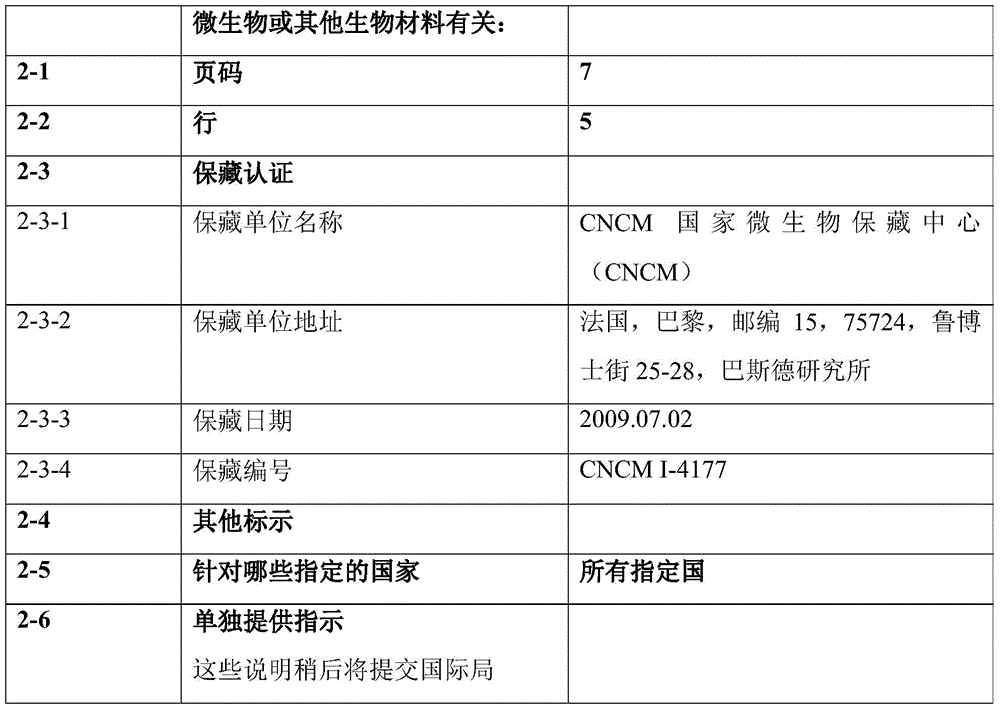
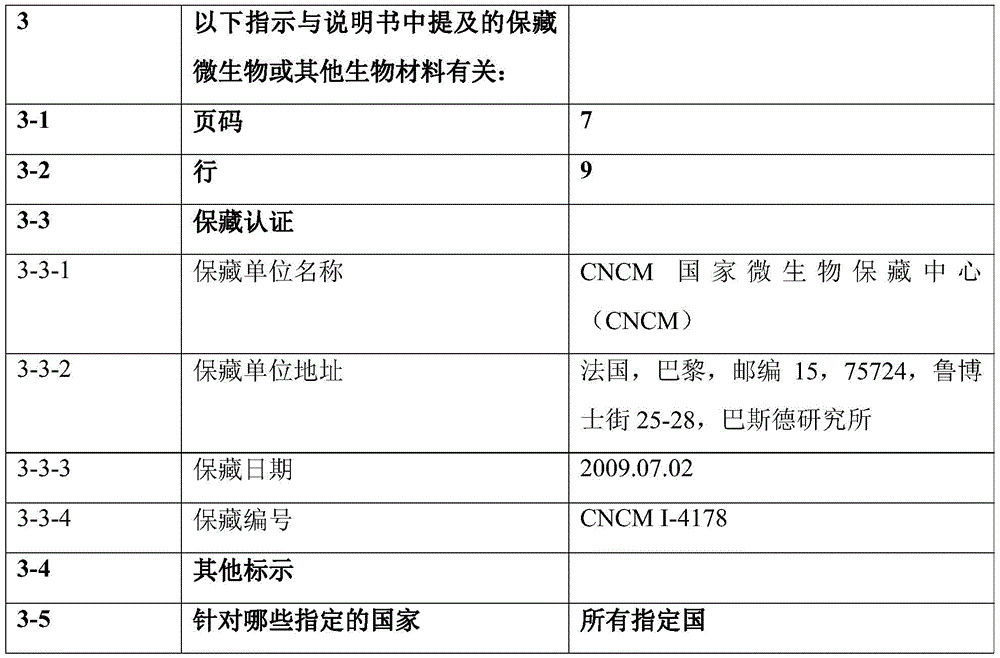



仅供受理局使用For RO use only
仅供国际局使用For use by the International Bureau only
序列表sequence listing
<110> INSERM(法国国家健康医学研究院)<110> INSERM (French National Institute of Health and Medical Research)
埃克斯马赛大学University of Aix-Marseille
法国国家科学研究中心(CNRS)French National Center for Scientific Research (CNRS)
尚波立及爱琳卡默兹中心Chambolier and Erin Kammerze Center
<120> 治疗皮肤T细胞淋巴瘤和TFH起源淋巴瘤的新方法<120> New approaches to the treatment of cutaneous T-cell lymphoma and lymphoma of TFH origin
<130> 28456INS<130> 28456INS
<141> 2022-11-10<141> 2022-11-10
<150> EP20305480.4<150>EP20305480.4
<151> 2020-05-12<151> 2020-05-12
<150> EP20305557.9<150>EP20305557.9
<151> 2020-05-28<151> 2020-05-28
<160> 32<160> 32
<170> SIPOSequenceListing 1.0<170> SIP Sequence Listing 1.0
<210> 1<210> 1
<211> 8<211> 8
<212> PRT<212> PRT
<213> Artificial Sequence<213> Artificial Sequence
<400> 1<400> 1
Gly Tyr Ser Phe Thr Ser Tyr TrpGly Tyr Ser Phe Thr Ser Tyr Trp
1 51 5
<210> 2<210> 2
<211> 8<211> 8
<212> PRT<212> PRT
<213> Artificial Sequence<213> Artificial Sequence
<400> 2<400> 2
Ile Tyr Pro Ser Asp Ser Tyr ThrIle Tyr Pro Ser Asp Ser Tyr Thr
1 51 5
<210> 3<210> 3
<211> 17<211> 17
<212> PRT<212> PRT
<213> Artificial Sequence<213> Artificial Sequence
<400> 3<400> 3
Thr Arg Trp Asn Leu Ser Tyr Tyr Phe Asp Asn Asn Tyr Tyr Leu AspThr Arg Trp Asn Leu Ser Tyr Tyr Phe Asp Asn Asn Tyr Tyr Leu Asp
1 5 10 151 5 10 15
TyrTyr
<210> 4<210> 4
<211> 11<211> 11
<212> PRT<212> PRT
<213> Artificial Sequence<213> Artificial Sequence
<400> 4<400> 4
Lys Ser Leu Leu His Ser Asn Gly Asn Thr TyrLys Ser Leu Leu His Ser Asn Gly Asn Thr Tyr
1 5 101 5 10
<210> 5<210> 5
<211> 3<211> 3
<212> PRT<212> PRT
<213> Artificial Sequence<213> Artificial Sequence
<400> 5<400> 5
Arg Met SerArg Met Ser
11
<210> 6<210> 6
<211> 9<211> 9
<212> PRT<212> PRT
<213> Artificial Sequence<213> Artificial Sequence
<400> 6<400> 6
Met Gln His Leu Glu Tyr Pro Trp ThrMet Gln His Leu Glu Tyr Pro Trp Thr
1 51 5
<210> 7<210> 7
<211> 124<211> 124
<212> PRT<212> PRT
<213> Artificial Sequence<213> Artificial Sequence
<400> 7<400> 7
Gln Val Gln Leu Gln Gln Pro Gly Ala Glu Leu Val Arg Pro Gly AlaGln Val Gln Leu Gln Gln Pro Gly Ala Glu Leu Val Arg Pro Gly Ala
1 5 10 151 5 10 15
Ser Val Lys Leu Ser Cys Lys Ala Ser Gly Tyr Ser Phe Thr Ser TyrSer Val Lys Leu Ser Cys Lys Ala Ser Gly Tyr Ser Phe Thr Ser Tyr
20 25 30 20 25 30
Trp Ile Asn Trp Val Lys Gln Arg Pro Gly Gln Gly Leu Glu Trp IleTrp Ile Asn Trp Val Lys Gln Arg Pro Gly Gln Gly Leu Glu Trp Ile
35 40 45 35 40 45
Gly Asn Ile Tyr Pro Ser Asp Ser Tyr Thr Asn Tyr Asn Gln Met PheGly Asn Ile Tyr Pro Ser Asp Ser Tyr Thr Asn Tyr Asn Gln Met Phe
50 55 60 50 55 60
Lys Asp Lys Ala Thr Leu Thr Val Asp Lys Ser Ser Asn Thr Ala TyrLys Asp Lys Ala Thr Leu Thr Val Asp Lys Ser Ser Asn Thr Ala Tyr
65 70 75 8065 70 75 80
Met Gln Leu Thr Ser Pro Thr Ser Glu Asp Ser Ala Val Tyr Tyr CysMet Gln Leu Thr Ser Pro Thr Ser Glu Asp Ser Ala Val Tyr Tyr Cys
85 90 95 85 90 95
Thr Arg Trp Asn Leu Ser Tyr Tyr Phe Asp Asn Asn Tyr Tyr Leu AspThr Arg Trp Asn Leu Ser Tyr Tyr Phe Asp Asn Asn Tyr Tyr Leu Asp
100 105 110 100 105 110
Tyr Trp Gly Gln Gly Thr Thr Leu Thr Val Ser SerTyr Trp Gly Gln Gly Thr Thr Leu Thr Val Ser Ser
115 120 115 120
<210> 8<210> 8
<211> 112<211> 112
<212> PRT<212> PRT
<213> Artificial Sequence<213> Artificial Sequence
<400> 8<400> 8
Asp Ile Val Met Thr Gln Ala Ala Pro Ser Val Pro Val Thr Pro GlyAsp Ile Val Met Thr Gln Ala Ala Pro Ser Val Pro Val Thr Pro Gly
1 5 10 151 5 10 15
Glu Ser Val Ser Ile Ser Cys Arg Ser Ser Lys Ser Leu Leu His SerGlu Ser Val Ser Ile Ser Cys Arg Ser Ser Lys Ser Leu Leu His Ser
20 25 30 20 25 30
Asn Gly Asn Thr Tyr Leu Tyr Trp Phe Leu Gln Arg Pro Gly Gln SerAsn Gly Asn Thr Tyr Leu Tyr Trp Phe Leu Gln Arg Pro Gly Gln Ser
35 40 45 35 40 45
Pro Gln Leu Leu Ile Tyr Arg Met Ser Asn Leu Ala Ser Gly Val ProPro Gln Leu Leu Ile Tyr Arg Met Ser Asn Leu Ala Ser Gly Val Pro
50 55 60 50 55 60
Asp Arg Phe Ser Gly Ser Gly Ser Gly Thr Ala Phe Thr Leu Arg IleAsp Arg Phe Ser Gly Ser Gly Ser Gly Thr Ala Phe Thr Leu Arg Ile
65 70 75 8065 70 75 80
Ser Arg Val Glu Ala Glu Asp Val Gly Val Tyr Tyr Cys Met Gln HisSer Arg Val Glu Ala Glu Asp Val Gly Val Tyr Tyr Cys Met Gln His
85 90 95 85 90 95
Leu Glu Tyr Pro Trp Thr Phe Gly Gly Gly Thr Lys Leu Glu Ile LysLeu Glu Tyr Pro Trp Thr Phe Gly Gly Gly Thr Lys Leu Glu Ile Lys
100 105 110 100 105 110
<210> 9<210> 9
<211> 8<211> 8
<212> PRT<212> PRT
<213> Artificial Sequence<213> Artificial Sequence
<400> 9<400> 9
Gly Tyr Thr Phe Thr Thr Tyr TrpGly Tyr Thr Phe Thr Thr Tyr Trp
1 51 5
<210> 10<210> 10
<211> 8<211> 8
<212> PRT<212> PRT
<213> Artificial Sequence<213> Artificial Sequence
<400> 10<400> 10
Ile Asp Pro Ser Asp Ser Tyr ValIle Asp Pro Ser Asp Ser Tyr Val
1 51 5
<210> 11<210> 11
<211> 16<211> 16
<212> PRT<212> PRT
<213> Artificial Sequence<213> Artificial Sequence
<400> 11<400> 11
Ala Arg Ser Pro Asp Tyr Tyr Gly Thr Ser Leu Ala Trp Phe Asp TyrAla Arg Ser Pro Asp Tyr Tyr Gly Thr Ser Leu Ala Trp Phe Asp Tyr
1 5 10 151 5 10 15
<210> 12<210> 12
<211> 11<211> 11
<212> PRT<212> PRT
<213> Artificial Sequence<213> Artificial Sequence
<400> 12<400> 12
Lys Ser Pro Leu His Ser Asn Gly Asn Ile TyrLys Ser Pro Leu His Ser Asn Gly Asn Ile Tyr
1 5 101 5 10
<210> 13<210> 13
<211> 3<211> 3
<212> PRT<212> PRT
<213> Artificial Sequence<213> Artificial Sequence
<400> 13<400> 13
Arg Met SerArg Met Ser
11
<210> 14<210> 14
<211> 9<211> 9
<212> PRT<212> PRT
<213> Artificial Sequence<213> Artificial Sequence
<400> 14<400> 14
Met Gln His Leu Glu Tyr Pro Tyr ThrMet Gln His Leu Glu Tyr Pro Tyr Thr
1 51 5
<210> 15<210> 15
<211> 123<211> 123
<212> PRT<212> PRT
<213> Artificial Sequence<213> Artificial Sequence
<400> 15<400> 15
Gln Val Gln Leu Gln Gln Pro Gly Thr Glu Leu Met Lys Pro Gly AlaGln Val Gln Leu Gln Gln Pro Gly Thr Glu Leu Met Lys Pro Gly Ala
1 5 10 151 5 10 15
Ser Val Lys Leu Ser Cys Lys Ala Ser Gly Tyr Thr Phe Thr Thr TyrSer Val Lys Leu Ser Cys Lys Ala Ser Gly Tyr Thr Phe Thr Thr Tyr
20 25 30 20 25 30
Trp Met His Trp Val Lys Gln Arg Pro Gly Gln Gly Leu Glu Trp IleTrp Met His Trp Val Lys Gln Arg Pro Gly Gln Gly Leu Glu Trp Ile
35 40 45 35 40 45
Gly Glu Ile Asp Pro Ser Asp Ser Tyr Val Asn Tyr Asn Gln Asn PheGly Glu Ile Asp Pro Ser Asp Ser Tyr Val Asn Tyr Asn Gln Asn Phe
50 55 60 50 55 60
Lys Gly Lys Ala Thr Leu Thr Val Asp Lys Ser Ser Ser Thr Ala TyrLys Gly Lys Ala Thr Leu Thr Val Asp Lys Ser Ser Ser Thr Ala Tyr
65 70 75 8065 70 75 80
Ile Gln Leu Ser Ser Leu Thr Ser Glu Asp Ser Ala Val Tyr Phe CysIle Gln Leu Ser Ser Leu Thr Ser Glu Asp Ser Ala Val Tyr Phe Cys
85 90 95 85 90 95
Ala Arg Ser Pro Asp Tyr Tyr Gly Thr Ser Leu Ala Trp Phe Asp TyrAla Arg Ser Pro Asp Tyr Tyr Gly Thr Ser Leu Ala Trp Phe Asp Tyr
100 105 110 100 105 110
Trp Gly Gln Gly Thr Leu Val Thr Val Ser ThrTrp Gly Gln Gly Thr Leu Val Thr Val Ser Thr
115 120 115 120
<210> 16<210> 16
<211> 112<211> 112
<212> PRT<212> PRT
<213> Artificial Sequence<213> Artificial Sequence
<400> 16<400> 16
Asp Ile Val Met Thr Gln Ala Ala Pro Ser Val Pro Val Thr Pro GlyAsp Ile Val Met Thr Gln Ala Ala Pro Ser Val Pro Val Thr Pro Gly
1 5 10 151 5 10 15
Glu Ser Val Ser Ile Ser Cys Arg Ser Ser Lys Ser Pro Leu His SerGlu Ser Val Ser Ile Ser Cys Arg Ser Ser Lys Ser Pro Leu His Ser
20 25 30 20 25 30
Asn Gly Asn Ile Tyr Leu Tyr Trp Phe Leu Gln Arg Pro Gly Gln SerAsn Gly Asn Ile Tyr Leu Tyr Trp Phe Leu Gln Arg Pro Gly Gln Ser
35 40 45 35 40 45
Pro Gln Leu Leu Ile Tyr Arg Met Ser Asn Leu Ala Ser Gly Val ProPro Gln Leu Leu Ile Tyr Arg Met Ser Asn Leu Ala Ser Gly Val Pro
50 55 60 50 55 60
Asp Arg Phe Ser Gly Ser Gly Ser Gly Thr Thr Phe Thr Leu Lys IleAsp Arg Phe Ser Gly Ser Gly Ser Gly Thr Thr Phe Thr Leu Lys Ile
65 70 75 8065 70 75 80
Ser Arg Val Glu Ala Glu Asp Val Gly Val Tyr Tyr Cys Met Gln HisSer Arg Val Glu Ala Glu Asp Val Gly Val Tyr Tyr Cys Met Gln His
85 90 95 85 90 95
Leu Glu Tyr Pro Tyr Thr Phe Gly Gly Gly Thr Lys Leu Glu Ile LysLeu Glu Tyr Pro Tyr Thr Phe Gly Gly Gly Thr Lys Leu Glu Ile Lys
100 105 110 100 105 110
<210> 17<210> 17
<211> 372<211> 372
<212> DNA<212>DNA
<213> Artificial Sequence<213> Artificial Sequence
<400> 17<400> 17
caggtccaac tgcagcagcc tggggctgag ctggtgaggc ctggggcttc agtgaagctg 60caggtccaac tgcagcagcc tggggctgag ctggtgaggc ctggggcttc agtgaagctg 60
tcctgcaagg cttctggcta cagtttcacc agctactgga taaactgggt gaagcagagg 120tcctgcaagg cttctggcta cagtttcacc agctactgga taaactgggt gaagcagagg 120
cctggacaag gccttgagtg gatcggaaat atttatcctt ctgatagtta tactaactac 180cctggacaag gccttgagtg gatcggaaat atttatcctt ctgatagtta tactaactac 180
aatcaaatgt tcaaggacaa ggccacattg actgtagaca aatcctccaa cacagcctac 240aatcaaatgt tcaaggacaa ggccacattg actgtagaca aatcctccaa cacagcctac 240
atgcagctca ccagcccgac atctgaggac tctgcggtct attactgtac aagatggaat 300atgcagctca ccagcccgac atctgaggac tctgcggtct attactgtac aagatggaat 300
ctttcttatt acttcgataa taactactac ttggactact ggggccaagg caccactctc 360ctttcttatt acttcgataa taactactac ttggactact ggggccaagg caccactctc 360
acagtctcct ca 372acagtctcct ca 372
<210> 18<210> 18
<211> 336<211> 336
<212> DNA<212>DNA
<213> Artificial Sequence<213> Artificial Sequence
<400> 18<400> 18
gatattgtga tgactcaggc tgcaccctct gtacctgtca ctcctggaga gtcagtatcc 60gatattgtga tgactcaggc tgcaccctct gtacctgtca ctcctggaga gtcagtatcc 60
atctcctgca ggtctagtaa gagtctcctg catagtaatg gcaacactta cttgtattgg 120atctcctgca ggtctagtaa gagtctcctg catagtaatg gcaacactta cttgtattgg 120
ttcctgcaga ggccaggcca gtctcctcaa ctcctgatat atcggatgtc caaccttgcc 180ttcctgcaga ggccaggcca gtctcctcaa ctcctgatat atcggatgtc caaccttgcc 180
tcaggagtcc cagacaggtt cagtggcagt gggtcaggaa ctgctttcac actgagaatc 240tcaggagtcc cagacaggtt cagtggcagt gggtcaggaa ctgctttcac actgagaatc 240
agtagagtgg aggctgagga tgtgggtgtt tattactgta tgcaacatct agaatatccg 300agtagagtgg aggctgagga tgtgggtgtt tattactgta tgcaacatct agaatatccg 300
tggacgttcg gtggaggcac caagctggaa atcaaa 336tggacgttcg gtggaggcac caagctggaa atcaaa 336
<210> 19<210> 19
<211> 369<211> 369
<212> DNA<212>DNA
<213> Artificial Sequence<213> Artificial Sequence
<400> 19<400> 19
caggtccaac tacagcagcc tgggactgaa cttatgaagc ctggggcttc agtgaagctg 60caggtccaac tacagcagcc tgggactgaa cttatgaagc ctggggcttc agtgaagctg 60
tcctgcaagg cttctggcta caccttcacc acctactgga tgcactgggt gaagcagagg 120tcctgcaagg cttctggcta caccttcacc acctactgga tgcactgggt gaagcagagg 120
cctggacaag gccttgagtg gatcggagag attgatcctt ctgatagtta tgttaactac 180cctggacaag gccttgagtg gatcggagag attgatcctt ctgatagtta tgttaactac 180
aatcaaaact ttaagggcaa ggccacattg actgtagaca aatcctccag cacagcctac 240aatcaaaact ttaagggcaa ggccacattg actgtagaca aatcctccag cacagcctac 240
atacagctca gcagcctgac atctgaggac tctgcggtct atttttgtgc gagatcccct 300atacagctca gcagcctgac atctgaggac tctgcggtct atttttgtgc gagatcccct 300
gattactacg gtactagtct tgcctggttt gattactggg gccaagggac tctggtcact 360gattactacg gtactagtct tgcctggttt gattactggg gccaagggac tctggtcact 360
gtctctaca 369gtctctaca 369
<210> 20<210> 20
<211> 336<211> 336
<212> DNA<212>DNA
<213> Artificial Sequence<213> Artificial Sequence
<400> 20<400> 20
gatattgtga tgactcaggc tgcaccctct gtacctgtca ctcctggaga gtcagtatcc 60gatattgtga tgactcaggc tgcaccctct gtacctgtca ctcctggaga gtcagtatcc 60
atctcctgca ggtctagtaa gagtcccctg catagtaacg gcaacattta cttatattgg 120atctcctgca ggtctagtaa gagtcccctg catagtaacg gcaacattta cttatattgg 120
ttcctgcaga ggccaggcca gtctcctcag ctcctgatat atcggatgtc caaccttgcc 180ttcctgcaga ggccaggcca gtctcctcag ctcctgatat atcggatgtc caaccttgcc 180
tcaggagtcc cagacaggtt cagtggcagt gggtcaggaa ctactttcac actgaaaatc 240tcaggagtcc cagacaggtt cagtggcagt gggtcaggaa ctactttcac actgaaaatc 240
agtagagtgg aggctgagga tgtgggtgtt tattactgta tgcaacatct agaatatccg 300agtagagtgg aggctgagga tgtgggtgtt tattactgta tgcaacatct agaatatccg 300
tacacgttcg gaggggggac caagctggaa ataaaa 336tacacgttcg gaggggggac caagctggaa ataaaa 336
<210> 21<210> 21
<211> 5<211> 5
<212> PRT<212> PRT
<213> Artificial Sequence<213> Artificial Sequence
<400> 21<400> 21
Ser Tyr Trp Ile AsnSer Tyr Trp Ile Asn
1 51 5
<210> 22<210> 22
<211> 17<211> 17
<212> PRT<212> PRT
<213> Artificial Sequence<213> Artificial Sequence
<400> 22<400> 22
Asn Ile Tyr Pro Ser Asp Ser Tyr Thr Asn Tyr Asn Gln Met Phe LysAsn Ile Tyr Pro Ser Asp Ser Tyr Thr Asn Tyr Asn Gln Met Phe Lys
1 5 10 151 5 10 15
AspAsp
<210> 23<210> 23
<211> 15<211> 15
<212> PRT<212> PRT
<213> Artificial Sequence<213> Artificial Sequence
<400> 23<400> 23
Trp Asn Leu Ser Tyr Tyr Phe Asp Asn Asn Tyr Tyr Leu Asp TyrTrp Asn Leu Ser Tyr Tyr Phe Asp Asn Asn Asn Tyr Tyr Leu Asp Tyr
1 5 10 151 5 10 15
<210> 24<210> 24
<211> 16<211> 16
<212> PRT<212> PRT
<213> Artificial Sequence<213> Artificial Sequence
<400> 24<400> 24
Arg Ser Ser Lys Ser Leu Leu His Ser Asn Gly Asn Thr Tyr Leu TyrArg Ser Ser Lys Ser Leu Leu His Ser Asn Gly Asn Thr Tyr Leu Tyr
1 5 10 151 5 10 15
<210> 25<210> 25
<211> 7<211> 7
<212> PRT<212> PRT
<213> Artificial Sequence<213> Artificial Sequence
<400> 25<400> 25
Arg Met Ser Asn Leu Ala SerArg Met Ser Asn Leu Ala Ser
1 51 5
<210> 26<210> 26
<211> 9<211> 9
<212> PRT<212> PRT
<213> Artificial Sequence<213> Artificial Sequence
<400> 26<400> 26
Met Gln His Leu Glu Tyr Pro Trp ThrMet Gln His Leu Glu Tyr Pro Trp Thr
1 51 5
<210> 27<210> 27
<211> 5<211> 5
<212> PRT<212> PRT
<213> Artificial Sequence<213> Artificial Sequence
<400> 27<400> 27
Thr Tyr Trp Met HisThr Tyr Trp Met His
1 51 5
<210> 28<210> 28
<211> 17<211> 17
<212> PRT<212> PRT
<213> Artificial Sequence<213> Artificial Sequence
<400> 28<400> 28
Glu Ile Asp Pro Ser Asp Ser Tyr Val Asn Tyr Asn Gln Asn Phe LysGlu Ile Asp Pro Ser Asp Ser Tyr Val Asn Tyr Asn Gln Asn Phe Lys
1 5 10 151 5 10 15
GlyGly
<210> 29<210> 29
<211> 14<211> 14
<212> PRT<212> PRT
<213> Artificial Sequence<213> Artificial Sequence
<400> 29<400> 29
Ser Pro Asp Tyr Tyr Gly Thr Ser Leu Ala Trp Phe Asp TyrSer Pro Asp Tyr Tyr Gly Thr Ser Leu Ala Trp Phe Asp Tyr
1 5 101 5 10
<210> 30<210> 30
<211> 16<211> 16
<212> PRT<212> PRT
<213> Artificial Sequence<213> Artificial Sequence
<400> 30<400> 30
Arg Ser Ser Lys Ser Pro Leu His Ser Asn Gly Asn Ile Tyr Leu TyrArg Ser Ser Lys Ser Pro Leu His Ser Asn Gly Asn Ile Tyr Leu Tyr
1 5 10 151 5 10 15
<210> 31<210> 31
<211> 7<211> 7
<212> PRT<212> PRT
<213> Artificial Sequence<213> Artificial Sequence
<400> 31<400> 31
Arg Met Ser Asn Leu Ala SerArg Met Ser Asn Leu Ala Ser
1 51 5
<210> 32<210> 32
<211> 9<211> 9
<212> PRT<212> PRT
<213> Artificial Sequence<213> Artificial Sequence
<400> 32<400> 32
Met Gln His Leu Glu Tyr Pro Tyr ThrMet Gln His Leu Glu Tyr Pro Tyr Thr
1 51 5
Claims (10)
Applications Claiming Priority (5)
| Application Number | Priority Date | Filing Date | Title |
|---|---|---|---|
| EP20305480 | 2020-05-12 | ||
| EP20305480.4 | 2020-05-12 | ||
| EP20305557 | 2020-05-28 | ||
| EP20305557.9 | 2020-05-28 | ||
| PCT/EP2021/062650 WO2021228956A1 (en) | 2020-05-12 | 2021-05-12 | New method to treat cutaneous t-cell lymphomas and tfh derived lymphomas |
Publications (1)
| Publication Number | Publication Date |
|---|---|
| CN115551553A true CN115551553A (en) | 2022-12-30 |
Family
ID=75870656
Family Applications (1)
| Application Number | Title | Priority Date | Filing Date |
|---|---|---|---|
| CN202180034963.1A Pending CN115551553A (en) | 2020-05-12 | 2021-05-12 | Novel method for treating cutaneous T cell lymphoma and lymphoma of TFH origin |
Country Status (7)
| Country | Link |
|---|---|
| US (1) | US20230181753A1 (en) |
| EP (1) | EP4149558A1 (en) |
| JP (1) | JP2023525053A (en) |
| KR (1) | KR20230008751A (en) |
| CN (1) | CN115551553A (en) |
| CA (1) | CA3180683A1 (en) |
| WO (1) | WO2021228956A1 (en) |
Families Citing this family (1)
| Publication number | Priority date | Publication date | Assignee | Title |
|---|---|---|---|---|
| WO2023198874A1 (en) * | 2022-04-15 | 2023-10-19 | Institut National de la Santé et de la Recherche Médicale | Methods for the diagnosis and treatment of t cell-lymphomas |
Citations (3)
| Publication number | Priority date | Publication date | Assignee | Title |
|---|---|---|---|---|
| US20080279851A1 (en) * | 2007-05-07 | 2008-11-13 | Medlmmune, Llc | Anti-icos antibodies and their use in treatment of oncology, transplantation and autoimmune disease |
| JP2015163618A (en) * | 2008-11-12 | 2015-09-10 | メディミューン,エルエルシー | antibody formulation |
| US9376493B2 (en) * | 2011-03-31 | 2016-06-28 | INSERM (Institut National de la Sante et de la Recherche Mediacale) | Antibodies directed against ICOS and uses thereof |
Family Cites Families (125)
| Publication number | Priority date | Publication date | Assignee | Title |
|---|---|---|---|---|
| US4816567A (en) | 1983-04-08 | 1989-03-28 | Genentech, Inc. | Recombinant immunoglobin preparations |
| DE3572982D1 (en) | 1984-03-06 | 1989-10-19 | Takeda Chemical Industries Ltd | Chemically modified lymphokine and production thereof |
| EP0173494A3 (en) | 1984-08-27 | 1987-11-25 | The Board Of Trustees Of The Leland Stanford Junior University | Chimeric receptors by dna splicing and expression |
| US4690915A (en) | 1985-08-08 | 1987-09-01 | The United States Of America As Represented By The Department Of Health And Human Services | Adoptive immunotherapy as a treatment modality in humans |
| WO1987002671A1 (en) | 1985-11-01 | 1987-05-07 | International Genetic Engineering, Inc. | Modular assembly of antibody genes, antibodies prepared thereby and use |
| GB8607679D0 (en) | 1986-03-27 | 1986-04-30 | Winter G P | Recombinant dna product |
| US5225539A (en) | 1986-03-27 | 1993-07-06 | Medical Research Council | Recombinant altered antibodies and methods of making altered antibodies |
| US4861719A (en) | 1986-04-25 | 1989-08-29 | Fred Hutchinson Cancer Research Center | DNA constructs for retrovirus packaging cell lines |
| US4880935A (en) | 1986-07-11 | 1989-11-14 | Icrf (Patents) Limited | Heterobifunctional linking agents derived from N-succinimido-dithio-alpha methyl-methylene-benzoates |
| WO1988007089A1 (en) | 1987-03-18 | 1988-09-22 | Medical Research Council | Altered antibodies |
| US5677425A (en) | 1987-09-04 | 1997-10-14 | Celltech Therapeutics Limited | Recombinant antibody |
| US5202238A (en) | 1987-10-27 | 1993-04-13 | Oncogen | Production of chimeric antibodies by homologous recombination |
| US5204244A (en) | 1987-10-27 | 1993-04-20 | Oncogen | Production of chimeric antibodies by homologous recombination |
| GB8725529D0 (en) | 1987-10-30 | 1987-12-02 | Delta Biotechnology Ltd | Polypeptides |
| US5278056A (en) | 1988-02-05 | 1994-01-11 | The Trustees Of Columbia University In The City Of New York | Retroviral packaging cell lines and process of using same |
| IL106992A (en) | 1988-02-11 | 1994-06-24 | Bristol Myers Squibb Co | Acylhydrazone derivatives of anthracycline and methods for their preparation |
| US5476996A (en) | 1988-06-14 | 1995-12-19 | Lidak Pharmaceuticals | Human immune system in non-human animal |
| DE68921982T4 (en) | 1988-06-14 | 1996-04-25 | Cetus Oncology Corp | COUPLING AGENTS AND STERICALLY DISABLED CONJUGATES THEREOF. |
| WO1990005144A1 (en) | 1988-11-11 | 1990-05-17 | Medical Research Council | Single domain ligands, receptors comprising said ligands, methods for their production, and use of said ligands and receptors |
| CA2006596C (en) | 1988-12-22 | 2000-09-05 | Rika Ishikawa | Chemically-modified g-csf |
| US5530101A (en) | 1988-12-28 | 1996-06-25 | Protein Design Labs, Inc. | Humanized immunoglobulins |
| US6291158B1 (en) | 1989-05-16 | 2001-09-18 | Scripps Research Institute | Method for tapping the immunological repertoire |
| SE509359C2 (en) | 1989-08-01 | 1999-01-18 | Cemu Bioteknik Ab | Use of stabilized protein or peptide conjugates for the preparation of a drug |
| GB8928874D0 (en) | 1989-12-21 | 1990-02-28 | Celltech Ltd | Humanised antibodies |
| US5859205A (en) | 1989-12-21 | 1999-01-12 | Celltech Limited | Humanised antibodies |
| US6150584A (en) | 1990-01-12 | 2000-11-21 | Abgenix, Inc. | Human antibodies derived from immunized xenomice |
| US6075181A (en) | 1990-01-12 | 2000-06-13 | Abgenix, Inc. | Human antibodies derived from immunized xenomice |
| US5670488A (en) | 1992-12-03 | 1997-09-23 | Genzyme Corporation | Adenovirus vector for gene therapy |
| US6261774B1 (en) | 1990-06-11 | 2001-07-17 | Gilead Sciences, Inc. | Truncation selex method |
| US5864026A (en) | 1990-06-11 | 1999-01-26 | Nexstar Pharmaceuticals, Inc. | Systematic evolution of ligands by exponential enrichment: tissue selex |
| US5712375A (en) | 1990-06-11 | 1998-01-27 | Nexstar Pharmaceuticals, Inc. | Systematic evolution of ligands by exponential enrichment: tissue selex |
| US5763566A (en) | 1990-06-11 | 1998-06-09 | Nexstar Pharmaceuticals, Inc. | Systematic evolution of ligands by exponential enrichment: tissue SELEX |
| US5789157A (en) | 1990-06-11 | 1998-08-04 | Nexstar Pharmaceuticals, Inc. | Systematic evolution of ligands by exponential enrichment: tissue selex |
| GB9015198D0 (en) | 1990-07-10 | 1990-08-29 | Brien Caroline J O | Binding substance |
| US6172197B1 (en) | 1991-07-10 | 2001-01-09 | Medical Research Council | Methods for producing members of specific binding pairs |
| US5770429A (en) | 1990-08-29 | 1998-06-23 | Genpharm International, Inc. | Transgenic non-human animals capable of producing heterologous antibodies |
| EP0519596B1 (en) | 1991-05-17 | 2005-02-23 | Merck & Co. Inc. | A method for reducing the immunogenicity of antibody variable domains |
| ES2136092T3 (en) | 1991-09-23 | 1999-11-16 | Medical Res Council | PROCEDURES FOR THE PRODUCTION OF HUMANIZED ANTIBODIES. |
| DE69233782D1 (en) | 1991-12-02 | 2010-05-20 | Medical Res Council | Preparation of Autoantibodies on Phage Surfaces Starting from Antibody Segment Libraries |
| CA2124460C (en) | 1991-12-02 | 2007-08-28 | Andrew David Griffiths | Production of anti-self antibodies from segment repertoires and displayed on phage |
| US5622929A (en) | 1992-01-23 | 1997-04-22 | Bristol-Myers Squibb Company | Thioether conjugates |
| US5714350A (en) | 1992-03-09 | 1998-02-03 | Protein Design Labs, Inc. | Increasing antibody affinity by altering glycosylation in the immunoglobulin variable region |
| ATE420178T1 (en) | 1992-08-21 | 2009-01-15 | Univ Bruxelles | IMMUNOGLOBULINS WITHOUT LIGHT CHAIN |
| US5639641A (en) | 1992-09-09 | 1997-06-17 | Immunogen Inc. | Resurfacing of rodent antibodies |
| US5618829A (en) | 1993-01-28 | 1997-04-08 | Mitsubishi Chemical Corporation | Tyrosine kinase inhibitors and benzoylacrylamide derivatives |
| CA2156725A1 (en) | 1993-02-22 | 1994-09-01 | Warren S. Pear | Production of high titer helper-free retroviruses by transient transfection |
| US6214345B1 (en) | 1993-05-14 | 2001-04-10 | Bristol-Myers Squibb Co. | Lysosomal enzyme-cleavable antitumor drug conjugates |
| CA2163345A1 (en) | 1993-06-16 | 1994-12-22 | Susan Adrienne Morgan | Antibodies |
| HUT74451A (en) | 1993-07-15 | 1996-12-30 | Cancer Res Campaign Tech | Prodrugs of protein tyrosine kinase inhibitors, systems contg. them and process for preparing them |
| FR2712812B1 (en) | 1993-11-23 | 1996-02-09 | Centre Nat Rech Scient | Composition for the production of therapeutic products in vivo. |
| SE9400088D0 (en) | 1994-01-14 | 1994-01-14 | Kabi Pharmacia Ab | Bacterial receptor structures |
| KR100261941B1 (en) | 1994-07-13 | 2000-07-15 | 나가야마 오사무 | Reconstituted human antibody against human interleukin-8 |
| US5804396A (en) | 1994-10-12 | 1998-09-08 | Sugen, Inc. | Assay for agents active in proliferative disorders |
| IL116816A (en) | 1995-01-20 | 2003-05-29 | Rhone Poulenc Rorer Sa | Cell for the production of a defective recombinant adenovirus or an adeno-associated virus and the various uses thereof |
| US5641870A (en) | 1995-04-20 | 1997-06-24 | Genentech, Inc. | Low pH hydrophobic interaction chromatography for antibody purification |
| US5869046A (en) | 1995-04-14 | 1999-02-09 | Genentech, Inc. | Altered polypeptides with increased half-life |
| US6121022A (en) | 1995-04-14 | 2000-09-19 | Genentech, Inc. | Altered polypeptides with increased half-life |
| US6013443A (en) | 1995-05-03 | 2000-01-11 | Nexstar Pharmaceuticals, Inc. | Systematic evolution of ligands by exponential enrichment: tissue SELEX |
| US6114120A (en) | 1995-05-03 | 2000-09-05 | Nexstar Pharmaceuticals, Inc. | Systematic evolution of ligands by exponential enrichment: tissue selex |
| US5639757A (en) | 1995-05-23 | 1997-06-17 | Pfizer Inc. | 4-aminopyrrolo[2,3-d]pyrimidines as tyrosine kinase inhibitors |
| WO1997010354A1 (en) | 1995-09-11 | 1997-03-20 | Kyowa Hakko Kogyo Co., Ltd. | ANTIBODY AGAINTS α-CHAIN OF HUMAN INTERLEUKIN 5 RECEPTOR |
| US6013516A (en) | 1995-10-06 | 2000-01-11 | The Salk Institute For Biological Studies | Vector and method of use for nucleic acid delivery to non-dividing cells |
| WO1997023243A1 (en) | 1995-12-22 | 1997-07-03 | Bristol-Myers Squibb Company | Branched hydrazone linkers |
| DE69710712T3 (en) | 1996-04-12 | 2010-12-23 | Warner-Lambert Co. Llc | REVERSIBLE INHIBITORS OF TYROSINE KINASEN |
| US6277375B1 (en) | 1997-03-03 | 2001-08-21 | Board Of Regents, The University Of Texas System | Immunoglobulin-like domains with increased half-lives |
| CA2287084A1 (en) | 1997-04-10 | 1998-10-15 | Royal Netherlands Academy Of Arts And Sciences | Diagnosis method and reagents |
| ATE319745T1 (en) | 1997-05-21 | 2006-03-15 | Biovation Ltd | METHOD FOR PRODUCING NON-IMMUNOGENIC PROTEINS |
| DE69839147T2 (en) | 1997-06-12 | 2009-02-19 | Novartis International Pharmaceutical Ltd. | ARTIFICIAL ANTIBODY POLYPEPTIDE |
| ZA986732B (en) | 1997-07-29 | 1999-02-02 | Warner Lambert Co | Irreversible inhibitiors of tyrosine kinases |
| US6342220B1 (en) | 1997-08-25 | 2002-01-29 | Genentech, Inc. | Agonist antibodies |
| DE19742706B4 (en) | 1997-09-26 | 2013-07-25 | Pieris Proteolab Ag | lipocalin muteins |
| US6100254A (en) | 1997-10-10 | 2000-08-08 | Board Of Regents, The University Of Texas System | Inhibitors of protein tyrosine kinases |
| GB9722131D0 (en) | 1997-10-20 | 1997-12-17 | Medical Res Council | Method |
| US6610833B1 (en) | 1997-11-24 | 2003-08-26 | The Institute For Human Genetics And Biochemistry | Monoclonal human natural antibodies |
| US6194551B1 (en) | 1998-04-02 | 2001-02-27 | Genentech, Inc. | Polypeptide variants |
| PT1071700E (en) | 1998-04-20 | 2010-04-23 | Glycart Biotechnology Ag | Glycosylation engineering of antibodies for improving antibody-dependent cellular cytotoxicity |
| US6818418B1 (en) | 1998-12-10 | 2004-11-16 | Compound Therapeutics, Inc. | Protein scaffolds for antibody mimics and other binding proteins |
| EP1141024B1 (en) | 1999-01-15 | 2018-08-08 | Genentech, Inc. | POLYPEPTIDE COMPRISING A VARIANT HUMAN IgG1 Fc REGION |
| US6740665B1 (en) | 1999-02-10 | 2004-05-25 | Ramachandran Murali | Tyrosine kinase inhibitors and methods of using the same |
| US6245759B1 (en) | 1999-03-11 | 2001-06-12 | Merck & Co., Inc. | Tyrosine kinase inhibitors |
| ES2601882T5 (en) | 1999-04-09 | 2021-06-07 | Kyowa Kirin Co Ltd | Procedure to monitor the activity of an immunofunctional molecule |
| CA2383546A1 (en) | 1999-06-30 | 2001-01-04 | William H. Parsons | Src kinase inhibitor compounds |
| US6329380B1 (en) | 1999-06-30 | 2001-12-11 | Merck & Co., Inc. | SRC kinase inhibitor compounds |
| EP1194152A4 (en) | 1999-06-30 | 2002-11-06 | Merck & Co Inc | SIN KINASE INHIBITOR COMPOUNDS |
| US6387620B1 (en) | 1999-07-28 | 2002-05-14 | Gilead Sciences, Inc. | Transcription-free selex |
| HUP0202682A3 (en) | 1999-09-10 | 2003-03-28 | Merck & Co Inc | Tyrosine kinase inhibitors, pharmaceutical compositions containing them and their use |
| DE60017179T2 (en) | 1999-10-19 | 2006-01-05 | Merck & Co., Inc. | TYROSINE KINASEINHIBITORS |
| CA2387840A1 (en) | 1999-10-19 | 2001-04-26 | Scott R. Hambaugh | Tyrosine kinase inhibitors |
| US6794393B1 (en) | 1999-10-19 | 2004-09-21 | Merck & Co., Inc. | Tyrosine kinase inhibitors |
| US6313138B1 (en) | 2000-02-25 | 2001-11-06 | Merck & Co., Inc. | Tyrosine kinase inhibitors |
| US6420382B2 (en) | 2000-02-25 | 2002-07-16 | Merck & Co., Inc. | Tyrosine kinase inhibitors |
| JP3597140B2 (en) | 2000-05-18 | 2004-12-02 | 日本たばこ産業株式会社 | Human monoclonal antibody against costimulatory molecule AILIM and pharmaceutical use thereof |
| US7943129B2 (en) | 2000-05-26 | 2011-05-17 | National Research Council Of Canada | Single-domain brain-targeting antibody fragments derived from llama antibodies |
| JP2004501642A (en) | 2000-06-28 | 2004-01-22 | グライコフィ, インコーポレイテッド | Methods for producing modified glycoproteins |
| US6596541B2 (en) | 2000-10-31 | 2003-07-22 | Regeneron Pharmaceuticals, Inc. | Methods of modifying eukaryotic cells |
| EP1916303B1 (en) | 2000-11-30 | 2013-02-27 | Medarex, Inc. | Nucleic acids encoding rearranged human immunoglobulin sequences from transgenic transchromosomal mice |
| US20040175756A1 (en) | 2001-04-26 | 2004-09-09 | Avidia Research Institute | Methods for using combinatorial libraries of monomer domains |
| US20050053973A1 (en) | 2001-04-26 | 2005-03-10 | Avidia Research Institute | Novel proteins with targeted binding |
| US20050048512A1 (en) | 2001-04-26 | 2005-03-03 | Avidia Research Institute | Combinatorial libraries of monomer domains |
| ATE316088T1 (en) | 2001-06-22 | 2006-02-15 | Merck & Co Inc | TYROSINE KINASE INHIBITORS |
| US20060073141A1 (en) | 2001-06-28 | 2006-04-06 | Domantis Limited | Compositions and methods for treating inflammatory disorders |
| DE60237282D1 (en) | 2001-06-28 | 2010-09-23 | Domantis Ltd | DOUBLE-SPECIFIC LIGAND AND ITS USE |
| WO2003011836A1 (en) | 2001-08-01 | 2003-02-13 | Merck & Co., Inc. | Tyrosine kinase inhibitors |
| WO2003020276A1 (en) | 2001-08-30 | 2003-03-13 | Merck & Co., Inc. | Tyrosine kinase inhibitors |
| HUP0600342A3 (en) | 2001-10-25 | 2011-03-28 | Genentech Inc | Glycoprotein compositions |
| US20030170238A1 (en) | 2002-03-07 | 2003-09-11 | Gruenberg Micheal L. | Re-activated T-cells for adoptive immunotherapy |
| EP1600459A3 (en) | 2002-06-28 | 2005-12-07 | Domantis Limited | Ligand |
| US7361740B2 (en) | 2002-10-15 | 2008-04-22 | Pdl Biopharma, Inc. | Alteration of FcRn binding affinities or serum half-lives of antibodies by mutagenesis |
| CA2511910A1 (en) | 2002-12-27 | 2004-07-15 | Domantis Limited | Dual specific single domain antibodies specific for a ligand and for the receptor of the ligand |
| CA2525120C (en) | 2003-05-14 | 2013-04-30 | Domantis Limited | A process for recovering polypeptides that unfold reversibly from a polypeptide repertoire |
| DE10324447A1 (en) | 2003-05-28 | 2004-12-30 | Scil Proteins Gmbh | Generation of artificial binding proteins based on ubiquitin |
| AU2004220325B2 (en) | 2003-06-30 | 2011-05-12 | Domantis Limited | Polypeptides |
| US7235641B2 (en) | 2003-12-22 | 2007-06-26 | Micromet Ag | Bispecific antibodies |
| CA2562764A1 (en) * | 2004-04-23 | 2005-11-03 | Richard Kroczek | Method for the treatment of t cell mediated conditions by depletion of icos-positive cells in vivo |
| US20060008844A1 (en) | 2004-06-17 | 2006-01-12 | Avidia Research Institute | c-Met kinase binding proteins |
| US7563443B2 (en) | 2004-09-17 | 2009-07-21 | Domantis Limited | Monovalent anti-CD40L antibody polypeptides and compositions thereof |
| JP2009509535A (en) | 2005-09-27 | 2009-03-12 | アムニクス, インコーポレイテッド | Proteinaceous drugs and their use |
| WO2007059782A1 (en) | 2005-11-28 | 2007-05-31 | Genmab A/S | Recombinant monovalent antibodies and methods for production thereof |
| US7908091B2 (en) | 2006-03-17 | 2011-03-15 | Prometheus Laboratories Inc. | Methods of predicting and monitoring tyrosine kinase inhibitor therapy |
| MX2009010282A (en) | 2007-03-29 | 2009-10-12 | Genmab As | Bispecific antibodies and methods for production thereof. |
| EP2233500A1 (en) | 2009-03-20 | 2010-09-29 | LFB Biotechnologies | Optimized Fc variants |
| ES2989108T3 (en) | 2010-04-20 | 2024-11-25 | Genmab As | Proteins containing heterodimeric antibody FC and methods for producing the same |
| US9676871B2 (en) | 2010-11-05 | 2017-06-13 | Pfizer Inc. | Engineered polypeptide conjugates and methods for making thereof using transglutaminase |
| RU2764548C2 (en) * | 2016-08-09 | 2022-01-18 | Кимаб Лимитед | Anti-icos antibodies |
| WO2019075188A1 (en) * | 2017-10-13 | 2019-04-18 | Seattle Genetics, Inc. | Modulating the immune response using antibody-drug conjugates |
-
2021
- 2021-05-12 CN CN202180034963.1A patent/CN115551553A/en active Pending
- 2021-05-12 KR KR1020227039957A patent/KR20230008751A/en active Pending
- 2021-05-12 JP JP2022567544A patent/JP2023525053A/en active Pending
- 2021-05-12 WO PCT/EP2021/062650 patent/WO2021228956A1/en not_active Ceased
- 2021-05-12 US US17/998,584 patent/US20230181753A1/en active Pending
- 2021-05-12 CA CA3180683A patent/CA3180683A1/en active Pending
- 2021-05-12 EP EP21724324.5A patent/EP4149558A1/en active Pending
Patent Citations (3)
| Publication number | Priority date | Publication date | Assignee | Title |
|---|---|---|---|---|
| US20080279851A1 (en) * | 2007-05-07 | 2008-11-13 | Medlmmune, Llc | Anti-icos antibodies and their use in treatment of oncology, transplantation and autoimmune disease |
| JP2015163618A (en) * | 2008-11-12 | 2015-09-10 | メディミューン,エルエルシー | antibody formulation |
| US9376493B2 (en) * | 2011-03-31 | 2016-06-28 | INSERM (Institut National de la Sante et de la Recherche Mediacale) | Antibodies directed against ICOS and uses thereof |
Non-Patent Citations (2)
| Title |
|---|
| MEHRA, T. 等: "Brentuximab as a Treatment for CD30+ Mycosis Fungoides and Sézary Syndrome", JAMA DERMATOLOGY, vol. 151, no. 1, 31 January 2015 (2015-01-31), pages 73 - 77 * |
| SOLINAS, C. ET AL.: "The rationale behind targeting the ICOS-ICOS ligand costimulatory pathway in cancer immunotherapy", ESMO OPEN, vol. 5, no. 1, 29 January 2020 (2020-01-29), pages 1 - 7, XP055735963, DOI: 10.1136/esmoopen-2019-000544 * |
Also Published As
| Publication number | Publication date |
|---|---|
| EP4149558A1 (en) | 2023-03-22 |
| JP2023525053A (en) | 2023-06-14 |
| CA3180683A1 (en) | 2021-11-18 |
| KR20230008751A (en) | 2023-01-16 |
| WO2021228956A1 (en) | 2021-11-18 |
| US20230181753A1 (en) | 2023-06-15 |
Similar Documents
| Publication | Publication Date | Title |
|---|---|---|
| JP6985252B2 (en) | Antibodies with specificity for Nectin-4 and their use | |
| US20230183337A1 (en) | Antibodies having specificity for nectin-4 and uses thereof | |
| EP2817338B1 (en) | Dll3 modulators and methods of use | |
| US10053511B2 (en) | Anti-claudin antibodies and methods of use | |
| JP2020510432A (en) | Antibodies with specificity for NECTIN-4 and uses thereof | |
| US20170073430A1 (en) | Novel anti-rnf43 antibodies and methods of use | |
| KR20190095919A (en) | Anti-Human 4-1BB Antibody and Uses thereof | |
| JP2020510435A (en) | Anti-GITR antibody and method of using the same | |
| US20230414778A1 (en) | COMBINATION OF ANTIBODY-DRUG CONJUGATE WITH ANTI-SIRPalpha ANTIBODY | |
| US20230372515A1 (en) | Methods and pharmaceutical compositions for the treatment of cancers associated with activation of the mapk pathway | |
| KR20220088428A (en) | Antibodies specific for glycosylated CTLA-4 and methods of use thereof | |
| US20230040928A1 (en) | Antibodies having specificity to her4 and uses thereof | |
| CN115551553A (en) | Novel method for treating cutaneous T cell lymphoma and lymphoma of TFH origin | |
| JP7219207B2 (en) | Antibodies targeting tumor-associated macrophages and uses thereof | |
| TW202448504A (en) | Combination of btn3a activating antibody and immune checkpoint inhibitors | |
| JP2025532758A (en) | Combination of a btn3a activating antibody, a bcl2 inhibitor and a hypomethylating agent for use in the treatment of cancer | |
| CN120693178A (en) | A pharmaceutical composition containing PD-1/PVRIG/TIGIT binding protein and its medical use |
Legal Events
| Date | Code | Title | Description |
|---|---|---|---|
| PB01 | Publication | ||
| PB01 | Publication | ||
| SE01 | Entry into force of request for substantive examination | ||
| SE01 | Entry into force of request for substantive examination |