WO2024104813A1 - Fungicidal mixture comprising substituted pyridines - Google Patents
Fungicidal mixture comprising substituted pyridines Download PDFInfo
- Publication number
- WO2024104813A1 WO2024104813A1 PCT/EP2023/080904 EP2023080904W WO2024104813A1 WO 2024104813 A1 WO2024104813 A1 WO 2024104813A1 EP 2023080904 W EP2023080904 W EP 2023080904W WO 2024104813 A1 WO2024104813 A1 WO 2024104813A1
- Authority
- WO
- WIPO (PCT)
- Prior art keywords
- methyl
- phenyl
- trifluoromethyl
- chloro
- carboxamide
- Prior art date
- Legal status (The legal status is an assumption and is not a legal conclusion. Google has not performed a legal analysis and makes no representation as to the accuracy of the status listed.)
- Ceased
Links
Classifications
-
- A—HUMAN NECESSITIES
- A01—AGRICULTURE; FORESTRY; ANIMAL HUSBANDRY; HUNTING; TRAPPING; FISHING
- A01N—PRESERVATION OF BODIES OF HUMANS OR ANIMALS OR PLANTS OR PARTS THEREOF; BIOCIDES, e.g. AS DISINFECTANTS, AS PESTICIDES OR AS HERBICIDES; PEST REPELLANTS OR ATTRACTANTS; PLANT GROWTH REGULATORS
- A01N43/00—Biocides, pest repellants or attractants, or plant growth regulators containing heterocyclic compounds
- A01N43/72—Biocides, pest repellants or attractants, or plant growth regulators containing heterocyclic compounds having rings with nitrogen atoms and oxygen or sulfur atoms as ring hetero atoms
- A01N43/86—Biocides, pest repellants or attractants, or plant growth regulators containing heterocyclic compounds having rings with nitrogen atoms and oxygen or sulfur atoms as ring hetero atoms six-membered rings with one nitrogen atom and either one oxygen atom or one sulfur atom in positions 1,3
-
- A—HUMAN NECESSITIES
- A01—AGRICULTURE; FORESTRY; ANIMAL HUSBANDRY; HUNTING; TRAPPING; FISHING
- A01P—BIOCIDAL, PEST REPELLANT, PEST ATTRACTANT OR PLANT GROWTH REGULATORY ACTIVITY OF CHEMICAL COMPOUNDS OR PREPARATIONS
- A01P3/00—Fungicides
Definitions
- Fungicidal mixture comprising substituted pyridines
- the present invention relates to a fungicidal mixture comprising, as active components at least one active compound of the formula I, or an N-oxide, or an agriculturally useful salt thereof, wherein
- R 1 is H
- R 2 is in each case independently selected from halogen, CN, Ci-Ce-alkyl, Ci-Ce-halogenalkyl, C 2 -C 6 -alkynyl, O-Ci-C 6 -alkyl;
- R 3 is in each case independently selected from Ci-Ce-alkyl, Ci-Ce-halogenalkyl, O-Ci-Ce- alkyl, O-C2-Ce-alkynyl;
- R 4 is H
- R 5 and R 6 form together with the C atoms to which they are bound a Cs-Ce-cycloalkyl, wherein the cycloalkyl can be unsubsituted or substitued by Ci-Ce-alkyl, Ci-Ce- halogenalkyl;
- X is in each case independently selected from halogen, CN, Ci-Ce-alkyl, Ci-Ce-halogenalkyl, O-Ci-Ce-alkyl, O-Ci-Ce-halogenalkyl, C2-Ce-alkynyl; n is 0, 1 , 2 and as component 2) at least one active compound II selected from groups A) to O), or an N-oxide, or an agriculturally useful salt thereof:
- azoxystrobin (A.1.1), coumethoxystrobin (A.1.2), coumoxystrobin (A.1.3), dimoxystrobin (A.1.4), enestroburin (A.1.5), fenaminstrobin (A.1.6), fenoxystrobin/flufenoxystrobin (A.1.7), fluoxastrobin (A.1.8), kresoxim-methyl (A.1.9), mandestrobin (A.1.10), metominostrobin (A.1.11), orysastrobin (A.1.12), picoxystrobin
- - C14 demethylase inhibitors triazoles: azaconazole (B.1.1), bitertanol (B.1.2), bromu- conazole (B.1.3), cyproconazole (B.1.4), difenoconazole (B.1.5), diniconazole (B.1.6), diniconazole-M (B.1.7), epoxiconazole (B.1.8), fenbuconazole (B.1.9), fluquinconazole (B.1.10), flusilazole (B.1.11), flutriafol (B.1 .12), hexaconazole (B.1.13), imibenconazole (B.1.14), ipconazole (B.1.15), metconazole (B.1.17), myclobutanil (B.1.18), oxpoconazole (B.1.19), paclobutrazole (B.1.20), penconazole (B.1.21), propiconazole
- benalaxyl (C.1.1), benalaxyl-M (C.1.2), kiralaxyl (C.1.3), metalaxyl (C.1.4), metalaxyl-M (C.1.5), ofurace (C.1.6), oxadixyl (C.1.7);
- nucleic acid synthesis inhibitors hymexazole (C.2.1), octhilinone (C.2.2), oxolinic acid (C.2.3), bupirimate (C.2.4), 5-fluorocytosine (C.2.5), 5-fluoro-2-(p-tolylmethoxy)pyrimidin- 4-amine (C.2.6), 5-fluoro-2-(4-fluorophenylmethoxy)pyrimidin-4-amine (C.2.7), 5-fluoro-
- tubulin inhibitors benomyl (D.1.1), carbendazim (D.1.2), fuberidazole (D1.3), thiabendazole (D.1.4), thiophanate-methyl (D.1.5), pyridachlometyl (D.1.6), / ⁇ /-ethyl-2-[(3-ethynyl-8-methyl- 6-quinolyl)oxy]butanamide (D.1.8), /V-ethyl-2-[(3-ethynyl-8-methyl-6-quinolyl)oxy]-2-methyl- sulfanyl-acetamide (D.1.9), 2-[(3-ethynyl-8-methyl-6-quinolyl)oxy]-/V-(2-fluoroethyl)butan- amide (D.1.10), 2-[(3-ethynyl-8-methyl-6-quinolyl)oxy]-/V-(2-fluoroethyl)-2-methoxy-acet-
- diethofencarb (D.2.1), ethaboxam (D.2.2), pencycuron (D.2.3), fluopicolide (D.2.4), zoxamide (D.2.5), metrafenone (D.2.6), pyriofenone (D.2.7), phenamacril (D.2.8);
- cyprodinil E.1.1
- mepanipyrim E.1.2
- pyrimethanil E.1.3
- blasticidin-S (E.2.1), kasugamycin (E.2.2), kasugamycin hydro- chloride-hydrate (E.2.3), mildiomycin (E.2.4), streptomycin (E.2.5), oxytetracyclin (E.2.6);
- fluoroimid F.1.1
- iprodione F.1.2
- procymidone F.1.3
- vinclozolin F.1.4
- fludioxonil F.1.5
- quinoxyfen F.2.1
- edifenphos G.1.1
- iprobenfos G.1.2
- pyrazophos G.1.3
- isoprothiolane G.1.4
- dicloran G.2.1
- quintozene G.2.2
- tecnazene G.2.3
- tolclofos-methyl G.2.4
- biphenyl G.2.5
- chloroneb G.2.6
- etridiazole G.2.7
- zinc thiazole G.2.8
- dimethomorph G.3.1
- flumorph G.3.2
- mandipropamid G.3.3
- pyrimorph G.3.4
- benthiavalicarb G.3.5
- iprovalicarb G.3.6
- valifenalate G.3.7
- propamocarb (G.4.1);
- oxathiapiprolin G.5.1
- fluoxapiprolin G.5.3
- 4-[1-[2-[3-(difluoromethyl)-5-methyl-pyrazol-1-yl]acetyl]-4-piperidyl]-/ ⁇ /-tetralin-1-yl-pyridine- 2-carboxamide G.5.4
- 4-[1-[2-[3,5-bis(difluoromethyl)pyrazol-1 -yl]acetyl]-4-piperidyl]-/ ⁇ /-te- tralin-1-yl-pyridine-2-carboxamide G.5.5
- 4-[1-[2-[3-(difluoromethyl)-5-(trifluoromethyl)pyr- azol-1-yl]acetyl]-4-piperidyl]-/ ⁇ /-tetralin-1-yl-pyridine-2-carboxamide G.5.6
- ferbam H.2.1
- mancozeb H.2.2
- maneb H.2.3
- metam H.2.4
- metiram H.2.5
- propineb H.2.6
- thiram H.2.7
- zineb H.2.8
- ziram H.2.9
- organochlorine compounds anilazine (H.3.1), chlorothalonil (H.3.2), captafol (H.3.3), captan (H.3.4), folpet (H.3.5), dichlofluanid (H.3.6), dichlorophen (H.3.7), hexachlorobenzene (H.3.8), pentachlorphenole (H.3.9) and its salts, phthalide (H.3.10), tolylfluanid (H.3.11);
- guanidine H.4.1
- dodine H.4.2
- dodine free base H.4.3
- guazatine H.4.4
- guazatine- acetate H.4.5
- iminoctadine H.4.6
- iminoctadine-triacetate H.4.7
- iminoctadine-tris(albesilate) H.4.8
- dithianon H.4.9
- 2,6-dimethyl-1/7,5/7-[1 ,4]di- thiino[2,3-c:5,6-c']dipyrrole-1 ,3,5,7(2/7,6/-/)-tetraone H.4.10
- H.4.10 2,6-dimethyl-1/7,5/7-[1 ,4]di- thiino[2,3-c:5,6-c']dipyrrole-1 ,3,5,7(2/7,6/-/)-tetraone
- L1Microbial pesticides with fungicidal, bactericidal, viricidal and/or plant defense activator activity Ampelomyces quisqualis, Aspergillus flavus, Aureobasidium pullulans, Bacillus altitudinis, B. amyloliquefaciens, B. amyloliquefaciens ssp. plantarum (also referred to as B. velezensis), B. megaterium, B. mojavensis, B. mycoides, B. pumilus, B. simplex, B. solisalsi, B. subtilis, B. subtilis var. amyloliquefaciens, B.
- violaceusniger Talaromyces flavus, Trichoderma asperelloides, T. asperellum, T. atroviride, T. fertile, T. gamsii, T. harmatum, T. harzianum, T. polysporum, T. stromaticum, T. virens, T. viride, Typhula phacorrhiza, Ulocladium oudemansii, Verticillium dahlia, zucchini yellow mosaic virus (avirulent strain);
- Biochemical pesticides with fungicidal, bactericidal, viricidal and/or plant defense activator activity harpin protein, Reynoutria sachalinensis extract;
- Microbial pesticides with insecticidal, acaricidal, molluscidal and/or nematicidal activity Agrobacterium radiobacter, Bacillus cereus, B. firmus, B. thuringiensis, B. thuringiensis ssp. aizawai, B. t. ssp. israelensis, B. t. ssp. galleriae, B. t. ssp. kurstaki, B. t. ssp. tenebrionis, Beauveria bassiana, B.
- brongniartii Burkholderia spp., Chromobacterium subtsugae, Cydia pomonella granulovirus (CpGV), Cryptophlebia leucotreta granulovirus (CrleGV), Flavobacterium spp., Helicoverpa armigera nucleopolyhedrovirus (HearNPV), Helicoverpa zea nucleopolyhedrovirus (HzNPV), Helicoverpa zea single capsid nucleopolyhedrovirus (HzSNPV), Heterorhabditis bacteriophora, Isaria fumosorosea, Lecanicillium longisporum, L.
- HearNPV Helicoverpa armigera nucleopolyhedrovirus
- HzNPV Helicoverpa zea nucleopolyhedrovirus
- HzSNPV Helicoverpa zea single capsid nucleopolyhe
- Microbial pesticides with plant stress reducing, plant growth regulator, plant growth promoting and/or yield enhancing activity Azospirillum amazonense, A. brasilense, A. lipoferum, A. irakense, A. halopraeferens, Bradyrhizobium spp., B. elkanii, B. japonicum, B. liaoningense, B. lupini, Delftia acidovorans, Glomus intraradices, Mesorhizobium spp., Rhizobium leguminosarum bv. phaseoli, R. I. bv. trifolii, R. I. bv. viciae, R. tropici, Sinorhizobium melilotr,
- Acetylcholine esterase (AChE) inhibitors aldicarb, alanycarb, bendiocarb, benfuracarb, butocarboxim, butoxycarboxim, carbaryl, carbofuran, carbosulfan, ethiofencarb, fenobucarb, formetanate, furathiocarb, isoprocarb, methiocarb, methomyl, metolcarb, oxamyl, pirimicarb, propoxur, thiodicarb, thiofanox, trimethacarb, XMC, xylylcarb, triazamate; acephate, aza- methiphos, azinphos-ethyl, azinphosmethyl, cadusafos, chlorethoxyfos, chlorfenvinphos, chlormephos, chlorpyrifos, chlorpyrifos-methyl, coumaphos, cyanophos,
- GABA-gated chloride channel antagonists endosulfan, chlordane; ethiprole, fipronil, flufiprole, pyrafluprole, pyriprole;
- Sodium channel modulators acrinathrin, allethrin, d-cis-trans allethrin, d-trans allethrin, bifenthrin, kappa-bifenthrin, bioallethrin, bioallethrin S-cylclopentenyl, bioresmethrin, cycloprothrin, cyfluthrin, beta-cyfluthrin, cyhalothrin, lambda-cyhalothrin, gamma-cyhalothrin, cypermethrin, alpha-cypermethrin, beta-cypermethrin, theta-cypermethrin, zeta-cyper- methrin, cyphenothrin, deltamethrin, empenthrin, esfenvalerate, etofenprox, fenpropathrin, f
- Nicotinic acetylcholine receptor (nAChR) agonists acetamiprid, clothianidin, cycloxaprid, dinotefuran, imidacloprid, nitenpyram, thiacloprid, thiamethoxam; 4,5-dihydro-/V-nitro-
- 2-pentylidenehydrazinecarboximidamide 1-[(6-chloropyridin-3-yl)methyl]-7-methyl-8-nitro- 5-propoxy-1 ,2,3,5,6,7-hexahydroimidazo[1 ,2-a]pyridine; nicotine; sulfoxaflor, flupyradifurone, triflumezopyrim, fenmezoditiaz, flupyrimin;
- Nicotinic acetylcholine receptor allosteric activators spinosad, spinetoram;
- Chloride channel activators abamectin, emamectin benzoate, ivermectin, lepimectin, milbemectin;
- Juvenile hormone mimics hydroprene, kinoprene, methoprene; fenoxycarb, pyriproxyfen;
- miscellaneous non-specific (multi-site) inhibitors methyl bromide and other alkyl halides; chloropicrin, sulfuryl fluoride, borax, tartar emetic;
- Mite growth inhibitors clofentezine, hexythiazox, diflovidazin; etoxazole;
- Microbial disruptors of insect midgut membranes Bacillus thuringiensis, B. sphaericus and the insecticdal proteins they produce: Bacillus thuringiensis subsp. israelensis, B. sphaericus, B. thuringiensis subsp. aizawai, B. thuringiensis subsp. kurstaki, B. thuringiensis subsp. tenebrionis, the Bt crop proteins: CrylAb, CrylAc, CrylFa, Cry2Ab, mCry3A, Cry3Ab, Cry3Bb, Cry34/35Ab1;
- Inhibitors of mitochondrial ATP synthase diafenthiuron; azocyclotin, cyhexatin, fenbutatin oxide, propargite, tetradifon;
- GABA-gated chloride channel allosteric modulators broflanilide, fluxametamide, isocycloseram;
- O.IIN Insecticidal compounds of unknown or uncertain mode of action: afoxolaner, azadirachtin, amidoflumet, ben-zoximate, bromopropylate, chino _, methionat, cryolite, cyproflanilid, dicloro- mezotiaz, dicofol, dimpropyridaz, flufenerim, flometoquin, fluensulfone, fluhexafon, fluopy- ram, fluralaner, metaldehyde, metoxadiazone, piperonyl butoxide, pyridalyl, tioxazafen, trifluenfuronate, umifoxolaner, 11-(4-chloro-2,6-dimethylphenyl)-12-hydroxy-1 ,4-dioxa- 9-azadispiro[4.2.4.2]-tetradec-11-en-10-one, 3-(4’-
- the invention also relates to a method for controlling phytopathogenic harmful fungi using mixtures of at least one compound I and at least one compound II in a weight ratio of from 100:1 to 1 :100; to the use of mixtures comprising compounds I and compounds II for controlling phytopathogenic harmful fungi; to agrochemical compositions comprising these mixtures; and to agrochemical compositions further comprising seed.
- mixtures of different active compounds are conventionally employed for controlling harmful fungi.
- active compounds having different mechanisms of action it is possible to ensure successful control over a relatively long period of time.
- compositions comprising at least one compound I and at least one compound II.
- C n -C m indicates the number of carbon atoms possible in each case in the substituent or substituent moiety in question.
- halogen refers to fluorine, chlorine, bromine and iodine.
- Ci-Ce-alkyl refers to a straight-chained or branched saturated hydrocarbon group having 1 to 6 carbon atoms, for example methyl, ethyl, propyl, 1-methylethyl, butyl, 1- methylpropyl, 2-methylpropyl, and 1 ,1 -dimethylethyl.
- C2-Ce-alkenyl refers to a straight-chain or branched unsaturated hydrocarbon radical having 2 to 6 carbon atoms and a double bond in any position, such as ethenyl, 1-propenyl, 2- propenyl (allyl), 1 -methylethenyl, 1-butenyl, 2-butenyl, 3-butenyl, 1-methyl-1-propenyl, 2-methyl-
- C2-Ce-alkynyl refers to a straight-chain or branched unsaturated hydrocarbon radical having 2 to 6 carbon atoms and containing at least one triple bond, such as ethynyl, 1-propynyl,
- 2-propynyl (propargyl), 1-butynyl, 2-butynyl, 3-butynyl, 1-methyl-2-propynyl.
- Ci-Ce-haloalkyl refers to a straight-chained or branched alkyl group having 1 to 6 carbon atoms (as defined above), wherein some or all of the hydrogen atoms in these groups may be replaced by halogen atoms as mentioned above, for example chloromethyl, bromomethyl, dichloromethyl, trichloromethyl, fluoromethyl, difluoromethyl, trifluoromethyl, chlorofluoromethyl, dichlorofluoromethyl, chlorodifluoromethyl, 1 -chloroethyl, 1-bromoethyl, 1- fluoroethyl, 2-fluoroethyl, 2,2-difluoroethyl, 2,2,2-trifluoroethyl, 2-chloro-2-fluoroethyl, 2-chloro- 2,2-difluoroethyl, 2,2-dichloro-2-fluoroethyl, 2,2,2-trichloro
- Ci-Ce-alkoxy refers to a straight-chain or branched alkyl group having 1 to 6 carbon atoms (as defined above) which is bonded via an oxygen, at any position in the alkyl group, for example methoxy, ethoxy, n-propoxy, 1 -methylethoxy, butoxy, 1 -methylpropoxy, 2- methylpropoxy or 1 ,1 -dimethylethoxy.
- aliphatic refers to compounds or radicals composed of and hydrogen and which are non-aromatic compounds.
- An “alicyclic” compound or radical is an organic compound that is both aliphatic and cyclic. They contain one or more all-carbon rings which may be either saturated or unsaturated, but do not have aromatic character.
- cyclic moiety or “cyclic group”refer to a radical which is an alicyclic ring or an aromatic ring, such as, for example, phenyl or heteroaryl.
- any of the aliphatic or cyclic groups are unsubstituted or substituted with...” refers to aliphatic groups, cyclic groups and groups, which contain an aliphatic and a cyclic moiety in one group, such as in, for example, Cs-Cs-cycloalkyl-Ci-C ⁇ alkyl; therefore a group which contains an aliphatic and a cyclic moiety both of these moieties may be substituted or unsubstituted independently of each other.
- phenyl refers to an aromatic ring systems incuding six carbon atoms (commonly referred to as benzene ring).
- benzyl refers to an aromatic ring systems incuding six carbon atoms and CH2 group.
- Agriculturally acceptable salts of the active compounds I, II and III encompass especially the salts of those cations or the acid addition salts of those acids whose cations and anions, respectively, have no adverse effect on the fungicidal action of the active compounds.
- Suitable cations are thus in particular the ions of the alkali metals, preferably sodium and potassium, of the alkaline earth metals, preferably calcium, magnesium and barium, of the transition metals, preferably manganese, copper, zinc and iron, and also the ammonium ion which, if desired, may carry 1 to 4 Ci-C4-alkyl substituents and/or one phenyl or benzyl substituent, preferably diisopropylammonium, tetramethylammonium, tetrabutylammonium, trimethylbenzylammonium, furthermore phosphonium ions, sulfonium ions, preferably tri(Ci-C4-alkyl)sulfonium, and
- Anions of useful acid addition salts are primarily chloride, bromide, fluoride, hydrogensulfate, sulfate, dihydrogenphosphate, hydrogenphosphate, phosphate, nitrate, bicarbonate, carbonate, hexafluorosilicate, hexafluorophosphate, benzoate, and the anions of Ci-C4-alkanoic acids, preferably formate, acetate, propionate and butyrate. They can be formed by reacting a compound I with an acid of the corresponding anion, preferably of hydrochloric acid, hydrobromic acid, sulfuric acid, phosphoric acid or nitric acid.
- the scope of the present invention includes mixtures of the (R)- and (S)-isomers and the racemates of compounds I and/or II and /or III having one or more chiral centers.
- atrope isomers of active compounds I and/or II and/or III may be present. They also form part of the subject matter of the invention.
- compounds I can be prepared by a by palladium catalyzed Suzuki coupling reaction between a boronic acid derivative represented by formula 3 and a triflate derivative represented by formula 2 using a palladium complex in an organic solvent. It is preferred to conduct the reaction at elevated temperature, preferably between 60 and 160 °C, and using 1-3 equivalents of boronic acid derivative represented by formula 3 per 1 equivalent triflate 2, as described in W02009119089A1.
- Compounds of the formula 2 can be prepared from cyclic amide compound 4 by treatment with triflic anhydride and in the presence of a base such as pyridine, 2,6-lutidine, 2,3,5-colidine, triethylamine, tributylamine and diisopropylethylamine etc.; or a tertiary cyclic amine such as
- the cyclic amide compounds of the formula 4 are commercially available or can be accessed from the respective salicylic amide 5 by acetal formation with dimethoxy alkane or dimethoxy cycloalkane in an organic solvent and in the presence of an acid like p-toluenesulfonic acid (p- TsOH), pyridinium p-toluenesulfonate, sulfuric acid or acetic acid (for precedents see for example Tetrahedron (2015), 71(34), 5554-5561 , Journal of Organic Chemistry (1981), 46(16), 3340-2, Bioorganic & Medicinal Chemistry (2006), 14(6), 1978-1992).
- p- TsOH p-toluenesulfonic acid
- pyridinium p-toluenesulfonate sulfuric acid or acetic acid
- the compounds of the formula 4 can also be prepared via condensation between salicylic amide 5 and ketones 7, catalyzed by secondary amines such as pyrrolidine, morpholine, etc.
- the reactions are best carried out in refluxing benzene or toluene with 10% amine catalyst (for precedents see for example J. Org. Chem. 1981, 46, 3340-3342, Synthesis 1978, 886).
- the present invention relates to mixtures comprising as component 1) at least one active compound of the formula I, or an N-oxide, or an agriculturally useful salt thereof, wherein:
- R 1 is H
- R 2 is CH 3 ;
- R 3 is in each case independently selected from CH 3 , CHF2;
- R 4 is H
- R 5 are in each case independently selected from CH 3 ;
- R 6 are in each case independently selected from CH 3 ;
- X is in each case independently selected from halogen, CN, Ci-Ce-alkyl, Ci-Ce-halogenalkyl, O-Ci-Ce-alkyl, O-Ci-Ce-halogenalkyl, C2-Ce-alkynyl; n 1 , 2.
- the present invention relates to mixtures comprising as component 1) at least one active compound of the formula I, or an N-oxide, or an agriculturally useful salt thereof, wherein:
- R 1 is H
- R 2 is CH 3 ;
- R 3 is in each case independently selected from CH 3 , CHF2; R 4 is H;
- R 5 and R 6 form together with the C atoms to which they are bound a C 3 -Ce-cycloalkyl
- X is in each case independently selected from halogen, CN, Ci-Ce-alkyl, Ci-Ce- halogenalkyl, O-Ci-Ce-alkyl, O-Ci-Ce-halogenalkyl, C 2 -Ce-alkynyl; n 1 , 2.
- the present invention relates to mixtures comprising as component 1) at least one active compound of the formula I, or an N-oxide, or an agriculturally useful salt thereof, wherein:
- R 1 is H
- R 2 is CH 3 ;
- R 3 is in each case independently selected from CH 3 , CHF 2 ;
- R 4 is H
- R 5 are in each case independently selected from CH 3 ;
- R 6 are in each case independently selected from CH 3 ;
- X is in each case independently selected from halogen, Ci-Ce-alkyl, O-Ci-Ce-alkyl; n 1 , 2.
- the present invention relates to mixtures comprising as component 1) at least one active compound of the formula I, or an N-oxide, or an agriculturally useful salt thereof, wherein:
- R 1 is H
- R 2 is CH 3 ;
- R 3 is in each case independently selected from CH 3 , CHF 2 ;
- R 4 is H
- R 5 and R 6 form together with the C atoms to which they are bound a C 3 -Ce-cycloalkyl
- X is in each case independently selected from halogen, Ci-Ce-alkyl, O-Ci-Ce-alkyl; n 1 , 2.
- the present invention relates to mixtures comprising as component 1) at least one active compound of the formula I, or an N-oxide, or an agriculturally useful salt thereof, wherein:
- R 1 is H
- R 2 is CH 3 ;
- R 3 is in each case independently selected from CH3, CHF2;
- R 4 is H
- R 5 are in each case independently selected from CH3;
- R 6 are in each case independently selected from CH3;
- X is in each case independently selected from F, Cl, CH3, OCH3; n 1 , 2.
- the present invention relates to mixtures comprising as component 1) at least one active compound of the formula I, or an N-oxide, or an agriculturally useful salt thereof, wherein:
- R 1 is H
- R 2 is CH 3 ;
- R 3 is in each case independently selected from CH 3 , CHF 2 ;
- R 4 is H
- R 5 and R 6 form together with the C atoms to which they are bound a Cs-Ce-cycloalkyl
- X is in each case independently selected from F, Cl, CH3, OCH3; n 1 , 2.
- Particularly preferred active compounds I are selected from the group consisting of compounds I.A to I.Z.J:
- I.K 4-[6-(difluoromethyl)-5-methyl-3-pyridyl]-7,8-dimethyl-spiro[1 ,3-benzoxazine-2,T- cyclobutane]
- I.L 7-chloro-4-[6-(difluoromethyl)-5-methyl-3-pyridyl]-8-fluoro-2,2-dimethyl-1 ,3-benzoxazine
- I.Z.A 4-[6-(difluoromethyl)-5-methyl-3-pyridyl]-8-fluoro-2,2,7-trimethyl-1,3-benzoxazine
- I.Z.D 4-[6-(difluoromethyl)-5-methyl-3-pyridyl]-7-(difluoromethylsulfanyl)-8-fluoro-2,2-dimethyl- 1,3- benzoxazine
- mixtures comprising as component 2) at least one active compound selected from inhibitors of complex III at Q o site in group A), more preferably selected from compounds (A.1.1), (A.1.4), (A.1.8), (A.1.10), (A.1.11), (A.1.12), (A.1.14), (A.1.17), (A.1.19), (A.1.25), (A.1.34), (A.1.35), and (A.1.35).
- mixtures comprising as component 2) at least one active compound selected from inhibitors of complex III at Q o site in group A), more preferably selected from compounds (A.1.1), (A.1.4), (A.1.8), (A.1.9), (A.1.10), (A.1.11), (A.1.12), (A.1.14), (A.1.16), (A.1.17).
- mixtures comprising as component 2) at least one active compound selected from inhibitors of complex III at Qi site in group A), more preferably selected from compounds (A.2.1), (A.2.3), (A.2.4) and (A.2.5); particularly selected from (A.2.3), (A.2.4), (A.2.5) and (A.2.6).
- mixtures comprising as component 2) at least one active compound selected from inhibitors of complex II in group A), more preferably selected from compounds (A.3.2), (A.3.3), (A.3.4), (A.3.7), (A.3.8), (A.3.9), (A.3.10), (A.3.11), (A.3.12), (A.3.15), (A.3.16), (A.3.17), (A.3.19), (A.3.21), (A.3.22), (A.3.23), (A.3.28), (A.3.29) and (A.3.31).
- mixtures comprising as component 2) at least one active compound selected from other respiration inhibitors in group A), more preferably selected from compounds (A.4.5).
- mixtures comprising as component 2) at least one active compound selected from C14 demethylase inhibitors in group B), more preferably selected from compounds (B.1.4), (B.1.5), (B.1.8), (B.1.10), (B.1.12), (B.1.15), (B.1.17), (B.1.18), (B.1.21), (B.1.22), (B.1.23), (B.1.25), (B.1.26), (B.1.29), ((B.1.38), (B.1.44) and (B.1.46).
- mixtures comprising as component 2) at least one active compound selected from delta 14-reductase inhibitors in group B), more preferably (B.2.4).
- mixtures comprising as component 2) at least one active compound selected from inhibitors of 3-keto reductase in group B), more preferably (B.3.1).
- mixtures comprising as component 2) at least one active compound selected from phenylamides and acyl amino acid fungicides in group C), more preferably selected from compounds (C.1.4), (C.1.5), (C.2.1); particularly (C.1.4)).
- mixtures comprising as component 2) at least one active compound selected from group D), more preferably selected from compounds (D.1.4), (D.1.5), (D.2.3), (D.2.5) and (D.2.6).
- mixtures comprising as component 2) at least one active compound selected from group E), more preferably selected from compounds (E.1.1), (E.1.3), (E.2.2) and (E.2.3).
- mixtures comprising as component 2) at least one active compound selected from group F), more preferably selected from compounds (F.1.2), (F.1.3) and (F.1.5).
- mixtures comprising as component 2) at least one active compound selected from group I), more preferably selected from compounds (1.1.1), (1.2.1), (1.2.2) , (I.2.3) and (I.2.4).
- mixtures comprising as component 2) at least one active compound selected from group J), more preferably selected from compounds (J.1.2), (J.1.3), (J.1.4), (J.1.5), (J.1.8), (J.1.12).
- mixtures comprising as component 2) at least one active compound selected from group K), more preferably selected from compounds (K.1.13), (K.1.47) and (K.1.54).
- mixtures comprising as pesticide II (component 2) a biopesticide selected from the groups L1), L3) to L5), preferably selected from strains denoted above as (L.1.2), (L.1.3), (L.1.4), (L.1.5), (L.1.6), (L.1.7), (L.1.8), (L.1.10), (L.1.11), (L.1.12), (L.1.13), (L.1.14), (L.1.15), (L.1.17), (L.1.18), (L.1.19), (L.1.20), (L.1.21), (L.1.25), (L.1.26), (L.1.27), (L.1.32), (L1.46-L1.56) (L.3.1); (L.3.9), (L.3.16), (L.3.17), (L.5.1), (L.5.2), (L.5.3), (L.5.4), (L.5.5), (L.5.6), (L.5.7), (L.5.8); (L.4.2), and (L.4.1);
- These mixtures are particularly suitable for treatment of propagation materials, i. e. seed treatment purposes and likewise for soil treatment.
- These seed treatment mixtures are particularly suitable for crops such as monocotyles (e.g. cereals, corn) as well as dicotyles (e.g. vegetables and leguminous plants such as soybean).
- mixtures comprising as pesticide II (component 2) a biopesticide selected from the groups L1), L3) and L4), preferably selected from strains denoted above as (L1.1), (L.1.2), (L.1.3), (L.1.6), (L.1.7), (L.1.9), (L.1.11), (L.1.12), (L.1.13), (L.1.14), (L.1.15), (L.1.17), (L.1.18), (L.1.22), (L.1.23), (L.1.24), (L.1.25), (L.1.26), (L.1.27), (L.1.46), (L.1.47), (L.1.48), (L.1.49), (L.1.50), (L.1.51), (L.1.52), (L.1.53), (L.1.54), (L.1.55), (L.1.56), (L.2.2); (L.3.2), (L.3.3), (L.3.4), (L.3.5), (L.3.6), (L.3.7
- mixtures comprising as component 2) at least one active compound selected from group M), more preferably selected from compounds (M.1.6), (M.1.24), (M.1.25), (M.1.28), (M.1.29), (M.1.30).
- binary mixtures A1-1 to A1-805 listed in Table A1 , wherein compounds I (component 1, a group represented by the expression “(I)” consisting of compounds I. A, I. B, I.C) and one pesticide II selected from the groups A) to O) as defined herein (component 2, for example, (A.1.1) or azoxystrobin, in mixture A-1).
- the weight ratio of a compound I to compound II in mixtures A1-1 to A1-805 of Table A is between 100:1 and 1:100, preferably between 50:1 and 1 :50, more preferably between 20:1 and 1:20, particularly between 5:1 and 1:5; for example 3:1 , 1 :1 or 1 :3.
- Mixtures A2-1 to A2-805 are defined as mixtures A1-1 to A1-805 of Table A1, wherein compound I. A in each mixture is replaced with compound LB; and wherein the weight ratio of compound I.B to compound II is between 100:1 and 1 :100, preferably between 50:1 and 1 :50, more preferably between 20:1 and 1:20, particularly between 5:1 and 1 :5; for example 3:1, 1:1 or 1:3.
- Mixtures A3-1 to A3-805 are defined as mixtures A1-1 to A1-805 of Table A1, wherein compound I. A in each mixture is replaced with compound I.C; and wherein the weight ratio of compound I.C to compound II is between 100:1 and 1:100, preferably between 50:1 and 1:50, more preferably between 20:1 and 1:20, particularly between 5:1 and 1 :5; for example 3:1, 1:1 or 1:3.
- binary mixtures A5-1 to A5- 93 listed in Table A5, wherein compounds I (component 1, a group represented by the expression “(I)” consisting of compounds I. A, I.B, I.C) and one pesticide II selected from the groups A) to O) as defined herein (component 2, for example, (A.1.1) or azoxystrobin, in mixture A-1).
- the weight ratio of a compound I to compound II in mixtures A5-1 to A5-92 of Table A5 is between 100:1 and 1:100, preferably between 50:1 and 1 :50, more preferably between 20:1 and 1:20, particularly between 5:1 and 1:5; for example 3:1 , 1 :1 or 1 :3.
- Mixtures A6-1 to A6-92 are defined as mixtures A5-1 to A5-92 of Table A5, wherein compound I. A in each mixture is replaced with compound LB; and wherein the weight ratio of compound I.B to compound II is between 100:1 and 1 :100, preferably between 50:1 and 1 :50, more preferably between 20:1 and 1:20, particularly between 5:1 and 1 :5; for example 3:1, 1:1 or 1:3.
- Mixtures A7-1 to A7-92 are defined as mixtures A7-1 to A7-92 of Table A5, wherein compound I. A in each mixture is replaced with compound I.C; and wherein the weight ratio of compound I.C to compound II is between 100:1 and 1:100, preferably between 50:1 and 1:50, more preferably between 20:1 and 1:20, particularly between 5:1 and 1:5; for example 3:1 , 1 :1 or 1:3.
- the binary mixtures above comprise besides at least one compound I and at least one compound II as component 3) at least one further active compound III, resulting in a ternary mixture.
- the components 1) and 2), or, all three components 1), 2) and 3), in these mixtures are present in a synergistically effective amount.
- one embodiment relates to ternary mixtures comprising, as active components
- component 2) at least one active compound II selected from groups A) to O) as defined for component 2) in binary mixtures above, or an N-oxide, or an agriculturally useful salt thereof; and as component
- the invention also relates to a method for controlling phytopathogenic harmful fungi using the abovementioned ternary mixtures; to agrochemical compositions comprising these ternary mixtures; and to agrochemical compositions further comprising seed comprising these mixtures.
- the active substances referred to as compounds II or III, their preparation and their activity e. g. against harmful fungi is known (cf.: http://www.alanwood.net/pesticides/); these substances are commercially available.
- the compounds described by IUPAC nomenclature, their preparation and their pesticidal activity are also known (cf. Can. J. Plant Sci. 48(6), 587-94, 1968;
- the ternary mixtures comprise as compounds III fungicidal compounds that are independently of each other selected from the groups A), B), C), D), E), F), G), H), I), J), K) and O).
- ternary mixtures based on binary mixtures disclosed herein, comprising as further component 3) at least one active compound selected from inhibitors of complex III at Q o site in group A), more preferably selected from compounds (A.1.1), (A.1.4), (A.1.8), (A.1.9), (A.1.10), (A.1.11), (A.1.12), (A.1.14), (A.1.16), (A.1.17), A.1.19, A.1.25, A.1.34, A.1.35, A.1.38
- ternary mixtures based on binary mixtures disclosed herein, comprising as further component 3) at least one active compound selected from inhibitors of complex III at Qi site in group A), more preferably selected from compounds (A.2.1), (A.2.3), (A.2.4) and (A.2.5); particularly selected from (A.2.3) (A.2.4) and (A.2.5). (A.2.6)
- ternary mixtures based on binary mixtures disclosed herein, comprising as further component 3) at least one active compound selected from other respiration inhibitors in group A), more preferably selected from compounds (A.4.5) and (A.4.7).
- ternary mixtures based on binary mixtures disclosed herein, comprising as further component 3) at least one active compound selected from inhibitors of 3- keto reductase in group B), more preferably (B.3.1).
- ternary mixtures based on binary mixtures disclosed herein, comprising as further component 3) at least one active compound selected from phenylamides and acyl amino acid fungicides in group C), more preferably selected from compounds (C.1.4), (C.1.5) and (C.2.1); particularly (C.2.1).
- ternary mixtures based on binary mixtures disclosed herein, comprising as further component 3) at least one active compound selected from group D), more preferably selected from compounds (D.1.4), (D.1.5), (D.2.3), (D.2.5) and (D.2.6).
- ternary mixtures based on binary mixtures disclosed herein, comprising as further component 3) at least one active compound selected from group E), more preferably selected from compounds (E.1.1), (E.1.3), (E.2.2) and (E.2.3).
- ternary mixtures based on binary mixtures disclosed herein, comprising as further component 3) at least one active compound selected from group F), more preferably selected from compounds (F.1.2), (F.1.3) and (F.1.5).
- ternary mixtures based on binary mixtures disclosed herein, comprising as further component 3) at least one active compound selected from group G), more preferably selected from compounds (G.1.4), (G.3.1) and (G.5.1).
- ternary mixtures based on binary mixtures disclosed herein, comprising as further component 3) at least one active compound selected from group I), more preferably selected from compounds (1.1.1), (1.1.2), (1.2.1), (1.2.2) (1.2.3) and (1.2.4).
- ternary mixtures based on binary mixtures disclosed herein, comprising as further component 3) at least one active compound selected from group J), more preferably selected from compounds (J.1.2), (J.1.3), (J.1.4), (J.1.5), (J.1.8), (J.1.12).
- ternary mixtures based on binary mixtures disclosed herein, comprising as further component 3) at least one active compound selected from group K), more preferably selected from compounds (K.1.13), (K.1.47) and (K.1.54).
- a biopesticide selected from the groups L1), L3) to L5), preferably selected from strains denoted above as (L.1.2), (L.1.3), (L.1.4), (L.1.5), (L.1.6), (L.1.7), (L.1.8), (L.1.10), (L.1.11), (L.1.12), (L.1.13), (L.1.14), (L.1.15), (L.1.17), (L.1.18), (L.1.19), (L.1.20), (L.1.21), (L.1.25), (L.1.26), (L.1.27), (L.1.32)?, (L.3.1); (L.3.9), (L.3.16), (L.3.17), (L.5.1), (L.5.2), (L.5.3), (L.5.4), (L.5.5), (L.5.6), (L.5.7), (L.5.8); (L.4.2), and (L.1.2), and
- These mixtures are particularly suitable for treatment of propagation materials, i. e. seed treatment purposes and likewise for soil treatment.
- These seed treatment mixtures are particularly suitable for crops such as monocotyles (e.g. cereals, corn) as well as dicotyles (e.g. vegetables and leguminous plants such as soybean).
- a biopesticide selected from the groups L1), L3) and L4), preferably selected from strains denoted above as (L1.1), (L.1.2), (L.1.3), (L.1.6), (L.1.7), (L.1.9), (L.1.11), (L.1.12), (L.1.13), (L.1.14), (L.1.15), (L.1.17), (L.1.18), (L.1.22), (L.1.23), (L.1.24), (L.1.25), (L.1.26), (L.1.27), (L.2.2); (L.3.2), (L.3.3), (L.3.4), (L.3.5), (L.3.6), (L.3.7), (L.3.8), (L.3.10), (L.3.11), (L.3.12), (L.3.13), (L.3.14), (L.3.15), (L.3.18), (L.3.19); (L.3.11), (L.3.12), (L.3.13), (L.3.14), (L.3.15)
- ternary mixtures based on binary mixtures disclosed herein, comprising as further component 3) at least one active compound selected from group M), more preferably selected from compounds (M.1.6), (M.1.24), (M.1.25), (M.1.28), (M.1.29), (M.1.30).
- ternary mixtures based on binary mixtures disclosed herein, comprising as further component 3) at least one active compound selected from group N), more preferably selected from compounds (N.7.3), (N.7.4), (N.7.5), (N.13.13).
- ternary mixtures based on binary mixtures disclosed herein, comprising as further component 3) at least one active compound selected from group O), more preferably selected from compounds (0.2.4), (0.4.5), (0.4.7), (0.4.8), (0.5.1), (0.26.2, (0.27.17), (0.27.101), (0.27.102).
- the present invention relates furthermore to ternary mixtures comprising mixtures A-1 to A-805 as listed in Table A above and as component 3) a compound III from groups A) to O) as defined above.
- a to compound II is between 100:1 and 1 :100; and the weight ratio of compound I.
- a to compound III is between 100:1 and 1:100.
- a to compound II is between 100:1 and 1 :100; and the weight ratio of compound I.
- a to compound III is between 50:1 and 1 :50.
- a to compound II is between 100:1 and 1 :100; and the weight ratio of compound I.
- a to compound III is between 20:1 and 1 :20.
- a to compound II is between 100:1 and 1 :100; and the weight ratio of compound I.
- a to compound III is between 5:1 and 1:5.
- a to compound II is between 100:1 and 1 :100; and the weight ratio of compound I.
- a to compound III is, for example, 3:1, 1:1 or 1:3.
- Ternary mixtures B2-1 to B2-7503 are defined as mixtures B1-1 to B1-7503 of Table
- the weight ratio of compound I.B to compound II is between 100:1 and 1 :100; and the weight ratio of compound I.B to compound III, is between 100:1 and 1:100.
- the weight ratio of compound I.B to compound II is between 100:1 and 1 :100; and the weight ratio of compound I.B to compound III, is between 50:1 and 1 :50.
- the weight ratio of compound I.B to compound II is between 100:1 and 1 :100; and the weight ratio of compound I.B to compound III, is between 20:1 and 1 :20.
- the weight ratio of compound I.B to compound II is between 100:1 and 1 :100; and the weight ratio of compound I.B to compound III, is between 5:1 and 1:5.
- mixtures B2-1 to B2-7503 of Table B2 according to one embodiment the weight ratio of compound I.B to compound II is between 100:1 and 1 :100; and the weight ratio of compound I.B to compound III is, for example, 3:1, 1:1 or 1:3.
- the weight ratio of compound I.C to compound II is between 100:1 and 1:100; and the weight ratio of compound I.C to compound III, is between 100:1 and 1:100.
- the weight ratio of compound I.C to compound II is between 100:1 and 1:100; and the weight ratio of compound I.C to compound III, is between 50:1 and 1 :50.
- the weight ratio of compound I.C to compound II is between 100:1 and 1:100; and the weight ratio of compound
- I.C to compound III is between 20:1 and 1 :20.
- the weight ratio of compound I.C to compound II is between 100:1 and 1:100; and the weight ratio of compound I.C to compound III, is between 5:1 and 1:5.
- the weight ratio of compound I.C to compound II is between 100:1 and 1:100; and the weight ratio of compound I.C to compound III is, for example, 3:1 , 1 :1 or 1:3.
- the weight ratio of compound I. A to compound II is between 100:1 and 1 :100; and the weight ratio of compound I. A to compound III, is between 100:1 and 1:100.
- the weight ratio of compound I. A to compound II is between 100:1 and 1 :100; and the weight ratio of compound I. A to compound III, is between 50:1 and 1 :50.
- a to compound II is between 100:1 and 1 :100; and the weight ratio of compound I.
- a to compound III is between 20:1 and 1 :20.
- a to compound II is between 100:1 and 1 :100; and the weight ratio of compound I.
- a to compound III is between 5:1 and 1:5.
- a to compound II is between 100:1 and 1 :100; and the weight ratio of compound I.
- a to compound III is, for example, 3:1, 1:1 or 1:3.
- the weight ratio of compound I.B to compound II is between 100:1 and 1 :100; and the weight ratio of compound I.B to compound III, is between 100:1 and 1:100.
- the weight ratio of compound I.B to compound II is between 100:1 and 1 :100; and the weight ratio of compound I.B to compound III, is between 50:1 and 1 :50.
- the weight ratio of compound I.B to compound II is between 100:1 and 1 :100; and the weight ratio of compound I.B to compound III, is between 20:1 and 1 :20.
- the weight ratio of compound I.B to compound II is between 100:1 and 1 :100; and the weight ratio of compound I.B to compound III, is between 5:1 and 1:5.
- the weight ratio of compound I.B to compound II is between 100:1 and 1 :100; and the weight ratio of compound I.B to compound III is, for example, 3:1, 1:1 or 1:3.
- Table B6 Mixtures B6-1 to B6-2436 of Table B6 are defined as mixtures B4-1 to B4-2436 of Table B4, wherein compound I. A in each mixture is replaced with compound I.C.
- the weight ratio of compound I.C to compound II is between 100:1 and 1:100; and the weight ratio of compound I.C to compound III, is between 100:1 and 1:100.
- the weight ratio of compound I.C to compound II is between 100:1 and 1:100; and the weight ratio of compound I.C to compound III, is between 50:1 and 1 :50.
- the weight ratio of compound I.C to compound II is between 100:1 and 1:100; and the weight ratio of compound I.C to compound III, is between 20:1 and 1 :20.
- the weight ratio of compound I.C to compound II is between 100:1 and 1:100; and the weight ratio of compound I.C to compound III, is between 5:1 and 1:5.
- the weight ratio of compound I.C to compound II is between 100:1 and 1:100; and the weight ratio of compound I.C to compound III is, for example, 3:1 , 1 :1 or 1:3.
- the binary and ternary mixtures and agrochemical compositions thereof according to the invention can, in the use form as fungicides, also be present together with further active substances, e. g. with herbicides, insecticides, growth regulators, fungicides or else with fertilizers, as pre-mix or, if appropriate, not until immeadiately prior to use (tank mix).
- further active substances e. g. with herbicides, insecticides, growth regulators, fungicides or else with fertilizers, as pre-mix or, if appropriate, not until immeadiately prior to use (tank mix).
- the compounds of the formula I or compositions comprising said compounds according to the invention and the mixtures comprising said compounds and compositions, respectively, are suitable as fungicides. They are distinguished by an outstanding effectiveness against a broad spectrum of phytopathogenic fungi, including soil-borne fungi, which derive especially from the following classes or are closely related to any of them: Ascomycota (Ascomycetes) , for example, but not limited to the genus Cocholiobolus, Colletotrichum, Fusarium, Microdochium, Penicillium, Phoma, Magnaporte, Zymoseptoria, and Pseudocercosporella; Basdiomycota (Basidiomycetes), for example, but not limited to the genus Phakospora, Puccinia, Rhizoctonia, Sphacelotheca, Tilletia, Typhula, and Ustilago; Chytridiomycota (Chytridiomycetes), for example, but not limited to
- Fungi imperfecti for example, but not limited to the genus Ascochyta, Diplodia, Erysiphe, Fusarium, Phomopsis, and Pyrenophora; Peronosporomycetes (syn. Oomycetes), for example but not limited to the genus Peronospora, Pythium, Phytophthora; Plasmodiophoromycetes, for example but not limited to the genus Plasmodiophora; Zygomycetes, for example, but not limited to the genus Rhizopus.
- Some of the compounds of the formula I and the compositions according to the invention are systemically effective and they can be used in crop protection as foliar fungicides, fungicides for seed dressing and soil fungicides. Moreover, they are suitable for controlling harmful fungi, which inter alia occur in wood or roots of plants.
- the compounds I and the compositions according to the invention are particularly important in the control of a multitude of phytopathogenic fungi on various cultivated plants, such as cereals, e. g. wheat, rye, barley, triticale, oats or rice; beet, e. g. sugar beet or fodder beet; fruits, such as pomes, stone fruits or soft fruits, e. g.
- compounds I and compositions thereof are used for controlling a multitude of fungi on field crops, such as potatoes sugar beets, tobacco, wheat, rye, barley, oats, rice, corn, cotton, soybeans, rape, legumes, sunflowers, coffee or sugar cane; fruits; vines; ornamentals; or vegetables, such as cucumbers, tomatoes, beans or squashes.
- field crops such as potatoes sugar beets, tobacco, wheat, rye, barley, oats, rice, corn, cotton, soybeans, rape, legumes, sunflowers, coffee or sugar cane; fruits; vines; ornamentals; or vegetables, such as cucumbers, tomatoes, beans or squashes.
- plant propagation material is to be understood to denote all the generative parts of the plant such as seeds and vegetative plant material such as cuttings and tubers (e. g. potatoes), which can be used for the multiplication of the plant. This includes seeds, roots, fruits, tubers, bulbs, rhizomes, shoots, sprouts and other parts of plants, including seedlings and young plants, which are to be transplanted after germination or after emergence from soil. These young plants may also be protected before transplantation by a total or partial treatment by immersion or pouring.
- treatment of plant propagation materials with compounds I and compositions thereof, respectively is used for controlling a multitude of fungi on cereals, such as wheat, rye, barley and oats; rice, corn, cotton and soybeans.
- cultiva plants is to be understood as including plants which have been modified by breeding, mutagenesis or genetic engineering including but not limiting to agricultural biotech products on the market or in development (cf. http://cera-qmc.org/, see GM crop database therein).
- the compounds I, and mixtures comprising them, and agrochemical compositions thereof, respectively, are particularly suitable for controlling the following plant diseases:
- Albugo spp. white rust on ornamentals, vegetables (e. g. A. Candida) and sunflowers (e. g. A. tragopogonis)-, Alternaria spp. (Alternaria leaf spot) on vegetables, rape (A. brassicola or brassicae), sugar beets (A. tenuis), fruits, rice, soybeans, potatoes (e. g. A. solani or A. alternata), tomatoes (e. g. A. solani or A. alternata) and wheat; Aphanomyces spp. on sugar beets and vegetables; Ascochyta spp. on cereals and vegetables, e. g. A. tritici (anthracnose) on wheat and A.
- Bipolaris and Drechslera spp. (teleomorph: Cochliobolus spp.), e. g. Southern leaf blight (D. maydis) or Northern leaf blight (8. zeicola) on corn, e. g. spot blotch (B. sorokiniana) on cereals and e. g. 8. oryzae on rice and turfs; Blumeria (formerly Erysiphe) graminis (powdery mildew) on cereals (e. g. on wheat or barley); Botrytis cinerea (teleomorph: Botryotinia fuckeliana’. grey mold) on fruits and berries (e. g.
- strawberries strawberries
- vegetables e. g. lettuce, carrots, celery and cabbages
- rape flowers, vines, forestry plants and wheat
- Bremia lactucae downy mildew
- Ceratocystis syn. Ophiostoma
- Cercospora spp. rot or wilt
- corn e. g. Gray leaf spot: C. zeae-maydis
- rice sugar beets
- sasakii sheath blight
- Corynespora cassiicola leaf spots
- Cycloconium spp. e. g. C. oleaginum on olive trees
- Cylindrocarpon spp. e. g. fruit tree canker or young vine decline, teleomorph: Nectria or Neonectria spp.
- vines e. g. C. liriodendri, teleomorph: Neonectria liriodendrr.
- Phellinus punctata, F. mediterranea, Phaeomoniella chlamydospora (earlier Phaeoacremonium chlamydosporum), Phaeoacremonium aleophilum and/or Botryosphaeria obtusa', Elsinoe spp. on pome fruits (E. pyri), soft fruits (E. veneta'. anthracnose) and vines (E. ampelina: anthracnose); Entyloma oryzae (leaf smut) on rice; Epicoccum spp. (black mold) on wheat; Erysiphe spp. (powdery mildew) on sugar beets (E.
- betae vegetables (e. g. E. pisi), such as cucurbits (e. g. E. cichoracearum), cabbages, rape (e. g. E. cruciferarum)-, Eutypa lata (Eutypa canker or dieback, anamorph: Cytosporina lata, syn. Libertella blepharis) on fruit trees, vines and ornamental woods; Exserohilum (syn. Helminthosporium) spp. on corn (e. g. E. turcicum)-, Fusarium (teleomorph: Gibberella) spp. (wilt, root or stem rot) on various plants, such as F.
- vegetables e. g. E. pisi
- cucurbits e. g. E. cichoracearum
- cabbages rape (e. g. E. cruciferarum)-
- Eutypa lata Eutypa canker or
- F. culmorum root rot, scab or head blight
- cereals e. g. wheat or barley
- F. oxysporum on tomatoes
- F. solani f. sp. glycines now syn. F. virguliforme
- F. tucumaniae and F. brasiliense each causing sudden death syndrome on soybeans, and F. verticillioides on corn
- Gaeumannomyces graminis take-all
- cereals e. g. wheat or barley
- corn Gibberella spp. on cereals (e. g. G. zeae) and rice (e. g. G. fujikuror.
- Bakanae disease Glomerella cingulata on vines, pome fruits and other plants and G. gossypii on cotton; Grainstaining complex on rice; Guignardia bidwellii (black rot) on vines; Gymnosporangium spp. on rosaceous plants and junipers, e. g. G. sabinae (rust) on pears; Helminthosporium spp. (syn. Drechslera, teleomorph: Cochliobolus) on corn, cereals and rice; Hemileia spp., e. g. H.
- fructigena (bloom and twig blight, brown rot) on stone fruits and other rosaceous plants
- Mycosphaerella spp. on cereals, bananas, soft fruits and ground nuts, such as e. g. M. graminicola (anamorph: Septoria tritici, Septoria blotch) on wheat or M. fijiensis (black Sigatoka disease) on bananas
- Peronospora spp. downy mildew) on cabbage (e. g. P. brassicae), rape (e. g. P. parasitica), onions (e. g. P. destructor), tobacco (P. tabacina) and soybeans (e. g. P.
- stem rot P. phaseoli, teleomorph: Diaporthe phaseolorum)', Physoderma maydis (brown spots) on corn; Phytophthora spp. (wilt, root, leaf, fruit and stem root) on various plants, such as paprika and cucurbits (e. g. P. capsici), soybeans (e. g. P. megasperma, syn. P. sojae), potatoes and tomatoes (e. g. P. infestans'. late blight) and broadleaved trees (e. g. P. ramorunr.
- Plasmodiophora brassicae club root
- Plasmopara spp. e. g. P. viticola (grapevine downy mildew) on vines and P. halstedii on sunflowers
- Podosphaera spp. powdery mildew on rosaceous plants, hop, pome and soft fruits, e. g. P. leucotricha on apples
- Polymyxa spp. e. g. on cereals, such as barley and wheat (P. graminis) and sugar beets (P.
- Pseudocercosporella herpotrichoides eyespot, teleomorph: Tapesia yallundae
- Pseudoperonospora downy mildew
- Pseudopezicula tracheiphila red fire disease or .rotbrenner’, anamorph: Phialophora
- Puccinia spp. rusts on various plants, e. g. P. triticina (brown or leaf rust), P.
- striiformis stripe or yellow rust
- P. hordei dwarf rust
- P. graminis seed or black rust
- P. recondita brown or leaf rust
- cereals such as e. g. wheat, barley or rye
- P. kuehnii range rust
- Pyrenophora anamorph: Drechslera
- tritici-repentis tan spot
- P. teres net blotch
- oryzae (teleomorph: Magnaporthe grisea, rice blast) on rice and P. grisea on turf and cereals; Pythium spp. (damping-off) on turf, rice, corn, wheat, cotton, rape, sunflowers, soybeans, sugar beets, vegetables and various other plants (e. g. P. ultimum or P. aphanidermatum)-, Ramularia spp., e. g. P. collo-cygni (Ramularia leaf spots, Physiological leaf spots) on barley and P. beticola on sugar beets; Rhizoctonia spp.
- stem rot or white mold on vegetables and field crops, such as rape, sunflowers (e. g. S. sclerotiorum) and soybeans (e. g. S. rolfsii or S. sclerotiorum)', Septoria spp. on various plants, e. g. S. glycines (brown spot) on soybeans, S. tritici (Septoria blotch) on wheat and S. (syn. Stagonospora) nodorum (Stagonospora blotch) on cereals; Uncinula (syn.
- Erysiphe) necator prowdery mildew, anamorph: Oidium tuckeri
- Setospaeria spp. (leaf blight) on corn (e. g. S. turcicum, syn. Helminthosporium turcicum) and turf; Sphacelotheca spp. (smut) on corn, (e. g. S. reiliana'. head smut), sorghum und sugar cane; Sphaerotheca fuliginea (powdery mildew) on cucurbits; Spongospora subterranea (powdery scab) on potatoes and thereby transmitted viral diseases; Stagonospora spp.
- S. nodorum Stagonospora blotch, teleomorph: Leptosphaeria [syn. Phaeosphaeria] nodorum
- wheat Synchytrium endobioticum on potatoes (potato wart disease)
- Taphrina spp. e. g. T. deformans (leaf curl disease) on peaches and T. pruni (plum pocket) on plums
- Thielaviopsis spp. black root rot
- tobacco, pome fruits, vegetables, soybeans and cotton e. g. T. basicola (syn. Chalara elegans)’, Tilletia spp.
- the compounds I, their mixtures with other active compounds as defined herein and compositions thereof, respectively, are particularly suitable for controlling the following plant diseases: Puccinia spp. (rusts) on various plants, for example, but not limited to P. triticina (brown or leaf rust), P. striiformis (stripe or yellow rust), P. hordei (dwarf rust), P. graminis (stem or black rust) or P. recondita (brown or leaf rust) on cereals, such as e. g. wheat, barley or rye and Phakopsoraceae spp. on various plants, in particular Phakopsora pachyrhizi and P. meibomiae (soybean rust) on soybeans.
- Puccinia spp. rusts
- rusts rusts
- P. triticina brown or leaf rust
- P. striiformis stripe or yellow rust
- the compounds I, and mixtures comprising them, and agrochemical compositions thereof, respectively, are particularly suitable for controlling the following plant diseases relating especially to seed:
- Alternaria spp. seed borne diseases on corn and wheat; Aspergillus ssp. (seed borne diseases) on corn; Claviceps purpurea (ergot) on cereals; Cochliobolus (anamorph: Helminthosporium of Bipolaris) spp. (leaf spots) on corn (C. carbonum), cereals (e. g. C. sativus)', Colletotrichum (teleomorph: Glomerella) spp. (anthracnose) on corn; Fusarium (teleomorph: Gibberella) spp. (wilt, root or stem rot) such as F. graminearum or F.
- Drechslera, teleomorph Cochliobolus) on corn; Microdochium (syn. Fusarium) nivale (pink snow mold) on cereals (e. g. wheat or barley); Penicillum ssp. (seed borne diseases) on corn; Phoma lingam (root and stem rot) on rape and cabbage; Phomopsis spp. on soybeans (e. g. stem rot: P. phaseoli, teleomorph: Diaporthe phaseolorum): Phytophthora spp. (wilt, root, leaf, fruit and stem root) soybeans (e. g. P. sojae): Puccinia spp. (rusts) e.
- P. striiformis stripe or yellow rust
- P. graminis seed or black rust
- cereals such as e. g. wheat, barley or rye
- Pyrenophora anamorph: Drechslera
- graminea barley leaf stripe
- P. teres net blotch
- Pythium spp. damping-off e. g. P. ultimum on corn, P. aphanidermatum on soybean, P. arrhenomanes on wheat P. irregular on wheat
- the compounds I, their mixtures with other active compounds as defined herein and compositions thereof, respectively, are particularly suitable for controlling the following plant diseases:
- Alternaria spp. seed borne diseases on corn and wheat; Aspergillus ssp. (seed borne diseases) on corn; Fusarium (teleomorph: Gibberella) spp. (wilt, root or stem rot) such as F. graminearum or F. culmorum (root rot, scab or head blight) on cereals (e. g. wheat or barley), F. avenacuem on corn and wheat, F. oxysporum on corn, F. proliferatum on corn, F. subglutians on corn, F. solani (f. sp. glycines now syn. F.
- virguliforme causing sudden death syndrome on soybeans, and F. verticillioides on corn; Gaeumannomyces graminis (take-all) on cereals (e. g. wheat or barley) and corn; Microdochium (syn. Fusarium) nivale (pink snow mold) on cereals (e. g. wheat or barley); Penicillum ssp. (seed borne diseases) on corn; Phoma lingam (root and stem rot) on rape and cabbage; Phytophthora spp. (wilt, root, leaf, fruit and stem root) soybeans (e. g. P.
- Pyrenophora anamorph: Drechslera
- graminea barley leaf stripe
- Pythium spp. Damping-off
- P. ultimum on corn
- P. aphanidermatum on soybean P. arrhenomanes on wheat P. irregular on wheat
- Rhizoctonia spp. on cotton, rice, potatoes, turf, corn, rape, potatoes, sugar beets, vegetables and various other plants, e. g. R. solani (root and stem rot) on soybeans, R. solani (sheath blight) on rice or R.
- cerealis Rhizoctonia spring blight
- Sclerotinia spp. stem rot or white mold
- soybeans e. g. S. rolfsii or S. sclerotiorum
- Sphacelotheca spp. smut
- S. reiliana head smut
- Tilletia ssp. Such asTilletia caries (wheat bunt) and T. controversa (dwarf bunt) on wheat; Ustilago spp. (loose smut) on cereals (e. g. U. nuda), wheat (e.g. U. lingam).
- the compounds I their mixtures with other active compounds as defined herein and compositions thereof, respectively, are particularly suitable for controlling the following plant diseases:
- Microdochium (syn. Fusarium) nivale (pink snow mold) on cereals (e. g. wheat or barley);
- Pythium spp. (damping-off) e. g. P. ultimum on corn; Rhizoctonia spp. on cotton, rice, potatoes, turf, corn, rape, potatoes, sugar beets, vegetables and various other plants, e. g. R. solani (root and stem rot) on soybeans, R. solani (sheath blight) on rice or R. cerealis (Rhizoctonia spring blight) on wheat or barley; Sphacelotheca spp. (smut) on corn, (e. g. S. reiliana’. head smut); Tilletia ssp. Such asTilletia caries (wheat bunt) and T. controversa (dwarf bunt) on wheat.
- Mixtures A1-1 to A1-805 as defined above are suitable for controlling grey mold und white mold diseases especially Botrytis species (Botrytis spp.) and Sclerotinia species (Sclerotinia spp.).
- Mixtures A2-1 to A2-805 as defined above are suitable for controlling grey mold und white mold diseases especially Botrytis species (Botrytis spp.) and Sclerotinia species (Sclerotinia spp.).
- Mixtures A3-1 to A3-805 as defined above are suitable for controlling grey mold und white mold diseases especially Botrytis species (Botrytis spp.) and Sclerotinia species (Sclerotinia spp.).
- Mixtures A1-1 to A1-805 as defined above are suitable for controlling Rhizoctonia diseases especially Rhizoctonia solani in several crops like turf, cereals, as well as potato and leafy vegetables.
- Mixtures A2-1 to A2-805 as defined above are suitable for controlling Rhizoctonia diseases especially Rhizoctonia solani in several crops like turf, cereals, as well as potato and leafy vegetables.
- Mixtures A3-1 to A3-805 as defined above are suitable for controlling Rhizoctonia diseases especially Rhizoctonia solani in several crops like turf, cereals, as well as potato and leafy vegetables.
- Mixtures A1-1 to A1-805 as defined above are suitable for controlling storage disease complexes in pome and stonefruits especially Gloeosporium spp., Penicillium spp., Botrytis spp. , Monilia and Monilinia spp. , Sphaeropsis spp. , Neofabraea spp. , Mucor spp..
- Mixtures A2-1 to A2-805 as defined above are suitable for controlling storage disease complexes in pome and stonefruits especially Gloeosporium spp., Penicillium spp., Botrytis spp. , Monilia and Monilinia spp. , Sphaeropsis spp. , Neofabraea spp. , Mucor spp..
- Mixtures A3-1 to A3-805 as defined above are suitable for controlling storage disease complexes in pome and stonefruits especially Gloeosporium spp., Penicillium spp., Botrytis spp., Monilia and Monilinia spp. , Sphaeropsis spp. , Neofabraea spp. , Mucor spp..
- Mixtures A1-1 to A1-805 as defined above are suitable for controlling different soil and seedborne pathogen especially like Fusarium species (Fusarium spp. Like F. culmorum, F. graminearum), snow mold Microdochium nivale, Cochliobolus spp., Ustilago spp., Septoria spp., Pyrenophora spp., Cladosporium spp., Rhynchosporium spp., Tilletia spp. and Rhizoctonia solani).
- Fusarium species Feusarium spp. Like F. culmorum, F. graminearum
- snow mold Microdochium nivale Cochliobolus spp., Ustilago spp., Septoria spp., Pyrenophora spp., Cladosporium spp., Rhynchosporium spp., Tilletia spp. and Rh
- Mixtures A2-1 to A2-805 as defined above are suitable for controlling different soil and seedborne pathogen especially like Fusarium species (Fusarium spp. Like F. culmorum, F. graminearum), snow mold Microdochium nivale
- Mixtures A3-1 to A3-805 as defined above are suitable for controlling different soil and seedborne pathogen especially like Fusarium species (Fusarium spp. Like F. culmorum, F. graminearum), snow mold Microdochium nivale Cochliobolus spp., Ustilago spp., Septoria spp., Pyrenophora spp., Cladosporium spp., Rhynchosporium spp., Tilletia spp. and Rhizoctonia solani).
- Fusarium species Feusarium spp. Like F. culmorum, F. graminearum
- snow mold Microdochium nivale Cochliobolus spp. Ustilago spp.
- Septoria spp. Pyrenophora spp.
- Cladosporium spp. Rhynchosporium spp.
- Mixtures B1-1 to B1-7503 as defined above are suitable for controlling grey mold und white mold diseases especially Botrytis species (Botrytis spp.) and Sclerotinia species (Sclerotinia spp.).
- Mixtures B2-1 to B2-7503 as defined above are suitable for controlling grey mold und white mold diseases especially Botrytis species (Botrytis spp.) and Sclerotinia species (Sclerotinia spp.).
- Mixtures B3-1 to B3-7503 as defined above are suitable for controlling grey mold und white mold diseases especially Botrytis species (Botrytis spp.) and Sclerotinia species (Sclerotinia spp.).
- Mixtures B1-1 to B1-7503 as defined above are suitable for controlling Rhizoctonia diseases especially Rhizoctonia solani in several crops like turf, cereals, as well as potato and leafy vegetables.
- Mixtures B2-1 to B2-7503 as defined above are suitable for controlling Rhizoctonia diseases especially Rhizoctonia solani in several crops like turf, cereals, as well as potato and leafy vegetables.
- Mixtures B3-1 to B3-7503 as defined above are suitable for controlling Rhizoctonia diseases especially Rhizoctonia solani in several crops like turf, cereals, as well as potato and leafy vegetables.
- Mixtures B1-1 to B1-7503 as defined above are suitable for controlling storage disease complexes in pome and stonefruits especially Gloeosporium spp., Penicillium spp., Botrytis spp. , Monilia and Monilinia spp. , Sphaeropsis spp. , Neofabraea spp. , Mucor spp..
- Mixtures B2-1 to B2-7503 as defined above are suitable for controlling storage disease complexes in pome and stonefruits especially Gloeosporium spp., Penicillium spp., Botrytis spp. , Monilia and Monilinia spp. , Sphaeropsis spp. , Neofabraea spp. , Mucor spp..
- Mixtures B3-1 to B3-7503 as defined above are suitable for controlling storage disease complexes in pome and stonefruits especially Gloeosporium spp., Penicillium spp., Botrytis spp., Monilia and Monilinia spp. , Sphaeropsis spp. , Neofabraea spp. , Mucor spp..
- Mixtures B1-1 to B1-7503 as defined above are suitable for controlling different soil and seedborne pathogen especially like Fusarium species (Fusarium spp. Like F. culmorum, F. graminearum), snow mold Microdochium nivale, Cochliobolus spp., Ustilago spp., Septoria spp., Pyrenophora spp., Cladosporium spp., Rhynchosporium spp., Tilletia spp. and Rhizoctonia solani).
- Mixtures B2-1 to B2-7503 as defined above are suitable for controlling different soil and seedborne pathogen especially like Fusarium species (Fusarium spp. Like F. culmorum, F. graminearum), snow mold Microdochium nivale Cochliobolus spp., Ustilago spp., Septoria spp., Pyrenophora spp., Cladosporium spp., Rhynchosporium spp., Tilletia spp. and Rhizoctonia solani).
- Mixtures B3-1 to B3-7503 as defined above are suitable for controlling different soil and seedborne pathogen especially like Fusarium species (Fusarium spp. like F. culmorum, F. graminearum), snow mold Microdochium nivale, Cochliobolus spp., Ustilago spp., Septoria spp., Pyrenophora spp., Cladosporium spp., Rhynchosporium spp., Tilletia spp. and Rhizoctonia solani).
- Fusarium species Feusarium spp. like F. culmorum, F. graminearum
- snow mold Microdochium nivale Cochliobolus spp., Ustilago spp., Septoria spp., Pyrenophora spp., Cladosporium spp., Rhynchosporium spp., Tilletia spp. and
- the compounds I and compositions thereof, respectively, are also suitable for controlling harmful fungi in the protection of stored products or harvest and in the protection of materials.
- protection of materials is to be understood to denote the protection of technical and non-living materials, such as adhesives, glues, wood, paper and paperboard, textiles, leather, paint dispersions, plastics, cooling lubricants, fiber or fabrics, against the infestation and destruction by harmful microorganisms, such as fungi and bacteria.
- Ascomycetes such as Ophiostoma spp., Ceratocystis spp., Aureobasidium pullulans, Sclerophoma spp., Chaetomium spp., Humicola spp., Petriella spp., Trichurus spp.; Basidiomycetes such as Coniophora spp., Coriolus spp., Gloeophyllum spp., Lentinus spp., Pleurotus spp., Poria spp., Serpula spp.
- yeast fungi are worthy of note: Candida spp. and Saccharomyces cerevisae.
- the method of treatment according to the invention can also be used in the field of protecting stored products or harvest against attack of fungi and microorganisms.
- the term "stored products” is understood to denote natural substances of plant or animal origin and their processed forms, which have been taken from the natural life cycle and for which long-term protection is desired.
- Stored products of crop plant origin such as plants or parts thereof, for example stalks, leafs, tubers, seeds, fruits or grains, can be protected in the freshly harvested state or in processed form, such as pre-dried, moistened, comminuted, ground, pressed or roasted, which process is also known as post-harvest treatment.
- stored products are timber, whether in the form of crude timber, such as construction timber, electricity pylons and barriers, or in the form of finished articles, such as furniture or objects made from wood.
- Stored products of animal origin are hides, leather, furs, hairs and the like.
- the combinations according the present invention can prevent disadvantageous effects such as decay, discoloration or mold.
- Preferably "stored products” is understood to denote natural substances of plant origin and their processed forms, more preferably fruits and their processed forms, such as pomes, stone fruits, soft fruits and citrus fruits and their processed forms.
- the compounds I and compositions thereof, respectively, may be used for improving the health of a plant.
- the invention also relates to a method for improving plant health by treating a plant, its propagation material and/or the locus where the plant is growing or is to grow with an effective amount of compounds I and compositions thereof, respectively.
- plant health is to be understood to denote a condition of the plant and/or its products which is determined by several indicators alone or in combination with each other such as yield (e. g. increased biomass and/or increased content of valuable ingredients), plant vigor (e. g. improved plant growth and/or greener leaves (“greening effect”)), quality (e. g. improved content or composition of certain ingredients) and tolerance to abiotic and/or biotic stress.
- yield e. g. increased biomass and/or increased content of valuable ingredients
- plant vigor e. g. improved plant growth and/or greener leaves (“greening effect”)
- quality e. g. improved content or composition of certain ingredients
- tolerance to abiotic and/or biotic stress e. g. improved content or composition of certain ingredients
- the compounds of formula I can be present in different crystal modifications whose biological activity may differ. They are likewise subject matter of the present invention.
- the compounds I are employed as such or in form of compositions by treating the fungi or the plants, plant propagation materials, such as seeds, soil, surfaces, materials or rooms to be protected from fungal attack with a fungicidally effective amount of the active substances.
- the application can be carried out both before and after the infection of the plants, plant propagation materials, such as seeds, soil, surfaces, materials or rooms by the fungi.
- the invention also relates to agrochemical compositions comprising an auxiliary and at least one compound I according to the invention.
- An agrochemical composition comprises a fungicidally effective amount of a compound I.
- effective amount denotes an amount of the composition or of the compounds I, which is sufficient for controlling harmful fungi on cultivated plants or in the protection of materials and which does not result in a substantial damage to the treated plants. Such an amount can vary in a broad range and is dependent on various factors, such as the fungal species to be controlled, the treated cultivated plant or material, the climatic conditions and the specific compound I used.
- compositions e. g. solutions, emulsions, suspensions, dusts, powders, pastes, granules, pressings, capsules, and mixtures thereof.
- composition types are suspensions (e. g. SC, OD, FS), emulsifiable concentrates (e. g. EC), emulsions (e. g. EW, EO, ES, ME), capsules (e. g. CS, ZC), pastes, pastilles, wettable powders or dusts (e. g. WP, SP, WS, DP, DS), pressings (e. g.
- compositions are prepared in a known manner, such as described by Mollet and Grubemann, Formulation technology, Wiley VCH, Weinheim, 2001 ; or Knowles, New developments in crop protection product formulation, Agrow Reports DS243, T&F Informa, London, 2005.
- the binary or ternary mixtures of active compounds described herein can be prepared as compositions comprising besides the active ingredients at least one inert ingredient (auxiliary) by usual means, e. g. by the means given herein for the compositions of compounds I. Concerning usual ingredients of such compositions reference is made to the explanations given for the compositions containing compounds I.
- Suitable auxiliaries are solvents, liquid carriers, solid carriers or fillers, surfactants, dispersants, emulsifiers, wetters, adjuvants, solubilizers, penetration enhancers, protective colloids, adhesion agents, thickeners, humectants, repellents, attractants, feeding stimulants, compatibilizers, bactericides, anti-freezing agents, anti-foaming agents, colorants, tackifiers and binders.
- Suitable solvents and liquid carriers are water and organic solvents, such as mineral oil fractions of medium to high boiling point, e. g. kerosene, diesel oil; oils of vegetable or animal origin; aliphatic, cyclic and aromatic hydrocarbons, e. g. toluene, paraffin, tetrahydronaphthalene, alkylated naphthalenes; alcohols, e. g. ethanol, propanol, butanol, benzyl alcohol, cyclohexanol; glycols; DMSO; ketones, e. g. cyclohexanone; esters, e. g.
- mineral oil fractions of medium to high boiling point e. g. kerosene, diesel oil
- oils of vegetable or animal origin oils of vegetable or animal origin
- aliphatic, cyclic and aromatic hydrocarbons e. g. toluene, paraffin, tetrahydronaphthalene, al
- lactates carbonates, fatty acid esters, gamma-butyrolactone; fatty acids; phosphonates; amines; amides, e. g. N-methyl pyrrolidone, fatty acid dimethyl amides; and mixtures thereof.
- Suitable solid carriers or fillers are mineral earths, e. g. silicates, silica gels, talc, kaolins, limestone, lime, chalk, clays, dolomite, diatomaceous earth, bentonite, calcium sulfate, magnesium sulfate, magnesium oxide; polysaccharides, e. g. cellulose, starch; fertilizers, e. g. ammonium sulfate, ammonium phosphate, ammonium nitrate, ureas; products of vegetable origin, e. g. cereal meal, tree bark meal, wood meal, nutshell meal, and mixtures thereof.
- mineral earths e. g. silicates, silica gels, talc, kaolins, limestone, lime, chalk, clays, dolomite, diatomaceous earth, bentonite, calcium sulfate, magnesium sulfate, magnesium oxide
- polysaccharides e. g. cellulose, star
- Suitable surfactants are surface-active compounds, such as anionic, cationic, nonionic and amphoteric surfactants, block polymers, polyelectrolytes, and mixtures thereof. Such surfactants can be used as emulsifier, dispersant, solubilizer, wetter, penetration enhancer, protective colloid, or adjuvant. Examples of surfactants are listed in McCutcheon’s, Vol.1: Emulsifiers & Detergents, McCutcheon’s Directories, Glen Rock, USA, 2008 (International Ed. or North American Ed.).
- Suitable anionic surfactants are alkali, alkaline earth or ammonium salts of sulfonates, sulfates, phosphates, carboxylates, and mixtures thereof.
- sulfonates are alkylaryl sulfonates, diphenyl sulfonates, alpha-olefin sulfonates, lignin sulfonates, sulfonates of fatty acids and oils, sulfonates of ethoxylated alkylphenols, sulfonates of alkoxylated arylphenols, sulfonates of condensed naphthalenes, sulfonates of dodecyl- and tridecylbenzenes, sulfonates of naphthalenes and alkyl naphthalenes, sulfosuccinates or sulfosuccinamates.
- Examples of sulfates are sulfates of fatty acids and oils, of ethoxylated alkylphenols, of alcohols, of ethoxylated alcohols, or of fatty acid esters.
- Examples of phosphates are phosphate esters.
- Examples of carboxylates are alkyl carboxylates, and carboxylated alcohol or alkylphenol ethoxylates.
- Suitable nonionic surfactants are alkoxylates, N-substituted fatty acid amides, amine oxides, esters, sugar-based surfactants, polymeric surfactants, and mixtures thereof.
- alkoxylates are compounds such as alcohols, alkylphenols, amines, amides, arylphenols, fatty acids or fatty acid esters which have been alkoxylated with 1 to 50 equivalents.
- Ethylene oxide and/or propylene oxide may be employed for the alkoxylation, preferably ethylene oxide.
- N-substituted fatty acid amides are fatty acid glucamides or fatty acid alkanolamides.
- esters are fatty acid esters, glycerol esters or monoglycerides.
- sugar-based surfactants are sorbitans, ethoxylated sorbitans, sucrose and glucose esters or alkylpolyglucosides.
- polymeric surfactants are home- or copolymers of vinyl pyrrolidone, vinyl alcohols, or vinyl acetate.
- Suitable cationic surfactants are quaternary surfactants, for example quaternary ammonium compounds with one or two hydrophobic groups, or salts of long-chain primary amines.
- Suitable amphoteric surfactants are alkylbetains and imidazolines.
- Suitable block polymers are block polymers of the A-B or A-B-A type comprising blocks of polyethylene oxide and polypropylene oxide, or of the A-B-C type comprising alkanol, polyethylene oxide and polypropylene oxide.
- Suitable polyelectrolytes are polyacids or polybases. Examples of polyacids are alkali salts of polyacrylic acid or polyacid comb polymers. Examples of polybases are polyvinyl amines or polyethylene amines.
- Suitable adjuvants are compounds, which have a negligible or even no pesticidal activity themselves, and which improve the biological performance of the compound I on the target.
- examples are surfactants, mineral or vegetable oils, and other auxiliaries. Further examples are listed by Knowles, Adjuvants and additives, Agrow Reports DS256, T&F Informa UK, 2006, chapter 5.
- Suitable thickeners are polysaccharides (e. g. xanthan gum, carboxymethyl cellulose), inorganic clays (organically modified or unmodified), polycarboxylates, and silicates.
- Suitable bactericides are bronopol and isothiazolinone derivatives such as alkylisothiazolinones and benzisothiazolinones.
- Suitable anti-freezing agents are ethylene glycol, propylene glycol, urea and glycerin.
- Suitable anti-foaming agents are silicones, long chain alcohols, and salts of fatty acids.
- Suitable colorants are pigments of low water solubility and water- soluble dyes.
- examples are inorganic colorants (e. g. iron oxide, titan oxide, iron hexacyanoferrate) and organic colorants (e. g. alizarin-, azo- and phthalocyanine colorants).
- Suitable tackifiers or binders are polyvinyl pyrrolidones, polyvinyl acetates, polyvinyl alcohols, polyacrylates, biological or synthetic waxes, and cellulose ethers.
- composition types and their preparation are: i) Water-soluble concentrates (SL, LS)
- a compound I and 5-15 wt% wetting agent e. g. alcohol alkoxylates
- a water-soluble solvent e. g. alcohols
- the active compound dissolves upon dilution with water.
- a compound I and 1-10 wt% dispersant e. g. polyvinyl pyrrolidone
- organic solvent e. g. cyclohexanone
- EC Emulsifiable concentrates
- emulsifiers e. g. calcium dodecylbenzenesulfonate and castor oil ethoxylate
- water-insoluble organic solvent e. g. aromatic hydrocarbon
- emulsifiers e. g. calcium dodecylbenzenesulfonate and castor oil ethoxylate
- water-insoluble organic solvent e. g. aromatic hydrocarbon
- a compound I In an agitated ball mill, 20-60 wt% of a compound I are comminuted with addition of 2-10 wt% dispersants and wetting agents (e. g. sodium lignosulfonate and alcohol ethoxylate), 0.1-2 wt% thickener (e. g. xanthan gum) and water ad 100 wt% to give a fine active compound suspension. Dilution with water gives a stable suspension of the active substance. For FS type composition up to 40 wt% binder (e. g. polyvinyl alcohol) is added.
- WG, SG Water-dispersible granules and water-soluble granules
- a compound I 50-80 wt% of a compound I are ground finely with addition of dispersants and wetting agents (e. g. sodium lignosulfonate and alcohol ethoxylate) ad 100 wt% and prepared as water-dispersible or water-soluble granules by means of technical appliances (e. g. extrusion, spray tower, fluidized bed). Dilution with water gives a stable dispersion or solution of the active substance.
- dispersants and wetting agents e. g. sodium lignosulfonate and alcohol ethoxylate
- wt% of a compound I are ground in a rotor-stator mill with addition of 1-5 wt% dispersants (e. g. sodium lignosulfonate), 1-3 wt% wetting agents (e. g. alcohol ethoxylate) and solid carrier (e. g. silica gel) ad 100 wt%. Dilution with water gives a stable dispersion or solution of the active substance.
- dispersants e. g. sodium lignosulfonate
- wetting agents e. g. alcohol ethoxylate
- solid carrier e. g. silica gel
- a compound I In an agitated ball mill, 5-25 wt% of a compound I are comminuted with addition of 3-10 wt% dispersants (e. g. sodium lignosulfonate), 1-5 wt% thickener (e. g. carboxymethyl cellulose) and water ad 100 wt% to give a fine suspension of the active substance. Dilution with water gives a stable suspension of the active substance.
- dispersants e. g. sodium lignosulfonate
- 1-5 wt% thickener e. g. carboxymethyl cellulose
- a compound I 5-20 wt% of a compound I are added to 5-30 wt% organic solvent blend (e. g. fatty acid dimethyl amide and cyclohexanone), 10-25 wt% surfactant blend (e. g. alcohol ethoxylate and arylphenol ethoxylate), and water ad 100 %. This mixture is stirred for 1 h to produce spontaneously a thermodynamically stable microemulsion.
- organic solvent blend e. g. fatty acid dimethyl amide and cyclohexanone
- surfactant blend e. g. alcohol ethoxylate and arylphenol ethoxylate
- An oil phase comprising 5-50 wt% of a compound I, 0-40 wt% water insoluble organic solvent (e. g. aromatic hydrocarbon), 2-15 wt% acrylic monomers (e. g. methylmethacrylate, methacrylic acid and a di- or triacrylate) are dispersed into an aqueous solution of a protective colloid (e. g. polyvinyl alcohol). Radical polymerization results in the formation of poly(meth)acrylate microcapsules.
- an oil phase comprising 5-50 wt% of a compound I according to the invention, 0-40 wt% water insoluble organic solvent (e. g. aromatic hydrocarbon), and an isocyanate monomer (e. g.
- diphenylmethene-4,4’-diisocyanatae are dispersed into an aqueous solution of a protective colloid (e. g. polyvinyl alcohol).
- a protective colloid e. g. polyvinyl alcohol.
- the addition of a polyamine results in the formation of polyurea microcapsules.
- the monomers amount to 1-10 wt%.
- the wt% relate to the total CS composition.
- a compound I is ground finely and associated with solid carrier (e. g. silicate) ad 100 wt%.
- solid carrier e. g. silicate
- Granulation is achieved by extrusion, spray-drying or fluidized bed.
- compositions types i) to xiii) may optionally comprise further auxiliaries, such as 0.1-1 wt% bactericides, 5-15 wt% anti-freezing agents, 0.1-1 wt% anti-foaming agents, and 0.1-1 wt% colorants.
- the agrochemical compositions generally comprise between 0.01 and 95%, preferably between 0.1 and 90%, more preferably between 1 and 70%, and in particular between 10 and 60%, by weight of active substance.
- the active substances are employed in a purity of from 90% to 100%, preferably from 95% to 100% (according to NMR spectrum).
- compositions in question give, after two-to-tenfold dilution, active compound concentrations of from 0.01 to 60% by weight, preferably from 0.1 to 40%, in the ready-to-use preparations. Application can be carried out before or during sowing.
- Methods for applying compound I and compositions thereof, respectively, onto plant propagation material, especially seeds include dressing, coating, pelleting, dusting, and soaking as well as in-furrow application methods.
- compound I or the compositions thereof, respectively are applied on to the plant propagation material by a method such that germination is not induced, e. g. by seed dressing, pelleting, coating and dusting.
- the amounts of active substances applied are, depending on the kind of effect desired, from 0.001 to 2 kg per ha, preferably from 0.005 to 2 kg per ha, more preferably from 0.05 to 0.9 kg per ha, and in particular from 0.1 to 0.75 kg per ha.
- amounts of active compound of from 0.1 to 1000 g, preferably from 1 to 1000 g, more preferably from 1 to 100 g and most preferably from 5 to 100 g, per 100 kilogram of plant propagation material (preferably seeds) are generally required.
- the amount of active compound applied depends on the kind of application area and on the desired effect. Amounts customarily applied in the protection of materials are 0.001 g to 2 kg, preferably 0.005 g to 1 kg, of active compound per cubic meter of treated material.
- oils, wetters, adjuvants, fertilizer, or micronutrients, and further pesticides may be added to the active substances or the compositions comprising them as premix or, if appropriate not until immediately prior to use (tank mix).
- pesticides e. g. herbicides, insecticides, fungicides, growth regulators, safeners, biopesticides
- These agents can be admixed with the compositions according to the invention in a weight ratio of 1 :100 to 100:1, preferably 1 :10 to 10:1.
- a pesticide is generally a chemical or biological agent (such as pestidal active ingredient, compound, composition, virus, bacterium, antimicrobial or disinfectant) that through its effect deters, incapacitates, kills or otherwise discourages pests.
- Target pests can include insects, plant pathogens, weeds, mollusks, birds, mammals, fish, nematodes (roundworms), and microbes that destroy property, cause nuisance, spread disease or are vectors for disease.
- pesticide includes also plant growth regulators that alter the expected growth, flowering, or reproduction rate of plants; defoliants that cause leaves or other foliage to drop from a plant, usually to facilitate harvest; desiccants that promote drying of living tissues, such as unwanted plant tops; plant activators that activate plant physiology for defense of against certain pests; safeners that reduce unwanted herbicidal action of pesticides on crop plants; and plant growth promoters that affect plant physiology e.g. to increase plant growth, biomass, yield or any other quality parameter of the harvestable goods of a crop plant.
- the user applies the composition according to the invention usually from a predosage device, a knapsack sprayer, a spray tank, a spray plane, or an irrigation system.
- the agrochemical composition is made up with water, buffer, and/or further auxiliaries to the desired application concentration and the ready-to-use spray liquor or the agrochemical composition according to the invention is thus obtained.
- 20 to 2000 liters, preferably 50 to 400 liters, of the ready-to-use spray liquor are applied per hectare of agricultural useful area.
- composition according to the invention such as parts of a kit or parts of a binary or ternary mixture may be mixed by the user himself in a spray tank or any other kind of vessel used for applications (e. g. seed treater drums, seed pelleting machinery, knapsack sprayer) and further auxiliaries may be added, if appropriate.
- a spray tank or any other kind of vessel used for applications (e. g. seed treater drums, seed pelleting machinery, knapsack sprayer) and further auxiliaries may be added, if appropriate.
- one embodiment of the invention is a kit for preparing a usable pesticidal composition, the kit comprising a) a composition comprising component 1) as defined herein and at least one auxiliary; and b) a composition comprising component 2) as defined herein and at least one auxiliary; and optionally c) a composition comprising at least one auxiliary and optionally a further active component 3) as defined herein.
- the present invention furthermore relates to agrochemical compositions comprising a mixture of at least one compound I (component 1) and at least one further active compound useful for plant protection, e. g. selected from the groups A) to O) (component 2), in particular one further fungicide, e. g. one or more fungicide from the groups A) to K), as described above, and if desired one suitable solvent or solid carrier.
- agrochemical compositions comprising a mixture of at least one compound I (component 1) and at least one further active compound useful for plant protection, e. g. selected from the groups A) to O) (component 2), in particular one further fungicide, e. g. one or more fungicide from the groups A) to K), as described above, and if desired one suitable solvent or solid carrier.
- Those mixtures are of particular interest, since many of them at the same application rate show higher efficiencies against harmful fungi.
- the order of application is not essential for working of the present invention.
- the time between both applications may vary e. g. between 2 hours to 7 days. Also a broader range is possible ranging from 0.25 hour to 30 days, preferably from 0.5 hour to 14 days, particularly from 1 hour to 7 days or from 1.5 hours to 5 days, even more preferred from 2 hours to 1 day.
- the weight ratio of the component 1) and the component 2) generally depends from the properties of the active components used, usually it is in the range of from 1:10000 to 10000:1 , often it is in the range of from 1:100 to 100:1, regularly in the range of from 1:50 to 50:1 , preferably in the range of from 1:20 to 20:1 , more preferably in the range of from 1:5 to 5:1 and in particular in the range of from 1:2 to 2:1.
- the weight ratio of the component 1) and the component 2) usually is in the range of from 1000:1 to 1 :1, often in the range of from 100: 1 to 1 :1 , regularly in the range of from 50:1 to 1:1 , preferably in the range of from 20:1 to 1:1 , more preferably in the range of from 5:1 to 1:1 and in particular in the range of from 2:1 to 1 :1.
- the weight ratio of the component 1) and the component 2) usually is in the range of from 1:1 to 1:1000, often in the range of from 1 :1 to 1:100, regularly in the range of from 1 :1 to 1:50, preferably in the range of from 1:1 to 1 :20, more preferably in the range of from 1 :1 to 1:5 and in particular in the range of from 1:1 to 1 :2.
- the weight ratio of component 1) and component 2) is in the range of from 1 :100 to 100:1, regularly in the range of from 1 :50 to 50:1, preferably in the range of from 1:20 to 20:1 , more preferably in the range of from 1:5 to 5:1 and in particular in the range of from 1:2 to 2:1
- the weight ratio of component 1) and component 3) is in the range of from 1 :100 to 100:1, regularly in the range of from 1 :50 to 50:1, preferably in the range of from 1:20 to 20:1 , more preferably in the range of from 1:5 to 5:1 and in particular in the range of from 1 :2 to 2: 1.
- any further active components are, if desired, added in a ratio of from 20:1 to 1 :20 to the component 1).
- An efficacy of 0 means that the infection level of the treated plants corresponds to that of the untreated control plants; an efficacy of 100 means that the treated plants were not infected.
- the expected efficacies of active compound combinations may be determined using Colby's formula (Colby, S.R. "Calculating synergistic and antagonistic responses of herbicide combinations", Weeds, 15, pp. 20-22, 1967) and compared with the observed efficacies.
- E expected efficacy expressed in % of the untreated control, when using the mixture of the active compounds A and B at the concentrations a and b x efficacy, expressed in % of the untreated control, when using the active compound A at the concentration a y efficacy, expressed in % of the untreated control, when using the active compound B at the concentration b.
- the active compounds were formulated separately as a stock solution having a concentration of 10000 ppm in dimethyl sulfoxide.
- the stock solutions were mixed according to the ratio, pipetted onto a micro titer plate (MTP) and diluted with water to the stated concentrations.
- MTP micro titer plate
- Example 1 Activity against the grey mold Botrytis cinerea in the microtiterplate test
- the stock solutions were mixed according to the ratio, pipetted onto a micro titer plate (MTP) and diluted with water to the stated concentrations.
- MTP micro titer plate
- a spore suspension of Botrci cinerea in an aqueous biomalt or yeast-bactopeptone-sodiumacetate solution was then added.
- the plates were placed in a water vapor-saturated chamber at a temperature of 18°C. Using an absorption photometer, the MTPs were measured at 405 nm 7 days after the inoculation.
- Example 2 Activity against rice blast Pyricularia oryzae in the microtiterplate test
- the stock solutions were mixed according to the ratio, pipetted onto a micro titer plate (MTP) and diluted with water to the stated concentrations.
- MTP micro titer plate
- a spore suspension of Pyricularia oryzae in an aqueous biomalt or yeast-bactopeptone-glycerine solution was then added.
- the plates were placed in a water vapor-saturated chamber at a temperature of 18°C. Using an absorption photometer, the MTPs were measured at 405 nm 7 days after the inoculation
- Example 3 Activity against leaf blotch on wheat caused by Septoria tritici
- the stock solutions were mixed according to the ratio, pipetted onto a micro titer plate (MTP) and diluted with water to the stated concentrations.
- MTP micro titer plate
- a spore suspension of Septoria tritici in an aqueous biomalt or yeast-bactopeptone-glycerine solution was then added.
- the plates were placed in a water vapor-saturated chamber at a temperature of 18°C. Using an absorption photometer, the MTPs were measured at 405 nm 7 days after the inoculation.
- the measured parameters were compared to the growth of the active compound-free control variant (100%) and the fungus-free and active compound-free blank value to determine the relative growth in % of the pathogens in the respective active compounds.
Landscapes
- Life Sciences & Earth Sciences (AREA)
- Plant Pathology (AREA)
- Pest Control & Pesticides (AREA)
- Wood Science & Technology (AREA)
- Engineering & Computer Science (AREA)
- Zoology (AREA)
- Environmental Sciences (AREA)
- General Chemical & Material Sciences (AREA)
- Microbiology (AREA)
- Mycology (AREA)
- Chemical Kinetics & Catalysis (AREA)
- Chemical & Material Sciences (AREA)
- Agronomy & Crop Science (AREA)
- Health & Medical Sciences (AREA)
- Dentistry (AREA)
- General Health & Medical Sciences (AREA)
- Plural Heterocyclic Compounds (AREA)
- Agricultural Chemicals And Associated Chemicals (AREA)
Abstract
Description

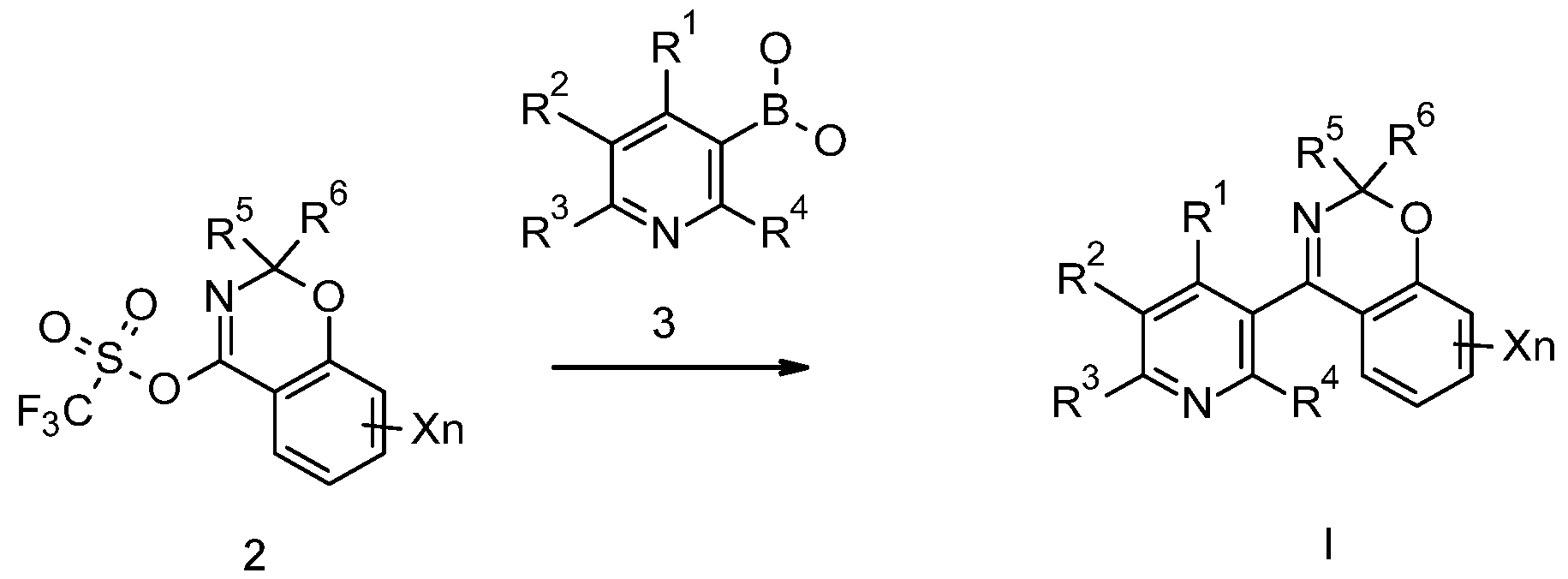


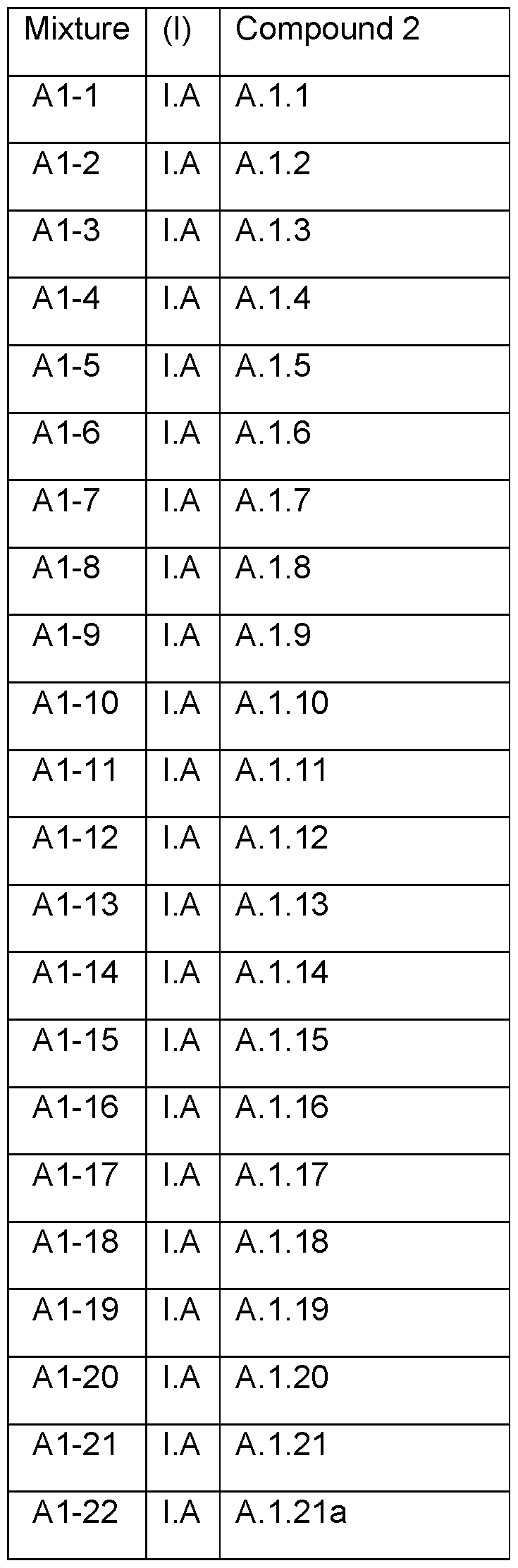

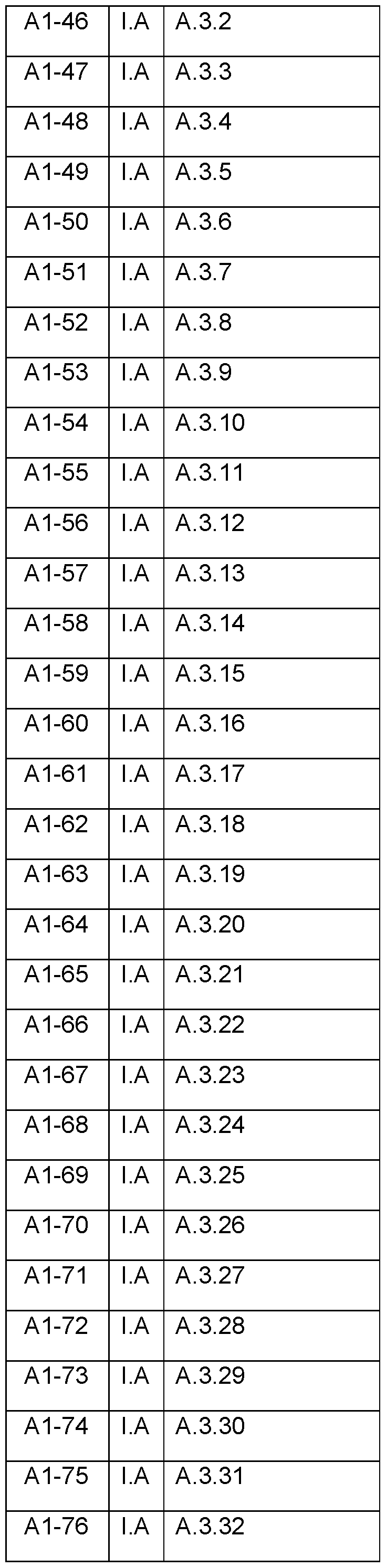


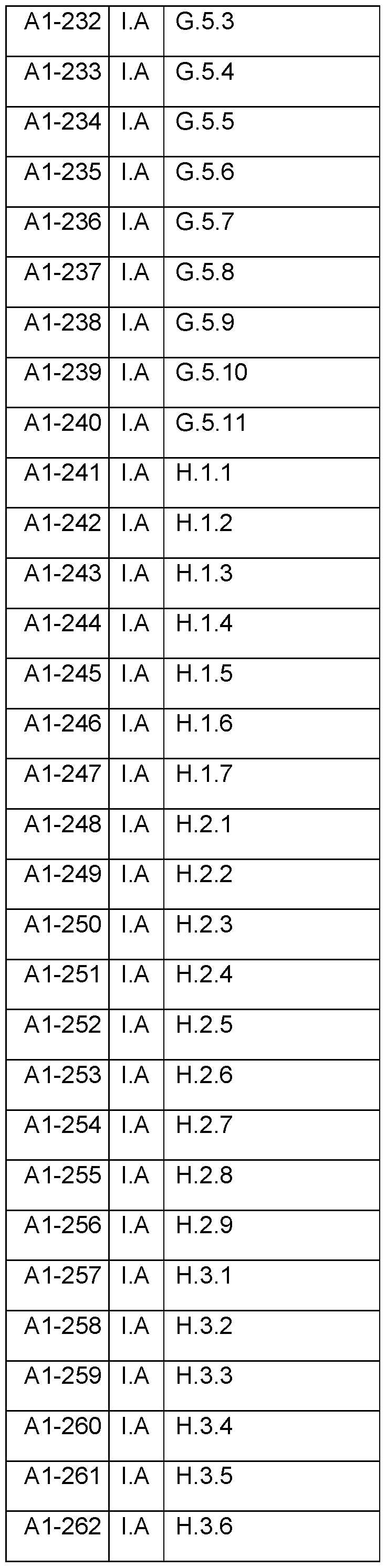
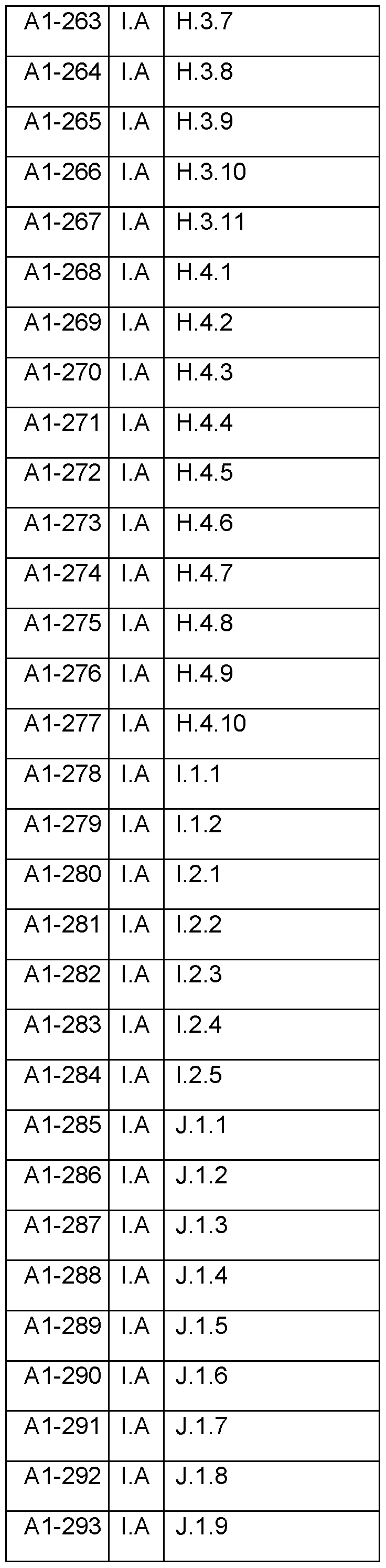


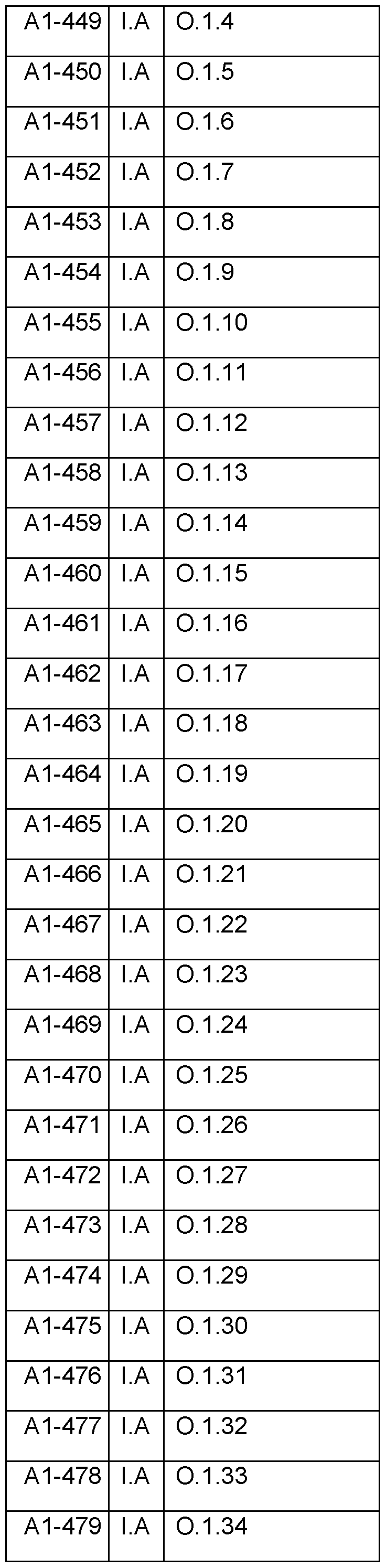


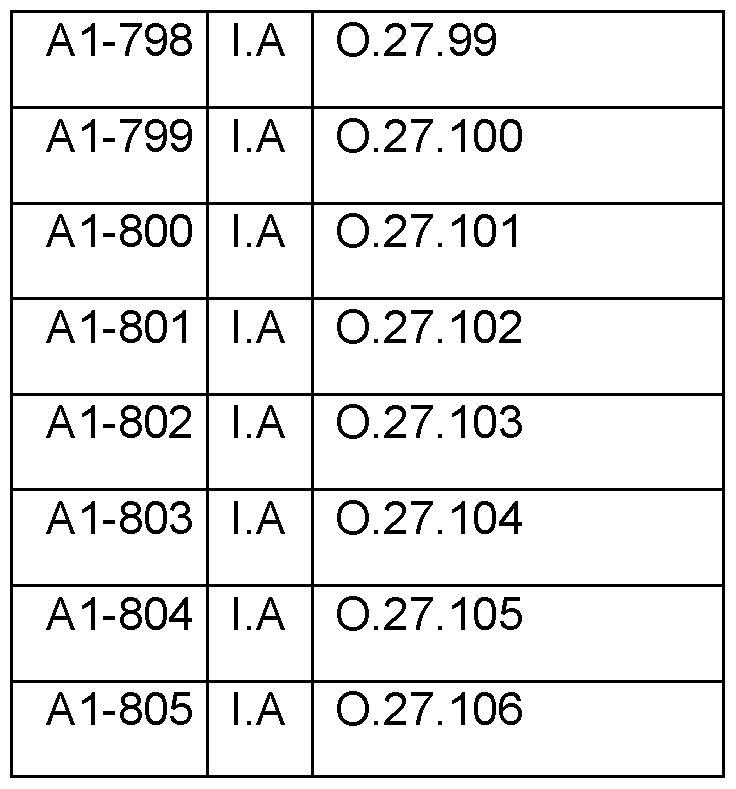

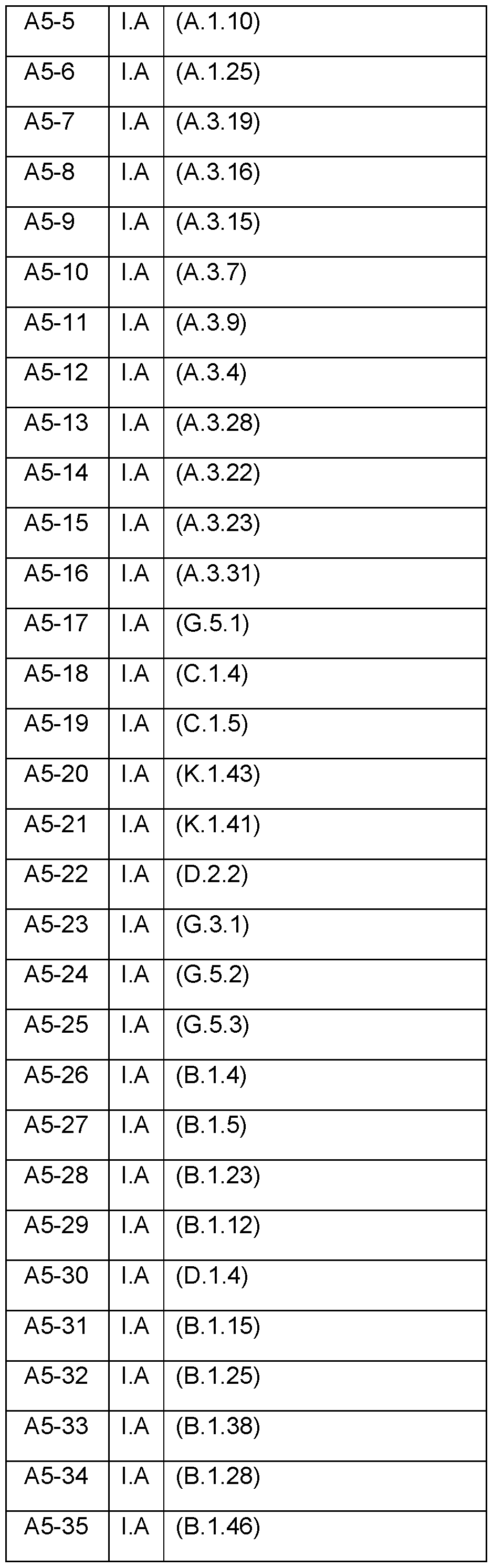


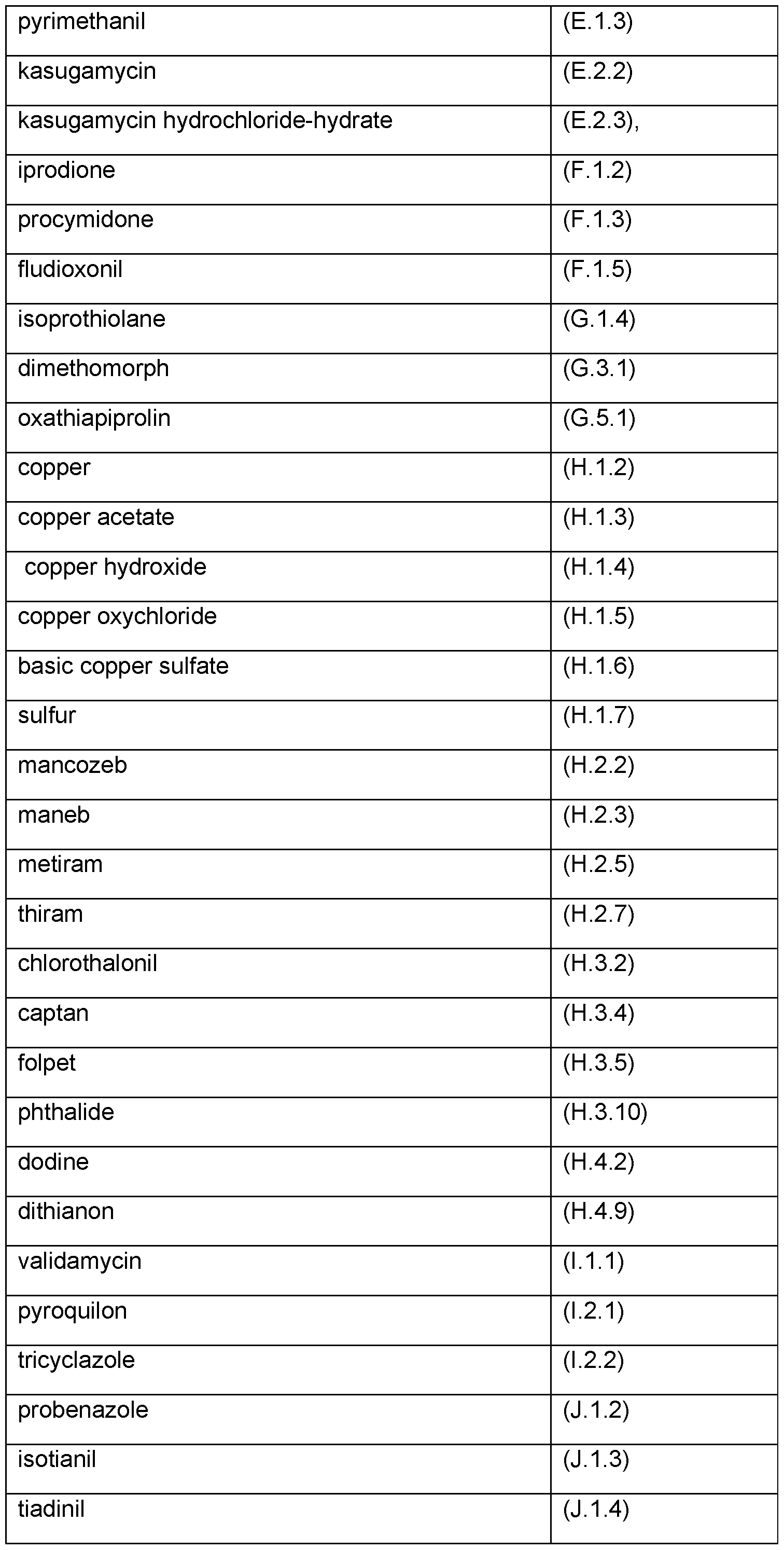

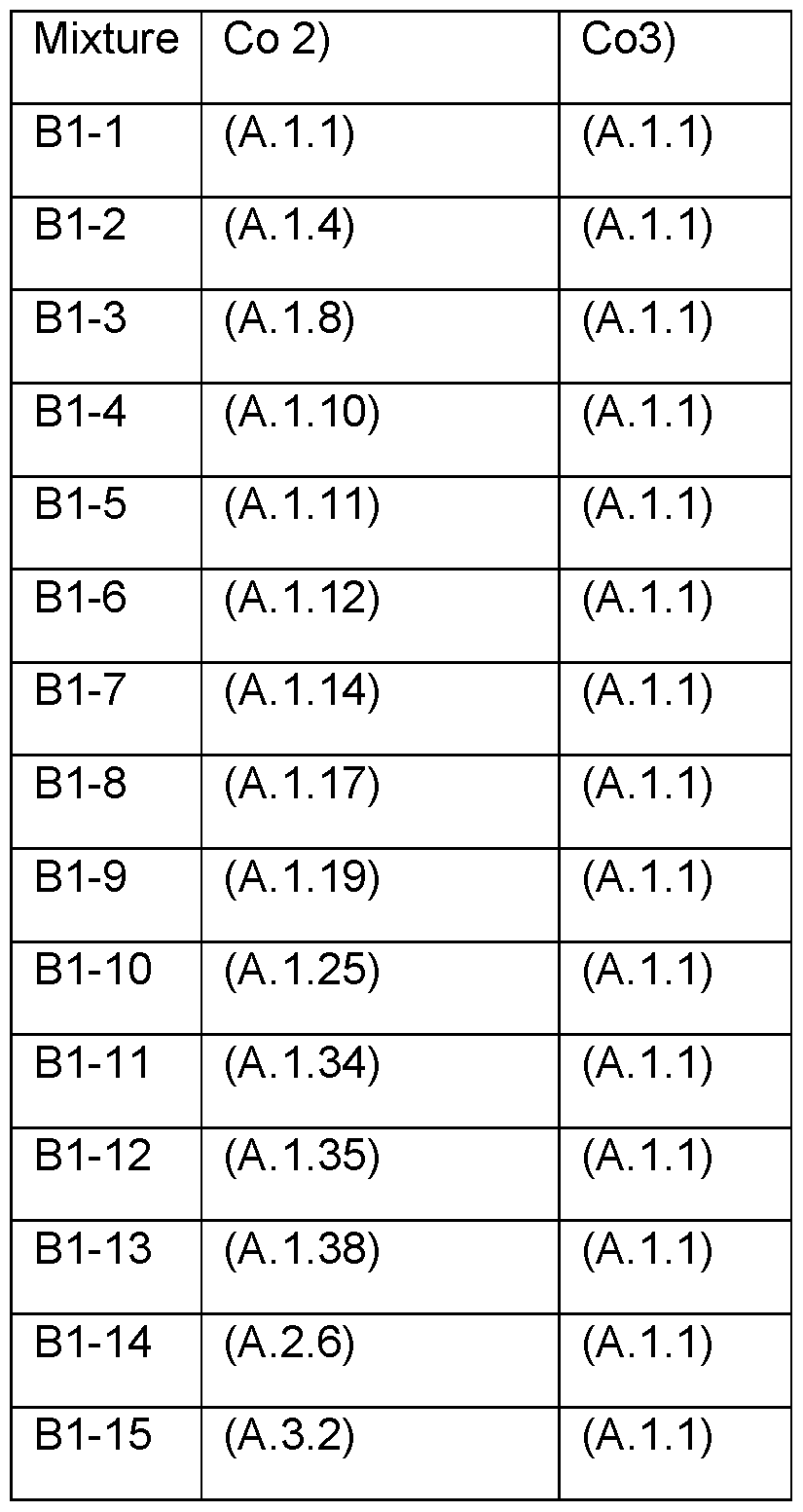
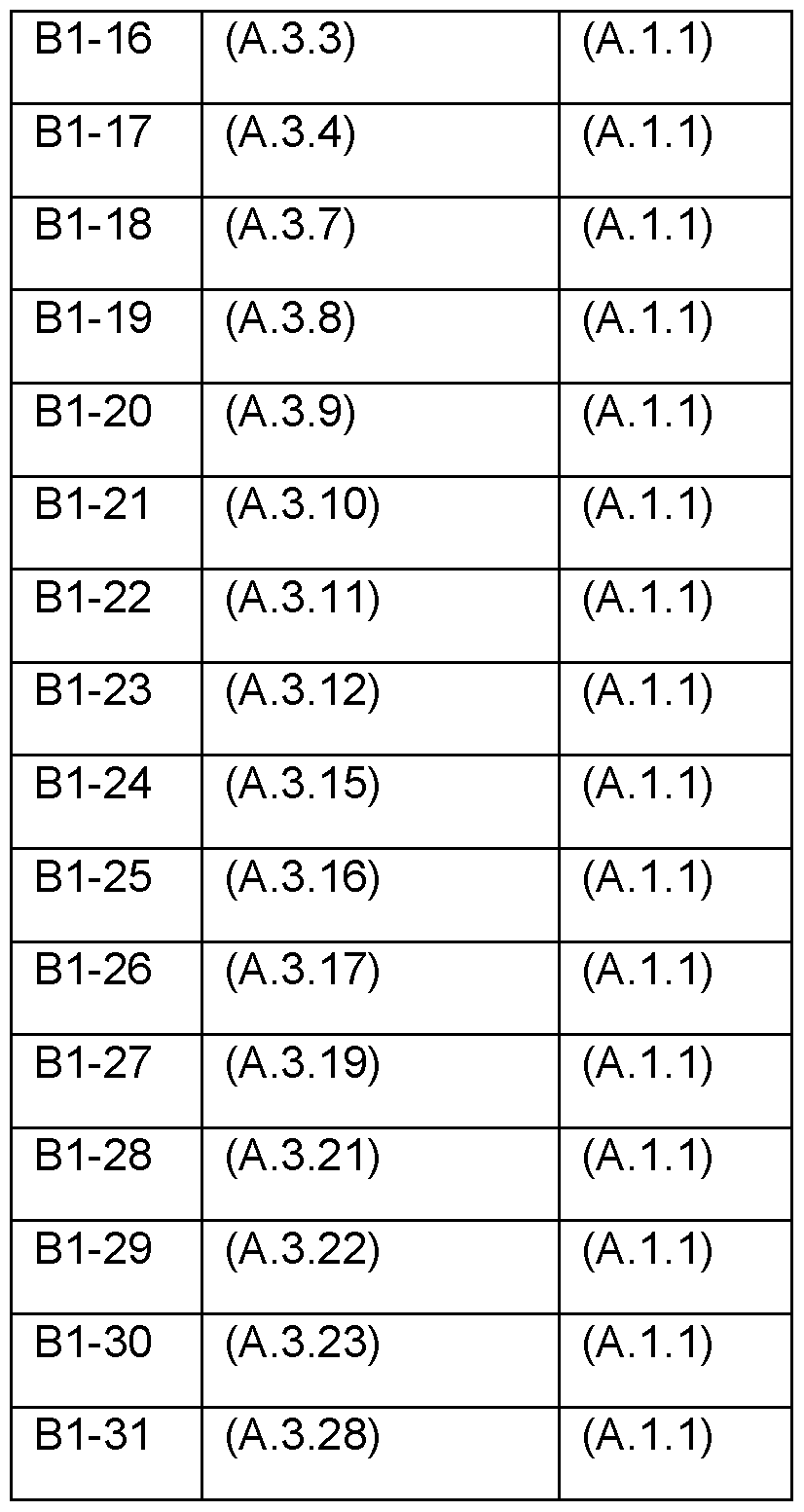
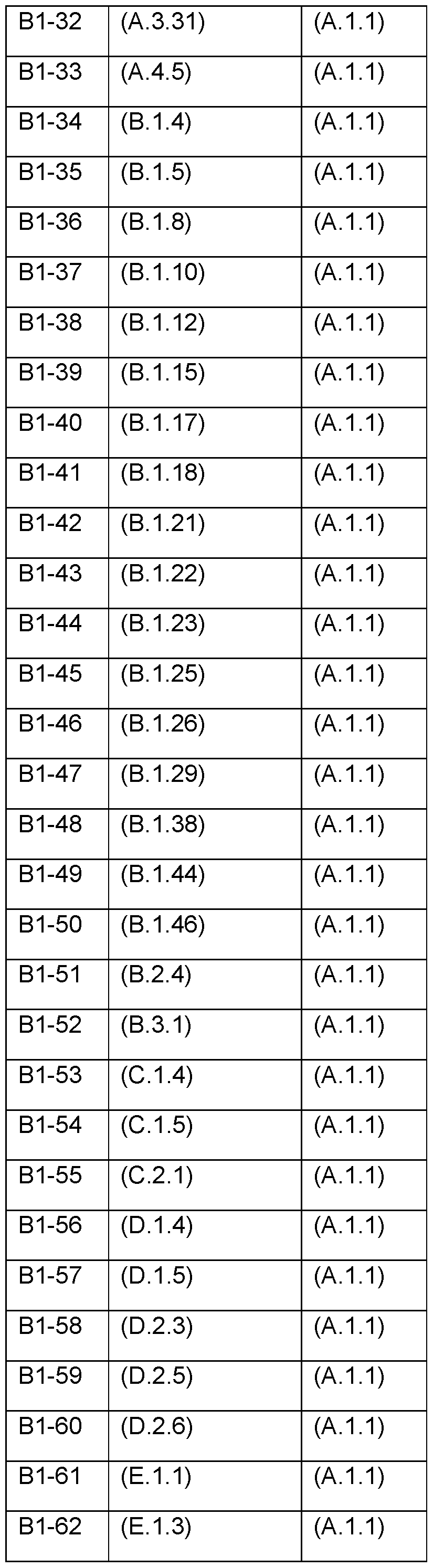


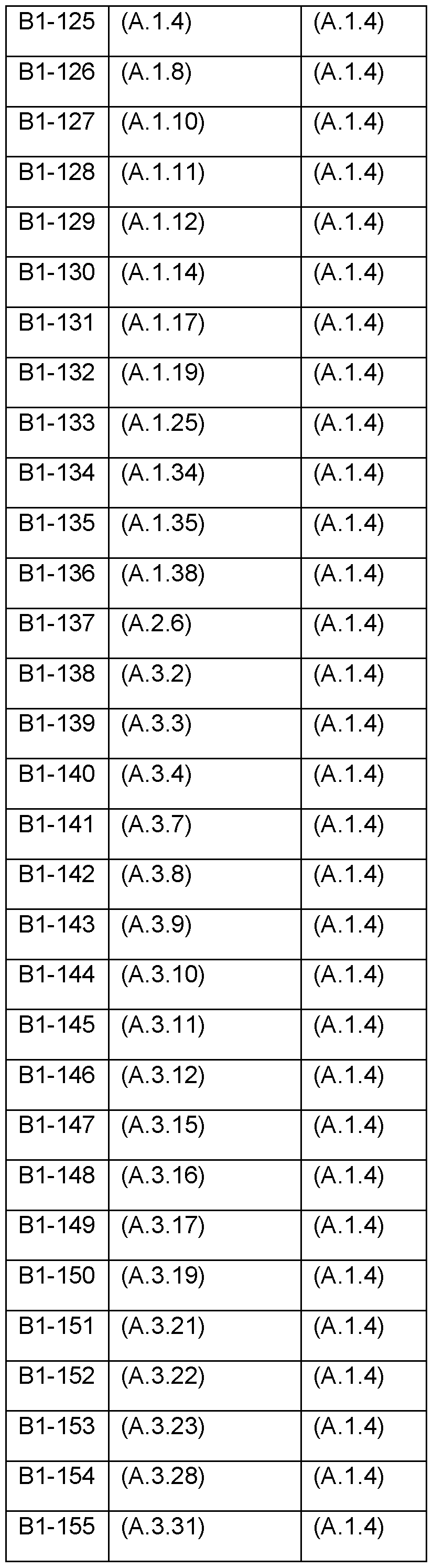


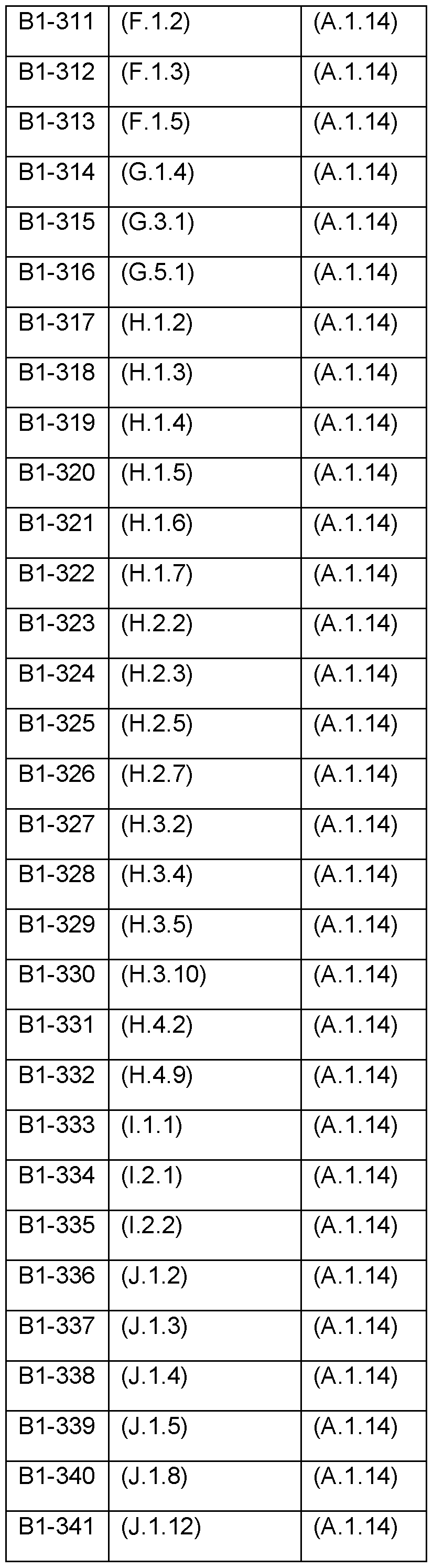

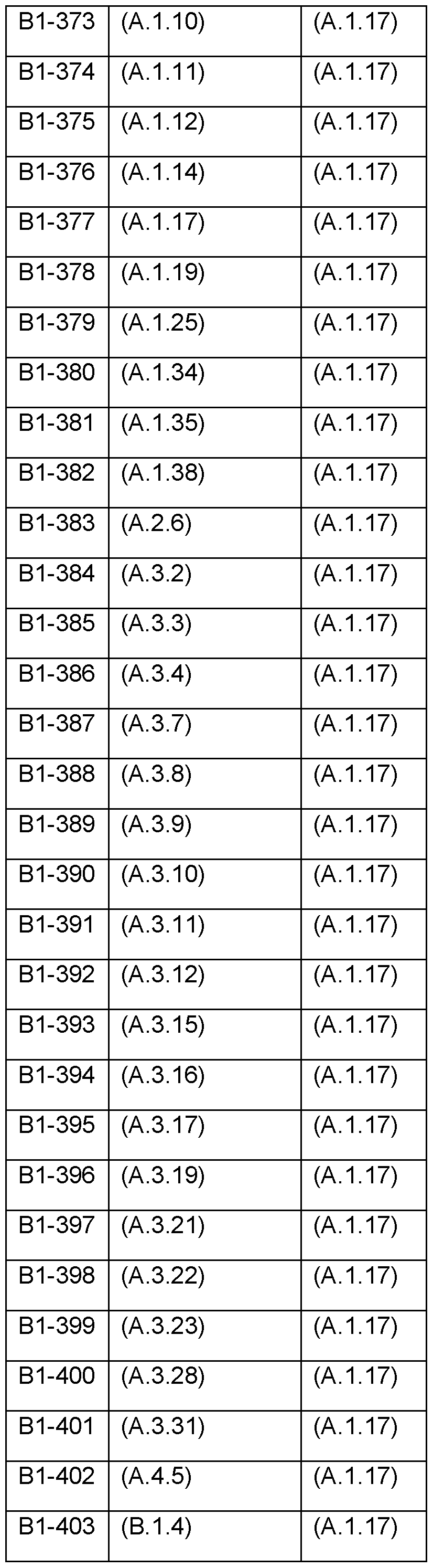


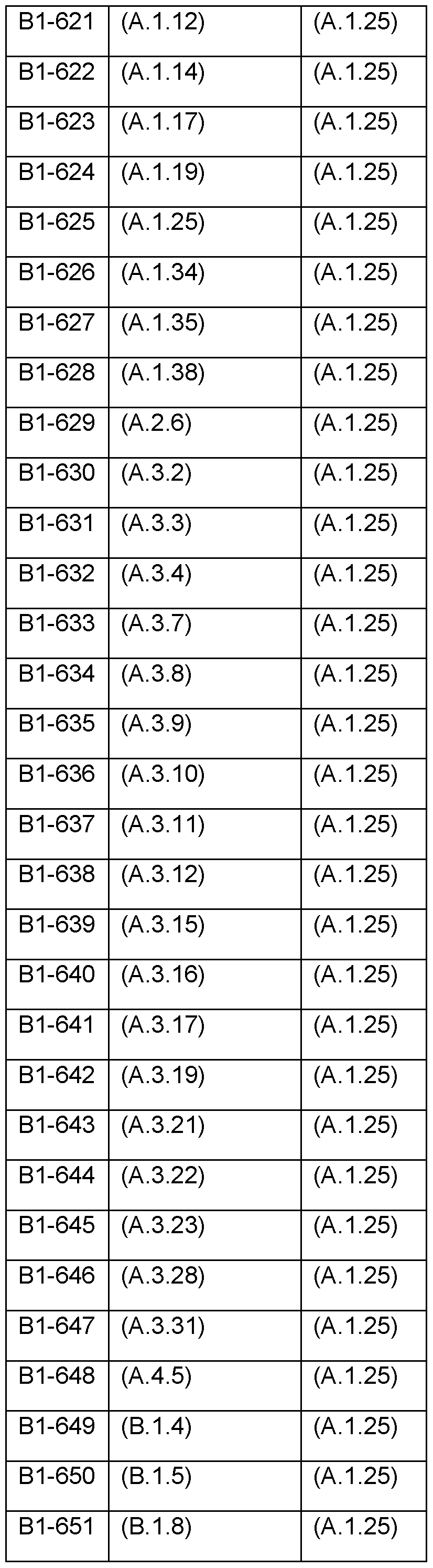


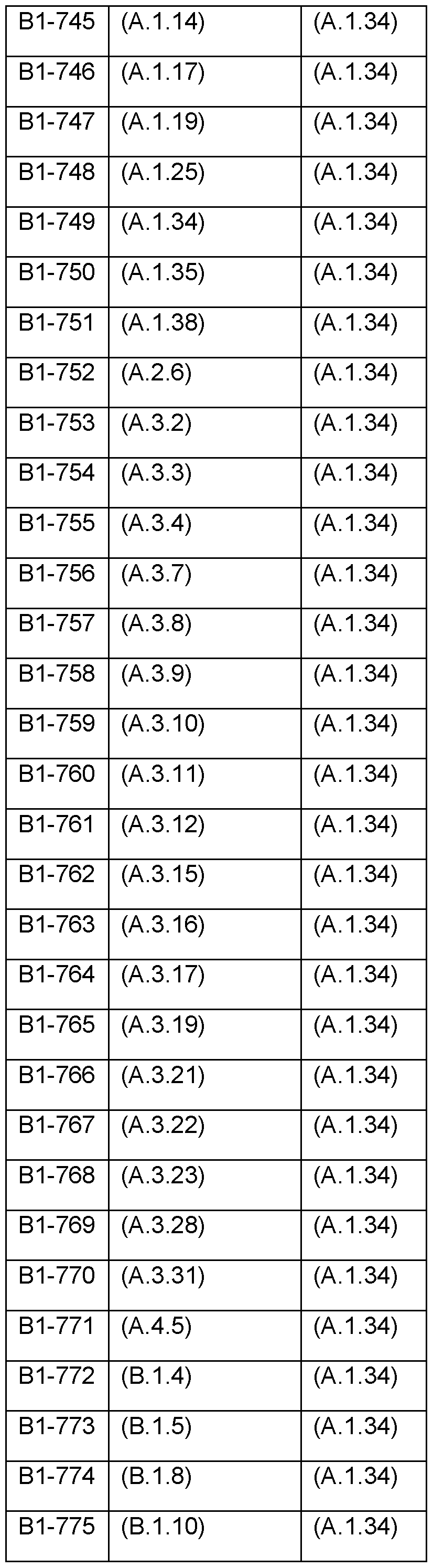


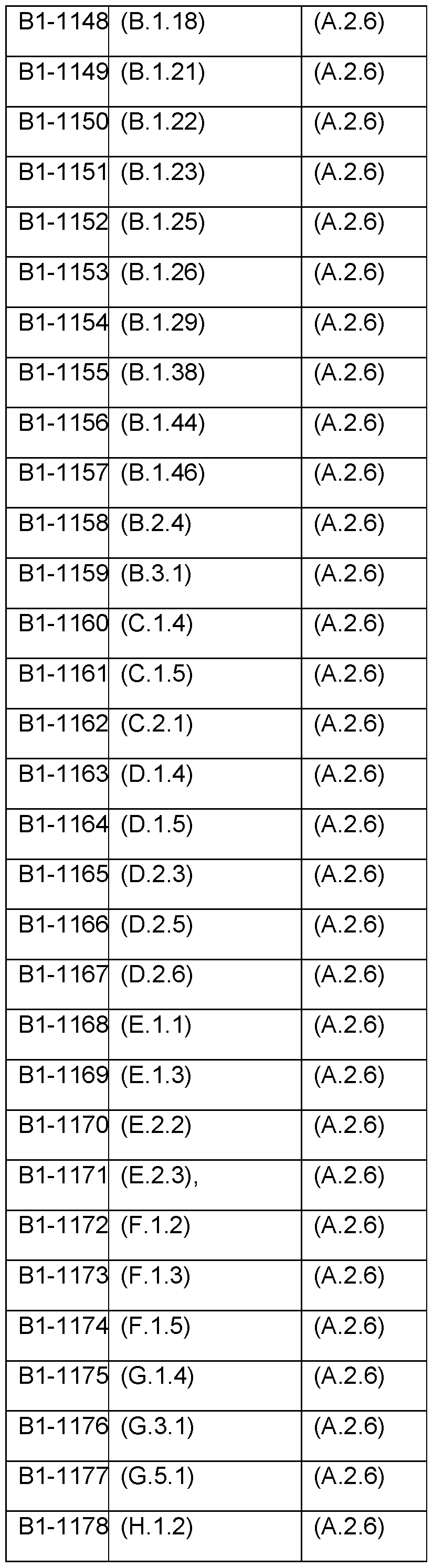

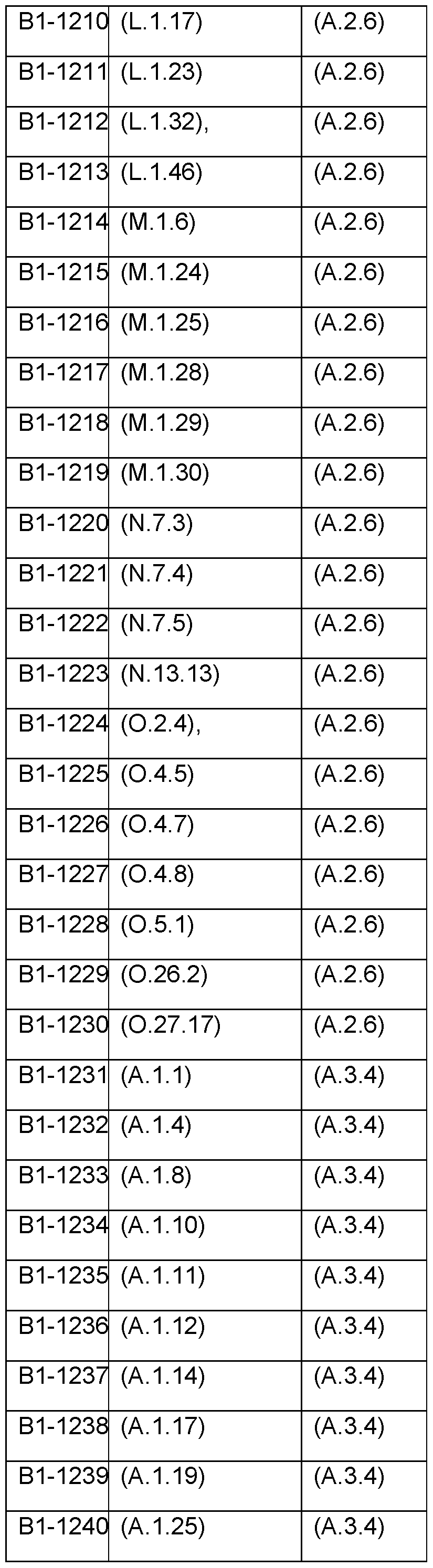


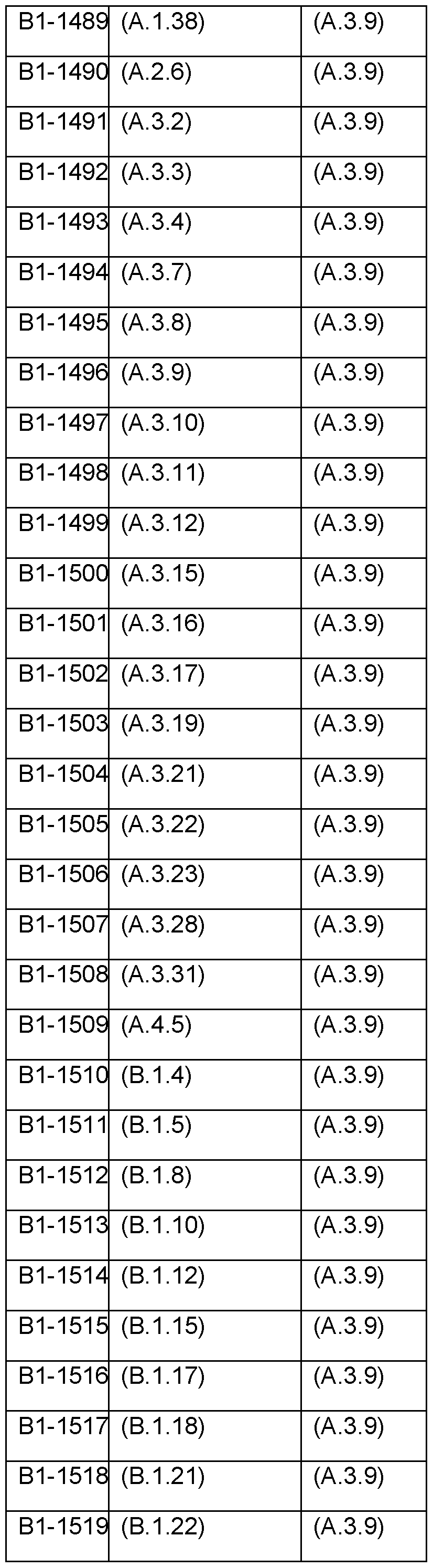


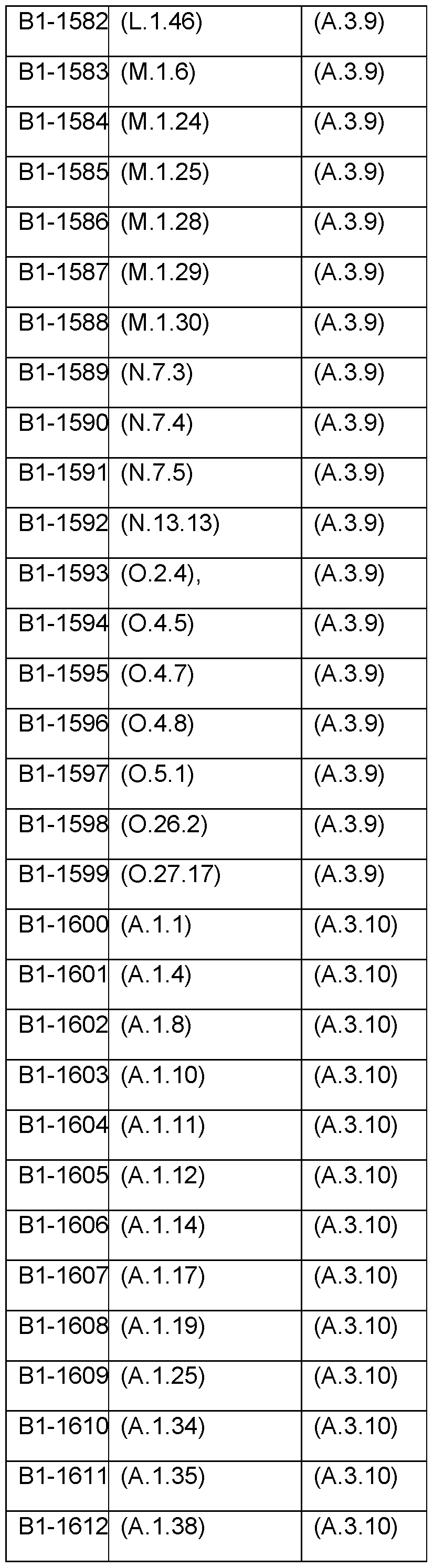
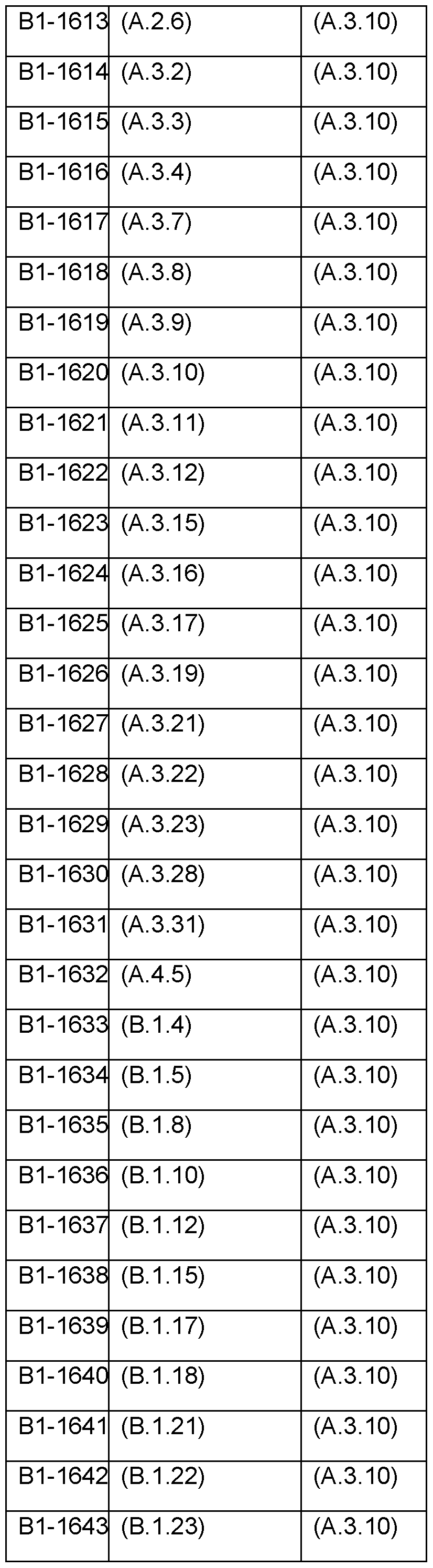


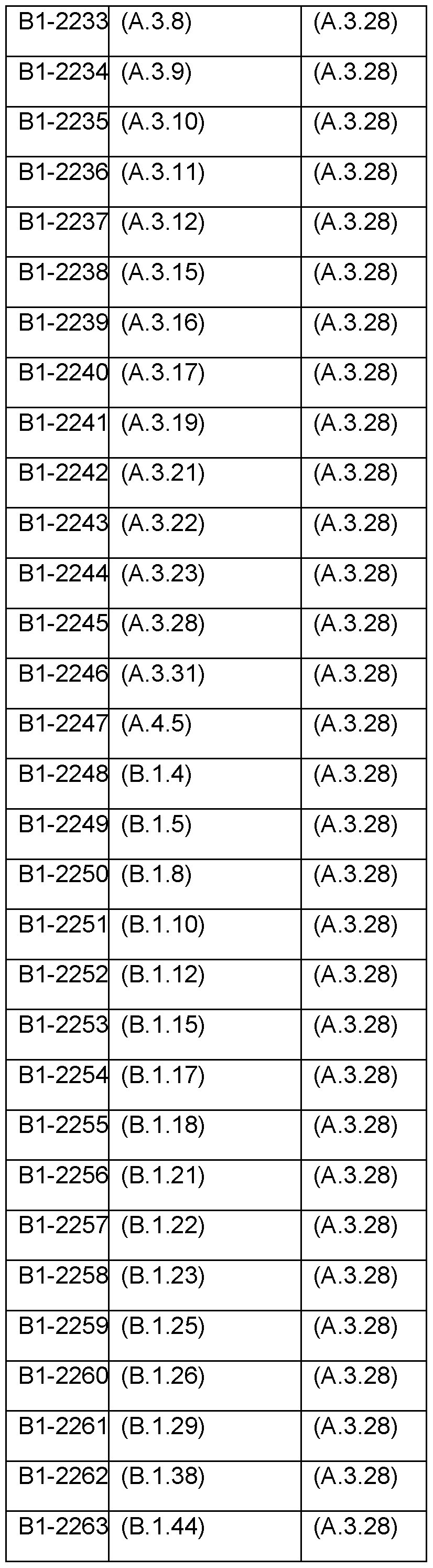


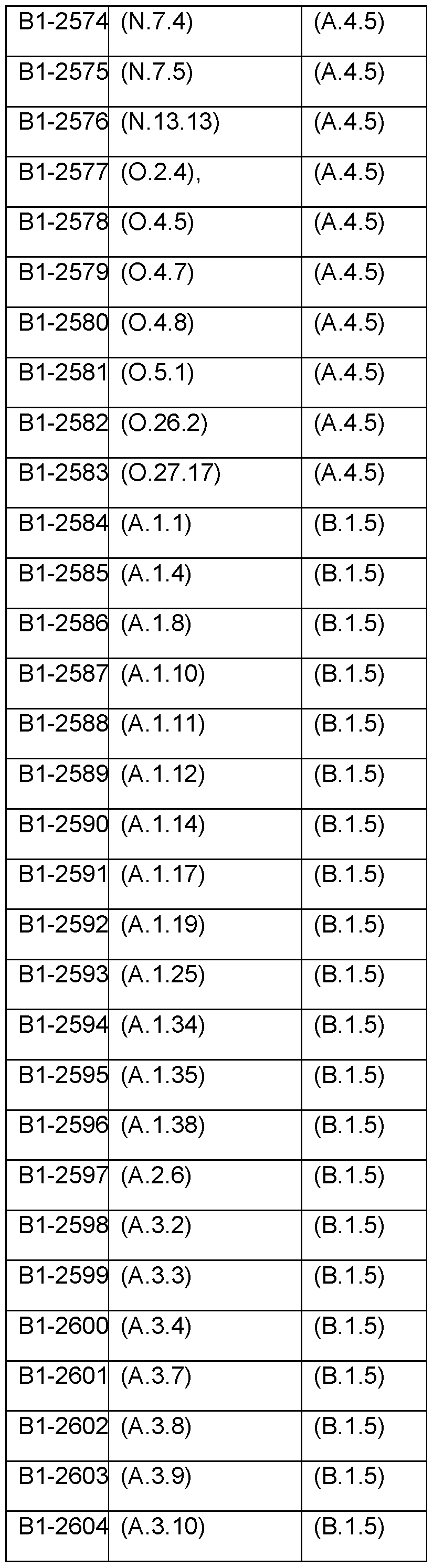


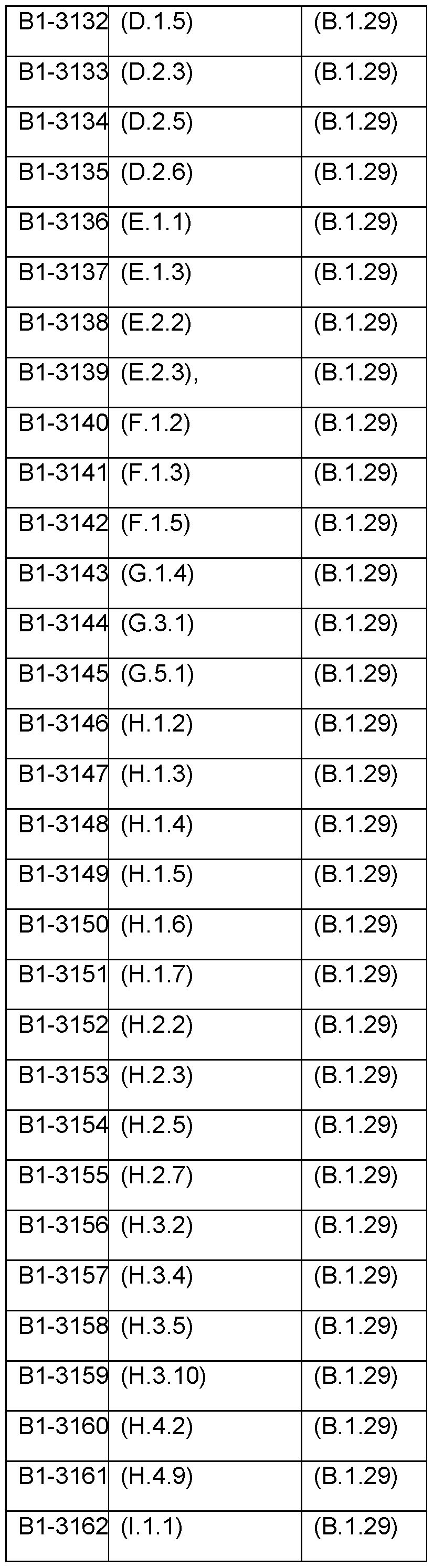


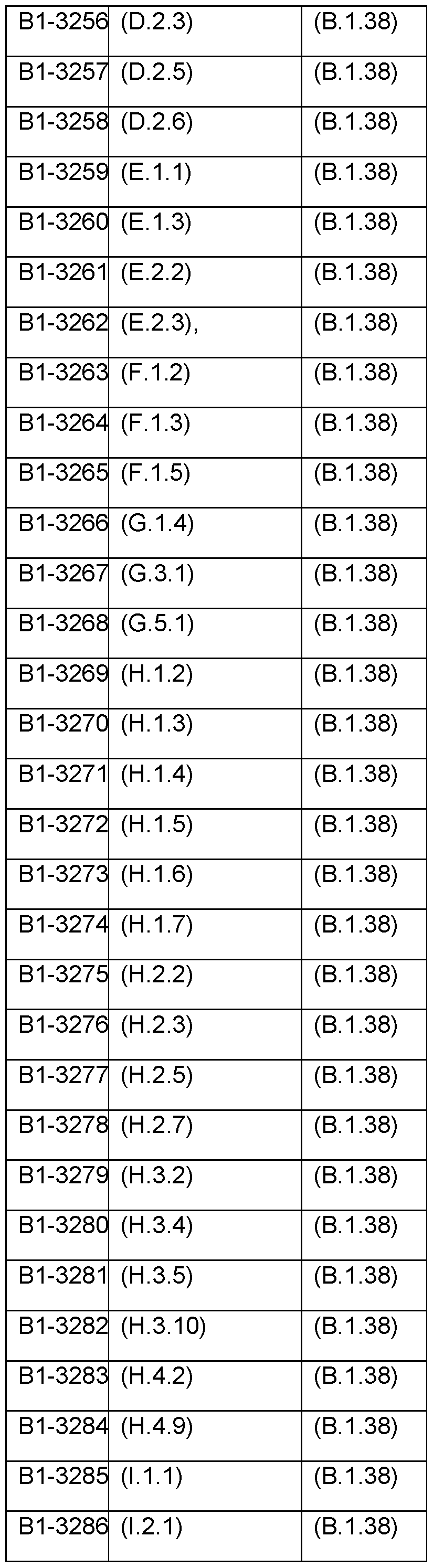


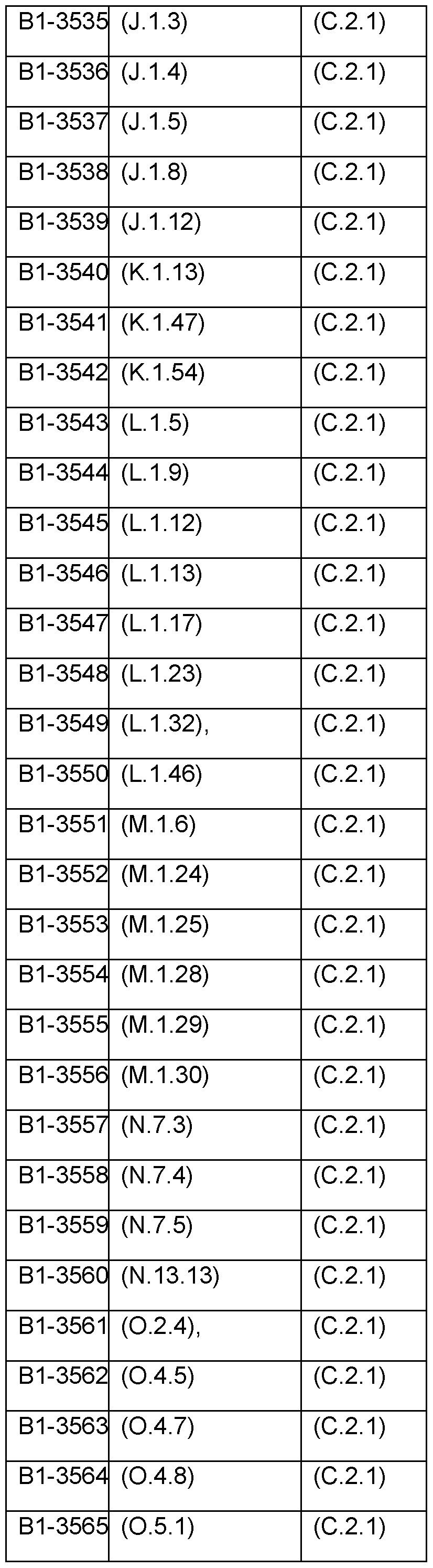

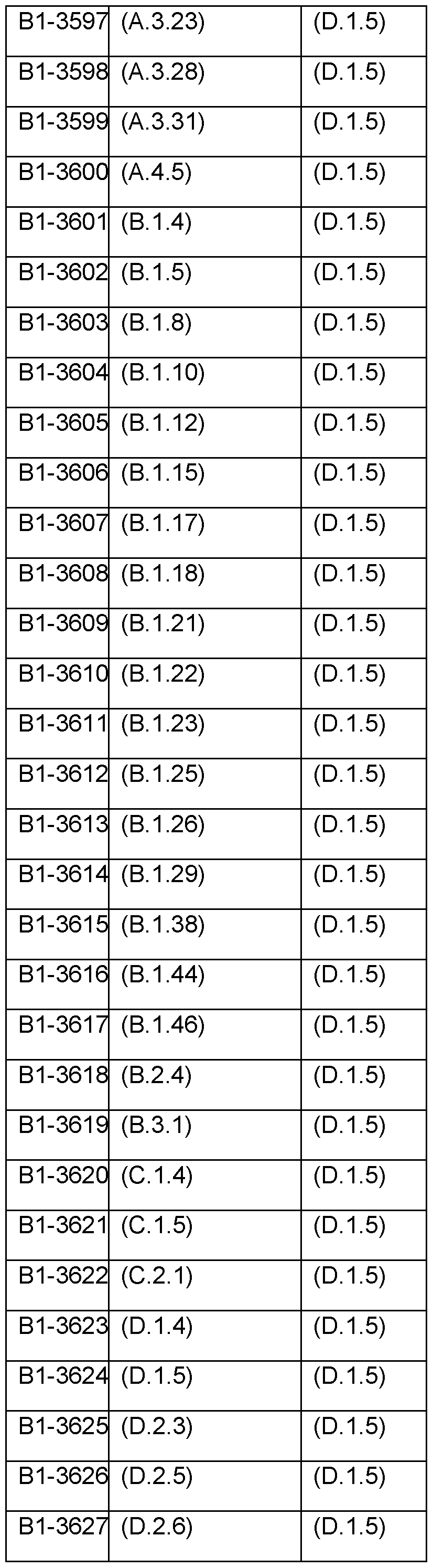
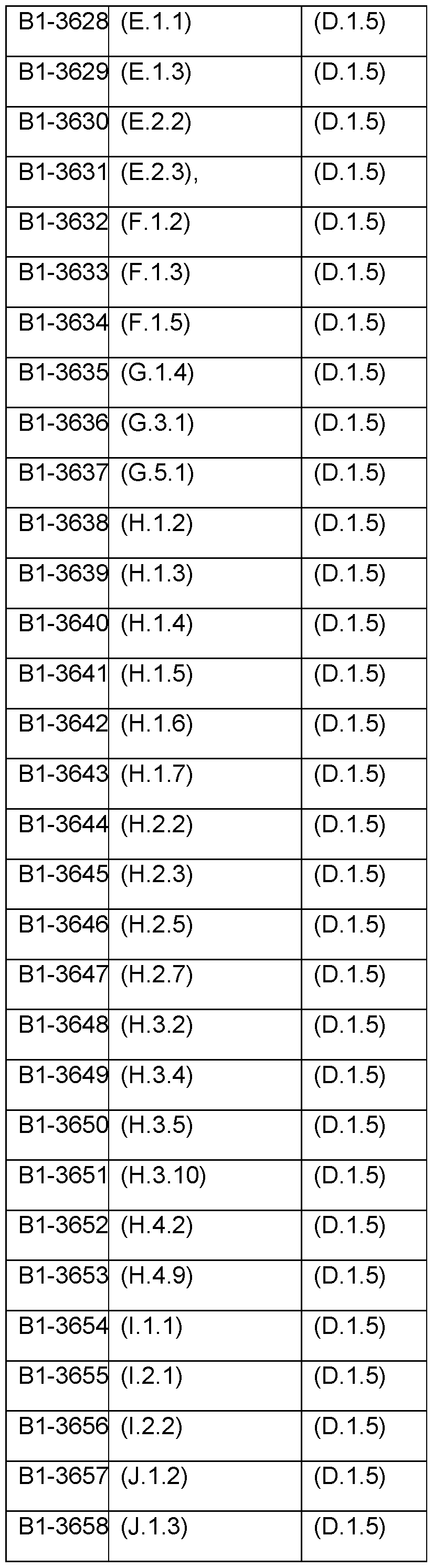

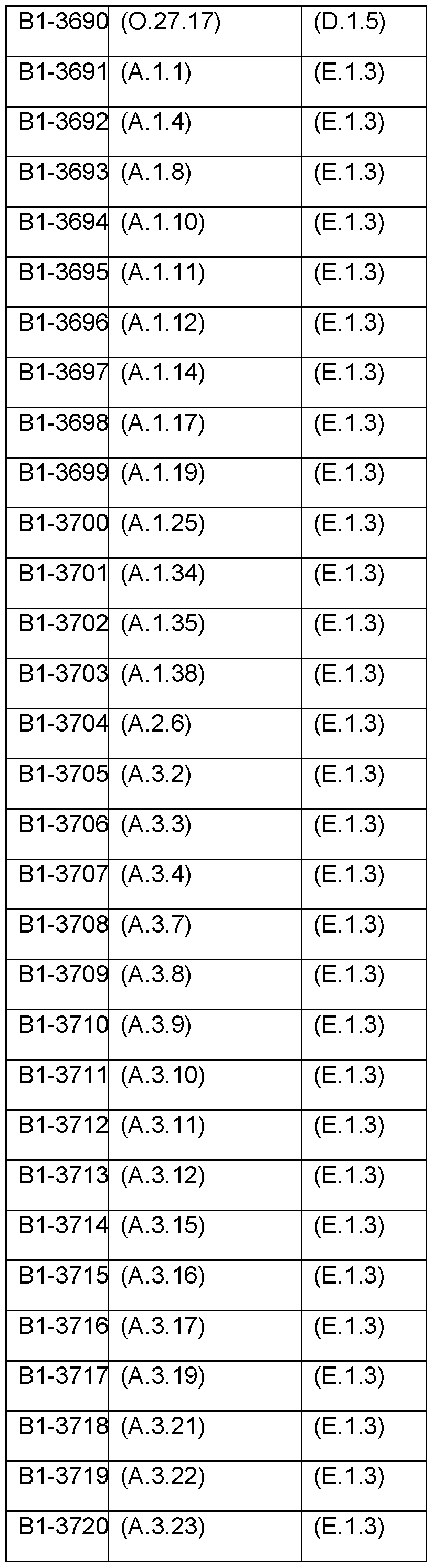

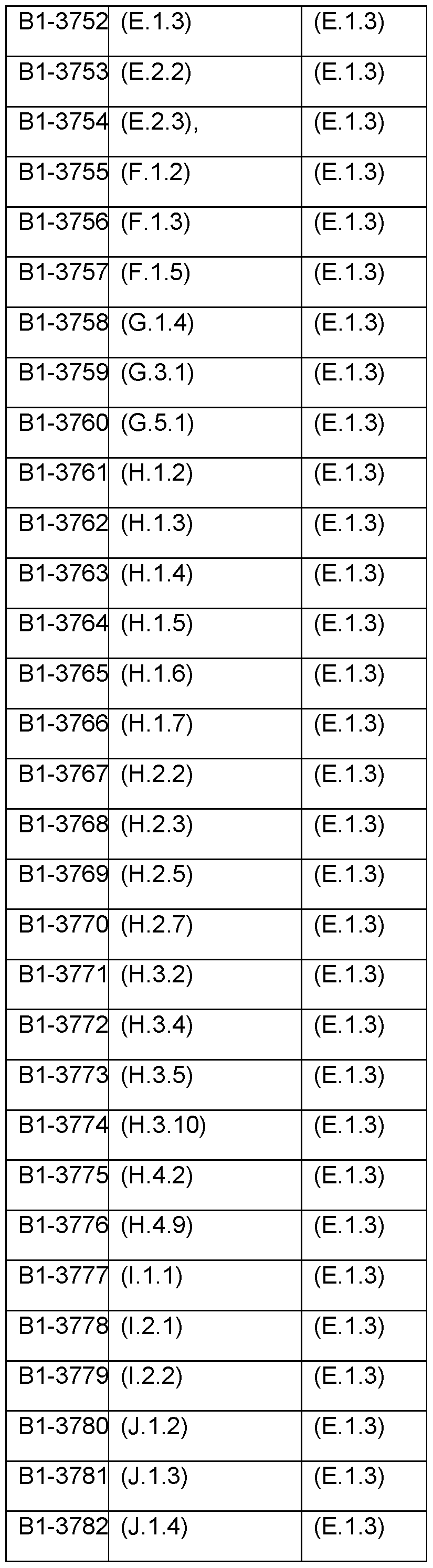
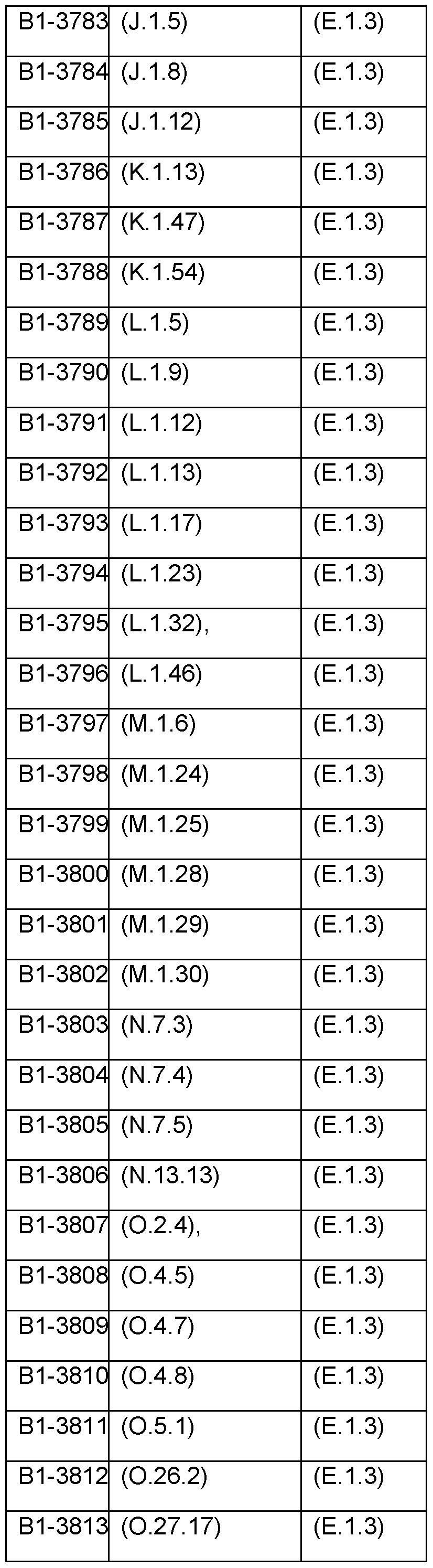


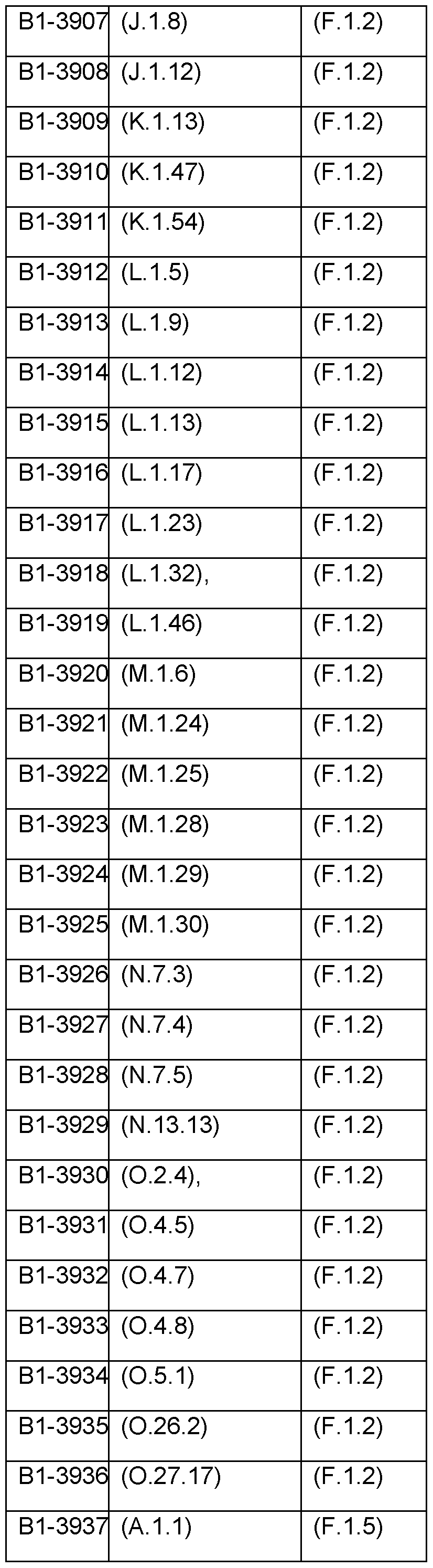


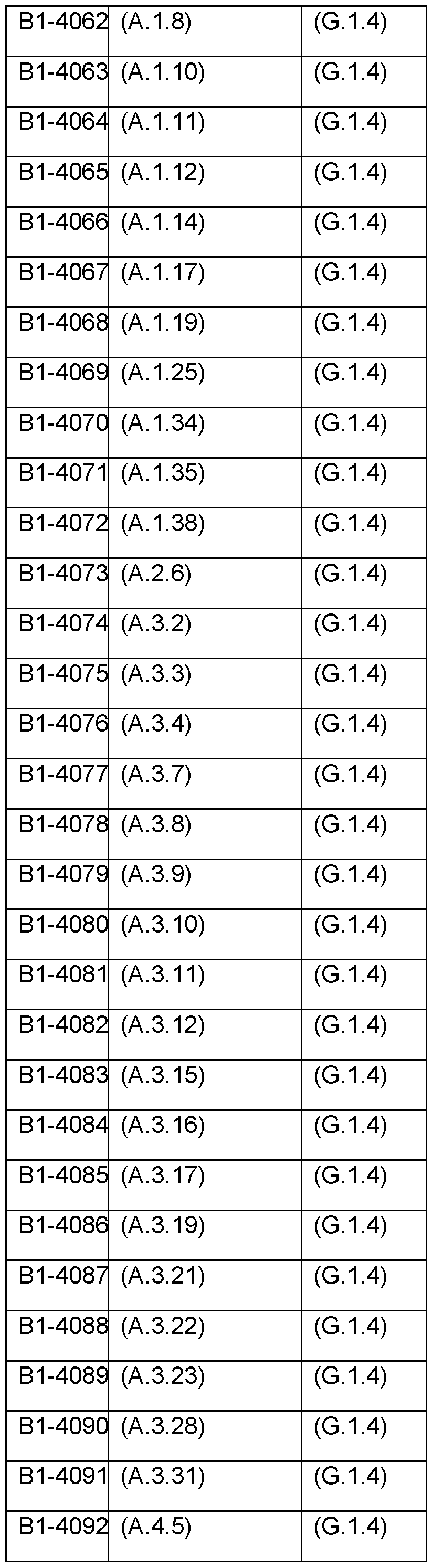

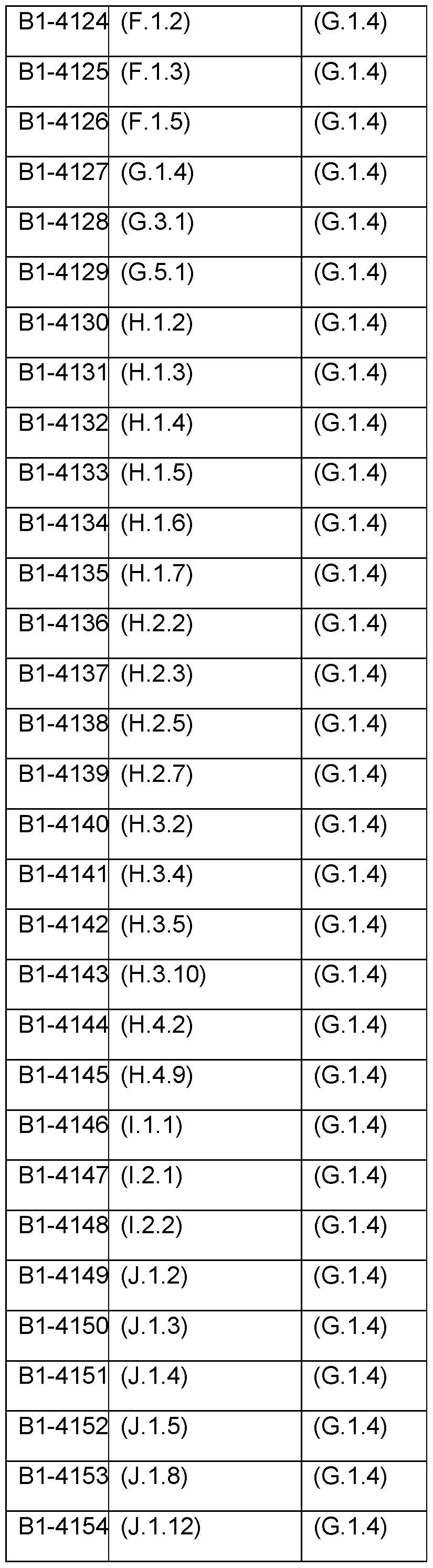
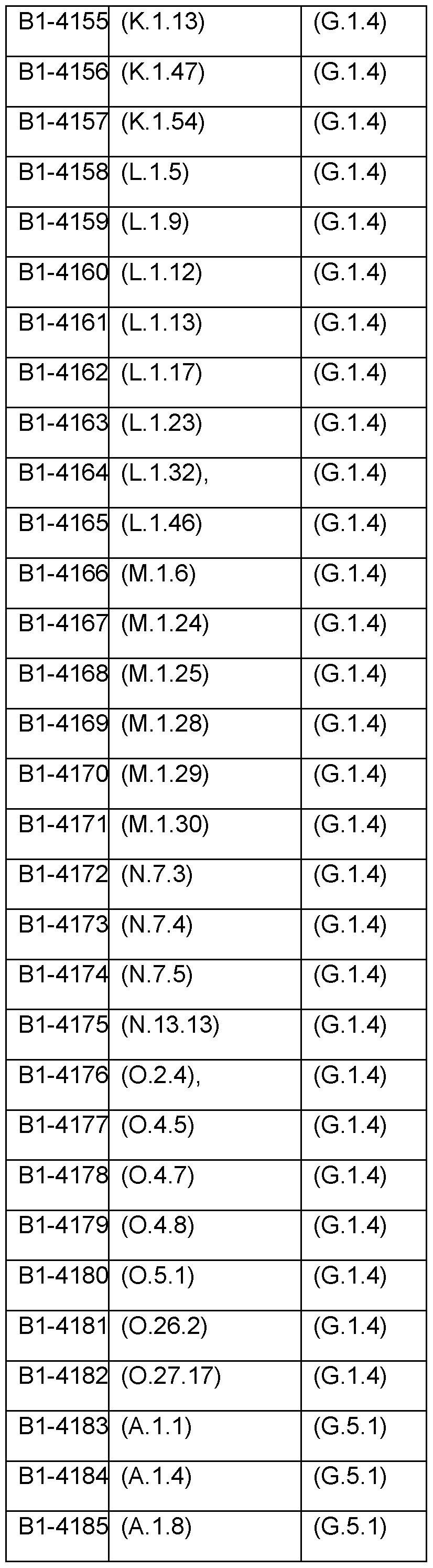
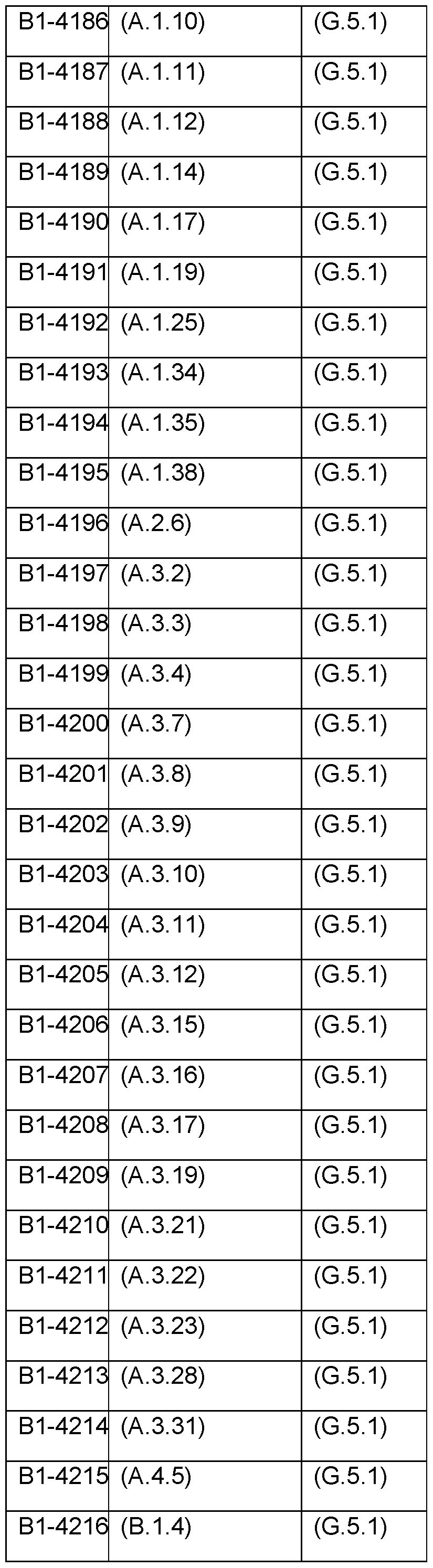


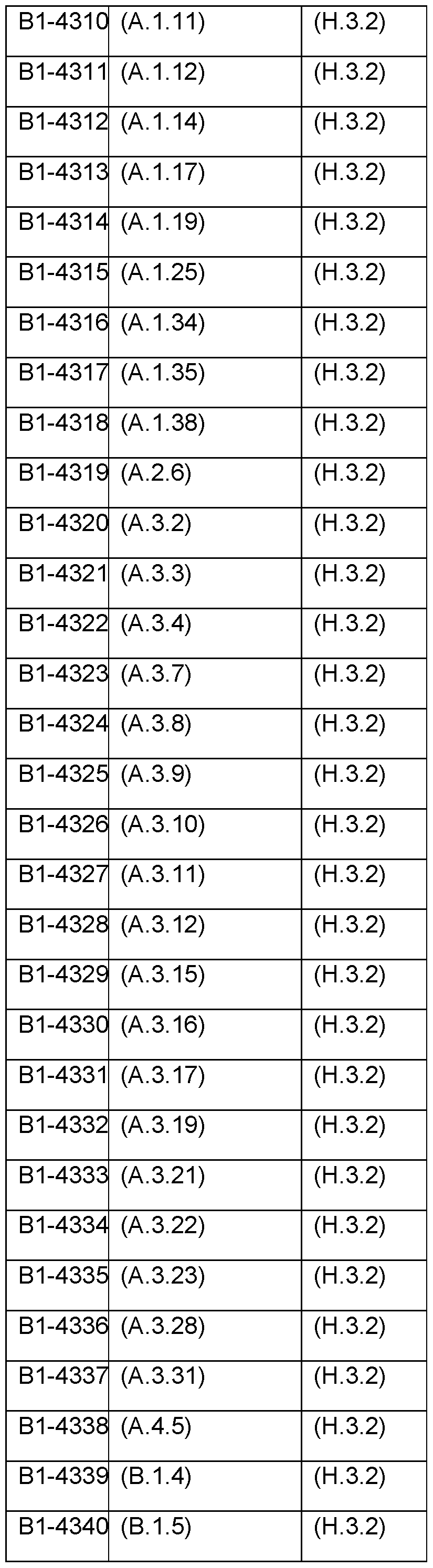


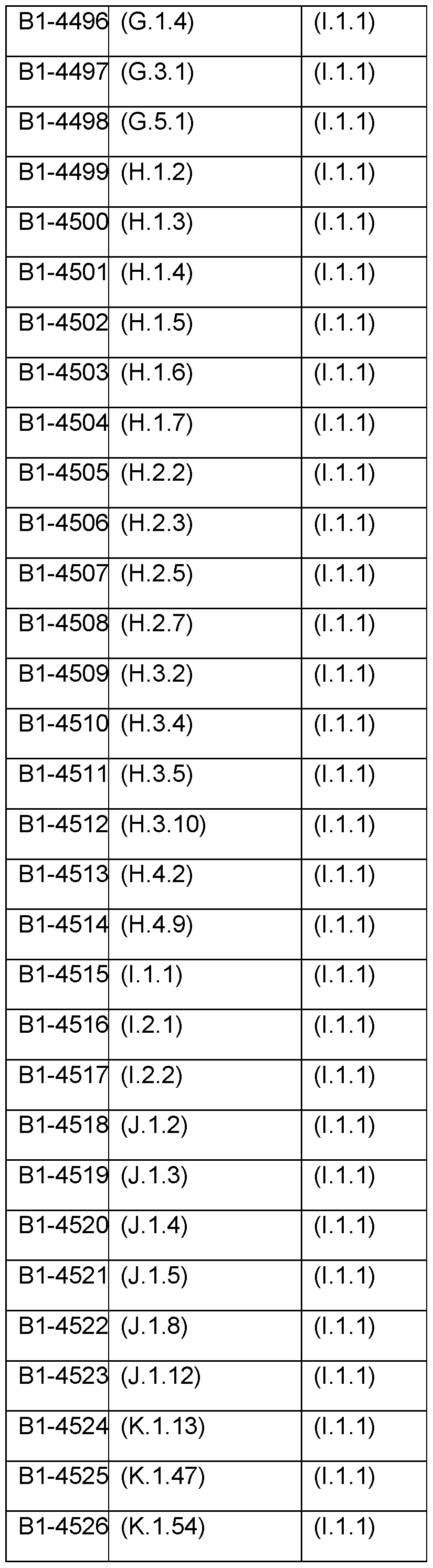
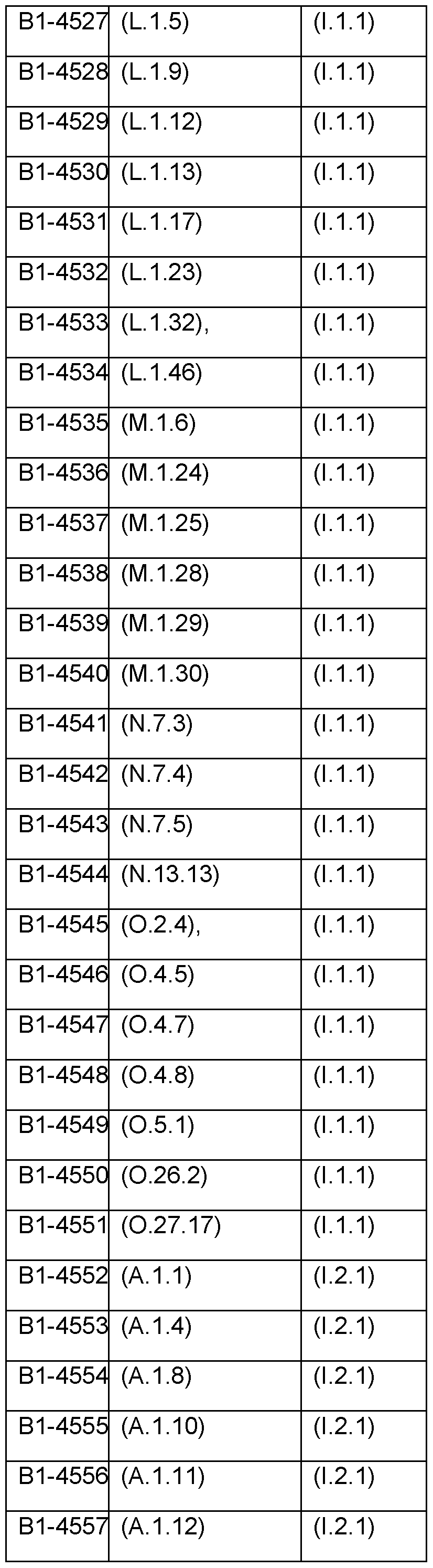
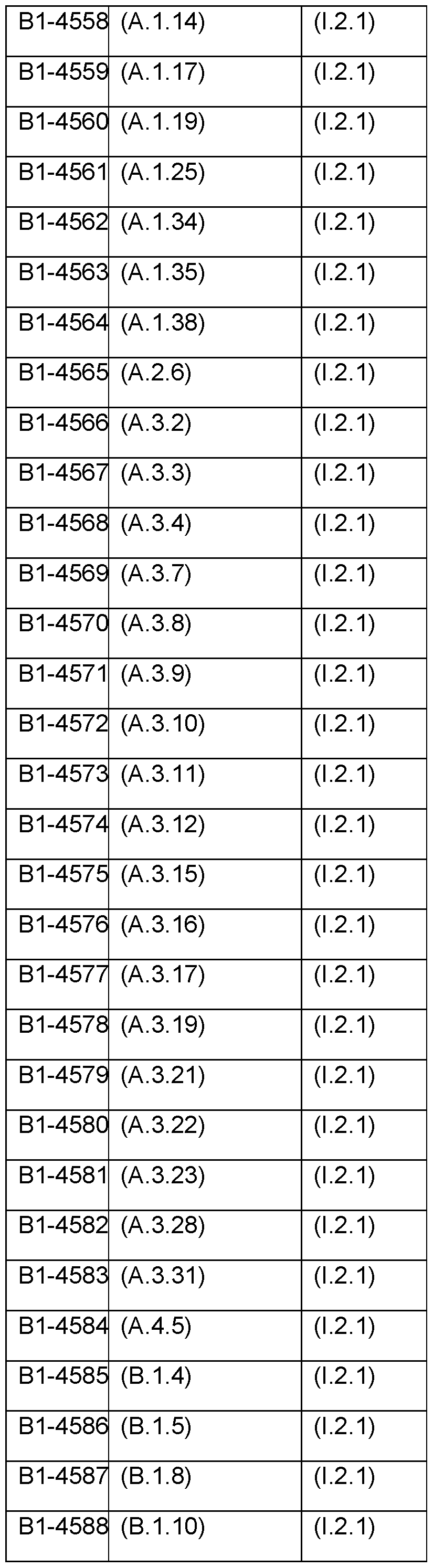


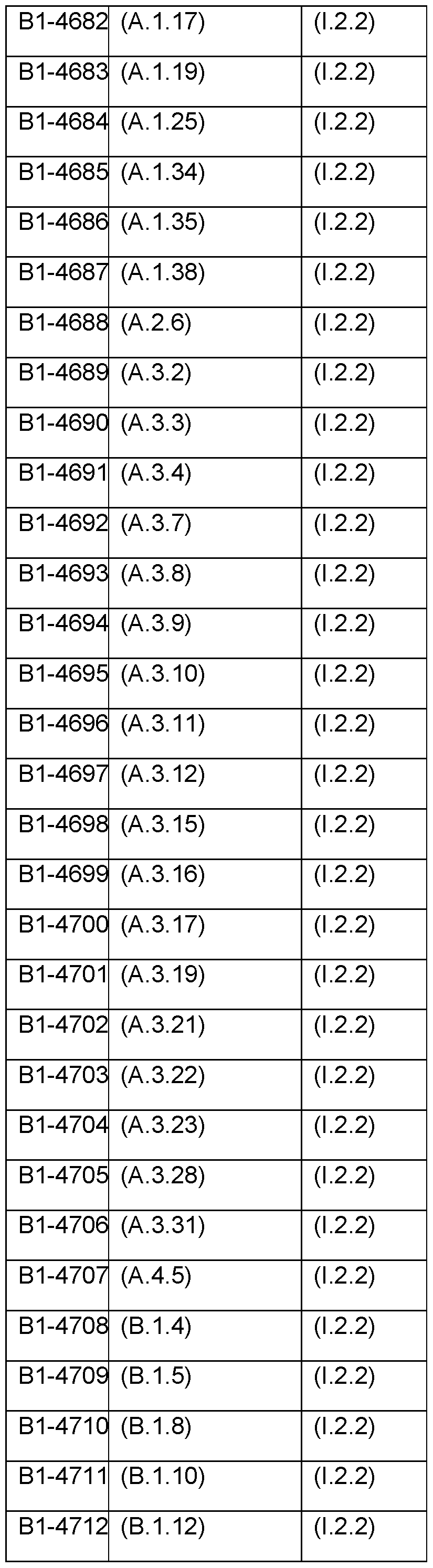
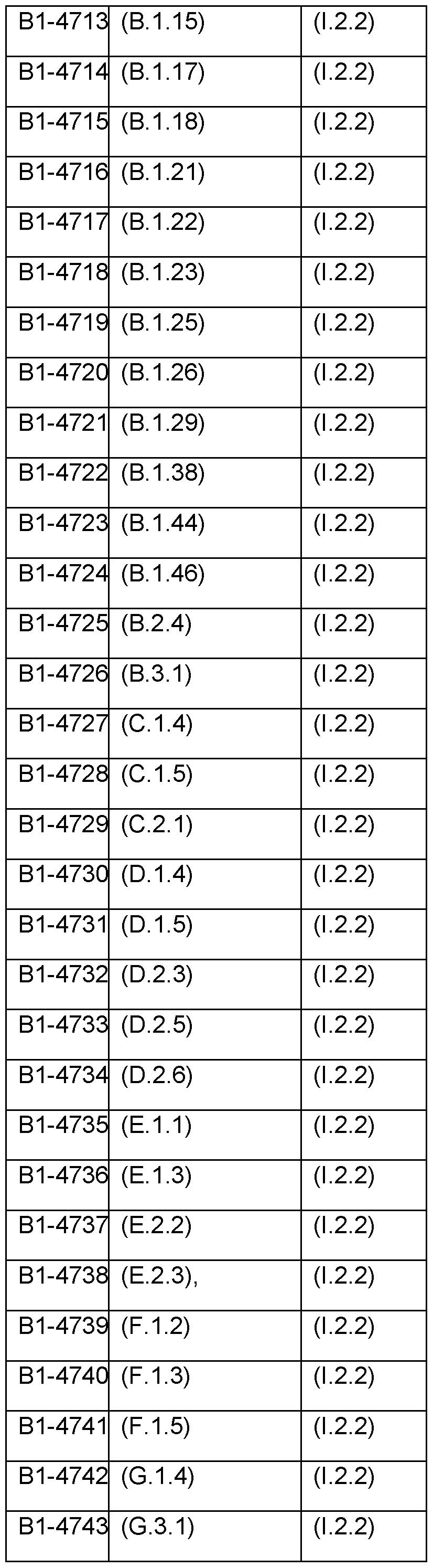
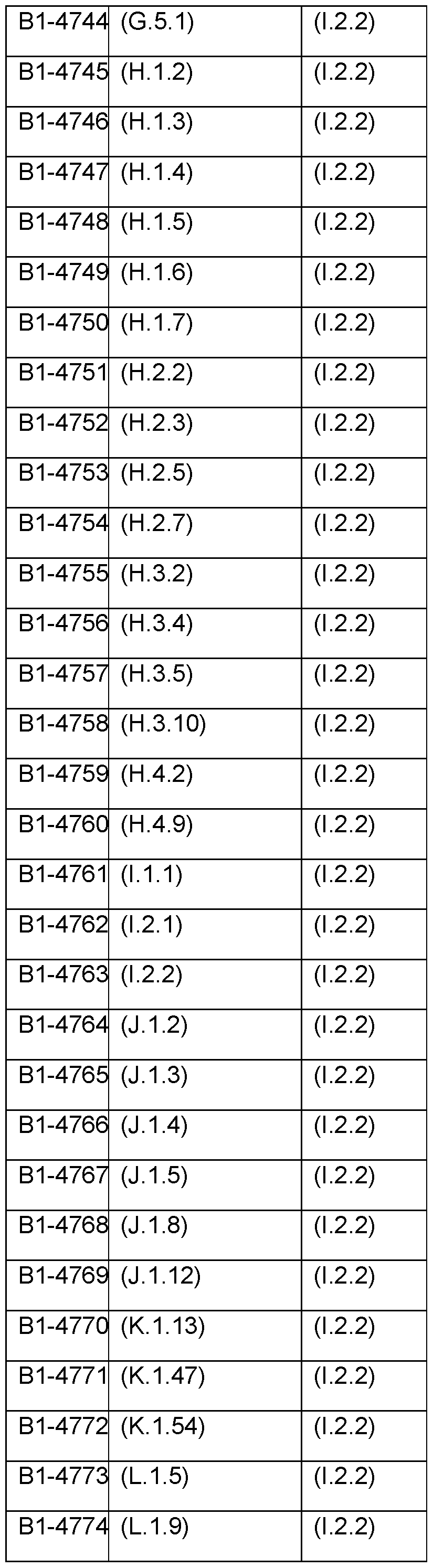

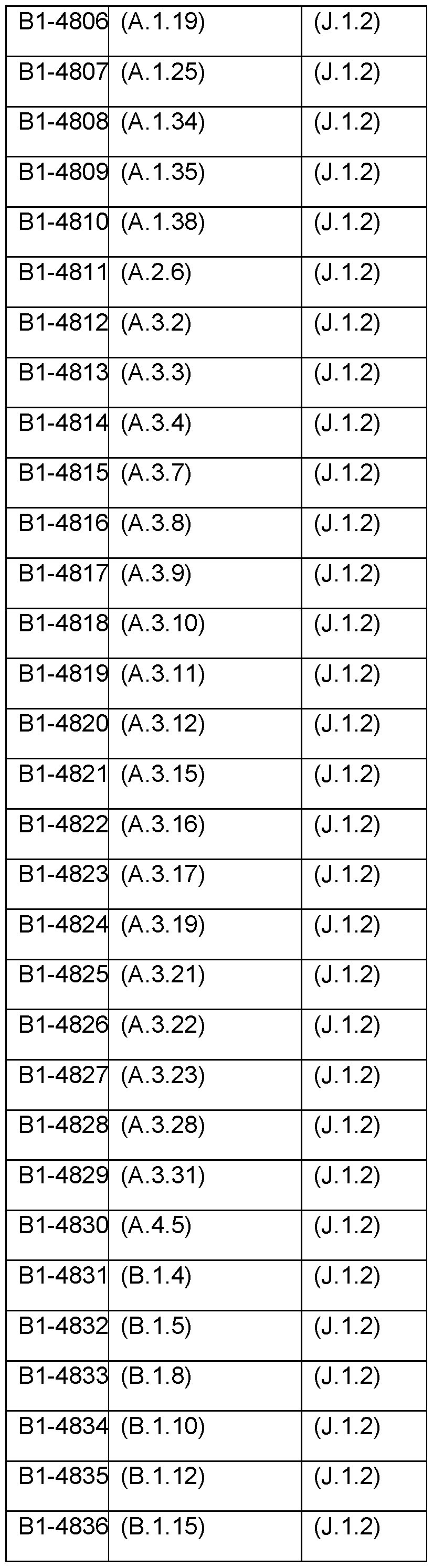

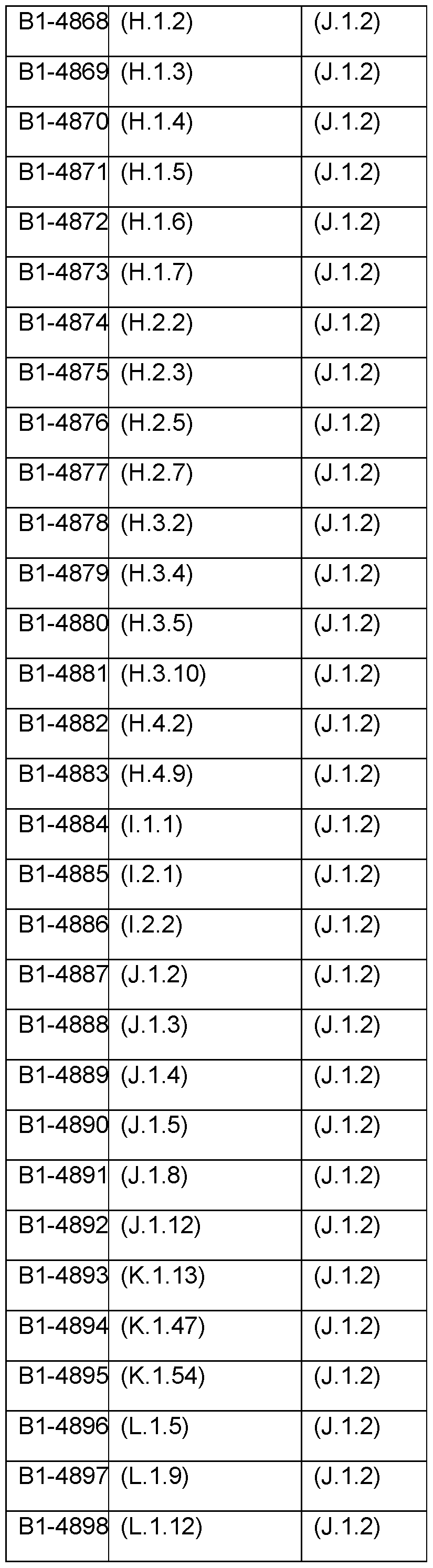


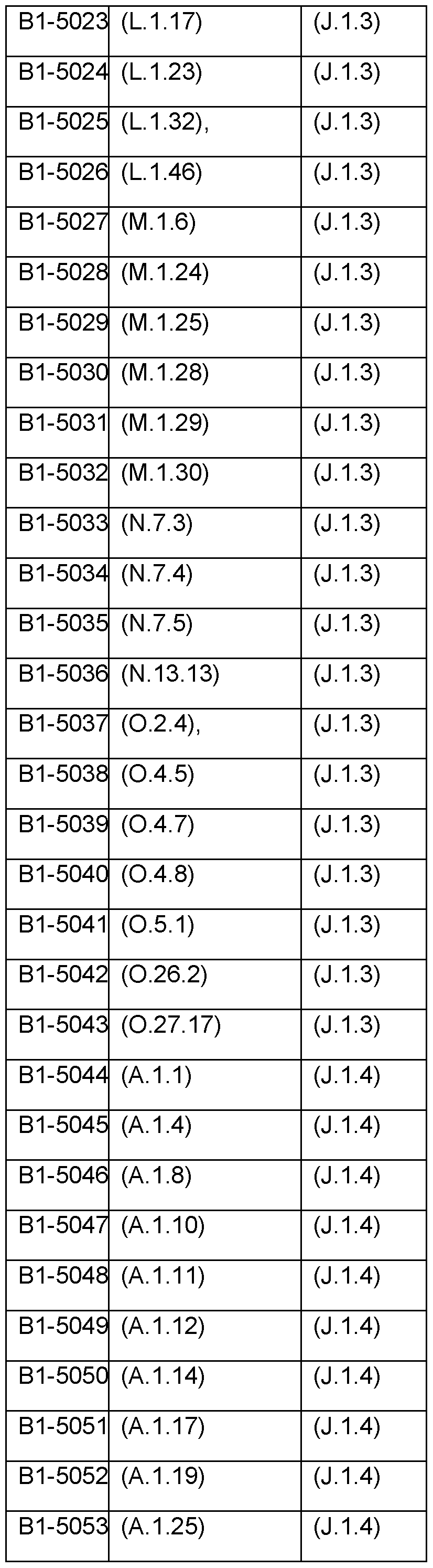


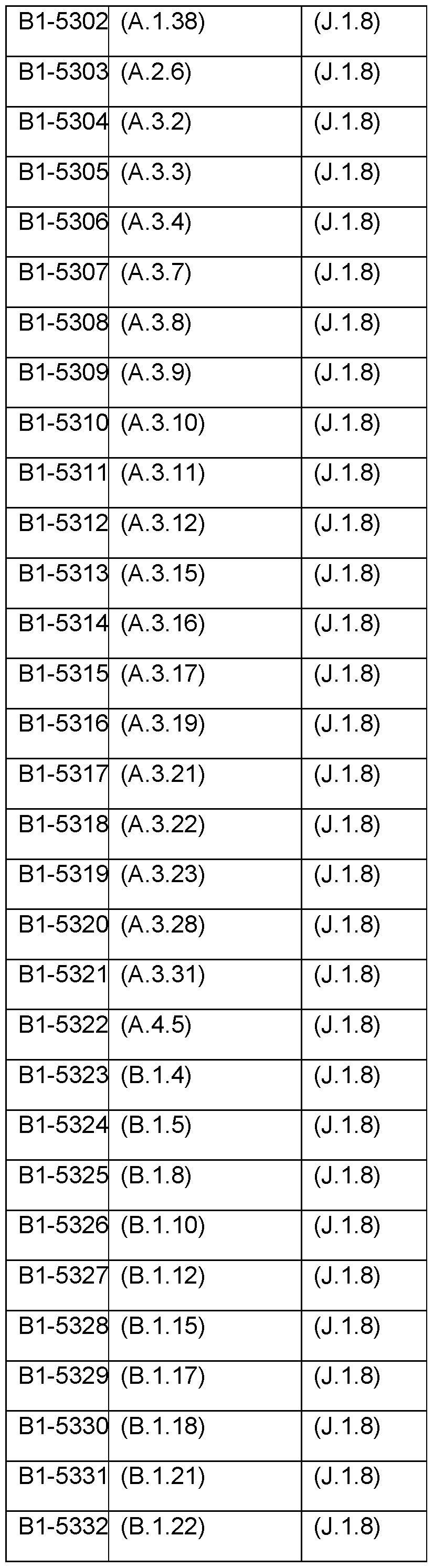


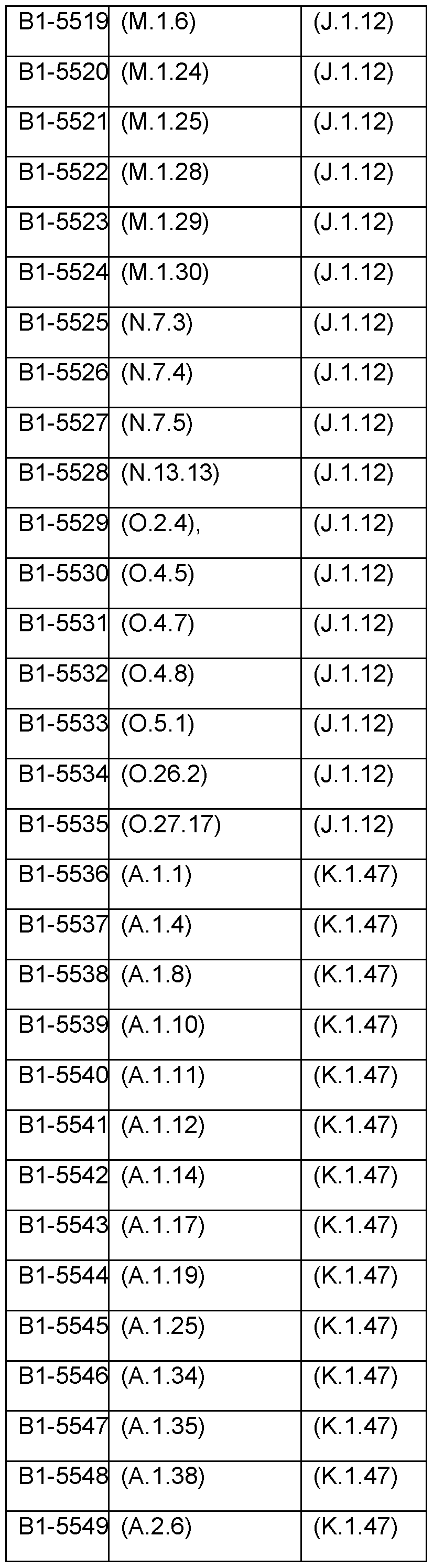

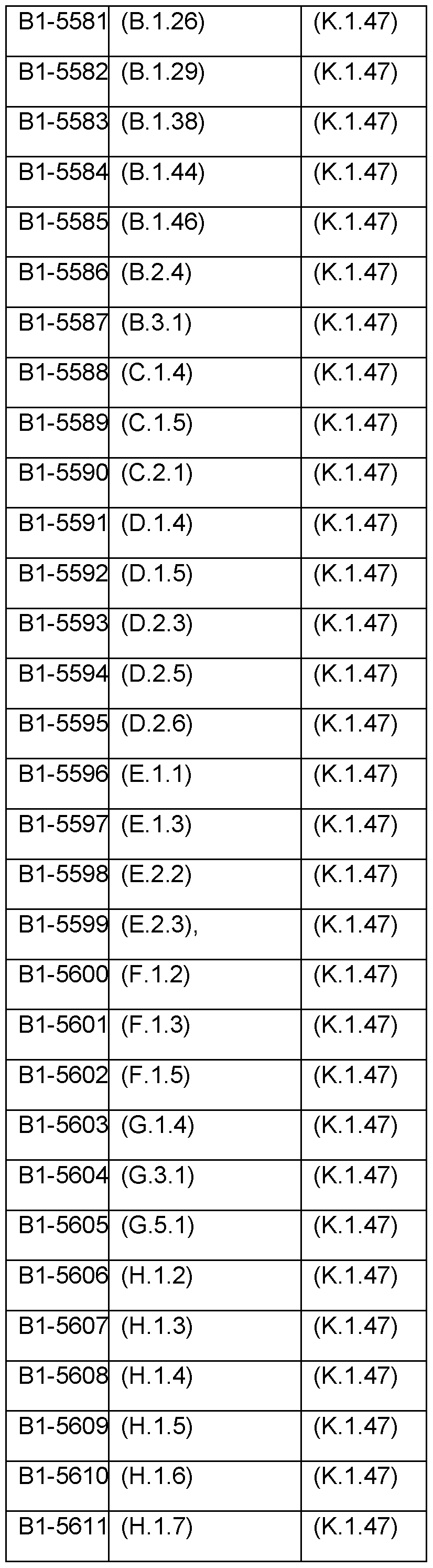
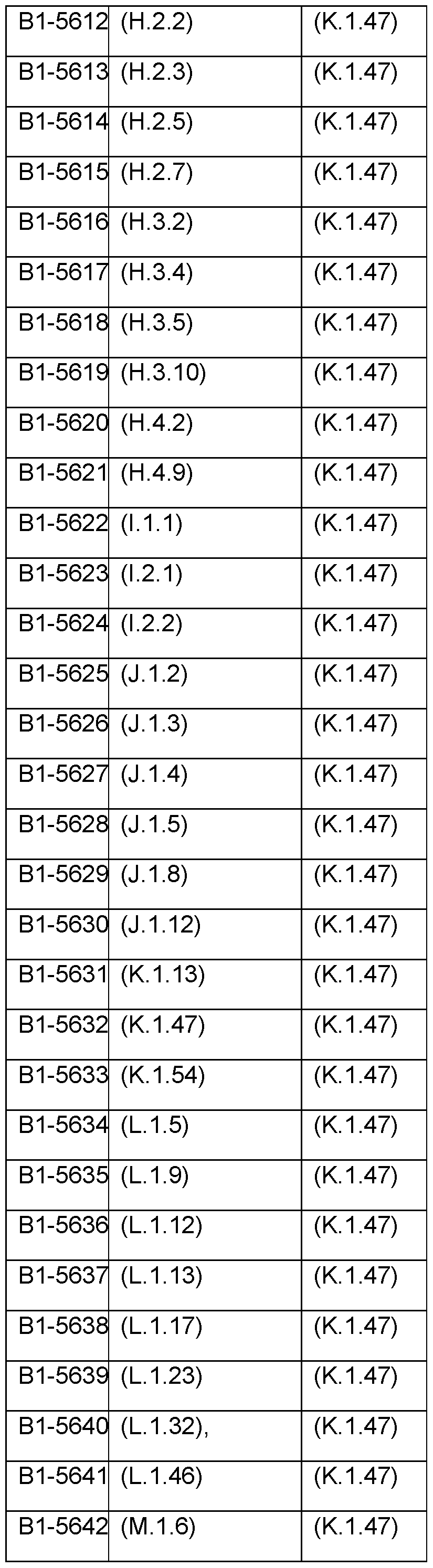


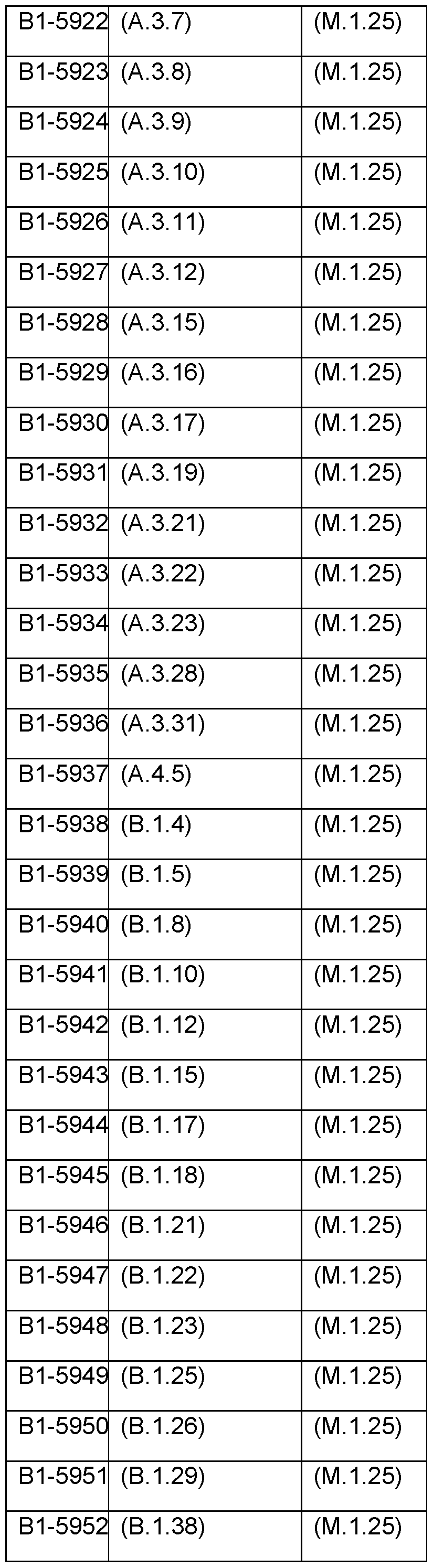

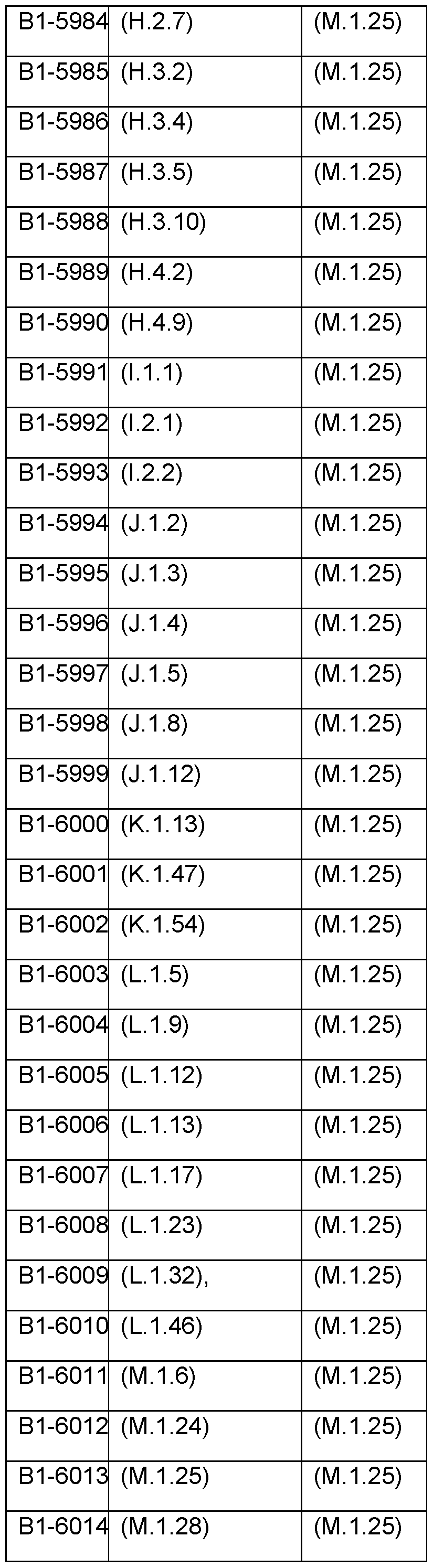


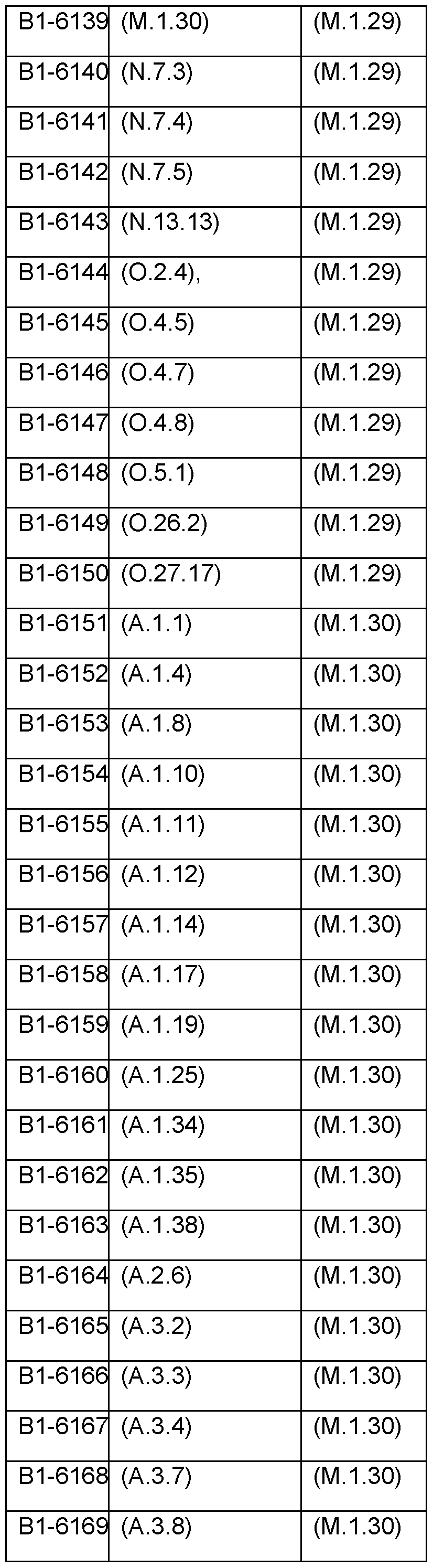


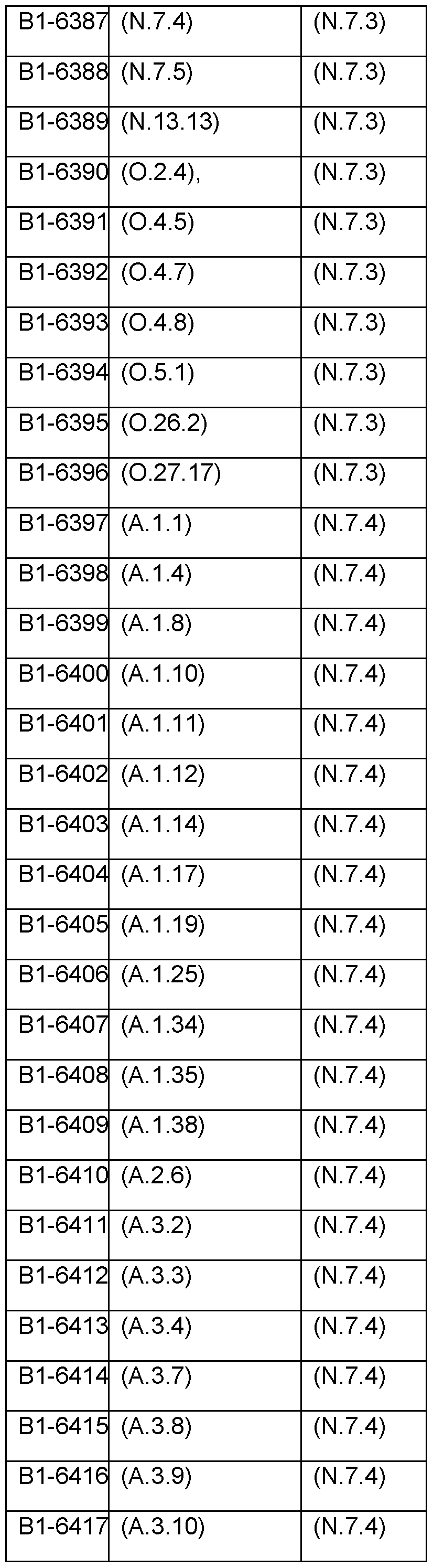


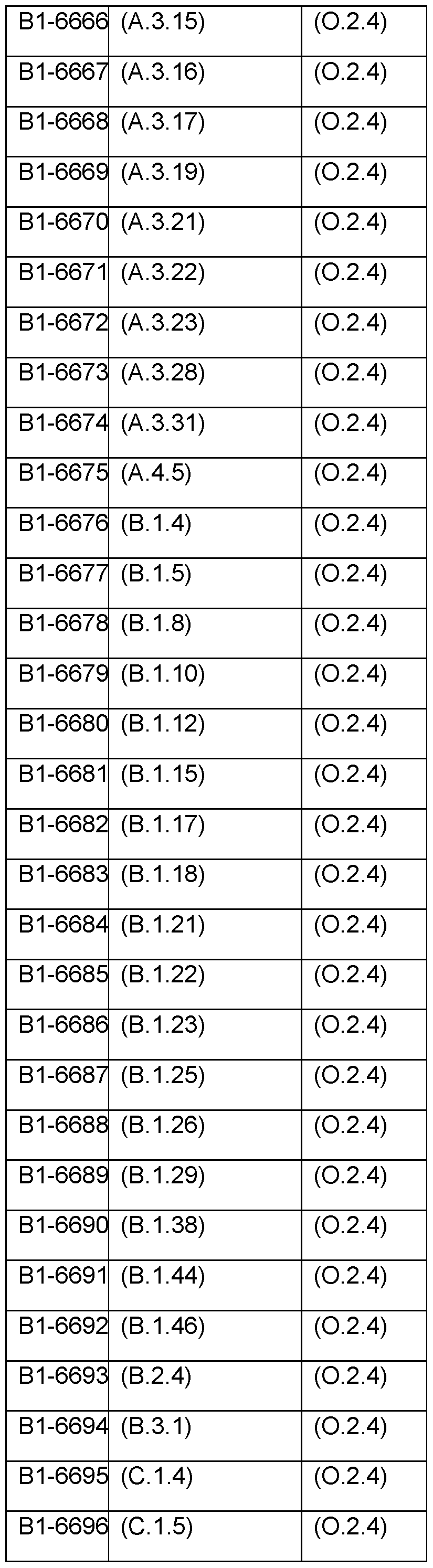


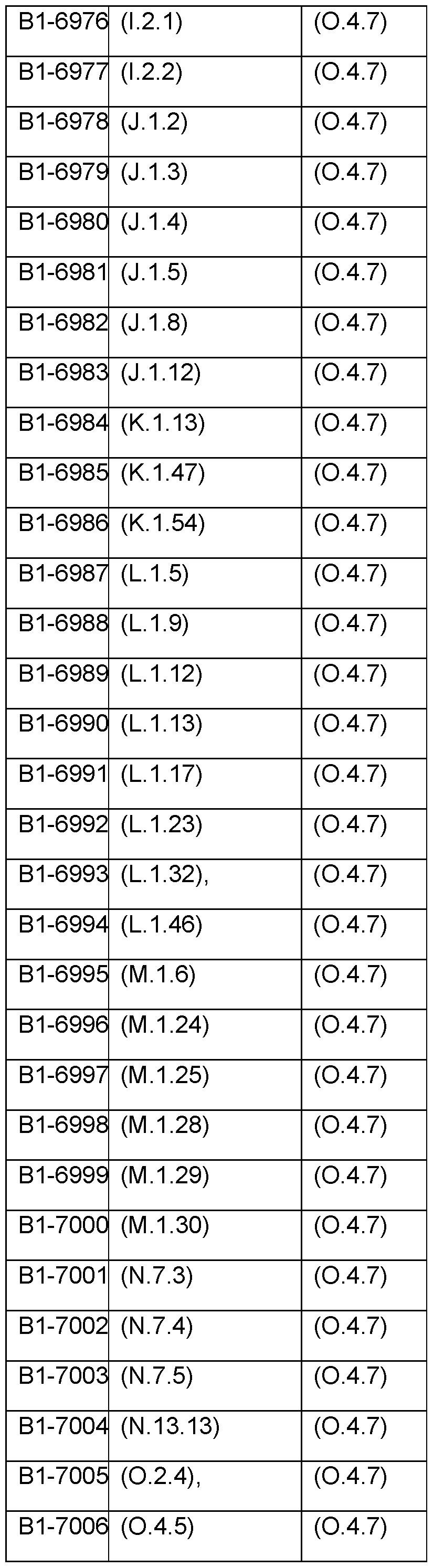


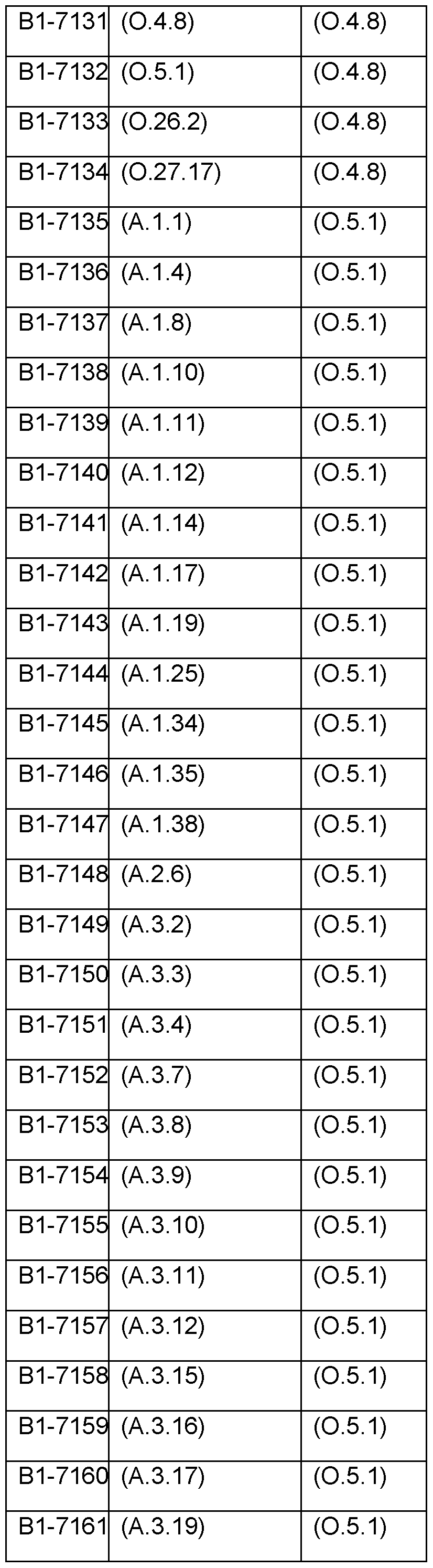


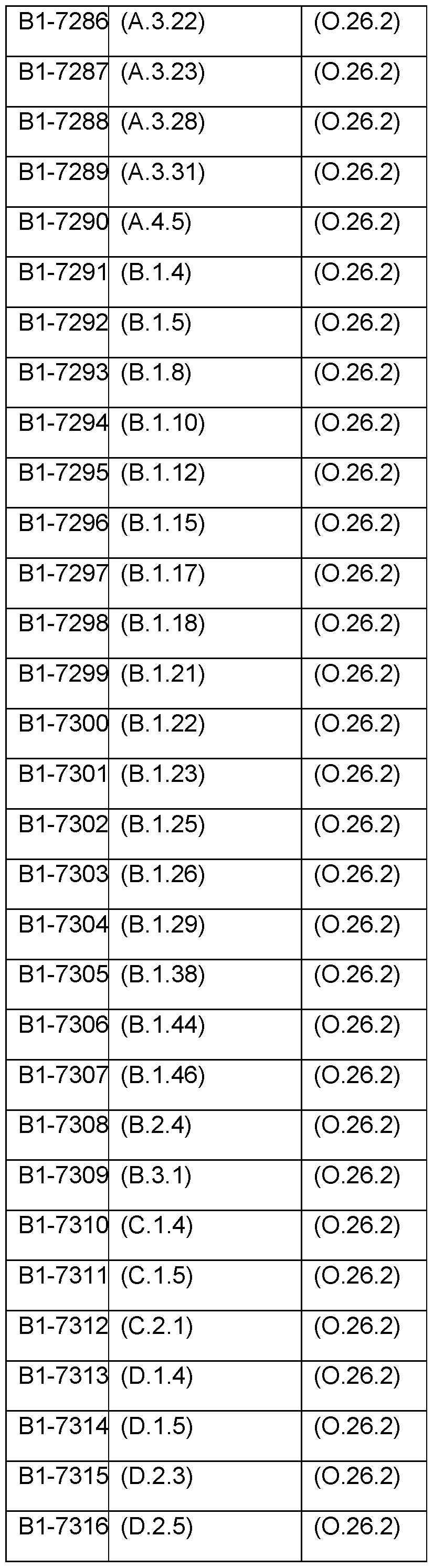


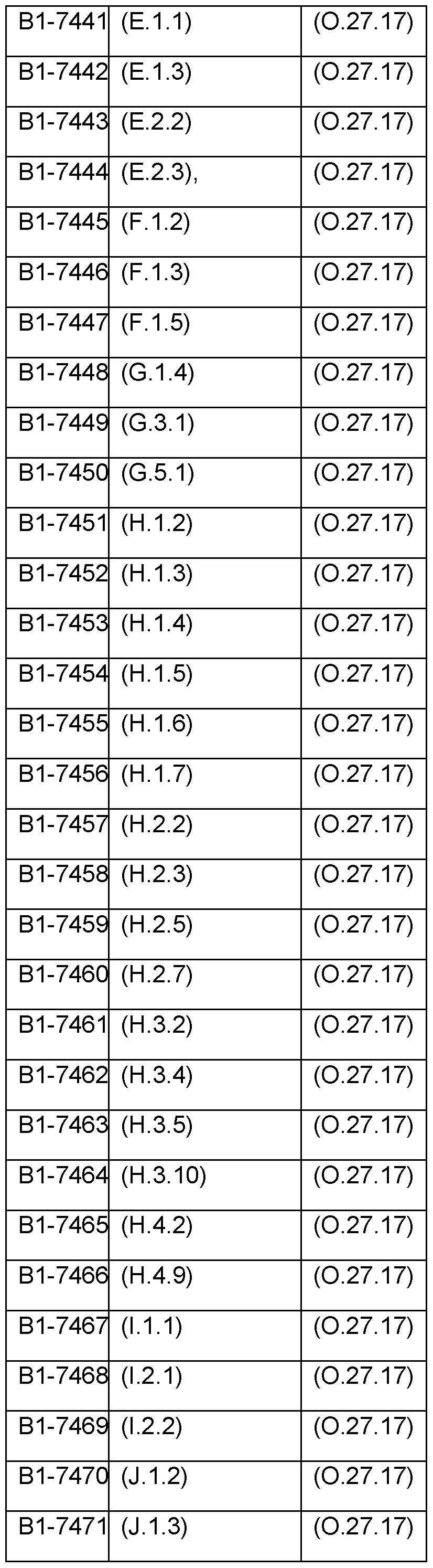


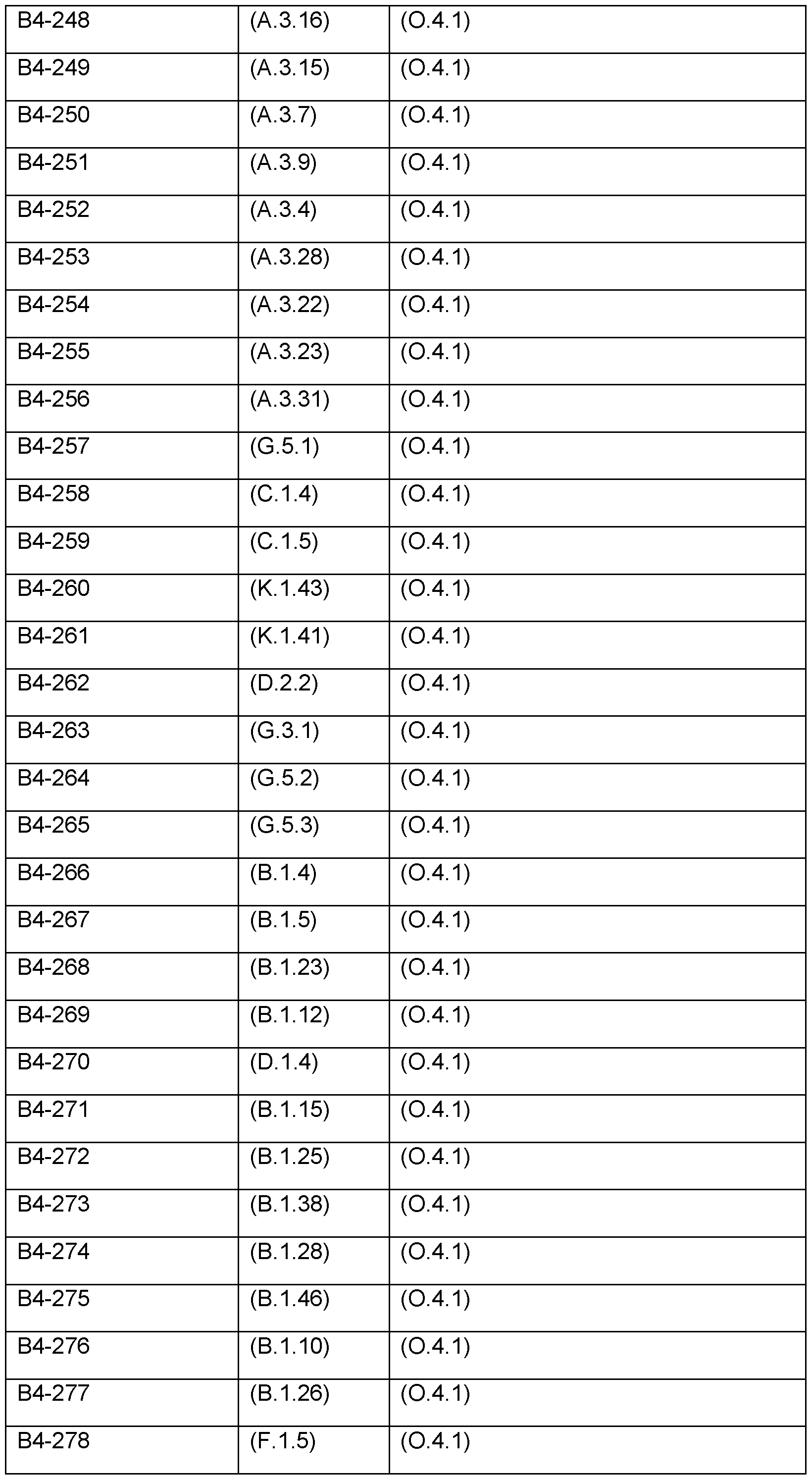


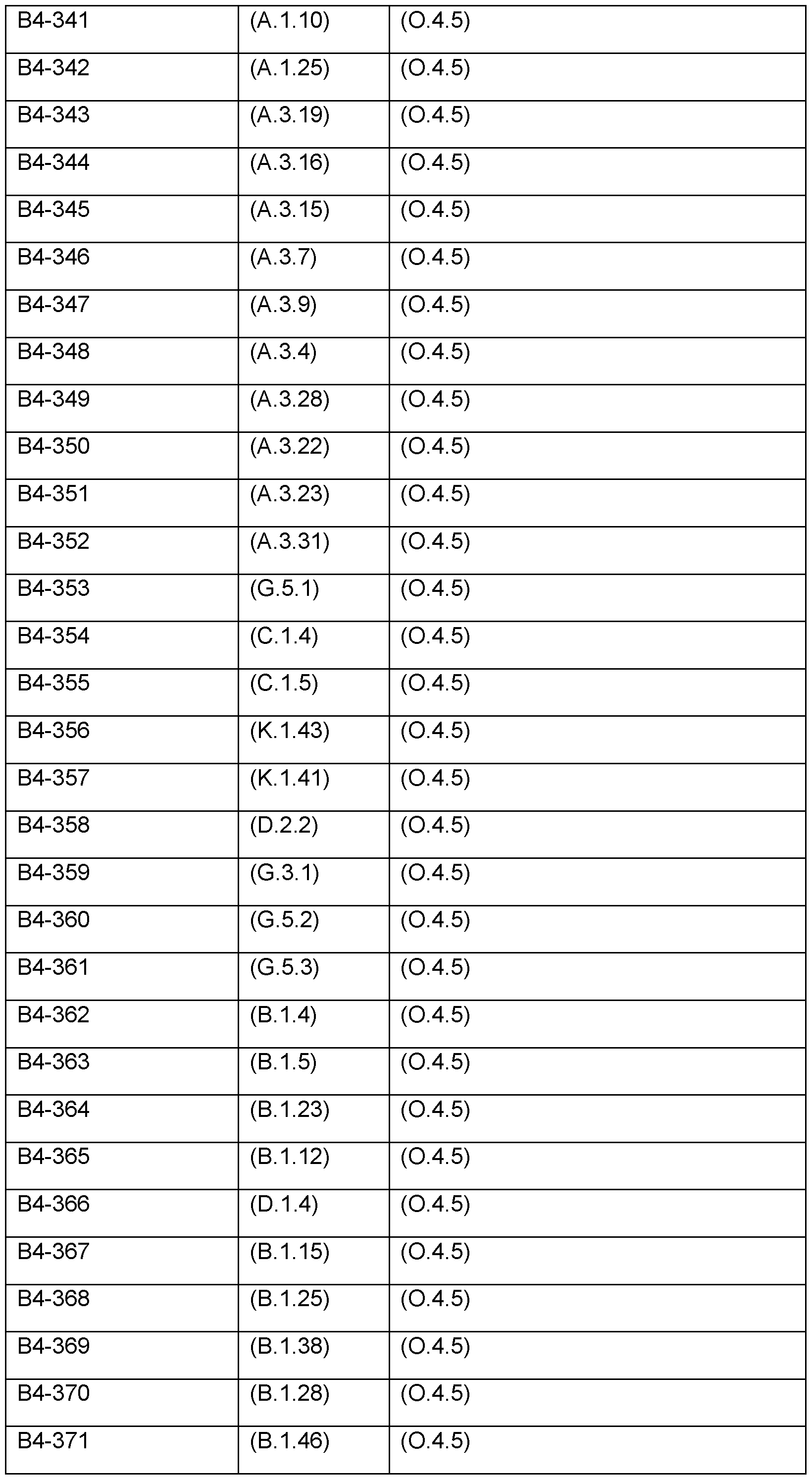


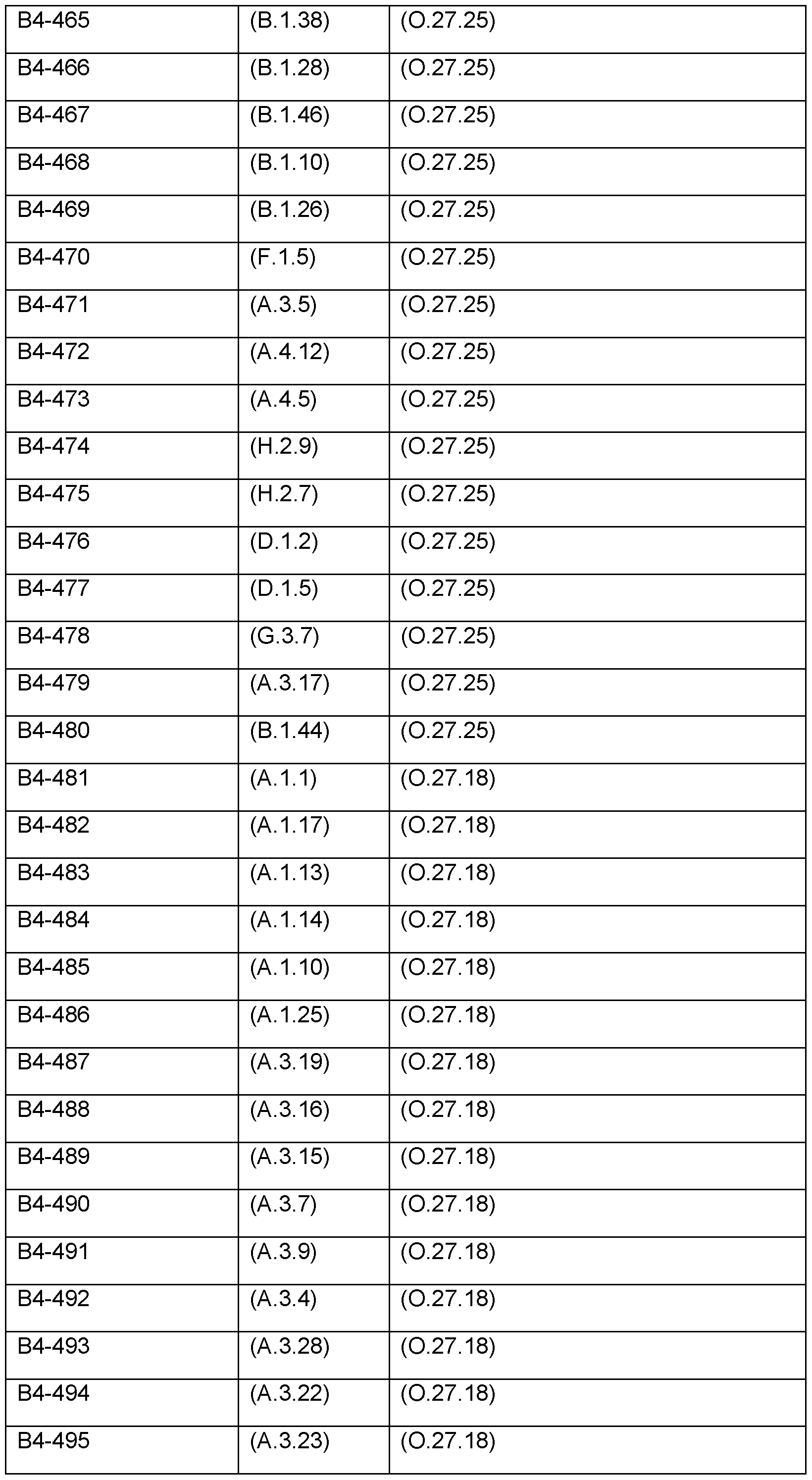
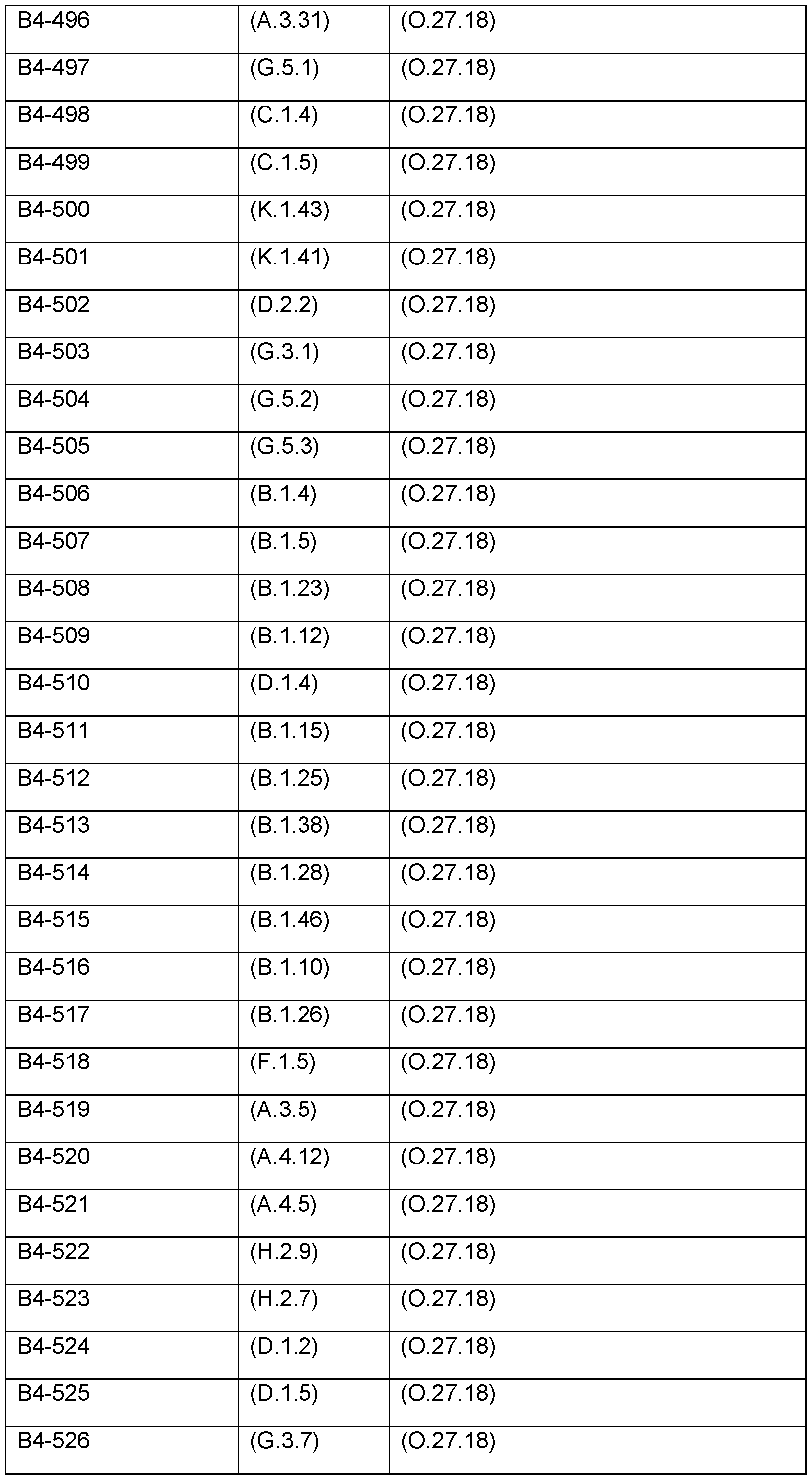


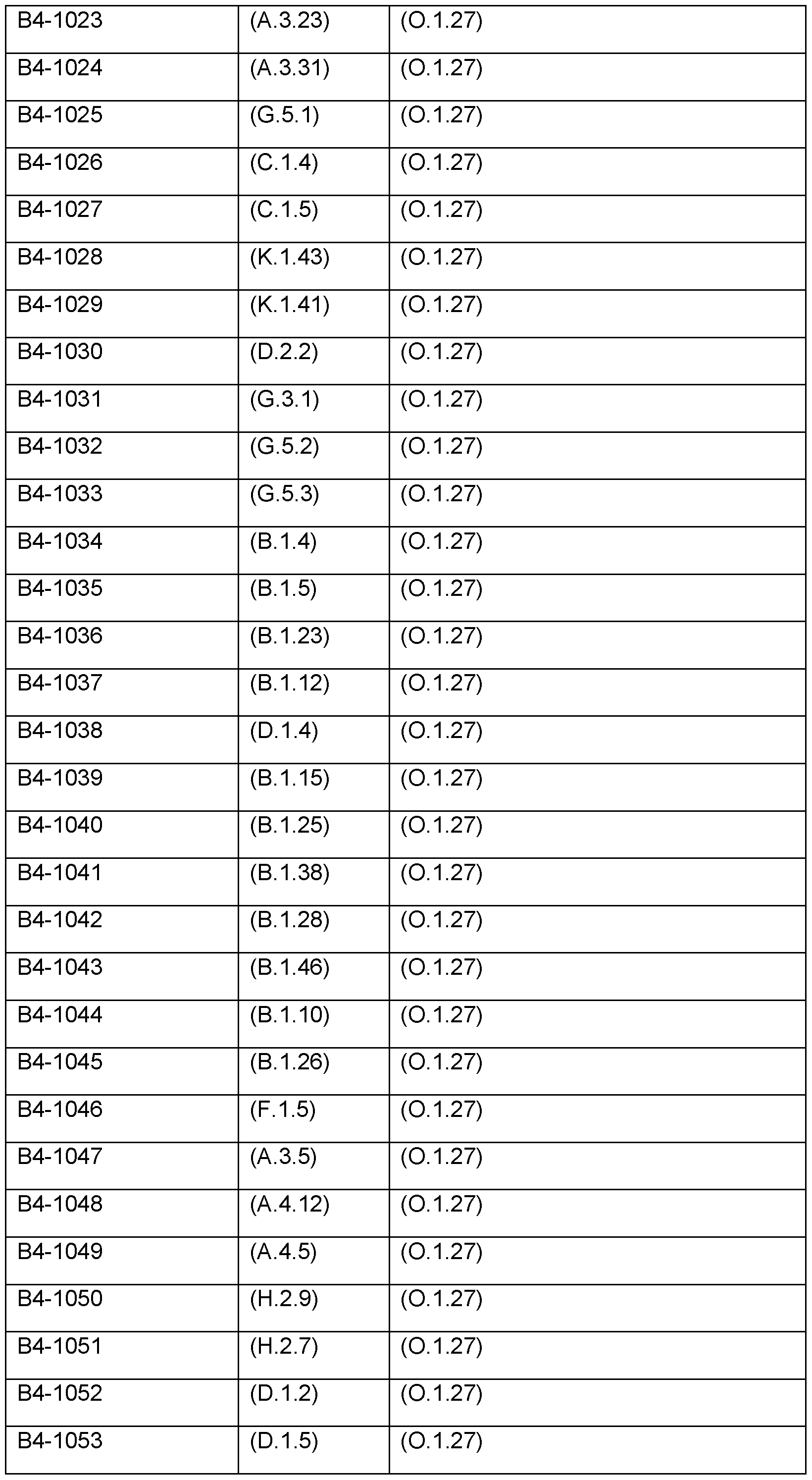


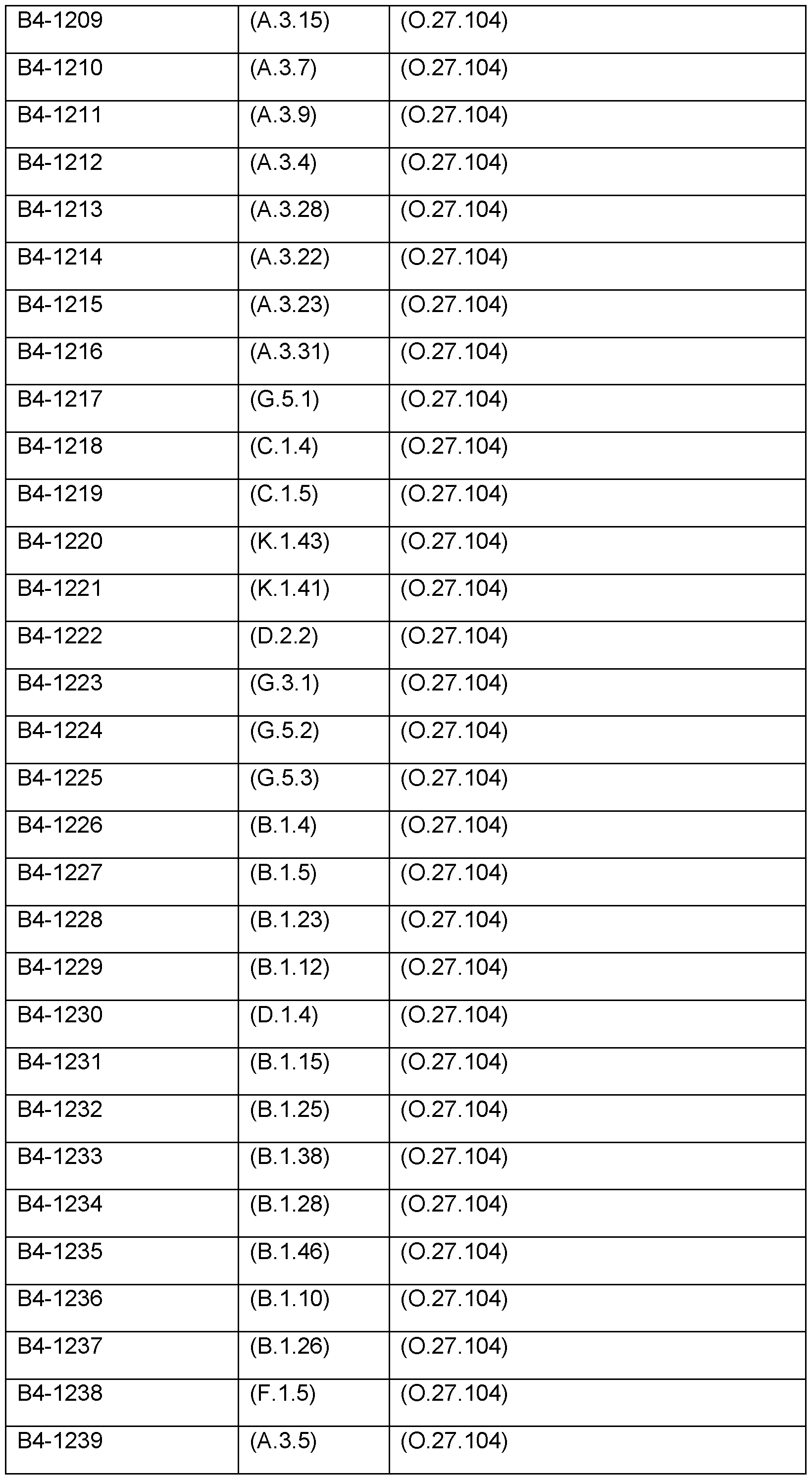

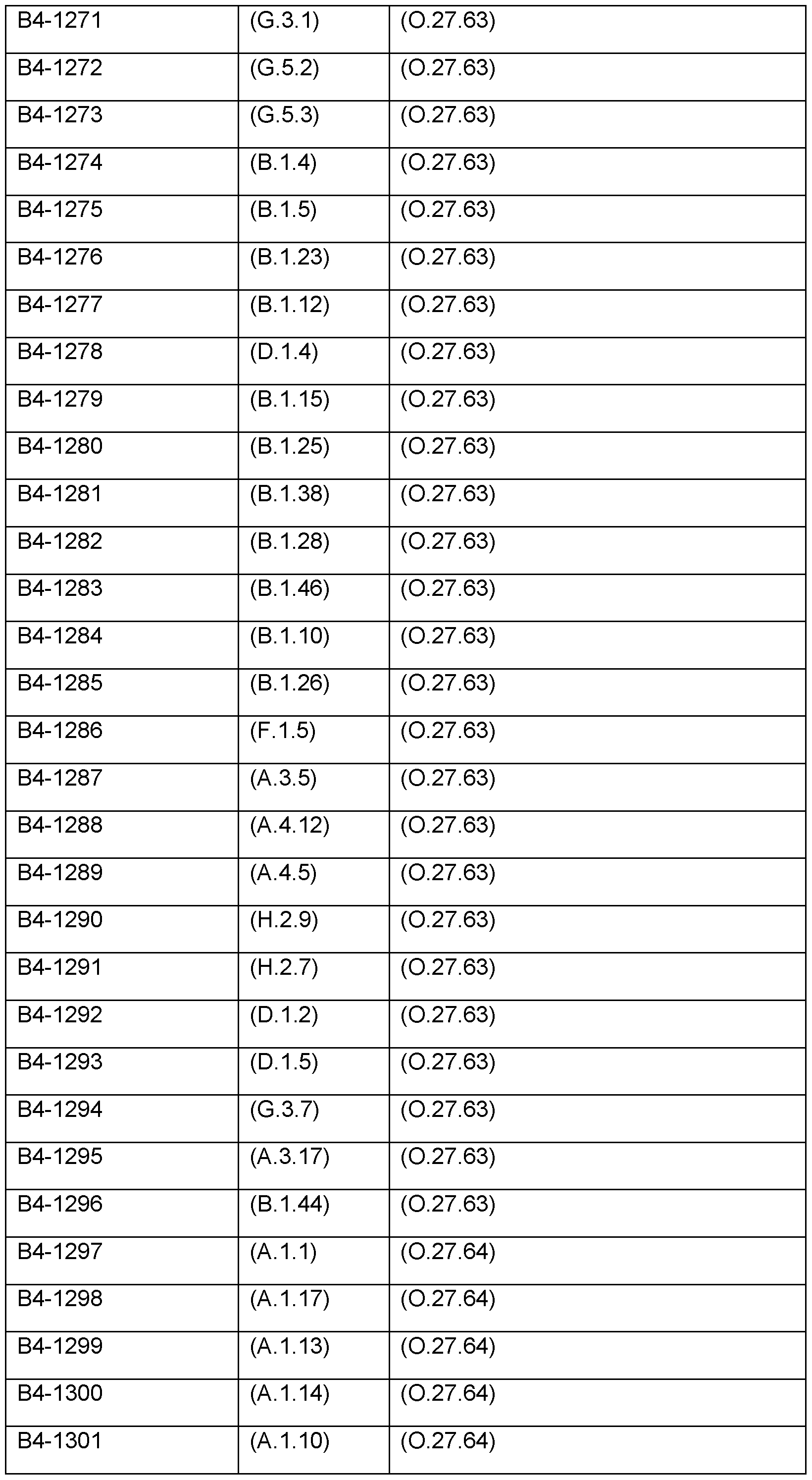
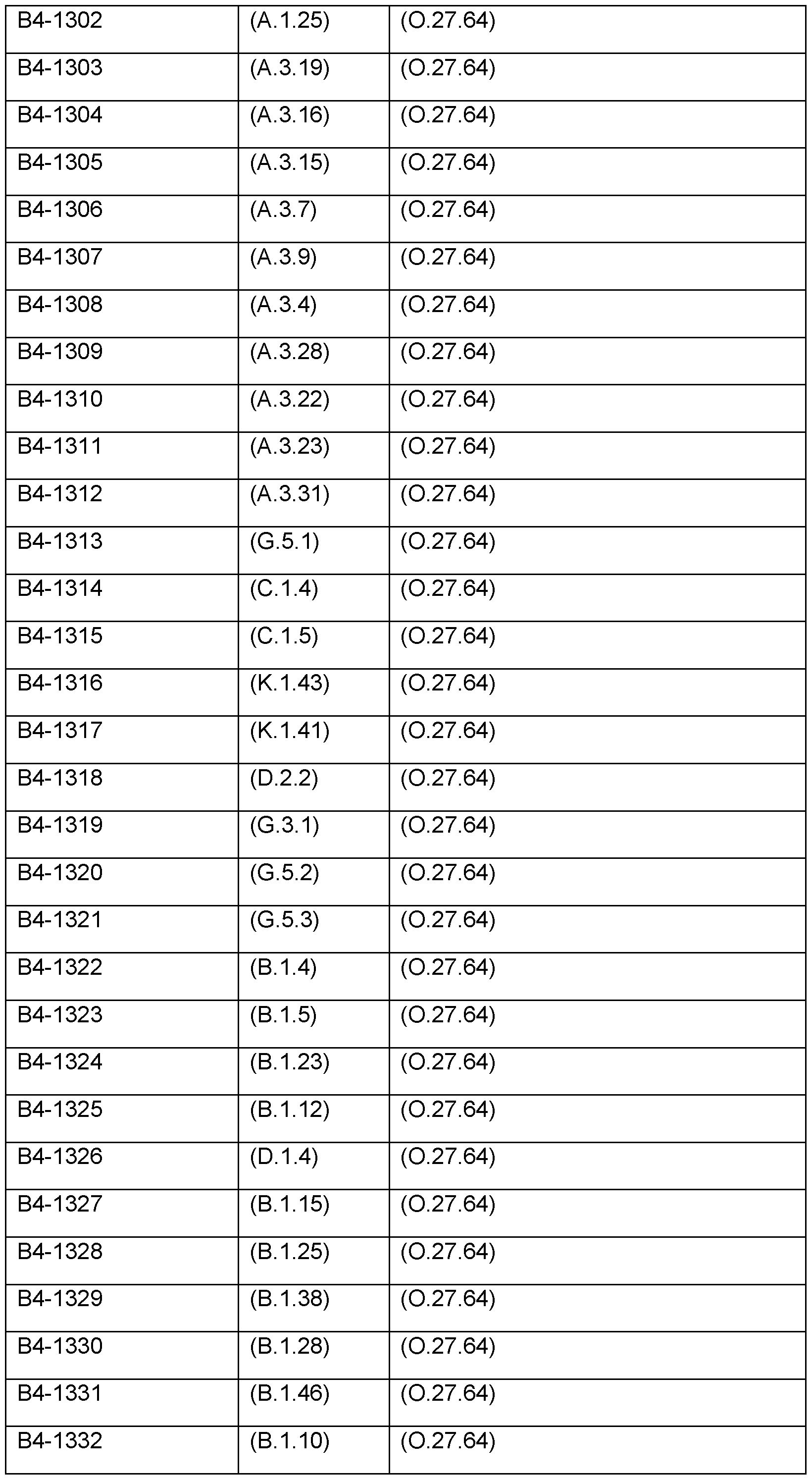

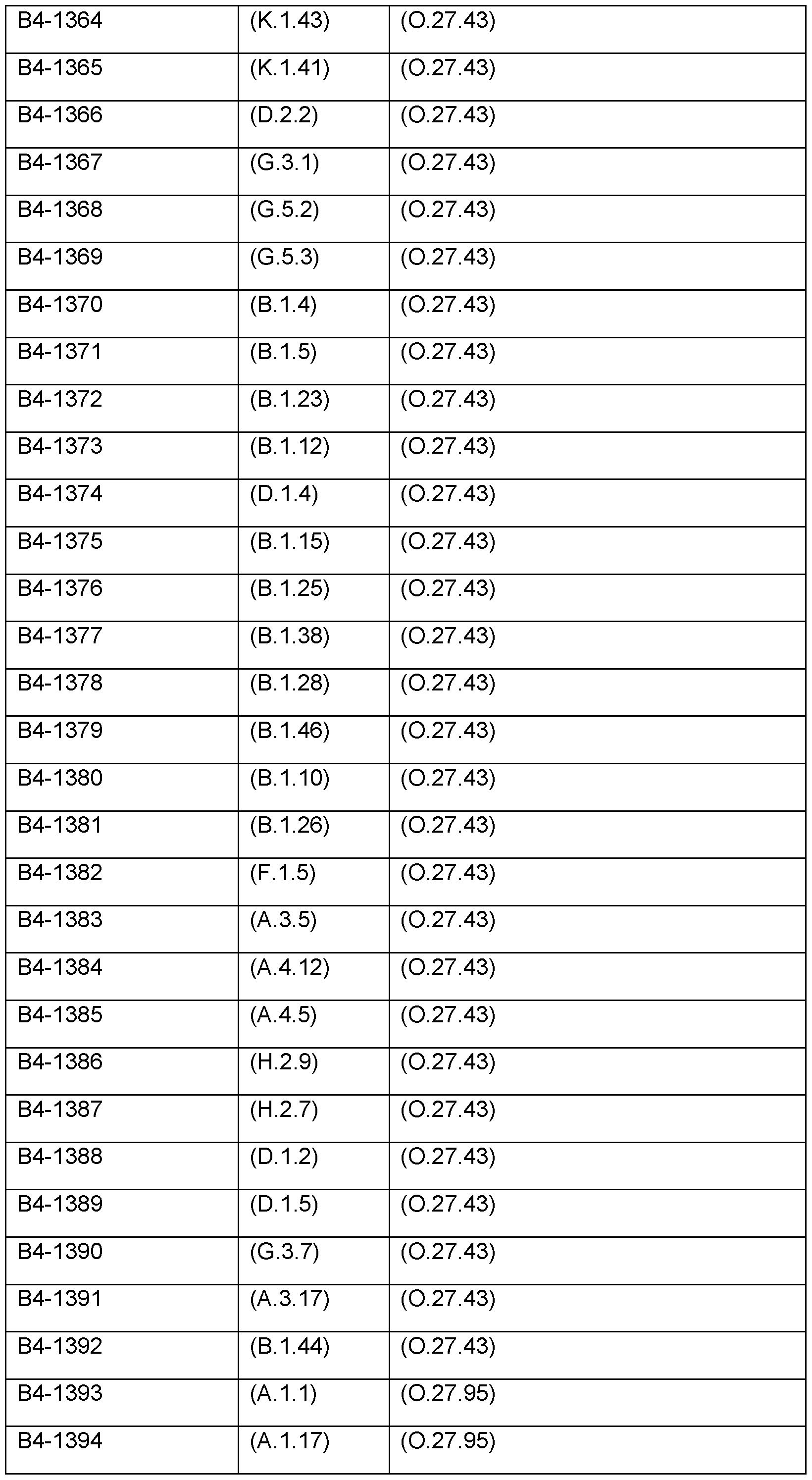
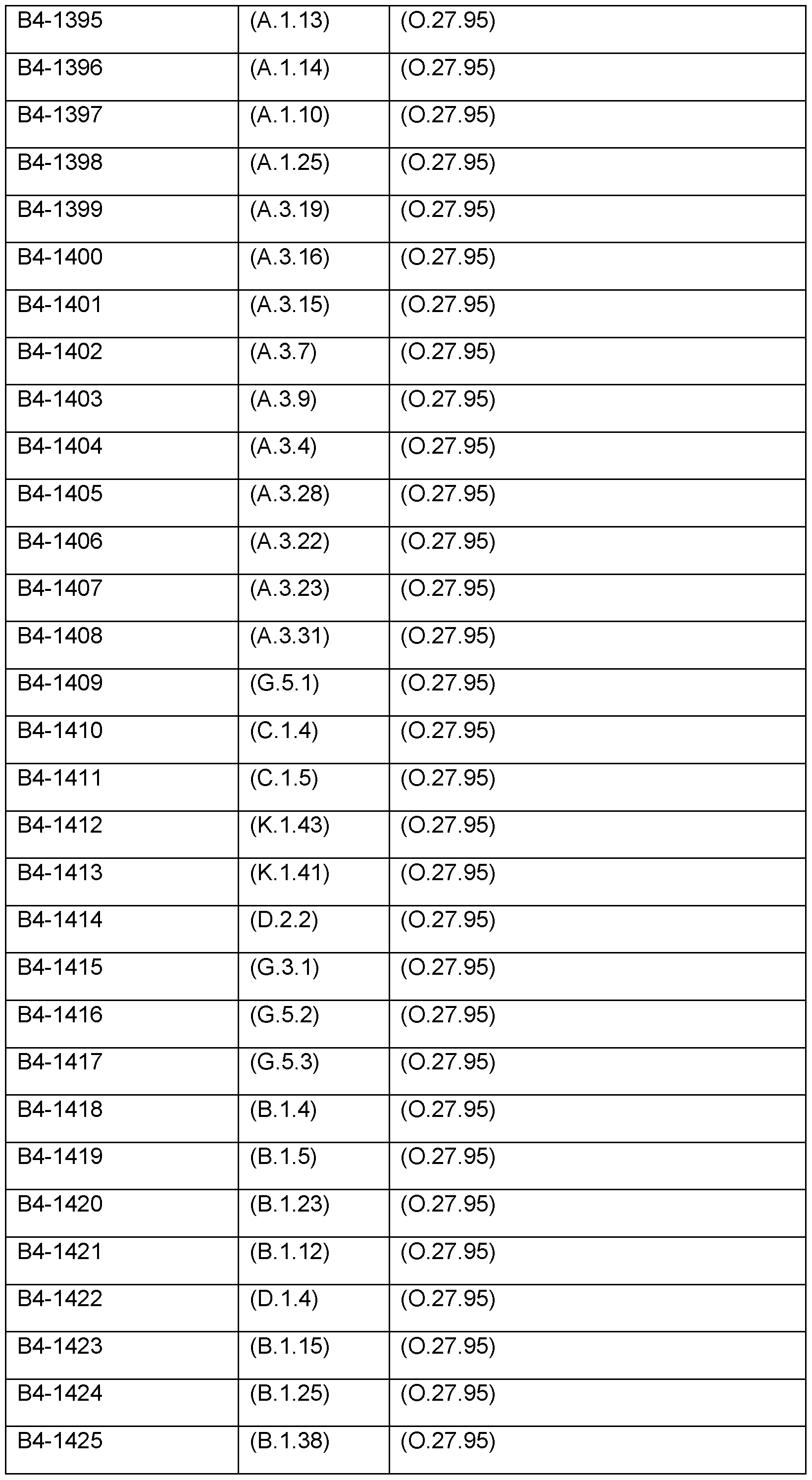
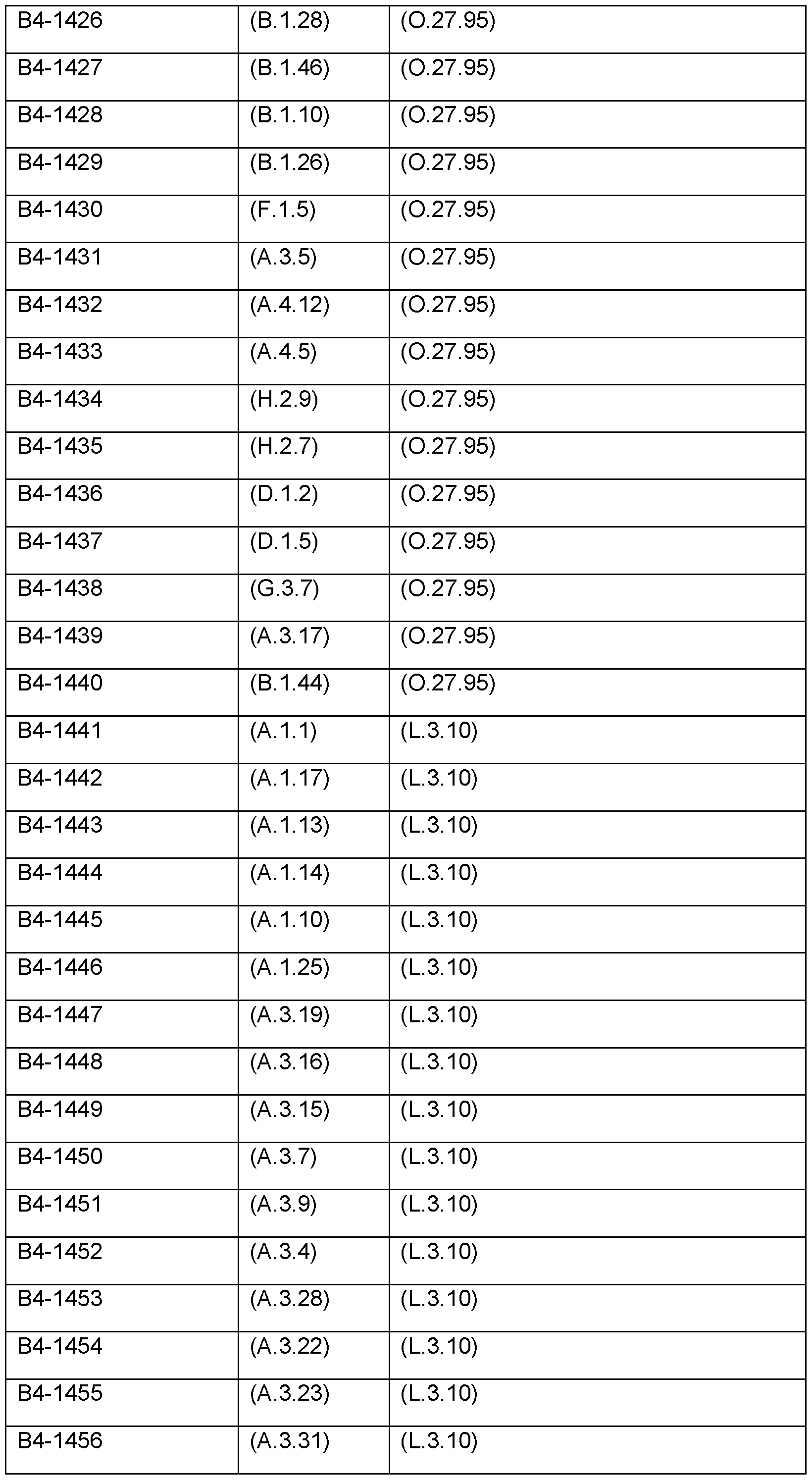


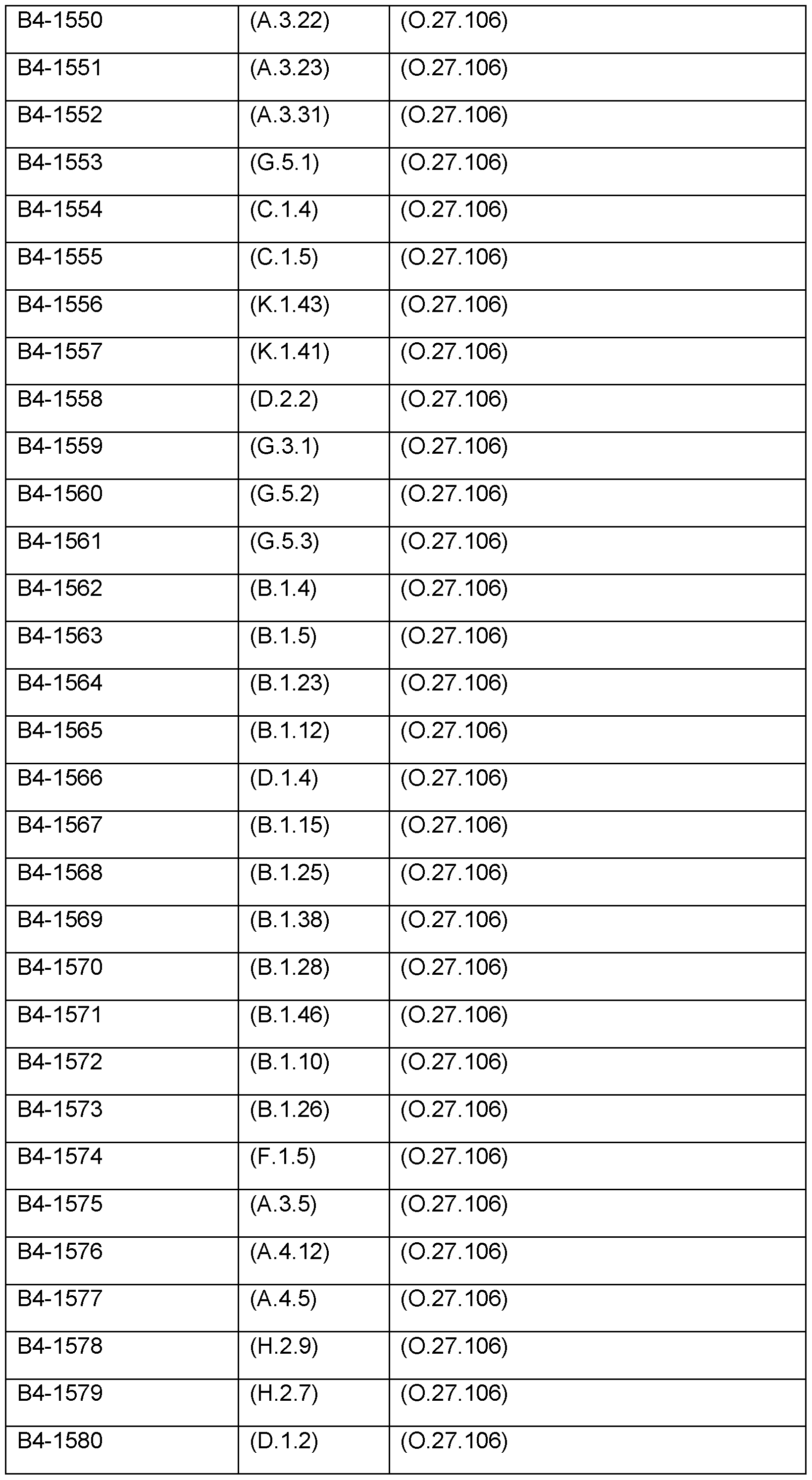
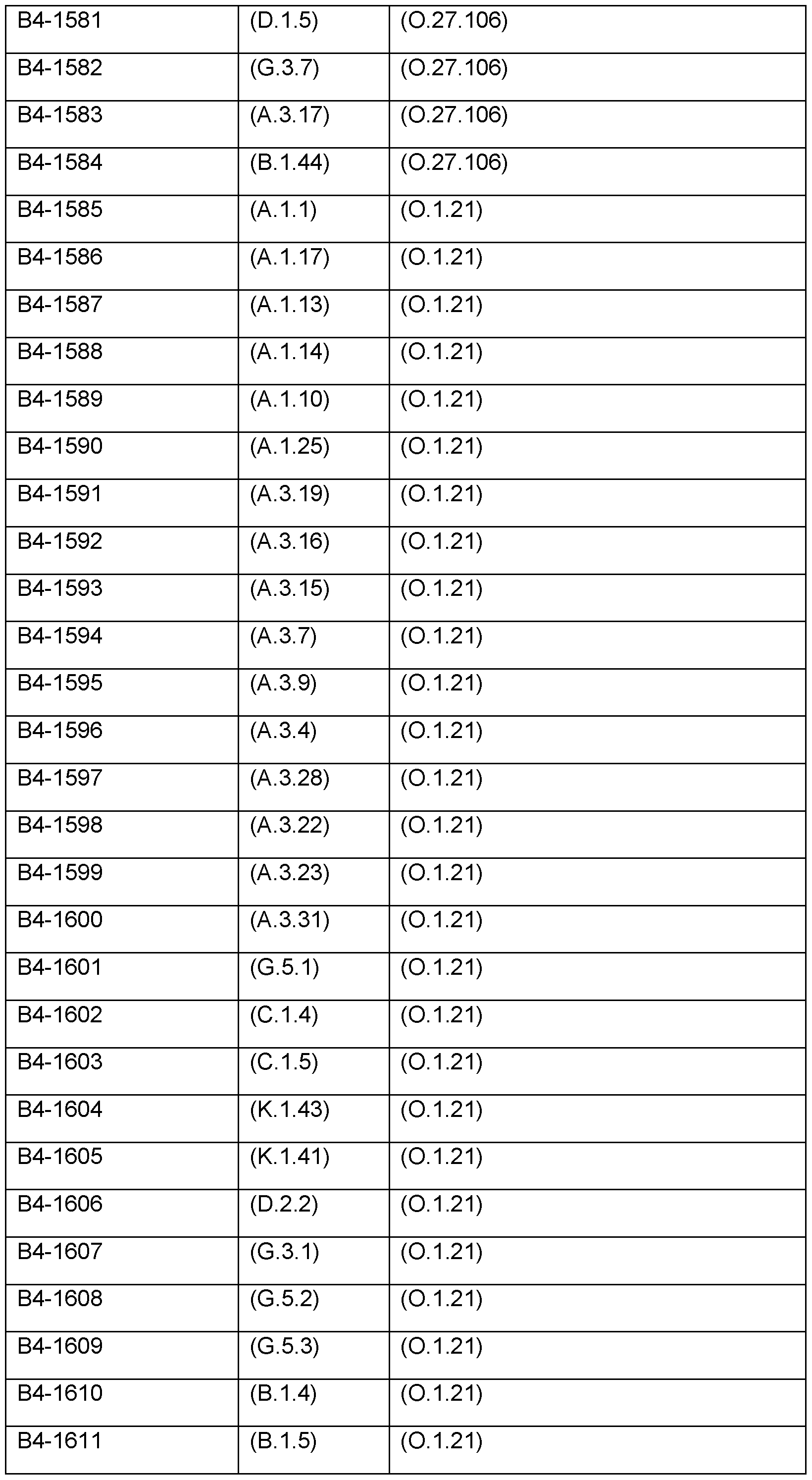


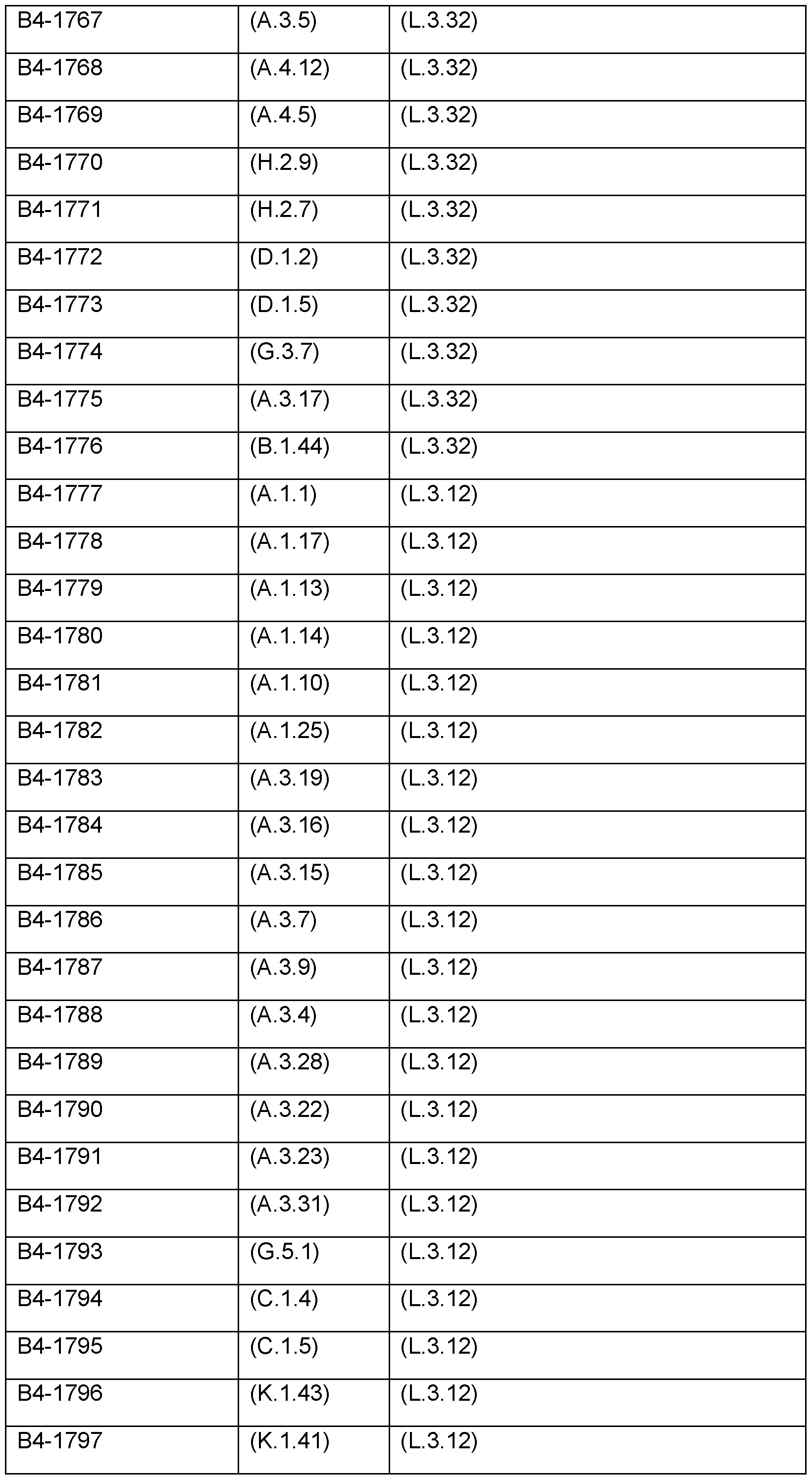

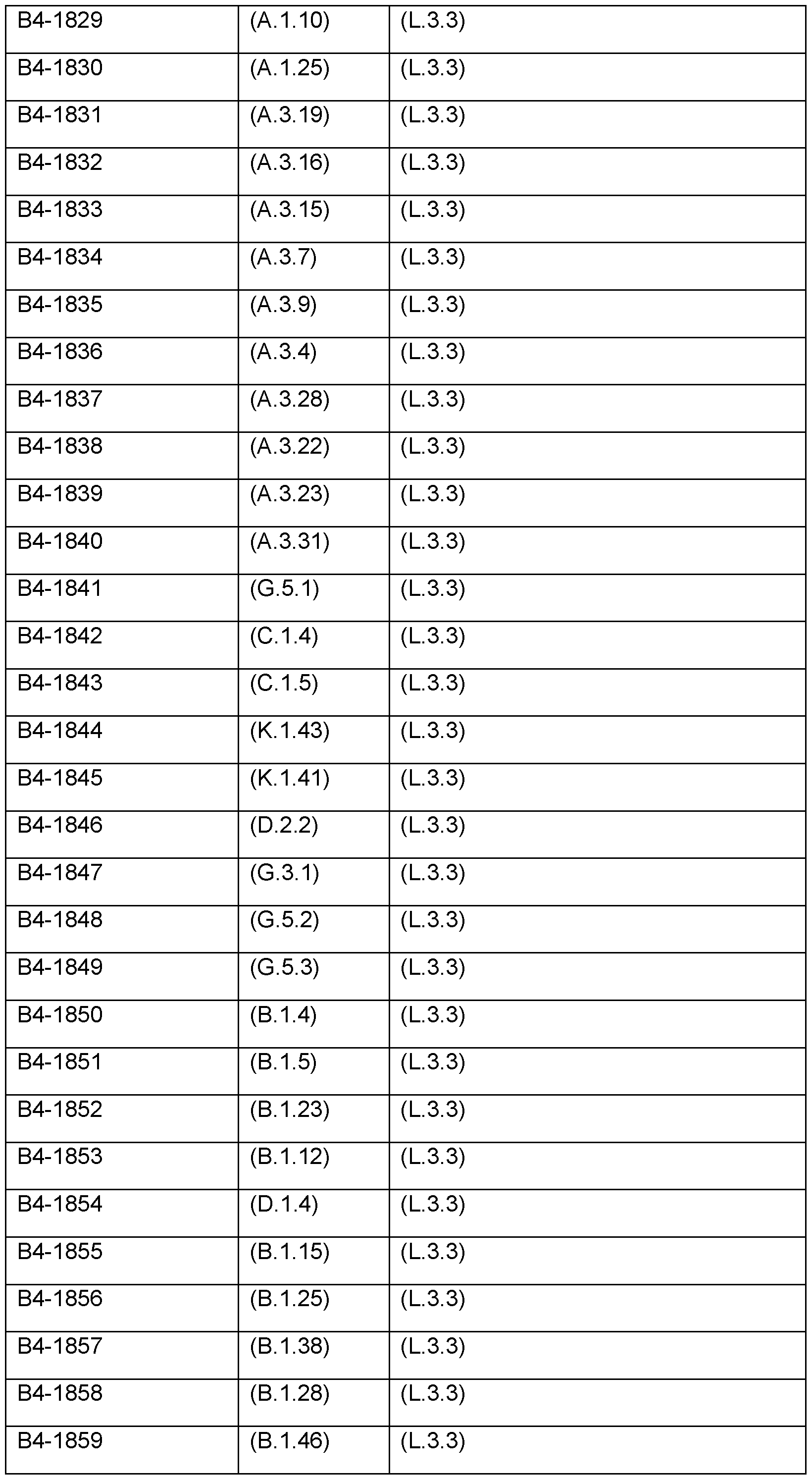


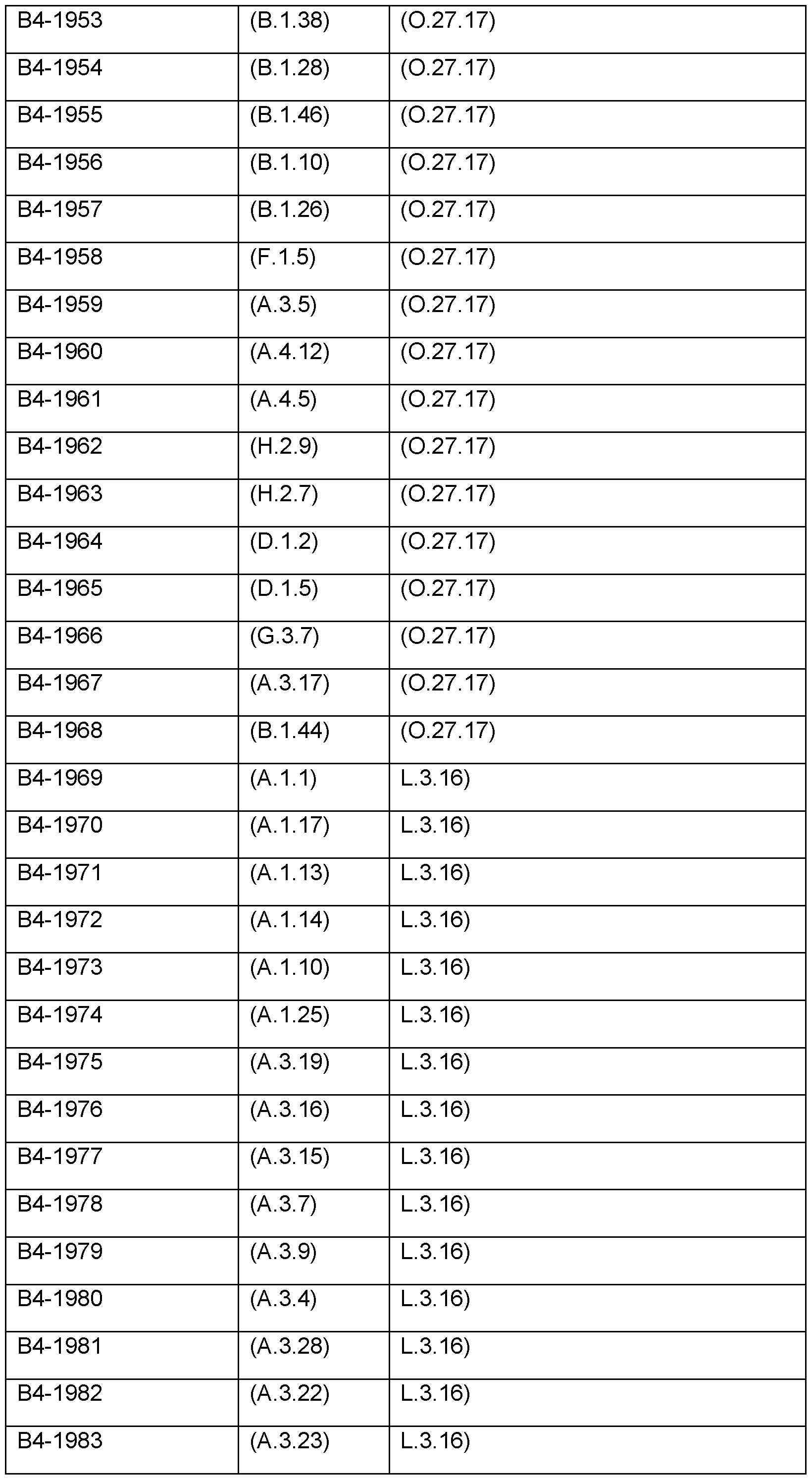
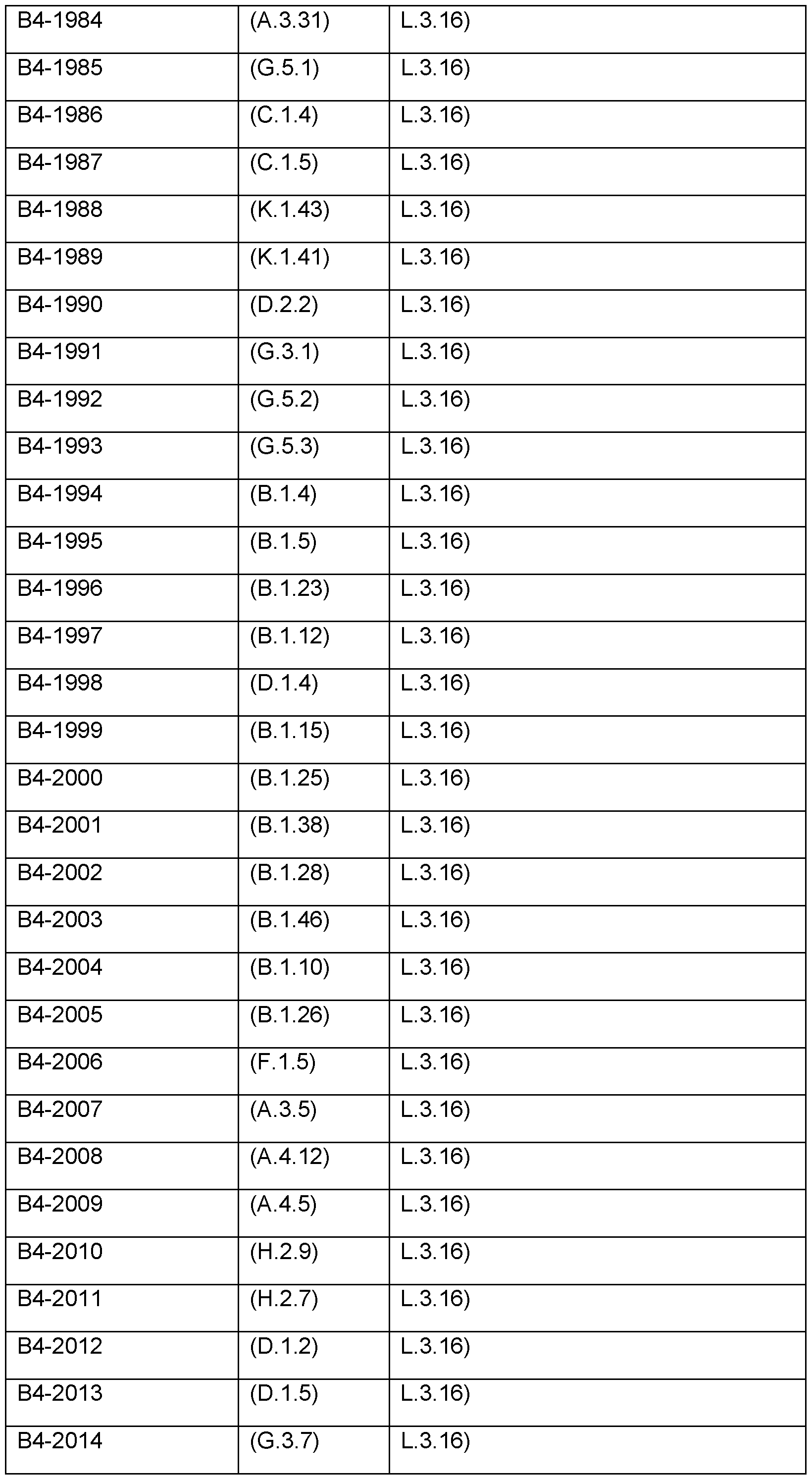


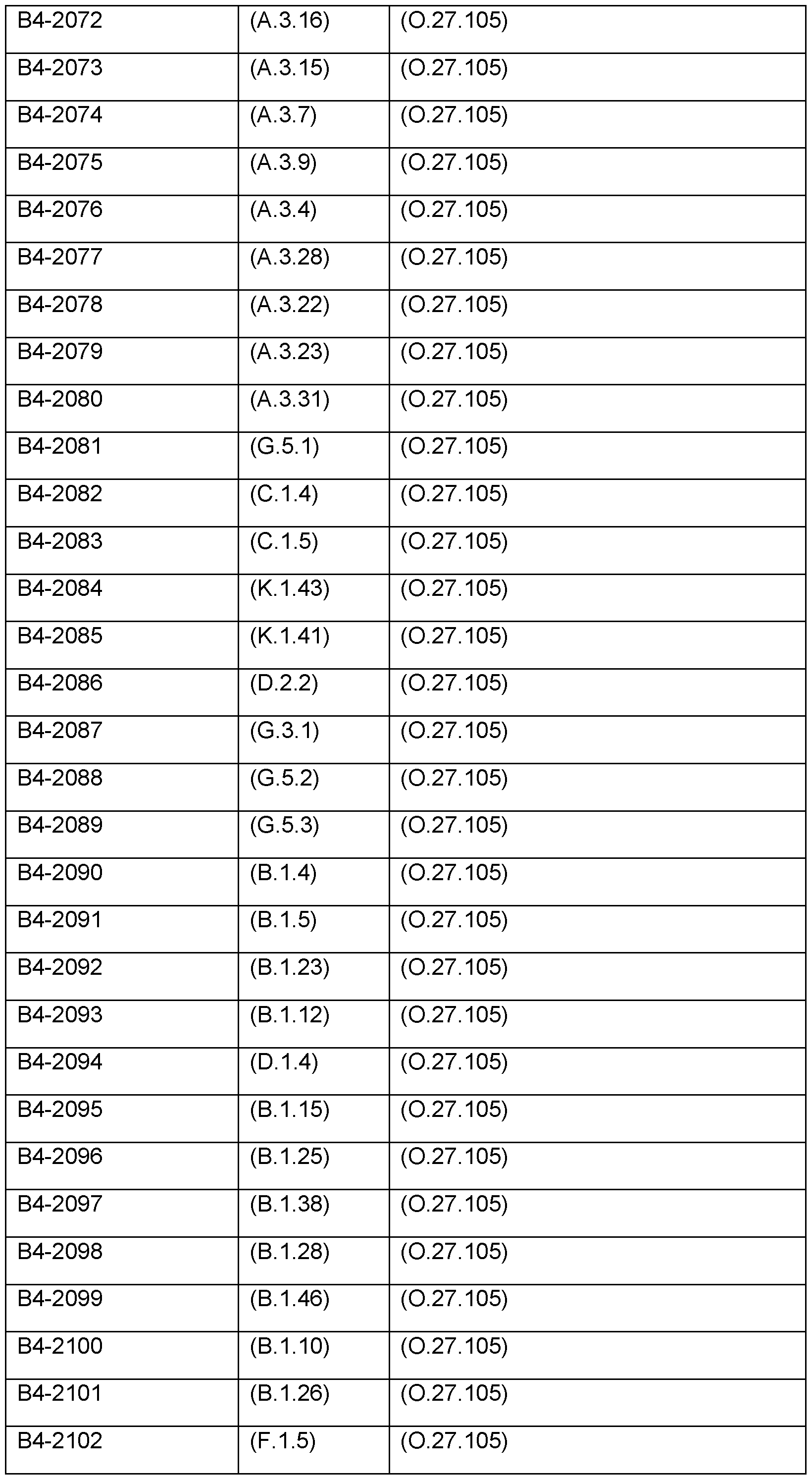

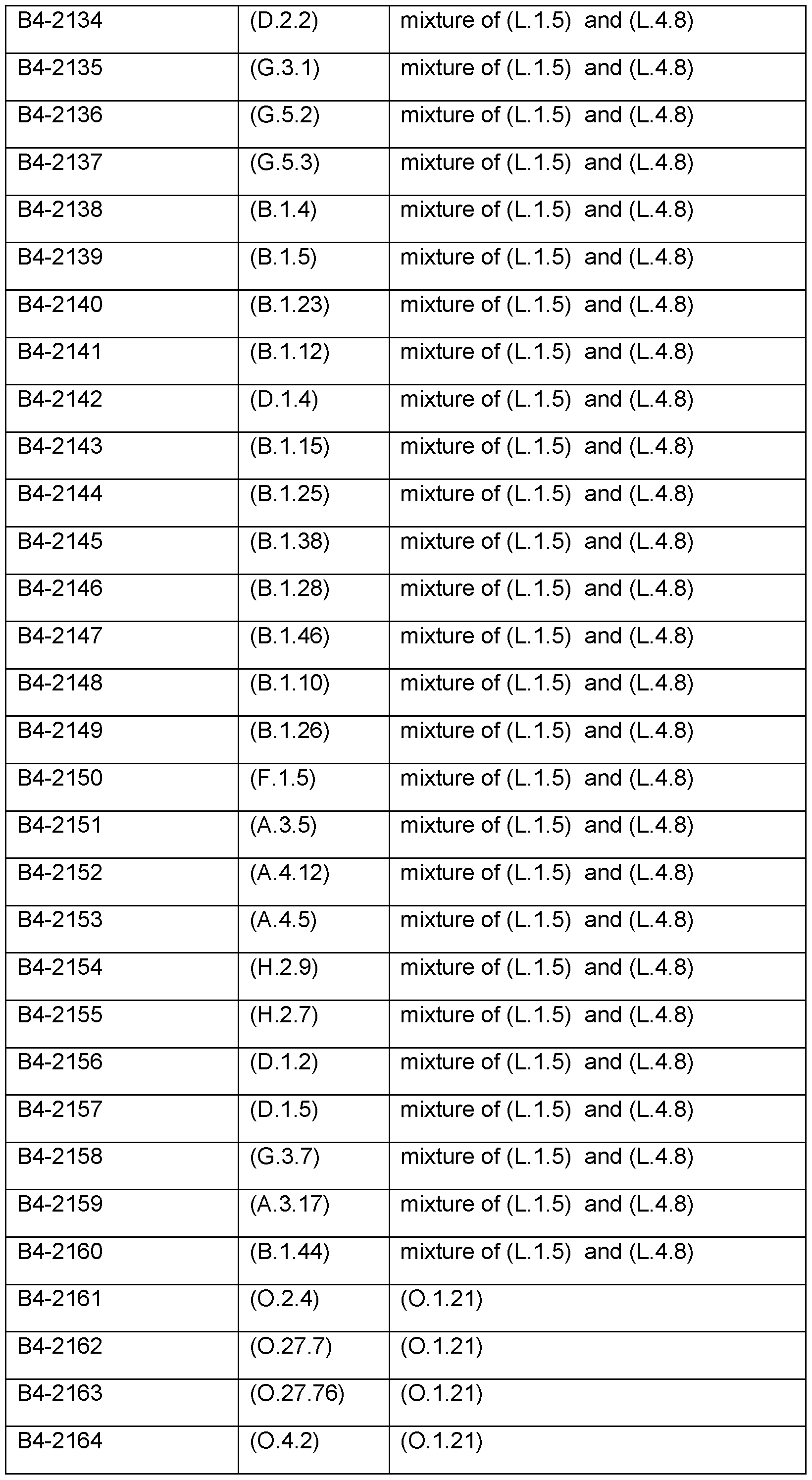
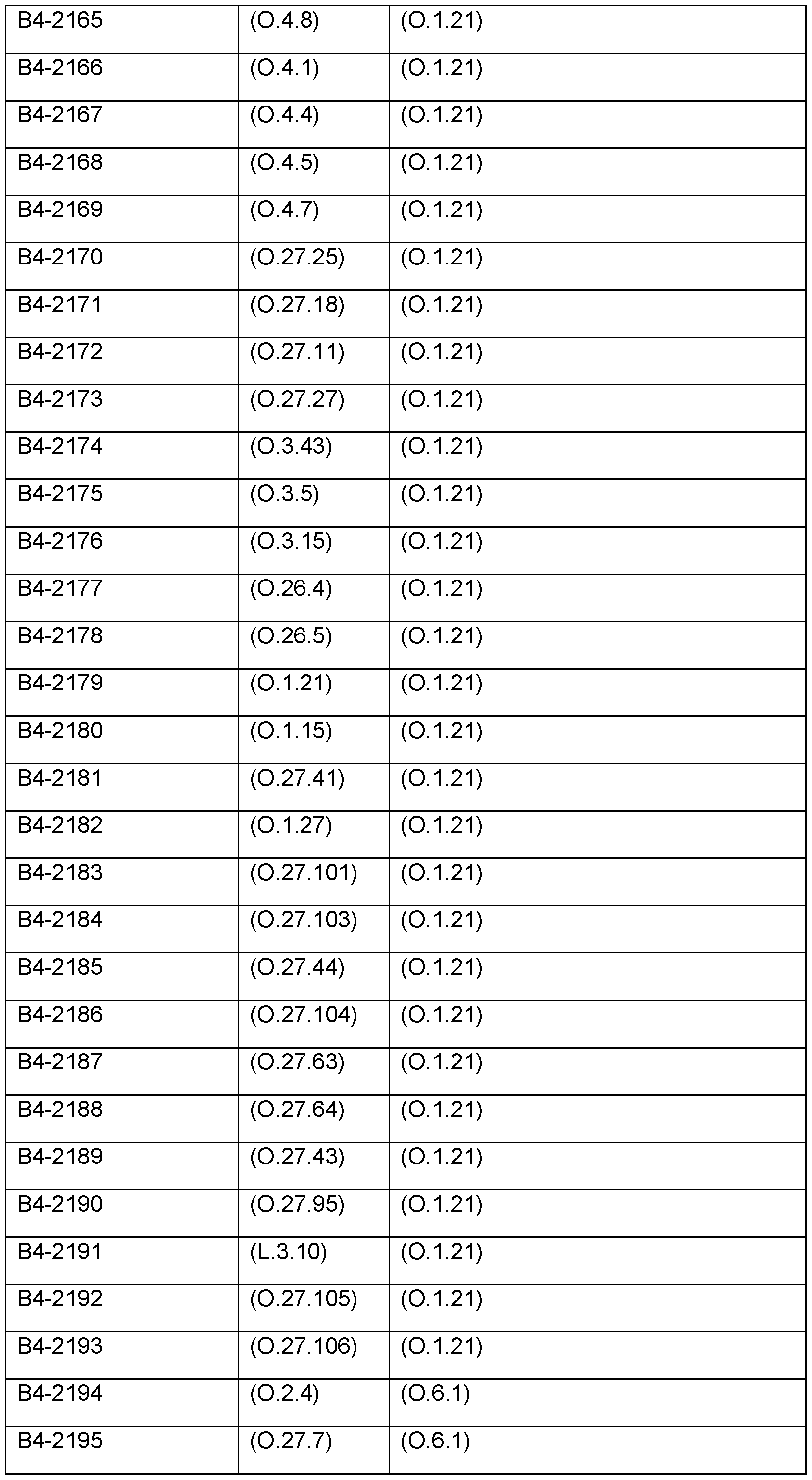


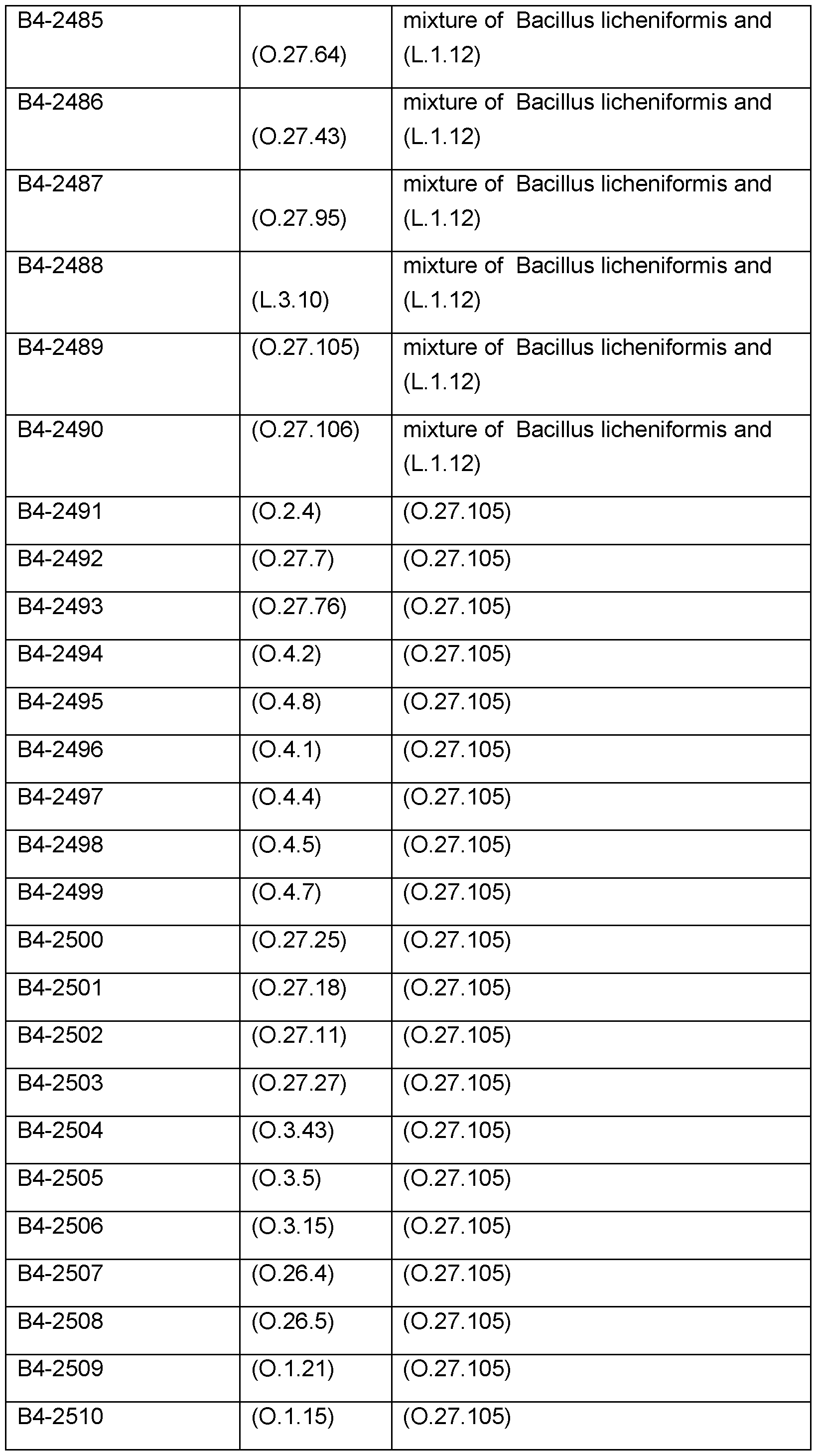

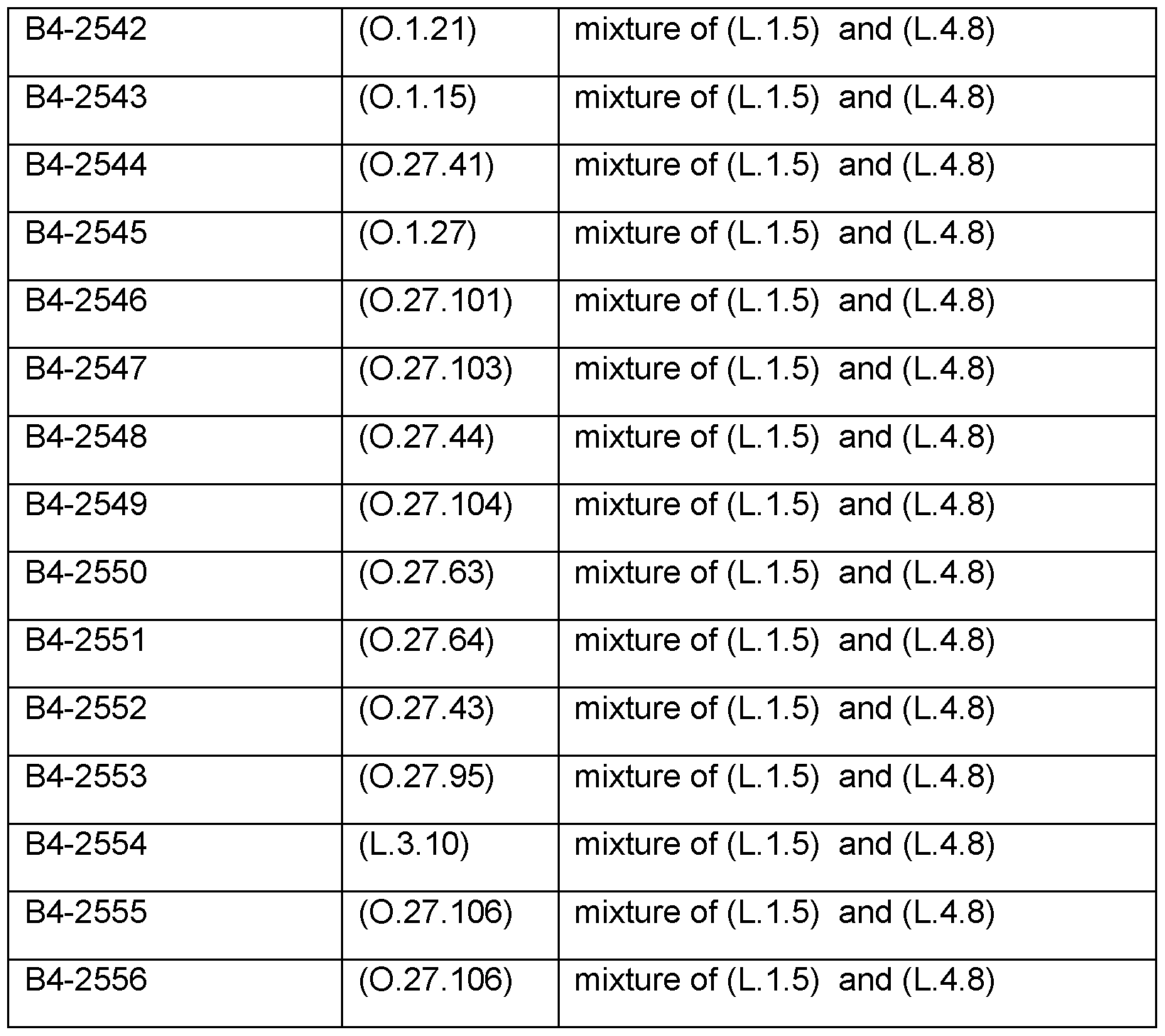


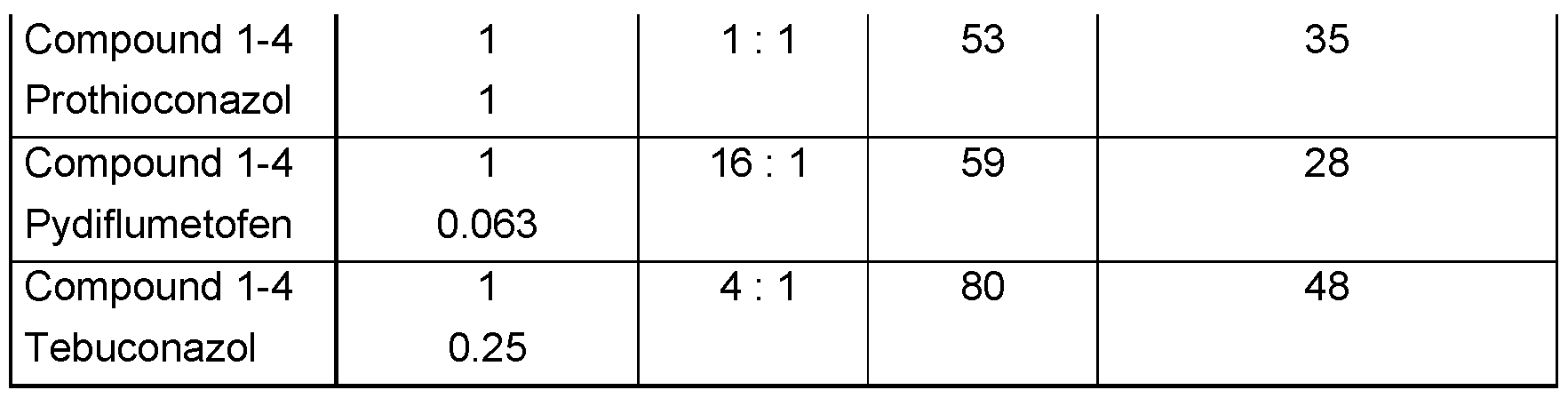


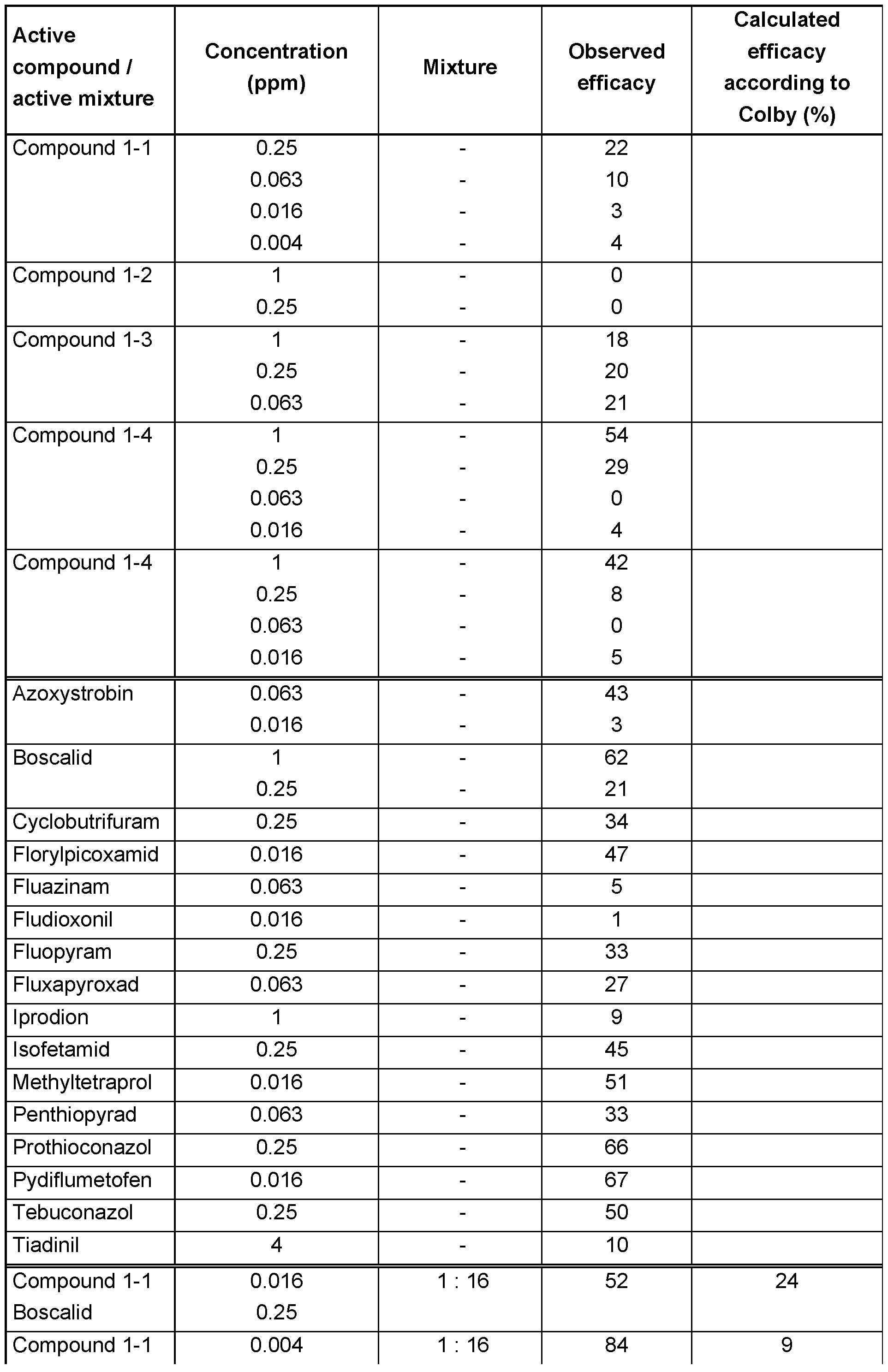


Claims

Priority Applications (3)
| Application Number | Priority Date | Filing Date | Title |
|---|---|---|---|
| CN202380078816.3A CN120187295A (en) | 2022-11-14 | 2023-11-07 | Fungicidal mixtures containing substituted pyridines |
| US19/128,195 US20250338849A1 (en) | 2022-11-14 | 2023-11-07 | Fungicidal mixture comprising substituted pyridines |
| EP23801446.8A EP4618761A1 (en) | 2022-11-14 | 2023-11-07 | Fungicidal mixture comprising substituted pyridines |
Applications Claiming Priority (2)
| Application Number | Priority Date | Filing Date | Title |
|---|---|---|---|
| EP22207147 | 2022-11-14 | ||
| EP22207147.4 | 2022-11-14 |
Publications (1)
| Publication Number | Publication Date |
|---|---|
| WO2024104813A1 true WO2024104813A1 (en) | 2024-05-23 |
Family
ID=84332409
Family Applications (1)
| Application Number | Title | Priority Date | Filing Date |
|---|---|---|---|
| PCT/EP2023/080904 Ceased WO2024104813A1 (en) | 2022-11-14 | 2023-11-07 | Fungicidal mixture comprising substituted pyridines |
Country Status (5)
| Country | Link |
|---|---|
| US (1) | US20250338849A1 (en) |
| EP (1) | EP4618761A1 (en) |
| CN (1) | CN120187295A (en) |
| AR (1) | AR131042A1 (en) |
| WO (1) | WO2024104813A1 (en) |
Cited By (1)
| Publication number | Priority date | Publication date | Assignee | Title |
|---|---|---|---|---|
| CN118923678A (en) * | 2024-07-22 | 2024-11-12 | 青岛滕润翔检测评价有限公司 | Insecticidal composition and application thereof |
Families Citing this family (1)
| Publication number | Priority date | Publication date | Assignee | Title |
|---|---|---|---|---|
| CN119073315B (en) * | 2024-08-27 | 2025-09-05 | 青岛滕润翔检测评价有限公司 | Insecticide composition and its application |
Citations (65)
| Publication number | Priority date | Publication date | Assignee | Title |
|---|---|---|---|---|
| EP0141317A2 (en) | 1983-10-21 | 1985-05-15 | BASF Aktiengesellschaft | 7-Amino-azolo[1,5-a]pyrimidines and fungicides containing them |
| EP0152031A2 (en) | 1984-02-03 | 1985-08-21 | Shionogi & Co., Ltd. | Azolyl cycloalkanol derivatives and agricultural fungicides |
| EP0226917A1 (en) | 1985-12-20 | 1987-07-01 | BASF Aktiengesellschaft | Acrylic acid esters and fungicides containing these compounds |
| EP0243970A1 (en) | 1986-05-02 | 1987-11-04 | Stauffer Chemical Company | Fungicidal pyridyl imidates |
| EP0256503A2 (en) | 1986-08-12 | 1988-02-24 | Mitsubishi Kasei Corporation | Pyridinecarboxamide derivatives and their use as fungicide |
| EP0428941A1 (en) | 1989-11-10 | 1991-05-29 | Agro-Kanesho Co., Ltd. | Hexahydrotriazine compounds and insecticides |
| EP0532022A1 (en) | 1991-09-13 | 1993-03-17 | Ube Industries, Ltd. | Acrylate compound, preparation process thereof and fungicide using the same |
| WO1994001546A1 (en) | 1992-07-01 | 1994-01-20 | Cornell Research Foundation, Inc. | Elicitor of the hypersensitive response in plants |
| EP1028125A1 (en) | 1998-11-30 | 2000-08-16 | Isagro Ricerca S.r.l. | Dipeptide compounds having fungicidal activity and their agronomic use |
| EP1035122A1 (en) | 1999-03-11 | 2000-09-13 | Rohm And Haas Company | Heterocyclic subsituted isoxazolidines and their use as fungicides |
| EP1122244A1 (en) | 2000-02-04 | 2001-08-08 | Sumitomo Chemical Company, Limited | Uracil compounds and their use |
| CN1309897A (en) | 2000-02-24 | 2001-08-29 | 沈阳化工研究院 | Unsaturated oximino ether bactericide |
| EP1201648A1 (en) | 1999-08-05 | 2002-05-02 | Kumiai Chemical Industry Co., Ltd. | Carbamate derivatives and agricultural/horticultural bactericides |
| WO2003016303A1 (en) | 2001-08-20 | 2003-02-27 | Dainippon Ink And Chemicals, Inc. | Tetrazoyl oxime derivative and agricultural chemical containing the same as active ingredient |
| WO2003066609A1 (en) | 2002-02-04 | 2003-08-14 | Bayer Cropscience Aktiengesellschaft | Disubstituted thiazolyl carboxanilides and their use as microbicides |
| WO2003074491A1 (en) | 2002-03-05 | 2003-09-12 | Syngenta Participations Ag | O-cyclopropyl-carboxanilides and their use as fungicides |
| CN1456054A (en) | 2003-03-25 | 2003-11-19 | 浙江省化工研究院 | Methoxy methyl acrylate compounds as bactericidal agent |
| WO2004049804A2 (en) | 2002-11-29 | 2004-06-17 | Syngenta Participations Ag | Fungicidal combinations for crop potection |
| WO2004083193A1 (en) | 2003-03-17 | 2004-09-30 | Sumitomo Chemical Company, Limited | Amide compound and bactericide composition containing the same |
| WO2005063721A1 (en) | 2003-12-19 | 2005-07-14 | E.I. Dupont De Nemours And Company | Herbicidal pyrimidines |
| WO2005087773A1 (en) | 2004-03-10 | 2005-09-22 | Basf Aktiengesellschaft | 5,6-dialkyl-7-amino-triazolopyrimidines, method for their production, their use for controlling pathogenic fungi and agents containing said compounds |
| WO2005087772A1 (en) | 2004-03-10 | 2005-09-22 | Basf Aktiengesellschaft | 5,6-dialkyl-7-amino-triazolopyrimidines, method for their production, their use for controlling pathogenic fungi and agents containing said compounds |
| WO2005120234A2 (en) | 2004-06-03 | 2005-12-22 | E.I. Dupont De Nemours And Company | Fungicidal mixtures of amidinylphenyl compounds |
| WO2005123690A1 (en) | 2004-06-18 | 2005-12-29 | Basf Aktiengesellschaft | 1-methyl-3-difluoromethyl-pyrazol-4-carbonic acid-(ortho-phenyl)-anilides, and use thereof as a fungicide |
| WO2005123689A1 (en) | 2004-06-18 | 2005-12-29 | Basf Aktiengesellschaft | 1-methyl-3-trifluoromethyl-pyrazole-4-carboxylic acid (ortho-phenyl)-anilides and to use thereof as fungicide |
| WO2006015866A1 (en) | 2004-08-12 | 2006-02-16 | Syngenta Participations Ag | Method for protecting useful plants or plant propagation material |
| WO2006087343A1 (en) | 2005-02-16 | 2006-08-24 | Basf Aktiengesellschaft | Pyrazole carboxylic acid anilides, method for the production thereof and agents containing them for controlling pathogenic fungi |
| WO2006087325A1 (en) | 2005-02-16 | 2006-08-24 | Basf Aktiengesellschaft | 5-alkoxyalkyl-6-alkyl-7-amino-azolopyrimidines, method for their production, their use for controlling pathogenic fungi and agents containing said substances |
| WO2007006670A1 (en) | 2005-07-07 | 2007-01-18 | Basf Aktiengesellschaft | N-thio-anthranilamid compounds and their use as pesticides |
| CN1907024A (en) | 2005-08-03 | 2007-02-07 | 浙江化工科技集团有限公司 | Methoxyl group displacement methyl acrylate compound bactericidal agent |
| WO2007082098A2 (en) | 2006-01-13 | 2007-07-19 | Dow Agrosciences Llc | 6-(poly-substituted aryl)-4-aminopicolinates and their use as herbicides |
| WO2007090624A2 (en) | 2006-02-09 | 2007-08-16 | Syngenta Participations Ag | A method of protecting a plant propagation material, a plant, and/or plant organs |
| WO2007129454A1 (en) | 2006-05-08 | 2007-11-15 | Kumiai Chemical Industry Co., Ltd. | 1,2-benzisothiazole derivative, and agricultural or horticultural plant disease-controlling agent |
| WO2008013622A2 (en) | 2006-07-27 | 2008-01-31 | E. I. Du Pont De Nemours And Company | Fungicidal azocyclic amides |
| WO2009090181A2 (en) | 2008-01-15 | 2009-07-23 | Bayer Cropscience Sa | Pesticide composition comprising a tetrazolyloxime derivative and a fungicide or an insecticide active substance |
| WO2009094442A2 (en) | 2008-01-22 | 2009-07-30 | Dow Agrosciences Llc | 5-fluoro pyrimidine derivatives |
| WO2009119089A1 (en) | 2008-03-27 | 2009-10-01 | 日本曹達株式会社 | Nitrogen-containing heterocyclic compound and bactericide for agricultural and horticultural use |
| WO2010069882A1 (en) | 2008-12-17 | 2010-06-24 | Syngenta Participations Ag | Isoxazole derivatives for use as fungicides |
| WO2010125782A1 (en) * | 2009-04-28 | 2010-11-04 | 日本曹達株式会社 | Nitrogen-containing heterocyclic compound and agricultural or horticultural bactericide |
| WO2010139271A1 (en) | 2009-06-05 | 2010-12-09 | 中国中化股份有限公司 | E-type phenyl acrylic ester compounds containing substituted anilino pyrimidine group and uses thereof |
| WO2011028657A1 (en) | 2009-09-01 | 2011-03-10 | Dow Agrosciences Llc | Synergistic fungicidal compositions containing a 5-fluoropyrimidine derivative for fungal control in cereals |
| WO2011077514A1 (en) | 2009-12-22 | 2011-06-30 | 三井化学アグロ株式会社 | Plant disease control composition and method for controlling plant diseases by applying the composition |
| WO2011081174A1 (en) | 2010-01-04 | 2011-07-07 | 日本曹達株式会社 | Nitrogen-containing heterocyclic compound and agricultural/horticultural germicide |
| WO2011135833A1 (en) | 2010-04-28 | 2011-11-03 | Sumitomo Chemical Company, Limited | Plant disease control composition and its use |
| WO2012084812A1 (en) | 2010-12-20 | 2012-06-28 | Isagro Ricerca S.R.L. | Aminoindanes amides having a high fungicidal activity and their phytosanitary compositions |
| WO2012165511A1 (en) | 2011-05-31 | 2012-12-06 | クミアイ化学工業株式会社 | Method for controlling diseases in rice plant |
| WO2012168188A1 (en) | 2011-06-07 | 2012-12-13 | Bayer Intellectual Property Gmbh | Active compound combinations |
| WO2013007767A1 (en) | 2011-07-13 | 2013-01-17 | Basf Se | Fungicidal substituted 2-[2-halogenalkyl-4-(phenoxy)-phenyl]-1-[1,2,4]triazol-1-yl-ethanol compounds |
| WO2013010862A1 (en) | 2011-07-15 | 2013-01-24 | Basf Se | Fungicidal alkyl-substituted 2-[2-chloro-4-(4-chloro-phenoxy)-phenyl]-1-[1,2,4]triazol-1-yl-ethanol compounds |
| WO2013024010A1 (en) | 2011-08-12 | 2013-02-21 | Basf Se | N-thio-anthranilamide compounds and their use as pesticides |
| WO2013024009A1 (en) | 2011-08-12 | 2013-02-21 | Basf Se | N-thio-anthranilamide compounds and their use as pesticides |
| WO2013047441A1 (en) | 2011-09-26 | 2013-04-04 | 日本曹達株式会社 | Agricultural and horticultural bactericide composition |
| WO2013047749A1 (en) | 2011-09-29 | 2013-04-04 | 三井化学アグロ株式会社 | Production method for 4, 4-difluoro-3,4-dihydroisoquinoline derivative |
| EP2179994B1 (en) | 2007-08-01 | 2013-06-26 | Mitsubishi Tanabe Pharma Corporation | Fused bicyclic compound |
| WO2013092224A1 (en) | 2011-12-21 | 2013-06-27 | Basf Se | Use of strobilurin type compounds for combating phytopathogenic fungi resistant to qo inhibitors |
| WO2013116251A2 (en) | 2012-02-01 | 2013-08-08 | E. I. Du Pont De Nemours And Company | Fungicidal pyrazole mixtures |
| WO2013127704A1 (en) | 2012-02-27 | 2013-09-06 | Bayer Intellectual Property Gmbh | Active compound combinations containing a thiazoylisoxazoline and a fungicide |
| WO2013162072A1 (en) | 2012-04-27 | 2013-10-31 | Sumitomo Chemical Company, Limited | Tetrazolinone compounds and its use as pesticides |
| CN103387541A (en) | 2012-05-10 | 2013-11-13 | 中国中化股份有限公司 | Preparation method of substituted pyrazolylether compound |
| WO2014060177A1 (en) | 2012-10-16 | 2014-04-24 | Syngenta Participations Ag | Fungicidal compositions |
| EP2865265A1 (en) | 2014-02-13 | 2015-04-29 | Bayer CropScience AG | Active compound combinations comprising phenylamidine compounds and biological control agents |
| WO2015065922A1 (en) | 2013-10-28 | 2015-05-07 | Dexcom, Inc. | Devices used in connection with continuous analyte monitoring that provide the user with one or more notifications, and related methods |
| WO2018177894A1 (en) | 2017-03-31 | 2018-10-04 | Syngenta Participations Ag | Fungicidal compositions |
| WO2020212513A1 (en) | 2019-04-18 | 2020-10-22 | Syngenta Crop Protection Ag | Process for the preparation of microbiocidal oxadiazole derivatives |
| WO2022243107A1 (en) * | 2021-05-18 | 2022-11-24 | Basf Se | New substituted pyridines as fungicides |
-
2023
- 2023-11-07 WO PCT/EP2023/080904 patent/WO2024104813A1/en not_active Ceased
- 2023-11-07 EP EP23801446.8A patent/EP4618761A1/en active Pending
- 2023-11-07 US US19/128,195 patent/US20250338849A1/en active Pending
- 2023-11-07 CN CN202380078816.3A patent/CN120187295A/en active Pending
- 2023-11-13 AR ARP230103043A patent/AR131042A1/en unknown
Patent Citations (65)
| Publication number | Priority date | Publication date | Assignee | Title |
|---|---|---|---|---|
| EP0141317A2 (en) | 1983-10-21 | 1985-05-15 | BASF Aktiengesellschaft | 7-Amino-azolo[1,5-a]pyrimidines and fungicides containing them |
| EP0152031A2 (en) | 1984-02-03 | 1985-08-21 | Shionogi & Co., Ltd. | Azolyl cycloalkanol derivatives and agricultural fungicides |
| EP0226917A1 (en) | 1985-12-20 | 1987-07-01 | BASF Aktiengesellschaft | Acrylic acid esters and fungicides containing these compounds |
| EP0243970A1 (en) | 1986-05-02 | 1987-11-04 | Stauffer Chemical Company | Fungicidal pyridyl imidates |
| EP0256503A2 (en) | 1986-08-12 | 1988-02-24 | Mitsubishi Kasei Corporation | Pyridinecarboxamide derivatives and their use as fungicide |
| EP0428941A1 (en) | 1989-11-10 | 1991-05-29 | Agro-Kanesho Co., Ltd. | Hexahydrotriazine compounds and insecticides |
| EP0532022A1 (en) | 1991-09-13 | 1993-03-17 | Ube Industries, Ltd. | Acrylate compound, preparation process thereof and fungicide using the same |
| WO1994001546A1 (en) | 1992-07-01 | 1994-01-20 | Cornell Research Foundation, Inc. | Elicitor of the hypersensitive response in plants |
| EP1028125A1 (en) | 1998-11-30 | 2000-08-16 | Isagro Ricerca S.r.l. | Dipeptide compounds having fungicidal activity and their agronomic use |
| EP1035122A1 (en) | 1999-03-11 | 2000-09-13 | Rohm And Haas Company | Heterocyclic subsituted isoxazolidines and their use as fungicides |
| EP1201648A1 (en) | 1999-08-05 | 2002-05-02 | Kumiai Chemical Industry Co., Ltd. | Carbamate derivatives and agricultural/horticultural bactericides |
| EP1122244A1 (en) | 2000-02-04 | 2001-08-08 | Sumitomo Chemical Company, Limited | Uracil compounds and their use |
| CN1309897A (en) | 2000-02-24 | 2001-08-29 | 沈阳化工研究院 | Unsaturated oximino ether bactericide |
| WO2003016303A1 (en) | 2001-08-20 | 2003-02-27 | Dainippon Ink And Chemicals, Inc. | Tetrazoyl oxime derivative and agricultural chemical containing the same as active ingredient |
| WO2003066609A1 (en) | 2002-02-04 | 2003-08-14 | Bayer Cropscience Aktiengesellschaft | Disubstituted thiazolyl carboxanilides and their use as microbicides |
| WO2003074491A1 (en) | 2002-03-05 | 2003-09-12 | Syngenta Participations Ag | O-cyclopropyl-carboxanilides and their use as fungicides |
| WO2004049804A2 (en) | 2002-11-29 | 2004-06-17 | Syngenta Participations Ag | Fungicidal combinations for crop potection |
| WO2004083193A1 (en) | 2003-03-17 | 2004-09-30 | Sumitomo Chemical Company, Limited | Amide compound and bactericide composition containing the same |
| CN1456054A (en) | 2003-03-25 | 2003-11-19 | 浙江省化工研究院 | Methoxy methyl acrylate compounds as bactericidal agent |
| WO2005063721A1 (en) | 2003-12-19 | 2005-07-14 | E.I. Dupont De Nemours And Company | Herbicidal pyrimidines |
| WO2005087773A1 (en) | 2004-03-10 | 2005-09-22 | Basf Aktiengesellschaft | 5,6-dialkyl-7-amino-triazolopyrimidines, method for their production, their use for controlling pathogenic fungi and agents containing said compounds |
| WO2005087772A1 (en) | 2004-03-10 | 2005-09-22 | Basf Aktiengesellschaft | 5,6-dialkyl-7-amino-triazolopyrimidines, method for their production, their use for controlling pathogenic fungi and agents containing said compounds |
| WO2005120234A2 (en) | 2004-06-03 | 2005-12-22 | E.I. Dupont De Nemours And Company | Fungicidal mixtures of amidinylphenyl compounds |
| WO2005123690A1 (en) | 2004-06-18 | 2005-12-29 | Basf Aktiengesellschaft | 1-methyl-3-difluoromethyl-pyrazol-4-carbonic acid-(ortho-phenyl)-anilides, and use thereof as a fungicide |
| WO2005123689A1 (en) | 2004-06-18 | 2005-12-29 | Basf Aktiengesellschaft | 1-methyl-3-trifluoromethyl-pyrazole-4-carboxylic acid (ortho-phenyl)-anilides and to use thereof as fungicide |
| WO2006015866A1 (en) | 2004-08-12 | 2006-02-16 | Syngenta Participations Ag | Method for protecting useful plants or plant propagation material |
| WO2006087343A1 (en) | 2005-02-16 | 2006-08-24 | Basf Aktiengesellschaft | Pyrazole carboxylic acid anilides, method for the production thereof and agents containing them for controlling pathogenic fungi |
| WO2006087325A1 (en) | 2005-02-16 | 2006-08-24 | Basf Aktiengesellschaft | 5-alkoxyalkyl-6-alkyl-7-amino-azolopyrimidines, method for their production, their use for controlling pathogenic fungi and agents containing said substances |
| WO2007006670A1 (en) | 2005-07-07 | 2007-01-18 | Basf Aktiengesellschaft | N-thio-anthranilamid compounds and their use as pesticides |
| CN1907024A (en) | 2005-08-03 | 2007-02-07 | 浙江化工科技集团有限公司 | Methoxyl group displacement methyl acrylate compound bactericidal agent |
| WO2007082098A2 (en) | 2006-01-13 | 2007-07-19 | Dow Agrosciences Llc | 6-(poly-substituted aryl)-4-aminopicolinates and their use as herbicides |
| WO2007090624A2 (en) | 2006-02-09 | 2007-08-16 | Syngenta Participations Ag | A method of protecting a plant propagation material, a plant, and/or plant organs |
| WO2007129454A1 (en) | 2006-05-08 | 2007-11-15 | Kumiai Chemical Industry Co., Ltd. | 1,2-benzisothiazole derivative, and agricultural or horticultural plant disease-controlling agent |
| WO2008013622A2 (en) | 2006-07-27 | 2008-01-31 | E. I. Du Pont De Nemours And Company | Fungicidal azocyclic amides |
| EP2179994B1 (en) | 2007-08-01 | 2013-06-26 | Mitsubishi Tanabe Pharma Corporation | Fused bicyclic compound |
| WO2009090181A2 (en) | 2008-01-15 | 2009-07-23 | Bayer Cropscience Sa | Pesticide composition comprising a tetrazolyloxime derivative and a fungicide or an insecticide active substance |
| WO2009094442A2 (en) | 2008-01-22 | 2009-07-30 | Dow Agrosciences Llc | 5-fluoro pyrimidine derivatives |
| WO2009119089A1 (en) | 2008-03-27 | 2009-10-01 | 日本曹達株式会社 | Nitrogen-containing heterocyclic compound and bactericide for agricultural and horticultural use |
| WO2010069882A1 (en) | 2008-12-17 | 2010-06-24 | Syngenta Participations Ag | Isoxazole derivatives for use as fungicides |
| WO2010125782A1 (en) * | 2009-04-28 | 2010-11-04 | 日本曹達株式会社 | Nitrogen-containing heterocyclic compound and agricultural or horticultural bactericide |
| WO2010139271A1 (en) | 2009-06-05 | 2010-12-09 | 中国中化股份有限公司 | E-type phenyl acrylic ester compounds containing substituted anilino pyrimidine group and uses thereof |
| WO2011028657A1 (en) | 2009-09-01 | 2011-03-10 | Dow Agrosciences Llc | Synergistic fungicidal compositions containing a 5-fluoropyrimidine derivative for fungal control in cereals |
| WO2011077514A1 (en) | 2009-12-22 | 2011-06-30 | 三井化学アグロ株式会社 | Plant disease control composition and method for controlling plant diseases by applying the composition |
| WO2011081174A1 (en) | 2010-01-04 | 2011-07-07 | 日本曹達株式会社 | Nitrogen-containing heterocyclic compound and agricultural/horticultural germicide |
| WO2011135833A1 (en) | 2010-04-28 | 2011-11-03 | Sumitomo Chemical Company, Limited | Plant disease control composition and its use |
| WO2012084812A1 (en) | 2010-12-20 | 2012-06-28 | Isagro Ricerca S.R.L. | Aminoindanes amides having a high fungicidal activity and their phytosanitary compositions |
| WO2012165511A1 (en) | 2011-05-31 | 2012-12-06 | クミアイ化学工業株式会社 | Method for controlling diseases in rice plant |
| WO2012168188A1 (en) | 2011-06-07 | 2012-12-13 | Bayer Intellectual Property Gmbh | Active compound combinations |
| WO2013007767A1 (en) | 2011-07-13 | 2013-01-17 | Basf Se | Fungicidal substituted 2-[2-halogenalkyl-4-(phenoxy)-phenyl]-1-[1,2,4]triazol-1-yl-ethanol compounds |
| WO2013010862A1 (en) | 2011-07-15 | 2013-01-24 | Basf Se | Fungicidal alkyl-substituted 2-[2-chloro-4-(4-chloro-phenoxy)-phenyl]-1-[1,2,4]triazol-1-yl-ethanol compounds |
| WO2013024010A1 (en) | 2011-08-12 | 2013-02-21 | Basf Se | N-thio-anthranilamide compounds and their use as pesticides |
| WO2013024009A1 (en) | 2011-08-12 | 2013-02-21 | Basf Se | N-thio-anthranilamide compounds and their use as pesticides |
| WO2013047441A1 (en) | 2011-09-26 | 2013-04-04 | 日本曹達株式会社 | Agricultural and horticultural bactericide composition |
| WO2013047749A1 (en) | 2011-09-29 | 2013-04-04 | 三井化学アグロ株式会社 | Production method for 4, 4-difluoro-3,4-dihydroisoquinoline derivative |
| WO2013092224A1 (en) | 2011-12-21 | 2013-06-27 | Basf Se | Use of strobilurin type compounds for combating phytopathogenic fungi resistant to qo inhibitors |
| WO2013116251A2 (en) | 2012-02-01 | 2013-08-08 | E. I. Du Pont De Nemours And Company | Fungicidal pyrazole mixtures |
| WO2013127704A1 (en) | 2012-02-27 | 2013-09-06 | Bayer Intellectual Property Gmbh | Active compound combinations containing a thiazoylisoxazoline and a fungicide |
| WO2013162072A1 (en) | 2012-04-27 | 2013-10-31 | Sumitomo Chemical Company, Limited | Tetrazolinone compounds and its use as pesticides |
| CN103387541A (en) | 2012-05-10 | 2013-11-13 | 中国中化股份有限公司 | Preparation method of substituted pyrazolylether compound |
| WO2014060177A1 (en) | 2012-10-16 | 2014-04-24 | Syngenta Participations Ag | Fungicidal compositions |
| WO2015065922A1 (en) | 2013-10-28 | 2015-05-07 | Dexcom, Inc. | Devices used in connection with continuous analyte monitoring that provide the user with one or more notifications, and related methods |
| EP2865265A1 (en) | 2014-02-13 | 2015-04-29 | Bayer CropScience AG | Active compound combinations comprising phenylamidine compounds and biological control agents |
| WO2018177894A1 (en) | 2017-03-31 | 2018-10-04 | Syngenta Participations Ag | Fungicidal compositions |
| WO2020212513A1 (en) | 2019-04-18 | 2020-10-22 | Syngenta Crop Protection Ag | Process for the preparation of microbiocidal oxadiazole derivatives |
| WO2022243107A1 (en) * | 2021-05-18 | 2022-11-24 | Basf Se | New substituted pyridines as fungicides |
Non-Patent Citations (11)
| Title |
|---|
| "Agrow Reports", 2005, T&F INFORMA |
| "Technical Monograph", May 2008, CROPLIFE INTERNATIONAL, article "Catalogue of pesticide formulation types and international coding system" |
| BIOORGANIC & MEDICINAL CHEMISTRY, vol. 14, no. 6, 2006, pages 1978 - 1992 |
| CAN. J. PLANT SCI., vol. 48, no. 6, 1968, pages 587 - 94 |
| J. ORG. CHEM., vol. 46, 1981, pages 3340 - 3342 |
| JOURNAL OF ORGANIC CHEMISTRY, vol. 46, no. 16, 1981, pages 3340 - 2 |
| KNOWLES: "Agrow Reports DS256", 2006, T&F INFORMA, article "Adjuvants and additives" |
| MCCUTCHEON'S: "Emulsifiers & Detergents, McCutcheon's Directories", vol. 1, 2008, GLEN ROCK |
| MOLLETGRUBEMANN: "Formulation technology", 2001, WILEY VCH |
| R.S. COLBY: "Calculating synergistic and antagonistic responses of herbicide combinations", WEEDS, vol. 15, 1967, pages 20 - 22, XP001112961 |
| TETRAHEDRON, vol. 71, no. 34, 2015, pages 5554 - 5561 |
Cited By (1)
| Publication number | Priority date | Publication date | Assignee | Title |
|---|---|---|---|---|
| CN118923678A (en) * | 2024-07-22 | 2024-11-12 | 青岛滕润翔检测评价有限公司 | Insecticidal composition and application thereof |
Also Published As
| Publication number | Publication date |
|---|---|
| CN120187295A (en) | 2025-06-20 |
| US20250338849A1 (en) | 2025-11-06 |
| EP4618761A1 (en) | 2025-09-24 |
| AR131042A1 (en) | 2025-02-12 |
Similar Documents
| Publication | Publication Date | Title |
|---|---|---|
| WO2021249800A1 (en) | Substituted [1,2,4]triazole compounds as fungicides | |
| WO2022106304A1 (en) | Compositions comprising mefentrifluconazole | |
| WO2023072671A1 (en) | Use of strobilurin type compounds for combating phytopathogenic fungi containing an amino acid substitution f129l in the mitochondrial cytochrome b protein conferring resistance to qo inhibitors ix | |
| WO2024104813A1 (en) | Fungicidal mixture comprising substituted pyridines | |
| US11917995B2 (en) | Fungicidal compositions of mefentrifluconazole | |
| WO2022017836A1 (en) | Fungicidal compositions comprising (r)-2-[4-(4-chlorophenoxy)-2-(trifluoromethyl)phenyl]-1- (1,2,4-triazol-1-yl)propan-2-ol | |
| WO2024088792A1 (en) | Use of strobilurin type compounds for combating phytopathogenic fungi containing an amino acid substitution f129l in the mitochondrial cytochrome b protein conferring resistance to qo inhibitors xv | |
| EP4018830A1 (en) | Pesticidal mixtures | |
| US11839214B2 (en) | Fungicidal mixture comprising substituted pyridines | |
| WO2018202737A1 (en) | Fungicidal mixtures comprising triazole compounds | |
| EP3939961A1 (en) | Strobilurin type compounds and their use for combating phytopathogenic fungi | |
| WO2023072672A1 (en) | Use of strobilurin type compounds for combating phytopathogenic fungi containing an amino acid substitution f129l in the mitochondrial cytochrome b protein conferring resistance to qo inhibitors xi | |
| WO2023072670A1 (en) | Use of strobilurin type compounds for combating phytopathogenic fungi containing an amino acid substitution f129l in the mitochondrial cytochrome b protein conferring resistance to qo inhibitors x | |
| AU2023381249A1 (en) | Fungicidal mixture comprising substituted pyridines | |
| EP3903583A1 (en) | Use of strobilurin type compounds for combating phytopathogenic fungi containing an amino acid substitution f129l in the mitochondrial cytochrome b protein conferring resistance to qo inhibitors iii | |
| EP3903582A1 (en) | Use of strobilurin type compounds for combating phytopathogenic fungi containing an amino acid substitution f129l in the mitochondrial cytochrome b protein conferring resistance to qo inhibitors ii | |
| EP3903581A1 (en) | Use of strobilurin type compounds for combating phytopathogenic fungi containing an amino acid substitution f129l in the mitochondrial cytochrome b protein conferring resistance to qo inhibitors i | |
| EP4094579A1 (en) | Pesticidal mixtures comprising metyltetraprole | |
| EP3730489A1 (en) | Heteroaryl compounds as agrochemical fungicides | |
| WO2025078181A1 (en) | Fungicidal mixture comprising substituted pyridines | |
| WO2025078183A1 (en) | Fungicidal mixture comprising substituted quinazolyl quinolines | |
| WO2024165343A1 (en) | New substituted quinoline compounds for combatitng phytopathogenic fungi | |
| WO2022090069A1 (en) | Compositions comprising mefenpyr-diethyl | |
| WO2024104818A1 (en) | Substituted benzodiazepines as fungicides | |
| EP4242199A1 (en) | Use of strobilurin type compounds for combating phytopathogenic fungi containing an amino acid substitution f129l in the mitochondrial cytochrome b protein conferring resistance to qo inhibitors xii |
Legal Events
| Date | Code | Title | Description |
|---|---|---|---|
| 121 | Ep: the epo has been informed by wipo that ep was designated in this application |
Ref document number: 23801446 Country of ref document: EP Kind code of ref document: A1 |
|
| WWE | Wipo information: entry into national phase |
Ref document number: 202380078816.3 Country of ref document: CN |
|
| REG | Reference to national code |
Ref country code: BR Ref legal event code: B01A Ref document number: 112025009481 Country of ref document: BR |
|
| WWE | Wipo information: entry into national phase |
Ref document number: 2023801446 Country of ref document: EP |
|
| NENP | Non-entry into the national phase |
Ref country code: DE |
|
| WWP | Wipo information: published in national office |
Ref document number: 202380078816.3 Country of ref document: CN |
|
| ENP | Entry into the national phase |
Ref document number: 2023801446 Country of ref document: EP Effective date: 20250616 |
|
| WWP | Wipo information: published in national office |
Ref document number: 2023801446 Country of ref document: EP |
|
| ENP | Entry into the national phase |
Ref document number: 112025009481 Country of ref document: BR Kind code of ref document: A2 Effective date: 20250513 |