WO2016070166A2 - Messenger una molecules and uses thereof - Google Patents
Messenger una molecules and uses thereof Download PDFInfo
- Publication number
- WO2016070166A2 WO2016070166A2 PCT/US2015/058534 US2015058534W WO2016070166A2 WO 2016070166 A2 WO2016070166 A2 WO 2016070166A2 US 2015058534 W US2015058534 W US 2015058534W WO 2016070166 A2 WO2016070166 A2 WO 2016070166A2
- Authority
- WO
- WIPO (PCT)
- Prior art keywords
- molecule
- muna
- human
- protein
- monomers
- Prior art date
- Legal status (The legal status is an assumption and is not a legal conclusion. Google has not performed a legal analysis and makes no representation as to the accuracy of the status listed.)
- Ceased
Links
- HHNFBNJUTRZIOL-GXSJLCMTSA-N COC[C@@H](COP(O)(OC)=O)O[C@H](CO)N(C=C/C(/N1)=[O]/C)C1=O Chemical compound COC[C@@H](COP(O)(OC)=O)O[C@H](CO)N(C=C/C(/N1)=[O]/C)C1=O HHNFBNJUTRZIOL-GXSJLCMTSA-N 0.000 description 1
Classifications
-
- C—CHEMISTRY; METALLURGY
- C12—BIOCHEMISTRY; BEER; SPIRITS; WINE; VINEGAR; MICROBIOLOGY; ENZYMOLOGY; MUTATION OR GENETIC ENGINEERING
- C12N—MICROORGANISMS OR ENZYMES; COMPOSITIONS THEREOF; PROPAGATING, PRESERVING, OR MAINTAINING MICROORGANISMS; MUTATION OR GENETIC ENGINEERING; CULTURE MEDIA
- C12N9/00—Enzymes; Proenzymes; Compositions thereof; Processes for preparing, activating, inhibiting, separating or purifying enzymes
- C12N9/10—Transferases (2.)
- C12N9/1003—Transferases (2.) transferring one-carbon groups (2.1)
- C12N9/1018—Carboxy- and carbamoyl transferases (2.1.3)
-
- A—HUMAN NECESSITIES
- A61—MEDICAL OR VETERINARY SCIENCE; HYGIENE
- A61P—SPECIFIC THERAPEUTIC ACTIVITY OF CHEMICAL COMPOUNDS OR MEDICINAL PREPARATIONS
- A61P1/00—Drugs for disorders of the alimentary tract or the digestive system
- A61P1/16—Drugs for disorders of the alimentary tract or the digestive system for liver or gallbladder disorders, e.g. hepatoprotective agents, cholagogues, litholytics
-
- A—HUMAN NECESSITIES
- A61—MEDICAL OR VETERINARY SCIENCE; HYGIENE
- A61P—SPECIFIC THERAPEUTIC ACTIVITY OF CHEMICAL COMPOUNDS OR MEDICINAL PREPARATIONS
- A61P35/00—Antineoplastic agents
-
- A—HUMAN NECESSITIES
- A61—MEDICAL OR VETERINARY SCIENCE; HYGIENE
- A61P—SPECIFIC THERAPEUTIC ACTIVITY OF CHEMICAL COMPOUNDS OR MEDICINAL PREPARATIONS
- A61P37/00—Drugs for immunological or allergic disorders
- A61P37/02—Immunomodulators
- A61P37/04—Immunostimulants
-
- A—HUMAN NECESSITIES
- A61—MEDICAL OR VETERINARY SCIENCE; HYGIENE
- A61P—SPECIFIC THERAPEUTIC ACTIVITY OF CHEMICAL COMPOUNDS OR MEDICINAL PREPARATIONS
- A61P43/00—Drugs for specific purposes, not provided for in groups A61P1/00-A61P41/00
-
- C—CHEMISTRY; METALLURGY
- C07—ORGANIC CHEMISTRY
- C07K—PEPTIDES
- C07K14/00—Peptides having more than 20 amino acids; Gastrins; Somatostatins; Melanotropins; Derivatives thereof
- C07K14/435—Peptides having more than 20 amino acids; Gastrins; Somatostatins; Melanotropins; Derivatives thereof from animals; from humans
- C07K14/44—Peptides having more than 20 amino acids; Gastrins; Somatostatins; Melanotropins; Derivatives thereof from animals; from humans from protozoa
- C07K14/445—Plasmodium
-
- C—CHEMISTRY; METALLURGY
- C07—ORGANIC CHEMISTRY
- C07K—PEPTIDES
- C07K14/00—Peptides having more than 20 amino acids; Gastrins; Somatostatins; Melanotropins; Derivatives thereof
- C07K14/435—Peptides having more than 20 amino acids; Gastrins; Somatostatins; Melanotropins; Derivatives thereof from animals; from humans
- C07K14/46—Peptides having more than 20 amino acids; Gastrins; Somatostatins; Melanotropins; Derivatives thereof from animals; from humans from vertebrates
- C07K14/463—Peptides having more than 20 amino acids; Gastrins; Somatostatins; Melanotropins; Derivatives thereof from animals; from humans from vertebrates from amphibians
-
- C—CHEMISTRY; METALLURGY
- C07—ORGANIC CHEMISTRY
- C07K—PEPTIDES
- C07K14/00—Peptides having more than 20 amino acids; Gastrins; Somatostatins; Melanotropins; Derivatives thereof
- C07K14/435—Peptides having more than 20 amino acids; Gastrins; Somatostatins; Melanotropins; Derivatives thereof from animals; from humans
- C07K14/46—Peptides having more than 20 amino acids; Gastrins; Somatostatins; Melanotropins; Derivatives thereof from animals; from humans from vertebrates
- C07K14/47—Peptides having more than 20 amino acids; Gastrins; Somatostatins; Melanotropins; Derivatives thereof from animals; from humans from vertebrates from mammals
-
- C—CHEMISTRY; METALLURGY
- C07—ORGANIC CHEMISTRY
- C07K—PEPTIDES
- C07K14/00—Peptides having more than 20 amino acids; Gastrins; Somatostatins; Melanotropins; Derivatives thereof
- C07K14/435—Peptides having more than 20 amino acids; Gastrins; Somatostatins; Melanotropins; Derivatives thereof from animals; from humans
- C07K14/46—Peptides having more than 20 amino acids; Gastrins; Somatostatins; Melanotropins; Derivatives thereof from animals; from humans from vertebrates
- C07K14/47—Peptides having more than 20 amino acids; Gastrins; Somatostatins; Melanotropins; Derivatives thereof from animals; from humans from vertebrates from mammals
- C07K14/4701—Peptides having more than 20 amino acids; Gastrins; Somatostatins; Melanotropins; Derivatives thereof from animals; from humans from vertebrates from mammals not used
- C07K14/4712—Cystic fibrosis
-
- C—CHEMISTRY; METALLURGY
- C07—ORGANIC CHEMISTRY
- C07K—PEPTIDES
- C07K14/00—Peptides having more than 20 amino acids; Gastrins; Somatostatins; Melanotropins; Derivatives thereof
- C07K14/435—Peptides having more than 20 amino acids; Gastrins; Somatostatins; Melanotropins; Derivatives thereof from animals; from humans
- C07K14/46—Peptides having more than 20 amino acids; Gastrins; Somatostatins; Melanotropins; Derivatives thereof from animals; from humans from vertebrates
- C07K14/47—Peptides having more than 20 amino acids; Gastrins; Somatostatins; Melanotropins; Derivatives thereof from animals; from humans from vertebrates from mammals
- C07K14/4701—Peptides having more than 20 amino acids; Gastrins; Somatostatins; Melanotropins; Derivatives thereof from animals; from humans from vertebrates from mammals not used
- C07K14/4717—Plasma globulins, lactoglobulin
-
- C—CHEMISTRY; METALLURGY
- C07—ORGANIC CHEMISTRY
- C07K—PEPTIDES
- C07K14/00—Peptides having more than 20 amino acids; Gastrins; Somatostatins; Melanotropins; Derivatives thereof
- C07K14/435—Peptides having more than 20 amino acids; Gastrins; Somatostatins; Melanotropins; Derivatives thereof from animals; from humans
- C07K14/475—Growth factors; Growth regulators
- C07K14/505—Erythropoietin [EPO]
-
- C—CHEMISTRY; METALLURGY
- C07—ORGANIC CHEMISTRY
- C07K—PEPTIDES
- C07K14/00—Peptides having more than 20 amino acids; Gastrins; Somatostatins; Melanotropins; Derivatives thereof
- C07K14/435—Peptides having more than 20 amino acids; Gastrins; Somatostatins; Melanotropins; Derivatives thereof from animals; from humans
- C07K14/52—Cytokines; Lymphokines; Interferons
- C07K14/524—Thrombopoietin, i.e. C-MPL ligand
-
- C—CHEMISTRY; METALLURGY
- C07—ORGANIC CHEMISTRY
- C07K—PEPTIDES
- C07K14/00—Peptides having more than 20 amino acids; Gastrins; Somatostatins; Melanotropins; Derivatives thereof
- C07K14/435—Peptides having more than 20 amino acids; Gastrins; Somatostatins; Melanotropins; Derivatives thereof from animals; from humans
- C07K14/575—Hormones
-
- C—CHEMISTRY; METALLURGY
- C07—ORGANIC CHEMISTRY
- C07K—PEPTIDES
- C07K14/00—Peptides having more than 20 amino acids; Gastrins; Somatostatins; Melanotropins; Derivatives thereof
- C07K14/435—Peptides having more than 20 amino acids; Gastrins; Somatostatins; Melanotropins; Derivatives thereof from animals; from humans
- C07K14/705—Receptors; Cell surface antigens; Cell surface determinants
-
- C—CHEMISTRY; METALLURGY
- C07—ORGANIC CHEMISTRY
- C07K—PEPTIDES
- C07K14/00—Peptides having more than 20 amino acids; Gastrins; Somatostatins; Melanotropins; Derivatives thereof
- C07K14/435—Peptides having more than 20 amino acids; Gastrins; Somatostatins; Melanotropins; Derivatives thereof from animals; from humans
- C07K14/745—Blood coagulation or fibrinolysis factors
-
- C—CHEMISTRY; METALLURGY
- C07—ORGANIC CHEMISTRY
- C07K—PEPTIDES
- C07K14/00—Peptides having more than 20 amino acids; Gastrins; Somatostatins; Melanotropins; Derivatives thereof
- C07K14/795—Porphyrin- or corrin-ring-containing peptides
- C07K14/805—Haemoglobins; Myoglobins
-
- C—CHEMISTRY; METALLURGY
- C07—ORGANIC CHEMISTRY
- C07K—PEPTIDES
- C07K14/00—Peptides having more than 20 amino acids; Gastrins; Somatostatins; Melanotropins; Derivatives thereof
- C07K14/81—Protease inhibitors
- C07K14/8107—Endopeptidase (E.C. 3.4.21-99) inhibitors
- C07K14/811—Serine protease (E.C. 3.4.21) inhibitors
- C07K14/8121—Serpins
- C07K14/8125—Alpha-1-antitrypsin
-
- C—CHEMISTRY; METALLURGY
- C12—BIOCHEMISTRY; BEER; SPIRITS; WINE; VINEGAR; MICROBIOLOGY; ENZYMOLOGY; MUTATION OR GENETIC ENGINEERING
- C12N—MICROORGANISMS OR ENZYMES; COMPOSITIONS THEREOF; PROPAGATING, PRESERVING, OR MAINTAINING MICROORGANISMS; MUTATION OR GENETIC ENGINEERING; CULTURE MEDIA
- C12N9/00—Enzymes; Proenzymes; Compositions thereof; Processes for preparing, activating, inhibiting, separating or purifying enzymes
- C12N9/0004—Oxidoreductases (1.)
- C12N9/0071—Oxidoreductases (1.) acting on paired donors with incorporation of molecular oxygen (1.14)
-
- C—CHEMISTRY; METALLURGY
- C12—BIOCHEMISTRY; BEER; SPIRITS; WINE; VINEGAR; MICROBIOLOGY; ENZYMOLOGY; MUTATION OR GENETIC ENGINEERING
- C12N—MICROORGANISMS OR ENZYMES; COMPOSITIONS THEREOF; PROPAGATING, PRESERVING, OR MAINTAINING MICROORGANISMS; MUTATION OR GENETIC ENGINEERING; CULTURE MEDIA
- C12N9/00—Enzymes; Proenzymes; Compositions thereof; Processes for preparing, activating, inhibiting, separating or purifying enzymes
- C12N9/10—Transferases (2.)
- C12N9/1048—Glycosyltransferases (2.4)
- C12N9/1051—Hexosyltransferases (2.4.1)
-
- C—CHEMISTRY; METALLURGY
- C12—BIOCHEMISTRY; BEER; SPIRITS; WINE; VINEGAR; MICROBIOLOGY; ENZYMOLOGY; MUTATION OR GENETIC ENGINEERING
- C12N—MICROORGANISMS OR ENZYMES; COMPOSITIONS THEREOF; PROPAGATING, PRESERVING, OR MAINTAINING MICROORGANISMS; MUTATION OR GENETIC ENGINEERING; CULTURE MEDIA
- C12N9/00—Enzymes; Proenzymes; Compositions thereof; Processes for preparing, activating, inhibiting, separating or purifying enzymes
- C12N9/10—Transferases (2.)
- C12N9/12—Transferases (2.) transferring phosphorus containing groups, e.g. kinases (2.7)
- C12N9/1205—Phosphotransferases with an alcohol group as acceptor (2.7.1), e.g. protein kinases
-
- C—CHEMISTRY; METALLURGY
- C12—BIOCHEMISTRY; BEER; SPIRITS; WINE; VINEGAR; MICROBIOLOGY; ENZYMOLOGY; MUTATION OR GENETIC ENGINEERING
- C12N—MICROORGANISMS OR ENZYMES; COMPOSITIONS THEREOF; PROPAGATING, PRESERVING, OR MAINTAINING MICROORGANISMS; MUTATION OR GENETIC ENGINEERING; CULTURE MEDIA
- C12N9/00—Enzymes; Proenzymes; Compositions thereof; Processes for preparing, activating, inhibiting, separating or purifying enzymes
- C12N9/14—Hydrolases (3)
- C12N9/24—Hydrolases (3) acting on glycosyl compounds (3.2)
- C12N9/2402—Hydrolases (3) acting on glycosyl compounds (3.2) hydrolysing O- and S- glycosyl compounds (3.2.1)
- C12N9/2405—Glucanases
- C12N9/2451—Glucanases acting on alpha-1,6-glucosidic bonds
-
- C—CHEMISTRY; METALLURGY
- C12—BIOCHEMISTRY; BEER; SPIRITS; WINE; VINEGAR; MICROBIOLOGY; ENZYMOLOGY; MUTATION OR GENETIC ENGINEERING
- C12N—MICROORGANISMS OR ENZYMES; COMPOSITIONS THEREOF; PROPAGATING, PRESERVING, OR MAINTAINING MICROORGANISMS; MUTATION OR GENETIC ENGINEERING; CULTURE MEDIA
- C12N9/00—Enzymes; Proenzymes; Compositions thereof; Processes for preparing, activating, inhibiting, separating or purifying enzymes
- C12N9/14—Hydrolases (3)
- C12N9/48—Hydrolases (3) acting on peptide bonds (3.4)
- C12N9/50—Proteinases, e.g. Endopeptidases (3.4.21-3.4.25)
- C12N9/64—Proteinases, e.g. Endopeptidases (3.4.21-3.4.25) derived from animal tissue
- C12N9/6421—Proteinases, e.g. Endopeptidases (3.4.21-3.4.25) derived from animal tissue from mammals
- C12N9/6424—Serine endopeptidases (3.4.21)
- C12N9/644—Coagulation factor IXa (3.4.21.22)
-
- C—CHEMISTRY; METALLURGY
- C12—BIOCHEMISTRY; BEER; SPIRITS; WINE; VINEGAR; MICROBIOLOGY; ENZYMOLOGY; MUTATION OR GENETIC ENGINEERING
- C12N—MICROORGANISMS OR ENZYMES; COMPOSITIONS THEREOF; PROPAGATING, PRESERVING, OR MAINTAINING MICROORGANISMS; MUTATION OR GENETIC ENGINEERING; CULTURE MEDIA
- C12N9/00—Enzymes; Proenzymes; Compositions thereof; Processes for preparing, activating, inhibiting, separating or purifying enzymes
- C12N9/88—Lyases (4.)
-
- C—CHEMISTRY; METALLURGY
- C12—BIOCHEMISTRY; BEER; SPIRITS; WINE; VINEGAR; MICROBIOLOGY; ENZYMOLOGY; MUTATION OR GENETIC ENGINEERING
- C12Y—ENZYMES
- C12Y114/00—Oxidoreductases acting on paired donors, with incorporation or reduction of molecular oxygen (1.14)
- C12Y114/16—Oxidoreductases acting on paired donors, with incorporation or reduction of molecular oxygen (1.14) with reduced pteridine as one donor, and incorporation of one atom of oxygen (1.14.16)
- C12Y114/16001—Phenylalanine 4-monooxygenase (1.14.16.1)
-
- C—CHEMISTRY; METALLURGY
- C12—BIOCHEMISTRY; BEER; SPIRITS; WINE; VINEGAR; MICROBIOLOGY; ENZYMOLOGY; MUTATION OR GENETIC ENGINEERING
- C12Y—ENZYMES
- C12Y201/00—Transferases transferring one-carbon groups (2.1)
- C12Y201/03—Carboxy- and carbamoyltransferases (2.1.3)
- C12Y201/03003—Ornithine carbamoyltransferase (2.1.3.3)
-
- C—CHEMISTRY; METALLURGY
- C12—BIOCHEMISTRY; BEER; SPIRITS; WINE; VINEGAR; MICROBIOLOGY; ENZYMOLOGY; MUTATION OR GENETIC ENGINEERING
- C12Y—ENZYMES
- C12Y204/00—Glycosyltransferases (2.4)
- C12Y204/01—Hexosyltransferases (2.4.1)
- C12Y204/01025—4-Alpha-glucanotransferase (2.4.1.25)
-
- C—CHEMISTRY; METALLURGY
- C12—BIOCHEMISTRY; BEER; SPIRITS; WINE; VINEGAR; MICROBIOLOGY; ENZYMOLOGY; MUTATION OR GENETIC ENGINEERING
- C12Y—ENZYMES
- C12Y207/00—Transferases transferring phosphorus-containing groups (2.7)
- C12Y207/01—Phosphotransferases with an alcohol group as acceptor (2.7.1)
- C12Y207/0104—Pyruvate kinase (2.7.1.40)
-
- C—CHEMISTRY; METALLURGY
- C12—BIOCHEMISTRY; BEER; SPIRITS; WINE; VINEGAR; MICROBIOLOGY; ENZYMOLOGY; MUTATION OR GENETIC ENGINEERING
- C12Y—ENZYMES
- C12Y302/00—Hydrolases acting on glycosyl compounds, i.e. glycosylases (3.2)
- C12Y302/01—Glycosidases, i.e. enzymes hydrolysing O- and S-glycosyl compounds (3.2.1)
- C12Y302/01033—Amylo-alpha-1,6-glucosidase (3.2.1.33)
-
- C—CHEMISTRY; METALLURGY
- C12—BIOCHEMISTRY; BEER; SPIRITS; WINE; VINEGAR; MICROBIOLOGY; ENZYMOLOGY; MUTATION OR GENETIC ENGINEERING
- C12Y—ENZYMES
- C12Y304/00—Hydrolases acting on peptide bonds, i.e. peptidases (3.4)
- C12Y304/21—Serine endopeptidases (3.4.21)
- C12Y304/21022—Coagulation factor IXa (3.4.21.22)
-
- C—CHEMISTRY; METALLURGY
- C12—BIOCHEMISTRY; BEER; SPIRITS; WINE; VINEGAR; MICROBIOLOGY; ENZYMOLOGY; MUTATION OR GENETIC ENGINEERING
- C12Y—ENZYMES
- C12Y403/00—Carbon-nitrogen lyases (4.3)
- C12Y403/02—Amidine-lyases (4.3.2)
- C12Y403/02001—Argininosuccinate lyase (4.3.2.1)
-
- A—HUMAN NECESSITIES
- A61—MEDICAL OR VETERINARY SCIENCE; HYGIENE
- A61K—PREPARATIONS FOR MEDICAL, DENTAL OR TOILETRY PURPOSES
- A61K39/00—Medicinal preparations containing antigens or antibodies
-
- A—HUMAN NECESSITIES
- A61—MEDICAL OR VETERINARY SCIENCE; HYGIENE
- A61K—PREPARATIONS FOR MEDICAL, DENTAL OR TOILETRY PURPOSES
- A61K48/00—Medicinal preparations containing genetic material which is inserted into cells of the living body to treat genetic diseases; Gene therapy
-
- C—CHEMISTRY; METALLURGY
- C12—BIOCHEMISTRY; BEER; SPIRITS; WINE; VINEGAR; MICROBIOLOGY; ENZYMOLOGY; MUTATION OR GENETIC ENGINEERING
- C12N—MICROORGANISMS OR ENZYMES; COMPOSITIONS THEREOF; PROPAGATING, PRESERVING, OR MAINTAINING MICROORGANISMS; MUTATION OR GENETIC ENGINEERING; CULTURE MEDIA
- C12N2740/00—Reverse transcribing RNA viruses
- C12N2740/00011—Details
- C12N2740/10011—Retroviridae
- C12N2740/16011—Human Immunodeficiency Virus, HIV
- C12N2740/16211—Human Immunodeficiency Virus, HIV concerning HIV gagpol
- C12N2740/16222—New viral proteins or individual genes, new structural or functional aspects of known viral proteins or genes
-
- C—CHEMISTRY; METALLURGY
- C12—BIOCHEMISTRY; BEER; SPIRITS; WINE; VINEGAR; MICROBIOLOGY; ENZYMOLOGY; MUTATION OR GENETIC ENGINEERING
- C12N—MICROORGANISMS OR ENZYMES; COMPOSITIONS THEREOF; PROPAGATING, PRESERVING, OR MAINTAINING MICROORGANISMS; MUTATION OR GENETIC ENGINEERING; CULTURE MEDIA
- C12N2840/00—Vectors comprising a special translation-regulating system
- C12N2840/10—Vectors comprising a special translation-regulating system regulates levels of translation
- C12N2840/105—Vectors comprising a special translation-regulating system regulates levels of translation enhancing translation
-
- C—CHEMISTRY; METALLURGY
- C12—BIOCHEMISTRY; BEER; SPIRITS; WINE; VINEGAR; MICROBIOLOGY; ENZYMOLOGY; MUTATION OR GENETIC ENGINEERING
- C12N—MICROORGANISMS OR ENZYMES; COMPOSITIONS THEREOF; PROPAGATING, PRESERVING, OR MAINTAINING MICROORGANISMS; MUTATION OR GENETIC ENGINEERING; CULTURE MEDIA
- C12N2840/00—Vectors comprising a special translation-regulating system
- C12N2840/60—Vectors comprising a special translation-regulating system from viruses
Definitions
- This invention relates to the fields of molecular biology and genetics, as well as to biopharmaceuticals and therapeutics generated from translatable molecules. More particularly, this invention relates to methods, structures and compositions for molecules having translational activity for making active peptides or proteins in vivo.
- Synthetic mRNA can be designed with inherent translational activity for making an active protein, which could be used in various therapeutic strategies.
- mRNA transcripts incorporate a 5' 7- methylguanosine cap and a 3' polyA tail.
- PolyA binding proteins PABPs
- a 3' polyA tail of at least about 20 nucleotides is needed to activate the mRNA for translation.
- Translational activity can decrease to low levels in the absence of either the 5' cap or the 3' polyA tail.
- mRNA degradation pathways actively clear out transcripts from the mRNA pool.
- the principle pathways for mRNA degradation involve deadenylation or trimming of the 3' polyA tail by 3'-exoribonucleases and cleavage of the 5 '-5' triphosphate linkage that attaches the methylguanosine cap by a decapping complex.
- One way to increase mRNA longevity might be to increase 3'-nuclease resistance by incorporating nucleotide analogues or chemical modifications in either the phosphodiester backbone or the nucleotides, which are localized to the 3' end to be compatible with enzymatic synthesis and efficient translation.
- a drawback of this approach is that it may not be possible to selectively incorporate such chemical modifications at 3' termini, or to retain activity.
- translatable molecules that have increased specific activity and/or lifetime over native mRNA, to be used in methods and compositions for producing and delivering active peptides and proteins in medicines.
- This invention provides methods and compositions for novel molecules having translational activity, which can be used to provide active peptides and proteins.
- the molecules of this invention can have functional cytoplasmic half-life for producing peptides and proteins.
- the peptides and proteins can be active for therapeutic modalities, as well as in vaccines and immunotherapies.
- the molecules of this invention can be translatable messenger molecules, which can have long half-life, particularly in the cytoplasm of a cell.
- the longer duration of the translatable messenger molecules of this invention can be significant for providing a translation product that is active for ameliorating, preventing or treating various diseases.
- the diseases can be associated with undesirable modulation of protein concentration, or undesirable activity of a protein.
- translatable molecules of this invention can be used in medicines, and for methods and compositions for producing and delivering active peptides and proteins.
- Embodiments of this disclosure provide a wide range of novel, translatable messenger molecules.
- the translatable messenger molecules can contain monomers that are unlocked nucleomonomers (UNA monomers).
- UNA monomers The long duration of translatable messenger UNA molecules (mUNA molecules) of this invention can be useful for providing an active peptide or protein translation product.
- the mUNA molecules of this invention can be used in medicines for ameliorating, preventing or treating disease.
- translatable mUNA molecules of this invention can be used to provide peptides or proteins in vitro, ex vivo, or in vivo.
- translatable mUNA molecules of this invention can provide high- efficiency expression of virtually any protein.
- the mUNA molecules of this invention have increased cytoplasmic half-life over a native, mature mRNA that provides the same peptide or protein.
- the mUNA structures and compositions of this invention can provide increased functional half-life with respect to native, mature mRNAs.
- a mUNA molecule of this invention can provide increased activity as a drug providing a peptide or protein product, as compared to a native, mature mRNA.
- a mUNA molecule can reduce the expected dose level that would be required for efficacious therapy.
- compositions for immunization and immunotherapies using mUNA molecules are provided.
- Embodiments of this invention include the following:
- a mUNA molecule containing one or more UNA monomers, and containing nucleic acid monomers, wherein the mUNA molecule is translatable to express a polypeptide or protein.
- the molecule may have from 200 to 12,000 monomers, or from 200 to 4,000 monomers. In some embodiments, the molecule can have from 1 to 8,000 UNA monomers, or from 1 to 100 UNA monomers, or from 1 to 20 UNA monomers.
- a mllNA molecule can have one or more modified nucleic acid nucleotides, and/or one or more chemically-modified nucleic acid nucleotides.
- a mUNA molecule can contain a 5' cap, a 5' untranslated region of monomers, a coding region of monomers, a 3 ' untranslated region of monomers, and a tail region of monomers.
- the molecule can contain a translation enhancer in a 5 Or 3' untranslated region.
- the mUNA molecules of this invention can be translatable in vivo, or in vitro, or in a mammalian cell, or in a human in vivo.
- a translation product of a mUNA molecule can be an active peptide or protein.
- a translation product of a mUNA molecule is human EPO, human Factor IX, human alpha- 1 -antitrypsin, human CFTR, human ASL, human PAH, human NIS, or human hepcidin.
- a mUNA molecule can exhibit at least 2-fold, 3-fold, 5- fold, or 10-fold increased translation efficiency in vivo as compared to a native mR A that encodes the same translation product.
- a mUNA molecule can have a cytoplasmic half- life in a cell at least 2-fold greater than a native mRNA of the cell that encodes the same translation product.
- Embodiments of this invention further contemplate therapeutic mUNA agents for a rare disease, a liver disease, or a cancer.
- a mUNA molecule can be an immunization agent or vaccine component for a rare disease, a liver disease, or a cancer.
- compositions containing a mUNA molecule and a pharmaceutically acceptable carrier and vaccine or immunization compositions containing a mUNA molecule.
- the carrier can be a nanoparticle or liposome.
- this invention provides methods for ameliorating, preventing or treating a disease or condition in a subject comprising administering to the subject a composition containing a mUNA molecule.
- the disease or condition can be a rare disease, liver disease, or cancer.
- this invention provides methods for producing a polypeptide or protein in vivo, by administering to a mammal a composition containing a mUNA molecule.
- the polypeptide or protein may be deficient in a disease or condition of a subject or mammal.
- the protein can be human EPO, human Factor IX, human alpha- 1 -antitrypsin, human CFTR, human ASL, human PAH, human NIS, or human hepcidin.
- This invention further provides methods for producing a polypeptide or protein in vitro, by transfecting a cell with a mUNA molecule.
- the polypeptide or protein can be deficient in a disease or condition of a subject or mammal.
- the protein can be human EPO, human Factor IX, human alpha- 1 -antitrypsin, human CFTR, human ASL, human PAH, human NIS, or human hepcidin.
- FIG. 1 shows the results of expressing human Factor IX (F9) in vivo using a translatable mUNA molecule of this invention, as compared to expression of a native mRNA of Factor IX.
- Fig. 1 shows that the translation efficiency of this mUNA molecule was doubled as compared to the native mRNA of F9.
- the mUNA molecule of this embodiment was translated in C57BL/c mouse to produce human F9.
- FIG. 2 shows the results of expressing human Factor IX (F9) in vitro using a translatable mUNA molecule of this invention, as compared to expression of a native mRNA of Factor IX.
- Fig. 2 shows that the translation efficiency of this mUNA molecule was increased by 5-fold after 48 hours, as compared to the native mRNA of F9.
- the mUNA molecule of this embodiment was traslated in mouse hepatocyte cell line Hepal-6 to produce human F9.
- FIG. 3 shows the results of expressing human Erythropoietin
- FIG. 4 shows the results of expressing mouse Erythropoietin
- FIG. 4 shows that the translation efficiencies of the mUNA molecules (#2, 3, 4, 5, 6, 7, 8, 9, 10 and 11) were increased by up to 10-fold after 72 hours, as compared to the native mRNA of EPO.
- the mUNA molecules of this embodiment were translated in mouse hepatocyte cell line Hepal-6 to produce mouse EPO.
- FIG. 5 shows the results of expressing human alpha- 1 -antitrypsin in vivo using a translatable mUNA molecule of this invention, as compared to expression of a native mRNA of human alpha- 1 -antitrypsin.
- Fig. 5 shows that the translation efficiency of this mUNA molecule at 72 hrs was increased more than 3 -fold as compared to the native mRNA of human alpha- 1 -antitrypsin.
- the mUNA molecule of this embodiment was translated in C57BL/c mouse to produce human alpha- 1 -antitrypsin.
- FIG. 6 shows the results of expressing human erythropoietin
- EPO in vivo using a translatable mUNA molecule of this invention, as compared to expression of a native mRNA of human EPO.
- Fig. 6 shows that the translation efficiency of this mUNA molecule at 72 hrs was increased more than 10-fold as compared to the native mRNA of human EPO.
- the mUNA molecule of this embodiment was translated in C57BL/c mouse to produce human EPO.
- FIG. 7 shows the primary structure of a functional mRNA transcript in the cytoplasm.
- the mRNA includes a 5' methylguanosine cap, a protein coding sequence flanked by untranslated regions (UTRs), and a polyadenosine (poly A) tail bound by polyA binding proteins (PABPs).
- UTRs untranslated regions
- PABPs polyadenosine
- FIG. 8 shows the 5' cap and PABPs cooperatively interacting with proteins involved in translation to facilitate the recruitment and recycling of ribosome complexes.
- FIG. 9 shows the splint-mediated ligation scheme, in which an acceptor RNA with a 30-monomer stub polyA tail (A(30)) was ligated to a 30-monomer donor oligomer A(30).
- the splint-mediated ligation used a DNA oligomer splint which was complementary to the 3 ' UTR sequence upstream of the stub polyA tail, and included a 60-monomer oligo(dT) 5 ' heel (T(60)) to splint the ligation.
- the anchoring region of the splint was complementary to the UTR sequence to ensure that a 5 ' dT 3 o overhang was presented upon hybridization to the acceptor. This brings the donor oligomer into juxtaposition with the 3 ' terminus of the stub tail, dramatically improving the kinetics of ligation.
- FIG. 10 shows experimental results of splint-mediated ligation of a donor oligomer to an acceptor.
- Fig. 10 shows the results of ligation using 2 ug of a 120-monomer acceptor with an A30 stub tail that was ligated to a 5'-phosphorylated A30 RNA donor oligomer using T4 RNA Ligase 2. The reaction was incubated overnight at 37°C. The ligation and a mock reaction done without enzyme were purified, treated with DNAse I for 1 hour to degrade and detach the splint oligomers, and re -purified in a volume of 30 uL. The ligation efficiency was nearly 100%. The absence of a size shift in the mock-reaction prep shows that the acceptor and donor were truly ligated and not simply held together by undigested splint oligomers.
- FIG. 11 shows the results of splint-mediated ligation using an acceptor RNA with a 30-monomer stub polyA tail (A(30)).
- the ligation reactions were performed with three different donor oligomer species: A(30), A(60), and A(120).
- FIG. 12 shows the results of one-hour splint-mediated ligations that were performed on nGFP-A3o transcripts. The resulting ligation products were compared to untreated transcripts and native nGFP-A 6 o IVT products. The native nGFP- A 6 o and the ligated products were up-shifted on the gel relative to the untreated nGFP-A 30 transcripts and mock-ligated material, showing that the ligation yield was nearly 100%.
- FIG. 13 shows increased lifetime and translational activity for an nGFP-A 6 o ligation product.
- nuclearized transcripts were transfected into fibroblasts, and a comparison of fluoresence signals was made for nGFP-A 30 , mock- ligated nGFP-A 30 , and an nGFP-A 6 o ligation product (Fig. 13, left to right).
- the significantly higher fluorescence signal observed for the nGFP-A 6 o ligation product shows that it has markedly increased translational activity.
- FIG. 14 Fig.
- This invention provides a range of novel agents and compositions to be used for therapeutic applications.
- the molecules and compositions of this invention can be used for ameliorating, preventing or treating various diseases associated with genomic functionalities.
- the molecules of this invention can be translatable messenger UNA molecules, which can have long half-life, particularly in the cytoplasm.
- the long duration mUNA molecules can be used for ameliorating, preventing or treating various diseases associated with undesirable modulation of protein
- the properties of the mUNA compounds of this invention arise according to their molecular structure, and the structure of the molecule in its entirety, as a whole, can provide significant benefits based on those properties.
- Embodiments of this invention can provide mUNA molecules having one or more properties that
- This invention provides a range of mUNA molecules that are surprisingly translatable to provide active peptide or protein, in vitro and in vivo.
- the mUNA structures and compositions can have increased translational activity and cytoplasmic half-life.
- the mUNA structures and compositions can provide increased functional half-life in the cytoplasm of mammalian cells over native mR A molecules.
- the inventive mUNA molecules can have increased half-life of activity with respect to a corresponding native mRNA.
- a wide range of novel mUNA molecules are provided herein, each of which can incorporate specialized linker groups.
- the linker groups can be attached in a chain in the mUNA molecule.
- Each linker group can also be attached to a nucleobase.
- a linker group can be a monomer. Monomers can be attached to form a chain molecule. In a chain molecule of this invention, a linker group monomer can be attached at any point in the chain.
- linker group monomers can be attached in a chain molecule of this invention so that the linker group monomers reside near the ends of the chain, or at any position in the chain.
- a chain molecule can also be referred to as an oligomer.
- the linker groups of a chain molecule can each be attached to a nucleobase.
- the presence of nucleobases in the chain molecule can provide a sequence of nucleobases in the chain molecule.
- this invention provides oligomer mUNA molecules having chain structures that incorporate novel combinations of the linker group monomers, along with certain natural nucleotides, or non-natural nucleotides, or modified nucleotides, or chemically-modified nucleotides.
- the oligomer mUNA molecules of this invention can display a sequence of nucleobases, and can be designed to express a polypeptide or protein, in vitro, ex vivo, or in vivo.
- the expressed polypeptide or protein can have activity in various forms, including activity corresponding to protein expressed from natural mRNA, or activity corresponding to a negative or dominant negative protein.
- this invention can provide active mUNA oligomer molecules having a base sequence that corresponds to at least a fragment of a native nucleic acid molecule of a cell.
- the cell can be a eukaryotic cell, a mammalian cell, or a human cell.
- This invention provides structures, methods and compositions for oligomeric mUNA agents that incorporate the linker group monomers.
- the oligomeric molecules of this invention can be used as active agents in formulations for therapeutics.
- This invention provides a range of mUNA molecules that are useful for providing therapeutic effects because of their longevity of activity in providing an expressed peptide or protein.
- an active mUNA molecule can be structured as an oligomer composed of monomers.
- the oligomeric structures of this invention may contain one or more linker group monomers, along with certain nucleotides.
- An expressed peptide or protein can be modified or mutated as compared to a native variant, or can be a homolog or ortholog for enhanced expression in a eukaryotic cell.
- An active mUNA molecule can be human codon optimized.
- a mUNA molecule may contain a sequence of nucleobases, and can be designed to express a peptide or protein of any isoform, in part by having sufficient homology with a native polynucleotide sequence.
- a mUNA molecule can be from about 200 to about
- a mUNA molecule can be from 200 to 12,000 monomers in length, or 200 to 10,000 monomers, or 200 to 8,000 monomers, or 200 to 6000 monomers, or 200 to 5000 monomers, or 200 to 4000 monomers, or 200 to 3600 monomers, or 200 to 3200 monomers, or 200 to 3000 monomers, or 200 to 2800 monomers, or 200 to 2600 monomers, or 200 to 2400 monomers, or 200 to 2200 monomers, or 600 to 3200 monomers, or 600 to 3000 monomers, or 600 to 2600 monomers. [0065] In some embodiments, a mUNA molecule can contain from 1 to about
- a mUNA molecule can contain from 1 to 8,000 UNA monomers, or 1 to 6,000 UNA monomers, or 1 to 4,000 UNA monomers, or 1 to 3,000 UNA monomers, or 1 to 2,000 UNA monomers, or 1 to 1,000 UNA monomers, or 1 to 500 UNA monomers, or 1 to 300 UNA monomers, or 1 to 200 UNA monomers, or 1 to 100 UNA monomers, or 1 to 50 UNA monomers, or 1 to 40 UNA monomers, or 1 to 30 UNA monomers, or 1 to 20 UNA monomers, or 1 to 10 UNA monomers, or 1 to 6 UNA monomers.
- a mUNA molecule can be from about 200 to about
- a mUNA molecule can be from 200 to 12,000 bases in length, or 200 to 10,000 bases, or 200 to 8,000 bases, or 200 to 6000 bases, or 200 to 5000 bases, or 200 to 4000 bases, or 200 to 3600 bases, or 200 to 3200 bases, or 200 to 3000 bases, or 200 to 2800 bases, or 200 to 2600 bases, or 200 to 2400 bases, or 200 to 2200 bases, or 600 to 3200 bases, or 600 to 3000 bases, or 600 to 2600 bases.
- a mUNA molecule of this invention may comprise a 5 ' cap, a 5 ' untranslated region of monomers, a coding region of monomers, a 3' untranslated region of monomers, and a tail region of monomers. Any of these regions of monomers may comprise one or more UNA monomers.
- a mUNA molecule of this invention may comprise a 5 ' untranslated region of monomers containing one or more UNA monomers.
- a mUNA molecule of this invention may comprise a coding region of monomers containing one or more UNA monomers.
- a mUNA molecule of this invention may comprise a 3 ' untranslated region of monomers containing one or more UNA monomers.
- a mUNA molecule of this invention may comprise a tail region of monomers containing one or more UNA monomers.
- a mUNA molecule of this invention may comprise a 5' cap containing one or more UNA monomers.
- a mllNA molecule of this invention can be translatable, and may comprise regions of sequences or structures that are operable for translation in a cell, or which have the functionality of regions of an mRNA including, for example, a 5' cap, a 5' untranslated region, a coding region, a 3' untranslated region, and a polyA tail.
- This invention further contemplates methods for delivering one or more vectors, or one or more mUNA molecules to a cell.
- one or more mUNA molecules can be delivered to a cell, in vitro, ex vivo, or in vivo. Viral and non-viral transfer methods as are known in the art can be used to introduce mUNA molecules in mammalian cells. mUNA molecules can be delivered with a pharmaceutically acceptable vehicle, or for example, encapsulated in a liposome.
- a peptide or protein expressed by a mUNA molecule can be any peptide or protein, endogenous or exogenous in nature with respect to a eukaryotic cell, and may be a synthetic or non-natural peptide or protein with activity or effect in the cell.
- mUNA structures and compositions of this invention can reduce the number and frequency of transfections required for cell-fate manipulation in culture as compared to utilizing native compositions.
- this invention provides increased activity for mUNA-based drugs as compared to utilizing native compositions, and can reduce the dose levels required for efficacious therapy.
- this invention provides increased activity for mUNA- based molecules, as compared to utilizing a native mRNA as active agent.
- this invention can provide mUNA molecules that may reduce the cellular innate immune response, as compared to that induced by a natural nucleic acid, peptide or protein.
- embodiments of this invention can provide increased efficacy for single-dose therapeutic modalities, including mUNA immunization and immunotherapies.
- This invention can provide synthetic mUNA molecules that are refractory to deadenylation as compared to native molecules.
- this invention can provide synthetic mUNA molecules with increased specific activity and longer functional half-life as compared to native molecules.
- the synthetic mUNA molecules of this invention can provide increased levels of ectopic protein expression.
- cellular-delivery can be at increased levels, and cytotoxic innate immune responses can be restrained so that higher levels of ectopic protein expression can be achieved.
- the mUNA molecules of this invention can have increased specific activity and longer functional half-life than mRNAs.
- a mUNA molecule may have a number of mutations from a native mRNA, or from a disease associated mRNA.
- this invention can provide mUNA molecules having cleavable delivery and targeting moieties attached at the 3 ' end.
- the specific activity for a synthetic translatable molecule delivered by transfection can be viewed as the number of molecules of protein expressed per delivered transcript per unit time.
- translation efficiency refers to a measure of the production of a protein or polypeptide by translation of a messenger molecule in vitro or in vivo.
- This invention provides a range of mUNA molecules, which can contain one or more UNA monomers, and a number of nucleic acid monomers, wherein the mUNA molecule can be translated to express a polypeptide or protein.
- this invention includes a range of mUNA molecules, which contain one or more UNA monomers in one or more untranslated regions, and a number of nucleic acid monomers, wherein the mUNA molecule can be translated to express a polypeptide or protein.
- this invention includes a range of mUNA molecules, which contain one or more UNA monomers in a tail region or monomers, and a number of nucleic acid monomers, wherein the mUNA molecule can be translated to express a polypeptide or protein.
- a mUNA molecule can contain a modified 5' cap.
- a mUNA molecule can contain one ore more UNA monomers in a 5' cap.
- a mUNA molecule can contain a translation enhancing 5' untranslated region of monomers.
- a mUNA molecule can contain one or more UNA monomers in a 5 ' untranslated region.
- a mUNA molecule can contain a translation enhancing 3' untranslated region of monomers.
- a mUNA molecule can contain one or more
- a mUNA molecule can contain one or more
- a mUNA molecule can contain one or more
- a mUNA molecule can exhibit at least 2-fold, 3-fold, 5- fold, or 10-fold increased translation efficiency in vivo as compared to a native mRNA that encodes the same translation product.
- a mUNA molecule can produce at least 2-fold, 3-fold, 5-fold, or 10-fold increased polypeptide or protein in vivo as compared to a native mRNA that encodes the same polypeptide or protein.
- this invention provides methods for treating a rare disease or condition in a subject by administering to the subject a composition containing a mUNA molecule. [00102] In additional embodiments, this invention provides methods for treating a liver disease or condition in a subject by administering to the subject a composition containing a mUNA molecule.
- a mUNA molecule of this invention may be used for ameliorating, preventing or treating a disease through enzyme modulation or replacement.
- a mUNA molecule of this invention can be administered to regulate, modulate, increase, or decrease the concentration or effectiveness of a natural enzyme in a subject.
- the enzyme can be an unmodified, natural enzyme for which the patient has an abnormal quantity.
- a mUNA molecule can be delivered to cells or subjects, and translated to supply increased levels of the natural enzyme.
- a mUNA molecule of this invention may be used for ameliorating, preventing or treating a disease through modulation or introduction of a peptide or protein.
- a mUNA molecule of this invention can be administered to regulate, modulate, increase, or decrease the concentration or effectiveness of a peptide or protein in a subject, where the peptide or protein is non-natural or mutated, as compared to a native peptide or protein.
- the peptide or protein can be a modified, non-natural, exogenous, or synthetic peptide or protein, which has a pharmacological effect in a subject.
- a mUNA molecule can be delivered to cells or subjects, and translated to supply a concentration of the peptide or protein.
- diseases for enzyme modulation include lysosomal diseases, for example, Gaucher disease, Fabry disease, Mucopolysaccharidoses (MPS) and related diseases including MPS I, MPS II (Hunter syndrome), and MPS VI, as well as Glycogen storage disease type II.
- diseases for enzyme modulation include hematologic diseases, for example, sickle-cell disease, thalassemia, methemoglobinemia, anemia due to deficiency of hemoglobin or Bi 2 intrinsic factor, spherocytosis, glucose-6-phosphate dehydrogenase deficiency, and pyruvate kinase deficiency.
- diseases for enzyme modulation include hemophilia, Von Willebrand disease, Protein S deficiency, age-related macular degeneration, trinucleotide repeat disorders, muscular dystrophy, insertion mutation diseases, DNA repair-deficiency disorders, and deletion mutation diseases.
- Examples of diseases and/or conditions for which the mUNA molecules of this invention can be translatable to provide an active agent include those in Table 1.
- Pulmonary surfactant protein B Pulmonary surfactant protein B
- Pulmonary surfactant protein B Pulmonary surfactant protein B
- Aminoacylase 1 deficiency Aminoacylase 1
- Neurological disorder brain dysfunction (encephalopathy)
- Myxoid tumor involving the blood vessels may be a non-
- Cowden Syndrome growths called hamartomas Cowden Syndrome growths called cowden Syndrome growths called hamartomas and an increased risk of
- DEND Syndrome characterized by a triad of developmental delay, epilepsy, and neonatal diabetes
- Dercum's Disease lipomas mainly occur on the trunk, the upper arms and upper legs RARE DISEASE DEFICIENCY
- Physical features may include an unusually small head and additional abnormalities of the head and facial area;
- X-linked recessive enzyme defect that is heterozygous in nature, responsible gene in a region containing genes in
- Glycogen Storage Disease type 9 different forms of the condition can affect glycogen
- Stage III contractures, and immobility.
- Stage III is defined as
- a vascular tumor leads to decreased platelet counts
- Kniest Dysplasia (dwarfism) with other skeletal abnormalities and problems with vision and hearing
- Type of epilepsy with multiple different types of seizures particularly tonic (stiffening) and atonic (drop) seizures.
- the central nervous system (including the brain)
- TSC Lymphangiomiomytosis tuberous sclerosis complex
- Severe liver disease of fetal or perinatal onset associated with deposition of stainable iron in extrahepatic sites
- the encoded enzyme may play a role in the proteasome-
- Opsoclonus Myoclonus Syndrome be the result of an autoimmune process involving the nervous system
- liver failure In people with PFIC, liver hematoma, liver hematoma, liver hematoma, liver hematoma, liver hematoma, liver hematoma, liver hematoma, liver hematoma, liver hematoma, liver hematoma, liver hematoma, liver hematoma, liver hematoma, liver hematoma, liver hematoma, liver hematoma, liver hematoma, liver hematoma, liver hematoma, liver hematoma, liver hematoma, liver hematoma, liver hematoma, liver hematoma, liver hematoma, liver hematoma, liver hematoma, liver hematoma, liver hematoma, liver hematoma, liver hematoma, liver hematoma, liver hematoma, liver hematoma, liver hematoma, liver hematoma, liver hematoma, liver hematoma, liver hematoma, liver hematoma, liver hematoma
- liver disease causes liver disease in affected individuals
- PTEN Hamartoma Tumor The gene was identified as a tumor suppressor that is Syndrome mutated in a large number of cancers at high frequency
- Holoprosencephany birth defect of the brain, which often can also affect facial features, including closely spaced eyes, small head size, and sometimes clefts of the lip and
- Semilobar holoprosencephaly is a subtype of holoprosencephaly characterised by an incomplete forebrain division
- Trigeminal Trophic Syndrome nostril. Trigeminal trophic syndrome is due to damage to the trigeminal nerve
- rickets or osteomalacia
- vitamin D is relatively ineffective. It can cause bone deformity including short stature and genu varum
- the mUNA molecules of this invention can be translatable to provide an active protein.
- a translatable mUNA molecule can provide an active mR A immunization agent, or an mR A vaccine component.
- a mUNA vaccine of this disclosure can advantageously provide a safe and efficacious genetic vaccine by inducing an immune response having both cellular and humoral components.
- protein can be expressed using a mUNA vaccine of this invention.
- a mUNA vaccine can advantageously provide protein synthesis in the cytoplasm.
- a mUNA vaccine of this invention can provide internalization, release and transport of an exogenous mRNA in the cytoplasm.
- a mUNA vaccine of this invention can encode for a protein antigen that can be translated by host cells.
- some mUNA vaccines of this disclosure can encode for tumor antigens, viral antigens, or allergens.
- Modalities for administering a mUNA vaccine of this invention can include intravenous, intranodal, intradermal, subcutaneous and intrasplenic.
- Embodiments of this invention further provide mUNA vaccines having increased half-life of translation, which can be used to reduce the necessary dose and exposure to antigen, and reduce the risk of inducing tolerance.
- a mUNA vaccine of this invention can provide an immunological effect without the risk of integration of a component into the genome, and may reduce the risk of mutagenesis as compared to other genetic vaccines.
- Additional embodiments of this disclosure include mUNA molecules having translational activity, where the translational activity can be described by a cytoplasmic half-life in a mammalian cell.
- the half-life can be determined by the time required for 50% of the mUNA molecule to be degraded in the cell.
- a translatable mUNA molecule of this invention can be a precursor of an active molecule, which can be used in the treatment of a condition or disease in a subject.
- a translatable mUNA molecule of this invention can be a pharmacologically active molecule having increased half-life in the cytoplasm of mammalian cells.
- Examples of mUNA molecules of this invention include a mUNA molecule that provides an mRNA encoding HIV-1 gag antigen, a mUNA molecule that provides an mRNA encoding antigens overexpressed in lung cancers, a mUNA molecule that provides an mRNA encoding malarial P. falciparum reticulocyte-binding protein homologue 5 (PfRH5), and a mUNA molecule that provides an mRNA encoding malarial Plasmodium falciparum PfSEA-1, a 244 KD malaria antigen expressed in schizont- infected RBCs.
- PfRH5 malarial P. falciparum reticulocyte-binding protein homologue 5
- linker group monomers can be unlocked nucleomonomers (UNA monomers), which are small organic molecules based on a propane- 1,2,3-tri-yl- trisoxy structure as shown below:
- UNA monomers unlocked nucleomonomers
- R 1 and R 2 are H, and R 1 and R 2 can be phosphodiester linkages
- Base can be a nucleobase
- R 3 is a functional group described below.
- UNA monomer main atoms can be drawn in IUPAC notation as follows:
- nucleobase examples include uracil, thymine, cytosine, 5- methylcytosine, adenine, guanine, inosine, and natural and non-natural nucleobase analogues.
- nucleobase examples include pseudouracil, 1-methylpseudouracil, and 5-methoxyuracil.
- a UNA monomer which is not a nucleotide, can be an internal linker monomer in an oligomer.
- An internal UNA monomer in an oligomer is flanked by other monomers on both sides.
- a UNA monomer can participate in base pairing when the oligomer forms a complex or duplex, for example, and there are other monomers with nucleobases in the complex or duplex.
- a UNA monomer can be a terminal monomer of an oligomer, where the UNA monomer is attached to only one monomer at either the propane- 1-yl position or the propane-3-yl position. Because the UNA monomers are flexible organic structures, unlike nucleotides, the terminal UNA monomer can be a flexible terminator for the oligomer.
- a UNA monomer can be a flexible molecule
- a UNA monomer as a terminal monomer can assume widely differing conformations.
- An example of an energy minimized UNA monomer conformation as a terminal monomer attached at the propane-3-yl position is shown below.
- the structure of the UNA monomer allows it to be attached to naturally-occurring nucleotides.
- a UNA oligomer can be a chain composed of UNA monomers, as well as various nucleotides that may be based on naturally-occurring nucleosides.
- the UNA monomers are organic molecules. UNA monomers are not nucleic acid monomers or nucleotides, nor are they naturally-occurring nucleosides or modified naturally-occurring nucleosides. [00142] A UNA oligomer of this invention is a synthetic chain molecule.
- a UNA monomer can be UNA-A (designated A), UNA-U (designated U), UNA-C (designated C), and UNA-G (designated G).
- Designations that may be used herein include mA, mG, mC, and mU, which refer to the 2'-0-Methyl modified ribonucleotides.
- Designations that may be used herein include dT, which refers to a 2'- deoxy T nucleotide.
- the symbol X represents a UNA monomer.
- the UNA monomers of the mUNA oligomer can have any base attached that would be complementary to the monomer with which it is paired in the nucleic acid molecule.
- N can represent any natural nucleotide monomer, or any modified nucleotide monomer.
- an N monomer of the mUNA oligomer can have any base attached that would be
- the symbol Q represents a non-natural, modified, or chemically-modified nucleotide monomer.
- a Q monomer of the mUNA oligomer can have any base attached that would be complementary to the monomer with which it is paired in the nucleic acid molecule.
- nucleic acid monomers include non-natural, modified, and chemically-modified nucleotides, including any such nucleotides known in the art.
- non-natural, modified, and chemically-modified nucleotide monomers include any such nucleotides known in the art, for example, 2'-0-methyl ribonucleotides, 2'-0-methyl purine nucleotides, 2'-deoxy-2'-fluoro ribonucleotides, 2'- deoxy-2'-fluoro pyrimidine nucleotides, 2'-deoxy ribonucleotides, 2'-deoxy purine nucleotides, universal base nucleotides, 5-C-methyl-nucleotides, and inverted deoxyabasic monomer residues.
- nucleotides known in the art for example, 2'-0-methyl ribonucleotides, 2'-0-methyl purine nucleotides, 2'-deoxy-2'-fluoro ribonucleotides, 2'- deoxy-2'-fluoro pyrimidine nucleotides, 2'-deoxy ribonu
- non-natural, modified, and chemically-modified nucleotide monomers include 3 '-end stabilized nucleotides, 3 '-glyceryl nucleotides, 3 '-inverted abasic nucleotides, and 3 '-inverted thymidine.
- Non-natural, modified, and chemically-modified nucleotide monomers include locked nucleic acid nucleotides (LNA), 2'-0,4'-C-methylene-(D- ribofuranosyl) nucleotides, 2'-methoxyethoxy (MOE) nucleotides, 2'-methyl-thio-ethyl, 2'-deoxy-2'-fluoro nucleotides, and 2'-0-methyl nucleotides.
- LNA locked nucleic acid nucleotides
- MOE methoxyethoxy
- Examples of non-natural, modified, and chemically-modified nucleotide monomers include 2',4'-Constrained 2'-0-Methoxyethyl (cMOE) and 2'-0-Ethyl (cEt) Modified DNAs.
- cMOE 2',4'-Constrained 2'-0-Methoxyethyl
- cEt 2'-0-Ethyl
- Examples of non-natural, modified, and chemically-modified nucleotide monomers include 2'-amino nucleotides, 2'-0-amino nucleotides, 2'-C-allyl nucleotides, and 2'-0-allyl nucleotides.
- non-natural, modified, and chemically-modified nucleotide monomers include N 6 -methyladenosine nucleotides.
- nucleotide monomers examples include nucleotide monomers with modified bases 5-(3-amino)propyluridine, 5-(2-mercapto)ethyluridine, 5-bromouridine; 8-bromoguanosine, or 7-deazaadenosine.
- non-natural, modified, and chemically-modified nucleotide monomers include 2'-0-aminopropyl substituted nucleotides.
- Examples of non-natural, modified, and chemically-modified nucleotide monomers include replacing the 2'-OH group of a nucleotide with a 2'-R, a 2'-OR, a 2'- halogen, a 2'-SR, or a 2'-amino, where R can be H, alkyl, alkenyl, or alkynyl.
- Examples of nucleotide monomers include pseudouridine (psi-Uridine) and 1-methylpseudouridine.
- aspects of this invention provide structures and compositions for mUNA molecules that are oligomeric compounds.
- the mUNA compounds can be active agents for pharmaceutical compositions.
- An oligomeric mUNA agent of this invention may contain one or more UNA monomers. Oligomeric molecules of this invention can be used as active agents in formulations for supplying peptide and protein therapeutics.
- this invention provides oligomeric mUNA compounds having a structure that incorporates novel combinations of UNA monomers with certain natural nucleotides, non-natural nucleotides, modified nucleotides, or chemically-modified nucleotides.
- Oligomeric mUNA compounds of this invention can have a length of from about 200 to about 12,000 bases in length. Oligomeric mUNA compounds of this invention can have a length of about 1800, or about 1900, or about 2000, or about 2100, or about 2200, or about 2300, or about 2400, or about 2500 bases.
- the oligomeric mUNA compounds of this invention can be pharmacologically active molecules.
- a mUNA molecule can be used as an active pharmaceutical ingredient for generating a peptide or protein active agent in vitro, in vivo, or ex vivo.
- a mUNA molecule of this invention can have the structure of Formula I
- L 1 is a linkage
- n is from 200 to 12,000
- the base sequence of a mUNA molecule can be any sequence of nucleobases.
- a mUNA molecule of this invention can have any number of phosphorothioate intermonomer linkages in any intermonomer location.
- any one or more of the intermonomer linkages of a mUNA molecule can be a phosphodiester, a phosphorothioate including dithioates, a chiral phosphorothioate, and other chemically modified forms.
- the terminal position has a 1-end, or the terminal position has a 3 -end, according to the positional numbering shown above.
- a mUNA molecule of this invention can incorporate a region that enhances the translational efficiency of the mUNA molecule.
- translational enhancer regions as known in the art can be incorporated into the structure of a mUNA molecule to increase peptide or protein yields.
- a mUNA molecule containing a translation enhancer region can provide increased production of peptide or protein.
- a translation enhancer region can comprise, or be located in a 5 Or 3' untranslated region of a mUNA molecule.
- Examples of translation enhancer regions include naturally-occurring enhancer regions from TEV 5'UTR and Xenopus beta-globin 3'UTR.
- a mUNA molecule can be designed to express a target peptide or protein.
- the target peptide or protein can be associated with a condition or disease in a subject.
- the base sequence of a mUNA molecule can include a portion that is identical to at least an effective portion or domain of a base sequence of an mRNA, where an effective portion is sufficient to impart a therapeutic activity to a translation product of the mUNA molecule.
- this invention provides active mUNA oligomer molecules having a base sequence identical to at least a fragment of a native nucleic acid molecule of a cell.
- the base sequence of a mUNA molecule can include a portion that is identical to a base sequence of an mRNA, except for one or more base mutations.
- the number of mutations for the mUNA molecule should not exceed an amount that would produce a translation product of the mUNA molecule having substantially less activity than the mRNA.
- the oligomer mUNA molecules of this invention can display a sequence of nucleobases, and can be designed to express a peptide or protein, in vitro, ex vivo, or in vivo.
- the expressed peptide or protein can have activity in various forms, including activity corresponding to protein expressed from a native or natural mRNA.
- a mUNA molecule of this invention may have a chain length of about 400 to 15,000 monomers, where any monomer that is not a UNA monomer can be a Q monomer.
- a mUNA molecule of this invention may have a 5'-end capped with various groups and their analogues as are known in the art.
- the 5 ' cap may be a m7GpppGm cap.
- the 5' cap may be an ARCA cap (3'-OMe-m7G(5')pppG).
- the 5' cap may be an mCAP (m7G(5')ppp(5')G, N 7 -Methyl-Guanosine-5'-Triphosphate-5'- Guanosine).
- the 5' cap may be resistant to hydrolysis.
- the mUNA molecules of this invention can be structured to provide peptides or proteins that are nominally expressed by any portion of a genome. Examples of genes for which a mUNA molecule can be used to express the corresponding peptide or protein are set forth below.
- genes for which a mUNA molecule can be used to express the corresponding peptide or protein include: Neoplasia, PTEN; ATM; ATR; EGFR; ERBB2; ERBB3; ERBB4; Notchl; Notch2; Notch3; Notch4; AKT; AKT2; AKT3; HIF; HIF la; HIF3a; Met; HRG; Bcl2; PPAR alpha; PPAR gamma; WTl (Wilms Tumor); FGF Receptor Family members (5 members: 1, 2, 3, 4, 5); CDKN2a; APC; RB
- MEN1 retinoblastoma
- VHL vascular endothelial growth factor
- BRCA1 BRCA2
- AR Androgen Receptor
- TSG101 IGF; IGF Receptor; Igfl (4 variants); Igf2 (3 variants); Igf 1 Receptor; Igf 2 Receptor; Bax; Bcl2; caspases family (9 members: 1, 2, 3, 4, 6, 7, 8, 9, 12); Kras; Ape.
- genes for which a mUNA molecule can be used to express the corresponding peptide or protein include: Age-related Macular Degeneration, Schizophrenia, Aber; Ccl2; Cc2; cp (ceruloplasmin); Timp3; cathepsinD; Vldlr; Ccr2 Neuregulinl (Nrgl); Erb4 (receptor for Neuregulin); Complexinl (Cplxl); Tphl Tryptophan hydroxylase; Tph2 Tryptophan hydroxylase 2; Neurexin 1; GSK3; GSK3a; GSK3b.
- genes for which a mUNA molecule can be used to express the corresponding peptide or protein include: 5-HTT (Slc6a4); COMT; DRD (Drdla); SLC6A3; DAOA; DTNBP1; Dao (Daol).
- genes for which a mUNA molecule can be used to express the corresponding peptide or protein include: Trinucleotide Repeat Disorders, HTT (Huntington's Dx); SBMA/SMAXl/AR (Kennedy's Dx); FXN/X25 (Friedrich's Ataxia); ATX3 (Machado- Joseph's Dx); ATXNl and ATXN2 (spinocerebellar ataxias); DMPK (myotonic dystrophy); Atrophin-1 and Atn 1 (DRPLA Dx); CBP (Creb-BP-global instability); VLDLR (Alzheimer's); Atxn7; AtxnlO.
- genes for which a mUNA molecule can be used to express the corresponding peptide or protein include: Fragile X Syndrome, FMR2; FXR1;
- genes for which a mUNA molecule can be used to express the corresponding peptide or protein include: Secretase Related Disorders, APH-1 (alpha and beta); Presenilin (Psenl); nicastrin (Ncstn); PEN-2.
- genes for which a mUNA molecule can be used to express the corresponding peptide or protein include: Nosl .
- genes for which a mUNA molecule can be used to express the corresponding peptide or protein include: Parpl .
- genes for which a mUNA molecule can be used to express the corresponding peptide or protein include: Natl; Nat2.
- genes for which a mUNA molecule can be used to express the corresponding peptide or protein include: Prion-related disorders, Prp.
- genes for which a mUNA molecule can be used to express the corresponding peptide or protein include: ALS disease, SODl; ALS2; STEX; FUS; TARDBP; VEGF (VEGF-a; VEGF-b; VEGF-c).
- genes for which a mUNA molecule can be used to express the corresponding peptide or protein include: Drug addiction, Prkce (alcohol); Drd2; Drd4; ABAT (alcohol); GRIA2; Grm5; Grinl; Htrlb; Grin2a; Drd3; Pdyn; Grial (alcohol).
- genes for which a mUNA molecule can be used to express the corresponding peptide or protein include: Autism, Mecp2; BZRAP1; MDGA2; Sema5A; Neurexin 1; Fragile X (FMR2 (AFF2); FXR1; FXR2; Mglur5).
- genes for which a mUNA molecule can be used to express the corresponding peptide or protein include: Alzheimer's Disease, El; CHIP; UCH; UBB; Tau; LRP; PICALM; Clusterin; PS1; SORL1; CR1; Vldlr; Ubal; Uba3; CHIP28 (Aqpl, Aquaporin 1); Uchll; Uchl3; APP.
- genes for which a mUNA molecule can be used to express the corresponding peptide or protein include: Inflammation, lL-10; IL-1 (IL-la; IL-lb); 1L-13; IL-17 (IL-17a (CTLA8); IL-17b; IL-17c; IL-17d; IL-17f); 11-23; Cx3erl; ptpn22; TNFa; NOD2/CARD15 for lBD; IL- 6; 1L-12 (1L-I2a; 1L-I2b); CTLA4; Cx3cll .
- genes for which a mUNA molecule can be used to express the corresponding peptide or protein include: Parkinson's Disease, x-Synuclein; DJ-1; LRRK2; Parkin; PINK1.
- genes for which a mUNA molecule can be used to express the corresponding peptide or protein include: Blood and coagulation diseases and disorders, Anemia (CDAN1, CDA1, RPS19, DBA, PKLR, PK1, NT5C3, UMPH1, PSN1, RHAG, RH50A, NRAMP2, SPTB, ALAS2, ANH1, ASB, ABCB7, ABC7, ASAT); Bare lymphocyte syndrome (TAPBP, TPSN, TAP2, ABCB3, PSF2, RING11, MHC2TA, C2TA, RFX5, RFXAP, RFX5), Bleeding disorders (TBXA2R, P2RX1, P2X1); Factor H and factor H-like 1 (HF1, CFH, HUS); Factor V and factor VIII (MCFD2); Factor VII deficiency (F7); Factor X deficiency (F10); Factor XI deficiency (Fl 1); Factor XI
- Factor XIIIB deficiency F13B
- Fanconi anemia FANCA, FACA, FA1, FA, FAA, FAAP95, FAAP90, FLJ34064, FANCB, FANCC, FACC, BRCA2, FANCDl, FANCD2, FANCD, FACD, FAD, FANCE, FACE, FANCF, XRCC9, FANCG, BRIP1, BACH1, FANCJ, PHF9, FANCL, FANCM, KIAA1596
- Hemophagocytic lymphohistiocytosis disorders PRFl, HPLH2, UNC13D, MUNC13-4, HPLH3, HLH3, FHL3)
- Hemophilia A F8, F8C, HEMA
- Hemophilia B F9 Factor IX, HEMB
- Hemorrhagic disorders PI, ATT, F5)
- Leukocyde deficiencies and disorders IGB2, CD 18, LCAMB, LAD, EIF2
- genes for which a mUNA molecule can be used to express the corresponding peptide or protein include: Cell dysregulation and oncology diseases and disorders, B-cell non-Hodgkin lymphoma (BCL7A, BCL7); Leukemia (TALI TCL5, SCL, TAL2, FLT3, NBSl, NBS, ZNFNIAI, IKl, LYFl, HOXD4, HOX4B, BCR, CML, PHL, ALL, ARNT, KRAS2, RASK2, GMPS, AF10, ARHGEF12, LARG, KIAA0382, CALM, CLTH, CEBPA, CEBP, CHIC2, BTL, FLT3, KIT, PBT, LPP, NPMl, NUP214, D9S46E, CAN, CAIN, RUNX1, CBFA2, AML1, WHSC1L1, NSD3, FLT3, AF1Q, NPMl, NUMAl, ZNF145, PLZ
- genes for which a mUNA molecule can be used to express the corresponding peptide or protein include: Inflammation and immune related diseases and disorders, AIDS (KIR3DL1, NKAT3, NKB1, AMB11, KIR3DS1, IFNG, CXCL12, SDF1); Autoimmune lymphoproliferative syndrome (TNFRSF6, APT1, FAS, CD95, ALPS 1 A); Combined immuno- deficiency, (IL2RG, SCIDX1, SCIDX, IMD4); HIV-1 (CCL5, SCYA5, D17S136E, TCP228), HIV susceptibility or infection (IL10, CSIF, CMKBR2, CCR2, CMKBR5, CCCKR5 (CCR5)); Immuno- deficiencies (CD3E, CD3G, AICDA, AID, HIGM2, TNFRSF5, CD40, UNG, DGU, HIGM4, TNFSF5, CD40LG, HIGM1, IGM, FOXP3, IPE
- genes for which a mUNA molecule can be used to express the corresponding peptide or protein include: Metabolic, liver, kidney and protein diseases and disorders, Amyloid neuropathy (TTR, PALB); Amyloidosis (APOA1, APP, AAA, CVAP, AD1, GSN, FGA, LYZ, TTR, PALB); Cirrhosis (KRT18, KRT8,
- CIRHIA CIRHIA, NAIC, TEX292, KIAA1988
- Cystic fibrosis CFTR, BG213071, ABCC7, CF, MRP7
- Glycogen storage diseases SLC2A2, GLUT2, G6PC, G6PT, G6PT1, GAA, LAMP2, LAMPB, AGL, GDE, GBEl, GYS2, PYGL, PFKM
- Hepatic adenoma 142330 (TCF1, HNF1A, MODY3), Hepatic failure, early onset, and neurologic disorder
- CNNB1 PDGFRL, PDGRL, PRLTS, AXIN1, AXIN, CTNNB1, TP53, P53, LFS1, IGF2R, MPRI, MET, CASP8, MCH5; Medullary cystic kidney disease (UMOD, HNFJ, FJHN, MCKD2, ADMCKD2); Phenylketonuria (PAH, PKU1, QDPR, DHPR, PTS); Polycystic kidney and hepatic disease (FCYT, PKHD1, ARPKD, PKD1, PKD2, PKD4, PKDTS, PRKCSH, G19P1, PCLD, SEC63).
- genes for which a mUNA molecule can be used to express the corresponding peptide or protein include: Lipoprotein lipase, APOA1, APOC3 and APOA4.
- genes for which a mUNA molecule can be used to express the corresponding peptide or protein include: Muscular/skeletal diseases and disorders, Becker muscular dystrophy (DMD, BMD, MYF6), Duchenne Muscular Dystrophy (DMD, BMD); Emery-Dreifuss muscular dystrophy (LMNA, LMN1, EMD2, FPLD, CMD1A, HGPS, LGMD1B, LMNA, LMN1, EMD2, FPLD, CMD1A); Facioscapulohumeral muscular dystrophy (FSHMD1A, FSHD1A); Muscular dystrophy (FKRP, MDC1C, LGMD2I, LAMA2, LAMM, LARGE, KIAA0609, MDC1D, FCMD, TTID, MYOT, CAPN3, CANP3, DYSF, LGMD2B, SGCG, LGMD2C, DMDAl, SCG3, SGCA, ADL, DAG2, LG
- genes for which a mUNA molecule can be used to express the corresponding peptide or protein include: Neurological and neuronal diseases and disorders, ALS (SOD1, ALS2, STEX, FUS, TARDBP, VEGF (VEGF-a, VEGF-b, VEGF-c); Alzheimer's Disease (APP, AAA, CVAP, AD1, APOE, AD2, PSEN2, AD4, STM2, APBB2, FE65L1, NOS3, PLAU, UR , ACE, DCP1, ACE1, MPO, PACIP1, PAXIP1L, PTIP, A2M, BLMH, BMH, PSEN1, AD3); Autism (Mecp2, BZRAP1, MDGA2, Sema5A, Neurexin 1, GLOl, MECP2, RTT, PPMX, MRX16, MRX79, NLGN3, NLGN4, KIAA1260, AUTSX2); Fragile X Syndrome (FMR2, FX
- Presenilin Psenl
- Ncstn nicastrin
- PEN-2 Nosl, Parpl, Natl, Nat2
- Trinucleotide Repeat Disorders HAT (Huntington's Dx), SBMA/SMAX1/AR (Kennedy's Dx), FXN/X25 (Friedrich's Ataxia), ATX3 (Machado- Joseph's Dx), ATXN1 and ATXN2 (spinocerebellar ataxias), DMPK (myotonic dystrophy), Atrophin-1 and Atnl (DRPLA Dx), CBP (Creb-BP - global instability), VLDLR (Alzheimer's), Atxn7, AtxnlO).
- genes for which a mUNA molecule can be used to express the corresponding peptide or protein include: Occular diseases and disorders, Age- related macular degeneration (Aber, Ccl2, Cc2, cp (ceruloplasmin), Timp3, cathepsinD, Vldlr, Ccr2); Cataract (CRYAA, CRYAl, CRYBB2, CRYB2, PITX3, BFSP2, CP49, CP47, CRYAA, CRYAl, PAX6, AN2, MGDA, CRYBA1, CRYB1, CRYGC, CRYG3, CCL, LIM2, MP 19, CRYGD, CRYG4, BFSP2, CP49, CP47, HSF4, CTM, HSF4, CTM, MIP, AQP0, CRYAB, CRYA2, CTPP2, CRYBB1, CRYGD, CRYG4, CRYBB2, CRYB2, CRYGC, CRYG3, CCL, CRYAA,
- PPD PPD, KTCN, COL8A2, FECD, PPCD2, PIP5K3, CFD); Cornea plana congenital (KERA, CNA2); Glaucoma (MYOC, TIGR, GLC1A, JOAG, GPOA, OPTN, GLC1E, FIP2, HYPL, NRP, CYP1B1, GLC3A, OPA1, NTG, NPG, CYP1B1, GLC3A); Leber congenital amaurosis (CRB1, RP12, CRX, CORD2, CRD, RPGRIP1, LCA6, CORD9, RPE65, RP20, AIPL1, LCA4, GUCY2D, GUC2D, LCA1, CORD6, RDH12, LCA3); Macular dystrophy (ELOVL4, ADMD, STGD2, STGD3, RDS, RP7, PRPH2, PRPH, AVMD, AOFMD, VMD2).
- genes for which a mUNA molecule can be used to express the corresponding peptide or protein include: Epilepsy, myoclonic, EPM2A, MELF, EPM2 Lafora type, 254780 Epilepsy, myoclonic, NHLRC1, EPM2A, EPM2B Lafora type, 254780.
- genes for which a mUNA molecule can be used to express the corresponding peptide or protein include: Duchenne muscular DMD, BMD dystrophy, 310200 (3) AIDS, delayed/rapid KIR3DL1, NKAT3, NKBl, AMBl 1, KIR3DS1 progression to (3).
- genes for which a mUNA molecule can be used to express the corresponding peptide or protein include: AIDS, delayed/rapid KIR3DL1, NKAT3, NKBl, AMBl 1, KIR3DS1 progression to (3) AIDS, rapid IFNG progression to, 609423 (3) AIDS, resistance to CXCL12, SDF1 (3).
- genes for which a mUNA molecule can be used to express the corresponding peptide or protein include: Alpha-1 -Antitrypsin Deficiency,
- SERPINA1 [serpin peptidase inhibitor, clade A (alpha-1 antiproteinase, antitrypsin), member 1]; SERPIN A2 [serpin peptidase inhibitor, clade A (alpha-1 antiproteinase, antitrypsin), member 2]; SERPINA3 [serpin peptidase inhibitor, clade A (alpha-1 antiproteinase, antitrypsin), member 3]; SERPINA5 [serpin peptidase inhibitor, clade A (alpha-1 antiproteinase, antitrypsin), member 5]; SERPINA6 [serpin peptidase inhibitor, clade A (alpha-1 antiproteinase, antitrypsin), member 6]; SERPINA7 [serpin peptidase inhibitor, clade A (alpha-1 antiproteinase, antitrypsin), member 7];” AND "SERPLNA6 (serpin peptidase inhibitor,
- genes for which a mUNA molecule can be used to express the corresponding peptide or protein include: PI3K/AKT Signaling, PRKCE; ITGAM; ITGA5; IRAKI; PRKAA2; EIF2AK2; PTEN; EIF4E; PRKCZ; GRK6; MAPK1; TSC1; PLK1; AKT2; IKBKB; PIK3CA; CDK8; CDKN1B; NFKB2; BCL2; PIK3CB;
- PPP2R1A MAPK8; BCL2L1; MAPK3; TSC2; ITGA1; KRAS; EIF4EBP1; RELA; PRKCD; NOS3; PRKAA1; MAPK9; CDK2; PPP2CA; PIM1; ITGB7; YWHAZ; ILK; TP53; RAFl .; IKBKG; RELB; DYRK1A; CDKN1A; ITGB1; MAP2K2; JAK1; AKT1; JAK2; PIK3R1; CHUK; PDPK1; PPP2R5C; CTNNB1.; MAP2K1; NFKB1; PAK3; ITGB3; CCND1; GSK3A; FRAP1; SFN; ITGA2; TTK; CSNK1A1; BRAF; GSK3B; AKT3; FOXOl; SGK; HSP90AA1; RPS6KB1.
- genes for which a mUNA molecule can be used to express the corresponding peptide or protein include: ERK/MAPK Signaling, PRKCE; ITGAM; ITGA5; HSPB1; IRAKI; PRKAA2; EIF2AK2; RACl; RAP1A; TLN1; EIF4E; ELK1; GRK6; MAPK1; RAC2; PLK1; AKT2; PIK3CA; CDK8; CREBl; PRKCI; PTK2; FOS; RPS6KA4; PIK3CB; PPP2R1A; PIK3C3; MAPK8; MAPK3; ITGA1; ETS1; KRAS; MYCN; EIF4EBP1; PPARG; PRKCD; PRKAA1; MAPK9; SRC; CDK2; PPP2CA; PIM1; PIK3C2A; ITGB7; YWHAZ; PPP1
- genes for which a mUNA molecule can be used to express the corresponding peptide or protein include: Serine/Threonine-Protein Kinase, CDK16; PCTK1; CDK5R1.
- genes for which a mUNA molecule can be used to express the corresponding peptide or protein include: Glucocorticoid Receptor Signaling, RACl; TAF4B; EP300; SMAD2; TRAF6; PCAF; ELK1; MAPK1; SMAD3; AKT2; IKBKB; NCOR2; UBE2I; PIK3CA; CREBl; FOS; HSPA5; NFKB2; BCL2; MAP3K14;
- CDKN1C CDKN1C; TRAF2; SERPINE1; NCOA3; MAPK14; TNF; RAFl; IKBKG; MAP3K7; CREBBP; CDKN1A; MAP2K2; JAK1; IL8; NCOA2; AKT1; JAK2; PIK3R1; CHUK; STAT3; MAP2K1; NFKB1; TGFBR1; ESR1; SMAD4; CEBPB; JUN; AR; AKT3;
- genes for which a mUNA molecule can be used to express the corresponding peptide or protein include: Axonal Guidance Signaling, PRKCE; ITGAM; ROCKl; ITGA5; CXCR4; ADAM 12; IGFl; RACl; RAPIA; E1F4E; PRKCZ; NRP1; NTRK2; ARHGEF7; SMO; ROCK2; MAPKl; PGF; RAC2; PTPNl 1; GNAS; AKT2; PIK3CA; ERBB2; PRKC1; PTK2; CFLl; GNAQ; PIK3CB; CXCL12; PIK3C3; WNT11; PRKD1; GNB2L1; ABL1; MAPK3; ITGAl; KRAS; RHOA; PRKCD;
- PIK3C2A ITGB7; GLI2; PXN; VASP; RAFl; FYN; ITGBl; MAP2K2; PAK4;
- genes for which a mUNA molecule can be used to express the corresponding peptide or protein include: Ephrin Receptor Signaling, PRKCE;
- CSNK1A1 CRKL
- BRAF PTPNl 3
- ATF4 AKT3
- SGK SGK
- genes for which a mUNA molecule can be used to express the corresponding peptide or protein include: Actin Cytoskeleton Signaling, ACTN4; PRKCE; ITGAM; ROCKl; ITGA5; IRAKI; PRKAA2; EIF2AK2; RACl; INS;
- PPP1CC PXN; VIL2; RAFl; GSN; DYRKIA; ITGBl; MAP2K2; PAK4; PIP5K1A; PIK3R1; MAP2K1; PAK3; ITGB3; CDC42; APC; ITGA2; TTK; CSNK1A1; CRKL; BRAF; VAV3; SGK.
- genes for which a mUNA molecule can be used to express the corresponding peptide or protein include: Huntington's Disease Signaling, PRKCE; IGF1; EP300; RCOR1.; PRKCZ; HDAC4; TGM2; MAPK1; CAPNS1; AKT2; EGFR; NCOR2; SP1; CAPN2; PIK3CA; HDAC5; CREBl; PRKC1; HSPA5; REST; GNAQ; PIK3CB; PIK3C3; MAPK8; IGF1R; PRKD1; GNB2L1; BCL2L1; CAPN1; MAPK3; CASP8; HDAC2; HDAC7A; PRKCD; HDAC11; MAPK9; HDAC9; PIK3C2A;
- HDAC3 HDAC3; TP53; CASP9; CREBBP; AKT1; PIK3R1; PDPK1; CASP1; APAF1; FRAP1; CASP2; JUN; BAX; ATF4; AKT3; PRKCA; CLTC; SGK; HDAC6; CASP3.
- genes for which a mUNA molecule can be used to express the corresponding peptide or protein include: Apoptosis Signaling, PRKCE; ROCKl; BID; IRAKI; PRKAA2; EIF2AK2; BAK1; BIRC4; GRK6; MAPK1; CAPNS1; PLK1; AKT2; IKBKB; CAPN2; CDK8; FAS; NFKB2; BCL2; MAP3K14; MAPK8; BCL2L1; CAPN1; MAPK3; CASP8; KRAS; RELA; PRKCD; PRKAA1; MAPK9; CDK2; PIM1; TP53; TNF; RAF1; IKBKG; RELB; CASP9; DYRK1A; MAP2K2; CHUK; APAF1; MAP2K1; NFKB1; PAK3; LMNA; CASP2; BIRC2; TTK; CSNK
- genes for which a mUNA molecule can be used to express the corresponding peptide or protein include: B Cell Receptor Signaling, RACl; PTEN; LYN; ELK1; MAPK1; RAC2; PTPN11; AKT2; IKBKB; PIK3CA; CREBl; SYK;
- NFKB1 CDC42; GSK3A; FRAP1; BCL6; BCL10; JUN; GSK3B; ATF4; AKT3;
- VAV3 VAV3; RPS6KB1.
- genes for which a mUNA molecule can be used to express the corresponding peptide or protein include: Leukocyte Extravasation Signaling, ACTN4; CD44; PRKCE; ITGAM; ROCKl; CXCR4; CYBA; RACl; RAPIA; PRKCZ; ROCK2; RAC2; PTPN11; MMP14; PIK3CA; PRKCI; PTK2; PIK3CB; CXCL12;
- PIK3C3 PIK3C3; MAPK8; PRKD1; ABLl; MAPK10; CYBB; MAPK13; RHOA; PRKCD; MAPK9; SRC; PIK3C2A; BTK; MAPK14; NOX1; PXN; VIL2; VASP; ITGB1; MAP2K2; CTNNDl; PIK3R1; CTNNBl; CLDNl; CDC42; FUR; ITK; CRKL; VAV3; CTTN; PRKCA; MMP1; MMP9.
- genes for which a mUNA molecule can be used to express the corresponding peptide or protein include: Integrin Signaling, ACTN4; ITGAM; ROCK1; ITGA5; RACl; PTEN; RAP1A; TLN1; ARHGEF7; MAPK1; RAC2;
- genes for which a mUNA molecule can be used to express the corresponding peptide or protein include: Acute Phase Response Signaling, IRAKI; SOD2; MYD88; TRAF6; ELK1; MAPK1; PTPN11; AKT2; IKBKB; PIK3CA; FOS; NFKB2; MAP3K14; PIK3CB; MAPK8; RIPK1; MAPK3; IL6ST; KRAS; MAPK13; IL6R; RELA; SOCS1; MAPK9; FTL; NR3C1; TRAF2; SERPINE1; MAPK14; TNF; RAF1; PDK1; IKBKG; RELB; MAP3K7; MAP2K2; AKT1; JAK2; PIK3R1; CHUK; STAT3; MAP2K1; NFKB1; FRAP1; CEBPB; JUN; AKT3; IL1R1;
- genes for which a mUNA molecule can be used to express the corresponding peptide or protein include: PTEN Signaling, ITGAM; ITGA5; RACl; PTEN; PRKCZ; BCL2L11; MAPK1; RAC2; AKT2; EGFR; IKBKB; CBL; PIK3CA; CDKNIB; PTK2; NFKB2; BCL2; PIK3CB; BCL2L1; MAPK3; ITGAl; KRAS; ITGB7; ILK; PDGFRB; INSR; RAF1; IKBKG; CASP9; CDKN1A; ITGB1; MAP2K2; AKT1; PIK3R1; CHUK; PDGFRA; PDPK1; MAP2K1; NFKB1; ITGB3; CDC42; CCND1; GSK3A; ITGA2; GSK3B; AKT3; FOXOl; CASP3; RPS
- genes for which a mUNA molecule can be used to express the corresponding peptide or protein include: p53 Signaling, PTEN; EP300; BBC3; PCAF; FASN; BRCA1; GADD45A; BIRC5; AKT2; PIK3CA; CHEK1; TP53INP1; BCL2; PIK3CB; PIK3C3; MAPK8; THBS1; ATR; BCL2L1; E2F1; PMAIP1; CHEK2; TNFRSF10B; TP73; RBI; HDAC9; CDK2; PIK3C2A; MAPK14; TP53; LRDD;
- CDKN1A HIPK2; AKT1; RIK3R1; RRM2B; APAF1; CTNNBl; SIRT1 ; CCND1; PRKDC; ATM; SFN; CDKN2A; JUN; SNAI2; GSK3B; BAX; AKT3.
- genes for which a mUNA molecule can be used to express the corresponding peptide or protein include: Aryl Hydrocarbon Receptor Signaling, HSPB1; EP300; FASN; TGM2; RXRA; MAPKl; NQOl; NCOR2; SP1; ARNT;
- CDKN1B CDKN1B; FOS; CHEK1; SMARCA4; NFKB2; MAPK8; ALDH1A1; ATR; E2F1;
- genes for which a mUNA molecule can be used to express the corresponding peptide or protein include: Xenobiotic Metabolism Signaling,
- PRKCE EP300; PRKCZ; RXRA; MAPKl; NQOl; NCOR2; PIK3CA; ARNT; PRKCI; NFKB2; CAMK2A; PIK3CB; PPP2R1A; PIK3C3; MAPK8; PRKD1; ALDH1A1;
- genes for which a mUNA molecule can be used to express the corresponding peptide or protein include: SAPK/JNK Signaling, PRKCE; IRAKI; PRKAA2; EIF2AK2; RACl; ELKl; GRK6; MAPKl; GADD45A; RAC2; PLKl; AKT2; PIK3CA; FADD; CDK8; PIK3CB; PIK3C3; MAPK8; RIPKl; GNB2L1; IRSl; MAPK3; MAPK10; DAXX; KRAS; PRKCD; PRKAA1; MAPK9; CDK2; PIM1; PIK3C2A;
- genes for which a mUNA molecule can be used to express the corresponding peptide or protein include: PPAr/RXR Signaling, PRKAA2; EP300; INS; SMAD2; TRAF6; PPARA; FASN; RXRA; MAPKl; SMAD3; GNAS; IKBKB; NCOR2; ABCA1; GNAQ; NFKB2; MAP3K14; STAT5B; MAPK8; IRSl; MAPK3; KRAS; RELA; PRKAA1; PPARGC1A; NCOA3; MAPKl 4; INSR; RAF1; IKBKG; RELB; MAP3K7; CREBBP; MAP2K2; JAK2; CHUK; MAP2K1; NFKB1; TGFBR1; SMAD4; JUN; IL1R1; PRKCA; IL6; HSP90AA1; ADIPOQ.
- genes for which a mUNA molecule can be used to express the corresponding peptide or protein include: NF-KB Signaling, IRAKI; EIF2AK2; EP300; INS; MYD88; PRKCZ: TRAF6; TBK1; AKT2; EGFR; IKBKB; PIK3CA;
- BTRC NFKB2; MAP3K14; PIK3CB; PIK3C3; MAPK8; RIPK1; HDAC2; KRAS;
- MAP3K7 MAP3K7; CREBBP; AKTl; PIK3R1; CHUK; PDGFRA; NFKB1; TLR2; BCL10;
- GSK3B GSK3B; AKT3; TNFAIP3; IL1R1.
- genes for which a mUNA molecule can be used to express the corresponding peptide or protein include: Neuregulin Signaling, ERBB4; PRKCE; ITGAM; ITGA5: PTEN; PRKCZ; ELKl; MAPKl; PTPN11; AKT2; EGFR; ERBB2; PRKCI; CDKN1B; STAT5B; PRKD1; MAPK3; ITGA1; KRAS; PRKCD; STAT5A; SRC; ITGB7; RAFl; ITGBl; MAP2K2; ADAM 17; AKTl; PIK3R1; PDPKl; MAP2K1; ITGB3; EREG; FRAPl; PSEN1; ITGA2; MYC; NRG1; CRKL; AKT3; PRKCA;
- genes for which a mUNA molecule can be used to express the corresponding peptide or protein include: Wnt & Beta catenin Signaling, CD44; EP300; LRP6; DVL3; CSNK1E; GJA1; SMO; AKT2; PIN1; CDH1; BTRC; GNAQ; MARK2; PPP2R1A; WNT11; SRC; DKK1; PPP2CA; SOX6; SFRP2: ILK; LEF1;
- genes for which a mUNA molecule can be used to express the corresponding peptide or protein include: Insulin Receptor Signaling, PTEN; INS; EIF4E; PTPN1; PRKCZ; MAPKl; TSC1; PTPNl l; AKT2; CBL; PIK3CA; PRKCI; PIK3CB; PIK3C3; MAPK8; IRS1; MAPK3; TSC2; KRAS; EIF4EBP1; SLC2A4;
- PIK3C2A PPP1CC; INSR; RAFl; FYN; MAP2K2; JAK1; AKTl; JAK2; PIK3R1; PDPKl; MAP2K1; GSK3A; FRAPl; CRKL; GSK3B; AKT3; FOXOl; SGK; RPS6KB1.
- genes for which a mUNA molecule can be used to express the corresponding peptide or protein include: IL-6 Signaling, HSPB1; TRAF6;
- genes for which a mUNA molecule can be used to express the corresponding peptide or protein include: Hepatic Cholestasis, PRKCE; IRAKI; INS; MYD88; PRKCZ; TRAF6; PPARA; RXRA; IKBKB; PRKCl; NFKB2; MAP3K14; MAPK8; PRKDl; MAPKIO; RELA; PRKCD; MAPK9; ABCBl ; TRAF2; TLR4; TNF; INSR; IKBKG; RELB; MAP3K7; IL8; CHUK; NR1H2; TJP2; NFKBl; ESRl; SREBFl; FGFR4; JUN; IL1R1; PRKCA; IL6.
- genes for which a mUNA molecule can be used to express the corresponding peptide or protein include: IGF-1 Signaling, IGF1; PRKCZ; ELK1; MAPK1; PTPN11; NEDD4; AKT2; PIK3CA; PRKCl; PTK2; FOS; PIK3CB; PIK3C3; MAPK8; 1GF1R; IRS1; MAPK3; IGFBP7; KRAS; PIK3C2A; YWHAZ; PXN; RAF1; CASP9; MAP2K2; AKT1; PIK3R1; PDPK1; MAP2K1; IGFBP2; SFN; JUN; CYR61; AKT3; FOXOl; SRF; CTGF; RPS6KB1.
- genes for which a mUNA molecule can be used to express the corresponding peptide or protein include: NRF2 -mediated Oxidative Stress
- PRKCE PRKCE
- EP300 SOD2; PRKCZ; MAPK1; SQSTM1; NQOl; PIK3CA;
- PRKCl PRKCl; FOS; PIK3CB; P1K3C3; MAPK8; PRKDl; MAPK3; KRAS; PRKCD; GSTPl; MAPK9; FTL; NFE2L2; PIK3C2A; MAPK14; RAF1; MAP3K7; CREBBP; MAP2K2; AKT1; PIK3R1; MAP2K1; PPIB; JUN; KEAPl; GSK3B; ATF4; PRKCA; EIF2AK3; HSP90AA1.
- genes for which a mUNA molecule can be used to express the corresponding peptide or protein include: Hepatic, Fibrosis/Hepatic Stellate Cell Activation, EDN1; IGF1; KDR; FLT1; SMAD2; FGFR1; MET; PGF; SMAD3; EGFR; FAS; CSF1; NFKB2; BCL2; MYH9; IGF1R; IL6R; RELA; TLR4; PDGFRB; TNF; RELB; IL8; PDGFRA; NFKBl; TGFBR1; SMAD4; VEGFA; BAX; IL1R1; CCL2; HGF; MMP1; STAT1; IL6; CTGF; MMP9.
- genes for which a mUNA molecule can be used to express the corresponding peptide or protein include: PPAR Signaling, EP300; INS; TRAF6; PPARA; RXRA; MAPK1; 1KB KB; NCOR2; FOS; NFKB2; MAP3K14; STAT5B;
- genes for which a mUNA molecule can be used to express the corresponding peptide or protein include: Fc Epsilon RI Signaling, PRKCE; RACl; PRKCZ; LYN; MAPK1; RAC2; PTPN11; AKT2; PIK3CA; SYK; PRKCI; PIK3CB; PIK3C3; MAPK8; PRKD1; MAPK3; MAPK10; KRAS; MAPK13; PRKCD; MAPK9; PIK3C2A; BTK; MAPK14; TNF; RAFl; FYN; MAP2K2; AKT1; PIK3R1; PDPK1; MAP2K1; AKT3; VAV3; PRKCA.
- genes for which a mUNA molecule can be used to express the corresponding peptide or protein include: G-Protein Coupled Receptor Signaling, PRKCE; RAP1A; RGS16; MAPK1; GNAS; AKT2; IKBKB; PIK3CA; CREB1; GNAQ; NFKB2; CAMK2A; PIK3CB; PIK3C3; MAPK3; KRAS; RELA; SRC; PIK3C2A;
- RAFl IKBKG; RELB; FYN; MAP2K2; AKT1; PIK3R1; CHUK; PDPK1; STAT3; MAP2K1; NFKB1; BRAF; ATF4; AKT3; PRKCA.
- genes for which a mUNA molecule can be used to express the corresponding peptide or protein include: Inositol Phosphate Metabolism, PRKCE; IRAKI; PRKAA2; EIF2AK2; PTEN; GRK6; MAPK1; PLK1; AKT2; PIK3CA; CDK8; PIK3CB; PIK3C3; MAPK8; MAPK3; PRKCD; PRKAA1; MAPK9; CDK2; PIM1; PIK3C2A; DYRK1A; MAP2K2; PIP5K1A; PIK3R1; MAP2K1; PAK3; ATM; TTK; CSNK1A1; BRAF; SGK.
- genes for which a mUNA molecule can be used to express the corresponding peptide or protein include: PDGF Signaling, EIF2AK2; ELKl; ABL2; MAPK1; PIK3CA; FOS; PIK3CB;PIK3C3; MAPK8; CAV1; ABL1; MAPK3; KRAS; SRC; PIK3C2A; PDGFRB; RAFl; MAP2K2; JAK1; JAK2; PIK3R1; PDGFRA;
- genes for which a mUNA molecule can be used to express the corresponding peptide or protein include: VEGF Signaling, ACTN4; ROCKl; KDR;
- genes for which a mUNA molecule can be used to express the corresponding peptide or protein include: Natural Killer Cell Signaling, PRKCE; RAC1; PRKCZ; MAPK1; RAC2; PTPN11; KIR2DL3; AKT2; PIK3CA; SYK; PRKCI; PIK3CB; PIK3C3; PRKDl; MAPK3; KRAS; PRKCD; PTPN6; PIK3C2A; LCK; RAFl; FYN; MAP2K2; PAK4; AKT1; PIK3R1; MAP2K1; PAK3; AKT3; VAV3; PRKCA.
- genes for which a mUNA molecule can be used to express the corresponding peptide or protein include: Cell Cycle: Gl/S Checkpoint Regulation, HDAC4; SMAD3; SUV39H1; HDAC5; CDKNIB; BTRC; ATR; ABLl; E2F1; HDAC2; HDAC7A; RBI; HDACl l; HDAC9; CDK2; E2F2; HDAC3; TP53; CDKNIA; CCNDl; E2F4; ATM; RBL2; SMAD4; CDKN2A; MYC; NRG1; GSK3B; RBL1; HDAC6.
- genes for which a mUNA molecule can be used to express the corresponding peptide or protein include: T Cell Receptor Signaling, RACl; ELK1; MAPK1; IKBKB; CBL; PIK3CA; FOS; NFKB2; PIK3CB; PIK3C3; MAPK8; MAPK3; KRAS; RELA, PIK3C2A; BTK; LCK; RAFl; IKBKG; RELB, FYN; MAP2K2;
- PIK3R1 PIK3R1
- CHUK MAP2K1
- NFKB1 ITK
- BCL10 BCL10
- JUN VAV3.
- genes for which a mUNA molecule can be used to express the corresponding peptide or protein include: Death Receptor Signaling, CRADD;
- genes for which a mUNA molecule can be used to express the corresponding peptide or protein include: FGF Signaling RACl; FGFR1; MET; MAPKAPK2; MAPK1; PTPN11; AKT2; PIK3CA; CREB1; PIK3CB; PIK3C3;
- genes for which a mUNA molecule can be used to express the corresponding peptide or protein include: GM-CSF Signaling, LYN; ELK1; MAPKl; PTPNl l; AKT2; PIK3CA; CAMK2A; STAT5B; PIK3CB; PIK3C3; GNB2L1; BCL2L1; MAPK3; ETS1; KRAS; RUNX1; PIM1; PIK3C2A; RAF1; MAP2K2; AKT1; JAK2; PIK3R1; STAT3; MAP2K1; CCND1; AKT3; STAT1.
- genes for which a mUNA molecule can be used to express the corresponding peptide or protein include: Amyotrophic Lateral Sclerosis Signaling, BID; IGF1; RAC1; BIRC4; PGF; CAPNS1; CAPN2; PIK3CA; BCL2; PIK3CB;
- PIK3C3 BCL2L1; CAPN1; PIK3C2A; TP53; CASP9; PIK3R1; RAB5A; CASP1;
- genes for which a mUNA molecule can be used to express the corresponding peptide or protein include: JAK/Stat Signaling, PTPNl; MAPKl; PTPNl l; AKT2; PIK3CA; STAT5B; PIK3CB; PIK3C3; MAPK3; KRAS; SOCS1;
- PIK3R1 PIK3R1; STAT3; MAP2K1; FRAP1; AKT3; STAT1.
- genes for which a mUNA molecule can be used to express the corresponding peptide or protein include: Nicotinate and Nicotinamide Metabolism, PRKCE; IRAKI; PRKAA2; EIF2AK2; GRK6; MAPKl; PLKl; AKT2; CDK8; MAPK8; MAPK3; PRKCD; PRKAA1; PBEF1; MAPK9; CDK2; PIM1; DYRK1A; MAP2K2; MAP2K1; PAK3; NT5E; TTK; CSNK1A1; BRAF; SGK.
- genes for which a mUNA molecule can be used to express the corresponding peptide or protein include: Chemokine Signaling, CXCR4; ROCK2; MAPKl; PTK2; FOS; CFL1; GNAQ; CAMK2A; CXCL12; MAPK8; MAPK3; KRAS; MAPKl 3; RHOA; CCR3; SRC; PPP1CC; MAPKl 4; NOX1; RAF1; MAP2K2;
- genes for which a mUNA molecule can be used to express the corresponding peptide or protein include: IL-2 Signaling, ELKl; MAPKl; PTPNl 1; AKT2; PIK3CA; SYK; FOS; STAT5B; PIK3CB; PIK3C3; MAPK8; MAPK3; KRAS; SOCS1; STAT5A; PIK3C2A: LCK; RAF1; MAP2K2; JAK1; AKT1; PIK3R1;
- genes for which a mUNA molecule can be used to express the corresponding peptide or protein include: Synaptic Long Term Depression, PRKCE; IGF1; PRKCZ; PRDX6; LYN; MAPKl; GNAS; PRKC1; GNAQ; PPP2R1A; IGF1R; PRKID1; MAPK3; KRAS; GRN; PRKCD; NOS3; NOS2A; PPP2CA; YWHAZ; RAFl; MAP2K2; PPP2R5C; MAP2K1; PRKCA.
- genes for which a mUNA molecule can be used to express the corresponding peptide or protein include: Estrogen Receptor Signaling, TAF4B; EP300; CARMl; PCAF; MAPKl; NCOR2; SMARCA4; MAPK3; NRIPI; KRAS; SRC; NR3C1; HDAC3; PPARGCIA; RBM9; NCOA3; RAFl; CREBBP; MAP2K2; NCOA2; MAP2K1; PRKDC; ESR1; ESR2.
- genes for which a mUNA molecule can be used to express the corresponding peptide or protein include: Protein Ubiquitination Pathway, TRAF6; SMURF1; BIRC4; BRCA1; UCHL1; NEDD4; CBL; UBE2I; BTRC; HSPA5; USP7; USP10; FBXW7; USP9X; STUB1; USP22; B2M; BIRC2; PARK2; USP8; USP1; VHL; HSP90AA1; BIRC3.
- genes for which a mUNA molecule can be used to express the corresponding peptide or protein include: IL-10 Signaling, TRAF6; CCR1; ELK1; IKBKB; SP1; FOS; NFKB2; MAP3K14; MAPK8; MAPKl 3; RELA; MAPKl 4; TNF; IKBKG; RELB; MAP3K7; JAK1; CHUK; STAT3; NFKB1; JUN; IL1R1; IL6.
- genes for which a mUNA molecule can be used to express the corresponding peptide or protein include: VDR/RXR Activation, PRKCE; EP300; PRKCZ; RXRA; GADD45A; HES1; NCOR2; SP1; PRKC1; CDKN1B; PRKD1;
- PRKCD PRKCD
- RUNX2 KLF4
- YY1 NCOA3
- CDKN1A NCOA2
- SPP1 LRP5
- CEBPB FOXOl
- PRKCA PRKCD
- genes for which a mUNA molecule can be used to express the corresponding peptide or protein include: TGF-beta Signaling, EP300; SMAD2; SMURF1; MAPKl; SMAD3; SMAD1; FOS; MAPK8; MAPK3; KRAS; MAPK9;
- genes for which a mUNA molecule can be used to express the corresponding peptide or protein include: Toll-like Receptor Signaling, IRAKI; EIF2AK2; MYD88; TRAF6; PPARA; ELK1; IKBKB; FOS; NFKB2; MAP3K14;
- genes for which a mUNA molecule can be used to express the corresponding peptide or protein include: p38 MAPK Signaling, HSPB1; IRAKI; TRAF6; MAPKAPK2; ELK1; FADD; FAS; CREBl; DDIT3; RPS6KA4; DAXX;
- genes for which a mUNA molecule can be used to express the corresponding peptide or protein include: Neurotrophin/TRK Signaling, NTRK2; MAPKl; PTPN11; PIK3CA; CREBl; FOS; PIK3CB; PIK3C3; MAPK8; MAPK3;
- KRAS KRAS; PIK3C2A; RAFl; MAP2K2; AKTl; PIK3R1; PDPKl; MAP2K1; CDC42; JUN; ATF4.
- genes for which a mUNA molecule can be used to express the corresponding peptide or protein include: FXR/RXR Activation, INS; PPARA;
- FASN RXRA; AKT2; SDC1; MAPK8; APOB; MAPKl 0; PPARG; MTTP; MAPK9; PPARGC1A; TNF; CREBBP; AKTl; SREBFl; FGFR4; AKT3; FOXOl .
- genes for which a mUNA molecule can be used to express the corresponding peptide or protein include: Synaptic Long Term Potentiation, PRKCE; RAP1A; EP300; PRKCZ; MAPKl; CREBl; PRKC1; GNAQ; CAMK2A; PRKD1;
- genes for which a mUNA molecule can be used to express the corresponding peptide or protein include: Calcium Signaling, RAPIA; EP300;
- HDAC4 MAPKl; HDAC5; CREBl; CAMK2A; MYH9; MAPK3; HDAC2; HDAC7A; HDAC11; HDAC9; HDAC3; CREBBP; CALR; CAMKK2; ATF4; HDAC6.
- genes for which a mUNA molecule can be used to express the corresponding peptide or protein include: EGF Signaling, ELK1; MAPK1; EGFR; PIK3CA; FOS; PIK3CB; PIK3C3; MAPK8; MAPK3; PIK3C2A; RAFl; JAKl; PIK3R1; STAT3; MAP2K1; JUN; PRKCA; SRF; STAT1.
- genes for which a mUNA molecule can be used to express the corresponding peptide or protein include: Hypoxia Signaling in the Cardiovascular System, EDN1; PTEN; EP300; NQOl; UBE21; CREBl; ARNT; HIF1A; SLC2A4; NOS3; TP53; LDHA; AKT1; ATM; VEGFA; JUN; ATF4; VHL; HSP90AA1.
- genes for which a mUNA molecule can be used to express the corresponding peptide or protein include: LPS/IL-1 Mediated Inhibition of RXR Function, IRAKI; MYD88; TRAF6; PPARA; RXRA; ABCAl, MAPK8; ALDH1A1; GSTP1; MAPK9; ABCB1; TRAF2; TLR4; TNF; MAP3K7; NR1H2; SREBFl; JUN; IL1R1.
- genes for which a mUNA molecule can be used to express the corresponding peptide or protein include: LXR/RXR Activation, FASN; RXRA; NCOR2; ABCAl; NFKB2; IRF3; RELA; NOS2A; TLR4; TNF; RELB; LDLR; NR1H2; NFKB1; SREBFl; IL1R1; CCL2; IL6; MMP9.
- genes for which a mUNA molecule can be used to express the corresponding peptide or protein include: Amyloid Processing, PRKCE; CSNK1E; MAPK1; CAPNS1; AKT2; CAPN2; CAPN1; MAPK3; MAPK13; MAPT; MAPK14; AKT1; PSEN1; CSNK1A1; GSK3B; AKT3; APP.
- genes for which a mUNA molecule can be used to express the corresponding peptide or protein include: IL-4 Signaling, AKT2; PIK3CA; PIK3CB; PIK3C3; IRS1; KRAS; SOCS1; PTPN6; NR3C1; PIK3C2A; JAKl; AKT1; JAK2;
- PIK3R1 PIK3R1
- FRAP1 FRAP1
- AKT3 RINK3
- RPS6KB RINK3R1
- genes for which a mUNA molecule can be used to express the corresponding peptide or protein include: Cell Cycle: G2/M DNA Damage
- Cardiovascular System KDR; FLTl; PGF; AKT2; PIK3CA; PIK3CB; PIK3C3; CAVl; PRKCD; NOS3; PIK3C2A; AKT1; PIK3R1; VEGFA; AKT3; HSP90AA1.
- genes for which a mUNA molecule can be used to express the corresponding peptide or protein include: Purine Metabolism NME2; SMARCA4; MYH9; RRM2; ADAR; EIF2AK4; PKM2; ENTPD1; RAD51; RRM2B; TJP2;
- genes for which a mUNA molecule can be used to express the corresponding peptide or protein include: cAMP-mediated Signaling, RAP1A; MAPK1; GNAS; CREBl; CAMK2A; MAPK3; SRC; RAF1; MAP2K2; STAT3;
- genes for which a mUNA molecule can be used to express the corresponding peptide or protein include: Mitochondrial Dysfunction Notch Signaling, SOD2; MAPK8; CASP8; MAPK10; MAPK9; CASP9; PARK7; PSENl; PARK2; APP; CASP3 HESl; JAGl; NUMB; NOTCH4; ADAM 17; NOTCH2; PSENl; NOTCH3; NOTCH1; DLL4.
- genes for which a mUNA molecule can be used to express the corresponding peptide or protein include: Endoplasmic Reticulum Stress Pathway, HSPA5; MAPK8; XBP1; TRAF2; ATF6; CASP9; ATF4; EIF2AK3; CASP3.
- genes for which a mUNA molecule can be used to express the corresponding peptide or protein include: Pyrimidine Metabolism, NME2; AICDA; RRM2; EIF2AK4; ENTPD1; RRM2B; NT5E; POLD1; NME1.
- genes for which a mUNA molecule can be used to express the corresponding peptide or protein include: Parkinson's Signaling, UCHL1; MAPK8; MAPK13; MAPK14; CASP9; PARK7; PARK2; CASP3.
- genes for which a mUNA molecule can be used to express the corresponding peptide or protein include: Cardiac & Beta Adrenergic Signaling, GNAS; GNAQ; PPP2R1A; GNB2L1; PPP2CA; PPP1CC; PPP2R5C.
- Examples of genes for which a mUNA molecule can be used to express the corresponding peptide or protein include: Glycolysis/Gluco-neogenesis, HK2; GCK; GPI; ALDH1A1; PKM2; LDHA; HK1.
- genes for which a mUNA molecule can be used to express the corresponding peptide or protein include: Interferon Signaling, IRFl; SOCSl; JAKl; JAK2; IFITM1; STAT1; IFIT3.
- genes for which a mUNA molecule can be used to express the corresponding peptide or protein include: Sonic Hedgehog Signaling, ARRB2; SMO; GLI2; DYRK1A; GLI1; GSK3B; DYRKIB.
- genes for which a mUNA molecule can be used to express the corresponding peptide or protein include: Glycerophospho lipid Metabolism, PLDl; GRN; GPAM; YWHAZ; SPHK1; SPHK2.
- genes for which a mUNA molecule can be used to express the corresponding peptide or protein include: Phospholipid Degradation, PRDX6; PLDl; GRN; YWHAZ; SPHK1; SPHK2.
- genes for which a mUNA molecule can be used to express the corresponding peptide or protein include: Tryptophan Metabolism, SIAH2; PRMT5; NEDD4; ALDH1A1; CYP1B1; SIAH1.
- genes for which a mUNA molecule can be used to express the corresponding peptide or protein include: Lysine Degradation, SUV39H1; EHMT2; NSD1; SETD7; PPP2R5C.
- genes for which a mUNA molecule can be used to express the corresponding peptide or protein include: Nucleotide Excision, ERCC5; ERCC4; XPA; XPC; ERCC1.
- genes for which a mUNA molecule can be used to express the corresponding peptide or protein include: Repair Pathway Starch and Sucrose Metabolism, UCHL1; HK2; GCK; GPI; HK1.
- genes for which a mUNA molecule can be used to express the corresponding peptide or protein include: Aminosugars Metabolism, NQOl; HK2; GCK; HK1.
- genes for which a mUNA molecule can be used to express the corresponding peptide or protein include: Arachidonic Acid Metabolism, PRDX6; GRN; YWHAZ; CYP1B1.
- genes for which a mUNA molecule can be used to express the corresponding peptide or protein include: Circadian Rhythm Signaling, CSNK1E; CREB1; ATF4; NR1D1.
- genes for which a mUNA molecule can be used to express the corresponding peptide or protein include: Coagulation System, BDKRB1; F2R; SERPINE1; F3.
- genes for which a mUNA molecule can be used to express the corresponding peptide or protein include: Dopamine Receptor Signaling, PPP2R1 A; PPP2CA; PPP1CC; PPP2R5C.
- genes for which a mUNA molecule can be used to express the corresponding peptide or protein include: Glutathione Metabolism, IDH2; GSTP1; ANPEP; IDH1.
- genes for which a mUNA molecule can be used to express the corresponding peptide or protein include: Glycero lipid Metabolism, ALDH1A1; GPAM; SPHK1; SPHK2.
- genes for which a mUNA molecule can be used to express the corresponding peptide or protein include: Linoleic Acid Metabolism, PRDX6; GRN; YWHAZ; CYP1B1.
- genes for which a mUNA molecule can be used to express the corresponding peptide or protein include: Methionine Metabolism, DNMT1;
- genes for which a mUNA molecule can be used to express the corresponding peptide or protein include: Pyruvate Metabolism, GLOl; ALDHlAl; PKM2; LDHA.
- genes for which a mUNA molecule can be used to express the corresponding peptide or protein include: Arginine and Proline Metabolism, ALDHlAl; NOS3; NOS2A.
- genes for which a mUNA molecule can be used to express the corresponding peptide or protein include: Eicosanoid Signaling, PRDX6; GRN; YWHAZ.
- genes for which a mUNA molecule can be used to express the corresponding peptide or protein include: Fructose and Mannose Metabolism, HK2; GCK; HK1.
- genes for which a mUNA molecule can be used to express the corresponding peptide or protein include: Galactose Metabolism, HK2; GCK; HK1.
- genes for which a mUNA molecule can be used to express the corresponding peptide or protein include: Stilbene, Coumarine and Lignin
- genes for which a mUNA molecule can be used to express the corresponding peptide or protein include: Antigen Presentation Pathway, CALR; B2M.
- genes for which a mUNA molecule can be used to express the corresponding peptide or protein include: Biosynthesis of Steroids, NQOl; DHCR7.
- genes for which a mUNA molecule can be used to express the corresponding peptide or protein include: Butanoate Metabolism, ALDHlAl;
- genes for which a mUNA molecule can be used to express the corresponding peptide or protein include: Citrate Cycle, IDH2; IDH1.
- genes for which a mUNA molecule can be used to express the corresponding peptide or protein include: Fatty Acid Metabolism, ALDH1A1;
- genes for which a mUNA molecule can be used to express the corresponding peptide or protein include: Glycerophospholipid Metabolism, PRDX6; CHKA.
- genes for which a mUNA molecule can be used to express the corresponding peptide or protein include: Histidine Metabolism, PRMT5;
- genes for which a mUNA molecule can be used to express the corresponding peptide or protein include: Inositol Metabolism, EROIL; APEX1.
- genes for which a mUNA molecule can be used to express the corresponding peptide or protein include: Metabolism of Xenobiotics by Cytochrome p450, GSTP1; CYP1B1.
- genes for which a mUNA molecule can be used to express the corresponding peptide or protein include: Methane Metabolism, PRDX6; PRDXl .
- genes for which a mUNA molecule can be used to express the corresponding peptide or protein include: Phenylalanine Metabolism, PRDX6;
- genes for which a mUNA molecule can be used to express the corresponding peptide or protein include: Propanoate Metabolism, ALDH1A1;
- genes for which a mUNA molecule can be used to express the corresponding peptide or protein include: Selenoamino Acid Metabolism, PRMT5; AHCY.
- genes for which a mUNA molecule can be used to express the corresponding peptide or protein include: Sphingolipid Metabolism, SPHK1;
- genes for which a mUNA molecule can be used to express the corresponding peptide or protein include: Aminophosphonate Metabolism, PRMT5.
- genes for which a mUNA molecule can be used to express the corresponding peptide or protein include: Androgen and Estrogen Metabolism, PRMT5.
- genes for which a mUNA molecule can be used to express the corresponding peptide or protein include: Ascorbate and Aldarate Metabolism, ALDH1A1.
- genes for which a mUNA molecule can be used to express the corresponding peptide or protein include: Bile Acid Biosynthesis, ALDH1 Al .
- genes for which a mUNA molecule can be used to express the corresponding peptide or protein include: Cysteine Metabolism, LDHA.
- genes for which a mUNA molecule can be used to express the corresponding peptide or protein include: Fatty Acid Biosynthesis, FASN.
- genes for which a mUNA molecule can be used to express the corresponding peptide or protein include: Glutamate Receptor Signaling, GNB2L1.
- genes and/or polynucleotides that can be edited with the guide molecules of this invention include: NRF2 -mediated Oxidative Stress Response, PRDX1.
- genes for which a mUNA molecule can be used to express the corresponding peptide or protein include: Pentose Phosphate Pathway, GPL
- genes for which a mUNA molecule can be used to express the corresponding peptide or protein include: Pentose and Glucuronate Inter conversions, UCHL1.
- genes for which a mUNA molecule can be used to express the corresponding peptide or protein include: Retinol Metabolism, ALDH1 Al .
- genes for which a mUNA molecule can be used to express the corresponding peptide or protein include: Riboflavin Metabolism, TYR.
- genes for which a mUNA molecule can be used to express the corresponding peptide or protein include: Tyrosine Metabolism, PRMT5, TYR.
- genes for which a mUNA molecule can be used to express the corresponding peptide or protein include: Ubiquinone Biosynthesis, PRMT5.
- genes for which a mUNA molecule can be used to express the corresponding peptide or protein include: Valine, Leucine and Isoleucine
- genes for which a mUNA molecule can be used to express the corresponding peptide or protein include: Glycine, Serine and Threonine
- genes for which a mUNA molecule can be used to express the corresponding peptide or protein include: Lysine Degradation, ALDH1 Al .
- genes for which a mUNA molecule can be used to express the corresponding peptide or protein include: Pain/Taste, TRPM5; TRPAl .
- genes for which a mUNA molecule can be used to express the corresponding peptide or protein include: Pain, TRPM7; TRPC5; TRPC6; TRPCl; Cnrl; cnr2; Grk2; Trpal; Pome; Cgrp; Crf; Pka; Era; Nr2b; TRPM5; Prkaca; Prkacb; Prkarla; Prkar2a.
- genes for which a mUNA molecule can be used to express the corresponding peptide or protein include: Mitochondrial Function, AIF; CytC;
- genes for which a mUNA molecule can be used to express the corresponding peptide or protein include: Developmental Neurology, BMP-4;
- Chordin Chordin (Chrd); Noggin (Nog); WNT (Wnt2; Wnt2b; Wnt3a; Wnt4; Wnt5a; Wnt6; Wnt7b; Wnt8b; Wnt9a; Wnt9b; WntlOa; WntlOb; Wntl6); beta-catenin; Dkk-1; Frizzled related proteins; Otx-2; Gbx2; FGF-8; Reelin; Dabl; unc-86 (Pou4fl or Brn3a); Numb; Rein. [00349] mUNA methods
- this invention provides methods for synthesis of mUNA messenger UNA oligomer molecules.
- mUNA oligomer molecules of this invention can be synthesized and isolated using methods disclosed herein, as well as any pertinent techniques known in the art.
- nucleic acids Some methods for preparing nucleic acids are given in, for example, Merino, Chemical Synthesis of Nucleoside Analogues, (2013); Gait, Oligonucleotide synthesis: a practical approach (1984); Herdewijn, Oligonucleotide Synthesis, Methods in Molecular Biology, Vol. 288 (2005).
- a ligase can be used to link a synthetic oligomer to the 3' end of an RNA molecule or an RNA transcript to form a mUNA molecule.
- the synthetic oligomer that is ligated to the 3' end can provide the functionality of a polyA tail, and advantageously provide resistance to its removal by 3'-exoribonucleases.
- the ligated product mUNA molecule can have increased specific activity and provide increased levels of ectopic protein expression.
- ligated product mUNA molecules of this invention can be made with an RNA transcript that has native specificity.
- the ligated product can be a synthetic molecule that retains the structure of the RNA transcript at the 5' end to ensure compatibility with the native specificity.
- ligated product mUNA molecules of this invention can be made with an exogenous RNA transcript or non-natural RNA.
- the ligated product can be a synthetic molecule that retains the structure of the RNA.
- the canonical mRNA degradation pathway in cells includes the steps: (i) the polyA tail is gradually cut back to a stub by 3' exonucleases, shutting down the looping interaction required for efficient translation and leaving the cap open to attack; (ii) decapping complexes remove the 5' cap; (iii) the unprotected and
- Embodiments of this invention involve new mUNA structures which can have increased translational activity over a native transcript.
- the mUNA molecules can prevent exonucleases from trimming back the polyA tail in the process of de-adenylation.
- Embodiments of this invention provide structures, compositions and methods for translatable mUNA molecules.
- Embodiments of this invention can provide translatable mUNA molecules containing one or more UNA monomers and having increased functional half- life.
- ligation of a synthetic oligomer to the 3' end of an mRNA transcript can surprisingly be accomplished with high conversion of the mRNA transcript to the ligation product.
- the ligase can catalyze the joining of the 3'-hydroxyl terminus of the RNA transcript to a synthetic oligomer bearing a 5' monophosphate group.
- the 3' end of the synthetic oligomer can be blocked to prevent circularization and concatemerization, while the presence of a triphosphate or cap moiety at the 5' terminus of the mRNA transcript can prevent its entry into undesired side reactions.
- the yield of conversion of the mRNA transcript to the ligation product mUNA molecule can be from 70% to 100%. In some embodiments, the yield of conversion of the mRNA transcript to the ligation product can be 70%, 80%, 90%, 95%, 99%, or 100%.
- polyA tail and polyA oligomer refer to an oligomer of monomers, wherein the monomers can include nucleotides based on adenine, UNA monomers, naturally-occurring nucelotides, modified nucleotides, or nucleotide analogues.
- a modified nucleotide can be base-modified, sugar-modified, or linkage modified.
- Embodiments of this invention can employ splint ligation to synthesize mUNA molecules.
- ligation of a tail oligomer to the 3' end of an RNA molecule can surprisingly be accomplished with high conversion of the RNA molecule to the ligation product by using a DNA splint oligomer.
- Splint ligation of specific RNA molecules can be done with a DNA ligase and a bridging DNA splint oligomer that is complementary to the RNAs.
- a molecule to which a tail oligomer is added can be referred to as an acceptor oligomer, and a tail oligomer to be ligated to an acceptor oligomer can be referred to as a donor oligomer.
- a donor oligomer of this invention may contain one or more UNA monomers.
- a donor oligomer may be composed of UNA monomers and adenylate nucleotides.
- a donor oligomer of this invention may include any number of UNA monomers within its total length.
- An acceptor oligomer of this invention can be a RNA of any length, an mRNA, or a mammalian gene transcript.
- ligation of a donor oligomer of any length to the 3' end of an acceptor RNA molecule can surprisingly be accomplished with high conversion to the ligation product mUNA molecule by using a DNA splint oligomer.
- a DNA splint oligomer can hybridize to the end of an mRNA having a short polyA tail, anchored in a specific position based on a region complementary to the end of the mRNA's 3' UTR.
- the polyA tail can be about 30 monomers or less in length.
- the DNA splint oligomer can incorporate a poly(dT) tail that overhangs beyond the native polyA tail of the mRNA transcript. The poly(dT) tail can bring a polyA oligomer into position for efficient ligation to the synthetic mRNA.
- Embodiments of this invention can employ splint ligation to introduce UNA monomers, modified nucleotides, or nucleotide analogues into RNA molecules.
- the DNA ligase in splint ligation can be used to join RNA molecules in an RNA:DNA hybrid.
- the donor can be from 2 to 120 monomers in length, or from 3 to 120 monomers, or from 4 to 120 monomers, or from 5 to 120 monomers, or from 6 to 120 monomers, or longer.
- the splint oligomer can be removed from the ligation product using a DNAse treatment, which can be required post-IVT to remove the DNA template for transcription.
- a wild-type T4 RNA ligase can be used to join the 3' hydroxyl terminus of an RNA transcript to a tail oligomer bearing a 5' monophosphate group.
- a KQ mutant variant of T4 RNA Ligase 2 which requires a pre-adenylated donor, was used to join the 3' hydroxyl terminus of an RNA transcript to a pre-adenylated tail oligomer.
- a preponderance of the tail can advantageously be incorporated co-transcriptionally in the IVT synthetic RNA transcript, and the donor oligomer can be correspondingly shortened.
- a 3'-exonuclease treatment can be used to remove the unligated fraction of the product of the ligation reaction.
- a 3'-exonuclease include Exonuclease T, Ribonuclease R, and analogs thereof.
- Ribonuclease R can be used with high processivity, and the ligation can be insensitive to sequence content and variations, as well as secondary structure.
- Donor oligomers of this invention for ligation to the 3' end of an mR A may be from 2 to 120 monomers in length, or from 3 to 120 monomers in length, or from 4 to 120 monomers in length, or from 5 to 120 monomers in length, or longer.
- a donor oligomer may have a 3'-terminal modification to block circularization or oligimerization of the synthetic oligomer in ligation reactions.
- a 3 '-terminal modification include a 3 '-terminal C3 spacer.
- a donor oligomer of this invention may contain one or more UNA monomers.
- a donor oligomer can include one or more nucleic acid monomers that are naturally-occurring nucleotides, modified naturally-occurring nucleotides, or non- naturally-occurring nucleotides.
- a donor oligomer can include a nucleic acid monomer that is base- modified, sugar-modified, or linkage modified.
- this invention provides pharmaceutical compositions containing a mUNA oligomeric compound and a pharmaceutically acceptable carrier.
- a pharmaceutical composition can be capable of local or systemic administration.
- a pharmaceutical composition can be capable of any modality of administration.
- the administration can be intravenous, subcutaneous, pulmonary, intramuscular, intraperitoneal, dermal, oral, or nasal administration.
- Embodiments of this invention include pharmaceutical compositions containing an oligomeric compound in a lipid formulation.
- a pharmaceutical composition may comprise one or more lipids selected from cationic lipids, anionic lipids, sterols, pegylated lipids, and any combination of the foregoing. [00395] In certain embodiments, a pharmaceutical composition can be
- a pharmaceutical composition can include liposomes or nanoparticles.
- lipids and lipid compositions for delivery of an active molecule of this invention are given in WO/2015/074085, which is hereby incorporated by reference in its entirety.
- a pharmaceutical composition can contain an oligomeric compound within a viral or bacterial vector.
- a pharmaceutical composition of this disclosure may include carriers, diluents or excipients as are known in the art. Examples of pharmaceutical compositions and methods are described, for example, in Remington's Pharmaceutical Sciences, Mack Publishing Co. (A.R. Gennaro ed. 1985), and Remington, The Science and Practice of Pharmacy, 21st Edition (2005).
- excipients for a pharmaceutical composition include antioxidants, suspending agents, dispersing agents, preservatives, buffering agents, tonicity agents, and surfactants.
- An effective dose of an agent or pharmaceutical formulation of this invention can be an amount that is sufficient to cause translation of a mUNA molecule in a cell.
- a therapeutically effective dose can be an amount of an agent or formulation that is sufficient to cause a therapeutic effect.
- a therapeutically effective dose can be administered in one or more separate administrations, and by different routes.
- a therapeutically effective dose upon administration, can result in serum levels of an active agent of 1-1000 pg/ml, or 1-1000 ng/ml, or 1-1000 ⁇ g/ml, or more.
- a therapeutically effective dose of an active agent in vivo can be a dose of 0.001-0.01 mg/kg body weight, or 0.01-0.1 mg/kg, or 0.1-1 mg/kg, or 1-10 mg/kg, or 10- 100 mg/kg.
- a therapeutically effective dose of an active agent in vivo can be a dose of 0.001 mg/kg body weight, or 0.01 mg/kg, or 0.1 mg/kg, or 1 mg/kg, or 2 mg/kg, or 3 mg/kg, or 4 mg/kg, or 5 mg/kg, or more.
- a subject can be an animal, or a human subject or patient.
- the mUNA is formulated with Lipid nanoparticle (LNP).
- Plasma transfers the supernatant (plasma) into a fresh microcentrifuge tube. Plasma will be kept at -80°C until ELISA assay is performed using the standard manufacturer protocol.
- Example 1 mUNA oligomer producing human Factor IX in vivo.
- a translatable mUNA molecule was made and used for expressing human Factor IX (F9) in vivo with advantageously increased efficiency of translation, as compared to the mRNA of Factor IX.
- the translatable mUNA molecule expressing human Factor IX in vivo exhibited activity suitable for use in methods for ameliorating or treating hemophilia B.
- the translatable mUNA molecule comprised a 5' cap ( m7GpppGm) , a 5' UTR of TEV, a F9 CDS, a 3'UTR of xenopus beta-globin, and a tail region.
- the mUNA molecule of this embodiment was translated in C57BL/c mouse to produce human F9.
- Fig. 1 shows that the translation efficiency of this mUNA molecule was advantageously and surprisingly increased as compared to the mRNA of F9. In particular, after 55 hours, the translation efficiency of this mUNA molecule was increased by more than 2-fold (827/388) as compared to the mRNA of F9.
- the translatable mUNA molecule of Example 1 (SEQ ID NO: 1) was made and used for expressing human Factor IX (F9) in vitro with advantageously increased efficiency of translation, as compared to the mRNA of Factor IX.
- the translatable mUNA molecule expressing human Factor IX exhibited activity suitable for use in methods for ameliorating or treating hemophilia B.
- the mUNA molecule of this embodiment was traslated in mouse hepatocyte cell line Hepal-6 to produce human F9.
- Fig. 2 shows that the translation efficiency of this mUNA molecule was advantageously and surprisingly increased as compared to the mRNA of F9. In particular, after 48 hours, the translation efficiency of this mUNA molecule was increased by 5 -fold (91/16) as compared to the mRNA of F9.
- Example 3 mUNA oligomer producing human Erythropoietin in vitro.
- a translatable mUNA molecule was made and used for expressing human Erythropoietin (EPO) in vitro with advantageously increased efficiency of translation, as compared to the mRNA of EPO.
- the translatable mUNA molecule expressing human EPO exhibited activity suitable for use in methods for ameliorating or treating certain anemias, inflammatory bowel disease, and/or certain myelodysplasias.
- the translatable mUNA molecule comprised a 5' cap ( m7GpppGm) , a 5' UTR of TEV, a human EPO CDS, a 3'UTR of xenopus beta- globin, and a tail region.
- the mUNA molecule of this embodiment was translated in mouse hepatocyte cell line Hepal-6 to produce human EPO.
- Fig. 3 shows that the translation efficiency of this mUNA molecule was advantageously and surprisingly increased as compared to the mRNA of F9. In particular, after 48 hours, the translation efficiency of this mUNA molecule was more than doubled (4500/1784) as compared to the mRNA of EPO.
- Example 4 mUNA oligomers producing mouse Erythropoietin in vitro.
- translatable mUNA molecules were made and used for expressing mouse Erythropoietin (EPO) in vitro with advantageously increased efficiency of translation, as compared to the mRNA of EPO.
- the translatable mUNA molecules each comprised a 5' cap ( m7GpppGm) , a 5' UTR of TEV, a mouse EPO CDS, a 3 'UTR of xenopus beta-globin, and a tail region.
- the mUNA molecules of this embodiment were translated in mouse hepatocyte cell line Hepal-6 to produce mouse EPO.
- Fig. 4 shows that the translation efficiency of the mUNA molecules (#2, 3, 4, 5, 6, 7, 8, 9, 10 and 11) was advantageously and surprisingly increased as compared to the mRNA of EPO (#1).
- the translation efficiency of the mUNA molecules was increased by up to 8-fold (0.203/0.025) as compared to the mRNA of EPO, and the translation efficiency of every mUNA molecule (#2, 3, 4, 5, 6, 7, 8, 9, 10 and 11) was increased as compared to the mRNA of EPO (#1).
- Example 5 mUNA oligomer producing human alpha-l-Antitrypsin in vivo.
- a translatable mUNA molecule was made and used for expressing human alpha-l-Antitrypsin in vivo with advantageously increased efficiency of translation, as compared to the mRNA of human alpha-l-Antitrypsin.
- the translatable mUNA molecule expressing human alpha-l-Antitrypsin exhibited activity suitable for use in methods for ameliorating or treating alpha-l-Antitrypsin deficiency.
- the translatable mUNA molecule comprised a 5' cap ( m7GpppGm) , a 5' UTR of TEV, a human alpha-l-Antitrypsin CDS, a 3'UTR of xenopus beta-globin, and a tail region.
- the mUNA molecule of this embodiment was translated in C57BL/c mouse to produce human alpha-l-Antitrypsin.
- Fig. 5 shows that the translation efficiency of this mUNA molecule was advantageously and surprisingly increased as compared to the mRNA of human alpha-l- Antitrypsin. In particular, after 72 hours, the translation efficiency of this mUNA molecule was increased by more than 3-fold (87.8/25.4) as compared to the mRNA of human alpha-l-Antitrypsin.
- a translatable mUNA molecule was made and used for expressing human Erythropoietin (EPO) in vivo with advantageously increased efficiency of translation, as compared to the mR A of EPO.
- the translatable mUNA molecule expressing human EPO exhibited activity suitable for use in methods for ameliorating or treating certain anemias, inflammatory bowel disease, and/or certain myelodysplasias.
- the translatable mUNA molecule comprised a 5' cap ( m7GpppGm ) , a 5' UTR of TEV, a human EPO CDS, a 3'UTR of xenopus beta-globin, and a tail region.
- the mUNA molecule of this embodiment was translated in C57BL/c mouse to produce human EPO.
- Fig. 6 shows that the translation efficiency of this mUNA molecule was advantageously and surprisingly increased as compared to the mRNA of EPO. In particular, after 72 hours, the translation efficiency of this mUNA molecule was increased by more than 10-fold (1517/143) as compared to the mRNA of EPO.
- Example 7 mUNA oligomer producing human CFTR.
- a translatable mUNA molecule is made for use in expressing human CFTR in vivo.
- the translatable mUNA molecule expressing human CFTR in vivo is suitable for use in methods for ameliorating or treating cystic fibrosis.
- the translatable mUNA molecule comprises a 5' cap ( m7GpppGm) , a 5' UTR of TEV, a CFTR CDS, a 3'UTR of xenopus beta-globin, and a tail region shown in Example 4.
- Human CFTR is accession NM 000492.3.
- Example 8 mUNA oligomer producing human ASL.
- a translatable mUNA molecule is made for use in expressing human argininosuccinate lyase (ASL) in vivo.
- the translatable mUNA molecule expressing human ASL in vivo is suitable for use in methods for ameliorating or treating ASL deficiency.
- the translatable mUNA molecule comprises a 5' cap ( m7GpppGm) , a 5' UTR of TEV, a ASL CDS, a 3'UTR of xenopus beta-globin, and a tail region shown in Example 4.
- Human ASL is accession NM 001024943.1.
- Example 9 mUNA oligomer producing human PAH.
- a translatable mUNA molecule is made for use in expressing human Phenylalanine-4-hydroxylase (PAH) in vivo.
- the translatable mUNA molecule expressing human PAH in vivo is suitable for use in methods for ameliorating or treating Phenylketonuria (PKU).
- the translatable mUNA molecule comprises a 5' cap ( m7GpppGm ) , a 5' UTR of TEV, a PAH CDS, a 3'UTR of xenopus beta-globin, and a tail region shown in Example 4.
- Human PAH is accession NM 000277.1.
- Example 10 mUNA oligomer producing human NIS.
- a translatable mUNA molecule is made for use in expressing human Sodium/iodide cotransporter (NIS) in vivo.
- the translatable mUNA molecule expressing human NIS in vivo is suitable for use in methods for ameliorating or treating thyroid disease.
- the translatable mUNA molecule comprises a 5' cap ( m7GpppGm ) , a 5' UTR of TEV, a NIS CDS, a 3'UTR of xenopus beta-globin, and a tail region shown in Example 4.
- Human NIS is accession BC105047.
- Example 11 mUNA oligomer producing human NIS.
- a translatable mUNA molecule is made for use in expressing human Sodium/iodide cotransporter (NIS) in vivo.
- the translatable mUNA molecule expressing human NIS in vivo is suitable for use in methods for ameliorating or treating thyroid disease.
- the translatable mUNA molecule comprises a 5' cap ( m7GpppGm ) , a 5' UTR of TEV, a NIS CDS, a 3'UTR of xenopus beta-globin, and a tail region shown in Example 4.
- Human NIS is accession BC 105047.
- Example 12 mUNA oligomer producing human Hepcidin.
- a translatable mUNA molecule is made for use in expressing human Hepcidin in vivo.
- the translatable mUNA molecule expressing human Hepcidin in vivo is suitable for use in methods for ameliorating or treating iron deficiency disease.
- the translatable mUNA molecule comprises a 5' cap ( m7GpppGm ) , a 5' UTR of TEV, a Hepcidin CDS, a 3'UTR of xenopus beta-globin, and a tail region shown in Example 4.
- Human Hepcidin is accession NM 021175.3.
- Example 13 mUNA oligomer expressing Factor IX.
- Factor IX (F9) is associated with hemophilia B.
- the base sequences shown below are the portion of the mUNA molecule that may correspond in functionality to the open reading frame of the native mR A of human Factor IX.
- the complete mUNA molecule comprises a 5' cap ( m7GpppGm ) , and a 5'-UTR upstream of the sequence below, and a 3' UTR and polyA tail (SEQ ID Nos:4 to 12) downstream of the sequence below, each of which corresponds to the structure of the native mRNA of human Factor IX.
- Human Factor IX is accession NM 000133.3.
- Example 14 mUNA oligomer expressing alpha-l-Antitrypsin.
- Alpha- 1 -Antitrypsin is associated with alpha- 1 - Antitrypsin deficiency disease, cystic fibrosis, interstitial lung disease, and pulmonary arterial hypertension.
- the base sequences shown below are the portion of the mUNA molecule that may correspond in functionality to the open reading frame of the native mRNA of alpha- 1 -Antitrypsin.
- the complete mUNA molecule comprises a 5' cap (m7GpppGm), and a 5'-UTR upstream of the sequence below, and a 3' UTR and polyA tail (SEQ ID Nos:4 to 12) downstream of the sequence below, each of which corresponds to the structure of the native mRNA of alpha- 1 -Antitrypsin.
- Human alpha- 1 -antitrypsin mRNA is accession NM 000295.4. [00493] (SEQ ID NO: 18)
- Example 15 mUNA oligomer expressing alpha-l-Antitrypsin.
- Alpha- 1 -Antitrypsin is associated with alpha- 1 - Antitrypsin deficiency disease, cystic fibrosis, interstitial lung disease, and pulmonary arterial hypertension.
- the base sequences shown below are the portion of the mUNA molecule that may correspond in functionality to the 5'-UTR of the native mR A of alpha-l- Antitrypsin.
- the complete mUNA molecule comprises a 5 ' cap (m7GpppGm) upstream of the sequence below, and coding region (CDS) for human alpha-l-Antitrypsin, a 3' UTR and polyA tail (SEQ ID Nos:4 to 12) downstream of the sequence below, each of which corresponds to the structure of the native mRNA of alpha-l-Antitrypsin.
- Human alpha- 1 -antitrypsin mRNA is accession NM 000295.4.
- Example 16 mUNA oligomer expressing Erythropoietin (EPO).
- EPO Erythropoietin
- Erythropoietin is available as a commercial drug and is indicated for anemia resulting from chronic kidney disease, inflammatory bowel disease including Crohn's disease and ulcer colitis, and myelodysplasia from the treatment of cancer with chemotherapy or radiation.
- the base sequences shown below are the portion of the mUNA molecule that may correspond in functionality to the open reading frame of the native mRNA of human Erythropoietin.
- the complete mUNA molecule comprises a 5 ' cap
Landscapes
- Health & Medical Sciences (AREA)
- Chemical & Material Sciences (AREA)
- Life Sciences & Earth Sciences (AREA)
- Organic Chemistry (AREA)
- Genetics & Genomics (AREA)
- Zoology (AREA)
- General Health & Medical Sciences (AREA)
- Biochemistry (AREA)
- Engineering & Computer Science (AREA)
- Bioinformatics & Cheminformatics (AREA)
- Wood Science & Technology (AREA)
- Medicinal Chemistry (AREA)
- Molecular Biology (AREA)
- General Engineering & Computer Science (AREA)
- Gastroenterology & Hepatology (AREA)
- Biophysics (AREA)
- Proteomics, Peptides & Aminoacids (AREA)
- Toxicology (AREA)
- Biomedical Technology (AREA)
- Microbiology (AREA)
- Biotechnology (AREA)
- Immunology (AREA)
- Nuclear Medicine, Radiotherapy & Molecular Imaging (AREA)
- General Chemical & Material Sciences (AREA)
- Public Health (AREA)
- Chemical Kinetics & Catalysis (AREA)
- Pharmacology & Pharmacy (AREA)
- Animal Behavior & Ethology (AREA)
- Veterinary Medicine (AREA)
- Cell Biology (AREA)
- Tropical Medicine & Parasitology (AREA)
- Endocrinology (AREA)
- Hematology (AREA)
- Pulmonology (AREA)
- Medicines That Contain Protein Lipid Enzymes And Other Medicines (AREA)
- Pharmaceuticals Containing Other Organic And Inorganic Compounds (AREA)
- Medicines Containing Antibodies Or Antigens For Use As Internal Diagnostic Agents (AREA)
- Medicinal Preparation (AREA)
- Enzymes And Modification Thereof (AREA)
- Preparation Of Compounds By Using Micro-Organisms (AREA)
Abstract
Description

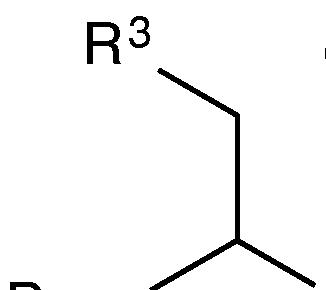


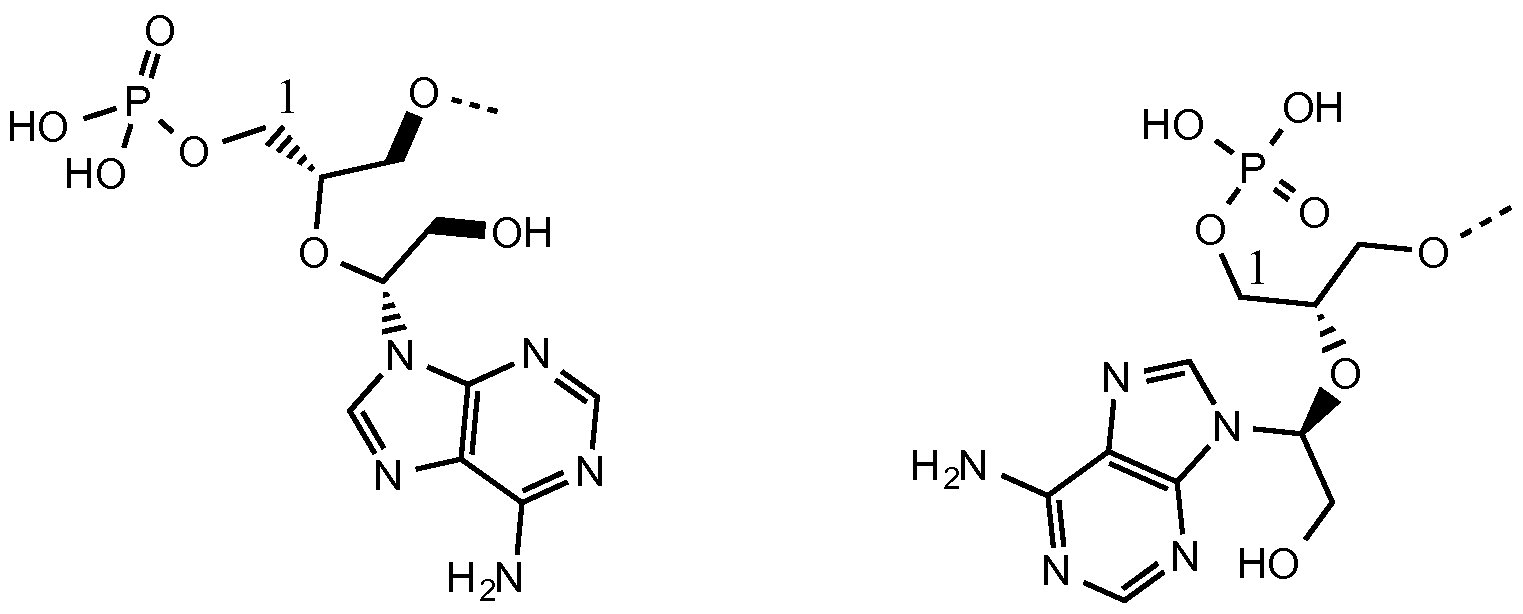

Claims
Priority Applications (4)
| Application Number | Priority Date | Filing Date | Title |
|---|---|---|---|
| AU2015338923A AU2015338923B2 (en) | 2014-11-02 | 2015-11-01 | Messenger UNA molecules and uses thereof |
| EP15855964.1A EP3212793B1 (en) | 2014-11-02 | 2015-11-01 | Messenger una molecules and uses thereof |
| CA2966527A CA2966527C (en) | 2014-11-02 | 2015-11-01 | Messenger una molecules and uses thereof |
| JP2017523216A JP6728156B2 (en) | 2014-11-02 | 2015-11-01 | Messenger UNA molecule and its use |
Applications Claiming Priority (2)
| Application Number | Priority Date | Filing Date | Title |
|---|---|---|---|
| US201462074046P | 2014-11-02 | 2014-11-02 | |
| US62/074,046 | 2014-11-02 |
Publications (2)
| Publication Number | Publication Date |
|---|---|
| WO2016070166A2 true WO2016070166A2 (en) | 2016-05-06 |
| WO2016070166A3 WO2016070166A3 (en) | 2016-08-18 |
Family
ID=55858532
Family Applications (1)
| Application Number | Title | Priority Date | Filing Date |
|---|---|---|---|
| PCT/US2015/058534 Ceased WO2016070166A2 (en) | 2014-11-02 | 2015-11-01 | Messenger una molecules and uses thereof |
Country Status (6)
| Country | Link |
|---|---|
| US (2) | US20160130567A1 (en) |
| EP (1) | EP3212793B1 (en) |
| JP (1) | JP6728156B2 (en) |
| AU (1) | AU2015338923B2 (en) |
| CA (1) | CA2966527C (en) |
| WO (1) | WO2016070166A2 (en) |
Cited By (32)
| Publication number | Priority date | Publication date | Assignee | Title |
|---|---|---|---|---|
| WO2017218524A1 (en) * | 2016-06-13 | 2017-12-21 | Rana Therapeutics, Inc. | Messenger rna therapy for the treatment of ornithine transcarbamylase deficiency |
| WO2018118662A1 (en) | 2016-12-19 | 2018-06-28 | Sarepta Therapeutics, Inc. | Exon skipping oligomer conjugates for muscular dystrophy |
| WO2018118599A1 (en) | 2016-12-19 | 2018-06-28 | Sarepta Therapeutics, Inc. | Exon skipping oligomer conjugates for muscular dystrophy |
| WO2018118627A1 (en) | 2016-12-19 | 2018-06-28 | Sarepta Therapeutics, Inc. | Exon skipping oligomer conjugates for muscular dystrophy |
| WO2018127382A1 (en) * | 2017-01-03 | 2018-07-12 | Ethris Gmbh | Ornithine transcarbamylase coding polyribonucleotides and formulations thereof |
| WO2018222890A1 (en) | 2017-05-31 | 2018-12-06 | Arcturus Therapeutics, Inc. | Synthesis and structure of high potency rna therapeutics |
| WO2019059973A1 (en) | 2017-09-22 | 2019-03-28 | Sarepta Therapeutics, Inc. | Exon skipping oligomer conjugates for muscular dystrophy |
| WO2019067975A1 (en) | 2017-09-28 | 2019-04-04 | Sarepta Therapeutics, Inc. | Combination therapies for treating muscular dystrophy |
| WO2019067979A1 (en) | 2017-09-28 | 2019-04-04 | Sarepta Therapeutics, Inc. | Combination therapies for treating muscular dystrophy |
| WO2019067981A1 (en) | 2017-09-28 | 2019-04-04 | Sarepta Therapeutics, Inc. | Combination therapies for treating muscular dystrophy |
| WO2019104152A1 (en) * | 2017-11-22 | 2019-05-31 | Modernatx, Inc. | Polynucleotides encoding ornithine transcarbamylase for the treatment of urea cycle disorders |
| WO2020023688A1 (en) | 2018-07-27 | 2020-01-30 | Sarepta Therapeutics, Inc. | Exon skipping oligomers for muscular dystrophy |
| JP2020510426A (en) * | 2017-02-28 | 2020-04-09 | アークトゥラス・セラピューティクス・インコーポレイテッドArcturus Therapeutics,Inc. | Translatable molecules and their synthesis |
| WO2020123574A1 (en) | 2018-12-13 | 2020-06-18 | Sarepta Therapeutics, Inc. | Exon skipping oligomer conjugates for muscular dystrophy |
| JP2020522244A (en) * | 2017-05-31 | 2020-07-30 | ウルトラジェニクス ファーマシューティカル インク.Ultragenyx Pharmaceutical Inc. | Remedy for glycogen storage disease type III |
| US10758629B2 (en) | 2018-05-29 | 2020-09-01 | Sarepta Therapeutics, Inc. | Exon skipping oligomer conjugates for muscular dystrophy |
| WO2020214763A1 (en) | 2019-04-18 | 2020-10-22 | Sarepta Therapeutics, Inc. | Compositions for treating muscular dystrophy |
| EP3630200A4 (en) * | 2017-05-31 | 2021-02-24 | Arcturus Therapeutics, Inc. | Therapeutics for phenylketonuria |
| US11167043B2 (en) | 2017-12-20 | 2021-11-09 | Translate Bio, Inc. | Composition and methods for treatment of ornithine transcarbamylase deficiency |
| WO2023055774A1 (en) | 2021-09-30 | 2023-04-06 | Sarepta Therapeutics, Inc. | Antisense oligonucleotides having one or more abasic units |
| WO2023070086A1 (en) | 2021-10-22 | 2023-04-27 | Sarepta Therapeutics, Inc. | Morpholino oligomers for treatment of peripheral myelin protein 22 related diseases |
| US11685906B2 (en) | 2018-12-06 | 2023-06-27 | Arcturus Therapeutics, Inc. | Compositions and methods for treating ornithine transcarbamylase deficiency |
| EP4219717A2 (en) | 2018-06-13 | 2023-08-02 | Sarepta Therapeutics, Inc. | Exon skipping oligomers for muscular dystrophy |
| US11939601B2 (en) | 2017-11-22 | 2024-03-26 | Modernatx, Inc. | Polynucleotides encoding phenylalanine hydroxylase for the treatment of phenylketonuria |
| WO2024064237A2 (en) | 2022-09-21 | 2024-03-28 | Sarepta Therapeutics, Inc. | Dmd antisense oligonucleotide-mediated exon skipping efficiency |
| WO2024104914A1 (en) | 2022-11-14 | 2024-05-23 | BioNTech SE | Rna capping efficiency assay |
| US12070509B2 (en) | 2020-05-01 | 2024-08-27 | Arcturus Therapeutics, Inc. | Nucleic acids and methods of treatment for cystic fibrosis |
| WO2024227040A1 (en) | 2023-04-27 | 2024-10-31 | Sarepta Therapeutics, Inc. | Antisense oligomers for treatment of chronic kidney disease |
| WO2024231285A1 (en) | 2023-05-05 | 2024-11-14 | BioNTech SE | Method of analysing contaminants in rna products by ion-pair chromatography |
| WO2025052108A3 (en) * | 2023-09-04 | 2025-04-17 | Imperial College Innovations Limited | Rna molecule |
| WO2025085810A2 (en) | 2023-10-18 | 2025-04-24 | Sarepta Therapeutics, Inc. | Antisense oligomers for treatment of centronuclear myopathies |
| US12351834B2 (en) | 2020-03-03 | 2025-07-08 | Arcturus Therapeutics, Inc. | Compositions and methods for the treatment of ornithine transcarbamylase deficiency |
Families Citing this family (5)
| Publication number | Priority date | Publication date | Assignee | Title |
|---|---|---|---|---|
| US20230136960A1 (en) * | 2020-03-19 | 2023-05-04 | Nature's Toolbox, Inc. | Novel MRNA-Based COVID-19 Multi-Valent Vaccine and Methods of Scaled Production of the Same |
| EP4132478A1 (en) | 2020-04-09 | 2023-02-15 | Finncure Oy | Mimetic nanoparticles for preventing the spreading and lowering the infection rate of novel coronaviruses |
| US12194157B2 (en) | 2020-04-09 | 2025-01-14 | Finncure Oy | Carrier for targeted delivery to a host |
| CN112023062A (en) * | 2020-09-18 | 2020-12-04 | 北京基因安科技有限公司 | Method for inhibiting allergic reactions using soluble IgE receptors |
| WO2025144938A1 (en) | 2023-12-26 | 2025-07-03 | Emmune, Inc. | Systems for nucleic acid transfer |
Citations (4)
| Publication number | Priority date | Publication date | Assignee | Title |
|---|---|---|---|---|
| WO2014160243A1 (en) | 2013-03-14 | 2014-10-02 | The Trustees Of The University Of Pennsylvania | Purification and purity assessment of rna molecules synthesized with modified nucleosides |
| WO2014158795A1 (en) | 2013-03-12 | 2014-10-02 | Moderna Therapeutics, Inc. | Diagnosis and treatment of fibrosis |
| WO2015051169A2 (en) | 2013-10-02 | 2015-04-09 | Moderna Therapeutics, Inc. | Polynucleotide molecules and uses thereof |
| WO2015074085A1 (en) | 2013-11-18 | 2015-05-21 | Arcturus Therapeutics, Inc. | Ionizable cationic lipid for rna delivery |
Family Cites Families (19)
| Publication number | Priority date | Publication date | Assignee | Title |
|---|---|---|---|---|
| JPH08511423A (en) * | 1993-06-10 | 1996-12-03 | ジェネティック セラピー,インコーポレイテッド | Adenovirus vector for treatment of hemophilia |
| AU2001290984A1 (en) | 2000-09-18 | 2002-04-02 | Genzyme Corporation | Expression vectors containing hybrid ubiquitin promoters |
| EP1739179A1 (en) * | 2005-06-30 | 2007-01-03 | Octapharma AG | Serum-free stable transfection and production of recombinant human proteins in human cell lines |
| EP4174179B1 (en) | 2005-08-23 | 2025-05-07 | The Trustees of the University of Pennsylvania | Rna containing modified nucleosides and methods of use thereof |
| US9012219B2 (en) | 2005-08-23 | 2015-04-21 | The Trustees Of The University Of Pennsylvania | RNA preparations comprising purified modified RNA for reprogramming cells |
| US8454948B2 (en) * | 2006-09-14 | 2013-06-04 | Medgenics Medical Israel Ltd. | Long lasting drug formulations |
| EP2089424B1 (en) * | 2006-12-06 | 2015-07-01 | JCR PHARMACEUTICALS Co., LTD. | Method for production of human erythropoietin |
| US7700734B2 (en) * | 2007-01-09 | 2010-04-20 | Shu-Wha Lin | Recombinant human factor IX and use thereof |
| CA2687850C (en) * | 2007-05-22 | 2017-11-21 | Mdrna, Inc. | Oligomers for therapeutics |
| DK2459231T3 (en) | 2009-07-31 | 2016-09-05 | Ethris Gmbh | RNA with a combination of unmodified and modified nucleotides for protein expression |
| CA2870511C (en) * | 2011-04-21 | 2023-08-08 | University Of Massachusetts | Raav-based compositions and methods for treating alpha-1 anti-trypsin deficiencies |
| BR112014007852B1 (en) | 2011-10-03 | 2021-11-03 | Moderna Therapeutics, Inc | MODIFIED ISOLATED POLYNUCLEOTIDE AND PHARMACEUTICAL COMPOSITION |
| EP2797634A4 (en) * | 2011-12-29 | 2015-08-05 | Moderna Therapeutics Inc | MODIFIED mRNA ENCODING POLYPEPTIDES PENETRATING IN CELLS |
| BR112014024131A2 (en) * | 2012-03-29 | 2017-07-25 | Shire Human Genetic Therapies | ionizable cationic lipids |
| HK1206779A1 (en) * | 2012-04-02 | 2016-01-15 | Modernatx, Inc. | Modified polynucleotides for the production of nuclear proteins |
| US20140005058A1 (en) * | 2012-06-28 | 2014-01-02 | Caldera Health Ltd. | Methods and materials for the diagnosis of prostate cancers |
| KR102726294B1 (en) | 2014-01-31 | 2024-11-06 | 팩터 바이오사이언스 인크. | Methods and products for nucleic acid production and delivery |
| EP3157573A4 (en) | 2014-06-19 | 2018-02-21 | Moderna Therapeutics, Inc. | Alternative nucleic acid molecules and uses thereof |
| EP3543339A1 (en) | 2015-02-13 | 2019-09-25 | Factor Bioscience Inc. | Nucleic acid products and methods of administration thereof |
-
2015
- 2015-11-01 US US14/929,366 patent/US20160130567A1/en not_active Abandoned
- 2015-11-01 EP EP15855964.1A patent/EP3212793B1/en active Active
- 2015-11-01 AU AU2015338923A patent/AU2015338923B2/en active Active
- 2015-11-01 CA CA2966527A patent/CA2966527C/en active Active
- 2015-11-01 JP JP2017523216A patent/JP6728156B2/en active Active
- 2015-11-01 WO PCT/US2015/058534 patent/WO2016070166A2/en not_active Ceased
-
2017
- 2017-11-07 US US15/806,096 patent/US10815463B2/en active Active
Patent Citations (4)
| Publication number | Priority date | Publication date | Assignee | Title |
|---|---|---|---|---|
| WO2014158795A1 (en) | 2013-03-12 | 2014-10-02 | Moderna Therapeutics, Inc. | Diagnosis and treatment of fibrosis |
| WO2014160243A1 (en) | 2013-03-14 | 2014-10-02 | The Trustees Of The University Of Pennsylvania | Purification and purity assessment of rna molecules synthesized with modified nucleosides |
| WO2015051169A2 (en) | 2013-10-02 | 2015-04-09 | Moderna Therapeutics, Inc. | Polynucleotide molecules and uses thereof |
| WO2015074085A1 (en) | 2013-11-18 | 2015-05-21 | Arcturus Therapeutics, Inc. | Ionizable cationic lipid for rna delivery |
Non-Patent Citations (6)
| Title |
|---|
| "Remington's Pharmaceutical Sciences", 1985, MACK PUBLISHING CO. |
| GAIT, OLIGONUCLEOTIDE SYNTHESIS: A PRACTICAL APPROACH, 1984 |
| HERDEWIJN, OLIGONUCLEOTIDE SYNTHESIS, METHODS IN MOLECULAR BIOLOGY, vol. 288, 2005 |
| MERINO, CHEMICAL SYNTHESIS OF NUCLEOSIDE ANALOGUES, 2013 |
| REMINGTON: "The Science and Practice of Pharmacy", 2005 |
| See also references of EP3212793A4 |
Cited By (62)
| Publication number | Priority date | Publication date | Assignee | Title |
|---|---|---|---|---|
| AU2017283479B2 (en) * | 2016-06-13 | 2023-08-17 | Translate Bio, Inc. | Messenger RNA therapy for the treatment of ornithine transcarbamylase deficiency |
| US12201677B2 (en) | 2016-06-13 | 2025-01-21 | Translate Bio, Inc. | Messenger RNA therapy for the treatment of ornithine transcarbamylase deficiency |
| WO2017218524A1 (en) * | 2016-06-13 | 2017-12-21 | Rana Therapeutics, Inc. | Messenger rna therapy for the treatment of ornithine transcarbamylase deficiency |
| US10835583B2 (en) | 2016-06-13 | 2020-11-17 | Translate Bio, Inc. | Messenger RNA therapy for the treatment of ornithine transcarbamylase deficiency |
| EP3842530A1 (en) * | 2016-06-13 | 2021-06-30 | Translate Bio, Inc. | Messenger rna therapy for the treatment of ornithine transcarbamylase deficiency |
| US12377150B2 (en) | 2016-12-19 | 2025-08-05 | Sarepta Therapeutics, Inc. | Exon skipping oligomer conjugates for muscular dystrophy |
| EP4406601A2 (en) | 2016-12-19 | 2024-07-31 | Sarepta Therapeutics, Inc. | Exon skipping oligomer conjugates for muscular dystrophy |
| EP4122497A1 (en) | 2016-12-19 | 2023-01-25 | Sarepta Therapeutics, Inc. | Exon skipping oligomer conjugates for muscular dystrophy |
| EP4115908A1 (en) | 2016-12-19 | 2023-01-11 | Sarepta Therapeutics, Inc. | Exon skipping oligomer conjugates for muscular dystrophy |
| WO2018118662A1 (en) | 2016-12-19 | 2018-06-28 | Sarepta Therapeutics, Inc. | Exon skipping oligomer conjugates for muscular dystrophy |
| WO2018118627A1 (en) | 2016-12-19 | 2018-06-28 | Sarepta Therapeutics, Inc. | Exon skipping oligomer conjugates for muscular dystrophy |
| US11642364B2 (en) | 2016-12-19 | 2023-05-09 | Sarepta Therapeutics, Inc. | Exon skipping oligomer conjugates for muscular dystrophy |
| US11382981B2 (en) | 2016-12-19 | 2022-07-12 | Sarepta Therapeutics, Inc. | Exon skipping oligomer conjugates for muscular dystrophy |
| US11000600B2 (en) | 2016-12-19 | 2021-05-11 | Sarepta Therapeutics, Inc. | Exon skipping oligomer conjugates for muscular dystrophy |
| US11395855B2 (en) | 2016-12-19 | 2022-07-26 | Sarepta Therapeutics, Inc. | Exon skipping oligomer conjugates for muscular dystrophy |
| US10888578B2 (en) | 2016-12-19 | 2021-01-12 | Sarepta Therapeutics, Inc. | Exon skipping oligomer conjugates for muscular dystrophy |
| WO2018118599A1 (en) | 2016-12-19 | 2018-06-28 | Sarepta Therapeutics, Inc. | Exon skipping oligomer conjugates for muscular dystrophy |
| US11104887B2 (en) | 2017-01-03 | 2021-08-31 | Ethris Gmbh | Ornithine transcarbamylase coding polyribonucleotides and formulations thereof |
| WO2018127382A1 (en) * | 2017-01-03 | 2018-07-12 | Ethris Gmbh | Ornithine transcarbamylase coding polyribonucleotides and formulations thereof |
| JP2023052106A (en) * | 2017-02-28 | 2023-04-11 | アークトゥラス・セラピューティクス・インコーポレイテッド | Translatable molecules and their synthesis |
| EP3589290A4 (en) * | 2017-02-28 | 2020-12-30 | Arcturus Therapeutics, Inc. | TRANSLATABLE MOLECULES AND THEIR SYNTHESIS |
| US11939363B2 (en) | 2017-02-28 | 2024-03-26 | Arcturus Therapeutics, Inc. | Translatable molecules and synthesis thereof |
| JP2020510426A (en) * | 2017-02-28 | 2020-04-09 | アークトゥラス・セラピューティクス・インコーポレイテッドArcturus Therapeutics,Inc. | Translatable molecules and their synthesis |
| US11407800B2 (en) | 2017-02-28 | 2022-08-09 | Arcturus Therapeutics, Inc. | Translatable molecules and synthesis thereof |
| US12509698B2 (en) * | 2017-05-31 | 2025-12-30 | Arcturus Therapeutics, Inc. | Synthesis and structure of high potency RNA therapeutics |
| US20210317468A1 (en) * | 2017-05-31 | 2021-10-14 | Arcturus Therapeutics, Inc. | Synthesis and structure of high potency rna therapeutics |
| EP3630200A4 (en) * | 2017-05-31 | 2021-02-24 | Arcturus Therapeutics, Inc. | Therapeutics for phenylketonuria |
| WO2018222890A1 (en) | 2017-05-31 | 2018-12-06 | Arcturus Therapeutics, Inc. | Synthesis and structure of high potency rna therapeutics |
| US11377643B2 (en) | 2017-05-31 | 2022-07-05 | Ultragenyx Pharmaceutical Inc. | Therapeutics for glycogen storage disease type III |
| US11939600B2 (en) | 2017-05-31 | 2024-03-26 | Arcturus Therapeutics, Inc. | Compositions and methods for treating phenylketonuria |
| JP2020522244A (en) * | 2017-05-31 | 2020-07-30 | ウルトラジェニクス ファーマシューティカル インク.Ultragenyx Pharmaceutical Inc. | Remedy for glycogen storage disease type III |
| JP2023075248A (en) * | 2017-05-31 | 2023-05-30 | ウルトラジェニクス ファーマシューティカル インク. | Therapeutic agents for glycogen storage disease type III |
| JP7284101B2 (en) | 2017-05-31 | 2023-05-30 | ウルトラジェニクス ファーマシューティカル インク. | Therapeutic agents for glycogen storage disease type III |
| WO2019059973A1 (en) | 2017-09-22 | 2019-03-28 | Sarepta Therapeutics, Inc. | Exon skipping oligomer conjugates for muscular dystrophy |
| WO2019067981A1 (en) | 2017-09-28 | 2019-04-04 | Sarepta Therapeutics, Inc. | Combination therapies for treating muscular dystrophy |
| WO2019067979A1 (en) | 2017-09-28 | 2019-04-04 | Sarepta Therapeutics, Inc. | Combination therapies for treating muscular dystrophy |
| WO2019067975A1 (en) | 2017-09-28 | 2019-04-04 | Sarepta Therapeutics, Inc. | Combination therapies for treating muscular dystrophy |
| US11859215B2 (en) | 2017-11-22 | 2024-01-02 | Modernatx, Inc. | Polynucleotides encoding ornithine transcarbamylase for the treatment of urea cycle disorders |
| WO2019104152A1 (en) * | 2017-11-22 | 2019-05-31 | Modernatx, Inc. | Polynucleotides encoding ornithine transcarbamylase for the treatment of urea cycle disorders |
| US11939601B2 (en) | 2017-11-22 | 2024-03-26 | Modernatx, Inc. | Polynucleotides encoding phenylalanine hydroxylase for the treatment of phenylketonuria |
| US11167043B2 (en) | 2017-12-20 | 2021-11-09 | Translate Bio, Inc. | Composition and methods for treatment of ornithine transcarbamylase deficiency |
| US12268754B2 (en) | 2017-12-20 | 2025-04-08 | Translate Bio, Inc. | Composition and methods for treatment of ornithine transcarbamylase deficiency |
| US10758629B2 (en) | 2018-05-29 | 2020-09-01 | Sarepta Therapeutics, Inc. | Exon skipping oligomer conjugates for muscular dystrophy |
| US11491238B2 (en) | 2018-05-29 | 2022-11-08 | Sarepta Therapeutics, Inc. | Exon skipping oligomer conjugates for muscular dystrophy |
| US11338041B2 (en) | 2018-05-29 | 2022-05-24 | Sarepta Therapeutics, Inc. | Exon skipping oligomer conjugates for muscular dystrophy |
| US10765760B2 (en) | 2018-05-29 | 2020-09-08 | Sarepta Therapeutics, Inc. | Exon skipping oligomer conjugates for muscular dystrophy |
| EP4219717A2 (en) | 2018-06-13 | 2023-08-02 | Sarepta Therapeutics, Inc. | Exon skipping oligomers for muscular dystrophy |
| WO2020023688A1 (en) | 2018-07-27 | 2020-01-30 | Sarepta Therapeutics, Inc. | Exon skipping oligomers for muscular dystrophy |
| US11685906B2 (en) | 2018-12-06 | 2023-06-27 | Arcturus Therapeutics, Inc. | Compositions and methods for treating ornithine transcarbamylase deficiency |
| US12398379B2 (en) | 2018-12-06 | 2025-08-26 | Arcturus Therapeutics, Inc. | Compositions and methods for treating ornithine transcarbamylase deficiency |
| WO2020123574A1 (en) | 2018-12-13 | 2020-06-18 | Sarepta Therapeutics, Inc. | Exon skipping oligomer conjugates for muscular dystrophy |
| WO2020214763A1 (en) | 2019-04-18 | 2020-10-22 | Sarepta Therapeutics, Inc. | Compositions for treating muscular dystrophy |
| US12351834B2 (en) | 2020-03-03 | 2025-07-08 | Arcturus Therapeutics, Inc. | Compositions and methods for the treatment of ornithine transcarbamylase deficiency |
| US12070509B2 (en) | 2020-05-01 | 2024-08-27 | Arcturus Therapeutics, Inc. | Nucleic acids and methods of treatment for cystic fibrosis |
| WO2023055774A1 (en) | 2021-09-30 | 2023-04-06 | Sarepta Therapeutics, Inc. | Antisense oligonucleotides having one or more abasic units |
| WO2023070086A1 (en) | 2021-10-22 | 2023-04-27 | Sarepta Therapeutics, Inc. | Morpholino oligomers for treatment of peripheral myelin protein 22 related diseases |
| WO2024064237A2 (en) | 2022-09-21 | 2024-03-28 | Sarepta Therapeutics, Inc. | Dmd antisense oligonucleotide-mediated exon skipping efficiency |
| WO2024104914A1 (en) | 2022-11-14 | 2024-05-23 | BioNTech SE | Rna capping efficiency assay |
| WO2024227040A1 (en) | 2023-04-27 | 2024-10-31 | Sarepta Therapeutics, Inc. | Antisense oligomers for treatment of chronic kidney disease |
| WO2024231285A1 (en) | 2023-05-05 | 2024-11-14 | BioNTech SE | Method of analysing contaminants in rna products by ion-pair chromatography |
| WO2025052108A3 (en) * | 2023-09-04 | 2025-04-17 | Imperial College Innovations Limited | Rna molecule |
| WO2025085810A2 (en) | 2023-10-18 | 2025-04-24 | Sarepta Therapeutics, Inc. | Antisense oligomers for treatment of centronuclear myopathies |
Also Published As
| Publication number | Publication date |
|---|---|
| US20160130567A1 (en) | 2016-05-12 |
| EP3212793A2 (en) | 2017-09-06 |
| AU2015338923A1 (en) | 2017-06-22 |
| EP3212793B1 (en) | 2020-01-08 |
| EP3212793A4 (en) | 2018-05-16 |
| US10815463B2 (en) | 2020-10-27 |
| CA2966527C (en) | 2024-02-06 |
| CA2966527A1 (en) | 2016-05-06 |
| WO2016070166A3 (en) | 2016-08-18 |
| AU2015338923B2 (en) | 2021-10-21 |
| US20180051262A1 (en) | 2018-02-22 |
| JP6728156B2 (en) | 2020-07-22 |
| JP2017537613A (en) | 2017-12-21 |
Similar Documents
| Publication | Publication Date | Title |
|---|---|---|
| US10815463B2 (en) | Messenger UNA molecules and uses thereof | |
| US12509698B2 (en) | Synthesis and structure of high potency RNA therapeutics | |
| US11939363B2 (en) | Translatable molecules and synthesis thereof | |
| ES2542015T3 (en) | Systems engineering, methods and guide compositions optimized for sequence manipulation | |
| EP2921557B1 (en) | Engineering of systems, methods and optimized guide compositions for sequence manipulation | |
| US20230265461A1 (en) | Compositions and methods for targeting, editing, or modifying genes | |
| WO2020097360A1 (en) | Methods and compositions for genome-wide analysis and use of genome cutting and repair | |
| US20180353622A1 (en) | Gene deletion and rescue by crispr-mediated elimination of exon splicing enhancers | |
| US20220220468A1 (en) | Compositions and methods for homology directed repair | |
| JP2026016392A (en) | Translatable molecules and their synthesis | |
| US20180179502A1 (en) | Nucleic Acid Analogue-Guided Chemical Nuclease System, Methods and Compositions | |
| HK1202586B (en) | Engineering of systems, methods and optimized guide compositions for sequence manipulation |
Legal Events
| Date | Code | Title | Description |
|---|---|---|---|
| 121 | Ep: the epo has been informed by wipo that ep was designated in this application |
Ref document number: 15855964 Country of ref document: EP Kind code of ref document: A2 |
|
| ENP | Entry into the national phase |
Ref document number: 2017523216 Country of ref document: JP Kind code of ref document: A |
|
| ENP | Entry into the national phase |
Ref document number: 2966527 Country of ref document: CA |
|
| NENP | Non-entry into the national phase |
Ref country code: DE |
|
| REEP | Request for entry into the european phase |
Ref document number: 2015855964 Country of ref document: EP |
|
| ENP | Entry into the national phase |
Ref document number: 2015338923 Country of ref document: AU Date of ref document: 20151101 Kind code of ref document: A |
|
| 121 | Ep: the epo has been informed by wipo that ep was designated in this application |
Ref document number: 15855964 Country of ref document: EP Kind code of ref document: A2 |