US7741286B2 - Long lasting anti-angiogenic peptides - Google Patents
Long lasting anti-angiogenic peptides Download PDFInfo
- Publication number
- US7741286B2 US7741286B2 US11/350,703 US35070306A US7741286B2 US 7741286 B2 US7741286 B2 US 7741286B2 US 35070306 A US35070306 A US 35070306A US 7741286 B2 US7741286 B2 US 7741286B2
- Authority
- US
- United States
- Prior art keywords
- tyr
- asp
- lys
- pro
- fmoc
- Prior art date
- Legal status (The legal status is an assumption and is not a legal conclusion. Google has not performed a legal analysis and makes no representation as to the accuracy of the status listed.)
- Expired - Fee Related, expires
Links
- 0 *C(=O)N([H])C.*C(=O)ON1C(=O)CCC1=O.C.C.CN.O=C1CCC(=O)N1O Chemical compound *C(=O)N([H])C.*C(=O)ON1C(=O)CCC1=O.C.C.CN.O=C1CCC(=O)N1O 0.000 description 2
Classifications
-
- C—CHEMISTRY; METALLURGY
- C07—ORGANIC CHEMISTRY
- C07K—PEPTIDES
- C07K14/00—Peptides having more than 20 amino acids; Gastrins; Somatostatins; Melanotropins; Derivatives thereof
- C07K14/005—Peptides having more than 20 amino acids; Gastrins; Somatostatins; Melanotropins; Derivatives thereof from viruses
-
- A—HUMAN NECESSITIES
- A61—MEDICAL OR VETERINARY SCIENCE; HYGIENE
- A61P—SPECIFIC THERAPEUTIC ACTIVITY OF CHEMICAL COMPOUNDS OR MEDICINAL PREPARATIONS
- A61P25/00—Drugs for disorders of the nervous system
- A61P25/08—Antiepileptics; Anticonvulsants
-
- A—HUMAN NECESSITIES
- A61—MEDICAL OR VETERINARY SCIENCE; HYGIENE
- A61P—SPECIFIC THERAPEUTIC ACTIVITY OF CHEMICAL COMPOUNDS OR MEDICINAL PREPARATIONS
- A61P25/00—Drugs for disorders of the nervous system
- A61P25/14—Drugs for disorders of the nervous system for treating abnormal movements, e.g. chorea, dyskinesia
-
- A—HUMAN NECESSITIES
- A61—MEDICAL OR VETERINARY SCIENCE; HYGIENE
- A61P—SPECIFIC THERAPEUTIC ACTIVITY OF CHEMICAL COMPOUNDS OR MEDICINAL PREPARATIONS
- A61P25/00—Drugs for disorders of the nervous system
- A61P25/18—Antipsychotics, i.e. neuroleptics; Drugs for mania or schizophrenia
-
- A—HUMAN NECESSITIES
- A61—MEDICAL OR VETERINARY SCIENCE; HYGIENE
- A61P—SPECIFIC THERAPEUTIC ACTIVITY OF CHEMICAL COMPOUNDS OR MEDICINAL PREPARATIONS
- A61P25/00—Drugs for disorders of the nervous system
- A61P25/20—Hypnotics; Sedatives
-
- A—HUMAN NECESSITIES
- A61—MEDICAL OR VETERINARY SCIENCE; HYGIENE
- A61P—SPECIFIC THERAPEUTIC ACTIVITY OF CHEMICAL COMPOUNDS OR MEDICINAL PREPARATIONS
- A61P25/00—Drugs for disorders of the nervous system
- A61P25/22—Anxiolytics
-
- A—HUMAN NECESSITIES
- A61—MEDICAL OR VETERINARY SCIENCE; HYGIENE
- A61P—SPECIFIC THERAPEUTIC ACTIVITY OF CHEMICAL COMPOUNDS OR MEDICINAL PREPARATIONS
- A61P25/00—Drugs for disorders of the nervous system
- A61P25/24—Antidepressants
-
- A—HUMAN NECESSITIES
- A61—MEDICAL OR VETERINARY SCIENCE; HYGIENE
- A61P—SPECIFIC THERAPEUTIC ACTIVITY OF CHEMICAL COMPOUNDS OR MEDICINAL PREPARATIONS
- A61P25/00—Drugs for disorders of the nervous system
- A61P25/28—Drugs for disorders of the nervous system for treating neurodegenerative disorders of the central nervous system, e.g. nootropic agents, cognition enhancers, drugs for treating Alzheimer's disease or other forms of dementia
-
- A—HUMAN NECESSITIES
- A61—MEDICAL OR VETERINARY SCIENCE; HYGIENE
- A61P—SPECIFIC THERAPEUTIC ACTIVITY OF CHEMICAL COMPOUNDS OR MEDICINAL PREPARATIONS
- A61P3/00—Drugs for disorders of the metabolism
- A61P3/04—Anorexiants; Antiobesity agents
-
- A—HUMAN NECESSITIES
- A61—MEDICAL OR VETERINARY SCIENCE; HYGIENE
- A61P—SPECIFIC THERAPEUTIC ACTIVITY OF CHEMICAL COMPOUNDS OR MEDICINAL PREPARATIONS
- A61P3/00—Drugs for disorders of the metabolism
- A61P3/08—Drugs for disorders of the metabolism for glucose homeostasis
-
- A—HUMAN NECESSITIES
- A61—MEDICAL OR VETERINARY SCIENCE; HYGIENE
- A61P—SPECIFIC THERAPEUTIC ACTIVITY OF CHEMICAL COMPOUNDS OR MEDICINAL PREPARATIONS
- A61P3/00—Drugs for disorders of the metabolism
- A61P3/08—Drugs for disorders of the metabolism for glucose homeostasis
- A61P3/10—Drugs for disorders of the metabolism for glucose homeostasis for hyperglycaemia, e.g. antidiabetics
-
- A—HUMAN NECESSITIES
- A61—MEDICAL OR VETERINARY SCIENCE; HYGIENE
- A61P—SPECIFIC THERAPEUTIC ACTIVITY OF CHEMICAL COMPOUNDS OR MEDICINAL PREPARATIONS
- A61P35/00—Antineoplastic agents
-
- A—HUMAN NECESSITIES
- A61—MEDICAL OR VETERINARY SCIENCE; HYGIENE
- A61P—SPECIFIC THERAPEUTIC ACTIVITY OF CHEMICAL COMPOUNDS OR MEDICINAL PREPARATIONS
- A61P41/00—Drugs used in surgical methods, e.g. surgery adjuvants for preventing adhesion or for vitreum substitution
-
- C—CHEMISTRY; METALLURGY
- C07—ORGANIC CHEMISTRY
- C07K—PEPTIDES
- C07K14/00—Peptides having more than 20 amino acids; Gastrins; Somatostatins; Melanotropins; Derivatives thereof
- C07K14/435—Peptides having more than 20 amino acids; Gastrins; Somatostatins; Melanotropins; Derivatives thereof from animals; from humans
- C07K14/575—Hormones
- C07K14/605—Glucagons
-
- A—HUMAN NECESSITIES
- A61—MEDICAL OR VETERINARY SCIENCE; HYGIENE
- A61K—PREPARATIONS FOR MEDICAL, DENTAL OR TOILETRY PURPOSES
- A61K38/00—Medicinal preparations containing peptides
-
- C—CHEMISTRY; METALLURGY
- C12—BIOCHEMISTRY; BEER; SPIRITS; WINE; VINEGAR; MICROBIOLOGY; ENZYMOLOGY; MUTATION OR GENETIC ENGINEERING
- C12N—MICROORGANISMS OR ENZYMES; COMPOSITIONS THEREOF; PROPAGATING, PRESERVING, OR MAINTAINING MICROORGANISMS; MUTATION OR GENETIC ENGINEERING; CULTURE MEDIA
- C12N2740/00—Reverse transcribing RNA viruses
- C12N2740/00011—Details
- C12N2740/10011—Retroviridae
- C12N2740/16011—Human Immunodeficiency Virus, HIV
- C12N2740/16111—Human Immunodeficiency Virus, HIV concerning HIV env
- C12N2740/16122—New viral proteins or individual genes, new structural or functional aspects of known viral proteins or genes
Definitions
- This invention relates to modified anti-angiogenic peptides.
- this invention relates to modified kringle 5 peptides with long duration of action for the treatment of diseases related to angiogenesis.
- Angiogenesis the development of new blood vessels, is a highly regulated and essential process of endothelial cell growth.
- angiogenesis is a highly regulated process under normal conditions, many diseases (characterized as “angiogenic diseases”) are driven by persistent unregulated angiogenesis.
- Unregulated, angiogenesis may either cause a particular disease directly or exascerbate an existing pathological condition.
- ocular neovacularization has been implicated as the most common cause of blindness and dominates approximately 20 eye diseases.
- new capillaries formed in the retina invade the vitreous, bleed, and cause blindness. Growth and metastasis of solid tumors are also angiogenesis-dependent (Folkman, J., Cancer Research, 46: 467473 (1986), Folkman, J., Journal of the National Cancer Institute, 82: 4-6 (1989)).
- plasminogen a angiogenic molecule of particular interest
- plasminogen Of particular interest is the kringle 5 region of plasminogen and various peptides within the kringle 5 region. Both plasminogen and the kringle 5 region of plasminogen have been shown to interfere with the angiogenic process are thus known as anti-angiogenic peptides.
- kringle 5 peptides While useful, kringle 5 peptides, like other peptides, suffer from rapid kidney excretion, liver metabolism, and decomposition from endogeneous peptidases leading to very short plasma half-lives thereby reducing their usefulness as anti-angiogenic agents. As a result of their short half lives, peptides such as kringle 5 require constant infusion to reach adequate plasma levels sufficient for efficient therapy.
- the present invention is directed to modified anti-angiogenic peptides.
- this invention is directed to modified kringle 5 peptides.
- the invention relates to novel chemically reactive derivatives of anti-angiogenic peptides that can react with available functionalities on mobile blood proteins to form covalent linkages.
- the invention relates to novel chemically reactive derivatives of anti-angiogenic peptides such as kringle 5 peptides that can react with available functionalities on mobile blood proteins to form covalent linkages.
- the chemically reactive derivatives of the anti-angiogenic peptides are capable of forming a peptidase stabilized anti-angiogenic peptide.
- the invention is directed to a derivative of an anti-angiogenic peptide such as a kringle 5 peptide where the derivative comprises a reactive group which reacts with amino groups, hydroxyl groups or thiol groups on blood proteins to form stable covalent bonds.
- the anti-angiogenic peptides include succimidyl or maleimido reactive groups.
- the present invention relates to modified kringle 5 peptides and derivatives thereof and their use as anti-angiogenic agents.
- the kringle 5 peptides include reactive groups capable of forming a covalent bond with mobile blood proteins.
- the present invention relates to the following modified kringle 5 peptides: NAc-Pro-Arg-Lys-Leu-Tyr-Asp-Lys-NH 2 ; NAc-Arg-Lys-Leu-Tyr-Asp-Tyr-Lys-NH 2 ; Nac-Tyr-Thr-Thr-Asn-Pro-Arg-Lys-Leu-Tyr-Asp-Tyr-Lys-NH 2 ; NAc-Arg-Asn-Pro-Asp-Gly-Asp-Val-Gly-Gly-Pro-Trp-Ala-Tyr-Thr-Thr-Asn-Pro-Arg-Lys-Leu-Tyr-Asp-Tyr-Lys-NH 2 ; NAc-Arg-Asn-Pro-Asp-Gly-Asp-Val-Gly-Gly-Pro-Tr-Lys-NH 2 ; NAc
- the modified anti-angiogenic peptides find use in the treatment of angiogenesis in humans.
- Reactive groups are chemical groups capable of forming a covalent bond. Such reactive groups are coupled or bonded to an anti-angiogenic, or, more specifically, a kringle 5 peptide of interest. Reactive groups will generally be stable in an aqueous environment and will usually be carboxy, phosphoryl, or convenient acyl group, either as an ester or a mixed anhydride, or an imidate, thereby capable of forming a covalent bond with functionalities such as an amino group, a hydroxy or a thiol at the target site on mobile blood components. For the most part, the esters will involve phenolic compounds, or be thiol esters, alkyl esters, phosphate esters, or the like.
- Reactive groups include succimidyl and maleimido groups.
- Functionalities are groups on blood components with which reactive groups react to form covalent bonds. Functionalities include hydroxyl groups for bonding to ester reactive groups; thiol groups for bonding to imidates and thioester groups; amino groups for bonding to carboxy, phosphoryl or acyl groups on reactive groups and carboxyl groups for bonding to amino groups.
- Blood components may be either fixed or mobile.
- Fixed blood components are non-mobile blood components and include tissues, membrane receptors, interstitial proteins, fibrin proteins, collagens, platelets, endothelial cells, epithelial cells and their associated membrane and membraneous receptors, somatic body cells, skeletal and smooth muscle cells, neuronal components, osteocytes and osteoclasts and all body tissues especially those associated with the circulatory and lymphatic systems.
- Mobile blood components are blood components that do not have a fixed situs for any extended period of time, generally not exceeding 5, more specifically one minute. These blood components are not membrane-associated and are present in the blood for extended periods of time and are present in a minimum concentration of at least 0.1 ⁇ g/ml.
- Mobile blood components include serum albumin, transferrin, ferritin and immunoglobulins such as IgM and IgG. The half-life of mobile blood components is at least about 12 hours.
- Protective groups are chemical moieties utilized to protect peptide derivatives from reacting with themselves.
- Various protective groups are disclosed herein and in U.S. Pat. No. 5,493,007 which is hereby incorporated by reference.
- Such protective groups include acetyl, fluorenylmethyloxycarbonyl (FMOC), t-butyloxycarbonyl (BOC), benzyloxycarbonyl (CBZ), and the like.
- the specific protected amino acids are depicted in Table 1.
- Sensitive Functional Groups are a group of atoms that represents a potential reaction site on an anti-angiogenic peptide. If present, a sensitive functional group may be chosen as the attachment point for the linker-reactive entity modification. Sensitive functional groups include but are not limited to carboxyl, amino, thiol, and hydroxyl groups.
- a modified anti-angiogenic peptide is a peptide that has been modified by attaching a reactive group, and is capable of forming a peptidase stabilized peptide through conjugation to blood components.
- the reactive group may be attached to the anti-angiogenic peptide either via a linking group, or optionally without using a linking group. It is also contemplated that one or more additional amino acids may be added to the anti-angiogenic peptide to facilitate the attachment of the reactive group.
- Modified peptides may be administered in vivo such that conjugation with blood components occurs in vivo, or they may be first conjugated to blood components in vitro and the resulting peptidase stabilized peptide (as defined below) administered in vivo.
- the terms “modified anti-angiogenic peptide” and “modified peptide” may be used interchangeably in this application.
- a peptidase stabilized anti-angiogenic peptide is a modified peptide that has been conjugated to a blood component via a covalent bond formed between the reactive group of the modified peptide and the functionalities of the blood component, with or without a linking group.
- Peptidase stabilized peptides are more stable in the presence of peptidases in vivo than a non-stabilized peptide.
- a peptidase stabilized anti-angiogenic peptide generally has an increased half life of at least 10-50% as compared to a non-stabilized peptide of identical sequence.
- Peptidase stability is determined by comparing the half life of the unmodified anti-angiogenic peptide in serum or blood to the half life of a modified counterpart anti-angiogenic peptide in serum or blood.
- Half life is determined by sampling the serum or blood after administration of the modified and non-modified peptides and determining the activity of the peptide.
- the length of the anti-angiogenic peptide may also be measured by HPLC and Mass Spectrometry.
- Linking groups are chemical moieties that link or connect reactive groups to anti-angiogenic peptides.
- Linking groups may comprise one or more alkyl groups such as methyl, ethyl, propyl, butyl, etc. groups, alkoxy groups, alkenyl groups, alkynyl groups or amino group substituted by alkyl groups, cycloalkyl groups, polycyclic groups, aryl groups, polyaryl groups, substituted aryl groups, heterocyclic groups, and substituted heterocyclic groups.
- Linking groups may also comprise poly ethoxy aminoacids such as AEA ((2-amino) ethoxy acetic acid) or a preferred linking group AEEA ([2-(2-amino)ethoxy)]ethoxy acetic acid).
- AEA ((2-amino) ethoxy acetic acid)
- AEEA [2-(2-amino)ethoxy)]ethoxy acetic acid
- the focus of this invention is to modify anti-angiogenic peptides and particularly kringle 5 peptides to improve bio-availability, extend half-life and distribution of the peptide in vivo through conjugation of the peptide onto a protein carrier without modifying its anti-angiogenesis properties.
- the carrier of choice (but not limited to) for this invention would be albumin conjugated through its free thiol by a kringle 5 peptide derivatized with a maleimide moiety.
- the term “kringle 5” refers to the region of mammalian plasminogen having three disulfide bonds which contribute to the specific three-dimensional confirmation defined by the fifth kringle region of the mammalian plasminogen molecule.
- One such disulfide bond links the cysteine residues located at amino acid positions 462 and 541, a second links the cysteine residues located at amino acid positions 483 and 524 and a third links the cysteine residues located at amino acid positions 512 and 536.
- the amino acid sequence of a complete mammalian plasminogen molecule (the human plasminogen molecule), including its kringle 5 region, is presented in (SEQ ID NO: 1).
- kringle 5 peptide fragments refers to peptides with anti-angiogenic activity of between 4 and 104 amino acids (inclusive) with a substantial sequence homology to the corresponding peptide fragment of mammalian plasminogen, an ⁇ -N-terminus at about amino acid position 443 of intact mammalian plasminogen and an ⁇ -C-terminus at about position 546 of SEQ ID NO:1; an ⁇ -N-terminus at about amino acid position 513 of intact mammalian plasminogen and an ⁇ -C-terminus at about position 523 of SEQ ID NO:1; an ⁇ -N-terminus at about amino acid position 525 of intact mammalian plasminogen and an ⁇ -C-terminus at about position 535 of SEQ ID NO:1; an ⁇ -N-terminus at about amino acid position 529 of intact mammalian plasminogen and an ⁇ -C-terminus at about position 535 of SEQ ID NO:1; an ⁇ -N
- the kringle 5 peptide of the invention has one or more of the following sequences:
- the present invention is contemplated to encompass any derivatives or modifications of kringle 5 peptide fragments which have anti-angiogenic activity and includes the entire class of kringle 5 peptide fragments described herein and derivatives and modifications of those kringle 5 peptide fragments.
- This invention relates to modified anti-angiogenic peptides and, in particular, modified kringle 5 peptides.
- the modified kringle 5 peptides of the invention can react with available reactive functionalities on blood components via covalent linkages.
- the invention also relates to such modifications, such combinations with blood components and methods for their use. These methods include extending the effective therapeutic in vivo half life of the modified kringle 5 peptides.
- a chemically reactive group a wide variety of active carboxyl groups, particularly esters, where the hydroxyl moiety is physiologically acceptable at the levels required to modify the kringle 5 peptide. While a number of different hydroxyl groups may be employed in these linking agents, the most convenient would be N-hydroxysuccinimide (NHS), N-hydroxy-sulfosuccinimide (sulfo-NHS), maleimide-benzoyl-succinimide (MBS), gamma-maleimido-butyryloxy succinimide ester (GMBS) and maleimidopropionic acid (MPA).
- NHS N-hydroxysuccinimide
- sulfo-NHS N-hydroxy-sulfosuccinimide
- MBS maleimide-benzoyl-succinimide
- GMBS gamma-maleimido-butyryloxy succinimide ester
- MPA maleimidopropionic acid
- the functional group on the protein will be a thiol group and the chemically reactive group will be a maleimido-containing group such as gamma-maleimide butyrlamide (GMBA) or MPA.
- GMBA gamma-maleimide butyrlamide
- MPA gamma-maleimide butyrlamide
- maleimido groups Such maleimide containing reactive groups are herein referred to as “maleimido groups.”
- the maleimido group is most selective for sulfhydryl groups on peptides when the pH of the reaction mixture is kept between 6.5 and 7.4. At pH 7.0, the rate of reaction of maleimido groups with sulfhydryls is 1000-fold faster than with amines.
- a stable thioether linkage between the maleimido group and the sulfhydryl is formed which cannot be cleaved under physiological conditions as demonstrated in the following schematic.
- the kringle 5 peptides and peptide derivatives of the invention may be modified for specific labeling and non-specific labeling of blood components.
- the modified angiogenic peptides of this invention are designed to specifically react with thiol groups on mobile blood proteins.
- Such reaction is preferably established by covalent bonding of a anti-angiogenic peptide modified with a maleimide link (e.g. prepared from GMBS, MPA or other maleimides) to a thiol group on a mobile blood protein such as serum albumin or IgG.
- a maleimide link e.g. prepared from GMBS, MPA or other maleimides
- maleimido groups offers several advantages over non-specific labeling of mobile proteins with groups such as NHS and sulfo-NHS.
- Thiol groups are less abundant in vivo than amino groups. Therefore, the maleimide derivatives of this invention will covalently bond to fewer proteins.
- albumin the most abundant blood protein
- peptide-maleimide-albumin conjugates will tend to comprise approximately a 1:1 molar ratio of peptide to albumin.
- IgG molecules class II
- IgG molecules and serum albumin make up the majority of the soluble protein in blood they also make up the majority of the free thiol groups in blood that are available to covalently bond to maleimide-modified peptides.
- Cys 34 of albumin is predominantly in the ionized form, which dramatically increases its reactivity.
- another factor which enhances the reactivity of Cys 34 is its location, which is in a crevice close to the surface of one loop of region V of albumin. This location makes Cys 34 very available to ligands of all kinds, and is an important factor in Cys 34 's biological role as free radical trap and free thiol scavenger.
- peptide-maleimide-albumin conjugates Another advantage of peptide-maleimide-albumin conjugates is the reproducibility associated with the 1:1 loading of peptide to albumin specifically at Cys 34 .
- Other techniques such as glutaraldehyde, DCC, EDC and other chemical activations of, for example, free amines lack this selectivity.
- albumin contains 52 lysine residues, 25-30 of which are located on the surface of albumin and accessible for conjugation. Activating these lysine residues, or alternatively modifying peptides to couple through these lysine residues, results in a heterogenous population of conjugates.
- maleimide-peptides Through controlled administration of maleimide-peptides in vivo, one can control the specific labeling of albumin and IgG in vivo. In typical administrations, 80-90% of the administered maleimide-peptides will label albumin and less than 5% will label IgG. Trace labeling of free thiols such as glutathione will also occur. Such specific labeling is preferred for in vivo use as it permits an accurate calculation of the estimated half-life of the administered agent.
- maleimide-peptides can provide specific labeling of serum albumin and IgG ex vivo.
- ex vivo labeling involves the addition of maleimide-peptides to blood, serum or saline solution containing serum albumin and/or IgG. Once modified ex vivo with maleimide-peptides, the blood, serum or saline solution can be readministered to the blood for in vivo treatment.
- maleimide-peptides are generally quite stable in the presence of aqueous solutions and in the presence of free amines. Since maleimide-peptides will only react with free thiols, protective groups are generally not necessary to prevent the maleimide-peptides from reacting with itself.
- the increased stability of the peptide permits the use of further purification steps such as HPLC to prepare highly purified products suitable for in vivo use.
- the increased chemical stability provides a product with a longer shelf life.
- the kringle 5 peptides of the invention may also be modified for non-specific labeling of blood components. Bonds to amino groups will also be employed, particularly with the formation of amide bonds for non-specific labeling. To form such bonds, one may use as a chemically reactive group coupled to the kringle 5 peptide a wide variety of active carboxyl groups, particularly esters, where the hydroxyl moiety is physiologically acceptable at the levels required. While a number of different hydroxyl groups may be employed in these linking agents, the most convenient would be N-hydroxysuccinimide (NHS) and N-hydroxy-sulfosuccinimide (sulfo-NHS), which form succinimidyl groups.
- NHS N-hydroxysuccinimide
- sulfo-NHS N-hydroxy-sulfosuccinimide
- linking agents which may be utilized are described in U.S. Pat. No. 5,612,034, which is hereby incorporated herein.
- the various sites with which the chemically reactive group of the subject non-specific kringle 5 peptide derivatives may react in vivo include cells, particularly red blood cells (erythrocytes) and platelets, and proteins, such as immunoglobulins, including IgG and IgM, serum albumin, ferritin, steroid binding proteins, transferrin, thyroxin binding protein, ⁇ -2-macroglobulin, and the like.
- Those receptors with which the derivatized kringle 5 peptides react which are not long-lived, will generally be eliminated from the human host within about three days.
- the proteins indicated above (including the proteins of the cells) will remain at least three days, and may remain five days or more (usually not exceeding 60 days, more usually not exceeding 30 days) particularly as to the half life, based on the concentration in the blood.
- reaction will be with mobile components in the blood, particularly blood proteins and cells, more particularly blood proteins and erythrocytes.
- mobile is intended that the component does not have a fixed situs for any extended period of time, generally not exceeding 5, more usually one minute, although some of the blood component may be relatively stationary for extended periods of time.
- functionalized proteins and cells there will be a relatively heterogeneous population of functionalized proteins and cells.
- the population within a few days will vary substantially from the initial population, depending upon the half-life of the functionalized proteins in the blood stream. Therefore, usually within about three days or more, IgG will become the predominant functionalized protein in the blood stream.
- IgG, serum albumin and erythrocytes will be at least about 60 mole %, usually at least about 75 mole %, of the conjugated components in blood, with IgG, IgM (to a substantially lesser extent) and serum albumin being at least about 50 mole %, usually at least about 75 mole %, more usually at least about 80 mole %, of the non-cellular conjugated components.
- the kringle 5 peptide derivative is conjugated to albumin.
- the desired conjugates of non-specific kringle 5 peptides to blood components may be prepared in vivo by administration of the kringle 5 peptide derivatives to the patient, which may be a human or other mammal.
- the administration may be done in the form of a bolus or introduced slowly over time by infusion using metered flow or the like.
- the subject conjugates may also be prepared ex vivo by combining blood with derivatized kringle 5 peptides of the present invention, allowing covalent bonding of the derivatized kringle 5 peptides to reactive functionalities on blood components and then returning or administering the conjugated blood to the host.
- the above may also be accomplished by first purifying an individual blood component or limited number of components, such as red blood cells, immunoglobulins, serum albumin, or the like, and combining the component or components ex vivo with the chemically reactive kringle 5 peptide derivatives.
- the functionalized blood or blood component may then be returned to the host to provide in vivo the subject therapeutically effective conjugates.
- the blood also may be treated to prevent coagulation during handling ex vivo.
- Kringle 5 peptide fragments may be synthesized by standard methods of solid phase peptide chemistry known to those of ordinary skill in the art. For example, kringle 5 peptide fragments may be synthesized by solid phase chemistry techniques following the procedures described by Steward and Young (Steward, J. M. and Young, J. D., Solid Phase Peptide Synthesis, 2nd Ed., Pierce Chemical Company, Rockford, Ill., (1984) using an Applied Biosystem synthesizer. Similarly, multiple fragments may be synthesized then linked together to form larger fragments. These synthetic peptide fragments can also be made with amino acid substitutions at specific locations.
- the protected or derivatized amino acid is then either attached to an inert solid support or utilized in solution by adding the next amino acid in the sequence having the complimentary (amino or carboxyl) group suitably protected and under conditions suitable for forming the amide linkage.
- the protecting group is then removed from this newly added amino acid residue and the next amino acid (suitably protected) is added, and so forth.
- any remaining protecting groups are removed sequentially or concurrently to afford the final polypeptide.
- a particularly preferred method of preparing compounds of the present invention involves solid phase peptide synthesis wherein the amino acid ⁇ -N-terminal is protected by an acid or base sensitive group.
- Such protecting groups should have the properties of being stable to the conditions of peptide linkage formation while being readily removable without destruction of the growing peptide chain or racemization of any of the chiral centers contained therein.
- Suitable protecting groups are 9-fluorenylmethyloxycarbonyl (Fmoc), t-butyloxycarbonyl (Boc), benzyloxycarbonyl (Cbz), biphenylisopropyloxycarbonyl, t-amyloxycarbonyl, isobornyloxycarbonyl, ⁇ , ⁇ -dimethyl-3,5-dimethoxybenzyloxycarbonyl, o-nitrophenylsulfenyl, 2-cyano-t-butyloxycarbonyl, and the like.
- the 9-fluorenyl-methyloxycarbonyl (Fmoc) protecting group is particularly preferred for the synthesis of kringle 5 peptide fragments.
- side chain protecting groups are, for side chain amino groups like lysine and arginine, 2,2,5,7,8-pentamethylchroman-6-sulfonyl (pmc), nitro, p-toluenesulfonyl, 4-methoxybenzene-sulfonyl, Cbz, Boc, and adamantyloxycarbonyl; for tyrosine, benzyl, o-bromobenzyloxycarbonyl, 2,6-dichlorobenzyl, isopropyl, t-butyl (t-Bu), cyclohexyl, cyclopenyl and acetyl (Ac); for serine, t-butyl, benzyl and tetrahydropyranyl; for histidine, trityl, benzyl, Cbz, p-toluenesulfonyl and 2,4-dinitrophenyl; for tryptophan, for side
- the ⁇ -C-terminal amino acid is attached to a suitable solid support or resin.
- suitable solid supports useful for the above synthesis are those materials which are inert to the reagents and reaction conditions of the stepwise condensation-deprotection reactions, as well as being insoluble in the media used.
- the preferred solid support for synthesis of ⁇ -C-terminal carboxy peptides is 4-hydroxymethylphenoxymethyl-copoly(styrene-1% divinylbenzene).
- the preferred solid support for ⁇ -C-terminal amide peptides is the 4-(2′,4′-dimethoxyphenyl-Fmoc-aminomethyl)phenoxyacetamidoethyl resin available from Applied Biosystems (Foster City, Calif.).
- the ⁇ -C-terminal amino acid is coupled to the resin by means of N,N′-dicyclohexylcarbodiimide (DCC), N,N′-diisopropylcarbodiimide (DIC) or O-benzotriazol-1-yl-N,N,N′,N′-tetramethyluronium-hexafluorophosphate (HBTU), with or without 4-dimethylaminopyridine (DMAP), 1-hydroxybenzotriazole (HOBT), benzotriazol-1-yloxy-tris(dimethylamino)phosphonium-hexafluorophosphate (BOP) or bis(2-oxo-3-oxazolidinyl)phosphine chloride (BOPCl), mediated coupling for from about 1 to about 24 hours at a temperature of between 10° and 50° C. in a solvent such as dichloromethane or DMF.
- DCC N,N′-dicyclohexylcarbodiimi
- the Fmoc group is cleaved with a secondary amine, preferably piperidine, prior to coupling with the ⁇ -C-terminal amino acid as described above.
- the preferred method for coupling to the deprotected 4-(2′,4′-dimethoxyphenyl-Fmoc-aminomethyl)phenoxy-acetamidoethyl resin is O-benzotriazol-1-yl-N,N,N′,N′-tetramethyluroniumhexafluoro-phosphate (HBTU, 1 equiv.) and 1-hydroxybenzotriazole (HOBT, 1 equiv.) in DMF.
- HBTU O-benzotriazol-1-yl-N,N,N′,N′-tetramethyluroniumhexafluoro-phosphate
- HOBT 1-hydroxybenzotriazole
- the coupling of successive protected amino acids can be carried out in an automatic polypeptide synthesizer as is well known in the art.
- the ⁇ -N-terminal amino acids of the growing peptide chain are protected with Fmoc.
- the removal of the Fmoc protecting group from the ⁇ -N-terminal side of the growing peptide is accomplished by treatment with a secondary amine, preferably piperidine. Each protected amino acid is then introduced in about 3-fold molar excess, and the coupling is preferably carried out in DMF.
- the coupling agent is normally O-benzotriazol-1-yl-N,N,N′,N′-tetramethyluroniumhexafluorophosphate (HBTU, 1 equiv.) and 1-hydroxybenzotriazole (HOBT, 1 equiv.).
- the polypeptide is removed from the resin and deprotected, either in successively or in a single operation. Removal of the polypeptide and deprotection can be accomplished in a single operation by treating the resin-bound polypeptide with a cleavage reagent comprising thianisole, water, ethanedithiol and trifluoroacetic acid.
- a cleavage reagent comprising thianisole, water, ethanedithiol and trifluoroacetic acid.
- the resin is cleaved by aminolysis with an alkylamine.
- the peptide may be removed by transesterification, e.g. with methanol, followed by aminolysis or by direct transamidation.
- the protected peptide may be purified at this point or taken to the next step directly.
- the removal of the side chain protecting groups is accomplished using the cleavage cocktail described above.
- the fully deprotected peptide is purified by a sequence of chromatographic steps employing any or all of the following types: ion exchange on a weakly basic resin (acetate form); hydrophobic adsorption chromatography on underivitized polystyrene-divinylbenzene (for example, Amberlite XAD); silica gel adsorption chromatography; ion exchange chromatography on carboxymethylcellulose; partition chromatography, e.g. on Sephadex G-25, LH-20 or countercurrent distribution; high performance liquid chromatography (HPLC), especially reverse-phase HPLC on octyl- or octadecylsilyl-silica bonded phase column packing.
- HPLC high performance liquid chromatography
- the kringle 5 peptides of the invention may be synthesized with N- and C-terminal protecting groups.
- N-protecting group refers to those groups intended to protect the ⁇ -N-terminal of an amino acid or peptide or to otherwise protect the amino group of an amino acid or peptide against undesirable reactions during synthetic procedures. Commonly used N-protecting groups are disclosed in Greene, “Protective Groups In Organic Synthesis,” (John Wiley & Sons, New York (1981)), which is hereby incorporated by reference. Additionally, protecting groups can be used as pro-drugs which are readily cleaved in vivo, for example, by enzymatic hydrolysis, to release the biologically active parent.
- ⁇ -N-protecting groups comprise loweralkanoyl groups such as formyl, acetyl (“Ac”), propionyl, pivaloyl, t-butylacetyl and the like; other acyl groups include 2-chloroacetyl, 2-bromoacetyl, trifluoroacetyl, trichloroacetyl, phthalyl, o-nitrophenoxyacetyl, -chlorobutyryl, benzoyl, 4-chlorobenzoyl, 4-bromobenzoyl, 4-nitrobenzoyl and the like; sulfonyl groups such as benzenesulfonyl, p-toluenesulfonyl and the like; carbamate forming groups such as benzyloxycarbonyl, p-chlorobenzyloxycarbonyl, p-methoxybenzyloxycarbonyl, p-nitrobenzyloxycarbonyl, 2-
- N-protecting groups are formyl, acetyl, benzoyl, pivaloyl, t-butylacetyl, phenylsulfonyl, benzyl, t-butyloxycarbonyl (Boc) and benzyloxycarbonyl (Cbz).
- lysine may be protected at the ⁇ -N-terminal by an acid labile group (e.g. Boc) and protected at the ⁇ -N-terminal by a base labile group (e.g. Fmoc) then deprotected selectively during synthesis.
- carboxyl protecting group refers to a carboxylic acid protecting ester or amide group employed to block or protect the carboxylic acid functionality while the reactions involving other functional sites of the compound are performed.
- Carboxy protecting groups are disclosed in Greene, “Protective Groups in Organic Synthesis” pp. 152-186 (1981), which is hereby incorporated by reference. Additionally, a carboxy protecting group can be used as a pro-drug whereby the carboxy protecting group can be readily cleaved in vivo, for example by enzymatic hydrolysis, to release the biologically active parent.
- Such carboxy protecting groups are well known to those skilled in the art, having been extensively used in the protection of carboxyl groups in the penicillin and cephalosporin fields as described in U.S.
- carboxy protecting groups are C 1 -C 8 loweralkyl (e.g., methyl, ethyl or t-butyl and the like); arylalkyl such as phenethyl or benzyl and substituted derivatives thereof such as alkoxybenzyl or nitrobenzyl groups and the like; arylalkenyl such as phenylethenyl and the like; aryl and substituted derivatives thereof such as 5-indanyl and the like; dialkylaminoalkyl such as dimethylaminoethyl and the like); alkanoyloxyalkyl groups such as acetoxymethyl, butyryloxymethyl, valeryloxymethyl, isobutyryloxymethyl, isovaleryloxymethyl, 1-(propionyloxy)-1-ethyl, 1-(pivaloyloxyl)-1-e
- Representative amide carboxy protecting groups are aminocarbonyl and loweralkylaminocarbonyl groups.
- Preferred carboxy-protected compounds of the invention are compounds wherein the protected carboxy group is a loweralkyl, cycloalkyl or arylalkyl ester, for example, methyl ester, ethyl ester, propyl ester, isopropyl ester, butyl ester, sec-butyl ester, isobutyl ester, amyl ester, isoamyl ester, octyl ester, cyclohexyl ester, phenylethyl ester and the like or an alkanoyloxyalkyl, cycloalkanoyloxyalkyl, aroyloxyalkyl or an arylalkylcarbonyloxyalkyl ester.
- the protected carboxy group is a loweralkyl, cycloalkyl or arylalkyl ester, for example, methyl ester, ethyl ester, propyl ester, isopropyl ester,
- Preferred amide carboxy protecting groups are loweralkylaminocarbonyl groups.
- aspartic acid may be protected at the ⁇ -C-terminal by an acid labile group (e.g. t-butyl) and protected at the ⁇ -C-terminal by a hydrogenation labile group (e.g. benzyl) then deprotected selectively during synthesis.
- an acid labile group e.g. t-butyl
- a hydrogenation labile group e.g. benzyl
- the manner of producing the modified kringle 5 peptides of the present invention will vary widely, depending upon the nature of the various elements comprising the molecule.
- the synthetic procedures will be selected so as to be simple, provide for high yields, and allow for a highly purified product.
- the chemically reactive group will be created at the last stage, for example, with a carboxyl group, esterification to form an active ester will be the last step of the synthesis.
- Specific methods for the production of derivatized kringle 5 peptides of the present invention are described in examples below.
- Each kringle 5 peptide selected to undergo the derivatization with a linker and a reactive agent will be modified according to the following criteria: if a carboxylic group, not critical for the retention of pharmacological activity is available on the original molecule and no other reactive functionality is present on the molecule, then the carboxylic acid will be chosen as attachment point for the linker-reactive group modification. If no carboxylic acids are available, then any other functionalities not critical for the retention of pharmacological activity will be selected as attachment point for the linker-reactive group modification.
- the chemically reactive group is at a site, so that when the peptide is bonded to the blood component, the peptide retains a substantial proportion of the parent compound's inhibitor activity.
- each kringle 5 peptide selected to undergo the derivatization with a linker and a reactive group will be modified according to the following criteria: if a terminal carboxylic group is available on the kringle 5 peptide and is not critical for the retention of pharmacological activity, and no other sensitive functional group is present on the kringle 5 peptide, then the carboxylic acid will be chosen as attachment point for the linker-reactive group modification. If the terminal carboxylic group is involved in pharmacological activity, or if no carboxylic acids are available, then any other sensitive functional group not critical for the retention of pharmacological activity will be selected as the attachment point for the linker-reactive group modification.
- An NHS derivative may be synthesized from a carboxylic acid in absence of other sensitive functional groups in the kringle 5 peptide. Specifically, such a kringle 5 peptide is reacted with N-hydroxysuccinimide in anhydrous CH 2 Cl 2 and EDC, and the product is purified by chromatography or recrystallized from the appropriate solvent system to give the NHS derivative.
- an NHS derivative may be synthesized from a kringle 5 peptide that contains an amino and/or thiol group and a carboxylic acid.
- a free amino or thiol group it is preferable to protect these sensitive functional groups prior to perform the addition of the NHS derivative. For instance, if the molecule contains a free amino group, a transformation of the amine into a Fmoc or preferably into a tBoc protected amine is necessary prior to perform the chemistry described above. The amine functionality will not be deprotected after preparation of the NHS derivative. Therefore this method applies only to a peptide whose amine group is not required to be freed to induce a pharmacological desired effect.
- an NHS derivative may be synthesized from a kringle 5 peptide containing an amino or a thiol group and no carboxylic acid.
- an array of bifunctional linkers can be used to convert the molecule into a reactive NHS derivative. For instance, ethylene glycol-bis(succinimydylsuccinate) (EGS) and triethylamine dissolved in DMF and added to the free amino containing molecule (with a ratio of 10:1 in favor of EGS) will produce the mono NHS derivative.
- an NHS derivative from a thiol derivatized molecule one can use N-[ ⁇ -maleimidobutyryloxy]succinimide ester (GMBS) and triethylamine in DMF.
- GMBS N-[ ⁇ -maleimidobutyryloxy]succinimide ester
- the maleimido group will react with the free thiol and the NHS derivative will be purified from the reaction mixture by chromatography on silica or by HPLC.
- An NHS derivative may also be synthesized from a kringle 5 peptide containing multiple sensitive functional groups. Each case is have to be analyzed and solved in a different manner.
- this invention is applicable to any peptide with preferably one chemical step only to derivatize the peptide or two steps by first protecting a sensitive group or three steps (protection, activation and deprotection). Under exceptional circumstances only, would one require to use multiple steps (beyond three steps) synthesis to transform a kringle 5 peptide into an active NHS or maleimide derivative.
- a maleimide derivative may also be synthesized from a kringle 5 peptide containing a free amino group and a free carboxylic acid.
- GMBS N-[ ⁇ -maleimidobutyryloxy]succinimide ester
- the succinimide ester group will react with the free amino and the maleimide derivative will be purified from the reaction mixture by crystallization or by chromatography on silica or by HPLC.
- a maleimide derivative may be synthesized from a kringle 5 peptide containing multiple other sensitive functional groups and no free carboxylic acids.
- an array of bifunctional crosslinking reagents can be used to convert the molecule into a reactive NHS derivative.
- maleimidopropionic acid (MPA) can be coupled to the free amine to produce a maleimide derivative through reaction of the free amine with the carboxylic group of MPA using HBTU/HOBt/DIEA activation in DMF.
- a large number of bifunctional compounds are available for linking to entities.
- Illustrative entities include: azidobenzoyl hydrazide, N-[4-(p-azidosalicylamino)butyl]-3′-[2′-pyridydithio)propionamide), bis-sulfosuccinimidyl suberate, dimethyl adipimidate, disuccinimidyl tartrate, N-y-maleimidobutyryloxysuccinimide ester, N-hydroxy sulfosuccinimidyl-4-azidobenzoate, N-succinimidyl [4-azidophenyl]-1,3′-dithiopropionate, N-succinimidyl [4-iodoacetyl]aminobenzoate; glutaraldehyde, and succinimidyl 4-[N-maleimidomethyl]cyclohexane-1-carboxylate
- angiogenesis includes a variety of processes involving neovascularization of a tissue including “sprouting”, vasculogenesis, or vessel enlargement. With the exception of traumatic wound healing, corpus leuteum formation and embryogenesis, it is believed that the majority of angiogenesis processes are associated with disease processes and therefore the use of the present therapeutic methods are selective for the disease and do not have deleterious side effects.
- angiogenesis is believed to be important, which may be treatable with the modified peptides of the invention.
- diseases include, but not limited to, inflammatory disorders such as immune and non-immune inflammation, chronic articular rheumatism and psoriasis, disorders associated with inappropriate or inopportune invasion of vessels such as diabetic retinopathy, neovascular glaucoma, restenosis, capillary proliferation in atherosclerotic plaques and osteoporosis, and cancer associated disorders, such as solid tumors, solid tumor metastases, angiofibromas, retrolental fibroplasia, hemangiomas, Kaposi sarcoma and the like cancers which require neovascularization to support tumor growth.
- the modified kringle 5 peptides of the invention find use in methods which inhibit angiogenesis in a diseased tissue ameliorates symptoms of the disease and, depending upon the disease, can contribute to cure of the disease.
- the modified peptides of the invention are more stable in vivo and, as such, smaller amounts of the modified peptide can be administered for effective treatment
- the invention contemplates inhibition of angiogenesis, per se, in a tissue.
- the extent of angiogenesis in a tissue, and therefore the extent of inhibition achieved by the present methods can be evaluated by a variety of method, for detecting ⁇ 5 B 3 -immunopositive immature and nascent vessel structures by immunohistochemistry.
- any of a variety of tissues, or organs comprised of organized tissues can support angiogenesis in disease conditions including skin, muscle, gut, connective tissue, joints, bones and the like tissue in which blood vessels can invade upon angiogenic stimuli.
- a tissue to be treated with the modified kringle 5 peptides of the invention is an inflamed tissue and the angiogenesis to be inhibited is inflamed tissue angiogenesis where there is neovascularization of inflamed tissue.
- the method contemplates inhibition of angiogenesis in arthritic tissues, such as in a patient with chronic articular rheumatism, in immune or non-immune inflamed tissues, in psoriatic tissue and the like.
- the patient treated in the present invention in its many embodiments is desirably a human patient, although it is to be understood that the principles of the invention indicate that the invention is effective with respect to all mammals, which are intended to be included in the term “patient.”
- a mammal is understood to include any mammalian species in which treatment of diseases associated with angiogenesis is desirable, particularly agricultural and domestic mammalian species.
- a tissue to be treated with the modified kringle 5 peptides of the invention is a retinal tissue of a patient with diabetic retinopathy, macular degeneration or neovascular glaucoma and the angiogenesis to be inhibited is retinal tissue angiogenesis where there is neovascularization of retinal tissue.
- a tissue to be treated with the modified kringle 5 peptides of the invention is a tumor tissue of a patient with a solid tumor, a metastases, a skin cancer, a breast cancer, a hemangioma or angiofibroma and the like cancer, and the angiogenesis to be inhibited is tumor tissue angiogenesis where there is neovascularization of a tumor tissue.
- Typical solid tumor tissues treatable by the present methods include lung, pancreas, breast, colon, laryngeal, ovarian, and the like tissues.
- Inhibition of tumor tissue angiogenesis is a particularly preferred embodiment because of the important role neovascularization plays in tumor growth. In the absence of neovascularization of tumor tissue, the tumor tissue does not obtain the required nutrients, slows in growth, ceases additional growth, regresses and ultimately becomes necrotic resulting in killing of the tumor.
- the present invention thus provides for a method of inhibiting tumor neovascularization by inhibiting tumor angiogenesis according to the present methods using the modified kringle 5 peptides of the invention.
- the invention provides a method of inhibiting tumor growth by practicing the angiogenesis-inhibiting methods.
- the methods are also particularly effective against the formation of metastases because (1) their formation requires vascularization of a primary tumor so that the metastatic cancer cells can exit the primary tumor and (2) their establishment in a secondary site requires neovascularization to support growth of the metastases.
- the invention contemplates the practice of the method in conjunction with other therapies such as conventional chemotherapy directed against solid tumors and for control of establishment of metastases.
- the administration of the modified kringle 5 peptides of the invention is typically conducted during or after chemotherapy, although it is preferably to inhibit angiogenesis after a regimen of chemotherapy at times where the tumor tissue will be responding to the toxic assault by inducing angiogenesis to recover by the provision of a blood supply and nutrients to the tumor tissue.
- the methods can also apply to inhibition of tumor tissue growth, to inhibition of tumor metastases formation, and to regression of established tumors using the modified kringle 5 peptides of the invention.
- Restenosis is a process of smooth muscle cell (SMC) migration and proliferation at the site of percutaneous transluminal coronary angioplasty which hampers the success of angioplasty.
- SMC smooth muscle cell
- the migration and proliferation of SMC's during restenosis can be considered a process of angiogenesis which is inhibited by the modified kringle 5 peptides of the present invention. Therefore, the invention also contemplates inhibition of restenosis by inhibiting angiogenesis in a patient following angioplasty procedures.
- the modified kringle 5 peptide is typically administered after the angioplasty procedure for from about 2 to about 28 days, and more typically for about the first 14 days following the procedure.
- the present method for inhibiting angiogenesis in a tissue comprises contacting a tissue in which angiogenesis is occurring, or is at risk for occurring, with a composition comprising a therapeutically effective amount of a modified kringle 5 peptide.
- the dosage ranges for the administration of the modified kringle 5 peptide depend upon the form of the peptide, and its potency, as described further herein, and are amounts large enough to produce the desired effect in which angiogenesis and the disease symptoms mediated by angiogenesis are ameliorated.
- the dosage should not be so large as to cause adverse side effects, such as hyperviscosity syndromes, pulmonary edema, congestive heart failure, and the like.
- the dosage will vary with the age, condition, sex and extent of the disease in the patient and can be determined by one of skill in the art.
- the dosage can also be adjusted by the individual physician in the event of any complication.
- such modified kringle 5 peptides are useful in the treatment of both primary and metastatic solid tumors and carcinomas of the breast; colon; rectum; lung; oropharynx; hypopharynx; esophagus; stomach; pancreas; liver; gallbladder; bile ducts; small intestine; urinary tract including kidney, bladder and urothelium; female genital tract including cervix, uterus, ovaries, choriocarcinoma and gestational trophoblastic disease; male genital tract including prostate, seminal vesicles, testes and germ cell tumors; endocrine glands including thyroid, adrenal, and pituitary; skin including hemangiomas, melanomas, sarcomas arising from bone or soft tissues and Kaposi's sarcoma; tumors of the brain, nerves, eyes, and meninges including astrocytomas, gliomas, glio
- keloids and diseases which have angiogenesis as a pathologic consequence including cat scratch disease ( Rochele minalia quintosa) and ulcers ( Helicobacter pylori ).
- cat scratch disease Rochele minalia quintosa
- ulcers Helicobacter pylori .
- Another use is as a birth control agent which inhibits ovulation and establishment of the placenta.
- modified kringle 5 peptides of the present invention may also be useful for the prevention of metastases from the tumors described above either when used alone or in combination with radiotherapy and/or other chemotherapeutic treatments conventionally administered to patients for treating angiogenic diseases.
- the modified kringle 5 peptides of the present invention may be administered with chemotherapeutic agents such as alpha inteferon, COMP (cyclophosphamide, vincristine, methotrexate and prednisone), etoposide, mBACOD (methortrexate, bleomycin, doxorubicin, cyclophosphamide, vincristine and dexamethasone), PRO-MACE/MOPP (prednisone, methotrexate (w/leucovin rescue), doxorubicin, cyclophosphamide, taxol, etoposide/mechlorethamine, vincristine, prednisone and procarbazine), vincristine, vinblastine, angioinhibins, TNP-470, pentosan polysulfate, platelet factor 4, angiostatin, LM-609, SU-101, CM-
- chemotherapeutic agents such as alpha
- chemotherapeutic agents include alkylating agents such as nitrogen mustards including mechloethamine, melphan, chlorambucil, cyclophosphamide and ifosfamide; nitrosoureas including carmustine, lomustine, semustine and streptozocin; alkyl sulfonates including busulfan; triazines including dacarbazine; ethyenimines including thiotepa and hexamethylmelamine; folic acid analogs including methotrexate; pyrimidine analogues including 5-fluorouracil, cytosine arabinoside; purine analogs including 6-mercaptopurine and 6-thioguanine; antitumor antibiotics including actinomycin D; the anthracyclines including doxorubicin, bleomycin, mitomycin C and methramycin; hormones and hormone antagonists including tamoxifen and cortiosteroids and miscellaneous
- the modified kringle 5 peptides will be administered in a physiologically acceptable medium, e.g. deionized water, phosphate buffered saline (PBS), saline, aqueous ethanol or other alcohol, plasma, proteinaceous solutions, mannitol, aqueous glucose, alcohol, vegetable oil, or the like.
- a physiologically acceptable medium e.g. deionized water, phosphate buffered saline (PBS), saline, aqueous ethanol or other alcohol, plasma, proteinaceous solutions, mannitol, aqueous glucose, alcohol, vegetable oil, or the like.
- Other additives which may be included include buffers, where the media are generally buffered at a pH in the range of about 5 to 10, where the buffer will generally range in concentration from about 50 to 250 mM, salt, where the concentration of salt will generally range from about 5 to 500 mM, physiologically acceptable stabilizers, and the like.
- the compositions may be
- the subject modified kringle 5 peptides will for the most part be administered orally, parenterally, such as intravascularly (IV), intraarterially (IA), intramuscularly (IM), subcutaneously (SC), or the like. Administration may in appropriate situations be by transfusion. In some instances, where reaction of the functional group is relatively slow, administration may be oral, nasal, rectal, transdermal or aerosol, where the nature of the conjugate allows for transfer to the vascular system. Usually a single injection will be employed although more than one injection may be used, if desired.
- the modified kringle 5 peptides may be administered by any convenient means, including syringe, trocar, catheter, or the like.
- the administration will be intravascularly, where the site of introduction is not critical to this invention, preferably at a site where there is rapid blood flow, e.g., intravenously, peripheral or central vein. Other routes may find use where the administration is coupled with slow release techniques or a protective matrix.
- the intent is that the kringle 5 peptide, analog or derivative be effectively distributed in the blood, so as to be able to react with the blood components.
- the concentration of the conjugate will vary widely, generally ranging from about 1 pg/ml to 50 mg/ml.
- the total administered intravascularly will generally be in the range of about 0.1 mg/ml to about 10 mg/ml, more usually about 1 mg/ml to about 5 mg/ml.
- modified kringle 5 peptide compound By bonding to long-lived components of the blood, such as immunoglobulin, serum albumin, red blood cells and platelets, a number of advantages ensue.
- the activity of the modified kringle 5 peptide compound is extended for days to weeks. Only one administration need be given during this period of time. Greater specificity can be achieved, since the active compound will be primarily bound to large molecules, where it is less likely to be taken up intracellularly to interfere with other physiological processes.
- the formation of the covalent bond between the blood component may occur in vivo or ex vivo.
- the modified kringle 5 peptide is added to blood, serum or saline solution containing human serum albumin or IgG to permit covalent bond formation between the modified kringle 5 peptide and the blood component.
- the kringle 5 peptide is modified with maleimide and it is reacted with human serum albumin in saline solution.
- the conjugate may be administered to the patient.
- the modified kringle 5 peptide may be administered to the patient directly so that the covalent bond forms between the modified kringle 5 peptide and the blood component in vivo.
- the blood of the mammalian host may be monitored for the presence of the modified kringle 5 peptide compounds one or more times. By taking a portion or sample of the blood of the host, one may determine whether the kringle 5 peptide has become bound to the long-lived blood components in sufficient amount to be therapeutically active and, thereafter, the level of kringle 5 peptide compound in the blood. If desired, one may also determine to which of the blood components the kringle 5 peptide derivative molecule is bound. This is particularly important when using non-specific kringle 5 peptides. For specific maleimide-kringle 5 peptides, it is much simpler to calculate the half life of serum albumin and IgG.
- the modified kringle 5 peptides may be monitored using HPLC-MS or antibodies directed to kringle 5 peptides.
- HPLC coupled with mass spectrometry can be utilized to assay for the presence of peptides and modified peptides as is well known to the skilled artisan.
- MS mass spectrometry
- two mobile phases 0.1% TFA/water and 0.1% TFA/acetonitrile.
- Column temperatures can be varied as well as gradient conditions. Particular details are outlined in the Examples section below.
- Another aspect of this invention relates to methods for determining the concentration of the kringle 5 peptides and/or analogs, or their derivatives and conjugates in biological samples (such as blood) using antibodies specific to the kringle 5 peptides or peptide analogs or their derivatives and conjugates, and to the use of such antibodies as a treatment for toxicity potentially associated with such kringle 5 peptides and/or their derivatives or conjugates.
- This is advantageous because the increased stability and life of the kringle 5 peptides in vivo in the patient might lead to novel problems during treatment, including increased possibility for toxicity.
- anti-therapeutic agent antibodies either monoclonal or polyclonal, having specificity for a particular kringle 5 peptides, can assist in mediating any such problem.
- the antibody may be generated or derived from a host immunized with the particular modified kringle 5 peptide, or with an immunogenic fragment of the agent, or a synthesized immunogen corresponding to an antigenic determinant of the agent.
- Preferred antibodies will have high specificity and affinity for native, derivatized and conjugated forms of the modified kringle 5 peptide.
- Such antibodies can also be labeled with enzymes, fluorochromes, or radiolables.
- Antibodies specific for modified kringle 5 peptides may be produced by using purified kringle 5 peptides for the induction of derivatized kringle 5 peptide-specific antibodies. By induction of antibodies, it is intended not only the stimulation of an immune response by injection into animals, but analogous steps in the production of synthetic antibodies or other specific binding molecules such as screening of recombinant immunoglobulin libraries. Both monoclonal and polyclonal antibodies can be produced by procedures well known in the art.
- the antibodies may be used to monitore the presence of kringle 5 petides in the blood stream.
- Blood and/or serum samples may be analyzed by SDS-PAGE and western blotting. Such techniques permit the analysis of the blood or serum to determine the bonding of the modified kringle 5 peptides to blood components.
- the anti-therapeutic agent antibodies may also be used to treat toxicity induced by administration of the modified kringle 5 peptide, and may be used ex vivo or in vivo. Ex vivo methods would include immuno-dialysis treatment for toxicity employing anti-therapeutic agent antibodies fixed to solid supports. In vivo methods include administration of anti-therapeutic agent antibodies in amounts effective to induce clearance of antibody-agent complexes.
- the antibodies may be used to remove the modified kringle 5 peptides and conjugates thereof, from a patient's blood ex vivo by contacting the blood with the antibodies under sterile conditions.
- the antibodies can be fixed or otherwise immobilized on a column matrix and the patient's blood can be removed from the patient and passed over the matrix.
- the modified kringle 5 peptides will bind to the antibodies and the blood containing a low concentration of the kringle 5 peptide, then may be returned to the patient's circulatory system.
- the amount of modified kringle 5 peptide removed can be controlled by adjusting the pressure and flow rate.
- Preferential removal of the modified kringle 5 peptides from the plasma component of a patient's blood can be effected, for example, by the use of a semipermeable membrane, or by otherwise first separating the plasma component from the cellular component by ways known in the art prior to passing the plasma component over a matrix containing the anti-therapeutic antibodies.
- the preferential removal of kringle 5 peptide—conjugated blood cells, including red blood cells can be effected by collecting and concentrating the blood cells in the patient's blood and contacting those cells with fixed anti-therapeutic antibodies to the exclusion of the serum component of the patient's blood.
- the anti-therapeutic antibodies can be administered in vivo, parenterally, to a patient that has received the modified kringle 5 peptide or conjugates for treatment.
- the antibodies will bind the kringle 5 peptide compounds and conjugates. Once bound the kringle 5 peptide activity will be hindered if not completely blocked thereby reducing the biologically effective concentration of kringle 5 peptide compound in the patient's bloodstream and minimizing harmful side effects.
- the bound antibody—kringle 5 peptide complex will facilitate clearance of the kringle 5 peptide compounds and conjugates from the patient's blood stream.
- Solid phase peptide synthesis of the Kringle-5 analogs on a 100 ⁇ mole scale was performed using manual solid-phase synthesis and a Symphony Peptide Synthesizer using Fmoc protected Rink Amide MBHA resin, Fmoc protected amino acids, O-benzotriazol-1-yl-N, N, N′, N′-tetramethyl-uronium hexafluorophosphate (HBTU) in N,N-dimethylformamide (DMF) solution and activation with N-methyl morpholine (NMM), and piperidine deprotection of Fmoc groups (Step 1).
- Fmoc protected Rink Amide MBHA resin Fmoc protected amino acids
- the selective deprotection of the Lys(Aloc) group was performed manually and accomplished by treating the resin with a solution of 3 eq of Pd(PPh 3 ) 4 dissolved in 5 mL of CHCl 3 :NMM:HOAc (18:1:0.5) for 2 h (Step 2).
- the resin was then washed with CHCl 3 (6 ⁇ 5 mL), 20% HOAc in DCM (6 ⁇ 5 mL), DCM (6 ⁇ 5 mL), and DMF (6 ⁇ 5 mL).
- the synthesis was then re-automated for the addition of one AEEA (aminoethoxyethoxyacetic acid) group, the addition of acetic acid or the addition of a 3-maleimidopropionic acid (MPA) (Step 3).
- AEEA aminoethoxyethoxyacetic acid
- MPA 3-maleimidopropionic acid
- Resin cleavage and product isolation was performed using 85% TFA/5% TIS/5% thioanisole and 5% phenol, followed by precipitation by dry-ice cold Et 2 O (Step 4).
- the products were purified by preparative reverse phase HPLC using a Varian (Rainin) preparative binary HPLC system: gradient elution of 30-55% B (0.045% TFA in H 2 O (A) and 0.045% TFA in CH 3 CN (B)) over 180 min at 9.5 mL/min using a Phenomenex Luna 10 ⁇ phenyl-hexyl, 21 mm ⁇ 25 cm column and UV detector (Varian Dynamax UVD II) at ⁇ 214 and 254 nm. Purity was determined 95% by RP-HPLC mass spectrometry using a Hewlett Packard LCMS-1100 series spectrometer equipped with a diode array detector and using electro-spray ionization.
- Deblocking of the Fmoc group the N-terminal of the resin-bound amino acid was performed with 20% piperidine in DMF for about 15-20 minutes. Coupling of the acetic acid was performed under conditions similar to amino acid coupling. Final cleavage from the resin was performed using cleavage mixture as described above. The product was isolated by precipitation and purified by preparative HPLC to afford the desired product as a white solid upon lyophilization.
- Deblocking of the Fmoc group the N-terminal of the resin-bound amino acid was performed with 20% piperidine in DMF for about 15-20 minutes. Coupling of the acetic acid was performed under conditions similar to amino acid coupling. Final cleavage from the resin was performed using cleavage mixture as described above. The product was isolated by precipitation and purified by preparative HPLC to afford the desired product as a white solid upon lyophilization.
- Coupling of the acetic acid was performed under conditions similar to amino acid coupling. Final cleavage from the resin was performed using cleavage mixture as described above. The product was isolated by precipitation and purified by preparative HPLC to afford the desired product as a white solid upon lyophilization.
- the selective deprotection of the Lys(Aloc) group was performed manually and accomplished by treating the resin with a solution of 3 eq of Pd(PPh 3 ) 4 dissolved in 5 mL of CHCl 3 :NMM:HOAc (18:1:0.5) for 2 h (Step 2).
- the resin was then washed with CHCl 3 (6 ⁇ 5 mL), 20% HOAc in DCM (6 ⁇ 5 mL), DCM (6 ⁇ 5 mL), and DMF (6 ⁇ 5 mL).
- the synthesis was then re-automated for the addition of the 3-maleimidopropionic acid (Step 3).
- Resin cleavage and product isolation was performed using 85% TFA/5% TIS/5% thioanisole and 5% phenol, followed by precipitation by dry-ice cold Et 2 O (Step 4).
- the product was purified by preparative reversed phase HPLC using a Varian (Rainin) preparative binary HPLC system: gradient elution of 30-55% B (0.045% TFA in H 2 O (A) and 0.045% TFA in CH 3 CN (B)) over 180 min at 9.5 mL/min using a Phenomenex Luna 10 ⁇ phenyl-hexyl, 21 mm ⁇ 25 cm column and UV detector (Varian Dynamax UVD II) at ⁇ 214 and 254 nm.
- Step 3 Deprotection of the resulting Fmoc-AEEA-peptide with piperidine 20% in DMF allow for the subsequent addition of the 3-MPA (Step 3). Resin cleavage and product isolation was performed using 86% TFA/5% TIS/5% H 2 O/2% thioanisole and 2% phenol, followed by precipitation by dry-ice cold Et 2 O (Step 4).
- the product was purified by preparative reverse phase HPLC using a Varian (Rainin) preparative binary HPLC system using a Dynamax C 18 , 60 ⁇ , 8 ⁇ m, 21 mm ⁇ 25 cm column equipped with a Dynamax C 18 , 60 ⁇ , 8 ⁇ m guard module, 21 mm ⁇ 25 cm column and UV detector (Varian Dynamax UVD II) at ⁇ 214 and 254 nm.
- the product had >95% purity as determined by RP-HPLC mass spectrometry using a Hewlett Packard LCMS-1100 series spectrometer equipped with a diode array detector and using electro-spray ionization.
- Resin cleavage and product isolation was performed using 86% TFA/5% TIS/5% H 2 O/2% thioanisole and 2% phenol, followed by precipitation by dry-ice cold Et 2 O (Step 4).
- the product was purified by preparative reverse phase HPLC using a Varian (Rainin) preparative binary HPLC system using a Dynamax C 18 , 60 ⁇ , 8 ⁇ m, 21 mm ⁇ 25 cm column equipped with a Dynamax C 18 , 60 ⁇ , 8 ⁇ m guard module, 21 mm ⁇ 25 cm column and UV detector (Varian Dynamax UVD II) at ⁇ 214 and 254 nm.
- the product had >95% purity as determined by RP-HPLC mass spectrometry using a Hewlett Packard LCMS-1100 series spectrometer equipped with a diode array detector and using electro-spray ionization.
- the selective deprotection of the Lys(Aloc) group was performed manually and accomplished by treating the resin with a solution of 3 eq of Pd(PPh 3 ) 4 dissolved in 5 mL of CHCl 3 :NMM:HOAc (18:1:0.5) for 2 h (Step 2).
- the resin was then washed with CHCl 3 (6 ⁇ 5 mL), 20% HOAc in DCM (6 ⁇ 5 mL), DCM (6 ⁇ 5 mL), and DMF (6 ⁇ 5 mL).
- the synthesis was then re-automated for the addition of the 3-maleimidopropionic acid (Step 3).
- Resin cleavage and product isolation was performed using 85% TFA/5% TIS/5% thioanisole and 5% phenol, followed by precipitation by dry-ice cold Et 2 O (Step 4).
- the product was purified by preparative reverse phase HPLC using a Varian (Rainin) preparative binary HPLC system: gradient elution of 30-55% B (0.045% TFA in H 2 O (A) and 0.045% TFA in CH 3 CN (B)) over 180 min at 9.5 mL/min using a Phenomenex Luna 10 ⁇ phenyl-hexyl, 21 mm ⁇ 25 cm column and UV detector (Varian Dynamax UVD II) at ⁇ 214 and 254 nm.
- the deprotection of the terminal Fmoc group is accomplished using 20% piperidine (Step 2) followed by the coupling of Fmoc-AEEA.
- Deprotection of the resulting Fmoc-AEEA-peptide with piperidine 20% in DMF allow for the subsequent addition of the 3-MPA (Step 3).
- Resin cleavage and product isolation was performed using 86% TFA/5% TIS/5% H 2 O/2% thioanisole and 2% phenol, followed by precipitation by dry-ice cold Et 2 O (Step 4).
- the product was purified by preparative reverse phase HPLC using a Varian (Rainin) preparative binary HPLC system using a Dynamax C 18 , 60 ⁇ , 8 ⁇ m, 21 mm ⁇ 25 cm column equipped with a Dynamax C 18 , 60 ⁇ , 8 ⁇ m guard module, 21 mm ⁇ 25 cm column and UV detector (Varian Dynamax UVD II) at ⁇ 214 and 254 nm.
- the product had >95% purity as determined by RP-HPLC mass spectrometry using a Hewlett Packard LCMS-1100 series spectrometer equipped with a diode array detector and using electro-spray ionization.
- Solid phase peptide synthesis of the modified Kringle 5 peptide on a 100 ⁇ mole scale was performed on a Symphony Peptide Synthesizer using Fmoc protected Rink Amide MBHA resin, Fmoc protected amino acids, O-benzotriazol-1-yl-N, N, N′, N′-tetramethyl-uronium hexafluorophosphate (HBTU) in N,N-dimethylformamide (DMF) solution and activation with N-methyl morpholine (NMM), and piperidine deprotection of Fmoc groups (Step 1 Using automated peptide synthesis, the following protected amino acids were sequentially added to Rink Amide MBHA resin: Fmoc-Lys(Boc)-OH, Fmoc-Tyr(tBu)OH, Fmoc-Asp(OtBu)-OH, Fmoc-Tyr(tBu)OH, Fmoc-Leu-OH, Fmo
- Step 2 The deprotection of the terminal Fmoc group is accomplished using 20% piperidine (Step 2) followed by the coupling of 3-MPA (Step 3). Resin cleavage and product isolation was performed using 86% TFA/5% TIS/5% H 2 O/2% thioanisole and 2% phenol, followed by precipitation by dry-ice cold Et 2 O (Step 4).
- the product was purified by preparative reverse phase HPLC using a Varian (Rainin) preparative binary HPLC system using a Dynamax C 18 , 60 ⁇ , 8 ⁇ m, 21 mm ⁇ 25 cm column equipped with a Dynamax C 18 , 60 ⁇ , 8 ⁇ m guard module, 21 mm ⁇ 25 cm column and UV detector (Varian Dynamax UVD II) at ⁇ 214 and 254 nm.
- the product had >95% purity as determined by RP-HPLC mass spectrometry using a Hewlett Packard LCMS-1100 series spectrometer equipped with a diode array detector and using electro-spray ionization.
- Deblocking of the Fmoc group the the N-terminal of the resin-bound amino acid was performed with 20% piperidine in DMF for about 15-20 minutes. Coupling of the acetic acid was performed under conditions similar to amino acid coupling. Final cleavage from the resin was performed using cleavage mixture as described above. The product was isolated by precipitation and purified by preparative HPLC to afford the desired product as a white solid upon lyophilization.
- the selective deprotection of the Lys(Aloc) group was performed manually and accomplished by treating the resin with a solution of 3 eq of Pd(PPh 3 ) 4 dissolved in 5 mL of CHCl 3 :NMM:HOAc (18:1:0.5) for 2 h (Step 2): The resin was then washed with CHCl 3 (6 ⁇ 5 mL), 20% HOAc in DCM (6 ⁇ 5 mL), DCM (6 ⁇ 5 mL), and DMF (6 ⁇ 5 mL). The synthesis was then re-automated for the addition of the 3-maleimidopropionic acid (Step 3).
- Resin cleavage and product isolation was performed using 85% TFA/5% TIS/5% thioanisole and 5% phenol, followed by precipitation by dry-ice cold Et 2 O (Step 4).
- the product was purified by preparative reverse phase HPLC using a Varian (Rainin) preparative binary HPLC system: gradient elution of 30-55% B (0.045% TFA in H 2 O (A) and 0.045% TFA in CH 3 CN (B)) over 180 min at 9.5 mL/min using a Phenomenex Luna 10 ⁇ phenyl-hexyl, 21 mm ⁇ 25 cm column and UV detector (Varian Dynamax UVD II) at ⁇ 214 and 254 nm.
- the deprotection of the terminal Fmoc group is accomplished using 20% piperidine (Step 2) followed by the coupling of Fmoc-AEEA.
- Deprotection of the resulting Fmoc-AEEA-peptide with piperidine 20% in DMF allow for the subsequent addition of the 3-MPA (Step 3).
- Resin cleavage and product isolation was performed using 86% TFA/5% TIS/5% H 2 O/2% thioanisole and 2% phenol, followed by precipitation by dry-ice cold Et 2 O (Step 4).
- the product was purified by preparative reverse phase HPLC using a Varian (Rainin) preparative binary HPLC system using a Dynamax C 18 , 60 ⁇ , 8 ⁇ m, 21 mm ⁇ 25 cm column equipped with a Dynamax C 18 , 60 ⁇ , 8 ⁇ m guard module, 21 mm ⁇ 25 cm column and UV detector (Varian Dynamax UVD II) at ⁇ 214 and 254 nm.
- the product had >95% purity as determined by RP-HPLC mass spectrometry using a Hewlett Packard LCMS-1100 series spectrometer equipped with a diode array detector and using electro-spray ionization.
- Step 2 The deprotection of the terminal Fmoc group is accomplished using 20% piperidine (Step 2) followed by the coupling of 3-MPA (Step 3). Resin cleavage and product isolation was performed using 86% TFA/5% TIS/5% H 2 O/2% thioanisole and 2% phenol, followed by precipitation by dry-ice cold Et 2 O (Step 4).
- the product was purified by preparative reverse phase HPLC using a Varian (Rainin) preparative binary HPLC system using a Dynamax C 18 , 60 ⁇ , 8 ⁇ m, 21 mm ⁇ 25 cm column equipped with a Dynamax C 18 , 60 ⁇ , 8 ⁇ m guard module, 21 mm ⁇ 25 cm column and UV detector (Varian Dynamax UVD II) at ⁇ 214 and 254 nm.
- the product had >95% purity as determined by RP-HPLC mass spectrometry using a Hewlett Packard LCMS-1100 series spectrometer equipped with a diode array detector and using electro-spray ionization.
- the selective deprotection of the Lys(Aloc) group was performed manually and accomplished by treating the resin with a solution of 3 eq of Pd(PPh 3 ) 4 dissolved in 5 mL of CHCl 3 :NMM:HOAc (18:1:0.5) for 2 h (Step 2).
- the resin was then washed with CHCl 3 (6 ⁇ 5 mL), 20% HOAc in DCM (6 ⁇ 5 mL), DCM (6 ⁇ 5 mL), and DMF (6 ⁇ 5 mL).
- the synthesis was then re-automated for the addition of the 3-maleimidopropionic acid (Step 3).
- Resin cleavage and product isolation was performed using 85% TFA/5% TIS/5% thioanisole and 5% phenol, followed by precipitation by dry-ice cold Et 2 O (Step 4).
- the product was purified by preparative reverse phase HPLC using a Varian (Rainin) preparative binary HPLC system: gradient elution of 30-55% B (0.045% TFA in H 2 O (A) and 0.045% TFA in CH 3 CN (B)) over 180 min at 9.5 mL/min using a Phenomenex Luna 10 ⁇ phenyl-hexyl, 21 mm ⁇ 25 cm column and UV detector (Varian Dynamax UVD II) at ⁇ 214 and 254 nm.
- the deprotection of the terminal Fmoc group is accomplished using 20% piperidine (Step 2) followed by the coupling of Fmoc-AEEA.
- Deprotection of the resulting Fmoc-AEEA-peptide with piperidine 20% in DMF allow for the subsequent addition of the 3-MPA (Step 3).
- Resin cleavage and product isolation was performed using 86% TFA/5% TIS/5% H 2 O/2% thioanisole and 2% phenol, followed by precipitation by dry-ice cold Et 2 O (Step 4).
- the product was purified by preparative reverse phase HPLC using a Varian (Rainin) preparative binary HPLC system using a Dynamax C 18 , 60 ⁇ , 8 ⁇ m, 21 mm ⁇ 25 cm column equipped with a Dynamax C 18 , 60 ⁇ , 8 ⁇ m guard module, 21 mm ⁇ 25 cm column and UV detector (Varian Dynamax UVD II) at ⁇ 214 and 254 nm.
- the product had >95% purity as determined by RP-HPLC mass spectrometry using a Hewlett Packard LCMS-1100 series spectrometer equipped with a diode array detector and using electro-spray ionization.
- Step 2 The deprotection of the terminal Fmoc group is accomplished using 20% piperidine (Step 2) followed by the coupling of 3-MPA (Step 3). Resin cleavage and product isolation was performed using 86% TFA/5% TIS/5% H 2 O/2% thioanisole and 2% phenol, followed by precipitation by dry-ice cold Et 2 O (Step 4).
- the product was purified by preparative reverse phase HPLC using a Varian (Rainin) preparative binary HPLC system using a Dynamax C 18 , 60 ⁇ , 8 ⁇ m, 21 mm ⁇ 25 cm column equipped with a Dynamax C 18 , 60 ⁇ , 8 ⁇ m guard module, 21 mm ⁇ 25 cm column and UV detector (Varian Dynamax UVD II) at ⁇ 214 and 254 nm.
- the product had >95% purity as determined by RP-HPLC mass spectrometry using a Hewlett Packard LCMS-1100 series spectrometer equipped with a diode array detector and using electro-spray ionization.
- Step 3 The synthesis was then re-automated for the addition of the 3-maleimidopropionic acid (Step 3). Resin cleavage and product isolation was performed using 85% TFA/5% TIS/5% thioanisole and 5% phenol, followed by precipitation by dry-ice cold Et 2 O (Step 4).
- the product was purified by preparative reverse phase HPLC using a Varian (Rainin) preparative binary HPLC system: gradient elution of 30-55% B (0.045% TFA in H 2 O (A) and 0.045% TFA in CH 3 CN (B)) over 180 min at 9.5 mL/min using a Phenomenex Luna 10 ⁇ phenyl-hexyl, 21 mm ⁇ 25 cm column and UV detector (Varian Dynamax UVD II) at ⁇ 214 and 254 nm.
- Varian (Rainin) preparative binary HPLC system gradient elution of 30-55% B (0.045% TFA in H 2 O (A) and 0.045% TFA in CH 3 CN (B)) over 180 min at 9.5 mL/min using a Phenomenex Luna 10 ⁇ phenyl-hexyl, 21 mm ⁇ 25 cm column and UV detector (Varian Dynamax UVD II) at ⁇ 214 and 254 nm.
- Step 3 Deprotection of the resulting Fmoc-AEEA-peptide with piperidine 20% in DMF allow for the subsequent addition of the 3-MPA (Step 3). Resin cleavage and product isolation was performed using 86% TFA/5% TIS/5% H 2 O/2% thioanisole and 2% phenol, followed by precipitation by dry-ice cold Et 2 O (Step 4).
- the product was purified by preparative reverse phase HPLC using a Varian (Rainin) preparative binary HPLC system using a Dynamax C 18 , 60 ⁇ , 8 ⁇ m, 21 mm ⁇ 25 cm column equipped with a Dynamax C 18 , 60 ⁇ , 8 ⁇ m guard module, 21 mm ⁇ 25 cm column and UV detector (Varian Dynamax UVD II) at ⁇ 214 and 254 nm.
- Varian Renin
- UV detector Variant UVD II
- the product had >95% purity as determined by RP-HPLC mass spectrometry using a Hewlett Packard LCMS-1100 series spectrometer equipped with a diode array detector and using electro-spray ionization
- Resin cleavage and product isolation was performed using 86% TFA/5% TIS/5% H 2 O/2% thioanisole and 2% phenol, followed by precipitation by dry-ice cold Et 2 O (Step 4).
- the product was purified by preparative reverse phase HPLC using a Varian (Rainin) preparative binary HPLC system using a Dynamax C 18 , 60 ⁇ , 8 ⁇ m, 21 mm ⁇ 25 cm column equipped with a Dynamax C 18 , 60 ⁇ , 8 ⁇ m guard module, 21 mm ⁇ 25 cm column and UV detector (Varian Dynamax UVD II) at ⁇ 214 and 254 nm.
- the product had >95% purity as determined by RP-HPLC mass spectrometry using a Hewlett Packard LCMS-1100 series spectrometer equipped with a diode array detector and using electro-spray ionization.
- the selective deprotection of the Lys(Aloc) group was performed manually and accomplished by treating the resin with a solution of 3 eq of Pd(PPh 3 ) 4 dissolved in 5 mL of CHCl 3 :NMM:HOAc (18:1:0.5) for 2 h (Step 2).
- the resin was then washed with CHCl 3 (6 ⁇ 5 mL), 20% HOAc in DCM (6 ⁇ 5 mL), DCM (6 ⁇ 5 mL), and DMF (6 ⁇ 5 mL).
- the synthesis was then re-automated for the addition of the 3-maleimidopropionic acid (Step 3).
- Resin cleavage and product isolation was performed using 85% TFA/5% TIS/5% thioanisole and 5% phenol, followed by precipitation by dry-ice cold Et 2 O (Step 4).
- the product was purified by preparative reverse phase HPLC using a Varian (Rainin) preparative binary HPLC system: gradient elution of 30-55% B (0.045% TFA in H 2 O (A) and 0.045% TFA in CH 3 CN (B)) over 180 min at 9.5 mL/min using a Phenomenex Luna 10 ⁇ phenyl-hexyl, 21 mm ⁇ 25 cm column and UV detector (Varian Dynamax UVD II) at ⁇ 214 and 254 nm.
- Step 3 Deprotection of the resulting Fmoc-AEEA-peptide with piperidine 20% in DMF allow for the subsequent addition of the 3-MPA (Step 3). Resin cleavage and product isolation was performed using 86% TFA/5% TIS/5% H 2 O/2% thioanisole and 2% phenol, followed by precipitation by dry-ice cold Et 2 O (Step 4).
- the product was purified by preparative reverse phase HPLC using a Varian (Rainin) preparative binary HPLC system using a Dynamax C 18 , 60 ⁇ , 8 ⁇ m, 21 mm ⁇ 25 cm column equipped with a Dynamax C 18 , 60 ⁇ , 8 ⁇ m guard module, 21 mm ⁇ 25 cm column an+d UV detector (Varian Dynamax UVD II) at ⁇ 214 and 254 nm.
- the product had >95% purity as determined by RP-HPLC mass spectrometry using a Hewlett Packard LCMS-1100 series spectrometer equipped with a diode array detector and using electro-spray ionization.
- Resin cleavage and product isolation was performed using 86% TFA/5% TIS/5% H 2 O/2% thioanisole and 2% phenol, followed by precipitation by dry-ice cold Et 2 O (Step 4).
- the product was purified by preparative reverse phase HPLC using a Varian (Rainin) preparative binary HPLC system using a Dynamax C 18 , 60 ⁇ , 8 ⁇ m, 21 mm ⁇ 25 cm column equipped with a Dynamax C 18 , 60 ⁇ , 8 ⁇ m guard module, 21 mm ⁇ 25 cm column and UV detector (Varian Dynamax UVD 11) at ⁇ 214 and 254 nm.
- the product had >95% purity as determined by RP-HPLC mass spectrometry using a Hewlett Packard LCMS-1100 series spectrometer equipped with a diode array detector and using electro-spray ionization.
- Coupling of the acetic acid was performed under conditions similar to amino acid coupling.
- the selective deprotection of the Lys(Aloc) group was performed manually and accomplished by treating the resin with a solution of 3 eq of Pd(PPh 3 ) 4 dissolved in 5 mL of CHCl 3 :NMM:HOAc (18:1:0.5) for 2 h (Step 2).
- the resin was then washed with CHCl 3 (6 ⁇ 5 mL), 20% HOAc in DCM (6 ⁇ 5 mL), DCM (6 ⁇ 5 mL), and DMF (6 ⁇ 5 mL).
- Step 3 The synthesis was then re-automated for the addition of the AEEA (aminoethoxyethoxyacetic acid) group and of the 3-maleimidopropionic acid (MPA) (Step 3). Resin cleavage and product isolation was performed using 85% TFA/5% TIS/5% thioanisole and 5% phenol, followed by precipitation by dry-ice cold Et 2 O (Step 4).
- AEEA aminoethoxyethoxyacetic acid
- MPA 3-maleimidopropionic acid
- the product was purified by preparative reverse phase HPLC using a Varian (Rainin) preparative binary HPLC system: gradient elution of 30-55% B (0.045% 30 TFA in H 2 O (A) and 0.045% TFA in CH 3 CN (B)) over 180 min at 9.5 mL/min using a Phenomenex Luna 10 ⁇ phenyl-hexyl, 21 mm ⁇ 25 cm column and UV detector (Varian Dynamax UVD II) at ⁇ 214 and 254 nm.
- Varian (Rainin) preparative binary HPLC system: gradient elution of 30-55% B (0.045% 30 TFA in H 2 O (A) and 0.045% TFA in CH 3 CN (B)) over 180 min at 9.5 mL/min using a Phenomenex Luna 10 ⁇ phenyl-hexyl, 21 mm ⁇ 25 cm column and UV detector (Varian Dynamax UVD II) at ⁇ 214 and 254 nm.
- the selective deprotection of the Lys(Aloc) group was performed manually and accomplished by treating the resin with a solution of 3 eq of Pd(PPh 3 ) 4 dissolved in 5 mL of CHCl 3 :NMM:HOAc (18:1:0.5) for 2 h (Step 2).
- the resin was then washed with CHCl 3 (6 ⁇ 5 mL), 20% HOAc in DCM (6 ⁇ 5 mL), DCM (6 ⁇ 5 mL), and DMF (6 ⁇ 5 mL).
- n AEEA aminoethoxyethoxyacetic acid
- MPA 3-maleimidopropionic acid
- the product was purified by preparative reverse phase HPLC using a Varian (Rainin) preparative binary HPLC system: gradient elution of 30-55% B (0.045% TFA in H 2 O (A) and 0.045% TFA in CH 3 CN (B)) over 180 min at 9.5 mL/min using a Phenomenex Luna 10 ⁇ phenyl-hexyl, 21 mm ⁇ 25 cm column and UV detector (Varian Dynamax UVD II) at ⁇ 214 and 254 nm.
- Varian (Rainin) preparative binary HPLC system gradient elution of 30-55% B (0.045% TFA in H 2 O (A) and 0.045% TFA in CH 3 CN (B)) over 180 min at 9.5 mL/min using a Phenomenex Luna 10 ⁇ phenyl-hexyl, 21 mm ⁇ 25 cm column and UV detector (Varian Dynamax UVD II) at ⁇ 214 and 254 nm.
- Human Serum Albumin (HSA) was obtained as a 25% solution (ca 250 mg/ml, 3.75 mM) as Albutein® available from Alpha Therapeutic.
- Human plasma was obtained from Golden West Biologicals.
- K5 was prepared as a 1 ⁇ M solution and dissolved in 25% human serum albumin. The mixture was then incubated at 37° C. in the presence of human plasma to final concentration of 160 mM K5. Aliquots of 100 ⁇ l were withdrawn from the plasma at 0, 4 hours and 24 hours. The 100 ⁇ l aliquots were mixed with 100 ⁇ l of blocking solution (5 vol. 5% ZnSO 4 /3 vol. Acetonitrile/2 vol. Methanol) in order to precipitate all proteins. The sample was centrifuged for 5 min at 10,000 g and the supernatant containing the peptide was recovered and filtered through a 0.22 ⁇ m filter. The presence of free intact K5 peptide was assayed by the HPLC/MS. The HPLC parameters for detection of K5 peptide in serum were as follows.
- the HPLC method was as follows: A Vydac C18 250 ⁇ 4.6 mm, 5 ⁇ particle size column was utilized. The column temperature was 30° C. with a flow rate of 0.5 ml/min. Mobile Phase A was 0.1% TFA/water. Mobile Phase B was 0.1% TFA/acetonitrite. The injection volume was 10 ⁇ l.
- the gradient was as follows:
- the proteins were detected at 214, 254 and 334 nm.
- the ionization mode was API-electrospray (positive mode) at an M/Z range of 300 to 2000.
- the gain was 3.0, fragmentor 120 v, threshold 20, stepsize 0.1.
- the gas temp was 350° C. and the dying gas volume was 10.0 l/min.
- the Neb pressure was 24 psi and the Vcap was 3500V.
- the HPLC method was as follows: A Vydac C18 250 ⁇ 4.6 mm, 5 ⁇ particle size column was utilized. The column temperature was 30° C. with a flow rate of 0.5 ml/min.
- Mobile Phase A was 0.1% TFA/water.
- Mobile Phase B was 0.1% TFA/acetonitrite.
- the injection volume was 10 ⁇ l.
- the gradient was as follows:
- the proteins were detected at 214, 254 and 334 nm.
- the ionization mode was API-electrospray (positive mode) at an M/Z range of 300 to 2000.
- the gain was 3.0, fragmentor 120 v, threshold 20, stepsize 0.1.
- the gas temp was 350° C. and the drying gas volume was 10.0 l/min.
- the Neb pressure was 24 psi and the Vcap was 3500V.
- MPA-K5 modified K5 peptide
- the MPA-K5-HSA conjugate was then incubated at 37° in the presence of human plasma at a final concentration of 160 ⁇ m. After the specific incubation period (0, 4 and 24 hours) an aliquot of 100 ⁇ l was withdrawn and filtered through a 0.22 ⁇ m filter. The presence of intact conjugate was assayed by HPLC-MS.
- the column was an Aquapore RP-300, 250 ⁇ 4.6 mm, 7 ⁇ particle size.
- the column temperature was 50° C.
- the mobile phase A was 0.1% TFA/water.
- the mobile phase B was 0.1% TFA/acetonitrile.
- the injection volume was 1 ⁇ l.
- the gradient was as follows:
- the peptide was detected at 214 mm for quantification.
- the ionization mode was API-electrospray at 1280 to 1500 m/z range, gain 1.0, fragmentor 125V, threshold 100, stepsize 0.40.
- the gas temperature was 350° C.
- the drying gas was 13.0 l/min.
- the pressure was 60 psi and the Vcap was 6000V. The results are presented below.
- mercaptalbumin Approximately 33% of circulating albumin in the bloodstream is mercaptalbumin (SH-albumin) which is not blocked by endogenous sulfhydryl compounds such as cysteine or glutathione and is therefore available for reaction with maleimido groups. The remaining 66% of the circulating albumin is capped or blocked by sulfhydryl compounds.
- the HPLC MS assay permits the identification of capped-HSA, SH-albumin and K5-MPA-albumin. The MPA covalently bonds to the free thiol on the albumin.
- the stability of the three forms of albumin in plasma is presented below.
- the activity of modified anti-angiogenic peptides may be determined with an endothelial cell migration assay.
- the endothelial cell migration assay may be performed as described by Polyerini, P. J. et al., Methods Enzymol, 198: 440-450 (1991), which is hereby incorporated herein by reference. Briefly, bovine capillary (adrenal) endothelial cells (BCE, which may be obtained from Judah Folkman, Harvard University Medical School) are starved overnight in DMEM containing 0.1% bovine serum albumin (BSA). Cells are then harvested with trypsin and resuspended in DMEM with 0.1% BSA at a concentration of 1.5 ⁇ 10 6 cells/mL. Cells are added to the bottom of a 48-well modified Boyden chamber (for example from Nucleopore Corporation, Cabin John, Md.).
- the chamber is assembled and inverted, and cells are allowed to attach for 2 hours at 37° C. to polycarbonate chemotaxis membranes (5 ⁇ m pore size) that is soaked in 0.1% gelatin overnight and dried.
- the chamber is then reinverted and test substances are added to the wells of the upper chamber (to a total volume of 50 ⁇ l); the apparatus is then incubated for 4 hours at 37° C.
- Membranes are recovered, fixed and stained (DiffQuick, Fisher Scientific, Pittsburgh, Pa.) and the number of cells that have migrated to the upper chamber per 10 high power fields are counted. Background migration to DMEM+0.1% BSA may be subtracted and the data reported as the number of cells migrated per 10 high power fields (400 ⁇ ) or when results from multiple experiments are combined, as the percent inhibition of migration compared to a positive control.
- Modified kringle 5 peptides are dissolved in distilled water to a final concentration of 100 mM.
- one volume of 100 mM modified kringle 5 peptide is added to 99 volumes of 25% HSA (Albutein®, 25% solution, Alpha Therapeutic inc.) to get 1 mM modified K5: 3.75 mM HSA conjugates.
- the mixture is allowed to incubate at room temperature for 2 hours.
- the presence of the conjugate and the absence of unreacted modified K5 peptide are determined by HPLC coupled with mass spectrometry.
- the biological activity of free and HSA-conjugated Kringle 5 peptides may be determined in vitro using an endothelial cell proliferation assay.
- Bovine aortic endothelial cells are plated at a density of 2500 cells per well in a 96-well plate in Dulbecco's Modified Eagle medium (DMEM, Gibco) containing 10% heat inactivated calf serum. The cells were allowed to adhere for 24 hours, at 37° C. in a 5% CO 2 incubator. The medium is then replaced with fresh DMEM (without serum) containing varying concentrations of inhibitor (free K5 peptide and HSA-Kringle 5 peptides).
- DMEM Dulbecco's Modified Eagle medium
- bFGF basic fibroblast growth factor
Landscapes
- Health & Medical Sciences (AREA)
- Chemical & Material Sciences (AREA)
- Life Sciences & Earth Sciences (AREA)
- Organic Chemistry (AREA)
- General Health & Medical Sciences (AREA)
- Medicinal Chemistry (AREA)
- Engineering & Computer Science (AREA)
- Bioinformatics & Cheminformatics (AREA)
- Chemical Kinetics & Catalysis (AREA)
- General Chemical & Material Sciences (AREA)
- Nuclear Medicine, Radiotherapy & Molecular Imaging (AREA)
- Veterinary Medicine (AREA)
- Pharmacology & Pharmacy (AREA)
- Animal Behavior & Ethology (AREA)
- Public Health (AREA)
- Biomedical Technology (AREA)
- Neurology (AREA)
- Neurosurgery (AREA)
- Diabetes (AREA)
- Genetics & Genomics (AREA)
- Gastroenterology & Hepatology (AREA)
- Proteomics, Peptides & Aminoacids (AREA)
- Molecular Biology (AREA)
- Biophysics (AREA)
- Endocrinology (AREA)
- Biochemistry (AREA)
- Hematology (AREA)
- Psychiatry (AREA)
- Obesity (AREA)
- Virology (AREA)
- Zoology (AREA)
- Emergency Medicine (AREA)
- Pain & Pain Management (AREA)
- Toxicology (AREA)
- Psychology (AREA)
- Anesthesiology (AREA)
- Hospice & Palliative Care (AREA)
- Surgery (AREA)
- Child & Adolescent Psychology (AREA)
- Peptides Or Proteins (AREA)
Abstract
Description
| TABLE 1 |
| NATURAL AMINO ACIDS AND THEIR ABBREVIATIONS |
| 3-Letter | 1-Letter | Protected Amino | |
| Name | Abbreviation | Abbreviation | Acids |
| Alanine | Ala | A | Fmoc-Ala-OH |
| Arginine | Arg | R | Fmoc-Arg(Pbf)-OH |
| Asparagine | Asn | N | Fmoc-Asn(Trt)-OH |
| Aspartic acid | Asp | D | Asp(tBu)-OH |
| Cysteine | Cys | C | Fmoc-Cys(Trt) |
| Glutamic acid | Glu | E | Fmoc-Glu(tBu)-OH |
| Glutamine | Gln | Q | Fmoc-Gln(Trt)-OH |
| Glycine | Gly | G | Fmoc-Gly-OH |
| Histidine | His | H | Fmoc-His(Trt)-OH |
| Isoleucine | Ile | I | Fmoc-Ile-OH |
| Leucine | Leu | L | Fmoc-Leu-OH |
| Lysine | Lys | K | Fmoc-Lys(Mtt)-OH |
| Methionine | Met | M | Fmoc-Met-OH |
| Phenylalanine | Phe | F | Fmoc-Phe-OH |
| Proline | Pro | P | Fmoc-Pro-OH |
| Serine | Ser | S | Fmoc-Ser(tBu)-OH |
| Threonine | Thr | T | Fmoc-Thr(tBu)-OH |
| Tryptophan | Trp | W | Fmoc-Trp(Boc)-OH |
| Tyrosine | Tyr | Y | Boc-Tyr(tBu)-OH |
| Valine | Val | V | Fmoc-Val-OH |
| Pro-Arg-Lys-Leu-Tyr-Asp-Lys-NH2; | (SEQ ID NO:2) | |
| Tyr-Thr-Thr-Asn-Pro-Arg-Lys-Leu-Tyr- | (SEQ ID NO:3) | |
| Asp-Tyr-Lys-NH2; | ||
| Arg-Asn-Pro-Asp-Gly-Asp-Val-Gly-Gly- | (SEQ ID NO:4) | |
| Pro-Trp-Ala-Tyr-Thr-Thr-Asn-Pro-Arg- | ||
| Lys-Leu-Tyr-Asp-Tyr-Lys-NH2; | ||
| Arg-Asn-Pro-Asp-Gly-Asp-Val-Gly-Gly- | (SEQ ID NO:5) | |
| Pro-Trp-Lys-NH2; | ||
| Pro-Arg-Lys-Leu-Tyr-Asp-Tyr-Lys-NH2; | (SEQ ID NO:6) | |
| Tyr-Thr-Thr-Asn-Pro-Arg-Lys-Leu-Tyr- | (SEQ ID NO:7) | |
| Asp-Tyr-Lys-NH2; | ||
| Tyr-Thr-Thr-Asn-Pro-Arg-Lys-Leu-Tyr- | (SEQ ID NO:8) | |
| Asp-Tyr-NH2; | ||
| Arg-Asn-Pro-Asp-Gly-Asp-Val-Gly-Gly- | (SEQ ID NO:9) | |
| Pro-Trp-Ala-Tyr-Thr-Thr-Asn-Pro-Arg- | ||
| Lys-Leu-Tyr-Asp-Tyr-NH2; | ||
| Arg-Lys-Leu-Tyr-Asp-Tyr-Lys-NH2; | (SEQ ID NO:10) | |
| Arg-Lys-Leu-Tyr-Asp-Tyr-NH2; | (SEQ ID NO:11) | |
| Pro-Arg-Lys-Leu-Tyr-Asp-Lys-NH2; | (SEQ ID NO:12) | |
| Pro-Arg-Lys-Leu-Tyr-Asp-NH2; | (SEQ ID NO:13) | |
| Pro-Arg-Lys-Leu-Tyr-Asp-Lys-NH2; | (SEQ ID NO:14) | |
| Pro-Arg-Lys-Leu-Tyr-Asp-Tyr-NH2; | (SEQ ID NO:15) | |
| and | ||
| Arg-Asn-Pro-Asp-Gly-Asp-Val-Gly-Gly- | (SEQ ID NO:16) | |
| Pro-Trp. |
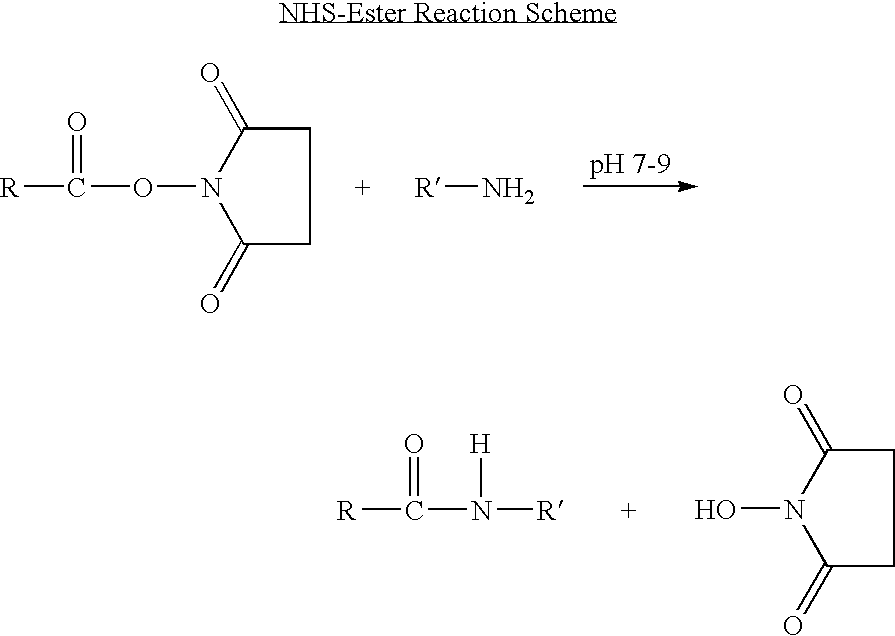
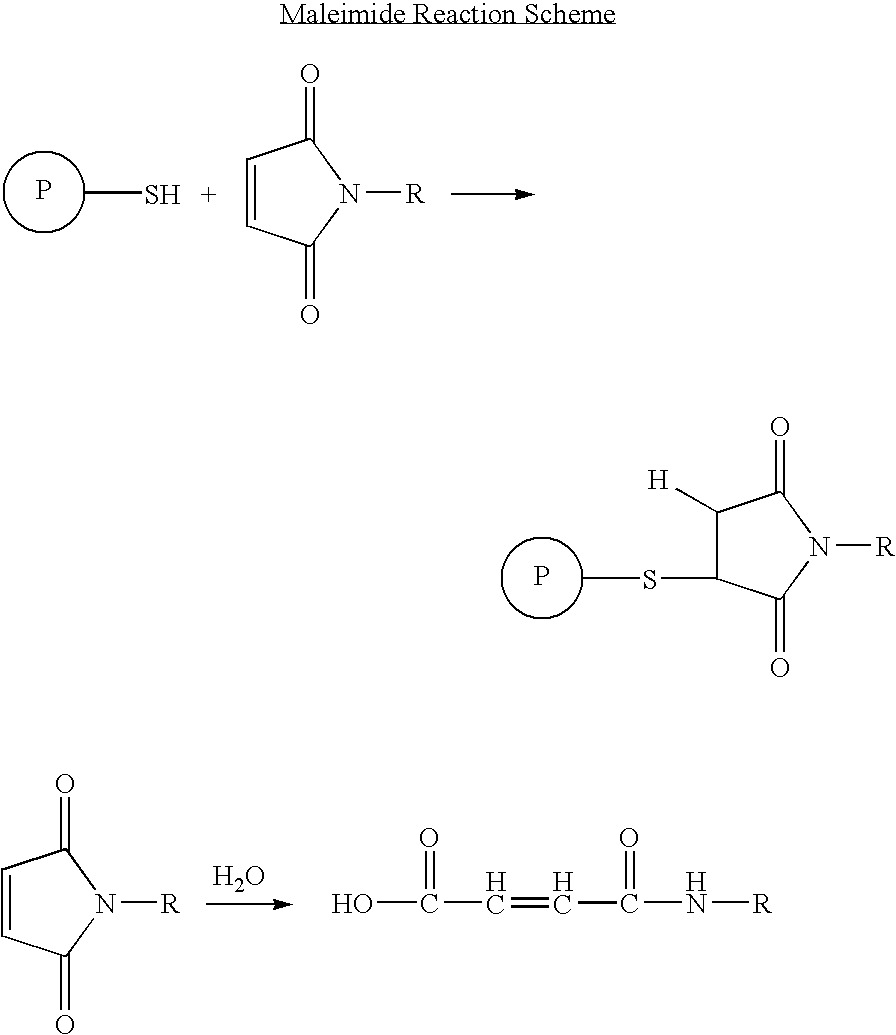
| Time (Minutes) | % A | % B |
| 0 | 95 | 5 |
| 20 | 70 | 30 |
| 25 | 10 | 90 |
| 30 | 10 | 90 |
| 35 | 95 | 5 |
| 45 | 95 | 5 |
| Time (Minutes) | % A | % B |
| 0 | 95 | 5 |
| 20 | 70 | 30 |
| 25 | 10 | 90 |
| 30 | 10 | 90 |
| 35 | 95 | 5 |
| 45 | 95 | 5 |
| Time | % K5 peptide in plasma | ||
| 0 hrs. | 100% | ||
| 4 hrs | 9% | ||
| 24 hrs | 0% | ||
| Time (minutes) | % A | % B | Flow (ml/min) | ||
| 0 | 66 | 34 | 0.700 | ||
| 1 | 66 | 34 | 0.700 | ||
| 25 | 58.8 | 41.2 | 0.700 | ||
| 30 | 50 | 50 | 0.70 | ||
| 35 | 5 | 95 | 1.00 | ||
| 41 | 5 | 95 | 1.00 | ||
| 45 | 66 | 34 | 1.00 | ||
| 46 | 66 | 34 | 0.70 | ||
| Time | % capped HSA | % SH-Albumin | % K5-MPA-HSA |
| 0 hrs. | 61.3 | 16.6 | 22.1 |
| 4 hrs. | 64.6 | 16.05 | 19.35 |
| 24 hrs. | 63 | 16.8 | 20.2 |
Claims (18)
Priority Applications (2)
| Application Number | Priority Date | Filing Date | Title |
|---|---|---|---|
| US11/350,703 US7741286B2 (en) | 1999-05-17 | 2006-02-08 | Long lasting anti-angiogenic peptides |
| US12/759,153 US20110071082A1 (en) | 1999-05-17 | 2010-04-13 | Long lasting anti-angiogenic peptides |
Applications Claiming Priority (6)
| Application Number | Priority Date | Filing Date | Title |
|---|---|---|---|
| US13440699P | 1999-05-17 | 1999-05-17 | |
| US15978399P | 1999-10-15 | 1999-10-15 | |
| PCT/IB2000/000763 WO2000070665A2 (en) | 1999-05-17 | 2000-05-17 | Long lasting anti-angiogenic peptides |
| US62354300A | 2000-09-05 | 2000-09-05 | |
| US09/657,431 US7144854B1 (en) | 1999-09-10 | 2000-09-07 | Long lasting anti-angiogenic peptides |
| US11/350,703 US7741286B2 (en) | 1999-05-17 | 2006-02-08 | Long lasting anti-angiogenic peptides |
Related Parent Applications (5)
| Application Number | Title | Priority Date | Filing Date |
|---|---|---|---|
| PCT/IB2000/000763 Continuation WO2000070665A2 (en) | 1999-05-17 | 2000-05-17 | Long lasting anti-angiogenic peptides |
| US62354300A Continuation | 1999-05-17 | 2000-09-05 | |
| US09/657,431 Continuation US7144854B1 (en) | 1999-05-17 | 2000-09-07 | Long lasting anti-angiogenic peptides |
| US09/657,431 Continuation-In-Part US7144854B1 (en) | 1999-05-17 | 2000-09-07 | Long lasting anti-angiogenic peptides |
| US11/350,703 Continuation US7741286B2 (en) | 1999-05-17 | 2006-02-08 | Long lasting anti-angiogenic peptides |
Related Child Applications (2)
| Application Number | Title | Priority Date | Filing Date |
|---|---|---|---|
| US11/350,703 Continuation US7741286B2 (en) | 1999-05-17 | 2006-02-08 | Long lasting anti-angiogenic peptides |
| US12/759,153 Division US20110071082A1 (en) | 1999-05-17 | 2010-04-13 | Long lasting anti-angiogenic peptides |
Publications (2)
| Publication Number | Publication Date |
|---|---|
| US20060135428A1 US20060135428A1 (en) | 2006-06-22 |
| US7741286B2 true US7741286B2 (en) | 2010-06-22 |
Family
ID=26832298
Family Applications (4)
| Application Number | Title | Priority Date | Filing Date |
|---|---|---|---|
| US09/623,618 Expired - Fee Related US6329336B1 (en) | 1999-05-17 | 2000-05-17 | Long lasting insulinotropic peptides |
| US09/876,388 Expired - Fee Related US6593295B2 (en) | 1999-05-17 | 2001-06-06 | Long lasting insulinotropic peptides |
| US11/350,703 Expired - Fee Related US7741286B2 (en) | 1999-05-17 | 2006-02-08 | Long lasting anti-angiogenic peptides |
| US12/759,153 Abandoned US20110071082A1 (en) | 1999-05-17 | 2010-04-13 | Long lasting anti-angiogenic peptides |
Family Applications Before (2)
| Application Number | Title | Priority Date | Filing Date |
|---|---|---|---|
| US09/623,618 Expired - Fee Related US6329336B1 (en) | 1999-05-17 | 2000-05-17 | Long lasting insulinotropic peptides |
| US09/876,388 Expired - Fee Related US6593295B2 (en) | 1999-05-17 | 2001-06-06 | Long lasting insulinotropic peptides |
Family Applications After (1)
| Application Number | Title | Priority Date | Filing Date |
|---|---|---|---|
| US12/759,153 Abandoned US20110071082A1 (en) | 1999-05-17 | 2010-04-13 | Long lasting anti-angiogenic peptides |
Country Status (16)
| Country | Link |
|---|---|
| US (4) | US6329336B1 (en) |
| EP (1) | EP1180121B9 (en) |
| JP (5) | JP4115671B2 (en) |
| CN (1) | CN1191273C (en) |
| AT (1) | ATE252601T1 (en) |
| AU (1) | AU754770B2 (en) |
| BR (1) | BR0010750A (en) |
| CA (2) | CA2363712C (en) |
| DE (1) | DE60006100T2 (en) |
| DK (1) | DK1180121T3 (en) |
| EA (1) | EA003922B1 (en) |
| ES (1) | ES2209885T3 (en) |
| NO (1) | NO20015584L (en) |
| PT (1) | PT1180121E (en) |
| SI (1) | SI1180121T1 (en) |
| WO (1) | WO2000069911A1 (en) |
Cited By (6)
| Publication number | Priority date | Publication date | Assignee | Title |
|---|---|---|---|---|
| US9173950B2 (en) | 2012-05-17 | 2015-11-03 | Extend Biosciences, Inc. | Vitamin D-ghrelin conjugates |
| US9585934B2 (en) | 2014-10-22 | 2017-03-07 | Extend Biosciences, Inc. | Therapeutic vitamin D conjugates |
| US9616109B2 (en) | 2014-10-22 | 2017-04-11 | Extend Biosciences, Inc. | Insulin vitamin D conjugates |
| US9789197B2 (en) | 2014-10-22 | 2017-10-17 | Extend Biosciences, Inc. | RNAi vitamin D conjugates |
| US10905750B2 (en) | 2017-11-10 | 2021-02-02 | Donald J. Davidson | GRP78 antagonist that block binding of receptor tyrosine kinase orphan receptors as immunotherapy anticancer agents |
| US12233115B2 (en) | 2022-09-30 | 2025-02-25 | Extend Biosciences, Inc. | Long-acting parathyroid hormone |
Families Citing this family (240)
| Publication number | Priority date | Publication date | Assignee | Title |
|---|---|---|---|---|
| FR2686899B1 (en) | 1992-01-31 | 1995-09-01 | Rhone Poulenc Rorer Sa | NOVEL BIOLOGICALLY ACTIVE POLYPEPTIDES, THEIR PREPARATION AND PHARMACEUTICAL COMPOSITIONS CONTAINING THEM. |
| WO2001077137A1 (en) | 2000-04-12 | 2001-10-18 | Human Genome Sciences, Inc. | Albumin fusion proteins |
| US6605648B1 (en) * | 1999-04-06 | 2003-08-12 | Phillips Plastics Corporation | Sinterable structures and method |
| SI1180121T1 (en) * | 1999-05-17 | 2004-04-30 | Conjuchem, Inc. | Long lasting insulinotropic peptides |
| US7601691B2 (en) * | 1999-05-17 | 2009-10-13 | Conjuchem Biotechnologies Inc. | Anti-obesity agents |
| US20090175821A1 (en) * | 1999-05-17 | 2009-07-09 | Bridon Dominique P | Modified therapeutic peptides with extended half-lives in vivo |
| US20040266673A1 (en) * | 2002-07-31 | 2004-12-30 | Peter Bakis | Long lasting natriuretic peptide derivatives |
| US6887470B1 (en) * | 1999-09-10 | 2005-05-03 | Conjuchem, Inc. | Protection of endogenous therapeutic peptides from peptidase activity through conjugation to blood components |
| US6514500B1 (en) * | 1999-10-15 | 2003-02-04 | Conjuchem, Inc. | Long lasting synthetic glucagon like peptide {GLP-!} |
| US6849714B1 (en) * | 1999-05-17 | 2005-02-01 | Conjuchem, Inc. | Protection of endogenous therapeutic peptides from peptidase activity through conjugation to blood components |
| US7087411B2 (en) | 1999-06-08 | 2006-08-08 | Regeneron Pharmaceuticals, Inc. | Fusion protein capable of binding VEGF |
| US6447772B1 (en) * | 1999-10-01 | 2002-09-10 | Klaire Laboratories, Inc. | Compositions and methods relating to reduction of symptoms of autism |
| BR0116024A (en) * | 2000-12-07 | 2005-12-13 | Lilly Co Eli | Heterologous Fusion Protein and Use thereof |
| WO2002062844A2 (en) | 2001-02-02 | 2002-08-15 | Conjuchem Inc. | Long lasting growth hormone releasing factor derivatives |
| EP1360202B1 (en) * | 2001-02-16 | 2008-05-21 | ConjuChem Biotechnologies Inc. | Long lasting glucagon-like peptide 2 (glp-2) for the treatment of gastrointestinal diseases and disorders |
| CN1162446C (en) | 2001-05-10 | 2004-08-18 | 上海华谊生物技术有限公司 | Insulinotropic hormone secretion peptide derivative |
| DE60229677D1 (en) | 2001-05-31 | 2008-12-11 | Conjuchem Biotechnologies Inc | Long acting fusion peptide inhibitors against HIV infection |
| DE60228972D1 (en) | 2001-07-31 | 2008-10-30 | Us Gov Health & Human Serv | GLP 1 EXENDIN 4 PEPTIDE ANALOG AND THEIR USES |
| US6642003B2 (en) | 2001-08-02 | 2003-11-04 | Cedars-Sinai Medical Center | Human glucose-dependent insulin-secreting cell line |
| US20070031440A1 (en) * | 2001-08-30 | 2007-02-08 | Prior Christopher P | Modified transferin-antibody fusion proteins |
| US7176278B2 (en) * | 2001-08-30 | 2007-02-13 | Biorexis Technology, Inc. | Modified transferrin fusion proteins |
| DK1427750T3 (en) * | 2001-08-30 | 2011-02-14 | Biorexis Pharmaceutical Corp | Modified transferrin fusion proteins |
| US8129504B2 (en) | 2001-08-30 | 2012-03-06 | Biorexis Technology, Inc. | Oral delivery of modified transferrin fusion proteins |
| US20030226155A1 (en) * | 2001-08-30 | 2003-12-04 | Biorexis Pharmaceutical Corporation | Modified transferrin-antibody fusion proteins |
| HRP20040343A2 (en) * | 2001-10-18 | 2005-08-31 | Bristol-Myers Squibb Company | Human glucagon-like-peptide-1 mimics and their use in the treatment of diabetes and related conditions |
| EP2277889B1 (en) | 2001-12-21 | 2014-07-09 | Human Genome Sciences, Inc. | Fusion proteins of albumin and interferon beta |
| CA2484556A1 (en) * | 2001-12-21 | 2003-07-24 | Human Genome Sciences, Inc. | Albumin fusion proteins |
| AU2003213047A1 (en) * | 2002-02-13 | 2003-09-04 | Medbridge, Inc. | Protein carrier system for therapeutic oligonucleotides |
| JP4417113B2 (en) * | 2002-02-20 | 2010-02-17 | エミスフェアー・テクノロジーズ・インク | Administration method of GLP-1 molecule |
| US7141240B2 (en) * | 2002-03-12 | 2006-11-28 | Cedars-Sinai Medical Center | Glucose-dependent insulin-secreting cells transfected with a nucleotide sequence encoding GLP-1 |
| AU2003239478A1 (en) * | 2002-06-04 | 2003-12-22 | Eli Lilly And Company | Modified glucagon-like peptide-1 analogs |
| EP1837031B1 (en) * | 2002-06-07 | 2009-10-14 | Waratah Pharmaceuticals, Inc. | Compositions and methods for treating diabetes |
| ATE432289T1 (en) | 2002-07-04 | 2009-06-15 | Zealand Pharma As | GLP-1 AND TREATMENT METHOD FOR DIABETES |
| AU2003262886A1 (en) * | 2002-08-30 | 2004-03-19 | Biorexis Pharmaceutical Corporation | Modified transferrin fusion proteins comprising duplicate transferrin amino or carboxy terminal domains |
| EP1542718B1 (en) * | 2002-09-24 | 2015-11-11 | Dong Xie | Peptide derivative fusion inhibitors of hiv infection |
| AU2003268621B2 (en) | 2002-10-02 | 2009-01-15 | Zealand Pharma A/S | Stabilized exendin-4 compounds |
| US20040229810A1 (en) * | 2002-10-22 | 2004-11-18 | Antonio Cruz | Gastrin compositions and formulations, and methods of use and preparation |
| US7790681B2 (en) | 2002-12-17 | 2010-09-07 | Amylin Pharmaceuticals, Inc. | Treatment of cardiac arrhythmias with GLP-1 receptor ligands |
| US20040209803A1 (en) * | 2002-12-19 | 2004-10-21 | Alain Baron | Compositions for the treatment and prevention of nephropathy |
| US7731947B2 (en) | 2003-11-17 | 2010-06-08 | Intarcia Therapeutics, Inc. | Composition and dosage form comprising an interferon particle formulation and suspending vehicle |
| CA2509755A1 (en) * | 2002-12-27 | 2004-07-22 | Diobex, Inc. | Compositions and methods for the prevention and control of insulin-induced hypoglycemia |
| US7655618B2 (en) * | 2002-12-27 | 2010-02-02 | Diobex, Inc. | Compositions and methods for the prevention and control of insulin-induced hypoglycemia |
| EP1594530A4 (en) | 2003-01-22 | 2006-10-11 | Human Genome Sciences Inc | Albumin fusion proteins |
| US20070060512A1 (en) * | 2003-03-04 | 2007-03-15 | Homayoun Sadeghi | Dipeptidyl-peptidase protected protein |
| US20040242566A1 (en) * | 2003-03-25 | 2004-12-02 | Syrrx, Inc. | Dipeptidyl peptidase inhibitors |
| BRPI0408978B8 (en) * | 2003-04-08 | 2021-07-27 | Novo Nordisk As | processes for regenerating a chromatographic stationary phase |
| WO2004089985A1 (en) * | 2003-04-11 | 2004-10-21 | Novo Nordisk A/S | Stable pharmaceutical compositions |
| WO2004094823A2 (en) | 2003-04-23 | 2004-11-04 | Biovalve Technologies, Inc. | Hydraulically actuated pump for long duration medicament administration |
| CN1812983A (en) | 2003-05-30 | 2006-08-02 | 兰贝克赛实验室有限公司 | Substituted pyrrole derivatives and their use as hmg-co inhibitors |
| ATE525395T1 (en) | 2003-06-12 | 2011-10-15 | Lilly Co Eli | FUSION PROTEINS OF GLP-1 ANALOGS |
| CN1964989B (en) * | 2003-07-25 | 2012-02-01 | 康久化学生物技术公司 | Long-acting insulin derivatives and methods thereof |
| US20060241019A1 (en) * | 2003-07-25 | 2006-10-26 | Bridon Dominique P | Long lasting insulin derivatives and methods thereof |
| CA2535619A1 (en) * | 2003-08-13 | 2005-02-24 | Takeda Pharmaceutical Company Limited | 4-pyrimidone derivatives and their use as peptidyl peptidase inhibitors |
| EP1663278A4 (en) * | 2003-08-28 | 2009-07-29 | Biorexis Pharmaceutical Corp | Epo mimetic peptides and fusion proteins |
| US20060205037A1 (en) * | 2003-08-28 | 2006-09-14 | Homayoun Sadeghi | Modified transferrin fusion proteins |
| WO2005021026A2 (en) * | 2003-08-29 | 2005-03-10 | Amylin Pharmaceuticals, Inc. | Methods for treating or ameliorating ghrelin-associated diseases and disorders |
| JP2007505121A (en) * | 2003-09-08 | 2007-03-08 | 武田薬品工業株式会社 | Dipeptidyl peptidase inhibitor |
| US7214190B1 (en) | 2003-09-09 | 2007-05-08 | Kitchener Clark Wilson | Apparatus and method for noninvasive monitoring of analytes in body fluids |
| AU2004298425A1 (en) | 2003-12-18 | 2005-06-30 | Novo Nordisk A/S | Novel GLP-1 analogues linked to albumin-like agents |
| US20060286129A1 (en) * | 2003-12-19 | 2006-12-21 | Emisphere Technologies, Inc. | Oral GLP-1 formulations |
| AU2005207870B2 (en) * | 2004-01-30 | 2010-08-19 | Waratah Pharmaceuticals, Inc. | The combined use of GLP-1 agonists and gastrin for regulating blood glucose levels |
| CA2554089C (en) | 2004-02-09 | 2013-10-22 | Human Genome Sciences, Inc. | Albumin fusion proteins |
| US8076288B2 (en) | 2004-02-11 | 2011-12-13 | Amylin Pharmaceuticals, Inc. | Hybrid polypeptides having glucose lowering activity |
| GEP20094679B (en) * | 2004-03-15 | 2009-05-10 | Takeda Pharmaceuticals Co | Dipeptidyl peptidase inhibitors |
| PT2100904E (en) * | 2004-04-23 | 2010-09-24 | Conjuchem Biotechnologies Inc | Solid phase for use in a method for the purification of albumin conjugates |
| CN1318587C (en) * | 2004-04-30 | 2007-05-30 | 成都芝田生物工程有限公司 | Recombination preparation method of amidating Exendin-4 polypeptide |
| US9089636B2 (en) | 2004-07-02 | 2015-07-28 | Valeritas, Inc. | Methods and devices for delivering GLP-1 and uses thereof |
| AU2012202855B2 (en) * | 2004-09-03 | 2015-02-26 | Philipps-Universitat Marburg | GLP-1 and exendin related invention |
| DE102004043153B4 (en) * | 2004-09-03 | 2013-11-21 | Philipps-Universität Marburg | Invention relating to GLP-1 and exendin |
| JP5107713B2 (en) * | 2004-10-07 | 2012-12-26 | ノヴォ ノルディスク アー/エス | Delayed exendin-4 compound |
| EP1799710A2 (en) | 2004-10-07 | 2007-06-27 | Novo Nordisk A/S | Protracted glp-1 compounds |
| US20080125361A1 (en) * | 2004-11-12 | 2008-05-29 | Novo Nordisk A/S | Stable Formulations Of Peptides |
| US7872124B2 (en) * | 2004-12-21 | 2011-01-18 | Takeda Pharmaceutical Company Limited | Dipeptidyl peptidase inhibitors |
| US8716221B2 (en) * | 2005-01-14 | 2014-05-06 | Wuxi Grandchamp Pharmaceutical Technology Co., Ltd. | Modified exendins and uses thereof |
| TWI376234B (en) * | 2005-02-01 | 2012-11-11 | Msd Oss Bv | Conjugates of a polypeptide and an oligosaccharide |
| US11246913B2 (en) | 2005-02-03 | 2022-02-15 | Intarcia Therapeutics, Inc. | Suspension formulation comprising an insulinotropic peptide |
| WO2006083761A2 (en) | 2005-02-03 | 2006-08-10 | Alza Corporation | Solvent/polymer solutions as suspension vehicles |
| BRPI0608516A2 (en) | 2005-03-18 | 2010-11-16 | Novo Nordisk As | glp-1 analog, method for increasing the time of action in a patient of a glp-1 analog, pharmaceutical composition, and use of a compound |
| TWI372629B (en) | 2005-03-18 | 2012-09-21 | Novo Nordisk As | Acylated glp-1 compounds |
| AU2006279680B2 (en) * | 2005-08-11 | 2012-12-06 | Amylin Pharmaceuticals, Llc | Hybrid polypeptides with selectable properties |
| CN101309689B (en) * | 2005-09-14 | 2012-10-10 | 武田药品工业株式会社 | Dipeptidyl peptidase inhibitors for the treatment of diabetes |
| PE20070622A1 (en) * | 2005-09-14 | 2007-08-22 | Takeda Pharmaceutical | ADMINISTRATION OF DIPEPTIDYL PEPTIDASE INHIBITORS |
| ME02005B (en) | 2005-09-14 | 2012-08-31 | Takeda Pharmaceuticals Co | Dipeptidyl peptidase inhibitors for treating diabetes |
| TW200745079A (en) * | 2005-09-16 | 2007-12-16 | Takeda Pharmaceuticals Co | Polymorphs of benzoate salt of 2-[[6-[(3R)-3-amino-1-piperidinyl]-3,4-dihydro-3-methyl-2,4-dioxo-1(2H)-pyrimidinyl]methyl]-benzonitrile and methods of use therefor |
| TW200745080A (en) * | 2005-09-16 | 2007-12-16 | Takeda Pharmaceuticals Co | Polymorphs of tartrate salt of 2-[2-(3-(R)-amino-piperidin-1-yl)-5-fluoro-6-oxo-6H-pyrimidin-1-ylmethyl]-benzonitrile and methods of use therefor |
| CN101360723A (en) * | 2005-09-16 | 2009-02-04 | 武田药品工业株式会社 | Process for preparing pyrimidinedione derivatives |
| WO2007051987A1 (en) * | 2005-11-01 | 2007-05-10 | Activotec Spp Limited | Insulinotropic compounds and uses thereof |
| SG166829A1 (en) | 2005-11-08 | 2010-12-29 | Ranbaxy Lab Ltd | Process for (3r, 5r)-7-[2-(4-fluorophenyl)-5-isopropyl-3-phenyl-4- [(4-hydroxy methyl phenyl amino) carbonyl]-pyrrol-1-yl]-3, 5-dihydroxy-heptanoic acid hemi calcium salt |
| WO2007053946A1 (en) * | 2005-11-09 | 2007-05-18 | Conjuchem Biotechnologies Inc. | Method of treating diabetes and/or obesity with reduced nausea side effects using an insulinotropic peptide conjugated to albumin |
| US20080280328A1 (en) * | 2005-11-18 | 2008-11-13 | Novozymes A/S | Glucoamylase Variants |
| JP2009520469A (en) * | 2005-12-22 | 2009-05-28 | コンジュクヘム ビオテクフノロギエス インコーポレイテッド | Method for the production of preformed conjugates of albumin and therapeutic agents |
| EP1816201A1 (en) | 2006-02-06 | 2007-08-08 | CSL Behring GmbH | Modified coagulation factor VIIa with extended half-life |
| EP1987052B1 (en) * | 2006-02-08 | 2011-04-27 | Lonza AG | Synthesis of glucagon-like peptides |
| JP2009531456A (en) * | 2006-03-28 | 2009-09-03 | 武田薬品工業株式会社 | Preparation of (R) -3-aminopiperidine dihydrochloride |
| ES2566058T3 (en) | 2006-03-30 | 2016-04-08 | Valeritas, Inc. | Multi-cartridge fluid supply device |
| JP5143131B2 (en) | 2006-05-30 | 2013-02-13 | インターシア セラピューティクス,インコーポレイティド | Two-piece internal channel flow modulator for osmotic delivery system |
| KR100886783B1 (en) | 2006-06-12 | 2009-03-04 | 성균관대학교산학협력단 | PEG-TRAIL conjugate modified with N-terminus, preparation method thereof and use thereof |
| WO2008011446A2 (en) | 2006-07-18 | 2008-01-24 | Centocor, Inc. | Human glp-1 mimetibodies, compositions, methods and uses |
| CA2658654A1 (en) * | 2006-07-24 | 2008-01-31 | Biorexis Pharmaceutical Corporation | Exendin fusion proteins |
| AU2007284759B2 (en) | 2006-08-09 | 2010-10-28 | Intarcia Therapeutics, Inc. | Osmotic delivery systems and piston assemblies |
| US8324383B2 (en) | 2006-09-13 | 2012-12-04 | Takeda Pharmaceutical Company Limited | Methods of making polymorphs of benzoate salt of 2-[[6-[(3R)-3-amino-1-piperidinyl]-3,4-dihydro-3-methyl-2,4-dioxo-1(2H)-pyrimidinyl]methyl]-benzonitrile |
| PE20080840A1 (en) * | 2006-09-13 | 2008-08-27 | Smithkline Beecham Corp | METHODS FOR ADMINISTERING LONG-LIVED HYPOGLYCEMIANT AGENTS |
| DK2073810T3 (en) * | 2006-09-13 | 2011-10-31 | Takeda Pharmaceutical | Use of 2-6- (3-amino-piperidin-1-yl) -3-methyl-2,4-dioxo-3,4-dihydro-2H-pyrimidin-1-ylmethyl-4-fluoro-benzonitrile in the treatment of diabetes, cancer, autoimmune diseases and HIV infection |
| TW200838536A (en) * | 2006-11-29 | 2008-10-01 | Takeda Pharmaceutical | Polymorphs of succinate salt of 2-[6-(3-amino-piperidin-1-yl)-3-methyl-2,4-dioxo-3,4-dihydro-2H-pyrimidin-1-ylmethy]-4-fluor-benzonitrile and methods of use therefor |
| AU2011254001B2 (en) * | 2007-01-05 | 2012-08-02 | Covx Technologies Ireland Limited | Glucagon-like protein-1 receptor (GLP-1R) agonist compounds |
| US20090098130A1 (en) * | 2007-01-05 | 2009-04-16 | Bradshaw Curt W | Glucagon-like protein-1 receptor (glp-1r) agonist compounds |
| US20090099074A1 (en) * | 2007-01-10 | 2009-04-16 | Conjuchem Biotechnologies Inc. | Modulating food intake |
| AU2008216265B2 (en) | 2007-02-15 | 2014-04-03 | Indiana University Research And Technology Corporation | Glucagon/GLP-1 receptor co-agonists |
| US8093236B2 (en) | 2007-03-13 | 2012-01-10 | Takeda Pharmaceuticals Company Limited | Weekly administration of dipeptidyl peptidase inhibitors |
| CN101715340A (en) | 2007-04-23 | 2010-05-26 | 精达制药公司 | Suspension formulation of insulinotropic peptide and application thereof |
| WO2008154619A1 (en) * | 2007-06-12 | 2008-12-18 | Smithkline Beecham Corporation | Methods for detecting protein in plasma |
| US20090054332A1 (en) * | 2007-06-21 | 2009-02-26 | Conjuchem Biotechnologies, Inc. | Thombopoietin peptide conjugates |
| US7960336B2 (en) * | 2007-08-03 | 2011-06-14 | Pharmain Corporation | Composition for long-acting peptide analogs |
| WO2009030738A1 (en) | 2007-09-05 | 2009-03-12 | Novo Nordisk A/S | Glucagon-like peptide-1 derivatives and their pharmaceutical use |
| JP2010538049A (en) | 2007-09-05 | 2010-12-09 | ノボ・ノルデイスク・エー/エス | Cleaved GLP-1 derivatives and therapeutic uses thereof |
| ES2532116T3 (en) | 2007-09-05 | 2015-03-24 | Novo Nordisk A/S | Peptides derived with A-B-C-D and their therapeutic uses |
| DK2205624T3 (en) * | 2007-10-27 | 2017-01-02 | Corden Pharma Colorado Inc | Insulinotropic peptide synthesis using solid state and solution phase combination techniques |
| JP2011506442A (en) * | 2007-12-11 | 2011-03-03 | コンジュケム バイオテクノロジーズ インコーポレイテッド | Formulation of insulinotropic peptide conjugate |
| US8343140B2 (en) | 2008-02-13 | 2013-01-01 | Intarcia Therapeutics, Inc. | Devices, formulations, and methods for delivery of multiple beneficial agents |
| US20110263496A1 (en) | 2008-05-21 | 2011-10-27 | Amylin Pharmaceuticals, Inc. | Exendins to lower cholesterol and triglycerides |
| MX337038B (en) | 2008-06-17 | 2016-02-10 | Univ Indiana Res & Tech Corp | Glucagon/glp-1 receptor co-agonists. |
| EP2300035B1 (en) | 2008-06-17 | 2015-08-12 | Indiana University Research and Technology Corporation | Gip-based mixed agonists for treatment of metabolic disorders and obesity |
| WO2009158704A2 (en) | 2008-06-27 | 2009-12-30 | Duke University | Therapeutic agents comprising elastin-like peptides |
| KR20110039348A (en) | 2008-08-06 | 2011-04-15 | 노보 노르디스크 헬스 케어 악티엔게젤샤프트 | Conjugated Proteins with Extended In Vivo Efficacy |
| TW201012829A (en) * | 2008-09-22 | 2010-04-01 | Ipsen Mfg Ireland Ltd | Process for the synthesis of (Aib8,35)hGLP-1(7-36)-NH2 |
| AU2009304560A1 (en) | 2008-10-15 | 2010-04-22 | Angiochem Inc. | Conjugates of GLP-1 agonists and uses thereof |
| PT2349324T (en) | 2008-10-17 | 2017-12-06 | Sanofi Aventis Deutschland | Combination of an insulin and a glp-1 agonist |
| US9914754B2 (en) | 2008-12-05 | 2018-03-13 | Angiochem Inc. | Conjugates of neurotensin or neurotensin analogs and uses thereof |
| EP2373681B1 (en) | 2008-12-10 | 2017-01-18 | Glaxosmithkline LLC | Pharmaceutical compositions of albiglutide |
| WO2010084173A1 (en) | 2009-01-22 | 2010-07-29 | Novo Nordisk Health Care Ag | Stable growth hormone compounds |
| AU2010218139B2 (en) | 2009-02-25 | 2012-11-01 | Merck Sharp & Dohme Corp. | Metabolic engineering of a galactose assimilation pathway in the glycoengineered yeast Pichia pastoris |
| EP2416797A4 (en) | 2009-04-10 | 2013-04-24 | Amylin Pharmaceuticals Llc | AMYLINE AGONIST COMPOUNDS FOR MAMMALS WITH STROGEN DEFICIENCY |
| MX2011013625A (en) | 2009-06-16 | 2012-01-20 | Univ Indiana Res & Tech Corp | Gip receptor-active glucagon compounds. |
| JP5932642B2 (en) * | 2009-07-02 | 2016-06-08 | アンジオケム インコーポレーテッド | Multimeric peptide conjugates and uses thereof |
| CN101987868B (en) * | 2009-07-30 | 2013-09-04 | 江苏豪森医药集团有限公司 | Derivative or pharmaceutically acceptable salt of GLP-1 analogue and application of derivative or pharmaceutically-acceptable salt of a GLP-1 analogue |
| WO2011015649A1 (en) | 2009-08-06 | 2011-02-10 | Novo Nordisk Health Care Ag | Growth hormones with prolonged in-vivo efficacy |
| KR102093612B1 (en) | 2009-09-28 | 2020-03-26 | 인타르시아 세라퓨틱스 인코포레이티드 | Rapid establishment and/or termination of substantial steady-state drug delivery |
| KR101525473B1 (en) * | 2009-09-30 | 2015-06-03 | 고쿠리츠 다이가쿠 호진 교토 다이가쿠 | Molecular probe for pancreatic islet imaging and use of said probe |
| US20120264685A1 (en) | 2009-10-22 | 2012-10-18 | Rajesh Bahekar | Short chain peptidomimetics based orally active glp 1 agonist and glucagon receptor antagonist |
| SG10201500871TA (en) | 2009-11-13 | 2015-04-29 | Sanofi Aventis Deutschland | Pharmaceutical composition comprising a glp-1 agonist and methionine |
| WO2011058083A1 (en) | 2009-11-13 | 2011-05-19 | Sanofi-Aventis Deutschland Gmbh | Pharmaceutical composition comprising a glp-1 agonist, an insulin, and methionine |
| AU2010321587A1 (en) | 2009-11-23 | 2012-06-07 | Amylin Pharmaceuticals, Inc. | Polypeptide Conjugate |
| KR101813595B1 (en) | 2010-01-22 | 2017-12-29 | 노보 노르디스크 헬스 케어 악티엔게젤샤프트 | Growth hormones with prolonged in-vivo efficacy |
| US9211342B2 (en) | 2010-01-22 | 2015-12-15 | Novo Nordisk Healthcare Ag | Stable growth hormone compounds resistant to proteolytic degradation |
| JP2013518115A (en) | 2010-01-27 | 2013-05-20 | インディアナ ユニバーシティー リサーチ アンド テクノロジー コーポレーション | Glucagon antagonist-GIP agonist conjugates and compositions for the treatment of metabolic disorders and obesity |
| MX2012009802A (en) | 2010-02-24 | 2012-09-12 | Merck Sharp & Dohme | Method for increasing n-glycosylation site occupancy on therapeutic glycoproteins produced in pichia pastoris. |
| RU2559320C2 (en) * | 2010-03-26 | 2015-08-10 | Ново Нордиск А/С | Novel glucagon analogues |
| WO2011123943A1 (en) | 2010-04-09 | 2011-10-13 | Mount Sinai Hospital | Methods for treating disorders of the gastrointestinal tract using a glp-1 agonist |
| AU2011247452B2 (en) | 2010-04-27 | 2016-03-17 | Zealand Pharma A/S | Peptide conjugates of GLP-1 receptor agonists and gastrin and their use |
| WO2011140176A1 (en) | 2010-05-04 | 2011-11-10 | Glaxosmithkline Llc | Methods for treating or preventing cardiovascular disorders and providing cardiovascular protection |
| ES2661228T3 (en) | 2010-05-13 | 2018-03-28 | Indiana University Research And Technology Corporation | Glucagon superfamily peptides that show nuclear hormone receptor activity |
| RU2012153753A (en) | 2010-05-13 | 2014-06-20 | Индиана Юниверсити Рисерч Энд Текнолоджи Корпорейшн | Glucagon superfamily peptides with activity in relation to G-protein-coupled receptors |
| RS55378B1 (en) | 2010-08-30 | 2017-03-31 | Sanofi Aventis Deutschland | USE OF AVE0010 FOR MANUFACTURE OF TREATMENT OF DIABETES MELLITUS TYPE 2 |
| RS56998B1 (en) | 2010-12-16 | 2018-05-31 | Novo Nordisk As | Solid compositions comprising a glp-1 agonist and a salt of n-(8-(2-hydroxybenzoyl)amino)caprylic acid |
| EA201390941A1 (en) | 2010-12-22 | 2013-12-30 | Индиана Юниверсити Рисерч Энд Текнолоджи Корпорейшн | GLUCAGON ANALOGUES, EXPERIENCING ACTIVITY ON GIP RECEPTOR |
| US20120208755A1 (en) | 2011-02-16 | 2012-08-16 | Intarcia Therapeutics, Inc. | Compositions, Devices and Methods of Use Thereof for the Treatment of Cancers |
| EP3450568A3 (en) * | 2011-03-04 | 2019-04-24 | Intrexon Corporation | Vectors conditionally expressing protein |
| RU2602601C2 (en) | 2011-04-12 | 2016-11-20 | Ново Нордиск А/С | Double acylated glp-1 derivatives |
| US9821032B2 (en) | 2011-05-13 | 2017-11-21 | Sanofi-Aventis Deutschland Gmbh | Pharmaceutical combination for improving glycemic control as add-on therapy to basal insulin |
| ME02816B (en) | 2011-06-22 | 2018-01-20 | Univ Indiana Res & Tech Corp | Glucagon/glp-1 receptor co-agonists |
| MX2013015168A (en) | 2011-06-22 | 2014-03-31 | Univ Indiana Res & Tech Corp | Glucagon/glp-1 receptor co-agonists. |
| KR101357117B1 (en) * | 2011-06-28 | 2014-02-06 | 비앤엘델리팜 주식회사 | PEGylated Exendin-4 analogues or its derivatives, preparation method thereof and pharmaceutical composition containing the same for preventing and treating a diabetes |
| HRP20151068T1 (en) | 2011-08-29 | 2016-01-01 | Sanofi-Aventis Deutschland Gmbh | Pharmaceutical combination for use in glycemic control in diabetes type 2 patients |
| AR087744A1 (en) | 2011-09-01 | 2014-04-16 | Sanofi Aventis Deutschland | PHARMACEUTICAL COMPOSITION FOR USE IN THE TREATMENT OF A NEURODEGENERATIVE DISEASE |
| WO2013029279A1 (en) * | 2011-09-03 | 2013-03-07 | 深圳市健元医药科技有限公司 | Novel glp-i analogue, preparation method and use thereof |
| CN102286092B (en) | 2011-09-14 | 2014-01-01 | 深圳翰宇药业股份有限公司 | Solid-phase synthesis method of liraglutide |
| MY167234A (en) | 2011-09-23 | 2018-08-14 | Novo Nordisk As | Novel glucagon analogues |
| MX2014005351A (en) | 2011-11-03 | 2014-05-28 | Zealand Pharma As | Glp-1 receptor agonist peptide gastrin conjugates. |
| WO2013112548A1 (en) | 2012-01-23 | 2013-08-01 | University Of South Florida | Gamma-aapeptides with potent and broad-spectrum antimicrobial activity |
| CN104203266B (en) | 2012-03-22 | 2017-12-26 | 诺和诺德股份有限公司 | GLP-1 peptide composition and its preparation |
| TR201903918T4 (en) | 2012-03-22 | 2019-04-22 | Novo Nordisk As | Compositions containing a dispersing agent and their preparation. |
| WO2013163162A1 (en) * | 2012-04-24 | 2013-10-31 | Amylin Pharmaceuticals, Llc | Site-specific enzymatic modification of exendins and analogs thereof |
| EP2863895B1 (en) | 2012-06-20 | 2021-04-14 | Novo Nordisk A/S | Tablet formulation comprising a peptide and a delivery agent |
| CN104583232B (en) | 2012-06-21 | 2018-04-13 | 印第安纳大学研究及科技有限公司 | Show the glucagon analogs of GIP receptor actives |
| US20140051834A1 (en) | 2012-06-21 | 2014-02-20 | Hoffmann-La Roche, Inc. | Incretin Receptor Ligand Polypeptide Fc-Region Fusion Polypeptides And Conjugates With Altered Fc-Effector Function |
| IN2015DN00544A (en) | 2012-07-23 | 2015-06-26 | Zealand Pharma As | |
| TWI608013B (en) | 2012-09-17 | 2017-12-11 | 西蘭製藥公司 | Glucagon analog |
| UA116217C2 (en) | 2012-10-09 | 2018-02-26 | Санофі | Exendin-4 derivatives as dual glp1/glucagon agonists |
| SG11201503526UA (en) | 2012-12-21 | 2015-06-29 | Sanofi Sa | Dual glp1/gip or trigonal glp1/gip/glucagon agonists |
| TWI641381B (en) | 2013-02-04 | 2018-11-21 | 法商賽諾菲公司 | Stabilized pharmaceutical formulations of insulin analogs and/or insulin derivatives |
| SI2956476T1 (en) | 2013-02-18 | 2020-03-31 | Vegenics Pty Limited | Molecules for binding to ligands and using them |
| KR20150131213A (en) | 2013-03-14 | 2015-11-24 | 인디애나 유니버시티 리서치 앤드 테크놀로지 코퍼레이션 | Insulin-incretin conjugates |
| CN104650212A (en) * | 2013-03-15 | 2015-05-27 | 深圳君圣泰生物技术有限公司 | A kind of polypeptide, polypeptide derivative, pharmaceutically acceptable salt of polypeptide, pharmaceutical composition and application thereof |
| CN104592380A (en) * | 2013-03-15 | 2015-05-06 | 深圳君圣泰生物技术有限公司 | Polypeptide, derivative of polypeptide, pharmaceutical salt of polypeptide, pharmaceutical composition and application of polypeptide or derivative of polypeptide |
| WO2014161835A1 (en) * | 2013-04-03 | 2014-10-09 | Sanofi | Modified blood glucose regulating proteins with altered pharmacological activity profile and preparation thereof |
| US11045523B2 (en) | 2013-04-05 | 2021-06-29 | Novo Nordisk Healthcare Ag | Formulation of growth hormone albumin-binder conjugate |
| WO2014170496A1 (en) | 2013-04-18 | 2014-10-23 | Novo Nordisk A/S | Stable, protracted glp-1/glucagon receptor co-agonists for medical use |
| RU2671406C2 (en) | 2013-05-02 | 2018-10-31 | Ново Нордиск А/С | Oral dosing of glucagon-like peptide-1 compounds |
| US9988429B2 (en) | 2013-10-17 | 2018-06-05 | Zealand Pharma A/S | Glucagon analogues |
| ES2688708T3 (en) | 2013-10-17 | 2018-11-06 | Zealand Pharma A/S | Acylated glucagon analogs |
| EP3065767B1 (en) | 2013-11-06 | 2020-12-30 | Zealand Pharma A/S | Gip-glp-1 dual agonist compounds and methods |
| US10131702B2 (en) | 2013-11-06 | 2018-11-20 | Zealand Pharma A/S | Glucagon-GLP-1-GIP triple agonist compounds |
| WO2015086733A1 (en) | 2013-12-13 | 2015-06-18 | Sanofi | Dual glp-1/glucagon receptor agonists |
| WO2015086730A1 (en) | 2013-12-13 | 2015-06-18 | Sanofi | Non-acylated exendin-4 peptide analogues |
| EP3080150B1 (en) | 2013-12-13 | 2018-08-01 | Sanofi | Exendin-4 peptide analogues as dual glp-1/gip receptor agonists |
| WO2015086729A1 (en) | 2013-12-13 | 2015-06-18 | Sanofi | Dual glp-1/gip receptor agonists |
| EP3082847A1 (en) | 2013-12-20 | 2016-10-26 | Indiana University Research and Technology Corporation | Lipidated incretin receptor ligand human immunoglobulin fc-region fusion polypeptides |
| SG11201604708VA (en) | 2014-01-09 | 2016-07-28 | Sanofi Sa | Stabilized glycerol free pharmaceutical formulations of insulin analogues and/or insulin derivatives |
| SG11201604710XA (en) | 2014-01-09 | 2016-07-28 | Sanofi Sa | Stabilized pharmaceutical formulations of insulin analogues and/or insulin derivatives |
| RU2016132340A (en) | 2014-01-09 | 2018-02-14 | Санофи | STABILIZED PHARMACEUTICAL COMPOSITIONS BASED ON INSULIN ASPART |
| WO2015138638A1 (en) | 2014-03-11 | 2015-09-17 | Theraly Pharmaceuticals, Inc. | Long acting trail receptor agonists for treatment of autoimmune diseases |
| TW201625669A (en) | 2014-04-07 | 2016-07-16 | 賽諾菲公司 | Peptidic dual GLP-1/glucagon receptor agonists derived from Exendin-4 |
| TW201625670A (en) | 2014-04-07 | 2016-07-16 | 賽諾菲公司 | Dual GLP-1/glucagon receptor agonists derived from EXENDIN-4 |
| TW201625668A (en) | 2014-04-07 | 2016-07-16 | 賽諾菲公司 | Exendin-4 derivatives as peptidic dual GLP-1/glucagon receptor agonists |
| WO2015185640A1 (en) | 2014-06-04 | 2015-12-10 | Novo Nordisk A/S | Glp-1/glucagon receptor co-agonists for medical use |
| US9932381B2 (en) | 2014-06-18 | 2018-04-03 | Sanofi | Exendin-4 derivatives as selective glucagon receptor agonists |
| GB201415598D0 (en) | 2014-09-03 | 2014-10-15 | Univ Birmingham | Elavated Itercranial Pressure Treatment |
| ES2822994T3 (en) | 2014-09-24 | 2021-05-05 | Univ Indiana Res & Tech Corp | Incretin-insulin conjugates |
| US9889085B1 (en) | 2014-09-30 | 2018-02-13 | Intarcia Therapeutics, Inc. | Therapeutic methods for the treatment of diabetes and related conditions for patients with high baseline HbA1c |
| US10253078B2 (en) | 2014-10-29 | 2019-04-09 | Zealand Pharma A/S | GIP agonist compounds and methods |
| TWI758239B (en) | 2014-12-12 | 2022-03-21 | 德商賽諾菲阿凡提斯德意志有限公司 | Insulin glargine/lixisenatide fixed ratio formulation |
| TWI748945B (en) | 2015-03-13 | 2021-12-11 | 德商賽諾菲阿凡提斯德意志有限公司 | Treatment type 2 diabetes mellitus patients |
| TW201705975A (en) | 2015-03-18 | 2017-02-16 | 賽諾菲阿凡提斯德意志有限公司 | Treatment of type 2 diabetes mellitus patients |
| PL3283507T3 (en) | 2015-04-16 | 2020-05-18 | Zealand Pharma A/S | Acylated glucagon analogue |
| AU2016270984B2 (en) | 2015-06-03 | 2021-02-25 | Intarcia Therapeutics, Inc. | Implant placement and removal systems |
| AR105319A1 (en) | 2015-06-05 | 2017-09-27 | Sanofi Sa | PROPHARMS THAT INCLUDE A DUAL AGONIST GLU-1 / GLUCAGON CONJUGATE HIALURONIC ACID CONNECTOR |
| EP3307326B9 (en) | 2015-06-15 | 2021-02-24 | Angiochem Inc. | Methods for the treatment of leptomeningeal carcinomatosis |
| TW201706291A (en) | 2015-07-10 | 2017-02-16 | 賽諾菲公司 | New EXENDIN-4 derivatives as selective peptidic dual GLP-1/glucagon receptor agonists |
| AU2016371021B2 (en) | 2015-12-17 | 2020-04-09 | The Johns Hopkins University | Ameliorating systemic sclerosis with death receptor agonists |
| ES2968038T3 (en) | 2015-12-23 | 2024-05-06 | Univ Johns Hopkins | Long-acting GLP-1R agonist as therapy for neurological and neurodegenerative conditions |
| JP7281795B2 (en) | 2016-04-07 | 2023-05-26 | ザ・ジョンズ・ホプキンス・ユニバーシティー | Compositions and methods for treating pancreatitis and pain with death receptor agonists |
| RU2760007C2 (en) | 2016-05-16 | 2021-11-22 | Интарсия Терапьютикс, Инк. | Polypeptides selective to glucagon receptors and their application methods |
| USD840030S1 (en) | 2016-06-02 | 2019-02-05 | Intarcia Therapeutics, Inc. | Implant placement guide |
| USD860451S1 (en) | 2016-06-02 | 2019-09-17 | Intarcia Therapeutics, Inc. | Implant removal tool |
| CN108070030B (en) * | 2016-11-17 | 2023-06-23 | 江苏豪森药业集团有限公司 | Preparation method of loxenapeptide and analogue thereof |
| SG11201903938XA (en) | 2016-12-09 | 2019-05-30 | Zealand Pharma As | Acylated glp-1/glp-2 dual agonists |
| CA3049034A1 (en) | 2017-01-03 | 2018-07-12 | Intarcia Therapeutics, Inc. | Methods comprising continuous administration of a glp-1 receptor agonist and co-adminstration of a drug |
| JOP20180028A1 (en) | 2017-03-31 | 2019-01-30 | Takeda Pharmaceuticals Co | Polypeptide compound |
| CN109503700A (en) * | 2017-09-14 | 2019-03-22 | 南京安吉生物科技有限公司 | The blood vessel formation inhibitor IIM 3-1 of maleimide base group modification and its application |
| BR112020014624A2 (en) | 2018-02-02 | 2020-12-08 | Novo Nordisk A/S | SOLID COMPOSITIONS UNDERSTANDING GLP-1 AGONIST, CAPRILIC AND LUBRICANT N- (8- (2-HYDROXYBENZOIL) AMINO ACID SALT) |
| WO2019200594A1 (en) | 2018-04-19 | 2019-10-24 | 杭州先为达生物科技有限公司 | Acylated glp-1 derivative |
| IL320142A (en) | 2018-10-11 | 2025-06-01 | Intarcia Therapeutics Inc | Human amylin analog polypeptides and methods of use |
| CN109400695B (en) | 2018-10-31 | 2020-06-30 | 中南大学湘雅医院 | Polypeptide modification method and application |
| CN110183531A (en) * | 2019-05-17 | 2019-08-30 | 河北常山生化药业股份有限公司 | A kind of preparation method of Ai Benna peptide precursor |
| CN111333714A (en) * | 2020-03-05 | 2020-06-26 | 成都奥达生物科技有限公司 | Long-acting GLP-1 compound |
| US20230158165A1 (en) * | 2020-03-27 | 2023-05-25 | Epivax, Inc. | Tregitope constructs useful in the prevention and treatment of type 1 diabetes |
| CN115819493A (en) * | 2022-11-16 | 2023-03-21 | 河北常山生化药业股份有限公司 | A kind of polypeptide solid-phase synthesis method |
| WO2024123812A1 (en) | 2022-12-05 | 2024-06-13 | Shattuck Labs, Inc. | Fusion proteins for the treatment of cardiometabolic diseases |
| KR102743491B1 (en) | 2023-08-01 | 2024-12-17 | (주)인벤티지랩 | Microparticles containing semaglutide or pharmaceutically acceptable and method for producing the same |
| WO2025069009A1 (en) | 2023-09-29 | 2025-04-03 | Graviton Bioscience Bv | Rock2 inhibitors in the treatment of obesity |
Citations (66)
| Publication number | Priority date | Publication date | Assignee | Title |
|---|---|---|---|---|
| US4462941A (en) | 1982-06-10 | 1984-07-31 | The Regents Of The University Of California | Dynorphin amide analogs |
| WO1991008220A1 (en) | 1989-12-01 | 1991-06-13 | Gunnar Houen | A method for the stepwise, controlled synthesis of chemical species, particularly peptides, coupled products obtained by the method and the use of these coupled products, e.g. as vaccines |
| US5116944A (en) * | 1989-12-29 | 1992-05-26 | Neorx Corporation | Conjugates having improved characteristics for in vivo administration |
| EP0602290A1 (en) | 1992-12-04 | 1994-06-22 | Philippe Pouletty | Cellular drug anchors |
| WO1995010302A1 (en) | 1993-10-15 | 1995-04-20 | Redcell, Inc. | Cellular and serum protein anchors and conjugates |
| US5424286A (en) | 1993-05-24 | 1995-06-13 | Eng; John | Exendin-3 and exendin-4 polypeptides, and pharmaceutical compositions comprising same |
| US5493007A (en) | 1991-04-05 | 1996-02-20 | Genentech, Inc. | Platelet aggregation inhibitors having high specificity for GPIIBIIIA |
| US5580853A (en) | 1994-03-22 | 1996-12-03 | New England Deaconess Hospital | Modified polypeptides with increased biological activity |
| US5639725A (en) | 1994-04-26 | 1997-06-17 | Children's Hospital Medical Center Corp. | Angiostatin protein |
| WO1997023500A1 (en) | 1995-12-13 | 1997-07-03 | The Children's Medical Center Corporation | Endothelial cell proliferation inhibitor and method of use |
| WO1997025074A2 (en) | 1996-01-12 | 1997-07-17 | Redcell Canada, Inc. | Cellular and serum protein anchors for diagnostic imaging |
| US5654276A (en) | 1995-06-07 | 1997-08-05 | Affymax Technologies N.V. | Peptides and compounds that bind to the IL-5 receptor |
| WO1997029372A1 (en) | 1996-02-07 | 1997-08-14 | Conjuchem, Inc. | Affinity labeling libraries and applications thereof |
| WO1997041284A1 (en) | 1996-04-29 | 1997-11-06 | Akzo Nobel N.V. | Process for producing a cellulose mould body |
| WO1997041824A2 (en) | 1996-05-03 | 1997-11-13 | Abbott Laboratories | Antiangiogenic peptides derived from plasminogen |
| WO1997046584A1 (en) | 1996-06-05 | 1997-12-11 | Boehringer Mannheim Gmbh | Exendin analogues, processes for their preparation and medicaments containing them |
| WO1998000171A2 (en) | 1996-07-01 | 1998-01-08 | Conjuchem, Inc. | Conjugates of thrombin inhibitors and endogenes carriers |
| WO1998005351A1 (en) | 1996-08-08 | 1998-02-12 | Amylin Pharmaceuticals, Inc. | Methods for regulating gastrointestinal motility |
| WO1998011437A1 (en) | 1996-09-16 | 1998-03-19 | Conjuchem, Inc. | Affinity labeling libraries with tagged leaving groups |
| US5801146A (en) | 1996-05-03 | 1998-09-01 | Abbott Laboratories | Compound and method for inhibiting angiogenesis |
| US5837682A (en) | 1996-03-08 | 1998-11-17 | The Children's Medical Center Corporation | Angiostatin fragments and method of use |
| US5843440A (en) | 1990-10-03 | 1998-12-01 | Redcell Canada, Inc. | Cellular and serum protein anchors for modulating pharmacokinetics |
| WO1998054217A1 (en) | 1997-05-30 | 1998-12-03 | The Children's Medical Center Corporation | Angiostatin fragments and method of use |
| US5854221A (en) | 1996-12-12 | 1998-12-29 | The Children's Medical Center Corporation | Endothelial cell proliferation inhibitor and method of use |
| WO1999000420A1 (en) | 1997-06-26 | 1999-01-07 | Karolinska Innovations Ab | Kringle domains 1-5 of plasminogen, capable of modulating angiogenesis in vivo |
| US5864372A (en) | 1996-12-10 | 1999-01-26 | United Microelectronics Corporation | Apparatus for implementing a block matching algorithm for motion estimation in video image processing |
| WO1999007404A1 (en) | 1997-08-08 | 1999-02-18 | Amylin Pharmaceuticals, Inc. | Novel exendin agonist compounds |
| US5885795A (en) | 1994-04-26 | 1999-03-23 | The Children's Medical Center Corporation | Methods of expressing angiostatic protein |
| WO1999024071A1 (en) | 1997-11-12 | 1999-05-20 | Alza Corporation | Method for decreasing self-association of polypeptides |
| WO1999024074A2 (en) | 1997-11-07 | 1999-05-20 | Conjuchem, Inc. | Novel conjugates of opioids and endogenous carriers |
| WO1999024075A2 (en) | 1997-11-07 | 1999-05-20 | Conjuchem, Inc. | Affinity markers for human serum albumin |
| WO1999025728A1 (en) | 1997-11-14 | 1999-05-27 | Amylin Pharmaceuticals, Inc. | Novel exendin agonist compounds |
| WO1999025727A2 (en) | 1997-11-14 | 1999-05-27 | Amylin Pharmaceuticals, Inc. | Novel exendin agonist compounds |
| WO1999046283A1 (en) | 1998-03-09 | 1999-09-16 | Zealand Pharmaceuticals A/S | Pharmacologically active peptide conjugates having a reduced tendency towards enzymatic hydrolysis |
| WO1999048536A2 (en) | 1998-03-23 | 1999-09-30 | Conjuchem, Inc. | Delivery of long lasting therapeutic agents by forming covalent attachments in vivo |
| WO2000004052A2 (en) | 1998-07-16 | 2000-01-27 | Adprotech Limited | Soluble derivatives of anti-angiogenic peptides |
| WO2000013576A1 (en) | 1998-09-09 | 2000-03-16 | U.S. Army Institute Of Surgical Research | Nasopharyngeal airway with reflectance pulse oximeter sensor |
| WO2000047729A1 (en) | 1999-02-10 | 2000-08-17 | Entremed, Inc. | Deglycosylated kringle 1-5 region fragments of plasminogen and methods of use |
| US6107489A (en) | 1998-03-17 | 2000-08-22 | Conjuchem, Inc. | Extended lifetimes in vivo renin inhibitors |
| WO2000048595A1 (en) | 1999-02-17 | 2000-08-24 | Bristol-Myers Squibb Co. | A novel anti-angiogenic agent comprising at least one kringle region and an upstream pre-activation domain of plasminogen |
| WO2000054796A1 (en) | 1999-03-18 | 2000-09-21 | Children's Medical Center Corporation | Novel antiangiogenic peptides |
| WO2000061179A1 (en) | 1999-04-14 | 2000-10-19 | Karolinska Innovations Ab | Kringle domains of plasminogen, capable of modulating angiogenesis in vivo |
| WO2000069902A1 (en) | 1999-05-17 | 2000-11-23 | Conjuchem, Inc. | Long lasting fusion peptide inhibitors or viral infection |
| WO2000069900A2 (en) | 1999-05-17 | 2000-11-23 | Conjuchem, Inc. | Protection of endogenous therapeutic peptides from peptidase activity through conjugation to blood components |
| US6284725B1 (en) | 1998-10-08 | 2001-09-04 | Bionebraska, Inc. | Metabolic intervention with GLP-1 to improve the function of ischemic and reperfused tissue |
| US6329336B1 (en) | 1999-05-17 | 2001-12-11 | Conjuchem, Inc. | Long lasting insulinotropic peptides |
| US6437092B1 (en) | 1998-11-06 | 2002-08-20 | Conjuchem, Inc. | Conjugates of opioids and endogenous carriers |
| US6440417B1 (en) | 1998-11-06 | 2002-08-27 | Conjuchem, Inc. | Antibodies to argatroban derivatives and their use in therapeutic and diagnostic treatments |
| US6451974B1 (en) | 1999-03-17 | 2002-09-17 | Novo Nordisk A/S | Method of acylating peptides and novel acylating agents |
| US6514500B1 (en) | 1999-10-15 | 2003-02-04 | Conjuchem, Inc. | Long lasting synthetic glucagon like peptide {GLP-!} |
| US20030170250A1 (en) | 1998-03-23 | 2003-09-11 | Ezrin Alan M. | Local delivery of long lasting therapeutic agents |
| US6706892B1 (en) | 1999-09-07 | 2004-03-16 | Conjuchem, Inc. | Pulmonary delivery for bioconjugation |
| US6723530B1 (en) | 1997-02-05 | 2004-04-20 | Amylin Pharmaceuticals, Inc. | Polynucleotides encoding proexendin, and methods and uses thereof |
| US20040266673A1 (en) | 2002-07-31 | 2004-12-30 | Peter Bakis | Long lasting natriuretic peptide derivatives |
| US6849714B1 (en) | 1999-05-17 | 2005-02-01 | Conjuchem, Inc. | Protection of endogenous therapeutic peptides from peptidase activity through conjugation to blood components |
| US20050065075A1 (en) | 2001-05-31 | 2005-03-24 | Erickson John W. | Long lasting fusion peptide inhibitors for hiv infection |
| US6887470B1 (en) | 1999-09-10 | 2005-05-03 | Conjuchem, Inc. | Protection of endogenous therapeutic peptides from peptidase activity through conjugation to blood components |
| US20050176643A1 (en) | 1999-05-17 | 2005-08-11 | Conjuchem, Inc. | Anti-obesity agents |
| US7090851B1 (en) | 1999-09-10 | 2006-08-15 | Conjuchem Inc. | Long lasting fusion peptide inhibitors of viral infection |
| US7112567B2 (en) | 2001-02-16 | 2006-09-26 | Conjuchem Inc. | Long lasting glucagon-like peptide 2 (glp-2) for the treatment of gastrointestinal diseases and disorders |
| US20060241019A1 (en) | 2003-07-25 | 2006-10-26 | Bridon Dominique P | Long lasting insulin derivatives and methods thereof |
| US7144854B1 (en) * | 1999-09-10 | 2006-12-05 | Conjuchem, Inc. | Long lasting anti-angiogenic peptides |
| US20070207958A1 (en) | 2005-11-09 | 2007-09-06 | Bridon Dominique P | Method of treatment of diabetes and/or obesity with reduced nausea side effect |
| US7268113B2 (en) | 2001-02-02 | 2007-09-11 | Conjuchem Biotechnologies Inc. | Long lasting growth hormone releasing factor derivatives |
| US20070269863A1 (en) | 2005-12-22 | 2007-11-22 | Bridon Dominique P | Process for the production of preformed conjugates of albumin and a therapeutic agent |
| US7307148B2 (en) | 2004-04-23 | 2007-12-11 | Conjuchem Biotechnologies Inc. | Method for purification of albumin conjugates |
Family Cites Families (20)
| Publication number | Priority date | Publication date | Assignee | Title |
|---|---|---|---|---|
| US4206199A (en) * | 1977-07-22 | 1980-06-03 | Takeda Chemical Industries, Ltd. | Novel glucagon fragment and its derivatives |
| US4423034A (en) * | 1980-10-16 | 1983-12-27 | Toyo Jozo Kabushiki Kaisha | Process for the preparation of antibodies |
| US5120712A (en) | 1986-05-05 | 1992-06-09 | The General Hospital Corporation | Insulinotropic hormone |
| US5118666A (en) | 1986-05-05 | 1992-06-02 | The General Hospital Corporation | Insulinotropic hormone |
| US5614492A (en) | 1986-05-05 | 1997-03-25 | The General Hospital Corporation | Insulinotropic hormone GLP-1 (7-36) and uses thereof |
| US5545618A (en) | 1990-01-24 | 1996-08-13 | Buckley; Douglas I. | GLP-1 analogs useful for diabetes treatment |
| ATE164852T1 (en) | 1990-01-24 | 1998-04-15 | Douglas I Buckley | GLP-1 ANALOGUE USABLE IN DIABETES TREATMENT |
| CZ315594A3 (en) | 1992-06-15 | 1995-07-12 | Pfizer | Peptide of glucagon type, insulinotropic derivatives, process of their preparation, pharmaceutical composition containing such compounds and use |
| US5614487A (en) | 1993-05-28 | 1997-03-25 | Genentech, Inc. | Sustained release pharmaceutical composition |
| US5705483A (en) | 1993-12-09 | 1998-01-06 | Eli Lilly And Company | Glucagon-like insulinotropic peptides, compositions and methods |
| US5574008A (en) | 1994-08-30 | 1996-11-12 | Eli Lilly And Company | Biologically active fragments of glucagon-like insulinotropic peptide |
| US6277819B1 (en) | 1996-08-30 | 2001-08-21 | Eli Lilly And Company | Use of GLP-1 or analogs in treatment of myocardial infarction |
| KR100556067B1 (en) | 1996-08-30 | 2006-03-07 | 노보 노르디스크 에이/에스 | Glp-1 derivatives |
| US6006753A (en) | 1996-08-30 | 1999-12-28 | Eli Lilly And Company | Use of GLP-1 or analogs to abolish catabolic changes after surgery |
| UA65549C2 (en) * | 1996-11-05 | 2004-04-15 | Елі Ліллі Енд Компані | Use of glucagon-like peptides such as glp-1, glp-1 analog, or glp-1 derivative in methods and compositions for reducing body weight |
| WO1998043658A1 (en) | 1997-03-31 | 1998-10-08 | Eli Lilly And Company | Glucagon-like peptide-1 analogs |
| CA2283834A1 (en) | 1997-03-31 | 1998-10-08 | James Arthur Hoffmann | Glucagon-like peptide-1 analogs |
| CA2312190A1 (en) | 1997-12-05 | 1999-06-17 | Eli Lilly And Company | Glp-1 formulations |
| DE19926154A1 (en) | 1999-06-09 | 2000-12-14 | Ktb Tumorforschungs Gmbh | Process for the preparation of an injectable pharmaceutical preparation |
| DE19926475A1 (en) | 1999-06-10 | 2000-12-14 | Ktb Tumorforschungs Gmbh | Carrier-drug conjugates |
-
2000
- 2000-05-17 SI SI200030286T patent/SI1180121T1/en unknown
- 2000-05-17 EA EA200100939A patent/EA003922B1/en not_active IP Right Cessation
- 2000-05-17 CN CNB008065489A patent/CN1191273C/en not_active Expired - Lifetime
- 2000-05-17 AU AU48555/00A patent/AU754770B2/en not_active Ceased
- 2000-05-17 US US09/623,618 patent/US6329336B1/en not_active Expired - Fee Related
- 2000-05-17 PT PT00930796T patent/PT1180121E/en unknown
- 2000-05-17 DK DK00930796T patent/DK1180121T3/en active
- 2000-05-17 BR BR0010750-6A patent/BR0010750A/en not_active Application Discontinuation
- 2000-05-17 CA CA2363712A patent/CA2363712C/en not_active Expired - Fee Related
- 2000-05-17 ES ES00930796T patent/ES2209885T3/en not_active Expired - Lifetime
- 2000-05-17 CA CA002501421A patent/CA2501421A1/en not_active Abandoned
- 2000-05-17 AT AT00930796T patent/ATE252601T1/en active
- 2000-05-17 EP EP00930796A patent/EP1180121B9/en not_active Expired - Lifetime
- 2000-05-17 DE DE60006100T patent/DE60006100T2/en not_active Expired - Lifetime
- 2000-05-17 WO PCT/US2000/013563 patent/WO2000069911A1/en not_active Ceased
- 2000-05-17 JP JP2000618327A patent/JP4115671B2/en not_active Expired - Fee Related
-
2001
- 2001-06-06 US US09/876,388 patent/US6593295B2/en not_active Expired - Fee Related
- 2001-11-15 NO NO20015584A patent/NO20015584L/en not_active Application Discontinuation
-
2005
- 2005-05-24 JP JP2005151458A patent/JP4116016B2/en not_active Expired - Fee Related
- 2005-12-14 JP JP2005361126A patent/JP2006151986A/en not_active Withdrawn
-
2006
- 2006-02-08 US US11/350,703 patent/US7741286B2/en not_active Expired - Fee Related
-
2008
- 2008-07-18 JP JP2008187967A patent/JP2009001583A/en active Pending
- 2008-07-18 JP JP2008187966A patent/JP2009007371A/en active Pending
-
2010
- 2010-04-13 US US12/759,153 patent/US20110071082A1/en not_active Abandoned
Patent Citations (102)
| Publication number | Priority date | Publication date | Assignee | Title |
|---|---|---|---|---|
| US4462941A (en) | 1982-06-10 | 1984-07-31 | The Regents Of The University Of California | Dynorphin amide analogs |
| WO1991008220A1 (en) | 1989-12-01 | 1991-06-13 | Gunnar Houen | A method for the stepwise, controlled synthesis of chemical species, particularly peptides, coupled products obtained by the method and the use of these coupled products, e.g. as vaccines |
| US5116944A (en) * | 1989-12-29 | 1992-05-26 | Neorx Corporation | Conjugates having improved characteristics for in vivo administration |
| US5843440A (en) | 1990-10-03 | 1998-12-01 | Redcell Canada, Inc. | Cellular and serum protein anchors for modulating pharmacokinetics |
| US6103233A (en) | 1990-10-03 | 2000-08-15 | Conjuchem, Inc. | Cellular and serum protein anchors and conjugates |
| US5612034A (en) | 1990-10-03 | 1997-03-18 | Redcell, Inc. | Super-globuling for in vivo extended lifetimes |
| US5493007A (en) | 1991-04-05 | 1996-02-20 | Genentech, Inc. | Platelet aggregation inhibitors having high specificity for GPIIBIIIA |
| EP0602290A1 (en) | 1992-12-04 | 1994-06-22 | Philippe Pouletty | Cellular drug anchors |
| US5424286A (en) | 1993-05-24 | 1995-06-13 | Eng; John | Exendin-3 and exendin-4 polypeptides, and pharmaceutical compositions comprising same |
| WO1995010302A1 (en) | 1993-10-15 | 1995-04-20 | Redcell, Inc. | Cellular and serum protein anchors and conjugates |
| US5580853A (en) | 1994-03-22 | 1996-12-03 | New England Deaconess Hospital | Modified polypeptides with increased biological activity |
| US5639725A (en) | 1994-04-26 | 1997-06-17 | Children's Hospital Medical Center Corp. | Angiostatin protein |
| US5792845A (en) | 1994-04-26 | 1998-08-11 | The Children's Medical Center Corporation | Nucleotides encoding angiostatin protein and method of use |
| US5776704A (en) | 1994-04-26 | 1998-07-07 | The Children Medical Center Corporation | Method of detecting angiogenic protein |
| US5733876A (en) | 1994-04-26 | 1998-03-31 | The Children's Medical Center Corporation | Method of inhibiting angiogenesis |
| US5885795A (en) | 1994-04-26 | 1999-03-23 | The Children's Medical Center Corporation | Methods of expressing angiostatic protein |
| US5654276A (en) | 1995-06-07 | 1997-08-05 | Affymax Technologies N.V. | Peptides and compounds that bind to the IL-5 receptor |
| WO1997023500A1 (en) | 1995-12-13 | 1997-07-03 | The Children's Medical Center Corporation | Endothelial cell proliferation inhibitor and method of use |
| WO1997025074A2 (en) | 1996-01-12 | 1997-07-17 | Redcell Canada, Inc. | Cellular and serum protein anchors for diagnostic imaging |
| US6277583B1 (en) | 1996-02-07 | 2001-08-21 | Conjuchem, Inc. | Affinity labeling libraries and applications thereof |
| WO1997029372A1 (en) | 1996-02-07 | 1997-08-14 | Conjuchem, Inc. | Affinity labeling libraries and applications thereof |
| US6024688A (en) | 1996-03-08 | 2000-02-15 | The Children's Medical Center Corporation | Angiostatin fragments and method of use |
| US5837682A (en) | 1996-03-08 | 1998-11-17 | The Children's Medical Center Corporation | Angiostatin fragments and method of use |
| WO1997041284A1 (en) | 1996-04-29 | 1997-11-06 | Akzo Nobel N.V. | Process for producing a cellulose mould body |
| US6057122A (en) | 1996-05-03 | 2000-05-02 | Abbott Laboratories | Antiangiogenic peptides polynucleotides encoding same and methods for inhibiting angiogenesis |
| WO1997041824A2 (en) | 1996-05-03 | 1997-11-13 | Abbott Laboratories | Antiangiogenic peptides derived from plasminogen |
| US5801146A (en) | 1996-05-03 | 1998-09-01 | Abbott Laboratories | Compound and method for inhibiting angiogenesis |
| US5981484A (en) | 1996-05-03 | 1999-11-09 | Abbott Laboratories | Antiangiogenic peptides and methods for inhibiting angiogenesis |
| US5972896A (en) | 1996-05-03 | 1999-10-26 | Abbott Laboratories | Antiangiogenic peptides and methods for inhibiting angiogenesis |
| WO1997046584A1 (en) | 1996-06-05 | 1997-12-11 | Boehringer Mannheim Gmbh | Exendin analogues, processes for their preparation and medicaments containing them |
| US6767887B1 (en) | 1996-06-05 | 2004-07-27 | Roche Diagnostics Gmbh | Exendin analogues, processes for their preparation and medicaments containing them |
| US5942620A (en) | 1996-07-01 | 1999-08-24 | Conjuchem, Inc. | Methods for producing novel conjugates of thrombin inhibitors |
| US6087375A (en) | 1996-07-01 | 2000-07-11 | Conjuchem, Inc. | Methods of treating or preventing thromboses |
| US6277863B1 (en) | 1996-07-01 | 2001-08-21 | Conjuchem, Inc. | Methods and compositions for producing novel conjugates of thrombin inhibitors and endogenous carriers resulting in anti-thrombins with extended lifetimes |
| US5840733A (en) | 1996-07-01 | 1998-11-24 | Redcell, Canada, Inc. | Methods and compositions for producing novel conjugates of thrombin inhibitors and endogenous carriers resulting in anti-thrombins with extended lifetimes |
| WO1998000171A2 (en) | 1996-07-01 | 1998-01-08 | Conjuchem, Inc. | Conjugates of thrombin inhibitors and endogenes carriers |
| WO1998005351A1 (en) | 1996-08-08 | 1998-02-12 | Amylin Pharmaceuticals, Inc. | Methods for regulating gastrointestinal motility |
| US6403324B1 (en) | 1996-09-16 | 2002-06-11 | Conjuchem, Inc. | Affinity labeling libraries with tagged leaving group |
| WO1998011437A1 (en) | 1996-09-16 | 1998-03-19 | Conjuchem, Inc. | Affinity labeling libraries with tagged leaving groups |
| US5864372A (en) | 1996-12-10 | 1999-01-26 | United Microelectronics Corporation | Apparatus for implementing a block matching algorithm for motion estimation in video image processing |
| US5854221A (en) | 1996-12-12 | 1998-12-29 | The Children's Medical Center Corporation | Endothelial cell proliferation inhibitor and method of use |
| US6723530B1 (en) | 1997-02-05 | 2004-04-20 | Amylin Pharmaceuticals, Inc. | Polynucleotides encoding proexendin, and methods and uses thereof |
| US5945403A (en) | 1997-05-30 | 1999-08-31 | The Children's Medical Center Corporation | Angiostatin fragments and method of use |
| WO1998054217A1 (en) | 1997-05-30 | 1998-12-03 | The Children's Medical Center Corporation | Angiostatin fragments and method of use |
| WO1999000420A1 (en) | 1997-06-26 | 1999-01-07 | Karolinska Innovations Ab | Kringle domains 1-5 of plasminogen, capable of modulating angiogenesis in vivo |
| WO1999007404A1 (en) | 1997-08-08 | 1999-02-18 | Amylin Pharmaceuticals, Inc. | Novel exendin agonist compounds |
| US7166695B2 (en) | 1997-11-07 | 2007-01-23 | Conjuchem Biotechnologies Inc. | Affinity markers for human serum albumin |
| WO1999024075A2 (en) | 1997-11-07 | 1999-05-20 | Conjuchem, Inc. | Affinity markers for human serum albumin |
| US6500918B2 (en) | 1997-11-07 | 2002-12-31 | Conjuchem, Inc. | Conjugate comprising an antinociceptive agent covalently bonded to a blood component |
| WO1999024074A2 (en) | 1997-11-07 | 1999-05-20 | Conjuchem, Inc. | Novel conjugates of opioids and endogenous carriers |
| US6602981B2 (en) | 1997-11-07 | 2003-08-05 | Conjuchem, Inc. | Antinociceptive agent derivative |
| US6610825B2 (en) | 1997-11-07 | 2003-08-26 | Conjuchem, Inc. | Method for alleviating pain or providing an analgesic effect in a patient |
| WO1999024076A2 (en) | 1997-11-07 | 1999-05-20 | Conjuchem, Inc. | Salicylate derivatized therapeutic and diagnostic agents |
| WO1999024462A2 (en) | 1997-11-07 | 1999-05-20 | Conjuchem, Inc. | Novel conjugates of rgd-containing peptides and endogenous carriers |
| WO1999024071A1 (en) | 1997-11-12 | 1999-05-20 | Alza Corporation | Method for decreasing self-association of polypeptides |
| WO1999025728A1 (en) | 1997-11-14 | 1999-05-27 | Amylin Pharmaceuticals, Inc. | Novel exendin agonist compounds |
| WO1999025727A2 (en) | 1997-11-14 | 1999-05-27 | Amylin Pharmaceuticals, Inc. | Novel exendin agonist compounds |
| WO1999046283A1 (en) | 1998-03-09 | 1999-09-16 | Zealand Pharmaceuticals A/S | Pharmacologically active peptide conjugates having a reduced tendency towards enzymatic hydrolysis |
| US6107489A (en) | 1998-03-17 | 2000-08-22 | Conjuchem, Inc. | Extended lifetimes in vivo renin inhibitors |
| US20030170250A1 (en) | 1998-03-23 | 2003-09-11 | Ezrin Alan M. | Local delivery of long lasting therapeutic agents |
| WO1999048536A2 (en) | 1998-03-23 | 1999-09-30 | Conjuchem, Inc. | Delivery of long lasting therapeutic agents by forming covalent attachments in vivo |
| WO2000004052A2 (en) | 1998-07-16 | 2000-01-27 | Adprotech Limited | Soluble derivatives of anti-angiogenic peptides |
| WO2000013576A1 (en) | 1998-09-09 | 2000-03-16 | U.S. Army Institute Of Surgical Research | Nasopharyngeal airway with reflectance pulse oximeter sensor |
| US6284725B1 (en) | 1998-10-08 | 2001-09-04 | Bionebraska, Inc. | Metabolic intervention with GLP-1 to improve the function of ischemic and reperfused tissue |
| US6437092B1 (en) | 1998-11-06 | 2002-08-20 | Conjuchem, Inc. | Conjugates of opioids and endogenous carriers |
| US6440417B1 (en) | 1998-11-06 | 2002-08-27 | Conjuchem, Inc. | Antibodies to argatroban derivatives and their use in therapeutic and diagnostic treatments |
| WO2000047729A1 (en) | 1999-02-10 | 2000-08-17 | Entremed, Inc. | Deglycosylated kringle 1-5 region fragments of plasminogen and methods of use |
| WO2000048595A1 (en) | 1999-02-17 | 2000-08-24 | Bristol-Myers Squibb Co. | A novel anti-angiogenic agent comprising at least one kringle region and an upstream pre-activation domain of plasminogen |
| US6451974B1 (en) | 1999-03-17 | 2002-09-17 | Novo Nordisk A/S | Method of acylating peptides and novel acylating agents |
| WO2000054796A1 (en) | 1999-03-18 | 2000-09-21 | Children's Medical Center Corporation | Novel antiangiogenic peptides |
| WO2000061179A1 (en) | 1999-04-14 | 2000-10-19 | Karolinska Innovations Ab | Kringle domains of plasminogen, capable of modulating angiogenesis in vivo |
| US20050070475A1 (en) | 1999-05-17 | 2005-03-31 | Conjuchem, Inc. | Long lasting fusion peptide inhibitors of viral infection |
| US6329336B1 (en) | 1999-05-17 | 2001-12-11 | Conjuchem, Inc. | Long lasting insulinotropic peptides |
| US20060135426A1 (en) | 1999-05-17 | 2006-06-22 | Conjuchem, Inc. | Long lasting synthetic glucagon like peptide (GLP-1) |
| WO2000069900A2 (en) | 1999-05-17 | 2000-11-23 | Conjuchem, Inc. | Protection of endogenous therapeutic peptides from peptidase activity through conjugation to blood components |
| US20040127398A1 (en) | 1999-05-17 | 2004-07-01 | Conjuchem, Inc. | Long lasting synthetic glucagon like peptide (GLP-1) |
| US20060135428A1 (en) | 1999-05-17 | 2006-06-22 | Bridon Dominique P | Long lasting anti-angiogenic peptides |
| US6593295B2 (en) | 1999-05-17 | 2003-07-15 | Conjuchem, Inc. | Long lasting insulinotropic peptides |
| US20060058235A1 (en) | 1999-05-17 | 2006-03-16 | Conjuchem, Inc. | Long lasting synthetic glucagon like peptide (GLP-1) |
| US20050176643A1 (en) | 1999-05-17 | 2005-08-11 | Conjuchem, Inc. | Anti-obesity agents |
| WO2000069902A1 (en) | 1999-05-17 | 2000-11-23 | Conjuchem, Inc. | Long lasting fusion peptide inhibitors or viral infection |
| US6849714B1 (en) | 1999-05-17 | 2005-02-01 | Conjuchem, Inc. | Protection of endogenous therapeutic peptides from peptidase activity through conjugation to blood components |
| US20040156859A1 (en) | 1999-09-07 | 2004-08-12 | Conjuchem, Inc. | Pulmonary delivery for bioconjugation |
| US6706892B1 (en) | 1999-09-07 | 2004-03-16 | Conjuchem, Inc. | Pulmonary delivery for bioconjugation |
| US7144854B1 (en) * | 1999-09-10 | 2006-12-05 | Conjuchem, Inc. | Long lasting anti-angiogenic peptides |
| US6887470B1 (en) | 1999-09-10 | 2005-05-03 | Conjuchem, Inc. | Protection of endogenous therapeutic peptides from peptidase activity through conjugation to blood components |
| US7256253B2 (en) * | 1999-09-10 | 2007-08-14 | Conjuchem Biotechnologies Inc. | Protection of endogenous therapeutic peptides from peptidase activity through conjugation to blood components |
| US7090851B1 (en) | 1999-09-10 | 2006-08-15 | Conjuchem Inc. | Long lasting fusion peptide inhibitors of viral infection |
| US6514500B1 (en) | 1999-10-15 | 2003-02-04 | Conjuchem, Inc. | Long lasting synthetic glucagon like peptide {GLP-!} |
| US6887849B2 (en) | 1999-10-15 | 2005-05-03 | Conjuchem, Inc. | Long lasting synthetic glucagon-like peptide {GLP-1} |
| US6821949B2 (en) | 1999-10-15 | 2004-11-23 | Conjuchem, Inc. | Long lasting synthetic glucagon-like peptide (GLP-1) |
| US20040138100A1 (en) | 1999-10-15 | 2004-07-15 | Conjuchem, Inc. | Long lasting synthetic glucagon like peptide (GLP-1) |
| US20050176641A1 (en) | 2000-05-17 | 2005-08-11 | Conjuchem, Inc. | Long lasting natriuretic peptide derivatives |
| US7268113B2 (en) | 2001-02-02 | 2007-09-11 | Conjuchem Biotechnologies Inc. | Long lasting growth hormone releasing factor derivatives |
| US20060217304A1 (en) | 2001-02-16 | 2006-09-28 | Bridon Dominique P | Long lasting glucagon-like peptide 2 (GLP-2) for the treatment of gastrointestinal diseases and disorders |
| US7112567B2 (en) | 2001-02-16 | 2006-09-26 | Conjuchem Inc. | Long lasting glucagon-like peptide 2 (glp-2) for the treatment of gastrointestinal diseases and disorders |
| US20050065075A1 (en) | 2001-05-31 | 2005-03-24 | Erickson John W. | Long lasting fusion peptide inhibitors for hiv infection |
| US20040266673A1 (en) | 2002-07-31 | 2004-12-30 | Peter Bakis | Long lasting natriuretic peptide derivatives |
| US20060241019A1 (en) | 2003-07-25 | 2006-10-26 | Bridon Dominique P | Long lasting insulin derivatives and methods thereof |
| US7307148B2 (en) | 2004-04-23 | 2007-12-11 | Conjuchem Biotechnologies Inc. | Method for purification of albumin conjugates |
| US20070207958A1 (en) | 2005-11-09 | 2007-09-06 | Bridon Dominique P | Method of treatment of diabetes and/or obesity with reduced nausea side effect |
| US20070269863A1 (en) | 2005-12-22 | 2007-11-22 | Bridon Dominique P | Process for the production of preformed conjugates of albumin and a therapeutic agent |
Non-Patent Citations (56)
Cited By (13)
| Publication number | Priority date | Publication date | Assignee | Title |
|---|---|---|---|---|
| US9884124B2 (en) | 2012-05-17 | 2018-02-06 | Extend Biosciences, Inc. | Carriers for improved drug delivery |
| US9289507B2 (en) | 2012-05-17 | 2016-03-22 | Extend Biosciences, Inc. | Carriers for improved drug delivery |
| US9173950B2 (en) | 2012-05-17 | 2015-11-03 | Extend Biosciences, Inc. | Vitamin D-ghrelin conjugates |
| US10406202B2 (en) | 2014-10-22 | 2019-09-10 | Extend Biosciences, Inc. | Therapeutic vitamin D conjugates |
| US9789197B2 (en) | 2014-10-22 | 2017-10-17 | Extend Biosciences, Inc. | RNAi vitamin D conjugates |
| US9616109B2 (en) | 2014-10-22 | 2017-04-11 | Extend Biosciences, Inc. | Insulin vitamin D conjugates |
| US9585934B2 (en) | 2014-10-22 | 2017-03-07 | Extend Biosciences, Inc. | Therapeutic vitamin D conjugates |
| US10420819B2 (en) | 2014-10-22 | 2019-09-24 | Extend Biosciences, Inc. | Insulin vitamin D conjugates |
| US10702574B2 (en) | 2014-10-22 | 2020-07-07 | Extend Biosciences, Inc. | Therapeutic vitamin D conjugates |
| US11116816B2 (en) | 2014-10-22 | 2021-09-14 | Extend Biosciences, Inc. | Therapeutic vitamin d conjugates |
| US12076366B2 (en) | 2014-10-22 | 2024-09-03 | Extend Biosciences, Inc. | Therapeutic vitamin D conjugates |
| US10905750B2 (en) | 2017-11-10 | 2021-02-02 | Donald J. Davidson | GRP78 antagonist that block binding of receptor tyrosine kinase orphan receptors as immunotherapy anticancer agents |
| US12233115B2 (en) | 2022-09-30 | 2025-02-25 | Extend Biosciences, Inc. | Long-acting parathyroid hormone |
Also Published As
Similar Documents
| Publication | Publication Date | Title |
|---|---|---|
| US7741286B2 (en) | Long lasting anti-angiogenic peptides | |
| US8080516B2 (en) | Long lasting synthetic exendin-4 peptide conjugates | |
| US7112567B2 (en) | Long lasting glucagon-like peptide 2 (glp-2) for the treatment of gastrointestinal diseases and disorders | |
| JP2009143941A (en) | Long lasting anti-neovascularization peptide | |
| US7144854B1 (en) | Long lasting anti-angiogenic peptides |
Legal Events
| Date | Code | Title | Description |
|---|---|---|---|
| AS | Assignment |
Owner name: CONJUCHEM INC.,CANADA Free format text: ASSIGNMENT OF ASSIGNORS INTEREST;ASSIGNORS:BRIDON, DOMINIQUE P.;THIBAUDEAU, KAREN;HUANG, XICAI;AND OTHERS;SIGNING DATES FROM 20000815 TO 20000831;REEL/FRAME:017437/0406 Owner name: CONJUCHEM INC., CANADA Free format text: ASSIGNMENT OF ASSIGNORS INTEREST;ASSIGNORS:BRIDON, DOMINIQUE P.;THIBAUDEAU, KAREN;HUANG, XICAI;AND OTHERS;REEL/FRAME:017437/0406;SIGNING DATES FROM 20000815 TO 20000831 |
|
| AS | Assignment |
Owner name: CONJUCHEM BIOTECHNOLOGIES INC.,CANADA Free format text: ASSIGNMENT OF ASSIGNORS INTEREST;ASSIGNOR:CONJUCHEM INC.;REEL/FRAME:018039/0669 Effective date: 20060523 Owner name: CONJUCHEM BIOTECHNOLOGIES INC., CANADA Free format text: ASSIGNMENT OF ASSIGNORS INTEREST;ASSIGNOR:CONJUCHEM INC.;REEL/FRAME:018039/0669 Effective date: 20060523 |
|
| AS | Assignment |
Owner name: 4523482 CANADA INC., CANADA Free format text: ASSIGNMENT OF ASSIGNORS INTEREST;ASSIGNOR:CONJUCHEM BIOTECHNOLOGIES INC.;REEL/FRAME:023507/0864 Effective date: 20091030 Owner name: CONJUCHEM BIOTECHNOLOGIES INC., CANADA Free format text: CHANGE OF NAME;ASSIGNOR:4523482 CANADA INC.;REEL/FRAME:023508/0099 Effective date: 20091021 Owner name: 4523482 CANADA INC.,CANADA Free format text: ASSIGNMENT OF ASSIGNORS INTEREST;ASSIGNOR:CONJUCHEM BIOTECHNOLOGIES INC.;REEL/FRAME:023507/0864 Effective date: 20091030 Owner name: CONJUCHEM BIOTECHNOLOGIES INC.,CANADA Free format text: CHANGE OF NAME;ASSIGNOR:4523482 CANADA INC.;REEL/FRAME:023508/0099 Effective date: 20091021 |
|
| AS | Assignment |
Owner name: ADVANCED DIAGNOSTICS AND DISCOVERY, CALIFORNIA Free format text: ASSIGNMENT OF ASSIGNORS INTEREST;ASSIGNOR:CONJUCHEM BIOTECHNOLOGIES INC.;REEL/FRAME:025198/0735 Effective date: 20100823 |
|
| AS | Assignment |
Owner name: CONJUCHEM, LLC, CALIFORNIA Free format text: ASSIGNMENT OF ASSIGNORS INTEREST;ASSIGNOR:ADVANCED DIAGNOSTICS AND DISCOVERY;REEL/FRAME:026157/0022 Effective date: 20110218 |
|
| CC | Certificate of correction | ||
| REMI | Maintenance fee reminder mailed | ||
| LAPS | Lapse for failure to pay maintenance fees | ||
| STCH | Information on status: patent discontinuation |
Free format text: PATENT EXPIRED DUE TO NONPAYMENT OF MAINTENANCE FEES UNDER 37 CFR 1.362 |
|
| STCH | Information on status: patent discontinuation |
Free format text: PATENT EXPIRED DUE TO NONPAYMENT OF MAINTENANCE FEES UNDER 37 CFR 1.362 |
|
| FP | Lapsed due to failure to pay maintenance fee |
Effective date: 20140622 |