CN111936518A - Fluorescein-specific CARs exhibiting optimal T cell function for FL-PLE labeled tumors - Google Patents
Fluorescein-specific CARs exhibiting optimal T cell function for FL-PLE labeled tumors Download PDFInfo
- Publication number
- CN111936518A CN111936518A CN201980023542.1A CN201980023542A CN111936518A CN 111936518 A CN111936518 A CN 111936518A CN 201980023542 A CN201980023542 A CN 201980023542A CN 111936518 A CN111936518 A CN 111936518A
- Authority
- CN
- China
- Prior art keywords
- cell
- seq
- car
- cells
- ser
- Prior art date
- Legal status (The legal status is an assumption and is not a legal conclusion. Google has not performed a legal analysis and makes no representation as to the accuracy of the status listed.)
- Pending
Links
Images




Classifications
-
- C—CHEMISTRY; METALLURGY
- C07—ORGANIC CHEMISTRY
- C07K—PEPTIDES
- C07K14/00—Peptides having more than 20 amino acids; Gastrins; Somatostatins; Melanotropins; Derivatives thereof
- C07K14/435—Peptides having more than 20 amino acids; Gastrins; Somatostatins; Melanotropins; Derivatives thereof from animals; from humans
- C07K14/705—Receptors; Cell surface antigens; Cell surface determinants
- C07K14/70503—Immunoglobulin superfamily
- C07K14/7051—T-cell receptor (TcR)-CD3 complex
-
- A—HUMAN NECESSITIES
- A61—MEDICAL OR VETERINARY SCIENCE; HYGIENE
- A61P—SPECIFIC THERAPEUTIC ACTIVITY OF CHEMICAL COMPOUNDS OR MEDICINAL PREPARATIONS
- A61P35/00—Antineoplastic agents
-
- C—CHEMISTRY; METALLURGY
- C07—ORGANIC CHEMISTRY
- C07K—PEPTIDES
- C07K16/00—Immunoglobulins [IGs], e.g. monoclonal or polyclonal antibodies
- C07K16/18—Immunoglobulins [IGs], e.g. monoclonal or polyclonal antibodies against material from animals or humans
- C07K16/28—Immunoglobulins [IGs], e.g. monoclonal or polyclonal antibodies against material from animals or humans against receptors, cell surface antigens or cell surface determinants
- C07K16/30—Immunoglobulins [IGs], e.g. monoclonal or polyclonal antibodies against material from animals or humans against receptors, cell surface antigens or cell surface determinants from tumour cells
-
- C—CHEMISTRY; METALLURGY
- C07—ORGANIC CHEMISTRY
- C07K—PEPTIDES
- C07K16/00—Immunoglobulins [IGs], e.g. monoclonal or polyclonal antibodies
- C07K16/44—Immunoglobulins [IGs], e.g. monoclonal or polyclonal antibodies against material not provided for elsewhere, e.g. haptens, metals, DNA, RNA, amino acids
-
- G01N33/5759—
-
- C—CHEMISTRY; METALLURGY
- C07—ORGANIC CHEMISTRY
- C07K—PEPTIDES
- C07K2317/00—Immunoglobulins specific features
- C07K2317/50—Immunoglobulins specific features characterized by immunoglobulin fragments
- C07K2317/52—Constant or Fc region; Isotype
- C07K2317/53—Hinge
-
- C—CHEMISTRY; METALLURGY
- C07—ORGANIC CHEMISTRY
- C07K—PEPTIDES
- C07K2317/00—Immunoglobulins specific features
- C07K2317/60—Immunoglobulins specific features characterized by non-natural combinations of immunoglobulin fragments
- C07K2317/62—Immunoglobulins specific features characterized by non-natural combinations of immunoglobulin fragments comprising only variable region components
- C07K2317/622—Single chain antibody (scFv)
-
- C—CHEMISTRY; METALLURGY
- C07—ORGANIC CHEMISTRY
- C07K—PEPTIDES
- C07K2319/00—Fusion polypeptide
- C07K2319/01—Fusion polypeptide containing a localisation/targetting motif
- C07K2319/03—Fusion polypeptide containing a localisation/targetting motif containing a transmembrane segment
-
- C—CHEMISTRY; METALLURGY
- C07—ORGANIC CHEMISTRY
- C07K—PEPTIDES
- C07K2319/00—Fusion polypeptide
- C07K2319/33—Fusion polypeptide fusions for targeting to specific cell types, e.g. tissue specific targeting, targeting of a bacterial subspecies
-
- G—PHYSICS
- G01—MEASURING; TESTING
- G01N—INVESTIGATING OR ANALYSING MATERIALS BY DETERMINING THEIR CHEMICAL OR PHYSICAL PROPERTIES
- G01N2800/00—Detection or diagnosis of diseases
- G01N2800/52—Predicting or monitoring the response to treatment, e.g. for selection of therapy based on assay results in personalised medicine; Prognosis
Landscapes
- Health & Medical Sciences (AREA)
- Chemical & Material Sciences (AREA)
- Life Sciences & Earth Sciences (AREA)
- Organic Chemistry (AREA)
- Immunology (AREA)
- Medicinal Chemistry (AREA)
- General Health & Medical Sciences (AREA)
- Proteomics, Peptides & Aminoacids (AREA)
- Biochemistry (AREA)
- Biophysics (AREA)
- Genetics & Genomics (AREA)
- Molecular Biology (AREA)
- Cell Biology (AREA)
- Gastroenterology & Hepatology (AREA)
- Zoology (AREA)
- Toxicology (AREA)
- Nuclear Medicine, Radiotherapy & Molecular Imaging (AREA)
- Chemical Kinetics & Catalysis (AREA)
- Pharmacology & Pharmacy (AREA)
- Animal Behavior & Ethology (AREA)
- Public Health (AREA)
- Veterinary Medicine (AREA)
- General Chemical & Material Sciences (AREA)
- Medicines Containing Material From Animals Or Micro-Organisms (AREA)
- Medicines That Contain Protein Lipid Enzymes And Other Medicines (AREA)
- Medicinal Preparation (AREA)
- Peptides Or Proteins (AREA)
- Micro-Organisms Or Cultivation Processes Thereof (AREA)
- Medicines Containing Antibodies Or Antigens For Use As Internal Diagnostic Agents (AREA)
- Preparation Of Compounds By Using Micro-Organisms (AREA)
Abstract
Description
相关申请的交叉引用CROSS-REFERENCE TO RELATED APPLICATIONS
本申请要求2018年2月6日提交的名称为“对FL-PLE标记的肿瘤表现出最佳的T细胞功能的荧光素特异性CAR”的美国临时申请No.62/627,147的优先权,将其以引用的方式明确地整体并入本文。This application claims priority to U.S. Provisional Application No. 62/627,147, filed February 6, 2018, entitled "Fluorescein-specific CARs exhibiting optimal T cell function in FL-PLE-labeled tumors," which will It is expressly incorporated herein by reference in its entirety.
对序列表的引用Reference to Sequence Listing
本申请随同电子格式的序列表一起提交。序列表作为名称为SCRI163WOSEQLIST的文件提供,创建于2019年1月17日,大小约为42Kb。序列表的电子格式中的信息以引用的方式明确地整体并入本文。This application is filed with the Sequence Listing in electronic format. The sequence listing is provided as a file named SCRI163WOSEQLIST, created on January 17, 2019, and approximately 42Kb in size. The information in the electronic format of the Sequence Listing is expressly incorporated herein by reference in its entirety.
技术领域technical field
本文所述的替代方式涉及对肿瘤细胞的表面上存在的含有荧光素的配体具有特异性和亲和力的经工程化的嵌合抗原受体(CARs)及其组合物。相应地,本文提供了组合物以及制备和使用这些组合物的方法。Alternative approaches described herein involve engineered chimeric antigen receptors (CARs) and compositions thereof with specificity and affinity for fluorescein-containing ligands present on the surface of tumor cells. Accordingly, provided herein are compositions and methods of making and using these compositions.
背景技术Background technique
人T淋巴细胞的过继转移具有有效地治疗癌症的潜力,所述人T淋巴细胞通过基因转移进行工程化以表达对肿瘤细胞上表达的表面分子而言特异性的嵌合抗原受体(CAR)。嵌合受体是合成受体,该受体包含细胞外配体结合结构域,最常见的是连接至细胞内信号转导元件的单克隆抗体的单链可变片段(scFv),最常见的是单独的CD3ζ或其与一个或多个共刺激结构域的组合。嵌合抗原受体设计方面的众多研究集中于限定scFv和靶向恶性细胞而不会对实质上正常的组织造成严重毒性的其它配体结合元件,以及限定细胞内信号转导模块的最优组成以活化T细胞效应器功能。仍然存在对CAR T细胞介导的治疗的需求,该治疗对特定的靶标而言是选择性的并且使不良副作用最小化。Adoptive transfer of human T lymphocytes engineered by gene transfer to express chimeric antigen receptors (CARs) specific for surface molecules expressed on tumor cells has the potential to effectively treat cancer . Chimeric receptors are synthetic receptors that contain an extracellular ligand-binding domain, most commonly a single-chain variable fragment (scFv) of a monoclonal antibody linked to an intracellular signaling element, most commonly is CD3ζ alone or in combination with one or more costimulatory domains. Numerous studies in the design of chimeric antigen receptors have focused on defining scFvs and other ligand-binding elements that target malignant cells without causing severe toxicity to substantially normal tissues, as well as defining the optimal composition of intracellular signaling modules to activate T cell effector function. There remains a need for CAR T cell-mediated therapy that is selective for specific targets and minimizes adverse side effects.
发明内容SUMMARY OF THE INVENTION
在第一方面,提供了复合物,其中,所述复合物包含嵌合抗原受体(CAR)或T细胞受体(TCR),其中,所述CAR或TCR连接至脂质,其中,所述脂质包含靶标部分,并且所述CAR通过与所述靶标部分的相互作用而连接至所述脂质,并且其中,所述CAR或TCR包含间隔区结构域,所述间隔区结构域具有1-22个氨基酸、23-50个氨基酸、51-100个氨基酸、100-150个氨基酸或151-250个氨基酸的间隔区长度,或具有处于由任何两个上述长度限定的范围内的间隔区长度。在一些替代方式中,CAR或TCR包含如SEQ ID NO:1-SEQ ID NO:6中任一者所示的序列。在一些替代方式中,间隔区结构域是连接至CH2结构域并连接至CH3结构域的IgG4铰链。在一些此类实施方式中,间隔区结构域包含氨基酸序列SEQ ID NO:7。在一些替代方式中,间隔区结构域是连接至CH3结构域的IgG4铰链。在一些此类实施方式中,间隔区结构域包含氨基酸序列SEQ ID NO:8。在一些替代方式中,间隔区结构域仅为IgG4铰链。在一些此类实施方式中,间隔区结构域包含氨基酸序列SEQ ID NO:9。一些实施方式包括编码SEQID NO:1-SEQ ID NO:9中的任一者的核酸,其可位于载体上和/或被导入细胞(例如T细胞)中。在一些替代方式中,间隔区包含229个氨基酸的长度。在一些替代方式中,脂质包含极性头部基团和疏水基团。在一些替代方式中,所述极性头部包括胆碱、磷脂酰胆碱、鞘磷脂、磷酸乙醇胺基团、寡糖残基、糖残基、磷脂酰丝氨酸或磷脂酰肌醇。在一些替代方式中,极性头部基团包括磷酸胆碱、哌啶部分或三甲基胂-乙基-磷酸酯部分。在一些替代方式中,疏水基团是脂肪酸,例如脂肪链。在一些替代方式中,脂肪酸是饱和或不饱和的。在一些替代方式中,疏水基团包括烷基、烯基或炔基。在一些替代方式中,所述疏水基团包括萜类脂质,例如类固醇或胆固醇。在一些替代方式中,疏水基团包括醚键,其中,所述醚键位于所述极性头部基团和所述脂肪链之间。在一些替代方式中,糖残基是甘油。在一些替代方式中,疏水基团包括碳烷基链,其中,所述碳烷基链包含10个、11个、12个、13个、14个、15个、16个、17个、18个、19个或20个碳,或处于由任何两个上述值限定的范围内的任何数值的碳。在一些替代方式中,碳烷基链包含18个碳。在一些替代方式中,脂质是磷脂醚。在一些替代方式中,靶标部分是生物素、地高辛、二硝基酚或荧光素。在一些替代方式中,间隔区包括PEG间隔区、半抗原(2×)间隔区或烷烃链。在一些替代方式中,PEG间隔区包含1个、2个、3个、4个、5个、6个、7个、8个、9个、10个、11个、12个、13个、14个、15个或16个PEG分子,或处于由任何两个上述值限定的范围内的任何量的PEG分子。在一些替代方式中,CAR或TCR由细胞或T细胞表达。在一些替代方式中,CAR或TCR位于细胞或T细胞的表面上。在一些替代方式中,细胞是前体T细胞。在一些替代方式中,前体T细胞是造血干细胞。在一些替代方式中,细胞是选自于由幼稚CD8+ T细胞、中央记忆CD8+ T细胞、效应记忆CD8+ T细胞和本体(bulk)CD8+ T细胞所组成的组中的CD8+ T细胞毒性淋巴细胞。在一些替代方式中,细胞是选自于由幼稚CD4+ T细胞、中央记忆CD4+ T细胞、效应记忆CD4+ T细胞和本体CD4+ T细胞所组成的组中的CD4+ T辅助淋巴细胞。在一些替代方式中,将脂质嵌入靶细胞的脂质双层中。在一些替代方式中,靶细胞是肿瘤细胞。在一些替代方式中,靶细胞是免疫细胞。在一些替代方式中,免疫细胞是T细胞或B细胞。在一些替代方式中,靶细胞存在于肿瘤微环境中。In a first aspect, a complex is provided, wherein the complex comprises a chimeric antigen receptor (CAR) or a T cell receptor (TCR), wherein the CAR or TCR is linked to a lipid, wherein the The lipid comprises a target moiety, and the CAR is linked to the lipid by interaction with the target moiety, and wherein the CAR or TCR comprises a spacer domain having a 1- A spacer length of 22 amino acids, 23-50 amino acids, 51-100 amino acids, 100-150 amino acids, or 151-250 amino acids, or having a spacer length within a range defined by any two of the foregoing lengths. In some alternatives, the CAR or TCR comprises the sequence set forth in any one of SEQ ID NO:1-SEQ ID NO:6. In some alternatives, the spacer domain is an IgG4 hinge linked to the CH2 domain and linked to the CH3 domain. In some such embodiments, the spacer domain comprises the amino acid sequence of SEQ ID NO:7. In some alternatives, the spacer domain is an IgG4 hinge attached to the CH3 domain. In some such embodiments, the spacer domain comprises the amino acid sequence of SEQ ID NO:8. In some alternatives, the spacer domain is only the IgG4 hinge. In some such embodiments, the spacer domain comprises the amino acid sequence of SEQ ID NO:9. Some embodiments include nucleic acids encoding any of SEQ ID NO: 1-SEQ ID NO: 9, which may be located on a vector and/or introduced into cells (eg, T cells). In some alternatives, the spacer comprises 229 amino acids in length. In some alternatives, the lipid contains a polar head group and a hydrophobic group. In some alternatives, the polar head comprises choline, phosphatidylcholine, sphingomyelin, phosphoethanolamine group, oligosaccharide residue, sugar residue, phosphatidylserine, or phosphatidylinositol. In some alternatives, the polar head group includes a phosphorylcholine, a piperidine moiety, or a trimethylarsine-ethyl-phosphate moiety. In some alternatives, the hydrophobic group is a fatty acid, such as a fatty chain. In some alternatives, the fatty acids are saturated or unsaturated. In some alternatives, the hydrophobic group includes an alkyl, alkenyl, or alkynyl group. In some alternatives, the hydrophobic group includes a terpene lipid, such as a steroid or cholesterol. In some alternatives, the hydrophobic group includes an ether linkage, wherein the ether linkage is located between the polar head group and the aliphatic chain. In some alternatives, the sugar residue is glycerol. In some alternatives, the hydrophobic group comprises a carboalkyl chain, wherein the carboalkyl chain comprises 10, 11, 12, 13, 14, 15, 16, 17, 18 , 19 or 20 carbons, or any number of carbons within the range defined by any two of the foregoing values. In some alternatives, the carboalkyl chain contains 18 carbons. In some alternatives, the lipid is a phospholipid ether. In some alternatives, the targeting moiety is biotin, digoxigenin, dinitrophenol, or fluorescein. In some alternatives, the spacer comprises a PEG spacer, a hapten (2x) spacer, or an alkane chain. In some alternatives, the PEG spacers comprise 1, 2, 3, 4, 5, 6, 7, 8, 9, 10, 11, 12, 13, 14 , 15 or 16 PEG molecules, or any amount of PEG molecules within the range defined by any two of the above values. In some alternatives, the CAR or TCR is expressed by cells or T cells. In some alternatives, the CAR or TCR is located on the surface of a cell or T cell. In some alternatives, the cells are precursor T cells. In some alternatives, the precursor T cells are hematopoietic stem cells. In some alternatives, the cells are CD8+ T cytotoxic lymphocytes selected from the group consisting of naive CD8+ T cells, central memory CD8+ T cells, effector memory CD8+ T cells, and bulk CD8+ T cells. In some alternatives, the cells are CD4+ T helper lymphocytes selected from the group consisting of naive CD4+ T cells, central memory CD4+ T cells, effector memory CD4+ T cells, and bulk CD4+ T cells. In some alternatives, the lipids are embedded in the lipid bilayer of the target cell. In some alternatives, the target cells are tumor cells. In some alternatives, the target cells are immune cells. In some alternatives, the immune cells are T cells or B cells. In some alternatives, the target cells are present in the tumor microenvironment.
在第二方面,提供了包含本文任一替代方式的复合物的细胞,所述细胞包含嵌合抗原受体(CAR)或T细胞受体(TCR),其中,所述CAR或TCR结合至脂质或被配置为结合至脂质,其中,脂质包含靶标部分,且包含CAR的细胞结合至脂质的靶标部分,并且其中CAR或TCR包含间隔区结构域。在一些替代方式中,所述复合物包含嵌合抗原受体(CAR)或T细胞受体(TCR),其中,所述CAR或TCR连接至脂质或被配置为连接至脂质,其中,所述脂质包含靶标部分,并且CAR通过与所述靶标部分的相互作用而连接至所述脂质或被配置为连接至所述脂质,并且其中,CAR或TCR包含间隔区结构域,所述间隔区结构域具有1-22个氨基酸、23-50个氨基酸、51-100个氨基酸、100-150个氨基酸或151-250个氨基酸的间隔区长度,或具有处于由任何两个上述长度限定的范围内的间隔区长度。在一些替代方式中,CAR或TCR包含SEQID NO:1-SEQ ID NO:6中任一者所示的序列。在一些替代方式中,间隔区结构域是连接至CH2结构域并连接至CH3结构域的IgG4铰链。在一些此类实施方式中,间隔区结构域包含氨基酸序列SEQ ID NO:7。在一些替代方式中,间隔区结构域是连接至CH3结构域的IgG4铰链。在一些此类实施方式中,间隔区结构域包含氨基酸序列SEQ ID NO:8。在一些替代方式中,间隔区结构域仅为IgG4铰链。在一些此类实施方式中,间隔区结构域包含氨基酸序列SEQID NO:9。在一些替代方式中,细胞包含编码SEQ ID NO:1-SEQID NO:9中的任一者的核酸。在一些替代方式中,间隔区包含229个氨基酸的长度。在一些替代方式中,脂质包含极性头部基团和疏水基团。在一些替代方式中,极性头部包括胆碱、磷脂酰胆碱、鞘磷脂、磷酸乙醇胺基团、寡糖残基、糖残基、磷脂酰丝氨酸或磷脂酰肌醇。在一些替代方式中,极性头部基团包括磷酸胆碱、哌啶部分或三甲基胂-乙基-磷酸酯部分。在一些替代方式中,疏水基团是脂肪酸,例如脂肪链。在一些替代方式中,脂肪酸是饱和或不饱和的。在一些替代方式中,疏水基团包括烷基、烯基或炔基。在一些替代方式中,疏水基团包括萜类脂质,例如类固醇或胆固醇。在一些替代方式中,所述疏水基团包括醚键,其中,醚键位于所述极性头部基团和所述脂肪链之间。在一些替代方式中,糖残基是甘油或糖醇。在一些替代方式中,疏水基团包括碳烷基链,其中,碳烷基链包含10个、11个、12个、13个、14个、15个、16个、17个、18个、19个或20个碳,或处于由任何两个上述值限定的范围内的任何数值的碳。在一些替代方式中,碳烷基链包含18个碳。在一些替代方式中,脂质是磷脂醚。在一些替代方式中,靶标部分是生物素、地高辛、二硝基酚或荧光素。在一些替代方式中,间隔区包括PEG间隔区、半抗原(2×)间隔区或烷烃链。在一些替代方式中,PEG间隔区包含1个、2个、3个、4个、5个、6个、7个、8个、9个、10个、11个、12个、13个、14个、15个或16个PEG分子,或处于由任何两个上述值限定的范围内的任何量的PEG分子。在一些替代方式中,CAR或TCR由细胞或T细胞表达。在一些替代方式中,CAR或TCR位于细胞或T细胞的表面上。在一些替代方式中,细胞是前体T细胞。在一些替代方式中,前体T细胞是造血干细胞。在一些替代方式中,细胞是选自于由幼稚CD8+ T细胞、中央记忆CD8+ T细胞、效应记忆CD8+ T细胞和本体CD8+ T细胞所组成的组中的CD8+ T细胞毒性淋巴细胞。在一些替代方式中,所述细胞是选自于由幼稚CD4+ T细胞、中央记忆CD4+ T细胞、效应记忆CD4+ T细胞和本体CD4+ T细胞所组成的组中的CD4+ T辅助淋巴细胞。在一些替代方式中,将脂质嵌入靶细胞的脂质双层中。在一些替代方式中,靶细胞是肿瘤细胞。在一些替代方式中,靶细胞是免疫细胞。在一些替代方式中,免疫细胞是T细胞或B细胞。在一些替代方式中,靶细胞存在于肿瘤微环境中。在一些替代方式中,细胞是前体T细胞。在一些替代方式中,前体T细胞是造血干细胞。在一些替代方式中,细胞是选自于由幼稚CD8+ T细胞、中央记忆CD8+ T细胞、效应记忆CD8+ T细胞和本体CD8+ T细胞所组成的组中的CD8+ T细胞毒性淋巴细胞。在一些替代方式中,细胞是选自于由幼稚CD4+ T细胞、中央记忆CD4+ T细胞、效应记忆CD4+ T细胞和本体CD4+ T细胞所组成的组中的CD4+ T辅助淋巴细胞。在一些替代方式中,将脂质嵌入靶细胞的脂质双层中。在一些替代方式中,靶细胞是肿瘤细胞。在一些替代方式中,靶细胞是免疫细胞。在一些替代方式中,免疫细胞是T细胞或B细胞。在一些替代方式中,靶细胞存在于肿瘤微环境中。In a second aspect, there is provided a cell comprising the complex of any of the alternatives herein, the cell comprising a chimeric antigen receptor (CAR) or a T cell receptor (TCR), wherein the CAR or TCR binds to a lipid The cytoplasm is either configured to bind to a lipid, wherein the lipid comprises the target moiety, and the cell comprising the CAR binds to the target moiety of the lipid, and wherein the CAR or TCR comprises a spacer domain. In some alternatives, the complex comprises a chimeric antigen receptor (CAR) or a T cell receptor (TCR), wherein the CAR or TCR is attached to a lipid or is configured to be attached to a lipid, wherein, The lipid comprises a target moiety and the CAR is attached to the lipid or is configured to be attached to the lipid through interaction with the target moiety, and wherein the CAR or TCR comprises a spacer domain, the The spacer domain has a spacer length of 1-22 amino acids, 23-50 amino acids, 51-100 amino acids, 100-150 amino acids, or 151-250 amino acids, or has a spacer length defined by any two of the above lengths. The interval length in the range. In some alternatives, the CAR or TCR comprises the sequence set forth in any one of SEQ ID NO:1-SEQ ID NO:6. In some alternatives, the spacer domain is an IgG4 hinge linked to the CH2 domain and linked to the CH3 domain. In some such embodiments, the spacer domain comprises the amino acid sequence of SEQ ID NO:7. In some alternatives, the spacer domain is an IgG4 hinge attached to the CH3 domain. In some such embodiments, the spacer domain comprises the amino acid sequence of SEQ ID NO:8. In some alternatives, the spacer domain is only the IgG4 hinge. In some such embodiments, the spacer domain comprises the amino acid sequence of SEQ ID NO:9. In some alternatives, the cell comprises a nucleic acid encoding any of SEQ ID NO: 1-SEQ ID NO:9. In some alternatives, the spacer comprises 229 amino acids in length. In some alternatives, the lipid contains a polar head group and a hydrophobic group. In some alternatives, the polar head comprises choline, phosphatidylcholine, sphingomyelin, phosphoethanolamine group, oligosaccharide residue, sugar residue, phosphatidylserine, or phosphatidylinositol. In some alternatives, the polar head group includes a phosphorylcholine, a piperidine moiety, or a trimethylarsine-ethyl-phosphate moiety. In some alternatives, the hydrophobic group is a fatty acid, such as a fatty chain. In some alternatives, the fatty acids are saturated or unsaturated. In some alternatives, the hydrophobic group includes an alkyl, alkenyl, or alkynyl group. In some alternatives, the hydrophobic group includes a terpene lipid, such as a steroid or cholesterol. In some alternatives, the hydrophobic group includes an ether linkage, wherein the ether linkage is between the polar head group and the aliphatic chain. In some alternatives, the sugar residue is glycerol or a sugar alcohol. In some alternatives, the hydrophobic group comprises a carboalkyl chain, wherein the carboalkyl chain comprises 10, 11, 12, 13, 14, 15, 16, 17, 18, 19 or 20 carbons, or any number of carbons within the range defined by any two of the foregoing values. In some alternatives, the carboalkyl chain contains 18 carbons. In some alternatives, the lipid is a phospholipid ether. In some alternatives, the targeting moiety is biotin, digoxigenin, dinitrophenol, or fluorescein. In some alternatives, the spacer comprises a PEG spacer, a hapten (2x) spacer, or an alkane chain. In some alternatives, the PEG spacers comprise 1, 2, 3, 4, 5, 6, 7, 8, 9, 10, 11, 12, 13, 14 , 15 or 16 PEG molecules, or any amount of PEG molecules within the range defined by any two of the above values. In some alternatives, the CAR or TCR is expressed by cells or T cells. In some alternatives, the CAR or TCR is located on the surface of a cell or T cell. In some alternatives, the cells are precursor T cells. In some alternatives, the precursor T cells are hematopoietic stem cells. In some alternatives, the cells are CD8+ T cytotoxic lymphocytes selected from the group consisting of naive CD8+ T cells, central memory CD8+ T cells, effector memory CD8+ T cells, and bulk CD8+ T cells. In some alternatives, the cells are CD4+ T helper lymphocytes selected from the group consisting of naive CD4+ T cells, central memory CD4+ T cells, effector memory CD4+ T cells, and bulk CD4+ T cells. In some alternatives, the lipids are embedded in the lipid bilayer of the target cell. In some alternatives, the target cells are tumor cells. In some alternatives, the target cells are immune cells. In some alternatives, the immune cells are T cells or B cells. In some alternatives, the target cells are present in the tumor microenvironment. In some alternatives, the cells are precursor T cells. In some alternatives, the precursor T cells are hematopoietic stem cells. In some alternatives, the cells are CD8+ T cytotoxic lymphocytes selected from the group consisting of naive CD8+ T cells, central memory CD8+ T cells, effector memory CD8+ T cells, and bulk CD8+ T cells. In some alternatives, the cells are CD4+ T helper lymphocytes selected from the group consisting of naive CD4+ T cells, central memory CD4+ T cells, effector memory CD4+ T cells, and bulk CD4+ T cells. In some alternatives, the lipids are embedded in the lipid bilayer of the target cell. In some alternatives, the target cells are tumor cells. In some alternatives, the target cells are immune cells. In some alternatives, the immune cells are T cells or B cells. In some alternatives, the target cells are present in the tumor microenvironment.
在第三方面,提供了治疗、抑制或缓解受试者中的癌症的方法,所述方法包括:a)向受试者引入、提供或给予包含脂质的组合物,所述脂质包含结合至掩蔽部分的靶标部分;b)向所述受试者引入、提供或给予包含嵌合抗原受体(CAR)或T细胞受体(TCR)的细胞,在从靶标部分移除掩蔽部分后,CAR或TCR对靶标部分而言是特异性的,并且其中,CAR或TCR包含间隔区结构域;c)从靶标部分移除掩蔽部分,从而使靶标部分能够结合至细胞上存在的CAR;以及d)任选地,在步骤a-c之后,对包含CAR的细胞与脂质的结合进行测量或评价;和/或e)任选地,在步骤a-d之后,对所述癌症的治疗、缓解或抑制进行测量或评价;和/或f)任选地,在步骤a-c之前,鉴别需要癌症治疗的受试者。在一些替代方式中,在给予组合物的同时或给予组合物之前或之后1小时、2小时、3小时、4小时、5小时、6小时、7小时、8小时、9小时、10小时、11小时、12小时、15小时、20小时、24小时、36小时或48小时、或处于由任何两个上述值限定的范围内的任何时间,将复合物或细胞提供至所述受试者。在一些替代方式中,在给予组合物之前1小时、2小时、3小时、4小时、5小时、6小时、7小时、8小时、9小时、10小时、11小时、12小时、15小时、20小时、24小时、36小时或48小时、或处于由任何两个上述值限定的范围内的任何时间,将所述细胞提供至所述受试者。在一些替代方式中,在向受试者提供组合物的数秒或数分钟内、例如少于1小时,将细胞提供至受试者。在一些替代方式中,向受试者提供爆发量(a boost of)的细胞和/或组合物。在一些替代方式中,向受试者提供额外的癌症疗法:例如小分子如化学化合物,抗体疗法如具有或不具有与放射性核素、毒素或药物的偶联的人源化单克隆抗体,手术和/或放射。在一些替代方式中,癌症是实体瘤,例如结肠癌、乳腺癌、卵巢癌、肺癌、胰腺癌、前列腺癌、黑色素瘤、肾癌、胰腺癌、胶质母细胞瘤、神经母细胞瘤、髓母细胞瘤、肉瘤或肝癌,或非实体瘤,例如白血病或多发性骨髓瘤。在一些替代方式中,间隔区是连接至CH2结构域并连接至CH3结构域的IgG4铰链。在一些此类实施方式中,间隔区结构域包含氨基酸序列SEQ ID NO:7。在一些替代方式中,间隔区结构域是连接至CH3结构域的IgG4铰链。在一些此类实施方式中,间隔区结构域包含氨基酸序列SEQ IDNO:8。在一些替代方式中,间隔区结构域仅为IgG4铰链。在一些此类实施方式中,间隔区结构域包含氨基酸序列SEQ ID NO:9。在一些替代方式中,间隔区包含如SEQ ID NO:7所示的序列。在一些替代方式中,靶标部分与细胞上存在的CAR的结合诱导至少一种细胞因子的产生。在一些替代方式中,至少一种细胞因子包括IL-2、TNF-α和/或INF-α。In a third aspect, there is provided a method of treating, inhibiting or ameliorating cancer in a subject, the method comprising: a) introducing, providing or administering to the subject a composition comprising a lipid comprising binding to the target moiety of the masking moiety; b) introducing, providing or administering to the subject a cell comprising a chimeric antigen receptor (CAR) or a T cell receptor (TCR), after removing the masking moiety from the target moiety, the CAR or TCR is specific for the target moiety, and wherein the CAR or TCR comprises a spacer domain; c) removes the masking moiety from the target moiety, thereby enabling the target moiety to bind to the CAR present on the cell; and d ) optionally, after steps a-c, measuring or evaluating the binding of CAR-containing cells to lipids; and/or e) optionally, after steps a-d, treating, relieving or inhibiting the cancer measuring or evaluating; and/or f) optionally, prior to steps a-c, identifying a subject in need of cancer treatment. In some alternatives, 1 hour, 2 hours, 3 hours, 4 hours, 5 hours, 6 hours, 7 hours, 8 hours, 9 hours, 10 hours, 11 hours, at the same time as or before or after administration of the composition The complex or cells are provided to the subject for hours, 12 hours, 15 hours, 20 hours, 24 hours, 36 hours, or 48 hours, or any time within the range defined by any two of the foregoing values. In some alternatives, 1 hour, 2 hours, 3 hours, 4 hours, 5 hours, 6 hours, 7 hours, 8 hours, 9 hours, 10 hours, 11 hours, 12 hours, 15 hours, The cells are provided to the subject for 20 hours, 24 hours, 36 hours, or 48 hours, or any time within the range defined by any two of the foregoing values. In some alternatives, the cells are provided to the subject within seconds or minutes, eg, less than an hour, of providing the composition to the subject. In some alternatives, a boost of cells and/or compositions is provided to the subject. In some alternatives, the subject is provided with additional cancer therapy: e.g. small molecules such as chemical compounds, antibody therapy such as humanized monoclonal antibodies with or without conjugation to radionuclides, toxins or drugs, surgery and/or radiation. In some alternatives, the cancer is a solid tumor, such as colon cancer, breast cancer, ovarian cancer, lung cancer, pancreatic cancer, prostate cancer, melanoma, kidney cancer, pancreatic cancer, glioblastoma, neuroblastoma, myeloid Blastoma, sarcoma or liver cancer, or non-solid tumors such as leukemia or multiple myeloma. In some alternatives, the spacer is an IgG4 hinge linked to the CH2 domain and linked to the CH3 domain. In some such embodiments, the spacer domain comprises the amino acid sequence of SEQ ID NO:7. In some alternatives, the spacer domain is an IgG4 hinge attached to the CH3 domain. In some such embodiments, the spacer domain comprises the amino acid sequence of SEQ ID NO:8. In some alternatives, the spacer domain is only the IgG4 hinge. In some such embodiments, the spacer domain comprises the amino acid sequence of SEQ ID NO:9. In some alternatives, the spacer comprises the sequence set forth in SEQ ID NO:7. In some alternatives, the binding of the target moiety to the CAR present on the cell induces the production of at least one cytokine. In some alternatives, the at least one cytokine includes IL-2, TNF-alpha and/or INF-alpha.
在第四方面,提供了包含医药级FL-PLE的试剂盒。在一些替代方式中,医药级FL-PLE包含半抗原。在一些替代方式中,医药级FL-PLE包含荧光素(例如FITC)。In a fourth aspect, a kit comprising pharmaceutical grade FL-PLE is provided. In some alternatives, the pharmaceutical grade FL-PLE contains a hapten. In some alternatives, the pharmaceutical grade FL-PLE contains fluorescein (eg, FITC).
附图说明Description of drawings
图1A和图1B示意性地描绘了CAR T细胞的不同的间隔区。图1A示出了以下的实例:(i)第二代CAR。抗原识别部分(分子的最上部分),其通过较短的间隔区结构域位于距细胞表面期望的距离处。该间隔区连接至跨膜结构域,该跨膜结构域连接至两个信号转导结构域。(ii)中间隔区CAR,其中将另一结构域添加至短间隔区;以及(iii)长间隔区CAR,其中将另一结构域添加至中间隔区。图1B示出了在CAR T细胞上暴露的不同的间隔区的实例。在一些实施方式中,长间隔区、中间隔区和短间隔区可分别包含如SEQ ID NO:7、SEQ ID NO:8和SEQ ID NO:9所示的序列。Figure 1A and Figure 1B schematically depict different spacers of CAR T cells. Figure 1A shows an example of: (i) Second generation CAR. The antigen-recognition portion (the uppermost part of the molecule) is located at the desired distance from the cell surface via a short spacer domain. The spacer is linked to a transmembrane domain, which is linked to two signal transduction domains. (ii) a mid-spacer CAR in which another domain is added to the short spacer; and (iii) a long spacer CAR in which another domain is added to the mid-spacer. Figure IB shows examples of different spacers exposed on CAR T cells. In some embodiments, the long spacer, middle spacer, and short spacer may comprise the sequences set forth in SEQ ID NO:7, SEQ ID NO:8, and SEQ ID NO:9, respectively.
图2示意性地描绘了肿瘤细胞的表面上的间隔区长度和取向的实例。将肿瘤细胞的表面用CAR T细胞肿瘤靶向剂(CTCT)进行标记。肿瘤表面具有从表面伸出的可影响CTCT特异性CAR的识别CAR T细胞肿瘤靶向剂(CTCT)的能力的蛋白质和其它细胞碎片。子图A-子图C描绘了嵌入脂质膜中的PLE-CTCT的示例性实施方式,而子图D-子图E描绘了偶联至表面蛋白的CAR T细胞肿瘤靶向剂(CTCT)的示例性实施方式。在子图A中,长CAR能够够到PLE-CTCT并通过PLE-CTCT活化。在子图B中,短CAR不能够够到CAR T细胞肿瘤靶向剂(CTCT),并且不能够活化。在子图C中,将长CAR的识别结构域以不同的取向放置,并且不能够识别CART细胞肿瘤靶向剂(CTCT)。在子图D和子图E中,子图C中示出的长CAR和子图B中描绘的短CAR均能够识别偶联至表面蛋白的CAR T细胞肿瘤靶向剂(CTCT)并通过其活化。Figure 2 schematically depicts examples of spacer length and orientation on the surface of tumor cells. The surface of tumor cells was labeled with a CAR T cell tumor targeting agent (CTCT). The tumor surface has proteins and other cellular debris protruding from the surface that can affect the ability of the CTCT-specific CAR to recognize the CAR T-cell tumor targeting agent (CTCT). Subpanels A-Subpanels C depict exemplary embodiments of PLE-CTCTs embedded in lipid membranes, while Subpanels D-Subpanels E depict CAR T-cell tumor targeting agents (CTCTs) coupled to surface proteins Exemplary implementation of . In panel A, the long CAR is able to reach and activate PLE-CTCT. In panel B, the short CAR cannot reach the CAR T cell tumor targeting agent (CTCT) and cannot activate. In panel C, the recognition domains of the long CAR are placed in different orientations and are not able to recognize the CART cell tumor targeting agent (CTCT). In panels D and E, both the long CAR shown in panel C and the short CAR depicted in panel B are able to recognize and activate CAR T-cell tumor targeting agents (CTCTs) coupled to surface proteins.
图3示意性地描绘了仅识别未掩蔽的PLE-CTCT并被活化的CTCT CAR T细胞的实例。肿瘤荷载有PLE-CTCT的前药型式。在该示例性实施方式中,前药为CTCT特异性CAR T细胞提供了位阻,使得Pro-PLE-CTCT对于CTCT特异性CAR T细胞而言是不能识别的。一旦肿瘤微环境切割了Pro-PLE-CTCT的pro部分,CTCT特异性CAR可识别未掩蔽的PLE-CTCT并通过其活化。Figure 3 schematically depicts an example of CTCT CAR T cells that recognize only unmasked PLE-CTCT and are activated. The tumor load had a prodrug version of PLE-CTCT. In this exemplary embodiment, the prodrug provides steric hindrance to CTCT-specific CAR T cells such that Pro-PLE-CTCT is not recognized by CTCT-specific CAR T cells. Once the pro part of Pro-PLE-CTCT is cleaved by the tumor microenvironment, the CTCT-specific CAR can recognize and activate unmasked PLE-CTCT.
图4A描绘了与半抗原、荧光素(PLE-CTCT)偶联的磷脂的示例性实施方式。束缚至半抗原荧光素(FL-PLE)的磷脂醚(PLE)的结构。(i)FL(荧光素),CAR T细胞的靶标。(ii)聚乙二醇(PEG),用于将靶标从细胞表面延伸理想距离的间隔区。(iii和iv)PLE,(iii)是极性头部基团,以及(iv)是用于掺入或束缚入细胞质膜中的疏水尾部。图4B描绘了FL-PLE的示例性前药型式,其中将Pro部分通过由箭头所示的可切割键偶联至半抗原(荧光素)。掩蔽的FL-PLE基本上是非荧光的。该键可被例如处于肿瘤微环境中的活性氧(ROS)的存在切开。一旦除去掩蔽,所得结构为FL-PLE,其提供荧光信号并且可结合抗FL CAR。Figure 4A depicts an exemplary embodiment of a phospholipid conjugated to a hapten, fluorescein (PLE-CTCT). Structure of phospholipid ether (PLE) bound to the hapten fluorescein (FL-PLE). (i) FL (fluorescein), a target of CAR T cells. (ii) Polyethylene glycol (PEG), a spacer for extending the target a desired distance from the cell surface. (iii and iv) PLE, (iii) is a polar head group, and (iv) is a hydrophobic tail for incorporation or tethering into the cytoplasmic membrane. Figure 4B depicts an exemplary prodrug version of FL-PLE in which the Pro moiety is coupled to the hapten (fluorescein) through a cleavable bond indicated by the arrow. Masked FL-PLEs are essentially non-fluorescent. This bond can be cleaved by, for example, the presence of reactive oxygen species (ROS) in the tumor microenvironment. Once the masking is removed, the resulting structure is FL-PLE, which provides a fluorescent signal and can bind the anti-FL CAR.
图5描绘了选择用于创建抗FL CAR文库的不同的抗FL scFv的实例(上部)。下部描绘了具有长间隔区(L)、中间隔区(M)或短间隔区(S)的示例性CAR的结构。该结构包括前导序列、scFv、铰链/间隔区、CD28tm结构域、41BB结构域、CD3ζ、T2A序列和EGFTt结构域。使用了总共18种不同的质粒来创建抗FL CAR T细胞。Figure 5 depicts an example (top) of different anti-FL scFvs selected for the creation of anti-FL CAR libraries. The lower part depicts the structures of exemplary CARs with long spacer (L), middle spacer (M), or short spacer (S). The structure includes the leader sequence, scFv, hinge/spacer, CD28tm domain, 41BB domain, CD3ζ, T2A sequence and EGFTt domain. A total of 18 different plasmids were used to create anti-FL CAR T cells.
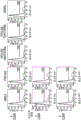
图6描绘了含有抗FL CAR的CD8+ T细胞的FACS分析。子图(a)和子图(b)分别描绘了对T细胞进行含有抗FL(FITC-E2)CAR或抗FL(4M5.3)CAR的选择标志物EGFRt的染色,抗FL(FITC-E2)CAR包含SEQ ID NO:5(96%阳性)抗FL(4M5.3)CAR包含SEQ ID NO:2(80%阳性)。子图(c)和子图(d)分别描绘了对于含有抗FL(FITC-E2)CAR(97%阳性)或抗FL(4M5.3)CAR(79%阳性)的T细胞,将T细胞与小鼠CD19-FITC抗体一起孵育,然后用针对结合的FITC抗体的抗小鼠-Fc-Alexa647抗体进行染色。Figure 6 depicts FACS analysis of CD8+ T cells containing anti-FL CAR. Sub-panel (a) and sub-panel (b) depict the staining of T cells with the selection marker EGFRt containing anti-FL(FITC-E2) CAR or anti-FL(4M5.3) CAR, respectively, anti-FL(FITC-E2) CAR contained SEQ ID NO: 5 (96% positive) anti-FL (4M5.3) CAR contained SEQ ID NO: 2 (80% positive). Subpanels (c) and subpanels (d) depict T cells with anti-FL (FITC-E2) CAR (97% positive) or anti-FL (4M5.3) CAR (79% positive), respectively. Mouse CD19-FITC antibody was incubated with and then stained with anti-mouse-Fc-Alexa647 antibody against bound FITC antibody.
图7A描绘了用FL-PLE处理的细胞的FACS分析。Figure 7A depicts FACS analysis of cells treated with FL-PLE.
图7B描绘了在FL-PLE存在或不存在的情况下以及在含有抗FL CAR的CD8+ T细胞存在或不存在的情况下K562细胞的特异性裂解。Figure 7B depicts specific lysis of K562 cells in the presence or absence of FL-PLE and in the presence or absence of anti-FL CAR-containing CD8+ T cells.
图7C描绘了在FL-PLE存在或不存在的情况下以及在含有抗FL CAR的CD8+ T细胞存在或不存在的情况下K562细胞的细胞因子产生。Figure 7C depicts cytokine production by K562 cells in the presence or absence of FL-PLE and in the presence or absence of anti-FL CAR-containing CD8+ T cells.
图8A描绘了用FL-PLE处理的多种细胞系的FACS。Figure 8A depicts FACS of various cell lines treated with FL-PLE.
图8B描绘了用FL-PLE处理并与含有抗FL(FITC-E2)CAR的CD8+ T细胞接触的细胞的特异性裂解,所述抗FL(FITC-E2)CAR含有长间隔区。Figure 8B depicts specific lysis of cells treated with FL-PLE and contacted with CD8+ T cells containing an anti-FL(FITC-E2) CAR containing a long spacer.
图9描绘了含有多种抗FL CAR的CD8+ T细胞的FACS分析,以及对表面标志物EGFRt的染色。Figure 9 depicts FACS analysis of CD8+ T cells containing various anti-FL CARs, and staining for the surface marker EGFRt.
图10描绘了含有多种抗FL CAR的CD4+ T细胞的FACS分析,以及对表面标志物EGFRt的染色。Figure 10 depicts FACS analysis of CD4+ T cells containing various anti-FL CARs, and staining for the surface marker EGFRt.
图11描绘了用FL-PLE标记的细胞的FACS分析。Figure 11 depicts FACS analysis of cells labeled with FL-PLE.
图12描绘了与FL-PLE一起孵育并与含有抗FL CAR的CD8+ T细胞接触的靶细胞的特异性裂解。Figure 12 depicts specific lysis of target cells incubated with FL-PLE and contacted with anti-FL CAR-containing CD8+ T cells.
图13描绘了与FL-PLE一起孵育并与含有抗FL CAR的CD4+ T细胞接触的细胞的细胞因子产生。Figure 13 depicts cytokine production by cells incubated with FL-PLE and contacted with anti-FL CAR-containing CD4+ T cells.
图14A描绘了与FL-PLE一起孵育并与含有抗FL CAR的CD8+ T细胞接触的靶细胞的特异性裂解。Figure 14A depicts specific lysis of target cells incubated with FL-PLE and contacted with anti-FL CAR-containing CD8+ T cells.
图14B描绘了与FL-PLE一起孵育并与含有抗FL CAR的CD4+ T细胞接触的细胞的细胞因子产生。Figure 14B depicts cytokine production by cells incubated with FL-PLE and contacted with CD4+ T cells containing anti-FL CAR.
图15A描述了含有多种抗FL CAR的细胞的FACS分析。Figure 15A depicts FACS analysis of cells containing various anti-FL CARs.
图15B描绘了用FL-PLE处理的细胞的FACS分析。Figure 15B depicts FACS analysis of cells treated with FL-PLE.
图15C描绘了在FL-PLE存在或不存在的情况下并且与多种抗FL CARs接触的多种肿瘤细胞的特异性裂解的一系列的图。Figure 15C depicts a series of graphs of specific lysis of various tumor cells in the presence or absence of FL-PLE and in contact with various anti-FL CARs.
图15D描绘了在FL-PLE存在或不存在的情况下,含有多种抗FL CAR并且与多种肿瘤细胞接触的T细胞的细胞因子产生的一系列的图。Figure 15D depicts a series of graphs of cytokine production by T cells containing multiple anti-FL CARs and in contact with multiple tumor cells in the presence or absence of FL-PLE.
图15E描绘了在FL-PLE存在或不存在的情况下,含有多种抗FL CAR并且与多种肿瘤细胞接触的T细胞的细胞因子产生的一系列的图。Figure 15E depicts a series of graphs of cytokine production by T cells containing multiple anti-FL CARs and in contact with multiple tumor cells in the presence or absence of FL-PLE.
图16(左上子图)描绘了以FL-PLE进行静脉内给药并在48小时后评估的受试者中的原位神经胶质瘤异种移植物的图像。左下子图是受试者的对照对侧半球的图像。受试者的原位神经胶质瘤异种移植物和对照对侧半球均通过用抗荧光素抗体进行染色来评估。还对在原位神经胶质瘤异种移植物和对照对侧半球中随时间保留的FL-PLE水平进行了定量(右子图)。Figure 16 (upper left panel) depicts images of orthotopic glioma xenografts in subjects administered intravenously with FL-PLE and assessed 48 hours later. The lower left panel is an image of the subject's control contralateral hemisphere. Both the subject's orthotopic glioma xenograft and the control contralateral hemisphere were assessed by staining with an anti-fluorescein antibody. Levels of FL-PLE retained over time in orthotopic glioma xenografts and control contralateral hemispheres were also quantified (right panel).
图17描绘了表明在体内的不同肿瘤中的FL-PLE保留的图。Figure 17 depicts graphs demonstrating FL-PLE retention in different tumors in vivo.
图18A描绘了用FL-PLE或ProFL-PLE处理的细胞的FACS分析。Figure 18A depicts FACS analysis of cells treated with FL-PLE or ProFL-PLE.
图18B描绘了用FL-PLE或ProFL-PLE处理并与含有抗FL CAR的CD8+ T细胞接触的细胞的特异性裂解。Figure 18B depicts specific lysis of cells treated with FL-PLE or ProFL-PLE and contacted with anti-FL CAR-containing CD8+ T cells.
图18C描绘了在掩蔽或未掩蔽的ProFL-PLE和FL-PLE存在或不存在的情况下,在含有具有长间隔区的抗FL(FITCE2)CAR的CD4+ T细胞存在或不存在的情况下,细胞的细胞因子产生的一系列的图。Figure 18C depicts the presence or absence of CD4+ T cells containing anti-FL(FITCE2) CAR with a long spacer in the presence or absence of masked or unmasked ProFL-PLE and FL-PLE, A series of graphs of cytokine production by cells.
图19A描绘了结合至细胞的FL-PLE或ProFL-PLE的FACS分析。Figure 19A depicts FACS analysis of FL-PLE or ProFL-PLE bound to cells.
图19B描绘了在ProFL-PLE或FL-PLE存在或不存在的情况下,在含有具有长间隔区的抗FL(FITCE2)CAR的CD4+ T细胞存在或不存在的情况下,细胞的细胞因子产生的一系列的图。Figure 19B depicts cytokine production by cells in the presence or absence of ProFL-PLE or FL-PLE, in the presence or absence of CD4+ T cells containing an anti-FL(FITCE2) CAR with a long spacer of a series of figures.
图19C描绘了用FL-PLE或ProFL-PLE处理的细胞的FACS分析。Figure 19C depicts FACS analysis of cells treated with FL-PLE or ProFL-PLE.
图20描绘了具有神经母细胞瘤(Be2)肿瘤并用ProFL-PLE、FL-PLE或对照处理,并给予含有抗FL(FITCE2)长间隔区CAR(包含SEQ ID NO:5)的T细胞或对照的小鼠的相对寿命的图。Figure 20 depicts a neuroblastoma (Be2) tumor treated with ProFL-PLE, FL-PLE or control and administered T cells or control containing anti-FL (FITCE2) long spacer CAR (comprising SEQ ID NO: 5) A graph of the relative lifespan of mice.
图21A描绘了瘤内注射ProFL-PLE并给予含有具有长间隔区的抗FL(FITCE2)CAR的T细胞的小鼠中的平均肿瘤进展(顶部子图)和存活百分比(底部子图)的图。Figure 21A depicts graphs of mean tumor progression (top panel) and percent survival (bottom panel) in mice injected intratumorally with ProFL-PLE and administered T cells containing anti-FL(FITCE2) CAR with a long spacer .
图21B描绘了静脉内注射ProFL-PLE并给予含有具有长间隔区的抗FL(FITCE2)CAR的T细胞的小鼠中的平均肿瘤进展(顶部子图)和存活百分比(底部子图)的图。Figure 21B depicts graphs of mean tumor progression (top panel) and percent survival (bottom panel) in mice that were intravenously injected with ProFL-PLE and administered T cells containing an anti-FL(FITCE2) CAR with a long spacer .
具体实施方式Detailed ways
本文描述的是经工程化的嵌合抗原受体(CAR),当其存在于荷载有外源性FL-PLE的肿瘤细胞表面上时,对分子荧光素具有特异性以及经选择或设计的亲和力,这引起了重定向的抗肿瘤T细胞反应性。在一些实施方式中,FL-PLE是合成的分子结构,该结构被设计为整合至肿瘤的质膜中,使得分子的荧光素在细胞外空间中与质膜的外叶相邻存在。在一些实施方式中,FL-PLE结构包含治疗上重要的特质(attributes)。在一些实施方式中,提供了靶向FL-PLE的荧光素(FL)部分的CAR,并且还在考虑之列的是制备和使用所述CAR的方法。这些CAR可组成性地表达,也可置于经调节的控制下。Described herein are engineered chimeric antigen receptors (CARs) with specificity and a selected or engineered affinity for the molecule fluorescein when present on the surface of exogenous FL-PLE-loaded tumor cells , which elicited redirected antitumor T cell reactivity. In some embodiments, the FL-PLE is a synthetic molecular structure designed to integrate into the plasma membrane of the tumor such that the molecular fluorescein exists adjacent to the outer lobe of the plasma membrane in the extracellular space. In some embodiments, the FL-PLE construct contains therapeutically important attributes. In some embodiments, a CAR targeting the fluorescein (FL) moiety of FL-PLE is provided, and also contemplated are methods of making and using the CAR. These CARs can be expressed constitutively or placed under regulated control.
尽管转基因修饰的T细胞的过继转移在选择的设置(例如CD19B细胞谱系恶性肿瘤)中是成功的,但由于缺乏在所有形式的癌症中存在但在正常的健康细胞中不存在的单一靶抗原,这些疗法已被证明难以推广至其它癌症类型。因此,如同为了解决困扰人的各种类型的癌症而进行的相关的CAR的开发,鉴别和检查成百上千的抗原(例如CAR靶标)的繁重任务阻碍了CAR T细胞疗法的开发。先前的工作开发了整合至展示出用于CAR T细胞识别的一种合成的靶分子的所有肿瘤中的FL-PLE。这消除了对成百上千的CAR进行验证的需要,并且反而使得能够使用单个FL特异性CAR。Although adoptive transfer of transgene-modified T cells has been successful in selected settings (e.g. CD19B cell lineage malignancies), due to the lack of a single target antigen present in all forms of cancer but absent in normal healthy cells, These therapies have proven difficult to generalize to other cancer types. Therefore, as with the development of related CARs to address various types of cancers afflicting humans, the onerous task of identifying and examining hundreds of antigens (eg, CAR targets) hinders the development of CAR T-cell therapy. Previous work developed FL-PLE integrated into all tumors displaying a synthetic target molecule for CAR T cell recognition. This eliminates the need for validation of hundreds or thousands of CARs and instead enables the use of a single FL-specific CAR.
本公开解决了用于结合至FL-PLE的FL部分的合适的CAR T细胞的鉴别、创建和工程化。在一些实施方式中,FL部分可为掩蔽的和未掩蔽的,从而使得FL部分可被活化以接受CAR T细胞。在一些实施方式中,FL特异性CAR可仅识别未掩蔽的CAR T细胞肿瘤靶向剂(CTCT),而不识别掩蔽的FL。The present disclosure addresses the identification, creation and engineering of suitable CAR T cells for binding to the FL portion of FL-PLE. In some embodiments, the FL portion can be masked and unmasked such that the FL portion can be activated to receive CAR T cells. In some embodiments, a FL-specific CAR may only recognize unmasked CAR T cell tumor targeting agents (CTCTs), but not masked FLs.
本文提供的方法和组合物的一些实施方式可包括发明名称为“磷脂醚(PLE)CAR T细胞肿瘤靶向(CTCT)剂”的WO 2018/148224中公开的方面,将其以引用的方式明确地整体并入本文。Some embodiments of the methods and compositions provided herein may include aspects disclosed in WO 2018/148224 entitled "Phospholipid Ether (PLE) CAR T Cell Tumor Targeting (CTCT) Agents", which is expressly incorporated by reference is incorporated herein in its entirety.
定义definition
在下面的描述中,当依据说明书阅读时,术语应当被赋予其普通和常规的含义。本领域技术人员可以鉴于整个说明书而理解所使用的术语。In the following description, terms should be given their ordinary and conventional meanings when read in light of the specification. Those skilled in the art can understand the terms used in view of the entire specification.
如本文所使用的,“一个/一种”(a或an)可以表示一个/一种或多于一个/一种。As used herein, "a/an" (a or an) can mean one/one or more than one/one.
如本文所使用的,术语“约”表示值包括用于确定值的方法的固有的误差变化、或实验之间存在的变化。As used herein, the term "about" means that the value includes variations in error inherent in the method used to determine the value, or variations that exist between experiments.
如本文所使用的“嵌合受体”是指包含抗体或其它蛋白质序列的配体结合结构域的合成设计的受体,所述抗体或其它蛋白质序列结合至与疾病或紊乱相关的分子并通过间隔区结构域连接至其它受体或T细胞的一个或多个胞内信号转导结构域,例如共刺激结构域。嵌合受体也可称为人工T细胞受体、嵌合T细胞受体、嵌合免疫受体和嵌合抗原受体(CAR)。这些受体可用于将单克隆抗体或其结合片段的特异性移植至T细胞上,其中,通过病毒载体(例如逆转录病毒载体或慢病毒载体)来促进它们的编码序列的转移。CAR是遗传学上工程化的T细胞受体,其被设计为将T细胞重定向至表达特定的细胞表面抗原的靶细胞。可通过称为过继细胞转移的过程将T细胞从受试者取出并进行修饰,以使它们表达可对抗原而言特异性的受体。T细胞被重新引入患者中,然后它们可识别并靶向抗原。这些CAR是可将选择的特异性移植至免疫受体细胞上的经工程化的受体。一些研究人员还认为术语“嵌合抗原受体”或“CAR”包括抗体或抗体片段、间隔区、信号转导结构域和跨膜区。由于修饰本文所述的CAR的不同组成部分或结构域(例如表位结合区(例如抗体片段、scFv或其部分)、间隔区、跨膜结构域和/或信号转导结构域)的惊人效果,在整个本公开中,经常从独立元件的角度来区分CAR的组成部分。A "chimeric receptor" as used herein refers to a synthetically designed receptor comprising a ligand-binding domain of an antibody or other protein sequence that binds to a molecule associated with a disease or disorder and passes The spacer domain is linked to other receptors or to one or more intracellular signaling domains of the T cell, eg, a costimulatory domain. Chimeric receptors may also be referred to as artificial T cell receptors, chimeric T cell receptors, chimeric immune receptors, and chimeric antigen receptors (CARs). These receptors can be used to specifically transplant monoclonal antibodies or binding fragments thereof onto T cells, wherein transfer of their coding sequences is facilitated by viral vectors (eg, retroviral or lentiviral vectors). CARs are genetically engineered T cell receptors designed to redirect T cells to target cells that express specific cell surface antigens. T cells can be removed from a subject by a process known as adoptive cell transfer and modified so that they express receptors that can be specific for an antigen. T cells are reintroduced into the patient, where they can then recognize and target the antigen. These CARs are engineered receptors that engraft selected specificities onto immune recipient cells. Some researchers also consider the term "chimeric antigen receptor" or "CAR" to include antibodies or antibody fragments, spacers, signal transduction domains, and transmembrane regions. Due to the surprising effect of modifying different components or domains of the CARs described herein (eg epitope binding regions (eg antibody fragments, scFv or parts thereof), spacers, transmembrane domains and/or signal transduction domains) , throughout this disclosure, the components of a CAR are often distinguished in terms of individual elements.
根据说明书,“CAR T细胞靶向剂”(CTCT)被赋予其普通和常规的含义,并且可被描述为例如可整合至靶细胞的膜中的组合物。在本文的替代方式中,CTCT包含脂质,其中,脂质包含靶标部分和掩蔽部分。掩蔽部分在例如低pH、ROS物质的存在下以及在肿瘤微环境内可被去除掩蔽的。在一些实施方式中,掩蔽部分抑制CAR与靶标部分的特异性结合。靶标部分可被对靶标部分而言特异性的嵌合抗原受体识别并结合。在本文的一些替代方式中,在pH 4、pH 5、pH 6或pH 6.5或处于由任何两个上述值所限定的范围内的任何pH下,移除掩蔽部分。According to the specification, "CAR T cell targeting agent" (CTCT) is given its ordinary and conventional meaning, and can be described, for example, as a composition that can be integrated into the membrane of a target cell. In an alternative form herein, the CTCT comprises a lipid, wherein the lipid comprises a targeting moiety and a masking moiety. Masking moieties can be unmasked in the presence of, for example, low pH, ROS species, and within the tumor microenvironment. In some embodiments, the masking moiety inhibits specific binding of the CAR to the target moiety. The target moiety can be recognized and bound by a chimeric antigen receptor specific for the target moiety. In some alternatives herein, the masking moiety is removed at
“T细胞受体”或“TCR”是在负责识别与主要组织相容性复合物分子结合的抗原片段的T细胞或T淋巴细胞的表面上发现的分子。"T cell receptors" or "TCRs" are molecules found on the surface of T cells or T lymphocytes responsible for recognizing antigenic fragments bound to major histocompatibility complex molecules.
本文所述的“靶标部分”是指作为另一感兴趣的化学品或蛋白的结合靶标的分子或化学品上的特定基团或位点。在一些替代方式中,提供了复合物,其中,所述复合物包含与脂质连接的嵌合抗原受体(CAR)或T细胞受体(TCR),其中,所述脂质包含靶标部分,并且CAR通过与所述靶标部分的相互作用而连接至所述脂质。在一些替代方式中,靶标部分是生物素、地高辛、二硝基酚或荧光素。A "target moiety" as used herein refers to a specific group or site on a molecule or chemical that is the binding target of another chemical or protein of interest. In some alternatives, complexes are provided, wherein the complex comprises a chimeric antigen receptor (CAR) or a T cell receptor (TCR) linked to a lipid, wherein the lipid comprises a targeting moiety, And the CAR is attached to the lipid through interaction with the target moiety. In some alternatives, the targeting moiety is biotin, digoxigenin, dinitrophenol, or fluorescein.
“单链可变片段”(scFv)是融合蛋白,其可具有与10-25个氨基酸的短接头肽连接的免疫球蛋白的重链(VH)和轻链(VL)的可变区。短接头肽可包含10个、11个、12个、13个、14个、15个、16个、17个、18个、19个、20个、21个、22个、23个、24个、25个氨基酸或处于由上述任何两个值所限定的范围内的任何数量的氨基酸。接头通常富含用于柔性的甘氨酸且富含用于溶解性的丝氨酸或苏氨酸,并且可将VH的N端与VL的C端连接,反之亦然。尽管移除了恒定区并引入了接头,该蛋白仍保留了原始免疫球蛋白的特异性。scFv对抗原而言可为特异性的。如本文使用的“抗原”或”Ag”是指激发免疫应答的分子。该免疫应答可涉及抗体产生或特定的免疫活性细胞的活化或两者。抗原可从生物样品中生成、合成、重组产生或可来源于生物样品。此类生物样品可包括但不限于组织样品、肿瘤样品、细胞或生物流体(例如血液、血浆或腹水)。在本文的一些替代方式中,提供了组合物,其中,组合物包含通过本文的替代方法中的任一种制造的细胞。在一些替代方式中,细胞包含嵌合抗原受体,其中,所述嵌合抗原受体包含对抗原而言特异性的scFv。A "single-chain variable fragment" (scFv) is a fusion protein that may have the variable regions of the heavy (VH) and light (VL) chains of an immunoglobulin linked to a short linker peptide of 10-25 amino acids. The short linker peptide can comprise 10, 11, 12, 13, 14, 15, 16, 17, 18, 19, 20, 21, 22, 23, 24, 25 amino acids or any number of amino acids within the range defined by any two of the above values. Linkers are typically rich in glycine for flexibility and serine or threonine for solubility, and can link the N-terminus of VH to the C-terminus of VL and vice versa. Despite the removal of the constant region and the introduction of linkers, the protein retains the specificity of the original immunoglobulin. The scFv can be specific for the antigen. "Antigen" or "Ag" as used herein refers to a molecule that elicits an immune response. The immune response may involve antibody production or activation of specific immunocompetent cells or both. Antigens can be produced, synthesized, recombinantly produced from a biological sample or can be derived from a biological sample. Such biological samples may include, but are not limited to, tissue samples, tumor samples, cells, or biological fluids (eg, blood, plasma, or ascites). In some alternatives herein, compositions are provided, wherein the compositions comprise cells produced by any of the alternative methods herein. In some alternatives, the cell comprises a chimeric antigen receptor, wherein the chimeric antigen receptor comprises an scFv specific for an antigen.
本文提供的一些实施方式涉及本文描述为抗FL(FITCE2 TyrH133Ala)(也称为抗FL(FITC-E2 Mut2)或抗FL(Mut2))的ScFv(SEQ ID NO:1),其可被并入根据本公开的CAR中,具有以下氨基酸序列:Some embodiments provided herein relate to a ScFv (SEQ ID NO: 1) described herein as anti-FL(FITCE2 TyrH133Ala) (also known as anti-FL(FITC-E2 Mut2) or anti-FL(Mut2)), which may be incorporated into The CAR according to the present disclosure has the following amino acid sequence:

本文提供的一些实施方式涉及本文描述为抗FL(4M5.3)的scFv(SEQ ID NO:2),其可被并入根据本公开的CAR中,具有以下氨基酸序列:Some embodiments provided herein relate to an scFv (SEQ ID NO: 2) described herein as anti-FL (4M5.3), which can be incorporated into a CAR according to the present disclosure, having the following amino acid sequence:

本文提供的一些实施方式涉及本文描述为抗FL(4420)的ScFv(SEQ ID NO:3),其可被并入根据本公开的CAR中,具有以下氨基酸序列:Some embodiments provided herein relate to the ScFv (SEQ ID NO: 3) described herein as anti-FL(4420), which can be incorporated into a CAR according to the present disclosure, having the following amino acid sequence:

本文提供的一些实施方式涉及本文描述为抗FL(4D5Flu)的ScFv(SEQ ID NO:4),其可被并入根据本公开的CAR中,具有以下氨基酸序列:Some embodiments provided herein relate to a ScFv (SEQ ID NO: 4) described herein as anti-FL (4D5Flu), which can be incorporated into a CAR according to the present disclosure, having the following amino acid sequence:

本文提供的一些实施方式涉及本文描述为抗FL(FITCE2)的ScFv(SEQ ID NO:5),其可被并入根据本公开的CAR中,具有以下氨基酸序列:Some embodiments provided herein relate to a ScFv (SEQ ID NO: 5) described herein as anti-FL (FITCE2), which can be incorporated into a CAR according to the present disclosure, having the following amino acid sequence:

本文提供的一些实施方式涉及本文描述为抗FL(FITCE2 HisH131Ala)的ScFv(SEQID NO:6),其可被并入根据本公开的CAR中,具有以下氨基酸序列:Some embodiments provided herein relate to a ScFv (SEQ ID NO: 6) described herein as anti-FL (FITCE2 HisH131Ala), which can be incorporated into a CAR according to the present disclosure, having the following amino acid sequence:

“抗原特异性结合结构域”可包括可以以低或高的结合亲和力(fM至mM的结合能力)特异性地结合至蛋白质上的表位的蛋白质或蛋白质结构域。在一些替代方式中,融合蛋白包含可调控免疫应答的蛋白质或其部分。在一些替代方式中,蛋白质包含抗原特异性结合结构域。An "antigen-specific binding domain" can include a protein or protein domain that can specifically bind to an epitope on a protein with low or high binding affinity (fM to mM binding capacity). In some alternatives, the fusion protein comprises a protein or portion thereof that modulates an immune response. In some alternatives, the protein comprises an antigen-specific binding domain.
如本文所用的“T细胞”或“T淋巴细胞”可来自任何哺乳动物物种,优选灵长类(包括猴)、狗和人。在一些替代方式中,T细胞与受体受试者是同种异体的(来自相同物种但来自不同供体)。在一些替代方式中,T细胞是自体的(供体和受体相同);在一些替代方式中,T细胞是同基因的(供体和受体不同但为同卵双胞胎)。"T cells" or "T lymphocytes" as used herein may be from any mammalian species, preferably primates (including monkeys), dogs and humans. In some alternatives, the T cells are allogeneic (from the same species but from a different donor) to the recipient subject. In some alternatives, the T cells are autologous (donor and recipient are the same); in some alternatives, the T cells are syngeneic (donor and recipient are different but identical twins).
本文所述的“组合疗法”是指使用多于一种药物或形式进行治疗的疗法。例如,组合疗法还可指用于单一疾病的多种疗法,并且通常所有疗法均为药物产品组合。组合疗法还可涉及开出和给予分开的药物,其中各剂也可具有一种以上活性成分。在一些替代方式中,提供了组合疗法,其中,组合疗法包括给予遗传学上修饰的免疫细胞以修饰肿瘤微环境。在一些替代方式中,组合疗法包括给予遗传学上修饰的免疫细胞以调控肿瘤微环境中的免疫应答的抑制。在一些替代方式中,组合疗法包括给予遗传学上修饰的免疫细胞以在有需要的受试者(例如人)中使肿瘤和抑制性细胞的增殖最小化。在一些替代方式中,组合疗法包括给予遗传学上修饰的免疫细胞以在有需要的受试者(例如人)中提高抗癌疗法、抗感染疗法、抗菌疗法、抗病毒疗法或抗肿瘤疗法的功效。在一些替代方式中,组合疗法进一步包括给予抑制剂。在一些替代方式中,抑制剂不是酶抑制剂。在一些替代方式中,抑制剂是酶抑制剂。在一些替代方式中,组合疗法包括给予治疗剂量的抑制剂或者抗体或其结合片段。这些抗体或其结合片段可在一些替代方式中是人源化的。在一些替代方式中,组合疗法可进一步包括将荷载CAR的T细胞给予至有需要的受试者(例如人)。As used herein, "combination therapy" refers to therapy in which more than one drug or form is used for treatment. For example, combination therapy can also refer to multiple therapies for a single disease, and typically all therapies are combinations of drug products. Combination therapy may also involve prescribing and administering separate drugs, wherein each dose may also have more than one active ingredient. In some alternatives, combination therapy is provided, wherein the combination therapy comprises administration of genetically modified immune cells to modify the tumor microenvironment. In some alternatives, the combination therapy involves administration of genetically modified immune cells to modulate the suppression of immune responses in the tumor microenvironment. In some alternatives, the combination therapy involves administration of genetically modified immune cells to minimize the proliferation of tumor and suppressor cells in a subject (eg, a human) in need thereof. In some alternatives, the combination therapy includes administration of genetically modified immune cells to increase the efficacy of anticancer, anti-infective, antibacterial, antiviral, or antitumor therapy in a subject (eg, a human) in need thereof effect. In some alternatives, the combination therapy further comprises administering an inhibitor. In some alternatives, the inhibitor is not an enzyme inhibitor. In some alternatives, the inhibitor is an enzyme inhibitor. In some alternatives, the combination therapy comprises administering a therapeutic dose of the inhibitor or antibody or binding fragment thereof. These antibodies or binding fragments thereof may be humanized in some alternatives. In some alternatives, the combination therapy may further comprise administering the CAR-loaded T cells to a subject (eg, a human) in need.
“化学治疗药物”是一类抗癌药物,其可使用例如化学物质,如可作为标准化的化学治疗方案的一部分给予的抗癌药物(化学治疗剂)。化疗药物可以以治疗性目的给予或用于延长寿命或减轻症状(姑息性化学疗法)。额外的化学疗法还可包括激素疗法和靶向疗法,因其为医学肿瘤学(用于癌症的药物疗法)的主要类别之一。这些形式通常与其它癌症疗法(例如放射疗法、手术和/或高温疗法)联合使用。在少数情况下,已知癌症会因手术而扩散。在一些替代方式中,在外科手术之前或之后将遗传学上修饰的免疫细胞给予至肿瘤部位。A "chemotherapeutic drug" is a class of anticancer drugs that can use, for example, chemicals such as anticancer drugs (chemotherapeutic agents) that can be administered as part of a standardized chemotherapy regimen. Chemotherapy drugs can be given for therapeutic purposes or to prolong life or reduce symptoms (palliative chemotherapy). Additional chemotherapy may also include hormone therapy and targeted therapy, as it is one of the main categories of medical oncology (drug therapy for cancer). These modalities are often used in combination with other cancer therapies such as radiation therapy, surgery and/or hyperthermia. In rare cases, cancer is known to spread as a result of surgery. In some alternatives, the genetically modified immune cells are administered to the tumor site before or after surgery.
给予化学治疗药物的化学疗法可每次使用一种药物(单药剂化学疗法)或每次使用多种药物(组合化学疗法或综合化学疗法)。化学疗法和放射疗法的组合为放化疗。使用仅在光暴露后转换为细胞毒活性的药物的化学疗法称为光化学疗法或光动力疗法。在给予本文所述的遗传学上修饰的免疫细胞的一些替代方式中,所述方法可进一步包括在接受遗传学上修饰的免疫细胞或遗传学上工程化的巨噬细胞(GEM)后,向患有癌症的受试者给予光化学疗法或光动力疗法。Chemotherapy in which chemotherapy drugs are given can be administered one drug at a time (single-agent chemotherapy) or multiple drugs at a time (combination chemotherapy or combined chemotherapy). The combination of chemotherapy and radiation therapy is chemoradiotherapy. Chemotherapy using drugs that are converted to cytotoxic activity only after light exposure is called photochemotherapy or photodynamic therapy. In some alternative ways of administering the genetically modified immune cells described herein, the method may further comprise, after receiving the genetically modified immune cells or genetically engineered macrophages (GEMs), to Subjects with cancer are given photochemotherapy or photodynamic therapy.
化学治疗药物可包括但不限于抗体-药物偶联物(例如通过接头连接至药物的抗体)、纳米颗粒(例如纳米颗粒可为1nm-1000nm大小的颗粒,以促进肿瘤选择性并有助于递送低溶解度药物)、电化学疗法、烷化剂、抗代谢物(例如5-氟尿嘧啶(5-FU)、6-巯基嘌呤(6-MP)、卡培他滨


本文所述的“受试者”或“患者”是指可对其使用或给予其本文所述的替代方式的任何生物体,例如用于实验、诊断、预防和/或治疗目的。受试者或患者包括例如动物。在一些替代方式中,受试者是小鼠、大鼠、兔、非人灵长类和人。在一些替代方式中,受试者是牛、绵羊、猪、马、狗、猫、灵长类或人。"Subject" or "patient" as used herein refers to any organism to which the alternatives described herein may be used or administered, eg, for experimental, diagnostic, prophylactic and/or therapeutic purposes. A subject or patient includes, for example, an animal. In some alternatives, the subject is a mouse, rat, rabbit, non-human primate and human. In some alternatives, the subject is a cow, sheep, pig, horse, dog, cat, primate or human.
一些实施方式涉及CAR T细胞肿瘤靶向(CTCT)剂。本文提供的一些实施方式涉及束缚至半抗原荧光素(FL-PLE)的磷脂醚(PLE)。本文所述的“荧光素”是可溶于水和醇中的合成的有机化合物。它广泛地用作许多应用的荧光示踪剂。在本文的替代方式中,荧光素是由嵌合抗原受体特异性识别的脂质上的靶标部分,所述嵌合抗原受体按其与荧光素结合或相互作用的能力设计和/或选择。在一些替代方式中,脂质是磷脂醚。Some embodiments relate to CAR T cell tumor targeting (CTCT) agents. Some embodiments provided herein relate to phospholipid ethers (PLEs) tethered to the hapten fluorescein (FL-PLE). "Fluorescein" as used herein is a synthetic organic compound that is soluble in water and alcohol. It is widely used as a fluorescent tracer for many applications. In an alternative form herein, fluorescein is a targeting moiety on a lipid that is specifically recognized by a chimeric antigen receptor designed and/or selected for its ability to bind or interact with fluorescein . In some alternatives, the lipid is a phospholipid ether.
本文所述的“脂质”是包含碳链、脂肪酸或脂肪酸衍生物的一类有机化合物,该有机化合物通常不溶于水,但可以整合入疏水溶剂或有机溶剂中或者与疏水溶剂或有机溶剂混合。不受限制地,脂质可包括脂肪、蜡、脂溶性维生素、甘油单酯、甘油二酯、甘油三酯、鞘脂、脑苷脂、神经酰胺或磷脂。本文所述的两亲脂质可具有极性头部基团和疏水部分或疏水基团。本文所述的“疏水基团”是从一定量水中被排斥且倾向于非极性的分子或分子的一部分。这可包括烷烃、油或脂肪。不受限制地,脂质可以是甘油脂、甘油磷脂、鞘脂、固醇脂质、异戊烯醇脂质、糖脂或聚酮。在替代的方式中,本文中提供了复合物,其中复合物包含脂质。在一些替代方式中,脂质包含极性头部基团和疏水部分。在一些替代方式中,疏水部分是疏水碳尾部。在一些替代方式中,疏水碳尾部是饱和的或不饱和的。在一些替代方式中,疏水碳尾部包含10个、11个、12个、13个、14个、15个、16个、17个、18个、19个、20个、21个、22个、23个、24个或25个碳或处于由上述任意值阐明的范围之间的任何数量的碳。在一些替代方式中,疏水部分是类固醇或胆固醇。在一些替代方式中,脂质包含甘油脂、甘油磷脂、鞘脂、固醇脂质、异戊烯醇脂质、糖脂或聚酮。在一些替代方式中,脂质是磷脂醚。在一些替代方式中,脂质含有支链烷基尾部。As used herein, "lipids" are a class of organic compounds comprising carbon chains, fatty acids or fatty acid derivatives that are generally insoluble in water but can be incorporated into or mixed with hydrophobic or organic solvents . Without limitation, lipids may include fats, waxes, fat-soluble vitamins, monoglycerides, diglycerides, triglycerides, sphingolipids, cerebrosides, ceramides, or phospholipids. The amphiphilic lipids described herein can have a polar head group and a hydrophobic moiety or hydrophobic group. As used herein, a "hydrophobic group" is a molecule or part of a molecule that is repelled from a quantity of water and tends to be non-polar. This can include alkanes, oils or fats. Without limitation, the lipids can be glycerolipids, glycerophospholipids, sphingolipids, sterol lipids, prenol lipids, glycolipids, or polyketides. In the alternative, complexes are provided herein, wherein the complexes comprise lipids. In some alternatives, the lipid contains a polar head group and a hydrophobic moiety. In some alternatives, the hydrophobic moiety is a hydrophobic carbon tail. In some alternatives, the hydrophobic carbon tail is saturated or unsaturated. In some alternatives, the hydrophobic carbon tail comprises 10, 11, 12, 13, 14, 15, 16, 17, 18, 19, 20, 21, 22, 23 1, 24 or 25 carbons or any number of carbons in between the ranges set forth by any of the above values. In some alternatives, the hydrophobic moiety is a steroid or cholesterol. In some alternatives, the lipids comprise glycerolipids, glycerophospholipids, sphingolipids, sterol lipids, prenol lipids, glycolipids, or polyketides. In some alternatives, the lipid is a phospholipid ether. In some alternatives, the lipid contains branched alkyl tails.
在一些替代方式中,脂质可以是鞘脂。鞘脂可含有鞘氨基醇碱的骨架,例如包括鞘氨醇的一组脂族氨基醇。具有仅由氢原子组成的R基团的鞘脂是神经酰胺。其它常见的R基团包括磷酸胆碱(产生鞘磷脂)、以及各种糖单体或二聚体(分别产生脑苷脂和红细胞糖苷脂)。脑苷脂和红细胞糖苷脂统称为糖鞘脂。在一些替代方式中,脂质是糖鞘脂。In some alternatives, the lipid can be a sphingolipid. Sphingolipids may contain a backbone of sphingoid bases, such as a group of aliphatic amino alcohols including sphingosine. Sphingolipids with R groups consisting only of hydrogen atoms are ceramides. Other common R groups include phosphorylcholine (which yields sphingomyelin), and various sugar monomers or dimers (which yield cerebroside and erythrocyte glycoside, respectively). Cerebrosides and erythrocyte glycosides are collectively referred to as glycosphingolipids. In some alternatives, the lipid is a glycosphingolipid.
如本文提供的脂质包含极性头部基团和疏水基团。在一些替代方式中,疏水基团包含脂肪酸,例如脂肪链。脂肪酸可以是饱和的或不饱和的。在一些替代方式中,疏水基团包含烷基、烯基或炔基。在一些替代方式中,疏水基团包含萜类脂质,例如类固醇或胆固醇。在一些替代方式中,疏水基团包含醚键,其中醚键位于极性头部基团和脂肪链之间。在一些替代方式中,脂质是磷脂醚。在一些替代方式中,极性头部包含胆碱、磷脂酰胆碱、鞘磷脂、磷酸乙醇胺基团、寡糖残基、糖残基、磷脂酰丝氨酸或磷脂酰肌醇。在一些替代方式中,糖是甘油或糖醇。Lipids as provided herein contain polar head groups and hydrophobic groups. In some alternatives, the hydrophobic group comprises a fatty acid, such as a fatty chain. Fatty acids can be saturated or unsaturated. In some alternatives, the hydrophobic group comprises an alkyl, alkenyl or alkynyl group. In some alternatives, the hydrophobic group comprises a terpenoid lipid, such as a steroid or cholesterol. In some alternatives, the hydrophobic group contains an ether linkage, wherein the ether linkage is between the polar head group and the aliphatic chain. In some alternatives, the lipid is a phospholipid ether. In some alternatives, the polar head comprises choline, phosphatidylcholine, sphingomyelin, phosphoethanolamine groups, oligosaccharide residues, sugar residues, phosphatidylserine, or phosphatidylinositol. In some alternatives, the sugar is glycerol or a sugar alcohol.
在一些替代方式中,脂质是单链烷基磷脂。In some alternatives, the lipid is a single chain alkyl phospholipid.
在一些替代方式中,脂质包括合成的烷基磷脂的结构,例如依地福新、哌立福新或芥酸磷酸胆碱。在一些替代方式中,脂质是溶血磷脂酰胆碱、依地福新、芥酸磷酸胆碱、D-21805或哌立福新。此类脂质被描述于例如van der Lui等人(“A new class ofanticancer alkylphospholipids uses lipid rafts as membrane gateways to induceapoptosis in lymphoma cells”Mol Cancer Ther 2007;6(8),2007;由此以引用的方式将其明确地整体并入)中。在本文所述的脂质的一些替代方式中,极性头部基团内的胆碱可以用哌啶部分取代。在一些替代方式中,脂质是抗癌烷基磷脂。抗癌磷脂由vander Lui等人描述(“A new class of anticancer alkylphospholipids uses lipid rafts as membranegateways to induce apoptosis in lymphoma cells”Mol Cancer Ther 2007;6(8),2007;由此以引用的方式将其明确地整体并入)。In some alternatives, the lipid includes the structure of a synthetic alkylphospholipid, such as edifoxine, perifoxine, or erucate phosphorylcholine. In some alternatives, the lipid is lysophosphatidylcholine, edifoxine, erucate phosphorylcholine, D-21805, or perifoxine. Such lipids are described, for example, in van der Lui et al. ("A new class of anticancer alkylphospholipids uses lipid rafts as membrane gateways to induceapoptosis in lymphoma cells" Mol Cancer Ther 2007; 6(8), 2007; hereby incorporated by reference is expressly incorporated in its entirety). In some alternatives to the lipids described herein, the choline within the polar head group can be substituted with a piperidine moiety. In some alternatives, the lipid is an anticancer alkylphospholipid. Anticancer phospholipids are described by vander Lui et al. ("A new class of anticancer alkylphospholipids uses lipid rafts as membranegateways to induce apoptosis in lymphoma cells" Mol Cancer Ther 2007; 6(8), 2007; hereby expressly incorporated by reference incorporated in its entirety).
在一些替代方式中,本文提供的脂质是合成的并且与细胞膜相互作用的结构上相关的抗肿瘤剂。这些类型的合成脂质是烷基磷脂,并由van Blitterswijk等人描述(“Anticancer mechanisms and clinical application of alkylphopholipids”Biochimica et Biophysica Acta 1831(2013)663-674;由此以引用的方式将其整体并入本文)。不受限制地,合成的烷基磷脂可包括依地福新、米替福新、哌立福新、芥酸磷酸胆碱和Erufosine。在一些替代方式中,脂质是依地福新、米替福新、哌立福新、芥酸磷酸胆碱或Erufosine。在一些替代方式中,脂质是溶血磷脂酰胆碱的稳定类似物。在一些替代方式中,脂质是依地福新的硫醚变体、或1-十六烷基硫代-2-甲氧基甲基-外消旋-甘油-3-磷酸胆碱。在一些替代方式中,脂质是LysoPC、依地福新、伊莫福新、米替福新、哌立福新、芥酸磷酸胆碱或Erufosine。In some alternatives, the lipids provided herein are synthetic and structurally related antineoplastic agents that interact with cell membranes. These types of synthetic lipids are alkylphospholipids and are described by van Blitterswijk et al. ("Anticancer mechanisms and clinical application of alkylphopholipids" Biochimica et Biophysica Acta 1831 (2013) 663-674; hereby incorporated by reference in its entirety into this article). Without limitation, synthetic alkylphospholipids can include edifoxine, miltefosine, perifoxine, erucate phosphorylcholine, and Erufosine. In some alternatives, the lipid is edifoxine, miltefosine, perifoxine, erucate phosphorylcholine, or Erufosine. In some alternatives, the lipid is a stable analog of lysophosphatidylcholine. In some alternatives, the lipid is a thioether variant of edifoxine, or 1-hexadecylthio-2-methoxymethyl-rac-glycero-3-phosphocholine. In some alternatives, the lipid is LysoPC, edifoxine, imfosine, miltefosine, perifoxine, erucate phosphorylcholine, or Erufosine.
本文所述的“极性头部基团”是脂质(例如磷脂)的亲水基团。本文所述的“磷脂”是由于其两亲特性而可形成脂质双层的特定类别的脂质。磷脂分子包含至少一个疏水脂肪酸“尾部”和亲水“头部”或“极性头部基团”。在本文的替代方式中,磷脂或磷脂醚包含极性头部基团。在一些替代方式中,极性头部基团包括磷酸胆碱、哌啶部分或三甲基胂-乙基-磷酸酯部分。在一些替代方式中,脂质包含靶标部分,并且CAR通过与所述靶标部分的相互作用而连接至所述脂质或被配置为连接至所述脂质。在一些替代方式中,脂质包含极性头部基团(例如,包含芳香环)和碳烷基链。在本文的一些替代方式中,提供了复合物,其中复合物包含所述脂质中的一种或多种。在一些替代方式中,脂质包含极性头部基团。在一些替代方式中,脂质是磷脂醚。在一些替代方式中,磷脂醚包含靶标部分,并且CAR通过与所述靶标部分的相互作用和/或结合而连接至所述磷脂醚或被配置为连接至所述磷脂醚。在一些替代方式中,磷脂醚包含极性头部基团和碳烷基链。在一些替代方式中,极性头部基团包括胆碱、磷脂酰胆碱、鞘磷脂、磷酸乙醇胺基团、寡糖残基、糖残基、磷脂酰丝氨酸或磷脂酰肌醇。在一些替代方式中,极性头部基团包括磷酸胆碱、哌啶部分或三甲基胂-乙基-磷酸酯部分。在一些替代方式中,脂质是磷脂醚。在一些替代方式中,糖是甘油或糖醇。在一些替代方式中,极性头部基团包含糖基团。在一些替代方式中,脂质包括含有甘露糖的头部基团。在一些替代方式中,极性头部基团包含鞘氨醇。在一些替代方式中,极性头部基团包含葡萄糖。在一些替代方式中,极性头部基团包含二糖、三糖或四糖。在一些替代方式中,脂质是葡糖基脑苷脂。在一些替代方式中,脂质是乳糖基神经酰胺。在一些替代方式中,脂质是糖脂。在一些替代方式中,糖脂包含糖单元,例如n-葡萄糖、n-半乳糖或N-乙酰-n-氨基半乳糖。在一些替代方式中,脂质包含烃环,例如固醇。A "polar head group" as used herein is a hydrophilic group of a lipid (eg, a phospholipid). As used herein, "phospholipids" are specific classes of lipids that can form lipid bilayers due to their amphiphilic properties. Phospholipid molecules comprise at least one hydrophobic fatty acid "tail" and a hydrophilic "head" or "polar head group". In an alternative form herein, the phospholipid or phospholipid ether comprises a polar head group. In some alternatives, the polar head group includes a phosphorylcholine, a piperidine moiety, or a trimethylarsine-ethyl-phosphate moiety. In some alternatives, the lipid comprises a targeting moiety, and the CAR is attached or configured to attach to the lipid through interaction with the targeting moiety. In some alternatives, the lipid contains a polar head group (eg, containing an aromatic ring) and a carboalkyl chain. In some alternatives herein, complexes are provided, wherein the complexes comprise one or more of the lipids. In some alternatives, the lipid contains a polar head group. In some alternatives, the lipid is a phospholipid ether. In some alternatives, the phospholipid ether comprises a target moiety, and the CAR is attached or configured to be attached to the phospholipid ether through interaction and/or binding with the target moiety. In some alternatives, the phospholipid ether contains a polar head group and a carbon alkyl chain. In some alternatives, the polar head group includes choline, phosphatidylcholine, sphingomyelin, phosphoethanolamine group, oligosaccharide residue, sugar residue, phosphatidylserine, or phosphatidylinositol. In some alternatives, the polar head group includes a phosphorylcholine, a piperidine moiety, or a trimethylarsine-ethyl-phosphate moiety. In some alternatives, the lipid is a phospholipid ether. In some alternatives, the sugar is glycerol or a sugar alcohol. In some alternatives, the polar head group comprises a sugar group. In some alternatives, the lipid includes a mannose-containing head group. In some alternatives, the polar head group comprises sphingosine. In some alternatives, the polar head group comprises glucose. In some alternatives, the polar head group comprises a disaccharide, trisaccharide or tetrasaccharide. In some alternatives, the lipid is a glucosylcerebroside. In some alternatives, the lipid is lactosylceramide. In some alternatives, the lipid is a glycolipid. In some alternatives, the glycolipid comprises sugar units such as n-glucose, n-galactose, or N-acetyl-n-galactosamine. In some alternatives, the lipid contains a hydrocarbon ring, such as a sterol.
在一些替代方式中,脂质的极性头部基团包含甘油或糖醇。在一些替代方式中,脂质的极性头部基团包含磷酸根基团。在一些替代方式中,脂质的极性头部基团包含胆碱。在一些替代方式中,脂质是磷脂酰乙醇胺。在一些替代方式中,脂质是磷脂酰肌醇。在一些替代方式中,脂质包含鞘氨基醇碱骨架。在一些替代方式中,脂质包含固醇脂质,例如胆固醇或其衍生物。在一些替代方式中,脂质包含糖脂。在一些替代方式中,极性头部基团包含胆碱、磷酸根和/或甘油。In some alternatives, the polar head group of the lipid comprises glycerol or a sugar alcohol. In some alternatives, the polar head group of the lipid contains a phosphate group. In some alternatives, the polar head group of the lipid contains choline. In some alternatives, the lipid is phosphatidylethanolamine. In some alternatives, the lipid is phosphatidylinositol. In some alternatives, the lipid comprises a sphingoid base backbone. In some alternatives, the lipids comprise sterol lipids, such as cholesterol or derivatives thereof. In some alternatives, the lipids comprise glycolipids. In some alternatives, the polar head group comprises choline, phosphate and/or glycerol.
在一些替代方式中,脂质是糖脂。在一些替代方式中,脂质包含糖。在一些替代方式中,脂质衍生自鞘氨醇。在一些替代方式中,脂质是甘油-糖脂或鞘-糖脂。In some alternatives, the lipid is a glycolipid. In some alternatives, the lipids comprise sugars. In some alternatives, the lipid is derived from sphingosine. In some alternatives, the lipid is a glycero-glycolipid or a sphingolipid.
在一些替代方式中,脂质是具有疏水支链的醚脂质。In some alternatives, the lipid is an ether lipid with hydrophobic branches.
如本文所述的“饱和的”是脂肪酸分子,其中碳分子内不存在双键。如本文所述的“不饱和的”表示脂肪酸链中存在一个或多个双键。在本文的一些替代方式中,提供了包含脂质的复合物。在一些替代方式中,脂质包含脂肪酸链,其中脂肪酸是饱和的或不饱和的。"Saturated" as used herein is a fatty acid molecule in which no double bonds are present within the carbon molecule. "Unsaturated" as used herein means that one or more double bonds are present in the fatty acid chain. In some alternatives herein, lipid-containing complexes are provided. In some alternatives, the lipids comprise fatty acid chains, wherein the fatty acids are saturated or unsaturated.
本文所述的“烷基”是具有缺失的氢的烷基取代基。"Alkyl" as used herein is an alkyl substituent having a missing hydrogen.
“烯基”基团是含有至少一个碳-碳双键的不饱和烃。An "alkenyl" group is an unsaturated hydrocarbon containing at least one carbon-carbon double bond.
“炔基”基团是含有至少一个碳-碳三键的不饱和烃。An "alkynyl" group is an unsaturated hydrocarbon containing at least one carbon-carbon triple bond.
本文所述的“萜类”是衍生自五个碳的异戊二烯单元的分子。类固醇和固醇可以由萜类前体产生。例如,类固醇和胆固醇可以通过萜类前体生物合成。"Terpenoids" as used herein are molecules derived from five carbon isoprene units. Steroids and sterols can be produced from terpenoid precursors. For example, steroids and cholesterol can be biosynthesized from terpenoid precursors.
本文所述的“磷脂醚”是脂质,其中极性头部基团上的一个或多个碳原子通过醚键而不是更常见的酯键与烷基链键合。在一些替代方式中,极性头部基团是甘油。A "phospholipid ether" as used herein is a lipid in which one or more carbon atoms on the polar head group is bonded to an alkyl chain through an ether linkage rather than the more common ester linkage. In some alternatives, the polar head group is glycerol.
本文描述了多种类型的“间隔区”。用于嵌合抗原受体的间隔区是指多肽间隔区,其间隔区长度按其促进与嵌合抗原受体的结合或相互作用的增加或者减少或最小化与CART细胞疗法相关的不良副作用的能力进行配置或选择。在一些实施方式中,CAR的短间隔区结构域具有约12个以下的氨基酸但多于1个的氨基酸,并且包含IgG4铰链区序列或其变体的全部或部分。在一些实施方式中,CAR的中等间隔区具有约119个以下的氨基酸但多于1个的氨基酸,并且包含IgG4铰链区序列以及CH3区或其变体的全部或部分。在一些实施方式中,CAR的长间隔区结构域具有约229个以下的氨基酸但多于1个的氨基酸,并且包含IgG4铰链区序列、CH2区和CH3区或其变体的全部或部分。关于脂质,脂质还可包含将靶标部分与脂质分开并且与脂质的极性头部基团结合的间隔区。脂质的间隔区可包括PEG间隔区、半抗原间隔区、小肽或烷烃链。在一些替代方式中,半抗原间隔区包括两个半抗原(半抗原(2X)间隔区)。在一些替代方式中,脂质包含疏水基团,例如烷烃链。在一些替代方式中,烷烃链可包含2个、3个、4个、5个、6个、7个、8个、9个、10个、11个、12个、13个、14个、15个、16个、17或18个碳,或处于由任何两个上述值限定的范围内的任何数量的碳。在一些替代方式中,PEG间隔区包含1个、2个、3个、4个、5个、6个、7个、8个、9个、10个、11个、12个、13个、14个、15个或16个PEG分子,或处于由任何两个上述值限定的范围内的任何量的PEG分子。Various types of "spacers" are described herein. A spacer for a chimeric antigen receptor refers to a polypeptide spacer whose length is such that it promotes increased binding or interaction with the chimeric antigen receptor or reduces or minimizes adverse side effects associated with CART cell therapy. ability to configure or select. In some embodiments, the short spacer domain of the CAR has about 12 or fewer amino acids but more than 1 amino acid and comprises all or part of an IgG4 hinge region sequence or a variant thereof. In some embodiments, the intermediate spacer region of the CAR has about 119 or less amino acids but more than 1 amino acid, and comprises the IgG4 hinge region sequence and all or part of the CH3 region or a variant thereof. In some embodiments, the long spacer domain of the CAR has less than about 229 amino acids but more than 1 amino acid and comprises all or part of the IgG4 hinge region sequence, CH2 region and CH3 region or variants thereof. With respect to lipids, lipids may also contain a spacer that separates the targeting moiety from the lipid and binds to the polar head group of the lipid. Lipid spacers can include PEG spacers, hapten spacers, small peptides, or alkane chains. In some alternatives, the hapten spacer includes two haptens (hapten (2X) spacer). In some alternatives, the lipids contain hydrophobic groups, such as alkane chains. In some alternatives, the alkane chain may contain 2, 3, 4, 5, 6, 7, 8, 9, 10, 11, 12, 13, 14, 15 16, 17, or 18 carbons, or any number of carbons within the range defined by any two of the foregoing values. In some alternatives, the PEG spacers comprise 1, 2, 3, 4, 5, 6, 7, 8, 9, 10, 11, 12, 13, 14 , 15 or 16 PEG molecules, or any amount of PEG molecules within the range defined by any two of the above values.
本文所述的“半抗原”是仅当连接至大的载体(例如蛋白质)时引发免疫应答的小分子;载体可为本身也不引发免疫应答的载体。一旦机体生成针对半抗原载体加合物的抗体,小分子半抗原也可能够结合至抗体,但通常不会引起免疫应答;通常仅半抗原载体加合物能做到这一点。在一些实施方式中,半抗原是小分子结合部分,其可被scFv或抗体结合或对于scFv或抗体具有特异性。A "hapten" as described herein is a small molecule that elicits an immune response only when attached to a large carrier (eg, a protein); the carrier may be a carrier that does not itself elicit an immune response. Small molecule haptens may also be able to bind to the antibody once the body has produced antibodies to the hapten carrier adduct, but usually will not elicit an immune response; usually only the hapten carrier adduct can do this. In some embodiments, a hapten is a small molecule binding moiety that can be bound by or is specific for an scFv or antibody.
在本文的一些替代方式中,所提供的细胞是细胞毒性T淋巴细胞。本文所使用的“细胞毒性T淋巴细胞”(CTL)是指在其表面上表达CD8的T淋巴细胞(例如,CD8+ T细胞)。在一些替代方式中,此类细胞优选是经抗原刺激过的“记忆”T细胞(TM细胞)。在一些替代方式中,细胞是前体T细胞。在一些替代方式中,前体T细胞是造血干细胞。在一些替代方式中,细胞是选自于由幼稚CD8+ T细胞、中央记忆CD8+ T细胞、效应记忆CD8+ T细胞和本体CD8+ T细胞所组成的组中的CD8+ T细胞毒性淋巴细胞。在一些替代方式中,细胞是选自于由幼稚CD4+ T细胞、中央记忆CD4+ T细胞、效应记忆CD4+ T细胞和本体CD4+ T细胞所组成的组中的CD4+ T辅助淋巴细胞。In some alternatives herein, the provided cells are cytotoxic T lymphocytes. As used herein, "cytotoxic T lymphocytes" (CTL) refer to T lymphocytes that express CD8 on their surface (eg, CD8 + T cells). In some alternatives, such cells are preferably antigen-stimulated "memory" T cells ( TM cells). In some alternatives, the cells are precursor T cells. In some alternatives, the precursor T cells are hematopoietic stem cells. In some alternatives, the cells are CD8+ T cytotoxic lymphocytes selected from the group consisting of naive CD8+ T cells, central memory CD8+ T cells, effector memory CD8+ T cells, and bulk CD8+ T cells. In some alternatives, the cells are CD4+ T helper lymphocytes selected from the group consisting of naive CD4+ T cells, central memory CD4+ T cells, effector memory CD4+ T cells, and bulk CD4+ T cells.
本文所使用的“掩蔽部分”是指与靶标部分结合的脂质醚上的部分。掩蔽部分起保护基的作用,用以通过阻断对靶标部分而言特异性的嵌合抗原受体的结合和识别来防碍脂质靶标部分的识别。当将脂质整合到细胞中时,其中细胞存在于肿瘤环境或活性氧物质的位点中,掩蔽部分可以自切割,从而使得可以通过嵌合抗原受体与靶标部分结合、相互作用和/或识别。在一些替代方式中,脂质是磷脂醚。在一些替代方式中,掩蔽部分包含酚羟基或PEG。在一些替代方式中,酚羟基与荧光素的呫吨部分上的羟基结合。在一些替代方式中,掩蔽部分通过可切割部分与靶标部分结合,所述可切割部分可选地被配置成在肿瘤微环境中可特异性地切割。在一些替代方式中,被配置为在肿瘤微环境中可切割的可切割部分被活性氧物质反应、酸性pH、低氧或亚硝基化切割。在一些替代方式中,磷脂醚包含靶标部分,并且CAR通过与所述靶标部分的相互作用而连接至所述磷脂醚。在一些替代方式中,磷脂醚包含极性头部基团和碳烷基链。As used herein, "masking moiety" refers to the moiety on the lipid ether that binds the targeting moiety. The masking moiety acts as a protecting group to prevent recognition of the lipid target moiety by blocking the binding and recognition of chimeric antigen receptors specific for the target moiety. When integrating lipids into cells, where the cells are present in the tumor environment or at the site of reactive oxygen species, the masking moiety can self-cleavage, thereby allowing binding, interaction and/or the targeting moiety through the chimeric antigen receptor. identify. In some alternatives, the lipid is a phospholipid ether. In some alternatives, the masking moiety comprises phenolic hydroxyl groups or PEG. In some alternatives, the phenolic hydroxyl groups are bound to hydroxyl groups on the xanthene moiety of fluorescein. In some alternatives, the masking moiety is bound to the target moiety through a cleavable moiety that is optionally configured to be specifically cleavable in the tumor microenvironment. In some alternatives, the cleavable moiety configured to be cleavable in the tumor microenvironment is cleaved by reactive oxygen species reaction, acidic pH, hypoxia, or nitrosylation. In some alternatives, the phospholipid ether comprises a target moiety, and the CAR is attached to the phospholipid ether through interaction with the target moiety. In some alternatives, the phospholipid ether contains a polar head group and a carbon alkyl chain.
本文所述的“癌症”是涉及具有侵袭或扩散到机体的其它部分的潜力的异常细胞生长的一组疾病。可以使用本文描述的方法处理的受试者包括被鉴别或选择为患有癌症的受试者,所述癌症包括但不限于结肠癌、肺癌、肝癌、乳腺癌、肾癌、前列腺癌、卵巢癌、皮肤癌(包括黑色素瘤)、骨癌、白血病、多发性骨髓瘤和脑癌等。这种鉴别和/或选择可以通过临床或诊断评价来进行。在一些替代方式中,肿瘤相关抗原或分子是已知的,例如黑色素瘤、乳腺癌、脑癌、鳞状细胞癌、结肠癌、白血病、骨髓瘤和前列腺癌。实例包括但不限于B细胞淋巴瘤、乳腺癌、脑癌、前列腺癌和/或白血病。在一些替代方式中,一种或多种致癌多肽与如下有关:肾癌、子宫癌、结肠癌、肺癌、肝癌、乳腺癌、肾癌、前列腺癌、卵巢癌、皮肤癌(包括黑色素瘤)、骨癌、脑癌、腺癌、胰腺癌、慢性髓性白血病或白血病。在一些替代方式中,提供了治疗、缓解或抑制受试者中的癌症的方法。在一些替代方式中,癌症是乳腺癌、卵巢癌、肺癌、胰腺癌、前列腺癌、黑色素瘤、肾癌、胰腺癌、胶质母细胞瘤、神经母细胞瘤、髓母细胞瘤、肉瘤、肝癌、结肠癌、皮肤癌(包括黑色素瘤)、骨癌或脑癌。在一些替代方式中,还选择了接受本文所述的疗法之一的受试者以接受额外的癌症疗法,可包括癌症治疗、放射、化学疗法或癌症治疗药物。在一些替代方式中,所提供的癌症治疗药物包括阿比特龙、阿仑单抗、阿那曲唑、阿瑞匹坦、三氧化二砷、阿特朱单抗、阿扎胞苷、贝伐珠单抗、博来霉素、硼替佐米、卡巴他赛、卡培他滨、卡铂、西妥昔单抗、化疗药物组合、顺铂、克唑替尼、环磷酰胺、阿糖胞苷、地诺单抗、多西他赛、多柔比星、艾日布林、厄洛替尼、依托泊苷、依维莫司、依西美坦、非格司亭、氟尿嘧啶、氟维司群、吉西他滨、伊马替尼、咪喹莫特、伊匹单抗、伊沙匹隆、拉帕替尼、来那度胺、来曲唑、亮丙瑞林、美司钠、甲氨蝶呤、纳武单抗、奥沙利铂、紫杉醇、帕洛诺司琼、帕博利珠单抗、培美曲塞、泼尼松、镭-223、利妥昔单抗、Sipuleucel-T、索拉非尼、舒尼替尼、Talc Intrapleural、他莫昔芬、替莫唑胺、替西罗莫司、沙利度胺、曲妥珠单抗、长春瑞滨或唑来膦酸。"Cancer" as used herein is a group of diseases involving abnormal cell growth with the potential to invade or spread to other parts of the body. Subjects that can be treated using the methods described herein include those identified or selected as having cancer, including but not limited to colon cancer, lung cancer, liver cancer, breast cancer, kidney cancer, prostate cancer, ovarian cancer, Skin cancer (including melanoma), bone cancer, leukemia, multiple myeloma and brain cancer, etc. Such identification and/or selection can be made by clinical or diagnostic evaluation. In some alternatives, tumor-associated antigens or molecules are known, eg, melanoma, breast cancer, brain cancer, squamous cell carcinoma, colon cancer, leukemia, myeloma, and prostate cancer. Examples include, but are not limited to, B-cell lymphoma, breast cancer, brain cancer, prostate cancer, and/or leukemia. In some alternatives, the one or more oncogenic polypeptides are associated with kidney cancer, uterine cancer, colon cancer, lung cancer, liver cancer, breast cancer, kidney cancer, prostate cancer, ovarian cancer, skin cancer (including melanoma), Bone cancer, brain cancer, adenocarcinoma, pancreatic cancer, chronic myeloid leukemia or leukemia. In some alternatives, methods of treating, alleviating or inhibiting cancer in a subject are provided. In some alternatives, the cancer is breast cancer, ovarian cancer, lung cancer, pancreatic cancer, prostate cancer, melanoma, kidney cancer, pancreatic cancer, glioblastoma, neuroblastoma, medulloblastoma, sarcoma, liver cancer , colon cancer, skin cancer (including melanoma), bone cancer or brain cancer. In some alternatives, subjects receiving one of the therapies described herein are also selected to receive additional cancer therapies, which may include cancer treatment, radiation, chemotherapy, or cancer treatment drugs. In some alternatives, the provided cancer treatment drugs include abiraterone, alemtuzumab, anastrozole, aprepitant, arsenic trioxide, atezolizumab, azacitidine, bevacizumab, bleomycin Mycin, bortezomib, cabazitaxel, capecitabine, carboplatin, cetuximab, chemotherapy combination, cisplatin, crizotinib, cyclophosphamide, cytarabine, denosumab , docetaxel, doxorubicin, eribulin, erlotinib, etoposide, everolimus, exemestane, filgrastim, fluorouracil, fulvestrant, gemcitabine, Matinib, imiquimod, ipilimumab, ixabepilone, lapatinib, lenalidomide, letrozole, leuprolide, mesna, methotrexate, nivolumab Antibiotic, oxaliplatin, paclitaxel, palonosetron, pembrolizumab, pemetrexed, prednisone, radium-223, rituximab, Sipuleucel-T, sorafenib, Nitinib, Talc Intrapleural, tamoxifen, temozolomide, temsirolimus, thalidomide, trastuzumab, vinorelbine, or zoledronic acid.
本文所述的“肿瘤微环境”是肿瘤存在于其中的细胞环境。不受限制地,肿瘤微环境可包括周围血管、免疫细胞、成纤维细胞、骨髓来源的炎性细胞、淋巴细胞、信号分子或细胞外基质(ECM)。As used herein, the "tumor microenvironment" is the cellular environment in which the tumor resides. Without limitation, the tumor microenvironment may include peripheral blood vessels, immune cells, fibroblasts, bone marrow-derived inflammatory cells, lymphocytes, signaling molecules, or extracellular matrix (ECM).
在一些实施方式中,所述方法包括人肿瘤疗法,其中患者接受FL-PLE或其衍生物的输注,所述输注与FL特异性CAR T细胞的输注组合。在此情况下,该系统代表与通用的CAR和/或表达通用的CAR的抗肿瘤效应细胞组合使用的通用靶抗原。在一些实施方式中,提供了具有附加有FL的CAR识别元件的PLE(18C烷基链),其通过3个重复的PEG间隔区附加至极性头部基团的胆碱。可用不同的单链可变片段(scFv,例如6个以上不同的scFv)生成抗FLCAR文库,所述scFv具有以下解离常数:200fM-10nM,例如200fM、210fM、220fM、230fM、240fM、250fM、260fM、270fM、280fM、290fM、300fM、400fM、500fM、600fM、700fM、800fM、900fM、1pM、100pM、200pM、300pM、400pM、500pM、600pM、700pM、800pM、900pM、1nM、2nM、3nM、4nM、5nM、6nM、7nM、8nM、9nM或10nm,或处于由任何两个上述值限定的范围内的量;所述解离常数将scFv连接至CAR的间隔元件。每个scFv以稍微不同的方式结合FL。不希望受理论的束缚,scFv与FL的结合部分地归因于结合口袋中的突变引起的结合亲和力的差异并且归因于如下事实:与酵母展示相比,一些scFv来源于噬菌体展示。在一些实施方式中,可使用3种不同的间隔区(全部来源于抗体组分),包括例如:长间隔区,连接至CH2结构域并连接至CH3结构域的IgG4铰链;中间隔区,连接至CH3结构域的IgG4铰链;以及短间隔区,仅IgG4铰链。在一些实施方式中,仅具有正确取向和间隔区长度的FL特异性scFv CAR T细胞在荷载有FLPLE-CTCT的体外和体内肿瘤中均表现出重定向的抗肿瘤功能。此外,scFv的结合口袋的形状和大小可在CAR的可活化程度中发挥作用。In some embodiments, the method comprises human tumor therapy, wherein the patient receives an infusion of FL-PLE or a derivative thereof in combination with an infusion of FL-specific CAR T cells. In this case, the system represents a universal target antigen for use in combination with a universal CAR and/or anti-tumor effector cells expressing the universal CAR. In some embodiments, a PLE (18C alkyl chain) with a FL-attached CAR recognition element is provided, which is attached to the polar head group choline via a 3-repeat PEG spacer. Anti-FLCAR libraries can be generated with different single-chain variable fragments (scFvs, eg, 6 or more different scFvs) with the following dissociation constants: 200fM-10nM, eg, 200fM, 210fM, 220fM, 230fM, 240fM, 250fM, 260fM, 270fM, 280fM, 290fM, 300fM, 400fM, 500fM, 600fM, 700fM, 800fM, 900fM, 1pM, 100pM, 200pM, 300pM, 400pM, 500pM, 600pM, 700pM, 800pM, 900pM, 4n 5nM, 6nM, 7nM, 8nM, 9nM, or 10nM, or an amount within the range defined by any two of the foregoing values; the dissociation constant links the scFv to the spacer element of the CAR. Each scFv binds FL in a slightly different way. Without wishing to be bound by theory, binding of scFv to FL is due in part to differences in binding affinity caused by mutations in the binding pocket and to the fact that some scFvs are derived from phage display compared to yeast display. In some embodiments, 3 different spacers (all derived from antibody components) can be used, including, for example: long spacer, linked to the CH2 domain and linked to the IgG4 hinge of the CH3 domain; intermediate spacer, linked IgG4 hinge to CH3 domain; and short spacer, IgG4 hinge only. In some embodiments, only FL-specific scFv CAR T cells with the correct orientation and spacer length exhibit redirected antitumor function in both in vitro and in vivo tumors loaded with FLPLE-CTCT. Furthermore, the shape and size of the binding pocket of the scFv may play a role in the degree of activatability of the CAR.
本文提供的一些实施方式涉及FL特异性CAR T细胞,该细胞包含以正确的取向存在的靶向结构域和识别结构域,所述靶向结构域和识别结构域具有选择的间隔和结合亲和力以产生期望的T细胞应答。在一些实施方式中,选择间隔以在感兴趣的特定细胞中生成T细胞应答。在一些实施方式中,选择结合亲和力以在感兴趣的特定细胞中生成T细胞应答。在一些实施方式中,不同的肿瘤或细胞受益于CAR T细胞的亲和力、不同取向和不同间隔区长度,以允许期望的CAR T细胞应答。因此,本文提供的一些实施方式涉及生成对于所选择的疗法而言的取向、间隔区长度和结合亲和力的期望的或选择的组合。Some embodiments provided herein relate to FL-specific CAR T cells comprising targeting and recognition domains present in the correct orientation, the targeting and recognition domains having a selected spacing and binding affinity to Generate the desired T cell response. In some embodiments, the interval is selected to generate a T cell response in a particular cell of interest. In some embodiments, binding affinity is selected to generate a T cell response in a particular cell of interest. In some embodiments, different tumors or cells benefit from CAR T cell affinities, different orientations, and different spacer lengths to allow for a desired CAR T cell response. Accordingly, some embodiments provided herein relate to generating a desired or selected combination of orientation, spacer length, and binding affinity for a selected therapy.
在一些实施方式中,成功的CAR T细胞的体外指标或测量包括细胞裂解和细胞因子的产生。如本文进一步详细描述的,短间隔区CAR通常不产生细胞因子;而长间隔区CAR产生大量细胞因子。In some embodiments, in vitro indicators or measures of successful CAR T cells include cell lysis and cytokine production. As described in further detail herein, short-spacer CARs generally do not produce cytokines; whereas long-spacer CARs produce large amounts of cytokines.
在一些实施方式中,提供了抗FL(4D5Flu)CAR,其包含SEQ ID NO:4并且不能够产生具有FL-PLE的细胞因子;而当通过另一方法用FL标记细胞时,抗FL(4D5Flu)CAR产生细胞因子,这强调了scFv相对于FL-PLE的FL部分的取向在T细胞活性中是重要的且以前未认识到的变量。在一些实施方式中,降低解离常数(例如改善结合亲和力)不一定改善CAR的活化。在一些实施方式中,不对称T细胞抗肿瘤反应性与scFv KD不相关。在一些实施方式中,不对称T细胞抗肿瘤反应性可为间隔区长度依赖性的。在一些实施方式中,包含SEQ ID NO:1的抗FL(FITC-E2 Mut2)CAR是稳健的CAR,其不能从scFv研究或CAR结构功能的任何现有知识中预测到。相反,该领域教导了最高的scFv亲和力产生最佳的CAR。In some embodiments, an anti-FL(4D5Flu) CAR is provided that comprises SEQ ID NO: 4 and is incapable of producing cytokines with FL-PLE; and when cells are labeled with FL by another method, anti-FL(4D5Flu) ) CAR produces cytokines, underscoring that the orientation of the scFv relative to the FL portion of the FL-PLE is an important and previously unrecognized variable in T cell activity. In some embodiments, reducing the dissociation constant (eg, improving binding affinity) does not necessarily improve activation of the CAR. In some embodiments, asymmetric T cell antitumor responsiveness does not correlate with scFv KD. In some embodiments, asymmetric T cell antitumor responsiveness may be spacer length dependent. In some embodiments, the anti-FL(FITC-E2 Mut2) CAR comprising SEQ ID NO: 1 is a robust CAR that cannot be predicted from scFv studies or any prior knowledge of CAR structure and function. Instead, the field teaches that the highest scFv affinity yields the best CAR.
在一些实施方式中,向荷瘤哺乳动物给予的FL-PLE用作保留在肿瘤细胞质膜上以被FL特异性CAR T细胞识别的通用的肿瘤靶向剂。本文提供的是在荷载有FL-PLE的肿瘤细胞参与时具有意想不到的T细胞信号转导稳健性的FL特异性CAR的鉴别。在一些实施方式中,本公开涉及与CAR T细胞产品结合使用的医药级FL-PLE(包括处于试剂盒中)的全面开发。其它半抗原可用设计为与这些PLE反应的CAR代替FL。In some embodiments, FL-PLE administered to a tumor-bearing mammal acts as a general tumor targeting agent that remains on the tumor cell plasma membrane for recognition by FL-specific CAR T cells. Provided herein is the identification of FL-specific CARs with unexpected T-cell signaling robustness in the engagement of FL-PLE-loaded tumor cells. In some embodiments, the present disclosure relates to the full development of pharmaceutical grade FL-PLEs (including in kits) for use in conjunction with CAR T cell products. Other haptens can replace FL with CARs designed to react with these PLEs.
表1列出了可用于本文提供的实施方式的某些示例性序列。Table 1 lists certain exemplary sequences that can be used in the embodiments provided herein.
表1Table 1


治疗方法treatment method
本文提供的方法和组合物的一些实施方式包括治疗或缓解或抑制受试者中的癌症的方法。一些此类实施方式包括向受试者给予有效量的组合物,所述组合物包含偶联至靶标部分的脂质,其中,所述靶标部分包含掩蔽部分;以及向受试者给予细胞(例如细胞群),其中,所述细胞包含嵌合抗原受体(CAR)或T细胞受体(TCR),所述CAR或TCR在掩蔽部分不存在的情况下特异性地结合至靶标部分,其中,所述CAR或TCR包含:与选自SEQ ID NO:01-SEQ ID NO:06的序列具有至少95%同一性的氨基酸序列;和/或间隔区结构域,所述间隔区结构域包含以下、基本上由以下组成或由以下组成:连接至CH2结构域并连接至CH3结构域的IgG4铰链,例如具有与SEQ ID NO:07具有至少95%同一性的氨基酸序列或具有SEQID NO:07的氨基酸序列的长间隔区;连接至CH3结构域的IgG4铰链,例如具有与SEQ ID NO:08具有至少95%同一性的氨基酸序列或具有SEQ ID NO:08的氨基酸序列的中间隔区;或IgG4铰链,例如具有与SEQ ID NO:09具有至少95%同一性的氨基酸序列或具有SEQ ID NO:09的氨基酸序列的短间隔区。Some embodiments of the methods and compositions provided herein include methods of treating or alleviating or inhibiting cancer in a subject. Some such embodiments include administering to a subject an effective amount of a composition comprising a lipid conjugated to a target moiety, wherein the target moiety comprises a masking moiety; and administering to the subject a cell (e.g. cell population), wherein the cells comprise a chimeric antigen receptor (CAR) or a T cell receptor (TCR) that specifically binds to a target moiety in the absence of a masking moiety, wherein, The CAR or TCR comprises: an amino acid sequence that is at least 95% identical to a sequence selected from the group consisting of SEQ ID NO: 01-SEQ ID NO: 06; and/or a spacer domain comprising the following, Consists essentially of or consists of an IgG4 hinge linked to the CH2 domain and linked to the CH3 domain, eg having an amino acid sequence that is at least 95% identical to SEQ ID NO:07 or having an amino acid of SEQ ID NO:07 A long spacer region of the sequence; an IgG4 hinge attached to a CH3 domain, such as a middle spacer region having an amino acid sequence that is at least 95% identical to SEQ ID NO:08 or having an amino acid sequence of SEQ ID NO:08; or an IgG4 hinge , eg, having an amino acid sequence that is at least 95% identical to SEQ ID NO:09 or a short spacer having the amino acid sequence of SEQ ID NO:09.
在一些实施方式中,CAR或TCR包含选自SEQ ID NO:1-SEQ ID NO:6的氨基酸序列。在一些实施方式中,间隔区包含229个氨基酸的长度。在一些实施方式中,CAR或TCR包含具有SEQ ID NO:1的氨基酸序列的scFv结构域(FITC-E2 Mut2)以及具有SEQ ID NO:07的氨基酸序列的间隔区结构域(示例性长间隔区)。在一些实施方式中,CAR或TCR包含具有SEQ IDNO:2的氨基酸序列的scFv结构域(4M5.3)以及具有SEQ ID NO:07的氨基酸序列的间隔区结构域(示例性长间隔区)。在一些实施方式中,CAR或TCR包含具有SEQ ID NO:5的氨基酸序列的scFv结构域(FITC-E2)以及具有SEQ ID NO:07的氨基酸序列的间隔区结构域(示例性长间隔区)。In some embodiments, the CAR or TCR comprises an amino acid sequence selected from the group consisting of SEQ ID NO:1-SEQ ID NO:6. In some embodiments, the spacer comprises a length of 229 amino acids. In some embodiments, the CAR or TCR comprises an scFv domain (FITC-E2 Mut2) having the amino acid sequence of SEQ ID NO: 1 and a spacer domain (an exemplary long spacer) having the amino acid sequence of SEQ ID NO: 07 ). In some embodiments, the CAR or TCR comprises an scFv domain (4M5.3) having the amino acid sequence of SEQ ID NO:2 and a spacer domain (an exemplary long spacer) having the amino acid sequence of SEQ ID NO:07. In some embodiments, the CAR or TCR comprises an scFv domain (FITC-E2) having the amino acid sequence of SEQ ID NO:5 and a spacer domain (an exemplary long spacer) having the amino acid sequence of SEQ ID NO:07 .
本文提供的方法和组合物的一些实施方式包括在受试者中治疗、缓解或抑制癌症的方法,所述方法包括:(a)向受试者引入、提供或给予包含脂质的组合物,所述脂质包含结合至掩蔽部分的靶标部分;(b)向所述受试者引入、提供或给予包含嵌合抗原受体(CAR)或T细胞受体(TCR)的细胞,在从所述靶标部分移除所述掩蔽部分后,所述CAR或TCR对所述靶标部分而言是特异性的,其中,所述CAR或TCR包含间隔区结构域,所述间隔区结构域具有1-22个氨基酸、23-50个氨基酸、51-100个氨基酸、100-150个氨基酸或151-250个氨基酸的间隔区长度,其中:所述CAR或TCR包含选自SEQ ID NO:01-SEQ ID NO:06的序列;和/或间隔区结构域,所述间隔区结构域包含以下、基本上由以下组成或由以下组成:连接至CH2结构域并连接至CH3结构域的IgG4铰链,例如具有与SEQ ID NO:07具有至少95%同一性的氨基酸序列或具有SEQ ID NO:07的氨基酸序列的长间隔区;连接至CH3结构域的IgG4铰链,例如具有与SEQ ID NO:08具有至少95%同一性的氨基酸序列或具有SEQ ID NO:08的氨基酸序列的中间隔区;或IgG4铰链,例如具有与SEQ ID NO:9具有至少95%同一性的氨基酸序列或具有SEQ ID NO:09的氨基酸序列的短间隔区;(c)从所述靶标部分移除所述掩蔽部分,从而使所述靶标部分能够结合至所述细胞上存在的CAR;以及(d)任选地,在步骤(a)-(c)之后,对包含所述CAR的所述细胞与所述脂质的结合进行测量或评价;和/或(e)任选地,在步骤(a)-(d)之后,对所述癌症的治疗、缓解或抑制进行测量或评价;和/或(f)任选地,在步骤(a)-(c)之前,鉴别需要癌症治疗的受试者。Some embodiments of the methods and compositions provided herein include a method of treating, ameliorating or inhibiting cancer in a subject, the method comprising: (a) introducing, providing or administering to the subject a composition comprising a lipid, The lipid comprises a target moiety bound to a masking moiety; (b) introducing, providing or administering to the subject a cell comprising a chimeric antigen receptor (CAR) or a T cell receptor (TCR), after the After the target moiety has removed the masking moiety, the CAR or TCR is specific to the target moiety, wherein the CAR or TCR comprises a spacer domain having a 1- A spacer length of 22 amino acids, 23-50 amino acids, 51-100 amino acids, 100-150 amino acids or 151-250 amino acids, wherein: the CAR or TCR comprises a CAR or TCR selected from the group consisting of SEQ ID NO: 01-SEQ ID The sequence of NO:06; and/or a spacer domain comprising, consisting essentially of, or consisting of an IgG4 hinge linked to a CH2 domain and linked to a CH3 domain, for example having An amino acid sequence at least 95% identical to SEQ ID NO:07 or a long spacer having the amino acid sequence of SEQ ID NO:07; an IgG4 hinge attached to a CH3 domain, eg, having at least 95% identity to SEQ ID NO:08 % identical amino acid sequence or intermediate spacer having the amino acid sequence of SEQ ID NO:08; or IgG4 hinge, eg, having an amino acid sequence that is at least 95% identical to SEQ ID NO:9 or having SEQ ID NO:09 a short spacer region of amino acid sequence; (c) removing the masking moiety from the target moiety, thereby enabling the target moiety to bind to the CAR present on the cell; and (d) optionally, in step ( After a)-(c), measuring or evaluating the binding of the cell comprising the CAR to the lipid; and/or (e) optionally, after steps (a)-(d), measuring or evaluating the treatment, remission or inhibition of the cancer; and/or (f) optionally, prior to steps (a)-(c), identifying a subject in need of cancer treatment.
在一些实施方式中,在给予组合物的同时或给予组合物之前或之后1小时、2小时、3小时、4小时、5小时、6小时、7小时、8小时、9小时、10小时、11小时、12小时、15小时、20小时、24小时、36小时或48小时,或处于由任何两个上述值限定的范围内的任何时间,将细胞提供至受试者。在一些实施方式中,在给予组合物之前1小时、2小时、3小时、4小时、5小时、6小时、7小时、8小时、9小时、10小时、11小时、12小时、15小时、20小时、24小时、36小时或48小时,或处于由任何两个上述值限定的范围内的任何时间,将细胞提供至所述受试者。在一些实施方式中,在向受试者提供组合物的数秒或数分钟内、例如少于1小时,将细胞提供至受试者。In some embodiments, 1 hour, 2 hours, 3 hours, 4 hours, 5 hours, 6 hours, 7 hours, 8 hours, 9 hours, 10 hours, 11 hours, at the same time as or before or after administration of the composition The cells are provided to the subject for hours, 12 hours, 15 hours, 20 hours, 24 hours, 36 hours, or 48 hours, or any time within the range defined by any two of the foregoing values. In some embodiments, 1 hour, 2 hours, 3 hours, 4 hours, 5 hours, 6 hours, 7 hours, 8 hours, 9 hours, 10 hours, 11 hours, 12 hours, 15 hours, The cells are provided to the subject for 20 hours, 24 hours, 36 hours, or 48 hours, or any time within the range defined by any two of the foregoing values. In some embodiments, the cells are provided to the subject within seconds or minutes, eg, less than 1 hour, of providing the composition to the subject.
在一些实施方式中,向受试者提供爆发量的细胞和/或组合物。In some embodiments, the subject is provided with bursts of cells and/or compositions.
在一些实施方式中,其中,向所述受试者提供额外的癌症疗法:例如小分子如化学化合物,抗体疗法如具有或不具有与放射性核素、毒素或药物的偶联的人源化单克隆抗体,手术和/或放射。In some embodiments, wherein the subject is provided with additional cancer therapies: eg, small molecules such as chemical compounds, antibody therapies such as humanized monocytogenes with or without conjugation to radionuclides, toxins or drugs Cloning antibodies, surgery and/or radiation.
在一些实施方式中,癌症是实体瘤。在一些实施方式中,癌症是结肠癌、乳腺癌、卵巢癌、肺癌、胰腺癌、前列腺癌、黑色素瘤、肾癌、胰腺癌、脑癌、胶质母细胞瘤、神经母细胞瘤、髓母细胞瘤、肉瘤、骨癌、膀胱癌、头颈癌或肝癌。在一些实施方式中,癌症是非实体瘤,例如白血病或多发性骨髓瘤。实体瘤的实例包括肉瘤、癌和淋巴瘤。在Amin,M.B.等(编著)AJCC Cancer Staging Manual(第8版),Springer International Publishing:AmericanJoint Commission on Cancer;2017(其以引用的方式整体并入本文)中列出了癌症的更多实例(例如实体瘤和非实体瘤)。In some embodiments, the cancer is a solid tumor. In some embodiments, the cancer is colon cancer, breast cancer, ovarian cancer, lung cancer, pancreatic cancer, prostate cancer, melanoma, kidney cancer, pancreatic cancer, brain cancer, glioblastoma, neuroblastoma, medulloblastoma cell tumor, sarcoma, bone cancer, bladder cancer, head and neck cancer, or liver cancer. In some embodiments, the cancer is a non-solid tumor, such as leukemia or multiple myeloma. Examples of solid tumors include sarcomas, carcinomas, and lymphomas. More examples of cancer are listed in Amin, M.B. et al. (eds.) AJCC Cancer Staging Manual (8th Edition), Springer International Publishing: American Joint Commission on Cancer; 2017, which is hereby incorporated by reference in its entirety (e.g. solid and non-solid tumors).
在一些实施方式中,靶标部分与细胞上存在的CAR的结合诱导至少一种细胞因子的产生。在一些实施方式中,其中,所述至少一种细胞因子包括IL-2、TNF-α和/或INF-α。In some embodiments, the binding of the target moiety to the CAR present on the cell induces the production of at least one cytokine. In some embodiments, wherein the at least one cytokine comprises IL-2, TNF-α and/or INF-α.
在一些实施方式中,脂质包含极性头部基团和疏水基团。在一些实施方式中,极性头部包括胆碱、磷脂酰胆碱、鞘磷脂、磷酸乙醇胺基团、寡糖残基、糖残基、磷脂酰丝氨酸或磷脂酰肌醇。在一些实施方式中,极性头部基团包括磷酸胆碱、哌啶部分或三甲基胂-乙基-磷酸酯部分。在一些实施方式中,疏水基团是脂肪酸,例如脂肪链。在一些实施方式中,脂肪酸是饱和或不饱和的。在一些实施方式中,疏水基团包括烷基、烯基或炔基。在一些实施方式中,疏水基团包括萜类脂质,例如类固醇或胆固醇。在一些实施方式中,疏水基团包括醚键,其中,所述醚键位于极性头部基团和脂肪链之间。在一些实施方式中,糖残基是甘油或糖醇。在一些实施方式中,疏水基团包括碳烷基链,其中,所述碳烷基链包含10个、11个、12个、13个、14个、15个、16个、17个、18个、19个或20个碳,或处于由任何两个上述值限定的范围内的任何数值的碳。在一些实施方式中,碳烷基链包含18个碳。在一些实施方式中,脂质是磷脂醚。In some embodiments, the lipid comprises a polar head group and a hydrophobic group. In some embodiments, the polar head comprises choline, phosphatidylcholine, sphingomyelin, phosphoethanolamine group, oligosaccharide residue, sugar residue, phosphatidylserine, or phosphatidylinositol. In some embodiments, the polar head group includes a phosphorylcholine, a piperidine moiety, or a trimethylarsine-ethyl-phosphate moiety. In some embodiments, the hydrophobic group is a fatty acid, such as a fatty chain. In some embodiments, the fatty acid is saturated or unsaturated. In some embodiments, the hydrophobic group includes an alkyl, alkenyl, or alkynyl group. In some embodiments, the hydrophobic group includes a terpenoid lipid, such as a steroid or cholesterol. In some embodiments, the hydrophobic group includes an ether linkage, wherein the ether linkage is located between the polar head group and the aliphatic chain. In some embodiments, the sugar residue is glycerol or a sugar alcohol. In some embodiments, the hydrophobic group comprises a carboalkyl chain, wherein the carboalkyl chain comprises 10, 11, 12, 13, 14, 15, 16, 17, 18 , 19 or 20 carbons, or any number of carbons within the range defined by any two of the foregoing values. In some embodiments, the carboalkyl chain contains 18 carbons. In some embodiments, the lipid is a phospholipid ether.
在一些实施方式中,靶标部分是生物素、地高辛、二硝基酚或荧光素或它们的衍生物。在一些实施方式中,靶标部分是荧光素或其衍生物。In some embodiments, the targeting moiety is biotin, digoxigenin, dinitrophenol or fluorescein or derivatives thereof. In some embodiments, the targeting moiety is fluorescein or a derivative thereof.
在一些实施方式中,间隔区包括聚乙二醇(PEG)间隔区、半抗原(2x)间隔区或烷烃链。在一些实施方式中,PEG间隔区包含1个、2个、3个、4个、5个、6个、7个、8个、9个、10个、11个、12个、13个、14个、15个或16个PEG分子,或处于由任何两个上述值限定的范围内的任何量的PEG分子。In some embodiments, the spacer comprises a polyethylene glycol (PEG) spacer, a hapten (2x) spacer, or an alkane chain. In some embodiments, the PEG spacer comprises 1, 2, 3, 4, 5, 6, 7, 8, 9, 10, 11, 12, 13, 14 , 15 or 16 PEG molecules, or any amount of PEG molecules within the range defined by any two of the above values.
在一些实施方式中,细胞是前体T细胞。在一些实施方式中,前体T细胞是造血干细胞。在一些实施方式中,细胞是选自于由幼稚CD8+ T细胞、中央记忆CD8+ T细胞、效应记忆CD8+ T细胞和本体CD8+ T细胞所组成的组中的CD8+ T细胞毒性淋巴细胞。在一些实施方式中,细胞是选自于由幼稚CD4+ T细胞、中央记忆CD4+ T细胞、效应记忆CD4+ T细胞和本体CD4+ T细胞所组成的组中的CD4+ T辅助淋巴细胞。In some embodiments, the cells are precursor T cells. In some embodiments, the precursor T cells are hematopoietic stem cells. In some embodiments, the cells are CD8+ T cytotoxic lymphocytes selected from the group consisting of naive CD8+ T cells, central memory CD8+ T cells, effector memory CD8+ T cells, and bulk CD8+ T cells. In some embodiments, the cells are CD4+ T helper lymphocytes selected from the group consisting of naive CD4+ T cells, central memory CD4+ T cells, effector memory CD4+ T cells, and bulk CD4+ T cells.
试剂盒Reagent test kit
本文提供的方法和组合物的一些实施方式包括试剂盒。在一些实施方式中,试剂盒可包括与靶向部分偶联的医药级脂质。Some embodiments of the methods and compositions provided herein include kits. In some embodiments, the kit may include pharmaceutical grade lipids conjugated to targeting moieties.
在一些实施方式中,脂质包含极性头部基团和疏水基团。在一些实施方式中,极性头部包括胆碱、磷脂酰胆碱、鞘磷脂、磷酸乙醇胺基团、寡糖残基、糖残基、磷脂酰丝氨酸或磷脂酰肌醇。在一些实施方式中,极性头部基团包括磷酸胆碱、哌啶部分或三甲基胂-乙基-磷酸酯部分。在一些实施方式中,疏水基团是脂肪酸,例如脂肪链。在一些实施方式中,脂肪酸是饱和或不饱和的。在一些实施方式中,疏水基团包括烷基、烯基或炔基。在一些实施方式中,疏水基团包含萜类脂质,例如类固醇或胆固醇。在一些实施方式中,疏水基团包括醚键,其中,所述醚键位于极性头部基团和脂肪链之间。在一些实施方式中,糖残基是甘油或糖醇。在一些实施方式中,疏水基团包括碳烷基链,其中,所述碳烷基链包含10个、11个、12个、13个、14个、15个、16个、17个、18个、19个或20个碳,或处于由任何两个上述值限定的范围内的任何数值的碳。在一些实施方式中,碳烷基链包含18个碳。在一些实施方式中,脂质是磷脂醚。In some embodiments, the lipid comprises a polar head group and a hydrophobic group. In some embodiments, the polar head comprises choline, phosphatidylcholine, sphingomyelin, phosphoethanolamine group, oligosaccharide residue, sugar residue, phosphatidylserine, or phosphatidylinositol. In some embodiments, the polar head group includes a phosphorylcholine, a piperidine moiety, or a trimethylarsine-ethyl-phosphate moiety. In some embodiments, the hydrophobic group is a fatty acid, such as a fatty chain. In some embodiments, the fatty acid is saturated or unsaturated. In some embodiments, the hydrophobic group includes an alkyl, alkenyl, or alkynyl group. In some embodiments, the hydrophobic group comprises a terpenoid lipid, such as a steroid or cholesterol. In some embodiments, the hydrophobic group includes an ether linkage, wherein the ether linkage is located between the polar head group and the aliphatic chain. In some embodiments, the sugar residue is glycerol or a sugar alcohol. In some embodiments, the hydrophobic group comprises a carboalkyl chain, wherein the carboalkyl chain comprises 10, 11, 12, 13, 14, 15, 16, 17, 18 , 19 or 20 carbons, or any number of carbons within the range defined by any two of the foregoing values. In some embodiments, the carboalkyl chain contains 18 carbons. In some embodiments, the lipid is a phospholipid ether.
在一些实施方式中,靶标部分是生物素、地高辛、二硝基酚或荧光素或它们的衍生物。在一些实施方式中,靶标部分是荧光素或其衍生物。In some embodiments, the targeting moiety is biotin, digoxigenin, dinitrophenol or fluorescein or derivatives thereof. In some embodiments, the targeting moiety is fluorescein or a derivative thereof.
在一些实施例中,间隔区包括聚乙二醇(PEG)间隔区、半抗原(2x)间隔区或烷烃链。在一些实施方式中,PEG间隔区包含1个、2个、3个、4个、5个、6个、7个、8个、9个、10个、11个、12个、13个、14个、15个或16个PEG分子,或处于由任何两个上述值限定的范围内的任何量的PEG分子。In some embodiments, the spacer comprises a polyethylene glycol (PEG) spacer, a hapten (2x) spacer, or an alkane chain. In some embodiments, the PEG spacer comprises 1, 2, 3, 4, 5, 6, 7, 8, 9, 10, 11, 12, 13, 14 , 15 or 16 PEG molecules, or any amount of PEG molecules within the range defined by any two of the above values.
实施例Example
实施例1:CAR T细胞的制备Example 1: Preparation of CAR T cells
从通常在血小板单采术后丢弃的白细胞减少“锥体”中分离出T细胞。具体而言,使用Ficoll密度离心法以产生含T细胞的外周血单核细胞(PBMC)级分,并使用适当的磁性富集试剂盒依次纯化CD8+ T细胞和CD4+ T细胞。将T细胞在分离的当天立即置于CAR生产中。在第0天,以1∶1的比例用抗人CD3/CD28活化珠刺激范围为50万-500万个细胞的T细胞。在一些替代方式中,细胞的浓度的范围可在50万、100万、200万、300万、400万或500万个细胞之间,所述细胞被生产以与抗人CD3/CD28活化珠一起使用。T cells are isolated from leukopenic "cones" that are usually discarded after platelet apheresis. Specifically, Ficoll density centrifugation was used to generate a T cell-containing peripheral blood mononuclear cell (PBMC) fraction, and CD8+ T cells and CD4+ T cells were sequentially purified using an appropriate magnetic enrichment kit. T cells were immediately placed into CAR production on the day of isolation. On
在刺激的第1-3天,在硫酸鱼精蛋白的存在下通过旋转接种以范围为1-6的感染复数(MOI)用含有CAR的慢病毒转导T细胞。每2-3天进行半数培养基或全部培养基更换,以将细胞培养物维持在适当的细胞密度,并根据需要扩展至较大的培养容器。通常,当细胞浓度达到150万-200万个细胞/mL或当培养物出现肉眼可见的密集且培养基为黄色时,将细胞移至较大的培养容器。从第0天开始并且对于每次细胞喂养,分别用最终浓度为50ng/mL和0.5ng/mL的新鲜rhIL-7和rhIL-15重构CD4+ T细胞,以及分别用最终浓度为50U/mL和0.5ng/mL的新鲜rhIL-2和rhIL-15重构CD8+ T细胞。在刺激的第9-11天,将活化珠以磁性移除。On days 1-3 of stimulation, T cells were transduced with CAR-containing lentiviruses at a multiplicity of infection (MOI) ranging from 1-6 by spin-seeding in the presence of protamine sulfate. Perform half or full medium changes every 2-3 days to maintain the cell culture at the appropriate cell density and expand to larger culture vessels as needed. Typically, cells are moved to larger culture vessels when the cell concentration reaches 1.5-2 million cells/mL or when the culture appears dense to the naked eye and the medium is yellow. Starting on
对于不含用于甲氨蝶呤介导的CAR表达的选择的DHFRdm的CAR T细胞(例如在图8B、图15A、图15C、图15D、图15D、图15E、图18C、图19b、图19C、图21A和图21B中描述的实例中使用的细胞),在培养的第10-21天期间,使用生物素化抗体和抗生物素微珠基于报告子EGFRt表达对细胞进行磁性分选。对于含有用于甲氨蝶呤介导的CAR表达的富集的DHFRdm的CAR T细胞(例如在图9、图10、图12、图13、图14A和图14B中描述的实例中使用的细胞),首先在培养的第7-14天用50nM甲氨蝶呤处理细胞,然后在培养的第14-19天上升至100nM甲氨蝶呤,最终在培养的第19-21天降回至50nM。为防止培养物由于甲氨蝶呤选择造成的不良的细胞存活力而崩解,在培养的第12天在Ficol上分离细胞,以除去死细胞并提高培养物存活力。For CAR T cells without DHFRdm selected for methotrexate-mediated CAR expression (e.g. in Figure 8B, Figure 15A, Figure 15C, Figure 15D, Figure 15D, Figure 15E, Figure 18C, Figure 19b, Figure 19C, cells used in the examples described in Figures 21A and 21B), cells were magnetically sorted based on reporter EGFRt expression during days 10-21 of culture using biotinylated antibodies and anti-biotin microbeads. For CAR T cells containing DHFRdm enriched for methotrexate-mediated CAR expression (such as the cells used in the examples described in Figures 9, 10, 12, 13, 14A, and 14B ), cells were first treated with 50 nM methotrexate on days 7-14 of culture, then rose to 100 nM methotrexate on days 14-19 of culture, and finally dropped back to 50 nM on days 19-21 of culture . To prevent disintegration of cultures due to poor cell viability due to methotrexate selection, cells were detached on Ficol on day 12 of culture to remove dead cells and increase culture viability.
在培养的第14天或第21天,将用于各CAR的50万-200万个T细胞与经照射的饲养PBMC和TM-LCL细胞一起置于快速扩增方案(REP)中。如果使用新鲜的未冷冻的PBMC,每次REP培养中使用2500万个PBMC和500万个TM-LCL细胞。如果使用冷冻的PBMC,这些饲养细胞的数量翻倍。使用铯源辐照器分别以3500rads和8000rads照射PBMC和TM-LCL细胞。除上述的正常细胞因子外,还在REP的第0-5天向细胞补充30ng/μL的OKT3抗体以提供急性TCR刺激。与本文所述类似地维持CAR T细胞以及在REP的第5天破碎的经照射的饲养细胞。对于含有用于甲氨蝶呤介导的CAR表达的富集的DHFRdm的CAR T细胞(例如在图9、图10、图12、图13、图14A和图14B中描述的实例中使用的细胞),100nM甲氨蝶呤直至REP的第5天才引入,并维持至REP的第12天以进一步富集CAR阳性细胞。在REP的第14天,将本文所述的所有CAR T细胞引入功能性铬释放细胞毒性测定(仅CD8+ T细胞)以及功能性三重(3-plex)细胞因子释放测定(CD4+ T细胞和CD8+ T细胞)On day 14 or 21 of culture, 500,000-2 million T cells for each CAR were placed in a rapid expansion protocol (REP) with irradiated feeder PBMC and TM-LCL cells. If using fresh, unfrozen PBMCs, use 25 million PBMCs and 5 million TM-LCL cells per REP culture. If frozen PBMCs are used, the number of these feeder cells is doubled. PBMC and TM-LCL cells were irradiated at 3500 rads and 8000 rads, respectively, using a cesium source irradiator. In addition to the normal cytokines described above, cells were supplemented with 30 ng/μL of OKT3 antibody on days 0-5 of REP to provide acute TCR stimulation. CAR T cells and irradiated feeder cells disrupted on
实施例2-细胞毒性和铬释放测定Example 2 - Cytotoxicity and Chromium Release Assays
将靶细胞与51Cr一起孵育过夜。对于接受CTCT-PLE的靶细胞,CTCT-PLE也与51Cr一起处于培养基中过夜。第二天对靶细胞进行洗涤并以每孔5000个细胞的浓度接种在96孔板中。对CD8+抗FL和空白对照T细胞效应器(通常在快速扩增方案的第8-16天)洗涤,并与靶细胞以多种E∶T比例(30∶1、10∶1、3∶1、1∶1)三重复接种并允许在37℃下共孵育4小时。同样,为评价对照51Cr释放,各靶细胞系仅用培养基接种,并且对于最大51Cr释放,将各靶细胞系接种并用2%SDS裂解。对照组以六重复进行。共孵育后,收集上清液,在LUMA板上分配并使其干燥过夜。第二天将样品在Top Count仪器上运行。通过下式计算百分比特异性裂解(Percent-specific lysis):Target cells were incubated overnight with 51 Cr. For target cells that received CTCT-PLE, CTCT-PLE was also in medium overnight with 51 Cr. The target cells were washed the next day and seeded in 96-well plates at a concentration of 5000 cells per well. CD8+ anti-FL and blank control T cell effectors (usually on days 8-16 of the rapid expansion protocol) were washed and mixed with target cells at various E:T ratios (30:1, 10:1, 3:1 , 1:1) were inoculated in triplicate and allowed to co-incubate for 4 hours at 37°C. Likewise, to assess control51Cr release, each target cell line was seeded with medium only, and for maximum51Cr release, each target cell line was seeded and lysed with 2% SDS. The control group was performed in six replicates. After co-incubation, supernatants were collected, distributed on LUMA plates and allowed to dry overnight. The samples were run on the Top Count instrument the next day. Percent-specific lysis was calculated by the following formula:

参见例如Gonzalez,S.,Naranjo,A.,Serrano,L.M.,Chang,W.-C.,Wright,C.L.和Jensen,M.C.(2004),Genetic engineering of cytolytic T lymphocytes for adoptiveT-cell therapy of neuroblastoma,The Journal of Gene Medicine,6(6),704-711,由此以引用的形式明确地将其整体并入本文。See, eg, Gonzalez, S., Naranjo, A., Serrano, L.M., Chang, W.-C., Wright, C.L., and Jensen, M.C. (2004), Genetic engineering of cytolytic T lymphocytes for adoptiveT-cell therapy of neuroblastoma, The Journal of Gene Medicine, 6(6), 704-711, which is hereby expressly incorporated by reference in its entirety.
实施例3-细胞因子释放测定Example 3 - Cytokine Release Assay
对于接受CTCT-PLE的靶细胞,将CTCT-PLE在培养基中孵育过夜。第二天将所有靶细胞收集、洗涤,并以每孔5×10⁴个细胞的浓度接种在96孔板中。将CD8+抗FL和空白对照T细胞效应器(通常在快速扩增方案的第8-16天)洗涤,并与靶细胞一起接种(1×10⁵个细胞/孔),使得在37℃下共孵育24小时。24小时后,收集上清液,并使用
实施例4:EGFRt和抗FL CAR表达的FACS分析Example 4: FACS analysis of EGFRt and anti-FL CAR expression
对含有抗FL CAR的CD8+ T细胞进行EGFRt或抗FL结合染色。图6描绘了通过对选择标志物EGFRt进行染色而得的CD8+抗FL CARs T细胞的细胞阳性。(a)包含SEQ ID NO:5的抗FL(FITC-E2)CAR(96%阳性)。(b)包含SEQ ID NO:2的抗FL(4M5.3)CAR(80%阳性)。为测试抗FL CAR结合至FL的能力,将小鼠CD19-FITC抗体与T细胞一起孵育并洗脱。对抗小鼠Fc-Alexa647抗体进行结合的FITC抗体染色。(c)抗FL(FITC-E2)CAR(97%阳性)和(d)抗FL(4M5.3)CAR(79%阳性)。两种不同的染色给出相同的阳性,确认了CAR与表面标志物之间的一对一关系以及抗FL CAR可结合至FL。CAR的结合结构域可包含如SEQ ID NO:1-SEQ IDNO:6所示的序列,并且间隔区结构域(其也可为CAR的一部分)可包含如SEQ ID NO:7-SEQID NO:9所示的序列。Anti-FL CAR-containing CD8+ T cells were stained for EGFRt or anti-FL binding. Figure 6 depicts the cellular positivity of CD8+ anti-FL CARs T cells by staining for the selectable marker EGFRt. (a) Anti-FL(FITC-E2) CAR comprising SEQ ID NO:5 (96% positive). (b) Anti-FL(4M5.3) CAR comprising SEQ ID NO:2 (80% positive). To test the ability of the anti-FL CAR to bind to FL, mouse CD19-FITC antibody was incubated with T cells and eluted. Conjugated FITC antibody staining was performed with anti-mouse Fc-Alexa647 antibody. (c) anti-FL (FITC-E2) CAR (97% positive) and (d) anti-FL (4M5.3) CAR (79% positive). Two different stainings gave the same positivity, confirming a one-to-one relationship between CAR and surface markers and that the anti-FL CAR can bind to FL. The binding domain of the CAR can comprise the sequences as set forth in SEQ ID NO: 1-SEQ ID NO: 6, and the spacer domain (which can also be part of the CAR) can comprise as SEQ ID NO: 7-SEQ ID NO: 9 the sequence shown.
实施例5-在体外通过FL-PLE对CAR T细胞进行的识别和活化Example 5 - In vitro recognition and activation of CAR T cells by FL-PLE
测试了含有抗FL CAR的T细胞对FL-PLE的结合和活化。图7A、图7B和图7C示出了在体外通过FL-PLE对CAR T细胞进行的识别和活化。将K562(白血病)细胞与FL-PLE一起孵育过夜。通过流式细胞术分析FL-PLE的细胞整合(图7A)。对照K562亲本与和5μM FL-PLE一起孵育的K562亲本存在明显的迁移,而与和0.5μM FL-PLE一起孵育的K562亲本存在非常轻微的迁移。该轻微迁移与用于CAR T细胞识别的细胞表面上暴露的FL的量的差异相对应。此外,K562 OKT3+细胞(为了测试T细胞通过TCR进行的内源性活化而建立的细胞系)与K562亲本完全匹配。这些细胞被用于铬释放测定(图7B)和细胞因子释放测定(图7C)中,以测试CD8+抗FL(FITC-E2)CAR T细胞相较于图6的CD8+空白对照T细胞的活化。从这些实验中,抗FL(FITC-E2)CAR T细胞识别整合至质膜中的FL-PLE的FL部分,且细胞被活化。活化的量与在细胞表面上暴露的FL的量相关。Anti-FL CAR-containing T cells were tested for binding and activation of FL-PLE. Figures 7A, 7B and 7C show in vitro recognition and activation of CAR T cells by FL-PLE. K562 (leukemia) cells were incubated with FL-PLE overnight. Cellular integration of FL-PLE was analyzed by flow cytometry (Fig. 7A). There was significant migration of the control K562 parent and the K562 parent incubated with 5 μM FL-PLE, while there was a very slight migration of the K562 parent incubated with 0.5 μM FL-PLE. This slight migration corresponds to a difference in the amount of FL exposed on the cell surface for CAR T cell recognition. In addition, K562 OKT3+ cells (a cell line established to test endogenous activation of T cells by TCR) were a perfect match to the K562 parent. These cells were used in a chromium release assay (FIG. 7B) and a cytokine release assay (FIG. 7C) to test the activation of CD8+ anti-FL (FITC-E2) CAR T cells compared to the CD8+ blank control T cells of FIG. 6 . From these experiments, anti-FL(FITC-E2) CAR T cells recognized the FL portion of FL-PLE integrated into the plasma membrane, and the cells were activated. The amount of activation correlates with the amount of FL exposed on the cell surface.
图8A和图8B描绘了肿瘤细胞中荷载的FL-PLE的通用性以及抗FL CAR T细胞对荧光素部分的识别。将K562(白血病)、U87(胶质母细胞瘤)、251T(神经胶质瘤)、Be2(神经母细胞瘤)、MDA-MB-231(腺癌)、NIH OVCAR(腺癌)和143B(骨肉瘤)细胞与FL-PLE一起孵育过夜。通过流式细胞术分析FL-PLE的细胞整合(图8A)。对照亲本细胞系与和5μM FL-PLE一起孵育的亲本细胞系存在明显的迁移,该迁移与用于CAR T细胞识别的细胞表面上暴露的FL的量相对应。如所预期的,K562 OKT3+细胞(为了测试T细胞通过TCR进行的内源性活化而建立的细胞系)也与K562亲本完全匹配。这些细胞被用于铬释放测定(图8B)以测试CD8+抗FL(FITC-E2)CAR T细胞相较于CD8+空白对照T细胞的细胞毒性反应。这些实验证明了抗FL(FITC-E2)CAR T细胞识别整合至多种不同癌症类型的质膜中的FL-PLE的FL部分,并且CART细胞能够裂解靶标。Figures 8A and 8B depict the versatility of FL-PLE loaded in tumor cells and the recognition of fluorescein moieties by anti-FL CAR T cells. K562 (leukemia), U87 (glioblastoma), 251T (glioma), Be2 (neuroblastoma), MDA-MB-231 (adenocarcinoma), NIH OVCAR (adenocarcinoma) and 143B ( osteosarcoma) cells were incubated with FL-PLE overnight. Cellular integration of FL-PLE was analyzed by flow cytometry (Fig. 8A). There was significant migration between the control parental cell line and the parental cell line incubated with 5 μM FL-PLE corresponding to the amount of FL exposed on the cell surface for CAR T cell recognition. As expected, K562 OKT3+ cells (a cell line established to test endogenous activation of T cells by TCR) were also a perfect match to the K562 parent. These cells were used in a chromium release assay (Figure 8B) to test the cytotoxic response of CD8+ anti-FL (FITC-E2) CAR T cells compared to CD8+ blank control T cells. These experiments demonstrate that anti-FL (FITC-E2) CAR T cells recognize the FL moiety of FL-PLE integrated into the plasma membrane of multiple different cancer types, and that CAR T cells are able to lyse the target.
实施例6-CAR T细胞的甲氨蝶呤选择Example 6 - Methotrexate selection of CAR T cells
用甲氨蝶呤对CAR T细胞进行选择。图9示出了通过甲氨蝶呤(化学治疗剂)选择的CD8+抗FL CAR T细胞,其中抗FL CAR包括具有FITC-E2 scFv结构域以及长间隔区、中间隔区或短间隔区的CAR以及具有标记的抗FL scFv结构域以及长间隔区的其它CAR。通过对表面标志物EGFRt进行染色而得CD8+抗FL CAR T细胞的CAR阳性。这些抗FL CAR还容纳有双突变二氢叶酸还原酶(DHFRdm)的基因,其赋予甲氨蝶呤抗性,以用于甲氨蝶呤介导的CAR阳性细胞的富集。除最小量的EGFRt+细胞外,每一细胞系均用空白对照T细胞稀释,以制成等量的储备物用于功能性测定。目标:18.1%EGFRt+。实际:约13%-20%EGFRt+。CAR T cells were selected with methotrexate. Figure 9 shows CD8+ anti-FL CAR T cells selected by methotrexate (chemotherapeutic agent), wherein the anti-FL CAR includes a CAR with a FITC-E2 scFv domain and a long, middle, or short spacer and other CARs with labeled anti-FL scFv domains and long spacers. CD8+ anti-FL CAR T cells were CAR positive by staining the surface marker EGFRt. These anti-FL CARs also housed the gene for double mutant dihydrofolate reductase (DHFRdm), which confers methotrexate resistance, for methotrexate-mediated enrichment of CAR-positive cells. With the exception of a minimal amount of EGFRt+ cells, each cell line was diluted with blank control T cells to make equal stocks for functional assays. Target: 18.1% EGFRt+. Actual: about 13%-20% EGFRt+.
图10示出了其中通过甲氨蝶呤(化学治疗剂)对CD4+抗FL CAR T细胞进行选择的另一实例。通过对表面标志物EGFRt进行染色而得CD4+抗FL CAR T细胞的CAR阳性。这些抗FL CAR还容纳有双突变二氢叶酸还原酶(DHFRdm)的基因,其赋予甲氨蝶呤抗性,并因此使得能够进行甲氨蝶呤介导的CAR阳性细胞的富集。除最小量的EGFRt+细胞外,每一细胞系均用空白对照T细胞稀释,以制成等量的储备物用于功能性测定。目标:18.1%EGFRt+。实际:约15%-24%EGFRt+。Figure 10 shows another example where CD4+ anti-FL CAR T cells were selected by methotrexate (chemotherapeutic agent). CD4+ anti-FL CAR T cells were CAR positive by staining the surface marker EGFRt. These anti-FL CARs also housed the gene for double mutant dihydrofolate reductase (DHFRdm), which confers methotrexate resistance and thus enables methotrexate-mediated enrichment of CAR-positive cells. With the exception of a minimal amount of EGFRt+ cells, each cell line was diluted with blank control T cells to make equal stocks for functional assays. Target: 18.1% EGFRt+. Actual: about 15%-24% EGFRt+.
实施例7-用FL-PLE标记细胞Example 7 - Labeling of cells with FL-PLE
用FL-PLE标记靶细胞。图11示出了用FL-PLE荷载细胞。使用K562细胞和MDA-MB-231细胞制备用于功能性测定的靶细胞。用FL-PLE标记各细胞组。通过流式细胞术分析FL-PLE与质膜的细胞整合。Target cells were labeled with FL-PLE. Figure 11 shows loading of cells with FL-PLE. Target cells for functional assays were prepared using K562 cells and MDA-MB-231 cells. Each cell group was labeled with FL-PLE. Cellular integration of FL-PLE to the plasma membrane was analyzed by flow cytometry.
b施例8-CAR T细胞的细胞毒性测定b Example 8 - Cytotoxicity assay of CAR T cells
测试了CAR T细胞的细胞毒性。图12示出了CD8+抗FL CAR T细胞的细胞毒性测定。将MDA-MB-231细胞与FL-PLE一起孵育。通过流式细胞术分析FL-PLE的细胞整合。将这些细胞和CAR T细胞用于铬释放测定中。阴性对照(K562亲本和MDA-MB-231)均未显示出杀伤,并且阳性对照(K562 OKT3+细胞)显示出所预期的细胞裂解。对于用FL-PLE标记的MDA-MB-231细胞,长CAR几乎没有超过中CAR,而短CAR仅看到轻微的杀伤。这些结果证明了间隔区长度对于靶细胞的CAR T细胞裂解的重要性,并且细胞的半抗原标记方法对于决定间隔区长度是有用的。CAR T cells were tested for cytotoxicity. Figure 12 shows the cytotoxicity assay of CD8+ anti-FL CAR T cells. MDA-MB-231 cells were incubated with FL-PLE. Cellular integration of FL-PLE was analyzed by flow cytometry. These cells and CAR T cells were used in chromium release assays. Neither the negative controls (K562 parent nor MDA-MB-231) showed killing, and the positive controls (K562 OKT3+ cells) showed the expected cell lysis. For MDA-MB-231 cells labeled with FL-PLE, the long CAR barely outperformed the medium CAR, while only slight killing was seen with the short CAR. These results demonstrate the importance of spacer length for CAR T cell lysis of target cells and that hapten labeling of cells is useful for determining spacer length.
图14A示出了用不同抗FL scFv进行的CD8+抗FL CAR T细胞测定。将MDA-MB-231细胞与FL-PLE一起孵育。通过流式细胞术分析FL-PLE的细胞整合。将这些细胞和CAR T细胞用于铬释放测定中。阴性对照(K562亲本和MDA-MB-231)均未显示出杀伤作用,而阳性对照(K562OKT3+细胞)显示出所预期的细胞裂解(图14A)。在长CAR的背景下,该铬测定测试了四种不同的抗FL scFv。对于用FL-PLE标记的MDA-MB-231细胞,3种抗FL CAR均显示出同等的裂解。而包含SEQ ID NO:4的抗FL(4D5Flu)几乎未表现出杀伤。在其它实验中,抗FL(4D5Flu)已显示出裂解用FL标记的细胞的能力。因此,当整合至细胞膜中时,抗FL(4D5Flu)未以正确关系取向以识别FL-PLE上的FL部分。Figure 14A shows CD8+ anti-FL CAR T cell assays with different anti-FL scFvs. MDA-MB-231 cells were incubated with FL-PLE. Cellular integration of FL-PLE was analyzed by flow cytometry. These cells and CAR T cells were used in chromium release assays. Neither the negative controls (K562 parent nor MDA-MB-231) showed killing, while the positive controls (K562 OKT3+ cells) showed the expected cell lysis (Figure 14A). This chromium assay tested four different anti-FL scFvs in the context of a long CAR. All 3 anti-FL CARs showed equivalent lysis for MDA-MB-231 cells labeled with FL-PLE. Whereas the anti-FL containing SEQ ID NO:4 (4D5Flu) showed little killing. In other experiments, anti-FL (4D5Flu) has shown the ability to lyse cells labeled with FL. Thus, when integrated into the cell membrane, anti-FL(4D5Flu) was not oriented in the correct relationship to recognize the FL moiety on FL-PLE.
实施例9:CAR T细胞的细胞因子释放测定Example 9: Cytokine Release Assay of CAR T Cells
测定了从CAR T细胞释放的细胞因子。图13描绘了CD4+抗FL CAR T细胞的细胞因子释放测定。将K562和MDA-MB-231细胞和FL-PLE一起孵育。通过流式细胞术分析FL-PLE的细胞整合。将这些细胞和抗FL CAR T细胞用于细胞因子释放测定中。阴性对照(K562亲本和MDA-MB-231)均未显示出细胞因子产生,并且阳性对照(K562 OKT3+细胞)对于所有细胞系显示出所有3种细胞因子的产生。该测定被设计为研究FL-PLE和CAR的间隔区长度的关系。该数据表明,仅与FL-PLE有关的长间隔区CAR能够产生所有3种细胞因子。Cytokines released from CAR T cells were determined. Figure 13 depicts a cytokine release assay from CD4+ anti-FL CAR T cells. K562 and MDA-MB-231 cells were incubated with FL-PLE. Cellular integration of FL-PLE was analyzed by flow cytometry. These cells and anti-FL CAR T cells were used in cytokine release assays. Neither the negative controls (K562 parent nor MDA-MB-231) showed cytokine production, and the positive controls (K562 OKT3+ cells) showed production of all 3 cytokines for all cell lines. This assay was designed to study the relationship of spacer lengths of FL-PLE and CAR. This data suggests that only the long spacer CAR associated with FL-PLE is capable of producing all 3 cytokines.
图14B描绘了用不同抗FL scFv进行的CD4+抗FL CAR T细胞的细胞因子释放测定。将K562以及MDA-MB-231细胞和FL-PLE一起孵育。通过流式细胞术分析FL-PLE的细胞整合。将这些细胞和CAR T细胞用于细胞因子释放测定中。阴性对照(K562亲本和MDA-MB-231)均未显示出细胞因子的产生,并且阳性对照(K562OKT3+细胞)对于所有细胞系显示出所有3种细胞因子的产生。在长CAR的背景下,该细胞因子释放测定测试了5种不同的抗FL scFv。在用5μM FL-PLE标记的K562细胞中,仅4种抗FL CARs显示出活化。随着K562细胞中的FL-PLE的量减少至500nM,包含SEQ ID NO:2的抗FL(4M5.3)和包含SEQ ID NO:1的抗FL(FITC-E2Mut2)产生最多的细胞因子,而只有抗FL(FITC-E2 Mut2)能够产生IL2。抗FL(4M5.3)和抗FL(FITC-E2 Mut2)也使用5μM FL-PLE标记的MDA-MB-231细胞产生最多的细胞因子。抗FL(4M5.3)和抗FL(FITC-E2 Mut2)显示出与FL-PLE的最佳活化,并且具有极其不同的解离常数,分别为270fm和3.1nM,显示出仅降低CAR的解离常数不一定促成最佳的CAR。不与FL-PLE结合起作用的CAR为包含SEQ ID NO:4的抗FL(4D5Flu)。抗FL(4D5Flu)在用5μM FL-PLE标记的任一细胞系中均未表现出细胞因子产生。在其它实验中,抗FL(4D5Flu)已显示出裂解用FL标记的细胞的能力。因此,当整合至细胞膜中时,抗FL(4D5Flu)未以正确关系取向以识别FL-PLE上的FL部分。Figure 14B depicts cytokine release assays from CD4+ anti-FL CAR T cells with different anti-FL scFvs. K562 and MDA-MB-231 cells were incubated with FL-PLE. Cellular integration of FL-PLE was analyzed by flow cytometry. These cells and CAR T cells were used in cytokine release assays. Neither the negative controls (K562 parent nor MDA-MB-231) showed production of cytokines, and the positive controls (K562 OKT3+ cells) showed production of all 3 cytokines for all cell lines. This cytokine release assay tested 5 different anti-FL scFvs in the context of a long CAR. In K562 cells labeled with 5 μM FL-PLE, only 4 anti-FL CARs showed activation. Anti-FL (4M5.3) comprising SEQ ID NO: 2 and anti-FL (FITC-E2Mut2) comprising SEQ ID NO: 1 produced the most cytokines as the amount of FL-PLE in K562 cells decreased to 500 nM, While only anti-FL (FITC-E2 Mut2) was able to produce IL2. Anti-FL (4M5.3) and anti-FL (FITC-E2 Mut2) also produced the most cytokines using 5 μM FL-PLE labeled MDA-MB-231 cells. Anti-FL (4M5.3) and anti-FL (FITC-E2 Mut2) showed the best activation with FL-PLE and had extremely different dissociation constants, 270 fm and 3.1 nM, respectively, showing only reduced dissociation of CAR Dissociation constants do not necessarily contribute to optimal CAR. A CAR that does not act in conjunction with FL-PLE is anti-FL comprising SEQ ID NO:4 (4D5Flu). Anti-FL (4D5Flu) showed no cytokine production in either cell line labeled with 5 μM FL-PLE. In other experiments, anti-FL (4D5Flu) has shown the ability to lyse cells labeled with FL. Thus, when integrated into the cell membrane, anti-FL(4D5Flu) was not oriented in the correct relationship to recognize the FL moiety on FL-PLE.
进一步测试了具有被证明增强的功能性输出的长间隔区的3种CAR抗FL CARs(4M5.3、FITC-E2和FITC-E2 Mut2)。用各抗FL CAR制备CAR T细胞。图15A示出了通过对选择标志物EGFRt进行染色而得的CD4+和CD8+抗FL CARs T细胞的纯细胞群。将K562(白血病)和MDA-MB-231(腺癌)细胞与FL-PLE一起孵育过夜,并通过流式细胞术分析FL-PLE的细胞整合(图15B)。对照亲本细胞系与和5μM FL-PLE一起孵育的亲本细胞系存在明显的迁移,该迁移与用于CAR T细胞识别的细胞表面上暴露的FL的量相对应。在铬释放测定(图15C)和细胞因子释放测定(图15D和图15E)中对制备的CAR T细胞进行测定,以测试相较于各自和空白对照T细胞的优化的抗FL CAR T细胞的活化。从这些实验中,对于白血病和腺癌两者,就识别和活化而言抗FL(Mut2)CAR T细胞具有最大的应答,其次为抗FL(FITC-E2),再次为抗FL(4M5.3)。Three CAR anti-FL CARs (4M5.3, FITC-E2 and FITC-E2 Mut2) with long spacer regions demonstrated to enhance functional export were further tested. CAR T cells were prepared with each anti-FL CAR. Figure 15A shows pure cell populations of CD4+ and CD8+ anti-FL CARs T cells obtained by staining for the selectable marker EGFRt. K562 (leukemia) and MDA-MB-231 (adenocarcinoma) cells were incubated with FL-PLE overnight and analyzed for cellular integration of FL-PLE by flow cytometry (Figure 15B). There was significant migration between the control parental cell line and the parental cell line incubated with 5 μM FL-PLE corresponding to the amount of FL exposed on the cell surface for CAR T cell recognition. Prepared CAR T cells were assayed in chromium release assays (Fig. 15C) and cytokine release assays (Figs. 15D and 15E) to test optimized anti-FL CAR T cells compared to respective and blank control T cells. activation. From these experiments, anti-FL (Mut2) CAR T cells had the greatest response in terms of recognition and activation for both leukemia and adenocarcinoma, followed by anti-FL (FITC-E2) and again anti-FL (4M5.3 ).
实施例10-FL-PLE的体内靶向和整合Example 10 - In vivo targeting and integration of FL-PLE
测试了FL-PLE的体内靶向和整合。图16示出了FL-PLE与可用于结合的FL部分的体内靶向和整合。通过颅内注射在一组小鼠中建立胶质母细胞瘤(U87细胞)肿瘤后,小鼠接受FL-PLE的静脉内注射。在FL-PLE注射后的多个时间点处死小鼠并获取脑。具体而言,向具有原位神经胶质瘤异种移植物的小鼠静脉内给予FL-PLE,并在14天期间内对脑进行评估。在48小时时,准备脑用于组织学检查。DAPI也用于对核进行染色。使用抗荧光素抗体对整合至细胞膜中的FL-PLE的荧光素分子的有效性进行染色。与受试者的无肿瘤的对侧半球相比,神经胶质瘤肿瘤表现出过量的FL-PLE保留。图16左上方示出了10×荧光图像,与正常健康组织相比,肿瘤非常亮,标记为N。这表明FL-PLE选择性整合至具有可用于结合的FL部分的肿瘤膜中。左下:查看脑的对侧图像时可见亮信号。右:为对此进行定量,分别计算了肿瘤和对侧的MFI。然后在多个时间点处重复该分析。然后将这些值作图,基于该剂量的FL-PLE生成FL-PLE的多天保留时间图。In vivo targeting and integration of FL-PLE was tested. Figure 16 shows in vivo targeting and integration of FL-PLE with FL moieties available for binding. After glioblastoma (U87 cells) tumors were established in a group of mice by intracranial injection, the mice received an intravenous injection of FL-PLE. Mice were sacrificed and brains were harvested at various time points after FL-PLE injection. Specifically, FL-PLE was administered intravenously to mice bearing orthotopic glioma xenografts, and brains were assessed over a 14-day period. At 48 hours, brains were prepared for histological examination. DAPI was also used to stain nuclei. Anti-fluorescein antibodies were used to stain for the availability of fluorescein molecules integrated into the cell membrane of FL-PLE. Glioma tumors exhibited excess FL-PLE retention compared to the subject's tumor-free contralateral hemisphere. Figure 16 shows a 10x fluorescence image at the top left, the tumor is very bright compared to normal healthy tissue, labeled N. This suggests that FL-PLE selectively integrates into tumor membranes with FL moieties available for binding. Bottom left: Bright signal is visible when viewing the contralateral image of the brain. Right: To quantify this, tumor and contralateral MFI were calculated separately. The analysis was then repeated at multiple time points. These values were then plotted to generate a multi-day retention time plot of FL-PLE based on that dose of FL-PLE.
图17中描绘的结果说明了FL-PLE在体内靶向和整合的通用性。此处使用腺癌(MDA-MB-231)、骨肉瘤(143B)和胶质母细胞瘤(U87)细胞系来显示通用性。腺癌和骨肉瘤在它们各自的组中分别接受了双侧肿瘤,而胶质母细胞瘤仅接受了单侧肿瘤。第4组在一侧具有腺癌肿瘤,而在相对侧具有骨肉瘤。通过皮下注射在小鼠的组中建立肿瘤后,小鼠接受FL-PLE静脉注射。在FL-PLE注射后多个时间点将小鼠处死并获取肿瘤。将肿瘤移除并立即对FL-PLE上的荧光素分子的存在进行荧光成像。图17的3种不同类型的癌症的图均显示出FL-PLE在肿瘤的荧光达到基线水平(从未接受FL-PLE的肿瘤)前的多天的保留时间。第4组显示出同时靶向两种不同类型癌症的FL-PLE被保留多天。The results depicted in Figure 17 illustrate the versatility of FL-PLE targeting and integration in vivo. Adenocarcinoma (MDA-MB-231), osteosarcoma (143B), and glioblastoma (U87) cell lines were used here to demonstrate versatility. Adenocarcinoma and osteosarcoma received bilateral tumors in their respective groups, while glioblastomas received only unilateral tumors.
实施例11-用ProFL-PLE(前药型式的FL-PLE,ProFL-PLE)阻断CAR T细胞结合Example 11 - Blockade of CAR T cell binding with ProFL-PLE (FL-PLE in prodrug form, ProFL-PLE)
测试了掩蔽的FL-PLE(ProFL-PLE)抑制CAR T细胞结合至用ProFL-PLE标记的细胞的活性。图18A和图18B示出了ProFL-PLE阻断CAR T细胞识别直至移除掩蔽的能力。将K562(白血病)细胞与FL-PLE(高剂量和低剂量)或ProFL-PLE一起孵育过夜。通过流式细胞术分析FL-PLE和ProFL-PLE的细胞整合(图18A)。对照K562亲本与和高剂量FL-PLE一起孵育的K562亲本存在明显的迁移,而与和低剂量FL-PLE一起孵育的K562亲本存在较小的迁移。该轻微迁移与用于CAR T细胞识别的细胞表面上暴露的FL的量的差异相对应。由于掩蔽剂酚羟基的存在,ProFL-PLE不是荧光的。因此,通过流式细胞术观察时,ProFL-PLE与K562亲本具有几乎相同的特性。当将ProFL-PLE移除掩蔽后,荧光素的荧光显现。未掩蔽的ProFL-PLE具有与低剂量FL-PLE相似的在表面上暴露的FL量。图18B示出了用于铬释放测定中以测试相较于CD8+空白对照T细胞的CD8+抗FL CAR T细胞的活化的细胞。从这些实验中,抗FL CART细胞识别整合至质膜中的FL-PLE的FL部分。ProFL-PLE完全阻断了抗FL CAR的识别;而一旦Pro保护被移除掩蔽,FL部分可用于抗FL CAR的识别。未掩蔽的ProFL-PLE的裂解与低剂量FL-PLE大致相同,这与k562细胞表面上暴露的FL量相关联。Masked FL-PLE (ProFL-PLE) was tested to inhibit the activity of CAR T cells to bind to cells labeled with ProFL-PLE. Figures 18A and 18B show the ability of ProFL-PLE to block CAR T cell recognition until masking is removed. K562 (leukemia) cells were incubated overnight with FL-PLE (high and low dose) or ProFL-PLE. Cellular integration of FL-PLE and ProFL-PLE was analyzed by flow cytometry (FIG. 18A). There was significant migration between the control K562 parent and the K562 parent incubated with high doses of FL-PLE, while there was less migration from the K562 parent incubated with low doses of FL-PLE. This slight migration corresponds to a difference in the amount of FL exposed on the cell surface for CAR T cell recognition. ProFL-PLE is not fluorescent due to the presence of the masking agent phenolic hydroxyl groups. Therefore, ProFL-PLE has almost the same properties as the K562 parent when viewed by flow cytometry. Fluorescein fluorescence was visualized when ProFL-PLE was unmasked. Unmasked ProFL-PLE had a similar amount of FL exposed on the surface as low-dose FL-PLE. Figure 18B shows cells used in a chromium release assay to test activation of CD8+ anti-FL CAR T cells compared to CD8+ null control T cells. From these experiments, anti-FL CART cells recognized the FL moiety of FL-PLE integrated into the plasma membrane. ProFL-PLE completely blocked the recognition of the anti-FL CAR; whereas once the Pro protection was removed from the mask, the FL moiety was available for the recognition of the anti-FL CAR. The lysis of unmasked ProFL-PLE was about the same as that of low-dose FL-PLE, which correlated with the amount of FL exposed on the surface of k562 cells.
图18A和图18C示出了用于细胞因子释放测定中的细胞,以证明相较于CD4+空白对照T细胞的CD4+抗FL CAR T细胞的活化。通过流式细胞术分析FL-PLE和ProFL-PLE的细胞整合(图18A)。如图18C所示,阴性对照(K562亲本)显示出无细胞因子产生,并且阳性对照(K562OKT3+细胞)对于所有细胞系显示出所有3种细胞因子的产生。FL-PLE标记的细胞能够产生所有3种细胞因子,并取决于在表面上暴露的FL的量。标记有仍完整的pro部分的ProFL-PLE细胞不产生细胞因子,意味着抗FL CAR T细胞未活化。移除掩蔽后,ProFL-PLE标记的细胞产生所有3种细胞因子,显示出在除去Pro部分后,抗FL CAR T细胞通过整合至癌细胞表面中的ProFL-PLE活化。这证明了如下至少在体外环境下活化T细胞:用与脂质偶联的掩蔽的半抗原(例如ProFL-PLE)标记肿瘤细胞,使半抗原移除掩蔽以获得整合至肿瘤细胞膜中的与脂质偶联的未掩蔽的半抗原,并且使未掩蔽的半抗原与抗半抗原CAR T细胞接触。Figures 18A and 18C show cells used in cytokine release assays to demonstrate activation of CD4+ anti-FL CAR T cells compared to CD4+ null control T cells. Cellular integration of FL-PLE and ProFL-PLE was analyzed by flow cytometry (FIG. 18A). As shown in Figure 18C, the negative control (K562 parent) showed no cytokine production and the positive control (K562 OKT3+ cells) showed production of all 3 cytokines for all cell lines. FL-PLE-labeled cells were able to produce all 3 cytokines and depended on the amount of FL exposed on the surface. ProFL-PLE cells labeled with the still intact pro fraction did not produce cytokines, implying that the anti-FL CAR T cells were not activated. After removal of the mask, ProFL-PLE-labeled cells produced all 3 cytokines, showing that anti-FL CAR T cells were activated by ProFL-PLE integrated into the cancer cell surface after removal of the Pro moiety. This demonstrates that T cells are activated, at least in vitro, by labeling tumor cells with a masked hapten conjugated to a lipid (eg, ProFL-PLE), allowing the hapten to remove the mask to obtain a lipid-binding hapten that is integrated into the tumor cell membrane. Substantially coupled unmasked hapten, and contacting the unmasked hapten with anti-hapten CAR T cells.
图19A、图19B和图19C描绘了ProFL-PLE阻断CAR T细胞识别直到移除掩蔽,在移除掩蔽后,识别表面上新暴露的荧光素的抗FL CAR T细胞被活化。K562(白血病)细胞与FL-PLE或ProFL-PLE一起孵育过夜。通过流式细胞术分析了FL-PLE和ProFL-PLE的细胞整合(图19A)。对照K562亲本与和FL-PLE一起孵育的K562亲本存在明显的迁移,该迁移与用于CAR T细胞识别的细胞表面上暴露的FL的量相对应。由于掩蔽剂酚羟基的存在,ProFL-PLE不是荧光的。因此,与FBS中的ProFL-PLE一起孵育的K562与K562亲本具有用通过流式细胞术观察到的几乎相同的特性,即Pro部分仍然完整。当将ProFL-PLE移除掩蔽(在无FBS的培养基中过夜孵育)时,显示出荧光素的荧光。未掩蔽的ProFL-PLE具有与和FL-PLE一起孵育的K562细胞相似量的在表面上暴露的FL。图19B示出了在细胞因子释放测定中使用的细胞,以继续证明相较于CD4+和CD8+空白对照T细胞的CD4+和CD8+抗FL CAR T细胞的活化。阴性对照(K562亲本)显示出无细胞因子产生,而阳性对照(K562OKT3+细胞)对于所有细胞系显示出所有3种细胞因子的产生。如所预期的,FL-PLE标记的细胞能够生成所有3种细胞因子。标记有仍完整的pro部分的ProFL-PLE细胞不产生任何细胞因子,意味着抗FL CAR T细胞未按所设计的活化。移除掩蔽后,ProFL-PLE标记的细胞产生所有3种细胞因子,表明除去Pro部分后,抗FL CAR T细胞通过整合至癌细胞表面中的未掩蔽的ProFL-PLE活化。这显示了ProFL-PLE的设计在体外环境中发挥作用。图19C描绘了对来自细胞因子释放测定的共培养物的细胞进行染色的结果,以研究24小时后的CAR T细胞上的活化标志物(LAG3、41BB和PD-1)的上调。示出了活的CD8+抗FL(FITC-E2)长间隔区CAR T细胞。如所预期的,与k562亲本共培养的阴性对照未显示出活化标志物的上调,并且阳性对照(K562 OKT3+细胞)显示出所有3种活化标志物的上调。具有ProFL-PLE的K562细胞仅显示出活化标志物的量轻微升高,意味着完整的Pro部分阻断抗FL CAR T细胞的识别和活化。具有FL-PLE或未掩蔽的ProFL-PLE的K562细胞具有与阳性对照相似的活化水平,显示出抗FL CAR T细胞通过FL-PLE和未掩蔽的ProFL-PLE被相似地活化。19A, 19B, and 19C depict that ProFL-PLE blocks CAR T cell recognition until the mask is removed, after which anti-FL CAR T cells that recognize newly exposed fluorescein on the surface are activated. K562 (leukemia) cells were incubated with FL-PLE or ProFL-PLE overnight. Cellular integration of FL-PLE and ProFL-PLE was analyzed by flow cytometry (FIG. 19A). There was significant migration between the control K562 parent and the K562 parent incubated with FL-PLE corresponding to the amount of FL exposed on the cell surface for CAR T cell recognition. ProFL-PLE is not fluorescent due to the presence of the masking agent phenolic hydroxyl groups. Thus, K562 incubated with ProFL-PLE in FBS had almost the same properties as K562 parent with that observed by flow cytometry, ie the Pro portion remained intact. When ProFL-PLE was unmasked (incubated overnight in FBS-free medium), the fluorescence of fluorescein was shown. Unmasked ProFL-PLE had a similar amount of FL exposed on the surface as K562 cells incubated with FL-PLE. Figure 19B shows cells used in cytokine release assays to continue to demonstrate activation of CD4+ and CD8+ anti-FL CAR T cells compared to CD4+ and CD8+ null control T cells. The negative control (K562 parent) showed no cytokine production, while the positive control (K562 OKT3+ cells) showed production of all 3 cytokines for all cell lines. As expected, FL-PLE-labeled cells were able to produce all 3 cytokines. ProFL-PLE cells labeled with the still intact pro portion did not produce any cytokines, implying that the anti-FL CAR T cells were not activated as designed. After removal of masking, ProFL-PLE-labeled cells produced all 3 cytokines, indicating that after removal of the Pro moiety, anti-FL CAR T cells were activated by unmasked ProFL-PLE integrated into the cancer cell surface. This shows that ProFL-PLE is designed to function in an in vitro setting. Figure 19C depicts the results of staining cells from co-cultures of cytokine release assays to study the upregulation of activation markers (LAG3, 41BB and PD-1) on CAR T cells after 24 hours. Live CD8+ anti-FL (FITC-E2) long spacer CAR T cells are shown. As expected, the negative control co-cultured with the k562 parent showed no upregulation of activation markers, and the positive control (K562 OKT3+ cells) showed upregulation of all 3 activation markers. K562 cells with ProFL-PLE showed only slightly elevated amounts of activation markers, implying that intact Pro partially blocks recognition and activation of anti-FL CAR T cells. K562 cells with FL-PLE or unmasked ProFL-PLE had activation levels similar to the positive control, showing that anti-FL CAR T cells were similarly activated by FL-PLE and unmasked ProFL-PLE.
实施例12:抗FL CAR T细胞的体内活性Example 12: In vivo activity of anti-FL CAR T cells
向具有脑肿瘤的小鼠给予与抗FL CAR T细胞组合的掩蔽或未掩蔽的FL-PLE。图20示出了初始FL-PLE和ProFL-PLE体内治疗。通过颅内注射在3组小鼠中建立神经母细胞瘤(Be2)肿瘤后,小鼠接受包含抗FL(FITCE2)长间隔区CAR(其包含SEQ ID NO:5)的T细胞的颅内注射。对照组仅接受抗FL(FITCE2)长间隔区CAR T细胞,并且肿瘤正常进展(黑色棒)。第二组在T细胞注射前接受FL-PLE的单次静脉内注射。该组比起对照组生存更长约20%。第三组通过静脉注射接受3次预定剂量的ProFL-PLE(T细胞注射前一次以及T细胞注射后两次),这引起小鼠的寿命更长约20%。这些结果进一步证实了ProFL-PLE对于重给药(re-dosing)是安全的。Mice with brain tumors were administered either masked or unmasked FL-PLE in combination with anti-FL CAR T cells. Figure 20 shows initial FL-PLE and ProFL-PLE in vivo treatment. After establishment of neuroblastoma (Be2) tumors by intracranial injection in 3 groups of mice, the mice received intracranial injection of T cells containing an anti-FL (FITCE2) long-spacer CAR comprising SEQ ID NO: 5 . The control group received anti-FL (FITCE2) long-spacer CAR T cells only, and tumors progressed normally (black bars). The second group received a single intravenous injection of FL-PLE prior to T cell injection. This group survived approximately 20% longer than the control group. The third group received 3 predetermined doses of ProFL-PLE by intravenous injection (one before T cell injection and two after T cell injection), which caused mice to live approximately 20% longer. These results further confirm that ProFL-PLE is safe for re-dosing.
实施例13-具有掩蔽的FL-PLE的抗FL CAR T细胞的体内活性Example 13 - In vivo activity of anti-FL CAR T cells with masked FL-PLE
在具有乳腺癌细胞模型的小鼠中测试了与抗FL CAR T细胞组合给予掩蔽的FL-PLE(ProFL-PLE)。图21A和图21B示出了用于单侧肿瘤模型的ProFL-PLE体内治疗。通过皮下注射在3组小鼠中建立腺癌(MDA-MB-231eGFP:ffLuc IL2+)肿瘤(每只小鼠2个肿瘤)后,两组小鼠接受ProFL-PLE的瘤内注射(图21A)或静脉内注射(IV)(图21B),且对照组不接受药物注射。首次注射药物后,所有3组接受含有抗FL(FITC-E2)长间隔区CAR的细胞的IV注射。图上的灰色垂直虚线表示注射的天数。16天后对照组因肿瘤负荷而死亡。(图21A)瘤内注射ProFL-PLE的组在45天内接受了12剂ProFL-PLE,并且对于所有3只小鼠,肿瘤在第40天消退至基线水平。小鼠无肿瘤地存活至第90天研究结束。(图21B)IV注射ProFL-PLE的组在34天内接受了10剂ProFL-PLE,并且2只小鼠在约第40天时肿瘤消退至基线水平。这些小鼠无肿瘤地存活至第90天研究结束。该组的一只小鼠在第16天与对照小鼠一起死亡。这些结果证明与抗FL CAR T细胞组合瘤内注射或IV注射ProFL-PLE是切实可行的疗法。Masked FL-PLE (ProFL-PLE) administered in combination with anti-FL CAR T cells was tested in mice with a breast cancer cell model. Figures 21A and 21B show ProFL-PLE in vivo treatment for a unilateral tumor model. After establishment of adenocarcinoma (MDA-MB-231eGFP:ffLuc IL2+) tumors (2 tumors per mouse) in 3 groups of mice by subcutaneous injection, two groups of mice received intratumoral injection of ProFL-PLE (Figure 21A) or intravenous (IV) (FIG. 21B), and the control group received no drug injection. After the first injection of the drug, all 3 groups received an IV injection of cells containing an anti-FL (FITC-E2) long-interval CAR. The gray vertical dashed line on the graph indicates the day of injection. The control group died after 16 days due to tumor burden. (FIG. 21A) The intratumorally injected ProFL-PLE group received 12 doses of ProFL-PLE over 45 days, and tumors regressed to baseline levels by
以下参考文献均以引用的方式明确地整体并入本文。The following references are expressly incorporated by reference in their entirety.
参考文献references
1.Ma,J.S.et al.(2016).Versatile strategy for controlling thespecificity and activity of engineered T cells.Versatile strategy forcontrolling the specificity and activity of engineered T cells.Proceedings ofthe National Academy of Sciences of the United States of America,113(4),E450-E458.1. Ma, J.S. et al. (2016). Versatile strategy for controlling the specificity and activity of engineered T cells. Versatile strategy for controlling the specificity and activity of engineered T cells. Proceedings of the National Academy of Sciences of the United States of America, 113 (4), E450-E458.
2Kim,M.S.et al.(2015)Redirection of Genetically Engineered CAR-TCells Using Bifunctional Small Molecules.Journal ofthe American ChemicalSociety,137(8),2832-2835.2 Kim, M.S. et al. (2015) Redirection of Genetically Engineered CAR-TCells Using Bifunctional Small Molecules. Journal of the American Chemical Society, 137(8), 2832-2835.
3.Urbanska,K.et al.(2012).A universal strategy for adoptiveimmunotherapy of cancer through use of a novel T-cell antigen receptor.CancerResearch,72(7),1844-1852.3. Urbanska, K. et al. (2012). A universal strategy for adoptiveimmunotherapy of cancer through use of a novel T-cell antigen receptor. Cancer Research, 72(7), 1844-1852.
4.Wu,C.Y.et al.(2015).Remote control oftherapeutic T cells through asmall molecule-gated chimeric receptor.Science,350(6258),aab4077-aab4077.4. Wu, C.Y. et al. (2015). Remote control of therapeutic T cells through a small molecule-gated chimeric receptor. Science, 350(6258), aab4077-aab4077.
5.Kranz et al.(1981).Partial elucidation of an anti-hapten repertoirein BALB/c mice:comparative characterization of several monoclonalantiFLuorescyl antibodies.Mol Immunol,18(10),889-898.5. Kranz et al. (1981). Partial elucidation of an anti-hapten repertoirein BALB/c mice: comparative characterization of several monoclonal anti FLuorescyl antibodies. Mol Immunol, 18(10), 889-898.
6Jung et al.(1997).Improving in vivo folding and stability of asingle-chain Fv antibody fragment by loop grafting.Protein EngineeringDesign&Selection,10(8),956-966.6Jung et al. (1997). Improving in vivo folding and stability of asingle-chain Fv antibody fragment by loop grafting. Protein Engineering Design & Selection, 10(8), 956-966.
7.Schwesinger et al.(2000).Unbinding forces of single antibody-antigen complexes correlate with their thermal dissociation rates.PNAS,97(18),9972-9977.7. Schwesinger et al. (2000). Unbinding forces of single antibody-antigen complexes correlate with their thermal dissociation rates. PNAS, 97(18), 9972-9977.
8.Boder et al.(2000).Directed evolution of antibody fragments withmonovalent femtomolar antigen-binding affinity.PNAS,97(20),10701-10705.8. Boder et al. (2000). Directed evolution of antibody fragments with monovalent femtomolar antigen-binding affinity. PNAS, 97(20), 10701-10705.
9.Honegger et al.(2005).A mutation designed to alter crystal packingpermits structural analysis ofa tight-binding fluorescein-scFv complex.ProtSci,14(10),2537-25499. Honegger et al. (2005). A mutation designed to alter crystal packingpermits structural analysis of a tight-binding fluorescein-scFv complex. ProtSci, 14(10), 2537-2549
应理解的是,本文描述的实施例和替代方式仅用于说明目的,并且向本领域技术人员教导了可以依据其进行各种修改或改变,并且这些修改或改变包括在本申请的精神和权限以及所附的权利要求的范围内。It should be understood that the embodiments and alternatives described herein are for illustrative purposes only, and to teach those skilled in the art that various modifications or changes can be made therefrom, and that such modifications or changes are included within the spirit and purview of the present application and within the scope of the appended claims.
关于本文中的实质上的任意复数和/或单数术语的使用,本领域技术人员可以视上下文和/或应用的情况而从复数转换为单数和/或从单数转换为复数。为清楚起见,本文可以明确地阐述各种单数/复数的置换。With respect to the use of substantially any plural and/or singular terms herein, those skilled in the art can convert from plural to singular and/or from singular to plural depending on the context and/or application. For clarity, various singular/plural permutations may be expressly set forth herein.
本领域技术人员将理解,通常,本文使用的术语、尤其是所附权利要求(例如所附权利要求的正文)中使用的术语通常旨在作为“开放式”术语(例如术语“包括”应解释为“包括但不限于”,术语“具有”应解释为“具有至少”,术语“包含”应解释为“包含但不限于”等)。本领域技术人员将进一步理解,如果期望特定数量的介绍性的权利要求详述,在权利要求中将明确地详述该期望,并且在缺少这样的详述的情况下,不存在这样的期望。例如,为帮助理解,以下所附权利要求可以包含介绍性短语“至少一个”和“一个或多个”的使用以导入权利要求详述。然而,即使当相同的权利要求包含介绍性短语“一个或多个”或“至少一个”,以及诸如“一种/一个”的不定冠词(例如“一种”和/或“一个”应该被解释为“至少一个/一种”或“一个或多个/一种或多种”),这些短语的使用也不应被解释为暗示由不定冠词“一个/一种”介绍的权利要求详述将包含这种介绍性权利要求详述的任意特定权利要求限制于仅包含一个这样的详述的替代方式;对于用于介绍权利要求详述的定冠词的使用也是如此。另外,即使明确地引述了特定数量的介绍性权利要求详述,本领域技术人员将认识到,这种引述应该被解释为至少表示所引述的数字(例如,仅有“两个/两种详述”而没有其它修饰语的详述表示至少两个/两种详述或两个/两种以上的详述)。此外,在使用类似于“A、B和C等中的至少一个/种”的惯例的情况下,通常这样的结构旨在处于本领域技术人员将理解该惯例的意义(例如,“具有A、B和C中的至少一个/种的系统”将包括但不限于具有单独的A、具有单独的B、具有单独的C、A和B一起具有、A和C一起具有、B和C一起具有,和/或A、B和C一起具有的系统等)。在使用类似于“A、B和C等中的至少一个/种”的惯例的情况下,通常这样的结构旨在处于本领域技术人员将理解该惯例的意义(例如,“具有A、B和C中的至少一个的系统”将包括但不限于具有单独的A、具有单独的B、具有单独的C、A和B一起具有、A和C一起具有、B和C一起具有,和/或A、B和C一起具有的系统等)。本领域技术人员将进一步理解,无论是在说明书、权利要求或附图中,实际上呈现两个以上的供选择的术语的任意转折词和/或短语都应该被理解为考虑包括这些术语之一、任意一个术语或两个术语的可能性,例如,短语“A或B”将被理解为包括“A”或“B”或“A和B”的可能性。It will be understood by those skilled in the art that, in general, terms used herein, particularly in the appended claims (eg, the body of the appended claims) are generally intended to be construed as "open-ended" terms (eg, the term "comprising"). For "including but not limited to", the term "having" should be interpreted as "having at least", the term "including" should be interpreted as "including but not limited to" etc.). It will be further understood by those within the art that if a specific number of an introductory claim recitation is desired, the expectation will be explicitly recited in the claim, and in the absence of such recitation no such expectation is present. For example, as an aid to understanding, the following appended claims may contain usage of the introductory phrases "at least one" and "one or more" to introduce claim recitations. However, even when the same claim contains the introductory phrases "one or more" or "at least one", as well as indefinite articles such as "an" (eg "an" and/or "an" should be construed as "at least one/an" or "one or more/one or more"), nor should the use of these phrases be construed to imply that a claim introduced by the indefinite article "a/an" The description limits any particular claim containing such an introductory claim recitation to the alternative of containing only one such recitation; the same holds true for the use of the definite article for introducing a claim recitation. Additionally, even if a specific number of an introductory claim recitation is expressly recited, one skilled in the art will recognize that such recitation should be construed to mean at least the recited number (eg, only "two/two recitations"). "recitation" without other modifiers means at least two/two recitations or two/more than two recitations). Furthermore, where a convention similar to "at least one/of A, B, and C, etc." is used, typically such structures are intended to be in the meaning that those skilled in the art would understand the convention (eg, "having A, B, C, etc." "A system of at least one/of B and C" shall include, but is not limited to, having A alone, having B alone, having C alone, A and B together, A and C together, B and C together, and/or systems with A, B and C together, etc.). Where a convention like "at least one/of A, B, and C, etc." is used, typically such structures are intended to be in the sense that those skilled in the art would understand the convention (eg, "Have A, B and "A system of at least one of C" shall include, but is not limited to, having A alone, having B alone, having C alone, A and B together, A and C together, B and C together, and/or A , systems that B and C have together, etc.). Those skilled in the art will further understand that virtually any inflection word and/or phrase presenting two or more alternative terms, whether in the specification, claims or drawings, should be construed to be considered to include one of those terms , the possibility of either term or both, eg the phrase "A or B" will be understood to include the possibility of "A" or "B" or "A and B".
h序列表h sequence listing
<110> 西雅图儿童医院(DBA西雅图儿童研究所)(SEATTLE CHILDREN'S HOSPITAL(DBA SEATTLE CHILDREN'S RESEARCH INSTITUTE))<110> SEATTLE CHILDREN'S HOSPITAL (DBA SEATTLE CHILDREN'S RESEARCH INSTITUTE)
<120> 对FL-PLE标记的肿瘤表现出最佳的T细胞功能的荧光素特异性CAR<120> Fluorescein-specific CAR exhibiting optimal T cell function against FL-PLE-labeled tumors
<130> SCRI.163WO<130> SCRI.163WO
<150> 62627147<150> 62627147
<151> 2018-02-06<151> 2018-02-06
<160> 13<160> 13
<170> FastSEQ for Windows Version 4.0<170> FastSEQ for Windows Version 4.0
<210> 1<210> 1
<211> 251<211> 251
<212> PRT<212> PRT
<213> 人工序列<213> Artificial sequences
<220><220>
<223> 抗FL(FITC-E2 Mut2 CAR)<223> Anti-FL (FITC-E2 Mut2 CAR)
<400> 1<400> 1
Ser Val Leu Thr Gln Pro Ser Ser Val Ser Ala Ala Pro Gly Gln LysSer Val Leu Thr Gln Pro Ser Ser Val Ser Ala Ala Pro Gly Gln Lys
1 5 10 151 5 10 15
Val Thr Ile Ser Cys Ser Gly Ser Thr Ser Asn Ile Gly Asn Asn TyrVal Thr Ile Ser Cys Ser Gly Ser Thr Ser Asn Ile Gly Asn Asn Tyr
20 25 30 20 25 30
Val Ser Trp Tyr Gln Gln His Pro Gly Lys Ala Pro Lys Leu Met IleVal Ser Trp Tyr Gln Gln His Pro Gly Lys Ala Pro Lys Leu Met Ile
35 40 45 35 40 45
Tyr Asp Val Ser Lys Arg Pro Ser Gly Val Pro Asp Arg Phe Ser GlyTyr Asp Val Ser Lys Arg Pro Ser Gly Val Pro Asp Arg Phe Ser Gly
50 55 60 50 55 60
Ser Lys Ser Gly Asn Ser Ala Ser Leu Asp Ile Ser Gly Leu Gln SerSer Lys Ser Gly Asn Ser Ala Ser Leu Asp Ile Ser Gly Leu Gln Ser
65 70 75 8065 70 75 80
Glu Asp Glu Ala Asp Tyr Tyr Cys Ala Ala Trp Asp Asp Ser Leu SerGlu Asp Glu Ala Asp Tyr Tyr Cys Ala Ala Trp Asp Asp Ser Leu Ser
85 90 95 85 90 95
Glu Phe Leu Phe Gly Thr Gly Thr Lys Leu Thr Val Leu Gly Gly GlyGlu Phe Leu Phe Gly Thr Gly Thr Lys Leu Thr Val Leu Gly Gly Gly
100 105 110 100 105 110
Gly Gly Ser Gly Gly Gly Gly Ser Gly Gly Gly Gly Ser Gln Val GlnGly Gly Ser Gly Gly Gly Gly Gly Ser Gly Gly Gly Gly Gly Ser Gln Val Gln
115 120 125 115 120 125
Leu Val Glu Ser Gly Gly Asn Leu Val Gln Pro Gly Gly Ser Leu ArgLeu Val Glu Ser Gly Gly Asn Leu Val Gln Pro Gly Gly Ser Leu Arg
130 135 140 130 135 140
Leu Ser Cys Ala Ala Ser Gly Phe Thr Phe Gly Ser Phe Ser Met SerLeu Ser Cys Ala Ala Ser Gly Phe Thr Phe Gly Ser Phe Ser Met Ser
145 150 155 160145 150 155 160
Trp Val Arg Gln Ala Pro Gly Gly Gly Leu Glu Trp Val Ala Gly LeuTrp Val Arg Gln Ala Pro Gly Gly Gly Leu Glu Trp Val Ala Gly Leu
165 170 175 165 170 175
Ser Ala Arg Ser Ser Leu Thr His Tyr Ala Asp Ser Val Lys Gly ArgSer Ala Arg Ser Ser Leu Thr His Tyr Ala Asp Ser Val Lys Gly Arg
180 185 190 180 185 190
Phe Thr Ile Ser Arg Asp Asn Ala Lys Asn Ser Val Tyr Leu Gln MetPhe Thr Ile Ser Arg Asp Asn Ala Lys Asn Ser Val Tyr Leu Gln Met
195 200 205 195 200 205
Asn Ser Leu Arg Val Glu Asp Thr Ala Val Tyr Tyr Cys Ala Arg ArgAsn Ser Leu Arg Val Glu Asp Thr Ala Val Tyr Tyr Cys Ala Arg Arg
210 215 220 210 215 220
Ser Tyr Asp Ser Ser Gly Tyr Trp Gly His Phe Ala Ser Tyr Met AspSer Tyr Asp Ser Ser Gly Tyr Trp Gly His Phe Ala Ser Tyr Met Asp
225 230 235 240225 230 235 240
Val Trp Gly Gln Gly Thr Leu Val Thr Val SerVal Trp Gly Gln Gly Thr Leu Val Thr Val Ser
245 250 245 250
<210> 2<210> 2
<211> 254<211> 254
<212> PRT<212> PRT
<213> 人工序列<213> Artificial sequences
<220><220>
<223> (抗FL(4M5.3) CAR)<223> (anti-FL(4M5.3) CAR)
<400> 2<400> 2
Asp Val Val Met Thr Gln Thr Pro Leu Ser Leu Pro Val Ser Leu GlyAsp Val Val Met Thr Gln Thr Pro Leu Ser Leu Pro Val Ser Leu Gly
1 5 10 151 5 10 15
Asp Gln Ala Ser Ile Ser Cys Arg Ser Ser Gln Ser Leu Val His SerAsp Gln Ala Ser Ile Ser Cys Arg Ser Ser Gln Ser Leu Val His Ser
20 25 30 20 25 30
Asn Gly Asn Thr Tyr Leu Arg Trp Tyr Leu Gln Lys Pro Gly Gln SerAsn Gly Asn Thr Tyr Leu Arg Trp Tyr Leu Gln Lys Pro Gly Gln Ser
35 40 45 35 40 45
Pro Lys Val Leu Ile Tyr Lys Val Ser Asn Arg Val Ser Gly Val ProPro Lys Val Leu Ile Tyr Lys Val Ser Asn Arg Val Ser Gly Val Pro
50 55 60 50 55 60
Asp Arg Phe Ser Gly Ser Gly Ser Gly Thr Asp Phe Thr Leu Lys IleAsp Arg Phe Ser Gly Ser Gly Ser Gly Thr Asp Phe Thr Leu Lys Ile
65 70 75 8065 70 75 80
Asn Arg Val Glu Ala Glu Asp Leu Gly Val Tyr Phe Cys Ser Gln SerAsn Arg Val Glu Ala Glu Asp Leu Gly Val Tyr Phe Cys Ser Gln Ser
85 90 95 85 90 95
Thr His Val Pro Trp Thr Phe Gly Gly Gly Thr Lys Leu Glu Ile LysThr His Val Pro Trp Thr Phe Gly Gly Gly Thr Lys Leu Glu Ile Lys
100 105 110 100 105 110
Ser Ser Ala Asp Asp Ala Lys Lys Asp Ala Ala Lys Lys Asp Asp AlaSer Ser Ala Asp Asp Ala Lys Lys Asp Ala Ala Lys Lys Asp Asp Ala
115 120 125 115 120 125
Lys Lys Asp Asp Ala Lys Lys Asp Gly Gly Val Lys Leu Asp Glu ThrLys Lys Asp Asp Ala Lys Lys Asp Gly Gly Val Lys Leu Asp Glu Thr
130 135 140 130 135 140
Gly Gly Gly Leu Val Gln Pro Gly Gly Ala Met Lys Leu Ser Cys ValGly Gly Gly Leu Val Gln Pro Gly Gly Ala Met Lys Leu Ser Cys Val
145 150 155 160145 150 155 160
Thr Ser Gly Phe Thr Phe Gly His Tyr Trp Met Asn Trp Val Arg GlnThr Ser Gly Phe Thr Phe Gly His Tyr Trp Met Asn Trp Val Arg Gln
165 170 175 165 170 175
Ser Pro Glu Lys Gly Leu Glu Trp Val Ala Gln Phe Arg Asn Lys ProSer Pro Glu Lys Gly Leu Glu Trp Val Ala Gln Phe Arg Asn Lys Pro
180 185 190 180 185 190
Tyr Asn Tyr Glu Thr Tyr Tyr Ser Asp Ser Val Lys Gly Arg Phe ThrTyr Asn Tyr Glu Thr Tyr Tyr Ser Asp Ser Val Lys Gly Arg Phe Thr
195 200 205 195 200 205
Ile Ser Arg Asp Asp Ser Lys Ser Ser Val Tyr Leu Gln Met Asn AsnIle Ser Arg Asp Asp Ser Lys Ser Ser Val Tyr Leu Gln Met Asn Asn
210 215 220 210 215 220
Leu Arg Val Glu Asp Thr Gly Ile Tyr Tyr Cys Thr Gly Ala Ser TyrLeu Arg Val Glu Asp Thr Gly Ile Tyr Tyr Cys Thr Gly Ala Ser Tyr
225 230 235 240225 230 235 240
Gly Met Glu Tyr Leu Gly Gln Gly Thr Ser Val Thr Val SerGly Met Glu Tyr Leu Gly Gln Gly Thr Ser Val Thr Val Ser
245 250 245 250
<210> 3<210> 3
<211> 244<211> 244
<212> PRT<212> PRT
<213> 人工序列<213> Artificial sequences
<220><220>
<223> (抗FL(4420) CAR)<223> (anti-FL(4420) CAR)
<400> 3<400> 3
Asp Val Val Met Thr Gln Thr Pro Leu Ser Leu Pro Val Ser Leu GlyAsp Val Val Met Thr Gln Thr Pro Leu Ser Leu Pro Val Ser Leu Gly
1 5 10 151 5 10 15
Asp Gln Ala Ser Ile Ser Cys Arg Ser Ser Gln Ser Leu Val His SerAsp Gln Ala Ser Ile Ser Cys Arg Ser Ser Gln Ser Leu Val His Ser
20 25 30 20 25 30
Gln Gly Asn Thr Tyr Leu Arg Trp Tyr Leu Gln Lys Pro Gly Gln SerGln Gly Asn Thr Tyr Leu Arg Trp Tyr Leu Gln Lys Pro Gly Gln Ser
35 40 45 35 40 45
Pro Lys Val Leu Ile Tyr Lys Val Ser Asn Arg Phe Ser Gly Val ProPro Lys Val Leu Ile Tyr Lys Val Ser Asn Arg Phe Ser Gly Val Pro
50 55 60 50 55 60
Asp Arg Phe Ser Gly Ser Gly Ser Gly Thr Asp Phe Thr Leu Lys IleAsp Arg Phe Ser Gly Ser Gly Ser Gly Thr Asp Phe Thr Leu Lys Ile
65 70 75 8065 70 75 80
Ser Arg Val Glu Ala Glu Asp Leu Gly Val Tyr Phe Cys Ser Gln SerSer Arg Val Glu Ala Glu Asp Leu Gly Val Tyr Phe Cys Ser Gln Ser
85 90 95 85 90 95
Thr His Val Pro Trp Thr Phe Gly Gly Gly Thr Lys Leu Glu Ile GlyThr His Val Pro Trp Thr Phe Gly Gly Gly Thr Lys Leu Glu Ile Gly
100 105 110 100 105 110
Gly Gly Gly Ser Gly Gly Gly Gly Ser Gly Gly Gly Gly Ser Glu ValGly Gly Gly Ser Gly Gly Gly Gly Ser Gly Gly Gly Gly Gly Ser Glu Val
115 120 125 115 120 125
Lys Leu Asp Glu Thr Gly Gly Gly Leu Val Gln Pro Gly Arg Pro MetLys Leu Asp Glu Thr Gly Gly Gly Leu Val Gln Pro Gly Arg Pro Met
130 135 140 130 135 140
Lys Leu Ser Cys Val Ala Ser Gly Phe Thr Phe Ser Asp Tyr Trp MetLys Leu Ser Cys Val Ala Ser Gly Phe Thr Phe Ser Asp Tyr Trp Met
145 150 155 160145 150 155 160
Asn Trp Val Arg Gln Ser Pro Glu Lys Gly Leu Glu Trp Val Ala GlnAsn Trp Val Arg Gln Ser Pro Glu Lys Gly Leu Glu Trp Val Ala Gln
165 170 175 165 170 175
Ile Arg Asn Lys Pro Tyr Asn Tyr Glu Thr Tyr Tyr Ser Asp Ser ValIle Arg Asn Lys Pro Tyr Asn Tyr Glu Thr Tyr Tyr Ser Asp Ser Val
180 185 190 180 185 190
Lys Gly Arg Phe Thr Ile Ser Arg Asp Asp Ser Lys Ser Ser Val TyrLys Gly Arg Phe Thr Ile Ser Arg Asp Asp Ser Lys Ser Ser Val Tyr
195 200 205 195 200 205
Leu Gln Met Asn Asn Leu Arg Val Glu Asp Met Gly Ile Tyr Tyr CysLeu Gln Met Asn Asn Leu Arg Val Glu Asp Met Gly Ile Tyr Tyr Cys
210 215 220 210 215 220
Thr Gly Ser Tyr Tyr Gly Met Asp Tyr Trp Gly Gln Gly Thr Ser ValThr Gly Ser Tyr Tyr Gly Met Asp Tyr Trp Gly Gln Gly Thr Ser Val
225 230 235 240225 230 235 240
Thr Val Ser SerThr Val Ser Ser
<210> 4<210> 4
<211> 265<211> 265
<212> PRT<212> PRT
<213> 人工序列<213> Artificial sequences
<220><220>
<223> (抗FL(4D5Flu) CAR)<223> (anti-FL(4D5Flu) CAR)
<400> 4<400> 4
Asp Tyr Lys Asp Ile Gln Met Thr Gln Ser Pro Ser Ser Leu Ser AlaAsp Tyr Lys Asp Ile Gln Met Thr Gln Ser Pro Ser Ser Leu Ser Ala
1 5 10 151 5 10 15
Ser Val Gly Asp Arg Val Thr Ile Thr Cys Arg Ala Ser Gln Ser LeuSer Val Gly Asp Arg Val Thr Ile Thr Cys Arg Ala Ser Gln Ser Leu
20 25 30 20 25 30
Val His Ser Gln Gly Asn Thr Tyr Leu Arg Trp Tyr Gln Gln Lys ProVal His Ser Gln Gly Asn Thr Tyr Leu Arg Trp Tyr Gln Gln Lys Pro
35 40 45 35 40 45
Gly Lys Ala Pro Lys Val Leu Ile Tyr Lys Val Ser Asn Arg Phe SerGly Lys Ala Pro Lys Val Leu Ile Tyr Lys Val Ser Asn Arg Phe Ser
50 55 60 50 55 60
Gly Val Pro Ser Arg Phe Ser Gly Ser Gly Ser Gly Thr Asp Phe ThrGly Val Pro Ser Arg Phe Ser Gly Ser Gly Ser Gly Thr Asp Phe Thr
65 70 75 8065 70 75 80
Leu Thr Ile Ser Ser Leu Gln Pro Glu Asp Phe Ala Thr Tyr Tyr CysLeu Thr Ile Ser Ser Leu Gln Pro Glu Asp Phe Ala Thr Tyr Tyr Cys
85 90 95 85 90 95
Gln Gln Ser Thr His Val Pro Trp Thr Phe Gly Gln Gly Thr Lys ValGln Gln Ser Thr His Val Pro Trp Thr Phe Gly Gln Gly Thr Lys Val
100 105 110 100 105 110
Glu Leu Lys Arg Ala Gly Gly Gly Gly Ser Gly Gly Gly Gly Ser GlyGlu Leu Lys Arg Ala Gly Gly Gly Gly Ser Gly Gly Gly Gly Ser Gly
115 120 125 115 120 125
Gly Gly Gly Ser Ser Gly Gly Gly Ser Gly Gly Gly Gly Ser Gly GlyGly Gly Gly Ser Ser Gly Gly Gly Ser Gly Gly Gly Gly Gly Ser Gly Gly
130 135 140 130 135 140
Gly Gly Ser Glu Val Gln Leu Val Glu Ser Gly Gly Gly Leu Val GlnGly Gly Ser Glu Val Gln Leu Val Glu Ser Gly Gly Gly Leu Val Gln
145 150 155 160145 150 155 160
Pro Gly Gly Ser Leu Arg Leu Ser Cys Ala Ala Ser Gly Phe Thr PhePro Gly Gly Ser Leu Arg Leu Ser Cys Ala Ala Ser Gly Phe Thr Phe
165 170 175 165 170 175
Ser Asp Tyr Trp Met Asn Trp Val Arg Gln Ala Pro Gly Lys Gly LeuSer Asp Tyr Trp Met Asn Trp Val Arg Gln Ala Pro Gly Lys Gly Leu
180 185 190 180 185 190
Glu Trp Val Ala Gln Ile Arg Asn Lys Pro Tyr Asn Tyr Glu Thr TyrGlu Trp Val Ala Gln Ile Arg Asn Lys Pro Tyr Asn Tyr Glu Thr Tyr
195 200 205 195 200 205
Tyr Ala Asp Ser Val Lys Gly Arg Phe Thr Ile Ser Arg Asp Thr SerTyr Ala Asp Ser Val Lys Gly Arg Phe Thr Ile Ser Arg Asp Thr Ser
210 215 220 210 215 220
Lys Asn Thr Val Tyr Leu Gln Met Asn Ser Leu Arg Ala Glu Asp ThrLys Asn Thr Val Tyr Leu Gln Met Asn Ser Leu Arg Ala Glu Asp Thr
225 230 235 240225 230 235 240
Ala Val Tyr Tyr Cys Thr Gly Ser Tyr Tyr Gly Met Asp Tyr Trp GlyAla Val Tyr Tyr Cys Thr Gly Ser Tyr Tyr Gly Met Asp Tyr Trp Gly
245 250 255 245 250 255
Gln Gly Thr Leu Val Thr Val Ser SerGln Gly Thr Leu Val Thr Val Ser Ser
260 265 260 265
<210> 5<210> 5
<211> 251<211> 251
<212> PRT<212> PRT
<213> 人工序列<213> Artificial sequences
<220><220>
<223> (抗FL(FITCE2) CAR)<223> (anti-FL(FITCE2) CAR)
<400> 5<400> 5
Ser Val Leu Thr Gln Pro Ser Ser Val Ser Ala Ala Pro Gly Gln LysSer Val Leu Thr Gln Pro Ser Ser Val Ser Ala Ala Pro Gly Gln Lys
1 5 10 151 5 10 15
Val Thr Ile Ser Cys Ser Gly Ser Thr Ser Asn Ile Gly Asn Asn TyrVal Thr Ile Ser Cys Ser Gly Ser Thr Ser Asn Ile Gly Asn Asn Tyr
20 25 30 20 25 30
Val Ser Trp Tyr Gln Gln His Pro Gly Lys Ala Pro Lys Leu Met IleVal Ser Trp Tyr Gln Gln His Pro Gly Lys Ala Pro Lys Leu Met Ile
35 40 45 35 40 45
Tyr Asp Val Ser Lys Arg Pro Ser Gly Val Pro Asp Arg Phe Ser GlyTyr Asp Val Ser Lys Arg Pro Ser Gly Val Pro Asp Arg Phe Ser Gly
50 55 60 50 55 60
Ser Lys Ser Gly Asn Ser Ala Ser Leu Asp Ile Ser Gly Leu Gln SerSer Lys Ser Gly Asn Ser Ala Ser Leu Asp Ile Ser Gly Leu Gln Ser
65 70 75 8065 70 75 80
Glu Asp Glu Ala Asp Tyr Tyr Cys Ala Ala Trp Asp Asp Ser Leu SerGlu Asp Glu Ala Asp Tyr Tyr Cys Ala Ala Trp Asp Asp Ser Leu Ser
85 90 95 85 90 95
Glu Phe Leu Phe Gly Thr Gly Thr Lys Leu Thr Val Leu Gly Gly GlyGlu Phe Leu Phe Gly Thr Gly Thr Lys Leu Thr Val Leu Gly Gly Gly
100 105 110 100 105 110
Gly Gly Ser Gly Gly Gly Gly Ser Gly Gly Gly Gly Ser Gln Val GlnGly Gly Ser Gly Gly Gly Gly Gly Ser Gly Gly Gly Gly Gly Ser Gln Val Gln
115 120 125 115 120 125
Leu Val Glu Ser Gly Gly Asn Leu Val Gln Pro Gly Gly Ser Leu ArgLeu Val Glu Ser Gly Gly Asn Leu Val Gln Pro Gly Gly Ser Leu Arg
130 135 140 130 135 140
Leu Ser Cys Ala Ala Ser Gly Phe Thr Phe Gly Ser Phe Ser Met SerLeu Ser Cys Ala Ala Ser Gly Phe Thr Phe Gly Ser Phe Ser Met Ser
145 150 155 160145 150 155 160
Trp Val Arg Gln Ala Pro Gly Gly Gly Leu Glu Trp Val Ala Gly LeuTrp Val Arg Gln Ala Pro Gly Gly Gly Leu Glu Trp Val Ala Gly Leu
165 170 175 165 170 175
Ser Ala Arg Ser Ser Leu Thr His Tyr Ala Asp Ser Val Lys Gly ArgSer Ala Arg Ser Ser Leu Thr His Tyr Ala Asp Ser Val Lys Gly Arg
180 185 190 180 185 190
Phe Thr Ile Ser Arg Asp Asn Ala Lys Asn Ser Val Tyr Leu Gln MetPhe Thr Ile Ser Arg Asp Asn Ala Lys Asn Ser Val Tyr Leu Gln Met
195 200 205 195 200 205
Asn Ser Leu Arg Val Glu Asp Thr Ala Val Tyr Tyr Cys Ala Arg ArgAsn Ser Leu Arg Val Glu Asp Thr Ala Val Tyr Tyr Cys Ala Arg Arg
210 215 220 210 215 220
Ser Tyr Asp Ser Ser Gly Tyr Trp Gly His Phe Tyr Ser Tyr Met AspSer Tyr Asp Ser Ser Gly Tyr Trp Gly His Phe Tyr Ser Tyr Met Asp
225 230 235 240225 230 235 240
Val Trp Gly Gln Gly Thr Leu Val Thr Val SerVal Trp Gly Gln Gly Thr Leu Val Thr Val Ser
245 250 245 250
<210> 6<210> 6
<211> 251<211> 251
<212> PRT<212> PRT
<213> 人工序列<213> Artificial sequences
<220><220>
<223> (抗FL(FITCE2 HisH131Ala))<223> (anti-FL(FITCE2 HisH131Ala))
<400> 6<400> 6
Ser Val Leu Thr Gln Pro Ser Ser Val Ser Ala Ala Pro Gly Gln LysSer Val Leu Thr Gln Pro Ser Ser Val Ser Ala Ala Pro Gly Gln Lys
1 5 10 151 5 10 15
Val Thr Ile Ser Cys Ser Gly Ser Thr Ser Asn Ile Gly Asn Asn TyrVal Thr Ile Ser Cys Ser Gly Ser Thr Ser Asn Ile Gly Asn Asn Tyr
20 25 30 20 25 30
Val Ser Trp Tyr Gln Gln His Pro Gly Lys Ala Pro Lys Leu Met IleVal Ser Trp Tyr Gln Gln His Pro Gly Lys Ala Pro Lys Leu Met Ile
35 40 45 35 40 45
Tyr Asp Val Ser Lys Arg Pro Ser Gly Val Pro Asp Arg Phe Ser GlyTyr Asp Val Ser Lys Arg Pro Ser Gly Val Pro Asp Arg Phe Ser Gly
50 55 60 50 55 60
Ser Lys Ser Gly Asn Ser Ala Ser Leu Asp Ile Ser Gly Leu Gln SerSer Lys Ser Gly Asn Ser Ala Ser Leu Asp Ile Ser Gly Leu Gln Ser
65 70 75 8065 70 75 80
Glu Asp Glu Ala Asp Tyr Tyr Cys Ala Ala Trp Asp Asp Ser Leu SerGlu Asp Glu Ala Asp Tyr Tyr Cys Ala Ala Trp Asp Asp Ser Leu Ser
85 90 95 85 90 95
Glu Phe Leu Phe Gly Thr Gly Thr Lys Leu Thr Val Leu Gly Gly GlyGlu Phe Leu Phe Gly Thr Gly Thr Lys Leu Thr Val Leu Gly Gly Gly
100 105 110 100 105 110
Gly Gly Ser Gly Gly Gly Gly Ser Gly Gly Gly Gly Ser Gln Val GlnGly Gly Ser Gly Gly Gly Gly Gly Ser Gly Gly Gly Gly Gly Ser Gln Val Gln
115 120 125 115 120 125
Leu Val Glu Ser Gly Gly Asn Leu Val Gln Pro Gly Gly Ser Leu ArgLeu Val Glu Ser Gly Gly Asn Leu Val Gln Pro Gly Gly Ser Leu Arg
130 135 140 130 135 140
Leu Ser Cys Ala Ala Ser Gly Phe Thr Phe Gly Ser Phe Ser Met SerLeu Ser Cys Ala Ala Ser Gly Phe Thr Phe Gly Ser Phe Ser Met Ser
145 150 155 160145 150 155 160
Trp Val Arg Gln Ala Pro Gly Gly Gly Leu Glu Trp Val Ala Gly LeuTrp Val Arg Gln Ala Pro Gly Gly Gly Leu Glu Trp Val Ala Gly Leu
165 170 175 165 170 175
Ser Ala Arg Ser Ser Leu Thr His Tyr Ala Asp Ser Val Lys Gly ArgSer Ala Arg Ser Ser Leu Thr His Tyr Ala Asp Ser Val Lys Gly Arg
180 185 190 180 185 190
Phe Thr Ile Ser Arg Asp Asn Ala Lys Asn Ser Val Tyr Leu Gln MetPhe Thr Ile Ser Arg Asp Asn Ala Lys Asn Ser Val Tyr Leu Gln Met
195 200 205 195 200 205
Asn Ser Leu Arg Val Glu Asp Thr Ala Val Tyr Tyr Cys Ala Arg ArgAsn Ser Leu Arg Val Glu Asp Thr Ala Val Tyr Tyr Cys Ala Arg Arg
210 215 220 210 215 220
Ser Tyr Asp Ser Ser Gly Tyr Trp Gly Ala Phe Tyr Ser Tyr Met AspSer Tyr Asp Ser Ser Gly Tyr Trp Gly Ala Phe Tyr Ser Tyr Met Asp
225 230 235 240225 230 235 240
Val Trp Gly Gln Gly Thr Leu Val Thr Val SerVal Trp Gly Gln Gly Thr Leu Val Thr Val Ser
245 250 245 250
<210> 7<210> 7
<211> 229<211> 229
<212> PRT<212> PRT
<213> 人工序列<213> Artificial sequences
<220><220>
<223> (连接至CH2结构域并连接至CH3结构域的IgG4铰链间隔区)<223> (IgG4 hinge spacer linked to CH2 domain and linked to CH3 domain)
<400> 7<400> 7
Glu Ser Lys Tyr Gly Pro Pro Cys Pro Pro Cys Pro Ala Pro Glu PheGlu Ser Lys Tyr Gly Pro Pro Cys Pro Pro Cys Pro Ala Pro Glu Phe
1 5 10 151 5 10 15
Asp Gly Gly Pro Ser Val Phe Leu Phe Pro Pro Lys Pro Lys Asp ThrAsp Gly Gly Pro Ser Val Phe Leu Phe Pro Pro Lys Pro Lys Asp Thr
20 25 30 20 25 30
Leu Met Ile Ser Arg Thr Pro Glu Val Thr Cys Val Val Val Asp ValLeu Met Ile Ser Arg Thr Pro Glu Val Thr Cys Val Val Val Asp Val
35 40 45 35 40 45
Ser Gln Glu Asp Pro Glu Val Gln Phe Asn Trp Tyr Val Asp Gly ValSer Gln Glu Asp Pro Glu Val Gln Phe Asn Trp Tyr Val Asp Gly Val
50 55 60 50 55 60
Glu Val His Asn Ala Lys Thr Lys Pro Arg Glu Glu Gln Phe Gln SerGlu Val His Asn Ala Lys Thr Lys Pro Arg Glu Glu Gln Phe Gln Ser
65 70 75 8065 70 75 80
Thr Tyr Arg Val Val Ser Val Leu Thr Val Leu His Gln Asp Trp LeuThr Tyr Arg Val Val Ser Val Leu Thr Val Leu His Gln Asp Trp Leu
85 90 95 85 90 95
Asn Gly Lys Glu Tyr Lys Cys Lys Val Ser Asn Lys Gly Leu Pro SerAsn Gly Lys Glu Tyr Lys Cys Lys Val Ser Asn Lys Gly Leu Pro Ser
100 105 110 100 105 110
Ser Ile Glu Lys Thr Ile Ser Lys Ala Lys Gly Gln Pro Arg Glu ProSer Ile Glu Lys Thr Ile Ser Lys Ala Lys Gly Gln Pro Arg Glu Pro
115 120 125 115 120 125
Gln Val Tyr Thr Leu Pro Pro Ser Gln Glu Glu Met Thr Lys Asn GlnGln Val Tyr Thr Leu Pro Pro Ser Gln Glu Glu Met Thr Lys Asn Gln
130 135 140 130 135 140
Val Ser Leu Thr Cys Leu Val Lys Gly Phe Tyr Pro Ser Asp Ile AlaVal Ser Leu Thr Cys Leu Val Lys Gly Phe Tyr Pro Ser Asp Ile Ala
145 150 155 160145 150 155 160
Val Glu Trp Glu Ser Asn Gly Gln Pro Glu Asn Asn Tyr Lys Thr ThrVal Glu Trp Glu Ser Asn Gly Gln Pro Glu Asn Asn Tyr Lys Thr Thr
165 170 175 165 170 175
Pro Pro Val Leu Asp Ser Asp Gly Ser Phe Phe Leu Tyr Ser Arg LeuPro Pro Val Leu Asp Ser Asp Gly Ser Phe Phe Leu Tyr Ser Arg Leu
180 185 190 180 185 190
Thr Val Asp Lys Ser Arg Trp Gln Glu Gly Asn Val Phe Ser Cys SerThr Val Asp Lys Ser Arg Trp Gln Glu Gly Asn Val Phe Ser Cys Ser
195 200 205 195 200 205
Val Met His Glu Ala Leu His Asn His Tyr Thr Gln Lys Ser Leu SerVal Met His Glu Ala Leu His Asn His Tyr Thr Gln Lys Ser Leu Ser
210 215 220 210 215 220
Leu Ser Leu Gly LysLeu Ser Leu Gly Lys
225225
<210> 8<210> 8
<211> 119<211> 119
<212> PRT<212> PRT
<213> 人工序列<213> Artificial sequences
<220><220>
<223> (连接至CH3结构域的IgG4铰链间隔区)<223> (IgG4 hinge spacer linked to CH3 domain)
<400> 8<400> 8
Glu Ser Lys Tyr Gly Pro Pro Cys Pro Pro Cys Pro Gly Gln Pro ArgGlu Ser Lys Tyr Gly Pro Pro Cys Pro Pro Cys Pro Gly Gln Pro Arg
1 5 10 151 5 10 15
Glu Pro Gln Val Tyr Thr Leu Pro Pro Ser Gln Glu Glu Met Thr LysGlu Pro Gln Val Tyr Thr Leu Pro Pro Ser Gln Glu Glu Met Thr Lys
20 25 30 20 25 30
Asn Gln Val Ser Leu Thr Cys Leu Val Lys Gly Phe Tyr Pro Ser AspAsn Gln Val Ser Leu Thr Cys Leu Val Lys Gly Phe Tyr Pro Ser Asp
35 40 45 35 40 45
Ile Ala Val Glu Trp Glu Ser Asn Gly Gln Pro Glu Asn Asn Tyr LysIle Ala Val Glu Trp Glu Ser Asn Gly Gln Pro Glu Asn Asn Tyr Lys
50 55 60 50 55 60
Thr Thr Pro Pro Val Leu Asp Ser Asp Gly Ser Phe Phe Leu Tyr SerThr Thr Pro Pro Val Leu Asp Ser Asp Gly Ser Phe Phe Leu Tyr Ser
65 70 75 8065 70 75 80
Arg Leu Thr Val Asp Lys Ser Arg Trp Gln Glu Gly Asn Val Phe SerArg Leu Thr Val Asp Lys Ser Arg Trp Gln Glu Gly Asn Val Phe Ser
85 90 95 85 90 95
Cys Ser Val Met His Glu Ala Leu His Asn His Tyr Thr Gln Lys SerCys Ser Val Met His Glu Ala Leu His Asn His Tyr Thr Gln Lys Ser
100 105 110 100 105 110
Leu Ser Leu Ser Leu Gly LysLeu Ser Leu Ser Leu Gly Lys
115 115
<210> 9<210> 9
<211> 12<211> 12
<212> PRT<212> PRT
<213> 人工序列<213> Artificial sequences
<220><220>
<223> (仅IgG4铰链间隔区)<223> (IgG4 hinge spacer only)
<400> 9<400> 9
Glu Ser Lys Tyr Gly Pro Pro Cys Pro Pro Cys ProGlu Ser Lys Tyr Gly Pro Pro Cys Pro Pro Cys Pro
1 5 101 5 10
<210> 10<210> 10
<211> 3198<211> 3198
<212> DNA<212> DNA
<213> 人工序列<213> Artificial sequences
<220><220>
<223> E2抗荧光素抗体片段CAR核酸序列<223> E2 anti-fluorescein antibody fragment CAR nucleic acid sequence
<400> 10<400> 10
atgcttctcc tggtgacaag ccttctgctc tgtgagttac cacacccagc attcctcctg 60atgcttctcc tggtgacaag ccttctgctc tgtgagttac cacacccagc attcctcctg 60
atcccaagcg tgctgacaca gcctagctcc gtgtctgccg cccctggcca gaaagtgacc 120atcccaagcg tgctgacaca gcctagctcc gtgtctgccg cccctggcca gaaagtgacc 120
atcagctgta gcggcagcac cagcaacatc ggcaacaact acgtgtcctg gtatcagcag 180atcagctgta gcggcagcac cagcaacatc ggcaacaact acgtgtcctg gtatcagcag 180
caccccggca aggcccccaa gctgatgatc tacgacgtgt ccaagcggcc cagcggcgtg 240caccccggca aggcccccaa gctgatgatc tacgacgtgt ccaagcggcc cagcggcgtg 240
cccgatagat tttccggcag caagagcggc aacagcgcca gcctggatat cagcggcctg 300cccgatagat tttccggcag caagagcggc aacagcgcca gcctggatat cagcggcctg 300
cagtctgagg acgaggccga ctactattgc gccgcctggg acgatagcct gagcgagttc 360cagtctgagg acgaggccga ctactattgc gccgcctggg acgatagcct gagcgagttc 360
ctgtttggca ccggcaccaa gctgacagtg ctgggcggag gcggaggatc tggcggcgga 420ctgtttggca ccggcaccaa gctgacagtg ctgggcggag gcggaggatc tggcggcgga 420
ggaagtggcg gagggggatc tcaggtgcag ctggtggaaa gcggcggcaa cctggtgcag 480ggaagtggcg gagggggatc tcaggtgcag ctggtggaaa gcggcggcaa cctggtgcag 480
cctggcggat ctctgagact gagctgtgcc gccagcggct tcaccttcgg cagcttcagc 540cctggcggat ctctgagact gagctgtgcc gccagcggct tcaccttcgg cagcttcagc 540
atgagctggg tgcgccaggc tcctggggga ggactggaat gggtggcagg actgagcgcc 600atgagctggg tgcgccaggc tcctggggga ggactggaat gggtggcagg actgagcgcc 600
agaagcagcc tgacccacta cgccgatagc gtgaagggcc ggttcaccat cagccgggac 660agaagcagcc tgacccacta cgccgatagc gtgaagggcc ggttcaccat cagccgggac 660
aacgccaaga acagcgtgta cctgcagatg aacagcctgc gggtggaaga taccgccgtg 720aacgccaaga acagcgtgta cctgcagatg aacagcctgc gggtggaaga taccgccgtg 720
tactactgcg ccagacggtc ctacgacagc agcggctact ggggccactt ctacagctac 780tactactgcg ccagacggtc ctacgacagc agcggctact ggggccactt ctacagctac 780
atggacgtgt ggggccaggg caccctcgtg acagtgtctg agagcaagta cggaccgccc 840atggacgtgt ggggccaggg caccctcgtg acagtgtctg agagcaagta cggaccgccc 840
tgcccccctt gccctgcccc cgagttcgac ggcggaccca gcgtgttcct gttccccccc 900tgcccccctt gccctgcccc cgagttcgac ggcggaccca gcgtgttcct gttccccccc 900
aagcccaagg acaccctgat gatcagccgg acccccgagg tgacctgcgt ggtggtggac 960aagcccaagg acaccctgat gatcagccgg acccccgagg tgacctgcgt ggtggtggac 960
gtgagccagg aagatcccga ggtccagttc aattggtacg tggacggcgt ggaagtgcac 1020gtgagccagg aagatcccga ggtccagttc aattggtacg tggacggcgt ggaagtgcac 1020
aacgccaaga ccaagcccag agaggaacag ttccagagca cctaccgggt ggtgtctgtg 1080aacgccaaga ccaagcccag agaggaacag ttccagagca cctaccgggt ggtgtctgtg 1080
ctgaccgtgc tgcaccagga ctggctgaac ggcaaagaat acaagtgcaa ggtgtccaac 1140ctgaccgtgc tgcaccagga ctggctgaac ggcaaagaat acaagtgcaa ggtgtccaac 1140
aagggcctgc ccagcagcat cgaaaagacc atcagcaagg ccaagggcca gcctcgcgag 1200aagggcctgc ccagcagcat cgaaaagacc atcagcaagg ccaagggcca gcctcgcgag 1200
ccccaggtgt acaccctgcc tccctcccag gaagagatga ccaagaacca ggtgtccctg 1260ccccaggtgt acaccctgcc tccctcccag gaagagatga ccaagaacca ggtgtccctg 1260
acctgcctgg tgaagggctt ctaccccagc gacatcgccg tggagtggga gagcaacggc 1320acctgcctgg tgaagggctt ctaccccagc gacatcgccg tggagtggga gagcaacggc 1320
cagcctgaga acaactacaa gaccacccct cccgtgctgg acagcgacgg cagcttcttc 1380cagcctgaga acaactacaa gaccacccct cccgtgctgg acagcgacgg cagcttcttc 1380
ctgtacagcc ggctgaccgt ggacaagagc cggtggcagg aaggcaacgt ctttagctgc 1440ctgtacagcc ggctgaccgt ggacaagagc cggtggcagg aaggcaacgt ctttagctgc 1440
agcgtgatgc acgaggccct gcacaaccac tacacccaga agagcctgag cctgtccctg 1500agcgtgatgc acgaggccct gcacaaccac tacacccaga agagcctgag cctgtccctg 1500
ggcaagatgt tctgggtgct ggtggtggtg ggcggggtgc tggcctgcta cagcctgctg 1560ggcaagatgt tctgggtgct ggtggtggtg ggcggggtgc tggcctgcta cagcctgctg 1560
gtgacagtgg ccttcatcat cttttgggtg aaacggggca gaaagaaact cctgtatata 1620gtgacagtgg ccttcatcat cttttgggtg aaacggggca gaaagaaact cctgtatata 1620
ttcaaacaac catttatgag accagtacaa actactcaag aggaagatgg ctgtagctgc 1680ttcaaacaac catttatgag accagtacaa actactcaag aggaagatgg ctgtagctgc 1680
cgatttccag aagaagaaga aggaggatgt gaactgcggg tgaagttcag cagaagcgcc 1740cgatttccag aagaagaaga aggaggatgt gaactgcggg tgaagttcag cagaagcgcc 1740
gacgcccctg cctaccagca gggccagaat cagctgtaca acgagctgaa cctgggcaga 1800gacgcccctg cctaccagca gggccagaat cagctgtaca acgagctgaa cctgggcaga 1800
agggaagagt acgacgtcct ggataagcgg agaggccggg accctgagat gggcggcaag 1860agggaagagt acgacgtcct ggataagcgg agaggccggg accctgagat gggcggcaag 1860
cctcggcgga agaaccccca ggaaggcctg tataacgaac tgcagaaaga caagatggcc 1920cctcggcgga agaaccccca ggaaggcctg tataacgaac tgcagaaaga caagatggcc 1920
gaggcctaca gcgagatcgg catgaagggc gagcggaggc ggggcaaggg ccacgacggc 1980gaggcctaca gcgagatcgg catgaagggc gagcggaggc ggggcaaggg ccacgacggc 1980
ctgtatcagg gcctgtccac cgccaccaag gatacctacg acgccctgca catgcaggcc 2040ctgtatcagg gcctgtccac cgccaccaag gatacctacg acgccctgca catgcaggcc 2040
ctgcccccaa ggctcgaggg cggcggagag ggcagaggaa gtcttctaac atgcggtgac 2100ctgcccccaa ggctcgaggg cggcggagag ggcagaggaa gtcttctaac atgcggtgac 2100
gtggaggaga atcccggccc taggatgctt ctcctggtga caagccttct gctctgtgag 2160gtggaggaga atcccggccc taggatgctt ctcctggtga caagccttct gctctgtgag 2160
ttaccacacc cagcattcct cctgatccca cgcaaagtgt gtaacggaat aggtattggt 2220ttaccacacc cagcattcct cctgatccca cgcaaagtgt gtaacggaat aggtattggt 2220
gaatttaaag actcactctc cataaatgct acgaatatta aacacttcaa aaactgcacc 2280gaatttaaag actcactctc cataaatgct acgaatatta aacacttcaa aaactgcacc 2280
tccatcagtg gcgatctcca catcctgccg gtggcattta ggggtgactc cttcacacat 2340tccatcagtg gcgatctcca catcctgccg gtggcattta ggggtgactc cttcacacat 2340
actcctcctc tggatccaca ggaactggat attctgaaaa ccgtaaagga aatcacaggg 2400actcctcctc tggatccaca ggaactggat attctgaaaa ccgtaaagga aatcacaggg 2400
tttttgctga ttcaggcttg gcctgaaaac aggacggacc tccatgcctt tgagaaccta 2460ttttttgctga ttcaggcttg gcctgaaaac aggacggacc tccatgcctt tgagaaccta 2460
gaaatcatac gcggcaggac caagcaacat ggtcagtttt ctcttgcagt cgtcagcctg 2520gaaatcatac gcggcaggac caagcaacat ggtcagttttt ctcttgcagt cgtcagcctg 2520
aacataacat ccttgggatt acgctccctc aaggagataa gtgatggaga tgtgataatt 2580aacataacat ccttgggatt acgctccctc aaggagataa gtgatggaga tgtgataatt 2580
tcaggaaaca aaaatttgtg ctatgcaaat acaataaact ggaaaaaact gtttgggacc 2640tcaggaaaca aaaatttgtg ctatgcaaat acaataaact ggaaaaaact gtttgggacc 2640
tccggtcaga aaaccaaaat tataagcaac agaggtgaaa acagctgcaa ggccacaggc 2700tccggtcaga aaaccaaaat tataagcaac agaggtgaaa acagctgcaa ggccacaggc 2700
caggtctgcc atgccttgtg ctcccccgag ggctgctggg gcccggagcc cagggactgc 2760caggtctgcc atgccttgtg ctcccccgag ggctgctggg gcccggagcc cagggactgc 2760
gtctcttgcc ggaatgtcag ccgaggcagg gaatgcgtgg acaagtgcaa ccttctggag 2820gtctcttgcc ggaatgtcag ccgaggcagg gaatgcgtgg acaagtgcaa ccttctggag 2820
ggtgagccaa gggagtttgt ggagaactct gagtgcatac agtgccaccc agagtgcctg 2880ggtgagccaa gggagtttgt ggagaactct gagtgcatac agtgccaccc agagtgcctg 2880
cctcaggcca tgaacatcac ctgcacagga cggggaccag acaactgtat ccagtgtgcc 2940cctcaggcca tgaacatcac ctgcacagga cggggaccag acaactgtat ccagtgtgcc 2940
cactacattg acggccccca ctgcgtcaag acctgcccgg caggagtcat gggagaaaac 3000cactacattg acggccccca ctgcgtcaag acctgcccgg caggagtcat gggagaaaac 3000
aacaccctgg tctggaagta cgcagacgcc ggccatgtgt gccacctgtg ccatccaaac 3060aacaccctgg tctggaagta cgcagacgcc ggccatgtgt gccacctgtg ccatccaaac 3060
tgcacctacg gatgcactgg gccaggtctt gaaggctgtc caacgaatgg gcctaagatc 3120tgcacctacg gatgcactgg gccaggtctt gaaggctgtc caacgaatgg gcctaagatc 3120
ccgtccatcg ccactgggat ggtgggggcc ctcctcttgc tgctggtggt ggccctgggg 3180ccgtccatcg ccactgggat ggtgggggcc ctcctcttgc tgctggtggt ggccctgggg 3180
atcggcctct tcatgtga 3198atcggcctct tcatgtga 3198
<210> 11<210> 11
<211> 1065<211> 1065
<212> PRT<212> PRT
<213> 人工序列<213> Artificial sequences
<220><220>
<223> E2抗荧光素抗体片段CAR氨基酸序列<223> E2 anti-fluorescein antibody fragment CAR amino acid sequence
<400> 11<400> 11
Met Leu Leu Leu Val Thr Ser Leu Leu Leu Cys Glu Leu Pro His ProMet Leu Leu Leu Val Thr Ser Leu Leu Leu Cys Glu Leu Pro His Pro
1 5 10 151 5 10 15
Ala Phe Leu Leu Ile Pro Ser Val Leu Thr Gln Pro Ser Ser Val SerAla Phe Leu Leu Ile Pro Ser Val Leu Thr Gln Pro Ser Ser Val Ser
20 25 30 20 25 30
Ala Ala Pro Gly Gln Lys Val Thr Ile Ser Cys Ser Gly Ser Thr SerAla Ala Pro Gly Gln Lys Val Thr Ile Ser Cys Ser Gly Ser Thr Ser
35 40 45 35 40 45
Asn Ile Gly Asn Asn Tyr Val Ser Trp Tyr Gln Gln His Pro Gly LysAsn Ile Gly Asn Asn Tyr Val Ser Trp Tyr Gln Gln His Pro Gly Lys
50 55 60 50 55 60
Ala Pro Lys Leu Met Ile Tyr Asp Val Ser Lys Arg Pro Ser Gly ValAla Pro Lys Leu Met Ile Tyr Asp Val Ser Lys Arg Pro Ser Gly Val
65 70 75 8065 70 75 80
Pro Asp Arg Phe Ser Gly Ser Lys Ser Gly Asn Ser Ala Ser Leu AspPro Asp Arg Phe Ser Gly Ser Lys Ser Gly Asn Ser Ala Ser Leu Asp
85 90 95 85 90 95
Ile Ser Gly Leu Gln Ser Glu Asp Glu Ala Asp Tyr Tyr Cys Ala AlaIle Ser Gly Leu Gln Ser Glu Asp Glu Ala Asp Tyr Tyr Cys Ala Ala
100 105 110 100 105 110
Trp Asp Asp Ser Leu Ser Glu Phe Leu Phe Gly Thr Gly Thr Lys LeuTrp Asp Asp Ser Leu Ser Glu Phe Leu Phe Gly Thr Gly Thr Lys Leu
115 120 125 115 120 125
Thr Val Leu Gly Gly Gly Gly Gly Ser Gly Gly Gly Gly Ser Gly GlyThr Val Leu Gly Gly Gly Gly Gly Ser Gly Gly Gly Gly Gly Ser Gly Gly
130 135 140 130 135 140
Gly Gly Ser Gln Val Gln Leu Val Glu Ser Gly Gly Asn Leu Val GlnGly Gly Ser Gln Val Gln Leu Val Glu Ser Gly Gly Gly Asn Leu Val Gln
145 150 155 160145 150 155 160
Pro Gly Gly Ser Leu Arg Leu Ser Cys Ala Ala Ser Gly Phe Thr PhePro Gly Gly Ser Leu Arg Leu Ser Cys Ala Ala Ser Gly Phe Thr Phe
165 170 175 165 170 175
Gly Ser Phe Ser Met Ser Trp Val Arg Gln Ala Pro Gly Gly Gly LeuGly Ser Phe Ser Met Ser Trp Val Arg Gln Ala Pro Gly Gly Gly Leu
180 185 190 180 185 190
Glu Trp Val Ala Gly Leu Ser Ala Arg Ser Ser Leu Thr His Tyr AlaGlu Trp Val Ala Gly Leu Ser Ala Arg Ser Ser Leu Thr His Tyr Ala
195 200 205 195 200 205
Asp Ser Val Lys Gly Arg Phe Thr Ile Ser Arg Asp Asn Ala Lys AsnAsp Ser Val Lys Gly Arg Phe Thr Ile Ser Arg Asp Asn Ala Lys Asn
210 215 220 210 215 220
Ser Val Tyr Leu Gln Met Asn Ser Leu Arg Val Glu Asp Thr Ala ValSer Val Tyr Leu Gln Met Asn Ser Leu Arg Val Glu Asp Thr Ala Val
225 230 235 240225 230 235 240
Tyr Tyr Cys Ala Arg Arg Ser Tyr Asp Ser Ser Gly Tyr Trp Gly HisTyr Tyr Cys Ala Arg Arg Ser Tyr Asp Ser Ser Gly Tyr Trp Gly His
245 250 255 245 250 255
Phe Tyr Ser Tyr Met Asp Val Trp Gly Gln Gly Thr Leu Val Thr ValPhe Tyr Ser Tyr Met Asp Val Trp Gly Gln Gly Thr Leu Val Thr Val
260 265 270 260 265 270
Ser Glu Ser Lys Tyr Gly Pro Pro Cys Pro Pro Cys Pro Ala Pro GluSer Glu Ser Lys Tyr Gly Pro Pro Cys Pro Pro Cys Pro Ala Pro Glu
275 280 285 275 280 285
Phe Asp Gly Gly Pro Ser Val Phe Leu Phe Pro Pro Lys Pro Lys AspPhe Asp Gly Gly Pro Ser Val Phe Leu Phe Pro Pro Lys Pro Lys Asp
290 295 300 290 295 300
Thr Leu Met Ile Ser Arg Thr Pro Glu Val Thr Cys Val Val Val AspThr Leu Met Ile Ser Arg Thr Pro Glu Val Thr Cys Val Val Val Asp
305 310 315 320305 310 315 320
Val Ser Gln Glu Asp Pro Glu Val Gln Phe Asn Trp Tyr Val Asp GlyVal Ser Gln Glu Asp Pro Glu Val Gln Phe Asn Trp Tyr Val Asp Gly
325 330 335 325 330 335
Val Glu Val His Asn Ala Lys Thr Lys Pro Arg Glu Glu Gln Phe GlnVal Glu Val His Asn Ala Lys Thr Lys Pro Arg Glu Glu Gln Phe Gln
340 345 350 340 345 350
Ser Thr Tyr Arg Val Val Ser Val Leu Thr Val Leu His Gln Asp TrpSer Thr Tyr Arg Val Val Ser Val Leu Thr Val Leu His Gln Asp Trp
355 360 365 355 360 365
Leu Asn Gly Lys Glu Tyr Lys Cys Lys Val Ser Asn Lys Gly Leu ProLeu Asn Gly Lys Glu Tyr Lys Cys Lys Val Ser Asn Lys Gly Leu Pro
370 375 380 370 375 380
Ser Ser Ile Glu Lys Thr Ile Ser Lys Ala Lys Gly Gln Pro Arg GluSer Ser Ile Glu Lys Thr Ile Ser Lys Ala Lys Gly Gln Pro Arg Glu
385 390 395 400385 390 395 400
Pro Gln Val Tyr Thr Leu Pro Pro Ser Gln Glu Glu Met Thr Lys AsnPro Gln Val Tyr Thr Leu Pro Pro Ser Gln Glu Glu Met Thr Lys Asn
405 410 415 405 410 415
Gln Val Ser Leu Thr Cys Leu Val Lys Gly Phe Tyr Pro Ser Asp IleGln Val Ser Leu Thr Cys Leu Val Lys Gly Phe Tyr Pro Ser Asp Ile
420 425 430 420 425 430
Ala Val Glu Trp Glu Ser Asn Gly Gln Pro Glu Asn Asn Tyr Lys ThrAla Val Glu Trp Glu Ser Asn Gly Gln Pro Glu Asn Asn Tyr Lys Thr
435 440 445 435 440 445
Thr Pro Pro Val Leu Asp Ser Asp Gly Ser Phe Phe Leu Tyr Ser ArgThr Pro Pro Val Leu Asp Ser Asp Gly Ser Phe Phe Leu Tyr Ser Arg
450 455 460 450 455 460
Leu Thr Val Asp Lys Ser Arg Trp Gln Glu Gly Asn Val Phe Ser CysLeu Thr Val Asp Lys Ser Arg Trp Gln Glu Gly Asn Val Phe Ser Cys
465 470 475 480465 470 475 480
Ser Val Met His Glu Ala Leu His Asn His Tyr Thr Gln Lys Ser LeuSer Val Met His Glu Ala Leu His Asn His Tyr Thr Gln Lys Ser Leu
485 490 495 485 490 495
Ser Leu Ser Leu Gly Lys Met Phe Trp Val Leu Val Val Val Gly GlySer Leu Ser Leu Gly Lys Met Phe Trp Val Leu Val Val Val Gly Gly
500 505 510 500 505 510
Val Leu Ala Cys Tyr Ser Leu Leu Val Thr Val Ala Phe Ile Ile PheVal Leu Ala Cys Tyr Ser Leu Leu Val Thr Val Ala Phe Ile Ile Phe
515 520 525 515 520 525
Trp Val Lys Arg Gly Arg Lys Lys Leu Leu Tyr Ile Phe Lys Gln ProTrp Val Lys Arg Gly Arg Lys Lys Leu Leu Tyr Ile Phe Lys Gln Pro
530 535 540 530 535 540
Phe Met Arg Pro Val Gln Thr Thr Gln Glu Glu Asp Gly Cys Ser CysPhe Met Arg Pro Val Gln Thr Thr Gln Glu Glu Asp Gly Cys Ser Cys
545 550 555 560545 550 555 560
Arg Phe Pro Glu Glu Glu Glu Gly Gly Cys Glu Leu Arg Val Lys PheArg Phe Pro Glu Glu Glu Glu Gly Gly Cys Glu Leu Arg Val Lys Phe
565 570 575 565 570 575
Ser Arg Ser Ala Asp Ala Pro Ala Tyr Gln Gln Gly Gln Asn Gln LeuSer Arg Ser Ala Asp Ala Pro Ala Tyr Gln Gln Gly Gln Asn Gln Leu
580 585 590 580 585 590
Tyr Asn Glu Leu Asn Leu Gly Arg Arg Glu Glu Tyr Asp Val Leu AspTyr Asn Glu Leu Asn Leu Gly Arg Arg Glu Glu Tyr Asp Val Leu Asp
595 600 605 595 600 605
Lys Arg Arg Gly Arg Asp Pro Glu Met Gly Gly Lys Pro Arg Arg LysLys Arg Arg Gly Arg Asp Pro Glu Met Gly Gly Lys Pro Arg Arg Lys
610 615 620 610 615 620
Asn Pro Gln Glu Gly Leu Tyr Asn Glu Leu Gln Lys Asp Lys Met AlaAsn Pro Gln Glu Gly Leu Tyr Asn Glu Leu Gln Lys Asp Lys Met Ala
625 630 635 640625 630 635 640
Glu Ala Tyr Ser Glu Ile Gly Met Lys Gly Glu Arg Arg Arg Gly LysGlu Ala Tyr Ser Glu Ile Gly Met Lys Gly Glu Arg Arg Arg Gly Lys
645 650 655 645 650 655
Gly His Asp Gly Leu Tyr Gln Gly Leu Ser Thr Ala Thr Lys Asp ThrGly His Asp Gly Leu Tyr Gln Gly Leu Ser Thr Ala Thr Lys Asp Thr
660 665 670 660 665 670
Tyr Asp Ala Leu His Met Gln Ala Leu Pro Pro Arg Leu Glu Gly GlyTyr Asp Ala Leu His Met Gln Ala Leu Pro Pro Arg Leu Glu Gly Gly
675 680 685 675 680 685
Gly Glu Gly Arg Gly Ser Leu Leu Thr Cys Gly Asp Val Glu Glu AsnGly Glu Gly Arg Gly Ser Leu Leu Thr Cys Gly Asp Val Glu Glu Asn
690 695 700 690 695 700
Pro Gly Pro Arg Met Leu Leu Leu Val Thr Ser Leu Leu Leu Cys GluPro Gly Pro Arg Met Leu Leu Leu Val Thr Ser Leu Leu Leu Leu Cys Glu
705 710 715 720705 710 715 720
Leu Pro His Pro Ala Phe Leu Leu Ile Pro Arg Lys Val Cys Asn GlyLeu Pro His Pro Ala Phe Leu Leu Ile Pro Arg Lys Val Cys Asn Gly
725 730 735 725 730 735
Ile Gly Ile Gly Glu Phe Lys Asp Ser Leu Ser Ile Asn Ala Thr AsnIle Gly Ile Gly Glu Phe Lys Asp Ser Leu Ser Ile Asn Ala Thr Asn
740 745 750 740 745 750
Ile Lys His Phe Lys Asn Cys Thr Ser Ile Ser Gly Asp Leu His IleIle Lys His Phe Lys Asn Cys Thr Ser Ile Ser Gly Asp Leu His Ile
755 760 765 755 760 765
Leu Pro Val Ala Phe Arg Gly Asp Ser Phe Thr His Thr Pro Pro LeuLeu Pro Val Ala Phe Arg Gly Asp Ser Phe Thr His Thr Pro Pro Leu
770 775 780 770 775 780
Asp Pro Gln Glu Leu Asp Ile Leu Lys Thr Val Lys Glu Ile Thr GlyAsp Pro Gln Glu Leu Asp Ile Leu Lys Thr Val Lys Glu Ile Thr Gly
785 790 795 800785 790 795 800
Phe Leu Leu Ile Gln Ala Trp Pro Glu Asn Arg Thr Asp Leu His AlaPhe Leu Leu Ile Gln Ala Trp Pro Glu Asn Arg Thr Asp Leu His Ala
805 810 815 805 810 815
Phe Glu Asn Leu Glu Ile Ile Arg Gly Arg Thr Lys Gln His Gly GlnPhe Glu Asn Leu Glu Ile Ile Arg Gly Arg Thr Lys Gln His Gly Gln
820 825 830 820 825 830
Phe Ser Leu Ala Val Val Ser Leu Asn Ile Thr Ser Leu Gly Leu ArgPhe Ser Leu Ala Val Val Ser Leu Asn Ile Thr Ser Leu Gly Leu Arg
835 840 845 835 840 845
Ser Leu Lys Glu Ile Ser Asp Gly Asp Val Ile Ile Ser Gly Asn LysSer Leu Lys Glu Ile Ser Asp Gly Asp Val Ile Ile Ser Gly Asn Lys
850 855 860 850 855 860
Asn Leu Cys Tyr Ala Asn Thr Ile Asn Trp Lys Lys Leu Phe Gly ThrAsn Leu Cys Tyr Ala Asn Thr Ile Asn Trp Lys Lys Leu Phe Gly Thr
865 870 875 880865 870 875 880
Ser Gly Gln Lys Thr Lys Ile Ile Ser Asn Arg Gly Glu Asn Ser CysSer Gly Gln Lys Thr Lys Ile Ile Ser Asn Arg Gly Glu Asn Ser Cys
885 890 895 885 890 895
Lys Ala Thr Gly Gln Val Cys His Ala Leu Cys Ser Pro Glu Gly CysLys Ala Thr Gly Gln Val Cys His Ala Leu Cys Ser Pro Glu Gly Cys
900 905 910 900 905 910
Trp Gly Pro Glu Pro Arg Asp Cys Val Ser Cys Arg Asn Val Ser ArgTrp Gly Pro Glu Pro Arg Asp Cys Val Ser Cys Arg Asn Val Ser Arg
915 920 925 915 920 925
Gly Arg Glu Cys Val Asp Lys Cys Asn Leu Leu Glu Gly Glu Pro ArgGly Arg Glu Cys Val Asp Lys Cys Asn Leu Leu Glu Gly Glu Pro Arg
930 935 940 930 935 940
Glu Phe Val Glu Asn Ser Glu Cys Ile Gln Cys His Pro Glu Cys LeuGlu Phe Val Glu Asn Ser Glu Cys Ile Gln Cys His Pro Glu Cys Leu
945 950 955 960945 950 955 960
Pro Gln Ala Met Asn Ile Thr Cys Thr Gly Arg Gly Pro Asp Asn CysPro Gln Ala Met Asn Ile Thr Cys Thr Gly Arg Gly Pro Asp Asn Cys
965 970 975 965 970 975
Ile Gln Cys Ala His Tyr Ile Asp Gly Pro His Cys Val Lys Thr CysIle Gln Cys Ala His Tyr Ile Asp Gly Pro His Cys Val Lys Thr Cys
980 985 990 980 985 990
Pro Ala Gly Val Met Gly Glu Asn Asn Thr Leu Val Trp Lys Tyr AlaPro Ala Gly Val Met Gly Glu Asn Asn Thr Leu Val Trp Lys Tyr Ala
995 1000 1005 995 1000 1005
Asp Ala Gly His Val Cys His Leu Cys His Pro Asn Cys Thr Tyr GlyAsp Ala Gly His Val Cys His Leu Cys His Pro Asn Cys Thr Tyr Gly
1010 1015 1020 1010 1015 1020
Cys Thr Gly Pro Gly Leu Glu Gly Cys Pro Thr Asn Gly Pro Lys IleCys Thr Gly Pro Gly Leu Glu Gly Cys Pro Thr Asn Gly Pro Lys Ile
1025 1030 1035 10401025 1030 1035 1040
Pro Ser Ile Ala Thr Gly Met Val Gly Ala Leu Leu Leu Leu Leu ValPro Ser Ile Ala Thr Gly Met Val Gly Ala Leu Leu Leu Leu Leu Val
1045 1050 1055 1045 1050 1055
Val Ala Leu Gly Ile Gly Leu Phe MetVal Ala Leu Gly Ile Gly Leu Phe Met
1060 1065 1060 1065
<210> 12<210> 12
<211> 1068<211> 1068
<212> PRT<212> PRT
<213> 人工序列<213> Artificial sequences
<220><220>
<223> 4M5.3-CAR氨基酸序列<223> 4M5.3-CAR amino acid sequence
<400> 12<400> 12
Met Leu Leu Leu Val Thr Ser Leu Leu Leu Cys Glu Leu Pro His ProMet Leu Leu Leu Val Thr Ser Leu Leu Leu Cys Glu Leu Pro His Pro
1 5 10 151 5 10 15
Ala Phe Leu Leu Ile Pro Asp Val Val Met Thr Gln Thr Pro Leu SerAla Phe Leu Leu Ile Pro Asp Val Val Met Thr Gln Thr Pro Leu Ser
20 25 30 20 25 30
Leu Pro Val Ser Leu Gly Asp Gln Ala Ser Ile Ser Cys Arg Ser SerLeu Pro Val Ser Leu Gly Asp Gln Ala Ser Ile Ser Cys Arg Ser Ser
35 40 45 35 40 45
Gln Ser Leu Val His Ser Asn Gly Asn Thr Tyr Leu Arg Trp Tyr LeuGln Ser Leu Val His Ser Asn Gly Asn Thr Tyr Leu Arg Trp Tyr Leu
50 55 60 50 55 60
Gln Lys Pro Gly Gln Ser Pro Lys Val Leu Ile Tyr Lys Val Ser AsnGln Lys Pro Gly Gln Ser Pro Lys Val Leu Ile Tyr Lys Val Ser Asn
65 70 75 8065 70 75 80
Arg Val Ser Gly Val Pro Asp Arg Phe Ser Gly Ser Gly Ser Gly ThrArg Val Ser Gly Val Pro Asp Arg Phe Ser Gly Ser Gly Ser Gly Thr
85 90 95 85 90 95
Asp Phe Thr Leu Lys Ile Asn Arg Val Glu Ala Glu Asp Leu Gly ValAsp Phe Thr Leu Lys Ile Asn Arg Val Glu Ala Glu Asp Leu Gly Val
100 105 110 100 105 110
Tyr Phe Cys Ser Gln Ser Thr His Val Pro Trp Thr Phe Gly Gly GlyTyr Phe Cys Ser Gln Ser Thr His Val Pro Trp Thr Phe Gly Gly Gly
115 120 125 115 120 125
Thr Lys Leu Glu Ile Lys Ser Ser Ala Asp Asp Ala Lys Lys Asp AlaThr Lys Leu Glu Ile Lys Ser Ser Ala Asp Asp Ala Lys Lys Asp Ala
130 135 140 130 135 140
Ala Lys Lys Asp Asp Ala Lys Lys Asp Asp Ala Lys Lys Asp Gly GlyAla Lys Lys Asp Asp Ala Lys Lys Asp Asp Ala Lys Lys Asp Gly Gly
145 150 155 160145 150 155 160
Val Lys Leu Asp Glu Thr Gly Gly Gly Leu Val Gln Pro Gly Gly AlaVal Lys Leu Asp Glu Thr Gly Gly Gly Leu Val Gln Pro Gly Gly Ala
165 170 175 165 170 175
Met Lys Leu Ser Cys Val Thr Ser Gly Phe Thr Phe Gly His Tyr TrpMet Lys Leu Ser Cys Val Thr Ser Gly Phe Thr Phe Gly His Tyr Trp
180 185 190 180 185 190
Met Asn Trp Val Arg Gln Ser Pro Glu Lys Gly Leu Glu Trp Val AlaMet Asn Trp Val Arg Gln Ser Pro Glu Lys Gly Leu Glu Trp Val Ala
195 200 205 195 200 205
Gln Phe Arg Asn Lys Pro Tyr Asn Tyr Glu Thr Tyr Tyr Ser Asp SerGln Phe Arg Asn Lys Pro Tyr Asn Tyr Glu Thr Tyr Tyr Ser Asp Ser
210 215 220 210 215 220
Val Lys Gly Arg Phe Thr Ile Ser Arg Asp Asp Ser Lys Ser Ser ValVal Lys Gly Arg Phe Thr Ile Ser Arg Asp Asp Ser Lys Ser Ser Val
225 230 235 240225 230 235 240
Tyr Leu Gln Met Asn Asn Leu Arg Val Glu Asp Thr Gly Ile Tyr TyrTyr Leu Gln Met Asn Asn Leu Arg Val Glu Asp Thr Gly Ile Tyr Tyr
245 250 255 245 250 255
Cys Thr Gly Ala Ser Tyr Gly Met Glu Tyr Leu Gly Gln Gly Thr SerCys Thr Gly Ala Ser Tyr Gly Met Glu Tyr Leu Gly Gln Gly Thr Ser
260 265 270 260 265 270
Val Thr Val Ser Glu Ser Lys Tyr Gly Pro Pro Cys Pro Pro Cys ProVal Thr Val Ser Glu Ser Lys Tyr Gly Pro Pro Cys Pro Pro Cys Pro
275 280 285 275 280 285
Ala Pro Glu Phe Asp Gly Gly Pro Ser Val Phe Leu Phe Pro Pro LysAla Pro Glu Phe Asp Gly Gly Pro Ser Val Phe Leu Phe Pro Pro Lys
290 295 300 290 295 300
Pro Lys Asp Thr Leu Met Ile Ser Arg Thr Pro Glu Val Thr Cys ValPro Lys Asp Thr Leu Met Ile Ser Arg Thr Pro Glu Val Thr Cys Val
305 310 315 320305 310 315 320
Val Val Asp Val Ser Gln Glu Asp Pro Glu Val Gln Phe Asn Trp TyrVal Val Asp Val Ser Gln Glu Asp Pro Glu Val Gln Phe Asn Trp Tyr
325 330 335 325 330 335
Val Asp Gly Val Glu Val His Asn Ala Lys Thr Lys Pro Arg Glu GluVal Asp Gly Val Glu Val His Asn Ala Lys Thr Lys Pro Arg Glu Glu
340 345 350 340 345 350
Gln Phe Gln Ser Thr Tyr Arg Val Val Ser Val Leu Thr Val Leu HisGln Phe Gln Ser Thr Tyr Arg Val Val Ser Val Leu Thr Val Leu His
355 360 365 355 360 365
Gln Asp Trp Leu Asn Gly Lys Glu Tyr Lys Cys Lys Val Ser Asn LysGln Asp Trp Leu Asn Gly Lys Glu Tyr Lys Cys Lys Val Ser Asn Lys
370 375 380 370 375 380
Gly Leu Pro Ser Ser Ile Glu Lys Thr Ile Ser Lys Ala Lys Gly GlnGly Leu Pro Ser Ser Ile Glu Lys Thr Ile Ser Lys Ala Lys Gly Gln
385 390 395 400385 390 395 400
Pro Arg Glu Pro Gln Val Tyr Thr Leu Pro Pro Ser Gln Glu Glu MetPro Arg Glu Pro Gln Val Tyr Thr Leu Pro Pro Ser Gln Glu Glu Met
405 410 415 405 410 415
Thr Lys Asn Gln Val Ser Leu Thr Cys Leu Val Lys Gly Phe Tyr ProThr Lys Asn Gln Val Ser Leu Thr Cys Leu Val Lys Gly Phe Tyr Pro
420 425 430 420 425 430
Ser Asp Ile Ala Val Glu Trp Glu Ser Asn Gly Gln Pro Glu Asn AsnSer Asp Ile Ala Val Glu Trp Glu Ser Asn Gly Gln Pro Glu Asn Asn
435 440 445 435 440 445
Tyr Lys Thr Thr Pro Pro Val Leu Asp Ser Asp Gly Ser Phe Phe LeuTyr Lys Thr Thr Pro Pro Val Leu Asp Ser Asp Gly Ser Phe Phe Leu
450 455 460 450 455 460
Tyr Ser Arg Leu Thr Val Asp Lys Ser Arg Trp Gln Glu Gly Asn ValTyr Ser Arg Leu Thr Val Asp Lys Ser Arg Trp Gln Glu Gly Asn Val
465 470 475 480465 470 475 480
Phe Ser Cys Ser Val Met His Glu Ala Leu His Asn His Tyr Thr GlnPhe Ser Cys Ser Val Met His Glu Ala Leu His Asn His Tyr Thr Gln
485 490 495 485 490 495
Lys Ser Leu Ser Leu Ser Leu Gly Lys Met Phe Trp Val Leu Val ValLys Ser Leu Ser Leu Ser Leu Gly Lys Met Phe Trp Val Leu Val Val
500 505 510 500 505 510
Val Gly Gly Val Leu Ala Cys Tyr Ser Leu Leu Val Thr Val Ala PheVal Gly Gly Val Leu Ala Cys Tyr Ser Leu Leu Val Thr Val Ala Phe
515 520 525 515 520 525
Ile Ile Phe Trp Val Lys Arg Gly Arg Lys Lys Leu Leu Tyr Ile PheIle Ile Phe Trp Val Lys Arg Gly Arg Lys Lys Leu Leu Tyr Ile Phe
530 535 540 530 535 540
Lys Gln Pro Phe Met Arg Pro Val Gln Thr Thr Gln Glu Glu Asp GlyLys Gln Pro Phe Met Arg Pro Val Gln Thr Thr Gln Glu Glu Asp Gly
545 550 555 560545 550 555 560
Cys Ser Cys Arg Phe Pro Glu Glu Glu Glu Gly Gly Cys Glu Leu ArgCys Ser Cys Arg Phe Pro Glu Glu Glu Glu Gly Gly Cys Glu Leu Arg
565 570 575 565 570 575
Val Lys Phe Ser Arg Ser Ala Asp Ala Pro Ala Tyr Gln Gln Gly GlnVal Lys Phe Ser Arg Ser Ala Asp Ala Pro Ala Tyr Gln Gln Gly Gln
580 585 590 580 585 590
Asn Gln Leu Tyr Asn Glu Leu Asn Leu Gly Arg Arg Glu Glu Tyr AspAsn Gln Leu Tyr Asn Glu Leu Asn Leu Gly Arg Arg Glu Glu Tyr Asp
595 600 605 595 600 605
Val Leu Asp Lys Arg Arg Gly Arg Asp Pro Glu Met Gly Gly Lys ProVal Leu Asp Lys Arg Arg Gly Arg Asp Pro Glu Met Gly Gly Lys Pro
610 615 620 610 615 620
Arg Arg Lys Asn Pro Gln Glu Gly Leu Tyr Asn Glu Leu Gln Lys AspArg Arg Lys Asn Pro Gln Glu Gly Leu Tyr Asn Glu Leu Gln Lys Asp
625 630 635 640625 630 635 640
Lys Met Ala Glu Ala Tyr Ser Glu Ile Gly Met Lys Gly Glu Arg ArgLys Met Ala Glu Ala Tyr Ser Glu Ile Gly Met Lys Gly Glu Arg Arg
645 650 655 645 650 655
Arg Gly Lys Gly His Asp Gly Leu Tyr Gln Gly Leu Ser Thr Ala ThrArg Gly Lys Gly His Asp Gly Leu Tyr Gln Gly Leu Ser Thr Ala Thr
660 665 670 660 665 670
Lys Asp Thr Tyr Asp Ala Leu His Met Gln Ala Leu Pro Pro Arg LeuLys Asp Thr Tyr Asp Ala Leu His Met Gln Ala Leu Pro Pro Arg Leu
675 680 685 675 680 685
Glu Gly Gly Gly Glu Gly Arg Gly Ser Leu Leu Thr Cys Gly Asp ValGlu Gly Gly Gly Glu Gly Arg Gly Ser Leu Leu Thr Cys Gly Asp Val
690 695 700 690 695 700
Glu Glu Asn Pro Gly Pro Arg Met Leu Leu Leu Val Thr Ser Leu LeuGlu Glu Asn Pro Gly Pro Arg Met Leu Leu Leu Val Thr Ser Leu Leu
705 710 715 720705 710 715 720
Leu Cys Glu Leu Pro His Pro Ala Phe Leu Leu Ile Pro Arg Lys ValLeu Cys Glu Leu Pro His Pro Ala Phe Leu Leu Ile Pro Arg Lys Val
725 730 735 725 730 735
Cys Asn Gly Ile Gly Ile Gly Glu Phe Lys Asp Ser Leu Ser Ile AsnCys Asn Gly Ile Gly Ile Gly Glu Phe Lys Asp Ser Leu Ser Ile Asn
740 745 750 740 745 750
Ala Thr Asn Ile Lys His Phe Lys Asn Cys Thr Ser Ile Ser Gly AspAla Thr Asn Ile Lys His Phe Lys Asn Cys Thr Ser Ile Ser Gly Asp
755 760 765 755 760 765
Leu His Ile Leu Pro Val Ala Phe Arg Gly Asp Ser Phe Thr His ThrLeu His Ile Leu Pro Val Ala Phe Arg Gly Asp Ser Phe Thr His Thr
770 775 780 770 775 780
Pro Pro Leu Asp Pro Gln Glu Leu Asp Ile Leu Lys Thr Val Lys GluPro Pro Leu Asp Pro Gln Glu Leu Asp Ile Leu Lys Thr Val Lys Glu
785 790 795 800785 790 795 800
Ile Thr Gly Phe Leu Leu Ile Gln Ala Trp Pro Glu Asn Arg Thr AspIle Thr Gly Phe Leu Leu Ile Gln Ala Trp Pro Glu Asn Arg Thr Asp
805 810 815 805 810 815
Leu His Ala Phe Glu Asn Leu Glu Ile Ile Arg Gly Arg Thr Lys GlnLeu His Ala Phe Glu Asn Leu Glu Ile Ile Arg Gly Arg Thr Lys Gln
820 825 830 820 825 830
His Gly Gln Phe Ser Leu Ala Val Val Ser Leu Asn Ile Thr Ser LeuHis Gly Gln Phe Ser Leu Ala Val Val Ser Leu Asn Ile Thr Ser Leu
835 840 845 835 840 845
Gly Leu Arg Ser Leu Lys Glu Ile Ser Asp Gly Asp Val Ile Ile SerGly Leu Arg Ser Leu Lys Glu Ile Ser Asp Gly Asp Val Ile Ile Ser
850 855 860 850 855 860
Gly Asn Lys Asn Leu Cys Tyr Ala Asn Thr Ile Asn Trp Lys Lys LeuGly Asn Lys Asn Leu Cys Tyr Ala Asn Thr Ile Asn Trp Lys Lys Leu
865 870 875 880865 870 875 880
Phe Gly Thr Ser Gly Gln Lys Thr Lys Ile Ile Ser Asn Arg Gly GluPhe Gly Thr Ser Gly Gln Lys Thr Lys Ile Ile Ser Asn Arg Gly Glu
885 890 895 885 890 895
Asn Ser Cys Lys Ala Thr Gly Gln Val Cys His Ala Leu Cys Ser ProAsn Ser Cys Lys Ala Thr Gly Gln Val Cys His Ala Leu Cys Ser Pro
900 905 910 900 905 910
Glu Gly Cys Trp Gly Pro Glu Pro Arg Asp Cys Val Ser Cys Arg AsnGlu Gly Cys Trp Gly Pro Glu Pro Arg Asp Cys Val Ser Cys Arg Asn
915 920 925 915 920 925
Val Ser Arg Gly Arg Glu Cys Val Asp Lys Cys Asn Leu Leu Glu GlyVal Ser Arg Gly Arg Glu Cys Val Asp Lys Cys Asn Leu Leu Glu Gly
930 935 940 930 935 940
Glu Pro Arg Glu Phe Val Glu Asn Ser Glu Cys Ile Gln Cys His ProGlu Pro Arg Glu Phe Val Glu Asn Ser Glu Cys Ile Gln Cys His Pro
945 950 955 960945 950 955 960
Glu Cys Leu Pro Gln Ala Met Asn Ile Thr Cys Thr Gly Arg Gly ProGlu Cys Leu Pro Gln Ala Met Asn Ile Thr Cys Thr Gly Arg Gly Pro
965 970 975 965 970 975
Asp Asn Cys Ile Gln Cys Ala His Tyr Ile Asp Gly Pro His Cys ValAsp Asn Cys Ile Gln Cys Ala His Tyr Ile Asp Gly Pro His Cys Val
980 985 990 980 985 990
Lys Thr Cys Pro Ala Gly Val Met Gly Glu Asn Asn Thr Leu Val TrpLys Thr Cys Pro Ala Gly Val Met Gly Glu Asn Asn Thr Leu Val Trp
995 1000 1005 995 1000 1005
Lys Tyr Ala Asp Ala Gly His Val Cys His Leu Cys His Pro Asn CysLys Tyr Ala Asp Ala Gly His Val Cys His Leu Cys His Pro Asn Cys
1010 1015 1020 1010 1015 1020
Thr Tyr Gly Cys Thr Gly Pro Gly Leu Glu Gly Cys Pro Thr Asn GlyThr Tyr Gly Cys Thr Gly Pro Gly Leu Glu Gly Cys Pro Thr Asn Gly
1025 1030 1035 10401025 1030 1035 1040
Pro Lys Ile Pro Ser Ile Ala Thr Gly Met Val Gly Ala Leu Leu LeuPro Lys Ile Pro Ser Ile Ala Thr Gly Met Val Gly Ala Leu Leu Leu
1045 1050 1055 1045 1050 1055
Leu Leu Val Val Ala Leu Gly Ile Gly Leu Phe MetLeu Leu Val Val Ala Leu Gly Ile Gly Leu Phe Met
1060 1065 1060 1065
<210> 13<210> 13
<211> 3207<211> 3207
<212> DNA<212> DNA
<213> 人工序列<213> Artificial sequences
<220><220>
<223> 4M5.3-CAR核苷酸序列<223> 4M5.3-CAR nucleotide sequence
<400> 13<400> 13
atgcttctcc tggtgacaag ccttctgctc tgtgagttac cacacccagc attcctcctg 60atgcttctcc tggtgacaag ccttctgctc tgtgagttac cacacccagc attcctcctg 60
atcccagacg ttgtaatgac ccagacccct ctgtctctcc ccgtaagctt gggcgaccag 120atcccagacg ttgtaatgac ccagacccct ctgtctctcc ccgtaagctt gggcgaccag 120
gcgagcatct cttgtcggtc ttcccagtcc ctggtccatt caaacggcaa tacttacttg 180gcgagcatct cttgtcggtc ttcccagtcc ctggtccatt caaacggcaa tacttacttg 180
cggtggtact tgcagaagcc cggtcaatcc ccaaaagtgc tgatatacaa ggttagcaat 240cggtggtact tgcagaagcc cggtcaatcc ccaaaagtgc tgatatacaa ggttagcaat 240
cgggtcagtg gagtgcccga ccgcttcagc ggaagcggat ccgggactga cttcactctg 300cgggtcagtg gagtgcccga ccgcttcagc ggaagcggat ccgggactga cttcactctg 300
aagatcaacc gggtagaagc tgaagacctg ggggtgtact tctgctctca gtcaacacac 360aagatcaacc gggtagaagc tgaagacctg ggggtgtact tctgctctca gtcaacacac 360
gtgccatgga cctttggagg tggcaccaag ctggaaatca aatcatcagc ggacgatgcc 420gtgccatgga cctttggagg tggcaccaag ctggaaatca aatcatcagc ggacgatgcc 420
aaaaaagacg cggccaagaa ggacgatgcc aagaaggatg atgctaaaaa ggatggcgga 480aaaaaagacg cggccaagaa ggacgatgcc aagaaggatg atgctaaaaa ggatggcgga 480
gtcaaattgg acgagacagg cgggggactg gtgcagcccg gcggtgccat gaaactgtct 540gtcaaattgg acgagacagg cgggggactg gtgcagcccg gcggtgccat gaaactgtct 540
tgtgtgacca gcggctttac cttcgggcat tattggatga actgggtgcg acagtctcca 600tgtgtgacca gcggctttac cttcgggcat tattggatga actgggtgcg acagtctcca 600
gagaaagggc tcgagtgggt ggcccagttt cgaaataaac cgtacaatta tgagacctac 660gagaaagggc tcgagtgggt ggcccagttt cgaaataaac cgtacaatta tgagacctac 660
tattcagatt ctgtgaaagg gcgcttcact atttcacgcg acgacagcaa aagttccgtc 720tattcagatt ctgtgaaagg gcgcttcact atttcacgcg acgacagcaa aagttccgtc 720
taccttcaga tgaacaacct tagagtggag gataccggaa tatactactg cacgggtgcc 780taccttcaga tgaacaacct tagagtggag gataccggaa tatactactg cacgggtgcc 780
agttatggca tggagtactt ggggcagggg acatctgtga ccgtttctga gagcaagtac 840agttatggca tggagtactt ggggcagggg acatctgtga ccgtttctga gagcaagtac 840
ggaccgccct gccccccttg ccctgccccc gagttcgacg gcggacccag cgtgttcctg 900ggaccgccct gccccccttg ccctgcccccc gagttcgacg gcggacccag cgtgttcctg 900
ttccccccca agcccaagga caccctgatg atcagccgga cccccgaggt gacctgcgtg 960ttccccccca agcccaagga caccctgatg atcagccgga cccccgaggt gacctgcgtg 960
gtggtggacg tgagccagga agatcccgag gtccagttca attggtacgt ggacggcgtg 1020gtggtggacg tgagccagga agatcccgag gtccagttca attggtacgt ggacggcgtg 1020
gaagtgcaca acgccaagac caagcccaga gaggaacagt tccagagcac ctaccgggtg 1080gaagtgcaca acgccaagac caagcccaga gaggaacagt tccagagcac ctaccgggtg 1080
gtgtctgtgc tgaccgtgct gcaccaggac tggctgaacg gcaaagaata caagtgcaag 1140gtgtctgtgc tgaccgtgct gcaccaggac tggctgaacg gcaaagaata caagtgcaag 1140
gtgtccaaca agggcctgcc cagcagcatc gaaaagacca tcagcaaggc caagggccag 1200gtgtccaaca agggcctgcc cagcagcatc gaaaagacca tcagcaaggc caagggccag 1200
cctcgcgagc cccaggtgta caccctgcct ccctcccagg aagagatgac caagaaccag 1260cctcgcgagc cccaggtgta caccctgcct ccctcccagg aagagatgac caagaaccag 1260
gtgtccctga cctgcctggt gaagggcttc taccccagcg acatcgccgt ggagtgggag 1320gtgtccctga cctgcctggt gaagggcttc taccccagcg acatcgccgt ggagtgggag 1320
agcaacggcc agcctgagaa caactacaag accacccctc ccgtgctgga cagcgacggc 1380agcaacggcc agcctgagaa caactacaag accacccctc ccgtgctgga cagcgacggc 1380
agcttcttcc tgtacagccg gctgaccgtg gacaagagcc ggtggcagga aggcaacgtc 1440agcttcttcc tgtacagccg gctgaccgtg gacaagagcc ggtggcagga aggcaacgtc 1440
tttagctgca gcgtgatgca cgaggccctg cacaaccact acacccagaa gagcctgagc 1500tttagctgca gcgtgatgca cgaggccctg cacaaccact acacccagaa gagcctgagc 1500
ctgtccctgg gcaagatgtt ctgggtgctg gtggtggtgg gcggggtgct ggcctgctac 1560ctgtccctgg gcaagatgtt ctgggtgctg gtggtggtgg gcggggtgct ggcctgctac 1560
agcctgctgg tgacagtggc cttcatcatc ttttgggtga aacggggcag aaagaaactc 1620agcctgctgg tgacagtggc cttcatcatc ttttgggtga aacggggcag aaagaaactc 1620
ctgtatatat tcaaacaacc atttatgaga ccagtacaaa ctactcaaga ggaagatggc 1680ctgtatatat tcaaacaacc atttatgaga ccagtacaaa ctactcaaga ggaagatggc 1680
tgtagctgcc gatttccaga agaagaagaa ggaggatgtg aactgcgggt gaagttcagc 1740tgtagctgcc gatttccaga agaagaagaa ggaggatgtg aactgcgggt gaagttcagc 1740
agaagcgccg acgcccctgc ctaccagcag ggccagaatc agctgtacaa cgagctgaac 1800agaagcgccg acgcccctgc ctaccagcag ggccagaatc agctgtacaa cgagctgaac 1800
ctgggcagaa gggaagagta cgacgtcctg gataagcgga gaggccggga ccctgagatg 1860ctgggcagaa gggaagagta cgacgtcctg gataagcgga gaggccggga ccctgagatg 1860
ggcggcaagc ctcggcggaa gaacccccag gaaggcctgt ataacgaact gcagaaagac 1920ggcggcaagc ctcggcggaa gaacccccag gaaggcctgt ataacgaact gcagaaagac 1920
aagatggccg aggcctacag cgagatcggc atgaagggcg agcggaggcg gggcaagggc 1980aagatggccg aggcctacag cgagatcggc atgaagggcg agcggaggcg gggcaagggc 1980
cacgacggcc tgtatcaggg cctgtccacc gccaccaagg atacctacga cgccctgcac 2040cacgacggcc tgtatcaggg cctgtccacc gccaccaagg atacctacga cgccctgcac 2040
atgcaggccc tgcccccaag gctcgagggc ggcggagagg gcagaggaag tcttctaaca 2100atgcaggccc tgcccccaag gctcgagggc ggcggagagg gcagaggaag tcttctaaca 2100
tgcggtgacg tggaggagaa tcccggccct aggatgcttc tcctggtgac aagccttctg 2160tgcggtgacg tggaggagaa tcccggccct aggatgcttc tcctggtgac aagccttctg 2160
ctctgtgagt taccacaccc agcattcctc ctgatcccac gcaaagtgtg taacggaata 2220ctctgtgagt taccacaccc agcattcctc ctgatcccac gcaaagtgtg taacggaata 2220
ggtattggtg aatttaaaga ctcactctcc ataaatgcta cgaatattaa acacttcaaa 2280ggtattggtg aatttaaaga ctcactctcc ataaatgcta cgaatattaa acacttcaaa 2280
aactgcacct ccatcagtgg cgatctccac atcctgccgg tggcatttag gggtgactcc 2340aactgcacct ccatcagtgg cgatctccac atcctgccgg tggcatttag gggtgactcc 2340
ttcacacata ctcctcctct ggatccacag gaactggata ttctgaaaac cgtaaaggaa 2400ttcacacata ctcctcctct ggatccacag gaactggata ttctgaaaac cgtaaaggaa 2400
atcacagggt ttttgctgat tcaggcttgg cctgaaaaca ggacggacct ccatgccttt 2460atcacagggt ttttgctgat tcaggcttgg cctgaaaaca ggacggacct ccatgccttt 2460
gagaacctag aaatcatacg cggcaggacc aagcaacatg gtcagttttc tcttgcagtc 2520gagaacctag aaatcatacg cggcaggacc aagcaacatg gtcagttttc tcttgcagtc 2520
gtcagcctga acataacatc cttgggatta cgctccctca aggagataag tgatggagat 2580gtcagcctga acataacatc cttgggatta cgctccctca aggagataag tgatggagat 2580
gtgataattt caggaaacaa aaatttgtgc tatgcaaata caataaactg gaaaaaactg 2640gtgataattt caggaaacaa aaatttgtgc tatgcaaata caataaactg gaaaaaactg 2640
tttgggacct ccggtcagaa aaccaaaatt ataagcaaca gaggtgaaaa cagctgcaag 2700tttgggacct ccggtcagaa aaccaaaatt ataagcaaca gaggtgaaaa cagctgcaag 2700
gccacaggcc aggtctgcca tgccttgtgc tcccccgagg gctgctgggg cccggagccc 2760gccacaggcc aggtctgcca tgccttgtgc tcccccgagg gctgctgggg cccggagccc 2760
agggactgcg tctcttgccg gaatgtcagc cgaggcaggg aatgcgtgga caagtgcaac 2820agggactgcg tctcttgccg gaatgtcagc cgaggcaggg aatgcgtgga caagtgcaac 2820
cttctggagg gtgagccaag ggagtttgtg gagaactctg agtgcataca gtgccaccca 2880cttctggagg gtgagccaag ggagtttgtg gagaactctg agtgcataca gtgccaccca 2880
gagtgcctgc ctcaggccat gaacatcacc tgcacaggac ggggaccaga caactgtatc 2940gagtgcctgc ctcaggccat gaacatcacc tgcacaggac ggggaccaga caactgtatc 2940
cagtgtgccc actacattga cggcccccac tgcgtcaaga cctgcccggc aggagtcatg 3000cagtgtgccc actacattga cggccccccac tgcgtcaaga cctgcccggc aggagtcatg 3000
ggagaaaaca acaccctggt ctggaagtac gcagacgccg gccatgtgtg ccacctgtgc 3060ggagaaaaca acaccctggt ctggaagtac gcagacgccg gccatgtgtg ccacctgtgc 3060
catccaaact gcacctacgg atgcactggg ccaggtcttg aaggctgtcc aacgaatggg 3120catccaaact gcacctacgg atgcactggg ccaggtcttg aaggctgtcc aacgaatggg 3120
cctaagatcc cgtccatcgc cactgggatg gtgggggccc tcctcttgct gctggtggtg 3180cctaagatcc cgtccatcgc cactgggatg gtgggggccc tcctcttgct gctggtggtg 3180
gccctgggga tcggcctctt catgtga 3207gccctgggga tcggcctctt catgtga 3207
Claims (81)
Applications Claiming Priority (3)
| Application Number | Priority Date | Filing Date | Title |
|---|---|---|---|
| US201862627147P | 2018-02-06 | 2018-02-06 | |
| US62/627,147 | 2018-02-06 | ||
| PCT/US2019/014054 WO2019156795A1 (en) | 2018-02-06 | 2019-01-17 | Fluorescein-specific cars exhibiting optimal t cell function against fl-ple labelled tumors |
Publications (1)
| Publication Number | Publication Date |
|---|---|
| CN111936518A true CN111936518A (en) | 2020-11-13 |
Family
ID=67549567
Family Applications (1)
| Application Number | Title | Priority Date | Filing Date |
|---|---|---|---|
| CN201980023542.1A Pending CN111936518A (en) | 2018-02-06 | 2019-01-17 | Fluorescein-specific CARs exhibiting optimal T cell function for FL-PLE labeled tumors |
Country Status (10)
| Country | Link |
|---|---|
| US (1) | US12312416B2 (en) |
| EP (1) | EP3749695A4 (en) |
| JP (3) | JP7774961B2 (en) |
| CN (1) | CN111936518A (en) |
| AU (1) | AU2019218729B2 (en) |
| BR (1) | BR112020015884A2 (en) |
| CA (1) | CA3090089A1 (en) |
| IL (1) | IL276473A (en) |
| SG (1) | SG11202007426XA (en) |
| WO (1) | WO2019156795A1 (en) |
Cited By (1)
| Publication number | Priority date | Publication date | Assignee | Title |
|---|---|---|---|---|
| CN115803038A (en) * | 2020-06-08 | 2023-03-14 | 西雅图儿童医院(Dba西雅图儿童研究所) | anti-CD 171 chimeric antigen receptor |
Families Citing this family (16)
| Publication number | Priority date | Publication date | Assignee | Title |
|---|---|---|---|---|
| WO2014100615A1 (en) | 2012-12-20 | 2014-06-26 | Purdue Research Foundation | Chimeric antigen receptor-expressing t cells as anti-cancer therapeutics |
| PH12016502010B1 (en) | 2014-04-10 | 2023-08-16 | Seattle Childrens Hospital Dba Seattle Childrens Res Inst | Drug related transgene expression |
| EP3439675A4 (en) | 2016-04-08 | 2019-12-18 | Purdue Research Foundation | METHODS AND COMPOSITIONS FOR T CAR LYMPHOCYTE THERAPY |
| CN110612119B (en) | 2017-02-07 | 2024-10-29 | 西雅图儿童医院(Dba西雅图儿童研究所) | Phosphatidylether (PLE) CAR T cell tumor targeting (CTCT) agents |
| US11850262B2 (en) | 2017-02-28 | 2023-12-26 | Purdue Research Foundation | Compositions and methods for CAR T cell therapy |
| US11311576B2 (en) * | 2018-01-22 | 2022-04-26 | Seattle Children's Hospital | Methods of use for CAR T cells |
| EP3749695A4 (en) | 2018-02-06 | 2021-12-29 | Seattle Children's Hospital (DBA Seattle Children's Research Institute) | Fluorescein-specific cars exhibiting optimal t cell function against fl-ple labelled tumors |
| AU2019225174B2 (en) | 2018-02-23 | 2025-11-20 | Endocyte, Inc. | Sequencing method for CAR T cell therapy |
| SG11202009975TA (en) | 2018-04-12 | 2020-11-27 | Umoja Biopharma Inc | Viral vectors and packaging cell lines |
| EP3884058A1 (en) | 2018-11-21 | 2021-09-29 | Umoja Biopharma, Inc. | Multicistronic vector for surface engineering lentiviral particles |
| AU2020366206A1 (en) * | 2019-10-16 | 2022-06-02 | Umoja Biopharma, Inc. | Retroviral vector for universal receptor therapy |
| IL295129A (en) | 2020-01-30 | 2022-09-01 | Umoja Biopharma Inc | Bispecific transduction enhancer |
| WO2021158534A1 (en) * | 2020-02-04 | 2021-08-12 | Seattle Children's Hospital (dba Seattle Children's Research Institute) | Methods and compositions for stimulation of chimeric antigen receptor t cells with hapten labelled cells |
| CA3169960A1 (en) * | 2020-02-04 | 2021-08-12 | Seattle Children's Hospital (dba Seattle Children's Research Institute) | Anti-dinitrophenol chimeric antigen receptors |
| WO2022015754A2 (en) * | 2020-07-13 | 2022-01-20 | University Of Southern California | Universal car-nk cell targeting various epitopes of hiv-1 gp160 |
| US20230272039A1 (en) | 2020-07-16 | 2023-08-31 | Umoja Biopharma, Inc. | Gated adapter targeting receptor |
Family Cites Families (294)
| Publication number | Priority date | Publication date | Assignee | Title |
|---|---|---|---|---|
| DE3650625T2 (en) | 1985-01-28 | 1997-10-02 | Xoma Corp | AraB promoter and process for the production of polypeptides including cecropins by means of microbiological processes |
| US5202238A (en) | 1987-10-27 | 1993-04-13 | Oncogen | Production of chimeric antibodies by homologous recombination |
| US6004781A (en) | 1988-01-22 | 1999-12-21 | The General Hospital Corporation | Nucleic acid encoding Ig-CD4 fusion proteins |
| US5906936A (en) | 1988-05-04 | 1999-05-25 | Yeda Research And Development Co. Ltd. | Endowing lymphocytes with antibody specificity |
| US5116964A (en) | 1989-02-23 | 1992-05-26 | Genentech, Inc. | Hybrid immunoglobulins |
| US5225538A (en) | 1989-02-23 | 1993-07-06 | Genentech, Inc. | Lymphocyte homing receptor/immunoglobulin fusion proteins |
| US6406697B1 (en) | 1989-02-23 | 2002-06-18 | Genentech, Inc. | Hybrid immunoglobulins |
| US5216132A (en) | 1990-01-12 | 1993-06-01 | Protein Design Labs, Inc. | Soluble t-cell antigen receptor chimeric antigens |
| US20020004052A1 (en) | 1990-05-08 | 2002-01-10 | David Berd | Composition comprising a tumor cell extract and method of using the composition |
| US5914109A (en) | 1990-06-15 | 1999-06-22 | New York University | Heterohybridomas producing human monoclonal antibodies to HIV-1 |
| KR100246529B1 (en) | 1990-12-14 | 2000-04-01 | 스티븐 에이. 서윈. 엠.디. | Chimeric Chains for Receptor-Related Signal Transduction Pathways |
| US6407221B1 (en) | 1990-12-14 | 2002-06-18 | Cell Genesys, Inc. | Chimeric chains for receptor-associated signal transduction pathways |
| US20020111474A1 (en) | 1990-12-14 | 2002-08-15 | Capon Daniel J. | Chimeric chains for receptor-associated signal transduction pathways |
| US6319494B1 (en) | 1990-12-14 | 2001-11-20 | Cell Genesys, Inc. | Chimeric chains for receptor-associated signal transduction pathways |
| US6004811A (en) | 1991-03-07 | 1999-12-21 | The Massachussetts General Hospital | Redirection of cellular immunity by protein tyrosine kinase chimeras |
| US6753162B1 (en) | 1991-03-07 | 2004-06-22 | The General Hospital Corporation | Targeted cytolysis of HIV-infected cells by chimeric CD4 receptor-bearing cells |
| US5851828A (en) | 1991-03-07 | 1998-12-22 | The General Hospital Corporation | Targeted cytolysis of HIV-infected cells by chimeric CD4 receptor-bearing cells |
| US7049136B2 (en) | 1991-03-07 | 2006-05-23 | The General Hospital Corporation | Redirection of cellular immunity by receptor chimeras |
| US5912170A (en) | 1991-03-07 | 1999-06-15 | The General Hospital Corporation | Redirection of cellular immunity by protein-tyrosine kinase chimeras |
| US5843728A (en) | 1991-03-07 | 1998-12-01 | The General Hospital Corporation | Redirection of cellular immunity by receptor chimeras |
| JPH06505396A (en) | 1991-03-08 | 1994-06-23 | サイトメッド,インコーポレイテッド | Soluble CD28 protein and therapeutic methods using the same |
| US6582959B2 (en) | 1991-03-29 | 2003-06-24 | Genentech, Inc. | Antibodies to vascular endothelial cell growth factor |
| DK0610345T3 (en) | 1991-10-21 | 2000-10-23 | Cell Genesys Inc | Combined cellular and immunosuppressive therapies |
| US8211422B2 (en) | 1992-03-18 | 2012-07-03 | The United States Of America, As Represented By The Secretary, Department Of Health And Human Services | Chimeric receptor genes and cells transformed therewith |
| IL104570A0 (en) | 1992-03-18 | 1993-05-13 | Yeda Res & Dev | Chimeric genes and cells transformed therewith |
| US6953668B1 (en) | 1992-11-05 | 2005-10-11 | Sloan-Kettering Institute For Cancer Research | Prostate-specific membrane antigen |
| US7105159B1 (en) | 1992-11-05 | 2006-09-12 | Sloan-Kettering Institute For Cancer Research | Antibodies to prostate-specific membrane antigen |
| WO1994009820A1 (en) | 1992-11-05 | 1994-05-11 | Sloan-Kettering Institute For Cancer Research | Prostate-specific membrane antigen |
| AU695869B2 (en) | 1993-04-06 | 1998-08-27 | Fred Hutchinson Cancer Research Center | Chimeric cytokine receptors in lymphocytes |
| US5834256A (en) | 1993-06-11 | 1998-11-10 | Cell Genesys, Inc. | Method for production of high titer virus and high efficiency retroviral mediated transduction of mammalian cells |
| US6051427A (en) | 1993-06-11 | 2000-04-18 | Cell Genesys, Inc. | Method for production of high titer virus and high efficiency retroviral mediated transduction of mammalian cells |
| US5525503A (en) | 1993-09-28 | 1996-06-11 | Dana-Farber Cancer Institute, Inc. | Signal transduction via CD28 |
| US5935818A (en) | 1995-02-24 | 1999-08-10 | Sloan-Kettering Institute For Cancer Research | Isolated nucleic acid molecule encoding alternatively spliced prostate-specific membrane antigen and uses thereof |
| US5798100A (en) | 1994-07-06 | 1998-08-25 | Immunomedics, Inc. | Multi-stage cascade boosting vaccine |
| US7354587B1 (en) | 1994-07-06 | 2008-04-08 | Immunomedics, Inc. | Use of immunoconjugates to enhance the efficacy of multi-stage cascade boosting vaccines |
| US5716614A (en) | 1994-08-05 | 1998-02-10 | Molecular/Structural Biotechnologies, Inc. | Method for delivering active agents to mammalian brains in a complex with eicosapentaenoic acid or docosahexaenoic acid-conjugated polycationic carrier |
| EP0787188A1 (en) | 1994-11-01 | 1997-08-06 | Targeted Genetics Corporation | Chimeric receptors for the generation of selectively-activatable t h?-independent cytotoxic t cells |
| US5741899A (en) | 1995-02-02 | 1998-04-21 | Cell Genesys, Inc. | Chimeric receptors comprising janus kinase for regulating cellular pro liferation |
| US5712149A (en) | 1995-02-03 | 1998-01-27 | Cell Genesys, Inc. | Chimeric receptor molecules for delivery of co-stimulatory signals |
| US6103521A (en) | 1995-02-06 | 2000-08-15 | Cell Genesys, Inc. | Multispecific chimeric receptors |
| CA2212846A1 (en) | 1995-02-24 | 1996-08-29 | Sloan-Kettering Institute For Cancer Research | Prostate-specific membrane antigen and uses thereof |
| US5830755A (en) | 1995-03-27 | 1998-11-03 | The United States Of America As Represented By The Secretary Of The Department Of Health And Human Services | T-cell receptors and their use in therapeutic and diagnostic methods |
| US6261787B1 (en) | 1996-06-03 | 2001-07-17 | Case Western Reserve University | Bifunctional molecules for delivery of therapeutics |
| US5969102A (en) | 1997-03-03 | 1999-10-19 | St. Jude Children's Research Hospital | Lymphocyte surface receptor that binds CAML, nucleic acids encoding the same and methods of use thereof |
| ATE380873T1 (en) | 1997-06-11 | 2007-12-15 | Univ New York | PRENYLCYSTONE CARBOXYL METHYL TRANSFERASE, DNA CODING FOR THE SAME, AND A METHOD FOR SEARCHING FOR INHIBITORS |
| US6759243B2 (en) | 1998-01-20 | 2004-07-06 | Board Of Trustees Of The University Of Illinois | High affinity TCR proteins and methods |
| US20090011984A1 (en) | 1998-02-23 | 2009-01-08 | Seppo Yla-Herttuala | Biotin-binding receptor molecules |
| WO1999060119A2 (en) | 1998-05-19 | 1999-11-25 | Avidex, Ltd. | Multivalent t cell receptor complexes |
| US6395152B1 (en) | 1998-07-09 | 2002-05-28 | Acm Research, Inc. | Methods and apparatus for electropolishing metal interconnections on semiconductor devices |
| US6410319B1 (en) | 1998-10-20 | 2002-06-25 | City Of Hope | CD20-specific redirected T cells and their use in cellular immunotherapy of CD20+ malignancies |
| WO2000023087A1 (en) | 1998-10-21 | 2000-04-27 | Sunol Molecular Corporation | Polyspecific binding molecules and uses thereof |
| US7217421B1 (en) | 1998-11-03 | 2007-05-15 | Cell Genesys, Inc. | Cancer-associated antigens and methods of their identification and use |
| JP2003523722A (en) | 1999-03-01 | 2003-08-12 | セル ジェネシス インコーポレイテッド | Antineoplastic compositions and uses thereof |
| AU4418900A (en) | 1999-04-16 | 2000-11-02 | Celltech Therapeutics Limited | Synthetic transmembrane components |
| US6699972B1 (en) | 1999-06-25 | 2004-03-02 | Academia Sinica | Chimeric protein and method of controlling tumor growth using the protein |
| ATE360031T1 (en) | 2000-01-03 | 2007-05-15 | Tr Associates L L C | CHIMERIC PROTEINS AND APPLICATIONS |
| ATE360430T1 (en) | 2000-02-14 | 2007-05-15 | Univ California | VACCINE SPECIFIC AGAINST KIDNEY TUMORS, DIRECTED AGAINST THE KIDNEY TUMOR ANTIGEN G-250 |
| US6770749B2 (en) | 2000-02-22 | 2004-08-03 | City Of Hope | P53-specific T cell receptor for adoptive immunotherapy |
| NZ521898A (en) | 2000-03-31 | 2004-11-26 | Purdue Research Foundation | Use of a ligand-immunogen conjugate such as folate-FITC for enhancing an endogenous immune response |
| WO2001091625A2 (en) | 2000-04-21 | 2001-12-06 | Rutgers, The State University Of New Jersey | Methods and compositions for the diagnosis of schizophrenia |
| US6524572B1 (en) | 2000-06-26 | 2003-02-25 | Rainbow Therapeutic Company | Targeting recombinant virus with a bispecific fusion protein ligand in coupling with an antibody to cells for gene therapy |
| WO2002010369A1 (en) | 2000-07-31 | 2002-02-07 | Kyogo Itoh | Tumor antigen |
| US7666424B2 (en) | 2001-10-17 | 2010-02-23 | Sloan-Kettering Institute For Cancer Research | Methods of preparing and using single chain anti-tumor antibodies |
| CA2425862C (en) | 2000-11-07 | 2013-01-22 | City Of Hope | Cd19-specific redirected immune cells |
| US7723111B2 (en) | 2001-03-09 | 2010-05-25 | The United States Of America As Represented By The Department Of Health And Human Services | Activated dual specificity lymphocytes and their methods of use |
| US7070995B2 (en) | 2001-04-11 | 2006-07-04 | City Of Hope | CE7-specific redirected immune cells |
| AU2002256390B2 (en) | 2001-04-30 | 2007-08-30 | City Of Hope | Chimeric immunoreceptor useful in treating human cancers |
| US20090257994A1 (en) | 2001-04-30 | 2009-10-15 | City Of Hope | Chimeric immunoreceptor useful in treating human cancers |
| US7514537B2 (en) | 2001-04-30 | 2009-04-07 | City Of Hope | Chimeric immunoreceptor useful in treating human gliomas |
| US7939059B2 (en) | 2001-12-10 | 2011-05-10 | California Institute Of Technology | Method for the generation of antigen-specific lymphocytes |
| US7446190B2 (en) | 2002-05-28 | 2008-11-04 | Sloan-Kettering Institute For Cancer Research | Nucleic acids encoding chimeric T cell receptors |
| AU2003256912A1 (en) | 2002-08-16 | 2004-03-03 | Yeda Research And Development Co. Ltd. | Tumor associated antigen, peptides thereof, and use of same as anti-tumor vaccines |
| US8809504B2 (en) | 2002-09-03 | 2014-08-19 | Vit Lauermann | Inhibitor which is deactivatable by a reagent produced by a target cell |
| DE10244457A1 (en) | 2002-09-24 | 2004-04-01 | Johannes-Gutenberg-Universität Mainz | Process for the rational mutagenesis of alpha / beta T-cell receptors and corresponding mutated MDM2 protein-specific alpha / beta T-cell receptors |
| JP2004113062A (en) | 2002-09-25 | 2004-04-15 | Teruyuki Nagamune | Animal cell having chimera receptor and its utilization |
| US7459285B2 (en) * | 2002-12-10 | 2008-12-02 | Echelon Biosciences Incorporated | Compounds and methods of use thereof for assaying lysophospholipase D activity |
| TWI353991B (en) | 2003-05-06 | 2011-12-11 | Syntonix Pharmaceuticals Inc | Immunoglobulin chimeric monomer-dimer hybrids |
| US7348004B2 (en) | 2003-05-06 | 2008-03-25 | Syntonix Pharmaceuticals, Inc. | Immunoglobulin chimeric monomer-dimer hybrids |
| US20130266551A1 (en) | 2003-11-05 | 2013-10-10 | St. Jude Children's Research Hospital, Inc. | Chimeric receptors with 4-1bb stimulatory signaling domain |
| US7435596B2 (en) | 2004-11-04 | 2008-10-14 | St. Jude Children's Research Hospital, Inc. | Modified cell line and method for expansion of NK cell |
| US20050113564A1 (en) | 2003-11-05 | 2005-05-26 | St. Jude Children's Research Hospital | Chimeric receptors with 4-1BB stimulatory signaling domain |
| US8652484B2 (en) | 2004-02-13 | 2014-02-18 | Immunomedics, Inc. | Delivery system for cytotoxic drugs by bispecific antibody pretargeting |
| ES2330951T3 (en) | 2004-03-02 | 2009-12-17 | Cellectar, Inc. | PHOSPHOLIPIDE ANALOGS FOR THE TREATMENT OF CANCERES. |
| DK3406631T3 (en) | 2004-07-10 | 2022-08-29 | The Institute For Cancer Res | GENETICALLY MODIFIED HUMAN NATURAL KILLER CELL LINES |
| TWI380996B (en) | 2004-09-17 | 2013-01-01 | Hoffmann La Roche | Anti-ox40l antibodies |
| US7994298B2 (en) | 2004-09-24 | 2011-08-09 | Trustees Of Dartmouth College | Chimeric NK receptor and methods for treating cancer |
| CA2590401C (en) | 2004-10-08 | 2015-04-21 | Government Of The United States Of America, Represented By The Secretary, Department Of Health And Human Services | Adoptive immunotherapy with enhanced t lymphocyte survival |
| CA2587766A1 (en) | 2004-11-10 | 2007-03-01 | Macrogenics, Inc. | Engineering fc antibody regions to confer effector function |
| WO2007044033A2 (en) | 2004-12-07 | 2007-04-19 | University Of Pittsburgh Of The Commonwealth System Of Higher Education | Therapeutic and diagnostic cloned mhc-unrestricted receptor specific for the muc1 tumor associated antigen |
| WO2007065027A2 (en) | 2005-12-02 | 2007-06-07 | Dana Farber Cancer Institute | Carbonic anhydrase ix (g250) antibodies and methods of use thereof |
| US7919079B2 (en) | 2006-03-31 | 2011-04-05 | Biosante Pharmaceuticals, Inc. | Cancer immunotherapy compositions and methods of use |
| RU2487888C2 (en) | 2006-06-12 | 2013-07-20 | ЭМЕРДЖЕНТ ПРОДАКТ ДИВЕЛОПМЕНТ СИЭТЛ, ЭлЭлСи | Single-chain multivalent binding proteins with effector function |
| US20080051380A1 (en) | 2006-08-25 | 2008-02-28 | Auerbach Alan H | Methods and compositions for treating cancer |
| US9334330B2 (en) | 2006-10-10 | 2016-05-10 | Universite De Nantes | Use of monoclonal antibodies specific to the O-acetylated form of GD2 ganglioside for the treatment of certain cancers |
| EP2087337A4 (en) | 2006-11-03 | 2010-09-08 | Purdue Research Foundation | <I> EX VIVO </ I> FLOW CYTOMETRY METHOD AND DEVICE |
| DE602008006041D1 (en) | 2007-01-30 | 2011-05-19 | Forerunner Pharma Res Co Ltd | CHIMERIC Fc GAMMA RECEPTOR AND METHOD FOR DETERMINING ADCC ACTIVITY USING THE RECEPTOR |
| WO2008095141A2 (en) | 2007-01-31 | 2008-08-07 | Yeda Research And Development Co. Ltd. | Redirected, genetically-engineered t regulatory cells and their use in suppression of autoimmune and inflammatory disease |
| US8859229B2 (en) | 2007-02-02 | 2014-10-14 | Yale University | Transient transfection with RNA |
| US8865169B2 (en) | 2007-02-20 | 2014-10-21 | Tufts University | Methods and systems for multi-antibody therapies |
| US8389282B2 (en) | 2007-03-30 | 2013-03-05 | Memorial Sloan-Kettering Cancer Center | Constitutive expression of costimulatory ligands on adoptively transferred T lymphocytes |
| JPWO2009020094A1 (en) | 2007-08-09 | 2010-11-04 | 第一三共株式会社 | Antibodies modified with hydrophobic molecules |
| WO2009091826A2 (en) | 2008-01-14 | 2009-07-23 | The Board Of Regents Of The University Of Texas System | Compositions and methods related to a human cd19-specific chimeric antigen receptor (h-car) |
| US20110070191A1 (en) | 2008-03-19 | 2011-03-24 | Wong Hing C | T cell receptor fusions and conjugates and methods of use there of |
| EP2279253B1 (en) | 2008-04-09 | 2016-11-16 | Maxcyte, Inc. | Engineering and delivery of therapeutic compositions of freshly isolated cells |
| NZ603059A (en) | 2008-04-11 | 2014-07-25 | Emergent Product Dev Seattle | Cd37 immunotherapeutic and combination with bifunctional chemotherapeutic thereof |
| PL3006459T3 (en) | 2008-08-26 | 2022-01-17 | City Of Hope | Method and compositions for enhanced anti-tumor effector functioning of t cells |
| EP2349274B1 (en) | 2008-09-17 | 2025-04-09 | Endocyte, Inc. | Folate receptor binding conjugates of antifolates |
| EP4335932A3 (en) | 2008-11-07 | 2024-06-26 | Adaptive Biotechnologies Corporation | Methods of monitoring conditions by sequence analysis |
| EP2398466B1 (en) | 2008-11-24 | 2021-02-17 | Massachusetts Institute of Technology | Methods and compositions for localized nanoparticle delivery to a tumor |
| US20110178279A1 (en) | 2009-08-03 | 2011-07-21 | Williams John C | Development of masked therapeutic antibodies to limit off-target effects: application to anti-egfr antibodies |
| WO2010132532A1 (en) | 2009-05-15 | 2010-11-18 | The United States Of America, As Represented By The Secretary, Department Of Health And Human Services | B cell surface reactive antibodies |
| US20100322909A1 (en) | 2009-06-17 | 2010-12-23 | The University Of Pittsburgh - Of The Commonwealth System Of Higher Education | Th1-associated micrornas and their use for tumor immunotherapy |
| CA2776143A1 (en) | 2009-10-01 | 2011-04-07 | The United States Of America, As Represented By The Secretary, Departmen T Of Health And Human Services | Anti-vascular endothelial growth factor receptor-2 chimeric antigen receptors and use of same for the treatment of cancer |
| EP2494038B1 (en) | 2009-10-27 | 2019-06-26 | Immunicum AB | Method for proliferation of antigen-specific t cells |
| US9273283B2 (en) | 2009-10-29 | 2016-03-01 | The Trustees Of Dartmouth College | Method of producing T cell receptor-deficient T cells expressing a chimeric receptor |
| WO2011059836A2 (en) | 2009-10-29 | 2011-05-19 | Trustees Of Dartmouth College | T cell receptor-deficient t cell compositions |
| WO2011056894A2 (en) | 2009-11-03 | 2011-05-12 | Jensen Michael C | TRUNCATED EPIDERIMAL GROWTH FACTOR RECEPTOR (EGFRt) FOR TRANSDUCED T CELL SELECTION |
| EP2698430A3 (en) | 2009-12-08 | 2014-03-05 | Wilson Wolf Manufacturing Corporation | Methods of cell culture for adoptive cell therapy |
| US8956860B2 (en) | 2009-12-08 | 2015-02-17 | Juan F. Vera | Methods of cell culture for adoptive cell therapy |
| CN102947453A (en) | 2010-01-28 | 2013-02-27 | 费城儿童医院 | Scalable production platform for viral vector purification and use of such purified viral vectors in gene therapy |
| ES2724451T3 (en) | 2010-02-04 | 2019-09-11 | Univ Pennsylvania | ICOS fundamentally regulates the expansion and function of inflammatory human Th17 lymphocytes |
| NZ601743A (en) | 2010-02-12 | 2014-11-28 | Oncomed Pharm Inc | Methods for identifying and isolating cells expressing a polypeptide |
| SA111320200B1 (en) | 2010-02-17 | 2014-02-16 | ديبيوفارم اس ايه | Bicyclic Compounds and their Uses as Dual C-SRC / JAK Inhibitors |
| WO2011130491A2 (en) | 2010-04-14 | 2011-10-20 | Roger Williams Medical Center | Methods and compositions for treating hiv |
| ES2686424T5 (en) | 2010-05-04 | 2023-03-27 | Yeda Res & Dev | Redirected allogeneic cell immunotherapy |
| WO2011146862A1 (en) | 2010-05-21 | 2011-11-24 | Bellicum Pharmaceuticals, Inc. | Methods for inducing selective apoptosis |
| US9242014B2 (en) | 2010-06-15 | 2016-01-26 | The Regents Of The University Of California | Receptor tyrosine kinase-like orphan receptor 1 (ROR1) single chain Fv antibody fragment conjugates and methods of use thereof |
| WO2012012695A2 (en) | 2010-07-23 | 2012-01-26 | Fred Hutchinson Cancer Research Center | A method for the treatment of obesity |
| EP2614143B1 (en) | 2010-09-08 | 2018-11-07 | Baylor College Of Medicine | Immunotherapy of non-small lung cancer using genetically engineered gd2-specific t cells |
| ES2602743T3 (en) | 2010-09-08 | 2017-02-22 | Chemotherapeutisches Forschungsinstitut Georg-Speyer-Haus | Chimeric antigen receptors with an optimized hinge region |
| EP2614151B1 (en) | 2010-09-08 | 2019-07-24 | Chemotherapeutisches Forschungsinstitut Georg-Speyer-Haus | Interleukin 15 as selectable marker for gene transfer in lymphocytes |
| CN103124740B (en) | 2010-09-21 | 2015-09-02 | 美国卫生和人力服务部 | Anti-SSX-2T cell receptor and associated materials and using method |
| CN103154257A (en) | 2010-09-26 | 2013-06-12 | 大玉企业有限公司 | Method of recombinant macromolecular production |
| US9845362B2 (en) | 2010-10-08 | 2017-12-19 | The University Of North Carolina At Charlotte | Compositions comprising chimeric antigen receptors, T cells comprising the same, and methods of using the same |
| WO2012054825A1 (en) | 2010-10-22 | 2012-04-26 | The United States Of America, As Represented By The Secretary, Department Of Health And Human Services | Anti-mage-a3 t cell receptors and related materials and methods of use |
| PH12013501201A1 (en) | 2010-12-09 | 2013-07-29 | Univ Pennsylvania | Use of chimeric antigen receptor-modified t cells to treat cancer |
| WO2012076059A1 (en) | 2010-12-09 | 2012-06-14 | Stichting Het Nederlands Kanker Instituut | Immune restricted peptides with increased efficacy |
| CA2821080C (en) | 2010-12-14 | 2021-02-02 | University Of Maryland, Baltimore | Universal anti-tag chimeric antigen receptor-expressing t cells and methods of treating cancer |
| EP2673300B1 (en) | 2011-02-11 | 2016-08-24 | Memorial Sloan-Kettering Cancer Center | Hla-restricted, peptide-specific antigen binding proteins |
| EP2502934B1 (en) | 2011-03-24 | 2018-01-17 | Universitätsmedizin der Johannes Gutenberg-Universität Mainz | Single chain antigen recognizing constructs (scARCs) stabilized by the introduction of novel disulfide bonds |
| EP2694553B1 (en) | 2011-04-01 | 2017-10-11 | Memorial Sloan-Kettering Cancer Center | T cell receptor-like antibodies specific for a wt1 peptide presented by hla-a2 |
| ES2872077T3 (en) | 2011-04-08 | 2021-11-02 | Us Health | Chimeric antigen receptor anti-variant III epidermal growth factor receptor and use of the same for the treatment of cancer |
| US9476028B2 (en) | 2011-04-13 | 2016-10-25 | Immunicum Ab | Method for proliferation of antigen-specific T cells |
| EP2696894B1 (en) | 2011-04-13 | 2017-11-01 | Immunicum AB | Method for priming of t cells |
| ES2666550T3 (en) | 2011-04-19 | 2018-05-07 | The United States Of America, As Represented By The Secretary, Department Of Health And Human Services | Human monoclonal antibodies specific for glypican 3 and their use |
| GB201108236D0 (en) | 2011-05-17 | 2011-06-29 | Ucl Business Plc | Method |
| WO2013033626A2 (en) | 2011-08-31 | 2013-03-07 | Trustees Of Dartmouth College | Nkp30 receptor targeted therapeutics |
| PT3392270T (en) | 2011-09-15 | 2020-11-24 | Us Health | T cell receptors recognizing hla-a1- or hla-cw7-restricted mage |
| EA201490636A1 (en) | 2011-09-16 | 2014-08-29 | Дзе Трастиз Оф Дзе Юниверсити Оф Пенсильвания | T-CELLS DESIGNED WITH THE HELP OF RNA FOR THE TREATMENT OF MALIGNOUS NON-FORMATIONS |
| ES2795023T3 (en) | 2011-09-16 | 2020-11-20 | Baylor College Medicine | Specific recognition of the tumor microenvironment using engineered NKT cells |
| WO2013044225A1 (en) | 2011-09-22 | 2013-03-28 | The Trustees Of The University Of Pennsylvania | A universal immune receptor expressed by t cells for the targeting of diverse and multiple antigens |
| WO2013051718A1 (en) | 2011-10-07 | 2013-04-11 | 国立大学法人三重大学 | Chimeric antigen receptor |
| IN2014CN02906A (en) | 2011-10-20 | 2015-07-03 | Us Health | |
| US9688740B2 (en) | 2011-10-26 | 2017-06-27 | National Cancer Center | Mutant CTLA4 gene transfected T cell and composition including same for anticancer immunotherapy |
| WO2013063019A1 (en) | 2011-10-28 | 2013-05-02 | The Wistar Institute Of Anatomy And Biology | Methods and compositions for enhancing the therapeutic effect of anti-tumor t cells |
| US9272002B2 (en) | 2011-10-28 | 2016-03-01 | The Trustees Of The University Of Pennsylvania | Fully human, anti-mesothelin specific chimeric immune receptor for redirected mesothelin-expressing cell targeting |
| EP2773651B1 (en) | 2011-11-03 | 2020-12-23 | The Trustees of the University of Pennsylvania | Isolated b7-h4 specific compositions and methods of use thereof |
| US20140322216A1 (en) | 2011-11-08 | 2014-10-30 | The Trustees Of The University Of Pennsylvania | Glypican-3-specific antibody and uses thereof |
| JP6850528B2 (en) | 2012-02-13 | 2021-03-31 | シアトル チルドレンズ ホスピタル ドゥーイング ビジネス アズ シアトル チルドレンズ リサーチ インスティテュート | Bispecific chimeric antigen receptor and its therapeutic use |
| ES2959443T3 (en) | 2012-02-22 | 2024-02-26 | Univ Pennsylvania | Use of the CD2 signaling domain in second-generation chimeric antigen receptors |
| EP4230647A1 (en) | 2012-02-22 | 2023-08-23 | The Trustees of the University of Pennsylvania | Use of icos-based cars to enhance antitumor activity and car persistence |
| EP3421489B1 (en) | 2012-03-23 | 2021-05-05 | The United States of America, as represented by The Secretary, Department of Health and Human Services | Anti-mesothelin chimeric antigen receptors |
| KR20210032014A (en) | 2012-04-11 | 2021-03-23 | 더 유나이티드 스테이츠 오브 어메리카, 애즈 리프리젠티드 바이 더 세크러테리, 디파트먼트 오브 헬쓰 앤드 휴먼 서비씨즈 | Chimeric antigen receptors targeting b-cell maturation antigen |
| US9156915B2 (en) | 2012-04-26 | 2015-10-13 | Thomas Jefferson University | Anti-GCC antibody molecules |
| WO2013169691A1 (en) | 2012-05-07 | 2013-11-14 | Trustees Of Dartmouth College | Anti-b7-h6 antibody, fusion proteins, and methods of using the same |
| EP2852613B1 (en) | 2012-05-22 | 2019-01-23 | The United States of America, as represented by The Secretary, Department of Health and Human Services | Murine anti-ny-eso-1 t cell receptors |
| WO2013176915A1 (en) | 2012-05-25 | 2013-11-28 | Roman Galetto | Methods for engineering allogeneic and immunosuppressive resistant t cell for immunotherapy |
| SG11201407972RA (en) | 2012-06-01 | 2015-01-29 | Us Health | High-affinity monoclonal antibodies to glypican-3 and use thereof |
| EP2878670B1 (en) | 2012-06-08 | 2019-08-07 | Kinki University | Antibody against transporter and use thereof |
| WO2014011988A2 (en) | 2012-07-13 | 2014-01-16 | The Trustees Of The University Of Pennsylvania | Enhancing activity of car t cells by co-introducing a bispecific antibody |
| EA028988B1 (en) | 2012-07-13 | 2018-01-31 | Дзе Трастиз Оф Дзе Юниверсити Оф Пенсильвания | METHOD FOR VITRO CULTURE ANALYSIS OF GENETICALLY MODIFIED T-CELLS FOR POLLUTION DETECTION |
| CA2878928C (en) | 2012-07-13 | 2023-03-14 | The Trustees Of The University Of Pennsylvania | Toxicity management for anti-tumor activity of cars |
| CN102775500A (en) | 2012-08-03 | 2012-11-14 | 郑骏年 | Chimeric antigen receptor iRGD-scFv (G250)-CD8-CD28-CD137-CD3zeta and application thereof |
| ES2842102T3 (en) | 2012-08-20 | 2021-07-12 | Hutchinson Fred Cancer Res | Method and compositions for cellular immunotherapy |
| AU2013306076B2 (en) | 2012-08-21 | 2018-01-25 | The United States Of America, As Represented By The Secretary, Department Of Health And Human Services | Mesothelin domain-specific monoclonal antibodies and use thereof |
| PT2895509T (en) | 2012-09-14 | 2020-03-13 | Us Health | T-CELL RECEIVERS THAT RECOGNIZE MHC CLASS 3 MHC RESTRICTED |
| EP2900695B1 (en) | 2012-09-27 | 2018-01-17 | The United States Of America, As Represented By The Secretary, Department Of Health And Human Services | Mesothelin antibodies and methods for eliciting potent antitumor activity |
| AR092745A1 (en) | 2012-10-01 | 2015-04-29 | Univ Pennsylvania | COMPOSITIONS THAT INCLUDE AN ANTI-FAP UNION DOMAIN AND METHODS TO MAKE WHITE IN STROMAL CELLS FOR THE TREATMENT OF CANCER |
| WO2014055771A1 (en) | 2012-10-05 | 2014-04-10 | The Trustees Of The University Of Pennsylvania | Human alpha-folate receptor chimeric antigen receptor |
| AU2013329186B2 (en) | 2012-10-10 | 2019-02-14 | Sangamo Therapeutics, Inc. | T cell modifying compounds and uses thereof |
| WO2014059248A1 (en) | 2012-10-12 | 2014-04-17 | Philadelphia Health & Education Corporation D/B/A/ Drexel | Mir-155 enhancement of cd8+ t cell immunity |
| UY35103A (en) | 2012-10-29 | 2014-05-30 | Glaxo Group Ltd | 2-REPLACED CEFEM COMPOUNDS |
| WO2014100615A1 (en) | 2012-12-20 | 2014-06-26 | Purdue Research Foundation | Chimeric antigen receptor-expressing t cells as anti-cancer therapeutics |
| SG11201505858VA (en) | 2013-01-28 | 2015-09-29 | St Jude Childrens Res Hospital | A chimeric receptor with nkg2d specificity for use in cell therapy against cancer and infectious disease |
| JO3529B1 (en) | 2013-02-08 | 2020-07-05 | Amgen Res Munich Gmbh | Anti-leukocyte adhesion for the mitigation of potential adverse events caused by CD3-specific binding domains |
| KR102332790B1 (en) | 2013-02-15 | 2021-12-01 | 더 리젠츠 오브 더 유니버시티 오브 캘리포니아 | Chimeric Antigen Receptor and Methods of Use Thereof |
| EP2958942B1 (en) | 2013-02-20 | 2020-06-03 | Novartis AG | Effective targeting of primary human leukemia using anti-cd123 chimeric antigen receptor engineered t cells |
| KR102685501B1 (en) | 2013-02-20 | 2024-07-17 | 노파르티스 아게 | Treatment of cancer using humanized anti-egfrviii chimeric antigen receptor |
| US9434935B2 (en) | 2013-03-10 | 2016-09-06 | Bellicum Pharmaceuticals, Inc. | Modified caspase polypeptides and uses thereof |
| US9587237B2 (en) | 2013-03-14 | 2017-03-07 | Elwha Llc | Compositions, methods, and computer systems related to making and administering modified T cells |
| US9499855B2 (en) | 2013-03-14 | 2016-11-22 | Elwha Llc | Compositions, methods, and computer systems related to making and administering modified T cells |
| US9402888B2 (en) | 2013-03-14 | 2016-08-02 | The Wistar Institute Of Anatomy And Biology | Methods and compositions for treating cancer |
| WO2014151960A2 (en) | 2013-03-14 | 2014-09-25 | Bellicum Pharmaceuticals, Inc. | Methods for controlling t cell proliferation |
| US9446105B2 (en) | 2013-03-15 | 2016-09-20 | The Trustees Of The University Of Pennsylvania | Chimeric antigen receptor specific for folate receptor β |
| US9657105B2 (en) | 2013-03-15 | 2017-05-23 | City Of Hope | CD123-specific chimeric antigen receptor redirected T cells and methods of their use |
| US9561291B2 (en) | 2013-03-15 | 2017-02-07 | Imre Kovesdi | Methods of targeting T-cells to tumors |
| US9393268B2 (en) | 2013-03-15 | 2016-07-19 | Thomas Jefferson University | Cell-based anti-cancer compositions with reduced toxicity and methods of making and using the same |
| EP3623380B1 (en) | 2013-03-15 | 2025-10-22 | Novartis AG | Targeting cytotoxic cells with chimeric receptors for adoptive immunotherapy |
| TWI654206B (en) | 2013-03-16 | 2019-03-21 | 諾華公司 | Treatment of cancer with a humanized anti-CD19 chimeric antigen receptor |
| US9790282B2 (en) | 2013-03-25 | 2017-10-17 | The United States Of America, As Represented By The Secretary, Department Of Health And Human Services | Anti-CD276 polypeptides, proteins, and chimeric antigen receptors |
| EP3783098A1 (en) | 2013-05-14 | 2021-02-24 | Board Of Regents, The University Of Texas System | Human application of engineered chimeric antigen receptor (car) t-cells |
| CA2910489A1 (en) | 2013-05-15 | 2014-11-20 | Sangamo Biosciences, Inc. | Methods and compositions for treatment of a genetic condition |
| EP3004168A4 (en) | 2013-05-24 | 2017-03-01 | Board of Regents, The University of Texas System | Chimeric antigen receptor-targeting monoclonal antibodies |
| ES2883131T3 (en) | 2013-05-29 | 2021-12-07 | Cellectis | Methods for modifying T cells for immunotherapy using the RNA-guided CAS nuclease system |
| EP3004337B1 (en) | 2013-05-29 | 2017-08-02 | Cellectis | Methods for engineering t cells for immunotherapy by using rna-guided cas nuclease system |
| EP3569253A1 (en) | 2013-06-05 | 2019-11-20 | Bellicum Pharmaceuticals, Inc. | Methods for inducing partial apoptosis using caspase polypeptides |
| US9738726B2 (en) | 2013-06-11 | 2017-08-22 | The United States Of America, As Represented By The Secretary, Department Of Health And Human Services | HER2-specific monoclonal antibodies and conjugates thereof |
| JP6611709B2 (en) | 2013-06-25 | 2019-11-27 | バクシネックス インコーポレーティッド | Use of a semaphorin-4D inhibitor molecule in combination with immunomodulatory therapy to inhibit tumor growth and metastasis |
| CN105722522B (en) | 2013-08-30 | 2021-10-19 | 得克萨斯大学体系董事会 | Administration of kynurenine depleting enzymes for tumor therapy |
| ES2960807T3 (en) | 2013-10-11 | 2024-03-06 | Us Health | Antibodies against TEM8 and their use |
| KR102357968B1 (en) | 2013-10-15 | 2022-02-03 | 더 스크립스 리서치 인스티튜트 | Chimeric antigen receptor t cell switches and uses thereof |
| CN105829349B (en) | 2013-10-15 | 2023-02-03 | 斯克利普斯研究所 | Peptide chimeric antigen receptor T cell switches and uses thereof |
| US10144770B2 (en) | 2013-10-17 | 2018-12-04 | National University Of Singapore | Chimeric receptors and uses thereof in immune therapy |
| EP3096742B1 (en) | 2014-01-20 | 2024-06-12 | University of Utah Research Foundation | Compositions and methods for modifying the surface of cells and methods of use |
| US9694033B2 (en) | 2014-01-24 | 2017-07-04 | The Cleveland Clinic Foundation | IL-9 secreting CD8+ Tc9 cells and methods of treating cancer |
| JP6772063B2 (en) | 2014-02-14 | 2020-10-21 | ベリカム ファーマシューティカルズ, インコーポレイテッド | Methods for activating cells using inducible chimeric polypeptides |
| JP2017513812A (en) | 2014-02-28 | 2017-06-01 | ザ ロイヤル インスティチューション フォー ジ アドヴァンスメント オブ ラーニング/マギル ユニヴァーシティ | TC-PTP inhibitors as APC activators for immunotherapy |
| GB201403875D0 (en) | 2014-03-05 | 2014-04-16 | Cantargia Ab | Novel antibodies and uses thereof |
| KR101605421B1 (en) | 2014-03-05 | 2016-03-23 | 국립암센터 | A monoclonal antibody which specifically recognizes B cell lymphoma and use thereof |
| US20150328292A1 (en) | 2014-03-07 | 2015-11-19 | Bellicum Pharmaceuticals, Inc. | Caspase polypeptides having modified activity and uses thereof |
| SG10202109752XA (en) | 2014-04-07 | 2021-10-28 | Novartis Ag | Treatment of cancer using anti-cd19 chimeric antigen receptor |
| CN106459924A (en) | 2014-04-23 | 2017-02-22 | 得克萨斯州大学系统董事会 | Chimeric antigen receptors (CAR) for use in therapy and methods for making the same |
| US9885021B2 (en) | 2014-06-12 | 2018-02-06 | Children's National Medical Center | Generation of broadly-specific, virus-immune cells targeting multiple HIV antigens for preventive and therapeutic use |
| TWI718992B (en) | 2014-07-21 | 2021-02-21 | 瑞士商諾華公司 | Treatment of cancer using a cll-1 chimeric antigen receptor |
| BR112017001242A2 (en) | 2014-07-21 | 2017-12-05 | Novartis Ag | cancer treatment using a cd33 chimeric antigen receptor |
| EP3172237A2 (en) | 2014-07-21 | 2017-05-31 | Novartis AG | Treatment of cancer using humanized anti-bcma chimeric antigen receptor |
| PL3177640T3 (en) | 2014-08-08 | 2020-11-02 | The Board Of Trustees Of The Leland Stanford Junior University | High affinity pd-1 agents and methods of use |
| WO2016025322A1 (en) | 2014-08-09 | 2016-02-18 | Purdue Research Foundation | Design and development of neurokinin-1 receptor-binding agent delivery conjugates |
| TW202140557A (en) | 2014-08-19 | 2021-11-01 | 瑞士商諾華公司 | Treatment of cancer using a cd123 chimeric antigen receptor |
| AU2015312117A1 (en) | 2014-09-02 | 2017-03-02 | Bellicum Pharmaceuticals, Inc. | Costimulation of chimeric antigen receptors by Myd88 and CD40 polypeptides |
| RU2749922C2 (en) * | 2014-09-19 | 2021-06-21 | Сити Оф Хоуп | T- CELLS WITH COSTIMULATING CHIMERIC ANTIGEN RECEPTOR TARGETING IL13Rα2 |
| WO2016054520A2 (en) | 2014-10-03 | 2016-04-07 | The California Institute For Biomedical Research | Engineered cell surface proteins and uses thereof |
| CA2964361A1 (en) | 2014-10-14 | 2016-04-21 | The Usa, As Represented By The Secretary, Dept. Of Health & Human Services | Peptide-based methods for treating pancreatic cancer |
| US9879087B2 (en) | 2014-11-12 | 2018-01-30 | Siamab Therapeutics, Inc. | Glycan-interacting compounds and methods of use |
| WO2016081203A2 (en) | 2014-11-17 | 2016-05-26 | Cellectar Biosciences, Inc. | Phospholipid ether analogs as cancer-targeting drug vehicles |
| HK1251862A1 (en) | 2014-12-02 | 2019-04-26 | 普拉斯派克特查特凯尔Rwmc有限责任公司 | Methods and compositons for treating cancer |
| US20160166613A1 (en) | 2014-12-15 | 2016-06-16 | Bellicum Pharmaceuticals, Inc. | Methods for controlled elimination of therapeutic cells |
| EP3608408A1 (en) | 2014-12-15 | 2020-02-12 | Bellicum Pharmaceuticals, Inc. | Methods for controlled activation or elimination of therapeutic cells |
| US20190054117A1 (en) | 2014-12-19 | 2019-02-21 | Novartis Ag | Dimerization switches and uses thereof |
| HRP20240357T1 (en) | 2014-12-24 | 2024-06-07 | Autolus Limited | Cell |
| US9765330B1 (en) | 2015-01-09 | 2017-09-19 | Nant Holdings Ip, Llc | Compositions and methods for reduction of allograft recognition and rejection |
| KR102624023B1 (en) | 2015-02-24 | 2024-01-11 | 더 리젠츠 오브 더 유니버시티 오브 캘리포니아 | Binding-triggered transcription switches and methods of using them |
| BR112017018770A2 (en) | 2015-03-02 | 2018-04-17 | Innovative Cellular Therapeutics CO., LTD. | reduced immune tolerance induced by pd-l1 |
| US9777064B2 (en) | 2015-03-17 | 2017-10-03 | Chimera Bioengineering, Inc. | Smart CAR devices, DE CAR polypeptides, side CARs and uses thereof |
| WO2016149665A1 (en) | 2015-03-18 | 2016-09-22 | Baylor College Of Medicine | Her2/erbb2 chimeric antigen receptor |
| US9717745B2 (en) | 2015-03-19 | 2017-08-01 | Zhejiang DTRM Biopharma Co. Ltd. | Pharmaceutical compositions and their use for treatment of cancer and autoimmune diseases |
| GB201505305D0 (en) | 2015-03-27 | 2015-05-13 | Immatics Biotechnologies Gmbh | Novel Peptides and combination of peptides for use in immunotherapy against various tumors |
| US20180100026A1 (en) | 2015-04-15 | 2018-04-12 | California Institute For Biomedical Research | Optimized chimeric receptor t cell switches and uses thereof |
| CN107849102B (en) | 2015-05-15 | 2022-05-13 | 希望之城 | Chimeric antigen receptor compositions |
| CN107847577B (en) | 2015-05-19 | 2021-11-23 | 摩尔福基因有限公司 | Cancer vaccine comprising mRNA encoding M-like protein |
| EA201792649A1 (en) | 2015-05-28 | 2018-06-29 | Кайт Фарма, Инк. | PATIENT AIR CONDITIONING METHODS FOR T-CELL THERAPY |
| JP2018522833A (en) | 2015-06-12 | 2018-08-16 | イミューノメディクス、インコーポレイテッドImmunomedics, Inc. | Chimeric antigen receptor (CAR) constructs and disease treatment with T cells (CAR-T) or NK cells (CAR-NK) expressing CAR constructs |
| US9663756B1 (en) | 2016-02-25 | 2017-05-30 | Flodesign Sonics, Inc. | Acoustic separation of cellular supporting materials from cultured cells |
| CA2986604A1 (en) | 2015-06-26 | 2016-12-29 | University Of Southern California | Masking chimeric antigen receptor t cells for tumor-specific activation |
| GB201514874D0 (en) | 2015-08-20 | 2015-10-07 | Autolus Ltd | Cell |
| GB201514875D0 (en) | 2015-08-20 | 2015-10-07 | Autolus Ltd | Receptor |
| US9790467B2 (en) | 2015-09-22 | 2017-10-17 | Qt Holdings Corp | Methods and compositions for activation or expansion of T lymphocytes |
| EP3756682B8 (en) | 2015-10-05 | 2022-04-27 | Precision Biosciences, Inc. | Genetically-modified cells comprising a modified human t cell receptor alpha constant region gene |
| GB201518816D0 (en) | 2015-10-23 | 2015-12-09 | Autolus Ltd | Receptor |
| GB201518817D0 (en) | 2015-10-23 | 2015-12-09 | Autolus Ltd | Cell |
| TWI724056B (en) | 2015-11-19 | 2021-04-11 | 美商卡默森屈有限公司 | Inhibitors of cxcr2 |
| TWI734715B (en) | 2015-11-19 | 2021-08-01 | 美商卡默森屈有限公司 | Modulators of chemokine receptors |
| US20170166877A1 (en) | 2015-12-14 | 2017-06-15 | Bellicum Pharmaceuticals, Inc. | Dual controls for therapeutic cell activation or elimination |
| US9849092B2 (en) | 2015-12-21 | 2017-12-26 | Gholam A. Peyman | Early cancer detection and enhanced immunotherapy |
| CA3004491A1 (en) | 2016-01-08 | 2017-07-13 | The Regents Of The University Of California | Conditionally active heterodimeric polypeptides and methods of use thereof |
| BR112018013679A2 (en) | 2016-01-11 | 2019-01-22 | Univ Leland Stanford Junior | chimeric proteins and gene expression regulation methods |
| GB201602563D0 (en) | 2016-02-12 | 2016-03-30 | Autolus Ltd | Signalling system |
| GB201602571D0 (en) | 2016-02-12 | 2016-03-30 | Autolus Ltd | Signalling system |
| CA3013479A1 (en) | 2016-02-16 | 2017-08-24 | Carl NOVINA | Immunotherapy compositions and methods |
| KR102457098B1 (en) | 2016-03-19 | 2022-10-21 | 엑수마 바이오테크, 코포레이션 | Methods and compositions for transducing lymphocytes, and controlled expansion thereof |
| US11111505B2 (en) | 2016-03-19 | 2021-09-07 | Exuma Biotech, Corp. | Methods and compositions for transducing lymphocytes and regulating the activity thereof |
| BR112018069251A2 (en) | 2016-03-22 | 2019-01-22 | Seattle Children's Hospital (dba Seattle Children's Research Institute) | early intervention methods to prevent or improve toxicity |
| EP3439675A4 (en) | 2016-04-08 | 2019-12-18 | Purdue Research Foundation | METHODS AND COMPOSITIONS FOR T CAR LYMPHOCYTE THERAPY |
| WO2017180587A2 (en) | 2016-04-11 | 2017-10-19 | Obsidian Therapeutics, Inc. | Regulated biocircuit systems |
| GB201610515D0 (en) | 2016-06-16 | 2016-08-03 | Autolus Ltd | Cell |
| GB201610512D0 (en) | 2016-06-16 | 2016-08-03 | Autolus Ltd | Chimeric antigen receptor |
| US9567399B1 (en) | 2016-06-20 | 2017-02-14 | Kymab Limited | Antibodies and immunocytokines |
| CN115537372A (en) | 2016-07-13 | 2022-12-30 | 哈佛学院院长等 | Antigen-presenting cell mimic scaffold and methods for its preparation and use |
| US9642906B2 (en) | 2016-09-16 | 2017-05-09 | Baylor College Of Medicine | Generation of HPV-specific T-cells |
| US10617720B2 (en) | 2016-10-20 | 2020-04-14 | Miltenyi Biotech, GmbH | Chimeric antigen receptor specific for tumor cells |
| US11408005B2 (en) | 2016-12-12 | 2022-08-09 | Seattle Children's Hospital | Chimeric transcription factor variants with augmented sensitivity to drug ligand induction of transgene expression in mammalian cells |
| JP7206214B2 (en) | 2016-12-13 | 2023-01-17 | シアトル チルドレンズ ホスピタル (ディービーエイ シアトル チルドレンズ リサーチ インスティテュート) | Methods for exogenous drug activation of chemo-inducible signaling complexes expressed in engineered cells in vitro and in vivo |
| EP3336107A1 (en) | 2016-12-15 | 2018-06-20 | Miltenyi Biotec GmbH | Immune cells expressing an antigen binding receptor and a chimeric costimulatory receptor |
| CN110381989A (en) | 2016-12-21 | 2019-10-25 | 丹麦技术大学 | Antigen presentation bracket for immunocyte operation |
| CN110612119B (en) * | 2017-02-07 | 2024-10-29 | 西雅图儿童医院(Dba西雅图儿童研究所) | Phosphatidylether (PLE) CAR T cell tumor targeting (CTCT) agents |
| CA3053534A1 (en) | 2017-02-17 | 2018-08-23 | Purdue Research Foundation | Targeted ligand-payload based drug delivery for cell therapy |
| US11850262B2 (en) | 2017-02-28 | 2023-12-26 | Purdue Research Foundation | Compositions and methods for CAR T cell therapy |
| AU2018336791B2 (en) | 2017-09-19 | 2025-08-21 | Massachusetts Institute Of Technology | Compositions for chimeric antigen receptor T cell therapy and uses thereof |
| US11311576B2 (en) * | 2018-01-22 | 2022-04-26 | Seattle Children's Hospital | Methods of use for CAR T cells |
| EP3749695A4 (en) | 2018-02-06 | 2021-12-29 | Seattle Children's Hospital (DBA Seattle Children's Research Institute) | Fluorescein-specific cars exhibiting optimal t cell function against fl-ple labelled tumors |
| US20210317407A1 (en) * | 2018-08-06 | 2021-10-14 | Seattle Children's Hospital (dba Seattle Children's Research Institute) | Methods and compositions for stimulation of chimeric antigen receptor t cells with hapten labelled cells |
| EP3937975A4 (en) * | 2019-03-13 | 2023-06-21 | Seattle Children's Hospital (DBA Seattle Children's Research Institute) | Sodium fluorescein as a reversal agent for an anti-fluorescein car t cells and fluorescein-phospholipid-ethers or profluorescein-phospholipid-ethers |
| JP7738544B2 (en) * | 2019-07-05 | 2025-09-12 | パーデュー・リサーチ・ファウンデーション | Methods for the design and efficient synthesis of lipid-fluorescein conjugates for CAR-T cell therapy |
| WO2021158534A1 (en) * | 2020-02-04 | 2021-08-12 | Seattle Children's Hospital (dba Seattle Children's Research Institute) | Methods and compositions for stimulation of chimeric antigen receptor t cells with hapten labelled cells |
-
2019
- 2019-01-17 EP EP19750515.9A patent/EP3749695A4/en active Pending
- 2019-01-17 WO PCT/US2019/014054 patent/WO2019156795A1/en not_active Ceased
- 2019-01-17 JP JP2020542634A patent/JP7774961B2/en active Active
- 2019-01-17 SG SG11202007426XA patent/SG11202007426XA/en unknown
- 2019-01-17 BR BR112020015884-4A patent/BR112020015884A2/en unknown
- 2019-01-17 CA CA3090089A patent/CA3090089A1/en active Pending
- 2019-01-17 AU AU2019218729A patent/AU2019218729B2/en active Active
- 2019-01-17 CN CN201980023542.1A patent/CN111936518A/en active Pending
- 2019-01-17 US US16/965,859 patent/US12312416B2/en active Active
-
2020
- 2020-08-03 IL IL276473A patent/IL276473A/en unknown
-
2023
- 2023-11-02 JP JP2023188894A patent/JP2024012513A/en active Pending
-
2025
- 2025-05-26 JP JP2025086907A patent/JP2025116065A/en active Pending
Cited By (1)
| Publication number | Priority date | Publication date | Assignee | Title |
|---|---|---|---|---|
| CN115803038A (en) * | 2020-06-08 | 2023-03-14 | 西雅图儿童医院(Dba西雅图儿童研究所) | anti-CD 171 chimeric antigen receptor |
Also Published As
| Publication number | Publication date |
|---|---|
| JP2021512622A (en) | 2021-05-20 |
| US12312416B2 (en) | 2025-05-27 |
| JP2024012513A (en) | 2024-01-30 |
| SG11202007426XA (en) | 2020-09-29 |
| US20200354477A1 (en) | 2020-11-12 |
| EP3749695A1 (en) | 2020-12-16 |
| WO2019156795A1 (en) | 2019-08-15 |
| CA3090089A1 (en) | 2019-08-15 |
| AU2019218729A1 (en) | 2020-08-20 |
| IL276473A (en) | 2020-09-30 |
| BR112020015884A2 (en) | 2020-12-08 |
| AU2019218729B2 (en) | 2025-12-04 |
| JP7774961B2 (en) | 2025-11-25 |
| EP3749695A4 (en) | 2021-12-29 |
| JP2025116065A (en) | 2025-08-07 |
Similar Documents
| Publication | Publication Date | Title |
|---|---|---|
| CN111936518A (en) | Fluorescein-specific CARs exhibiting optimal T cell function for FL-PLE labeled tumors | |
| JP7758384B2 (en) | Antigen-presenting cell-mimicking scaffolds and methods for making and using same | |
| KR102710963B1 (en) | Monoclonal antibodies against B7-H3 and their applications in cell therapy | |
| KR20210074274A (en) | Methods and compositions for stimulation of chimeric antigen receptor T cells with hapten labeled cells | |
| CN111433222B (en) | T cell receptors for immunotherapy | |
| TW201831505A (en) | Chimeric antigen receptor for AXL or ROR2 and method of use thereof | |
| CN115397440A (en) | Methods and compositions for stimulating chimeric antigen receptor T cells with hapten-labeled cells | |
| JP2021520788A (en) | Chimeric receptor for DLL3 and how to use it | |
| CN115210252A (en) | Chimeric antigen receptor against dinitrophenol | |
| KR20230011948A (en) | Immune cells with enhanced function | |
| CN117964767B (en) | Anti-RAGE antibodies, extracellular vesicles, methods of making and uses thereof | |
| JP2025508371A (en) | Chimeric antigen receptor that binds to STEAP1 | |
| US20230241237A1 (en) | Immune Cell Redirecting Compositions and Therapeutic Uses Thereof | |
| US20250041413A1 (en) | Multi-Cytokine Surface Loaded Particles and Uses in Stimulating Immune Cells for Therapeutic Applications |
Legal Events
| Date | Code | Title | Description |
|---|---|---|---|
| PB01 | Publication | ||
| PB01 | Publication | ||
| SE01 | Entry into force of request for substantive examination | ||
| SE01 | Entry into force of request for substantive examination |