[go: up one dir, main page]

WO2024100115A1 - Microbiocidal pyrazole derivatives - Google Patents

Microbiocidal pyrazole derivatives Download PDF

Info

Publication number
WO2024100115A1
WO2024100115A1 PCT/EP2023/081142 EP2023081142W WO2024100115A1 WO 2024100115 A1 WO2024100115 A1 WO 2024100115A1 EP 2023081142 W EP2023081142 W EP 2023081142W WO 2024100115 A1 WO2024100115 A1 WO 2024100115A1
Authority
WO
WIPO (PCT)
Prior art keywords
alkyl
methyl
formula
compound
cyano
Prior art date
Legal status (The legal status is an assumption and is not a legal conclusion. Google has not performed a legal analysis and makes no representation as to the accuracy of the status listed.)
Ceased
Application number
PCT/EP2023/081142
Other languages
French (fr)
Inventor
Andrew Edmunds
Christopher Charles SCARBOROUGH
Atul Mahajan
Myriem El Qacemi
Vincent QUETGLAS
Current Assignee (The listed assignees may be inaccurate. Google has not performed a legal analysis and makes no representation or warranty as to the accuracy of the list.)
Syngenta Crop Protection AG Switzerland
Original Assignee
Syngenta Crop Protection AG Switzerland
Priority date (The priority date is an assumption and is not a legal conclusion. Google has not performed a legal analysis and makes no representation as to the accuracy of the date listed.)
Filing date
Publication date
Priority to AU2023376706A priority Critical patent/AU2023376706A1/en
Priority to CN202380075305.6A priority patent/CN120112523A/en
Priority to IL320496A priority patent/IL320496A/en
Priority to CR20250190A priority patent/CR20250190A/en
Priority to KR1020257018128A priority patent/KR20250103713A/en
Priority to JP2025526528A priority patent/JP2025539250A/en
Application filed by Syngenta Crop Protection AG Switzerland filed Critical Syngenta Crop Protection AG Switzerland
Priority to EP23804652.8A priority patent/EP4615829A1/en
Publication of WO2024100115A1 publication Critical patent/WO2024100115A1/en
Priority to CONC2025/0005666A priority patent/CO2025005666A2/en
Priority to MX2025005222A priority patent/MX2025005222A/en
Anticipated expiration legal-status Critical
Ceased legal-status Critical Current

Links

Classifications

    • CCHEMISTRY; METALLURGY
    • C07ORGANIC CHEMISTRY
    • C07DHETEROCYCLIC COMPOUNDS
    • C07D487/00Heterocyclic compounds containing nitrogen atoms as the only ring hetero atoms in the condensed system, not provided for by groups C07D451/00 - C07D477/00
    • C07D487/02Heterocyclic compounds containing nitrogen atoms as the only ring hetero atoms in the condensed system, not provided for by groups C07D451/00 - C07D477/00 in which the condensed system contains two hetero rings
    • C07D487/04Ortho-condensed systems
    • AHUMAN NECESSITIES
    • A01AGRICULTURE; FORESTRY; ANIMAL HUSBANDRY; HUNTING; TRAPPING; FISHING
    • A01NPRESERVATION OF BODIES OF HUMANS OR ANIMALS OR PLANTS OR PARTS THEREOF; BIOCIDES, e.g. AS DISINFECTANTS, AS PESTICIDES OR AS HERBICIDES; PEST REPELLANTS OR ATTRACTANTS; PLANT GROWTH REGULATORS
    • A01N43/00Biocides, pest repellants or attractants, or plant growth regulators containing heterocyclic compounds
    • A01N43/48Biocides, pest repellants or attractants, or plant growth regulators containing heterocyclic compounds having rings with two nitrogen atoms as the only ring hetero atoms
    • A01N43/561,2-Diazoles; Hydrogenated 1,2-diazoles
    • AHUMAN NECESSITIES
    • A01AGRICULTURE; FORESTRY; ANIMAL HUSBANDRY; HUNTING; TRAPPING; FISHING
    • A01NPRESERVATION OF BODIES OF HUMANS OR ANIMALS OR PLANTS OR PARTS THEREOF; BIOCIDES, e.g. AS DISINFECTANTS, AS PESTICIDES OR AS HERBICIDES; PEST REPELLANTS OR ATTRACTANTS; PLANT GROWTH REGULATORS
    • A01N43/00Biocides, pest repellants or attractants, or plant growth regulators containing heterocyclic compounds
    • A01N43/72Biocides, pest repellants or attractants, or plant growth regulators containing heterocyclic compounds having rings with nitrogen atoms and oxygen or sulfur atoms as ring hetero atoms
    • A01N43/82Biocides, pest repellants or attractants, or plant growth regulators containing heterocyclic compounds having rings with nitrogen atoms and oxygen or sulfur atoms as ring hetero atoms five-membered rings with three ring hetero atoms
    • AHUMAN NECESSITIES
    • A01AGRICULTURE; FORESTRY; ANIMAL HUSBANDRY; HUNTING; TRAPPING; FISHING
    • A01NPRESERVATION OF BODIES OF HUMANS OR ANIMALS OR PLANTS OR PARTS THEREOF; BIOCIDES, e.g. AS DISINFECTANTS, AS PESTICIDES OR AS HERBICIDES; PEST REPELLANTS OR ATTRACTANTS; PLANT GROWTH REGULATORS
    • A01N43/00Biocides, pest repellants or attractants, or plant growth regulators containing heterocyclic compounds
    • A01N43/90Biocides, pest repellants or attractants, or plant growth regulators containing heterocyclic compounds having two or more relevant hetero rings, condensed among themselves or with a common carbocyclic ring system
    • AHUMAN NECESSITIES
    • A01AGRICULTURE; FORESTRY; ANIMAL HUSBANDRY; HUNTING; TRAPPING; FISHING
    • A01PBIOCIDAL, PEST REPELLANT, PEST ATTRACTANT OR PLANT GROWTH REGULATORY ACTIVITY OF CHEMICAL COMPOUNDS OR PREPARATIONS
    • A01P3/00Fungicides
    • CCHEMISTRY; METALLURGY
    • C07ORGANIC CHEMISTRY
    • C07DHETEROCYCLIC COMPOUNDS
    • C07D401/00Heterocyclic compounds containing two or more hetero rings, having nitrogen atoms as the only ring hetero atoms, at least one ring being a six-membered ring with only one nitrogen atom
    • C07D401/02Heterocyclic compounds containing two or more hetero rings, having nitrogen atoms as the only ring hetero atoms, at least one ring being a six-membered ring with only one nitrogen atom containing two hetero rings
    • C07D401/04Heterocyclic compounds containing two or more hetero rings, having nitrogen atoms as the only ring hetero atoms, at least one ring being a six-membered ring with only one nitrogen atom containing two hetero rings directly linked by a ring-member-to-ring-member bond
    • CCHEMISTRY; METALLURGY
    • C07ORGANIC CHEMISTRY
    • C07DHETEROCYCLIC COMPOUNDS
    • C07D401/00Heterocyclic compounds containing two or more hetero rings, having nitrogen atoms as the only ring hetero atoms, at least one ring being a six-membered ring with only one nitrogen atom
    • C07D401/14Heterocyclic compounds containing two or more hetero rings, having nitrogen atoms as the only ring hetero atoms, at least one ring being a six-membered ring with only one nitrogen atom containing three or more hetero rings
    • CCHEMISTRY; METALLURGY
    • C07ORGANIC CHEMISTRY
    • C07DHETEROCYCLIC COMPOUNDS
    • C07D405/00Heterocyclic compounds containing both one or more hetero rings having oxygen atoms as the only ring hetero atoms, and one or more rings having nitrogen as the only ring hetero atom
    • C07D405/14Heterocyclic compounds containing both one or more hetero rings having oxygen atoms as the only ring hetero atoms, and one or more rings having nitrogen as the only ring hetero atom containing three or more hetero rings
    • CCHEMISTRY; METALLURGY
    • C07ORGANIC CHEMISTRY
    • C07DHETEROCYCLIC COMPOUNDS
    • C07D409/00Heterocyclic compounds containing two or more hetero rings, at least one ring having sulfur atoms as the only ring hetero atoms
    • C07D409/14Heterocyclic compounds containing two or more hetero rings, at least one ring having sulfur atoms as the only ring hetero atoms containing three or more hetero rings

Definitions

  • the present invention relates to microbiocidal pyrazole derivatives, e.g. as active ingredients, which have microbiocidal activity, in particular fungicidal activity.
  • the invention also relates to preparation of these pyrazole derivatives, to intermediates useful in the preparation of these pyrazole derivatives, to the preparation of these intermediates, to agrochemical compositions which comprise at least one of the pyrazole derivatives, to preparation of these compositions and to the use of the pyrazole derivatives or compositions in agriculture or horticulture for controlling or preventing infestation of plants, harvested food crops, seeds or non-living materials by phytopathogenic microorganisms, in particular fungi.
  • B 1 is selected from CR 7 , or N;
  • B 2 is selected from CR 8 , or N;
  • B 3 is selected from CR 9 , or N;
  • R 1 is selected from hydrogen, C1-C4 alkyl, C2-C4alkenyl, C2-C4 alkynyl, or Cs-Cecycloalkyl
  • R 2 is selected from hydrogen, halogen, C1-C4 alkyl, C2-C4 alkenyl, C2-C4 alkynyl, C1-C4 haloalkyl, C3- Cecycloalkyl, C1-C4 alkylcarbonyl, N-Ci-C4alkoxy-C-Ci-C4alkyl-carbonimidoyl, N-hydroxy-C-Ci-C4alkyl- carbonimidoyl, or C1-C4 alkoxycarbonyl;
  • R 3 is selected from hydrogen, halogen, C1-C4 haloalkyl, or C1-C4 alkyl;
  • R 4 is selected from hydrogen, halogen, C1-C4 haloalkyl, C3-C6 cycloalkyl, or C1-C4 alkyl;
  • R 5 , R 6 , R 7 , R 8 and R 9 are independently selected from hydrogen, halogen, hydroxy, amino, cyano, C1-C4 alkyl, C1-C4 haloalkyl, C1-C4 haloalkoxy, C1-C4 alkoxy, C2-C4alkenyloxy, C2-C4 alkynyloxy, C1-C4 alkylsulfanyl, C1-C4 alkylsulfinyl, C1-C4 alkylsulfonyl, C1-C4 alkoxy-Ci-C4 alkyl, C1-C4 alkoxycarbonyl, C1-C4 alkylcarbonyl, carbamoyl, C1-C4 alkylaminocarbonyl, di(Ci-C4)alkylaminocarbonyl, cyano-Ci-C4alkyl, N-Ci-C4alkoxy-C-Ci- C4alky
  • Z 1 is selected from C1-C6 alkyl, wherein said C1-C6 alkyl is unsubstituted or substituted with 1 , 2 or 3 substituents independently selected from halogen C1-C4 alkyl, C2-C4 alkenyl, C2-C4 alkynyl, C1-C4 haloalkyl, C1-C4 alkoxy, C1-C4 haloalkoxy, C2-C4alkenyloxy, C2-C4 alkynyloxy, C1-C4 alkylsulfanyl, C1-C4 alkylsulfinyl, C1-C4 alkylsulfonyl, C1-C4 alkoxy-Ci-C4 alkyl, C1-C4 alkoxycarbonyl, C1-C4 alkylcarbonyl, N-C1-C4 alkoxy-C-Ci-C4 alkyl-carbonimidoyl, N-hydroxy-C-
  • an agrochemical composition comprising a fungicidally effective amount of a compound of formula (I) according to the invention.
  • Such an agricultural composition may further comprise at least one additional active ingredient and/or an agrochemically- acceptable diluent or carrier.
  • a method of controlling or preventing infestation of useful plants by phytopathogenic microorganisms wherein a fungicidally effective amount of a compound of formula (I) according to the invention, or a composition comprising the compound of formula (I), is applied to the plants, to parts thereof or the locus thereof.
  • a compound of formula (I) according to the invention as a fungicide.
  • the use may exclude methods for treatment of the human or animal body by surgery or therapy and diagnostic methods practised on the human or animal body.
  • Compounds of formula (I) which have at least one basic centre can form, for example, acid addition salts, for example with strong inorganic acids such as mineral acids, for example perchloric acid, sulfuric acid, nitric acid, nitrous acid, a phosphorus acid or a hydrohalic acid, with strong organic carboxylic acids, such as Ci- C4alkanecarboxylic acids which are unsubstituted or substituted, for example by halogen, for example acetic acid, such as saturated or unsaturated dicarboxylic acids, for example oxalic acid, malonic acid, succinic acid, maleic acid, fumaric acid or phthalic acid, such as hydroxycarboxylic acids, for example ascorbic acid, lactic acid, malic acid, tartaric acid or citric acid, or such as benzoic acid, or with organic sulfonic acids, such as Ci- 04 alkane- or arylsulfonic acids which are unsubstituted or substituted, for example
  • Compounds of formula (I) which have at least one acidic group can form, for example, salts with bases, for example mineral salts such as alkali metal or alkaline earth metal salts, for example sodium, potassium or magnesium salts, or salts with ammonia or an organic amine, such as morpholine, piperidine, pyrrolidine, a mono-, di- or tri-lower-alkylamine, for example ethyl-, diethyl-, triethyl- or dimethylpropylamine, or a mono-, di- ortrihydroxy-lower-alkylamine, for example mono-, di- or triethanolamine.
  • bases for example mineral salts such as alkali metal or alkaline earth metal salts, for example sodium, potassium or magnesium salts
  • salts with ammonia or an organic amine such as morpholine, piperidine, pyrrolidine, a mono-, di- or tri-lower-alkylamine, for example ethyl-, die
  • the compounds of formula (I) according to the invention are in free form, in oxidized form as a N-oxide or in salt form, e.g. an agronomically usable salt form.
  • N-oxides are oxidized forms of tertiary amines or oxidized forms of nitrogen containing heteroaromatic compounds. They are described for instance in the book “Heterocyclic N-oxides” by A. Albini and S. Pietra, CRC Press, Boca Raton 1991.
  • the compounds of formula (I) according to the invention also include hydrates which may be formed during the salt formation.
  • Ci-Cealkyl substituted by 1 , 2 or 3 halogens may include, but not be limited to, -CH2CI, -CHCh, -CCh, -CH2F, -CHF2, - CF3, -CH2CF3 or -CF2CH3 groups.
  • Ci-Cealkoxy substituted by 1 , 2 or 3 halogens may include, but not be limited to, CH2CIO-, CHCI2O-, CCI3O-, CH2FO-, CHF2O-, CF3O-, CF3CH2O- or CH3CF2O- g roups.
  • the term “optionally substituted”, means, that said groups are unsubstituted or unsubstituted with one or more identical or different substituents.
  • the term “optionally substituted” can be used interchangeably with “can be unsubstituted or substituted”.
  • the term “1 to 3 substituents” can be used interchangeably with “1-3 substituents” or “1 , 2 or 3 substituents”.
  • halogen refers to fluorine (fluoro), chlorine (chloro), bromine (bromo) or iodine (iodo), preferably fluorine, chlorine or bromine. This also applies, correspondingly, to halogen in combination with other meanings, such as haloalkyl, haloalkenyl, haloalkynyl, haloalkoxy, and halocycloalkyl.
  • amino means a -NH2 group.
  • cyano means a -CN group.
  • hydroxyl or “hydroxy” means an -OH group.
  • the term “carboxylic acid” means a -COOH group.
  • the term "Ci-C n -alkyl” refers to a saturated straight-chain or branched hydrocarbon radical attached via any of the carbon atoms having 1 to n carbon atoms, for example, any one of the radicals methyl, ethyl, n-propyl, 1 -methylbutyl, 2-methylbutyl, 3-methylbutyl, 2, 2-dimethylpropyl, 1 -ethylpropyl, n-hexyl, n- pentyl, 1 ,1 -dimethylpropyl, 1 , 2-dimethylpropyl, 1 -methylpentyl, 2-methylpentyl, 3-methylpentyl, 4-methylpentyl, 1 ,1 -dimethylbutyl, 1 ,2-dimethylbutyl, 1 ,3-dimethylbutyl, 2,2-dimethylbut
  • C2-C n -alkenyl refers to a straight or branched alkenyl chain moiety having from two to n carbon atoms and one or two double bonds, for example, ethenyl, prop-1 -enyl, but-2-enyl.
  • C2-C n -alkynyl refers to a straight or branched alkynyl chain moiety having from two to n carbon atoms and one triple bond, for example, ethynyl, prop-2-ynyl, but-3-ynyl,
  • Cs-Cn-cycloalkyl refers to three (3) to n membered cycloalkyl radical such as cyclopropyl, cyclobutyl, cyclopentyl and cyclohexyl.
  • Ci-C n -alkoxy refers to a straight-chain or branched saturated alkyl radical having one (1) to n carbon atoms (as mentioned above) which is attached via an oxygen atom, i.e., for example, any one of the radicals methoxy, ethoxy, n-propoxy, 1 -methylethoxy, n-butoxy, 1 -methylpropoxy, 2-methylpropoxy and 1 ,1 -dimethylethoxy.
  • C2-C n -alkenyloxy refers to a straight-chain or branched alkenyl chain having two (2) to n carbon atoms (as mentioned above) which is attached via an oxygen atom.
  • Ci-Cn-alkoxy-Ci-Cn-alkyl refers to an alkyl radical (as mentioned above) substituted with a Ci-Cn-alkoxy group. Examples are methoxymethyl, methoxyethyl, ethoxymethyl and propoxymethyl.
  • C3-C n -cycloalkyl-Ci-C n -alkyl refers to an alkyl radical (as mentioned above) substituted with a Cs-Cn-cycloalkyl group. Examples are cyclopropylmethyl, cyclopropylethyl.
  • C3-C n -halocycloalkyl-Ci-C n -alkyl refers to an alkyl radical substituted with cycloalkyl group, wherein the cycloalkyl group is substituted by one or more of the same or different halogen atoms. Examples are 3,3- difluorobutylmethyl and 1 -chlorocyclopropylmethyl.
  • Ci-C n -haloalkyl refers to a straight-chain or branched saturated alkyl radical attached via any of the carbon atoms having 1 to n carbon atoms (as mentioned above), where some or all of the hydrogen atoms in these radicals may be replaced by fluorine, chlorine, bromine and/or iodine, i.e., for example, any one of chloromethyl, dichloromethyl, trichloromethyl, fluoromethyl, difluoromethyl, trifluoromethyl, chlorofluoromethyl, dichlorofluoromethyl, chlorodifluoromethyl, 2-fluoroethyl, 2-chloroethyl, 2-bromoethyl, 2- iodoethyl, 2,2-difluoroethyl, 2,2,2-trifluoroethyl, 2-chloro-2-fluoroethyl, 2-chloro-2,2-difluoro
  • Ci-C2fluoroalkyl would refer to a Ci-C2alkyl radical which carries 1 , 2, 3, 4, or 5 fluorine atoms, for example, any one of difluoromethyl, trifluoromethyl, 1 -fluoroethyl, 2- fluoroethyl, 2,2-difluoroethyl, 2,2 ,2-trifluoroethyl, 1 ,1 ,2,2-tetrafluoroethyl or pentafluoroethyl.
  • C2-C n -haloalkenyl or “C2-C n -haloalkynyl” as used herein refers to a C2-C n -alkenyl or C2-C n -alkynyl radical respectively substituted with one or more halogen atoms which may be the same or different.
  • Cs-Cn-halocycloalkyl or “Ci-C n -haloalkoxy” as used herein refers to a Cs-Cn-cycloalkyl radical or Ci-C n - alkoxyl radical respectively substituted with one or more halo atoms which may be the same or different.
  • Ci-C n -alkylthio“ or “Ci-C n -alkylsulfanyl“ refers to a Ci-C n -alkyl group linked through a sulfur atom.
  • Ci-C n -haloalkylthio“ or “Ci-C n -haloalkylsulfanyl“ refers to a Ci-C n haloalkyl group linked through a sulfur atom.
  • Ci-C n -alkylsulfonyl-Ci-C n -alkyl refers to an a Ci-C n alkyl radical substituted with a Ci-C n alkylsulfonyl group.
  • Ci-C n -alkoxycarbonyl-Ci-C n -alkyl refers to a Ci-C n -alkyl radical substituted by a Ci- Cn-alkoxycarbonyl group.
  • cyano-Ci-C n -alkyl refers to Ci-C n -alkyl radical having 1 to n carbon atoms (as mentioned above), where one of the hydrogen atoms in the radical is be replaced by a cyano group: for example, cyano-methyl, 2-cyano-ethyl, 2-cyano-propyl, 3-cyano-propyl, 1-(cyano-methyl)-2-ethyl, 1-(methyl)- 2-cyano-ethyl, 4-cyanobutyl, and the like.
  • cyano-Cs-Cn-cycloalkyl refers to a C3-C n - cycloalkyl radical substituted with one of the hydrogen atoms by a cyano group
  • cyano-Cs-Cn- cycloalkyl-Ci-Cn-alkyl refers to an Ci-C n -alkyl radical having a cyano-Cs-Cn-cycloalkyl group.
  • heteroaryl refers to a 5- or 6-membered aromatic monocyclic ring radical which comprises 1 , 2, 3 or 4 heteroatoms individually selected from N, O and S.
  • heteroaryl include, but are not limited to, furanyl, pyrrolyl, thienyl, pyrazolyl, imidazolyl, thiazolyl, isothiazolyl, oxazolyl, isoxazolyl, triazolyl, tetrazolyl, pyrazinyl, pyridazinyl, pyrimidyl or pyridyl.
  • heteroaryl-Ci-C n -alkyl or “heteroaryl- Cs-Cn-cycloalkyl” refers to an Ci-C n -alkyl or Cs-Cn-cycloalkyl radical respectively substituted by a heteroaryl group.
  • the heteroaryl-Ci-C n -alkyl or heteroaryl-Cs-Cn-cycloalkyl radical may be substituted on heteroaryl, alkyl and/or cycloalkyl group as appropriate.
  • the heterocyclic radical may be attached to the remainder of the molecule via a carbon ring member or via a nitrogen ring member.
  • 4-, 5-, or 6-membered saturated heterocyclic rings or heterocycles include, but are not limited to: 2 tetrahydrofuranyl, 3-tetrahydrofuranyl, 2 tetrahydrothienyl, 3-tetrahydrothienyl, 2-pyrrolidinyl, 3-pyrrolidinyl, 3 pyrazolidinyl, 4 pyrazolidinyl, 5-pyrazolidinyl, 2 imidazolidinyl, 4 imidazolidinyl, 2-oxazolidinyl, 4-oxazolidinyl, 5 oxazolidinyl, 3-isoxazolidinyl, 4-isoxazolidinyl, 5 isoxazolidinyl, 2 thiazolidinyl, 4-thiazolidinyl, 5-thiazolidinyl, 3 isothiazolidinyl, 4-isothiazolidinyl, 5-isothiazolidinyl, 1 ,2,4-oxadiazol
  • Examples of 4-, 5-, or 6-membered partially unsaturated heterocyclic rings or heterocycles include: 2,3- dihydrofur-2-yl, 2,3-dihydrofur-3-yl, 2,4-dihydrofur-2-yl, 2,4-dihydrofur-3-yl, 2,3-dihydrothien-2-yl, 2,3- dihydrothien-3-yl, 2,4 dihydrothien-2-yl, 2,4-dihydrothien-3-yl, 2-pyrrolin-2-yl, 2-pyrrolin-3-yl, 3-pyrrolin-2-yl, 3- pyrrolin-3-yl, 2-isoxazolin-3-yl, 3-isoxazolin-3-yl, 4-isoxazolin-3-yl, 2-isoxazolin-4-yl, 3-isoxazolin-4-yl, 4- isoxazolin-4-yl, 2-isoxazolin-5-yl, 3-isox
  • Examples of 5- or 6-membered aromatic heterocyclic rings or heterocycles also termed heteroaromatic rings or heteroaryl, include: 2-furyl, 3-furyl, 2-thienyl, 3-thienyl, 2-pyrrolyl, 3-pyrrolyl, 3-pyrazolyl, 4-pyrazolyl, 5- pyrazolyl, 2-oxazolyl, 4-oxazolyl, 5-oxazolyl, 2-thiazolyl, 4 thiazolyl, 5-thiazolyl, 2-imidazolyl, 4-imidazolyl, 1 ,3,4-triazol-2-yl, 2-pyridinyl, 3-pyridinyl, 4-pyridinyl, 3-pyridazinyl, 4-pyridazinyl, 2-pyrimidinyl, 4-pyrimidinyl, 5- pyrimidinyl and 2-pyrazinyl.
  • heterocyclyl refers to a stable 4-, 5- or 6-membered non-aromatic monocyclic ring radical which comprises 1 , 2, or 3 heteroatoms individually selected from nitrogen, oxygen and sulfur, with the proviso of only one O or S.
  • the heterocyclyl radical may be bonded to the rest of the molecule via a carbon atom or heteroatom.
  • heterocyclyl examples include, but are not limited to, pyrrolinyl, pyrrolidyl, tetrahydrofuranyl, tetrahydrothienyl, tetrahydrothiopyranyl, piperidyl, piperazinyl, tetrahydropyranyl, dioxolanyl, morpholinyl, oxazinanyl, oxetanyl, or 6-lactamyl.
  • controlling refers to reducing the number of pests, eliminating pests and/or preventing further pest damage such that damage to a plant or to a plant derived product is reduced.
  • pest refers to insects, and molluscs that are found in agriculture, horticulture, forestry, the storage of products of vegetable origin (such as fruit, grain and timber); and those pests associated with the damage of man-made structures.
  • the term pest encompasses all stages in the life cycle of the pest.
  • effective amount refers to the amount of the compound, or a salt thereof, which, upon single or multiple applications provides the desired effect.
  • an effective amount is readily determined by the skilled person in the art, using known techniques and by observing results obtained under analogous circumstances. In determining the effective amount, a number of factors are considered including, but not limited to the type of plant or derived product to be applied; the pest to be controlled & its lifecycle; the particular compound applied; the type of application; and other relevant circumstances.
  • room temperature or “RT” or “rt” refer to a temperature of about 15° C to about 35° C.
  • rt can refer to a temperature of about 20° C to about 30° C.
  • R 1 is selected from hydrogen, C1-C4 alkyl, C2-C4alkenyl, C2-C4 alkynyl, or Cs-Cecycloalkyl.
  • R 1 is C1-C4 alkyl. More preferably R 1 is methyl, ethyl, or isopropyl. Even more preferably R 1 is methyl.
  • R 2 is selected from hydrogen, halogen, C1-C4 alkyl, C2-C4 alkenyl, C2-C4 alkynyl, C1-C4 haloalkyl, Cs-Cecycloalkyl, C1-C4 alkylcarbonyl, N-C1-C4 alkoxy-C-Ci-C4 alkyl-carbonimidoyl, N-hydroxy-C-Ci- C4 alkyl-carbonimidoyl, or C1-C4 alkoxycarbonyl.
  • R 2 is hydrogen, halogen, C1-C4 alkyl, C3- Cecycloalkyl, C1-C4 alkylcarbonyl, N-C1-C4 alkoxy-C-Ci-C4 alkyl-carbonimidoyl, or N-hydroxy-C-Ci-C4 alkyl- carbonimidoyl. More preferably R 2 is hydrogen, halogen, methyl, ethyl, cyclopropyl, C1-C2 alkylcarbonyl, N-C1- C2 alkoxy-C-Ci-C2 alkyl-carbonimidoyl, or N-hydroxy-C-Ci-C2 alkyl-carbonimidoyl.
  • R 3 is selected from hydrogen, halogen, C1-C4 haloalkyl, or C1-C4 alkyl.
  • R 3 is hydrogen, or C1-C4 alkyl. More preferably R 3 is hydrogen, or methyl. Most preferably R 3 is hydrogen.
  • R 4 is selected from hydrogen, halogen, C1-C4 alkyl, C1-C4 haloalkyl, or C3-C6 cycloalkyl.
  • R 4 is hydrogen, chlorine, bromine, fluorine, methyl, ethyl, trifluoromethyl, difluoromethyl, or cyclopropyl. More preferably R 4 is hydrogen, chlorine, bromine, or methyl. Most preferably R 4 is hydrogen.
  • R 5 is selected from hydrogen, halogen, C1-C4 alkyl, C1-C4 haloalkyl, C1-C4 haloalkoxy, C1- C4 alkoxy, C2-C4alkenyloxy, C2-C4 alkynyloxy, C1-C4 alkylsulfanyl, C1-C4 alkylsulfinyl, C1-C4 alkylsulfonyl, C1-C4 alkoxy-Ci-C4 alkyl, C1-C4 alkoxycarbonyl, C1-C4 alkylcarbonyl, carbamoyl, C1-C4 alkylaminocarbonyl, di(Ci- C4)alkylaminocarbonyl, cyano-Ci-C4alkyl, N-C1-C4 alkoxy-C-Ci-C4 alkyl-carbonimidoyl, N-hydroxy-C-Ci-C4 alkyl
  • R 5 is hydrogen, halogen, C1-C4 alkyl, or cyano. More preferably R 5 is hydrogen, fluorine, chlorine, bromine, methyl, or cyano. Even more preferably R 5 is hydrogen, fluorine, methyl, or cyano. Still more preferably R 5 is hydrogen or cyano. Most preferably R 5 is hydrogen.
  • R 6 is selected from hydrogen, halogen, C1-C4 alkyl, C1-C4 haloalkyl, C1-C4 haloalkoxy, C1- C4 alkoxy, C2-C4alkenyloxy, C2-C4 alkynyloxy, C1-C4 alkylsulfanyl, C1-C4 alkylsulfinyl, C1-C4 alkylsulfonyl, C1-C4 alkoxy-Ci-C4 alkyl, C1-C4 alkoxycarbonyl, C1-C4 alkylcarbonyl, carbamoyl, C1-C4 alkylaminocarbonyl, di(Ci- C4)alkylaminocarbonyl, cyano-Ci-C4alkyl, N-C1-C4 alkoxy-C-Ci-C4 alkyl-carbonimidoyl, N-hydroxy-C-Ci-C4 alkyl
  • R 6 is hydrogen, halogen, C1-C4 alkyl, C1-C4 haloalkyl, C1-C4 haloalkoxy, C1-C4 alkoxy, C1-C4 alkoxy-Ci-C4 alkyl, Ci- 04 alkoxycarbonyl, C1-C4 alkylcarbonyl, hydroxy, cyano, or Cs-Ce-cycloalkyl, wherein said Cs-Ce-cycloalkyl is unsubstituted or substituted with 1 , 2 or 3 substituents independently selected from halogen, C1-C4 haloalkyl, cyano, C1-C4 alkyl, or C1-C4 alkoxy.
  • R 6 is hydrogen, chlorine, bromine, fluorine, methyl, ethyl, isopropyl, trifluoromethyl, difluoromethyl, difluoromethoxy, 2,2,2-trifluoroethoxy, 2,2-difluoroethoxy, methoxy, ethoxy, methoxymethoxy, 2-methoxyethoxy, methoxycarbonyl, hydroxy, cyano, cyclopropyl, cyanocyclopropyl, or methylcyclopropyl.
  • R 6 is hydrogen, chlorine, bromine, fluorine, methyl, difluoromethyl, difluoromethoxy, 2,2,2-trifluoroethoxy, 2,2-difluoroethoxy, methoxy, 2-methoxyethoxy, methoxycarbonyl, hydroxy, cyano, or cyclopropyl. Still more preferably R 6 is hydrogen, chlorine, bromine, fluorine, methyl, cyano, or cyclopropyl. Still even more preferably R 6 is hydrogen, cyano, or cyclopropyl. Still even more preferably R 6 is hydrogen or cyano. Most preferably R 6 is hydrogen.
  • B 1 is selected from CR 7 or N. In another embodiment B 1 is CR 7 . In another embodiment B 1 is N.
  • R 7 is selected from hydrogen, halogen, C1-C4 alkyl, C1-C4 haloalkyl, C1-C4 haloalkoxy, C1- C4 alkoxy, C2-C4alkenyloxy, C2-C4 alkynyloxy, C1-C4 alkylsulfanyl, C1-C4 alkylsulfinyl, C1-C4 alkylsulfonyl, C1-C4 alkoxy-Ci-C4 alkyl, C1-C4 alkoxycarbonyl, C1-C4 alkylcarbonyl, N-C1-C4 alkoxy-C-Ci-C4 alkyl-carbonimidoyl, N- hydroxy-C-Ci-C4 alkyl-carbonimidoyl, hydroxy, amino, C1-C4 alkylamino, C1-C4 dialkylamino, C1-C4 alkylaminocarbonyl
  • R 7 is hydrogen, halogen, C1-C4 alkyl, C1-C4 haloalkyl, C1-C4 haloalkoxy, C1-C4 alkoxy, C1-C4 alkoxy-Ci-C4 alkyl, Ci- 04 alkoxycarbonyl, C1-C4 alkylcarbonyl, hydroxy, cyano, or Cs-Ce-cycloalkyl, wherein said Cs-Ce-cycloalkyl is unsubstituted or substituted with 1 or 2 substituents independently selected from halogen, C1-C4 haloalkyl, cyano, C1-C4 alkyl, or C1-C4 alkoxy.
  • R 7 is hydrogen, halogen, cyano, hydroxy, Ci-C4alkyl, Ci- 04 haloalkyl, C1-C4 alkoxy, C1-C4 haloalkoxy, or Cs-Ce-cycloalkyl, and wherein said Cs-Ce-cycloalkyl is unsubstituted or substituted with 1 substituent selected from halogen, cyano, or Ci-C4alkyl.
  • R 7 is hydrogen, chlorine, bromine, fluorine, methyl, ethyl, isopropyl, trifluoromethyl, difluoromethyl, difluoromethoxy, 2,2,2-trifluoroethoxy, 2,2-difluoroethoxy, methoxy, ethoxy, methoxymethoxy, 2- methoxyethoxy, methoxycarbonyl, hydroxy, cyano, cyclopropyl, cyanocyclopropyl, or methylcyclopropyl.
  • R 7 is hydrogen, chlorine, bromine, fluorine, methyl, difluoromethyl, difluoromethoxy, 2,2,2-trifluoroethoxy, 2,2-difluoroethoxy, methoxy, 2-methoxyethoxy, methoxycarbonyl, hydroxy, cyano, or cyclopropyl. Even more preferably R 7 is hydrogen, chlorine, bromine, fluorine, methyl, cyano, or cyclopropyl. Still even more preferably R 7 is hydrogen, cyano, or cyclopropyl. Most preferably R 7 is hydrogen or cyano.
  • B 2 is selected from CR 8 or N. In another embodiment B 2 is CR 8 . In another embodiment B 2 is N.
  • R 8 is selected from hydrogen, halogen, C1-C4 alkyl, C1-C4 haloalkyl, C1-C4 haloalkoxy, C1- C4 alkoxy, C2-C4alkenyloxy, C2-C4 alkynyloxy, C1-C4 alkylsulfanyl, C1-C4 alkylsulfinyl, C1-C4 alkylsulfonyl, C1-C4 alkoxy-Ci-C4 alkyl, C1-C4 alkoxycarbonyl, C1-C4 alkylcarbonyl, N-C1-C4 alkoxy-C-Ci-C4 alkyl-carbonimidoyl, N- hydroxy-C-Ci-C4 alkyl-carbonimidoyl, hydroxy, amino, C1-C4 alkylamino, C1-C4 dialkylamino, C1-C4 alkylaminocarbonyl
  • R 8 is hydrogen, halogen, C1-C4 alkyl, C1-C4 haloalkyl, C1-C4 haloalkoxy, C1-C4 alkoxy, C1-C4 alkoxy-Ci-C4 alkyl, Ci- C4 alkoxycarbonyl, C1-C4 alkylcarbonyl, N-C1-C4 alkoxy-C-Ci-C4 alkyl-carbonimidoyl, N-hydroxy-C-Ci-C4 alkylcarbonimidoyl, amino, C1-C4 alkylamino, C1-C4 alkylaminocarbonyl, di(Ci-C4)alkylaminocarbonyl, C1-C4 dialkylamino, hydroxy, cyano, or Cs-Ce-cycloalkyl, wherein said Cs-Ce-cycloalkyl is unsubstituted or substituted with 1 or 2 substituents independently selected from hal
  • R 8 is hydrogen, halogen, cyano, hydroxy, Ci-C4alkyl, C1-C4 haloalkyl, C1-C4 alkoxy, Ci- 04 haloalkoxy, or Cs-Ce-cycloalkyl, and wherein said Cs-Ce-cycloalkyl is unsubstituted or substituted with 1 substituent selected from halogen, cyano, or Ci-C4alkyl.
  • R 8 is hydrogen, chlorine, bromine, fluorine, methyl, ethyl, isopropyl, trifluoromethyl, difluoromethyl, difluoromethoxy, 2,2,2-trifluoroethoxy, 2,2- difluoroethoxy, methoxy, ethoxy, methoxymethoxy, 2-methoxyethoxy, methoxycarbonyl, hydroxy, cyano, cyclopropyl, cyanocyclopropyl, or methylcyclopropyl.
  • R 8 is hydrogen, chlorine, bromine, fluorine, methyl, difluoromethyl, difluoromethoxy, 2,2,2-trifluoroethoxy, 2,2-difluoroethoxy, methoxy, 2-methoxyethoxy, methoxycarbonyl, hydroxy, cyano, or cyclopropyl. Even more preferably R 8 is hydrogen, chlorine, bromine, fluorine, difluoromethyl, methyl, cyano, or cyclopropyl. Still even more preferably R 8 is hydrogen, cyano, difluoromethyl, or cyclopropyl. Still even more preferably R 8 is hydrogen. Most preferably R 8 is hydrogen or cyano. Still even more preferably R 8 is hydrogen.
  • B 3 is selected from CR 9 or N. In another embodiment B 3 is CR 9 . In another embodiment B 3 is N.
  • R 9 is selected from hydrogen, halogen, C1-C4 alkyl, C1-C4 haloalkyl, C1-C4 haloalkoxy, C1- C4 alkoxy, C2-C4alkenyloxy, C2-C4 alkynyloxy, C1-C4 alkylsulfanyl, C1-C4 alkylsulfinyl, C1-C4 alkylsulfonyl, C1-C4 alkoxy-Ci-C4 alkyl, C1-C4 alkoxycarbonyl, C1-C4 alkylcarbonyl, N-C1-C4 alkoxy-C-Ci-C4 alkyl-carbonimidoyl, N- hydroxy-C-Ci-C4 alkyl-carbonimidoyl, hydroxy, amino, C1-C4 alkylamino, C1-C4 dialkylamino, C1-C4 alkylaminocarbonyl
  • R 9 is hydrogen, cyano, C1-C4 alkyl, C1-C4 haloalkyl, or Cs-Ce-cycloalkyl. More preferably R 9 is hydrogen, halogen, methyl, cyano, difluoromethyl, or cyclopropyl. Even more preferably R 9 is hydrogen, chlorine, bromine, methyl, cyano, difluoromethyl, or cyclopropyl. Most preferably R 9 is hydrogen or cyano. Still even more preferably R 9 is hydrogen.
  • Z 1 is selected from C1-C6 alkyl, wherein said C1-C6 alkyl is unsubstituted or substituted with 1 , 2 or 3 substituents selected from halogen C1-C4 alkyl, C2-C4 alkenyl, C2-C4 alkynyl, C1-C4 haloalkyl, C1-C4 alkoxy, C1-C4 haloalkoxy, C2-C4alkenyloxy, C2-C4 alkynyloxy, C1-C4 alkylsulfanyl, C1-C4 alkylsulfinyl, C1-C4 alkylsulfonyl, C1-C4 alkoxy-Ci-C4 alkyl, C1-C4 alkoxycarbonyl, C1-C4 alkylcarbonyl, N-C1-C4 alkoxy-C-Ci-C4 alkyl-carbonimidoyl, N-hydroxy-C
  • Z 1 is C1-C6 alkyl, wherein said C1-C6 alkyl is unsubstituted or substituted with 1 , 2, or 3 substituents independently selected from halogen, C1-C4 haloalkyl, C1-C4 alkyl, C1-C4 haloalkoxy, C1-C4 alkoxycarbonyl, Ci- 04 alkylcarbonyl, phenyl, or 5- to 6-membered saturated, partially saturated or aromatic hetercycle; wherein any of said 4-, 5- or 6-membered saturated, partially saturated or aromatic heterocycle contains 1 , 2 or 3 heteroatoms selected from O, S or N, with the proviso that no more than one is O or S; wherein any of said phenyl and said 5- to 6-membered saturated, partially saturated or aromatic hetercycle, are unsubstituted or substituted with 1 or 2 substituents independently selected from halogen, C1-C4 haloalkyl, cyano, C1
  • Z 1 is C1- Ce alkyl, wherein said C1-C6 alkyl is unsubstituted or substituted with 1 or 2 substituents independently selected from halogen, C1-C4 haloalkyl, C1-C4 alkyl, C1-C4 haloalkoxy, C1-C4 alkoxycarbonyl, C1-C4 alkylcarbonyl, phenyl,
  • 6-membered saturated, partially saturated or aromatic hetercycle are unsubstituted or substituted with 1 or 2 substituents independently selected from halogen, C1-C4 haloalkyl, cyano, C1-C4 alkyl, or C1-C4 alkoxy; and wherein said Cs-Ce-cycloalkyl is unsubstituted or substituted with 1 substituent selected from halogen, cyano, or C1-C4 alkyl.
  • the present invention accordingly, makes available a compound of formula (I) having R 1 , R 2 , R 3 , R 4 , R 5 , R 6 , R 7 , R 8 , R 9 , B 1 , B 2 , B 3 and Z 1 as defined above in all combinations I each permutation.
  • Embodiments according to the invention are provided as set out below.
  • the compound of formula (I) may be a compound of formula (l-A) wherein R 1 is methyl, R 3 is hydrogen and wherein R 2 , R 4 , R 5 , R 6 , R 7 , R 8 , R 9 , B 1 , B 2 , B 3 and Z 1 are as defined for the compounds of formula (I) according to the present invention.
  • R 2 is hydrogen, chlorine, or methyl
  • R 4 is hydrogen
  • R 5 , R 6 , R 7 , R 8 , R 9 , B 1 , B 2 , B 3 and Z 1 are as defined for the compounds of formula (I) according to the present invention.
  • R 2 is hydrogen, chlorine, or methyl
  • R 4 is hydrogen
  • R 5 is hydrogen, halogen, C1-C4 alkyl, or cyano
  • R 6 is hydrogen, chlorine, bromine, fluorine, methyl, cyano, or cyclopropyl
  • B 1 is CR 7 , or N;
  • B 2 is CR 8 , or N;
  • B 3 is CR 9 , or N
  • R 7 , R 8 , R 9 and Z 1 are as defined for the compounds of formula (I) according to the present invention.
  • R 2 is hydrogen, chlorine, or methyl
  • R 4 is hydrogen
  • R 5 and R 6 are independently selected from hydrogen or cyano
  • B 1 is CR 7 or N
  • B 2 is CR 8 or N
  • B 3 is CR 9 or N
  • R 7 , R 8 , R 9 and Z 1 are as defined for the compounds of formula (I) according to the present invention.
  • R 2 is hydrogen, chlorine, or methyl
  • R 4 is hydrogen
  • R 5 is hydrogen, halogen, C1-C4 alkyl, or cyano
  • R 6 is hydrogen, chlorine, bromine, fluorine, methyl, cyano, or cyclopropyl
  • B 1 is CR 7 or N
  • B 2 is CR 8 or N
  • B 3 is CR 9 or N
  • R 7 and R 8 are independently selected from hydrogen, chlorine, bromine, fluorine, methyl, ethyl, isopropyl, trifluoromethyl, difluoromethyl, difluoromethoxy, 2,2,2-trifluoroethoxy, 2,2-difluoroethoxy, methoxy, ethoxy, methoxymethoxy, 2-methoxyethoxy, methoxycarbonyl, hydroxy, cyano, cyclopropyl, cyanocyclopropyl, or methylcyclopropyl;
  • R 9 is hydrogen, cyano, C1-C4 alkyl, Ci-C4 haloalkyl, or Cs-Ce-cycloalkyl; and Z 1 is as defined for the compounds of formula (I) according to the present invention.
  • R 2 is hydrogen, chlorine, or methyl
  • R 4 is hydrogen
  • R 5 and R 6 are independently selected from hydrogen or cyano
  • B 1 is CR 7 or N
  • B 2 is CR 8 or N
  • B 3 is CR 9 or N
  • R 7 and R 8 are independently selected from hydrogen, chlorine, bromine, fluorine, methyl, ethyl, isopropyl, trifluoromethyl, difluoromethyl, difluoromethoxy, 2,2,2-trifluoroethoxy, 2,2-difluoroethoxy, methoxy, ethoxy, methoxymethoxy, 2-methoxyethoxy, methoxycarbonyl, hydroxy, cyano, cyclopropyl, cyanocyclopropyl, or methylcyclopropyl;
  • R 9 is hydrogen, cyano, C1-C4 alkyl, C1-C4 haloalkyl, or Cs-Ce-cycloalkyl;
  • Z 1 is as defined for the compounds of formula (I) according to the present invention.
  • R 2 is hydrogen, chlorine, or methyl
  • R 4 is hydrogen
  • R 5 and R 6 are independently selected from hydrogen or cyano
  • B 1 is CR 7 or N
  • B 2 is CR 8 or N
  • B 3 is CR 9 or N
  • R 7 and R 8 are independently selected from hydrogen, chlorine, bromine, fluorine, methyl, ethyl, isopropyl, trifluoromethyl, difluoromethyl, difluoromethoxy, 2,2,2-trifluoroethoxy, 2,2-difluoroethoxy, methoxy, ethoxy, methoxymethoxy, 2-methoxyethoxy, methoxycarbonyl, hydroxy, cyano, cyclopropyl, cyanocyclopropyl, or methylcyclopropyl;
  • R 9 is hydrogen, cyano, C1-C4 alkyl, Ci-C4 haloalkyl, or Cs-Ce-cycloalkyl;
  • Z 1 is C1-C6 alkyl, wherein said C1-C6 alkyl is unsubstituted or substituted with 1 , 2 or 3 substituents independently selected from halogen, C1-C4 haloalkyl, C1-C4 alkyl, C1-C4 haloalkoxy, C1-C4 alkoxycarbonyl, Ci- 04 alkylcarbonyl, phenyl, or 5- to 6-membered saturated, partially saturated or aromatic hetercycle; wherein any of said 4-, 5- or 6-membered saturated, partially saturated or aromatic heterocycle contains 1 , 2 or 3 heteroatoms selected from O, S or N, with the proviso that no more than one is O or S; wherein any of said phenyl and said 5- to 6-membered saturated, partially saturated or aromatic hetercycle, are unsubstituted or substituted with 1 or 2 substituents independently selected from halogen, C1-C4 haloalkyl, cyano, C1-C
  • the compound of formula (I) may be a compound of formula (I-A1), wherein R 1 is methyl, R 3 is hydrogen, B 1 is CR 7 , B 2 is CR 8 and B 3 is N and (I-A1) wherein R 2 , R 4 , R 5 , R 6 , R 7 , R 8 and Z 1 are as defined for the compounds of formula (I) according to the present invention.
  • R 2 is hydrogen, chlorine, or methyl
  • R 4 is hydrogen
  • R 5 , R 6 , R 7 , R 8 and Z 1 are as defined for the compounds of formula (I) according to the present invention.
  • R 2 is hydrogen, chlorine, or methyl
  • R 4 is hydrogen
  • R 5 is hydrogen, halogen, C1-C4 alkyl, or cyano
  • R 6 is hydrogen, chlorine, bromine, fluorine, methyl, cyano, or cyclopropyl
  • R 7 and R 8 are independently selected from hydrogen, chlorine, bromine, fluorine, methyl, ethyl, isopropyl, trifluoromethyl, difluoromethyl, difluoromethoxy, 2,2,2-trifluoroethoxy, 2,2-difluoroethoxy, methoxy, ethoxy, methoxymethoxy, 2-methoxyethoxy, methoxycarbonyl, hydroxy, cyano, cyclopropyl, cyanocyclopropyl, or methylcyclopropyl; and Z 1 is as defined for the compounds of formula (I) according to the present invention.
  • R 2 is hydrogen, chlorine, or methyl
  • R 4 is hydrogen
  • R 5 and R 6 are independently selected from hydrogen or cyano
  • R 7 and R 8 are independently selected from hydrogen, chlorine, bromine, fluorine, methyl, ethyl, isopropyl, trifluoromethyl, difluoromethyl, difluoromethoxy, 2,2,2-trifluoroethoxy, 2,2-difluoroethoxy, methoxy, ethoxy, methoxymethoxy, 2-methoxyethoxy, methoxycarbonyl, hydroxy, cyano, cyclopropyl, cyanocyclopropyl, or methylcyclopropyl; and Z 1 is as defined for the compounds of formula (I) according to the present invention.
  • R 2 is hydrogen, chlorine, or methyl
  • R 4 is hydrogen
  • R 5 and R 6 are independently selected from hydrogen or cyano
  • R 7 and R 8 are independently selected from hydrogen, chlorine, bromine, fluorine, methyl, ethyl, isopropyl, trifluoromethyl, difluoromethyl, difluoromethoxy, 2,2,2-trifluoroethoxy, 2,2-difluoroethoxy, methoxy, ethoxy, methoxymethoxy, 2-methoxyethoxy, methoxycarbonyl, hydroxy, cyano, cyclopropyl, cyanocyclopropyl, or methylcyclopropyl; and
  • Z 1 is C1-C6 alkyl, wherein said C1-C6 alkyl is unsubstituted or substituted with 1 , 2 or 3 substituents independently selected from halogen, C1-C4 haloalkyl, C1-C4 alkyl, C1-C4 haloalkoxy, C1-C4 alkoxycarbonyl, Ci- 04 alkylcarbonyl, phenyl, or 5- to 6-membered saturated, partially saturated or aromatic hetercycle; wherein any of said 4-, 5- or 6-membered saturated, partially saturated or aromatic heterocycle contains 1 , 2 or 3 heteroatoms selected from O, S or N, with the proviso that no more than one is O or S; wherein any of said phenyl and 5- to 6-membered saturated, partially saturated or aromatic hetercycle, are unsubstituted or substituted with 1 or 2 substituents independently selected from halogen, C1-C4 haloalkyl, cyano, C1-C4
  • the compound of formula (I) may be a compound of formula (I-A2), wherein R 1 is methyl, R 3 is hydrogen, B 1 is CR 7 , B 2 is CR 8 and B 3 is CR 9 and wherein R 2 , R 4 , R 5 , R 6 , R 7 , R 8 , R 9 and Z 1 are as defined for the compounds of formula (I) according to the present invention.
  • R 2 is hydrogen, chlorine, or methyl
  • R 4 is hydrogen
  • R 5 , R 6 , R 7 , R 8 , R 9 and Z 1 are as defined for the compounds of formula (I) according to the present invention.
  • R 2 is hydrogen, chlorine, or methyl
  • R 4 is hydrogen
  • R 5 is hydrogen, halogen, C1-C4 alkyl, or cyano
  • R 6 is hydrogen, chlorine, bromine, fluorine, methyl, cyano or cyclopropyl
  • R 7 and R 8 are independently selected from hydrogen, chlorine, bromine, fluorine, methyl, ethyl, isopropyl, trifluoromethyl, difluoromethyl, difluoromethoxy, 2,2,2-trifluoroethoxy, 2,2-difluoroethoxy, methoxy, ethoxy, methoxymethoxy, 2-methoxyethoxy, methoxycarbonyl, hydroxy, cyano, cyclopropyl, cyanocyclopropyl, or methylcyclopropyl;
  • R 9 is hydrogen, cyano, C1-C4 alkyl, C1-C4 haloalkyl, or Cs-Ce-cycloalkyl;
  • Z 1 is as defined for the compounds of formula (I) according to the present invention.
  • R 2 is hydrogen, chlorine, or methyl
  • R 4 is hydrogen
  • R 5 and R 6 are independently selected from hydrogen or cyano
  • R 7 and R 8 are independently selected from hydrogen, chlorine, bromine, fluorine, methyl, ethyl, isopropyl, trifluoromethyl, difluoromethyl, difluoromethoxy, 2,2,2-trifluoroethoxy, 2,2-difluoroethoxy, methoxy, ethoxy, methoxymethoxy, 2-methoxyethoxy, methoxycarbonyl, hydroxy, cyano, cyclopropyl, cyanocyclopropyl, or methylcyclopropyl;
  • R 9 is hydrogen, cyano, C1-C4 alkyl, Ci-C4 haloalkyl, or Cs-Ce-cycloalkyl;
  • Z 1 is as defined for the compounds of formula (I) according to the present invention.
  • R 2 is hydrogen, chlorine, or methyl
  • R 4 is hydrogen
  • R 5 and R 6 are independently selected from hydrogen or cyano
  • R 7 and R 8 are independently selected from hydrogen, chlorine, bromine, fluorine, methyl, ethyl, isopropyl, trifluoromethyl, difluoromethyl, difluoromethoxy, 2,2,2-trifluoroethoxy, 2,2-difluoroethoxy, methoxy, ethoxy, methoxymethoxy, 2-methoxyethoxy, methoxycarbonyl, hydroxy, cyano, cyclopropyl, cyanocyclopropyl, or methylcyclopropyl;
  • R 9 is hydrogen, cyano, C1-C4 alkyl, Ci-C4 haloalkyl, or Cs-Ce-cycloalkyl;
  • Z 1 is C1-C6 alkyl, wherein said C1-C6 alkyl is unsubstituted or substituted with 1 , 2 or 3 substituents independently selected from halogen, C1-C4 haloalkyl, C1-C4 alkyl, C1-C4 haloalkoxy, C1-C4 alkoxycarbonyl, Ci- 04 alkylcarbonyl, phenyl, or 5- to 6-membered saturated, partially saturated or aromatic hetercycle; wherein any of said 4-, 5- or 6-membered saturated, partially saturated or aromatic heterocycle contains 1 , 2 or 3 heteroatoms selected from O, S or N, with the proviso that no more than one is O or S; wherein any of said phenyl and 5- to 6-membered saturated, partially saturated or aromatic hetercycle, are unsubstituted or substituted with 1 or 2 substituents independently selected from halogen, C1-C4 haloalkyl, cyano, C1-C4
  • the compound of formula (I) may be a compound of formula (I-A3), wherein R 1 is methyl, R 3 is hydrogen, B 1 , B 2 and B 3 are N and (I-A3) wherein R 2 , R 4 , R 5 , R 6 and Z 1 are as defined forthe compounds of formula (I) according to the present invention.
  • R 2 is hydrogen, chlorine, or methyl
  • R 4 is hydrogen
  • R 5 , R 6 and Z 1 are as defined for the compounds of formula (I) according to the present invention.
  • R 2 is hydrogen, chlorine, or methyl
  • R 4 is hydrogen
  • R 5 and R 6 are independently selected from hydrogen or cyano
  • Z 1 is as defined for the compounds of formula (I) according to the present invention.
  • R 2 is hydrogen, chlorine, or methyl
  • R 4 is hydrogen
  • R 5 is hydrogen, halogen, C1-C4 alkyl, or cyano
  • R 6 is hydrogen, chlorine, bromine, fluorine, methyl, cyano, or cyclopropyl
  • Z 1 is as defined for the compounds of formula (I) according to the present invention.
  • R 2 is hydrogen, chlorine, or methyl
  • R 4 is hydrogen
  • R 5 is hydrogen, halogen, C1-C4 alkyl, or cyano
  • R 6 is hydrogen, chlorine, bromine, fluorine, methyl, cyano, or cyclopropyl
  • Z 1 is C1-C6 alkyl, wherein said C1-C6 alkyl is unsubstituted or substituted with 1 , 2 or 3 substituents independently selected from halogen, C1-C4 haloalkyl, C1-C4 alkyl, C1-C4 haloalkoxy, C1-C4 alkoxycarbonyl, Ci- 04 alkylcarbonyl, phenyl, or 5- to 6-membered saturated, partially saturated or aromatic hetercycle; wherein any of said 4-, 5- or 6-membered saturated, partially saturated or aromatic heterocycle contains 1 , 2 or 3 heteroatoms selected from O, S or N, with the proviso that no more than one is O or S; wherein any of said phenyl and 5- to 6-membered saturated, partially saturated or aromatic hetercycle, are unsubstituted or substituted with 1 or 2 substituents independently selected from halogen, C1-C4 haloalkyl, cyano, C1-C4
  • R 2 is hydrogen, chlorine, or methyl
  • R 4 is hydrogen
  • R 5 and R 6 are independently selected from hydrogen or cyano
  • Z 1 is C1-C6 alkyl, wherein said C1-C6 alkyl is unsubstituted or substituted with 1 , 2 or 3 substituents independently selected from halogen, C1-C4 haloalkyl, C1-C4 alkyl, C1-C4 haloalkoxy, C1-C4 alkoxycarbonyl, Ci- 04 alkylcarbonyl, phenyl, or 5- to 6-membered saturated, partially saturated or aromatic hetercycle; wherein any of said 4-, 5- or 6-membered saturated, partially saturated or aromatic heterocycle contains 1 , 2 or 3 heteroatoms selected from O, S or N, with the proviso that no more than one is O or S; wherein any of said phenyl and 5- to 6-membered saturated, partially saturated or aromatic hetercycle, are unsubstituted or substituted with 1 or 2 substituents independently selected from halogen, C1-C4 haloalkyl, cyano, C1-C4
  • the presence of one or more possible asymmetric carbon atoms in any of the compounds selected from compounds of formula (I), (l-A), (I-A1), (I-A2) and (I-A3), or compounds selected from compounds listed in Tables A-1 to A-23, or Table P (below), according to the invention means that the compounds may occur in chiral isomeric forms, i.e., enantiomeric or diastereomeric forms.
  • the compound of formula (I) according to the invention is selected from compounds listed in any one of Tables A-1 to A-23.
  • the presence of one or more possible asymmetric carbon atoms in a compound of formula (I) according to the invention means that the compounds may occur in chiral isomeric forms, i.e., enantiomeric or diastereomeric forms.
  • compounds of formula (I) may be prepared by a person skilled in the art following known methods. More specifically, compounds of formula (I) may be prepared from compounds of formula (III) or a salt thereof, wherein Z 1 as defined above for the compound of formula (I) by reaction with a compound of formula (II), wherein R 1 , R 2 , R 3 , R 4 , R 5 , R 6 , R 7 , R 8 , R 9 , B 1 , B 2 and B 3 , are as defined above for the compound of formula (I).
  • Scheme 1 In Scheme 1 , compounds of formula (II), wherein R 1 , R 2 , R 3 , R 4 , R 5 , R 6 , R 7 , R 8 , R 9 , B 1 , B 2 and B 3 , are as defined above for the compound of formula (I) are activated to compounds of formula (Ila) by methods known to a person skilled in the art and described, for example, in Tetrahedron 2005, 61 (46), 10827-10852.
  • compounds of formula (Ila), where X° is halogen are formed by treatment of compounds of formula (II) with, for example, oxalyl chloride orthionyl chloride in the presence of catalytic quantities of N,N-dimethylformamide (DMF) in inert solvents such as methylene dichloride or tetrahydrofuran (THF) at temperatures between 20°C to 100°C, preferably 25°C.
  • DMF N,N-dimethylformamide
  • THF tetrahydrofuran
  • compounds of formula (I) may be prepared by treatment of compounds of formula (II) with dicyclohexyl carbodiimide (DCC), 1-ethyl-3-(3- dimethylaminopropyl)carbodiimide (EDC) or 1 -[bis(dimethylamino)methylene]-1 H-1 ,2,3-triazolo[4,5- b]pyridinium 3-oxide hexafluorophosphate (HATU) to give the activated compound of formula (lib), wherein G° is G 01 , G 02 or G 03 as set forth below, in an inert solvent, e.g.
  • a compound of formula (II) can also be activated by reaction with a coupling reagent such as propanephosphonic acid anhydride (T3P) to provide compounds of formula (Ila), wherein G° is G 04 as set forth below, as described for example in Synthesis 2013, 45, 1569. Further reaction with an amine (or a salt thereof) of the compound of formula (III) leads to compounds of formula (I).
  • a coupling reagent such as propanephosphonic acid anhydride (T3P) to provide compounds of formula (Ila), wherein G° is G 04 as set forth below, as described for example in Synthesis 2013, 45, 1569.
  • compounds of formula (He) can also be directly converted to compounds of formula (I) by reacting compounds of formula (lie) with compounds of formula (III) in the presence of trimethyl aluminium (AIMes), or trimethyl aluminium-DABCO complex (AIMes-DABCO) in an inert solvent such as toluene or methylene chloride.
  • AIMes trimethyl aluminium
  • AIMes-DABCO trimethyl aluminium-DABCO complex
  • a further method to prepare compounds of formula (I) involves amino carbonylation of compounds of formula (III) with compounds of formula (IV), wherein R 1 , R 2 , R 3 , R 4 , R 5 , R 6 , B 1 , B 2 , and B 3 , are as defined in compounds of formula (I), and X 02 is halogen, preferably Cl, Br or I.
  • Such amino carbonylations involve treatment of compounds of formula (III) with compounds of formula (IV) under a carbon monoxide atmosphere between 1 -1 Oba, in the presence of a palladium catalyst, for example [1 ,3-Bis(diphenylphosphino)propane] palladium ⁇ I) chloride in an inert solvent such as methyl-THF or THF and a base such as triethyl amine.
  • a palladium catalyst for example [1 ,3-Bis(diphenylphosphino)propane] palladium ⁇ I) chloride in an inert solvent such as methyl-THF or THF and a base such as triethyl amine.
  • Compounds of formula (Ila), wherein R 1 , R 2 , R 3 , R 4 , R 5 , R 6 , B 1 and B 2 are as defined above for the compound of formula (I), B 3 is N, and X° is C1-C4 alkyl, namely compounds of formula (llaa), may be prepared by reacting compounds of formula (IVa) wherein R 1 , R 2 , R 3 , R 4 , R 5 , R 6 , B 1 and B 2 are as defined above for the compound of formula (I), and B3 is N, namely compounds of formula (IVaa), in a high-pressure reactor typically under a carbon monoxide between 1-1 Oba using palladium-catalyzed conditions analogously to conditions described in US20150218102 or WO98/04557.
  • Compound of formula (V), wherein R 1 , R 2 , R 3 , R 4 , R 5 , R 6 , B 1 and B 2 are as defined above for the compound of formula (I), may be prepared by reacting compounds of formula (VI) wherein R 1 , R 2 , R 3 , R 4 , R 5 , R 6 , B 1 and B 2 are as defined above for the compound of formula (I) with a oxidizing agent such as hydrogen peroxide in acetic acid or m-Chloroperbenzoic acid in a presence of solvent. Similar reactions have been described in W004/052370 or Adv. Synth. Cat. 2020, 362(24), 5777-5782. Such oxidations can also be performed in presence of oxygen using ruthenium as catalyst as described in Chem. Comm. 2002, 10, 1040-1041 (Scheme 4).
  • Compounds of formula (VI), wherein R 1 , R 2 , R 3 , R 4 , R 5 , R 6 , B 1 , and B 2 are as defined above for the compound of formula (I), may be prepared by reacting compounds of formula (VIII), wherein R 1 , R 2 and R 3 are as defined above for the compound of formula (I) and X° is halogen, preferably chlorine, bromine or iodine, with compounds of formula (VII), wherein R 4 , R 5 , R 6 , B 1 and B 2 are as defined above for the compound of formula (I), by means of a C-C bond formation reaction typically under palladium-catalyzed (alternatively nickel- catalyzed) cross-coupling conditions (Scheme 5).
  • Suzuki-Miyaura cross-coupling reactions between compounds of formula (VII) and compounds of formula (VIII) are well known to a person skilled in the art and are usually carried out in the presence of a palladium catalyst, such as tetrakis(triphenylphosphine)-palladium(0) or [1 ,1 '-bis(diphenylphosphino)ferrocene] palladium(ll) dichloride dichloromethane complex, and a base, such as sodium or potassium carbonate, in a solvent, such as N,N-dimethylformamide, dioxane or dioxane-water mixtures, at temperatures between room temperature and 160°C, optionally under microwave heating conditions, and preferably under inert atmosphere.
  • a palladium catalyst such as tetrakis(triphenylphosphine)-palladium(0) or [1 ,1 '-bis(diphenylphosphino)ferrocene] palladium(ll) dich
  • reaction can be performed by reacting a compound of formula (X), wherein R 1 , R 2 and R 3 are as defined above for the compound of formula (I), with a compound of formula (IX), wherein, R 4 , R 5 , R 6 , R 7 , B 1 and B 2 are as defined above for the compound of formula (I) and X° is halogen, preferably chlorine, bromine or iodine, to provide a compound of formula (VI), wherein R 1 , R 2 , R 3 , R 4 , R 5 , R 6 , B 1 and B 2 are as defined above for the compound of formula (I) (Scheme 6).
  • Scheme 6 A further cross-coupling chemistry, namely C-H activation, can also be used to prepare compounds of formula (VI), wherein R 1 , R 2 , R 3 , R 4 , R 5 , R 6 , B 1 and B 2 are as defined above for the compound of formula (I). (Scheme 7).
  • Salts of compounds of formula (I) may be prepared in a manner known per se.
  • acid addition salts of compounds of formula (I) are obtained by treatment with a suitable acid or a suitable ion exchanger reagent and salts with bases are obtained by treatment with a suitable base or with a suitable ion exchanger reagent.
  • Salts of compounds of formula (I) can be converted in the customary manner into the free compounds (I), acid addition salts, for example, by treatment with a suitable basic compound or with a suitable ion exchanger reagent and salts with bases, for example, by treatment with a suitable acid or with a suitable ion exchanger reagent.
  • Salts of compounds of formula (I) can be converted in a manner known per se into other salts of compounds of formula (I), acid addition salts, for example, into other acid addition salts, for example by treatment of a salt of inorganic acid such as hydrochloride with a suitable metal salt such as a sodium, barium or silver salt, of an acid, for example with silver acetate, in a suitable solvent in which an inorganic salt which forms, for example silver chloride, is insoluble and thus precipitates from the reaction mixture.
  • a salt of inorganic acid such as hydrochloride
  • a suitable metal salt such as a sodium, barium or silver salt
  • the compounds of formula (I), which have salt-forming properties can be obtained in free form or in the form of salts.
  • the compounds of formula (I) and, where appropriate, the tautomer’s thereof, in each case in free form or in salt form, can be present in the form of one of the isomers which are possible or as a mixture of these, for example in the form of pure isomers, such as antipodes and/or diastereomers, or as isomer mixtures, such as enantiomer mixtures, for example racemates, or diastereomer mixtures, depending on the number, absolute and relative configuration of asymmetric carbon atoms which occur in the molecule and/or depending on the configuration of non-aromatic double bonds which occur in the molecule, the invention relates to the pure isomers and also to all isomer mixtures which are possible and is to be understood in each case in this sense hereinabove and herein below, even when stereochemical details are not mentioned specifically in each case.
  • Diastereomeric mixtures or racemic mixtures of compounds of formula (I), in free form or in salt form, which can be obtained depending on which starting materials and procedures have been chosen can be separated in a known manner into the pure diastereomers or racemates on the basis of the physicochemical differences of the components, for example by fractional crystallization, distillation and/or chromatography.
  • Enantiomeric mixtures such as racemates, which can be obtained in a similar manner can be resolved into the optical antipodes by known methods, for example by recrystallization from an optically active solvent, by chromatography on chiral adsorbents, for example high-performance liquid chromatography (HPLC) on acetyl cellulose, with the aid of suitable microorganisms, by cleavage with specific, immobilized enzymes, via the formation of inclusion compounds, for example using chiral crown ethers, where only one enantiomer is complexed, or by conversion into diastereomeric salts, for example by reacting a basic end-product racemate with an optically active acid, such as a carboxylic acid, for example camphor, tartaric or malic acid, or sulfonic acid, for example camphorsulfonic acid, and separating the diastereomer mixture which can be obtained in this manner, for example by fractional crystallization based on their differing solubilities, to give the di
  • Pure diastereomers or enantiomers can be obtained according to the invention not only by separating suitable isomer mixtures, but also by generally known methods of diastereoselective or enantioselective synthesis, for example by carrying out the process according to the invention with starting materials of a suitable stereochemistry.
  • compounds with more than one asymmetric carbon atoms may exist in diastereomeric forms which can be optionally separated using for example supercritical fluid chromatography (SFC) chromatography with chiral columns.
  • SFC supercritical fluid chromatography
  • Such diastereomers can show a different fungicidal activity profile, but all isomers and diastereomers form part of this invention.
  • the compounds of formula (I) of the present invention have, for practical purposes, a very advantageous level of biological activity for protecting plants against diseases that are caused by fungi.
  • the compounds selected from the compounds of formula (I), (l-A), (I-A1), (I-A2), or (I-A3), or one compound selected from the group consisting of the compounds as represented in Tables A-1 to A-23, or a compound as listed in Table P (below) according to the invention can be used in the agricultural sector and related fields of use, e.g., as active ingredients for controlling plant pests or on non-living materials for the control of spoilage microorganisms or organisms potentially harmful to man.
  • the novel compounds are distinguished by excellent activity at low rates of application, by being well tolerated by plants and by being environmentally safe. They have very useful curative, preventive and systemic properties and can be used for protecting numerous cultivated plants.
  • the compounds of formula (I) can be used to inhibit or destroy the pests that occur on plants or parts of plants (fruit, blossoms, leaves, stems, tubers, roots) of different crops of useful plants, while at the same time protecting also those parts of the plants that grow later, e.g., from phytopathogenic microorganisms.
  • the present invention further relates to a method for controlling or preventing infestation of plants or plant propagation material and/or harvested food crops susceptible to microbial attack by treating plants or plant propagation material and/or harvested food crops wherein an effective amount a compound selected from the compounds of formula (I), (l-A), (I-A1), (I-A2), or (I-A3), or one compound selected from the group consisting of the compounds as represented in Tables A-1 to A-23, or a compound as listed in Table P (below) according to the invention is applied to the plants, to parts thereof or the locus thereof.
  • a compound selected from the compounds of formula (I), (l-A), (I-A1), (I-A2), or (I-A3) or one compound selected from the group consisting of the compounds as represented in Tables A-1 to A-23, or a compound as listed in Table P (below) according to the invention is applied to the plants, to parts thereof or the locus thereof.
  • fungicide as used herein means a compound that controls, modifies, or prevents the growth of fungi.
  • fungicidally effective amount where used means the quantity of such a compound or combination of such compounds that is capable of producing an effect on the growth of fungi. Controlling or modifying effects include all deviation from natural development, such as killing, retardation and the like, and prevention includes barrier or other defensive formation in or on a plant to prevent fungal infection.
  • compositions comprising a compound of formula (I) before planting: seed, for example, can be dressed before being sown.
  • the active compounds of formula (I) can also be applied to grains (coating), either by impregnating the seeds in a liquid formulation or by coating them with a solid formulation.
  • the composition can also be applied to the planting site when the propagation material is being planted, for example, to the seed furrow during sowing.
  • the invention relates also to such methods of treating plant propagation material and to the plant propagation material so treated.
  • the compounds of formula (I) according tothe invention can be used for controlling fungi in related areas, for example in the protection of technical materials, including wood and wood related technical products, in food storage, in hygiene management.
  • the invention could be used to protect non-living materials from fungal attack, e.g. lumber, wall boards and paint.
  • the compounds selected from the compounds of formula (I), (l-A), (I-A1), (I-A2), or (I-A3), or one compound selected from the group consisting of the compounds as represented in Tables A-1 to A-23, or a compound as listed in Table P (below) according to the invention are for example, effective against fungi and fungal vectors of disease as well as phytopathogenic bacteria and viruses.
  • fungi and fungal vectors of disease as well as phytopathogenic bacteria and viruses are for example: Absidia corymbifera, Alternaria spp., Aphanomyces spp., Ascochyta spp., Aspergillus spp. including A. flavus, A. fumigatus, A. nidulans, A. niger, A. terrus, Aureobasidium spp. including A. pullulans, Blastomyces dermatitidis, Blumeria graminis, Bremia lactucae, Botryosphaeria spp. including B. dothidea, B. obtusa, Botrytis spp. including B.
  • capsulatum Laetisaria fuciformis, Leptographium lindbergi, Leveillula taurica, Lophodermium seditiosum, Microdochium nivale, Microsporum spp., Monilinia spp., Mucor spp., Mycosphaerella spp. including M. graminicola, M. pomi, Oncobasidium theobromaeon, Ophiostoma piceae, Paracoccidioides spp., Penicillium spp. including P. digitatum, P. italicum, Petriellidium spp., Peronosclerospora spp. Including P. maydis, P.
  • leucotricha Polymyxa graminis, Polymyxa betae, Pseudocercosporella herpotrichoides, Pseudomonas spp., Pseudoperonospora spp. including P. cubensis, P. humuli, Pseudopeziza tracheiphila, Puccinia spp. including P. hordei, P. recondita, P. striiformis, P. triticina, Pyrenopeziza spp., Pyrenophora spp., Pyricularia spp. including P. oryzae, Pythium spp. including P.
  • target crops and/or useful plants to be protected typically comprise perennial and annual crops, such as berry plants for example blackberries, blueberries, cranberries, raspberries and strawberries; cereals for example barley, maize (corn), millet, oats, rice, rye, sorghum triticale and wheat; fibre plants for example cotton, flax, hemp, jute and sisal; field crops for example sugar and fodder beet, coffee, hops, mustard, oilseed rape (canola), poppy, sugar cane, sunflower, tea and tobacco; fruit trees for example apple, apricot, avocado, banana, cherry, citrus, nectarine, peach, pear and plum; grasses for example Bermuda grass, bluegrass, bentgrass, cent
  • Augustine grass and Zoysia grass herbs such as basil, borage, chives, coriander, lavender, lovage, mint, oregano, parsley, rosemary, sage and thyme; legumes for example beans, lentils, peas and soya beans; nuts for example almond, cashew, ground nut, hazelnut, peanut, pecan, pistachio and walnut; palms for example oil palm; ornamentals for example flowers, shrubs and trees; other trees, for example cacao, coconut, olive and rubber; vegetables for example asparagus, aubergine, broccoli, cabbage, carrot, cucumber, garlic, lettuce, marrow, melon, okra, onion, pepper, potato, pumpkin, rhubarb, spinach and tomato; and vines for example grapes.
  • herbs such as basil, borage, chives, coriander, lavender, lovage, mint, oregano, parsley, rosemary, sage and thyme
  • legumes for example beans, lentils, peas and soya beans
  • useful plants is to be understood as also including useful plants that have been rendered tolerant to herbicides like bromoxynil or classes of herbicides (such as, for example, HPPD inhibitors, ALS inhibitors, for example primisulfuron, prosulfuron and trifloxysulfuron, EPSPS (5-enol-pyrovyl-shikimate-3-phosphate- synthase) inhibitors, GS (glutamine synthetase) inhibitors or PPO (protoporphyrinogen-oxidase) inhibitors) as a result of conventional methods of breeding or genetic engineering.
  • herbicides like bromoxynil or classes of herbicides
  • EPSPS (5-enol-pyrovyl-shikimate-3-phosphate- synthase) inhibitors
  • GS glutamine synthetase
  • PPO protoporphyrinogen-oxidase
  • imazamox by conventional methods of breeding (mutagenesis) is Clearfield® summer rape (Canola).
  • crops that have been rendered tolerant to herbicides or classes of herbicides by genetic engineering methods include glyphosate- and glufosinate-resistant maize varieties commercially available under the trade names RoundupReady®, Herculex I® and LibertyLink®.
  • useful plants is to be understood as also including useful plants which have been so transformed by the use of recombinant DNA techniques that they are capable of synthesising one or more selectively acting toxins, such as are known, for example, from toxin-producing bacteria, especially those of the genus Bacillus.
  • YieldGard® (maize variety that expresses a CrylA(b) toxin); YieldGard Rootworm® (maize variety that expresses a Cry 111 B(b1 ) toxin); YieldGard Plus® (maize variety that expresses a CrylA(b) and a Cryl IIB(b1 ) toxin); Starlink® (maize variety that expresses a Cry9(c) toxin); Herculex I® (maize variety that expresses a CrylF(a2) toxin and the enzyme phosphinothricine N-acetyltransferase (PAT) to achieve tolerance to the herbicide glufosinate ammonium); NuCOTN 33B® (cotton variety that expresses a CrylA(c) toxin); Bollgard I® (cotton variety that expresses a CrylA(c) toxin); Bollgard II® (cotton variety
  • crops is to be understood as including also crop plants which have been so transformed using recombinant DNA techniques that they are capable of synthesising one or more selectively acting toxins, such as are known, for example, from toxin-producing bacteria, especially those of the genus Bacillus.
  • Toxins that can be expressed by such transgenic plants include, for example, insecticidal proteins from Bacillus cereus or Bacillus popilliae; or insecticidal proteins from Bacillus thuringiensis, such as delta-endotoxins, e.g. CrylAb, CrylAc, Cry1 F, Cry1 Fa2, Cry2Ab, Cry3A, Cry3Bb1 or Cry9C, or vegetative insecticidal proteins (Vip), e.g. Vip1 , Vip2, Vip3 or Vip3A; or insecticidal proteins of bacteria colonising nematodes, for example Photorhabdus spp.
  • insecticidal proteins from Bacillus cereus or Bacillus popilliae such as delta-endotoxins, e.g. CrylAb, CrylAc, Cry1 F, Cry1 Fa2, Cry2Ab, Cry3A, Cry3Bb1 or Cry9C, or vegetative insecticidal proteins
  • Xenorhabdus spp. such as Photorhabdus luminescens, Xenorhabdus nematophilus
  • toxins produced by animals such as scorpion toxins, arachnid toxins, wasp toxins and other insect-specific neurotoxins
  • toxins produced by fungi such as Streptomycetes toxins, plant lectins, such as pea lectins, barley lectins or snowdrop lectins
  • agglutinins proteinase inhibitors, such as trypsin inhibitors, serine protease inhibitors, patatin, cystatin, papain inhibitors
  • steroid metabolism enzymes such as 3-hydroxysteroidoxidase, ecdysteroid- UDP-glycosyl-transferase, cholesterol oxidases, ecd
  • delta-endotoxins for example CrylAb, CrylAc, Cry1 F, Cry1 Fa2, Cry2Ab, Cry3A, Cry3Bb1 or Cry9C, or vegetative insecticidal proteins (Vip), for example Vip1 , Vip2, Vip3 or Vip3A, expressly also hybrid toxins, truncated toxins and modified toxins.
  • Hybrid toxins are produced recombinantly by a new combination of different domains of those proteins (see, for example, W002/15701).
  • Truncated toxins for example a truncated CrylAb, are known.
  • modified toxins one or more amino acids of the naturally occurring toxin are replaced.
  • amino acid replacements preferably non-naturally present protease recognition sequences are inserted into the toxin, such as, for example, in the case of Cry3A055, a cathepsin-G-recognition sequence is inserted into a Cry3A toxin (see WG2003/018810).
  • Examples of such toxins or transgenic plants capable of synthesising such toxins are disclosed, for example, in EP-0374753, WO93/07278, WO95/34656, EP0427529, EP0451878 and WG03/052073.
  • the toxin contained in the transgenic plants imparts to the plants tolerance to harmful insects.
  • insects can occur in any taxonomic group of insects but are especially commonly found in the beetles (Coleoptera), two-winged insects (Diptera) and butterflies (Lepidoptera).
  • Transgenic plants containing one or more genes that code for an insecticidal resistance and express one or more toxins are known and some of them are commercially available. Examples of such plants are: YieldGard® (maize variety that expresses a CrylAb toxin); YieldGard Rootworm® (maize variety that expresses a Cry3Bb1 toxin); YieldGard Plus® (maize variety that expresses a Cry1 Ab and a Cry3Bb1 toxin); Starlink® (maize variety that expresses a Cry9C toxin); Herculex I® (maize variety that expresses a Cry1 Fa2 toxin and the enzyme phosphinothricine N-acetyltransferase (PAT) to achieve tolerance to the herbicide glufosinate ammonium); NuCOTN 33B® (cotton variety that expresses a CrylAc toxin); Bollgard I® (cotton variety that expresses
  • transgenic crops are:
  • MIR604 Maize from Syngenta Seeds SAS, Chemin de I'Hobit 27, F-31 790 St. Sauveur, France, registration number C/FR/96/05/10. Maize which has been rendered insect-resistant by transgenic expression of a modified Cry3A toxin. This toxin is Cry3A055 modified by insertion of a cathepsin-G-protease recognition sequence. The preparation of such transgenic maize plants is described in W02003/018810.
  • MON 863 Maize from Monsanto Europe S.A. 270-272 Avenue de Tervuren, B-1150 Brussels, Belgium, registration number C/DE/02/9. MON 863 expresses a Cry3Bb1 toxin and has resistance to certain Coleoptera insects.
  • NK603 x MON 810 Maize from Monsanto Europe S.A. 270-272 Avenue de Tervuren, B 1150 Brussels, Belgium, registration number C/GB/02/M3/03. Consists of conventionally bred hybrid maize varieties by crossing the genetically modified varieties NK603 and MON 810.
  • NK603 x MON 810 Maize transgenically expresses the protein CP4 EPSPS, obtained from Agrobacterium sp. strain CP4, which imparts tolerance to the herbicide Roundup® (contains glyphosate), and also a CrylAb toxin obtained from Bacillus thuringiensis subsp. kurstaki which brings about tolerance to certain Lepidoptera, include the European corn borer.
  • the compounds of formula (I) according to the invention may be used in controlling or preventing phytopathogenic diseases, especially phytopathogenic fungi such as Alternaria species in fruits, vegetables and potatoes; Botrytis cinerea in strawberries, tomatoes, sunflower, pulse crops, vegetables and grapes; Rhizoctonia solani in potatoes and vegetables; Uncinula necator in grapes; Cladosporium cucumerinum, Didymella bryoniae, Sphaerotheca fuliginea and Glomerella lagenarium in cucurbits; Leveillula taurica in cucurbits and solanacious crops; Fusarium spp. in cereals; Leptosphaeria spp. in cereals; and Zymospetoria spp. in cereals.
  • phytopathogenic diseases especially phytopathogenic fungi such as Alternaria species in fruits, vegetables and potatoes; Botrytis cinerea in strawberries, tomatoes, sunflower, pulse crops, vegetables and grapes; Rhizoctonia solani in potatoes and vegetables; Uncinul
  • locus means fields in or on which plants are growing, or where seeds of cultivated plants are sown, or where seed will be placed into the soil. It includes soil, seeds, and seedlings, as well as established vegetation.
  • plants refers to all physical parts of a plant, including seeds, seedlings, saplings, roots, tubers, stems, stalks, foliage, and fruits.
  • plant propagation material is understood to denote generative parts of the plant, such as seeds, which can be used for the multiplication of the latter, and vegetative material, such as cuttings or tubers, for example potatoes.
  • vegetative material such as cuttings or tubers, for example potatoes.
  • seeds in the strict sense
  • roots in the strict sense
  • fruits in the tubers
  • bulbs rhizomes
  • parts of plants there can be mentioned for example seeds (in the strict sense), roots, fruits, tubers, bulbs, rhizomes and parts of plants.
  • Germinated plants and young plants which are to be transplanted after germination or after emergence from the soil may also be mentioned. These young plants can be protected before transplantation by a total or partial treatment by immersion.
  • plant propagation material is understood to denote seeds.
  • the compounds of formula (I) according to the invention may be used in unmodified form or, preferably, together with the adjuvants conventionally employed in the art of formulation. To this end they may be conveniently formulated in known manner to emulsifiable concentrates, coatable pastes, directly sprayable or dilutable solutions or suspensions, dilute emulsions, wettable powders, soluble powders, dusts, granulates, and also encapsulations e.g. in polymeric substances. As with the type of the compositions, the methods of application, such as spraying, atomising, dusting, scattering, coating or pouring, are chosen in accordance with the intended objectives and the prevailing circumstances. The compositions may also contain further adjuvants such as stabilizers, antifoams, viscosity regulators, binders or tackifiers as well as fertilizers, micronutrient donors or other formulations for obtaining special effects.
  • Suitable carriers and adjuvants can be solid or liquid and are substances useful in formulation technology, e.g. natural or regenerated mineral substances, solvents, dispersants, wetting agents, tackifiers, thickeners, binders or fertilizers.
  • Such carriers are for example described in WO1997/33890.
  • Suspension concentrates are aqueous formulations in which finely divided solid particles of the active compound are suspended. Such formulations include anti-settling agents and dispersing agents and may further include a wetting agent to enhance activity as well an anti-foam and a crystal growth inhibitor. In use, these concentrates are diluted in water and normally applied as a spray to the area to be treated. The amount of active ingredient may range from 0.5% to 95% of the concentrate.
  • Wettable powders are in the form of finely divided particles which disperse readily in water or other liquid carriers.
  • the particles contain the active ingredient retained in a solid matrix.
  • Typical solid matrices include fuller’s earth, kaolin clays, silicas and other readily wet organic or inorganic solids. Wettable powders normally contain from 5% to 95% of the active ingredient plus a small amount of wetting, dispersing or emulsifying agent.
  • Emulsifiable concentrates are homogeneous liquid compositions dispersible in water or other liquid and may consist entirely of the active compound with a liquid or solid emulsifying agent, or may also contain a liquid carrier, such as xylene, heavy aromatic naphthas, isophorone and other non-volatile organic solvents. In use, these concentrates are dispersed in water or other liquid and normally applied as a spray to the area to be treated. The amount of active ingredient may range from 0.5% to 95% of the concentrate.
  • Granular formulations include both extrudates and relatively coarse particles and are usually applied without dilution to the area in which treatment is required.
  • Typical carriers for granular formulations include sand, fuller’s earth, attapulgite clay, bentonite clays, montmorillonite clay, vermiculite, perlite, calcium carbonate, brick, pumice, pyrophyllite, kaolin, dolomite, plaster, wood flour, ground corn cobs, ground peanut hulls, sugars, sodium chloride, sodium sulphate, sodium silicate, sodium borate, magnesia, mica, iron oxide, zinc oxide, titanium oxide, antimony oxide, cryolite, gypsum, diatomaceous earth, calcium sulphate and other organic or inorganic materials which absorb or which can be coated with the active compound.
  • Granular formulations normally contain 5% to 25% of active ingredients which may include surface-active agents such as heavy aromatic naphthas, kerosene and other petroleum fractions, or vegetable oils
  • Dusts are free-flowing admixtures of the active ingredient with finely divided solids such as talc, clays, flours and other organic and inorganic solids which act as dispersants and carriers.
  • Microcapsules are typically droplets or granules of the active ingredient enclosed in an inert porous shell which allows escape of the enclosed material to the surroundings at controlled rates.
  • Encapsulated droplets are typically 1 to 50 microns in diameter.
  • the enclosed liquid typically constitutes 50 to 95% of the weight of the capsule and may include solvent in addition to the active compound.
  • Encapsulated granules are generally porous granules with porous membranes sealing the granule pore openings, retaining the active species in liquid form inside the granule pores.
  • Granules typically range from 1 millimetre to 1 centimetre and preferably 1 to 2 millimetres in diameter. Granules are formed by extrusion, agglomeration or prilling, or are naturally occurring.
  • Shell or membrane materials include natural and synthetic rubbers, cellulosic materials, styrene-butadiene copolymers, polyacrylonitriles, polyacrylates, polyesters, polyamides, polyureas, polyurethanes and starch xanthates.
  • Other useful formulations for agrochemical applications include simple solutions of the active ingredient in a solvent in which it is completely soluble at the desired concentration, such as acetone, alkylated naphthalenes, xylene and other organic solvents. Pressurised sprayers, wherein the active ingredient is dispersed in finely divided form as a result of vaporisation of a low boiling dispersant solvent carrier, may also be used.
  • Suitable agricultural adjuvants and carriers that are useful in formulating the compositions of the invention in the formulation types described above are well known to a person skilled in the art.
  • Liquid carriers that can be employed include, for example, water, toluene, xylene, petroleum naphtha, crop oil, acetone, methyl ethyl ketone, cyclohexanone, acetic anhydride, acetonitrile, acetophenone, amyl acetate, 2- butanone, chlorobenzene, cyclohexane, cyclohexanol, alkyl acetates, diacetonalcohol, 1 ,2-dichloropropane, diethanolamine, p diethylbenzene, diethylene glycol, diethylene glycol abietate, diethylene glycol butyl ether, diethylene glycol ethyl ether, diethylene glycol methyl ether, N,N-dimethyl formamide, dimethyl sulfoxide, 1 ,4- dioxane, dipropylene glycol, dipropylene glycol methyl ether, dipropylene glycol dibenz
  • Suitable solid carriers include, for example, talc, titanium dioxide, pyrophyllite clay, silica, attapulgite clay, kieselguhr, chalk, diatomaxeous earth, lime, calcium carbonate, bentonite clay, fuller’s earth, cotton seed hulls, wheat flour, soybean flour, pumice, wood flour, walnut shell flour and lignin.
  • a broad range of surface-active agents are advantageously employed in both said liquid and solid compositions, especially those designed to be diluted with carrier before application.
  • These agents when used, normally comprise from 0.1 % to 15% by weight of the formulation. They can be anionic, cationic, non-ionic or polymeric in character and can be employed as emulsifying agents, wetting agents, suspending agents or for other purposes.
  • Typical surface-active agents include salts of alkyl sulfates, such as diethanolammonium lauryl sulphate; alkylarylsulfonate salts, such as calcium dodecylbenzenesulfonate; alkylphenol-alkylene oxide addition products, such as nonylphenol-C.sub.
  • alcohol-alkylene oxide addition products such as tridecyl alcohol-C.sub. 16 ethoxylate
  • soaps such as sodium stearate
  • alkylnaphthalenesulfonate salts such as sodium dibutylnaphthalenesulfonate
  • dialkyl esters of sulfosuccinate salts such as sodium di(2- ethylhexyl) sulfosuccinate
  • sorbitol esters such as sorbitol oleate
  • quaternary amines such as lauryl trimethylammonium chloride
  • polyethylene glycol esters of fatty acids such as polyethylene glycol stearate
  • salts of mono and dialkyl phosphate esters such as mono and dialkyl phosphate esters.
  • adjuvants commonly utilized in agricultural compositions include crystallisation inhibitors, viscosity modifiers, suspending agents, spray droplet modifiers, pigments, antioxidants, foaming agents, anti-foaming agents, light-blocking agents, compatibilizing agents, antifoam agents, sequestering agents, neutralising agents and buffers, corrosion inhibitors, dyes, odorants, spreading agents, penetration aids, micronutrients, emollients, lubricants and sticking agents.
  • biocidal active ingredients or compositions may be combined with the compositions of the invention and used in the methods of the invention and applied simultaneously or sequentially with the compositions of the invention. When applied simultaneously, these further active ingredients may be formulated together with the compositions of the invention or mixed in, for example, the spray tank. These further biocidal active ingredients may be fungicides, herbicides, insecticides, bactericides, acaricides, nematicides and/or plant growth regulators.
  • Pesticidal agents are referred to herein using their common name are known, for example, from “The Pesticide Manual”, 15th Ed., British Crop Protection Council 2009.
  • compositions of the invention may also be applied with one or more systemically acquired resistance inducers (“SAR” inducer).
  • SAR inducers are known and described in, for example, United States Patent No. US 6,919,298 and include, for example, salicylates and the commercial SAR inducer acibenzolar- S-methyl.
  • the compounds of formula (I) according to the invention are normally used in the form of agrochemical compositions and can be applied to the crop area or plant to be treated, simultaneously or in succession with further compounds.
  • further compounds can be e.g., fertilizers or micronutrient donors or other preparations, which influence the growth of plants. They can also be selective herbicides or non-selective herbicides as well as insecticides, fungicides, bactericides, nematicides, molluscicides or mixtures of several of these preparations, if desired together with further carriers, surfactants or application promoting adjuvants customarily employed in the art of formulation.
  • the compounds of formula (I) according to the invention may be used in the form of (fungicidal) compositions for controlling or protecting against phytopathogenic microorganisms, comprising as active ingredient at least one compound of formula (I) or of at least one preferred individual compound as defined herein, in free form or in agrochemical usable salt form, and at least one of the above-mentioned adjuvants.
  • the invention therefore provides a composition, preferably a fungicidal composition, comprising at least one compound of formula (I) according to the invention, an agriculturally acceptable carrier and optionally an adjuvant.
  • An agricultural acceptable carrier is for example a carrier that is suitable for agricultural use.
  • Agricultural carriers are well known in the art.
  • said composition may comprise at least one or more pesticidal-active compounds, for example an additional fungicidal active ingredient in addition to the compound of formula (I).
  • the compound of formula (I) according to the invention may be the sole active ingredient of a composition or it may be admixed with one or more additional active ingredients such as a pesticide, fungicide, synergist, herbicide or plant growth regulator where appropriate.
  • An additional active ingredient may, in some cases, result in unexpected synergistic activities.
  • Suitable additional active ingredients include the following: acycloamino acid fungicides, aliphatic nitrogen fungicides, amide fungicides, anilide fungicides, antibiotic fungicides, aromatic fungicides, arsenical fungicides, aryl phenyl ketone fungicides, benzamide fungicides, benzanilide fungicides, benzimidazole fungicides, benzothiazole fungicides, botanical fungicides, bridged diphenyl fungicides, carbamate fungicides, carbanilate fungicides, conazole fungicides, copper fungicides, dicarboximide fungicides, dinitrophenol fungicides, dithiocarbamate fungicides, dithiolane fungicides, furamide fungicides, furanilide fungicides, hydrazide fungicides, imidazole fungicides, mercury fungicides, morpholine fung
  • Suitable additional active ingredients include the following: petroleum oils, 1 ,1 -bis(4-chlorophenyl)- 2-ethoxyethanol, 2,4-dichlorophenyl benzenesulfonate, 2-fluoro-N-methyl-N-1 -naphthylacetamide, 4- chlorophenyl phenyl sulfone, acetoprole, aldoxycarb, amidithion, amidothioate, amiton, amiton hydrogen oxalate, amitraz, aramite, arsenous oxide, azobenzene, azothoate, benomyl, benoxa-fos, benzyl benzoate, bixafen, brofenvalerate, bromocyclen, bromophos, bromopropylate, buprofezin, butocarboxim, butoxycarboxim, butylpyridaben, calcium polysulfide, camphechlor, carban
  • Adoxophyes orana GV Agrobacterium radiobacter, Amblyseius spp., Anagrapha falcifera NPV, Anagrus atomus, Aphelinus abdominalis, Aphidius colemani, Aphidoletes aphidimyza, Autographa californica NPV, Bacillus sphaericus Neide, Beauveria brongniartii, Chrysoperla carnea, Cryptolaemus montrouzieri, Cydia pomonella GV, Dacnusa sibirica, Diglyphus isaea, Encarsia formosa, Eretmocerus eremicus, Heterorhabditis bacteriophora and H.
  • lecontei NPV, Orius spp. Paecilomyces fumosoroseus, Phytoseiulus persimilis, Steinernema bibionis, Steinernema carpocapsae, Steinernema feltiae, Steinernema glaseri, Steinernema riobrave, Steinernema riobravis, Steinernema scapterisci, Steinernema spp., Trichogramma spp., Typhlodromus occidentalis, Verticillium lecanii, apholate, bisazir, busulfan, dimatif, hemel, hempa, metepa, methiotepa, methyl apholate, morzid, penfluron, tepa, thiohempa, thiotepa, tretamine, uredepa, (E)-dec-5-en-1-yl acetate
  • the compounds of the invention may also be used in combination with anthelmintic agents.
  • anthelmintic agents include, compounds selected from the macrocyclic lactone class of compounds such as ivermectin, avermectin, abamectin, emamectin, eprinomectin, doramectin, selamectin, moxidectin, nemadectin and milbemycin derivatives as described in EP0357460, EP0444964 and EP0594291 .
  • Additional anthelmintic agents include semisynthetic and biosynthetic avermectin/milbemycin derivatives such as those described in US5, 015,630, WO9415944 and WO9522552. Additional anthelmintic agents include the benzimidazoles such as albendazole, cambendazole, fenbendazole, flubendazole, mebendazole, oxfendazole, oxibendazole, parbendazole, and other members of the class. Additional anthelmintic agents include imidazothiazoles and tetrahydropyrimidines such as tetramisole, levamisole, pyrantel pamoate, oxantel or morantel. Additional anthelmintic agents include flukicides, such as triclabendazole and clorsulon and the cestocides, such as praziquantel and epsiprantel.
  • the compounds of the invention may be used in combination with derivatives and analogues of the paraherquamide/marcfortine class of anthelmintic agents, as well as the antiparasitic oxazolines such as those disclosed in US5478855, US4639771 and DE-19520936.
  • the compounds of the invention may be used in combination with derivatives and analogues of the general class of dioxomorpholine antiparasitic agents as described in WO9615121 and also with anthelmintic active cyclic depsipeptides such as those described in WO9611945, WO9319053, WO9325543, EP0626375, EP0382173, WO9419334, EP0382173, and EP0503538.
  • the compounds of the invention may be used in combination with other ectoparasiticides; for example, fipronil; pyrethroids; organophosphates; insect growth regulators such as lufenuron; ecdysone agonists such as tebufenozide and the like; neonicotinoids such as imidacloprid and the like.
  • ectoparasiticides for example, fipronil; pyrethroids; organophosphates; insect growth regulators such as lufenuron; ecdysone agonists such as tebufenozide and the like; neonicotinoids such as imidacloprid and the like.
  • the compounds of the invention may be used in combination with terpene alkaloids, for example those described in WO95/19363 or W004/72086, particularly the compounds disclosed therein.
  • Organophosphates acephate, azamethiphos, azinphos-ethyl, azinphos- methyl, bromophos, bromophos- ethyl, cadusafos, chlorethoxyphos, chlorpyrifos, chlorfenvinphos, chlormephos, demeton, demeton-S-methyl, demeton-S-methyl sulphone, dialifos, diazinon, dichlorvos, dicrotophos, dimethoate, disulfoton, ethion, ethoprophos, etrimfos, famphur, fenamiphos, fenitrothion, fensulfothion, fenthion, flupyrazofos, fonofos, formothion, fosthiazate, heptenophos, isazophos, isothioate, isoxathion, malathion,
  • Carbamates alanycarb, aldicarb, 2-sec-butylphenyl methylcarbamate, benfuracarb, carbaryl, carbofuran, carbosulfan, cloethocarb, ethiofencarb, fenoxycarb, fenthiocarb, furathiocarb, HCN-801 , isoprocarb, indoxacarb, methiocarb, methomyl, 5-methyl-m-cumenylbutyryl(methyl)carbamate, oxamyl, pirimicarb, propoxur, thiodicarb, thiofanox, triazamate, UC-51717.
  • Pyrethroids acrinathin, allethrin, alphametrin, 5-benzyl-3-furylmethyl (E)-(1 R)-cis-2,2-dimethyl-3-(2- oxothiolan-3-ylidenemethyl)cyclopropanecarboxylate, bifenthrin, beta-cyfluthrin, cyfluthrin, alpha- cypermethrin, beta-cypermethrin, bioallethrin, bioallethrin((S)-cyclopentylisomer), bioresmethrin, bifenthrin, NCI-85193, cycloprothrin, cyhalothrin, cythithrin, cyphenothrin, deltamethrin, empenthrin, esfenvalerate, ethofenprox, fenfluthrin, fenpropathrin, fenval
  • Arthropod growth regulators a) chitin synthesis inhibitors: benzoylureas: chlorfluazuron, diflubenzuron, fluazuron, flucycloxuron, flufenoxuron, hexaflumuron, lufenuron, novaluron, teflubenzuron, triflumuron, buprofezin, diofenolan, hexythiazox, etoxazole, chlorfentazine; b) ecdysone antagonists: halofenozide, methoxyfenozide, tebufenozide; c) juvenoids: pyriproxyfen, methoprene (including S-methoprene), fenoxycarb; d) lipid biosynthesis inhibitors: spirodiclofen.
  • antiparasitics acequinocyl, amitraz, AKD-1022, ANS-118, azadirachtin, Bacillus thuringiensis, bensultap, bifenazate, binapacryl, bromopropylate, BTG-504, BTG-505, camphechlor, cartap, chlorobenzilate, chlordimeform, chlorfenapyr, chromafenozide, clothianidine, cyromazine, diacloden, diafenthiuron, DBI-3204, dinactin, dihydroxymethyldihydroxypyrrolidine, dinobuton, dinocap, endosulfan, ethiprole, ethofenprox, fenazaquin, flumite, MTI- 800, fenpyroximate, fluacrypyrim, flubenzimine, flubrocythrinate, flufenzine, flufenprox, fluproxyfen, halofenprox, hydr
  • Biological agents Bacillus thuringiensis ssp. aizawai, kurstaki, Bacillus thuringiensis delta endotoxin, baculovirus, entomopathogenic bacteria, virus and fungi.
  • Bactericides chlortetracycline, oxytetracycline, streptomycin.
  • Other biological agents enrofloxacin, febantel, penethamate, moloxicam, cefalexin, kanamycin, pimobendan, clenbuterol, omeprazole, tiamulin, benazepril, pyriprole, cefquinome, florfenicol, buserelin, cefovecin, tulathromycin, ceftiour, carprofen, metaflumizone, praziquarantel, triclabendazole.
  • TX means one compound selected from the compounds of formula (I), (l-A), (I-A1), (I-A2), (I-A3), or one compound selected from the group consisting of the compounds as represented in Tables A-1 to A-23, or a compound as listed in Table P (below): a compound selected from the group of substances consisting of petroleum oils + TX, 1 ,1 -bis(4-chlorophenyl)- 2-ethoxyethanol + TX, 2,4-dichlorophenyl benzenesulfonate + TX, 2-fluoro-N-methyl-N-1 -naphthylacetamide + TX, 4-chlorophenyl phenyl sulfone + TX, acetoprole + TX, aldoxycarb + TX, amidithion + TX, amidothioate + TX, amiton + TX
  • TX Paecilomyces fumosoroseus + TX, Phytoseiulus persimilis + TX, Steinernema bibionis + TX, Steinernema carpocapsae + TX, Steinernema feltiae + TX, Steinernema glaseri + TX, Steinernema riobrave + TX, Steinernema riobravis + TX, Steinernema scapterisci + TX, Steinernema spp. + TX, Trichogramma spp.
  • the compounds in this paragraph may be prepared from the methods described in WO2017/055473, WO2017/055469, WO2017/093348 and WO2017/118689; 2-[6-(4- chlorophenoxy)-2-(trifluoromethyl)-3-pyridyl]-1-(1 ,2,4-triazol-1-yl)propan-2-ol + TX (this compound may be prepared from the methods described in WO2017/029179); 2-[6-(4-bromophenoxy)-2-(trifluoromethyl)-3- pyridyl]-1-(1 ,2,4-triazol-1-yl)propan-2-ol + TX (this compound may be prepared from the methods described in WO2017/029179); 3-[2-(1-chlorocyclopropyl)-3-(2-fluorophenyl)-2-hydroxy-propyl]imidazole-4-carbonitrile + TX (this compound may be prepared from the methods described in WO2016
  • the designation is not a "common name”, the nature of the designation used instead is given in round brackets for the particular compound; in that case, the IUPAC name, the lUPAC/Chemical Abstracts name, a "chemical name”, a “traditional name”, a “compound name” or a “develoment code” is used or, if neither one of those designations nor a "common name” is used, an "alternative name” is employed. “CAS Reg. No” means the Chemical Abstracts Registry Number.
  • the active ingredient mixture of the compounds selected from the compounds of formula (I), (l-A), (I-A1), (I- A2), or (I-A3), or one compound selected from the group consisting of the compounds as represented in Tables A-1 to A-23, or a compound as listed in Table P (below) is preferably in a mixing ratio of from 100:1 to 1 :100, especially from 50:1 to 1 :50, more especially in a ratio of from 20:1 to 1 :20, even more especially from 10:1 to 1 :10, and still more especially from 5:1 to 1 :5 Those mixing ratios are by weight.
  • the mixtures as described above can be used in a method for controlling pests, which comprises applying a composition comprising a mixture as described above to the pests or their environment, with the exception of a method for treatment of the human or animal body by surgery or therapy and diagnostic methods practised on the human or animal body.
  • the mixtures comprising a compound selected from the compounds of formula (I), (l-A), (I-A1), (I-A2), or (I- A3), or one compound selected from the group consisting of the compounds as represented in Tables A-1 to A-23, or a compound as listed in Table P (below), and one or more active ingredients as described above can be applied, for example, in a single “ready-mix” form, in a combined spray mixture composed from separate formulations of the single active ingredient components, such as a “tank-mix”, and in a combined use of the single active ingredients when applied in a sequential manner, i.e. one after the other with a reasonably short period, such as a few hours or days.
  • compositions according to the invention can also comprise further solid or liquid auxiliaries, such as stabilizers, for example unepoxidized or epoxidized vegetable oils (for example epoxidized coconut oil, rapeseed oil or soya oil), antifoams, for example silicone oil, preservatives, viscosity regulators, binders and/or tackifiers, fertilizers or other active ingredients for achieving specific effects, for example bactericides, fungicides, nematocides, plant activators, molluscicides or herbicides.
  • auxiliaries such as stabilizers, for example unepoxidized or epoxidized vegetable oils (for example epoxidized coconut oil, rapeseed oil or soya oil), antifoams, for example silicone oil, preservatives, viscosity regulators, binders and/or tackifiers, fertilizers or other active ingredients for achieving specific effects, for example bactericides, fungicides, nematocides
  • compositions according to the invention are prepared in a manner known per se, in the absence of auxiliaries for example by grinding, screening and/or compressing a solid active ingredient and in the presence of at least one auxiliary for example by intimately mixing and/or grinding the active ingredient with the auxiliary (auxiliaries).
  • auxiliaries for example by grinding, screening and/or compressing a solid active ingredient and in the presence of at least one auxiliary for example by intimately mixing and/or grinding the active ingredient with the auxiliary (auxiliaries).
  • Another aspect of the invention is related to the use of a compound of formula (I) according to the invention or of a preferred individual compound as defined herein, of a composition comprising at least one compound of formula (I) or at least one preferred individual compound as defined herein, or of a fungicidal or insecticidal mixture comprising at least one compound of formula (I) or at least one preferred individual compound as defined herein, in admixture with other fungicides or insecticides as described above, for controlling or preventing infestation of plants, e.g. useful plants such as crop plants, propagation material thereof, e.g. seeds, harvested crops, e.g. harvested food crops, or non-living materials by insects or by phytopathogenic microorganisms, preferably fungal organisms.
  • useful plants such as crop plants, propagation material thereof, e.g. seeds, harvested crops, e.g. harvested food crops, or non-living materials by insects or by phytopathogenic microorganisms, preferably fungal organisms.
  • a further aspect of invention is related to a method of controlling or preventing an infestation of plants, e.g. useful plants such as crop plants, propagation material thereof, e.g. seeds, harvested crops, e.g. harvested food crops, or of non-living materials by phytopathogenic or spoilage microorganisms or organisms potentially harmful to man, especially fungal organisms, which comprises the application of a compound of formula (I) according to the invention or of a preferred individual compound as defined herein as active ingredient to the plants, to parts of the plants or to the locus thereof, to the propagation material thereof, or to any part of the non-living materials.
  • plants e.g. useful plants such as crop plants, propagation material thereof, e.g. seeds, harvested crops, e.g. harvested food crops, or of non-living materials by phytopathogenic or spoilage microorganisms or organisms potentially harmful to man, especially fungal organisms
  • a compound of formula (I) according to the invention or of a preferred individual compound as defined herein as active ingredient to the
  • Controlling or preventing means reducing infestation by insects or by phytopathogenic or spoilage microorganisms or organisms potentially harmful to man, especially fungal organisms, to such a level that an improvement is demonstrated.
  • a preferred method of controlling or preventing an infestation of crop plants by phytopathogenic microorganisms, especially fungal organisms, or insects which comprises the application of a compound of formula (I) according to the invention, or an agrochemical composition which contains at least one compound of formula (I), is foliar application.
  • the frequency of application and the rate of application will depend on the risk of infestation by the corresponding pathogen or insect.
  • the compounds of formula (I) according to the invention can also penetrate the plant through the roots via the soil (systemic action) by drenching the locus of the plant with a liquid formulation, or by applying the compounds in solid form to the soil, e.g. in granular form (soil application). In crops of water rice such granulates can be applied to the flooded rice field.
  • the compounds of formula (I) may also be applied to seeds (coating) by impregnating the seeds or tubers either with a liquid formulation of the fungicide or coating them with a solid formulation.
  • a formulation e.g. a composition containing the compound of formula (I) according to the invention and, if desired, a solid or liquid adjuvant or monomers for encapsulating the compound of formula (I), may be prepared in a known manner, typically by intimately mixing and/or grinding the compound with extenders, for example solvents, solid carriers and, optionally, surface active compounds (surfactants).
  • extenders for example solvents, solid carriers and, optionally, surface active compounds (surfactants).
  • Advantageous rates of application are normally from 5g to 2kg of active ingredient (a.i.) per hectare (ha), preferably from 10g to I kg a.i./ha, most preferably from 20g to 600g a.i./ha.
  • convenient dosages are from 10mg to 1 g of active substance per kg of seeds.
  • the term “g a.i./ha” as used herein refer to the application rate given in gram [g] of active ingredient [a.i.] per unit of surface [ha].
  • the unit hectare symbol ha is the metric unit of area that equals a square with 100 m side (1 hm 2 ) or 10,000 square meters. Hectare is a commonly used unit of area in the metric system.
  • rates of 0.001 to 50 g of a compound of formula (I) per kg of seed preferably from 0.01 to 10g per kg of seed are generally sufficient.
  • composition comprising a compound of formula (I) according to the present invention is applied either preventative, meaning prior to disease development or curative, meaning after disease development.
  • compositions of the invention may be employed in any conventional form, for example in the form of a twin pack, a powder for dry seed treatment (DS), an emulsion for seed treatment (ES), a flowable concentrate for seed treatment (FS), a solution for seed treatment (LS), a water dispersible powder for seed treatment (WS), a capsule suspension for seed treatment (CF), a gel for seed treatment (GF), an emulsion concentrate (EC), a suspension concentrate (SC), a suspo-emulsion (SE), a capsule suspension (CS), a water dispersible granule (WG), an emulsifiable granule (EG), an emulsion, water in oil (EG), an emulsion, oil in water (EW), a micro-emulsion (ME), an oil dispersion (OD), an oil miscible flowable (OF), an oil miscible liquid (OL), a soluble concentrate (SL), an ultra-low volume suspension (SU), an ultra-low volume liquid (UL), a technical concentrate (TK
  • compositions may be produced in conventional manner, e.g. by mixing the active ingredients with appropriate formulation inerts (diluents, solvents, fillers and optionally other formulating ingredients such as surfactants, biocides, anti-freeze, stickers, thickeners and compounds that provide adjuvancy effects).
  • appropriate formulation inerts diiluents, solvents, fillers and optionally other formulating ingredients such as surfactants, biocides, anti-freeze, stickers, thickeners and compounds that provide adjuvancy effects.
  • conventional slow release formulations may be employed where long lasting efficacy is intended.
  • Particularly formulations to be applied in spraying forms such as water dispersible concentrates (e.g. EC, SC, DC, OD, SE, EW, EO and the like), wettable powders and granules, may contain surfactants such as wetting and dispersing agents and other compounds that provide adjuvancy effects, e.g.
  • a seed dressing formulation is applied in a manner known per se to the seeds employing the combination of the invention and a diluent in suitable seed dressing formulation form, e.g. as an aqueous suspension or in a dry powder form having good adherence to the seeds.
  • suitable seed dressing formulation form e.g. as an aqueous suspension or in a dry powder form having good adherence to the seeds.
  • seed dressing formulations are known in the art.
  • Seed dressing formulations may contain the single active ingredients or the combination of active ingredients in encapsulated form, e.g. as slow release capsules or microcapsules.
  • the formulations include from 0.01 to 90% by weight of active agent, from 0 to 20% agriculturally acceptable surfactant and 10 to 99.99% solid or liquid formulation inerts and adjuvant(s), the active agent consisting of at least the compound of formula (I) according to the invention optionally together with other active agents, particularly microbiocides or conservatives or the like.
  • Concentrated forms of compositions generally contain in between about 2 and 80%, preferably between about 5 and 70% by weight of active agent.
  • Application forms of formulation may for example contain from 0.01 to 20% by weight, preferably from 0.01 to 5% by weight of active agent. Whereas commercial products will preferably be formulated as concentrates, the end user will normally employ diluted formulations.
  • the rates of application vary within wide limits and depend on the nature of the soil, the method of application, the crop plant, the pest to be controlled, the prevailing climatic conditions, and other factors governed by the method of application, the time of application and the target crop.
  • compounds may be applied at a rate of from 1 to 2000 l/ha, especially from 10 to 1000 l/ha.
  • Preferred formulations can have the following compositions (weight %):
  • Emulsifiable concentrates active ingredient: 1 to 95 %, preferably 60 to 90 % surface-active agent: 1 to 30 %, preferably 5 to 20 % liquid carrier: 1 to 80 %, preferably 1 to 35 %
  • Dusts active ingredient: 0.1 to 10 %, preferably 0.1 to 5 % solid carrier: 99.9 to 90 %, preferably 99.9 to 99 %
  • Suspension concentrates active ingredient: 5 to 75 %, preferably 10 to 50 % water: 94 to 24 %, preferably 88 to 30 % surface-active agent: 1 to 40 %, preferably 2 to 30 %
  • Wettable powders active ingredient: 0.5 to 90 %, preferably 1 to 80 % surface-active agent: 0.5 to 20 %, preferably 1 to 15 % solid carrier: 5 to 95 %, preferably 15 to 90 %
  • Granules active ingredient: 0.1 to 30 %, preferably 0.1 to 15 % solid carrier: 99.5 to 70 %, preferably 97 to 85 %
  • Table A This table discloses 32 substituent definitions Z 1 of compounds of the formula (l-A) according to the invention: wherein Z 1 according to compounds of Formula (I) of the invention is are as defined below:
  • Table A-2 This table provides 36 compounds (A-2.01) to (A-2.36) of formula (l-A) wherein R 4 , R 5 , and R 6 are H, R 2 , is CH3, B 1 , B 2 and B 3 are CH, and Z 1 and substituents are as defined in Table A.
  • compound (A-2.08) has the following structure:
  • Table A-3 This table provides 36 compounds (A-3.01) to (A-3.36) of formula (l-A) wherein R 4 , R 5 , and R 6 are H, R 2 , is Cl, B 1 , B 2 and B 3 are CH, and Z 1 and substituents are as defined in Table A.
  • Table A-4 This table provides 36 compounds (A-4.01) to (A-4.36) of formula (l-A) wherein R 2 , R 4 , R 5 , and R 6 are H, B 1 , and B 2 are CH, B 3 is N, and Z 1 and substituents are as defined in Table A.
  • Table A-5 This table provides 36 compounds (A-5.01) to (A-5.36) of formula (l-A) wherein R 4 , R 5 , and R 6 are H, R 2 is CH3, B 1 , and B 2 are CH, B 3 is N, and Z 1 and substituents are as defined in Table A.
  • compound (A-5.35) has the following structure:
  • Table A-6 This table provides 36 compounds (A-6.01) to (A-6.36) of formula (l-A) wherein R 4 , R 5 , and R 6 are H, R 2 is Cl, B 1 , and B 2 are CH, B 3 is N, and Z 1 and substituents are as defined in Table A.
  • Table A-7 This table provides 36 compounds (A-7.01) to (A-7.36) of formula (l-A) wherein R 4 , R 5 , and R 6 are H, R 2 is Cl, B 1 , and B 2 are CH, B 3 is N, and Z 1 and substituents are as defined in Table A.
  • Table A-8 This table provides 36 compounds (A-8.01) to (A-8.36) of formula (l-A) wherein R 4 , R 5 , and R 6 are H, R 2 is CH3, B 1 is CH, B 2 is C-CI, B 3 is N, and Z 1 and substituents are as defined in Table A.
  • Table A-9 This table provides 36 compounds (A-9.01) to (A-9.36) of formula (l-A) wherein R 4 , R 5 , and R 6 are H, R 2 is CH3, B 1 is CH, B 2 is C-Br, B 3 is N, and Z 1 and substituents are as defined in Table A.
  • Table A-10 This table provides 36 compounds (A-10.01) to (A-10.36) of formula (l-A) wherein R 4 , R 5 , and R 6 are H, R 2 is CH3, B 1 is CH, B 2 is C-CN, B 3 is N, and Z 1 and substituents are as defined in Table A.
  • Table A-11 This table provides 36 compounds (A-11 .01) to (A-11 .36) of formula (l-A) wherein R 4 , R 5 , and R 6 are H, R 2 is Cl, B 1 is CH, B 2 is C-CI, B 3 is N, and Z 1 and substituents are as defined in Table A.
  • Table A-12 This table provides 36 compounds (A-12.01) to (A-12.36) of formula (l-A) wherein R 4 , R 5 , and R 6 are H, R 2 is Cl, B 1 is CH, B 2 is C-Br, B 3 is N, and Z 1 and substituents are as defined in Table A.
  • Table A-13 This table provides 36 compounds (A-13.01) to (A-13.36) of formula (l-A) wherein R 4 , R 5 , and R 6 are H, R 2 is Cl, B 1 is CH, B 2 is C-CN, B 3 is N, and Z 1 and substituents are as defined in Table A.
  • Table A-14 This table provides 36 compounds (A-14.01) to (A-14.36) of formula (l-A) wherein R 4 , R 5 , and R 6 are H, R 2 is CH3, B 1 is CH, B 2 is C-CH3, B 3 is N, and Z 1 and substituents are as defined in Table A.
  • Table A-15 This table provides 36 compounds (A-15.01) to (A-15.36) of formula (l-A) wherein R 4 , R 5 , and R 6 are H, R 2 is CH3, B 1 is C-CH3, B 2 is C-CI, B 3 is N, and Z 1 and substituents are as defined in Table A.
  • Table A-16 This table provides 36 compounds (A-16.01) to (A-16.36) of formula (l-A) wherein R 2 , R 5 , and R 6 are H, R 4 is CH3, B 1 and B 2 are CH, B 3 is N, and Z 1 and substituents are as defined in Table A.
  • Table A-17 This table provides 36 compounds (A-17.01) to (A-17.36) of formula (l-A) wherein R 5 and R 6 are H, R 2 and R 4 are CH3, B 1 and B 2 are CH, B 3 is N, and Z 1 and substituents are as defined in Table A.
  • Table A-18 This table provides 36 compounds (A-18.01) to (A-18.36) of formula (l-A) wherein R 4 , R 5 , and R 6 are H, R 2 is CH3, B 1 is CH, B 2 and B 3 are N, and Z 1 and substituents are as defined in Table A.
  • Table A-19 This table provides 36 compounds (A-19.01) to (A-19.36) of formula (l-A) wherein R 4 , R 5 , and R 6 are H, R 2 is CH3, B 2 is CH, B 1 and B 3 are N, and Z 1 and substituents are as defined in Table A.
  • Table A-20 This table provides 36 compounds (A-20.01) to (A-20.36) of formula (l-A) wherein R 4 , R 5 , and R 6 are H, R 2 is CH3, B 2 , B 1 and B 3 are N, and Z 1 and substituents are as defined in Table A.
  • compound (A-20.09) has the following structure:
  • Table A-21 This table provides 36 compounds (A-21 .01) to (A-21 .36) of formula (l-A) wherein R 4 and R 5 , are H, R 6 is C-CI, R 2 is CH3, B 1 and B 2 are CH, B 3 is N, and Z 1 and substituents are as defined in Table A.
  • Table A-22 This table provides 36 compounds (A-22.01) to (A-22.36) of formula (l-A) wherein R 4 and R 5 , are H, R 6 is C-Br, R 2 is CH3, B 1 and B 2 are CH, B 3 is N, and Z 1 and substituents are as defined in Table A.
  • compound (A-22.04) has the following structure:
  • Table A-23 This table provides 36 compounds (A-23.01) to (A-23.36) of formula (l-A) wherein R 4 and R 5 , are H, R 6 is C-CN, R 2 is CH3, B 1 and B 2 are CH, B 3 is N, and Z 1 and substituents are as defined in Table A.
  • the compounds of the invention can be distinguished from known compounds by virtue of greater efficacy at low application rates, which can be verified by a person skilled in the art using the experimental procedures outlined in the Examples, using lower application rates if necessary, for example 60 ppm, 20 ppm or 2 ppm.
  • Compounds of formula (I) may possess any number of benefits including, inter alia, advantageous levels of biological activity for protecting plants against diseases that are caused by fungi or superior properties for use as agrochemical active ingredients (for example, greater biological activity, an advantageous spectrum of activity, an increased safety profile (including improved crop tolerance), improved physico-chemical properties, or increased biodegradability).
  • LC/MS Liquid Chromatography Mass Spectroscopy and the description of the apparatus, and the methods is as follows. 1 H NMR and 19 F NMR measurements were recorded on a Bruker 400MHz spectrometer, chemical shifts are given in ppm relevant to a TMS ( 1 H) and CFCh ( 19 F) standard. Spectra measured in deuterated solvents as indicated. Either one of the LC-MS methods below was used to characterize the compounds. The characteristic LC-MS values obtained for each compound were the retention time (“Rt”, recorded in minutes) and the measured molecular ion (M+H) + or (M-H)-.
  • LC-MS Method A Spectra were recorded on a Mass Spectrometer from Waters Corporation (SQD, SQDII or QDA Single quadrupole mass spectrometer) equipped with an electrospray source (Polarity: positive and negative ions), Capillary: 0.8-3.00 kV, Cone: 5-30 V, Source Temperature: 120-150°C, Desolvation Temperature: 350-600°C, Cone Gas Flow: 50-150 l/h, Desolvation Gas Flow: 650-1000 l/h, Mass range: 100 to 900 Da and an Acquity UPLC from Waters Corporation: Binary pump, heated column compartment, diodearray detector and ELSD.
  • LC-MS Method B Spectra were recorded on a ACQUITY Mass Spectrometer from Waters Corporations (SQD or SQDII Single quadrupole mass spectrometer) equipped with an electrospray source (Polarity: positive or negative ions, Capillary: 3.0 kV, Cone: 30V, Extractor: 3.00 V, Source Temperature: 150°C, Desolvation Temperature: 400°C, Cone Gas Flow: 60 L/hr, Desolvation Gas Flow: 700 L/hr, Mass range: 140 to 800 Da) and an ACQUITY UPLC from Waters Corporations with solvent degasser, binary pump, heated column compartment and diodearray detector.
  • an electrospray source Polyity: positive or negative ions, Capillary: 3.0 kV, Cone: 30V, Extractor: 3.00 V, Source Temperature: 150°C, Desolvation Temperature: 400°C, Cone Gas Flow: 60 L/hr, Desolvation Gas Flow: 700
  • LC-MS Method C Spectra were recorded on a Mass Spectrometer from Waters (SQD2 or QDA Single quadrupole mass spectrometer) equipped with an electrospray source (Polarity: Positive and Negative Polarity Switch), Capillary: 0.8-3.00 kV, Cone range: 25 Source Temperature: 120-150°C, Desolvation Temperature: 500-600°C, Cone Gas Flow: 50 L/h, Desolvation Gas Flow: 1000 L/h, Mass range: 110 to 850 Da) and an Acquity UPLC from Waters: Quaternary solvent manager, heated column compartment, diode-array detector.
  • LC-MS Method D Spectra were recorded on a Mass Spectrometer from Agilent Technologies (6410 Triple Quadrupole mass spectrometer) equipped with an electrospray source (Polarity: positive or negative ions, MS2 Scan, Capillary: 4.00 kV, Fragmentor: 100 V, Desolvation Temperature: 350°C, Gas Flow: 11 L/min, Nebulizer Gas: 45 psi, Mass range: 110 to 1000 Da) and a 1200 Series HPLC from Agilent: quaternary pump, heated column compartment and VWD detector.
  • Wettable powders a) b) c) active ingredients 25 % 50 % 75 % sodium lignosulfonate 5 % 5 % - sodium lauryl sulfate 3 % - 5 % sodium diisobutylnaphthalenesulfonate 6 % 10 % phenol polyethylene glycol ether (7-8 mol ethylene oxide) - 2 % - highly dispersed silicic acid 5 % 10 % 10 % Kaolin 62 % 27 % -
  • the combination is thoroughly mixed with the adjuvants and the mixture is thoroughly ground in a suitable mill, affording wettable powders that can be diluted with water to give suspensions of the desired concentration.
  • Powders for dry seed treatment a) b) c) active ingredients 25 % 50 % 75 % light mineral oil 5 % 5 % 5 % highly dispersed silicic acid 5 % 5 % Kaolin 65 % 40 % -
  • the combination is thoroughly mixed with the adjuvants and the mixture is thoroughly ground in a suitable mill, affording powders that can be used directly for seed treatment.
  • Emulsifiable concentrate active ingredients 10 % octylphenol polyethylene glycol ether (4-5 mol of ethylene oxide) 3 % calcium dodecylbenzene sulfonate 3 % castor oil polyglycol ether (35 mol of ethylene oxide) 4 % Cyclohexanone 30 % xylene mixture 50 %
  • Emulsions of any required dilution which can be used in plant protection, can be obtained from this concentrate by dilution with water.
  • Ready-for-use dusts are obtained by mixing the combination with the carrier and grinding the mixture in a suitable mill. Such dusts can also be used for dry dressings for seed.
  • the combination is mixed and ground with the adjuvants, and the mixture is moistened with water.
  • the mixture is extruded and then dried in a stream of air.
  • the finely ground combination is uniformly applied, in a mixer, to the kaolin moistened with polyethylene glycol.
  • Non-dusty coated granules are obtained in this manner.
  • the finely ground combination is intimately mixed with the adjuvants, giving a suspension concentrate from which suspensions of any desired dilution can be obtained by dilution with water.
  • a suspension concentrate from which suspensions of any desired dilution can be obtained by dilution with water.
  • living plants as well as plant propagation material can be treated and protected against infestation by microorganisms, by spraying, pouring or immersion.
  • Flowable concentrate for seed treatment active ingredients 40 % propylene glycol 5 % copolymer butanol PO/EO 2 %
  • Silicone oil (in the form of a 75 % emulsion in water) 0.2 %
  • the finely ground combination is intimately mixed with the adjuvants, giving a suspension concentrate from which suspensions of any desired dilution can be obtained by dilution with water.
  • a suspension concentrate from which suspensions of any desired dilution can be obtained by dilution with water.
  • living plants as well as plant propagation material can be treated and protected against infestation by microorganisms, by spraying, pouring or immersion.
  • 28 parts of the combination are mixed with 2 parts of an aromatic solvent and 7 parts of toluene diisocyanate/polymethylene-polyphenylisocyanate-mixture (8:1).
  • This mixture is emulsified in a mixture of 1 .2 parts of polyvinylalcohol, 0.05 parts of a defoamer and 51 .6 parts of water until the desired particle size is achieved.
  • To this emulsion a mixture of 2.8 parts 1 ,6-diaminohexane in 5.3 parts of water is added. The mixture is agitated until the polymerization reaction is completed.
  • the obtained capsule suspension is stabilized by adding 0.25 parts of a thickener and 3 parts of a dispersing agent.
  • the capsule suspension formulation contains 28% of the active ingredients.
  • the medium capsule diameter is 8-15 microns.
  • the resulting formulation is applied to seeds as an aqueous suspension in an apparatus suitable for that purpose.
  • Formulation types include an emulsion concentrate (EC), a suspension concentrate (SC), a suspo-emulsion (SE), a capsule suspension (CS), a water dispersible granule (WG), an emulsifiable granule (EG), an emulsion, water in oil (EO), an emulsion, oil in water (EW), a micro-emulsion (ME), an oil dispersion (OD), an oil miscible flowable (OF), an oil miscible liquid (OL), a soluble concentrate (SL), an ultra-low volume suspension (SU), an ultra-low volume liquid (UL), a technical concentrate (TK), a dispersible concentrate (DC), a wettable powder (WP), a soluble granule (SG) or any technically feasible formulation in combination with agriculturally acceptable adjuvants.
  • EC emulsion concentrate
  • SC suspension concentrate
  • SE suspo-emulsion
  • CS capsule suspension
  • WG water dispersible granule
  • EG
  • DABCO 1 ,4-diazabicyclo[2.2.2]octane also known as triethylenediamine or TEDA DCC dicyclohexyl carbodiimide
  • DIPEA Diisopropylethylamine (N,N-Diisopropylethylamine)
  • the compounds of formula (I) according to the invention may be prepared using the synthetic techniques described both above and below.
  • reaction mixture was stirred for 2 hr 30 min at 95°C then additional Pd(dppf)Cl2 ⁇ CH2CI2 (0.496 mg, 0.601 mmol) and (1 -methylpyrazol-4-yl)boronic acid (2.12 g, 16.8 mmol) were added, and the resulting reaction mixture stirred for an additional 2 hours at 95°C.
  • the reaction mixture was cooled to rt and diluted with saturated aqueous NH4CI and EtOAc. The aqueous layer was separated, back-extracted with EtOAc, and the combined organic extracts washed with brine, dried over Na2SO4 and concentrated under reduced pressure.
  • the crude product was purified by chromatography over silica gel to afford 4-(1-methylpyrazol-4-yl)quinoline.
  • Step D Preparation of methyl 4-(1-methylpyrazol-4-yl)quinoline-2-carboxylate
  • Step E Preparation of lithium;4-(1-methylpyrazol-4-yl)quinoline-2-carboxylate
  • Step F Synthesis of 4-(1-methylpyrazol-4-yl)-N-pentyl-quinoline-2-carboxamide (Compound P-3, Table P)
  • Step F - Option B
  • Step A Preparation of methyl 1-oxidoquinolin-1-ium-2-carboxylate
  • Step B Preparation of methyl 4-chloroquinoline-2-carboxylate
  • Step C Preparation of methyl 4-(1 ,5-dimethylpyrazol-4-yl)quinoline-2-carboxylate
  • Step D Synthesis of 4-(1 ,5-dimethylpyrazol-4-yl)-N-pentyl-quinoline-2-carboxamide (compound P-2, Table P)
  • a MW vial was charged with methyl 4-(1 ,5-dimethylpyrazol-4-yl)quinoline-2-carboxylate (70.0 mg, 0.174 mmol) and pentan-1 -amine (0.020 mL, 0.174 mmol).
  • the reaction mixture was then subjected to Microwave at 100°C for 1 hour. After the completion of the reaction, the reaction mixture was concentrated under reduced pressure to give crude product.
  • each scaffold is added to each reaction well of a 1.5mL Deep well plate (DWP).
  • DWP Deep well plate
  • DIPEA N,N- Diisopropylethylamine, Hunig's base
  • Each amine building block (6eq.,0.024mmol) was weighed into a 4mL glass tube and dissolved with 0.9mL DMA.
  • 0.3mL were dispensed into each corresponding reaction well of each DWP (2eq., 0.08mmol, 3 times per building block) with a Tecan Robot.
  • HATU was weighed (5.88mmol in total, 0.08mmol per planned reaction, 4.517g) and dissolved in 73.5mL DMA. 0.5mL were dispensed into each reaction well of each DWP. DWPs were sealed and heated at 60°C for 8 hr in an oven under vigorous shaking. Reaction monitoring was performed by aliquoting 20pL of each reaction mixture in a DWP, followed by dilution in acetonitrile (800pL). Analysis by UPLC-MS revealed a general excellent formation of desired products. The reaction mixtures were mixed with MeOH (200pL), transferred in a Nunc 96 Deep-Well Plate and purified on a reverse phase preparative HPLC.
  • Example B1 Alternaria solani / tomato / leaf disc (early blight)
  • Tomato leaf disks cv. Baby are placed on agar in multiwell plates (24-well format) and sprayed with the formulated test compound diluted in water.
  • the leaf disks are inoculated with a spore suspension of the fungus 2 days after application.
  • the inoculated leaf disks are incubated at 23°C 121 °C (day/night) and 80% rh under a light regime of 12/12 h (light/dark) in a climate cabinet and the activity of a compound is assessed as percent disease control compared to untreated when an appropriate level of disease damage appears on untreated leaf disks (5 - 7 days after application).
  • P-2 P-9, P-11 , P-14, P-16, P-18, P-21 , P-22, P-23, P-24, P-25, P-26, P-29, P-30, P-38, P-41 , P-44, P-46, P-
  • Conidia of the fungus from cryogenic storage are directly mixed into nutrient broth (Vogels broth). After placing a (DMSO) solution of test compound into a microtiter plate (96-well format), the nutrient broth containing the fungal spores is added. The test plates are incubated at 24°C and the inhibition of growth is determined photometrically 3 - 4 days after application.
  • DMSO fetal sulfate
  • Example B3 Glomerella laqenarium (Colletotrichum laqenarium) / liquid culture (Anthracnose)
  • Conidia of the fungus from cryogenic storage are directly mixed into nutrient broth (PDB potato dextrose broth). After placing a (DMSO) solution of test compound into a microtiter plate (96-well format), the nutrient broth containing the fungal spores is added. The test plates are incubated at 24°C and the inhibition of growth is measured photometrically 3 - 4 days after application.
  • nutrient broth PDB potato dextrose broth
  • Example B4 Blumeria qraminis f. so. tritici (Erysiphe qraminis f. so. tritici) / wheat / leaf disc preventative
  • Wheat leaf segments cv. Kanzler are placed on agar in a multiwell plate (24-well format) and sprayed with the formulated test compound diluted in water.
  • the leaf disks are inoculated by shaking powdery mildew infected plants above the test plates 1 day after application.
  • the inoculated leaf disks are incubated at 20°C and 60% rh under a light regime of 24 h darkness followed by 12 h light / 12 h darkness in a climate chamber and the activity of a compound is assessed as percent disease control compared to untreated when an appropriate level of disease damage appears on untreated check leaf segments (6 - 8 days after application).
  • Example B5 Fusarium culmorum / liquid culture (Head blight)
  • Conidia of the fungus from cryogenic storage are directly mixed into nutrient broth (PDB potato dextrose broth). After placing a (DMSO) solution of test compound into a microtiter plate (96-well format), the nutrient broth containing the fungal spores is added. The test plates are incubated at 24°C and the inhibition of growth is determined photometrically 3 - 4 days after application.
  • nutrient broth PDB potato dextrose broth
  • Example B6 Fusarium cu/morum / wheat / spikelet preventative (Head blight)
  • Wheat spikelets cv. Monsun are placed on agar in multiwell plates (24-well format) and sprayed with the formulated test compound diluted in water.
  • the spikelets are inoculated with a spore suspension of the fungus 1 day after application.
  • the inoculated spikelets are incubated at 20°C and 60% rh under a light regime of 72 h semi darkness followed by 12 h light / 12 h darkness in a climate chamber and the activity of a compound is assessed as percent disease control compared to untreated when an appropriate level of disease damage appears on untreated check spikelets (6 - 8 days after application).
  • Example B7 Gibberella zeae (Fusarium graminearum) / wheat / spikelet preventative (Head blight)
  • Wheat spikelets cv. Monsun are placed on agar in multiwell plates (24-well format) and sprayed with the formulated test compound diluted in water.
  • the spikelets are inoculated with a spore suspension of the fungus.
  • the inoculated test leaf disks are incubated at 20°C and 60% rh under a light regime of 72 h semi darkness followed by 12 h light / 12 h darkness in a climate chamber, the activity of a compound is assessed as percent disease control compared to untreated when an appropriate level of disease damage appears on untreated check spikelets (6 - 8 days after application).
  • Example B8 Phaeosphaeria nodorum (Septoria nodorum) / wheat / leaf disc preventative (Glume blotch) Wheat leaf segments cv. Kanzler are placed on agar in a multiwell plate (24-well format) and sprayed with the formulated test compound diluted in water. The leaf disks are inoculated with a spore suspension of the fungus 2 days after application.
  • the inoculated test leaf disks are incubated at 20°C and 75% rh under a light regime of 12 h light / 12 h darkness in a climate cabinet and the activity of a compound is assessed as percent disease control compared to untreated when an appropriate level of disease damage appears in untreated check leaf disks (5 - 7 days after application).
  • Example B9 Monographella nivalis (Microdochium nivale) / liquid culture (foot rot cereals) Conidia of the fungus from cryogenic storage are directly mixed into nutrient broth (PDB potato dextrose broth). After placing a (DMSO) solution of test compound into a microtiter plate (96-well format), the nutrient broth containing the fungal spores is added. The test plates are incubated at 24°C and the inhibition of growth is determined photometrically 4 - 5 days after application.
  • DMSO DMSO
  • Example B10 Mycosphaerella arachidis (Cercospora arachidicola) / liquid culture (early leaf spot)
  • Conidia of the fungus from cryogenic storage are directly mixed into nutrient broth (PDB potato dextrose broth). After placing a (DMSO) solution of test compound into a microtiter plate (96-well format), the nutrient broth containing the fungal spores is added. The test plates are incubated at 24°C and the inhibition of growth is determined photometrically 4 - 5 days after application.
  • nutrient broth PDB potato dextrose broth
  • Example B11 Puccinia recondita f. sp. tritici / wheat / leaf disc curative (Brown rust) Wheat leaf segments cv. Kanzler are placed on agar in multiwell plates (24-well format). The leaf segments are inoculated with a spore suspension of the fungus. Plates are stored in darkness at 19°C and 75% rh. The formulated test compound diluted in water is applied 1 day after inoculation.
  • the leaf segments are incubated at 19°C and 75% rh under a light regime of 12 h light / 12 h darkness in a climate cabinet and the activity of a compound is assessed as percent disease control compared to untreated when an appropriate level of disease damage appears in untreated check leaf segments (6 - 8 days after application).
  • Example B12 Puccinia recondita f. sp. tritici / wheat / leaf disc preventative (Brown rust)
  • Wheat leaf segments cv. Kanzler are placed on agar in multiwell plates (24-well format) and sprayed with the formulated test compound diluted in water.
  • the leaf disks are inoculated with a spore suspension of the fungus 1 day after application.
  • the inoculated leaf segments are incubated at 19°C and 75% rh under a light regime of 12 h light / 12 h darkness in a climate cabinet and the activity of a compound is assessed as percent disease control compared to untreated when an appropriate level of disease damage appears in untreated check leaf segments (7 - 9 days after application).
  • Example B13 Maqnaporthe qrisea (Pyricularia o/yzae) / liquid culture (Rice Blast)
  • Conidia of the fungus from cryogenic storage are directly mixed into nutrient broth (PDB potato dextrose broth). After placing a (DMSO) solution of test compound into a microtiter plate (96-well format), the nutrient broth containing the fungal spores is added. The test plates are incubated at 24°C and the inhibition of growth is determined photometrically 3 - 4 days after application.
  • nutrient broth PDB potato dextrose broth
  • Rice leaf segments cv. Ballila are placed on agar in a multiwell plate (24-well format) and sprayed with the formulated test compound diluted in water.
  • the leaf segments are inoculated with a spore suspension of the fungus 2 days after application.
  • the inoculated leaf segments are incubated at 22°C and 80% rh under a light regime of 24 h darkness followed by 12 h light / 12 h darkness in a climate cabinet and the activity of a compound is assessed as percent disease control compared to untreated when an appropriate level of disease damage appears in untreated check leaf segments (5 - 7 days after application).
  • Example B15 Pyrenophora teres / barley / leaf disc preventative (Net blotch)
  • Barley leaf segments cv. Hasso are placed on agar in a multiwell plate (24-well format) and sprayed with the formulated test compound diluted in water.
  • the leaf segments are inoculated with a spore suspension of the fungus 2 days after application.
  • the inoculated leaf segments are incubated at 20°C and 65% rh under a light regime of 12 h light / 12 h darkness in a climate cabinet and the activity of a compound is assessed as disease control compared to untreated when an appropriate level of disease damage appears in untreated check leaf segments (5 - 7 days after application).
  • Example B16 Thanatephorus cucumeris (Rhizoctonia solani) / liquid culture (foot rot, damping-off)
  • Mycelia fragments of a newly grown liquid culture of the fungus are directly mixed into nutrient broth (PDB potato dextrose broth). After placing a (DMSO) solution of the test compounds into a microtiter plate (96-well format), the nutrient broth containing the fungal material is added. The test plates are incubated at 24°C and the inhibition of growth is determined photometrically 3 - 4 days after application. The following compounds gave at least 80% control of Thanatephorus cucumeris at 20 ppm when compared to untreated control under the same conditions, which showed extensive disease development:
  • P-2 P-21 , P-22, P-23, P-24, P-26, P-46, P-47, P-48, P-54, P-55, P-56, P-57, P-59, P-60, P-62, P-64, P-68, P-69, P-71 , P-72, P-74, P-94, P-95, P-97, P-98, P-100, P-106, P-109, P-118, P-120, P-122, P-124, P-125, P- 127, P-128, P-148, P-149, P-150, P-152, P-155, P-161 , P-162, P-164, P-168, P-178, P-181 , P-184, P-185, P-194, P-214, P-219, P-236, P-240, P-241 , P-242, P-244, P-245, P-247, and P-256
  • Example B17 Sclerotinia sclerotiorum / liquid culture (cottony rot)
  • Mycelia fragments of a newly grown liquid culture of the fungus are directly mixed into nutrient broth (PDB potato dextrose broth). After placing a (DMSO) solution of test compound into a microtiter plate (96-well format) the nutrient broth containing the fungal material is added. The test plates are incubated at 24°C and the inhibition of growth is determined photometrically 3 - 4 days after application.
  • nutrient broth PDB potato dextrose broth
  • Example B18 Mycosphaerella graminicola (Septoria tritici) / liquid culture (Septoria blotch)
  • Conidia of the fungus from cryogenic storage are directly mixed into nutrient broth (PDB potato dextrose broth). After placing a (DMSO) solution of test compound into a microtiter plate (96-well format), the nutrient broth containing the fungal spores is added. The test plates are incubated at 24°C and the inhibition of growth is determined photometrically 4 - 5 days after application.
  • nutrient broth PDB potato dextrose broth

Landscapes

  • Chemical & Material Sciences (AREA)
  • Organic Chemistry (AREA)
  • Life Sciences & Earth Sciences (AREA)
  • Environmental Sciences (AREA)
  • Wood Science & Technology (AREA)
  • Plant Pathology (AREA)
  • Zoology (AREA)
  • Engineering & Computer Science (AREA)
  • Pest Control & Pesticides (AREA)
  • General Health & Medical Sciences (AREA)
  • Dentistry (AREA)
  • Health & Medical Sciences (AREA)
  • Agronomy & Crop Science (AREA)
  • Microbiology (AREA)
  • Mycology (AREA)
  • Chemical Kinetics & Catalysis (AREA)
  • General Chemical & Material Sciences (AREA)
  • Agricultural Chemicals And Associated Chemicals (AREA)
  • Plural Heterocyclic Compounds (AREA)

Abstract

A compound of formula (I) wherein the substituents are as defined in claim 1, and the agrochemically acceptable salts, stereoisomers, enantiomers, tautomers and N-oxides of those compounds, which can be used as fungicides.

Description

MICROBIOCIDAL PYRAZOLE DERIVATIVES
The present invention relates to microbiocidal pyrazole derivatives, e.g. as active ingredients, which have microbiocidal activity, in particular fungicidal activity. The invention also relates to preparation of these pyrazole derivatives, to intermediates useful in the preparation of these pyrazole derivatives, to the preparation of these intermediates, to agrochemical compositions which comprise at least one of the pyrazole derivatives, to preparation of these compositions and to the use of the pyrazole derivatives or compositions in agriculture or horticulture for controlling or preventing infestation of plants, harvested food crops, seeds or non-living materials by phytopathogenic microorganisms, in particular fungi.
According to a first aspect of the present invention, there is provided a compound of formula (I):
Figure imgf000002_0001
wherein
B1 is selected from CR7, or N;
B2 is selected from CR8, or N;
B3 is selected from CR9, or N;
R1 is selected from hydrogen, C1-C4 alkyl, C2-C4alkenyl, C2-C4 alkynyl, or Cs-Cecycloalkyl
R2 is selected from hydrogen, halogen, C1-C4 alkyl, C2-C4 alkenyl, C2-C4 alkynyl, C1-C4 haloalkyl, C3- Cecycloalkyl, C1-C4 alkylcarbonyl, N-Ci-C4alkoxy-C-Ci-C4alkyl-carbonimidoyl, N-hydroxy-C-Ci-C4alkyl- carbonimidoyl, or C1-C4 alkoxycarbonyl;
R3 is selected from hydrogen, halogen, C1-C4 haloalkyl, or C1-C4 alkyl;
R4 is selected from hydrogen, halogen, C1-C4 haloalkyl, C3-C6 cycloalkyl, or C1-C4 alkyl;
R5, R6, R7, R8 and R9 are independently selected from hydrogen, halogen, hydroxy, amino, cyano, C1-C4 alkyl, C1-C4 haloalkyl, C1-C4 haloalkoxy, C1-C4 alkoxy, C2-C4alkenyloxy, C2-C4 alkynyloxy, C1-C4 alkylsulfanyl, C1-C4 alkylsulfinyl, C1-C4 alkylsulfonyl, C1-C4 alkoxy-Ci-C4 alkyl, C1-C4 alkoxycarbonyl, C1-C4 alkylcarbonyl, carbamoyl, C1-C4 alkylaminocarbonyl, di(Ci-C4)alkylaminocarbonyl, cyano-Ci-C4alkyl, N-Ci-C4alkoxy-C-Ci- C4alkyl-carbonimidoyl, N-hydroxy-C-Ci-C4 alkyl-carbonimidoyl, C1-C4 alkylamino, C1-C4 dialkylamino, trifluoromethylsulfonyloxy, carboxy, phenyl, a 5- to 6-membered saturated, partially saturated or aromatic hetercycle, or Cs-Ce-cycloalkyl; wherein any of said 4-, 5- or 6-membered saturated, partially saturated or aromatic heterocycle contains 1 , 2 or 3 heteroatoms selected from O, S or N, with the proviso that no more than one is O or S; wherein any of said phenyl, and 5- to 6-membered saturated, partially saturated or aromatic hetercycle are unsubstituted or substituted with 1 , 2, or 3 substituents independently selected from halogen, C1-C4 haloalkyl, cyano, C1-C4 alkyl and C1-C4 alkoxy; and wherein said Cs-Ce-cycloalkyl is unsubstituted or substituted with 1 , 2 or 3 substituents independently selected from halogen, C1-C4 haloalkyl, cyano, C1-C4 alkyl, or C1-C4 alkoxy; and
Z1 is selected from C1-C6 alkyl, wherein said C1-C6 alkyl is unsubstituted or substituted with 1 , 2 or 3 substituents independently selected from halogen C1-C4 alkyl, C2-C4 alkenyl, C2-C4 alkynyl, C1-C4 haloalkyl, C1-C4 alkoxy, C1-C4 haloalkoxy, C2-C4alkenyloxy, C2-C4 alkynyloxy, C1-C4 alkylsulfanyl, C1-C4 alkylsulfinyl, C1-C4 alkylsulfonyl, C1-C4 alkoxy-Ci-C4 alkyl, C1-C4 alkoxycarbonyl, C1-C4 alkylcarbonyl, N-C1-C4 alkoxy-C-Ci-C4 alkyl-carbonimidoyl, N-hydroxy-C-Ci-C4 alkyl-carbonimidoyl, hydroxy, trifluoromethylsulfonyloxy, cyano, carboxy, phenyl, a 5- to 6-membered saturated, partially saturated or aromatic hetercycle, or Cs-Ce-cycloalkyl; wherein any of said 4-, 5- or 6-membered saturated, partially saturated or aromatic heterocycle contains 1 , 2 or 3 heteroatoms selected from O, S or N, with the proviso that no more than one is O or S; wherein any of said phenyl and said 5- to 6-membered saturated, partially saturated or aromatic hetercycle, are unsubstituted or substituted with 1 , 2 or 3 substituents independently selected from halogen, C1-C4 haloalkyl, cyano, C1-C4 alkyl, or C1-C4 alkoxy; and wherein said Cs-Ce-cycloalkyl is unsubstituted or substituted with 1 , 2 or 3 substituents independently selected from halogen, C1-C4 haloalkyl, cyano, C1-C4 alkyl, or Ci-C4 alkoxy; or an agrochemically acceptable salt, stereoisomer or N-oxide thereof.
Surprisingly, it has been found that the compounds of formula (I) have, for practical purposes, a very advantageous level of biological activity for protecting plants against diseases that are caused by fungi.
According to a second aspect of the invention, there is provided an agrochemical composition comprising a fungicidally effective amount of a compound of formula (I) according to the invention. Such an agricultural composition may further comprise at least one additional active ingredient and/or an agrochemically- acceptable diluent or carrier.
According to a third aspect of the invention, there is provided a method of controlling or preventing infestation of useful plants by phytopathogenic microorganisms, wherein a fungicidally effective amount of a compound of formula (I) according to the invention, or a composition comprising the compound of formula (I), is applied to the plants, to parts thereof or the locus thereof.
According to a fourth aspect of the invention, there is provided the use of a compound of formula (I) according to the invention as a fungicide. According to this particular aspect of the invention, the use may exclude methods for treatment of the human or animal body by surgery or therapy and diagnostic methods practised on the human or animal body.
Compounds of formula (I) which have at least one basic centre can form, for example, acid addition salts, for example with strong inorganic acids such as mineral acids, for example perchloric acid, sulfuric acid, nitric acid, nitrous acid, a phosphorus acid or a hydrohalic acid, with strong organic carboxylic acids, such as Ci- C4alkanecarboxylic acids which are unsubstituted or substituted, for example by halogen, for example acetic acid, such as saturated or unsaturated dicarboxylic acids, for example oxalic acid, malonic acid, succinic acid, maleic acid, fumaric acid or phthalic acid, such as hydroxycarboxylic acids, for example ascorbic acid, lactic acid, malic acid, tartaric acid or citric acid, or such as benzoic acid, or with organic sulfonic acids, such as Ci- 04 alkane- or arylsulfonic acids which are unsubstituted or substituted, for example by halogen, for example methane- or p-toluenesulfonic acid. Compounds of formula (I) which have at least one acidic group can form, for example, salts with bases, for example mineral salts such as alkali metal or alkaline earth metal salts, for example sodium, potassium or magnesium salts, or salts with ammonia or an organic amine, such as morpholine, piperidine, pyrrolidine, a mono-, di- or tri-lower-alkylamine, for example ethyl-, diethyl-, triethyl- or dimethylpropylamine, or a mono-, di- ortrihydroxy-lower-alkylamine, for example mono-, di- or triethanolamine.
In each case, the compounds of formula (I) according to the invention are in free form, in oxidized form as a N-oxide or in salt form, e.g. an agronomically usable salt form.
N-oxides are oxidized forms of tertiary amines or oxidized forms of nitrogen containing heteroaromatic compounds. They are described for instance in the book “Heterocyclic N-oxides” by A. Albini and S. Pietra, CRC Press, Boca Raton 1991.
The compounds of formula (I) according to the invention also include hydrates which may be formed during the salt formation.
Where substituents are indicated as being “optionally substituted”, this means that they may or may not carry one or more identical or different substituents, e.g., one, two or three Rx substituents. For example, Ci-Cealkyl substituted by 1 , 2 or 3 halogens, may include, but not be limited to, -CH2CI, -CHCh, -CCh, -CH2F, -CHF2, - CF3, -CH2CF3 or -CF2CH3 groups. As another example, Ci-Cealkoxy substituted by 1 , 2 or 3 halogens, may include, but not be limited to, CH2CIO-, CHCI2O-, CCI3O-, CH2FO-, CHF2O-, CF3O-, CF3CH2O- or CH3CF2O- g roups.
As used herein, the term “optionally substituted”, means, that said groups are unsubstituted or unsubstituted with one or more identical or different substituents. The term “optionally substituted” can be used interchangeably with “can be unsubstituted or substituted”. As used herein, the term “1 to 3 substituents” can be used interchangeably with “1-3 substituents” or “1 , 2 or 3 substituents”.
As used herein, the term "halogen" or “halo” refers to fluorine (fluoro), chlorine (chloro), bromine (bromo) or iodine (iodo), preferably fluorine, chlorine or bromine. This also applies, correspondingly, to halogen in combination with other meanings, such as haloalkyl, haloalkenyl, haloalkynyl, haloalkoxy, and halocycloalkyl.
As used herein, amino means a -NH2 group.
As used herein, cyano means a -CN group.
As used herein, the term “hydroxyl” or “hydroxy” means an -OH group.
As used herein, the term “carboxylic acid” means a -COOH group. As used herein, the term "Ci-Cn-alkyl” refers to a saturated straight-chain or branched hydrocarbon radical attached via any of the carbon atoms having 1 to n carbon atoms, for example, any one of the radicals methyl, ethyl, n-propyl, 1 -methylbutyl, 2-methylbutyl, 3-methylbutyl, 2, 2-dimethylpropyl, 1 -ethylpropyl, n-hexyl, n- pentyl, 1 ,1 -dimethylpropyl, 1 , 2-dimethylpropyl, 1 -methylpentyl, 2-methylpentyl, 3-methylpentyl, 4-methylpentyl, 1 ,1 -dimethylbutyl, 1 ,2-dimethylbutyl, 1 ,3-dimethylbutyl, 2,2-dimethylbutyl, 2,3-dimethylbutyl, 3,3-dimethylbutyl,
1 -ethylbutyl, 2-ethylbutyl, 1 ,1 ,2-trimethylpropyl, 1 ,2,2-trimethylpropyl, 1 -ethyl-1 -methylpropyl, or 1-ethyl-2- methylpropyl.
As used herein, the term “C2-Cn-alkenyl” refers to a straight or branched alkenyl chain moiety having from two to n carbon atoms and one or two double bonds, for example, ethenyl, prop-1 -enyl, but-2-enyl.
As used herein, the term “C2-Cn-alkynyl” refers to a straight or branched alkynyl chain moiety having from two to n carbon atoms and one triple bond, for example, ethynyl, prop-2-ynyl, but-3-ynyl,
As used herein, the term “Cs-Cn-cycloalkyl” refers to three (3) to n membered cycloalkyl radical such as cyclopropyl, cyclobutyl, cyclopentyl and cyclohexyl.
As used herein, the term "Ci-Cn-alkoxy" refers to a straight-chain or branched saturated alkyl radical having one (1) to n carbon atoms (as mentioned above) which is attached via an oxygen atom, i.e., for example, any one of the radicals methoxy, ethoxy, n-propoxy, 1 -methylethoxy, n-butoxy, 1 -methylpropoxy, 2-methylpropoxy and 1 ,1 -dimethylethoxy. The term “C2-Cn-alkenyloxy” as used herein refers to a straight-chain or branched alkenyl chain having two (2) to n carbon atoms (as mentioned above) which is attached via an oxygen atom.
As used herein, the term “Ci-Cn-alkoxy-Ci-Cn-alkyl” refers to an alkyl radical (as mentioned above) substituted with a Ci-Cn-alkoxy group. Examples are methoxymethyl, methoxyethyl, ethoxymethyl and propoxymethyl.
As used herein, the term “C3-Cn-cycloalkyl-Ci-Cn-alkyl” refers to an alkyl radical (as mentioned above) substituted with a Cs-Cn-cycloalkyl group. Examples are cyclopropylmethyl, cyclopropylethyl. Similarly, the term “C3-Cn-halocycloalkyl-Ci-Cn-alkyl” refers to an alkyl radical substituted with cycloalkyl group, wherein the cycloalkyl group is substituted by one or more of the same or different halogen atoms. Examples are 3,3- difluorobutylmethyl and 1 -chlorocyclopropylmethyl.
As used herein, the term "Ci-Cn-haloalkyl" refers to a straight-chain or branched saturated alkyl radical attached via any of the carbon atoms having 1 to n carbon atoms (as mentioned above), where some or all of the hydrogen atoms in these radicals may be replaced by fluorine, chlorine, bromine and/or iodine, i.e., for example, any one of chloromethyl, dichloromethyl, trichloromethyl, fluoromethyl, difluoromethyl, trifluoromethyl, chlorofluoromethyl, dichlorofluoromethyl, chlorodifluoromethyl, 2-fluoroethyl, 2-chloroethyl, 2-bromoethyl, 2- iodoethyl, 2,2-difluoroethyl, 2,2,2-trifluoroethyl, 2-chloro-2-fluoroethyl, 2-chloro-2,2-difluoroethyl, 2,2-dichloro-
2-fluoroethyl, 2,2,2-trichloroethyl, pentafluoroethyl, 2-fluoropropyl, 3-fluoropropyl, 2,2-difluoropropyl, 2,3- difluoropropyl, 2-chloropropyl, 3-chloropropyl, 2,3-dichloropropyl, 2-bromopropyl, 3-bromopropyl, 3,3,3- trifluoropropyl, 3,3,3-trichloropropyl, 2, 2, 3, 3, 3- pentafluoropropyl, heptafluoropropyl, 1 -(fluoromethyl)-2- fluoroethyl, 1-(chloromethyl)-2-chloroethyl, 1-(bromomethyl)-2-bromoethyl, 4-fluorobutyl, 4-chlorobutyl, 4- bromobutyl or nonafluorobutyl. Accordingly, a term "Ci-C2fluoroalkyl" would refer to a Ci-C2alkyl radical which carries 1 , 2, 3, 4, or 5 fluorine atoms, for example, any one of difluoromethyl, trifluoromethyl, 1 -fluoroethyl, 2- fluoroethyl, 2,2-difluoroethyl, 2,2 ,2-trifluoroethyl, 1 ,1 ,2,2-tetrafluoroethyl or pentafluoroethyl. Similarly, the term “C2-Cn-haloalkenyl” or “C2-Cn-haloalkynyl” as used herein refers to a C2-Cn-alkenyl or C2-Cn-alkynyl radical respectively substituted with one or more halogen atoms which may be the same or different. Similarly, the term “Cs-Cn-halocycloalkyl” or “Ci-Cn-haloalkoxy” as used herein refers to a Cs-Cn-cycloalkyl radical or Ci-Cn- alkoxyl radical respectively substituted with one or more halo atoms which may be the same or different.
As used herein, the term “Ci-Cn-alkylthio“ or “Ci-Cn-alkylsulfanyl“refers to a Ci-Cn-alkyl group linked through a sulfur atom.
As used herein, the term “Ci-Cn-haloalkylthio“ or “Ci-Cn-haloalkylsulfanyl“refers to a Ci-Cnhaloalkyl group linked through a sulfur atom.
As used herein, the term “Ci-Cn-alkylsulfinyl“ refers to a Ci-Cnalkyl group linked through the sulfur atom of a sulfinyl (or S(=O)-) group.
As used herein, the term “Ci-Cn-alkylsulfonyl“ refers to a Ci-Cnalkyl group linked through the sulfur atom of a sulfonyl (or S(=O)2-) group.
As used herein, the term “Ci-Cn-alkylsulfonyl-Ci-Cn-alkyl” refers to an a Ci-Cnalkyl radical substituted with a Ci-Cnalkylsulfonyl group.
As used herein, the term “Ci-Cn-alkylcarbonyl” refers to a Ci-Cn-alkyl group linked through the carbon atom of a carbonyl (C=O) group.
As used herein, the term “Ci-Cn-alkoxycarbonyl” refers to a Ci-Cn-alkoxy moiety linked through a carbon atom of a carbonyl (or C=O) group.
As used herein, the term “Ci-Cn-alkoxycarbonyl-Ci-Cn-alkyl” refers to a Ci-Cn-alkyl radical substituted by a Ci- Cn-alkoxycarbonyl group.
As used herein, the term “benzoyl” refers to a phenyl group linked through the carbon atom of a carbonyl (C=O) group.
As used herein, the term “Ci-Cn-alkylaminocarbonyl” refers to a group of the formula RaNHC(=O)-, wherein Ra is a Ci-Cn-alkyl group, as generally defined above, linked through the carbon atom of a carbonyl (C=O) group.
As used herein, the term “di(Ci-Cnalkyl)aminocarbonyl” refers to a radical of the formula RaNRbC(=O), where Ra is a Ci-Cn alkyl radical as generally defined above, and Rb is a Ci-Cn alkyl radical as generally defined above, linked through the carbon atom of a carbonyl (C=O) group.
As used herein, the term “N-C1-C4 alkoxy-C-Ci-C4 alkyl-carbonimidoyl” refers to a radical of the formula - C(Ra)=NO(Rb) where Ra is a C1-C4 alkyl radical as generally defined above, and Rb is a C1-C4 alkyl radical as generally defined above.
As used herein the term “N-hydroxy-C-Ci-C4 alkyl-carbonimidoyl” refers to a radical of the formula -C(Ra)=NOH where Ra is a C1-C4 alkyl radical as generally defined above. As used herein, the term “cyano-Ci-Cn-alkyl” refers to Ci-Cn-alkyl radical having 1 to n carbon atoms (as mentioned above), where one of the hydrogen atoms in the radical is be replaced by a cyano group: for example, cyano-methyl, 2-cyano-ethyl, 2-cyano-propyl, 3-cyano-propyl, 1-(cyano-methyl)-2-ethyl, 1-(methyl)- 2-cyano-ethyl, 4-cyanobutyl, and the like. Similarly, the term “cyano-Cs-Cn-cycloalkyl” refers to a C3-Cn- cycloalkyl radical substituted with one of the hydrogen atoms by a cyano group; and the term “cyano-Cs-Cn- cycloalkyl-Ci-Cn-alkyl” refers to an Ci-Cn-alkyl radical having a cyano-Cs-Cn-cycloalkyl group.
As used herein, the term “heteroaryl" refers to a 5- or 6-membered aromatic monocyclic ring radical which comprises 1 , 2, 3 or 4 heteroatoms individually selected from N, O and S. Examples of heteroaryl include, but are not limited to, furanyl, pyrrolyl, thienyl, pyrazolyl, imidazolyl, thiazolyl, isothiazolyl, oxazolyl, isoxazolyl, triazolyl, tetrazolyl, pyrazinyl, pyridazinyl, pyrimidyl or pyridyl. The term “heteroaryl-Ci-Cn-alkyl” or “heteroaryl- Cs-Cn-cycloalkyl” refers to an Ci-Cn-alkyl or Cs-Cn-cycloalkyl radical respectively substituted by a heteroaryl group. The heteroaryl-Ci-Cn-alkyl or heteroaryl-Cs-Cn-cycloalkyl radical may be substituted on heteroaryl, alkyl and/or cycloalkyl group as appropriate.
As used herein the term "4-, 5-, or 6-membered saturated, partially unsaturated or aromatic heterocycle” containing 1 , 2 or 3 heteroatoms" or "containing heteroatom groups", wherein those heteroatom(s) (group(s)) are selected from N, O, S, NO, SO and SO2 and are ring members, or selected from N, O and S and are ring members, refers to monocyclic radicals, the monocyclic radicals being saturated, partially unsaturated or aromatic. The heterocyclic radical may be attached to the remainder of the molecule via a carbon ring member or via a nitrogen ring member.
The term “4-, 5-, or 6-membered saturated, partially unsaturated or aromatic heterocycle” can be used throughout this descrition interchangeably with “4-, 5-, or 6-membered saturated, partially unsaturated or aromatic heteroaryl”.
Examples of 4-, 5-, or 6-membered saturated heterocyclic rings or heterocycles include, but are not limited to: 2 tetrahydrofuranyl, 3-tetrahydrofuranyl, 2 tetrahydrothienyl, 3-tetrahydrothienyl, 2-pyrrolidinyl, 3-pyrrolidinyl, 3 pyrazolidinyl, 4 pyrazolidinyl, 5-pyrazolidinyl, 2 imidazolidinyl, 4 imidazolidinyl, 2-oxazolidinyl, 4-oxazolidinyl, 5 oxazolidinyl, 3-isoxazolidinyl, 4-isoxazolidinyl, 5 isoxazolidinyl, 2 thiazolidinyl, 4-thiazolidinyl, 5-thiazolidinyl, 3 isothiazolidinyl, 4-isothiazolidinyl, 5-isothiazolidinyl, 1 ,2,4-oxadiazolidin-3-yl, 1 ,2,4-oxadiazolidin-5-yl, 1 ,2,4- thiadiazolidin-3-yl, 1 ,2,4 thiadiazolidin-5-yl, 1 ,2,4 triazolidin-3-yl, 1 ,3,4-oxadiazolidin-2-yl, 1 ,3,4 thiadiazolidin- 2-yl, 1 ,3,4-triazolidin-2-yl, 2-tetrahydropyranyl, 4-tetrahydropyranyl, 1 ,3-dioxan-5-yl, 1 ,4-dioxan-2-yl, 2- piperidinyl, 3-piperidinyl, 4-piperidinyl, 3-hexahydropyridazinyl, 4-hexahydropyridazinyl, 2- hexahydropyrimidinyl, 4-hexahydropyrimidinyl, 5-hexahydropyrimidinyl, 2-piperazinyl, 1 ,3,5-hexahydrotriazin- 2-yl and 1 ,2,4-hexahydrotriazin-3-yl, 2-morpholinyl, 3-morpholinyl, 2-thiomorpholinyl, 3-thiomorpholinyl, 1- oxothiomorpholin-2-yl, 1-oxothiomorpholin-3-yl, 1 ,1-dioxothiomorpholin-2-yl, 1 ,1 -dioxothiomorpholin-3-yl, hexahydroazepin-1-,-2-,-3- or -4-yl, hexahydrooxepinyl, hexahydro-1 ,3-diazepinyl, hexahydro-1 ,4-diazepinyl, hexahydro-1 ,3-oxazepinyl, hexahydro-1 ,4-oxazepinyl, hexahydro-1 ,3-dioxepinyl, hexahydro-1 ,4-dioxepinyl and the like. Examples of 4-, 5-, or 6-membered partially unsaturated heterocyclic rings or heterocycles include: 2,3- dihydrofur-2-yl, 2,3-dihydrofur-3-yl, 2,4-dihydrofur-2-yl, 2,4-dihydrofur-3-yl, 2,3-dihydrothien-2-yl, 2,3- dihydrothien-3-yl, 2,4 dihydrothien-2-yl, 2,4-dihydrothien-3-yl, 2-pyrrolin-2-yl, 2-pyrrolin-3-yl, 3-pyrrolin-2-yl, 3- pyrrolin-3-yl, 2-isoxazolin-3-yl, 3-isoxazolin-3-yl, 4-isoxazolin-3-yl, 2-isoxazolin-4-yl, 3-isoxazolin-4-yl, 4- isoxazolin-4-yl, 2-isoxazolin-5-yl, 3-isoxazolin-5-yl, 4-isoxazolin-5-yl, 2-isothiazolin-3-yl, 3 isothiazolin-3-yl, 4- isothiazolin-3-yl, 2-isothiazolin-4-yl, 3-isothiazolin-4-yl, 4 isothiazolin-4-yl, 2-isothiazolin-5-yl, 3-isothiazolin-5- yl, 4-isothiazolin-5-yl, 2,3-dihydropyrazol-1 -y I , 2.3-dihydropyrazol-2-yl, 2.3-dihydropyrazol-3-yl, 2.3- dihydropyrazol-4-yl, 2.3-dihydropyrazol-5-yl, 3.4-dihydropyrazol-1 -y I , 3.4-dihydropyrazol-3-yl, 3.4- dihydropyrazol-4-yl, 3.4-dihydropyrazol-5-yl, 4.5-dihydropyrazol-1 -y I , 4.5-dihydropyrazol-3-yl, 4.5- dihydropyrazol-4-yl, 4.5-dihydropyrazol-5-yl, 2.3-dihydrooxazol-2-yl, 2.3-dihydrooxazol-3-yl, 2,3 dihydrooxazol-4-yl, 2,3-dihydrooxazol-5-yl, 3,4-dihydrooxazol-2-yl, 3,4-dihydrooxazol-3-yl, 3,4-dihydrooxazol-
4-yl, 3,4-dihydrooxazol-5-yl, 3,4 dihydrooxazol-2-yl, 3,4-dihydrooxazol-3-yl, 3,4-dihydrooxazol-4-yl, 2-,3-,4-,5- or 6-di- or tetrahydropyridinyl, 3-di- or tetrahydropyridazinyl, 4 di- or tetrahydropyridazinyl, 2-di- or tetrahydropyrimidinyl, 4-di- or tetrahydropyrimidinyl, 5 di- or tetrahydropyrimidinyl, di- or tetrahydropyrazinyl, 1 ,3,5-di- or tetrahydrotriazin-2-yl, 1 ,2,4-di-or tetrahydrotriazin-3-yl, 2,3,4,5-tetrahydro[1 H]azepin-1 -,-2-,-3-,-4-,-
5-, -6- or -7-yl, 3,4,5,6-tetrahydro[2H]azepin-2-,-3-,-4-,-5-,-6- or -7-yl, 2,3,4,7-tetrahydro[1 H]azepin-1-,-2-,-3-,-4- ,-5-,-6- or -7-yl, 2,3,6,7-tetrahydro[1 H]azepin-1-,-2-,-3-,-4-,-5-,-6- or -7-yl, tetrahydrooxepinyl, such as 2, 3,4,5- tetrahydro[1 H]oxepin-2-,-3-,-4-,-5-,-6- or -7-yl, 2,3,4,7-tetrahydro[1 H]oxepin-2-,-3-,-4-,-5-,-6- or -7-yl, 2, 3, 6, 7 tetrahydro[1 H]oxepin-2-,-3-,-4-,-5-,-6- or -7-yl, tetrahydro-1 ,3-diazepinyl, tetrahydro-1 ,4-diazepinyl, tetrahydro- 1 ,3-oxazepinyl, tetrahydro-1 ,4-oxazepinyl, tetrahydro-1 ,3-dioxepinyl and tetrahydro-1 ,4-dioxepinyl.
Examples of 5- or 6-membered aromatic heterocyclic rings or heterocycles, also termed heteroaromatic rings or heteroaryl, include: 2-furyl, 3-furyl, 2-thienyl, 3-thienyl, 2-pyrrolyl, 3-pyrrolyl, 3-pyrazolyl, 4-pyrazolyl, 5- pyrazolyl, 2-oxazolyl, 4-oxazolyl, 5-oxazolyl, 2-thiazolyl, 4 thiazolyl, 5-thiazolyl, 2-imidazolyl, 4-imidazolyl, 1 ,3,4-triazol-2-yl, 2-pyridinyl, 3-pyridinyl, 4-pyridinyl, 3-pyridazinyl, 4-pyridazinyl, 2-pyrimidinyl, 4-pyrimidinyl, 5- pyrimidinyl and 2-pyrazinyl.
As used herein, the term "heterocyclyl", “heterocycle” or "heterocyclic" refers to a stable 4-, 5- or 6-membered non-aromatic monocyclic ring radical which comprises 1 , 2, or 3 heteroatoms individually selected from nitrogen, oxygen and sulfur, with the proviso of only one O or S. The heterocyclyl radical may be bonded to the rest of the molecule via a carbon atom or heteroatom. Examples of heterocyclyl include, but are not limited to, pyrrolinyl, pyrrolidyl, tetrahydrofuranyl, tetrahydrothienyl, tetrahydrothiopyranyl, piperidyl, piperazinyl, tetrahydropyranyl, dioxolanyl, morpholinyl, oxazinanyl, oxetanyl, or 6-lactamyl.
As used herein, the term "controlling" refers to reducing the number of pests, eliminating pests and/or preventing further pest damage such that damage to a plant or to a plant derived product is reduced.
As used herein, the term "pest" refers to insects, and molluscs that are found in agriculture, horticulture, forestry, the storage of products of vegetable origin (such as fruit, grain and timber); and those pests associated with the damage of man-made structures. The term pest encompasses all stages in the life cycle of the pest. As used herein, the term "effective amount" refers to the amount of the compound, or a salt thereof, which, upon single or multiple applications provides the desired effect.
An effective amount is readily determined by the skilled person in the art, using known techniques and by observing results obtained under analogous circumstances. In determining the effective amount, a number of factors are considered including, but not limited to the type of plant or derived product to be applied; the pest to be controlled & its lifecycle; the particular compound applied; the type of application; and other relevant circumstances.
As used herein, the term “room temperature” or “RT” or “rt” refer to a temperature of about 15° C to about 35° C. For example, rt can refer to a temperature of about 20° C to about 30° C.
The following list provides definitions, including preferred definitions, for substituents R1, R2, R3, R4, R5, R6, R7, R8, R9, B1, B2, B3 and Z1 with reference to the compounds of formula (I) of the present invention. For any one of these substituents, any of the definitions given below may be combined with any definition of any other substituent given below or elsewhere in this document.
In one embodiment R1 is selected from hydrogen, C1-C4 alkyl, C2-C4alkenyl, C2-C4 alkynyl, or Cs-Cecycloalkyl. Preferably R1 is C1-C4 alkyl. More preferably R1 is methyl, ethyl, or isopropyl. Even more preferably R1 is methyl.
In one embodiment R2 is selected from hydrogen, halogen, C1-C4 alkyl, C2-C4 alkenyl, C2-C4 alkynyl, C1-C4 haloalkyl, Cs-Cecycloalkyl, C1-C4 alkylcarbonyl, N-C1-C4 alkoxy-C-Ci-C4 alkyl-carbonimidoyl, N-hydroxy-C-Ci- C4 alkyl-carbonimidoyl, or C1-C4 alkoxycarbonyl. Preferably R2 is hydrogen, halogen, C1-C4 alkyl, C3- Cecycloalkyl, C1-C4 alkylcarbonyl, N-C1-C4 alkoxy-C-Ci-C4 alkyl-carbonimidoyl, or N-hydroxy-C-Ci-C4 alkyl- carbonimidoyl. More preferably R2 is hydrogen, halogen, methyl, ethyl, cyclopropyl, C1-C2 alkylcarbonyl, N-C1- C2 alkoxy-C-Ci-C2 alkyl-carbonimidoyl, or N-hydroxy-C-Ci-C2 alkyl-carbonimidoyl. Even more preferably R2 is hydrogen, fluorine, chlorine, bromine, methyl, ethyl, cyclopropyl, acetyl, -C(CH3)=NOCH3, - C(CH3)=NOCH2CH3, or-C(CH3)=NOH. Still even more preferably R2 is hydrogen, fluorine, chlorine, or methyl. Most preferably R2 is hydrogen, chlorine, or methyl.
In one embodiment R3 is selected from hydrogen, halogen, C1-C4 haloalkyl, or C1-C4 alkyl. Preferably R3 is hydrogen, or C1-C4 alkyl. More preferably R3 is hydrogen, or methyl. Most preferably R3 is hydrogen.
In one embodiment R4 is selected from hydrogen, halogen, C1-C4 alkyl, C1-C4 haloalkyl, or C3-C6 cycloalkyl. Preferably R4 is hydrogen, chlorine, bromine, fluorine, methyl, ethyl, trifluoromethyl, difluoromethyl, or cyclopropyl. More preferably R4 is hydrogen, chlorine, bromine, or methyl. Most preferably R4 is hydrogen.
In one embodiment R5 is selected from hydrogen, halogen, C1-C4 alkyl, C1-C4 haloalkyl, C1-C4 haloalkoxy, C1- C4 alkoxy, C2-C4alkenyloxy, C2-C4 alkynyloxy, C1-C4 alkylsulfanyl, C1-C4 alkylsulfinyl, C1-C4 alkylsulfonyl, C1-C4 alkoxy-Ci-C4 alkyl, C1-C4 alkoxycarbonyl, C1-C4 alkylcarbonyl, carbamoyl, C1-C4 alkylaminocarbonyl, di(Ci- C4)alkylaminocarbonyl, cyano-Ci-C4alkyl, N-C1-C4 alkoxy-C-Ci-C4 alkyl-carbonimidoyl, N-hydroxy-C-Ci-C4 alkyl-carbonimidoyl, hydroxy, amino, C1-C4 alkylamino, C1-C4 dialkylamino, trifluoromethylsulfonyloxy, cyano, carboxy, phenyl, a 5- to 6-membered saturated, partially saturated or aromatic hetercycle, or Cs-Ce-cycloalkyl; wherein any of said 4-, 5- or 6-membered saturated, partially saturated or aromatic heterocycle contains 1 , 2 or 3 heteroatoms selected from O, S or N, with the proviso that no more than one is O or S; wherein any of said phenyl, and 5- to 6-membered saturated, partially saturated or aromatic hetercycle are unsubstituted or substituted with 1 , 2 or 3 substituents independently selected from halogn, C1-C4 haloalkyl, cyano, C1-C4 alkyl, or C1-C4 alkoxy; and wherein said Cs-Ce-cycloalkyl is unsubstituted or substituted with 1 , 2 or 3 substituents independently selected from halogen, C1-C4 haloalkyl, cyano, C1-C4 alkyl, or C1-C4 alkoxy. Preferably R5 is hydrogen, halogen, C1-C4 alkyl, or cyano. More preferably R5 is hydrogen, fluorine, chlorine, bromine, methyl, or cyano. Even more preferably R5 is hydrogen, fluorine, methyl, or cyano. Still more preferably R5 is hydrogen or cyano. Most preferably R5 is hydrogen.
In one embodiment R6 is selected from hydrogen, halogen, C1-C4 alkyl, C1-C4 haloalkyl, C1-C4 haloalkoxy, C1- C4 alkoxy, C2-C4alkenyloxy, C2-C4 alkynyloxy, C1-C4 alkylsulfanyl, C1-C4 alkylsulfinyl, C1-C4 alkylsulfonyl, C1-C4 alkoxy-Ci-C4 alkyl, C1-C4 alkoxycarbonyl, C1-C4 alkylcarbonyl, carbamoyl, C1-C4 alkylaminocarbonyl, di(Ci- C4)alkylaminocarbonyl, cyano-Ci-C4alkyl, N-C1-C4 alkoxy-C-Ci-C4 alkyl-carbonimidoyl, N-hydroxy-C-Ci-C4 alkyl-carbonimidoyl, hydroxy, amino, C1-C4 alkylamino, C1-C4 dialkylamino, trifluoromethylsulfonyloxy, cyano, carboxy, phenyl, a 5- to 6-membered saturated, partially saturated or aromatic hetercycle, or Cs-Ce-cycloalkyl; wherein any of said 4-, 5- or 6-membered saturated, partially saturated or aromatic heterocycle contains 1 , 2 or 3 heteroatoms selected from O, S or N, with the proviso that no more than one is O or S; wherein any of said phenyl, and 5- to 6-membered saturated, partially saturated or aromatic hetercycle are unsubstituted or substituted with 1 , 2 or 3 substituents independently selected from halogen, C1-C4 haloalkyl, cyano, C1-C4 alkyl, or C1-C4 alkoxy; and wherein said Cs-Ce-cycloalkyl is unsubstituted or substituted with 1 , 2 or 3 substituents independently selected from halogen, C1-C4 haloalkyl, cyano, C1-C4 alkyl, or C1-C4 alkoxy. Preferably R6 is hydrogen, halogen, C1-C4 alkyl, C1-C4 haloalkyl, C1-C4 haloalkoxy, C1-C4 alkoxy, C1-C4 alkoxy-Ci-C4 alkyl, Ci- 04 alkoxycarbonyl, C1-C4 alkylcarbonyl, hydroxy, cyano, or Cs-Ce-cycloalkyl, wherein said Cs-Ce-cycloalkyl is unsubstituted or substituted with 1 , 2 or 3 substituents independently selected from halogen, C1-C4 haloalkyl, cyano, C1-C4 alkyl, or C1-C4 alkoxy. More preferably R6 is hydrogen, chlorine, bromine, fluorine, methyl, ethyl, isopropyl, trifluoromethyl, difluoromethyl, difluoromethoxy, 2,2,2-trifluoroethoxy, 2,2-difluoroethoxy, methoxy, ethoxy, methoxymethoxy, 2-methoxyethoxy, methoxycarbonyl, hydroxy, cyano, cyclopropyl, cyanocyclopropyl, or methylcyclopropyl. Even more preferably R6 is hydrogen, chlorine, bromine, fluorine, methyl, difluoromethyl, difluoromethoxy, 2,2,2-trifluoroethoxy, 2,2-difluoroethoxy, methoxy, 2-methoxyethoxy, methoxycarbonyl, hydroxy, cyano, or cyclopropyl. Still more preferably R6 is hydrogen, chlorine, bromine, fluorine, methyl, cyano, or cyclopropyl. Still even more preferably R6 is hydrogen, cyano, or cyclopropyl. Still even more preferably R6 is hydrogen or cyano. Most preferably R6 is hydrogen.
In one embodiment B1 is selected from CR7 or N. In another embodiment B1 is CR7. In another embodiment B1 is N.
In one embodiment R7 is selected from hydrogen, halogen, C1-C4 alkyl, C1-C4 haloalkyl, C1-C4 haloalkoxy, C1- C4 alkoxy, C2-C4alkenyloxy, C2-C4 alkynyloxy, C1-C4 alkylsulfanyl, C1-C4 alkylsulfinyl, C1-C4 alkylsulfonyl, C1-C4 alkoxy-Ci-C4 alkyl, C1-C4 alkoxycarbonyl, C1-C4 alkylcarbonyl, N-C1-C4 alkoxy-C-Ci-C4 alkyl-carbonimidoyl, N- hydroxy-C-Ci-C4 alkyl-carbonimidoyl, hydroxy, amino, C1-C4 alkylamino, C1-C4 dialkylamino, C1-C4 alkylaminocarbonyl, di(Ci-C4)alkylaminocarbonyl, cyano-Ci-C4alkyl, trifluoromethylsulfonyloxy, cyano, carboxy, phenyl, a 5- to 6-membered saturated, partially saturated or aromatic hetercycle, or Cs-Ce-cycloalkyl; wherein any of said 4-, 5- or 6-membered saturated, partially saturated or aromatic heterocycle contains 1 , 2 or 3 heteroatoms selected from O, S or N, with the proviso that no more than one is O or S; wherein any of said phenyl, and 5- to 6-membered saturated, partially saturated or aromatic hetercycle are unsubstituted or substituted with 1 , 2 or 3 substituents independently selected from halogen, C1-C4 haloalkyl, cyano, C1-C4 alkyl, or C1-C4 alkoxy; and wherein said Cs-Ce-cycloalkyl is unsubstituted or substituted with 1 , 2 or 3 substituents independently selected from halogen, C1-C4 haloalkyl, cyano, C1-C4 alkyl, or C1-C4 alkoxy. Preferably R7 is hydrogen, halogen, C1-C4 alkyl, C1-C4 haloalkyl, C1-C4 haloalkoxy, C1-C4 alkoxy, C1-C4 alkoxy-Ci-C4 alkyl, Ci- 04 alkoxycarbonyl, C1-C4 alkylcarbonyl, hydroxy, cyano, or Cs-Ce-cycloalkyl, wherein said Cs-Ce-cycloalkyl is unsubstituted or substituted with 1 or 2 substituents independently selected from halogen, C1-C4 haloalkyl, cyano, C1-C4 alkyl, or C1-C4 alkoxy. More preferably R7 is hydrogen, halogen, cyano, hydroxy, Ci-C4alkyl, Ci- 04 haloalkyl, C1-C4 alkoxy, C1-C4 haloalkoxy, or Cs-Ce-cycloalkyl, and wherein said Cs-Ce-cycloalkyl is unsubstituted or substituted with 1 substituent selected from halogen, cyano, or Ci-C4alkyl. Still more preferably R7 is hydrogen, chlorine, bromine, fluorine, methyl, ethyl, isopropyl, trifluoromethyl, difluoromethyl, difluoromethoxy, 2,2,2-trifluoroethoxy, 2,2-difluoroethoxy, methoxy, ethoxy, methoxymethoxy, 2- methoxyethoxy, methoxycarbonyl, hydroxy, cyano, cyclopropyl, cyanocyclopropyl, or methylcyclopropyl. Still even more preferably R7 is hydrogen, chlorine, bromine, fluorine, methyl, difluoromethyl, difluoromethoxy, 2,2,2-trifluoroethoxy, 2,2-difluoroethoxy, methoxy, 2-methoxyethoxy, methoxycarbonyl, hydroxy, cyano, or cyclopropyl. Even more preferably R7 is hydrogen, chlorine, bromine, fluorine, methyl, cyano, or cyclopropyl. Still even more preferably R7 is hydrogen, cyano, or cyclopropyl. Most preferably R7 is hydrogen or cyano.
In one embodiment B2 is selected from CR8 or N. In another embodiment B2 is CR8. In another embodiment B2 is N.
In one embodiment R8 is selected from hydrogen, halogen, C1-C4 alkyl, C1-C4 haloalkyl, C1-C4 haloalkoxy, C1- C4 alkoxy, C2-C4alkenyloxy, C2-C4 alkynyloxy, C1-C4 alkylsulfanyl, C1-C4 alkylsulfinyl, C1-C4 alkylsulfonyl, C1-C4 alkoxy-Ci-C4 alkyl, C1-C4 alkoxycarbonyl, C1-C4 alkylcarbonyl, N-C1-C4 alkoxy-C-Ci-C4 alkyl-carbonimidoyl, N- hydroxy-C-Ci-C4 alkyl-carbonimidoyl, hydroxy, amino, C1-C4 alkylamino, C1-C4 dialkylamino, C1-C4 alkylaminocarbonyl, di(Ci-C4)alkylaminocarbonyl, cyano-Ci-C4alkyl, trifluoromethylsulfonyloxy, cyano, carboxy, phenyl, a 5- to 6-membered saturated, partially saturated or aromatic hetercycle , or Cs-Ce-cycloalkyl; wherein any of said 4-, 5- or 6-membered saturated, partially saturated or aromatic heterocycle contains 1 , 2 or 3 heteroatoms selected from O, S or N, with the proviso that no more than one is O or S; wherein any of said phenyl, and 5 to 6 membered saturated, partially saturated or aromatic hetercycle are unsubstituted or substituted with 1 , 2 or 3 substituents independently selected from halogen, C1-C4 haloalkyl, cyano, C1-C4 alkyl, or C1-C4 alkoxy; and wherein said Cs-Ce-cycloalkyl is unsubstituted or substituted with 1 , 2 or 3 substituents independently selected from halogen, C1-C4 haloalkyl, cyano, C1-C4 alkyl, or C1-C4 alkoxy. Preferably R8 is hydrogen, halogen, C1-C4 alkyl, C1-C4 haloalkyl, C1-C4 haloalkoxy, C1-C4 alkoxy, C1-C4 alkoxy-Ci-C4 alkyl, Ci- C4 alkoxycarbonyl, C1-C4 alkylcarbonyl, N-C1-C4 alkoxy-C-Ci-C4 alkyl-carbonimidoyl, N-hydroxy-C-Ci-C4 alkylcarbonimidoyl, amino, C1-C4 alkylamino, C1-C4 alkylaminocarbonyl, di(Ci-C4)alkylaminocarbonyl, C1-C4 dialkylamino, hydroxy, cyano, or Cs-Ce-cycloalkyl, wherein said Cs-Ce-cycloalkyl is unsubstituted or substituted with 1 or 2 substituents independently selected from halogen, C1-C4 haloalkyl, cyano, C1-C4 alkyl, or C1-C4 alkoxy. More preferably R8 is hydrogen, halogen, cyano, hydroxy, Ci-C4alkyl, C1-C4 haloalkyl, C1-C4 alkoxy, Ci- 04 haloalkoxy, or Cs-Ce-cycloalkyl, and wherein said Cs-Ce-cycloalkyl is unsubstituted or substituted with 1 substituent selected from halogen, cyano, or Ci-C4alkyl. Still more preferably R8 is hydrogen, chlorine, bromine, fluorine, methyl, ethyl, isopropyl, trifluoromethyl, difluoromethyl, difluoromethoxy, 2,2,2-trifluoroethoxy, 2,2- difluoroethoxy, methoxy, ethoxy, methoxymethoxy, 2-methoxyethoxy, methoxycarbonyl, hydroxy, cyano, cyclopropyl, cyanocyclopropyl, or methylcyclopropyl. Still even more preferably R8 is hydrogen, chlorine, bromine, fluorine, methyl, difluoromethyl, difluoromethoxy, 2,2,2-trifluoroethoxy, 2,2-difluoroethoxy, methoxy, 2-methoxyethoxy, methoxycarbonyl, hydroxy, cyano, or cyclopropyl. Even more preferably R8 is hydrogen, chlorine, bromine, fluorine, difluoromethyl, methyl, cyano, or cyclopropyl. Still even more preferably R8 is hydrogen, cyano, difluoromethyl, or cyclopropyl. Still even more preferably R8 is hydrogen. Most preferably R8 is hydrogen or cyano. Still even more preferably R8 is hydrogen.
In one embodiment B3 is selected from CR9 or N. In another embodiment B3 is CR9. In another embodiment B3 is N.
In one embodiment R9 is selected from hydrogen, halogen, C1-C4 alkyl, C1-C4 haloalkyl, C1-C4 haloalkoxy, C1- C4 alkoxy, C2-C4alkenyloxy, C2-C4 alkynyloxy, C1-C4 alkylsulfanyl, C1-C4 alkylsulfinyl, C1-C4 alkylsulfonyl, C1-C4 alkoxy-Ci-C4 alkyl, C1-C4 alkoxycarbonyl, C1-C4 alkylcarbonyl, N-C1-C4 alkoxy-C-Ci-C4 alkyl-carbonimidoyl, N- hydroxy-C-Ci-C4 alkyl-carbonimidoyl, hydroxy, amino, C1-C4 alkylamino, C1-C4 dialkylamino, C1-C4 alkylaminocarbonyl, di(Ci-C4)alkylaminocarbonyl, cyano-Ci-C4alkyl, trifluoromethylsulfonyloxy, cyano, carboxy, phenyl, a 5- to 6-membered saturated, partially saturated or aromatic hetercycle, or Cs-Ce-cycloalkyl; wherein any of said 4-, 5- or 6-membered saturated, partially saturated or aromatic heterocycle contains 1 , 2 or 3 heteroatoms selected from O, S or N, with the proviso that no more than one is O or S; wherein any of said phenyl, and 5- to 6-membered saturated, partially saturated or aromatic hetercycle are unsubstituted or substituted with 1 , 2 or 3 substituents independently selected from halogen, C1-C4 haloalkyl, cyano, C1-C4 alkyl, or C1-C4 alkoxy; and wherein said Cs-Ce-cycloalkyl is unsubstituted or substituted with 1 , 2 or 3 substituents independently selected from halogen, C1-C4 haloalkyl, cyano, C1-C4 alkyl, or C1-C4 alkoxy. Preferably R9 is hydrogen, cyano, C1-C4 alkyl, C1-C4 haloalkyl, or Cs-Ce-cycloalkyl. More preferably R9 is hydrogen, halogen, methyl, cyano, difluoromethyl, or cyclopropyl. Even more preferably R9 is hydrogen, chlorine, bromine, methyl, cyano, difluoromethyl, or cyclopropyl. Most preferably R9 is hydrogen or cyano. Still even more preferably R9 is hydrogen.
In one embodiment Z1 is selected from C1-C6 alkyl, wherein said C1-C6 alkyl is unsubstituted or substituted with 1 , 2 or 3 substituents selected from halogen C1-C4 alkyl, C2-C4 alkenyl, C2-C4 alkynyl, C1-C4 haloalkyl, C1-C4 alkoxy, C1-C4 haloalkoxy, C2-C4alkenyloxy, C2-C4 alkynyloxy, C1-C4 alkylsulfanyl, C1-C4 alkylsulfinyl, C1-C4 alkylsulfonyl, C1-C4 alkoxy-Ci-C4 alkyl, C1-C4 alkoxycarbonyl, C1-C4 alkylcarbonyl, N-C1-C4 alkoxy-C-Ci-C4 alkyl-carbonimidoyl, N-hydroxy-C-Ci-C4 alkyl-carbonimidoyl, hydroxy, trifluoromethylsulfonyloxy, cyano, carboxy, phenyl, a 5- to 6-membered saturated, partially saturated or aromatic hetercycle, or Cs-Ce-cycloalkyl; wherein any of said 4-, 5- or 6-membered saturated, partially saturated or aromatic heterocycle contains 1 , 2 or 3 heteroatoms selected from O, S or N, with the proviso that no more than one is O or S; wherein any of said phenyl and said 5- to 6-membered saturated, partially saturated or aromatic hetercycle, are unsubstituted or substituted with 1 , 2 or 3 substituents independently selected from halogen, C1-C4 haloalkyl, cyano, C1-C4 alkyl, or C1-C4 alkoxy; and wherein said Cs-Ce-cycloalkyl is unsubstituted or substituted with 1 , 2 or 3 substituents independently selected from halogen, C1-C4 haloalkyl, cyano, C1-C4 alkyl, or C1-C4 alkoxy. Preferably Z1 is C1-C6 alkyl, wherein said C1-C6 alkyl is unsubstituted or substituted with 1 , 2, or 3 substituents independently selected from halogen, C1-C4 haloalkyl, C1-C4 alkyl, C1-C4 haloalkoxy, C1-C4 alkoxycarbonyl, Ci- 04 alkylcarbonyl, phenyl, or 5- to 6-membered saturated, partially saturated or aromatic hetercycle; wherein any of said 4-, 5- or 6-membered saturated, partially saturated or aromatic heterocycle contains 1 , 2 or 3 heteroatoms selected from O, S or N, with the proviso that no more than one is O or S; wherein any of said phenyl and said 5- to 6-membered saturated, partially saturated or aromatic hetercycle, are unsubstituted or substituted with 1 or 2 substituents independently selected from halogen, C1-C4 haloalkyl, cyano, C1-C4 alkyl, or C1-C4 alkoxy; and wherein said Cs-Ce-cycloalkyl is unsubstituted or substituted with 1 or 2 substituents independently selected from halogen, C1-C4 haloalkyl, cyano, C1-C4 alkyl, or C1-C4 alkoxy. Preferably Z1 is C1- Ce alkyl, wherein said C1-C6 alkyl is unsubstituted or substituted with 1 or 2 substituents independently selected from halogen, C1-C4 haloalkyl, C1-C4 alkyl, C1-C4 haloalkoxy, C1-C4 alkoxycarbonyl, C1-C4 alkylcarbonyl, phenyl,
5- to 6-membered saturated, partially saturated or aromatic hetercycle; wherein any of said phenyl and 5- to
6-membered saturated, partially saturated or aromatic hetercycle, are unsubstituted or substituted with 1 or 2 substituents independently selected from halogen, C1-C4 haloalkyl, cyano, C1-C4 alkyl, or C1-C4 alkoxy; and wherein said Cs-Ce-cycloalkyl is unsubstituted or substituted with 1 substituent selected from halogen, cyano, or C1-C4 alkyl.
The present invention, accordingly, makes available a compound of formula (I) having R1, R2, R3, R4, R5, R6, R7, R8, R9, B1, B2, B3 and Z1 as defined above in all combinations I each permutation.
Embodiments according to the invention are provided as set out below.
In an embodiment of the invention, the compound of formula (I) may be a compound of formula (l-A) wherein R1 is methyl, R3 is hydrogen and
Figure imgf000013_0001
wherein R2, R4, R5, R6, R7, R8, R9, B1, B2, B3 and Z1 are as defined for the compounds of formula (I) according to the present invention.
Preferably, in the compound of formula (l-A) of the invention,
R2 is hydrogen, chlorine, or methyl;
R4 is hydrogen; and
R5, R6, R7, R8, R9, B1, B2, B3 and Z1 are as defined for the compounds of formula (I) according to the present invention.
Preferably, in the compound of formula (l-A) of the invention,
R2 is hydrogen, chlorine, or methyl;
R4 is hydrogen;
R5 is hydrogen, halogen, C1-C4 alkyl, or cyano;
R6 is hydrogen, chlorine, bromine, fluorine, methyl, cyano, or cyclopropyl;
B1 is CR7, or N;
B2 is CR8, or N;
B3 is CR9, or N; and
R7, R8, R9 and Z1 are as defined for the compounds of formula (I) according to the present invention.
Preferably, in the compound of formula (l-A) of the invention,
R2 is hydrogen, chlorine, or methyl;
R4 is hydrogen;
R5 and R6 are independently selected from hydrogen or cyano;
B1 is CR7 or N;
B2 is CR8 or N;
B3 is CR9 or N; and
R7, R8, R9 and Z1 are as defined for the compounds of formula (I) according to the present invention.
Preferably, in the compound of formula (l-A) of the invention,
R2 is hydrogen, chlorine, or methyl;
R4 is hydrogen;
R5 is hydrogen, halogen, C1-C4 alkyl, or cyano;
R6 is hydrogen, chlorine, bromine, fluorine, methyl, cyano, or cyclopropyl;
B1 is CR7 or N;
B2 is CR8 or N;
B3 is CR9 or N;
R7 and R8 are independently selected from hydrogen, chlorine, bromine, fluorine, methyl, ethyl, isopropyl, trifluoromethyl, difluoromethyl, difluoromethoxy, 2,2,2-trifluoroethoxy, 2,2-difluoroethoxy, methoxy, ethoxy, methoxymethoxy, 2-methoxyethoxy, methoxycarbonyl, hydroxy, cyano, cyclopropyl, cyanocyclopropyl, or methylcyclopropyl;
R9 is hydrogen, cyano, C1-C4 alkyl, Ci-C4 haloalkyl, or Cs-Ce-cycloalkyl; and Z1 is as defined for the compounds of formula (I) according to the present invention.
Preferably, in the compound of formula (l-A) of the invention,
R2 is hydrogen, chlorine, or methyl;
R4 is hydrogen;
R5 and R6 are independently selected from hydrogen or cyano;
B1 is CR7 or N;
B2 is CR8 or N;
B3 is CR9 or N;
R7 and R8 are independently selected from hydrogen, chlorine, bromine, fluorine, methyl, ethyl, isopropyl, trifluoromethyl, difluoromethyl, difluoromethoxy, 2,2,2-trifluoroethoxy, 2,2-difluoroethoxy, methoxy, ethoxy, methoxymethoxy, 2-methoxyethoxy, methoxycarbonyl, hydroxy, cyano, cyclopropyl, cyanocyclopropyl, or methylcyclopropyl;
R9 is hydrogen, cyano, C1-C4 alkyl, C1-C4 haloalkyl, or Cs-Ce-cycloalkyl; and
Z1 is as defined for the compounds of formula (I) according to the present invention.
Preferably, in the compound of formula (l-A) of the invention,
R2 is hydrogen, chlorine, or methyl;
R4 is hydrogen;
R5 and R6 are independently selected from hydrogen or cyano;
B1 is CR7 or N;
B2 is CR8 or N;
B3 is CR9 or N;
R7 and R8 are independently selected from hydrogen, chlorine, bromine, fluorine, methyl, ethyl, isopropyl, trifluoromethyl, difluoromethyl, difluoromethoxy, 2,2,2-trifluoroethoxy, 2,2-difluoroethoxy, methoxy, ethoxy, methoxymethoxy, 2-methoxyethoxy, methoxycarbonyl, hydroxy, cyano, cyclopropyl, cyanocyclopropyl, or methylcyclopropyl;
R9 is hydrogen, cyano, C1-C4 alkyl, Ci-C4 haloalkyl, or Cs-Ce-cycloalkyl; and
Z1 is C1-C6 alkyl, wherein said C1-C6 alkyl is unsubstituted or substituted with 1 , 2 or 3 substituents independently selected from halogen, C1-C4 haloalkyl, C1-C4 alkyl, C1-C4 haloalkoxy, C1-C4 alkoxycarbonyl, Ci- 04 alkylcarbonyl, phenyl, or 5- to 6-membered saturated, partially saturated or aromatic hetercycle; wherein any of said 4-, 5- or 6-membered saturated, partially saturated or aromatic heterocycle contains 1 , 2 or 3 heteroatoms selected from O, S or N, with the proviso that no more than one is O or S; wherein any of said phenyl and said 5- to 6-membered saturated, partially saturated or aromatic hetercycle, are unsubstituted or substituted with 1 or 2 substituents independently selected from halogen, C1-C4 haloalkyl, cyano, C1-C4 alkyl, or C1-C4 alkoxy; and wherein said Cs-Ce-cycloalkyl is unsubstituted or substituted with 1 or 2 substituents independently selected from halogen, C1-C4 haloalkyl, cyano, C1-C4 alkyl, or Ci-C4 alkoxy.
In an embodiment of the invention, the compound of formula (I) may be a compound of formula (I-A1), wherein R1 is methyl, R3 is hydrogen, B1 is CR7, B2 is CR8 and B3 is N and
Figure imgf000016_0001
(I-A1) wherein R2, R4, R5, R6, R7, R8 and Z1 are as defined for the compounds of formula (I) according to the present invention.
Preferably, in the compound of formula (I-A1) of the invention,
R2 is hydrogen, chlorine, or methyl;
R4 is hydrogen; and
R5, R6, R7, R8 and Z1 are as defined for the compounds of formula (I) according to the present invention.
Preferably, in the compound of formula (I-A1) of the invention,
R2 is hydrogen, chlorine, or methyl;
R4 is hydrogen;
R5 is hydrogen, halogen, C1-C4 alkyl, or cyano;
R6 is hydrogen, chlorine, bromine, fluorine, methyl, cyano, or cyclopropyl;
R7 and R8 are independently selected from hydrogen, chlorine, bromine, fluorine, methyl, ethyl, isopropyl, trifluoromethyl, difluoromethyl, difluoromethoxy, 2,2,2-trifluoroethoxy, 2,2-difluoroethoxy, methoxy, ethoxy, methoxymethoxy, 2-methoxyethoxy, methoxycarbonyl, hydroxy, cyano, cyclopropyl, cyanocyclopropyl, or methylcyclopropyl; and Z1 is as defined for the compounds of formula (I) according to the present invention.
Preferably, in the compound of formula (I-A1) of the invention,
R2 is hydrogen, chlorine, or methyl;
R4 is hydrogen;
R5 and R6 are independently selected from hydrogen or cyano;
R7 and R8 are independently selected from hydrogen, chlorine, bromine, fluorine, methyl, ethyl, isopropyl, trifluoromethyl, difluoromethyl, difluoromethoxy, 2,2,2-trifluoroethoxy, 2,2-difluoroethoxy, methoxy, ethoxy, methoxymethoxy, 2-methoxyethoxy, methoxycarbonyl, hydroxy, cyano, cyclopropyl, cyanocyclopropyl, or methylcyclopropyl; and Z1 is as defined for the compounds of formula (I) according to the present invention.
Preferably, in the compound of formula (I-A1) of the invention,
R2 is hydrogen, chlorine, or methyl;
R4 is hydrogen;
R5 and R6 are independently selected from hydrogen or cyano; R7 and R8 are independently selected from hydrogen, chlorine, bromine, fluorine, methyl, ethyl, isopropyl, trifluoromethyl, difluoromethyl, difluoromethoxy, 2,2,2-trifluoroethoxy, 2,2-difluoroethoxy, methoxy, ethoxy, methoxymethoxy, 2-methoxyethoxy, methoxycarbonyl, hydroxy, cyano, cyclopropyl, cyanocyclopropyl, or methylcyclopropyl; and
Z1 is C1-C6 alkyl, wherein said C1-C6 alkyl is unsubstituted or substituted with 1 , 2 or 3 substituents independently selected from halogen, C1-C4 haloalkyl, C1-C4 alkyl, C1-C4 haloalkoxy, C1-C4 alkoxycarbonyl, Ci- 04 alkylcarbonyl, phenyl, or 5- to 6-membered saturated, partially saturated or aromatic hetercycle; wherein any of said 4-, 5- or 6-membered saturated, partially saturated or aromatic heterocycle contains 1 , 2 or 3 heteroatoms selected from O, S or N, with the proviso that no more than one is O or S; wherein any of said phenyl and 5- to 6-membered saturated, partially saturated or aromatic hetercycle, are unsubstituted or substituted with 1 or 2 substituents independently selected from halogen, C1-C4 haloalkyl, cyano, C1-C4 alkyl, or C1-C4 alkoxy; and wherein said Cs-Ce-cycloalkyl is unsubstituted or substituted with 1 or 2 substituents independently selected from halogen, C1-C4 haloalkyl, cyano, C1-C4 alkyl, or Ci-C4 alkoxy.
In an embodiment of the invention, the compound of formula (I) may be a compound of formula (I-A2), wherein R1 is methyl, R3 is hydrogen, B1 is CR7, B2 is CR8 and B3 is CR9 and
Figure imgf000017_0001
wherein R2, R4, R5, R6, R7, R8, R9 and Z1 are as defined for the compounds of formula (I) according to the present invention.
Preferably, in the compound of formula (I-A2) of the invention,
R2 is hydrogen, chlorine, or methyl;
R4 is hydrogen; and
R5, R6, R7, R8, R9 and Z1 are as defined for the compounds of formula (I) according to the present invention.
Preferably, in the compound of formula (I-A2) of the invention,
R2 is hydrogen, chlorine, or methyl;
R4 is hydrogen;
R5 is hydrogen, halogen, C1-C4 alkyl, or cyano;
R6 is hydrogen, chlorine, bromine, fluorine, methyl, cyano or cyclopropyl;
R7 and R8 are independently selected from hydrogen, chlorine, bromine, fluorine, methyl, ethyl, isopropyl, trifluoromethyl, difluoromethyl, difluoromethoxy, 2,2,2-trifluoroethoxy, 2,2-difluoroethoxy, methoxy, ethoxy, methoxymethoxy, 2-methoxyethoxy, methoxycarbonyl, hydroxy, cyano, cyclopropyl, cyanocyclopropyl, or methylcyclopropyl;
R9 is hydrogen, cyano, C1-C4 alkyl, C1-C4 haloalkyl, or Cs-Ce-cycloalkyl; and
Z1 is as defined for the compounds of formula (I) according to the present invention.
Preferably, in the compound of formula (I-A2) of the invention,
R2 is hydrogen, chlorine, or methyl;
R4 is hydrogen;
R5 and R6 are independently selected from hydrogen or cyano;
R7 and R8 are independently selected from hydrogen, chlorine, bromine, fluorine, methyl, ethyl, isopropyl, trifluoromethyl, difluoromethyl, difluoromethoxy, 2,2,2-trifluoroethoxy, 2,2-difluoroethoxy, methoxy, ethoxy, methoxymethoxy, 2-methoxyethoxy, methoxycarbonyl, hydroxy, cyano, cyclopropyl, cyanocyclopropyl, or methylcyclopropyl;
R9 is hydrogen, cyano, C1-C4 alkyl, Ci-C4 haloalkyl, or Cs-Ce-cycloalkyl; and
Z1 is as defined for the compounds of formula (I) according to the present invention.
Preferably, in the compound of formula (I-A2) of the invention,
R2 is hydrogen, chlorine, or methyl;
R4 is hydrogen;
R5 and R6 are independently selected from hydrogen or cyano;
R7 and R8 are independently selected from hydrogen, chlorine, bromine, fluorine, methyl, ethyl, isopropyl, trifluoromethyl, difluoromethyl, difluoromethoxy, 2,2,2-trifluoroethoxy, 2,2-difluoroethoxy, methoxy, ethoxy, methoxymethoxy, 2-methoxyethoxy, methoxycarbonyl, hydroxy, cyano, cyclopropyl, cyanocyclopropyl, or methylcyclopropyl;
R9 is hydrogen, cyano, C1-C4 alkyl, Ci-C4 haloalkyl, or Cs-Ce-cycloalkyl; and
Z1 is C1-C6 alkyl, wherein said C1-C6 alkyl is unsubstituted or substituted with 1 , 2 or 3 substituents independently selected from halogen, C1-C4 haloalkyl, C1-C4 alkyl, C1-C4 haloalkoxy, C1-C4 alkoxycarbonyl, Ci- 04 alkylcarbonyl, phenyl, or 5- to 6-membered saturated, partially saturated or aromatic hetercycle; wherein any of said 4-, 5- or 6-membered saturated, partially saturated or aromatic heterocycle contains 1 , 2 or 3 heteroatoms selected from O, S or N, with the proviso that no more than one is O or S; wherein any of said phenyl and 5- to 6-membered saturated, partially saturated or aromatic hetercycle, are unsubstituted or substituted with 1 or 2 substituents independently selected from halogen, C1-C4 haloalkyl, cyano, C1-C4 alkyl, or C1-C4 alkoxy; and wherein said Cs-Ce-cycloalkyl is unsubstituted or substituted with 1 or 2 substituents independently selected from halogen, C1-C4 haloalkyl, cyano, C1-C4 alkyl, or Ci-C4 alkoxy.
In an embodiment of the invention, the compound of formula (I) may be a compound of formula (I-A3), wherein R1 is methyl, R3 is hydrogen, B1, B2 and B3 are N and
Figure imgf000019_0001
(I-A3) wherein R2, R4, R5, R6 and Z1 are as defined forthe compounds of formula (I) according to the present invention.
Preferably, in the compound of formula (I-A3) of the invention,
R2 is hydrogen, chlorine, or methyl;
R4 is hydrogen; and
R5, R6 and Z1 are as defined for the compounds of formula (I) according to the present invention.
Preferably, in the compound of formula (I-A3) of the invention,
R2 is hydrogen, chlorine, or methyl;
R4 is hydrogen;
R5 and R6 are independently selected from hydrogen or cyano; and
Z1 is as defined for the compounds of formula (I) according to the present invention.
Preferably, in the compound of formula (I-A3) of the invention,
R2 is hydrogen, chlorine, or methyl;
R4 is hydrogen;
R5 is hydrogen, halogen, C1-C4 alkyl, or cyano;
R6 is hydrogen, chlorine, bromine, fluorine, methyl, cyano, or cyclopropyl; and
Z1 is as defined for the compounds of formula (I) according to the present invention.
Preferably, in the compound of formula (I-A3) of the invention,
R2 is hydrogen, chlorine, or methyl;
R4 is hydrogen;
R5 is hydrogen, halogen, C1-C4 alkyl, or cyano;
R6 is hydrogen, chlorine, bromine, fluorine, methyl, cyano, or cyclopropyl; and
Z1 is C1-C6 alkyl, wherein said C1-C6 alkyl is unsubstituted or substituted with 1 , 2 or 3 substituents independently selected from halogen, C1-C4 haloalkyl, C1-C4 alkyl, C1-C4 haloalkoxy, C1-C4 alkoxycarbonyl, Ci- 04 alkylcarbonyl, phenyl, or 5- to 6-membered saturated, partially saturated or aromatic hetercycle; wherein any of said 4-, 5- or 6-membered saturated, partially saturated or aromatic heterocycle contains 1 , 2 or 3 heteroatoms selected from O, S or N, with the proviso that no more than one is O or S; wherein any of said phenyl and 5- to 6-membered saturated, partially saturated or aromatic hetercycle, are unsubstituted or substituted with 1 or 2 substituents independently selected from halogen, C1-C4 haloalkyl, cyano, C1-C4 alkyl, or C1-C4 alkoxy; and wherein said Cs-Ce-cycloalkyl is unsubstituted or substituted with 1 or 2 substituents independently selected from halogen, C1-C4 haloalkyl, cyano, C1-C4 alkyl, or Ci-C4 alkoxy.
Preferably, in the compound of formula (I-A3) of the invention,
R2 is hydrogen, chlorine, or methyl;
R4 is hydrogen;
R5 and R6 are independently selected from hydrogen or cyano; and
Z1 is C1-C6 alkyl, wherein said C1-C6 alkyl is unsubstituted or substituted with 1 , 2 or 3 substituents independently selected from halogen, C1-C4 haloalkyl, C1-C4 alkyl, C1-C4 haloalkoxy, C1-C4 alkoxycarbonyl, Ci- 04 alkylcarbonyl, phenyl, or 5- to 6-membered saturated, partially saturated or aromatic hetercycle; wherein any of said 4-, 5- or 6-membered saturated, partially saturated or aromatic heterocycle contains 1 , 2 or 3 heteroatoms selected from O, S or N, with the proviso that no more than one is O or S; wherein any of said phenyl and 5- to 6-membered saturated, partially saturated or aromatic hetercycle, are unsubstituted or substituted with 1 or 2 substituents independently selected from halogen, C1-C4 haloalkyl, cyano, C1-C4 alkyl, or C1-C4 alkoxy; and wherein said Cs-Ce-cycloalkyl is unsubstituted or substituted with 1 or 2 substituents independently selected from halogen, C1-C4 haloalkyl, cyano, C1-C4 alkyl, or Ci-C4 alkoxy.
The presence of one or more possible asymmetric carbon atoms in any of the compounds selected from compounds of formula (I), (l-A), (I-A1), (I-A2) and (I-A3), or compounds selected from compounds listed in Tables A-1 to A-23, or Table P (below), according to the invention means that the compounds may occur in chiral isomeric forms, i.e., enantiomeric or diastereomeric forms.
More preferably, the compound of formula (I) according to the invention is selected from compounds listed in any one of Tables A-1 to A-23.
Even more preferably the compound of formula (I) according to the invention is selected from compounds listed in Table P (below).
The compounds of formula (I) according to the present invention can be made as shown in the following Schemes 1 to 10 below, in which, unless otherwise stated, the definition of each variable is as defined above for a compound of formula (I).
In particular, compounds of formula (I), wherein R1 , R2, R3, R4, R5, R6, R7, R8, R9, B1, B2, B3 and Z1 are as described under formula (I) in can be prepared as described in Schemes 1 to 10 below, in which, unless otherwise stated, the definition of each variable is as defined above for a compound of formula (I).
In any of the Schemes 1 to 10 below, the presence of one or more possible asymmetric carbon atoms in a compound of formula (I) according to the invention means that the compounds may occur in chiral isomeric forms, i.e., enantiomeric or diastereomeric forms.
Compounds of formula (I) may be prepared by a person skilled in the art following known methods. More specifically, compounds of formula (I) may be prepared from compounds of formula (III) or a salt thereof, wherein Z1 as defined above for the compound of formula (I) by reaction with a compound of formula (II), wherein R1, R2, R3, R4, R5, R6, R7, R8, R9, B1, B2 and B3, are as defined above for the compound of formula (I).
This reaction is shown in Scheme 1 .
Figure imgf000021_0001
Scheme 1 In Scheme 1 , compounds of formula (II), wherein R1, R2, R3, R4, R5, R6, R7, R8, R9, B1, B2 and B3, are as defined above for the compound of formula (I) are activated to compounds of formula (Ila) by methods known to a person skilled in the art and described, for example, in Tetrahedron 2005, 61 (46), 10827-10852. For example, compounds of formula (Ila), where X° is halogen, are formed by treatment of compounds of formula (II) with, for example, oxalyl chloride orthionyl chloride in the presence of catalytic quantities of N,N-dimethylformamide (DMF) in inert solvents such as methylene dichloride or tetrahydrofuran (THF) at temperatures between 20°C to 100°C, preferably 25°C. Treatment of compounds of formula (Ila) with compounds of formula (III), wherein Z1 is as defined above for the compound of formula (I), optionally in the presence of a base, e.g. triethylamine or pyridine, leads to compounds of formula (I). Alternatively, compounds of formula (I) may be prepared by treatment of compounds of formula (II) with dicyclohexyl carbodiimide (DCC), 1-ethyl-3-(3- dimethylaminopropyl)carbodiimide (EDC) or 1 -[bis(dimethylamino)methylene]-1 H-1 ,2,3-triazolo[4,5- b]pyridinium 3-oxide hexafluorophosphate (HATU) to give the activated compound of formula (lib), wherein G° is G01, G02 or G03 as set forth below, in an inert solvent, e.g. pyridine, DMF, acetonitrile, CH2CI2 or THF, optionally in the presence of a base, e.g. triethylamine, at temperatures between 30°C and 180°C. Finally, a compound of formula (II) can also be activated by reaction with a coupling reagent such as propanephosphonic acid anhydride (T3P) to provide compounds of formula (Ila), wherein G° is G04 as set forth below, as described for example in Synthesis 2013, 45, 1569. Further reaction with an amine (or a salt thereof) of the compound of formula (III) leads to compounds of formula (I).
Figure imgf000022_0001
Further compounds of formula (II) can be prepared from compounds of formula (He), wherein R1, R2, R3, R4, R5, R6, B1, B2 and B3 are as described in formula (I), and R01 is Ci-C4alkyl, by ester hydrolysis. A variety of conditions can be used, as for example aqueous sodium hydroxide or lithium hydroxide and an organic water miscible solvent like THF or dimethoxyethane or methanol or ethanol. Such ester hydrolyses are well known to those skilled in the art. Alternatively compounds of formula (He) can also be directly converted to compounds of formula (I) by reacting compounds of formula (lie) with compounds of formula (III) in the presence of trimethyl aluminium (AIMes), or trimethyl aluminium-DABCO complex (AIMes-DABCO) in an inert solvent such as toluene or methylene chloride. Such reactions have been reported in the literature (see Tetrahedron Lett. 1977, 4171-4174, Tetrahedron Lett. 2006, 5767-5769, and references cited therein). A further method to prepare compounds of formula (I) involves amino carbonylation of compounds of formula (III) with compounds of formula (IV), wherein R1, R2, R3, R4, R5, R6, B1, B2, and B3, are as defined in compounds of formula (I), and X02 is halogen, preferably Cl, Br or I. Such amino carbonylations involve treatment of compounds of formula (III) with compounds of formula (IV) under a carbon monoxide atmosphere between 1 -1 Oba, in the presence of a palladium catalyst, for example [1 ,3-Bis(diphenylphosphino)propane] palladium^ I) chloride in an inert solvent such as methyl-THF or THF and a base such as triethyl amine. Such amino carbonylation reactions are well known to those skilled in the art and similar reactions have been reported in for example Org. Lett. 2007, 9, 4575-4578, or Org. Lett. 2015, 17, 3236-3239. Compounds of formula (II) and (lie) are commercially available or can be synthesized as described vide infra.
Compounds of formula (Ila), wherein R1, R2, R3, R4, R5, R6, B1 and B2 are as defined above for the compound of formula (I), B3 is N, and X° is C1-C4 alkyl, namely compounds of formula (llaa), may be prepared by reacting compounds of formula (IVa) wherein R1, R2, R3, R4, R5, R6, B1 and B2 are as defined above for the compound of formula (I), and B3 is N, namely compounds of formula (IVaa), in a high-pressure reactor typically under a carbon monoxide between 1-1 Oba using palladium-catalyzed conditions analogously to conditions described in US20150218102 or WO98/04557. This reaction is carried out in the presence of an alcohol X°-OH wherein X° is C1-C4 alkyl and a base, for example triethylamine, to give the corresponding ester where X° is C1-C4 alkyl (Scheme 2).
Figure imgf000023_0001
Scheme 2
Compounds of formula (IVaa), wherein R1, R2, R3, R4, R5, R6, B1 and B2 are as defined above forthe compound of formula (I), and B3 is nitrogen, may be prepared by reacting compounds of formula (V), wherein and R1, R2, R3, R4, R5, R6, B1 and B2 are as defined above for the compound of formula (I), and and B3 is N+-O_ (N-oxide), with a chlorinating agent such as phosphorus oxychloride, oxalyl chloride or thionyl chloride neat or in a presence of an inert solvent. Similar reactions have been described for example in Tetrahedron Lett. 2014, 55(51), 7130-7132 (Scheme 3).
Figure imgf000023_0002
Scheme 3
Compound of formula (V), wherein R1, R2, R3, R4, R5, R6, B1 and B2 are as defined above for the compound of formula (I), may be prepared by reacting compounds of formula (VI) wherein R1, R2, R3, R4, R5, R6, B1 and B2 are as defined above for the compound of formula (I) with a oxidizing agent such as hydrogen peroxide in acetic acid or m-Chloroperbenzoic acid in a presence of solvent. Similar reactions have been described in W004/052370 or Adv. Synth. Cat. 2020, 362(24), 5777-5782. Such oxidations can also be performed in presence of oxygen using ruthenium as catalyst as described in Chem. Comm. 2002, 10, 1040-1041 (Scheme 4).
Figure imgf000024_0001
Scheme 4
Compounds of formula (VI), wherein R1, R2, R3, R4, R5, R6, B1, and B2 are as defined above for the compound of formula (I), may be prepared by reacting compounds of formula (VIII), wherein R1, R2 and R3 are as defined above for the compound of formula (I) and X° is halogen, preferably chlorine, bromine or iodine, with compounds of formula (VII), wherein R4, R5, R6, B1 and B2 are as defined above for the compound of formula (I), by means of a C-C bond formation reaction typically under palladium-catalyzed (alternatively nickel- catalyzed) cross-coupling conditions (Scheme 5).
Figure imgf000024_0002
Scheme 5
Suzuki-Miyaura cross-coupling reactions between compounds of formula (VII) and compounds of formula (VIII) are well known to a person skilled in the art and are usually carried out in the presence of a palladium catalyst, such as tetrakis(triphenylphosphine)-palladium(0) or [1 ,1 '-bis(diphenylphosphino)ferrocene] palladium(ll) dichloride dichloromethane complex, and a base, such as sodium or potassium carbonate, in a solvent, such as N,N-dimethylformamide, dioxane or dioxane-water mixtures, at temperatures between room temperature and 160°C, optionally under microwave heating conditions, and preferably under inert atmosphere. Such reactions have been reviewed for example in J. Organomet. Chem. 1999, 576, 147-168. A person skilled in the art will also recognize that the reaction can be performed by reacting a compound of formula (X), wherein R1, R2 and R3 are as defined above for the compound of formula (I), with a compound of formula (IX), wherein, R4, R5, R6, R7, B1 and B2 are as defined above for the compound of formula (I) and X° is halogen, preferably chlorine, bromine or iodine, to provide a compound of formula (VI), wherein R1, R2, R3, R4, R5, R6, B1 and B2 are as defined above for the compound of formula (I) (Scheme 6).
Figure imgf000025_0001
Scheme 6 A further cross-coupling chemistry, namely C-H activation, can also be used to prepare compounds of formula (VI), wherein R1, R2, R3, R4, R5, R6, B1 and B2 are as defined above for the compound of formula (I). (Scheme 7).
Figure imgf000025_0002
Scheme 7 As shown in Scheme 7, compounds of formula (XI), wherein R4, R5, R6, B1 and B2 are as defined above for the compound of formula (I) and X° is halogen, preferably chlorine, bromine or iodine, are reacted with compounds of formula (XII), wherein R1, R2 and R3 are as defined above for the compound of formula (I), in the presence of a palladium catalyst, typically palladium acetate Pd(OAc)2, a suitable ligand, for example 1 ,10- phenanthroline, in the presence of a base such as cesium carbonate or potassium carbonate, in inert solvents such as chlorobenzene, toluene or xylene at temperatures between rt and 180°C, optionally under microwave heating conditions, preferably under inert atmosphere. Similar reactions have been reported in the literature for example in Chem. Sci. 2013, 4, 2374-2379.
An alternative synthesis of compounds of formula (I) wherein R1, R2, R3, R5, R6, B1, B2 and Z1 are as described in formula (I), B3 is nitrogen, and R4 is hydrogen, namely compounds of formula (l-A), is shown in scheme 8.
Figure imgf000026_0001
As shown in scheme 9, a compound of formula (XIII), wherein R1, R2 and R3 are as previously described for formula (I) are treated with a compound of formula (XIV) wherein R5, R6, B1, and B2 are as previously defined, and compounds of formula (XV), wherein R01 Is C1-C4 alkyl, under silver/triflic acid catalysis conditions, in an inert solvent such as methanol, to yield compounds of formula (lid) wherein R1, R2, R3 R5, R6, B1, B2 and R01 are as previously defined. Compounds of formula (lid) are converted to compounds of formula (l-A) using the methods described in scheme 1 . Such reactions have been described in for example in Tetrahedron Lett. 2019, 60 (14), 965-970. A very similar type of reaction can be used to produce compounds of formula (lid) as shown in scheme 9.
Figure imgf000026_0002
Scheme 9 In this case, and acetyl compound of formula (XVI) is used and the catalyst system is Cu(ll)triflate/triflic acid, in acetonitrile under air (see Org. Chem. Front. 2018, 5, 1713-1718). Compounds of formula (XIII) and (XVI) can be readily prepared from compounds of formula (XVII), wherein R1, R2 and R3 are as previously defined and X0 is halogen, preferably chlorine, bromine or iodine, by a palladium catalysed Sonogashira and Stille couplings, respectively, which are well known to those skilled in the art (scheme 10).
1) Rd cat)
1) Pd cat)/Cui, Base e.g. Et3N
Figure imgf000027_0001
Scheme 10
All other compounds noted in schemes 1-10 but not specifically described, can be prepared according to methods known to those skilled in that art, or are commercially available.
Salts of compounds of formula (I) may be prepared in a manner known per se. Thus, for example, acid addition salts of compounds of formula (I) are obtained by treatment with a suitable acid or a suitable ion exchanger reagent and salts with bases are obtained by treatment with a suitable base or with a suitable ion exchanger reagent.
Salts of compounds of formula (I) can be converted in the customary manner into the free compounds (I), acid addition salts, for example, by treatment with a suitable basic compound or with a suitable ion exchanger reagent and salts with bases, for example, by treatment with a suitable acid or with a suitable ion exchanger reagent.
Salts of compounds of formula (I) can be converted in a manner known per se into other salts of compounds of formula (I), acid addition salts, for example, into other acid addition salts, for example by treatment of a salt of inorganic acid such as hydrochloride with a suitable metal salt such as a sodium, barium or silver salt, of an acid, for example with silver acetate, in a suitable solvent in which an inorganic salt which forms, for example silver chloride, is insoluble and thus precipitates from the reaction mixture.
Depending on the procedure or the reaction conditions, the compounds of formula (I), which have salt-forming properties, can be obtained in free form or in the form of salts.
The compounds of formula (I) and, where appropriate, the tautomer’s thereof, in each case in free form or in salt form, can be present in the form of one of the isomers which are possible or as a mixture of these, for example in the form of pure isomers, such as antipodes and/or diastereomers, or as isomer mixtures, such as enantiomer mixtures, for example racemates, or diastereomer mixtures, depending on the number, absolute and relative configuration of asymmetric carbon atoms which occur in the molecule and/or depending on the configuration of non-aromatic double bonds which occur in the molecule, the invention relates to the pure isomers and also to all isomer mixtures which are possible and is to be understood in each case in this sense hereinabove and herein below, even when stereochemical details are not mentioned specifically in each case.
Diastereomeric mixtures or racemic mixtures of compounds of formula (I), in free form or in salt form, which can be obtained depending on which starting materials and procedures have been chosen can be separated in a known manner into the pure diastereomers or racemates on the basis of the physicochemical differences of the components, for example by fractional crystallization, distillation and/or chromatography.
Enantiomeric mixtures, such as racemates, which can be obtained in a similar manner can be resolved into the optical antipodes by known methods, for example by recrystallization from an optically active solvent, by chromatography on chiral adsorbents, for example high-performance liquid chromatography (HPLC) on acetyl cellulose, with the aid of suitable microorganisms, by cleavage with specific, immobilized enzymes, via the formation of inclusion compounds, for example using chiral crown ethers, where only one enantiomer is complexed, or by conversion into diastereomeric salts, for example by reacting a basic end-product racemate with an optically active acid, such as a carboxylic acid, for example camphor, tartaric or malic acid, or sulfonic acid, for example camphorsulfonic acid, and separating the diastereomer mixture which can be obtained in this manner, for example by fractional crystallization based on their differing solubilities, to give the diastereomers, from which the desired enantiomer can be set free by the action of suitable agents, for example basic agents.
Pure diastereomers or enantiomers can be obtained according to the invention not only by separating suitable isomer mixtures, but also by generally known methods of diastereoselective or enantioselective synthesis, for example by carrying out the process according to the invention with starting materials of a suitable stereochemistry.
It is advantageous to isolate or synthesize in each case the biologically more effective isomer, for example enantiomer or diastereomer, or isomer mixture, for example enantiomer mixture or diastereomer mixture, if the individual components have a different biological activity.
As an example, compounds with more than one asymmetric carbon atoms may exist in diastereomeric forms which can be optionally separated using for example supercritical fluid chromatography (SFC) chromatography with chiral columns. Such diastereomers can show a different fungicidal activity profile, but all isomers and diastereomers form part of this invention.
As already indicated, surprisingly, it has now been found that the compounds of formula (I) of the present invention have, for practical purposes, a very advantageous level of biological activity for protecting plants against diseases that are caused by fungi.
The compounds selected from the compounds of formula (I), (l-A), (I-A1), (I-A2), or (I-A3), or one compound selected from the group consisting of the compounds as represented in Tables A-1 to A-23, or a compound as listed in Table P (below) according to the invention can be used in the agricultural sector and related fields of use, e.g., as active ingredients for controlling plant pests or on non-living materials for the control of spoilage microorganisms or organisms potentially harmful to man. The novel compounds are distinguished by excellent activity at low rates of application, by being well tolerated by plants and by being environmentally safe. They have very useful curative, preventive and systemic properties and can be used for protecting numerous cultivated plants. The compounds of formula (I) can be used to inhibit or destroy the pests that occur on plants or parts of plants (fruit, blossoms, leaves, stems, tubers, roots) of different crops of useful plants, while at the same time protecting also those parts of the plants that grow later, e.g., from phytopathogenic microorganisms.
The present invention further relates to a method for controlling or preventing infestation of plants or plant propagation material and/or harvested food crops susceptible to microbial attack by treating plants or plant propagation material and/or harvested food crops wherein an effective amount a compound selected from the compounds of formula (I), (l-A), (I-A1), (I-A2), or (I-A3), or one compound selected from the group consisting of the compounds as represented in Tables A-1 to A-23, or a compound as listed in Table P (below) according to the invention is applied to the plants, to parts thereof or the locus thereof.
It is also possible to use a compound selected from the compounds of formula (I), (l-A), (I-A1), (I-A2), or (I-A3), or one compound selected from the group consisting of the compounds as represented in Tables A-1 to A-23, or a compound as listed in Table P (below) according to the invention as a fungicide. The term “fungicide” as used herein means a compound that controls, modifies, or prevents the growth of fungi. The term “fungicidally effective amount” where used means the quantity of such a compound or combination of such compounds that is capable of producing an effect on the growth of fungi. Controlling or modifying effects include all deviation from natural development, such as killing, retardation and the like, and prevention includes barrier or other defensive formation in or on a plant to prevent fungal infection.
It may also be possible to use compounds selected from the compounds of formula (I), (l-A), (I-A1), (I-A2), or (I-A3), or one compound selected from the group consisting of the compounds as represented in Tables A-1 to A-23, or a compound as listed in Table P (below) according to the invention as dressing agents for the treatment of plant propagation material, e.g., seed, such as fruits, tubers or grains, or plant cuttings, for the protection against fungal infections as well as against phytopathogenic fungi occurring in the soil. The propagation material can be treated with a composition comprising a compound of formula (I) before planting: seed, for example, can be dressed before being sown. The active compounds of formula (I) can also be applied to grains (coating), either by impregnating the seeds in a liquid formulation or by coating them with a solid formulation. The composition can also be applied to the planting site when the propagation material is being planted, for example, to the seed furrow during sowing. The invention relates also to such methods of treating plant propagation material and to the plant propagation material so treated.
Furthermore, the compounds of formula (I) according tothe invention can be used for controlling fungi in related areas, for example in the protection of technical materials, including wood and wood related technical products, in food storage, in hygiene management.
In addition, the invention could be used to protect non-living materials from fungal attack, e.g. lumber, wall boards and paint. The compounds selected from the compounds of formula (I), (l-A), (I-A1), (I-A2), or (I-A3), or one compound selected from the group consisting of the compounds as represented in Tables A-1 to A-23, or a compound as listed in Table P (below) according to the invention are for example, effective against fungi and fungal vectors of disease as well as phytopathogenic bacteria and viruses. These fungi and fungal vectors of disease as well as phytopathogenic bacteria and viruses are for example: Absidia corymbifera, Alternaria spp., Aphanomyces spp., Ascochyta spp., Aspergillus spp. including A. flavus, A. fumigatus, A. nidulans, A. niger, A. terrus, Aureobasidium spp. including A. pullulans, Blastomyces dermatitidis, Blumeria graminis, Bremia lactucae, Botryosphaeria spp. including B. dothidea, B. obtusa, Botrytis spp. including B. cinerea, Candida spp. including C. albicans, C. glabrata, C. krusei, C. lusitaniae, C. parapsilosis, C. tropicalis, Cephaloascus fragrans, Ceratocystis spp., Cercospora spp. including C. arachidicola, Cercosporidium personatum, Cladosporium spp., Claviceps purpurea, Coccidioides immitis, Cochliobolus spp., Colletotrichum spp. including C. musae, Cryptococcus neoformans, Diaporthe spp., Didymella spp., Drechslera spp., Elsinoe spp.,Epidermophyton spp., Erwinia amylovora, Erysiphe spp. including E. cichoracearum, Eutypa lata, Fusarium spp. including F. culmorum, F. graminearum, F. langsethiae, F. moniliforme, F. oxysporum, F. proliferatum, F. subglutinans, F. solani, Gaeumannomyces graminis, Gibberella fujikuroi, Gloeodes pomigena, Gloeosporium musarum, Glomerella cingulate, Guignardia bidwellii, Gymnosporangium juniperi-virginianae, Helminthosporium spp., Hemileia spp., Histoplasma spp. including H. capsulatum, Laetisaria fuciformis, Leptographium lindbergi, Leveillula taurica, Lophodermium seditiosum, Microdochium nivale, Microsporum spp., Monilinia spp., Mucor spp., Mycosphaerella spp. including M. graminicola, M. pomi, Oncobasidium theobromaeon, Ophiostoma piceae, Paracoccidioides spp., Penicillium spp. including P. digitatum, P. italicum, Petriellidium spp., Peronosclerospora spp. Including P. maydis, P. philippinensis and P. sorghi, Peronospora spp., Phaeosphaeria nodorum, Phakopsora pachyrhizi, Phellinus igniarus, Phialophora spp., Phoma spp., Phomopsis viticola, Phytophthora spp. including P. infestans, Plasmopara spp. including P. halstedii, P. viticola, Pleospora spp., Podosphaera spp. including P. leucotricha, Polymyxa graminis, Polymyxa betae, Pseudocercosporella herpotrichoides, Pseudomonas spp., Pseudoperonospora spp. including P. cubensis, P. humuli, Pseudopeziza tracheiphila, Puccinia spp. including P. hordei, P. recondita, P. striiformis, P. triticina, Pyrenopeziza spp., Pyrenophora spp., Pyricularia spp. including P. oryzae, Pythium spp. including P. ultimum, Ramularia spp., Rhizoctonia spp., Rhizomucor pusillus, Rhizopus arrhizus, Rhynchosporium spp., Scedosporium spp. including S. apiospermum and S. prolificans, Schizothyrium pomi, Sclerotinia spp., Sclerotium spp., Septoria spp., including S. nodorum, S. tritici, Sphaerotheca macularis, Sphaerotheca fusca (Sphaerotheca fuliginea), Sporothorix spp., Stagonospora nodorum, Stemphylium spp.,. Stereum hirsutum, Thanatephorus cucumeris, Thielaviopsis basicola, Tilletia spp., Trichoderma spp. including T. harzianum, T. pseudokoningii, T. viride, Trichophyton spp., Typhula spp., Uncinula necator, Urocystis spp., Ustilago spp., Venturia spp. including V. inaequalis, Verticillium spp., and Xanthomonas spp.
The compounds of formula (I) according to the invention may be used for example on turf, ornamentals, such as flowers, shrubs, broad-leaved trees, or evergreens, for example conifers, as well as for tree injection, pest management and the like. Within the scope of present invention, target crops and/or useful plants to be protected typically comprise perennial and annual crops, such as berry plants for example blackberries, blueberries, cranberries, raspberries and strawberries; cereals for example barley, maize (corn), millet, oats, rice, rye, sorghum triticale and wheat; fibre plants for example cotton, flax, hemp, jute and sisal; field crops for example sugar and fodder beet, coffee, hops, mustard, oilseed rape (canola), poppy, sugar cane, sunflower, tea and tobacco; fruit trees for example apple, apricot, avocado, banana, cherry, citrus, nectarine, peach, pear and plum; grasses for example Bermuda grass, bluegrass, bentgrass, centipede grass, fescue, ryegrass, St. Augustine grass and Zoysia grass; herbs such as basil, borage, chives, coriander, lavender, lovage, mint, oregano, parsley, rosemary, sage and thyme; legumes for example beans, lentils, peas and soya beans; nuts for example almond, cashew, ground nut, hazelnut, peanut, pecan, pistachio and walnut; palms for example oil palm; ornamentals for example flowers, shrubs and trees; other trees, for example cacao, coconut, olive and rubber; vegetables for example asparagus, aubergine, broccoli, cabbage, carrot, cucumber, garlic, lettuce, marrow, melon, okra, onion, pepper, potato, pumpkin, rhubarb, spinach and tomato; and vines for example grapes.
The term "useful plants" is to be understood as also including useful plants that have been rendered tolerant to herbicides like bromoxynil or classes of herbicides (such as, for example, HPPD inhibitors, ALS inhibitors, for example primisulfuron, prosulfuron and trifloxysulfuron, EPSPS (5-enol-pyrovyl-shikimate-3-phosphate- synthase) inhibitors, GS (glutamine synthetase) inhibitors or PPO (protoporphyrinogen-oxidase) inhibitors) as a result of conventional methods of breeding or genetic engineering. An example of a crop that has been rendered tolerant to imidazolinones, e.g. imazamox, by conventional methods of breeding (mutagenesis) is Clearfield® summer rape (Canola). Examples of crops that have been rendered tolerant to herbicides or classes of herbicides by genetic engineering methods include glyphosate- and glufosinate-resistant maize varieties commercially available under the trade names RoundupReady®, Herculex I® and LibertyLink®.
The term "useful plants" is to be understood as also including useful plants which have been so transformed by the use of recombinant DNA techniques that they are capable of synthesising one or more selectively acting toxins, such as are known, for example, from toxin-producing bacteria, especially those of the genus Bacillus.
Examples of such plants are: YieldGard® (maize variety that expresses a CrylA(b) toxin); YieldGard Rootworm® (maize variety that expresses a Cry 111 B(b1 ) toxin); YieldGard Plus® (maize variety that expresses a CrylA(b) and a Cryl IIB(b1 ) toxin); Starlink® (maize variety that expresses a Cry9(c) toxin); Herculex I® (maize variety that expresses a CrylF(a2) toxin and the enzyme phosphinothricine N-acetyltransferase (PAT) to achieve tolerance to the herbicide glufosinate ammonium); NuCOTN 33B® (cotton variety that expresses a CrylA(c) toxin); Bollgard I® (cotton variety that expresses a CrylA(c) toxin); Bollgard II® (cotton variety that expresses a CrylA(c) and a CryllA(b) toxin); VIPCOT® (cotton variety that expresses a VIP toxin); NewLeaf® (potato variety that expresses a CrylllA toxin); Nature-Gard® Agrisure® GT Advantage (GA21 glyphosate- tolerant trait), Agrisure® CB Advantage (Bt11 corn borer (CB) trait), Agrisure® RW (corn rootworm trait) and Protecta®. The term "crops" is to be understood as including also crop plants which have been so transformed using recombinant DNA techniques that they are capable of synthesising one or more selectively acting toxins, such as are known, for example, from toxin-producing bacteria, especially those of the genus Bacillus.
Toxins that can be expressed by such transgenic plants include, for example, insecticidal proteins from Bacillus cereus or Bacillus popilliae; or insecticidal proteins from Bacillus thuringiensis, such as delta-endotoxins, e.g. CrylAb, CrylAc, Cry1 F, Cry1 Fa2, Cry2Ab, Cry3A, Cry3Bb1 or Cry9C, or vegetative insecticidal proteins (Vip), e.g. Vip1 , Vip2, Vip3 or Vip3A; or insecticidal proteins of bacteria colonising nematodes, for example Photorhabdus spp. or Xenorhabdus spp., such as Photorhabdus luminescens, Xenorhabdus nematophilus; toxins produced by animals, such as scorpion toxins, arachnid toxins, wasp toxins and other insect-specific neurotoxins; toxins produced by fungi, such as Streptomycetes toxins, plant lectins, such as pea lectins, barley lectins or snowdrop lectins; agglutinins; proteinase inhibitors, such as trypsin inhibitors, serine protease inhibitors, patatin, cystatin, papain inhibitors; ribosome-inactivating proteins (RIP), such as ricin, maize-RIP, abrin, luffin, saporin or bryodin; steroid metabolism enzymes, such as 3-hydroxysteroidoxidase, ecdysteroid- UDP-glycosyl-transferase, cholesterol oxidases, ecdysone inhibitors, HMG-COA-reductase, ion channel blockers, such as blockers of sodium or calcium channels, juvenile hormone esterase, diuretic hormone receptors, stilbene synthase, bibenzyl synthase, chitinases and glucanases.
Further, in the context of the present invention there are to be understood by delta-endotoxins, for example CrylAb, CrylAc, Cry1 F, Cry1 Fa2, Cry2Ab, Cry3A, Cry3Bb1 or Cry9C, or vegetative insecticidal proteins (Vip), for example Vip1 , Vip2, Vip3 or Vip3A, expressly also hybrid toxins, truncated toxins and modified toxins. Hybrid toxins are produced recombinantly by a new combination of different domains of those proteins (see, for example, W002/15701). Truncated toxins, for example a truncated CrylAb, are known. In the case of modified toxins, one or more amino acids of the naturally occurring toxin are replaced. In such amino acid replacements, preferably non-naturally present protease recognition sequences are inserted into the toxin, such as, for example, in the case of Cry3A055, a cathepsin-G-recognition sequence is inserted into a Cry3A toxin (see WG2003/018810).
Examples of such toxins or transgenic plants capable of synthesising such toxins are disclosed, for example, in EP-0374753, WO93/07278, WO95/34656, EP0427529, EP0451878 and WG03/052073.
The processes for the preparation of such transgenic plants are generally known to a person skilled in the art and are described, for example, in the publications mentioned above. Cryl-type deoxyribonucleic acids and their preparation are known, for example, from WO95/34656, EP0367474, EP0401979 and WO90/13651.
The toxin contained in the transgenic plants imparts to the plants tolerance to harmful insects. Such insects can occur in any taxonomic group of insects but are especially commonly found in the beetles (Coleoptera), two-winged insects (Diptera) and butterflies (Lepidoptera).
Transgenic plants containing one or more genes that code for an insecticidal resistance and express one or more toxins are known and some of them are commercially available. Examples of such plants are: YieldGard® (maize variety that expresses a CrylAb toxin); YieldGard Rootworm® (maize variety that expresses a Cry3Bb1 toxin); YieldGard Plus® (maize variety that expresses a Cry1 Ab and a Cry3Bb1 toxin); Starlink® (maize variety that expresses a Cry9C toxin); Herculex I® (maize variety that expresses a Cry1 Fa2 toxin and the enzyme phosphinothricine N-acetyltransferase (PAT) to achieve tolerance to the herbicide glufosinate ammonium); NuCOTN 33B® (cotton variety that expresses a CrylAc toxin); Bollgard I® (cotton variety that expresses a CrylAc toxin); Bollgard II® (cotton variety that expresses a CrylAc and a Cry2Ab toxin); VipCot® (cotton variety that expresses a Vip3A and a Cry1 Ab toxin); NewLeaf® (potato variety that expresses a Cry3A toxin); NatureGard®, Agrisure® GT Advantage (GA21 glyphosate-tolerant trait), Agrisure® CB Advantage (Bt11 corn borer (CB) trait) and Protecta®.
Further examples of such transgenic crops are:
1 . Bt11 Maize from Syngenta Seeds SAS, Chemin de I'Hobit 27, F-31 790 St. Sauveur, France, registration number C/FR/96/05/10. Genetically modified Zea mays which has been rendered resistant to attack by the European corn borer (Ostrinia nubilalis and Sesamia nonagrioides) by transgenic expression of a truncated Cry1 Ab toxin. Bt11 maize also transgenically expresses the enzyme PAT to achieve tolerance to the herbicide glufosinate ammonium.
2. Bt176 Maize from Syngenta Seeds SAS, Chemin de I'Hobit 27, F-31 790 St. Sauveur, France, registration number C/FR/96/05/10. Genetically modified Zea mays which has been rendered resistant to attack by the European corn borer (Ostrinia nubilalis and Sesamia nonagrioides) by transgenic expression of a Cry1 Ab toxin. Bt176 maize also transgenically expresses the enzyme PAT to achieve tolerance to the herbicide glufosinate ammonium.
3. MIR604 Maize from Syngenta Seeds SAS, Chemin de I'Hobit 27, F-31 790 St. Sauveur, France, registration number C/FR/96/05/10. Maize which has been rendered insect-resistant by transgenic expression of a modified Cry3A toxin. This toxin is Cry3A055 modified by insertion of a cathepsin-G-protease recognition sequence. The preparation of such transgenic maize plants is described in W02003/018810.
4. MON 863 Maize from Monsanto Europe S.A. 270-272 Avenue de Tervuren, B-1150 Brussels, Belgium, registration number C/DE/02/9. MON 863 expresses a Cry3Bb1 toxin and has resistance to certain Coleoptera insects.
5. IPC 531 Cotton from Monsanto Europe S.A. 270-272 Avenue de Tervuren, B-1150 Brussels, Belgium, registration number C/ES/96/02.
6. 1507 Maize from Pioneer Overseas Corporation, Avenue Tedesco, 7 B-1160 Brussels, Belgium, registration number C/NL/00/10. Genetically modified maize for the expression of the protein Cry1 F for achieving resistance to certain Lepidoptera insects and of the PAT protein for achieving tolerance to the herbicide glufosinate ammonium.
7. NK603 x MON 810 Maize from Monsanto Europe S.A. 270-272 Avenue de Tervuren, B 1150 Brussels, Belgium, registration number C/GB/02/M3/03. Consists of conventionally bred hybrid maize varieties by crossing the genetically modified varieties NK603 and MON 810. NK603 x MON 810 Maize transgenically expresses the protein CP4 EPSPS, obtained from Agrobacterium sp. strain CP4, which imparts tolerance to the herbicide Roundup® (contains glyphosate), and also a CrylAb toxin obtained from Bacillus thuringiensis subsp. kurstaki which brings about tolerance to certain Lepidoptera, include the European corn borer.
The compounds of formula (I) according to the invention may be used in controlling or preventing phytopathogenic diseases, especially phytopathogenic fungi such as Alternaria species in fruits, vegetables and potatoes; Botrytis cinerea in strawberries, tomatoes, sunflower, pulse crops, vegetables and grapes; Rhizoctonia solani in potatoes and vegetables; Uncinula necator in grapes; Cladosporium cucumerinum, Didymella bryoniae, Sphaerotheca fuliginea and Glomerella lagenarium in cucurbits; Leveillula taurica in cucurbits and solanacious crops; Fusarium spp. in cereals; Leptosphaeria spp. in cereals; and Zymospetoria spp. in cereals.
The term “locus” as used herein means fields in or on which plants are growing, or where seeds of cultivated plants are sown, or where seed will be placed into the soil. It includes soil, seeds, and seedlings, as well as established vegetation.
The term “plants” refers to all physical parts of a plant, including seeds, seedlings, saplings, roots, tubers, stems, stalks, foliage, and fruits.
The term “plant propagation material” is understood to denote generative parts of the plant, such as seeds, which can be used for the multiplication of the latter, and vegetative material, such as cuttings or tubers, for example potatoes. There can be mentioned for example seeds (in the strict sense), roots, fruits, tubers, bulbs, rhizomes and parts of plants. Germinated plants and young plants which are to be transplanted after germination or after emergence from the soil, may also be mentioned. These young plants can be protected before transplantation by a total or partial treatment by immersion. Preferably “plant propagation material” is understood to denote seeds.
The compounds of formula (I) according to the invention may be used in unmodified form or, preferably, together with the adjuvants conventionally employed in the art of formulation. To this end they may be conveniently formulated in known manner to emulsifiable concentrates, coatable pastes, directly sprayable or dilutable solutions or suspensions, dilute emulsions, wettable powders, soluble powders, dusts, granulates, and also encapsulations e.g. in polymeric substances. As with the type of the compositions, the methods of application, such as spraying, atomising, dusting, scattering, coating or pouring, are chosen in accordance with the intended objectives and the prevailing circumstances. The compositions may also contain further adjuvants such as stabilizers, antifoams, viscosity regulators, binders or tackifiers as well as fertilizers, micronutrient donors or other formulations for obtaining special effects.
Suitable carriers and adjuvants, e.g. for agricultural use, can be solid or liquid and are substances useful in formulation technology, e.g. natural or regenerated mineral substances, solvents, dispersants, wetting agents, tackifiers, thickeners, binders or fertilizers. Such carriers are for example described in WO1997/33890.
Suspension concentrates are aqueous formulations in which finely divided solid particles of the active compound are suspended. Such formulations include anti-settling agents and dispersing agents and may further include a wetting agent to enhance activity as well an anti-foam and a crystal growth inhibitor. In use, these concentrates are diluted in water and normally applied as a spray to the area to be treated. The amount of active ingredient may range from 0.5% to 95% of the concentrate.
Wettable powders are in the form of finely divided particles which disperse readily in water or other liquid carriers. The particles contain the active ingredient retained in a solid matrix. Typical solid matrices include fuller’s earth, kaolin clays, silicas and other readily wet organic or inorganic solids. Wettable powders normally contain from 5% to 95% of the active ingredient plus a small amount of wetting, dispersing or emulsifying agent.
Emulsifiable concentrates are homogeneous liquid compositions dispersible in water or other liquid and may consist entirely of the active compound with a liquid or solid emulsifying agent, or may also contain a liquid carrier, such as xylene, heavy aromatic naphthas, isophorone and other non-volatile organic solvents. In use, these concentrates are dispersed in water or other liquid and normally applied as a spray to the area to be treated. The amount of active ingredient may range from 0.5% to 95% of the concentrate.
Granular formulations include both extrudates and relatively coarse particles and are usually applied without dilution to the area in which treatment is required. Typical carriers for granular formulations include sand, fuller’s earth, attapulgite clay, bentonite clays, montmorillonite clay, vermiculite, perlite, calcium carbonate, brick, pumice, pyrophyllite, kaolin, dolomite, plaster, wood flour, ground corn cobs, ground peanut hulls, sugars, sodium chloride, sodium sulphate, sodium silicate, sodium borate, magnesia, mica, iron oxide, zinc oxide, titanium oxide, antimony oxide, cryolite, gypsum, diatomaceous earth, calcium sulphate and other organic or inorganic materials which absorb or which can be coated with the active compound. Granular formulations normally contain 5% to 25% of active ingredients which may include surface-active agents such as heavy aromatic naphthas, kerosene and other petroleum fractions, or vegetable oils; and/or stickers such as dextrins, glue or synthetic resins.
Dusts are free-flowing admixtures of the active ingredient with finely divided solids such as talc, clays, flours and other organic and inorganic solids which act as dispersants and carriers.
Microcapsules are typically droplets or granules of the active ingredient enclosed in an inert porous shell which allows escape of the enclosed material to the surroundings at controlled rates. Encapsulated droplets are typically 1 to 50 microns in diameter. The enclosed liquid typically constitutes 50 to 95% of the weight of the capsule and may include solvent in addition to the active compound. Encapsulated granules are generally porous granules with porous membranes sealing the granule pore openings, retaining the active species in liquid form inside the granule pores. Granules typically range from 1 millimetre to 1 centimetre and preferably 1 to 2 millimetres in diameter. Granules are formed by extrusion, agglomeration or prilling, or are naturally occurring. Examples of such materials are vermiculite, sintered clay, kaolin, attapulgite clay, sawdust and granular carbon. Shell or membrane materials include natural and synthetic rubbers, cellulosic materials, styrene-butadiene copolymers, polyacrylonitriles, polyacrylates, polyesters, polyamides, polyureas, polyurethanes and starch xanthates. Other useful formulations for agrochemical applications include simple solutions of the active ingredient in a solvent in which it is completely soluble at the desired concentration, such as acetone, alkylated naphthalenes, xylene and other organic solvents. Pressurised sprayers, wherein the active ingredient is dispersed in finely divided form as a result of vaporisation of a low boiling dispersant solvent carrier, may also be used.
Suitable agricultural adjuvants and carriers that are useful in formulating the compositions of the invention in the formulation types described above are well known to a person skilled in the art.
Liquid carriers that can be employed include, for example, water, toluene, xylene, petroleum naphtha, crop oil, acetone, methyl ethyl ketone, cyclohexanone, acetic anhydride, acetonitrile, acetophenone, amyl acetate, 2- butanone, chlorobenzene, cyclohexane, cyclohexanol, alkyl acetates, diacetonalcohol, 1 ,2-dichloropropane, diethanolamine, p diethylbenzene, diethylene glycol, diethylene glycol abietate, diethylene glycol butyl ether, diethylene glycol ethyl ether, diethylene glycol methyl ether, N,N-dimethyl formamide, dimethyl sulfoxide, 1 ,4- dioxane, dipropylene glycol, dipropylene glycol methyl ether, dipropylene glycol dibenzoate, diproxitol, alkyl pyrrolidinone, ethyl acetate, 2-ethyl hexanol, ethylene carbonate, 1 ,1 ,1 -trichloroethane, 2-heptanone, alpha pinene, d-limonene, ethylene glycol, ethylene glycol butyl ether, ethylene glycol methyl ether, gammabutyrolactone, glycerol, glycerol diacetate, glycerol monoacetate, glycerol triacetate, hexadecane, hexylene glycol, isoamyl acetate, isobornyl acetate, isooctane, isophorone, isopropyl benzene, isopropyl myristate, lactic acid, laurylamine, mesityl oxide, methoxy-propanol, methyl isoamyl ketone, methyl isobutyl ketone, methyl laurate, methyl octanoate, methyl oleate, methylene chloride, m-xylene, n-hexane, n-octylamine, octadecanoic acid, octyl amine acetate, oleic acid, oleylamine, o-xylene, phenol, polyethylene glycol (PEG400), propionic acid, propylene glycol, propylene glycol monomethyl ether, p-xylene, toluene, triethyl phosphate, triethylene glycol, xylene sulfonic acid, paraffin, mineral oil, trichloroethylene, perchloroethylene, ethyl acetate, amyl acetate, butyl acetate, methanol, ethanol, isopropanol, and higher molecular weight alcohols such as amyl alcohol, tetrahydrofurfuryl alcohol, hexanol, octanol, etc., ethylene glycol, propylene glycol, glycerine and N- methyl-2-pyrrolidinone. Water is generally the carrier of choice for the dilution of concentrates.
Suitable solid carriers include, for example, talc, titanium dioxide, pyrophyllite clay, silica, attapulgite clay, kieselguhr, chalk, diatomaxeous earth, lime, calcium carbonate, bentonite clay, fuller’s earth, cotton seed hulls, wheat flour, soybean flour, pumice, wood flour, walnut shell flour and lignin.
A broad range of surface-active agents are advantageously employed in both said liquid and solid compositions, especially those designed to be diluted with carrier before application. These agents, when used, normally comprise from 0.1 % to 15% by weight of the formulation. They can be anionic, cationic, non-ionic or polymeric in character and can be employed as emulsifying agents, wetting agents, suspending agents or for other purposes. Typical surface-active agents include salts of alkyl sulfates, such as diethanolammonium lauryl sulphate; alkylarylsulfonate salts, such as calcium dodecylbenzenesulfonate; alkylphenol-alkylene oxide addition products, such as nonylphenol-C.sub. 18 ethoxylate; alcohol-alkylene oxide addition products, such as tridecyl alcohol-C.sub. 16 ethoxylate; soaps, such as sodium stearate; alkylnaphthalenesulfonate salts, such as sodium dibutylnaphthalenesulfonate; dialkyl esters of sulfosuccinate salts, such as sodium di(2- ethylhexyl) sulfosuccinate; sorbitol esters, such as sorbitol oleate; quaternary amines, such as lauryl trimethylammonium chloride; polyethylene glycol esters of fatty acids, such as polyethylene glycol stearate; block copolymers of ethylene oxide and propylene oxide; and salts of mono and dialkyl phosphate esters.
Other adjuvants commonly utilized in agricultural compositions include crystallisation inhibitors, viscosity modifiers, suspending agents, spray droplet modifiers, pigments, antioxidants, foaming agents, anti-foaming agents, light-blocking agents, compatibilizing agents, antifoam agents, sequestering agents, neutralising agents and buffers, corrosion inhibitors, dyes, odorants, spreading agents, penetration aids, micronutrients, emollients, lubricants and sticking agents.
In addition, further, other biocidal active ingredients or compositions may be combined with the compositions of the invention and used in the methods of the invention and applied simultaneously or sequentially with the compositions of the invention. When applied simultaneously, these further active ingredients may be formulated together with the compositions of the invention or mixed in, for example, the spray tank. These further biocidal active ingredients may be fungicides, herbicides, insecticides, bactericides, acaricides, nematicides and/or plant growth regulators.
Pesticidal agents are referred to herein using their common name are known, for example, from "The Pesticide Manual", 15th Ed., British Crop Protection Council 2009.
In addition, the compositions of the invention may also be applied with one or more systemically acquired resistance inducers (“SAR” inducer). SAR inducers are known and described in, for example, United States Patent No. US 6,919,298 and include, for example, salicylates and the commercial SAR inducer acibenzolar- S-methyl.
The compounds of formula (I) according to the invention are normally used in the form of agrochemical compositions and can be applied to the crop area or plant to be treated, simultaneously or in succession with further compounds. These further compounds can be e.g., fertilizers or micronutrient donors or other preparations, which influence the growth of plants. They can also be selective herbicides or non-selective herbicides as well as insecticides, fungicides, bactericides, nematicides, molluscicides or mixtures of several of these preparations, if desired together with further carriers, surfactants or application promoting adjuvants customarily employed in the art of formulation.
The compounds of formula (I) according to the invention may be used in the form of (fungicidal) compositions for controlling or protecting against phytopathogenic microorganisms, comprising as active ingredient at least one compound of formula (I) or of at least one preferred individual compound as defined herein, in free form or in agrochemical usable salt form, and at least one of the above-mentioned adjuvants.
The invention therefore provides a composition, preferably a fungicidal composition, comprising at least one compound of formula (I) according to the invention, an agriculturally acceptable carrier and optionally an adjuvant. An agricultural acceptable carrier is for example a carrier that is suitable for agricultural use. Agricultural carriers are well known in the art. Preferably, said composition may comprise at least one or more pesticidal-active compounds, for example an additional fungicidal active ingredient in addition to the compound of formula (I). The compound of formula (I) according to the invention may be the sole active ingredient of a composition or it may be admixed with one or more additional active ingredients such as a pesticide, fungicide, synergist, herbicide or plant growth regulator where appropriate. An additional active ingredient may, in some cases, result in unexpected synergistic activities.
Examples of suitable additional active ingredients include the following: acycloamino acid fungicides, aliphatic nitrogen fungicides, amide fungicides, anilide fungicides, antibiotic fungicides, aromatic fungicides, arsenical fungicides, aryl phenyl ketone fungicides, benzamide fungicides, benzanilide fungicides, benzimidazole fungicides, benzothiazole fungicides, botanical fungicides, bridged diphenyl fungicides, carbamate fungicides, carbanilate fungicides, conazole fungicides, copper fungicides, dicarboximide fungicides, dinitrophenol fungicides, dithiocarbamate fungicides, dithiolane fungicides, furamide fungicides, furanilide fungicides, hydrazide fungicides, imidazole fungicides, mercury fungicides, morpholine fungicides, organophosphorous fungicides, organotin fungicides, oxathiin fungicides, oxazole fungicides, phenylsulfamide fungicides, polysulfide fungicides, pyrazole fungicides, pyridine fungicides, pyrimidine fungicides, pyrrole fungicides, quaternary ammonium fungicides, quinoline fungicides, quinone fungicides, quinoxaline fungicides, strobilurin fungicides, sulfonanilide fungicides, thiadiazole fungicides, thiazole fungicides, thiazolidine fungicides, thiocarbamate fungicides, thiophene fungicides, triazine fungicides, triazole fungicides, triazolopyrimidine fungicides, urea fungicides, valinamide fungicides, and zinc fungicides.
Examples of suitable additional active ingredients include the following: petroleum oils, 1 ,1 -bis(4-chlorophenyl)- 2-ethoxyethanol, 2,4-dichlorophenyl benzenesulfonate, 2-fluoro-N-methyl-N-1 -naphthylacetamide, 4- chlorophenyl phenyl sulfone, acetoprole, aldoxycarb, amidithion, amidothioate, amiton, amiton hydrogen oxalate, amitraz, aramite, arsenous oxide, azobenzene, azothoate, benomyl, benoxa-fos, benzyl benzoate, bixafen, brofenvalerate, bromocyclen, bromophos, bromopropylate, buprofezin, butocarboxim, butoxycarboxim, butylpyridaben, calcium polysulfide, camphechlor, carbanolate, carbophenothion, cymiazole, chinomethionat, chlorbenside, chlordimeform, chlordimeform hydrochloride, chlorfenethol, chlorfenson, chlorfensulfide, chlorobenzilate, chloromebuform, chloromethiuron, chloropropylate, chlorthiophos, cinerin I, cinerin II, cinerins, closantel, coumaphos, crotamiton, crotoxyphos, cufraneb, cyanthoate, DCPM, DDT, demephion, demephion-O, demephion-S, demeton-methyl, demeton-O, demeton-O-methyl, demeton-S, demeton-S-methyl, demeton-S-methylsulfon, dichlofluanid, dichlorvos, dicliphos, dienochlor, dimefox, dinex, dinex-diclexine, dinocap-4, dinocap-6, dinocton, dinopenton, dinosulfon, dinoterbon, dioxathion, diphenyl sulfone, disulfiram, DNOC, dofenapyn, doramectin, endothion, eprinomectin, ethoate-methyl, etrimfos, fenazaflor, fenbutatin oxide, fenothiocarb, fenpyrad, fenpyroximate, fenpyrazamine, fenson, fentrifanil, flubenzimine, flucycloxuron, fluenetil, fluorbenside, FMC 1137, formetanate, formetanate hydrochloride, formparanate, gamma-HCH, glyodin, halfenprox, hexadecyl cyclopropanecarboxylate, isocarbophos, jasmolin I, jasmolin II, jodfenphos, lindane, malonoben, mecarbam, mephosfolan, mesulfen, methacrifos, methyl bromide, metolcarb, mexacarbate, milbemycin oxime, mipafox, monocrotophos, morphothion, moxidectin, naled, 4-chloro-2-(2-chloro-2-methyl-propyl)-5-[(6-iodo-3-pyridyl)methoxy]pyridazin-3-one, nifluridide, nikkomycins, nitrilacarb, nitrilacarb 1 :1 zinc chloride complex, omethoate, oxydeprofos, oxydisulfoton, pp'-DDT, parathion, permethrin, phenkapton, phosalone, phosfolan, phosphamidon, polychloroterpenes, polynactins, proclonol, promacyl, propoxur, prothidathion, prothoate, pyrethrin I, pyrethrin II, pyrethrins, pyridaphenthion, pyrimitate, quinalphos, quintiofos, R-1492, phosglycin, rotenone, schradan, sebufos, selamectin, sophamide, SSI-121 , sulfiram, sulfluramid, sulfotep, sulfur, diflovidazin, tau-fluvalinate, TEPP, terbam, tetradifon, tetrasul, thiafenox, thiocarboxime, thiofanox, thiometon, thioquinox, thuringiensin, triamiphos, triarathene, triazophos, triazuron, trifenofos, trinactin, vamidothion, vaniliprole, bethoxazin, copper dioctanoate, copper sulfate, cybutryne, dichlone, dichlorophen, endothal, fentin, hydrated lime, nabam, quinoclamine, quinonamid, simazine, triphenyltin acetate, triphenyltin hydroxide, crufomate, piperazine, thiophanate, chloralose, fenthion, pyridin-4-amine, strychnine, 1 -hydroxy-1 H-pyridine-2-thione, 4-(quinoxalin-2-ylamino)benzenesulfonamide, 8- hydroxyquinoline sulfate, bronopol, copper hydroxide, cresol, dipyrithione, dodicin, fenaminosulf, formaldehyde, hydrargaphen, kasugamycin, kasugamycin hydrochloride hydrate, nickel bis(dimethyldithiocarbamate), nitrapyrin, octhilinone, oxolinic acid, oxytetracycline, potassium hydroxyquinoline sulfate, probenazole, streptomycin, streptomycin sesquisulfate, tecloftalam, thiomersal,
Adoxophyes orana GV, Agrobacterium radiobacter, Amblyseius spp., Anagrapha falcifera NPV, Anagrus atomus, Aphelinus abdominalis, Aphidius colemani, Aphidoletes aphidimyza, Autographa californica NPV, Bacillus sphaericus Neide, Beauveria brongniartii, Chrysoperla carnea, Cryptolaemus montrouzieri, Cydia pomonella GV, Dacnusa sibirica, Diglyphus isaea, Encarsia formosa, Eretmocerus eremicus, Heterorhabditis bacteriophora and H. megidis, Hippodamia convergens, Leptomastix dactylopii, Macrolophus caliginosus, Mamestra brassicae NPV, Metaphycus helvolus, Metarhizium anisopliae var. acridum, Metarhizium anisopliae var. anisopliae, Neodiprion sertifer NPV and N. lecontei NPV, Orius spp., Paecilomyces fumosoroseus, Phytoseiulus persimilis, Steinernema bibionis, Steinernema carpocapsae, Steinernema feltiae, Steinernema glaseri, Steinernema riobrave, Steinernema riobravis, Steinernema scapterisci, Steinernema spp., Trichogramma spp., Typhlodromus occidentalis, Verticillium lecanii, apholate, bisazir, busulfan, dimatif, hemel, hempa, metepa, methiotepa, methyl apholate, morzid, penfluron, tepa, thiohempa, thiotepa, tretamine, uredepa, (E)-dec-5-en-1-yl acetate with (E)-dec-5-en-1-ol, (E)-tridec-4-en-1-yl acetate, (E)-6-methylhept-2-en- 4-ol, (E,Z)-tetradeca-4,10-dien-1-yl acetate, (Z)-dodec-7-en-1-yl acetate, (Z)-hexadec-11-enal, (Z)-hexadec- 11-en-1-yl acetate, (Z)-hexadec-13-en-11-yn-1-yl acetate, (Z)-icos-13-en-10-one, (Z)-tetradec-7-en-1-al, (Z)- tetradec-9-en-1-ol, (Z)-tetradec-9-en-1-yl acetate, (7E,9Z)-dodeca-7,9-dien-1-yl acetate, (9Z,11 E)-tetradeca- 9,11-dien-1-yl acetate, (9Z,12E)-tetradeca-9,12-dien-1-yl acetate, 14-methyloctadec-1-ene, 4-methylnonan-5- ol with 4-methylnonan-5-one, alpha-multistriatin, brevicomin, codlelure, codlemone, cuelure, disparlure, dodec- 8-en-1-yl acetate, dodec-9-en-1-yl acetate, dodeca-8,10-dien-1-yl acetate, dominicalure, ethyl 4- methyloctanoate, eugenol, frontalin, grandlure, grandlure I, grandlure II, grandlure III, grandlure IV, hexalure, ipsdienol, ipsenol, japonilure, lineatin, litlure, looplure, medlure, megatomoic acid, methyl eugenol, muscalure, octadeca-2,13-dien-1-yl acetate, octadeca-3,13-dien-1-yl acetate, orfralure, oryctalure, ostramone, siglure, sordidin, sulcatol, tetradec-11 -en-1 -yl acetate, trimedlure, trimedlure A, trimedlure B1 , trimedlure B2, trimedlure C, trunc-call, 2-(octylthio)ethanol, butopyronoxyl, butoxy(polypropylene glycol), dibutyl adipate, dibutyl phthalate, dibutyl succinate, diethyltoluamide, dimethyl carbate, dimethyl phthalate, ethyl hexanediol, hexamide, methoquin-butyl, methylneodecanamide, oxamate, picaridin, 1 -dichloro-1 -nitroethane, 1 ,1 -dichloro- 2,2-bis(4-ethylphenyl)ethane, 1 ,2-dichloropropane with 1 ,3-dichloropropene, 1-bromo-2-chloroethane, 2,2,2- trichloro-1-(3,4-dichlorophenyl)ethyl acetate, 2,2-dichlorovinyl 2-ethylsulfinylethyl methyl phosphate, 2-(1 ,3- dithiolan-2-yl)phenyl dimethylcarbamate, 2-(2-butoxyethoxy)ethyl thiocyanate, 2-(4,5-dimethyl-1 ,3-dioxolan-2- yl)phenyl methylcarbamate, 2-(4-chloro-3,5-xylyloxy)ethanol, 2-chlorovinyl diethyl phosphate, 2-imidazolidone,
2-isovalerylindan-1 ,3-dione, 2-methyl(prop-2-ynyl)aminophenyl methylcarbamate, 2-thiocyanatoethyl laurate,
3-bromo-1 -chloroprop-1 -ene, 3-methyl-1 -phenylpyrazol-5-yl dimethylcarbamate, 4-methyl(prop-2-ynyl)amino- 3,5-xylyl methylcarbamate, 5,5-dimethyl-3-oxocyclohex-1-enyl dimethylcarbamate, acethion, acrylonitrile, aldrin, allosamidin, allyxycarb, alpha-ecdysone, aluminium phosphide, aminocarb, anabasine, athidathion, azamethiphos, Bacillus thuringiensis delta endotoxins, barium hexafluorosilicate, barium polysulfide, barthrin, Bayer 22/190, Bayer 22408, beta-cyfluthrin, beta-cypermethrin, bioethanomethrin, biopermethrin, bis(2- chloroethyl) ether, borax, bromfenvinfos, bromo-DDT, bufencarb, butacarb, butathiofos, butonate, calcium arsenate, calcium cyanide, carbon disulfide, carbon tetrachloride, cartap hydrochloride, cevadine, chlorbicyclen, chlordane, chlordecone, chloroform, chloropicrin, chlorphoxim, chlorprazophos, cis-resmethrin, cismethrin, clocythrin, copper acetoarsenite, copper arsenate, copper oleate, coumithoate, cryolite, CS 708, cyanofenphos, cyanophos, cyclethrin, cythioate, d-tetramethrin, DAEP, dazomet, decarbofuran, diamidafos, dicapthon, dichlofenthion, dicresyl, dicyclanil, dieldrin, diethyl 5-methylpyrazol-3-yl phosphate, dilor, dimefluthrin, dimetan, dimethrin, dimethylvinphos, dimetilan, dinoprop, dinosam, dinoseb, diofenolan, dioxabenzofos, dithicrofos, DSP, ecdysterone, El 1642, EMPC, EPBP, etaphos, ethiofencarb, ethyl formate, ethylene dibromide, ethylene dichloride, ethylene oxide, EXD, fenchlorphos, fenethacarb, fenitrothion, fenoxacrim, fenpirithrin, fensulfothion, tenth ion-ethyl, flucofuron, fosmethilan, fospirate, fosthietan, furathiocarb, furethrin, guazatine, guazatine acetates, sodium tetrathiocarbonate, halfenprox, HCH, HEOD, heptachlor, heterophos, HHDN, hydrogen cyanide, hyquincarb, IPSP, isazofos, isobenzan, isodrin, isofenphos, isolane, isoprothiolane, isoxathion, juvenile hormone I, juvenile hormone II, juvenile hormone III, kelevan, kinoprene, lead arsenate, leptophos, lirimfos, lythidathion, m-cumenyl methylcarbamate, magnesium phosphide, mazidox, mecarphon, menazon, mercurous chloride, mesulfenfos, metam, metam-potassium, metam-sodium, methanesulfonyl fluoride, methocrotophos, methoprene, methothrin, methoxychlor, methyl isothiocyanate, methylchloroform, methylene chloride, metoxadiazone, mirex, naftalofos, naphthalene, NC- 170, nicotine, nicotine sulfate, nithiazine, nornicotine, 0-5-dichloro-4-iodophenyl O-ethyl ethylphosphonothioate, O,O-diethyl 0-4-methyl-2-oxo-2H-chromen-7-yl phosphorothioate, O,O-diethyl 0-6- methyl-2-propylpyrimidin-4-yl phosphorothioate, O,O,O',O'-tetrapropyl dithiopyrophosphate, oleic acid, paradichlorobenzene, parathion-methyl, pentachlorophenol, pentachlorophenyl laurate, PH 60-38, phenkapton, phosnichlor, phosphine, phoxim-methyl, pirimetaphos, polychlorodicyclopentadiene isomers, potassium arsenite, potassium thiocyanate, precocene I, precocene II, precocene III, primidophos, profluthrin, promecarb, prothiofos, pyrazophos, pyresmethrin, quassia, quinalphos-methyl, quinothion, rafoxanide, resmethrin, rotenone, kadethrin, ryania, ryanodine, sabadilla, schradan, sebufos, SI-0009, thiapronil, sodium arsenite, sodium cyanide, sodium fluoride, sodium hexafluorosilicate, sodium pentachlorophenoxide, sodium selenate, sodium thiocyanate, sulcofuron, sulcofuron-sodium, sulfuryl fluoride, sulprofos, tar oils, tazimcarb, TDE, tebupirimfos, temephos, terallethrin, tetrachloroethane, thicrofos, thiocyclam, thiocyclam hydrogen oxalate, thionazin, thiosultap, thiosultap-sodium, tralomethrin, transpermethrin, triazamate, trichlormetaphos-3, trichloronat, trimethacarb, tolprocarb, triclopyricarb, triprene, veratridine, veratrine, XMC, zetamethrin, zinc phosphide, zolaprofos, meperfluthrin, tetramethylfluthrin, bis(tributyltin) oxide, bromoacetamide, ferric phosphate, niclosamide-olamine, tributyltin oxide, pyrimorph, trifenmorph, 1 ,2-dibromo-3-chloropropane, 1 ,3- dichloropropene, 3,4-dichlorotetrahydrothiophene 1 ,1 -dioxide, 3-(4-chlorophenyl)-5-methylrhodanine, 5- methyl-6-thioxo-1 ,3,5-thiadiazinan-3-ylacetic acid, 6-isopentenylaminopurine, anisiflupurin, benclothiaz, cytokinins, DCIP, furfural, isamidofos, kinetin, Myrothecium verrucaria composition, tetrachlorothiophene, xylenols, zeatin, potassium ethylxanthate, acibenzolar, acibenzolar-S-methyl, Reynoutria sachalinensis extract, alpha-chlorohydrin, antu, barium carbonate, bisthiosemi, brodifacoum, bromadiolone, bromethalin, chlorophacinone, cholecalciferol, coumachlor, coumafuryl, coumatetralyl, crimidine, difenacoum, difethialone, diphacinone, ergocalciferol, flocoumafen, fluoroacetamide, flupropadine, flupropadine hydrochloride, norbormide, phosacetim, phosphorus, pindone, pyrinuron, scilliroside, sodium fluoroacetate, thallium sulfate, warfarin, 2-(2-butoxyethoxy)ethyl piperonylate, 5-(1 ,3-benzodioxol-5-yl)-3-hexylcyclohex-2-enone, farnesol with nerolidol, verbutin, MGK 264, piperonyl butoxide, piprotal, propyl isomer, S421 , sesamex, sesasmolin, sulfoxide, anthraquinone, copper naphthenate, copper oxychloride, dicyclopentadiene, thiram, zinc naphthenate, ziram, imanin, ribavirin, chloroinconazide, mercuric oxide, thiophanate-methyl, azaconazole, bitertanol, bromuconazole, cyproconazole, difenoconazole, diniconazole, epoxiconazole, fenbuconazole, fluquinconazole, flusilazole, flutriafol, furametpyr, hexaconazole, imazalil, imibenconazole, ipconazole, metconazole, myclobutanil, paclobutrazole, pefurazoate, penconazole, prothioconazole, pyrifenox, prochloraz, propiconazole, pyrisoxazole, simeconazole, tebuconazole, tetraconazole, triadimefon, triadimenol, triflumizole, triticonazole, ancymidol, fenarimol, nuarimol, bupirimate, dimethirimol, ethirimol, dodemorph, fenpropidin, fenpropimorph, spiroxamine, tridemorph, cyprodinil, mepanipyrim, pyrimethanil, fenpiclonil, fludioxonil, benalaxyl, furalaxyl, metalaxyl, R-metalaxyl, ofurace, oxadixyl, carbendazim, debacarb, fuberidazole, thiabendazole, chlozolinate, dichlozoline, myclozoline, procymidone, vinclozoline, boscalid, carboxin, fenfuram, flutolanil, mepronil, oxycarboxin, penthiopyrad, thifluzamide, dodine, iminoctadine, azoxystrobin, dimoxystrobin, enestroburin, fenaminstrobin, flufenoxystrobin, fluoxastrobin, kresoxim-methyl, metominostrobin, trifloxystrobin, orysastrobin, picoxystrobin, pyraclostrobin, pyrametostrobin, pyraoxystrobin, ferbam, mancozeb, maneb, metiram, propineb, zineb, captafol, captan, fluoroimide, folpet, tolylfluanid, bordeaux mixture, copper oxide, mancopper, oxine-copper, nitrothal-isopropyl, edifenphos, iprobenphos, phosdiphen, tolclofos-methyl, anilazine, benthiavalicarb, blasticidin-S, chloroneb, chlorothalonil, cyflufenamid, cymoxanil, cyclobutrifluram, diclocymet, diclomezine, dicloran, diethofencarb, dimethomorph, flumorph, dithianon, ethaboxam, etridiazole, famoxadone, fenamidone, fenoxanil, ferimzone, fluazinam, flumetylsulforim.fluopicolide, fluoxytioconazole, flusulfamide, fluxapyroxad, fenhexamid, fosetylaluminium, hymexazol, iprovalicarb, cyazofamid, methasulfocarb, metrafenone, pencycuron, phthalide, polyoxins, propamocarb, pyribencarb, proquinazid, pyroquilon, pyriofenone, quinoxyfen, quintozene, tiadinil, triazoxide, tricyclazole, triforine, validamycin, valifenalate, zoxamide, mandipropamid, flubeneteram, isopyrazam, sedaxane, benzovindiflupyr, pydiflumetofen, 3-difluoromethyl-1-methyl-1 H-pyrazole-4-carboxylic acid (3',4',5'- trifluoro-biphenyl-2-yl)-amide, isoflucypram, isotianil, dipymetitrone, 6-ethyl-5,7-dioxo- pyrrolo[4,5][1 ,4]dithiino[1 ,2-c]isothiazole-3-carbonitrile, 2-(difluoromethyl)-N-[3-ethyl-1 ,1-dimethyl-indan-4- yl]pyridine-3-carboxamide, 4-(2,6-difluorophenyl)-6-methyl-5-phenyl-pyridazine-3-carbonitrile, (R)-3- (difluoromethyl)-1-methyl-N-[1 ,1 ,3-trimethylindan-4-yl]pyrazole-4-carboxamide, 4-(2-bromo-4-fluoro-phenyl)- N-(2-chloro-6-fluoro-phenyl)-2,5-dimethyl-pyrazol-3-amine, 4- (2- bromo- 4- fluorophenyl) - N- (2- chloro- 6- fluorophenyl) - 1 , 3- dimethyl- 1 H- pyrazol- 5- amine, fluindapyr, coumethoxystrobin (jiaxiangjunzhi), Ivbenmixianan, dichlobentiazox, mandestrobin, 3-(4,4-difluoro-3,4-dihydro-3,3-dimethylisoquinolin-1 - yl)quinolone, 2-[2-fluoro-6-[(8-fluoro-2-methyl-3-quinolyl)oxy]phenyl]propan-2-ol, oxathiapiprolin, tert-butyl N- [6-[[[(1-methyltetrazol-5-yl)-phenyl-methylene]amino]oxymethyl]-2-pyridyl]carbamate, pyraziflumid, inpyrfluxam, trolprocarb, mefentrifluconazole, ipfentrifluconazole, 2-(difluoromethyl)-N-[(3R)-3-ethyl-1 ,1- dimethyl-indan-4-yl]pyridine-3-carboxamide, N'-(2,5-dimethyl-4-phenoxy-phenyl)-N-ethyl-N-methyl- formamidine, N'-[4-(4,5-dichlorothiazol-2-yl)oxy-2,5-dimethyl-phenyl]-N-ethyl-N-methyl-formamidine, [2-[3-[2- [1-[2-[3,5-bis(difluoromethyl)pyrazol-1-yl]acetyl]-4-piperidyl]thiazol-4-yl]-4,5-dihydroisoxazol-5-yl]-3-chloro- phenyl] methanesulfonate, but-3-ynyl N-[6-[[(Z)-[(1-methyltetrazol-5-yl)-phenyl-methylene]amino]oxymethyl]- 2-pyridyl]carbamate, methyl N-[[5-[4-(2,4-dimethylphenyl)triazol-2-yl]-2-methyl-phenyl]methyl]carbamate, 3- chloro-6-methyl-5-phenyl-4-(2,4,6-trifluorophenyl)pyridazine, pyridachlometyl, 3-(difluoromethyl)-1-methyl-N- [1 ,1 ,3-trimethylindan-4-yl]pyrazole-4-carboxamide, 1-[2-[[1-(4-chlorophenyl)pyrazol-3-yl]oxymethyl]-3-methyl- phenyl]-4-methyl-tetrazol-5-one, 1-methyl-4-[3-methyl-2-[[2-methyl-4-(3,4,5-trimethylpyrazol-1- yl)phenoxy]methyl]phenyl]tetrazol-5-one, aminopyrifen, ametoctradin, amisulbrom, penflufen, (Z,2E)-5-[1-(4- chlorophenyl)pyrazol-3-yl]oxy-2-methoxyimino-N,3-dimethyl-pent-3-enamide, florylpicoxamid, fenpicoxamid, metarylpicoxamid, tebufloquin, ipflufenoquin, quinofumelin, isofetamid, ethyl 1-[[4-[[2-(trifluoromethyl)-1 ,3- dioxolan-2-yl]methoxy]phenyl]methyl]pyrazole-3-carboxylate (may be prepared from the methods described in W02020/056090), ethyl 1 -[[4-[(Z)-2-ethoxy-3,3,3-trifluoro-prop-1 -enoxy]phenyl]methyl]pyrazole-3-carboxylate (may be prepared from the methods described in W02020/056090), methyl N-[[4-[1-(4-cyclopropyl-2,6- difluoro-phenyl)pyrazol-4-yl]-2-methyl-phenyl]methyl]carbamate (may be prepared from the methods described in W02020/097012), methyl N-[[4-[1-(2,6-difluoro-4-isopropyl-phenyl)pyrazol-4-yl]-2-methyl- phenyl]methyl]carbamate (may be prepared from the methods described in W02020/097012), 6-chloro-3-(3- cyclopropyl-2-fluoro-phenoxy)-N-[2-(2,4-dimethylphenyl)-2,2-difluoro-ethyl]-5-methyl-pyridazine-4- carboxamide (may be prepared from the methods described in W02020/109391), 6-chloro-N-[2-(2-chloro-4- methyl-phenyl)-2,2-difluoro-ethyl]-3-(3-cyclopropyl-2-fluoro-phenoxy)-5-methyl-pyridazine-4-carboxamide (may be prepared from the methods described in W02020/109391), 6-chloro-3-(3-cyclopropyl-2-fluoro- phenoxy)-N-[2-(3,4-dimethylphenyl)-2,2-difluoro-ethyl]-5-methyl-pyridazine-4-carboxamide (may be prepared from the methods described in W02020/109391),N-[2-[2,4-dichloro-phenoxy]phenyl]-3-(difluoromethyl)-1- methyl-pyrazole-4-carboxamide, N-[2-[2-chloro-4-(trifluoromethyl)phenoxy]phenyl]-3-(difluoromethyl)-1- methyl-pyrazole-4-carboxamide, benzothiostrobin, phenamacril, 5-amino-1 ,3,4-thiadiazole-2-thiol zinc salt (2:1), fluopyram, flufenoxadiazam, flutianil, fluopimomide, pyrapropoyne, picarbutrazox, 2-(difluoromethyl)-N- (3-ethyl-1 ,1-dimethyl-indan-4-yl)pyridine-3-carboxamide, 2-(difluoromethyl)-N-((3R)-1 ,1 ,3-trimethylindan-4-yl) pyridine-3-carboxamide, 4-[[6-[2-(2,4-difluorophenyl)-1 ,1-difluoro-2-hydroxy-3-(1 ,2,4-triazol-1-yl)propyl]-3- pyridyl]oxy]benzonitrile, metyltetraprole, a- (1 ,1- dimethylethyl)-a-[4'-(trifluoromethoxy) [1 ,1 '-biphenyl]-4-yl] -5- pyrimidinemethanol, fluoxapiprolin, enoxastrobin, methyl (Z)-3-methoxy-2-[2-methyl-5-[4- (trifluoromethyl)triazol-2-yl]phenoxy]prop-2-enoate, methyl (Z)-3-methoxy-2-[2-methyl-5-(4-propyltriazol-2- yl)phenoxy]prop-2-enoate, methyl (Z)-2-[5-(3-isopropylpyrazol-1-yl)-2-methyl-phenoxy]-3-methoxy-prop-2- enoate, methyl (Z)-3-methoxy-2-[2-methyl-5-(3-propylpyrazol-1-yl)phenoxy]prop-2-enoate, methyl (Z)-3- methoxy-2-[2-methyl-5-[3-(trifluoromethyl)pyrazol-1-yl]phenoxy]prop-2-enoate (these compounds may be prepared from the methods described in W02020/079111), methyl (Z)-2-(5-cyclohexyl-2-methyl-phenoxy)-3- methoxy-prop-2-enoate, methyl (Z)-2-(5-cyclopentyl-2-methyl-phenoxy)-3-methoxy-prop-2-enoate (these compounds may be prepared from the methods described in W02020/193387), 4-[[6-[2-(2,4-difluorophenyl)- 1 ,1-difluoro-2-hydroxy-3-(1 ,2,4-triazol-1-yl)propyl]-3-pyridyl]oxy] benzonitrile, 4-[[6-[2-(2,4-difluorophenyl)-1 ,1- difluoro-2-hydroxy-3-(5-sulfanyl-1 ,2,4-triazol-1-yl)propyl]-3-pyridyl]oxy] benzonitrile, 4-[[6-[2-(2,4- difluorophenyl)-1 ,1-difluoro-2-hydroxy-3-(5-thioxo-4H-1 ,2,4-triazol-1-yl)propyl]-3-pyridyl]oxy]benzonitrile, trinexapac, coumoxystrobin, zhongshengmycin, thiodiazole copper, zinc thiazole, amectotractin, iprodione, seboctylamine, N'-[5-bromo-2-methyl-6-[(1 S)-1-methyl-2-propoxy-ethoxy]-3-pyridyl]-N-ethyl-N-methyl- formamidine, N'-[5-bromo-2-methyl-6-[(1 R)-1-methyl-2-propoxy-ethoxy]-3-pyridyl]-N-ethyl-N-methyl- formamidine, N'-[5-bromo-2-methyl-6-(1-methyl-2-propoxy-ethoxy)-3-pyridyl]-N-ethyl-N-methyl-formamidine, N'-[5-chloro-2-methyl-6-(1-methyl-2-propoxy-ethoxy)-3-pyridyl]-N-ethyl-N-methyl-formamidine, N'-[5-bromo-2- methyl-6-(1-methyl-2-propoxy-ethoxy)-3-pyridyl]-N-isopropyl-N-methyl-formamidine (these compounds may be prepared from the methods described in WO2015/155075); N'-[5-bromo-2-methyl-6-(2-propoxypropoxy)-3- pyridyl]-N-ethyl-N-methyl-formamidine (this compound may be prepared from the methods described in IPCOM000249876D); N-isopropyl-N’-[5-methoxy-2-methyl-4-(2, 2, 2 -trifluoro- 1 -hydroxy-1 -phenyl-ethyl)phenyl]- N-methyl-formamidine, N’-[4-(1-cyclopropyl-2,2,2-trifluoro-1 -hydroxy-ethyl)-5-methoxy-2-methyl-phenyl]-N- isopropyl-N-methyl-formamidine (these compounds may be prepared from the methods described in WO2018/228896); N-ethyl-N’-[5-methoxy-2-methyl-4-[(2-trifluoromethyl)oxetan-2-yl]phenyl]-N-methyl- formamidine, N-ethyl-N’-[5-methoxy-2-methyl-4-[(2-trifuoromethyl)tetrahydrofuran-2-yl]phenyl]-N-methyl- formamidine (these compounds may be prepared from the methods described in WO2019/110427); N-[(1 R)- 1-benzyl-3-chloro-1-methyl-but-3-enyl]-8-fluoro-quinoline-3-carboxamide, N-[(1 S)-1-benzyl-3-chloro-1-methyl- but-3-enyl]-8-fluoro-quinoline-3-carboxamide, N-[(1 R)-1-benzyl-3,3,3-trifluoro-1-methyl-propyl]-8-fluoro- quinoline-3-carboxamide, N-[(1 S)-1-benzyl-3,3,3-trifluoro-1-methyl-propyl]-8-fluoro-quinoline-3-carboxamide, N-[(1 R)-1 -benzyl- 1 ,3-dimethyl-butyl]-7,8-difluoro-quinoline-3-carboxamide, N-[(1 S)-1 -benzyl- 1 ,3-dimethyl- butyl]-7,8-difluoro-quinoline-3-carboxamide, 8-fluoro-N-[(1 R)-1-[(3-fluorophenyl)methyl]-1 ,3-dimethyl- butyl]quinoline-3-carboxamide, 8-fluoro-N-[(1 S)-1 -[(3-fluorophenyl)methyl]-1 ,3-dimethyl-butyl]quinoline-3- carboxamide, N-[(1 R)-1-benzyl-1 ,3-dimethyl-butyl]-8-fluoro-quinoline-3-carboxamide, N-[(1 S)-1-benzyl-1 ,3- dimethyl-butyl]-8-fluoro-quinoline-3-carboxamide, N-((1 R)-1 -benzyl-3-chloro-1 -methyl-but-3-enyl)-8-fluoro- quinoline-3-carboxamide, N-((1 S)-1-benzyl-3-chloro-1-methyl-but-3-enyl)-8-fluoro-quinoline-3-carboxamide (these compounds may be prepared from the methods described in WO2017/153380); 1 -(6,7- dimethylpyrazolo[1 ,5-a]pyridin-3-yl)-4,4,5-trifluoro-3,3-dimethyl-isoquinoline, 1 -(6,7-dimethylpyrazolo[1 ,5- a]pyridin-3-yl)-4,4,6-trifluoro-3,3-dimethyl-isoquinoline, 4,4-difluoro-3,3-dimethyl-1-(6-methylpyrazolo[1 ,5- a] py rid i n-3-y I) isoq u i n ol ine , 4,4-difluoro-3,3-dimethyl-1 -(7-methylpyrazolo[1 ,5-a]pyridin-3-yl)isoquinoline, 1 -(6- chloro-7-methyl-pyrazolo[1 ,5-a]pyridin-3-yl)-4,4-difluoro-3,3-dimethyl-isoquinoline (these compounds may be prepared from the methods described in WO2017/025510); 1-(4,5-dimethylbenzimidazol-1-yl)-4,4,5-trifluoro-
3.3-dimethyl-isoquinoline, 1-(4,5-dimethylbenzimidazol-1-yl)-4,4-difluoro-3,3-dimethyl-isoquinoline, 6-chloro-
4.4-difluoro-3,3-dimethyl-1-(4-methylbenzimidazol-1-yl)isoquinoline, 4,4-difluoro-1-(5-fluoro-4-methyl- benzimidazol-1-yl)-3,3-dimethyl-isoquinoline, 3-(4,4-difluoro-3,3-dimethyl-1-isoquinolyl)-7,8-dihydro-6H- cyclopenta[e]benzimidazole (these compounds may be prepared from the methods described in WO2016/156085); N-methoxy-N-[[4-[5-(trifluoromethyl)-1 ,2,4-oxadiazol-3- yl]phenyl]methyl]cyclopropanecarboxamide, N,2-dimethoxy-N-[[4-[5-(trifluoromethyl)-1 ,2,4-oxadiazol-3- yl]phenyl]methyl]propanamide, N-ethyl-2-methyl-N-[[4-[5-(trifluoromethyl)-1 ,2,4-oxadiazol-3- yl]phenyl]methyl]propanamide, 1 -methoxy-3-methyl-1 -[[4-[5-(trifluoromethyl)-1 ,2,4-oxadiazol-3- yl]phenyl]methyl]urea, 1 ,3-dimethoxy-1-[[4-[5-(trifluoromethyl)-1 ,2,4-oxadiazol-3-yl]phenyl]methyl]urea, 3- ethyl-1 -methoxy-1 -[[4-[5-(trifluoromethyl)-1 ,2,4-oxadiazol-3-yl]phenyl]methyl]urea, N-[[4-[5-(trifluoromethyl)-
1 .2.4-oxadiazol-3-yl]phenyl]methyl]propanamide, 4,4-dimethyl-2-[[4-[5-(trifluoromethyl)-1 ,2,4-oxadiazol-3- yl]phenyl]methyl]isoxazolidin-3-one, 5,5-dimethyl-2-[[4-[5-(trifluoromethyl)-1 ,2,4-oxadiazol-3- yl]phenyl]methyl]isoxazolidin-3-one, ethyl 1 -[[4-[5-(trifluoromethyl)-1 ,2,4-oxadiazol-3- yl]phenyl]methyl]pyrazole-4-carboxylate, N,N-dimethyl-1-[[4-[5-(trifluoromethyl)-1 ,2,4-oxadiazol-3- yl]phenyl]methyl]-1 ,2,4-triazol-3-amine (these compounds may be prepared from the methods described in WO2017/055473, WO2017/055469, WO2017/093348 and WO2017/118689); 2-[6-(4-chlorophenoxy)-2- (trifluoromethyl)-3-pyridyl]-1-(1 ,2,4-triazol-1-yl)propan-2-ol (this compound may be prepared from the methods described in WO2017/029179); 2-[6-(4-bromophenoxy)-2-(trifluoromethyl)-3-pyridyl]-1 -(1 , 2 ,4-triazol- 1 - yl)propan-2-ol (this compound may be prepared from the methods described in WO2017/029179); 3-[2-(1- chlorocyclopropyl)-3-(2-fluorophenyl)-2-hydroxy-propyl]imidazole-4-carbonitrile (this compound may be prepared from the methods described in WO2016/156290); 3-[2-(1-chlorocyclopropyl)-3-(3-chloro-2-fluoro- phenyl)-2-hydroxy-propyl]imidazole-4-carbonitrile (this compound may be prepared from the methods described in WO2016/156290); (4-phenoxyphenyl)methyl 2-amino-6-methyl-pyridine-3-carboxylate (this compound may be prepared from the methods described in WO2014/006945); 2,6-Dimethyl-1 H,5H- [1 ,4]dithiino[2,3-c:5,6-c']dipyrrole-1 ,3,5,7(2H,6H)-tetrone (this compound may be prepared from the methods described in WO2011/138281) N-methyl-4-[5-(trifluoromethyl)-1 ,2,4-oxadiazol-3-yl]benzenecarbothioamide; N-methyl-4-[5-(trifluoromethyl)-1 ,2,4-oxadiazol-3-yl]benzamide; (Z,2E)-5-[1-(2,4-dichlorophenyl)pyrazol-3- yl]oxy-2-methoxyimino-N,3-dimethyl-pent-3-enamide (this compound may be prepared from the methods described in WO2018/153707); N'-(2-chloro-5-methyl-4-phenoxy-phenyl)-N-ethyl-N-methyl-formamidine; N'- [2-chloro-4-(2-fluorophenoxy)-5-methyl-phenyl]-N-ethyl-N-methyl-formamidine (this compound may be prepared from the methods described in WO2016/202742); 2-(difluoromethyl)-N-[(3S)-3-ethyl-1 ,1-dimethyl- indan-4-yl]pyridine-3-carboxamide (this compound may be prepared from the methods described in WO2014/095675); (5-methyl-2-pyridyl)-[4-[5-(trifluoromethyl)-1 ,2,4-oxadiazol-3-yl]phenyl]methanone, (3- methylisoxazol-5-yl)-[4-[5-(trifluoromethyl)-1 ,2,4-oxadiazol-3-yl]phenyl]methanone (these compounds may be prepared from the methods described in WO2017/220485); 2-oxo-N-propyl-2-[4-[5-(trifluoromethyl)-1 ,2,4- oxadiazol-3-yl]phenyl]acetamide (this compound may be prepared from the methods described in WO2018/065414); ethyl 1 -[[5-[5-(trifluoromethyl)-1 ,2,4-oxadiazol-3-yl]-2-thienyl]methyl]pyrazole-4-carboxylate (this compound may be prepared from the methods described in WO2018/158365); 2,2-difluoro-N-methyl-2- [4-[5-(trifluoromethyl)-1 ,2,4-oxadiazol-3-yl]phenyl]acetamide, N-[(E)-methoxyiminomethyl]-4-[5-
(trifluoromethyl)-l ,2,4-oxadiazol-3-yl]benzamide, N-[(Z)-methoxyiminomethyl]-4-[5-(trifluoromethyl)-1 ,2,4- oxadiazol-3-yl]benzamide, N-[N-methoxy-methyl-carbonimidoyl]-4-[5-(trifluoromethyl)-1 ,2,4-oxadiazol-3- yl]benzamide (these compounds may be prepared from the methods described in WO2018/202428).
The compounds of the invention may also be used in combination with anthelmintic agents. Such anthelmintic agents include, compounds selected from the macrocyclic lactone class of compounds such as ivermectin, avermectin, abamectin, emamectin, eprinomectin, doramectin, selamectin, moxidectin, nemadectin and milbemycin derivatives as described in EP0357460, EP0444964 and EP0594291 . Additional anthelmintic agents include semisynthetic and biosynthetic avermectin/milbemycin derivatives such as those described in US5, 015,630, WO9415944 and WO9522552. Additional anthelmintic agents include the benzimidazoles such as albendazole, cambendazole, fenbendazole, flubendazole, mebendazole, oxfendazole, oxibendazole, parbendazole, and other members of the class. Additional anthelmintic agents include imidazothiazoles and tetrahydropyrimidines such as tetramisole, levamisole, pyrantel pamoate, oxantel or morantel. Additional anthelmintic agents include flukicides, such as triclabendazole and clorsulon and the cestocides, such as praziquantel and epsiprantel.
The compounds of the invention may be used in combination with derivatives and analogues of the paraherquamide/marcfortine class of anthelmintic agents, as well as the antiparasitic oxazolines such as those disclosed in US5478855, US4639771 and DE-19520936.
The compounds of the invention may be used in combination with derivatives and analogues of the general class of dioxomorpholine antiparasitic agents as described in WO9615121 and also with anthelmintic active cyclic depsipeptides such as those described in WO9611945, WO9319053, WO9325543, EP0626375, EP0382173, WO9419334, EP0382173, and EP0503538.
The compounds of the invention may be used in combination with other ectoparasiticides; for example, fipronil; pyrethroids; organophosphates; insect growth regulators such as lufenuron; ecdysone agonists such as tebufenozide and the like; neonicotinoids such as imidacloprid and the like.
The compounds of the invention may be used in combination with terpene alkaloids, for example those described in WO95/19363 or W004/72086, particularly the compounds disclosed therein.
Other examples of such biologically active compounds that the compounds of the invention may be used in combination with include but are not restricted to the following:
Organophosphates: acephate, azamethiphos, azinphos-ethyl, azinphos- methyl, bromophos, bromophos- ethyl, cadusafos, chlorethoxyphos, chlorpyrifos, chlorfenvinphos, chlormephos, demeton, demeton-S-methyl, demeton-S-methyl sulphone, dialifos, diazinon, dichlorvos, dicrotophos, dimethoate, disulfoton, ethion, ethoprophos, etrimfos, famphur, fenamiphos, fenitrothion, fensulfothion, fenthion, flupyrazofos, fonofos, formothion, fosthiazate, heptenophos, isazophos, isothioate, isoxathion, malathion, methacriphos, methamidophos, methidathion, methyl- parathion, mevinphos, monocrotophos, naled, omethoate, oxydemeton-methyl, paraoxon, parathion, parathion-methyl, phenthoate, phosalone, phosfolan, phosphocarb, phosmet, phosphamidon, phorate, phoxim, pirimiphos, pirimiphos- methyl, profenofos, propaphos, proetamphos, prothiofos, pyraclofos, pyridapenthion, quinalphos, sulprophos, temephos, terbufos, tebupirimfos, tetrachlorvinphos, thimeton, triazophos, trichlorfon, vamidothion.
Carbamates: alanycarb, aldicarb, 2-sec-butylphenyl methylcarbamate, benfuracarb, carbaryl, carbofuran, carbosulfan, cloethocarb, ethiofencarb, fenoxycarb, fenthiocarb, furathiocarb, HCN-801 , isoprocarb, indoxacarb, methiocarb, methomyl, 5-methyl-m-cumenylbutyryl(methyl)carbamate, oxamyl, pirimicarb, propoxur, thiodicarb, thiofanox, triazamate, UC-51717.
Pyrethroids: acrinathin, allethrin, alphametrin, 5-benzyl-3-furylmethyl (E)-(1 R)-cis-2,2-dimethyl-3-(2- oxothiolan-3-ylidenemethyl)cyclopropanecarboxylate, bifenthrin, beta-cyfluthrin, cyfluthrin, alpha- cypermethrin, beta-cypermethrin, bioallethrin, bioallethrin((S)-cyclopentylisomer), bioresmethrin, bifenthrin, NCI-85193, cycloprothrin, cyhalothrin, cythithrin, cyphenothrin, deltamethrin, empenthrin, esfenvalerate, ethofenprox, fenfluthrin, fenpropathrin, fenvalerate, flucythrinate, flumethrin, fluvalinate (D isomer), imiprothrin, cyhalothrin, lambda-cyhalothrin, permethrin, phenothrin, prallethrin, pyrethrins (natural products), resmethrin, tetramethrin, transfluthrin, theta-cypermethrin, silafluofen, t-fluvalinate, tefluthrin, tralomethrin, Zeta- cypermethrin.
Arthropod growth regulators: a) chitin synthesis inhibitors: benzoylureas: chlorfluazuron, diflubenzuron, fluazuron, flucycloxuron, flufenoxuron, hexaflumuron, lufenuron, novaluron, teflubenzuron, triflumuron, buprofezin, diofenolan, hexythiazox, etoxazole, chlorfentazine; b) ecdysone antagonists: halofenozide, methoxyfenozide, tebufenozide; c) juvenoids: pyriproxyfen, methoprene (including S-methoprene), fenoxycarb; d) lipid biosynthesis inhibitors: spirodiclofen.
Other antiparasitics: acequinocyl, amitraz, AKD-1022, ANS-118, azadirachtin, Bacillus thuringiensis, bensultap, bifenazate, binapacryl, bromopropylate, BTG-504, BTG-505, camphechlor, cartap, chlorobenzilate, chlordimeform, chlorfenapyr, chromafenozide, clothianidine, cyromazine, diacloden, diafenthiuron, DBI-3204, dinactin, dihydroxymethyldihydroxypyrrolidine, dinobuton, dinocap, endosulfan, ethiprole, ethofenprox, fenazaquin, flumite, MTI- 800, fenpyroximate, fluacrypyrim, flubenzimine, flubrocythrinate, flufenzine, flufenprox, fluproxyfen, halofenprox, hydramethylnon, IKI-220, kanemite, NC-196, neem guard, nidinorterfuran, nitenpyram, SD-35651 , WL-108477, pirydaryl, propargite, protrifenbute, pymethrozine, pyridaben, pyrimidifen, NC-1111 , R-195, RH-0345, RH-2485, RYI-210, S-1283, S-1833, SI-8601 , silafluofen, silomadine, spinosad, tebufenpyrad, tetradifon, tetranactin, thiacloprid, thiocyclam, thiamethoxam, tolfenpyrad, triazamate, triethoxyspinosyn, trinactin, verbutin, vertalec, YI-5301.
Biological agents: Bacillus thuringiensis ssp. aizawai, kurstaki, Bacillus thuringiensis delta endotoxin, baculovirus, entomopathogenic bacteria, virus and fungi.
Bactericides: chlortetracycline, oxytetracycline, streptomycin. Other biological agents: enrofloxacin, febantel, penethamate, moloxicam, cefalexin, kanamycin, pimobendan, clenbuterol, omeprazole, tiamulin, benazepril, pyriprole, cefquinome, florfenicol, buserelin, cefovecin, tulathromycin, ceftiour, carprofen, metaflumizone, praziquarantel, triclabendazole.
The following mixtures of the compounds of Formula (I) with active ingredients are preferred. The abbreviation “TX” means one compound selected from the compounds of formula (I), (l-A), (I-A1), (I-A2), (I-A3), or one compound selected from the group consisting of the compounds as represented in Tables A-1 to A-23, or a compound as listed in Table P (below): a compound selected from the group of substances consisting of petroleum oils + TX, 1 ,1 -bis(4-chlorophenyl)- 2-ethoxyethanol + TX, 2,4-dichlorophenyl benzenesulfonate + TX, 2-fluoro-N-methyl-N-1 -naphthylacetamide + TX, 4-chlorophenyl phenyl sulfone + TX, acetoprole + TX, aldoxycarb + TX, amidithion + TX, amidothioate + TX, amiton + TX, amiton hydrogen oxalate + TX, amitraz + TX, aramite + TX, arsenous oxide + TX, azobenzene + TX, azothoate + TX, benomyl + TX, benoxafos + TX, benzyl benzoate + TX, bixafen + TX, brofenvalerate + TX, bromocyclen + TX, bromophos + TX, bromopropylate + TX, buprofezin + TX, butocarboxim + TX, butoxycarboxim + TX, butylpyridaben + TX, calcium polysulfide + TX, camphechlor + TX, carbanolate + TX, carbophenothion + TX, cymiazole + TX, chinomethionat + TX, chlorbenside + TX, chlordimeform + TX, chlordimeform hydrochloride + TX, chlorfenethol + TX, chlorfenson + TX, chlorfensulfide + TX, chlorobenzilate + TX, chloromebuform + TX, chloromethiuron + TX, chloropropylate + TX, chlorthiophos + TX, cinerin I + TX, cinerin II + TX, cinerins + TX, closantel + TX, coumaphos + TX, crotamiton + TX, crotoxyphos + TX, cufraneb + TX, cyanthoate + TX, DCPM + TX, DDT + TX, demephion + TX, demephion-O + TX, demephion-S + TX, demeton-methyl + TX, demeton-O + TX, demeton-O-methyl + TX, demeton-S + TX, demeton-S-methyl + TX, demeton-S-methylsulfon + TX, dichlofluanid + TX, dichlorvos + TX, dicliphos + TX, dienochlor + TX, dimefox + TX, dinex + TX, dinex-diclexine + TX, dinocap-4 + TX, dinocap-6 + TX, dinocton + TX, dinopenton + TX, dinosulfon + TX, dinoterbon + TX, dioxathion + TX, diphenyl sulfone + TX, disulfiram + TX, DNOC + TX, dofenapyn + TX, doramectin + TX, endothion + TX, eprinomectin + TX, ethoate-methyl + TX, etrimfos + TX, fenazaflor + TX, fenbutatin oxide + TX, fenothiocarb + TX, fenpyrad + TX, fenpyroximate + TX, fenpyrazamine + TX, fenson + TX, fentrifanil + TX, flubenzimine + TX, flucycloxuron + TX, fluenetil + TX, fluorbenside + TX, FMC 1137 + TX, formetanate + TX, formetanate hydrochloride + TX, formparanate + TX, gamma-HCH + TX, glyodin + TX, halfenprox + TX, hexadecyl cyclopropanecarboxylate + TX, isocarbophos + TX, jasmolin I + TX, jasmolin II + TX, jodfenphos + TX, lindane + TX, malonoben + TX, mecarbam + TX, mephosfolan + TX, mesulfen + TX, methacrifos + TX, methyl bromide + TX, metolcarb + TX, mexacarbate + TX, milbemycin oxime + TX, mipafox + TX, monocrotophos + TX, morphothion + TX, moxidectin + TX, naled + TX, 4-chloro-2-(2- chloro-2-methyl-propyl)-5-[(6-iodo-3-pyridyl)methoxy]pyridazin-3-one + TX, nifluridide + TX, nikkomycins + TX, nitrilacarb + TX, nitrilacarb 1 :1 zinc chloride complex + TX, omethoate + TX, oxydeprofos + TX, oxydisulfoton + TX, pp'-DDT + TX, parathion + TX, permethrin + TX, phenkapton + TX, phosalone + TX, phosfolan + TX, Phosphamidon + TX, polychloroterpenes + TX, polynactins + TX, proclonol + TX, promacyl + TX, propoxur + TX, prothidathion + TX, prothoate + TX, pyrethrin I + TX, pyrethrin II + TX, pyrethrins + TX, pyridaphenthion + TX, pyrimitate + TX, quinalphos + TX, quintiofos + TX, R-1492 + TX, phosglycin + TX, rotenone + TX, schradan + TX, sebufos + TX, selamectin + TX, sophamide + TX, SSI-121 + TX, sulfiram + TX, sulfluramid + TX, sulfotep + TX, sulfur + TX, diflovidazin + TX, tau-fluvalinate + TX, TEPP + TX, terbam + TX, tetradifon + TX, tetrasul + TX, thiafenox + TX, thiocarboxime + TX, thiofanox + TX, thiometon + TX, thioquinox + TX, thuringiensin + TX, triamiphos + TX, triarathene + TX, triazophos + TX, triazuron + TX, trifenofos + TX, trinactin + TX, vamidothion + TX, vaniliprole + TX, bethoxazin + TX, copper dioctanoate + TX, copper sulfate + TX, cybutryne + TX, dichlone + TX, dichlorophen + TX, endothal + TX, fentin + TX, hydrated lime + TX, nabam + TX, quinoclamine + TX, quinonamid + TX, simazine + TX, triphenyltin acetate + TX, triphenyltin hydroxide + TX, crufomate + TX, piperazine + TX, thiophanate + TX, chloralose + TX, fenthion + TX, pyridin-4-amine + TX, strychnine + TX, 1 - hydroxy-1 H-pyridine-2-thione + TX, 4-(quinoxalin-2-ylamino)benzenesulfonamide + TX, 8-hydroxyquinoline sulfate + TX, bronopol + TX, copper hydroxide + TX, cresol + TX, dipyrithione + TX, dodicin + TX, fenaminosulf + TX, formaldehyde + TX, hydrargaphen + TX, kasugamycin + TX, kasugamycin hydrochloride hydrate + TX, nickel bis(dimethyldithiocarbamate) + TX, nitrapyrin + TX, octhilinone + TX, oxolinic acid + TX, oxytetracycline + TX, potassium hydroxyquinoline sulfate + TX, probenazole + TX, streptomycin + TX, streptomycin sesquisulfate + TX, tecloftalam + TX, thiomersal + TX, Adoxophyes orana GV + TX, Agrobacterium radiobacter + TX, Amblyseius spp. + TX, Anagrapha falcifera NPV + TX, Anagrus atomus + TX, Aphelinus abdominalis + TX, Aphidius colemani + TX, Aphidoletes aphidimyza + TX, Autographa californica NPV + TX, Bacillus sphaericus Neide + TX, Beauveria brongniartii + TX, Chrysoperla carnea + TX, Cryptolaemus montrouzieri + TX, Cydia pomonella GV + TX, Dacnusa sibirica + TX, Diglyphus isaea + TX, Encarsia formosa + TX, Eretmocerus eremicus + TX, Heterorhabditis bacteriophora and H. megidis + TX, Hippodamia convergens + TX, Leptomastix dactylopii + TX, Macrolophus caliginosus + TX, Mamestra brassicae NPV + TX, Metaphycus helvolus + TX, Metarhizium anisopliae var. acridum + TX, Metarhizium anisopliae var. anisopliae + TX, Neodiprion sertifer NPV and N. lecontei NPV + TX, Orius spp. + TX, Paecilomyces fumosoroseus + TX, Phytoseiulus persimilis + TX, Steinernema bibionis + TX, Steinernema carpocapsae + TX, Steinernema feltiae + TX, Steinernema glaseri + TX, Steinernema riobrave + TX, Steinernema riobravis + TX, Steinernema scapterisci + TX, Steinernema spp. + TX, Trichogramma spp. + TX, Typhlodromus occidentalis + TX, Verticillium lecanii + TX, apholate + TX, bisazir + TX, busulfan + TX, dimatif + TX, hemel + TX, hempa + TX, metepa + TX, methiotepa + TX, methyl apholate + TX, morzid + TX, penfluron + TX, tepa + TX, thiohempa + TX, thiotepa + TX, tretamine + TX, uredepa + TX, (E)-dec-5-en-1-yl acetate with (E)-dec-5-en-1-ol + TX, (E)- tridec-4-en-1-yl acetate + TX, (E)-6-methylhept-2-en-4-ol + TX, (E,Z)-tetradeca-4,10-dien-1-yl acetate + TX, (Z)-dodec-7-en-1-yl acetate + TX, (Z)-hexadec-11 -enal + TX, (Z)-hexadec-l 1-en-1-yl acetate + TX, (Z)- hexadec-13-en-11-yn-1-yl acetate + TX, (Z)-icos-13-en-10-one + TX, (Z)-tetradec-7-en-1-al + TX, (Z)-tetradec- 9-en-1-ol + TX, (Z)-tetradec-9-en-1-yl acetate + TX, (7E,9Z)-dodeca-7,9-dien-1-yl acetate + TX, (9Z,11 E)- tetradeca-9,11-dien-1-yl acetate + TX, (9Z,12E)-tetradeca-9,12-dien-1-yl acetate + TX, 14-methyloctadec-1- ene + TX, 4-methylnonan-5-ol with 4-methylnonan-5-one + TX, alpha-multistriatin + TX, brevicomin + TX, codlelure + TX, codlemone + TX, cuelure + TX, disparlure + TX, dodec-8-en-1-yl acetate + TX, dodec-9-en-1- yl acetate + TX, dodeca-8,10-dien-1-yl acetate + TX, dominicalure + TX, ethyl 4-methyloctanoate + TX, eugenol + TX, frontalin + TX, grandlure + TX, grandlure I + TX, grandlure II + TX, grandlure III + TX, grandlure IV + TX, hexalure + TX, ipsdienol + TX, ipsenol + TX, japonilure + TX, lineatin + TX, litlure + TX, looplure + TX, medlure + TX, megatomoic acid + TX, methyl eugenol + TX, muscalure + TX, octadeca-2,13-dien-1-yl acetate + TX, octadeca-3,13-dien-1-yl acetate + TX, orfralure + TX, oryctalure + TX, ostramone + TX, siglure + TX, sordidin + TX, sulcatol + TX, tetradec-11 -en-1 -yl acetate + TX, trimedlure + TX, trimedlure A + TX, trimedlure Bi + TX, trimedlure B2 + TX, trimedlure C + TX, trunc-call + TX, 2-(octylthio)ethanol + TX, butopyronoxyl + TX, butoxy(polypropylene glycol) + TX, dibutyl adipate + TX, dibutyl phthalate + TX, dibutyl succinate + TX, diethyltoluamide + TX, dimethyl carbate + TX, dimethyl phthalate + TX, ethyl hexanediol + TX, hexamide + TX, methoquin-butyl + TX, methylneodecanamide + TX, oxamate + TX, picaridin + TX, 1 -dichloro-1 -nitroethane + TX, 1 ,1-dichloro-2,2-bis(4-ethylphenyl)ethane + TX, 1 ,2-dichloropropane with 1 ,3-dichloropropene + TX, 1- bromo-2-chloroethane + TX, 2,2,2-trichloro-1-(3,4-dichlorophenyl)ethyl acetate + TX, 2,2-dichlorovinyl 2- ethylsulfinylethyl methyl phosphate + TX, 2-(1 ,3-dithiolan-2-yl)phenyl dimethylcarbamate + TX, 2-(2- butoxyethoxy)ethyl thiocyanate + TX, 2-(4,5-dimethyl-1 ,3-dioxolan-2-yl)phenyl methylcarbamate + TX, 2-(4- chloro-3,5-xylyloxy)ethanol + TX, 2-chlorovinyl diethyl phosphate + TX, 2-imidazolidone + TX, 2- isovalerylindan-1 ,3-dione + TX, 2-methyl(prop-2-ynyl)aminophenyl methylcarbamate + TX, 2-thiocyanatoethyl laurate + TX, 3-bromo-1 -chloroprop-1 -ene + TX, 3-methyl-1 -phenylpyrazol-5-yl dimethylcarbamate + TX, 4- methyl(prop-2-ynyl)amino-3,5-xylyl methylcarbamate + TX, 5,5-dimethyl-3-oxocyclohex-1-enyl dimethylcarbamate + TX, acethion + TX, acrylonitrile + TX, aldrin + TX, allosamidin + TX, allyxycarb + TX, alpha-ecdysone + TX, aluminium phosphide + TX, aminocarb + TX, anabasine + TX, athidathion + TX, azamethiphos + TX, Bacillus thuringiensis delta endotoxins + TX, barium hexafluorosilicate + TX, barium polysulfide + TX, barthrin + TX, Bayer 22/190 + TX, Bayer 22408 + TX, beta-cyfluthrin + TX, beta-cypermethrin + TX, bioethanomethrin + TX, biopermethrin + TX, bis(2-chloroethyl) ether + TX, borax + TX, bromfenvinfos + TX, bromo-DDT + TX, bufencarb + TX, butacarb + TX, butathiofos + TX, butonate + TX, calcium arsenate + TX, calcium cyanide + TX, carbon disulfide + TX, carbon tetrachloride + TX, cartap hydrochloride + TX, cevadine + TX, chlorbicyclen + TX, chlordane + TX, chlordecone + TX, chloroform + TX, chloropicrin + TX, chlorphoxim + TX, chlorprazophos + TX, cis-resmethrin + TX, cismethrin + TX, clocythrin + TX, copper acetoarsenite + TX, copper arsenate + TX, copper oleate + TX, coumithoate + TX, cryolite + TX, CS 708 + TX, cyanofenphos + TX, cyanophos + TX, cyclethrin + TX, cythioate + TX, d-tetramethrin + TX, DAEP + TX, dazomet + TX, decarbofuran + TX, diamidafos + TX, dicapthon + TX, dichlofenthion + TX, dicresyl + TX, dicyclanil + TX, dieldrin + TX, diethyl 5-methylpyrazol-3-yl phosphate + TX, dilor + TX, dimefluthrin + TX, dimetan + TX, dimethrin + TX, dimethylvinphos + TX, dimetilan + TX, dinoprop + TX, dinosam + TX, dinoseb + TX, diofenolan + TX, dioxabenzofos + TX, dithicrofos + TX, DSP + TX, ecdysterone + TX, El 1642 + TX, EMPC + TX, EPBP + TX, etaphos + TX, ethiofencarb + TX, ethyl formate + TX, ethylene dibromide + TX, ethylene dichloride + TX, ethylene oxide + TX, EXD + TX, fenchlorphos + TX, fenethacarb + TX, fenitrothion + TX, fenoxacrim + TX, fenpirithrin + TX, fensulfothion + TX, fenthion-ethyl + TX, flucofuron + TX, fosmethilan + TX, fospirate + TX, fosthietan + TX, furathiocarb + TX, furethrin + TX, guazatine + TX, guazatine acetates + TX, sodium tetrathiocarbonate + TX, halfenprox + TX, HCH + TX, HEOD + TX, heptachlor + TX, heterophos + TX, HHDN + TX, hydrogen cyanide + TX, hyquincarb + TX, IPSP + TX, isazofos + TX, isobenzan + TX, isodrin + TX, isofenphos + TX, isolane + TX, isoprothiolane + TX, isoxathion + TX, juvenile hormone I + TX, juvenile hormone II + TX, juvenile hormone III + TX, kelevan + TX, kinoprene + TX, lead arsenate + TX, leptophos + TX, lirimfos + TX, lythidathion + TX, m-cumenyl methylcarbamate + TX, magnesium phosphide + TX, mazidox + TX, mecarphon + TX, menazon + TX, mercurous chloride + TX, mesulfenfos + TX, metam + TX, metam- potassium + TX, metam-sodium + TX, methanesulfonyl fluoride + TX, methocrotophos + TX, methoprene + TX, methothrin + TX, methoxychlor + TX, methyl isothiocyanate + TX, methylchloroform + TX, methylene chloride + TX, metoxadiazone + TX, mirex + TX, naftalofos + TX, naphthalene + TX, NC-170 + TX, nicotine + TX, nicotine sulfate + TX, nithiazine + TX, nornicotine + TX, 0-5-dichloro-4-iodophenyl O-ethyl ethylphosphonothioate + TX, O,O-diethyl 0-4-methyl-2-oxo-2H-chromen-7-yl phosphorothioate + TX, 0,0- diethyl 0-6-methyl-2-propylpyrimidin-4-yl phosphorothioate + TX, 0,0,0',0'-tetrapropyl dithiopyrophosphate + TX, oleic acid + TX, para-dichlorobenzene + TX, parathion-methyl + TX, pentachlorophenol + TX, pentachlorophenyl laurate + TX, PH 60-38 + TX, phenkapton + TX, phosnichlor + TX, phosphine + TX, phoximmethyl + TX, pirimetaphos + TX, polychlorodicyclopentadiene isomers + TX, potassium arsenite + TX, potassium thiocyanate + TX, precocene I + TX, precocene II + TX, precocene III + TX, primidophos + TX, profluthrin + TX, promecarb + TX, prothiofos + TX, pyrazophos + TX, pyresmethrin + TX, quassia + TX, quinalphos-methyl + TX, quinothion + TX, rafoxanide + TX, resmethrin + TX, rotenone + TX, kadethrin + TX, ryania + TX, ryanodine + TX, sabadilla) + TX, schradan + TX, sebufos + TX, SI-0009 + TX, thiapronil + TX, sodium arsenite + TX, sodium cyanide + TX, sodium fluoride + TX, sodium hexafluorosilicate + TX, sodium pentachlorophenoxide + TX, sodium selenate + TX, sodium thiocyanate + TX, sulcofuron + TX, sulcofuron- sodium + TX, sulfuryl fluoride + TX, sulprofos + TX, tar oils + TX, tazimcarb + TX, TDE + TX, tebupirimfos + TX, temephos + TX, terallethrin + TX, tetrachloroethane + TX, thicrofos + TX, thiocyclam + TX, thiocyclam hydrogen oxalate + TX, thionazin + TX, thiosultap + TX, thiosultap-sodium + TX, tralomethrin + TX, transpermethrin + TX, triazamate + TX, trichlormetaphos-3 + TX, trichloronat + TX, trimethacarb + TX, tolprocarb + TX, triclopyricarb + TX, triprene + TX, veratridine + TX, veratrine + TX, XMC + TX, zetamethrin + TX, zinc phosphide + TX, zolaprofos + TX, and meperfluthrin + TX, tetramethylfluthrin + TX, bis(tributyltin) oxide + TX, bromoacetamide + TX, ferric phosphate + TX, niclosamide-olamine + TX, tributyltin oxide + TX, pyrimorph + TX, trifenmorph + TX, 1 ,2-dibromo-3-chloropropane + TX, 1 ,3-dichloropropene + TX, 3,4- dichlorotetrahydrothiophene 1 ,1-dioxide + TX, 3-(4-chlorophenyl)-5-methylrhodanine + TX, 5-methyl-6-thioxo- 1 ,3,5-thiadiazinan-3-ylacetic acid + TX, 6-isopentenylaminopurine + TX, 2-fluoro-N-(3-methoxyphenyl)-9H- purin-6-amine + TX, benclothiaz + TX, cytokinins + TX, DCIP + TX, furfural + TX, isamidofos + TX, kinetin + TX, Myrothecium verrucaria composition + TX, tetrachlorothiophene + TX, xylenols + TX, zeatin + TX, potassium ethylxanthate + TX, acibenzolar + TX, acibenzolar-S-methyl + TX, Reynoutria sachalinensis extract + TX, alpha-chlorohydrin + TX, antu + TX, barium carbonate + TX, bisthiosemi + TX, brodifacoum + TX, bromadiolone + TX, bromethalin + TX, chlorophacinone + TX, cholecalciferol + TX, coumachlor + TX, coumafuryl + TX, coumatetralyl + TX, crimidine + TX, difenacoum + TX, difethialone + TX, diphacinone + TX, ergocalciferol + TX, flocoumafen + TX, fluoroacetamide + TX, flupropadine + TX, flupropadine hydrochloride + TX, norbormide + TX, phosacetim + TX, phosphorus + TX, pindone + TX, pyrinuron + TX, scilliroside + TX, sodium fluoroacetate + TX, thallium sulfate + TX, warfarin + TX, 2-(2-butoxyethoxy)ethyl piperonylate + TX, 5- (1 ,3-benzodioxol-5-yl)-3-hexylcyclohex-2-enone + TX, farnesol with nerolidol + TX, verbutin + TX, MGK 264 + TX, piperonyl butoxide + TX, piprotal + TX, propyl isomer + TX, S421 + TX, sesamex + TX, sesasmolin + TX, sulfoxide + TX, anthraquinone + TX, copper naphthenate + TX, copper oxychloride + TX, dicyclopentadiene + TX, thiram + TX, zinc naphthenate + TX, ziram + TX, imanin + TX, ribavirin + TX, mercuric oxide + TX, thiophanate-methyl + TX, azaconazole + TX, bitertanol + TX, bromuconazole + TX, cyproconazole + TX, difenoconazole + TX, diniconazole + TX, epoxiconazole + TX, fenbuconazole + TX, fluquinconazole + TX, flusilazole + TX, flutriafol + TX, furametpyr + TX, hexaconazole + TX, imazalil + TX, imibenconazole + TX, ipconazole + TX, metconazole + TX, myclobutanil + TX, paclobutrazole + TX, pefurazoate + TX, penconazole + TX, proth ioconazole + TX, pyrifenox + TX, prochloraz + TX, propiconazole + TX, pyrisoxazole + TX, - simeconazole + TX, tebuconazole + TX, tetraconazole + TX, triadimefon + TX, triadimenol + TX, triflumizole + TX, triticonazole + TX, ancymidol + TX, fenarimol + TX, nuarimol + TX, bupirimate + TX, dimethirimol + TX, ethirimol + TX, dodemorph + TX, fenpropidin + TX, fenpropimorph + TX, spiroxamine + TX, tridemorph + TX, cyprodinil + TX, mepanipyrim + TX, pyrimethanil + TX, fenpiclonil + TX, fludioxonil + TX, benalaxyl + TX, furalaxyl + TX, metalaxyl -+ TX, Rmetalaxyl + TX, ofurace + TX, oxadixyl + TX, carbendazim + TX, debacarb + TX, fuberidazole + TX, thiabendazole + TX, chlozolinate + TX, dichlozoline + TX, myclozoline + TX, procymidone + TX, vinclozoline + TX, boscalid + TX, carboxin + TX, fenfuram + TX, flutolanil + TX, mepronil + TX, oxycarboxin + TX, penthiopyrad + TX, thifluzamide + TX, dodine + TX, iminoctadine + TX, azoxystrobin + TX, dimoxystrobin + TX, enestroburin + TX, fenaminstrobin + TX, flute noxystrobin + TX, fluoxastrobin + TX, kresoxim-methyl + TX, metominostrobin + TX, trifloxystrobin + TX, orysastrobin + TX, picoxystrobin + TX, pyraclostrobin + TX, pyrametostrobin + TX, pyraoxystrobin + TX, ferbam + TX, mancozeb + TX, maneb + TX, metiram + TX, propineb + TX, zineb + TX, captafol + TX, captan + TX, fluoroimide + TX, folpet + TX, tolylfluanid + TX, bordeaux mixture + TX, copper oxide + TX, mancopper + TX, oxine-copper + TX, nitrothal-isopropyl + TX, edifenphos + TX, iprobenphos + TX, phosdiphen + TX, tolclofos-methyl + TX, anilazine + TX, benthiavalicarb + TX, blasticidin-S + TX, chloroneb + TX, chlorothalonil + TX, cyflufenamid + TX, cymoxanil + TX, cyclobutrifluram + TX, diclocymet + TX, diclomezine + TX, dicloran + TX, diethofencarb + TX, dimethomorph + TX, flumorph + TX, dithianon + TX, ethaboxam + TX, etridiazole + TX, famoxadone + TX, fenamidone + TX, fenoxanil + TX, ferimzone + TX, fluazinam + TX, fluopicolide + TX, flusulfamide + TX, fluxapyroxad + TX, fenhexamid + TX, fosetyl-aluminium + TX, hymexazol + TX, iprovalicarb + TX, cyazofamid + TX, methasulfocarb + TX, metrafenone + TX, pencycuron + TX, phthalide + TX, polyoxins + TX, propamocarb + TX, pyribencarb + TX, proquinazid + TX, pyroquilon + TX, pyriofenone + TX, quinoxyfen + TX, quintozene + TX, tiadinil + TX, triazoxide + TX, tricyclazole + TX, triforine + TX, validamycin + TX, valifenalate + TX, zoxamide + TX, mandipropamid + TX, flubeneteram + TX, isopyrazam + TX, sedaxane + TX, benzovindiflupyr + TX, pydiflumetofen + TX, 3-difluoromethyl-1-methyl-1 H-pyrazole-4-carboxylic acid (3',4',5'-trifluoro-biphenyl- 2-yl)-amide + TX, isoflucypram + TX, isotianil + TX, dipymetitrone + TX, 6-ethyl-5,7-dioxo- pyrrolo[4,5][1 ,4]dithiino[1 ,2-c]isothiazole-3-carbonitrile + TX, 2-(difluoromethyl)-N-[3-ethyl-1 ,1-dimethyl-indan- 4-yl]pyridine-3-carboxamide + TX, 4-(2,6-difluorophenyl)-6-methyl-5-phenyl-pyridazine-3-carbonitrile + TX, (R)-3-(difluoromethyl)-1-methyl-N-[1 ,1 ,3-trimethylindan-4-yl]pyrazole-4-carboxamide + TX, 4-(2-bromo-4- fluoro-phenyl)-N-(2-chloro-6-fluoro-phenyl)-2,5-dimethyl-pyrazol-3-amine + TX, 4- (2- bromo- 4- fluorophenyl) - N- (2- chloro- 6- fluorophenyl) - 1 , 3- dimethyl- 1 H- pyrazol- 5- amine + TX, fluindapyr + TX, coumethoxystrobin (jiaxiangjunzhi) + TX, Ivbenmixianan + TX, dichlobentiazox + TX, mandestrobin + TX, 3-(4,4-difluoro-3,4- dihydro-3, 3-dimethylisoquinolin-1-yl)quinolone + TX, 2-[2-fluoro-6-[(8-fluoro-2-methyl-3- quinolyl)oxy]phenyl]propan-2-ol + TX, oxathiapiprolin + TX, tert-butyl N-[6-[[[(1-methyltetrazol-5-yl)-phenyl- methylene]amino]oxymethyl]-2-pyridyl]carbamate + TX, pyraziflumid + TX, inpyrfluxam + TX, trolprocarb + TX, mefentrifluconazole + TX, ipfentrifluconazole+ TX, 2-(difluoromethyl)-N-[(3R)-3-ethyl-1 ,1-dimethyl-indan-4- yl]pyridine-3-carboxamide + TX, N'-(2,5-dimethyl-4-phenoxy-phenyl)-N-ethyl-N-methyl-formamidine + TX, N'- [4-(4,5-dichlorothiazol-2-yl)oxy-2,5-dimethyl-phenyl]-N-ethyl-N-methyl-formamidine + TX, [2-[3-[2-[1-[2-[3,5- bis(difluoromethyl)pyrazol-1-yl]acetyl]-4-piperidyl]thiazol-4-yl]-4,5-dihydroisoxazol-5-yl]-3-chloro-phenyl] methanesulfonate + TX, but-3-ynyl N-[6-[[(Z)-[(1-methyltetrazol-5-yl)-phenyl-methylene]amino]oxymethyl]-2- pyridyl]carbamate + TX, methyl N-[[5-[4-(2,4-dimethylphenyl)triazol-2-yl]-2-methyl-phenyl]methyl]carbamate + TX, 3-chloro-6-methyl-5-phenyl-4-(2,4,6-trifluorophenyl)pyridazine + TX, pyridachlometyl + TX, 3- (difluoromethyl)-1-methyl-N-[1 ,1 ,3-trimethylindan-4-yl]pyrazole-4-carboxamide + TX, 1 -[2-[[1-(4- chlorophenyl)pyrazol-3-yl]oxymethyl]-3-methyl-phenyl]-4-methyl-tetrazol-5-one + TX, 1 -methyl-4-[3-methyl-2- [[2-methyl-4-(3,4,5-trimethylpyrazol-1-yl)phenoxy]methyl]phenyl]tetrazol-5-one + TX, aminopyrifen + TX, ametoctradin + TX, amisulbrom + TX, penflufen + TX, (Z,2E)-5-[1-(4-chlorophenyl)pyrazol-3-yl]oxy-2- methoxyimino-N,3-dimethyl-pent-3-enamide + TX, florylpicoxamid + TX, fenpicoxamid + TX, tebufloquin + TX, ipflufenoquin + TX, quinofumelin + TX, isofetamid + TX, N-[2-[2,4-dichloro-phenoxy]phenyl]-3-(difluoromethyl)- 1 -methyl-pyrazole-4-carboxamide + TX, N-[2-[2-chloro-4-(trifluoromethyl)phenoxy]phenyl]-3-(difluoromethyl)-
1-methyl-pyrazole-4-carboxamide + TX, benzothiostrobin + TX, phenamacril + TX, 5-amino-1 ,3,4-thiadiazole-
2-thiol zinc salt (2:1) + TX, fluopyram + TX, flutianil + TX, fluopimomide + TX, pyrapropoyne + TX, picarbutrazox + TX, 2-(difluoromethyl)-N-(3-ethyl-1 ,1-dimethyl-indan-4-yl)pyridine-3-carboxamide + TX, 2-(difluoromethyl)-N- ((3R)-1 ,1 ,3- trimethylindan-4-yl)pyridine-3-carboxamide + TX, 4-[[6-[2-(2,4-difluorophenyl)-1 , 1 -difluoro-2- hydroxy-3-(1 ,2,4-triazol-1-yl)propyl]-3-pyridyl]oxy]benzonitrile + TX, metyltetraprole + TX, a- (1 ,1- dimethylethyl)- a- [4'- (trifluoromethoxy) [1 , 1 '-biphenyl]-4-yl] -5- pyrimidinemethanol + TX, fluoxapiprolin + TX, enoxastrobin + TX, 4-[[6-[2-(2,4-difluorophenyl)-1 ,1-difluoro-2-hydroxy-3-(1 ,2,4-triazol-1-yl)propyl]-3- pyridyl]oxy] benzonitrile + TX, 4-[[6-[2-(2,4-difluorophenyl)-1 ,1-difluoro-2-hydroxy-3-(5-sulfanyl-1 ,2,4-triazol-1 - yl)propyl]-3-pyridyl]oxy] benzonitrile + TX, 4-[[6-[2-(2,4-difluorophenyl)-1 ,1-difluoro-2-hydroxy-3-(5-thioxo-4H- 1 ,2,4-triazol-1-yl)propyl]-3-pyridyl]oxy]benzonitrile + TX, trinexapac + TX, coumoxystrobin + TX, zhongshengmycin + TX, thiodiazole copper + TX, zinc thiazole + TX, amectotractin + TX, iprodione + TX, N-octyl-N'-[2-(octylamino)ethyl]ethane-1 ,2-diamine + TX; N'-[5-bromo-2-methyl-6-[(1 S)-1-methyl-2- propoxy-ethoxy]-3-pyridyl]-N-ethyl-N-methyl-formamidine + TX, N'-[5-bromo-2-methyl-6-[(1 R)-1-methyl-2- propoxy-ethoxy]-3-pyridyl]-N-ethyl-N-methyl-formamidine + TX, N'-[5-bromo-2-methyl-6-(1 -methyl-2-propoxy- ethoxy)-3-pyridyl]-N-ethyl-N-methyl-formamidine + TX, N'-[5-chloro-2-methyl-6-(1-methyl-2-propoxy-ethoxy)-
3-pyridyl]-N-ethyl-N-methyl-formamidine + TX, N'-[5-bromo-2-methyl-6-(1 -methyl-2-propoxy-ethoxy)-3- pyridyl]-N-isopropyl-N-methyl-formamidine + TX (these compounds may be prepared from the methods described in WO2015/155075); N'-[5-bromo-2-methyl-6-(2-propoxypropoxy)-3-pyridyl]-N-ethyl-N-methyl- formamidine + TX (this compound may be prepared from the methods described in IPCOM000249876D); N- isopropyl-N’-[5-methoxy-2-methyl-4-(2, 2, 2-trifluoro-1 -hydroxy-1 -phenyl-ethyl)phenyl]-N-methyl-formamidine+ TX, N’-[4-(1-cyclopropyl-2,2,2-trifluoro-1-hydroxy-ethyl)-5-methoxy-2-methyl-phenyl]-N-isopropyl-N-methyl- formamidine + TX (these compounds may be prepared from the methods described in WO2018/228896); N- ethyl-N’-[5-methoxy-2-methyl-4-[2-trifluoromethyl)oxetan-2-yl]phenyl]-N-methyl-formamidine + TX, N-ethyl-N’- [5-methoxy-2-methyl-4-[2-trifuoromethyl)tetrahydrofuran-2-yl]phenyl]-N-methyl-formamidine + TX (these compounds may be prepared from the methods described in WO2019/110427); N-[(1 R)-1-benzyl-3-chloro-1- methyl-but-3-enyl]-8-fluoro-quinoline-3-carboxamide + TX, N-[(1 S)-1 -benzyl-3-chloro-1 -methyl-but-3-enyl]-8- fluoro-quinoline-3-carboxamide + TX, N-[(1 R)-1 -benzyl-3,3,3-trifluoro-1 -methyl-propyl]-8-fluoro-quinoline-3- carboxamide + TX, N-[(1 S)-1-benzyl-3,3,3-trifluoro-1-methyl-propyl]-8-fluoro-quinoline-3-carboxamide + TX, N-[(1 R)-1-benzyl-1 ,3-dimethyl-butyl]-7,8-difluoro-quinoline-3-carboxamide + TX, N-[(1 S)-1-benzyl-1 ,3- dimethyl-butyl]-7,8-difluoro-quinoline-3-carboxamide + TX, 8-fluoro-N-[(1 R)-1-[(3-fluorophenyl)methyl]-1 ,3- dimethyl-butyl]quinoline-3-carboxamide + TX, 8-fluoro-N-[(1 S)-1 -[(3-fluorophenyl)methyl]-1 ,3-dimethyl- butyl]quinoline-3-carboxamide + TX, N-[(1 R)-1-benzyl-1 ,3-dimethyl-butyl]-8-fluoro-quinoline-3-carboxamide + TX, N-[(1 S)-1-benzyl-1 ,3-dimethyl-butyl]-8-fluoro-quinoline-3-carboxamide + TX, N-((1 R)-1-benzyl-3-chloro-1- methyl-but-3-enyl)-8-fluoro-quinoline-3-carboxamide + TX, N-((1 S)-1 -benzyl-3-chloro-1 -methyl-but-3-enyl)-8- fluoro-quinoline-3-carboxamide + TX (these compounds may be prepared from the methods described in WO2017/153380); 1-(6,7-dimethylpyrazolo[1 ,5-a]pyridin-3-yl)-4,4,5-trifluoro-3,3-dimethyl-isoquinoline + TX, 1-(6,7-dimethylpyrazolo[1 ,5-a]pyridin-3-yl)-4,4,6-trifluoro-3,3-dimethyl-isoquinoline + TX, 4,4-difluoro-3,3- dimethyl-1-(6-methylpyrazolo[1 ,5-a]pyridin-3-yl)isoquinoline + TX, 4,4-difluoro-3,3-dimethyl-1-(7- methylpyrazolo[1 ,5-a]pyridin-3-yl)isoquinoline + TX, 1-(6-chloro-7-methyl-pyrazolo[1 ,5-a]pyridin-3-yl)-4,4- difluoro-3,3-dimethyl-isoquinoline + TX (these compounds may be prepared from the methods described in WO2017/025510); 1-(4,5-dimethylbenzimidazol-1-yl)-4,4,5-trifluoro-3,3-dimethyl-isoquinoline + TX, 1-(4,5- dimethylbenzimidazol-1 -yl)-4,4-difluoro-3,3-dimethyl-isoquinoline + TX, 6-chloro-4,4-difluoro-3,3-dimethyl-1 - (4-methylbenzimidazol-1 -y I) isoq u i n o I ine + TX, 4,4-difluoro-1 -(5-fluoro-4-methyl-benzimidazol-1 -y l)-3 , 3- dimethyl-isoquinoline + TX, 3-(4,4-difluoro-3,3-dimethyl-1-isoquinolyl)-7,8-dihydro-6H- cyclopenta[e]benzimidazole + TX (these compounds may be prepared from the methods described in WO2016/156085); N-methoxy-N-[[4-[5-(trifluoromethyl)-1 ,2,4-oxadiazol-3- yl]phenyl]methyl]cyclopropanecarboxamide + TX, N,2-dimethoxy-N-[[4-[5-(trifluoromethyl)-1 ,2,4-oxadiazol-3- yl]phenyl]methyl]propanamide + TX, N-ethyl-2-methyl-N-[[4-[5-(trifluoromethyl)-1 ,2,4-oxadiazol-3- yl]phenyl]methyl]propanamide + TX, 1-methoxy-3-methyl-1-[[4-[5-(trifluoromethyl)-1 ,2,4-oxadiazol-3- yl]phenyl]methyl]urea + TX, 1 ,3-dimethoxy-1-[[4-[5-(trifluoromethyl)-1 ,2,4-oxadiazol-3-yl]phenyl]methyl]urea + TX, 3-ethyl-1-methoxy-1-[[4-[5-(trifluoromethyl)-1 ,2,4-oxadiazol-3-yl]phenyl]methyl]urea + TX, N-[[4-[5- (trifluoromethyl)-l ,2,4-oxadiazol-3-yl]phenyl]methyl]propanamide + TX, 4,4-dimethyl-2-[[4-[5-(trifluoromethyl)- 1 ,2,4-oxadiazol-3-yl]phenyl]methyl]isoxazolidin-3-one + TX, 5,5-dimethyl-2-[[4-[5-(trifluoromethyl)-1 ,2,4- oxadiazol-3-yl]phenyl]methyl]isoxazolidin-3-one + TX, ethyl 1 -[[4-[5-(trifluoromethyl)-1 ,2,4-oxadiazol-3- yl]phenyl]methyl]pyrazole-4-carboxylate + TX, N,N-dimethyl-1-[[4-[5-(trifluoromethyl)-1 ,2,4-oxadiazol-3- yl]phenyl]methyl]-1 ,2,4-triazol-3-amine + TX. The compounds in this paragraph may be prepared from the methods described in WO2017/055473, WO2017/055469, WO2017/093348 and WO2017/118689; 2-[6-(4- chlorophenoxy)-2-(trifluoromethyl)-3-pyridyl]-1-(1 ,2,4-triazol-1-yl)propan-2-ol + TX (this compound may be prepared from the methods described in WO2017/029179); 2-[6-(4-bromophenoxy)-2-(trifluoromethyl)-3- pyridyl]-1-(1 ,2,4-triazol-1-yl)propan-2-ol + TX (this compound may be prepared from the methods described in WO2017/029179); 3-[2-(1-chlorocyclopropyl)-3-(2-fluorophenyl)-2-hydroxy-propyl]imidazole-4-carbonitrile + TX (this compound may be prepared from the methods described in WO2016/156290); 3-[2-(1- chlorocyclopropyl)-3-(3-chloro-2-fluoro-phenyl)-2-hydroxy-propyl]imidazole-4-carbonitrile + TX (this compound may be prepared from the methods described in WO2016/156290); (4-phenoxyphenyl)methyl 2-amino-6- methyl-pyridine-3-carboxylate + TX (this compound may be prepared from the methods described in WO2014/006945); 2,6-Dimethyl-1 H,5H-[1 ,4]d ith iino [2 , 3-c: 5 ,6-c']d ipy rrole- 1 ,3,5,7(2H,6H)-tetrone + TX (this compound may be prepared from the methods described in WO2011/138281); N-methyl-4-[5- (trifluoromethyl)-l ,2,4-oxadiazol-3-yl]benzenecarbothioamide + TX; N-methyl-4-[5-(trifluoromethyl)-1 ,2,4- oxadiazol-3-yl]benzamide + TX; (Z,2E)-5-[1-(2,4-dichlorophenyl)pyrazol-3-yl]oxy-2-methoxyimino-N,3- dimethyl-pent-3-enamide + TX (this compound may be prepared from the methods described in WO2018/153707); N'-(2-chloro-5-methyl-4-phenoxy-phenyl)-N-ethyl-N-methyl-formamidine + TX; N'-[2-chloro- 4-(2-fluorophenoxy)-5-methyl-phenyl]-N-ethyl-N-methyl-formamidine + TX (this compound may be prepared from the methods described in WO2016/202742); 2-(difluoromethyl)-N-[(3S)-3-ethyl-1 ,1-dimethyl-indan-4- yl]pyridine-3-carboxamide + TX (this compound may be prepared from the methods described in WO2014/095675); (5-methyl-2-pyridyl)-[4-[5-(trifluoromethyl)-1 ,2,4-oxadiazol-3-yl]phenyl]methanone + TX, (3- methylisoxazol-5-yl)-[4-[5-(trifluoromethyl)-1 ,2,4-oxadiazol-3-yl]phenyl]methanone + TX (these compounds may be prepared from the methods described in WO2017/220485); 2-oxo-N-propyl-2-[4-[5-(trifluoromethyl)- 1 ,2,4-oxadiazol-3-yl]phenyl]acetamide + TX (this compound may be prepared from the methods described in WO2018/065414); ethyl 1 -[[5-[5-(trifluoromethyl)-1 ,2,4-oxadiazol-3-yl]-2-thienyl]methyl]pyrazole-4- carboxylate + TX (this compound may be prepared from the methods described in WO2018/158365); 2,2- difluoro-N-methyl-2-[4-[5-(trifluoromethyl)-1 ,2,4-oxadiazol-3-yl]phenyl]acetamide + TX, N-[(E)- methoxyiminomethyl]-4-[5-(trifluoromethyl)-1 ,2,4-oxadiazol-3-yl]benzamide + TX, N-[(Z)- methoxyiminomethyl]-4-[5-(trifluoromethyl)-1 ,2,4-oxadiazol-3-yl]benzamide + TX, N-[N-methoxy-C-methyl- carbonimidoyl]-4-[5-(trifluoromethyl)-1 ,2,4-oxadiazol-3-yl]benzamide + TX (these compounds may be prepared from the methods described in WO2018/202428), chloroinconazide + TX, flumetylsulforim + TX, fluoxytioconazole + TX, flufenoxadiazam +TX, metarylpicoxamid +TX.
The references in brackets behind the active ingredients, e.g. [3878-19-1] refer to the Chemical Abstracts Registry number. The above described mixing partners are known. Where the active ingredients are included in "The Pesticide Manual" [The Pesticide Manual - A World Compendium; Thirteenth Edition; Editor: C. D. S. TomLin; The British Crop Protection Council], they are described therein underthe entry number given in round brackets hereinabove for the particular compound; for example, the compound "abamectin" is described under entry number (1). Where "[CCN]" is added hereinabove to the particular compound, the compound in question is included in the "Compendium of Pesticide Common Names", which is accessible on the internet [A. Wood; Compendium of Pesticide Common Names, Copyright © 1995-2004]; for example, the compound "acetoprole" is described under the internet address http://www.alanwood.net/pesticides/acetoprole.html. Most of the active ingredients described above are referred to hereinabove by a so-called "common name", the relevant "ISO common name" or another "common name" being used in individual cases. If the designation is not a "common name", the nature of the designation used instead is given in round brackets for the particular compound; in that case, the IUPAC name, the lUPAC/Chemical Abstracts name, a "chemical name", a "traditional name", a "compound name" or a "develoment code" is used or, if neither one of those designations nor a "common name" is used, an "alternative name" is employed. “CAS Reg. No” means the Chemical Abstracts Registry Number.
The active ingredient mixture of the compounds selected from the compounds of formula (I), (l-A), (I-A1), (I- A2), or (I-A3), or one compound selected from the group consisting of the compounds as represented in Tables A-1 to A-23, or a compound as listed in Table P (below) is preferably in a mixing ratio of from 100:1 to 1 :100, especially from 50:1 to 1 :50, more especially in a ratio of from 20:1 to 1 :20, even more especially from 10:1 to 1 :10, and still more especially from 5:1 to 1 :5 Those mixing ratios are by weight.
The mixtures as described above can be used in a method for controlling pests, which comprises applying a composition comprising a mixture as described above to the pests or their environment, with the exception of a method for treatment of the human or animal body by surgery or therapy and diagnostic methods practised on the human or animal body.
The mixtures comprising a compound selected from the compounds of formula (I), (l-A), (I-A1), (I-A2), or (I- A3), or one compound selected from the group consisting of the compounds as represented in Tables A-1 to A-23, or a compound as listed in Table P (below), and one or more active ingredients as described above can be applied, for example, in a single “ready-mix” form, in a combined spray mixture composed from separate formulations of the single active ingredient components, such as a “tank-mix”, and in a combined use of the single active ingredients when applied in a sequential manner, i.e. one after the other with a reasonably short period, such as a few hours or days. The order of applying a compound selected from the compounds of formula (I), (l-A), (I-A1), (I-A2), (I-A3), or one compound selected from the group consisting of the compounds as represented in Tables A-1 to A-23, or a compound as listed in Table P (below) and the active ingredients) as described above, is not essential for working the present invention.
The compositions according to the invention can also comprise further solid or liquid auxiliaries, such as stabilizers, for example unepoxidized or epoxidized vegetable oils (for example epoxidized coconut oil, rapeseed oil or soya oil), antifoams, for example silicone oil, preservatives, viscosity regulators, binders and/or tackifiers, fertilizers or other active ingredients for achieving specific effects, for example bactericides, fungicides, nematocides, plant activators, molluscicides or herbicides.
The compositions according to the invention are prepared in a manner known per se, in the absence of auxiliaries for example by grinding, screening and/or compressing a solid active ingredient and in the presence of at least one auxiliary for example by intimately mixing and/or grinding the active ingredient with the auxiliary (auxiliaries). These processes for the preparation of the compositions and the use of the compounds (I) for the preparation of these compositions are also a subject of the invention. Another aspect of the invention is related to the use of a compound of formula (I) according to the invention or of a preferred individual compound as defined herein, of a composition comprising at least one compound of formula (I) or at least one preferred individual compound as defined herein, or of a fungicidal or insecticidal mixture comprising at least one compound of formula (I) or at least one preferred individual compound as defined herein, in admixture with other fungicides or insecticides as described above, for controlling or preventing infestation of plants, e.g. useful plants such as crop plants, propagation material thereof, e.g. seeds, harvested crops, e.g. harvested food crops, or non-living materials by insects or by phytopathogenic microorganisms, preferably fungal organisms.
A further aspect of invention is related to a method of controlling or preventing an infestation of plants, e.g. useful plants such as crop plants, propagation material thereof, e.g. seeds, harvested crops, e.g. harvested food crops, or of non-living materials by phytopathogenic or spoilage microorganisms or organisms potentially harmful to man, especially fungal organisms, which comprises the application of a compound of formula (I) according to the invention or of a preferred individual compound as defined herein as active ingredient to the plants, to parts of the plants or to the locus thereof, to the propagation material thereof, or to any part of the non-living materials.
Controlling or preventing means reducing infestation by insects or by phytopathogenic or spoilage microorganisms or organisms potentially harmful to man, especially fungal organisms, to such a level that an improvement is demonstrated.
A preferred method of controlling or preventing an infestation of crop plants by phytopathogenic microorganisms, especially fungal organisms, or insects which comprises the application of a compound of formula (I) according to the invention, or an agrochemical composition which contains at least one compound of formula (I), is foliar application. The frequency of application and the rate of application will depend on the risk of infestation by the corresponding pathogen or insect. However, the compounds of formula (I) according to the invention can also penetrate the plant through the roots via the soil (systemic action) by drenching the locus of the plant with a liquid formulation, or by applying the compounds in solid form to the soil, e.g. in granular form (soil application). In crops of water rice such granulates can be applied to the flooded rice field. The compounds of formula (I) may also be applied to seeds (coating) by impregnating the seeds or tubers either with a liquid formulation of the fungicide or coating them with a solid formulation.
A formulation, e.g. a composition containing the compound of formula (I) according to the invention and, if desired, a solid or liquid adjuvant or monomers for encapsulating the compound of formula (I), may be prepared in a known manner, typically by intimately mixing and/or grinding the compound with extenders, for example solvents, solid carriers and, optionally, surface active compounds (surfactants).
Advantageous rates of application are normally from 5g to 2kg of active ingredient (a.i.) per hectare (ha), preferably from 10g to I kg a.i./ha, most preferably from 20g to 600g a.i./ha. When used as seed drenching agent, convenient dosages are from 10mg to 1 g of active substance per kg of seeds. The term “g a.i./ha” as used herein refer to the application rate given in gram [g] of active ingredient [a.i.] per unit of surface [ha]. The unit hectare (symbol ha) is the metric unit of area that equals a square with 100 m side (1 hm2) or 10,000 square meters. Hectare is a commonly used unit of area in the metric system.
When the combinations of the present invention are used for treating seed, rates of 0.001 to 50 g of a compound of formula (I) per kg of seed, preferably from 0.01 to 10g per kg of seed are generally sufficient.
Suitably, a composition comprising a compound of formula (I) according to the present invention is applied either preventative, meaning prior to disease development or curative, meaning after disease development.
The compositions of the invention may be employed in any conventional form, for example in the form of a twin pack, a powder for dry seed treatment (DS), an emulsion for seed treatment (ES), a flowable concentrate for seed treatment (FS), a solution for seed treatment (LS), a water dispersible powder for seed treatment (WS), a capsule suspension for seed treatment (CF), a gel for seed treatment (GF), an emulsion concentrate (EC), a suspension concentrate (SC), a suspo-emulsion (SE), a capsule suspension (CS), a water dispersible granule (WG), an emulsifiable granule (EG), an emulsion, water in oil (EG), an emulsion, oil in water (EW), a micro-emulsion (ME), an oil dispersion (OD), an oil miscible flowable (OF), an oil miscible liquid (OL), a soluble concentrate (SL), an ultra-low volume suspension (SU), an ultra-low volume liquid (UL), a technical concentrate (TK), a dispersible concentrate (DC), a wettable powder (WP) or any technically feasible formulation in combination with agriculturally acceptable adjuvants.
Such compositions may be produced in conventional manner, e.g. by mixing the active ingredients with appropriate formulation inerts (diluents, solvents, fillers and optionally other formulating ingredients such as surfactants, biocides, anti-freeze, stickers, thickeners and compounds that provide adjuvancy effects). Also, conventional slow release formulations may be employed where long lasting efficacy is intended. Particularly formulations to be applied in spraying forms, such as water dispersible concentrates (e.g. EC, SC, DC, OD, SE, EW, EO and the like), wettable powders and granules, may contain surfactants such as wetting and dispersing agents and other compounds that provide adjuvancy effects, e.g. the condensation product of formaldehyde with naphthalene sulphonate, an alkylarylsulphonate, a lignin sulphonate, a fatty alkyl sulphate, and ethoxylated alkylphenol and an ethoxylated fatty alcohol.
A seed dressing formulation is applied in a manner known per se to the seeds employing the combination of the invention and a diluent in suitable seed dressing formulation form, e.g. as an aqueous suspension or in a dry powder form having good adherence to the seeds. Such seed dressing formulations are known in the art. Seed dressing formulations may contain the single active ingredients or the combination of active ingredients in encapsulated form, e.g. as slow release capsules or microcapsules.
In general, the formulations include from 0.01 to 90% by weight of active agent, from 0 to 20% agriculturally acceptable surfactant and 10 to 99.99% solid or liquid formulation inerts and adjuvant(s), the active agent consisting of at least the compound of formula (I) according to the invention optionally together with other active agents, particularly microbiocides or conservatives or the like. Concentrated forms of compositions generally contain in between about 2 and 80%, preferably between about 5 and 70% by weight of active agent. Application forms of formulation may for example contain from 0.01 to 20% by weight, preferably from 0.01 to 5% by weight of active agent. Whereas commercial products will preferably be formulated as concentrates, the end user will normally employ diluted formulations.
Whereas it is preferred to formulate commercial products as concentrates, the end user will normally use dilute formulations.
The rates of application vary within wide limits and depend on the nature of the soil, the method of application, the crop plant, the pest to be controlled, the prevailing climatic conditions, and other factors governed by the method of application, the time of application and the target crop. As a general guideline, compounds may be applied at a rate of from 1 to 2000 l/ha, especially from 10 to 1000 l/ha.
Preferred formulations can have the following compositions (weight %):
Emulsifiable concentrates: active ingredient: 1 to 95 %, preferably 60 to 90 % surface-active agent: 1 to 30 %, preferably 5 to 20 % liquid carrier: 1 to 80 %, preferably 1 to 35 %
Dusts: active ingredient: 0.1 to 10 %, preferably 0.1 to 5 % solid carrier: 99.9 to 90 %, preferably 99.9 to 99 %
Suspension concentrates: active ingredient: 5 to 75 %, preferably 10 to 50 % water: 94 to 24 %, preferably 88 to 30 % surface-active agent: 1 to 40 %, preferably 2 to 30 %
Wettable powders: active ingredient: 0.5 to 90 %, preferably 1 to 80 % surface-active agent: 0.5 to 20 %, preferably 1 to 15 % solid carrier: 5 to 95 %, preferably 15 to 90 %
Granules: active ingredient: 0.1 to 30 %, preferably 0.1 to 15 % solid carrier: 99.5 to 70 %, preferably 97 to 85 %
The disclosure in the present application makes available each and every combination of embodiments disclosed herein.
The compounds according to the following Tables A-1 to A-23 may be prepared according to the methods described above. The examples which follow are intended to illustrate the invention and show preferred compounds of formula (I). In any of Tables A-1 to A-23 below, the presence of one or more possible asymmetric carbon atoms in a compound of formula (I) according to the invention means that the compounds may occur in chiral isomeric forms, i.e., enantiomeric or diastereomeric forms.
Table A: This table discloses 32 substituent definitions Z1 of compounds of the formula (l-A) according to the invention:
Figure imgf000059_0001
wherein Z1 according to compounds of Formula (I) of the invention is are as defined below:
Figure imgf000059_0002
The following compounds are thus specifically described in Tables A-1 to A-23 with the substituents for Formula (l-A) Table A-1 : This table provides 36 compounds (A-1 .01) to (A-1 .36) of formula (l-A) wherein R2, R4, R5, and R6 are H, B1, B2 and B3 are CH, and Z1 and substituents are as defined in Table A. For example, compound (A- 1 .01) has the following structure:
Figure imgf000060_0001
Compound (A-1 .01)
Table A-2: This table provides 36 compounds (A-2.01) to (A-2.36) of formula (l-A) wherein R4, R5, and R6 are H, R2, is CH3, B1, B2 and B3 are CH, and Z1 and substituents are as defined in Table A. For example, compound (A-2.08) has the following structure:
Figure imgf000060_0002
Compound (A-2.08)
Table A-3: This table provides 36 compounds (A-3.01) to (A-3.36) of formula (l-A) wherein R4, R5, and R6 are H, R2, is Cl, B1, B2 and B3 are CH, and Z1 and substituents are as defined in Table A.
Table A-4: This table provides 36 compounds (A-4.01) to (A-4.36) of formula (l-A) wherein R2, R4, R5, and R6 are H, B1, and B2 are CH, B3 is N, and Z1 and substituents are as defined in Table A. Table A-5: This table provides 36 compounds (A-5.01) to (A-5.36) of formula (l-A) wherein R4, R5, and R6 are H, R2 is CH3, B1, and B2 are CH, B3 is N, and Z1 and substituents are as defined in Table A. For example, compound (A-5.35) has the following structure:
Figure imgf000060_0003
Compound (A-5.35)
Table A-6: This table provides 36 compounds (A-6.01) to (A-6.36) of formula (l-A) wherein R4, R5, and R6 are H, R2 is Cl, B1, and B2 are CH, B3 is N, and Z1 and substituents are as defined in Table A.
Table A-7: This table provides 36 compounds (A-7.01) to (A-7.36) of formula (l-A) wherein R4, R5, and R6 are H, R2 is Cl, B1, and B2 are CH, B3 is N, and Z1 and substituents are as defined in Table A. Table A-8: This table provides 36 compounds (A-8.01) to (A-8.36) of formula (l-A) wherein R4, R5, and R6 are H, R2 is CH3, B1 is CH, B2 is C-CI, B3 is N, and Z1 and substituents are as defined in Table A.
Table A-9: This table provides 36 compounds (A-9.01) to (A-9.36) of formula (l-A) wherein R4, R5, and R6 are H, R2 is CH3, B1 is CH, B2 is C-Br, B3 is N, and Z1 and substituents are as defined in Table A.
Table A-10: This table provides 36 compounds (A-10.01) to (A-10.36) of formula (l-A) wherein R4, R5, and R6 are H, R2 is CH3, B1 is CH, B2 is C-CN, B3 is N, and Z1 and substituents are as defined in Table A.
Table A-11 : This table provides 36 compounds (A-11 .01) to (A-11 .36) of formula (l-A) wherein R4, R5, and R6 are H, R2 is Cl, B1 is CH, B2 is C-CI, B3 is N, and Z1 and substituents are as defined in Table A.
Table A-12: This table provides 36 compounds (A-12.01) to (A-12.36) of formula (l-A) wherein R4, R5, and R6 are H, R2 is Cl, B1 is CH, B2 is C-Br, B3 is N, and Z1 and substituents are as defined in Table A.
Table A-13: This table provides 36 compounds (A-13.01) to (A-13.36) of formula (l-A) wherein R4, R5, and R6 are H, R2 is Cl, B1 is CH, B2 is C-CN, B3 is N, and Z1 and substituents are as defined in Table A.
Table A-14: This table provides 36 compounds (A-14.01) to (A-14.36) of formula (l-A) wherein R4, R5, and R6 are H, R2 is CH3, B1 is CH, B2 is C-CH3, B3 is N, and Z1 and substituents are as defined in Table A.
Table A-15: This table provides 36 compounds (A-15.01) to (A-15.36) of formula (l-A) wherein R4, R5, and R6 are H, R2 is CH3, B1 is C-CH3, B2 is C-CI, B3 is N, and Z1 and substituents are as defined in Table A.
Table A-16: This table provides 36 compounds (A-16.01) to (A-16.36) of formula (l-A) wherein R2, R5, and R6 are H, R4 is CH3, B1 and B2 are CH, B3 is N, and Z1 and substituents are as defined in Table A.
Table A-17: This table provides 36 compounds (A-17.01) to (A-17.36) of formula (l-A) wherein R5 and R6 are H, R2 and R4 are CH3, B1 and B2 are CH, B3 is N, and Z1 and substituents are as defined in Table A.
Table A-18: This table provides 36 compounds (A-18.01) to (A-18.36) of formula (l-A) wherein R4, R5, and R6 are H, R2 is CH3, B1 is CH, B2 and B3 are N, and Z1 and substituents are as defined in Table A.
Table A-19: This table provides 36 compounds (A-19.01) to (A-19.36) of formula (l-A) wherein R4, R5, and R6 are H, R2 is CH3, B2 is CH, B1 and B3 are N, and Z1 and substituents are as defined in Table A.
Table A-20: This table provides 36 compounds (A-20.01) to (A-20.36) of formula (l-A) wherein R4, R5, and R6 are H, R2 is CH3, B2, B1 and B3 are N, and Z1 and substituents are as defined in Table A. For example, compound (A-20.09) has the following structure:
Figure imgf000062_0001
Compound (A-20.09)
Table A-21 : This table provides 36 compounds (A-21 .01) to (A-21 .36) of formula (l-A) wherein R4 and R5, are H, R6 is C-CI, R2 is CH3, B1 and B2 are CH, B3 is N, and Z1 and substituents are as defined in Table A.
Table A-22: This table provides 36 compounds (A-22.01) to (A-22.36) of formula (l-A) wherein R4 and R5, are H, R6 is C-Br, R2 is CH3, B1 and B2 are CH, B3 is N, and Z1 and substituents are as defined in Table A. For example, compound (A-22.04) has the following structure:
Figure imgf000062_0002
Compound (A-22.04)
Table A-23: This table provides 36 compounds (A-23.01) to (A-23.36) of formula (l-A) wherein R4 and R5, are H, R6 is C-CN, R2 is CH3, B1 and B2 are CH, B3 is N, and Z1 and substituents are as defined in Table A.
EXAMPLES
The Examples which follow serve to illustrate the invention and are not meant in any way to limit the invention.
The compounds of the invention can be distinguished from known compounds by virtue of greater efficacy at low application rates, which can be verified by a person skilled in the art using the experimental procedures outlined in the Examples, using lower application rates if necessary, for example 60 ppm, 20 ppm or 2 ppm.
Compounds of formula (I) may possess any number of benefits including, inter alia, advantageous levels of biological activity for protecting plants against diseases that are caused by fungi or superior properties for use as agrochemical active ingredients (for example, greater biological activity, an advantageous spectrum of activity, an increased safety profile (including improved crop tolerance), improved physico-chemical properties, or increased biodegradability).
Throughout this description, temperatures are given in degrees Celsius and “m.p.” means melting point. LC/MS means Liquid Chromatography Mass Spectroscopy and the description of the apparatus, and the methods is as follows. 1H NMR and 19F NMR measurements were recorded on a Bruker 400MHz spectrometer, chemical shifts are given in ppm relevant to a TMS (1H) and CFCh (19F) standard. Spectra measured in deuterated solvents as indicated. Either one of the LC-MS methods below was used to characterize the compounds. The characteristic LC-MS values obtained for each compound were the retention time (“Rt”, recorded in minutes) and the measured molecular ion (M+H)+ or (M-H)-.
LC-MS Methods
LC-MS Method A: Spectra were recorded on a Mass Spectrometer from Waters Corporation (SQD, SQDII or QDA Single quadrupole mass spectrometer) equipped with an electrospray source (Polarity: positive and negative ions), Capillary: 0.8-3.00 kV, Cone: 5-30 V, Source Temperature: 120-150°C, Desolvation Temperature: 350-600°C, Cone Gas Flow: 50-150 l/h, Desolvation Gas Flow: 650-1000 l/h, Mass range: 100 to 900 Da and an Acquity UPLC from Waters Corporation: Binary pump, heated column compartment, diodearray detector and ELSD. Column: Waters UPLC HSS T3, 1 .8 pm, 30 x 2.1 mm, Temp: 60°C, DAD Wavelength range (nm): 210 to 400, Runtime: 1 .5 min; Solvents: A = water + 5% MeOH + 0.05 % HCOOH, B= Acetonitrile + 0.05 % HCOOH; Flow (ml/min) 0.85, Gradient: 10% B isocratic for 0.2 min, then 10-100% B in 1 .0 min, 100% B isocratic for 0.2min, 100-10% B in 0.05min, 10% B isocratic for 0.05 min.
LC-MS Method B: Spectra were recorded on a ACQUITY Mass Spectrometer from Waters Corporations (SQD or SQDII Single quadrupole mass spectrometer) equipped with an electrospray source (Polarity: positive or negative ions, Capillary: 3.0 kV, Cone: 30V, Extractor: 3.00 V, Source Temperature: 150°C, Desolvation Temperature: 400°C, Cone Gas Flow: 60 L/hr, Desolvation Gas Flow: 700 L/hr, Mass range: 140 to 800 Da) and an ACQUITY UPLC from Waters Corporations with solvent degasser, binary pump, heated column compartment and diodearray detector. Column: Waters UPLC HSS T3, 1 .8 pm, 30 x 2.1 mm, Temp: 60°C, DAD Wavelength range (nm): 210 to 400, Solvent Gradient: A = Water/Methanol 9:1 + 0.1 % formic acid, B= Acetonitrile + 0.1 % formic acid, gradient: 0-100% B in 2.5 min; Flow (ml/min) 0.75.
LC-MS Method C: Spectra were recorded on a Mass Spectrometer from Waters (SQD2 or QDA Single quadrupole mass spectrometer) equipped with an electrospray source (Polarity: Positive and Negative Polarity Switch), Capillary: 0.8-3.00 kV, Cone range: 25 Source Temperature: 120-150°C, Desolvation Temperature: 500-600°C, Cone Gas Flow: 50 L/h, Desolvation Gas Flow: 1000 L/h, Mass range: 110 to 850 Da) and an Acquity UPLC from Waters: Quaternary solvent manager, heated column compartment, diode-array detector. Column: Acquity UPLC HSS T3 C18, 1.8 pm, 30 x 2.1 mm, Temp: 40°C, DAD Wavelength range (nm): 200 to 400, Solvent Gradient: A = water + 5% Acetonitrile + 0.1 % HCOOH, B= Acetonitrile + 0.05 % HCOOH: gradient: 0 min 10% B; 0.-0.2 min 10-50% B; 0.2-0.6 min 50-100% B; 0.6-1 .3 min 100% B; 1.3-1 .4 min 100- 10% B; 1.4-1 .6 min 10% B; Flow (mL/min) 0.6.
LC-MS Method D: Spectra were recorded on a Mass Spectrometer from Agilent Technologies (6410 Triple Quadrupole mass spectrometer) equipped with an electrospray source (Polarity: positive or negative ions, MS2 Scan, Capillary: 4.00 kV, Fragmentor: 100 V, Desolvation Temperature: 350°C, Gas Flow: 11 L/min, Nebulizer Gas: 45 psi, Mass range: 110 to 1000 Da) and a 1200 Series HPLC from Agilent: quaternary pump, heated column compartment and VWD detector. Column: KINETEX EVO C18, 2.6 pm, 50 x 4.6 mm, Temp: 40°C, Detector VWD Wavelength: 254 nm, Solvent Gradient: A = water + 5% Acetonitrile + 0.1 % HCOOH, B= Acetonitrile + 0.1 % HCOOH: gradient: 0 min 10% B, 90%A; 0.9-1.8 min 100% B; 1 .8-2.2 min 100-10% B; 2.2- 2.5 min 10%B; Flow (mL/min) 1.8.
LC-MS Method E: Spectra were recorded on a ACQUITY Mass Spectrometer from Waters Corporations (SQD or SQDII Single quadrupole mass spectrometer) equipped with an electrospray source (Polarity: positive or negative ions, Capillary: 3.0 kV, Cone: 30V, Extractor: 3.00 V, Source Temperature: 150°C, Desolvation Temperature: 400°C, Cone Gas Flow: 60 L/hr, Desolvation Gas Flow: 700 L/hr, Mass range: 140 to 800 Da) and an ACQUITY UPLC from Waters Corporations with solvent degasser, binary pump, heated column compartment and diode-array detector. Column: Waters UPLC HSS T3, 1.8 pm, 30 x 2.1 mm, Temp: 60°C, DAD Wavelength range (nm): 210 to 400, Solvent Gradient: A = Water/Methanol 9:1 + 0.1 % formic acid, B= Acetonitrile + 0.1 % formic acid, gradient: 0-100% B in 3.0 min; Flow (ml/min) 0.75.
Formulation Examples
Wettable powders a) b) c) active ingredients 25 % 50 % 75 % sodium lignosulfonate 5 % 5 % - sodium lauryl sulfate 3 % - 5 % sodium diisobutylnaphthalenesulfonate 6 % 10 % phenol polyethylene glycol ether (7-8 mol ethylene oxide) - 2 % - highly dispersed silicic acid 5 % 10 % 10 % Kaolin 62 % 27 % -
The combination is thoroughly mixed with the adjuvants and the mixture is thoroughly ground in a suitable mill, affording wettable powders that can be diluted with water to give suspensions of the desired concentration.
Powders for dry seed treatment a) b) c) active ingredients 25 % 50 % 75 % light mineral oil 5 % 5 % 5 % highly dispersed silicic acid 5 % 5 % Kaolin 65 % 40 % -
Talcum 20 %
The combination is thoroughly mixed with the adjuvants and the mixture is thoroughly ground in a suitable mill, affording powders that can be used directly for seed treatment.
Emulsifiable concentrate active ingredients 10 % octylphenol polyethylene glycol ether (4-5 mol of ethylene oxide) 3 % calcium dodecylbenzene sulfonate 3 % castor oil polyglycol ether (35 mol of ethylene oxide) 4 % Cyclohexanone 30 % xylene mixture 50 %
Emulsions of any required dilution, which can be used in plant protection, can be obtained from this concentrate by dilution with water.
Dusts a) b) c)
Active ingredients 5 % 6 % 4 %
Talcum 95 % -
Kaolin 94 % - mineral filler 96 %
Ready-for-use dusts are obtained by mixing the combination with the carrier and grinding the mixture in a suitable mill. Such dusts can also be used for dry dressings for seed.
Extruder granules
Active ingredients 15 % sodium lignosulfonate 2 % carboxymethylcellulose 1 %
Kaolin 82 %
The combination is mixed and ground with the adjuvants, and the mixture is moistened with water. The mixture is extruded and then dried in a stream of air.
Coated granules
Active ingredients 8% polyethylene glycol (mol. wt. 200) 3 %
Kaolin 89 %
The finely ground combination is uniformly applied, in a mixer, to the kaolin moistened with polyethylene glycol.
Non-dusty coated granules are obtained in this manner.
Suspension concentrate active ingredients 40 % propylene glycol 10 % nonylphenol polyethylene glycol ether (15 mol of ethylene oxide) 6 %
Sodium lignosulfonate 10 % carboxymethylcellulose 1 % silicone oil (in the form of a 75 % emulsion in water) 1 %
Water 32 %
The finely ground combination is intimately mixed with the adjuvants, giving a suspension concentrate from which suspensions of any desired dilution can be obtained by dilution with water. Using such dilutions, living plants as well as plant propagation material can be treated and protected against infestation by microorganisms, by spraying, pouring or immersion.
Flowable concentrate for seed treatment active ingredients 40 % propylene glycol 5 % copolymer butanol PO/EO 2 %
Tristyrenephenole with 10-20 moles EO 2 %
1 ,2-benzisothiazolin-3-one (in the form of a 20% solution in water) 0.5 % monoazo-pigment calcium salt 5 %
Silicone oil (in the form of a 75 % emulsion in water) 0.2 %
Water 45.3 %
The finely ground combination is intimately mixed with the adjuvants, giving a suspension concentrate from which suspensions of any desired dilution can be obtained by dilution with water. Using such dilutions, living plants as well as plant propagation material can be treated and protected against infestation by microorganisms, by spraying, pouring or immersion.
Slow Release Capsule Suspension
28 parts of the combination are mixed with 2 parts of an aromatic solvent and 7 parts of toluene diisocyanate/polymethylene-polyphenylisocyanate-mixture (8:1). This mixture is emulsified in a mixture of 1 .2 parts of polyvinylalcohol, 0.05 parts of a defoamer and 51 .6 parts of water until the desired particle size is achieved. To this emulsion a mixture of 2.8 parts 1 ,6-diaminohexane in 5.3 parts of water is added. The mixture is agitated until the polymerization reaction is completed. The obtained capsule suspension is stabilized by adding 0.25 parts of a thickener and 3 parts of a dispersing agent. The capsule suspension formulation contains 28% of the active ingredients. The medium capsule diameter is 8-15 microns. The resulting formulation is applied to seeds as an aqueous suspension in an apparatus suitable for that purpose.
Formulation types include an emulsion concentrate (EC), a suspension concentrate (SC), a suspo-emulsion (SE), a capsule suspension (CS), a water dispersible granule (WG), an emulsifiable granule (EG), an emulsion, water in oil (EO), an emulsion, oil in water (EW), a micro-emulsion (ME), an oil dispersion (OD), an oil miscible flowable (OF), an oil miscible liquid (OL), a soluble concentrate (SL), an ultra-low volume suspension (SU), an ultra-low volume liquid (UL), a technical concentrate (TK), a dispersible concentrate (DC), a wettable powder (WP), a soluble granule (SG) or any technically feasible formulation in combination with agriculturally acceptable adjuvants.
Abbreviations
CDCb deuterated chloroform
CO Carbonmonoxide
DABCO 1 ,4-diazabicyclo[2.2.2]octane, also known as triethylenediamine or TEDA DCC dicyclohexyl carbodiimide
DIPEA Diisopropylethylamine (N,N-Diisopropylethylamine)
DMA dimethylacetamide
DMF dimethylformamide
DMSO dimethyl sulfoxide
DMSO-d6 deuterated Dimethyl sulfoxide
EDC 1 -ethyl-3-(3-dimethylaminopropyl)carbodiimide
Et3N triethylamine
EtOAc ethylacetate
HATU 1-[bis(dimethylamino)methylene]-1 H-1 ,2,3-triazolo[4,5-b]pyridinium 3-oxide hexafluorophosphate
HCI hydrochloric acid hr/hrs hour/hours
LC-MS Liquid Chromatography Mass Spectrometry (LC-MS or LCMS) ppm parts per million rh relative humidity rt room temperature
Rt retention time ssp. subspecies
TBME methyl tert-butyl ether or tert-butyl methyl ether
Preparation Examples
The compounds of formula (I) according to the invention may be prepared using the synthetic techniques described both above and below.
Example P1 : Synthesis of 4-(1-methylpyrazol-4-yl)-N-pentyl-quinoline-2-carboxamide (Compound P-3, table
El
Figure imgf000067_0001
(Compound P-3, Table P)
Step A: Preparation of 4-(1-methylpyrazol-4-yl)quinoline
Figure imgf000068_0001
A 250 mL flask was charged with 4-bromoquinoline (2.50 g, 12.0 mmol, [CAS 3964-04-3]), THF (36 mL), water (6 mL), cesium carbonate (15.7g, 48.1 mmol) and (1-methylpyrazol-4-yl)boronic acid (2.12 g, 16.8 mmol) at rt and under an argon atmosphere. The resulting reaction mixture was purged with argon again before the addition of Pd(dppf)Cl2 ■ CH2CI2 (0.496 mg, 0.601 mmol). The reaction mixture was stirred for 2 hr 30 min at 95°C then additional Pd(dppf)Cl2 ■ CH2CI2 (0.496 mg, 0.601 mmol) and (1 -methylpyrazol-4-yl)boronic acid (2.12 g, 16.8 mmol) were added, and the resulting reaction mixture stirred for an additional 2 hours at 95°C. The reaction mixture was cooled to rt and diluted with saturated aqueous NH4CI and EtOAc. The aqueous layer was separated, back-extracted with EtOAc, and the combined organic extracts washed with brine, dried over Na2SO4 and concentrated under reduced pressure. The crude product was purified by chromatography over silica gel to afford 4-(1-methylpyrazol-4-yl)quinoline.
LC-MS: 210 [M+H], Rt: 0.27-30 min (Method A)
1H NMR (400 MHz, CDCb) 6 ppm 4.05 - 4.10 (m, 3 H) 7.34 - 7.39 (m, 1 H) 7.55 - 7.62 (m, 1 H) 7.73 - 7.79 (m, 2 H) 7.83 - 7.88 (m, 1 H) 8.15 - 8.25 (m, 2 H) 8.85 - 8.97 (m, 1 H)
Step B: Preparation of 4-(1-methylpyrazol-4-yl)-1-oxido-quinolin-1-ium
Figure imgf000068_0002
A 25 mL flask was charged with 4-(1-methylpyrazol-4-yl)quinoline (1.37 g, 6.55 mmol) and Dichloromethane (32 mL), and the resultant solution treated portionwise with 3-chlorobenzenecarboperoxoic acid (3.39 g, 19.6 mmol) at rt and under an argon atmosphere. The resulting reaction mixture was stirred 1 hr at rt and then quenched with saturated Na2S2Os solution. The resulting reaction mixture was stirred for 30 min after quenching and then diluted with DCM and saturated aqueous solution of NaHCCh. The organic phase was separated and washed 2 times with saturated solution of NaHCCh and once with water followed by washing once with brine. A peroxide test showed still a very small trace of peroxide, therefore the dichloromethane solution was diluted with saturated Na2S2Os solution and stirred over the weekend at rt. The organic phase was separated and the aqueous phase back-extracted with dichloromethane. The combined organic layers were dried over Na2SC>4 and concentrated under reduced pressure to afford pure 4-(1-methylpyrazol-4-yl)-1- oxido-quinolin-1-ium. LC-MS: 226 [M+H], Rt: 0.52 min (Method A)
1H NMR (400 MHz, CDCb) 6 ppm 8.82 - 8.99 (m, 1 H) 8.58 (br s, 1 H) 8.20 (br d, J=8.0 Hz, 1 H) 7.65 - 7.85 (m, 4 H) 7.28 (s, 1 H) 4.03 - 4.11 (m, 3 H).
Step C: Preparation of 2-chloro-4-(1-methylpyrazol-4-yl)quinoline
Figure imgf000069_0001
A solution of 4-(1-methylpyrazol-4-yl)-1-oxido-quinolin-1-ium (1 .05 g, 4.66 mmol) in phosphoryl chloride (9 mL) were mixed and the resulting black solution was stirred 45 min at 60°C. The phosphoryl chloride was removed by concentration in vacuo and the residue obtained diluted with EtOAc and water. The solution was neutralized by slow addition of a saturated aqueous solution of NaHCC . The EtOAc was removed and the aqueous phase back-extracted with EtOAc, and the combined organic phases were washed once with brine, dried over Na2SO4 and then concentrated under reduced pressure to afford 2-chloro-4-(1-methylpyrazol-4-yl)quinoline.
LC-MS: 244 [M+H], Rt: 0.86 min (Method A)
1 H NMR (400 MHz, CDCb) 6 ppm 8.18 (dd, J=8.4, 1 .1 Hz, 1 H) 8.09 - 8.14 (m, 1 H) 7.86 (s, 1 H) 7.75 - 7.82 (m, 2 H) 7.60 (ddd, J=8.4, 7.0, 1 .3 Hz, 1 H) 7.38 (s, 1 H) 4.08 (s, 3 H)
Step D: Preparation of methyl 4-(1-methylpyrazol-4-yl)quinoline-2-carboxylate
Figure imgf000069_0002
A solution of 2-chloro-4-(1-methylpyrazol-4-yl)quinoline (300 mg, 1.23 mmol) and triethylamine (0.347 mL), 2.46 mmol) in methanol (4.5 mL) was treated with Pd(dppf)Cl2.CH2Cb (0.102 mg, 0.1231 mmol) and the reaction mixture was purged with a stream of argon for 5 min. In an autoclave, the reaction mixture was stirred overnight at 80°C under 10bar of carbonmonoxide (CO). The reaction mixture was cooled, purged with argon, evaporated and the concentrated under reduced pressure. The residue obtained was purified by chromatography over silica gel to afford methyl 4-(1-methylpyrazol-4-yl)quinoline-2-carboxylate.
LC-MS: 268 [M+H], Rt: 0.75 min (Method A) 1H NMR (400 MHz, CDCb) 6 ppm 4.08 - 4.10 (m, 3 H) 4.11 - 4.14 (m, 3 H) 7.65 - 7.72 (m, 1 H) 7.79 - 7.87 (m,
2 H) 7.89 - 7.93 (m, 1 H) 8.16 - 8.21 (m, 1 H) 8.25 - 8.32 (m, 1 H) 8.35 - 8.41 (m, 1 H)
Step E : Preparation of lithium;4-(1-methylpyrazol-4-yl)quinoline-2-carboxylate
Figure imgf000070_0001
A solution of methyl 4-(1-methylpyrazol-4-yl)quinoline-2-carboxylate (226 mg, 0.845 mmol) in THF/H2O 3:1 (8mL) was treated with LiOH.H2O (39.82 mg, 0.930 mmol) and the resulting reaction mixture was stirred at rt for 1 hour. Solvents were removed in vacuo to afford the title compound
LC-MS: 254 [M+H], Rt: 0.49 min (free acid) (Method A)
1H NMR (400 MHz, DMSO-d6) 6 ppm 3.99 (s, 3 H) 7.61 - 7.68 (m, 1 H) 7.76 - 7.83 (m, 1 H) 7.94 - 7.97 (m, 1 H) 7.99 - 8.04 (m, 1 H) 8.11 - 8.16 (m, 1 H) 8.26 - 8.32 (m, 1 H) 8.36 - 8.40 (m, 1 H)
Step F: Synthesis of 4-(1-methylpyrazol-4-yl)-N-pentyl-quinoline-2-carboxamide (Compound P-3, Table P)
Step F-Option A:
A sample of 4-(1-methylpyrazol-4-yl)quinoline-2-carboxylic acid (114 mg, 0.450 mmol) dissolved in EtOAc (1 mL) was treated with pentan-1 -amine (0.041 mg, 0.472 mmol), T3P (0.670 mL, 1.125 mmol) and diisopropylamine (0.236 ml, 1 .350 mmol) under argon at rt. The resulting reaction mixture was stirred at rt for 30 min. and then diluted with water, saturated NaHCC and EtOAc. The organic layer was separated and the aqueous phase back-exctracted with EtOAc and the combined organic phases were washed once with brine, dried over Na2SO4 and concentrated under reduced pressure. The crude product was purified once by normal phase chromatography and once by reverse phase chromatography to afford 4-(1-methylpyrazol-4-yl)-N- pentyl-quinoline-2-carboxamide as a white solid.
LC-MS: 323 [M+H], Rt: 1 .04 min (Method A)
1H NMR (400 MHz, CDCb) 6 ppm 0.90 - 1 .02 (m, 3 H) 1 .38 - 1 .51 (m, 4 H) 1 .69 - 1 .81 (m, 2 H) 3.52 - 3.63 (m, 2 H) 4.04 - 4.13 (m, 3 H) 7.60 - 7.69 (m, 1 H) 7.76 - 7.86 (m, 2 H) 7.89 - 7.96 (m, 1 H) 8.14 - 8.20 (m, 1 H) 8.26 - 8.39 (m, 3 H)
Step F - Option B:
To an Argon flushed autoclave was added Pd(dppp)Cb (0.063 g, 0.103 mmol) and afterwards was charged with a suspension of 2-chloro-4-(1-methylpyrazol-4-yl)quinoline (0.500 g, 2.05 mmol), pentan-1 -amine (0.268 g, 3.08 mmol) and triethylamine (0.715 mL, 5.13 mmol) in THF (10 mL) and the reaction mixture reaction was heated over night at 100°C under a CO (carbonmooxide) pressure of 10bar. Additional Pd(dppp)CI2 (0.063 g, 0.103 mmol), pentan-1-amine (0.268 g 3.08 mmol), triethylamine (0.715 mL, 5.13 mmol) were added and the resulting reaction mixture was further heated for 2 days at 100°C under CO atmosphere (10bar). LCMS analysis indicated full conversion to the desired compound after this time. The reaction mixture was directly adsorbed on Isolute®, the solvent was removed in vacuo and the residue obtained was purified by chromatography over silica gel to afford 4-(1-methylpyrazol-4-yl)-N-pentyl-quinoline-2-carboxamide.
Example P2: Preparation of N-[(2,4-difluorophenyl)methyl]-4-(1 -methylpyrazol-4-yl)quinoline-2-carboxamide (Compound P-1 , table P)
Figure imgf000071_0001
(Compound P-1 , table P)
A 25 mL flask was charged with 4-(1-methylpyrazol-4-yl)quinoline-2-carboxylic acid (42 mg, 0.162 mmol) then was added EtOAc (0.65 mL) and 1 drop of DMF followed by slow addition of oxalyl chloride (0.035 mL, 0.405 mmol) at rt and under an argon atmosphere. After 30 min, the reaction mixture was concentrated under reduced pressure to give 4-(1-methylpyrazol-4-yl)quinoline-2-carbonyl chloride (0.044 g, 0.1619 mmol). To a mixture of the above 4-(1-methylpyrazol-4-yl)quinoline-2-carbonyl chloride (0.026 g, 0.09569 mmol) in CH3CN (0.78 mL) under an argon atmosphere, were added (2,4-difluorophenyl)methanamine (0.013 g, 0.095 mmol) and potassium iodide (0.008 mg, 0.047 mmol). This reaction mixture was stirred for 1 hr at 60°C, and then cooled to rt, diluted with water and EtOAc followed by the addition of saturated aqueous solution of NaHCOs. The organic layer was removed, and the aqueous phase was back-extracted with EtOAc. The combined organic layers were washed with brine, dried over Na2SO4 and concentrated under reduced pressure. The crude product was purified by chromatography over silica gel to afford N-[(2,4-difluorophenyl)methyl]-4-(1- methylpyrazol-4-yl)quinoline-2-carboxamide.
LC-MS: 379 [M+H], Rt: 1.01 min (Method A)
1H NMR (400 MHz, CDCb) 6 ppm 4.04 - 4.12 (m, 3 H) 4.74 - 4.83 (m, 2 H) 6.83 - 6.93 (m, 2 H) 7.45 - 7.53 (m, 1 H) 7.63 - 7.69 (m, 1 H) 7.77 - 7.83 (m, 2 H) 7.90 - 7.95 (m, 1 H) 8.14 - 8.23 (m, 1 H) 8.26 - 8.34 (m, 2 H) 8.64 - 8.86 (m, 1 H)
Example P3: Synthesis of 4-(1 ,5-dimethylpyrazol-4-yl)-N-pentyl-quinoline-2-carboxamide (Compound P-2, Table P)
Figure imgf000072_0001
(Compound P-2, Table P)
Step A: Preparation of methyl 1-oxidoquinolin-1-ium-2-carboxylate
Figure imgf000072_0002
To a solution of methyl quinoline-2-carboxylate (CAS 19575-07-6) (0.670 g, 3.579 mmol, [CAS 19575-07-6]) in trifluoromethylbenzene (10 mL) at 0°C, was added 3-chlorobenzenecarboperoxoic acid (2.37 g, 8.947 mmol, 65 mass%) at 0°C. The reaction mixture was stirred at rt for 12 hs. The reaction mixture was quenched with 2N aq. NaOH solution and water, and extracted with EtOAc. Combined organic layers were washed with brine, dried over Na2SO4, and concentrated under reduced pressure to afford methyl 1 -oxidoquinolin-1-ium-2- carboxylate.
LC-MS: 204 [M+H], Rt: 0.46 min (Method B)
Step B: Preparation of methyl 4-chloroquinoline-2-carboxylate
Figure imgf000072_0003
A sample of methyl-1-oxidoquinolin-1-ium-2-carboxylate (900 mg, 3.100 mmol) was dissolved in phosphorus(V) oxychloride (18 mL). The resulting reaction mixture was heated to 80°C and stirred at this temperture for 3 hs. The reaction mixture was cooled to rt and was added dropwise over 20 min under stirring to water at rt, and then quenched with an ice cooled solution of saturated NaHCCh. The reaction mixture was extracted with EtOAc and the combined organic layers dried over Na2SO4, and concentrated under reduced pressure. The crude product was purified by CombiFlash®, using 10-20% EtOAc in cyclohexane to afford methyl 4-chloroquinoline-2-carboxylate.
LC-MS: 222 [M+H], Rt: 1.07 min (Method C) 1H NMR (400 MHz, CDCb-d) 6 ppm 8.33 - 8.38 (m, 1 H) 8.28 - 8.32 (m, 2 H) 8.07 - 8.11 (m, 1 H) 7.97 - 8.02 (m, 1 H) 7.84 - 7.91 (m, 1 H) 7.76 -7.76 (m, 1 H) 7.75 - 7.81 (m, 1 H) 7.56 - 7.63 (m, 1 H) 7.40 - 7.48 (m, 1 H) 4.11 (s, 3 H)
Step C : Preparation of methyl 4-(1 ,5-dimethylpyrazol-4-yl)quinoline-2-carboxylate
Figure imgf000073_0001
A solution of methyl 4-chloroquinoline-2-carboxylate (0.197 mg, 0.445 mmol) and 1 , 5-dimethyl-4-(4, 4,5,5- tetramethyl-1 ,3,2-dioxaborolan-2-yl)pyrazole (100 mg, 0.4052 mmol) in 2-methyltetrahydrofuran (1.6 mL) was treated with potassium phosphate (0.263 g, 1 .216 mmol) and the resulting reaction mixture was degassed with nitrogen. A sample of mesylate[(di(1-adamantyl)-n-butylphosphine)-2-(2'-amino-1 ,1 '-biphenyl)]palladium(ll), [(Di(1-adamantyl)-butylphosphine)-2-(2'-amino-1 ,1 '-biphenyl)]palladium(ll) methanesulfonate (cataCXium® A Pd G3) (0.031 g, 0.0405 mmol, [1651823-59-4]) was added (brown suspension) and the reaction mixture was stirred at 80°C for 1 hr. The reaction mixture was poured into water and then extracted with EtOAc (3 x 20 mL). The combined organic layers were washed with brine, dried over Na2SC>4, and concentrated under reduced pressure. The crude product was purified by combi flash chromatography over silica gel to afford methyl 4- (1 ,5-dimethylpyrazol-4-yl)quinoline-2-carboxylate.
LC-MS: 282 [M+H], Rt: 0.98 min (Method C)
1H NMR (400 MHz, CDCh-d) 6 ppm 8.27 (d, J=8.68 Hz, 1 H) 7.96 (s, 1 H) 7.85 - 7.95 (m, 1 H) 7.66 - 7.76 (m, 1 H) 7.57 (s, 2H) 7.50 - 7.55 (m, 1 H) 7.20 (s, 1 H) 3.86 (s, 3 H) 3.65 - 3.71 (m, 3 H) 2.33 (s, 3 H)
Step D: Synthesis of 4-(1 ,5-dimethylpyrazol-4-yl)-N-pentyl-quinoline-2-carboxamide (compound P-2, Table P) A MW vial was charged with methyl 4-(1 ,5-dimethylpyrazol-4-yl)quinoline-2-carboxylate (70.0 mg, 0.174 mmol) and pentan-1 -amine (0.020 mL, 0.174 mmol). The reaction mixture was then subjected to Microwave at 100°C for 1 hour. After the completion of the reaction, the reaction mixture was concentrated under reduced pressure to give crude product. The crude product was absorbed on celite and purified using RP chromatography eluting with 50-65 % water in CH3CN to afford 4-(1 ,5-dimethylpyrazol-4-yl)-N-pentyl-quinoline-2-carboxamide.
LC-MS (Agilent): 337 [M+H], Rt: 1.61 min (Method D)
1H NMR (400 MHz, CDCh-d) 6 ppm 8.29 - 8.37 (m, 1 H) 8.12 - 8.19 (m, 2 H) 7.99 - 8.06 (m, 1 H) 7.75 - 7.82 (m, 1 H) 7.64 - 7.68 (m, 1 H) 7.55 -7.63 (m, 1 H) 3.90 - 3.99 (m, 3 H) 3.55 (q, J=6.77 Hz, 2 H) 2.30 (s, 3 H) 1 .73 (quin, J=7.24 Hz, 3 H) 1 .35 - 1 .51 (m, 5 H) 0.94 (t, J=7.03 Hz, 3 H)
General Synthetic procedure for Library Synthesis: 73
Samples of 4-(1 ,5-dimethylpyrazol-4-yl)quinoline-2-carboxylic acid (prepared as described in example P-1 , vide supra), 8-bromo-4-(1 ,5-dimethylpyrazol-4-yl)quinoline-2-carboxylic acid (prepared analogously to the example described in example P-1), and 4-(1 ,5-dimethylpyrazol-4-yl)-8-fluoro-quinoline-2-carboxylic acid carboxylic acid (CAS [2866323-20-6]), (2mmol 10.04mmol per planned reaction) were dissolved in 10mL DMA (dimethylacetamide) a 20mL Braun Glass bottle. After slight stirring, 200pL of each scaffold are added to each reaction well of a 1.5mL Deep well plate (DWP). One DWP per Scaffold was used. DIPEA (N,N- Diisopropylethylamine, Hunig's base) (6eq., 0.24mmol, 40pL) was added to each reaction well of each DWP with a multipipette. Each amine building block (6eq.,0.024mmol) was weighed into a 4mL glass tube and dissolved with 0.9mL DMA. 0.3mL were dispensed into each corresponding reaction well of each DWP (2eq., 0.08mmol, 3 times per building block) with a Tecan Robot. In a 100mL flask HATU was weighed (5.88mmol in total, 0.08mmol per planned reaction, 4.517g) and dissolved in 73.5mL DMA. 0.5mL were dispensed into each reaction well of each DWP. DWPs were sealed and heated at 60°C for 8 hr in an oven under vigorous shaking. Reaction monitoring was performed by aliquoting 20pL of each reaction mixture in a DWP, followed by dilution in acetonitrile (800pL). Analysis by UPLC-MS revealed a general excellent formation of desired products. The reaction mixtures were mixed with MeOH (200pL), transferred in a Nunc 96 Deep-Well Plate and purified on a reverse phase preparative HPLC. 50 pL of the collected fractions were diluted with 100pL of acetonitrile and analyzed by UPLC. The fractions solvent was removed from the samples using a Genevac evaporator. After a pooling and a reformatting step on a Tecan robot to have the final products in a final destination vessels, a last quality control of the products was performed before being concentrated by evaporation (aliquoting of 5pL and dilution in 100pL of acetonitrile). Expected masses were confirmed by UPLC-MS (method B). Compounds that passed the QC were sent to biological assay.
Further examples of synthesized compounds of formula (I) are shown in Table P.
Table P: Synthesized compounds and Spectral and Physical Chemical Data.
Figure imgf000074_0001
Figure imgf000075_0001
Figure imgf000076_0001
Figure imgf000077_0001
Figure imgf000078_0001
Figure imgf000079_0001
Figure imgf000080_0001
Figure imgf000081_0001
Figure imgf000082_0001
Figure imgf000083_0001
Figure imgf000084_0001
Figure imgf000085_0001
Figure imgf000086_0001
Figure imgf000087_0001
Figure imgf000088_0001
Figure imgf000089_0001
Figure imgf000090_0001
Figure imgf000091_0001
Figure imgf000092_0001
Figure imgf000093_0001
Figure imgf000094_0001
Figure imgf000095_0001
Figure imgf000096_0001
Figure imgf000097_0001
Figure imgf000098_0001
Figure imgf000099_0001
Figure imgf000100_0001
Figure imgf000101_0001
Figure imgf000102_0001
Figure imgf000103_0001
Biological Examples
Example B1 : Alternaria solani / tomato / leaf disc (early blight)
Tomato leaf disks cv. Baby are placed on agar in multiwell plates (24-well format) and sprayed with the formulated test compound diluted in water. The leaf disks are inoculated with a spore suspension of the fungus 2 days after application. The inoculated leaf disks are incubated at 23°C 121 °C (day/night) and 80% rh under a light regime of 12/12 h (light/dark) in a climate cabinet and the activity of a compound is assessed as percent disease control compared to untreated when an appropriate level of disease damage appears on untreated leaf disks (5 - 7 days after application).
The following compounds gave at least 80% control of Alternaria solani at 200 ppm when compared to untreated control under the same conditions, which showed extensive disease development:
P-2, P-9, P-11 , P-14, P-16, P-18, P-21 , P-22, P-23, P-24, P-25, P-26, P-29, P-30, P-38, P-41 , P-44, P-46, P-
47, P-48, P-49, P-50, P-51 , P-52, P-53, P-54, P-56, P-57, P-59, P-60, P-62, P-63, P-64, P-67, P-68, P-69, P-
70, P-71 , P-74, P-75, P-77, P-81 , P-83, P-85, P-86, P-89, P-91 , P-92, P-93, P-94, P-95, P-97, P-98, P-99, P-
100, P-102, P-105, P-106, P-107, P-110, P-113, P-116, P-117, P-118, P-120, P-122, P-124, P-125, P-127, P-128, P-131 , P-133, P-141 , P-142, P-144, P-145, P-146, P-148, P-149, P-150, P-151 , P-152, P-155, P-156,
P-158, P-159, P-161 , P-162, P-163, P-164, P-165, P-166, P-167, P-168, P-170, P-172, P-178, P-181 , P-184,
P-185, P-189, P-194, P-197, P-198, P-203, P-204, P-218, P-229, P-230, P-231 , P-232, P-235, P-236, P-237,
P-240, P-241 , P-242, P-244, P-245, P-247, P-248, P-250, and P-256 Example B2: Botryotinia fuckeliana (Botrytis cinerea) / liquid culture (Gray mould)
Conidia of the fungus from cryogenic storage are directly mixed into nutrient broth (Vogels broth). After placing a (DMSO) solution of test compound into a microtiter plate (96-well format), the nutrient broth containing the fungal spores is added. The test plates are incubated at 24°C and the inhibition of growth is determined photometrically 3 - 4 days after application.
The following compounds gave at least 80% control of Botryotinia fuckeliana at 20 ppm when compared to untreated control under the same conditions, which showed extensive disease development:
P-2, P-6, P-9, P-11 , P-13, P-14, P-16, P-17, P-18, P-19, P-21 , P-22, P-23, P-24, P-25, P-26, P-29, P-30, P- 31 , P-32, P-34, P-37, P-38, P-40, P-46, P-48, P-54, P-56, P-57, P-59, P-60, P-62, P-64, P-65, P-68, P-69, P- 72, P-78, P-83, P-85, P-91 , P-92, P-94, P-95, P-97, P-98, P-100, P-102, P-106, P-107, P-110, P-113, P-117,
P-118, P-119, P-120, P-121 , P-122, P-124, P-125, P-127, P-128, P-146, P-148, P-149, P-150, P-151 , P-152,
P-155, P-156, P-158, P-161 , P-162, P-164, P-166, P-167, P-168, P-176, P-178, P-181 , P-184, P-185, P-191 ,
P-193, P-194, P-195, P-197, P-214, P-219, P-223, P-236, P-237, P-240, P-241 , P-242, P-244, P-245, P-246,
P-247, P-248, P-249, P-250, P-251 , P-253, P-254, and P-256
Example B3: Glomerella laqenarium (Colletotrichum laqenarium) / liquid culture (Anthracnose)
Conidia of the fungus from cryogenic storage are directly mixed into nutrient broth (PDB potato dextrose broth). After placing a (DMSO) solution of test compound into a microtiter plate (96-well format), the nutrient broth containing the fungal spores is added. The test plates are incubated at 24°C and the inhibition of growth is measured photometrically 3 - 4 days after application.
The following compounds gave at least 80% control of Glomerella lagenarium at 20 ppm when compared to untreated control under the same conditions, which showed extensive disease development:
P-2, P-3, P-6, P-9, P-10, P-11 , P-12, P-13, P-14, P-15, P-16, P-17, P-18, P-19, P-20, P-21 , P-22, P-23, P-24, P-25, P-26, P-27, P-30, P-31 , P-32, P-33, P-34, P-37, P-40, P-41 , P-43, P-44, P-45, P-46, P-47, P-48, P-49,
P-50, P-51 , P-52, P-53, P-54, P-55, P-56, P-57, P-59, P-60, P-61 , P-62, P-63, P-64, P-68, P-69, P-70, P-71 ,
P-72, P-73, P-74, P-77, P-78, P-81 , P-82, P-83, P-84, P-85, P-86, P-87, P-88, P-89, P-90, P-91 , P-92, P-93,
P-94, P-95, P-97, P-98, P-99, P-100, P-101 , P-102, P-106, P-107, P-108, P-109, P-110, P-113, P-117, P-
118, P-119, P-120, P-121 , P-122, P-124, P-125, P-128, P-148, P-149, P-150, P-152, P-158, P-159, P-161 , P-162, P-163, P-164, P-167, P-168, P-171 , P-173, P-176, P-178, P-181 , P-182, P-184, P-185, P-189, P-191 ,
P-193, P-194, P-195, P-197, P-198, P-203, P-204, P-214, P-218, P-219, P-223, P-224, P-231 , P-236, P-237,
P-240, P-241 , P-242, P-244, P-245, P-246, P-247, P-248, P-250, P-251 , P-253, and P-254
Example B4: Blumeria qraminis f. so. tritici (Erysiphe qraminis f. so. tritici) / wheat / leaf disc preventative
(Powdery mildew on wheat)
Wheat leaf segments cv. Kanzler are placed on agar in a multiwell plate (24-well format) and sprayed with the formulated test compound diluted in water. The leaf disks are inoculated by shaking powdery mildew infected plants above the test plates 1 day after application. The inoculated leaf disks are incubated at 20°C and 60% rh under a light regime of 24 h darkness followed by 12 h light / 12 h darkness in a climate chamber and the activity of a compound is assessed as percent disease control compared to untreated when an appropriate level of disease damage appears on untreated check leaf segments (6 - 8 days after application).
The following compounds gave at least 80% control of Blumeria graminis f. sp. tritici at 200 ppm when compared to untreated control under the same conditions, which showed extensive disease development:
P-2, P-6, P-9, P-18, P-21 , P-22, P-23, P-24, P-25, P-26, P-29, P-32, P-38, P-44, P-56, P-57, P-59, P-78, P- 81 , P-91 , P-92, P-94, P-95, P-97, P-98, P-99, P-100, P-118, P-120, P-124, P-125, P-127, P-128, P-142, P- 144, p-146, P-148, P-149, P-150, P-151 , P-152, P-155, P-156, P-158, P-161 , P-162, P-163, P-164, P-165, P-167, P-173, P-178, P-181 , P-230, P-232, P-240, P-241 , P-242, P-244, P-245, P-247, P-248, P-249, P-250, and P-251
Example B5: Fusarium culmorum / liquid culture (Head blight)
Conidia of the fungus from cryogenic storage are directly mixed into nutrient broth (PDB potato dextrose broth). After placing a (DMSO) solution of test compound into a microtiter plate (96-well format), the nutrient broth containing the fungal spores is added. The test plates are incubated at 24°C and the inhibition of growth is determined photometrically 3 - 4 days after application.
The following compounds gave at least 80% control of Fusarium culmorum at 20 ppm when compared to untreated control under the same conditions, which showed extensive disease development:
P-2, P-3, P-4, P-6, P-9, P-11 , P-13, P-14, P-15, P-16, P-17, P-18, P-19, P-21 , P-22, P-23, P-24, P-25, P-26,
P-27, P-29, P-30, P-31 , P-32, P-37, P-38, P-41 , P-46, P-48, P-49, P-50, P-52, P-54, P-56, P-57, P-59, P-60,
P-63, P-64, P-68, P-69, P-74, P-78, P-81 , P-83, P-85, P-86, P-88, P-89, P-90, P-91 , P-92, P-94, P-95, P-97,
P-98, P-99, P-100, P-101 , P-102, P-106, P-107, P-113, P-116, P-117, P-118, P-119, P-120, P-121 , P-122, P- 124, P-125, P-127, P-128, P-146, P-148, P-149, P-150, P-151 , P-152, P-155, P-156, P-158, P-161 , P-162, P-163, P-164, P-165, P-167, P-168, P-170, P-171 , P-173, P-174, P-176, P-178, P-181 , P-182, P-184, P-185,
P-189, P-191 , P-193, P-194, P-195, P-197, P-198, P-200, P-203, P-204, P-214, P-218, P-219, P-221 , P-223,
P-224, P-235, P-236, P-237, P-240, P-241 , P-242, P-244, P-245, P-247, P-248, P-249, P-250, P-251 , P-253, and P-256
Example B6: Fusarium cu/morum / wheat / spikelet preventative (Head blight)
Wheat spikelets cv. Monsun are placed on agar in multiwell plates (24-well format) and sprayed with the formulated test compound diluted in water. The spikelets are inoculated with a spore suspension of the fungus 1 day after application. The inoculated spikelets are incubated at 20°C and 60% rh under a light regime of 72 h semi darkness followed by 12 h light / 12 h darkness in a climate chamber and the activity of a compound is assessed as percent disease control compared to untreated when an appropriate level of disease damage appears on untreated check spikelets (6 - 8 days after application).
The following compounds gave at least 80% control of Fusarium culmorum at 200 ppm when compared to untreated control under the same conditions, which showed extensive disease development: P-6, P-17, P-18, P-21 , P-22, P-23, P-25, P-26, P-29, P-56, P-78, P-83, P-94, P-95, P-97, P-99, P-106, P- 118, P-120, P-122, P-124, P-125, P-128, P-148, P-149, P-150, P-161 , P-162, P-163, P-167, P-168, P-178, P-181 , P-184, P-185, P-193, P-194, P-195, P-197, P-242, P-244, P-247, P-248, and P-251
Example B7: Gibberella zeae (Fusarium graminearum) / wheat / spikelet preventative (Head blight)
Wheat spikelets cv. Monsun are placed on agar in multiwell plates (24-well format) and sprayed with the formulated test compound diluted in water. One day after application, the spikelets are inoculated with a spore suspension of the fungus. The inoculated test leaf disks are incubated at 20°C and 60% rh under a light regime of 72 h semi darkness followed by 12 h light / 12 h darkness in a climate chamber, the activity of a compound is assessed as percent disease control compared to untreated when an appropriate level of disease damage appears on untreated check spikelets (6 - 8 days after application).
The following compounds gave at least 80% control of Gibberella zeae at 200 ppm when compared to untreated control under the same conditions, which showed extensive disease development:
P-6, P-18, P-21 , P-22, P-23, P-25, P-38, P-46, P-56, P-59, P-60, P-83, P-94, P-95, P-97, P-117, P-118, P- 120, P-124, P-125, P-128, P-149, P-150, P-161 , P-162, P-167, P-168, P-178, P-181 , P-193, and P-194
Example B8: Phaeosphaeria nodorum (Septoria nodorum) / wheat / leaf disc preventative (Glume blotch) Wheat leaf segments cv. Kanzler are placed on agar in a multiwell plate (24-well format) and sprayed with the formulated test compound diluted in water. The leaf disks are inoculated with a spore suspension of the fungus 2 days after application. The inoculated test leaf disks are incubated at 20°C and 75% rh under a light regime of 12 h light / 12 h darkness in a climate cabinet and the activity of a compound is assessed as percent disease control compared to untreated when an appropriate level of disease damage appears in untreated check leaf disks (5 - 7 days after application).
The following compounds gave at least 80% control of Phaeosphaeria nodorum at 200 ppm when compared to untreated control under the same conditions, which showed extensive disease development:
P-2, P-6, P-9, P-12, P-13, P-14, P-16, P-17, P-18, P-21 , P-22, P-23, P-24, P-25, P-26, P-27, P-29, P-30, P- 31 , P-32, P-34, P-38, P-40, P-41 , P-42, P-43, P-44, P-46, P-47, P-48, P-49, P-50, P-51 , P-52, P-53, P-54, P-
55, P-56, P-57, P-59, P-60, P-61 , P-62, P-63, P-64, P-67, P-68, P-69, P-71 , P-75, P-77, P-78, P-79, P-80, P-
81 , P-82, P-83, P-85, P-86, P-89, P-90, P-91 , P-92, P-93, P-94, P-95, P-97, P-98, P-99, P-100, P-101 , P-
102, P-103, P-105, P-106, P-107, P-109, P-110, P-114, P-116, P-117, P-118, P-120, P-121 , P-122, P-124,
P-125, P-127, P-128, P-133, P-135, P-142, P-144, P-145, P-148, P-149, P-150, P-151 , P-152, P-153, P-155,
P-156, P-158, P-159, P-160, P-161 , P-162, P-163, P-164, P-165, P-167, P-168, P-170, P-171 , P-172, P-173,
P-174, P-176, P-178, P-181 , P-184, P-185, P-187, P-189, P-193, P-194, P-195, P-197, P-198, P-203, P-204,
P-218, P-219, P-223, P-229, P-230, P-231 , P-232, P-235, P-236, P-237, P-240, P-241 , P-242, P-244, P-245,
P-247, P-248, P-249, P-250, P-251 , P-253, P-254, and P-256
Example B9: Monographella nivalis (Microdochium nivale) / liquid culture (foot rot cereals) Conidia of the fungus from cryogenic storage are directly mixed into nutrient broth (PDB potato dextrose broth). After placing a (DMSO) solution of test compound into a microtiter plate (96-well format), the nutrient broth containing the fungal spores is added. The test plates are incubated at 24°C and the inhibition of growth is determined photometrically 4 - 5 days after application.
The following compounds gave at least 80% control of Monographella nivalis at 20 ppm when compared to untreated control under the same conditions, which showed extensive disease development:
P-2, P-3, P-6, P-9, P-11 , P-13, P-14, P-15, P-16, P-17, P-18, P-19, P-21 , P-22, P-23, P-24, P-25, P-26, P-27, P-30, P-31 , P-34, P-37, P-40, P-45, P-46, P-47, P-48, P-49, P-50, P-51 , P-52, P-54, P-55, P-56, P-57, P-59, P-60, P-62, P-63, P-64, P-65, P-68, P-69, P-71 , P-72, P-74, P-77, P-83, P-84, P-85, P-86, P-88, P-89, P-90, P-92, P-93, P-94, P-95, P-97, P-98, P-100, P-101 , P-102, P-106, P-107, P-110, P-112, P-113, P-117, P-118, P-119, P-120, P-121 , P-122, P-124, P-125, P-127, P-128, P-133, P-142, P-146, P-148, P-149, P-150, P-152,
P-155, P-156, P-158, P-159, P-160, P-161 , P-162, P-163, P-164, P-165, P-166, P-167, P-168, P-170, P-172,
P-173, P-176, P-178, P-181 , P-182, P-184, P-185, P-186, P-189, P-191 , P-193, P-194, P-195, P-197, P-198,
P-203, P-204, P-214, P-218, P-219, P-223, P-224, P-231 , P-235, P-236, P-240, P-241 , P-242, P-244, P-245,
P-246, P-247, P-248, P-250, P-253, P-254, and P-256
Example B10: Mycosphaerella arachidis (Cercospora arachidicola) / liquid culture (early leaf spot)
Conidia of the fungus from cryogenic storage are directly mixed into nutrient broth (PDB potato dextrose broth). After placing a (DMSO) solution of test compound into a microtiter plate (96-well format), the nutrient broth containing the fungal spores is added. The test plates are incubated at 24°C and the inhibition of growth is determined photometrically 4 - 5 days after application.
The following compounds gave at least 80% control of Mycosphaerella arachidis at 20 ppm when compared to untreated control under the same conditions, which showed extensive disease development:
P-1 , P-2, P-4, P-6, P-7, P-9, P-11 , P-12, P-13, P-14, P-15, P-16, P-17, P-18, P-19, P-21 , P-22, P-23, P-24, P-25, P-26, P-27, P-28, P-29, P-30, P-31 , P-32, P-34, P-37, P-38, P-39, P-40, P-41 , P-44, P-45, P-46, P-47,
P-48, P-49, P-50, P-51 , P-52, P-53, P-54, P-55, P-56, P-57, P-59, P-60, P-61 , P-62, P-63, P-64, P-68, P-69,
P-71 , P-72, P-74, P-77, P-78, P-81 , P-83, P-84, P-85, P-86, P-88, P-89, P-90, P-91 , P-92, P-93, P-94, P-95,
P-97, P-98, P-99, P-100, P-101 , P-102, P-104, P-106, P-107, P-109, P-110, P-113, P-117, P-118, P-119, P-
120, P-121 , P-122, P-124, P-125, P-127, P-128, P-131 , P-133, P-142, P-144, P-145, P-146, P-148, P-149, P-150, P-151 , P-152, P-155, P-156, P-157, P-158, P-159, P-160, P-161 , P-162, P-163, P-164, P-165, P-166,
P-167, P-168, P-170, P-171 , P-172, P-173, P-176, P-178, P-181 , P-182, P-184, P-185, P-189, P-191 , P-192,
P-193, P-194, P-195, P-197, P-198, P-203, P-204, P-214, P-218, P-219, P-223, P-224, P-230, P-231 , P-235,
P-236, P-237, P-238, P-240, P-241 , P-242, P-244, P-245, P-246, P-247, P-248, P-249, P-250, P-251 , P-253,
P-254, and P-256
Example B11 : Puccinia recondita f. sp. tritici / wheat / leaf disc curative (Brown rust) Wheat leaf segments cv. Kanzler are placed on agar in multiwell plates (24-well format). The leaf segments are inoculated with a spore suspension of the fungus. Plates are stored in darkness at 19°C and 75% rh. The formulated test compound diluted in water is applied 1 day after inoculation. The leaf segments are incubated at 19°C and 75% rh under a light regime of 12 h light / 12 h darkness in a climate cabinet and the activity of a compound is assessed as percent disease control compared to untreated when an appropriate level of disease damage appears in untreated check leaf segments (6 - 8 days after application).
The following compounds gave at least 80% control of Puccinia recondita f. sp. tritici at 200 ppm when compared to untreated control under the same conditions, which showed extensive disease development:
P-15, P-44, P-52, P-53, P-56, P-60, P-89, P-94, P-95, P-98, P-99, P-118, P-142, P-148, P-151 , P-167, P- 172, P-173, P-206, P-242, P-247, and P-254
Example B12: Puccinia recondita f. sp. tritici / wheat / leaf disc preventative (Brown rust)
Wheat leaf segments cv. Kanzler are placed on agar in multiwell plates (24-well format) and sprayed with the formulated test compound diluted in water. The leaf disks are inoculated with a spore suspension of the fungus 1 day after application. The inoculated leaf segments are incubated at 19°C and 75% rh under a light regime of 12 h light / 12 h darkness in a climate cabinet and the activity of a compound is assessed as percent disease control compared to untreated when an appropriate level of disease damage appears in untreated check leaf segments (7 - 9 days after application).
The following compounds gave at least 80% control of Puccinia recondita f. sp. tritici at 200 ppm when compared to untreated control under the same conditions, which showed extensive disease development:
P-21 , P-23, P-24, P-38, P-46, P-52, P-55, P-56, P-61 , P-68, P-89, P-94, P-95, P-97, P-98, P-107, P-118, P- 120, P-124, P-127, P-128, P-142, P-148, P-149, P-150, P-155, P-161 , P-164, P-165, P-167, P-168, P-172, P-173, P-181 , P-194, and P-206
Example B13: Maqnaporthe qrisea (Pyricularia o/yzae) / liquid culture (Rice Blast)
Conidia of the fungus from cryogenic storage are directly mixed into nutrient broth (PDB potato dextrose broth). After placing a (DMSO) solution of test compound into a microtiter plate (96-well format), the nutrient broth containing the fungal spores is added. The test plates are incubated at 24°C and the inhibition of growth is determined photometrically 3 - 4 days after application.
The following compounds gave at least 80% control of Magnaporthe grisea at 20 ppm when compared to untreated control under the same conditions, which showed extensive disease development:
P-117, P-118, P-119, P-120, P-121 , P-122, P-124, P-125, P-127, P-128, P-146, P-148, P-149, P-150, P-151 ,
P-152, P-155, P-156, P-158, P-161 , P-162, P-163, P-164, P-165, P-167, P-171 , P-173, P-174, P-175, P-176,
P-178, P-179, P-181 , P-182, P-183, P-184, P-185, P-189, P-191 , P-192, P-193, P-194, P-195, P-197, P-198,
P-200, P-203, P-204, P-205, P-214, P-216, P-218, P-219, P-221 , P-222, P-223, P-224, P-226, P-235, P-236,
P-237, P-239, P-240, P-241 , P-242, P-244, P-245, P-246, P-247, P-248, P-249, P-250, P-251 , P-253, P-254,
P-255, P-256 Example B14: Magnaporthe grisea (Pyricularia oryzae) / rice / leaf disc preventative (Rice Blast)
Rice leaf segments cv. Ballila are placed on agar in a multiwell plate (24-well format) and sprayed with the formulated test compound diluted in water. The leaf segments are inoculated with a spore suspension of the fungus 2 days after application. The inoculated leaf segments are incubated at 22°C and 80% rh under a light regime of 24 h darkness followed by 12 h light / 12 h darkness in a climate cabinet and the activity of a compound is assessed as percent disease control compared to untreated when an appropriate level of disease damage appears in untreated check leaf segments (5 - 7 days after application).
The following compounds gave at least 80% control of Magnaporthe grisea at 200 ppm when compared to untreated control under the same conditions, which showed extensive disease development:
P-21 , P-22, P-23, P-29, P-53, P-78, P-94
Example B15: Pyrenophora teres / barley / leaf disc preventative (Net blotch)
Barley leaf segments cv. Hasso are placed on agar in a multiwell plate (24-well format) and sprayed with the formulated test compound diluted in water. The leaf segments are inoculated with a spore suspension of the fungus 2 days after application. The inoculated leaf segments are incubated at 20°C and 65% rh under a light regime of 12 h light / 12 h darkness in a climate cabinet and the activity of a compound is assessed as disease control compared to untreated when an appropriate level of disease damage appears in untreated check leaf segments (5 - 7 days after application).
The following compounds gave at least 80% control of Pyrenophora teres at 200 ppm when compared to untreated control under the same conditions, which showed extensive disease development:
P-2, P-3, P-6, P-9, P-10, P-11 , P-12, P-13, P-14, P-15, P-16, P-17, P-18, P-19, P-21 , P-22, P-23, P-24, P-25, P-26, P-27, P-29, P-30, P-31 , P-32, P-33, P-35, P-38, P-40, P-41 , P-42, P-43, P-44, P-46, P-47, P-48, P-49,
P-50, P-51 , P-52, P-53, P-54, P-55, P-56, P-57, P-59, P-60, P-61 , P-62, P-63, P-64, P-67, P-68, P-69, P-71 ,
P-75, P-77, P-78, P-79, P-81 , P-83, P-85, P-86, P-87, P-88, P-89, P-90, P-91 , P-92, P-93, P-94, P-95, P-96,
P-97, P-98, P-99, P-100, P-101 , P-102, P-103, P-105, P-106, P-107, P-108, P-109, P-110, P-112, P-114, P-
116, P-117, P-118, P-120, P-121 , P-122, P-124, P-125, P-127, P-128, P-129, P-131 , P-133, P-142, P-144, P-145, P-146, P-147, P-148, P-149, P-150, P-151 , P-152, P-153, P-155, P-156, P-158, P-159, P-160, P-161 ,
P-162, P-163, P-164, P-165, P-166, P-167, P-168, P-169, P-170, P-171 , P-172, P-173, P-174, P-176, P-178,
P-179, P-181 , P-184, P-185, P-186, P-187, P-189, P-191 , P-193, P-194, P-195, P-196, P-197, P-198, P-203,
P-204, P-214, P-218, P-219, P-220, P-221 , P-223, P-224, P-229, P-230, P-231 , P-232, P-235, P-237, P-239,
P-240, P-241 , P-242, P-244, P-245, P-247, P-248, P-249, P-250, P-251 , P-253, P-254, and P-256
Example B16: Thanatephorus cucumeris (Rhizoctonia solani) / liquid culture (foot rot, damping-off)
Mycelia fragments of a newly grown liquid culture of the fungus are directly mixed into nutrient broth (PDB potato dextrose broth). After placing a (DMSO) solution of the test compounds into a microtiter plate (96-well format), the nutrient broth containing the fungal material is added. The test plates are incubated at 24°C and the inhibition of growth is determined photometrically 3 - 4 days after application. The following compounds gave at least 80% control of Thanatephorus cucumeris at 20 ppm when compared to untreated control under the same conditions, which showed extensive disease development:
P-2, P-21 , P-22, P-23, P-24, P-26, P-46, P-47, P-48, P-54, P-55, P-56, P-57, P-59, P-60, P-62, P-64, P-68, P-69, P-71 , P-72, P-74, P-94, P-95, P-97, P-98, P-100, P-106, P-109, P-118, P-120, P-122, P-124, P-125, P- 127, P-128, P-148, P-149, P-150, P-152, P-155, P-161 , P-162, P-164, P-168, P-178, P-181 , P-184, P-185, P-194, P-214, P-219, P-236, P-240, P-241 , P-242, P-244, P-245, P-247, and P-256
Example B17: Sclerotinia sclerotiorum / liquid culture (cottony rot)
Mycelia fragments of a newly grown liquid culture of the fungus are directly mixed into nutrient broth (PDB potato dextrose broth). After placing a (DMSO) solution of test compound into a microtiter plate (96-well format) the nutrient broth containing the fungal material is added. The test plates are incubated at 24°C and the inhibition of growth is determined photometrically 3 - 4 days after application.
The following compounds gave at least 80% control of Sclerotinia sclerotiorum at 20 ppm when compared to untreated control under the same conditions, which showed extensive disease development:
P-18, P-21 , P-22, P-23, P-25, P-94, P-118, P-120, P-122, P-124, P-125, P-127, P-128, P-129, P-148, P-149, P-150, P-155, P-156, P-168, P-181 , P-184, P-194, P-241 , P-242, P-244, and P-247
Example B18: Mycosphaerella graminicola (Septoria tritici) / liquid culture (Septoria blotch)
Conidia of the fungus from cryogenic storage are directly mixed into nutrient broth (PDB potato dextrose broth). After placing a (DMSO) solution of test compound into a microtiter plate (96-well format), the nutrient broth containing the fungal spores is added. The test plates are incubated at 24°C and the inhibition of growth is determined photometrically 4 - 5 days after application.
The following compounds gave at least 80% control of Mycosphaerella graminicola at 20 ppm when compared to untreated control under the same conditions, which showed extensive disease development:
P-2, P-3, P-4, P-5, P-6, P-9, P-10, P-11 , P-12, P-13, P-14, P-15, P-16, P-17, P-18, P-19, P-21 , P-22, P-23, P-24, P-25, P-26, P-27, P-28, P-29, P-30, P-31 , P-32, P-34, P-36, P-37, P-38, P-39, P-40, P-41 , P-42, P-43, p-44, P-45, P-46, P-47, P-48, P-49, P-50, P-51 , P-52, P-53, P-54, P-55, P-56, P-57, P-58, P-59, P-60, P-61 ,
P-62, P-63, P-64, P-65, P-67, P-68, P-69, P-70, P-71 , P-72, P-73, P-74, P-76, P-77, P-78, P-80, P-81 , P-82,
P-83, P-84, P-85, P-86, P-88, P-89, P-90, P-91 , P-92, P-93, P-94, P-95, P-97, P-98, P-99, P-100, P-101 , P-
102, P-103, P-105, P-106, P-107, P-108, P-109, P-110, P-11 1 , P-112, P-113, P-116, P-117, P-118, P-119, P-120, P-121 , P-122, P-124, P-125, P-127, P-128, P-131 , P-133, P-134, P-141 , P-142, P-144, P-145, P-146,
P-148, P-149, P-150, P-151 , P-152, P-153, P-155, P-156, P-157, P-158, P-159, P-160, P-161 , P-162, P-163,
P-164, P-165, P-166, P-167, P-168, P-169, P-170, P-171 , P-172, P-173, P-174, P-176, P-178, P-179, P-181 ,
P-182, P-184, P-185, P-186, P-189, P-190, P-191 , P-192, P-193, P-194, P-195, P-197, P-198, P-200, P-203,
P-204, P-214, P-216, P-218, P-219, P-221 , P-223, P-224, P-225, P-226, P-229, P-230, P-231 , P-232, P-233,
P-234, P-235, P-236, P-237, P-238, P-240, P-241 , P-242, P-244, P-245, P-246, P-247, P-248, P-249, P-250,
P-251 , P-252, P-253, P-254, P-255, and P-256

Claims

1 . A compound of formula (I):
Figure imgf000111_0001
wherein
B1 is selected from CR7, or N;
B2 is selected from CR8, or N;
B3 is selected from CR9, or N;
R1 is selected from hydrogen, Ci-C4-alkyl, C2-C4-alkenyl, C2-C4-alkynyl, or Cs-Ce-cycloalkyl
R2 is selected from hydrogen, halogen, Ci-C4-alkyl, C2-C4-alkenyl, C2-C4-alkynyl, Ci-C4-haloalkyl, C3- Cecycloalkyl, Ci-C4-alkylcarbonyl, N-Ci-C4alkoxy-C-Ci-C4-alkyl-carbonimidoyl, N-hydroxy-C-Ci- C4alkyl-carbonimidoyl, or Ci-C4-alkoxycarbonyl;
R3 is selected from hydrogen, halogen, Ci-C4-haloalkyl, or Ci-C4-alkyl;
R4 is selected from hydrogen, halogen, Ci-C4-haloalkyl, Cs-Ce-cycloalkyl, or Ci-C4-alkyl;
R5, R6, R7, R8 and R9 are independently selected from hydrogen, halogen, hydroxy, amino, cyano, C1- C4 alkyl, C1-C4 haloalkyl, C1-C4 haloalkoxy, C1-C4 alkoxy, C2-C4alkenyloxy, C2-C4 alkynyloxy, C1-C4 alkylsulfanyl, C1-C4 alkylsulfinyl, C1-C4 alkylsulfonyl, Ci-C4alkoxy-Ci-C4 alkyl, C1-C4 alkoxycarbonyl, C1- C4 alkylcarbonyl, carbamoyl, C1-C4 alkylaminocarbonyl, di(Ci-C4)alkylaminocarbonyl, cyano-Ci- C4alkyl, N-Ci-C4alkoxy-C-Ci-C4alkyl-carbonimidoyl, N-hydroxy-C-Ci-C4 alkyl-carbonimidoyl, C1-C4 alkylamino, C1-C4 dialkylamino, trifluoromethylsulfonyloxy, carboxy, phenyl, a 5- to 6-membered saturated, partially saturated or aromatic hetercycle, or Cs-Ce-cycloalkyl; wherein any of said 4-, 5- or 6-membered saturated, partially saturated or aromatic heterocycle contains 1 , 2 or 3 heteroatoms selected from O, S or N, with the proviso that no more than one is O or S; wherein any of said phenyl, and 5- to 6-membered saturated, partially saturated or aromatic hetercycle are unsubstituted or substituted with 1 , 2, or 3 substituents independently selected from halogen, C1-C4 haloalkyl, cyano, C1-C4 alkyl and C1-C4 alkoxy; and wherein said Cs-Ce-cycloalkyl is unsubstituted or substituted with 1 , 2 or 3 substituents independently selected from halogen, C1-C4 haloalkyl, cyano, C1-C4 alkyl, or Ci-C4 alkoxy; and Z1 is selected from Ci-Ce alkyl, wherein said Ci-Ce alkyl is unsubstituted or substituted with 1 , 2 or 3 substituents independently selected from halogen C1-C4 alkyl, C2-C4 alkenyl, C2-C4 alkynyl, C1-C4 haloalkyl, C1-C4 alkoxy, C1-C4 haloalkoxy, C2-C4alkenyloxy, C2-C4 alkynyloxy, C1-C4 alkylsulfanyl, Ci- 04 alkylsulfinyl, C1-C4 alkylsulfonyl, Ci-C4alkoxy-Ci-C4 alkyl, C1-C4 alkoxycarbonyl, C1-C4 alkylcarbonyl, N-C1-C4 alkoxy-C-Ci-C4 alkyl-carbonimidoyl, N-hydroxy-C-Ci-C4 alkyl-carbonimidoyl, hydroxy, trifluoromethylsulfonyloxy, cyano, carboxy, phenyl, a 5- to 6-membered saturated, partially saturated or aromatic hetercycle, or Cs-Ce-cycloalkyl; wherein any of said 4-, 5- or 6-membered saturated, partially saturated or aromatic heterocycle contains 1 , 2 or 3 heteroatoms selected from O, S or N, with the proviso that no more than one is O or S; wherein any of said phenyl and said 5- to 6-membered saturated, partially saturated or aromatic hetercycle, are unsubstituted or substituted with 1 , 2 or 3 substituents independently selected from halogen, C1-C4 haloalkyl, cyano, C1-C4 alkyl, or C1-C4 alkoxy; and wherein said Cs-Ce-cycloalkyl is unsubstituted or substituted with 1 , 2 or 3 substituents independently selected from halogen, C1-C4 haloalkyl, cyano, C1-C4 alkyl, or Ci-C4 alkoxy; or an agrochemically acceptable salt, stereoisomer or N-oxide thereof.
2. The compound of formula (I) according to claim 1 , wherein R1 is methyl and R3 is hydrogen.
3. The compound of formula (I) according to claim 1 or claim 2, wherein R2 is hydrogen, chlorine, or methyl.
4. The compound of formula (I) according to any of claims 1 to 3, wherein R4 is hydrogen.
5. The compound of formula (I) according to any of claims 1 to 4, wherein B1 is CR7, B2 is CR8 and B3 is
N.
6. The compound of formula (I) according to any of claims 1 to 5, wherein R7 and R8 are independently selected from hydrogen, halogen, cyano, hydroxy, Ci-C4alkyl, C1-C4 haloalkyl, C1-C4 alkoxy, C1-C4 haloalkoxy, or Cs-Ce-cycloalkyl, and wherein said Cs-Ce-cycloalkyl is unsubstituted or substituted with 1 substituent selected from halogen, cyano, or Ci-C4alkyl.
7. The compound of formula (I) according to claim 6, wherein R7 and R8 are independently selected from hydrogen, chlorine, bromine, fluorine, methyl, ethyl, isopropyl, trifluoromethyl, difluoromethyl, difluoromethoxy, 2,2,2-trifluoroethoxy, 2,2-difluoroethoxy, methoxy, ethoxy, methoxymethoxy, 2- methoxyethoxy, methoxycarbonyl, hydroxy, cyano, cyclopropyl, cyanocyclopropyl, or methylcyclopropyl.
8. The compound of formula (I) according to any of claims 1 to 7, wherein R5 is hydrogen, fluorine, chlorine, bromine, methyl, or cyano. The compound of formula (I) according to any of claims 1 to 8, wherein R6 is hydrogen, chlorine, bromine, fluorine, methyl, cyano, or cyclopropyl. The compound of formula (I) according to any of claims 1 to 9, wherein Z1 is Ci-Ce alkyl, wherein said Ci-C6 alkyl is unsubstituted or substituted with 1 , 2 or 3 substituents independently selected from halogen, C1-C4 haloalkyl, C1-C4 alkyl, C1-C4 haloalkoxy, C1-C4 alkoxycarbonyl, C1-C4 alkylcarbonyl, phenyl, 5- to 6-membered saturated, partially saturated or aromatic hetercycle; wherein any of said 4- , 5- or 6-membered saturated, partially saturated or aromatic heterocycle contains 1 , 2 or 3 heteroatoms selected from O, S or N, with the proviso that no more than one is O or S; wherein any of said phenyl and 5- to 6-membered saturated, partially saturated or aromatic hetercycle, are unsubstituted or substituted with 1 or 2 substituents independently selected from halogen, C1-C4 haloalkyl, cyano, C1-C4 alkyl, or C1-C4 alkoxy; and wherein said Cs-Ce-cycloalkyl is unsubstituted or substituted with 1 or 2 substituents independently selected from halogen, C1-C4 haloalkyl, cyano, Ci- 04 alkyl, or C1-C4 alkoxy. The compound of formula (I) according to claim 10, wherein Z1 is C1-C6 alkyl, wherein said C1-C6 alkyl is unsubstituted or substituted with 1 or 2 substituents independently selected from halogen, C1-C4 haloalkyl, C1-C4 alkyl, C1-C4 haloalkoxy, C1-C4 alkoxycarbonyl, C1-C4 alkylcarbonyl, phenyl, or 5- to 6- membered saturated, partially saturated or aromatic hetercycle; wherein any of said 4-, 5- or 6- membered saturated, partially saturated or aromatic heterocycle contains 1 , 2 or 3 heteroatoms selected from O, S or N, with the proviso that no more than one is O or S; wherein any of said phenyl and 5- to 6-membered saturated, partially saturated or aromatic hetercycle, are unsubstituted or substituted with 1 or 2 substituents independently selected from halogen, C1-C4 haloalkyl, cyano, Ci- 04 alkyl, or C1-C4 alkoxy; and wherein said Cs-Ce-cycloalkyl is unsubstituted or substituted with 1 substituent selected from halogen, Ci- cyano, or C1-C4 alkyl. An agrochemical composition comprising a fungicidally effective amount of a compound of formula (I) as defined in any one of claims 1 to 11 . The agrochemical composition according to claim 12, further comprising at least one additional active ingredient and/or an agrochemically-acceptable diluent or carrier. A method of controlling or preventing infestation of useful plants by phytopathogenic microorganisms, wherein a fungicidally effective amount of a compound of formula (I) as defined in any one of claims 1 to 11 , or a composition comprising the compound of formula (I), is applied to the plants, to parts thereof or the locus thereof. Use of a compound according to any one of claims 1 to 11 as a fungicide.
PCT/EP2023/081142 2022-11-09 2023-11-08 Microbiocidal pyrazole derivatives Ceased WO2024100115A1 (en)

Priority Applications (9)

Application Number Priority Date Filing Date Title
CN202380075305.6A CN120112523A (en) 2022-11-09 2023-11-08 Microbicidal pyrazole derivatives
IL320496A IL320496A (en) 2022-11-09 2023-11-08 Microbiocidal pyrazole derivatives
CR20250190A CR20250190A (en) 2022-11-09 2023-11-08 PYRAZOLE DERIVATIVES MICROBIOCIDES
KR1020257018128A KR20250103713A (en) 2022-11-09 2023-11-08 Salmic pyrazole derivatives
JP2025526528A JP2025539250A (en) 2022-11-09 2023-11-08 Microbicidal pyrazole derivatives
AU2023376706A AU2023376706A1 (en) 2022-11-09 2023-11-08 Microbiocidal pyrazole derivatives
EP23804652.8A EP4615829A1 (en) 2022-11-09 2023-11-08 Microbiocidal pyrazole derivatives
CONC2025/0005666A CO2025005666A2 (en) 2022-11-09 2025-05-02 Microbicidal pyrazole derivatives
MX2025005222A MX2025005222A (en) 2022-11-09 2025-05-06 Microbiocidal pyrazole derivatives

Applications Claiming Priority (8)

Application Number Priority Date Filing Date Title
IN202211063980 2022-11-09
EP22215344.7 2022-12-21
EP22215344 2022-12-21
EP23192672 2023-08-22
EP23192672.6 2023-08-22
EP23193406.8 2023-08-25
EP23193406 2023-08-25

Publications (1)

Publication Number Publication Date
WO2024100115A1 true WO2024100115A1 (en) 2024-05-16

Family

ID=88757468

Family Applications (1)

Application Number Title Priority Date Filing Date
PCT/EP2023/081142 Ceased WO2024100115A1 (en) 2022-11-09 2023-11-08 Microbiocidal pyrazole derivatives

Country Status (14)

Country Link
EP (1) EP4615829A1 (en)
JP (1) JP2025539250A (en)
KR (1) KR20250103713A (en)
CN (1) CN120112523A (en)
AR (1) AR130981A1 (en)
AU (1) AU2023376706A1 (en)
CL (1) CL2025001341A1 (en)
CO (1) CO2025005666A2 (en)
CR (1) CR20250190A (en)
IL (1) IL320496A (en)
MX (1) MX2025005222A (en)
TW (1) TW202434557A (en)
UY (1) UY40514A (en)
WO (1) WO2024100115A1 (en)

Cited By (6)

* Cited by examiner, † Cited by third party
Publication number Priority date Publication date Assignee Title
WO2025172374A1 (en) * 2024-02-13 2025-08-21 Syngenta Crop Protection Ag Microbiocidal pyrazole derivatives
WO2025233384A1 (en) * 2024-05-08 2025-11-13 Syngenta Crop Protection Ag Microbiocidal pyrazole compounds
WO2025238048A1 (en) * 2024-05-15 2025-11-20 Syngenta Crop Protection Ag Fungicidal compositions
WO2025252732A1 (en) * 2024-06-04 2025-12-11 Syngenta Crop Protection Ag Nitrogen-containing 6-membered bicyclic derivatives with microbiocidal activity
WO2026008511A1 (en) * 2024-07-02 2026-01-08 Syngenta Crop Protection Ag Microbiocidal quinoline-amide compounds
WO2026022188A1 (en) * 2024-07-23 2026-01-29 Syngenta Crop Protection Ag Microbiocidal quinoline compounds

Citations (63)

* Cited by examiner, † Cited by third party
Publication number Priority date Publication date Assignee Title
US4639771A (en) 1984-10-31 1987-01-27 Kabushiki Kaisha Toshiba Image processing system
EP0357460A2 (en) 1988-09-02 1990-03-07 Sankyo Company Limited 13-Substituted milbemycin derivatives, their preparation and use
EP0367474A1 (en) 1988-11-01 1990-05-09 Mycogen Corporation Novel bacillus thuringiensis isolate denoted b.t. ps81gg, active against lepidopteran pests, and a gene encoding a lepidopteran-active toxin
EP0374753A2 (en) 1988-12-19 1990-06-27 American Cyanamid Company Insecticidal toxines, genes coding therefor, antibodies binding them, transgenic plant cells and plants expressing these toxines
EP0382173A2 (en) 1989-02-07 1990-08-16 Meiji Seika Kaisha Ltd. PF 1022 substance, method of producing same and anthelmintic composition containing same
WO1990013651A1 (en) 1989-05-09 1990-11-15 Imperial Chemical Industries Plc Bacterial genes
EP0401979A2 (en) 1989-05-18 1990-12-12 Mycogen Corporation Novel bacillus thuringiensis isolates active against lepidopteran pests, and genes encoding novel lepidopteran-active toxins
US5015630A (en) 1989-01-19 1991-05-14 Merck & Co., Inc. 5-oxime avermectin derivatives
EP0427529A1 (en) 1989-11-07 1991-05-15 Pioneer Hi-Bred International, Inc. Larvicidal lectins and plant insect resistance based thereon
EP0444964A1 (en) 1990-03-01 1991-09-04 Sankyo Company Limited Milbemycin ether derivatives, their preparation and their anthelmintic uses
EP0451878A1 (en) 1985-01-18 1991-10-16 Plant Genetic Systems, N.V. Modifying plants by genetic engineering to combat or control insects
EP0503538A1 (en) 1991-03-08 1992-09-16 Meiji Seika Kaisha Ltd. Medicinal composition containing an anthelmintic cyclic depsipeptide
WO1993007278A1 (en) 1991-10-04 1993-04-15 Ciba-Geigy Ag Synthetic dna sequence having enhanced insecticidal activity in maize
WO1993019053A1 (en) 1992-03-17 1993-09-30 Fujisawa Pharmaceutical Co., Ltd. Depsipeptide derivative, production thereof and use thereof
WO1993025543A2 (en) 1992-06-11 1993-12-23 Bayer Aktiengesellschaft Enniatines and enniatine derivates used to control endoparasites
EP0594291A1 (en) 1992-09-01 1994-04-27 Sankyo Company Limited Novel processes for the production of 13-ether derivatives of milbemycins, and novel intermediates therefor
WO1994015944A1 (en) 1993-01-18 1994-07-21 Pfizer Limited New antiparasitic agents related to the milbemycins and avermectins
WO1994019334A1 (en) 1993-02-19 1994-09-01 Meiji Seika Kaisha, Ltd. Pf1022 derivative, cyclic depsipeptide
EP0626375A1 (en) 1993-05-26 1994-11-30 Bayer Ag Octacyclodepsipeptides having endoparasiticidal activity
WO1995019363A1 (en) 1994-01-14 1995-07-20 Pfizer Inc. Antiparasitic pyrrolobenzoxazine compounds
WO1995022552A1 (en) 1994-02-16 1995-08-24 Pfizer Limited Antiparasitic agents
WO1995034656A1 (en) 1994-06-10 1995-12-21 Ciba-Geigy Ag Novel bacillus thuringiensis genes coding toxins active against lepidopteran pests
US5478855A (en) 1992-04-28 1995-12-26 Yashima Chemical Industry Co., Ltd. 2-(2,6-difluorophenyl)-4-(2-ethoxy-4-tert-butylphenyl)-2-oxazoline
WO1996011945A2 (en) 1994-10-18 1996-04-25 Bayer Aktiengesellschaft Cyclic depsipeptide sulfonylation, sulfenylation and phosphorylation process
WO1996015121A1 (en) 1994-11-10 1996-05-23 Bayer Aktiengesellschaft Use of dioxomorpholines to combat endoparasites, novel dioxomorpholines and process for their production
DE19520936A1 (en) 1995-06-08 1996-12-12 Bayer Ag Ectoparasiticides means
WO1997033890A1 (en) 1996-03-11 1997-09-18 Novartis Ag Pyrimidin-4-one derivatives as pesticide
WO1998004557A1 (en) 1996-07-30 1998-02-05 Bionumerik Pharmaceuticals, Inc. Novel process for preparing camptothecin
WO1998057931A2 (en) * 1997-06-19 1998-12-23 Sepracor Inc. Quinoline-indole antimicrobial agents, uses and compositions related thereto
WO2002015701A2 (en) 2000-08-25 2002-02-28 Syngenta Participations Ag Bacillus thuringiensis crystal protein hybrids
WO2003052073A2 (en) 2001-12-17 2003-06-26 Syngenta Participations Ag Novel corn event
WO2004052370A2 (en) 2002-12-11 2004-06-24 7Tm Pharma A/S Quinoline compounds for use in mch receptor related disorders
WO2004072086A2 (en) 2003-02-14 2004-08-26 Pfizer Limited Antiparasitic terpene alkaloids
WO2005002552A2 (en) * 2003-07-03 2005-01-13 Astex Therapeutics Limited Benzimidazole derivatives and their use as protein kinases inhibitors
US6919298B2 (en) 2002-04-04 2005-07-19 Valent Biosciences Corporation Enhanced herbicide composition
WO2011138281A2 (en) 2010-05-06 2011-11-10 Bayer Cropscience Ag Process for the preparation of dithiine tetracarboxydiimides
WO2014006945A1 (en) 2012-07-04 2014-01-09 アグロカネショウ株式会社 2-aminonicotinic acid ester derivative and bactericide containing same as active ingredient
WO2014095675A1 (en) 2012-12-19 2014-06-26 Bayer Cropscience Ag Difluoromethyl-nicotinic-indanyl carboxamides as fungicides
US20150218102A1 (en) 2014-02-06 2015-08-06 Abbvie Inc. 6-heteroaryloxy- or 6-aryloxy-quinoline-2-carboxamides and method of use
WO2015155075A1 (en) 2014-04-11 2015-10-15 Syngenta Participations Ag Fungicidal n'-[2-methyl-6-[2-alkoxy-ethoxy]-3-pyridyl]-n-alkyl-formamidine derivatives for use in agriculture
WO2016038173A1 (en) * 2014-09-12 2016-03-17 Syngenta Participations Ag Herbicidal quinolines
WO2016156290A1 (en) 2015-04-02 2016-10-06 Bayer Cropscience Aktiengesellschaft Novel 5-substituted imidazole derivatives
WO2016156085A1 (en) 2015-03-27 2016-10-06 Syngenta Participations Ag Microbiocidal heterobicyclic derivatives
WO2016202742A1 (en) 2015-06-15 2016-12-22 Bayer Cropscience Aktiengesellschaft Halogen-substituted phenoxyphenylamidines and the use thereof as fungicides
WO2017025510A1 (en) 2015-08-12 2017-02-16 Syngenta Participations Ag Microbiocidal heterobicyclic derivatives
WO2017029179A1 (en) 2015-08-14 2017-02-23 Bayer Cropscience Aktiengesellschaft Triazole derivatives, intermediates thereof and their use as fungicides
WO2017055473A1 (en) 2015-10-02 2017-04-06 Syngenta Participations Ag Microbiocidal oxadiazole derivatives
WO2017055469A1 (en) 2015-10-02 2017-04-06 Syngenta Participations Ag Microbiocidal oxadiazole derivatives
WO2017093348A1 (en) 2015-12-02 2017-06-08 Syngenta Participations Ag Microbiocidal oxadiazole derivatives
WO2017118689A1 (en) 2016-01-08 2017-07-13 Syngenta Participations Ag Microbiocidal oxadiazole derivatives
WO2017153380A1 (en) 2016-03-10 2017-09-14 Syngenta Participations Ag Microbiocidal quinoline (thio)carboxamide derivatives
WO2017220485A1 (en) 2016-06-21 2017-12-28 Syngenta Participations Ag Microbiocidal oxadiazole derivatives
WO2018065414A1 (en) 2016-10-06 2018-04-12 Syngenta Participations Ag Microbiocidal oxadiazole derivatives
WO2018153707A1 (en) 2017-02-22 2018-08-30 Basf Se Crystalline forms of a strobilurin type compound for combating phytopathogenic fungi
WO2018158365A1 (en) 2017-03-03 2018-09-07 Syngenta Participations Ag Microbiocidal oxadiazole derivatives
WO2018202428A1 (en) 2017-05-02 2018-11-08 Basf Se Fungicidal mixture comprising substituted 3-phenyl-5-(trifluoromethyl)-1,2,4-oxadiazoles
WO2018228896A1 (en) 2017-06-14 2018-12-20 Syngenta Participations Ag Fungicidal compositions
WO2019110427A1 (en) 2017-12-04 2019-06-13 Syngenta Participations Ag Microbiocidal phenylamidine derivatives
WO2020056090A1 (en) 2018-09-14 2020-03-19 Fmc Corporation Fungicidal halomethyl ketones and hydrates
WO2020079111A1 (en) 2018-10-18 2020-04-23 Syngenta Crop Protection Ag Microbiocidal compounds
WO2020097012A1 (en) 2018-11-06 2020-05-14 Fmc Corporation Substituted tolyl as fungicides
WO2020109391A1 (en) 2018-11-28 2020-06-04 Bayer Aktiengesellschaft Pyridazine (thio)amides as fungicidal compounds
WO2020193387A1 (en) 2019-03-22 2020-10-01 Syngenta Crop Protection Ag Fungicidal compounds

Patent Citations (63)

* Cited by examiner, † Cited by third party
Publication number Priority date Publication date Assignee Title
US4639771A (en) 1984-10-31 1987-01-27 Kabushiki Kaisha Toshiba Image processing system
EP0451878A1 (en) 1985-01-18 1991-10-16 Plant Genetic Systems, N.V. Modifying plants by genetic engineering to combat or control insects
EP0357460A2 (en) 1988-09-02 1990-03-07 Sankyo Company Limited 13-Substituted milbemycin derivatives, their preparation and use
EP0367474A1 (en) 1988-11-01 1990-05-09 Mycogen Corporation Novel bacillus thuringiensis isolate denoted b.t. ps81gg, active against lepidopteran pests, and a gene encoding a lepidopteran-active toxin
EP0374753A2 (en) 1988-12-19 1990-06-27 American Cyanamid Company Insecticidal toxines, genes coding therefor, antibodies binding them, transgenic plant cells and plants expressing these toxines
US5015630A (en) 1989-01-19 1991-05-14 Merck & Co., Inc. 5-oxime avermectin derivatives
EP0382173A2 (en) 1989-02-07 1990-08-16 Meiji Seika Kaisha Ltd. PF 1022 substance, method of producing same and anthelmintic composition containing same
WO1990013651A1 (en) 1989-05-09 1990-11-15 Imperial Chemical Industries Plc Bacterial genes
EP0401979A2 (en) 1989-05-18 1990-12-12 Mycogen Corporation Novel bacillus thuringiensis isolates active against lepidopteran pests, and genes encoding novel lepidopteran-active toxins
EP0427529A1 (en) 1989-11-07 1991-05-15 Pioneer Hi-Bred International, Inc. Larvicidal lectins and plant insect resistance based thereon
EP0444964A1 (en) 1990-03-01 1991-09-04 Sankyo Company Limited Milbemycin ether derivatives, their preparation and their anthelmintic uses
EP0503538A1 (en) 1991-03-08 1992-09-16 Meiji Seika Kaisha Ltd. Medicinal composition containing an anthelmintic cyclic depsipeptide
WO1993007278A1 (en) 1991-10-04 1993-04-15 Ciba-Geigy Ag Synthetic dna sequence having enhanced insecticidal activity in maize
WO1993019053A1 (en) 1992-03-17 1993-09-30 Fujisawa Pharmaceutical Co., Ltd. Depsipeptide derivative, production thereof and use thereof
US5478855A (en) 1992-04-28 1995-12-26 Yashima Chemical Industry Co., Ltd. 2-(2,6-difluorophenyl)-4-(2-ethoxy-4-tert-butylphenyl)-2-oxazoline
WO1993025543A2 (en) 1992-06-11 1993-12-23 Bayer Aktiengesellschaft Enniatines and enniatine derivates used to control endoparasites
EP0594291A1 (en) 1992-09-01 1994-04-27 Sankyo Company Limited Novel processes for the production of 13-ether derivatives of milbemycins, and novel intermediates therefor
WO1994015944A1 (en) 1993-01-18 1994-07-21 Pfizer Limited New antiparasitic agents related to the milbemycins and avermectins
WO1994019334A1 (en) 1993-02-19 1994-09-01 Meiji Seika Kaisha, Ltd. Pf1022 derivative, cyclic depsipeptide
EP0626375A1 (en) 1993-05-26 1994-11-30 Bayer Ag Octacyclodepsipeptides having endoparasiticidal activity
WO1995019363A1 (en) 1994-01-14 1995-07-20 Pfizer Inc. Antiparasitic pyrrolobenzoxazine compounds
WO1995022552A1 (en) 1994-02-16 1995-08-24 Pfizer Limited Antiparasitic agents
WO1995034656A1 (en) 1994-06-10 1995-12-21 Ciba-Geigy Ag Novel bacillus thuringiensis genes coding toxins active against lepidopteran pests
WO1996011945A2 (en) 1994-10-18 1996-04-25 Bayer Aktiengesellschaft Cyclic depsipeptide sulfonylation, sulfenylation and phosphorylation process
WO1996015121A1 (en) 1994-11-10 1996-05-23 Bayer Aktiengesellschaft Use of dioxomorpholines to combat endoparasites, novel dioxomorpholines and process for their production
DE19520936A1 (en) 1995-06-08 1996-12-12 Bayer Ag Ectoparasiticides means
WO1997033890A1 (en) 1996-03-11 1997-09-18 Novartis Ag Pyrimidin-4-one derivatives as pesticide
WO1998004557A1 (en) 1996-07-30 1998-02-05 Bionumerik Pharmaceuticals, Inc. Novel process for preparing camptothecin
WO1998057931A2 (en) * 1997-06-19 1998-12-23 Sepracor Inc. Quinoline-indole antimicrobial agents, uses and compositions related thereto
WO2002015701A2 (en) 2000-08-25 2002-02-28 Syngenta Participations Ag Bacillus thuringiensis crystal protein hybrids
WO2003052073A2 (en) 2001-12-17 2003-06-26 Syngenta Participations Ag Novel corn event
US6919298B2 (en) 2002-04-04 2005-07-19 Valent Biosciences Corporation Enhanced herbicide composition
WO2004052370A2 (en) 2002-12-11 2004-06-24 7Tm Pharma A/S Quinoline compounds for use in mch receptor related disorders
WO2004072086A2 (en) 2003-02-14 2004-08-26 Pfizer Limited Antiparasitic terpene alkaloids
WO2005002552A2 (en) * 2003-07-03 2005-01-13 Astex Therapeutics Limited Benzimidazole derivatives and their use as protein kinases inhibitors
WO2011138281A2 (en) 2010-05-06 2011-11-10 Bayer Cropscience Ag Process for the preparation of dithiine tetracarboxydiimides
WO2014006945A1 (en) 2012-07-04 2014-01-09 アグロカネショウ株式会社 2-aminonicotinic acid ester derivative and bactericide containing same as active ingredient
WO2014095675A1 (en) 2012-12-19 2014-06-26 Bayer Cropscience Ag Difluoromethyl-nicotinic-indanyl carboxamides as fungicides
US20150218102A1 (en) 2014-02-06 2015-08-06 Abbvie Inc. 6-heteroaryloxy- or 6-aryloxy-quinoline-2-carboxamides and method of use
WO2015155075A1 (en) 2014-04-11 2015-10-15 Syngenta Participations Ag Fungicidal n'-[2-methyl-6-[2-alkoxy-ethoxy]-3-pyridyl]-n-alkyl-formamidine derivatives for use in agriculture
WO2016038173A1 (en) * 2014-09-12 2016-03-17 Syngenta Participations Ag Herbicidal quinolines
WO2016156085A1 (en) 2015-03-27 2016-10-06 Syngenta Participations Ag Microbiocidal heterobicyclic derivatives
WO2016156290A1 (en) 2015-04-02 2016-10-06 Bayer Cropscience Aktiengesellschaft Novel 5-substituted imidazole derivatives
WO2016202742A1 (en) 2015-06-15 2016-12-22 Bayer Cropscience Aktiengesellschaft Halogen-substituted phenoxyphenylamidines and the use thereof as fungicides
WO2017025510A1 (en) 2015-08-12 2017-02-16 Syngenta Participations Ag Microbiocidal heterobicyclic derivatives
WO2017029179A1 (en) 2015-08-14 2017-02-23 Bayer Cropscience Aktiengesellschaft Triazole derivatives, intermediates thereof and their use as fungicides
WO2017055473A1 (en) 2015-10-02 2017-04-06 Syngenta Participations Ag Microbiocidal oxadiazole derivatives
WO2017055469A1 (en) 2015-10-02 2017-04-06 Syngenta Participations Ag Microbiocidal oxadiazole derivatives
WO2017093348A1 (en) 2015-12-02 2017-06-08 Syngenta Participations Ag Microbiocidal oxadiazole derivatives
WO2017118689A1 (en) 2016-01-08 2017-07-13 Syngenta Participations Ag Microbiocidal oxadiazole derivatives
WO2017153380A1 (en) 2016-03-10 2017-09-14 Syngenta Participations Ag Microbiocidal quinoline (thio)carboxamide derivatives
WO2017220485A1 (en) 2016-06-21 2017-12-28 Syngenta Participations Ag Microbiocidal oxadiazole derivatives
WO2018065414A1 (en) 2016-10-06 2018-04-12 Syngenta Participations Ag Microbiocidal oxadiazole derivatives
WO2018153707A1 (en) 2017-02-22 2018-08-30 Basf Se Crystalline forms of a strobilurin type compound for combating phytopathogenic fungi
WO2018158365A1 (en) 2017-03-03 2018-09-07 Syngenta Participations Ag Microbiocidal oxadiazole derivatives
WO2018202428A1 (en) 2017-05-02 2018-11-08 Basf Se Fungicidal mixture comprising substituted 3-phenyl-5-(trifluoromethyl)-1,2,4-oxadiazoles
WO2018228896A1 (en) 2017-06-14 2018-12-20 Syngenta Participations Ag Fungicidal compositions
WO2019110427A1 (en) 2017-12-04 2019-06-13 Syngenta Participations Ag Microbiocidal phenylamidine derivatives
WO2020056090A1 (en) 2018-09-14 2020-03-19 Fmc Corporation Fungicidal halomethyl ketones and hydrates
WO2020079111A1 (en) 2018-10-18 2020-04-23 Syngenta Crop Protection Ag Microbiocidal compounds
WO2020097012A1 (en) 2018-11-06 2020-05-14 Fmc Corporation Substituted tolyl as fungicides
WO2020109391A1 (en) 2018-11-28 2020-06-04 Bayer Aktiengesellschaft Pyridazine (thio)amides as fungicidal compounds
WO2020193387A1 (en) 2019-03-22 2020-10-01 Syngenta Crop Protection Ag Fungicidal compounds

Non-Patent Citations (17)

* Cited by examiner, † Cited by third party
Title
"The Pesticide Manual", 2009, BRITISH CROP PROTECTION COUNCIL
A. WOOD, COMPENDIUM OF PESTICIDE COMMON NAMES, 1995
ADV. SYNTH. CAT., vol. 362, no. 24, 2020, pages 5777 - 5782
CAS, no. 2866323-20-6
CHEM. COMM., vol. 10, 2002, pages 1040 - 1041
CHEM. SCI., vol. 4, 2013, pages 2374 - 2379
J. ORGANOMET. CHEM., vol. 576, 1999, pages 147 - 168
ORG. CHEM. FRONT., vol. 5, 2018, pages 1713 - 1718
ORG. LETT., vol. 17, 2015, pages 3236 - 3239
ORG. LETT., vol. 9, 2007, pages 4575 - 4578
PANDYA KEYUR M. ET AL: "Development of Antimicrobial, Antimalarial and Antitubercular Compounds Based on a Quinoline-Pyrazole Clubbed Scaffold Derived via Doebner Reaction", vol. 3, no. 1, 11 March 2020 (2020-03-11), pages 89 - 98, XP093044862, ISSN: 2522-5758, Retrieved from the Internet <URL:http://link.springer.com/article/10.1007/s42250-019-00096-5/fulltext.html> DOI: 10.1007/s42250-019-00096-5 *
SYNTHESIS, vol. 45, 2013, pages 1569
TETRAHEDRON LETT., 1977, pages 4171 - 4174
TETRAHEDRON LETT., 2006, pages 5767 - 5769
TETRAHEDRON LETT., vol. 55, no. 51, 2014, pages 7130 - 7132
TETRAHEDRON LETT., vol. 60, no. 14, 2019, pages 965 - 970
TETRAHEDRON, vol. 61, no. 46, 2005, pages 10827 - 10852

Cited By (6)

* Cited by examiner, † Cited by third party
Publication number Priority date Publication date Assignee Title
WO2025172374A1 (en) * 2024-02-13 2025-08-21 Syngenta Crop Protection Ag Microbiocidal pyrazole derivatives
WO2025233384A1 (en) * 2024-05-08 2025-11-13 Syngenta Crop Protection Ag Microbiocidal pyrazole compounds
WO2025238048A1 (en) * 2024-05-15 2025-11-20 Syngenta Crop Protection Ag Fungicidal compositions
WO2025252732A1 (en) * 2024-06-04 2025-12-11 Syngenta Crop Protection Ag Nitrogen-containing 6-membered bicyclic derivatives with microbiocidal activity
WO2026008511A1 (en) * 2024-07-02 2026-01-08 Syngenta Crop Protection Ag Microbiocidal quinoline-amide compounds
WO2026022188A1 (en) * 2024-07-23 2026-01-29 Syngenta Crop Protection Ag Microbiocidal quinoline compounds

Also Published As

Publication number Publication date
EP4615829A1 (en) 2025-09-17
CN120112523A (en) 2025-06-06
CR20250190A (en) 2025-06-25
UY40514A (en) 2024-06-14
JP2025539250A (en) 2025-12-04
CO2025005666A2 (en) 2025-05-19
AR130981A1 (en) 2025-02-05
KR20250103713A (en) 2025-07-07
TW202434557A (en) 2024-09-01
IL320496A (en) 2025-06-01
CL2025001341A1 (en) 2025-08-22
AU2023376706A1 (en) 2025-04-24
MX2025005222A (en) 2025-06-02

Similar Documents

Publication Publication Date Title
AU2022323303B2 (en) Microbiocidal pyrazole derivatives
EP4615829A1 (en) Microbiocidal pyrazole derivatives
EP4608836A1 (en) Microbiocidal heterobicyclic dihydrooxadiazine derivatives
WO2024068950A1 (en) Microbiocidal pyrazole derivatives
EP4448534A1 (en) Microbiocidal bicycle heterocyclic derivatives
WO2024156886A1 (en) Microbiocidal pyrazole derivatives
EP4447682A1 (en) Microbiocidal pyrazole derivatives
WO2024132895A1 (en) Microbiocidal dihydrooxadiazinyl pyridazinone compounds
WO2024132901A1 (en) Microbiocidal pyridazine dihydrooxadiazine derivatives
WO2024068947A1 (en) Microbiocidal pyrazole derivatives
US20250034097A1 (en) Microbiocidal isonicotinic amide derivatives
AU2022251771A1 (en) Microbiocidal isonicotinic amide derivatives
WO2024105104A1 (en) Microbiocidal tetrahydroisoquinoline derivatives
EP4626882A1 (en) Microbiocidal tetrahydroisoquinoline derivatives
WO2023166067A1 (en) Microbiocidal pyridazinone amide derivatives
WO2025078263A1 (en) Microbiocidal pyridyl pyrazole derivatives
WO2024115509A1 (en) Microbiocidal tetrahydroisoquinoline derivatives
WO2023094304A1 (en) Microbiocidal heterobiaryl amide derivatives
WO2023148206A1 (en) Microbiocidal n-amide derivatives

Legal Events

Date Code Title Description
121 Ep: the epo has been informed by wipo that ep was designated in this application

Ref document number: 23804652

Country of ref document: EP

Kind code of ref document: A1

WWE Wipo information: entry into national phase

Ref document number: AU2023376706

Country of ref document: AU

Ref document number: 820325

Country of ref document: NZ

ENP Entry into the national phase

Ref document number: 2023376706

Country of ref document: AU

Date of ref document: 20231108

Kind code of ref document: A

WWE Wipo information: entry into national phase

Ref document number: 320496

Country of ref document: IL

WWE Wipo information: entry into national phase

Ref document number: 202380075305.6

Country of ref document: CN

WWE Wipo information: entry into national phase

Ref document number: MX/A/2025/005222

Country of ref document: MX

ENP Entry into the national phase

Ref document number: 2025526528

Country of ref document: JP

Kind code of ref document: A

WWE Wipo information: entry into national phase

Ref document number: 2501003009

Country of ref document: TH

Ref document number: 2025526528

Country of ref document: JP

WWE Wipo information: entry into national phase

Ref document number: 202517050434

Country of ref document: IN

WWP Wipo information: published in national office
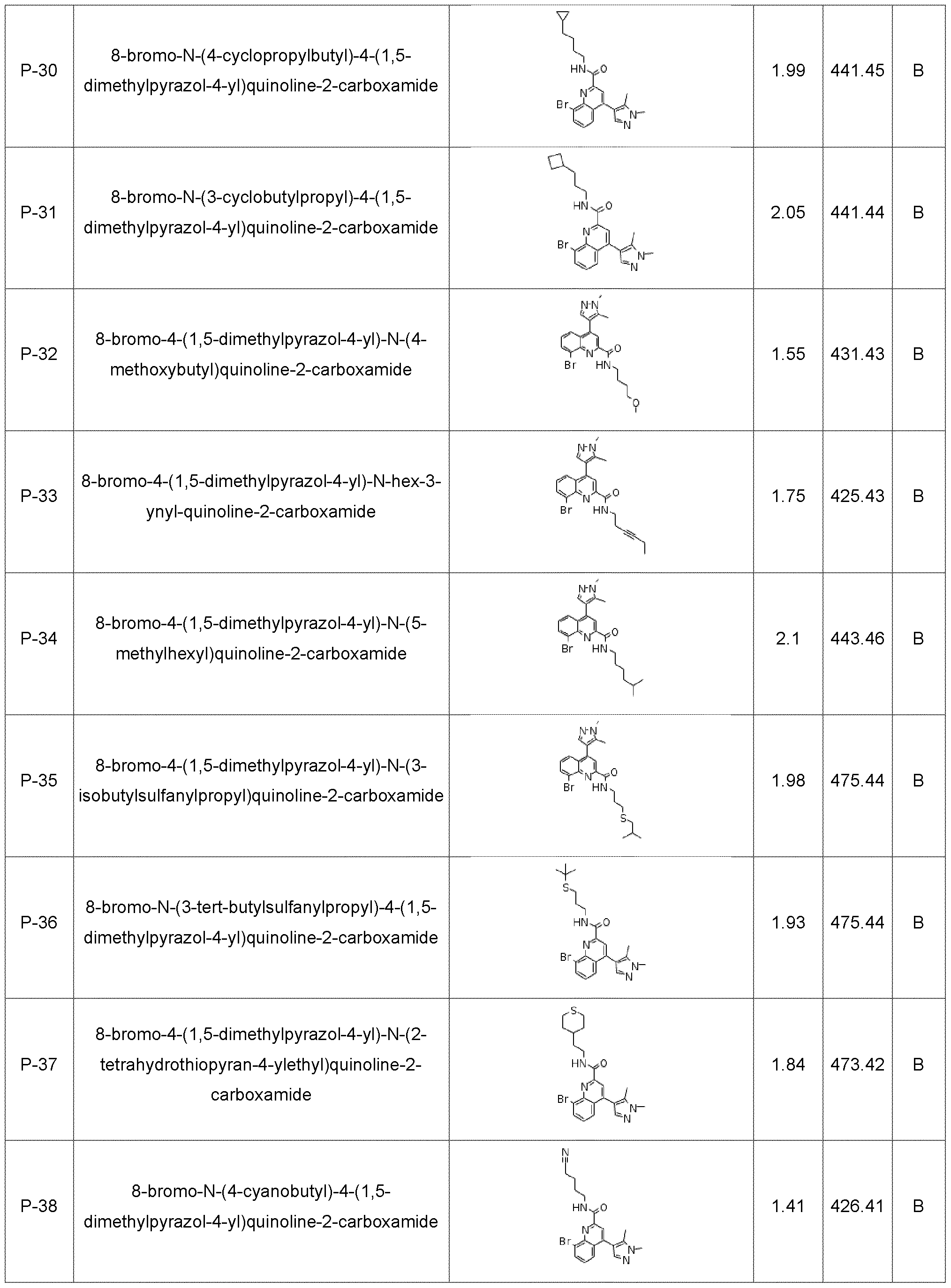
Ref document number: MX/A/2025/005222

Country of ref document: MX

WWE Wipo information: entry into national phase

Ref document number: 202591420

Country of ref document: EA

WWP Wipo information: published in national office

Ref document number: 202380075305.6

Country of ref document: CN

WWE Wipo information: entry into national phase

Ref document number: 2025115399

Country of ref document: RU

REG Reference to national code

Ref country code: BR

Ref legal event code: B01A

Ref document number: 112025008960

Country of ref document: BR

WWE Wipo information: entry into national phase

Ref document number: 2023804652

Country of ref document: EP

NENP Non-entry into the national phase

Ref country code: DE

WWP Wipo information: published in national office

Ref document number: 202517050434

Country of ref document: IN

ENP Entry into the national phase

Ref document number: 2023804652

Country of ref document: EP

Effective date: 20250610

WWP Wipo information: published in national office

Ref document number: 1020257018128

Country of ref document: KR

WWP Wipo information: published in national office

Ref document number: 2025115399

Country of ref document: RU

WWP Wipo information: published in national office

Ref document number: 2023804652

Country of ref document: EP

ENP Entry into the national phase

Ref document number: 112025008960

Country of ref document: BR

Kind code of ref document: A2

Effective date: 20250506