WO2023043953A1 - Compositions and methods of treating facioscapulohumeral muscular dystrophy - Google Patents
Compositions and methods of treating facioscapulohumeral muscular dystrophy Download PDFInfo
- Publication number
- WO2023043953A1 WO2023043953A1 PCT/US2022/043705 US2022043705W WO2023043953A1 WO 2023043953 A1 WO2023043953 A1 WO 2023043953A1 US 2022043705 W US2022043705 W US 2022043705W WO 2023043953 A1 WO2023043953 A1 WO 2023043953A1
- Authority
- WO
- WIPO (PCT)
- Prior art keywords
- acid molecule
- polynucleic acid
- instances
- sequence
- seq
- Prior art date
- Legal status (The legal status is an assumption and is not a legal conclusion. Google has not performed a legal analysis and makes no representation as to the accuracy of the status listed.)
- Ceased
Links
Classifications
-
- A—HUMAN NECESSITIES
- A61—MEDICAL OR VETERINARY SCIENCE; HYGIENE
- A61K—PREPARATIONS FOR MEDICAL, DENTAL OR TOILETRY PURPOSES
- A61K47/00—Medicinal preparations characterised by the non-active ingredients used, e.g. carriers or inert additives; Targeting or modifying agents chemically bound to the active ingredient
- A61K47/50—Medicinal preparations characterised by the non-active ingredients used, e.g. carriers or inert additives; Targeting or modifying agents chemically bound to the active ingredient the non-active ingredient being chemically bound to the active ingredient, e.g. polymer-drug conjugates
- A61K47/51—Medicinal preparations characterised by the non-active ingredients used, e.g. carriers or inert additives; Targeting or modifying agents chemically bound to the active ingredient the non-active ingredient being chemically bound to the active ingredient, e.g. polymer-drug conjugates the non-active ingredient being a modifying agent
- A61K47/68—Medicinal preparations characterised by the non-active ingredients used, e.g. carriers or inert additives; Targeting or modifying agents chemically bound to the active ingredient the non-active ingredient being chemically bound to the active ingredient, e.g. polymer-drug conjugates the non-active ingredient being a modifying agent the modifying agent being an antibody, an immunoglobulin or a fragment thereof, e.g. an Fc-fragment
- A61K47/6801—Drug-antibody or immunoglobulin conjugates defined by the pharmacologically or therapeutically active agent
- A61K47/6803—Drugs conjugated to an antibody or immunoglobulin, e.g. cisplatin-antibody conjugates
- A61K47/6807—Drugs conjugated to an antibody or immunoglobulin, e.g. cisplatin-antibody conjugates the drug or compound being a sugar, nucleoside, nucleotide, nucleic acid, e.g. RNA antisense
-
- A—HUMAN NECESSITIES
- A61—MEDICAL OR VETERINARY SCIENCE; HYGIENE
- A61P—SPECIFIC THERAPEUTIC ACTIVITY OF CHEMICAL COMPOUNDS OR MEDICINAL PREPARATIONS
- A61P21/00—Drugs for disorders of the muscular or neuromuscular system
-
- C—CHEMISTRY; METALLURGY
- C07—ORGANIC CHEMISTRY
- C07K—PEPTIDES
- C07K16/00—Immunoglobulins [IGs], e.g. monoclonal or polyclonal antibodies
- C07K16/18—Immunoglobulins [IGs], e.g. monoclonal or polyclonal antibodies against material from animals or humans
-
- C—CHEMISTRY; METALLURGY
- C07—ORGANIC CHEMISTRY
- C07K—PEPTIDES
- C07K16/00—Immunoglobulins [IGs], e.g. monoclonal or polyclonal antibodies
- C07K16/18—Immunoglobulins [IGs], e.g. monoclonal or polyclonal antibodies against material from animals or humans
- C07K16/28—Immunoglobulins [IGs], e.g. monoclonal or polyclonal antibodies against material from animals or humans against receptors, cell surface antigens or cell surface determinants
- C07K16/2881—Immunoglobulins [IGs], e.g. monoclonal or polyclonal antibodies against material from animals or humans against receptors, cell surface antigens or cell surface determinants against CD71
-
- C—CHEMISTRY; METALLURGY
- C12—BIOCHEMISTRY; BEER; SPIRITS; WINE; VINEGAR; MICROBIOLOGY; ENZYMOLOGY; MUTATION OR GENETIC ENGINEERING
- C12N—MICROORGANISMS OR ENZYMES; COMPOSITIONS THEREOF; PROPAGATING, PRESERVING, OR MAINTAINING MICROORGANISMS; MUTATION OR GENETIC ENGINEERING; CULTURE MEDIA
- C12N15/00—Mutation or genetic engineering; DNA or RNA concerning genetic engineering, vectors, e.g. plasmids, or their isolation, preparation or purification; Use of hosts therefor
- C12N15/09—Recombinant DNA-technology
- C12N15/11—DNA or RNA fragments; Modified forms thereof; Non-coding nucleic acids having a biological activity
- C12N15/113—Non-coding nucleic acids modulating the expression of genes, e.g. antisense oligonucleotides; Antisense DNA or RNA; Triplex- forming oligonucleotides; Catalytic nucleic acids, e.g. ribozymes; Nucleic acids used in co-suppression or gene silencing
-
- A—HUMAN NECESSITIES
- A61—MEDICAL OR VETERINARY SCIENCE; HYGIENE
- A61K—PREPARATIONS FOR MEDICAL, DENTAL OR TOILETRY PURPOSES
- A61K39/00—Medicinal preparations containing antigens or antibodies
- A61K2039/505—Medicinal preparations containing antigens or antibodies comprising antibodies
-
- C—CHEMISTRY; METALLURGY
- C12—BIOCHEMISTRY; BEER; SPIRITS; WINE; VINEGAR; MICROBIOLOGY; ENZYMOLOGY; MUTATION OR GENETIC ENGINEERING
- C12N—MICROORGANISMS OR ENZYMES; COMPOSITIONS THEREOF; PROPAGATING, PRESERVING, OR MAINTAINING MICROORGANISMS; MUTATION OR GENETIC ENGINEERING; CULTURE MEDIA
- C12N2310/00—Structure or type of the nucleic acid
- C12N2310/10—Type of nucleic acid
- C12N2310/14—Type of nucleic acid interfering nucleic acids [NA]
-
- C—CHEMISTRY; METALLURGY
- C12—BIOCHEMISTRY; BEER; SPIRITS; WINE; VINEGAR; MICROBIOLOGY; ENZYMOLOGY; MUTATION OR GENETIC ENGINEERING
- C12N—MICROORGANISMS OR ENZYMES; COMPOSITIONS THEREOF; PROPAGATING, PRESERVING, OR MAINTAINING MICROORGANISMS; MUTATION OR GENETIC ENGINEERING; CULTURE MEDIA
- C12N2310/00—Structure or type of the nucleic acid
- C12N2310/10—Type of nucleic acid
- C12N2310/14—Type of nucleic acid interfering nucleic acids [NA]
- C12N2310/141—MicroRNAs, miRNAs
-
- C—CHEMISTRY; METALLURGY
- C12—BIOCHEMISTRY; BEER; SPIRITS; WINE; VINEGAR; MICROBIOLOGY; ENZYMOLOGY; MUTATION OR GENETIC ENGINEERING
- C12N—MICROORGANISMS OR ENZYMES; COMPOSITIONS THEREOF; PROPAGATING, PRESERVING, OR MAINTAINING MICROORGANISMS; MUTATION OR GENETIC ENGINEERING; CULTURE MEDIA
- C12N2310/00—Structure or type of the nucleic acid
- C12N2310/30—Chemical structure
- C12N2310/31—Chemical structure of the backbone
- C12N2310/312—Phosphonates
- C12N2310/3125—Methylphosphonates
-
- C—CHEMISTRY; METALLURGY
- C12—BIOCHEMISTRY; BEER; SPIRITS; WINE; VINEGAR; MICROBIOLOGY; ENZYMOLOGY; MUTATION OR GENETIC ENGINEERING
- C12N—MICROORGANISMS OR ENZYMES; COMPOSITIONS THEREOF; PROPAGATING, PRESERVING, OR MAINTAINING MICROORGANISMS; MUTATION OR GENETIC ENGINEERING; CULTURE MEDIA
- C12N2310/00—Structure or type of the nucleic acid
- C12N2310/30—Chemical structure
- C12N2310/31—Chemical structure of the backbone
- C12N2310/313—Phosphorodithioates
-
- C—CHEMISTRY; METALLURGY
- C12—BIOCHEMISTRY; BEER; SPIRITS; WINE; VINEGAR; MICROBIOLOGY; ENZYMOLOGY; MUTATION OR GENETIC ENGINEERING
- C12N—MICROORGANISMS OR ENZYMES; COMPOSITIONS THEREOF; PROPAGATING, PRESERVING, OR MAINTAINING MICROORGANISMS; MUTATION OR GENETIC ENGINEERING; CULTURE MEDIA
- C12N2310/00—Structure or type of the nucleic acid
- C12N2310/30—Chemical structure
- C12N2310/31—Chemical structure of the backbone
- C12N2310/315—Phosphorothioates
-
- C—CHEMISTRY; METALLURGY
- C12—BIOCHEMISTRY; BEER; SPIRITS; WINE; VINEGAR; MICROBIOLOGY; ENZYMOLOGY; MUTATION OR GENETIC ENGINEERING
- C12N—MICROORGANISMS OR ENZYMES; COMPOSITIONS THEREOF; PROPAGATING, PRESERVING, OR MAINTAINING MICROORGANISMS; MUTATION OR GENETIC ENGINEERING; CULTURE MEDIA
- C12N2310/00—Structure or type of the nucleic acid
- C12N2310/30—Chemical structure
- C12N2310/31—Chemical structure of the backbone
- C12N2310/317—Chemical structure of the backbone with an inverted bond, e.g. a cap structure
-
- C—CHEMISTRY; METALLURGY
- C12—BIOCHEMISTRY; BEER; SPIRITS; WINE; VINEGAR; MICROBIOLOGY; ENZYMOLOGY; MUTATION OR GENETIC ENGINEERING
- C12N—MICROORGANISMS OR ENZYMES; COMPOSITIONS THEREOF; PROPAGATING, PRESERVING, OR MAINTAINING MICROORGANISMS; MUTATION OR GENETIC ENGINEERING; CULTURE MEDIA
- C12N2310/00—Structure or type of the nucleic acid
- C12N2310/30—Chemical structure
- C12N2310/32—Chemical structure of the sugar
- C12N2310/321—2'-O-R Modification
-
- C—CHEMISTRY; METALLURGY
- C12—BIOCHEMISTRY; BEER; SPIRITS; WINE; VINEGAR; MICROBIOLOGY; ENZYMOLOGY; MUTATION OR GENETIC ENGINEERING
- C12N—MICROORGANISMS OR ENZYMES; COMPOSITIONS THEREOF; PROPAGATING, PRESERVING, OR MAINTAINING MICROORGANISMS; MUTATION OR GENETIC ENGINEERING; CULTURE MEDIA
- C12N2310/00—Structure or type of the nucleic acid
- C12N2310/30—Chemical structure
- C12N2310/32—Chemical structure of the sugar
- C12N2310/322—2'-R Modification
-
- C—CHEMISTRY; METALLURGY
- C12—BIOCHEMISTRY; BEER; SPIRITS; WINE; VINEGAR; MICROBIOLOGY; ENZYMOLOGY; MUTATION OR GENETIC ENGINEERING
- C12N—MICROORGANISMS OR ENZYMES; COMPOSITIONS THEREOF; PROPAGATING, PRESERVING, OR MAINTAINING MICROORGANISMS; MUTATION OR GENETIC ENGINEERING; CULTURE MEDIA
- C12N2310/00—Structure or type of the nucleic acid
- C12N2310/30—Chemical structure
- C12N2310/34—Spatial arrangement of the modifications
- C12N2310/346—Spatial arrangement of the modifications having a combination of backbone and sugar modifications
-
- C—CHEMISTRY; METALLURGY
- C12—BIOCHEMISTRY; BEER; SPIRITS; WINE; VINEGAR; MICROBIOLOGY; ENZYMOLOGY; MUTATION OR GENETIC ENGINEERING
- C12N—MICROORGANISMS OR ENZYMES; COMPOSITIONS THEREOF; PROPAGATING, PRESERVING, OR MAINTAINING MICROORGANISMS; MUTATION OR GENETIC ENGINEERING; CULTURE MEDIA
- C12N2310/00—Structure or type of the nucleic acid
- C12N2310/30—Chemical structure
- C12N2310/35—Nature of the modification
- C12N2310/351—Conjugate
-
- C—CHEMISTRY; METALLURGY
- C12—BIOCHEMISTRY; BEER; SPIRITS; WINE; VINEGAR; MICROBIOLOGY; ENZYMOLOGY; MUTATION OR GENETIC ENGINEERING
- C12N—MICROORGANISMS OR ENZYMES; COMPOSITIONS THEREOF; PROPAGATING, PRESERVING, OR MAINTAINING MICROORGANISMS; MUTATION OR GENETIC ENGINEERING; CULTURE MEDIA
- C12N2310/00—Structure or type of the nucleic acid
- C12N2310/30—Chemical structure
- C12N2310/35—Nature of the modification
- C12N2310/351—Conjugate
- C12N2310/3513—Protein; Peptide
-
- C—CHEMISTRY; METALLURGY
- C12—BIOCHEMISTRY; BEER; SPIRITS; WINE; VINEGAR; MICROBIOLOGY; ENZYMOLOGY; MUTATION OR GENETIC ENGINEERING
- C12N—MICROORGANISMS OR ENZYMES; COMPOSITIONS THEREOF; PROPAGATING, PRESERVING, OR MAINTAINING MICROORGANISMS; MUTATION OR GENETIC ENGINEERING; CULTURE MEDIA
- C12N2310/00—Structure or type of the nucleic acid
- C12N2310/30—Chemical structure
- C12N2310/35—Nature of the modification
- C12N2310/351—Conjugate
- C12N2310/3515—Lipophilic moiety, e.g. cholesterol
Definitions
- Muscle atrophy is the loss of muscle mass or the progressive weakening and degeneration of muscles, such as skeletal or voluntary muscles that controls movement, cardiac muscles, and smooth muscles.
- Various pathophysiological conditions including disuse, starvation, cancer, diabetes, and renal failure, or treatment with glucocorticoids result in muscle atrophy and loss of strength.
- the phenotypical effects of muscle atrophy are induced by various molecular events, including inhibition of muscle protein synthesis, enhanced turnover of muscle proteins, abnormal regulation of satellite cells differentiation, and abnormal conversion of muscle fibers types.
- FSHD is a rare, progressive and disabling disease for which there are no approved treatments.
- FSHD is one of the most common forms of muscular dystrophy and affects both sexes equally, with onset typically in teens and young adults.
- FSHD is characterized by progressive skeletal muscle loss that initially causes weakness in muscles in the face, shoulders, arms and trunk and progresses to weakness in muscles in lower extremities and the pelvic girdle. Skeletal muscle weakness results in significant physical limitations, including progressive loss of facial muscles that can cause an inability to smile or communicate, difficulty using arms for activities of daily living and difficulty getting out of bed, with many patients ultimately becoming dependent upon the use of a wheelchair for daily mobility activities.
- the majority of patients with FSHD also report experiencing chronic pain, anxiety and depression.
- FSHD is caused by aberrant expression of a gene, DUX4, in skeletal muscle resulting in the inappropriate presence of DUX4 protein.
- Gene suppression by RNA-induced gene silencing provides several levels of control: transcription inactivation, small interfering RNA (siRNA)- induced mRNA degradation, and si RN A -induced transcriptional attenuation.
- RNA interference RNA interference
- RNAi represents a viable method useful for drug target validation, gene function analysis, pathway analysis, and disease therapeutics.
- a polynucleic acid molecule conjugate comprising: an antibody or antigen binding fragment thereof conjugated to a polynucleic acid molecule that hybridizes to a target sequence of DUX4; wherein the polynucleic acid molecule comprises a nucleic acid sequence that is at least 80%, at least 85%, at least 90%, at least 95%, or 100% identical to a sequence selected from SEQ ID NOs: 72, 76, 126, or 131-136, wherein the polynucleic acid molecule comprises 2'-F modified nucleotides at positions 2, 6, 14, and 16, and wherein the polynucleic acid molecule conjugate mediates RNA interference against the DUX4.
- the antibody or antigen binding fragment thereof comprises a non-human antibody or antigen binding fragment thereof, a human antibody or antigen binding fragment thereof, a humanized antibody or antigen binding fragment thereof, chimeric antibody or antigen binding fragment thereof, monoclonal antibody or antigen binding fragment thereof, monovalent Fab’, divalent Fab2, single-chain variable fragment (scFv), diabody, minibody, nanobody, single-domain antibody (sdAb), or camelid antibody or antigen binding fragment thereof.
- the antibody or antigen binding fragment thereof is an anti-transferrin receptor antibody or antigen binding fragment thereof.
- the polynucleic acid molecule is from about 16 to about 30 nucleotides in length.
- the polynucleic acid molecule comprises a sense strand and an antisense strand
- the polynucleic acid molecule comprises a sense strand and an antisense strand
- the antisense strand comprises a nucleic acid sequence that is at least 80%, at least 85%, at least 90%, at least 95%, or 100% identical to a sequence selected from SEQ ID NOs: 412-420 or 430-438.
- the polynucleic acid molecule comprises a sense strand and an antisense strand
- the sense strand comprises a nucleic acid sequence that is at least 80%, at least 85%, at least 90%, at least 95%, or 100% identical to a sequence selected from SEQ ID NOs: 2, 6, 56, or 61-66, wherein the sense strand comprises at least 2 or at least 3 consecutive 2'-F modified nucleotides.
- the polynucleic acid molecule comprises a sense strand and an antisense strand, and the sense strand comprises a nucleic acid sequence that is at least 80%, at least 85%, at least 90%, at least 95%, or 100% identical to a sequence selected from SEQ ID NOs: 2, 6, 56, or 61- 66.
- the polynucleic acid molecule comprises a phosphor othioate linkage or a phosphorodithioate linkage.
- the polynucleic acid molecule comprises six or more 2’ modified nucleotides selected from 2'-O-methyl and 2'-deoxy-2'-fluoro.
- the polynucleic acid molecule comprises a 5’-terminal vinylphosphonate modified nucleotide.
- the 5'-terminal vinylphosphonate modified nucleotide is selected from: where B is a heterocyclic base moiety; R6 is selected from hydrogen, halogen, alkyl or alkoxy; and J is an internucleotide linking group linking to the adjacent nucleotide of the polynucleic acid molecule.
- the sense and/or antisense strands comprise at least two, at least three, or at least four consecutive the 2'-O-methyl modified nucleotides at the 5’-end or 3'- end.
- the polynucleic acid molecule conjugate comprises a linker connecting the antibody or antigen binding fragment thereof to the polynucleic acid molecule via a cysteine residue or a lysine residue on the antibody or antigen binding fragment thereof.
- the linker is a C 1 -C 6 alkyl linker.
- the linker is a homobifunctional linker or heterobifunctional linker, and comprises a maleimide group, a dipeptide moiety, a benzoic acid group, or its derivative thereof.
- the linker is a cleavable or non-cleavable linker.
- the polynucleic acid molecule conjugate comprises a ratio between the polynucleic acid molecule and the antibody or antigen binding fragment thereof is about 1 : 1, 2: 1, 3 : 1, or 4: 1.
- the polynucleic acid molecule mediates RNA interference against the human DUX4 and modulates muscle atrophy in a subject.
- the RNA interference comprises reducing expression of mRNA transcript of DUX4 gene by at least 50%, at least 60%, or at least 70% or more compared to a quantity of the mRNA transcript of DUX4 gene in an untreated cell.
- the RNA interference comprises affecting expression of a marker gene selected from a group consisting of MBD3L2, TRIM43, PRAMEF1, ZSCAN4, KHDC1L, and LEUTX in a cell.
- the RNA interference comprises affecting expression of a marker gene selected from a group consisting of WFDC3, ILVBL, SLC15A2, and SORD in a cell.
- the affecting expression of the marker gene is reducing expression of the marker gene by at least 20%, at least 30%, at least 40%, at least 50%, at least 60%, or more.
- the muscle dystrophy is Facioscapulohumeral muscular dystrophy (FSHD).
- a pharmaceutical composition comprising a polynucleic acid molecule conjugate described herein; and a pharmaceutically acceptable excipient.
- the pharmaceutical composition is formulated as a nanoparticle formulation.
- the pharmaceutical composition is formulated for parenteral, oral, intranasal, buccal, rectal, transdermal, intravenous, subcutaneous, or intrathecal administration.
- Described herein, in some aspects, is a method for treating muscular dystrophy in a subject in need thereof, comprising: providing a polynucleic acid conjugate as described herein; and administering the polynucleic acid conjugate to the subject in need thereof to treat the muscular dystrophy, wherein the polynucleic acid conjugate reduces a quantity of the mRNA transcript of human DUX4.
- the polynucleic acid conjugate mediates RNA interference against the human DUX4 and modulates muscle dystrophy in the subject.
- the RNA interference comprises affecting expression of a marker gene selected from a group consisting of MBD3L2, TRIM43, PRAMEF1, ZSCAN4, KHDC1L, LEUTX, WFDC3, ILVBL, SLC15A2, and SORD in a cell affected by a muscle dystrophy.
- the muscular dystrophy is Facioscapulohumeral muscular dystrophy (FSHD).
- Described herein, in some aspects, is an use of the polynucleic acid molecule conjugate described herein or the pharmaceutical composition described herein for treating a subject diagnosed with or suspected to have Facioscapulohumeral muscular dystrophy (FSHD).
- FSHD Facioscapulohumeral muscular dystrophy
- described herein is an use of the polynucleic acid molecule conjugate described herein or the pharmaceutical composition described herein for manufacturing a medicament for treating in a subject diagnosed with or suspected to have Facioscapulohumeral muscular dystrophy (FSHD).
- Described herein, in some aspects, is a kit comprising a polynucleic acid molecule conjugate described herein or the pharmaceutical composition described herein.
- polynucleic acid molecule that mediates RNA interference against the DUX4, wherein the polynucleic acid molecule comprises a nucleic acid sequence that is at least 80%, at least 85%, at least 90%, at least 95%, or 100% identical to a sequence selected from SEQ ID NOs: 412-420 or 430-438.
- a double-stranded polynucleic acid molecule that mediates RNA interference against the DUX4, wherein the double-stranded polynucleic acid molecule comprises a sense strand and an antisense strand, wherein the antisense strand comprises a nucleic acid sequence comprising at least 15 contiguous nucleotides differing by no more than 1, 2, or 3 nucleotides from a sequence selected from SEQ ID NOs: 412-420 or 430- 438, and a sense strand comprises comprising at least 15 contiguous nucleotides differing by no more than 1, 2, or 3 nucleotides from a sequence selected from SEQ ID NOs: 142, 146, 196, or 201-206.
- FSHD Facioscapulohumeral muscular dystrophy
- a polynucleic acid molecule conjugate comprising an antibody or antigen binding fragment thereof conjugated to a polynucleic acid molecule that hybridizes to a target sequence of DUX4, and the polynucleic acid molecule conjugate mediates RNA interference against the DUX4.
- the antibody or antigen binding fragment thereof comprises a non-human antibody or binding fragment thereof, a human antibody or antigen binding fragment thereof, a humanized antibody or antigen binding fragment thereof, chimeric antibody or antigen binding fragment thereof, monoclonal antibody or antigen binding fragment thereof, monovalent Fab’, divalent Fab2, single-chain variable fragment (scFv), diabody, minibody, nanobody, single-domain antibody (sdAb), or camelid antibody or antigen binding fragment thereof.
- the antibody or antigen binding fragment thereof is an anti-transferrin receptor antibody or antigen binding fragment thereof.
- the polynucleic acid molecule comprises a sense strand and/or an antisense strand, and wherein the sense strand and/or the antisense strand each independently comprises at least one 2’ modified nucleotide, at least one modified intemucleotide linkage, or at least one inverted abasic moiety.
- the polynucleotide hybridizes to at least 8 contiguous bases of the target sequence of DUX4. In certain aspects, the polynucleotide is from about 8 to about 50 nucleotides in length or from about 10 to about 30 nucleotides in length.
- the polynucleic acid molecule comprises a sense strand and/or an antisense strand
- the sense strand comprises at least 80%, at least 85%, at least 90%, at least 95%, at least 96%, at least 97%, at least 98%, at least 99% identical to a sequence selected from SEQ ID NOs: 1-70 or SEQ ID NOs: 141-210.
- the polynucleic acid molecule comprises a sense strand and/or an antisense strand
- the antisense strand comprises at least 80%, at least 85%, at least 90%, at least 95%, at least 96%, at least 97%, at least 98%, at least 99% identical to a sequence selected from SEQ ID NOs: 71-140 or SEQ ID NOs: 211-280.
- the polynucleic acid molecule comprises a sense strand and/or an antisense strand
- the antisense strand comprises at least 80%, at least 85%, at least 90%, at least 95%, at least 96%, at least 97%, at least 98%, at least 99% identical to a sequence selected from SEQ ID NOs: 142, 146, 196, 201-206, 412-420, or 430-438.
- the polynucleic acid molecule comprises a sense strand and/or an antisense strand, and the antisense strand comprises at least 80%, at least 85%, at least 90%, at least 95%, at least 96%, at least 97%, at least 98%, at least 99% identical to a sequence selected from SEQ ID NOs: 412-420 or 430-438.
- the polynucleic acid molecule comprises a sense strand and/or an antisense strand, and the antisense is identical to a sequence selected from SEQ ID NOs: 412-420 or 430-438.
- the polynucleic acid molecule comprises a sense strand and/or an antisense strand, and the sense strand comprises at least 80%, at least 85%, at least 90%, at least 95%, at least 96%, at least 97%, at least 98%, at least 99% identical to a sequence selected from SEQ ID NOs: 142, 146, 196, or 201-206.
- the polynucleic acid molecule comprises a sense strand and/or an antisense strand, and the sense strand is identical to a sequence selected from SEQ ID NOs: 142, 146, 196, or 201-206.
- the polynucleotide comprises at least one 2’ modified nucleotide, and further the 2’ modified nucleotide comprises 2'-O-methyl, 2'-O-methoxy ethyl (2'-0-M0E), 2'- O-aminopropyl, 2'-deoxy, 2'-deoxy-2'-fluoro, 2'-O-aminopropyl (2'-O-AP), 2'-O- dimethylaminoethyl (2'-O-DMAOE), 2'-O-dimethylaminopropyl (2'-O-DMAP), 2'-O- dimethylaminoethyloxyethyl (2'-O-DMAEOE), or 2'-O-N-methylacetamido (2'-O-NMA) modified nucleotide, or comprises locked nucleic acid (LNA) or ethylene nucleic acid (ENA), or comprises a combination thereof.
- LNA locked nucleic acid
- ENA
- the at least one modified intemucleotide linkage comprises a phosphorothioate linkage or a phosphorodithioate linkage.
- the polynucleic acid molecule comprises three or more 2’ modified nucleotides selected from 2'-O-methyl and 2'-deoxy-2'-fluoro.
- the polynucleic acid molecule comprises a 5'-terminal vinylphosphonate modified nucleotide.
- Another embodiment provides the polynucleic acid molecule of the polynucleic acid molecule conjugate, wherein the at least one 5'-vinylphosphonate modified non-natural nucleotide is selected from:
- B is a heterocyclic base moiety
- Another embodiment provides the polynucleic acid molecule of the polynucleic acid molecule conjugate, wherein the at least one 5'-vinylphosphonate modified non-natural where B is a heterocyclic base moiety; R1, R2, and R3 are independently selected from hydrogen, halogen, alkyl or alkoxy; and J is an internucleotide linking group linking to the adjacent nucleotide of the polynucleotide
- Another embodiment provides the polynucleic acid molecule of the polynucleic acid molecule conjugate, wherein the at least one 5'-vinylphosphonate modified non-natural where B is a heterocyclic base moiety; R4, and R5 are independently selected from hydrogen, halogen, alkyl or alkoxy; and J is an intemucleotide linking group linking to the adjacent nucleotide of the polynucleotide.
- Another embodiment provides the polynucleic acid molecule of the polynucleic acid molecule conjugate, wherein the at least one 5'-vinylphosphonate modified non-natural nucleotide is selected from: where B is a heterocyclic base moiety; R6 is selected from hydrogen, halogen, alkyl or alkoxy; and J is an internucleotide linking group linking to the adjacent nucleotide of the polynucleotide.
- Another embodiment provides the polynucleic acid molecule of the polynucleic acid molecule conjugate, wherein the at least one 5'-vinylphosphonate modified non-natural nucleotide is selected from locked nucleic acid (LNA) or ethylene nucleic acid (ENA).
- LNA locked nucleic acid
- ENA ethylene nucleic acid
- Another embodiment provides the polynucleic acid molecule of the polynucleic acid molecule conjugate, wherein the at least one 5'-vinylphosphonate modified non-natural nucleotide is selected from: where B is a heterocyclic base moiety; and J is an internucleotide linking group linking to the adjacent nucleotide of the polynucleotide.
- Another embodiment provides the polynucleic acid molecule of the polynucleic acid molecule conjugate, wherein the at least one 5'-vinylphosphonate modified non-natural nucleotide is selected from: where B is a heterocyclic base moiety; and J is an intemucleotide linking group linking to the adjacent nucleotide of the polynucleotide.
- Another embodiment provides the polynucleic acid molecule of the polynucleic acid molecule conjugate, wherein the at least one 5'-vinylphosphonate modified non-natural nucleotide is selected from: where B is a heterocyclic base moiety; R6 is selected from hydrogen, halogen, alkyl or alkoxy, and J is an internucleotide linking group linking to the adjacent nucleotide of the polynucleotide. [0025] Another embodiment provides the polynucleic acid molecule of the polynucleic acid molecule conjugate, wherein the at least one 5'-vinylphosphonate modified non-natural nucleotide is:
- the 2’ modified nucleotide is 2'-O-methyl modified nucleotide, and 2'- O-methyl modified nucleotide is at the 5'-end of the sense strand and/or the antisense strand.
- the 2'-O-methyl modified nucleotide is a purine nucleotide, or the 2'-O-methyl modified nucleotide is a pyridine nucleotide.
- the sense and/or antisense strands comprise at least two, three, four consecutive the 2'-O-methyl modified nucleotides at the 5'-end.
- the polynucleic acid molecule conjugate comprises a linker connecting the target cell binding moiety to the polynucleic acid moiety.
- the linker is C 1 -C 6 alkyl linker, or the linker is a homobifunctional linker or heterobifunctional linker, and comprises a maleimide group, a dipeptide moiety, a benzoic acid group, or its derivative thereof.
- the linker is a cleavable or non-cleavable linker.
- a ratio between the polynucleic acid moiety and the target cell binding moiety is about 1:1, 2:1, 3:1, or 4:1.
- the polynucleic acid moiety mediates RNA interference against the human DUX4 and modulates symptoms of muscle dystrophy or atrophy in a subject.
- the RNA interference comprises reducing expression of the mRNA transcript of DUX4 gene at least 50%, at least 60%, or at least 70% or more compared to a quantity of the mRNA transcript of DUX4 gene in an untreated cell.
- the RNA interference comprises affecting expression of a marker gene selected from a group comprising or consisting of MBD3L2, TRIM43, PRAMEF1, ZSCAN4, KHDC1L, and LEUTX in a cell.
- the affecting expression of the marker gene is reducing expression of the marker gene at least 20%, at least 30%, at least 40%, at least 50%, at least 60% or more.
- the muscle dystrophy is Facioscapulohumeral muscular dystrophy (FSHD).
- the RNA interference comprises affecting expression of a marker gene selected from a group comprising or consisting of WFDC3, ILVBL, SLC15A2, and SORD in a cell.
- the affecting expression of the marker gene is reducing expression of the marker gene at least 20%, at least 30%, at least 40%, at least 50%, at least 60% or more.
- the muscle dystrophy is Facioscapulohumeral muscular dystrophy (FSHD).
- polynucleic acid molecule conjugate comprises a molecule of Formula (I): A-X-B, where A is the antibody or antigen binding fragment thereof, B is the polynucleic acid molecule that hybridizes to a target sequence of DUX4, X is a bond or a non-polymeric linker, which is conjugated to a cysteine residue of A.
- A is the antibody or antigen binding fragment thereof
- B is the polynucleic acid molecule that hybridizes to a target sequence of DUX4
- X is a bond or a non-polymeric linker, which is conjugated to a cysteine residue of A.
- a pharmaceutical composition comprising a polynucleic acid molecule conjugate as described herein, and a pharmaceutically acceptable excipient.
- the pharmaceutical composition is formulated as a nanoparticle formulation.
- the pharmaceutical composition is formulated for parenteral, oral, intranasal, buccal, rectal, transdermal, or intravenous, subcutaneous, or intrathecal administration.
- the symptoms of FSHD include effects on skeletal muscles.
- the skeletal muscles affected by FSHD include muscles around the eyes and mouth, muscle of the shoulders, muscle of the upper arms, muscle of the lower legs, abdominal muscles and hip muscles.
- the symptoms of FSHD also affects vision and hearing.
- the symptoms of FSHD also affect the function of the heart or lungs.
- the symptoms of FSHD include muscle weakness, muscle atrophy, muscle dystrophy, pain inflammation, contractures, scoliosis, lordosis, hypoventilation, abnormalities of the retina, exposure to keratitis, mild hearing loss, and EMG abnormality.
- muscle atrophy refers to a wide range of muscle related effects of FSHD.
- a method for treating muscular dystrophy in a subject in need thereof by providing a polynucleic acid conjugate as described herein, and administering the polynucleic acid conjugate to the subject in need thereof to treat the muscular dystrophy.
- the polynucleic acid conjugate reduces a quantity of the mRNA transcript of human DUX4.
- the polynucleic acid moiety mediates RNA interference against the human DUX4 modulates muscle atrophy in a subject.
- the RNA interference comprises affecting expression of a marker gene for DUX4 selected from a group comprising or consisting of MBD3L2, TRIM43, PRAMEF1, ZSCAN4, KHDC1L, and LEUTX in a cell affected by a muscle dystrophy.
- the RNA interference comprises affecting expression of a marker gene for DUX4 selected from a group comprising or consisting of WFDC3, ILVBL, SLC15A2, and SORD in a cell affected by a muscle dystrophy.
- the muscular dystrophy is Facioscapulohumeral muscular dystrophy (FSHD).
- FSHD Facioscapulohumeral muscular dystrophy
- FSHD Facioscapulohumeral muscular dystrophy
- FSHD Facioscapulohumeral muscular dystrophy
- FSHD Facioscapulohumeral muscular dystrophy
- kits comprising the polynucleic acid molecule conjugate or the pharmaceutical composition as described herein.
- Fig. 1 illustrates a diagram of FSHD pathology.
- Fig. 2 shows a flowchart diagram of in silico selection of DUX4 siRNA.
- Fig. 3 illustrates the location and numbers of selected DUX4 siRNA in the DUX4 mRNA transcript.
- Fig. 4A shows graphs of the in vivo downregulation of DUX4-target genes in skeletal muscles in mouse model of FSHD.
- Fig. 4B shows graphs of the in vivo muscle tissue concentration of DUX-4 siRNA.
- Fig. 5A illustrates a representative structure of siRNA with C 6 -NH 2 conjugation handle at the 5’ end and C 6 -SH at 3'end of the passenger strand or guide strand.
- Fig. 5B illustrates a representative structure of siRNA passenger strand or guide strand with C 6 -NH 2 conjugation handle at the 5’ end and C 6 -S-PEG at 3’ end.
- Fig 5C illustrates a representative structure of siRNA passenger strand or guide strand with C 6 -NH 2 conjugation handle at the 5’ end and C 6 -S-NEM at 3’ end.
- Fig. 5D illustrates a representative structure of siRNA passenger strand with C 6 -N- SMCC conjugation handle at the 5’ end and C 6 -S-NEM at 3’ end.
- Fig. 5E illustrates a representative structure of siRNA passenger strand or guide strand with PEG at the 5’ end and C 6 -SH at 3’ end.
- Fig. 5F illustrates a representative structure of siRNA passenger strand or guide strand with C 6 -S-NEM at the 5’ end and C 6 -NH 2 conjugation handle at 3’ end.
- FIG. 6A illustrates an antibody-Cys-SMCC-5’ -passenger strand (Architecture- 1). This conjugate was generated by antibody inter-chain cysteine conjugation to maleimide (SMCC) at the 5’ end of passenger strand.
- SMCC maleimide
- Fig. 6B illustrates an antibody-Cys-SMCC-3’ -Passenger strand (Architecture-2). This conjugate was generated by antibody inter-chain cysteine conjugation to maleimide (SMCC) at the 3’ end of passenger strand.
- SMCC maleimide
- Fig. 6C illustrates an antibody-Cys-bisMal-3'-Passenger strand (ASC Architecture-3).
- This conjugate was generated by antibody inter-chain cysteine conjugation to bismaleimide (bisMal)linker at the 3’ end of passenger strand.
- Fig. 6D illustrates a model structure of the Fab-Cys-bisMal-3'-Passenger strand (ASC Architecture-4). This conjugate was generated by Fab inter-chain cysteine conjugation to bismaleimide (bisMai) linker at the 3’ end of passenger strand.
- Fig. 6E illustrates a model structure of the antibody siRNA conjugate with two different siRNAs attached to one antibody molecule (ASC Architecture-5). This conjugate was generated by conjugating a mixture of SSB and HPRT siRNAs to the reduced mAb inter-chain cysteines to bismaleimide (bisMai) linker at the 3’ end of passenger strand of each siRNA.
- Fig. 6F illustrates a model structure of the antibody siRNA conjugate with two different siRNAs attached (ASC Architecture-6). This conjugate was generated by conjugating a mixture of SSB and HPRT siRNAs to the reduced mAb inter-chain cysteines to maleimide (SMCC) linker at the 3’ end of passenger strand of each siRNA.
- SMCC maleimide
- Fig. 7A illustrates an exemplary synthesis scheme (Synthesis scheme-1) for antibody- Cys-SMCC-siRNA-PEG conjugates via antibody cysteine conjugation.
- Fig. 7B illustrates an exemplary synthesis scheme (Synthesis scheme-2) for antibody- Cys-BisMal-siRNA-PEG conjugates.
- Fig. 7C illustrates an exemplary synthesis scheme (Synthesis scheme-3) for Fab-siRNA conjugate generation.
- FSHD is caused by aberrant expression of a gene, DUX4, in skeletal muscle resulting in the inappropriate presence of DUX4 protein.
- DUX4 itself is a transcription factor that induces the expression of other genes and it is these inappropriately expressed downstream genes that result in the muscle pathology.
- Normally DUX4-driven gene expression is limited to germline and early stem cell development.
- the DUX4 protein in skeletal muscle regulates other gene products, some of which are toxic to the muscle.
- Evidence of aberrant DUX4-driven gene expression is the major molecular signature that distinguishes muscle tissue affected by FSHD from healthy muscle.
- DUX4 gene can be unsilenced, or de-repressed.
- FSHD1 which comprises approximately 95% of FSHD patients
- D4Z4 which has repeats in the sub-telomeric region of the chromosome.
- the D4Z4 region is abnormally shortened and contains between 1-10 repeats instead of the normal 11 to 100 repeats. This contraction causes hypomethylation of the D4Z4 region and de-repression of DUX4.
- Fig. 1 shows an illustrative diagram of FSHD pathology.
- Nucleic acid (e.g., RNAi) therapy is a targeted therapy with high selectivity and specificity.
- nucleic acid therapy is also hindered by poor intracellular uptake, limited blood stability and non-specific immune stimulation.
- various modifications of the nucleic acid composition are explored, such as for example, novel linkers for better stabilizing and/or lower toxicity, optimization of binding moiety for increased target specificity and/or target delivery, and nucleic acid polymer modifications for increased stability and/or reduced off-target effect.
- the arrangement or order of the different components that make-up the nucleic acid composition further effects intracellular uptake, stability, toxicity, efficacy, and/or non-specific immune stimulation.
- the nucleic acid component includes a binding moiety, a polymer, and a polynucleic acid molecule (or polynucleotide)
- the order or arrangement of the binding moiety, the polymer, and/or the polynucleic acid molecule (or polynucleotide) e.g., binding moiety -polynucleic acid molecule-polymer, binding moietypolymer-polynucleic acid molecule, or polymer-binding moiety -polynucleic acid molecule
- described herein include polynucleic acid molecules and polynucleic acid molecule conjugates for the treatment of Facioscapulohumeral Muscular Dystrophy (FSHD) especially muscle dystrophy and/or muscle atrophy associated therewith.
- FSHD Facioscapulohumeral Muscular Dystrophy
- the polynucleic acid molecule conjugates described herein enhance intracellular uptake, stability, and/or efficacy.
- the polynucleic acid molecule conjugates comprise an antibody or antigen binding fragment thereof conjugated to a polynucleic acid molecule.
- Additional aspects described herein include methods of treating FSHD, comprising administering to a subject a polynucleic acid molecule or a polynucleic acid molecule conjugate described herein.
- a polynucleic acid molecule hybridizes to a target sequence of Double homeobox 4 (DUX4) gene.
- DUX4 Double homeobox 4
- a polynucleic acid molecule described herein hybridizes to a target sequence of human DUX4 gene (DUX4) and reduces DUX4 mRNA in muscle cells.
- the polynucleic acid molecule comprises a sequence having at least 50%, 55%, 60%, 65%, 70%, 75%, 80%, 85%, 90%, 95%, 96%, 97%, 98%, 99%, or 100% sequence identity to a sequence selected from SEQ ID NOs: 1-70. In some aspects, the polynucleic acid molecule comprises a sequence having at least 50%, 55%, 60%, 65%, 70%, 75%, 80%, 85%, 90%, 95%, 96%, 97%, 98%, 99%, or 100% sequence identity to a sequence selected from SEQ ID NOs: 141-210.
- the polynucleic acid molecule comprises a sequence having at least 50%, 55%, 60%, 65%, 70%, 75%, 80%, 85%, 90%, 95%, 96%, 97%, 98%, 99%, or 100% sequence identity to a sequence selected from SEQ ID NOs: 71-140. In some aspects, the polynucleic acid molecule comprises a sequence having at least 50%, 55%, 60%, 65%, 70%, 75%, 80%, 85%, 90%, 95%, 96%, 97%, 98%, 99%, or 100% sequence identity to a sequence selected from SEQ ID NOs: 211-280.
- the polynucleic acid molecule comprises a sequence having at least 50%, 55%, 60%, 65%, 70%, 75%, 80%, 85%, 90%, 95%, 96%, 97%, 98%, 99%, or 100% sequence identity to a sequence selected from SEQ ID NOs: 142, 146, 196, 201-206, 412-420, or 430-438.
- the polynucleic acid molecule comprises a first polynucleotide and a second polynucleotide.
- the first polynucleotide comprises a sequence having at least 50%, 55%, 60%, 65%, 70%, 75%, 80%, 85%, 90%, 95%, 96%, 97%, 98%, 99%, or 100% sequence identity to a sequence selected from SEQ ID NOs: 1-70.
- the second polynucleotide comprises a sequence having at least 50%, 55%, 60%, 65%, 70%, 75%, 80%, 85%, 90%, 95%, 96%, 97%, 98%, 99%, or 100% sequence identity to a sequence selected from SEQ ID NOs: 71-140.
- the polynucleic acid molecule comprises a first polynucleotide and a second polynucleotide.
- the first polynucleotide comprises a sequence having at least 50%, 55%, 60%, 65%, 70%, 75%, 80%, 85%, 90%, 95%, 96%, 97%, 98%, 99%, or 100% sequence identity to a sequence selected from SEQ ID NOs: 141-210.
- the second polynucleotide comprises a sequence having at least 50%, 55%, 60%, 65%, 70%, 75%, 80%, 85%, 90%, 95%, 96%, 97%, 98%, 99%, or 100% sequence identity to a sequence selected from SEQ ID NOs: 211-280.
- the first polynucleotide comprises a sequence having at least 50%, 55%, 60%, 65%, 70%, 75%, 80%, 85%, 90%, 95%, 96%, 97%, 98%, 99%, or 100% sequence identity to a sequence selected from SEQ ID NOs: 142, 146, 196, or 201-206.
- the second polynucleotide comprises a sequence having at least 50%, 55%, 60%, 65%, 70%, 75%, 80%, 85%, 90%, 95%, 96%, 97%, 98%, 99%, or 100% sequence identity to a sequence selected from SEQ ID NOs: 412-420 or 430-438.
- the polynucleic acid molecule comprises a sense strand (e.g., a passenger strand) and an antisense strand (e.g., a guide strand).
- the sense strand e.g., the passenger strand
- the sense strand comprises a sequence having at least 50%, 55%, 60%, 65%, 70%, 75%, 80%, 85%, 90%, 95%, 96%, 97%, 98%, 99%, or 100% sequence identity to a sequence selected from SEQ ID NOs: 1-70.
- the antisense strand (e.g., the guide strand) comprises a sequence having at least 50%, 55%, 60%, 65%, 70%, 75%, 80%, 85%, 90%, 95%, 96%, 97%, 98%, 99%, or 100% sequence identity to a sequence selected from SEQ ID NOs: 71-140.
- the polynucleic acid molecule comprises a sense strand (e.g., a passenger strand) and an antisense strand (e.g., a guide strand).
- the sense strand (e.g., the passenger strand) comprises a sequence having at least 50%, 55%, 60%, 65%, 70%, 75%, 80%, 85%, 90%, 95%, 96%, 97%, 98%, 99%, or 100% sequence identity to a sequence selected from SEQ ID NOs: 141-210.
- the antisense strand (e.g., the guide strand) comprises a sequence having at least 50%, 55%, 60%, 65%, 70%, 75%, 80%, 85%, 90%, 95%, 96%, 97%, 98%, 99%, or 100% sequence identity to a sequence selected from SEQ ID NOs: 211-280.
- the sense strand (e.g., the passenger strand) comprises a sequence having at least 50%, 55%, 60%, 65%, 70%, 75%, 80%, 85%, 90%, 95%, 96%, 97%, 98%, 99%, or 100% sequence identity to a sequence selected from SEQ ID NOs: 142, 146, 196, or 201-206.
- the antisense strand (e.g., the guide strand) comprises a sequence having at least 50%, 55%, 60%, 65%, 70%, 75%, 80%, 85%, 90%, 95%, 96%, 97%, 98%, 99%, or 100% sequence identity to a sequence selected from SEQ ID NOs: 412-420 or 430-438.
- the sense strand comprises a sequence having at least 50%, 55%, 60%, 65%, 70%, 75%, 80%, 85%, 90%, 95%, 96%, 97%, 98%, 99%, or 100% sequence identity to a sequence selected from SEQ ID NOs: 1, 2, 3, 6, 14, 36, 52, 56, 61, 62, 63, 65, or 66.
- the antisense strand comprises a sequence having at least 50%, 55%, 60%, 65%, 70%, 75%, 80%, 85%, 90%, 95%, 96%, 97%, 98%, 99%, or 100% sequence identity to a sequence selected from SEQ ID NOs: 71, 72, 73, 76, 84, 106, 122, 127, 131, 132, 133, 135, or 136.
- the siRNA comprises sense strand and antisense strand as presented in Table 11.
- the sense strand comprises a sequence having at least 50%, 55%, 60%, 65%, 70%, 75%, 80%, 85%, 90%, 95%, 96%, 97%, 98%, 99%, or 100% sequence identity to a sequence selected from SEQ ID NOs: 141, 142, 143, 146, 176, 192, 196, 201, 202, 203, 205, or 206.
- the antisense strand comprises a sequence having at least 50%, 55%, 60%, 65%, 70%, 75%, 80%, 85%, 90%, 95%, 96%, 97%, 98%, 99%, or 100% sequence identity to a sequence selected from SEQ ID NOs: 211, 212, 213, 216, 246, 262, 266, 271, 272, 273, 275, or 276.
- the siRNA comprises sense strand and antisense strand as presented in Table 12.
- the sense strand comprises a sequence having at least 50%, 55%, 60%, 65%, 70%, 75%, 80%, 85%, 90%, 95%, 96%, 97%, 98%, 99%, or 100% sequence identity to a sequence selected from SEQ ID NOs: 142, 146, 196, or 201-206 in Table 14 and Table 15.
- the antisense strand comprises a sequence having at least 50%, 55%, 60%, 65%, 70%, 75%, 80%, 85%, 90%, 95%, 96%, 97%, 98%, 99%, or 100% sequence identity to a sequence selected from SEQ ID NOs: 412-420 or 430-438 in Table 14 and Table 15.
- the polynucleic acid molecule comprises a sense strand and/or an antisense strand, and the antisense strand comprises at least 80%, at least 85%, at least 90%, at least 95%, at least 96%, at least 97%, at least 98%, at least 99% identical to a sequence selected from SEQ ID NOs: 412-420 or 430-438.
- the polynucleic acid molecule comprises a sense strand and/or an antisense strand, and the antisense is identical to a sequence selected from SEQ ID NOs: 412-420 or 430-438.
- the polynucleic acid molecule comprises a sense strand and/or an antisense strand, and the sense strand comprises at least 80%, at least 85%, at least 90%, at least 95%, at least 96%, at least 97%, at least 98%, at least 99% identical to a sequence selected from SEQ ID NOs: 142, 146, 196, or 201-206.
- the polynucleic acid molecule comprises a sense strand and/or an antisense strand, and the sense strand is identical to a sequence selected from SEQ ID NOs: 142, 146, 196, or 201-206.
- the sequence polynucleic acid molecule has at least 14, 15, 16, 17, 18, or 19 contiguous nucleotides differing by no more than 3 nucleotides, no more than 2 nucleotides, or no more than 1 nucleotide from any one of SEQ ID NOs: 142, 146, 196, or 201- 206, or SEQ ID NOs: 412-420 or 430-438.
- the polynucleic acid molecule is single-stranded. In some aspects, the polynucleic acid molecule is double-stranded.
- the polynucleic acid molecule described herein comprises RNA or DNA.
- the polynucleic acid molecule comprises RNA.
- RNA comprises short interfering RNA (siRNA), short hairpin RNA (shRNA), microRNA (miRNA), double-stranded RNA (dsRNA), transfer RNA (tRNA), ribosomal RNA (rRNA), or heterogeneous nuclear RNA (hnRNA).
- RNA comprises shRNA.
- RNA comprises miRNA.
- RNA comprises dsRNA.
- RNA comprises tRNA.
- RNA comprises rRNA.
- RNA comprises hnRNA.
- the oligonucleotide is a phosphorodiamidate morpholino oligomers (PMO), which are short single-stranded oligonucleotide analogs that are built upon a backbone of morpholine rings connected by phosphorodiamidate linkages.
- PMO phosphorodiamidate morpholino oligomers
- the RNA comprises siRNA.
- the polynucleic acid molecule comprises siRNA.
- the polynucleic acid molecule is from about 8 to about 50 nucleotides in length. In some aspects, the polynucleic acid molecule is from about 10 to about 50 nucleotides in length. In some instances, the polynucleic acid molecule is from about 10 to about 30, from about 15 to about 30, from about 18 to about 25, form about 18 to about 24, from about 19 to about 23, or from about 20 to about 22 nucleotides in length. [0077] In some aspects, the polynucleic acid molecule is about 50 nucleotides in length. In some instances, the polynucleic acid molecule is about 45 nucleotides in length.
- the polynucleic acid molecule is about 40 nucleotides in length. In some instances, the polynucleic acid molecule is about 35 nucleotides in length. In some instances, the polynucleic acid molecule is about 30 nucleotides in length. In some instances, the polynucleic acid molecule is about 25 nucleotides in length. In some instances, the polynucleic acid molecule is about 20 nucleotides in length. In some instances, the polynucleic acid molecule is about 19 nucleotides in length. In some instances, the polynucleic acid molecule is about 18 nucleotides in length. In some instances, the polynucleic acid molecule is about 17 nucleotides in length.
- the polynucleic acid molecule is about 16 nucleotides in length. In some instances, the polynucleic acid molecule is about 15 nucleotides in length. In some instances, the polynucleic acid molecule is about 14 nucleotides in length. In some instances, the polynucleic acid molecule is about 13 nucleotides in length. In some instances, the polynucleic acid molecule is about 12 nucleotides in length. In some instances, the polynucleic acid molecule is about 11 nucleotides in length. In some instances, the polynucleic acid molecule is about 10 nucleotides in length. In some instances, the polynucleic acid molecule is about 8 nucleotides in length.
- the polynucleic acid molecule is between about 8 and about 50 nucleotides in length. In some instances, the polynucleic acid molecule is between about 10 and about 50 nucleotides in length. In some instances, the polynucleic acid molecule is between about 10 and about 45 nucleotides in length. In some instances, the polynucleic acid molecule is between about 10 and about 40 nucleotides in length. In some instances, the polynucleic acid molecule is between about 10 and about 35 nucleotides in length. In some instances, the polynucleic acid molecule is between about 10 and about 30 nucleotides in length.
- the polynucleic acid molecule is between about 10 and about 25 nucleotides in length. In some instances, the polynucleic acid molecule is between about 10 and about 20 nucleotides in length. In some instances, the polynucleic acid molecule is between about 15 and about 25 nucleotides in length. In some instances, the polynucleic acid molecule is between about 15 and about 30 nucleotides in length. In some instances, the polynucleic acid molecule is between about 12 and about 30 nucleotides in length.
- the polynucleic acid molecule comprises a first polynucleotide. In some instances, the polynucleic acid molecule comprises a second polynucleotide. In some instances, the polynucleic acid molecule comprises a first polynucleotide and a second polynucleotide. In some instances, the first polynucleotide is a sense strand or passenger strand. In some instances, the second polynucleotide is an antisense strand or guide strand. [0079] In some aspects, the polynucleic acid molecule is a first polynucleotide.
- the first polynucleotide is from about 8 to about 50 nucleotides in length. In some aspects, the first polynucleotide is from about 10 to about 50 nucleotides in length. In some instances, the first polynucleotide is from about 10 to about 30, from about 15 to about 30, from about 18 to about 25, form about 18 to about 24, from about 19 to about 23, or from about 20 to about 22 nucleotides in length.
- the first polynucleotide is about 50 nucleotides in length. In some instances, the first polynucleotide is about 45 nucleotides in length. In some instances, the first polynucleotide is about 40 nucleotides in length. In some instances, the first polynucleotide is about 35 nucleotides in length. In some instances, the first polynucleotide is about 30 nucleotides in length. In some instances, the first polynucleotide is about 25 nucleotides in length. In some instances, the first polynucleotide is about 20 nucleotides in length.
- the first polynucleotide is about 19 nucleotides in length. In some instances, the first polynucleotide is about 18 nucleotides in length. In some instances, the first polynucleotide is about 17 nucleotides in length. In some instances, the first polynucleotide is about 16 nucleotides in length. In some instances, the first polynucleotide is about 15 nucleotides in length. In some instances, the first polynucleotide is about 14 nucleotides in length. In some instances, the first polynucleotide is about 13 nucleotides in length. In some instances, the first polynucleotide is about 12 nucleotides in length.
- the first polynucleotide is about 11 nucleotides in length. In some instances, the first polynucleotide is about 10 nucleotides in length. In some instances, the first polynucleotide is about 8 nucleotides in length. In some instances, the first polynucleotide is between about 8 and about 50 nucleotides in length. In some instances, the first polynucleotide is between about 10 and about 50 nucleotides in length. In some instances, the first polynucleotide is between about 10 and about 45 nucleotides in length. In some instances, the first polynucleotide is between about 10 and about 40 nucleotides in length.
- the first polynucleotide is between about 10 and about 35 nucleotides in length. In some instances, the first polynucleotide is between about 10 and about 30 nucleotides in length. In some instances, the first polynucleotide is between about 10 and about 25 nucleotides in length. In some instances, the first polynucleotide is between about 10 and about 20 nucleotides in length. In some instances, the first polynucleotide is between about 15 and about 25 nucleotides in length. In some instances, the first polynucleotide is between about 15 and about 30 nucleotides in length. In some instances, the first polynucleotide is between about 12 and about 30 nucleotides in length.
- the polynucleic acid molecule is a second polynucleotide.
- the second polynucleotide is from about 8 to about 50 nucleotides in length.
- the second polynucleotide is from about 10 to about 50 nucleotides in length.
- the second polynucleotide is from about 10 to about 30, from about 15 to about 30, from about 18 to about 25, form about 18 to about 24, from about 19 to about 23, or from about 20 to about 22 nucleotides in length.
- the second polynucleotide is about 50 nucleotides in length. In some instances, the second polynucleotide is about 45 nucleotides in length. In some instances, the second polynucleotide is about 40 nucleotides in length. In some instances, the second polynucleotide is about 35 nucleotides in length. In some instances, the second polynucleotide is about 30 nucleotides in length. In some instances, the second polynucleotide is about 25 nucleotides in length. In some instances, the second polynucleotide is about 20 nucleotides in length.
- the second polynucleotide is about 19 nucleotides in length. In some instances, the second polynucleotide is about 18 nucleotides in length. In some instances, the second polynucleotide is about 17 nucleotides in length. In some instances, the second polynucleotide is about 16 nucleotides in length. In some instances, the second polynucleotide is about 15 nucleotides in length. In some instances, the second polynucleotide is about 14 nucleotides in length. In some instances, the second polynucleotide is about 13 nucleotides in length. In some instances, the second polynucleotide is about 12 nucleotides in length.
- the second polynucleotide is about 11 nucleotides in length. In some instances, the second polynucleotide is about 10 nucleotides in length. In some instances, the second polynucleotide is about 8 nucleotides in length. In some instances, the second polynucleotide is between about 8 and about 50 nucleotides in length. In some instances, the second polynucleotide is between about 10 and about 50 nucleotides in length. In some instances, the second polynucleotide is between about 10 and about 45 nucleotides in length. In some instances, the second polynucleotide is between about 10 and about 40 nucleotides in length.
- the second polynucleotide is between about 10 and about 35 nucleotides in length. In some instances, the second polynucleotide is between about 10 and about 30 nucleotides in length. In some instances, the second polynucleotide is between about 10 and about 25 nucleotides in length. In some instances, the second polynucleotide is between about 10 and about 20 nucleotides in length. In some instances, the second polynucleotide is between about 15 and about 25 nucleotides in length. In some instances, the second polynucleotide is between about 15 and about 30 nucleotides in length. In some instances, the second polynucleotide is between about 12 and about 30 nucleotides in length.
- the polynucleic acid molecule comprises a first polynucleotide and a second polynucleotide.
- the polynucleic acid molecule further comprises a blunt terminus, an overhang, or a combination thereof.
- the blunt terminus is a 5’ blunt terminus, a 3’ blunt terminus, or both.
- the overhang is a 5’ overhang, 3’ overhang, or both.
- the overhang comprises 1, 2, 3, 4, 5, 6, 7, 8, 9, or 10 non-base pairing nucleotides.
- the overhang comprises 1, 2, 3, 4, 5, or 6 non-base pairing nucleotides.
- the overhang comprises 1, 2, 3, or 4 non-base pairing nucleotides. In some cases, the overhang comprises 1 non-base pairing nucleotide. In some cases, the overhang comprises 2 non-base pairing nucleotides. In some cases, the overhang comprises 3 non-base pairing nucleotides. In some cases, the overhang comprises 4 non-base pairing nucleotides.
- the polynucleic acid molecule comprises a sense strand and an antisense strand, and the antisense strand includes two non-base pairing nucleotides as an overhang at the 3'-end while the sense strand has no overhang.
- the non-base pairing nucleotides have a sequence of TT, dTdT, or UU.
- the polynucleic acid molecule comprises a sense strand and an antisense strand, and the sense strand has one or more nucleotides at the 5’-end that are complementary to the antisense sequence.
- the sequence of the polynucleic acid molecule is at least 40%, 50%, 55%, 60%, 65%, 70%, 75%, 80%, 85%, 90%, 95%, 98%, 99%, or 99.5% complementary to a target sequence of DUX4.
- the target sequence of DUX4 is a nucleic acid sequence of about 10-50 base pair length, about 15-50 base pair length, 15-40 base pair length, 15-30 base pair length, or 15-25 base pair length sequences V0.DUX4, in which the first nucleotide of the target sequence starts at any nucleotide in DUX4 mRNA transcript in the coding region, or in the 5’ or 3'-untranslated region (UTR).
- the first nucleotide of the target sequence can be selected so that it starts at the nucleic acid location (nal, number starting from the 5'-end of the full length of DUX mRNA, e.g., the 5'-end first nucleotide is nal. l) 1, nal 2, nal 3, nal 4, nal 5, nal 6, nal 7, nal 8, nal 9, nal 10, nal 11, nal 12, nal 13, nal 14, nal 15, nal 15, nal 16, nal 17, or any other nucleic acid location in the coding or noncoding regions (5’ or 3'-untraslated region) of DUX mRNA.
- the first nucleotide of the target sequence can be selected so that it starts at a location within, or between, nal 10- nal 15, nal 10- nal 20, nal 50- nal 60, nal 55- nal 65, nal 75- nal 85, nal 95- nal 105, nal 135- nal 145, nal 155- nal 165, nal 225- nal 235, nal 265- nal 275, nal 275- nal 285, nal 285- nal 295, nal 325- nal 335, nal 335- nal 345, nal 385- nal 395, nal 515- nal 525, nal 665- nal 675, nal 675- nal 685, nal 695- nal 705, nal 705- nal 715,
- the sequence of the polynucleic acid molecule is at least 50% complementary to a target sequence described herein. In some aspects, the sequence of the polynucleic acid molecule is at least 60% complementary to a target sequence described herein. In some aspects, the sequence of the polynucleic acid molecule is at least 70% complementary to a target sequence described herein. In some aspects, the sequence of the polynucleic acid molecule is at least 80% complementary to a target sequence described herein. In some aspects, the sequence of the polynucleic acid molecule is at least 90% complementary to a target sequence described herein. In some aspects, the sequence of the polynucleic acid molecule is at least 95% complementary to a target sequence described herein. In some aspects, the sequence of the polynucleic acid molecule is at least 99% complementary to a target sequence described herein. In some instances, the sequence of the polynucleic acid molecule is 100% complementary to a target sequence described herein.
- the sequence of the polynucleic acid molecule has five or fewer mismatches to a target sequence described herein. In some aspects, the sequence of the polynucleic acid molecule has four or fewer mismatches to a target sequence described herein. In some instances, the sequence of the polynucleic acid molecule has three or fewer mismatches to a target sequence described herein. In some cases, the sequence of the polynucleic acid molecule has two or fewer mismatches to a target sequence described herein. In some cases, the sequence of the polynucleic acid molecule has one or fewer mismatches to a target sequence described herein.
- a group of polynucleic acid molecules among all the polynucleic acid molecules potentially binds to the target sequence of DUX4 are selected to generate a polynucleic acid molecule library.
- such selection process is conducted in silico via one or more steps of eliminating less desirable polynucleic acid molecules from candidates.
- the selection process comprises an elimination step of one or more polynucleic acid molecule that has single nucleotide polymorphism (SNP) and/or MEF ⁇ -5.
- SNP single nucleotide polymorphism
- the selection process comprises an elimination step of one or more polynucleic acid molecule with 0 and 1 mismatch (MM) in the human transcriptome (such that only hits allowed are DUX, DUX5, and DBET).
- the selection process comprises an elimination step of one or more polynucleic acid molecule with 0 MM in the human intragenic regions (such that only hits allowed are DUX1, DUX5 and DBET pseudogenes).
- the selection process comprises an elimination step of one or more polynucleic acid molecule with a MM to DUX4 human sequence used in FLExDUX4 FSHD mouse model.
- the selection process comprises an elimination step of one or more polynucleic acid molecule predicted viability ⁇ 60. Alternatively and/or additionally, such selection process comprises carrying forward one or more polynucleic acid molecule predicted viability >60. Alternatively and/or additionally, in some aspects, the selection process comprises an elimination step of one or more polynucleic acid molecule with a match to a seed region of known miRNAs 1-1000. Alternatively and/or additionally, in some aspects, the selection process comprises an elimination step of one or more polynucleic acid molecule with %GC content 75 and above. Alternatively and/or additionally, in some aspects, the selection process comprises a selection step of eight or fewer predicted off-target hits with 2 MM. In some aspects, for the region 295-1132 (nal 295-1132), 12 or fewer predicted off-target hits with 2 MM is allowed.
- selection process is conducted in silico via one or more consecutive steps of eliminating less desirable polynucleic acid molecules from candidates.
- selection process begins with collecting candidate polynucleic acid molecules to generate a library. From the library, the first eliminating step comprises eliminating one or more polynucleic acid molecule that has single nucleotide polymorphism (SNP) and/or MEF ⁇ -5. Then, the second eliminating step comprises eliminating one or more polynucleic acid molecule with 0 and 1 MM in the human transcriptome (such that only hits allowed are DUX, DUX5, and DBET).
- SNP single nucleotide polymorphism
- the third eliminating step comprises eliminating one or more polynucleic acid molecule with 0 MM in the human intragenic regions (such that only hits allowed are DUX1, DUX5 and DBET pseudogenes).
- the next eliminating step comprises eliminating one or more polynucleic acid molecule with a MM to DUX4 human sequence used in FLExDUX4 FSHD mouse model.
- the next step is carrying forward only or one or more polynucleic acid molecule with predicted viability >60.
- the eliminating step comprises eliminating one or more polynucleic acid molecule with a match to a seed region of known miRNAs 1-1000.
- the eliminating step continues with eliminating one or more polynucleic acid molecule with %GC content 75 and above.
- the final selection process comprises with eight or fewer predicted off-target hits with 2 MM, except for the region 295-1132, for which up to 12 hits are allowed.
- the specificity of the polynucleic acid molecule that hybridizes to a target sequence described herein is a 95%, 98%, 99%, 99.5%, or 100% sequence complementarity of the polynucleic acid molecule to a target sequence.
- the hybridization is a high stringent hybridization condition.
- the polynucleic acid molecule has reduced off-target effect.
- “off-target’ ’ or “off-target effects” refer to any instance in which a polynucleic acid polymer directed against a given target causes an unintended effect by interacting either directly or indirectly with another mRNA sequence, a DNA sequence or a cellular protein or other moiety.
- an “off-target effect” occurs when there is a simultaneous degradation of other transcripts due to partial homology or complementarity between that other transcript and the sense and/or antisense strand of the polynucleic acid molecule.
- the polynucleic acid molecule comprises natural or synthetic or artificial nucleotide analogues or bases. In some cases, the polynucleic acid molecule comprises combinations of DNA, RNA and/or nucleotide analogues. In some instances, the synthetic or artificial nucleotide analogues or bases comprise modifications at one or more of ribose moiety, phosphate moiety, nucleoside moiety, or a combination thereof.
- nucleotide analogues or artificial nucleotide base comprise a nucleic acid with a modification at a 2’ hydroxyl group of the ribose moiety.
- the modification includes an H, OR, R, halo, SH, SR, NH2, NHR, NR2, or CN, wherein R is an alkyl moiety.
- Exemplary alkyl moiety includes, but is not limited to, halogens, sulfurs, thiols, thioethers, thioesters, amines (primary, secondary, or tertiary), amides, ethers, esters, alcohols and oxygen.
- the alkyl moiety further comprises a modification.
- the modification comprises an azo group, a keto group, an aldehyde group, a carboxyl group, a nitro group, a nitroso, group, a nitrile group, a heterocycle (e.g., imidazole, hydrazino or hydroxylamino) group, an isocyanate or cyanate group, or a sulfur containing group (e.g., sulfoxide, sulfone, sulfide, and disulfide).
- the alkyl moiety further comprises a hetero substitution.
- the carbon of the heterocyclic group is substituted by a nitrogen, oxygen or sulfur.
- the heterocyclic substitution includes but is not limited to, morpholino, imidazole, and pyrrolidino.
- the modification at the 2’ hydroxyl group is a 2'-O-methyl modification or a 2'-O-methoxyethyl (2'-0-M0E) modification.
- the 2'-O-methyl modification adds a methyl group to the 2’ hydroxyl group of the ribose moiety whereas the 2'- O-methoxy ethyl modification adds a methoxyethyl group to the 2’ hydroxyl group of the ribose moiety.
- Exemplary chemical structures of a 2'-O-methyl modification of an adenosine molecule and 2'-O-m ethoxy ethyl modification of an uridine are illustrated below.
- the modification at the 2' hydroxyl group is a 2'-O-aminopropyl modification in which an extended amine group comprising a propyl linker binds the amine group to the 2’ oxygen.
- this modification neutralizes the phosphate derived overall negative charge of the oligonucleotide molecule by introducing one positive charge from the amine group per sugar and thereby improves cellular uptake properties due to its zwitterionic properties.
- An exemplary chemical structure of a 2'-O-aminopropyl nucleoside phosphoramidite is illustrated below.
- the modification at the 2' hydroxyl group is a locked or bridged ribose modification (e.g., locked nucleic acid or LNA) in which the oxygen molecule bound at the 2’ carbon is linked to the 4' carbon by a methylene group, thus forming a 2'-C,4’-C-oxy- methylene-linked bicyclic ribonucleotide monomer.
- LNA locked nucleic acid
- Exemplary representations of the chemical structure of LNA are illustrated below. The representation shown to the left highlights the chemical connectivities of an LNA monomer. The representation shown to the right highlights the locked 3'-endo ( 3 E) conformation of the furanose ring of an LNA monomer.
- the modification at the 2’ hydroxyl group comprises ethylene nucleic acids (ENA) such as for example 2'-4’ -ethylene-bridged nucleic acid, which locks the sugar conformation into a C 3 ’-endo sugar puckering conformation.
- ENA ethylene nucleic acids
- the bridged nucleic acids class of modified nucleic acids that also comprises LNA. Exemplary chemical structures of the ENA and bridged nucleic acids are illustrated below.
- additional modifications at the 2’ hydroxyl group include 2'-deoxy, 2'- deoxy-2'-fluoro, 2'-O-aminopropyl (2'-O-AP), 2'-O-dimethylaminoethyl (2'-O-DMAOE), 2'- O-dimethylaminopropyl (2'-O-DMAP), 2'-O- dimethylaminoethyloxyethyl (2'-O-DMAEOE), or 2'-O-N-methylacetamido (2'-O-NMA).
- nucleotide analogues comprise modified bases such as, but not limited to, 5-propynyluridine, 5-propynylcytidine, 6- methyladenine, 6-methylguanine, N, N, - dimethyladenine, 2-propyladenine, 2-propylguanine, 2-aminoadenine, 1 -methylinosine, 3- methyluridine, 5-methylcytidine, 5-methyluridine and other nucleotides having a modification at the 5 position, 5- (2- amino) propyl uridine, 5-halocytidine, 5-halouridine, 4-acetyl cytidine, 1- methyladenosine, 2-methyladenosine, 3 -methylcytidine, 6-methyluridine, 2- methylguanosine, 7-methylguanosine, 2, 2-dimethylguanosine, 5- methylaminoethyluridine, 5-methyloxyuridine, deazanucleotides
- Modified nucleotides also include those nucleotides that are modified with respect to the sugar moiety, as well as nucleotides having sugars or analogs thereof that are not ribosyl.
- the sugar moieties in some cases are or be based on, mannoses, arabinoses, glucopyranoses, galactopyranoses, 4’ -thioribose, and other sugars, heterocycles, or carbocycles.
- the term nucleotide also includes what are known in the art as universal bases.
- universal bases include but are not limited to 3 -nitropyrrole, 5-nitroindole, or nebularine.
- nucleotide analogues further comprise morpholinos, peptide nucleic acids (PNAs), methylphosphonate nucleotides, thiolphosphonate nucleotides, 2'-fluoro N3-P5’- phosphoramidites, 1’, 5’ - anhydrohexitol nucleic acids (HNAs), or a combination thereof.
- PNAs peptide nucleic acids
- HNAs anhydrohexitol nucleic acids
- Morpholino or phosphorodiamidate morpholino oligo comprises synthetic molecules whose structure mimics natural nucleic acid structure by deviates from the normal sugar and phosphate structures.
- the five member ribose ring is substituted with a six member morpholino ring containing four carbons, one nitrogen and one oxygen.
- the ribose monomers are linked by a phosphordiamidate group instead of a phosphate group.
- the backbone alterations remove all positive and negative charges making morpholinos neutral molecules capable of crossing cellular membranes without the aid of cellular delivery agents such as those used by charged oligonucleotides.
- peptide nucleic acid (PNA) does not contain sugar ring or phosphate linkage and the bases are attached and appropriately spaced by oligoglycine-like molecules, therefore, eliminating a backbone charge.
- modified internucleotide linkage include, but is not limited to, phosphorothioates, phosphorodithioates, methylphosphonates, 5’- alkylenephosphonates, 5’- methylphosphonate, 3'-alkylene phosphonates, borontrifluoridates, borano phosphate esters and selenophosphates of 3'-5’ linkage or 2'-5’ linkage, phosphotriesters, thionoalkylphosphotriesters, hydrogen phosphonate linkages, alkyl phosphonates, alkylphosphonothioates, arylphosphonothioates, phosphoroselenoates, phosphorodiselenoates, phosphinates, phosphoramidates, 3’ - alkylphosphoramidates, aminoalkylphosphoramidates, thionophosphoramidates,
- the modification is a methyl or thiol modification such as methylphosphonate or thiolphosphonate modification.
- a modified nucleotide includes, but is not limited to, 2'-fluoro N3-
- a modified nucleotide includes, but is not limited to a 5’- vinylphosphonate modified non-natural nucleotide selected from: where B is a heterocyclic base moiety.
- a modified nucleotide includes, but is not limited to one 5’- vinylphosphonate modified non-natural nucleotide selected from: where B is a heterocyclic base moiety; R1, R2, and R3 are independently selected from hydrogen, halogen, alkyl or alkoxy; and J is an intemucleotide linking group linking to the adjacent nucleotide of the polynucleotide.
- a modified nucleotide includes, but is not limited to one 5’- vinylphosphonate modified non-natural nucleotide selected from: where B is a heterocyclic base moiety; R4, and R5 are independently selected from hydrogen, halogen, alkyl or alkoxy; and J is an internucleotide linking group linking to the adjacent nucleotide of the polynucleotide.
- a modified nucleotide includes, but is not limited to one 5’- vinylphosphonate modified non-natural nucleotide selected from: where B is a heterocyclic base moiety: R6 is selected from hydrogen, halogen, alkyl or alkoxy; and J is an intemucleotide linking group linking to the adjacent nucleotide of the polynucleotide.
- a modified nucleotide includes, but is not limited to one 5’- vinylphosphonate modified non-natural nucleotide selected from locked nucleic acid (LNA) or ethylene nucleic acid (ENA).
- a modified nucleotide includes, but is not limited to one 5’- vinylphosphonate modified non-natural nucleotide selected from: where B is a heterocyclic base moiety; and J is an intemucleotide linking group linking to the adjacent nucleotide of the polynucleotide.
- a modified nucleotide includes, but is not limited to one 5’- vinylphosphonate modified non-natural nucleotide selected from: where B is a heterocyclic base moiety; and J is an internucleotide linking group linking to the adjacent nucleotide of the polynucleotide.
- a modified nucleotide includes, but is not limited to one 5’- vinylphosphonate modified non-natural nucleotide selected from: where B is a heterocyclic base moiety; R6 is selected from hydrogen, halogen, alkyl or alkoxy, and J is an internucleotide linking group linking to the adjacent nucleotide of the polynucleotide.
- B is a heterocyclic base moiety
- R6 is selected from hydrogen, halogen, alkyl or alkoxy
- J is an internucleotide linking group linking to the adjacent nucleotide of the polynucleotide.
- a modified nucleotide includes, but is not limited to one 5’- vinylphosphonate modified non-natural nucleotide is:
- a modified nucleotide includes, but is not limited to, hexitol nucleic acid (or 1’, 5’- anhydrohexitol nucleic acids (HNA)) illustrated as:
- one or more modifications further optionally include modifications of the ribose moiety, phosphate backbone and the nucleoside, or modifications of the nucleotide analogues at the 3’ or the 5’ terminus.
- the 3' terminus optionally include a 3’ cationic group, or by inverting the nucleoside at the 3'-terminus with a 3'-3’ linkage.
- the 3'-terminus is optionally conjugated with an aminoalkyl group, e.g., a 3’ C5- aminoalkyl dT.
- the 3'-terminus is optionally conjugated with an abasic site, e.g., with an apurinic or apyrimidinic site.
- the 5’-terminus is conjugated with an aminoalkyl group, e.g., a 5’ -O-al kyl amino substituent.
- the 5’- terminus is conjugated with an abasic site, e.g., with an apurinic or apyrimidinic site.
- the polynucleic acid molecule comprises one or more of the artificial nucleotide analogues described herein. In some instances, the polynucleic acid molecule comprises 1, 2, 3, 4, 5, 6, 7, 8, 9, 10, 11, 12, 13, 14, 15, 16, 17, 18, 20, 25, or more of the artificial nucleotide analogues described herein.
- the artificial nucleotide analogues include 2'-O-methyl, 2'-O-methoxyethyl (2'-O-MOE), 2'-O-aminopropyl, 2'-deoxy, 2'-deoxy-2'-fluoro, 2'-O-aminopropyl (2'-O-AP), 2'-O-dimethylaminoethyl (2'-O-DMAOE), 2'-O-dimethylaminopropyl (2'-O-DMAP), 2'-O- dimethylaminoethyloxyethyl (2'-O- DMAEOE), or 2'-O-N-methylacetamido (2'-O-NMA) modified, LNA, ENA, PNA, HNA, morpholino, methylphosphonate nucleotides, thiolphosphonate nucleotides, 2'-fluoro N3-P5’- phosphoramidites, or a combination
- the polynucleic acid molecule comprises 1, 2, 3, 4, 5, 6, 7, 8, 9, 10, 11, 12, 13, 14, 15, 16, 17, 18, 20, 25, or more of the artificial nucleotide analogues selected from 2'-O-methyl, 2'-O-methoxyethyl (2'-0-M0E), 2'- O-aminopropyl, 2'-deoxy, 2'-deoxy-2'-fluoro, 2'-O-aminopropyl (2'-O-AP), 2'-O- dimethylaminoethyl (2'-0-DMA0E), 2'-O-dimethylaminopropyl (2'-O-DMAP), 2'-O- dimethylaminoethyloxyethyl (2'-O-DMAEOE), or 2'-O-N-methylacetamido (2'-0-NMA) modified, LNA, ENA, PNA, HNA, morpholino, methylphosphonate nucleotides, thiolphosphon
- the polynucleic acid molecule comprises 1, 2, 3, 4, 5, 6, 7, 8, 9, 10, 11, 12, 13, 14, 15, 16, 17, 18, 20, 25, or more of 2'-O-methyl modified nucleotides. In some instances, the polynucleic acid molecule comprises 1, 2, 3, 4, 5, 6, 7, 8, 9, 10, 11, 12, 13, 14, 15, 16, 17, 18, 20, 25, or more of 2'-O- methoxyethyl (2'-O-MOE) modified nucleotides. In some instances, the polynucleic acid molecule comprises 1, 2, 3, 4, 5, 6, 7, 8, 9, 10, 11, 12, 13, 14, 15, 16, 17, 18, 20, 25, or more of thiolphosphonate nucleotides.
- the polynucleic acid molecule comprises at least one of: from about 5% to about 100% modification, from about 10% to about 100% modification, from about 20% to about 100% modification, from about 30% to about 100% modification, from about 40% to about 100% modification, from about 50% to about 100% modification, from about 60% to about 100% modification, from about 70% to about 100% modification, from about 80% to about 100% modification, and from about 90% to about 100% modification.
- the polynucleic acid molecule comprises at least one of: from about 10% to about 90% modification, from about 20% to about 90% modification, from about 30% to about 90% modification, from about 40% to about 90% modification, from about 50% to about 90% modification, from about 60% to about 90% modification, from about 70% to about 90% modification, and from about 80% to about 100% modification.
- the polynucleic acid molecule comprises at least one of: from about 10% to about 80% modification, from about 20% to about 80% modification, from about 30% to about 80% modification, from about 40% to about 80% modification, from about 50% to about 80% modification, from about 60% to about 80% modification, and from about 70% to about 80% modification. [0119] In some instances, the polynucleic acid molecule comprises at least one of: from about 10% to about 70% modification, from about 20% to about 70% modification, from about 30% to about 70% modification, from about 40% to about 70% modification, from about 50% to about 70% modification, and from about 60% to about 70% modification.
- the polynucleic acid molecule comprises at least one of: from about 10% to about 60% modification, from about 20% to about 60% modification, from about 30% to about 60% modification, from about 40% to about 60% modification, and from about 50% to about 60% modification.
- the polynucleic acid molecule comprises at least one of: from about 10% to about 50% modification, from about 20% to about 50% modification, from about 30% to about 50% modification, and from about 40% to about 50% modification.
- the polynucleic acid molecule comprises at least one of: from about 10% to about 40% modification, from about 20% to about 40% modification, and from about 30% to about 40% modification.
- the polynucleic acid molecule comprises at least one of: from about 10% to about 30% modification, and from about 20% to about 30% modification.
- the polynucleic acid molecule comprises from about 10% to about 20% modification.
- the polynucleic acid molecule comprises from about 15% to about 90%, from about 20% to about 80%, from about 30% to about 70%, or from about 40% to about 60% modifications.
- the polynucleic acid molecule comprises at least about 15%, 20%, 30%, 40%, 50%, 60%, 70%, 80%, 90%, 95%, or 99% modification.
- the polynucleic acid molecule comprises at least about 1, about 2, about 3, about 4, about 5, about 6, about 7, about 8, about 9, about 10, about 11, about 12, about 13, about 14, about 15, about 16, about 17, about 18, about 19, about 20, about 21, about 22 or more modifications.
- the polynucleic acid molecule comprises at least about 1, about 2, about 3, about 4, about 5, about 6, about 7, about 8, about 9, about 10, about 11, about 12, about 13, about 14, about 15, about 16, about 17, about 18, about 19, about 20, about 21, about 22 or more modified nucleotides.
- polynucleic acid molecule from about 5 to about 100% of the polynucleic acid molecule comprise the artificial nucleotide analogues described herein. In some instances, about 5%, 10%, 15%, 20%, 25%, 30%, 35%, 40%, 45%, 50%, 55%, 60%, 65%, 70%, 75%, 80%, 85%, 90%, 95% or 100% of the polynucleic acid molecule comprise the artificial nucleotide analogues described herein. In some instances, about 5% of the polynucleic acid molecule comprises the artificial nucleotide analogues described herein. In some instances, about 10% of the polynucleic acid molecule comprises the artificial nucleotide analogues described herein.
- about 15% of the polynucleic acid molecule comprises the artificial nucleotide analogues described herein. In some instances, about 20% of the polynucleic acid molecule comprises the artificial nucleotide analogues described herein. In some instances, about 25% of the polynucleic acid molecule comprises the artificial nucleotide analogues described herein. In some instances, about 30% of the polynucleic acid molecule comprises the artificial nucleotide analogues described herein. In some instances, about 35% of the polynucleic acid molecule comprises the artificial nucleotide analogues described herein.
- about 40% of the polynucleic acid molecule comprises the artificial nucleotide analogues described herein. In some instances, about 45% of the polynucleic acid molecule comprises the artificial nucleotide analogues described herein. In some instances, about 50% of the polynucleic acid molecule comprises the artificial nucleotide analogues described herein. In some instances, about 55% of the polynucleic acid molecule comprises the artificial nucleotide analogues described herein. In some instances, about 60% of the polynucleic acid molecule comprises the artificial nucleotide analogues described herein.
- about 65% of the polynucleic acid molecule comprises the artificial nucleotide analogues described herein. In some instances, about 70% of the polynucleic acid molecule comprises the artificial nucleotide analogues described herein. In some instances, about 75% of the polynucleic acid molecule comprises the artificial nucleotide analogues described herein. In some instances, about 80% of the polynucleic acid molecule comprises the artificial nucleotide analogues described herein. In some instances, about 85% of the polynucleic acid molecule comprises the artificial nucleotide analogues described herein.
- about 90% of the polynucleic acid molecule comprises the artificial nucleotide analogues described herein. In some instances, about 95% of the polynucleic acid molecule comprises the artificial nucleotide analogues described herein. In some instances, about 96% of the polynucleic acid molecule comprises the artificial nucleotide analogues described herein. In some instances, about 97% of the polynucleic acid molecule comprises the artificial nucleotide analogues described herein. In some instances, about 98% of the polynucleic acid molecule comprises the artificial nucleotide analogues described herein.
- polynucleic acid molecule comprises the artificial nucleotide analogues described herein. In some instances, about 100% of the polynucleic acid molecule comprises the artificial nucleotide analogues described herein.
- the artificial nucleotide analogues include 2'-O-methyl, 2'-O- methoxyethyl (2'-O-MOE), 2'-O-aminopropyl, 2'-deoxy, 2'-deoxy-2'-fluoro, 2'-O-aminopropyl (2'-O-AP), 2'-O-dimethylaminoethyl (2'-0-DMA0E), 2'-O-dimethylaminopropyl (2'-O- DMAP), 2'-O- dimethylaminoethyloxyethyl (2'-O-DMAEOE), or 2'-O-N-methylacetamido (2'- 0-NMA) modified, LNA, ENA, PNA, HNA, morpholino, methylphosphonate nucleotides, thiolphosphonate nucleotides, 2'-fluoro N3-P5’-phosphoramidites, or a combination thereof.
- the polynucleic acid molecule comprises from about one to about 25 modifications in which the modification comprises an artificial nucleotide analogues described herein. In some aspects, the polynucleic acid molecule comprises about one modification in which the modification comprises an artificial nucleotide analogue described herein. In some aspects, the polynucleic acid molecule comprises about two modifications in which the modifications comprise an artificial nucleotide analogue described herein. In some aspects, the polynucleic acid molecule comprises about three modifications in which the modifications comprise an artificial nucleotide analogue described herein. In some aspects, the polynucleic acid molecule comprises about four modifications in which the modifications comprise an artificial nucleotide analogue described herein.
- the polynucleic acid molecule comprises about five modifications in which the modifications comprise an artificial nucleotide analogue described herein. In some aspects, the polynucleic acid molecule comprises about six modifications in which the modifications comprise an artificial nucleotide analogue described herein. In some aspects, the polynucleic acid molecule comprises about seven modifications in which the modifications comprise an artificial nucleotide analogue described herein. In some aspects, the polynucleic acid molecule comprises about eight modifications in which the modifications comprise an artificial nucleotide analogue described herein. In some aspects, the polynucleic acid molecule comprises about nine modifications in which the modifications comprise an artificial nucleotide analogue described herein.
- the polynucleic acid molecule comprises about 10 modifications in which the modifications comprise an artificial nucleotide analogue described herein. In some aspects, the polynucleic acid molecule comprises about 11 modifications in which the modifications comprise an artificial nucleotide analogue described herein. In some aspects, the polynucleic acid molecule comprises about 12 modifications in which the modifications comprise an artificial nucleotide analogue described herein. In some aspects, the polynucleic acid molecule comprises about 13 modifications in which the modifications comprise an artificial nucleotide analogue described herein. In some aspects, the polynucleic acid molecule comprises about 14 modifications in which the modifications comprise an artificial nucleotide analogue described herein.
- the polynucleic acid molecule comprises about 15 modifications in which the modifications comprise an artificial nucleotide analogue described herein. In some aspects, the polynucleic acid molecule comprises about 16 modifications in which the modifications comprise an artificial nucleotide analogue described herein. In some aspects, the polynucleic acid molecule comprises about 17 modifications in which the modifications comprise an artificial nucleotide analogue described herein. In some aspects, the polynucleic acid molecule comprises about 18 modifications in which the modifications comprise an artificial nucleotide analogue described herein. In some aspects, the polynucleic acid molecule comprises about 19 modifications in which the modifications comprise an artificial nucleotide analogue described herein.
- the polynucleic acid molecule comprises about 20 modifications in which the modifications comprise an artificial nucleotide analogue described herein. In some aspects, the polynucleic acid molecule comprises about 21 modifications in which the modifications comprise an artificial nucleotide analogue described herein. In some aspects, the polynucleic acid molecule comprises about 22 modifications in which the modifications comprise an artificial nucleotide analogue described herein. In some aspects, the polynucleic acid molecule comprises about 23 modifications in which the modifications comprise an artificial nucleotide analogue described herein. In some aspects, the polynucleic acid molecule comprises about 24 modifications in which the modifications comprise an artificial nucleotide analogue described herein. In some aspects, the polynucleic acid molecule comprises about 25 modifications in which the modifications comprise an artificial nucleotide analogue described herein.
- a polynucleic acid molecule is assembled from two separate polynucleotides wherein one polynucleotide comprises the sense strand and the second polynucleotide comprises the antisense strand of the polynucleic acid molecule.
- the sense strand is connected to the antisense strand via a linker molecule, which in some instances is a polynucleotide linker or a non-nucleotide linker.
- a polynucleic acid molecule comprises a sense strand and an antisense strand, wherein pyrimidine nucleotides in the sense strand comprises 2'-O-methylpyrimidine nucleotides and purine nucleotides in the sense strand comprise 2'-deoxy purine nucleotides.
- a polynucleic acid molecule comprises a sense strand and an antisense strand, wherein pyrimidine nucleotides present in the sense strand comprise 2'-deoxy-2'-fluoro pyrimidine nucleotides and wherein purine nucleotides present in the sense strand comprise 2'- deoxy purine nucleotides.
- a polynucleic acid molecule comprises a sense strand and an antisense strand, wherein the pyrimidine nucleotides when present in said antisense strand are 2'-deoxy- 2'-fluoro pyrimidine nucleotides and the purine nucleotides when present in said antisense strand are 2'-O-methyl purine nucleotides.
- a polynucleic acid molecule comprises a sense strand and an antisense strand, wherein the pyrimidine nucleotides when present in said antisense strand are 2'-deoxy- 2'-fluoro pyrimidine nucleotides and wherein the purine nucleotides when present in said antisense strand comprise 2'-deoxy -purine nucleotides.
- a polynucleic acid molecule comprises a sense strand and an antisense strand, and at least one of sense strand and an antisense strand has a plurality of (e.g., two or more, three or more, four or more, five or more, six or more, seven or more, eight or more, etc.) 2'-O-methyl or 2'-deoxy-2'-fluoro modified nucleotides. In some aspects, where at least two out of the a plurality of 2'-O-methyl or 2'-deoxy-2'-fluoro modified nucleotides are consecutive nucleotides.
- the sense strand of polynucleic acid molecule includes at least four, at least five, at least six consecutive 2'-O- methyl modified nucleotides at its 5’ end and/or 3’end, or both.
- the sense strand of polynucleic acid molecule includes at least one, at least two, at least three, at least four 2'-deoxy-2'-fluoro modified nucleotides at the 3’ end of the at least four, at least five, at least six consecutive 2'-O-methyl modified nucleotides at the polynucleotides’ 5’ end, or at the 5’ end of the at least four, at least five, at least six consecutive 2'-O-methyl modified nucleotides at polynucleotides’ 3’ end. Also optionally, such at least two, at least three, at least four 2'-deoxy-2'-fluoro modified nucleotides are consecutive nucleotides.
- a polynucleic acid molecule comprises a sense strand and an antisense strand, and at least one of sense strand and antisense strands has 2'-O-methyl modified nucleotide located at the 5'-end of the sense strand and/or the antisense strand. In some aspects, at least one of sense strand and antisense strands has 2'-O-methyl modified nucleotide located at the 3'-end of the sense strand and/or the antisense strand. In some aspects, the 2'-O-methyl modified nucleotide located at the 5’-end of the sense strand and/or the antisense strand is a purine nucleotide. In some aspects, the 2'-O-methyl modified nucleotide located at the 5'-end of the sense strand and/or the antisense strand is a pyridine nucleotide.
- a polynucleic acid molecule comprises a sense strand and an antisense strand, and the antisense strand has two or more consecutive 2'-deoxy-2'-fluoro modified nucleotides at 5’-end. In some aspects, a polynucleic acid molecule comprises a sense strand and an antisense strand, and the antisense strand has two or more consecutive 2'-O-methyl modified nucleotides at 3'-end. In some aspects, a polynucleic acid molecule comprises a sense strand and an antisense strand, and the antisense strand has at least 2, 3, 4, 5, 6, or 7 consecutive 2'-O- methyl modified nucleotides.
- a polynucleic acid molecule comprises a sense strand and an antisense strand
- a polynucleic acid molecule comprises a sense strand and an antisense strand
- a polynucleic acid molecule comprises a sense strand and an antisense strand
- a polynucleic acid molecule comprises a sense strand and an antisense strand, wherein the sense strand includes a terminal cap moiety at the 5'-end, the 3'-end, or both of the 5’ and 3’ ends of the sense strand.
- the terminal cap moiety is an inverted deoxy abasic moiety.
- a polynucleic acid molecule comprises a sense strand and an antisense strand, wherein the antisense strand comprises a glyceryl modification at the 3’ end of the antisense strand.
- a polynucleic acid molecule comprises a sense strand and an antisense strand, in which the sense strand comprises one or more, for example, about 1, 2, 3, 4, 5, 6, 7, 8, 9, 10, 11, 12, 13, 14, 15, 16, 17, 18, 19, 20, or more phosphorothioate intemucleotide linkages, and/or one or more (e.g., about 1, 2, 3, 4, 5, 6, 7, 8, 9, 10 or more) 2'-deoxy, 2'-O-methyl, 2'- deoxy-2'-fluoro, and/or about one or more (e.g., about 1, 2, 3, 4, 5, 6, 7, 8, 9, 10 or more) universal base modified nucleotides, and optionally a terminal cap molecule at the 3'-end, the 5’-end, or both of the 3'- and 5’-ends of the sense strand; and in which the antisense strand comprises about 1 to about 10 or more, specifically about 1, 2, 3, 4, 5, 6, 7, 8, 9, 10, 11, 12, 13, 14, 15, 16, 17, 18, 19, 20, or
- one or more, for example about 1, 2, 3, 4, 5, 6, 7, 8, 9, 10, or more, pyrimidine nucleotides of the sense and/or antisense strand are chemically-modified with 2'-deoxy, 2'-O-methyl and/or 2'-deoxy-2'-fluoro nucleotides, with or without one or more, for example about 1, 2, 3, 4, 5, 6, 7, 8, 9, 10, or more, phosphorothioate internucleotide linkages and/or a terminal cap molecule at the 3'-end, the 5’-end, or both of the 3’ - and 5'-ends, being present in the same or different strand.
- a polynucleic acid molecule comprises a sense strand and an antisense strand, in which the sense strand comprises about 1 to about 25, for example, about 1, 2, 3, 4, 5, 6, 7, 8, 9, 10, 11, 12, 13, 14, 15, 16, 17, 18, 19, 20, or more phosphorothioate internucleotide linkages, and/or one or more (e.g., about 1, 2, 3, 4, 5, 6, 7, 8, 9, 10, or more) 2'-deoxy, 2'-O- methyl, 2'-deoxy-2'-fluoro, and/or one or more (e.g., about 1, 2, 3, 4, 5, 6, 7, 8, 9, 10, or more) universal base modified nucleotides, and optionally a terminal cap molecule at the 3'-end, the 5’-end, or both of the 3'- and 5’-ends of the sense strand; and in which the antisense strand comprises about 1 to about 25 or more, for example about 1, 2, 3, 4, 5, 6, 7, 8, 9, 10, 11, 12, 13,
- phosphorothioate internucleotide linkages and/or one or more (e.g., about 1, 2, 3, 4, 5, 6, 7, 8, 9, 10 or more) 2'-deoxy, 2'-O-methyl, 2'-deoxy-2'-fluoro, and/or one or more (e.g., about 1, 2, 3, 4, 5, 6, 7, 8, 9, 10 or more) universal base modified nucleotides, and optionally a terminal cap molecule at the 3'-end, the 5'-end, or both of the 3'- and 5’-ends of the antisense strand.
- one or more for example about 1, 2, 3, 4, 5,
- pyrimidine nucleotides of the sense and/or antisense strand are chemically-modified with 2'-deoxy, 2'-O-methyl and/or 2'-deoxy-2'-fluoro nucleotides, with or without about 1 to about 25 or more, for example about 1, 2, 3, 4, 5, 6, 7, 8, 9, 10, 11, 12, 13, 14,
- a polynucleic acid molecule comprises a sense strand and an antisense strand, in which the antisense strand comprises one or more, for example, about 1, 2, 3, 4, 5, 6,
- the antisense strand comprises about 1 to about 10 or more, specifically about 1, 2, 3, 4, 5, 6, 7, 8, 9, 10 or more phosphorothioate internucleotide linkages, and/or one or more (e.g., about 1, 2, 3, 4, 5, 6, 7, 8, 9, 10 or more) 2'-deoxy, 2'-O-methyl, 2'-deoxy-2'-fluoro, and/or one or more (e.g., about 1, 2, 3, 4, 5, 6, 7, 8, 9, 10 or more) universal base modified nucleotides, and optionally a terminal cap molecule at the 3'-end, the 5’-end, or both of the 3'- and 5’-ends of the antisense strand.
- one or more, for example about 1, 2, 3, 4, 5, 6, 7, 8, 9, 10, 11, 12, 13, 14, 15, 16, 17, 18, 19, 20, or more pyrimidine nucleotides of the sense and/or antisense strand are chemically-modified with 2'-deoxy, 2'-O-methyl and/or 2'-deoxy-2'-fluoro nucleotides, with or without one or more, for example, about 1, 2, 3, 4, 5, 6, 7, 8, 9, 10 or more phosphorothioate intemucleotide linkages and/or a terminal cap molecule at the 3'-end, the 5’- end, or both of the 3’ and 5'-ends, being present in the same or different strand.
- a polynucleic acid molecule comprises a sense strand and an antisense strand, in which the antisense strand comprises about 1 to about 25 or more, for example, about 1, 2, 3, 4, 5, 6, 7, 8, 9, 10, 11, 12, 13, 14, 15, 16, 17, 18, 19, 20, or more phosphorothioate internucleotide linkages, and/or one or more (e.g., about 1, 2, 3, 4, 5, 6, 7, 8, 9, 10 or more) 2'- deoxy, 2'-O-methyl, 2'-deoxy-2'-fluoro, and/or one or more (e.g., about 1, 2, 3, 4, 5, 6, 7, 8, 9, 10 or more) universal base modified nucleotides, and optionally a terminal cap molecule at the 3'-end, the 5’-end, or both of the 3'- and 5’-ends of the sense strand; and the antisense strand comprises about 1 to about 25 or more, for example about 1, 2, 3, 4, 5, 6, 7, 8, 9, 10, 11, 12, 13, 14, 15, 16, 17, 18,
- one or more, for example about 1, 2, 3, 4, 5, 6, 7, 8, 9, 10 or more pyrimidine nucleotides of the sense and/or antisense strand are chemically- modified with 2'-deoxy, 2'-O-methyl and/or 2'-deoxy-2'-fluoro nucleotides, with or without about 1 to about 5, for example about 1, 2, 3, 4, 5 or more phosphorothioate internucleotide linkages and/or a terminal cap molecule at the 3'-end, the 5’-end, or both of the 3'- and 5’-ends, being present in the same or different strand.
- a polynucleic acid molecule described herein is a chemically-modified short interfering nucleic acid molecule having about 1 to about 25, for example, about 1, 2, 3, 4, 5, 6, 7, 8, 9, 10, 11, 12, 13, 14, 15, 16, 17, 18, 19, 20 or more phosphorothioate intemucleotide linkages in each strand of the polynucleic acid molecule.
- a polynucleic acid molecule comprises a sense strand and an antisense strand, and the antisense strand comprises a phosphate backbone modification at the 3’ end of the antisense strand.
- a polynucleic acid molecule comprises a sense strand and an antisense strand, and the sense strand comprises a phosphate backbone modification at the 5’ end of the antisense strand.
- the phosphate backbone modification is a phosphorothioate.
- the sense or antisense strand has three consecutive nucleosides that are coupled via two phosphorothioate backbone.
- a polynucleic acid molecule described herein comprises 2'-5’ internucleotide linkages.
- the 2'-5’ internucleotide linkage(s) is at the 3'-end, the 5'-end, or both of the 3’ - and 5'-ends of one or both sequence strands.
- the 2'-5’ internucleotide linkage(s) is present at various other positions within one or both sequence strands, for example, about 1, 2, 3, 4, 5, 6, 7, 8, 9, 10, or more including every internucleotide linkage of a pyrimidine nucleotide in one or both strands of the polynucleic acid molecule comprise a 2'-5’ internucleotide linkage, or about 1, 2, 3, 4, 5, 6, 7, 8, 9, 10, or more including every internucleotide linkage of a purine nucleotide in one or both strands of the polynucleic acid molecule comprise a 2'-5’ internucleotide linkage.
- a polynucleic acid molecule is a single stranded polynucleic acid molecule that mediates RNAi activity in a cell or reconstituted in vitro system, wherein the polynucleic acid molecule comprises a single stranded polynucleotide having complementarity to a target nucleic acid sequence, and wherein one or more pyrimidine nucleotides present in the polynucleic acid are 2'-deoxy-2'-fluoro pyrimidine nucleotides (e.g., wherein all pyrimidine nucleotides are 2'-deoxy-2'-fluoro pyrimidine nucleotides or alternately a plurality of pyrimidine nucleotides are 2'-deoxy-2'-fluoro pyrimidine nucleotides), and wherein any purine nucleotides present in the polynucleic acid are 2'-deoxy purine nucleotides (e.g.,
- one or more of the artificial nucleotide analogues described herein are resistant toward nucleases such as for example ribonuclease such as RNase H, deoxyribonuclease such as DNase, or exonuclease such as 5'-3’ exonuclease and 3'-5’ exonuclease when compared to natural polynucleic acid molecules.
- nucleases such as for example ribonuclease such as RNase H, deoxyribonuclease such as DNase, or exonuclease such as 5'-3’ exonuclease and 3'-5’ exonuclease when compared to natural polynucleic acid molecules.
- artificial nucleotide analogues comprising 2'-O-methyl, 2'-O-m ethoxy ethyl (2'-0-M0E), 2'-O- aminopropyl, 2'-deoxy, 2'-deoxy-2'-fluoro, 2'-O-aminopropyl (2'-O-AP), 2'-O- dimethylaminoethyl (2'-0-DMA0E), 2'-O-dimethylaminopropyl (2'-O-DMAP), 2'-O- dimethylaminoethyloxyethyl (2'-O-DMAEOE), or 2'-O-N-methylacetamido (2'-0-NMA) modified, LNA, ENA, PNA, HNA, morpholino, methylphosphonate nucleotides, thiolphosphonate nucleotides, 2'-fluoro N3-P5’-phosphoramidites, or combinations thereof are resistant toward nu
- 2'-O-methyl modified polynucleic acid molecule is nuclease resistance (e.g., RNase H, DNase, 5’-3’ exonuclease or 3'-5’ exonuclease resistance).
- 2'-O-methoxyethyl (2'-O-MOE) modified polynucleic acid molecule is nuclease resistance (e.g., RNase H, DNase, 5’-3’ exonuclease or 3'-5’ exonuclease resistance).
- 2'-O-aminopropyl modified polynucleic acid molecule is nuclease resistance (e.g., RNase H, DNase, 5'-3’ exonuclease or 3'-5’ exonuclease resistance).
- 2'- deoxy modified polynucleic acid molecule is nuclease resistance (e.g., RNase H, DNase, 5’-3' exonuclease or 3'-5’ exonuclease resistance).
- 2'-deoxy-2'-fluoro modified polynucleic acid molecule is nuclease resistance (e.g., RNase H, DNase, 5’-3’ exonuclease or 3'-5’ exonuclease resistance).
- 2'-O-aminopropyl (2'-O-AP) modified polynucleic acid molecule is nuclease resistance (e.g., RNase H, DNase, 5’-3’ exonuclease or 3'-5’ exonuclease resistance).
- 2'-O-dimethylaminoethyl (2'-O-DMAOE) modified polynucleic acid molecule is nuclease resistance (e.g., RNase H, DNase, 5’ -3’ exonuclease or 3'-5’ exonuclease resistance).
- 2'-O-dimethylaminopropyl (2'- O-DMAP) modified polynucleic acid molecule is nuclease resistance (e.g., RNase H, DNase, 5’- 3’ exonuclease or 3'-5’ exonuclease resistance).
- 2'-O- dimethylaminoethyloxyethyl (2'-O-DMAEOE) modified polynucleic acid molecule is nuclease resistance (e.g., RNase H, DNase, 5’-3’ exonuclease or 3'-5’ exonuclease resistance).
- 2'-O-N-methyl acetamido (2'-O-NMA) modified polynucleic acid molecule is nuclease resistance (e.g., RNase H, DNase, 5’-3’ exonuclease or 3'-5’ exonuclease resistance).
- LNA modified polynucleic acid molecule is nuclease resistance (e.g., RNase H, DNase, 5’-3’ exonuclease or 3'-5’ exonuclease resistance).
- ENA modified polynucleic acid molecule is nuclease resistance (e.g., RNase H, DNase, 5’-3’ exonuclease or 3'-5’ exonuclease resistance).
- HNA modified polynucleic acid molecule is nuclease resistance (e.g., RNase H, DNase, 5’-3’ exonuclease or 3'-5’ exonuclease resistance).
- morpholinos is nuclease resistance (e.g., RNase H, DNase, 5'-3’ exonuclease or 3'-5’ exonuclease resistance).
- PNA modified polynucleic acid molecule is resistant to nucleases (e.g., RNase H, DNase, 5’-3’ exonuclease or 3'-5’ exonuclease resistance).
- methylphosphonate nucleotides modified polynucleic acid molecule is nuclease resistance (e.g., RNase H, DNase, 5’-3’ exonuclease or 3'-5’ exonuclease resistance).
- thiolphosphonate nucleotides modified polynucleic acid molecule is nuclease resistance (e.g., RNase H, DNase, 5’-3’ exonuclease or 3'-5’ exonuclease resistance).
- polynucleic acid molecule comprising 2'-fluoro N3-P5’-phosphoramidites is nuclease resistance (e.g., RNase H, DNase, 5’-3’ exonuclease or 3'-5’ exonuclease resistance).
- the 5' conjugates described herein inhibit 5’ -3’ exonucleolytic cleavage.
- the 3’ conjugates described herein inhibit 3'-5’ exonucleolytic cleavage.
- one or more of the artificial nucleotide analogues described herein have increased binding affinity toward their mRNA target relative to an equivalent natural polynucleic acid molecule.
- the one or more of the artificial nucleotide analogues comprising 2'- O-methyl, 2'-O-methoxyethyl (2'-0-M0E), 2'-O-aminopropyl, 2'-deoxy, 2'-deoxy-2'-fluoro, 2'-O-aminopropyl (2'-O-AP), 2'-O-dimethylaminoethyl (2'-O-DMAOE), 2'-O- dimethylaminopropyl (2'-O-DMAP), 2'-O- dimethylaminoethyloxyethyl (2'-O-DMAEOE), or 2'-O-N-m ethylacetamido (2'-O-NMA) modified, LNA, ENA, PNA, HNA
- 2'-O-methyl modified polynucleic acid molecule has increased binding affinity toward their mRNA target relative to an equivalent natural polynucleic acid molecule.
- 2'-O-methoxyethyl (2'-O- MOE) modified polynucleic acid molecule has increased binding affinity toward their mRNA target relative to an equivalent natural polynucleic acid molecule.
- 2'-O- aminopropyl modified polynucleic acid molecule has increased binding affinity toward their mRNA target relative to an equivalent natural polynucleic acid molecule.
- 2'- deoxy modified polynucleic acid molecule has increased binding affinity toward their mRNA target relative to an equivalent natural polynucleic acid molecule.
- 2'-deoxy- 2'-fluoro modified polynucleic acid molecule has increased binding affinity toward their mRNA target relative to an equivalent natural polynucleic acid molecule.
- 2'-O- aminopropyl (2'-O-AP) modified polynucleic acid molecule has increased binding affinity toward their mRNA target relative to an equivalent natural polynucleic acid molecule.
- 2'-O-dimethylaminoethyl (2'-O-DMAOE) modified polynucleic acid molecule has increased binding affinity toward their mRNA target relative to an equivalent natural polynucleic acid molecule.
- 2'-O-dimethylaminopropyl (2'-O-DMAP) modified polynucleic acid molecule has increased binding affinity toward their mRNA target relative to an equivalent natural polynucleic acid molecule.
- 2'-O- dimethylaminoethyloxyethyl (2'-O-DMAEOE) modified polynucleic acid molecule has increased binding affinity toward their mRNA target relative to an equivalent natural polynucleic acid molecule.
- 2'-O-N-methylacetamido (2'-O-NMA) modified polynucleic acid molecule has increased binding affinity toward their mRNA target relative to an equivalent natural polynucleic acid molecule.
- LNA modified polynucleic acid molecule has increased binding affinity toward their mRNA target relative to an equivalent natural polynucleic acid molecule.
- ENA modified polynucleic acid molecule has increased binding affinity toward their mRNA target relative to an equivalent natural polynucleic acid molecule.
- PNA modified polynucleic acid molecule has increased binding affinity toward their mRNA target relative to an equivalent natural polynucleic acid molecule.
- HNA modified polynucleic acid molecule has increased binding affinity toward their mRNA target relative to an equivalent natural polynucleic acid molecule.
- morpholino modified polynucleic acid molecule has increased binding affinity toward their mRNA target relative to an equivalent natural polynucleic acid molecule.
- methylphosphonate nucleotides modified polynucleic acid molecule has increased binding affinity toward their mRNA target relative to an equivalent natural polynucleic acid molecule.
- thiolphosphonate nucleotides modified polynucleic acid molecule has increased binding affinity toward their mRNA target relative to an equivalent natural polynucleic acid molecule.
- polynucleic acid molecule comprising 2'-fluoro N3-P5’ -phosphorami dites has increased binding affinity toward their mRNA target relative to an equivalent natural polynucleic acid molecule.
- the increased affinity is illustrated with a lower Kd, a higher melt temperature (Tm), or a combination thereof.
- a polynucleic acid molecule described herein is a chirally pure (or stereo pure) polynucleic acid molecule, or a polynucleic acid molecule comprising a single enantiomer.
- the polynucleic acid molecule comprises L-nucleotide.
- the polynucleic acid molecule comprises D-nucleotides.
- a polynucleic acid molecule composition comprises less than 30%, 25%, 20%, 15%, 10%, 5%, 4%, 3%, 2%, 1%, or less of its mirror enantiomer.
- a polynucleic acid molecule composition comprises less than 30%, 25%, 20%, 15%, 10%, 5%, 4%, 3%, 2%, 1%, or less of a racemic mixture.
- the polynucleic acid molecule is a polynucleic acid molecule described in: U.S. Patent Publication Nos: 2014/194610 and 2015/211006; and PCT Publication No: WO2015107425.
- a polynucleic acid molecule described herein is further modified to include an aptamer conjugating moiety.
- the aptamer conjugating moiety is a DNA aptamer conjugating moiety.
- the aptamer conjugating moiety is Alphamer (Centauri Therapeutics), which comprises an aptamer portion that recognizes a specific cell-surface target and a portion that presents a specific epitopes for attaching to circulating antibodies.
- a polynucleic acid molecule described herein is further modified to include an aptamer conjugating moiety as described in: U.S. Patent NOs: 8,604,184, 8,591,910, and 7,850,975.
- a polynucleic acid molecule described herein is modified to increase its stability.
- the polynucleic acid molecule is RNA (e.g., siRNA).
- the polynucleic acid molecule is modified by one or more of the modifications described above to increase its stability.
- the polynucleic acid molecule is modified at the 2’ hydroxyl position, such as by 2'-O-methyl, 2'-O-methoxy ethyl (2'-O-MOE), 2'-O-aminopropyl, 2'-deoxy, 2'-deoxy-2'-fluoro, 2'-O-aminopropyl (2'- O -AP), 2'-O-dimethylaminoethyl (2'-O-DMAOE), 2'-O-dimethylaminopropyl (2'-O-DMAP), 2'-O- dimethylaminoethyloxyethyl (2'-O-DMAEOE), or 2'-O-N-methylacetamido (2'-O-NMA) modification or by a locked or bridged ribose conformation (e.g., LNA or ENA).
- a locked or bridged ribose conformation e.g., LNA or ENA
- the polynucleic acid molecule is modified by 2'-O-methyl and/or 2'-O-methoxyethyl ribose. In some cases, the polynucleic acid molecule also includes morpholines, PNAs, HNA, methylphosphonate nucleotides, thiolphosphonate nucleotides, and/or 2'-fluoro N3-P5’- phosphoramidites to increase its stability. In some instances, the polynucleic acid molecule is a chirally pure (or stereo pure) polynucleic acid molecule. In some instances, the chirally pure (or stereo pure) polynucleic acid molecule is modified to increase its stability.
- the polynucleic acid molecule is a double-stranded polynucleotide molecule comprising self-complementary sense and antisense regions, wherein the antisense region comprises nucleotide sequence that is complementary to nucleotide sequence in a target nucleic acid molecule or a portion thereof and the sense region having nucleotide sequence corresponding to the target nucleic acid sequence or a portion thereof.
- the polynucleic acid molecule is assembled from two separate polynucleotides, where one strand is the sense strand and the other is the antisense strand, wherein the antisense and sense strands are self-complementary (e.g., each strand comprises nucleotide sequence that is complementary to nucleotide sequence in the other strand; such as where the antisense strand and sense strand form a duplex or double stranded structure, for example wherein the double stranded region is about 19, 20, 21, 22, 23, or more base pairs); the antisense strand comprises nucleotide sequence that is complementary to nucleotide sequence in a target nucleic acid molecule or a portion thereof and the sense strand comprises nucleotide sequence corresponding to the target nucleic acid sequence or a portion thereof.
- each strand comprises nucleotide sequence that is complementary to nucleotide sequence in the other strand; such as where the antisense strand and sense strand form a duplex or double
- the polynucleic acid molecule is assembled from a single oligonucleotide, where the self-complementary sense and antisense regions of the polynucleic acid molecule are linked by means of a nucleic acid based or non-nucleic acid-based linker(s).
- the polynucleic acid molecule is a polynucleotide with a duplex, asymmetric duplex, hairpin or asymmetric hairpin secondary structure, having self- complementary sense and antisense regions, wherein the antisense region comprises nucleotide sequence that is complementary to nucleotide sequence in a separate target nucleic acid molecule or a portion thereof and the sense region having nucleotide sequence corresponding to the target nucleic acid sequence or a portion thereof.
- the polynucleic acid molecule is a circular single-stranded polynucleotide having two or more loop structures and a stem comprising self-complementary sense and antisense regions, wherein the antisense region comprises nucleotide sequence that is complementary to nucleotide sequence in a target nucleic acid molecule or a portion thereof and the sense region having nucleotide sequence corresponding to the target nucleic acid sequence or a portion thereof, and wherein the circular polynucleotide is processed either in vivo or in vitro to generate an active polynucleic acid molecule capable of mediating RNAi.
- the polynucleic acid molecule also comprises a single-stranded polynucleotide having nucleotide sequence complementary to nucleotide sequence in a target nucleic acid molecule or a portion thereof (for example, where such polynucleic acid molecule does not require the presence within the polynucleic acid molecule of nucleotide sequence corresponding to the target nucleic acid sequence or a portion thereof), wherein the single stranded polynucleotide further comprises a terminal phosphate group, such as a 5’-phosphate, or 5’, 3'-diphosphate.
- an asymmetric hairpin is a linear polynucleic acid molecule comprising an antisense region, a loop portion that comprises nucleotides or non-nucleotides, and a sense region that comprises fewer nucleotides than the antisense region to the extent that the sense region has enough complimentary nucleotides to base pair with the antisense region and form a duplex with loop.
- an asymmetric hairpin polynucleic acid molecule comprises an antisense region having length sufficient to mediate RNAi in a cell or in vitro system (e.g.
- the asymmetric hairpin polynucleic acid molecule also comprises a 5'-terminal phosphate group that is chemically modified.
- the loop portion of the asymmetric hairpin polynucleic acid molecule comprises nucleotides, non- nucleotides, linker molecules, or conjugate molecules.
- an asymmetric duplex is a polynucleic acid molecule having two separate strands comprising a sense region and an antisense region, wherein the sense region comprises fewer nucleotides than the antisense region to the extent that the sense region has enough complimentary nucleotides to base pair with the antisense region and form a duplex.
- an asymmetric duplex polynucleic acid molecule comprises an antisense region having length sufficient to mediate RNAi in a cell or in vitro system (e.g., about 19 to about 22 nucleotides) and a sense region having about 3 to about 18 nucleotides that are complementary to the antisense region.
- a universal base refers to nucleotide base analogs that form base pairs with each of the natural DNA/RNA bases with little discrimination between them.
- Non-limiting examples of universal bases include C-phenyl, C-naphthyl and other aromatic derivatives, inosine, azole carboxamides, and nitroazole derivatives such as 3 -nitropyrrole, 4-nitroindole, 5- nitroindole, and 6-nitroindole as known in the art.
- a polynucleic acid molecule described herein is constructed using chemical synthesis and/or enzymatic ligation reactions using procedures known in the art.
- a polynucleic acid molecule is chemically synthesized using naturally occurring nucleotides or variously modified nucleotides designed to increase the biological stability of the molecules or to increase the physical stability of the duplex formed between the polynucleic acid molecule and target nucleic acids.
- Exemplary methods include those described in: U.S. Patent NOs. 5,142,047; 5,185,444; 5,889,136; 6,008,400; and 6,111,086; PCT Publication No. W02009099942; or European Publication NO. 1579015.
- Additional exemplary methods include those described in: Griffey et al., “2'-O-aminopropyl ribonucleotides: a zwitterionic modification that enhances the exonuclease resistance and biological activity of antisense oligonucleotides,” J. Med. Chem. 39(26):5100-5109 (1997)); Obika, et al. "Synthesis of 2'-O,4’- C-methyleneuridine and -cytidine. Novel bicyclic nucleosides having a fixed C3, -endo sugar puckering". Tetrahedron Letters 38 (50): 8735 (1997); Koizumi, M.
- the polynucleic acid molecule is produced biologically using an expression vector into which a polynucleic acid molecule has been subcloned in an antisense orientation (i.e., RNA transcribed from the inserted polynucleic acid molecule will be of an antisense orientation to a target polynucleic acid molecule of interest).
- a polynucleic acid molecule is synthesized via a tandem synthesis methodology, wherein both strands are synthesized as a single contiguous oligonucleotide fragment or strand separated by a cleavable linker which is subsequently cleaved to provide separate fragments or strands that hybridize and permit purification of the duplex.
- a polynucleic acid molecule is also assembled from two distinct nucleic acid strands or fragments wherein one fragment includes the sense region and the second fragment includes the antisense region of the molecule
- Additional modification methods for incorporating, for example, sugar, base and phosphate modifications include: Eckstein et al., International Publication PCT No. WO 92/07065; Perrault et al. Nature, 1990, 344, 565-568; Pieken et al. Science, 1991, 253, 314-317; Usman and Cedergren, Trends in Biochem. Sci., 1992, 17, 334-339; Usman et al. International Publication PCT No. WO 93/15187; Sproat, U.S. Pat. No. 5,334,711 and Beigelman et al., 1995, J. Biol. Chem., 270, 25702; Beigelman et al., International PCT publication No.
- a polynucleic acid molecule (B) is further conjugated to a polypeptide (A) for delivery to a site of interest.
- at least one polypeptide A is conjugated to at least one B.
- the at least one polypeptide A is conjugated to the at least one B to form an A-B conjugate.
- at least one A is conjugated to the 5’ terminus of B, the 3’ terminus of B, an internal site on B, or in any combinations thereof.
- the at least one polypeptide A is conjugated to at least two B. In some instances, the at least one polypeptide A is conjugated to at least 2, 3, 4, 5, 6, 7, 8, or more B.
- a polynucleic acid molecule is conjugated to a polypeptide (A) and optionally a polymeric moiety (C).
- at least one polypeptide A is conjugated at one terminus of at least one B while at least one C is conjugated at the opposite terminus of the at least one B to form an A-B-C conjugate.
- at least one polypeptide A is conjugated at one terminus of the at least one B while at least one of C is conjugated at an internal site on the at least one B
- at least one polypeptide A is conjugated directly to the at least one C.
- the at least one B is conjugated indirectly to the at least one polypeptide A via the at least one C to form an A-C-B conjugate.
- At least one B and/or at least one C, and optionally at least one D are conjugated to at least one polypeptide A.
- the at least one B is conjugated at a terminus (e.g., a 5’ terminus or a 3’ terminus) to the at least one polypeptide A or are conjugated via an internal site to the at least one polypeptide A.
- the at least one C is conjugated either directly to the at least one polypeptide A or indirectly via the at least one B. If indirectly via the at least one B, the at least one C is conjugated either at the same terminus as the at least one polypeptide A on B, at opposing terminus from the at least one polypeptide A, or independently at an internal site.
- At least one additional polypeptide A is further conjugated to the at least one polypeptide A, to B, or to C.
- the at least one D is optionally conjugated either directly or indirectly to the at least one polypeptide A, to the at least one B, or to the at least one C. If directly to the at least one polypeptide A, the at least one D is also optionally conjugated to the at least one B to form an A-D-B conjugate or is optionally conjugated to the at least one B and the at least one C to form an A-D-B-C conjugate.
- the at least one D is directly conjugated to the at least one polypeptide A and indirectly to the at least one B and the at least one C to form a D-A-B-C conjugate. If indirectly to the at least one polypeptide A, the at least one D is also optionally conjugated to the at least one B to form an A-B-D conjugate or is optionally conjugated to the at least one B and the at least one C to form an A-B-D-C conjugate. In some instances, at least one additional D is further conjugated to the at least one polypeptide A, to B, or to C.
- the binding moiety A is a polypeptide.
- the polypeptide is an antibody or its fragment thereof.
- the fragment is an antigen binding fragment.
- the antibody or antigen binding fragment thereof comprises a humanized antibody or antigen binding fragment thereof, murine antibody or antigen binding fragment thereof, chimeric antibody or antigen binding fragment thereof, monoclonal antibody or antigen binding fragment thereof, a binding fragment having a light chain domain and a heavy chain domain, a binding fragment having two light chain domains and two heavy chain domains, a binding fragment having two or more light chain domains and heavy chain domains, monovalent Fab’, divalent Fab2, F(ab) : 3 fragments, single-chain variable fragment (scFv), bis-scFv, (scFv)2, diabody, minibody, nanobody, triabody, tetrabody, disulfide stabilized Fv protein (dsFv), single-domain antibody (sdAb), Ig NAR,
- the binding moiety A is a bispecific antibody or antigen binding fragment thereof.
- the bispecific antibody is a trifunctional antibody or a bispecific mini-antibody.
- the bispecific antibody is a trifunctional antibody.
- the trifunctional antibody is a full length monoclonal antibody comprising binding sites for two different antigens.
- the bispecific antibody is a bispecific mini-antibody.
- the bispecific mini-antibody comprises divalent Fab?, F(ab)’s fragments, bis-scFv, (scFv)2, diabody, minibody, triabody, tetrabody or a bi-specific T-cell engager (BiTE).
- the bi-specific T-cell engager is a fusion protein that contains two single-chain variable fragments (scFvs) in which the two scFvs target epitopes of two different antigens.
- the binding moiety A is a bispecific mini-antibody.
- A is a bispecific Fabi.
- A is a bispecific F(ab)’3 fragment.
- A is a bispecific bis-scFv.
- A is a bispecific (scFv)2.
- A is a bispecific diabody.
- A is a bispecific minibody.
- A is a bispecific triabody.
- A is a bispecific tetrabody.
- A is a bi-specific T-cell engager (BiTE).
- the binding moiety A is a trispecific antibody.
- the trispecific antibody comprises F(ab)’3 fragments or a triabody.
- A is a trispecific F(ab)’3 fragment.
- A is a triabody.
- A is a trispecific antibody as described in Dimas, et al., “Development of a trispecific antibody designed to simultaneously and efficiently target three different antigens on tumor cells,” Mol. Pharmaceutics, 12(9): 3490-3501 (2015).
- the binding moiety A is an antibody or antigen binding fragment thereof that recognizes a cell surface protein. In some instances, the binding moiety A is an antibody or antigen binding fragment thereof that recognizes a cell surface protein on a muscle cell. In some cases, the binding moiety A is an antibody or antigen binding fragment thereof that recognizes a cell surface protein on a skeletal muscle cell.
- exemplary antibodies include, but are not limited to, an anti-myosin antibody, an anti-transferrin receptor antibody, and an antibody that recognizes Muscle-Specific kinase (MuSK).
- the antibody is an anti-transferrin receptor (anti-CD71) antibody.
- the anti-transferrin antibody specifically binds to a transferrin receptor (TfR), preferably, specifically binds to transferrin receptor 1 (TfRl), or more preferably, specifically binds to human transferrin receptor 1 (TfRl) (or human CD71).
- the anti-transferrin receptor antibody comprises a variable heavy chain (VH) region and a variable light chain (VL) region, wherein the VH region comprises HCDR1 sequence comprising SEQ ID NO: 281; HCDR2 sequence EINPIX1GRSNYAX 2 KFQG, wherein X 1 is selected from N or Q and X 2 is selected from Q or E; and HCDR3 sequence comprising SEQ ID NO: 283.
- VH variable heavy chain
- VL variable light chain
- the VH region of the anti-transferrin receptor antibody comprises HCDR1, HCDR2, and HCDR3 sequences selected from Table 1.
- the VH region comprises HCDR1 sequence comprising SEQ ID NO: 281; HCDR2 sequence comprising SEQ ID NO: 282, 284, or 285; and HCDR3 sequence comprising SEQ ID NO: 283.
- the VH region comprises HCDR1 sequence comprising SEQ ID NO: 281, HCDR2 sequence comprising SEQ ID NO: 282, and HCDR3 sequence comprising SEQ ID NO: 283.
- the VH region comprises HCDR1 sequence comprising SEQ ID NO: 281, HCDR2 sequence comprising SEQ ID NO: 284, and HCDR3 sequence comprising SEQ ID NO: 283.
- the VH region comprises HCDR1 sequence comprising SEQ ID NO: 281, HCDR2 sequence comprising SEQ ID NO: 285, and HCDR3 sequence comprising SEQ ID NO: 283.
- the VL region of the anti-transferrin receptor antibody comprises LCDR1 sequence RTSENIYX 3 NLA, LCDR2 sequence AX 4 TNLAX 5 , and LCDR3 sequence QHFWGTPLTX 6 , wherein X 3 is selected from N or S, X 4 is selected from A or G, X 5 is selected from D or E, and X 6 , is present or absence, and if present, is F.
- the VL region of the anti-transferrin receptor antibody comprises LCDR1, LCDR2, and LCDR3 sequences selected from Table 2.
- the VL region comprises LCDR1 sequence RTSENIYX 3 NLA, LCDR2 sequence comprising SEQ ID NO: 287, 289, or 292, and LCDR3 sequence comprising SEQ ID NO: 288 or 290, wherein X 3 is selected from N or S.
- the VL region comprises LCDR1 sequence comprising SEQ ID NO: 286 or 291, LCDR2 sequence AX 4 TNLAX 5 , and LCDR3 sequence comprising SEQ ID NO: 288 or 290, wherein X 4 is selected from A or G, and X 5 is selected from D or E.
- the VL region comprises LCDR1 sequence comprising SEQ ID NO: 286 or 291, LCDR2 sequence SEQ ID NO: 287, 289, or 292, and LCDR3 sequence QHFWGTPLTXs, wherein X ⁇ > is present or absence, and if present, is F.
- the VL region comprises LCDR1 sequence comprising SEQ ID NO: 286, LCDR2 sequence AATNLAX5, and LCDR3 sequence QHFWGTPLTXe, wherein X 5 is selected from D or E and Xe is present or absence, and if present, is F.
- the VL region comprises LCDR1 sequence comprising SEQ ID NO: 286, LCDR2 sequence comprising SEQ ID NO: 287, and LCDR3 sequence comprising SEQ ID NO: 288.
- the VL region comprises LCDR1 sequence comprising SEQ ID NO: 286, LCDR2 sequence comprising SEQ ID NO: 289, and LCDR3 sequence comprising SEQ ID NO: 290.
- the VL region comprises LCDR1 sequence comprising SEQ ID NO: 291, LCDR2 sequence comprising SEQ ID NO: 292, and LCDR3 sequence comprising SEQ ID NO: 290.
- the anti-transferrin receptor antibody comprises a VH region and a VL region, wherein the VH region comprises HCDR1 sequence comprising SEQ ID NO: 281;
- HCDR2 sequence EINPIX1GRSNYAX 2 KFQG wherein X 1 is selected from N or Q and X 2 is selected from Q or E; and HCDR3 sequence comprising SEQ ID NO: 283; and the VL region comprises LCDR1 sequence RTSENIYX 3 NLA, LCDR2 sequence AX 4 TNLAX 5 , and LCDR3 sequence QHFWGTPLTX,,.
- X 3 is selected from N or S
- X 4 is selected from A or G
- X 5 is selected from D or E
- X 6 is present or absence, and if present, is F.
- the anti-transferrin receptor antibody comprises a VH region and a VL region, wherein the VH region comprises HCDR1 sequence comprising SEQ ID NO: 281; HCDR2 sequence EINPIX 1 GRSNYAX 2 KFQG, wherein X 1 is selected from N or Q and X 2 is selected from Q or E; and HCDR3 sequence comprising SEQ ID NO: 283; and the VL region comprises LCDR1 sequence RTSENIYX 3 NLA, LCDR2 sequence comprising SEQ ID NO: 287, 289, or 292, and LCDR3 sequence comprising SEQ ID NO: 288 or 290, wherein X 3 is selected from N or S.
- the anti-transferrin receptor antibody comprises a VH region and a VL region, wherein the VH region comprises HCDR1 sequence comprising SEQ ID NO: 281; HCDR2 sequence EINPIX1GRSNYAX 2 KFQG, wherein X 1 is selected from N or Q and X 2 is selected from Q or E; and HCDR3 sequence comprising SEQ ID NO: 283; and the VL region comprises LCDR1 sequence comprising SEQ ID NO: 286 or 291, LCDR2 sequence AX 4 TNLAX 5 , and LCDR3 sequence comprising SEQ ID NO: 288 or 290, wherein X 4 is selected from A or G, and X 5 is selected from D or E.
- the VH region comprises HCDR1 sequence comprising SEQ ID NO: 281; HCDR2 sequence EINPIX1GRSNYAX 2 KFQG, wherein X 1 is selected from N or Q and X 2 is selected from Q or E; and HCDR3 sequence comprising SEQ ID
- the anti-transferrin receptor antibody comprises a VH region and a VL region, wherein the VH region comprises HCDR1 sequence comprising SEQ ID NO: 281; HCDR2 sequence EINPIX 1 GRSNYAX 2 KFQG, wherein X 1 is selected from N or Q and X 2 is selected from Q or E; and HCDR3 sequence comprising SEQ ID NO: 283; and the VL region comprises LCDR1 sequence comprising SEQ ID NO: 286 or 291, LCDR2 sequence SEQ ID NO: 287, 289, or 292, and LCDR3 sequence QHFWGTPLTX 6 , wherein Xs is present or absence, and if present, is F.
- the VH region comprises HCDR1 sequence comprising SEQ ID NO: 281; HCDR2 sequence EINPIX 1 GRSNYAX 2 KFQG, wherein X 1 is selected from N or Q and X 2 is selected from Q or E; and HCDR3 sequence comprising SEQ ID NO: 2
- the anti-transferrin receptor antibody comprises a VH region and a VL region, wherein the VH region comprises HCDR1 sequence comprising SEQ ID NO: 281; HCDR2 sequence EINPIX1GRSNYAX 2 KFQG, wherein X 1 is selected from N or Q and X 2 is selected from Q or E; and HCDR3 sequence comprising SEQ ID NO: 283; and the VL region comprises LCDR1 sequence comprising SEQ ID NO: 286, LCDR2 sequence AATNLAX5, and LCDR3 sequence QHFWGTPLTXe, wherein X 5 is selected from D or E and Xe is present or absence, and if present, is F.
- the VH region comprises HCDR1 sequence comprising SEQ ID NO: 281; HCDR2 sequence EINPIX1GRSNYAX 2 KFQG, wherein X 1 is selected from N or Q and X 2 is selected from Q or E; and HCDR3 sequence comprising SEQ ID NO: 283; and the
- the anti-transferrin receptor antibody comprises a VH region and a VL region, wherein the VH region comprises HCDR1 sequence comprising SEQ ID NO: 281; HCDR2 sequence EINPIX1GRSNYAX 2 KFQG, wherein X 1 is selected from N or Q and X 2 is selected from Q or E; and HCDR3 sequence comprising SEQ ID NO: 283; and the VL region comprises LCDR1 sequence comprising SEQ ID NO: 286, LCDR2 sequence comprising SEQ ID NO: 287, and LCDR3 sequence comprising SEQ ID NO: 288.
- the anti-transferrin receptor antibody comprises a VH region and a VL region, wherein the VH region comprises HCDR1 sequence comprising SEQ ID NO: 281; HCDR2 sequence EINPIX1GRSNYAX 2 KFQG, wherein X 1 is selected from N or Q and X 2 is selected from Q or E; and HCDR3 sequence comprising SEQ ID NO: 283; and the VL region comprises LCDR1 sequence comprising SEQ ID NO: 286, LCDR2 sequence comprising SEQ ID NO: 289, and LCDR3 sequence comprising SEQ ID NO: 290.
- the anti-transferrin receptor antibody comprises a VH region and a VL region, wherein the VH region comprises HCDR1 sequence comprising SEQ ID NO: 281; HCDR2 sequence EINPIX1GRSNYAX 2 KFQG, wherein X 1 is selected from N or Q and X 2 is selected from Q or E; and HCDR3 sequence comprising SEQ ID NO: 283; and the VL region comprises LCDR1 sequence comprising SEQ ID NO: 291, LCDR2 sequence comprising SEQ ID NO: 292, and LCDR3 sequence comprising SEQ ID NO: 290.
- the anti-transferrin receptor antibody comprises a VH region and a VL region, in which the VH region comprises HCDR1 sequence comprising SEQ ID NO: 281, HCDR2 sequence comprising SEQ ID NO: 282, and HCDR3 sequence comprising SEQ ID NO: 283; and the VL region comprises LCDR1 sequence RTSENIYX 3 NLA, LCDR2 sequence comprising SEQ ID NO: 287, 289, or 292, and LCDR3 sequence comprising SEQ ID NO: 288 or 290, wherein X 3 is selected from N or S.
- the anti-transferrin receptor antibody comprises a VH region and a VL region, in which the VH region comprises HCDR1 sequence comprising SEQ ID NO: 281, HCDR2 sequence comprising SEQ ID NO: 282, and HCDR3 sequence comprising SEQ ID NO: 283; and the VL region comprises LCDR1 sequence comprising SEQ ID NO: 286 or 291, LCDR2 sequence AX 4 TNLAX 5 , and LCDR3 sequence comprising SEQ ID NO: 288 or 290, wherein X 4 is selected from A or G, and X 5 is selected from D or E.
- the anti-transferrin receptor antibody comprises a VH region and a VL region, in which the VH region comprises HCDR1 sequence comprising SEQ ID NO: 281, HCDR2 sequence comprising SEQ ID NO: 2, and HCDR3 sequence comprising SEQ ID NO: 283; and the VL region comprises LCDR1 sequence comprising SEQ ID NO: 286 or 291, LCDR2 sequence SEQ ID NO: 287, 289, or 292, and LCDR3 sequence QHFWGTPLTX 6 , wherein Xe is present or absence, and if present, is F.
- the anti-transferrin receptor antibody comprises a VH region and a VL region, in which the VH region comprises HCDR1 sequence comprising SEQ ID NO: 281, HCDR2 sequence comprising SEQ ID NO: 282, and HCDR3 sequence comprising SEQ ID NO: 283; and the VL region comprises LCDR1 sequence comprising SEQ ID NO: 286, LCDR2 sequence AATNLAX5, and LCDR3 sequence QHFWGTPLTXg, wherein X 5 is selected from D or E and Xs is present or absence, and if present, is F.
- the anti-transferrin receptor antibody comprises a VH region and a VL region, in which the VH region comprises HCDR1 sequence comprising SEQ ID NO: 281, HCDR2 sequence comprising SEQ ID NO: 282, and HCDR3 sequence comprising SEQ ID NO: 283; and the VL region comprises LCDR1 sequence comprising SEQ ID NO: 286, LCDR2 sequence comprising SEQ ID NO: 287, and LCDR3 sequence comprising SEQ ID NO: 288.
- the anti-transferrin receptor antibody comprises a VH region and a VL region, in which the VH region comprises HCDR1 sequence comprising SEQ ID NO: 281, HCDR2 sequence comprising SEQ ID NO: 282, and HCDR3 sequence comprising SEQ ID NO: 283; and the VL region comprises LCDR1 sequence comprising SEQ ID NO: 286, LCDR2 sequence comprising SEQ ID NO: 9, and LCDR3 sequence comprising SEQ ID NO: 290.
- the anti-transferrin receptor antibody comprises a VH region and a VL region, in which the VH region comprises HCDR1 sequence comprising SEQ ID NO: 281, HCDR2 sequence comprising SEQ ID NO: 282, and HCDR3 sequence comprising SEQ ID NO: 283; and the VL region comprises LCDR1 sequence comprising SEQ ID NO: 291, LCDR2 sequence comprising SEQ ID NO: 292, and LCDR3 sequence comprising SEQ ID NO: 290.
- the anti-transferrin receptor antibody comprises a VH region and a VL region, in which the VH region comprises HCDR1 sequence comprising SEQ ID NO: 281, HCDR2 sequence comprising SEQ ID NO: 284, and HCDR3 sequence comprising SEQ ID NO: 283; and the VL region comprises LCDR1 sequence RTSENIYX 3 NLA, LCDR2 sequence comprising SEQ ID NO: 287, 289, or 292, and LCDR3 sequence comprising SEQ ID NO: 288 or 290, wherein X 3 is selected from N or S.
- the anti-transferrin receptor antibody comprises a VH region and a VL region, in which the VH region comprises HCDR1 sequence comprising SEQ ID NO: 281, HCDR2 sequence comprising SEQ ID NO: 284, and HCDR3 sequence comprising SEQ ID NO: 283; and the VL region comprises LCDR1 sequence comprising SEQ ID NO: 286 or 291, LCDR2 sequence AX 4 TNLAX 5 , and LCDR3 sequence comprising SEQ ID NO: 288 or 290, wherein X 4 is selected from A or G, and X 5 is selected from D or E.
- the anti-transferrin receptor antibody comprises a VH region and a VL region, in which the VH region comprises HCDR1 sequence comprising SEQ ID NO: 281, HCDR2 sequence comprising SEQ ID NO: 284, and HCDR3 sequence comprising SEQ ID NO: 283; and the VL region comprises LCDR1 sequence comprising SEQ ID NO: 286 or 291, LCDR2 sequence SEQ ID NO: 287, 289, or 292, and LCDR3 sequence QHFWGTPLTX 6 , wherein Xe is present or absence, and if present, is F.
- the anti-transferrin receptor antibody comprises a VH region and a VL region, in which the VH region comprises HCDR1 sequence comprising SEQ ID NO: 281, HCDR2 sequence comprising SEQ ID NO: 284, and HCDR3 sequence comprising SEQ ID NO: 283; and the VL region comprises LCDR1 sequence comprising SEQ ID NO: 286, LCDR2 sequence AATNLAX5, and LCDR3 sequence QHFWGTPLTXr, wherein X 5 is selected from D or E and Xe is present or absence, and if present, is F.
- the anti-transferrin receptor antibody comprises a VH region and a VL region, in which the VH region comprises HCDR1 sequence comprising SEQ ID NO: 281, HCDR2 sequence comprising SEQ ID NO: 284, and HCDR3 sequence comprising SEQ ID NO: 283; and the VL region comprises LCDR1 sequence comprising SEQ ID NO: 286, LCDR2 sequence comprising SEQ ID NO: 287, and LCDR3 sequence comprising SEQ ID NO: 288.
- the anti-transferrin receptor antibody comprises a VH region and a VL region, in which the VH region comprises HCDR1 sequence comprising SEQ ID NO: 281, HCDR2 sequence comprising SEQ ID NO: 284, and HCDR3 sequence comprising SEQ ID NO: 283; and the VL region comprises LCDR1 sequence comprising SEQ ID NO: 286, LCDR2 sequence comprising SEQ ID NO: 289, and LCDR3 sequence comprising SEQ ID NO:290.
- the anti-transferrin receptor antibody comprises a VH region and a VL region, in which the VH region comprises HCDR1 sequence comprising SEQ ID NO: 281, HCDR2 sequence comprising SEQ ID NO: 284, and HCDR3 sequence comprising SEQ ID NO: 283; and the VL region comprises LCDR1 sequence comprising SEQ ID NO: 291, LCDR2 sequence comprising SEQ ID NO: 292, and LCDR3 sequence comprising SEQ ID NO: 290.
- the anti-transferrin receptor antibody comprises a VH region and a VL region, in which the VH region comprises HCDR1 sequence comprising SEQ ID NO: 281, HCDR2 sequence comprising SEQ ID NO: 285, and HCDR3 sequence comprising SEQ ID NO: 283; and the VL region comprises LCDR1 sequence RTSENIYX 3 NLA, LCDR2 sequence comprising SEQ ID NO: 287, 289, or 29, and LCDR3 sequence comprising SEQ ID NO: 288 or 290, wherein X 3 is selected from N or S.
- the anti-transferrin receptor antibody comprises a VH region and a VL region, in which the VH region comprises HCDR1 sequence comprising SEQ ID NO: 281, HCDR2 sequence comprising SEQ ID NO: 285, and HCDR3 sequence comprising SEQ ID NO: 283; and the VL region comprises LCDR1 sequence comprising SEQ ID NO: 286 or 291, LCDR2 sequence AX 4 TNLAX 5 , and LCDR3 sequence comprising SEQ ID NO: 288 or 290, wherein X 4 is selected from A or G, and X 5 is selected from D or E.
- the anti-transferrin receptor antibody comprises a VH region and a VL region, in which the VH region comprises HCDR1 sequence comprising SEQ ID NO: 281, HCDR2 sequence comprising SEQ ID NO: 285, and HCDR3 sequence comprising SEQ ID NO: 283; and the VL region comprises LCDR1 sequence comprising SEQ ID NO: 286 or 291, LCDR2 sequence SEQ ID NO: 287, 289, or 292, and LCDR3 sequence QHFWGTPLTX 6 , wherein Xr, is present or absence, and if present, is F.
- the anti-transferrin receptor antibody comprises a VH region and a VL region, in which the VH region comprises HCDR1 sequence comprising SEQ ID NO: 281, HCDR2 sequence comprising SEQ ID NO: 285, and HCDR3 sequence comprising SEQ ID NO: 283 and the VL region comprises LCDR1 sequence comprising SEQ ID NO: 286, LCDR2 sequence AATNLAX5, and LCDR3 sequence QHFWGTPLTXr, wherein X 5 is selected from D or E and Xs is present or absence, and if present, is F.
- the anti-transferrin receptor antibody comprises a VH region and a VL region, in which the VH region comprises HCDR1 sequence comprising SEQ ID NO: 281, HCDR2 sequence comprising SEQ ID NO: 285, and HCDR3 sequence comprising SEQ ID NO: 283; and the VL region comprises LCDR1 sequence comprising SEQ ID NO: 286, LCDR2 sequence comprising SEQ ID NO: 287, and LCDR3 sequence comprising SEQ ID NO: 288.
- the anti-transferrin receptor antibody comprises a VH region and a VL region, in which the VH region comprises HCDR1 sequence comprising SEQ ID NO: 281, HCDR2 sequence comprising SEQ ID NO: 285, and HCDR3 sequence comprising SEQ ID NO: 283; and the VL region comprises LCDR1 sequence comprising SEQ ID NO: 286, LCDR2 sequence comprising SEQ ID NO: 289, and LCDR3 sequence comprising SEQ ID NO: 290.
- the anti-transferrin receptor antibody comprises a VH region and a VL region, in which the VH region comprises HCDR1 sequence comprising SEQ ID NO: 281, HCDR2 sequence comprising SEQ ID NO: 285, and HCDR3 sequence comprising SEQ ID NO: 283; and the VL region comprises LCDR1 sequence comprising SEQ ID NO: 291, LCDR2 sequence comprising SEQ ID NO: 292, and LCDR3 sequence comprising SEQ ID NO: 290.
- the anti-transferrin receptor antibody comprises a VH region and a VL region in which the sequence of the VH region comprises about 80%, 85%, 90%, 95%, 96% 97%, 98%, 99%, or 100% sequence identity to SEQ ID NOs: 293-296 and the sequence of the VL region comprises about 80%, 85%, 90%, 95%, 96% 97%, 98%, 99%, or 100% sequence identity to SEQ ID NOs: 298-301.
- the VH region comprises a sequence selected from SEQ ID NOs: 293- 296 (Table 3) and the VL region comprises a sequence selected from SEQ ID NOs: 298-301 (Table 4).
- the underlined regions in Table 3 and Table 4 denote the respective CDR1, CDR2, or CDR3 sequence.
- the anti-transferrin receptor antibody comprises a VH region and a VL region as illustrated in Table 5. TABLE 5
- an anti-transferrin receptor antibody described herein comprises an IgG framework, an IgA framework, an IgE framework, or an IgM framework.
- the anti-transferrin receptor antibody comprises an IgG framework (e.g., IgGl, IgG2, IgG3, or IgG4).
- the anti-transferrin receptor antibody comprises an IgGl framework.
- the anti-transferrin receptor antibody comprises an IgG2 (e.g., an IgG2a or IgG2b) framework.
- the anti-transferrin receptor antibody comprises an IgG2a framework.
- the anti-transferrin receptor antibody comprises an IgG2b framework.
- the anti-transferrin receptor antibody comprises an IgG3 framework.
- the anti-transferrin receptor antibody comprises an IgG4 framework.
- an anti-transferrin receptor antibody comprises one or more mutations in a framework region, e.g., in the CH1 domain, CH2 domain, CH3 domain, hinge region, or a combination thereof.
- the one or more mutations are to stabilize the antibody and/or to increase half-life.
- the one or more mutations are to modulate Fc receptor interactions, to reduce or eliminate Fc effector functions such as FcyR, antibodydependent cell-mediated cytotoxicity (ADCC), or complement-dependent cytotoxicity (CDC).
- the one or more mutations are to modulate glycosylation.
- the one or more mutations are located in the Fc region.
- the Fc region comprises a mutation at residue position L234, L235, or a combination thereof.
- the mutations comprise L234 and L235.
- the mutations comprise L234A and L235A.
- the residue positions are in reference to IgG1.
- the Fc region comprises a mutation at residue position L234, L235, D265, N297, K322, L328, or P329, or a combination thereof.
- the mutations comprise L234 and L235 in combination with a mutation at residue position K322, L328, or P329.
- the Fc region comprises mutations at L234, L235, and K322.
- the Fc region comprises mutations at L234, L235, and L328.
- the Fc region comprises mutations at L234, L235, and P329.
- the Fc region comprises mutations at D265 and N297.
- the residue position is in reference to IgGl .
- the Fc region comprises L234A, L235A, D265A, N297G, K322G, L328R, or P329G, or a combination thereof. In some instances, the Fc region comprises L234A and L235A in combination with K322G, L328R, or P329G. In some cases, the Fc region comprises L234A, L235A, and K322G. In some cases, the Fc region comprises L234A, L235A, and L328R. In some cases, the Fc region comprises L234A, L235A, and P329G. In some cases, the Fc region comprises D265A and N297G. In some cases, the residue position is in reference to IgGl .
- the Fc region comprises a mutation at residue position L235, L236, D265, N297, K322, L328, or P329, or a combination of the mutations.
- the Fc region comprises mutations at L235 and L236.
- the Fc region comprises mutations at L235 and L236 in combination with a mutation at residue position K322, L328, or P329.
- the Fc region comprises mutations at L235, L236, and K322.
- the Fc region comprises mutations at L235, L236, and L328.
- the Fc region comprises mutations at L235, L236, and P329.
- the Fc region comprises mutations at D265 and N297.
- the residue position is in reference to IgG2b.
- the Fc region comprises L235A, L236A, D265A, N297G, K322G, L328R, or P329G, or a combination thereof. In some instances, the Fc region comprises L235A and L236A. In some instances, the Fc region comprises L235A and L236A in combination with K322G, L328R, or P329G. In some cases, the Fc region comprises L235A, L236A, and K322G. In some cases, the Fc region comprises L235A, L236A, and L328R. In some cases, the Fc region comprises L235A, L236A, and P329G. In some cases, the Fc region comprises D265A and N297G. In some cases, the residue position is in reference to IgG2b.
- the Fc region comprises a mutation at residue position L233, L234, D264, N296, K321, L327, or P328, wherein the residues correspond to positions 233, 234, 264, 296, 321, 327, and 328 of SEQ ID NO: 303.
- the Fc region comprises mutations at L233 and L234.
- the Fc region comprises mutations at L233 and L234 in combination with a mutation at residue position K321, L327, or P328.
- the Fc region comprises mutations at L233, L234, and K321.
- the Fc region comprises mutations at L233, L234, and L327.
- the Fc region comprises mutations at L233, L234, and K321. In some cases, the Fc region comprises mutations at L233, L234, and P328. In some instances, the Fc region comprises mutations at D264 and N296. In some cases, equivalent positions to residue L233, L234, D264, N296, K321, L327, or P328 in an IgGl, IgG2, IgG3, or IgG4 framework are contemplated. In some cases, mutations to a residue that corresponds to residue L233, L234, D264, N296, K321, L327, or P328 of SEQ ID NO: 23 in an IgGl, IgG2, or IgG4 framework are also contemplated.
- the Fc region comprises L233A, L234A, D264A, N296G, K321G, L327R, or P328G, wherein the residues correspond to positions 233, 234, 264, 296, 321, 327, and 328 of SEQ ID NO: 303.
- the Fc region comprises L233A and L234A.
- the Fc region comprises L233A and L234A in combination with K321G, L327R, or P328G.
- the Fc region comprises L233A, L234A, and K321G.
- the Fc region comprises L233A, L234A, and L327R.
- the Fc region comprises L233A, L234A, and K321G. In some cases, the Fc region comprises L233A, L234A, and P328G. In some instances, the Fc region comprises D264A and N296G.
- the human IgG constant region is modified to alter antibody-dependent cellular cytotoxicity (ADCC) and/or complement-dependent cytotoxicity (CDC), e.g., with an amino acid modification described in Natsume et al., 2008 Cancer Res, 68(10): 3863-72;
- an anti-transferrin receptor antibody described herein is a full-length antibody, comprising a heavy chain (HC) and a light chain (LC).
- the heavy chain (HC) comprises a sequence selected from Table 6.
- the light chain (LC) comprises a sequence selected from Table 7.
- the underlined region denotes the respective CDRs.
- an anti-transferrin receptor antibody described herein has an improved serum half-life compared to a reference anti-transferrin receptor antibody.
- the improved serum half-life is at least 30 minutes, 1 hour, 1.5 hour, 2 hours, 3 hours, 4 hours, 5 hours, 6 hours, 7 hours, 8 hours, 9 hours, 10 hours, 12 hours, 18 hours, 24 hours, 2 days, 3 days, 4 days, 5 days, 6 days, 7 days, 14 days, 30 days, or longer than reference anti-transferrin receptor antibody.
- the binding moiety A is conjugated to a polynucleic acid molecule (B) non-specifically. In some instances, the binding moiety A is conjugated to a polynucleic acid molecule (B) via a lysine residue or a cysteine residue, in a non-site specific manner. In some instances, the binding moiety A is conjugated to a polynucleic acid molecule (B) via a lysine residue (e.g., lysine residue present in the binding moiety A) in a non-site specific manner.
- a lysine residue e.g., lysine residue present in the binding moiety A
- the binding moiety A is conjugated to a polynucleic acid molecule (B) via a cysteine residue (e.g., cysteine residue present in the binding moiety A) in a non-site specific manner.
- the binding moiety A is conjugated to a polynucleic acid molecule (B) in a site-specific manner.
- the binding moiety A is conjugated to a polynucleic acid molecule (B) through a lysine residue, a cysteine residue, at the 5’-terminus, at the 3'- terminus, an unnatural amino acid, or an enzyme-modified or enzyme-catalyzed residue, via a site-specific manner.
- the binding moiety A is conjugated to a polynucleic acid molecule (B) through a lysine residue (e.g., lysine residue present in the binding moiety A) via a site-specific manner. In some instances, the binding moiety A is conjugated to a polynucleic acid molecule (B) through a cysteine residue (e.g., cysteine residue present in the binding moiety A) via a site-specific manner. In some instances, the binding moiety A is conjugated to a polynucleic acid molecule (B) at the 5’-terminus via a site-specific manner.
- the binding moiety A is conjugated to a polynucleic acid molecule (B) at the 3'- terminus via a site-specific manner. In some instances, the binding moiety A is conjugated to a polynucleic acid molecule (B) through an unnatural amino acid via a site-specific manner. In some instances, the binding moiety A is conjugated to a polynucleic acid molecule (B) through an enzyme-modified or enzyme-catalyzed residue via a site-specific manner.
- one or more polynucleic acid molecule (B) is conjugated to a binding moiety A.
- about 1, 2, 3, 4, 5, 6, 7, 8, 9, 10, 11, 12, 13, 14, 15, 16, or more polynucleic acid molecules are conjugated to one binding moiety A.
- about 1 polynucleic acid molecule is conjugated to one binding moiety A.
- about 2 polynucleic acid molecules are conjugated to one binding moiety A.
- about 3 polynucleic acid molecules are conjugated to one binding moiety A.
- about 4 polynucleic acid molecules are conjugated to one binding moiety A.
- about 5 polynucleic acid molecules are conjugated to one binding moiety A.
- about 6 polynucleic acid molecules are conjugated to one binding moiety A. In some instances, about 7 polynucleic acid molecules are conjugated to one binding moiety A. In some instances, about 8 polynucleic acid molecules are conjugated to one binding moiety A. In some instances, about 9 polynucleic acid molecules are conjugated to one binding moiety A. In some instances, about 10 polynucleic acid molecules are conjugated to one binding moiety A. In some instances, about 11 polynucleic acid molecules are conjugated to one binding moiety A. In some instances, about 12 polynucleic acid molecules are conjugated to one binding moiety A. In some instances, about 13 polynucleic acid molecules are conjugated to one binding moiety A.
- polynucleic acid molecules are conjugated to one binding moiety A. In some instances, about 15 polynucleic acid molecules are conjugated to one binding moiety A. In some instances, about 16 polynucleic acid molecules are conjugated to one binding moiety A. In some cases, the one or more polynucleic acid molecules are the same. In other cases, the one or more polynucleic acid molecules are different.
- the number of polynucleic acid molecule (B) conjugated to a binding moiety A forms a ratio.
- the ratio is referred to as a DAR (drug-to-antibody) ratio, in which the drug as referred to herein is the polynucleic acid molecule (B).
- the DAR ratio of the polynucleic acid molecule (B) to binding moiety A is about 1, 2, 3, 4, 5, 6, 7, 8, 9, 10, 11, 12, 13, 14, 15, 16, or greater.
- the DAR ratio of the polynucleic acid molecule (B) to binding moiety A is about 1 or greater.
- the DAR ratio of the polynucleic acid molecule (B) to binding moiety A is about 2 or greater. In some instances, the DAR ratio of the polynucleic acid molecule (B) to binding moiety A is about 3 or greater. In some instances, the DAR ratio of the polynucleic acid molecule (B) to binding moiety A is about 4 or greater. In some instances, the DAR ratio of the polynucleic acid molecule (B) to binding moiety A is about 5 or greater. In some instances, the DAR ratio of the polynucleic acid molecule (B) to binding moiety A is about 6 or greater In some instances, the DAR ratio of the polynucleic acid molecule (B) to binding moiety A is about 7 or greater.
- the DAR ratio of the polynucleic acid molecule (B) to binding moiety A is about 8 or greater. In some instances, the DAR ratio of the polynucleic acid molecule (B) to binding moiety A is about 9 or greater. In some instances, the DAR ratio of the polynucleic acid molecule (B) to binding moiety A is about 10 or greater. In some instances, the DAR ratio of the polynucleic acid molecule (B) to binding moiety A is about 11 or greater. In some instances, the DAR ratio of the polynucleic acid molecule (B) to binding moiety A is about 12 or greater.
- the DAR ratio of the polynucleic acid molecule (B) to binding moiety A is about 1, 2, 3, 4, 5, 6, 7, 8, 9, 10, 11, 12, 13, 14, 15, or 16. In some instances, the DAR ratio of the polynucleic acid molecule (B) to binding moiety A is about 1. In some instances, the DAR ratio of the polynucleic acid molecule (B) to binding moiety A is about 2. In some instances, the DAR ratio of the polynucleic acid molecule (B) to binding moiety A is about 3. In some instances, the DAR ratio of the polynucleic acid molecule (B) to binding moiety A is about 4.
- the DAR ratio of the polynucleic acid molecule (B) to binding moiety A is about 5. In some instances, the DAR ratio of the polynucleic acid molecule (B) to binding moiety A is about 6. In some instances, the DAR ratio of the polynucleic acid molecule (B) to binding moiety A is about 7. In some instances, the DAR ratio of the polynucleic acid molecule (B) to binding moiety A is about 8. In some instances, the DAR ratio of the polynucleic acid molecule (B) to binding moiety A is about 9. In some instances, the DAR ratio of the polynucleic acid molecule (B) to binding moiety A is about 10.
- the DAR ratio of the polynucleic acid molecule (B) to binding moiety A is about 11. In some instances, the DAR ratio of the polynucleic acid molecule (B) to binding moiety A is about 12. In some instances, the DAR ratio of the polynucleic acid molecule (B) to binding moiety A is about 13. In some instances, the DAR ratio of the polynucleic acid molecule (B) to binding moiety A is about 14. In some instances, the DAR ratio of the polynucleic acid molecule (B) to binding moiety A is about 15. In some instances, the DAR ratio of the polynucleic acid molecule (B) to binding moiety A is about 16.
- the DAR ratio of the polynucleic acid molecule (B) to binding moiety A is 1, 2, 3, 4, 5, 6, 7, 8, 9, 10, 11, 12, 13, 14, 15, or 16. In some instances, the DAR ratio of the polynucleic acid molecule (B) to binding moiety A is 1. In some instances, the DAR ratio of the polynucleic acid molecule (B) to binding moiety A is 2. In some instances, the DAR ratio of the polynucleic acid molecule (B) to binding moiety A is 4. In some instances, the DAR ratio of the polynucleic acid molecule (B) to binding moiety A is 6. In some instances, the DAR ratio of the polynucleic acid molecule (B) to binding moiety A is 8. In some instances, the DAR ratio of the polynucleic acid molecule (B) to binding moiety A is 12.
- a conjugate comprising polynucleic acid molecule (B) and binding moiety A has improved activity as compared to a conjugate comprising polynucleic acid molecule (B) without a binding moiety A.
- improved activity results in enhanced biologically relevant functions, e.g., improved stability, affinity, binding, functional activity, and efficacy in treatment or prevention of a disease state.
- the disease state is a result of one or more mutated exons of a gene.
- the conjugate comprising polynucleic acid molecule (B) and binding moiety A results in increased exon skipping of the one or more mutated exons as compared to the conjugate comprising polynucleic acid molecule (B) without a binding moiety A.
- exon skipping is increased by at least or about 5%, 10%, 20%, 25%, 30%, 40%, 50%, 60%, 70%, 80%, 90%, 95%, or more than 95% in the conjugate comprising polynucleic acid molecule (B) and binding moiety A as compared to the conjugate comprising polynucleic acid molecule (B) without a binding moiety A.
- an antibody or antigen binding fragment is further modified using conventional techniques known in the art, for example, by using amino acid deletion, insertion, substitution, addition, and/or by recombination and/or any other modification (e.g., posttranslational and chemical modifications, such as glycosylation and phosphorylation) known in the art either alone or in combination.
- the modification further comprises a modification for modulating interaction with Fc receptors.
- the one or more modifications include those described in, for example, International Publication No. WO97/34631, which discloses amino acid residues involved in the interaction between the Fc domain and the FcRn receptor. Methods for introducing such modifications in the nucleic acid sequence underlying the amino acid sequence of an antibody or antigen binding fragment is well known to the person skilled in the art.
- an antigen binding fragment further encompasses its derivatives and includes polypeptide sequences containing at least one CDR.
- single-chain as used herein means that the first and second domains of a bi-specific single chain construct are covalently linked, preferably in the form of a co-linear amino acid sequence encodable by a single nucleic acid molecule.
- a bispecific single chain antibody construct relates to a construct comprising two antibody derived binding domains.
- bi-specific single chain antibody construct is tandem bi-scFv or diabody.
- a scFv contains a VH and VL domain connected by a linker peptide.
- linkers are of a length and sequence sufficient to ensure that each of the first and second domains can, independently from one another, retain their differential binding specificities.
- binding to or interacting with as used herein defines a binding/interaction of at least two antigen-interaction-sites with each other.
- antigen-interaction-site defines a motif of a polypeptide that shows the capacity of specific interaction with a specific antigen or a specific group of antigens.
- the binding/interaction is also understood to define a specific recognition.
- specific recognition refers to that the antibody or its antigen binding fragment is capable of specifically interacting with and/or binding to at least two amino acids of each of a target molecule.
- specific recognition relates to the specificity of the antibody molecule, or to its ability to discriminate between the specific regions of a target molecule.
- the specific interaction of the antigen-interaction-site with its specific antigen results in an initiation of a signal, e.g. due to the induction of a change of the conformation of the antigen, an oligomerization of the antigen, etc.
- the binding is exemplified by the specificity of a "key -lock-principle".
- specific motifs in the amino acid sequence of the antigen-interaction-site and the antigen bind to each other as a result of their primary, secondary or tertiary structure as well as the result of secondary modifications of said structure.
- the specific interaction of the antigen-interaction-site with its specific antigen results as well in a simple binding of the site to the antigen.
- specific interaction further refers to a reduced cross-reactivity of the antibody or antigen binding fragment or a reduced off-target effect.
- the antibody or antigen binding fragment that bind to the polypeptide/protein of interest but do not or do not essentially bind to any of the other polypeptides are considered as specific for the polypeptide/protein of interest.
- Examples for the specific interaction of an antigen-interaction- site with a specific antigen comprise the specificity of a ligand for its receptor, for example, the interaction of an antigenic determinant (epitope) with the antigenic binding site of an antibody. Additional Binding Moieties
- the binding moiety is a plasma protein.
- the plasma protein comprises albumin.
- the binding moiety A is albumin.
- albumin is conjugated by one or more of a conjugation chemistry described herein to a polynucleic acid molecule.
- albumin is conjugated by native ligation chemistry to a polynucleic acid molecule.
- albumin is conjugated by lysine conjugation to a polynucleic acid molecule.
- the binding moiety is a steroid.
- Exemplary steroids include cholesterol, phospholipids, di-and triacylglycerols, fatty acids, hydrocarbons that are saturated, unsaturated, comprise substitutions, or combinations thereof.
- the steroid is cholesterol.
- the binding moiety is cholesterol.
- cholesterol is conjugated by one or more of a conjugation chemistry described herein to a polynucleic acid molecule.
- cholesterol is conjugated by native ligation chemistry to a polynucleic acid molecule.
- cholesterol is conjugated by lysine conjugation to a polynucleic acid molecule.
- the binding moiety is a polymer, including but not limited to polynucleic acid molecule aptamers that bind to specific surface markers on cells.
- the binding moiety is a polynucleic acid that does not hybridize to a target gene or mRNA, but instead is capable of selectively binding to a cell surface marker similarly to an antibody binding to its specific epitope of a cell surface marker.
- the binding moiety is a peptide.
- the peptide comprises between about 1 and about 3 kDa. In some cases, the peptide comprises between about 1.2 and about 2.8 kDa, about 1.5 and about 2.5 kDa, or about 1.5 and about 2 kDa.
- the peptide is a bicyclic peptide. In some cases, the bicyclic peptide is a constrained bicyclic peptide. In some instances, the binding moiety is a bicyclic peptide (e.g., bicycles from Bicycle Therapeutics).
- the binding moiety is a small molecule.
- the small molecule is an antibody-recruiting small molecule.
- the antibody-recruiting small molecule comprises a target-binding terminus and an antibody -binding terminus, in which the target-binding terminus is capable of recognizing and interacting with a cell surface receptor.
- the target-binding terminus comprising a glutamate urea compound enables interaction with PSMA, thereby, enhances an antibody interaction with a cell that expresses PSMA.
- a binding moiety is a small molecule described in Zhang et al., “A remote arene-binding site on prostate specific membrane antigen revealed by antibody-recruiting small molecules,” J Am Chem Soc. 132(36): 12711-12716 (2010); or McEnaney, et al., “Antibody-recruiting molecules: an emerging paradigm for engaging immune function in treating human disease,” ACS Chem Biol. 7(7): 1139-1151 (2012).
- polypeptides described herein are produced using any method known in the art to be useful for the synthesis of polypeptides (e.g., antibodies), in particular, by chemical synthesis or by recombinant expression, and are preferably produced by recombinant expression techniques.
- an antibody or antigen binding fragment thereof is expressed recombinantly, and the nucleic acid encoding the antibody or antigen binding fragment is assembled from chemically synthesized oligonucleotides (e.g., as described in Kutmeier et al., 1994, BioTechniques 17:242), which involves the synthesis of overlapping oligonucleotides containing portions of the sequence encoding the antibody, annealing and ligation of those oligonucleotides, and then amplification of the ligated oligonucleotides by PCR.
- chemically synthesized oligonucleotides e.g., as described in Kutmeier et al., 1994, BioTechniques 17:242
- a nucleic acid molecule encoding an antibody is optionally generated from a suitable source (e.g., an antibody cDNA library, or cDNA library generated from any tissue or cells expressing the immunoglobulin) by PCR amplification using synthetic primers hybridizable to the 3’ and 5’ ends of the sequence or by cloning using an oligonucleotide probe specific for the particular gene sequence.
- a suitable source e.g., an antibody cDNA library, or cDNA library generated from any tissue or cells expressing the immunoglobulin
- an antibody or its antigen binding is optionally generated by immunizing an animal, such as a rabbit, to generate polyclonal antibodies or, more preferably, by generating monoclonal antibodies, e.g., as described by Kohler and Milstein (1975, Nature 256:495-497) or, as described by Kozbor et al. (1983, Immunology Today 4:72) or Cole et al. (1985 in Monoclonal Antibodies and Cancer Therapy, Alan R. Liss, Inc., pp. 77-96).
- a clone encoding at least the Fab portion of the antibody is optionally obtained by screening Fab expression libraries (e.g., as described in Huse et al., 1989, Science 246: 1275- 1281) for clones of Fab fragments that bind the specific antigen or by screening antibody libraries (See, e.g., Clackson et al., 1991, Nature 352:624; Hane et al., 1997 Proc. Natl. Acad. Sci. USA 94:4937).
- chimeric antibodies In some aspects, techniques developed for the production of “chimeric antibodies” (Morrison et al., 1984, Proc. Natl. Acad. Sci. 81:851-855; Neuberger et al., 1984, Nature 312:604-608; Takeda et al., 1985, Nature 314:452-454) by splicing genes from a mouse antibody molecule of appropriate antigen specificity together with genes from a human antibody molecule of appropriate biological activity are used.
- a chimeric antibody is a molecule in which different portions are derived from different animal species, such as those having a variable region derived from a murine monoclonal antibody and a human immunoglobulin constant region, e.g., humanized antibodies.
- single chain antibodies are adapted to produce single chain antibodies.
- Single chain antibodies are formed by linking the heavy and light chain fragments of the Fv region via an amino acid bridge, resulting in a single chain polypeptide.
- Techniques for the assembly of functional Fv fragments in E. coli are also optionally used (Skerra et al., 1988, Science 242:1038-1041).
- an expression vector comprising the nucleotide sequence of an antibody or the nucleotide sequence of an antibody is transferred to a host cell by conventional techniques (e.g., electroporation, liposomal transfection, and calcium phosphate precipitation), and the transfected cells are then cultured by conventional techniques to produce the antibody.
- the expression of the antibody is regulated by a constitutive, an inducible or a tissue, specific promoter.
- host-expression vector systems is utilized to express an antibody or its antigen binding fragment described herein.
- host-expression systems represent vehicles by which the coding sequences of the antibody is produced and subsequently purified, but also represent cells that are, when transformed or transfected with the appropriate nucleotide coding sequences, express an antibody or its antigen binding fragment in situ.
- microorganisms such as bacteria (e.g, E. coli and B.
- subtilis transformed with recombinant bacteriophage DNA, plasmid DNA or cosmid DNA expression vectors containing an antibody or its antigen binding fragment coding sequences; yeast (e.g., Saccharomyces Pichid) transformed with recombinant yeast expression vectors containing an antibody or its antigen binding fragment coding sequences; insect cell systems infected with recombinant virus expression vectors (e.g., baculovirus) containing an antibody or its antigen binding fragment coding sequences; plant cell systems infected with recombinant virus expression vectors (e.g., cauliflower mosaic virus (CaMV) and tobacco mosaic virus (TMV)) or transformed with recombinant plasmid expression vectors (e.g., Ti plasmid) containing an antibody or its antigen binding fragment coding sequences; or mammalian cell systems (e.g., COS, CHO, BH, 293, 293T, 3T3 cells) harboring recombinant expression constructs containing
- cell lines that stably express an antibody are optionally engineered. Rather than using expression vectors that contain viral origins of replication, host cells are transformed with DNA controlled by appropriate expression control elements (e.g., promoter, enhancer, sequences, transcription terminators, polyadenylation sites, etc.), and a selectable marker. Following the introduction of the foreign DNA, engineered cells are then allowed to grow for 1-2 days in an enriched media, and then are switched to a selective media.
- expression control elements e.g., promoter, enhancer, sequences, transcription terminators, polyadenylation sites, etc.
- the selectable marker in the recombinant plasmid confers resistance to the selection and allows cells to stably integrate the plasmid into their chromosomes and grow to form foci that in turn are cloned and expanded into cell lines.
- This method can advantageously be used to engineer cell lines which express the antibody or its antigen binding fragments.
- a number of selection systems are used, including but not limited to the herpes simplex virus thymidine kinase (Wigler et al., 1977, Cell 11:223), hypoxanthine- guanine phosphoribosyltransferase (Szybalska & Szybalski, 192, Proc. Natl. Acad. Sci. USA 48:202), and adenine phosphoribosyltransferase (Lowy et al., 1980, Cell 22:817) genes are employed in tk-, hgprt- or aprt- cells, respectively.
- antimetabolite resistance are used as the basis of selection for the following genes: DHFR, which confers resistance to methotrexate (Wigler et al., 1980, Proc. Natl. Acad. Sci. USA 77:357; O’Hare et al., 1981, Proc. Natl. Acad. Sci. USA 'I'&ASl'iy, GPT, which confers resistance to mycophenolic acid (Mulligan & Berg, 1981, Proc. Natl. Acad. Sci.
- the expression levels of an antibody are increased by vector amplification (for a review, see Bebbington and Hentschel, The use of vectors based on gene amplification for the expression of cloned genes in mammalian cells in DNA cloning, Vol. 3. (Academic Press, New York, 1987)).
- vector amplification for a review, see Bebbington and Hentschel, The use of vectors based on gene amplification for the expression of cloned genes in mammalian cells in DNA cloning, Vol. 3. (Academic Press, New York, 1987)).
- a marker in the vector system expressing an antibody is amplifiable
- an increase in the level of inhibitor present in culture of host cell will increase the number of copies of the marker gene. Since the amplified region is associated with the nucleotide sequence of the antibody, production of the antibody will also increase (Crouse et al., 1983, Mol. Cell Biol. 3:257).
- any method known in the art for purification or analysis of an antibody or antibody conjugates is used, for example, by chromatography (e.g., ion exchange, affinity, particularly by affinity for the specific antigen after Protein A, and sizing column chromatography), centrifugation, differential solubility, or by any other standard technique for the purification of proteins.
- chromatography e.g., ion exchange, affinity, particularly by affinity for the specific antigen after Protein A, and sizing column chromatography
- centrifugation e.g., centrifugation, differential solubility, or by any other standard technique for the purification of proteins.
- Exemplary chromatography methods included, but are not limited to, strong anion exchange chromatography, hydrophobic interaction chromatography, size exclusion chromatography, and fast protein liquid chromatography.
- a polynucleic acid molecule B is conjugated to a binding moiety.
- a polynucleic acid molecule B is conjugated to a binding moiety in a formula A- X-B (X is a linker conjugating A and B).
- the binding moiety comprises amino acids, peptides, polypeptides, proteins, antibodies, antigens, toxins, hormones, lipids, nucleotides, nucleosides, sugars, carbohydrates, polymers such as polyethylene glycol and polypropylene glycol, as well as analogs or derivatives of all of these classes of substances.
- binding moiety also include steroids, such as cholesterol, phospholipids, di-and triacylglycerols, fatty acids, hydrocarbons (e.g., saturated, unsaturated, or contains substitutions), enzyme substrates, biotin, digoxigenin, and polysaccharides.
- the binding moiety is an antibody or antigen binding fragment thereof.
- the polynucleic acid molecule is further conjugated to a polymer, and optionally an endosomolytic moiety.
- the polynucleic acid molecule is conjugated to the binding moiety by a chemical ligation process. In some instances, the polynucleic acid molecule is conjugated to the binding moiety by a native ligation. In some instances, the conjugation is as described in: Dawson, et al. “Synthesis of proteins by native chemical ligation,” Science 1994, 266, 776-779; Dawson, et al. “Modulation of Reactivity in Native Chemical Ligation through the Use of Thiol Additives,” J. Am. Chem. Soc. 1997, 119, 4325-4329; hackeng, et al. “Protein synthesis by native chemical ligation: Expanded scope by using straightforward methodology.,” Proc.
- the polynucleic acid molecule is conjugated to the binding moiety either site- specifically or non-specifically via native ligation chemistry.
- the polynucleic acid molecule is conjugated to the binding moiety by a site-directed method utilizing a “traceless” coupling technology (Philochem).
- the “traceless” coupling technology utilizes an N-terminal 1 ,2-aminothiol group on the binding moiety which is then conjugate with a polynucleic acid molecule containing an aldehyde group, (see Casi et al., “Site-specific traceless coupling of potent cytotoxic drugs to recombinant antibodies for pharmacodelivery,” JACS 134(13): 5887-5892 (2012))
- the polynucleic acid molecule is conjugated to the binding moiety by a site-directed method utilizing an unnatural amino acid incorporated into the binding moiety.
- the unnatural amino acid comprises />-acetylphenylalanine (pAcPhe).
- the keto group of pAcPhe is selectively coupled to an alkoxy-amine derivatived conjugating moiety to form an oxime bond, (see Axup etal., “Synthesis of site-specific antibody-drug conjugates using unnatural amino acids,” PNAS 109(40): 16101-16106 (2012)).
- the polynucleic acid molecule is conjugated to the binding moiety by a site-directed method utilizing an enzyme-catalyzed process.
- the site- directed method utilizes SMART agTM technology (Catalent, Inc.).
- the SMART agTM technology comprises generation of a formylglycine (FGly) residue from cysteine by formylglycine-generating enzyme (FGE) through an oxidation process under the presence of an aldehyde tag and the subsequent conjugation of FGly to an alkylhydraine-functionalized polynucleic acid molecule via hydrazino-Pictet-Spengler (HIPS) ligation, (see Wu et al., “Sitespecific chemical modification of recombinant proteins produced in mammalian cells by using the genetically encoded aldehyde tag,” PNAS 106(9): 3000-3005 (2009); Agarwal, et al., “A Pictet-Spengler ligation for protein chemical modification,” PNAS 110(1): 46-51 (2013)) [0265]
- the enzyme-catalyzed process comprises microbial transglutaminase (mTG).
- the polynucleic acid molecule is conjugated to the binding moiety utilizing a microbial transglutaminase-catalyzed process.
- mTG catalyzes the formation of a covalent bond between the amide side chain of a glutamine within the recognition sequence and a primary amine of a functionalized polynucleic acid molecule.
- mTG is produced from Streptomyces mobarensis. (see Strop et al., “Location matters: site of conjugation modulates stability and pharmacokinetics of antibody drug conjugates,” Chemistry and Biology 20(2) 161-167 (2013))
- the polynucleic acid molecule is conjugated to the binding moiety by a method as described in PCT Publication No. WO2014/140317, which utilizes a sequencespecific transpeptidase.
- the polynucleic acid molecule is conjugated to the binding moiety by a method as described in U.S. Patent Publication Nos. 2015/0105539 and 2015/0105540.
- Polymer Conjugating Moiety is described in U.S. Patent Publication Nos. 2015/0105539 and 2015/0105540.
- a polymer moiety C is further conjugated to a polynucleic acid molecule described herein, a binding moiety described herein, or in combinations thereof.
- a polymer moiety C is conjugated a polynucleic acid molecule in a formula A-X 1 -B- X 2 -C (X 1 , X 2 as two linkers conjugating A and B, B and C, respectively).
- a polymer moiety C is conjugated to a binding moiety.
- a polymer moiety C is conjugated to a polynucleic acid molecule-binding moiety molecule.
- a polymer moiety C is conjugated, as illustrated supra.
- the polymer moiety C is a natural or synthetic polymer, consisting of long chains of branched or unbranched monomers, and/or cross-linked network of monomers in two or three dimensions.
- the polymer moiety C includes a polysaccharide, lignin, rubber, or polyalkylen oxide (e.g., polyethylene glycol).
- the at least one polymer moiety C includes, but is not limited to, alpha-, omega- dihydroxylpolyethyleneglycol, biodegradable lactone-based polymer, e.g.
- polyacrylic acid polylactide acid (PLA), poly(glycolic acid) (PGA), polypropylene, polystyrene, polyolefin, polyamide, polycyanoacrylate, polyimide, polyethylene terephthalate (also known as poly(ethylene terephthalate), PET, PETG, or PETE), polytetramethylene glycol (PTG), or polyurethane as well as mixtures thereof.
- PPA polylactide acid
- PGA poly(glycolic acid)
- polypropylene polystyrene
- polyolefin polyamide
- polycyanoacrylate polyimide
- polyethylene terephthalate also known as poly(ethylene terephthalate)
- PET PETG
- PETE polytetramethylene glycol
- polyurethane polyurethane as well as mixtures thereof.
- a mixture refers to the use of different polymers within the same compound as well as in reference to block copolymers.
- block copolymers are poly
- the polymer moiety C comprises polyalkylene oxide. In some instances, the polymer moiety C comprises PEG. In some instances, the polymer moiety C comprises polyethylene imide (PEI) or hydroxy ethyl starch (HES).
- PEI polyethylene imide
- HES hydroxy ethyl starch
- C is a PEG moiety.
- the PEG moiety is conjugated at the 5’ terminus of the polynucleic acid molecule while the binding moiety is conjugated at the 3’ terminus of the polynucleic acid molecule.
- the PEG moiety is conjugated at the 3’ terminus of the polynucleic acid molecule while the binding moiety is conjugated at the 5’ terminus of the polynucleic acid molecule.
- the PEG moiety is conjugated to an internal site of the polynucleic acid molecule.
- the PEG moiety, the binding moiety, or a combination thereof are conjugated to an internal site of the polynucleic acid molecule.
- the conjugation is a direct conjugation. In some instances, the conjugation is via native ligation.
- the polyalkylene oxide (e.g., PEG) is a polydisperse or monodisperse compound.
- polydisperse material comprises disperse distribution of different molecular weight of the material, characterized by mean weight (weight average) size and dispersity.
- the monodisperse PEG comprises one size of molecules.
- C is poly- or monodispersed polyalkylene oxide (e.g., PEG) and the indicated molecular weight represents an average of the molecular weight of the polyalkylene oxide, e.g., PEG, molecules.
- the molecular weight of the polyalkylene oxide is about 200, 300, 400, 500, 600, 700, 800, 900, 1000, 1100, 1200, 1300, 1400, 1450, 1500, 1600, 1700, 1800, 1900, 2000, 2100, 2200, 2300, 2400, 2500, 2600, 2700, 2800, 2900, 3000, 3250, 3350, 3500, 3750, 4000, 4250, 4500, 4600, 4750, 5000, 5500, 6000, 6500, 7000, 7500, 8000, 10,000, 12,000, 20,000, 35,000, 40,000, 50,000, 60,000, or 100,000 Da.
- PEG polyalkylene oxide
- C is polyalkylene oxide (e.g., PEG) and has a molecular weight of about 200, 300, 400, 500, 600, 700, 800, 900, 1000, 1100, 1200, 1300, 1400, 1450, 1500, 1600, 1700, 1800, 1900, 2000, 2100, 2200, 2300, 2400, 2500, 2600, 2700, 2800, 2900, 3000, 3250, 3350,
- PEG polyalkylene oxide
- C is PEG and has a molecular weight of about 200, 300, 400, 500, 600, 700, 800, 900, 1000, 1100, 1200, 1300, 1400, 1450, 1500, 1600, 1700, 1800, 1900, 2000, 2100, 2200, 2300, 2400, 2500, 2600, 2700,
- the molecular weight of C is about 200 Da. In some instances, the molecular weight of C is about 300 Da. In some instances, the molecular weight of C is about 400 Da. In some instances, the molecular weight of C is about 500 Da. In some instances, the molecular weight of C is about 600 Da. In some instances, the molecular weight of C is about 700 Da. In some instances, the molecular weight of C is about 800 Da. In some instances, the molecular weight of C is about 900 Da. In some instances, the molecular weight of C is about 1000 Da.
- the molecular weight of C is about 1100 Da. In some instances, the molecular weight of C is about 1200 Da. In some instances, the molecular weight of C is about 1300 Da. In some instances, the molecular weight of C is about 1400 Da. In some instances, the molecular weight of C is about 1450 Da. In some instances, the molecular weight of C is about 1500 Da. In some instances, the molecular weight of C is about 1600 Da. In some instances, the molecular weight of C is about 1700 Da. In some instances, the molecular weight of C is about 1800 Da. In some instances, the molecular weight of C is about 1900 Da. In some instances, the molecular weight of C is about 2000 Da.
- the molecular weight of C is about 2100 Da. In some instances, the molecular weight of C is about 2200 Da. In some instances, the molecular weight of C is about 2300 Da. In some instances, the molecular weight of C is about 2400 Da. In some instances, the molecular weight of C is about 2500 Da. In some instances, the molecular weight of C is about 2600 Da. In some instances, the molecular weight of C is about 2700 Da. In some instances, the molecular weight of C is about 2800 Da. In some instances, the molecular weight of C is about 2900 Da. In some instances, the molecular weight of C is about 3000 Da. In some instances, the molecular weight of C is about 3250 Da.
- the molecular weight of C is about 3350 Da. In some instances, the molecular weight of C is about 3500 Da. In some instances, the molecular weight of C is about 3750 Da. In some instances, the molecular weight of C is about 4000 Da. In some instances, the molecular weight of C is about 4250 Da. In some instances, the molecular weight of C is about 4500 Da. In some instances, the molecular weight of C is about 4600 Da. In some instances, the molecular weight of C is about 4750 Da. In some instances, the molecular weight of C is about 5000 Da. In some instances, the molecular weight of C is about 5500 Da. In some instances, the molecular weight of C is about 6000 Da.
- the molecular weight of C is about 6500 Da. In some instances, the molecular weight of C is about 7000 Da. In some instances, the molecular weight of C is about 7500 Da. In some instances, the molecular weight of C is about 8000 Da. In some instances, the molecular weight of C is about 10,000 Da. In some instances, the molecular weight of C is about 12,000 Da. In some instances, the molecular weight of C is about 20,000 Da. In some instances, the molecular weight of C is about 35,000 Da. In some instances, the molecular weight of C is about 40,000 Da. In some instances, the molecular weight of C is about 50,000 Da. In some instances, the molecular weight of C is about 60,000 Da. In some instances, the molecular weight of C is about 100,000 Da.
- the polyalkylene oxide (e.g., PEG) comprises discrete ethylene oxide units (e.g., four to about 48 ethylene oxide units).
- the polyalkylene oxide comprising the discrete ethylene oxide units is a linear chain. In other cases, the polyalkylene oxide comprising the discrete ethylene oxide units is a branched chain.
- the polymer moiety C is a polyalkylene oxide (e.g., PEG) comprising discrete ethylene oxide units. In some cases, the polymer moiety C comprises between about 4 and about 48 ethylene oxide units. In some cases, the polymer moiety C comprises about 4, about 5, about 6, about 7, about 8, about 9, about 10, about 11, about 12, about 13, about 14, about 15, about 16, about 17, about 18, about 19, about 20, about 21, about 22, about 23, about 24, about 25, about 26, about 27, about 28, about 29, about 30, about 31, about 32, about 33, about 34, about 35, about 36, about 37, about 38, about 39, about 40, about 41, about 42, about 43, about 44, about 45, about 46, about 47, or about 48 ethylene oxide units.
- PEG polyalkylene oxide
- the polymer moiety C comprises between about 4 and about 48 ethylene oxide units. In some cases, the polymer moiety C comprises about 4, about 5, about 6, about 7, about 8, about 9, about 10, about 11, about 12, about 13, about 14, about 15, about 16, about 17, about 18, about 19, about 20, about 21, about
- the polymer moiety C is a discrete PEG comprising, e.g., between about 4 and about 48 ethylene oxide units. In some cases, the polymer moiety C is a discrete PEG comprising, e.g., about 4, about 5, about 6, about 7, about 8, about 9, about 10, about 11, about 12, about 13, about 14, about 15, about 16, about 17, about 18, about 19, about 20, about 21, about 22, about 23, about 24, about 25, about 26, about 27, about 28, about 29, about 30, about 31, about 32, about 33, about 34, about 35, about 36, about 37, about 38, about 39, about 40, about 41, about 42, about 43, about 44, about 45, about 46, about 47, or about 48 ethylene oxide units.
- the polymer moiety C is a discrete PEG comprising, e.g., about 4 ethylene oxide units. In some cases, the polymer moiety C is a discrete PEG comprising, e.g., about 5 ethylene oxide units. In some cases, the polymer moiety C is a discrete PEG comprising, e.g., about 6 ethylene oxide units. In some cases, the polymer moiety C is a discrete PEG comprising, e.g., about 7 ethylene oxide units. In some cases, the polymer moiety C is a discrete PEG comprising, e.g., about 8 ethylene oxide units.
- the polymer moiety C is a discrete PEG comprising, e.g., about 9 ethylene oxide units. In some cases, the polymer moiety C is a discrete PEG comprising, e.g., about 10 ethylene oxide units. In some cases, the polymer moiety C is a discrete PEG comprising, e.g., about 11 ethylene oxide units. In some cases, the polymer moiety C is a discrete PEG comprising, e.g., about 12 ethylene oxide units. In some cases, the polymer moiety C is a discrete PEG comprising, e.g., about 13 ethylene oxide units.
- the polymer moiety C is a discrete PEG comprising, e.g., about 14 ethylene oxide units. In some cases, the polymer moiety C is a discrete PEG comprising, e.g., about 15 ethylene oxide units. In some cases, the polymer moiety C is a discrete PEG comprising, e.g., about 16 ethylene oxide units. In some cases, the polymer moiety C is a discrete PEG comprising, e.g., about 17 ethylene oxide units. In some cases, the polymer moiety C is a discrete PEG comprising, e.g., about 18 ethylene oxide units.
- the polymer moiety C is a discrete PEG comprising, e.g., about 19 ethylene oxide units. In some cases, the polymer moiety C is a discrete PEG comprising, e.g., about 20 ethylene oxide units. In some cases, the polymer moiety C is a discrete PEG comprising, e.g., about 21 ethylene oxide units. In some cases, the polymer moiety C is a discrete PEG comprising, e.g., about 22 ethylene oxide units. In some cases, the polymer moiety C is a discrete PEG comprising, e.g., about 23 ethylene oxide units.
- the polymer moiety C is a discrete PEG comprising, e.g., about 24 ethylene oxide units. In some cases, the polymer moiety C is a discrete PEG comprising, e.g., about 25 ethylene oxide units. In some cases, the polymer moiety C is a discrete PEG comprising, e.g., about 26 ethylene oxide units. In some cases, the polymer moiety C is a discrete PEG comprising, e.g., about 27 ethylene oxide units. In some cases, the polymer moiety C is a discrete PEG comprising, e.g., about 28 ethylene oxide units.
- the polymer moiety C is a discrete PEG comprising, e.g., about 29 ethylene oxide units. In some cases, the polymer moiety C is a discrete PEG comprising, e.g., about 30 ethylene oxide units. In some cases, the polymer moiety C is a discrete PEG comprising, e.g., about 31 ethylene oxide units. In some cases, the polymer moiety C is a discrete PEG comprising, e.g., about 32 ethylene oxide units. In some cases, the polymer moiety C is a discrete PEG comprising, e.g., about 33 ethylene oxide units.
- the polymer moiety C is a discrete PEG comprising, e.g., about 34 ethylene oxide units. In some cases, the polymer moiety C is a discrete PEG comprising, e.g., about 35 ethylene oxide units. In some cases, the polymer moiety C is a discrete PEG comprising, e.g., about 36 ethylene oxide units. In some cases, the polymer moiety C is a discrete PEG comprising, e.g., about 37 ethylene oxide units. In some cases, the polymer moiety C is a discrete PEG comprising, e.g., about 38 ethylene oxide units.
- the polymer moiety C is a discrete PEG comprising, e.g., about 39 ethylene oxide units. In some cases, the polymer moiety C is a discrete PEG comprising, e.g., about 40 ethylene oxide units. In some cases, the polymer moiety C is a discrete PEG comprising, e.g., about 41 ethylene oxide units. In some cases, the polymer moiety C is a discrete PEG comprising, e.g., about 42 ethylene oxide units. In some cases, the polymer moiety C is a discrete PEG comprising, e.g., about 43 ethylene oxide units.
- the polymer moiety C is a discrete PEG comprising, e.g., about 44 ethylene oxide units. In some cases, the polymer moiety C is a discrete PEG comprising, e.g., about 45 ethylene oxide units. In some cases, the polymer moiety C is a discrete PEG comprising, e.g., about 46 ethylene oxide units. In some cases, the polymer moiety C is a discrete PEG comprising, e.g., about 47 ethylene oxide units. In some cases, the polymer moiety C is a discrete PEG comprising, e.g., about 48 ethylene oxide units.
- the polymer moiety C is dPEG® (Quanta Biodesign Ltd).
- the polymer moiety C comprises a cationic mucic acid-based polymer (cMAP).
- cMAP comprises one or more subunit of at least one repeating subunit, and the subunit structure is represented as Formula (V):
- n is independently at each occurrence 1, 2, 3, 4, or 5.
- m and n are, for example, about 10.
- cMAP is further conjugated to a PEG moiety, generating a cMAP- PEG copolymer, an mPEG-cMAP-PEGm triblock polymer, or a cMAP-PEG-cMAP triblock polymer.
- the PEG moiety is in a range of from about 500 Da to about 50,000 Da.
- the PEG moiety is in a range of from about 500 Da to about 1000 Da, greater than 1000 Da to about 5000 Da, greater than 5000 Da to about 10,000 Da, greater than 10,000 to about 25,000 Da, greater than 25,000 Da to about 50,000 Da, or any combination of two or more of these ranges.
- the polymer moiety C is cMAP -PEG copolymer, an mPEG-cMAP- PEGm triblock polymer, or a cMAP-PEG-cMAP triblock polymer. In some cases, the polymer moiety C is cMAP -PEG copolymer. In other cases, the polymer moiety C is an mPEG-cMAP- PEGm triblock polymer. In additional cases, the polymer moiety C is a cMAP-PEG-cMAP triblock polymer. [0282] In some aspects, the polymer moiety C is conjugated to the polynucleic acid molecule, the binding moiety, and optionally to the endosomolytic moiety as illustrated supra. Endosomolytic or Cell Membrane Penetration Moiety
- a molecule of Formula (I): A-X1-B-X 2 -C further comprises an additional conjugating moiety.
- the additional conjugating moiety is an endosomolytic moiety and/or a cell membrane penetration moiety.
- the endosomolytic moiety is a cellular compartmental release component, such as a compound capable of releasing from any of the cellular compartments known in the art, such as the endosome, lysosome, endoplasmic reticulum (ER), Golgi apparatus, microtubule, peroxisome, or other vesicular bodies with the cell.
- the endosomolytic moiety comprises an endosomolytic polypeptide, an endosomolytic polymer, an endosomolytic lipid, or an endosomolytic small molecule. In some cases, the endosomolytic moiety comprises an endosomolytic polypeptide. In other cases, the endosomolytic moiety comprises an endosomolytic polymer. In some cases, the cell membrane penetration moiety comprises a cell penetrating peptide (CPP). In other cases, the cell membrane penetration moiety comprises a cell penetrating lipid. In other cases, the cell membrane penetration moiety comprises a cell penetrating small molecule.
- CPP cell penetrating peptide
- a molecule of Formula (I): A-X1-B-X 2 -C is further conjugated with an endosomolytic polypeptide.
- the endosomolytic polypeptide is a pH-dependent membrane active peptide.
- the endosomolytic polypeptide is an amphipathic polypeptide.
- the endosomolytic polypeptide is a peptidomimetic.
- the endosomolytic polypeptide comprises INF, melittin, meucin, or their respective derivatives thereof.
- the endosomolytic polypeptide comprises INF or its derivatives thereof.
- the endosomolytic polypeptide comprises melittin or its derivatives thereof.
- the endosomolytic polypeptide comprises meucin or its derivatives thereof.
- INF7 is a 24 residue polypeptide those sequence comprises CGIFGEIEELIEEGLENLIDWGNA (SEQ ID NO: 331), or GLFEAIEGFIENGWEGMIDGWYGC (SEQ ID NO: 332).
- INF7 or its derivatives comprise a sequence of: GLFEAIEGFIENGWEGMIWDYGSGSCG (SEQ ID NO: 333), GLFEAIEGFIENGWEGMIDG WYG-(PEG)6-NH2 (SEQ ID NO: 334), or GLFEAIEGFIENGWEGMIWDYG-SGSC-K(GalNAc)2 (SEQ ID NO: 335) [0286]
- melittin is a 26 residue polypeptide those sequence comprises CLIGA1LKVLATGLPTLISWIKNKRKQ (SEQ ID NO: 336), or GIGAVLKVLTTGLPALISWIKRKRQQ (SEQ ID NO: 337).
- melittin comprises a polypeptide sequence as described in U.S. Patent No. 8,501,930.
- meucin is an antimicrobial peptide (AMP) derived from the venom gland of the scorpion Mesobuthus eupeus.
- meucin comprises of meucin-13 those sequence comprises IFGAIAGLLKNIF-NH2 (SEQ ID NO: 338) and meucin- 18 those sequence comprises FFGHLFKLATKIIPSLFQ (SEQ ID NO: 339).
- the endosomolytic polypeptide comprises a polypeptide in which its sequence is at least 50%, 60%, 70%, 80%, 90%, 95%, or 99% sequence identity to INF7 or its derivatives thereof, melittin or its derivatives thereof, or meucin or its derivatives thereof.
- the endosomolytic moiety comprises INF7 or its derivatives thereof, melittin or its derivatives thereof, or meucin or its derivatives thereof.
- the endosomolytic moiety is INF7 or its derivatives thereof.
- the endosomolytic moiety comprises a polypeptide having at least 50%, 55%, 60%, 65%, 70%, 75%, 80%, 85%, 90%, 95%, 96%, 97%, 98%, 99%, or 100% sequence identity to SEQ ID NOs: 331-335.
- the endosomolytic moiety comprises a polypeptide having at least 50%, 55%, 60%, 65%, 70%, 75%, 80%, 85%, 90%, 95%, 96%, 97%, 98%, 99%, or 100% sequence identity to SEQ ID NO: 331.
- the endosomolytic moiety comprises a polypeptide having at least 50%, 55%, 60%, 65%, 70%, 75%, 80%, 85%, 90%, 95%, 96%, 97%, 98%, 99%, or 100% sequence identity to SEQ ID NOs: 332-335.
- the endosomolytic moiety comprises SEQ ID NO: 331.
- the endosomolytic moiety comprises SEQ ID NOs: 332-335.
- the endosomolytic moiety consists of SEQ ID NO: 331.
- the endosomolytic moiety consists of SEQ ID NOs: 332-335.
- the endosomolytic moiety is melittin or its derivatives thereof.
- the endosomolytic moiety comprises a polypeptide having at least 50%, 55%, 60%, 65%, 70%, 75%, 80%, 85%, 90%, 95%, 96%, 97%, 98%, 99%, or 100% sequence identity to SEQ ID NOs: 336 or 337.
- the endosomolytic moiety comprises a polypeptide having at least 50%, 55%, 60%, 65%, 70%, 75%, 80%, 85%, 90%, 95%, 96%, 97%, 98%, 99%, or 100% sequence identity to SEQ ID NO: 336.
- the endosomolytic moiety comprises a polypeptide having at least 50%, 55%, 60%, 65%, 70%, 75%, 80%, 85%, 90%, 95%, 96%, 97%, 98%, 99%, or 100% sequence identity to SEQ ID NO: 337.
- the endosomolytic moiety comprises SEQ ID NO: 286.
- the endosomolytic moiety comprises SEQ ID NO: 337.
- the endosomolytic moiety consists of SEQ ID NO: 336.
- the endosomolytic moiety consists of SEQ ID NO: 337.
- the endosomolytic moiety is meucin or its derivatives thereof.
- the endosomolytic moiety comprises a polypeptide having at least 50%, 55%, 60%, 65%, 70%, 75%, 80%, 85%, 90%, 95%, 96%, 97%, 98%, 99%, or 100% sequence identity to SEQ ID NOs: 338 or 339.
- the endosomolytic moiety comprises a polypeptide having at least 50%, 55%, 60%, 65%, 70%, 75%, 80%, 85%, 90%, 95%, 96%, 97%, 98%, 99%, or 100% sequence identity to SEQ ID NO: 338.
- the endosomolytic moiety comprises a polypeptide having at least 50%, 55%, 60%, 65%, 70%, 75%, 80%, 85%, 90%, 95%, 96%, 97%, 98%, 99%, or 100% sequence identity to SEQ ID NO: 339.
- the endosomolytic moiety comprises SEQ ID NO: 338.
- the endosomolytic moiety comprises SEQ ID NO: 339.
- the endosomolytic moiety consists of SEQ ID NO: 338.
- the endosomolytic moiety consists of SEQ ID NO: 339.
- the endosomolytic moiety comprises a sequence as illustrated in Table 8.
- the endosomolytic moiety comprises a Bak BH3 polypeptide which induces apoptosis through antagonization of suppressor targets such as Bc1-2 and/or BC1-XL.
- the endosomolytic moiety comprises a Bak BH3 polypeptide described in Albarran, et al., “Efficient intracellular delivery of a pro-apoptotic peptide with a pH-responsive carrier,” Reactive & Functional Polymers 71 : 261-265 (2011).
- the endosomolytic moiety comprises a polypeptide (e.g., a cellpenetrating polypeptide) as described in PCT Publication Nos. WO2013/166155 or WO2015/069587.
- the endosomolytic moiety is a lipid (e.g., a fusogenic lipid).
- a molecule of Formula (I): A-X 1 -B- X 2 -C is further conjugated with an endosomolytic lipid (e.g., fusogenic lipid).
- Exemplary fusogenic lipids include l,2-dileoyl-sn-3- phosphoethanolamine (DOPE), phosphatidylethanolamine (POPE), palmitoyloleoylphosphatidylcholine (POPC), (6Z,9Z,28Z,3 lZ)-heptatriaconta-6,9,28,31-tetraen- 19-ol (Di-Lin), N-methyl(2,2-di((9Z,12Z)-octadeca-9,12-dienyl)-l,3-dioxolan-4- yl)methanamine (DLin-k-DMA) and N-methyl-2-(2,2-di((9Z,12Z)-octadeca-9, 12-dienyl)- 1,3- dioxolan-4-yl)ethanamine (XTC).
- DOPE l,2-dileoyl-sn-3- phosphoethanolamine
- POPE
- an endosomolytic moiety is a lipid (e.g., a fusogenic lipid) described in PCT Publication No. WO09/126,933.
- the endosomolytic moiety is a small molecule.
- a molecule of Formula (I): A-X 1 -B- X 2 -C is further conjugated with an endosomolytic small molecule.
- Exemplary small molecules suitable as endosomolytic moieties include, but are not limited to, quinine, chloroquine, hydroxychloroquines, amodiaquins (carnoquines), amopyroquines, primaquines, mefloquines, nivaquines, halofantrines, quinone imines, or a combination thereof.
- quinoline endosomolytic moieties include, but are not limited to, 7-chloro-4-(4-diethylamino-l-methylbutyl-amino)quinoline (chloroquine); 7-chloro- 4-(4-ethyl-(2-hydroxyethyl)-amino-l-methylbutyl-amino)quinoline (hydroxychloroquine); 7- fhioro-4-(4-diethylamino-l-methylbutyl-amino)quinoline; 4-(4-di ethylamino- 1- methylbutylamino) quinoline; 7-hydroxy-4-(4-diethyl-amino-l-methylbutylamino)quinoline; 7- chloro-4-(4-diethylamino-l-butylamino)quinoline (desmethyl chloroquine); 7-fluoro-4-(4- diethylamino-l-butylala
- an endosomolytic moiety is a small molecule described in Naisbitt et al (1997, J Pharmacol Exp Therapy 280:884-893) and in U.S. Patent No. 5,736,557.
- cell penetrating polypeptide comprises positively charged short peptides with 5-30 amino acids.
- cell penetrating polypeptide comprises arginine or lysine rich amino acid sequences.
- cell penetrating polypeptide includes any polypeptide or combination thereof listed in Table 9. TABLE 9
- a linker described herein is a cleavable linker or a non-cleavable linker. In some instances, the linker is a cleavable linker. In other instances, the linker is a non- cleavable linker.
- the linker is a non-polymeric linker.
- a non-polymeric linker refers to a linker that does not contain a repeating unit of monomers generated by a polymerization process.
- Exemplary non-polymeric linkers include, but are not limited to, C 1 -C 6 alkyl group (e.g., a C 5 , C 4 , C 3 , C 2 , or C 1 alkyl group), homobifunctional cross linkers, heterobifunctional cross linkers, peptide linkers, traceless linkers, self-immolative linkers, maleimide-based linkers, or combinations thereof.
- the non-polymeric linker comprises a C 1 -C 6 alkyl group (e.g., a C 5 , C 4 , C 3 , C 2 , or C 1 alkyl group), a homobifunctional cross linker, a heterobifunctional cross linker, a peptide linker, a traceless linker, a self-immolative linker, a maleimide-based linker, or a combination thereof
- the non-polymeric linker does not comprise more than two of the same type of linkers, e.g., more than two homobifunctional cross linkers, or more than two peptide linkers.
- the non-polymeric linker optionally comprises one or more reactive functional groups.
- the non-polymeric linker does not encompass a polymer that is described above. In some instances, the non-polymeric linker does not encompass a polymer encompassed by the polymer moiety C. In some cases, the non-polymeric linker does not encompass a polyalkylene oxide (e.g., PEG). In some cases, the non-polymeric linker does not encompass a PEG.
- a polyalkylene oxide e.g., PEG
- the non-polymeric linker does not encompass a PEG.
- the linker comprises a homobifunctional linker.
- exemplary homobifunctional linkers include, but are not limited to, Lomant’s reagent dithiobis (succinimidylpropionate) DSP, 3’3'-dithiobis(sulfosuccinimidyl proprionate (DTSSP), disuccinimidyl suberate (DSS), bis(sulfosuccinimidyl)suberate (BS), disuccinimidyl tartrate (DST), disulfosuccinimidyl tartrate (sulfo DST), ethylene glycobis(succinimidylsuccinate) (EGS), disuccinimidyl glutarate (DSG), N,N’ -disuccinimidyl carbonate (DSC), dimethyl adipimidate (DMA), dimethyl pimelimidate (DMP), dimethyl suberimidate (DMS), dimethyl- 3,3'-d
- DTSSP
- DFDNPS 4,4’-difluoro-3,3'- dinitrophenylsulfone
- BASED bis-[P-(4-azidosalicylamido)ethyl]disulfide
- formaldehyde glutaraldehyde
- 1,4-butanediol diglycidyl ether 1,4-butanediol diglycidyl ether
- adipic acid dihydrazide carbohydrazide, o-toluidine, 3,3'-dimethylbenzidine, benzidine, a,a’-p-diaminodiphenyl, diiodo- p-xylene sulfonic acid, N,N’-ethylene-bis(iodoacetamide), or N,N’-hexamethylene- bis(iodoacetamide).
- the linker comprises a heterobifunctional linker.
- exemplary heterobifunctional linker include, but are not limited to, amine-reactive and sulfhydryl crosslinkers such as N-succinimidyl 3-(2-pyridyldithio)propionate (sPDP), long-chain N- succinimidyl 3-(2-pyridyldithio)propionate (LC-sPDP), water-soluble-long-chain N- succinimidyl 3 -(2-pyridyl dithio) propionate (sulfo-LC-sPDP), succinimidyloxycarbonyl-a- methyl-a-(2-pyridyldithio)toluene (sMPT), sulfosuccinimidyl-6-[a-methyl-a-(2- pyridyldithio)toluamido]hexanoate (sulfo-LC-s
- the linker comprises a reactive functional group.
- the reactive functional group comprises a nucleophilic group that is reactive to an electrophilic group present on a binding moiety.
- electrophilic groups include carbonyl groups — such as aldehyde, ketone, carboxylic acid, ester, amide, enone, acyl halide or acid anhydride.
- the reactive functional group is aldehyde.
- nucleophilic groups include hydrazide, oxime, amino, hydrazine, thiosemicarbazone, hydrazine carboxylate, and arylhydrazide.
- the linker comprises a maleimide group.
- the maleimide group is also referred to as a maleimide spacer.
- the maleimide group further encompasses a caproic acid, forming maleimidocaproyl (me).
- the linker comprises maleimidocaproyl (me).
- the linker is maleimidocaproyl (me).
- the maleimide group comprises a maleimidomethyl group, such as succinimidyl- 4-(N-maleimidomethyl)cyclohexane-l -carboxylate (sMCC) or sulfosuccinimidyl-4-(N- maleimidomethyl)cyclohexane-l -carboxylate (sulfo-sMCC) described above.
- a maleimidomethyl group such as succinimidyl- 4-(N-maleimidomethyl)cyclohexane-l -carboxylate (sMCC) or sulfosuccinimidyl-4-(N- maleimidomethyl)cyclohexane-l -carboxylate (sulfo-sMCC) described above.
- the maleimide group is a self-stabilizing maleimide.
- the self-stabilizing maleimide utilizes diaminopropionic acid (DPR) to incorporate a basic amino group adjacent to the maleimide to provide intramolecular catalysis of tiosuccinimide ring hydrolysis, thereby eliminating maleimide from undergoing an elimination reaction through a retro-Michael reaction.
- the self-stabilizing maleimide is a maleimide group described in Lyon etal., “Self-hydrolyzing maleimides improve the stability and pharmacological properties of antibody-drug conjugates,” Nat. Biotechnol. 32(10): 1059-1062 (2014).
- the linker comprises a self-stabilizing maleimide.
- the linker is a self-stabilizing maleimide.
- the linker comprises a peptide moiety.
- the peptide moiety comprises at least 2, 3, 4, 5, or 6 more amino acid residues.
- the peptide moiety comprises at most 2, 3, 4, 5, 6, 7, or 8 amino acid residues.
- the peptide moiety comprises about 2, about 3, about 4, about 5, or about 6 amino acid residues.
- the peptide moiety is a cleavable peptide moiety (e.g., either enzymatically or chemically).
- the peptide moiety is a non-cleavable peptide moiety.
- the peptide moiety comprises Val-Cit (valine-citrulline), Gly-Gly-Phe-Gly (SEQ ID NO: 294223), Phe-Lys, Val-Lys, Gly-Phe-Lys, Phe-Phe-Lys, Ala-Lys, Val-Arg, Phe-Cit, Phe- Arg, Leu-Cit, He-Cit, Trp-Cit, Phe-Ala, Ala-Leu-Ala-Leu (SEQ ID NO: 294224), or Gly-Phe- Leu-Gly (SEQ ID NO: 294225).
- the linker comprises a peptide moiety such as: Val-Cit (valine-citrulline), Gly-Gly-Phe-Gly (SEQ ID NO: 294223), Phe-Lys, Val-Lys, Gly- Phe-Lys, Phe-Phe-Lys, Ala-Lys, Val-Arg, Phe-Cit, Phe-Arg, Leu-Cit, Ile-Cit, Trp-Cit, Phe-Ala, Ala-Leu-Ala-Leu (SEQ ID NO: 294224), or Gly-Phe-Leu-Gly (SEQ ID NO: 294225).
- the linker comprises Val-Cit.
- the linker is Val-Cit.
- the linker comprises a benzoic acid group, or its derivatives thereof.
- the benzoic acid group or its derivatives thereof comprise paraaminobenzoic acid (PABA).
- the benzoic acid group or its derivatives thereof comprise gamma-aminobutyric acid (GABA).
- the linker comprises one or more of a maleimide group, a peptide moiety, and/or a benzoic acid group, in any combination. In some aspects, the linker comprises a combination of a maleimide group, a peptide moiety, and/or a benzoic acid group. In some instances, the maleimide group is maleimidocaproyl (me). In some instances, the peptide group is val-cit. In some instances, the benzoic acid group is PABA. In some instances, the linker comprises a mc-val-cit group. In some cases, the linker comprises a val-cit-PABA group. In additional cases, the linker comprises a mc-val-cit-PABA group.
- the linker is a self-immolative linker or a self-elimination linker. In some cases, the linker is a self-immolative linker. In other cases, the linker is a self-elimination linker (e.g., a cyclization self-elimination linker). In some instances, the linker comprises a linker described in U.S. Patent NO. 9,089,614 or PCT Publication NO. WO2015038426.
- the linker is a dendritic type linker.
- the dendritic type linker comprises a branching, multifunctional linker moiety.
- the dendritic type linker is used to increase the molar ratio of polynucleotide B to the binding moiety A.
- the dendritic type linker comprises PAMAM dendrimers.
- the linker is a traceless linker or a linker in which after cleavage does not leave behind a linker moiety (e.g., an atom or a linker group) to a binding moiety A, a polynucleotide B, a polymer C, or an endosomolytic moiety D.
- a linker moiety e.g., an atom or a linker group
- Exemplary traceless linkers include, but are not limited to, germanium linkers, silicium linkers, sulfur linkers, selenium linkers, nitrogen linkers, phosphorus linkers, boron linkers, chromium linkers, or phenylhydrazide linker.
- the linker is a traceless aryl-triazene linker as described in Hejesen, et al., “A traceless aryl-triazene linker for DNA-directed chemistry,” Org Biomol Chem 11(15): 2493-2497 (2013).
- the linker is a traceless linker described in Blaney, et al., “Traceless solid-phase organic synthesis,” Chem. Rev. 102: 2607-2024 (2002).
- a linker is a traceless linker as described in U.S. Patent No. 6,821,783.
- the linker is a linker described in U.S. Patent Nos. 6,884,869; 7,498,298; 8,288,352; 8,609,105; or 8,697,688; U.S. Patent Publication NOs. 2014/0127239; 2013/028919; 2014/286970; 2013/0309256; 2015/037360; or 2014/0294851; or PCT Publication NOs. WO2015057699; W02014080251; WO2014197854; W02014145090; or WO2014177042.
- X 1 and X 2 are each independently a bond or a non-polymeric linker. In some instances, X 1 and X 2 are each independently a bond. In some cases, X 1 and X 2 are each independently a non-polymeric linker. [0314] In some instances, X 1 is a bond or a non-polymeric linker. In some instances, X 1 is a bond. In some instances, X 1 is a non-polymeric linker. In some instances, the linker is a C 1 -C 6 alkyl group.
- X 1 is a C 1 -C 6 alkyl group, such as for example, a C 5 , C 4 , C 3 , C 2 , or C 1 alkyl group.
- the C 1 -C 6 alkyl group is an unsubstituted C 1 -C 6 alkyl group.
- alkyl means a saturated straight or branched hydrocarbon radical containing up to six carbon atoms.
- X 1 includes a homobifunctional linker or a heterobifunctional linker described supra.
- X 1 includes a heterobifunctional linker.
- X 1 includes sMCC.
- X 1 includes a heterobifunctional linker optionally conjugated to a C 1 -C 6 alkyl group. In other instances, X 1 includes sMCC optionally conjugated to a C 1 -C 6 alkyl group. In additional instances, X 1 does not include a homobifunctional linker or a heterobifunctional linker described supra.
- X 2 is a bond or a linker. In some instances, X 2 is a bond. In other cases, X 2 is a linker. In additional cases, X 2 is a non-polymeric linker. In some aspects, X 2 is a C 1 -C 6 alkyl group. In some instances, X 2 is a homobifunctional linker or a heterobifunctional linker described supra. In some instances, X 2 is a homobifunctional linker described supra. In some instances, X 2 is a heterobifunctional linker described supra. In some instances, X 2 comprises a maleimide group, such as maleimidocaproyl (me) or a self-stabilizing maleimide group described above.
- a maleimide group such as maleimidocaproyl (me) or a self-stabilizing maleimide group described above.
- X 2 comprises a peptide moiety, such as Val-Cit.
- X 2 comprises a benzoic acid group, such as PABA.
- X 2 comprises a combination of a maleimide group, a peptide moiety, and/or a benzoic acid group.
- X 2 comprises a me group.
- X 2 comprises a mc- val-cit group.
- X 2 comprises a val-cit-PABA group.
- X 2 comprises a mc-val-cit-PABA group.
- Muscle atrophy refers to a loss of muscle mass and/or to a progressive weakening and degeneration of muscles.
- the loss of muscle mass and/or the progressive weakening and degeneration of muscles occurs due to a high rate of protein degradation, a low rate of protein synthesis, or a combination of both.
- a high rate of muscle protein degradation is due to muscle protein catabolism (i.e., the breakdown of muscle protein in order to use amino acids as substrates for gluconeogenesis).
- muscle atrophy refers to a significant loss in muscle strength.
- significant loss in muscle strength is meant a reduction of strength in diseased, injured, or unused muscle tissue in a subject relative to the same muscle tissue in a control subject.
- a significant loss in muscle strength is a reduction in strength of at least 10%, at least 15%, at least 20%, at least 25%, at least 30%, at least 35%, at least 40%, at least 45%, at least 50%, or more relative to the same muscle tissue in a control subject.
- by significant loss in muscle strength is meant a reduction of strength in unused muscle tissue relative to the muscle strength of the same muscle tissue in the same subject prior to a period of nonuse.
- a significant loss in muscle strength is a reduction of at least 10%, at least 15%, at least 20%, at least 25%, at least 30%, at least 35%, at least 40%, at least 45%, at least 50%, or more relative to the muscle strength of the same muscle tissue in the same subject prior to a period of nonuse.
- muscle atrophy refers to a significant loss in muscle mass.
- significant loss in muscle mass is meant a reduction of muscle volume in diseased, injured, or unused muscle tissue in a subject relative to the same muscle tissue in a control subject.
- a significant loss of muscle volume is at least 10%, at least 15%, at least 20%, at least 25%, at least 30%, at least 35%, at least 40%, at least 45%, at least 50%, or more relative to the same muscle tissue in a control subject.
- by significant loss in muscle mass is meant a reduction of muscle volume in unused muscle tissue relative to the muscle volume of the same muscle tissue in the same subject prior to a period of nonuse.
- a significant loss in muscle tissue is at least 10%, at least 15%, at least 20%, at least 25%, at least 30%, at least 35%, at least 40%, at least 45%, at least 50%, or more relative to the muscle volume of the same muscle tissue in the same subject prior to a period of nonuse.
- Muscle volume is optionally measured by evaluating the cross-section area of a muscle such as by Magnetic Resonance Imaging (e.g., by a muscle volume/cross-section area (CSA) MRI method).
- Magnetic Resonance Imaging e.g., by a muscle volume/cross-section area (CSA) MRI method.
- described herein is a method of treating muscle atrophy in a subject, which comprises providing polynucleic acid molecule described herein and administering to the subject a therapeutically effective amount of a polynucleic acid molecule described herein or a polynucleic acid molecule conjugate described herein to reduces a quantity of the mRNA transcript of human DUX4.
- the polynucleic acid molecule comprises a sense strand and/or an antisense strand, and the antisense strand comprises at least 80%, at least 85%, at least 90%, at least 95%, at least 96%, at least 97%, at least 98%, at least 99% identical to a sequence selected from SEQ ID NOs: 412-420 or 430-438.
- the polynucleic acid molecule comprises a sense strand and/or an antisense strand, and the antisense is identical to a sequence selected from SEQ ID NOs: 412-420 or 430-438.
- the polynucleic acid molecule comprises a sense strand and/or an antisense strand, and the sense strand comprises at least 80%, at least 85%, at least 90%, at least 95%, at least 96%, at least 97%, at least 98%, at least 99% identical to a sequence selected from SEQ ID NOs: 142, 146, 196, or 201-206.
- the polynucleic acid molecule comprises a sense strand and/or an antisense strand, and the sense strand is identical to a sequence selected from SEQ ID NOs: 142, 146, 196, or 201-206.
- the muscle atrophy is associated with Facioscapulohumeral muscular dystrophy (FSHD).
- FSHD Facioscapulohumeral muscular dystrophy
- the polynucleic acid moiety mediates RNA interference against the human DUX4 as to modulating muscle atrophy in a subject.
- expression of one or more marker genes that are affected by DUX4 expression is also altered or modulated (e g., decreased) by the decreased expression of human DUX4.
- the marker genes includes, but not limited to, MBD3L2, TRIM43, PRAMEF1, ZSCAN4, KHDC1L, LEUTX, WFDC3, ILVBL, SLC15A2, and SORD.
- the expression of one or more marker genes is decreased at least 10%, 15%, 20%, 25%, 30%, 35%, 40%, 45%, or 50% compared to untreated cells. In some aspects, the expression of one or more marker genes, as a group or a composite, is decreased at least 10%, 15%, 20%, 25%, 30%, 35%, 40%, 45%, or 50% compared to untreated cells.
- described herein is a method of treating muscle atrophy in a subject, which comprises providing an siRNA-antibody conjugate described herein and administering to the subject a therapeutically effective amount of the siRNA-antibody conjugate described herein and reducing the levels of mRNA transcript of human DUX4 in said subject.
- the muscle atrophy is associated with FSHD.
- the siRNA-antibody conjugate mediates RNA interference against the human DUX4 mRNA as to treat muscle atrophy in the subject, which comprises administering to the subject a therapeutically effective amount of the siRNA-antibody conjugate described herein and reducing the levels of mRNA transcript of human DUX4 in said subject.
- a method of treating muscle atrophy in a subject which comprises providing a DUX4 siRNA-antibody conjugate (DUX4 siRNA-conjugate or DUX4-AOC) described herein and administering to the subject a therapeutically effective amount of the DUX4 siRNA-antibody conjugate described herein and reducing the levels of mRNA transcript of human DUX4 in said subject.
- the muscle atrophy is associated with FSHD.
- the DUX4 siRNA-antibody conjugate mediates RNA interference against the human DUX4 mRNA as to treat muscle atrophy in the subject, which comprises administering to the subject a therapeutically effective amount of the DUX4 siRNA-antibody conjugate described herein and reducing the levels of mRNA transcript of human DUX4 in said subject.
- a method of treating FSHD in a subject which comprises providing a DUX4 siRNA-antibody conjugate (DUX4 siRNA conjugate or DUX4- AOC) described herein and administering to the subject a therapeutically effective amount of the DUX4 siRNA-antibody conjugate described herein and reducing the levels of mRNA transcript of human DUX4 in said subject.
- the FSHD is FSHD type 1 (FSHD1).
- the FSHD is FSHD type 2 (FSHD2).
- the DUX4 siRNA-antibody conjugate mediates RNA interference against the human DUX4 mRNA as to treat FSHD in the subject, which comprises administering to the subject a therapeutically effective amount of the DUX4 siRNA-conjugate described herein and reducing the levels of mRNA transcript of human DUX4 in said subject.
- expression levels of one or more marker genes that are affected by DUX4 expression are also altered or modulated by the decreased expression levels of human DUX4.
- the DUX4 biomarker genes include but are not limited to MBD3L2, TRIM43, PRAMEF1, ZSCAN4, KHDC1L, LEUTX, WFDC3, ILVBL, SLC15A2, and SORD.
- a method of alleviating symptoms in a subject with FSHD which comprises providing a DUX4 siRNA-antibody conjugate (DUX4-siRNA conjugate or DUX4-AOC) described herein and administering to the subject a therapeutically effective amount of the siRNA conjugate described herein by reducing the levels of mRNA transcript of human DUX4.
- the FSHD is FSHD type 1 (FSHD1).
- the FSHD is FSHD type 2 (FSHD2).
- described herein is a method of alleviating symptoms in a FSHD patient, which comprises providing an siRNA conjugate described herein and administering to the FSHD patient a therapeutically effective amount of the siRNA conjugate describes herein by reducing the levels of mRNA transcript of human DUX4 or reducing the levels of DUX4 protein.
- the symptoms of FSHD affect skeletal muscles.
- the skeletal muscles affected by FSHD include muscles around the eyes and mouth, muscle of the shoulders, muscle of the upper arms, muscle of the lower legs, abdominal muscles and hip muscles.
- the symptoms of FSHD also affects vision and hearing.
- the symptoms of FSHD also affect the function of the heart or lungs.
- the symptoms of FSHD include muscle weakness, muscle atrophy, muscle dystrophy, pain inflammation, contractures, scoliosis, lordosis, hypoventilation, abnormalities of the retina, exposure to keratitis, mild hearing loss, and EMG abnormality.
- FSHD is FSHD type 1 (FSHD1). In some instances, FSHD is FSHD type 2.
- described herein is a method of improving skeletal muscle functions, vision, hearing, heart functions or lung functions in a patient suffering from FSHD comprising the step of administering to the FSHD patient a therapeutically effective amount of the siRNA conjugate described herein by reducing the levels of mRNA transcript of human DUX4 or reducing the levels of DUX4 protein.
- FSHD is FSHD type 1 (FSHD1). In some instances, FSHD is FSHD type 2.
- the ASO-antibody conjugate mediates RNA interference against the human DUX4 mRNA as to treat FSHD in the subject, which comprises administering to the subject a therapeutically effective amount of the ASO-antibody conjugate described herein and reducing the levels of mRNA transcript of human DUX4 in said subject.
- expression levels of one or more marker genes that are affected by DUX4 expression is also altered or modulated by the decreased expression levels of human DUX4.
- the DUX4 biomarker genes include but are not limited to MBD3L2, TRIM43, PRAMEF1, ZSCAN4, KHDC1L, LEUTX, WFDC3, ILVBL, SLC15A2, and SORD.
- the FSHD subject suffers from FSHD1. In other instances, the FSHD subject suffers from FSHD2.
- the FSHD subject has muscle cells abnormally expressing DUX4 protein caused by the genetic and epigenetic molecular changes in the D4Z4 region of the long arm of chromosome 4.
- the genetic molecular changes in the muscle cells are mutations leading to the contraction of the D4Z4 region containing 1-10 repeats instead of the normal 11 to 100 repeats of chromosome 4 of the FSHD subject.
- the epigenetic molecular changes in the muscle cells are changes leading to the hypomethylation of the D4Z4 region of chromosome 4 of the FSHD subject.
- the muscle cells are skeletal muscle cells.
- the pharmaceutical formulations described herein are administered to a subject by multiple administration routes, including but not limited to, parenteral (e.g., intravenous, subcutaneous, intramuscular), oral, intranasal, buccal, rectal, or transdermal administration routes.
- parenteral e.g., intravenous, subcutaneous, intramuscular, intra-arterial, intraperitoneal, intrathecal, intracerebral, intracerebroventricular, or intracranial
- the pharmaceutical composition describe herein is formulated for oral administration.
- the pharmaceutical composition describe herein is formulated for intranasal administration.
- the pharmaceutical formulations include, but are not limited to, aqueous liquid dispersions, self-emulsifying dispersions, solid solutions, liposomal dispersions, aerosols, solid dosage forms, powders, immediate release formulations, controlled release formulations, fast melt formulations, tablets, capsules, pills, delayed release formulations, extended release formulations, pulsatile release formulations, multiparticulate formulations (e.g., nanoparticle formulations), and mixed immediate and controlled release formulations.
- aqueous liquid dispersions self-emulsifying dispersions, solid solutions, liposomal dispersions, aerosols, solid dosage forms, powders, immediate release formulations, controlled release formulations, fast melt formulations, tablets, capsules, pills, delayed release formulations, extended release formulations, pulsatile release formulations, multiparticulate formulations (e.g., nanoparticle formulations), and mixed immediate and controlled release formulations.
- the pharmaceutical formulation includes multiparticulate formulations.
- the pharmaceutical formulation includes nanoparticle formulations.
- nanoparticles comprise cMAP, cyclodextrin, or lipids.
- nanoparticles comprise solid lipid nanoparticles, polymeric nanoparticles, selfemulsifying nanoparticles, liposomes, microemulsions, or micellar solutions.
- Additional exemplary nanoparticles include, but are not limited to, paramagnetic nanoparticles, superparamagnetic nanoparticles, metal nanoparticles, fullerene-like materials, inorganic nanotubes, dendrimers (such as with covalently attached metal chelates), nanofibers, nanohoms, nano-onions, nanorods, nanoropes and quantum dots.
- a nanoparticle is a metal nanoparticle, e.g., a nanoparticle of scandium, titanium, vanadium, chromium, manganese, iron, cobalt, nickel, copper, zinc, yttrium, zirconium, niobium, molybdenum, ruthenium, rhodium, palladium, silver, cadmium, hafnium, tantalum, tungsten, rhenium, osmium, iridium, platinum, gold, gadolinium, aluminum, gallium, indium, tin, thallium, lead, bismuth, magnesium, calcium, strontium, barium, lithium, sodium, potassium, boron, silicon, phosphorus, germanium, arsenic, antimony, and combinations, alloys or oxides thereof.
- a metal nanoparticle e.g., a nanoparticle of scandium, titanium, vanadium, chromium, manganese, iron, cobalt, nickel
- a nanoparticle includes a core or a core and a shell, as in a core-shell nanoparticle.
- a nanoparticle is further coated with molecules for attachment of functional elements (e.g., with one or more of a polynucleic acid molecule or binding moiety described herein).
- a coating comprises chondroitin sulfate, dextran sulfate, carboxymethyl dextran, alginic acid, pectin, carragheenan, fucoidan, agaropectin, porphyran, karaya gum, gellan gum, xanthan gum, hyaluronic acids, glucosamine, galactosamine, chitin (or chitosan), polyglutamic acid, polyaspartic acid, lysozyme, cytochrome C, ribonuclease, trypsinogen, chymotrypsinogen, a-chymotrypsin, polylysine, polyarginine, histone, protamine, ovalbumin or dextrin or
- a nanoparticle comprises a graphene- coated nanoparticle.
- a nanoparticle has at least one dimension of less than about 500nm, 400nm, 300nm, 200nm, or lOOnm.
- the nanoparticle formulation comprises paramagnetic nanoparticles, superparamagnetic nanoparticles, metal nanoparticles, fullerene-like materials, inorganic nanotubes, dendrimers (such as with covalently attached metal chelates), nanofibers, nanohoms, nano-onions, nanorods, nanoropes or quantum dots.
- a polynucleic acid molecule or a binding moiety described herein is conjugated either directly or indirectly to the nanoparticle. In some instances, at least 1, 5, 10, 15, 20, 30, 40, 50, 60, 70, 80, 90, 100 or more polynucleic acid molecules or binding moieties described herein are conjugated either directly or indirectly to a nanoparticle.
- the pharmaceutical formulation comprises a delivery vector, e.g., a recombinant vector, the delivery of the polynucleic acid molecule into cells.
- the recombinant vector is DNA plasmid.
- the recombinant vector is a viral vector.
- Exemplary viral vectors include vectors derived from adeno-associated virus, retrovirus, adenovirus, or alphavirus.
- the recombinant vectors capable of expressing the polynucleic acid molecules provide stable expression in target cells.
- viral vectors are used that provide for transient expression of polynucleic acid molecules.
- the pharmaceutical formulation includes a carrier or carrier materials selected on the basis of compatibility with the composition disclosed herein, and the release profile properties of the desired dosage form.
- exemplary carrier materials include, e.g., binders, suspending agents, disintegration agents, filling agents, surfactants, solubilizers, stabilizers, lubricants, wetting agents, diluents, and the like.
- Pharmaceutically compatible carrier materials include, but are not limited to, acacia, gelatin, colloidal silicon dioxide, calcium glycerophosphate, calcium lactate, maltodextrin, glycerine, magnesium silicate, polyvinylpyrrollidone (PVP), cholesterol, cholesterol esters, sodium caseinate, soy lecithin, taurocholic acid, phosphotidylcholine, sodium chloride, tricalcium phosphate, dipotassium phosphate, cellulose and cellulose conjugates, sugars sodium stearoyl lactylate, carrageenan, monoglyceride, diglyceride, pregelatinized starch, and the like.
- PVP polyvinylpyrrollidone
- the pharmaceutical formulation further includes pH adjusting agents or buffering agents which include acids such as acetic, boric, citric, lactic, phosphoric and hydrochloric acids; bases such as sodium hydroxide, sodium phosphate, sodium borate, sodium citrate, sodium acetate, sodium lactate and tris-hydroxymethylaminomethane; and buffers such as citrate/dextrose, sodium bicarbonate and ammonium chloride.
- acids such as acetic, boric, citric, lactic, phosphoric and hydrochloric acids
- bases such as sodium hydroxide, sodium phosphate, sodium borate, sodium citrate, sodium acetate, sodium lactate and tris-hydroxymethylaminomethane
- buffers such as citrate/dextrose, sodium bicarbonate and ammonium chloride.
- the pharmaceutical formulation includes one or more salts in an amount required to bring osmolality of the composition into an acceptable range.
- Such salts include those having sodium, potassium or ammonium cations and chloride, citrate, ascorbate, borate, phosphate, bicarbonate, sulfate, thiosulfate or bisulfite anions; suitable salts include sodium chloride, potassium chloride, sodium thiosulfate, sodium bisulfite and ammonium sulfate.
- the pharmaceutical formulation further includes diluent which are used to stabilize compounds because they provide a more stable environment.
- Salts dissolved in buffered solutions are utilized as diluents in the art, including, but not limited to a phosphate buffered saline solution.
- diluents increase bulk of the composition to facilitate compression or create sufficient bulk for homogenous blend for capsule filling.
- Such compounds include e.g., lactose, starch, mannitol, sorbitol, dextrose, microcrystalline cellulose such as Avicel®; dibasic calcium phosphate, dicalcium phosphate dihydrate; tricalcium phosphate, calcium phosphate; anhydrous lactose, spray-dried lactose; pregelatinized starch, compressible sugar, such as Di-Pac® (Amstar); mannitol, hydroxypropylmethylcellulose, hydroxypropylmethylcellulose acetate stearate, sucrose-based diluents, confectioner’s sugar; monobasic calcium sulfate monohydrate, calcium sulfate dihydrate; calcium lactate trihydrate, dextrates; hydrolyzed cereal solids, amylose; powdered cellulose, calcium carbonate; glycine, kaolin; mannitol, sodium chloride; inositol, bentonite, and the like.
- Avicel® di
- the pharmaceutical formulation includes disintegration agents or disintegrants to facilitate the breakup or disintegration of a substance.
- disintegration agents include a starch, e.g., a natural starch such as corn starch or potato starch, a pregelatinized starch such as National 1551 or Amijel®, or sodium starch glycolate such as Promogel® or Explotab®, a cellulose such as a wood product, methylcrystalline cellulose, e.g., Avicel®, Avicel® PH101, Avicel®PH102, Avicel® PH105, Elcema® P100, Emcocel®, Vivacel®, Ming Tia®, and Solka-Floc®, methylcellulose, croscarmellose, or a cross-linked cellulose, such as cross-linked sodium carboxymethylcellulose (Ac-Di-Sol®), cross-
- Ac-Di-Sol® cross-linked sodium carboxymethylcellulose
- the pharmaceutical formulation includes filling agents such as lactose, calcium carbonate, calcium phosphate, dibasic calcium phosphate, calcium sulfate, microcrystalline cellulose, cellulose powder, dextrose, dextrates, dextran, starches, pregelatinized starch, sucrose, xylitol, lactitol, mannitol, sorbitol, sodium chloride, polyethylene glycol, and the like.
- agents such as lactose, calcium carbonate, calcium phosphate, dibasic calcium phosphate, calcium sulfate, microcrystalline cellulose, cellulose powder, dextrose, dextrates, dextran, starches, pregelatinized starch, sucrose, xylitol, lactitol, mannitol, sorbitol, sodium chloride, polyethylene glycol, and the like.
- Lubricants and glidants are also optionally included in the pharmaceutical formulations described herein for preventing, reducing or inhibiting adhesion or friction of materials.
- Exemplary lubricants include, e.g., stearic acid, calcium hydroxide, talc, sodium stearyl fumerate, a hydrocarbon such as mineral oil, or hydrogenated vegetable oil such as hydrogenated soybean oil (Sterotex®), higher fatty acids and their alkali-metal and alkaline earth metal salts, such as aluminum, calcium, magnesium, zinc, stearic acid, sodium stearates, glycerol, talc, waxes, Stearowet®, boric acid, sodium benzoate, sodium acetate, sodium chloride, leucine, a polyethylene glycol (e.g., PEG-4000) or a methoxypolyethylene glycol such as CarbowaxTM, sodium oleate, sodium benzoate, glyceryl behenate, polyethylene glycol, magnesium
- Plasticizers include compounds used to soften the microencapsulation material or film coatings to make them less brittle. Suitable plasticizers include, e.g., polyethylene glycols such as PEG 300, PEG 400, PEG 600, PEG 1450, PEG 3350, and PEG 800, stearic acid, propylene glycol, oleic acid, triethyl cellulose and triacetin. Plasticizers also function as dispersing agents or wetting agents.
- Solubilizers include compounds such as triacetin, tri ethyl citrate, ethyl oleate, ethyl caprylate, sodium lauryl sulfate, sodium doccusate, vitamin E TPGS, dimethylacetamide, N- methylpyrrolidone, N-hydroxyethylpyrrolidone, polyvinylpyrrolidone, hydroxypropylmethyl cellulose, hydroxypropyl cyclodextrins, ethanol, n-butanol, isopropyl alcohol, cholesterol, bile salts, polyethylene glycol 200-600, glycofurol, transcutol, propylene glycol, and dimethyl isosorbide and the like.
- Stabilizers include compounds such as any antioxidation agents, buffers, acids, preservatives and the like.
- Suspending agents include compounds such as polyvinylpyrrolidone, e.g., polyvinylpyrrolidone K12, polyvinylpyrrolidone K17, polyvinylpyrrolidone K25, or polyvinylpyrrolidone K30, vinyl pyrrolidone/vinyl acetate copolymer (S630), polyethylene glycol, e.g., the polyethylene glycol has a molecular weight of about 300 to about 6000, or about 3350 to about 4000, or about 7000 to about 5400, sodium carboxymethylcellulose, methylcellulose, hydroxypropylmethylcellulose, hydroxymethylcellulose acetate stearate, polysorbate-80, hydroxy ethylcellulose, sodium alginate, gums, such as, e.g., gum tragacanth and gum acacia,
- Surfactants include compounds such as sodium lauryl sulfate, sodium docusate, Tween 60 or 80, triacetin, vitamin E TPGS, sorbitan monooleate, polyoxyethylene sorbitan monooleate, polysorbates, polaxomers, bile salts, glyceryl monostearate, copolymers of ethylene oxide and propylene oxide, e.g., Pluronic® (BASF), and the like.
- compounds such as sodium lauryl sulfate, sodium docusate, Tween 60 or 80, triacetin, vitamin E TPGS, sorbitan monooleate, polyoxyethylene sorbitan monooleate, polysorbates, polaxomers, bile salts, glyceryl monostearate, copolymers of ethylene oxide and propylene oxide, e.g., Pluronic® (BASF), and the like.
- Pluronic® Pluronic®
- Additional surfactants include polyoxyethylene fatty acid glycerides and vegetable oils, e.g., polyoxyethylene (60) hydrogenated castor oil; and polyoxyethylene alkylethers and alkylphenyl ethers, e.g., octoxynol 10, octoxynol 40. Sometimes, surfactants is included to enhance physical stability or for other purposes.
- Viscosity enhancing agents include, e.g., methyl cellulose, xanthan gum, carboxymethyl cellulose, hydroxypropyl cellulose, hydroxypropylmethyl cellulose, hydroxypropylmethyl cellulose acetate stearate, hydroxypropylmethyl cellulose phthalate, carbomer, polyvinyl alcohol, alginates, acacia, chitosans and combinations thereof.
- Wetting agents include compounds such as oleic acid, glyceryl monostearate, sorbitan monooleate, sorbitan monolaurate, triethanolamine oleate, polyoxyethylene sorbitan monooleate, polyoxyethylene sorbitan monolaurate, sodium docusate, sodium oleate, sodium lauryl sulfate, sodium doccusate, triacetin, Tween 80, vitamin E TPGS, ammonium salts and the like.
- the pharmaceutical compositions described herein are administered for therapeutic applications.
- the pharmaceutical composition is administered once per day, twice per day, three times per day or more.
- the pharmaceutical composition is administered daily, every day, every alternate day, five days a week, once a week, every other week, two weeks per month, three weeks per month, once a month, twice a month, three times per month, once in two months, once in three months, once in four months, once in five months, once in six months or more.
- the pharmaceutical composition is administered for at least 1 month, 2 months, 3 months, 4 months, 5 months, 6 months, 7 months, 8 months, 9 months, 10 months, 11 months, 12 months, 18 months, 2 years, 3 years, or more.
- one or more pharmaceutical compositions are administered simultaneously, sequentially, or at an interval period of time. In some aspects, one or more pharmaceutical compositions are administered simultaneously. In some cases, one or more pharmaceutical compositions are administered sequentially. In additional cases, one or more pharmaceutical compositions are administered at an interval period of time (e.g., the first administration of a first pharmaceutical composition is on day one followed by an interval of at least 1, 2, 3, 4, 5, or more days prior to the administration of at least a second pharmaceutical composition).
- two or more different pharmaceutical compositions are co-administered. In some instances, the two or more different pharmaceutical compositions are co-administered simultaneously. In some cases, the two or more different pharmaceutical compositions are coadministered sequentially without a gap of time between administrations. In other cases, the two or more different pharmaceutical compositions are co-administered sequentially with a gap of about 0.5 hour, 1 hour, 2 hour, 3 hour, 12 hours, 1 day, 2 days, or more between administrations.
- the administration of the composition is given continuously; alternatively, the dose of the composition being administered is temporarily reduced or temporarily suspended for a certain length of time (i.e., a “drug holiday”).
- the length of the drug holiday varies between 2 days and 1 year, including by way of example only, 2 days, 3 days, 4 days, 5 days, 6 days, 7 days, 10 days, 12 days, 15 days, 20 days, 28 days, 35 days, 50 days, 70 days, 100 days, 120 days, 150 days, 180 days, 200 days, 250 days, 280 days, 300 days, 320 days, 350 days, or 365 days.
- the dose reduction during a drug holiday is from 10%-100%, including, by way of example only, 10%, 15%, 20%, 25%, 30%, 35%, 40%, 45%, 50%, 55%, 60%, 65%, 70%, 75%, 80%, 85%, 90%, 95%, or 100%.
- the amount of a given agent that correspond to such an amount varies depending upon factors such as the particular compound, the severity of the disease, the identity (e.g., weight) of the subject or host in need of treatment, but nevertheless is routinely determined in a manner known in the art according to the particular circumstances surrounding the case, including, e.g., the specific agent being administered, the route of administration, and the subject or host being treated.
- the desired dose is conveniently presented in a single dose or as divided doses administered simultaneously (or over a short period of time) or at appropriate intervals, for example as two, three, four or more sub-doses per day.
- toxicity and therapeutic efficacy of such therapeutic regimens are determined by standard pharmaceutical procedures in cell cultures or experimental animals, including, but not limited to, the determination of the LD50 (the dose lethal to 50% of the population) and the ED50 (the dose therapeutically effective in 50% of the population).
- the dose ratio between the toxic and therapeutic effects is the therapeutic index and it is expressed as the ratio between LD50 and ED50.
- Compounds exhibiting high therapeutic indices are preferred.
- the data obtained from cell culture assays and animal studies are used in formulating a range of dosage for use in human.
- the dosage of such compounds lies preferably within a range of circulating concentrations that include the ED50 with minimal toxicity. The dosage varies within this range depending upon the dosage form employed and the route of administration utilized.
- kits and articles of manufacture for use with one or more of the compositions and methods described herein.
- Such kits include a carrier, package, or container that is compartmentalized to receive one or more containers such as vials, tubes, and the like, each of the container(s) comprising one of the separate elements to be used in a method described herein.
- Suitable containers include, for example, bottles, vials, syringes, and test tubes.
- the containers are formed from a variety of materials such as glass or plastic.
- the articles of manufacture provided herein contain packaging materials.
- packaging materials include, but are not limited to, blister packs, bottles, tubes, bags, containers, bottles, and any packaging material suitable for a selected formulation and intended mode of administration and treatment.
- the container(s) include target nucleic acid molecule described herein.
- kits optionally include an identifying description or label or instructions relating to its use in the methods described herein.
- a kit typically includes labels listing contents and/or instructions for use, and package inserts with instructions for use. A set of instructions will also typically be included.
- a label is on or associated with the container.
- a label is on a container when letters, numbers or other characters forming the label are attached, molded or etched into the container itself; a label is associated with a container when it is present within a receptacle or carrier that also holds the container, e.g., as a package insert.
- a label is used to indicate that the contents are to be used for a specific therapeutic application. The label also indicates directions for use of the contents, such as in the methods described herein.
- the pharmaceutical compositions are presented in a pack or dispenser device which contains one or more unit dosage forms containing a compound provided herein.
- the pack for example, contains metal or plastic foil, such as a blister pack.
- the pack or dispenser device is accompanied by instructions for administration.
- the pack or dispenser is also accompanied with a notice associated with the container in form prescribed by a governmental agency regulating the manufacture, use, or sale of pharmaceuticals, which notice is reflective of approval by the agency of the form of the drug for human or veterinary administration. Such notice, for example, is the labeling approved by the U.S. Food and Drug Administration for prescription drugs, or the approved product insert.
- compositions containing a compound provided herein formulated in a compatible pharmaceutical carrier are also prepared, placed in an appropriate container, and labeled for treatment of an indicated condition.
- ranges and amounts can be expressed as “about” a particular value or range. About also includes the exact amount. Hence “about 5 ⁇ L” means “about 5 ⁇ L” and also “5 ⁇ L.” Generally, the term “about” includes an amount that would be expected to be within experimental error.
- the terms “individual(s)”, “subject(s)” and “patient(s)” mean any mammal.
- the mammal is a human.
- the mammal is a nonhuman. None of the terms require or are limited to situations characterized by the supervision (e.g. constant or intermittent) of a health care worker (e.g. a doctor, a registered nurse, a nurse practitioner, a physician's assistant, an orderly or a hospice worker).
- a health care worker e.g. a doctor, a registered nurse, a nurse practitioner, a physician's assistant, an orderly or a hospice worker.
- the term “therapeutically effective amount” relates to an amount of a polynucleic acid molecule conjugate that is sufficient to provide a desired therapeutic effect in a mammalian subject.
- the amount is single or multiple dose administration to a patient (such as a human) for treating, preventing, preventing the onset of, curing, delaying, reducing the severity of, ameliorating at least one symptom of a disorder or recurring disorder, or prolonging the survival of the patient beyond that expected in the absence of such treatment.
- dosage levels of the particular polynucleic acid molecule conjugate employed to provide a therapeutically effective amount vary in dependence of the type of injury, the age, the weight, the gender, the medical condition of the subject, the severity of the condition, the route of administration, and the particular inhibitor employed.
- therapeutically effective amounts of polynucleic acid molecule conjugate, as described herein is estimated initially from cell culture and animal models. For example, IC50 values determined in cell culture methods optionally serve as a starting point in animal models, while IC50 values determined in animal models are optionally used to find a therapeutically effective dose in humans.
- Skeletal muscle or voluntary muscle, is generally anchored by tendons to bone and is generally used to effect skeletal movement such as locomotion or in maintaining posture. Although some control of skeletal muscle is generally maintained as an unconscious reflex (e.g., postural muscles or the diaphragm), skeletal muscles react to conscious control. Smooth muscle, or involuntary muscle, is found within the walls of organs and structures such as the esophagus, stomach, intestines, uterus, urethra, and blood vessels.
- Type I muscle fibers are dense with capillaries and are rich in mitochondria and myoglobin, which gives Type I muscle tissue a characteristic red color. In some cases, Type I muscle fibers carries more oxygen and sustain aerobic activity using fats or carbohydrates for fuel. Type I muscle fibers contract for long periods of time but with little force. Type II muscle fibers are further subdivided into three major subtypes (Ila, IIx, and lib) that vary in both contractile speed and force generated. Type II muscle fibers contract quickly and powerfully but fatigue very rapidly, and therefore produce only short, anaerobic bursts of activity before muscle contraction becomes painful.
- Ila, IIx, and lib major subtypes
- Cardiac muscle is also an involuntary muscle but more closely resembles skeletal muscle in structure and is found only in the heart. Cardiac and skeletal muscles are striated in that they contain sarcomeres that are packed into highly regular arrangements of bundles. By contrast, the myofibrils of smooth muscle cells are not arranged in sarcomeres and therefore are not striated.
- Muscle cells encompass any cells that contribute to muscle tissue. Exemplary muscle cells include myoblasts, satellite cells, myotubes, and myofibril tissues.
- muscle force is proportional to the cross-sectional area (CSA), and muscle velocity is proportional to muscle fiber length.
- CSA cross-sectional area
- muscle velocity is proportional to muscle fiber length.
- antibody oligonucleotide conjugate refers to an antibody conjugated to a nucleotide.
- siRNA conjugate or “siRNA-antibody conjugate” refers to an antibody conjugated to an siRNA.
- DUX4 siRNA-conjugate or “DUX4 siRNA-antibody conjugate” refers to an antibody conjugated to an siRNA hybridizing to a target sequence of the human DUX4 mRNA.
- DUX4-A0C refers to an antibody conjugated to an siRNA hybridizing to a target sequence of the human DUX4 mRNA.
- Embodiment 1 A polynucleic acid molecule conjugate comprising: an antibody or antigen binding fragment thereof conjugated to a polynucleic acid molecule that hybridizes to a target sequence of DUX4, and wherein the polynucleic acid molecule conjugate mediates RNA interference against the DUX4.
- Embodiment 2 The polynucleic acid molecule conjugate of Embodiment 1, wherein the antibody or antigen binding fragment thereof comprises a non-human antibody or antigen binding fragment thereof, a human antibody or antigen binding fragment thereof, a humanized antibody or antigen binding fragment thereof, chimeric antibody or antigen binding fragment thereof, monoclonal antibody or antigen binding fragment thereof, monovalent Fab’, divalent Fab2, single-chain variable fragment (scFv), diabody, minibody, nanobody, single-domain antibody (sdAb), or camelid antibody or antigen binding fragment thereof.
- the antibody or antigen binding fragment thereof comprises a non-human antibody or antigen binding fragment thereof, a human antibody or antigen binding fragment thereof, a humanized antibody or antigen binding fragment thereof, chimeric antibody or antigen binding fragment thereof, monoclonal antibody or antigen binding fragment thereof, monovalent Fab’, divalent Fab2, single-chain variable fragment (scFv), diabody, minibody, nanobody, single-domain antibody (sdAb
- Embodiment 3 The polynucleic acid molecule conjugate of Embodiment 1 or 2, wherein the antibody or antigen binding fragment thereof is an anti -transferrin receptor antibody or antigen binding fragment thereof.
- Embodiment 4 The polynucleic acid molecule conjugate of any one of Embodiments 1-
- polynucleic acid molecule comprises a sense strand and/or an antisense strand
- sense strand and/or the antisense strand each independently comprises at least one 2’ modified nucleotide, at least one modified intemucleotide linkage, or at least one inverted abasic moiety.
- Embodiment 5 The polynucleic acid molecule conjugate of any one of Embodiments 1-
- polynucleotide hybridizes to at least 8 contiguous bases of the target sequence of DUX4.
- Embodiment 6 The polynucleic acid molecule conjugate of any one of Embodiments 1-
- polynucleotide is from about 8 to about 50 nucleotides in length or from about 10 to about 30 nucleotides in length.
- Embodiment 7 The polynucleic acid molecule conjugate of any one of Embodiments 1-
- polynucleic acid molecule comprises a sense strand and/or an antisense strand
- the sense strand comprises at least 80%, at least 85%, at least 90%, at least 95%, at least 96%, at least 97%, at least 98%, at least 99% identical to a sequence selected from SEQ ID NOs: 1-70 or SEQ ID NOs: 141-210.
- Embodiment 8 The polynucleic acid molecule conjugate of any one of Embodiments 1-
- polynucleic acid molecule comprises a sense strand and/or an antisense strand
- the sense strand comprises at least 80%, at least 85%, at least 90%, at least 95%, at least 96%, at least 97%, at least 98%, at least 99% identical to a sequence selected from SEQ ID NOs: 142, 146, 196, 201-206.
- Embodiment 9 The polynucleic acid molecule conjugate of any one of Embodiments 1-
- polynucleic acid molecule comprises a sense strand and/or an antisense strand
- the antisense strand comprises at least 80%, at least 85%, at least 90%, at least 95%, at least 96%, at least 97%, at least 98%, at least 99% identical to a sequence selected from SEQ ID NOs: 71-140 or SEQ ID NOs: 211-280.
- Embodiment 10 The polynucleic acid molecule conjugate of any one of Embodiments 1-
- the polynucleic acid molecule comprises a sense strand and/or an antisense strand
- the antisense strand comprises at least 80%, at least 85%, at least 90%, at least 95%, at least 96%, at least 97%, at least 98%, at least 99% identical to a sequence selected from SEQ ID NOs: 412-420 and 430-438.
- Embodiment 11 The polynucleic acid molecule conjugate of any one of Embodiments 1-
- the polynucleotide comprises at least one 2’ modified nucleotide
- the 2’ modified nucleotide comprises 2'-O-methyl, 2'-O-methoxyethyl (2'-0-M0E), 2'-O-aminopropyl, 2'-deoxy, 2'-deoxy-2'-fluoro, 2'-O-aminopropyl (2'-O-AP), 2'-O- dimethylaminoethyl (2'-O-DMAOE), 2'-O-dimethylaminopropyl (2'-O-DMAP), 2'-O- dimethylaminoethyloxyethyl (2'-O-DMAEOE), or 2'-O-N-methylacetamido (2 -O-NMA) modified nucleotide; comprises locked nucleic acid (LNA) or ethylene nucleic acid (ENA); or comprises a combination thereof.
- LNA locked nucleic acid
- ENA ethylene nucle
- Embodiment 12 The polynucleic acid molecule conjugate of any one of Embodiments 1-
- the at least one modified intemucleotide linkage comprises a phosphorothioate linkage or a phosphorodithioate linkage.
- Embodiment 13 The polynucleic acid molecule conjugate of any one of Embodiments 1-
- polynucleic acid molecule comprises 3 or more 2’ modified nucleotides selected from 2'-O-methyl and 2'-deoxy -2'-fluoro.
- Embodiment 14 The polynucleic acid molecule conjugate of any one of Embodiments 1-
- polynucleic acid molecule comprises a 5’-terminal vinylphosphonate modified nucleotide.
- Embodiment 15 The polynucleic acid molecule conjugate of any one of Embodiments 1-
- 5’-terminal vinylphosphonate modified nucleotide is selected from: wherein B is a heterocyclic base moiety;
- R6 is selected from hydrogen, halogen, alkyl or alkoxy
- Embodiment 16 The polynucleic acid molecule conjugate of any one of Embodiments 1- 15, wherein the 2’ modified nucleotide is 2'-O-methyl modified nucleotide, and 2'-O-methyl modified nucleotide is at the 5'-end of the sense strand and/or the antisense strand.
- Embodiment 17 The polynucleic acid molecule conjugate of Embodiment 16, wherein the 2'-O-methyl modified nucleotide is a purine nucleotide.
- Embodiment 18 The polynucleic acid molecule conjugate of Embodiment 16, wherein the 2'-O-methyl modified nucleotide is a pyridine nucleotide.
- Embodiment 19 The polynucleic acid molecule conjugate of any one of Embodiments 16-18, wherein the sense and/or antisense strands comprise at least two, three, four consecutive the 2'-O-methyl modified nucleotides at the 5'-end.
- Embodiment 20 The polynucleic acid molecule conjugate of any one of Embodiments 1- 19, wherein the polynucleic acid molecule conjugate comprises a linker connecting the antibody or antigen binding fragment thereof to the polynucleic acid molecule.
- Embodiment 21 The polynucleic acid molecule conjugate of Embodiment 20, wherein the linker is C1-C6 alkyl linker.
- Embodiment 22 The polynucleic acid molecule conjugate of Embodiment 20, wherein the linker is a homobifunctional linker or heterobifunctional linker, and comprises a maleimide group, a dipeptide moiety, a benzoic acid group, or its derivative thereof.
- Embodiment 23 The polynucleic acid molecule conjugate of Embodiment 20, wherein the linker is a cleavable or non-cleavable linker.
- Embodiment 24 The polynucleic acid molecule conjugate of any one of Embodiments 1-
- a ratio between the polynucleic acid molecule and the antibody or antigen binding fragment thereof is about 1:1, 2:1, 3: 1, or 4:1.
- Embodiment 25 The polynucleic acid molecule conjugate of any one of Embodiments 1-
- polynucleic acid molecule mediates RNA interference against the human DUX4 and modulates muscle atrophy in a subject.
- Embodiment 26 The polynucleic acid molecule conjugate of Embodiment 25, wherein the RNA interference comprises reducing expression of the mRNA transcript of DUX4 gene at least 50%, at least 60%, or at least 70% or more compared to a quantity of the mRNA transcript of DUX4 gene in an untreated cell.
- Embodiment 27 The polynucleic acid molecule conjugate of any one of Embodiments 25-26, wherein the RNA interference comprises affecting expression of a marker gene selected from a group consisting of MBD3L2, TRIM43, PRAMEF1, ZSCAN4, KHDC1L, and LEUTX in a cell.
- a marker gene selected from a group consisting of MBD3L2, TRIM43, PRAMEF1, ZSCAN4, KHDC1L, and LEUTX in a cell.
- Embodiment 28 The polynucleic acid molecule conjugate of any one of Embodiments 25-26, wherein the RNA interference comprises affecting expression of a marker gene selected from a group consisting of WFDC3, ILVBL, SLC15A2, and SORD in a cell
- Embodiment 29 The polynucleic acid molecule conjugate of Embodiment 28, wherein the affecting expression of the marker gene is reducing expression of the marker gene at least 20%, at least 30%, at least 40%, at least 50%, at least 60% or more.
- Embodiment 30 The polynucleic acid molecule conjugate of any one of Embodiments 25-29, wherein the muscle dystrophy is Facioscapulohumeral muscular dystrophy (FSHD).
- FSHD Facioscapulohumeral muscular dystrophy
- Embodiment 31 The polynucleic acid molecule conjugate of any one of Embodiments 1- 30, wherein the polynucleic acid molecule conjugate comprises a molecule of Formula (I):
- A is the antibody or antigen binding fragment thereof
- B is the polynucleic acid molecule that hybridizes to a target sequence of DUX4,'
- X is a bond or a non-polymeric linker; and wherein X is conjugated to a cysteine residue of A.
- Embodiment 32 A pharmaceutical composition comprising: a polynucleic acid molecule conjugate of Embodiments 1-31; and a pharmaceutically acceptable excipient.
- Embodiment 33 The pharmaceutical composition of Embodiment 32, wherein the pharmaceutical composition is formulated as a nanoparticle formulation.
- Embodiment 34 The pharmaceutical composition of any one of Embodiments 32-33, wherein the pharmaceutical composition is formulated for parenteral, oral, intranasal, buccal, rectal, transdermal, intravenous, subcutaneous, or intrathecal administration.
- Embodiment 35 A method for treating muscular dystrophy in a subject in need thereof, comprising: providing a polynucleic acid conjugate of any one of Embodiments 1-34; and administering the polynucleic acid conjugate to the subject in need thereof to treat the muscular dystrophy, wherein the polynucleic acid conjugate reduces a quantity of the mRNA transcript of human DUX4.
- Embodiment 36 The method of Embodiment 35, wherein the polynucleic acid moiety mediates RNA interference against the human DUX4 and modulates muscle atrophy in a subject.
- Embodiment 37 The method of Embodiment 36, wherein the RNA interference comprises affecting expression of a marker gene selected from a group consisting of MBD3L2, TRIM43, PRAMEF1, ZSCAN4, KHDC1L, LEUTX, WFDC3, ILVBL, SLC15A2, and SORD in a cell affected by a muscle dystrophy.
- Embodiment 38 The method of any one of Embodiments 35-37, wherein the muscular dystrophy is Facioscapulohumeral muscular dystrophy (FSHD).
- FSHD Facioscapulohumeral muscular dystrophy
- Embodiment 39 Use of the polynucleic acid molecule conjugate of any one of Embodiments 1-30 or the pharmaceutical composition of any one of Embodiments 32-34 for treating in a subject diagnosed with or suspected to have Facioscapulohumeral muscular dystrophy (FSHD).
- FSHD Facioscapulohumeral muscular dystrophy
- Embodiment 40 Use of the polynucleic acid molecule conjugate of any one of Embodiments 1-30 or the pharmaceutical composition of any one of Embodiments 32-34 for manufacturing a medicament for treating in a subject diagnosed with or suspected to have Facioscapulohumeral muscular dystrophy (FSHD).
- FSHD Facioscapulohumeral muscular dystrophy
- Embodiment 41 A kit comprising a polynucleic acid molecule conjugate of Embodiments 1-31 or the pharmaceutical composition of any one of Embodiments 32-34.
- FIG. 2 shows a flowchart of in silico selection process of DUX4 siRNA. Sequences of all siRNAs that can binds to DUX4, or a pre-determined region of the DUX4 are collected to generate a starting set of DUX4 siRNA. From the starting set of DUX siRNAs, the first eliminating step comprises eliminating one or more DUX siRNAs that has single nucleotide polymorphism (SNP) and/or MEF ⁇ -5.
- SNP single nucleotide polymorphism
- the second eliminating step comprises eliminating DUX siRNAs with 0 and 1 MM in the human transcriptome (such that only hits allowed are DUX, DUX5, and DBET).
- the third eliminating step comprises eliminating DUX siRNAs with 0 mismatch (MM) in the human intragenic regions (such that only hits allowed are DUX1, DUX5 and DBET pseudogenes).
- the next eliminating step comprises eliminating DUX siRNAs with a MM to DUX4 human sequence used in FLExDUX4 FSHD mouse model.
- the next step is carrying forward only or one or more DUX siRNAs with predicted viability >60.
- the eliminating step comprises eliminating one or more DUX siRNAs with a match to a seed region of known miRNAs 1-1000. Then, the eliminating step continues with eliminating DUX siRNAs molecule with %GC content 75 and above. Then, the final selection process comprises with eight or fewer predicted off-target hits with 2 MM, except for the region 295- 1132, for which up to 12 hits are allowed. Using such series of selection steps, final 70 candidate DUX siRNAs could be selected from a starting set of 1694 DUX siRNAs.
- FIG. 3 shows the location and numbers of such selected DUX4 siRNA in the DUX4 mRNA transcript (NM OO 1306068).
- Identified siRNA candidates share common characteristics in their sequences as shown below in Table 10
- the identified siRNAs have mostly 2'-O-Me modifications, with 2'-F modifications only located on sense strand at positions 7, 8, 9 for all 3 DUX4 templates.
- the 2'- O-Me modifications, with 2'-F modifications are located on antisense strand at positions 1, 2, 6, 14, 16 for the DUX4 template 1 and at positions 2, 6, 14, 16 for the DUX4 templates 1 and 2.
- the identified siRNAs comprises 4 phosphorothioate modifications on each strand, located at the final 2 linkages of each 5’ and 3’ terminus.
- the identified siRNAs further comprises “Uf’ at the first position of 5’ end of the antisense strand for the DUX4 template 1, regardless of the actual target mRNA sequence (coupled with “a” at the last position at the 3’ end of the sense strand) and comprises “vpN” at the first position of the 5’ end of the antisense strand for the DUX4 template 3.
- the identified siRNAs further comprises “uu” overhang at the 3’ end of the antisense strand only, with no overhang at the 3’ end of the sense strand.
- the optimization of the identified siRNAs may comprise a vinyl phosphonate nucleotide, an inverted abasic moiety, or an amine linker to the passenger strand or the guide strand.
- Tables 11, 12, 13, 14, and 15 illustrate identified siRNA candidates for the regulation of human DUX4.
- siRNA single strands were fully assembled on solid phase using standard phosphoramidite chemistry and purified over HPLC. Purified single strands were duplexed to get the double stranded siRNA.
- the guide strand was produced with a vinylphosphonate modified nucleotide structures at the 5 ’end (VpUq).
- All the siRNA passenger strand contains conjugation handles in different formats, C 6 -NH 2 and/or C 6 -SH, one at each end of the strand. The conjugation handle or handles were connected to the siRNA passenger strand or siRNA guide strand via inverted abasic phosphodiester or phosphorothioate.
- Figs 5A-5F are representative structures of the formats used in the in vivo experiments.
- Fig. 5A illustrates a representative structure of siRNA with C 6 -NH 2 conjugation handle at the 5’ end and C 6 -SH at 3’end of the passenger strand or guide strand.
- Fig. 5B illustrates a representative structure of siRNA passenger strand or guide strand with C 6 -NH 2 conjugation handle at the 5’ end and C 6 -S-PEG at 3’ end.
- Fig. 5C illustrates a representative structure of siRNA passenger strand or guide strand with C 6 -NH 2 conjugation handle at the 5’ end and C 6 -S-NEM at 3’ end.
- Fig. 5A illustrates a representative structure of siRNA with C 6 -NH 2 conjugation handle at the 5’ end and C 6 -SH at 3’end of the passenger strand or guide strand.
- Fig. 5B illustrates a representative structure of siRNA passenger strand or guide strand with C 6
- FIG. 5D illustrates a representative structure of siRNA passenger strand with C 6 -N-SMCC conjugation handle at the 5’ end and C 6 -S-NEM at 3’ end.
- Fig. 5E illustrates a representative structure of siRNA passenger strand or guide strand with PEG at the 5’ end and C 6 -SH at 3’ end.
- Fig. 5F illustrates a representative structure of siRNA passenger strand or guide strand with C 6 -S-NEM at the 5’ end and C 6 -NFh conjugation handle at 3’ end.
- FIG. 6A-Fig. 6F illustrate exemplary structure of A-X1-B-X 2 -Y (Formula I) architectures described herein.
- Fig. 6A illustrates an antibody-Cys-SMCC-5’ -passenger strand (Architecture- 1). This conjugate was generated by antibody inter-chain cysteine conjugation to maleimide (SMCC) at the 5’ end of passenger strand.
- Fig. 6B illustrates an antibody-Cys-SMCC-3'- Passenger strand (Architecture-2). This conjugate was generated by antibody inter-chain cysteine conjugation to maleimide (SMCC) at the 3’ end of passenger strand.
- FIG. 6C illustrates an antibody-Cys-bisMal-3'-Passenger strand (ASC Architecture-3). This conjugate was generated by antibody inter-chain cysteine conjugation to bismal eimide (bisMal)linker at the 3’ end of passenger strand.
- Fig. 6D illustrates a model structure of the Fab-Cys-bisMal-3'- Passenger strand (ASC Architecture-4). This conjugate was generated by Fab inter-chain cysteine conjugation to bismal eimide (bisMai) linker at the 3’ end of passenger strand.
- Fig. 6E illustrates a model structure of the antibody siRNA conjugate with two different siRNAs attached to one antibody molecule (ASC Architecture-5).
- This conjugate was generated by conjugating a mixture of SSB and HPRT siRNAs to the reduced mAb inter-chain cysteines to bismal eimide (bisMai) linker at the 3’ end of passenger strand of each siRNA.
- Fig. 6F illustrates a model structure of the antibody siRNA conjugate with two different siRNAs attached (ASC Architecture-6).
- This conjugate was generated by conjugating a mixture of SSB and HPRT siRNAs to the reduced mAh inter-chain cysteines to maleimide (SMCC) linker at the 3’ end of passenger strand of each siRNA.
- SMCC maleimide
- Fig. 7A illustrates an exemplary synthesis scheme (Synthesis scheme-1) for antibody- Cys-SMCC-siRNA-PEG conjugates via antibody cysteine conjugation.
- Step 1 Antibody interchain disulfide reduction with TCEP
- the isolated conjugates were characterized by SEC, SAX chromatography and SDS- PAGE. The purity of the conjugate was assessed by analytical HPLC using either anion exchange chromatography method-2 or anion exchange chromatography method-3. Both methods are described in Example 3.4.
- Isolated DAR1 conjugates are typically eluted at 9.0 ⁇ 0.3 min on analytical SAX method and are greater than 90% pure.
- the typical DAR>2 cysteine conjugate contains more than 85% DAR2 and less than 15% DAR3.
- Fig. 7B illustrates an exemplary synthesis scheme (Synthesis scheme-2) for antibody- Cys-BisMal-siRNA-PEG conjugates.
- Step 1 Antibody reduction with TCEP
- Antibody was buffer exchanged with borax buffer (pH 8) and made up to 5mg/ml concentration. To this solution, 2 equivalents of TCEP in water was added and rotated for 2 hours at RT. The resultant reaction mixture was exchanged with pH 7.4 PBS containing 5 mM EDTA and added to a solution of BisMal-C6-siRNA-C6-S-NEM (2 equivalents) in pH 7.4 PBS containing 5 mM EDTA at RT and kept at 4 °C overnight. Analysis of the reaction mixture by analytical SAX column chromatography showed antibody siRNA conjugate along with unreacted antibody and siRNA.
- the isolated conjugates were characterized by either mass spec or SDS-PAGE. The purity of the conjugate was assessed by analytical HPLC using either anion exchange chromatography method-2 or 3 as well as size exclusion chromatography method- 1.
- Fig. 7C illustrates an exemplary synthesis scheme (Synthesis scheme-3) for Fab-siRNA conjugate generation.
- Step 1 Antibody digestion with pepsin
- Antibody was buffer exchanged with pH 4.0, 20 mM sodium acetate/acetic acid buffer and made up to 5mg/ml concentration. Immobilized pepsin (Thermo Scientific, Prod#20343) was added and incubated for 3 hours at 37 °C. The reaction mixture was filtered using 30 kDa
- MWCO Amicon spin filters and pH 7.4 PBS The retentate was collected and purified using size exclusion chromatography to isolate F(ab’)2.
- the collected F(ab’)2 was then reduced by 10 equivalents of TCEP and conjugated with SMCC-Cg-siRNA-PEG5 at room temperature in pH 7.4 PBS.
- Analysis of reaction mixture on SAX chromatography showed Fab-siRNA conjugate along with unreacted Fab and siRNA-PEG.
- Solvent A 20 mM TRIS buffer, pH 8.0
- Solvent B 20 mM TRIS, 1.5 M NaCl, pH 8.0
- Flow Rate 6.0 ml/min
- Solvent A 80% 10 mM TRIS pH 8, 20% ethanol
- Solvent B 80% 10 mM TRIS pH
- Solvent A 80% 10 mM TRIS pH 8, 20% ethanol
- Solvent B 80% 10 mM TRIS pH
- Antibody was buffer exchanged with 25mM borate buffer (pH 8) with ImM DTPA and made up to 10mg/ml concentration. To this solution, 4 equivalents of TCEP in the same borate buffer were added and incubated for 2 hours at 37°C. The resultant reaction mixture was combined with a solution of BisMal-siRNA (1.25 equivalents) in pH 6.0 10 mM acetate buffer at RT and kept at 4 °C overnight. Analysis of the reaction mixture by analytical SAX column chromatography showed antibody siRNA conjugate along with unreacted antibody and siRNA. The reaction mixture was treated with 10 EQ of N-ethylmaleimide (in DMSO at 10 mg/mL) to cap any remaining free cysteine residues.
- Solvent A 80% 10 mM TRIS pH 8, 20% ethanol
- Solvent B 80% 10 mM TRIS pH 8, 20% ethanol, 1.5 MNaCl
- Flow Rate 0.75 ml/min
- Example 4 In vivo activity of DUX4-targeted AOCs in the FSHD mouse model ACTA1- MCM:FLExDUX4
- DUX4 siRNAs (DUX4.61 non-VP, DUX4.61 vpUq, and DUX4.1613 vpUq) were conjugated to the murine transferrin receptor (Tfrc) antibody to generate mouse-specific DUX4 AOCs.
- DUX4-target genes were evaluated: WFDC3, ILVBL, SLC15A2, SORD (Jones TI, Chew GL, Barraza-Flores P, Schreier S, Ramirez M, Wuebbles RD, Burkin DJ, Bradley RK, Jones PL, Transgenic mice expressing tunable levels of DUX4 develop characteristic facioscapulohumeral muscular dystrophy-like pathophysiology ranging in severity. Skelet Muscle. 2020 Apr 11;10(l):8). DUX4-target gene expression was normalized to PPIB reference gene. The level of target mRNA downregulation was determined relative to PBS vehicle treated animals by using the 2' AACt method.
- SL-RT-qPCR stem-loop RT-qPCR
- a specific SL-RT-qPCR assay was designed to quantify the guide strand of the DUX4 siRNAs. Tissue homogenates were diluted into TE Buffer with 0.1% Triton X-100 and then analyzed by SL-RT- qPCR. Standard curves were generated by spiking different concentrations of siRNA into the appropriate matrix for comparison to the samples. Linear regressions of siRNA standard curves were performed in Prism and the slope and y-intercept values were used to interpolate tissue and plasma sample concentrations.
- FIG. 4A and Fig. 4B show the in vivo activity of DUX4-targeted AOCs in the FSHD mouse model ACTAl-MCM;FLExDUX4.
- FIG. 4A shows DUX4 AOCs demonstrate a dosedependent downregulation of the composite murine DUX4 target genes (WFDC3, ILVBL, SLC15A2, and SORD) in tibialis anterior, gastrocnemius and quadriceps skeletal muscles 3 weeks after the single AOC dose.
- FIG. 4B shows the dose dependent increase concentration for the DUX4 siRNAs in muscle tissue 3 weeks after the single intravenous dose of the DUX4 AOCs.
- Example 5 Functional improvement in mouse model of FSHD after treatment with DUX4- targeted AOCs
- Example 5 demonstrates the efficacy of DUX4 siRNAs in suppression of FSHD disease phenotype after the treatment of DUX4-targeted AOCs in mice expressing human DUX4 in skeletal muscles.
- ACTAl-MCM;FLExDUX4 mice are treated at 6-9 weeks of age. 10 mice per group are treated with a single IP injection of Tamoxifen (TMX) 5 mg/kg either once or twice to induce FSHD phenotype.
- TMX Tamoxifen
- mice are dosed by IV injection with test DUX4 AOCs and control AOC articles or with a vehicle.
- mice are observed for the following: signs of pain, impaired locomotion, avoidance, hydration.
- Body weights are measured three times per week. Neuroscoring is performed three times per week.
- mice are sacrificed and the following tissues necropsies are collected for further evaluation: a. Gastrocnemius i. Left leg muscle is flash frozen and stored at -80 °C. ii. Right leg muscle is fixed in 10% NBF at room temperature. b. Tibialis Anterior i. Left leg muscle is flash frozen and stored at -80 °C. ii. Right leg muscle is fixed in 10% NBF at room temperature. c. Quadriceps i. Left leg muscle is flash frozen and stored at -80 °C. ii. Right leg muscle is fixed in 10% NBF at room temperature. d. Diaphragm cut in half i. Left half is flash frozen and stored at -80 °C. ii. Right half is fixed in 10% NBF at room temperature.
- Frozen tissue samples are analyzed for the DUX4-dependent gene expression and DUX4 siRNA concentration in the tissue.
- the formaldehyde fixed tissues are trimmed for embedding. Two sections are cut from each tissue. a. One section is stained with Sirius Red. On Sirius Red stained sections, the extent of fibrosis is measured by semiautomated image analysis. b. The other section is stained for Reticulin. On Reticulin stained sections, muscle fiber sizes and % central nuclei are measured by automated image analysis.
Landscapes
- Health & Medical Sciences (AREA)
- Chemical & Material Sciences (AREA)
- Life Sciences & Earth Sciences (AREA)
- Engineering & Computer Science (AREA)
- Organic Chemistry (AREA)
- Bioinformatics & Cheminformatics (AREA)
- Genetics & Genomics (AREA)
- Molecular Biology (AREA)
- General Health & Medical Sciences (AREA)
- Biomedical Technology (AREA)
- Medicinal Chemistry (AREA)
- Biochemistry (AREA)
- Immunology (AREA)
- Biophysics (AREA)
- Biotechnology (AREA)
- Zoology (AREA)
- Wood Science & Technology (AREA)
- General Engineering & Computer Science (AREA)
- Pharmacology & Pharmacy (AREA)
- Animal Behavior & Ethology (AREA)
- Public Health (AREA)
- Veterinary Medicine (AREA)
- Proteomics, Peptides & Aminoacids (AREA)
- Plant Pathology (AREA)
- Chemical Kinetics & Catalysis (AREA)
- Nuclear Medicine, Radiotherapy & Molecular Imaging (AREA)
- Microbiology (AREA)
- Neurology (AREA)
- Orthopedic Medicine & Surgery (AREA)
- Physical Education & Sports Medicine (AREA)
- Physics & Mathematics (AREA)
- General Chemical & Material Sciences (AREA)
- Epidemiology (AREA)
- Pharmaceuticals Containing Other Organic And Inorganic Compounds (AREA)
- Medicines That Contain Protein Lipid Enzymes And Other Medicines (AREA)
- Medicinal Preparation (AREA)
- Medicines Containing Antibodies Or Antigens For Use As Internal Diagnostic Agents (AREA)
- Peptides Or Proteins (AREA)
- Acyclic And Carbocyclic Compounds In Medicinal Compositions (AREA)
Abstract
Description


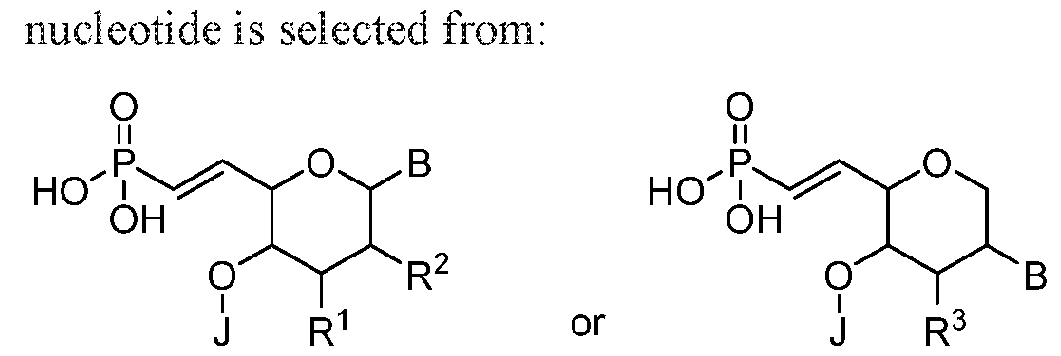


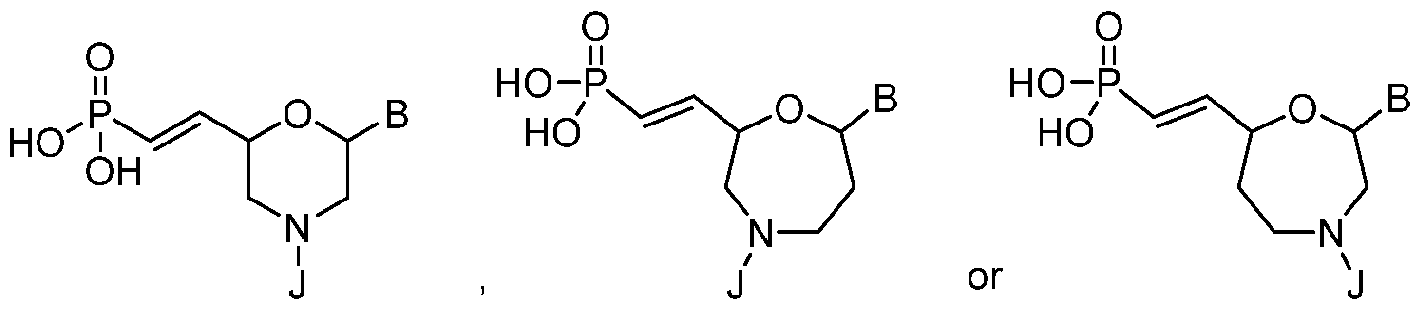


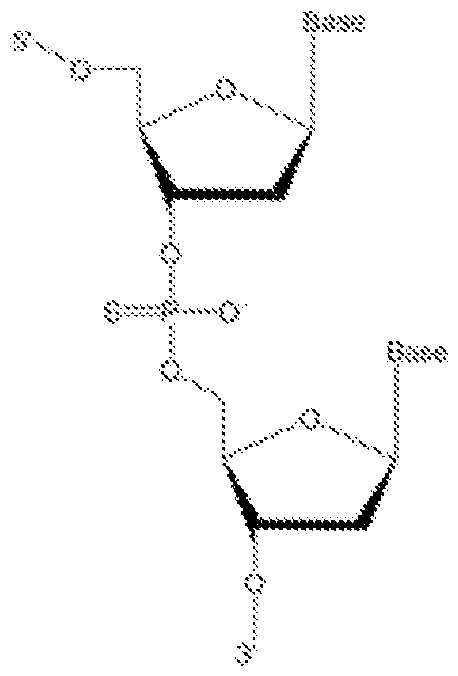


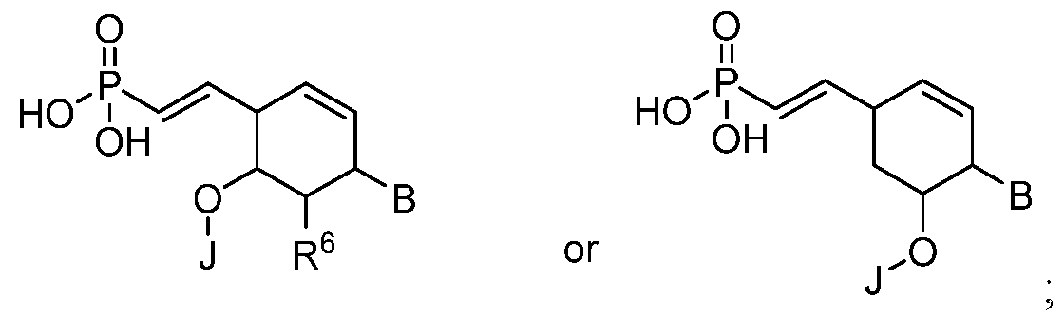


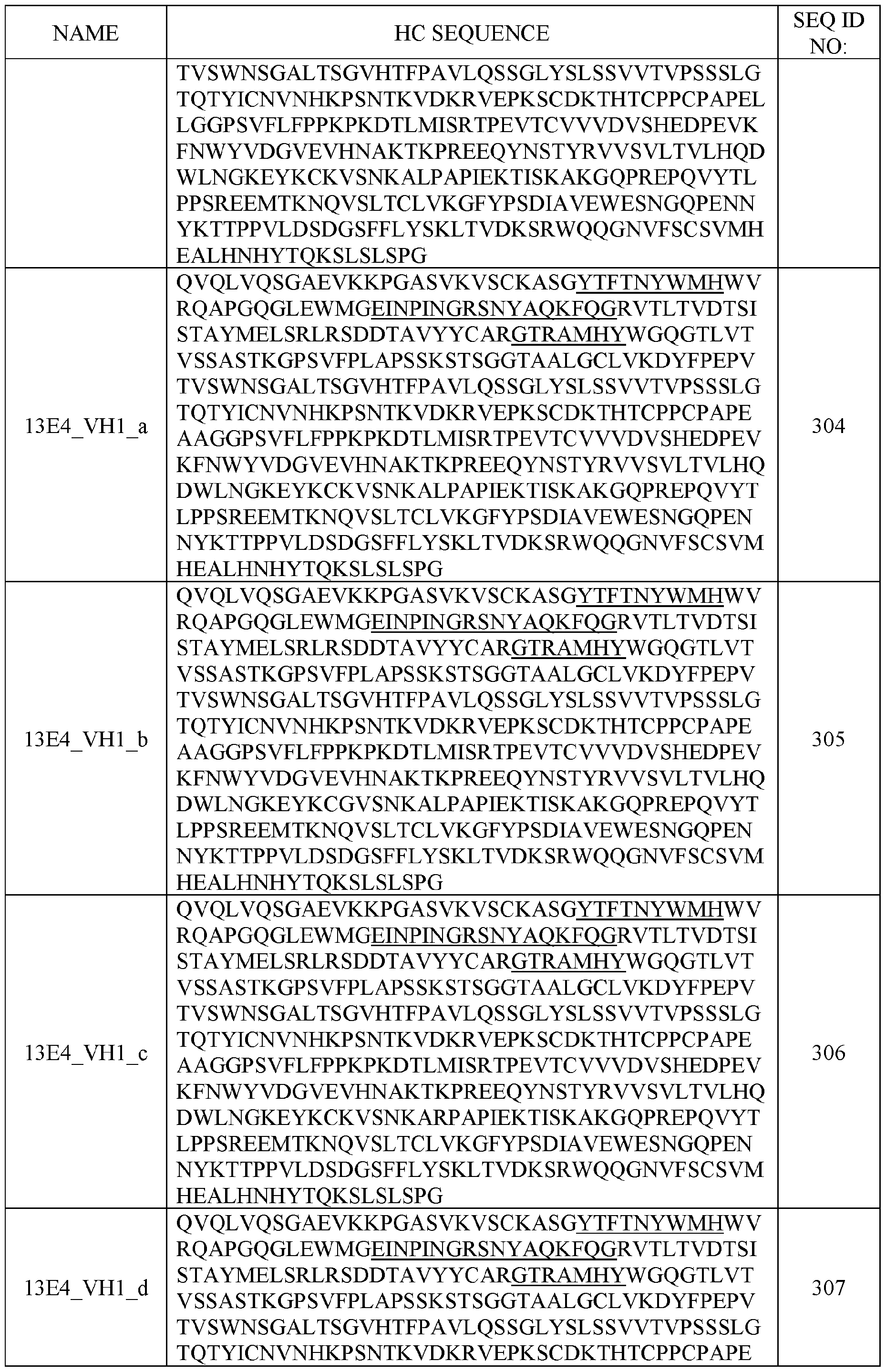


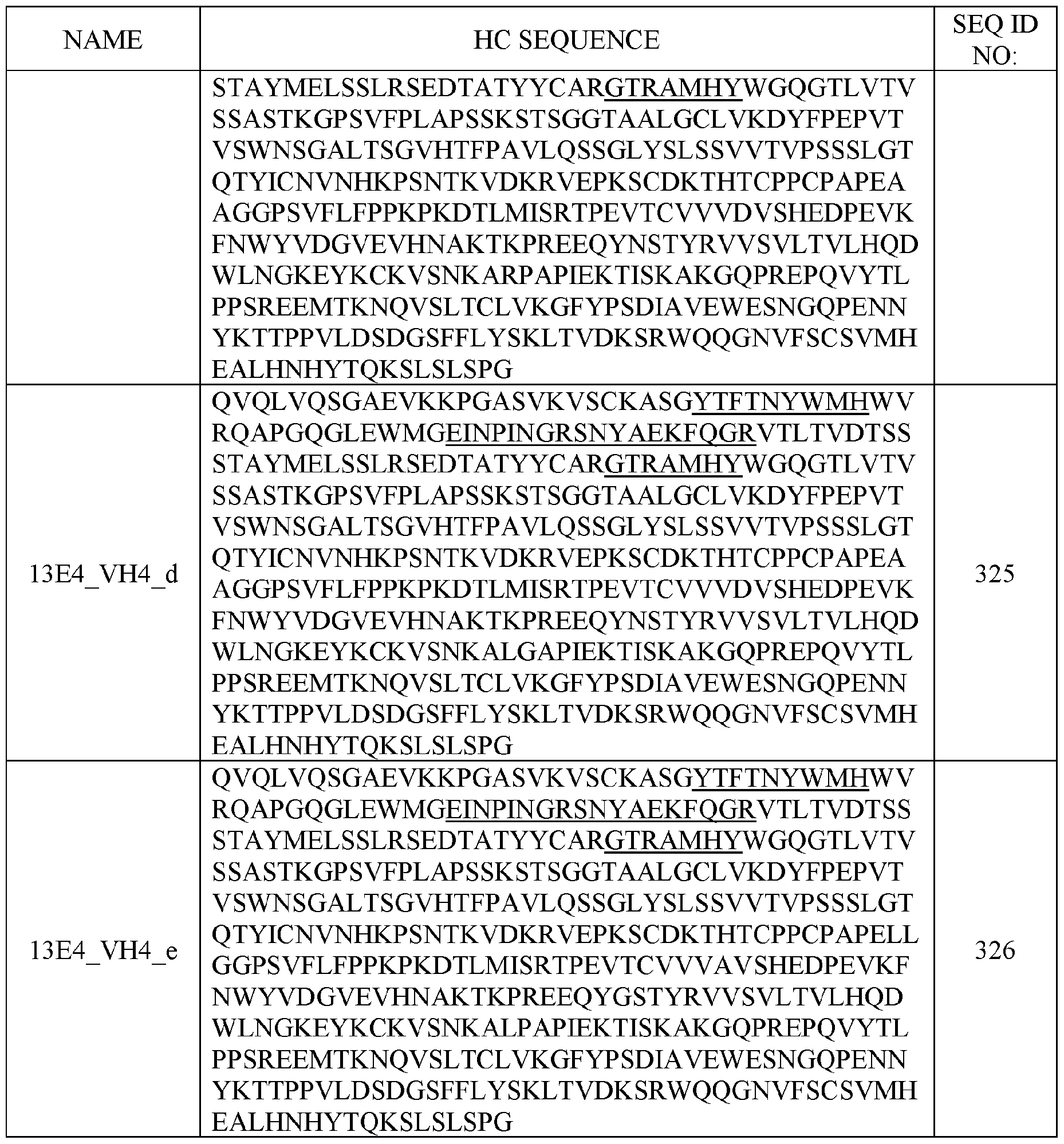


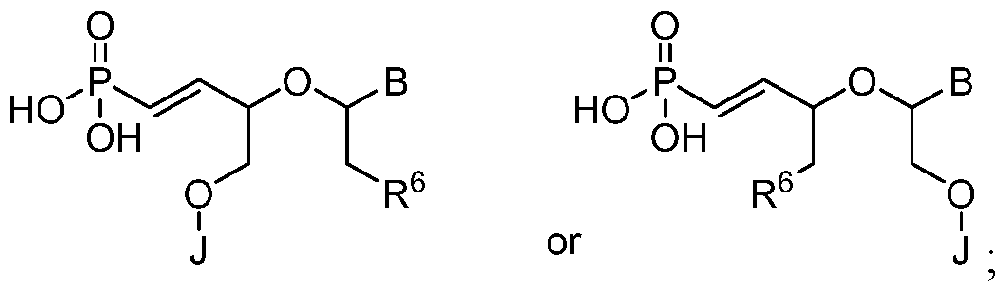


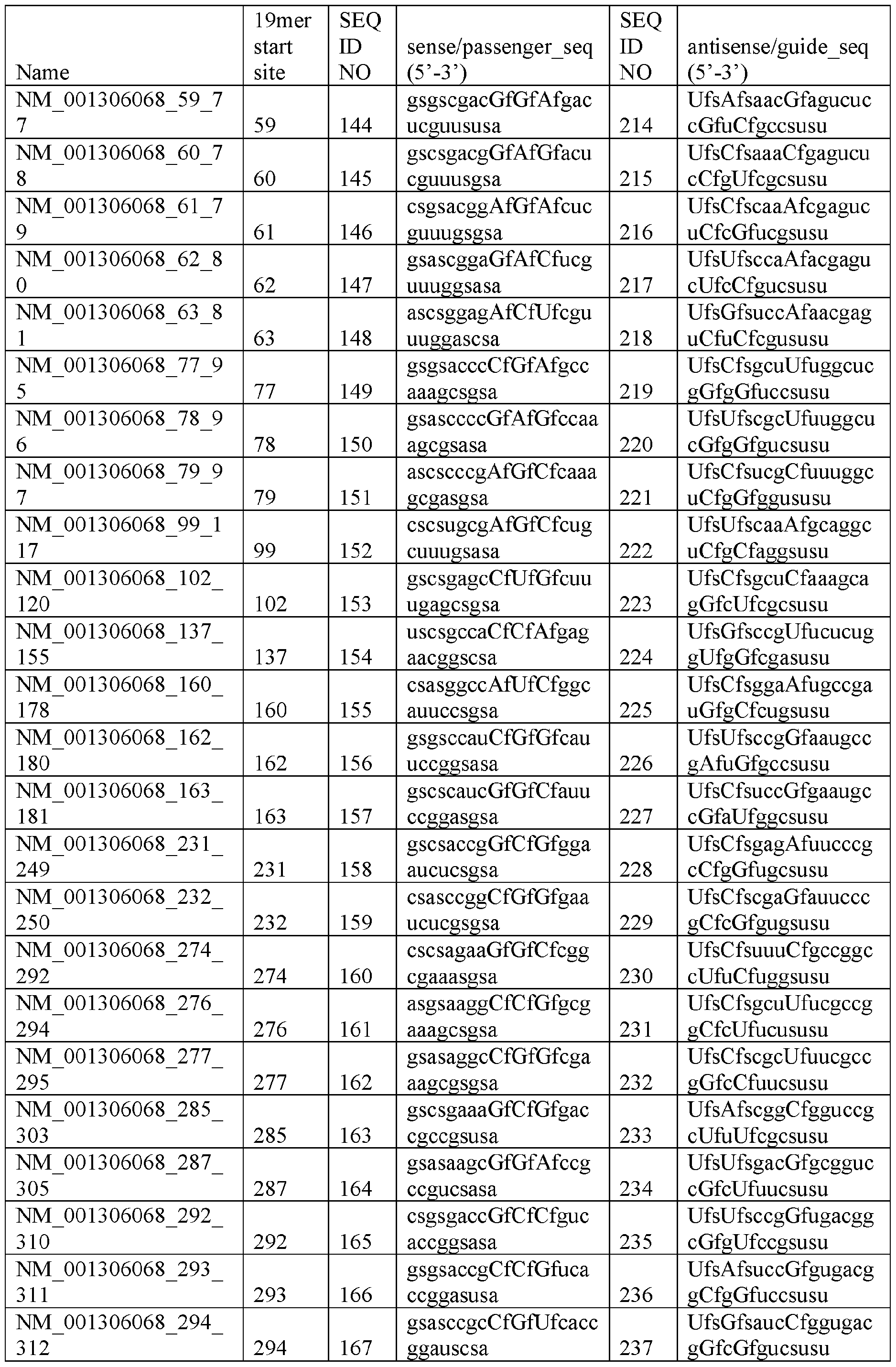


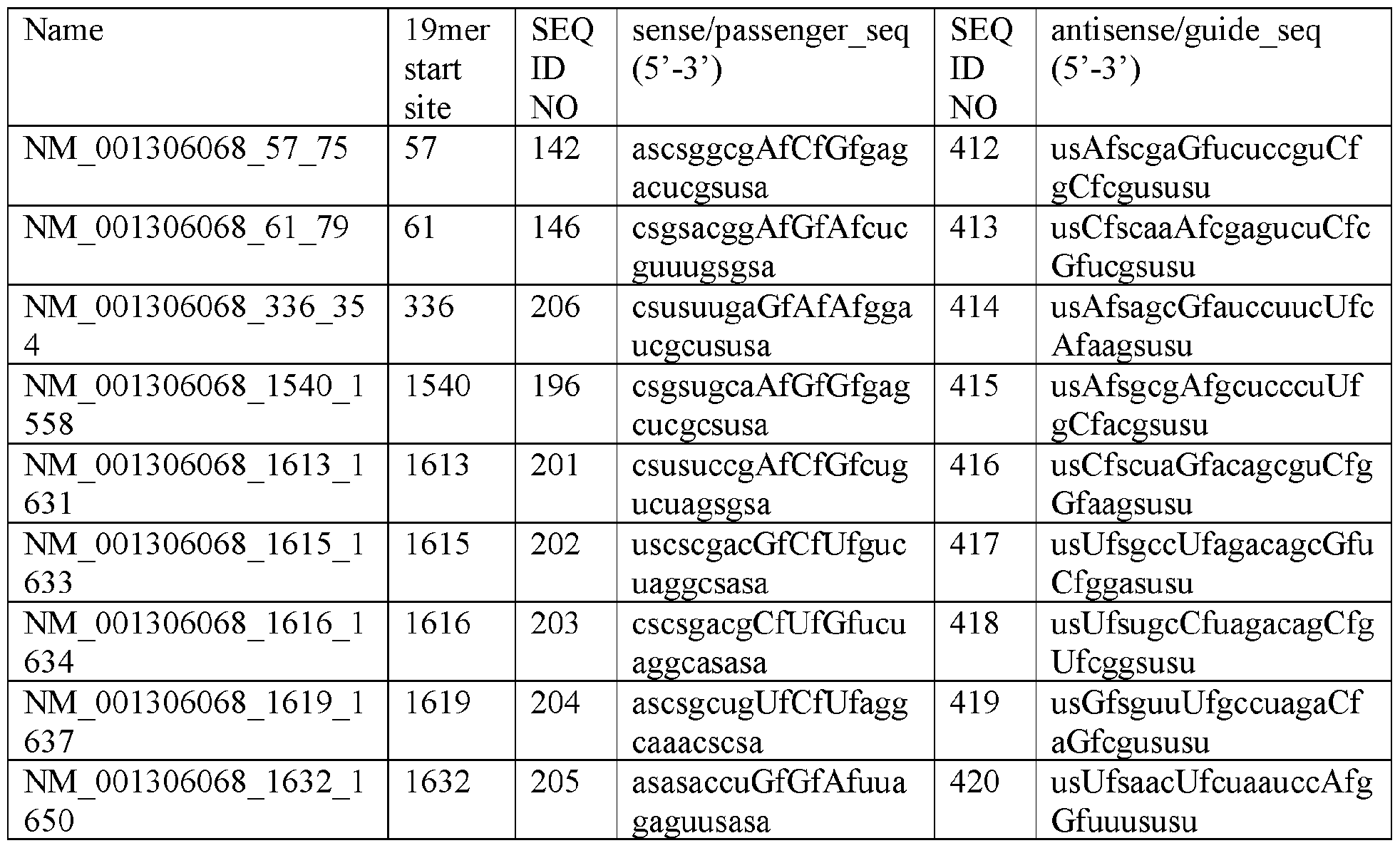

Claims

Priority Applications (9)
| Application Number | Priority Date | Filing Date | Title |
|---|---|---|---|
| EP22870711.3A EP4401792A4 (en) | 2021-09-16 | 2022-09-15 | Compositions and methods for the treatment of facioscapulohumeral muscle dystrophy |
| JP2024515823A JP7742485B2 (en) | 2021-09-16 | 2022-09-15 | Compositions and methods for treating facioscapulohumeral muscular dystrophy |
| AU2022345098A AU2022345098B2 (en) | 2021-09-16 | 2022-09-15 | Compositions and methods of treating facioscapulohumeral muscular dystrophy |
| MX2024003266A MX2024003266A (en) | 2021-09-16 | 2022-09-15 | COMPOSITIONS AND TREATMENT METHODS OF FACIOSCAPULOHUMERAL MUSCULAR DYSTROPHY. |
| CA3231330A CA3231330A1 (en) | 2021-09-16 | 2022-09-15 | Compositions and methods of treating facioscapulohumeral muscular dystrophy |
| KR1020247012499A KR20240055874A (en) | 2021-09-16 | 2022-09-15 | Compositions and methods for treating facioscapulohumeral muscular dystrophy |
| IL311452A IL311452A (en) | 2021-09-16 | 2022-09-15 | Compositions and methods for the treatment of FSHD muscular dystrophy |
| CN202280076501.0A CN118265544A (en) | 2021-09-16 | 2022-09-15 | Compositions and methods for treating facioscapulohumeral muscular dystrophy |
| JP2025147794A JP2026009890A (en) | 2021-09-16 | 2025-09-05 | Compositions and methods for treating facioscapulohumeral muscular dystrophy |
Applications Claiming Priority (2)
| Application Number | Priority Date | Filing Date | Title |
|---|---|---|---|
| US202163245123P | 2021-09-16 | 2021-09-16 | |
| US63/245,123 | 2021-09-16 |
Publications (1)
| Publication Number | Publication Date |
|---|---|
| WO2023043953A1 true WO2023043953A1 (en) | 2023-03-23 |
Family
ID=85571689
Family Applications (1)
| Application Number | Title | Priority Date | Filing Date |
|---|---|---|---|
| PCT/US2022/043705 Ceased WO2023043953A1 (en) | 2021-09-16 | 2022-09-15 | Compositions and methods of treating facioscapulohumeral muscular dystrophy |
Country Status (9)
| Country | Link |
|---|---|
| US (5) | US11912779B2 (en) |
| EP (1) | EP4401792A4 (en) |
| JP (2) | JP7742485B2 (en) |
| KR (1) | KR20240055874A (en) |
| CN (1) | CN118265544A (en) |
| CA (1) | CA3231330A1 (en) |
| IL (1) | IL311452A (en) |
| MX (1) | MX2024003266A (en) |
| WO (1) | WO2023043953A1 (en) |
Cited By (7)
| Publication number | Priority date | Publication date | Assignee | Title |
|---|---|---|---|---|
| US11912779B2 (en) | 2021-09-16 | 2024-02-27 | Avidity Biosciences, Inc. | Compositions and methods of treating facioscapulohumeral muscular dystrophy |
| US11999955B2 (en) | 2020-03-19 | 2024-06-04 | Avidity Biosciences, Inc. | Compositions and methods of treating facioscapulohumeral muscular dystrophy |
| US12173079B2 (en) | 2018-08-02 | 2024-12-24 | Dyne Therapeutics, Inc. | Muscle-targeting complexes comprising an anti-transferrin receptor antibody linked to an oligonucleotide |
| US12234290B2 (en) | 2016-04-01 | 2025-02-25 | Avidity Biosciences, Inc. | Nucleic acid-polypeptide compositions and uses thereof |
| US12428487B2 (en) | 2018-08-02 | 2025-09-30 | Dyne Therapeutics, Inc. | Complexes comprising an anti-transferrin receptor antibody linked to an oligonicleotide and method of delivering oligonucleotide to a subject |
| EP4663240A1 (en) * | 2024-06-12 | 2025-12-17 | Ospedale San Raffaele S.r.l. | Ifn- pathway inhibitors for use in the treatment of fshd |
| US12527877B2 (en) | 2024-01-24 | 2026-01-20 | Arrowhead Pharmaceuticals, Inc. | Anti-transferrin receptor antibodies, conjugates thereof, and uses thereof |
Citations (6)
| Publication number | Priority date | Publication date | Assignee | Title |
|---|---|---|---|---|
| WO2017007886A2 (en) * | 2015-07-08 | 2017-01-12 | Idera Pharmaceuticals, Inc. | Compositions for inhibiting dux4 gene expression and uses thereof |
| US20190300903A1 (en) * | 2011-07-25 | 2019-10-03 | Nationwide Children's Hospital, Inc. | Recombinant virus products and methods for inhibition of expression of dux4 |
| WO2020142479A1 (en) * | 2018-12-31 | 2020-07-09 | Research Institute At Nationwide Children's Hospital | Dux4 rna silencing using rna targeting crispr-cas13b |
| WO2020203880A1 (en) * | 2019-03-29 | 2020-10-08 | 田辺三菱製薬株式会社 | Compound, method and pharmaceutical composition for dux4 expression adjustment |
| US20210206868A1 (en) * | 2018-08-02 | 2021-07-08 | Dyne Therapeutics, Inc. | Muscle targeting complexes and uses thereof for treating facioscapulohumeral muscular dystrophy |
| WO2021188390A1 (en) * | 2020-03-19 | 2021-09-23 | Avidity Biosciences, Inc. | Compositions and methods of treating facioscapulohumeral muscular dystrophy |
Family Cites Families (184)
| Publication number | Priority date | Publication date | Assignee | Title |
|---|---|---|---|---|
| JPS5892644A (en) | 1981-11-26 | 1983-06-02 | Taiho Yakuhin Kogyo Kk | Novel nitrobenzoic acid amide derivative, its preparation and radiation sensitizing agent containing the same |
| US4694778A (en) | 1984-05-04 | 1987-09-22 | Anicon, Inc. | Chemical vapor deposition wafer boat |
| US5185444A (en) | 1985-03-15 | 1993-02-09 | Anti-Gene Deveopment Group | Uncharged morpolino-based polymers having phosphorous containing chiral intersubunit linkages |
| DE3687030T2 (en) | 1985-03-15 | 1993-03-11 | Eugene Stirchak | STEREO-REGULAR POLYNUCLEOTID-BINDING POLYMERS. |
| US4866132A (en) | 1986-04-17 | 1989-09-12 | The Research Foundation Of State University Of New York | Novel radiopaque barium polymer complexes, compositions of matter and articles prepared therefrom |
| US5616584A (en) | 1986-09-25 | 1997-04-01 | Sri International | 1,2,4-benzotriazine oxides as radiosensitizers and selective cytotoxic agents |
| US4921963A (en) | 1987-04-13 | 1990-05-01 | British Columbia Cancer Foundation | Platinum complexes with one radiosensitizing ligand |
| JPH0819111B2 (en) | 1987-10-22 | 1996-02-28 | ポーラ化成工業株式会社 | 2-Nitroimidazole derivative and radiosensitizer containing the same as active ingredient |
| US5256334A (en) | 1988-09-08 | 1993-10-26 | The Research Foundation Of The State University Of New York | Homogeneous radiopaque polymer-organobismuth composites |
| WO1991004753A1 (en) | 1989-10-02 | 1991-04-18 | Cetus Corporation | Conjugates of antisense oligonucleotides and therapeutic uses thereof |
| US5208020A (en) | 1989-10-25 | 1993-05-04 | Immunogen Inc. | Cytotoxic agents comprising maytansinoids and their therapeutic use |
| DE552178T1 (en) | 1990-10-12 | 1994-02-03 | Max Planck Gesellschaft | MODIFIED RIBOZYMS. |
| DE4216134A1 (en) | 1991-06-20 | 1992-12-24 | Europ Lab Molekularbiolog | SYNTHETIC CATALYTIC OLIGONUCLEOTIDE STRUCTURES |
| US5652094A (en) | 1992-01-31 | 1997-07-29 | University Of Montreal | Nucleozymes |
| EP0654993A1 (en) | 1992-08-17 | 1995-05-31 | Quadra Logic Technologies Inc. | Method for destroying or inhibiting growth of unwanted cells or tissues |
| US5346981A (en) | 1993-01-13 | 1994-09-13 | Miles Inc. | Radiopaque polyurethanes |
| US5599796A (en) | 1993-12-02 | 1997-02-04 | Emory University | Treatment of urogenital cancer with boron neutron capture therapy |
| US5627053A (en) | 1994-03-29 | 1997-05-06 | Ribozyme Pharmaceuticals, Inc. | 2'deoxy-2'-alkylnucleotide containing nucleic acid |
| NZ288223A (en) | 1994-06-17 | 1997-11-24 | Hoffmann La Roche | N,n'-bis(quinolin-4-yl)-diamine derivatives; antimalarial medicaments |
| US5716824A (en) | 1995-04-20 | 1998-02-10 | Ribozyme Pharmaceuticals, Inc. | 2'-O-alkylthioalkyl and 2-C-alkylthioalkyl-containing enzymatic nucleic acids (ribozymes) |
| AU4188196A (en) | 1994-12-22 | 1996-07-10 | Nissan Chemical Industries Ltd. | Organobismuth derivatives and process for producing the same |
| US5700825A (en) | 1995-03-31 | 1997-12-23 | Florida State University | Radiosensitizing diamines and their pharmaceutical preparations |
| US5889136A (en) | 1995-06-09 | 1999-03-30 | The Regents Of The University Of Colorado | Orthoester protecting groups in RNA synthesis |
| ATE373672T1 (en) | 1996-01-16 | 2007-10-15 | Sirna Therapeutics Inc | SYNTHESIS OF METHOXYNUCLEOSIDES AND ENZYMATIC NUCLEIC ACID MOLECULES |
| CA2249195A1 (en) | 1996-03-18 | 1997-09-25 | Board Of Regents, The University Of Texas System | Immunoglobin-like domains with increased half lives |
| US5849902A (en) | 1996-09-26 | 1998-12-15 | Oligos Etc. Inc. | Three component chimeric antisense oligonucleotides |
| WO1998026095A1 (en) | 1996-12-10 | 1998-06-18 | Genetrace Systems Inc. | Releasable nonvolatile mass-label molecules |
| US6111086A (en) | 1998-02-27 | 2000-08-29 | Scaringe; Stephen A. | Orthoester protecting groups |
| CA2326823A1 (en) | 1998-04-20 | 1999-10-28 | Ribozyme Pharmaceuticals, Inc. | Nucleic acid molecules with novel chemical compositions capable of modulating gene expression |
| GB9816575D0 (en) | 1998-07-31 | 1998-09-30 | Zeneca Ltd | Novel compounds |
| GB9818731D0 (en) | 1998-08-27 | 1998-10-21 | Univ Portsmouth | Compounds |
| GB9818730D0 (en) | 1998-08-27 | 1998-10-21 | Univ Portsmouth | Collections of compounds |
| DE69907977T2 (en) | 1998-08-27 | 2004-07-22 | Spirogen Ltd., Ryde | Pyrrolobenzodiazepine |
| US6849272B1 (en) | 1999-04-21 | 2005-02-01 | Massachusetts Institute Of Technology | Endosomolytic agents and cell delivery systems |
| US8137695B2 (en) | 2006-08-18 | 2012-03-20 | Arrowhead Madison Inc. | Polyconjugates for in vivo delivery of polynucleotides |
| CA2328356A1 (en) | 1999-12-22 | 2001-06-22 | Itty Atcravi | Recreational vehicles |
| DK1242438T3 (en) | 1999-12-29 | 2007-02-12 | Immunogen Inc | Cytotoxic agents comprising modified doxorubicins and daunorubicins and their therapeutic use |
| US8202979B2 (en) | 2002-02-20 | 2012-06-19 | Sirna Therapeutics, Inc. | RNA interference mediated inhibition of gene expression using chemically modified short interfering nucleic acid |
| US7833992B2 (en) | 2001-05-18 | 2010-11-16 | Merck Sharpe & Dohme | Conjugates and compositions for cellular delivery |
| US8273866B2 (en) | 2002-02-20 | 2012-09-25 | Merck Sharp & Dohme Corp. | RNA interference mediated inhibition of gene expression using chemically modified short interfering nucleic acid (SINA) |
| US6884869B2 (en) | 2001-04-30 | 2005-04-26 | Seattle Genetics, Inc. | Pentapeptide compounds and uses related thereto |
| EP1539233B1 (en) | 2001-07-12 | 2011-04-27 | FOOTE, Jefferson | Super humanized antibodies |
| US6942972B2 (en) | 2001-10-24 | 2005-09-13 | Beckman Coulter, Inc. | Efficient synthesis of protein-oligonucleotide conjugates |
| US6716821B2 (en) | 2001-12-21 | 2004-04-06 | Immunogen Inc. | Cytotoxic agents bearing a reactive polyethylene glycol moiety, cytotoxic conjugates comprising polyethylene glycol linking groups, and methods of making and using the same |
| US9657294B2 (en) | 2002-02-20 | 2017-05-23 | Sirna Therapeutics, Inc. | RNA interference mediated inhibition of gene expression using chemically modified short interfering nucleic acid (siNA) |
| US9181551B2 (en) | 2002-02-20 | 2015-11-10 | Sirna Therapeutics, Inc. | RNA interference mediated inhibition of gene expression using chemically modified short interfering nucleic acid (siNA) |
| AU2003207708A1 (en) | 2002-02-20 | 2003-09-09 | Sirna Therapeutics, Inc. | Rna interference mediated inhibition of map kinase genes |
| US20040023220A1 (en) | 2002-07-23 | 2004-02-05 | Lawrence Greenfield | Integrated method for PCR cleanup and oligonucleotide removal |
| EP2353611B1 (en) | 2002-07-31 | 2015-05-13 | Seattle Genetics, Inc. | Drug conjugates and their use for treating cancer, an autoimmune disease or an infectious disease |
| BRPI0313202A8 (en) | 2002-08-05 | 2016-08-16 | Atugen Ag | ADDITIONAL WAYS TO INTERFERE WITH RNA MOLECULES |
| US7956176B2 (en) | 2002-09-05 | 2011-06-07 | Sirna Therapeutics, Inc. | RNA interference mediated inhibition of gene expression using chemically modified short interfering nucleic acid (siNA) |
| EP2305813A3 (en) | 2002-11-14 | 2012-03-28 | Dharmacon, Inc. | Fuctional and hyperfunctional sirna |
| US7250496B2 (en) | 2002-11-14 | 2007-07-31 | Rosetta Genomics Ltd. | Bioinformatically detectable group of novel regulatory genes and uses thereof |
| EP1608733B1 (en) | 2003-04-02 | 2011-12-07 | Dharmacon, Inc. | Modified polynucleotides for use in rna interference |
| US7276497B2 (en) | 2003-05-20 | 2007-10-02 | Immunogen Inc. | Cytotoxic agents comprising new maytansinoids |
| GB0416511D0 (en) | 2003-10-22 | 2004-08-25 | Spirogen Ltd | Pyrrolobenzodiazepines |
| PT2489364E (en) | 2003-11-06 | 2015-04-16 | Seattle Genetics Inc | Monomethylvaline compounds conjugated to antibodies |
| US8389710B2 (en) | 2004-02-27 | 2013-03-05 | Operational Technologies Corporation | Therapeutic nucleic acid-3′-conjugates |
| US7528126B2 (en) | 2004-03-09 | 2009-05-05 | Spirogen Limited | Pyrrolobenzodiazepines |
| KR101147147B1 (en) | 2004-04-01 | 2012-05-25 | 머크 샤프 앤드 돔 코포레이션 | Modified polynucleotides for reducing off-target effects in rna interference |
| SI1766010T1 (en) | 2004-06-28 | 2011-06-30 | Univ Western Australia | Antisense oligonucleotides for inducing exon skipping and methods of use thereof |
| CA2586909A1 (en) | 2004-11-12 | 2006-12-14 | Seattle Genetics, Inc. | Auristatins having an aminobenzoic acid unit at the n terminus |
| EP1879901B1 (en) | 2005-04-21 | 2009-12-23 | Spirogen Limited | Pyrrolobenzodiazepines |
| WO2007008848A2 (en) | 2005-07-07 | 2007-01-18 | Seattle Genetics, Inc. | Monomethylvaline compounds having phenylalanine carboxy modifications at the c-terminus |
| EP1813614B1 (en) | 2006-01-25 | 2011-10-05 | Sanofi | Cytotoxic agents comprising new tomaymycin derivatives |
| US7750116B1 (en) | 2006-02-18 | 2010-07-06 | Seattle Genetics, Inc. | Antibody drug conjugate metabolites |
| EP2735568B8 (en) | 2006-05-10 | 2017-09-27 | Sarepta Therapeutics, Inc. | Oligonucleotide analogs having cationic intersubunit linkages |
| WO2012024613A1 (en) | 2010-08-19 | 2012-02-23 | Wintrance Corporation | Synergistic biomolecule-polymer conjugates |
| US7521232B2 (en) | 2006-05-31 | 2009-04-21 | Icx Nomadics, Inc. | Emissive species for clinical imaging |
| EP2046374A4 (en) | 2006-07-10 | 2010-05-05 | Biogen Idec Inc | COMPOSITIONS AND METHODS FOR INHIBITING GROWTH OF DEFICIENT CANCERS IN SMAD4 |
| CA2660523C (en) | 2006-08-11 | 2019-03-19 | Prosensa Technologies B.V. | Methods and means for treating dna repeat instability associated genetic disorders |
| EP2148886B1 (en) | 2007-05-10 | 2014-02-19 | R & D Biopharmaceuticals Gmbh | Tubulysine derivatives |
| PT2019104E (en) | 2007-07-19 | 2013-12-03 | Sanofi Sa | Cytotoxic agents comprising new tomaymycin derivatives and their therapeutic use |
| JP2010537639A (en) | 2007-08-27 | 2010-12-09 | ボストン バイオメディカル, インコーポレイテッド | Asymmetric interfering RNA compositions and uses thereof |
| EP2190995A2 (en) | 2007-09-18 | 2010-06-02 | Intradigm Corporation | Compositions comprising k-ras sirna and methods of use |
| PL2203173T3 (en) | 2007-10-26 | 2016-06-30 | Academisch Ziekenhuis Leiden | Means and methods for counteracting muscle disorders |
| WO2009099991A2 (en) | 2008-01-31 | 2009-08-13 | The Brigham And Women's Hospital, Inc. | Treatment of cancer |
| WO2009099942A2 (en) | 2008-01-31 | 2009-08-13 | Alnylam Pharmaceuticals, Inc. | Chemically modified oligonucleotides and uses thereof |
| HRP20191052T1 (en) | 2008-02-01 | 2019-11-01 | Ascendis Pharma As | A TREATMENT INCLUDING A SELF-CLEAVING LINK |
| PL2265283T3 (en) | 2008-03-18 | 2015-03-31 | Seattle Genetics Inc | Auristatin drug linker conjugates |
| EP2274425A2 (en) | 2008-04-11 | 2011-01-19 | Alnylam Pharmaceuticals Inc. | Site-specific delivery of nucleic acids by combining targeting ligands with endosomolytic components |
| EP2119783A1 (en) | 2008-05-14 | 2009-11-18 | Prosensa Technologies B.V. | Method for efficient exon (44) skipping in Duchenne Muscular Dystrophy and associated means |
| WO2009144481A2 (en) | 2008-05-30 | 2009-12-03 | Isis Innovation Limited | Conjugates for delivery of biologically active compounds |
| GB0813432D0 (en) | 2008-07-22 | 2008-08-27 | Spirogen Ltd | Pyrrolobenzodiazepines |
| AU2009279458B2 (en) | 2008-08-08 | 2015-07-02 | Code Biotherapeutics, Inc. | Long-acting DNA dendrimers and methods thereof |
| US8084601B2 (en) | 2008-09-11 | 2011-12-27 | Royal Holloway And Bedford New College Royal Holloway, University Of London | Oligomers |
| CA3066050A1 (en) | 2008-10-24 | 2010-04-29 | Sarepta Therapeutics, Inc. | Multiple exon skipping compositions for dmd |
| EP2370451B1 (en) | 2008-12-02 | 2016-11-16 | Wave Life Sciences Japan, Inc. | Method for the synthesis of phosphorus atom modified nucleic acids |
| AU2010210646B2 (en) | 2009-02-05 | 2015-10-29 | Immunogen, Inc. | Novel benzodiazepine derivatives |
| US8481698B2 (en) | 2009-03-19 | 2013-07-09 | The President And Fellows Of Harvard College | Parallel proximity ligation event analysis |
| CA2757354A1 (en) | 2009-04-02 | 2010-10-07 | Laura P.W. Ranum | Nucleotide repeat expansion-associated polypeptides and uses thereof |
| US8604184B2 (en) | 2009-05-05 | 2013-12-10 | The United States Of America As Represented By The Secretary Of The Air Force | Chemically programmable immunity |
| EP2896404B1 (en) | 2009-06-04 | 2017-08-02 | Novartis AG | Methods for identification of sites for IgG conjugation |
| SG177560A1 (en) | 2009-07-06 | 2012-03-29 | Hoffmann La Roche | Bi-specific digoxigenin binding antibodies |
| IT1394860B1 (en) | 2009-07-22 | 2012-07-20 | Kemotech S R L | PHARMACEUTICAL COMPOUNDS |
| EP2456470A1 (en) | 2009-07-22 | 2012-05-30 | Cenix Bioscience GmbH | Delivery system and conjugates for compound delivery via naturally occurring intracellular transport routes |
| US20120172415A1 (en) | 2009-08-31 | 2012-07-05 | Thomas Voit | Exon Skipping Therapy for Functional Amelioration of Semifunctional Dystrophin in Becker and Duchenne Muscular Dystrophy |
| WO2011057350A1 (en) | 2009-11-12 | 2011-05-19 | The University Of Western Australia | Antisense molecules and methods for treating pathologies |
| US8846875B2 (en) | 2010-02-12 | 2014-09-30 | Solulink, Inc. | Preparation and/or purification of oligonucleotide conjugates |
| JP5870400B2 (en) | 2010-04-15 | 2016-03-01 | シアトル ジェネティクス,インコーポレーテッド | Targeted pyrrolobenzodiazepine conjugates |
| NZ602933A (en) | 2010-04-15 | 2014-09-26 | Seattle Genetics Inc | Pyrrolobenzodiazepines used to treat proliferative diseases |
| EP2601204B1 (en) | 2010-04-28 | 2016-09-07 | Ionis Pharmaceuticals, Inc. | Modified nucleosides and oligomeric compounds prepared therefrom |
| TWI620756B (en) | 2010-05-28 | 2018-04-11 | 薩羅塔治療公司 | Oligonucleotide analogues having modified intersubunit linkages and/or terminal groups |
| IT1400425B1 (en) | 2010-06-08 | 2013-05-31 | Amsterdam Molecular Therapeutics Bv | MODIFIED SNRNAS FOR USE IN THERAPY. |
| US8936910B2 (en) | 2010-06-11 | 2015-01-20 | Antisense Pharma Gmbh | Method for selective oligonucleotide modification |
| EP2409983A1 (en) | 2010-07-19 | 2012-01-25 | Leibniz-Institut für Pflanzenbiochemie (IPB) | Tubulysin analogues |
| EP3031920B1 (en) | 2010-07-19 | 2019-08-21 | Ionis Pharmaceuticals, Inc. | Modulation of dystrophia myotonica-protein kinase (dmpk) expression |
| EP4050109A1 (en) | 2010-08-18 | 2022-08-31 | Fred Hutchinson Cancer Center | Agents for use in treating facioscapulohumeral dystrophy (fshd) |
| EP2426203B1 (en) | 2010-09-02 | 2016-07-13 | Université de Mons | Agents useful in treating facioscapulohumeral muscular dystrophy |
| WO2012058210A1 (en) | 2010-10-29 | 2012-05-03 | Merck Sharp & Dohme Corp. | RNA INTERFERENCE MEDIATED INHIBITION OF GENE EXPRESSION USING SHORT INTERFERING NUCLEIC ACIDS (siNA) |
| MX2013005046A (en) | 2010-11-03 | 2013-12-12 | Immunogen Inc | Cytotoxic agents comprising new ansamitocin derivatives. |
| US8501930B2 (en) | 2010-12-17 | 2013-08-06 | Arrowhead Madison Inc. | Peptide-based in vivo siRNA delivery system |
| CN103491982B (en) | 2010-12-29 | 2017-09-12 | 箭头研究公司 | The polynucleotides delivering in vivo conjugate connected with enzyme sensitiveness |
| CA2830254C (en) | 2011-03-16 | 2019-09-10 | Amgen Inc. | Fc variants |
| EP2723389A2 (en) | 2011-06-21 | 2014-04-30 | Immunogen, Inc. | Novel maytansinoid derivatives with peptide linker and conjugates thereof |
| CA2839593A1 (en) | 2011-07-15 | 2013-01-24 | Sarepta Therapeutics, Inc. | Methods and compositions for manipulating translation of protein isoforms from alternative initiation start sites |
| EP2734208B1 (en) | 2011-07-19 | 2017-03-01 | Wave Life Sciences Ltd. | Methods for the synthesis of functionalized nucleic acids |
| EP3453761A1 (en) | 2011-08-29 | 2019-03-13 | Ionis Pharmaceuticals, Inc. | Oligomer-conjugate complexes and their use |
| JP6393617B2 (en) | 2011-10-14 | 2018-09-19 | シアトル ジェネティクス,インコーポレーテッド | Pyrrolobenzodiazepine and target conjugates |
| US9593141B2 (en) | 2011-11-09 | 2017-03-14 | President And Fellows Of Harvard College | Lin28/let-7 crystal structures, purification protocols, and molecular probes suitable for screening assays and therapeutics |
| LT3366775T (en) | 2011-11-18 | 2022-08-10 | Alnylam Pharmaceuticals, Inc. | Modified rnai agents |
| BR112014013526A8 (en) | 2011-12-05 | 2017-06-13 | Igenica Biotherapeutics Inc | antibody-drug conjugates and related compounds, compositions and methods |
| WO2013121175A1 (en) | 2012-02-16 | 2013-08-22 | Ucl Business Plc | Lysosome-cleavable linker |
| AU2013222935B2 (en) | 2012-02-24 | 2016-03-10 | Alteogen Inc. | Modified antibody in which motif comprising cysteine residue is bound, modified antibody-drug conjugate comprising the modified antibody, and production method for same |
| US20150238515A1 (en) | 2012-05-02 | 2015-08-27 | Arrowhead Research Corporation | Organic compositions to treat kras-related diseases |
| AR090905A1 (en) | 2012-05-02 | 2014-12-17 | Merck Sharp & Dohme | CONJUGATES CONTAINING TETRAGALNAC AND PEPTIDES AND PROCEDURES FOR THE ADMINISTRATION OF OLIGONUCLEOTIDES, PHARMACEUTICAL COMPOSITION |
| CN104662000B (en) | 2012-05-15 | 2018-08-17 | 索伦托医疗有限公司 | Drug conjugates and its coupling method and purposes |
| US9504756B2 (en) | 2012-05-15 | 2016-11-29 | Seattle Genetics, Inc. | Self-stabilizing linker conjugates |
| CN104661664B (en) | 2012-07-13 | 2020-07-03 | 波涛生命科学有限公司 | Chiral control |
| IN2015DN01765A (en) | 2012-08-20 | 2015-05-29 | Univ California | |
| KR102058381B1 (en) | 2012-08-24 | 2019-12-24 | 강원대학교산학협력단 | Humanized antibody against human L1CAM and method for preparing the antibody |
| JP5993093B2 (en) | 2012-10-12 | 2016-09-14 | メドイミューン・リミテッドMedImmune Limited | Pyrrolobenzodiazepines and their complexes |
| CN117126846A (en) | 2012-11-15 | 2023-11-28 | 罗氏创新中心哥本哈根有限公司 | Oligonucleotide conjugates |
| JP6133431B2 (en) | 2012-11-24 | 2017-05-24 | ハンジョウ ディーエーシー バイオテック シーオー.,エルティディ.Hangzhou Dac Biotech Co.,Ltd. | Use of hydrophilic conjugates and conjugation reactions between drug molecules and cell binding molecules |
| TWI716339B (en) | 2012-12-21 | 2021-01-21 | 荷蘭商台醫(有限合夥)公司 | Hydrophilic self-immolative linkers and conjugates thereof |
| US9481905B2 (en) | 2013-02-19 | 2016-11-01 | Orizhan Bioscience Limited | Method of using neutrilized DNA (N-DNA) as surface probe for high throughput detection platform |
| WO2014159981A2 (en) | 2013-03-13 | 2014-10-02 | Spirogen Sarl | Pyrrolobenzodiazepines and conjugates thereof |
| US20140329762A1 (en) | 2013-03-15 | 2014-11-06 | Sarepta Therapeutics, Inc. | Compositions for treating muscular dystrophy |
| EP2968593B1 (en) | 2013-03-15 | 2024-11-20 | Regeneron Pharmaceuticals, Inc. | Biologically active molecules, conjugates thereof, and therapeutic uses |
| EP2777714A1 (en) | 2013-03-15 | 2014-09-17 | NBE-Therapeutics LLC | Method of producing an immunoligand/payload conjugate by means of a sequence-specific transpeptidase enzyme |
| CN105378083B (en) | 2013-03-27 | 2018-09-21 | 伊萨纳治疗有限公司 | Modified TGF-beta oligonucleotides |
| US9295731B2 (en) | 2013-04-01 | 2016-03-29 | Mark Quang Nguyen | Cleavable drug conjugates, compositions thereof and methods of use |
| GB2529356B (en) | 2013-04-28 | 2020-12-23 | Genequantum Healthcare Co Ltd | Novel linkers, coupling intermediates, conjugates, preparation method and application thereof |
| PL3594240T3 (en) | 2013-05-20 | 2024-04-02 | F. Hoffmann-La Roche Ag | Anti-transferrin receptor antibodies and methods of use |
| WO2014197854A1 (en) | 2013-06-06 | 2014-12-11 | Igenica Biotherapeutics, Inc. | Novel linkers for antibody-drug conjugates and related compounds, compositions, and methods of use |
| WO2014197871A2 (en) | 2013-06-06 | 2014-12-11 | Igenica Biotherapeutics, Inc. | Antibody-drug conjugates, compositions and methods of use |
| TW201536329A (en) | 2013-08-09 | 2015-10-01 | Isis Pharmaceuticals Inc | Compound and method for regulating the manifestation of dystrophic myotonic protein kinase (DMPK) |
| EP2845607A1 (en) | 2013-09-09 | 2015-03-11 | University of Vienna | Antisense oligonucleotides with improved pharmacokinetic properties |
| WO2015038426A1 (en) | 2013-09-13 | 2015-03-19 | Asana Biosciences, Llc | Self-immolative linkers containing mandelic acid derivatives, drug-ligand conjugates for targeted therapies and uses thereof |
| MX2021008464A (en) | 2013-10-15 | 2023-03-03 | Seattle Genetics Inc | Pegylated drug-linkers for improved ligand-drug conjugate pharmacokinetics. |
| US10836821B2 (en) | 2013-10-15 | 2020-11-17 | Sorrento Therapeutics, Inc. | Drug-conjugates with a targeting molecule and two different drugs |
| US10239957B2 (en) | 2013-11-06 | 2019-03-26 | Merck Sharp & Dohme Corp. | Peptide containing conjugates for dual molecular delivery of oligonucleotides |
| WO2015084846A1 (en) | 2013-12-02 | 2015-06-11 | Brandeis University | High temperature selection of nucleotide-supported carbohydrate vaccines and resulting glycosylated oligonucleotides |
| EP4137572A1 (en) | 2014-01-16 | 2023-02-22 | Wave Life Sciences Ltd. | Chiral design |
| WO2015113922A1 (en) | 2014-01-30 | 2015-08-06 | Roche Innovation Center Copenhagen A/S | Poly oligomer compound with biocleavable conjugates |
| RS59764B1 (en) | 2014-06-17 | 2020-02-28 | Nippon Shinyaku Co Ltd | Antisense nucleic acid for use in the treatment of duchenne's muscular dystrophy |
| IL316808A (en) | 2014-08-20 | 2025-01-01 | Alnylam Pharmaceuticals Inc | Modified double-stranded rna agents and uses thereof |
| EP3221362B1 (en) | 2014-11-19 | 2019-07-24 | F.Hoffmann-La Roche Ag | Anti-transferrin receptor antibodies and methods of use |
| WO2016115490A1 (en) * | 2015-01-16 | 2016-07-21 | Ionis Pharmaceuticals, Inc. | Compounds and methods for modulation of dux4 |
| US20180305689A1 (en) | 2015-04-22 | 2018-10-25 | Mina Therapeutics Limited | Sarna compositions and methods of use |
| AU2016264471B2 (en) | 2015-05-19 | 2022-01-27 | Sarepta Therapeutics, Inc. | Peptide oligonucleotide conjugates |
| DK3313879T3 (en) | 2015-06-24 | 2022-03-14 | Hoffmann La Roche | Anti-transferrin receptor antibodies with adapted affinity |
| JP6749589B2 (en) | 2015-07-31 | 2020-09-02 | 国立大学法人北海道大学 | Anti-Eva1 protein antibody |
| MA45328A (en) | 2016-04-01 | 2019-02-06 | Avidity Biosciences Llc | NUCLEIC ACID-POLYPEPTIDE COMPOSITIONS AND USES THEREOF |
| MA45290A (en) | 2016-05-04 | 2019-03-13 | Wave Life Sciences Ltd | PROCESSES AND COMPOSITIONS OF BIOLOGICALLY ACTIVE AGENTS |
| CN109310765A (en) | 2016-06-20 | 2019-02-05 | 领先基因生物技术股份有限公司 | Antibody-drug conjugates |
| WO2018002812A1 (en) | 2016-06-29 | 2018-01-04 | Crispr Therapeutics Ag | Materials and methods for treatment of myotonic dystrophy type 1 (dm1) and other related disorders |
| US11504391B1 (en) | 2016-11-23 | 2022-11-22 | Alnylam Pharmaceuticals, Inc. | Modified RNA agents with reduced off-target effect |
| SG10202107429WA (en) | 2017-01-06 | 2021-08-30 | Avidity Biosciences Inc | Nucleic acid-polypeptide compositions and methods of inducing exon skipping |
| DK3444010T3 (en) | 2017-08-14 | 2021-03-15 | Scandiedge Therapeutics Ab | PKLR INHIBITION IN THE TREATMENT OF NAFLD AND HCC |
| AU2018335880B2 (en) | 2017-09-22 | 2025-04-10 | Avidity Biosciences, Inc. | Nucleic acid-polypeptide compositions and methods of inducing exon skipping |
| CA3077057A1 (en) * | 2017-10-02 | 2019-04-11 | Research Institute At Nationwide Children's Hospital | Mirna detargeting system for tissue specific interference |
| CN111655268B (en) | 2017-10-04 | 2024-03-26 | 艾维迪提生物科学公司 | Nucleic acid-polypeptide compositions and uses thereof |
| KR20200067170A (en) | 2017-10-05 | 2020-06-11 | 풀크럼 쎄러퓨틱스, 인코포레이티드 | P38 kinase inhibitors that reduce DUX4 and downstream gene expression for the treatment of FSHD |
| EP3720448A4 (en) | 2017-12-06 | 2021-11-03 | Avidity Biosciences, Inc. | COMPOSITIONS AND METHODS FOR THE TREATMENT OF MUSCLE ATROPHY AND MYOTONIC DYSTROPHY |
| SG11202100934PA (en) | 2018-08-02 | 2021-02-25 | Dyne Therapeutics Inc | Muscle targeting complexes and uses thereof for treating dystrophinopathies |
| CA3108313A1 (en) | 2018-08-02 | 2020-02-06 | Dyne Therapeutics, Inc. | Muscle-targeting complexes and uses thereof in treating muscle atrophy |
| IL319265A (en) | 2018-12-21 | 2025-04-01 | Avidity Biosciences Inc | Anti-transferrin receptor antibodies and uses thereof |
| WO2020247818A1 (en) * | 2019-06-06 | 2020-12-10 | Avidity Biosciences, Inc. | Una amidites and uses thereof |
| US20230088865A1 (en) | 2020-01-10 | 2023-03-23 | Dyne Therapeutics, Inc. | Muscle targeting complexes and uses thereof for treating facioscapulohumeral muscular dystrophy |
| TW202227626A (en) | 2020-09-01 | 2022-07-16 | 美商奧崔基尼克斯製藥公司 | Dux4 inhibitors and methods of use thereof |
| US11638761B2 (en) * | 2021-07-09 | 2023-05-02 | Dyne Therapeutics, Inc. | Muscle targeting complexes and uses thereof for treating Facioscapulohumeral muscular dystrophy |
| KR20240032998A (en) | 2021-07-14 | 2024-03-12 | 마이레큘, 인크. | Oligonucleotides and compositions thereof for neuromuscular disorders |
| CA3231330A1 (en) | 2021-09-16 | 2023-03-23 | Avidity Biosciences, Inc. | Compositions and methods of treating facioscapulohumeral muscular dystrophy |
-
2022
- 2022-09-15 CA CA3231330A patent/CA3231330A1/en active Pending
- 2022-09-15 MX MX2024003266A patent/MX2024003266A/en unknown
- 2022-09-15 EP EP22870711.3A patent/EP4401792A4/en active Pending
- 2022-09-15 JP JP2024515823A patent/JP7742485B2/en active Active
- 2022-09-15 WO PCT/US2022/043705 patent/WO2023043953A1/en not_active Ceased
- 2022-09-15 IL IL311452A patent/IL311452A/en unknown
- 2022-09-15 KR KR1020247012499A patent/KR20240055874A/en active Pending
- 2022-09-15 US US17/932,653 patent/US11912779B2/en active Active
- 2022-09-15 CN CN202280076501.0A patent/CN118265544A/en active Pending
-
2024
- 2024-01-02 US US18/402,604 patent/US12157774B2/en active Active
- 2024-01-02 US US18/402,596 patent/US12071485B2/en active Active
- 2024-08-19 US US18/809,215 patent/US20240400707A1/en active Pending
-
2025
- 2025-07-11 US US19/267,411 patent/US12486328B2/en active Active
- 2025-09-05 JP JP2025147794A patent/JP2026009890A/en active Pending
Patent Citations (6)
| Publication number | Priority date | Publication date | Assignee | Title |
|---|---|---|---|---|
| US20190300903A1 (en) * | 2011-07-25 | 2019-10-03 | Nationwide Children's Hospital, Inc. | Recombinant virus products and methods for inhibition of expression of dux4 |
| WO2017007886A2 (en) * | 2015-07-08 | 2017-01-12 | Idera Pharmaceuticals, Inc. | Compositions for inhibiting dux4 gene expression and uses thereof |
| US20210206868A1 (en) * | 2018-08-02 | 2021-07-08 | Dyne Therapeutics, Inc. | Muscle targeting complexes and uses thereof for treating facioscapulohumeral muscular dystrophy |
| WO2020142479A1 (en) * | 2018-12-31 | 2020-07-09 | Research Institute At Nationwide Children's Hospital | Dux4 rna silencing using rna targeting crispr-cas13b |
| WO2020203880A1 (en) * | 2019-03-29 | 2020-10-08 | 田辺三菱製薬株式会社 | Compound, method and pharmaceutical composition for dux4 expression adjustment |
| WO2021188390A1 (en) * | 2020-03-19 | 2021-09-23 | Avidity Biosciences, Inc. | Compositions and methods of treating facioscapulohumeral muscular dystrophy |
Non-Patent Citations (2)
| Title |
|---|
| See also references of EP4401792A4 * |
| WALLACE LM ET AL.: "RNA interference inhibits DUX4-induced muscle toxicity in vivo: implications for a targeted FSHD therapy", MOLECULAR THERAPY, vol. 20, no. 7, 1 July 2012 (2012-07-01), pages 1417 - 23, XP055169548, DOI: 10.1038/mt.2012.68 * |
Cited By (16)
| Publication number | Priority date | Publication date | Assignee | Title |
|---|---|---|---|---|
| US12351637B2 (en) | 2016-04-01 | 2025-07-08 | Avidity Biosciences, Inc. | Nucleic acid-polypeptide compositions and uses thereof |
| US12234290B2 (en) | 2016-04-01 | 2025-02-25 | Avidity Biosciences, Inc. | Nucleic acid-polypeptide compositions and uses thereof |
| US12173079B2 (en) | 2018-08-02 | 2024-12-24 | Dyne Therapeutics, Inc. | Muscle-targeting complexes comprising an anti-transferrin receptor antibody linked to an oligonucleotide |
| US12428487B2 (en) | 2018-08-02 | 2025-09-30 | Dyne Therapeutics, Inc. | Complexes comprising an anti-transferrin receptor antibody linked to an oligonicleotide and method of delivering oligonucleotide to a subject |
| US12325753B2 (en) | 2018-08-02 | 2025-06-10 | Dyne Therapeutics, Inc. | Method of using an anti-transferrin receptor antibody to deliver an oligonucleotide to a subject having facioscapulohumeral muscular dystrophy |
| US12104156B2 (en) | 2020-03-19 | 2024-10-01 | Avidity Biosciences, Inc. | Compositions and methods of treating facioscapulohumeral muscular dystrophy |
| US12049629B2 (en) | 2020-03-19 | 2024-07-30 | Avidity Biosciences, Inc. | Compositions and methods of treating Facioscapulohumeral muscular dystrophy |
| US11999955B2 (en) | 2020-03-19 | 2024-06-04 | Avidity Biosciences, Inc. | Compositions and methods of treating facioscapulohumeral muscular dystrophy |
| US12529056B2 (en) | 2020-03-19 | 2026-01-20 | Avidity Biosciences, Inc. | Compositions and methods of treating facioscapulohumeral muscular dystrophy |
| US12157774B2 (en) | 2021-09-16 | 2024-12-03 | Avidity Biosciences, Inc. | Compositions and methods of treating facioscapulohumeral muscular dystrophy |
| US11912779B2 (en) | 2021-09-16 | 2024-02-27 | Avidity Biosciences, Inc. | Compositions and methods of treating facioscapulohumeral muscular dystrophy |
| US12071485B2 (en) | 2021-09-16 | 2024-08-27 | Avidity Biosciences, Inc. | Compositions and methods of treating facioscapulohumeral muscular dystrophy |
| US12486328B2 (en) | 2021-09-16 | 2025-12-02 | Avidity Biosciences, Inc. | Compositions and methods of treating facioscapulohumeral muscular dystrophy |
| US12527877B2 (en) | 2024-01-24 | 2026-01-20 | Arrowhead Pharmaceuticals, Inc. | Anti-transferrin receptor antibodies, conjugates thereof, and uses thereof |
| EP4663240A1 (en) * | 2024-06-12 | 2025-12-17 | Ospedale San Raffaele S.r.l. | Ifn- pathway inhibitors for use in the treatment of fshd |
| WO2025257347A1 (en) * | 2024-06-12 | 2025-12-18 | Ospedale San Raffaele S.R.L. | IFN-γ PATHWAY INHIBITORS FOR USE IN THE TREATMENT OF FSHD |
Also Published As
| Publication number | Publication date |
|---|---|
| EP4401792A1 (en) | 2024-07-24 |
| AU2022345098A1 (en) | 2024-04-04 |
| US12486328B2 (en) | 2025-12-02 |
| CA3231330A1 (en) | 2023-03-23 |
| US12071485B2 (en) | 2024-08-27 |
| JP7742485B2 (en) | 2025-09-19 |
| MX2024003266A (en) | 2024-04-03 |
| US20250333529A1 (en) | 2025-10-30 |
| IL311452A (en) | 2024-05-01 |
| JP2024535797A (en) | 2024-10-02 |
| JP2026009890A (en) | 2026-01-21 |
| KR20240055874A (en) | 2024-04-29 |
| US20240124600A1 (en) | 2024-04-18 |
| US20240132610A1 (en) | 2024-04-25 |
| EP4401792A4 (en) | 2025-12-03 |
| US20230091801A1 (en) | 2023-03-23 |
| US11912779B2 (en) | 2024-02-27 |
| US20240400707A1 (en) | 2024-12-05 |
| US12157774B2 (en) | 2024-12-03 |
| CN118265544A (en) | 2024-06-28 |
Similar Documents
| Publication | Publication Date | Title |
|---|---|---|
| EP4126066B1 (en) | Compositions and methods of treating muscle dystrophy | |
| US12529056B2 (en) | Compositions and methods of treating facioscapulohumeral muscular dystrophy | |
| US12486328B2 (en) | Compositions and methods of treating facioscapulohumeral muscular dystrophy | |
| EP4146229A1 (en) | Compositions and methods of treating pompe disease | |
| AU2022345098B2 (en) | Compositions and methods of treating facioscapulohumeral muscular dystrophy | |
| AU2021241682B2 (en) | Compositions and methods of treating muscle dystrophy |
Legal Events
| Date | Code | Title | Description |
|---|---|---|---|
| 121 | Ep: the epo has been informed by wipo that ep was designated in this application |
Ref document number: 22870711 Country of ref document: EP Kind code of ref document: A1 |
|
| WWE | Wipo information: entry into national phase |
Ref document number: 3231330 Country of ref document: CA |
|
| ENP | Entry into the national phase |
Ref document number: 2024515823 Country of ref document: JP Kind code of ref document: A |
|
| WWE | Wipo information: entry into national phase |
Ref document number: 311452 Country of ref document: IL |
|
| WWE | Wipo information: entry into national phase |
Ref document number: 2022345098 Country of ref document: AU Ref document number: 809278 Country of ref document: NZ Ref document number: AU2022345098 Country of ref document: AU |
|
| REG | Reference to national code |
Ref country code: BR Ref legal event code: B01A Ref document number: 112024005057 Country of ref document: BR |
|
| ENP | Entry into the national phase |
Ref document number: 2022345098 Country of ref document: AU Date of ref document: 20220915 Kind code of ref document: A |
|
| ENP | Entry into the national phase |
Ref document number: 20247012499 Country of ref document: KR Kind code of ref document: A |
|
| WWE | Wipo information: entry into national phase |
Ref document number: 2022870711 Country of ref document: EP |
|
| NENP | Non-entry into the national phase |
Ref country code: DE |
|
| ENP | Entry into the national phase |
Ref document number: 2022870711 Country of ref document: EP Effective date: 20240416 |
|
| WWE | Wipo information: entry into national phase |
Ref document number: 11202401776R Country of ref document: SG |
|
| WWE | Wipo information: entry into national phase |
Ref document number: 202280076501.0 Country of ref document: CN |
|
| ENP | Entry into the national phase |
Ref document number: 112024005057 Country of ref document: BR Kind code of ref document: A2 Effective date: 20240314 |