WO2018026884A1 - Biomaterials for modulating immune responses - Google Patents
Biomaterials for modulating immune responses Download PDFInfo
- Publication number
- WO2018026884A1 WO2018026884A1 PCT/US2017/045022 US2017045022W WO2018026884A1 WO 2018026884 A1 WO2018026884 A1 WO 2018026884A1 US 2017045022 W US2017045022 W US 2017045022W WO 2018026884 A1 WO2018026884 A1 WO 2018026884A1
- Authority
- WO
- WIPO (PCT)
- Prior art keywords
- antigen
- pei
- tumor
- cell
- seq
- Prior art date
- Legal status (The legal status is an assumption and is not a legal conclusion. Google has not performed a legal analysis and makes no representation as to the accuracy of the status listed.)
- Ceased
Links
- 0 CCCCCC*C(c1c(Cc(cc2)ccc2OP(O)(OCC)=O)[o]c(-c2cccc3c2cccc3)n1)=O Chemical compound CCCCCC*C(c1c(Cc(cc2)ccc2OP(O)(OCC)=O)[o]c(-c2cccc3c2cccc3)n1)=O 0.000 description 2
- DKPQHFZUICCZHF-UHFFFAOYSA-N CC(C)(C)c1nc(-c(cc2)cc3c2nccn3)c(-c2cccc(C)n2)[nH]1 Chemical compound CC(C)(C)c1nc(-c(cc2)cc3c2nccn3)c(-c2cccc(C)n2)[nH]1 DKPQHFZUICCZHF-UHFFFAOYSA-N 0.000 description 1
Classifications
-
- A—HUMAN NECESSITIES
- A61—MEDICAL OR VETERINARY SCIENCE; HYGIENE
- A61K—PREPARATIONS FOR MEDICAL, DENTAL OR TOILETRY PURPOSES
- A61K39/00—Medicinal preparations containing antigens or antibodies
- A61K39/385—Haptens or antigens, bound to carriers
-
- A—HUMAN NECESSITIES
- A61—MEDICAL OR VETERINARY SCIENCE; HYGIENE
- A61K—PREPARATIONS FOR MEDICAL, DENTAL OR TOILETRY PURPOSES
- A61K9/00—Medicinal preparations characterised by special physical form
- A61K9/14—Particulate form, e.g. powders, Processes for size reducing of pure drugs or the resulting products, Pure drug nanoparticles
- A61K9/16—Agglomerates; Granulates; Microbeadlets ; Microspheres; Pellets; Solid products obtained by spray drying, spray freeze drying, spray congealing,(multiple) emulsion solvent evaporation or extraction
-
- A—HUMAN NECESSITIES
- A61—MEDICAL OR VETERINARY SCIENCE; HYGIENE
- A61K—PREPARATIONS FOR MEDICAL, DENTAL OR TOILETRY PURPOSES
- A61K39/00—Medicinal preparations containing antigens or antibodies
- A61K39/0005—Vertebrate antigens
- A61K39/0011—Cancer antigens
-
- A—HUMAN NECESSITIES
- A61—MEDICAL OR VETERINARY SCIENCE; HYGIENE
- A61K—PREPARATIONS FOR MEDICAL, DENTAL OR TOILETRY PURPOSES
- A61K39/00—Medicinal preparations containing antigens or antibodies
- A61K39/0005—Vertebrate antigens
- A61K39/0011—Cancer antigens
- A61K39/001102—Receptors, cell surface antigens or cell surface determinants
- A61K39/001103—Receptors for growth factors
- A61K39/001106—Her-2/neu/ErbB2, Her-3/ErbB3 or Her 4/ErbB4
-
- A—HUMAN NECESSITIES
- A61—MEDICAL OR VETERINARY SCIENCE; HYGIENE
- A61K—PREPARATIONS FOR MEDICAL, DENTAL OR TOILETRY PURPOSES
- A61K39/00—Medicinal preparations containing antigens or antibodies
- A61K39/0005—Vertebrate antigens
- A61K39/0011—Cancer antigens
- A61K39/00119—Melanoma antigens
-
- A—HUMAN NECESSITIES
- A61—MEDICAL OR VETERINARY SCIENCE; HYGIENE
- A61K—PREPARATIONS FOR MEDICAL, DENTAL OR TOILETRY PURPOSES
- A61K39/00—Medicinal preparations containing antigens or antibodies
- A61K39/39—Medicinal preparations containing antigens or antibodies characterised by the immunostimulating additives, e.g. chemical adjuvants
-
- A—HUMAN NECESSITIES
- A61—MEDICAL OR VETERINARY SCIENCE; HYGIENE
- A61K—PREPARATIONS FOR MEDICAL, DENTAL OR TOILETRY PURPOSES
- A61K47/00—Medicinal preparations characterised by the non-active ingredients used, e.g. carriers or inert additives; Targeting or modifying agents chemically bound to the active ingredient
- A61K47/02—Inorganic compounds
-
- A—HUMAN NECESSITIES
- A61—MEDICAL OR VETERINARY SCIENCE; HYGIENE
- A61K—PREPARATIONS FOR MEDICAL, DENTAL OR TOILETRY PURPOSES
- A61K47/00—Medicinal preparations characterised by the non-active ingredients used, e.g. carriers or inert additives; Targeting or modifying agents chemically bound to the active ingredient
- A61K47/30—Macromolecular organic or inorganic compounds, e.g. inorganic polyphosphates
- A61K47/34—Macromolecular compounds obtained otherwise than by reactions only involving carbon-to-carbon unsaturated bonds, e.g. polyesters, polyamino acids, polysiloxanes, polyphosphazines, copolymers of polyalkylene glycol or poloxamers
-
- A—HUMAN NECESSITIES
- A61—MEDICAL OR VETERINARY SCIENCE; HYGIENE
- A61K—PREPARATIONS FOR MEDICAL, DENTAL OR TOILETRY PURPOSES
- A61K9/00—Medicinal preparations characterised by special physical form
- A61K9/0012—Galenical forms characterised by the site of application
- A61K9/0019—Injectable compositions; Intramuscular, intravenous, arterial, subcutaneous administration; Compositions to be administered through the skin in an invasive manner
-
- A—HUMAN NECESSITIES
- A61—MEDICAL OR VETERINARY SCIENCE; HYGIENE
- A61K—PREPARATIONS FOR MEDICAL, DENTAL OR TOILETRY PURPOSES
- A61K9/00—Medicinal preparations characterised by special physical form
- A61K9/48—Preparations in capsules, e.g. of gelatin, of chocolate
- A61K9/50—Microcapsules having a gas, liquid or semi-solid filling; Solid microparticles or pellets surrounded by a distinct coating layer, e.g. coated microspheres, coated drug crystals
- A61K9/5005—Wall or coating material
- A61K9/5021—Organic macromolecular compounds
- A61K9/5031—Organic macromolecular compounds obtained otherwise than by reactions only involving carbon-to-carbon unsaturated bonds, e.g. polyethylene glycol, poly(lactide-co-glycolide)
-
- A—HUMAN NECESSITIES
- A61—MEDICAL OR VETERINARY SCIENCE; HYGIENE
- A61P—SPECIFIC THERAPEUTIC ACTIVITY OF CHEMICAL COMPOUNDS OR MEDICINAL PREPARATIONS
- A61P35/00—Antineoplastic agents
-
- A—HUMAN NECESSITIES
- A61—MEDICAL OR VETERINARY SCIENCE; HYGIENE
- A61K—PREPARATIONS FOR MEDICAL, DENTAL OR TOILETRY PURPOSES
- A61K39/00—Medicinal preparations containing antigens or antibodies
- A61K2039/51—Medicinal preparations containing antigens or antibodies comprising whole cells, viruses or DNA/RNA
- A61K2039/515—Animal cells
- A61K2039/5154—Antigen presenting cells [APCs], e.g. dendritic cells or macrophages
-
- A—HUMAN NECESSITIES
- A61—MEDICAL OR VETERINARY SCIENCE; HYGIENE
- A61K—PREPARATIONS FOR MEDICAL, DENTAL OR TOILETRY PURPOSES
- A61K39/00—Medicinal preparations containing antigens or antibodies
- A61K2039/54—Medicinal preparations containing antigens or antibodies characterised by the route of administration
-
- A—HUMAN NECESSITIES
- A61—MEDICAL OR VETERINARY SCIENCE; HYGIENE
- A61K—PREPARATIONS FOR MEDICAL, DENTAL OR TOILETRY PURPOSES
- A61K39/00—Medicinal preparations containing antigens or antibodies
- A61K2039/545—Medicinal preparations containing antigens or antibodies characterised by the dose, timing or administration schedule
-
- A—HUMAN NECESSITIES
- A61—MEDICAL OR VETERINARY SCIENCE; HYGIENE
- A61K—PREPARATIONS FOR MEDICAL, DENTAL OR TOILETRY PURPOSES
- A61K39/00—Medicinal preparations containing antigens or antibodies
- A61K2039/555—Medicinal preparations containing antigens or antibodies characterised by a specific combination antigen/adjuvant
- A61K2039/55511—Organic adjuvants
- A61K2039/55522—Cytokines; Lymphokines; Interferons
-
- A—HUMAN NECESSITIES
- A61—MEDICAL OR VETERINARY SCIENCE; HYGIENE
- A61K—PREPARATIONS FOR MEDICAL, DENTAL OR TOILETRY PURPOSES
- A61K39/00—Medicinal preparations containing antigens or antibodies
- A61K2039/555—Medicinal preparations containing antigens or antibodies characterised by a specific combination antigen/adjuvant
- A61K2039/55511—Organic adjuvants
- A61K2039/55555—Liposomes; Vesicles, e.g. nanoparticles; Spheres, e.g. nanospheres; Polymers
-
- A—HUMAN NECESSITIES
- A61—MEDICAL OR VETERINARY SCIENCE; HYGIENE
- A61K—PREPARATIONS FOR MEDICAL, DENTAL OR TOILETRY PURPOSES
- A61K39/00—Medicinal preparations containing antigens or antibodies
- A61K2039/555—Medicinal preparations containing antigens or antibodies characterised by a specific combination antigen/adjuvant
- A61K2039/55511—Organic adjuvants
- A61K2039/55561—CpG containing adjuvants; Oligonucleotide containing adjuvants
-
- A—HUMAN NECESSITIES
- A61—MEDICAL OR VETERINARY SCIENCE; HYGIENE
- A61K—PREPARATIONS FOR MEDICAL, DENTAL OR TOILETRY PURPOSES
- A61K39/00—Medicinal preparations containing antigens or antibodies
- A61K2039/57—Medicinal preparations containing antigens or antibodies characterised by the type of response, e.g. Th1, Th2
- A61K2039/572—Medicinal preparations containing antigens or antibodies characterised by the type of response, e.g. Th1, Th2 cytotoxic response
-
- A—HUMAN NECESSITIES
- A61—MEDICAL OR VETERINARY SCIENCE; HYGIENE
- A61K—PREPARATIONS FOR MEDICAL, DENTAL OR TOILETRY PURPOSES
- A61K39/00—Medicinal preparations containing antigens or antibodies
- A61K2039/60—Medicinal preparations containing antigens or antibodies characteristics by the carrier linked to the antigen
- A61K2039/6031—Proteins
- A61K2039/6056—Antibodies
-
- A—HUMAN NECESSITIES
- A61—MEDICAL OR VETERINARY SCIENCE; HYGIENE
- A61K—PREPARATIONS FOR MEDICAL, DENTAL OR TOILETRY PURPOSES
- A61K39/00—Medicinal preparations containing antigens or antibodies
- A61K2039/60—Medicinal preparations containing antigens or antibodies characteristics by the carrier linked to the antigen
- A61K2039/6093—Synthetic polymers, e.g. polyethyleneglycol [PEG], Polymers or copolymers of (D) glutamate and (D) lysine
-
- A—HUMAN NECESSITIES
- A61—MEDICAL OR VETERINARY SCIENCE; HYGIENE
- A61K—PREPARATIONS FOR MEDICAL, DENTAL OR TOILETRY PURPOSES
- A61K39/00—Medicinal preparations containing antigens or antibodies
- A61K2039/80—Vaccine for a specifically defined cancer
- A61K2039/812—Breast
-
- A—HUMAN NECESSITIES
- A61—MEDICAL OR VETERINARY SCIENCE; HYGIENE
- A61K—PREPARATIONS FOR MEDICAL, DENTAL OR TOILETRY PURPOSES
- A61K39/00—Medicinal preparations containing antigens or antibodies
- A61K2039/80—Vaccine for a specifically defined cancer
- A61K2039/876—Skin, melanoma
Definitions
- DCs Dendritic cells collect and process antigens for presentation to T cells. DCs are the most potent activators of the immune system among antigen presenting cells. Research focused on using dendritic cells for a therapeutic benefit has been slow because dendritic cells are rare and difficult to isolate.
- the present subject matter provides devices, biomaterials, compositions, and methods for modulating an immune response.
- a device comprising a delivery vehicle comprising a scaffold composition and any combination of one or more compounds (e.g., one or more adjuvants and/or one or more antigens) disclosed herein.
- the device comprises PEL
- the device does not comprise PEL
- one or more adjuvants and/or one or more antigens is attached to (e.g., condensed with) PEI (e.g. , covalently or non-covalently).
- devices comprising a scaffold composition and any one of, or any combination of (e.g., in or on the scaffold composition), the following: (a) at least one antigen; (b) at least one immunostimulatory compound; (c) at least one compound that attracts an immune cell to or into the delivery vehicle; (d) at least one compound that induces immunogenic cell death of a tumor cell; (e) at least one compound that inhibits T-cell or dendritic cell suppression; and/or (f) at least one compound that inhibits an immune-inhibitory protein.
- a method for increasing, enhancing, or promoting an immune response comprising contacting one or more immune cells (such as dendritic cells or T- cells) with a device provided herein.
- immune cells such as dendritic cells or T- cells
- aspects of the present subject matter include a method for increasing, enhancing, or promoting an immune response (e.g., vaccination) in a subject, comprising administering a device provided herein to the subject.
- the immune response is to a cancer antigen (e.g., a neoantigen).
- the immune response is to a pathogen or parasite (e.g., a viral, bacterial, fungal, or protozoan pathogen or parasite).
- a method of treating cancer in a subject comprising administering a device disclosed herein to the subject.
- the method comprises combining the antigen with PEI. In embodiments, the method comprises further combining the antigen with one or more or any combination of: (a) at least one immunostimulatory compound; (b) at least one compound that attracts an immune cell to or into the delivery vehicle; (c) at least one compound that induces immunogenic cell death of a tumor cell; (d) at least one compound that inhibits T-cell or dendritic cell suppression; and/or (e) at least one compound that inhibits an immune-inhibitory protein. In embodiments the combination is in a device that further comprises a scaffold composition. In embodiments, the combination is in or on the scaffold composition.
- a library of mesoporous silica rods comprising a plurality of mesoporous silica rods (e.g., different groups or types of mesoporous silica rods).
- the plurality of mesoporous silica rods comprises different mesoporous silica rods, wherein each mesoporous silica rod (e.g.
- each different group or type of mesoporous silica rods comprises any one of the following: (a) at least one antigen; (b) at least one immunostimulatory compound; (c) at least one compound that attracts an immune cell to or into the delivery vehicle; (d) at least one compound that induces immunogenic cell death of a tumor cell; (e) at least one compound that inhibits T-cell or dendritic cell suppression; and/or (f) at least one compound that inhibits an immune-inhibitory protein.
- each mesoporous silica rod e.g. each different group or type of mesoporous silica rods
- the library comprises one or more of any mesoporous silica rod disclosed herein.
- a mixture of mesoporous silica rods comprising 2 or more mesoporous silica rods (e.g., different groups or types of mesoporous silica rods).
- the 2 or more mesoporous silica rods comprise different mesoporous silica rods, wherein each mesoporous silica rod (e.g. each different group or type of mesoporous silica rods) comprises any one of the following: (a) at least one antigen; (b) at least one immunostimulatory compound; (c) at least one compound that attracts an immune cell to or into the delivery vehicle; (d) at least one compound that induces immunogenic cell death of a tumor cell; (e) at least one compound that inhibits T-cell or dendritic cell suppression; and/or (f) at least one compound that inhibits an immune-inhibitory protein.
- each mesoporous silica rod comprises any one of the following: (a) at least one antigen; (b) at least one immunostimulatory compound; (c) at least one compound that attracts an immune cell to or into the delivery vehicle; (d) at least one compound that induces immunogenic cell death of a tumor
- each mesoporous silica rod (e.g. each different group or type of mesoporous silica rods) comprises a different antigen than each other separate mesoporous silica rod (e.g. each other separate group or type of mesoporous silica rods).
- the mixture comprises one or more of any mesoporous silica rod disclosed herein.
- a method of making a device comprising combining a scaffold composition (e.g., a polymeric composition, such as any polymeric composition disclosed herein) with PEI and/or any one of the following: (a) at least one antigen; (b) at least one immunostimulatory compound; (c) at least one compound that attracts an immune cell to or into the delivery vehicle; (d) at least one compound that induces immunogenic cell death of a tumor cell; (e) at least one compound that inhibits T-cell or dendritic cell suppression; and/or (f) at least one compound that inhibits an immune-inhibitory protein.
- a scaffold composition e.g., a polymeric composition, such as any polymeric composition disclosed herein
- PEI any one of the following: (a) at least one antigen; (b) at least one immunostimulatory compound; (c) at least one compound that attracts an immune cell to or into the delivery vehicle; (d) at least one compound that induces immunogenic cell death of a tumor cell; (e)
- the PEI is combined with any one of the following: (a) at least one antigen; (b) at least one immunostimulatory compound; (c) at least one compound that attracts an immune cell to or into the delivery vehicle; (d) at least one compound that induces immunogenic cell death of a tumor cell; (e) at least one compound that inhibits T-cell or dendritic cell suppression; and/or (f) at least one compound that inhibits an immune-inhibitory protein, before the PEI is combined with the scaffold composition.
- the scaffold composition is combined with PEI before it is combined with any one of the following: (a) at least one antigen; (b) at least one immunostimulatory compound; (c) at least one compound that attracts an immune cell to or into the delivery vehicle; (d) at least one compound that induces immunogenic cell death of a tumor cell; (e) at least one compound that inhibits T-cell or dendritic cell suppression; and/or (f) at least one compound that inhibits an immune-inhibitory protein.
- the present subject matter includes a device, library, or mixture as provided herein for treating cancer, reducing tumor burden, eliciting an immune response to a tumor antigen, increasing the immunogenicity of an antigen, and/or treating an infection.
- a device comprising (a) a delivery vehicle comprising a scaffold composition, and (b) (i) polyethylenimine (PEI); (ii) free PEI; (iii) PEI and an antigen; or (iv) PEI attached to an antigen.
- the PEI may be present as, e.g. , free PEI or PEI that is attached to another compound.
- free PEI is PEI that is not attached to another compound, with the exception that free PEI may optionally have an electrostatic interaction with a structural component of a scaffold composition (e.g. , a polymer or a mesoporous silica rod), e.g.
- PEI cationic PEI associated with an anionic polymer of the device.
- PEI that is "attached" to another compound may be bound to the compound, e.g. , via a covalent bond or an electrostatic interaction.
- PEI may be attached to one or more antigens via a covalent bond or via an electrostatic interaction.
- PEI may be attached to one or more antigens via a covalent bond or via an electrostatic interaction.
- the nanoparticle is a cationic nanoparticle.
- a device comprising a delivery vehicle comprising a scaffold composition.
- the scaffold composition does not comprise an adjuvant (e.g., CpG or poly(I:C)), such as an adjuvant condensed by a substance, e.g. , PEI.
- an adjuvant e.g., CpG or poly(I:C)
- a substance e.g. , PEI.
- the device comprises, consists essentially of, or consists of a scaffold composition and PEI. In embodiments, the device does not comprise a TLR agonist. In embodiments, the device comprises an antigen but not a TLR agonist.
- the present subject matter also includes a method of making a PEI-surface-modified device (e.g., a vaccine device) comprising coating a polymeric composition with PEI, and subsequently adsorbing an antigen (e.g., an antigen described herein) to the coated polymeric composition, thereby making a PEI-surface-modified device.
- a PEI-surface-modified MPS device e.g., a vaccine device
- an antigen e.g., an antigen described herein
- a method of making a PEI-surface-modified PLG device comprising coating a plurality of PLG spheres (e.g., microspheres) with PEI, and subsequently adsorbing an antigen (e.g. , an antigen described herein) to the coated PLG spheres, thereby making a PEI-surface-modified PLG device.
- the method further comprises contacting the coated MPS rods or coated PLG spheres with: (a) an antigen (e.g. , an antigen described herein)
- immunostimulatory compound (b) a compound that attracts an immune cell to or into the delivery vehicle; (c) a compound that induces immunogenic cell death of a tumor cell; (d) a compound that inhibits T-cell or dendritic cell suppression; (e) a compound that inhibits an immune-inhibitory protein, or any combination thereof.
- a device or scaffold provided herein further comprises (i) free PEI, (ii) PEI that is attached to an antigen, or (iii) PEI that is attached to an immunostimulatory compound other than CpG-ODN or poly (I:C).
- the immunostimulatory compound is not a polynucleotide.
- PEI is attached to CpG-ODN, poly(LC), or polyadenylic- polyuridylic acid (poly (A:U)), e.g. , via an electrostatic interaction.
- PEI is not attached to CpG-ODN, poly(LC), or poly (A:U) via an electrostatic interaction.
- a device, biomaterial, composition, or method does not comprise a nanoparticle (such as a cationic nanoparticle) comprising PEI and a polynucleotide.
- the device, biomaterial, composition, or methods does not comprise a nanoparticle (such as a cationic nanoparticle) comprising PEI and CpG-ODN, poly(LC), or poly (A:U).
- a device or scaffold provided herein further comprises (i) free PEI, (ii) PEI that is attached to an antigen, and/or (iii) PEI that is attached to an
- PEI is not attached to a polynucleotide via an electrostatic interaction. In various embodiments, PEI is not attached to a polynucleotide in a cationic nanoparticle. In some embodiments, a device, biomaterial, composition, or method provided herein does not include a polynucleotide. In some embodiments, a device, biomaterial, composition, or method provided herein does not include CpG-ODN, poly(I:C), or poly (A:U). In certain embodiments PEI is attached to an antigen, e.g. , a tumor antigen or a microbial antigen.
- an antigen e.g. , a tumor antigen or a microbial antigen.
- the antigen is a tumor peptide antigen.
- a tumor antigen may comprise a tumor cell lysate, purified antigen, e.g. , a protein or tumor antigen peptide (e.g. , 5, 6, 7, 8, 9, 0, 15, 20, 50, 75, 100, 200 or more amino acids in length).
- the antigen does not comprise a glycoprotein or a pathogen-derived antigen, e.g., a viral [such as human immunodeficiency virus (HIV) or influenza virus] antigen.
- the tumor antigen/PEI combination elicits a cytotoxic T-cell response against the tumor/tumor antigen, thereby leading to or contributing to tumor regression.
- PEI is attached to an antigen, such as a tumor antigen.
- PEI may be attached to the antigen via an electrostatic interaction or may be covalently bound to the antigen.
- a device or scaffold provided herein comprises an immunostimulatory complex comprising a cationic PEI polymer and a peptide antigen.
- the device or scaffold comprises an antigen and free PEI that is not attached to the antigen.
- an antigen comprises a pathogen-associated antigen (e.g., a protein or a virulence factor, or an amino acid sequence or fragment thereof).
- the antigen comprises a neoantigen.
- the neoantigen comprises a polypeptide comprising a stretch of about 10, 15, 20, 25, 30, 35, 40, 45, 50, 75, 100, 150, 200, 250, 10-250, 50-250, 100-250, or 50-150 amino acids (or at least about 10, 15, 20, 25, 30, 35, 40, 45, 50, 75, 100, 150, 200, or 250 amino acids) that is identical to a sequence of amino acids within a tumor antigen or oncoprotein [such as Her2, E7, tyrosinase- related protein 2 (Trp2), Myc, Ras, or vascular endothelial growth factor (VEGF)].
- a tumor antigen or oncoprotein such as Her2, E7, tyrosinase- related protein 2 (Trp2), Myc, Ras, or vascular endothelial growth factor (VEGF)
- Non-limiting examples of neoantigens include polypeptides comprising amino acids in the sequence of the binding domain or a portion of the binding domain of a protein to which a therapeutic anti-cancer antibody such as trastuzumab binds.
- an antigen comprises a fusion peptide that includes (i) a polypeptide comprising amino acids in a sequence found within an oncoprotein, combined (ii) with an epitope (e.g., a CD4 epitope) derived from a pathogen (e.g., a virus such as measles) or another highly immunogenic polypeptide.
- the fusion peptide contains a CD4 epitope derived from measles linked to a polypeptide from an oncoprotein (such as Her2, E7, Trp2, Myc, Ras, or VEGF).
- an oncoprotein such as Her2, E7, Trp2, Myc, Ras, or VEGF.
- the epitope derived from a pathogen is derived from measles and comprises amino acids in the sequence:
- an antigen comprises a fusion peptide containing a CD4 epitope derived from measles linked to a short (e.g., about 10, 11, 12, 13, 14, 15, 16, 17, 18, 19, 20, 21, 22, 23, 24, 25, 30, 35, 40, 45, 50, 75, 100, 50-100, or 50-150 amino acids) linear domain within the trastuzumab binding domain on Her2.
- the antigen comprises a linear domain within the trastuzumab binding domain on Her2 that comprises amino acids in the sequence KFPDEEGACQP.
- the antigen comprises (i) a polypeptide comprising amino acids in a sequence found within an oncoprotein, and (ii) an epitope (e.g., a CD4 epitope) derived from a pathogen (e.g., a virus such as measles) or another highly immunogenic polypeptide, wherein (i) and (ii) are connected by a linker.
- the linker comprises about, e.g. , 1, 2, 3, 4, 5, 6, 7, 8, 9, or 10 amino acids.
- the linker comprises amino acids in the sequence GPSL.
- the neoantigen comprises a B16 neoantigen.
- an antigen comprises any one of the following amino acid sequences: (i) the amino acid sequence of MVP-Her2: KLLS LIKGVIVHRLEGVEGP S LIWKFPDEEGAC QPL (SEQ ID NO: 39) (in which KLLSLIKGVIVHRLEGVEG (SEQ ID NO: 38) is from measles, GPSL is a flexible linker, and IWKFPDEEGACQPL (SEQ ID NO: 40) is from Her2/neu); (ii) an amino acid sequence derived from the trastuzumab binding domain of Her2: KFPDEEGACQP (SEQ ID NO: 41); (iii) an amino acid sequence derived from the E7 oncoprotein:
- GQAEPDRAHYNIVTFCCKCDSTLRLCVQSTHVDIR (SEQ ID NO: 42); (iv) an amino acid sequence derived from the E7 oncoprotein: RAHYNIVTF (SEQ ID NO: 43); (v) an amino acid sequence from a B16-M27 neoantigen: REGVELCPGNKYEMRRHGTTHSLVIHD (SEQ ID NO: 44); an amino acid sequence from a B16-M30 neoantigen:
- PSKPSFQEFVDWENVSPELNSTDQPFL (SEQ ID NO: 45); an amino acid sequence from a B16-M47 neoantigen: GRGHLLGRLAAIVGKQVLLGRKVVVVR (SEQ ID NO: 46); an amino acid sequence from a M48 neoantigen: SHCHWNDLAVIPAGVVHNWDFEPRKVS (SEQ ID NO: 47); or an amino acid from a Trp2 neoantigen:
- SVYDFFVWLKFFHRTCKCTGNFAGGDDD SEQ ID NO: 48.
- Additional non-limiting examples of neoantigens include SVGDFSQEFSPIQEA (SEQ ID NO: 49),
- HDLGRLHSCVMASLRAQ (SEQ ID NO: 53),
- DRASFLLTDYALSPD SEQ ID NO: 55
- DRSVLAKKLKFVTLVFRHGDRSPID SEQ ID NO: 56
- NNSKKKWFLFQDSKKIQVEQPQ SEQ ID NO: 57
- PSTANYNSFSSAPMPQIPVASVTPT (SEQ ID NO: 63)
- SGSPPLRVSVGDFSQEFSPIQEAQQD (SEQ ID NO: 66), RPAGRTQLLWTPAAPTAMAEVGPGHTP (SEQ ID NO: 67), RGQIKLADFRLARLYSSEESR (SEQ ID NO: 68),
- PETGEIQVKTFLDREQRESYELKV (SEQ ID NO: 71)
- TRNSFALVPSLQRLMLRKVALKNVDSSPS (SEQ ID NO: 74), SSHYKFSKPALQSQSISLVQQS (SEQ ID NO: 75),
- ERFWRNILLLSLHKGSLYPRIPGLGKE SEQ ID NO: 78
- RGRLPAGAVRTLLSQVNKVWDQSS SEQ ID NO: 79
- GHEHQPDMQKSLLRAAFFGKCFLDR SEQ ID NO: 80
- GHQKLPGKIHLFEAEFTQVAKKEPDG SEQ ID NO: 83
- TTPSGSAEYMASEVVEVFTDQAT SEQ ID NO: 84
- GDQYKATDFVADWAGTFKMVFTPKDGSG (SEQ ID NO: 92), EYWKVLDGELEVAPEYPQSTARDWL (SEQ ID NO: 93), TTTSVKKEELVLSEEDFQGITPGAQ (SEQ ID NO: 94), SLTEESGGAVAFFPGNLSTSSSA (SEQ ID NO: 95),
- SHHTHSYQRYSHPLFLPGHRLDPPI (SEQ ID NO: 97), D VTGPHLYS IYLHGS TDKLP YVTMGS (SEQ ID NO: 98), ARLQSKEYPVIFKSIMRQRLISPQL (SEQ ID NO: 99),
- ASATEPANDSLFSPGAANLFSTYLAR SEQ ID NO: 104
- AASAAAFPSQRTSWEFLQSLVSIKQEK SEQ ID NO: 105
- GSVLQFMPFTTVSELMKVSAMSSPKV SEQ ID NO: 106
- DKGHQFHVHPLLHSGDDLDP SEQ ID NO: 107
- NQVLASRYGIRGFSTIKIFQKGESPV (SEQ ID NO: 108), MAGPKGFQYRALYPFRRER (SEQ ID NO: 109),
- VTLNDMKARQKALVRERERQLA (SEQ ID NO: 110), SRLQTRKNKKLALSSTPSNIAPSD (SEQ ID NO: 111),
- WCTEMKRVFGFPVHYTDVSNMS (SEQ ID NO: 114), VKQLERGEASVVDFKKNLEYAAT (SEQ ID NO: 115), STEVEPKESPHLARHRHLMKTLVKSLST (SEQ ID NO: 116), LMSNLAFADFCMRMYL (SEQ ID NO: 117),
- TKLKSKAPHWTNCILHEYKNLSTS (SEQ ID NO: 118), PAAGDFIRFRFFQLLRLERFF (SEQ ID NO: 119),
- ALLQNVELRRNVLV S PTPL AN (SEQ ID NO: 121)
- FAKGFRESDLNSWPVAPRPLLSV (SEQ ID NO: 122), GLTRISIQRAQPLPPCLPSFRPPTALQGLS (SEQ ID NO: 123), TGKPEMDFVRLAQLFARARPMGLF (SEQ ID NO: 124), DGAWPVLLDKFVEWYKDKQMS (SEQ ID NO: 125), DRSVLAKKLKFVTLVFRHGDRSPID (SEQ ID NO: 126), DRSVLAKKLKFVTLVFRHGDRSPID (SEQ ID NO: 127), TKRQVILLHTELERFLEYLPLRF (SEQ ID NO: 128),
- ERFWRNILLLSLHKGSLYPRIPGLGKE SEQ ID NO: 131
- RGRLPAGAVRTLLSQVNKVWDQSS SEQ ID NO: 132
- GHEHQPDMQKSLLRAAFFGKCFLDR SEQ ID NO: 133
- KMQRRNDDKS ILMHGLV S LRES SRG SEQ ID NO: 134
- STLPVISDSTTKRRWSALVIGL SEQ ID NO: 135)
- ARLQSKEYPVIFKSIMRQRLISPQL (SEQ ID NO: 138), FPVVQSTEDVFPQGLPNEYAFVT (SEQ ID NO: 139), FPVVQSTEDVFPQGLPNEYAFVT (SEQ ID NO: 140), FPVVQSTEDVFPQGLPNEYAFVT (SEQ ID NO: 141), VTLNDMKARQKALVRERERQLA (SEQ ID NO: 142), LNTGLFRIKFKEPLENLI (SEQ ID NO: 143),
- KVVQHALDKARTGKTCLVVTHRLSAIQ (SEQ ID NO: 144), NQEAFKHLYFEKFSGYYDTMDAGYMDE (SEQ ID NO: 145), P S FLGMES C GIHEITFNS IMKCD VDIR (SEQ ID NO: 146), YPKGAGEMLEDQQAARMEKLAGLVEEL (SEQ ID NO: 147), KEELQKSLNILTALQKKGAEKEEL (SEQ ID NO: 148),
- VTCVPNGTWRNYKVEVRFEPRHRPTRF (SEQ ID NO: 149), VFDTAF S RHF S LLKS QREF VRRFRGQ A (SEQ ID NO: 150), PQTLGKKGSKNNIFVYMTLNQKKSDSS (SEQ ID NO: 151), CEDCRTRGQFNAFPYHFRGRRSLEFSY (SEQ ID NO: 152), SPELSAAESAVVLNLLMSLPEELPLLP (SEQ ID NO: 153), VFARVAPKQKEFVFTSLKELGYVTLMC (SEQ ID NO: 154), SADARLMVFDKTERTWRLLCSSRSNAR (SEQ ID NO: 155), MGPLLVATFWPELSEKIDAVYEAPQEE (SEQ ID NO: 156), CGPCSEKRFLLPSRSSKPVRICDFCYD (SEQ ID NO: 157), LTVTLRSPTWMRMNQGVCCNLEYHSSG (SEQ ID NO: 158), LHSNVLARIDA
- AKTVKHGAGAEISIVNPEQYSKRFLDF (SEQ ID NO: 191), PSRAGRPHHDQRSLSPHLGRSKSPPSH (SEQ ID NO: 192), PPPPPQNNKPPVPFTPRPSASSQAPPP (SEQ ID NO: 193), VVYSILQGQPYFSLDPKTGVIRTALHN (SEQ ID NO: 194), EIGWLKP VIGS Q YLLEKV AE AHENIIH (SEQ ID NO: 195), VVCYQSNRDELRRCIIQWLEAEIIPDG (SEQ ID NO: 196), AV VDTLES EYLKIS GDQ V V S VFIKEL (SEQ ID NO: 197), KEAKRSNSNKTMDLSCLKWTPPKGT (SEQ ID NO: 198), RDWAFVPAPCATSSYTGFANKHGSKPS (SEQ ID NO: 199), LSKVTKVKTDRPLLENPYHSRPRPDPS (SEQ ID NO: 200), MA
- RAQCHGHGRCVRRHPSASTFLHLSTNS SEQ ID NO: 211
- TSLELPMAMRFRHFKKTSKEAVGVYRS SEQ ID NO: 212
- CGKDFSQRAHLTIYQRTHTGEKPYKCL SEQ ID NO: 213
- KETTEAACRYGAFRLPITVAHVDGQTH SEQ ID NO: 214
- ELVTEGVAESLFLLRTDYSFHKFHYLT SEQ ID NO: 215)
- AVRQAEKYYILRPDVIETYWYLWRFTH SEQ ID NO: 216
- SVLHLVLALRGGGSLRQ SEQ ID NO: 217)
- QAVFSTSSRFWSSSPLLGQQPGPSQDI (SEQ ID NO: 218), PQWQKDELRETLKFLKKVMDDLDRASK (SEQ ID NO: 219), VIKDGCIVERGRHKALLSRGGVYADMW (SEQ ID NO: 220), RAESDVERKEWMQVLQQAMAEQRARAR (SEQ ID NO: 221), RSLRKINSAPPTEIKSLRIASRSTRHS (SEQ ID NO: 222), SNKYDPPLEDGAMLSARLRKLEVEANN (SEQ ID NO: 223), SDRCKDFSLCYWNLYWMLPSDVCGMNC (SEQ ID NO: 224), GVKLVVETPEETLLTYQGASVILPCRY (SEQ ID NO: 225), GMSTAMGRSPSPKISLSAPPNSSSTEN (SEQ ID NO: 226), GGPPSPPPGIPGQSLPSPTRLHLGGGR (SEQ ID NO: 227), QVGRMERELNHEKVRCDQLQAEQKG
- HLLLVYTGKTRLAWNLLQDVLRSWYAR (SEQ ID NO: 241), PVPGVPFRNVDNDFPTSVELEDWVDAQ (SEQ ID NO: 242), STKVES LV ALLNNF S EMKLVQMKWHEA (SEQ ID NO: 243), LFGQLAAFAGRKWIKFFTSQVKQTRDS (SEQ ID NO: 244), VPLERGAPNKEETS ATES PDTGLYYHR (SEQ ID NO: 245), YCMHHSLVEFHLKKLRNKDTNIEVTFL (SEQ ID NO: 246), QIKISTRKQKS VKVIS S YTPKDCTSRN (SEQ ID NO: 247),
- KYTAQESREMFPRLFIRLLRSKVSRFL (SEQ ID NO: 255)
- KSHRLPRLPKRHSYDDMLLLAQLSLPS (SEQ ID NO: 264),
- TRLSKVFSAMLAIYSNKPALWIMAAKW (SEQ ID NO: 266), or a fragment thereof.
- cancer neoantigens arise from mutations that lead to antigen expression on cancer cells that are not shared by other host cells in the body.
- a cancer neoantigen is not encoded by the host genome (i.e., the genome of noncancerous cells in the subject).
- these neoantigens may or may not have been previously recognized by the immune system prior to immunotherapy techniques, such as vaccination, that seek to enhance their immunogenicity.
- neoantigens are proteins or peptides (typically 8 or more amino acids) that contain mutant epitope sequences. In some embodiments, the mutant sequence arises from a single point mutation.
- the mutation is in an ATP -binding cassette, sub-family B (MDR/TAP), member 5 (ABCB5), acyl-CoA synthetase short-chain family member 3 (ACS S3), actin, gamma 1 (ACTGl), anaphase promoting complex subunit 16 (ANAPC16), endoplasmic reticulum protein 29 (ERP29), family with sequence similarity 101, member B (FAM101B), nuclear prelamin A recognition factor-like (NARFL), PWWP domain containing 2A
- PWWP2A peroxidasin homolog (Drosophila) (PXDN), small nuclear RNA activating complex, polypeptide 2, 45kDa (SNAPC2), ATPase type 13A1, hepsin, matrix metallopeptidase 2 (gelatinase A, 72kDa gelatinase, 72kDa type IV collagenase), pleckstrin homology domain containing family F (with FYVE domain) member 2, protein tyrosine phosphatase receptor type f polypeptide (PTPRF) interacting protein (liprin), alpha 4 (PPFIA4), reticulon 4 receptor (RTN4R), son of sevenless homolog 1 (Drosophila) (SOS1), coiled-coil and C2 domain containing 1A (CC2D1A), CDK5 regulatory subunit associated protein 1 (CDK5RAP1), deoxynucleotidyltransferase, terminal, interacting protein 1 (DNTT
- MMS19 MAX binding protein
- MNT nuclear receptor subfamily 4, group A, member 1 (NR4A1), phosphatidylinositol-5- phosphate 4-kinase, type II, alpha (PIP4K2A), tau tubulin kinase 2 (TTBK2), WASAVASL interacting protein family member 1 (WIPF1), Cadherin 18 Type 2 (CDH18), crystallin, zeta (quinone reductase) (CRYZ), follistatin-like 1 (FSTL1), heparan sulfate proteoglycan 2
- HSPG2 K(lysine) acetyltransferase 7
- KAT7 Kinesin family member 26B
- KIF26B NADH dehydrogenase
- ubiquinone ubiquinone 1 alpha subcomplex 8 19kDa
- PSMB7 proteasome (prosome, macropain) subunit beta type 7
- TYRP1 tyrosinase-related protein 1
- USP33 ubiquitin specific peptidase 33
- ADP-ribosylation factor 3 (ARF3) ATPase family
- AAA domain containing 2 ATAD2
- ceroid-lipofuscinosis neuronal 3 (CLN3)
- HAX1 hyaluronoglucosaminidase 2
- HYAL2 hyaluronoglucosaminidase 2
- MDL4 myeloid/lymphoid or mixed-lineage leukemia 4
- ZNF287 zinc finger protein 287
- ZNF287 glutathione S-transferase kappa 1
- major histocompatibility complex class II, DP alpha 1 (HLADPA1), mannosidase, alpha, class 1A, member 2 (MAN1A2), neural precursor cell expressed, developmentally downregulated 8 (NEDD8), TEA domain family member 3 (TEAD3), alanyl-tRNA synthetase (AARS), ATP- binding cassette, sub-family B (MDR/TAP) member 6 (ABCB6), ArfGAP with RhoGAP domain ankyrin repeat and PH domain 1 (ARAPl), bromodomain adjacent to zinc finger domain 1A (BAZ1A), capping protein (
- RALGAPB Ral GTPase Activating Protein Non-Catalytic Beta Subunit
- Sequence Similarity 50 Member B (FAM50B), Family With Sequence Similarity 190, Member A (FAM190A), Protogenin (PRTG), NLR Family CARD Domain Containing 4 (NLRC4), Adenosine Deaminase, RNA Specific Bl (ADARBl), General Transcription Factor IIIC Subunit 2 (GTF3C2), Potassium Voltage-Gated Channel Subfamily C Member 3 (KCNC3), Vacuolar Protein Sorting Protein 16 (VPS 16), Cryptochrome Circadian Clock 1 (CRY1), ADAM
- ADAMTS7 Rho GTPase Activating Protein 29
- ARHGAP29 Rho GTPase Activating Protein 29
- MKNK1 Mitochondrial Transcription Termination Factor 4
- MTERFD2 MAX Gene-Associated Protein
- MCA Sjogren Syndrome Antigen B
- SMCHD1 Structural Maintenance Of Chromosomes Flexible Hinge Domain Containing 1
- TNR Tenascin R
- ATF7IP Activating Transcription Factor 7 Interacting Protein
- ATF7IP Isocitrate Dehydrogenase
- IDH2 Matrix Metallopeptidase 17
- MMP17 Matrix Metallopeptidase 17
- RNF40 Ragonal Finger Protein 40
- T-Box 4 T-Box 4
- Mucin 5B Oligomeric Mucus/Gel-Forming
- Mannosyl (Alpha- l,3-)-Glycoprotein Beta-l,4-N-Acetylglucosaminyltransferase Isozyme B (MGAT4B), SET Binding Protein 1 (SETBP1), Nuclear Receptor Coactivator 6 (NCOA6), Tensin 1 (TNS1), Defective In Cullin Neddylation 1 Domain Containing 4 (DCUN1D4), Her2, Trp2, Myc, Ras, vascular endothelial growth factor (VEGF), Eukaryotic Translation Elongation Factor 2 (EEF2), DEAD-Box Helicase 23 (DDX23), GNAS Complex Locus (GNAS),
- TNP03 Tubulin Beta 3 Class III
- Tubb3 ATPase Phospholipid Transporting 11A
- ASF IB Anti-Silencing Function IB Histone Chaperone
- DAG1 Dystroglycan 1
- PDP1R7 Methylenetetrahydrofolate Dehydrogenase (NADP+ Dependent) 1-Like (MTHFD1L)
- KIF18B Kinesin Family Member 18B
- PBK PDZ Binding Kinase
- TM9SF3 Transmembrane 9 Superfamily Member 3
- Cleavage And Polyadenylation Specific Factor 3 CPSF3L
- CPSF3L Makorin Ring Finger Protein 1
- ACTN4 Ribosomalpha 1
- ADAMTS9 Thrombospondin Type 1 Motif 9
- PZP Pregnancy-Zone Protein
- G Protein- Coupled Receptor Class C Group 5 Member A GPRC5A
- ENHO Energy Homeostasis Associated
- DMRTA2 Doublesex- And Mab-3-Related Transcription Factor 5
- RRAGD Ras Related GTP Binding D
- ZZZ3 Zinc Finger ZZ-Type Containing 3
- SERINE/THREONINE PHOSPHATASE ILKAP
- CENPF Centromere Protein F
- neoantigen is an antigen that has at least one alteration that makes it distinct from the corresponding wild-type, parental form of the antigen.
- a neoantigen may occur via mutation in a tumor cell or post-translational modification specific to a tumor cell.
- a neoantigen is a gene product.
- a neoantigen can include a polypeptide sequence or a nucleotide sequence.
- a mutation can include a frameshift or nonframeshift indel, point mutation, missense or nonsense substitution, splice site alteration, genomic rearrangement or gene fusion, or any genomic or expression alteration giving rise to a DNA or RNA (such as mRNA) molecule that is distinct from corresponding wild-type DNA or RNA.
- a mutation can also include a splice variant.
- Post-translational modifications specific to a tumor cell can include aberrant phosphorylation.
- Post-translational modifications specific to a tumor cell can also include a proteasome-generated spliced antigen. See Liepe et al, A large fraction of HLA class I ligands are proteasome-generated spliced peptides; Science. 2016 Oct. 21 ; 354(6310):354-358, the entire contents of which are incorporated herein by reference.
- tumor neoantigen is a neoantigen present in a subject's tumor cell or tissue but not in the subject's corresponding normal cell or tissue.
- MPS mesoporous silica
- the MPS rods comprise surface modification (e.g., the MPS rods have been treated with a substance such as glycolic acid or lactic acid, have been conjugated to an amine, thiol, chloro, or phosphonate group, or a compound such as PEI has been added to the MPS rods).
- a surface modified MPS rod is an MPS rod to which free PEI has been added.
- a rod is a straight substantially cylindrical structure that is longer than it is wide.
- free PEI is added to a scaffold (such as MPS, e.g., MPS rods, or a polymer) separately from another compound such as an antigen (such as an antigen comprising a polypeptide associated with cancer or a pathogen) an immunostimulatory compound (such as a TLR agonist or a STING agonist), and/or an immune suppression inhibitor.
- a scaffold such as MPS, e.g., MPS rods, or a polymer
- an antigen such as an antigen comprising a polypeptide associated with cancer or a pathogen
- an immunostimulatory compound such as a TLR agonist or a STING agonist
- free PEI is added to a scaffold before (e.g., at least about 1, 6, 12, 15, 30, 60, 120, or 1-120 seconds or minutes before or less than about 1, 6, 12, 15, 30, 60, 120, or 1-120 seconds or minutes before) another compound or compounds.
- free PEI is added to a scaffold after another (e.g., at least about 1, 6, 12, 15, 30, 60, 120, or 1-120 seconds or minutes after or less than about 1, 6, 12, 15, 30, 60, 120, or 1-120 seconds or minutes after) compound or compounds. In certain embodiments the PEI is added to a scaffold concurrently with another compound or compounds.
- PEI may comprise, e.g., branched or linear PEI.
- a device or scaffold composition provided herein comprises both branched PEI and linear PEI.
- the PEI comprises branched dendrimeric PEI.
- the PEI comprises at least about 2, 3, 4, 5, 6, 7, 8, 9, 10, 20, or 30 primary, secondary, and/or tertiary amino groups.
- the PEI comprises a molecular weight of (a) at least about 1, 2, 3, 4, 5, 10, 15, 20, 25, 30, 35, 40, 45, 50, 55, 60, 65, 70, 75, 100, 125, 150, 175, or 200 kilodaltons (kDa); (b) less than about 200, 175, 150, 125, 100, 75, 70, 65, 60, 55, 50, 45, 35, 25, 20, 15, 10, 5, 4, 3, 2, or 1 kDa; or (c) about 1, 2, 3, 4, 5, 10, 15, 20, 25, 30, 35, 40, 45, 50, 55, 60, 1-10, 2-25, 25-60, 25-75, 50-100, or 100-200 kDa.
- the PEI may comprises linear PEI having a molecular weight of about 25 kDa and/or branched PEI having a molecular weight of about 60 kDa.
- PEI comprises the structure:
- n is at least about 1, 2, 3, 4, 5, 10, 15, or 20; (b) less than about 20, 15, 10, 5, 4, 3, 2, or 1 kDa; or (c) about 1, 2, 3, 4, 5, 10, 15, or 20.
- the PEI is present in an amount that is effective to increase antigen presentation, e.g. cross presentation.
- treating the subject increases humoral and/or T-cell mediated immunity to an antigen or a cell or virus comprising an antigen (such as a cancer cell or a pathogenic microbe).
- the PEI is present in an amount that is effective to increase Major Histocompatibility Complex (MHC) Class I restricted antigen presentation to Cytotoxic T lymphocytes (CTLs).
- MHC Major Histocompatibility Complex
- CTLs Cytotoxic T lymphocytes
- the PEI is present in an amount that is effective to increase MHC Class I CTL presentation of the antigen compared to a corresponding condition (e.g., administration) without the PEI, and the increase is about 5%, 10%, 15%, 20%, 25%, 30%, 35%, 40%, 45%, 50%, 75%, 100%, 150%, or 200%.
- the PEI is present in an amount that is effective to increase the titer of one or more antibodies that are specific for the antigen.
- an antibody that is "specific" for an antigen has greater than 10-fold, preferably greater than 100-fold, and most preferably, greater than 1000-fold affinity for the target antigen as compared to another molecule.
- specific is used to indicate that other biomolecules present in the sample do not significantly bind to the antibody that is specific for the target antigen.
- the level of binding to a biomolecule other than the target antigen results in a binding affinity which is at most only 10% or less, only 5% or less only 2% or less or only 1% or less of the affinity to the target molecule, respectively.
- a preferred specific antibody will fulfill both the above minimum criteria for affinity as well as for specificity.
- an antibody has a binding affinity in the low micromolar (10 "6 ), nanomolar (10 "7 to 10 “9 ), with high affinity antibodies in the low nanomolar (10 "9 ) or picomolar (10 "12 ) range (or less) for its specific target antigen.
- the antibody is an IgGl or an IgG2 antibody.
- the antibody is an IgG2a antibody.
- the PEI is present in an amount that is effective to increase the titer of one or more antibodies that are specific for the antigen compared to a corresponding condition (e.g., administration) without the PEI, and the increase is about 5%, 10%, 15%, 20%, 25%, 30%, 35%, 40%, 45%, 50%, 75%,
- the PEI is present in an amount that is effective to increase B-cell activation. In certain embodiments, the PEI is present in an amount that is effective to increase B-cell activation compared to a corresponding condition (e.g.,
- the increase is about 5%, 10%, 15%, 20%, 25%, 30%, 35%, 40%, 45%, 50%, 75%, 100%, 150%, or 200%.
- the delivery vehicle comprises a dimension that is greater than about 5, 10, 15, 20, 25, 50, 100, 200, 300, 400, 500, 1000, or 10000 ⁇ . In non-limiting examples, the delivery vehicle comprises a volume of at least about 0.1, 0.5, 1, 10, 20, 30, 40, 50, 60, 70, 80, 90, or 100 mm 3 .
- PEI is present in an amount that is effective to increase the production of granulocyte-colony stimulating factor (G-CSF), macrophage inflammatory protein-la (MIP-la), regulated on activation, normal T cell expressed and secreted (RANTES), keratinocyte chemoattractant (KC), interleukin-2 (IL-2), macrophage inflammatory protein- lb (MIP-lb), and/or interleukin 12 (IL-12) by immune cells in a subject compared to a
- G-CSF granulocyte-colony stimulating factor
- MIP-la macrophage inflammatory protein-la
- RANTES normal T cell expressed and secreted
- KC keratinocyte chemoattractant
- IL-2 interleukin-2
- MIP-lb macrophage inflammatory protein- lb
- IL-12 interleukin 12
- PEI is present in an amount that is effective to increase the level of active dendritic cells exiting a device by at least about 1, 2, 3, 4, 5, 6, 7, 8, 9, 10, 11, 12, 13, 14, 15, 16, 17, 18, 19, 20, 21, or 22 fold compared to a corresponding device that does not comprise PEL
- the scaffold composition (i) comprises open interconnected macropores; or (ii) is a pore-forming scaffold composition.
- the scaffold composition comprises a hydrogel or a cryogel.
- the scaffold composition comprises a cryogel that is characterized by shape memory following deformation by compression through a needle.
- the cryogel may be characterized by shape memory following deformation by compression through a needle, such that the cryogel returns to its original undeformed three-dimensional shape less than 1, 2, 3, 4, or 5 seconds after compression through the needle.
- the scaffold composition is anionic or cationic.
- the scaffold composition comprises a polymer or a co-polymer of alginate, an alginate derivative, gelatin, collagen, agarose, fibrin, dextran, chitosan, carboxymethylcellulose, pullulan, polyethylene glycol (PEG), a PEG derivative, a peptide amphiphile, silk, fibronectin, chitin, hyaluronic acid, a laminin rich gel, a natural or synthetic polysaccharide, a polyamino acid, a polypeptide, a polyester, polylactic acid, polyglutamic acid, polyglycolic acid, poly(lactide-co-glycolide), poly(lactic-co-glycolic acid), polylysine, polyhydroxybutyrate, poly[(carboxy phenoxy)propane-sebacic acid],
- the anionic scaffold composition comprises poly(lactide-co-glycolide), poly(lactic-co-glycolic acid), alginate, xantham gum, gellan, or emulsan.
- Non-limiting examples of scaffold compositions include scaffold compositions comprising a copolymer of D,L-lactide and glycolide (PLG).
- PLG comprises a 85: 15, 120 kDa copolymer of D,L-lactide and glycolide.
- the PLG comprises a ratio of D,L-lactide to glycolide of about 50:50, 55:45, 60:40, 65:35, 70:30, 75:25, 80:20, 85: 15, 90: 10, or 95:5.
- the copolymer comprises a molecular weight of about 5 kDa, 6 kDa, 7 kDa, 8 kDa, 9 kDa, 10 kDa, 15 kDa, 20 kDa, 25 kDa, 30 kDa, 35 kDa, 40 kDa, 45 kDa, 50 kDa, 60 kDa, 70 kDa, 80 kDa, 90 kDa, 100 kDa, 110 kDa, 120 kDa, 130 kDa, 140 kDa, 150 kDa, 160 kDa, 170 kDa, 180 kDa, 190 kDa, 200 kDa, 210 kDa, 220 kDa, 230 kDa, 240 kDa, 250 kDa, 5-250 kDa, 7-240 kDa, 50-100 kDa, 50-150
- the PLG has a viscosity ranging from about 0.16-2.2 dl/g, 0.16-1.5 dl/g, 0.16-1 dl/g, 0.16-0.5 dl/g, or 1.5-2.2 dl/g, or about 0.16 dl/g, 0.18 dl/g, 0.2 dl/g, 0.3 dl/g, 0.4 dl/g, 0.5 dl/g, 0.6 dl/g, 0.7 dl/g, 0.8 dl/g, 0.9 dl/g,
- the scaffold composition comprises open interconnected macropores.
- the scaffold composition comprises a pore-forming scaffold composition.
- the pore-forming scaffold composition may comprise a sacrificial porogen hydrogel and a bulk hydrogel, wherein the pore-forming scaffold composition lacks macropores.
- the sacrificial porogen hydrogel may degrade at least 10% faster than the bulk hydrogel leaving macropores in its place following administration of said pore-forming scaffold into a subject.
- the sacrificial porogen hydrogel is in the form of porogens that degrade to form said macropores.
- the macropores may comprise pores having a diameter of, e.g., about 10-400 ⁇ .
- the scaffold composition comprises (i) a first zone comprising a chemoattractant of cancer cells and a cytotoxicity-inducing composition, and (ii) a second zone comprising an immune cell recruitment composition.
- the second zone does not comprise a cytotoxicity-inducing composition.
- the scaffold composition comprises mesoporous silica rods.
- the mesoporous silica rods comprise a length of about lOOnm, 150nm, 200nm, 250nm, 300nm, 350nm, 400nm, 450nm, 500nm, 600nm, 700nm, 800nm, 900nm, 100- 250nm, 250-500nm, 500-750nm, 750-1000nm, ⁇ , 2 ⁇ , 3 ⁇ , 4 ⁇ , 5 ⁇ , 6 ⁇ , 7 ⁇ , 8 ⁇ , 9 ⁇ , ⁇ , 15 ⁇ , 25 ⁇ , 30 ⁇ , 35 ⁇ , 40 ⁇ , 45 ⁇ , 50 ⁇ , 55 ⁇ , 60 ⁇ , 65 ⁇ , 70 ⁇ ,
- the mesoporous silica rods comprise of length from lOOnm, 150nm, 200nm, 250nm, 300nm, 350nm, 400nm, 450nm, 500nm, 600nm, 700nm, 800nm, 900nm, 100-250nm, 250-500nm, 500-750nm, 750-1000nm, ⁇ ⁇ , 2 ⁇ m, 3 ⁇ m, 4 ⁇ m, 5 ⁇ , 6 ⁇ m, 7 ⁇ m, 8 ⁇ m, 9 ⁇ m, ⁇ , 15 ⁇ m, 25 ⁇ m, 30 ⁇ m, 35 ⁇ m, 40 ⁇ , 45 ⁇ m, or 50 ⁇ m to 55 ⁇ m, ⁇ , 65 ⁇ m, 70 ⁇ m, 75 ⁇ m, 80 ⁇ , 85 ⁇ m, 90 ⁇ m, 95 ⁇ m, 100 ⁇ m, 150 ⁇ , 200 ⁇ m, 250 ⁇ m, 300 ⁇ m, 350 ⁇ m, 400 ⁇ , 450 ⁇ m, or 500 ⁇ m.
- the mesoporous silica rods comprise a length of about or at least about any of lOOnm, 150nm, 200nm, 250nm, 300nm, 350nm, 400nm, 450nm, 500nm, 600nm, 700nm, 800nm, 900nm, 100-250nm, 250-500nm, 500- 750nm, 750-1000nm, ⁇ ⁇ , 2 ⁇ m, 3 ⁇ m, 4 ⁇ m, 5 ⁇ m, 6 ⁇ , 7 ⁇ m, 8 ⁇ m, 9 ⁇ m, 10 ⁇ m, 15 ⁇ , 25 ⁇ m, 30 ⁇ m, 35 ⁇ m, 40 ⁇ , 45 ⁇ m, 50 ⁇ m, 55 ⁇ m, 60 ⁇ m, 65 ⁇ , 70 ⁇ m, 75 ⁇ m, 80 ⁇ m, 85 ⁇ m, 90 ⁇ , 95 ⁇ m, 100 ⁇ m, 150 ⁇ m, 200 ⁇ m, 250 ⁇ , l-500 ⁇ m, 5-500 ⁇ m, 25-50 ⁇ m, 25-100 ⁇ m, 50-100 ⁇ , 25
- the mesoporous silica rods comprise a diameter of about or at least about any of 75nm, lOOnm, 150nm, 200nm, 250nm, 300nm, 350nm, 400nm, 450nm, 500nm, 600nm, 700nm, 800nm, 900nm, 100-lOOOnm, 100- 500nm, 100-250nm, 250-500nm, 500-750nm, or 750-1 OOOnm, with the proviso that mesoporous silica rods comprise a length that is at least 10% greater than the diameter thereof.
- the mesoporous silica rods comprise a diameter from 75nm, lOOnm, 150nm, 200nm, 250nm, 300nm, 350nm, 400nm, 450nm, or 500nm to 600nm, 700nm, 800nm, 900nm, or 1 OOOnm.
- the mesoporous silica rods comprise a length that is at least about 10, 20, 25, 30, 35, 40, 45, 50, 55, 60, 65, 70, 75, 80, 85, 90, 95, 100, or 150% greater than the diameter of the mesoporous silica rods.
- the mesoporous silica rods comprise a length that is at least about 2, 3, 4, 5, 6, 7, 8, 9, 10, 20, 30, 40, 50, 60, 70, 80, 90, 100, 150, 200, 250, 300, 400, or 500 times the diameter of the mesoporous silica rods.
- the mesoporous silica rods comprise pores having a diameter of about or at least about 1, 2, 3, 4, 5, 6, 7, 8, 9, 10, 15, 20, 25, 30, 35, 40, 45, or 50nm, or about 1-10, 1-15, 1-5, 2-5, 2-10, 3-10, 4-10, 5-10, 5-15, or 10-25 nm.
- the mesoporous silica rods are 80 to 120 ⁇ in length.
- the mesoporous silica rods may comprise (a) pores having a diameter of between 2-50nm, 3-50nm, 5-50nm, 5-25nm, 5-10nm; and/or (b) a length of about 5-25 ⁇ , 80 to 120 ⁇ .
- the mesoporous silica rods may comprise a combination of rods with different lengths and/or rods with range of different sizes (e.g., within one of the ranges disclosed above or 1, 2, 3, 4, 5 or more of the ranges disclosed above).
- rods with a length of about lOOnm, 150nm, 200nm, 250nm, 300nm, 350nm, 400nm, 450nm, 500nm, 600nm, 700nm, 800nm, 900nm, 100-250nm, 250-500nm, 500-750nm, or 750-1000nm are combined with rods having a length of about 5 ⁇ , 6 ⁇ , 7 ⁇ , 8 ⁇ m, 9 ⁇ m, 10 ⁇ m, 15 ⁇ , 25 ⁇ m, 30 ⁇ m, 35 ⁇ m, 40 ⁇ m, 45 ⁇ , 50 ⁇ m, 55 ⁇ m, 60 ⁇ m, 65 ⁇ m, 70 ⁇ , 75 ⁇ m, 80 ⁇ m, 85 ⁇ m, 90 ⁇ m, 95 ⁇ , 100 ⁇ m, 150 ⁇ m, 200 ⁇ m, 250 ⁇ m, 300 ⁇ , 350 ⁇ m, 400 ⁇ m, 450 ⁇ m, 500 ⁇ , 5-500 ⁇ m, 25-50 ⁇ m, 25-100 ⁇ m, 50-100 ⁇ m, 25-500 ⁇ , or 50-500 ⁇ m.
- the rods have a width of about 0.5 ⁇ , ⁇ ⁇ , 1.5 ⁇ m, 2 ⁇ , 2.5 ⁇ m, 3 ⁇ m, 3.5 ⁇ m, 4 ⁇ m, 4.5 ⁇ , 5 ⁇ m, 5.5 ⁇ m, 6 ⁇ m, 6.5 ⁇ m, 7 ⁇ , 7.5 ⁇ m, 8 ⁇ m, 8.5 ⁇ m, 9 ⁇ m, 9.5 ⁇ , 10 ⁇ m, ⁇ ⁇ , 12 ⁇ m, 13 ⁇ m, 14 ⁇ , 15 ⁇ m, 16 ⁇ m, 17 ⁇ m, 18 ⁇ m, 19 ⁇ , 20 ⁇ m, l-20 ⁇ m, l-10 ⁇ m, 5-10 ⁇ m, 1- 5 ⁇ m, 0.5-20 ⁇ m, 7.5-12.5 ⁇ m, or 5-15 ⁇ .
- one set of rods is small enough to be phagocytosed by immune cells such as dendritic cells or macrophages, and another set of rods is too big to be phagocytosed by the immune cells.
- rods having different antigens or other compounds disclosed herein are mixed.
- each class of rods having a different antigen e.g., antigenic peptide, such as a purified peptide.
- a mixture may comprise a first class of rods comprising a first antigen, a second class of rods comprising a second antigen, a third class of rods comprising a third antigen, and so on.
- a mixture of rods may have the same or similar sizes or range of sizes, or may include one or more rods with a particular antigen or antigens (e.g., rods small enough to be phagocytosed) and another one or more rods with another antigen or antigens (e.g., rods too big to be
- the rods that are too big to be phagocytosed form scaffolds upon administration (e.g., injection) into a subject.
- Injectable mesoporous silica rods randomly self-assemble to form a 3 dimensional (3D) scaffold in vivo.
- This system is designed such that it recruits and transiently houses immune cells (such as dendritic cells), present them with an antigen, and activate them (e.g., with an immune stimulatory compound such as PEI). After recruitment and temporary housing or presence of the cells in the structure, these immune cells migrate out of the device structure and homed to a lymph node.
- the composition is one in which cells traffic/circulate in and out of, their status of immune activation being altered/modulated as a result of the trafficking through the device.
- the mesoporous silica rods are suspended in an aqueous solution, such as a buffer [e.g. , phosphate buffered saline (PBS), Hank's balanced salt solution (HBSS), or another physiologically (e.g., pharmaceutically acceptable) buffer] for injection.
- PBS phosphate buffered saline
- HBSS Hank's balanced salt solution
- the mesoporous silica rods are injected in water.
- Mesoporous silica rods may be injected in a variety of concentrations.
- the rods are injected at a concentration of about 1 mg/ml, 2 mg/ml, 3 mg/ml, 4 mg/ml, 5 mg/ml, 6 mg/ml, 7 mg/ml, 8 mg/ml, 9 mg/ml, 10 mg/ml, 1 1 mg/ml, 12 mg/ml, 13 mg/ml, 14 mg/ml, 15 mg/ml, 16 mg/ml, 17 mg/ml, 18 mg/ml, 19 mg/ml, 20 mg/ml, 21 mg/ml, 22 mg/ml, 23 mg/ml, 24 mg/ml, 25 mg/ml, 30 mg/ml, 35 mg/ml, 40 mg/ml, 45 mg/ml, 50 mg/ml, 55 mg/ml, 60 mg/ml, 10-40 mg/ml, 20-35 mg/ml, 20-40 mg/ml, 25-35 mg/ml, 25-50 mg/ml, 25-45 mg/ml,
- One or more antigens may be selected based on an antigenic profile of a subject's cancer or of a pathogen. Included herein are libraries of mesoporous silica rods. In various embodiments,
- a library of mesoporous silica rods comprises a plurality of rods, each comprising a different antigen.
- Rods having a particular antigen may be separate from rods comprising another antigen, such that different rods may be selected, and optionally, combined.
- Aspects relate to detecting one or more antigens present on and/or in cancer cells or tumors of a subj ect, and then selecting one or more rods comprising antigens (or portions thereof) that are similar to the same as one or more antigens in/on cancer cells or tumors of the subject.
- a combination of mesoporous silica rods can be drawn from a library, such that the combination is selected in light of an antigenic profile of a subj ect.
- the rods further comprise PEL
- antigen libraries are provided, from which antigens may be selected for inclusion in a hydrogel or cryogel such as a scaffold comprising PLG, alginate, and/or gelatin (or any other polymer known in the art and/or disclosed herein) based on the antigens that are present in/or a cancer cell or tumor from a subj ect.
- the scaffolds further comprise PEL
- a library of rods or antigens comprises at least about 5, 6, 7, 8, 9, 10, 15, 20, 25, or 50 types of rods (e.g., separate groups of rods, each comprising a different antigen) or antigen.
- the library is arranged as an array or is a collection of separate containers (e.g., tubes or vessels, each containing a different rod or antigen).
- the device is injectable.
- the device further comprises (a) an immunostimulatory compound; (b) a compound that attracts an immune cell to or into the delivery vehicle; (c) a compound that induces immunogenic cell death of a tumor cell; (d) a compound that inhibits T-cell or dendritic cell suppression; (e) a compound that inhibits an immune-inhibitory protein, or any combination thereof.
- the immunostimulatory compound comprises a toll-like receptor (TLR) agonist, a Stimulator of Interferon Gene (STING) agonist, and/or mesoporous silica.
- immunostimulatory compound comprises a pathogen associated molecular pattern (PAMP).
- the STING agonist comprises a cyclic dinucleotide.
- the TLR agonist comprises a TLRl, TLR2, TLR3, TLR4, TLR5, TLR6, TLR7, TLR8, TLR9, TLR10, TLRl 1, TLRl 2, or TLRl 3 agonist.
- the device comprises TLR agonist such as a triacyl lipoprotein, a glycolipid, a lipopeptides, heparan sulfate, diacyl lipopeptides, bropirimine, lipoproteins, lipoteichoic acid, heat shock protein 70 (HSP70), zymosan, profilin, CpG oligonucleotide, double stranded ribonucleic acid (RNA), poly (I:C), poly (I:C), poly (A:U), monophosphoryl lipid A (MPLA), lipopolysaccharide (LPS), a heat shock protein, fibrinogen, heparin sulfate or a fragment thereof, hyaluronic acid or a fragment thereof, nickel, an opioid, ⁇ -acid glycoprotein (AGP), RC-529, murine ⁇ -defensin 2, complete Freund's adjuvant (CFA), flagellin, a single-stranded RNA,
- TLR agonist
- imidazoqinoline loxorbine
- a fungal beta-glucan imiquimod
- CRX-527 imiquimod
- OM-174 a fungal beta-glucan
- the device comprises a compound that attracts an immune cell to or into the delivery vehicle, wherein the immune cell comprises a macrophage, T-cell, B-cell, natural killer (NK) cell, or dendritic cell.
- the immune cell comprises a macrophage, T-cell, B-cell, natural killer (NK) cell, or dendritic cell.
- Non-limiting examples of compounds useful for attracting an immune cell to or into the delivery vehicle comprises granulocyte-macrophage colony stimulating factor (GM-CSF), an FMS-like tyrosine kinase 3 ligand (Flt3L), chemokine (C-C motif) ligand 19 (CCL-19), chemokine (C-C motif) ligand 20 (CCL20), chemokine (C-C motif) ligand 21 (CCL-21), a N-formyl peptide, fractalkine, monocyte chemotactic protein-1, and macrophage inflammatory protein-3 (MIP-3a).
- the compound that inhibits T-cell or dendritic cell suppression comprises a compound that inhibits an immune-inhibitory protein.
- the immune-inhibitory protein is cytotoxic T-lymphocyte-associated antigen 4 (CTLA4), programmed cell death protein 1 (PD1), programmed cell death protein 1 ligand (PDL1), lymphocyte activation gene 3 (LAG3), B7-H3, B7-H4, or T-cell membrane protein 3 (TIM3).
- CTL4 cytotoxic T-lymphocyte-associated antigen 4
- PD1 programmed cell death protein 1
- PDL1 programmed cell death protein 1 ligand
- LAG3 lymphocyte activation gene 3
- B7-H3, B7-H4, or T-cell membrane protein 3 (TIM3) T-cell membrane protein 3
- the device further comprises an antigen.
- a device comprises both free PEI and an antigen.
- the antigen comprises a tumor antigen or a non-tumor antigen.
- PEI may be added to a delivery vehicle before antigen, together with antigen (e.g. , in an aqueous composition or mixture containing PEI and the antigen), or after an antigen.
- PEI coats the outside of a delivery vehicle that contains an antigen.
- PEI is added to a delivery vehicle and then antigen is added to the delivery vehicle.
- an antigen is added to a delivery vehicle and then PEI is added to the delivery vehicle.
- Some implementations relate to the combination of PEI with an antigen with which PEI does not electrostatically interact.
- free PEI does not become attached (e.g. , electrostatically attached) to an antigen within a delivery vehicle.
- free PEI becomes attached (e.g. , electrostatically attached) to an antigen within a delivery vehicle.
- PEI becomes attached (e.g., electrostatically attached) to an antigen and then is added to the delivery vehicle.
- Non-limiting examples of adding a compound (e.g. , PEI or antigen) onto a delivery vehicle include incorporating the compound into the delivery vehicle during the production thereof (e.g. , during or before polymerization or cryogelation of a hydrogel or cryogel), by adding (e.g. , dropping) a composition comprising the compound onto the delivery vehicle, or by soaking the delivery vehicle in a composition comprising the compound.
- the device lacks a tumor antigen prior to administration to a subject.
- the device comprises an immunoconjugate, wherein the immunoconjugate comprises an immunostimulatory compound covalently linked to an antigen.
- the antigen comprises a tumor antigen, such as a central nervous system (CNS) cancer antigen, CNS germ cell tumor antigen, lung cancer antigen, leukemia antigen, acute myeloid leukemia antigen, multiple myeloma antigen, renal cancer antigen, malignant glioma antigen, medulloblastoma antigen, breast cancer antigen, prostate cancer antigen, Kaposi's sarcoma antigen, ovarian cancer antigen, adenocarcinoma antigen, or melanoma antigen.
- treating the subject comprises reducing metastasis in the subject.
- the antigen comprises a non-tumor antigen such as a microbial antigen.
- the microbial antigen may comprise a bacterial antigen, a viral antigen, a fungal antigen, an archaean antigen, or a protozoan antigen.
- the microbial antigen is other than a viral antigen, e.g. , other than an HIV or influenza antigen.
- the antigen is other than a glycoprotein or fragment thereof.
- aspects of the present subject matter also provide a method of treating cancer in a subject, comprising administering a device or biomaterial disclosed herein to the subject.
- a flexible injectable biomaterial cryogel or hydrogel (such as a click hydrogel) is administered into a tumor or to an anatomical location in the proximity of a tumor, e.g. , in direct contact with the tumor/touching the tumor, within about 10, 9, 8, 7, 6, 5, 4, 3, 2, or 1 mm of a tumor, or into the tumor mass itself, to deliver immune modulating agents directly to the site of a growing tumor to facilitate cancer immunotherapy while bypassing systemic delivery (which can be associated with adverse side effects) and without loading a tumor antigen or tumor lysate into the delivery device prior to administration, e.g. , injection, to a patient.
- a flexible injectable biomaterial cryogel or hydrogel such as a click hydrogel
- a device/biomaterial e.g., a cryogel or hydrogel
- Peritumoral delivery substantially surrounds (50, 75, 85, 95, 99 -100% of the perimeter of a tumor mass) the tumor with the device/biomaterial, either by direct physical contact or in close proximity to the tumor mass boundary.
- Intratumoral delivery is carried out by direct administration into a tumor mass through the boundary between tumor and normal tissue.
- the biomaterial may be administered adjacent to but without compromising the integrity, e.g. piercing, of a tumor capsule, e.g. , in the case of a solid tumor.
- the tumor capsule is compromised or pierced (intratumoral injection).
- the tumor completely or partially envelopes a device or scaffold that is placed touching or proximal to the tumor.
- the device or scaffold reshapes immune cell localization at or within the tumor.
- the present subject matter also relates to the administration of the biomaterial directly into the tumor (intratumoral), e.g. , using a needle. Any tumor that can be diagnosed by taking a needle biopsy may be treated in this manner.
- tumors to be treated include breast, brain, lung, prostate, liver, bone, thyroid, skin, cervical, oral, ovarian, endometrial, colon, bladder, and additional tumor types described below.
- the tumor is a solid tumor or a discrete tumor within defined, detectable boundaries.
- the present subject matter provides a method of reducing tumor-mediated immune evasion comprising administering to a tumor site (e.g. , into a tumor (touching) or to a site adjacent to or in the proximity of a solid or discrete tumor mass) a biodegradable porous polymeric device comprising an inhibitor of T cell or dendritic cell suppression.
- the inhibitor comprises a Transforming Growth Factor-Beta (TGF- ⁇ ) pathway inhibitor, a Signal Transducer and Activator of Transcription 3 (STAT3) pathway inhibitor or an indoleamine-pyrrole 2,3 -di oxygenase (IDO or INDO EC 1.13.11.52) inhibitor.
- TGF- ⁇ Transforming Growth Factor-Beta
- STAT3 Signal Transducer and Activator of Transcription 3
- IDO or INDO EC 1.13.11.52 indoleamine-pyrrole 2,3 -di oxygenase
- the inhibitor comprises at least one small molecule such as the TGF- ⁇ pathway inhibitor LY2 57299, GW788388, LY364947, R268712, RepSox, SB525334, and SD208; and/or the STAT3 pathway inhibitor BP-1-102, S3I-M2001, STA-21, S3I-201, Stattic,
- Galiellalactone a polypeptide having the sequence PY*LKTK (where Y* represents phosphotyrosine; SEQ ID NO: 1), and a polypeptide having the sequence Y*LPQTV (where Y* represents phosphotyrosine; SEQ ID NO: 2); and/or the IDO inhibitor INCB24360, NLG919 (also known as GDC-0919), Norharmane, Rosmarinic Acid, 1 -Methyltryptophan, and indoximod.
- PY*LKTK where Y* represents phosphotyrosine; SEQ ID NO: 1
- Y*LPQTV where Y* represents phosphotyrosine; SEQ ID NO: 2
- IDO inhibitor INCB24360 NLG919 (also known as GDC-0919), Norharmane, Rosmarinic Acid, 1 -Methyltryptophan, and indoximod.
- the inhibitor comprises a blocker of an immune checkpoint protein such as programmed cell death 1 protein (PD-1), PD-1 ligand 1 (PD-L1), Cytotoxic T- lymphocyte-associated antigen 4 (CTLA-4), lymphocyte activation gene-3 (LAG-3), Cluster of Differentiation 276 (CD276; also known as B7-H3), and/or T-cell immunoglobulin domain and mucin domain 3 (TIM3) inhibitors.
- the inhibitor of an immune checkpoint protein includes an anti-PD-1 antibody, an anti-PD-Ll antibody, and/or an anti- CTLA-4 antibody.
- the device does not comprise a tumor antigen, e.g. , a patient-derived tumor antigen or tumor cell lysate (or other tumor antigen), prior to administration to the tumor location of a subject.
- the biomaterial/device contains nanopores, micropores, macropores, or a combination thereof.
- the size of micropores and macropores permits cell migration or movement (e.g. , immune cell, e.g. , DC migration into and/or egress out of the delivery vehicle) through the micropores and macropores.
- the composition comprises pores that are characterized by a diameter of 1-600 ⁇ (e.g. , 10-600 ⁇ , 20-600 ⁇ , 50-600 ⁇ , 10-500 ⁇ , 20-500 ⁇ , 50-500 ⁇ , or 10-300 ⁇ ).
- the device further comprises a chemotherapeutic agent that induces death, e.g. , immunogenic cell death, of tumor cells.
- a chemotherapeutic agent that induces death, e.g. , immunogenic cell death, of tumor cells.
- Immunogenic cell death is a form of cell death that is recognized by the immune system and results in immune activation (as opposed to apoptosis as seen with most other chemotherapeutics).
- calreticulin is presented on the surface of dying cells allowing tumor antigen to be engulfed; high mobility group box 1 protein (HMGB1) is released which results in toll-like receptor-4 (TLR-4) stimulation on dendritic cells to cause their maturation; and release of ATP from the dying cells resulting in recruitment of antigen presenting cells into the tumor bed.
- chemotherapeutic agents include members of the anthracycline class of compounds, e.g. , doxorubicin,
- daunorubicin, epirubicin, idarubicin, and valrubicin as well as mitoxantrone, an anthracycline analog.
- This class of compounds is preferred due to their ability to activate the immune system, in addition to directly killing cancer cells.
- the agents oxaliplatin and cyclophosphamide also lead to immunogenic cell death.
- Other non-limiting examples of compounds that induce immunogenic cell death include shikonin, the proteasome inhibitor bortezomib, 7A7 (an epidermal growth factor receptor-specific antibody), cardiac glycosides, and vorinostat (a histone deacetylase inhibitor). See, e.g.
- the device is utilized in combination with radiation therapy, which also leads to immunogenic cell death, as well as other approaches that kill tumor cells while activating immune responses to the tumor.
- the device or scaffold further comprises a hyperthermia-inducing
- Suitable hyperthermia-inducing compositions include a magnetic nanoparticle or a near infrared (NIR) absorbing nanoparticle.
- the nanoparticle is magnetic
- the method further comprises contacting the magnetic nanoparticle with an alternative magnetic field (AMF) to induce local hyperthermia in situ, thereby altering or disrupting the cancer cell and producing a processed tumor antigen.
- the method further comprises contacting the NIR nanoparticle with NIR radiation to induce local hyperthermia in situ, thereby altering or disrupting the cancer cell and producing a processed tumor antigen.
- Hyperthermia is characterized by a local temperature of greater than 37 degrees Celsius (°C).
- the temperature of the device is temporarily heated to about 40, 45, 50, 60, 70, 75, 80, 85, 90, 95°C or more.
- the hyperthermia-inducing composition is on the surface of a device or scaffold of the invention, e.g., the device of scaffold is coated with the hyperthermia- inducing composition.
- the hyperthermia-inducing composition is within or throughout a device or scaffold.
- the device or scaffold further comprises a radioactive isotope.
- Suitable radioactive isotopes include iodine-131, iodine-125, rhenium-185, phosphorous-33, phosphorous-32, palladium- 100, palladium-101, palladium-201, palladium- 103, palladium- 105, palladium- 106, palladium-108, palladium- 109, palladium- 110, palladium-I l l, palladium- 112, caesium-137, iridium-192, cobalt-60, lutetium-177, yttrium-90, thallium-201, gallium-67, technetium-99m, strontium-90, or strontium-89.
- the radioactive isotope is on the surface of a device or scaffold of the invention, e.g., the device of scaffold is coated with the radioactive isotope.
- the radioactive isotope composition is within or throughout a device or scaffold.
- the device further comprises a RNA (e.g., mRNA or a viral genome or a portion thereof) or DNA molecule (e.g. , a plasmid or a viral genome or a portion thereof) that encodes polypeptide.
- the polypeptide is an antigenic polypeptide.
- the peptide comprises an amino acid sequence that is not present in any polypeptide that is encoded by the genome of the subject.
- the peptide comprises an amino acid sequence that is not present in any polypeptide that is encoded by the genome of a normal cell in the subject.
- the polypeptide is present on the surface of cancerous cells.
- the polypeptide comprises an amino acid sequence of a polypeptide that is produced by a microbial pathogen or parasite (e.g. , a viral, fungal, bacterial, or protozoan pathogen or parasite).
- a microbial pathogen or parasite e.g. , a viral, fungal, bacterial, or protozoan pathogen or parasite.
- the peptides may be presented on autoreactive immune cells, including, for example, T cells, B-cells or antigen presenting cells.
- the peptide may be present within a therapeutic compound.
- the tumor comprises a discrete tumor with defined boundaries.
- the tumor is a solid tumor or localized tumor mass.
- the biomaterial-containing device is placed directly onto the tumor mass, into the tumor mass, or adjacent to the tumor mass (i.e. , physically in contact with or in close proximity to) the tumor mass itself rather than at a site remote (e.g. , more than 10 mm from) from the tumor mass, e.g. , placed under the skin at a site remote from the tumor.
- a site remote e.g. , more than 10 mm from
- a patient-derived or biopsied tumor lysate or processed antigen as a component of the device that serves as a tumor antigen, because dying tumor cells themselves provide any antigen required for generation of an adaptive immune cell response.
- the scaffold or device does not comprise a tumor antigen prior to being administered to the subject.
- the tumor is of a cancer that is other than a cancer of blood cells, such as leukemia.
- the cancer is metastatic.
- the tumor is a sarcoma or carcinoma tumor.
- Non-limiting tumors which may be targeted in embodiments of the present subject matter include breast cancer, testicular cancer, prostate cancer, ovarian cancer, pancreatic cancer, lung cancer, thyroid cancer, liver cancer (e.g. , non-small cell lung cancer), colon, esophagus cancer, stomach cancer, cervical cancer, oral cancer, cancer associated with a virus such as Human Papillomavirus (HPV), brain cancer, renal cancer, retinoblastoma, acute myeloid leukemia, osteosarcoma, osteosarcoma, chondroblastoma, chondrosarcoma, Ewing sarcoma, Wilms tumor, malignant rhabdoid, hepatoblastoma, hepatocellular carcinoma, neuroblastoma, medulloblastoma, glioblastoma, adrenocortical carcinoma, nasopharyngeal carcinoma, rhabdomyosarcoma, desmoid, fibrosarcoma,
- the needle may be guided visually and/or with the assistance of an imaging device such as an X-ray (e.g. , using a computerized tomography (CT) scan), ultrasound, endoscope, or laparoscope device.
- an imaging device such as an X-ray (e.g. , using a computerized tomography (CT) scan), ultrasound, endoscope, or laparoscope device.
- CT computerized tomography
- the methods and biomaterial devices of the present subject matter are useful for treating any vertebrate subject who suffers from a tumor.
- the subject is an amphibian, reptile, equine, mammal, rodent, canine, feline, avian, porcine, or primate subject.
- human medical and veterinarian implementations of the present subject matter are provided.
- the subj ect is a dog, a cat (such as a domesticated cat or a cat such as a lion, a tiger, a leopard, or a cheetah), a guinea pig, a pig, a horse, a donkey, a mule, a mouse, a rat, a human, a monkey, a chimpanzee, a gorilla, an orangutan, a bear (such as a panda bear), or a camel.
- the present subject also provides animals other than humans comprising a biomaterial device disclosed herein.
- the biomaterial device comprising active components described herein.
- the biomaterial device contains PEL
- the biomaterial further comprises one or more of (i) an immunostimulatory compound (ii) a compound that causes immunological cell death of a tumor cell; (iii) a compound that inhibits T cell or dendritic cell suppression; (iv) a compound that inhibits an immune-inhibitory protein and (v) a cytokine (e.g. , a chemoattractant of immune cells, such as dendritic cells).
- the immunostimulatory compound is a TLR agonist or a STING ligand.
- the compound that causes immunological cell death is doxorubicin, mitoxantrone, oxaliplatin, or paclitaxel.
- the compound that inhibits T cell or dendritic cell suppression is a TGF- ⁇ inhibitor, a STAT3 inhibitor, an IDO inhibitor, an anti-PD-1 antibody, or an anti-CTLA-4 antibody.
- a device or scaffold comprises a cytokine such as GM-CSF, Flt3L, XCL1 , IL-2, or IL-12.
- a device or scaffold of the present subject matter comprises an mRNA or expression vector that encodes a protein such as an immunostimulatory compound or a cytokine.
- the mRNA or expression vector may be combined in the device or scaffold with the polypeptide it encodes, or without the polypeptide it encodes.
- a device or scaffold comprises an mRNA molecule or an expression vector that encodes a cytokine described herein, such as a cytokine that attracts a dendritic cell into the device or scaffold.
- the mRNA or expression vector is condensed to facilitate delivery to cells of the subject.
- the mRNA or expression vector may be present in a device or scaffold with a transfection agent.
- the mRNA or expression vector may be condensed with polyethylimine (PEI), poly-L-lysine (PLL), or a polyamidoamine (PAMAM) dendrimer.
- PI polyethylimine
- PLL poly-L-lysine
- PAMAM polyamidoamine dendrimer.
- transfection agents include liposomes (e.g., lipofectamine).
- the device comprises an inhibitor of T cell or dendritic cell suppression.
- the device comprises an immunostimulatory compound.
- said inhibitor comprises a transforming growth factor-beta (TGF- ⁇ ) pathway inhibitor, or a signal transducer and activator of transcription 3 (STAT3) pathway inhibitor.
- said inhibitor comprises a small molecule, an aptamer, a protein, an RNAi molecule, an antibody, or an antibody fragment.
- the small molecule is an organic compound having a molecular weight less than 1000 Daltons.
- said TGF- ⁇ pathway inhibitor comprises LY2157299 GW788388, LY364947, R268712, RepSox, SB525334, or SD208 and said STAT3 pathway inhibitor comprises BP-1-102, S3I- M2001, STA-21, S3I-201, Stattic, Galiellalactone, a polypeptide having the sequence PY*LKTK (SEQ ID NO: 1) (where Y* represents phosphotyrosine), and a polypeptide having the sequence Y*LPQTV (SEQ ID NO: 2) (where Y* represents phosphotyrosine).
- said inhibitor comprises an inhibitor of an immune checkpoint.
- the inhibitor of an immune checkpoint is a PD-1 pathway inhibitor, a LAG-3 pathway inhibitor, an IDO pathway inhibitor, a B7-H3 pathway inhibitor, or a TIM3 pathway inhibitor.
- said inhibitor is a small molecule, an aptamer, a protein, an RNAi molecule, an antibody, or an antibody fragment.
- the small molecule is an organic compound having a molecular weight less than 1000 Daltons.
- the inhibitor is an antibody.
- said antibody comprises an anti-PD-1 antibody, an anti-PD-Ll antibody, or an anti-CTLA-4 antibody.
- the anti-PD-1 antibody is nivolumab, pembrolizumab, or pidilizumab.
- the anti-PD-Ll antibody is BMS-936559 or MPDL3280A.
- the anti-CTLA-4 antibody is ipilimumab.
- the antibody is a Fv, Fab, Fab', Fab'-SH, F (ab')2, diabody, a linear antibodies or a scFv.
- the antibody is a polyclonal antibody, a monoclonal antibody, a chimeric antibody, a humanized antibody, or a human antibody.
- said inhibitor is an IDO inhibitor.
- said IDO inhibitor is an IDOl inhibitor.
- said inhibitor is a small molecule, an aptamer, a protein, a RNAi molecule, an antibody, or an antibody fragment.
- the small molecule is an organic compound having a molecular weight less than 1000 Daltons.
- the small molecule is INCB24360 or NLG919.
- said device further comprises an immunogenic cell death-inducing chemotherapeutic agent.
- said chemotherapeutic agent comprises a member of the anthracycline class of compounds.
- said chemotherapeutic agent comprises doxorubicin.
- said tumor comprises a solid tumor or localized tumor mass.
- said device does not comprise a purified tumor antigen or tumor cell lysate prior to administration to said tumor site.
- said device comprises a hydrogel.
- said device comprises a cryogel.
- said cryogel comprises pores.
- said device comprises a methacrylated gelatin cryogel, a methacrylated alginate cryogel, or a click alginate cryogel.
- said device comprises an alginate hydrogel.
- the alginate hydrogel is an alginate cryogel.
- said alginate hydrogel comprises a click alginate.
- the device is administered via injection.
- the device is injected into the tumor.
- the device is injected to a site in the subject within about 0.1 -lOmm from the tumor.
- the device further comprises a cytokine or a mRNA or expression vector encoding a cytokine.
- the cytokine is granulocyte macrophage colony-stimulating factor (GM-CSF), FMS-like tyrosine kinase 3 ligand (Flt3L), Chemokine (C-C Motif) Ligand 20 (CCL20), Interleukin 15 (IL-15), Chemokine (C Motif) Ligand 1 (XCL1), Chemokine (C-X-C Motif) Ligand 10 (CXCL10), Interferon Alpha 1 (IFN- alpha), Interferon Beta (IFN-beta), or Interleukin 12 (IL-12).
- the device further comprises an immunostimulatory compound.
- the GM-CSF granulocyte macrophage colony-stimulating factor
- Flt3L FMS-like tyrosine kinase 3 ligand
- C-C Motif Chemokine (C-C Motif) Ligand 20 (CCL20), Interleukin 15 (IL-15), Chem
- the immunostimulatory compound is a TLR agonist, a STING ligand, or an immunostimulatory antibody.
- the device has a volume of about 50, 60, 70, 80, 90, 100, 200, 300, 400, 500, or 50-500 ⁇ 1 or less than about 50, 60, 70, 80, 90, 100, 200, 300, 400, 500, or 50- 500 ⁇ 1.
- said device further comprises laponite.
- aspects of the present subject matter provide a method of treating a subject afflicted with a tumor, comprising administering to a tumor site a biodegradable porous polymeric device disclosed herein.
- the device comprises an inhibitor of T cell or dendritic cell suppression.
- the device comprises an immunostimulatory compound.
- treating the subject comprises (a) reducing the volume of the tumor; (b) reducing the growth of the tumor; (c) reducing metastasis of the tumor; (d) increasing the survival of the subject; (e) increasing the progression free survival of the subject; (f) increasing a T cell response to an antigen within the tumor; and/or (g) vaccinating the subject to an antigen within the tumor.
- treating the subject comprises reducing the volume of the tumor at least about 5, 10, 15, 20, 25, 30, 35, 40, 45, 50, 55, 60, 65, 70, 75, 80, 85, 90, 95, 96, 97, 98, 99, or 100%. In some embodiments, treating the subject comprises reducing the volume of the tumor at least about 5, 10, 15, 20, 25, 30, 35, 40, 45, 50, 55, 60, 65, 70, 75, 80, 85, 90, 95, 96, 97, 98, 99, or 100% within about 1, 2, 3, 4, 5, 6, 7, 8, 9, 10, 14, 21, 28, 35, 41, 48, 180, 365 or 1-365 days or within about 1-12 months.
- biodegradable porous polymeric device comprises an alginate hydrogel.
- said alginate hydrogel comprises a click alginate.
- the device is administered via injection.
- the device is injected into the tumor.
- the device is injected to a site in the subject within about 0-10mm from the tumor.
- the device further comprises a cytokine.
- the cytokine is granulocyte macrophage colony-stimulating factor (GM-CSF), FMS-like tyrosine kinase 3 ligand (Flt3L), Chemokine (C-C Motif) Ligand 20 (CCL20), Interleukin 15 (IL-15), Chemokine (C Motif) Ligand 1 (XCL1), Chemokine (C-X-C Motif) Ligand 10 (CXCL10), Interferon Alpha 1 (IFN-alpha), Interferon Beta (IFN-beta), or Interleukin 12 (IL-12).
- the device further comprises an
- the immunostimulatory compound is CpG, polyinosine-polycytidylic acid (poly (I:C)) PEI-poly (I:C), polyadenylic-polyuridylic acid (poly (A:U)), PEI-poly (A:U), double stranded ribonucleic acid (RNA), monophosphoryl lipid A (MPLA), or Imiquimod.
- the device has a volume of about 50, 60, 70, 80, 90, 100, 200, 300, 400, 500, or 50-500 ⁇ 1 or less than about 50, 60, 70, 80, 90, 100, 200, 300, 400, 500, or 50-500 ⁇ 1.
- said subject has bene identified as comprising a solid tumor.
- aspects of the present subject matter provide non-human mammal or a syringe comprising a device of the present subject matter.
- the syringe is pre- loaded and packaged with a device.
- the tumor is contacted with radiation.
- a chemotherapeutic agent is administered systemically to the subject.
- Increasing the immunogenicity of the compound may include increasing the production of one or more antibodies that are specific for the compound in a cell type or animal (e.g., a mammal).
- the antibody is human or humanized before or after it is determined to be specific for the compound.
- increasing the immunogenicity of the compound comprises combining the compound with PEI.
- the compound and PEI are present in a device comprising a delivery vehicle such as a scaffold.
- the compound is electrostatically attached to the PEI.
- Non-limiting descriptions of biomaterials and compositions for eliciting specific immune responses are provided in U. S. Patent No. 9,132,210, issued September 15, 2015; U. S. Patent Application Publication No. 2012-0100182, published April 26, 2012; U. S. Patent No. 9,370,558, issued June 21 , 2016; PCT International Patent Application Publication No. WO 2015/168379, published May 11 , 2015; and PCT International Patent Application No. PCT/US2016/025717, filed April 1, 2016, the entire contents of each of which are incorporated herein by reference.
- Non-limiting features relating to injectable pore-forming biomaterials for eliciting specific immune responses are described in U. S. Patent Application Publication No. 2014- 0079752, published March 20, 2014, the entire content of which is incorporated herein by reference.
- Non-limiting descriptions of injectable cryogel biomaterials for eliciting specific immune responses are described in U. S. Patent Application Publication No. 2014-0112990, published April 24, 2014; and U.S. Patent Application Publication No. 2014- 0227327, published August 14, 2014, the entire contents of each of which are incorporated herein by reference.
- mesoporous silica compositions for modulating immune responses are provided in Kim et al, (2015) Nature Biotechnology 33, 64-72; U. S. Patent Application Publication No. 2015-0072009, published March 12, 2015; and Bjork et al. (2013) Langmuir, 29 (44): 13551-13561, the entire contents of each of which are incorporated herein by reference.
- mesoporous silica nanoparticles are synthesized by reacting tetraethyl orthosilicate with a template made of micellar rods. The result is a collection of nano- sized spheres or rods that are filled with a regular arrangement of pores.
- the template can then be removed by washing with a solvent adjusted to the proper pH.
- the mesoporous particle is synthesized using a simple sol-gel method or a spray drying method.
- tetraethyl orthosilicate is used with an additional polymer monomer (as a template).
- Other non-limiting methods include those described in U.S. Patent Publication 20120264599 and 20120256336, hereby incorporated by reference.
- rods are produced in a process comprising dissolving a surfactant in an acidic solution then heating, adding a silicate (such as tetraethyl orthosilicate) and heating, and collecting rod particles.
- rods may be produced in a process comprising: dissolving Pluronic P-123 (Sigma- Aldrich) surfactant in 1.6M HC1 at room temperature, and heating to 40°C; adding 42 mmol of tetraethyl orthosilicate (TEOS) (Sigma- Aldrich) and heating for 20 hours at 40°C under stirring (600 rpm); heating to 100°C for 24 hours; collecting the rod particles by filtration and air drying at room temperature; and extracting the particles in ethanol/HCl (5 parts HC1 to 500 parts EtOH) overnight at 80°C.
- the MPS composition may be stored and shipped for use before or after adding compounds (such as recruitment, activation, antigen, and immune suppression inhibitor compounds).
- one or more compounds such as antigens may be processed and added to MPS particles shortly before administration to the patient.
- Non-limiting features relating to biomaterials for reducing, reversing, and/or overcoming tumor immunosuppressive mechanisms are described in PCT/US2016/015825, filed January 29, 2016, the entire content of which is incorporated herein by reference.
- the invention encompasses the use of a device, library, or mixture as described herein for treating cancer in a subject, for reducing tumor burden in a subject, for treating an infection in a subject, and/or for eliciting an immune response to a tumor antigen or tumor neoantigen in a subject as well as for stimulating an immune response ex vivo or in vitro.
- a device, library, or mixture as described herein for treating cancer in a subject, for reducing tumor burden in a subject, for treating an infection in a subject, and/or for eliciting an immune response to a tumor antigen or tumor neoantigen in a subject as well as for stimulating an immune response ex vivo or in vitro.
- FIGS. 1A-I are graphs showing that PEI can be absorbed into mesoporous silica rods
- MSRs in vitro and that PEI activates murine BMDCs and human DCs in vitro.
- A Flow cytometry analysis of major histocompatibility complex class II (MHC-II) and Cluster of Differentiation 86 (CD86) expression on BMDCs after 18 hours of stimulation with various concentrations of PEI.
- B and
- C Enzyme-Linked Immunosorbent Assay (ELIS A) analysis of TNF-a and IL-6 concentration in bone marrow-derived dendritic cell (BMDC) supematant after 18 hours of stimulation with various concentration of PEI.
- D Loading efficiency of PEI onto the MSRs.
- E Flow cytometry analysis of MHC-II and CD86 expression on BMDCs after 18 hours of stimulation with various concentrations of PEI-MSR.
- F ELIS A analysis of Tumor necrosis factor alpha (TNF-a) concentration in BMDC supernatant after 18 hours of stimulation with various concentration of PEI-MSR.
- PBS Phosphate Buffered Saline
- MPS Mesoporous Silica
- L25 Linear PEI having a molecular weight of 25 kDa.
- G Various concentrations of PEI were added to a TLR5 reporter cell (Invivogen, HEK Blue TLR-5) and activity was monitored using human embryonic kidney (HEK)-Blue detection (Invivogen).
- FIGS. 2A-H are graphs showing that PEI in MSR vaccine enhances BMDC activation and trafficking.
- FIG. 21 is a series of images of MRS.
- A Schematics of the MSR vaccine (V) and MSR-PEI vaccine (VP).
- B Total cell number at the vaccine site explanted on day 3 post immunization. Numbers of CD 11 c+ CD86+ activated DCs (C), CD1 lc+ CCR7+ LN homing DCs (D) and ovalbumin (OVA) model antigen peptide, SIINFEKL, presenting DC (E) recruited to the vaccine site on day 3 post immunization.
- C CD 11 c+ CD86+ activated DCs
- D CD1 lc+ CCR7+ LN homing DCs
- OVA ovalbumin
- SIINFEKL presenting DC
- E presenting DC recruited to the vaccine site on day 3 post immunization.
- V MPS vaccine in the formulation: 5mg MPS + ⁇ g GM-CSF, 100 ⁇ g CpG, 100 ⁇ g antigen (OVA protein);
- VP MPS vaccine formulation with PEI: 5mg MPS + 10 ⁇ g PEI, ⁇ g GM-CSF, 100 ⁇ g CpG, 100 ⁇ g antigen (OVA protein). 100 ⁇ g of OVA protein was used for these experiments. The antigen was adsorbed to PEI-MPS. In short, PEI was adsorbed onto MPS for 15 min. at 37°C to make PEI-MPS. Then, 100 ⁇ g of the antigen was adsorbed onto PEI-MPS.
- FIGS. 3A-F are a timeline and graphs showing that PEI in a MSR vaccine enhances CD8 + cytotoxic T-cell response.
- A Schematics for immunization and analysis and percentage of tetramer + T-cells in peripheral blood on day 7.
- B Percentage of IFN-y + T-cells after stimulating with SIINFEKL in peripheral blood on day 7.
- C Ratio of CD8+ effector T cells
- T eff and Foxp3+CD4+ regulatory T cells (T reg ) at the vaccine site on day 11.
- D percentage of tetramer + T cells in peripheral blood on day 7.
- E Percentage of IFN-y + T-cells after stimulating with SIINFEKL in peripheral blood on day 7 after immunizing with MSR-PEI vaccine containing various types of PEI.
- F Percentage of IFN-y+ T cells after stimulating with
- L2 Linear PEI having a molecular weight of 2 kDa
- B2 Branched PEI having a molecular weight of 2 kDa
- N naive animals
- V MPS vaccine in the formulation: 5mg MPS + ⁇ g GM-CSF, 100 ⁇ g CpG, 100 ⁇ g antigen (OVA protein)
- VP MPS vaccine formulation with PEI: 5mg MPS + 10 ⁇ g PEI, ⁇ g GM-CSF, 100 ⁇ g CpG, 100 ⁇ g antigen (OVA protein). 100 ⁇ g of OVA protein was used for these experiments.
- FIGS. 4A-C are graphs showing that a MSR PEI-CpG vaccine does not lead to enhanced CD8 T-cell responses.
- A Cumulative CpG release from MSR-PEI.
- OVA ovalbumin
- FIGS. 5A-K are graphs and a timeline showing that MSR-PEI vaccine enhances immunogenicity and therapeutic efficacy of peptide vaccines.
- A Percentage of tetramer + T-cells and
- B IFNy + T-cells in peripheral blood on day 7.
- C Schematics of therapeutic TC-1 subcutaneous tumor studies.
- D ELISA analysis of serum TNF-a and
- E IFN- ⁇ level 24 hours post immunization.
- F Percentage of Foxp3+ CD4+ circulating regulatory T-cells 7 days post immunization.
- G Tumor growth in C57BL/6 mice inoculated with 3x10 5 TC-1.
- mice were vaccinated with the MSR vaccine (V) and MSR-PEI vaccine (VP).
- H Tumor growth in C57BL/6 mice inoculated with 3xl0 5 TC-1. Mice were treated with the MSR-PEI vaccine at 5 ⁇ g PEI or 20 ⁇ g PEI, or a bolus vaccine (bolus).
- II Survival of mice inoculated with 3xl0 5 TC-1 cells treated with the MSR vaccine (V) and MSR-PEI vaccine (VP).
- J Survival of mice rechallenged with 3x10 5 cells 6 months after the first inoculation.
- K Circulating regulatory T cell after vaccination with the MSR vaccine or the MSR-PEI vaccine.
- N naive animals
- V MPS vaccine in the formulation: 5mg MPS + ⁇ g GM-CSF, 100 ⁇ g CpG, 50 ⁇ g E7 peptide
- VP MPS vaccine formulation with PEI: 5mg MPS + 10 (or specific dose if indicated otherwise) ⁇ g PEI, ⁇ g GM-CSF, 100 ⁇ g CpG, 50 ⁇ g E7 peptide.
- the amino acid sequence for the E7 peptide was GQAEPDRAHYNIVTFCCKCDSTLRLCVQSTHVDIR (SEQ ID NO: 42). 50 ⁇ g of E7 peptide was used. The peptide was adsorbed onto PEI-MPS.
- FIG. 6 is diagram illustrating non-limiting aspects relating to exemplary nanoparticle and scaffold-based cancer vaccines.
- FIG. 7 is a diagram illustrating a non-limiting biomaterial system for programming immune cells.
- FIG. 8 is an illustration of non-limiting examples of branched, linear, and dendrimeric PEL Dashed lines show where exemplary structures may continue.
- PEI is a cationic polymer, synthesized in various forms including linear, branched, or dendrimeric and high or low molecular weight species.
- FIG. 9A is a series of cartoons showing non-limiting aspects of innate and adaptive immune activation with PEI
- FIG. 9B is a set of graphs showing that MPS comprising PEI increases immune activation.
- B B-cell;
- Th2 T-helper 2 cell.
- FIG. 10 Is a cartoon showing a non -limiting example of cryogel formation.
- Cryogels are macroporous scaffolds with shape-memory properties.
- Hydrogels are three dimensional (3D) networks that can absorb a large amount of water while maintaining their structural integrity. Hydrogels typically exhibit a nanoporous network structure, but it is advantageous to use hydrophilic networks with large interconnected pores (>10 ⁇ ) to allow cell infiltration and deployment, and provide an increased surface area for cell attachment and interaction.
- One technique to create macroporous hydrogel scaffolds is cryogelation.
- Alginate (a naturally occurring, biocompatible polysaccharide) is chemically modified to allow radical polymerization
- Methacrylated (MA)-alginate is added to ammonium persulfate (APS)/ tetramethylethylenediamine (TEMED) initiator system before incubation at -20 °C to allow ice crystal formation
- APS ammonium persulfate
- TEMED tetramethylethylenediamine
- the process of cryogelation takes place via the following steps: phase separation with ice crystal formation, free-radical cross-linking, and polymerization followed by thawing of ice crystals (porogens) to form an interconnected macroporous cryogel network, and (iv) there is a calcium step.
- MA-alginate cryogels can undergo large levels of strain while being readily compressed to a fraction of their size and injected through a surgical needle for delivery. Once injected into the subcutaneous tissue, these scaffolds quickly recover their original memorized shape.
- FIG. 11 A is a cartoon showing the use of MSRs as a vaccine platform.
- FIG. 1 IB is a set of images showing macroporous scaffold formation after injection of MSRs.
- FIG. 11C is a graph showing MPS vaccine site infiltration.
- Mesoporous silica is characterized by a large surface area. Synthetic amorphous silica is known to have good biocompatibility, supporting its development as a versatile platform for clinical applications. High-aspect ratio MSRs injected with a needle spontaneously assemble in vivo to form macroporous structures which provide a 3D cellular microenvironment for host immune cells. Recruitment of dendritic cells and their subsequent homing to lymph nodes can be modulated by sustained release of signaling molecules from the scaffold.
- MSRs are injectable, which overcomes limitations regarding the scaffolds that must be surgically implanted. MSRs can assemble into 3D microenvironments for dendritic cells directly in the body. In some embodiments, long rod-like microparticles that are a couple of orders of magnitude larger than the size of one immune cell are used. In certain embodiments, these microparticles are injected into tissues such as the skin, and because of their size, they do not diffuse away from the injection site. In various embodiments, due to a high aspect ratio, the rods stack on top of each other, forming pores in between the particles that allow for cell infiltration. In some embodiments, mesoporous silica is used to make the micro-rods. In certain
- the vaccine is injected through a standard 23 gauge (G) needle. As shown in FIGS 11 A and B, after injecting such rods into animals under the skin, a scaffold formed readily, and millions of immune cells were able to infiltrate into the scaffold.
- G 23 gauge
- GM- CSF and CpG may be incorporated to recruit and activate host DCs to formulate the MPS vaccine.
- the vaccine is degradable and is generally cleared from the injection site within about 2 months. In some embodiments, such a MPS vaccine system is used to generate anti-tumor immunity through both humoral and T cell driven pathways.
- FIG. 12 is a graph showing that PEI is fully uptaken by BMDCs after 24 hours.
- Bone marrow derived DCs (BMDCs) were stimulated with rhodamine labeled PEI for 0, 2, 6, 24 or 72 hours and the uptake was quantified using flow cytometry.
- FIG. 13 is a series of graphs showing that BMDCs treated with increasing doses of free PEI show an increased pro-inflammatory profile.
- FIG. 14 is a graph and a set of fluorescence-activated cell sorting (FACS) charts showing that BMDCs treated with increasing doses of free PEI show increased activation and maturation.
- FACS fluorescence-activated cell sorting
- FIG. 15 is a series of images and graphs relating to non-limiting optimization of PEI loading into cryogels. Direct seeding and soaking methods were used. Two methods of loading PEI into alginate tough cryogel were investigated. PEI was diluted in a small volume and added directly into the cryogel (seed method). Alternatively, alginate cryogel was first partially collapsed and then rehydrated in small volume of PEI (soak method).
- “Soaking” method Extract free solution from cryogel to partially collapse pores, then drop that into PEI containing solution to take advantage of expansion of pores to incorporate PEI via electrostatic interactions.
- a "soaking" method (i) Make 30 PEI solutions containing desired mass of PEI (one Eppendorf tube per gel); (ii) Remove -25 of water around gel; (iii) Drop gel into respective 30 PEI solution; (iv) incubate at 37°C for 30 minutes; (iv) Collect gels, wash in 100 ⁇ . distilled (dH 2 0), place in Petri dish; (v) Store 100 ⁇ . wash and gel residue in original Eppendorf tube to quantify amount of PEI lost.
- FIG. 16A and B are graphs showing that BMDCs encapsulated in cryogels loaded with PEI increased pro-inflammatory profile. In blank cryogel, there is also activation, possibly coming from excess calcium, which forms calcium phosphate micro-particles (either due to interaction with PBS or media) that could trigger an immune response.
- BMDCs were cultured in Alginate cryogel -PEI for 18 hours and the surface expression of CD1 lc and CD86 was analyzed using flow cytometry.
- B BMDCs were cultured in Alginate cryogel-PEI for 18 hours and the supernatant was measured for TNF-a production.
- FIG. 17 is a set of graphs showing that BMDCs encapsulated in cryogels loaded with PEI may show an increased pro-inflammatory profile.
- Right Panel BMDCs were cultured in alginate cryogel-PEI (synthesized using the "seeding” or “soaking” method as indicated) for 18 hours and supernatant was collected and analyzed for TNF-a using ELISA.
- FIG. 18A and B are graphs showing that BMDCs encapsulated in MPS loaded with PEI show increased activation, maturation and pro-inflammatory profile.
- A Flow cytometry analysis of CD1 lc and CD86 expression on BMDCs after 18 hours of stimulation with various concentrations of PEI-MSR.
- B ELISA analysis of TNF-a concentration in BMDC supernatant after 18 hours of stimulation with various concentrations of PEI-MSR.
- FIGS. 19A and B are graphs showing in vitro stimulation by PEI incorporated into PLG scaffolds.
- A HEK293 cells co-transfected with hTLR5 gene and harboring an NF -independent secreted embryonic alkaline phosphatase reporter plasmid were seeded on PLG scaffolds (PLG) or scaffolds containing either linear (L25) or branched PEI (B60).
- B IL-12 and IFN-a cytokine production by BMDCs seeded onto branched-PEI scaffolds normalized to PLG controls.
- FIGS. 20A-C are graphs showing in vivo cytokine and activated DC induction and prophylactic vaccination with PEI-loaded PLG vaccines.
- C Mice were vaccinated with PLG vaccines 14 days prior to B16-F10 melanoma tumor challenge (105 cells).
- mice treated with PLG vaccines loaded with GM-CSF in combination with either B16 Lysate (PLG) or Lysate combined with PEI (PEI-PLG). n 10. **P ⁇ 0.01 versus all other experimental conditions.
- FIGS. 21 A-C are graphs showing therapeutic vaccination with PLG scaffolds containing PEI conjugated lysate.
- the conjugation (attachment) occurs by electrostatic interactions.
- A A comparison of the day 17 tumor size and (B) tumor growth kinetics in mice bearing established B16-F10 tumors (inoculated with 5xl0 5 B16-F10 cells and allowed to develop for 9 days) that were untreated (Con) or treated with PLG vaccines loaded with GM-CSF in combination with tumor lysate (PLG) or with lysate combined with PEI prior to incorporation.
- C Single cell suspensions were prepared from B16 tumors at Day 17 and stained for activated, cytotoxic T cell markers, IFNy and CD 107a.
- FIGS. 22A-C are graphs showing HLA and CD83 expression by human dendritic cells seeded onto PLG scaffolds.
- A Representative FACS histogram of HLA-DR expression on in vitro human dendritic cells seeded onto PLG scaffolds loaded with CpG or PEI.
- B HLA-DR and
- C CD83 expression on in vitro DCs seeded onto blank PLG scaffolds (Unstim) or scaffolds loaded with CpG-ODN (CpG), polyLC (P(IC)), PEI alone or PEI in combination with p(IC) [PEI-p(IC)] or CpG (PEI-CpG). *P ⁇ 0.05**P ⁇ 0.01 compared to controls, unless otherwise noted.
- FIGS. 23 A-C are graphs showing cytokine production by human dendritic cells seeded onto PLG scaffolds.
- A IL-2
- B TNF-alpha
- C IL-6 production by in vitro human DCs alone (cells only) or DCs seeded onto hGM-CSF loaded PLG scaffolds (GM Scaf), or scaffolds loaded with hGM-CSF in combination with PEI (GM+PEI Scat) or CpG-ODN (Full scaf).
- FIGS. 24A and B are graphs showing uptake kinetics of rhodamine labeled PEI by dendritic cells.
- A Flow cytometry graphs showing the uptake kinetics of rhodamine labeled PEI by dendritic cells from Oh to 72h.
- B Quantitative compilation of the data in (A).
- FIGS. 25A-C are graphs showing immune activation. Percentage of (A) macrophages and (B) activated macrophages in the vaccine draining lymph node after immunization with the MSR vaccine (V) or the MSR-PEI vaccine (VP). (C) Circulating SIINFEKL specific CD8 T cells after immunization with the MSR vaccine (V) or vaccine containing only GM-CSF, PEI and the antigen OVA (PEI-OVA).
- FIGS. 26A-D are graphs showing characterization of an MSR-PEI vaccine.
- A Total cell number,
- B percentage of CDl lc DCs, and
- C percentage of activated DCs in the vaccine draining lymph node after immunization with the MSR vaccine (V) and MSR-PEI vaccine in which PEI is incorporated with CpG (V PC).
- D Tumor growth kinetics after inoculating with 3x10 5 TC-1 cells and treated with the MSR vaccine (V) and MSR-PEI vaccine in which PEI is incorporated with CpG (V PC).
- FIG. 27A is cartoon and FIG. 27B is a set of images relating to exemplary engineered polymer scaffolds that enhance cancer vaccines. Provided herein are strategies using
- FIG. 27A shows an exemplary process of recruitment, programming and dispersal of immune cells using engineered polymer (such as PLG) scaffolds to enhance cancer vaccination.
- FIG. 27B shows an exemplary biomaterial vaccine, which is a pill sized piece of plastic that contains interconnected pores and releases factors that support dendritic cell function.
- This engineered biomaterial can be surgically implanted under the skin of a tumor-bearing host as a vaccine to generate anti -tumor immunity against distant tumors. When it was tested in therapeutic a B16-F10 melanoma model, a biomaterial vaccine cured a large fraction of mice from established tumors.
- a scaffold provided herein may be surgically implanted or injected.
- tumor lysate or specific purified tumor antigens are incorporated into or onto a scaffold.
- FIGS. 28A and B are graphs, and FIG. 28C is a set of images, showing that a MPS vaccine induces a persistent germinal center reaction.
- One of the challenges of generating effective humoral response is generating robust germinal center B cell reaction.
- a single injection of the MPS vaccine against a self-peptide coupled to OVA elicited persistent germinal center B cell reaction for over a month.
- a bolus vaccine strategy using the same adjuvant, CpG and GM-CSF elicited a transient germinal center reaction that quickly dissipated after a week.
- A A primary flow cytometry plot of Panel B, day 14 time point.
- FIG. 1 shows cells having markers for activated B cells.
- C Fluorescent images show in increase in B cells undergoing activation in the germinal centers of lymph nodes of Vax treated mice compared to Bolus treated mice.
- B220 is a marker for B cells and
- GL7 is a marker for germinal center B cells. The images show that the level of GL7 is higher in Vax compared to Bolus at days 7, 14, and 25.
- FIG. 29B is a set of graphs, showing that a MPS vaccine elicits high titer antibody against trastuzumab-binding region of Her2 and shows reactivity.
- the antibodies may be against the Herceptin® (trastuzumab) binding domain on the Her2 protein to bypass the need for multiple Herceptin administration and generate memory against Her2.
- a fusion peptide containing a CD4 epitope derived from measles linked to a short linear domain within the Herceptin binding domain on Her2 is used to generate an immune response.
- 29A and B show that mice immunized with the MPS vaccine showed over an order of magnitude higher anti-Her2 titer response compared a bolus vaccine without the scaffold. Furthermore, the data shows that the anti-Her2 serum was able to recognize the Her2 protein on human Her2 positive breast cancer cells, whereas the serum from the bolus vaccinated mice did not show significant binding compared to control serum.
- a vaccine comprising mesoporous silica rods and a polypeptide derived from Her2 is used to elicit an immune response against breast cancer cells, e.g., to treat breast cancer.
- SK-BR-3 cells are Her2+.
- CT26 cells are Her2-.
- PE Phycoerythrin.
- FIG. 30 is a cartoon showing that a surface modified vaccine enhances tumor peptide immunogenicity.
- anti-tumor responses may be driven by T cell responses against neoantigens, which are often in the form of peptides.
- neoantigens which are often in the form of peptides.
- Vaccines provided herein such as vaccines comprising MPS rods, can address this problem.
- tumor antigens are passively incorporated into the vaccine.
- the surface of a vaccine is modified using a simple electrostatic interaction that makes the scaffold (e.g., MPS rods) more sticky for the peptides to, such that the peptides remain in or on the scaffold longer and also to make the peptides more immunogenic.
- the surface modification comprises contacting the scaffold with PEL
- FIG. 31 A is a sequence, timeline, set of graphs, and an image showing that a single injection of a surface modified MPS vaccine led to enhanced established tumor regression.
- FIG. 3 IB is a set of graphs showing a long term memory response post tumor rechallenge.
- a surface modified vaccine was tested using a peptide from the E7 oncoprotein from HPV, which is expressed in a number of tumors such as cervical cancer and oral cancer. As shown in FIG. 31 A, the mice were inoculated with E7 expressing TC-1 cell line and immunized on day 8 with surface modified or unmodified vaccine. The surface modified vaccines showed much better tumor regression compared to the unmodified vaccine.
- the surface modified MPS vaccine was compared with a bolus vaccine strategy and showed that the MPS vaccine induced complete tumor regression, whereas the bolus vaccine only resulted in partial regression.
- the image in this figure is depicting an example from a mouse undergoing treatment using the VP vaccine that had a large (lcm x 1 cm) tumor before regressing completely.
- FIG. 31B over 80% of the mice treated with the surface modified MPS vaccine survived long term. The surviving mice were re-inoculated with the E7 expressing tumors after 6 months and showed that 100% of the mice were tumor free, suggesting there is long-term memory response generated by the vaccine.
- FIG. 32A is a timeline, set of sequences, and graph
- FIG. 32B is a set of graphs, showing that a surface modified MPS vaccine enhanced tumor control using a B16 neoantigen and effector lymphocyte phenotype in a tumor microenvironment in mice.
- a MPS vaccine is a surface modified MPS vaccine enhanced tumor control using a B16 neoantigen and effector lymphocyte phenotype in a tumor microenvironment in mice.
- the surface modified vaccine (comprising PEI) was tested in the B16 model using recently discovered neoantigens (sequences shown in FIG. 32A).
- the surface modified vaccine showed better tumor growth control compared to unmodified vaccine (lacking PEI).
- TIL tumor-infiltrating lymphocyte
- the surface modified vaccine generated more Granzyme B+, IFN+ and TNFa+ lymphocytes in the tumor. Looking more carefully at the CD8 and CD4 compartment, interesting, most of the response is coming from the CD4 lymphocytes.
- VP surface modified vaccine.
- V unmodified vaccine.
- FIGS. 33A-C show therapeutic effects in a B16F10 subcutaneous mouse model using neoantigens.
- FIG. 33 A is a set of exemplary neoantigen sequences, a timeline, images, and a graph showing that artificial lung metastasis decreased compared to naive (untreated) mice.
- B16 cells were injected into the blood stream of C57 mice and treated with the VP vaccine after 24 hours. Lungs were excised on day 16 and the number of metastasis was counted in the lung.
- FIG. 33 A is a set of exemplary neoantigen sequences, a timeline, images, and a graph showing that artificial lung metastasis decreased compared to naive (untreated) mice.
- B16 cells were injected into the blood stream of C57 mice and treated with the VP vaccine after 24 hours. Lungs were excised on day 16 and the number of metastasis was counted in the lung.
- FIG. 33 A is a set of
- FIG. 33B is a set of exemplary sequences, a timeline, and graphs showing that a prime-boost treatment regimen (in which vaccine was injected more than once) in a therapeutic B16 model using M27 and M30 peptides. After the boost, there is a transient regression of established melanoma tumor for about 5 days.
- FIG. 33C is a set of exemplary sequences, a timeline, and graphs showing therapeutic synergy with anti-CTLA4 treatment.
- the surface modified vaccine in combination with anti-CTLA4 therapy was evaluated. Mice treated with anti-CTLA4 antibody alone did not show better tumor control compared to untreated animals. In comparison, mice treated with both the vaccine and anti-CTLA4 showed impressive tumor growth control.
- FIG. 34A is a table showing exemplary in vivo responses and FIG. 34B is a cartoon showing an exemplary process for administering a personalized tumor vaccine to a subject.
- the tested antigens include both T and B cell epitopes (T cell epitopes are those that can bind to MHC-I or MHC-II class molecules, B cell epitopes are domains that an antibody can recognize). T cell and B cell epitopes are not mutually exclusive. Positive responses have been seen using 4 independent tumor models. Included herein are vaccine platforms that are minimally invasive, highly versatile and effective biomaterial vaccine platform. As shown in FIG.
- an antigen can be purified, e.g. , from tumor lysate or produced recombinantly (e.g., in cells that produce the antigen) or synthetically (via chemical synthesis without cells).
- 35 is a pair of graphs showing a murine melanoma neoantigen specific T cell response.
- Animals were vaccinated with the MSR vaccine (V) or the MSR-PEI vaccine (VP) using 5C ⁇ g of the B16-M27 or B16-M30 neoantigen peptides, or left unvaccinated (Naive).
- mice were inoculated with O. lxlO 6 B16F10 cells.
- CD4 and CD8 T cells were harvested from the spleen and the tumor draining LN, stained with carboxyfluorescein succinimidyl ester (CFSE), and co-cultured with peptide pulsed splenic DCs. Proliferated and IFNy secreting populations(IFN + CFSE " ) were subsequently analyzed using flow cytometry.
- PEI polyethyleinemine
- injectable cryogels and injectable mesoporous silica rods containing PEI increase anti -tumor immunity significantly more (e.g., about 10%, 20%, 25%, 50%, 75%, 100%, 2-fold, 5-fold, 10-fold or more) than cryogels or mesoporous silica rods lacking PEI.
- mesoporous silica rods comprising antigen attached to PEI were substantially more immunogenic than corresponding mesoporous silica rods comprising CpG-ODN attached to PEI (see, e.g., FIG. 4B). Additionally, mesoporous silica rods comprising antigen attached to PEI were more effective at reducing tumor size in vivo than corresponding mesoporous silica rods lacking PEI (see, e.g., FIG. 5G). Immunotherapy
- Immunotherapy has been established as an effective modality of cancer treatment.
- Cancer immunotherapy refers to any intervention that leverages the immune system to attack, reduce, or eliminate a malignancy. Leveraging the immune system has become a viable strategy for treating human cancers within the past five years. Recent progress in the understanding of the immune system—such as the discovery of key molecular players in the generation of immune responses, e.g., Toll-like receptors (TLRs) and their ligands— has enabled the development of platforms for precisely tuning the immune response so as to promoting anticancer immunity.
- TLRs Toll-like receptors
- Prominent examples of successful immunotherapies include immune checkpoint inhibitors for treatment of a number of advanced stage cancers, as well as Adoptive Cell Therapy (ACT) for certain hematological malignancies.
- ACT Adoptive Cell Therapy
- Biomaterials are useful to overcome of these limitations and thus enhance the effectiveness of vaccines and other immunotherapies.
- Rationally designed biomaterial strategies to deliver immune modulatory drugs can potentially show improved safety profiles, while providing multifunctional and spatiotemporally controlled signals to immune cells to improve their anti-cancer activity.
- the generation of a productive anti-cancer immune response resulting in the elimination of cancer cells is dependent on a coordinated series of events that must take place in an iterative and self-sustaining manner.
- antigens e.g. , that have been obtained or released from cancer cells
- DCs the primary mediators of adaptive immunity.
- DC activation which is associated with the upregulation of cell surface co- stimulatory molecules and cytokine production, is necessary for efficient downstream priming of a T-cell response, and may be promoted in the endogenous situation by factors released by dying cancer cells, which may be broadly termed "danger associated molecular patterns.”
- DC activation facilitates efficient processing of the uptaken antigen and subsequent presentation of antigenic peptides on cell surface MHC molecules.
- activated DCs present cancer antigens to naive T-cells, resulting in the priming and activation of cancer antigen-specific T-cells, a subset of which will differentiate into long-lived memory cells.
- Activated T-cells in particular, effector CD8+ cytotoxic T lymphocytes (CTLs), subsequently traffic to and infiltrate the tumor, recognize cancer cells presenting the cognate antigenic determinants, and kill the cancer cells.
- CTLs cytotoxic T lymphocytes
- cancer-immunity cycle In cancer patients, the cancer-immunity cycle is blocked at one or more of these steps, dampening the anti-cancer immune response and allowing for immune escape.
- Cancer immunotherapies seek to promote anti-cancer immunity by augmenting specific steps in the cycle.
- Therapeutic vaccines provided herein target DCs to facilitate cancer antigen presentation (e.g., FIG. 6, step 2) in order to promote more robust T-cell priming and activation (e.g., FIG. 6, step 3) and subsequent CTL effector function.
- PEI adjuvants viral glycoprotein antigens via the mucosal route, activating robust and protective immunity against influenza and herpes simplex virus-2 after a single intranasal administration of the relevant antigen co-formulated with PEI (Wegmann et al, Nat Biotechnol. 2012, 30(9): 883-888.).
- Innate immune pathways are activated by the release of intracellular dsDNA that acts as a damage-associated molecular pattern triggering the Irf3 interferon pathway through cytoplasmic DNA sensors.
- Another innate immune pathway activated by PEI is the inflammasome, potentially either through the lysosomal destabilizing activity of PEI3, or through release of other damage-associated molecular patterns, such as uric acid.
- PEI triggers an influx of Antigen Presenting Cells (APCs) to the site of immunization and associates with antigen to form nanoparticles that are efficiently taken up by APCs. Sheppard et al.
- PEI also has systemic immune stimulating activity for viral glycoproteins (Sheppard et al, International Immunology, 2014, Vol. 26, No. 10, pp. 531-538).
- PEI has been tested in both subcutaneous and intraperitoneal models of immunization.
- Various forms of PEI act as potent systemic adjuvants that induce higher titers of antibody against natively folded antigen compared to alum (aluminum-based, clinical relevant adjuvant).
- Further characterization of branched 25kDa PEI revealed that it drives a mixed Thl/Th2-type adaptive immune response if applied systemically, with robust antibody production in mice and rabbits.
- PEI The mixed Thl/Th2 response induced by PEI is adequate for eliciting high titer antibody responses, and PEI was characterized by these researchers as being is unlikely to be optimal for co-induction of cytotoxic T-cells that require a Thl cytokine environment.
- PEI acts at multiple levels to deliver adjuvant activity for glycoprotein antigens. This is highly relevant for the biomaterial devices provided herein, such as devices comprising cryogels.
- PEI induced DC maturation and pro-inflammatory cytokine production.
- PEI was loaded into the MSR/MPS scaffold and tough alginate cryogel scaffolds with high efficiency.
- MPS/MSR-PEI induced DC maturation and pro-inflammatory cytokine production.
- PEI also leads to an increased pro-inflammatory profile in cryogels.
- Overcoming tolerogenic signals and the lack of co-stimulatory signals in the tumor microenvironment (TME) is a key challenge in cancer vaccine design.
- a key challenge in cancer vaccine design is to overcome the lack of co-stimulatory signals and presence of tolerogenic signals in the tumor microenvironment, without triggering systemic inflammatory toxicity, thereby extending the clinical scope of cancer vaccines to less immunogenic malignancies.
- Devices and biomaterials provided herein are useful for stimulating and/or eliciting an anticancer immune response. Exemplary methods comprise continuous in situ dendritic cell programming, comprising administering to a subject, a device comprising a scaffold
- the scaffold composition wherein the scaffold composition attracts a dendritic cell, introduces one or more immunogenic factors (e.g. , including PEI alone or in combination with (a) an immunogenic factors (e.g. , including PEI alone or in combination with (a) an immunogenic factors (e.g. , including PEI alone or in combination with (a) an immunogenic factors (e.g. , including PEI alone or in combination with (a) an immunogenic factors (e.g. , including PEI alone or in combination with (a) an immunogenic factors (e.g. , including PEI alone or in combination with (a) an immunogenic factors (e.g. , including PEI alone or in combination with (a) an immunogenic factors (e.g. , including PEI alone or in combination with (a) an immunogenic factors (e.g. , including PEI alone or in combination with (a) an immunogenic factors (e.g. , including PEI alone or in combination with (a) an immunogenic factors (e.g. , including
- immunostimulatory compound (b) a compound that attracts an immune cell to or into the delivery vehicle; (c) a compound that induces immunogenic cell death of a tumor cell; (d) a compound that inhibits T-cell or dendritic cell suppression; (e) a compound that inhibits an immune-inhibitory protein; or (f) an antigen, or any combination thereof) to the dendritic cell to promote dendritic cell activation, and induces the dendritic cell to migrate away from the scaffold composition.
- the devices may recruit and stimulate a heterogeneous population of dendritic cells (where each subset is specialized and contributes significantly to the generation of an immune response).
- a method of programming a dendritic cell in situ is carried out by introducing to a subject a device comprising scaffold composition and encapsulated recruitment composition.
- a pulse of recruitment composition may be released from the device within, e.g. , 1-7 days of introduction of the device, leaving a residual amount of the recruitment composition in or on the device.
- the pulse may be followed by slow release of the residual amount over several weeks.
- the local concentration of the recruitment composition and the temporal pattern of release mediates recruitment, retention, and subsequent release of dendritic cells from the device.
- the pulse may include at least 50, 60, 75, 90 or 95 % of the amount of the recruitment composition associated with the device.
- An exemplary temporal release profile comprises a pulse characterized by the release of at least 60% of the amount of the recruitment composition associated with the device in about 1-5 days following the introduction of the device to a subject. Following the pulse, the residual amount is slowly released over an extended period of time (e.g., 1, 2, 3, 4, 5, 6, 7, 8, 9, 10, 12 days or 2, 3, 4, 5 or more weeks) following the pulse period.
- the recruitment compounds known in the art and/or disclosed herein may be used individually or in combination.
- aspects of the present subject matter also include increasing vaccine efficacy, comprising administering to a subject, a device comprising a scaffold composition and one or more compounds such as PEI (e.g., alone or in combination with (a) an immunostimulatory compound; (b) a compound that attracts an immune cell to or into the delivery vehicle; (c) a compound that induces immunogenic cell death of a tumor cell; (d) a compound that inhibits T- cell or dendritic cell suppression; (e) a compound that inhibits an immune-inhibitory protein; or (f) an antigen, or any combination thereof), the compounds being incorporated into or conjugated onto the scaffold composition, wherein the device attracts a dendritic cell, introduces the one or more compounds to the dendritic cell thereby activating the dendritic cell, and induces the dendritic cell to migrate away from the scaffold composition, thereby increasing the
- the present subject matter also provides method comprise vaccinating a subject against cancer, comprising administering to a subject, a device comprising a scaffold composition and one or more compounds such as PEI (e.g. , alone or in combination with (a) an immunostimulatory compound; (b) a compound that attracts an immune cell to or into the delivery vehicle; (c) a compound that induces immunogenic cell death of a tumor cell; (d) a compound that inhibits T-cell or dendritic cell suppression; (e) a compound that inhibits an immune-inhibitory protein; or (f) an antigen, or any combination thereof), wherein the scaffold composition attracts a dendritic cell, introduces the one or more compounds to the dendritic cell thereby activating the dendritic cell, and induces the dendritic cell to migrate away from the scaffold composition, thereby conferring upon a subject anti-tumor immunity, e.g. , IL- 12 production, and reduced tumor burden.
- PEI e.g.
- the cells that leave a device after encountering PEI, antigen, and/or other factors are activated to seek out tumor cells in the body to which an immune response is mounted.
- the activity of cells that leave the device differs from that prior to entering the device.
- cells are recruited into the device and remain resident in the device for a period of time, e.g., minutes; 0.2, 0.5, 1, 2, 4, 6, 12, 24 hours; 2, 4, 6, days; 1-4 weeks; 2, 4, 6, 8, 10, or 12 months; or years, during which the cells are exposed to structural elements and bioactive compounds that lead to a change in the activity or level of activity of the cells.
- an antigen corresponding to a target to which an immune response is desired is incorporated into or onto the scaffold structure.
- Cytokines may also be a component of the device to amplify immune activation and/or induce migration of the primed cells to lymph nodes.
- Various compounds that may be included in devices and scaffolds e.g., PEI alone or in combination with (a) an immunostimulatory compound; (b) a compound that attracts an immune cell to or into the delivery vehicle; (c) a compound that induces immunogenic cell death of a tumor cell; (d) a compound that inhibits T- cell or dendritic cell suppression; (e) a compound that inhibits an immune-inhibitory protein; or (f) an antigen, or any combination thereof) are described herein.
- Encountering the antigen and other compounds in the device induces egress of the altered (re-educated or reprogrammed) cells, and the cells migrate out of the device and into surrounding tissues or remote target locations to seek out and mediate immunity against diseased cells such as tumor cells.
- diseased cells such as tumor cells.
- DCs become activated and migrate to lymph nodes, the spleen, and other anatomical locations, where they contact T-cells to further propagate an antigen-specific immune response, e.g., an anti-cancer response.
- Immune cells such as T-cells, B-cells, or dendritic cells (DCs) of an individual may be recruited into the device, primed and activated to mount an immune response against an antigen-specific target.
- a biomaterial provided herein comprises 1) a cytokine such as granulocyte-macrophage colony-stimulating factor (GM-CSF), FMS-like tyrosine kinase 3 ligand (Flt3L), Chemokine (C-C Motif) Ligand 20 (CCL20), Interleukin 15 (IL-15), Chemokine (C Motif) Ligand 1 (XCL1), Chemokine (C-X-C Motif) Ligand 10 (CXCL10), Interferon Alpha 1 (IFN-alpha), Interferon Beta (IFN-beta), or Interleukin 12 (IL-12); 2) an immunostimulatory compound such as a TLR agonist, e.g.
- a TLR agonist e.g.
- a CpG oligonucleotide polyinosine-polycytidylic acid (poly (I:C)) PEI-poly (I:C), polyadenylic-polyuridylic acid (poly (A:U)), PEI-poly (A:U), double stranded ribonucleic acid (RNA), monophosphoryl lipid A (MPLA), imiquimod, CRX-527, and OM-174; 3) a small molecule immune suppression inhibitor such as LY2157299, GW788388, LY364947, R268712, RepSox, SB525334, SD208, BP-1-102, S3I-M2001, STA-21, S3I-201, Stattic, Galiellalactone, INCB24360, NLG919, Norharmane, Rosmarinic Acid, 1 - Methyltryptophan, and indoximod; and/or 4) an antibody that inhibits immune suppression.
- Non-liming examples of human amino acid sequences for isoforms of each of the cytokines listed above are publically available using the following accession numbers: GM-CSF - GenBank No: AAA52578.1 (SEQ ID NO: 3); Flt3L - UniProtKB/Swiss-Prot No: P49771.1
- an advantage of patient-specific immunization devices provided herein is reduced toxicity of immunomodulatory and/or chemotherapeutic agents, because the devices deliver agents locally at the tumor site and/or permits the use of lower concentrations of the agents.
- Inducers of immunogenic cell death e.g. , chemotherapeutic/tumor cytotoxic agents work together with the device-mediated immune modulation leading to improved tumor regression/reduction while reducing side effects.
- the cryogel or hydrogel includes PEI, an anthracycline or another immunogenic cell death inducer along with an immune cell enrichment composition, and an immunostimulatory agent (in the absence of tumor antigen prior to patient administration).
- cryogel or hydrogel includes PEI, an immune cell enrichment composition, and a TLR ligand or a STING ligand, without an anthracycline or other immunogenic cell death inducer with the anthracycline or other immunogenic cell death being administered to the patient systemically.
- the device or scaffold is injected using a needle.
- the device or scaffold may be injected through a 16-gauge, an 18-gauge, a 20-gauge, a 22-gauge, a 24-gauge, a 26-gauge, a 28-gauge, a 30-gauge, a 32-gauge, or a 34-gauge needle.
- injection or other administration to a "tumor site” may mean placement of a device or scaffold of the invention such that (i) at least a portion of the device or scaffold is within the tumor, (ii) the entire device or scaffold is within the tumor, (iii) at least a portion of the device or scaffold contacts the tumor, or (iv) the device or scaffold is in the proximity of the tumor.
- the device or scaffold is administered such that it is peritumoral (i.e. , in direct contact with or in close proximity to the tumor).
- the tumor capsule is punctured to deliver the device or scaffold directly into the tumor mass.
- the tumor is not contacted with the device or scaffold.
- Various implementations of the present subject matter avoid puncturing or otherwise physically disrupting the tumor.
- aspects of the present invention relate to generating an immune response without physically interrupting or disrupting a tumor capsule.
- the device or scaffold may be placed within 0 (i.e., touching the tumor) to 10 mm of a tumor.
- the point of the device or scaffold that is closest to the tumor is about 0 (i.e. , directly contacting tumor mass), 0.1, 0.5, 1, 2, 3, 4, 5, 6, 7, 8, 9, or 10 mm from the tumor mass boundary.
- the point of the device or scaffold that is closest to the tumor is less than about 1, 2, 3, 4, 5, 6, 7, 8, 9, 10 mm from the tumor. In certain embodiments, the point of the device or scaffold that is closest to the tumor is at least about 1, 2, 3, or 5 mm and less than about 6, 7, 8, 9, or 10 mm from the tumor.
- devices and scaffolds do not contain a tumor antigen (from a subject or another source) at the time of administration.
- Anti -tumor vaccination may be achieved by inserting a device or scaffold into a tumor with, e.g. , a needle, or by delivering a device or scaffold near a tumor without interrupting the tumor mass with the needle.
- embodiments of the present invention relate to devices and scaffolds that promote immune activation against a tumor in vivo without (i) containing a tumor antigen when administered or (ii) disrupting a tumor capsule.
- immunomodulatory factors e.g. , agents that modulate targets in the T-cell checkpoint
- Delivery of immunomodulatory factors to the tumor site directly reduces the immunosuppressive local microenvironment at/near the tumor.
- Polyethylenimine (PEI) or polyaziridine is a polymer with repeating unit composed of the amine group and two carbon aliphatic CH 2 CH 2 spacer.
- Linear polyethyleneimines contain all secondary amines, in contrast to branched PEIs which contain primary, secondary and tertiary amino groups. Totally branched, dendrimeric forms are available.
- PEI is available at a variety of molecular weights, e.g., 1-60 kDa.
- Branched PEI may be synthesized by the ring opening polymerization of aziridine (Zhuket al, Russian Chemical Reviews; Vol 34:7.1965). Depending on the reaction conditions different degree of branching can be achieved. Linear PEI is available by post-modification of other polymers like poly(2-oxazolines) (Tanaka et al, Macromolecules, 1983, 16 (6): 849-853) or N-substituted polyaziridines (Weyts et al, Polymer Bulletin, 1988, 19 (1): 13-19). Linear PEI may be synthesized by the hydrolysis of poly(2-ethyl-2-oxazoline) (Brissault et al,
- PEI was used to condense plasmid DNA, as well as nucleic acids such as CpG and poly (I:C).
- chemotherapeutic agents include members of the anthracycline class of
- doxorubicin doxorubicin
- daunorubicin daunorubicin
- epirubicin idarubicin
- valrubicin as well as mitoxantrone, an anthracycline analog.
- Chemotherapeutic agents may be used to generate antigen and prime the immune system.
- Anthracycline class of chemotherapeutic agents kill tumor cells in a way that causes priming of the immune system (immunogenic cell death).
- Anthracyclines are anticancer compounds that were originally derived from Streptomyces sp.
- Anthracyclines are red aromatic polyketides and occur in variety of forms due to the structural differences in the aglycone and the different attached su ar residues.
- An exemplary chemotherapeutic agent that elicits immunogenic cell death is a tricyclic compound as shown below.
- the present invention relates to a compound of formula (I): R 2 O R 4
- Ri and R2 are independently selected from -OCH 3 , -OH or -H;
- R 3 and R4 are independently selected from -OH or - NHCH2CH2NHCH2CH2OH;
- R 5 and R 6 are selected from H or alternatively together form a six membered unsaturated carbocycle, substituted with R 7 , R 8 , and R 9 ;
- one set of compounds of formula (I) includes those in which R 3 and R4 are
- this set of compounds can comprise a subset of compounds of formula (I), wherein R 3 and R 4 are OH and Ri is H.
- Another set of compounds of formula (I) includes those in which Ri and R2 are OH.
- This set of compounds can also comprise a subset of compounds of formula (I), wherein Ri and R2 are OH and R 3 and R 4 are NHCH2CH2NHCH2CH2OH.
- Another subset of compounds of formula (I) include those in which Ri and R 2 are OH, R 3 and R 4 are NHCH2CH2NHCH2CH2OH, and R 5 and
- R6 are H.
- the present invention relates to a subset of compounds of formula (II):
- R 10 is H or -OCH 3 ;
- Rn is
- one set of compounds of formula (II) includes those in which Rn is OCH 3 .
- anthracycline is meant a class of drugs that are commonly used as a
- an anthracycline has a tricyclic core (e.g.,
- an anthracycline has a structure according to the followin formula,
- R 1 is -H -OH, or alkyl
- R 2 is -H or -OCH 3 ; and R 3 is an amino sugar.
- exemplary anthracyclines doxorubicin, daunorubicin, epirubicin, idarubicin, and valrubicin are described in Table 1. Still further exemplary anthracyclines include those described as Formulas I and II of U.S. Patent No. 9,107,962, herein incorporated by reference in its entirety.
- Immunogenic cell death may also be induced by cardiac glycosides such as oleandrin, ouabain, bufalin, digitoxin, digoxin, cinobufatalin, cinobufagin, and resibufogenin.
- Inhibitors of a tumor-generated immunosuppressive microenvironment are used to downregulate immunosuppression at the tumor site, potentiating the action of the agents listed above.
- Inhibitors may comprise, e.g., proteins, peptides, antibodies, small molecules, or RNA interference (RNAi) molecules that reduce the expression of a target protein.
- RNAi RNA interference
- TGF- ⁇ dampens tumor immunosurveillance and polarizes innate immune cells towards an immature differentiation status that prevents optimal anti -tumor immunity.
- STAT3 pathway promotes the production of immune inhibitory cytokines within the tumor, dampens anti -tumor T-helper 1 -mediated immunity, and inhibits dendritic cell maturation.
- Indoleamine-pyrrole 2,3-dioxygenase IDO or INDO EC 1.13.11.52).
- IDO is an enzyme that in humans is encoded by the IDOl gene and catalyzes the degradation of the essential amino acid L-tryptophan to N-formylkynurenine. IDO can deplete tryptophan in the tumor microenvironment, inhibiting the activity of T cells and dendritic cells. Small molecule inhibitors of these (TGF- ⁇ , STAT3, and IDO) and other immunosuppressive pathways have been developed and are being tested clinically.
- TGF- ⁇ pathway inhibitors LY2157299
- STAT3 pathway inhibitors BP- 1-102
- IDO pathway inhibitors NGF9
- PD-1 pathway inhibitors CTLA-4 pathway inhibitors
- LAG-3 pathway inhibitors LAG-3 pathway inhibitors
- B7-H3 pathway inhibitors B7-H3 pathway inhibitors
- TIM3 pathway inhibitors examples include TGF- ⁇ pathway inhibitors (LY2157299), STAT3 pathway inhibitors (BP- 1-102), IDO pathway inhibitors (NLG919); PD-1 pathway inhibitors, CTLA-4 pathway inhibitors, LAG-3 pathway inhibitors, B7-H3 pathway inhibitors, and/or TIM3 pathway inhibitors.
- small molecule inhibitors are loaded into or onto the device and are delivered to the location of a tumor/tumor site to inhibit the local tumor-mediated immunosuppression.
- Small molecules are compounds that have a molecular mass of a less than 1000 daltons, e.g., 500 daltons or less, 250 daltons or less, 100 daltons or less.
- Exemplary small molecule immunomodulatory compounds, e.g., inhibitors of immune suppression, are described below. Many are generally hydrophobic. TGF- ⁇ inhibitors
- TGF- ⁇ inhibitors include LY2157299, GW788388,
- LY2157299 has the following structure:
- LY2157299 is also known as galunisertib and is described in Maier A, et al. (2015) Cell Oncol 38: 131-144, the entire content of which is incorporated herein by reference.
- TGF- ⁇ inhibitors are described in U.S. Patent
- GW788388 has the following structure:
- GW788388 is described in Gellibert et al (2006) Discovery of 4- ⁇ 4-[3-(pyridin-2-yl)-lH- pyrazol-4-yl]pyridin-2-yl ⁇ -N-(tetrahydro-2H- pyran-4-yl)benzamide (GW788388): a potent, selective, and orally active transforming growth factor- ⁇ type I receptor inhibitor. J.Med. Chem. 49 2210, the entire content of which is incorporated herein by reference.
- LY364947 has the following structure:
- LY364947 is described in Sawyer et al (2003) Synthesis and activity of new aryl- and heteroaryl-substituted pyrazole inhibitors of the transforming growth factor- ⁇ type I receptor kinase domain. Journal of Medicinal Chemistry, 46(19), 3953-3956, the entire content of which is incorporated herein by reference.
- R268712 has the following structure:
- R268712 is described in Terashima et al (2014) R-268712, an orally active transforming growth factor- ⁇ type I receptor inhibitor, prevents glomerular sclerosis in a Thyl nephritis model. Eur. J. Pharmacol. 734:60, the entire content of which is incorporated herein by reference.
- RepSox has the following structure:
- RepSox is also known as E-616452, SJN 2511 , and ALK5 Inhibitor II. RepSox is described in Gellibert et al (2004) Identification of 1 ,5-naphthyridine derivatives as a novel series of potent and selective TGF- ⁇ type I receptor inhibitors. J.Med. Chem. 47(18), 4494-4506, the entire content of which is incorporated herein by reference.
- SB525334 has the following structure:
- SB525334 is described in Grygielko et al (2005) Inhibition of gene markers of fibrosis with a novel inhibitor of transforming growth factor- ⁇ type I receptor kinase in puromycin- induced nephritis. J.Pharmacol. Exp. Ther. 313 943, the entire content of which is incorporated herein by reference.
- SD208 has the following structure:
- SD208 is described in Uhl et al (2004) SD-208, a novel transforming growth factor ⁇ feceptor I kinase inhibitor, inhibits growth and invasiveness and enhances immunogeneicity of murine and human glioma cells in vitro and in vivo. Cancer Res. 64(21), 7954-7961, the entire content of which is incorporated herein by reference.
- Non-limiting examples of antibodies that antagonize TGF- ⁇ include metelimumab (also known as CAT- 192) and fresolimumab (also known as GC1008).
- Fresolimumab is described in Grutter et al. (2008) "A cytokine-neutralizing antibody as a structural mimetic of 2 receptor interactions" Proceedings of the National Academy of Sciences 105 (51): 20251-20256, the entire content of which is incorporated herein by reference.
- Non-limiting examples of STAT3 inhibitors include BP-1-102, S3I-M2001, STA-21, S3I-201, Stattic, Galiellalactone, a polypeptide having the sequence PY*LKTK (SEQ ID NO: 1) (where Y* represents phosphotyrosine), and a polypeptide having the sequence Y*LPQTV (SEQ ID NO: 2) (where Y* represents phosphotyrosine). Additional non-limiting examples of STAT3 inhibitors are described in Yue and Turkson Expert Opin Investig Drugs. 2009 Jan; 18(1): 45- 56, the entire content of which is incorporated herein by reference.
- S3I-M2001 has the following structure:
- STA-21 has the following structure:
- -201 has the following structure:
- Galiellalactone has the following structure:
- Galiellalactone is described in Don-Doncow et al, J Biol Chem. 2014 Jun
- -1-102 has the following structure:
- STAT3 Signal transducer and activator of transcription 3
- BP-1-102 is active against tumors (e.g., solid tumors) such as human lung cancer and breast cancer in animals (PNAS 2012 109 (24) 9623-9628).
- tumors e.g., solid tumors
- PNAS 2012 109 (24) 9623-9628 tumors
- Another small molecule STAT3 inhibitor is OPB-31121 (Cancer Lett. 2013 Jul 10;335(l): 145-52. doi: 10.1016/j.canlet.2013.02.010. Epub 2013 Feb 10).
- OPB-31121 is an orally bioavailable inhibitor of STAT3, with antineoplastic activity. OPB-31121 inhibits the phosphorylation of STAT3, which prevents binding of STAT3 to DNA sequences on a variety of STAT3 -responsive promoters and results in the inhibition of STAT3 -mediated transcription and, potentially, the inhibition of tumor cell proliferation. STAT3 is constitutively activated in a variety of cancers, contributing to the loss of cell growth control and neoplastic transformation. OPB-31121 is described in Kim et al.
- OPB-31121 a novel small molecular inhibitor, disrupts the JAK2/STAT3 pathway and exhibits an antitumor activity in gastric cancer cells.
- IDO is expressed by cancer cells in a range of tumor types. High IDO expression correlates with poor outcome in a number of cancers, such as ovarian cancer, endometrial cancer, colon cancer, and melanoma.
- IDO inhibitors include INCB24360, INCB24360 analogues, NLG919 (also known as GDC-0919), Norharmane, Rosmarinic Acid, 1- Methyltryptophan, and indoximod.
- INCB24360 The structure of an INCB24360 analogue, which also inhibits IDO, has the following structure:
- INCB24360 its analogue shown above, and NLG919 are IDOl inhibitors. Selective inhibition of IDOl effectively regulates mediators of antitumor immunity (Liu et al, Blood, 2010, 115: 3520-3530, incorporated herein by reference). These drugs are useful to inhibit tumor-mediated immune evasion or suppression and are optionally combined with immune checkpoint blockers such as antibody-based inhibitors, e.g., anti-PDl
- Norharmane is another example of an IDO inhibitor, and has the following structure:
- Rosmarinic Acid is a further example of an IDO inhibitor, and has the following structure:
- Rosmarinic Acid is described in Lee et al. (2007) Biochemical Pharmacology 73 (9): 1412-21 , the entire content of which is incorporated herein by reference.
- 1 -Methyltryptophan is an additional example of an IDO inhibitor and has the following structure:
- Indoximod is described in Soliman HH, Jackson E, Neuger T et al. A first in man phase I trial of the oral immunomodulator, indoximod, combined with docetaxel in patients with metastatic solid tumors. Oncotarget. 2014 Sep 30;5 (18):8136-46, the entire content of which is incorporated herein by reference.
- IDO inhibitors are described in U.S. Patent Application Publication No. US 2014315962 published October 23, 2014, the entire content of which is incorporated herein by reference.
- PD-1 limits the activity of T cells in peripheral tissues at the time of an inflammatory response to infection and to limit autoimmunity PD-1 blockade in vitro enhances T-cell proliferation and cytokine production in response to a challenge by specific antigen targets or by allogeneic cells in mixed lymphocyte reactions.
- a strong correlation between PD-1 expression and response was shown with blockade of PD-1 (Pardoll, Nature Reviews Cancer, 12: 252-264, 2012).
- PD-1 blockade can be accomplished by a variety of mechanisms including antibodies that bind PD-1 or its ligand, PD-L1. Examples of PD-1 and PD-L1 blockers are described in US Patent Nos.
- the PD-1 blockers include anti-PD-Ll antibodies.
- Non-limiting examples of PD-1 pathway inhibitors include AMP -224, Nivolumab (also known as MDX-1106; ONO-4538), Pembrolizumab, Pidilizumab, BMS 936559 (also known as MDX- 1105), MPDL3280A (also known as Atezolizumab), MEDI4736, and MSB0010718C.
- Non-limiting examples of PD-1 pathway inhibitors are also described in Dolan and Gupta Cancer Control. 2014 Jul;21(3):231-7 the entire content of which is incorporated herein by reference.
- AMP-224 also known as B7-DCIg, is a PD-L2-Fc fusion soluble receptor.
- AMP -224 is being used in U.S. National Institutes of Health (NIH) clinical trial number NCT02298946.
- NIH National Institutes of Health
- AMP-224 is described in U.S. Patent Application Publication No. 2011/0223188, published September 15, 2011; U.S. Patent Application Publication No. 2013/0017199, published January 17, 2013; and Smothers et al, Ann Oncol (2013) 24 (suppl 1): i7, the entire contents of each of which are incorporated herein by reference.
- Nivolumab is also known as ONO-4538, BMS-936558, MDX1106, and Opdivo.
- Nivolumab is described in U.S. Patent No. 8,008,449, issued August 30, 2011 ; and Sundar R, Cho BC, Brahmer JR, Soo RA (2015). "Nivolumab in NSCLC: latest evidence and clinical potential” Ther Adv Med Oncol 7 (2): 85-96, the entire contents of each of which are incorporated herein by reference.
- Pembrolizumab is also known as MK-3475, lambrolizumab, and Keytruda.
- Pembrolizumab is also described in U.S. Patent No. 8,952,136, issued February 10, 2015; U.S. Patent No. 8,168,757, issued May 1, 2012; and Hamid et al., (2013) "Safety and tumor responses with lambrolizumab (anti-PD-1) in melanoma” New England Journal of Medicine 369 (2): 134- 44, the entire contents of each of which are hereby incorporated herein by reference.
- Pidilizumab also known as CT-011 and is described in U.S. Patent No. 8,747,847, issued June 10, 2014; Westin et al. (2014) "Safety and Activity of PD1 Blockade by Pidilizumab in Combination with Rituximab in Patients with Relapsed Follicular Lymphoma: a Single Group, Open-label, Phase 2 Trial" Lancet Oncol. 15: 69-77, the entire contents of each of which are incorporated herein by reference.
- BMS 936559 is also known as MDX- 1105.
- BMS 936559 is described in U.S. Patent No. 7,943,743, issued May 17, 2011; and Brahmer, J. R. et al. Safety and activity of anti-PD-Ll antibody in patients with advanced cancer. N. Engl. J. Med. 366, 2455-2465 (2012), the entire contents of each of which are incorporated herein by reference.
- MPDL3280A is also known as Atezolizumab.
- MPDL3280A has the CAS Registry number 1422185-06-5.
- MPDL3280A is described in McDermott et al., Atezolizumab, an Anti- Programmed Death-Ligand 1 Antibody, in Metastatic Renal Cell Carcinoma: Long-Term Safety, Clinical Activity, and Immune Correlates From a Phase la Study, J Clin Oncol. 2016 Jan 1 1. pii: JC0637421 (Epub ahead of print) PMID: 26755520.
- MEDI4736 is described in U.S. Patent No. 8,779,108, issued July 15, 2014; and Ibrahim et al, Semin Oncol. 2015 Jun;42(3):474-83, the entire contents of each of which are incorporated herein by reference.
- MSB0010718C is also known as Avelumab.
- MSB0010718C is 1537032-82-8. MSB0010718C is described in Boyerinas B, Jochems C, Fantini M, Heery CR, Gulley JL, Tsang KY, Schlom J. Cancer Immunol Res. 2015
- CTLA-4 inhibitors include tremelimumab and ipilimumab.
- Tremelimumab is also known as ticilimumab and CP-675,206. Tremelimumab is described in Antoni Ribas (28 June 2012). "Tumor immunotherapy directed at PD-1". New England Journal of Medicine 366 (26): 2517-9, the entire content of which is incorporated herein by reference.
- Ipilimumab is also known as Yervoy, MDX-010, and MDX-101. Ipilimumab is described in Antoni Ribas (28 June 2012). "Tumor immunotherapy directed at PD-1". New England Journal of Medicine 366 (26): 2517-9, the entire content of which is incorporated herein by reference.
- a non-limiting example of a LAG-3 inhibitor is IMP321.
- IMP321 is soluble version of the immune checkpoint molecule LAG-3, used to increase an immune response to tumors.
- IMP321 is described in Brignone et al. (2007) "IMP321 (sLAG-3), an immunopotentiator for T cell responses against a HBsAg antigen in healthy adults: a single blind randomised controlled phase I study" J Immune Based Ther Vaccines 5 (1): 5, the entire content of which is incorporated herein by reference.
- Non-limiting examples of soluble fractions of the LAG-3 protein which may be useful in embodiments of the invention are described in U.S. Patent No. 5,955,300, issued September 21, 1999, the entire content of which is incorporated herein by reference.
- Non-limiting examples of anti-LAG-3 antibodies include BMS-986016 and GSK2831781.
- GSK2831781 is described in U.S. Patent Application Publication No. 2014/0286935, published September 25, 2014, the entire content of which is incorporated herein by reference.
- Non-limiting examples of anti-LAG-3 antibodies are described in U.S. Patent
- a non-limiting example of a B7-H3 inhibitor is the antibody known as MGA271.
- MGA271 is described in Loo et al. (2012) Cancer Res. 2012 Jul 15;18(14):3834-45, the entire content of which is incorporated herein by reference.
- anti-B7-H3 inhibitors are described in U.S. Patent No. 8,802,091, issued August 12, 2014, the entire content of which is incorporated herein by reference.
- Non-limiting examples of TIM3 inhibitors include the antibodies described in U.S. Patent
- immunostimulatory compound includes compounds that increase a subject's immune response to an antigen.
- immunostimulatory compounds include immune stimulants and immune cell activating compounds.
- Devices of the present subject matter may contain immunostimulatory compounds that help program the immune cells to recognize ligands and enhance antigen presentation.
- An example of an immunostimulatory compound is PEL
- Immunostimulatory compound also include STING ligands, e.g., cyclic dinucleotides
- the cyclic dinucleotide is a compound comprising a 2'-5' and/or 3'-5' phosphodiester linkage between two purine (e.g., adenine and/or guanine) nucleotides.
- STING ligands are described in PCT International Patent Application Publication No. WO 2015/077354, published May 28, 2015; U.S. Patent No. 7,709,458, issued May 4, 2010; U.S. Patent No. 7,592,326, issued September 22, 2009; and U.S. Patent Application Publication No.
- Cyclic-di-nucleotides include, but are not limited to, c-di-adenosine monophosphate (AMP), c-di-guanosine monophosphate (GMP), c-di-inosine monophosphate (IMP), c-AMP- GMP, c- AMP-IMP, and c-GMP-IMP, and analogs thereof including, but not limited to, phosphorothioate analogues, referred to herein as "thiophosphates”.
- AMP c-di-adenosine monophosphate
- GMP c-di-guanosine monophosphate
- IMP c-di-inosine monophosphate
- c-AMP- GMP c-AMP-IMP
- c-GMP-IMP c-GMP-IMP
- Phosphorothioates are a variant of normal nucleotides in which one of the nonbridging oxygens is replaced by a sulfur.
- the sulfurization of the intemucleotide bond dramatically reduces the action of endo- and exonucleases, including 5' to 3' and 3' to 5' DNA Polymerase 1 exonuclease, nucleases SI and PI, RNases, serum nucleases and snake venom phosphodiesterase.
- endo- and exonucleases including 5' to 3' and 3' to 5' DNA Polymerase 1 exonuclease, nucleases SI and PI, RNases, serum nucleases and snake venom phosphodiesterase.
- the potential for crossing the lipid bilayer increases.
- a phosphorothioate linkage in inherently chiral. The skilled artisan will recognize that the phosphates in this structure may each exist in R or S forms.
- Rp,Rp, Sp,Sp, and Rp,Sp forms are possible.
- CDN thiophosphate molecules include thiophosphate forms of Rp,Rp-c-di-adenosine monophosphate; Rp,Sp-c-di-adenosine monophosphate; Rp,Rp-c-di-guanosine monophosphate and Rp,Sp-c-di-guanosine
- TLR agonists such as TLR1, TLR2, TLR3, TLR4, TLR5, TLR6, TLR7, TLR8, TLR9, TLR10, TLR11, TLR12, and TLR13 agonists, are also immunostimulatory compounds.
- TLRs are a class of single transmembrane domain, non-catalytic, receptors that recognize structurally conserved molecules referred to as pathogen-associated molecular patterns (PAMPs). PAMPs are present on microbes and are distinguishable from host molecules. TLRs are present in all vertebrates. Thirteen TLRs (referred to as TLRsl-13, consecutively) have been identified in humans and mice. Humans comprise TLRs 1 -10.
- TLR agonists include pathogen associated molecular patterns (PAMPs), e.g., an infection-mimicking composition such as a bacterially-derived immunomodulator.
- PAMPs pathogen associated molecular patterns
- TLR agonists include nucleic acid or lipid compositions [e.g., monophosphoryl lipid A (MP LA)].
- a non-limiting example of a nucleic acid sequence that encodes human TLR1 is provided in GenBank Accession No. NM_003263.3 (GL41350336) (SEQ ID NO: 267), incorporated herein by reference.
- An example of an amino acid sequence of human TLR1 is provided in GenBank Accession No. NP_003254.2 (GI:41350337) (SEQ ID NO: 268), incorporated herein by reference.
- TLR1 agonists include triacyl lipopeptides.
- a non-limiting example of a nucleic acid sequence that encodes human TLR2 is provided in GenBank Accession No. NM_003264.3 (GI:68160956) (SEQ ID NO: 269), incorporated herein by reference.
- An example of an amino acid sequence of human TLR2 is provided in GenBank Accession No. NP_003255.2 (GI: 19718734) (SEQ ID NO: 270), incorporated herein by reference.
- TLR2 agonists include bacterial peptidoglycans, glycolipids of bacterial peptidoglycans, lipopeptides of bacterial peptidoglycans, lipoproteins of bacterial peptidoglycans, lipoteichoic acid, heat shock protein 70, and zymosan.
- a non-limiting example of a nucleic acid sequence that encodes human TLR3 is provided in GenBank Accession No. NM_003265.2 (GL 19718735) (SEQ ID NO: 271), incorporated herein by reference.
- An example of an amino acid sequence of human TLR3 is provided in GenBank Accession No. ABC86910.1 (GI: 86161330) (SEQ ID NO: 272), incorporated herein by reference.
- Non-limiting examples of TLR3 agonists include double-stranded RNA, poly I:C, and poly (A:U).
- a non-limiting example of a nucleic acid sequence that encodes human TLR4 is provided in GenBank Accession No. NMJ38554.4 (GL373432600) (SEQ ID NO: 273), incorporated herein by reference.
- An example of an amino acid sequence of human TLR4 is provided in GenBank Accession No. NP_612564.1 (GI: 19924149) (SEQ ID NO: 274), incorporated herein by reference.
- TLR4 agonists include lipopolysaccharide (LPS), monophosphoryl lipid A (MP LA), a heat shock protein, fibrinogen, heparin sulfate or a fragment thereof, hyaluronic acid or a fragment thereof, nickel, an opioid, ⁇ -acid glycoprotein (AGP), RC-529, murine ⁇ -defensin 2, and complete Freund's adjuvant (CFA).
- LPS lipopolysaccharide
- MP LA monophosphoryl lipid A
- AGP ⁇ -acid glycoprotein
- RC-529 r-529
- murine ⁇ -defensin 2 complete Freund's adjuvant
- a non-limiting example of a nucleic acid sequence that encodes human TLR5 is provided in GenBank Accession No. NM_003268.5 (GL281427130) (SEQ ID NO: 275), incorporated herein by reference.
- An example of an amino acid sequence of human TLR5 is provided in GenBank Accession No. NP_003259.2 (GL 16751843) (SEQ ID NO: 276), incorporated herein by reference.
- TLR5 agonists include bacterial flagellin, and proflin from Toxoplasma gondii.
- a non-limiting example of a nucleic acid sequence that encodes human TLR6 is provided in GenBank Accession No. NM_006068.4 (GL318067953) (SEQ ID NO: 277), incorporated herein by reference.
- An example of an amino acid sequence of human TLR6 is provided in GenBank Accession No. NP_006059.2 (GL20143971) (SEQ ID NO: 278), incorporated herein by reference.
- TLR6 agonists include diacyl lipopeptides from mycoplasma.
- a non-limiting example of a nucleic acid sequence of human TLR7 is provided in
- TLR7 agonists include imidazoqinolines such as imidazoquinoline, guanosine analogues such as loxoribine, imiquimod, gardiquimod, resiquimod, bropirimine, and single-stranded RNA.
- a non-limiting example of a nucleic acid sequence that encodes human TLR8 is provided in GenBank Accession No. NM_138636.4 (GL257196253) (SEQ ID NO: 281), incorporated herein by reference.
- An example of an amino acid sequence of human TLR8 is provided in GenBank Accession No. NP_619542.1 (GL20302168) (SEQ ID NO: 282), incorporated herein by reference.
- Non-limiting examples of TLR8 agonists include small synthetic compounds, single-stranded Viral RNA, and phagocytized bacterial RNA.
- NP_059138 SEQ ID NO: 284.
- TLR9 oligonucleotides include CpG oligodeoxynucleotides.
- a non-limiting example of a nucleic acid sequence that encodes human TLR10 is provided in GenBank Accession No. NM_030956.3 (GL306140488) (SEQ ID NO: 285), incorporated herein by reference.
- An example of an amino acid sequence of human TLR10 is provided in GenBank Accession No. NP_112218.2 (GL62865618) (SEQ ID NO: 286), incorporated herein by reference.
- a non-limiting example of a nucleic acid sequence that encodes mouse TLR11 is provided in GenBank Accession No. NM_205819.3 (GL408684412) (SEQ ID NO: 287) , incorporated herein by reference.
- An example of an amino acid sequence of mouse TLR11 is provided in GenBank Accession No. NP_991388.2 (GL408684413) (SEQ ID NO: 288), incorporated herein by reference.
- a non-limiting example of a TLRl 1 agonist includes profiin from Toxoplasma gondii.
- a non-limiting example of a nucleic acid sequence that encodes mouse TLRl 2 is provided in GenBank Accession No. NM_205823.2 (GI: 148539900) (SEQ ID NO: 289), incorporated herein by reference.
- An example of an amino acid sequence of mouse TLR12 is provided in GenBank Accession No. NP_991392.1 (GL45430001) (SEQ ID NO: 290) , incorporated herein by reference.
- a non-limiting example of a TLR12 agonist includes profiin from Toxoplasma gondii.
- a non-limiting example of a nucleic acid sequence that encodes mouse TLRl 3 is provided in GenBank Accession No. NM_205820.1 (GL45429998) (SEQ ID NO: 291), incorporated herein by reference.
- An example of an amino acid sequence of mouse TLRl 3 is provided in GenBank Accession No. NP_991389.1 (GL45429999) (SEQ ID NO: 292) , incorporated herein by reference.
- a non-limiting example of a TLRl 3 agonist includes the ribosomal RNA sequence "CGGAAAGACC.” (SEQ ID NO: 34)
- TLR agonists both synthetic and natural ligands
- Table 2 A representative list of TLR agonists (both synthetic and natural ligands), along with their corresponding receptors, is provided in Table 2 below.
- TLR 1 multiple triacyl lipopeptides monocytes/macrophages a subset of dendritic cells B lymphocytes
- TLR 2 multiple glycolipids monocytes/macrophages multiple lipopeptides neutrophils
- TLR 4 lipopolysaccharide monocytes/macrophages several heat shock proteins neutrophils
- the TLR ligand comprises a CpG oligonucleotide or a poly I:C poly nucleotide.
- Poly I:C is a mismatched double-stranded RNA with one strand being a polymer of inosinic acid, the other a polymer of cytidylic acid.
- the polyLC polynucleotide has a length of at least about, 0.1, 0.2, 0.3, 0.4, 0.5, 0.6, 0.7, 0.8, 0.9, 1, 1.2, 1.5, 2, 3, 4, 5, 6, 7, 8, 9, 1, 0.1-1, 0.2-1, 1-1.5, 0.5-1.5, 0.5-2, 1-5, 1.5-5, or 1.5-8 kilobases.
- the polyLC polynucleotide has a length of about 0.1, 0.2, 0.3, 0.4, 0.5, 0.6, 0.7, 0.8, 0.9, 1, 1.2, 1.5, 2, 3, 4, 5, 6, 7, 8, 9, 1, 0.1-1, 0.2-1, 1-1.5, 0.5-1.5, 0.5-2, 1-5, 1.5-5, 1.5-8 or more kilobases.
- Poly I:C interacts with TLR3 (i.e., poly I:C is a TLR 3 ligand), which is expressed in the membrane of B-cells, macrophages and dendritic cells.
- CpG or poly I:C are condensed.
- the adjuvant is condensed and then linked to an antigen; alternatively the adjuvant is linked to the antigen and then the conjugate is condensed.
- exemplary condensing agents include poly-L- lysine (PLL), polyethylenimine (PEI), hexamine cobalt chloride, and TAT 47-57 peptide (YGRKKRRQRRR SEQ ID NO: 293).
- Immunostimulatory compounds include imiquimod, CRX-527, and OM-174.
- Imiquimod has the following structure:
- TLR agonists include CRX-527 and OM-174.
- CRX-527 is described in Lembo et al, J Immunol. 2008 Jun 1 ;180(11):7574-81 ; and Hennessy et al, Nature Reviews Drug Discovery 9, 293-307 (April 2010), the entire content of which is hereby incorporated herein by reference.
- CRX-527 has the chemical name (2S)-2- [[(3R)-3-decanoyloxytetradecanoyl]amino]-3-[(2R,3R,4R,5S,6R)-3-[[(3R)-3- decanoyloxytetradecanoyl]amino]-4-[(3R)-3-decanoyloxytetradecanoyl]oxy-6-(hydroxymethyl)- 5-phosphonooxyoxan-2-yl]oxypropanoic acid.
- OM-174 has the chemical name [(3R)-l-[[(2R,3R,4R,5S,6R)-2-[[(2R,3S,4R,5R,6R)-3,4- dihydroxy-5-[[(3R)-3-hydroxytetradecanoyl]amino]-6-phosphonooxyoxan-2-yl]methoxy]-4- hydroxy-6-(hydroxymethyl)-5-phosphonooxyoxan-3-yl] amino] -l-oxotetradecan-3-yl] dodecanoate.
- OM-174 is described in Onier et al., Int J Cancer.
- CpG Cvtosine-Guanosine
- CpG-ODN Oligonucleotide
- CpG oligodeoxynucleotides are short single-stranded synthetic deoxyribonucleic acid (DNA) molecules that contain a cytosine triphosphate deoxynucleotide ("C") followed by a guanine triphosphate deoxynucleotide ("G").
- C cytosine triphosphate deoxynucleotide
- G guanine triphosphate deoxynucleotide
- the "p” refers to the phosphodiester link between consecutive nucleotides, although some ODN have a modified phosphorothioate (PS) backbone instead.
- the CpG oligodeoxynucleotide is at least about 15, 16, 17, 18, 19, 20, 25, 26, 27, 28, 29, 30, 15-30, 20-30, 20-25, or more nucleotides long.
- CpG sites play a pivotal role in DNA methylation, which is one of several endogenous mechanisms cells use to silence gene expression. Methylation of CpG sites within promoter elements can lead to gene silencing. In the case of cancer, it is known that tumor suppressor genes are often silenced while oncogenes, or cancer-inducing genes, are expressed. CpG sites in the promoter regions of tumor suppressor genes (which prevent cancer formation) have been shown to be methylated while CpG sites in the promoter regions of oncogenes are
- the TLR-9 receptor binds unmethylated CpG sites in DNA.
- compositions described herein comprise CpG oligonucleotides.
- CpG oligonucleotides are isolated from endogenous sources or synthesized in vivo or in vitro.
- Exemplary sources of endogenous CpG oligonucleotides include, but are not limited to, microorganisms, bacteria, fungi, protozoa, viruses, molds, or parasites.
- endogenous CpG oligonucleotides are isolated from mammalian benign or malignant neoplastic tumors.
- Synthetic CpG oligonucleotides are synthesized in vivo following transfection or transformation of template DNA into a host organism.
- oligonucleotides are synthesized in vitro by polymerase chain reaction (PCR) or other art- recognized methods (Sambrook, J., Fritsch, E.F., and Maniatis, T., Molecular Cloning: A Laboratory Manual. Cold Spring Harbor Laboratory Press, NY, Vol. 1, 2, 3 (1989), herein incorporated by reference).
- PCR polymerase chain reaction
- CpG oligonucleotides are presented for cellular uptake by dendritic cells.
- naked CpG oligonucleotides are used.
- naked is used to describe an isolated endogenous or synthetic polynucleotide (or oligonucleotide) that is free of additional substituents.
- CpG oligonucleotides are bound to one or more compounds to increase the efficiency of cellular uptake.
- CpG oligonucleotides are bound to one or more compounds to increase the stability of the
- CpG oligonucleotide within the scaffold and/or dendritic cell.
- CpG oligonucleotides are optionally condensed prior to cellular uptake.
- CpG oligonucleotides may be condensed using polyethylimine (PEI), a cationic polymer that increases the efficiency of cellular uptake into dendritic cells to yield cationic nanoparticles.
- PEI polyethylimine
- CpG oligonucleotides may also be condensed using other polycationic reagents to yield cationic nanoparticles. Additional non-limiting examples of polycationic reagents that may be used include poly-L-lysine (PLL) and
- PAMAM polyamidoamine
- PEI polyethylimine
- CpG oligonucleotides can be divided into multiple classes.
- ODNs encompassed by compositions, methods and devices of the present invention are stimulatory, neutral, or suppressive.
- the term “stimulatory” describes a class of CpG-ODN sequences that activate TLR9.
- the term “neutral” describes a class of CpG-ODN sequences that do not activate TLR9.
- the term “suppressive” describes a class of CpG-ODN sequences that inhibit TLR9.
- the term “activate TLR9” describes a process by which TLR9 initiates intracellular signaling. Stimulatory CpG-ODNs can further be divided into three types A, B and C, which differ in their immune-stimulatory activities.
- Type A stimulatory CpG ODNs are characterized by a phosphodiester central CpG-containing palindromic motif and a phosphorothioate 3' poly-G string. Following activation of TLR9, these CpG ODNs induce high IFN-a production from plasmacytoid dendritic cells (pDC). Type A CpG ODNs weakly stimulate TLR9-dependent NF- KB signaling.
- Type B stimulatory CpG ODNs contain a full phosphorothioate backbone with one or more CpG dinucleotides. Following TLR9 activation, these CpG-ODNs strongly activate B cells. In contrast to Type A CpG-ODNs, Type B CpG-ODNS weakly stimulate IFN-a secretion.
- Type C stimulatory CpG ODNs comprise features of Types A and B.
- Type C CpG-ODNs contain a complete phosphorothioate backbone and a CpG containing palindromic motif. Similar to Type A CpG ODNs, Type C CpG ODNs induce strong IFN-a production from pDC. Simlar to Type B CpG ODNs, Type C CpG ODNs induce strong B cell stimulation.
- Exemplary stimulatory CpG ODNs comprise, but are not limited to, ODN 1585 (5'- ggGGTCAACGTTGAgggggg -3') (SEQ ID NO: 21), ODN 1668 (5'-tccatgacgttcctgatgct-3') (SEQ ID NO: 22), ODN 1826 (5'-tccatgacgttcctgacgtt-3') (SEQ ID NO: 23), ODN 2006 (5 '- tcgtcgttttgtcgtrttgtcgtt-3') (SEQ ID NO: 24), ODN 2006-G5 (5 '- TCGTCGTTTTGTCGTTTTGTCGTTGGGGG-3') (SEQ ID NO: 25), ODN 2216 (5 '- ggGGGACGA:TCGTCgggggg-3 ') (SEQ ID NO: 26), ODN 2336 (5 '- gggGACGA GTCGTGgggggg -3')
- compositions, methods, and devices of the present invention comprise ODN 1826 (the sequence of which from 5' to 3' is tccatgacgttcctgacgtt, wherein CpG elements are underlined, SEQ ID NO: 23).
- CpG ODNs that do not stimulate TLR9 are encompassed by the present invention. These ODNs comprise the same sequence as their stimulatory counterparts but contain GpC dinucleotides in place of CpG dinucleotides.
- Exemplary neutral, or control, CpG ODNs encompassed by the present invention comprise, but are not limited to, ODN 1585 control, ODN 1668 control, ODN 1826 control, ODN 2006 control, ODN 2216 control, ODN 2336 control, ODN 2395 control, ODN M362 control (all InvivoGen).
- the present invention also encompasses any humanized version of the preceding CpG ODNs.
- Additional non-limiting immunostimulatory compounds include immunostimulatory antibodies. Aspects of the present subject matter relate to the use of immunostimulatory antibodies to stimulate or active cells of the immune system. Providing stimulation to immune cells such as T cells and dendritic cells within the tumor microenvironment improves the antitumor immune response. In some embodiments, stimulation is provided using an
- T cell function is enhanced using one or more antibodies targeted to one or more co-stimulatory cell surface molecules, such as 4- IBB (CD 137) and OX40 (CD134), leading to enhanced T cell proliferation and survival.
- co-stimulatory cell surface molecules such as 4- IBB (CD 137) and OX40 (CD134)
- dendritic cell activation is facilitated with one or more agonistic CD40 antibodies.
- these antibodies can lead to off target immune-related toxicities when applied systemically.
- Application of these antibodies at the site of action using a device or scaffold of the present subject matter circumvents this issue by focusing the dose at the desired site of action.
- the clinical activity of immunostimulatory antibodies is improved by concentrating the dose thereof at the tumor site using a device or scaffold as disclosed herein.
- CD137 is a surface molecule found on activated T cells that provides costimulation to these cells. Stimulation of CD 137 results in increased T cell proliferation and protects T cells from activation induced cell death. CD137 has been shown in several preclinical models to lead to anti-tumor activity. BMS-66513 (urelumab), one non-limiting example of an anti-CD137 antibody, has been tested in several clinical trials and shown to lead to partial remissions in disease, but with liver toxicity, among other auto-immune sequalae (Ascierto et al., 2010, Seminars in Oncology). PF-05082566 is another example of an CD137 antibody in clinical development. PF-05082566 is described in Fisher et al.
- anti-CD 137 antibodies may be used in devices and scaffolds of the present subject matter.
- CD 134 antibodies An exemplary non-limiting example of an amino acid sequence for CD 137 is publically available as GenBank No: AAH06196.1 (SEQ ID NO: 35). CD 134 antibodies
- CD134 is expressed primarily on activated CD4+ and CD8+ T cells and provides co- stimulation when engaged. Engagement of CD134 with a ligand such as and anti-CD134 antibody promotes survival and expansion of T cells.
- Non-limiting examples of CD 134 antibodies include 9B12 and MEDI6469. 9B12 is described in Curti et al. (2013) Cancer Res 73: 7189, the entire content of which is incorporated by reference. MEDI6469 is described in Leidner et al. Journal of Clinical Oncology, 2015 ASCO Annual Meeting (May 29 - June 2, 2015). Vol 33, No 15_suppl (May 20 Supplement), 2015: TPS6083, the entire content of which is incorporated herein by reference.
- An exemplary non-limiting example of an amino acid sequence for CD 134 is publically available as GenBank No: AAI05071.1 (SEQ ID NO: 36).
- CD40 is a surface receptor found on antigen-presenting cells such as dendritic cells. Engagement of CD40 results in activation of antigen-presenting cells, a process important for their function. This activation of dendritic cells leads to upregulation of co-stimulatory receptors and production of pro-inflammatory cytokines, which lead to an enhanced ability to prime T cells.
- Agonistic anti-CD40 antibodies have shown limited activity in the clinic (Vonderheide and Glennie, 2013, Clinical Cancer Research).
- Non-limiting examples of CD40 antibodies include HCD122 (Lucatumumab), CP-870,893, SGN-40 huS2C6 (Dacetuzumab), and Chi Lob 7/4. These antibodies are in clinical development.
- Lucatumumab is described in Fanale et al. (2014) Br J Haematol. 164(2):258-65, the entire content of which is incorporated herein by reference.
- CP-870,893 is described in Glaude et al. (2011) Cancer Immunol. Immunother. 60, 1009-1017 (2011), the entire content of which is incorporated herein by reference.
- Dacetuzumab is described in de Vos et al. (2014) Journal of Hematology & Oncology20147:44, the entire content of which is incorporated herein by reference.
- Chi Lob 7/4 is described in Vonderheide and Glennie (2013) Clin Cancer Res. 19(5): 1035-1043., the entire content of which is incorporated herein by reference.
- An exemplary non-limiting example of an amino acid sequence for CD40 is publically available as GenBank No: AAH12419.1 (SEQ ID NO: 37).
- Inhibitors and immune checkpoint blockade relate to the administration of an inhibitor of T cell or dendritic cell suppression and scaffolds or devices comprising an inhibitor of T cell or dendritic cell suppression.
- inhibitors include TGF- ⁇ pathway inhibitors, STAT3 pathway inhibitors, and IDO pathway inhibitors, as well as immune checkpoint inhibitors such as PD-1 pathway inhibitors, CTLA-4 pathway inhibitors, LAG-3 pathway inhibitors, CD276 (also known as B7-H3) pathway inhibitors, and TIM3 pathway inhibitors.
- TGF- ⁇ dampens tumor immunosurveillance and polarizes innate immune cells towards an immature differentiation status that prevents optimal anti-tumor immunity.
- STAT3 pathway promotes the production of immune inhibitory cytokines within the tumor, dampens anti -tumor T-helper 1 -mediated immunity, and inhibits dendritic cell maturation.
- Small molecule inhibitors of these pathways and other immunosuppressive pathways described above are delivered to the tumor using the cryogel or hydrogel devices.
- Other approaches to alter the tumor microenvironment may also be utilized, e.g., antibodies against immune checkpoint proteins.
- Cytotoxic T-lymphocyte associated antigen 4 is an immune checkpoint protein that down-regulates pathways of T-cell activation (Fong et al, Cancer Res. 69(2):609- 615, 2009; Weber Cancer Immunol. Immunother, 58: 823-830, 2009). Blockade of CTLA-4 has been shown to augment T-cell activation and proliferation.
- Inhibitors of CTLA-4 include anti-CTLA-4 antibodies.
- Anti-CTLA-4 antibodies bind to CTLA-4 and block the interaction of CTLA-4 with its ligands CD80/CD86 expressed on antigen presenting cells and thereby blocking the negative down regulation of the immune responses elicited by the interaction of these molecules.
- anti-CTLA-4 antibodies examples include anti-CTLA-4 antibodies.
- One anti-CDLA-4 antibody is tremelimumab, (ticilimumab, CP-675,206).
- the anti-CTLA-4 antibody is ipilimumab (also known as 10D1, MDX-D010) a fully human monoclonal IgG antibody that binds to CTLA-4.
- Ipilimumab is marketed under the name YervoyTM and has been approved for the treatment of unresectable or metastatic melanoma.
- immune-checkpoint inhibitors include lymphocyte activation gene-3 (LAG-3) inhibitors, such as IMP321, a soluble Ig fusion protein (Brignone et al, 2007, J. Immunol.
- immune-checkpoint inhibitors include B7 inhibitors, such as B7-H3 and B7-H4 inhibitors.
- B7 inhibitors such as B7-H3 and B7-H4 inhibitors.
- MGA271 the anti-B7-H3 antibody MGA271 (Loo et al, 2012, Clin. Cancer Res. July 15 (18) 3834).
- TIM3 T-cell immunoglobulin domain and mucin domain 3 inhibitors (Fourcade et al, 2010, J. Exp. Med. 207:2175-86 and Sakuishi et al, 2010, J. Exp. Med. 207:2187-94).
- PDCD1, PD-1 transmembrane programmed cell death 1 protein
- PD-L1, CD274 transmembrane programmed cell death 1 protein
- PD-L1 on the surface of a cell binds to PDl on the surface of an immune cell, which inhibits the activity of the immune cell.
- Upregulation of PD-L1 on the cancer cell surface may allow them to evade the host immune system by inhibiting T cells that might otherwise attack the tumor cell.
- Antibodies that bind to either PD-1 or PD-L1 and therefore block the interaction may allow the T-cells to attack the tumor.
- An IgG4 PDl antibody called Nivolumab has been described (Pardoll, DM, 2012, Nature reviews. Cancer 12 (4): 252-64). Many of the immune checkpoints are initiated by ligand-receptor interactions; thus, hey can be readily blocked by antibodies or modulated by recombinant forms of ligands or receptors.
- Other examples of antibody-based blockers include Cytotoxic T-lymphocyte-associated antigen 4 (CTLA4)-specific antibodies.
- CTLA4 Cytotoxic T-lymphocyte-associated antigen 4
- the antibody is a polyclonal antibody, a monoclonal antibody, a chimeric antibody, a humanized antibody, or a human antibody.
- the anti-PD-1 antibody is nivolumab, pembrolizumab, or pidilizumab.
- Nivolumab is described in Johnson et al. (2015) Ther Adv Med Oncol 7 (2): 97- 106; and Sundar R et al. (2015) Ther Adv Med Oncol 7 (2): 85-96, the entire content of each of which is incorporated herein by reference.
- Pembrolizumab is described in Hamid et al. (2013) New England Journal of Medicine 369 (2): 134-44, the entire content of which is incorporated herein by reference.
- Pidilizumab is described in Westin et al.
- the anti-PD-Ll antibody is BMS-936559 or MPDL3280A.
- BMS-936559 is described in Brahmer JR et al. (2012) N Engl J Med. 2012;366:2455, the entire content of which is incorporated herein by reference.
- MPDL3280A is described in Herbst RS et al. (2013) J Clin Oncol. 31(suppl; abstr 3000); Soria JC et al. (2013) European Cancer Congress Amsterdam (abstr 3408); Hamid O et al. (2013) J Clin Oncol31(suppl; abstr 9010); and Kohrt H et al. (2013) J Immunother Cancer. 2013; l(suppl 1):012, the entire content of each of which is incorporated herein by reference.
- the anti-CTLA-4 antibody is ipilimumab.
- Ipilimumab is described in "Yervoy (ipilimumab) (package insert)" Princeton, NJ: Bristol-Myers Squibb Company; Dec 2013. Retrieved 29 October 2014, the entire content of which is incorporated herein by reference.
- GM-CSF Granulocyte Macrophage Colony Stimulating Factor
- Granulocyte-macrophage colony-stimulating factor is a protein secreted by macrophages, T cells, mast cells, endothelial cells and fibroblasts.
- GM-CSF is a cytokine that functions as a white blood cell growth factor.
- GM-CSF stimulates stem cells to produce granulocytes and monocytes. Monocytes exit the blood stream, migrate into tissue, and subsequently mature into macrophages.
- GM-CSF polypeptides comprise and release GM-CSF polypeptides to attract host DCs to the device.
- Contemplated GM-CSF polypeptides are isolated from endogenous sources or synthesized in vivo or in vitro. Endogenous GM-CSF polypeptides are isolated from healthy human tissue.
- Synthetic GM-CSF polypeptides are synthesized in vivo following transfection or transformation of template DNA into a host organism or cell, e.g. , a mammal or cultured human cell line.
- GM-CSF polypeptides are synthesized in vitro by polymerase chain reaction (PCR) or other art-recognized methods Sambrook, J., Fritsch, E.F., and Maniatis, T., Molecular Cloning: A Laboratory Manual. Cold Spring Harbor Laboratory Press, NY, Vol. 1, 2, 3 (1989), herein incorporated by reference).
- PCR polymerase chain reaction
- GM-CSF polypeptides are modified to increase protein stability in vivo.
- GM-CSF polypeptides are modified to increase protein stability in vivo.
- GM-CSF polypeptides are engineered to be more or less immunogenic. Endogenous mature human GM-CSF polypeptides are glycosylated, reportedly, at amino acid residues 23 (leucine), 27 (asparagine), and 39 (glutamic acid) (see US Patent No. 5,073,627). GM-CSF polypeptides of the present invention are modified at one or more of these amino acid residues with respect to glycosylation state.
- GM-CSF polypeptides are recombinant.
- GM-CSF polypeptides are humanized derivatives of mammalian GM-CSF polypeptides.
- Exemplary mammalian species from which GM-CSF polypeptides are derived include, but are not limited to, mouse, rat, hamster, guinea pig, ferret, cat, dog, monkey, or primate.
- GM-CSF is a recombinant human protein (PeproTech, Catalog # 300-03).
- GM-CSF is a recombinant murine (mouse) protein (PeproTech, Catalog #315-03).
- GM-CSF is a humanized derivative of a recombinant mouse protein.
- Human Recombinant GM-CSF (PeproTech, Catalog # 300-03) is encoded by the following polypeptide sequence (SEQ ID NO: 30):
- MAPARSPSPS TQPWEHVNAI QEARRLLNLS RDTAAEMNET VEVISEMFDL QEPTCLQTRL ELYKQGLRGS LTKLKGPLTM MASHYKQHCP PTPETSCATQ IITFESFKEN LKDFLLVIPF DCWEPVQE Murine Recombinant GM-CSF (PeproTech, Catalog # 315-03) is encoded by the following polypeptide sequence (SEQ ID NO: 31):
- Human Endogenous GM-CSF is encoded by the following mRNA sequence (NCBI Accession No. NM_000758 and SEQ ID NO: 32):
- NCBI Human Endogenous GM-CSF is encoded by the following amino acid sequence (NCBI).
- compositions, methods, and devices of the present invention comprise cancer antigens with means to vaccinate and/or provide protective immunity to a subject to whom such a device was administered.
- a cancer/tumor antigen is from a subject who is administered a device provided herein.
- a cancer/tumor antigen is from a different subject.
- a tumor antigen is present in a tumor cell lysate.
- the tumor cell lysate may comprise one or more lysed cells from a biopsy.
- the tumor antigen is present on an attenuated live cancer cell.
- the attenuated live cancer cell may be an irradiated cancer cell.
- Exemplary cancer antigens encompassed by the compositions, methods, and devices of the present invention include, but are not limited to, tumor lysates extracted from biopsies, irradiated tumor cells, MAGE series of antigens (MAGE-1 is an example), MART- 1/mel ana, tyrosinase, ganglioside, gplOO, GD-2, O-acetylated GD-3, GM-2, Mucin 1, Sosl, protein kinase C-binding protein, reverse transcriptase protein, AKAP protein, VRK1, KIAA1735, T7-1, Tl 1- 3, Tl l-9, Homo sapiens telomerase ferment (hTRT), Cytokeratin-19 (CYFRA21-1), squamous cell carcinoma antigen 1 (SCCA-1), Protein T4-A, squamous cell carcinoma antigen 2 (SCCA- 2), ovarian carcinoma antigen CA125 (1A1-3B) (KIAA0049), CT
- MAGE-X2 synovial sarcoma, X breakpoint 2
- squamous cell carcinoma antigen recognized by T cell seriologically defined colon cancer antigen 1, seriologically defined breast cancer antigen NY-BR- 15, serologically defined breast cancer antigen NY-BR- 16, Wilms' Tumor protein (WT-1 peptide), Chromogranin A; parathyroid secretory protein 1 , DUPAN-2, CA 19-9, CA 72-4, CA 195, or carcinoembryonic antigen (CEA).
- the antigen is from a microbe such as a bacterium, virus, protozoan, archaean, or fungus.
- a delivery vehicle comprising an antigen from a pathogen.
- a pathogen includes but is not limited to a fungus, a bacterium (e.g., Staphylococcus species, Staphylococcus aureus, Streptococcus species,
- Streptococcus pyogenes Pseudomonas aeruginosa, Burkholderia cenocepacia, Mycobacterium species, Mycobacterium tuberculosis, Mycobacterium avium, Salmonella species, Salmonella typhi, Salmonella typhimurium, Neisseria species, Brucella species, Bordetella species, Borrelia species, Campylobacter species, Chlamydia species, Chlamydophila species, Clostrium species, Clostrium botulinum, Clostridium difficile, Clostridium tetani, Helicobacter species,
- Helicobacter pylori Mycoplasma pneumonia, Corynebacterium species, Neisseria gonorrhoeae, Neisseria meningitidis, Enterococcus species, Escherichia species, Escherichia coli, Listeria species, Francisella species, Vibrio species, Vibrio cholera, Legionella species, or Yersinia pestis), a virus (e.g., adenovirus, Epstein-Barr virus, Hepatitis A virus, Hepatitis B virus, Hepatitis C virus, Herpes simplex virus type 1, 2, or 8, human immunodeficiency virus, influenza virus, measles, Mumps, human papillomavirus, poliovirus, rabies, respiratory syncytial virus, rubella virus, or varicella-zoster virus), a parasite or a protozoa (e.g., Entamoeba histolytica, Plasmodium, Giardia lamb
- antibody is used in the broadest sense and specifically covers monoclonal antibodies (including full length monoclonal antibodies), polyclonal antibodies, multispecific antibodies (e.g., bispecific antibodies), monovalent antibodies, multivalent antibodies, and antibody fragments so long as they exhibit the desired biological activity (e.g., Fab and/or single- armed antibodies).
- An "antibody fragment” refers to a molecule other than an intact antibody that comprises a portion of an intact antibody that binds the antigen to which the intact antibody binds.
- antibody fragments include but are not limited to Fv, Fab, Fab', Fab'-SH, F (ab')2; diabodies; linear antibodies; single-chain antibody molecules (e.g., scFv) ; and multispecific antibodies formed from antibody fragments.
- full length antibody “intact antibody,” and “whole antibody” are used herein interchangeably to refer to an antibody having a structure substantially similar to a native antibody structure or having heavy chains that contain an Fc region.
- an “Fv” fragment is an antibody fragment which contains a complete antigen recognition and binding site.
- This region consists of a dimer of one heavy and one light chain variable domain in tight association, which can be covalent in nature, for example in scFv. It is in this configuration that the three hypervariable regions (HVRs) of each variable domain interact to define an antigen binding site on the surface of the VH-VL dimer.
- HVRs hypervariable regions
- a “Fab” fragment contains a variable and constant domain of the light chain and a variable domain and the first constant domain (CHI) of the heavy chain.
- F(ab') 2 antibody fragments comprise a pair of Fab fragments which are generally covalently linked near their carboxy termini by hinge cysteines between them. Other chemical couplings of antibody fragments are also known in the art.
- Single-chain Fv or “scFv” antibody fragments comprise the VH and VL domains of an antibody, wherein these domains are present in a single polypeptide chain.
- the Fv polypeptide further comprises a polypeptide linker between the VH and L domains, which enables the scFv to form the desired structure for antigen binding.
- diabodies refers to small antibody fragments with two antigen-binding sites, which fragments comprise a heavy chain variable domain (VH) connected to a light chain variable domain (VL) in the same polypeptide chain (VH and VL).
- VH heavy chain variable domain
- VL light chain variable domain
- Diabodies are described more fully in, for example, BP 404,097; WO 93/11161 ; and Hollinger et al, Proc. Natl. Acad. Sci. USA, 90:6444-6448 (1993), the entire content of which is incorporated herein by reference.
- linear antibodies refers to the antibodies described in Zapata et al, Protein Eng., 8 (10): 1057-1062 (1995), the entire content of which is incorporated herein by reference. Briefly, these antibodies comprise a pair of tandem Fd segments (VH-CH1-VH-CH1) which, together with complementary light chain polypeptides, form a pair of antigen binding regions. Linear antibodies can be bispecific or monospecific.
- the term "monoclonal antibody” as used herein refers to an antibody obtained from a population of substantially homogeneous antibodies, i.e. , the individual antibodies comprising the population are identical and/or bind the same epitope, except for possible variant antibodies, e.g. , containing naturally occurring mutations or arising during production of a monoclonal antibody preparation, such variants generally being present in minor amounts.
- polyclonal antibody preparations typically include different antibodies directed against different determinants (epitopes)
- each monoclonal antibody of a monoclonal antibody preparation is directed against a single determinant on an antigen.
- monoclonal indicates the character of the antibody as being obtained from a substantially homogeneous population of antibodies, and is not to be construed as requiring production of the antibody by any particular method.
- the monoclonal antibodies to be used may be made by a variety of techniques, including but not limited to the hybridoma method, recombinant DNA methods, phage-display methods, and methods utilizing transgenic animals containing all or part of the human immunoglobulin loci, such methods and other exemplary methods for making monoclonal antibodies being described herein.
- chimeric antibody refers to an antibody in which a portion of the heavy and/or light chain is derived from a particular source or species, while the remainder of the heavy and/or light chain is derived from a different source or species.
- a “humanized” antibody refers to a chimeric antibody comprising amino acid residues from non-human HVRs and amino acid residues from human FRs.
- a humanized antibody will comprise substantially all of at least one, and typically two, variable domains, in which all or substantially all of the HVRs (e.g. , CDRs) correspond to those of a non- human antibody, and all or substantially all of the FRs correspond to those of a human antibody.
- a humanized antibody optionally may comprise at least a portion of an antibody constant region derived from a human antibody.
- a "humanized form" of an antibody, e.g., a non-human antibody refers to an antibody that has undergone humanization.
- a "human antibody” is one which possesses an amino acid sequence which corresponds to that of an antibody produced by a human or a human cell or derived from a non-human source that utilizes human antibody repertoires or other human antibody-encoding sequences. This definition of a human antibody specifically excludes a humanized antibody comprising non- human antigen-binding residues.
- RNA interference inducing compound or "RNAi compound” refers to a compound capable of inducing RNA interference or "RNAi" of protein expression, depending on the context. RNAi involves mRNA degradation, but many of the biochemical mechanisms underlying this interference are unknown. The use of RNAi has been described in Fire et al, 1998, Carthew et al, 2001, and Elbashir et al, 2001, the contents of which are incorporated herein by reference.
- RNA molecules can mediate RNAi. That is, the isolated RNA molecules of the present invention mediate degradation or block expression of mRNA that is the transcriptional product of the gene, which is also referred to as a target gene. For convenience, such mRNA may also be referred to herein as mRNA to be degraded.
- RNA, RNA molecule (s), RNA segment(s) and RNA fragment(s) may be used interchangeably to refer to RNA that mediates RNA interference.
- RNA double-stranded RNA
- small interfering RNA hairpin RNA
- single-stranded RNA isolated RNA (partially purified RNA, essentially pure RNA, synthetic RNA, recombinantly produced RNA), as well as altered RNA that differs from naturally occurring RNA by the addition, deletion, substitution and/or alteration of one or more nucleotides.
- alterations can include addition of non-nucleotide material, such as to the end(s) of the RNA or internally (at one or more nucleotides of the RNA).
- Nucleotides in the RNA molecules of the present invention can also comprise nonstandard nucleotides, including non-naturally occurring nucleotides or deoxyribonucleotides. Collectively, all such altered RNAi molecules are referred to as analogs or analogs of naturally-occurring RNA. RNA of the present invention need only be sufficiently similar to natural RNA that it has the ability to mediate RNAi.
- RNAi refers to and indicates the ability to distinguish which mRNA molecules are to be afflicted with the RNAi machinery or process.
- RNA that mediates RNAi interacts with the RNAi machinery such that it directs the machinery to degrade particular mRNAs or to otherwise reduce the expression of the target protein.
- the present invention relates to RNA molecules that direct cleavage of specific mRNA to which their sequence corresponds. It is not necessary that there be perfect
- RNA molecules of the present invention in general comprise an RNA portion and some additional portion, for example a deoxyribonucleotide portion.
- an RNAi molecules comprises about 10, 11, 12, 13, 14, 15, 16, 17, 18, 19, 20, 21, 22, or 23 nucleotides, about 16 to 29 nucleotides, about 18 to 23 nucleotides, or about 21-23 nucleotides.
- a device or scaffold comprises one or more RNAi molecules that mediate RNAi of one or more genes that inhibit T cell or dendritic cell suppression.
- the target gene is an immune checkpoint gene.
- the target gene is an immune suppression gene.
- the target gene encodes a TGF- ⁇ , STAT3, IDO, PD-1, PD-1 ligand 1, CTLA-4, LAG-3, or TIM3 protein.
- TGF- ⁇ GenBank No: M60316.1, SEQ ID NO: 13
- STAT3 NCBI Reference Sequence No:
- NMJ39276.2, SEQ ID NO: 14); IDOl (NCBI Reference Sequence No: NM_002164.5, SEQ ID NO: 15); PD-1 (NCBI Reference Sequence No: NM_005018.2, SEQ ID NO: 16); PD-Ll (NCBI Reference Sequence No: NM_014143.3, SEQ ID NO: 17); CTLA-4 (NCBI Reference Sequence No: NM_001037631.2, SEQ ID NO: 18); LAG-3 (GenBank No: X51985.3, SEQ ID NO: 19); and TIM3 (GenBank No: AF450242.1, SEQ ID NO: 20). These sequences are not limiting, as additional variants and isoforms of each protein may be targeted.
- an RNAi molecule may be present in a device or scaffold with a transfection agent.
- the RNAi molecule may be condensed with polyethylimine (PEI), poly-L-lysine (PLL), or a polyamidoamine (PAMAM) dendrimer.
- PI polyethylimine
- PLL poly-L-lysine
- PAMAM polyamidoamine
- transfection agents include liposomes (e.g., lipofectamine).
- Dendritic cells are immune cells within the mammalian immune system and are derived from hematopoietic bone marrow progenitor cells. More specifically, dendritic cells can be categorized into lymphoid (or plasmacytoid) dendritic cell (pDC) and myeloid dendritic cell (mDC) subdivisions having arisen from a lymphoid (or plasmacytoid) or myeloid precursor cell, respectively. From the progenitor cell, regardless of the progenitor cell type, an immature dendritic cell is born. Immature dendritic cells are characterized by high endocytic activity and low T-cell activation potential.
- immature dendritic cells constitutively sample their immediate surrounding environment for pathogens.
- pathogens include, but are not limited to, a virus or a bacteria. Sampling is accomplished by partem recognition receptors (PRRs) such as the toll-like receptors (TLRs).
- PRRs partem recognition receptors
- TLRs toll-like receptors
- Dendritic cells activate and mature once a pathogen is recognized by a partem recognition receptor, such as a toll-like receptor.
- Mature dendritic cells not only phagocytose pathogens and break them down, but also, degrade their proteins, and present pieces of these proteins, also referred to as antigens, on their cell surfaces using MHC (Major Histocompatibility Complex) molecules (Classes I, II, and III). Mature dendritic cells also upregulate cell-surface receptors that serve as co-receptors for T-cell activation. Exemplary co-receptors include, but are not limited to, CD80, CD86, and CD40. Simultaneously, mature dendritic cells upregulate chemotactic receptors, such as CCR7, that allows the cell to migrate through the blood stream or the lymphatic system to the spleen or lymph node, respectively.
- MHC Major Histocompatibility Complex
- Dendritic cells are present in external tissues that are in contact with the external environment such as the skin (dendritic cells residing in skin are also referred to as Langerhans cells). Alternatively, dendritic cells are present in internal tissues that are in contact with the external environment such as linings of the nose, lungs, stomach, and intestines. Finally, immature dendritic cells reside in the blood stream. Once activated, dendritic cells from all off these tissues migrate to lymphoid tissues where they present antigens and interact with T-cells and B-cells to initiate an immune response.
- One signaling system of particular importance for the present invention involves the chemokine receptor CCR7 expressed on the surface of dendritic cells and the chemokine receptor ligand CCL19 secreted by lymph node structures to attract migrating mature dendritic cells toward high concentrations of immune cells.
- exemplary immune cells activated by contact with mature dendritic cells include, but are not limited to, helper T-cells, killer T-cells, and B-cells. Although multiple cell types within the immune system present antigens, including macrophages and B lymphocytes, dendritic cells are the most potent activators of all antigen-presenting cells.
- Dendritic cells earned their name from the characteristic cell shape comprising multiple dendrites extending from the cell body.
- the functional benefit of this cell shape is a significantly increased cell surface and contact area to the surroundings compared to the cell volume.
- Immature dendritic cells sometimes lack the characteristic dendrite formations and are referred to as veiled cells. Veiled cells possess large cytoplasmic veils rather than dendrites.
- Plasmacytoid dendritic cells are innate immune cells that circulate in the blood and are found in peripheral lymphoid organs. They constitute ⁇ 0.4% of peripheral blood mononuclear cells (PBMC). In humans these cells express the surface markers CD123, BDCA- 2(CD303) and BDCA-4(CD304), but do not express high levels of CDl lc or CD14, which distinguishes them from conventional dendritic cells or monocytes, respectively.
- Mouse pDC express CD1 lc, B220, BST-2 (mPDCA) and Siglec-H and are negative for CD1 lb.
- these cells express intracellular Toll-like receptors 7 and 9 which detect ssRNA and CpG DNA motifs, respectively. Upon stimulation and subsequent activation, these cells produce large amounts of type I interferon (mainly IFN-a (alpha) and IFN- ⁇ (beta)), which are critical pleiotropic anti-viral compounds mediating a wide range of effects.
- type I interferon mainly IFN-a (alpha) and IFN- ⁇ (beta)
- the CD8- subset presents antigen using the class II pathway to CD4+ helper T cells.
- the CD8+ subset presents antigens using the class I pathway.
- the peptide/MHC class I molecules are presented to CD8+ T cells which go on to become cytotoxic T lymphocytes (CTL).
- CTL cytotoxic T lymphocytes
- the CD8 cell surface protein in the mouse corresponds to the CD141 cell surface protein in the human.
- CD8/CD141-positive cells express TLR3 and are preferentially activated
- Scaffold compositions may comprise biodegradable and/or non-biodegradable materials.
- Exemplary non-biodegradable materials include, but are not limited to, metal, plastic polymer, or silk polymer.
- a scaffold composition comprises biocompatible material that is non-toxic or non-immunogenic.
- a scaffold composition comprises an inflammatory material, e.g., mesoporous silica.
- the scaffold composition degrades at a predetermined rate based on a physical parameter selected from the group consisting of temperature, pH, hydration status, and porosity, the cross-link density, type, and chemistry or the susceptibility of main chain linkages to degradation or it degrades at a predetermined rate based on a ratio of chemical polymers.
- a high molecular weight polymer comprised of solely lactide typically degrades over a period of years, e.g. , 1-2 years
- a low molecular weight polymer comprised of a 50:50 mixture of lactide and glycolide typically degrades in a matter of weeks, e.g. , 1, 2, 3, 4, 6, 10 weeks.
- a calcium cross-linked gels composed of high molecular weight, high guluronic acid alginate typically degrade over several months (1, 2, 4, 6, 8, 10, 12 months) to years (1, 2, 5 years) in vivo, while a gel comprised of low molecular weight alginate, and/or alginate that has been partially oxidized, will degrade in a matter of weeks.
- one or more compounds disclosed herein are covalently or non- covalently linked or attached to the scaffold composition. In various embodiments, one or more compounds disclosed herein is incorporated into, present within the structure or pores of, on incorporated into a scaffold composition.
- any type of cryogel or hydrogel is suitable as a delivery device.
- a hydrogel (also called aquagel) is a network of polymer chains that are hydrophilic, and are sometimes found as a colloidal gel in which water is the dispersion medium. Hydrogels are highly absorbent (they can contain over 99% water) natural or synthetic polymers that possess a degree of flexibility very similar to natural tissue, due to their significant water content. Unlike conventional hydrogels, a unique characteristic of the devices described herein is that when an appropriate shear stress is applied, the deformable hydrogel is dramatically and reversibly compressed (up to 95% of its volume), resulting in injectable macroporous preformed scaffolds. This property allows the devices to be delivered via syringe with high precision to target sites.
- a click hydrogel or cryogel is a gel in which cross-linking between hydrogel or cryogel polymers is facilitated by click reactions between the polymers.
- Each polymer may contain one of more functional groups useful in a click reaction. Given the high level of specificity of the functional group pairs in a click reaction, active compounds can be added to the preformed device prior to or contemporaneously with formation of the hydrogel device by click chemistry.
- click reactions that may be used to form click-hydrogels include Copper I catalyzed azide-alkyne cycloaddition, strain-promoted assize-alkyne cycloaddition, thiol-ene
- a click alginate is utilized (see, e.g., PCT International Patent Application Publication No. WO 2015/154078 published October 8, 2015, hereby incorporated by reference in its entirety).
- Exemplary click-hydrogel devices and scaffold materials include a hydrogel comprising a first polymer and a second polymer, where the first polymer is connected to the second polymer by linkers of formula (A):
- R 1 is -Co-C 6 alkyl-NR 2N -, -C 0 -C 6 alkyl -0-, or -C 0 -C 3 alkyl-C(O)-;
- R 2 is a bond, aryl, or heteroaryl, wherein aryl and heteroaryl are optionally substituted with halogen, hydroxy, Ci-Cealkyl, Ci-Cealkoxy, (Ci- C 6 alkyl)amino, or di(Ci-C 6 alkyl)amino;
- R 3 is -Co-C 6 alkyl-NR 2N -, -C 0 -C 6 alkyl-O-, or -C 0 -C 3 alkyl-C(O)-; and R4 is hydrogen, C Cealkyl, aryl, or heteroaryl, wherein aryl and heteroaryl are optionally substituted with halogen, hydroxy, Ci-Cealkyl, Ci-Cealkoxy, (Ci-C 6 alkyl)amino, or di(Ci-C 6 alkyl)amino.
- R 2N is independently hydrogen, Ci-C 6 alkyl, aryl, heteroaryl, R 2 N, or R 2 , wherein Ci-C 6 alkyl, aryl and heteroaryl are optionally substituted with halogen, hydroxy, C 1-C6 alkyl, C1-C6 alkoxy, (C1-C6 alkyl)amino, or di(Ci-C6 alkyl)amino.
- the hydrogel of the disclosure is wherein the linkers of formula (A) are of the form of formula (I):
- linkers of formula (I), (II), or (III) are optionally substituted at any suitable position.
- Another embodiment provides the linkers of formula (A) according to any preceding embodiment, wherein R 1 is
- R 2N is independently hydrogen, Ci-C 6 alkyl, aryl, heteroaryl, R 2 N, or R 2 , wherein Ci-C 6 alkyl, aryl and heteroaryl are optionally substituted with halogen, hydroxy, C1-C6 alkyl, C1-C6 alkoxy, (C1-C6 alkyl)amino, or di(Ci-C6 alkyl)amino.
- Another embodiment provides the linkers of formula (A) according to any preceding embodiment, wherein R 2 is a bond.
- linkers of formula (A) according to any preceding embodiment are those wherein R 2 is
- pyridyl e. pyridyl, pyrimidyl, or pyrazinyl.
- Another embodiment provides the linkers of formula (A) according to any preceding embodiment, wherein R 3 is
- R 2N is independently hydrogen, C1-C6 alkyl, aryl, heteroaryl, R 2 N, or R 2 , wherein Ci-C alkyl, aryl and heteroaryl are optionally substituted with halogen, hydroxy, C 1-C6 alkyl, C1-C6 alkoxy, (C1-C6 alkyl)amino, or di(Ci-C6 alkyl)amino.
- the linkers of formula (A) according to any preceding embodiment are those wherein R 4 is hydrogen.
- linkers of formula (A) according to any preceding embodiment are those wherein R 4 is
- pyridyl pyrimidyl, or pyrazinyl.
- Another embodiment provides the linkers of formula (A) according to any preceding embodiment, wherein R 4 is C1-C6 alkyl, C1-C3 alkyl, or methyl.
- the hydrogel comprises a plurality of linkers of formula (A); or formula (I), formula (II), or formula (III).
- the invention also includes a hydrogel comprising an interconnected network of a plurality of polymers, e.g., including a first polymer and a second polymer.
- the polymers are connected via a plurality of linkers of formula (A), or of formula (I), formula (II), or formula (III).
- Some embodiments of the disclosure provide hydrogels wherein the first polymer and the second polymer are independently soluble polymers. In other embodiments, the first polymer and the second polymer are independently water-soluble polymers.
- the concentration of crosslinks per hydrogel is at least about 10% (w/w), e.g., at least about 10%, about 15%, about 20%, about 30%, about 40%, about 50%, about 60%, about 70%, about 80%, about 90%, about 95%, about 97%, about 99%, or about 100% (w/w).
- the first polymer and the second polymer can be the same or different.
- the first polymer and the second polymer are the same type of polymer.
- the first polymer and/or the second polymer comprise a polysaccharide.
- the first polymer and the second polymer can both comprise a polysaccharide.
- the first polymer and/or the second polymer are independently selected from the group consisting of alginate, chitosan, polyethylene glycol (PEG), gelatin, hyaluronic acid, collagen, chondroitin, agarose, polyacrylamide, and heparin.
- the first polymer and the second polymer are the same polymer independently selected from the group consisting of alginate, chitosan, polyethylene glycol (PEG), gelatin, hyaluronic acid, collagen, chondroitin, agarose, polyacrylamide, and heparin.
- a click hydrogel may be prepared in a process: a) providing a first polymer comprising a first click reaction moiety and a second polymer comprising a second click reaction moiety.
- the first click reaction moiety and the second click reaction moiety may be react with each other in a copper I catalyzed azide-alkyne cycloaddition, strain-promoted assize-alkyne cycloaddition, thiol-ene photocoupling, a Diels-Alder reaction, a inverse electron demand Diels-Alder reaction, a tetrazole-alkene photo-click reaction, a oxime reaction, a thiol- Michael addition, or via aldehyde-hydrazide coupling.
- the first click reaction moiety is a diene moiety and the second click reaction moiety is a dienophile moiety.
- the first click reaction moiety is a tetrazine moiety and the second click reaction moiety is a norbornene moiety.
- tetrazine and tetrazine moiety include molecules that comprise 1,2,4,5-tetrazine substituted with suitable spacer for linking to the polymer (e.g., alkylamines like methylamine or pentylamine), and optionally further substituted with one or more substituents at any available position.
- suitable spacer for linking to the polymer e.g., alkylamines like methylamine or pentylamine
- Exemplary tetrazine moieties suitable for the compositions and methods of the disclosure are described in Karver et al.
- nucleic acid and “norbornene moieties” include but are not limited to norbornadiene and norbornene groups further comprising suitable spacer for linking to the polymer (e.g., alkylamines like methylamine or pentylamine), and optionally further substituted with one or more substituents at any available position.
- suitable spacer for linking to the polymer e.g., alkylamines like methylamine or pentylamine
- Such moieties include, for example, norbornene-5-methylamine and norbornadienemethylamine.
- some embodiments feature a cell-compatible and optionally, cell-adhesive, highly crosslinked hydrogel (e.g., cryogel) polymer composition comprising open interconnected pores, wherein the hydrogel (e.g., cryogel) is characterized by shape memory following deformation by compression or dehydration.
- the device has a high density of open
- the hydrogel (e.g. , cryogel) comprises a crosslinked gelatin polymer or a crosslinked alginate polymer.
- a cryogel system can deliver (along with antigen-carrying tumor cells) GM-CSF and a specific TLR agonist (such as CpG-ODN), while creating a space for DC infiltration and trafficking.
- GM-CSF is a cytokine that acts as a DC enhancement/recruitment factor
- CpG ODN is an adjuvant that is a specific TLR agonist (DC activation factor).
- MA-alginate cryogel devices can function as a vaccine platform by creating a local immunogenic niche.
- the cryogel creates a local immunogenic niche in which the encounter of DCs and tumor cells is tightly controlled, favoring the induction of a potent and durable anti-tumor immune response.
- the cryogel vaccine can be engineered to coordinate the delivery of both adjuvant and antigen in space and time, potentially enhancing overall vaccine performance by more closely matching factor delivery with the kinetics of DC-T-cell priming and activation.
- the vaccine platform is designed to provide appropriate DC co-stimulation through creating a local space where DCs can interface with tumor cells in the presence of immunomodulatory factors.
- the macropores create a physical space for DCs and tumor cells to interact in the presence of the released immunomodulatory factors, without the tolerogenic milieu present in the tumor bed.
- the cells and immunomodulatory agents are localized into a small volume, and the delivery of factors in space and time can be quantitatively controlled.
- the immunomodulatory factors are released locally, few systemic effects are anticipated, in contrast to systemically delivered agents, such as immune checkpoint blocking antibodies.
- polymer compositions from which the cryogel or hydrogel is fabricated are described throughout the present disclosure, and include alginate, hyaluronic acid, gelatin, heparin, dextran, carob gum, PEG, PEG derivatives including PEG-co-PGA and PEG-peptide conjugates.
- the techniques can be applied to any biocompatible polymers, e.g. collagen, chitosan, carboxymethylcellulose, pullulan, polyvinyl alcohol (PVA), Poly(2-hydroxyethyl methacrylate) (PHEMA), Poly(N-isopropylacrylamide) (PNIPAAm), or Poly(acrylic acid) (PAAc).
- the composition comprises an alginate-based hydrogel/cryogel.
- the composition comprises a gelatin-based hydrogel/cryogel.
- Cryogels are a class of materials with a highly porous interconnected structure that are produced using a cryotropic gelation (or cryogelation) technique. Cryogels also have a highly porous structure. Typically, active compounds are added to the cryogel device after the freeze- formation of the pore/wall structure of the cryogel. Cryogels are characterized by high porosity, e.g., at least about 50, 55, 60, 65, 70, 75, 80, 85, 90, or 95% pores with thin pore walls that are characterized by high density of polymer crosslinking.
- cryogels are typically dense and highly cross-linked, enabling them to be compressed through a needle into a subject without permanent deformation or substantial structural damage.
- the pore walls comprise at least about 10, 15, 20, 25, 30, 35, 40, 10-40% or more polymer.
- a polymer concentration of about 0.5-4% (before the cryogelation) is used, and the concentration increases substantially by the completion of cryogelation.
- Non-limiting aspects of cryogel gelation and the increase of polymer concentration after cryogelation are discussed in Beduer et al. (2015) Advanced Healthcare Materials Volume 4, Issue 2, pages 301-312, the entire content of which is incorporated herein by reference.
- cryogelation comprises a technique in which polymerization-crosslinking reactions are conducted in quasi-frozen reaction solution.
- Non-limiting examples of cryogelation techniques are described in U. S. Patent Application Publication No. 2014/0227327, published August 14, 2014, the entire content of which is incorporated herein by reference.
- An advantage of cryogels compared to conventional macroporous hydrogels obtained by phase separation is their high reversible deformability.
- Cryogels may be extremely soft but can be deformed and reform their shape. They are very tough, and can withstand high levels of deformations, such as elongation and torsion; they can also be squeezed under mechanical force to drain out their solvent content.
- improved deformability properties of alginate cryogels originate from the high crosslinking density of the unfrozen liquid channels of the reaction system.
- polymer compositions from which the cryogel is fabricated include alginate, hyaluronic acid, gelatin, heparin, dextran, carob gum, PEG, PEG derivatives including PEG-co- PGA and PEG-peptide conjugates.
- the techniques can be applied to any biocompatible polymers, e.g. collagen, chitosan, carboxymethylcellulose, pullulan, polyvinyl alcohol (PVA), Poly(2-hydroxyethyl methacrylate) (PHEMA), Poly(N-isopropylacrylamide) (PNIPAAm), or Poly(acrylic acid) (PAAc).
- the composition comprises an alginate-based hydrogel/cryogel.
- the composition comprises a gelatin-based
- the invention also features gelatin scaffolds, e.g. , gelatin hydrogels such as gelatin cryogels, which are a cell-responsive platform for biomaterial-based therapy.
- gelatin is a mixture of polypeptides that is derived from collagen by partial hydrolysis.
- the gelatin scaffolds of the invention support attachment, proliferation, and survival of cells and are degraded by cells, e.g. , by the action of enzymes such as matrix metalloproteinases (MMPs) (e.g., recombinant matrix metalloproteinase-2 and -9).
- MMPs matrix metalloproteinases
- Prefabricated gelatin cryogels rapidly reassume their original shape ("shape memory") when injected subcutaneously into a subject (e.g. , a mammal such as a human, dog, cat, pig, or horse) and elicit little or no harmful host immune response (e.g. , immune rejection) following injection.
- a subject e.g. , a mammal such as a human, dog, cat, pig, or horse
- elicit little or no harmful host immune response e.g. , immune rejection
- the hydrogel (e.g., cryogel) comprises polymers that are modified, e.g. , sites on the polymer molecule are modified with a methacrylic acid group (methacrylate (MA)) or an acrylic acid group (acrylate).
- exemplary modified hydrogels/cryogels are MA- alginate (methacrylated alginate) or MA-gelatin.
- MA-alginate or MA-gelatin 50% corresponds to the degree of methacrylation of alginate or gelatin. This means that every other repeat unit contains a methacrylated group.
- the degree of methacrylation can be varied from 1% to 90%. Above 90%, the chemical modification may reduce solubility of the polymer water- solubility.
- Polymers can also be modified with acrylated groups instead of methacrylated groups.
- the product would then be referred to as an acrylated-polymer.
- the degree of methacrylation can be varied for most polymers. However, some polymers (e.g. PEG) maintain their water-solubility properties even at 100% chemical modification. After crosslinking, polymers normally reach near complete methacrylate group conversion indicating approximately 100% of cross-linking efficiency. For example, the polymers in the hydrogel are 50-100% crosslinked
- crosslinking (covalent bonds).
- the extent of crosslinking correlates with the durability of the hydrogel.
- a high level of crosslinking (90-100%) of the modified polymers is desirable.
- the highly crosslinked hydrogel/cryogel polymer composition is characterized by at least 50% polymer crosslinking (e.g., 75%, 80%, 85%, 90%, 95%, 98%).
- the high level of crosslinking confers mechanical robustness to the structure.
- the % crosslinking is generally less than 100%.
- the composition is formed using a free radical polymerization process and a cryogelation process.
- the cryogel is formed by cryopolymerization of methacrylated gelatin or methacrylated alginate.
- the cryogel comprises a methacrylated gelatin macromonomer or a methacrylated alginate macromonomer concentration of 1.5% (w/v) or less (e.g., 1.5%, 1.4%, 1.3%, 1.2%, 1.1%, 1% 0.9%, 0.8%, 0.7%, 0.6%, 0.5%, 0.4%, 0.3%, 0.2% or less).
- the methacrylated gelatin or alginate macromonomer concentration is about 1% (w/v).
- crosslinked gelatin hydrogels/cryogels are formed by modification of gelatin with pendant methacrylate groups.
- crosslinking occurs via radical polymerization.
- 2-6% (e.g. , 3-4%) of the amino acid composition of gelatin is lysine.
- lysine in the gelatin is converted to reactive methacrylate groups.
- 70-90% (e.g., 80%) of the lysine in the gelatin is converted to reactive methacrylate groups.
- the gelatin polymers of the invention (e.g., crosslinked by radical polymerization) contain a greater number of crosslinks compared to a gelatin polymer incubated at room temperature without radical polymerization (e.g. , without modification by methacrylate).
- the cryogel comprises at least 75% pores, e.g., 80%, 85%, 90%, 91%, 92%, 93%, 94%, 95%, 96%, 97%, 98%, or 99% or more pores.
- the pores are interconnected. Interconnectivity is important to the function of the composition, as without interconnectivity, water would become trapped within the gel. Interconnectivity of the pores permits passage of water (and other compositions such as cells and compounds) in and out of the structure.
- the composition comprises at least 90% water (e.g., between 90-99%, at least 92%, 95%, 97%, 99%, or more) water.
- the volume of the cryogel is made of liquid (e.g., water) contained in the pores.
- liquid e.g., water
- the cryogel comprises less than 25% (20%, 15%, 10%, 5%, or less) water.
- the cryogels of the invention comprises pores large enough for a cell to travel through.
- the cryogel contains pores of 20-500 ⁇ in diameter, e.g. , 20-300 ⁇ , 30-150 ⁇ , 50-500 ⁇ , 50-450 ⁇ , 100-400 ⁇ , 200-500 ⁇ .
- the hydrated pore size is 1- 500 . ⁇ (e.g., 10-400 ⁇ , 20-300 ⁇ , 50-250 ⁇ ).
- injectable hydrogels or cryogels are further functionalized by addition of a functional group chosen from the group consisting of: amino, vinyl, aldehyde, thiol, silane, carboxyl, azide, alkyne.
- the cryogel is further functionalized by the addition of a further cross-linker agent (e.g. multiple arms polymers, salts, aldehydes, etc.).
- the solvent can be aqueous, and in particular acidic or alkaline.
- the aqueous solvent can comprise a water-miscible solvent (e.g. methanol, ethanol, DMF, DMSO, acetone, dioxane, etc).
- cryo-crosslinking may take place in a mold and the cryogels (which may be injected) can be degradable.
- the pore size can be controlled by the selection of the main solvent used, the incorporation of a porogen, the freezing temperature and rate applied, the cross- linking conditions (e.g. polymer concentration), and also the type and molecule weight of the polymer used.
- the shape of the cryogel may be dictated by a mold and can thus take on any shape desired by the fabricator, e.g., various sizes and shapes (disc, cylinders, squares, strings, etc.) are prepared by cryogenic polymerization. Injectable cryogels can be prepared in the micrometer-scale to millimeter-scale.
- Exemplary volumes vary from a few hundred ⁇ 3 (e.g. , 100-500 ⁇ 3 ) to over 100 mm 3 .
- An exemplary scaffold composition is between 100 ⁇ 3 to 100 mm 3 in size (e.g., between 1 mm 3 and 10 mm 3 in size).
- the cryogels are hydrated, loaded with compounds and loaded into a syringe or other delivery apparatus.
- the syringes are prefilled and refrigerated until use.
- the cryogel is dehydrated, e.g., lyophylized, optionally with a compound (such as PEI) loaded in the gel and stored dry or refrigerated.
- a cryogel-loaded syringe or apparatus may be contacted with a solution containing compounds to be delivered.
- a physiologically-compatible solution e.g., phosphate- buffered saline (PBS).
- PBS phosphate- buffered saline
- the cryogel may be administered to a desired anatomical site followed by the volume of solution, optionally containing other ingredients, e.g. , PEI alone or together with one or more compounds disclosed herein.
- the cryogel is then rehydrated and regains its shape integrity in situ.
- the volume of PBS or other physiologic solution administered following cryogel placement is generally about 10 times the volume of the cryogel itself.
- the cryogel also has the advantage that, upon compression, the cryogel composition maintains structural integrity and shape memory properties.
- the cryogel is injectable through a hollow needle.
- the cryogel returns to its original geometry after traveling through a needle (e.g. , a 16 gauge (G) needle, e.g., having a 1.65 mm inner diameter).
- a needle e.g. , a 16 gauge (G) needle, e.g., having a 1.65 mm inner diameter.
- Other exemplary needle sizes are 16-gauge, an 18-gauge, a 20-gauge, a 22- gauge, a 24-gauge, a 26-gauge, a 28-gauge, a 30-gauge, a 32-gauge, or a 34-gauge needle.
- Injectable cryogels have been designed to pass through a hollow structure, e.g. , very fine needles, such as 18-30 G needles.
- the injectable cryogels may be molded to a desired shape, in the form of rods, square, disc, spheres, cubes, fibers, foams.
- the cryogel comprises the shape of a disc, cylinder, square, rectangle, or string.
- the cryogel composition is between 100 ⁇ 3 to 100 mm 3 in size, e.g., between 1 mm 3 to 50 mm 3 in size.
- the cryogel composition is between 1 mm in diameter to 50 mm in diameter (e.g. , around 5 mm).
- the thickness of the cryogel is between 0.2 mm to 50 mm (e.g. , around 2 mm).
- the scaffold composition comprises a cell adhesion composition chemically linked, e.g. , covalently attached, to a polymer.
- the cell adhesion composition comprises a peptide comprising an RGD amino acid sequence.
- the hydrogel or cryogel composition e.g., gelatin
- the scaffold composition is not modified with a cell adhesive molecule, such as arginine-glycine-aspartate (RGD).
- the base material contains laponite (commercially available silicate clay used in many consumer products such as cosmetics).
- laponite commercially available silicate clay used in many consumer products such as cosmetics.
- Laponite has a large surface area and highly negative charge density which allows it to adsorb positively charged moieties on a variety of proteins and other biologically active molecules by an electrostatic interaction, allowing drug loading.
- adsorbed drug releases from the laponite in a sustained manner. This system allows release of a more flexible array of immunomodulators compared to the base material alone.
- pores are formed in situ within a hydrogel following hydrogel injection into a subject. Pores that are formed in situ via degradation of a sacrificial porogen hydrogel within the surrounding hydrogel (bulk hydrogel) facilitate recruitment and trafficking of cells, as well as the release of compounds, such as PEI, an immunostimulatory compound; a compound that attracts an immune cell to or into the delivery vehicle; a compound that induces immunogenic cell death of a tumor cell; a compound that inhibits T-cell or dendritic cell suppression; a compound that inhibits an immune-inhibitory protein; or an antigen, or any combination thereof.
- compounds such as PEI, an immunostimulatory compound
- the sacrificial porogen hydrogel, the bulk hydrogel, or both the sacrificial porogen hydrogel and the bulk hydrogel comprises PEI, an immunostimulatory compound, a compound that attracts an immune cell to or into the delivery vehicle, a compound that induces immunogenic cell death of a tumor cell, a compound that inhibits T-cell or dendritic cell suppression, a compound that inhibits an immune- inhibitory protein, and/or an antigen, or any combination thereof.
- the pore-forming composition becomes macroporous over time when resident in the body of a recipient animal such as a mammalian subject.
- the pore-forming composition may comprise a sacrificial porogen hydrogel and a bulk hydrogel, wherein the sacrificial porogen hydrogel degrades at least 10% faster (e.g. , at least 15%, at least 20%, at least 25%, at least 30%, at least 35%, at least 40%, at least 45%, or at least 50% faster) than the bulk hydrogel.
- the sacrificial porogen hydrogel may degrade leaving macropores in its place.
- the macropores are open interconnected macropores.
- the sacrificial porogen hydrogel may degrade more rapidly than the bulk hydrogel, because the sacrificial porogen hydrogel (i) is more soluble in water (comprises a lower solubility index), (ii) is cross-linked to protease-mediated degradation motifs as described in U.S. Patent Application Publication No. 2005-0119762, published June 2, 2005 (incorporated herein by reference), (iii) comprises a shorter polymer that degrades more quickly compared to that of a longer bulk hydrogel polymer, (iv) is modified to render it more hydrolytically degradable than the bulk hydrogel (e.g. , by oxidation), and/or (v) is more enzymatically degradable compared to the bulk hydrogel.
- a device or scaffold is loaded (e.g. , soaked with) with one or more active compounds after polymerization.
- device or scaffold polymer forming material is mixed with one or more active compounds before polymerization.
- a device or scaffold polymer forming material is mixed with one or more active compounds before polymerization, and hen is loaded with more of the same or one or more additional active compounds after polymerization.
- pore size or total pore volume of a device or scaffold is selected to influence the release of compounds from the device or scaffold.
- Exemplary porosities e.g., nanoporous, microporous, and macroporous scaffolds and devices
- total pore volumes e.g., about 5, 10, 15, 20, 25, 30, 35, 40, 45, 50, 55, 60, 65, 70, 75, 80, 85, 90, or 95%) are described herein.
- Increased pore size and total pore volume increases the amount of compounds that can be delivered into or near a tumor.
- a pore size or total pore volume is selected to increase the speed at which active ingredients exit the device or scaffold.
- an active ingredient may be incorporated into the scaffold material of a hydrogel or cryogel, e.g., to achieve continuous release of the active ingredient from the scaffold or device over a longer period of time compared to active ingredient that may diffuse from a pore cavity.
- Pores may be, e.g., nanoporous, microporous, or macroporous.
- the diameter of nanopores is less than about 10 nm.
- Micropores are in the range of about 100 nm to about 20 ⁇ in diameter.
- Macropores are greater than about 20 ⁇ (e.g. , greater than about 100 ⁇ or greater than about 400 ⁇ ).
- Exemplary macropore sizes include 50 ⁇ , 100 ⁇ , 150 ⁇ , 200 ⁇ , 250 ⁇ , 300 ⁇ , 350 ⁇ , 400 ⁇ , 450 ⁇ , 500 ⁇ , 550 ⁇ , and 600 ⁇ .
- Macropores are those of a size that permit a eukaryotic cell to traverse into or out of the composition.
- a macroporous composition has pores of about 400 ⁇ to 500 ⁇ in diameter. The preferred pore size depends on the application.
- the device is manufactured in one stage in which one layer or compartment is made and infused or coated with one or more compounds.
- Exemplary bioactive compositions comprise polypeptides or polynucleotides.
- the device is manufactured in two or more (3, 4, 5, 6, ... .10 or more) stages in which one layer or compartment is made and infused or coated with one or more compounds followed by the construction of a second, third, fourth or more layers, which are in turn infused or coated with one or more compounds in sequence.
- each layer or compartment is identical to the others or distinguished from one another by the number or mixture of bioactive compositions as well as distinct chemical, physical and biological properties.
- Polymers that may be formulated for specific applications by controlling the molecular weight, rate of degradation, and method of scaffold formation. Coupling reactions can be used to covalently attach bioactive epitopes, such as the cell adhesion sequence RGD to the polymer backbone.
- bioactive epitopes such as the cell adhesion sequence RGD
- one or more compounds is added to the scaffold compositions using a known method including surface absorption, physical immobilization, e.g., using a phase change to entrap the substance in the scaffold material.
- an immunostimulatory compound is mixed with the scaffold composition while it is in an aqueous or liquid phase, and after a change in environmental conditions (e.g. , pH, temperature, ion concentration), the liquid gels or solidifies thereby entrapping the bioactive substance.
- covalent coupling e.g., using alkylating or acylating agents, is used to provide a stable, long term presentation of a compound on the scaffold in a defined conformation. Exemplary reagents for covalent coupling of such substances are provided in the table below.
- EDC l-ethyl-3-(3-dimethylaminopropyl) carbodiimide hydrochloride
- DCC l-ethyl-3-(3-dimethylaminopropyl) carbodiimide hydrochloride
- Various embodiments of the present subject matter include the use of delivery vehicles comprising mesoporous silica rods.
- Injectable mesoporous silica rods randomly self-assemble to form a 3D scaffold structure in vivo.
- the 3D scaffold structure comprises micro spaces that allow for immune cell (e.g., dendritic cell) infiltration and/or trafficking.
- the mesoporous silica rods may comprise, e.g.
- the mesoporous silica rod itself serves as an immunostimulatory compound.
- the rods or scaffold comprising the rods comprises pores of between 1-50 nm in diameter, e.g. , pores comprising within the range about 1-50, 2-50, 3-50, 4- 50, 5-50, 6-50, 7-50, 8-50, 9-10, 10-50, 15-50, 25-50, 1-25, 2-25, 3-25, 4-25, 5-25, 6-25, 7-25, 8- 25, 9-25, 10-25, or 15-25 nm.
- the length of the mesoporous silica rods ranges from 5 ⁇ to 500 ⁇ .
- the rods comprise a length of 5-25 ⁇ , e.g. , 10- 20 ⁇ .
- the rods comprise length of 50 ⁇ to 250 ⁇ or 80 ⁇ to 120 ⁇ .
- the mesoporous silica rods comprise a length of about 25-100, 25-250, 25-500, 50-250, or 50-500 ⁇ , or a length of at least about 5, 10, 15, 20, 25, 30, 35, 40, 45, 50, 75, or 100 ⁇ but no more than about 500 ⁇ .
- PEI is covalently linked with another compound such as an antigen and/or another immunostimulatory agent.
- Covalent conjugation with covalent bonds or a linker facilitates the delivery of both molecules (e.g., PEI and antigen) to the same cell.
- linkers include peptide linkers, e.g., varying from 1 to 10 or more amino acids, click chemistry linkers, and variety of others known in the art.
- Other examples include carbamate, maleimide, a triazole ring, disulfide, thioester, amide, ester bond or carbodiimide linkage (a few atoms to up to as many as desirable).
- Additional coupling reactive chemistries can be employed to link PEI to the antigen, e.g. , NHS-esters (amine-amine), imidoesters (amine-amine), hydrazide (aldehyde-hydrazide), maleimides (sulfhydryl-sulfhydryl), azide alkyne Huisgen cycloaddition, and streptavidin-biotin conjugation, as well as click chemistries.
- the linker is cleavable.
- the linker is cleavable by enzymes, nucleophilic/basic reagents, reducing/oxidizing agents (e.g., inside a cell), photo-irradiation, thermal, electrophilic/acidic reagents, or organometallic/metal reagents.
- PEI is linked to another compound via a linker and/or bond formed by a click reaction. Covalent coupling increases the likelihood that a cell that uptakes the PEI will also uptake the antigen.
- aspects of the present subject matter relate to immunoconjugates in which PEI is conjugated, e.g. , covalently linked, to an antigen or another immunomodulatory agent, e.g.
- Covalent bonds may have various lengths. Non-limiting examples of covalent bond lengths include lengths from about 1 angstrom to 3 angstroms.
- the linker or spacer is sufficiently short as to promote the association of PEI and the antigen or immunomodulatory agent conjugate with a single cell or to limit the association of PEI and the antigen or the immunomodulatory agent with a single cell.
- the linker or spacer may be less than about 1, 2, 3, 4, 5, 6, 7, 8, 9, 10,
- the antigen is no farther than 1, 2, 3, 4, 5, 6, 7, 8, 9, 10, 11,
- the antigen and immunomodulatory agent are directly linked via a covalent bond [without spacer linker compound(s)].
- the linker or spacer is an amino acid, or a polypeptide comprising about 2, 3, 4, 5, 6, 7, 8, 9, or 10 amino acids.
- the polypeptide comprises about 2, 3, 4, 5, 6, 7, 8, 9, or 10 glycines.
- immunoconjugate of the present subject matter reduces the off target effects that might result from delivering the components of the immunoconjugate to different cells.
- a PEI is covalently linked to more than one antigen molecule, e.g. , a linear PEI is covalently linked at each of its ends or a branched PEI covalently linked at multiple branch ends.
- a single PEI molecule is covalently linked to at least about 2, 3, 4, 5, 6, 7, 8, 9, or 10 antigen molecules.
- "Covalently linked” molecules include molecules linked by one covalent bond, or linked by more than one covalent bond (e.g., 2, 3, 4, 5, 6, 7, 8, 9, 10, 11, 12, 13, 14, 15, 16, 17, 18, 19, 20, or more), e.g., linked by a linker or spacer.
- PEI and the antigen are covalently attached by a bond, e.g. , a carbamate, amide, maleimide, a triazole ring, disulfide, thioester, or ester bond.
- PEI and the antigen are linked by a bond that has been formed by a click reaction.
- PEI and the antigen are covalently attached by a linker or spacer.
- PEI and the antigen are connected by a carbodiimide linkage.
- An exemplary linker includes a stretch of 2, 3, 4, 5, or more glycines, optionally also including 1 or more serines.
- PEI is covalently linked to an antigen via a bifunctional maleimide (amine-sulfhydryl), carbodiimide (amine-carboxylic acid) or photo-click (norbornene-thiol) linker.
- a bifunctional maleimide amine-sulfhydryl
- carbodiimide amine-carboxylic acid
- photo-click norbornene-thiol linker.
- one or more, e.g. , a plurality of, (e.g., 2, 3, 4, 5, 6, 7, 8, 9, 10, or more) antigens are mixed together, e.g. , coupled to PEI, e.g., to form an immunogenic cocktail, to provide broader antigenic coverage than with one antigen alone.
- PEI is linked with another compound (e.g. an antigen or another immunostimulatory compound) via a bioorthogonal chemical reaction, such as a bioorthogonal click reaction.
- a bioorthogonal chemical reaction such as a bioorthogonal click reaction.
- bioorthogonal is meant a functional group or chemical reaction that can occur inside a living cell, tissue, or organism without interfering with native biological or biochemical processes.
- the present subject matter does not require that conjugation of PEI with another compound occur in the presence of or inside a living cell, tissue, or organism.
- a bioorthogonal functional group or reaction is not toxic to cells.
- a bioorthogonal reaction may function in biological conditions, e.g. , biological pH, aqueous environments, and temperatures within living organisms or cells.
- a bioorthogonal reaction must occur rapidly to ensure that covalent ligation between two functional groups occurs before metabolism and/or elimination of one or more of the functional groups from the organism.
- the covalent bond formed between the two functional groups must be inert to biological reactions in living cells, tissues, and organisms.
- a bioorthogonal functional group and the target recognition molecule comprise a complementary functional group, where the bioorthogonal functional group is capable of chemically reacting with the complementary functional group to form a covalent bond.
- bioorthogonal functional group/complementary functional group pairs include azide with phosphine; azide with cyclooctyne; nitrone with cyclooctyne; nitrile oxide with norbomene; oxanorbomadiene with azide; trans-cyclooctene with s-tetrazine; quadricyclane with bis(dithiobenzil)nickel(II).
- the bioorthogonal functional group is capable of reacting by click chemistry with the complementary functional group.
- the bioorthogonal functional group comprises transcyclooctene (TOC) or norbomene (NOR), and the complementary functional group comprises a tetrazine (Tz).
- the bioorthogonal functional group comprises dibenzocyclooctyne (DBCO), and the complementary functional group comprises an azide (Az).
- the bioorthogonal functional group comprises a Tz
- the complementary functional group comprises transcyclooctene (TOC) or norbomene (NOR).
- the bioorthogonal functional group comprises an Az
- the complementary functional group comprises dibenzocyclooctyne (DBCO).
- the target comprises a bioorthogonal functional group and the target recognition molecule comprises a complementary functional group, where the bioorthogonal functional group is capable of chemically reacting with the complementary functional group to form a covalent bond, e.g. , using a reaction type described in the table below, e.g., via click chemistry.
- bioorthogonal functional group/complementary functional group pairs are shown in the table below.
- a target molecule comprises a bioorthogonal functional group such as a trans-cyclooctene (TCO), dibenzycyclooctyne (DBCO), norbomene, tetrazine (Tz), or azide (Az).
- a target recognition molecule e.g., on the device
- comprises a bioorthogonal functional group such as a trans-cyclooctene (TCO), dibenzycyclooctyne
- TCO reacts specifically in a click chemistry reaction with a tetrazine (Tz) moiety.
- DBCO reacts specifically in a click chemistry reaction with an azide (Az) moiety.
- Norbomene reacts specifically in a click chemistry reaction with a tetrazine (Tz) moiety.
- TCO is paired with a tetrazine moiety as target/target recognition molecules.
- DBCO is paired with an azide moiety as target/target recognition molecules.
- norbomene is paired with a tetrazine moiety as target/target recognition molecules.
- the exemplary click chemistry reactions have high specificity, efficient kinetics, and occur in vivo under physiological conditions. See, e.g., Baskin et al. Proc. Natl. Acad. Sci. USA 104(2007): 16793; Oneto et al. Acta biomaterilia (2014); Neves et al. Bioconjugate chemistry 24(2013):934; Koo et al. Angewandte Chemie 51(2012): 11836; and Rossin et al. Angewandte Chemie 49(2010):3375.
- click chemistry reactions are particularly effective for conjugating biomolecules. They also proceed in biological conditions with high yield.
- exemplary click chemistry reactions are (a) Azide- Alkyne Cycloaddition, (b) Copper-Free Azide Alkyne Cycloaddition, and (c) Staudinger Ligation shown in the schemes below.
- phrases such as "at least one of or "one or more of may occur followed by a conjunctive list of elements or features.
- the term “and/or” may also occur in a list of two or more elements or features. Unless otherwise implicitly or explicitly contradicted by the context in which it is used, such a phrase is intended to mean any of the listed elements or features individually or any of the recited elements or features in combination with any of the other recited elements or features.
- the phrases “at least one of A and ⁇ ;” “one or more of A and ⁇ ;” and “A and/or B” are each intended to mean "A alone, B alone, or A and B together.”
- a similar interpretation is also intended for lists including three or more items.
- the phrases "at least one of A, B, and C;” “one or more of A, B, and C;” and “A, B, and/or C” are each intended to mean “A alone, B alone, C alone, A and B together, A and C together, B and C together, or A and B and C together.”
- use of the term “based on,” above and in the claims is intended to mean, “based at least in part on,” such that an unrecited feature or element is also permissible
- 0.2-5 mg is a disclosure of 0.2 mg, 0.3 mg, 0.4 mg, 0.5 mg, 0.6 mg etc. up to and including 5.0 mg.
- a small molecule is a compound that is less than 2000 daltons in mass.
- the molecular mass of the small molecule is preferably less than 1000 daltons, more preferably less than 600 daltons, e.g. , the compound is less than 500 daltons, 400 daltons, 300 daltons, 200 daltons, or 100 daltons.
- Polynucleotides, polypeptides, or other agents may be purified and/or isolated.
- an "isolated” or “purified” nucleic acid molecule, polynucleotide, polypeptide, or protein is substantially free of other cellular material, or culture medium when produced by recombinant techniques, or chemical precursors or other chemicals when chemically synthesized.
- Purified compounds are at least 60% by weight (dry weight) the compound of interest.
- the preparation is at least 75%, more preferably at least 90%, and most preferably at least 99%, by weight the compound of interest.
- a purified compound is one that is at least 90%, 91%, 92%, 93%, 94%, 95%, 98%, 99%, or 100% (w/w) of the desired compound by weight. Purity is measured by any appropriate standard method, for example, by column chromatography, thin layer chromatography, or high-performance liquid chromatography (HPLC) analysis.
- a purified or isolated polynucleotide ribonucleic acid (RNA) or
- deoxyribonucleic acid is free of the genes or sequences that flank it in its naturally- occurring state.
- a purified or isolated polypeptide is free of the amino acids or sequences that flank it in its naturally-occurring state. Purified also may define a degree of sterility that is safe for administration to a human subject, e.g., lacking infectious or toxic agents.
- nucleotide or polypeptide by “substantially pure” with respect to a nucleotide or polypeptide means a nucleotide or polypeptide that has been separated from the components that naturally accompany it.
- the nucleotides and polypeptides are substantially pure when they are at least 60%, 70%, 80%, 90%, 95%, or even 99%, by weight, free from the proteins and naturally-occurring organic molecules with they are naturally associated.
- isolated nucleic acid is meant a nucleic acid that is free of the genes which flank it in the naturally-occurring genome of the organism from which the nucleic acid is derived.
- the term covers, for example: (a) a DNA which is part of a naturally occurring genomic DNA molecule, but is not flanked by both of the nucleic acid sequences that flank that part of the molecule in the genome of the organism in which it naturally occurs; (b) a nucleic acid incorporated into a vector or into the genomic DNA of a prokaryote or eukaryote in a manner, such that the resulting molecule is not identical to any naturally occurring vector or genomic DNA; (c) a separate molecule such as a cDNA, a genomic fragment, a fragment produced by polymerase chain reaction (PCR), or a restriction fragment; and (d) a recombinant nucleotide sequence that is part of a hybrid gene, i.e., a gene encoding a fusion protein
- Isolated nucleic acid molecules according to the present invention further include molecules produced synthetically, as well as any nucleic acids that have been altered chemically and/or that have modified backbones.
- the isolated nucleic acid is a purified cDNA or RNA polynucleotide.
- Isolated nucleic acid molecules also include messenger ribonucleic acid (mRNA) molecules.
- an "expression vector” is a DNA or RNA vector that is capable of transforming a cell and of effecting expression of one or more specified polynucleotides.
- the expression vector is also capable of replicating within the host cell.
- Expression vectors may be, e.g. , eukaryotic, and are typically viruses or plasmids.
- Expression vectors of the present invention contain regulatory sequences such as transcription control sequences, translation control sequences, origins of replication, and other regulatory sequences that are compatible with the host cell (e.g., a cell of a subject such as a tumor cell, immune cell, or cells surrounding a device or scaffold after it is administered) and that control the expression of polynucleotides of the present invention.
- expression vectors of the present invention include transcription control sequences. Transcription control sequences are sequences which control the initiation, elongation, and termination of transcription.
- transcription control sequences are those which control transcription initiation such as promoter, enhancer, operator and repressor sequences.
- Suitable transcription control sequences include any transcription control sequence that can function in a cell or cells of a subject. Such regulatory sequences may be obtained from, e.g., viruses or eukaryotic organisms, or may be chemically synthesized. A variety of such transcription control sequences are known to those skilled in the art.
- Particularly preferred transcription control sequences are promoters active in directing transcription in the cells of a subject, either constitutively and/or in one or more specific tissues.
- an expression vector is expressed transiently.
- Example 1 Mesoporous silica (MPS) vaccine to enhance anti -tumor immunity
- Biomaterials have shown substantial potential to integrate synergistically with current cancer vaccine strategies and enhance their effectiveness.
- an injectable biomaterial vaccine via spontaneous assembly of mesoporous silica (MPS) microparticles into a 3D scaffold in vivo.
- MPS mesoporous silica
- the MPS vaccine modulates host dendritic cell (DC) activation and trafficking.
- DC dendritic cell
- the MPS vaccine elicited over 2 orders of magnitude higher IgGl and IgG2a antibody titer compared to a bolus vaccine, and the antibody exhibited reactivity on the native Her2 structure on breast cancer cells.
- PEI polyethylenimine
- PEI increased antigen cross-presentation in murine DCs, and TNF-a and IL-6 production in both murine and human DCs in vitro.
- the MPS-PEI vaccine enhanced activated DCs in the vaccine and the vaccine dLN by ⁇ 2 fold.
- the MPS-PEI vaccine induced -2.5 fold higher IFN-y producing antigen specific circulating CD8 + T cells compared to the MPS vaccine.
- the MPS-PEI vaccine induced therapeutic tumor growth control and synergy with anti-CTLA4 therapy.
- PEI polyethylenimine
- PEI-loaded scaffolds promoted 3-4 fold increases in TLR5 activity over controls in vitro (FIG. 19A).
- murine DCs seeded onto PEI-PLG scaffolds produced over 3 times more IL-12 and almost 30 times more IFN-alpha than cells seeded onto scaffolds without PEI. (FIG 19B).
- FIG. 19A shows that PEI modified PLG may locally activate DCs and other antigen presenting cells APCs, potentially via the TLR5 pathway.
- Antigens from B16-F10 melanoma tumor ly sates were adsorbed onto PEI-PLG systems to create cancer vaccines.
- PEI-antigen coated vaccines into mice induced the local production of immunostimulatory cytokines in situ, including G-CSF, ⁇ -a, RANTES, KC, IL-2, MIP-lb, IL-12 (FIG. 20A).
- PEI-antigen loaded scaffolds inhibited potentially suppressive cytokines such as IL-10 and GM-CSF induced by PLG systems not coated with PEI (FIG. 20 A).
- PEI-modified PLG vaccines also resulted in an 11-22 fold increase in activated DCs recruited to the scaffold site as indicated by MHC-II and CD86 expression (FIG. 20B).
- PEI- antigen scaffolds When utilized as a prophylactic vaccine in a lethal B16-F10 melanoma model, PEI- antigen scaffolds protected 50% of mice from tumor development whereas antigen loaded scaffolds without PEI coatings only protected 10% of mice (FIG. 20C).
- This positive vaccine efficacy extended to the therapeutic setting, where PEI-antigen vaccines were able to significantly slow tumor growth relative to blank controls that had no impact on tumor growth (FIG. 21 A and 21B).
- This efficacy correlated to the magnitude of activated T cell infiltrates in tumor masses as PEI-antigen presenting PLG vaccines produced 15-32 times more activated T cells at the tumor site relative to systems that did not use PEI-antigen coatings (FIG. 21C).
- PEI-PLG systems could promote the activation of human DCs in vitro. Seeding human peripheral blood mononuclear cell (PBMC)-derived DCs onto PEI-PLG scaffolds significantly enhanced DC expression of the activation markers HLA-DR and CD83 relative to controls (FIG. 22). Interestingly, the magnitude of DC activation by PEI- loaded scaffolds was similar to the activation levels induced by CpG-ODN and P(I:C) adjuvants. Additionally, PBMCs seeded onto PEI-scaffolds induced significantly higher levels of IL-6, IL-2 and TNF-alpha production compared to controls and scaffolds containing CpG-ODN and P(I:C) adjuvants. Materials and Methods
- B16-F10 melanoma cells were obtained from American Type Culture Collection (catalog: ATCC CRL-6475) in 2010 and 2012. Upon receipt, the cells were cultured to passage three, aliquoted and frozen in liquid nitrogen. For tumor experiments, B 16-F10 cells were thawed and cultured in DMEM (Life Technologies, Inc.), containing 10% fetal bovine serum (Life Technologies, Inc.), 100 units/ml penicillin, and 100 ug/ml streptomycin. The ceils were maintained at 37°C in a humidified 5% C0 2 /95% air atmosphere and early passage cells (between 4 and 9) were utilized for experiments.
- BMDCs primary bone-marrow-derived dendritic cells
- Cell culture medium RPMI-1640 (RIO) (Sigma) was supplemented with 1% Penicillin- Streptomycin (Invitrogen), 2 mM 1-Glutamine (Invitrogen), 50 ⁇ 2-mercaptoethanol (Sigma) and 10% heat- inactivated fetal bovine serum (FBS, Invitrogen).
- FBS heat- inactivated fetal bovine serum
- bone marrow leukocytes were seeded at 2 x 10 6 cells per 100-mm dish in 10 ml R10 medium containing 20 ng/ml granulocyte- macrophage colony-stimulating factor (GM-CSF) (Peprotech).
- GM-CSF granulocyte- macrophage colony-stimulating factor
- PBMCs periperal blood mononuclear cells
- Dendritic cells were generated from adherent PBMCs with GM-CSF and IL-4 cultures.
- the tumor cell suspension was subjected to 4 cycles of rapid freeze in liquid nitrogen and thaw (37°C) and then centrifuged at 400 rpm for 10 min. The supernatant (1ml) containing tumor lysates was collected and lyophilized.
- CpG-ODNs or poly (I:C) into PLG scaffolds, CpG-ODN 1826 (for mouse studies), HMW P(I:C) and CpG-ODN 2216 (for human DC studies) (Invivogen, San Diego, CA) was first condensed with poly(ethylenimine) ( ⁇ , ⁇ -60,000, Sigma Aldrich) by dropping CpG-ODN 1826 solutions into a PEI solution, while vortexing the mixture.
- the charge ratio between PEI and CpG-ODN (NH3+:P04-) was kept constant at 7 during condensation.
- the condensate solutions were then vortexed with 60 ⁇ of 50% (wt/vol) sucrose solution, lyophilized and mixed with dry sucrose to a final weight of 150 mg.
- PLG microspheres with or without PEI coatings were then mixed with the sucrose containing PEI-CpG-ODN condensate, PEI-P(I:C) or tumor lysate and compression molded.
- the resulting disc was allowed to equilibrate within a high-pressure CO2 environment, and a rapid reduction in pressure causes the polymer particles to expand and fuse into an interconnected structure.
- the sucrose was leached from the scaffolds by immersion in water, yielding scaffolds that were 80-90% porous.
- mice were vaccinated with B16-lysate loaded PLG vaccines with or without PEI-coatings 14 days prior to a tumor challenge of 10 5 B16-F10 melanoma cells (ATCC, Manassas, NJ).
- animals were challenged with a subcutaneous injection of 10 5 B16-F10 melanoma cells (ATCC, Manassas, NJ) in the back of the neck.
- PLG vaccines with or without PEI coating were used to incorporate melanoma tumor lysate antigens. Animals were monitored for the onset of tumor growth (approximately 1mm 3 ) and sacrificed for humane reasons when tumors grew to 20 - 25 mm (longest diameter).
- PLG vaccines were seeded with 5xl0 6 human PBMCs or murine cells as indicated and directly placed into RPMI media supplemented with 10% FBS. At the indicated timepoints, scaffolds were mechanically agitated to release cells for analysis of cell surface markers and media was collected to assess cytokine production. Flow cytommetric stainings and analyses were conducted using APC-CDl lc antibodies in conjuction with FITC-MHCII and APC-CD86 to determine murine DC activation. Human cell activation was analyzed using FITC-HLA-DR and APC-CD83 stains. All antibodies were obtained from eBioscience, San Diego, CA.
- HEK293 cells co-transfected with hTLR5 gene and harboring an NF-KB-dependent secreted embryonic alkaline phosphatase reporter plasmid were seeded on PLG scaffolds (PLG) or scaffolds containing either linear (L25) or branched PEI (B60). After 36 hours in 3-dimensional PLG cultures, secreted alkaline phosphatase was developed using Quantiblue® reagent (Invivogen) and values normalized to unstimulated cells.
- PLG vaccines were excised at indicated timepoints and the ingrown tissue was digested into single cell suspensions using a collagenase solution (Worthington, 250 U/ml) that was agitated at 37°C for 45 minutes. The cell suspensions were then poured through a 40 ⁇ cell strainer to isolate cells from scaffold particles and the cells were pelleted and washed with cold PBS and counted using a Z2 coulter counter (Beckman Coulter).
- B16-F10 tumors were also removed from mice, and digested in 1 mg/mL collagenase II (250 U/ml) (Worthington, Lakewood, NJ) and 0.1 mg/mL DNase for 1 hour at 37°C, and dissociated cells were filtered through a 40- ⁇ filter.
- Negative T cell separation was performed using a murine, pan T cell separation kit (Miltenyi Biotec, San Diego, CA), which primarily removes innate immune cells and APCs along with debris and necrotic cells from suspension.
- isolated cells were directly stained with antibodies for phenotype characterization by fluorescence-activated cell sorting (FACS) analysis.
- FACS fluorescence-activated cell sorting
- Tumor infiltrating leukocytes were costained with PE-Cy7 CD3e, APC CD8a for T cell identification along with the activation marker FITC-anti-IFNy and PE-anti-CD107a. All antibodies were obtained from eBioscience, San Diego, CA. Cells were gated according to single positive FITC, APC and PE stainings, using isotype controls. The percentage of cells staining positive for each surface antigen was recorded.
Landscapes
- Health & Medical Sciences (AREA)
- Life Sciences & Earth Sciences (AREA)
- Chemical & Material Sciences (AREA)
- Public Health (AREA)
- Veterinary Medicine (AREA)
- Medicinal Chemistry (AREA)
- Pharmacology & Pharmacy (AREA)
- Animal Behavior & Ethology (AREA)
- General Health & Medical Sciences (AREA)
- Epidemiology (AREA)
- Immunology (AREA)
- Microbiology (AREA)
- Mycology (AREA)
- Oncology (AREA)
- Chemical Kinetics & Catalysis (AREA)
- General Chemical & Material Sciences (AREA)
- Organic Chemistry (AREA)
- Nuclear Medicine, Radiotherapy & Molecular Imaging (AREA)
- Cell Biology (AREA)
- Bioinformatics & Cheminformatics (AREA)
- Engineering & Computer Science (AREA)
- Inorganic Chemistry (AREA)
- Dermatology (AREA)
- Proteomics, Peptides & Aminoacids (AREA)
- Medicines Containing Antibodies Or Antigens For Use As Internal Diagnostic Agents (AREA)
- Medicines That Contain Protein Lipid Enzymes And Other Medicines (AREA)
- Medicinal Preparation (AREA)
- Peptides Or Proteins (AREA)
- Apparatus Associated With Microorganisms And Enzymes (AREA)
Abstract
Description


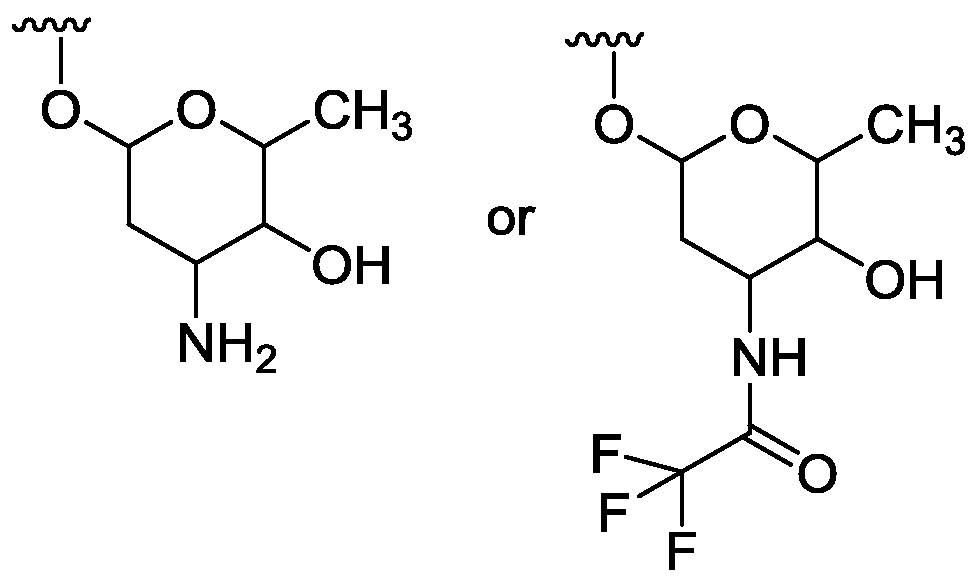
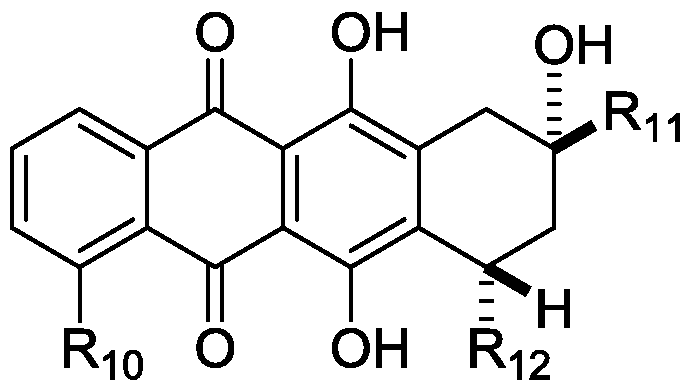
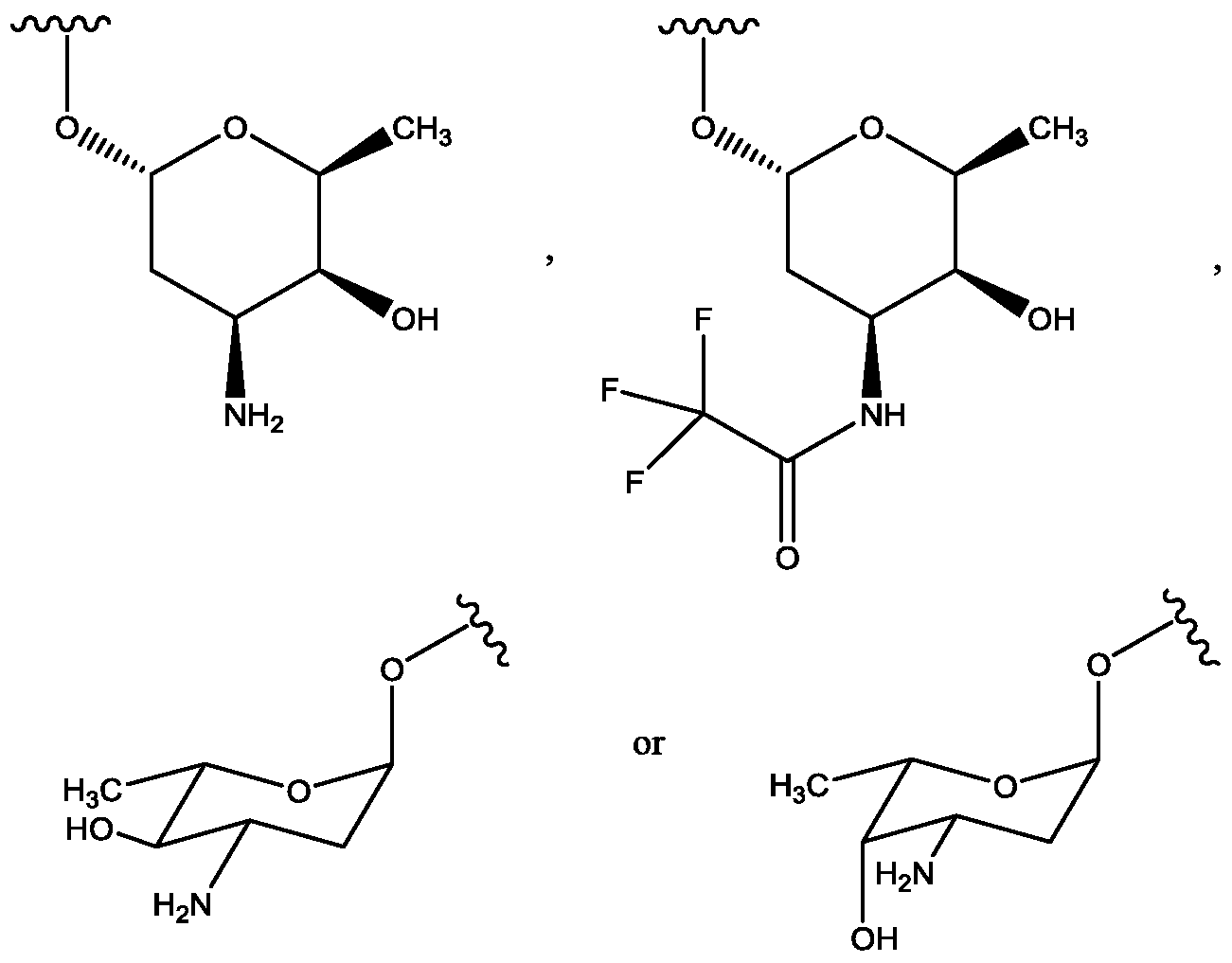
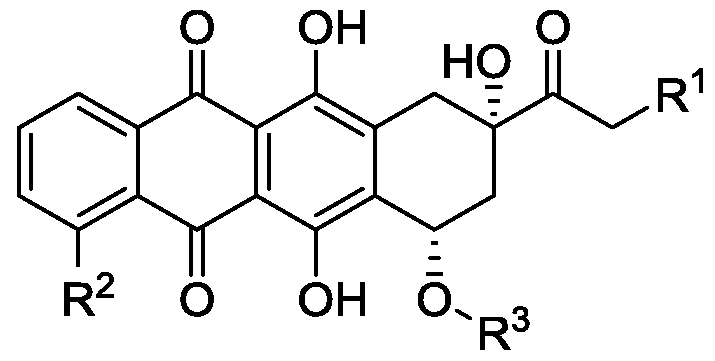


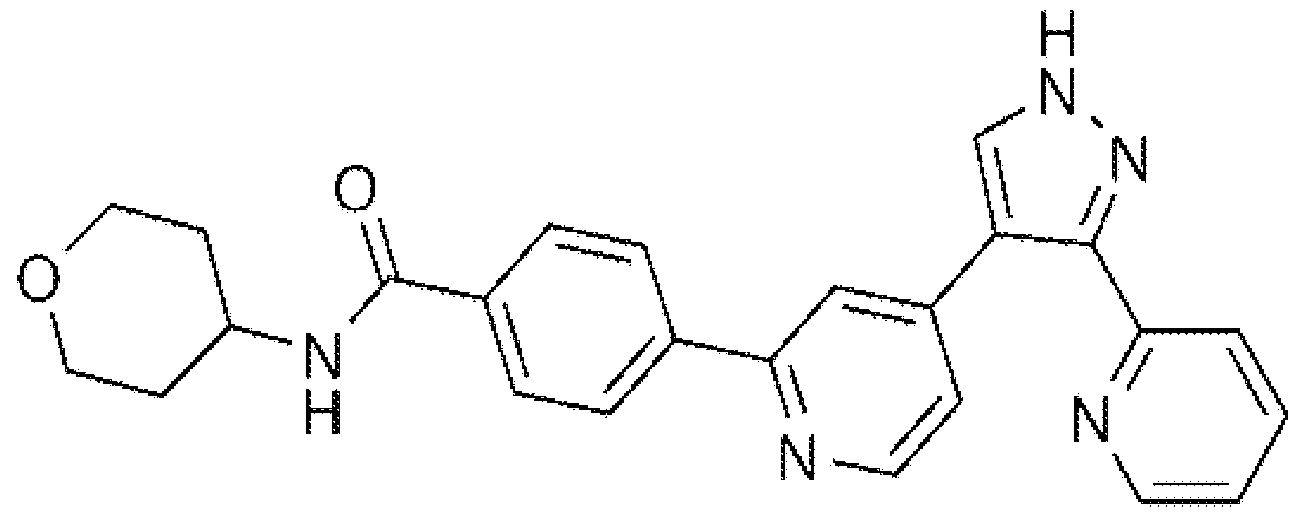
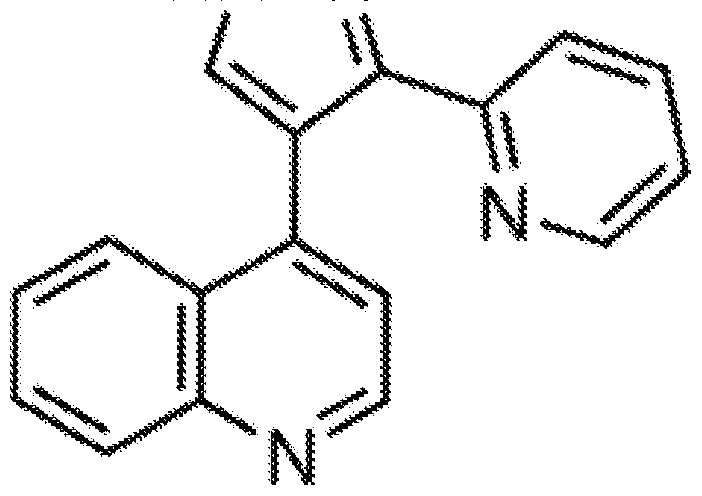


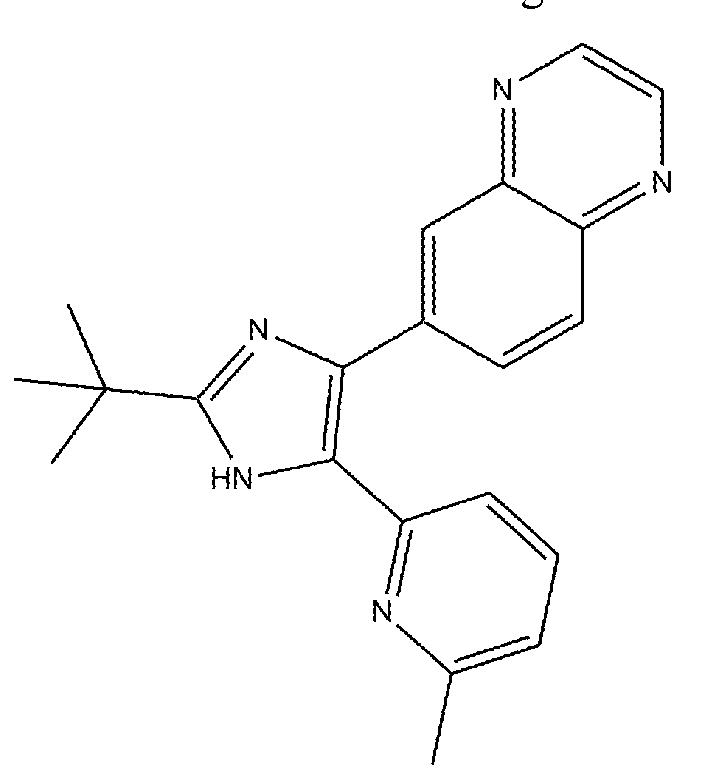
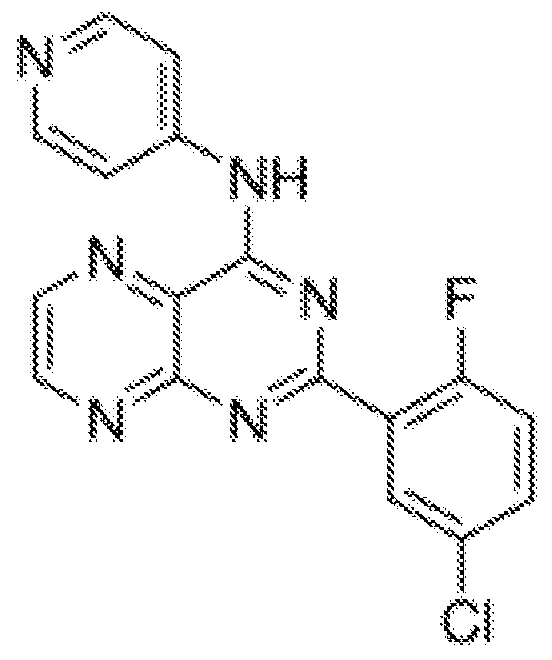





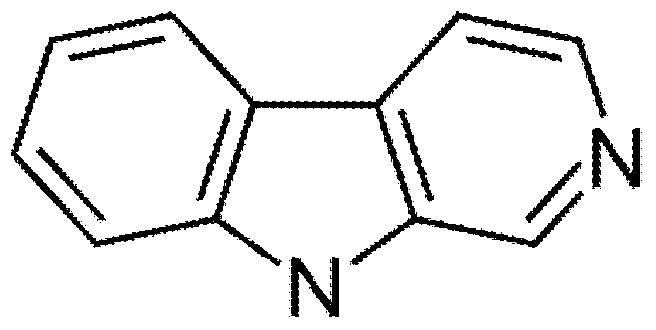
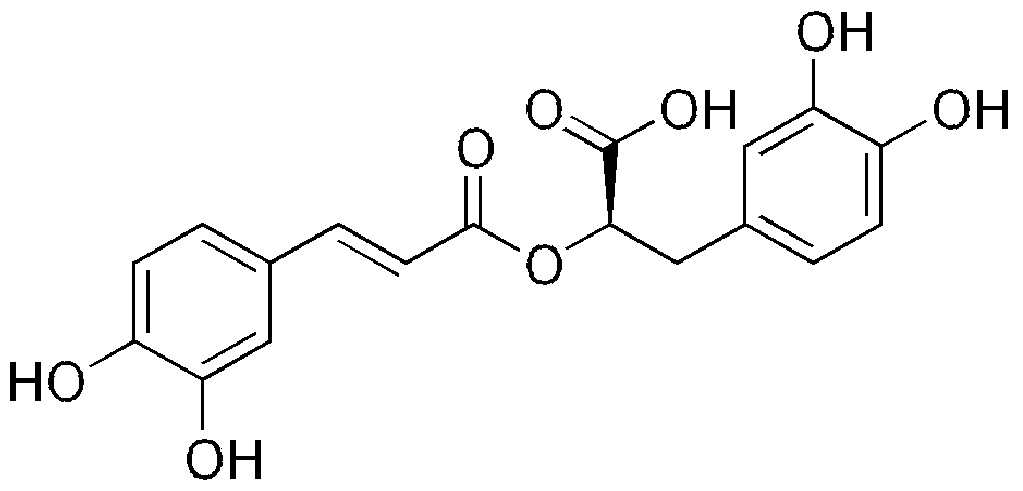


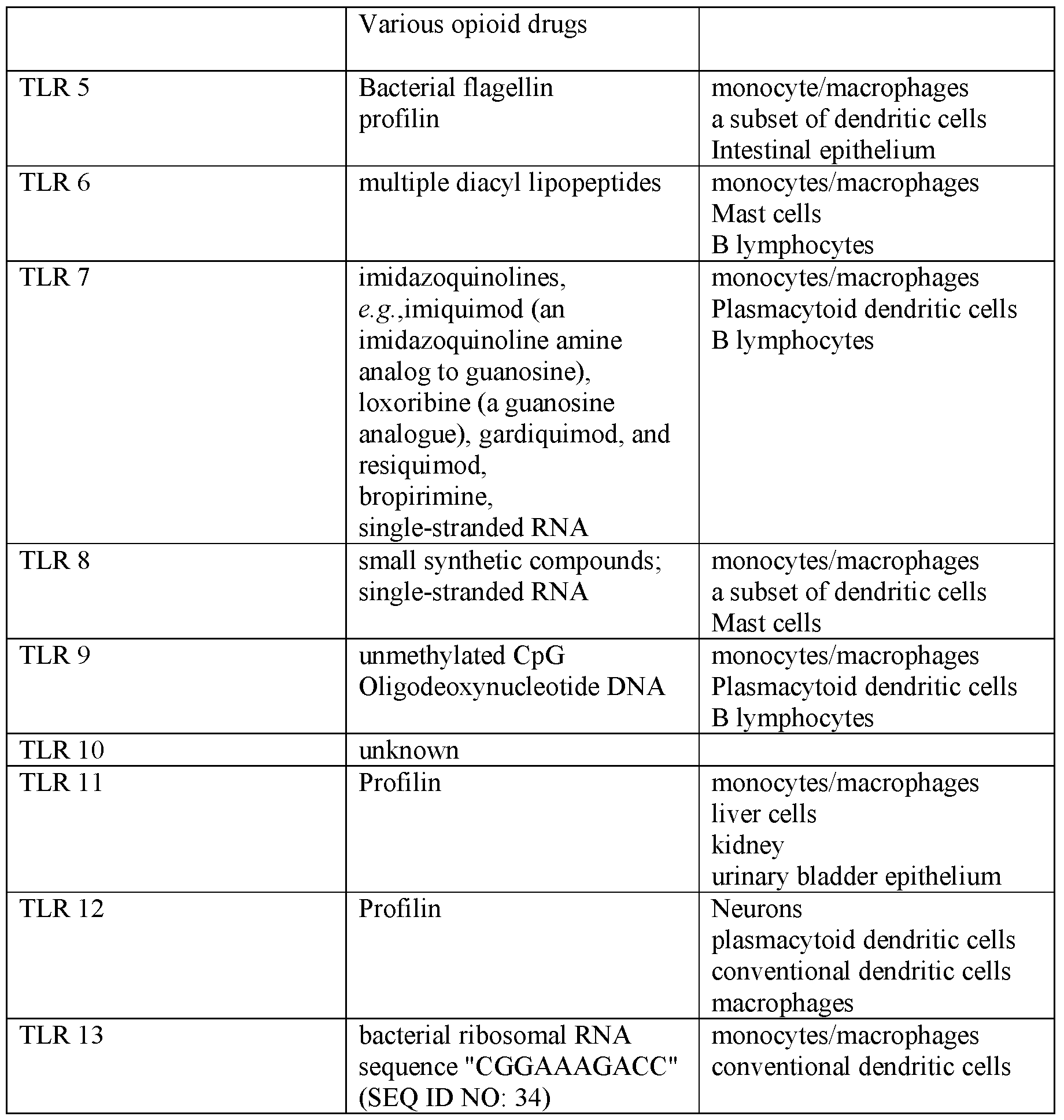
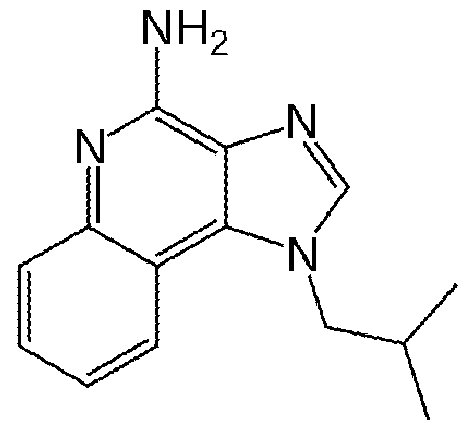
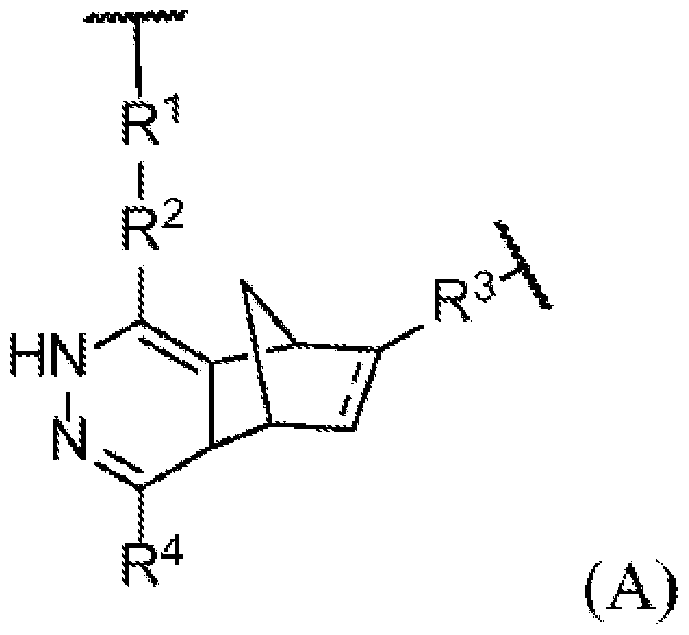


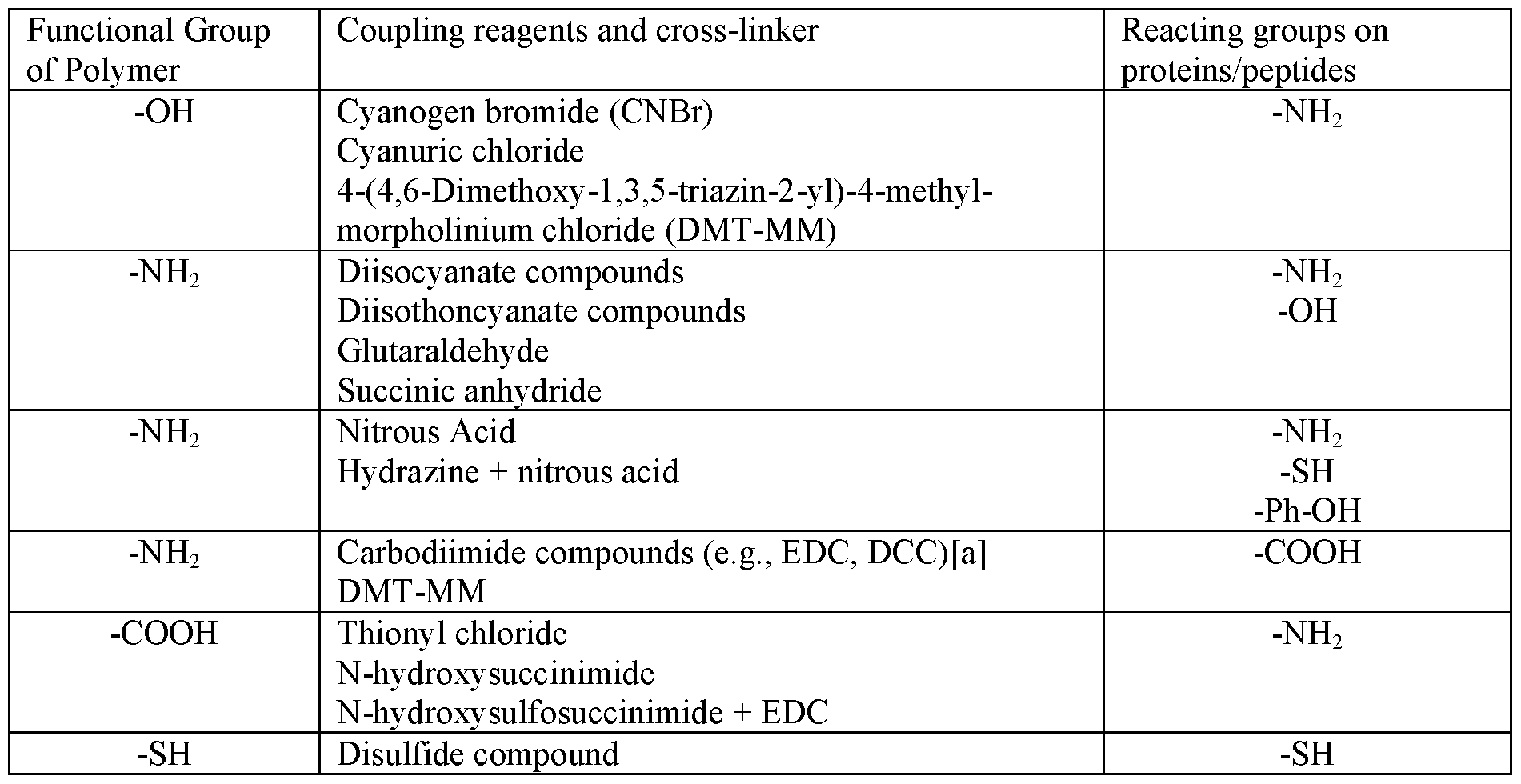
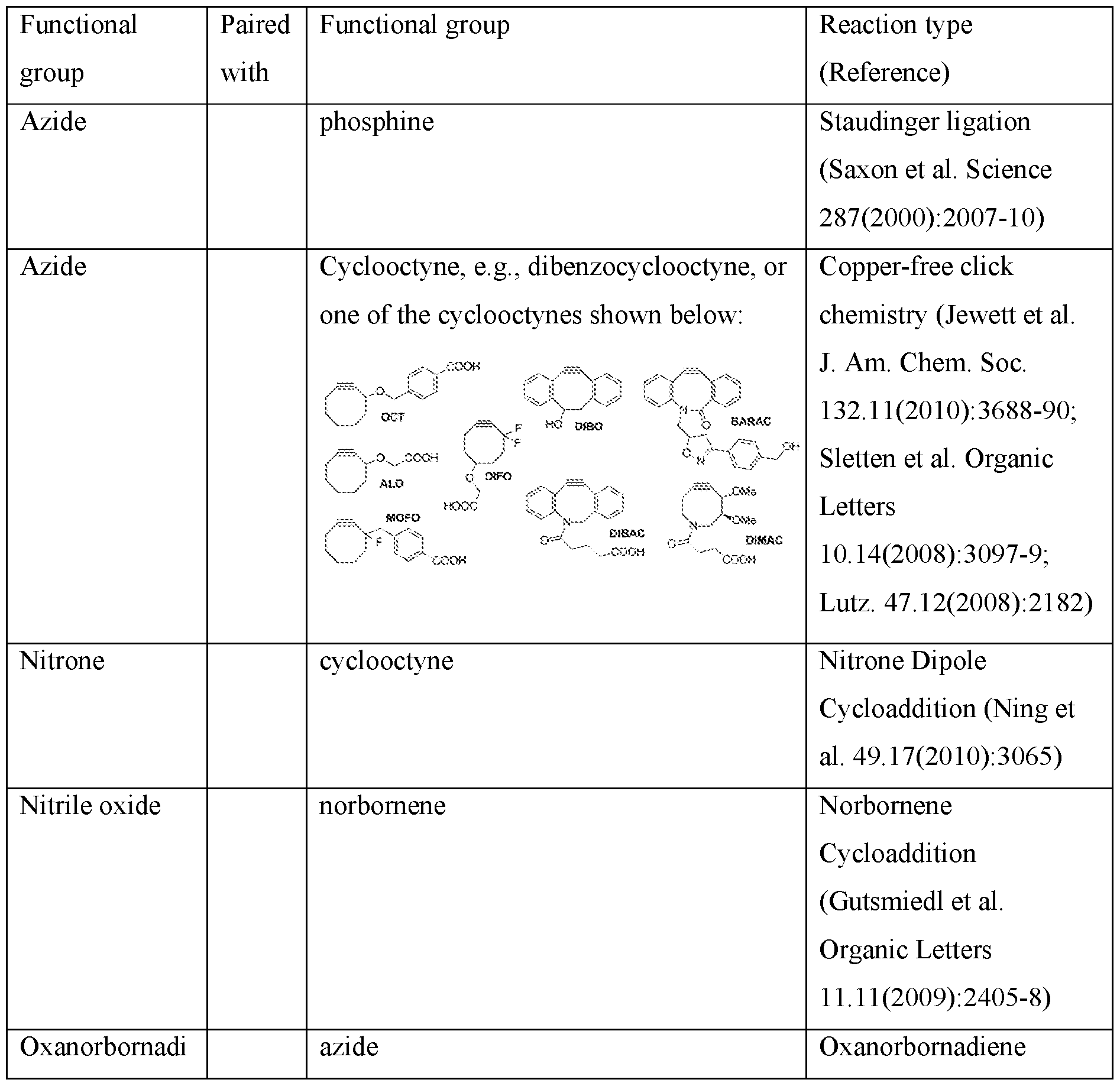
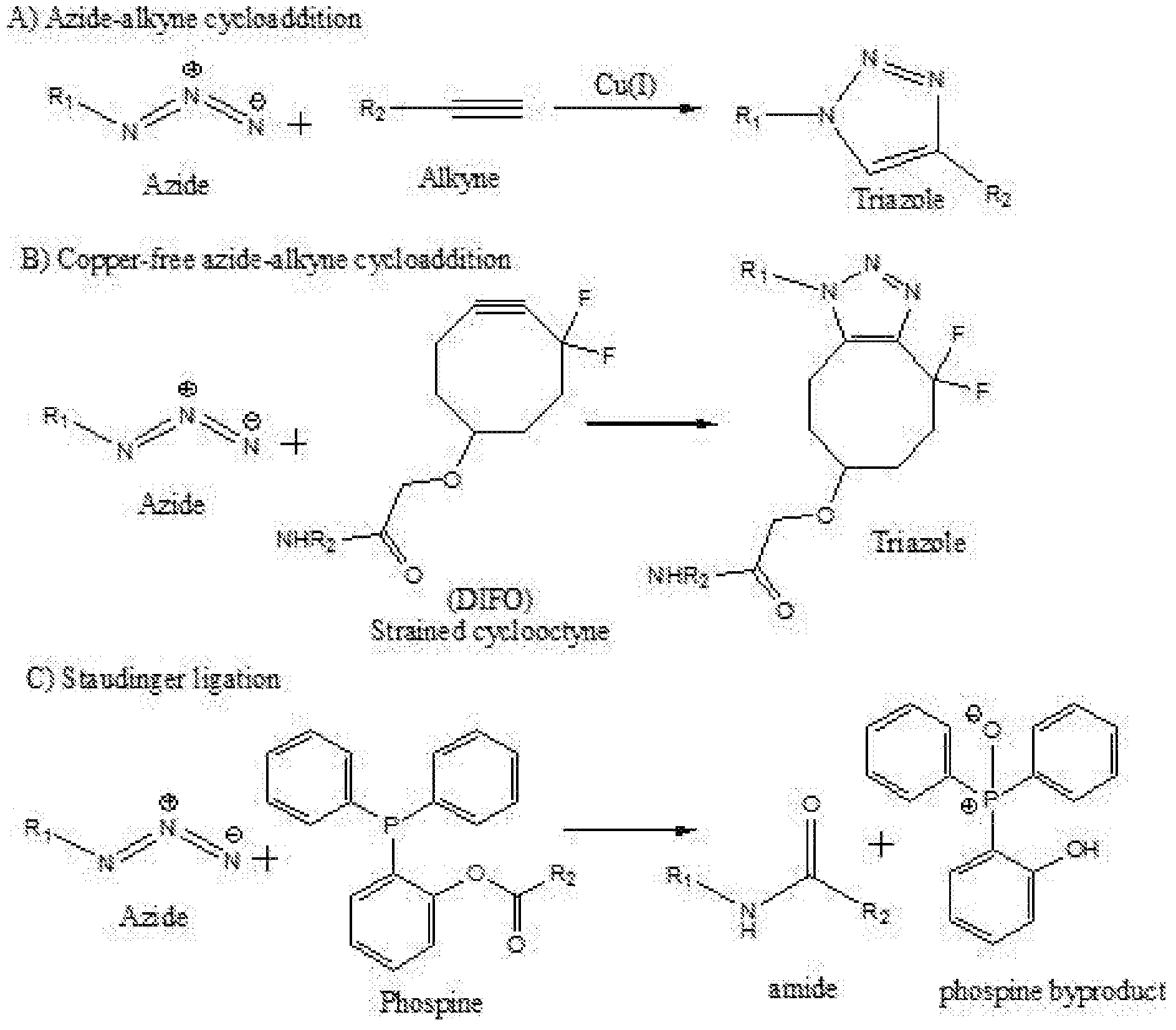
Claims
Priority Applications (10)
| Application Number | Priority Date | Filing Date | Title |
|---|---|---|---|
| KR1020197005686A KR102638898B1 (en) | 2016-08-02 | 2017-08-02 | Biomaterials for modulating immune responses |
| CA3032505A CA3032505A1 (en) | 2016-08-02 | 2017-08-02 | Biomaterials for modulating immune responses |
| EP17837583.8A EP3493842A4 (en) | 2016-08-02 | 2017-08-02 | BIOMATERIALS FOR MODULATING IMMUNE REACTIONS |
| JP2019505150A JP7274214B2 (en) | 2016-08-02 | 2017-08-02 | Biomaterials for modulating immune responses |
| CN201780061342.6A CN110418651A (en) | 2016-08-02 | 2017-08-02 | For adjusting the biomaterial of immune response |
| AU2017305345A AU2017305345B2 (en) | 2016-08-02 | 2017-08-02 | Biomaterials for modulating immune responses |
| RU2019105757A RU2770060C2 (en) | 2016-08-02 | 2017-08-02 | Biological materials for modulating immune responses |
| IL264557A IL264557B2 (en) | 2016-08-02 | 2017-08-02 | Biomaterials for modulating immune responses |
| US16/263,098 US12274744B2 (en) | 2016-08-02 | 2019-01-31 | Biomaterials for modulating immune responses |
| JP2022149147A JP2022174273A (en) | 2016-08-02 | 2022-09-20 | Biomaterials for modulating immune responses |
Applications Claiming Priority (6)
| Application Number | Priority Date | Filing Date | Title |
|---|---|---|---|
| US201662370211P | 2016-08-02 | 2016-08-02 | |
| US62/370,211 | 2016-08-02 | ||
| US201762460652P | 2017-02-17 | 2017-02-17 | |
| US62/460,652 | 2017-02-17 | ||
| US201762473699P | 2017-03-20 | 2017-03-20 | |
| US62/473,699 | 2017-03-20 |
Related Child Applications (1)
| Application Number | Title | Priority Date | Filing Date |
|---|---|---|---|
| US16/263,098 Continuation US12274744B2 (en) | 2016-08-02 | 2019-01-31 | Biomaterials for modulating immune responses |
Publications (1)
| Publication Number | Publication Date |
|---|---|
| WO2018026884A1 true WO2018026884A1 (en) | 2018-02-08 |
Family
ID=61073271
Family Applications (1)
| Application Number | Title | Priority Date | Filing Date |
|---|---|---|---|
| PCT/US2017/045022 Ceased WO2018026884A1 (en) | 2016-08-02 | 2017-08-02 | Biomaterials for modulating immune responses |
Country Status (10)
| Country | Link |
|---|---|
| US (1) | US12274744B2 (en) |
| EP (1) | EP3493842A4 (en) |
| JP (2) | JP7274214B2 (en) |
| KR (1) | KR102638898B1 (en) |
| CN (1) | CN110418651A (en) |
| AU (1) | AU2017305345B2 (en) |
| CA (1) | CA3032505A1 (en) |
| IL (1) | IL264557B2 (en) |
| RU (1) | RU2770060C2 (en) |
| WO (1) | WO2018026884A1 (en) |
Cited By (16)
| Publication number | Priority date | Publication date | Assignee | Title |
|---|---|---|---|---|
| US20170246281A1 (en) * | 2016-02-16 | 2017-08-31 | President And Fellows Of Harvard College | Pathogen vaccines and methods of producing and using the same |
| WO2019173391A1 (en) * | 2018-03-06 | 2019-09-12 | Rita Elena Serda | A high capacity platform for immunogenic cancer cell death |
| US10682400B2 (en) | 2014-04-30 | 2020-06-16 | President And Fellows Of Harvard College | Combination vaccine devices and methods of killing cancer cells |
| US11096997B2 (en) | 2005-12-13 | 2021-08-24 | President And Fellows Of Harvard College | Scaffolds for cell transplantation |
| US11150242B2 (en) | 2015-04-10 | 2021-10-19 | President And Fellows Of Harvard College | Immune cell trapping devices and methods for making and using the same |
| US11202759B2 (en) | 2010-10-06 | 2021-12-21 | President And Fellows Of Harvard College | Injectable, pore-forming hydrogels for materials-based cell therapies |
| US11278604B2 (en) | 2012-04-16 | 2022-03-22 | President And Fellows Of Harvard College | Mesoporous silica compositions comprising inflammatory cytokines comprising inflammatory cytokines for modulating immune responses |
| US11555177B2 (en) | 2016-07-13 | 2023-01-17 | President And Fellows Of Harvard College | Antigen-presenting cell-mimetic scaffolds and methods for making and using the same |
| AU2019370892B2 (en) * | 2018-11-01 | 2023-04-27 | Alpha Tau Medical Ltd. | Intratumoral alpha-emitter radiation and activation of cytoplasmatic sensors for intracellular pathogen |
| US11752238B2 (en) | 2016-02-06 | 2023-09-12 | President And Fellows Of Harvard College | Recapitulating the hematopoietic niche to reconstitute immunity |
| US11786457B2 (en) | 2015-01-30 | 2023-10-17 | President And Fellows Of Harvard College | Peritumoral and intratumoral materials for cancer therapy |
| WO2024148364A1 (en) * | 2023-01-08 | 2024-07-11 | Attivare Therapeutics Inc. | Intertumoral and intratumoral delivery of cytokines using mesoporous silica rods as an immunomodulating system |
| US12258430B2 (en) | 2018-09-19 | 2025-03-25 | President And Fellows Of Harvard College | Compositions and methods for labeling and modulation of cells in vitro and in vivo |
| US12274744B2 (en) | 2016-08-02 | 2025-04-15 | President And Fellows Of Harvard College | Biomaterials for modulating immune responses |
| US12427118B2 (en) | 2011-04-28 | 2025-09-30 | President And Fellows Of Harvard College | Injectable cryogel vaccine devices and methods of use thereof |
| US12514865B2 (en) | 2019-09-23 | 2026-01-06 | President And Fellows Of Harvard College | Biomaterial-based antigen free vaccine and the use thereof |
Families Citing this family (13)
| Publication number | Priority date | Publication date | Assignee | Title |
|---|---|---|---|---|
| WO2020257423A1 (en) * | 2019-06-21 | 2020-12-24 | North Carolina State University | In situ recruitment, reprogramming, and release of car-t cells |
| WO2021055658A1 (en) * | 2019-09-18 | 2021-03-25 | The Regents Of The University Of California | Implanimplantable scaffolds and uses thereof for immunotherapy other uses |
| WO2021055697A2 (en) * | 2019-09-18 | 2021-03-25 | The Regents Of The University Of California | Immunoactive microparticles and uses thereof |
| US20230172971A1 (en) * | 2020-05-01 | 2023-06-08 | The Board Of Regents Of The University Of Oklahoma | Antibiotic and anti-inflammatory compositions and methods of use |
| US20210353743A1 (en) * | 2020-05-15 | 2021-11-18 | Northeastern University Center for Research Innovation, Northeastern Univ. | Biomaterial-based covid-19 vaccine |
| CN111562389A (en) * | 2020-05-19 | 2020-08-21 | 重庆宏道拓土科技有限公司 | Composite material constituting "docking station" of blood glucose meter, preparation method and application thereof |
| US20240226256A1 (en) * | 2021-05-19 | 2024-07-11 | Queen's University At Kingston | Combination Therapy Tumour Cell Vaccine |
| CN113413462B (en) * | 2021-06-23 | 2022-07-12 | 中国科学院上海硅酸盐研究所 | Nano material for simulating natural killer cells to efficiently treat intracellular bacteria and preparation method and application thereof |
| CN113341162B (en) * | 2021-07-15 | 2024-08-06 | 张存泰 | Molecular marker lumican protein for diagnosing vascular aging |
| CN115747331B (en) * | 2022-09-22 | 2023-08-25 | 中山大学肿瘤防治中心(中山大学附属肿瘤医院、中山大学肿瘤研究所) | Three-level lymphoid structure component marker combination, system and application for predicting nasopharyngeal carcinoma prognosis |
| WO2025090756A2 (en) * | 2023-10-24 | 2025-05-01 | Attivare Therapeutics Inc. | Method of use of mesoporous silica rods for treating cancer |
| WO2025166113A1 (en) * | 2024-02-01 | 2025-08-07 | Fred Hutchinson Cancer Center | Cell-free implants for in vivo recruitment, activation, and reprogramming of immune cells |
| CN119770668B (en) * | 2024-12-31 | 2025-10-24 | 浙江大学 | Targeting system based on bioorthogonal click chemistry reaction and its preparation method and application |
Citations (1)
| Publication number | Priority date | Publication date | Assignee | Title |
|---|---|---|---|---|
| WO2013106852A1 (en) * | 2012-01-13 | 2013-07-18 | President And Fellows Of Harvard College | Controlled delivery of tlr agonists in structural polymeric devices |
Family Cites Families (294)
| Publication number | Priority date | Publication date | Assignee | Title |
|---|---|---|---|---|
| US3773919A (en) | 1969-10-23 | 1973-11-20 | Du Pont | Polylactide-drug mixtures |
| US4465827A (en) | 1978-12-29 | 1984-08-14 | Kureha Kagaku Kogyo Kabushiki Kaisha | Process for preparing high polymeric substance having saccharide side chains |
| US4522811A (en) | 1982-07-08 | 1985-06-11 | Syntex (U.S.A.) Inc. | Serial injection of muramyldipeptides and liposomes enhances the anti-infective activity of muramyldipeptides |
| US4946778A (en) | 1987-09-21 | 1990-08-07 | Genex Corporation | Single polypeptide chain binding molecules |
| US5091513A (en) | 1987-05-21 | 1992-02-25 | Creative Biomolecules, Inc. | Biosynthetic antibody binding sites |
| US5132405A (en) | 1987-05-21 | 1992-07-21 | Creative Biomolecules, Inc. | Biosynthetic antibody binding sites |
| US6352694B1 (en) | 1994-06-03 | 2002-03-05 | Genetics Institute, Inc. | Methods for inducing a population of T cells to proliferate using agents which recognize TCR/CD3 and ligands which stimulate an accessory molecule on the surface of the T cells |
| US5073627A (en) | 1989-08-22 | 1991-12-17 | Immunex Corporation | Fusion proteins comprising GM-CSF and IL-3 |
| GB9206504D0 (en) | 1992-03-25 | 1992-05-06 | Jevco Ltd | Heteromorphic sponges as wound implants |
| CA2178902A1 (en) | 1993-12-14 | 1995-06-22 | Drew Pardoll | Controlled release of pharmaceutically active substances for immunotherapy |
| US5538733A (en) | 1994-07-07 | 1996-07-23 | Willmar Poultry Company, Inc. | Method of priming an immune response in a one-day old animal |
| US6429199B1 (en) | 1994-07-15 | 2002-08-06 | University Of Iowa Research Foundation | Immunostimulatory nucleic acid molecules for activating dendritic cells |
| JP3468773B2 (en) | 1994-07-15 | 2003-11-17 | ザ ユニバーシティ オブ アイオワ リサーチ ファウンデーション | Immunomodulatory oligonucleotide |
| US5625048A (en) | 1994-11-10 | 1997-04-29 | The Regents Of The University Of California | Modified green fluorescent proteins |
| US6329499B1 (en) | 1994-11-18 | 2001-12-11 | Neurocrine Biosciences, Inc. | Methods for treatment of multiple sclerosis using peptide analogues of human myelin basic protein |
| US6251396B1 (en) | 1994-11-18 | 2001-06-26 | Neurocrine Biosciences, Inc. | Methods for treatment of multiple sclerosis using peptide analogs of human myelin basic protein |
| US5891862A (en) | 1996-03-15 | 1999-04-06 | Geltex Pharmaceuticals, Inc. | Polyvalent polymers for the treatment of rotavirus infection |
| US5951976A (en) | 1996-03-28 | 1999-09-14 | Whitenead Institute For Biomedical Research | Opsonin-enhanced cells, and methods of modulating an immune response to an antigen |
| IL118376A0 (en) | 1996-05-22 | 1996-09-12 | Univ Ben Gurion | Polysaccharide sponges for cell culture and transplantation |
| AU3214797A (en) | 1996-05-28 | 1998-01-05 | Regents Of The University Of Michigan, The | Engineering oral tissues |
| US6124128A (en) | 1996-08-16 | 2000-09-26 | The Regents Of The University Of California | Long wavelength engineered fluorescent proteins |
| EP0927196B1 (en) | 1996-09-19 | 2008-11-05 | The Regents Of The University Of Michigan | Polymers containing polysaccharides such as alginates or modified alginates |
| US5863551A (en) | 1996-10-16 | 1999-01-26 | Organogel Canada Ltee | Implantable polymer hydrogel for therapeutic uses |
| GB2318577B (en) | 1996-10-28 | 2000-02-02 | Johnson & Johnson Medical | Solvent dried polysaccharide sponges |
| GB2323282B (en) | 1997-03-17 | 2001-03-07 | Bristol Myers Squibb Co | Improvements relating to hygiene and medical products |
| CA2285329A1 (en) | 1997-03-31 | 1998-10-08 | The Regents Of The University Of Michigan | Open pore biodegradable matrices and process for making them |
| WO1998053768A1 (en) | 1997-05-30 | 1998-12-03 | Osteobiologics, Inc. | Fiber-reinforced, porous, biodegradable implant device |
| DE69836428T2 (en) | 1997-08-21 | 2007-09-27 | Takara Bio Inc., Otsu | Carcinostatic agents |
| DE69917224T2 (en) | 1998-02-23 | 2004-09-09 | Massachusetts Institute Of Technology, Cambridge | BIODEGRADABLE POLYMERS WITH SHAPED MEMORY |
| BR9908466A (en) | 1998-03-02 | 2000-12-05 | Applied Vaccine Technologies C | Process to modulate the immune response, in a mammal, to an antigen, implantable device to modulate an immune response to an antigen, and, processes to obtain immune cells from a mammal, for immunization of a mammal with an antigen, for the production of hybridomas producing human monoclonal antibodies against a pre-selected antigen, to transfect a mammal's immune cells with genetic material, and for the treatment or prophylaxis of a disease or condition caused by an immune response |
| WO1999051259A2 (en) | 1998-04-03 | 1999-10-14 | University Of Iowa Research Foundation | Methods and products for stimulating the immune system using immunotherapeutic oligonucleotides and cytokines |
| AU3552099A (en) | 1998-04-09 | 1999-11-01 | Charlotte-Mecklenburg Hospital Authority | Creation of three-dimensional tissues |
| US7427602B1 (en) | 1998-05-13 | 2008-09-23 | The Regents Of The University Of Michigan | Sustained DNA delivery from structural matrices |
| US7244714B1 (en) | 1998-06-12 | 2007-07-17 | Aradigm Corporation | Methods of delivering aerosolized polynucleotides to the respiratory tract |
| FR2780730B1 (en) | 1998-07-01 | 2000-10-13 | Corneal Ind | INJECTABLE BIPHASIC COMPOSITIONS, ESPECIALLY USEFUL IN RESTORATIVE AND AESTHETIC SURGERIES |
| WO2000006190A1 (en) | 1998-07-30 | 2000-02-10 | The Government Of The United States Of America, As Represented By The Secretary Of Health And Human Services, National Institutes Of Health | THYMOSIN β4 PROMOTES WOUND REPAIR |
| US20030235557A1 (en) | 1998-09-30 | 2003-12-25 | Corixa Corporation | Compositions and methods for WT1 specific immunotherapy |
| CA2346329A1 (en) | 1998-10-09 | 2000-04-20 | Kamal H. Bouhadir | Hydrogels and water soluble polymeric carriers for drug delivery |
| CN100406060C (en) | 1998-10-16 | 2008-07-30 | 史密丝克莱恩比彻姆生物有限公司 | Adjuvant composition |
| GB9823897D0 (en) | 1998-11-02 | 1998-12-30 | Imp College Innovations Ltd | Immunotherapeutic methods and molecules |
| US7109003B2 (en) | 1998-12-23 | 2006-09-19 | Abgenix, Inc. | Methods for expressing and recovering human monoclonal antibodies to CTLA-4 |
| US6974698B1 (en) | 1999-01-15 | 2005-12-13 | The United States Of America As Represented By The Department Of Health And Human Services | Methods for delivering biologically active molecules into cells |
| JP2002537102A (en) | 1999-02-26 | 2002-11-05 | カイロン コーポレイション | Microemulsion with adsorbed polymer and fine particles |
| US6767928B1 (en) | 1999-03-19 | 2004-07-27 | The Regents Of The University Of Michigan | Mineralization and biological modification of biomaterial surfaces |
| DE60003006T2 (en) | 1999-03-19 | 2004-04-01 | The Regents Of The University Of Michigan Technology Management Wolverine Tower, Ann Arbor | MINERALIZATION AND CELLULAR STRUCTURING OF BIOMATERIAL SURFACES |
| ES2395057T3 (en) | 1999-03-25 | 2013-02-07 | Metabolix, Inc. | Medical devices and applications of polyhydroxyalkanoate polymers |
| EP1169378A4 (en) | 1999-04-09 | 2004-06-02 | Univ Michigan | PREPARATION OF PRODUCTS BASED ON HYDROGEL |
| US6306424B1 (en) | 1999-06-30 | 2001-10-23 | Ethicon, Inc. | Foam composite for the repair or regeneration of tissue |
| AU782297B2 (en) | 1999-06-30 | 2005-07-14 | Ethicon Inc. | Porous tissue scaffoldings for the repair or regeneration of tissue |
| US8084258B2 (en) | 1999-07-12 | 2011-12-27 | University Of Basel | Manipulation of tissue of organ type using the notch pathway |
| US6596296B1 (en) | 1999-08-06 | 2003-07-22 | Board Of Regents, The University Of Texas System | Drug releasing biodegradable fiber implant |
| US7015205B1 (en) | 1999-10-18 | 2006-03-21 | St. Vincent's Hospital And Medical Center Of New York | Melanoma vaccine and methods of making and using same |
| WO2001035932A2 (en) | 1999-11-18 | 2001-05-25 | The Regents Of The University Of Michigan | Sustained drug delivery from structural matrices |
| US6682754B2 (en) | 1999-11-24 | 2004-01-27 | Willmar Poultry Company, Inc. | Ovo delivery of an immunogen containing implant |
| US6790840B1 (en) | 1999-11-26 | 2004-09-14 | The Regents Of The University Of Michigan | Reversibly cross-linked hydrogels |
| US20020098167A1 (en) | 2000-07-31 | 2002-07-25 | Piero Anversa | Methods and compositions for the repair and/or regeneration of damaged myocardium |
| WO2002016557A2 (en) | 2000-08-21 | 2002-02-28 | Rice University | Tissue engineering scaffolds promoting matrix protein production |
| AU8843701A (en) | 2000-09-09 | 2002-03-22 | Univ New York State Res Found | Method and compositions for isolating metastatic cancer cells, and use in measuring metastatic potential of a cancer thereof |
| US6748954B2 (en) | 2000-10-27 | 2004-06-15 | The Regents Of The University Of Michigan | Drug release from polymer matrices through mechanical stimulation |
| AU2002212739A1 (en) | 2000-11-14 | 2002-05-27 | Osteogenesis Co., Ltd. | Compositions for forming bone or periodontium and injections for forming bone orperiodontium |
| WO2002041913A1 (en) | 2000-11-27 | 2002-05-30 | Jens Christian Jensenius | Collectins as adjuvants |
| US8554940B2 (en) | 2001-01-19 | 2013-10-08 | Single Touch Interactive, Inc. | System and method for routing media |
| CA2434320A1 (en) | 2001-01-24 | 2002-08-01 | Schering Corporation | Chemokines as adjuvants of immune response |
| US7029697B2 (en) | 2001-02-14 | 2006-04-18 | Northwestern University | Controlled surface-associated delivery of genes and oligonucleotides |
| EP1372418A4 (en) | 2001-02-26 | 2006-01-25 | Univ | Non-oligomerizing tandem fluorescent proteins |
| US20020131953A1 (en) | 2001-03-14 | 2002-09-19 | Ut Southwestern Medical Center | In situ langerhans cell vaccine |
| JP2002263981A (en) | 2001-03-14 | 2002-09-17 | Murata Mach Ltd | Suction control device for plate suction-lifting device |
| US6656488B2 (en) | 2001-04-11 | 2003-12-02 | Ethicon Endo-Surgery, Inc. | Bioabsorbable bag containing bioabsorbable materials of different bioabsorption rates for tissue engineering |
| EP1390076A4 (en) | 2001-04-27 | 2004-12-15 | Xcyte Therapies Inc | MATURATION OF CELLS PRESENTING ANTIGENS USING T ACTIVE LYMPHOCYTES |
| WO2002092054A2 (en) | 2001-05-11 | 2002-11-21 | Ortho-Mcneil Pharmaceutical, Inc. | Immune modulation device for use in animals |
| US20030118630A1 (en) | 2001-12-07 | 2003-06-26 | Anthony Cerami | Immune modulation device for use in animals |
| EP1407261A4 (en) | 2001-06-13 | 2006-11-22 | Massachusetts Inst Technology | IN VIVO BIOREACTORS |
| US7297343B2 (en) | 2001-07-31 | 2007-11-20 | Biosurface Engineering Technologies, Inc. | Bioactive medical films |
| US7354909B2 (en) | 2001-08-14 | 2008-04-08 | The United States Of America As Represented By Secretary Of The Department Of Health And Human Services | Method for rapid generation of mature dendritic cells |
| CA2412012C (en) | 2001-11-20 | 2011-08-02 | Ed. Geistlich Soehne Ag Fuer Chemische Industrie | Resorbable extracellular matrix containing collagen i and collagen ii for reconstruction of cartilage |
| CA2471994A1 (en) | 2001-12-31 | 2003-07-17 | Ares Laboratories, Llc | Hemostatic compositions and methods for controlling bleeding |
| US7575759B2 (en) | 2002-01-02 | 2009-08-18 | The Regents Of The University Of Michigan | Tissue engineering scaffolds |
| WO2003070291A1 (en) | 2002-02-19 | 2003-08-28 | National Institute Of Advanced Industrial Science And Technology | Implant containing cells having growhfactor gene transferred thereinto |
| US20070026518A1 (en) | 2005-03-29 | 2007-02-01 | The Regents Of The University Of California | Controlling stem cell destiny with tunable matrices |
| US20080233181A1 (en) | 2002-04-12 | 2008-09-25 | Nagy Jon O | Nanoparticle adjuvants for sub-unit vaccines |
| US6811777B2 (en) | 2002-04-13 | 2004-11-02 | Allan Mishra | Compositions and minimally invasive methods for treating incomplete connective tissue repair |
| EP1497424A1 (en) | 2002-04-22 | 2005-01-19 | Bioniche Life Sciences Inc. | Oligonucleotide compositions and their use for the modulation of immune responses |
| WO2003089506A1 (en) | 2002-04-22 | 2003-10-30 | Purdue Research Foundation | Hydrogels having enhanced elasticity and mechanical strength properties |
| WO2003096972A2 (en) | 2002-05-13 | 2003-11-27 | Massachusetts Institute Of Technology | Angiogenesis and cardiac tissue engineering with peptide hydrogels and related compositions and methods of use thereof |
| AUPS312602A0 (en) | 2002-06-21 | 2002-07-18 | James Cook University | Organ arrest, protection, preservation and recovery |
| US7332160B2 (en) | 2002-07-12 | 2008-02-19 | Boston Scientific Scimed, Inc. | Medical device and method for tissue removal and repair |
| DK2261249T3 (en) | 2002-09-12 | 2015-02-16 | Oncotherapy Science Inc | KDR peptides and vaccines comprising the same |
| US20040136968A1 (en) | 2002-09-27 | 2004-07-15 | Verigen Ag | Autologous cells on a support matrix for tissue repair |
| US20040063206A1 (en) | 2002-09-30 | 2004-04-01 | Rowley Jon A. | Programmable scaffold and method for making and using the same |
| WO2004030706A2 (en) | 2002-10-01 | 2004-04-15 | Law Peter K | Bioactive implants |
| JP2004159849A (en) | 2002-11-12 | 2004-06-10 | National Institute Of Advanced Industrial & Technology | Cell-adhesive bioabsorbable material, artificial blood vessel and method for producing them |
| JP4511943B2 (en) | 2002-12-23 | 2010-07-28 | ワイス エルエルシー | Antibody against PD-1 and use thereof |
| US8940292B2 (en) | 2003-01-28 | 2015-01-27 | Wake Forest University Health Sciences | Enhancement of angiogenesis to grafts using cells engineered to produce growth factors |
| SE0301109D0 (en) | 2003-04-14 | 2003-04-14 | Mallen Huang | Nucleotide vaccine composition |
| CA2524356C (en) | 2003-05-05 | 2015-03-10 | Smadar Cohen | Injectable cross-linked polymeric preparations and uses thereof |
| EP1475434A1 (en) | 2003-05-09 | 2004-11-10 | Oncoscience AG | Method for storing tumor cells |
| EP1641424A4 (en) | 2003-07-09 | 2007-05-02 | Vaxdesign Corp | Programmed immune responses using a vaccination node |
| US20060264380A1 (en) | 2003-07-21 | 2006-11-23 | Mats Hellstrom | Compounds and Methods for Promoting Angiogenesis |
| GB0317999D0 (en) | 2003-07-31 | 2003-09-03 | Univ Liege | Improvements in or relating to drug delivery systems |
| US8247231B2 (en) | 2003-07-31 | 2012-08-21 | Wilson Constance N | Methods and compositions for producing antigenic responses |
| ATE416223T1 (en) | 2003-08-29 | 2008-12-15 | Mayo Foundation | HYDROGEL PORE FORMING AGENT FOR PRODUCING BIODEGRADABLE SCAFFOLDS |
| EP1670509A4 (en) | 2003-09-03 | 2007-10-31 | Dendritherapeutics Inc | Multiplex vaccines |
| GB0321615D0 (en) | 2003-09-15 | 2003-10-15 | Glaxo Group Ltd | Improvements in vaccination |
| EP1682159A4 (en) | 2003-10-16 | 2010-07-21 | Stephen John Ralph | IMMUNOMODULATORY COMPOSITIONS AND USES THEREOF |
| US8162925B2 (en) | 2003-11-07 | 2012-04-24 | Carnegie Mellon University | Robot for minimally invasive interventions |
| CA2448995A1 (en) | 2003-11-12 | 2005-05-12 | James Keenan | Device and method for attracting diseased cells and foreign substances |
| JP2005160669A (en) | 2003-12-02 | 2005-06-23 | Olympus Corp | Manufacturing method of biological tissue prosthesis |
| US20080279812A1 (en) | 2003-12-05 | 2008-11-13 | Norwood Immunology, Ltd. | Disease Prevention and Vaccination Prior to Thymic Reactivation |
| JP2005170816A (en) | 2003-12-09 | 2005-06-30 | Naoki Ishiguro | Material for restoring cartilage, and method for producing the same |
| JP2005168760A (en) | 2003-12-10 | 2005-06-30 | Gunze Ltd | Support for regenerative medicine, support for revascularization, support for nerve regeneration and treatment method |
| US20050244505A1 (en) | 2003-12-11 | 2005-11-03 | Higbee Russell G | Immunotherapy compositions, method of making and method of use thereof |
| US11395865B2 (en) | 2004-02-09 | 2022-07-26 | DePuy Synthes Products, Inc. | Scaffolds with viable tissue |
| US7192693B2 (en) | 2004-02-24 | 2007-03-20 | University Of Washington | Methods for photopatterning hydrogels |
| US7592326B2 (en) | 2004-03-15 | 2009-09-22 | Karaolis David K R | Method for stimulating the immune, inflammatory or neuroprotective response |
| JP4887284B2 (en) | 2004-03-15 | 2012-02-29 | デイビッド・ケイ・アール・カラオリス | Methods for inhibiting the growth of cancer cells or increasing apoptosis of cancer cells |
| JP5795699B2 (en) | 2004-04-28 | 2015-10-14 | サノフィ パスツール ヴァックスデザイン コーポレーション | Artificial immune system: production and use |
| AU2005326144A1 (en) | 2004-06-08 | 2006-08-03 | Coley Pharmaceutical Gmbh | Abasic oligonucleotide as carrier platform for antigen and immunostimulatory agonist and antagonist |
| US8080245B2 (en) | 2004-08-04 | 2011-12-20 | University Of Massachusetts | Anti-pathogen immunoadhesins |
| CA2589602A1 (en) | 2004-09-01 | 2006-04-13 | Genvec, Inc. | Adenoviral vectors able to transduce apcs, potential use in immune response generation |
| MX2007004261A (en) | 2004-10-12 | 2007-06-18 | Fmc Biopolymer As | Self-gelling alginate systems and uses thereof. |
| US7235592B2 (en) | 2004-10-12 | 2007-06-26 | Zimmer Gmbh | PVA hydrogel |
| US7999161B2 (en) | 2005-01-22 | 2011-08-16 | Alexander Oraevsky | Laser-activated nanothermolysis of cells |
| US7569850B2 (en) | 2005-01-24 | 2009-08-04 | Lawrence Livermore National Security, Llc | Lipid bilayers on nano-templates |
| JP5199866B2 (en) | 2005-03-23 | 2013-05-15 | メイヨ フオンデーシヨン フオー メデイカル エジユケーシヨン アンド リサーチ | Photocrosslinkable oligo (poly (ethylene glycol) fumarate) hydrogels for cell and drug delivery |
| EP1712238A1 (en) | 2005-04-11 | 2006-10-18 | Institut Gustave Roussy | Anthracyclin induced immunogenic dead or dying cells composition |
| US20070003595A1 (en) | 2005-04-19 | 2007-01-04 | Shaopeng Wang | Three dimensional micro-environments and methods of making and using same |
| US8828433B2 (en) | 2005-04-19 | 2014-09-09 | Advanced Cardiovascular Systems, Inc. | Hydrogel bioscaffoldings and biomedical device coatings |
| US7976852B2 (en) | 2005-04-26 | 2011-07-12 | Eisai R&D Management Co., Ltd. | Compositions and methods for cancer immunotherapy |
| WO2006119619A1 (en) | 2005-05-06 | 2006-11-16 | Replicor Inc. | Oligonucleotides inhibiting cell proliferation |
| ITPI20050071A1 (en) | 2005-06-20 | 2006-12-21 | Giuseppe Calvosa | COMPOUND COMPOSITION FOR FABRIC REPLACEMENT / REGENERATION |
| US7645742B2 (en) | 2005-06-22 | 2010-01-12 | Advocare International, L.P. | Composition for enhancing cellular energy |
| CN1302050C (en) | 2005-07-07 | 2007-02-28 | 复旦大学 | Interpenetrating network polymer type super porous aquogel, its prepn. method and application |
| WO2007022188A2 (en) | 2005-08-15 | 2007-02-22 | New York Society For The Relief Of The Ruptured And Crippled Maintaining The Hospital For Special Surgery | A porous non-biodegradable hydrogel admixed with a chemoattractant for tissue replacement |
| BRPI0503817A (en) | 2005-09-12 | 2007-05-15 | Cristalia Prod Quimicos Farm | immunogenic complex formed by nanostructured silica mesoporous encapsulated vaccine antigens |
| SG165418A1 (en) | 2005-09-23 | 2010-10-28 | Cellerix Sl | Cell populations having immunoregulatory activity, method for isolation and uses |
| WO2007041190A2 (en) | 2005-09-30 | 2007-04-12 | The University Of Iowa Research Foundation | Polymer-based delivery system for immunotherapy of cancer |
| JP2009511034A (en) | 2005-10-12 | 2009-03-19 | キャンサー・リサーチ・テクノロジー・リミテッド | Methods and compositions for treating immune disorders |
| US8029575B2 (en) | 2005-10-25 | 2011-10-04 | Globus Medical, Inc. | Porous and nonporous materials for tissue grafting and repair |
| US20070116680A1 (en) | 2005-11-18 | 2007-05-24 | Rensselaer Polytechnic Institute | Stem cells within gel microenvironments |
| CN101316611B (en) | 2005-11-29 | 2017-05-03 | 英特瑞克斯顿阿克图比奥帝克斯有限公司 | Induction of mucosal tolerance to antigens |
| KR100687281B1 (en) | 2005-11-30 | 2007-02-27 | 한국과학기술연구원 | Injection-type temperature sensitive pluronic derivative hydrogel for tissue regeneration incorporating a physiologically active substance and its preparation method |
| ES2419106T3 (en) | 2005-12-01 | 2013-08-19 | Pronai Therapeutics, Inc. | Amphoteric liposome formulation |
| ATE534415T1 (en) | 2005-12-13 | 2011-12-15 | Harvard College | SCAFFOLDS FOR CELL TRANSPLANTATION |
| AU2014200405B2 (en) | 2005-12-13 | 2015-09-03 | President And Fellows Of Harvard College | Scaffolds for cell transplantation |
| AU2015264807A1 (en) | 2005-12-13 | 2015-12-17 | President And Fellows Of Harvard College | Scaffolds for Cell Transplantation |
| CN101330934B (en) | 2005-12-14 | 2013-03-20 | Scil技术有限公司 | A moldable biomaterial for bone regeneration, its preparation method and use |
| EP1806395A1 (en) | 2006-01-06 | 2007-07-11 | Stichting Sanquin Bloedvoorziening | Maturation of dendritic cells |
| US7615556B2 (en) | 2006-01-27 | 2009-11-10 | Bristol-Myers Squibb Company | Piperazinyl derivatives as modulators of chemokine receptor activity |
| US20070178159A1 (en) | 2006-01-30 | 2007-08-02 | Alza Corporation | In-Situ Forming Porous Scaffold |
| JP2009525341A (en) | 2006-01-31 | 2009-07-09 | メディバス エルエルシー | Vaccine delivery compositions and methods of use |
| US20100015709A1 (en) | 2006-02-10 | 2010-01-21 | Trustees Of The University Of Pennsylvania | Regulating Stem Cell Differentiation By Controlling 2D and 3D Matrix Elasticity |
| US20090041825A1 (en) | 2006-02-10 | 2009-02-12 | Kotov Nicholas A | Cell culture well-plates having inverted colloidal crystal scaffolds |
| US20070190646A1 (en) | 2006-02-10 | 2007-08-16 | The Trustees Of The University Of Pennsylvania | Regulating stem cell differentiation by controlling matrix elasticity |
| EP1988938A4 (en) | 2006-02-27 | 2011-09-28 | Agency Science Tech & Res | HARDENABLE BONE CEMENT |
| US9456860B2 (en) | 2006-03-14 | 2016-10-04 | Kci Licensing, Inc. | Bioresorbable foaming tissue dressing |
| GB0605521D0 (en) | 2006-03-18 | 2006-04-26 | Isis Innovation | Adjuvant |
| US20090297579A1 (en) | 2006-06-01 | 2009-12-03 | Massachusetts Institute Of Technology | Control of Cells and Cell Multipotentiality in Three Dimensional Matrices |
| US20080069801A1 (en) | 2006-06-13 | 2008-03-20 | Lee Randall J | Methods and apparatus for using polymer-based beads and hydrogels for cardiac applications |
| US20070298067A1 (en) | 2006-06-22 | 2007-12-27 | Boston Scientific Scimed, Inc. | Control release drug coating for medical devices |
| CA2690973A1 (en) | 2006-06-23 | 2007-12-27 | Paul M. Simon | Targeted immune conjugates |
| US8535719B2 (en) | 2006-07-07 | 2013-09-17 | University Of Pittsburgh - Of The Commonwealth System Of Higher Education | Biohybrid elastomeric scaffolds and methods of use thereof |
| US7993918B2 (en) | 2006-08-04 | 2011-08-09 | Anthrogenesis Corporation | Tumor suppression using placental stem cells |
| KR100802139B1 (en) | 2006-08-08 | 2008-02-11 | 한국생명공학연구원 | Gold Nanocage Containing Magnetic Nanoparticles |
| KR100818708B1 (en) | 2006-08-18 | 2008-04-01 | 주식회사 하이닉스반도체 | Method of manufacturing semiconductor device including surface cleaning |
| ITMI20061726A1 (en) | 2006-09-11 | 2008-03-12 | Fidia Farmaceutici | CROSSLINKATI DERIVATIVES BASED ON HYALURONIC ACID RETICULATED VIA CLICK CHEMISTRY |
| GB2455041B (en) | 2006-09-21 | 2012-03-07 | Purdue Research Foundation | Collagen preparation and method of isolation |
| CA2702340C (en) | 2006-10-12 | 2014-12-16 | The University Of Queensland | Compositions and methods for modulating immune responses |
| US20080114277A1 (en) | 2006-11-09 | 2008-05-15 | Archel Ambrosio | Porous bioresorbable dressing conformable to a wound and methods of making same |
| US8709464B2 (en) | 2007-01-10 | 2014-04-29 | The Regents Of The University Of Michigan | Porous objects having immobilized encapsulated biomolecules |
| ES2525801T3 (en) | 2007-03-07 | 2014-12-30 | Uti Limited Partnership | Compositions and methods for the prevention and treatment of autoimmune diseases |
| WO2008114149A2 (en) | 2007-03-21 | 2008-09-25 | Id Biomedical Corporation Of Quebec | Chimeric antigens |
| US8501905B2 (en) | 2007-03-22 | 2013-08-06 | The Regents Of The University Of California | Synthetic cell platforms and methods of use thereof |
| EP1975230A1 (en) | 2007-03-30 | 2008-10-01 | Capsulution Nanoscience AG | Method for forming glucose sensing micro-particles, use of micro-particles, and kit |
| CA2699190A1 (en) | 2007-04-19 | 2009-10-30 | University Of Pittsburgh - Of The Commonwealth System Of Higher Education | Use of toll-like receptor-9 agonists, toll-like receptor-4 antagonists, and/or nuclear oligomerization domain-2 agonists for the treatment or prevention of toll-like receptor-4-associated disorders |
| WO2008148761A1 (en) | 2007-06-05 | 2008-12-11 | Novartis Ag | Induction of tolerogenic phenotype in mature dendritic cells |
| EP2167647A2 (en) | 2007-06-13 | 2010-03-31 | La Jolla Institute For Allergy And Immunology | Regulatory t cells and methods of making and using same |
| US9770535B2 (en) | 2007-06-21 | 2017-09-26 | President And Fellows Of Harvard College | Scaffolds for cell collection or elimination |
| DK2173859T3 (en) | 2007-06-29 | 2016-08-22 | Makoto Funaki | Soft-gel systems for the modulation of stem cell development |
| JP2010535248A (en) | 2007-07-31 | 2010-11-18 | ザ ジョンズ ホプキンス ユニバーシティー | Polypeptide-nucleic acid complex for immunological prevention or immunotherapy of neoplastic disorders or infections |
| US9005263B2 (en) | 2007-08-17 | 2015-04-14 | The Invention Science Fund I, Llc | System, devices, and methods including actively-controllable sterilizing excitation delivery implants |
| GB0716264D0 (en) | 2007-08-21 | 2007-09-26 | Isis Innovation | Bilayers |
| US8426179B2 (en) | 2007-08-30 | 2013-04-23 | Northwestern University | Synthetic peptide and peptide conjugates and related tissue coupling methods via transglutaminase enzyme |
| US20090192079A1 (en) | 2007-10-09 | 2009-07-30 | Genzyme Corporation | Prolonged delivery of heparin-binding growth factors from heparin-derivatized collagen |
| DK2222341T3 (en) | 2007-11-21 | 2015-03-09 | Univ Georgia | AND METHODS alkynes of reacting alkynes of 1,3-dipole FUNCTIONAL COMPOUNDS |
| KR100900837B1 (en) | 2007-12-07 | 2009-06-04 | (주)두비엘 | Potent vaccine composition comprising lipopeptides and poly (I: C) as adjuvant |
| EP2072617A1 (en) | 2007-12-12 | 2009-06-24 | Trimed Biotech GmbH | Method for producing dendritic cells |
| DE102008008522A1 (en) | 2008-02-11 | 2009-08-13 | Magforce Nanotechnologies Ag | Implantable nanoparticle-containing products |
| WO2011063336A2 (en) | 2009-11-20 | 2011-05-26 | President And Fellows Of Harvard College | Secondary site of antigen stimulation for therapeutic vaccination |
| US9370558B2 (en) | 2008-02-13 | 2016-06-21 | President And Fellows Of Harvard College | Controlled delivery of TLR agonists in structural polymeric devices |
| JP5690143B2 (en) | 2008-02-13 | 2015-03-25 | プレジデント・アンド・フェロウズ・オブ・ハーバード・カレッジ | Continuous cell programming device |
| WO2009117721A1 (en) | 2008-03-21 | 2009-09-24 | 3D Biotek, Llc | Hybrid biomedical device fabricated from biomaterials and coated with a cell culture derived ecm coating |
| JP5721620B2 (en) | 2008-05-02 | 2015-05-20 | キャンサー・リサーチ・テクノロジー・リミテッドCancer Research Technology Limited | Products and methods for stimulating an immune response |
| US9012399B2 (en) | 2008-05-30 | 2015-04-21 | President And Fellows Of Harvard College | Controlled release of growth factors and signaling molecules for promoting angiogenesis |
| WO2009155583A1 (en) | 2008-06-19 | 2009-12-23 | The Trustees Of The University Of Pennsylvania | Biomaterials for tissue replacement |
| EP2328919A2 (en) | 2008-08-25 | 2011-06-08 | Amplimmune, Inc. | Pd-i antagonists and methods for treating infectious disease |
| PL2350129T3 (en) | 2008-08-25 | 2015-12-31 | Amplimmune Inc | Compositions of pd-1 antagonists and methods of use |
| US8889124B2 (en) | 2008-09-25 | 2014-11-18 | The Board Of Trustees Of The Leland Stanford Junior University | Tolerogenic populations of dendritic cells |
| US8940331B2 (en) | 2008-11-22 | 2015-01-27 | The Board Of Trustees Of The Leland Stanford Junior University | Hydrogels, methods of making hydrogels, methods of using hydrogels, and methods of isolating, trapping, attracting, and/or killing cancer cells |
| KR101132732B1 (en) | 2008-11-26 | 2012-04-06 | 한국과학기술연구원 | Intelligent porous biodegradable polymer scaffolds for in situ tissue regeneration and method for the preparation thereof |
| US8273373B2 (en) | 2008-12-30 | 2012-09-25 | Case Western Reserve University | Photocrosslinked biodegradable hydrogel |
| EP2385980B1 (en) | 2009-01-08 | 2018-04-18 | Albert Einstein College of Medicine, Inc. | Bacterial vaccines with cell wall-associated ceramide-like glycolipids and uses thereof |
| CN101829361B (en) | 2009-03-10 | 2013-08-21 | 广州迈普再生医学科技有限公司 | Nano-bionic material for tissue repair and preparation method thereof |
| JP2010227012A (en) | 2009-03-27 | 2010-10-14 | Seiko Epson Corp | Cancer cell capture device |
| JP5273551B2 (en) | 2009-03-27 | 2013-08-28 | 独立行政法人産業技術総合研究所 | Method for producing fibrous porous silica particles |
| WO2010120749A2 (en) | 2009-04-13 | 2010-10-21 | President And Fellow Of Harvard College | Harnessing cell dynamics to engineer materials |
| US8551749B2 (en) | 2009-04-23 | 2013-10-08 | The Invention Science Fund I, Llc | Device including bone cage and method for treatment of disease in a subject |
| CN101584612B (en) | 2009-06-12 | 2011-11-09 | 广州迈普再生医学科技有限公司 | Regeneration type artificial blood vessel based on in-situ self stem cell technology and preparation method thereof |
| CA2768552A1 (en) | 2009-07-31 | 2011-02-03 | President And Fellows Of Harvard College | Programming of cells for tolerogenic therapies |
| CN101655611B (en) | 2009-09-11 | 2011-06-08 | 中国科学院长春应用化学研究所 | Preparation method of inverse opal hydrogel photonic crystal with double layer hybridized structure |
| WO2011043835A1 (en) | 2009-10-09 | 2011-04-14 | Anaphore, Inc. | Polypeptides that bind il-23r |
| CA2776954A1 (en) | 2009-10-09 | 2011-04-14 | Anaphore, Inc. | Combinatorial libraries based on c-type lectin domain |
| US20110207166A1 (en) | 2009-11-06 | 2011-08-25 | Sarah Rivkah Vaiselbuh | Human bone marrow microenvironments and uses thereof |
| WO2011074573A1 (en) * | 2009-12-18 | 2011-06-23 | 花王株式会社 | Method for producing mesoporous silica particles |
| JP5603063B2 (en) | 2009-12-21 | 2014-10-08 | 花王株式会社 | Method for producing composite silica particles |
| AU2011207626B2 (en) | 2010-01-19 | 2015-06-18 | President And Fellows Of Harvard College | Engineered opsonin for pathogen detection and treatment |
| SG183445A1 (en) | 2010-02-22 | 2012-09-27 | Le Labogroup Sas | Enclosing materials in natural transport systems |
| JP5972796B2 (en) | 2010-03-02 | 2016-08-17 | キング アブドゥーラ ユニバーシティ オブ サイエンス アンド テクノロジー | High surface area fibrous silica nanoparticles |
| EP2543636B1 (en) | 2010-03-04 | 2025-08-06 | Tokyo Metropolitan Industrial Technology Research Institute | Process for producing porous silica, |
| WO2011109834A2 (en) | 2010-03-05 | 2011-09-09 | President And Fellows Of Harvard College | Enhancement of skeletal muscle stem cell engrafment by dual delivery of vegf and igf-1 |
| JP2013522246A (en) | 2010-03-15 | 2013-06-13 | フェロサン メディカル デバイシーズ エイ/エス | Method for promoting hemostasis and / or wound healing |
| US20110256184A1 (en) | 2010-04-14 | 2011-10-20 | Battelle Memorial Institute | Non-ordered Mesoporous Silica Structure for Biomolecule Loading and Release |
| US20110300186A1 (en) | 2010-04-14 | 2011-12-08 | Battelle Memorial Institute | Functionalized Nano- and Micro-materials for Medical Therapies |
| EA030813B1 (en) | 2010-05-26 | 2018-10-31 | Селекта Байосайенсиз, Инк | Methods of generating an antibody immune response and enhancing local induction of immune cytokines when using synthetic nanocarriers coupled with adjuvants |
| GB201009273D0 (en) | 2010-06-03 | 2010-07-21 | Glaxosmithkline Biolog Sa | Novel vaccine |
| WO2011163669A2 (en) | 2010-06-25 | 2011-12-29 | President And Fellows Of Harvard College | Co-delivery of stimulatory and inhibitory factors to create temporally stable and spatially restricted zones |
| US20120207795A1 (en) * | 2010-07-13 | 2012-08-16 | The Regents Of The University Of California | Cationic polymer coated mesoporous silica nanoparticles and uses thereof |
| AU2011279024A1 (en) | 2010-07-16 | 2013-02-21 | The Johns Hopkins University | Methods and compositions for cancer immunotherapy |
| CA2807483C (en) | 2010-08-04 | 2019-02-26 | Georgia Tech Research Corporation | Devices, systems, and methods for excavating cancer cells |
| JP2012062236A (en) | 2010-09-17 | 2012-03-29 | National Institute Of Advanced Industrial Science & Technology | Synthesis of mesoporous silica nanotube by using surfactant in cylindrical alumina pore as template, and the nanotube |
| CN103237885B (en) | 2010-10-01 | 2016-01-20 | 纽约市哥伦比亚大学理事会 | Compositions and methods for cell homing and adipogenesis |
| ES2773858T3 (en) | 2010-10-06 | 2020-07-15 | Harvard College | Injectable Pore Forming Hydrogels for Cellular Therapies Based on Materials |
| CN102000689A (en) | 2010-10-13 | 2011-04-06 | 山东淄博山川医用器材有限公司 | Device for preventing reuse of disposable syringe |
| WO2012064697A2 (en) | 2010-11-08 | 2012-05-18 | President And Fellows Of Harvard College | Materials presenting notch signaling molecules to control cell behavior |
| EP2701753B1 (en) | 2011-04-27 | 2018-12-26 | President and Fellows of Harvard College | Cell-friendly inverse opal hydrogels for cell encapsulation, drug and protein delivery, and functional nanoparticle encapsulation |
| ES2685327T3 (en) | 2011-04-28 | 2018-10-08 | President And Fellows Of Harvard College | Injectable preformed macroscopic three-dimensional frames for minimally invasive administration |
| US9675561B2 (en) | 2011-04-28 | 2017-06-13 | President And Fellows Of Harvard College | Injectable cryogel vaccine devices and methods of use thereof |
| MX2013012596A (en) | 2011-04-29 | 2014-08-21 | Selecta Biosciences Inc | SYNTHETIC TOLEROGENIC NANOPORTERS TO GENERATE CD8 + T REGULATORS LYMPHOCYTES. |
| WO2012167230A1 (en) | 2011-06-03 | 2012-12-06 | President And Fellows Of Harvard College | In situ antigen-generating cancer vaccine |
| CN103748093B (en) | 2011-06-24 | 2016-06-01 | 艾科尔公司 | Imidazopyridyl-the aminopyridine compounds being replaced |
| US9593160B2 (en) | 2011-07-18 | 2017-03-14 | President And Fellows Of Harvard College | Engineered microbe-targeting molecules and uses thereof |
| US9539299B2 (en) | 2011-10-27 | 2017-01-10 | International Institute Of Cancer Immunology, Inc. | Combination therapy with WT1 peptide vaccine and temozolomide |
| US20130145488A1 (en) | 2011-12-06 | 2013-06-06 | Iowa State University Research Foundation, Inc. | Mesoporous silica nanoparticles suitable for co-delivery |
| JP6527331B2 (en) | 2012-03-16 | 2019-06-05 | メルク パテント ゲゼルシャフト ミット ベシュレンクテル ハフツングMerck Patent Gesellschaft mit beschraenkter Haftung | Target-directed amino acid lipid |
| KR101416290B1 (en) | 2012-03-20 | 2014-07-09 | 한국과학기술연구원 | Method for in vivo targeting of nanoparticles via bioorthogonal copper-free click chemistry |
| PT2838515T (en) | 2012-04-16 | 2020-02-25 | Harvard College | Mesoporous silica compositions for modulating immune responses |
| CN108524919A (en) | 2012-05-17 | 2018-09-14 | 延伸生物科学股份有限公司 | carrier for improved drug delivery |
| EP2858630A4 (en) | 2012-06-07 | 2016-02-24 | Harvard College | NANOTHERAPEUTIC PRODUCTS FOR DRUG TARGETING |
| NZ622452A (en) | 2012-06-21 | 2017-10-27 | Compugen Ltd | Lsr antibodies, and uses thereof for treatment of cancer |
| US20140072510A1 (en) | 2012-09-13 | 2014-03-13 | Northwestern University | Synthetic Scaffolds for Metastasis Detection |
| CN105209074A (en) | 2012-10-20 | 2015-12-30 | 得克萨斯大学体系董事会 | Cancer cell trap |
| SG11201503271XA (en) | 2012-11-06 | 2015-05-28 | Scholar Rock Inc | Compositions and methods for modulating cell signaling |
| KR20150095668A (en) | 2012-12-13 | 2015-08-21 | 아두로 바이오테크, 인코포레이티드 | Compositions comprising cyclic purine dinucleotides having defined stereochemistries and methods for their preparation and use |
| PL2945647T3 (en) | 2013-01-15 | 2021-03-08 | Memorial Sloan Kettering Cancer Center | Immunogenic wt-1 peptides and methods of use thereof |
| AU2014243704A1 (en) | 2013-03-13 | 2015-09-10 | Creatics Llc | Methods and compositions for detecting pancreatic cancer |
| DK2982681T3 (en) | 2013-03-29 | 2018-12-10 | Sumitomo Dainippon Pharma Co Ltd | WT1 ANTIGENPEPTIDKONJUGATVACCINE |
| KR102182889B1 (en) | 2013-05-06 | 2020-11-25 | 리젠츠 오브 더 유니버시티 오브 미네소타 | Sugar containing, amphiphilic copolymers |
| US9724408B2 (en) | 2013-05-18 | 2017-08-08 | Aduro Biotech, Inc. | Compositions and methods for activating stimulator of interferon gene-dependent signalling |
| US9988617B2 (en) | 2013-05-21 | 2018-06-05 | President And Fellows Of Harvard College | Engineered heme-binding compositions and uses thereof |
| WO2014190229A1 (en) | 2013-05-24 | 2014-11-27 | President And Fellows Of Harvard College | Methods of isolating microorganisms and uses thereof |
| US20150094518A1 (en) | 2013-09-27 | 2015-04-02 | The Regents Of The University Of California | Modular polymer platform for the treatment of cancer |
| CN110302162A (en) | 2013-11-01 | 2019-10-08 | 耶鲁大学 | Modularization particle for immunotherapy |
| JP2016540042A (en) | 2013-11-05 | 2016-12-22 | コグネート バイオサービシズ, インコーポレイテッド | Combinations of checkpoint inhibitors and therapeutics to treat cancer |
| WO2015077354A1 (en) | 2013-11-19 | 2015-05-28 | The University Of Chicago | Use of sting agonist as cancer treatment |
| AU2014368898B2 (en) * | 2013-12-20 | 2020-06-11 | Dana-Farber Cancer Institute, Inc. | Combination therapy with neoantigen vaccine |
| US20170173212A1 (en) | 2014-03-27 | 2017-06-22 | Board Of Regents, The University Of Texas System | Compositions and methods for growing autologous biological tissue |
| EP3730160B1 (en) | 2014-04-04 | 2023-06-07 | President and Fellows of Harvard College | Click-crosslinked hydrogels and methods of use |
| JP7348708B2 (en) | 2014-04-30 | 2023-09-21 | プレジデント・アンド・フェロウズ・オブ・ハーバード・カレッジ | Combination vaccine device and method for killing cancer cells |
| US11065362B2 (en) | 2014-06-12 | 2021-07-20 | President And Fellows Of Harvard College | Viscoelastic hydrogels with fast stress relaxation |
| WO2016004068A1 (en) | 2014-06-30 | 2016-01-07 | Jae-Won Shin | Hydrogel compositions comprising encapsulated cells and methods of use thereof |
| WO2016014984A1 (en) | 2014-07-24 | 2016-01-28 | Xencor, Inc. | Rapid clearance of antigen complexes using novel antibodies |
| WO2016077067A2 (en) | 2014-10-27 | 2016-05-19 | President And Fellows Of Harvard College | Magnetic capture of a target from a fluid |
| WO2016123573A1 (en) | 2015-01-30 | 2016-08-04 | President And Fellows Of Harvard College | Peritumoral and intratumoral materials for cancer therapy |
| WO2016161372A1 (en) | 2015-04-01 | 2016-10-06 | President And Fellows Of Harvard College | Immunoconjugates for programming or reprogramming of cells |
| EP3280464A4 (en) | 2015-04-10 | 2018-09-26 | President and Fellows of Harvard College | Immune cell trapping devices and methods for making and using the same |
| EP3763378A1 (en) | 2015-08-06 | 2021-01-13 | President and Fellows of Harvard College | Improved microbe-binding molecules and uses thereof |
| KR20180058737A (en) | 2015-10-07 | 2018-06-01 | 더 보오드 오브 트러스티스 오브 더 유니버시티 오브 일리노이즈 | Trigger-activated metabolic precursor for cancer selective targeting and targeting |
| EP3368016B1 (en) | 2015-10-26 | 2020-10-21 | President and Fellows of Harvard College | Reduced and oxidized polysaccharides and methods of use thereof |
| CN115531609A (en) | 2016-02-06 | 2022-12-30 | 哈佛学院校长同事会 | Remodeling hematopoietic niches to reconstitute immunity |
| CN108697778B (en) | 2016-02-16 | 2023-10-03 | 哈佛学院院长等 | Pathogen vaccines and methods of production and use |
| US11684638B2 (en) | 2016-02-16 | 2023-06-27 | Regents Of The University Of Minnesota | Targeted delivery system, system components, and methods |
| WO2017165464A1 (en) | 2016-03-21 | 2017-09-28 | Elstar Therapeutics, Inc. | Multispecific and multifunctional molecules and uses thereof |
| EP3254684B1 (en) | 2016-06-08 | 2019-10-23 | Lysatpharma GmbH | Human platelet lysate or fraction enriched in human platelet-derived extracellular vesicles, for use in medicine |
| CN115537372A (en) | 2016-07-13 | 2022-12-30 | 哈佛学院院长等 | Antigen-presenting cell mimic scaffold and methods for its preparation and use |
| WO2018026884A1 (en) | 2016-08-02 | 2018-02-08 | President And Fellows Of Harvard College | Biomaterials for modulating immune responses |
| JP6300289B1 (en) | 2017-01-23 | 2018-03-28 | 株式会社サンセイアールアンドディ | Game machine |
| WO2018144966A1 (en) | 2017-02-06 | 2018-08-09 | The Board Of Trustees Of The Leland Stanford Junior University | Bioconjugation methods for targeted in situ therapeutic delivery |
| WO2018148650A1 (en) | 2017-02-10 | 2018-08-16 | The Board Of Trustees Of The University Of Illinois | Trigger-activatable sugar conjugates for cancer-selective labeling and targeting |
| EP3595629A4 (en) | 2017-03-16 | 2021-01-06 | Children's Medical Center Corporation | NON-VIRAL, NON-CATIONIC NANOPARTICLES AND RELATED USES |
| CA3063932A1 (en) | 2017-05-18 | 2018-11-12 | The Regents Of The University Of California | Nano-enabled immunotherapy in cancer |
| WO2018227205A1 (en) | 2017-06-09 | 2018-12-13 | President And Fellows Of Harvard College | Compositions for inducing an immune response |
| WO2020061129A1 (en) | 2018-09-19 | 2020-03-26 | President And Fellows Of Harvard College | Compositions and methods for labeling and modulation of cells in vitro and in vivo |
| US20220047778A1 (en) | 2018-12-17 | 2022-02-17 | President And Fellows Of Harvard College | Bioengineered scaffolds for modulation of immune system and the uses thereof |
| JP2022549270A (en) | 2019-09-23 | 2022-11-24 | プレジデント アンド フェローズ オブ ハーバード カレッジ | Biomaterial-based non-antigen vaccine and its use |
| WO2021155297A1 (en) | 2020-01-29 | 2021-08-05 | President And Fellows Of Harvard College | Methods for labeling and targeting cells |
-
2017
- 2017-08-02 WO PCT/US2017/045022 patent/WO2018026884A1/en not_active Ceased
- 2017-08-02 AU AU2017305345A patent/AU2017305345B2/en active Active
- 2017-08-02 IL IL264557A patent/IL264557B2/en unknown
- 2017-08-02 KR KR1020197005686A patent/KR102638898B1/en active Active
- 2017-08-02 CA CA3032505A patent/CA3032505A1/en active Pending
- 2017-08-02 RU RU2019105757A patent/RU2770060C2/en active
- 2017-08-02 JP JP2019505150A patent/JP7274214B2/en active Active
- 2017-08-02 EP EP17837583.8A patent/EP3493842A4/en active Pending
- 2017-08-02 CN CN201780061342.6A patent/CN110418651A/en active Pending
-
2019
- 2019-01-31 US US16/263,098 patent/US12274744B2/en active Active
-
2022
- 2022-09-20 JP JP2022149147A patent/JP2022174273A/en active Pending
Patent Citations (1)
| Publication number | Priority date | Publication date | Assignee | Title |
|---|---|---|---|---|
| WO2013106852A1 (en) * | 2012-01-13 | 2013-07-18 | President And Fellows Of Harvard College | Controlled delivery of tlr agonists in structural polymeric devices |
Non-Patent Citations (5)
| Title |
|---|
| ANDERSSON, HA ET AL.: "HSP70 Promoter-Driven Activation of Gene Expression for Immunotherapy Using Gold Nanorods and Near Infrared Light", VACCINES, vol. 2, 25 March 2014 (2014-03-25), pages 216 - 227, XP055604141 * |
| GRABOWSKA, AM ET AL.: "Systemic in vivo Delivery of siRNA to Tumours Using Combination of Polyethyleneimine and Transferrin-Polyethleneimine Conjugates", BIOMATER. SCI., vol. 3, 21 August 2015 (2015-08-21), pages 1439 - 1448, XP055604143 * |
| JIANG, D.: "Application of Polymers in Nucleic Acid Delivery", PHD (DOCTOR OF PHILOSOPHY) THESIS, 2011, pages 15, XP055604154, Retrieved from the Internet <URL:http://ir.uiowa.edu/etd/2721> * |
| LI, L ET AL.: "Recent Advances of Biomaterials in Biotherapy", REGENERATIVE BIOMATERIALS, 5 March 2016 (2016-03-05), pages 99 - 105, XP055604173 * |
| YU , M.: "Designed Synthesis of Mono-Dispersed Silica-Based Nanostructures and Their Applications in Drug/ Gene Delivery . A thesis submitted for the degree of Doctor of Philosophy at The University of Queensland in 2014", AUSTRALIAN INSTITUTE FOR BIOENGINEERING & NANOTECHNOLOGY, 2014, XP055604179 * |
Cited By (19)
| Publication number | Priority date | Publication date | Assignee | Title |
|---|---|---|---|---|
| US11096997B2 (en) | 2005-12-13 | 2021-08-24 | President And Fellows Of Harvard College | Scaffolds for cell transplantation |
| US11202759B2 (en) | 2010-10-06 | 2021-12-21 | President And Fellows Of Harvard College | Injectable, pore-forming hydrogels for materials-based cell therapies |
| US12427118B2 (en) | 2011-04-28 | 2025-09-30 | President And Fellows Of Harvard College | Injectable cryogel vaccine devices and methods of use thereof |
| US11278604B2 (en) | 2012-04-16 | 2022-03-22 | President And Fellows Of Harvard College | Mesoporous silica compositions comprising inflammatory cytokines comprising inflammatory cytokines for modulating immune responses |
| US10682400B2 (en) | 2014-04-30 | 2020-06-16 | President And Fellows Of Harvard College | Combination vaccine devices and methods of killing cancer cells |
| US11998593B2 (en) | 2014-04-30 | 2024-06-04 | President And Fellows Of Harvard College | Combination vaccine devices and methods of killing cancer cells |
| US11786457B2 (en) | 2015-01-30 | 2023-10-17 | President And Fellows Of Harvard College | Peritumoral and intratumoral materials for cancer therapy |
| US11150242B2 (en) | 2015-04-10 | 2021-10-19 | President And Fellows Of Harvard College | Immune cell trapping devices and methods for making and using the same |
| US11752238B2 (en) | 2016-02-06 | 2023-09-12 | President And Fellows Of Harvard College | Recapitulating the hematopoietic niche to reconstitute immunity |
| US11638748B2 (en) | 2016-02-16 | 2023-05-02 | President And Fellows Of Harvard College | Pathogen vaccines and methods of producing and using the same |
| US20170246281A1 (en) * | 2016-02-16 | 2017-08-31 | President And Fellows Of Harvard College | Pathogen vaccines and methods of producing and using the same |
| US10813988B2 (en) * | 2016-02-16 | 2020-10-27 | President And Fellows Of Harvard College | Pathogen vaccines and methods of producing and using the same |
| US11555177B2 (en) | 2016-07-13 | 2023-01-17 | President And Fellows Of Harvard College | Antigen-presenting cell-mimetic scaffolds and methods for making and using the same |
| US12274744B2 (en) | 2016-08-02 | 2025-04-15 | President And Fellows Of Harvard College | Biomaterials for modulating immune responses |
| WO2019173391A1 (en) * | 2018-03-06 | 2019-09-12 | Rita Elena Serda | A high capacity platform for immunogenic cancer cell death |
| US12258430B2 (en) | 2018-09-19 | 2025-03-25 | President And Fellows Of Harvard College | Compositions and methods for labeling and modulation of cells in vitro and in vivo |
| AU2019370892B2 (en) * | 2018-11-01 | 2023-04-27 | Alpha Tau Medical Ltd. | Intratumoral alpha-emitter radiation and activation of cytoplasmatic sensors for intracellular pathogen |
| US12514865B2 (en) | 2019-09-23 | 2026-01-06 | President And Fellows Of Harvard College | Biomaterial-based antigen free vaccine and the use thereof |
| WO2024148364A1 (en) * | 2023-01-08 | 2024-07-11 | Attivare Therapeutics Inc. | Intertumoral and intratumoral delivery of cytokines using mesoporous silica rods as an immunomodulating system |
Also Published As
| Publication number | Publication date |
|---|---|
| AU2017305345A1 (en) | 2019-02-21 |
| KR102638898B1 (en) | 2024-02-22 |
| AU2017305345B2 (en) | 2024-09-05 |
| IL264557B2 (en) | 2024-01-01 |
| RU2019105757A (en) | 2020-09-04 |
| EP3493842A1 (en) | 2019-06-12 |
| US12274744B2 (en) | 2025-04-15 |
| US20190216910A1 (en) | 2019-07-18 |
| IL264557A (en) | 2019-02-28 |
| RU2019105757A3 (en) | 2020-11-30 |
| IL264557B1 (en) | 2023-09-01 |
| RU2770060C2 (en) | 2022-04-14 |
| CA3032505A1 (en) | 2018-02-08 |
| EP3493842A4 (en) | 2020-07-29 |
| JP2019524766A (en) | 2019-09-05 |
| JP7274214B2 (en) | 2023-05-16 |
| JP2022174273A (en) | 2022-11-22 |
| KR20190035795A (en) | 2019-04-03 |
| CN110418651A (en) | 2019-11-05 |
Similar Documents
| Publication | Publication Date | Title |
|---|---|---|
| US12274744B2 (en) | Biomaterials for modulating immune responses | |
| US11998593B2 (en) | Combination vaccine devices and methods of killing cancer cells | |
| US11786457B2 (en) | Peritumoral and intratumoral materials for cancer therapy | |
| US12258430B2 (en) | Compositions and methods for labeling and modulation of cells in vitro and in vivo | |
| US12514865B2 (en) | Biomaterial-based antigen free vaccine and the use thereof | |
| RU2545701C2 (en) | NUCLEIC ACIDS OF FORMULA (I) (NuGlXmGnNv)a AND DERIVATIVES THEREOF AS IMMUNOSTIMULATING AGENTS/ADJUVANTS | |
| US20180117171A1 (en) | Immunoconjugates for programming or reprogramming of cells | |
| AU2022235271A1 (en) | Uses of amphiphiles in immune cell therapy and compositions therefor | |
| JP7385556B2 (en) | Immunogenic peptides specific for BCMA antigens and uses thereof | |
| US20240165263A1 (en) | Targeting multiple t cell types using spherical nucleic acid vaccine architecture | |
| CA3012602C (en) | Peritumoral and intratumoral materials for cancer therapy | |
| CN117157104A (en) | Targeting multiple T cell types using spherical nucleic acid vaccine constructs | |
| HK1241724A1 (en) | Combination vaccine devices and methods of killing cancer cells |
Legal Events
| Date | Code | Title | Description |
|---|---|---|---|
| 121 | Ep: the epo has been informed by wipo that ep was designated in this application |
Ref document number: 17837583 Country of ref document: EP Kind code of ref document: A1 |
|
| ENP | Entry into the national phase |
Ref document number: 3032505 Country of ref document: CA |
|
| ENP | Entry into the national phase |
Ref document number: 2019505150 Country of ref document: JP Kind code of ref document: A |
|
| NENP | Non-entry into the national phase |
Ref country code: DE |
|
| ENP | Entry into the national phase |
Ref document number: 2017305345 Country of ref document: AU Date of ref document: 20170802 Kind code of ref document: A |
|
| ENP | Entry into the national phase |
Ref document number: 20197005686 Country of ref document: KR Kind code of ref document: A |
|
| ENP | Entry into the national phase |
Ref document number: 2017837583 Country of ref document: EP Effective date: 20190304 |