WO2015171932A1 - Methods and compositions for treating huntington's disease - Google Patents
Methods and compositions for treating huntington's disease Download PDFInfo
- Publication number
- WO2015171932A1 WO2015171932A1 PCT/US2015/029748 US2015029748W WO2015171932A1 WO 2015171932 A1 WO2015171932 A1 WO 2015171932A1 US 2015029748 W US2015029748 W US 2015029748W WO 2015171932 A1 WO2015171932 A1 WO 2015171932A1
- Authority
- WO
- WIPO (PCT)
- Prior art keywords
- seq
- neuron
- htt
- zfp
- protein
- Prior art date
- Legal status (The legal status is an assumption and is not a legal conclusion. Google has not performed a legal analysis and makes no representation as to the accuracy of the status listed.)
- Ceased
Links
Classifications
-
- A—HUMAN NECESSITIES
- A61—MEDICAL OR VETERINARY SCIENCE; HYGIENE
- A61K—PREPARATIONS FOR MEDICAL, DENTAL OR TOILETRY PURPOSES
- A61K38/00—Medicinal preparations containing peptides
- A61K38/16—Peptides having more than 20 amino acids; Gastrins; Somatostatins; Melanotropins; Derivatives thereof
- A61K38/43—Enzymes; Proenzymes; Derivatives thereof
- A61K38/54—Mixtures of enzymes or proenzymes covered by more than a single one of groups A61K38/44 - A61K38/46 or A61K38/51 - A61K38/53
-
- A—HUMAN NECESSITIES
- A61—MEDICAL OR VETERINARY SCIENCE; HYGIENE
- A61K—PREPARATIONS FOR MEDICAL, DENTAL OR TOILETRY PURPOSES
- A61K38/00—Medicinal preparations containing peptides
- A61K38/16—Peptides having more than 20 amino acids; Gastrins; Somatostatins; Melanotropins; Derivatives thereof
-
- A—HUMAN NECESSITIES
- A61—MEDICAL OR VETERINARY SCIENCE; HYGIENE
- A61K—PREPARATIONS FOR MEDICAL, DENTAL OR TOILETRY PURPOSES
- A61K38/00—Medicinal preparations containing peptides
-
- A—HUMAN NECESSITIES
- A61—MEDICAL OR VETERINARY SCIENCE; HYGIENE
- A61K—PREPARATIONS FOR MEDICAL, DENTAL OR TOILETRY PURPOSES
- A61K38/00—Medicinal preparations containing peptides
- A61K38/16—Peptides having more than 20 amino acids; Gastrins; Somatostatins; Melanotropins; Derivatives thereof
- A61K38/17—Peptides having more than 20 amino acids; Gastrins; Somatostatins; Melanotropins; Derivatives thereof from animals; from humans
- A61K38/1703—Peptides having more than 20 amino acids; Gastrins; Somatostatins; Melanotropins; Derivatives thereof from animals; from humans from vertebrates
- A61K38/1709—Peptides having more than 20 amino acids; Gastrins; Somatostatins; Melanotropins; Derivatives thereof from animals; from humans from vertebrates from mammals
-
- A—HUMAN NECESSITIES
- A61—MEDICAL OR VETERINARY SCIENCE; HYGIENE
- A61K—PREPARATIONS FOR MEDICAL, DENTAL OR TOILETRY PURPOSES
- A61K38/00—Medicinal preparations containing peptides
- A61K38/16—Peptides having more than 20 amino acids; Gastrins; Somatostatins; Melanotropins; Derivatives thereof
- A61K38/17—Peptides having more than 20 amino acids; Gastrins; Somatostatins; Melanotropins; Derivatives thereof from animals; from humans
- A61K38/18—Growth factors; Growth regulators
-
- A—HUMAN NECESSITIES
- A61—MEDICAL OR VETERINARY SCIENCE; HYGIENE
- A61K—PREPARATIONS FOR MEDICAL, DENTAL OR TOILETRY PURPOSES
- A61K38/00—Medicinal preparations containing peptides
- A61K38/16—Peptides having more than 20 amino acids; Gastrins; Somatostatins; Melanotropins; Derivatives thereof
- A61K38/43—Enzymes; Proenzymes; Derivatives thereof
- A61K38/46—Hydrolases (3)
- A61K38/465—Hydrolases (3) acting on ester bonds (3.1), e.g. lipases, ribonucleases
-
- A—HUMAN NECESSITIES
- A61—MEDICAL OR VETERINARY SCIENCE; HYGIENE
- A61K—PREPARATIONS FOR MEDICAL, DENTAL OR TOILETRY PURPOSES
- A61K48/00—Medicinal preparations containing genetic material which is inserted into cells of the living body to treat genetic diseases; Gene therapy
-
- A—HUMAN NECESSITIES
- A61—MEDICAL OR VETERINARY SCIENCE; HYGIENE
- A61P—SPECIFIC THERAPEUTIC ACTIVITY OF CHEMICAL COMPOUNDS OR MEDICINAL PREPARATIONS
- A61P25/00—Drugs for disorders of the nervous system
-
- A—HUMAN NECESSITIES
- A61—MEDICAL OR VETERINARY SCIENCE; HYGIENE
- A61P—SPECIFIC THERAPEUTIC ACTIVITY OF CHEMICAL COMPOUNDS OR MEDICINAL PREPARATIONS
- A61P25/00—Drugs for disorders of the nervous system
- A61P25/14—Drugs for disorders of the nervous system for treating abnormal movements, e.g. chorea, dyskinesia
-
- A—HUMAN NECESSITIES
- A61—MEDICAL OR VETERINARY SCIENCE; HYGIENE
- A61P—SPECIFIC THERAPEUTIC ACTIVITY OF CHEMICAL COMPOUNDS OR MEDICINAL PREPARATIONS
- A61P25/00—Drugs for disorders of the nervous system
- A61P25/28—Drugs for disorders of the nervous system for treating neurodegenerative disorders of the central nervous system, e.g. nootropic agents, cognition enhancers, drugs for treating Alzheimer's disease or other forms of dementia
-
- C—CHEMISTRY; METALLURGY
- C07—ORGANIC CHEMISTRY
- C07H—SUGARS; DERIVATIVES THEREOF; NUCLEOSIDES; NUCLEOTIDES; NUCLEIC ACIDS
- C07H21/00—Compounds containing two or more mononucleotide units having separate phosphate or polyphosphate groups linked by saccharide radicals of nucleoside groups, e.g. nucleic acids
- C07H21/04—Compounds containing two or more mononucleotide units having separate phosphate or polyphosphate groups linked by saccharide radicals of nucleoside groups, e.g. nucleic acids with deoxyribosyl as saccharide radical
-
- C—CHEMISTRY; METALLURGY
- C12—BIOCHEMISTRY; BEER; SPIRITS; WINE; VINEGAR; MICROBIOLOGY; ENZYMOLOGY; MUTATION OR GENETIC ENGINEERING
- C12N—MICROORGANISMS OR ENZYMES; COMPOSITIONS THEREOF; PROPAGATING, PRESERVING, OR MAINTAINING MICROORGANISMS; MUTATION OR GENETIC ENGINEERING; CULTURE MEDIA
- C12N15/00—Mutation or genetic engineering; DNA or RNA concerning genetic engineering, vectors, e.g. plasmids, or their isolation, preparation or purification; Use of hosts therefor
- C12N15/09—Recombinant DNA-technology
- C12N15/11—DNA or RNA fragments; Modified forms thereof; Non-coding nucleic acids having a biological activity
- C12N15/62—DNA sequences coding for fusion proteins
-
- C—CHEMISTRY; METALLURGY
- C12—BIOCHEMISTRY; BEER; SPIRITS; WINE; VINEGAR; MICROBIOLOGY; ENZYMOLOGY; MUTATION OR GENETIC ENGINEERING
- C12N—MICROORGANISMS OR ENZYMES; COMPOSITIONS THEREOF; PROPAGATING, PRESERVING, OR MAINTAINING MICROORGANISMS; MUTATION OR GENETIC ENGINEERING; CULTURE MEDIA
- C12N15/00—Mutation or genetic engineering; DNA or RNA concerning genetic engineering, vectors, e.g. plasmids, or their isolation, preparation or purification; Use of hosts therefor
- C12N15/09—Recombinant DNA-technology
- C12N15/63—Introduction of foreign genetic material using vectors; Vectors; Use of hosts therefor; Regulation of expression
-
- C—CHEMISTRY; METALLURGY
- C12—BIOCHEMISTRY; BEER; SPIRITS; WINE; VINEGAR; MICROBIOLOGY; ENZYMOLOGY; MUTATION OR GENETIC ENGINEERING
- C12N—MICROORGANISMS OR ENZYMES; COMPOSITIONS THEREOF; PROPAGATING, PRESERVING, OR MAINTAINING MICROORGANISMS; MUTATION OR GENETIC ENGINEERING; CULTURE MEDIA
- C12N15/00—Mutation or genetic engineering; DNA or RNA concerning genetic engineering, vectors, e.g. plasmids, or their isolation, preparation or purification; Use of hosts therefor
- C12N15/09—Recombinant DNA-technology
- C12N15/63—Introduction of foreign genetic material using vectors; Vectors; Use of hosts therefor; Regulation of expression
- C12N15/79—Vectors or expression systems specially adapted for eukaryotic hosts
- C12N15/85—Vectors or expression systems specially adapted for eukaryotic hosts for animal cells
- C12N15/86—Viral vectors
-
- C—CHEMISTRY; METALLURGY
- C12—BIOCHEMISTRY; BEER; SPIRITS; WINE; VINEGAR; MICROBIOLOGY; ENZYMOLOGY; MUTATION OR GENETIC ENGINEERING
- C12N—MICROORGANISMS OR ENZYMES; COMPOSITIONS THEREOF; PROPAGATING, PRESERVING, OR MAINTAINING MICROORGANISMS; MUTATION OR GENETIC ENGINEERING; CULTURE MEDIA
- C12N15/00—Mutation or genetic engineering; DNA or RNA concerning genetic engineering, vectors, e.g. plasmids, or their isolation, preparation or purification; Use of hosts therefor
- C12N15/09—Recombinant DNA-technology
- C12N15/63—Introduction of foreign genetic material using vectors; Vectors; Use of hosts therefor; Regulation of expression
- C12N15/79—Vectors or expression systems specially adapted for eukaryotic hosts
- C12N15/85—Vectors or expression systems specially adapted for eukaryotic hosts for animal cells
- C12N15/86—Viral vectors
- C12N15/864—Parvoviral vectors, e.g. parvovirus, densovirus
- C12N15/8645—Adeno-associated virus
-
- A—HUMAN NECESSITIES
- A61—MEDICAL OR VETERINARY SCIENCE; HYGIENE
- A61K—PREPARATIONS FOR MEDICAL, DENTAL OR TOILETRY PURPOSES
- A61K39/00—Medicinal preparations containing antigens or antibodies
-
- A—HUMAN NECESSITIES
- A61—MEDICAL OR VETERINARY SCIENCE; HYGIENE
- A61K—PREPARATIONS FOR MEDICAL, DENTAL OR TOILETRY PURPOSES
- A61K39/00—Medicinal preparations containing antigens or antibodies
- A61K39/0005—Vertebrate antigens
- A61K39/0011—Cancer antigens
- A61K39/001152—Transcription factors, e.g. SOX or c-MYC
-
- A—HUMAN NECESSITIES
- A61—MEDICAL OR VETERINARY SCIENCE; HYGIENE
- A61K—PREPARATIONS FOR MEDICAL, DENTAL OR TOILETRY PURPOSES
- A61K48/00—Medicinal preparations containing genetic material which is inserted into cells of the living body to treat genetic diseases; Gene therapy
- A61K48/005—Medicinal preparations containing genetic material which is inserted into cells of the living body to treat genetic diseases; Gene therapy characterised by an aspect of the 'active' part of the composition delivered, i.e. the nucleic acid delivered
-
- C—CHEMISTRY; METALLURGY
- C07—ORGANIC CHEMISTRY
- C07K—PEPTIDES
- C07K2319/00—Fusion polypeptide
-
- C—CHEMISTRY; METALLURGY
- C07—ORGANIC CHEMISTRY
- C07K—PEPTIDES
- C07K2319/00—Fusion polypeptide
- C07K2319/70—Fusion polypeptide containing domain for protein-protein interaction
- C07K2319/71—Fusion polypeptide containing domain for protein-protein interaction containing domain for transcriptional activaation, e.g. VP16
-
- C—CHEMISTRY; METALLURGY
- C07—ORGANIC CHEMISTRY
- C07K—PEPTIDES
- C07K2319/00—Fusion polypeptide
- C07K2319/80—Fusion polypeptide containing a DNA binding domain, e.g. Lacl or Tet-repressor
-
- C—CHEMISTRY; METALLURGY
- C07—ORGANIC CHEMISTRY
- C07K—PEPTIDES
- C07K2319/00—Fusion polypeptide
- C07K2319/80—Fusion polypeptide containing a DNA binding domain, e.g. Lacl or Tet-repressor
- C07K2319/81—Fusion polypeptide containing a DNA binding domain, e.g. Lacl or Tet-repressor containing a Zn-finger domain for DNA binding
-
- C—CHEMISTRY; METALLURGY
- C12—BIOCHEMISTRY; BEER; SPIRITS; WINE; VINEGAR; MICROBIOLOGY; ENZYMOLOGY; MUTATION OR GENETIC ENGINEERING
- C12N—MICROORGANISMS OR ENZYMES; COMPOSITIONS THEREOF; PROPAGATING, PRESERVING, OR MAINTAINING MICROORGANISMS; MUTATION OR GENETIC ENGINEERING; CULTURE MEDIA
- C12N2750/00—MICROORGANISMS OR ENZYMES; COMPOSITIONS THEREOF; PROPAGATING, PRESERVING, OR MAINTAINING MICROORGANISMS; MUTATION OR GENETIC ENGINEERING; CULTURE MEDIA ssDNA viruses
- C12N2750/00011—Details
- C12N2750/14011—Parvoviridae
- C12N2750/14111—Dependovirus, e.g. adenoassociated viruses
- C12N2750/14121—Viruses as such, e.g. new isolates, mutants or their genomic sequences
-
- C—CHEMISTRY; METALLURGY
- C12—BIOCHEMISTRY; BEER; SPIRITS; WINE; VINEGAR; MICROBIOLOGY; ENZYMOLOGY; MUTATION OR GENETIC ENGINEERING
- C12N—MICROORGANISMS OR ENZYMES; COMPOSITIONS THEREOF; PROPAGATING, PRESERVING, OR MAINTAINING MICROORGANISMS; MUTATION OR GENETIC ENGINEERING; CULTURE MEDIA
- C12N2750/00—MICROORGANISMS OR ENZYMES; COMPOSITIONS THEREOF; PROPAGATING, PRESERVING, OR MAINTAINING MICROORGANISMS; MUTATION OR GENETIC ENGINEERING; CULTURE MEDIA ssDNA viruses
- C12N2750/00011—Details
- C12N2750/14011—Parvoviridae
- C12N2750/14111—Dependovirus, e.g. adenoassociated viruses
- C12N2750/14171—Demonstrated in vivo effect
Definitions
- the present disclosure is in the field of diagnostics and therapeutics for
- Huntington's Disease also known as Huntington's Chorea
- the mean age of onset for this disease is age 35-44 years, although in about 10% of cases, onset occurs prior to age 21, and the average lifespan post-diagnosis of the disease is 15-18 years.
- Prevalence is about 3 to 7 among 100,000 people of western European descent.
- Trinucleotide repeat expansion disorders were first characterized in the early 1990s (see Di Prospero and Fischbeck (2005) Nature Reviews Genetics 6:756-765). These disorders involve the localized expansion of unstable repeats of sets of three nucleotides and can result in loss of function of the gene in which the expanded repeat resides, a gain of toxic function, or both. Trinucleotide repeats can be located in any part of the gene, including non- coding and coding gene regions. Repeats located within the coding regions typically involve either a repeated glutamine encoding triplet (CAG) or an alanine encoding triplet (CGA).
- CAG repeated glutamine encoding triplet
- CGA alanine encoding triplet
- Expanded repeat regions within non-coding sequences can lead to aberrant expression of the gene while expanded repeats within coding regions (also known as codon reiteration disorders) may cause mis-folding and protein aggregation. The exact cause of the pathophysiology associated with the aberrant proteins is often not known.
- these regions typically contain a variable number of repeat sequences in the normal population, but in the afflicted populations, the number of repeats can increase from a doubling to a log order increase in the number of repeats.
- repeats are inserted within the N terminal coding region of the large cytosolic protein Huntingtin (Htt).
- Normal Htt alleles contain 15-20 CAG repeats, while alleles containing 35 or more repeats can be considered potentially HD causing alleles and confer risk for developing the disease. Alleles containing 36-39 repeats are considered incompletely penetrant, and those individuals harboring those alleles may or may not develop the disease (or may develop symptoms later in life) while alleles containing 40 repeats or more are considered completely penetrant. In fact, no asymptomatic persons containing HD alleles with this many repeats have been reported. Those individuals with juvenile onset HD ( ⁇ 21 years of age) are often found to have 60 or more CAG repeats.
- HD can involve +1 and +2 frameshifts within the repeat sequences such that the region will encode a poly-serine polypeptide (encoded by AGC repeats in the case of a +1 frameshift) track rather than poly-glutamine (Davies and Rubinsztein (2006) Journal of Medical Genetics 43: 893-896).
- the mutant Htt allele is usually inherited from one parent as a dominant trait. Any child born of a HD patient has a 50% chance of developing the disease if the other parent was not afflicted with the disorder. In some cases, a parent may have an intermediate HD allele and be asymptomatic while, due to repeat expansion, the child manifests the disease. In addition, the HD allele can also display a phenomenon known as anticipation wherein increasing severity or decreasing age of onset is observed over several generations due to the unstable nature of the repeat region during spermatogenesis.
- Htt leads to neuronal loss in the medium spiny gamma-aminobutyric acid (GAB A) projection neurons in the striatum, with neuronal loss also occurring in the neocortex.
- GAB A medium spiny gamma-aminobutyric acid
- brain areas greatly affected in people with Huntington's disease include the substantia nigra, cortical layers 3, 5, and 6, the CA1 region of the hippocampus, the angular gyrus in the parietal lobe, Purkinje cells of the cerebellum, lateral tuberal nuclei of the hypothalamus, and the centromedialparafascicular complex of the thalamus (Walker (2007) Lancet 369:218-228).
- Htt brain-derived neurotrophic factor
- Recombinant transcription factors comprising the DNA binding domains from zinc finger proteins ("ZFPs"), TAL-effector domains ("TALEs”) and CRISPR/Cas transcription factor systems have the ability to regulate gene expression of endogenous genes ⁇ see, e.g., U.S. Patent Nos. 8,586,526; 6,534,261; 6,599,692; 6,503,717; 6,689,558; 7,067,317; 7,262,054; Perez-Pinera et al. (2013) Nature Methods 10:973-976; Platek et al. (2014) Plant Biotechnology J. doi:
- artificial nucleases comprising the DNA binding domains from zinc finger proteins ("ZFPs”), TAL-effector domains ("TALEs”), Ttago and CRISPR/Cas or Ttago nuclease systems have the ability to modify gene expression of endogenous genes via nuclease-mediated modification of the gene, including either homology directed repair (HDR), following non-homologous end joining (NHEJ) and/or by end capture during non-homologous end joining (NHEJ) driven processes.
- HDR homology directed repair
- NHEJ non-homologous end joining
- NHEJ non-homologous end joining
- NHEJ non-homologous end joining
- Donor or “transgene” is commonly used for the inactivation of the targeted gene via mutations (insertions and/or deletions known as "indels") introduced by the cellular NHEJ pathway.
- Indels mutations and/or deletions known as "indels”
- U.S. Patent Publication 201 10082093 discloses specific zinc finger proteins targeted to Htt and U. S . Patent Publication No . 20130253040 relates to DNA-binding proteins that modulate expression of an HD allele such as Htt.
- methods and compositions for detecting, reducing and/or eliminating Htt aggregates, ameliorating motor deficits, increasing cellular activity (e.g., ATP activity) and/or reducing apoptosis in subject with HD are provided herein.
- a method of modifying a neuron in a subject with HD comprising administering a repressor of a mutant Htt allele to the subject such that the neuron is modified.
- the neuron is a neuron that comprises a mutant Htt allele and/or that comprises an increased amount of intracellular aggregated Htt (an "HD neuron").
- the modification comprises reducing the aggregation of Htt in the neuron (e.g., an HD neuron); increasing neuron (e.g., an HD neuron) energy metabolism, e.g., by increasing intracellular ATP levels; and/or reducing
- the neuron e.g., an HD neuron
- the subject is a mammal.
- described herein is a method of preventing and/or reducing the formation of Htt aggregates in HD neurons of a subject with HD, the method comprising administering a repressor of a mutant Htt allele to the subject.
- a method of increasing cellular activity e.g., ATP activity
- a neuron e.g., an HD neuron
- the method comprising administering a repressor of a mutant Htt allele to the neuron.
- a method of reducing apoptosis in a neuron comprising administering a repressor of a mutant Htt allele to the neuron.
- a method for reducing motor deficits (e.g., clasping) in HD subjects in need thereof by administering a repressor of a mutant Htt allele to the subject in need thereof.
- a method for detecting mHtt in a subject including detecting mHtt in response to therapy (e.g., in response to administration of an Htt repressor as described herein).
- the detecting involves quantifying the amount of mHtt in the subject.
- Any of the detection methods described herein can be used for diagnosis of HD and/or for monitoring of disease progression, as mHTT levels are significantly associated with disease burden score and mHTT levels increase in concentration as the disease progresses.
- any of the methods of detecting (e.g., quantifying) mHtt in a subject can be used in methods of evaluating the neuropathobiology of HD and/or to evaluate the efficacy of disease-modifying HD therapeutics.
- the repressor of the mutant Htt allele may be a ZFP-TF, for example a fusion protein comprising a ZFP that binds specifically to a mutant Htt allele and a transcriptional repression domain (e.g., KOX, KRAB, etc.).
- the repressor of the mutant Htt allele may be a TALE-TF, for example a fusion protein comprising a TALE polypeptide that binds specifically to a mutant Htt allele and a transcriptional repression domain (e.g., KOX, KRAB, etc.).
- the mutant Htt allele repressor is a ZFP-TF, for example a fusion protein comprising a ZFP that binds specifically to a mutant Htt allele and a transcriptional repression domain (e.g., KOX, KRAB, etc.).
- the mutant Htt allele repressor is a ZFP-TF, for example a
- the nuclease domains in the Cas protein have been inactivated such that the protein no longer cleaves DNA.
- the resultant Cas RNA-guided DNA binding domain is fused to a transcription repressor (e.g. KOX, KRAB etc.) to repress the mutant Htt allele.
- the repressor may comprise a nuclease (e.g., ZFN, TALEN and/or CRISPR/Cas system) that represses the mutant Htt allele by cleaving and thereby inactivating the mutant Htt allele.
- the nuclease introduces an insertion and/or deletion (“indel") via nonhomologous end joining (NHEJ) following cleavage by the nuclease.
- the nuclease introduces a donor sequence (by homology or non- homology directed methods), in which the donor integration inactivates the mutant Htt allele.
- the repressor may be delivered to the neuron (e.g., HD neuron) as a protein, polynucleotide or any combination of protein and polynucleotide.
- the repressor(s) is(are) delivered using an expression construct, for example a plasmid, or a viral vector (e.g., a lentiviral vector, an adenoviral (Ad) vector, an adeno-associated viral (AAV) vector or the like).
- the repressor is delivered as an mRNA.
- the repressor(s) is(are) delivered using a combination of any of the expression constructs described herein, for example one repressor (or portion thereof) on one expression construct and one repressor (or portion thereof) on a separate expression construct.
- the repressors can be delivered at any concentration (dose) that provides the desired effect.
- the repressor is delivered using a lentiviral vector at MOI between 250 and 1 ,000 (or any value therebetween).
- the repressor is delivered using a plasmid vector at 150-1 ,500 ng/100,000 cells (or any value therebetween).
- the repressor is delivered using an adeno-associated virus vector at 10,000 - 500,000 vector genome/cell (or any value therebetween).
- the repressor is delivered as mRNA at 150- 1 ,500 ng/100,000 cells (or any value therebetween).
- the method can yield about
- the invention described herein comprises one or more Htt-modulating transcription factors, such as a Htt-modulating transcription factors comprising one or more of a zinc finger protein (ZFP TFs), a TALEs (TALE- TF), and a CRISPR/Cas-TFs for example, ZFP-TFs, TALE-TFs or CRISPR/Cas-TFs.
- the Htt-modulating transcription factor can repress expression of a mutant Htt allele in one or more HD neurons of a subject.
- the repression can be about 85% or greater, about 90% or greater, about 92% or greater, or about 95% or greater repression of the mutant Htt alleles in the one or more HD neurons of the subject as compared to untreated (wild-type) neurons of the subject.
- the Htt-modulating transcription factor can be used to achieve one or more of the methods described herein.
- kits comprising one or more of the Htt-modulators
- kits may further comprise cells (e.g., neurons), reagents (e.g., for detecting and/or quantifying mHtt protein, for example in CSF) and/or instructions for use, including the methods as described herein.
- cells e.g., neurons
- reagents e.g., for detecting and/or quantifying mHtt protein, for example in CSF
- instructions for use including the methods as described herein.
- Figure 1 is a graph depicting relative intracellular ATP levels in HD- neurons (3 left bars as indicated) and non-HD neurons (3 right bars as indicated) after administration of the indicated constructs to the neurons.
- 33074 refers to ZFP-TF repressor including ZFP 33074 (Table 1 A, that is specific for mutant Htt) fused to a transcriptional repression domain (KOX) as well as a GFP encoding sequences;
- GFP refers to a construct that encodes only GFP (no ZFP-TF); and “mock” refers to constructs without encoding sequences.
- Figure 2 is a graph depicting percentage of apoptotic cells in HD- neurons (3 left bars as indicated) and non-HD neurons (3 right bars as indicated), as determined by TUNEL assay, after administration of the indicated constructs (see Figure 1) to the neurons.
- Figures 3A through 3K depict the prevention of mutant Htt aggregation in Q 175 mice following treatment with ZFP-TF repressors of Htt mutant alleles.
- Figures 3A-3H show representative images of immunohistochemical analysis of brain slices obtained from the mice treated with ZFP-TF expression constructs.
- Figures 3A to 3D show images stained with 4',6-diamidino-2-phenylindole (DAPI), which labels nuclear DNA and an antibody for the FLAG epitope tag (which indicates the presence of the ZFP-TF).
- DAPI 4',6-diamidino-2-phenylindole
- the ZFP-TF is present only to the side to which it was administered (ipsilateral).
- Figures 3E to 3H show representative images following staining with an antibody (mEM48) directed to mutant Htt aggregates.
- FIG. 31 is a graph showing the number of nuclear Htt aggregates per cell (as quantified for FLAG(+) and GFP(+) cells) in the ipsilateral striatum normalized to the number of aggregates per cell in the uninjected
- FIG. 3 J is a graph showing the intensity of nuclear mEM48 staining for Htt aggregates in cells receiving the indicated constructs normalized to that in neurons from the contralateral striatum.
- Figure 3K is a graph showing the density of perinuclear mutant Htt aggregates in ZFP-TF repressor or GFP-expressing cells normalized to that in contralateral striatal neurons.
- GFP refers to a construct that encodes GFP but does encode a ZFP-TF Htt repressor
- "30640" and “30645" refer to the specific ZFP designs used in the injected constructs (Table 1).
- Statistical analysis was performed by Kruskal Wallis test and Dunn's multiple comparison; * p ⁇ 0.05; ** p ⁇ 0.01, *** p ⁇ 0.001; data are displayed as bar graphs with mean + SEM.
- Figures 4A through 4D depict the reversal of mutant Htt aggregation in Q 175 mice following treatment with ZFP-TF repressors of Htt mutant alleles.
- Figure 4A shows representative images of ZFP-TF and control animal brain sections stained with DARPP-32 (a striatum-specific protein) and an anti-Htt aggregate antibody mEM48 in the contralateral and ipsilateral striatum.
- Figure 4B is a graph showing the number of nuclear Htt aggregates per cell (as quantified for FLAG(+) and GFP(+) cells) in the ipsilateral striatum normalized to the number of aggregates per cell in the uninjected contralateral striatum with the indicated constructs.
- Figure 4C is a graph showing the intensity of nuclear mEM48 staining for Htt aggregates in cells receiving the indicated constructs normalized to that in neurons from the contralateral striatum.
- Figure 4D is a graph showing the density of perinuclear mutant Htt aggregates in ZFP-TF repressor or GFP-expressing cells normalized to that in contralateral striatal neurons.
- GFP refers to a construct that encodes GFP but does encode a ZFP-TF Htt repressor
- “GFP-2A-30640" and “GFP- 2A-30645" refer to constructs encoding GFP and the specific ZFP designs used in the injected constructs (Table 1).
- Statistical analysis was performed by Kruskal Wallis test and Dunn's multiple comparison; * p ⁇ 0.05; ** p ⁇ 0.01, *** p ⁇ 0.001; data are displayed as bar graphs with mean + SEM.
- Figures 5A through 5C depict the prevention of mutant Htt aggregation in the striatum of Q 175 mice following injection AAV-ZFP-33074.
- the AAV vector was delivered into the striatum at 2 months of age, the analysis was performed at 4 months of age.
- Figure 5A is a graph showing the number of nuclear Htt aggregates in AAV-transduced (labeled by GFP) medium spiny neuron (MSN, labeled by a DARPP32 antibody).
- Figure 5B is a graph showing the density of extranuclear mutant Htt aggregates in AAV-transduced MSNs.
- Figure 5C is a graph showing the intensity of nuclear mEM48 antibody staining for Htt aggregates in AAV-transduced MSNs.
- Control AAV refers to an AAV vector that expresses GFP
- ZFP 33074 refers to an AAV vector that expresses both ZFP 33074 and GFP, linked by the self-cleaving 2A peptide.
- Data are displayed as dot plots with mean +/- SEM.
- Figures 6 A through 6C depict the reduction of mutant Htt aggregation in the striatum of Q 175 mice following injection AAV-ZFP-33074.
- the AAV vector was delivered into the striatum at 6 months of age, the analysis was performed at 10 months of age.
- Figure 6A is a graph showing the number of nuclear Htt aggregates in AAV-transduced (labeled by GFP) medium spiny neuron (MSN, labeled by a DARPP32 antibody).
- Figure 6B is a graph showing the density of extranuclear mutant Htt aggregates in AAV-transduced MSNs.
- Figure 6C is a graph showing the intensity of nuclear mEM48 antibody staining for Htt aggregates in AAV-transduced MSNs.
- Control AAV refers to an AAV vector that expresses GFP
- ZFP 33074 refers to an AAV vector that expresses both ZFP 33074 and GFP, linked by the self-cleaving 2A peptide.
- Figures 7 A and 7B depict the increased DARPP32 expression by immunostaining in the striatum of Q 175 mice following injection AAV-ZFP-33074.
- the AAV vector was delivered into the striatum at 6 months of age, the analysis was performed at 10 months of age.
- Figure 7A shows that DARPP32 expression is reduced in 10-month-old Q175 mice compared to wild type mice of the same age.
- Figure 7B shows DARPP32 levels in Q 175 striata treated with AAV vector for ZFP 33074 or control AAV vectors.
- Control AAV refers to an AAV vector that expresses GFP
- ZFP 33074 refers to an AAV vector that expresses both ZFP 33074 and GFP, linked by the self-cleaving 2A peptide
- ZFP ADBD refers to a control AAV vector that is similar to "ZFP 33074” except it lacks the zinc finger DNA binding domain (DBD). Data are displayed as dot plots with mean +/- SEM.
- compositions and methods for detecting, monitoring disease progression, treating and/or preventing Huntington's disease are disclosed herein.
- HD high-density lipoprotein
- the methods described herein allow for altering of the brain (e.g., HD neurons) in a subject with HD, thereby providing a therapy for HD.
- Htt-modulating transcription factors such as Htt-modulating transcription factors comprising zinc finger proteins (ZFP TFs), TALEs (TALE-TF), or CRISPR/Cas-TFs for example, ZFP-TFs, TALE-TFs or CRISPR/Cas-TFs which repress expression of a mutant Htt allele
- HD neurons in an HD subject can be modified such that the effects and/or symptoms of HD are reduced or eliminated, for example by reducing the aggregation of Htt in HD neurons, by increasing HD neuron energetics (e.g., increasing ATP levels), by reducing apoptosis in HD neurons and/or by reducing motor deficits in HD subjects.
- ZFP TFs zinc finger proteins
- TALE-TF TALEs
- compositions and methods described herein allow for the detection of HD in a patient sample (e.g., CSF). Detecting mHtt levels in patient samples can allow for diagnosis of HD; monitoring of disease progression based on mHtt levels; as well as for evaluation of HD therapies.
- a patient sample e.g., CSF
- Detecting mHtt levels in patient samples can allow for diagnosis of HD; monitoring of disease progression based on mHtt levels; as well as for evaluation of HD therapies.
- compositions disclosed herein employ, unless otherwise indicated, conventional techniques in molecular biology, biochemistry, chromatin structure and analysis, computational chemistry, cell culture, recombinant DNA and related fields as are within the skill of the art. These techniques are fully explained in the literature. See, for example, Sambrook et al. MOLECULAR CLONING: A LABORATORY MANUAL,
- nucleic acid refers to a deoxyribonucleotide or ribonucleotide polymer, in linear or circular conformation, and in either single- or double-stranded form.
- polynucleotide refers to a deoxyribonucleotide or ribonucleotide polymer, in linear or circular conformation, and in either single- or double-stranded form.
- these terms are not to be construed as limiting with respect to the length of a polymer.
- the terms can encompass known analogues of natural nucleotides, as well as nucleotides that are modified in the base, sugar and/or phosphate moieties ⁇ e.g., phosphorothioate backbones).
- an analogue of a particular nucleotide has the same base-pairing specificity; i.e., an analogue of A will base-pair with T.
- polypeptide peptide
- protein protein
- amino acid polymers in which one or more amino acids are chemical analogues or modified derivatives of a corresponding naturally-occurring amino acid.
- Binding refers to a sequence-specific, non-covalent interaction between macromolecules ⁇ e.g., between a protein and a nucleic acid). Not all
- binding interaction components of a binding interaction need be sequence-specific ⁇ e.g. , contacts with phosphate residues in a DNA backbone), as long as the interaction as a whole is sequence-specific. Such interactions are generally characterized by a dissociation constant (Ka) of 10 ⁇ 6 M “1 or lower. "Affinity" refers to the strength of binding:
- a "binding protein” is a protein that is able to bind non-covalently to another molecule.
- a binding protein can bind to, for example, a DNA molecule (a DNA- binding protein), an RNA molecule (an RNA-binding protein) and/or a protein molecule (a protein-binding protein).
- a protein-binding protein it can bind to itself (to form homodimers, homotrimers, etc.) and/or it can bind to one or more molecules of a different protein or proteins.
- a binding protein can have more than one type of binding activity. For example, zinc finger proteins have DNA-binding, RNA-binding and protein- binding activity.
- a "zinc finger DNA binding protein” (or binding domain) is a protein, or a domain within a larger protein, that binds DNA in a sequence-specific manner through one or more zinc fingers, which are regions of amino acid sequence within the binding domain whose structure is stabilized through coordination of a zinc ion.
- the term zinc finger DNA binding protein is often abbreviated as zinc finger protein or ZFP.
- a "TALE DNA binding domain” or “TALE” is a polypeptide comprising one or more TALE repeat domains/units. The repeat domains are involved in binding of the TALE to its cognate target DNA sequence.
- a single “repeat unit” (also referred to as a “repeat”) is typically 33-35 amino acids in length and exhibits at least some sequence homology with other TALE repeat sequences within a naturally occurring TALE protein. See, e.g., U.S. Patent No. 8,586,526.
- TtAgo is a prokaryotic Argonaute protein thought to be involved in gene silencing. TtAgo is derived from the bacteria Thermus thermophilics. See, e.g., Swarts et al (2014) Nature 507(7491):258-261, G. Sheng et al, (2013) Proc. Natl.
- TtAgo enzyme including, for example, guide DNAs for cleavage by a TtAgo enzyme.
- Recombination refers to a process of exchange of genetic information between two polynucleotides, including but not limited to, donor capture by non-homologous end joining (NHEJ) and homologous recombination.
- NHEJ non-homologous end joining
- homologous recombination HR refers to the specialized form of such exchange that takes place, for example, during repair of double-strand breaks in cells via homology-directed repair mechanisms.
- This process requires nucleotide sequence homology, uses a "donor” molecule to template repair of a "target” molecule (i.e., the one that experienced the double-strand break), and is variously known as “non- crossover gene conversion” or “short tract gene conversion,” because it leads to the transfer of genetic information from the donor to the target.
- transfer can involve mismatch correction of heteroduplex DNA that forms between the broken target and the donor, and/or "synthesis-dependent strand annealing,” in which the donor is used to resynthesize genetic information that will become part of the target, and/or related processes.
- Such specialized HR often results in an alteration of the sequence of the target molecule such that part or all of the sequence of the donor polynucleotide is incorporated into the target polynucleotide.
- Zinc finger binding domains or TALE DNA binding domains can be any organic or organic
- engineered zinc finger proteins or TALEs are proteins that are non-naturally occurring.
- methods for engineering zinc finger proteins or TALEs are design and selection.
- a "designed" zinc finger protein or TALE is a protein not occurring in nature whose design/composition results principally from rational criteria. Rational criteria for design include application of substitution rules and computerized algorithms for processing information in a database storing information of existing ZFP designs and binding data.
- a "selected" zinc finger protein or TALE is a protein not found in nature whose production results primarily from an empirical process such as phage display, interaction trap or hybrid selection. See, for example, U.S. Patents 8,586,526; 6,140,081; 6,453,242; 6,746,838; 7,241,573; 6,866,997; 7,241,574 and 6,534,261; see also WO 03/016496.
- sequence refers to a nucleotide sequence of any length, which can be DNA or RNA; can be linear, circular or branched and can be either single-stranded or double stranded.
- donor sequence refers to a nucleotide sequence that is inserted into a genome.
- a donor sequence can be of any length, for example between 2 and 10,000 nucleotides in length (or any integer value
- nucleotides in length preferably between about 100 and 1,000 nucleotides in length (or any integer therebetween), more preferably between about 200 and 500 nucleotides in length.
- a "target site” or “target sequence” is a nucleic acid sequence that defines a portion of a nucleic acid to which a binding molecule will bind, provided sufficient conditions for binding exist.
- an "exogenous" molecule is a molecule that is not normally present in a cell, but can be introduced into a cell by one or more genetic, biochemical or other methods. "Normal presence in the cell" is determined with respect to the particular developmental stage and environmental conditions of the cell. Thus, for example, a molecule that is present only during embryonic development of muscle is an exogenous molecule with respect to an adult muscle cell. Similarly, a molecule induced by heat shock is an exogenous molecule with respect to a non-heat-shocked cell.
- An exogenous molecule can comprise, for example, a functioning version of a malfunctioning endogenous molecule or a malfunctioning version of a normally- functioning endogenous molecule.
- An exogenous molecule can be, among other things, a small molecule, such as is generated by a combinatorial chemistry process, or a macromolecule such as a protein, nucleic acid, carbohydrate, lipid, glycoprotein, lipoprotein,
- Nucleic acids include DNA and
- RNA can be single- or double-stranded; can be linear, branched or circular; and can be of any length.
- Nucleic acids include those capable of forming duplexes, as well as triplex-forming nucleic acids. See, for example, U.S. Patent Nos. 5,176,996 and 5,422,251.
- Proteins include, but are not limited to, DNA-binding proteins, transcription factors, chromatin remodeling factors, methylated DNA binding proteins, polymerases, methylases, demethylases, acetylases, deacetylases, kinases, phosphatases, integrases, recombinases, ligases, topoisomerases, gyrases and helicases.
- an exogenous molecule can be the same type of molecule as an endogenous molecule, e.g., an exogenous protein or nucleic acid.
- an exogenous nucleic acid can comprise an infecting viral genome, a plasmid or episome introduced into a cell, or a chromosome that is not normally present in the cell.
- exogenous molecules into cells are known to those of skill in the art and include, but are not limited to, lipid-mediated transfer (i.e., liposomes, including neutral and cationic lipids), electroporation, direct injection, cell fusion, particle bombardment, calcium phosphate co-precipitation, DEAE-dextran- mediated transfer and viral vector-mediated transfer.
- An exogenous molecule can also be the same type of molecule as an endogenous molecule but derived from a different species than the cell is derived from.
- a human nucleic acid sequence may be introduced into a cell line originally derived from a mouse or hamster.
- an "endogenous" molecule is one that is normally present in a particular cell at a particular developmental stage under particular environmental conditions.
- an endogenous nucleic acid can comprise a chromosome, the genome of a mitochondrion, chloroplast or other organelle, or a naturally- occurring episomal nucleic acid.
- Additional endogenous molecules can include proteins, for example, transcription factors and enzymes.
- a "fusion" molecule is a molecule in which two or more subunit molecules are linked, preferably covalently.
- the subunit molecules can be the same chemical type of molecule, or can be different chemical types of molecules.
- Examples of the first type of fusion molecule include, but are not limited to, fusion proteins (for example, a fusion between a ZFP or TALE DNA-binding domain and one or more activation domains) and fusion nucleic acids (for example, a nucleic acid encoding the fusion protein described supra).
- Examples of the second type of fusion molecule include, but are not limited to, a fusion between a triplex-forming nucleic acid and a polypeptide, and a fusion between a minor groove binder and a nucleic acid.
- Expression of a fusion protein in a cell can result from delivery of the fusion protein to the cell or by delivery of a polynucleotide encoding the fusion protein to a cell, wherein the polynucleotide is transcribed, and the transcript is translated, to generate the fusion protein.
- Trans-splicing, polypeptide cleavage and polypeptide ligation can also be involved in expression of a protein in a cell. Methods for polynucleotide and polypeptide delivery to cells are presented elsewhere in this disclosure.
- a “multimerization domain”, (also referred to as a “dimerization domain” or “protein interaction domain”) is a domain incorporated at the amino, carboxy or amino and carboxy terminal regions of a ZFP TF or TALE TF. These domains allow for multimerization of multiple ZFP TF or TALE TF units such that larger tracts of trinucleotide repeat domains become preferentially bound by multimerized ZFP TFs or TALE TFs relative to shorter tracts with wild-type numbers of lengths. Examples of multimerization domains include leucine zippers.
- Multimerization domains may also be regulated by small molecules wherein the multimerization domain assumes a proper conformation to allow for interaction with another multimerization domain only in the presence of a small molecule or external ligand. In this way, exogenous ligands can be used to regulate the activity of these domains.
- Gene expression refers to the conversion of the information, contained in a gene, into a gene product.
- a gene product can be the direct
- Gene products also include RNAs which are modified, by processes such as capping, polyadenylation, methylation, and editing, and proteins modified by, for example, methylation, acetylation, phosphorylation, ubiquitination, ADP-ribosylation, myristilation, and glycosylation.
- Modulation of gene expression refers to a change in the activity of a gene. Modulation of expression can include, but is not limited to, gene activation and gene repression. Genome editing ⁇ e.g., cleavage, alteration, inactivation, random mutation) can be used to modulate expression. Gene inactivation refers to any reduction in gene expression as compared to a cell that does not include a ZFP or TALE protein as described herein. Thus, gene inactivation may be partial or complete.
- a "region of interest” is any region of cellular chromatin, such as, for example, a gene or a non-coding sequence within or adjacent to a gene, in which it is desirable to bind an exogenous molecule.
- Binding can be for the purposes of targeted DNA cleavage and/or targeted recombination.
- a region of interest can be present in a chromosome, an episome, an organellar genome (e.g., mitochondrial, chloroplast), or an infecting viral genome, for example.
- a region of interest can be within the coding region of a gene, within transcribed non-coding regions such as, for example, leader sequences, trailer sequences or introns, or within non-transcribed regions, either upstream or downstream of the coding region.
- a region of interest can be as small as a single nucleotide pair or up to 2,000 nucleotide pairs in length, or any integral value of nucleotide pairs.
- Eukaryotic cells include, but are not limited to, fungal cells (such as yeast), plant cells, animal cells, mammalian cells and human cells (e.g., T-cells).
- operative linkage and "operatively linked” (or “operably linked”) are used interchangeably with reference to a juxtaposition of two or more components (such as sequence elements), in which the components are arranged such that both components function normally and allow the possibility that at least one of the components can mediate a function that is exerted upon at least one of the other components.
- a transcriptional regulatory sequence such as a promoter
- a transcriptional regulatory sequence is operatively linked to a coding sequence if the transcriptional regulatory sequence controls the level of transcription of the coding sequence in response to the presence or absence of one or more transcriptional regulatory factors.
- transcriptional regulatory sequence is generally operatively linked in cis with a coding sequence, but need not be directly adjacent to it.
- an enhancer is a transcriptional regulatory sequence that is operatively linked to a coding sequence, even though they are not contiguous.
- the term "operatively linked" can refer to the fact that each of the components performs the same function in linkage to the other component as it would if it were not so linked.
- the ZFP or TALE DNA-binding domain and the activation domain are in operative linkage if, in the fusion polypeptide, the ZFP or TALE DNA-binding domain portion is able to bind its target site and/or its binding site, while the activation domain is able to upregulate gene expression.
- ZFPs fused to domains capable of regulating gene expression are collectively referred to as "ZFP-TFs” or “zinc finger transcription factors”
- TALEs fused to domains capable of regulating gene expression are collectively referred to as "TALE-TFs” or "TALE transcription factors.”
- ZFP-TFs ZFP-TFs
- TALE-TFs TALE transcription factors
- ZFN ZFN or "zinc finger nuclease
- the ZFP DNA-binding domain and the cleavage domain are in operative linkage if, in the fusion polypeptide, the ZFP DNA-binding domain portion is able to bind its target site and/or its binding site, while the cleavage domain is able to cleave DNA in the vicinity of the target site.
- a fusion polypeptide in which a TALE DNA-binding domain is fused to a cleavage domain a "TALEN” or "TALE nuclease"
- the TALE DNA-binding domain and the cleavage domain are in operative linkage if, in the fusion polypeptide, the TALE DNA-binding domain portion is able to bind its target site and/or its binding site, while the cleavage domain is able to cleave DNA in the vicinity of the target site.
- the Cas DNA-binding domain and the activation domain are in operative linkage if, in the fusion polypeptide, the Cas DNA-binding domain portion is able to bind its target site and/or its binding site, while the activation domain is able to up-regulate gene expression.
- the Cas DNA-binding domain and the cleavage domain are in operative linkage if, in the fusion polypeptide, the Cas DNA-binding domain portion is able to bind its target site and/or its binding site, while the cleavage domain is able to cleave DNA in the vicinity of the target site.
- a "functional fragment" of a protein, polypeptide or nucleic acid is a protein, polypeptide or nucleic acid whose sequence is not identical to the full-length protein, polypeptide or nucleic acid, yet retains the same function as the full-length protein, polypeptide or nucleic acid.
- a functional fragment can possess more, fewer, or the same number of residues as the corresponding native molecule, and/or can contain one or more amino acid or nucleotide substitutions.
- DNA-binding function of a polypeptide can be determined, for example, by filter-binding, electrophoretic mobility-shift, or immunoprecipitation assays. DNA cleavage can be assayed by gel electrophoresis. See Ausubel et al., supra.
- the ability of a protein to interact with another protein can be determined, for example, by co-immunoprecipitation, two-hybrid assays or complementation, both genetic and biochemical. See, for example, Fields et al.
- a "vector" is capable of transferring gene sequences to target cells.
- vector construct means any nucleic acid construct capable of directing the expression of a gene of interest and which can transfer gene sequences to target cells.
- vector construct means any nucleic acid construct capable of directing the expression of a gene of interest and which can transfer gene sequences to target cells.
- the term includes cloning, and expression vehicles, as well as integrating vectors.
- reporter gene refers to any sequence that produces a protein product that is easily measured, preferably although not necessarily in a routine assay.
- Suitable reporter genes include, but are not limited to, sequences encoding proteins that mediate antibiotic resistance (e.g., ampicillin resistance, neomycin resistance, G418 resistance, puromycin resistance), sequences encoding colored or fluorescent or luminescent proteins (e.g., green fluorescent protein, enhanced green fluorescent protein, red fluorescent protein, luciferase), and proteins which mediate enhanced cell growth and/or gene amplification (e.g., dihydrofolate reductase).
- antibiotic resistance e.g., ampicillin resistance, neomycin resistance, G418 resistance, puromycin resistance
- sequences encoding colored or fluorescent or luminescent proteins e.g., green fluorescent protein, enhanced green fluorescent protein, red fluorescent protein, luciferase
- proteins which mediate enhanced cell growth and/or gene amplification e.g., dihydrofolate reduc
- Epitope tags include, for example, one or more copies of FLAG, His, myc, Tap, HA or any detectable amino acid sequence. "Expression tags” include sequences that encode reporters that may be operably linked to a desired gene sequence in order to monitor expression of the gene of interest. DNA-binding domains
- compositions for example
- Htt-modulating transcription factors comprising a DNA-binding domain that specifically binds to a target sequence in an Htt gene, particularly that bind to a mutant Htt allele comprising a plurality of trinucleotide repeats.
- Any DNA-binding domain can be used in the compositions and methods disclosed herein.
- the Htt-modulating transcription factor or
- DNA binding domain therein comprises a zinc finger protein.
- Selection of target sites; ZFPs and methods for design and construction of fusion proteins (and polynucleotides encoding same) are known to those of skill in the art and described in detail in U.S. Patent Nos. 6,140,081; 5,789,538; 6,453,242; 6,534,261; 5,925,523; 6,007,988; 6,013,453; 6,200,759; WO 95/19431; WO 96/06166; WO 98/53057; WO 98/54311; WO 00/27878; WO 01/60970 WO 01/88197; WO 02/099084;
- WO 98/53058 ; WO 98/53059; WO 98/53060; WO 02/016536 and WO 03/016496.
- the ZFPs can bind selectively to either a mutant Htt allele or a wild-type Htt sequence.
- Htt target sites typically include at least one zinc finger but can include a plurality of zinc fingers (e.g., 2, 3, 4, 5, 6 or more fingers).
- the ZFPs include at least three fingers.
- Certain of the ZFPs include four, five or six fingers, while some ZFPs include 8, 9, 10, 11 or 12 fingers.
- the ZFPs that include three fingers typically recognize a target site that includes 9 or 10 nucleotides;
- ZFPs that include four fingers typically recognize a target site that includes 12 to 14 nucleotides; while ZFPs having six fingers can recognize target sites that include 18 to 21 nucleotides.
- the ZFPs can also be fusion proteins that include one or more regulatory domains, which domains can be transcriptional activation or repression domains.
- the fusion protein comprises two ZFP DNA binding domains linked together. These zinc finger proteins can thus comprise 8, 9, 10, 11, 12 or more fingers.
- the two DNA binding domains are linked via an extendable flexible linker such that one DNA binding domain comprises 4, 5, or 6 zinc fingers and the second DNA binding domain comprises an additional 4, 5, or 5 zinc fingers.
- the linker is a standard inter- finger linker such that the finger array comprises one DNA binding domain comprising 8, 9, 10, 11 or 12 or more fingers.
- the linker is an atypical linker such as a flexible linker.
- the DNA binding domains are fused to at least one regulatory domain and can be thought of as a 'ZFP-ZFP-TF' architecture.
- Specific examples of these embodiments can be referred to as "ZFP- ZFP-KOX” which comprises two DNA binding domains linked with a flexible linker and fused to a KOX repressor and "ZFP-KOX-ZFP-KOX” where two ZFP-KOX fusion proteins are fused together via a linker.
- the DNA-binding domain may be derived from a nuclease.
- the recognition sequences of homing endonucleases and meganucleases such as l-Scel, l-Ceul, Fl-Pspl, Fl-Sce, l-SceTV, l-Csml, l-Panl, I- Scell, l-Ppol, I-SceIII, l-Crel, l-Tevl, l-Tevll and I-73 ⁇ 4vIII are known. See also U.S. Patent No. 5,420,032; U.S. Patent No. 6,833,252; Belfort et a/.
- Two handed zinc finger proteins are those proteins in which two clusters of zinc finger DNA binding domains are separated by intervening amino acids so that the two zinc finger domains bind to two discontinuous target sites.
- An example of a two handed type of zinc finger binding protein is SIP1, where a cluster of four zinc fingers is located at the amino terminus of the protein and a cluster of three fingers is located at the carboxyl terminus ⁇ see Remacle et al, (1999) EMBO Journal 18 (18): 5073-5084).
- Each cluster of zinc fingers in these proteins is able to bind to a unique target sequence and the spacing between the two target sequences can comprise many nucleotides.
- Two-handed ZFPs may include a functional domain, for example fused to one or both of the ZFPs.
- the functional domain may be attached to the exterior of one or both ZFPs (see, Figure 1C) or may be positioned between the ZFPs (attached to both ZFPs) (see, Figure 4).
- the DNA-binding domain comprises a naturally occurring or engineered (non-naturally occurring) TAL effector (TALE) DNA binding domain.
- TALE TAL effector
- T3S conserved type III secretion
- TALE transcription activator-like effectors
- TALEs contain a DNA binding domain and a transcriptional activation domain.
- AvrBs3 from Xanthomonas campestgris pv. Vesicatoria (see Bonas et al (1989) Mol Gen Genet 218: 127-136 and WO2010079430).
- TALEs contain a centralized domain of tandem repeats, each repeat containing approximately 34 amino acids, which are key to the DNA binding specificity of these proteins. In addition, they contain a nuclear localization sequence and an acidic transcriptional activation domain (for a review see Schornack S, et al (2006) J Plant Physiol 163(3): 256-272).
- Ralstonia solanacearum two genes, designated brgl 1 and hpxl7 have been found that are homologous to the AvrBs3 family of Xanthomonas in the R. solanacearum biovar 1 strain GMI1000 and in the biovar 4 strain RSI 000 (See Heuer et al (2007) Appl and Envir Micro 73(13): 4379-4384). These genes are 98.9% identical in nucleotide sequence to each other but differ by a deletion of 1,575 bp in the repeat domain of hpxl7. However, both gene products have less than 40% sequence identity with AvrBs3 family proteins of Xanthomonas .
- TALEs are typically 91-100%) homologous with each other (Bonas et al, ibid).
- Polymorphism of the repeats is usually located at positions 12 and 13 and there appears to be a one-to-one correspondence between the identity of the hypervariable diresidues at positions 12 and 13 with the identity of the contiguous nucleotides in the TALE's target sequence (see Moscou and Bogdanove (2009) Science 326: 1501 and Boch et al (2009) Science 326: 1509-1512).
- the code for DNA recognition of these TALEs has been determined such that an HD sequence at positions 12 and 13 leads to a binding to cytosine (C), NG binds to T, NI to A, C, G or T, NN binds to A or G, and NG binds to T.
- C cytosine
- SBS# specificity for the Sense or Antisense strand is indicated (“S/A), as well as the target, the number of repeat units or RVDs and the type of C-terminus.
- the DNA binding domains include a dimerization and/or multimerization domain, for example a coiled-coil (CC) and dimerizing zinc finger (DZ). See, U.S. Patent Publication No. 20130253040.
- CC coiled-coil
- DZ dimerizing zinc finger
- the pathway is proposed to arise from two evolutionarily and often physically linked gene loci: the CRISPR (clustered regularly interspaced short palindromic repeats) locus, which encodes RNA components of the system, and the cas (CRISPR-associated) locus, which encodes proteins (Jansen et al., 2002. Mol. Microbiol. 43: 1565-1575; Makarova et al, 2002. Nucleic Acids Res. 30: 482-496; Makarova et al, 2006. Biol. Direct 1 : 7; Haft et al, 2005. PLoS Comput. Biol. 1 : e60).
- CRISPR clustered regularly interspaced short palindromic repeats
- cas CRISPR-associated locus
- CRISPR loci in microbial hosts contain a combination of CRISPR-associated (Cas) genes as well as non-coding RNA elements capable of programming the specificity of the CRISPR-mediated nucleic acid cleavage.
- the individual Cas proteins do not share significant sequence similarity with protein components of the eukaryotic RNAi machinery, but have analogous predicted functions ⁇ e.g., RNA binding, nuclease, helicase, etc.) (Makarova et al, 2006. Biol. Direct 1 : 7).
- the CRISPR-associated (cas) genes are often associated with CRISPR repeat-spacer arrays. More than forty different Cas protein families have been described.
- CRISPR/Cas systems There been used to define 8 CRISPR subtypes (Ecoli, Ypest, Nmeni, Dvulg, Tneap, Hmari, Apern, and Mtube), some of which are associated with an additional gene module encoding repeat-associated mysterious proteins (RAMPs). More than one CRISPR subtype may occur in a single genome. The sporadic distribution of the CRISPR/Cas subtypes suggests that the system is subject to horizontal gene transfer during microbial evolution.
- the Type II CRISPR is one of the most well characterized systems and carries out targeted DNA double-strand break in four sequential steps.
- the mature crRNA:tracrRNA complex directs Cas9 to the target DNA via Watson-Crick base-pairing between the spacer on the crRNA and the protospacer on the target DNA next to the protospacer adjacent motif (PAM), an additional requirement for target recognition.
- the tracrRNA must also be present as it base pairs with the crRNA at its 3' end, and this association triggers Cas9 activity.
- Cas9 mediates cleavage of target DNA to create a double-stranded break within the protospacer.
- Activity of the CRISPR/Cas system comprises of three steps: (i) insertion of alien DNA sequences into the CRISPR array to prevent future attacks, in a process called 'adaptation,' (ii) expression of the relevant proteins, as well as expression and processing of the array, followed by (iii) RNA-mediated interference with the alien nucleic acid.
- 'Cas' proteins are involved with the natural function of the CRISPR/Cas system.
- Type II CRISPR systems have been found in many different bacteria.
- Cas9 refers to an RNA guided DNA nuclease comprising a DNA binding domain and two nuclease domains, where the gene encoding the Cas9 may be derived from any suitable bacteria.
- the Cas9 protein has at least two nuclease domains: one nuclease domain is similar to a HNH endonuclease, while the other resembles a Ruv endonuclease domain.
- the FINH-type domain appears to be responsible for cleaving the DNA strand that is complementary to the crRNA while the Ruv domain cleaves the non-complementary strand.
- the Cas 9 nuclease can be engineered such that only one of the nuclease domains is functional, creating a Cas nickase (see Jinek et al, ibid).
- Nickases can be generated by specific mutation of amino acids in the catalytic domain of the enzyme, or by truncation of part or all of the domain such that it is no longer functional. Since Cas 9 comprises two nuclease domains, this approach may be taken on either domain. A double strand break can be achieved in the target DNA by the use of two such Cas 9 nickases. The nickases will each cleave one strand of the DNA and the use of two will create a double strand break.
- sgRNA single-guide RNA
- tracrRNA :crRN A fusion guides Cas9 to cleave the target DNA when a double strand RNA:DNA heterodimer forms between the Cas associated RNAs and the target DNA.
- This system comprising the Cas9 protein and an engineered sgRNA containing a PAM sequence has been used for RNA guided genome editing (see Ramalingam, ibid ) and has been useful for zebrafish embryo genomic editing in vivo (see Hwang et al (2013) Nature Biotechnology 31 (3):227) with editing efficiencies similar to ZFNs and TALENs.
- the primary products of the CRISPR loci appear to be short RNAs that contain the invader targeting sequences, and are termed guide RNAs or prokaryotic silencing RNAs (psiRNAs) based on their hypothesized role in the pathway
- RNA analysis indicates that CRISPR locus transcripts are cleaved within the repeat sequences to release ⁇ 60- to 70-nt RNA intermediates that contain individual invader targeting sequences and flanking repeat fragments (Tang et al. 2002. Proc. Natl.
- RNA, 14: 2572-2579 In the archaeon Pyrococcus furiosus, these intermediate RNAs are further processed to abundant, stable ⁇ 35- to 45 -nt mature psiRNAs (Hale et al. 2008. RNA, 14: 2572-2579).
- sgRNA single-guide RNA
- tracrRNA: crRNA fusion guides Cas9 to cleave the target DNA when a double strand RNA:DNA heterodimer forms between the Cas associated RNAs and the target DNA.
- This system comprising the Cas9 protein and an engineered sgRNA containing a PAM sequence has been used for RNA guided genome editing (see Ramalingam ibid ) and has been useful for zebrafish embryo genomic editing in vivo (see Hwang et al (2013) Nature Biotechnology 31 (3):227) with editing efficiencies similar to ZFNs and TALENs.
- Chimeric or sgRNAs can be engineered to comprise a sequence complementary to any desired target.
- a guide sequence is about or more than about 5, 10, 11, 12, 13, 14, 15, 16, 17, 18, 19, 20, 21, 22, 23, 24, 25, 26, 27, 28, 29, 30, 35, 40, 45, 50, 75, or more nucleotides in length.
- a guide sequence is less than about 75, 50, 45, 40, 35, 30, 25, 20, 15, 12, or fewer nucleotides in length.
- the RNAs comprise 22 bases of complementarity to a target and of the form G[nl9], followed by a protospacer-adjacent motif (PAM) of the form NGG or NAG for use with a S.
- PAM protospacer-adjacent motif
- sgRNAs can be designed by utilization of a known ZFN target in a gene of interest by (i) aligning the recognition sequence of the ZFN heterodimer with the reference sequence of the relevant genome (human, mouse, or of a particular plant species); (ii) identifying the spacer region between the ZFN half-sites; (iii) identifying the location of the motif G[N20]GG that is closest to the spacer region (when more than one such motif overlaps the spacer, the motif that is centered relative to the spacer is chosen); (iv) using that motif as the core of the sgRNA.
- This method advantageously relies on proven nuclease targets.
- sgRNAs can be designed to target any region of interest simply by identifying a suitable target sequence the conforms to the G[n20]GG formula.
- an sgRNA may comprise additional nucleotides to extend to tail region of the tracrRNA portion of the sgRNA (see Hsu et al (2013) Nature Biotech doi: 10.1038/nbt.2647). Tails may be of +67 to +85 nucleotides, or any number therebetween with a preferred length of +85 nucleotides.
- Truncated sgRNAs may also be used, "tru-gRNAs" ⁇ see Fu et al, (2014) Nature Biotech 32(3): 279). In tru-gRNAs, the complementarity region is diminished to 17 or 18 nucleotides in length.
- PAM sequence can be NAG as an alternative to NGG (Hsu 2014, ibid) using a S. pyogenes Cas9. Additional PAM sequences may also include those lacking the initial G (Sander and Joung (2014) Nature Biotech 32(4):347). In addition to the S.
- PAM sequences can be used that are specific for Cas9 proteins from other bacterial sources.
- PAM sequences shown below are specific for these Cas9 proteins:
- CRISPR/Cas system can be chosen according to the following guideline: [nl7, nl8, nl9, or n20](G/A)G.
- the PAM sequence can follow the guideline G[nl7, nl8, nl9, n20](G/A)G.
- G[nl7, nl8, nl9, n20](G/A)G For Cas9 proteins derived from non-S. pyogenes bacteria, the same guidelines may be used where the alternate PAMs are substituted in for the S. pyogenes PAM sequences.
- a target sequence with the highest likelihood of specificity that avoids potential off target sequences can be identified by considering the following attributes: i) similarity in the target sequence that is followed by a PAM sequence known to function with the Cas9 protein being utilized; ii) a similar target sequence with fewer than three mismatches from the desired target sequence; iii) a similar target sequence as in ii), where the mismatches are all located in the PAM distal region rather than the PAM proximal region (there is some evidence that nucleotides 1-5 immediately adjacent or proximal to the PAM, sometimes referred to as the 'seed' region (Wu et al (2014) N ' ature Biotech doi: 10.1038/nbt2889) are the most critical for recognition, so putative off target sites with mismatches located in the seed region may be the least likely be recognized by the sg R A); and iv) a similar target sequence
- Cas protein may be a "functional derivative” of a naturally occurring Cas protein.
- a “functional derivative” of a native sequence polypeptide is a compound having a qualitative biological property in common with a native sequence polypeptide.
- “Functional derivatives” include, but are not limited to, fragments of a native sequence and derivatives of a native sequence polypeptide and its fragments, provided that they have a biological activity in common with a corresponding native sequence polypeptide.
- a biological activity contemplated herein is the ability of the functional derivative to hydrolyze a DNA substrate into fragments.
- the term “derivative” encompasses both amino acid sequence variants of polypeptide, covalent modifications, and fusions thereof.
- a functional derivative may comprise a single biological property of a naturally occurring Cas protein.
- a function derivative may comprise a subset of biological properties of a naturally occurring Cas protein. Suitable derivatives of a Cas polypeptide or a fragment thereof include but are not limited to mutants, fusions, covalent
- Cas protein which includes Cas protein or a fragment thereof, as well as derivatives of Cas protein or a fragment thereof, may be obtainable from a cell or synthesized chemically or by a combination of these two procedures.
- the cell may be a cell that naturally produces Cas protein, or a cell that naturally produces Cas protein and is genetically engineered to produce the endogenous Cas protein at a higher expression level or to produce a Cas protein from an exogenously introduced nucleic acid, which nucleic acid encodes a Cas that is same or different from the endogenous Cas.
- the cell does not naturally produce Cas protein and is genetically engineered to produce a Cas protein.
- Exemplary CRISPR/Cas nuclease systems targeted to specific genes are disclosed for example, in U.S. Provisional Application No. 61/823,689.
- the nuclease comprises a DNA-binding domain in that specifically binds to a target site in any gene into which it is desired to insert a donor (transgene) in combination with a nuclease domain that cleaves DNA.
- DNA-binding domains may be fused to any additional molecules
- the methods employ fusion molecules comprising at least one DNA-binding molecule (e.g., ZFP, TALE or single guide RNA) and a heterologous regulatory (functional) domain (or functional fragment thereof).
- DNA-binding molecule e.g., ZFP, TALE or single guide RNA
- heterologous regulatory (functional) domain or functional fragment thereof.
- the functional domain comprises a
- transcriptional regulatory domain Common domains include, e.g., transcription factor domains (activators, repressors, co-activators, co-repressors), silencers, oncogenes (e.g., myc, jun, fos, myb, max, mad, rel, ets, bcl, myb, mos family members etc.); DNA repair enzymes and their associated factors and modifiers; DNA rearrangement enzymes and their associated factors and modifiers; chromatin associated proteins and their modifiers (e.g.
- kinases e.g., kinases, acetylases and deacetylases
- DNA modifying enzymes e.g., methyltransferases, topoisomerases, helicases, ligases, kinases, phosphatases, polymerases, endonucleases
- DNA modifying enzymes e.g., methyltransferases, topoisomerases, helicases, ligases, kinases, phosphatases, polymerases, endonucleases
- Suitable domains for achieving activation include the HSV VP 16 activation domain (see, e.g., Hagmann et al, J. Virol. 71, 5952-5962 (1997)) nuclear hormone receptors (see, e.g., Torchia et al., Curr. Opin. Cell. Biol. 10:373-383 (1998)); the p65 subunit of nuclear factor kappa B (Bitko & Barik, J. Virol. 72:5610- 5618 (1998) and Doyle & Hunt, Neuroreport 8:2937-2942 (1997)); Liu et al, Cancer Gene Ther.
- HSV VP 16 activation domain see, e.g., Hagmann et al, J. Virol. 71, 5952-5962 (1997)
- nuclear hormone receptors see, e.g., Torchia et al., Curr. Opin. Cell. Biol. 10:373-383 (1998)
- chimeric functional domains such as VP64 (Beerli et al, (1998) Proc. Natl. Acad. Sci. USA 95: 14623-33), and degron (Molinari et al, (1999) EMBO J. 18, 6439-6447).
- Additional exemplary activation domains include, Oct 1, Oct-2A, Spl, AP-2, and CTF1 (Seipel et al, EMBO J. 11, 4961-4968 (1992) as well as p300, CBP, PCAF, SRC1 PvALF, AtHD2A and ERF-2. See, for example, Robyr et al. (2000) Mol. Endocrinol.
- Additional exemplary activation domains include, but are not limited to, OsGAI, HALF-1, CI, API, ARF- 5,-6,-7, and -8, CPRFl, CPRF4, MYC-RP/GP, and TRABl .
- OsGAI OsGAI
- HALF-1 CI
- API API
- ARF- 5,-6,-7, and -8 CPRFl
- CPRF4 MYC-RP/GP
- TRABl TRABl
- Exemplary repression domains include, but are not limited to, KRAB
- MeCP2 See, for example, Bird et al. (1999) Cell 99:451-454; Tyler et al. (1999) Cell 99:443-446; Knoepfler et al. (1999) Cell 99:447-450; and Robertson et al. (2000) Nature Genet. 25:338-342.
- Additional exemplary repression domains include, but are not limited to, ROM2 and AtHD2A. See, for example, Chem et al. (1996) Plant Cell 8:305-321; and Wu et al. (2000) Plant J. 22: 19-27.
- Fusion molecules are constructed by methods of cloning and biochemical conjugation that are well known to those of skill in the art. Fusion molecules comprise a DNA-binding domain and a functional domain (e.g., a transcriptional activation or repression domain). Fusion molecules also optionally comprise nuclear localization signals (such as, for example, that from the SV40 medium T-antigen) and epitope tags (such as, for example, FLAG and
- Fusion proteins are designed such that the translational reading frame is preserved among the components of the fusion.
- Fusions between a polypeptide component of a functional domain (or a functional fragment thereof) on the one hand, and a non-protein DNA-binding domain (e.g., antibiotic, intercalator, minor groove binder, nucleic acid) on the other, are constructed by methods of biochemical conjugation known to those of skill in the art. See, for example, the Pierce Chemical Company (Rockford, IL) Catalogue. Methods and compositions for making fusions between a minor groove binder and a polypeptide have been described. Mapp et al. (2000) Proc. Natl. Acad. Sci. USA 97:3930-3935.
- the fusion molecule may be formulated with a pharmaceutically acceptable carrier, as is known to those of skill in the art. See, for example,
- the functional component/domain of a fusion molecule can be selected from any of a variety of different components capable of influencing transcription of a gene once the fusion molecule binds to a target sequence via its DNA binding domain.
- the functional component can include, but is not limited to, various transcription factor domains, such as activators, repressors, co-activators, co- repressors, and silencers.
- the fusion protein comprises a DNA-binding domain and a nuclease domain to create functional entities that are able to recognize their intended nucleic acid target through their engineered (ZFP or TALE) DNA binding domains and create nucleases ⁇ e.g., zinc finger nuclease or TALE nucleases) cause the DNA to be cut near the DNA binding site via the nuclease activity.
- ZFP or TALE engineered
- nucleases e.g., zinc finger nuclease or TALE nucleases
- nucleases include meganucleases, TALENs and zinc finger nucleases.
- the nuclease may comprise heterologous DNA-binding and cleavage domains ⁇ e.g., zinc finger nucleases; TALENs; meganuclease DNA-binding domains with heterologous cleavage domains) or, alternatively, the DNA-binding domain of a naturally-occurring nuclease may be altered to bind to a selected target site ⁇ e.g., a meganuclease that has been engineered to bind to site different than the cognate binding site).
- the nuclease domain may be derived from any nuclease, for example any endonuclease or exonuclease.
- suitable nuclease (cleavage) domains that may be fused to Htt DNA-binding domains as described herein include domains from any restriction enzyme, for example a Type IIS
- the cleavage domains are cleavage half-domains that require dimerization for cleavage activity. See, e.g., U.S. Patent Nos. 8,586,526; 8,409,861 and 7,888,121, incorporated by reference in their entireties herein.
- two fusion proteins are required for cleavage if the fusion proteins comprise cleavage half-domains.
- a single protein comprising two cleavage half-domains can be used.
- the two cleavage half-domains can be derived from the same endonuclease (or functional fragments thereof), or each cleavage half-domain can be derived from a different endonuclease (or functional fragments thereof).
- the target sites for the two fusion proteins are preferably disposed, with respect to each other, such that binding of the two fusion proteins to their respective target sites places the cleavage half-domains in a spatial orientation to each other that allows the cleavage half-domains to form a functional cleavage domain, e.g., by dimerizing.
- the nuclease domain may also be derived any meganuclease (homing endonuclease) domain with cleavage activity may also be used with the nucleases described herein, including but not limited to l-Scel, l-Ceul, Fl-Pspl, Fl-Sce, l-SceTV, l-Csml, l-Panl, l-Scell, l-Ppol, l-Scelll, l-Crel, l-Tevl, l-Tevll and I-73 ⁇ 4vIII.
- the nuclease comprises a compact TALEN (cTALEN).
- cTALEN compact TALEN
- the fusion protein can act as either a nickase localized by the TALE region, or can create a double strand break, depending upon where the TALE DNA binding domain is located with respect to the meganuclease ⁇ e.g., Tevl) nuclease domain (see Beurdeley et al (2013) Nat Comm.: 1-8 DOI:
- the TALE-nuclease is a mega TAL.
- These mega TAL nucleases are fusion proteins comprising a TALE DNA binding domain and a meganuclease cleavage domain.
- the meganuclease cleavage domain is active as a monomer and does not require dimerization for activity.
- nuclease domain of the meganuclease may also exhibit
- Any TALENs may be used in combination with additional TALENs ⁇ e.g., one or more TALENs (cTALENs or Fokl-TALENs) with one or more mega-TALs) and/or ZFNs.
- additional TALENs e.g., one or more TALENs (cTALENs or Fokl-TALENs) with one or more mega-TALs) and/or ZFNs.
- cleavage domains may include one or more alterations as compared to wild-type, for example for the formation of obligate heterodimers that reduce or eliminate off-target cleavage effects. See, e.g., U.S. Patent Nos. 7,914,796; 8,034,598; and 8,623,618, incorporated by reference in their entireties herein.
- Nucleases as described herein may generate double- or single-stranded breaks in a double-stranded target (e.g., gene). The generation of single-stranded breaks ("nicks") is described, for example in U.S. Patent No. 8,703,489, incorporated herein by reference which describes how mutation of the catalytic domain of one of the nucleases domains results in a nickase.
- a nuclease (cleavage) domain or cleavage half-domain can be any portion of a protein that retains cleavage activity, or that retains the ability to multimerize (e.g. , dimerize) to form a functional cleavage domain.
- nucleases may be assembled in vivo at the nucleic acid target site using so-called "split-enzyme” technology (see e.g. U.S. Patent Publication No. 20090068164).
- split-enzyme e.g. U.S. Patent Publication No. 20090068164.
- Components of such split enzymes may be expressed either on separate expression constructs, or can be linked in one open reading frame where the individual components are separated, for example, by a self-cleaving 2A peptide or IRES sequence.
- Components may be individual zinc finger binding domains or domains of a meganuclease nucleic acid binding domain.
- Nucleases can be screened for activity prior to use, for example in a yeast-based chromosomal system as described in U.S. Publication No. 20090111119. Nuclease expression constructs can be readily designed using methods known in the art.
- Fusion proteins may be under the control of a constitutive promoter or an inducible promoter, for example the galactokinase promoter which is activated (de-repressed) in the presence of raffinose and/or galactose and repressed in presence of glucose.
- the promoter self-regulates expression of the fusion protein, for example via inclusion of high affinity binding sites. See, e.g., U.S. Application No. 61,955,002, filed March 18, 2014.
- proteins and/or polynucleotides e.g., ZFPs, TALEs,
- compositions comprising the proteins and/or polynucleotides described herein may be delivered to a target cell by any suitable means including, for example, by injection of proteins, via mRNA and/or using an expression construct (e.g., plasmid, lentiviral vector, AAV vector, Ad vector, etc.).
- an expression construct e.g., plasmid, lentiviral vector, AAV vector, Ad vector, etc.
- Methods of delivering proteins comprising zinc finger proteins as described herein are described, for example, in U.S. Patent Nos. 6,453,242;
- Any vector systems may be used including, but not limited to, plasmid vectors, retroviral vectors, lentiviral vectors, adenovirus vectors, poxvirus vectors; herpesvirus vectors and adeno-associated virus vectors, etc. See, also, U.S. Patent Nos. 8,586,526; 6,534,261; 6,607,882; 6,824,978; 6,933,113; 6,979,539; 7,013,219; and 7,163,824, incorporated by reference herein in their entireties. Furthermore, it will be apparent that any of these vectors may comprise one or more DNA-binding protein-encoding sequences.
- each vector may comprise a sequence encoding one or multiple ZFPs, TALEs or CRISPR/Cas systems.
- nucleic acids encoding engineered ZFPs, TALEs or CRISPR/Cas systems can be used to introduce nucleic acids encoding engineered ZFPs, TALEs or CRISPR/Cas systems in cells ⁇ e.g., mammalian cells) and target tissues. Such methods can also be used to administer nucleic acids encoding ZFPs, TALEs or a CRISPR/Cas system to cells in vitro. In certain embodiments, nucleic acids encoding the ZFPs, TALEs or CRISPR/Cas system are administered for in vivo or ex vivo gene therapy uses.
- Non- viral vector delivery systems include DNA plasmids, naked nucleic acid, and nucleic acid complexed with a delivery vehicle such as a liposome or poloxamer.
- Viral vector delivery systems include DNA and RNA viruses, which have either episomal or integrated genomes after delivery to the cell.
- Methods of non-viral delivery of nucleic acids include electroporation, lipofection, microinjection, biolistics, virosomes, liposomes, immunoliposomes, polycation or lipid:nucleic acid conjugates, naked DNA, naked RNA, artificial virions, and agent-enhanced uptake of DNA.
- Sonoporation using, e.g., the Sonitron 2000 system (Rich-Mar) can also be used for delivery of nucleic acids.
- one or more nucleic acids are delivered as mRNA.
- capped mRNAs to increase translational efficiency and/or mRNA stability.
- ARCA anti-reverse cap analog
- nucleic acid delivery systems include those provided by Amaxa Biosystems (Cologne, Germany), Maxcyte, Inc. (Rockville, Maryland), BTX Molecular Delivery Systems (Holliston, MA) and Copernicus Therapeutics Inc, ⁇ see for example US6008336).
- Lipofection is described in e.g., U.S. Patent Nos. 5,049,386; 4,946,787; and 4,897,355) and lipofection reagents are sold commercially ⁇ e.g., TransfectamTM and LipofectinTM and LipofectamineTM
- RNAiMAX RNAiMAX
- Cationic and neutral lipids that are suitable for efficient receptor- recognition lipofection of polynucleotides include those of Feigner, WO 91/17424, WO 91/16024. Delivery can be to cells ⁇ ex vivo administration) or target tissues (in vivo administration).
- lipid:nucleic acid complexes including targeted liposomes such as immunolipid complexes
- Boese et al. Cancer Gene Ther. 2:291-297 (1995); Behr et al., Bioconjugate Chem. 5:382-389 (1994); Remy et al, Bioconjugate Chem. 5:647-654 (1994); Gao et al, Gene Therapy 2:710-722 (1995); Ahmad et al, Cancer Res. 52:4817-4820 (1992); U.S. Pat. Nos. 4,186,183, 4,217,344, 4,235,871, 4,261,975, 4,485,054, 4,501,728, 4,774,085, 4,837,028, and 4,946,787).
- Additional methods of delivery include the use of packaging the nucleic acids to be delivered into EnGeneIC delivery vehicles (EDVs). These EDVs are specifically delivered to target tissues using bispecific antibodies where one arm of the antibody has specificity for the target tissue and the other has specificity for the EDV. The antibody brings the EDVs to the target cell surface and then the EDV is brought into the cell by endocytosis. Once in the cell, the contents are released (see MacDiarmid et al (2009) Nature Biotechnology 27(7):643).
- EDVs EnGeneIC delivery vehicles
- RNA or DNA viral based systems for the delivery of nucleic acids encoding engineered ZFPs, TALEs or CRISPR/Cas systems take advantage of highly evolved processes for targeting a virus to specific cells in the body and trafficking the viral payload to the nucleus.
- Viral vectors can be
- Conventional viral based systems for the delivery of ZFPs, TALEs or CRISPR/Cas systems include, but are not limited to, retroviral, lentivirus, adenoviral, adeno-associated, vaccinia and herpes simplex virus vectors for gene transfer. Integration in the host genome is possible with the retrovirus, lentivirus, and adeno-associated virus gene transfer methods, often resulting in long term expression of the inserted transgene. Additionally, high transduction efficiencies have been observed in many different cell types and target tissues.
- Lentiviral vectors are retroviral vectors that are able to transduce or infect non-dividing cells and typically produce high viral titers. Selection of a retroviral gene transfer system depends on the target tissue. Retroviral vectors are comprised of cz ' s-acting long terminal repeats with packaging capacity for up to 6-10 kb of foreign sequence. The minimum czs-acting LTRs are sufficient for replication and packaging of the vectors, which are then used to integrate the therapeutic gene into the target cell to provide permanent transgene expression.
- Widely used retroviral vectors include those based upon mouse leukemia virus (MuLV), gibbon ape leukemia virus (GaLV), Simian Immunodeficiency virus (SIV), human immunodeficiency virus (HIV), and combinations thereof (see, e.g., Buchscher et al., J. Virol. 66:2731-2739 (1992); Johann et al, J. Virol. 66: 1635-1640 (1992); Sommerfelt et al, Virol. 176:58-59 (1990); Wilson et al., J. Virol. 63:2374-2378 (1989); Miller et al, J. Virol. 65:2220- 2224 (1991); PCT/US94/05700).
- MiLV mouse leukemia virus
- GaLV gibbon ape leukemia virus
- SIV Simian Immunodeficiency virus
- HAV human immunodeficiency virus
- Adenoviral based systems can be used.
- Adenoviral based vectors are capable of very high transduction efficiency in many cell types and do not require cell division. With such vectors, high titer and high levels of expression have been obtained. This vector can be produced in large quantities in a relatively simple system.
- Adeno-associated virus (“AAV”) vectors are also used to transduce cells with target nucleic acids, e.g., in the in vitro production of nucleic acids and peptides, and for in vivo and ex vivo gene therapy procedures ⁇ see, e.g., West et al, Virology 160:38-47 (1987); U.S. Patent No. 4,797,368; WO 93/24641; Kotin, Human Gene Therapy 5:793-801 (1994);
- At least six viral vector approaches are currently available for gene transfer in clinical trials, which utilize approaches that involve complementation of defective vectors by genes inserted into helper cell lines to generate the transducing agent.
- pLASN and MFG-S are examples of retroviral vectors that have been used in clinical trials (Dunbar et al, Blood 85:3048-305 (1995); Kohn et al, Nat. Med. 1 : 1017-102 (1995); Malech et al, PNAS 94:22 12133-12138 (1997)).
- PA317/pLASN was the first therapeutic vector used in a gene therapy trial. (Blaese et al, Science 270:475-480 (1995)). Transduction efficiencies of 50% or greater have been observed for MFG-S packaged vectors. (Ellem et al, Immunol Immunother. 44(1): 10-20 (1997); Dranoff et al, Hum. Gene Ther. 1 : 111-2 (1997).
- rAAV Recombinant adeno-associated virus vectors
- All vectors are derived from a plasmid that retains only the AAV 145 bp inverted terminal repeats flanking the transgene expression cassette. Efficient gene transfer and stable transgene delivery due to integration into the genomes of the transduced cell are key features for this vector system.
- AAV serotypes including AAV1, AAV3, AAV4, AAV5, AAV6, AAV8AAV 8.2, AAV9, and AAV rhlO and pseudotyped AAV such as AAV2/8, AAV2/5 and AAV2/6 can also be used in accordance with the present invention.
- Ad Replication-deficient recombinant adenoviral vectors
- Most adenovirus vectors are engineered such that a transgene replaces the Ad Ela, Elb, and/or E3 genes; subsequently the replication defective vector is propagated in human 293 cells that supply deleted gene function in trans.
- Ad vectors can transduce multiple types of tissues in vivo, including nondividing, differentiated cells such as those found in liver, kidney and muscle. Conventional Ad vectors have a large carrying capacity.
- An example of the use of an Ad vector in a clinical trial involved polynucleotide therapy for antitumor immunization with intramuscular injection (Sterman et al, Hum. Gene Ther. 7:1083-9 (1998)). Additional examples of the use of adenovirus vectors for gene transfer in clinical trials include Rosenecker et al., Infection 24: 1 5-10 (1996); Sterman et al, Hum. Gene Ther. 9:7 1083-1089 (1998); Welsh et al, Hum. Gene Ther.
- Packaging cells are used to form virus particles that are capable of infecting a host cell. Such cells include 293 cells, which package adenovirus, and ⁇ 2 cells or PA317 cells, which package retrovirus.
- Viral vectors used in gene therapy are usually generated by a producer cell line that packages a nucleic acid vector into a viral particle. The vectors typically contain the minimal viral sequences required for packaging and subsequent integration into a host (if applicable), other viral sequences being replaced by an expression cassette encoding the protein to be expressed. The missing viral functions are supplied in trans by the packaging cell line.
- AAV vectors used in gene therapy typically only possess inverted terminal repeat (ITR) sequences from the AAV genome which are required for packaging and integration into the host genome.
- ITR inverted terminal repeat
- Viral DNA is packaged in a cell line, which contains a helper plasmid encoding the other AAV genes, namely rep and cap, but lacking ITR sequences.
- the cell line is also infected with adenovirus as a helper.
- the helper virus promotes replication of the AAV vector and expression of AAV genes from the helper plasmid.
- the helper plasmid is not packaged in significant amounts due to a lack of ITR sequences. Contamination with adenovirus can be reduced by, e.g., heat treatment to which adenovirus is more sensitive than AAV.
- a viral vector can be modified to have specificity for a given cell type by expressing a ligand as a fusion protein with a viral coat protein on the outer surface of the virus.
- the ligand is chosen to have affinity for a receptor known to be present on the cell type of interest. For example, Han et ah, Proc. Natl. Acad. Sci. USA 92:9747- 9751 (1995), reported that Moloney mouse leukemia virus can be modified to express human heregulin fused to gp70, and the recombinant virus infects certain human breast cancer cells expressing human epidermal growth factor receptor.
- filamentous phage can be engineered to display antibody fragments ⁇ e.g., FAB or Fv) having specific binding affinity for virtually any chosen cellular receptor.
- Gene therapy vectors can be delivered in vivo by administration to an individual patient, typically by systemic administration ⁇ e.g., intravenous,
- vectors can be delivered to cells ex vivo, such as cells explanted from an individual patient ⁇ e.g., lymphocytes, bone marrow aspirates, tissue biopsy) or universal donor hematopoietic stem cells, followed by reimplantation of the cells into a patient, usually after selection for cells which have incorporated the vector.
- cells ex vivo such as cells explanted from an individual patient ⁇ e.g., lymphocytes, bone marrow aspirates, tissue biopsy) or universal donor hematopoietic stem cells, followed by reimplantation of the cells into a patient, usually after selection for cells which have incorporated the vector.
- compositions as described herein are delivered directly in vivo.
- the compositions may be administered directly into the central nervous system (CNS), including but not limited to direct injection into the brain or spinal cord.
- CNS central nervous system
- One or more areas of the brain may be targeted, including but not limited to, the hippocampus, the substantia nigra, the nucleus basalis of Meynert (NBM), the striatum and/or the cortex.
- compositions may be administered systemically ⁇ e.g., intravenous, intraperitoneal, intracardial, intramuscular, intrathecal, subdermal, and/or intracranial infusion).
- Methods and compositions for delivery of compositions as described herein directly to a subject include but are not limited to direct injection (e.g., stereotactic injection) via needle assemblies.
- direct injection e.g., stereotactic injection
- Such methods are described, for example, in U.S. Patent Nos. 7,837,668; 8,092,429, relating to delivery of compositions (including expression vectors) to the brain and U.S. Patent
- cells are isolated from the subject organism, transfected with a ZFP, TALE or CRISPR/Cas system nucleic acid (gene. cDNA or mRNA), and re-infused back into the subject organism (e.g., patient).
- a ZFP ZFP
- TALE CRISPR/Cas system nucleic acid
- one or more nucleic acids are delivered as mRNA.
- capped mRNAs to increase translational efficiency and/or mRNA stability.
- ARC A anti-reverse cap analog
- stem cells are used in ex vivo procedures for cell transfection and gene therapy.
- the advantage to using stem cells is that they can be differentiated into other cell types in vitro, or can be introduced into a mammal (such as the donor of the cells) where they will engraft in the bone marrow.
- Methods for differentiating CD34+ cells in vitro into clinically important immune cell types using cytokines such a GM-CSF, IFN- ⁇ and TNF-a are known (see Inaba et al, J. Exp. Med. 176: 1693-1702 (1992)).
- Stem cells are isolated for transduction and differentiation using known methods. For example, stem cells are isolated from bone marrow cells by panning the bone marrow cells with antibodies which bind unwanted cells, such as CD4+ and CD8+ (T cells), CD45+ (panB cells), GR-1 (granulocytes), and lad (differentiated antigen presenting cells) (see Inaba et al, J. Exp. Med. 176: 1693-1702 (1992)).
- T cells CD4+ and CD8+
- CD45+ panB cells
- GR-1 granulocytes
- lad differentiated antigen presenting cells
- Resistance to apoptosis may come about, for example, by knocking out BAX and/or BAK using BAX- or BAK-specific TALENs or ZFNs (see, U.S. Patent No. 8,597,912) in the stem cells, or those that are disrupted in a caspase, again using caspase-6 specific ZFNs for example.
- BAX- or BAK-specific TALENs or ZFNs see, U.S. Patent No. 8,597,912
- These cells can be transfected with the ZFP TFs or TALE TFs that are known to regulate mutant or wild- type Htt.
- Vectors e.g., retroviruses, adenoviruses, liposomes, etc.
- therapeutic ZFP nucleic acids can also be administered directly to an organism for transduction of cells in vivo.
- naked DNA can be administered.
- Administration is by any of the routes normally used for introducing a molecule into ultimate contact with blood or tissue cells including, but not limited to, injection, infusion, topical application and electroporation. Suitable methods of administering such nucleic acids are available and well known to those of skill in the art, and, although more than one route can be used to administer a particular composition, a particular route can often provide a more immediate and more effective reaction than another route.
- Methods for introduction of DNA into hematopoietic stem cells are disclosed, for example, in U.S. Patent No. 5,928,638.
- Vectors useful for introduction of transgenes into hematopoietic stem cells include adenovirus Type 35.
- Vectors suitable for introduction of transgenes into immune cells include non-integrating lentivirus vectors. See, for example, Ory et al. (1996) Proc. Natl. Acad. Sci. USA 93: 11382-11388; Dull et al. (1998) J. Virol. 72:8463- 8471; Zuffery et a/. (1998) J. Virol. 72:9873-9880; Follenzi et al. (2000) Nature Genetics 25:217-222.
- compositions are determined in part by the particular composition being administered, as well as by the particular method used to administer the composition. Accordingly, there is a wide variety of suitable formulations of pharmaceutical compositions available, as described below (see, e.g., Remington 's Pharmaceutical Sciences, 17th ed., 1989).
- suitable formulations of pharmaceutical compositions available, as described below (see, e.g., Remington 's Pharmaceutical Sciences, 17th ed., 1989).
- the disclosed methods and compositions can be used in any type of cell including, but not limited to, prokaryotic cells, fungal cells, Archaeal cells, plant cells, insect cells, animal cells, vertebrate cells, mammalian cells and human cells.
- Suitable cell lines for protein expression are known to those of skill in the art and include, but are not limited to COS, CHO (e.g.
- the effective amount to be administered will vary from patient to patient and according to the mode of administration and site of administration.
- compositions are best determined by the physician administering the compositions and appropriate dosages can be determined readily by one of ordinary skill in the art.
- analysis of the serum or other tissue levels of the therapeutic polypeptide and comparison to the initial level prior to administration will determine whether the amount being administered is too low, within the right range or too high.
- Suitable regimes for initial and subsequent administrations are also variable, but are typified by an initial administration followed by subsequent administrations if necessary. Subsequent administrations may be administered at variable intervals, ranging from daily to annually to every several years. In certain embodiments,
- a dose range of Ixl0 10 -5xl0 12 (or any value therebetween) vector genome per striatum can be applied.
- dosages may be varied for other brain structures and for different delivery protocols.
- Htt-binding molecules e.g., ZFPs, TALEs, CRISPR/Cas systems,
- Ttago, etc. as described herein, and the nucleic acids encoding them, can be used for a variety of applications. These applications include therapeutic methods in which a Htt-binding molecule (including a nucleic acid encoding a DNA-binding protein) is administered to a subject and used to modulate the expression of a target gene within the subject.
- the modulation can be in the form of repression, for example, repression of mHtt that is contributing to an HD disease state.
- the modulation can be in the form of activation when activation of expression or increased expression of an endogenous cellular gene can ameliorate a diseased state.
- the modulation can be cleavage (e.g., by one or more nucleases), for example, for inactivation of a mutant Htt gene.
- the Htt-binding molecules, or more typically, nucleic acids encoding them are formulated with a pharmaceutically acceptable carrier as a pharmaceutical
- Htt-binding molecules or vectors encoding them, alone or in combination with other suitable components (e.g. liposomes, nanoparticles or other components known in the art), can be made into aerosol formulations (i.e., they can be "nebulized") to be administered via inhalation. Aerosol formulations can be placed into pressurized acceptable propellants, such as dichlorodifluoromethane, propane, nitrogen, and the like.
- suitable components e.g. liposomes, nanoparticles or other components known in the art
- Aerosol formulations can be placed into pressurized acceptable propellants, such as dichlorodifluoromethane, propane, nitrogen, and the like.
- Formulations suitable for parenteral administration include aqueous and non-aqueous, isotonic sterile injection solutions, which can contain antioxidants, buffers, bacteriostats, and solutes that render the formulation isotonic with the blood of the intended recipient, and aqueous and non-aqueous sterile suspensions that can include suspending agents, solubilizers, thickening agents, stabilizers, and preservatives.
- Compositions can be administered, for example, by intravenous infusion, orally, topically, intraperitoneally, intravesically or intrathecally.
- the formulations of compounds can be presented in unit-dose or multi-dose sealed containers, such as ampules and vials.
- Injection solutions and suspensions can be prepared from sterile powders, granules, and tablets of the kind previously described.
- the dose administered to a patient should be sufficient to effect a beneficial therapeutic response in the patient over time.
- the dose is determined by the efficacy and Ka of the particular Htt-binding molecule employed, the target cell, and the condition of the patient, as well as the body weight or surface area of the patient to be treated.
- the size of the dose also is determined by the existence, nature, and extent of any adverse side-effects that accompany the administration of a particular compound or vector in a particular patient.
- efficacy of the molecules as described herein is analyzed using detection methods designed to measure the amount of mHTT protein in a patient for example in samples such as cerebral spinal fluid (CSF). For example, an ultra-sensitive immunoassay as described in Wild et al. (2014) J. Neurol
- Neurosurg Psychiatry 85: 10 can be used to detect (and/or quantify) the presence of mutant Htt protein associated with HD in patient samples.
- the detection of changes in mHtt levels in the CSF provides a diagnostic for determining the progression of HD in a subject in response to HD therapy as described herein ⁇ e.g., ZFPs, TALEs, etc.).
- any suitable format for performing diagnostic assays can be used, including immunoassays.
- capture reagents ⁇ e.g. antibodies, receptors or the like
- detection reagents are used with ultrasensitive immunodetection on-chip for quantitation by methods known in the art such as magnetic particle scanning (see e.g. Cornaglia et al (2014) Anal Chem 86(16):8213-23).
- the detection reagent is contacted with a sample suspected of containing a mutant Htt protein under conditions in which binding can occur, and quantitation is done by methods known in the art.
- Htt-modulator comprises a zinc finger protein or a CRISPR/Cas system. It will be appreciated that this is for purposes of
- Htt-modulates including, but not limited to, TALE-TFs, additional ZFPs, ZFNs, TALENs, additional CRISPR/Cas systems, homing endonucleases (meganuc leases) with engineered DNA-binding domains.
- Example 1 ZFP-TFs rescue phenotypes of cultured HD neurons
- lentiviral vectors for Venus (GFP) and ZFP-TF 33074-KOX-2A-Venus were generated as described herein and in U.S. Patent Publication No. 20130253040.
- the cleavable 2A peptide allows Venus (GFP) and ZFP to be expressed from the same vector, and ZFP-expressing cells can be identified by GFP expression.
- the lentiviral expression constructs were the third generation self-inactivating HIV-based LVs.
- the 33074 expression vectors were constructed by inserting the ZFP-TF with the 2 A linker and GFP Venus downstream of the CMV promoter.
- the GFP expression construct contains only the GFP-Venus downstream of the CMV promoter.
- Recombinant LVs were prepared by transient transfection of 293T cells using a lipofectamine 2000 (Life Technologies). The viral supernatants were harvested 48 and 72 hours post-transfection and filtered through a 0.45- ⁇ filter before being concentrated 300-fold by ultracentrifugation at 4°C (Optima L-80K preparative ultracentrifuge, Beckman Coulter) at 50,000 x g for 90 min. The viral pellets were then resuspended in Hank's Buffered Salt Solution (Lonza) and stored at -80C. The viral titers were determined by infection of 293T cells and measured by flow cytometry analysis of GFP-VENUS expression.
- HD-ESCs were passaged with accutase and cultured on matrigel coated plates in E8 media (Life Technologies).
- Neural stem cells were derived using StemPro Neural Induction Medium (Life Technologies). Briefly, ESCs were seeded into geltrex coated 6 well dish with 200,000 cells/well and when 10-20% confluent the medium was changed to StemPro Neural Induction Medium. Medium was changed every 2 days and NSC harvested and expanded on day 7.
- StemPro NSC SFM medium (Life Technologies) was used to culture HD-NSCs and non-HD NSCs (HIPTM Globalstem). NSCs were passaged with accutase on geltrex coated plates. Neuron differentiation was induced by changing medium to neural differentiation medium containing of Neurobasal medium with B-27 Serum-Free Supplement and GlutaMAXTM (Life Technologies). Medium was changed every 3-4 days.
- Intracellular ATP levels of cultured neurons were measured using the CellTiter-Glo® Luminescent Assay (Promega), cell numbers in each sample were determined using the ApoLive-Glo® assay (Promega). Briefly, Intracellular ATP levels in neurons were measured using the CellTiter-Glo Luminescent Assay (Promega) according to manufacturer's instructions. Luminescence (RLU) was measured 30min later on a Perkin Elmer Wallac 1420 Victor2 Microplate Reader and the values were normalized to the cell number in the well by using the ApoLive-Glo assay (Promega) and measuring fluorescence (A.U.). ATP level per cell values from different
- TUNEL terminal deoxynucleotidyl transferase dUTP nick end labeling
- Apoptosis was assessed by quantifying TUNEL -positive cells according to the manufacturer recommendations (ApoBrdU Red DNA fragmentation kit, Bio Vision). Flow cytometry was used to measure both apoptosis by anti-BrdU-Red staining and LV transduction by GFP.
- Example 2 ZFP-TFs prevent and reverse mutant Htt aggregation in Q 175 mice
- mutant Htt was tested in the Q175 knock-in mouse model (Menalled et al. (2012) PLoS One 7(12):e49838), in which exon 1 of one of mouse Htt allele was replaced by human Htt exon 1 sequence that contains an expanded CAG repeat (-179 CAGs).
- Pathological aggregation of mutant Htt can begin to be detected in the striatum of Q 175 mice by 2 months of age, and continues to increase with age;
- GFP-2A-30645 also caused a small reduction in the number of Htt nuclear aggregates per cell.
- the intensity of nuclear mEM48 staining in GFP(+) cells from the ipsilateral striatum of AAV-GFP-2A-ZFP- and AAV-GFP-injected mice was also normalized to that in neurons from the contralateral striatum. As shown in Figure 4C, an approximately 20% reduction (P ⁇ 0.001) in nuclear mEM48 intensity was observed in GFP-2A-30645 -injected striatum. An approximately 10% reduction in nuclear mEM48 intensity was also observed in GFP-2A-30640-injected striatum.
- a diagnostic test is conducted on subjects treated with an Htt-binding molecule (e.g., ZFP-TF, TALE-TF etc.) that is specific for the mutant Htt allele.
- HD subjects are treated with the Htt-binding molecules as described herein.
- CSF is extracted from the subject by standard methods (e.g. lumbar puncture) and is then subject to methods known in the art to detect and quantitate mHtt protein (see Wild et al, ibid). mHtt protein levels decrease in the CSF following therapy as described herein.
- Example 4 A ZFP-TF prevents and reduces mutant Htt aggregation in Q 175 mice, and increases expression of the DARPP32 gene.
- ZFP-TFs (ZFP-33074) was tested in the Q175 knock-in mouse model (Menalled et al. (2012) PLoS One 7(12):e49838), in which exon 1 of one of mouse Htt allele was replaced by human Htt exon 1 sequence that contains an expanded CAG repeat (-179 CAGs).
- Pathological aggregation of mutant Htt can begin to be detected in the striatum of Q 175 mice by 2 months of age, and continues to increase with age;
- FIG. 5 A in AAV-transduced MSNs (labeled by GFP and a DARPP32 antibody), the number of nuclear Htt aggregates or inclusions per cell was significantly reduced by ZFP 33074 (P ⁇ 0.001).
- Figure 5B shows that the density of extranuclear mutant Htt aggregates in AAV-transduced cells was significantly reduced in ZFP-treated striata. (P ⁇ 0.0001).
- Figure 5 C shows that the intensity of nuclear mEM48 staining (mutant Htt) was significantly reduced in ZFP- treated mice (P ⁇ 0.001).
- Figure 6B shows that the density of extranuclear mutant Htt aggregates in AAV-transduced cells was significantly reduced in ZFP -treated striata. (P ⁇ 0.0001).
- Figure 6C shows that the intensity of nuclear mEM48 staining (mutant Htt) was significantly reduced in ZFP-treated mice (PO.001).
- Figure 7A shows that in 10-month old Q175 mice, expression of MSN marker DARPP32 is reduced (P ⁇ 0.05) compared to age-matched wild type mice, suggesting degeneration of MSNs in these mice.
- Figure 7B shows that, when Q175 mice was injected with AAV-ZFP-2A-GFP at 6 month of age and analyzed for DARPP32 expression at 10 months of age, a significantly increase in DARPP32 expression was found in ZFP 33074-treated mice compare to control-treated mice.
- Example 5 A CRIPSR/Cas-TF prevents and reduces mutant Htt aggregation in HD neurons
- sgRNAs for use in the CRISPR/Cas system are made synthetically by methods known in the art (see Hsu et al (2013) Nature Biotech doi: 10.1038/nbt.2647 or Sternberg et al, (2014) Nature 507: 62).
- the sgRNAs are engineered as described above and are designed to target a sequence in mHtt.
- a sgRNA may have one of the following sequences, where the PAM sequences are underlined: 5 ' GCAGCAGCAGCAGCAGCAGCAGCAGCAG 3 ' SEQ ID NO: 122
- CRISPR/Cas transcription factors are made according to methods known in the art (see e.g. Perez-Pinera (2013) Nature 10(10):973 and Qi and Arkin (2014) Nature Reviews Microbiology 12:341). In brief, a nuclease defective Cas9 protein is used and fused to a repression domain ⁇ i.e. KRAB).
- Cultured HD neurons are transfected with Cas9(nuclease-)-KRAB fusion protein encoding mRNA (20 ⁇ g/mL) and a sgRNA as described above, wherein the sgRNAs are introduced via mRNA ⁇ e.g. 2-4 ⁇ g) or a DNA expression vector ⁇ e.g. 400 ng- 800 ng) by electroporation using a BTX ECM830.
- Cells are collected 5 days later quantitative Taqman analysis to measure mHtt expression. Additionally, the cells are subject to the experiments described above to measure intercellular ATP levels and to analyze apoptosis.
- the data shows that the mHtt- specific CRISPR/Cas transcription factors using a sgRNA can repress expression of mHtt and reduce the phenotypic characteristics caused by mHtt protein aggregation.
- mice Animals ⁇ e.g., mice are administered Htt-repressors as described herein and tested regularly for clasping behavior, which is a well-established motor defect exhibited by these animals (Mangiarini et al. 1996 Cell 87, 493-506).
- each animal is removed from its home cage and placed onto the lid of the cage. The animal is then gently pulled backward and upward by the observer in a smooth motion until the animal is suspended above the surface by about 12 inches. The animal is then scored for 30 seconds. If only forelimb clasp is observed, the animal is given a score of 1. If only hind limb clasp is observed, the animal is given a score of 2.
Landscapes
- Health & Medical Sciences (AREA)
- Life Sciences & Earth Sciences (AREA)
- Engineering & Computer Science (AREA)
- Chemical & Material Sciences (AREA)
- Bioinformatics & Cheminformatics (AREA)
- General Health & Medical Sciences (AREA)
- Pharmacology & Pharmacy (AREA)
- Veterinary Medicine (AREA)
- Public Health (AREA)
- Medicinal Chemistry (AREA)
- Animal Behavior & Ethology (AREA)
- Genetics & Genomics (AREA)
- Epidemiology (AREA)
- Immunology (AREA)
- Proteomics, Peptides & Aminoacids (AREA)
- Biomedical Technology (AREA)
- Organic Chemistry (AREA)
- Zoology (AREA)
- Gastroenterology & Hepatology (AREA)
- Biotechnology (AREA)
- Molecular Biology (AREA)
- General Engineering & Computer Science (AREA)
- Wood Science & Technology (AREA)
- Biochemistry (AREA)
- Neurology (AREA)
- Neurosurgery (AREA)
- Chemical Kinetics & Catalysis (AREA)
- General Chemical & Material Sciences (AREA)
- Nuclear Medicine, Radiotherapy & Molecular Imaging (AREA)
- Plant Pathology (AREA)
- Physics & Mathematics (AREA)
- Biophysics (AREA)
- Microbiology (AREA)
- Marine Sciences & Fisheries (AREA)
- Psychology (AREA)
- Virology (AREA)
- Hospice & Palliative Care (AREA)
- Psychiatry (AREA)
- Peptides Or Proteins (AREA)
- Medicines That Contain Protein Lipid Enzymes And Other Medicines (AREA)
Abstract
Description
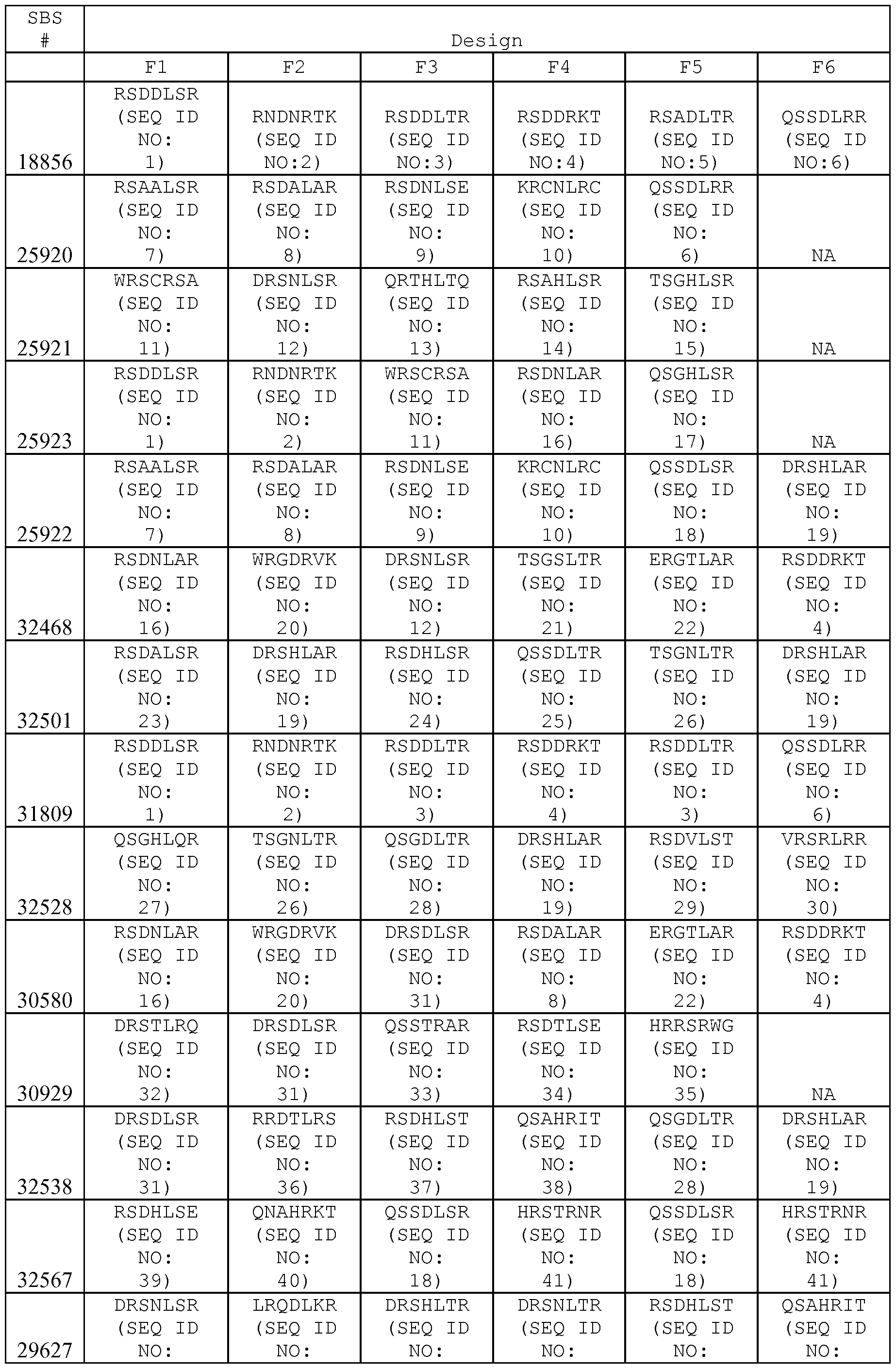
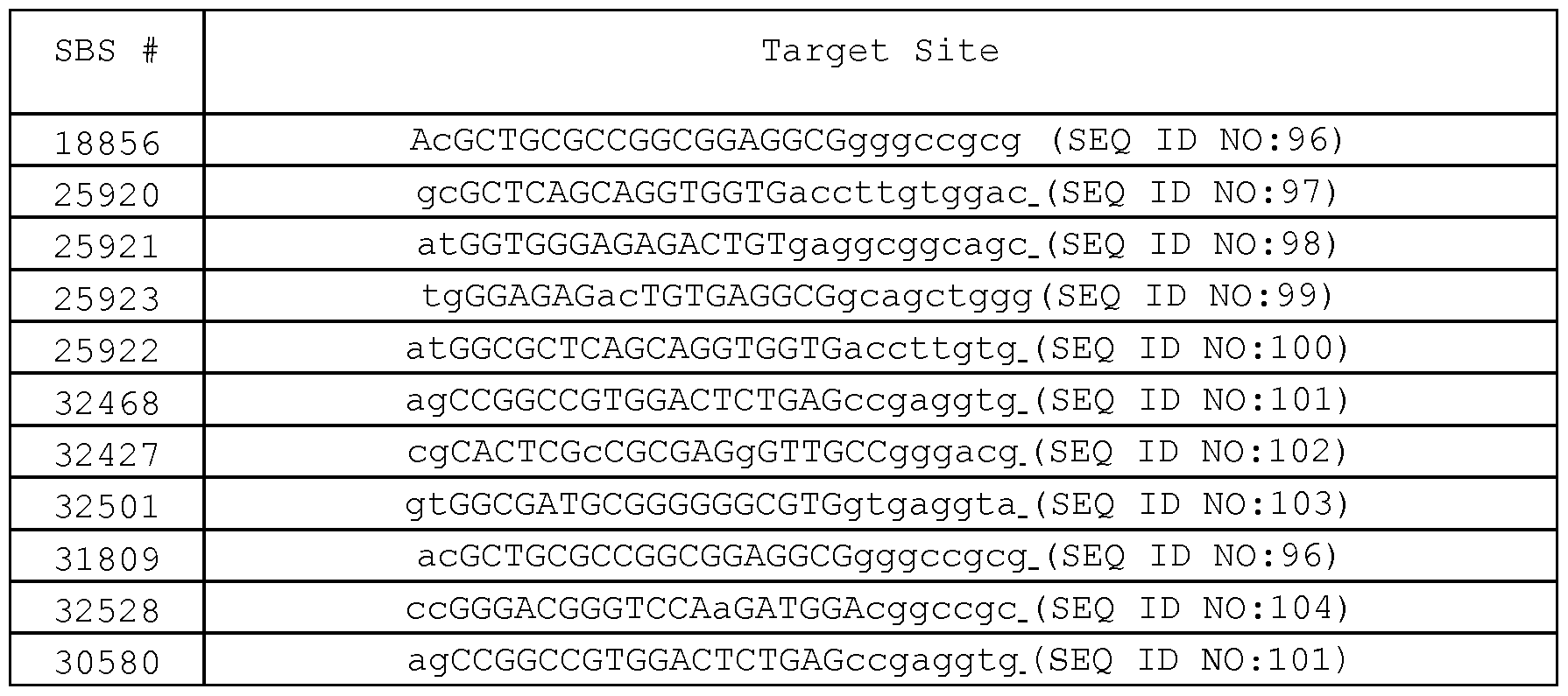

Claims
Priority Applications (11)
| Application Number | Priority Date | Filing Date | Title |
|---|---|---|---|
| AU2015255877A AU2015255877B2 (en) | 2014-05-08 | 2015-05-07 | Methods and compositions for treating huntington's disease |
| JP2016566652A JP2017515819A (en) | 2014-05-08 | 2015-05-07 | Methods and compositions for treating Huntington's disease |
| KR1020167031778A KR102380324B1 (en) | 2014-05-08 | 2015-05-07 | Methods and compositions for treating huntington's disease |
| CA2947035A CA2947035A1 (en) | 2014-05-08 | 2015-05-07 | Methods and compositions for treating huntington's disease |
| MX2016014565A MX378789B (en) | 2014-05-08 | 2015-05-07 | METHODS AND COMPOSITIONS FOR TREATING HUNTINGTON'S DISEASE. |
| CN201580024010.1A CN106413760B (en) | 2014-05-08 | 2015-05-07 | Methods and compositions for treating huntington's disease |
| EP15789214.2A EP3139966B1 (en) | 2014-05-08 | 2015-05-07 | Compositions for use in treating huntington's disease |
| HK17105818.0A HK1232141B (en) | 2014-05-08 | 2015-05-07 | Methods and compositions for treating huntington's disease |
| NZ725542A NZ725542B2 (en) | 2015-05-07 | Methods and compositions for treating huntington's disease | |
| RU2016147932A RU2691102C2 (en) | 2014-05-08 | 2015-05-07 | Methods and compositions for treating huntington's disease |
| BR112016025849A BR112016025849A2 (en) | 2014-05-08 | 2015-05-07 | methods and compositions for the treatment of huntington's disease |
Applications Claiming Priority (4)
| Application Number | Priority Date | Filing Date | Title |
|---|---|---|---|
| US201461990521P | 2014-05-08 | 2014-05-08 | |
| US61/990,521 | 2014-05-08 | ||
| US201462051724P | 2014-09-17 | 2014-09-17 | |
| US62/051,724 | 2014-09-17 |
Publications (1)
| Publication Number | Publication Date |
|---|---|
| WO2015171932A1 true WO2015171932A1 (en) | 2015-11-12 |
Family
ID=54393014
Family Applications (1)
| Application Number | Title | Priority Date | Filing Date |
|---|---|---|---|
| PCT/US2015/029748 Ceased WO2015171932A1 (en) | 2014-05-08 | 2015-05-07 | Methods and compositions for treating huntington's disease |
Country Status (11)
| Country | Link |
|---|---|
| US (1) | US11110154B2 (en) |
| EP (1) | EP3139966B1 (en) |
| JP (1) | JP2017515819A (en) |
| KR (1) | KR102380324B1 (en) |
| CN (1) | CN106413760B (en) |
| AU (1) | AU2015255877B2 (en) |
| BR (1) | BR112016025849A2 (en) |
| CA (1) | CA2947035A1 (en) |
| MX (1) | MX378789B (en) |
| RU (1) | RU2691102C2 (en) |
| WO (1) | WO2015171932A1 (en) |
Cited By (46)
| Publication number | Priority date | Publication date | Assignee | Title |
|---|---|---|---|---|
| US9605019B2 (en) | 2011-07-19 | 2017-03-28 | Wave Life Sciences Ltd. | Methods for the synthesis of functionalized nucleic acids |
| US9617547B2 (en) | 2012-07-13 | 2017-04-11 | Shin Nippon Biomedical Laboratories, Ltd. | Chiral nucleic acid adjuvant |
| US9695211B2 (en) | 2008-12-02 | 2017-07-04 | Wave Life Sciences Japan, Inc. | Method for the synthesis of phosphorus atom modified nucleic acids |
| US9982257B2 (en) | 2012-07-13 | 2018-05-29 | Wave Life Sciences Ltd. | Chiral control |
| US9999671B2 (en) | 2013-09-06 | 2018-06-19 | President And Fellows Of Harvard College | Delivery of negatively charged proteins using cationic lipids |
| US10077453B2 (en) | 2014-07-30 | 2018-09-18 | President And Fellows Of Harvard College | CAS9 proteins including ligand-dependent inteins |
| US10113163B2 (en) | 2016-08-03 | 2018-10-30 | President And Fellows Of Harvard College | Adenosine nucleobase editors and uses thereof |
| US10144933B2 (en) | 2014-01-15 | 2018-12-04 | Shin Nippon Biomedical Laboratories, Ltd. | Chiral nucleic acid adjuvant having immunity induction activity, and immunity induction activator |
| US10149905B2 (en) | 2014-01-15 | 2018-12-11 | Shin Nippon Biomedical Laboratories, Ltd. | Chiral nucleic acid adjuvant having antitumor effect and antitumor agent |
| US10160969B2 (en) | 2014-01-16 | 2018-12-25 | Wave Life Sciences Ltd. | Chiral design |
| US10167309B2 (en) | 2012-07-13 | 2019-01-01 | Wave Life Sciences Ltd. | Asymmetric auxiliary group |
| US10167457B2 (en) | 2015-10-23 | 2019-01-01 | President And Fellows Of Harvard College | Nucleobase editors and uses thereof |
| US10307434B2 (en) | 2009-07-06 | 2019-06-04 | Wave Life Sciences Ltd. | Nucleic acid prodrugs and methods of use thereof |
| US10322173B2 (en) | 2014-01-15 | 2019-06-18 | Shin Nippon Biomedical Laboratories, Ltd. | Chiral nucleic acid adjuvant having anti-allergic activity, and anti-allergic agent |
| US10323236B2 (en) | 2011-07-22 | 2019-06-18 | President And Fellows Of Harvard College | Evaluation and improvement of nuclease cleavage specificity |
| US10428019B2 (en) | 2010-09-24 | 2019-10-01 | Wave Life Sciences Ltd. | Chiral auxiliaries |
| US10465176B2 (en) | 2013-12-12 | 2019-11-05 | President And Fellows Of Harvard College | Cas variants for gene editing |
| US10479995B2 (en) | 2015-07-22 | 2019-11-19 | Wave Life Sciences Ltd. | Oligonucleotide compositions and methods thereof |
| US10508298B2 (en) | 2013-08-09 | 2019-12-17 | President And Fellows Of Harvard College | Methods for identifying a target site of a CAS9 nuclease |
| US10597679B2 (en) | 2013-09-06 | 2020-03-24 | President And Fellows Of Harvard College | Switchable Cas9 nucleases and uses thereof |
| US10724035B2 (en) | 2016-05-04 | 2020-07-28 | Wave Life Sciences Ltd. | Oligonucleotide compositions and methods thereof |
| US10745677B2 (en) | 2016-12-23 | 2020-08-18 | President And Fellows Of Harvard College | Editing of CCR5 receptor gene to protect against HIV infection |
| US10858639B2 (en) | 2013-09-06 | 2020-12-08 | President And Fellows Of Harvard College | CAS9 variants and uses thereof |
| US11046948B2 (en) | 2013-08-22 | 2021-06-29 | President And Fellows Of Harvard College | Engineered transcription activator-like effector (TALE) domains and uses thereof |
| US20210285010A1 (en) * | 2016-10-31 | 2021-09-16 | University Of Florida Research Foundation, Inc. | Compositions and methods for impeding transcription of expanded microsatellite repeats |
| US11268082B2 (en) | 2017-03-23 | 2022-03-08 | President And Fellows Of Harvard College | Nucleobase editors comprising nucleic acid programmable DNA binding proteins |
| US11306324B2 (en) | 2016-10-14 | 2022-04-19 | President And Fellows Of Harvard College | AAV delivery of nucleobase editors |
| US11319532B2 (en) | 2017-08-30 | 2022-05-03 | President And Fellows Of Harvard College | High efficiency base editors comprising Gam |
| US11447770B1 (en) | 2019-03-19 | 2022-09-20 | The Broad Institute, Inc. | Methods and compositions for prime editing nucleotide sequences |
| US11542509B2 (en) | 2016-08-24 | 2023-01-03 | President And Fellows Of Harvard College | Incorporation of unnatural amino acids into proteins using base editing |
| US11542496B2 (en) | 2017-03-10 | 2023-01-03 | President And Fellows Of Harvard College | Cytosine to guanine base editor |
| EP3911349A4 (en) * | 2019-01-15 | 2023-01-18 | Sangamo Therapeutics, Inc. | Htt repressors and uses thereof |
| US11560566B2 (en) | 2017-05-12 | 2023-01-24 | President And Fellows Of Harvard College | Aptazyme-embedded guide RNAs for use with CRISPR-Cas9 in genome editing and transcriptional activation |
| US11661590B2 (en) | 2016-08-09 | 2023-05-30 | President And Fellows Of Harvard College | Programmable CAS9-recombinase fusion proteins and uses thereof |
| US11732274B2 (en) | 2017-07-28 | 2023-08-22 | President And Fellows Of Harvard College | Methods and compositions for evolving base editors using phage-assisted continuous evolution (PACE) |
| US11795443B2 (en) | 2017-10-16 | 2023-10-24 | The Broad Institute, Inc. | Uses of adenosine base editors |
| US11898179B2 (en) | 2017-03-09 | 2024-02-13 | President And Fellows Of Harvard College | Suppression of pain by gene editing |
| US11912985B2 (en) | 2020-05-08 | 2024-02-27 | The Broad Institute, Inc. | Methods and compositions for simultaneous editing of both strands of a target double-stranded nucleotide sequence |
| US12157760B2 (en) | 2018-05-23 | 2024-12-03 | The Broad Institute, Inc. | Base editors and uses thereof |
| US12281338B2 (en) | 2018-10-29 | 2025-04-22 | The Broad Institute, Inc. | Nucleobase editors comprising GeoCas9 and uses thereof |
| US12351837B2 (en) | 2019-01-23 | 2025-07-08 | The Broad Institute, Inc. | Supernegatively charged proteins and uses thereof |
| US12390514B2 (en) | 2017-03-09 | 2025-08-19 | President And Fellows Of Harvard College | Cancer vaccine |
| US12406749B2 (en) | 2017-12-15 | 2025-09-02 | The Broad Institute, Inc. | Systems and methods for predicting repair outcomes in genetic engineering |
| US12435330B2 (en) | 2019-10-10 | 2025-10-07 | The Broad Institute, Inc. | Methods and compositions for prime editing RNA |
| US12473543B2 (en) | 2019-04-17 | 2025-11-18 | The Broad Institute, Inc. | Adenine base editors with reduced off-target effects |
| US12522807B2 (en) | 2018-07-09 | 2026-01-13 | The Broad Institute, Inc. | RNA programmable epigenetic RNA modifiers and uses thereof |
Families Citing this family (47)
| Publication number | Priority date | Publication date | Assignee | Title |
|---|---|---|---|---|
| SG11201701245QA (en) | 2014-08-27 | 2017-03-30 | Caribou Biosciences Inc | Methods for increasing cas9-mediated engineering efficiency |
| HUE055583T2 (en) | 2014-09-16 | 2021-12-28 | Sangamo Therapeutics Inc | Methods and compositions for nuclease-mediated genome engineering and correction in hematopoietic stem cells |
| KR20230145206A (en) | 2014-11-14 | 2023-10-17 | 보이저 테라퓨틱스, 인크. | Modulatory polynucleotides |
| MX2017006216A (en) | 2014-11-14 | 2018-08-29 | Voyager Therapeutics Inc | Compositions and methods of treating amyotrophic lateral sclerosis (als). |
| CA2984013A1 (en) | 2015-05-12 | 2016-11-17 | Sangamo Therapeutics, Inc. | Nuclease-mediated regulation of gene expression |
| US9957501B2 (en) | 2015-06-18 | 2018-05-01 | Sangamo Therapeutics, Inc. | Nuclease-mediated regulation of gene expression |
| CN108024544B (en) | 2015-07-13 | 2022-04-29 | 桑格摩生物治疗股份有限公司 | Delivery methods and compositions for nuclease-mediated genome engineering |
| JP6853257B2 (en) | 2015-09-23 | 2021-03-31 | サンガモ セラピューティクス, インコーポレイテッド | HTT repressor and its use |
| US10639383B2 (en) | 2015-11-23 | 2020-05-05 | Sangamo Therapeutics, Inc. | Methods and compositions for engineering immunity |
| CA3010738A1 (en) | 2016-01-15 | 2017-07-20 | Sangamo Therapeutics, Inc. | Methods and compositions for the treatment of neurologic disease |
| WO2017143207A1 (en) | 2016-02-18 | 2017-08-24 | The Penn State Research Foundation | GENERATING GABAergic NEURONS IN BRAINS |
| JP7220080B2 (en) | 2016-05-18 | 2023-02-09 | ボイジャー セラピューティクス インコーポレイテッド | Compositions and methods for treating Huntington's disease |
| KR102652994B1 (en) | 2016-05-18 | 2024-04-01 | 보이저 테라퓨틱스, 인크. | Modulatory polynucleotides |
| US20190169597A1 (en) * | 2016-08-19 | 2019-06-06 | Bluebird Bio, Inc. | Genome editing enhancers |
| SG11201901364VA (en) | 2016-08-24 | 2019-03-28 | Sangamo Therapeutics Inc | Engineered target specific nucleases |
| LT3504229T (en) | 2016-08-24 | 2021-12-10 | Sangamo Therapeutics, Inc. | Regulation of gene expression using engineered nucleases |
| JP7256739B2 (en) * | 2016-09-07 | 2023-04-12 | サンガモ セラピューティクス, インコーポレイテッド | Modulation of liver genes |
| IL266047B2 (en) | 2016-10-20 | 2025-02-01 | Sangamo Therapeutics Inc | Methods and preparations for the treatment of Fabry disease |
| IL266862B2 (en) | 2016-12-01 | 2024-01-01 | Sangamo Therapeutics Inc | Tau modulators and methods and compositions for delivery thereof |
| IL301115A (en) | 2017-04-28 | 2023-05-01 | Acuitas Therapeutics Inc | New lipid carbonyl and lipid nanoparticle formulations for delivery of nucleic acids |
| AU2018261790B2 (en) | 2017-05-05 | 2024-10-03 | Voyager Therapeutics, Inc. | Compositions and methods of treating amyotrophic lateral sclerosis (ALS) |
| SG11201909868YA (en) | 2017-05-05 | 2019-11-28 | Voyager Therapeutics Inc | Compositions and methods of treating huntington's disease |
| BR112020020245A2 (en) | 2018-04-05 | 2021-04-06 | Editas Medicine, Inc. | METHODS OF PRODUCING CELLS EXPRESSING A RECOMBINANT RECEIVER AND RELATED COMPOSITIONS |
| EP3775237A1 (en) | 2018-04-05 | 2021-02-17 | Juno Therapeutics, Inc. | T cells expressing a recombinant receptor, related polynucleotides and methods |
| US11421007B2 (en) | 2018-04-18 | 2022-08-23 | Sangamo Therapeutics, Inc. | Zinc finger protein compositions for modulation of huntingtin (Htt) |
| US11690921B2 (en) | 2018-05-18 | 2023-07-04 | Sangamo Therapeutics, Inc. | Delivery of target specific nucleases |
| SG11202012141WA (en) * | 2018-06-06 | 2021-01-28 | Univ California | Neural stem cell compositions and methods to treat neurodegenerative disorders |
| IL322436A (en) | 2018-09-21 | 2025-09-01 | Acuitas Therapeutics Inc | Systems and methods for manufacturing lipid nanoparticles and liposomes |
| KR20210070344A (en) | 2018-10-02 | 2021-06-14 | 상가모 테라퓨틱스, 인코포레이티드 | Methods and compositions for modulation of tau protein |
| CN113474328B (en) | 2019-01-11 | 2025-07-11 | 爱康泰生治疗公司 | Lipids for lipid nanoparticle delivery of active agents |
| US12139517B2 (en) | 2019-04-23 | 2024-11-12 | Sangamo Therapeutics, Inc. | Modulators of chromosome 9 open reading frame 72 gene expression and uses thereof |
| US20220184131A1 (en) | 2019-05-01 | 2022-06-16 | Juno Therapeutics, Inc. | Cells expressing a recombinant receptor from a modified tgfbr2 locus, related polynucleotides and methods |
| BR112021021200A2 (en) | 2019-05-01 | 2021-12-21 | Juno Therapeutics Inc | Cells expressing a chimeric receptor from a modified cd247 locus, related polynucleotides, and methods |
| AU2020304341A1 (en) * | 2019-06-28 | 2022-01-20 | The Penn State Research Foundation | Methods and materials for treating Huntington's disease |
| TW202132565A (en) | 2019-11-01 | 2021-09-01 | 美商聖加莫治療股份有限公司 | Gin recombinase variants |
| AU2020407119A1 (en) * | 2019-12-20 | 2022-07-14 | AskBio Inc. | Methods for treating Huntington's disease |
| CN115835873A (en) | 2020-05-13 | 2023-03-21 | 朱诺治疗学股份有限公司 | Method for producing donor batch cells expressing recombinant receptors |
| CN116234558A (en) | 2020-06-26 | 2023-06-06 | 朱诺治疗学有限公司 | Engineered T cells, related polynucleotides and methods for conditionally expressing recombinant receptors |
| EP4182297B1 (en) | 2020-07-16 | 2025-09-03 | Acuitas Therapeutics, Inc. | Cationic lipids for use in lipid nanoparticles |
| EP4240756A1 (en) | 2020-11-04 | 2023-09-13 | Juno Therapeutics, Inc. | Cells expressing a chimeric receptor from a modified invariant cd3 immunoglobulin superfamily chain locus and related polynucleotides and methods |
| WO2023081900A1 (en) | 2021-11-08 | 2023-05-11 | Juno Therapeutics, Inc. | Engineered t cells expressing a recombinant t cell receptor (tcr) and related systems and methods |
| WO2023114943A2 (en) | 2021-12-16 | 2023-06-22 | Acuitas Therapeutics, Inc. | Lipids for use in lipid nanoparticle formulations |
| EP4615960A1 (en) | 2022-11-09 | 2025-09-17 | C3S2 GmbH | Methods for manufacturing engineered immune cells |
| EP4658675A1 (en) | 2023-02-03 | 2025-12-10 | C3S2 GmbH | Methods for non-viral manufacturing of engineered immune cells |
| KR20240156457A (en) * | 2023-04-19 | 2024-10-30 | 고려대학교 산학협력단 | Gene correction induced neural stem cell using Huntingtin gene-specific guide RNA and cell therapy using the same |
| WO2025004001A1 (en) | 2023-06-30 | 2025-01-02 | Takeda Pharmaceutical Company Limited | Htt repressors and uses thereof |
| US20250345431A1 (en) | 2024-05-10 | 2025-11-13 | Juno Therapeutics, Inc. | Genetically engineered t cells expressing a cd19 chimeric antigen receptor (car) and uses thereof for allogeneic cell therapy |
Citations (31)
| Publication number | Priority date | Publication date | Assignee | Title |
|---|---|---|---|---|
| US4186183A (en) | 1978-03-29 | 1980-01-29 | The United States Of America As Represented By The Secretary Of The Army | Liposome carriers in chemotherapy of leishmaniasis |
| US4217344A (en) | 1976-06-23 | 1980-08-12 | L'oreal | Compositions containing aqueous dispersions of lipid spheres |
| US4235871A (en) | 1978-02-24 | 1980-11-25 | Papahadjopoulos Demetrios P | Method of encapsulating biologically active materials in lipid vesicles |
| US4261975A (en) | 1979-09-19 | 1981-04-14 | Merck & Co., Inc. | Viral liposome particle |
| US4485054A (en) | 1982-10-04 | 1984-11-27 | Lipoderm Pharmaceuticals Limited | Method of encapsulating biologically active materials in multilamellar lipid vesicles (MLV) |
| US4501728A (en) | 1983-01-06 | 1985-02-26 | Technology Unlimited, Inc. | Masking of liposomes from RES recognition |
| US4774085A (en) | 1985-07-09 | 1988-09-27 | 501 Board of Regents, Univ. of Texas | Pharmaceutical administration systems containing a mixture of immunomodulators |
| US4797368A (en) | 1985-03-15 | 1989-01-10 | The United States Of America As Represented By The Department Of Health And Human Services | Adeno-associated virus as eukaryotic expression vector |
| US4837028A (en) | 1986-12-24 | 1989-06-06 | Liposome Technology, Inc. | Liposomes with enhanced circulation time |
| US4897355A (en) | 1985-01-07 | 1990-01-30 | Syntex (U.S.A.) Inc. | N[ω,(ω-1)-dialkyloxy]- and N-[ω,(ω-1)-dialkenyloxy]-alk-1-yl-N,N,N-tetrasubstituted ammonium lipids and uses therefor |
| US4946787A (en) | 1985-01-07 | 1990-08-07 | Syntex (U.S.A.) Inc. | N-(ω,(ω-1)-dialkyloxy)- and N-(ω,(ω-1)-dialkenyloxy)-alk-1-yl-N,N,N-tetrasubstituted ammonium lipids and uses therefor |
| US5049386A (en) | 1985-01-07 | 1991-09-17 | Syntex (U.S.A.) Inc. | N-ω,(ω-1)-dialkyloxy)- and N-(ω,(ω-1)-dialkenyloxy)Alk-1-YL-N,N,N-tetrasubstituted ammonium lipids and uses therefor |
| WO1991016024A1 (en) | 1990-04-19 | 1991-10-31 | Vical, Inc. | Cationic lipids for intracellular delivery of biologically active molecules |
| WO1991017424A1 (en) | 1990-05-03 | 1991-11-14 | Vical, Inc. | Intracellular delivery of biologically active substances by means of self-assembling lipid complexes |
| US5173414A (en) | 1990-10-30 | 1992-12-22 | Applied Immune Sciences, Inc. | Production of recombinant adeno-associated virus vectors |
| US5176996A (en) | 1988-12-20 | 1993-01-05 | Baylor College Of Medicine | Method for making synthetic oligonucleotides which bind specifically to target sites on duplex DNA molecules, by forming a colinear triplex, the synthetic oligonucleotides and methods of use |
| WO1993024641A2 (en) | 1992-06-02 | 1993-12-09 | The United States Of America, As Represented By The Secretary, Department Of Health & Human Services | Adeno-associated virus with inverted terminal repeat sequences as promoter |
| US5420032A (en) | 1991-12-23 | 1995-05-30 | Universitge Laval | Homing endonuclease which originates from chlamydomonas eugametos and recognizes and cleaves a 15, 17 or 19 degenerate double stranded nucleotide sequence |
| US5422251A (en) | 1986-11-26 | 1995-06-06 | Princeton University | Triple-stranded nucleic acids |
| US5585245A (en) | 1994-04-22 | 1996-12-17 | California Institute Of Technology | Ubiquitin-based split protein sensor |
| WO1998044350A1 (en) | 1997-04-02 | 1998-10-08 | The Board Of Trustees Of The Leland Stanford Junior University | Detection of molecular interactions by reporter subunit complementation |
| US5928638A (en) | 1996-06-17 | 1999-07-27 | Systemix, Inc. | Methods for gene transfer |
| US6008336A (en) | 1994-03-23 | 1999-12-28 | Case Western Reserve University | Compacted nucleic acids and their delivery to cells |
| WO2000042219A1 (en) | 1999-01-12 | 2000-07-20 | Sangamo Biosciences, Inc. | Selection of sites for targeting by zinc finger proteins and methods of designing zinc finger proteins to bind to preselected sites |
| US6833252B1 (en) | 1992-05-05 | 2004-12-21 | Institut Pasteur | Nucleotide sequence encoding the enzyme I-SecI and the uses thereof |
| US20070117128A1 (en) | 2005-10-18 | 2007-05-24 | Smith James J | Rationally-designed meganucleases with altered sequence specificity and DNA-binding affinity |
| US20090098150A1 (en) * | 2006-11-02 | 2009-04-16 | The General Hospital Corporation | Anti-acetylated huntingtin antibodies and uses therof |
| US20100120900A1 (en) * | 2005-06-28 | 2010-05-13 | Medtronic, Inc. | Methods And Sequences To Preferentially Suppress Expression of Mutated Huntingtin |
| US20130253040A1 (en) | 2012-02-29 | 2013-09-26 | c/o Sangamo BioSciences, Inc. | Methods and compositions for treating huntington's disease |
| US8586526B2 (en) | 2010-05-17 | 2013-11-19 | Sangamo Biosciences, Inc. | DNA-binding proteins and uses thereof |
| US20130336947A1 (en) * | 2010-10-15 | 2013-12-19 | Fundació Privada Centre De Regulació Genómica | Peptides and uses |
Family Cites Families (52)
| Publication number | Priority date | Publication date | Assignee | Title |
|---|---|---|---|---|
| DE69534629D1 (en) | 1994-01-18 | 2005-12-29 | Scripps Research Inst | DERIVATIVES OF ZINC FINGER PROTEINS AND METHODS |
| US6140466A (en) | 1994-01-18 | 2000-10-31 | The Scripps Research Institute | Zinc finger protein derivatives and methods therefor |
| EP0781331B1 (en) | 1994-08-20 | 2008-09-03 | Gendaq Limited | Improvements in or relating to binding proteins for recognition of dna |
| GB9824544D0 (en) | 1998-11-09 | 1999-01-06 | Medical Res Council | Screening system |
| US5789538A (en) | 1995-02-03 | 1998-08-04 | Massachusetts Institute Of Technology | Zinc finger proteins with high affinity new DNA binding specificities |
| US5925523A (en) | 1996-08-23 | 1999-07-20 | President & Fellows Of Harvard College | Intraction trap assay, reagents and uses thereof |
| GB9710807D0 (en) | 1997-05-23 | 1997-07-23 | Medical Res Council | Nucleic acid binding proteins |
| GB9710809D0 (en) | 1997-05-23 | 1997-07-23 | Medical Res Council | Nucleic acid binding proteins |
| US6140081A (en) | 1998-10-16 | 2000-10-31 | The Scripps Research Institute | Zinc finger binding domains for GNN |
| US7013219B2 (en) | 1999-01-12 | 2006-03-14 | Sangamo Biosciences, Inc. | Regulation of endogenous gene expression in cells using zinc finger proteins |
| US6534261B1 (en) | 1999-01-12 | 2003-03-18 | Sangamo Biosciences, Inc. | Regulation of endogenous gene expression in cells using zinc finger proteins |
| US6599692B1 (en) | 1999-09-14 | 2003-07-29 | Sangamo Bioscience, Inc. | Functional genomics using zinc finger proteins |
| CA2394850C (en) | 1999-12-06 | 2012-02-07 | Sangamo Biosciences, Inc. | Methods of using randomized libraries of zinc finger proteins for the identification of gene function |
| EP2207032A1 (en) | 2000-02-08 | 2010-07-14 | Sangamo BioSciences, Inc. | Cells expressing zinc finger protein for drug discovery |
| US20020061512A1 (en) | 2000-02-18 | 2002-05-23 | Kim Jin-Soo | Zinc finger domains and methods of identifying same |
| US6855314B1 (en) * | 2000-03-22 | 2005-02-15 | The United States Of America As Represented By The Department Of Health And Human Services | AAV5 vector for transducing brain cells and lung cells |
| US20030044787A1 (en) | 2000-05-16 | 2003-03-06 | Joung J. Keith | Methods and compositions for interaction trap assays |
| JP2002060786A (en) | 2000-08-23 | 2002-02-26 | Kao Corp | Bactericidal antifouling agent for hard surfaces |
| US7067317B2 (en) | 2000-12-07 | 2006-06-27 | Sangamo Biosciences, Inc. | Regulation of angiogenesis with zinc finger proteins |
| GB0108491D0 (en) | 2001-04-04 | 2001-05-23 | Gendaq Ltd | Engineering zinc fingers |
| WO2003016496A2 (en) | 2001-08-20 | 2003-02-27 | The Scripps Research Institute | Zinc finger binding domains for cnn |
| US7262054B2 (en) | 2002-01-22 | 2007-08-28 | Sangamo Biosciences, Inc. | Zinc finger proteins for DNA binding and gene regulation in plants |
| US8106255B2 (en) | 2002-01-23 | 2012-01-31 | Dana Carroll | Targeted chromosomal mutagenasis using zinc finger nucleases |
| EP1504092B2 (en) | 2002-03-21 | 2014-06-25 | Sangamo BioSciences, Inc. | Methods and compositions for using zinc finger endonucleases to enhance homologous recombination |
| US7074596B2 (en) | 2002-03-25 | 2006-07-11 | Board Of Supervisors Of Louisiana State University And Agricultural And Mechanical College | Synthesis and use of anti-reverse mRNA cap analogues |
| JP2006502748A (en) | 2002-09-05 | 2006-01-26 | カリフォルニア インスティテュート オブ テクノロジー | Methods of using chimeric nucleases to induce gene targeting |
| US7888121B2 (en) | 2003-08-08 | 2011-02-15 | Sangamo Biosciences, Inc. | Methods and compositions for targeted cleavage and recombination |
| US8409861B2 (en) | 2003-08-08 | 2013-04-02 | Sangamo Biosciences, Inc. | Targeted deletion of cellular DNA sequences |
| CN1897977A (en) | 2003-10-20 | 2007-01-17 | Ns基因公司 | In vivo gene therapy of parkinson's disease |
| US7972854B2 (en) | 2004-02-05 | 2011-07-05 | Sangamo Biosciences, Inc. | Methods and compositions for targeted cleavage and recombination |
| EP1745149A4 (en) * | 2004-04-15 | 2008-08-06 | Univ Florida | NEURO-PROTEINS USED AS BIOMARKERS TO DETECT NERVOUS SYSTEM AND OTHER NEUROLOGICAL DISORDERS |
| KR20070060115A (en) | 2004-09-16 | 2007-06-12 | 상가모 바이오사이언스 인코포레이티드 | Compositions and Methods for Protein Production |
| US20090068164A1 (en) | 2005-05-05 | 2009-03-12 | The Ariz Bd Of Regents On Behald Of The Univ Of Az | Sequence enabled reassembly (seer) - a novel method for visualizing specific dna sequences |
| CA2651499C (en) | 2006-05-25 | 2015-06-30 | Sangamo Biosciences, Inc. | Methods and compositions for ccr-5 gene inactivation |
| CA2651494C (en) | 2006-05-25 | 2015-09-29 | Sangamo Biosciences, Inc. | Engineered cleavage half-domains |
| US7837668B2 (en) | 2006-10-10 | 2010-11-23 | Ceregene, Inc. | Needle assembly for use in delivering precise dosages of proteinaceous pharmaceutical compositions and methods for use of same |
| AU2008244473B2 (en) | 2007-04-26 | 2013-06-20 | Sangamo Therapeutics, Inc. | Targeted integration into the PPP1R12C locus |
| ATE462787T1 (en) | 2007-06-18 | 2010-04-15 | Commissariat Energie Atomique | REVERSIBLE SIRNA-SILENCING OF A MUTATED AND ENDOGENOUS HUNTINGTON WILD-TYPE AND ITS APPLICATION TO THE TREATMENT OF HUNTINGTON'S DISEASE |
| PT2167523E (en) | 2007-06-19 | 2014-09-22 | Univ Louisiana State | Synthesis and use of anti-reverse phosphorothioate analogs of the messenger rna cap |
| US9506120B2 (en) | 2007-09-27 | 2016-11-29 | Sangamo Biosciences, Inc. | Rapid in vivo identification of biologically active nucleases |
| EP2294191B1 (en) | 2008-06-10 | 2016-09-28 | Sangamo BioSciences, Inc. | Methods and compositions for generation of bax- and bak-deficient cell lines |
| US8703489B2 (en) | 2008-08-22 | 2014-04-22 | Sangamo Biosciences, Inc. | Methods and compositions for targeted single-stranded cleavage and targeted integration |
| CN102625655B (en) | 2008-12-04 | 2016-07-06 | 桑格摩生物科学股份有限公司 | Zinc finger nuclease is used to carry out genome editor in rats |
| EP2206723A1 (en) | 2009-01-12 | 2010-07-14 | Bonas, Ulla | Modular DNA-binding domains |
| JP5866283B2 (en) * | 2009-07-28 | 2016-02-17 | サンガモ バイオサイエンシーズ, インコーポレイテッド | Methods and compositions for treating trinucleotide repeat disease |
| CA2788560A1 (en) | 2010-02-08 | 2011-08-11 | Sangamo Biosciences, Inc. | Engineered cleavage half-domains |
| SG185367A1 (en) | 2010-04-26 | 2012-12-28 | Sangamo Biosciences Inc | Genome editing of a rosa locus using zinc-finger nucleases |
| IL277027B (en) | 2011-09-21 | 2022-07-01 | Sangamo Therapeutics Inc | Methods and preparations for regulating transgene expression |
| US8895264B2 (en) | 2011-10-27 | 2014-11-25 | Sangamo Biosciences, Inc. | Methods and compositions for modification of the HPRT locus |
| US9458205B2 (en) | 2011-11-16 | 2016-10-04 | Sangamo Biosciences, Inc. | Modified DNA-binding proteins and uses thereof |
| CA2910489A1 (en) | 2013-05-15 | 2014-11-20 | Sangamo Biosciences, Inc. | Methods and compositions for treatment of a genetic condition |
| WO2015143046A2 (en) | 2014-03-18 | 2015-09-24 | Sangamo Biosciences, Inc. | Methods and compositions for regulation of zinc finger protein expression |
-
2015
- 2015-05-07 WO PCT/US2015/029748 patent/WO2015171932A1/en not_active Ceased
- 2015-05-07 BR BR112016025849A patent/BR112016025849A2/en not_active Application Discontinuation
- 2015-05-07 AU AU2015255877A patent/AU2015255877B2/en active Active
- 2015-05-07 US US14/706,747 patent/US11110154B2/en active Active
- 2015-05-07 RU RU2016147932A patent/RU2691102C2/en active
- 2015-05-07 MX MX2016014565A patent/MX378789B/en unknown
- 2015-05-07 CN CN201580024010.1A patent/CN106413760B/en active Active
- 2015-05-07 KR KR1020167031778A patent/KR102380324B1/en active Active
- 2015-05-07 EP EP15789214.2A patent/EP3139966B1/en active Active
- 2015-05-07 CA CA2947035A patent/CA2947035A1/en active Pending
- 2015-05-07 JP JP2016566652A patent/JP2017515819A/en active Pending
Patent Citations (31)
| Publication number | Priority date | Publication date | Assignee | Title |
|---|---|---|---|---|
| US4217344A (en) | 1976-06-23 | 1980-08-12 | L'oreal | Compositions containing aqueous dispersions of lipid spheres |
| US4235871A (en) | 1978-02-24 | 1980-11-25 | Papahadjopoulos Demetrios P | Method of encapsulating biologically active materials in lipid vesicles |
| US4186183A (en) | 1978-03-29 | 1980-01-29 | The United States Of America As Represented By The Secretary Of The Army | Liposome carriers in chemotherapy of leishmaniasis |
| US4261975A (en) | 1979-09-19 | 1981-04-14 | Merck & Co., Inc. | Viral liposome particle |
| US4485054A (en) | 1982-10-04 | 1984-11-27 | Lipoderm Pharmaceuticals Limited | Method of encapsulating biologically active materials in multilamellar lipid vesicles (MLV) |
| US4501728A (en) | 1983-01-06 | 1985-02-26 | Technology Unlimited, Inc. | Masking of liposomes from RES recognition |
| US4897355A (en) | 1985-01-07 | 1990-01-30 | Syntex (U.S.A.) Inc. | N[ω,(ω-1)-dialkyloxy]- and N-[ω,(ω-1)-dialkenyloxy]-alk-1-yl-N,N,N-tetrasubstituted ammonium lipids and uses therefor |
| US4946787A (en) | 1985-01-07 | 1990-08-07 | Syntex (U.S.A.) Inc. | N-(ω,(ω-1)-dialkyloxy)- and N-(ω,(ω-1)-dialkenyloxy)-alk-1-yl-N,N,N-tetrasubstituted ammonium lipids and uses therefor |
| US5049386A (en) | 1985-01-07 | 1991-09-17 | Syntex (U.S.A.) Inc. | N-ω,(ω-1)-dialkyloxy)- and N-(ω,(ω-1)-dialkenyloxy)Alk-1-YL-N,N,N-tetrasubstituted ammonium lipids and uses therefor |
| US4797368A (en) | 1985-03-15 | 1989-01-10 | The United States Of America As Represented By The Department Of Health And Human Services | Adeno-associated virus as eukaryotic expression vector |
| US4774085A (en) | 1985-07-09 | 1988-09-27 | 501 Board of Regents, Univ. of Texas | Pharmaceutical administration systems containing a mixture of immunomodulators |
| US5422251A (en) | 1986-11-26 | 1995-06-06 | Princeton University | Triple-stranded nucleic acids |
| US4837028A (en) | 1986-12-24 | 1989-06-06 | Liposome Technology, Inc. | Liposomes with enhanced circulation time |
| US5176996A (en) | 1988-12-20 | 1993-01-05 | Baylor College Of Medicine | Method for making synthetic oligonucleotides which bind specifically to target sites on duplex DNA molecules, by forming a colinear triplex, the synthetic oligonucleotides and methods of use |
| WO1991016024A1 (en) | 1990-04-19 | 1991-10-31 | Vical, Inc. | Cationic lipids for intracellular delivery of biologically active molecules |
| WO1991017424A1 (en) | 1990-05-03 | 1991-11-14 | Vical, Inc. | Intracellular delivery of biologically active substances by means of self-assembling lipid complexes |
| US5173414A (en) | 1990-10-30 | 1992-12-22 | Applied Immune Sciences, Inc. | Production of recombinant adeno-associated virus vectors |
| US5420032A (en) | 1991-12-23 | 1995-05-30 | Universitge Laval | Homing endonuclease which originates from chlamydomonas eugametos and recognizes and cleaves a 15, 17 or 19 degenerate double stranded nucleotide sequence |
| US6833252B1 (en) | 1992-05-05 | 2004-12-21 | Institut Pasteur | Nucleotide sequence encoding the enzyme I-SecI and the uses thereof |
| WO1993024641A2 (en) | 1992-06-02 | 1993-12-09 | The United States Of America, As Represented By The Secretary, Department Of Health & Human Services | Adeno-associated virus with inverted terminal repeat sequences as promoter |
| US6008336A (en) | 1994-03-23 | 1999-12-28 | Case Western Reserve University | Compacted nucleic acids and their delivery to cells |
| US5585245A (en) | 1994-04-22 | 1996-12-17 | California Institute Of Technology | Ubiquitin-based split protein sensor |
| US5928638A (en) | 1996-06-17 | 1999-07-27 | Systemix, Inc. | Methods for gene transfer |
| WO1998044350A1 (en) | 1997-04-02 | 1998-10-08 | The Board Of Trustees Of The Leland Stanford Junior University | Detection of molecular interactions by reporter subunit complementation |
| WO2000042219A1 (en) | 1999-01-12 | 2000-07-20 | Sangamo Biosciences, Inc. | Selection of sites for targeting by zinc finger proteins and methods of designing zinc finger proteins to bind to preselected sites |
| US20100120900A1 (en) * | 2005-06-28 | 2010-05-13 | Medtronic, Inc. | Methods And Sequences To Preferentially Suppress Expression of Mutated Huntingtin |
| US20070117128A1 (en) | 2005-10-18 | 2007-05-24 | Smith James J | Rationally-designed meganucleases with altered sequence specificity and DNA-binding affinity |
| US20090098150A1 (en) * | 2006-11-02 | 2009-04-16 | The General Hospital Corporation | Anti-acetylated huntingtin antibodies and uses therof |
| US8586526B2 (en) | 2010-05-17 | 2013-11-19 | Sangamo Biosciences, Inc. | DNA-binding proteins and uses thereof |
| US20130336947A1 (en) * | 2010-10-15 | 2013-12-19 | Fundació Privada Centre De Regulació Genómica | Peptides and uses |
| US20130253040A1 (en) | 2012-02-29 | 2013-09-26 | c/o Sangamo BioSciences, Inc. | Methods and compositions for treating huntington's disease |
Non-Patent Citations (67)
| Title |
|---|
| "METHODS IN ENZYMOLOGY", vol. 304, 1999, ACADEMIC PRESS, article "Chromatin" |
| "METHODS IN MOLECULAR BIOLOGY", vol. 119, 1999, HUMANA PRESS, article "Chromatin Protocols" |
| "Remington's Pharmaceutical Sciences", 1989 |
| AHMAD ET AL., CANCER RES., vol. 52, 1992, pages 4817 - 4820 |
| ALVAREZ ET AL., HUM. GENE THER., vol. 5, 1997, pages 597 - 613 |
| AN ET AL., CELL STEM CELL, vol. 11, no. 2, 2012, pages 253 - 263 |
| ARGAST ET AL., J. MOL. BIOL., vol. 280, 1998, pages 345 - 353 |
| ASHWORTH ET AL., NATURE, vol. 441, 2006, pages 656 - 659 |
| BELFORT, NUCLEIC ACIDS RES., vol. 25, 1997, pages 3379 - 3388 |
| BLAESE ET AL., CANCER GENE THER., vol. 2, 1995, pages 291 - 297 |
| CHEM ET AL., PLANT CELL, vol. 8, 1996, pages 305 - 321 |
| CHEVALIER ET AL., MOLEC. CELL, vol. 10, 2002, pages 895 - 905 |
| CORNAGLIA ET AL., ANAL CHEM, vol. 86, no. 16, 2014, pages 8213 - 23 |
| CRYSTAL, SCIENCE, vol. 270, 1995, pages 404 - 410 |
| DAVIESRUBINSZTEIN, JOURNAL OF MEDICAL GENETICS, vol. 43, 2006, pages 893 - 896 |
| DUJON ET AL., GENE, vol. 82, 1989, pages 115 - 118 |
| EHRLICH: "Huntington's Disease and the Striatal Medium Spiny Neuron: Cell -Autonomous and Non- Cell -Autonomous Mechanisms of Disease.", NEUROTHERAPEUTICS., vol. 9, no. 2, 2012, pages 270 - 84, XP055360408 * |
| EPINAT ET AL., NUCLEIC ACIDS RES., vol. 31, 2003, pages 2952 - 2962 |
| FIELDS ET AL., NATURE, vol. 340, 1989, pages 245 - 246 |
| FOLLENZI ET AL., NATURE GENETICS, vol. 25, 2000, pages 217 - 222 |
| G. SHENG ET AL., PROC. NATL. ACAD. SCI. U.S.A., vol. 111, 2013, pages 652 |
| GAO ET AL., GENE THERAPY, vol. 2, 1995, pages 710 - 722 |
| GARRIGA-CANUT ET AL.: "Synthetic zinc finger repressors reduce mutant huntingtin expression in the brain of R6/2 mice.", PROC NATL ACAD SCI USA., vol. 109, no. 45, 2012, pages E3136 - 45, XP055161220 * |
| GENES DEV., vol. 5, 1991, pages 298 - 309 |
| GIMBLE ET AL., J. MOL. BIOL., vol. 263, 1996, pages 163 - 180 |
| GONG ET AL., PLANT MOL. BIOL., vol. 41, 1999, pages 419 - 429 |
| GRAHAM ET AL., CELL, vol. 125, 2006, pages 1179 - 1191 |
| HAN ET AL., PROC. NATL. ACAD. SCI. USA, vol. 92, 1995, pages 9747 - 9751 |
| HERMONATMUZYCZKA, PNAS, vol. 81, 1984, pages 6466 - 6470 |
| HSU ET AL., NATURE BIOTECH, 2013 |
| JASIN, TRENDS GENET., vol. 12, 1996, pages 224 - 228 |
| JUNG-IL ET AL., BIOCHEMICAL JOURNAL, vol. 446, no. 3, 2012, pages 359 - 371 |
| KEARNS ET AL., GENE THER., vol. 9, 1996, pages 748 - 55 |
| KELLS ET AL., MOLECULAR THERAPY, vol. 9, no. 5, 2004, pages 682 - 688 |
| KNOEPFLER ET AL., CELL, vol. 99, 1999, pages 447 - 450 |
| KOTIN, HUMAN GENE THERAPY, vol. 5, 1994, pages 793 - 801 |
| MACDIARMID ET AL., NATURE BIOTECHNOLOGY, vol. 27, no. 7, 2009, pages 643 |
| MANGIARINI ET AL., CELL, vol. 87, 1996, pages 493 - 506 |
| MAPP ET AL., PROC. NATL. ACAD. SCI. USA, vol. 97, 2000, pages 3930 - 3935 |
| MENALLED ET AL., PLOS ONE, vol. 7, no. 12, 2012, pages e49838 |
| MOCHEL ET AL.: "Energy deficit in Huntington disease: why it matters.", J CLIN INVEST., vol. 121, no. 2, 2011, pages 493 - 9, XP055237574 * |
| MUZYCZKA, J. CLIN. INVEST., vol. 94, 1994, pages 1351 |
| ORY ET AL., PROC. NATL. ACAD. SCI. USA, vol. 93, 1996, pages 11382 - 11388 |
| PAQUES ET AL., CURRENT GENE THERAPY, vol. 7, 2007, pages 49 - 66 |
| PEREZ-PINERA, NATURE, vol. 10, no. 10, 2013, pages 973 |
| PERLER ET AL., NUCLEIC ACIDS RES., vol. 22, 1994, pages 1125 - 1127 |
| QIARKIN, NATURE REVIEWS MICROBIOLOGY, vol. 12, 2014, pages 341 |
| REMACLE ET AL., EMBO JOURNAL, vol. 18, no. 18, 1999, pages 5073 - 5084 |
| REMY ET AL., BIOCONJUGATE CHEM., vol. 5, 1994, pages 647 - 654 |
| ROBERTSON ET AL., NATURE GENET., vol. 25, 2000, pages 338 - 342 |
| ROSENECKER ET AL., INFECTION, vol. 24, no. 1, 1996, pages 5 - 10 |
| SAMULSKI ET AL., J. VIROL., vol. 63, 1989, pages 03822 - 3828 |
| SPRENGER-HAUSSELS ET AL., PLANT J., vol. 22, 2000, pages 19 - 27 |
| STERMAN ET AL., HUM. GENE THER., vol. 7, no. 7, 1998, pages 1083 - 1089 |
| STERNBERG ET AL., NATURE, vol. 507, no. 7491, 2014, pages 258 - 261 |
| TOPF ET AL., GENE THER., vol. 5, 1998, pages 507 - 513 |
| TRATSCHIN ET AL., MOL. CELL. BIOL., vol. 4, 1984, pages 2072 - 2081 |
| TRATSCHIN ET AL., MOL. CELL. BIOL., vol. 5, 1985, pages 3251 - 3260 |
| ULMASON ET AL., PROC. NATL. ACAD. SCI. USA, vol. 96, no. 15, 1999, pages 5844 - 5849 |
| WAGNER ET AL., LANCET, vol. 351, no. 9117, 1998, pages 1702 - 3 |
| WALKER, LANCET, vol. 369, 2007, pages 218 - 228 |
| WELSH ET AL., HUM. GENE THER., vol. 2, 1995, pages 205 - 18 |
| WEST ET AL., VIROLOGY, vol. 160, 1987, pages 38 - 47 |
| WILD ET AL., J NEUROL NEUROSURG PSYCHIATRY, vol. 85, 2014, pages e4 |
| YU ET AL.: "Mutant Huntingtin Causes Context-Dependent Neurodegeneration in Mice with Huntington's Disease.", J NEUROSCI., vol. 23, no. 6, 2003, pages 2193 - 2202, XP055237577 * |
| ZUCCATO ET AL., PHARMACOLOGICAL RESEARCH, vol. 52, no. 2, 2005, pages 133 - 139 |
| ZUFFERY ET AL., J. VIROL., vol. 72, 1998, pages 9873 - 9880 |
Cited By (80)
| Publication number | Priority date | Publication date | Assignee | Title |
|---|---|---|---|---|
| US9695211B2 (en) | 2008-12-02 | 2017-07-04 | Wave Life Sciences Japan, Inc. | Method for the synthesis of phosphorus atom modified nucleic acids |
| US10329318B2 (en) | 2008-12-02 | 2019-06-25 | Wave Life Sciences Ltd. | Method for the synthesis of phosphorus atom modified nucleic acids |
| US10307434B2 (en) | 2009-07-06 | 2019-06-04 | Wave Life Sciences Ltd. | Nucleic acid prodrugs and methods of use thereof |
| US10428019B2 (en) | 2010-09-24 | 2019-10-01 | Wave Life Sciences Ltd. | Chiral auxiliaries |
| US9605019B2 (en) | 2011-07-19 | 2017-03-28 | Wave Life Sciences Ltd. | Methods for the synthesis of functionalized nucleic acids |
| US10280192B2 (en) | 2011-07-19 | 2019-05-07 | Wave Life Sciences Ltd. | Methods for the synthesis of functionalized nucleic acids |
| US12006520B2 (en) | 2011-07-22 | 2024-06-11 | President And Fellows Of Harvard College | Evaluation and improvement of nuclease cleavage specificity |
| US10323236B2 (en) | 2011-07-22 | 2019-06-18 | President And Fellows Of Harvard College | Evaluation and improvement of nuclease cleavage specificity |
| US10590413B2 (en) | 2012-07-13 | 2020-03-17 | Wave Life Sciences Ltd. | Chiral control |
| US9617547B2 (en) | 2012-07-13 | 2017-04-11 | Shin Nippon Biomedical Laboratories, Ltd. | Chiral nucleic acid adjuvant |
| US10167309B2 (en) | 2012-07-13 | 2019-01-01 | Wave Life Sciences Ltd. | Asymmetric auxiliary group |
| US9982257B2 (en) | 2012-07-13 | 2018-05-29 | Wave Life Sciences Ltd. | Chiral control |
| US11920181B2 (en) | 2013-08-09 | 2024-03-05 | President And Fellows Of Harvard College | Nuclease profiling system |
| US10508298B2 (en) | 2013-08-09 | 2019-12-17 | President And Fellows Of Harvard College | Methods for identifying a target site of a CAS9 nuclease |
| US10954548B2 (en) | 2013-08-09 | 2021-03-23 | President And Fellows Of Harvard College | Nuclease profiling system |
| US11046948B2 (en) | 2013-08-22 | 2021-06-29 | President And Fellows Of Harvard College | Engineered transcription activator-like effector (TALE) domains and uses thereof |
| US10597679B2 (en) | 2013-09-06 | 2020-03-24 | President And Fellows Of Harvard College | Switchable Cas9 nucleases and uses thereof |
| US10858639B2 (en) | 2013-09-06 | 2020-12-08 | President And Fellows Of Harvard College | CAS9 variants and uses thereof |
| US10912833B2 (en) | 2013-09-06 | 2021-02-09 | President And Fellows Of Harvard College | Delivery of negatively charged proteins using cationic lipids |
| US9999671B2 (en) | 2013-09-06 | 2018-06-19 | President And Fellows Of Harvard College | Delivery of negatively charged proteins using cationic lipids |
| US10682410B2 (en) | 2013-09-06 | 2020-06-16 | President And Fellows Of Harvard College | Delivery system for functional nucleases |
| US11299755B2 (en) | 2013-09-06 | 2022-04-12 | President And Fellows Of Harvard College | Switchable CAS9 nucleases and uses thereof |
| US12473573B2 (en) | 2013-09-06 | 2025-11-18 | President And Fellows Of Harvard College | Switchable Cas9 nucleases and uses thereof |
| US11053481B2 (en) | 2013-12-12 | 2021-07-06 | President And Fellows Of Harvard College | Fusions of Cas9 domains and nucleic acid-editing domains |
| US10465176B2 (en) | 2013-12-12 | 2019-11-05 | President And Fellows Of Harvard College | Cas variants for gene editing |
| US12215365B2 (en) | 2013-12-12 | 2025-02-04 | President And Fellows Of Harvard College | Cas variants for gene editing |
| US11124782B2 (en) | 2013-12-12 | 2021-09-21 | President And Fellows Of Harvard College | Cas variants for gene editing |
| US10144933B2 (en) | 2014-01-15 | 2018-12-04 | Shin Nippon Biomedical Laboratories, Ltd. | Chiral nucleic acid adjuvant having immunity induction activity, and immunity induction activator |
| US10322173B2 (en) | 2014-01-15 | 2019-06-18 | Shin Nippon Biomedical Laboratories, Ltd. | Chiral nucleic acid adjuvant having anti-allergic activity, and anti-allergic agent |
| US10149905B2 (en) | 2014-01-15 | 2018-12-11 | Shin Nippon Biomedical Laboratories, Ltd. | Chiral nucleic acid adjuvant having antitumor effect and antitumor agent |
| US10160969B2 (en) | 2014-01-16 | 2018-12-25 | Wave Life Sciences Ltd. | Chiral design |
| US12398406B2 (en) | 2014-07-30 | 2025-08-26 | President And Fellows Of Harvard College | CAS9 proteins including ligand-dependent inteins |
| US10704062B2 (en) | 2014-07-30 | 2020-07-07 | President And Fellows Of Harvard College | CAS9 proteins including ligand-dependent inteins |
| US11578343B2 (en) | 2014-07-30 | 2023-02-14 | President And Fellows Of Harvard College | CAS9 proteins including ligand-dependent inteins |
| US10077453B2 (en) | 2014-07-30 | 2018-09-18 | President And Fellows Of Harvard College | CAS9 proteins including ligand-dependent inteins |
| US10479995B2 (en) | 2015-07-22 | 2019-11-19 | Wave Life Sciences Ltd. | Oligonucleotide compositions and methods thereof |
| US11214780B2 (en) | 2015-10-23 | 2022-01-04 | President And Fellows Of Harvard College | Nucleobase editors and uses thereof |
| US12344869B2 (en) | 2015-10-23 | 2025-07-01 | President And Fellows Of Harvard College | Nucleobase editors and uses thereof |
| US10167457B2 (en) | 2015-10-23 | 2019-01-01 | President And Fellows Of Harvard College | Nucleobase editors and uses thereof |
| US12043852B2 (en) | 2015-10-23 | 2024-07-23 | President And Fellows Of Harvard College | Evolved Cas9 proteins for gene editing |
| US10724035B2 (en) | 2016-05-04 | 2020-07-28 | Wave Life Sciences Ltd. | Oligonucleotide compositions and methods thereof |
| US10947530B2 (en) | 2016-08-03 | 2021-03-16 | President And Fellows Of Harvard College | Adenosine nucleobase editors and uses thereof |
| US10113163B2 (en) | 2016-08-03 | 2018-10-30 | President And Fellows Of Harvard College | Adenosine nucleobase editors and uses thereof |
| US11999947B2 (en) | 2016-08-03 | 2024-06-04 | President And Fellows Of Harvard College | Adenosine nucleobase editors and uses thereof |
| US11702651B2 (en) | 2016-08-03 | 2023-07-18 | President And Fellows Of Harvard College | Adenosine nucleobase editors and uses thereof |
| US11661590B2 (en) | 2016-08-09 | 2023-05-30 | President And Fellows Of Harvard College | Programmable CAS9-recombinase fusion proteins and uses thereof |
| US12084663B2 (en) | 2016-08-24 | 2024-09-10 | President And Fellows Of Harvard College | Incorporation of unnatural amino acids into proteins using base editing |
| US11542509B2 (en) | 2016-08-24 | 2023-01-03 | President And Fellows Of Harvard College | Incorporation of unnatural amino acids into proteins using base editing |
| US11306324B2 (en) | 2016-10-14 | 2022-04-19 | President And Fellows Of Harvard College | AAV delivery of nucleobase editors |
| US20210285010A1 (en) * | 2016-10-31 | 2021-09-16 | University Of Florida Research Foundation, Inc. | Compositions and methods for impeding transcription of expanded microsatellite repeats |
| US12180499B2 (en) * | 2016-10-31 | 2024-12-31 | University Of Florida Research Foundation, Inc. | Compositions and methods for impeding transcription of expanded microsatellite repeats |
| US11820969B2 (en) | 2016-12-23 | 2023-11-21 | President And Fellows Of Harvard College | Editing of CCR2 receptor gene to protect against HIV infection |
| US10745677B2 (en) | 2016-12-23 | 2020-08-18 | President And Fellows Of Harvard College | Editing of CCR5 receptor gene to protect against HIV infection |
| US12516308B2 (en) | 2017-03-09 | 2026-01-06 | President And Fellows Of Harvard College | Suppression of pain by gene editing |
| US12390514B2 (en) | 2017-03-09 | 2025-08-19 | President And Fellows Of Harvard College | Cancer vaccine |
| US11898179B2 (en) | 2017-03-09 | 2024-02-13 | President And Fellows Of Harvard College | Suppression of pain by gene editing |
| US12435331B2 (en) | 2017-03-10 | 2025-10-07 | President And Fellows Of Harvard College | Cytosine to guanine base editor |
| US11542496B2 (en) | 2017-03-10 | 2023-01-03 | President And Fellows Of Harvard College | Cytosine to guanine base editor |
| US11268082B2 (en) | 2017-03-23 | 2022-03-08 | President And Fellows Of Harvard College | Nucleobase editors comprising nucleic acid programmable DNA binding proteins |
| US11560566B2 (en) | 2017-05-12 | 2023-01-24 | President And Fellows Of Harvard College | Aptazyme-embedded guide RNAs for use with CRISPR-Cas9 in genome editing and transcriptional activation |
| US11732274B2 (en) | 2017-07-28 | 2023-08-22 | President And Fellows Of Harvard College | Methods and compositions for evolving base editors using phage-assisted continuous evolution (PACE) |
| US12359218B2 (en) | 2017-07-28 | 2025-07-15 | President And Fellows Of Harvard College | Methods and compositions for evolving base editors using phage-assisted continuous evolution (PACE) |
| US11932884B2 (en) | 2017-08-30 | 2024-03-19 | President And Fellows Of Harvard College | High efficiency base editors comprising Gam |
| US11319532B2 (en) | 2017-08-30 | 2022-05-03 | President And Fellows Of Harvard College | High efficiency base editors comprising Gam |
| US11795443B2 (en) | 2017-10-16 | 2023-10-24 | The Broad Institute, Inc. | Uses of adenosine base editors |
| US12406749B2 (en) | 2017-12-15 | 2025-09-02 | The Broad Institute, Inc. | Systems and methods for predicting repair outcomes in genetic engineering |
| US12157760B2 (en) | 2018-05-23 | 2024-12-03 | The Broad Institute, Inc. | Base editors and uses thereof |
| US12522807B2 (en) | 2018-07-09 | 2026-01-13 | The Broad Institute, Inc. | RNA programmable epigenetic RNA modifiers and uses thereof |
| US12281338B2 (en) | 2018-10-29 | 2025-04-22 | The Broad Institute, Inc. | Nucleobase editors comprising GeoCas9 and uses thereof |
| EP3911349A4 (en) * | 2019-01-15 | 2023-01-18 | Sangamo Therapeutics, Inc. | Htt repressors and uses thereof |
| US12351837B2 (en) | 2019-01-23 | 2025-07-08 | The Broad Institute, Inc. | Supernegatively charged proteins and uses thereof |
| US12281303B2 (en) | 2019-03-19 | 2025-04-22 | The Broad Institute, Inc. | Methods and compositions for prime editing nucleotide sequences |
| US11643652B2 (en) | 2019-03-19 | 2023-05-09 | The Broad Institute, Inc. | Methods and compositions for prime editing nucleotide sequences |
| US11795452B2 (en) | 2019-03-19 | 2023-10-24 | The Broad Institute, Inc. | Methods and compositions for prime editing nucleotide sequences |
| US11447770B1 (en) | 2019-03-19 | 2022-09-20 | The Broad Institute, Inc. | Methods and compositions for prime editing nucleotide sequences |
| US12509680B2 (en) | 2019-03-19 | 2025-12-30 | The Broad Institute, Inc. | Methods and compositions for prime editing nucleotide sequences |
| US12473543B2 (en) | 2019-04-17 | 2025-11-18 | The Broad Institute, Inc. | Adenine base editors with reduced off-target effects |
| US12435330B2 (en) | 2019-10-10 | 2025-10-07 | The Broad Institute, Inc. | Methods and compositions for prime editing RNA |
| US12031126B2 (en) | 2020-05-08 | 2024-07-09 | The Broad Institute, Inc. | Methods and compositions for simultaneous editing of both strands of a target double-stranded nucleotide sequence |
| US11912985B2 (en) | 2020-05-08 | 2024-02-27 | The Broad Institute, Inc. | Methods and compositions for simultaneous editing of both strands of a target double-stranded nucleotide sequence |
Also Published As
| Publication number | Publication date |
|---|---|
| RU2016147932A3 (en) | 2018-12-25 |
| RU2016147932A (en) | 2018-06-08 |
| JP2017515819A (en) | 2017-06-15 |
| MX2016014565A (en) | 2017-05-23 |
| KR20170005811A (en) | 2017-01-16 |
| BR112016025849A2 (en) | 2017-10-17 |
| CN106413760A (en) | 2017-02-15 |
| AU2015255877B2 (en) | 2020-03-26 |
| EP3139966B1 (en) | 2020-11-18 |
| MX378789B (en) | 2025-03-11 |
| KR102380324B1 (en) | 2022-03-30 |
| US11110154B2 (en) | 2021-09-07 |
| AU2015255877A1 (en) | 2016-11-10 |
| RU2691102C2 (en) | 2019-06-11 |
| EP3139966A1 (en) | 2017-03-15 |
| HK1232141A1 (en) | 2018-01-05 |
| EP3139966A4 (en) | 2018-01-03 |
| CA2947035A1 (en) | 2015-11-12 |
| NZ725542A (en) | 2024-02-23 |
| US20150335708A1 (en) | 2015-11-26 |
| CN106413760B (en) | 2020-01-14 |
Similar Documents
| Publication | Publication Date | Title |
|---|---|---|
| AU2015255877B2 (en) | Methods and compositions for treating huntington's disease | |
| AU2020204035B2 (en) | HTT Repressors And Uses Thereof | |
| EP3929279A1 (en) | Methods and compositions for regulation of zinc finger protein expression | |
| KR20210069692A (en) | engineered genetic modulators | |
| EP3716767A1 (en) | Methods and compositions for the treatment of rare diseases | |
| CN110214184B (en) | Tau modulators and methods and compositions for delivery thereof | |
| EP3860618A1 (en) | Methods and compositions for modulation of tau proteins | |
| AU2018261366A1 (en) | Methods and compositions for modification of a cystic fibrosis transmembrane conductance regulator (CTFR) gene | |
| JP7542912B2 (en) | HTT repressors and uses thereof | |
| CA2998500C (en) | Htt repressors and uses thereof | |
| HK40065665A (en) | Methods and compositions for regulation of zinc finger protein expression | |
| HK1232141B (en) | Methods and compositions for treating huntington's disease |
Legal Events
| Date | Code | Title | Description |
|---|---|---|---|
| 121 | Ep: the epo has been informed by wipo that ep was designated in this application |
Ref document number: 15789214 Country of ref document: EP Kind code of ref document: A1 |
|
| ENP | Entry into the national phase |
Ref document number: 2947035 Country of ref document: CA |
|
| REEP | Request for entry into the european phase |
Ref document number: 2015789214 Country of ref document: EP |
|
| WWE | Wipo information: entry into national phase |
Ref document number: 2015789214 Country of ref document: EP |
|
| ENP | Entry into the national phase |
Ref document number: 2016566652 Country of ref document: JP Kind code of ref document: A |
|
| WWE | Wipo information: entry into national phase |
Ref document number: MX/A/2016/014565 Country of ref document: MX |
|
| NENP | Non-entry into the national phase |
Ref country code: DE |
|
| ENP | Entry into the national phase |
Ref document number: 2015255877 Country of ref document: AU Date of ref document: 20150507 Kind code of ref document: A |
|
| ENP | Entry into the national phase |
Ref document number: 20167031778 Country of ref document: KR Kind code of ref document: A |
|
| REG | Reference to national code |
Ref country code: BR Ref legal event code: B01A Ref document number: 112016025849 Country of ref document: BR |
|
| ENP | Entry into the national phase |
Ref document number: 2016147932 Country of ref document: RU Kind code of ref document: A |
|
| ENP | Entry into the national phase |
Ref document number: 112016025849 Country of ref document: BR Kind code of ref document: A2 Effective date: 20161104 |