WO2006091231A2 - Biosynthetic polypeptides utilizing non-naturally encoded amino acids - Google Patents
Biosynthetic polypeptides utilizing non-naturally encoded amino acids Download PDFInfo
- Publication number
- WO2006091231A2 WO2006091231A2 PCT/US2005/025834 US2005025834W WO2006091231A2 WO 2006091231 A2 WO2006091231 A2 WO 2006091231A2 US 2005025834 W US2005025834 W US 2005025834W WO 2006091231 A2 WO2006091231 A2 WO 2006091231A2
- Authority
- WO
- WIPO (PCT)
- Prior art keywords
- bsp
- human
- peptide
- polypeptide
- glp
- Prior art date
- Legal status (The legal status is an assumption and is not a legal conclusion. Google has not performed a legal analysis and makes no representation as to the accuracy of the status listed.)
- Ceased
Links
- 0 C*c1ccccc1 Chemical compound C*c1ccccc1 0.000 description 2
- BJKZXRGDVGYJTP-UHFFFAOYSA-N CC(ONc1ccccc1)=O Chemical compound CC(ONc1ccccc1)=O BJKZXRGDVGYJTP-UHFFFAOYSA-N 0.000 description 1
- ZXSBHXZKWRIEIA-UHFFFAOYSA-N CC(c1ccc(CC(C(O)=O)N)cc1)=O Chemical compound CC(c1ccc(CC(C(O)=O)N)cc1)=O ZXSBHXZKWRIEIA-UHFFFAOYSA-N 0.000 description 1
Classifications
-
- C—CHEMISTRY; METALLURGY
- C07—ORGANIC CHEMISTRY
- C07K—PEPTIDES
- C07K14/00—Peptides having more than 20 amino acids; Gastrins; Somatostatins; Melanotropins; Derivatives thereof
- C07K14/005—Peptides having more than 20 amino acids; Gastrins; Somatostatins; Melanotropins; Derivatives thereof from viruses
-
- C—CHEMISTRY; METALLURGY
- C07—ORGANIC CHEMISTRY
- C07K—PEPTIDES
- C07K14/00—Peptides having more than 20 amino acids; Gastrins; Somatostatins; Melanotropins; Derivatives thereof
- C07K14/435—Peptides having more than 20 amino acids; Gastrins; Somatostatins; Melanotropins; Derivatives thereof from animals; from humans
- C07K14/46—Peptides having more than 20 amino acids; Gastrins; Somatostatins; Melanotropins; Derivatives thereof from animals; from humans from vertebrates
- C07K14/47—Peptides having more than 20 amino acids; Gastrins; Somatostatins; Melanotropins; Derivatives thereof from animals; from humans from vertebrates from mammals
-
- C—CHEMISTRY; METALLURGY
- C07—ORGANIC CHEMISTRY
- C07K—PEPTIDES
- C07K14/00—Peptides having more than 20 amino acids; Gastrins; Somatostatins; Melanotropins; Derivatives thereof
-
- A—HUMAN NECESSITIES
- A61—MEDICAL OR VETERINARY SCIENCE; HYGIENE
- A61P—SPECIFIC THERAPEUTIC ACTIVITY OF CHEMICAL COMPOUNDS OR MEDICINAL PREPARATIONS
- A61P1/00—Drugs for disorders of the alimentary tract or the digestive system
- A61P1/04—Drugs for disorders of the alimentary tract or the digestive system for ulcers, gastritis or reflux esophagitis, e.g. antacids, inhibitors of acid secretion, mucosal protectants
-
- A—HUMAN NECESSITIES
- A61—MEDICAL OR VETERINARY SCIENCE; HYGIENE
- A61P—SPECIFIC THERAPEUTIC ACTIVITY OF CHEMICAL COMPOUNDS OR MEDICINAL PREPARATIONS
- A61P1/00—Drugs for disorders of the alimentary tract or the digestive system
- A61P1/14—Prodigestives, e.g. acids, enzymes, appetite stimulants, antidyspeptics, tonics, antiflatulents
-
- A—HUMAN NECESSITIES
- A61—MEDICAL OR VETERINARY SCIENCE; HYGIENE
- A61P—SPECIFIC THERAPEUTIC ACTIVITY OF CHEMICAL COMPOUNDS OR MEDICINAL PREPARATIONS
- A61P1/00—Drugs for disorders of the alimentary tract or the digestive system
- A61P1/18—Drugs for disorders of the alimentary tract or the digestive system for pancreatic disorders, e.g. pancreatic enzymes
-
- A—HUMAN NECESSITIES
- A61—MEDICAL OR VETERINARY SCIENCE; HYGIENE
- A61P—SPECIFIC THERAPEUTIC ACTIVITY OF CHEMICAL COMPOUNDS OR MEDICINAL PREPARATIONS
- A61P17/00—Drugs for dermatological disorders
- A61P17/02—Drugs for dermatological disorders for treating wounds, ulcers, burns, scars, keloids, or the like
-
- A—HUMAN NECESSITIES
- A61—MEDICAL OR VETERINARY SCIENCE; HYGIENE
- A61P—SPECIFIC THERAPEUTIC ACTIVITY OF CHEMICAL COMPOUNDS OR MEDICINAL PREPARATIONS
- A61P3/00—Drugs for disorders of the metabolism
-
- A—HUMAN NECESSITIES
- A61—MEDICAL OR VETERINARY SCIENCE; HYGIENE
- A61P—SPECIFIC THERAPEUTIC ACTIVITY OF CHEMICAL COMPOUNDS OR MEDICINAL PREPARATIONS
- A61P3/00—Drugs for disorders of the metabolism
- A61P3/02—Nutrients, e.g. vitamins, minerals
-
- A—HUMAN NECESSITIES
- A61—MEDICAL OR VETERINARY SCIENCE; HYGIENE
- A61P—SPECIFIC THERAPEUTIC ACTIVITY OF CHEMICAL COMPOUNDS OR MEDICINAL PREPARATIONS
- A61P3/00—Drugs for disorders of the metabolism
- A61P3/04—Anorexiants; Antiobesity agents
-
- A—HUMAN NECESSITIES
- A61—MEDICAL OR VETERINARY SCIENCE; HYGIENE
- A61P—SPECIFIC THERAPEUTIC ACTIVITY OF CHEMICAL COMPOUNDS OR MEDICINAL PREPARATIONS
- A61P3/00—Drugs for disorders of the metabolism
- A61P3/06—Antihyperlipidemics
-
- A—HUMAN NECESSITIES
- A61—MEDICAL OR VETERINARY SCIENCE; HYGIENE
- A61P—SPECIFIC THERAPEUTIC ACTIVITY OF CHEMICAL COMPOUNDS OR MEDICINAL PREPARATIONS
- A61P3/00—Drugs for disorders of the metabolism
- A61P3/08—Drugs for disorders of the metabolism for glucose homeostasis
- A61P3/10—Drugs for disorders of the metabolism for glucose homeostasis for hyperglycaemia, e.g. antidiabetics
-
- A—HUMAN NECESSITIES
- A61—MEDICAL OR VETERINARY SCIENCE; HYGIENE
- A61P—SPECIFIC THERAPEUTIC ACTIVITY OF CHEMICAL COMPOUNDS OR MEDICINAL PREPARATIONS
- A61P5/00—Drugs for disorders of the endocrine system
-
- A—HUMAN NECESSITIES
- A61—MEDICAL OR VETERINARY SCIENCE; HYGIENE
- A61P—SPECIFIC THERAPEUTIC ACTIVITY OF CHEMICAL COMPOUNDS OR MEDICINAL PREPARATIONS
- A61P9/00—Drugs for disorders of the cardiovascular system
-
- A—HUMAN NECESSITIES
- A61—MEDICAL OR VETERINARY SCIENCE; HYGIENE
- A61P—SPECIFIC THERAPEUTIC ACTIVITY OF CHEMICAL COMPOUNDS OR MEDICINAL PREPARATIONS
- A61P9/00—Drugs for disorders of the cardiovascular system
- A61P9/10—Drugs for disorders of the cardiovascular system for treating ischaemic or atherosclerotic diseases, e.g. antianginal drugs, coronary vasodilators, drugs for myocardial infarction, retinopathy, cerebrovascula insufficiency, renal arteriosclerosis
-
- A—HUMAN NECESSITIES
- A61—MEDICAL OR VETERINARY SCIENCE; HYGIENE
- A61P—SPECIFIC THERAPEUTIC ACTIVITY OF CHEMICAL COMPOUNDS OR MEDICINAL PREPARATIONS
- A61P9/00—Drugs for disorders of the cardiovascular system
- A61P9/12—Antihypertensives
-
- C—CHEMISTRY; METALLURGY
- C07—ORGANIC CHEMISTRY
- C07K—PEPTIDES
- C07K14/00—Peptides having more than 20 amino acids; Gastrins; Somatostatins; Melanotropins; Derivatives thereof
- C07K14/435—Peptides having more than 20 amino acids; Gastrins; Somatostatins; Melanotropins; Derivatives thereof from animals; from humans
- C07K14/575—Hormones
-
- C—CHEMISTRY; METALLURGY
- C07—ORGANIC CHEMISTRY
- C07K—PEPTIDES
- C07K14/00—Peptides having more than 20 amino acids; Gastrins; Somatostatins; Melanotropins; Derivatives thereof
- C07K14/435—Peptides having more than 20 amino acids; Gastrins; Somatostatins; Melanotropins; Derivatives thereof from animals; from humans
- C07K14/575—Hormones
- C07K14/57563—Vasoactive intestinal peptide [VIP]; Related peptides
-
- C—CHEMISTRY; METALLURGY
- C07—ORGANIC CHEMISTRY
- C07K—PEPTIDES
- C07K14/00—Peptides having more than 20 amino acids; Gastrins; Somatostatins; Melanotropins; Derivatives thereof
- C07K14/435—Peptides having more than 20 amino acids; Gastrins; Somatostatins; Melanotropins; Derivatives thereof from animals; from humans
- C07K14/575—Hormones
- C07K14/605—Glucagons
-
- C—CHEMISTRY; METALLURGY
- C07—ORGANIC CHEMISTRY
- C07K—PEPTIDES
- C07K19/00—Hybrid peptides, i.e. peptides covalently bound to nucleic acids, or non-covalently bound protein-protein complexes
-
- C—CHEMISTRY; METALLURGY
- C12—BIOCHEMISTRY; BEER; SPIRITS; WINE; VINEGAR; MICROBIOLOGY; ENZYMOLOGY; MUTATION OR GENETIC ENGINEERING
- C12N—MICROORGANISMS OR ENZYMES; COMPOSITIONS THEREOF; PROPAGATING, PRESERVING, OR MAINTAINING MICROORGANISMS; MUTATION OR GENETIC ENGINEERING; CULTURE MEDIA
- C12N15/00—Mutation or genetic engineering; DNA or RNA concerning genetic engineering, vectors, e.g. plasmids, or their isolation, preparation or purification; Use of hosts therefor
- C12N15/09—Recombinant DNA-technology
- C12N15/11—DNA or RNA fragments; Modified forms thereof; Non-coding nucleic acids having a biological activity
- C12N15/62—DNA sequences coding for fusion proteins
-
- C—CHEMISTRY; METALLURGY
- C12—BIOCHEMISTRY; BEER; SPIRITS; WINE; VINEGAR; MICROBIOLOGY; ENZYMOLOGY; MUTATION OR GENETIC ENGINEERING
- C12N—MICROORGANISMS OR ENZYMES; COMPOSITIONS THEREOF; PROPAGATING, PRESERVING, OR MAINTAINING MICROORGANISMS; MUTATION OR GENETIC ENGINEERING; CULTURE MEDIA
- C12N15/00—Mutation or genetic engineering; DNA or RNA concerning genetic engineering, vectors, e.g. plasmids, or their isolation, preparation or purification; Use of hosts therefor
- C12N15/09—Recombinant DNA-technology
- C12N15/63—Introduction of foreign genetic material using vectors; Vectors; Use of hosts therefor; Regulation of expression
- C12N15/79—Vectors or expression systems specially adapted for eukaryotic hosts
- C12N15/85—Vectors or expression systems specially adapted for eukaryotic hosts for animal cells
-
- C—CHEMISTRY; METALLURGY
- C12—BIOCHEMISTRY; BEER; SPIRITS; WINE; VINEGAR; MICROBIOLOGY; ENZYMOLOGY; MUTATION OR GENETIC ENGINEERING
- C12P—FERMENTATION OR ENZYME-USING PROCESSES TO SYNTHESISE A DESIRED CHEMICAL COMPOUND OR COMPOSITION OR TO SEPARATE OPTICAL ISOMERS FROM A RACEMIC MIXTURE
- C12P21/00—Preparation of peptides or proteins
-
- C—CHEMISTRY; METALLURGY
- C12—BIOCHEMISTRY; BEER; SPIRITS; WINE; VINEGAR; MICROBIOLOGY; ENZYMOLOGY; MUTATION OR GENETIC ENGINEERING
- C12P—FERMENTATION OR ENZYME-USING PROCESSES TO SYNTHESISE A DESIRED CHEMICAL COMPOUND OR COMPOSITION OR TO SEPARATE OPTICAL ISOMERS FROM A RACEMIC MIXTURE
- C12P21/00—Preparation of peptides or proteins
- C12P21/06—Preparation of peptides or proteins produced by the hydrolysis of a peptide bond, e.g. hydrolysate products
-
- C—CHEMISTRY; METALLURGY
- C07—ORGANIC CHEMISTRY
- C07K—PEPTIDES
- C07K2319/00—Fusion polypeptide
- C07K2319/01—Fusion polypeptide containing a localisation/targetting motif
- C07K2319/02—Fusion polypeptide containing a localisation/targetting motif containing a signal sequence
-
- C—CHEMISTRY; METALLURGY
- C07—ORGANIC CHEMISTRY
- C07K—PEPTIDES
- C07K2319/00—Fusion polypeptide
- C07K2319/20—Fusion polypeptide containing a tag with affinity for a non-protein ligand
-
- C—CHEMISTRY; METALLURGY
- C12—BIOCHEMISTRY; BEER; SPIRITS; WINE; VINEGAR; MICROBIOLOGY; ENZYMOLOGY; MUTATION OR GENETIC ENGINEERING
- C12N—MICROORGANISMS OR ENZYMES; COMPOSITIONS THEREOF; PROPAGATING, PRESERVING, OR MAINTAINING MICROORGANISMS; MUTATION OR GENETIC ENGINEERING; CULTURE MEDIA
- C12N2740/00—Reverse transcribing RNA viruses
- C12N2740/00011—Details
- C12N2740/10011—Retroviridae
- C12N2740/16011—Human Immunodeficiency Virus, HIV
- C12N2740/16111—Human Immunodeficiency Virus, HIV concerning HIV env
- C12N2740/16122—New viral proteins or individual genes, new structural or functional aspects of known viral proteins or genes
Definitions
- This invention relates to biosynthetic polypeptides, and fusion proteins that comprise or are made utilizing at least one non-naturally-encoded amino acid.
- BSPs biosynthetic polypeptides
- Many endogenous peptides have been described as key components of biological processes. Some of these peptides have been identified as key therapeutic agents for the management of various disorders, hi general, endogenous peptides are more desirable as therapeutic agents than synthetic peptides with non-native sequences, because they do not produce an immune response due to their endogenous character.
- endogenous peptides are highly specific for their target receptors and are easy to synthesize and manufacture.
- a major difficulty with the delivery of such therapeutic peptides is their short plasma half-life, mainly due to rapid serum clearance and proteolytic degradation via the action of peptidases.
- native peptides or analogues thereof When native peptides or analogues thereof are used in therapy, it is generally found that they have a high rate of degradation and/or clearance. A high rate of clearance of a therapeutic agent is inconvenient in cases where it is desired to maintain a high blood level thereof over a prolonged period of time since repeated administrations will then be necessary.
- peptides which have a high rate of degradation and/or clearance include: ACTH, corticotropin-releasing factor, angiotensin, calcitonin, insulin, glucagon, glucagon-like peptide- 1, glucagon-like peptide-2, insulin-like growth factor- 1, insulin-like growth factor-2, gastric inhibitory peptide, growth hormone-releasing factor, pituitary adenylate cyclase activating peptide, secretin, enterogastrin, somatostatin, somatotropin, somatomedin, parathyroid hormone, tlirombopoietin, erythropoietin, hypothalamic releasing factors, prolactin, thyroid stimulating hormones, endorphins, enkephalins, vasopressin, oxytocin, opioids and analogues thereof, superoxide dismutase, interferon, asparaginase, arginase, arginine
- Peptidases break a peptide bond in peptides by inserting a water molecule across the bond. Generally, most peptides are broken down by peptidases in the body in a manner of a few minutes or less. In addition, some peptidases are specific for certain types of peptides, making their degradation even more rapid. Thus, if a peptide is used as a therapeutic agent, its activity is generally reduced as the peptide quickly degrades in the body due to the action of peptidases.
- An alternative to creating peptide mimics is to block the action of peptidases to prevent degradation of the therapeutic peptide or to modify the therapeutic peptides in such a way that their degradation is slowed down while still maintaining biological activity.
- Such methods include conjugation with polymeric materials such as dextrans, polyvinyl pyrrolidones, glycopeptides, polyethylene glycol and polyamino acids, conjugation with adroitin sulfates, as well as conjugation with polysaccharides, low molecular weight compounds such as aminolethicin, fatty acids, vitamin B12, and glycosides.
- Several methods include ex vivo conjugation with carrier proteins.
- Covalent attachment of the hydrophilic polymer poly(ethylene glycol), abbreviated PEG is a method of increasing water solubility, bioavailability, increasing serum half-life, increasing therapeutic half-life, modulating immunogenicity, modulating biological activity, or extending the circulation time of many biologically active molecules, including proteins, peptides, and particularly hydrophobic molecules.
- PEG has been used extensively in pharmaceuticals, on artificial implants, and in other applications where biocompatibility, lack of toxicity, and lack of immunogenicity are of importance.
- the total molecular weight and hydration state of the PEG polymer or polymers attached to the biologically active molecule must be sufficiently high to impart the advantageous characteristics typically associated with PEG polymer attachment, such as increased water solubility and circulating half life, while not adversely impacting the bioactivity of the parent molecule.
- PEG derivatives are frequently linked to biologically active molecules through reactive chemical functionalities, such as lysine, cysteine and histidine residues, the N-terminus and carbohydrate moieties.
- Proteins and other molecules often have a limited number of reactive sites available for polymer attachment. Often, the sites most suitable for modification via polymer attachment play a significant role in receptor binding, and are necessary for retention of the biological activity of the molecule.
- indiscriminate attachment of polymer chains to such reactive sites on a biologically active molecule often leads to a significant reduction or even total loss of biological activity of the polymer-modified molecule.
- Reactive sites that form the loci for attachment of PEG derivatives to proteins are dictated by the protein's structure.
- Proteins, including enzymes are composed of various sequences of alpha-amino acids, which have the general structure H 2 N-CHR-COOH.
- the alpha amino moiety (H 2 N--) of one amino acid joins to the carboxyl moiety (— COOH) of an adjacent amino acid to form amide linkages, which can be represented as -(NH-CHR-CO) n --, where the subscript "n" can equal hundreds or thousands.
- the fragment represented by R can contain reactive sites for protein biological activity and for attachment of PEG derivatives.
- PEGylation is that the PEG derivatives can undergo undesired side reactions with residues other than those desired.
- Histidine contains a reactive imino moiety, represented structurally as — N(H)-, but many chemically reactive species that react with epsilon -NH 2 can also react with — N(H)-.
- the side chain of the amino acid cysteine bears a free sulfhydryl group, represented structurally as -SH.
- the PEG derivatives directed at the epsilon - -NH 2 group of lysine also react with cysteine, histidine or other residues.
- a cysteine residue can be introduced site-selectively into the structure of proteins using site-directed mutagenesis and other techniques known in the art, and the resulting free sulfhydryl moiety can be reacted with PEG derivatives that bear thiol-reactive functional groups.
- This approach is complicated, however, in that the introduction of a free sulfhydryl group can complicate the expression, folding and stability of the resulting protein.
- PEG derivatives have been developed that are more stable (e.g., U.S. Patent 6,602,498, which is incorporated by reference herein) or that react selectively with thiol moieties on molecules and surfaces (e.g., U.S. Patent 6,610,281, which is incorporated by reference herein).
- U.S. Patent 6,602,498, which is incorporated by reference herein or that react selectively with thiol moieties on molecules and surfaces
- thiol moieties e.g., U.S. Patent 6,610,281, which is incorporated by reference herein.
- an azide moiety into a protein structure, for example, one is able to incorporate a functional group that is chemically inert to amines, sulfhydryls, carboxylic acids, hydroxyl groups found in proteins, but that also reacts smoothly and efficiently with an acetylene moiety to form a cycloaddition product.
- the azide in the absence of the acetylene moiety, the azide remains chemically inert and unreactive in the presence of other protein side chains and under physiological conditions.
- the present invention addresses, among other things, problems associated with the activity and production of biosynthetic polypeptides (BSPs), and also addresses the production of a BSP with improved biological or pharmacological properties, such as improved therapeutic half-life.
- BSPs biosynthetic polypeptides
- This invention provides biosynthetic peptides (BSPs) including, but not limited to, glucagon gene-derived polypeptides such as GLP-I, T-20 polypeptides, membrane fusion inhibitory peptides, and peptide YY peptides, comprising one or more non-naturally encoded amino acids.
- BSPs biosynthetic peptides
- Any BSP, fragment, analog, or variant thereof with therapeutic activity may be used in this invention.
- Numerous examples of BSPs that may be used in this invention have been provided. However, the lists provided are not exhaustive and in no way limit the number or type of BSPs that may be used in this invention. Thus, any BSP and/or fragments, analogs, and variants produced from any BSP including novel BSPs may be modified according to the present invention, and used therapeutically.
- the BSP comprises one or more post-translational modifications.
- the BSP is linked to a linker, polymer, or biologically active molecule.
- the BSP is linked to a bifunctional polymer, bifunctional linker, or at least one additional BSP.
- the non-naturally encoded amino acid is linked to a water soluble polymer.
- the water soluble polymer comprises a poly(ethylene glycol) moiety, hi some embodiments, the poly(ethylene glycol) molecule is a bifunctional polymer.
- the bifimctional polymer is linked to a second polypeptide. In some embodiments, the second polypeptide is a BSP.
- the non-naturally encoded amino acid is linked to a water soluble polymer
- the non-naturally encoded amino acid is linked to the water soluble polymer with a linker
- the non-naturally encoded amino acid is linked to the water soluble polymer with a linker that is biodegradable
- the biodegradable linker can be used to form a prodrug comprising the BSP.
- the water soluble polymer blocks GLP-I activity, and degradation of the linker releases active GLP-I.
- the non-naturally encoded amino acid is linked to an acyl moiety or acyl chain.
- the non- naturally encoded amino acid is linked to an acyl moiety or acyl chain by a linker
- the non-naturally encoded amino acid is linked to an acyl moiety or acyl chain by a poly(ethylene glycol) linker or a prodrug
- the non-naturally encoded amino acid is linked to serum albumin
- the non-naturally encoded amino acid is linked to serum albumin by a linker
- the linker is a poly(ethylene glycol) or a prodrug
- the linker is a dual cleavage prodrug in which step 1 is controlled release of a molecule such as albumin and step 2 is a second cleavage releasing the linker or a portion thereof.
- the BSP comprises an intramolecular bridge between two amino acids present in the BSP.
- the BSP comprises one or more non-natural encoded amino acids.
- One of the two bridged residues may be a non-naturally encoded amino acid or a naturally encoded amino acid.
- the non-natural amino acids may be joined by a linker, polymer, or a biologically active molecule.
- the BSP comprises at least two amino acids linked to a water soluble polymer comprising a poly(ethylene glycol) moiety, hi some embodiments, at least one amino acid is a non-naturally encoded amino acid.
- one or more non-naturally encoded amino acids are incorporated at any position in the BSP, such as GLP-I, before the first amino acid (at the amino terminus), an addition at the carboxy terminus, or any combination thereof.
- one or more non-naturally encoded amino acids are incorporated at any position in GLP-I, including but not limited to, the residues as follows: before the first amino acid at position 7 (i.e.
- the non-naturally occurring amino acid at one or more of these positions is linked to a water soluble polymer, including but not limited to, GLP-I positions: before the first amino acid at position 7 (i.e. at the N terminus), 7H, 8A, 9E, V16, 17S, 18S, 19Y, 2OL, 21E, 22G, 23Q, 24A, 25 A, 26K, 27E, 28F, 291, 30A, 3 IW, 32L, 33V, 34K, 35G, 36R, 37G, an addition at position 38 (i.e. at the carboxyl terminus) or any combination thereof.
- GLP-I positions before the first amino acid at position 7 (i.e. at the N terminus), 7H, 8A, 9E, V16, 17S, 18S, 19Y, 2OL, 21E, 22G, 23Q, 24A, 25 A, 26K, 27E, 28F, 291, 30A, 3 IW, 32L, 33V, 34K, 35G, 36R, 37
- the GLP-I polypeptides of the invention comprise one or more non-naturally occurring amino acids at one or more of the following positions providing an antagonist: 7, 8, 9, 22, 18, 29, 25, 32, 21, 28, 17, 24, 31, 20, or any combination thereof.
- one or more non-naturally encoded amino acids are incorporated at any position in a T-20 polypeptide (including TEX), before the first amino acid (at the amino terminus), an addition at the carboxy terminus, or any combination thereof.
- one or more non-naturally encoded amino acids are incorporated at any position in T-20 (including TEX), including but not limited to, the residues as follows: W631, D632, 1635, N636, N637, Y638, T639, S640, L641, L645, N651, or any combination thereof. [27] In some embodiments, one or more non-naturally encoded amino acids are incorporated at any position in Peptide YY, before the first amino acid (at the amino terminus), an addition at the carboxy terminus, or any combination thereof.
- the BSP comprises a substitution, addition or deletion that modulates affinity of the BSP for a BSP receptor or a binding partner, including, but not limited to, a protein, polypeptide, small molecule, or nucleic acid.
- the BSP comprises a substitution, addition, or deletion that increases the stability of the BSP when compared with the stability of the corresponding BSP without the substitution, addition, or deletion.
- the BSP comprises a substitution, addition, or deletion that modulates the immunogenicity of the BSP when compared with the immunogenicity of the corresponding BSP without the substitution, addition, or deletion.
- the BSP comprises a substitution, addition, or deletion that modulates serum half-life or circulation time of the BSP when compared with the serum half-life or circulation time of the corresponding BSP without the substitution, addition, or deletion.
- the BSP comprises a substitution, addition, or deletion that increases the aqueous solubility of BSP when compared with the aqueous solubility of the corresponding BSP without the substitution, addition, or deletion.
- the BSP comprises a substitution, addition, or deletion that increases the solubility of the BSP produced in a host cell when compared with the solubility of the corresponding BSP without the substitution, addition, or deletion.
- the BSP comprises a substitution, addition, or deletion that increases the expression of the BSP in a host cell or increases synthesis in vitro when compared with the expression or synthesis of the corresponding BSP without the substitution, addition, or deletion.
- the BSP comprises a substitution, addition, or deletion that decreases peptidase or protease susceptibility of the BSP when compared with the peptidase or protease susceptibility of the corresponding BSP without the substitution, addition, or deletion.
- the BSP comprises a substitution, addition, or deletion that modulates signal transduction activity of the BSP receptor or binding partner when compared with the activity of the corresponding BSP without the substitution, addition, or deletion.
- the BSP comprises a substitution, addition, or deletion that modulates its binding to another molecule such as a receptor when compared with the binding of the corresponding BSP without the substitution, addition, or deletion.
- the BSP comprises a substitution, addition, or deletion that modulates the conformation or one or more biological activities of its binding partner when compared with the binding partner's conformation or biological activity after binding of corresponding BSP without the substitution, addition, or deletion.
- the amino acid substitutions in the BSP may be with naturally occurring or non-naturally occurring amino acids, provided that at least one substitution is with a non-naturally encoded amino acid.
- the non-naturally encoded amino acid comprises a carbonyl group, an aminooxy group, a hydrazine group, a hydrazide group, a semicarbazide group, an azide group, or an alkyne group.
- the non-naturally encoded amino acid comprises a carbonyl group.
- the non-naturally encoded amino acid has the structure:
- n is 0-10;
- R 1 is an alkyl, aryl, substituted alkyl, or substituted aryl;
- R 2 is H, an alkyl, aryl, substituted alkyl, and substituted aryl;
- R 3 is H, an amino acid, a polypeptide, or an amino terminus modification group, and
- R 4 is H, an amino acid, a polypeptide, or a carboxy terminus modification group.
- the non-naturally encoded amino acid comprises an aminooxy group. In some embodiments, the non-naturally encoded amino acid comprises a hydrazide group. In some embodiments, the non-naturally encoded amino acid comprises a hydrazine group, hi some embodiments, the non-naturally encoded amino acid residue comprises a semicarbazide group.
- the non-naturally encoded amino acid residue comprises an azide group
- the non-naturally encoded amino acid has the structure:
- n is 0-10;
- R 1 is an alkyl, aryl, substituted alkyl, substituted aryl or not present;
- X is O, N, S or not present;
- m is 0-10;
- R 2 is H, an amino acid, a polypeptide, or an amino terminus modification group, and
- R 3 is H, an amino acid, a polypeptide, or a carboxy terminus modification group.
- the non-naturally encoded amino acid comprises an alkyne group, hi some embodiments, the non-naturally encoded amino acid has the structure:
- the polypeptide is a BSP agonist, partial agonist, antagonist, partial antagonist, or inverse agonist.
- the BSP agonist, partial agonist, antagonist, partial antagonist, or inverse agonist comprises a non-naturally encoded amino acid linked to a water soluble polymer.
- the water soluble polymer comprises a poly(ethylene glycol) moiety.
- the BSP agonist, partial agonist, antagonist, partial antagonist, or inverse agonist comprises a non-naturally encoded amino acid and one or more post-translational modification, linker, polymer, or biologically active molecule.
- the non-naturally encoded amino acid linked to a water soluble polymer is present within the receptor binding region of the BSP or interferes with the receptor binding of the BSP.
- the non-naturally encoded amino acid linked to a water soluble polymer is present within the region of the BSP that binds to a binding partner or interferes with the binding of a binding partner to the BSP.
- the present invention also provides isolated nucleic acids comprising a polynucleotide that hybridizes under stringent conditions to a nucleotide sequence encoding a polypeptide having the amino acid sequence in SEQ ID NO: 1, 2, 3, 21, 22, 23, or 24 wherein the polynucleotide comprises at least one selector codon.
- the selector codon is selected from the group consisting of an amber codon, ochre codon, opal codon, a unique codon, a rare codon, and a four-base codon.
- the present invention also provides methods of making a BSP linked to a water soluble polymer.
- the method comprises contacting an isolated BSP comprising a non-naturally encoded amino acid with a water soluble polymer comprising a moiety that reacts with the non-naturally encoded amino acid.
- the non-naturally encoded amino acid incorporated into the BSP is reactive toward a water soluble polymer that is otherwise unreactive toward any of the 20 common amino acids.
- the non-naturally encoded amino acid incorporated into the BSP is reactive toward a linker, polymer, or biologically active molecule that is otherwise unreactive toward any of the 20 common amino acids.
- the BSP linked to the water soluble polymer is made by reacting a BSP comprising a carbonyl-containing amino acid with a poly(ethylene glycol) molecule comprising an aminooxy, hydrazine, hydrazide or semicarbazide group.
- the aminooxy, hydrazine, hydrazide or semicarbazide group is linked to the poly(ethylene glycol) molecule through an amide linkage.
- the BSP linked to the water soluble polymer is made by reacting a poly(ethylene glycol) molecule comprising a carbonyl group with a BSP comprising a non-naturally encoded amino acid that comprises an aminooxy, hydrazine, hydrazide or semicarbazide group.
- the BSP linked to the water soluble polymer is made by reacting a BSP comprising an alkyne-containing amino acid with a poly(ethylene glycol) molecule comprising an azide moiety.
- the azide or alkyne group is linked to the poly(ethylene glycol) molecule through an amide linkage.
- the BSP linked to the water soluble polymer is made by reacting a BSP comprising an azide-containing amino acid with a poly(ethylene glycol) molecule comprising an alkyne moiety.
- the azide or alkyne group is linked to the poly(ethylene glycol) molecule through an amide linkage.
- the poly(ethylene glycol) molecule has a molecular weight of between about 0.1 kDa and about 100 kDa. In some embodiments, the poly(ethylene glycol) molecule has a molecular weight of between 0.1 kDa and 50 kDa.
- the poly(ethylene glycol) molecule is a branched polymer.
- each branch of the poly(ethylene glycol) branched polymer has a molecular weight of between 1 kDa and 100 kDa, or between 1 kDa and 50 kDa.
- the water soluble polymer linked to BSP comprises a polyalkylene glycol moiety
- the non-naturally encoded amino acid residue incorporated into BSP comprises a carbonyl group, an aminooxy group, a hydrazide group, a hydrazine, a semicarbazide group, an azide group, or an alkyne group.
- the non-naturally encoded amino acid residue incorporated into BSP comprises a carbonyl moiety and the water soluble polymer comprises an aminooxy, hydrazide, hydrazine, or semicarbazide moiety
- the non-naturally encoded amino acid residue incorporated into BSP comprises an alkyne moiety and the water soluble polymer comprises an azide moiety
- the non-naturally encoded amino acid residue incorporated into BSP comprises an azide moiety and the water soluble polymer comprises an alkyne moiety.
- the present invention also provides compositions comprising a BSP comprising a non-naturally encoded amino acid and a pharmaceutically acceptable carrier.
- the non-naturally encoded amino acid is linked to a water soluble polymer.
- the present invention also provides cells comprising a polynucleotide encoding the BSP comprising a selector codon.
- the cells comprise an orthogonal RNA synthetase and/or an orthogonal tRNA for substituting a non-naturally encoded amino acid into the BSP.
- the present invention also provides methods of making a BSP comprising a non- naturally encoded amino acid.
- the methods comprise culturing cells comprising a polynucleotide or polynucleotides encoding a BSP, an orthogonal RNA synthetase and/or an orthogonal tRNA under conditions to permit expression of the BSP; and purifying the BSP from the cells and/or culture medium.
- the present invention also provides methods of increasing therapeutic half-life, serum half-life or circulation time of BSP.
- the present invention also provides methods of modulating immunogenicity of BSP.
- the methods comprise substituting a non-naturally encoded amino acid for any one or more amino acids in naturally occurring BSP and/or linking the BSP to a linker, a polymer, a water soluble polymer, or a biologically active molecule.
- the present invention also provides methods of treating a patient in need of such treatment with an effective amount of a BSP of the present invention.
- the methods comprise administering to the patient a therapeutically-effective amount of a pharmaceutical composition comprising a BSP comprising a non-naturally-encoded amino acid and a pharmaceutically acceptable carrier.
- the non-naturally encoded amino acid is linked to a water soluble polymer.
- the present invention also provides BSP comprising a sequence shown in SEQ ID NO:
- the non-naturally encoded amino acid is linked to a water soluble polymer.
- the water soluble polymer comprises a poly(ethylene glycol) moiety.
- the non-naturally encoded amino acid comprises a carbonyl group, an aminooxy group, a hydrazide group, a hydrazine group, a semicarbazide group, an azide group, or an alkyne group.
- the present invention also provides pharmaceutical compositions comprising a pharmaceutically acceptable carrier and a BSP comprising the sequence shown in SEQ ID NO: 1, 2, 3, 21, or any other GLP-I polypeptide sequence, SEQ ID NO: 22, 24, or any other T-20 polypeptide sequence, or SEQ ID NO: 23 or any other peptide YY sequence, wherein at least one amino acid is substituted by a non-naturally encoded amino acid.
- the non-naturally encoded amino acid comprises a saccharide moiety.
- the water soluble polymer is linked to the polypeptide via a saccharide moiety.
- a linker, polymer, or biologically active molecule is linked to the BSP via a saccharide moiety.
- the present invention also provides a BSP comprising a water soluble polymer linked by a covalent bond to the BSP at a single amino acid.
- the water soluble polymer comprises a poly(ethylene glycol) moiety.
- the amino acid covalently linked to the water soluble polymer is a non-naturally encoded amino acid present in the polypeptide.
- the present invention provides a BSP comprising at least one linker, polymer, or biologically active molecule, wherein said linker, polymer, or biologically active molecule is attached to the polypeptide through a functional group of a non-naturally encoded amino acid ribosomally incorporated into the polypeptide.
- the BSP is monoPEGylated.
- the present invention also provides a BSP comprising a linker, polymer, or biologically active molecule that is attached to one or more non-naturally encoded amino acid wherein said non-naturally encoded amino acid is ribosomally incorporated into the polypeptide at pre-selected sites.
- conjugation of the BSP comprising one or more non-naturally occurring amino acids to another molecule provides substantially purified BSP due to the unique chemical reaction utilized for conjugation to the non-natural amino acid.
- Conjugation of BSP comprising one or more non-naturally encoded amino acids to another molecule, such as PEG may be performed with other purification techniques performed prior to or following the conjugation step to provide substantially pure BSP.
- the present invention also provides a polypeptide comprising the formula (LT) -
- (LT) is selected from the group consisting of: a localization peptide (L), a tag or linker (T), a localization peptide (L) and tag or linker (T) in any order, methionine, and absent;
- P comprises a BSP sequence;
- T' comprises a tag or linker, or is absent, wherein L, T, P, or T' comprises one or more non-naturally encoded amino acids.
- the present invention also provides a polypeptide comprising the formula F — (LT) — P — T'— F', wherein F comprises a polypeptide sequence, or is absent;
- (LT) is selected from the group consisting of: a localization peptide (L), a tag or linker (T), a localization peptide (L) and tag or linker (T) in any order, methionine, and absent;
- P comprises a desired polypeptide sequence having up to 100 amino acids and is different from F or F';
- T' comprises a tag or linker, or is absent, F' comprises a polypeptide sequence, or is absent, wherein F, L, T, P, T', or F' comprises one or more non-naturally encoded amino acids.
- P may further comprise a BSP comprising one or more non-naturally encoded amino acids.
- the present invention also provides a nucleic acid molecule comprising a promoter sequence operably linked to a polypeptide coding sequence, wherein said polypeptide coding sequence has the formula (WX) - Z, wherein (WX) is selected from the group consisting of: a nucleotide sequence encoding a localization peptide (W), a nucleotide sequence encoding a tag or linker (X), a nucleotide sequence encoding a localization peptide (W) and a nucleotide sequence encoding a tag or linker (X) in any order, and absent; and Z comprises a nucleotide sequence encoding a desired BSP, wherein the nucleotide sequence encoding W, X, or Z comprises a selector codon.
- WX is selected from the group consisting of: a nucleotide sequence encoding a localization peptide (W), a nucleotide sequence encoding a tag or
- the nucleic acid molecule may further comprise — Y' operably linked to Z, wherein Y' comprises a nucleotide sequence encoding a tag, wherein said nucleotide sequence encoding said tag optionally comprises a selector codon.
- the present invention also provides a method comprising: a) producing in a recombinant host cell a polypeptide comprising the formula (LT) - P - T', wherein (LT) is selected from the group consisting of: a localization peptide (L), a tag or linker (T), a localization peptide (L) and tag or linker (T) in any order, methionine, and absent; P comprises a BSP sequence; and T' comprises a tag or linker, or is absent, wherein L, T, P, or T' comprises one or more non-naturally encoded amino acids having a functional group determined to cleave one or more peptide bonds under selected conditions; b) reacting the polypeptide under the selected conditions for a period of time sufficient to at least partially cleave one or more peptide bonds; and c) recovering peptides comprising P from the reaction products.
- LT is selected from the group consisting of: a localization peptide (L), a
- the present invention also encompasses a method for normalizing blood glucose levels in a mammal in need thereof comprising the administration of a therapeutically effective amount of a GLP-I polypeptide.
- the present invention also encompasses a method for modulating viral levels in a mammal in need thereof comprising the administration of a therapeutically effective amount of a T-20 polypeptide.
- the present invention also encompasses a method comprising the administration of a therapeutically effective amount of a PYY polypeptide to a mammal in need thereof.
- FIG. 1 A diagram of a GLP-I dimeric polypeptide comprising a GLP-I-Fc fusion protein is shown.
- FIG. 60 A diagram of a helical comparison of GLP-I and Exendin-4 is shown.
- Figure 3 A diagram of a comparison of the structures of GLP-I and Exendin-4 is shown.
- Figure 4 A diagram of a strategy for the design of Exendin or GLP-I analogs is shown.
- FIG. 5 A diagram of a strategy for the design of GLP-I analogs having particular structural characteristics is shown.
- Figure 6 A diagram of a strategy for the design of a GLP-I polypeptide with an intramolecular bridge is shown.
- FIG. 7 A potential chemical strategy for intramolecular bridging in GLP-I is shown.
- Figure 9 Constructs for incorporation of a non-naturally encoded amino acid into T-20 and TEX are shown ( Figure 9, Panel A).
- Figure 9, Panel B shows T-20 polypeptides before and after CNBr cleavage.
- FIG. 11 An in vitro fusion assay to test T-20 and TEX antiviral activity is shown.
- Figure 12 Panel A and TEX 636 suppression (Figure 12, Panel B) are shown.
- Westerns (anti- His) of the samples shown in Panel A and B are shown in Figure 12, Panels C and D.
- Figure 12 Panel E shows the residues substituted with p-acetyl-phenylalanine with asterisks in T-20 (T-20- Mut651) and in TEX (TEX-Mut636).
- a "biosynthetic polypeptide” or “BSP” refers to a polymer of about 100 or fewer amino acid residues covalently linked by peptide bonds that is produced from an mRNA with a selector codon.
- BSPs include, but are not limited to, “GLP-I,” “T-20,” and “PYY” as well as “GLP-I polypeptides,” “T-20 polypeptides,” and “PYY polypeptides.”
- a BSP may be a fragment of a polymer that is greater than about 100 amino acids in length and may or may not include additional amino acids such as, but not limited to, a leader sequence or secretion signal sequence.
- polypeptide and vice versa.
- polypeptide and vice versa.
- polypeptide and vice versa.
- polypeptide and “protein” apply to naturally occurring amino acid polymers as well as amino acid polymers in which one or more amino acid residues is a non-naturally encoded amino acid.
- One of skill of the art would understand techniques and modifications to proteins are applicable to polypeptides and peptides, and thus BSPs.
- substantially purified refers to BSP that may be substantially or essentially free of components that normally accompany or interact with the protein as found in its naturally occurring environment, i.e. a native cell, or host cell in the case of recombinantly produced BSP.
- BSP that may be substantially free of cellular material includes preparations of protein having less than about 30%, less than about 25%, less than about 20%, less than about 15%, less than about 10%, less than about 5%, less than about 4%, less than about 3%, less than about 2%, or less than about 1% (by dry weight) of contaminating protein.
- the protein may be present at about 30%, about 25%, about 20%, about 15%, about 10%, about 5%, about 4%, about 3%, about 2%, or about 1% or less of the dry weight of the cells.
- the protein may be present in the culture medium at about 5g/L, about 4g/L, about 3g/L, about 2g/L, about lg/L, about 750mg/L, about 500mg/L, about 250mg/L, about 100mg/L, about 50mg/L, about lOmg/L, or about lmg/L or less of the dry weight of the cells.
- substantially purified BSP as produced by the methods of the present invention may have a purity level of at least about 30%, at least about 35%, at least about 40%, at least about 45%, at least about 50%, at least about 55%, at least about 60%, at least about 65%, at least about 70%, specifically, a purity level of at least about 75%, 80%, 85%, and more specifically, a purity level of at least about 90%, a purity level of at least about 95%, a purity level of at least about 99% or greater as determined by appropriate methods such as SDS/PAGE analysis, RP-HPLC, SEC, and capillary electrophoresis.
- a "recombinant host cell” or “host cell” refers to a cell that includes an exogenous polynucleotide, regardless of the method used for insertion, for example, direct uptake, transduction, f-mating, or other methods known in the art to create recombinant host cells.
- the exogenous polynucleotide may be maintained as a nonintegrated vector, for example, a plasmid, or alternatively, may be integrated into the host genome.
- the term “medium” or “media” includes any culture medium, solution, solid, semi-solid, or rigid support that may support or contain any host cell, including bacterial host cells, yeast host cells, insect host cells, plant host cells, eukaryotic host cells, mammalian host cells, CHO cells or E. coli, and cell contents.
- the term may encompass medium in which the host cell has been grown, e.g., medium into which BSP has been secreted, including medium either before or after a proliferation step.
- the term also may encompass buffers or reagents that contain host cell lysates, such as in the case where BSP is produced intracellularly and the host cells are lysed or disrupted to release BSP.
- Reducing agent as used herein with respect to protein refolding, is defined as any compound or material which maintains sulfhydryl groups in the reduced state and reduces intra- or intermolecular disulfide bonds.
- Suitable reducing agents include, but are not limited to, dithiothreitol (DTT), 2-mercaptoethanol, dithioerythritol, cysteine, cysteamine (2- aminoethanethiol), and reduced glutathione. It is readily apparent to those of ordinary skill in the art that a wide variety of reducing agents are suitable for use in the methods and compositions of the present invention.
- Oxidizing agent as used hereinwith respect to protein refolding, is defined as any compound or material which is capable of removing an electron from a compound being oxidized. Suitable oxidizing agents include, but are not limited to, oxidized glutathione, cystine, cystamine, oxidized dithiothreitol, oxidized erythreitol, and oxygen. It is readily apparent to those of ordinary skill in the art that a wide variety of oxidizing agents are suitable for use in the methods of the present invention.
- Denaturing agent or "denaturant,” as used herein, is defined as any compound or material which will cause a reversible unfolding of a polypeptide.
- the strength of a denaturing agent or denaturant will be determined both by the properties and the concentration of the particular denaturing agent or denaturant.
- Suitable denaturing agents or denaturants may be chaotropes, detergents, organic solvents, water miscible solvents, phospholipids, or a combination of two or more such agents. Suitable chaotropes include, but are not limited to, urea, guanidine, and sodium thiocyanate.
- Useful detergents may include, but are not limited to, strong detergents such as sodium dodecyl sulfate, or polyoxyethylene ethers (e.g. Tween or Triton detergents), Sarkosyl, mild non-ionic detergents (e.g., digitonin), mild cationic detergents such as N->2,3-(Dioleyoxy)-propyl-N,N,N-trimethylammonium, mild ionic detergents (e.g.
- zwitterionic detergents including, but not limited to, sulfobetaines (Zwittergent), 3-(3-chlolamidopropyl)dimethylammonio-l-propane sulfate (CHAPS), and 3-(3-chlolamidopropyl)dimethylammonio-2-hydroxy-l-propane sulfonate (CHAPSO).
- Organic, water miscible solvents such as acetonitrile, lower alkanols (especially C 2 - C 4 alkanols such as ethanol or isopropanol), or lower alkandiols (especially C 2 - C 4 alkandiols such as ethylene-glycol) may be used as denaturants.
- Phospholipids useful in the present invention may be naturally occurring phospholipids such as phosphatidylethanolamine, phosphatidylcholine, phosphatidylserine, and phosphatidylinositol or synthetic phospholipid derivatives or variants such as dihexanoylphosphatidylcholine or diheptanoylphosphatidylcholine.
- Refolding describes any process, reaction or method which transforms disulfide bond containing polypeptides from an improperly folded or unfolded state to a native or properly folded conformation with respect to disulfide bonds.
- Cofolding refers specifically to refolding processes, reactions, or methods which employ at least two polypeptides which interact with each other and result in the transformation of unfolded or improperly folded polypeptides to native, properly folded polypeptides.
- glucagon-like peptide- 1 or "GLP-I” shall include those polypeptides and proteins that have at least one biological activity of human GLP-I, including but not limited to those described in U.S. Patent Publication No. 20040127412, EP 0699686-A2 and EP0733,644, U.S. Patent No.
- GLP-I compounds Numerous GLP-I analogs and derivatives are known and are referred to herein as "GLP-I compounds.” These GLP-I analogs include the Exendins which are peptides found in the venom of the GILA-monster. Specific examples of GLP-I include, but are not limited to, GLP-l(3-36), GLP-l(3-37), GLP-l(l-45), and Exendins 1 through 4. Further, it is possible to obtain GLP-I through the use of recombinant DNA technology, as disclosed by Maniatis, T., et al., Molecular Biology: A Laboratory Manual, Cold Spring Harbor, N. Y.
- GLP-I human GLP-I
- GLP-I polypeptide refers to GLP-I as described herein, as well as a polypeptide that retains at least one biological activity of a naturally-occurring GLP-I.
- GLP-I polypeptides also include the pharmaceutically acceptable salts and prodrugs, and prodrugs of the salts, polymorphs, hydrates, solvates, biologically-active fragments, biologically active variants and stereoisomers of the naturally-occurring human GLP- 1 as well as agonist, mimetic, and antagonist variants of the naturally-occurring human GLP-I, the family of exendins including exendins 1 through 4, and polypeptide fusions thereof.
- Examples of GLP-I polypeptides include, but are not limited to, those described in U.S. Patent No. 5,118,666; which is incorporated by reference herein.
- GLP-I polypeptide comprising additional amino acids at the amino terminus, carboxyl terminus, or both, are encompassed by the term "GLP-I polypeptide.”
- exemplary fusions include, but are not limited to, e.g., methionyl GLP-I in which a methionine is linked to the N-terminus of GLP-I resulting from the recombinant expression of GLP-I, fusions for the purpose of purification (including, but not limited to, to poly-histidine or affinity epitopes), fusions with serum albumin binding peptides; fusions with serum proteins such as serum albumin; fusions with constant regions of immunoglobulin molecules such as Fc; and fusions with fatty acids.
- the naturally-occurring GLP-I nucleic acid and amino acid sequences for various forms are known, as are variants such as single amino acid variants or splice variants.
- GLP-I polypeptide encompasses GLP-I polypeptides comprising one or more amino acid substitutions, additions or deletions. Exemplary substitutions in a wide variety of amino acid positions in naturally-occurring GLP-I have been described, including but not limited to, substitutions that modulate one or more of the biological activities of GLP-I, such as but not limited to, increase agonist activity, increase solubility of the polypeptide, convert the polypeptide into an antagonist, decrease peptidase or protease susceptibility, etc. and are encompassed by the term " GLP-I polypeptide.”
- Human GLP-I antagonists include, but are not limited to, those with a substitutions at: 7, 8, 9, 22, 18, 29, 25, 32, 21, 28, 17, 24, 31, and 20 (SEQ ID NO:1, 2, 3, 21, or any other GLP-I sequence).
- the GLP-I antagonist comprises a non- naturally encoded amino acid linked to a water soluble polymer that is present in a receptor binding region of the GLP-I molecule.
- the water soluble polymer is coupled to the GLP-I polypeptide at one or more of the amino acid positions: 7, 8, 9, 22, 18, 29, 25, 32, 21, 28, 17, 24, 31, and 20 (SEQ ID NO:1, 2, 3, 21, or any other GLP-I polypeptide).
- GLP-I amino acid sequence as well as the exendin-4 and exendin-3 amino acid sequence, see SEQ ID NO: 1 (GLP-I (7-36)), SEQ ID NO: 2 (GLP-I (7-37)), SEQ ID NO: 3 (exendin-4), and SEQ ID NO: 21 (exendin-3), respectively, herein.
- GLP-I polypeptides of the invention are substantially identical to SEQ ID NO: 1, or SEQ ID NO: 2, or SEQ ID NO: 3, or SEQ ID NO: 21, or any other sequence of a GLP-I polypeptide.
- Nucleic acid molecules encoding GLP-I mutants and mutant GLP-I polypeptides are well known. Examples of GLP-I mutants include those disclosed in U.S. Patent Publication No. 20040127412A1; which is incorporated by reference herein.
- GLP-I products are in preclinical and clinical development, including GLP-I peptide analogs, conjugates, fusion proteins, and drug delivery or combination therapies.
- Some of the products in development are Exenatide (AC2993, Amylin/Eli Lilly), AVE-0010 (ZPlO, Zealand Pharm/Aventis), BIM-51077 (Ipsen/Roche), Liraglutide (NN2211, Novo Nordisk), CJC-1131 (Conjuchem), Albugon (Human Genome Sciences/Glaxo Smith Kline), GLP-I transferrin (Biorexis), AC2993 LAR (Amylin/Alkermes), GLP-I nasal (Suntory) and GLP-I-INT (Transition Therapeutics).
- Exenatide AC2993, Amylin/Eli Lilly
- AVE-0010 ZPlO, Zealand Pharm/Aventis
- BIM-51077 Ipsen/Roche
- Liraglutide N2211, Nov
- GLP-I (7-37) and analogs thereof also have been disclosed. These variants and analogs include, for example, GIn 9 -GLP-I (7-37), D-GIn 9 -GLP-I (7-37), acetyl- Lys 9 -GLP-I (7-37), Thr 16 -Lys 18 -GLP-I (7-37), Lys 18 -GLP-I (7-37) and the like, and derivatives thereof including, for example, acid addition salts, carboxylate salts, lower alkyl esters, and amides [see, e.g., WO 91/11457; EP0733,644 (1996); and U.S. Pat. No.
- GLP-I various disclosed forms of GLP-I are known to stimulate insulin secretion (insulinotropic action) and cAMP formation [see, e.g., Mojsov, S., Int. J. Peptide Protein Research, 40:333-343 (1992)].
- T-20 or "DP-178” shall include those polypeptides and proteins that have at least one biological activity of human DP-178, as well as DP-178 analogs, DP-178 isoforms, DP-178 mimetics, DP-178 fragments, hybrid DP-178 proteins, fusion proteins, oligomers and multimers, homologues, glycosylation pattern variants, and muteins, thereof, regardless of the biological activity of same, and further regardless of the method of synthesis or manufacture thereof including, but not limited to, recombinant (whether produced from cDNA, genomic DNA, synthetic DNA or other form of nucleic acid), synthetic, transgenic, and gene activated methods. Hyphenated and non-hyphenated forms (T20, DP 178) of the terms are equivalent.
- DP-178 refers to DP-178 or T-20 as described herein, as well as a polypeptide that retains at least one biological activity of a naturally-occurring DP-178.
- DP-178 includes portions, analogs, and homologs of DP-178, all of which exhibit antiviral activity.
- Antiviral activity includes, but is not limited to, the inhibition of HIV transmission to uninfected CD-4+ cells.
- the invention relates to the use of DP- 178 and DP-178 fragments and/or analogs or homologs as inhibitors of retroviral transmission, in particular HIV, to uninfected cells, in both humans and non-humans.
- Non retroviral viruses whose transmission may be inhibited by the peptides of the invention include, but are not limited to enveloped viruses, human respiratory syncytial virus, canine distemper virus, Newcastle disease virus, human parainfluenza virus, and influenza viruses.
- DP-178 polypeptides also include the pharmaceutically acceptable salts and prodrugs, and prodrugs of the salts, polymorphs, hydrates, solvates, biologically-active fragments, biologically active variants and stereoisomers of the naturally-occurring human DP- 178 as well as agonist, mimetic, and antagonist variants of the naturally-occurring human DP- 178, and polypeptide fusions thereof.
- DP-178 polypeptide comprising additional amino acids at the amino terminus, carboxyl terminus, or both, are encompassed by the term "DP-178 polypeptide.”
- exemplary fusions include, but are not limited to, e.g., methionyl DP-178 in which a methionine is linked to the N-terminus of DP-178 resulting from the recombinant expression of DP-178, fusions for the purpose of purification (including, but not limited to, to poly-histidine or affinity epitopes), T-20 extended at the N-terminus, fusions with serum albumin binding peptides; fusions with serum proteins such as serum albumin; fusions with constant regions of immunoglobulin molecules such as Fc; and fusions with fatty acids.
- the naturally-occurring DP-178 nucleic acid and amino acid sequences are known, as are variants such as single amino acid variants or splice variants.
- DP-178 polypeptide encompasses DP-178 polypeptides comprising one or more amino acid substitutions, additions or deletions. Exemplary substitutions in a wide variety of amino acid positions in naturally-occurring DP-178 have been described, including but not limited to, substitutions that modulate one or more of the biological activities of DP-178, such as but not limited to, increase agonist activity, increase solubility of the polypeptide, convert the polypeptide into an antagonist, decrease peptidase or protease susceptibility, etc. and are encompassed by the term "DP-178 polypeptide.”
- DP-178 polypeptides of the invention are substantially identical to SEQ ID NO: 22, 24, or any other sequence of a DP-178 polypeptide.
- Nucleic acid molecules encoding DP-178 mutants and mutant DP-178 polypeptides are well known. [98] A commercially available form of DP-178 is Fuzeon® (enfuvirtide, Roche
- Fuzeon ® has an acetylated N terminus and a carboxamide as the C-terminus. It is used in combination with other antivirals in HIV-I patients that show HIV-I replication despite ongoing antiretroviral therapy.
- 1 TYY and "peptide YY” shall include those polypeptides and proteins that have at least one biological activity of human PYY, as well as PYY analogs, PYY isoforms, PYY mimetics, PYY fragments, hybrid PYY proteins, fusion proteins, oligomers and multimers, homologues, glycosylation pattern variants, and muteins, thereof, regardless of the biological activity of same, and further regardless of the method of synthesis or manufacture thereof including, but not limited to, recombinant (whether produced from cDNA, genomic DNA, synthetic DNA or other form of nucleic acid), synthetic, transgenic, and gene activated methods.
- PYY or " PYY polypeptide” refers to PYY as described herein, as well as a polypeptide that retains at least one biological activity of a naturally-occurring PYY.
- PYY includes portions, analogs, and homologs of PYY including, but not limited to, PYY(3- 36), full-length PYY, PYY(22-36), and DPPIV resistant variants of PYY.
- PYY includes both the human full length, 36 amino acid peptide as set forth in SEQ ID NO: 2 of International Publication No. WO 02/47712 (which is the PCT counterpart to U.S. patent Publication No.
- PYY agonists are also included in the term "PYY".
- PYY agonists include any compound which elicits an effect of PYY to reduce nutrient availability, for example a compound (1) having activity in the food intake, gastric emptying, pancreatic secretion, or weight loss assays described in Examples 1, 2, 5, or 6 of WO 02/47712 and U.S. patent Publication No.
- Such agonists can comprise a polypeptide having a functional PYY domain, an active fragment of PYY, or a chemical or small molecule.
- PYY agonists may be peptide or nonpeptide compounds, and include "PYY agonist analogs," which refer to any compound structurally similar to a PYY that have PYY activity typically by virtue of binding to or otherwise directly or indirectly interacting with a PYY receptor or other receptor or receptors with which PYY itself may interact to elicit a biological response.
- Such compounds include derivatives of PYY, fragments of PYY, extended PYY molecules having more than 36 amino acids, truncated PYY molecules having less than 36 amino acids, and substituted PYY molecules having one or more different amino acids, or any combination of the above.
- Such compounds may also be modified by processes such as pegylation, amidation, glycosylation, acylation, sulfation, phosphorylation, acetylation and cyclization.
- PYY [3-36] is PYY [3-36], identified as SEQ ID NO: 3 of WO
- PYY polypeptides also include the pharmaceutically acceptable salts and prodrugs, and prodrugs of the salts, polymorphs, hydrates, solvates, biologically-active fragments, biologically active variants and stereoisomers of the naturally-occurring human PYY as well as agonist, mimetic, and antagonist variants of the naturally-occurring human PYY, and polypeptide fusions thereof.
- Fusions comprising additional amino acids at the amino terminus, carboxyl terminus, or both, are encompassed by the term "PYY polypeptide.”
- Exemplary fusions include, but are not limited to, e.g., methionyl PYY in which a methionine is linked to the N-terminus of PYY resulting from the recombinant expression of PYY lacking the secretion signal peptide or portion thereof, fusions for the purpose of purification (including, but not limited to, to poly-histidine or affinity epitopes), fusions with serum albumin binding peptides; fusions with serum proteins such as serum albumin; fusions with constant regions of immunoglobulin molecules such as Fc; and fusions with fatty acids.
- the naturally-occurring PYY nucleic acid and amino acid sequences are known, as are variants such as single amino acid variants or splice variants.
- PYY polypeptide encompasses PYY polypeptides comprising one or more amino acid substitutions, additions or deletions. Exemplary substitutions in a wide variety of amino acid positions in naturally-occurring PYY have been described, including but not limited to, substitutions that modulate one or more of the biological activities of PYY, such as but not limited to, increase agonist activity, increase solubility of the polypeptide, convert the polypeptide into an antagonist, decrease peptidase or protease susceptibility, etc. and are encompassed by the term " PYY polypeptide.” [106] For the PYY(3-36) amino acid sequence, see SEQ E) NO: 23, respectively, herein.
- PYY polypeptides of the invention are substantially identical to SEQ ID NO: 23 or any other sequence of a PYY polypeptide.
- Nucleic acid molecules encoding PYY mutants and mutant PYY polypeptides are well known.
- BSP includes polypeptides conjugated to a polymer such as PEG and may be comprised of one or more additional derivitizations of cysteine, lysine, or other residues.
- BSPs may comprise a linker or polymer, wherein the amino acid to which the linker or polymer is conjugated may be a non-natural amino acid according to the present invention, or may be conjugated to a naturally encoded amino acid utilizing techniques known in the art such as coupling to lysine or cysteine.
- U.S. Pat. No. 4,904,584 discloses PEGylated lysine depleted polypeptides, wherein at least one lysine residue has been deleted or replaced with any other amino acid residue.
- WO 99/67291 discloses a process for conjugating a protein with PEG, wherein at least one amino acid residue on the protein is deleted and the protein is contacted with PEG under conditions sufficient to achieve conjugation to the protein.
- WO 99/03887 discloses PEGylated variants of polypeptides belonging to the growth hormone superfamily, wherein a cysteine residue has been susbstituted with a non-essential amino acid residue located in a specified region of the polypeptide.
- WO 00/26354 discloses a method of producing a glycosylated polypeptide variant with reduced allergenicity, which as compared to a corresponding parent polypeptide comprises at least one additional glycosylation site.
- U.S. Pat. No. 5,218,092 discloses modification of granulocyte colony stimulating factor (G- CSF) and other polypeptides so as to introduce at least one additional carbohydrate chain as compared to the native polypeptide.
- G- CSF granulocyte colony stimulating factor
- PEGylated peptides include GW395058, a PEGylated peptide tlirombopoietin receptor (TPOr) agonist (de Serres M., et al., Stem Cells. 1999;17(4):203-9), and a PEGylated analogue of growth hormone releasing factor (PEG-GRP; D'Antonio M, et al. Growth Horm IGF Res. 2004 Jun;14(3)
- BSP also includes glycosylated BSP's, such as but not limited to, BSPs glycosylated at any amino acid position, N-linked or O-linked glycosylated forms of the polypeptide. Variants containing single nucleotide changes are also considered as biologically active variants of BSP. m addition, splice variants are also included.
- BSP also includes BSP heterodimers, homodimers, heteromultimers, or homomultimers of any one or more BSP or any other polypeptide, protein, carbohydrate, polymer, small molecule, linker, ligand, or other biologically active molecule of any type, linked by chemical means or expressed as a fusion protein, as well as polypeptide analogues containing, for example, specific deletions or other modifications yet maintain biological activity.
- BSP encompasses BSP polypeptides comprising one or more amino acid substitutions, additions or deletions.
- BSPs of the present invention may be comprised of modifications with one or more natural amino acids in conjunction with one or more non-natural amino acid modification.
- Exemplary substitutions in a wide variety of amino acid positions in naturally-occurring BSPs have been described, including but not limited to substitutions that modulate one or more of the biological activities of the BSP, such as but not limited to, increase agonist activity, increase solubility of the polypeptide, convert the polypeptide into an antagonist, decrease peptidase or protease susceptibility, etc. and are encompassed by the term BSP.
- Human GLP-I antagonists include, but are not limited to, those with a substitutions at: 19, 23, 26, 27, 28, 29, 30, and 33 of (SEQ ID NO:1, 2, 3, 21 or any other GLP- 1 sequence).
- the GLP-I antagonist comprises a non-naturally encoded amino acid linked to a water soluble polymer that is present in a receptor binding region of the GLP-I molecule.
- the water soluble polymer is coupled to the GLP-I polypeptide at one or more of the amino acid positions: 19, 23, 26, 27, 30, and 33 (SEQ ID NO:1, 2, 3, 21 or any other GLP-I polypeptide).
- the BSPs further comprise an addition, substitution or deletion that modulates biological activity of BSP.
- the additions, substitution or deletions may modulate one or more properties or activities of BSP.
- the additions, substitutions or deletions may modulate affinity for the BSP receptor or binding partner, modulate (including but not limited to, increases or decreases) receptor dimerization, stabilize receptor dimers, modulate the conformation or one or more biological activities of a binding partner, modulate circulating half-life, modulate therapeutic half-life, modulate stability of the polypeptide, modulate cleavage by peptidases or proteases, modulate dose, modulate release or bio-availability, facilitate purification, or improve or alter a particular route of administration.
- BSPs may comprise protease cleavage sequences, reactive groups, antibody-binding domains (including but not limited to, FLAG or poly-His) or other affinity based sequences (including but not limited to, FLAG, poly-His, GST, etc.) or linked molecules (including but not limited to, biotin) that improve detection (including but not limited to, GFP), purification or other traits of the polypeptide.
- BSP also encompasses homodimers, heterodimers, homomultimers, and heteromultimers that are linked, including but not limited to those linked directly via non- naturally encoded amino acid side chains, either to the same or different non-naturally encoded amino acid side chains, to naturally-encoded amino acid side chains, or indirectly via a linker.
- linkers including but are not limited to, small organic compounds, water soluble polymers of a variety of lengths such as polyethylene glycol) or polydextran, or polypeptides of various lengths.
- non-naturally encoded amino acid refers to an amino acid that is not one of the 20 common amino acids or pyrolysine or selenocysteine.
- Other terms that may be used synonymously with the term “non-naturally encoded amino acid” are “non-natural amino acid,” “unnatural amino acid,” “non-naturally-occurring amino acid,” and variously hyphenated and non-hyphenated versions thereof.
- the term “non-naturally encoded amino acid” also includes, but is not limited to, amino acids that occur by modification (e.g.
- a naturally encoded amino acid including but not limited to, the 20 common amino acids or pyrolysine and selenocysteine
- non-naturally- occurring amino acids include, but are not limited to, N-acetylglucosaminyl-L-serine, N- acetylglucosaminyl-L-threonine, and O-phosphotyrosine.
- amino terminus modification group refers to any molecule that can be attached to the amino terminus of a polypeptide.
- a “carboxy terminus modification group” refers to any molecule that can be attached to the carboxy terminus of a polypeptide.
- Terminus modification groups include, but are not limited to, various water soluble polymers, peptides or proteins such as serum albumin, immunoglobulin constant region portions such as Fc, or other moieties that increase serum half-life of peptides.
- Hydrolytically stable linkages means that the linkages are substantially stable in water and do not react with water at useful pH values, including but not limited to, under physiological conditions for an extended period of time, perhaps even indefinitely.
- Hydrolytically unstable or degradable linkages mean that the linkages are degradable in water or in aqueous solutions, including for example, blood.
- Enzymatically unstable or degradable linkages mean that the linkage can be degraded by one or more enzymes.
- PEG and related polymers may include degradable linkages in the polymer backbone or in the linker group between the polymer backbone and one or more of the terminal functional groups of the polymer molecule.
- ester linkages formed by the reaction of PEG carboxylic acids or activated PEG carboxylic acids with alcohol groups on a biologically active agent generally hydrolyze under physiological conditions to release the agent.
- Other hydrolytically degradable linkages include, but are not limited to, carbonate linkages; imine linkages resulted from reaction of an amine and an aldehyde; phosphate ester linkages formed by reacting an alcohol with a phosphate group; hydrazone linkages which are reaction product of a hydrazide and an aldehyde; acetal linkages that are the reaction product of an aldehyde and an alcohol; orthoester linkages that are the reaction product of a formate and an alcohol; peptide linkages fonned by an amine group, including but not limited to, at an end of a polymer such as PEG, and a carboxyl group of a peptide; and oligonucleotide linkages formed by a phosphoramidite group, including but not limited to,
- biologically active agent when used herein means any substance which can affect any physical or biochemical properties of a biological system, pathway, molecule, or interaction relating to an organism, including but not limited to, viruses, bacteria, bacteriophage, transposon, prion, insects, fungi, plants, animals, and humans.
- biologically active molecules include, but are not limited to, any substance intended for diagnosis, cure, mitigation, treatment, or prevention of disease in humans or other animals, or to otherwise enhance physical or mental well-being of humans or animals.
- biologically active molecules include, but are not limited to, peptides, proteins, enzymes, small molecule drugs, hard drugs, soft drugs, carbohydrates, inorganic atoms or molecules, dyes, lipids, nucleosides, radionuclides, oligonucleotides, toxins, cells, viruses, liposomes, microparticles and micelles.
- Classes of biologically active agents that are suitable for use with the invention include, but are not limited to, drugs, prodrugs, radionuclides, imaging agents, polymers, antibiotics, fungicides, anti-viral agents, anti-inflammatory agents, anti-tumor agents, cardiovascular agents, anti-anxiety agents, hormones, growth factors, steroidal agents, microbially derived toxins, and the like.
- a "bifunctional polymer” refers to a polymer comprising two discrete functional groups that are capable of reacting specifically with other moieties (including but not limited to, amino acid side groups) to form covalent or non-covalent linkages.
- a bifunctional linker having one functional group reactive with a group on a particular biologically active component, and another group reactive with a group on a second biological component may be used to form a conjugate that includes the first biologically active component, the bifunctional linker and the second biologically active component.
- Many procedures and linker molecules for attachment of various compounds to peptides are known. See, e.g., European Patent Application No. 188,256; U.S. Patent Nos. 4,671,958, 4,659,839, 4,414,148, 4,699,784; 4,680,338; 4,569,789; and 4,589,071 which are incorporated by reference herein.
- a "multi-functional polymer” refers to a polymer comprising two or more discrete functional groups that are capable of reacting specifically with other moieties (including but not limited to, amino acid side groups) to form covalent or non-covalent linkages.
- a bi-functional polymer or multi-functional polymer may be any desired molecular length or molecular weight, and may be selected to provide a particular desired spacing or conformation between one or more molecules linked to the BSP and its binding partner or the BSP.
- non-interfering substituents include but is not limited to "non-interfering substituents".
- Non-interfering substituents are those groups that yield stable compounds. Suitable non-interfering substituents or radicals include, but are not limited to, halo, C 1 -C 10 alkyl, C 2 -C 10 alkenyl, C 2 -C 10 alkynyl, C 1 -C 10 alkoxy, C 1 -C 12 aralkyl, C 1 -C 12 alkaryl, C 3 -C 12 cycloalkyl, C 3 -Ci 2 cycloalkenyl, phenyl, substituted phenyl, toluoyl, xylenyl, biphenyl, C 2 -Ci 2 alkoxyalkyl, C 2 -Ci 2 alkoxyaryl, C 7 -Ci 2 aryloxyalkyl, C 7 -C 12 oxyaryl, C 1 -C 12 oxy
- R as used herein is H, alkyl or substituted alkyl, aryl or substituted aryl, aralkyl, or alkaryl.
- halogen includes fluorine, chlorine, iodine, and bromine.
- alkyl by itself or as part of another substituent, means, unless otherwise stated, a straight or branched chain, or cyclic hydrocarbon radical, or combination thereof, which may be fully saturated, mono- or polyunsaturated and can include di- and multivalent radicals, having the number of carbon atoms designated (i.e. C 1 -C 10 means one to ten carbons).
- saturated hydrocarbon radicals include, but are not limited to, groups such as methyl, ethyl, n-propyl, isopropyl, n-butyl, t-butyl, isobutyl, sec-butyl, cyclohexyl, (cyclohexyl)methyl, cyclopropylmethyl, homologs and isomers of, for example, n-pentyl, n- hexyl, n-heptyl, n-octyl, and the like.
- An unsaturated alkyl group is one having one or more double bonds or triple bonds.
- alkyl groups examples include, but are not limited to, vinyl, 2-propenyl, crotyl, 2-isopentenyl, 2-(butadienyl), 2,4-pentadienyl, 3-(l,4-pentadienyl), ethynyl, 1- and 3-propynyl, 3-butynyl, and the higher homologs and isomers.
- alkyl unless otherwise noted, is also meant to include those derivatives of alkyl defined in more detail below, such as “heteroalkyl.”
- Alkyl groups which are limited to hydrocarbon groups are termed "homoalkyl".
- alkylene by itself or as part of another substituent means a divalent radical derived from an alkane, as exemplified, but not limited, by the structures -CH 2 CH 2 - and -CH 2 CH 2 CH 2 CH 2 -, and further includes those groups described below as “heteroalkylene.”
- an alkyl (or alkylene) group will have from 1 to 24 carbon atoms, with those groups having 10 or fewer carbon atoms being preferred in the present invention.
- a “lower alkyl” or “lower alkylene” is a shorter chain alkyl or alkylene group, generally having eight or fewer carbon atoms.
- alkoxy alkylamino and “alkylthio” (or thioalkoxy) are used in their conventional sense, and refer to those alkyl groups attached to the remainder of the molecule via an oxygen atom, an amino group, or a sulfur atom, respectively.
- heteroalkyl by itself or in combination with another term, means, unless otherwise stated, a stable straight or branched chain, or cyclic hydrocarbon radical, or combinations thereof, consisting of the stated number of carbon atoms and at least one heteroatom selected from the group consisting of O, N, Si and S, and wherein the nitrogen and sulfur atoms may optionally be oxidized and the nitrogen heteroatom may optionally be quaternized.
- the heteroatom(s) O, N and S and Si may be placed at any interior position of the heteroalkyl group or at the position at which the alkyl group is attached to the remainder of the molecule.
- heteroalkylene by itself or as part of another substituent means a divalent radical derived from heteroalkyl, as exemplified, but not limited by, -CH 2 -CH 2 -S-CH 2 -CH 2 - and -CH 2 -S-CH 2 -CH 2 -NH-CH 2 -.
- heteroalkylene groups the same or different heteroatoms can also occupy either or both of the chain termini (including but not limited to, alkyleneoxy, alkylenedioxy, alkyleneamino, alkylenediamino, aminooxyalkylene, and the like). Still further, for alkylene and heteroalkylene linking groups, no orientation of the linking group is implied by the direction in which the formula of the linking group is written. For example, the formula - C(O) 2 R'- represents both -C(O) 2 R'- and -R 5 C(O) 2 -.
- cycloalkyl and heterocycloalkyl represent, unless otherwise stated, cyclic versions of “alkyl” and “heteroalkyl”, respectively.
- a cycloalkyl or heterocycloalkyl include saturated and unsaturated ring linkages.
- a heteroatom can occupy the position at which the heterocycle is attached to the remainder of the molecule.
- Examples of cycloalkyl include, but are not limited to, cyclopentyl, cyclohexyl, 1-cyclohexenyl, 3-cyclohexenyl, cycloheptyl, and the like.
- heterocycloalkyl examples include, but are not limited to, l-(l,2,5,6-tetrahydropyridyl), 1-piperidinyl, 2-piperidinyl, 3-piperidinyl, 4-morpholinyl, 3-morpholinyl, tetrahydrofuran-2-yl, tetrahydrofuran-3-yl, tetrahydrothien-2-yl, tetrahydrothien-3-yl, 1-piperazinyl, 2-piperazinyl, and the like. Additionally, the term encompasses bicyclic and tricyclic ring structures.
- heterocycloalkylene by itself or as part of another substituent means a divalent radical derived from heterocycloalkyl
- cycloalkylene by itself or as part of another substituent means a divalent radical derived from cycloalkyl
- water soluble polymer refers to any polymer that is soluble in aqueous solvents. Linkage of water soluble polymers to BSP can result in changes including, but not limited to, increased or modulated serum half-life, or increased or modulated therapeutic half-life relative to the unmodified form, modulated immunogenicity, modulated physical association characteristics such as aggregation and multimer formation, altered receptor binding, altered binding to one or more binding partners, and altered receptor dimerization or multimerization.
- the water soluble polymer may or may not have its own biological activity, and may be utilized as a linker for attaching BSP to other substances, including but not limited to, one or more BSPs or one or more biologically active molecules.
- Suitable polymers include, but are not limited to, polyethylene glycol, polyethylene glycol propionaldehyde, mono Cl-ClO alkoxy or aryloxy derivatives thereof (described in U.S. Patent No. 5,252,714 which is incorporated by reference herein), monomethoxy-polyethylene glycol, polyvinyl pyrrolidone, polyvinyl alcohol, polyamino acids, divinylether maleic anhydride, iV-(2-Hydroxypropyl)- methacrylamide, dextran, dextran derivatives including dextran sulfate, polypropylene glycol, polypropylene oxide/ethylene oxide copolymer, polyoxyethylated polyol, heparin, heparin fragments, polysaccharides, oligosaccharides, glycans, cellulose and cellulose derivatives, including but not limited to methylcellulose and carboxymethyl cellulose, starch and starch derivatives, polypeptides, poly
- water soluble polymers examples include, but are not limited to, polyethylene glycol and serum albumin.
- polyalkylene glycol or “poly(alkene glycol)” refers to polyethylene glycol (polyethylene glycol)), polypropylene glycol, polybutylene glycol, and derivatives thereof.
- polyalkylene glycol encompasses both linear and branched polymers and average molecular weights of between 0.1 kDa and 100 kDa.
- Other exemplary embodiments are listed, for example, in commercial supplier catalogs, such as Shearwater Corporation's catalog "Polyethylene Glycol and Derivatives for Biomedical Applications” (2001).
- aryl means, unless otherwise stated, a polyunsaturated, aromatic, hydrocarbon substituent which can be a single ring or multiple rings (preferably from 1 to 3 rings) which are fused together or linked covalently.
- heteroaryl refers to aryl groups (or rings) that contain from one to four heteroatoms selected from N, O, and S, wherein the nitrogen and sulfur atoms are optionally oxidized, and the nitrogen atom(s) are optionally quaternized. A heteroaryl group can be attached to the remainder of the molecule through a heteroatom.
- Non-limiting examples of aryl and heteroaryl groups include phenyl, 1-naphthyl, 2- naphthyl, 4-biphenyl, 1-pyrrolyl, 2-pyrrolyl, 3-pyrrolyl, 3-pyrazolyl, 2-imidazolyl, 4-imidazolyl, pyrazinyl, 2-oxazolyl, 4-oxazolyl, 2-phenyl-4-oxazolyl, 5-oxazolyl, 3-isoxazolyl, 4-isoxazolyl, 5-isoxazolyl, 2-thiazolyl, 4-thiazolyl, 5-thiazolyl, 2-furyl, 3-furyl, 2-thienyl, 3-thienyl, 2-pyridyl, 3-pyridyl, 4-pyridyl, 2-pyrimidyl, 4-pyrimidyl, 5-benzothiazolyl, purinyl, 2-benzimidazolyl, 5- indolyl, 1-isoquinolyl,
- arylalkyl is meant to include those radicals in which an aryl group is attached to an alkyl group (including but not limited to, benzyl, phenethyl, pyridylmethyl and the like) including those alkyl groups in which a carbon atom (including but not limited to, a methylene group) has been replaced by, for example, an oxygen atom (including but not limited to, phenoxymethyl, 2-pyridyloxymethyl, 3-(l-naphthyloxy)propyl, and the like).
- alkyl and heteroalkyl radicals are meant to include both substituted and unsubstituted forms of the indicated radical. Exemplary substituents for each type of radical are provided below.
- R', R", R" 5 and R 55 each independently refer to hydrogen, substituted or unsubstituted heteroalkyl, substituted or unsubstituted aryl, including but not limited to, aryl substituted with 1-3 halogens, substituted or unsubstituted alkyl, alkoxy or thioalkoxy groups, or arylalkyl groups.
- each of the R groups is independently selected as are each R 5 , R 55 , R 555 and R 5555 groups when more than one of these groups is present.
- R 5 and R 55 are attached to the same nitrogen atom, they can be combined with the nitrogen atom to form a 5-, 6-, or 7-membered ring.
- -NR 5 R 55 is meant to include, but not be limited to, 1-pyrrolidinyl and 4-morpholinyl.
- alkyl is meant to include groups including carbon atoms bound to groups other than hydrogen groups, such as haloalkyl (including but not limited to, -CF 3 and -CH 2 CF 3 ) and acyl (including but not limited to, -C(O)CH 3 , -C(O)CF 3 , - C(O)CH 2 OCH 3 , and the like).
- modulated serum half-life means the positive or negative change in circulating half-life of a modified BSP relative to its non-modified form. Serum half-life is measured by taking blood samples at various time points after administration of the BSP, and determining the concentration of that molecule in each sample. Correlation of the serum concentration with time allows calculation of the serum half-life. Increased serum half-life desirably has at least about two-fold, but a smaller increase may be useful, for example where it enables a satisfactory dosing regimen or avoids a toxic effect. In some embodiments, the increase is at least about three-fold, at least about five-fold, or at least about ten-fold.
- modulated therapeutic half-life means the positive or negative change in the half-life of the therapeutically effective amount of BSP, relative to its non-modified form. Therapeutic half-life is measured by measuring pharmacokinetic and/or pharmacodynamic properties and/or therapeutic effect of the molecule at various time points after administration.
- Increased therapeutic half-life desirably enables a particular beneficial dosing regimen, a particular beneficial total dose, or avoids an undesired effect, hi some embodiments, the increased therapeutic half-life results from increased potency, increased or decreased binding of the modified molecule to its target, increased or decreased breakdown of the molecule by enzymes such as peptidases or proteases, or an increase or decrease in another parameter or mechanism of action of the non-modified molecule.
- isolated when applied to a nucleic acid or protein, denotes that the nucleic acid or protein is substantially free of other cellular components with which it is associated in the natural state. It can be in a homogeneous state. Isolated substances can be in either a dry or semi-dry state, or in solution, including but not limited to, an aqueous solution. Purity and homogeneity are typically determined using analytical chemistry techniques such as polyacrylamide gel electrophoresis or high performance liquid chromatography. A protein which is the predominant species present in a preparation is substantially purified. Li particular, an isolated gene is separated from open reading frames which flank the gene and encode a protein other than the gene of interest.
- nucleic acid or protein gives rise to substantially one band in an electrophoretic gel. Particularly, it means that the nucleic acid or protein is at least 85% pure, at least 90% pure, at least 95% pure, at least 99% or greater pure.
- nucleic acid refers to deoxyribonucleotides, deoxyribonucleosides, ribonucleosides, or ribonucleotides and polymers thereof in either single- or double-stranded form. Unless specifically limited, the term encompasses nucleic acids containing known analogues of natural nucleotides which have similar binding properties as the reference nucleic acid and are metabolized in a manner similar to naturally occurring nucleotides. Unless specifically limited otherwise, the term also refers to oligonucleotide analogs including PNA (peptidonucleic acid), analogs of DNA used in antisense technology (phosphorothioates, phosphoroamidates, and the like).
- PNA peptidonucleic acid
- analogs of DNA used in antisense technology phosphorothioates, phosphoroamidates, and the like.
- nucleic acid sequence also implicitly encompasses conservatively modified variants thereof (including but not limited to, degenerate codon substitutions) and complementary sequences as well as the sequence explicitly indicated.
- degenerate codon substitutions may be achieved by generating sequences in which the third position of one or more selected (or all) codons is substituted with mixed-base and/or deoxyinosine residues (Batzer et al., Nucleic Acid Res. 19:5081 (1991); Ohtsuka et al, J. Biol. Chem. 260:2605-2608 (1985); and Cassol et al. (1992); Rossolini et al., MoI. Cell. Probes 8:91-98 (1994)).
- amino acid refers to naturally occurring and non-naturally occurring amino acids, as well as amino acid analogs and amino acid mimetics that function in a manner similar to the naturally occurring amino acids.
- Naturally encoded amino acids are the 20 common amino acids (alanine, arginine, asparagine, aspartic acid, cysteine, glutamine, glutamic acid, glycine, histidine, isoleucine, leucine, lysine, methionine, phenylalanine, proline, serine, threonine, tryptophan, tyrosine, and valine) and pyrolysine and selenocysteine.
- Amino acid analogs refers to compounds that have the same basic chemical structure as a naturally occurring amino acid, i.e., an a carbon that is bound to a hydrogen, a carboxyl group, an amino group, and an R group, such as, homoserine, norleucine, methionine sulfoxide, methionine methyl sulfonium. Such analogs have modified R groups (such as, norleucine) or modified peptide backbones, but retain the same basic chemical structure as a naturally occurring amino acid.
- Amino acids may be referred to herein by either their commonly known three letter symbols or by the one-letter symbols recommended by the IUPAC-IUB Biochemical Nomenclature Commission.
- Nucleotides likewise, may be referred to by their commonly accepted single-letter codes.
- “Conservatively modified variants” applies to both amino acid and nucleic acid sequences. With respect to particular nucleic acid sequences, “conservatively modified variants” refers to those nucleic acids which encode identical or essentially identical amino acid sequences, or where the nucleic acid does not encode an amino acid sequence, to essentially identical sequences. Because of the degeneracy of the genetic code, a large number of functionally identical nucleic acids encode any given protein. For instance, the codons GCA, GCC, GCG and GCU all encode the amino acid alanine.
- nucleic acid variations are "silent variations," which are one species of conservatively modified variations.
- Every nucleic acid sequence herein which encodes a polypeptide also describes every possible silent variation of the nucleic acid.
- each codon in a nucleic acid except AUG, which is ordinarily the only codon for methionine, and TGG, which is ordinarily the only codon for tryptophan
- TGG which is ordinarily the only codon for tryptophan
- amino acid sequences one of skill will recognize that individual substitutions, deletions or additions to a nucleic acid, peptide, polypeptide, or protein sequence which alters, adds or deletes a single amino acid or a small percentage of amino acids in the encoded sequence is a "conservatively modified variant" where the alteration results in the substitution of an amino acid with a chemically similar amino acid. Conservative substitution tables providing functionally similar amino acids are well known in the art. Such conservatively modified variants are in addition to and do not exclude polymorphic variants, interspecies homologs, and alleles of the invention.
- nucleic acids or polypeptide sequences refer to two or more sequences or subsequences that are the same. Sequences are “substantially identical” if they have a percentage of amino acid residues or nucleotides that are the same ⁇ i.e., about 60% identity, optionally about 65%, about 70%, about 75%, about 80%, about 85%, about 90%, or about 95% identity over a specified region), when compared and aligned for maximum correspondence over a comparison window, or designated region as measured using one of the following sequence comparison algorithms or by manual alignment and visual inspection. This definition also refers to the complement of a test sequence.
- the identity can exist over a region that is at least about 50 amino acids or nucleotides in length, or over a region that is 75-100 amino acids or nucleotides in length, or, where not specified, across the entire sequence of a polynucleotide or polypeptide, or less than 50 amino acids or nucleotides in length.
- sequence comparison typically one sequence acts as a reference sequence, to which test sequences are compared.
- test and reference sequences are entered into a computer, subsequence coordinates are designated, if necessary, and sequence algorithm program parameters are designated. Default program parameters can be used, or alternative parameters can be designated.
- sequence comparison algorithm then calculates the percent sequence identities for the test sequences relative to the reference sequence, based on the program parameters.
- a “comparison window”, as used herein, includes reference to a segment of any one of the number of contiguous positions selected from the group consisting of from 20 to 600, usually about 50 to about 200, more usually about 100 to about 150 in which a sequence may be compared to a reference sequence of the same number of contiguous positions after the two sequences are optimally aligned.
- Methods of alignment of sequences for comparison are well- known in the art.
- Optimal alignment of sequences for comparison can be conducted, including but not limited to, by the local homology algorithm of Smith and Waterman (1970) Adv. Appl. Math. 2:482c, by the homology alignment algorithm of Needleman and Wunsch (1970) J. MoI. Biol.
- the BLAST algorithm determines the sensitivity and speed of the alignment.
- the BLAST algorithm is typically performed with the "low complexity" filter turned off.
- the BLAST algorithm also performs a statistical analysis of the similarity between two sequences ⁇ see, e.g., Karlin and Altschul (1993) Proc. Natl. Acad. Sd. USA 90:5873-5787).
- One measure of similarity provided by the BLAST algorithm is the smallest sum probability (P(N)), which provides an indication of the probability by which a match between two nucleotide or amino acid sequences would occur by chance.
- P(N) the smallest sum probability
- a nucleic acid is considered similar to a reference sequence if the smallest sum probability in a comparison of the test nucleic acid to the reference nucleic acid is less than about 0.2, more preferably less than about 0.01, and most preferably less than about 0.001.
- the phrase "selectively (or specifically) hybridizes to” refers to the binding, duplexing, or hybridizing of a molecule only to a particular nucleotide sequence under stringent hybridization conditions when that sequence is present in a complex mixture (including but not limited to, total cellular or library DNA or RNA).
- stringent hybridization conditions refers to conditions of low ionic strength and high temperature as is known in the art. Typically, under stringent conditions a probe will hybridize to its target subsequence in a complex mixture of nucleic acid (including but not limited to, total cellular or library DNA or RNA) but does not hybridize to other sequences in the complex mixture. Stringent conditions are sequence-dependent and will be different in different circumstances. Longer sequences hybridize specifically at higher temperatures. An extensive guide to the hybridization of nucleic acids is found in Tijssen, Laboratory Techniques in Biochemistry and Molecular Biology— Hybridization with Nucleic Probes, "Overview of principles of hybridization and the strategy of nucleic acid assays" (1993).
- stringent conditions are selected to be about 5-10° C lower than the thermal melting point (T m ) for the specific sequence at a defined ionic strength pH.
- T m is the temperature (under defined ionic strength, pH, and nucleic concentration) at which 50% of the probes complementary to the target hybridize to the target sequence at equilibrium (as the target sequences are present in excess, at T m , 50% of the probes are occupied at equilibrium).
- Stringent conditions may be those in which the salt concentration is less than about 1.0 M sodium ion, typically about 0.01 to 1.0 M sodium ion concentration (or other salts) at pH 7.0 to 8.3 and the temperature is at least about 3O 0 C for short probes (including but not limited to, 10 to 50 nucleotides) and at least about 60° C for long probes (including but not limited to, greater than 50 nucleotides). Stringent conditions may also be achieved with the addition of destabilizing agents such as formamide. For selective or specific hybridization, a positive signal may be at least two times background, optionally 10 times background hybridization.
- Exemplary stringent hybridization conditions can be as following: 50% formamide, 5X SSC, and 1% SDS, incubating at 42 0 C, or 5X SSC, 1% SDS, incubating at 65 0 C, with wash in 0.2X SSC, and 0.1% SDS at 65 0 C. Such washes can be performed for 5, 15, 30, 60, 120, or more minutes.
- the term "eukaryote” refers to organisms belonging to the phylogenetic domain Eucarya such as animals (including but not limited to, mammals, insects, reptiles, birds, etc.), ciliates, plants (including but not limited to, monocots, dicots, algae, etc.), fungi, yeasts, flagellates, microsporidia, protists, etc.
- non-eukaryote refers to non-eukaryotic organisms.
- a non-eukaryotic organism can belong to the Eubacteria (including but not limited to, Escherichia coli, Thermus thermophilics, Bacillus stearothermophilus, Pseudomonas fluorescens, Pseudomonas aeruginosa, Pseudomonas putida, etc.) phylogenetic domain, or the Archaea (including but not limited to, Methanococcus jannaschii, Methanobacterium thermoautotrophicum, Halobacterium such as Haloferax volcanii and Halobacterium species NRC-I, Archaeoglobus fulgidus, Pyrococcus furiosus, Pyrococcus horikoshii, Aeuropyrum pernix, etc.) phylogenetic domain.
- Eubacteria including but not limited to, Escherichia coli, Thermus thermophilics, Bacillus stearothermophilus, Pseu
- subject refers to an animal, preferably a mammal, most preferably a human, who is the object of treatment, observation or experiment.
- compositions containing the (modified) non-natural amino acid polypeptide described herein can be administered for prophylactic, enhancing, and/or therapeutic treatments.
- the terms “enhance” or “enhancing” means to increase or prolong either in potency or duration a desired effect.
- the term “enhancing” refers to the ability to increase or prolong, either in potency or duration, the effect of other therapeutic agents on a system.
- An “enhancing-effective amount,” as used herein, refers to an amount adequate to enhance the effect of another therapeutic agent in a desired system. When used in a patient, amounts effective for this use will depend on the severity and course of the disease, disorder or condition, previous therapy, the patient's health status and response to the drugs, and the judgment of the treating physician.
- modified refers to any changes made to a given polypeptide, such as changes to the length of the polypeptide, the amino acid sequence, amino acid composition, chemical structure, co-translational modification, or post-translational modification of a polypeptide.
- the form "(modified)” term means that the polypeptides being discussed are optionally modified, that is, the polypeptides under discussion can be modified or unmodified.
- post-translationally modified refers to any modification of a natural or non-natural amino acid that occurs to such an amino acid after it has been incorporated into a polypeptide chain.
- the term encompasses, by way of example only, co-translational in vivo modifications, co-translational in vitro modifications (such as in a cell-free translation system), post-translational in vivo modifications, and post-translational in vitro modifications.
- compositions containing the (modified) non-natural amino acid polypeptide are administered to a patient susceptible to or otherwise at risk of a particular disease, disorder or condition.
- a patient susceptible to or otherwise at risk of a particular disease, disorder or condition is defined to be a "prophylactically effective amount.”
- prophylactically effective amounts hi this use, the precise amounts also depend on the patient's state of health, weight, and the like. It is considered well within the skill of the art for one to determine such prophylactically effective amounts by routine experimentation (e.g., a dose escalation clinical trial).
- the term "protected” refers to the presence of a “protecting group” or moiety that prevents reaction of the chemically reactive functional group under certain reaction conditions.
- the protecting group will vary depending on the type of chemically reactive group being protected. For example, if the chemically reactive group is an amine or a hydrazide, the protecting group can be selected from the group of tert-butyloxycarbonyl (t-Boc) and 9- fluorenylmethoxycarbonyl (Fmoc). If the chemically reactive group is a thiol, the protecting group can be orthopyridyldisulfide.
- the chemically reactive group is a carboxylic acid, such as butanoic or propionic acid, or a hydroxyl group
- the protecting group can be benzyl or an alkyl group such as methyl, ethyl, or tert-butyl.
- Other protecting groups known in the art may also be used in or with the methods and compositions described herein.
- blocking/protecting groups may be selected from:
- compositions containing the (modified) non-natural amino acid polypeptide are administered to a patient already suffering from a disease, condition or disorder, in an amount sufficient to cure or at least partially arrest the symptoms of the disease, disorder or condition.
- an amount is defined to be a "therapeutically effective amount,” and will depend on the severity and course of the disease, disorder or condition, previous therapy, the patient's health status and response to the drugs, and the judgment of the treating physician. It is considered well within the skill of the art for one to determine such therapeutically effective amounts by routine experimentation (e.g., a dose escalation clinical trial).
- treating is used to refer to either prophylactic and/or therapeutic treatments.
- HPLC protein chemistry, biochemistry, recombinant DNA techniques and pharmacology, within the skill of the art are employed.
- Non-limiting examples of BSPs or fragments thereof that may be useful in the present invention include the following. It is to be understood that other variants, analogs, fragments, and/or analog fragments that retain some or all of the activity of the particular BSP or any protein may also be useful in embodiments of the present invention.
- polypeptides useful in the present invention include those falling into the following therapeutic categories: adrenocorticotropic hormone peptides, adrenomedullin peptides, allatostatin peptides, amylin peptides, amyloid beta-protein fragment peptides, angiotensin peptides, antibiotic peptides, antigenic polypeptides, anti-microbial peptides, apoptosis related peptides, atrial natriuretic peptides, bag cell peptides, bombesin peptides, bone GLA peptides, bradykinin peptides, brain natriuretic peptides, C- peptides, C-type natriuretic peptides, calcitonin peptides, calcitonin gene related peptides, CART peptides, casomorphin peptides, chemotactic peptid
- polypeptides include, but are not limited to, pituitary hormones such as vasopressin, oxytocin, melanocyte stimulating hormones, adrenocorticotropic hormones, growth hormones; hypothalamic hormones such as growth hormone releasing factor, corticotropin releasing factor, prolactin releasing peptides, gonadotropin releasing hormone and its associated peptides, luteinizing hormone release hormones, thyrotropin releasing hormone, orexins, and somatostatin; thyroid hormones such as calcitonins, calcitonin precursors, and calcitonin gene related peptides; parathyroid hormones and their related proteins; pancreatic hormones such as insulin and insulin-like peptides, glucagon, somatostatin, pancreatic polypeptides, amylin, peptide YY, and neuropeptide Y; digestive hormones such as gastrin, gastrin releasing peptides
- peptides include ghrelin, opioid peptides (casomorphin peptides, demorphins, endorphins, enkephalins, deltorphins, dynorphins, and analogs and derivatives of these), thymic peptides (thymopoietin, thymulin, thymopentin, thymosin, Thymic Humoral Factor (THF)), cell adhesion peptides, complement inhibitors, thrombin inhibitors, trypsin inhibitors, alpha-1 antitrypsin, Sea Urchin Sperm Activating Peptide, SHU-9119 MC3-R & MC4-R Antagonist, glaspimod (immunostimulant, useful against bacterial infections, fungal infections, immune deficiency immune disorder, leukopenia), HP- 228 (melanocortin, useful against chemotherapy induced emesis, toxicity, pain, diabetes mellit
- the hormones regulating insulin secretion belong to the so-called enteroinsular axis, designating a group of hormones released from the gastrointestinal mucosa in response to the presence and absorption of nutrients in the gut, which promote an early and potentiated release of insulin.
- the enhancing effect on insulin secretion, the so-called incretin effect, is probably essential for a normal glucose tolerance.
- GIP glucose-dependent insulinotropic polypeptide
- GLP-I glucagon-like peptide-1
- GIP is secreted by K cells present in the duodenum and in the small intestinal mucosa in response to carbohydrate and lipid containing meals (Mortensen et al. Ann. NY Acad. Sci. (2000) 921:469-472).
- Expression of the GIP receptor has been shown in pancreatic islets, the adrenal cortex, gut, heart, adipose tissue, several regions of the brain, and the pituitary gland (Usdin et al. (1993) Endocrinology 133:2861-2870).
- GLP-I The other incretin hormone, GLP-I is the most potent insulinotropic substance known (O'rskov C, Diabetologia 1992; 35:701-711). Unlike GIP, it is surprisingly effective in stimulating insulin secretion in NIDDM patients, hi addition, and in contrast to the other insulinotropic hormones (perhaps with the exception of secretin), it also potently inhibits glucagon secretion. Because of these actions, it has pronounced blood glucose lowering effects particularly in patients with NIDDM.
- GLP-I a product of the proglucagon gene (Bell GI, et al., Nature 1983; 304: 368-
- glucagon gene is processed differently in the pancreas and in the intestine.
- Glucagon seems to be the only biologically active product. In contrast, in the intestinal mucosa, it is glucagon that is buried in a larger molecule, while the two glucagon-like peptides are formed separately (O'rskov C, et al., Endocrinology 1986; 119:1467-1475). The following products are formed and secreted in parallel: 1) glicentin, corresponding to PG (1-69), with the glucagon sequence occupying residues Nos. 33-61 (Thim L, et al., Regul Pept 1981; 2:139-151); 2) GLP-l(7-36)amide (PG (78-107))amide (O'rskov C, et al., J. Biol.
- GLP-I GLP-I
- GLP-I secretion is metabolized more quickly with a plasma half-life in humans of 2 minutes (O'rskov C, et al., Diabetes 1993; 42:658-661).
- Carbohydrate or fat-rich meals stimulate secretion (Elliott RM, et al., J Endocrinol 1993; 138: 159-166), presumably as a result of direct interaction of yet unabsorbed nutrients with the microvilli of the open-type L-cells of the gut mucosa.
- Endocrine or neural mechanisms promoting GLP-I secretion may exist, but have not yet been demonstrated in humans.
- the signal transduction mechanism (Fehmann HC, et al., Endocrine Reviews, 1995; 16: 390-410) primarily involves activation of adenylate cyclase, but elevations of intracellular Ca 2+ are also essential (Fehmann HC, et al., Endocrine Reviews, 1995; 16: 390- 410; Gromada J, et al., Diabetes 1995; 44: 767-774).
- a model of GLP-I receptor-ligand interaction is shown in Lopez de Maturana, R. et al. (2003) J. Biol. Chem. 278, 10195-10200.
- N-terminal domain of the receptor binds to the conserved face of the central helix of exendin-4, GLP-I, and exendin (9-39).
- the N-terminal regions of exendin-4 and GLP-I interact with the extracellular loops and/or the transmembrane regions of the GLP-IR.
- the N-terminal domain of the receptor interacts with the Trp-cage portion of the exendin-4 and exendin (9-39).
- the action of the hormone is best described as a potentiation of glucose stimulated insulin release (Fehmann HC, et al., Endocrine Reviews, 1995; 16: 390-410), but the mechanism that couples glucose and GLP-I stimulation is not known. It may involve a calcium- induced calcium release (Gromada J, et al., Diabetes 1995; 44: 767-774; HoIz GG, et al., J Biol Chem, 1996; 270: 17749-17759). As already mentioned, the insulinotropic action of GLP-I is preserved in diabetic P-cells.
- GLP-I is involved in increasing beta-cell mass as well as regulating beta-cell differentiation, beta-cell proliferation and beta-cell survival (Stoffers DA, Horm Metab Res. 2004 Nov-Dec;36(l 1-12):811-21), and has a role in increasing proinsulin gene transcription and biosynthesis.
- GLP-I has powerful actions on the gastrointestinal tract. Infused in physiological amounts, GLP-I potently inhibits pentagastrin-induced as well as meal-induced gastric acid secretion (Schjoldager BTG, et al., Dig. Dis. Sci. 1989; 35:703-708; Wettergren A, et al., Dig Dis Sci 1993; 38:665-673). It also inhibits gastric emptying rate and pancreatic enzyme secretion (Wettergren A, et al., Dig Dis Sci 1993; 38:665-673).
- GLP-I influences gastric emptying rate at infusion rates at least as low as those required to influence islet secretion (Nauck M, et al., Gut 1995; 37 (suppl. 2): A124). [179] GLP-I seems to have an effect on food intake. Intraventricular administration of
- GLP-I profoundly inhibits food intake in rats (Schick RR, vorm Walde T 5 Zimmermann JP, Schusdziarra V, Classen M. Glucagon-like peptide 1— a novel brain peptide involved in feeding regulation, in Ditschuneit H, Gries FA, Hauner H, Schusdziarra V, Wechsler JG (eds.) Obesity in Europe. John Libbey & Company Ltd., 1994; pp. 363-367; 42). This effect seems to be highly specific. Thus, N-terminally extended GLP-I(PG 72-107)amide is inactive and appropriate doses of the GLP-I antagonist, exendin 9-39, abolish the effects of GLP-I.
- GLP-I Acute, peripheral administration of GLP-I does not inhibit food intake acutely in rats (Turton MD, et al., Nature 1996; 379: 69-72). However, it remains possible that GLP-I secreted from the intestinal L-cells may also act as a satiety signal.
- the peptide is fully active after subcutaneous administration (Ritzel R, et al., Diabetologia 1995; 38: 720-725), but is rapidly degraded mainly due to degradation by dipeptidyl peptidase IV-like enzymes (Deacon CF, et al., J Clin Endocrinol Metab 1995; 80: 952-957; Deacon CF, et al., Diabetes 44: 1126-1131).
- Human GLP-I is a 30-31 amino acid residue peptide originating from preproglucagon which is synthesized, i.a. in the L-cells in the distal ileum, in the pancreas and in the brain. Processing of preproglucagon to GLP-I (7-36)amide, GLP-l(7-37) and GLP-2 occurs mainly in the L-cells. Although the interesting pharmacological properties of GLP-I (7-37) and analogues thereof have attracted much attention in recent years only little is known about the structure of these molecules. The secondary structure of GLP-I in micelles has been described by Thorton et al.
- GLP-I is considered a very flexible molecule. Derivatisation of this relatively small and very flexible molecule resulted in compounds whose plasma profile were highly protracted and still had retained activity.
- GLP-I and analogues of GLP-I and fragments thereof are useful i.a. in the treatment of Type 1 and Type 2 diabetes and obesity.
- WO 87/06941 discloses GLP-I fragments, including GLP-l(7-37), and functional derivatives thereof and to their use as an insulinotropic agent.
- GLP-I (7-37), certain derivatives thereof and the use thereof to treat Diabetes mellitus in a mammal are disclosed in U.S. Patent
- WO 90/11296 discloses GLP-I fragments, including GLP- 1(7-36), and functional derivatives thereof which have an insulinotropic activity which exceeds the insulinotropic activity of GLP-l(l-36) or GLP-l(l-37) and to their use as insulinotropic agents.
- amino acid sequence of GLP-l(7-36) and GLP-l(7-37) is (SEQ ID NO: 1 and SEQ ID NO: 2): His-Ala-Glu-Gly-Thr-Phe-Thr-Ser-Asp-Val-Ser-Ser-Tyr-Leu-Glu-Gly-
- WO 91/11457 discloses analogues of the active GLP-I peptides 7-34, 7-35, 7-36, and 7-37 which can also be useful as GLP-I moieties.
- EP 0708179-A2 (Eli Lilly & Co.) discloses GLP-I analogues and derivatives that include an N-terminal imidazole group and optionally an unbranched C 6 -C 10 acyl group in attached to the lysine residue in position 34.
- EP 0699686-A2 (Eli Lilly & Co.) discloses certain N-terminal truncated fragments of GLP-I that are reported to be biologically active.
- T-20 (DP- 178) which is a peptide corresponding to amino acids 638 to 673 of the HIV- IL AI transmembrane protein (TM) gp41, the carboxyl- terminal helical segment of the extracellular portion of gp41.
- the extracellular portion of gp41 has another ⁇ -helical region which is the amino-terminal proposed zipper domain, DP- 107.
- 107 exhibits potent antiviral activity by inhibiting viral fusion. It is a 38 amino acid peptide, corresponding to residues 558 to 595 of the HIV- I LAI transmembrane gp41 protein. Studies with
- T-20 inhibits entry of HIV into cells by acting as a viral fusion inhibitor.
- the fusion process of HIV is well characterized. HIV binds to CD4 receptor via gpl20, and upon binding to its receptor, gpl20 goes through a series of conformational changes that allows it to bind to its coreceptors, CCR5 or CXCR4. After binding to both receptor and coreceptor, gpl20 exposes gp41 to begin the fusion process.
- gp41 has two regions named heptad repeat 1 and 2 (HRl and 2).
- the extracellular domain identified as HRl is an ⁇ -helical region which is the amino-terminal of a proposed zipper domain. HRl comes together with HR2 of gp41 to form a hairpin.
- the structure that it is formed is a 6-helix bundle that places the HIV envelope in the proximity of the cellular membrane causing fusion between the two menbranes.
- T-20 prevents the conformational changes necessary for viral fusion by binding the first heptad-repeat (HRl) of the gp41 transmembrane glycoprotein.
- HRl first heptad-repeat
- the DP107 and DP178 domains i.e., the HRl and HR2 domains
- the DP107 and DP178 domains are antifusogenic, including antiviral.
- DP-178 acts as a potent inhibitor of HIV-I mediated CD-4 + cell-cell fusion (i.e., syncytial formation) and infection of CD-4 cells by cell-free virus.
- anti-retro viral activity includes, but is not limited to, the inhibition of HIV transmission to uninfected CD-4 cells.
- DP- 178 act at low concentrations, and it has been proven that it is non-toxic in in vitro studies and in animals. The amino acid conservation within the DP-178 ⁇ corresponding regions of HIV-I and HIV-2 has been described.
- DP178/DP107, DP178-like/DP107-like or HR1/HR2 interactions have been investigated that show antiviral activity, and/or show anti-membrane fusion capability, or an ability to modulate intracellular processes involving coiled-coil peptide structures in retroviruses other than HIV-I and nonretroviral viruses.
- Viruses in such studies include, simian immunodeficiency virus (U.S. Pat. No. 6,017,536), respiratory synctial virus (U.S. Pat. No. 6,228,983; 6,440,656; 6,479,055; 6,623,741), Epstein-Barr virus (U.S. Patent No.
- Fuzeon ® has an acetylated N terminus and a carboxamide as the C-terminus, and is described by the following primary amino acid sequence: CH 3 CO- YTSLIHSLIEESQNQQEKNEQELLELDKWASLWNWF-NH 2 . It is used in combination with other antivirals in HIV-I patients that show HIV-I replication despite ongoing antiretroviral therapy.
- U.S. Patent No. 5,464,933 and 6,824,783 which are incorporated by reference herein, describes DP-178, DP-178 fragments, analogs, and homologs, including, but not limited to, molecules with amino and carboxy terminal truncations, substitutions, insertions, deletions, additions, or macromolecular carrier groups as well as DP-178 molecules with chemical groups such as hydrophobic groups present at their amino and/or carboxy termini. Additional variants, include but are not limited to, those described in U.S. Patent No. 6,830,893 and the derivatives of DP-178 disclosed in U.S. Patent No. 6,861,059.
- a set of T-20 hybrid polypeptides are described in U.S. Patent No. 6,656,906, 6,562,787, 6,348,568 and 6,258,782, and a DP-178- toxin fusion is described in U.S. Patent No. 6,627,197.
- HAART Highly Active Anti-Retroviral Therapy
- U.S. Patent No. 6,861,059 discloses methods of treating HIV-I infection or inhibiting HIV-I replication employing DP-178 or DP-107 or derivatives thereof, in combination with at least one other antiviral therapeutic agent such as a reverse transcriptase inhibitor (e.g. AZT, ddl, ddC, ddA, d4T, 3TC, or other dideoxynucleotides or dideoxyfluoronucleosides) or an inhibitor of HIV-I protease (e.g. indinavir; ritonavir).
- a reverse transcriptase inhibitor e.g. AZT, ddl, ddC, ddA, d4T, 3TC, or other dideoxynucleotides or dideoxyfluoronucleosides
- an inhibitor of HIV-I protease e.g. indinavir; ritonavir.
- antivirals include cytokines (e.g., rIFN ⁇ , rIFN ⁇ , rIFN ⁇ ), inhibitors of viral mRNA capping (e.g. ribavirin), inhibitors of HIV protease (e.g. ABT-538 and MK-639), amphotericin B as a lipid- binding molecule with anti-HIV activity, and castanospermine as an inhibitor of glycoprotein processing.
- cytokines e.g., rIFN ⁇ , rIFN ⁇ , rIFN ⁇
- inhibitors of viral mRNA capping e.g. ribavirin
- inhibitors of HIV protease e.g. ABT-538 and MK-639
- amphotericin B as a lipid- binding molecule with anti-HIV activity
- castanospermine as an inhibitor of glycoprotein processing.
- Potential delivery systems for DP- 178 include, but are not limited to those described in U.S. Patent No. 6,844,324 and 6,706,892.
- a process for producing T-20 in inclusion bodies was described in U.S. Patent No. 6,858,410.
- T20/DP178, T2 I/DP 107, and fragments thereof have also been found to interact with N-formyl peptide receptor (FPR members).
- FPR members N-formyl peptide receptor
- T-20 activates the N-formyl peptide receptor present in human phagocytes (Su et al. (1999) Blood 93(l l):3885-3892) and is a chemoattractant and activator of monocytes and neutrophils (see U.S. Patent No. 6,830,893).
- the FPR class receptors are G-protein-coupled, STM receptors that bind the chemoattractant fMLP (N-formyl-methionyl-leucyl-phenylalanine) and are involved in monocyte chemotaxis and the induction of a host immune response to a pathogen.
- the prototype FPR class receptor, FPR binds fMLP with high affinity and is activated by low concentrations of fMLP.
- FPRH2 and LXA4R FPRH2 and LXA4R
- FPRLl was originally cloned as an orphan receptor (Murphy et al., J. Biol. Chem., 267:7637-7643 (1992); Ye et al., Biochem. Biophys. Res. Commun., 184:582-589 (1992); Bao et al., Genomics, 13:437-440 (1992); Gao, J. L. and P. M. Murphy, J. Biol. Chem., 268:25395-25401 (1993); and Nomura et al., Int.
- the chemokine receptor CCR5 is another G-protein-coupled, STM receptor and is a major fusion-cofactor exploited by most primary isolates of the human immunodeficiency virus type 1 (HIV-I).
- HAV-I human immunodeficiency virus type 1
- CCR5 Individuals that fail to express CCR5 are largely resistant to HIV-I infection. (Liu et al., Cell 1996, 86:367-77; Huang, Y, Nat Med 1996, 2:1240; Dean, et al., Science, 273:1856 (1996)). Due to its prominent role in HIV-I fusion and entry, investigators have focused considerable research on developing molecules that interrupt the interaction between the HIV-I envelope and CCR5. Chemokine ligands and antibodies specific for CCR5, for example, have been shown to inhibit HIV-I entry and replication.
- Peptide YY is a thirty six amino acid long peptide, first isolated from porcine intestinal tissue and mainly localized in intestinal endocrine cells. PYY is secreted postprandially by endocrine cells of the distal gastrointestinal tract and acts at the hypothalamus signaling satiety. See Batterham, R. L. et al., Nature 418:650-654 (2002), which is incorporated by reference herein. It has many biological activities, including a range of activities within the digestive system and potent inhibition of intestinal electrolyte and fluid secretion. Like its relatives, neuropeptide Y (NPY) and pancreatic polypeptide (PP), peptide YY (PYY) is bent into hairpin configuration that is important in bringing the free ends of the molecule together for binding to the receptors.
- PYY [3- 36] is identified as SEQ ID NO: 3 of WO 02/47712 and U.S. patent Publication No. 2002/0141985; Eberlein, Eysselein et al., Peptides 10:797-803 (1989); and Grandy, Schimiczek et al. , Regul Pept 51:151-9 (1994), which are incorporated by reference herein.
- PYY [3-36] has a sequence identical to PYY over amino acids 3 to 36.
- PYY[3-36] contains approximately 40% of total peptide YY-like immunoreactivity in human and canine intestinal extracts and about 36% of total plasma peptide YY immunoreactivity in a fasting state to slightly over 50% following a meal.
- Peptide YY[3-36] is reportedly a selective ligand at the Y2 and Y5 receptors, which appear pharmacologically unique in preferring N-terminally truncated (i.e. C terminal fragments of) neuropeptide Y analogs.
- a PYY agonist may bind to a PYY receptor with higher or lower affinity, demonstrate a longer or shorter half-life in vivo or in vitro, or be more or less effective than native PYY.
- the peptide YY [3-36] system may provide a therapeutic target for the treatment of obesity.
- International Publication No. WO 02/47712 and U.S. Patent Application Publication No. 2002/0141985 disclose methods for treating obesity and diabetes with peptide YY and peptide YY agonists, such as peptide YY[3-36].
- 20050002927 describes the use of at least one Y2 receptor-binding peptide, such as peptide YY, Neuropeptide Y (NPY) or Pancreatic Peptide (PP) for treating a variety of diseases and conditions in mammalian subjects such as obesity.
- Y2 receptor-binding peptide such as peptide YY, Neuropeptide Y (NPY) or Pancreatic Peptide (PP)
- Intranasal PYY(3-36) (Merck, Nastech) is in clinical development as a treatment of obesity.
- Other PYY(3-36) compounds in development include oral PYY(3-36) (Emisphere) and AC162352 (Amylin).
- YY which has been linked to gastrointestinal conditions such as ulcers, irritable bowel disease and inflammatory bowel disease.
- Peptide YY and its analogs or agonists have been used to manipulate endocrine regulation of cell proliferation, nutrient transport, and intestinal water and electrolyte secretion.
- a role for peptide YY in the regulation of intestinal motility, secretion, and blood flow has also been suggested, as well as its use in a treatment of malabsorptive disorders.
- the invention provides a method of treating obesity in an obese or overweight animal by administering a therapeutically effective amount of PYY, a PYY agonist, or a mixture thereof with at least one delivery agent compound.
- a therapeutically effective amount of PYY, a PYY agonist, or a mixture thereof with at least one delivery agent compound.
- Obesity is generally defined as a body mass index over 30, for purposes of this disclosure, any subject, including those with a body mass index of less than 30, who needs or wishes to reduce body weight is included in the scope of "obese.”
- Subjects who are insulin resistant, glucose intolerant, or have any form of diabetes mellitus (e. g., type 1, 2 or gestational diabetes) can benefit from this method.
- the invention features methods of reducing food intake, treating diabetes mellitus, and improving lipid profile (including reducing LDL cholesterol and triglyceride levels and/or changing HDL cholesterol levels) comprising administering to a subject a therapeutically effective amount of PYY, a PYY agonist, or a mixture thereof with at least one delivery agent compound,
- the methods of the invention are used to treat conditions or disorders which can be alleviated by reducing nutrient availability in a subject in need thereof, comprising administering to said subject a therapeutically effective amount of PYY, a PYY agonist, or a mixture thereof with at least one delivery agent compound.
- Such conditions and disorders include, but are not limited to, hypertension, dyslipidemia, cardiovascular disease, eating disorders, insulin-resistance, obesity, and diabetes mellitus of any kind.
- Preferred PYY agonists may have a potency in one of the assays described in WO
- PYY's and PYY agonists with the delivery agent compound may be administered separately or together with one or more other compounds and compositions that exhibit a long term or short-term action to reduce nutrient availability, including, but not limited to other compounds and compositions that comprise an amylin or amylin agonist, a cholecystokinin (CCK) or CCK agonist, a leptin (OB protein) or leptin agonist, an exendin or exendin agonist, or a GLP-I or GLP-I agonist as described in U.S.
- Suitable amylin agonists include, for example, [25,28,29Pro-]-human amylin (also known as “pramlintide", and described in U.S. Pat. Nos. 5,686,511 and 5,998,367), calcitonin (e.g., salmon calcitonin), including those described in U.S. Pat. No. 5,739,106, which is hereby incorporated by reference.
- the CCK used is preferably CCK octopeptide (CCK-8). Leptin is discussed in, for example, Pelleymounter, C. et al., Science 269: 540-543 (1995), Halaas, G.
- Suitable CCK agonist includes those described in U.S. Pat. No. 5,739,106, which is hereby incorporated by reference.
- Suitable exendins include exendin-3 and exendin-4, and exendin agonist compounds include, for example, those described in PCT Publications WO 99/07404, WO 99/25727, and WO 99/25728, all of which are hereby incorporated by reference.
- the composition of the present invention includes at least one delivery agent compound, PYY, a PYY agonist, or a mixture thereof, at least one amylin agonist, and a CCK agonist.
- Suitable combinations of amylin agonist and CCK agonist include, but are not limited to, those described in U.S. Pat. No. 5,739,106, which is hereby incorporated by reference.
- Adrenocorticotropic hormone (ACTH) peptides including, but not limited to,
- ACTH human; ACTH 1-10; ACTH 1-13, human; ACTH 1-16, human; ACTH 1-17; ACTH 1- 24, human; ACTH 4-10; ACTH 4-11; ACTH 6-24; ACTH 7-38, human; ACTH 18-39, human; ACTH, rat; ACTH 12-39, rat; beta-cell tropin (ACTH 22-39); biotinyl-ACTH 1-24, human; biotinyl-ACTH 7-38, human; corticostatin, human; corticostatin, rabbit; [Met(02) 4 , DLys 8 , Phe 9 ] ACTH 4-9, human; [Met(0) 4 ,DLys 8 , Phe 9 ] ACTH 4-9, human; N-acetyl, ACTH 1-17, human; and ebiratide.
- Adrenomedullin peptides including, but not limited to, adrenomedullin, adrenomedullin 1-52, human; adrenomedullin 1-12, human; adrenomedullin 13-52, human; adrenomedullin 22-52, human; pro-adrenomedullin 45-92, human; pro-adrenomedullin 153-185, human; adrenomedullin 1-52, porcine; pro-adrenomedullin (N-20), porcine; adrenomedullin 1- 50, rat; adrenomedullin 11-50, rat; and proAM-N20 (proadrenomedullin N-terminal 20 peptide), rat.
- Allatostatin peptides including, but not limited to, allatostatin I; allatostatin II; allatostatin III; and allatostatin IV.
- Amylin peptides including, but not limited to, acetyl-amylin 8-37, human; acetylated amylin 8-37, rat; AC187 amylin antagonist; AC253 amylin antagonist; AC625 amylin antagonist; amylin 8-37, human; amylin (IAPP), cat; amylin (insulinoma or islet amyloid polypeptide(IAPP)); amylin amide, human; amylin 1-13 (diabetes-associated peptide 1-13), human; amylin 20-29 (IAPP 20-29), human; AC625 amylin antagonist; amylin 8-37, human; amylin (IAPP), cat; amylin, rat; amylin 8-37, rat; biotinyl-amylin, rat; and biotinyl-amylin amide, human.
- Amyloid beta-protein fragment peptides including, but not limited to, Alzheimer's disease beta-protein 12-28 (SP17); amyloid beta-protein 25-35; amyloid beta/A4-protein precursor 328-332; amyloid beta/A4 protein precursor (APP) 319-335; amyloid beta-protein 1- 43; amyloid beta-protein 1-42; amyloid beta-protein 1-40; amyloid beta-protein 10-20; amyloid beta-protein 22-35; Alzheimer's disease beta-protein (SP28); beta-amyloid peptide 1-42, rat; beta-amyloid peptide 1-40, rat; beta-amyloid 1-11; beta-amyloid 31-35; beta-amyloid 32-35; beta-amyloid 35-25; beta-amyloid/ A4 protein precursor 96-110; beta-amyloid precursor protein 657-676; beta-amyloid 1-38; [GIn 1 ⁇ -Alzheimer's disease beta-protein; [GIn 1 ⁇
- Angiotensin peptides including, but not limited to, A-779; Ala-Pro-Gly- angiotensin II; [Ile 3 ,Val 5 ]-angiotensin II; angiotensin III antipeptide; angiogenin fragment 108- 122; angiogenin fragment 108-123; angiotensin I converting enzyme inhibitor; angiotensin I, human; angiotensin I converting enzyme substrate; angiotensin I 1-7, human; angiopeptin; angiotensin II, human; angiotensin II antipeptide; angiotensin II 1-4, human; angiotensin II 3-8, human; angiotensin II 4-8, human; angiotensin II 5-8, human; angiotensin III ([Des-Asp 1 ]- angiotensin II), human; angiotensin III inhibitor ([Ile 7 ]-angiotensin III); angiotensin-converting enzyme
- Antibiotic peptides including, but not limited to, Ac-SQNY; bactenecin, bovine;
- CAP 37 (20-44); carbormethoxycarbonyl-DPro-DPhe-OBzl; CD36 peptide P 139-155; CD36 peptide P 93-110; cecropin A-melittin hybrid peptide [CA(I -7)M(2-9)NH2]; cecropin B, free acid; CYS(Bzl)84 CD fragment 81-92; defensin (human) HNP-2; dermaseptin; immunostimulating peptide, human; lactoferricin, bovine (BLFC); and magainin spacer.
- Antigenic polypeptides which can elicit an enhanced immune response, enhance an immune response and or cause an immunizingly effective response to diseases and/or disease causing agents including, but not limited to, adenoviruses; anthrax; Bordetella pertussus; botulism; bovine rhinotracheitis; Branhamella catarrhalis; canine hepatitis; canine distemper; Chlamydiae; cholera; coccidiomycosis; cowpox; cytomegalovirus; Dengue fever; dengue toxoplasmosis; diphtheria; encephalitis; enterotoxigenic E.
- adenoviruses anthrax; Bordetella pertussus; botulism; bovine rhinotracheitis; Branhamella catarrhalis; canine hepatitis; canine distemper; Chlamydiae; cholera; coccidiomycosis; cowpox; cytomegalo
- Anti-microbial peptides including, but not limited to, buforin I; buforin II; cecropin A; cecropin B; cecropin Pl, porcine; gaegurin 2 (Rana rugosa); gaegurin 5 (Rana rugosa); indolicidin; protegrin-(PG)-I; magainin 1; and magainin 2; and T-22 [Tyr 5 ' 12 , Lys 7 ]- poly-phemusin II peptide.
- Apoptosis related peptides including, but not limited to, Alzheimer's disease beta- protein (SP28); calpain inhibitor peptide; capsase-1 inhibitor V; capsase-3, substrate IV; caspase-1 inhibitor I, cell-permeable; caspase-1 inhibitor VI; caspase-3 substrate III, fluorogenic; caspase-1 substrate V, fluorogenic; caspase-3 inhibitor I, cell-permeable; caspase-6 ICE inhibitor III; [Des-Ac, biotin]-ICE inhibitor III; IL-IB converting enzyme (ICE) inhibitor II; IL-I B converting enzyme (ICE) substrate IV; MDL 28170; and MG-132.
- SP28 Alzheimer's disease beta- protein
- calpain inhibitor peptide capsase-1 inhibitor V; capsase-3, substrate IV
- caspase-1 inhibitor I cell-permeable
- caspase-1 inhibitor VI caspase-3 substrate III, fluorogenic; caspase-1 substrate V, fluorogenic;
- Atrial natriuretic peptides including, but not limited to, alpha-ANP (alpha- chANP), chicken; anantin; ANP 1-11, rat; ANP 8-30, frog; ANP 11-30, frog; ANP-21 (fANP- 21), frog; ANP-24 (fANP-24), frog; ANP-30, frog; ANP fragment 5-28, human, canine; ANP-7- 23, human; ANP fragment 7-28, human, canine; alpha-atrial natriuretic polypeptide 1-28, human, canine; A71915, rat; atrial natriuretic factor 8-33, rat; atrial natriuretic polypeptide 3-28, human; atrial natriuretic polypeptide 4-28, human, canine; atrial natriuretic polypeptide 5-27; human; atrial natriuretic aeptide (ANP), eel; atri
- Bag cell peptides including, but not limited to, alpha bag cell peptide; alpha-bag cell peptide 1-9; alpha-bag cell peptide 1-8; alpba-bag cell peptide 1-7; beta-bag cell factor, and gamma-bag cell factor.
- Bombesin peptides including, but not limited to, alpha-sl casein 101-123 (bovine milk); biotinyl-bombesin; bombesin 8-14; bombesin; [Leu 13 -psi (CH2NH)Leu 14 ]-bombesin; [D- Phe 6 , Des-Met 14 ]-bombesin 6-14 ethylamide; [DPhe 12 ] bombesin; [DPhe 12 ,Leu 14 ]-bombesin; [Tyr 4 ]-bombesin; and [Tyr 4 ,DPhe 12 ]-bombesin.
- Bone GLA peptides including, but not limited to, bone GLA protein; bone
- bradykinin peptides including, but not limited to, [AIa 2 ' 6 , des-Pro 3 ]-bradykinm; bradykinin; bradykinin (Bowfin. Gar); bradykinin potentiating peptide; bradykinin 1-3; bradykinin 1-5; bradykinin 1-6; bradykinin 1-7; bradykinin 2-7; bradykinin 2-9; [DPhe 7 ] bradykinin; [Des-Arg 9 ] -bradykinin; [Des-Arg lo ]-Lys-bradykinin ([Des-Arg lo ]-kallidin); [D-N- Me-Phe 7 ] -bradykinin; [Des-Arg 9 , Leu 8 ] -bradykinin; Lys-bradykinin (kallidin); Lys-(Des-Arg 9 , Leu 8 ]-bradykinin
- BNP Brain natriuretic peptides
- BNP 32 canine
- BNP-like Peptide eel; BNP-32, human; BNP-45, mouse; BNP-26, porcine; BNP-32, porcine; biotinyl-BNP-32, porcine; BNP-32, rat; biotinyl-BNP-32, rat; BNP45 (BNP 51-95, 5K cardiac natriuretic peptide), rat; and [Tyr°]-BNP 1-32, human.
- C-peptides including, but not limited to, C-peptide; and [Tyr°]-C-peptide, human.
- C-type natriuretic peptides including, but not limited to, C-type natriuretic peptide, chicken; C-type natriuretic peptide-22 (CNP -22), porcine, rat, human; C-type natriuretic peptide-53 (CNP-53), human; C-type natriuretic peptide-53 (CNP-53), porcine, rat; C-type natriuretic peptide-53 (porcine, rat) 1-29 (CNP-53 1-29); prepro-CNP 1-27, rat; prepro-CNP 30-
- Calcitonin peptides including, but not limited to, biotinyl-calcitonin, human; biotinyl-calcitonin, rat; biotinyl-calcitonin, salmon; calcitonin, chicken; calcitonin, eel; calcitonin, human; calcitonin, porcine; calcitonin, rat; calcitonin, salmon; calcitonin 1-7, human; calcitonin 8-32, salmon; katacalcin (PDN-21) (C-procalcitonin); and N-proCT (amino-terminal procalcitonin cleavage peptide), human.
- Calcitonin gene related peptides including, but not limited to, acetyl- alpha-CGRP 19-37, human; alpha-CGRP 19-37, human; alpha-CGRP 23-37, human; biotinyl- CGRP, human; biotinyl-CGRP II, human; biotinyl-CGRP, rat; beta-CGRP, rat; biotinyl-beta- CGRP, rat; CGRP, rat; CGRP, human; calcitonin C-terminal adjacent peptide; CGRP 1-19, human; CGRP 20-37, human; CGRP 8-37, human; CGRP II, human; CGRP, rat; CGRP 8-37, rat; CGRP 29-37, rat; CGRP 30-37, rat; CGRP 31-37, rat; CGRP 32-37, rat; CGRP 33-37, rat; CGRP 31
- CART peptides including, but not limited to, CART, human; CART 55-102, human; CART, rat; and CART 55-102, rat.
- Casomorphin peptides including, but not limited to, beta-casomorphin, human; beta-casomorphm 1-3; beta-casomorphin 1-3, amide; beta-casomorphin, bovine; beta- casomorphin 1-4, bovine; beta-casomorphin 1-5, bovine; beta-casomorphin 1-5, amide, bovine; beta-casomorphin 1-6, bovine; [DAIa 2 ] -beta-casomorphin 1-3, amide, bovine; [D Ala 2 ,Hyp 4 ,Tyr 5 ] -beta-casomorphin 1-5 amide; [D Ala 2 ,DPro 4 ,Tyr 5 ] -beta-casomorphin 1-5, amide; [D Ala 2 ,Tyr 5 ] -beta-casomorphin 1-5, amide, bovine; [D Ala 2>4 ,Tyr 5 ] -betbet
- Chemotactic peptides including, but not limited to, defensin 1 (human) HNP-I
- Cholecystokinin (CCK) peptides including, but not limited to, caerulein; cholecystokinin; cholecystokinin-pancreozymin; CCK-33, human; cholecystokinin octapeptide 1-4 (non-sulfated) (CCK 26-29, unsulfated); cholecystokinin octapeptide (CCK 26-33); cholecystokinin octapeptide (non-sulfated) (CCK 26-33, unsulfated); cholecystokinin heptapeptide (CCK 27-33); cholecystokinin tetrapeptide (CCK 30-33); CCK-33, porcine; CR 1409, cholecystokinin antagonist; CCK flanking peptide (unsulfated); N-acetyl cholec
- Colony-stimulating factor peptides including, but not limited to, colony- stimulating factor (CSF); GMCSF; MCSF; and G-CSF.
- Corticortropin releasing factor (CRF) peptides including, but not limited to, astressin; alpha-helical CRF 12-41; biotinyl-CRF, ovine; biotinyl-CRF, human, rat; CRF, bovine; CRF, human, rat; CRF, ovine; CRF, porcine; [Cys 21 ]-CRF, human, rat; CRF antagonist (alpha-helical CRF 9-41); CRF 6-33, human, rat; [DPro 5 ]-CRF, human, rat; [D-Phe 12 , NIe 21 ' 38 ]- CRF 12-41, human, rat; eosinophilotactic peptide; [Met(0) 21 ]-CRF, ovine; ovine; prepro CRF 125-151, human; sauvagine, frog; [Tyr°]-CRF, human, rat; [Tyr°]-CRF
- Cortistatin peptides including, but not limited to, cortistatin 29; cortistatin 29 (1-
- Cytokine peptides including, but not limited to, tumor necrosis factor; and tumor necrosis factor- ⁇ (TNF- ⁇ ).
- Dermorphin peptides including, but not limited to, dermorphin and dermorphin analog 1-4.
- Dynorphin peptides including, but not limited to, big dynorphin (prodynorphin
- Endorphin peptides including, but not limited to, alpha-neo-endorphin, porcine; beta-neoendorphin; Ac-beta-endorphin, camel, bovine, ovine; Ac-beta-endorphin 1-27, camel, bovine, ovine; Ac-beta-endorphin, human; Ac-beta-endorphin 1-26, human; Ac-beta-endorphin 1-27, human; Ac-gamma-endorphin (Ac-beta-lipotropin 61-77); acetyl-alpha-endorphin; alpha- endorphin (beta-lipotropin 61-76); alpha-neo-endorphin analog; alpha-neo-endorphin 1-7; [Arg 8 ]-alpha-neoendorphin 1-8; beta-endorphin (beta-lipotropin 61-91), camel, bovine, ovine; beta-endorphin
- Endothelin peptides including, but not limited to, endothelin-1 (ET-I); endothelin- l[Biotin-Lys 9 ]; endothelin-1 (1-15), human; endothelin-1 (1-15), amide, human; Ac-endothelin- 1 (16-21), human; Ac-[DTrp 16 ]-endothelin-l (16-21), human; [Ala 3 ' n ]-endothelin-l; [Dprl, Asp 15 ] -endothelin-1; [Ala 2 ]-endothelin-3, human; [Ala 18 ] -endothelin-1, human; [Asn 18 ]- endothelin-1, human; [Res-701-l]-endothelin B receptor antagonist; Suc-[Glu 9 , AIa 11 ' 15 ]- endothelin-1 (8-21), IRL-1620; endothelm-
- ETa receptor antagonist peptides including, but not limited to, [BQ-123];
- ETb receptor antagonist peptides including, but not limited to, [BQ-3020]; [RES-
- Enkephalin peptides including, but not limited to, adrenorphin, free acid; amidorphin (proenkephalin A (104-129)-NH2), bovine; BAM- 12P (bovine adrenal medulla dodecapeptide); BAM-22P (bovine adrenal medulla docosapeptide); benzoyl-Phe-Ala-Arg; enkephalin; [D-AIa 2 , D-Leu 5 ] -enkephalin; [D-AIa 2 , D-Met 5 ] -enkephalin; [DAla 2 ]-Leu- enkephalin, amide; [DAla 2 ,Leu 5 ,Arg 6 ]-enkepharm; [Des-Tyr 1 , DP en 2 ' 5 ] -enkephalin; [Des- Tyr 1 ,DPen 2 ,Pen 5 ]-enlcephalin; [D-Pen 2 ' 5 ]
- Fibronectin peptides including, but not limited to platelet factor-4 (58-70), human; echistatin (Echis carinatus); E, P, L selectin conserved region; fibronectin analog; fibronectin- binding protein; fibrinopeptide A, human; [Tyr 0 ]-fibrinopeptide A, human; f ⁇ brinopeptide B, human; [GIu 1 ] -fibrinopeptide B, human; [Tyr 15 ] -fibrinopeptide B, human; fibrinogen beta-chain fragment of 24-42; fibrinogen binding inhibitor peptide; fibronectin related peptide (collagen binding fragment); fibrinolysis inhibiting factor; FN-C/H-1 (fibronectin heparin-binding fragment); FN-C/H-V (fibronectin heparin-binding fragment); heparin-binding peptide; laminin penta peptide, amide;
- Galanin peptides including, but not limited to, galanin, human; galanin 1-19, human; preprogalanin 1-30, human; preprogalanin 65-88, human; preprogalanin 89-123, human; galanin, porcine; galanin 1-16, porcine, rat; galanin, rat; biotinyl-galanin, rat; preprogalanin 28- 67, rat; galanin 1-13-bradykinin 2-9, amide; M40, galanin l-13-Pro-Pro-(Ala-Leu) 2-Ala-amide; C7, galanin 1-13-spantide-amide; GMAP 1-41, amide; GMAP 16-41, amide; GMAP 25-41, amide; galantide; and entero-kassinin.
- Gastrin peptides including, but not limited to, gastrin, chicken; gastric inhibitory peptide (GIP), human; gastrin I, human; biotinyl-gastrin I, human; big gastrin- 1, human; gastrin releasing peptide, human; gastrin releasing peptide 1-16, human; gastric inhibitory polypeptide (GIP), porcine; gastrin releasing peptide, porcine; biotinyl-gastrin releasing peptide, porcine; gastrin releasing peptide 14-27, porcine, human; little gastrin, rat; pentagastrin; gastric inhibitory peptide 1-30, porcine; gastric inhibitory peptide 1-30, amide, porcine; [Tyr°-gastric inhibitory peptide 23-42, human; and gastric inhibitory peptide, rat.
- GIP gastric inhibitory peptide
- GIP gastric inhibitory peptide
- gastrin I human
- Glucagon peptides including, but not limited to, [Des-His ⁇ Gh/j-glucagon, exendin-4, glucagon, human; biotinyl-glucagon, human; glucagon 19-29, human; glucagon 22- 29, human; [Des-His 1 -Glu 9 ]-glucagon, amide; glucagon-like peptide 1, amide; glucagon-like peptide 1, human; glucagon-like peptide 1 (7-36); glucagon-like peptide 2, rat; biotinyl- glucagon-like peptide-1 (7-36) (biotinyl-prepro glucagon 78-107, amide); glucagon-like peptide 2, human; intervening peptide-2; oxyntomodulin/glucagon 37; and valosin (peptide VQY), porcine.
- Gn-RH associated peptides including, but not limited to, Gn-RH associated peptide 25-53, human; Gn-RH associated peptide 1-24, human; Gn-RH associated peptide 1-13, human; Gn-RH associated peptide 1-13, rat; gonadotropin releasing peptide, follicular, human; [Tyr°]-GAP ([Tyr°] -Gn-RH Precursor Peptide 14-69), human; and proopiomelanocortin (POMC) precursor 27-52, porcine.
- GAP Gn-RH associated peptides
- Growth factor peptides including, but not limited to, cell growth factors; epidermal growth factors; tumor growth factor; alpha-TGF; beta-TF; alpha-TGF 34-43, rat; EGF, human; acidic fibroblast growth factor; basic fibroblast growth factor; basic fibroblast growth factor 13- 18; basic fibroblast growth factor 120-125; brain derived acidic fibroblast growth factor 1-11; brain derived basic fibroblast growth factor 1-24; brain derived acidic fibroblast growth factor 102-111; [Cys(Acm 20 ' 31 )] -epidermal growth factor 20-31; epidermal growth factor receptor peptide 985-996; insulin-like growth factor (IGF)-I, chicken; IGF-I, rat; IGF-I, human; Des (1-3) IGF-I, human; R3 IGF-I, human; R3 IGF-I, human; long R3 IGF-I, human; adjuvant peptide analog; anorexigenic peptide analog
- Growth hormone peptides including, but not limited to, growth hormone (hGH), human; growth hormone 1-43, human; growth hormone 6-13, human; growth hormone releasing factor, human; growth hormone releasing factor, bovine; growth hormone releasing factor, porcine; growth hormone releasing factor 1-29, amide, rat; growth hormone pro-releasing factor, human; biotinyl-growth hormone releasing factor, human; growth hormone releasing factor 1- 29, amide, human; [D-Ala 2 ]-growth hormone releasing factor 1-29, amide, human; [N-Ac-Tyr 1 , D-Arg 2 ]-GRF 1-29, amide; [His 1 , NIe 27 ]-growth hormone releasing factor 1-32, amide; growth hormone releasing factor 1-37, human; growth hormone releasing factor 1-40, human; growth hormone releasing factor 1-40, amide, human; growth hormone releasing factor 30-44, amide, human; growth hormone releasing factor, mouse; growth hormone releasing factor, ovine; growth hormone releasing
- GTP -binding protein fragment peptides including, but not limited to, [Arg 8 ]-GTP- binding protein fragment, Gs alpha; GTP-binding protein fragment, G beta; GTP-binding protein fragment, GAlpha; GTP-binding protein fragment, Go Alpha; GTP-binding protein fragment, Gs Alpha; and GTP-binding protein fragment, G Alpha i2.
- Guanylin peptides including, but not limited to, guanylin, human; guanylin, rat; and uroguanylin.
- Inhibin peptides including, but not limited to, inhibin, bovine; inhibin, alpha- subunit 1-32, human; [Tyr°] -inhibin, alpha-subunit 1-32, human; seminal plasma inhibin-like peptide, human; [Tyr°] -seminal plasma inhibin-like peptide, human; inhibin, alpha-subunit 1-32, porcine; and [Tyr°] -inhibin, alpha-subunit 1-32, porcine.
- Insulin peptides including, but not limited to, insulin, human; insulin, porcine;
- IGF-I human; insulin-like growth factor II (69-84); pro-insulin-like growth factor II (68-102), human; pro-insulin-like growth factor II (105-128), human; [Asp B28 ] -insulin, human; [Lys B28 ]- insulin, human; [Leu B28 ]-insulin, human; [Val B28 ] -insulin, human; [Ala B28 ]-insulin, human; [Asp B28 , Pro B29 ]-insulin, human; [Lys B28 , Pro B29 ] -insulin, human; [Leu B28> Pro B29 ] -insulin, human; [Val B28 , Pro B29 ] -insulin, human; [Ala B28 , Pro B29 ] -insulin, human; human; [Gl/ 21 Gln B3 ]-insulin, human; [Ala A21 ] -insulin, human; [Ala A21 Gln.s
- Interleukin peptides including, but not limited to, interleukin-1 beta 165-181, rat; and interleukin-8 (IL-8, CINC/gro), rat.
- Lamimin peptides including, but not limited to, laminin; alphal (I)-CB3 435-438, rat; and laminin binding inhibitor.
- Leptin peptides including, but not limited to, leptin 93-105, human; leptin 22-56, rat; Tyr-leptin 26-39, human; and leptin 116-130, amide, mouse.
- Leucokinin peptides including, but not limited to, leucomyosuppressin (LMS); leucopyrokinin (LPK); leucokinin I; leucokinin II; leucokinin III; leucokinin IV; leucokinin VI; leucokinin VII; and leucokinin VIII.
- LMS leucomyosuppressin
- LPK leucopyrokinin
- leucokinin I leucokinin II
- leucokinin III leucokinin IV
- leucokinin VI leucokinin VI
- leucokinin VII leucokinin VII
- leucokinin VIII leucokinin VIII
- Luteinizing hormone-releasing hormone peptides including, but not limited to, antide; Gn-RH II, chicken; luteinizing hormone-releasing hormone (LH-RH) (GnRH); biotinyl- LH-RH; cetrorelix (D-20761); [D-Ala 6 ]-LH-RH; [Gln 8 ]-LH-RH (Chicken LH-RH); [DLeu 6 , VaI 7 ] LH-RH 1-9, ethyl amide; [D-Lys 6 ] -LH-RH; [D-Phe 2 , Pro 3 , D-Phe 6 ]-LH-RH; [DPhe 2 , DAIa 6 ] LH-RH; [Des-Gly lo ]-LH-RH, ethyl amide; [D-AIa 6 , Des-Gly 10 ] -LH-RH, e
- Mastoparan peptides including, but not limited to, mastoparan; mas7; mas8; mas 17; and mastoparan X.
- Mast cell degranulating peptides including, but not limited to, mast cell degranulating peptide HR-I; and mast cell degranulating peptide HR-2.
- MSH Melanocyte stimulating hormone
- Morphiceptin peptides including, but not limited to, morphiceptin (beta- casomorphin 1-4 amide); [D-Pro 4 ] -morphiceptin; and [N-MePhe 3 ,D-Pro 4 ] -morphiceptin.
- Motilin peptides including, but not limited to, motilin, canine; motilin, porcine; biotinyl-motilin, porcine; and [Leu 13 ] -motilin, porcine.
- Neuro-peptides including, but not limited to, Ac-Asp-Glu; achatina cardio- excitatory peptide-1 (ACEP-I) (Achatina fulica); adipokinetic hormone (AKH) (Locust); adipokinetic hormone (Heliothis zea and Manduca sexta); alytesin; Tabanus atratus adipokinetic hormone (Taa-AKH); adipokinetic hormone II (Locusta migratoria); adipokinetic hormone II (Schistocera gregaria); adipokinetic hormone III (AKH-3); adipokinetic hormone G (AKH-G) (Gryllus bimaculatus); allatotropin (AT) (Manduca sexta); allatotropin 6-13 (Manduca sexta); APGW amide (Lymnaea stagnalis); buccalin; cerebellin; [Des-Ser ⁇ -cer
- Neuropeptide Y (NPY) peptides including, but not limited to, [Leu 31 ,Pro 34 ]- neuropeptide Y, human; neuropeptide F (Moniezia expansa); B1BP3226 NPY antagonist; Bis (31/31') ⁇ [Cys 31 , Trp 32 , Nva 34 ] NPY 31-36 ⁇ ; neuropeptide Y, human, rat; neuropeptide Y 1-24 amide, human; biotinyl-neuropeptide Y; [D-Tyr 27 ' 36 , D-Thr 32 ]-NPY 27-36; Des 10-17 (cyclo 7- 21) [Cys 7 ' 21 , Pro 34 ]-NPY; C2-NPY; [Leu 31 , Pro 34 ] neuropeptide Y, human neuropeptide Y, free acid, human; neuropeptide Y, free acid, porcine; prepro NPY 68-97, human; N-acetyl-[Leu 31 ,
- Neurotropic factor peptides including, but not limited to, glial derived neurotropic factor (GDNF); brain derived neurotropic factor (BDNF); and ciliary neurotropic factor (CNTF).
- GDNF glial derived neurotropic factor
- BDNF brain derived neurotropic factor
- CNTF ciliary neurotropic factor
- Orexin peptides including, but not limited to, orexin A; orexin B, human; orexin B, rat, mouse.
- Opioid peptides including, but not limited to, alpha-casein fragment 90-95; BAM-
- Oxytocin peptides including, but not limited to, [Asu 6 ] -oxytocin; oxytocin; biotinyl-oxytocin; [Thr 4 , Gly 7 ]-oxytocin; and tocinoic acid ([Ile 3 ]-pressinoic acid).
- PACAP pituitary adenylating cyclase activating peptide
- PACAP 1-27, human, ovine, rat PACAP (l-27)-Gly-Lys-Arg-NH2, human; [Des-Gln 16 ]-PACAP 6-27, human, ovine, rat; PACAP38, frog; PACAP27-NH2, human, ovine, rat; biotinyl-PACAP27-NH2, human, ovine, rat; PACAP 6-27, human, ovine, rat; PACAP38, human, ovine, rat; biotinyl-PACAP38, human, ovine, rat; PACAP 6-38, human, ovine, rat; PACAP27-NH2, human, ovine, rat; biotinyl-PACAP27-NH2, human, ovine, rat; PACAP 6-27, human, ovine, rat; PACAP 6-27, human, ovine, rat; PACAP27
- Pancreastatin peptides including, but not limited to, chromostatin, bovine; pancreastatin (hPST-52) (chromogranin A 250-301, amide); pancreastatin 24-52 (hPST-29), human; chromogranin A 286-301, amide, human; pancreastatin, porcine; biotinyl-pancreastatin, porcine; [NIe 8 ] -pancreastatin, porcine; [Tyr°,Nle 8 ]-pancreastatm, porcine; [Tyr°] -pancreastatin, porcine; parastatin 1-19 (chromogranin A 347-365), porcine; pancreastatin (chromogranin A 264-314-amide, rat; biotinyl-pancreastatin (biotinyl-chromogranin A 264-314-amide; [Tyr 0 ]- pancreastatin, rat; pancreastat
- Pancreatic polypeptides including, but not limited to, pancreatic polypeptide, avian; pancreatic polypeptide, human; C-fragment pancreatic polypeptide acid, human; C- fragment pancreatic polypeptide amide, human; pancreatic polypeptide (Rana temporaria); pancreatic polypeptide, rat; and pancreatic polypeptide, salmon.
- Parathyroid hormone peptides including, but not limited to, [Asp 76 -parathyroid hormone 39-84, human; [Asp 76 ] -parathyroid hormone 53-84, human; [Asn 76 ] -parathyroid hormone 1-84, hormone; [Asn 76 ] -parathyroid hormone 64-84, human; [Asn 8 , Leu 18 ]-parathyroid hormone 1-34, human; [Cys 5 ' 28 ] -parathyroid hormone 1-34, human; hypercalcemia malignancy factor 1-40; [Leu 18 ] -parathyroid hormone 1-34, human; [Lys(biotinyl) 13 , NIe 8 ' 18 , Tyr 34 ]- parathyroid hormone 1-34 amide; [NIe 8 ' 18 , Tyr 34 ] -parathyroid hormone 1-34 amide; [NIe 8 ' 18 , Tyr 34 ] -parathyroid hormone 3-34 amide, bovine; [
- PTH Parathyroid hormone
- Peptide T peptides including, but not limited to, peptide T; [D-Ala ⁇ -peptide T; and [D-Ala ⁇ -peptide T amide.
- Prolactin-releasing peptides including, but not limited to, prolactin-releasing peptide 31, human; prolactin-releasing peptide 20, human; prolactin-releasing peptide 31, rat; prolactin-releasing peptide 20, rat; prolactin-releasing peptide 31, bovine; and prolactin- releasing peptide 20, bovine.
- PYY Peptide YY (PYY) peptides including, but not limited to, PYY, human; PYY 3-36, human; biotinyl-PYY, human; PYY, porcine, rat; and [Leu 31 , Pro 34 ] -PYY, human.
- Renin substrate peptides including, but not limited to, acetyl, angiotensinogen 1-
- Secretin peptides including, but not limited to, secretin, canine; secretin, chicken; secretin, human; biotinyl-secretin, human; secretin, porcine; and secretin, rat.
- Somatostatin (GIF) peptides including, but not limited to, BIM-23027; biotinyl- somatostatin; biotinylated cortistatin 17, human; cortistatin 14, rat; cortistatin 17, human; [Tyr 0 ]- cortistatin 17, human; cortistatin 29, rat; [D-Trp 8 ] -somatostatin; [DTrp 8 ,DCys 14 ]-somatostatin; [DTrp 8 ,Tyr ⁇ ] -somatostatin; [D-Trp ⁇ ]-somatostatin; NTB (Naltriben); [Nle 8 ]-somatostatin 1-28; octreotide (SMS 201-995); prosomatostatin 1-32, porcine; [Tyr°]-somatostatin; [Tyr 1 ]- somatostatin; [Tyr 1 ] -somatostatin; [
- Substance P peptides including, but not limited to, G protein antagonist-2; Ac-
- Tachykinin peptides including, but not limited to, [Ala 5 , beta-Ala 8 ] neurokinin A
- Thyrotropin-releasing hormone (TRH) peptides including, but not limited to, biotinyl-thyrotropin-releasing hormone; [Glu ⁇ -TRH; His-Pro-diketopiperazine; [3-Me-His 2 ]- TRH; pGlu-Gln-Pro-amide; pGlu-His; [Phe 2 ]-TRH; prepro TRH 53-74; prepro TRH 83-106; prepro-TRH 160-169 (Ps4, TRH-potentiating peptide); prepro-TRH 178-199, thyrotropin- releasing hormone (TRH); TRH, free acid; TRH-SH Pro; and TRH precursor peptide.
- TRH Thyrotropin-releasing hormone
- Toxin peptides including, but not limited to, omega-agatoxin TK; agelenin,
- Vasoactive intestinal peptides including, but not limited to, VIP, human, porcine, rat, ovine; VIP-Gly-Lys-Arg-NH2; biotinyl-PHI (biotinyl-PHI-27), porcine; [GIp 16 ] VIP 16-28, porcine; PHI (PHI-27), porcine; PHI (PHI-27), rat; PHM-27 (PHI), human; prepro VIP 81-122, human; preproVIP/PHM 111-122; prepro VIP/PHM 156-170; biotinyl- PHM-27 (biotinyl-PHI), human; vasoactive intestinal contractor (endothelin-beta); vasoactive intestinal octacosa-peptide, chicken; vasoactive intestinal peptide, guinea pig; biotinyl-VIP, human, porcine, rat; vasoactive intestinal peptide
- Vasopressin (ADH) peptides including, but not limited to, vasopressin;
- Virus related peptides including, but not limited to, viral membrane fusion proteins, fluorogenic human CMV protease substrate; HCV core protein 59-68; HCV NS4A protein 18-40 (JT strain); HCV NS4A protein 21-34 (JT strain); hepatitis B virus receptor binding fragment; hepatitis B virus pre-S region 120-145; [Ala 127 ] -hepatitis B virus pre-S region 120-131; herpes virus inhibitor 2; HIV envelope protein fragment 254-274; HIV gag fragment 129-135; HIV substrate; P 18 peptide; peptide T; [3,5 diiodo-Tyr 7 ] peptide T; R15K HIV-I inhibitory peptide; T20; T21; V3 decapeptide P 18-110; and virus replication inhibiting peptide.
- the human hormone glucagon is a 29-amino acid peptide hormone produced in the A-cells of the pancreas.
- the hormone belongs to a multi-gene family of structurally related peptides that include secretin, gastric inhibitory peptide, vasoactive intestinal peptide and glicentin. These peptides variously regulate carbohydrate metabolism, gastrointestinal mobility and secretory processing.
- the principal recognized actions of pancreatic glucagon are to promote hepatic glycogenolysis and glyconeogenesis, resulting in an elevation of blood sugar levels.
- glucagon are counter regulatory to those of insulin and may contribute to the hyperglycemia that accompanies Diabetes mellitus [(Lund, P. K., et al., Proc. Natl. Acad. Sci. U.S.A., 79:345-349 (1982)].
- Glucagon has been found to be capable of binding to specific receptors which lie on the surface of insulin producing cells. Glucagon, when bound to these receptors, stimulates the rapid synthesis of cAMP by these cells. cAMP, in turn, has been found to stimulate insulin expression [Korman, L. Y., et al., Diabetes, 34:717-722 (1985)]. Insulin acts to inhibit glucagon synthesis [Ganong, W. F., Review of Medical Physiology, Lange Publications, Los Altos, Calif, p. 273 (1979)]. Thus, the expression of glucagon is carefully regulated by insulin, and ultimately by the serum glucose level.
- the glucagon gene is initially translated from a 360 base pair precursor to form the polypeptide, preproglucagon [Lund, et al., Proc. Natl. Acad. Sci. U.S.A. 79:345-349 (1982)]. This polypeptide is subsequently processed to form proglucagon. Patzelt, C, et al., Nature, 282:260-266 (1979) demonstrated that proglucagon was subsequently cleaved into glucagon and a second polypeptide. Subsequent work by Lund, P. K., et al. supra, Lopez L. C, et al., Proc. Natl. Acad. Sci.
- Glucagon-like peptide-2 (GLP-2) is a 33 amino acid peptide expressed in a tissue-specific manner from the pleiotropic glucagon gene. GLP-2 shows remarkable homology in terms of amino acid sequence to glucagon and Glucagon-like peptide-1 (GLP-I). Further, different mammalian forms of GLP-2 are highly conserved.
- the sequence of human GLP-2 is as follows: His-Ala-Asp-Gly-Ser-Phe-Ser-Asp-Glu-Met-Asn-Thr-Ile-Leu-Asp-Asn-Leu-Ala- Ala-Arg-Asp-Phe-Ile-Asn-T ⁇ -Leu-Ile-Ghi-Thr-Lys-Ile-Thr-Asp.
- agonist GLP-2 peptides that are described in PCT Application PCT/CA97/00252, filed Apr. 11, 1997. Analogs are described in 6,051,557, and examples of GLP-2 variants are found in U.S. Pat. Nos. 5,990,077 and 6,184,201.
- GLP-2 is an intestinotrophic peptide hormone
- GLP-2 When given exogenously, GLP-2 can produce a marked increase in the proliferation of small intestinal epithelium of the test mice, apparently with no undesirable side effects. Subsequently it was shown that peptide analogs of native GLP- 2 with certain modifications to the peptide sequence possess enhanced intestinotrophic activity (U.S. Patent application Ser. No. 08/669,791). Moreover, GLP-2 has also been shown to increase D-Glucose maximal transport rate across the intestinal basolateral membrane (Cheeseman and Tseng (1996) American Journal of Physiology 271:G477-G482). [296] A number of peptide hormones (IGF-2, IGF-I, GH), structurally unrelated to
- GLP-2 have been demonstrated to have varying degrees of intestinotrophic activity. (U.S. Pat. No. 5,482,926, WO 91/12018, U.S. Pat. No. 5,288,703).
- GLP-2 acts synergistically with the peptide hormones IGF-I and/or GH to promote the proliferation of cells in the large intestine.
- the intestinotrophic effects on the small and large intestines of this combination therapy are greater than that seen with any one of alone.
- Coadministration of GLP-2 with IGF-2 to promote growth of small and/or large intestine tissue is discussed in U.S. Patent No. 5,952,301.
- GLP-2 receptor agonists [297] Nucleic acid encoding the GLP-2 receptor has been isolated and methods to identify GLP-2 receptor agonists are described (U.S. Patent applications Ser. No. 08/767,224 and U.S. Ser. No. 08/845,546). GLP-2's role in diseases involving the esophagus and the stomach, in assisting patients at risk of developing a malfunctioning of the upper gastrointestinal tract, and in increasing tissue growth in the upper gastrointestinal tract have been discussed (see U.S. Patent No. 6,051,557). GLP-2 receptor agonists act to enhance functioning of the large intestine. (U.S. Patent No. 6,297,214). GLP-2 and peptidic agonists of GLP-2 can cause proliferation of the tissue of large intestine. GLP-2 may also be useful to treat or prevent inflammatory conditions of the large intestine, including inflammatory bowel diseases (U.S. Patent No. 6,586,399).
- GLP-I might have biological activity. Although some investigators found that GLP-I could induce rat brain cells to synthesize cAMP [Hoosein, N. M., et al., FEBS Lett. 178:83-86 (1984)], other investigators failed to identify any physiological role for GLP-I (Lopez, L. C, et al.). The failure to identify any physiological role for GLP-I caused some investigators to question whether GLP-I was in fact a hormone and whether the relatedness between glucagon and GLP-I might be artifactual.
- GLP-I (7-37) and analogs thereof also have been disclosed. These variants and analogs include, for example, GIn 9 -GLP-I (7-37), D-GIn 9 -GLP-I (7-37), acetyl- Lys 9 -GLP-I (7-37), Thr 16 -Lys 18 -GLP-I (7-37), Lys 18 -GLP-I (7-37) and the like, and derivatives thereof including, for example, acid addition salts, carboxylate salts, lower alkyl esters, and amides [see, e.g., WO 91/11457; EP0733,644 (1996); and U.S. Pat. No.
- GLP-I various disclosed forms of GLP-I are known to stimulate insulin secretion (insulinotropic action) and cAMP formation [see, e.g., Mojsov, S., Int. J. Peptide Protein Research, 40:333-343 (1992)].
- the fundamental defects identified as causing hyperglycemia in maturity onset diabetes are impaired secretion of endogenous insulin and resistance to the effects of insulin by muscle and liver [Galloway, J. S., Diabetes Care, 13:1209-1239, (1990)].
- the latter defect results in excessive production of glucose from the liver.
- this amount usually exceeds 2.5 mg/kg/minute resulting in a net excess of at least 70 grams of glucose per 24 hours.
- GLP-I molecules particularly those molecules which are affected by the activity of dipeptidyl-peptidase IV (DPP IV)
- DPP IV dipeptidyl-peptidase IV
- the biological half-life of GLP-I (7-37) is a mere 3 to 5 minutes (U.S. Pat. No. 5,118,666), and is further influenced by its rapid absorption following parenteral administration to a mammal.
- a GLP-I compound which delays absorption following such administration.
- Glucagon-Like Peptide 1 is a 37 amino acid peptide that is secreted by the L-cells of the intestine in response to food ingestion. It has been found to stimulate insulin secretion (insulinotropic action), thereby causing glucose uptake by cells and decreased serum glucose levels [see, e.g., Mojsov, S., (1992) Int. J. Peptide Protein Research, 40:333-343]. However, GLP-I is poorly active. A subsequent endogenous cleavage between the 6th and 7th position produces a more potent biologically active GLP-I (7-37)OH peptide.
- GLP-I compounds Numerous GLP-I analogs and derivatives are known and are referred to herein as "GLP-I compounds.” These GLP-I analogs include the Exendins which are peptides found in the venom of the GILA- monster. The Exendins have sequence homology to native GLP-I and can bind the GLP-I receptor and initiate the signal transduction cascade responsible for the numerous activities that have been attributed to GLP-I (7-37)OH.
- U.S. Patent No. 6,569,832 discusses administration of a GLP-I agonist to modulate, inhibit or decrease or prevent beta cell degeneration, loss of beta cell function, beta cell dysfunction, and/or death of beta cells, such as necrosis or apoptosis of beta cells.
- Apoptosis is an active process of cellular self-destruction that is regulated by extrinsic and intrinsic signals occurring during normal development. It is well documented that apoptosis plays a key role in regulation of pancreatic endocrine beta cells. There is increasing evidence that in adult mammalians the beta-cell mass is submitted to dynamic changes to adapt insulin production for maintaining euglycemia in particular conditions, such as pregnancy and obesity (J. Dev.
- beta cell mass depends on a subtle balance between cell proliferation, growth and cell death (apoptosis). A disruption of this balance may lead to impairment of glucose homeostasis. For example, it is noteworthy that glucose intolerance develops with aging when beta cell replication rates are reduced (Diabetes 32: 14, 1983) and human autopsy studies repeatedly showed a 40-60% reduction of beta cell mass in patients with non-insulin-dependent-diabetes mellitus compared with non-diabetic subjects (Am. J. Med. 70: 105, 1981 and Diabetes Res. 9: 151, 1988).
- GLP-I compounds have a variety of physiologically significant activities. For example, GLP-I has been shown to stimulate insulin release, lower glucagon secretion, inhibit gastric emptying, and enhance glucose utilization. [Nauck, M. A., et al. (1993) Diabetologia 36:741-744; Gutniak, M., et al. (1992) New England J. of Med. 326:1316-1322; Nauck, M. A., et al., (1993) J. Clin. Invest. 91:301-307].
- GLP-I shows promise as a treatment for non-insulin dependent diabetes mellitus
- NEDM neurotrophic factor-derived diabetes mellitus
- GLP-I activity is controlled by blood glucose levels. When blood glucose levels drop to a certain threshold level, GLP-I is not active. Thus, there is no risk of hypoglycemia associated with treatment involving GLP-I .
- the usefulness of therapy involving GLP-I peptides has been limited by their fast clearance and short half-lives.
- GLP- 1(7-37) has a serum half-life of only 3 to 5 minutes (U.S. Pat. No. 5,118,666).
- GLP-l(7-36) amide has a time action of about 50 minutes when administered subcutaneously. Even analogs and derivatives that are resistant to endogenous protease cleavage, do not have half-lives long enough to avoid repeated administrations over a 24 hour period. Fast clearance of a therapeutic agent is inconvenient in cases where it is desired to maintain a high blood level of the agent over a prolonged period of time since repeated administrations will then be necessary. Furthermore, a long-acting compound is particularly important for diabetic patients whose past treatment regimen has involved taking only oral medication.
- the present invention overcomes the problems associated with delivering a BSP such as GLP-I that has a short plasma half-life.
- the compounds of the present invention encompass BSPs fused to another protein with a long circulating half-life such as the Fc portion of an immunoglobulin or albumin.
- HIV human immunodeficiency virus
- AIDS acquired immune deficiency syndrome
- HIV-I Barre-Sinossi, F. et al., 1983, Science 220:868-870; Gallo, R. et al., 1984, Science 224:500-503
- HIV-2 Camre-Sinossi, F. et al., 1986, Science 223:343-346; Guyader, M.
- HIV is a member of the lentivirus family of retroviruses (Teich, N. et al., 1984;
- Retroviruses are small enveloped viruses that contain a diploid, single-stranded RNA genome, and replicate via a DNA intermediate produced by a virally-encoded reverse transcriptase, an RNA-dependent DNA polymerase (Varmus, H., 1988, Science 240:1427-1439).
- retroviruses include, for example, oncogenic viruses such as human T-cell leukemia viruses (HTL V- 1,-11, -III), and feline leukemia virus.
- the HIV viral particle consists of a viral core, made up of proteins designated p24 and pi 8.
- the viral core contains the viral RNA genome and those enzymes required for replicative events.
- Myristylated gag protein forms an outer viral shell around the viral core, which is, in turn, surrounded by a lipid membrane envelope derived from the infected cell membrane.
- the HIV envelope surface glycoproteins are synthesized as a single 160 kD precursor protein which is cleaved by a cellular protease during viral budding into two glycoproteins, gp41 and gpl20.
- gp41 is a transmembrane protein
- gpl20 is an extracellular protein which remains noncovalently associated with gp41, possibly in a trimeric or multimeric form (Hammerwskjold, M. and Rekosh, D., 1989, Biochem. Biophys. Acta 989:269-280).
- HIV is targeted to CD-4+ T lymphocytes because the CD-4 surface protein acts as the cellular receptor for the HIV-I virus (Dalgleish, A. et al., 1984, Nature 312: 767-768, Maddon et al., 1986, Cell 47:333-348).
- Viral entry into cells is dependent upon gpl20 binding the cellular CD-4+ receptor molecules, while gp41 anchors the envelope glycoprotein complex in the viral membrane (McDougal, J. S. et al., 1986, Science 231:382-385; Maddon, P. J. et al., 1986, Cell 47:333-348) and thus explains HIV's tropism for CD-4+ cells.
- the virally encoded reverse-transcriptase-targeted drugs including 2',3'- dideoxynucleoside analogs such as AZT, ddl, ddC, and d4T, have been developed which have also been shown to be active against HIV (Mitsuya, H. et al., 1991, Science 249:1533-1544). While beneficial, these nucleoside analogs are not curative, probably due to the rapid appearance of drug resistant HIV mutants (Lander, B. et al., 1989, Science 243:1731-1734). In addition, the drugs often exhibit toxic side effects such as bone marrow suppression, vomiting, and liver function abnormalities.
- 2',3'- dideoxynucleoside analogs such as AZT, ddl, ddC, and d4T
- Late stage processing is dependent on the activity of a viral protease, and drugs are being developed which inhibit this protease (Erikson, J., 1990, Science 249:527-533).
- HIV-I envelope proteins gpl ⁇ O, gpl20, gp41
- the HIV-I envelope proteins have been shown to be the major antigens for anti-HIV antibodies present in AIDS patients (Barin et al., 1985, Science 228:1094-1096).
- these proteins seem to be the most promising candidates to act as antigens for anti-HIV development.
- Several groups have begun to use various portions of gpl60, gpl20, and/or gp41 as immunogenic targets for the host immune systems. See for example, Ivanoff, L. et al., U.S. Pat. No. 5,141,867; Saith, G. et al., WO 92/22, 654; Schafferman, A., WO 91/09,872; Formoso, C. et al., WO 90/07,119.
- RNAs which elicit a general immune response
- antivirals such as interferon, AZT and phosphonoformate
- IQ addition a therapy combining a pyrimidine nucleoside analog and a uridine phosphorylase inhibitor has been developed for the treatment of HIV (Sommadossi, J. P. et al., U.S. Pat. No. 5,077,280).
- combination therapy in general has the potential for antagonism as demonstrated in vitro with azidothymidine (AZT) and ribavirin.
- AZT azidothymidine
- ribavirin See U.S. Pat. No. 4,950,652.
- combination therapy is potentially problematic given the high toxicity of most anti-HTV therapeutics and their low level of effectiveness.
- T-20 acts as an inhibitor of HIV-I fusion to CD4 + cells, targeting HIV with a different mechanism than other antiviral therapeutics.
- U.S. Patent No. 6,861,059 discloses methods of treating HIV-I infection or inhibiting HIV-I replication employing DP-178 or DP- 107 or derivatives thereof, in combination with at least one other antiviral therapeutic agent such as a reverse transcriptase inhibitor (e.g. AZT, ddl, ddC, ddA, d4T, 3TC, or other dideoxynucleotides or dideoxyfluoronucleosides) or an inhibitor of HIV-I protease (e.g. indinavir; ritonavir).
- a reverse transcriptase inhibitor e.g. AZT, ddl, ddC, ddA, d4T, 3TC, or other dideoxynucleotides or dideoxyfluoronucleosides
- antivirals include cytokines (e.g., rIFN ⁇ , rIFN ⁇ , rIFN ⁇ ), inhibitors of viral mRNA capping (e.g. ribavirin), inhibitors of HIV protease (e.g. ABT-538 and MK-639), amphotericin B as a lipid-binding molecule with anti-HIV activity, and castanospermine as an inhibitor of glycoprotein processing.
- cytokines e.g., rIFN ⁇ , rIFN ⁇ , rIFN ⁇
- inhibitors of viral mRNA capping e.g. ribavirin
- inhibitors of HIV protease e.g. ABT-538 and MK-639
- amphotericin B as a lipid-binding molecule with anti-HIV activity
- castanospermine as an inhibitor of glycoprotein processing.
- GLP-I compounds which may undergo a conformational change from a primarily alpha helix structure to a primarily beta sheet structure. This beta sheet form results in aggregated material that is thought to be inactive.
- biologically active GLP-I fusion proteins with increased half-lives have been developed. This was especially unexpected given the difficulty of working with GLP-I (7-37)OH alone and the large size of the fusion partner relative to the small GLP-I peptide attached.
- other BSP fusions may be made to increase serum half-life or to create a molecule with other desired properties.
- Compounds of the present invention include heterologous fusion proteins comprising a first polypeptide with a N-terminus and a C-terminus fused to a second polypeptide with a N-terminus and a C-terminus wherein the first polypeptide is a BSP such as a GLP-I compound and the second polypeptide is selected from the group consisting of: a) human albumin; b) human albumin analogs; and c) fragments of human albumin, and wherein the C-terminus of the first polypeptide is fused to the N-terminus of the second polypeptide.
- BSP such as a GLP-I compound
- the second polypeptide is selected from the group consisting of: a) human albumin; b) human albumin analogs; and c) fragments of human albumin, and wherein the C-terminus of the first polypeptide is fused to the N-terminus of the second polypeptide.
- Compounds of the present invention also include a heterologous fusion protein comprising a first polypeptide with a N-terminus and a C-terminus fused to a second polypeptide with a N-terminus and a C-terminus wherein the first polypeptide is a BSP such as a GLP-I compound and the second polypeptide is selected from the group consisting of: a) human albumin; b) human albumin analogs; and c) fragments of human albumin, and wherein the C- terminus of the first polypeptide is fused to the N-terminus of the second polypeptide via a peptide linker, prodrug linker, or water soluble polymer.
- a heterologous fusion protein comprising a first polypeptide with a N-terminus and a C-terminus fused to a second polypeptide with a N-terminus and a C-terminus wherein the first polypeptide is a BSP such as a GLP-I compound and the
- the peptide linker may be selected from the group consisting of: a) a glycine rich peptide; b) a peptide having the sequence [GIy- Gly-Gly-Gly-Ser] n where n is 1, 2, 3, 4, 5, 6, or more; and c) a peptide having the sequence
- Additional compounds of the present invention include a heterologous fusion protein comprising a first polypeptide with a N-terminus and a C-terminus fused to a second polypeptide with a N-terminus and a C-terminus wherein the first polypeptide is a BSP such as a GLP-I compound and the second polypeptide is selected from the group consisting of: a) the Fc portion of an immunoglobulin; b) an analog of the Fc portion of an immunoglobulin; and c) fragments of the Fc portion of an immunoglobulin, and wherein the C-terminus of the first polypeptide is fused to the N-terminus of the second polypeptide.
- BSP such as a GLP-I compound
- the second polypeptide is selected from the group consisting of: a) the Fc portion of an immunoglobulin; b) an analog of the Fc portion of an immunoglobulin; and c) fragments of the Fc portion of an immunoglobulin, and
- the BSP such as the GLP-I compound may be fused to the second polypeptide via a peptide linker prodrug linker, or water soluble polymer.
- the peptide linker may be selected from the group consisting of: a) a glycine rich peptide; b) a peptide having the sequence [Gly-Gly-Gly-Gly-Ser] n where n is 1, 2, 3, 4, 5, 6, or more; and c) a peptide having the sequence [Gly-Gly-Gly-Gly-Ser] 3 .
- the GLP-I compound that is part of the heterologous fusion protein may have multiple amino acid substitutions, and may have more than 6, 5, 4, 3, 2, or 1 amino acids that differ from GLP-l(7-36), GLP-I (7-37), Exendin-4, or Exendin-3.
- a GLP-I compound that is part of the heterologous fusion protein has glycine or valine at position 8.
- the present invention also includes polynucleotides encoding the heterologous fusion proteins described herein, vectors comprising these polynucleotides and host cells transfected or transformed with the vectors described herein. Also included is a process for producing a heterologous fusion protein comprising the steps of transcribing and translating a polynucleotide described herein under conditions wherein the heterologous fusion protein is expressed in detectable amounts.
- BSP molecules comprising at least one unnatural amino acid are provided in the invention.
- the BSP with at least one unnatural amino acid includes at least one post-translational modification.
- the at least one post-translational modification comprises attachment of a molecule including but not limited to, a label, a dye, a polymer, a water-soluble polymer, a derivative of polyethylene glycol, a photocrosslinlcer, a radionuclide, a cytotoxic compound, a drug, an affinity label, a photoaffmity label, a reactive compound, a resin, a second protein or polypeptide or polypeptide analog, an antibody or antibody fragment, a metal chelator, a cofactor, a fatty acid, a carbohydrate, a polynucleotide, a DNA, a RNA, an antisense polynucleotide, a water-soluble dendrimer, a cyclodextrin, an inhibitory
- the first reactive group is an alkynyl moiety (including but not limited to, in the unnatural amino acid p-propargyloxyphenylalanine, where the propargyl group is also sometimes referred to as an acetylene moiety) and the second reactive group is an azido moiety, and [3+2] cycloaddition chemistry methodologies are utilized.
- the first reactive group is the azido moiety (including but not limited to, in the unnatural amino acid jc-azido-L-phenylalanine) and the second reactive group is the alkynyl moiety.
- At least one unnatural amino acid comprising at least one post-translational modification
- the at least one post-translational modification comprises a saccharide moiety.
- the post-translational modification is made in vivo in a eukaryotic cell or in a non-eukaryotic cell.
- the protein includes at least one post-translational modification that is made in vivo by one host cell, where the post-translational modification is not normally made by another host cell type.
- the protein includes at least one post-translational modification that is made in vivo by a eukaryotic cell, where the post-translational modification is not normally made by a non-eukaryotic cell.
- post-translational modifications include, but are not limited to, acetylation, acylation, lipid- modification, palmitoylation, palmitate addition, phosphorylation, glycolipid-linkage modification, and the like.
- the post-translational modification comprises attachment of an oligosaccharide to an asparagine by a GlcNAc-asparagine linkage (including but not limited to, where the oligosaccharide comprises (GlcNAc-Man) 2 -Man-GlcNAc-GlcNAc, and the like).
- the post-translational modification comprises attachment of an oligosaccharide (including but not limited to, GaI-GaINAc, GaI-GIcNAc, etc.) to a serine or threonine by a GalNAc-serine, a GalNAc-threonine, a GlcNAc-serine, or a GlcNAc-threonine linkage.
- a protein or polypeptide of the invention can comprise a secretion or localization sequence or peptide, an epitope tag, a FLAG tag, a polyhistidine tag, a GST fusion, and/or the like.
- tags or linkers that may be used in the invention include, but are not limited to, a polypeptide, a polymer, an affinity tag, an antigen, a detection tag, an imaging tag, a member of a multiple-member binding complex, and a radio-isotope tag.
- affinity tags and detection tags include, but are not limited to, a poly-His tag, biotin, avidin, protein A, protein G, and an antigen including but not limited to, an immunoglobulin epitope.
- imaging tags include, but are not limited to, a metal, a radionuclide, and a magnetic molecule.
- multiple-member binding complex tags include, but are not limited to, streptavidin, avidin, biotin, protein A, and protein G.
- secretion signal sequences include, but is not limited to, examples of secretion signal sequences.
- secretion signal sequences include, but are not limited to, a prokaryotic secretion signal sequence, an eukaryotic secretion signal sequence, an eukaryotic secretion signal sequence 5 '-optimized for bacterial expression, a novel secretion signal sequence, pectate lyase secretion signal sequence, Omp A secretion signal sequence, and a phage secretion signal sequence.
- secretion signal sequences include, but are not limited to, STII (prokaryotic), Fd GUI and M13 (phage), Bgl2 (yeast), and the signal sequence bla derived from a transposon.
- Secretion signal sequences include, but are not limited to, a bacterial secretion signal sequence, a yeast secretion signal sequence, an insect signal secretion sequence, a mammalian secretion signal sequence, and a unique secretion signal sequence.
- Another example of a "localization sequence” includes, but it not limited to, a TrpLE sequence.
- the protein or polypeptide of interest can contain at least one, at least two, at least three, at least four, at least five, at least six, at least seven, at least eight, at least nine, or ten or more unnatural amino acids.
- the unnatural amino acids can be the same or different, for example, there can be 1, 2, 3, 4, 5, 6, 7, 8, 9, 10 or more different sites in the protein that comprise 1, 2, 3, 4, 5, 6, 7, 8, 9, 10 or more different unnatural amino acids.
- at least one, but fewer than all, of a particular amino acid present in a naturally occurring version of the protein is substituted with an unnatural amino acid.
- Any BSP or fragment thereof with therapeutic activity may be used in this invention. Numerous examples of BSPs that may be used in this invention have been provided. However, the lists provided are not exhaustive and in no way limit the number or type of BSPs that may be used in this invention. Thus, any BSP and/or fragments produced from any BSP including novel BSPs may be modified according to the present invention, and used therapeutically.
- the present invention provides methods and compositions based on BSPs comprising at least one non-naturally encoded amino acid.
- Introduction of at least one non- naturally encoded amino acid into BSP can allow for the application of conjugation chemistries that involve specific chemical reactions, including, but not limited to, with one or more non- naturally encoded amino acids while not reacting with the commonly occurring 20 amino acids.
- the BSP such as GLP-I, T-20, or PYY comprising the non-naturally encoded amino acid is linked to a water soluble polymer, such as polyethylene glycol (PEG), via the side chain of the non-naturally encoded amino acid.
- PEG polyethylene glycol
- This invention provides a highly efficient method for the selective modification of proteins with PEG derivatives, which involves the selective incorporation of non-genetically encoded amino acids, including but not limited to, those amino acids containing functional groups or substituents not found in the 20 naturally incorporated amino acids, including but not limited to a ketone, an azide or acetylene moiety, into proteins in response to a selector codon and the subsequent modification of those amino acids with a suitably reactive PEG derivative.
- the amino acid side chains can then be modified by utilizing chemistry methodologies known to those of ordinary skill in the art to be suitable for the particular functional groups or substituents present in the naturally encoded amino acid.
- Known chemistry methodologies of a wide variety are suitable for use in the present invention to incorporate a water soluble polymer into the protein.
- Such methodologies include but are not limited to a Huisgen [3+2] cycloaddition reaction (see, e.g., Padwa, A. in Comprehensive Organic Synthesis, Vol. 4, (1991) Ed. Trost, B. M., Pergamon, Oxford, p. 1069-1109; and, Huisgen, R. in 1.3-Dipolar Cvcloaddition Chemistry, (1984) Ed. Padwa, A., Wiley, New York, p. 1-176) with, including but not limited to, acetylene or azide derivatives, respectively.
- the Huisgen [3+2] cycloaddition method involves a cycloaddition rather than a nucleophilic substitution reaction, proteins can be modified with extremely high selectivity.
- the reaction can be carried out at room temperature in aqueous conditions with excellent regioselectivity (1,4 > 1,5) by the addition of catalytic amounts of Cu(I) salts to the reaction mixture. See, e.g., Tornoe, et al., (2002) J. Org. Cham. 67:3057-3064; and, Rostovtsev, et al., (2002) AnRew. Chem. Int. Ed. 41 :2596-2599; and WO 03/101972.
- a molecule that can be added to a protein of the invention through a [3+2] cycloaddition includes virtually any molecule with a suitable functional group or substituent including but not limited to an azido or acetylene derivative. These molecules can be added to an unnatural amino acid with an acetylene group, including but not limited to, p-propargyloxyphenylalanine, or azido group, including but not limited to p-azido-phenylalanine, respectively.
- the invention also provides water soluble and hydrolytically stable derivatives of
- PEG derivatives and related hydrophilic polymers having one or more acetylene or azide moieties.
- the PEG polymer derivatives that contain acetylene moieties are highly selective for coupling with azide moieties that have been introduced selectively into proteins in response to a selector codon.
- PEG polymer derivatives that contain azide moieties are highly selective for coupling with acetylene moieties that have been introduced selectively into proteins in response to a selector codon.
- the azide moieties comprise, but are not limited to, alkyl azides, aryl azides and derivatives of these azides.
- the derivatives of the alkyl and aryl azides can include other substituents so long as the acetylene-specific reactivity is maintained.
- the acetylene moieties comprise alkyl and aryl acetylenes and derivatives of each.
- the derivatives of the alkyl and aryl acetylenes can include other substituents so long as the azide-specific reactivity is maintained.
- the present invention provides conjugates of substances having a wide variety of functional groups, substituents or moieties, with other substances including but not limited to a label; a dye; a polymer; a water-soluble polymer; a derivative of polyethylene glycol; a photocrosslinker; a radionuclide; a cytotoxic compound; a drug; an affinity label; a photoaffinity label; a reactive compound; a resin; a second protein or polypeptide or polypeptide analog; an antibody or antibody fragment; a metal chelator; a cofactor; a fatty acid; a carbohydrate; a polynucleotide; a DNA; a RNA; an antisense polynucleotide; a water-soluble dendrimer; a cyclodextrin; an inhibitory ribonucleic acid; a biomaterial; a nanoparticle; a spin label; a fluorophore, a metal-containing moiety; a radioactive
- the present invention also includes conjugates of substances having azide or acetylene moieties with PEG polymer derivatives having the corresponding acetylene or azide moieties.
- a PEG polymer containing an azide moiety can be coupled to a biologically active molecule at a position in the protein that contains a non-genetically encoded amino acid bearing an acetylene functionality.
- the linkage by which the PEG and the biologically active molecule are coupled includes but is not limited to the Huisgen [3+2] cycloaddition product.
- the invention also includes biomaterials comprising a surface having one or more reactive azide or acetylene sites and one or more of the azide- or acetylene-containing polymers of the invention coupled to the surface via the Huisgen [3+2] cycloaddition linkage.
- Biomaterials and other substances can also be coupled to the azide- or acetylene- activated polymer derivatives through a linkage other than the azide or acetylene linkage, such as through a linkage comprising a carboxylic acid, amine, alcohol or thiol moiety, to leave the azide or acetylene moiety available for subsequent reactions.
- the invention includes a method of synthesizing the azide- and acetylene- containing polymers of the invention.
- the azide can be bonded directly to a carbon atom of the polymer.
- the azide- containing PEG derivative can be prepared by attaching a linking agent that has the azide moiety at one terminus to a conventional activated polymer so that the resulting polymer has the azide moiety at its terminus, hi the case of the acetylene-containing PEG derivative, the acetylene can be bonded directly to a carbon atom of the polymer.
- the acetylene-containing PEG derivative can be prepared by attaching a linking agent that has the acetylene moiety at one terminus to a conventional activated polymer so that the resulting polymer has the acetylene moiety at its terminus.
- a water soluble polymer having at least one active hydroxyl moiety undergoes a reaction to produce a substituted polymer having a more reactive moiety, such as a mesylate, tresylate, tosylate or halogen leaving group, thereon.
- a substituted polymer having a more reactive moiety such as a mesylate, tresylate, tosylate or halogen leaving group.
- the preparation and use of PEG derivatives containing sulfonyl acid halides, halogen atoms and other leaving groups are well known to the skilled artisan.
- the resulting substituted polymer then undergoes a reaction to substitute for the more reactive moiety an azide moiety at the terminus of the polymer.
- a water soluble polymer having at least one active nucleophilic or electrophilic moiety undergoes a reaction with a linking agent that has an azide at one terminus so that a covalent bond is formed between the PEG polymer and the linking agent and the azide moiety is positioned at the terminus of the polymer.
- Nucleophilic and electrophilic moieties including amines, thiols, hydrazides, hydrazines, alcohols, carboxylates, aldehydes, ketones, thioesters and the like, are well known to the skilled artisan.
- a water soluble polymer having at least one active hydroxyl moiety undergoes a reaction to displace a halogen or other activated leaving group from a precursor that contains an acetylene moiety.
- a water soluble polymer having at least one active nucleophilic or electrophilic moiety undergoes a reaction with a linking agent that has an acetylene at one terminus so that a covalent bond is formed between the PEG polymer and the linking agent and the acetylene moiety is positioned at the terminus of the polymer.
- the invention also provides a method for the selective modification of proteins to add other substances to the modified protein, including but not limited to water soluble polymers such as PEG and PEG derivatives containing an azide or acetylene moiety.
- the azide- and acetylene-containing PEG derivatives can be used to modify the properties of surfaces and molecules where biocompatibility, stability, solubility and lack of immunogenicity are important, while at the same time providing a more selective means of attaching the PEG derivatives to proteins than was previously known in the art.
- BSPs that may be made utilizing the methods of the present invention may be any combination of amino acids, whether naturally occurring or non-naturally encoded, of any length or sequence. The only requirement is for at least one of the amino acids in the BSP chain to be a non-naturally encoded amino acid. If a polypeptide is made biosynthetically, then the non- naturally encoded amino acid is incorporated into the peptide chain as translated from an mRNA comprising at least one selector codon.
- the novel BSPs of the present invention that may be made by chemical synthesis may incorporate at least one non-naturally encoded amino acid during the synthesis process.
- the non-naturally encoded amino acid may be placed at any position in the amino acid chain, and may also be located in any portion of the finished BSP, including but not limited to, within the biologically active peptide, linker or fusion partner such as albumin or Fc.
- GLP-I polypeptides in this application is intended to use GLP-I as an example of a peptide or polypeptide suitable for use in the present invention. Thus, it is understood that the modifications and chemistries described herein with reference to GLP-I can be equally applied to any other BSPs, including but not limited to, those specifically listed herein.
- GLP-I released from the L-cells of the intestine, in response to food, enters portal circulation. It is rapidly cleaved by DPP IV (CD26) to release GLP-I (9-37) or GLP-I (9-36) amide, both of which are less active at GLP-IR. According to some reports, they may act as antagonists of GLP-IR and GLP-I effects on gastrointestinal motility. The half-life of circulating GLP-I was found to be about 4 minutes (Kreymann et al., 1987 Lancet. Dec 5;2(8571):1300-4).
- Dipeptidyl-peptidase IV (DPP IV, EC 3.4.14.5, CD26), designated CD26, is an extracellular membrane-bound enzyme, expressed on the surface of several cell types, in particular CD4 T-cells, as well as on kidney, placenta, blood plasma, liver, and intestinal cells. On T-cells, DPP IV has been shown to be identical to the antigen CD26. CD26 is expressed on a fraction of resting T cells at low density, but is strongly up-regulated following T-cell activation (Gorrell et al., 2001, Scand J Immunol. 2001 Sep;54(3):249-64). CD26 is a multifunctional molecule that may have an important functional role in T-cells and in overall immune system modulation.
- CD26 is associated with other receptors of immunological significance found on the cell surface, such as the protein tyrosine phosphatase CD45 and adenosine deaminase (ADA).
- DPP rV exerts a negative regulation of glucose disposal by degrading GLP-I and GIP, thus lowering the incretin effect on beta cells of the pancreas.
- DPP rV cleaves the Ala-Glu bond of the major circulating form of human GLP-I
- Covalent coupling of unsaturated organic acids also produces DPP IV- resistant GLP-I analogs that potently reduce hyperglycemia in oral glucose tolerance tests in mice (Xiao et al. 2001, supra).
- His7 can be replaced by ce-substituted carboxylic acids, one of the substituents being a 5- or 6-membered ring structure (e.g. imidazole), in order to confer DPP IV resistance (see WO 99/43707 which is incorporated by reference herein).
- GLP-I analogs demonstrating insulinotropic action are known in the art. These variants and analogs include, for example, GLP-I (7-36), Gln9-GLP- 1(7-37), D-Gln9- GLP-l(7-37), acetyl-Lys9-GLP-l(7-37), Thrl6-Lysl8-GLP-l(7-37), and Lysl8-GLP- 1(7-37).
- Derivatives of GLP-I include, for example, acid addition salts, carboxylate salts, lower alkyl esters, and amides (see WO 91/11457 (1991); EP 0 733,644 (1996); and U.S.
- GLP-I compounds suitable for use in the present invention is disclosed in WO 91/11457 (U.S. Patent No. 5,545,618) which are incorporated by reference herein, and consists essentially of GLP-l(7-34), GLP-l(7-35), GLP-l(7-36), or GLP-l(7-37), or the amide form thereof, and pharmaceutically-acceptable salts thereof, having at least one modification selected from the group consisting of: (a) substitution of glycine, serine, cysteine, threonine, asparagine, glutamine, tyrosine, alanine, valine, isoleucine, leucine, methionine, phenylalanine, arginine, or D-lysine for lysine at position 26 and/or position 34; or substitution of glycine, serine, cysteine, threonine, asparagine, glutamine, tyrosine, alanine
- DPP IV dipeptidyl-peptidase IV
- GLP-I analogs and derivatives that are protected from the activity of DPP IV in the context of a fusion protein are suitable, and fusion proteins wherein the GLP-I compound is Gly8-GLP-1(7-37)OH, Val8-GLP-1(7-37)OH, ⁇ -methyl-Ala8-GLP- 1(7-37)OH, or Gly8-Gly21 -GLP-I (7-37)OH are also suitable.
- the GLP-I compounds of the present invention also encompass Exendin compounds.
- Exendin-3 and Exendin-4 are biologically active peptides first isolated from Helodermatidae lizard venoms and have been shown to bind the GLP-I receptor and stimulate cAMP-dependent H production in mammalian parietal cells.
- Exendin-3 and Exendin-4 are both 39 amino acid peptides which are approximately 53% homologous to GLP-I.
- Figure 2 is a helical comparison of the GLP-I and Exendin-4 structures. conserveed residues are marked with an asterisk.
- Figure 3 illustrates that the conserved face between Exendin-4 and GLP-I is predominantly hydrophobic in nature, whereas the non-conserved face is predominantly hydrophilic.
- They act as potent agonists of GLP-I activity.
- an N-terminally truncated derivative of Exendin known as Exendin(9-39 amino acids)
- Exendin(9-39 amino acids) is an inhibitor of Exendin-3, Exendin-4 and GLP-I.
- An Exendin compound typically comprises a polypeptide having the amino acid sequence of Exendin-3, Exendin-4, or an analog or fragment thereof.
- Exendin-3 and Exendin-4 are disclosed in U.S. Pat. No. 5,424,286.
- Exendin-3 has the amino acid sequence of His-Ser- Asp-Gly-Tlir-Phe-Thr-Ser-Asp-Leu-Ser-Lys-Gln-Met-Glu-Glu-Glu-Ala-Val-Arg-Leu-Phe-Ile- Glu-Trp-Leu-Lys-Asn-Gly-Gly-Pro-Ser-Ser-Gly-Ala-Pro-Pro-Pro-Ser (SEQ ID NO: 21).
- Exendin-4 has the amino acid sequence of His-Gly-Glu-Gly-Thr-Phe-Thr-Ser-Asp-Leu-Ser-Lys- Gln-Met-Glu-Glu-Glu-Ala-Val-Arg-Leu-Phe-Ile-Glu-Trp-Leu-Lys-Asn-Gly-Gly-Pro-Ser-Ser- Gly-Ala-Pro-Pro-Pro-Ser (SEQ ID NO: 3).
- GLP-I compounds also include Exendin fragments which are polypeptides obtained after truncation of one or more amino acids from the N-terminus and/or C-terminus of Exendin or an Exendin analog. Furthermore, GLP-I compounds include Exendin polypeptides in which one or more amino acids have been added to the N-terminus and/or C-terminus of Exendin or fragments thereof. Exendin compounds of this type have up to about forty-five amino acids.
- GLP-I compounds also include "Exendin analogs.”
- An Exendin analog has sufficient homology to Exendin-4, Exendin-3, or a fragment thereof such that the analog has insulinotropic activity.
- the activity of Exendin fragments and/or analogs can be assessed using in vitro assays such as those described in EP 619,322 and U.S. Pat. No. 5,120,712, which are incorporated by reference herein.
- Exendin-analogs that are useful for the present invention are described in PCT patent publications WO 99/25728 (Beeley et al.), WO 99/25727 (Beeley et al.), WO 98/05351 (Young et al.), WO 99/40788 (Young et al.), WO 99/07404 (Beeley et al.), and WO 99/43708 (Knudsen et al.), which are incorporated by reference herein.
- exendin as well as analogs, derivatives, and fragments thereof to be included within the present invention are those disclosed in WO 97/46584 and U.S. Pat. No. 5,424,286.
- the BSPs such as GLP-I compounds described above may be fused directly or via a peptide linker to the Fc portion of an immunoglobulin.
- Immunoglobulins are molecules containing polypeptide chains held together by disulfide bonds, typically having two light chains and two heavy chains. In each chain, one domain (V) has a variable amino acid sequence depending on the antibody specificity of the molecule. The other domains (C) have a rather constant sequence common to molecules of the same class.
- a GLP-I-Fc fusion compound is shown in Figure 1.
- the Fc portion of an immunoglobulin has the meaning commonly given to the term in the field of immunology. Specifically, this term refers to an antibody fragment which is obtained by removing the two antigen binding regions (the Fab fragments) from the antibody. One way to remove the Fab fragments is to digest the immunoglobulin with papain protease. Thus, the Fc portion is formed from approximately equal sized fragments of the constant region from both heavy chains, which associate through non-covalent interactions and disulfide bonds. The Fc portion can include the hinge regions and extend through the CH2 and CH3 domains to the C-terminus of the antibody.
- the Fc portion can further include one or more glycosylation sites.
- the amino acid sequences of numerous representative Fc proteins containing a hinge region, CH2 and CH3 domains, and one N-glycosylation site are well known in the art.
- IgG human immunoglobulin Fc regions with different effector functions and pharmacokinetic properties: IgG, IgA, IgM, IgD, and IgE.
- IgG is the most abundant immunoglobulin in serum. IgG also has the longest half-life in serum of any immunoglobulin (23 days). Unlike other immunoglobulins, IgG is efficiently recirculated following binding to an Fc receptor.
- IgG subclasses Gl, G2, G3, and G4 each of which has different effector functions. Gl, G2, and G3 can bind CIq and fix complement while G4 cannot.
- IgG is located at the carboxy terminal region of the CH2 domain.
- All IgG subclasses are capable of binding to Fc receptors (CD 16, CD32, CD64) with Gl and G3 being more effective than G2 and G4.
- the Fc receptor binding region of IgG is formed by residues located in both the hinge and the carboxy terminal regions of the CH2 domain.
- IgA can exist both in a monomeric and dimeric form held together by a J-chain.
- IgA is the second most abundant Ig in serum, but it has a half-life of only 6 days. IgA has three effector functions. It binds to an IgA specific receptor on macrophages and eosinophils, which drives phagocytosis and degranulation, respectively. It can also fix complement via an unknown alternative pathway.
- IgM is expressed as either a pentamer or a hexamer, both of which are held together by a J-chain. IgM has a serum half-life of 5 days. It binds weakly to CIq via a binding site located in its CH3 domain. IgD has a half-life of 3 days in serum. It is unclear what effector functions are attributable to this Ig. IgE is a monomelic Ig and has a serum half-life of 2.5 days. IgE binds to two Fc receptors which drives degranulation and results in the release of proinflammatory agents.
- the heterologous fusion proteins of the present invention may contain any of the isotypes described above or may contain mutated Fc regions wherein the complement and/or Fc receptor binding functions have been altered.
- the heterologous fusion proteins of the present invention may contain the entire Fc portion of an immunoglobulin, fragments of the Fc portion of an immunoglobulin, or analogs thereof fused to a GLP-I compound.
- the fusion proteins of the present invention can consist of single chain proteins or as multi-chain polypeptides. Two or more Fc fusion proteins can be produced such that they interact through disulfide bonds that naturally form between Fc regions. These multimers can be homogeneous with respect to the GLP-I compound or they may contain different GLP-I compounds fused at the N-terminus of the Fc portion of the fusion protein. [365] Regardless of the final structure of the fusion protein, the Fc or Fc-like region may serve to prolong the in vivo plasma half-life of the GLP-I compound fused at the N-terminus. Also, the GLP-I component of a fusion protein compound should retain at least one biological activity of GLP-I.
- Fc regions can be modified at the catabolic site to optimize the half-life of the fusion proteins.
- the Fc region used for the fusion proteins of the present invention may be derived from an IgGl or an IgG4 Fc region, and may contain both the CH2 and CH3 regions including the hinge region.
- the BSPs such as GLP-I compounds described herein may be fused directly or via a peptide linker, water soluble polymer, or prodrug linker to albumin or an analog, fragment, or derivative thereof.
- the albumin proteins that are part of the fusion proteins of the present invention may be derived from albumin cloned from any species, including human.
- Human serum albumin (HSA) consists of a single non-glycosylated polypeptide chain of 585 amino acids with a formula molecular weight of 66,500.
- the amino acid sequence of human HSA is known [See Meloun, et al. (1975) FEBS Letters 58:136; Behrens, et al. (1975) Fed. Proc.
- EP 399,666 discloses albumin fragments that include HSA(1-177) and HSA(l-200) and fragments between HSA(1-177) and HSA(l-200).
- heterologous fusion proteins of the present invention include GLP-I compounds that are coupled to any albumin protein including fragments, analogs, and derivatives wherein such fusion protein is biologically active and has a longer plasma half-life than the GLP-I compound alone.
- the albumin portion of the fusion protein need not necessarily have a plasma half-life equal to that of native human albumin. Fragments, analogs, and derivatives are known or can be generated that have longer half-lives or have half-lives intermediate to that of native human albumin and the GLP-I compound of interest.
- the heterologous fusion proteins of the present invention encompass proteins having conservative amino acid substitutions in the GLP-I compound and/or the Fc or albumin portion of the fusion protein.
- a "conservative substitution” is the replacement of an amino acid with another amino acid that has the same net electronic charge and approximately the same size and shape.
- Amino acids with aliphatic or substituted aliphatic amino acid side chains have approximately the same size when the total number carbon and heteroatoms in their side chains differs by no more than about four. They have approximately the same shape when the number of branches in their side chains differs by no more than one.
- Amino acids with phenyl or substituted phenyl groups in their side chains are considered to have about the same size and shape. Except as otherwise specifically provided herein, conservative substitutions are preferably made with naturally occurring amino acids.
- Wild-type albumin and immunoglobulin proteins can be obtained from a variety of sources.
- these proteins can be obtained from a cDNA library prepared from tissue or cells which express the mRNA of interest at a detectable level. Libraries can be screened with probes designed using the published DNA or protein sequence for the particular protein of interest.
- immunoglobulin light or heavy chain constant regions are described in Adams, et al. (1980) Biochemistry 19:2711-2719; Goughet, et al. (1980) Biochemistry 19:2702- 2710; Dolby, et al. (1980) Proc. Natl. Acad. Sci. USA 77:6027-6031; Rice et al. (1982) Proc. Natl. Acad.
- D-amino acid-containing peptides, etc. exhibit increased stability in vitro or in vivo compared to L-amino acid-containing counterparts.
- the construction of peptides, etc., incorporating D-amino acids can be particularly useful when greater intracellular stability is desired or required. More specifically, D-peptides, etc., are resistant to endogenous peptidases and proteases, thereby providing improved bioavailability of the molecule, and prolonged lifetimes in vivo when such properties are desirable.
- D-peptides, etc. cannot be processed efficiently for major histocompatibility complex class II-restricted presentation to T helper cells, and are therefore, less likely to induce humoral immune responses in the whole organism.
- Other peptides may be modified with non-naturally encoded amino acids, including but not limited, to T-20 (DP-178), PYY (3-36), and RANTES.
- RANTES The polypeptide known as RANTES is a member of a large family of cytokines known as chemokines, and is classified as a ⁇ -chemokine. It has a sixty-eight amino acid sequence.
- a receptor for RANTES has recently been cloned (Gao, et al., J. Exp. Med. 177:1421- 7 (1993); Neote, et al., Cell 72:415-25 (1993)), which has been shown to bind chemokines in the order of potency of MIP-I ⁇ >RANTES.
- Chemokines have the ability to recruit and activate a wide variety of proinflammatory cell types, and RANTES has been shown to elicit an inflammatory response in vivo.
- RANTES along with the natural ligands for the CCR5 chemokine receptor, MIP-I ⁇ , MIP-I ⁇ , were found to inhibit human immune deficiency virus type-1 ("HTV-I") infection (Cocchi, et al., Science 270:1811-1815 (1995)), leading to the identification of CCR5 as the major co-receptor for primary isolates of HTV-I, HIV-2 and SIV-I (Deng, et al., Nature 381:661-666 (1996); Doranz, et al., Cell 85:1149-1158 (1996); Choe, et al., Cell 85:1135-1148 (1996); Chen, et al., J.
- HTV-I human immune deficiency virus type-1
- N-terminal truncation [RANTES 9-68] (Arenzana-Seisdedos, et al., Nature 383:400 (1996)), and addition of methionine (“Met-RANTES”) or aminooxypentane (“AOP-RANTES”) at the N-terminus of RANTES (Mack, et al., supra and Simmons, et al., Science 276:276-279 (1997)). It has been reported that the Met-RANTES and AOP-RANTES derivatives are antagonists of RANTES. Further, N-terminally modified RANTES, with a higher affinity for CCR5 than native RANTES are more potent than native RANTES in blocking infection (Simmons, et al., supra).
- Chemokine receptor antagonists that are potent, selective, and achieve full receptor occupancy would clearly be useful for the treatment of HIV-I in infected individuals. Surprisingly, compounds have been discovered with this spectrum of activity. These derivatives inhibited infection of many different cell types, including macrophages and lymphocytes. Additionally, antagonists of RANTES effectively block its inflammatory effects, and are thus useful for the treatment of asthma, allergic rhinitis, atopic dermatitis, viral diseases, atheroma/atheroschlerosis, rheumatoid arthritis and organ transplant rejection. Certain derivatives of RANTES are disclosed in Wells, et al., International Application WO 96/17935. U.S. Patent No. 6,168,784, which is incorporated by reference herein, describes N- terminally modified RANTES derivatives produced by chemical synthesis. RANTES polypeptides comprising one or more non-naturally encoded amino acids may provide similar or improved therapeutic activities.
- nucleic acids encoding a BSP of interest will be isolated, cloned and often altered using recombinant methods. Such embodiments are used, including but not limited to, for protein expression or during the generation of variants, derivatives, expression cassettes, or other sequences derived from a BSP.
- the sequences encoding the polypeptides of the invention are operably linked to a heterologous promoter. Isolation of GLP-I and production of GLP-I in host cells is described in, e.g., U.S. Patent Nos. 5,118,666, which is incorporated by reference herein.
- a nucleotide sequence encoding a BSP comprising a non-naturally encoded amino acid may be synthesized on the basis of the amino acid sequence of the parent polypeptide, including but not limited to, having the amino acid sequence shown in SEQ DD NO: 1, 2, 3, 21 (GLP-I), SEQ ID NO: 22, 24 (T-20), or SEQ E) NO: 23 (PYY(3-36)) and then changing the nucleotide sequence so as to effect introduction (i.e., incorporation or substitution) or removal (i.e., deletion or substitution) of the relevant amino acid residue(s).
- the nucleotide sequence may be conveniently modified by site-directed mutagenesis in accordance with conventional methods.
- the nucleotide sequence may be prepared by chemical synthesis, including but not limited to, by using an oligonucleotide synthesizer, wherein oligonucleotides are designed based on the amino acid sequence of the desired polypeptide, and preferably selecting those codons that are favored in the host cell in which the recombinant polypeptide will be produced.
- oligonucleotides are designed based on the amino acid sequence of the desired polypeptide, and preferably selecting those codons that are favored in the host cell in which the recombinant polypeptide will be produced.
- several small oligonucleotides coding for portions of the desired polypeptide may be synthesized and assembled by PCR, ligation or ligation chain reaction. See, e.g., Barany, et al, Proc. Natl Acad. Sci. 88: 189-193 (1991); U.S. Patent 6,521,427 which are incorporated by reference herein.
- This invention utilizes routine techniques in the field of recombinant genetics.
- Promoters include, but are not limited to, a prokaryotic promoter, a eukaryotic promoter, a bacterial promoter, a yeast promoter, an insect promoter, a mammalian promoter, a unique promoter, and an inducible promoter.
- mutagenesis is used in the invention for a variety of purposes, including but not limited to, to produce libraries of tRNAs, to produce libraries of synthetases, to produce selector codons, to insert selector codons that encode unnatural amino acids in a protein or polypeptide of interest. They include but are not limited to site-directed, random point mutagenesis, homologous recombination, DNA shuffling or other recursive mutagenesis methods, chimeric construction, mutagenesis using uracil containing templates, oligonucleotide- directed mutagenesis, phosphorothioate-modified DNA mutagenesis, mutagenesis using gapped duplex DNA or the like, or any combination thereof.
- Suitable methods include point mismatch repair, mutagenesis using repair-deficient host strains, restriction-selection and restriction-purification, deletion mutagenesis, mutagenesis by total gene synthesis, double-strand break repair, and the like.
- Mutagenesis including but not limited to, involving chimeric constructs, are also included in the present invention.
- mutagenesis can be guided by known information of the naturally occurring molecule or altered or mutated naturally occurring molecule, including but not limited to, sequence, sequence comparisons, physical properties, crystal structure or the like. [382] The texts and examples found herein describe these procedures. Additional information is found in the following publications and references cited within: Ling et al., Approaches to DNA mutagenesis: an overview, Anal Biochem.
- the invention also relates to eukaryotic host cells, non-eukaryotic host cells, and organisms for the in vivo incorporation of an unnatural amino acid via orthogonal tRNA/RS pairs.
- Host cells are genetically engineered (including but not limited to, transformed, transduced or transfected) with the polynucleotides of the invention or constructs which include a polynucleotide of the invention, including but not limited to, a vector of the invention, which can be, for example, a cloning vector or an expression vector.
- the vector can be, for example, in the form of a plasmid, a bacterium, a virus, a naked polynucleotide, or a conjugated polynucleotide.
- the vectors are introduced into cells and/or microorganisms by standard methods including electroporation (Fromm et al., Proc. Natl. Acad. Sci. USA 82, 5824 (1985), infection by viral vectors, high velocity ballistic penetration by small particles with the nucleic acid either within the matrix of small beads or particles, or on the surface (Klein et al., Nature 327, 70-73 (1987)).
- the engineered host cells can be cultured in conventional nutrient media modified as appropriate for such activities as, for example, screening steps, activating promoters or selecting transformants. These cells can optionally be cultured into transgenic organisms.
- Other useful references including but not limited to for cell isolation and culture (e.g., for subsequent nucleic acid isolation) include Freshney (1994) Culture of Animal Cells, a Manual of Basic Technique, third edition, Wiley- Liss, New York and the references cited therein; Payne et al. (1992) Plant Cell and Tissue Culture in Liquid Systems John Wiley & Sons, hie.
- Several well-known methods of introducing target nucleic acids into cells are available, any of which can be used in the invention. These include: fusion of the recipient cells with bacterial protoplasts containing the DNA, electroporation, projectile bombardment, and infection with viral vectors (discussed further, below), etc.
- Bacterial cells can be used to amplify the number of plasmids containing DNA constructs of this invention. The bacteria are grown to log phase and the plasmids within the bacteria can be isolated by a variety of methods known in the art ⁇ see, for instance, Sambrook).
- kits are commercially available for the purification of plasmids from bacteria, (see, e.g., EasyPrepTM, FlexiPrepTM, both from Pharmacia Biotech; StrataCleanTM from Stratagene; and, QIAprepTM from Qiagen).
- the isolated and purified plasmids are then further manipulated to produce other plasmids, used to transfect cells or incorporated into related vectors to infect organisms.
- Typical vectors contain transcription and translation terminators, transcription and translation initiation sequences, and promoters useful for regulation of the expression of the particular target nucleic acid.
- the vectors optionally comprise generic expression cassettes containing at least one independent terminator sequence, sequences permitting replication of the cassette in eukaryotes, or prokaryotes, or both, (including but not limited to, shuttle vectors) and selection markers for both prokaryotic and eukaryotic systems.
- Vectors are suitable for replication and integration in prokaryotes, eukaryotes, or preferably both. See, Gillam & Smith, Gene 8:81 (1979); Roberts, et al, Nature, 328:731 (1987); Schneider, E., et al, Protein Expr. Purif. 6(1)10-14 (1995); Ausubel, Sambrook, Berger (all supra).
- a catalogue of bacteria and bacteriophages useful for cloning is provided, e.g., by the ATCC, e.g., The ATCC Catalogue of Bacteria and Bacteriophage (1992) Gherna et al. (eds) published by the ATCC. Additional basic procedures for sequencing, cloning and other aspects of molecular biology and underlying theoretical considerations are also found in Watson et al. (1992) Recombinant DNA Second Edition Scientific American Books, NY.
- nucleic acid and virtually any labeled nucleic acid, whether standard or non-standard
- Selector codons of the invention expand the genetic codon framework of protein biosynthetic machinery.
- a selector codon includes, but is not limited to, a unique three base codon, a nonsense codon, such as a stop codon, including but not limited to, an amber codon (UAG), or an opal codon (UGA), an unnatural codon, a four or more base codon, a rare codon, or the like.
- selector codons that can be introduced into a desired gene, including but not limited to, one or more, two or more, more than three, 4, 5, 6, 7, 8, 9, 10 or more in a single polynucleotide encoding at least a portion of the BSP.
- the methods involve the use of a selector codon that is a stop codon for the incorporation of unnatural amino acids in vivo in a eukaryotic cell.
- a selector codon that is a stop codon for the incorporation of unnatural amino acids in vivo in a eukaryotic cell.
- an O-tRNA is produced that recognizes the stop codon, including but not limited to, UAG, and is aminoacylated by an O-RS with a desired unnatural amino acid.
- This O-tRNA is not recognized by the naturally occurring host's aminoacyl-tRNA synthetases.
- Conventional site- directed mutagenesis can be used to introduce the stop codon, including but not limited to, TAG, at the site of interest in a polypeptide of interest. See, e.g., Sayers, J.R., et al.
- the incorporation of unnatural amino acids in vivo can be done without significant perturbation of the eukaryotic host cell.
- the suppression efficiency for the UAG codon depends upon the competition between the O-tRNA, including but not limited to, the amber suppressor tRNA, and a eukaryotic release factor (including but not limited to, eRF) (which binds to a stop codon and initiates release of the growing peptide from the ribosome)
- the suppression efficiency can be modulated by, including but not limited to, increasing the expression level of O-tRNA, and/or the suppressor tRNA.
- Selector codons also comprise extended codons, including but not limited to, four or more base codons, such as, four, five, six or more base codons.
- four base codons include, including but not limited to, AGGA, CUAG, UAGA, CCCU and the like.
- five base codons include, but are not limited to, AGGAC, CCCCU, CCCUC, CUAGA, CUACU, UAGGC and the like.
- a feature of the invention includes using extended codons based on frameshift suppression.
- Four or more base codons can insert, including but not limited to, one or multiple unnatural amino acids into the same protein.
- the four or more base codon is read as single amino acid.
- the anticodon loops can decode, including but not limited to, at least a four-base codon, at least a five-base codon, or at least a six-base codon or more. Since there are 256 possible four-base codons, multiple unnatural amino acids can be encoded in the same cell using a four or more base codon.
- Moore et al. examined the ability of tRNALeu derivatives with NCUA anticodons to suppress UAGN codons (N can be U, A, G, or C), and found that the quadruplet UAGA can be decoded by a tRNALeu with a UCUA anticodon with an efficiency of 13 to 26% with little decoding in the 0 or -1 frame. See, Moore et al., (2000) J. MoI. Biol., 298:195.
- extended codons based on rare codons or nonsense codons can be used in the present invention, which can reduce missense readthrough and frameshift suppression at other unwanted sites.
- a selector codon can also include one of the natural three base codons, where the endogenous system does not use (or rarely uses) the natural base codon.
- this includes a system that is lacking a tRNA that recognizes the natural three base codon, and/or a system where the three base codon is a rare codon.
- Selector codons optionally include unnatural base pairs. These unnatural base pairs further expand the existing genetic alphabet. One extra base pair increases the number of triplet codons from 64 to 125.
- Properties of third base pairs include stable and selective base pairing, efficient enzymatic incorporation into DNA with high fidelity by a polymerase, and the efficient continued primer extension after synthesis of the nascent unnatural base pair. Descriptions of unnatural base pairs which can be adapted for methods and compositions include, e.g., Hirao, et al., (2002) An unnatural base pair for incorporating amino acid analogues into protein, Nature Biotechnology, 20:177-182. Other relevant publications are listed below.
- the unnatural nucleoside is membrane permeable and is phosphorylated to form the corresponding triphosphate, hi addition, the increased genetic information is stable and not destroyed by cellular enzymes.
- Previous efforts by Benner and others took advantage of hydrogen bonding patterns that are different from those in canonical Watson-Crick pairs, the most noteworthy example of which is the iso-C:iso-G pair. See, e.g., Switzer et al., (1989) J. Am. Chem. Soc. 111:8322; and Piccirilli et al., (1990) Nature, 343:33; Kool, (2000) Curr. Opin. Chem. Biol., 4:602.
- a PICS:PICS self-pair is found to be more stable than natural base pairs, and can be efficiently incorporated into DNA by Klenow fragment of Escherichia coli DNA polymerase I (KP). See, e.g., McMinn et al, (1999) J. Am. Chem. Soc. 121:11585-6; and Ogawa et al, (2000) J. Am. Chem. Soc, 122:3274.
- a 3MN:3MN self-pair can be synthesized by KF with efficiency and selectivity sufficient for biological function. See, e.g., Ogawa et al., (2000) J. Am. Chem. Soc. 122:8803. However, both bases act as a chain terminator for further replication.
- a mutant DNA polymerase has been recently evolved that can be used to replicate the PICS self pair.
- a 7AI self pair can be replicated.
- a novel metallobase pair, DipicPy has also been developed, which forms a stable pair upon binding Cu(II). See, Meggers et al., (2000) J. Am. Chem. Soc. 122:10714. Because extended codons and unnatural codons are intrinsically orthogonal to natural codons, the methods of the invention can take advantage of this property to generate orthogonal tRNAs for them.
- a translational bypassing system can also be used to incorporate an unnatural amino acid in a desired polypeptide.
- a large sequence is incorporated into a gene but is not translated into protein.
- the sequence contains a structure that serves as a cue to induce the ribosome to hop over the sequence and resume translation downstream of the insertion.
- the protein or polypeptide of interest (or portion thereof) in the methods and/or compositions of the invention is encoded by a nucleic acid.
- the nucleic acid comprises at least one selector codon, at least two selector codons, at least three selector codons, at least four selector codons, at least five selector codons, at least six selector codons, at least seven selector codons, at least eight selector codons, at least nine selector codons, ten or more selector codons.
- Genes coding for proteins or polypeptides of interest can be mutagenized using methods well-known to one of skill in the art and described herein to include, for example, one or more selector codon for the incorporation of an unnatural amino acid.
- a nucleic acid for a protein of interest is mutagenized to include one or more selector codon, providing for the incorporation of one or more unnatural amino acids.
- the invention includes any such variant, including but not limited to, mutant, versions of any protein, for example, including at least one unnatural amino acid.
- the invention also includes corresponding nucleic acids, i.e., any nucleic acid with one or more selector codon that encodes one or more unnatural amino acid.
- Nucleic acid molecules encoding a BSP such as GLP-I, T-20, or PYY(3-36) may be readily mutated to introduce a cysteine at any desired position of the polypeptide.
- Cysteine is widely used to introduce reactive molecules, water soluble polymers, proteins, or a wide variety of other molecules, onto a protein of interest.
- Methods suitable for the incorporation of cysteine into a desired position of a polypeptide are well known in the art, such as those described in U.S. Patent No. 6,608,183, and include standard mutagenesis techniques.
- non-naturally encoded amino acids are suitable for use in the present invention. Any number of non-naturally encoded amino acids can be introduced into a BSP. In general, the introduced non-naturally encoded amino acids are substantially chemically inert toward the 20 common, genetically-encoded amino acids (i.e., alanine, arginine, asparagine, aspartic acid, cysteine, glutamine, glutamic acid, glycine, histidine, isoleucine, leucine, lysine, methionine, phenylalanine, proline, serine, threonine, tryptophan, tyrosine, and valine).
- alanine arginine
- asparagine aspartic acid
- cysteine glutamine
- glutamic acid glutamic acid
- histidine isoleucine
- leucine leucine
- lysine methionine
- phenylalanine proline
- serine threon
- the non-naturally encoded amino acids include side chain functional groups that react efficiently and selectively with functional groups not found in the 20 common amino acids (including but not limited to, azido, ketone, aldehyde and aminooxy groups) to form stable conjugates.
- a BSP that includes a non-naturally encoded amino acid containing an azido functional group can be reacted with a polymer (including but not limited to, poly(ethylene glycol) or, alternatively, a second polypeptide containing an alkyne moiety to form a stable conjugate resulting for the selective reaction of the azide and the alkyne functional groups to form a Huisgen [3+2] cycloaddition product.
- a polymer including but not limited to, poly(ethylene glycol) or, alternatively, a second polypeptide containing an alkyne moiety
- Huisgen [3+2] cycloaddition product [399]
- the generic structure of an alpha-amino acid is illustrated as follows (
- a non-naturally encoded amino acid is typically any structure having the above- listed formula wherein the R group is any substituent other than one used in the twenty natural amino acids, and may be suitable for use in the present invention. Because the non-naturally encoded amino acids of the invention typically differ from the natural amino acids only in the structure of the side chain, the non-naturally encoded amino acids form amide bonds with other amino acids, including but not limited to, natural or non-naturally encoded, in the same manner in which they are formed in naturally occurring polypeptides. However, the non-naturally encoded amino acids have side chain groups that distinguish them from the natural amino acids.
- R optionally comprises an alkyl-, aryl-, acyl-, keto-, azido-, hydroxyl-, hydrazine, cyano-, halo-, hydrazide, alkenyl, alkynl, ether, thiol, seleno-, sulfonyl-, borate, boronate, phospho, phosphono, phosphine, heterocyclic, enone, imine, aldehyde, ester, thioacid, hydroxylamine, amino group, or the like or any combination thereof.
- Non-naturally occurring amino acids of interest include, but are not limited to, amino acids comprising a photoactivatable cross-linker, spin-labeled amino acids, fluorescent amino acids, metal binding amino acids, metal-containing amino acids, radioactive amino acids, amino acids with novel functional groups, amino acids that covalently or noncovalently interact with other molecules, photocaged and/or photoisomerizable amino acids, amino acids comprising biotin or a biotin analogue, glycosylated amino acids such as a sugar substituted serine, other carbohydrate modified amino acids, keto-containing amino acids, amino acids comprising polyethylene glycol or polyether, heavy atom substituted amino acids, chemically cleavable and/or photocleavable amino acids, amino acids with an elongated side chains as compared to natural amino acids, including but not limited to, polyethers or long chain hydrocarbons, including but not limited to, greater than about 5 or greater than about 10 carbons, carbon-linked sugar-containing amino acids,
- non-naturally encoded amino acids that may be suitable for use in the present invention and that are useful for reactions with water soluble polymers include, but are not limited to, those with carbonyl, aminooxy, hydrazine, hydrazide, semicarbazide, azide and alkyne reactive groups.
- non-naturally encoded amino acids comprise a saccharide moiety.
- amino acids examples include N-acetyl-L-glucosaminyl-L-serine, JV- acetyl-L-galactosaminyl-L-serine, JV-acetyl-L-glucosaminyl-L-threonine, JV-acetyl-L- glucosaminyl-L-asparagine and O-mannosaminyl-L-serine.
- amino acids also include examples where the naturally-occuring N- or O- linkage between the amino acid and the saccharide is replaced by a covalent linkage not commonly found in nature - including but not limited to, an alkene, an oxime, a thioether, an amide and the like.
- amino acids also include saccharides that are not commonly found in naturally-occuring proteins such as 2-deoxy-glucose, 2-deoxygalactose and the like.
- unnatural amino acids that may be suitable for use in the present invention also optionally comprise modified backbone structures, including but not limited to, as illustrated by the structures of Formula II and III:
- Z typically comprises OH, NH 2 , SH, NH-R', or S-R';
- X and Y which can be the same or different, typically comprise S or O, and R and R', which are optionally the same or different, are typically selected from the same list of constituents for the R group described above for the unnatural amino acids having Formula I as well as hydrogen.
- unnatural amino acids of the invention optionally comprise substitutions in the amino or carboxyl group as illustrated by Formulas II and III.
- Unnatural amino acids of this type include, but are not limited to, ⁇ -hydroxy acids, ⁇ -thioacids, ⁇ -aminothiocarboxylates, including but not limited to, with side chains corresponding to the common twenty natural amino acids or unnatural side chains.
- substitutions at the ⁇ -carbon optionally include, but are not limited to, L, D, or ⁇ - ⁇ - disubstituted amino acids such as D-glutamate, D-alanine, D-methyl-O-tyrosine, aminobutyric acid, and the like.
- Other structural alternatives include cyclic amino acids, such as proline analogues as well as 3, 4 ,6, 7, 8, and 9 membered ring proline analogues, ⁇ and ⁇ amino acids such as substituted ⁇ -alanine and ⁇ -amino butyric acid.
- Tyrosine analogs include, but are not limited to, para-substituted tyrosines, ortho-substituted tyrosines, and meta substituted tyrosines, where the substituted tyrosine comprises, including but not limited to, a keto group (including but not limited to, an acetyl group), a benzoyl group, an amino group, a hydrazine, an hydroxyamine, a thiol group, a carboxy group, an isopropyl group, a methyl group, a C 6 - C 20 straight chain or branched hydrocarbon, a saturated or unsaturated hydrocarbon, an O-methyl group, a polyether group, a nitro group, an alkynyl group or the like.
- a keto group including but not limited to, an acetyl group
- benzoyl group an amino group, a hydrazine, an hydroxyamine, a thiol group, a carboxy group
- Glutamine analogs that may be suitable for use in the present invention include, but are not limited to, ⁇ -hydroxy derivatives, ⁇ -substituted derivatives, cyclic derivatives, and amide substituted glutamine derivatives.
- Example phenylalanine analogs that may be suitable for use in the present invention include, but are not limited to, para-substituted phenylalanines, ortho-substituted phenyalanines, and meta- substituted phenylalanines, where the substituent comprises, including but not limited to, a hydroxy group, a methoxy group, a methyl group, an allyl group, an aldehyde, an azido, an iodo, a bromo, a keto group (including but not limited to, an acetyl group), a benzoyl, an alkynyl group, or the like.
- unnatural amino acids include, but are not limited to, a p-acetyl- ' L- phenylalanine, an O-methyl-L- tyrosine, an L-3-(2-naphthyl)alanine, a 3-methyl-phenylalanine, an O-4-allyl-L-tyrosine, a 4- propyl-L-tyrosine, a tri-O-acetyl-GlcNAc ⁇ -serine, an L-Dopa, a fluorinated phenylalanine, an isopropyl-L-phenylalanine, a p-azido-L-phenylalanine, a j ⁇ -acyl-L-phenylalanine, a p-benzoyl-L- phenylalanine, an L-phosphoserine, a phosphonoserine, a phosphonotyrosine, a p
- compositions of BSP that include an unnatural amino acid include an unnatural amino acid
- compositions comprising p- (propargyloxy)-phenyalanine and, including but not limited to, proteins and/or cells, are also provided.
- a composition that includes the p-(propargyloxy)-phenyalanine unnatural amino acid further includes an orthogonal tRNA.
- the unnatural amino acid can be bonded (including but not limited to, covalently) to the orthogonal tRNA, including but not limited to, covalently bonded to the orthogonal tRNA though an amino-acyl bond, covalently bonded to a 3'OH or a 2'OH of a terminal ribose sugar of the orthogonal tRNA, etc.
- the chemical moieties via unnatural amino acids that can be incorporated into proteins offer a variety of advantages and manipulations of the protein.
- the unique reactivity of a keto functional group allows selective modification of proteins with any of a number of hydrazine- or hydroxylamine-containing reagents in vitro and in vivo.
- a heavy atom unnatural amino acid for example, can be useful for phasing X-ray structure data.
- the site- specific introduction of heavy atoms using unnatural amino acids also provides selectivity and flexibility in choosing positions for heavy atoms.
- Photoreactive unnatural amino acids include but not limited to, amino acids with benzophenone and arylazides (including but not limited to, phenylazide) side chains), for example, allow for efficient in vivo and in vitro photocrosslinking of protein.
- photoreactive unnatural amino acids include, but are not limited to, p-azido-phenylalanine and p-benzoyl-phenylalanine.
- the protein with the photoreactive unnatural amino acids can then be crosslinked at will by excitation of the photoreactive group-providing temporal control.
- the methyl group of an unnatural amino can be substituted with an isotopically labeled, including but not limited to, methyl group, as a probe of local structure and dynamics, including but not limited to, with the use of nuclear magnetic resonance and vibrational spectroscopy.
- Alkynyl or azido functional groups allow the selective modification of proteins with molecules through a [3+2] cycloaddition reaction.
- a non-natural amino acid incorporated into a polypeptide at the amino terminus can be composed of an R group that is any substituent other than one used in the twenty natural amino acids and a 2 nd reactive group different from the NH 2 group normally present in ⁇ -amino acids (see Formula I).
- a similar non-natural amino acid can be incorporated at the carboxyl terminus with a 2 nd reactive group different from the COOH group normally present in ⁇ -amino acids (see Formula I).
- Amino acids with a carbonyl reactive group allow for a variety of reactions to link molecules (including but not limited to, PEG or other water soluble molecules) via nucleophilic addition or aldol condensation reactions among others.
- exemplary carbonyl-containing amino acids can be represented as follows:
- n is 0-10; R 1 is an alkyl, aryl, substituted alkyl, or substituted aryl; R 2 is H, alkyl, aryl, substituted alkyl, and substituted aryl; and R 3 is H, an amino acid, a polypeptide, or an amino terminus modification group, and R 4 is H, an amino acid, a polypeptide, or a carboxy terminus modification group, hi some embodiments, n is 1, R 1 is phenyl and R 2 is a simple alkyl (i.e., methyl, ethyl, or propyl) and the ketone moiety is positioned in the para position relative to the alkyl side chain.
- n is 1, R 1 is phenyl and R 2 is a simple alkyl (i.e., methyl, ethyl, or propyl) and the ketone moiety is positioned in the meta position relative to the alkyl side chain.
- a polypeptide comprising a non-naturally encoded amino acid is chemically modified to generate a reactive carbonyl functional group.
- an aldehyde functionality useful for conjugation reactions can be generated from a functionality having adjacent amino and hydroxyl groups.
- an iV-terminal serine or threonine which may be normally present or may be exposed via chemical or enzymatic digestion
- an aldehyde functionality under mild oxidative cleavage conditions using periodate. See, e.g., Gaertner, et al, Bioconjug. Chem. 3: 262-268 (1992); Geoghegan, K.
- a non-naturally encoded amino acid bearing adjacent hydroxyl and amino groups can be incorporated into the polypeptide as a "masked" aldehyde functionality.
- 5-hydroxylysine bears a hydroxyl group adjacent to the epsilon amine.
- Reaction conditions for generating the aldehyde typically involve addition of molar excess of sodium metaperiodate under mild conditions to avoid oxidation at other sites within the polypeptide.
- the pH of the oxidation reaction is typically about 7.0.
- a typical reaction involves the addition of about 1.5 molar excess of sodium meta periodate to a buffered solution of the polypeptide, followed by incubation for about 10 minutes in the dark. See, e.g. U.S. Patent No. 6,423,685, which is incorporated by reference herein.
- the carbonyl functionality can be reacted selectively with a hydrazine-, hydrazide-, hydroxylamine-, or semicarbazide-containing reagent under mild conditions in aqueous solution to form the corresponding hydrazone, oxime, or semicarbazone linkages, respectively, that are stable under physiological conditions.
- a hydrazine-, hydrazide-, hydroxylamine-, or semicarbazide-containing reagent under mild conditions in aqueous solution to form the corresponding hydrazone, oxime, or semicarbazone linkages, respectively, that are stable under physiological conditions.
- a hydrazine-, hydrazide-, hydroxylamine-, or semicarbazide-containing reagent under mild conditions in aqueous solution to form the corresponding hydrazone, oxime, or semicarbazone linkages, respectively, that are stable under physiological conditions.
- Non-naturally encoded amino acids containing a nucleophilic group such as a hydrazine, hydrazide or semicarbazide, allow for reaction with a variety of electrophilic groups to form conjugates (including but not limited to, with PEG or other water soluble polymers).
- a nucleophilic group such as a hydrazine, hydrazide or semicarbazide
- electrophilic groups include but not limited to, with PEG or other water soluble polymers.
- Exemplary hydrazine, hydrazide or semicarbazide -containing amino acids can be represented as follows:
- n is 0-10; R 1 is an alkyl, aryl, substituted alkyl, or substituted aryl or not present; X, is O, N, or S or not present; R 2 is H, an amino acid, a polypeptide, or an amino terminus modification group, and R 3 is H, an amino acid, a polypeptide, or a carboxy terminus modification group.
- n is 4, R 1 is not present, and X is N.
- n is 2, R 1 is not present, and X is not present.
- n is 1, R 1 is phenyl, X is O, and the oxygen atom is positioned para to the alphatic group on the aryl ring.
- Hydrazide-, hydrazine-, and semicarbazide-containing amino acids are available from commercial sources.
- L-glutamate- ⁇ -hydrazide is available from Sigma Chemical (St. Louis, MO).
- Other amino acids not available commercially can be prepared by one skilled in the art. See, e.g., U.S. Pat. No. 6,281,211, which is incorporated by reference herein.
- Polypeptides containing non-naturally encoded amino acids that bear hydrazide, hydrazine or semicarbazide functionalities can be reacted efficiently and selectively with a variety of molecules that contain aldehydes or other functional groups with similar chemical reactivity. See, e.g., Shao, J. and Tarn, J., J. Am. Chem. Soc. 117:3893-3899 (1995).
- hydrazide, hydrazine and semicarbazide functional groups make them significantly more reactive toward aldehydes, ketones and other electrophilic groups as compared to the nucleophilic groups present on the 20 common amino acids (including but not limited to, the hydroxyl group of serine or threonine or the amino groups of lysine and the N-terminus).
- C. Aminooxy-containing amino acids including but not limited to, the hydroxyl group of serine or threonine or the amino groups of lysine and the N-terminus.
- Non-naturally encoded amino acids containing an aminooxy (also called a hydroxylamine) group allow for reaction with a variety of electrophilic groups to form conjugates (including but not limited to, with PEG or other water soluble polymers).
- an aminooxy (also called a hydroxylamine) group allow for reaction with a variety of electrophilic groups to form conjugates (including but not limited to, with PEG or other water soluble polymers).
- the enhanced nucleophilicity of the aminooxy group permits it to react efficiently and selectively with a variety of molecules that contain aldehydes or other functional groups with similar chemical reactivity. See, e.g., Shao, J. and Tam, J., J. Am. Chem. Soc. 117:3893-3899 (1995); H. Hang and C. Bertozzi, Ace. Chem. Res. 34: 727-736 (2001).
- an oxime results generally from the reaction of an aminooxy group with a carbonyl- containing group such as a ketone.
- n is 1, R 1 is phenyl, X is O, m is 1, and Y is present.
- n is 2, R 1 and X are not present, m is 0, and Y is not present.
- Aminooxy-containing amino acids can be prepared from readily available amino acid precursors (hoinoserine, serine and threonine). See, e.g., M. Carrasco and R. Brown, J. Org. Chem. 68: 8853-8858 (2003). Certain aminooxy-containing amino acids, such as L-2- amino-4-(aminooxy)butyric acid), have been isolated from natural sources (Rosenthal, G., Life Sci. 60: 1635-1641 (1997). Other aminooxy-containing amino acids can be prepared by one skilled in the art.
- azide and alkyne functional groups make them extremely useful for the selective modification of polypeptides and other biological molecules.
- Organic azides, particularly alphatic azides, and alkynes are generally stable toward common reactive chemical conditions.
- both the azide and the alkyne functional groups are inert toward the side chains (i.e., R groups) of the 20 common amino acids found in naturally- occuring polypeptides.
- R groups side chains
- the Huisgen cycloaddition reaction involves a selective cycloaddition reaction ⁇ see, e.g., Padwa, A., in COMPREHENSIVE ORGANIC SYNTHESIS, Vol. 4, (ed. Trost, B. M., 1991), p. 1069-1109; Huisgen, R. in 1,3-DiPOLAR CYCLOADDITION CHEMISTRY, (ed. Padwa, A., 1984), p. 1-176) rather than a nucleophilic substitution, the incorporation of non-naturally encoded amino acids bearing azide and alkyne-containing side chains permits the resultant polypeptides to be modified selectively at the position of the non-naturally encoded amino acid.
- Cycloaddition reaction involving azide or alkyne-containing BSP can be carried out at room temperature under aqueous conditions by the addition of Cu(II) (including but not limited to, in the form of a catalytic amount of CuSO 4 ) in the presence of a reducing agent for reducing Cu(II) to Cu(I), in situ, in catalytic amount.
- Cu(II) including but not limited to, in the form of a catalytic amount of CuSO 4
- a reducing agent for reducing Cu(II) to Cu(I in situ, in catalytic amount.
- Exemplary reducing agents include, including but not limited to, ascorbate, metallic copper, quinine, hydroquinone, vitamin K, glutathione, cysteine, Fe 2+ , Co 2+ , and an applied electric potential.
- the BSP comprises a non-naturally encoded amino acid comprising an alkyne moiety and the water soluble polymer to be attached to the amino acid comprises an azide moiety.
- the converse reaction i.e., with the azide moiety on the amino acid and the alkyne moiety present on the water soluble polymer
- the azide functional group can also be reacted selectively with a water soluble polymer containing an aryl ester and appropriately functionalized with an aryl phosphine moiety to generate an amide linkage.
- the aryl phosphine group reduces the azide in situ and the resulting amine then reacts efficiently with a proximal ester linkage to generate the corresponding amide. See, e.g., E. Saxon and C. Bertozzi, Science 287, 2007-2010 (2000).
- the azide-containing amino acid can be either an alkyl azide (including but not limited to, 2-amino- 6-azido-l-hexanoic acid) or an aryl azide (p-azido-phenylalanine).
- Exemplary water soluble polymers containing an aryl ester and a phosphine moiety can be represented as follows:
- R can be H, alkyl, aryl, substituted alkyl and substituted aryl groups.
- R groups include but are not limited to -CH 2 , -C(CH 3 ) 3 , -OR', -NR'R", -SR', -halogen, -C(O)R', -CONR'R", - S(O) 2 R', -S(O) 2 NR 5 R", -CN and -NO 2 .
- R', R", R'" and R" each independently refer to hydrogen, substituted or unsubstituted heteroalkyl, substituted or unsubstituted aryl, including but not limited to, aryl substituted with 1-3 halogens, substituted or unsubstituted alkyl, alkoxy or thioalkoxy groups, or arylalkyl groups.
- each of the R groups is independently selected as are each R', R", R'" and R"" groups when more than one of these groups is present.
- R' and R" are attached to the same nitrogen atom, they can be combined with the nitrogen atom to form a 5-, 6-, or 7-membered ring.
- -NR'R is meant to include, but not be limited to, 1- pyrrolidinyl and 4-morpholinyl.
- alkyl is meant to include groups including carbon atoms bound to groups other than hydrogen groups, such as haloalkyl (including but not limited to, -CF 3 and - CH 2 CF 3 ) and acyl (including but not limited to, -C(O)CH 3 , -C(O)CF 3 , -C(O)CH 2 OCH 3 , and the like).
- the azide functional group can also be reacted selectively with a water soluble polymer containing a thioester and appropriately functionalized with an aryl phosphine moiety to generate an amide linkage.
- the aryl phosphine group reduces the azide in situ and the resulting amine then reacts efficiently with the thioester linkage to generate the corresponding amide.
- Exemplary water soluble polymers containing a thioester and a phosphine moiety can be represented as follows:
- alkyne-containing amino acids [428] Exemplary alkyne-containing amino acids can be represented as follows:
- n 1, R 1 is phenyl, X is not present, m is 0 and the acetylene moiety is positioned in the para position relative to the alkyl side chain, hi some embodiments, n is 1, R 1 is phenyl, X is O, m is 1 and the propargyloxy group is positioned in the para position relative to the alkyl side chain (i.e., 0-propargyl-tyrosine). In some embodiments, n is 1, R 1 and X are not present and m is 0 (i.e., proparylglycine).
- alkyne-containing amino acids are commercially available.
- propargylglycine is commercially available from Peptech (Burlington, MA).
- alkyne-containing amino acids can be prepared according to standard methods.
- p- propargyloxyphenylalanine can be synthesized, for example, as described in Deiters, A., et al, J. Am. Chem. Soc. 125: 11782-11783 (2003)
- 4-alkynyl-L-phenylalanine can be synthesized as described in Kayser, B., et al, Tetrahedron 53(7): 2475-2484 (1997).
- Other alkyne-containing amino acids can be prepared by one skilled in the art.
- n is 1, R 1 is phenyl, X is O, m is 2 and the ⁇ -azidoethoxy moiety is positioned in the para position relative to the alkyl side chain.
- Azide-containing amino acids are available from commercial sources. For instance, 4-azidophenylalanine can be obtained from Chem-Impex International, hie. (Wood Dale, IL).
- the azide group can be prepared relatively readily using standard methods known to those of skill in the art, including but not limited to, via displacement of a suitable leaving group (including but not limited to, halide, mesylate, tosylate) or via opening of a suitably protected lactone. See, e.g., Advanced Organic Chemistry by March (Third Edition, 1985, Wiley and Sons, New York).
- beta-substituted aminothiol functional groups make them extremely useful for the selective modification of polypeptides and other biological molecules that contain aldehyde groups via formation of the thiazolidine. See, e.g., J. Shao and J. Tarn, J. Am. Chem. Soc. 1995, 117 (14) 3893-3899.
- beta-substituted aminothiol amino acids can be incorporated into BSPs and then reacted with water soluble polymers comprising an aldehyde functionality, hi some embodiments, a water soluble polymer, drug conjugate or other payload can be coupled to a BSP comprising a beta-substituted aminothiol amino acid via formation of the thiazolidine.
- Unnatural amino acid uptake by a eukaryotic cell is one issue that is typically considered when designing and selecting unnatural amino acids, including but not limited to, for incorporation into a protein.
- unnatural amino acids including but not limited to, for incorporation into a protein.
- the high charge density of ⁇ -amino acids suggests that these compounds are unlikely to be cell permeable.
- Natural amino acids are taken up into the eukaryotic cell via a collection of protein-based transport systems. A rapid screen can be done which assesses which unnatural amino acids, if any, are taken up by cells.
- biosynthetic pathways already exist in cells for the production of amino acids and other compounds. While a biosynthetic method for a particular unnatural amino acid may not exist in nature, including but not limited to, in a eukaryotic cell, the invention provides such methods.
- biosynthetic pathways for unnatural amino acids are optionally generated in host cell by adding new enzymes or modifying existing host cell pathways. Additional new enzymes are optionally naturally occurring enzymes or artificially evolved enzymes.
- the biosynthesis of /7-aminophenylalanine (as presented in an example in WO 2002/085923 entitled "In vivo incorporation of unnatural amino acids") relies on the addition of a combination of known enzymes from other organisms.
- the genes for these enzymes can be introduced into a eukaryotic cell by transforming the cell with a plasmid comprising the genes.
- the genes when expressed in the cell, provide an enzymatic pathway to synthesize the desired compound. Examples of the types of enzymes that are optionally added are provided in the examples below. Additional enzymes sequences are found, for example, in Genbank. Artificially evolved enzymes are also optionally added into a cell in the same manner. In this manner, the cellular machinery and resources of a cell are manipulated to produce unnatural amino acids.
- a variety of methods are available for producing novel enzymes for use in biosynthetic pathways or for evolution of existing pathways.
- recursive recombination including but not limited to, as developed by Maxygen, Inc. (available on the World Wide Web at maxygen.com), is optionally used to develop novel enzymes and pathways. See, e.g., Stemmer (1994), Rapid evolution of a protein in vitro by DNA shuffling, Nature 370(4):389-391; and, Stemmer, (1994), DNA shuffling by random fragmentation and reassembly: In vitro recombination for molecular evolution, Proc. Natl. Acad. Sci. USA., 91:10747-10751.
- DesignPathTM developed by Genencor (available on the World Wide Web at genencor.com) is optionally used for metabolic pathway engineering, including but not limited to, to engineer a pathway to create O-methyl-L-tyrosine in a cell.
- This technology reconstructs existing pathways in host organisms using a combination of new genes, including but not limited to, identified through functional genomics, and molecular evolution and design.
- Diversa Corporation (available on the World Wide Web at diversa.com) also provides technology for rapidly screening libraries of genes and gene pathways, including but not limited to, to create new pathways.
- the unnatural amino acid produced with an engineered biosynthetic pathway of the invention is produced in a concentration sufficient for efficient protein biosynthesis, including but not limited to, a natural cellular amount, but not to such a degree as to affect the concentration of the other amino acids or exhaust cellular resources.
- concentrations produced in vivo in this manner are about 10 rnM to about 0.05 niM.
- an unnatural amino acid can be done for a variety of purposes, including but not limited to, tailoring changes in protein structure and/or function, changing size, acidity, nucleophilicity, hydrogen bonding, hydrophobicity, accessibility of protease target sites, targeting to a moiety (including but not limited to, for a protein array), adding a biologically active molecule, attaching a polymer, attaching a radionuclide, modulating serum half-life, modulating tissue penetration (e.g. tumors), modulating active transport, modulating tissue, cell or organ specificity or distribution, modulating immunogenicity, modulating protease resistance, etc. Proteins that include an unnatural amino acid can have enhanced or even entirely new catalytic or biophysical properties.
- compositions including proteins that include at least one unnatural amino acid are useful for, including but not limited to, novel therapeutics, diagnostics, catalytic enzymes, industrial enzymes, binding proteins (including but not limited to, antibodies), and including but not limited to, the study of protein structure and function. See, e.g., Dougherty, (2000) Unnatural Amino Acids as Probes of Protein Structure and Function, Current Opinion in Chemical Biology, 4:645-652.
- a composition includes at least one protein with at least one, including but not limited to, at least two, at least three, at least four, at least five, at least six, at least seven, at least eight, at least nine, or at least ten or more unnatural amino acids.
- the unnatural amino acids can be the same or different, including but not limited to, there can be 1, 2, 3, 4, 5, 6, 7, 8, 9, or 10 or more different sites in the protein that comprise 1, 2, 3, 4, 5, 6, 7, 8, 9, or 10 or more different unnatural amino acids
- a composition includes a protein with at least one, but fewer than all, of a particular amino acid present in the protein is substituted with the unnatural amino acid.
- the unnatural amino acids can be identical or different (including but not limited to, the protein can include two or more different types of unnatural amino acids, or can include two of the same unnatural amino acid).
- the unnatural amino acids can be the same, different or a combination of a multiple unnatural amino acid of the same kind with at least one different unnatural amino acid.
- Proteins or polypeptides of interest with at least one unnatural amino acid are a feature of the invention.
- the invention also includes polypeptides or proteins with at least one unnatural amino acid produced using the compositions and methods of the invention.
- An excipient (including but not limited to, a pharmaceutically acceptable excipient) can also be present with the protein.
- proteins or polypeptides of interest will typically include eukaryotic post- translational modifications.
- a protein includes at least one unnatural amino acid and at least one post-translational modification that is made in vivo by a eukaryotic cell, where the post-translational modification is not made by a prokaryotic cell.
- the post-translation modification includes, including but not limited to, acetylation, acylation, lipid-modification, palmitoylation, palmitate addition, phosphorylation, glycolipid-linkage modification, glycosylation, and the like.
- the post-translational modification includes attachment of an oligosaccharide (including but not limited to, (GlcNAc-Man) 2 -Man- GlcNAc-GlcNAc)) to an asparagine by a GlcNAc-asparagine linkage.
- an oligosaccharide including but not limited to, (GlcNAc-Man) 2 -Man- GlcNAc-GlcNAc)
- the post-translational modification includes attachment of an oligosaccharide (including but not limited to, GaI-GaINAc, GaI-GIcNAc, etc.) to a serine or threonine by a GalNAc-serine or GalNAc-threonine linkage, or a GlcNAc-serine or a GlcNAc-tlireonine linkage.
- an oligosaccharide including but not limited to, GaI-GaINAc, GaI-GIcNAc, etc.
- the post-translation modification includes proteolytic processing of precursors (including but not limited to, calcitonin precursor, calcitonin gene- related peptide precursor, preproparathyroid hormone, preproinsulin, proinsulin, prepro- opiomelanocortin, proopiomelanocortin and the like), assembly into a multisubunit protein or macromolecular assembly, translation to another site in the cell (including but not limited to, to organelles, such as the endoplasmic reticulum, the Golgi apparatus, the nucleus, lysosomes, peroxisomes, mitochondria, chloroplasts, vacuoles, etc., or through the secretory pathway), hi certain embodiments, the protein comprises a secretion or localization sequence, an epitope tag, a FLAG tag, a polyhistidine tag, a GST fusion, or the like.
- precursors including but not limited to, calcitonin precursor, calcitonin gene- related peptide precursor, prepropa
- an unnatural amino acid presents additional chemical moieties that can be used to add additional molecules. These modifications can be made in vivo in a eukaryotic or non-eukaryotic cell, or in vitro.
- the post- translational modification is through the unnatural amino acid.
- the post- translational modification can be through a nucleophilic-electrophilic reaction. Most reactions currently used for the selective modification of proteins involve covalent bond formation between nucleophilic and electrophilic reaction partners, including but not limited to the reaction of ⁇ -haloketones with histidine or cysteine side chains.
- Post-translational modifications including but not limited to, through an azido amino acid, can also made through the Staudinger ligation (including but not limited to, with triarylphosphine reagents). See, e.g., Kiick et al., (2002) Incorporation of azides into recombinant proteins for chemos elective modification by the Staudinger ligation, PNAS 99:19-24.
- This invention provides another highly efficient method for the selective modification of proteins, which involves the genetic incorporation of unnatural amino acids, including but not limited to, containing an azide or alkynyl moiety into proteins in response to a selector codon.
- These amino acid side chains can then be modified by, including but not limited to, a Huisgen [3+2] cycloaddition reaction ⁇ see, e.g., Padwa, A. in Comprehensive Organic Synthesis. Vol. 4, (1991) Ed. Trost, B. M., Pergamon, Oxford, p. 1069-1109; and, Huisgen, R. in 1.3-Dipolar Cvcloaddition Chemistry, (1984) Ed. Padwa, A., Wiley, New York, p.
- a molecule that can be added to a protein of the invention through a [3+2] cycloaddition includes virtually any molecule with an azide or alkynyl derivative.
- Molecules include, but are not limited to, dyes, fluorophores, crosslinking agents, saccharide derivatives, polymers (including but not limited to, derivatives of polyethylene glycol), photocrosslinkers, cytotoxic compounds, affinity labels, derivatives of biotin, resins, beads, a second protein or polypeptide (or more), polynucleotide(s) (including but not limited to, DNA, RNA, etc.), metal chelators, cpfactors, fatty acids, carbohydrates, and the like.
- These molecules can be added to an unnatural amino acid with an alkynyl group, including but not limited to, p- propargyloxyphenylalanine, or azido group, including but not limited to, p-azido-phenylalanine, respectively.
- alkynyl group including but not limited to, p- propargyloxyphenylalanine, or azido group, including but not limited to, p-azido-phenylalanine, respectively.
- the BSPs of the invention can be generated in vivo using modified tRNA and tRNA synthetases to add to or substitute amino acids that are not encoded in naturally-occurring systems.
- the O-RS preferentially aminoacylates the O-tRNA with at least one non-naturally occurring amino acid in the translation system and the O-tRNA recognizes at least one selector codon that is not recognized by other tRNAs in the system.
- the translation system thus inserts the non-naturally-encoded amino acid into a protein produced in the system, in response to an encoded selector codon, thereby "substituting" an amino acid into a position in the encoded polypeptide.
- orthogonal tRNAs and aminoacyl tRNA synthetases have been described in the art for inserting particular synthetic amino acids into polypeptides, and are generally suitable for use in the present invention.
- keto-specific O- tRNA/aminoacyl-tRNA synthetases are described in Wang, L., et al, Proc. Natl. Acad. ScL USA 100:56-61 (2003) and Zhang, Z. et al., Biochem. 42(22):6735-6746 (2003).
- Exemplary O-RS, or portions thereof are encoded by polynucleotide sequences and include amino acid sequences disclosed in U.S.
- Corresponding O-tRNA molecules for use with the O-RSs are also described in U.S. Patent Application Publications 2003/0082575 (Serial No. 10/126,927) and 2003/0108885 (Serial No. 10/126,931) which are incorporated by reference herein.
- An example of an azide-specific 0-tRNA/aminoacyl-tRNA synthetase system is described in Chin, J. W., et al, J. Am. Chem. Soc. 124:9026-9027 (2002).
- Exemplary O-RS sequences for/>-azido-L-Phe include, but are not limited to, nucleotide sequences SEQ ID NOs: 14-16 and 29-32 and amino acid sequences SEQ ID NOs: 46-48 and 61-64 as disclosed in U.S. Patent Application Publication 2003/0108885 (Serial No. 10/126,931) which is incorporated by reference herein.
- Exemplary O-tRNA sequences suitable for use in the present invention include, but are not limited to, nucleotide sequences SEQ ID NOs: 1-3 as disclosed in U.S. Patent Application Publication 2003/0108885 (Serial No. 10/126,931) which is incorporated by reference herein.
- O-tRNA/aminoacyl-tRNA synthetase pairs specific to particular non-naturally encoded amino acids are described in U.S. Patent Application Publication 2003/0082575 (Serial No. 10/126,927) which is incorporated by reference herein.
- O-RS and O-tRNA that incorporate both keto- and azide-containing amino acids in S. cerevisiae are described in Chin, J. W., et al, Science 301:964-967 (2003).
- O-tRNA/aminoacyl-tRNA synthetases involves selection of a specific codon which encodes the non-naturally encoded amino acid. While any codon can be used, it is generally desirable to select a codon that is rarely or never used in the cell in which the O- tRNA/aminoacyl-tRNA synthetase is expressed.
- exemplary codons include nonsense codon such as stop codons (amber, ochre, and opal), four or more base codons and other natural three-base codons that are rarely or unused.
- GLP-I polynucleotide coding sequence using mutagenesis methods known in the art (including but not limited to, site-specific mutagenesis, cassette mutagenesis, restriction selection mutagenesis, etc.).
- Methods for producing at least one recombinant orthogonal aminoacyl-tRNA synthetase comprise: (a) generating a library of (optionally mutant) RSs derived from at least one aminoacyl-tRNA synthetase (RS) from a first organism, including but not limited to, a prokaryotic organism, such as Methanococcus jannaschii, Methanobacterium thermoautotrophicum, Halobacterium, Escherichia coli, A. fulgidus, P. furiosus, P. horikoshii, A. pernix, T.
- a prokaryotic organism such as Methanococcus jannaschii, Methanobacterium thermoautotrophicum, Halobacterium, Escherichia coli, A. fulgidus, P. furiosus, P. horikoshii, A. pernix, T.
- thermophilics or the like, or a eukaryotic organism; (b) selecting (and/or screening) the library of RSs (optionally mutant RSs) for members that aminoacylate an orthogonal tRNA (O-tRNA) in the presence of a non-naturally encoded amino acid and a natural amino acid, thereby providing a pool of active (optionally mutant) RSs; and/or, (c) selecting (optionally through negative selection) the pool for active RSs (including but not limited to, mutant RSs) that preferentially aminoacylate the O-tRNA in the absence of the non-naturally encoded amino acid, thereby providing the at least one recombinant O-RS; wherein the at least one recombinant O-RS preferentially aminoacylates the O-tRNA with the non-naturally encoded amino acid.
- O-tRNA orthogonal tRNA
- the RS is an inactive RS.
- the inactive RS can be generated by mutating an active RS.
- the inactive RS can be generated by mutating at least about 1, at least about 2, at least about 3, at least about 4, at least about 5, at least about 6, or at least about 10 or more amino acids to different amino acids, including but not limited to, alanine.
- mutant RSs can be generated using various techniques known in the art, including but not limited to rational design based on protein three dimensional RS structure, or mutagenesis of RS nucleotides in a random or rational design technique.
- the mutant RSs can be generated by site-specific mutations, random mutations, diversity generating recombination mutations, chimeric constructs, rational design and by other methods described herein or known in the art.
- selecting (and/or screening) the library of RSs (optionally mutant RSs) for members that are active, including but not limited to, that aminoacylate an orthogonal tRNA (O-tRNA) in the presence of a non-naturally encoded amino acid and a natural amino acid includes: introducing a positive selection or screening marker, including but not limited to, an antibiotic resistance gene, or the like, and the library of (optionally mutant) RSs into a plurality of cells, wherein the positive selection and/or screening marker comprises at least one selector codon, including but not limited to, an amber, ochre, or opal codon; growing the plurality of cells in the presence of a selection agent; identifying cells that survive (or show a specific response) in the presence of the selection and/or screening agent by suppressing the at least one selector codon in the positive selection or screening marker, thereby providing a subset of positively selected cells that contains the pool of active (optionally mutant) RSs.
- the selection or screening marker including but not limited to,
- the positive selection marker is a chloramphenicol acetyltransferase (CAT) gene and the selector codon is an amber stop codon in the CAT gene.
- the positive selection marker is a ⁇ -lactamase gene and the selector codon is an amber stop codon in the ⁇ -lactamase gene.
- the positive screening marker comprises a fluorescent or luminescent screening marker or an affinity based screening marker (including but not limited to, a cell surface marker).
- a negative selection or screening marker with the pool of active (optionally mutant) RSs from the positive selection or screening into a plurality of cells of a second organism, wherein the negative selection or screening marker comprises at least one selector codon (including but not limited to, an antibiotic resistance gene, including but not limited to, a chloramphenicol acetyltransferase (CAT) gene); and, identifying cells that survive or show a specific screening response in a first medium supplemented with the non-naturally encoded amino acid and a screening or selection agent, but fail to survive or to show the specific response in a second medium not supplemented with the non-naturally encoded amino acid and the selection or screening agent, thereby providing surviving cells or screened cells with the at least one recombinant O-RS.
- the negative selection or screening marker comprises at least one selector codon (including but not limited to, an antibiotic resistance gene, including but not limited to, a chloramphenicol acetyltransferase (CAT) gene)
- a CAT identification protocol optionally acts as a positive selection and/or a negative screening in determination of appropriate O-RS recombinants.
- a pool of clones is optionally replicated on growth plates containing CAT (which comprises at least one selector codon) either with or without one or more non-naturally encoded amino acid. Colonies growing exclusively on the plates containing non-naturally encoded amino acids are thus regarded as containing recombinant O-RS.
- the concentration of the selection (and/or screening) agent is varied.
- the first and second organisms are different.
- the first and/or second organism optionally comprises: a prokaryote, a eukaryote, a mammal, an Escherichia coli, a fungi, a yeast, an archaebacterium, a eubacterium, a plant, an insect, a protist, etc.
- the screening marker comprises a fluorescent or luminescent screening marker or an affinity based screening marker.
- screening or selecting (including but not limited to, negatively selecting) the pool for active (optionally mutant) RSs includes: isolating the pool of active mutant RSs from the positive selection step (b); introducing a negative selection or screening marker, wherein the negative selection or screening marker comprises at least one selector codon (including but not limited to, a toxic marker gene, including but not limited to, a ribonuclease barnase gene, comprising at least one selector codon), and the pool of active (optionally mutant) RSs into a plurality of cells of a second organism; and identifying cells that survive or show a specific screening response in a first medium not supplemented with the non- naturally encoded amino acid, but fail to survive or show a specific screening response in a second medium supplemented with the non-naturally encoded amino acid, thereby providing surviving or screened cells with the at least one recombinant O-RS, wherein the at least one recombinant O-RS is specific for the
- Such embodiments optionally can include wherein the at least one selector codon comprises two or more selector codons, and wherein the first and second organism are different (including but not limited to, each organism is optionally, including but not limited to, a prokaryote, a eukaryote, a mammal, an Escherichia coli, a fungi, a yeast, an archaebacteria, a eubacteria, a plant, an insect, a protist, etc.)- Also, some aspects include wherein the negative selection marker comprises a ribonuclease barnase gene (which comprises at least one selector codon).
- the methods for producing at least one recombinant orthogonal aminoacyl-tRNA synthetase can further comprise: (d) isolating the at least one recombinant O-RS; (e) generating a second set of O-RS (optionally mutated) derived from the at least one recombinant O-RS; and, (f) repeating steps (b) and (c) until a mutated O-RS is obtained that comprises an ability to preferentially aminoacylate the O-tRNA.
- steps (d)-(f) are repeated, including but not limited to, at least about two times.
- the second set of mutated O-RS derived from at least one recombinant O-RS can be generated by mutagenesis, including but not limited to, random mutagenesis, site-specific mutagenesis, recombination or a combination thereof.
- the stringency of the selection/screening steps optionally includes varying the selection/screening stringency.
- the positive selection/screening step (b), the negative selection/screening step (c) or both the positive and negative selection/screening steps (b) and (c) comprise using a reporter, wherein the reporter is detected by fluorescence-activated cell sorting (FACS) or wherein the reporter is detected by luminescence.
- FACS fluorescence-activated cell sorting
- the reporter is displayed on a cell surface, on a phage display or the like and selected based upon affinity or catalytic activity involving the non- naturally encoded amino acid or an analogue.
- the mutated synthetase is displayed on a cell surface, on a phage display or the like.
- Methods for producing a recombinant orthogonal tRNA include: (a) generating a library of mutant tRNAs derived from at least one tRNA, including but not limited to, a suppressor tRNA, from a first organism; (b) selecting (including but not limited to, negatively selecting) or screening the library for (optionally mutant) tRNAs that are aminoacylated by an aminoacyl-tRNA synthetase (RS) from a second organism in the absence of a RS from the first organism, thereby providing a pool of tRNAs (optionally mutant); and, (c) selecting or screening the pool of tRNAs (optionally mutant) for members that are aminoacylated by an introduced orthogonal RS (O-RS), thereby providing at least one recombinant OtRNA; wherein the at least one recombinant O-tRNA recognizes a selector codon and is not efficiency recognized by the RS from the second organism and is preferentially
- the at least one tRNA is a suppressor tRNA and/or comprises a unique three base codon of natural and/or unnatural bases, or is a nonsense codon, a rare codon, an unnatural codon, a codon comprising at least 4 bases, an amber codon, an ochre codon, or an opal stop codon.
- the recombinant O-tRNA possesses an improvement of orthogonality. It will be appreciated that in some embodiments, O-tRNA is optionally imported into a first organism from a second organism without the need for modification.
- the first and second organisms are either the same or different and are optionally chosen from, including but not limited to, prokaryotes (including but not limited to, Methanococcus jannaschii, Methanobacteium thermoautotrophicum, Escherichia coli, Halohacterium, etc.), eukaryotes, mammals, fungi, yeasts, archaebacteria, eubacteria, plants, insects, protists, etc.
- the recombinant tRNA is optionally aminoacylated by a non-naturally encoded amino acid, wherein the non-naturally encoded amino acid is biosynthesized in vivo either naturally or through genetic manipulation.
- the non-naturally encoded amino acid is optionally added to a growth medium for at least the first or second organism.
- selecting includes: introducing a toxic marker gene, wherein the toxic marker gene comprises at least one of the selector codons (or a gene that leads to the production of a toxic or static agent or a gene essential to the organism wherein such marker gene comprises at least one selector codon) and the library of (optionally mutant) tRNAs into a plurality of cells from the second organism; and, selecting surviving cells, wherein the surviving cells contain the pool of (optionally mutant) tRNAs comprising at least one orthogonal tRNA or nonfunctional tRNA.
- the toxic marker gene can include two or more selector codons.
- the toxic marker gene is a ribonuclease barnase gene, where the ribonuclease barnase gene comprises at least one amber codon.
- the ribonuclease barnase gene can include two or more amber codons.
- selecting or screening the pool of (optionally mutant) tRNAs for members that are aminoacylated by an introduced orthogonal RS can include: introducing a positive selection or screening marker gene, wherein the positive marker gene comprises a drug resistance gene (including but not limited to, ⁇ -lactamase gene, comprising at least one of the selector codons, such as at least one amber stop codon) or a gene essential to the organism, or a gene that leads to detoxification of a toxic agent, along with the O-RS, and the pool of (optionally mutant) tRNAs into a plurality of cells from the second organism; and, identifying surviving or screened cells grown in the presence of a selection or screening agent, including but not limited to, an antibiotic, thereby providing a pool of cells possessing the at least one recombinant tRNA, where the at least one recombinant tRNA is aminoacylated by the O-RS and inserts an amino acid into a translation product encode
- a drug resistance gene including but not limited to
- Methods for generating specific O-tRNA/O-RS pairs include: (a) generating a library of mutant tRNAs derived from at least one tRNA from a first organism; (b) negatively selecting or screening the library for (optionally mutant) tRNAs that are aminoacylated by an aminoacyl-tRNA synthetase (RS) from a second organism in the absence of a RS from the first organism, thereby providing a pool of (optionally mutant) tRNAs; (c) selecting or screening the pool of (optionally mutant) tRNAs for members that are aminoacylated by an introduced orthogonal RS (O-RS), thereby providing at least one recombinant O-tRNA.
- RS aminoacyl-tRNA synthetase
- the at least one recombinant O-tRNA recognizes a selector codon and is not efficiency recognized by the RS from the second organism and is preferentially aminoacylated by the O-RS.
- the method also includes (d) generating a library of (optionally mutant) RSs derived from at least one aminoacyl-tRNA synthetase (RS) from a third organism; (e) selecting or screening the library of mutant RSs for members that preferentially aminoacylate the at least one recombinant O-tRNA in the presence of a non-naturally encoded amino acid and a natural amino acid, thereby providing a pool of active (optionally mutant) RSs; and, (f) negatively selecting or screening the pool for active (optionally mutant) RSs that preferentially aminoacylate the at least one recombinant OtRNA in the absence of the non-naturally encoded amino acid, thereby providing the at least one specific 0-tRNA/O-RS pair, wherein the at least one specific 0-t
- the specific O-tRNA/O-RS pair can include, including but not limited to, a mutRNATyr-mutTyrRS pair, such as a mutRNATyr-SS12TyrRS pair, a mutRNALeu-mutLeuRS pair, a mutRNAThr-mutThrRS pair, a mutRNAGlu-mutGluRS pair, or the like.
- a mutRNATyr-mutTyrRS pair such as a mutRNATyr-SS12TyrRS pair, a mutRNALeu-mutLeuRS pair, a mutRNAThr-mutThrRS pair, a mutRNAGlu-mutGluRS pair, or the like.
- such methods include wherein the first and third organism are the same (including but not limited to, Methanococcus jannaschii).
- Methods for selecting an orthogonal tRNA-tRNA synthetase pair for use in an in vivo translation system of a second organism are also included in the present invention.
- the methods include: introducing a marker gene, a tRNA and an aminoacyl-tRNA synthetase (RS) isolated or derived from a first organism into a first set of cells from the second organism; introducing the marker gene and the tRNA into a duplicate cell set from a second organism; and, selecting for surviving cells in the first set that fail to survive in the duplicate cell set or screening for cells showing a specific screening response that fail to give such response in the duplicate cell set, wherein the first set and the duplicate cell set are grown in the presence of a selection or screening agent, wherein the surviving or screened cells comprise the orthogonal tRNA-tRNA synthetase pair for use in the in the in vivo translation system of the second organism.
- RS aminoacyl-tRNA synthetase
- comparing and selecting or screening includes an in vivo complementation assay.
- concentration of the selection or screening agent can be varied.
- the organisms of the present invention comprise a variety of organism and a variety of combinations.
- the first and the second organisms of the methods of the present invention can be the same or different.
- the organisms are optionally a prokaryotic organism, including but not limited to, Methanococcus jannaschii, Methanobacterium thermoautotrophicum, Halobacterium, Escherichia coli, A. fulgidus, P. furiosus, P. horikoshii, A. pernix, T. thermophilics, or the like.
- the organisms optionally comprise a eukaryotic organism, including but not limited to, plants (including but not limited to, complex plants such as monocots, or dicots), algae, protists, fungi (including but not limited to, yeast, etc), animals (including but not limited to, mammals, insects, arthropods, etc.), or the like.
- the second organism is a prokaryotic organism, including but not limited to, Methanococcus jannaschii, Methanobacterium thermoautotrophicum, Halobacterium, Escherichia coli, A. fulgidus, Halohacterium, P. furiosus, P. horikoshii, A. pernix, T.
- thermophilics or the like.
- the second organism can be a eukaryotic organism, including but not limited to, a yeast, a animal cell, a plant cell, a fungus, a mammalian cell, or the like.
- the first and second organisms are different.
- the present invention contemplates incorporation of one or more non-naturally- occurring amino acids into a BSP.
- One or more non-naturally-occurring amino acids may be incorporated at a particular position which does not disrupt activity of the polypeptide. This can be achieved by making "conservative" substitutions, including but not limited to, substituting hydrophobic amino acids with hydrophobic amino acids, bulky amino acids for bulky amino acids, hydrophilic amino acids for hydrophilic amino acids) and/or inserting the non-naturally- occurring amino acid in a location that is not required for activity.
- Selection of desired sites may be for producing a BSP molecule having any desired property or activity, including but not limited to, agonists, super-agonists, inverse agonists, antagonists, receptor binding modulators, receptor activity modulators, modulators of binding to binding partners, binding partner activity modulators, binding partner conformation modulators, dimer or multimer formation, no change to activity or property compared to the native molecule, or manipulating any physical or chemical property of the polypeptide such as solubility, aggregation, or stability.
- locations in the polypeptide required for biological activity of BSP can be identified using point mutation analysis, alanine scanning or homolog scanning methods known in the art. See, Adelhorst et al. J. of Biol. Chem.
- Residues other than those identified as critical to biological activity by alanine or homolog scanning mutagenesis may be good candidates for substitution with a non-naturally encoded amino acid depending on the desired activity sought for the polypeptide.
- the sites identified as critical to biological activity may also be good candidates for substitution with a non-naturally encoded amino acid, again depending on the desired activity sought for the polypeptide.
- Another alternative would be to simply make serial substitutions in each position on the polypeptide chain with a non-naturally encoded amino acid and observe the effect on the activities of the polypeptide. It is readily apparent to those of ordinary skill in the art that any means, technique, or method for selecting a position for substitution with a non-natural amino acid into any polypeptide is suitable for use in the present invention.
- the structure and activity of naturally-occurring mutants of BSP that contain deletions can also be examined to determine regions of the protein that are likely to be tolerant of substitution with a non-naturally encoded amino acid.
- protease digestion and monoclonal antibodies can be used to identify regions of BSP that are responsible for binding the BSP receptor or binding partners. Once residues that are likely to be intolerant to substitution with non-naturally encoded amino acids have been eliminated, the impact of proposed substitutions at each of the remaining positions can be examined from the structure of BSP and its receptor or binding partners.
- those of skill in the art can readily identify amino acid positions that can be substituted with non-naturally encoded amino acids.
- the BSPs of the invention comprise one or more non-natural occurring amino acids positioned in a region of the protein that does not disrupt the helices or beta sheet secondary structure of the polypeptide.
- one or more non-naturally encoded amino acids are incorporated at any position in GLP-I, before the first amino acid (at the amino terminus), an addition at the carboxy terminus, or any combination thereof, hi some embodiments, one or more non-naturally encoded amino acids are incorporated at any position in GLP-I, including but not limited to, the residues as follows: before the first amino acid at position 7 (i.e.
- the non-naturally occurring amino acid at these or other positions is linked to a water soluble molecule, including but not limited to positions: before the first amino acid at position 7 (i.e. at the N terminus), 7H, 8A, 9E, V16, 17S, 18S, 19Y, 2OL, 21E, 22G, 23Q, 24A, 25A, 26K, 27E, 28F, 291, 30A, 31W, 32L, 33V, 34K, 35G, 36R, 37G, an addition at position 38 (i.e. at the carboxyl terminus), or any combination thereof.
- the GLP-I polypeptides of the invention comprise one or more non-naturally occurring amino acids at one or more of the following positions providing an antagonist: 7, 8, 9, 22, 18, 29, 25, 32, 21, 28, 17, 24, 31, 20, or any combination thereof.
- one or more non-naturally encoded amino acids are incorporated at any position in T-20 (including TEX), before the first amino acid (at the amino terminus), an addition at the carboxy terminus, or any combination thereof.
- one or more non-naturally encoded amino acids are incorporated at any position in T-20 (including TEX), including but not limited to, the residues as follows: W631, D632, 1635, N636, N637, Y638, T639, S640, L641, L645, N651, or any combination thereof.
- one or more non-naturally encoded amino acids are incorporated at any position in Peptide YY, before the first amino acid (at the amino terminus), an addition at the carboxy terminus, or any combination thereof.
- Exemplary residues of incorporation of a non-naturally encoded amino acid may be those that are excluded from potential receptor binding regions or regions for binding to binding partners, may be fully or partially solvent exposed, have minimal or no hydrogen- bonding interactions with nearby residues, may be minimally exposed to nearby reactive residues, may be on one or more of the exposed faces of the BSP, may be in regions that are highly flexible, or structurally rigid, as predicted by the three-dimensional, secondary, tertiary, or quaternary structure of the BSP, bound or unbound to its receptor or binding partner, or coupled or not coupled to another BSP or other biologically active molecule, or may modulate the conformation of the BSP itself or a dimer or multimer comprising one or more BSP, by altering the flexibility or rigidity of the complete structure as desired.
- the GLP-I antagonist comprises a non-naturally encoded amino acid linked to a water soluble polymer that is present in a receptor binding region of the GLP-I molecule.
- the water soluble polymer is coupled to the GLP-I polypeptide at one or more of the amino acid positions: 7, 8, 9, 22, 18, 29, 25, 32, 21, 28, 17, 24, 31, and 20. (SEQ ID NO:1, 2, 3, 21, or any other GLP-I polypeptide).
- a wide variety of non-naturally encoded amino acids can be substituted for, or incorporated into, a given position in BSP.
- a particular non-naturally encoded amino acid is selected for incorporation based on an examination of the structure of BSP with or without its receptor or binding partners, a preference for conservative substitutions (i.e., aryl- based non-naturally encoded amino acids, such as p-acetylphenylalanine or O-propargyltyrosine substituting for Phe, Tyr or Trp), and the specific conjugation chemistry that one desires to introduce into the BSP (e.g., the introduction of 4-azidophenylalanine if one wants to effect a Huisgen [3+2] cycloaddition with a water soluble polymer bearing an alkyne moiety or a amide bond formation with a water soluble polymer that bears an aryl ester that, in turn, incorporates a phosphine moiety).
- aryl- based non-naturally encoded amino acids such as p-acetylphenylalanine or O-propargyltyros
- the method further includes incorporating into the protein the unnatural amino acid, where the unnatural amino acid comprises a first reactive group; and contacting the protein with a molecule (including but not limited to, a label, a dye, a polymer, a water-soluble polymer, a derivative of polyethylene glycol, a photocrosslinker, a radionuclide, a cytotoxic compound, a drug, an affinity label, a photoaffinity label, a reactive compound, a resin, a second protein or polypeptide or polypeptide analog, an antibody or antibody fragment, a metal chelator, a cofactor, a fatty acid, a carbohydrate, a polynucleotide, a DNA, a RNA, an antisense polynucleotide, a water soluble dendimer, a cyclodextrin, an inhibitory ribonucleic acid, a biomaterial, a nanoparticle, a spin label, a fluor
- a molecule including
- the first reactive group reacts with the second reactive group to attach the molecule to the unnatural amino acid through a [3+2] cycloaddition.
- the first reactive group is an alkynyl or azido moiety and the second reactive group is an azido or alkynyl moiety.
- the first reactive group is the alkynyl moiety (including but not limited to, in unnatural amino acid p- propargyloxyphenylalanine) and the second reactive group is the azido moiety.
- the first reactive group is the azido moiety (including but not limited to, in the unnatural amino acid p-azido-L-phenylalanine) and the second reactive group is the alkynyl moiety.
- the non-naturally encoded amino acid substitution(s) will be combined with other additions, substitutions or deletions within the BSP to affect other biological traits of the BSP.
- the other additions, substitutions or deletions may increase the stability (including but not limited to, resistance to proteolytic degradation) of the BSP or increase affinity of the BSP for its receptor or binding partner.
- the other additions, substitutions or deletions may increase the solubility (including but not limited to, when expressed in E. coli or other host cells) of the BSP.
- additions, substitutions or deletions may increase the polypeptide solubility following expression in K coli recombinant host cells.
- sites are selected for substitution with a naturally encoded or non-natural amino acid in addition to another site for incorporation of a non-natural amino acid that results in increasing the polypeptide solubility following expression in R coli recombinant host cells.
- the BSPs comprise another addition, substitution or deletion that modulates affinity for the BSP receptor or binding partner, modulates (including but not limited to, increases or decreases) receptor dimerization, stabilizes receptor dimers, modulates the conformation or one or biological activites of a binding partner, modulates circulating half-life, modulates release or bio-availability, facilitates purification, or improves or alters a particular route of administration.
- BSPs can comprise protease cleavage sequences, reactive groups, antibody-binding domains (including but not limited to, FLAG or poly-His) or other affinity based sequences (including, but not limited to, FLAG, poly-His, GST, etc.) or linked molecules (including, but not limited to, biotin) that improve detection (including, but not limited to, GFP), purification, transport through tissues or cell membranes, prodrug release or activation, BSP size reduction, or other traits of the polypeptide.
- the substitution of a non-naturally encoded amino acid generates a BSP antagonist.
- a subset of exemplary sites for incorporation of a non-naturally encoded amino acid include: 7, 8, 9, 22, 18, 29, 25, 32, 21, 28, 17, 24, 31, and 20 of GLP-I.
- the above-listed substitutions are combined with additional substitutions that cause the GLP-I polypeptide to be a GLP-I antagonist.
- the GLP-I antagonist comprises a non-naturally encoded amino acid linked to a water soluble polymer that is present in a receptor binding region of the GLP-I molecule.
- 1, 2, 3, 4, 5, 6, 7, 8, 9, 10, or more amino acids are substituted with one or more non-naturally-encoded amino acids.
- the BSP further includes 1, 2, 3, 4, 5, 6, 7, 8, 9, 10, or more substitutions of one or more non-naturally encoded amino acids for naturally-occurring amino acids.
- at least two residues in the following regions of GLP-I are substituted with a non-naturally encoded amino acid: before the first amino acid at position 7 (i.e.
- T-20 polypeptides are substituted with a non- naturally encoded amino acid including but not limited to: W631, D632, 1635, N636, N637, Y638, T639, S640, L641, L645, N651.
- one or more non-naturally encoded amino acids are incorporated at any position in Peptide YY, before the first amino acid (at the amino terminus), an addition at the carboxy terminus, or any combination thereof.
- the one or more non-naturally encoded residues are linked to one or more lower molecular weight linear or branched PEGs (approximately ⁇ 5-20 kDa in mass or less), thereby enhancing binding affinity and comparable serum half-life relative to the species attached to a single, higher molecular weight PEG. VII. Expression in Non-eukaryotes and Eukaryotes
- a cloned BSP To obtain high level expression of a cloned BSP, one typically subclones polynucleotides encoding a BSP of the invention into an expression vector that contains a strong promoter to direct transcription, a transcription/translation terminator, and if for a nucleic acid encoding a protein, a ribosome binding site for translational initiation.
- Suitable bacterial promoters are well known in the art and described, e.g., in Sambrook et al. and Ausubel et al.
- Bacterial expression systems for expressing BSPs of the invention are available in, including but not limited to, E.
- Kits for such expression systems are commercially available.
- Eukaryotic expression systems for mammalian cells, yeast, and insect cells are well known in the art and are also commercially available.
- orthogonal tRNAs and aminoacyl tRNA synthetases are used to express the BSPs of the invention, host cells for expression are selected based on their ability to use the orthogonal components.
- Exemplary host cells include Gram-positive bacteria (including but not limited to B. brevis, B.
- subtilis or Streptomyces
- Gram-negative bacteria E. coli, Pseudomonas fluorescens, Pseudomonas aeruginosa, Pseudomonas putida
- yeast and other eukaryotic cells Cells comprising 0-tRNA/O-RS pairs can be used as described herein.
- a eukaryotic host cell or non-eukaryotic host cell of the present invention provides the ability to synthesize proteins that comprise unnatural amino acids in large useful quantities, hi one aspect, the composition optionally includes, including but not limited to, at least 10 micrograms, at least 50 micrograms, at least 75 micrograms, at least 100 micrograms, at least 200 micrograms, at least 250 micrograms, at least 500 micrograms, at least 1 milligram, at least 10 milligrams, at least 100 milligrams, at least one gram, or more of the protein that comprises an unnatural amino acid, or an amount that can be achieved with in vivo protein production methods (details on recombinant protein production and purification are provided herein).
- the protein is optionally present in the composition at a concentration of, including but not limited to, at least 10 micrograms of protein per liter, at least 50 micrograms of protein per liter, at least 75 micrograms of protein per liter, at least 100 micrograms of protein per liter, at least 200 micrograms of protein per liter, at least 250 micrograms of protein per liter, at least 500 micrograms of protein per liter, at least 1 milligram of protein per liter, or at least 10 milligrams of protein per liter or more, in, including but not limited to, a cell lysate, a buffer, a pharmaceutical buffer, or other liquid suspension (including but not limited to, in a volume of, including but not limited to, anywhere from about 1 nl to about 100 L).
- the production of large quantities (including but not limited to, greater that that typically possible with other methods, including but not limited to, in vitro translation) of a protein in a eukaryotic cell including at least one unnatural amino acid is a feature of
- a eukaryotic host cell or non-eukaryotic host cell of the present invention provides the ability to biosynthesize proteins that comprise unnatural amino acids in large useful quantities.
- proteins comprising an unnatural amino acid can be produced at a concentration of, including but not limited to, at least 10 ⁇ g/liter, at least 50 ⁇ g/liter, at least 75 ⁇ g/liter, at least 100 ⁇ g/liter, at least 200 ⁇ g/liter, at least 250 ⁇ g/liter, or at least 500 ⁇ g/liter, at least lmg/liter, at least 2mg/liter, at least 3 mg/liter, at least 4 mg/liter, at least 5 mg/liter, at least 6 mg/liter, at least 7 mg/liter, at least 8 mg/liter, at least 9 mg/liter, at least 10 mg/liter, at least 20, 30, 40, 50, 60, 70, 80, 90, 100, 200, 300, 400, 500, 600, 700, 800, 900 mg/liter, 1 g/liter, 5
- BSPs may be expressed in any number of suitable expression systems including, for example, yeast, insect cells, mammalian cells, and bacteria. A description of exemplary expression systems is provided below.
- yeast includes any of the various yeasts capable of expressing a gene encoding a BSP. Such yeasts include, but are not limited to, ascosporogenous yeasts (Endomycetales), basidiosporogenous yeasts and yeasts belonging to the Fungi imperfecti (Blastomycetes) group. The ascosporogenous yeasts are divided into two families, Spermophthoraceae and Saccharomycetaceae.
- the latter is comprised of four subfamilies, Schizosaccharomycoideae (e.g., genus Schizosaccharomyces), Nadsonioideae, Lipornycoideae and Saccharomycoideae (e.g., genera Pichia, Kluyveromyces and Saccharomyces).
- the basidiosporogenous yeasts include the genera Leucosporidium, Rhodosporidium, Sporidiobolus, Filobasidium, and Filobasidiella.
- Yeasts belonging to the Fungi Imperfecti ⁇ Blastomycetes) group are divided into two families, Sporobolomycetaceae (e.g., genera Sporobolomyces and Bullera) and Cryptococcaceae (e.g., genus Candida).
- Sporobolomycetaceae e.g., genera Sporobolomyces and Bullera
- Cryptococcaceae e.g., genus Candida
- Candida Of particular interest for use with the present invention are species within the genera Pichia, Kluyveromyces, Saccharomyces, Schizosaccharomyces, Hansenula, Torulopsis, and Candida, including, but not limited to, P. pastoris, P. gu ⁇ llerimondii, S. cerevisiae, S. carlsbergensis, S. diastaticus, S. douglasii, S. kluyveri, S, norbensis, S. oviformis, K. lac
- suitable yeast for expression of BSP is within the skill of one of ordinary skill in the art.
- suitable hosts may include those shown to have, for example, good secretion capacity, low proteolytic activity, good soluble protein production, and overall robustness.
- Yeast are generally available from a variety of sources including, but not limited to, the Yeast Genetic Stock Center, Department of Biophysics and Medical Physics, University of California (Berkeley, CA), and the American Type Culture Collection (“ATCC”) (Manassas, VA).
- yeast host or “yeast host cell” includes yeast that can be, or has been, used as a recipient for recombinant vectors or other transfer DNA.
- the term includes the progeny of the original yeast host cell that has received the recombinant vectors or other transfer DNA. It is understood that the progeny of a single parental cell may not necessarily be completely identical in morphology or in genomic or total DNA complement to the original parent, due to accidental or deliberate mutation. Progeny of the parental cell that are sufficiently similar to the parent to be characterized by the relevant property, such as the presence of a nucleotide sequence encoding BSP, are included in the progeny intended by this definition.
- Expression and transformation vectors including extrachromosomal replicons or integrating vectors, have been developed for transformation into many yeast hosts.
- expression vectors have been developed for S. cerevisiae (Sikorski et al., GENETICS (1989) 122:19; Ito et al., J. BACTERIOL. (1983) 153:163; Hinnen et al., PROC. NATL. ACAD. SCI. USA (1978) 75:1929); C. albicans (Kurtz et al., MOL. CELL. BIOL. (1986) 6:142); C. maltosa (Kunze et al., J. BASIC MICROBIOL.
- P. pastoris U.S. Patent Nos. 5,324,639; 4,929,555; and 4,837,148; Cregg et al., MOL. CELL. BIOL. (1985) 5:3376); Schizosaccharomycespom.be (Beach et al., NATURE (1982) 300:706); and Y. lipolytica (Davidow et al., CURR. GENET. (1985) 10:380 (1985); Gaillardin et al., CURR. GENET. (1986) 10:49); A. nidulans (Ballance et al., BlOCHEM. BlOPHYS. RES. COMMUN.
- Control sequences for yeast vectors are well known to those of ordinary skill in the art and include, but are not limited to, promoter regions from genes such as alcohol dehydrogenase (ADH) (EP 0 284 044); enolase; glucokinase; glucose-6-phosphate isomerase; glyceraldehydes-3-phosphate-dehydrogenase (GAP or GAPDH); hexokinase; phosphofructokinase; 3-phosphoglycerate mutase; and pyruvate kinase (PyK) (EP 0 329 203).
- ADH alcohol dehydrogenase
- GAP glyceraldehydes-3-phosphate-dehydrogenase
- hexokinase phosphofructokinase
- 3-phosphoglycerate mutase 3-phosphoglycerate mutase
- pyruvate kinase PyK
- the yeast PHO5 gene encoding acid phosphatase, also may provide useful promoter sequences (Miyanohara et al., PROC. NATL. ACAD. Sci. USA (1983) 80:1).
- Other suitable promoter sequences for use with yeast hosts may include the promoters for 3-phosphoglycerate kinase (Hitzeman et al., J. BlOL. CHEM. (1980) 255:12073); and other glycolytic enzymes, such as pyruvate decarboxylase, triosephosphate isomerase, and phosphoglucose isomerase (Holland et al., BIOCHEMISTRY (1978) 17:4900; Hess et al., J. ADV.
- Inducible yeast promoters having the additional advantage of transcription controlled by growth conditions may include the promoter regions for alcohol dehydrogenase 2; isocytochrome C; acid phosphatase; metallothionein; glyceraldehyde-3-phosphate dehydrogenase; degradative enzymes associated with nitrogen metabolism; and enzymes responsible for maltose and galactose utilization. Suitable vectors and promoters for use in yeast expression are further described in EP 0 073 657.
- Yeast enhancers also may be used with yeast promoters.
- synthetic promoters may also function as yeast promoters.
- the upstream activating sequences (UAS) of a yeast promoter may be joined with the transcription activation region of another yeast promoter, creating a synthetic hybrid promoter.
- hybrid promoters include the ADH regulatory sequence linked to the GAP transcription activation region. See U.S. Patent Nos. 4,880,734 and 4,876,197, which are incorporated by reference herein.
- Other examples of hybrid promoters include promoters that consist of the regulatory sequences of the ADH2, GAL4, GALlO, or PHO5 genes, combined with the transcriptional activation region of a glycolytic enzyme gene such as GAP or PyK.
- a yeast promoter may include naturally occurring promoters of non-yeast origin that have the ability to bind yeast RNA polymerase and initiate transcription.
- Other control elements that may comprise part of the yeast expression vectors include terminators, for example, from GAPDH or the enolase genes (Holland et al., J. BlOL. CHEM. (1981) 256:1385).
- the origin of replication from the 2 ⁇ plasmid origin is suitable for yeast.
- a suitable selection gene for use in yeast is the trpl gene present in the yeast plasmid.
- Methods of introducing exogenous DNA into yeast hosts are well known to those of ordinary skill in the art, and typically include, but are not limited to, either the transformation of spheroplasts or of intact yeast host cells treated with alkali cations.
- transformation of yeast can be carried out according to the method described in Hsiao et al., PROC. NATL. ACAD. SCI. USA (1979) 76:3829 and Van Solingen et al., J. BACT. (1977) 130:946.
- other methods for introducing DNA into cells such as by nuclear injection, electroporation, or protoplast fusion may also be used as described generally in SAMBROOK ET AL., MOLECULAR CLONING: A LAB.
- yeast host cells may then be cultured using standard techniques known to those of ordinary skill in the art.
- Other methods for expressing heterologous proteins in yeast host cells are well known to those of ordinary skill in the art. See generally U.S. Patent Publication No. 20020055169, U.S. Patent Nos. 6,361,969; 6,312,923; 6,183,985; 6,083,723; 6,017,731; 5,674,706; 5,629,203; 5,602,034; and 5,089,398; U.S. Reexamined Patent Nos.
- the yeast host strains may be grown in fermentors during the amplification stage using standard feed batch fermentation methods well known to those of ordinary skill in the art.
- the fermentation methods may be adapted to account for differences in a particular yeast host's carbon utilization pathway or mode of expression control.
- fermentation of a Saccharomyces yeast host may require a single glucose feed, complex nitrogen source (e.g., casein hydrolysates), and multiple vitamin supplementation.
- the methylotrophic yeast P. pastoris may require glycerol, methanol, and trace mineral feeds, but only simple ammonium (nitrogen) salts for optimal growth and expression. See, e.g., U.S. Patent No. 5,324,639; Elliott et al., J. PROTEIN CHEM. (1990) 9:95; and Fieschko et al., BIOTECH. BiOENG. (1987) 29:1113, incorporated by reference herein.
- Such fermentation methods may have certain common features independent of the yeast host strain employed.
- a growth limiting nutrient typically carbon
- fermentation methods generally employ a fermentation medium designed to contain adequate amounts of carbon, nitrogen, basal salts, phosphorus, and other minor nutrients (vitamins, trace minerals and salts, etc.). Examples of fermentation media suitable for use with Pichia are described in U.S. Patent Nos. 5,324,639 and 5,231,178, which are incorporated by reference herein.
- insect host or “insect host cell” refers to a insect that can be, or has been, used as a recipient for recombinant vectors or other transfer DNA.
- the term includes the progeny of the original insect host cell that has been transfected. It is understood that the progeny of a single parental cell may not necessarily be completely identical in morphology or in genomic or total DNA complement to the original parent, due to accidental or deliberate mutation. Progeny of the parental cell that are sufficiently similar to the parent to be characterized by the relevant property, such as the presence of a nucleotide sequence encoding a BSP, are included in the progeny intended by this definition.
- suitable insect cells for expression of BSP is well known to those of ordinary skill in the art.
- Several insect species are well described in the art and are commercially available including Aedes aegypti, Bombyx mori, Drosophila melanogaster, Spodoptera frugiperda, and Trichoplusia ni.
- suitable hosts may include those shown to have, inter alia, good secretion capacity, low proteolytic activity, and overall robustness.
- Insect are generally available from a variety of sources including, but not limited to, the Insect Genetic Stock Center, Department of Biophysics and Medical Physics, University of California (Berkeley, CA); and the American Type Culture Collection (“ATCC”) (Manassas, VA).
- ATCC American Type Culture Collection
- the components of a baculovirus-infected insect expression system include a transfer vector, usually a bacterial plasmid, which contains both a fragment of the baculovirus genome, and a convenient restriction site for insertion of the heterologous gene to be expressed; a wild type baculovirus with sequences homologous to the baculovirus-specific fragment in the transfer vector (this allows for the homologous recombination of the heterologous gene in to the baculovirus genome); and appropriate insect host cells and growth media.
- the materials, methods and techniques used in constructing vectors, transfecting cells, picking plaques, growing cells in culture, and the like are known in the art and manuals are available describing these techniques.
- the vector and the wild type viral genome are transfected into an insect host cell where the vector and viral genome recombine.
- the packaged recombinant virus is expressed and recombinant plaques are identified and purified.
- Materials and methods for baculovirus/insect cell expression systems are commercially available in kit form from, for example, Invitrogen Corp. (Carlsbad, CA). These techniques are generally known to those skilled in the art and fully described in SUMMERS AND SMITH, TEXAS AGRICULTURAL EXPERIMENT STATION BULLETIN NO. 1555 (1987), herein incorporated by reference.
- Vectors that are useful in baculovirus/insect cell expression systems include, for example, insect expression and transfer vectors derived from the baculovirus Autographacalifornica nuclear polyhidrosis virus (AcNPV), which is a helper- independent, viral expression vector.
- AdNPV baculovirus Autographacalifornica nuclear polyhidrosis virus
- Viral expression vectors derived from this system usually use the strong viral polyhedrin gene promoter to drive expression of heterologous genes. See generally, O'Reilly ET AL., BACULOVIRUS EXPRESSION VECTORS: A LABORATORY MANUAL (1992).
- the above- described components comprising a promoter, leader (if desired), coding sequence of interest, and transcription termination sequence, are typically assembled into an intermediate transplacement construct (transfer vector).
- Intermediate transplacement constructs are often maintained in a replicon, such as an extra chromosomal element (e.g., plasmids) capable of stable maintenance in a host, such as bacteria.
- the replicon will have a replication system, thus allowing it to be maintained in a suitable host for cloning and amplification.
- the plasmid may contain the polyhedrin polyadenylation signal (Miller, ANN. REV. MICROBIOL. (1988) 42:177) and a prokaryotic ampicillin-resistance (amp) gene and origin of replication for selection and propagation in E. coli.
- One commonly used transfer vector for introducing foreign genes into AcNPV is pAc373.
- Many other vectors known to those of skill in the art, have also been designed including, for example, pVL985, which alters the polyhedrin start codon from ATG to ATT, and which introduces a BamHI cloning site 32 base pairs downstream from the ATT. See Luckow and Summers, VIROLOGY 170:31 (1989).
- Other commercially available vectors include, for example, PBlueBac4.5/V5-His; pBlueBacHis2; pMelBac; pBlueBac4.5 (Invitrogen Corp., Carlsbad, CA).
- the transfer vector and wild type baculoviral genome are co-transfected into an insect cell host.
- Methods for introducing heterologous DNA into the desired site in the baculovirus virus are known in the art. See SUMMERS AND SMITH, TEXAS AGRICULTURAL EXPERIMENT STATION BULLETIN NO. 1555 (1987); Smith et al., M ⁇ L. CELL. BIOL. (1983) 3:2156; Luckow and Summers, VIROLOGY (1989) 170:31.
- the insertion can be into a gene such as the polyhedrin gene, by homologous double crossover recombination; insertion can also be into a restriction enzyme site engineered into the desired baculovirus gene.
- a gene such as the polyhedrin gene
- insertion can also be into a restriction enzyme site engineered into the desired baculovirus gene.
- Transfection may be accomplished by electroporation. See TROTTER AND WOOD,
- liposomes may be used to transfect the insect cells with the recombinant expression vector and the baculovirus. See, e.g., Liebman et al., BlOTECHNlQUES (1999) 26(1):36; Graves et al., BIOCHEMISTRY (1998) 37:6050; Nomura et al., J. BlOL. CHEM.
- liposomes include, for example, Cellfectin® and Lipofectin® (Invitrogen, Corp., Carlsbad, CA).
- Baculovirus expression vectors usually contain a baculovirus promoter.
- a baculovirus promoter is any DNA sequence capable of binding a baculovirus RNA polymerase and initiating the downstream (3') transcription of a coding sequence (e.g., structural gene) into mRNA.
- a promoter will have a transcription initiation region which is usually placed proximal to the 5' end of the coding sequence.
- This transcription initiation region typically includes an RNA polymerase binding site and a transcription initiation site.
- a baculovirus promoter may also have a second domain called an enhancer, which, if present, is usually distal to the structural gene. Moreover, expression may be either regulated or constitutive. [512] Structural genes, abundantly transcribed at late times in the infection cycle, provide particularly useful promoter sequences.
- baculovirus expression vector is packaged into an infectious recombinant baculovirus and subsequently grown plaques may be purified by techniques known to those skilled in the art.
- Recombinant baculovirus expression vectors have been developed for infection into several insect cells.
- recombinant baculoviruses have been developed for, inter alia, Aedes aegypti (ATCC No. CCL-125), Bombyx mori (ATCC No. CRL-8910), Drosophila melanogaster (ATCC No. 1963), Spodoptera frugiperda, and Trichoplusia ni.
- the cell lines used for baculovirus expression vector systems commonly include, but are not limited to, Sf9 (Spodoptera frugiperda) (ATCC No. CRL-1711), S£21 (Spodoptera frugiperda) (Invitrogen Corp., Cat. No. 11497-013 (Carlsbad, CA)), Tri-368 (Trichopulsia ni), and High-FiveTM BTI-TN-5B1-4 (Trichopulsia ni).
- E. CoIi, Pseudomonas species, and other Prokaryotes Bacterial expression techniques are well known in the art.
- a wide variety of vectors are available for use in bacterial hosts.
- the vectors may be single copy or low or high multicopy vectors.
- Vectors may serve for cloning and/or expression.
- the vectors normally involve markers allowing for selection, which markers may provide for cytotoxic agent resistance, prototrophy or immunity. Frequently, a plurality of markers is present, which provide for different characteristics.
- a bacterial promoter is any DNA sequence capable of binding bacterial RNA polymerase and initiating the downstream (3 ? ) transcription of a coding sequence (e.g. structural gene) into mRNA.
- a promoter will have a transcription initiation region which is usually placed proximal to the 5' end of the coding sequence. This transcription initiation region typically includes an RNA polymerase binding site and a transcription initiation site.
- a bacterial promoter may also have a second domain called an operator, that may overlap an adjacent RNA polymerase binding site at which RNA synthesis begins. The operator permits negative regulated (inducible) transcription, as a gene repressor protein may bind the operator and thereby inhibit transcription of a specific gene.
- Constitutive expression may occur in the absence of negative regulatory elements, such as the operator.
- positive regulation may be achieved by a gene activator protein binding sequence, which, if present is usually proximal (5') to the RNA polymerase binding sequence.
- An example of a gene activator protein is the catabolite activator protein (CAP), which helps initiate transcription of the lac operon in Escherichia coli (E. coli) [Raibaud et al., ANNU. REV. GENET. (1984) 18:173].
- Regulated expression may therefore be either positive or negative, thereby either enhancing or reducing transcription.
- Sequences encoding metabolic pathway enzymes provide particularly useful promoter sequences. Examples include promoter sequences derived from sugar metabolizing enzymes, such as galactose, lactose (lac) [Chang et al., NATURE (1977) 198:1056], and maltose. Additional examples include promoter sequences derived from biosynthetic enzymes such as tryptophan (trp) [Goeddel et al., Nuc. ACIDS RES. (1980) 8:4057; Yelverton et al., NUCL. ACIDS RES. (1981) 9:731; U.S. Pat. No. 4,738,921; EP Pub. Nos.
- Such vectors are well known in the art and include the pET29 series from Novagen, and the pPOP vectors described in WO99/05297, which is incorporated by reference herein.
- Such expression systems produce high levels of BSP in the host without compromising host cell viability or growth parameters.
- synthetic promoters which do not occur in nature also function as bacterial promoters.
- transcription activation sequences of one bacterial or bacteriophage promoter may be joined with the operon sequences of another bacterial or bacteriophage promoter, creating a synthetic hybrid promoter [U.S. Pat. No. 4,551,433, which is incorporated by reference herein].
- the tac promoter is a hybrid trp-lac promoter comprised of both trp promoter and lac operon sequences that is regulated by the lac repressor [Amann et al, GENE (1983) 25:167; de Boer et al., PROC. NATL. ACAD. SCI. (1983) 80:21].
- a bacterial promoter can include naturally occurring promoters of non-bacterial origin that have the ability to bind bacterial RNA polymerase and initiate transcription.
- a naturally occurring promoter of non-bacterial origin can also be coupled with a compatible RNA polymerase to produce high levels of expression of some genes in prokaryotes.
- the bacteriophage T7 RNA polymerase/promoter system is an example of a coupled promoter system [Studier et al., J. MOL. BlOL. (1986) 189:113; Tabor et al., Proc Natl. Acad. Sci. (1985) 82:1074].
- a hybrid promoter can also be comprised of a bacteriophage promoter and an E. coli operator region (EP Pub. No. 267 851).
- an efficient ribosome binding site is also useful for the expression of foreign genes in prokaryotes.
- the ribosome binding site is called the Shine-Dalga ⁇ io (SD) sequence and includes an initiation codoii (ATG) and a sequence 3-9 nucleotides in length located 3-11 nucleotides upstream of the initiation codon [Shine et al., NATURE (1975) 254:34].
- SD sequence is thought to promote binding of mRNA to the ribosome by the pairing of bases between the SD sequence and the 3' and of E. coli 16S rRNA [Steitz et al.
- bacterial host or "bacterial host cell” refers to a bacterial that can be, or has been, used as a recipient for recombinant vectors or other transfer DNA.
- the term includes the progeny of the original bacterial host cell that has been transfected. It is understood that the progeny of a single parental cell may not necessarily be completely identical in morphology or in genomic or total DNA complement to the original parent, due to accidental or deliberate mutation. Progeny of the parental cell that are sufficiently similar to the parent to be characterized by the relevant property, such as the presence of a nucleotide sequence encoding a BSP, are included in the progeny intended by this definition.
- suitable host bacteria for expression of BSP is well known to those of ordinary skill in the art.
- suitable hosts may include those shown to have, inter alia, good inclusion body formation capacity, low proteolytic activity, and overall robustness.
- Bacterial hosts are generally available from a variety of sources including, but not limited to, the Bacterial Genetic Stock Center, Department of Biophysics and Medical Physics, University of California (Berkeley, CA); and the American Type Culture Collection (“ATCC”) (Manassas, VA).
- Industrial/pharmaceutical fermentation generally use bacterial derived from K strains (e.g. W3110) or from bacteria derived from B strains (e.g. BL21).
- the E. coli host is a strain of BL21.
- the E. coli host is a protease minus strain including, but not limited to, OMP- and LON-.
- the host cell strain is a species of Pseudomonas, including but not limited to, Pseudomonas fluorescens, Pseudomonas aeruginosa, and Pseudomonas putida.
- Pseudomonas fluorescens biovar 1 designated strain MBlOl
- strain MBlOl is known to be useful for recombinant production and is available for therapeutic protein production processes.
- Examples of a Pseudomonas expression system include the system available by The Dow Chemical Company as a host strain (Midland, MI available on the World Wide Web at dow.com).
- the recombinant host cell strain is cultured under conditions appropriate for production of BSP.
- the method of culture of the recombinant host cell strain will be dependent on the nature of the expression construct utilized and the identity of the host cell.
- Recombinant host strains are normally cultured using methods that are well known to the art.
- Recombinant host cells are typically cultured in liquid medium containing assimilatable sources of carbon, nitrogen, and inorganic salts and, optionally, containing vitamins, amino acids, growth factors, and other proteinaceous culture supplements well known to the art.
- Liquid media for culture of host cells may optionally contain antibiotics or anti-fungals to prevent the growth of undesirable microorganisms and/or compounds including, but not limited to, antibiotics to select for host cells containing the expression vector.
- Recombinant host cells may be cultured in batch or continuous formats, with either cell harvesting (in the case where BSP accumulates intracellularly) or harvesting of culture supernatant in either batch or continuous formats.
- cell harvesting in the case where BSP accumulates intracellularly
- harvesting of culture supernatant in either batch or continuous formats for production in prokaryotic host cells, batch culture and cell harvest are preferred.
- the BSPs of the present invention are normally purified after expression in recombinant systems.
- the BSP may be purified from host cells by a variety of methods known to the art. Normally, BSP produced in bacterial host cells may be poorly soluble or insoluble (in the form of inclusion bodies). In one embodiment of the present invention, amino acid substitutions may readily be made in the BSP that are selected for the purpose of increasing the solubility of the recombinantly produced protein utilizing the methods disclosed herein as well as those known in the art. In the case of insoluble protein, the protein may be collected from host cell lysates by centrifugation and may further be followed by homogenization of the cells.
- soluble protein compounds including, but not limited to, polyethylene imine (PEI) may be added to induce the precipitation of partially soluble protein.
- the precipitated protein may then be conveniently collected by centrifugation.
- Recombinant host cells may be disrupted or homogenized to release the inclusion bodies from within the cells using a variety of methods well known to those of ordinary skill in the art. Host cell disruption or homogenization may be performed using well known techniques including, but not limited to, enzymatic cell disruption, sonication, dounce homogenization, or high pressure release disruption. In one embodiment of the method of the present invention, the high pressure release technique may be used to disrupt the E. coli host cells to release the inclusion bodies of BSP.
- inclusion bodies of BSP When handling inclusion bodies of BSP, it may be advantageous to minimize the homogenization time on repetitions in order to maximize the yield of inclusion bodies without loss due to factors such as solubilization, mechanical shearing or proteolysis.
- the tendency for the formation of inclusion bodies may be enhanced by fusion of the target protein to certain other proteins, such as TrpLE [Georgiou, G. (1996) in Protein engineering: Principles and Practice (Cleland, J. L. and Craik, C. S., eds.), pp. 101-127, Wiley-Liss, New York, Ford, C. F., Suominen, I. and Glatz, C. E. (1991) Protein Expression Purif. 2, 95-107], and by cultivation at elevated temperatures or at a pH other than 7.0.
- Insoluble or precipitated BSP may then be solubilized using any of a number of suitable solubilization agents known to the art.
- BSP is solubilized with urea or guanidine hydrochloride.
- the volume of the solubilized BSP should be minimized so that large batches may be produced using conveniently manageable batch sizes. This factor may be significant in a large-scale commercial setting where the recombinant host may be grown in batches that are thousands of liters in volume.
- the avoidance of harsh chemicals that can damage the machinery and container, or the protein product itself should be avoided, if possible.
- the milder denaturing agent urea can be used to solubilize the BSP inclusion bodies in place of the harsher denaturing agent guanidine hydrochloride.
- the use of urea significantly reduces the risk of damage to stainless steel equipment utilized in the manufacturing and purification process of BSP while efficiently solubilizing the BSP inclusion bodies.
- the BSP may be secreted into the periplasmic space or into the culture medium.
- soluble BSP may be present in the cytoplasm of the host cells. It may be desired to concentrate soluble BSP prior to performing purification steps. Standard techniques known to those skilled in the art may be used to concentrate soluble BSP from, for example, cell lysates or culture medium. In addition, standard techniques known to those skilled in the art may be used to disrupt host cells and release soluble BSP from the cytoplasm or periplasmic space of the host cells.
- the fusion sequence is preferably removed. Removal of a fusion sequence may be accomplished under a number of different conditions, including but not limited to, by enzymatic or chemical cleavage. Enzymatic removal of fusion sequences may be accomplished using methods well known to those in the art. The choice of enzyme for removal of the fusion sequence will be determined by the identity of the fusion, and the reaction conditions will be specified by the choice of enzyme as will be apparent to one skilled in the art. Chemical cleavage may be accomplished using reagents well known to those in the art. One such reagent is cyanogen bromide which cleaves at methionine residues.
- the cleaved BSP is preferably purified from the cleaved fusion sequence by well known methods. Such methods will be determined by the identity and properties of the fusion sequence and BSP, as will be apparent to one skilled in the art. Peptide bonds for removal of fusion sequence, for example, may be cleaved under exposure to photon energy, increased temperature, decreased temperature, increased pH, decreased pH, exposure to sub-atomic particles, addition of a catalyst, incubation with an enzyme, contact with another chemical functional group, and/or other conditions.
- the non-narurally encoded amino acid may have a functional group with one or more characteristics including, but not limited to, a photo-activated functional group, pH activated functional group, temperature activated functional group, functional group that requires a catalyst, and a functional group that is recognized by a protease, enzyme, or another chemical functional group.
- Methods for purification may include, but are not limited to, size- exclusion chromatography, hydrophobic interaction chromatography, ion-exchange chromatography or dialysis or any combination thereof.
- the BSP is also preferably purified to remove DNA from the protein solution.
- DNA may be removed by any suitable method known to the art, such as precipitation or ion exchange chromatography, but is preferably removed by precipitation with a nucleic acid precipitating agent, such as, but not limited to, protamine sulfate.
- BSP may be separated from the precipitated DNA using standard well known methods including, but not limited to, centrifugation or filtration. Removal of host nucleic acid molecules is an important factor in a setting where BSP is to be used to treat humans and the methods of the present invention reduce host cell DNA to pharmaceutically acceptable levels.
- Methods for small-scale or large-scale fermentation can also be used in protein expression, including but not limited to, fermentors, shake flasks, fluidized bed bioreactors, hollow fiber bioreactors, roller bottle culture systems, and stirred tank bioreactor systems. Each of these methods can be performed in a batch, fed-batch, or continuous mode process.
- Human BSPs of the invention can generally be recovered using methods standard in the art. For example, culture medium or cell lysate can be centrifuged or filtered to remove cellular debris. The supernatant may be concentrated or diluted to a desired volume or diafiltered into a suitable buffer to condition the preparation for further purification. Further purification of the BSP of the present invention includes separating deamidated and clipped forms of the BSP variant from the intact form.
- BSPs of the invention affinity chromatography; anion- or cation-exchange chromatography (using, including but not limited to, DEAE SEPHAROSE); chromatography on silica; reverse phase HPLC; gel filtration (using, including but not limited to, SEPHADEX G-75); hydrophobic interaction chromatography; size-exclusion chromatography, metal-chelate chromatography; ultrafiltration/diafiltration; ethanol precipitation; ammonium sulfate precipitation; chromatofocusing; displacement chromatography; electrophoretic procedures (including but not limited to preparative isoelectric focusing), differential solubility (including but not limited to ammonium sulfate precipitation), SDS-PAGE, or extraction.
- affinity chromatography anion- or cation-exchange chromatography (using, including but not limited to, DEAE SEPHAROSE); chromatography on silica; reverse phase HPLC; gel filtration (using, including but not limited to, SEPHADEX G-75); hydrophobic interaction chromatography
- Proteins of the present invention including but not limited to, proteins comprising unnatural amino acids, peptides comprising unnatural amino acids, antibodies to proteins comprising unnatural amino acids, binding partners for proteins comprising unnatural amino acids, etc., can be purified, either partially or substantially to homogeneity, according to standard procedures known to and used by those of skill in the art.
- polypeptides of the invention can be recovered and purified by any of a number of methods well known in the art, including but not limited to, ammonium sulfate or ethanol precipitation, acid or base extraction, column chromatography, affinity column chromatography, anion or cation exchange chromatography, phosphocellulose chromatography, hydrophobic interaction chromatography, hydroxylapatite chromatography, lectin chromatography, gel electrophoresis and the like. Protein refolding steps can be used, as desired, in making correctly folded mature proteins. High performance liquid chromatography (HPLC), affinity chromatography or other suitable methods can be employed in final purification steps where high purity is desired.
- HPLC high performance liquid chromatography
- affinity chromatography affinity chromatography or other suitable methods can be employed in final purification steps where high purity is desired.
- antibodies made against unnatural amino acids are used as purification reagents, including but not limited to, for affinity-based purification of proteins or peptides comprising one or more unnatural amino acid(s).
- the polypeptides are optionally used for a wide variety of utilities, including but not limited to, as assay components, therapeutics, prophylaxis, diagnostics, research reagents, and/or as immunogens for antibody production.
- purification/protein folding methods are well known in the art, including, but not limited to, those set forth in R.
- proteins or polypeptides are produced with an unnatural amino acid in a eukaryotic host cell or non-eukaryotic host cell.
- proteins, or polypeptides can possess a conformation different from the desired conformations of the relevant polypeptides.
- the expressed protein or polypeptide is optionally denatured and then renatured.
- guanidine, urea, DTT, DTE, and/or a chaperonin can be added to a translation product of interest.
- Methods of reducing, denaturing and renaturing proteins are well known to those of skill in the art (see, the references above, and Debinski, et al. (1993) J. Biol. Chem., 268: 14065- 14070; Kreitman and Pastan (1993) Bioconiug. Chem., 4: 581-585; and Buchner, et al., (1992) Anal.
- misfolded BSP is refolded by solubilizing (where the BSP is also insoluble), unfolding and reducing the polypeptide chain using, for example, one or more chaotropic agents (e.g. urea and/or guanidine) and a reducing agent capable of reducing disulfide bonds (e.g. dithiothreitol, DTT or 2-mercaptoethanol, 2-ME).
- chaotropic agents e.g. urea and/or guanidine
- a reducing agent capable of reducing disulfide bonds e.g. dithiothreitol, DTT or 2-mercaptoethanol, 2-ME
- an oxidizing agent e.g., oxygen, cystine or cystamine
- BSP may be refolded using standard methods known in the art, such as those described in U.S. Pat. Nos. 4,511,502, 4,511,503, and 4,512,922, which are incorporated by reference herein.
- the BSP may also be cofolded with other proteins to form heterodimers or heteromultimers. After refolding or cofolding, the BSP is preferably further purified.
- isolation steps may be performed on the cell lysate comprising BSP or on any BSP mixtures resulting from any isolation steps including, but not limited to, affinity chromatography, ion exchange chromatography, hydrophobic interaction chromatography, gel filtration chromatography, high performance liquid chromatography ("HPLC”), reversed phase-HPLC (“RP-HPLC”), expanded bed adsorption, or any combination and/or repetition thereof and in any appropriate order.
- HPLC high performance liquid chromatography
- RP-HPLC reversed phase-HPLC
- Expand bed adsorption or any combination and/or repetition thereof and in any appropriate order.
- Equipment and other necessary materials used in performing the techniques described herein are commercially available. Pumps, fraction collectors, monitors, recorders, and entire systems are available from, for example, Applied Biosystems (Foster City, CA), Bio- Rad Laboratories, Inc. (Hercules, CA), and Amersham Biosciences, Inc. (Piscataway, NJ). Chromatographic materials including, but not limited
- the chromatographic process may be monitored using any commercially available monitor. Such monitors may be used to gather information like UV, pH, and conductivity. Examples of detectors include Monitor UV-I, UVICOPvD® S JJ, Monitor UV-M II, Monitor UV-900, Monitor UPC-900, Monitor pH/C-900, and Conductivity Monitor (Amersham Biosciences, Piscataway, NJ). Indeed, entire systems are commercially available including the various AKT A® systems from Amersham Biosciences (Piscataway, NJ).
- the BSP may be reduced and denatured by first denaturing the resultant purified BSP in urea, followed by dilution into TPJS buffer containing a reducing agent (such as DTT) at a suitable pH.
- a reducing agent such as DTT
- the BSP is denatured in urea in a concentration range of between about 2 M to about 9 M, followed by dilution in TRIS buffer at a pH in the range of about 5.0 to about 8.0.
- the refolding mixture of this embodiment may then be incubated.
- the refolding mixture is incubated at room temperature for four to twenty-four hours.
- the reduced and denatured BSP mixture may then be further isolated or purified.
- the pH of the first BSP mixture may be adjusted prior to performing any subsequent isolation steps.
- the first BSP mixture or any subsequent mixture thereof may be concentrated using techniques known in the art.
- the elution buffer comprising the first BSP mixture or any subsequent mixture thereof may be exchanged for a buffer suitable for the next isolation step using techniques well known to those of ordinary skill in the art.
- Ion Exchange Chromatography hi one embodiment, and as an optional, additional step, ion exchange chromatography may be performed on the first BSP mixture. See generally ION EXCHANGE CHROMATOGRAPHY: PRINCIPLES AND METHODS (Cat. No. 18-1114-21, Amersham Biosciences (Piscataway, NJ)). Commercially available ion exchange columns include HITRAP ® , HIPREP ® , and HILOAD ® Columns (Amersham Biosciences, Piscataway, NJ).
- Such columns utilize strong anion exchangers such as Q SEPHAROSE ® Fast Flow, Q SEPHAROSE ® High Performance, and Q SEPHAROSE ® XL; strong cation exchangers such as SP SEPHAROSE ® High Performance, SP SEPHAROSE ® Fast Flow, and SP SEPHAROSE ® XL; weak anion exchangers such as DEAE SEPHAROSE ® Fast Flow; and weak cation exchangers such as CM SEPHAROSE ® Fast Flow (Amersham Biosciences, Piscataway, NJ).
- Anion or cation exchange column chromatography may be performed on the BSP at any stage of the purification process to isolate substantially purified BSP.
- the cation exchange chromatography step may be performed using any suitable cation exchange matrix.
- Useful cation exchange matrices include, but are not limited to, fibrous, porous, non-porous, microgranular, beaded, or cross-linked cation exchange matrix materials.
- Such cation exchange matrix materials include, but are not limited to, cellulose, agarose, dextran, polyacrylate, polyvinyl, polystyrene, silica, polyether, or composites of any of the foregoing.
- the cation exchange matrix may be any suitable cation exchanger including strong and weak cation exchangers.
- Strong cation exchangers may remain ionized over a wide pH range and thus, may be capable of binding BSP over a wide pH range. Weak cation exchangers, however, may lose ionization as a function of pH. For example, a weak cation exchanger may lose charge when the pH drops below about pH 4 or pH 5. Suitable strong cation exchangers include, but are not limited to, charged functional groups such as sulfopropyl (SP), methyl sulfonate (S), or sulfoethyl (SE).
- SP sulfopropyl
- S methyl sulfonate
- SE sulfoethyl
- the cation exchange matrix may be a strong cation exchanger, preferably having a BSP binding pH range of about 2.5 to about 6.0.
- the strong cation exchanger may have a BSP binding pH range of about pH 2.5 to about pH 5.5.
- the cation exchange matrix may be a strong cation exchanger having a BSP binding pH of about 3.0.
- the cation exchange matrix may be a strong cation exchanger, preferably having a BSP binding pH range of about 6.0 to about 8.0.
- the cation exchange matrix may be a strong cation exchanger preferably having a BSP binding pH range of about 8.0 to about 12.5.
- the strong cation exchanger may have a BSP binding pH range of about pH 8.0 to about pH 12.0.
- the cation exchange matrix Prior to loading the BSP, the cation exchange matrix may be equilibrated, for example, using several column volumes of a dilute, weak acid, e.g., four column volumes of 20 niM acetic acid, pH 3. Following equilibration, the BSP may be added and the column may be washed one to several times, prior to elution of substantially purified BSP, also using a weak acid solution such as a weak acetic acid or phosphoric acid solution. For example, approximately 2-4 column volumes of 20 mM acetic acid, pH 3, may be used to wash the column.
- a weak acid solution such as a weak acetic acid or phosphoric acid solution.
- substantially purified BSP may be eluted by contacting the cation exchanger matrix with a buffer having a sufficiently low pH or ionic strength to displace the BSP from the matrix.
- the pH of the elution buffer may range from about pH 2.5 to about pH 6.0. More specifically, the pH of the elution buffer may range from about pH 2.5 to about pH 5.5, about pH 2.5 to about pH 5.0.
- the elution buffer may have a pH of about 3.0.
- the quantity of elution buffer may vary widely and will generally be in the range of about 2 to about 10 column volumes.
- substantially purified BSP may be eluted by contacting the matrix with a buffer having a sufficiently high pH or ionic strength to displace BSP from the matrix.
- Suitable buffers for use in high pH elution of substantially purified BSP include, but are not limited to, citrate, phosphate, formate, acetate, HEPES, and MES buffers ranging in concentration from at least about 5 mM to at least about 10O mM.
- RP-HPLC Reverse-Phase Chromatography RP-HPLC may be performed to purify proteins following suitable protocols that are known to those of ordinary skill in the art. See, e.g., Pearson et al., ANAL BIOCHEM. (1982) 124:217-230 (1982); Rivier et al, J. CHROM. (1983) 268:112-119; Kunitani et al., J. CHROM. (1986) 359:391-402. RP-HPLC may be performed on the BSP to isolate substantially purified BSP.
- silica derivatized resins with alkyl functionalities with a wide variety of lengths including, but not limited to, at least about C 3 to at least about C 30 , at least about C 3 to at least about C 20 , or at least about C 3 to at least about C 18 , resins may be used.
- a polymeric resin may be used.
- TosoHaas Amberchrome CGlOOOsd resin may be used, which is a styrene polymer resin. Cyano or polymeric resins with a wide variety of alkyl chain lengths may also be used.
- the RP-HPLC column may be washed with a solvent such as ethanol.
- the Source RP column is another example of a RP-HPLC column.
- a suitable elution buffer containing an ion pairing agent and an organic modifier such as methanol, isopropanol, tetrahydrofuran, acetonitrile or ethanol may be used to elute the BSP from the RP-HPLC column.
- the most commonly used ion pairing agents include, but are not limited to, acetic acid, formic acid, perchloric acid, phosphoric acid, trifiuoroacetic acid, heptafluorobutyric acid, triethylamine, tetramethylammonium, tetrabutylammonium, triethylammonium acetate.
- Elution may be performed using one or more gradients or isocratic conditions, with gradient conditions preferred to reduce the separation time and to decrease peak width. Another method involves the use of two gradients with different solvent concentration ranges. Examples of suitable elution buffers for use herein may include, but are not limited to, ammonium acetate and acetonitrile solutions.
- Hydrophobic Interaction Chromatography Purification Techniques Hydrophobic interaction chromatography may be performed on the BSP. See generally HYDROPHOBIC INTERACTION CHROMATOGRAPHY HANDBOOK: PRINCIPLES AND METHODS (Cat. No. 18-1020-90, Amersham Biosciences (Piscataway, NJ) which is incorporated by reference herein.
- Suitable HIC matrices may include, but are not limited to, alkyl- or aryl-substituted matrices, such as butyl-, hexyl-, octyl- or phenyl-substituted matrices including agarose, cross-linked agarose, sepharose, cellulose, silica, dextran, polystyrene, poly(methacrylate) matrices, and mixed mode resins, including but not limited to, a polyethyleneamine resin or a butyl- or phenyl-substituted poly(methacrylate) matrix.
- Commercially available sources for hydrophobic interaction column chromatography include, but are not limited to, HITRAP ® , HIPREP ® , and HILO AD ® columns (Amersham Biosciences, Piscataway, NJ).
- the HIC column may be equilibrated using standard buffers known to those of ordinary skill in the art, such as an acetic acid/sodium chloride solution or HEPES containing ammonium sulfate.
- standard buffers known to those of ordinary skill in the art, such as an acetic acid/sodium chloride solution or HEPES containing ammonium sulfate.
- the column may then washed using standard buffers and conditions to remove unwanted materials but retaining the BSP on the HIC column.
- BSP may be eluted with about 3 to about 10 column volumes of a standard buffer, such as a HEPES buffer containing EDTA and lower ammonium sulfate concentration than the equilibrating buffer, or an acetic acid/sodium chloride buffer, among others.
- a decreasing linear salt gradient using, for example, a gradient of potassium phosphate may also be used to elute the BSP molecules.
- the eluant may then be concentrated, for example, by filtration such as diafiltration or ultrafiltration. Diafiltration may be utilized to remove the salt used to elute BSP.
- the yield of BSP may be monitored at each step described herein using techniques known to those of ordinary skill in the art. Such techniques may also used to assess the yield of substantially purified BSP following the last isolation step. For example, the yield of BSP may be monitored using any of several reverse phase high pressure liquid chromatography columns, having a variety of alkyl chain lengths such as cyano RP-HPLC, C 1S RP-HPLC; as well as cation exchange HPLC and gel filtration HPLC.
- the yield of BSP after each purification step maybe at least about 30%, at least about 35%, at least about 40%, at least about 45%, at least about 50%, at least about 55%, at least about 60%, at least about 65%, at least about 70%, at least about 75%, at least about 80%, at least about 85%, at least about 90%, at least about 91%, at least about 92%, at least about 93%, at least about 94%, at least about 95%, at least about 96%, at least about 97%, at least about 98%, at least about 99%, at least about 99.9%, or at least about 99.99%, of the BSP in the starting material for each purification step.
- Purity may be determined using standard techniques, such as SDS-PAGE, or by measuring BSP using Western blot and ELISA assays.
- polyclonal antibodies may be generated against proteins isolated from negative control yeast fermentation and the cation exchange recovery. The antibodies may also be used to probe for the presence of contaminating host cell proteins.
- RP-HPLC material Vydac C4 (Vydac) consists of silica gel particles, the surfaces of which carry C4-alkyl chains.
- the separation of BSP from the proteinaceous impurities is based on differences in the strength of hydrophobic interactions. Elution is performed with an acetonitrile gradient in diluted trifluoroacetic acid.
- Preparative HPLC is performed using a stainless steel column (filled with 2.8 to 3.2 liter of Vydac C4 silicagel). The Hydroxyapatite Ultrogel eluate is acidified by adding trifluoroacetic acid and loaded onto the Vydac C4 column. For washing and elution an acetonitrile gradient in diluted trifluoroacetic acid is used. Fractions are collected and immediately neutralized with phosphate buffer. The BSP fractions which are within the IPC limits are pooled.
- DEAE Sepharose (Pharmacia) material consists of diethylaminoethyl (DEAE)- groups which are covalently bound to the surface of Sepharose beads.
- BSP diethylaminoethyl
- the binding of BSP to the DEAE groups is mediated by ionic interactions. Acetonitrile and trifluoroacetic acid pass through the column without being retained. After these substances have been washed off, trace impurities are removed by washing the column with acetate buffer at a low pH. Then the column is washed with neutral phosphate buffer and BSP is eluted with a buffer with increased ionic strength. The column is packed with DEAE Sepharose fast flow.
- the column volume is adjusted to assure a BSP load in the range of 3-10 mg BSP/ml gel.
- the column is washed with water and equilibration buffer (sodium/potassium phosphate).
- the pooled fractions of the HPLC eluate are loaded and the column is washed with equilibration buffer.
- the column is washed with washing buffer (sodium acetate buffer) followed by washing with equilibration buffer.
- BSP is eluted from the column with elution buffer (sodium chloride, sodium/potassium phosphate) and collected in a single fraction in accordance with the master elution profile.
- the eluate of the DEAE Sepharose column is adjusted to the specified conductivity.
- the resulting drug substance is sterile filtered into Teflon bottles and stored at - 7O 0 C.
- Endotoxins are lipopoly-saccharides (LPSs) which are located on the outer membrane of Gram-negative host cells, such as, for example, Escherichia coli.
- LPSs lipopoly-saccharides
- Methods for reducing endotoxin levels are known to one skilled in the art and include, but are not limited to, purification techniques using silica supports, glass powder or hydroxyapatite, reverse-phase, affinity, size-exclusion, anion-exchange chromatography, hydrophobic interaction chromatography, a combination of these methods, and the like. Modifications or additional methods may be required to remove contaminants such as co-migrating proteins from the polypeptide of interest.
- a wide variety of methods and procedures can be used to assess the yield and purity of a BSP comprising one or more non-naturally encoded amino acids, including but not limited to, the Bradford assay, SDS-PAGE, silver stained SDS-PAGE, coomassie stained SDS- PAGE, mass spectrometry (including but not limited to, MALDI-TOF) and other methods for characterizing proteins known to one skilled in the art.
- Characterization of the Heterologous Fusion Proteins of the Present Invention Numerous methods exist to characterize the fusion proteins of the present invention. Some of these methods include, but are not limited to: SDS-PAGE coupled with protein staining methods or immunoblotting using anti-IgG or anti-HSA antibodies.
- MALDI-MS matrix assisted laser desorption/ionization-mass spectrometry
- liquid chromatography/mass spectrometry isoelectric focusing
- analytical anion exchange chromatofocusing
- circular dichroism for example.
- Induction of expression of the recombinant protein results in the accumulation of a protein containing the unnatural analog.
- o, m and p-fluorophenylalanines have been incorporated into proteins, and exhibit two characteristic shoulders in the UV spectrum which can be easily identified, see, e.g., C. Minks, R. Huber, L. Moroder and N. Budisa, Anal. Biochem., 284:29 (2000); trifluoromethionine has been used to replace methionine in bacteriophage T4 lysozyme to study its interaction with chitooligosaccharide ligands by 19 F NMR, see, e.g., H. Duewel, E. Daub, V.
- VaIRS valyl-tRNA synthetase
- VaIRS can misaminoacylate tRNAVal with Cys, Thr, or aminobutyrate (Abu); these noncognate amino acids are subsequently hydrolyzed by the editing domain.
- a mutant Escherichia coli strain was selected that has a mutation in the editing site of VaIRS. This edit-defective VaIRS incorrectly charges tRNAVal with Cys.
- the mutant VaIRS also incorporates Abu into proteins when this mutant Escherichia coli strain is grown in the presence of Abu. Mass spectrometric analysis shows that about 24% of valines are replaced by Abu at each valine position in the native protein.
- Microinjection techniques have also been use incorporate unnatural amino acids into proteins. See, e.g., M. W. Nowak, P. C. Kearney, J. R. Sampson, M. E. Saks, C. G. Labarca, S. K. Silverman, W. G. Zhong, J. Thorson, J. N. Abelson, N. Davidson, P. G. Schultz, D. A. Dougherty and H. A. Lester, Science, 268:439 (1995); and, D. A. Dougherty, Curr. Opin. Chem. Biol.; 4:645 (2000).
- a Xenopus oocyte was coinjected with two RNA species made in vitro: an mRNA encoding the target protein with a UAG stop codon at the amino acid position of interest and an amber suppressor tRNA aminoacylated with the desired unnatural amino acid.
- the translational machinery of the oocyte then inserts the unnatural amino acid at the position specified by UAG.
- This method has allowed in vivo structure-function studies of integral membrane proteins, which are generally not amenable to in vitro expression systems. Examples include the incorporation of a fluorescent amino acid into tachykinin neurokinin-2 receptor to measure distances by fluorescence resonance energy transfer, see, e.g., G. Turcatti, K. Nemeth, M. D. Edgerton, U.
- BSPs comprising a non-naturally encoded amino acid
- Another approach that may be applied to the expression of BSPs comprising a non-naturally encoded amino acid includes the mRNA-peptide fusion technique. See, e.g., R. Roberts and J. Szostak, Proc. Natl Acad. ScI (USA) 94:12297-12302 (1997); A.
- non-natural amino acid polypeptides described herein can be effected using the compositions, methods, techniques and strategies described herein. These modifications include the incorporation of further functionality onto the non- natural amino acid component of the polypeptide, including but not limited to, a label; a dye; a polymer; a water-soluble polymer; a derivative of polyethylene glycol; a photocrosslinker; a radionuclide; cytotoxic compound; a drug; an affinity label; a photoaffinity label; a reactive compound; a resin; a second protein or polypeptide or polypeptide analog; an antibody or antibody fragment; a metal chelator; a cofactor; a fatty acid; a carbohydrate; a polynucleotide; a DNA; a RNA; an antisense polynucleotide; a water-soluble dendimer; a cyclodextrin; an inhibitory ribonucleic acid; a biomaterial;
- compositions, methods, techniques and strategies described herein will focus on adding macromolecular polymers to the non-natural amino acid polypeptide with the understanding that the compositions, methods, techniques and strategies described thereto are also applicable (with appropriate modifications, if necessary and for which one of skill in the art could make with the disclosures herein) to adding other functionalities, including but not limited to those listed above.
- BSPs of the present invention to modulate biological properties of the BSP, and/or provide new biological properties to the BSP molecule.
- These macromolecular polymers can be linked to BSP via a naturally encoded amino acid, via a non-naturally encoded amino acid, or any functional substituent of a natural or non-natural amino acid, or any substituent or functional group added to a natural or non-natural amino acid.
- the molecular weight of the polymer may be of a wide range, including but not limited to, between about 100 Da and about 100,000 Da or more.
- the present invention provides substantially homogenous preparations of polymer:protein conjugates.
- substantially homogenous as used herein means that polyme ⁇ protein conjugate molecules are observed to be greater than half of the total protein.
- the polymerprotein conjugate has biological activity and the present "substantially homogenous" PEGylated BSP preparations provided herein are those which are homogenous enough to display the advantages of a homogenous preparation, e.g., ease in clinical application in predictability of lot to lot pharmacokinetics.
- the polymer selected may be water soluble so that the protein to which it is attached does not precipitate in an aqueous environment, such as a physiological environment.
- the polymer may be branched or unbranched.
- the polymer will be pharmaceutically acceptable for therapeutic use of the end-product preparation.
- the proportion of polyethylene glycol molecules to protein molecules will vary, as will their concentrations in the reaction mixture.
- the optimum ratio in terms of efficiency of reaction in that there is minimal excess unreacted protein or polymer
- molecular weight typically the higher the molecular weight of the polymer, the fewer number of polymer molecules which may be attached to the protein.
- branching of the polymer should be taken into account when optimizing these parameters.
- therapeutically effective amount refers to an amount which gives the desired benefit to a patient.
- therapeutically effective amount refers to an amount which gives a decrease in blood glucose that provides benefit to a patient if the BSP is GLP-I.
- therapeutically effective amount refers to an amount which modulates viral level that provides benefit to a patient if the BSP is T-20. The amount will vary from one individual to another and will depend upon a number of factors, including the overall physical condition of the patient and the underlying cause of the condition to be treated (e.g. hyperglycemia if the BSP is GLP-I). The amount of BSP used for therapy gives an acceptable rate of change and maintains desired response at a beneficial level.
- a therapeutically effective amount of the present compositions may be readily ascertained by one skilled in the art using publicly available materials and procedures.
- the water soluble polymer may be any structural form including but not limited to linear, forked or branched.
- the water soluble polymer is a poly(alkylene glycol), such as poly(ethylene glycol) (PEG), but other water soluble polymers can also be employed.
- PEG poly(ethylene glycol)
- PEG is used to describe certain embodiments of this invention.
- PEG is a well-known, water soluble polymer that is commercially available or can be prepared by ring-opening polymerization of ethylene glycol according to methods well known in the art (Sandler and Karo, Polymer Synthesis, Academic Press, New York, Vol. 3, pages 138-161).
- PEG polyethylene glycol molecule
- BSP BSP
- n 2 to 10,000 and X is H or a terminal modification, including but not limited to, a C 1-4 alkyl.
- a PEG used in the invention terminates on one end with hydroxy or methoxy, i.e., X is H or CH 3 ("methoxy PEG").
- the PEG can terminate with a reactive group, thereby forming a bifunctional polymer.
- Typical reactive groups can include those reactive groups that are commonly used to react with the functional groups found in the 20 common amino acids (including but not limited to, maleimide groups, activated carbonates (including but not limited to, p-nitrophenyl ester), activated esters (including but not limited to, N-hydroxysuccinimide, p-nitrophenyl ester) and aldehydes) as well as functional groups that are inert to the 20 common amino acids but that react specifically with complementary functional groups present in non-naturally encoded amino acids (including but not limited to, azide groups, alkyne groups).
- Y may be an amide, carbamate or urea linkage to an amine group (including but not limited to, the epsilon amine of lysine or the iV-terminus) of the polypeptide.
- Y may be a maleimide linkage to a thiol group (including but not limited to, the thiol group of cysteine).
- Y may be a linkage to a residue not commonly accessible via the 20 common amino acids.
- an azide group on the PEG can be reacted with an alkyne group on the BSP to form a Huisgen [3+2] cycloaddition product.
- an alkyne group on the PEG can be reacted with an azide group present in a non- naturally encoded amino acid to form a similar product.
- a strong nucleophile (including but not limited to, hydrazine, hydrazide, hydroxylamine, semicarbazide) can be reacted with an aldehyde or ketone group present in a non-naturally encoded amino acid to form a hydrazone, oxime or semicarbazone, as applicable, which in some cases can be further reduced by treatment with an appropriate reducing agent.
- the strong nucleophile can be incorporated into the BSP via a non-naturally encoded amino acid and used to react preferentially with a ketone or aldehyde group present in the water soluble polymer.
- Any molecular mass for a PEG can be used as practically desired, including but not limited to, from about 100 Daltons (Da) to 100,000 Da or more as desired (including but not limited to, sometimes 0.1-50 kDa or 10-40 kDa).
- Branched chain PEGs including but not limited to, PEG molecules with each chain having a MW ranging from 1-100 kDa (including but not limited to, 1-50 kDa or 5-20 kDa) can also be used.
- a wide range of PEG molecules are described in, including but not limited to, the Shearwater Polymers, Inc. catalog, Nektar Therapeutics catalog, incorporated herein by reference.
- the PEG molecule is available for reaction with the non-naturally-encoded amino acid.
- PEG derivatives bearing alkyne and azide moieties for reaction with amino acid side chains can be used to attach PEG to non-naturally encoded amino acids as described herein.
- the non-naturally encoded amino acid comprises an azide
- the PEG will typically contain either an alkyne moiety to effect formation of the [3+2] cycloaddition product or an activated PEG species (i.e., ester, carbonate) containing a phosphine group to effect formation of the amide linkage.
- the PEG will typically contain an azide moiety to effect formation of the [3+2] Huisgen cycloaddition product.
- the PEG will typically comprise a potent nucleophile (including but not limited to, a hydrazide, hydrazine, hydroxylamine, or semicarbazide functionality) in order to effect formation of corresponding hydrazone, oxime, and semicarbazone linkages, respectively.
- a reverse of the orientation of the reactive groups described above can be used, i.e., an azide moiety in the non-naturally encoded amino acid can be reacted with a PEG derivative containing an alkyne.
- the BSP variant with a PEG derivative contains a chemical functionality that is reactive with the chemical functionality present on the side chain of the non- naturally encoded amino acid.
- the invention provides in some embodiments azide- and acetylene-containing polymer derivatives comprising a water soluble polymer backbone having an average molecular weight from about 800 Da to about 100,000 Da.
- the polymer backbone of the water-soluble polymer can be poly( ethylene glycol).
- water soluble polymers including but not limited to poly(ethylene)glycol and other related polymers, including poly(dextran) and poly(propylene glycol), are also suitable for use in the practice of this invention and that the use of the term PEG or poly(ethylene glycol) is intended to encompass and include all such molecules.
- PEG includes, but is not limited to, poly(ethylene glycol) in any of its forms, including bifunctional PEG, multiarmed PEG, derivatized PEG, forked PEG, branched PEG, pendent PEG (i.e. PEG or related polymers having one or more functional groups pendent to the polymer backbone), or PEG with degradable linkages therein.
- PEG is typically clear, colorless, odorless, soluble in water, stable to heat, inert to many chemical agents, does not hydrolyze or deteriorate, and is generally non-toxic.
- Poly(ethylene glycol) is considered to be biocompatible, which is to say that PEG is capable of coexistence with living tissues or organisms without causing harm. More specifically, PEG is substantially non-immunogenic, which is to say that PEG does not tend to produce an immune response in the body. When attached to a molecule having some desirable function in the body, such as a biologically active agent, the PEG tends to mask the agent and can reduce or eliminate any immune response so that an organism can tolerate the presence of the agent.
- PEG conjugates tend not to produce a substantial immune response or cause clotting or other undesirable effects.
- PEG having a molecular weight of from about 800 Da to about 100,000 Da are in some embodiments of the present invention particularly useful as the polymer backbone.
- the polymer backbone can be linear or branched. Branched polymer backbones are generally known in the art. Typically, a branched polymer has a central branch core moiety and a plurality of linear polymer chains linked to the central branch core.
- PEG is commonly used in branched forms that can be prepared by addition of ethylene oxide to various polyols, such as glycerol, glycerol oligomers, pentaerythritol and sorbitol.
- the central branch moiety can also be derived from several amino acids, such as lysine.
- the branched poly(ethylene glycol) can be represented in general form as R(-PEG-OH) m in which R is derived from a core moiety, such as glycerol, glycerol oligomers, or pentaerythritol, and m represents the number of arms.
- Multi-armed PEG molecules such as those described in U.S. Pat. Nos.
- Branched PEG can also be in the form of a forked PEG represented by PEG( ⁇
- Y is a linking group and Z is an activated terminal group linked to CH by a chain of atoms of defined length.
- the pendant PEG has reactive groups, such as carboxyl, along the PEG backbone rather than at the end of PEG chains.
- the polymer can also be prepared with weak or degradable linkages in the backbone.
- PEG can be prepared with ester linkages in the polymer backbone that are subject to hydrolysis. As shown below, this hydrolysis results in cleavage of the polymer into fragments of lower molecular weight:
- polyethylene glycol or PEG represents or includes all the forms known in the art including but not limited to those disclosed herein.
- polymer backbones that are water-soluble, with from 2 to about 300 termini, are particularly useful in the invention.
- suitable polymers include, but are not limited to, other poly(alkylene glycols), such as poly(propylene glycol) (“PPG”), copolymers thereof
- each chain of the polymer backbone can vary, it is typically in the range of from about 800 Da to about 100,000
- the polymer derivatives are N-(597] In some embodiments of the present invention the polymer derivatives are N-(597]
Landscapes
- Health & Medical Sciences (AREA)
- Chemical & Material Sciences (AREA)
- Life Sciences & Earth Sciences (AREA)
- Organic Chemistry (AREA)
- General Health & Medical Sciences (AREA)
- Engineering & Computer Science (AREA)
- Genetics & Genomics (AREA)
- Medicinal Chemistry (AREA)
- Bioinformatics & Cheminformatics (AREA)
- Molecular Biology (AREA)
- Biochemistry (AREA)
- Zoology (AREA)
- Biophysics (AREA)
- General Chemical & Material Sciences (AREA)
- Chemical Kinetics & Catalysis (AREA)
- Veterinary Medicine (AREA)
- Nuclear Medicine, Radiotherapy & Molecular Imaging (AREA)
- Public Health (AREA)
- Animal Behavior & Ethology (AREA)
- Pharmacology & Pharmacy (AREA)
- Proteomics, Peptides & Aminoacids (AREA)
- Gastroenterology & Hepatology (AREA)
- Wood Science & Technology (AREA)
- Endocrinology (AREA)
- Biomedical Technology (AREA)
- Toxicology (AREA)
- General Engineering & Computer Science (AREA)
- Biotechnology (AREA)
- Diabetes (AREA)
- Microbiology (AREA)
- Obesity (AREA)
- Hematology (AREA)
- Physics & Mathematics (AREA)
- Plant Pathology (AREA)
- Cardiology (AREA)
- Vascular Medicine (AREA)
- Heart & Thoracic Surgery (AREA)
- Virology (AREA)
- Nutrition Science (AREA)
- Child & Adolescent Psychology (AREA)
Abstract
Description


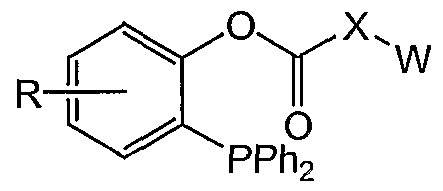


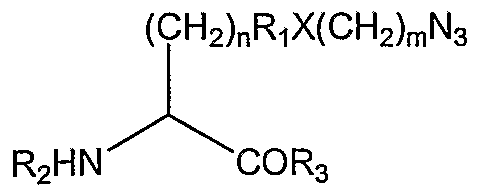

Claims
Priority Applications (8)
| Application Number | Priority Date | Filing Date | Title |
|---|---|---|---|
| CA002569381A CA2569381A1 (en) | 2004-07-21 | 2005-07-21 | Biosynthetic polypeptides utilizing non-naturally encoded amino acids |
| BRPI0512396-8A BRPI0512396A (en) | 2004-07-21 | 2005-07-21 | biosynthetic polypeptides using non-naturally encoded amino acids |
| EP05857539A EP1771573A4 (en) | 2004-07-21 | 2005-07-21 | Biosynthetic polypeptides utilizing non-naturally encoded amino acids |
| MX2007000728A MX2007000728A (en) | 2004-07-21 | 2005-07-21 | Biosynthetic polypeptides utilizing non-naturally encoded amino acids. |
| AU2005327906A AU2005327906B2 (en) | 2004-07-21 | 2005-07-21 | Biosynthetic polypeptides utilizing non-naturally encoded amino acids |
| JP2007522732A JP2008507280A (en) | 2004-07-21 | 2005-07-21 | Biosynthetic polypeptides using non-naturally encoded amino acids |
| IL179808A IL179808A (en) | 2004-07-21 | 2006-12-04 | Biosynthetic polypeptides utilizing non-naturally encoded amino acids |
| GB0701658A GB2431658A (en) | 2004-07-21 | 2007-01-29 | Biosynthetic polypeptides utilizing non-naturally encoded amino acids |
Applications Claiming Priority (4)
| Application Number | Priority Date | Filing Date | Title |
|---|---|---|---|
| US59003504P | 2004-07-21 | 2004-07-21 | |
| US60/590,035 | 2004-07-21 | ||
| US65970905P | 2005-03-07 | 2005-03-07 | |
| US60/659,709 | 2005-03-07 |
Publications (2)
| Publication Number | Publication Date |
|---|---|
| WO2006091231A2 true WO2006091231A2 (en) | 2006-08-31 |
| WO2006091231A3 WO2006091231A3 (en) | 2007-12-27 |
Family
ID=36927865
Family Applications (1)
| Application Number | Title | Priority Date | Filing Date |
|---|---|---|---|
| PCT/US2005/025834 Ceased WO2006091231A2 (en) | 2004-07-21 | 2005-07-21 | Biosynthetic polypeptides utilizing non-naturally encoded amino acids |
Country Status (11)
| Country | Link |
|---|---|
| US (2) | US7638299B2 (en) |
| EP (1) | EP1771573A4 (en) |
| JP (1) | JP2008507280A (en) |
| KR (1) | KR20070039593A (en) |
| AU (1) | AU2005327906B2 (en) |
| BR (1) | BRPI0512396A (en) |
| CA (1) | CA2569381A1 (en) |
| GB (1) | GB2431658A (en) |
| IL (1) | IL179808A (en) |
| MX (1) | MX2007000728A (en) |
| WO (1) | WO2006091231A2 (en) |
Cited By (14)
| Publication number | Priority date | Publication date | Assignee | Title |
|---|---|---|---|---|
| EP1978989A4 (en) * | 2005-12-30 | 2009-03-18 | Ambrx Inc | Compositions containing, methods involving, and uses of non-natural amino acids and polypeptides |
| JP2010502218A (en) * | 2006-09-08 | 2010-01-28 | アンブルックス,インコーポレイテッド | Modified human plasma polypeptides or modified human Fc scaffold proteins and uses thereof |
| EP2247743A4 (en) * | 2008-02-08 | 2011-08-03 | Ambrx Inc | Modified leptin polypeptides and their uses |
| US8518666B2 (en) | 2006-03-03 | 2013-08-27 | California Institute Of Technology | Site-specific incorporation of amino acids into molecules |
| EP2813514A4 (en) * | 2012-02-10 | 2015-09-09 | Hybio Pharmaceutical Co Ltd | Method for purifying solid-phase synthetic crude liraglutide |
| US9133457B2 (en) | 2004-05-17 | 2015-09-15 | California Institute Of Technology | Methods of incorporating amino acid analogs into proteins |
| US20160022780A1 (en) * | 2009-08-28 | 2016-01-28 | Research Development Foundation | Urocortin 2 analogs and uses thereof |
| US9879249B2 (en) | 2009-02-17 | 2018-01-30 | Redwood Bioscience, Inc. | Aldehyde-tagged protein-based drug carriers and methods of use |
| US9962450B2 (en) | 2010-08-17 | 2018-05-08 | Ambrx, Inc. | Method of treating heart failure with modified relaxin polypeptides |
| US10183998B2 (en) | 2011-01-14 | 2019-01-22 | Redwood Bioscience, Inc. | Aldehyde-tagged immunoglobulin polypeptides and methods of use thereof |
| US10253083B2 (en) | 2010-08-17 | 2019-04-09 | Ambrx, Inc. | Therapeutic uses of modified relaxin polypeptides |
| US10266578B2 (en) | 2017-02-08 | 2019-04-23 | Bristol-Myers Squibb Company | Modified relaxin polypeptides comprising a pharmacokinetic enhancer and uses thereof |
| CN113166196A (en) * | 2018-10-01 | 2021-07-23 | 日内瓦大学 | Methods for generating multiple polypeptide variants suitable for biological analysis |
| US11208632B2 (en) | 2016-04-26 | 2021-12-28 | R.P. Scherer Technologies, Llc | Antibody conjugates and methods of making and using the same |
Families Citing this family (122)
| Publication number | Priority date | Publication date | Assignee | Title |
|---|---|---|---|---|
| US20060088899A1 (en) * | 2002-05-31 | 2006-04-27 | Alvarez Vernon L | Combination chemotherapy with chlorotoxin |
| WO2004060403A2 (en) * | 2003-01-06 | 2004-07-22 | Angiochem Inc. | Aprotinin and anglos as carriers across the blood-brain barrier |
| ES2744225T3 (en) * | 2005-07-15 | 2020-02-24 | Angiochem Inc | Use of aprotinin polypeptides as carriers in pharmaceutical conjugates |
| KR20080079643A (en) * | 2005-11-16 | 2008-09-01 | 암브룩스, 인코포레이티드 | Methods and Compositions Including Non-Natural Amino Acids |
| US20130172274A1 (en) | 2005-12-20 | 2013-07-04 | Duke University | Methods and compositions for delivering active agents with enhanced pharmacological properties |
| US8841255B2 (en) | 2005-12-20 | 2014-09-23 | Duke University | Therapeutic agents comprising fusions of vasoactive intestinal peptide and elastic peptides |
| US7776535B2 (en) * | 2006-02-06 | 2010-08-17 | Franklin And Marshall College | Site-specific incorporation of fluorinated amino acids into proteins |
| JP2009531022A (en) * | 2006-02-17 | 2009-09-03 | ラパポート ファミリー インスティテュート フォー リサーチ イン ザ メディカル サイエンシーズ | Molecules for treating CCR5 / CCR5 ligand-related diseases and methods of use thereof |
| JP2008169195A (en) * | 2007-01-05 | 2008-07-24 | Hanmi Pharmaceutical Co Ltd | Insulin secretory peptide drug conjugates using carrier substances |
| US9365634B2 (en) * | 2007-05-29 | 2016-06-14 | Angiochem Inc. | Aprotinin-like polypeptides for delivering agents conjugated thereto to tissues |
| WO2008151257A2 (en) | 2007-06-04 | 2008-12-11 | Synergy Pharmaceuticals Inc. | Agonists of guanylate cyclase useful for the treatment of gastrointestinal disorders, inflammation, cancer and other disorders |
| US8969514B2 (en) | 2007-06-04 | 2015-03-03 | Synergy Pharmaceuticals, Inc. | Agonists of guanylate cyclase useful for the treatment of hypercholesterolemia, atherosclerosis, coronary heart disease, gallstone, obesity and other cardiovascular diseases |
| AU2008285364A1 (en) * | 2007-08-07 | 2009-02-12 | Transmolecular, Inc. | Chlorotoxins as drug carriers |
| CN101918545A (en) * | 2008-01-02 | 2010-12-15 | 丹尼斯科美国公司 | Glucoamylase-free process for obtaining ethanol using Pseudomonas saccharophila G4-amylase and variants thereof |
| EP2229407B1 (en) * | 2008-01-09 | 2016-11-16 | Sanofi-Aventis Deutschland GmbH | Novel insulin derivatives having an extremely delayed time-action profile |
| EP2229406B1 (en) * | 2008-01-09 | 2015-04-22 | Sanofi-Aventis Deutschland GmbH | Novel insulin derivatives having an extremely delayed time-action profile |
| US8849316B2 (en) * | 2008-01-31 | 2014-09-30 | Qualcomm Incorporated | Paging and access via different nodes |
| BRPI0906388A2 (en) * | 2008-02-08 | 2015-07-07 | Scripps Research Inst | Immune tolerance breakdown with a genetically encoded unnatural amino acid |
| WO2009151491A2 (en) * | 2008-02-27 | 2009-12-17 | The Scripps Research Institute | In vivo incorporation of an unnatural amino acid comprising a 1,2-aminothiol group |
| US20110015345A1 (en) * | 2008-03-19 | 2011-01-20 | Ambrx, Inc. | Modified FGF-23 Polypeptides and Their Uses |
| PT2279008T (en) | 2008-04-18 | 2019-05-20 | Angiochem Inc | Pharmaceutical compositions of paclitaxel, paclitaxel analogs or paclitaxel conjugates and related methods of preparation and use |
| CA2724384A1 (en) | 2008-05-15 | 2009-11-19 | Transmolecular, Inc. | Treatment of metastatic tumors |
| WO2009149279A2 (en) | 2008-06-04 | 2009-12-10 | Synergy Pharmaceuticals Inc. | Agonists of guanylate cyclase useful for the treatment of gastrointestinal disorders, inflammation, cancer and other disorders |
| WO2009158704A2 (en) | 2008-06-27 | 2009-12-30 | Duke University | Therapeutic agents comprising elastin-like peptides |
| CA2730603C (en) | 2008-07-16 | 2019-09-24 | Synergy Pharmaceuticals Inc. | Agonists of guanylate cyclase useful for the treatment of gastrointestinal disorders, inflammation, cancer and other disorders |
| JP5705118B2 (en) | 2008-10-15 | 2015-04-22 | アンジオケム インコーポレーテッド | Etoposide and doxorubicin complex for drug delivery |
| AU2009304560A1 (en) * | 2008-10-15 | 2010-04-22 | Angiochem Inc. | Conjugates of GLP-1 agonists and uses thereof |
| PT2349324T (en) | 2008-10-17 | 2017-12-06 | Sanofi Aventis Deutschland | Combination of an insulin and a glp-1 agonist |
| US9914754B2 (en) | 2008-12-05 | 2018-03-13 | Angiochem Inc. | Conjugates of neurotensin or neurotensin analogs and uses thereof |
| WO2010069074A1 (en) | 2008-12-17 | 2010-06-24 | Universite Du Quebec A Montreal | Membrane type-1 matrix metalloprotein inhibitors and uses thereof |
| AU2010239069B2 (en) | 2009-04-20 | 2015-05-14 | Angiochem Inc | Treatment of ovarian cancer using an anticancer agent conjugated to an Angiopep-2 analog |
| AU2010251109B2 (en) | 2009-05-19 | 2014-05-29 | Dupont Nutrition Biosciences Aps | Amylase polypeptides |
| JP5932642B2 (en) | 2009-07-02 | 2016-06-08 | アンジオケム インコーポレーテッド | Multimeric peptide conjugates and uses thereof |
| WO2011058083A1 (en) | 2009-11-13 | 2011-05-19 | Sanofi-Aventis Deutschland Gmbh | Pharmaceutical composition comprising a glp-1 agonist, an insulin, and methionine |
| SG10201500871TA (en) | 2009-11-13 | 2015-04-29 | Sanofi Aventis Deutschland | Pharmaceutical composition comprising a glp-1 agonist and methionine |
| WO2011097533A1 (en) | 2010-02-04 | 2011-08-11 | Transmolecular, Inc. | Chlorotoxin polypeptides and conjugates and uses thereof |
| EP2552945B1 (en) | 2010-03-29 | 2018-05-02 | DuPont Nutrition Biosciences ApS | Polypeptides having transgalactosylating activity |
| WO2011133948A2 (en) | 2010-04-22 | 2011-10-27 | Longevity Biotech, Inc. | Highly active polypeptides and methods of making and using the same |
| US9719068B2 (en) | 2010-05-06 | 2017-08-01 | Children's Hospital Medical Center | Methods and systems for converting precursor cells into intestinal tissues through directed differentiation |
| ES2811065T3 (en) | 2010-05-11 | 2021-03-10 | Hutchinson Fred Cancer Res | Chlorotoxin variants, conjugates and methods for their use |
| RS55378B1 (en) | 2010-08-30 | 2017-03-31 | Sanofi Aventis Deutschland | USE OF AVE0010 FOR MANUFACTURE OF TREATMENT OF DIABETES MELLITUS TYPE 2 |
| US9616097B2 (en) | 2010-09-15 | 2017-04-11 | Synergy Pharmaceuticals, Inc. | Formulations of guanylate cyclase C agonists and methods of use |
| WO2012138867A2 (en) * | 2011-04-07 | 2012-10-11 | The Board Of Trustees Of The Leland Stanford Junior University | Long-acting peptide analogs |
| US9821032B2 (en) | 2011-05-13 | 2017-11-21 | Sanofi-Aventis Deutschland Gmbh | Pharmaceutical combination for improving glycemic control as add-on therapy to basal insulin |
| US9382304B2 (en) * | 2011-07-08 | 2016-07-05 | Amylin Pharmaceuticals, Llc | Engineered polypeptides having enhanced duration of action with reduced immunogenicity |
| HRP20151068T1 (en) | 2011-08-29 | 2016-01-01 | Sanofi-Aventis Deutschland Gmbh | Pharmaceutical combination for use in glycemic control in diabetes type 2 patients |
| AR087744A1 (en) | 2011-09-01 | 2014-04-16 | Sanofi Aventis Deutschland | PHARMACEUTICAL COMPOSITION FOR USE IN THE TREATMENT OF A NEURODEGENERATIVE DISEASE |
| WO2013122979A1 (en) * | 2012-02-15 | 2013-08-22 | Chirhoclin, Inc. | Methods for treating pain associated with chronic pancreatitis |
| US8835387B2 (en) | 2012-02-16 | 2014-09-16 | Atyr Pharma, Inc. | Histidyl-tRNA synthetases for treating autoimmune and inflammatory diseases |
| US11406718B2 (en) | 2012-05-29 | 2022-08-09 | Chirhoclin, Inc. | Methods of detecting pancreobiliary ductal leaks |
| PL3473714T3 (en) | 2012-06-08 | 2022-07-25 | Dupont Nutrition Biosciences Aps | Polypeptides having transgalactosylating activity |
| US20140051834A1 (en) * | 2012-06-21 | 2014-02-20 | Hoffmann-La Roche, Inc. | Incretin Receptor Ligand Polypeptide Fc-Region Fusion Polypeptides And Conjugates With Altered Fc-Effector Function |
| HK1211208A1 (en) | 2012-08-22 | 2016-05-20 | Immunogen, Inc. | Cytotoxic benzodiazepine derivative |
| UA116217C2 (en) | 2012-10-09 | 2018-02-26 | Санофі | Exendin-4 derivatives as dual glp1/glucagon agonists |
| CA2913029A1 (en) | 2012-12-10 | 2014-06-19 | Fred Hutchinson Cancer Research Center | Lipocalin fusion partners |
| SG11201503526UA (en) | 2012-12-21 | 2015-06-29 | Sanofi Sa | Dual glp1/gip or trigonal glp1/gip/glucagon agonists |
| US9545446B2 (en) | 2013-02-25 | 2017-01-17 | Synergy Pharmaceuticals, Inc. | Agonists of guanylate cyclase and their uses |
| WO2014151200A2 (en) | 2013-03-15 | 2014-09-25 | Synergy Pharmaceuticals Inc. | Compositions useful for the treatment of gastrointestinal disorders |
| EP2970384A1 (en) | 2013-03-15 | 2016-01-20 | Synergy Pharmaceuticals Inc. | Agonists of guanylate cyclase and their uses |
| JP6397479B2 (en) | 2013-03-15 | 2018-09-26 | エータイアー ファーマ, インコーポレイテッド | Histidyl-tRNA synthetase Fc conjugate |
| WO2014145718A2 (en) | 2013-03-15 | 2014-09-18 | Longevity Biotech, Inc. | Peptides comprising non-natural amino acids and methods of making and using the same |
| AU2014274812B2 (en) | 2013-06-05 | 2018-09-27 | Bausch Health Ireland Limited | Ultra-pure agonists of guanylate cyclase C, method of making and using same |
| US11559580B1 (en) | 2013-09-17 | 2023-01-24 | Blaze Bioscience, Inc. | Tissue-homing peptide conjugates and methods of use thereof |
| CN106061494A (en) | 2013-10-10 | 2016-10-26 | 辛纳吉制药公司 | Agonists of guanylate cyclase useful for the treatment of opioid induced dysfunctions |
| BR112016013485A2 (en) | 2013-12-11 | 2017-10-03 | Dupont Nutrition Biosci Aps | METHOD FOR PREPARING A DAIRY PRODUCT HAVING STABLE GALACTO-OLIGOSACCHARIDE(S) CONTENT |
| WO2015086729A1 (en) | 2013-12-13 | 2015-06-18 | Sanofi | Dual glp-1/gip receptor agonists |
| WO2015086730A1 (en) | 2013-12-13 | 2015-06-18 | Sanofi | Non-acylated exendin-4 peptide analogues |
| WO2015086733A1 (en) | 2013-12-13 | 2015-06-18 | Sanofi | Dual glp-1/glucagon receptor agonists |
| EP3080150B1 (en) | 2013-12-13 | 2018-08-01 | Sanofi | Exendin-4 peptide analogues as dual glp-1/gip receptor agonists |
| TW201625670A (en) | 2014-04-07 | 2016-07-16 | 賽諾菲公司 | Dual GLP-1/glucagon receptor agonists derived from EXENDIN-4 |
| TW201625668A (en) | 2014-04-07 | 2016-07-16 | 賽諾菲公司 | Exendin-4 derivatives as peptidic dual GLP-1/glucagon receptor agonists |
| TW201625669A (en) | 2014-04-07 | 2016-07-16 | 賽諾菲公司 | Peptidic dual GLP-1/glucagon receptor agonists derived from Exendin-4 |
| US10174289B2 (en) | 2014-05-28 | 2019-01-08 | Children's Hospital Medical Center | Methods and systems for converting precursor cells into gastric tissues through directed differentiation |
| US9932381B2 (en) | 2014-06-18 | 2018-04-03 | Sanofi | Exendin-4 derivatives as selective glucagon receptor agonists |
| US11584916B2 (en) | 2014-10-17 | 2023-02-21 | Children's Hospital Medical Center | Method of making in vivo human small intestine organoids from pluripotent stem cells |
| MX383182B (en) | 2014-11-07 | 2025-03-13 | Dupont Nutrition Biosci Aps | Recombinant host cell expressing beta-galactosidase and/or transgalactosylating activity deficient in mannanase, cellulase and pectinase |
| TWI758239B (en) | 2014-12-12 | 2022-03-21 | 德商賽諾菲阿凡提斯德意志有限公司 | Insulin glargine/lixisenatide fixed ratio formulation |
| TWI748945B (en) | 2015-03-13 | 2021-12-11 | 德商賽諾菲阿凡提斯德意志有限公司 | Treatment type 2 diabetes mellitus patients |
| TW201705975A (en) | 2015-03-18 | 2017-02-16 | 賽諾菲阿凡提斯德意志有限公司 | Treatment of type 2 diabetes mellitus patients |
| US11319359B2 (en) | 2015-04-17 | 2022-05-03 | Alpine Immune Sciences, Inc. | Immunomodulatory proteins with tunable affinities |
| US10676723B2 (en) | 2015-05-11 | 2020-06-09 | David Gordon Bermudes | Chimeric protein toxins for expression by therapeutic bacteria |
| AR105319A1 (en) | 2015-06-05 | 2017-09-27 | Sanofi Sa | PROPHARMS THAT INCLUDE A DUAL AGONIST GLU-1 / GLUCAGON CONJUGATE HIALURONIC ACID CONNECTOR |
| EP3307326B9 (en) | 2015-06-15 | 2021-02-24 | Angiochem Inc. | Methods for the treatment of leptomeningeal carcinomatosis |
| TW201706291A (en) | 2015-07-10 | 2017-02-16 | 賽諾菲公司 | New EXENDIN-4 derivatives as selective peptidic dual GLP-1/glucagon receptor agonists |
| EP3319936B1 (en) | 2015-07-12 | 2025-12-17 | Hangzhou Dac Biotech Co., Ltd. | Bridge linkers for conjugation of cell-binding molecules |
| US9839687B2 (en) | 2015-07-15 | 2017-12-12 | Suzhou M-Conj Biotech Co., Ltd. | Acetylenedicarboxyl linkers and their uses in specific conjugation of a cell-binding molecule |
| CN105349547A (en) * | 2015-12-02 | 2016-02-24 | 浙江大学 | Method for increasing weight of Bombyx mori pupa bodies |
| CN105349548A (en) * | 2015-12-02 | 2016-02-24 | 浙江大学 | Method for increasing weight of Bombyx mori larvae |
| WO2017120220A1 (en) | 2016-01-04 | 2017-07-13 | Adepthera Llc | Peptide analogs |
| EP3402804A1 (en) | 2016-01-11 | 2018-11-21 | Synergy Pharmaceuticals Inc. | Formulations and methods for treating ulcerative colitis |
| US11701409B2 (en) | 2016-02-09 | 2023-07-18 | Adepthera Llc | Dosing and use of long-acting CLR/ramp agonists |
| CA3021011A1 (en) | 2016-04-15 | 2017-10-19 | Blaze Bioscience, Inc. | Methods of treating breast cancer |
| CA3016641A1 (en) | 2016-05-05 | 2017-11-09 | Children's Hospital Medical Center | Methods for the in vitro manufacture of gastric fundus tissue and compositions related to same |
| KR102546194B1 (en) | 2016-11-04 | 2023-06-21 | 칠드런즈 호스피탈 메디칼 센터 | Liver-Like Organ Compositions and Methods of Making and Using The Same |
| KR20220147721A (en) | 2016-11-14 | 2022-11-03 | 항저우 디에이씨 바이오테크 씨오, 엘티디 | Conjugation linkers, cell binding molecule-drug conjugates containing the likers, methods of making and uses such conjugates with the linkers |
| WO2018106628A1 (en) | 2016-12-05 | 2018-06-14 | Children's Hospital Medical Center | Colonic organoids and methods of making and using same |
| US11129906B1 (en) | 2016-12-07 | 2021-09-28 | David Gordon Bermudes | Chimeric protein toxins for expression by therapeutic bacteria |
| EP3609527B1 (en) | 2017-03-29 | 2025-07-30 | Polaris Group | Protein conjugates |
| US11479763B2 (en) | 2017-04-07 | 2022-10-25 | Dupont Nutrition Biosciences Aps | Bacillus host cells producing β-galactosidases and lactases in the absence of p-nitrobenzylesterase side activity |
| WO2018191389A1 (en) * | 2017-04-12 | 2018-10-18 | Roche Sequencing Solutions, Inc. | A method for sequencing reaction with tagged nucleoside obtained via pictet spengler reaction |
| WO2018191673A1 (en) | 2017-04-14 | 2018-10-18 | Children's Hospital Medical Center | Multi donor stem cell compositions and methods of making same |
| WO2019005623A1 (en) | 2017-06-30 | 2019-01-03 | Adepthera Llc | Peptide analogs |
| CN107129530A (en) * | 2017-07-07 | 2017-09-05 | 派生特(福州)生物科技有限公司 | A kind of extracting method of bursopoietin |
| EP3694603A4 (en) | 2017-10-10 | 2021-07-14 | Children's Hospital Medical Center | COMPOSITIONS OF ESOPHAGIAN TISSUES AND / OR ORGANOIDS AND THEIR MANUFACTURING PROCESSES |
| WO2019126626A1 (en) | 2017-12-21 | 2019-06-27 | Children's Hospital Medical Center | Digitalized human organoids and methods of using same |
| JP2021517143A (en) * | 2018-03-14 | 2021-07-15 | バ、ヨン | PEGylated antifreeze protein and how to make it and how to use it |
| CA3096123A1 (en) | 2018-04-11 | 2019-10-17 | Inhibrx, Inc. | Multispecific polypeptide constructs having constrained cd3 binding and related methods and uses |
| WO2020023245A1 (en) | 2018-07-26 | 2020-01-30 | Children's Hospital Medical Center | Hepato-biliary-pancreatic tissues and methods of making same |
| SG11202102431YA (en) | 2018-09-12 | 2021-04-29 | Childrens Hospital Med Ct | Organoid compositions for the production of hematopoietic stem cells and derivatives thereof |
| CN109400683B (en) * | 2018-10-22 | 2022-05-17 | 安徽工程大学 | Antitumor cyclic peptide and preparation method and application thereof |
| CN109541239B (en) * | 2018-12-21 | 2021-09-24 | 云南农业大学 | A method for breeding Wuding chickens based on parathyroid hormone blood biochemical markers |
| US20220119772A1 (en) * | 2019-01-14 | 2022-04-21 | Children's Hospital Medical Center | Compositions and methods for treatment of a malabsorptive disorder |
| CA3141814A1 (en) | 2019-05-31 | 2020-12-03 | Children's Hospital Medical Center | Shaped organoid compositions and methods of making same |
| EP3976066A4 (en) | 2019-05-31 | 2023-06-28 | Children's Hospital Medical Center | Methods of generating and expanding hematopoietic stem cells |
| EP3980057A1 (en) | 2019-06-04 | 2022-04-13 | Institut Curie | Methods of producing shiga toxin b-subunit (stxb) monomers and oligomers, and uses thereof |
| BR112021025984A2 (en) | 2019-06-29 | 2022-04-12 | Hangzhou Dac Biotech Co Ltd | Tubulisin b antibody-derived conjugate (analog), compound, pharmaceutical composition, e, uses of the conjugate, compounds and pharmaceutical compositions |
| CN110540996B (en) * | 2019-08-29 | 2022-01-28 | 华中农业大学 | Procambarus clarkii i-type lysozyme gLysi2 gene, gLysi2 protein coded by same and application thereof |
| US11744878B2 (en) | 2020-08-19 | 2023-09-05 | Chirhoclin, Inc. | Methods for treatment of COVID-19 syndrome |
| CN112695033B (en) * | 2020-12-29 | 2021-08-24 | 华南师范大学 | siRNA based on male epidermal reproductive-related gene SP28 of Periplaneta americana and its preparation method and application |
| AU2021362997A1 (en) | 2021-11-03 | 2024-05-16 | Hangzhou Dac Biotech Co., Ltd. | Specific conjugation of an antibody |
| CN115806946B (en) * | 2022-12-20 | 2025-09-16 | 深圳瑞德林生物技术有限公司 | Preparation method of kyotorphin and derivative thereof |
| CN119592572A (en) * | 2024-09-10 | 2025-03-11 | 河南大学 | Method for preparing migratory locust Crz gene mutant and application of migratory locust Crz gene mutant in prevention and control |
Family Cites Families (218)
| Publication number | Priority date | Publication date | Assignee | Title |
|---|---|---|---|---|
| US3773919A (en) | 1969-10-23 | 1973-11-20 | Du Pont | Polylactide-drug mixtures |
| US4263428A (en) | 1978-03-24 | 1981-04-21 | The Regents Of The University Of California | Bis-anthracycline nucleic acid function inhibitors and improved method for administering the same |
| US4289872A (en) | 1979-04-06 | 1981-09-15 | Allied Corporation | Macromolecular highly branched homogeneous compound based on lysine units |
| ZA811368B (en) | 1980-03-24 | 1982-04-28 | Genentech Inc | Bacterial polypedtide expression employing tryptophan promoter-operator |
| ATE12348T1 (en) | 1980-11-10 | 1985-04-15 | Gersonde Klaus Prof Dr | PROCESS FOR THE PRODUCTION OF LIPID VESICLES BY ULTRASONIC TREATMENT, APPLICATION OF THE PROCESS AND DEVICE FOR CARRYING OUT THE PROCESS. |
| IE52535B1 (en) | 1981-02-16 | 1987-12-09 | Ici Plc | Continuous release pharmaceutical compositions |
| FR2504010B1 (en) | 1981-04-15 | 1985-10-25 | Sanofi Sa | ANTI-CANCER MEDICINAL PRODUCTS CONTAINING THE RICIN-ASSOCIATED CHAIN ASSOCIATED WITH ANTIMELANOMA ANTIBODY AND PROCESS FOR THEIR PREPARATION |
| US4551433A (en) | 1981-05-18 | 1985-11-05 | Genentech, Inc. | Microbial hybrid promoters |
| JPS57206622A (en) | 1981-06-10 | 1982-12-18 | Ajinomoto Co Inc | Blood substitute |
| US4485045A (en) | 1981-07-06 | 1984-11-27 | Research Corporation | Synthetic phosphatidyl cholines useful in forming liposomes |
| NZ201705A (en) | 1981-08-31 | 1986-03-14 | Genentech Inc | Recombinant dna method for production of hepatitis b surface antigen in yeast |
| EP0088046B1 (en) | 1982-02-17 | 1987-12-09 | Ciba-Geigy Ag | Lipids in the aqueous phase |
| US4671958A (en) * | 1982-03-09 | 1987-06-09 | Cytogen Corporation | Antibody conjugates for the delivery of compounds to target sites |
| DE3218121A1 (en) | 1982-05-14 | 1983-11-17 | Leskovar, Peter, Dr.-Ing., 8000 München | Pharmaceutical compositions for tumour treatment |
| EP0102324A3 (en) | 1982-07-29 | 1984-11-07 | Ciba-Geigy Ag | Lipids and surfactants in an aqueous medium |
| US4511502A (en) * | 1982-12-22 | 1985-04-16 | Genentech, Inc. | Purification and activity assurance of precipitated heterologous proteins |
| US4512922A (en) * | 1982-12-22 | 1985-04-23 | Genentech, Inc. | Purification and activity assurance of precipitated heterologous proteins |
| US4511503A (en) * | 1982-12-22 | 1985-04-16 | Genentech, Inc. | Purification and activity assurance of precipitated heterologous proteins |
| US5089398A (en) * | 1983-02-22 | 1992-02-18 | Chiron Corporation | Enhanced yeast transcription employing hybrid GAPDH promoter region constructs |
| US4876197A (en) | 1983-02-22 | 1989-10-24 | Chiron Corporation | Eukaryotic regulatable transcription |
| CA1341116C (en) | 1983-02-22 | 2000-10-17 | Rae Lyn Burke | Yeast expression systems with vectors having gapdh or pyk promoters and synthesis or foreign protein |
| JPS59166086A (en) | 1983-03-09 | 1984-09-19 | Teruhiko Beppu | Novel expression plasmids and their use to express the calf prochymosin gene in E. coli |
| US4859600A (en) * | 1983-04-25 | 1989-08-22 | Genentech, Inc. | Recombinant procaryotic cell containing correctly processed human growth hormone |
| US4755465A (en) * | 1983-04-25 | 1988-07-05 | Genentech, Inc. | Secretion of correctly processed human growth hormone in E. coli and Pseudomonas |
| ATE78293T1 (en) | 1983-05-27 | 1992-08-15 | Texas A & M Univ Sys | METHOD OF GENERATING A RECOMBINANT BACULOVIRUS EXPRESSION VECTOR. |
| US4544545A (en) | 1983-06-20 | 1985-10-01 | Trustees University Of Massachusetts | Liposomes containing modified cholesterol for organ targeting |
| HUT35524A (en) | 1983-08-02 | 1985-07-29 | Hoechst Ag | Process for preparing pharmaceutical compositions containing regulatory /regulative/ peptides providing for the retarded release of the active substance |
| US4689406A (en) * | 1983-08-10 | 1987-08-25 | Amgen | Enhancement of microbial expression of polypeptides |
| ATE159858T1 (en) * | 1983-09-26 | 1997-11-15 | Ehrenfeld Udo | AGENT AND PRODUCT FOR THE DIAGNOSIS AND THERAPY OF TUMORS AND FOR THE TREATMENT OF WEAKNESSES OF THE CELLULAR AND HUMORAL IMMUNE DEFENSE |
| EP0143949B1 (en) | 1983-11-01 | 1988-10-12 | TERUMO KABUSHIKI KAISHA trading as TERUMO CORPORATION | Pharmaceutical composition containing urokinase |
| DK518384A (en) | 1984-01-31 | 1985-07-01 | Idaho Res Found | VECTOR FOR THE MANUFACTURE OF A GENE PRODUCT IN INSECT CELLS, PROCEDURE FOR ITS MANUFACTURING AND ITS USE |
| DE3572982D1 (en) | 1984-03-06 | 1989-10-19 | Takeda Chemical Industries Ltd | Chemically modified lymphokine and production thereof |
| EP0480480A3 (en) | 1984-05-11 | 1992-06-10 | Chiron Corporation | Enhanced yeast transcription employing hybrid promoter region constructs |
| US4880734A (en) | 1984-05-11 | 1989-11-14 | Chiron Corporation | Eukaryotic regulatable transcription |
| US4542225A (en) * | 1984-08-29 | 1985-09-17 | Dana-Farber Cancer Institute, Inc. | Acid-cleavable compound |
| US4738921A (en) * | 1984-09-27 | 1988-04-19 | Eli Lilly And Company | Derivative of the tryptophan operon for expression of fused gene products |
| US4659839A (en) * | 1984-10-10 | 1987-04-21 | Mallinckrodt, Inc. | Coupling agents for radiolabeled antibody fragments |
| US4837148A (en) * | 1984-10-30 | 1989-06-06 | Phillips Petroleum Company | Autonomous replication sequences for yeast strains of the genus pichia |
| GB8430252D0 (en) | 1984-11-30 | 1985-01-09 | Beecham Group Plc | Compounds |
| CA1336076C (en) | 1985-01-14 | 1995-06-27 | Alan R. Fritzberg | Metal radionuclide labeled proteins for diagnosis and therapy |
| DE3675588D1 (en) * | 1985-06-19 | 1990-12-20 | Ajinomoto Kk | HAEMOGLOBIN TIED TO A POLY (ALKENYLENE OXIDE). |
| DE3676670D1 (en) | 1985-06-26 | 1991-02-07 | Cetus Corp | SOLUBILIZATION OF PROTEINS FOR PHARMACEUTICAL COMPOSITIONS BY POLYMER CONJUGATION. |
| US4680338A (en) * | 1985-10-17 | 1987-07-14 | Immunomedics, Inc. | Bifunctional linker |
| US4699784A (en) | 1986-02-25 | 1987-10-13 | Center For Molecular Medicine & Immunology | Tumoricidal methotrexate-antibody conjugate |
| GB8610600D0 (en) | 1986-04-30 | 1986-06-04 | Novo Industri As | Transformation of trichoderma |
| JPS63123383A (en) | 1986-11-11 | 1988-05-27 | Mitsubishi Kasei Corp | Hybrid promoter, expression control DNA sequence and expression vector |
| US5186933A (en) | 1986-12-30 | 1993-02-16 | Baylor College Of Medicine | Synthesis and immunogenicity of rotavirus genes using a baculovirus expression system |
| AU1717688A (en) | 1987-03-16 | 1988-10-10 | American Biogenetic Sciences, Inc. | Recombinant baculovirus occlusion bodies in vaccines and biological insecticides |
| EP0284044B1 (en) | 1987-03-23 | 1994-03-23 | Zymogenetics, Inc. | High level expression in yeast |
| US5229490A (en) * | 1987-05-06 | 1993-07-20 | The Rockefeller University | Multiple antigen peptide system |
| WO1989001038A1 (en) | 1987-07-24 | 1989-02-09 | Cetus Corporation | PRODUCTION OF BIOLOGICALLY ACTIVE FORMS OF CSF USING A BACULOVIRUS (AcNPV)-INSECT CELL EXPRESSION SYSTEM |
| WO1989001037A1 (en) | 1987-07-24 | 1989-02-09 | Cetus Corporation | Production of ricin toxins in a baculovirus-insect cell expression system |
| US5080891A (en) | 1987-08-03 | 1992-01-14 | Ddi Pharmaceuticals, Inc. | Conjugates of superoxide dismutase coupled to high molecular weight polyalkylene glycols |
| US4929555A (en) * | 1987-10-19 | 1990-05-29 | Phillips Petroleum Company | Pichia transformation |
| US4904584A (en) * | 1987-12-23 | 1990-02-27 | Genetics Institute, Inc. | Site-specific homogeneous modification of polypeptides |
| CA1340772C (en) | 1987-12-30 | 1999-09-28 | Patricia Tekamp-Olson | Expression and secretion of heterologous protiens in yeast employing truncated alpha-factor leader sequences |
| US4847325A (en) | 1988-01-20 | 1989-07-11 | Cetus Corporation | Conjugation of polymer to colony stimulating factor-1 |
| US5674706A (en) | 1988-05-06 | 1997-10-07 | Chiron Corporation | High level expression of proteins in yeast |
| CA1324969C (en) * | 1988-05-06 | 1993-12-07 | Jeffrey R. Shuster | High level expression of proteins in yeast |
| FR2631974B1 (en) | 1988-05-31 | 1992-12-11 | Agronomique Inst Nat Rech | MODIFIED BACULOVIRUS, ITS PREPARATION METHOD AND ITS APPLICATION AS A GENE EXPRESSION VECTOR |
| WO1990001556A1 (en) | 1988-08-05 | 1990-02-22 | Mount Sinai School Of Medicine Of The City University Of New York | In vivo infection of live insects with a recombinant baculovirus |
| GB8819453D0 (en) | 1988-08-16 | 1988-09-21 | Roy P | Production of bluetongue virus non-structural proteins using baculovirus expression vector |
| NZ230425A (en) | 1988-09-02 | 1992-07-28 | Molecular Eng Ass | Production of paramyxovirus fusion (f) protein using recombinant baculovirus expression vector |
| GB8824591D0 (en) | 1988-10-20 | 1988-11-23 | Royal Free Hosp School Med | Fractionation process |
| US6780613B1 (en) | 1988-10-28 | 2004-08-24 | Genentech, Inc. | Growth hormone variants |
| CA2345497A1 (en) | 1988-10-28 | 1990-04-28 | Genentech, Inc. | Growth hormone variants and method for forming growth hormone variants |
| WO1990005785A1 (en) | 1988-11-18 | 1990-05-31 | The Regents Of The University Of California | Method for site-specifically incorporating unnatural amino acids into proteins |
| CA2006596C (en) | 1988-12-22 | 2000-09-05 | Rika Ishikawa | Chemically-modified g-csf |
| US4902502A (en) * | 1989-01-23 | 1990-02-20 | Cetus Corporation | Preparation of a polymer/interleukin-2 conjugate |
| WO1990010078A1 (en) | 1989-02-23 | 1990-09-07 | University Of Ottawa | Improved baculovirus expression system capable of producing foreign gene proteins at high levels |
| CA2045614C (en) | 1989-02-24 | 1997-09-30 | James W. Bacus | Method and apparatus for determining a proliferation index of a cell sample |
| US5324844A (en) * | 1989-04-19 | 1994-06-28 | Enzon, Inc. | Active carbonates of polyalkylene oxides for modification of polypeptides |
| US5122614A (en) | 1989-04-19 | 1992-06-16 | Enzon, Inc. | Active carbonates of polyalkylene oxides for modification of polypeptides |
| WO1990013540A1 (en) | 1989-04-19 | 1990-11-15 | Enzon, Inc. | Active carbonates of polyalkylene oxides for modification of polypeptides |
| JPH04501065A (en) | 1989-05-17 | 1992-02-27 | ユニバーシティ オブ ジョージア リサーチ ファウンデーション インコーポレイテッド | Improved baculovirus expression vector |
| EP0400472B1 (en) | 1989-05-27 | 1996-04-03 | Sumitomo Pharmaceuticals Company, Limited | Process for preparing polyethylene glycol derivatives and modified protein. |
| FR2649120B1 (en) | 1989-06-30 | 1994-01-28 | Cayla | NOVEL STRAIN AND ITS MUTANTS OF FILAMENTOUS MUSHROOMS, PROCESS FOR PRODUCING RECOMBINANT PROTEINS USING SAID STRAIN, AND STRAINS AND PROTEINS OBTAINED BY SAID METHOD |
| US5162601A (en) | 1989-11-22 | 1992-11-10 | The Upjohn Company | Plant potyvirus expression vector with a gene for protease |
| US5312808A (en) | 1989-11-22 | 1994-05-17 | Enzon, Inc. | Fractionation of polyalkylene oxide-conjugated hemoglobin solutions |
| US5545618A (en) | 1990-01-24 | 1996-08-13 | Buckley; Douglas I. | GLP-1 analogs useful for diabetes treatment |
| ATE164852T1 (en) | 1990-01-24 | 1998-04-15 | Douglas I Buckley | GLP-1 ANALOGUE USABLE IN DIABETES TREATMENT |
| US5219564A (en) * | 1990-07-06 | 1993-06-15 | Enzon, Inc. | Poly(alkylene oxide) amino acid copolymers and drug carriers and charged copolymers based thereon |
| FR2664905B1 (en) | 1990-07-18 | 1994-08-12 | Agronomique Inst Nat Rech | MODIFIED BACULOVIRUS, PROCESS FOR OBTAINING SAME, AND EXPRESSION VECTORS OBTAINED FROM SAID BACULOVIRUS. |
| WO1992001800A1 (en) * | 1990-07-20 | 1992-02-06 | Chiron Corporation | Method for integrative transformation of yeast using dispersed repetitive elements |
| EP0541721A4 (en) | 1990-08-02 | 1993-12-29 | Chiron Corporation | Expression of human cmv glycoprotein-h using the baculovirus-insect cell expression system |
| JPH06500470A (en) * | 1990-09-04 | 1994-01-20 | メルク エンド カンパニー インコーポレーテッド | Production of insulin-like growth factors in methylotrophic yeast cells |
| CA2073511A1 (en) * | 1990-11-14 | 1992-05-29 | Matthew R. Callstrom | Conjugates of poly(vinylsaccharide) with proteins for the stabilization of proteins |
| US5252714A (en) | 1990-11-28 | 1993-10-12 | The University Of Alabama In Huntsville | Preparation and use of polyethylene glycol propionaldehyde |
| DE69129154T2 (en) * | 1990-12-03 | 1998-08-20 | Genentech, Inc., South San Francisco, Calif. | METHOD FOR ENRICHING PROTEIN VARIANTS WITH CHANGED BINDING PROPERTIES |
| US5231178A (en) * | 1991-01-16 | 1993-07-27 | The Salk Institute Biotechnology/Industrial Associates, Inc. | Method for the purification of intact, correctly-folded insulin-like growth factor-1 |
| AU1676992A (en) | 1991-03-18 | 1992-10-21 | Enzon, Inc. | Hydrazine containing conjugates of polypeptides and glycopolypeptides with polymers |
| WO1992016619A1 (en) | 1991-03-19 | 1992-10-01 | Us Army | Expression of influenza nucleoprotein antigens in baculovirus |
| US5595732A (en) | 1991-03-25 | 1997-01-21 | Hoffmann-La Roche Inc. | Polyethylene-protein conjugates |
| US6126944A (en) | 1991-04-26 | 2000-10-03 | The United States Of America As Represented By The Department Of Health And Human Services | Baculovirus expression vectors and recombinant antigens for detecting type-specific antibodies to herpes simplex virus |
| US5281698A (en) * | 1991-07-23 | 1994-01-25 | Cetus Oncology Corporation | Preparation of an activated polymer ester for protein conjugation |
| US5290686A (en) | 1991-07-31 | 1994-03-01 | The United States Of America As Represented By The Department Of Health And Human Services | Expression of influenza a M2 protein in baculovirus |
| IT1260468B (en) | 1992-01-29 | 1996-04-09 | METHOD FOR MAINTAINING THE ACTIVITY OF PROTEOLYTIC ENZYMES MODIFIED WITH POLYETHYLENGLYCOL | |
| EP0636156B1 (en) | 1992-04-14 | 1997-07-30 | Cornell Research Foundation, Inc. | Dendritic based macromolecules and method of production |
| US5516657A (en) * | 1992-05-11 | 1996-05-14 | Cambridge Biotech Corporation | Baculovirus vectors for expression of secretory and membrane-bound proteins |
| ZA933926B (en) | 1992-06-17 | 1994-01-03 | Amgen Inc | Polyoxymethylene-oxyethylene copolymers in conjuction with blomolecules |
| AU5006993A (en) | 1992-08-21 | 1994-03-15 | Enzon, Inc. | Novel attachment of polyalkylene oxides to bio-effecting substances |
| US5382657A (en) * | 1992-08-26 | 1995-01-17 | Hoffmann-La Roche Inc. | Peg-interferon conjugates |
| NZ250375A (en) | 1992-12-09 | 1995-07-26 | Ortho Pharma Corp | Peg hydrazone and peg oxime linkage forming reagents and protein derivatives |
| US5298643A (en) | 1992-12-22 | 1994-03-29 | Enzon, Inc. | Aryl imidate activated polyalkylene oxides |
| WO1994015625A1 (en) | 1993-01-15 | 1994-07-21 | Enzon, Inc. | Factor viii - polymeric conjugates |
| US5349001A (en) | 1993-01-19 | 1994-09-20 | Enzon, Inc. | Cyclic imide thione activated polyalkylene oxides |
| US5321095A (en) | 1993-02-02 | 1994-06-14 | Enzon, Inc. | Azlactone activated polyalkylene oxides |
| US5532142A (en) * | 1993-02-12 | 1996-07-02 | Board Of Regents, The University Of Texas System | Method of isolation and purification of fusion polypeptides |
| IL104734A0 (en) * | 1993-02-15 | 1993-06-10 | Univ Bar Ilan | Bioactive conjugates of cellulose with amino compounds |
| WO1994028024A1 (en) | 1993-06-01 | 1994-12-08 | Enzon, Inc. | Carbohydrate-modified polymer conjugates with erythropoietic activity |
| WO1995000162A1 (en) | 1993-06-21 | 1995-01-05 | Enzon, Inc. | Site specific synthesis of conjugated peptides |
| GB9317618D0 (en) | 1993-08-24 | 1993-10-06 | Royal Free Hosp School Med | Polymer modifications |
| US5762939A (en) * | 1993-09-13 | 1998-06-09 | Mg-Pmc, Llc | Method for producing influenza hemagglutinin multivalent vaccines using baculovirus |
| US5919455A (en) | 1993-10-27 | 1999-07-06 | Enzon, Inc. | Non-antigenic branched polymer conjugates |
| US5643575A (en) * | 1993-10-27 | 1997-07-01 | Enzon, Inc. | Non-antigenic branched polymer conjugates |
| US5491076A (en) * | 1993-11-01 | 1996-02-13 | The Texas A&M University System | Expression of foreign genes using a replicating polyprotein producing virus vector |
| US5605792A (en) * | 1993-11-04 | 1997-02-25 | The Ohio State University Research Foundation | Infectious bursal disease virus VP2 fusion protein expressed by baculovirus, use as diagnostic |
| CA2176229C (en) | 1993-11-10 | 2003-05-27 | Carl W. Gilbert | Improved interferon polymer conjugates |
| US5951974A (en) | 1993-11-10 | 1999-09-14 | Enzon, Inc. | Interferon polymer conjugates |
| US5446090A (en) | 1993-11-12 | 1995-08-29 | Shearwater Polymers, Inc. | Isolatable, water soluble, and hydrolytically stable active sulfones of poly(ethylene glycol) and related polymers for modification of surfaces and molecules |
| FR2715664B1 (en) | 1994-01-31 | 1996-04-12 | Proteine Performance Sa | Recombinant baculovirus and its use for the production of monoclonal antibodies. |
| JP3090586B2 (en) * | 1994-03-15 | 2000-09-25 | 片倉工業株式会社 | Baculovirus deficient in cysteine protease gene, method for producing the same, and method for producing useful protein using the same |
| US5473034A (en) | 1994-03-18 | 1995-12-05 | Hyogo Prefectural Government | Method for producing protein-synthetic polymer conjugate and said conjugate produced thereby |
| US5629384A (en) * | 1994-05-17 | 1997-05-13 | Consiglio Nazionale Delle Ricerche | Polymers of N-acryloylmorpholine activated at one end and conjugates with bioactive materials and surfaces |
| WO1995033490A1 (en) | 1994-06-02 | 1995-12-14 | Enzon, Inc. | Method of solubilizing substantially water insoluble materials |
| US5730990A (en) | 1994-06-24 | 1998-03-24 | Enzon, Inc. | Non-antigenic amine derived polymers and polymer conjugates |
| US6403375B1 (en) | 1994-08-24 | 2002-06-11 | Boyce Thompson Institute For Plant Research, Inc. | Establishment of Trichoplusia ni cell lines in serum-free medium for recombinant protein and baculovirus production |
| US5650234A (en) | 1994-09-09 | 1997-07-22 | Surface Engineering Technologies, Division Of Innerdyne, Inc. | Electrophilic polyethylene oxides for the modification of polysaccharides, polypeptides (proteins) and surfaces |
| US5871986A (en) * | 1994-09-23 | 1999-02-16 | The General Hospital Corporation | Use of a baculovirus to express and exogenous gene in a mammalian cell |
| US5824784A (en) | 1994-10-12 | 1998-10-20 | Amgen Inc. | N-terminally chemically modified protein compositions and methods |
| EP0788375A2 (en) | 1994-11-09 | 1997-08-13 | Robin Ewart Offord | Functionalized polymers for site-specific attachment |
| US5738846A (en) | 1994-11-10 | 1998-04-14 | Enzon, Inc. | Interferon polymer conjugates and process for preparing the same |
| US5932462A (en) * | 1995-01-10 | 1999-08-03 | Shearwater Polymers, Inc. | Multiarmed, monofunctional, polymer for coupling to molecules and surfaces |
| AU720337B2 (en) | 1995-02-17 | 2000-05-25 | Stichting Dienst Landbouwkundig Onderzoek | Production of biologically active recombinant bovine follicle stimulating hormone (REC bFSH) in the baculovirus expression system |
| FR2732035B1 (en) | 1995-03-23 | 1997-05-30 | Agronomique Inst Nat Rech | METHOD FOR REGULATING THE EXPRESSION OF A GENE IN A BACULOVIRUS, BY A FIXATION SITE OF A RETINOIC ACID RECEPTOR, AND VECTOR FOR CARRYING OUT SAID METHOD |
| NZ308772A (en) | 1995-05-17 | 1999-04-29 | Du Pont | Recombinant baculovirus insecticides |
| WO1996040791A1 (en) | 1995-06-07 | 1996-12-19 | Novo Nordisk A/S | Modification of polypeptides |
| US5672662A (en) | 1995-07-07 | 1997-09-30 | Shearwater Polymers, Inc. | Poly(ethylene glycol) and related polymers monosubstituted with propionic or butanoic acids and functional derivatives thereof for biotechnical applications |
| AU1690697A (en) | 1996-01-17 | 1997-08-11 | Schering Corporation | Baculovirus expression system for human interleukin 5 receptor and method of screening for interleukin antagonists |
| US5861279A (en) * | 1996-01-17 | 1999-01-19 | Schering Corporation | Baculovirus expression system for human interleukin 5 receptor and method of screening for interleukin 5 antagonists |
| US5747639A (en) | 1996-03-06 | 1998-05-05 | Amgen Boulder Inc. | Use of hydrophobic interaction chromatography to purify polyethylene glycols |
| TW517067B (en) | 1996-05-31 | 2003-01-11 | Hoffmann La Roche | Interferon conjugates |
| ATE341344T1 (en) | 1996-08-02 | 2006-10-15 | Ortho Mcneil Pharm Inc | POLYPEPTIDES WITH SINGLE COVALENTLY BONDED N-TERMINAL WATER SOLUBLE POLYMER |
| US5980948A (en) | 1996-08-16 | 1999-11-09 | Osteotech, Inc. | Polyetherester copolymers as drug delivery matrices |
| US6214966B1 (en) * | 1996-09-26 | 2001-04-10 | Shearwater Corporation | Soluble, degradable poly(ethylene glycol) derivatives for controllable release of bound molecules into solution |
| WO1998025963A1 (en) | 1996-12-13 | 1998-06-18 | Chiron Corporation | Analysis and separation of platelet-derived growth factor proteins |
| DE69800640T2 (en) | 1997-01-29 | 2001-07-05 | Polymasc Pharmaceuticals Plc, London | PEGYLATION PROCEDURE |
| GB9703406D0 (en) * | 1997-02-19 | 1997-04-09 | Chiron Spa | Expression of heterologous proteins |
| JP2002505574A (en) | 1997-04-30 | 2002-02-19 | エンゾン,インコーポレイテッド | Polyalkylene oxide-modified single-chain polypeptides |
| US5990237A (en) | 1997-05-21 | 1999-11-23 | Shearwater Polymers, Inc. | Poly(ethylene glycol) aldehyde hydrates and related polymers and applications in modifying amines |
| WO1998055500A1 (en) | 1997-06-06 | 1998-12-10 | Kyowa Hakko Kogyo Co., Ltd. | Chemically modified polypeptides |
| US5965393A (en) | 1997-07-01 | 1999-10-12 | National Institute Of Immunology | Method for enhancing foreign gene expression in baculovirus expression vector system |
| DE69838552T2 (en) | 1997-07-14 | 2008-05-21 | Bolder Biotechnology, Inc., Louisville | DERIVATIVES OF GROWTH HORMONE AND RELATED PROTEINS |
| GB9715660D0 (en) | 1997-07-25 | 1997-10-01 | Zeneca Ltd | Proteins |
| WO1999007862A1 (en) | 1997-08-05 | 1999-02-18 | Chiron Corporation | Novel pichia pastoris gene sequences and methods for their use |
| DE19735593C2 (en) | 1997-08-15 | 1999-08-26 | Hepavec Ag Fuer Gentherapie | Coat protein-modified baculovirus vector for gene therapy |
| US6090584A (en) | 1997-08-21 | 2000-07-18 | University Technologies International Inc. | Baculovirus artificial chromosomes and methods of use |
| US5989868A (en) | 1997-09-12 | 1999-11-23 | The Board Of Regents Of The University Of Oklahoma | Fusion protein systems designed to increase soluble cytoplasmic expression of heterologous proteins in esherichia coli |
| ATE294860T1 (en) * | 1997-09-16 | 2005-05-15 | Egea Biosciences Llc | METHODS FOR COMPLETE CHEMICAL SYNTHESIS AND ASSEMBLY OF GENES AND GENOMES |
| AU752037B2 (en) | 1997-09-26 | 2002-09-05 | Uab Research Foundation | Reduced antigenic cells and uses therefor |
| US6201072B1 (en) * | 1997-10-03 | 2001-03-13 | Macromed, Inc. | Biodegradable low molecular weight triblock poly(lactide-co- glycolide) polyethylene glycol copolymers having reverse thermal gelation properties |
| US6004573A (en) | 1997-10-03 | 1999-12-21 | Macromed, Inc. | Biodegradable low molecular weight triblock poly(lactide-co-glycolide) polyethylene glycol copolymers having reverse thermal gelation properties |
| DE19748489A1 (en) * | 1997-11-03 | 1999-05-06 | Roche Diagnostics Gmbh | Polyethylene glycol-derivatized biomolecules and their use in heterogeneous detection methods |
| US6448369B1 (en) * | 1997-11-06 | 2002-09-10 | Shearwater Corporation | Heterobifunctional poly(ethylene glycol) derivatives and methods for their preparation |
| EP0924298A1 (en) | 1997-12-18 | 1999-06-23 | Stichting Instituut voor Dierhouderij en Diergezondheid (ID-DLO) | Protein expression in baculovirus vector expression systems |
| US5985263A (en) | 1997-12-19 | 1999-11-16 | Enzon, Inc. | Substantially pure histidine-linked protein polymer conjugates |
| US5981709A (en) | 1997-12-19 | 1999-11-09 | Enzon, Inc. | α-interferon-polymer-conjugates having enhanced biological activity and methods of preparing the same |
| AU2898299A (en) * | 1998-03-04 | 1999-09-20 | Onyx Pharmaceuticals, Inc. | Baculovirus expression system and method for high throughput expression of genetic material |
| US6423685B1 (en) * | 1998-03-05 | 2002-07-23 | Chiron Corporation | Method for increasing the serum half-life of a biologically active molecule |
| ES2222689T3 (en) * | 1998-03-12 | 2005-02-01 | Nektar Therapeutics Al, Corporation | DERIVATIVES OF POLYETHYLENE GLYCOL WITH PROXIMAL REACTIVE GROUPS. |
| KR100264953B1 (en) | 1998-04-03 | 2001-03-02 | 박현우 | Recombinant baculovirus, process for preparing thereof and microbial insecticides containing same |
| US6451986B1 (en) | 1998-06-22 | 2002-09-17 | Immunex Corporation | Site specific protein modification |
| US6168932B1 (en) * | 1998-07-13 | 2001-01-02 | Parker Hughes Institute | Recombinant DTctGMCSF fusion toxin in a baculovirus expression vector system |
| US6245528B1 (en) * | 1998-07-28 | 2001-06-12 | Academia Sinica | Latent baculovirus expression system |
| US6368825B1 (en) * | 1998-08-10 | 2002-04-09 | Academia Sinica | Baculovirus containing minimal CMV promoter |
| KR20010085742A (en) * | 1998-08-28 | 2001-09-07 | 추후제출 | Polyamide chains of precise length, methods to manufacture them and their conjugates with proteins |
| WO2000020032A1 (en) | 1998-10-06 | 2000-04-13 | Trustees Of Dartmouth College | RECOMBINANT CAT ALLERGEN, Fel dI, EXPRESSED IN BACULOVIRUS FOR DIAGNOSIS AND TREATMENT OF CAT ALLERGY |
| US6420339B1 (en) * | 1998-10-14 | 2002-07-16 | Amgen Inc. | Site-directed dual pegylation of proteins for improved bioactivity and biocompatibility |
| CN1325443A (en) | 1998-10-30 | 2001-12-05 | 诺沃奇梅兹有限公司 | Glycosylated proteins with reduced allergenicity |
| US6451346B1 (en) | 1998-12-23 | 2002-09-17 | Amgen Inc | Biodegradable pH/thermosensitive hydrogels for sustained delivery of biologically active agents |
| US6281211B1 (en) | 1999-02-04 | 2001-08-28 | Euro-Celtique S.A. | Substituted semicarbazides and the use thereof |
| US6342216B1 (en) * | 1999-03-17 | 2002-01-29 | The Board Of Regents, The University Of Texas System | Therapy of cancer by insect cells containing recombinant baculovirus encoding genes |
| WO2000055353A1 (en) | 1999-03-17 | 2000-09-21 | The Board Of Trustees Of The Leland Stanford Junior University | In vitro macromolecule biosynthesis methods using exogenous amino acids and a novel atp regeneration system |
| US6994986B2 (en) * | 1999-03-17 | 2006-02-07 | The Board Of Trustees Of The Leland Stanford University | In vitro synthesis of polypeptides by optimizing amino acid metabolism |
| US6337191B1 (en) * | 1999-03-22 | 2002-01-08 | The Board Of Trustees Of The Leland Stanford Junior University | Vitro protein synthesis using glycolytic intermediates as an energy source |
| DE60034045T2 (en) | 1999-04-16 | 2007-11-22 | WM. Marsh Rice University, Houston | Biodegradable polypropylene fumarate networks crosslinked with polypropylene fumarate diacrylate macromers |
| US6849714B1 (en) * | 1999-05-17 | 2005-02-01 | Conjuchem, Inc. | Protection of endogenous therapeutic peptides from peptidase activity through conjugation to blood components |
| US6261805B1 (en) * | 1999-07-15 | 2001-07-17 | Boyce Thompson Institute For Plant Research, Inc. | Sialyiation of N-linked glycoproteins in the baculovirus expression vector system |
| AU2039501A (en) | 1999-10-15 | 2001-04-23 | Rockefeller University, The | System for rapid generation of recombinant baculovirus-based expression vectors for silkworm larvae |
| US6348558B1 (en) * | 1999-12-10 | 2002-02-19 | Shearwater Corporation | Hydrolytically degradable polymers and hydrogels made therefrom |
| ATE317868T1 (en) * | 1999-12-22 | 2006-03-15 | Nektar Therapeutics Al Corp | STERICALLY HINDERED DERIVATIVES OF WATER SOLUBLE POLYMERS |
| KR100729977B1 (en) * | 1999-12-22 | 2007-06-20 | 넥타르 테라퓨틱스 에이엘, 코포레이션 | Process for preparing 1-benzotriazolyl carbonate ester of poly (ethylene glycol) |
| US6413507B1 (en) * | 1999-12-23 | 2002-07-02 | Shearwater Corporation | Hydrolytically degradable carbamate derivatives of poly (ethylene glycol) |
| US6646110B2 (en) | 2000-01-10 | 2003-11-11 | Maxygen Holdings Ltd. | G-CSF polypeptides and conjugates |
| WO2001062827A2 (en) | 2000-02-22 | 2001-08-30 | Shearwater Corporation | N-maleimidyl polymer derivatives |
| WO2001062299A2 (en) | 2000-02-28 | 2001-08-30 | Shearwater Corporation | Water-soluble polymer conjugates of artelinic acid |
| US6586207B2 (en) * | 2000-05-26 | 2003-07-01 | California Institute Of Technology | Overexpression of aminoacyl-tRNA synthetases for efficient production of engineered proteins containing amino acid analogues |
| GB0012997D0 (en) | 2000-05-26 | 2000-07-19 | Eurogene Limited | Gene delivery |
| JP2002030098A (en) | 2000-07-17 | 2002-01-29 | Institute Of Immunology Co Ltd | Method for recovering virus envelope from budding virus of baculovirus |
| US6436386B1 (en) | 2000-11-14 | 2002-08-20 | Shearwater Corporation | Hydroxyapatite-targeting poly (ethylene glycol) and related polymers |
| TW593427B (en) * | 2000-12-18 | 2004-06-21 | Nektar Therapeutics Al Corp | Synthesis of high molecular weight non-peptidic polymer derivatives |
| TWI246524B (en) | 2001-01-19 | 2006-01-01 | Shearwater Corp | Multi-arm block copolymers as drug delivery vehicles |
| MXPA03009566A (en) | 2001-04-19 | 2004-12-06 | Scripps Research Inst | Methods and composition for the production of orthoganal trna-aminoacyltrna synthetase pairs. |
| US6864069B2 (en) * | 2001-10-05 | 2005-03-08 | Bayer Pharmaceuticals Corporation | Peptides acting as both GLP-1 receptor agonists and glucagon receptor antagonists and their pharmacological methods of use |
| US6908963B2 (en) * | 2001-10-09 | 2005-06-21 | Nektar Therapeutics Al, Corporation | Thioester polymer derivatives and method of modifying the N-terminus of a polypeptide therewith |
| MXPA04004336A (en) * | 2001-11-07 | 2005-05-16 | Nektar Therapeutics Al Corp | Branched polymers and their conjugates. |
| US6716821B2 (en) * | 2001-12-21 | 2004-04-06 | Immunogen Inc. | Cytotoxic agents bearing a reactive polyethylene glycol moiety, cytotoxic conjugates comprising polyethylene glycol linking groups, and methods of making and using the same |
| EP2226316B1 (en) | 2002-05-30 | 2016-01-13 | The Scripps Research Institute | Copper-catalysed ligation of azides and acetylenes |
| DE60327369D1 (en) | 2002-10-16 | 2009-06-04 | Scripps Research Inst | LOCATION-SPECIFIC INSTALLATION OF KETOAMINO ACIDS IN PROTEINS |
| DE60329700D1 (en) * | 2002-10-16 | 2009-11-26 | Scripps Research Inst | Glycoproteinsynthese |
| BR0316685A (en) * | 2002-12-17 | 2005-11-01 | Nastech Pharm Co | Compositions and methods for the improved mucosal administration of γ2 receptor-fixing peptides and methods for treating and preventing obesity |
| MXPA05006836A (en) | 2002-12-22 | 2005-08-16 | Scripps Research Inst | Protein arrays. |
| CN103289960B (en) * | 2003-04-17 | 2017-04-26 | 斯克利普斯研究院 | Expanding the eukaryotic genetic code |
| SI1666604T1 (en) | 2003-07-07 | 2008-08-31 | Scripps Research Inst | Compositions of orthogonal lysyl-tRNA and aminoacyl-tRNA synthetase pairs and uses thereof |
| US7527943B2 (en) | 2003-07-07 | 2009-05-05 | The Scripps Research Institute | Compositions of orthogonal glutamyl-tRNA and aminoacyl-tRNA synthetase pairs and uses thereof |
| US20060160175A1 (en) | 2003-07-07 | 2006-07-20 | The Scripps Research Institute | Compositions of orthogonal leucyl-trna and aminoacyl-trna synthetase pairs and uses thereof |
| SG176455A1 (en) * | 2003-10-09 | 2011-12-29 | Ambrx Inc | Polymer derivatives |
| SG135176A1 (en) * | 2004-02-02 | 2007-09-28 | Ambrx Inc | Modified human four helical bundle polypeptides and their uses |
-
2005
- 2005-07-21 WO PCT/US2005/025834 patent/WO2006091231A2/en not_active Ceased
- 2005-07-21 JP JP2007522732A patent/JP2008507280A/en active Pending
- 2005-07-21 EP EP05857539A patent/EP1771573A4/en not_active Withdrawn
- 2005-07-21 AU AU2005327906A patent/AU2005327906B2/en not_active Ceased
- 2005-07-21 KR KR1020077003866A patent/KR20070039593A/en not_active Ceased
- 2005-07-21 BR BRPI0512396-8A patent/BRPI0512396A/en not_active IP Right Cessation
- 2005-07-21 US US11/187,687 patent/US7638299B2/en not_active Expired - Fee Related
- 2005-07-21 CA CA002569381A patent/CA2569381A1/en not_active Abandoned
- 2005-07-21 MX MX2007000728A patent/MX2007000728A/en unknown
-
2006
- 2006-12-04 IL IL179808A patent/IL179808A/en not_active IP Right Cessation
-
2007
- 2007-01-29 GB GB0701658A patent/GB2431658A/en not_active Withdrawn
-
2009
- 2009-11-04 US US12/612,394 patent/US20100048871A1/en not_active Abandoned
Non-Patent Citations (1)
| Title |
|---|
| See references of EP1771573A4 * |
Cited By (29)
| Publication number | Priority date | Publication date | Assignee | Title |
|---|---|---|---|---|
| US9133457B2 (en) | 2004-05-17 | 2015-09-15 | California Institute Of Technology | Methods of incorporating amino acid analogs into proteins |
| EP1978989A4 (en) * | 2005-12-30 | 2009-03-18 | Ambrx Inc | Compositions containing, methods involving, and uses of non-natural amino acids and polypeptides |
| US8980581B2 (en) | 2006-03-03 | 2015-03-17 | California Institute Of Technology | Site-specific incorporation of amino acids into molecules |
| US8518666B2 (en) | 2006-03-03 | 2013-08-27 | California Institute Of Technology | Site-specific incorporation of amino acids into molecules |
| JP2010502218A (en) * | 2006-09-08 | 2010-01-28 | アンブルックス,インコーポレイテッド | Modified human plasma polypeptides or modified human Fc scaffold proteins and uses thereof |
| US8618257B2 (en) | 2006-09-08 | 2013-12-31 | Ambrx, Inc. | Modified human plasma polypeptide or Fc scaffolds and their uses |
| EP3103880A1 (en) * | 2008-02-08 | 2016-12-14 | Ambrx, Inc. | Modified leptin polypeptides and their uses |
| US9938333B2 (en) | 2008-02-08 | 2018-04-10 | Ambrx, Inc. | Modified leptin polypeptides and their uses |
| EP2247743A4 (en) * | 2008-02-08 | 2011-08-03 | Ambrx Inc | Modified leptin polypeptides and their uses |
| JP2011526780A (en) * | 2008-02-08 | 2011-10-20 | アンブルックス,インコーポレイテッド | Modified leptin polypeptides and their use |
| US9879249B2 (en) | 2009-02-17 | 2018-01-30 | Redwood Bioscience, Inc. | Aldehyde-tagged protein-based drug carriers and methods of use |
| US20160022780A1 (en) * | 2009-08-28 | 2016-01-28 | Research Development Foundation | Urocortin 2 analogs and uses thereof |
| US9962450B2 (en) | 2010-08-17 | 2018-05-08 | Ambrx, Inc. | Method of treating heart failure with modified relaxin polypeptides |
| US11311605B2 (en) | 2010-08-17 | 2022-04-26 | Ambrx, Inc. | Methods of treating heart failure and fibrotic disorders using modified relaxin polypeptides |
| US10253083B2 (en) | 2010-08-17 | 2019-04-09 | Ambrx, Inc. | Therapeutic uses of modified relaxin polypeptides |
| US11786578B2 (en) | 2010-08-17 | 2023-10-17 | Ambrx, Inc. | Modified relaxin polypeptides and their uses |
| US10702588B2 (en) | 2010-08-17 | 2020-07-07 | Ambrx, Inc. | Modified relaxin polypeptides comprising a non-naturally encoded amino acid in the A chain |
| US10751391B2 (en) | 2010-08-17 | 2020-08-25 | Ambrx, Inc. | Methods of treatment using modified relaxin polypeptides comprising a non-naturally encoded amino acid |
| US11439710B2 (en) | 2010-08-17 | 2022-09-13 | Ambrx, Inc. | Nucleic acids encoding modified relaxin polypeptides |
| US10183998B2 (en) | 2011-01-14 | 2019-01-22 | Redwood Bioscience, Inc. | Aldehyde-tagged immunoglobulin polypeptides and methods of use thereof |
| EP2813514A4 (en) * | 2012-02-10 | 2015-09-09 | Hybio Pharmaceutical Co Ltd | Method for purifying solid-phase synthetic crude liraglutide |
| US11208632B2 (en) | 2016-04-26 | 2021-12-28 | R.P. Scherer Technologies, Llc | Antibody conjugates and methods of making and using the same |
| US11788066B2 (en) | 2016-04-26 | 2023-10-17 | R.P. Scherer Technologies, Llc | Antibody conjugates and methods of making and using the same |
| US11185570B2 (en) | 2017-02-08 | 2021-11-30 | Bristol-Myers Squibb Company | Method of treating cardiovascular disease and heart failure with modified relaxin polypeptides |
| US11364281B2 (en) | 2017-02-08 | 2022-06-21 | Bristol-Myers Squibb Company | Modified relaxin polypeptides comprising a pharmacokinetic enhancer and pharmaceutical compositions thereof |
| US10266578B2 (en) | 2017-02-08 | 2019-04-23 | Bristol-Myers Squibb Company | Modified relaxin polypeptides comprising a pharmacokinetic enhancer and uses thereof |
| US12097241B2 (en) | 2017-02-08 | 2024-09-24 | Bristol-Myers Squibb Company | Methods of treating kidney failure, and/or improving or stablizing renal function using modified relaxin polypeptides |
| US12097242B2 (en) | 2017-02-08 | 2024-09-24 | Bristol-Myers Squibb Company | Treatment of fibrosis, cardiovascular disease and heart failure with modified relaxin polypeptides |
| CN113166196A (en) * | 2018-10-01 | 2021-07-23 | 日内瓦大学 | Methods for generating multiple polypeptide variants suitable for biological analysis |
Also Published As
| Publication number | Publication date |
|---|---|
| CA2569381A1 (en) | 2006-08-31 |
| IL179808A0 (en) | 2007-05-15 |
| JP2008507280A (en) | 2008-03-13 |
| KR20070039593A (en) | 2007-04-12 |
| MX2007000728A (en) | 2007-03-15 |
| US20060019347A1 (en) | 2006-01-26 |
| US7638299B2 (en) | 2009-12-29 |
| AU2005327906A1 (en) | 2006-08-31 |
| GB2431658A (en) | 2007-05-02 |
| WO2006091231A3 (en) | 2007-12-27 |
| EP1771573A4 (en) | 2009-02-18 |
| EP1771573A2 (en) | 2007-04-11 |
| AU2005327906B2 (en) | 2010-05-13 |
| BRPI0512396A (en) | 2008-03-11 |
| US20100048871A1 (en) | 2010-02-25 |
| GB0701658D0 (en) | 2007-03-14 |
| IL179808A (en) | 2015-09-24 |
Similar Documents
| Publication | Publication Date | Title |
|---|---|---|
| AU2005327906B2 (en) | Biosynthetic polypeptides utilizing non-naturally encoded amino acids | |
| US20230028168A1 (en) | Modified Relaxin Polypeptides and Their Uses | |
| US8946148B2 (en) | Modified insulin polypeptides and their uses | |
| CN101208099A (en) | Biosynthetic peptides utilizing non-naturally encoded amino acids | |
| US20150018530A1 (en) | Novel Prodrug Containing Molecule Compositions and Their Uses | |
| CN101489571A (en) | Biosynthetic polypeptide fusion inhibitors | |
| AU2013202792B2 (en) | Modified insulin polypeptides and their uses | |
| AU2012216723B2 (en) | Modified insulin polypeptides and their uses | |
| AU2015203349B2 (en) | Modified insulin polypeptides and their uses | |
| HK40018122B (en) | Modified relaxin polypeptides and their uses |
Legal Events
| Date | Code | Title | Description |
|---|---|---|---|
| 121 | Ep: the epo has been informed by wipo that ep was designated in this application | ||
| WWE | Wipo information: entry into national phase |
Ref document number: 2569381 Country of ref document: CA Ref document number: 2005327906 Country of ref document: AU Ref document number: 551717 Country of ref document: NZ |
|
| WWE | Wipo information: entry into national phase |
Ref document number: 179808 Country of ref document: IL |
|
| ENP | Entry into the national phase |
Ref document number: 2005327906 Country of ref document: AU Date of ref document: 20050721 Kind code of ref document: A |
|
| WWP | Wipo information: published in national office |
Ref document number: 2005327906 Country of ref document: AU |
|
| WWE | Wipo information: entry into national phase |
Ref document number: 200700359 Country of ref document: ZA |
|
| WWE | Wipo information: entry into national phase |
Ref document number: MX/a/2007/000728 Country of ref document: MX |
|
| WWE | Wipo information: entry into national phase |
Ref document number: 2007522732 Country of ref document: JP |
|
| WWE | Wipo information: entry into national phase |
Ref document number: 200580024556.3 Country of ref document: CN Ref document number: 268/CHENP/2007 Country of ref document: IN |
|
| NENP | Non-entry into the national phase |
Ref country code: DE |
|
| ENP | Entry into the national phase |
Ref document number: 0701658 Country of ref document: GB Kind code of ref document: A Free format text: PCT FILING DATE = 20050721 |
|
| WWE | Wipo information: entry into national phase |
Ref document number: 0701658.7 Country of ref document: GB |
|
| WWE | Wipo information: entry into national phase |
Ref document number: 2005857539 Country of ref document: EP |
|
| WWE | Wipo information: entry into national phase |
Ref document number: 1020077003866 Country of ref document: KR |
|
| WWP | Wipo information: published in national office |
Ref document number: 2005857539 Country of ref document: EP |
|
| WWP | Wipo information: published in national office |
Ref document number: 1020077003866 Country of ref document: KR |
|
| ENP | Entry into the national phase |
Ref document number: PI0512396 Country of ref document: BR |