WO2004032828A2 - Anti-cd20 antibody-drug conjugates for the treatment of cancer and immune disorders - Google Patents
Anti-cd20 antibody-drug conjugates for the treatment of cancer and immune disorders Download PDFInfo
- Publication number
- WO2004032828A2 WO2004032828A2 PCT/US2003/023895 US0323895W WO2004032828A2 WO 2004032828 A2 WO2004032828 A2 WO 2004032828A2 US 0323895 W US0323895 W US 0323895W WO 2004032828 A2 WO2004032828 A2 WO 2004032828A2
- Authority
- WO
- WIPO (PCT)
- Prior art keywords
- antibody
- conjugate
- fold
- cytotoxic agent
- expressing cell
- Prior art date
- Legal status (The legal status is an assumption and is not a legal conclusion. Google has not performed a legal analysis and makes no representation as to the accuracy of the status listed.)
- Ceased
Links
- 0 CC1C(C)(*)N(C)C1 Chemical compound CC1C(C)(*)N(C)C1 0.000 description 3
- MLJIMMAFQWOWHY-KAEQNQGDSA-N CC[C@H](C)[C@@H]([C@@H](CC(N(CCC1)[C@@H]1[C@@H]([C@@H](C)C(N[C@@H](Cc1ccccc1)c1ncc[s]1)=O)OC)=O)OC)N(C)C([C@H]([C@H](C)CC)NC([C@H](C(C)C)NC)=O)=O Chemical compound CC[C@H](C)[C@@H]([C@@H](CC(N(CCC1)[C@@H]1[C@@H]([C@@H](C)C(N[C@@H](Cc1ccccc1)c1ncc[s]1)=O)OC)=O)OC)N(C)C([C@H]([C@H](C)CC)NC([C@H](C(C)C)NC)=O)=O MLJIMMAFQWOWHY-KAEQNQGDSA-N 0.000 description 1
- SIKJAQJRHWYJAI-UHFFFAOYSA-N c1c[nH]c2ccccc12 Chemical compound c1c[nH]c2ccccc12 SIKJAQJRHWYJAI-UHFFFAOYSA-N 0.000 description 1
Classifications
-
- A—HUMAN NECESSITIES
- A61—MEDICAL OR VETERINARY SCIENCE; HYGIENE
- A61K—PREPARATIONS FOR MEDICAL, DENTAL OR TOILETRY PURPOSES
- A61K47/00—Medicinal preparations characterised by the non-active ingredients used, e.g. carriers or inert additives; Targeting or modifying agents chemically bound to the active ingredient
- A61K47/50—Medicinal preparations characterised by the non-active ingredients used, e.g. carriers or inert additives; Targeting or modifying agents chemically bound to the active ingredient the non-active ingredient being chemically bound to the active ingredient, e.g. polymer-drug conjugates
- A61K47/51—Medicinal preparations characterised by the non-active ingredients used, e.g. carriers or inert additives; Targeting or modifying agents chemically bound to the active ingredient the non-active ingredient being chemically bound to the active ingredient, e.g. polymer-drug conjugates the non-active ingredient being a modifying agent
- A61K47/68—Medicinal preparations characterised by the non-active ingredients used, e.g. carriers or inert additives; Targeting or modifying agents chemically bound to the active ingredient the non-active ingredient being chemically bound to the active ingredient, e.g. polymer-drug conjugates the non-active ingredient being a modifying agent the modifying agent being an antibody, an immunoglobulin or a fragment thereof, e.g. an Fc-fragment
- A61K47/6835—Medicinal preparations characterised by the non-active ingredients used, e.g. carriers or inert additives; Targeting or modifying agents chemically bound to the active ingredient the non-active ingredient being chemically bound to the active ingredient, e.g. polymer-drug conjugates the non-active ingredient being a modifying agent the modifying agent being an antibody, an immunoglobulin or a fragment thereof, e.g. an Fc-fragment the modifying agent being an antibody or an immunoglobulin bearing at least one antigen-binding site
- A61K47/6851—Medicinal preparations characterised by the non-active ingredients used, e.g. carriers or inert additives; Targeting or modifying agents chemically bound to the active ingredient the non-active ingredient being chemically bound to the active ingredient, e.g. polymer-drug conjugates the non-active ingredient being a modifying agent the modifying agent being an antibody, an immunoglobulin or a fragment thereof, e.g. an Fc-fragment the modifying agent being an antibody or an immunoglobulin bearing at least one antigen-binding site the antibody targeting a determinant of a tumour cell
-
- A—HUMAN NECESSITIES
- A61—MEDICAL OR VETERINARY SCIENCE; HYGIENE
- A61K—PREPARATIONS FOR MEDICAL, DENTAL OR TOILETRY PURPOSES
- A61K47/00—Medicinal preparations characterised by the non-active ingredients used, e.g. carriers or inert additives; Targeting or modifying agents chemically bound to the active ingredient
- A61K47/50—Medicinal preparations characterised by the non-active ingredients used, e.g. carriers or inert additives; Targeting or modifying agents chemically bound to the active ingredient the non-active ingredient being chemically bound to the active ingredient, e.g. polymer-drug conjugates
- A61K47/51—Medicinal preparations characterised by the non-active ingredients used, e.g. carriers or inert additives; Targeting or modifying agents chemically bound to the active ingredient the non-active ingredient being chemically bound to the active ingredient, e.g. polymer-drug conjugates the non-active ingredient being a modifying agent
- A61K47/68—Medicinal preparations characterised by the non-active ingredients used, e.g. carriers or inert additives; Targeting or modifying agents chemically bound to the active ingredient the non-active ingredient being chemically bound to the active ingredient, e.g. polymer-drug conjugates the non-active ingredient being a modifying agent the modifying agent being an antibody, an immunoglobulin or a fragment thereof, e.g. an Fc-fragment
- A61K47/6835—Medicinal preparations characterised by the non-active ingredients used, e.g. carriers or inert additives; Targeting or modifying agents chemically bound to the active ingredient the non-active ingredient being chemically bound to the active ingredient, e.g. polymer-drug conjugates the non-active ingredient being a modifying agent the modifying agent being an antibody, an immunoglobulin or a fragment thereof, e.g. an Fc-fragment the modifying agent being an antibody or an immunoglobulin bearing at least one antigen-binding site
- A61K47/6849—Medicinal preparations characterised by the non-active ingredients used, e.g. carriers or inert additives; Targeting or modifying agents chemically bound to the active ingredient the non-active ingredient being chemically bound to the active ingredient, e.g. polymer-drug conjugates the non-active ingredient being a modifying agent the modifying agent being an antibody, an immunoglobulin or a fragment thereof, e.g. an Fc-fragment the modifying agent being an antibody or an immunoglobulin bearing at least one antigen-binding site the antibody targeting a receptor, a cell surface antigen or a cell surface determinant
-
- A—HUMAN NECESSITIES
- A61—MEDICAL OR VETERINARY SCIENCE; HYGIENE
- A61P—SPECIFIC THERAPEUTIC ACTIVITY OF CHEMICAL COMPOUNDS OR MEDICINAL PREPARATIONS
- A61P35/00—Antineoplastic agents
-
- A—HUMAN NECESSITIES
- A61—MEDICAL OR VETERINARY SCIENCE; HYGIENE
- A61P—SPECIFIC THERAPEUTIC ACTIVITY OF CHEMICAL COMPOUNDS OR MEDICINAL PREPARATIONS
- A61P37/00—Drugs for immunological or allergic disorders
Definitions
- the present invention relates to methods and compositions for the treatment of CD20-expressing cancers and immune disorders involving CD20-expressing cells.
- the present invention provides methods of treatment, comprising administering an anti CD20 antibody-drug conjugate that has a high potency and/or is capable of internalizing into CD20-expressing cells.
- the present invention further provides pharmaceutical • compositions and kits comprising such conjugates.
- NHL non- Hodgkin's lymphoma
- Rituximab (RITUXAN® ; IDEC Pharmaceuticals, SanDiego, CA, and Genentech, Inc., San Francisco, CA), a monoclonal antibody targeting the CD20 cell surface antigen.
- Rituximab was approved by the FDA for treatment of relapsed or refractory follicular lymphoma in November 1997 (Leget and Czuczman, 1998, Curr. Opin. Oncol. 10:548-551).
- Rituximab and other anti-CD20 mAbs have been increased in two ways: First, by conjugation of the anti-CD20 mAb to radioisotopes (e.g., Yttriums- labeled Ibritumomab (trade name Zevalin®), which has been approved by the FDA; and iodinated mAb B-l ( 131 I - tositumomab, trade name Bexxar ®), which is currently under FDA review for clinical use (Wagner et al, 2002, J. Nucl Med. 43:267-272)).
- radioisotopes e.g., Yttriums- labeled Ibritumomab (trade name Zevalin®), which has been approved by the FDA
- iodinated mAb B-l 131 I - tositumomab, trade name Bexxar ®
- Rituximab in combination with standard cytotoxic therapies such as CHOP (Coiffier et al, 2002, N. Engl. J. Med. 346:235-242).
- CHOP cytotoxic therapies
- radiolabeling and combination with chemotherapy may improve the efficacy of anti-CD20 therapeutics, these approaches are associated with undesirable side effects.
- isotope therapy is associated with undesirable myelosuppression (Witzig, 2001, Cancer Chemother Pharmacol 48 (Suppl l):S91-5), and combination therapy with antibodies and chemotherapeutics is associated with immunosuppression.
- isotopically labeled substances are difficult to produce. And often patients experience relapse after initial treatment with isotopically labeled substances.
- the anti-CD20 monoclonal antibody Rituximab has been successfully used to treat immune disorders (Perrotta et al, 2002, Br J Haematol 116(2):465-467; Zaja et al, 2002, Haematologica 87(2): 189- 195; Quartier et al, 2001, Lancet 358(9292):1511-1513; Aranda et al, 2002, Transplantation 73(6):907-910).
- ADCs antibody-drug conjugates
- immunotoxins Upon administration to apatient, ADCs and immunotoxins bind to target cells through their antibody portions and become internalized, allowing the drugs or toxins to exert their cytotoxic or cytostatic effects.
- Anti-CD20 mAbs have been evaluated in at least two systems to determine if linking the mAb to a cytotoxic drug or toxin increased their anti-tumor efficacy.
- an ADC composed of the anti-CD20 mAb 2H7 chemically conjugated to the anti-cancer agent doxorubicin was produced and tested. Braslawsky et al. observed that an anti-CD20- antibody doxorubicin conjugate was not cytotoxic (Braslawsky et al., 1991, Cancer Immunol Immunother. 33:367-374).
- anti-CD20 mAbs conjugated to the protein toxin ricin were tested on antigen positive cells.
- anti-CD20 mAbs were unlikely to be effective targeting agents of drugs or toxins that act intracellularly, and therefore were ineffective components of ADCs or immunotoxins. Accordingly, there is a need for anti-CD20-containing ADCs and immunoconjugates that are constructed in such a manner so as to be capable exerting a clinically useful cytotoxic or cytostatic effect on CD20-expressing cells, for example by being internalized into CD20-expressing cells at a rate sufficient to exert such a clinically useful cytotoxic or cytostatic effect. Such compounds would be useful therapeutic agents against cancers that express CD20 or immune disorders that are mediated by CD20- expressing cells without the side effects of myelosuppression or immunosuppression seen using radiolabeled antibodies or combination therapy.
- the present invention provides anti-CD20 antibody-cytotoxic agent conjugates comprising anti-CD20 antibodies conjugated to cytotoxic agents that have a high potency and/or are capable of promoting accumulation of the anti-CD20 ADC into CD20- expressing cells.
- the antibody unit of an anti-CD20 antibody-cytotoxic agent conjugate of the invention is preferably conjugated to the cytotoxic agent via a linker.
- the present invention yet further provides methods of treatment of CD20-expressing cancers and immune disorders involving CD20-expressing cells, comprising administering to a patient in need of such treatment an anti-CD20 antibody-cytotoxic agent conjugate of the invention, in either single therapy or combination therapy regimens.
- the present invention further provides pharmaceutical compositions and kits comprising such conjugates.
- the present invention provides an anti-CD20 antibody-cytotoxic agent conjugate, wherein the cytotoxic agent of the anti-CD20 antibody-cytotoxic agent conjugate has an IC 50 of at least 40-fold less than the IC 50 of doxorubicin, and wherein the ICso of each of the cytotoxic agent and doxorubicin is measured by a method comprising: (a) culturing one or more CD20-expressing cell populations in the presence of one or more concentrations of the cytotoxic agent for a 72- to 96-hour period; (b) culturing one or more CD20-expressing cell populations in the presence of one or more concentrations of doxorubicin for a 72- to 96-hour period; and (c) identifying a concentration of the cytotoxic agent and doxorubicin, respectively, at which 50% ⁇ fewer cells
- the IC 50 of the cytotoxic agent is between 40-fold and 4,000-fold less than the IC 50 of doxorubicin. In certain embodiments, the IC 50 of the cytotoxic agent is between 100-fold and 1, 000-fold less than the IC 50 of doxorubicin. In certain embodiments, the IC 50 of the cytotoxic agent is between 50-fold and 200-fold less than the IC 50 of doxorubicin. certain embodiments, the IC 50 of the cytotoxic agent is between 400-fold and 600-fold less than the IC 50 of doxorubicin. In certain embodiments, the IC 50 of the cytotoxic agent is between 800-fold and 1, 200-fold less than the IC 50 of doxorubicin.
- the IC 50 of the cytotoxic agent is at least 50-fold less than the IC 50 of doxorubicin. In certain embodiments, the IC 50 of the cytotoxic agent is at least 60-fold less than the IC 50 of doxorubicin. hi certain embodiments, the IC 50 of the cytotoxic agent is at least 70-fold less than the IC 50 of doxorubicin. In certain embodiments, the IC 50 of the cytotoxic agent is at least 80-fold less than the IC 50 of doxorubicin. In certain embodiments, the IC 50 of the cytotoxic agent is at least 90-fold less than the IC 50 of doxorubicin.
- the IC 50 of the cytotoxic agent is at least 100-fold less than the IC 50 of doxorubicin. In certain embodiments, the IC 50 of the cytotoxic agent is at least 125-fold less than the IC 50 of doxorubicin. In certain embodiments, the IC 50 of the cytotoxic agent is at least 150-fold less than the IC 5 o of doxorubicin. hi certain embodiments, the IC 50 of the cytotoxic agent is at least 175-fold less than the IC 50 of doxorubicin. In certain embodiments, the IC50 of the cytotoxic agent is at least 200-fold less than the IC 50 of doxorubicin.
- the IC 50 of the cytotoxic agent is at least 2,000-fold less than the IC 50 of doxorubicin.
- the IC 50 of the cytotoxic agent is no more than 500-fold less than the IC 50 of doxorubicin.
- the IC 50 of the cytotoxic agent is no more than 600-fold less than the IC 50 of doxorubicin.
- the IC 5 o of the cytotoxic agent is no more than 700-fold less than the IC 50 of doxorubicin.
- the IC 50 of the cytotoxic agent is no more than 1000- fold less than the IC 50 of doxorubicin.
- the ICso of the cytotoxic agent is no more than 2000-fold less than the IC 0 of doxorubicin.
- the CD20-expressing cell population is a population of Daudi cells, Ramos cells, Raji cells, LM-9 cells, HS-Sultan cells, ARH-77 cells, HT cells, RL cells, DB cells, or 295R cells.
- the invention further provides an anti-CD20 antibody-cytotoxic agent conjugate, wherein the anti-CD20 antibody-cytotoxic agent conjugate has an IC 50 of at least 40-fold less than the IC 50 of an anti-CD20 antibody-doxorubicin conjugate, wherein the anti-CD20 antibody-cytotoxic agent conjugate and the anti-CD20 antibody-doxorubicin conjugate comprise the same anti-CD20 antibody, and wherein the IC 50 of each of the anti- CD20 antibody-cytotoxic agent conjugate and the anti-CD20 antibody-doxorubicin conjugate is measured by a method comprising: (a) culturing one or more CD20-expressing cell populations in the presence of one or more concentrations of the anti-CD20 antibody- cytotoxic agent conjugate for a 72- to 96-hour period; (b) culturing one or more CD20- expressing cell populations in the presence of one or more concentrations of the anti-CD20 antibody-doxorubicin conjugate for a 72- to 96-hour period; and (
- the IC5 0 of the cytotoxic agent is between 40-fold and 4,000-fold less than the IC50 of doxorubicin. In certain embodiments, the IC 50 of the cytotoxic agent is between 100-fold and 1, 000-fold less than the IC 50 of doxorubicin. In certain embodiments, the IC 50 of the cytotoxic agent is between 50-fold and 200-fold less than the IC 50 of doxorubicin. In certain embodiments, the IC 50 of the cytotoxic agent is between 400-fold and 600-fold less than the IC 50 of doxorubicin.
- the IC 50 of the cytotoxic agent is between 800-fold and 1, 200-fold less than the IC 50 of doxorubicin. In certain embodiments, the IC50 of the anti-CD20 antibody-cytotoxic agent conjugate is at least 50-fold less than the IC 50 of the anti-CD20 antibody-doxorubicin conjugate. In certain embodiments, the IC 50 of the anti-CD20 antibody-cytotoxic agent conjugate is at least 60-fold less than the IC 50 of the anti-CD20 antibody-doxorubicin conjugate. In certain embodiments, the IC 50 of the anti- CD20 antibody-cytotoxic agent conjugate is at least 70-fold less than the IC 50 of the anti- CD20 antibody-doxorubicin conjugate.
- the IC 50 of the anti-CD20 antibody-cytotoxic agent conjugate is at least 80-fold less than the IC 50 of the anti-CD20 antibody-doxorubicin conjugate. In certain embodiments, the IC 50 of the anti-CD20 antibody-cytotoxic agent conjugate is at least 90-fold less than the IC 50 of the anti-CD20 antibody-doxorubicin conjugate. In certain embodiments, the IC 50 of the anti-CD20 antibody-cytotoxic agent conjugate is at least 100-fold less than the IC 5 o of the anti-CD20 antibody-doxorubicin conjugate.
- the IC 50 of the anti-CD20 antibody-cytotoxic agent conjugate is at least 125-fold less than the IC 50 of the anti-CD20 antibody-doxorubicin conjugate. In certain embodiments, the IC 50 of the anti-CD20 antibody-cytotoxic agent conjugate is at least 150-fold less than the IC 50 of the anti-CD20 antibody-doxorubicin conjugate. In certain embodiments, the IC 50 of the anti-CD20 antibody-cytotoxic agent conjugate is at least 175-fold less than the IC 50 of the anti-CD20 antibody-doxorubicin conjugate.
- the IC 50 of the anti-CD20 antibody-cytotoxic agent conjugate is at least 200-fold less than the IC 50 of the anti-CD20 antibody-doxorubicin conjugate. In certain embodiments, the IC 50 of the anti-CD20 antibody-cytotoxic agent conjugate is at least 2,000-fold less than the IC 50 of the anti-CD20 antibody-doxorubicin conjugate. In certain embodiments, the IC 50 of the anti-CD20 antibody-cytotoxic agent conjugate is no more than 500-fold less than the IC 50 of the anti- CD20 antibody-doxorubicin conjugate.
- the IC 50 of the anti-CD20 antibody-cytotoxic agent conjugate is no more than 600-fold less than the IC 50 of the anti- CD20 antibody-doxorubicin conjugate. In certain embodiments, the IC 50 of the anti-CD20 antibody-cytotoxic agent conjugate is no more than 700-fold less than the IC 50 of the anti- CD20 antibody-doxorubicin conjugate. In certain embodiments, the IC 50 of the anti-CD20 antibody-cytotoxic agent conjugate is no more than 1000-fold less than the IC 50 of the anti- .CD20 antibody-doxorubicin conjugate.
- the IC 50 of the anti-CD20 antibody-cytotoxic agent conjugate is no more than 2000-fold less than the IC 50 of the anti- CD20 antibody-doxorubicin conjugate
- the CD20-expressing cell population is a population of Daudi cells, Ramos cells, Raji cells, LM-9 cells, HS-Sultan cells, ARH-77 cells, HT cells, RL cells, DB cells, or 295R cells.
- the invention further provides an anti-CD20 antibody-cytotoxic agent conjugate, wherein the conjugate has a rate of accumulation in a CD20-expressing cell that is at least 20-fold greater than the rate of accumulation of an unconjugated form of the anti- CD20 antibody in the CD20-expressing cell, wherein the rates of accumulation of the conjugate and of the unconjugated form of the antibody are measured by a method comprising: (a) culturing a population of the CD20-expressing cell with the conjugate; (b)culruring a population of the CD20-expressing cell with the unconjugated antibody, wherein the populations of steps (a) and (b) are cultured under the same conditions; and (c) measuring the amount of the conjugate and unconjugated antibody accumulated in the populations of steps (a) and (b), respectively.
- the rates of accumulation of the conjugate and the unconjugated form of the antibody in the CD20- expressing cell are determined by: (a) culturing a population of the CD20-expressing cell in the presence of the conjugate, wherein the antibody portion of the conjugate is labeled with a radioactive isotope; (b) culturing a population of the CD20-expressing cell with the unconjugated form of the antibody under the same conditions as the culturing of step (a), wherein the unconjugated form of the antibody is labeled with the radioactive isotope; (c) washing each of the populations of steps (a) and (b) under acidic conditions; and (d) comparing the amount of the radioactive isotope in the populations of steps (a) and (b) after the washing of step (c), wherein the rate of accumulation of the conjugate in the CD20- expressing cell is at least 20-fold greater than the rate of accumulation of the unconjugated form of the anti-CD20 antibody
- the CD20- expressing cell is a Daudi cell, a Ramos cell, a Raji cell, an IM-9 cell, a HS-Sultan cell, an ARH-77 cell, a HT cell, a RL cell, a DB cell, or a 295R cell.
- the conjugate has a rate of accumulation inside the CD20-expressing cell that is between 20- fold and 5,000-fold greater than the rate of accumulation inside the CD20-expressing cell of the anti-CD20 antibody in unconjugated form.
- the conjugate has a rate of accumulation inside the CD20-expressing cell that is between 100-fold and 1,000- fold greater than the rate of accumulation inside the CD20-expressing cell of the anti-CD20 antibody in unconjugated form. In certain embodiments, the conjugate has a rate of accumulation inside the CD20-expressing cell that is between 25-fold and 75-fold greater than the rate of accumulation inside the CD20-expressing cell of the anti-CD20 antibody in unconjugated form, certain embodiments, the conjugate has a rate of accumulation inside the CD20-expressing cell that is at least 50-fold greater than the rate of accumulation inside the CD20-expressing cell of the anti-CD20 antibody in unconjugated form.
- the conjugate has a rate of accumulation inside the CD20-expressing cell that is at least 200-fold greater than the rate of accumulation inside the CD20- expressing cell of the anti-CD20 antibody in unconjugated form. In certain embodiments, the conjugate has a rate of accumulation inside the CD20-expressing cell that is at least 500-fold greater than the rate of accumulation inside the CD20-expressing cell of the anti- CD20 antibody in unconjugated form. In certain embodiments, the conjugate has a rate of accumulation inside the CD20-expressing cell that is at least 1000-fold greater than the rate of accumulation inside the CD20-expressing cell of the anti-CD20 antibody in unconjugated form.
- the conjugate has a rate of accumulation inside the CD20-expressing cell that is no more than 200-fold greater than the rate of accumulation inside the CD20-expressing cell of the anti-CD20 antibody in unconjugated form. In certain embodiments, the conjugate has a rate of accumulation inside the CD20-expressing cell that is no more than 1000-fold greater than the rate of accumulation inside the CD20-expressing cell of the anti-CD20 antibody in unconjugated form. In certain embodiments, the conjugate has a rate of accumulation inside the CD20-expressing cell that is no more than 2000-fold greater than the rate of accumulation inside the CD20-expressing cell of the anti-CD20 antibody in unconjugated form.
- the invention further provides an anti-CD20 antibody-cytotoxic agent conjugate, wherein the conjugate has a rate of accumulation in a CD20-expressing cell that is at least 20-fold greater than the rate of accumulation of an anti-CD20 antibody- doxorubicin conjugate in a CD20-expressing cell of the same cell type, wherein the anti- CD20 antibody-cytotoxic agent conjugate and the anti-CD20 antibody-doxorubicin conjugate comprise the same anti-CD20 antibody, and wherein the rates of accumulation of the anti-CD20 antibody-cytotoxic agent conjugate and of the anti-CD20 antibody- doxorubicin conjugate are measured by a method comprising: (a) culturing a population of the CD20-expressing cell with the anti-CD20 antibody-cytotoxic agent conjugate; (b) culturing a population of the CD20-expressing cell with the anti-CD20 antibody- doxorubicin conjugate, wherein the populations of steps (a) and (b) are cultured under the same conditions; and (c) measuring
- the conjugate has a rate of accumulation inside the CD20-expressing cell that is at least 50-fold greater than the rate of accumulation inside the CD20-expressing cell of the anti-CD20 antibody-doxorubicin conjugate, h certain embodiments, the conjugate has a rate of accumulation inside the CD20-expressing cell that is between 20-fold and 5,000-fold greater than the rate of accumulation inside the CD20-expressing cell of the anti-CD20 antibody-doxorubicin conjugate. In certain embodiments, the conjugate has a rate of accumulation inside the CD20-expressing cell that is between 50-fold and 2,500-fold greater than the rate of accumulation inside the CD20-expressing cell of the anti-CD20 antibody-doxorubicin conjugate.
- the conjugate has a rate of accumulation inside the CD20-expressing cell that is between 100-fold and 1, 000-fold greater than the rate of accumulation inside the CD20-expressing cell of the anti-CD20 antibody-doxorubicin conjugate, hi certain embodiments, the conjugate has a rate of accumulation inside the CD20-expressing cell that is between 25-fold and 75-fold greater than the rate of accumulation inside the CD20-expressing cell of the anti-CD20 antibody-doxorubicin conjugate, hi certain embodiments, the conjugate has a rate of accumulation inside the CD20-expressing cell that is at least 200-fold greater than the rate of accumulation inside the CD20--expressmg cell of the anti-CD20 antibody-doxorubicin conjugate.
- the conjugate has a rate of accumulation inside the CD20-expressing cell that is at least 1000-fold greater than the rate of accumulation inside the CD20-expressing cell of the anti-CD20 antibody-doxorubicin conjugate, hi certain embodiments, the conjugate has a rate of accumulation inside the CD20-expressing cell that is no more than 200-fold greater than the rate of accumulation inside the CD20-expressing cell of the anti-CD20 antibody--doxorubicin conjugate. In certain embodiments, the conjugate has a rate of accumulation inside the CD20-expressing cell that is no more than 1000-fold greater than the rate of accumulation inside the CD20-expressing cell of the anti-CD20 antibody- doxorubicin conjugate. In certain embodiments, the conjugate has a rate of accumulation inside the CD20-expressing cell that is no more than 2000-fold greater than the rate of accumulation inside the CD20-expressing cell of the anti-CD20 antibody-doxorubicin conjugate.
- the invention provides an anti-CD20 antibody- cytotoxic agent conjugate, wherein the conjugate exhibits an at least 1.5-fold greater accumulation in a non-peripheral region inside a CD20-expressing cell than the accumulation of an unconjugated form of the anti-CD20 antibody in the CD20-expressing cell, wherein the accumulation of the conjugate and of the unconjugated form of the antibody are measured by a method comprising: (a) culturing a population of the CD20- expressing cell with the conjugate; (b) culturing a population of the CD20-expressing cell with the unconjugated form of the anti-CD20 antibody; and (c) detecting by confocal fluorescence microscopy localization of the conjugate and the unconjugated form of the anti-CD20 antibody in the populations of steps (a) and (b), respectively, wherein the populations of steps (a) and (b) are cultured under the same conditions and for the same period of time, and wherein the conjugate exhibits an
- the conjugate exhibits an at least 2-fold greater accumulation in the CD20- expressing cell than the accumulation of the unconjugated form of the anti-CD20 antibody in the CD20-expressing cell. In certain embodiments, the conjugate exhibits a between 1.5- fold and 5,000-fold greater accumulation in the CD20-expressing cell than the accumulation of the unconjugated form of the anti-CD20 antibody in the CD20-expressing cell. In certain embodiments, the conjugate exhibits a between 5-fold and 2,500-fold greater accumulation in the CD20-expressing cell than the accumulation of the unconjugated form of the anti- CD20 antibody in the CD20-expressing cell.
- the conjugate exhibits a between 50-fold and 1 ,000-fold greater accumulation in the CD20-expressing cell than the accumulation of the unconjugated form of the anti-CD20 antibody in the CD20- expressing cell. In certain embodiments, the conjugate exhibits a between 100-fold and 500-fold greater accumulation in the CD20-expressing cell than the accumulation of the unconjugated form of the anti-CD20 antibody in the CD20-expressing cell. In certain embodiments, the conjugate exhibits an at least 5-fold greater accumulation in the CD20- expressing cell than the accumulation of the unconjugated form of the anti-CD20 antibody in the CD20-expressing cell.
- the conjugate exhibits an at least 20- fold greater accumulation in the CD20-expressing cell than the accumulation of the unconjugated form of the anti-CD20 antibody in the CD20-expressing cell. In certain embodiments, the conjugate exhibits an at least 50-fold greater accumulation in the CD20- expressing cell than the accumulation of the unconjugated form of the anti-CD20 antibody in the CD20-expressing cell. In certain embodiments, the conjugate exhibits an at least 500-fold greater accumulation in the CD20-expressing cell than the accumulation of the unconjugated form of the anti-CD20 antibody in the CD20-expressing cell.
- the conjugate exhibits an at least 5000-fold greater accumulation in the CD20-expressing cell than the accumulation of the unconjugated form of the anti-CD20 antibody in the CD20-expressing cell. In certain embodiments, the conjugate exhibits an at most 50-fold greater accumulation in the CD20-expressing cell than the accumulation of the unconjugated form of the anti-CD20 antibody in the CD20-expressing cell, hi certain embodiments, the conjugate exhibits an at most 500-fold greater accumulation in the CD20- expressing cell than the accumulation of the unconjugated form of the anti-CD20 antibody in the CD20-expressing cell, h certain embodiments, the conjugate exhibits an at most 5,000-fold greater accumulation in the CD20-expressing cell than the accumulation of the unconjugated form of the anti-CD20 antibody in the CD20-expressing cell.
- the majority of CD20-expressing cells of the population of step (b) is at least 60%) of the cells in the population. In certain embodiments, the majority of CD20- expressing cells of the population of step (b) is at least 70% of the cells in the population, hi certain embodiments, the majority of CD20-expressing cells of the population of step (b) is at least 80%> of the cells in the population. In certain embodiments, the CD20-expressing cell is a Daudi cell, a Ramos cell, a Raji cell, an IM-9 cell, a HS-Sultan cell, an ARH-77 cell, a HT cell, a RL cell, a DB cell, or a 295R cell.
- the invention further provides, an anti-CD20 antibody-cytotoxic agent conjugate, wherein the conjugate exhibits an at least 1.5-fold greater accumulation in anon- peripheral region inside a CD20-expressing cell than the accumulation of an anti-CD20 antibody-doxorubicin conjugate, wherein the anti-CD20 antibody-cytotoxic agent conjugate and the anti-CD20 antibody-doxorubicin conjugate comprise the same anti-CD20 antibody, in the CD20-expressing cell, wherein the accumulation of the conjugate and of the anti- CD20 antibody-doxorubicin conjugate are measured by a method comprising: (a) culturing a population of the CD20-expressing cell with the conjugate; (b) culturing a population of the CD20-expressing cell with the anti-CD20 antibody-doxorubicin conjugate; and (c) detecting by confocal fluorescence microscopy localization of the conjugate and the anti- CD20 antibody-doxorubicin conjugate in the populations of steps (a) and (b), respectively, wherein
- the conjugate exhibits an at least 2-fold greater accumulation in the CD20-expressing cell than the accumulation of the anti-CD20 antibody-doxorubicin conjugate in the CD20-expressing cell, hi certain, embodiments, the conjugate exhibits a between 1.5-fold and 5,000-fold greater accumulation in the CD20- expressing cell than the accumulation of the anti-CD20 antibody-doxorubicin conjugate in the CD20-expressing cell.
- the conjugate exhibits a between 5-fold and 2,500-fold greater accumulation in the CD20-expressing cell than the accumulation of the anti-CD20 antibody-doxorubicin conjugate in the CD20-expressing cell, hi certain embodiments, the conjugate exhibits a between 50-fold and 1, 000-fold greater accumulation in the CD20-expressing cell than the accumulation of the anti-CD20 antibody-doxorubicin conjugate in the CD20-expressing cell, hi certain embodiments, the conjugate exhibits a betweenl 00-fold and 500-fold greater accumulation in the CD20-expressing cell than the accumulation of the anti-CD20 antibody-doxorubicin conjugate in the CD20-expressing cell.
- the conjugate exhibits an at least 5-fold greater accumulation in the CD20-expressing cell than the accumulation of the anti-CD20 antibody-doxorubicin conjugate in the CD20-expressing cell. In certain embodiments, the conjugate exhibits an at least 20-fold greater accumulation in the CD20-expressing cell than the accumulation of the anti-CD20 antibody-doxorubicin conjugate in the CD20-expressing cell, hi certain embodiments, the conjugate exhibits an at least 50-fold greater accumulation in the CD20- expressing cell than the accumulation of the anti-CD20 antibody-doxorubicin conjugate in the CD20-expressing cell.
- the conjugate exhibits an at least 200- fold greater accumulation in the CD20-expressing cell than the accumulation of the anti- CD20 antibody-doxorubicin conjugate in the CD20-expressing cell. In certain embodiments, the conjugate exhibits an at least 500-fold greater accumulation in the CD20- expressing cell than the accumulation of the anti-CD20 antibody-doxorubicin conjugate in the CD20-expressing cell. In certain embodiments, the conjugate exhibits an at least 2000- fold greater accumulation in the CD20-expressing cell than the accumulation of the anti- CD20 antibody-doxorubicin conjugate in the CD20-expressing cell.
- the conjugate exhibits an at most 50-fold greater accumulation in the CD20- expressing cell than the accumulation of the anti-CD20 antibody-doxorubicin conjugate in the CD20-expressing cell, h certain embodiments, the conjugate exhibits an at most 500- fold greater accumulation in the CD20-expressing cell than the accumulation of the anti- CD20 antibody-doxorubicin conjugate in the CD20-expressing cell. In certain embodiments, the conjugate exhibits an at most 5,000-fold greater accumulation in the CD20-expressing cell than the accumulation of the anti-CD20 antibody-doxorubicin conjugate in the CD20-expressing cell. In certain embodiments, the majority of CD20- expressing cells of the population of step (b) is at least 60% of the cells in the population.
- the majority of CD20-expressing cells of the population of step (b) is at least 70% of the cells in the population, hi certain embodiments, the majority of CD20-expressing cells of the population of step (b) is at least 80% of the cells in the population, hi certain embodiments, the CD20-expressing cell is a Daudi cell, a Ramos cell, a Raji cell, an J -9 cell, a HS-Sultan cell, an ARH-77 cell, a HT cell, a RL cell, a DB cell, or a 295R cell.
- the anti-CD20 antibody-cytotoxic agent conjugate and the conjugate of the anti-CD20 antibody and doxorubicin comprise the same linker.
- the cytotoxic agent of an anti-CD20 antibody- cytotoxic agent conjugate of the invention is selected from the group consisting of an enediyne, a lexitropsin, a duocarmycin, a taxane, a puromycin, a dolastatin, a maytansinoid, and a vincaalkaloid.
- the cytotoxic agent is paclitaxel, docetaxel, CC-1065, SN-38, topotecan, mo ⁇ holino-doxorubicin, rhizoxin, cyanomorpholino-doxorubicin, dolastatin- 10, echinomycin, combretastatin, calicheamicin, maytansine, DM-1, auristatin E, auristatin EB, auristatin E-FP, monomethyl auristatin E, or netropsin.
- the cytotoxic agent of an anti-CD20 antibody- cytotoxic agent conjugate of the invention is an anti-tubulin agent, i more specific embodiments, the cytotoxic agent is selected from the group consisting of a vinca alkaloid, a podophyllotoxin, a taxane, a baccatin derivative, a cryptophysin, a maytansinoid, a combretastatin, and a dolastatin.
- the cytotoxic agent is vincristine, vinblastine, vindesine, vinorelbine, VP-16, camptothecin, paclitaxel, docetaxel, epithilone A, epithilone B, nocodazole, colchicine, colcimid, estramustine, cemadotin, discodermolide, maytansine, DM-1, auristatin E-FP, auristatin E, auristatine EB, monomethyl auristatin E or eleutherobin.
- the cytotoxic agent of an anti-CD20 antibody- cytotoxic agent conjugate of the invention is monomethyl Auristatin E (MMAE).
- the anti-CD20 antibody of an anti-CD20 antibody- cytotoxic agent conjugate of the invention is conjugated to the cytotoxic agent via a linker, wherein the linker is peptide linker.
- the anti-CD20 antibody of an anti-CD20 antibody-cytotoxic agent conjugate of the invention is conjugated to the cytotoxic agent via a linker, wherein the linker is a val-cit linker, a phe-lys linker, a hydrazone linker, or a disulfide linker.
- the anti-CD20 antibody of an anti-CD20 antibody-cytotoxic agent conjugate of the invention is conjugated to the cytotoxic agent via a peptide linker.
- the conjugate of the invention is Rituximab- valine-citrulline-monomethyl Auristatin E (Rituximab-valcitMMAE or Rituximab- vcMMAE).
- the anti-CD20 antibody of an anti-CD20 antibody- cytotoxic agent conjugate of the invention is conjugated to the cytotoxic agent via a linker, wherein the linker is hydrolyzable at a pH of less than 5.5. In a specific embodiment the linker is hydrolyzable at a pH of less than 5.0.
- the anti-CD20 antibody of an anti-CD20 antibody- cytotoxic agent conjugate of the invention is conjugated to the cytotoxic agent via a linker, wherein the linker is cleavable by a protease.
- the protease is a lysosomal protease.
- the protease is, inter alia, a membrane- associated protease, an intracellular protease, or an endosomal protease.
- the anti-CD20 antibody of an anti-CD20 antibody- cytotoxic agent conjugate of the invention is a monoclonal antibody, a humanized chimeric antibody, a chimeric antibody, a humanized antibody, a glycosylated antibody, a multispecific antibody, a human antibody, a single-chain antibody, a Fab fragment, a F(ab') fragment, a F(ab') 2 fragment, a Fd, a single-chain Fv, a disulfide-linked Fv, a fragment comprising a V L domain, or a fragment comprising a V H domain.
- the anti-CD20 antibody of an anti-CD20 antibody-cytotoxic agent conjugate of the invention is a polypeptide that binds specifically to CD20.
- the antibody is a bispecific antibody. In other embodiments, the antibody is not a bispecific antibody.
- the anti-CD20 antibody is radioactively labeled.
- the anti-CD20 antibody of the anti-CD20 antibody-cytotoxic agent conjugate is radioactively labeled.
- the radioacive label is 90 Y, ni hi, 211 At, 131 L 212 Bi, 213 Bi, 225 AC 186 Re, 188 Re, 109 Pd, 67 Cu, 77 Br, 105 Rh, 198 Au, 199 Au or 212 Pb.
- the anti-CD20 antibody of an anti-CD20 antibody- cytotoxic agent conjugate of the invention comprises one or more CDRs of C2B8, 1F5, FBI, 2H7, 93-1B3, 109-3C2, Bl, B9E9, 7D1, H147, L26, L27, or MEM97. h certain more specific embodiments, such an anti-CD20 antibody is a humanized antibody.
- the anti-CD20 antibody of an anti-CD20 antibody- cytotoxic agent conjugate of the invention comprises the variable region of C2B8, 1F5, FBI, 2H7, 93-1B3, 109-3C2, Bl, B9E9, 7D1, H147, L26, L27, or MEM97. h certain more specific embodiments, such an anti-CD20 antibody is a chimeric antibody.
- the anti-CD20 antibody of an anti-CD20 antibody- cytotoxic agent conjugate of the invention is an affinity maturated variant of C2B8, 1F5, FBI, 2H7, 93-1B3, 109-3C2, Bl, B9E9, 7D1, H147, L26, L27, or MEM97.
- the anti-CD20 antibody of an anti-CD20 antibody- cytotoxic agent conjugate is a bispecific antibody, h other embodiments, the anti-CD20 antibody is not a bispecific antibody.
- the invention further provides a pharmaceutical composition comprising an anti-CD20 antibody-cytotoxic agent conjugate of the invention, for example any of the foregoing anti-CD20 antibody-cytotoxic agent conjugates.
- an anti-CD20 antibody-cytotoxic agent conjugate of the invention for example any of the foregoing anti-CD20 antibody-cytotoxic agent conjugates.
- Exemplary anti-CD20 antibody- cytotoxic agent conjugates are described below.
- the invention further provides a pharmaceutical composition comprising an anti-CD2Q antibody-cytotoxic agent conjugate, wherein the cytotoxic agent of the anti- CD20 antibody-cytotoxic agent conjugate has an IC 50 of at least 40-fold less than the IC 50 of doxorubicin, and wherein the IC 50 of each of the cytotoxic agent and doxorubicin is measured by a method comprising: (a) culturing one or more CD20-expressing cell populations in the presence of one or more concentrations of the cytotoxic agent for a 72- to 96-hour period; (b) culturing one or more CD20-expressing cell populations in the presence of one or more concentrations of doxorubicin for a 72- to 96-hour period; and (c) identifying a concentration of the cytotoxic agent and doxorubicin, respectively, at which 50% fewer cells in the CD20-expressing cell populations of steps (a) and (b), respectively, are viable at the end of the period relative to a CD20-expressing cell
- the invention further provides a pharmaceutical composition comprising an anti-CD20 antibody-cytotoxic agent conjugate, wherein the anti-CD20 antibody-cytotoxic agent conjugate has an IC 50 of at least 40-fold less than the IC 50 of an anti-CD20 antibody- doxorubicin conjugate, wherein the anti-CD20 antibody-cytotoxic agent conjugate and the anti-CD20 antibody-doxorubicin conjugate comprise the same anti-CD20 antibody, and wherein the IC 50 of each of the anti-CD20 antibody-cytotoxic agent conjugate and the anti- CD20 antibody-doxorubicin conjugate is measured by a method comprising: (a) culturing one or more CD20-expressing cell populations in the presence of one or more concentrations of the anti-CD20 antibody-cytotoxic agent conjugate for a 72- to 96-hour period; (b) culturing one or more CD20-ex ⁇ ressing cell populations in the presence of one or more concentrations of the anti-CD20 antibody-doxorubicin conjugate for a 72- to
- the invention further provides, a pharmaceutical composition comprising an anti-CD20 antibody-cytotoxic agent conjugate, wherein the conjugate has a rate of accumulation in a CD20-expressing cell that is at least 20-fold greater than the rate of accumulation of an unconjugated form of the anti-CD20 antibody in the CD20-expressing cell, wherein the rates of accumulation of the conjugate and of the unconjugated form of the antibody are measured by a method comprising: (a) culturing a population of the CD20- expressing cell with the conjugate; (b) culturing a population of the CD20-expressing cell with the unconjugated antibody, wherein the populations of steps (a) and (b) are cultured under the same conditions; and (c) measuring the amount of the conjugate and unconjugated antibody accumulated in the populations of steps (a) and (b), respectively.
- the invention further provides a pharmaceutical composition comprising an anti-CD20 antibody-cytotoxic agent conjugate, wherein the conjugate has a rate of accumulation in a CD20-expressing cell that is at least 20-fold greater than the rate of accumulation of an anti-CD20 antibody-doxorubicin conjugate in a CD20-expressing cell of the same cell type, wherein the anti-CD20 antibody-cytotoxic agent conjugate and the anti- CD20 antibody-doxorubicin conjugate comprise the same anti-CD20 antibody, and wherein the rates of accumulation of the anti-CD20 antibody-cytotoxic agent conjugate and of the anti-CD20 antibody-doxorubicin conjugate are measured by a method comprising: (a) culturing a population of the CD20-expressing cell with the anti-CD20 antibody-cytotoxic agent conjugate; (b) culturing a population of the CD20-expressing cell with the anti-CD20 antibody-doxorubicin conjugate, wherein the populations of steps (a) and (b) are cultured under the same conditions; and (
- the invention further provides a pharmaceutical composition comprising an anti-CD20 antibody-cytotoxic agent conjugate, wherein the conjugate exhibits an at least 1.5-fold greater accumulation in a non-peripheral region inside a CD20-expressing cell than the accumulation of an unconjugated form of the anti-CD20 antibody in the CD20- expressing cell, wherein the accumulation of the conjugate and of the unconjugated form of the antibody are measured by a method comprising: (a) culturing a population of the CD20-expressing cell with the conjugate; (b) culturing a population of the CD20-expressing cell with the unconjugated form of the anti-CD20 antibody; and (c) detecting by confocal fluorescence microscopy localization of the conjugate and the unconjugated form of the anti-CD20 antibody in the populations of steps (a) and (b), respectively, wherein the populations of steps (a) and (b) are cultured under the same conditions and for the same period of time, and wherein the conjugate exhibit
- the invention further provides a pharmaceutical composition comprising an anti-CD20 antibody-cytotoxic agent conjugate, wherein the conjugate exhibits an at least 1.5-fold greater accumulation in a non-peripheral region inside a CD20-expressing cell than the accumulation of an anti-CD20 antibody-doxorubicin conjugate, wherein the anti-CD20 antibody-cytotoxic agent conjugate and the anti-CD20 antibody-doxorubicin conjugate comprise the same anti-CD20 antibody, in the CD20-expressing cell, wherein the accumulation of the conjugate and of the anti-CD20 antibody-doxorubicin conjugate are measured by a method comprising: (a) culturing a population of the CD20-expressing cell with the conjugate; (b) culturing a population of the CD20-expressing cell with the anti- CD20 antibody-doxorubicin conjugate; and (c) detecting by confocal fluorescence microscopy localization of the conjugate and the anti-CD20 antibody-doxorubicin conjugate in the populations of steps (a
- the invention further provides a method of treating a CD20-expressing cancer, comprising administering to a subject in need of such treatment an effective amount of an anti-CD20 antibody-cytotoxic agent conjugate, wherein the cytotoxic agent of the anti-CD20 antibody-cytotoxic agent conjugate has an IC 50 of at least 40-fold less than the IC 50 of doxorubicin, and wherein the IC 50 of each of the cytotoxic agent and doxorubicin is measured by a method comprising: (a) culturing one or more CD20-expressing cell populations in the presence of one or more concentrations of the cytotoxic agent for a 72- to 96-hour period; (b) culturing one or more CD20-expressing cell populations in the presence of one or more concentrations of doxorubicin for a 72- to 96-hour period; and (c) identifying a concentration of the cytotoxic agent and doxorubicin, respectively, at which 50% fewer cells in the CD20-expressing cell populations of steps (a)
- the invention further provides a method of treating a CD20-expressing cancer, comprising administering to a subject in need of such treatment an effective amount of an anti-CD20 antibody-cytotoxic agent conjugate, wherein the anti-CD20 antibody- cytotoxic agent conjugate has an IC 50 of at least 40-fold less than the IC 50 of an anti-CD20 antibody-doxorubicin conjugate, wherein the anti-CD20 antibody-cytotoxic agent conjugate and the anti-CD20 antibody-doxorubicin conjugate comprise the same anti-CD20 antibody, and wherein the IC 50 of each of the anti-CD20 antibody-cytotoxic agent conjugate and the anti-CD20 antibody-doxorubicin conjugate is measured by a method comprising: (a) culturing one or more CD20-expressing cell populations in the presence of one or more concentrations of the anti-CD20 antibody-cytotoxic agent conjugate for a 72- to 96-hour period; (b) culturing one or more CD20-expressing cell populations in the presence of one or more concentrations
- the invention further provides a method of treating a CD20-expressing cancer, comprising administering to a subject in need of such treatment an effective amount of an anti-CD20 antibody-cytotoxic agent conjugate, wherein the conjugate has a rate of accumulation in a CD20-expressing cell that is at least 20-fold greater than the rate of accumulation of an unconjugated form of the anti-CD20 antibody in the CD20-expressing cell, wherein the rates of accumulation of the conjugate and of the unconjugated form of the antibody are measured by a method comprising: (a) culturing a population of the CD20- expressing cell with the conjugate; (b) culturing a population of the CD20-expressing cell with the unconjugated antibody, wherein the populations of steps (a) and (b) are cultured under the same conditions; and (c) measuring the amount of the conjugate and unconjugated antibody accumulated in the populations of steps (a) and (b), respectively.
- the invention further provides a method of treating a CD20-expressing cancer, comprising administering to a subject in need of such treatment an effective amount of an anti-CD20 antibody-cytotoxic agent conjugate, wherein the conjugate has a rate of accumulation in a CD20-expressing cell that is at least 20-fold greater than the rate of accumulation of an anti-CD20 antibody-doxorubicin conjugate in a CD20-expressing cell of the same cell type, wherein the anti-CD20 antibody-cytotoxic agent conjugate and the anti- CD20 antibody-doxorubicin conjugate comprise the same anti-CD20 antibody, and wherein the rates of accumulation of the anti-CD20 antibody-cytotoxic agent conjugate and of the anti-CD20 antibody-doxorubicin conjugate are measured by a method comprising: (a) culturing a population of the CD20-expressing cell with the anti-CD20 antibody-cytotoxic agent conjugate; (b) culturing a population of the CD20-expressing cell with the anti-CD20 antibody-doxorubicin conjugate
- the invention further provides a method of treating a CD20-expressing cancer, comprising administering to a subject in need of such treatment an effective amount of an anti-CD20 antibody-cytotoxic agent conjugate, wherein the conjugate exhibits an at least 1.5-fold greater accumulation in a non-peripheral region inside a CD20-expressing cell than the accumulation of an unconjugated form of the anti-CD20 antibody in the CD20- expressing cell, wherein the accumulation of the conjugate and of the unconjugated form of the antibody are measured by a method comprising: (a) culturing a population of the CD20-expressing cell with the conjugate; (b) culturing a population of the CD20-expressing cell with the unconjugated form of the anti-CD20 antibody; and (c) detecting by confocal fluorescence microscopy localization of the conjugate and the unconjugated form of the anti-CD20 antibody in the populations of steps (a) and (b), respectively, wherein the populations of steps (a) and (
- the invention further provides a method of treating a CD20-expressing cancer, comprising administering to a subject in need of such treatment an effective amount of an anti-CD20 antibody-cytotoxic agent conjugate, wherein the conjugate exhibits an at least 1.5-fold greater accumulation in a non-peripheral region inside a CD20-expressing cell than the accumulation of an anti-CD20 antibody-doxorubicin conjugate, wherein the anti- CD20 antibody-cytotoxic agent conjugate and the anti-CD20 antibody-doxorubicin conjugate comprise the same anti-CD20 antibody, in the CD20-expressing cell, wherein the accumulation of the conjugate and of the anti-CD20 antibody-doxorubicin conjugate are measured by a method comprising: (a) culturing a population of the CD20-expressing cell with the conjugate; (b) culturing a population of the CD20-expressing cell with the anti- CD20 antibody-doxorubicin conjugate; and (c) detecting by confocal fluorescence microscopy localization of the
- the cancer is a follicular Non-Hodgkin's Lymphoma, a small lymphocytic lymphoma, a chronic lymphocytic leukemia, a lymphoplasmacytic Non-Hodgkin's Lymphoma, a hairy cell leukemia, a B cell prolymphocytic leukemia, a CD20-positive Acute lymphocytic leukemia, or a marginal zone Non-Hodgkin's Lymphoma.
- the invention further provides a method of treating an immune disorder involving CD20-expressing cells, comprising administering to a subject in need of such treatment an effective amount of an anti-CD20 antibody-cytotoxic agent conjugate, wherein the cytotoxic agent of the anti-CD20 antibody-cytotoxic agent conjugate has an IC 50 of at least 40-fold less than the IC 50 of doxorubicin, and wherein the IC 5 o of each of the cytotoxic agent and doxorubicin is measured by a method comprising: (a) culturing one or more CD20-expressing cell populations in the presence of one or more concentrations of the cytotoxic agent for a 72- to 96-hour period; (b) culturing one or more CD20-expressing cell populations in the presence of one or more concentrations of doxorubicin for a 72- to 96- hour period; and (c) identifying a concentration of the cytotoxic agent and doxorubicin, respectively, at which 50% fewer cells in the CD20-expressing cell populations
- the invention further provides method of treating an immune disorder involving CD20-expressing cells, comprising administering to a subject in need of such treatment an effective amount of an anti-CD20 antibody-cytotoxic agent conjugate, wherein the anti-CD20 antibody-cytotoxic agent conjugate has an IC 50 of at least 40-fold less than the IC 50 of an anti-CD20 antibody-doxorubicin conjugate, wherein the anti-CD20 antibody- cytotoxic agent conjugate and the anti-CD20 antibody-doxorubicin conjugate comprise the same anti-CD20 antibody, and wherein the IC 50 of each of the anti-CD20 antibody- cytotoxic agent conjugate and the anti-CD20 antibody-doxorubicin conjugate is measured by a method comprising: (a) culturing one or more CD20-expressing cell populations in the presence of one or more concentrations of the anti-CD20 antibody-cytotoxic agent conjugate for a 72- to 96-hour period; (b) culturing one or more CD20-expressing cell populations in the presence of one or more
- the invention further provides a method of treating an immune disorder involving CD20-expressing cells, comprising administering to a subject in need of such treatment an effective amount of an anti-CD20 antibody-cytotoxic agent conjugate, wherein the conjugate has a rate of accumulation in a CD20-expressing cell that is at least 20-fold greater than the rate of accumulation of an unconjugated form of the anti-CD20 antibody in the CD20-expressing cell, and wherein the rates of accumulation of the conjugate and of the unconjugated form of the antibody are measured by a method comprising: (a) culturing a population of the CD20-expressing cell with the conjugate; (b) culturing a population of the CD20-expressing cell with the unconjugated antibody, wherein the populations of steps (a) and (b) are cultured under the same conditions; and (c) measuring the amount of the conjugate and unconjugated antibody accumulated in the populations of steps (a) and (b), respectively.
- the invention further provides a method of treating an immune disorder involving CD20-expressing cells, comprising administering to a subject in need of such treatment an effective amount of an anti-CD20 antibody-cytotoxic agent conjugate, wherein the conjugate has a rate of accumulation in a CD20-expressing cell that is at least 20-fold greater than the rate of accumulation of an anti-CD20 antibody-doxorubicin conjugate in a CD20-expressing cell of the same cell type, wherein the anti-CD20 antibody-cytotoxic agent conjugate and the anti-CD20 antibody-doxorubicin conjugate comprise the same anti- CD20 antibody, and and wherein the rates of accumulation of the anti-CD20 antibody- cytotoxic agent conjugate and of the anti-CD20 antibody-doxorubicin conjugate are measured by a method comprising: (a) culturing a population of the CD20-expressing cell with the anti-CD20 antibody-cytotoxic agent conjugate; (b) culturing a population of the CD20-expressing cell with the anti-CD20 antibody-doxor
- the invention further provides method of treating an immune disorder involving CD20-expressing cells, comprising administering to a subject in need of such treatment an effective amount of an anti-CD20 antibody-cytotoxic agent conjugate, wherein the conjugate exhibits an at least 1.5-fold greater accumulation in a non-peripheral region inside a CD20-expressing cell than the accumulation of an unconjugated form of the anti- CD20 antibody in the CD20-expressing cell, wherein the accumulation of the conjugate and of the unconjugated form of the antibody are measured by a method comprising: (a) culturing a population of the CD20-expressing cell with the conjugate; (b) culturing a population of the CD20-expressing cell with the unconjugated form of the anti-CD20 antibody; and (c) detecting by confocal fluorescence microscopy localization of the conjugate and the unconjugated form of the anti-CD20 antibody in the populations of steps (a) and (b), respectively, wherein the populations of steps (a) and (
- the invention further provides a method of treating an immune disorder involving CD20-expressing cells, comprising administering to a subject in need of such treatment an effective amount of an anti-CD20 antibody-cytotoxic agent conjugate, wherein the conjugate exhibits an at least 1.5-fold greater accumulation in a non-peripheral region inside a CD20-expressing cell than the accumulation of an anti-CD20 antibody-doxorubicin conjugate, wherein the anti-CD20 antibody-cytotoxic agent conjugate and the anti-CD20 antibody-doxorubicin conjugate comprise the same anti-CD20 antibody, in the CD20- expressing cell, wherein the accumulation of the conjugate and of the anti-CD20 antibody- doxorubicin conjugate are measured by a method comprising: (a) culturing a population of the CD20-expressing cell with the conjugate; (b) culturing a population of the CD20- expressing cell with the anti-CD20 antibody-doxorubicin conjugate; and (c) detecting by confocal fluorescence micro
- the immune disorder is rheumatoid arthritis, multiple sclerosis, endocrine ophthalmopathy, uveoretinitis, systemic lupus erythematosus, myasthenia gravis, Grave's disease, glomerulonephritis, autoimmune hepatological disorder, autoimmune inflammatory bowel disease, anaphylaxis, allergic reaction, Sjogren's syndrome, juvenile onset (Type I) diabetes mellitus, primary biliary cirrhosis, Wegener's granulomatosis, fibromyalgia, inflammatory bowel disease, polymyositis, dermatomyositis, multiple endocrine failure, Schmidt's syndrome, autoimmune uveitis, Addison's disease, adrenalitis, thyroiditis, Hashimoto's thyroiditis, autoimmune thyroid disease, pernicious anemia, gastric atrophy, chronic hepatitis, lupoid hepatit
- the immune disorder is rheumatoid arthritis, multiple sclerosis, endocrine ophthalmopathy, systemic lupus erythematosus, myasthenia gravis, Grave's disease, glomerulonephritis, anaphylaxis, allergic reaction, Sjogren's syndrome, juvenile onset (Type I) diabetes mellitus, primary biliary cirrhosis, Wegener's granulomatosis, inflammatory bowel disease, polymyositis, dermatomyositis, Schmidt's syndrome, Addison's disease, adrenalitis, thyroiditis, Hashimoto's thyroiditis, autoimmune thyroid disease, pernicious anemia, chronic hepatitis, lupoid hepatitis, atherosclerosis, demyelinating diseases, subacute cutaneous lupus erythematosus, hypoparathyroidism, autoimmune thrombocytopenia, idiopathic
- the methods of the invention for treating an immune disorder involving CD20-expressing cells further comprise administering to the subject an immunosuppressive agent.
- the immunosuppressive agent is cyclosporine, FK506, rapamycin, methotrexate, cyclophosphamide, or prednisone.
- the methods of the invention for treating a CD20- expressing cancer and the methods for treating an immune disorder involving CD20- expressing cells further comprise administering to the subject a second cytostatic or cytotoxic agent.
- the method further comprises further administering to the subject a second antibody that binds to an antigen of the CD20- expressing cancer or the CD20-expressing cells, respectively, wherein the second antibody is not an anti-CD20 antibody.
- the second antibody is selected from the group consisting of an anti-CD 19 antibody, an anti-CD22 antibody, an anti-CD30 antibody, and an anti-CD40 antibody.
- the second antibody is conjugated to a second cytotoxic or cytostatic agent.
- the cytotoxic agent attached to the second antibody can be the same as the cytotoxic agent of the anti- CD20 antibody-cytotoxic agent conjugate of the invention, or it can be different.
- the second cytotoxic or cytostatic agent is a chemotherapeutic agent, a radioisotope, or a toxin.
- the subject is a mammal. In certain embodiments, the subject is human.
- kits comprising an anti-CD20 antibody-cytotoxic agent conjugate of the invention.
- the kits may further comprise one or more additional therapeutic agents as described in Sections 5.12 and 5.13, for example an antibody or an immunosuppressive agent. Exemplary embodiments of the kits of the invention are described below.
- the present invention provides a kit comprising in a first container, an anti-CD20 antibody, and in a second container, a cytotoxic agent, wherein the cytotoxic agent has an IC 50 of at least 40-fold less than the IC 50 of doxorubicin, and wherein the IC 50 of each of the cytotoxic agent and doxorubicin is measured by a method comprising: (a) culturing one or more CD20-expressing cell populations in the presence of one or more concentrations of the cytotoxic agent for a 72- to 96-hour period; (b) culturing one or more CD20-expressing cell populations in the presence of one or more concentrations of doxorubicin for a 72- to 96-hour period; and (c) identifying a concentration of the cytotoxic agent and doxorubicin, respectively, at which 50% fewer cells in the CD20-expressing cell populations, respectively, are viable at the end of the period relative to a CD20-expressing cell population culture
- the kit further comprises, in a third container, a linker for conjugating the anti-CD20 antibody to the cytotoxic agent.
- the invention further provides a kit comprising in a first container, an anti-CD20 antibody, and in a second container, a cytotoxic agent, wherein upon conjugation of the anti-CD20 antibody and the drug, the resulting conjugate has a rate of accumulation in a CD20-expressing cell that is at least 20-fold greater than the rate of accumulation of an unconjugated form of the anti-CD20 antibody in the CD20- expressing cell, and wherein the rates of accumulation of the conjugate and of the unconjugated form of the antibody are measured by a method comprising: (a) culturing a population of the CD20-expressing cell with the conjugate; (b) culturing a population of the CD20-expressing cell with the unconjugated antibody, wherein the populations of steps (a) and (b) are cultured under the same conditions; and (c) measuring
- the invention further provides a kit comprising in a first container, an anti-CD20 antibody, and in a second container, a cytotoxic agent, wherein upon conjugation of the anti-CD20 antibody and the drug, the resulting conjugate has a rate of accumulation in a CD20-expressing cell that is at least 20-fold greater than the rate of accumulation of an anti-CD20 antibody-doxorubicin conjugate in a CD20- expressing cell of the same cell type, wherein the anti-CD20 antibody-cytotoxic agent conjugate and the anti-CD20 antibody-doxorubicin conjugate comprise the same anti-CD20 antibody, and wherein the rates of accumulation of the anti-CD20 antibody-cytotoxic agent conjugate and of the anti-CD20 antibody-doxorubicin conjugate are measured by a method comprising: (a) culturing a population of the CD20-expressing cell with the anti-CD20 antibody-cytotoxic agent conjugate; (b) culturing a population of the CD20-expressing cell with the anti-
- the invention further provides a kit comprising in a first container, an anti-CD20 antibody, and in a second container, a cytotoxic agent, wherein upon conjugation of the anti-CD20 antibody and the drug, the resulting conjugate exhibits an at least 1.5-fold greater accumulation in a non-peripheral region inside a CD20- expressing cell than the accumulation of an unconjugated form of the anti-CD20 antibody in the CD20-expressing cell, wherein the accumulation of the conjugate and of the unconjugated form of the antibody are measured by a method comprising: (a) culturing a population of the CD20-expressing cell with the conjugate; (b) culturing a population of the CD20-expressing cell with the unconjugated form of the anti-CD20 antibody; and (c) detecting by confocal fluorescence microscopy localization of the conjugate and the unconjugated form of the anti-CD20 antibody in the populations of steps (a) and (b), respectively, where
- the invention further provides a kit comprising in a first container, an anti-CD20 antibody, and in a second container, a cytotoxic agent, wherein upon conjugation of the anti-CD20 antibody and the drug, the resulting conjugate exhibits an at least 1.5-fold greater accumulation in a non-peripheral region inside a CD20- expressing cell than the accumulation of an anti-CD20 antibody-doxorubicin conjugate, wherein the anti-CD20 antibody-cytotoxic agent conjugate and the anti-CD20 antibody- doxorubicin conjugate comprise the same anti-CD20 antibody, in the CD20-expressing cell, wherein the accumulation of the conjugate and of the anti-CD20 antibody-doxorubicin conjugate are measured by a method comprising: (a) culturing a population of the CD20- expressing cell with the conjugate; (b) culturing a population of the CD20-expressing cell with the anti-CD20 antibody-doxorubicin conjugate; and (c) detecting by a method comprising:
- the invention further provides a kit comprising in a first container, an anti-CD20 antibody, in a second container, a cytotoxic agent, and in a third container, a linker for conjugating the anti-CD20 antibody to the cytotoxic agent, wherein upon conjugation of the anti-CD20 antibody and the drug via the linker, the resulting conjugate has a rate of accumulation in a CD20-expressing cell that is at least 20- fold greater than the rate of accumulation of an unconjugated form of the anti-CD20 antibody in the CD20-expressing cell, and wherein the rates of accumulation of the conjugate and of the unconjugated form of the antibody are measured by a method comprising: (a) culturing a population of the CD20-expressing cell with the conjugate; (b) culturing a population of the CD20-expressing cell with the unconjugated antibody, wherein the populations of steps (a) and (b) are cultured under the same conditions; and (c) measuring the amount of the conjugate
- the invention further provides a kit comprising in a first container, an anti-CD20 antibody, in a second container, a cytotoxic agent, and in a third container, a linker for conjugating the anti-CD20 antibody to the cytotoxic agent, wherein upon conjugation of the anti-CD20 antibody and the drug via the linker, the resulting conjugate exhibits an at least 1.5-fold greater accumulation in a non-peripheral region inside a CD20-expressing cell than the accumulation of an unconjugated form of the anti-CD20 antibody in the CD20-expressing cell, wherein the accumulation of the conjugate and of the unconjugated form of the antibody are measured by a method comprising: (a) culturing a population of the CD20-expressing cell with the conjugate; (b) culturing a population of the CD20-expressing cell with the unconjugated form of the anti-CD20 antibody; and (c) detecting by confocal fluorescence microscopy localization of the conjugate and
- the invention further provides a kit comprising in a first container, an anti-CD20 antibody, in a second container, a cytotoxic agent, and in a third container, a linker for conjugating the anti-CD20 antibody to the cytotoxic agent, wherein upon conjugation of the anti-CD20 antibody and the drug via the linker, the resulting conjugate exhibits an at least 1.5-fold greater accumulation in a non-peripheral region inside a CD20-expressing cell than the accumulation of an anti-CD20 antibody- doxorubicin conjugate, wherein the anti-CD20 antibody-cytotoxic agent conjugate and the anti-CD20 antibody-doxorubicin conjugate comprise the same anti-CD20 antibody, in the CD20-expressing cell, wherein the accumulation of the conjugate and of the anti-CD20 antibody-doxorubicin conjugate are measured by a method comprising: (a) culturing a population of the CD20-expressing cell with the conjugate; (b) culturing a population
- the invention further provides a kit comprising in a first container, an anti-CD20 antibody, in a second container, a cytotoxic agent, and in a third container, a linker for conjugating the anti-CD20 antibody to the cytotoxic agent, wherein upon conjugation of the anti-CD20 antibody and the drug via the linker, the resulting conjugate has a rate of accumulation in a CD20-expressing cell that is at least 20- fold greater than the rate of accumulation of an anti-CD20 antibody-doxorubicin conjugate in a CD20-expressing cell of the same cell type, wherein the anti-CD20 antibody-cytotoxic agent conjugate and the anti-CD20 antibody-doxorubicin conjugate comprise the same anti- CD20 antibody, and wherein the rates of accumulation of the anti-CD20 antibody-cytotoxic agent conjugate and of the anti-CD20 antibody-doxorubicin conjugate are measured by a method comprising: (a) culturing a population of the CD20-expressing cell with the anti- CD20
- an anti-CD20 antibody-cytotoxic agent conjugate wherein the cytotoxic agent of the anti-CD20 antibody-cytotoxic agent conjugate has an IC 50 of at least 40-fold less than the IC50 of doxorubicin, and wherein the IC 50 of each of the cytotoxic agent and doxorubicin is measured by a method comprising: (i) culturing one or more CD20-expressing cell populations in the presence of one or more concentrations of the cytotoxic agent for a 72- to 96-hour period; (ii) culturing one or more CD20-expressing cell populations in the presence of one or more concentrations of doxorubicin for a 72- to 96-hour period; and (iii) identifying a concentration of the cytotoxic agent and doxorubicin, respectively, at which 50% fewer cells in the CD20-expressing cell populations of steps (i) and (ii), respectively, are viable at the end of the period relative to a CD20-expressing cell population cultured in the
- the invention further provides a kit comprising: (a) an anti-CD20 antibody-cytotoxic agent conjugate, wherein the anti-CD20 antibody- cytotoxic agent conjugate has an IC 50 of at least 40-fold less than the IC 50 of an anti-CD20 antibody-doxorubicin conjugate, wherein the anti-CD20 antibody-cytotoxic agent conjugate and the anti-CD20 antibody-doxorubicin conjugate comprise the same anti-CD20 antibody, and wherein the IC 50 of each of the anti-CD20 antibody-cytotoxic agent conjugate and the anti-CD20 antibody-doxorubicin conjugate is measured by a method comprising: (i) culturing one or more CD20-expressing cell populations in the presence of one or more concentrations of the anti-CD20 antibody-cytotoxic agent conjugate for a 72- to 96-hour period; (ii) culturing one or more CD20-expressing cell populations in the presence of one or more concentrations of the anti-CD20 antibody-doxorubicin conjugate
- an anti-CD20 antibody-cytotoxic agent conjugate wherein the conjugate has a rate of accumulation in a CD20-expressing cell that is at least 20-fold greater than the rate of accumulation of an unconjugated form of the anti-CD20 antibody in the CD20-expressing cell, and wherein the rates of accumulation of the conjugate and of the unconjugated form of the antibody are measured by a method comprising: (i) culturing a population of the CD20-expressing cell with the conjugate; (ii) culturing a population of the CD20- expressing cell with the unconjugated antibody, wherein the populations of steps (i) and (ii) are cultured under the same conditions; and (iii) measuring the amount of the conjugate and unconjugated antibody accumulated in the populations of steps (i) and (ii), respectively; and
- the invention further provides a kit comprising: (a) an anti-CD20 antibody-cytotoxic agent conjugate, wherein the conjugate has a rate of accumulation in a CD20-expressing cell that is at least 20-fold greater than the rate of accumulation of an anti-CD20 antibody-doxorubicin conjugate in a CD20-expressing cell of the same cell type, wherein the anti-CD20 antibody-cytotoxic agent conjugate and the anti- CD20 antibody-doxorubicin conjugate comprise the same anti-CD20 antibody, and wherein the rates of accumulation of the anti-CD20 antibody-cytotoxic agent conjugate and of the anti-CD20 antibody-doxorubicin conjugate are measured by a method comprising: (i) culturing a population of the CD20-expressing cell with the anti-CD20 antibody-cytotoxic agent conjugate; (ii) culturing a population of the CD20-expressing cell with the anti-CD20 antibody-doxorubicin conjugate, wherein the populations of steps (i) and (ii)
- the invention further provides a kit comprising: (a) an anti-CD20 antibody-cytotoxic agent conjugate, wherein the conjugate exhibits an at least 1.5-fold greater accumulation in a non-peripheral region inside a CD20-expressing cell than the accumulation of an unconjugated form of the anti-CD20 antibody in the CD20- expressing cell, wherein the accumulation of the conjugate and of the unconjugated form of the antibody are measured by a method comprising: (i) culturing a population of the CD20- expressing cell with the conjugate; (ii) culturing a population of the CD20-expressing cell with the unconjugated form of the anti-CD20 antibody; and (iii) detecting by confocal fluorescence microscopy localization of the conjugate and the unconjugated form of the anti-CD20 antibody in the populations of steps (a) and (b), respectively, wherein the populations of steps (a) and (b) are cultured under the same conditions and for the
- an anti-CD20 antibody-cytotoxic agent conjugate wherein the conjugate exhibits an at least 1.5-fold greater accumulation in a non-peripheral region inside a CD20-expressing cell than the accumulation of an anti-CD20 antibody-doxorubicin conjugate, wherein the anti- CD20 antibody-cytotoxic agent conjugate and the anti-CD20 antibody-doxorubicin conjugate comprise the same anti-CD20 antibody, in the CD20-expressing cell, wherein the accumulation of the conjugate and of the anti-CD20 antibody-doxorubicin conjugate are measured by a method comprising: (i) culturing a population of the CD20-expressing cell with the conjugate; (ii) culturing a population of the CD20-expressing cell with the anti- CD20 antibody-doxorubicin conjugate; and (iii) detecting by confocal fluorescence microscopy localization of the conjugate and the anti-CD20 antibody-doxorubicin conjugate in the populations of steps (a) and (b),
- the invention further provides an anti-CD20 antibody-cytotoxic agent conjugate, wherein the conjugate is purified.
- the invention further provides a pharmaceutical composition comprising an anti-CD20 antibody-cytotoxic agent conjugate, wherein the anti-CD20 antibody-cytotoxic agent conjugate is purified.
- the invention further provides a method comprising administering an anti- CD20 antibody-cytotoxic agent conjugate, wherein the anti-CD20 antibody-cytotoxic agent conjugate is purified.
- the invention further provides a kit comprising an anti-CD20 antibody- cytotoxic agent conjugate, wherein the anti-CD20 antibody-cytotoxic agent conjugate is purified.
- the cytotoxic agent is not a radioisotope.
- the cytotoxic agent is not a toxin.
- the cytotoxic agent is not ricin.
- the kit further comprises a second cytotoxic or a cytostatic agent.
- the second cytotoxic or cytostatic agent is selected from the group consisting of an alkylating agent, an anthracycline, an antibiotic, an antifolate, an antimetabolite, an antitubulin agent, an auristatin, a chemotherapy sensitizer, a DNA minor groove binder, a DNA replication inhibitor, a duocarmycin, an etoposide, a fluorinated pyrimidine, a lexitropsin, a nitrosourea, a platinol, a purine antimetabolite, a puromycin, a radiation sensitizer, a steroid, a taxane, a topoisomerase inhibitor, a vinca alkaloid, a purine antagonist, and a dihydrofolate reductase inhibitor.
- the second cytotoxic or cytostatic agent is androgen, anthramycin (AMC), asparaginase, 5-azacytidine, azathioprine, bleomycin, busulfan, buthionine sulfoximine, camptothecin, carboplatin, carmustine (BSNU), CC-1065, chlorambucil, cisplatin, colchicine, cyclophosphamide, cytarabine, cytidine arabinoside, cytochalasin B, dacarbazine, dactinomycin (formerly actinomycin), daunorubicin, decarbazine, docetaxel, doxorubicin, an estrogen, 5-fluordeoxyuridine, 5-fluorouracil, gramicidin D, hydroxyurea, idarubicin, ifosfamide, irinotecan, lomustine (CCNU), mechlorethamine, melphal
- the kit further comprises a second antibody other than an anti-CD20 antibody.
- the second antibody is an anti-CD 19 antibody, an anti-CD22 antibody, an anti-CD30 antibody, and an anti-CD40 antibody.
- the second antibody is conjugated to a second cytotoxic or cytostatic agent.
- FIG. 1 Synthesis and structures of linker-drug systems used for mAb conjugation, (a) Synthesis of vcMMAE from the MMAE and vc-containing linker; (b) Synthesis of vcDox from doxorubicin and the vc-containing linker. Conjugates were prepared by reduction of internal mAb disulfides with dithiothreitol, followed by addition of the linker-drugs shown above. Stable thioether-linked ADCs were formed upon addition of the free sulfhydryl groups on the mAbs to the maleimides present on the drugs. The ADCs contained approximately 6-7 drugs/mAb.
- FIG. 2. Cell characterization for CD20.
- FIG. 3 Binding comparison of anti-CD20 mAbs and ADC. Increasing concentrations of either Rituximab, mAb 1F5 or their respective ADCs were combined with Daudi cells, incubated on ice to block antigen modulation and washed. The bound mAb or ADC was then detected by excess goat anti-human or goat anti-mouse IgG-FITC as described in Materials and Methods.
- FIG. 4 Sensitivity of Cells to ADCs.
- Cells in complete media were incubated with titrations of mAb and ADCs for 2 h to allow binding, washed to remove unbound reagent, replated in fresh complete media and returned to incubation for an additional 94 h. Alamar blue was added to culture wells 4 h prior to harvest.
- Cell viability assessed by detecting dye metabolism on a fluorescent plate reader as described in Materials and Methods and compared to that of control wells cultured in the presence of complete media alone. Dose response to these agents is shown for CD20-positive Raji cells (A), and Ramos cells (B), and CD20 negative Ka ⁇ as cells (C). Points are an average of quadruplicate determinations.
- FIG. 5 Selective induction of Apoptosis.
- Ramos cells were incubated with 5 ⁇ g/ml of Rituximab, Rituximab-vcMMAE, Rituximab-vcDOX, or medium alone. At the designated times cells were removed from cultures and stained with Annexin V-FITC and propidium iodide (PI) as described in Materials and Methods. The range of apoptotic cells (Annexin V + /PT) and of dead cells (Annexin V ⁇ /P was determined by flow cytometric analysis of each population.
- FIG. 6 Cellular localization of Rituximab and Rituximab-ADC .
- Ramos B cells were treated with Rituximab, Rituximab-vcMMAE, or Rituximab-vcDOX in complete media at 37°C, and at the indicated times were collected, fixed and permeabilized by paraformaldehyde/saponin (Cytofix/CytopermTM Buffer, BD PharMingen, San Diego, CA). After blocking with goat IgG, cells were stained with a goat anti-human IgG Fc_- specific FITC conjugate the localization of fluorescence signals was then examined by Deltavision confocal microscopy.
- FIG. 7 Efficacy of Rituximab-ADC in an NHL model.
- A Antitumor activity of Rituximab and Rituximab ADCs were evaluated in subcutaneous Ramos NHL tumor model in SCJD mice. Mice were implanted with 5xl0 6 L540cy Hodgkin's disease cells into the right flank.
- mice Five/group either were left untreated or received Rituximab, Rituximab-vcMMAE, Rituximab-vcDox or an irrelevant ADC, BR96- vcMMAE on a schedule of q4dx3 starting when the tumor size in each group of 5 animals averaged 100 mm 3 .
- Anti-CD20 mAb conjugates were previously shown to be ineffective when linked with the anti-cancer drug doxorubicin (Braslawsky et al. , 1991 ,Cancer Immunol hnmunother. 33:367-74) or with toxins (Goulet et al, 1997, Blood 90(6):2364-75) suggesting that CD20 does not constitute a viable target for mAb-mediated drug delivery to the inside of cells.
- CD20 is displayed at variable but reasonably high levels on the surface of malignant B cells (from 2 x 10 4 - 4 x 10 5 /cell; Vervoordeldonk et al., 1994, Cancer 73(3 Suppl): 1006-11; and herein) and is internalized and redistributed by the process of receptor- mediated endocytosis (Pulczynski et al, 1994, Leuk Res. 18:541-52).
- Various combinations of cell lines and mAbs have lead to differing reports of rates of CD20 receptor modulation in the presence or absence of reactive mAbs (Pulczynski et al, 1994, Leuk Res.
- CD20 either does not internalize or weakly internalizes.
- researchers have focused on using approaches to CD20-directed mAb therapy that did not involve delivery of payloads to the inside of cells. Most notable has been the use of mAbs alone that can initiate tumor cell killing though signal transduction and complement-mediated mechanisms, and through Antibody-dependent cell- mediated cytotoxicity (ADCC), such as Rituximab.
- ADCC Antibody-dependent cell- mediated cytotoxicity
- the present inventors have identified an effective system for delivery of cytotoxic agents using anti-CD20 antibodies.
- this system is exemplified (in Section 6, infra) with Rit ximab-vcMMAE ADC and lF5-vcMMAE ADCs (i.e., ADCs containing the anti-CD20 antibodies Rituximab and 1F5, respectively, linked to the drug monomethyl Auristatin E through a vc linker), the system can be used with a variety of other anti-CD20 antibodies, drugs, and linkers as described in the following sections.
- the present invention provides anti-CD20 ADCs comprising anti-CD20 antibodies (described in Sections 5.1-5.3, infra) conjugated to cytotoxic agents (described in Section 5.4), particularly those that have a high potency (see Section 5.4.1) and/or is capable of promoting net accumulation of the anti-CD20 ADC into CD20- expressing cells (see Section 5.4.2), for example by way of enhancing cellular uptake of the ADC relative to an unconjugated form of the antibody.
- the antibody unit of an ADC of the invention is preferably conjugated to the cytotoxic agent of the ADC via a linker, most preferably a linker that is hydrolyzed upon uptake of the ADC into a CD20-expressing cell (see Section 5.1).
- the present invention yet further provides methods of treatment (see Section 5.5) of CD20-expressing cancers (see Section 5.8) and immune disorders (see Section 5.9) involving CD20-expressing cells, comprising administering to a patient in need of such treatment an anti-CD20 ADC of the invention, in either single therapy or combination therapy (see Sections 5.12 and 5.13) regimens.
- the present invention further provides pharmaceutical compositions (see Section 5.6) and kits (see Section 5.11) comprising such conjugates.
- the present invention encompasses anti-CD20 antibody-drug conjugates and their use to treat CD20-expressing cancers, for example cancers of B cell origin, and immune disorders mediated by or involving CD20-expressing cells.
- Any human, humanized or chimeric anti-CD20 antibody can be employed in the methods and compositions of the invention.
- the anti- CD20 antibody comprises the variable region or the CDRs of monoclonal antibody 2B8.
- the anti-CD20 antibody is chimeric 2B8 antibody ("C2B8").
- C2B8 is commercially available as Rituximab, and has been approved by the
- the C2B8 antibody is glycosylated with bisected oligosaccharides (Jean-Mairet et al., 2000, abstract no. 698; International Society for Preventive Oncology Meeting 2000).
- the anti-CD20 antibody comprises the variable region or the CDRs of one or more of the following anti-CD20 monoclonal antibodies: 1F5, FBI, 2H7, 93-1B3, 109-3C2, Bl, B9E9, 7D1, H147, L26, L27, and MEM-97.
- anti-CD20 antibodies are available commercially, either as the purified monoclonal antibody or the antibody-secreting hybridoma.
- Sources of the anti- CD20 antibodies or hybridomas include Lab Vision Co ⁇ oration, Fremont, CA (93-1B3 antibody); Bioprobe BV, the Netherlands (B9E9, 93-1B3 and 109-3C2 hybridomas); Serotec, United Kingdom (2H7, 7D1 and H147 antibodies); JD Labs, Ontario, Canada (2H7 antibody); Ancell, Bayport, Minnesota (2H7 antibody); the.American Type Culture
- the anti-CD20 antibodies used in the present methods and compositions are preferably monoclonal, and may be multispecific, human, humanized or chimeric antibodies, single chain antibodies, Fab fragments, F(ab') fragments, fragments produced by a Fab expression library, and CD20 binding fragments of any of the above.
- antibody refers to immunoglobulin molecules and immunologically active portions of immunoglobulin molecules, i.e., molecules that contain an antigen binding site that immunospecifically binds CD20.
- the immunoglobulin molecules of the invention can be of any type (e.g., IgG, IgE, IgM, IgD, IgA and IgY), class (e.g., IgGl, IgG2, IgG3, IgG4, IgAl and IgA2) or subclass of immunoglobulin molecule.
- CD20- human antigen-binding antibody fragments can be used in the present invention include, but are not limited to, Fab, Fab' and F(ab') 2 , Fd, single-chain Fvs (scFv), single-chain antibodies, disulfide-linked Fvs (sdFv) and fragments comprising either a V L or V H domain.
- Antigen-binding antibody fragments, including single-chain antibodies may comprise the CD20-binding variable region(s) alone or in combination with the entirety or a portion of the following: hinge region, CHI, CH2, CH3 and CL domains.
- variable regions are derived human, murine (e.g., mouse and rat), donkey, sheep, rabbit, goat, guinea pig, camelid, horse, or chicken antibodies.
- murine antibodies include antibodies having the amino acid sequence of a human immunoglobulin and include antibodies isolated from human immunoglobulin libraries, from human B-cells, or from animals transgenic for one or more human immunoglobulin, as described infra and, for example in U.S. Patent No.5,939,598 by Kucherlapati et al.
- the anti-CD20 antibodies that may be used in the methods of the present invention may be monospecific, bispecific, trispecific or of greater multispecificity.
- Multispecific antibodies may be specific for different epitopes of CD20 or may be specific for both CD20 as well as for a heterologous protein. See, e.g., PCT publications WO 93/17715; WO 92/08802; WO 91/00360; WO 92/05793; Turt, et al., 1991, J. Immunol. 147:60-69; U.S. Patent Nos. 4,474,893; 4,714,681; 4,925,648; 5,573,920; 5,601,819; Kostelny et al., 1992, J. Immunol. 148:1547-1553.
- Antibodies of the present invention may be described or specified in terms of the particular variable regions or CDRs they comprise.
- antibodies of the invention comprise one or more CDRs of the anti-CD20 antibodies 2B8, FBI, 1F5, 2H7, 93-1B3, 109-3C2, Bl, B9E9, 7D1, H147, L26, L27, and MEM-97.
- those antibodies comprise human constant regions.
- those antibodies comprise human constant and framework regions. Methods of generating such antibodies are described below.
- anti-CD20 antibodies for use in the methods and compositions of the present invention may also be described or specified in terms of their primary structures.
- Antibodies having regions of at least 50%, at least 55%, at least 60%>, at least 65%, at least 70%, at least 75%, at least 80%, at least 85%, at least 90%, at least 95% and most preferably at least 98% identity (as calculated using methods known in the art and described herein in Section 5.1.1) to the CDRs or variable regions of 2B8, FBI, 1F5, 2H7, 93-1B3, 109-3C2, Bl, B9E9, 7D1, H147, L26, L27, and MEM-97 are also included in the present invention.
- Antibodies having regions of at most 50%, at most 55%, at most 60%, at most 65%, at most 70%, at most 75%, at most 80%, at most 85%, at most 90%, at most 95% or at most 98% identity are also included in the present invention.
- the present invention further encompasses the use of and compositions comprising an anti-CD20 antibody that has amino acid substitutions relative to a native anti-CD20 antibody that resulting in improved affinity for CD20 relative to the native antibody.
- an antibody can be humanized.
- An exemplary method for identifying anti-CD20 antibodies with increased affinity is through systematic mutagenesis and screening, preferably reiterative screening, for antibodies with improved affinity to CD20, for example as described by Wu et al, 1998, Proc. Natl. Acad. Sci. U.S.A. 95:6037-6042.
- Anti-CD20 antibodies useful in the methods and compositions of the present invention may also be described or specified in terms of their binding affinity to CD20.
- Preferred binding affinities include those with a dissociation constant or Kd less than 5 X 10 "2 M, 10 "2 M, 5 X 10 "3 M, 10 "3 M, 5 X 10 "4 M, 10 “4 M, 5 X 10 "5 M, 10 '5 M, 5 X 10 "6 M, 10 “6 M, 5 X 10 "7 M, 10 “7 M, 5 X 10 “8 M, 10 “8 M, 5 X 10 "9 M, 10 “9 M, 5 X 10 "10 M, 10 “10 M, 5 X 10 " 11 M, 10 "11 M, 5 X 10 "12 M, 10 "12 M, 5 X _13 M, KT 13 M, 5 X 10 "14 M, 10 '14 M, 5 X 10 "15 M, or 10 "15 M.
- preferred binding affinities include those with a dissociation constant or Kd more than 10 "2 M, 5 X 10 "3 M, 10 "3 M, 5 X 10 "4 M, 10 “4 M, 5 X 10 "5 M, 10 “5 M, 5 X 10 "6 M, 10 “6 M, 5 X 10 "7 M, 10 “7 M, 5 X 10 “8 M, 10 '8 M, 5 X 10 '9 M, KT 9 M, 5 X 10 "l ⁇ M, 10 "10 M, 5 X 10 " ⁇ M, 10 "11 M, 5 X 10 "12 M, 10 “12 M, 5 X “13 M, 10 “13 M, 5 X 10 "14 M, 10 “14 M, 5 X KT 15 M, or 10 "15 M.
- the anti-CD20 antibodies useful in the present methods and compositions include derivatives that, in addition to conjugation to a drug of the invention, are modified, i.e, by the covalent attachment of any type of molecule to the antibody such that covalent attachment does not prevent the antibody from binding to CD20.
- the antibody derivatives include antibodies that have been modified, e.g., by glycosylation, acetylation, pegylation, phosphylation, amidation, derivatization by known protecting/blocking groups, proteolytic cleavage, linkage to a cellular ligand or other protein, etc.
- any of numerous chemical modifications may be carried out by known techniques, including, but not limited to specific chemical cleavage, acetylation, formylation, synthesis in the presence of tunicamycin, etc. Additionally, the derivative may contain one or more non-classical amino acids.
- the anti-CD20 antibodies useful in the methods and compositions of the present invention may be generated by any suitable method known in the art.
- Polyclonal antibodies to CD20 can be produced by various procedures well known in the art.
- CD20 can be administered to various host animals including, but not limited to, rabbits, mice, rats, etc. to induce the production of sera containing polyclonal antibodies specific for the protein.
- adjuvants may be used to increase the immunological response, depending on the host species, and include but are not limited to, Freund's (complete and incomplete), mineral gels such as aluminum hydroxide, surface active substances such as lysolecithin, pluronic polyols, polyanions, peptides, oil emulsions, keyhole limpet hemocyanins, dinitrophenol, and potentially useful human adjuvants such as BCG (bacille Calmette-Guerin) and corynebacterium parvum. Such adjuvants are also well known in the art.
- Monoclonal antibodies can be prepared using a wide variety of techniques known in the art including the use of hybridoma, recombinant, and phage display technologies, or a combination thereof.
- monoclonal antibodies can be produced using hybridoma techniques including those known in the art and taught, for example, in Harlow et al., Antibodies: A Laboratory Manual, (Cold Spring Harbor
- the term "monoclonal antibody” as used herein is not limited to antibodies produced through hybridoma technology.
- the term “monoclonal antibody” refers to an antibody that is derived from a single clone, including any eukaryotic, prokaryotic, or phage clone, and not the method by which it is produced.
- mice can be immunized with CD20 or a fragment or derivative thereof or with a cell expressing said CD20 or CD20 fragment or derivative.
- an immune response e.g., antibodies specific for CD20 are detected in the mouse serum
- the mouse spleen is harvested and splenocytes isolated.
- the splenocytes are then fused by well known techniques to any suitable myeloma cells, for example cells from cell line SP20 available from the ATCC.
- Hybridomas are selected and cloned by limited dilution.
- the hybridoma clones are then assayed by methods known in the art for cells that secrete antibodies capable of binding CD20.
- Ascites fluid which generally contains high levels of antibodies, can be generated by injecting mice with positive hybridoma clones.
- Antibody fragments which recognize specific epitopes may be generated by known techniques.
- Fab and F(ab') fragments may be produced by proteolytic cleavage of immunoglobulin molecules, using enzymes such as papain (to produce Fab fragments) or pepsin (to produce F(ab') 2 fragments).
- F(ab') 2 fragments contain the variable region, the light chain constant region and the CH 1 domain of the heavy chain.
- the anti-CD20 antibodies useful in the methods and compositions of the present invention can also be generated using various phage display methods known in the art. In phage display methods, functional antibody domains are displayed on the surface of phage particles which carry the nucleic acid sequences encoding them.
- such phage can be utilized to display antigen binding domains expressed from a repertoire or combinatorial antibody library (e.g., human or murine).
- a repertoire or combinatorial antibody library e.g., human or murine.
- functional antibody domains are displayed on the surface of phage particles which carry the nucleic acid sequences encoding them, particular, DNA sequences encoding VH and V L domains are amplified from animal cDNA libraries (e.g., human or murine cDNA libraries of lymphoid tissues).
- the DNA encoding the VH and V L domains are recombined together with an scFv linker by PCR and cloned into a phagemid vector (e.g., p CANTAB 6 or pComb 3 HSS).
- the vector is electroporated in E. coli and the E. coli is infected with helper phage.
- Phage used in these methods are typically filamentous phage including fd and M13 binding domains expressed from phage with Fab, Fv or disulfide stabilized Fv antibody domains recombinantly fused to either the phage gene III or gene VIII protein.
- the antibody coding regions from the phage can be isolated and used to generate whole antibodies, including human antibodies, or any other desired antigen binding fragment, and expressed in any desired host, including mammalian cells, insect cells, plant cells, yeast, and bacteria, e.g., as described in detail below.
- a chimeric antibody is a molecule in which different portions of the antibody are derived from different animal species, such as antibodies having a variable region derived from a murine monoclonal antibody and a human immunoglobulin constant region.
- Methods for producing chimeric antibodies are known in the art. See e.g., Morrison, Science, 1985, 229:1202 ; Oi et al, 1986,
- Humanized antibodies are antibody molecules from non-human species antibody that binds the desired antigen having one or more CDRs from the non-human species and framework and constant regions from a human immunoglobulin molecule. Often, framework residues in the human framework regions will be substituted with the corresponding residue from the CDR donor antibody to alter, preferably improve, antigen binding.
- framework substitutions are identified by methods well known in the art, e.g., by modeling of the interactions of the CDR and framework residues to identify framework residues important for antigen binding and sequence comparison to identify unusual framework residues at particular positions.
- methods well known in the art e.g., by modeling of the interactions of the CDR and framework residues to identify framework residues important for antigen binding and sequence comparison to identify unusual framework residues at particular positions.
- Antibodies can be humanized using a variety of techniques known in the art including, for example, CDR-grafting (EP 239,400; PCT publication WO 9 1/09967; U.S. Patent Nos.
- Human antibodies are particularly desirable for therapeutic treatment of human subjects.
- Human antibodies can be made by a variety of methods known in the art including phage display methods described above using antibody libraries derived from human immunoglobulin sequences. See also, U.S. Patent Nos. 4,444,887 and 4,716,111; and PCT publications WO 98/46645, WO 98/50433, WO 98/24893, WO 98/16654, WO 96/34096, WO 96/33735, and WO 91/10741; each of which is inco ⁇ orated herein by reference in its entirety.
- Human antibodies can also be produced using transgenic mice which express human immunoglobulin genes.
- the human heavy and light chain immunoglobulin gene complexes may be introduced randomly or by homologous recombination into mouse embryonic stem cells.
- the mouse heavy and light chain immunoglobulin genes may be rendered non-functional separately or simultaneously with the introduction of human immunoglobulin loci by homologous recombination.
- homozygous deletion of the JH region prevents endogenous antibody production.
- the modified embryonic stem cells are expanded and microinjected into blastocysts to produce chimeric mice.
- the chimeric mice are then bred to produce homozygous offspring which express human antibodies.
- the transgenic mice are immunized in the normal fashion with a selected antigen, e.g., all or a portion of CD20.
- Monoclonal antibodies directed against the antigen can be obtained from the immunized, transgenic mice using conventional hybridoma technology.
- the human immunoglobulin transgenes harbored by the transgenic mice rearrange during B cell differentiation, and subsequently undergo class switching and somatic mutation.
- IgG, IgA, IgM and IgE antibodies For an overview of this technology for producing human antibodies, see, Lonberg and Huszar, 1995, Int. Rev. Immunol. 13:65-93.
- Completely human antibodies which recognize a selected epitope can be generated using a technique referred to as "guided selection.”
- a selected non-human monoclonal antibody e.g., a mouse antibody
- is used to guide the selection of a completely human antibody recognizing the same epitope Jespers et al, 1994, Bio/technology 12:899-903.
- the anti-CD20 antibody is a bispecific antibody. In another specific embodiment, the anti-CD20 antibody is not a bispecific antibody.
- the antibody is conjugated to a radioisotope.
- the radioisotope is 90 Y (yttrium), ⁇ ⁇ In (indium), 211 At
- anti-CD20 antibodies useful in the present methods and compositions may further be recombinantly fused to a heterologous protein at the N- or C-terminus.
- the anti-CD20 antibody is not one or more of C2B8, 1F5, FBI, 2H7, 93-1B3, 109-3C2, Bl, B9E9, 7D1, H147, L26, L27, or MEM97.
- the anti-CD20 antibody is a peptide that binds specifically to CD20.
- the sequences are aligned for optimal comparison pu ⁇ oses (e.g., gaps can be introduced in the sequence of a first amino acid or nucleic acid sequence for optimal alignment with a second amino or nucleic acid sequence).
- the amino acid residues or nucleotides at corresponding amino acid positions or nucleotide positions are then compared. When a position in the first sequence is occupied by the same amino acid residue or nucleotide as the corresponding position in the second sequence, then the molecules are identical at that position.
- the determination of percent identity between two sequences can be accomplished using a mathematical algorithm.
- a preferred, non-limiting example of a mathematical algorithm utilized for the comparison of two sequences is the algorithm of Karlin and Altschul, 1990, Proc. Natl. Acad. Sci. USA 87:2264-2268, modified as in Karlin and Altschul, 1993, Proc. Natl. Acad. Sci. USA 90:5873-5877.
- Gapped BLAST can be utilized as described in Altschul et al, 1997, Nucleic Acids Res.
- PSI-Blast can be used to perform an iterated search which detects distant relationships between molecules (Id.).
- the default parameters of the respective programs e.g., XBLAST and NBLAST
- Another preferred, non-limiting example of a mathematical algorithm utilized for the comparison of sequences is the algorithm of Myers and Miller, CABIOS (1989). Such an algorithm is inco ⁇ orated into the ALIGN program (version 2.0) which is part of the GCG sequence alignment software package.
- a PAM120 weight residue table When utilizing the ALIGN program for comparing amino acid sequences, a PAM120 weight residue table, a gap length penalty of 12, and a gap penalty of 4 can be used. Additional algorithms for sequence analysis are known in the art and include ADVANCE and ADAM as described in Torellis and Robotti, 1994, Comput. Appl. Biosci. 10:3-5; and FASTA described in Pearson and Lipman, 1988, Proc. Natl. Acad. Sci. 85:2444-8. Within FASTA, ktup is a control option that sets the sensitivity and speed of the search.
- FASTA parameters see http://bioweb.pasteur.fr/docs/man/man/fasta.1.html#sect2, the contents of which are inco ⁇ orated herein by reference.
- protein sequence alignment may be carried out using the CLUSTAL W algorithm, as described by Higgins et al, 1996, Methods Enzymol. 266:383- 402.
- the percent identity between two sequences can be determined using techniques similar to those described above, with or without allowing gaps. In calculating percent identity, only exact matches are counted.
- a putative anti-CD20 antibody may be assayed for immunospecific binding to CD20 by any method known in the art.
- the immunoassays which can be used include but are not limited to competitive and non-competitive assay systems using techniques such as Western blots, radioimmunoassays, ELISA (enzyme linked immunosorbent assay),
- immunoassays immunoprecipitation assays, precipitin reactions, gel diffusion precipitin reactions, immunodiffusion assays, agglutination assays, complement-fixation assays, immunoradiometric assays, fluorescent immunoassays, protein A immunoassays, to name but a few.
- assays are routine and well known in the art (see, e.g., Ausubel et. al, eds., 1994, Current Protocols in Molecular Biology, Vol. 1, John Wiley & Sons, Inc., New York, which is inco ⁇ orated by reference herein in its entirety). Exemplary immunoassays are described briefly below (but are not intended by way of limitation).
- Immunoprecipitation protocols generally comprise lysing a population of cells in a lysis buffer such as RIP A buffer (1% NP-40 or Triton X-100, 1% sodium deoxycholate, 0.1% SDS, 0.15 M NaCI, 0.01 M sodium phosphate at pH 7.2, 1% Trasylol) supplemented with protein phosphatase and/or protease inhibitors (e.g., EDTA, PMSF, aprotinin, sodium vanadate), adding the antibody to the cell lysate, incubating for a period of time (e.g., 1-4 hours) at 40° C, adding protein A and/or protein G sepharose beads to the cell lysate, incubating for about an hour or more at 40° C, washing the beads in lysis buffer and resuspending the beads in SDS/sample buffer.
- a lysis buffer such as RIP A buffer (1% NP-40 or Triton X-100, 1% sodium deoxychol
- the ability of the antibody to immunoprecipitate CD20 can be assessed by, e.g., Western blot analysis.
- One of skill in the art would be knowledgeable as to the parameters that can be modified to increase the binding of the antibody to CD20 and decrease the background (e.g., pre-clearing the cell lysate with sepharose beads).
- immunoprecipitation protocols see, e.g., Ausubel et al, eds., 1994, Current Protocols in Molecular Biology, Vol. 1, John Wiley & Sons, Inc., New York at 10.16.1.
- Western blot analysis generally comprises preparing protein samples, electrophoresis of the protein samples in a polyacrylamide gel (e.g., 8%- 20% SDS-PAGE depending on the molecular weight of the antigen), transferring the protein sample from the polyacrylamide gel to a membrane such as nitrocellulose, PVDF or nylon, incubating the membrane in blocking solution (e.g., PBS with 3%> BSA or non-fat milk), washing the membrane in washing buffer (e.g., PBS-Tween 20), blocking the membrane with primary antibody (i.e., the putative anti-CD20 antibody) diluted in blocking buffer, washing the membrane in washing buffer, incubating the membrane with a secondary antibody (which recognizes the primary antibody, e.g., an anti-human antibody) conjugated to an enzyme substrate (e.g., horseradish peroxidase or alkaline phosphatase) or radioactive molecule (e.g., 32 P or 125 1) diluted in blocking buffer, washing the membrane in wash buffer, and
- ELISAs comprise preparing antigen (t.e., CD20), coating the well of a 96 well microtiter plate with the CD20, adding the antibody conjugated to a detectable compound such as an enzyme (e.g., horseradish peroxidase or alkaline phosphatase) to the well and incubating for a period of time, and detecting the presence of the antibody.
- a detectable compound such as an enzyme (e.g., horseradish peroxidase or alkaline phosphatase)
- a detectable compound such as an enzyme (e.g., horseradish peroxidase or alkaline phosphatase)
- the antibody does not have to be conjugated to a detectable compound; instead, a second antibody (which recognizes the antibody of interest) conjugated to a detectable compound may be added to the well.
- the antibody may be coated to the well.
- a second antibody conjugated to a detectable compound may be added following the addition of CD20 protein to the coated well.
- ELISAs e.g., Ausubel et al, eds., 1994, Current Protocols in Molecular Biology, Vol. 1, John Wiley & Sons, Inc., New York at 11.2.1.
- the binding affinity of an antibody to CD20 and the off-rate of an antibody- CD20 interaction can be determined by competitive binding assays.
- a competitive binding assay is a radioinimunoassay comprising the incubation of labeled CD20 (e.g., 3 H or I25 I) with the antibody of interest in the presence of increasing amounts of unlabeled CD20, and the detection of the antibody bound to the labeled CD20.
- the affinity of the antibody for CD20 and the binding off-rates can then be determined from the data by Scatchard plot analysis. Competition with a second antibody can also be determined using radioimmunoassays.
- CD20 is incubated with the antibody of interest conjugated to a labeled compound (e.g., 3 H or 125 I) in the presence of increasing amounts of an unlabeled second antibody.
- the anti-CD20 antibodies of the invention can be produced by any method known in the art for the synthesis of proteins, in particular, by chemical synthesis or preferably, by recombinant expression techniques.
- an anti-CD20 antibody including a fragment, derivative or analog thereof, e.g., a heavy or light chain of an anti-CD20 antibody
- Recombinant expression of an anti-CD20 antibody requires construction of an expression vector containing a nucleic acid that encodes the anti-CD20 antibody.
- the vector for the production of the anti-CD20 antibody may be produced by recombinant DNA technology using techniques well known in the art.
- methods for preparing an anti- CD20 antibody by expressing a nucleic acid containing a nucleotide sequence encoding said anti-CD20 antibody are described herein.
- the invention provides replicable vectors comprising a nucleotide sequence encoding an anti-CD20 antibody operably linked to a promoter.
- the anti-CD20 antibody nucleotide sequence may encode a heavy or light chain thereof, or a heavy or light chain variable domain, operably linked to a promoter.
- Such vectors may include the nucleotide sequence encoding the constant region of the anti-CD20 antibody molecule (see, e.g., PCT Publication WO 86/05807; PCT Publication WO 89/01036; and U.S. Patent No. 5,122,464) and the variable domain of the anti-CD20 antibody may be cloned into such a vector for expression of the entire heavy or light chain.
- the expression vector is transferred to a host cell by conventional techniques and the transfected cells are then cultured by conventional techniques to produce a protein of the invention.
- the invention encompasses host cells containing a nucleic acid encoding a protein of the invention, operably linked to a heterologous promoter.
- vectors encoding both the heavy and light chains may be co-expressed in the host cell for expression of the entire immunoglobulin molecule, as detailed below.
- host-expression vector systems may be utilized to express the protein molecules of the invention.
- Such host-expression systems represent vehicles by which the coding sequences of interest may be produced and subsequently purified, but also represent cells which may, when transformed or transfected with the appropriate nucleotide coding sequences, express a protein of the invention in situ.
- These include but are not limited to microorganisms such as bacteria (e.g., E. coli, B.
- subtilis transformed with recombinant bacteriophage DNA, plasmid DNA or cosmid DNA expression vectors containing antibody coding sequences; yeast (e.g., Saccharomyces, Pichia) transformed with recombinant yeast expression vectors containing antibody coding sequences; insect cell systems infected with recombinant virus expression vectors (e.g., baculovirus) containing antibody coding sequences; plant cell systems infected with recombinant virus expression vectors (e.g., cauliflower mosaic virus, CaMV; tobacco mosaic virus, TMV) or transformed with recombinant plasmid expression vectors (e.g., Ti plasmid) containing antibody coding sequences; or mammalian cell systems (e.g., COS, CHO, BHK, 293, 3T3 cells) harboring recombinant expression constructs containing promoters derived from the genome of mammalian cells (e.g., metallothionein promoter) or from mamm
- bacterial cells such as Escherichia coli, and more preferably, eukaryotic cells, especially for the expression of whole recombinant antibody molecules, are used for the expression of a recombinant protein of the invention.
- mammalian cells such as Chinese hamster ovary cells (CHO), in conjunction with a vector such as the major intermediate early gene promoter element from human cytomegalovirus is an effective expression system for proteins of the invention (Foecking et ⁇ /., 1986, Gene 45:101; Cockett et ., 1990, Bio/Technology 8:2).
- a number of expression vectors may be advantageously selected depending upon the use intended for the folding and post-translation modification requirements protein being expressed.
- vectors which direct the expression of high levels of fusion protein products that are readily purified may be desirable.
- Such vectors include, but are not limited, to the E. coli expression vector pUR278 (Ruther et al, 1983, ⁇ MBO 1.
- pG ⁇ X vectors may also be used to express fusion proteins with glutathione S- transferase (GST). In general, such fusion proteins are soluble and can easily be purified from lysed cells by adso ⁇ tion and binding to matrix glutathioneagarose beads followed by elution in the presence of free glutathione.
- the pG ⁇ X vectors are designed to include thrombin or factor Xa protease cleavage sites so that the cloned anti-CD20 antibody can be released from the GST moiety.
- Autographa californica nuclear polyhedrosis virus (AcNPV) is used as a vector to express foreign genes.
- the virus grows in Spodoptera frugiperda cells.
- the anti-CD20 antibody coding sequence may be cloned individually into non-essential regions (for example the polyhedrin gene) of the virus and placed under control of an AcNPV promoter (for example the polyhedrin promoter).
- a number of viral-based expression systems may be utilized, h cases where an adenovirus is used as an expression vector, the coding sequence of the anti-CD20 antibody may be ligated to an adenovirus transcription/translation control complex, e.g., the late promoter and tripartite leader sequence. This chimeric gene may then be inserted in the adenovirus genome by in vitro or in vivo recombination. Insertion in a non- essential region of the viral genome (e.g., region ⁇ l or ⁇ 3) will result in a recombinant virus that is viable and capable of expressing the anti-CD20 antibody in infected hosts.
- a non- essential region of the viral genome e.g., region ⁇ l or ⁇ 3
- initiation signals may also be required for efficient translation of inserted coding sequences. These signals include the ATG initiation codon and adjacent sequences. Furthermore, the initiation codon must be in phase with the reading frame of the desired coding sequence to ensure translation of the entire insert. These exogenous translational control signals and initiation codons can be of a variety of origins, both natural and synthetic. The efficiency of expression may be enhanced by the inclusion of appropriate transcription enhancer elements, transcription terminators, etc. (see, Bittner et al, 1987, Methods in Enzymol. 153:51-544).
- a host cell strain may be chosen which modulates the expression of the inserted sequences, or modifies and processes the gene product in the specific fashion desired. Such modifications (e.g., glycosylation) and processing (e.g., cleavage) of anti- CD20 antibodies may be important for the binding and/or activities of the antibodies.
- Different host cells have characteristic and specific mechanisms for the post-translational processing and modification of proteins and gene products. Appropriate cell lines or host systems can be chosen to ensure the correct modification and processing of the anti-CD20 antibody expressed.
- eukaryotic host cells which possess the cellular machinery for proper processing of the primary transcript, glycosylation, and phosphorylation of the gene product may be used.
- mammalian host cells include but are not limited to CHO, VERO, BHK, Hela, COS, MDCK, 293, 3T3, and W138.
- cell lines which stably express an anti-CD20 antibody may be engineered.
- host cells can be transformed with DNA controlled by appropriate expression control elements (e.g., promoter, enhancer, sequences, transcription terminators, polyadenylation sites, etc.), and a selectable marker.
- appropriate expression control elements e.g., promoter, enhancer, sequences, transcription terminators, polyadenylation sites, etc.
- engineered cells may be allowed to grow for 1-2 days in an enriched media, and then are switched to a selective media.
- the selectable marker in the recombinant plasmid confers resistance to the selection and allows cells to stably integrate the plasmid into their chromosomes and grow to form foci which in turn can be cloned and expanded into cell lines.
- This method may advantageously be used to engineer cell lines which express an anti-CD20 antibody for use in the methods of the present invention.
- a number of selection systems may be used, including but not limited to the he ⁇ es simplex virus thymidine kinase (Wigler et al, 1977, Cell H:223), hypoxanxhine guanine phosphoribosylrransferase (Szybalska & Szybalski, 1992, Proc. Natl. Acad. Sci. USA 48:202), and adenine phosphoribosyltransferase (Lowy et al, 1980, Cell 22:8-17) genes can be employed in tk-, hgprt- or aprt- cells, respectively.
- antimetabolite resistance can be used as the basis of selection for the following genes: dhfr, which confers resistance to methofrexate (Wigler et al, 1980, Proc. Natl. Acad. Sci. USA 77:357; O'Hare et al, 1981, Proc. Natl. Acad. Sci. USA 78:1527); gpt, which confers resistance to mycophenolic acid (Mulligan & Berg, 1981, Proc. Natl. Acad. Sci.
- an anti-CD20 antibody can be increased by vector amplification (for a review, see Bebbington and Hentschel, "The Use of Vectors Based on Gene Amplification for the Expression of Cloned Genes in Mammalian Cells in DNY Cloning", Vol.3. (Academic Press, New York, 1987)).
- vector amplification for a review, see Bebbington and Hentschel, "The Use of Vectors Based on Gene Amplification for the Expression of Cloned Genes in Mammalian Cells in DNY Cloning", Vol.3. (Academic Press, New York, 1987)
- a marker in the vector system expressing the anti-CD20 antibody is amplifiable
- increase in the level of inhibitor present in culture of host cell will increase the number of copies of the marker gene. Since the amplified region is associated with the anti-CD20 antibody gene, production of the anti- CD20 antibody will also increase (Grouse et al, 1983, Mol. Cell. Biol. 3:257).
- the host cell may be co-transfected with two expression vectors encoding an anti-CD20 antibody, the first vector encoding a heavy chain derived protein and the second vector encoding a light chain derived protein.
- the two vectors may contain identical selectable markers which enable equal expression of heavy and light chain proteins.
- a single vector may be used which encodes, and is capable of expressing, both heavy and light chain proteins. In such situations, the light chain should be placed before the heavy chain to avoid an excess of toxic free heavy chain (Proudfoot, 1986, Nature 322:52 (1986); Kohler, 1980, Proc. Natl. Acad. Sci. USA 77:2 197).
- the coding sequences for the heavy and light chains may comprise cDNA or genomic DNA.
- an anti-CD20 antibody may be purified by any method known in the art for purification of proteins, for example, by chromatography (e.g., ion exchange; affinity, particularly by affinity for the specific antigen (i.e., CD20); Protein A; or affinity for a heterologous fusion partner wherein the protein is a fusion protein; and sizing column chromatography), centrifugation, differential solubility, or by any other standard technique for the purification of proteins.
- chromatography e.g., ion exchange; affinity, particularly by affinity for the specific antigen (i.e., CD20); Protein A; or affinity for a heterologous fusion partner wherein the protein is a fusion protein; and sizing column chromatography
- centrifugation e.g., centrifugation, differential solubility, or by any other standard technique for the purification of proteins.
- the present invention encompasses the use of anti-CD20 antibodies recombinantly fused or chemically conjugated (including both covalent and non-covalent conjugation) to heterologous proteins (of preferably at least 10, 20, 30, 40, 50, 60, 70, 80, 90 or at least 100 amino acids) to generate fusion proteins.
- heterologous proteins of preferably at least 10, 20, 30, 40, 50, 60, 70, 80, 90 or at least 100 amino acids.
- the fusion does not necessarily need to be direct, but may occur through linker sequences.
- ADCs are generally made by conjugating a drug to an antibody through a linker.
- a majority of the ADCs of the present invention which comprise an anti-CD20 antibody and a high potency drug and/or an internalization-promoting drug, further comprise a linker.
- Any linker that is known in the art may be used in the ADCs of the present invention, e.g., bifunctional agents (such as dialdehydes or imidoesters) or branched hydrazone linkers (see, e.g., U.S. Patent No. 5,824,805, which is inco ⁇ orated by reference herein in its entirety).
- the linker region between the drug moiety and the antibody moiety of the anti-CD20 ADC is cleavable or hydrolyzable under certain conditions, wherein cleavage or hydrolysis of the linker releases the drug moiety from the antibody moiety.
- the linker is sensitive to cleavage or hydrolysis under intracellular conditions.
- the linker region between the drug moiety and the antibody moiety of the anti-CD20 ADC is hydrolyzable if the pH changes by a certain value or exceeds a certain value.
- the linker is hydrolyzable in the milieu of the lysosome, e.g., under acidic conditions (t.e., a pH of around 5-5.5 or less).
- the linker is a peptidyl linker that is cleaved by a peptidase or protease enzyme, including but not limited to a lysosomal protease enzyme, a membrane-associated protease, an intracellular protease, or an endosomal protease.
- the linker is at least two amino acids long, more preferably at least three amino acids long.
- Peptidyl linkers that are cleavable by enzymes that are present in CD20-expressing cancers are preferred.
- a peptidyl linker that is cleavable by cathepsin-B e.g., a Gly-Phe-Leu-Gly linker
- a thiol-dependent protease that is highly expressed in cancerous tissue.
- Other such linkers are described, e.g., in U.S. Patent No. 6,214,345, which is inco ⁇ orated by reference in its entirety herein.
- the linker by which the anti-CD20 antibody and the drug of an ADC of the invention are conjugated promotes cellular internalization.
- the linker-drug moiety of the ADC promotes cellular internalization.
- the linker is chosen such that the structure of the entire ADC promotes cellular internalization.
- valine-cit linker derivatives of valine-citrulline are used as linker (val-cit linker).
- doxorubicin with the val-cit linker have been previously described (US patent 6,214,345 to Dubowchik and Firestone, which is inco ⁇ orated by reference herein in its entirety).
- the linker is a phe-lys linker. In another specific embodiment, the linker is a thioether linker (see, e.g., U.S. Patent No. 5,622,929 to Willner et al, which is inco ⁇ orated by reference herein in its entirety).
- the linker is a hydrazone linker (see, e.g., U.S. Patent Nos. 5,122,368 to Greenfield et al. and 5,824,805 to King et al, which are inco ⁇ orated by reference herein in their entireties).
- the linker is a disulfide linker.
- disulfide linkers are known in the art, including but not limited to those that can be formed using SATA (N-succinimidyl-S-acetylthioacetate), SPDP (N-succinimidyl-3 -(2- pyridyldithio)propionate), SPDB (N-succinimidyl-3-(2-pyridyldithio)butyrate) and SMPT (N-succinimidyl-oxycarbonyl-alpha-methyl-alpha-(2-pyridyl-dithio)toluene).
- SATA N-succinimidyl-S-acetylthioacetate
- SPDP N-succinimidyl-3 -(2- pyridyldithio)propionate
- SPDB N-succinimidyl-3-(2-pyridyldithio)butyrate
- SMPT N-succinimid
- linker unit of an anti- CD20 antibody-linker-drug conjugate links the cytotoxic or cytostatic agent (drug unit; -D) and the anti-CD20 antibody unit (-A).
- anti- CD20 ADC encompasses anti-CD20 antibody drug conjugates with and without a linker unit.
- the linker unit has the general formula:
- -T- is a stretcher unit; a is 0 or 1; each -W- is independently an amino acid unit; w is independently an integer ranging from 2 to 12; -Y- is a spacer unit; and y is 0, 1 or 2.
- Useful functional groups that can be present on an anti-CD20 antibody, either naturally or via chemical manipulation include, but are not limited to, sulfhydryl, amino, hydroxyl, the anomeric hydroxyl group of a carbohydrate, and carboxyl.
- Preferred functional groups are sulfhydryl and amino. Sulfhydryl groups can be generated by reduction of the intramolecular disulfide bonds of an anti-CD20 antibody.
- sulfhydryl groups can be generated by reaction of an amino group of a lysine moiety of an anti-CD20 antibody with 2-iminothiolane (Traut's reagent) or other sulfhydryl generating reagents.
- the anti-CD20 antibody is a recombinant antibody and is engineered to carry one or more lysines.
- the recombinant anti- CD20 antibody is engineered to carry additional sulfhydryl groups, e.g., additional cysteines.
- the stretcher unit forms a bond with a sulfur atom of the anti-CD20 antibody unit.
- the sulfur atom can be derived from a sulfhydryl (- SH) group of a reduced anti-CD20 antibody (A).
- Representative stretcher units of these embodiments are depicted within the square brackets of Formulas (la) and (lb; see infra), wherein A-, -W-, -Y-, -D, w and y are as defined above and R 1 is selected from -C--do alkylene-, -C 3 -C 8 carbocyclo-, -O-(C--C 8 alkyl)-, -arylene-, -C do alkylene-arylene-, - arylene- - o alkylene-, - - o alkylene-(C 3 -C 8 carbocyclo)-, -(C -C 8 carbocyclo)-C 1 -C 10 alkylene-, -C 3 -C 8 heterocyclo-, - -Cio alkylene-(
- An illustrative stretcher unit is that of formula (la) where R 1 is -(CH )s-:
- Another illustrative stretcher unit is that of formula (la) where R 1 is -(CH 2 CH 2 O) r -CH 2 -; and r is 2:
- Still another illustrative stretcher unit is that of formula (lb) where R 1 is -(CH 2 ) 5 -
- the stretcher unit is linked to the anti- CD20 antibody unit (A) via a disulfide bond between a sulfur atom of the anti-CD20 antibody unit and a sulfur atom of the stretcher unit.
- a representative stretcher unit of this embodiment is depicted within the square brackets of Formula (II), wherein R 1 , A-, -W-, - Y-, -D, w and y are as defined above.
- R 1 , A-, -W-, - Y-, -D, w and y are as defined above.
- the reactive group of the stretcher contains a reactive site that can be reactive to an amino group of an anti-CD20 antibody.
- the amino group can be that of an arginine or a lysine.
- Suitable amine reactive sites include, but are not limited to, activated esters such as succinimide esters, 4-nitrophenyl esters, pentafluorophenyl esters, anhydrides, acid chlorides, sulfonyl chlorides, isocyanates and isothiocyanates.
- Representative stretcher units of these embodiments are depicted within the square brackets of Formulas (Ilia) and (Illb), wherein R 1 , A-, -W-, -Y-, -D, w and y are as defined above;
- the reactive function of the stretcher contains a reactive site that is reactive to a modified carbohydrate group that can be present on an anti-CD20 antibody.
- the anti-CD20 antibody is glycosylated enzymaticaHy to provide a carbohydrate moiety.
- the carbohydrate may be mildly oxidized with a reagent such as sodium periodate and the resulting carbonyl unit of the oxidized carbohydrate can be condensed with a stretcher that contains a functionality such as a hydrazide, an oxime, a reactive amine, a hydrazine, a thiosemicarbazone, a hydrazine carboxylate, and an arylhydrazide such as those described by Kaneko, T. et al. Bioconjugate Chem 1991, 2, 133-41.
- Representative stretcher units of this embodiment are depicted within the square brackets of Formulas (IVa)-(IVc), wherein R 1 , A-, -W-, -Y-, -D, w and y are as defined above.
- the amino acid unit (-W-) links the stretcher unit (-T-) to the Spacer unit (- Y-) if the Spacer unit is present, and links the stretcher unit to the cytotoxic or cytostatic agent (Drug unit; D) if the spacer unit is absent.
- - W w - is a dipeptide, tripeptide, tetrapeptide, pentapeptide, hexapeptide, heptapeptide, octapeptide, nonapeptide, decapeptide, undecapeptide or dodecapeptide unit.
- Each -W- unit independently has the formula denoted below in the square brackets, and w is an integer ranging from 2 to 12:
- R 2 is hydrogen, methyl, isopropyl, isobutyl, sec-butyl, benzyl, ?-hydroxybenzyl, -
- the amino acid unit of the linker unit can be enzymatically cleaved by an enzyme including, but not limited to, a rumor-associated protease to liberate the drug unit (- D) which is protonated in vivo upon release to provide a cytotoxic drug (D).
- an enzyme including, but not limited to, a rumor-associated protease to liberate the drug unit (- D) which is protonated in vivo upon release to provide a cytotoxic drug (D).
- W w units are represented by formulas (V)-(VII):
- R ,3 and R are as follows:
- R 3 , R 4 and R 5 are as follows:
- R 3 , R 4 R 5 and R 6 are as follows:
- Prefe ⁇ ed amino acid units include, but are not limited to, units of formula (V) where: R 3 is benzyl and R 4 is -(CH 2 ) 4 NH 2 ; R 3 is isopropyl and R 4 is -(CH 2 ) 4 NH 2 ; R 3 is isopropyl and R 4 is -(CH 2 ) 3 NHCONH 2 .
- Another preferred amino acid unit is a unit of formula (VI), where: R 3 is benzyl, R 4 is benzyl, and R 5 is -(CH 2 ) 4 NH 2 .
- -W w - units useful in the present invention can be designed and optimized in their selectivity for enzymatic cleavage by a particular tumor-associated protease.
- the preferred -W w - units are those whose cleavage is catalyzed by the proteases, cathepsin B, C and D, and plasmin.
- -W w - is a dipeptide, tripeptide or tetrapeptide unit.
- R 2 , R 3 , R 4 , R 5 or R 6 is other than hydrogen
- the carbon atom to which R 2 , R 3 , R 4 , R 5 or R 6 is attached is chiral.
- each carbon atom to which R 2 , R 3 , R , R 5 or R 6 is attached is independently in the (S) or (R) configuration.
- the amino acid unit is a phenylalanine-lysine dipeptide (phe-lys linker).
- the amino acid unit is a valine-citrulline dipeptide (val-cit linker).
- Spacer units are of two general types: self-immolative and non self-immolative.
- a non self-immolative spacer unit is one in which part or all of the spacer unit remains bound to the drug unit after enzymatic cleavage of an amino acid unit from the anti-CD20 antibody-linker-drug conjugate or the drug-linker compound.
- Examples of a non self- immolative spacer unit include, but are not limited to a (glycine-glycine) spacer unit and a glycine spacer unit (both depicted in Scheme 1).
- an anti-CD20 antibody-linker-drug conjugate of the invention containing a glycine-glycine spacer unit or a glycine spacer unit undergoes enzymatic cleavage via a tumor-cell associated-protease, a cancer-cell-associated protease or a lymphocyte-associated protease, a glycine-glycine-drug moiety or a glycine- drug moiety is cleaved from A-T-W w -.
- an independent hydrolysis reaction should take place within the target cell to cleave the glycine-drug unit bond.
- -Y y ⁇ is a p-aminobenzyl ether which can be substituted with Q m where Q is is -C--C 8 alkyl, - - alkoxy, -halogen,- nitro or -cyano; and m is an integer ranging from 0-4.
- a non self-immolative spacer unit (-Y-) is -Gly-Gly-.
- a non self-immolative the spacer unit (-Y-) is -Gly-.
- an anti-CD20 antibody-linker-drug conjugate of the invention containing a self-immolative spacer unit can release the drug (D) without the need for a separate hydrolysis step.
- -Y- is a jt?-aminobenzyl alcohol (PAB) unit that is linked to -W w - via the nitrogen atom of the PAB group, and connected directly to -D via a carbonate, carbamate or ether group (Scheme 2 and Scheme 3).
- PAB jt?-aminobenzyl alcohol
- Q is -C--C 8 alkyl, -C--C 8 alkoxy, -halogen, -nitro or -cyano; m is an integer ranging from 0-4; and p is an integer ranging from 1-20.
- Q is -C--C 8 alkyl, -C--C 8 alkoxy, -halogen,- nitro or -cyano; m is an integer ranging from 0-4; and p is an integer ranging from 1-20.
- Other examples of self-immolative spacers include, but are not limited to, aromatic compounds that are electronically equivalent to the PAB group such a 2- aminoimidazol-5-methanol derivatives (see Hay et al., Bioorg. Med. Chem. Lett, 1999, 9, 2237 for examples) and ortho or para-aminobenzylacetals.
- Spacers can be used that undergo facile cyclization upon amide bond hydrolysis, such as substituted and unsubstituted 4-aminobutyric acid amides (Rodrigues et al., Chemistry Biology, 1995, 2, 223), appropriately substituted bicyclo[2.2.1] and bicyclo[2.2.2] ring systems (Storm, et al, J. Amer. Chem. Soc, 1972, 94, 5815) and 2-aminophenylpropionic acid amides (Amsberry, et al., J. Org. Chem., 1990, 55, 5867).
- the spacer unit is a branched bis(hydroxymethyl)styrene (BHMS) unit (Scheme 4), which can be used to inco ⁇ orate additional drugs.
- BHMS branched bis(hydroxymethyl)styrene
- Q is -C--C 8 alkyl, -CrC 8 alkoxy, -halogen, -nitro or -cyano;
- m is an integer ranging from 0-4;
- n is 0 or 1 ; and
- p is an integer raging from 1-20.
- the two -D moieties are the same.
- the two -D moieties are different.
- Preferred spacer units (-Y y -) are represented by Formulas (VIII)-(X):
- Q is C--C 8 alkyl, C C 8 alkoxy, halogen, nitro or cyano; and m is an integer ranging from 0-4; f— HN-CH 2 -CO- (IX); and
- compositions comprising ADCs comprising an anti-CD20 antibody conjugated to a drug through a linker, where the ADC is capable of exerting a cytotoxic or cytostatic effect on a CD20-expressing cell by the drug.
- drug or "cytotoxic agent,” where employed in the context of an anti-CD20 ADC of the invention, does not include radioisotopes.
- the ADCs of the invention are tailored to produce clinically beneficial cytotoxic or cytostatic effects on CD20-expressing cells when administered to a patient with a CD20-expressing cancer or an immune disorder involving CD20-expressing cells, preferably when administered alone but also in combination with other therapeutic agents.
- Such cytotoxic or cytostatic effects can be achieved by use of a high potency drug or a drug that is capable of enhancing the rate of accumulation inside the CD20-expressing cell of the anti-CD20 antibody to which it is conjugated. Examples of such classes of drugs, which are not mutually exclusive, are provided below.
- the present invention encompasses the use of anti-CD20 ADCs in which the cytotoxic or cytostatic agent is a high potency drug, i.e., a drug that has a sufficiently high degree of potency that the ADC is capable of exerting a cytotoxic or cytotoxic effect on CD20-expressing cells, such as CD20-expressing cancer cells or CD20-expressing cells involved in an immune disorder.
- the cytotoxic or cytostatic agent is a high potency drug, i.e., a drug that has a sufficiently high degree of potency that the ADC is capable of exerting a cytotoxic or cytotoxic effect on CD20-expressing cells, such as CD20-expressing cancer cells or CD20-expressing cells involved in an immune disorder.
- a high potency drug is one that is at least 60-fold more potent than doxorubicin. In certain other embodiments the high potency drug is at least 10-fold, 20-fold, 30-fold, 40-fold, 50-fold, 70-fold, 80-fold, 90-fold, 100-fold, 125-fold, 150-fold, 175-fold, 200-fold, 250-fold, 500- fold, 750-fold, 1, 000-fold, 2,000-fold, or 20,000-fold more potent than doxorubicin.
- a high potency drug is one that is not more than 20- fold, 30-fold, 40-fold, 50-fold, 60-fold, 70-fold, 80-fold, 90-fold, 100-fold, 125-fold, 150- fold, 175-fold, 200-fold, 250-fold, 500-fold, 750-fold, 1,000-fold, 2,000-fold, or 20,000- fold more potent than doxorubicin.
- a high potency drug is one that is between 60-fold and 2000-fold, 60-fold and 1000-fold, 60-fold and 500- fold, 100-fold and 250-fold, 40-fold and 4,000-fold, 10-fold and 20-fold, 20-fold and 30- fold, 30-fold and 40-fold, 40-fold and 50-fold, 50-fold and 60-fold, 60-fold and 70-fold, 70- fold and 80-fold, 80-fold and 90-fold, 90-fold and 100-fold, 100-fold and 125-fold, 125-fold and 150-fold, 150-fold and 175-fold, 175-fold and 200-fold, 200-fold- and 250-fold, 250- fold and 500-fold, 500-fold and 750-fold, 750-fold and 1, 000-fold, 1, 000-fold and 2,000- fold, 10-fold and 20,000-fold, 20-fold and 10,000-fold, 50-fold and 5,000-fold, 75-fold and 2,000-fold, 100-fold and 1, 000-fold, 200
- potency is determined by comparing the effect of the ADC comprising the high potency drug to an ADC comprising the same anti-CD20 antibody and doxorubicin on the same cell type.
- a high potency drug is one that, when conjugated to an anti-CD20 antibody by a certain linker, is at least 10-fold, 20-fold, 30-fold, 40-fold, 50-fold, 60-fold, 70-fold, 80-fold, 90-fold, 100-fold, 125-fold, 150-fold, 175-fold, 200-fold, 250-fold, 500-fold, 750- fold, 1000-fold, 2,000-fold, or 20,000-fold more cytotoxic or cytostatic than an ADC comprising the same anti-CD20 antibody conjugated to doxorubicin.
- a high potency drug is one that, when conjugated to an anti-CD20 antibody by a certain linker, is not more than 20-fold, 30-fold, 40-fold, 50-fold, 60-fold, 70-fold, 80- fold, 90-fold, 100-fold, 125-fold, 150-fold, 175-fold, 200-fold, 250-fold, 500-fold, 750- fold, 1000-fold, 2,000-fold, or 20,000-fold more cytotoxic or cytostatic than an ADC comprising the same anti-CD20 antibody conjugated to doxorubicin.
- a high potency drug is one that when conjugated to an anti-CD20 antibody by a certain linker, is between 60-fold and 2000-fold, 60-fold and 1000-fold, 60-fold and 500-fold, 100-fold and 250-fold, 40-fold and 4,000-fold, 10-fold and 20-fold, 20-fold and 30-fold, 30-fold and 40-fold, 40-fold and 50-fold, 50-fold and 60-fold, 60-fold and 70-fold, 70-fold and 80-fold, 80-fold and 90-fold, 90-fold and 100-fold, 100-fold and 125-fold, 125- fold and 150-fold, 150-fold and 175-fold, 175-fold and 200-fold, 200-fold and 250-fold, 250-fold and 500-fold, 500-fold and 750-fold, 750-fold and 1,000-fold, 1,000-fold and 2,000-fold, 10-fold and 20,000-fold, 20-fold and 10,000-fold, 50-fold and 5,000-fold, 75- fold and 2,000-fold,
- potency is determined by comparing the effect of the drug to doxorubicin on the same cell type, hi these embodiments, a high potency drug is one that is at least 10-fold, 20-fold, 30-fold, 40-fold, 50-fold, 60-fold, 70- fold, 80-fold, 90-fold, 100-fold, 125-fold, 150-fold, 175-fold, 200-fold, 250-fold, 500-fold, 750-fold, 1000-fold, 2,000-fold, or 20,000-fold more cytotoxic or cytostatic than doxorubicin.
- a high potency drug is one that is not more than 20- fold, 30-fold, 40-fold, 50-fold, 60-fold, 70-fold, 80-fold, 90-fold, 100-fold, 125-fold, 150- fold, 175-fold, 200-fold, 250-fold, 500-fold, 750-fold, 1000-fold, 2,000-fold, or 20,000- fold more cytotoxic or cytostatic than doxorubicin.
- a high potency drug is one that is between 60-fold and 2000-fold, 60-fold and 1000-fold, 60-fold and 500- fold, 100-fold and 250-fold, 40-fold and 4,000-fold, 10-fold and 20-fold, 20-fold and 30- fold, 30-fold and 40-fold, 40-fold and 50-fold, 50-fold and 60-fold, 60-fold and 70-fold, 70- fold and 80-fold, 80-fold and 90-fold, 90-fold and 100-fold, 100-fold and 125-fold, 125-fold and 150-fold, 150-fold and 175-fold, 175-fold and 200-fold, 200-fold and 250-fold, 250- fold and 500-fold, 500-fold and 750-fold, 750-fold and 1,000-fold, 1,000-fold and 2,000- fold, 10-fold and 20,000-fold, 20-fold and 10,000-fold, 50-fold and 5,000-fold, 75-fold and 2,000-fold, 100-fold and 1,000-fold, 200-fold and 500-fold,
- the IC 50 of a cytotoxic agent or an anti-CD20 antibody-cytotoxic agent conjugate, respectively, is the concentration of the cytotoxic agent or the anti-CD20 antibody-cytotoxic agent conjugate, respectively, at which 50% of cells in a cell culture or the anti-CD20 antibody-cytotoxic agent conjugate, respectively, are non- viable at the end of an incubation period of the cell culture with the cytotoxic agent or the anti-CD20 antibody- cytotoxic agent conjugate, respectively, compared to an untreated cell culture under otherwise the same conditions (see below) in the absence of a cytotoxic or cytostatic agent.
- potency is determined by comparing the ICso of the cytotoxic agent with the IC 50 of doxorubicin on the same cell type.
- a high potency cytotoxic agent is one that has an IC 50 of at least 10-fold, 20- fold, 30-fold, 40-fold, 50-fold, 60-fold, 70-fold, 80-fold, 90-fold, 100-fold, 125-fold, 150- fold, 175-fold, 200-fold, 250-fold, 500-fold, 750-fold, 1000-fold, 2,000-fold, or 20,000- fold less than the IC 50 of doxorubicin.
- a high potency cytotoxic agent is one that has an ICso of not more than 20-fold, 30-fold, 40-fold, 50-fold, 60-fold, 70- fold, 80-fold, 90-fold, 100-fold, 125-fold, 150-fold, 175-fold, 200-fold, 250-fold, 500-fold, 750-fold, 1000-fold, 2,000-fold, or 20,000-fold less than the IC 50 of doxorubicin.
- a high potency cytotoxic agent is one that has an IC 50 of between 60-fold and 2000-fold, 60-fold and 1000-fold, 60-fold and 500-fold, 100-fold and 250-fold, 40-fold and 4,000-fold, 10-fold and 20-fold, 20-fold and 30-fold, 30-fold and 40-fold, 40-fold and 50- fold, 50-fold and 60-fold, 60-fold and 70-fold, 70-fold and 80-fold, 80-fold and 90-fold, 90- fold and 100-fold, 100-fold and 125-fold, 125-fold and 150-fold, 150-fold and 175-fold, 175-fold and 200-fold, 200-fold and 250-fold, 250-fold and 500-fold, 500-fold and 750- fold, 750-fold and 1,000-fold, 1,000-fold and 2,000-fold, 10-fold and 20,000-fold, 20-fold and 10,000-fold, 50-fold and 5,000-fold, 75-fold and 2,000-fold, 100-fold and 1,000-fold,
- potency is determined by comparing the ICso of an anti-CD20 ADC containing the cytotoxic agent with the IC 50 of an anti-CD20 ADC containing doxorubicin.
- a high cytotoxic agent is one that has an IC 50 of at least 10-fold, 20-fold, 30-fold, 40-fold, 50-fold, 60-fold, 70-fold, 80-fold, 90-fold, 100-fold, 125-fold, 150-fold, 175-fold, 200-fold, 250-fold, 500-fold, 750- fold, 1000-fold, 2,000-fold, or 20,000-fold less than the IC 50 of an anti-CD20 ADC containing doxorubicin.
- a high cytotoxic agent is one that has an ICso of not more than 20-fold, 30-fold, 40-fold, 50-fold, 60-fold, 70-fold, 80-fold, 90-fold, 100-fold, 125-fold, 150-fold, 175-fold, 200-fold, 250-fold, 500-fold, 750-fold, 1000-fold, 2,000-fold, or 20,000-fold less than the IC 50 of an anti-CD20 ADC containing doxorubicin.
- a high cytotoxic agent is one that has an IC 50 of between 60-fold and 2000-fold, 60-fold and 1000-fold, 60-fold and 500-fold, 100-fold and 250-fold, 40-fold and 4,000-fold, 10-fold and 20-fold, 20-fold and 30-fold, 30-fold and 40-fold, 40-fold and 50- fold, 50-fold and 60-fold, 60-fold and 70-fold, 70-fold and 80-fold, 80-fold and 90-fold, 90- fold and 100-fold, 100-fold and 125-fold, 125-fold and 150-fold, 150-fold and 175-fold, 175-fold and 200-fold, 200-fold and 250-fold, 250-fold and 500-fold, 500-fold and 750- fold, 750-fold and 1,000-fold, 1,000-fold and 2,000-fold, 10-fold and 20,000-fold, 20-fold and 10,000-fold, 50-fold and 5,000-fold, 75-fold and 2,000-fold, 100-fold and 1,000-fold, 200-
- Compounds that are at least 40-fold more potent than doxorubicin on CD20- expressing cells under one or more of the foregoing conditions include: DNA minor groove binders, including enediynes and lexitropsins, duocarmycins, taxanes (including paclitaxel and docetaxel), puromycins, vinca alkaloids, CC-1065, SN-38, topotecan, mo ⁇ holino- doxorubicin, rhizoxin, cyanomo ⁇ holino-doxorubicin, echinomycin, combretastatin, netropsin, epithilone A and B, estramustine, cryptophysins, cemadotin, maytansinoids, dolastatins, e.g., auristatin E, dolstatin 10, MMAE (monomethyl Auristatin E), discodermolide, eleutherobin, and mitoxantrone.
- the cytotoxic or cytostatic agent comprises an enediyne moiety.
- the enediyne moiety is calicheamicin. Enediyne compounds cleave double stranded DNA by generating a diradical via Bergman cyclization.
- the cytotoxic or cytostatic agent is auristatin E or a derivative thereof, for example, auristatin EB, monomethyl auristatin E, and auristatin E-FP.
- auristatin E also known in the art as dolastatin- 10
- dolastatin- 10 also known in the art as dolastatin- 10
- the drug is a DNA minor groove binding agent.
- the drug is a CBI compound.
- the drug is not a polypeptide of greater than 50, 100 or 200 amino acids, for example a toxin, hi a specific embodiment of the invention, the drug is' not ricin.
- the high potency drug is not one or more of the cytotoxic or cytostatic agents of one of the following non-mutually exclusive classes of agents: alkylating agents, anthracyclines, antibiotics, antifolates, antimetabolites, antitubulin agents, auristatins, chemotherapy sensitizers, DNA minor groove binders, DNA replication inhibitors, duocarmycins, etoposides, fluorinated pyrimidines, lexitropsins, nitrosoureas, platinols, purine antimetabolites, puromycins, radiation sensitizers, steroids, taxanes, topoisomerase inhibitors, vinca alkaloids, purine antagonists, and dihydrofolate reductase inhibitors.
- the high potency drug is not one or more of an androgen, anthramycin (AMC), asparaginase, 5- azacytidine, azathioprine, bleomycin, busulfan, buthionine sulfoximine, camptothecin, carboplatin, carmustine (BSNU), CC-1065, chlorambucil, cisplatin, colchicine, cyclophosphamide, cytarabine, cytidine arabinoside, cytochalasin B, dacarbazine, dactinomycin (formerly actinomycin), daunorubicin, decarbazine, docetaxel, doxorubicin, an estrogen, 5-fluordeoxyuridine, 5-fluorouracil, gramicidin D, hydroxyurea, idarubicin, ifosfamide, irinotecan, lomustine (CCNU), mechlorethamine,
- cytotoxic and cytostatic agents that can be used with the compositions and methods of the present invention are described in U.S. Patent application entitled “Drug Conjugates and their use for treating cancer, an autoimmune disease or an infectious disease", by Inventors: Peter D. Senter, Svetlana Doronina and Brian E. Toki, submitted on event day herewith, which is inco ⁇ orated by reference in its entirety herein.
- the cytotoxic or cytostatic agent is a dolastatin.
- the dolastatin is of the Auristatin class, hi a specific embodiment of the invention, the cytotoxic or cytostatic agent is monomethyl Auristatin E (MMAE; Formula XI).
- the cytotoxic or cytostatic agent is Auristatin E-FP (Formula XVI).
- the cytotoxic or cytostatic agent is a dolastatin of formulas XII-XVTII.
- the cytotoxicity of the drug is measured.
- the cytotoxicity of a drug on CD20-expressing cells, or its relative cytotoxicity to doxorubicin on CD20-expressing cells can be measured by a variety of different methods known to the skilled artisan, h certain specific embodiments, the relative cytotoxicity of a drug is determined by one of the methods described below.
- the sensitivity of cells to the unconjugated drug is measured.
- the following cell lines can be used to determine the cytotoxicity of an unconjugated drug: Daudi, Ramos, Raji, LM-9, HS-Sultan, ARH-77, HT, RL, DB, or 295R.
- the Ka ⁇ as cell line is used as a CD20- negative control.
- the Raji cell line is used to determine the cytotoxicity of a drug of interest.
- the cells are exposed to the drug of interest, washed, replated in fresh media and incubated.
- the cells are treated with alamarBlueTM (BioSource International, Inc.). By monitoring alamarBlueTM reduction spectrophotometrically, cell viability can be determined. Other techniques of determining cell viability are known to the skilled artisan and can be used with the methods of the present invention. In other embodiments of the invention, sensitivity of cells to ADCs is determined. For example, Daudi, Ramos, Raji, IM-9, HS-Sultan, ARH-77, HT, RL, DB, or 295R cell lines can be used to determine the cytotoxicity of an ADC of interest, hi a specific embodiment, the Ka ⁇ as cell line is used as a CD20-negative control.
- the Raji cell line is used to determine the cytotoxicity of an ADC.
- the cells are exposed to the ADC of interest, washed, replated in fresh media and incubated. Several hours before harvest, the cells are treated with alamarBlueTM (BioSource International, Inc.). By monitoring alamarBlueTM reduction spectrophotometrically, cell viability can be determined. Other techniques of determining cell viability are known to the skilled artisan and can be used with the methods of the present invention. Other staining methods to determine viability of cells include, but are not limited to, Trypan Blue exclusion, Neutral Red staining, Crystal violet inclusion, and 51 Cr release.
- the IC 50 of the cytotoxic agent and doxorubicin is determined by (a) culturing one or more Raji cell populations in the presence of one or more concentrations of the cytotoxic agent for a 72- to 96-hour period; (b) culturing one or more Raji cell populations in the presence of one or more concentrations of doxorubicin for a 72- to 96-hour period, wherein the Raji cell populations are cultured under the same conditions; and (c) identifying a concentration of the cytotoxic agent and doxorubicin, respectively, at which 50% fewer cells in the Raji cell populations, respectively, are viable at the end of the period relative to a Raji cell population cultured under the same conditions in the absence of the cytotoxic agent and doxorubicin such that the concentration of the cytotoxic agent and doxorubicin identified in step (c) is the IC 50 of the cytotoxic agent and doxorubicin, respectively.
- the IC 50 of both agents are determined in parallel under the same conditions.
- the same conditions relate inter alia to the following parameters: approximately the same cell density at the beginning of the assay; the same temperature, culture medium, CO concentration, same period of time of the different incubation and culturing steps.
- the IC 50 of the cytotoxic agent and doxorubicin are measured in parallel with each other.
- a historical control is used to identify the ratio of the ICso of the cytotoxic agent to doxorubicin.
- the IC 50 of an anti-CD20 antibody-cytotoxic agent conjugate is measured by (a) culturing one or more Raji cell populations in the presence of one or more concentrations of the anti-CD20 antibody- cytotoxic agent conjugate for a 72- to 96-hour period; (b) culturing one or more Raji cell populations in the presence of one or more concentrations of the anti-CD20 antibody- doxorubicin conjugate for a 72- to 96-hour period, wherein the Raji cell populations are cultured under the same conditions; and (c) identifying a concentration of the anti-CD20 antibody-cytotoxic agent conjugate and the anti-CD20 antibody-doxorubicin conjugate, respectively, at which 50% fewer cells in the Raji cell populations, respectively, are viable at the end of the period relative to a Raji cell population cultured under the same conditions in the absence of the anti-CD20 antibody-cytotoxic agent conjugate and the anti-CD20 antibody-doxorubicin
- the IC 50 of both agents are determined in parallel under the same conditions.
- the same conditions relate inter alia to the following parameters: approximately the same cell density at the beginning of the assay; the same temperature, culture medium, CO concentration, same period of time of the different incubation and culturing steps.
- the IC 50 of the anti-CD20 antibody-cytotoxic agent conjugate and anti-CD20 antibody-doxorubicin conjugate are measured in parallel with each other.
- a historical control is used to identify the ratio of the IC 50 of the anti-CD20 antibody-cytotoxic agent conjugate to anti- CD20 antibody-doxorubicin conjugate.
- the cytotoxicity of both drugs is measured in parallel under the same conditions.
- the ratio of the cytoxicity of the drug of interest to the cytoxicity of Doxorubicin can be determined by dividing the IC 50 of the drug of interest by the IC 50 of Doxorubicin. This ratio can be determined in different cell lines. In a prefe ⁇ ed embodiment, the ratio in the cell type for which the lowest differential of cytotoxicity between the drug of interest and Doxorubicin has been measured is used to determine by what factor the drug of interest is more cytotoxic than doxorubicin.
- the cytotoxicity of both anti-CD20 ADCs is measured in parallel under the same conditions.
- the ratio of the cytoxicity of the anti-CD20 antibody-drug conjugate of interest to the cytotoxicity of the anti-CD20 antibody-doxorubicin conjugate can be determined by dividing the IC 50 of the anti-CD20 antibody-drug conjugate by the IC 50 of the anti-CD20 antibody-doxorubicin conjugate. This ratio can be determined in different cell lines.
- the ratio in the cell type for which the lowest differential of cytotoxicity between the anti-CD20 antibody-drug conjugate of interest and the cytotoxicity of the anti-CD20 antibody-doxorubicin conjugate has been measured is used to determine by what factor the anti-CD20 antibody-drug conjugate of interest is more cytotoxic than the anti-CD20 antibody-doxorubicin conjugate.
- the anti-CD20 antibody-drug conjugate of interest and the anti-CD20 antibody-doxorubicin conjugate comprise the same linker.
- a CD20 expressing cell line should be used.
- a CD20 negative cell line can be used. More preferably, the CD20-expressing cell line in the absence of the ADC or in the presence of unconjugated antibody is to be used.
- an anti-CD20 ADC that is capable of accumulating inside a CD20-expressing cell at a rate that results in a cytotoxic or cytostatic effect is engineered by conjugating an anti-CD20 antibody to a drug that enhances accumulation of the conjugate inside the cell.
- accumulation of the anti-CD20 antibody-drug conjugate inside the cell is enhanced relative to accumulation inside the cell of a comparable anti-CD20-doxorubicin conjugate.
- accumulation inside the cell is enhanced relative to accumulation inside the cell of an unconjugated antibody.
- the rate of accumulation inside a CD20-expressing cell is the net effect of internalization of the conjugate into the cell and export of the conjugate out of the cell.
- the drug that promotes accumulation inside the cell is an anti-tubulin agent.
- Anti-tubulin agents are a well established class of cancer therapy compounds. Examples of anti-tubulin agents include, but are not limited to, taxanes (e.g., Taxol® (paclitaxel), docetaxel), T67 (Tularik), vincas, and auristatins (e.g., auristatin E, auristatin EB, monomethyl auristatin E, auristatin E FP).
- Antitubulin agents included in this class are also: vinca alkaloids, including vincristine and vinblastine, vindesine and vinorelbine; taxanes such as paclitaxel and docetaxel and baccatin derivatives, epithilone A and B, nocodazole, colchicine and colcimid, estramustine, cryptophysins, cemadotin, maytansinoids, combretastatins, dolastatins, discodennolide and eleutherobin.
- the rate of accumulation of an anti-CD20 antibody- cytotoxic agent conjugate inside a CD20-expressing cell is at least 1.5-fold, 2-fold, 5-fold, 10-fold, 20-fold, 50-fold, 200-fold, 500-fold, or 1000-fold greater than the rate of accumulation inside a CD20-expressing cell of an anti-CD20 antibody in unconjugated form, hi certain embodiments, the rate of accumulation of an anti-CD20 antibody-cytotoxic agent conjugate inside a CD20-expressing cell is at most 2-fold, 5-fold, 10-fold, 20-fold, 50-fold, 200-fold, 500-fold, or 1000-fold greater than the rate of accumulation inside a CD20-expressing cell of an anti-CD20 antibody in unconjugated form.
- the rate of accumulation of an anti-CD20 antibody-cytotoxic agent conjugate inside a CD20-expressing cell is between 20-fold and 5,000-fold, 50-fold and 2,500-fold, 100-fold and 1,000-fold, 100-fold and 500-fold, 1.5-fold and 2-fold, 2-fold and 5-fold, 5- fold and 20-fold, 20-fold and 50-fold, 50-fold and 500-fold, 500-fold and 5,000-fold, 1.5- fold and 5-fold, 5-fold and 50-fold, 50-fold and 5,000-fold, 1.5-fold and 5,000-fold, 2-fold and 5,00-fold, 5-fold and 200-fold, 10-fold and 100-fold, or 25-fold and 75-fold greater than the rate of accumulation inside a CD20-expressing cell of an anti-CD20 antibody in unconjugated form.
- the rate of accumulation of an anti-CD20 antibody-cytotoxic agent conjugate inside a CD20-expressing cell is at least 1.5-fold, 2- fold, 5-fold, 10-fold, 20-fold, 50-fold, 200-fold, 500-fold, or 1000-fold greater than the rate of accumulation inside a CD20-expressing cell of a conjugate of the anti-CD20 antibody and doxorubicin.
- the rate of accumulation of an anti-CD20 antibody-cytotoxic agent conjugate inside a CD20-expressing cell is at most 2-fold, 5-fold, 10-fold, 20-fold, 50-fold, 200-fold, 500-fold, or 1 ,000-fold greater than the rate of accumulation inside a CD20-expressing cell of a conjugate of the anti-CD20 antibody and doxorubicin.
- the rate of accumulation of an anti-CD20 antibody- cytotoxic agent conjugate inside a CD20-expressing cell is between 20-fold and 5,000-fold, 50-fold and 2,500-fold, 100-fold and 1,000-fold, 100-fold and 500-fold, 1.5-fold and 2-fold, 2-fold and 5-fold, 5-fold and 20-fold, 20-fold and 50-fold, 50-fold and 500-fold, 500-fold and 5,000-fold, 1.5-fold and 5-fold, 5-fold and 50-fold, 50-fold and 5,000-fold, 1.5-fold and 5,000-fold, 2-fold and 5,00-fold, 5-fold and 200-fold, 10-fold and 100-fold, or 25-fold and 75-fold greater than the rate of accumulation inside a CD20-expressing cell of a conjugate of the anti-CD20 antibody and doxorubicin.
- the rate of accumulation inside a CD20 expressing cell of an anti-CD20 antibody ADC is measured by incubating a CD20 expressing cell with isotopically labeled anti-CD20 antibody ADC under conditions conducive to accumulation of the ADC inside the cell.
- the isotope labeling can be on the antibody, the linker, or the drug moiety of the anti-CD20 ADC, but is preferably on the antibody so that the rate can be compared to that of a similarly labeled, unconjugated antibody or an antibody conjugated to doxorubicin.
- any anti-CD20 antibody ADC that is bound to the cell surface is removed by acidic washing steps.
- the radioactivity inside the cells is measured by any method known to the skilled artisan, such as by placing the cells into a scintillation counter.
- the amount of radioactivity measured is proportional to the anti-CD20 antibody ADC accumulated inside the CD20 expressing cells.
- the respective rates are measured under the same conditions in parallel.
- the same conditions relate inter alia to the following parameters: approximately the same cell density at the beginning of the assay, the same number of cells being assayed, the same temperature, culture medium, CO 2 concentration, same period of time of the different incubation and culturing steps.
- Determining the differential rate of accumulation does not require measuring and comparing absolute rates of accumulation. Rather, the relative amounts of radioactivity taken up by the CD20-expressing cells in a given time period under similar conditions can be used as an indicator of the relative rates of accumulation of the anti-CD20 ADC of the invention, the unconjugated antibody, or the anti-CD20 antibody-doxorubicin conjugate.
- Any CD20-expressing cell can be used for such measurements, but most preferably a cell line such as, but not limited to Raji, Ramos, Daudi, LM-9, HS-Sultan, ARH-77, HT, RL, DB, or 295R cell line, is used.
- the antibody is labeled with a fluorescent label rather than a radioisotope.
- the relative rate of accumulation of the fluorescent label can be used to determine the relative rates of ADC versus unconjugated/doxorubicin-conjugated antibody accumulation inside the cells.
- ADC or antibody bound to the surface of the CD20-expressing cells is removed from the cells prior to measuring the amount of fluorescent signal that has accumulated inside the cell, for example by using one or more acid washes.
- immunocytochemistry is used to determine the rate of accumulation of the ADC in a nonperipheral region of a CD20 expressing cell.
- CD20-expressing cells are cultured with an anti-CD20 ADC, and under the same conditions the CD20-expressing cells are cultured with the anti-CD20 antibody in unconjugated form.
- the different cultures are done in parallel.
- a historical control is used. The same conditions relate inter alia to the following parameters: approximately the same cell density at the beginning of the assay, approximately the same number of cells being assayed, the same temperature, culture medium, CO 2 concentration, same period of time of the different incubation and culturing steps.
- the CD20-expressing cells are cultured with the anti-CD20 ADC and the anti-CD20 antibody in unconjugated form for at least 10 minutes, 30 minutes, 1 hour, 4 hours, 12 hours, or 24 hours.
- the CD20-expressing cells are cultured with the anti-CD20 ADC and the anti-CD20 antibody in unconjugated form for at most 10 minutes, 30 minutes, 1 hour, 4 hours, 12 hours, or 24 hours, hi a specific embodiment, a timecourse is taken with timepoints at 10 minutes, 30 minutes, 1 hour, 4 hours, 12 hours, and 24 hours.
- the cells are cultured at 37°C.
- the cells are fixed, permeabilized and stained with an anti- human IgG specific antibody (e.g., an anti-human IgG Fc ⁇ specific antibody) labeled with a fluorescent label.
- an anti- human IgG specific antibody e.g., an anti-human IgG Fc ⁇ specific antibody
- the localization of the fluorescence signal is then determined by confocal fluorescence microscopy.
- the focal plane is an equatorial section of the cell.
- peripheral staining can be distinguished from non-peripheral staining, i.e., staining in the interior of the cell.
- a non-peripheral region of the cell is a region of the cell that is not associated with the cytoplasmic membrane.
- the CD20-expressing cells are double stained to detect the anti-CD20 ADC or the unconjugated anti-CD20 antibody, respectively, and a marker of the cell periphery.
- Spectrin is used as a marker of the cell periphery.
- Wheat Germ Agglutinin (WGA) is used as a marker of the cell periphery.
- accumulation of the anti- CD20 ADC in a non-peripheral region inside the CD20-expressing cell as determined by immunocytochemistry can be compared to accumulation of the unconjugated anti-CD20 antibody statistically.
- the percentage of cells in a population of CD20-expressing cells with a detectable amount of the anti-CD20 ADC in a non-peripheral region of the cell is determined and compared to the percentage of cells in a population of CD20-expressing cells with a detectable amount of the unconjugated anti-CD20 antibody in a non-peripheral region.
- the total number of cells in the populations assayed should be comparable to each other.
- the population size assayed is at least 10, 50, 100, 500 or 1000 cells.
- CD20-expressing cells show a detectable amount of the anti-CD20 ADC in a non-peripheral region than CD20-expressing cells show a detectable amount of the unconjugated anti-CD20 antibody in a non-peripheral region.
- CD20-expressing cells show a detectable amount of the anti-CD20 ADC in a non-peripheral region than CD20-expressing cells show a detectable amount of the unconjugated anti- CD20 antibody in a non-peripheral region.
- CD20-expressing cells show a detectable amount of the anti- CD20 ADC in a non-peripheral region than CD20-expressing cells show a detectable amount of the unconjugated anti-CD20 antibody in a non-peripheral region.
- accumulation of the anti-CD20 ADC in anon- peripheral region inside the CD20-expressing cell can be compared to accumulation of the unconjugated anti-CD20 antibody by comparing the intensity of the staining in the immunocytochemistry in a nonperipheral region of the CD20-expressing cell.
- accumulation of the anti-CD20 ADC in a non-peripheral region of the majority of the CD20-expressing cells assayed is at least 1.5-fold, 2-fold, 5-fold, 20-fold, 50-fold, 500-fold, or 5,000-fold higher than the average accumulation of the unconjugated anti-CD20 antibody in a non-peripheral region of the CD20-expressing cell.
- accumulation of the anti-CD20 ADC in a non-peripheral region of the majority of the CD20-expressing cells assayed is at most 1.5-fold, 2-fold, 5-fold, 20-fold, 50-fold, 500-fold, or 5,000-fold higher than the average accumulation of the unconjugated anti-CD20 antibody in a non-peripheral region of the CD20-expressing cell.
- accumulation of the anti-CD20 ADC in a non-peripheral region of the majority of the CD20-expressing cells assayed is between 20-fold and 5,000-fold, 50-fold and 2,500-fold, 100-fold and 1,000-fold, 100-fold and 500-fold, 1.5-fold and 2-fold, 2-fold and 5-fold, 5-fold and 20-fold, 20-fold and 50-fold, 50-fold and 500-fold, 500-fold and 5,000-fold, 1.5-fold and 5-fold, 5-fold and 50-fold, 50-fold and 5,000-fold, 1.5-fold and 5,000-fold, 2-fold and 5,00-fold, 5-fold and 200-fold, 10-fold and 100-fold, or 25-fold and 75-fold higher than the average accumulation of the unconjugated anti-CD20 antibody in a non-peripheral region of the CD20-expressing cell.
- the majority of cells is at least 60%, 70%, 80%, 90%, or 98% of the cells assayed. In specific embodiments, the majority of cells is at most 70%, 80%>, 90%, or 98%> of the cells assayed.
- CD20-expressing cells are cultured with an anti- CD20 ADC, and under the same conditions the CD20-expressing cells are cultured with anti-CD20 antibody-doxorubicin conjugate.
- the CD20 antibody and the linker of the conjugates are the same.
- the different cultures are done in parallel, h other embodiments, a historical control is used.
- the same conditions relate inter alia to the following parameters: approximately the same cell density at the beginning of the assay, approximately same number of cells assayed, the same temperature, culture medium, CO 2 concentration, same period of time of the different incubation and culturing steps, hi specific embodiments, the CD20-expressing cells are cultured with the anti-CD20 ADC and the anti-CD20 antibody-doxorubicin conjugate, respectively, for at least 10 minutes, 30 minutes, 1 hour, 4 hours, 12 hours, or 24 hours. In specific embodiments, the CD20-expressing cells are cultured with the anti-CD20 ADC and the anti-CD20 antibody-doxorubicin conjugate, respectively, for at most 10 minutes, 30 minutes, 1 hour, 4 hours, 12 hours, or 24 hours.
- a timecourse is taken with timepoints at 10 minutes, 30 minutes, 1 hour, 4 hours, 12 hours, and 24 hours.
- the cells are cultured at 37°C. Subsequent to the culturing step, the cells are fixed, permeabihzed and stained with an anti-human IgG Fc ⁇ specific antibody labeled with a fluorescent label. The localization of the fluorescence signal is then determined by confocal fluorescence microscopy.
- the focal plane is an equatorial section of the cell. In this section, peripheral staining can be distinguished from non-peripheral staining, i.e., staining in the interior of the cell.
- the CD20-expressing cells are double stained to detect the anti-CD20 ADC or the anti-CD20 antibody-doxorubicin conjugate, respectively, and a marker of the cell periphery.
- Spectrin is used as a marker of the cell periphery
- WGA Wheat Germ Agglutinin
- accumulation of the anti-CD20 ADC in a non- peripheral region inside the CD20-expressing cell can be compared to accumulation of the anti-CD20 antibody-doxorubicin conjugate statistically.
- the percentage of cells in a population of CD20-expressing cells with a detectable amount of the anti-CD20 ADC in a non-peripheral region of the cell is determined and compared to the percentage of cells in a population of CD20-expressing cells with a detectable amount of the anti-CD20 antibody- doxorubicin conjugate in a non-peripheral region.
- the total number of cells in the populations assayed should be comparable to each other.
- the population size assayed is at least 10, 50, 100, 500 or 1000 cells, hi certain embodiments, at least 1.5-fold, 2-fold, 5-fold, 20-fold, 50-fold, 500-fold, or 5,000-fold more CD20- expressing cells show a detectable amount of the anti-CD20 ADC in a non-peripheral region than CD20-expressing cells show a detectable amount of the anti-CD20 antibody- doxorubicin conjugate in a non-peripheral region.
- CD20-expressing cells show a detectable amount of the anti-CD20 ADC in a non-peripheral region than CD20-expressing cells show a detectable amount of the anti-CD20 antibody-doxorubicin conjugate in a non- peripheral region, h certain embodiments, between 20-fold and 5,000-fold, 50-fold and 2,500-fold, 100-fold and 1,000-fold, 100-fold and 500-fold, 1.5-fold and 2-fold, 2-fold and 5-fold, 5-fold and 20-fold, 20-fold and 50-fold, 50-fold and 500-fold, 500-fold and 5,000- fold, 1.5-fold and 5-fold, 5-fold and 50-fold, 50-fold and 5,000-fold, 1.5-fold and 5,000- fold, 2-fold and 5,00-fold, 5-fold and 200-fold, 10-fold and 100-fold, or 25-fold and 75-fold more CD20-expressing cells show
- accumulation of the anti-CD20 ADC in a non- peripheral region inside the CD20-expressing cell can be compared to accumulation of the anti-CD20 antibody-doxorubicin conjugate by comparing the intensity of the staining obtained by immunocytochemistry (see above) inside the CD20-expressing cell.
- accumulation of the anti-CD20 ADC in a non-peripheral region of the majority of the CD20-expressing cells assayed is at least 1.5-fold, 2-fold, 5-fold, 20-fold, 50-fold, 500-fold, or 5,000-fold higher than the average accumulation of the anti-CD20 antibody-doxorubicin conjugate in a non-peripheral region of the CD20-expressing cell.
- accumulation of the anti-CD20 ADC in a non-peripheral region of the majority of the CD20-expressing cells assayed is at most 1.5-fold, 2-fold, 5-fold, 20-fold, 50-fold, 500-fold, or 5,000-fold higher than the average accumulation of the anti-CD20 antibody-doxorubicin conjugate in a non-peripheral region of the CD20-expressing cell.
- accumulation of the anti-CD20 ADC in a non-peripheral region of the majority of the CD20-expressing cells assayed is between 20-fold and 5,000-fold, 50-fold and 2,500-fold, 100-fold and 1,000-fold, 100-fold and 500-fold, 1.5-fold and 2-fold, 2-fold and 5-fold, 5-fold and 20-fold, 20-fold and 50-fold, 50-fold and 500-fold, 500-fold and 5,000-fold, 1.5-fold and 5-fold, 5-fold and 50-fold, 50-fold and 5,000-fold, 1.5-fold and 5,000-fold, 2-fold and 5,00-fold, 5-fold and 200-fold, 10-fold and 100-fold, or 25-fold and 75-fold higher than the average accumulation of the anti-CD20 antibody-doxorubicin conjugate in a non-peripheral region of the CD20-expressing cell.
- the majority of cells is at least 60%, 70%, 80%, 90%, or 98% of the cells assayed. In specific embodiments, the majority of cells is at most 70%, 80%, 90%, or 98% of the cells assayed.
- the drug is a maytansinoid, a group of anti-tubulin agents. In a more specific embodiment, the drug is maytansine.
- the cytotoxic or cytostatic agent is DM-1 ( nmunoGen, ie; see also Chari et al, 1992, Cancer Res 52:127-131). Maytansine, a natural product, inhibits tubulin polymerization resulting in a mitotic block and cell death. Thus, the mechanism of action of maytansine appears to be similar to that of vincristine and vinblastine. Maytansine, however, is about 200 to 1,000-fold more cytotoxic in vitro than these Vinca alkaloids.
- the drug is auristatin E derivative, auristatin E FP ("AEFP").
- anti-CD20 antibody drug conjugates can be accomplished by any technique known to the skilled artisan.
- the anti-CD20 ADCs comprise an anti-CD20 antibody, a drug, and a linker that joins the drug and the antibody.
- a number of different reactions are available for covalent attachment of drugs to antibodies. This often accomplished by reaction of the amino acid residues of the antibody molecule, including the amine groups of lysine, the free carboxylic acid groups of glutamic and aspartic acid, the sulfhydryl groups of cysteine and the various moieties of the aromatic amino acids.
- One of the most commonly used non-specific methods of covalent attachment is the carbodiimide reaction to link a carboxy (or amino) group of a compound to amino (or carboxy) groups of the antibody.
- bifunctional agents such as dialdehydes or imidoesters have been used to link the amino group of a compound to amino groups of the antibody molecule.
- the Schiff base reaction also available for attachment of drugs to antibodies. This method involves the periodate oxidation of a drug that contains glycol or hydroxy groups, thus forming an aldehyde which is then reacted with the antibody molecule. Attachment occurs via formation of a Schiff base with amino groups of the antibody molecule.
- Isothiocyanates can also be used as coupling agents for covalently attaching drugs to antibodies.
- an intermediate which is the precursor of the linker, is reacted with the drug under appropriate conditions
- reactive groups are used on the drug and/or the intermediate.
- the product of the reaction between the drug and the intermediate, or the derivatized drug, is subsequently reacted with the anti- CD20 antibody under appropriate conditions. Care should be taken to maintain the stability of the antibody under the conditions chosen for the reaction between the derivatized drug and the antibody.
- the invention provides methods of treating and preventing proliferative disorders of cells that express CD20, for example CD20-expressing cancers and B-cell associated immune disorders.
- the outcome of the present therapeutic and prophylactic methods is to at least produce in a patient a healthful benefit, which includes but is not limited to: prolonging the lifespan of a patient, prolonging the onset of symptoms of cancer or an immune disorder, and/or alleviating a symptom of cancer or the disorder after onset of a symptom.
- a healthful benefit is cancer of CD20-expressing cells
- such a healthful benefit can result in delaying tumor growth and/or promoting tumor regression.
- the CD20-associated disorder is an immune disorder
- such a healthful benefit can result inhibiting disease progression and or reducing disease symptoms.
- prevention refers to administration of an ADC of the invention to the patient before the onset of symptoms or molecular indications of the cancer or immune disorder of interest, for example to an individual with a predisposition or at a high risk of acquiring the cancer or immune disorder.
- treatment refers to administration of an ADC of the present invention to the patient after the onset of symptoms or molecular indications of the cancer or immune disorder at any clinical stage.
- the anti-CD20 antibody-drug conjugate is substantially purified (e.g., substantially free from substances that limit its effect or produce undesired side-effects).
- the anti-CD20 antibody-drug conjugate is 40% pure, more preferably about 50% pure, and most preferably about 60% pure. In certain specific embodiments, the anti-CD20 antibody-drug conjugate is approximately 60- 65%, 65-70%, 70-75%, 75-80%, 80-85%, 85-90%, 90-95%, or 95-98% pure. In another specific embodiment, the anti-CD20 antibody-drug conjugate is approximately 99%> pure.
- the subject is preferably an animal, including but not limited to animals such as cows, pigs, horses, chickens, cats, dogs, etc., and is preferably a mammal, and most preferably human.
- Formulations and methods of administration that can be employed are described below; additional appropriate formulations and routes of administration can be selected from among those described herein below.
- Various delivery systems are known and can be used to administer an anti- CD20 antibody in accordance with the methods of the present invention, e.g., encapsulation in liposomes, microparticles, microcapsules, recombinant cells capable of expressing the compound, receptor-mediated endocytosis (see, e.g., Wu and Wu, 1987, J. Biol. Chem. 262:4429-4432).
- Methods of introduction include but are not limited to intradermal, intramuscular, intraperitoneal, intravenous, subcutaneous, intranasal, epidural, and oral routes.
- the anti-CD20 antibody-drug conjugates may be also administered by any convenient route, for example by infusion or bolus injection, by abso ⁇ tion through epithelial or mucocutaneous linings (e.g., oral mucosa, rectal and intestinal mucosa, etc.) and may be administered together with other biologically active agents, including but not limited to an immunogenic molecule. Administration can be systemic or local.
- the anti-CD20 antibody-drug conjugate may be desirable to administer the anti-CD20 antibody-drug conjugate by injection, by means of a catheter, by means of a suppository, or by means of an implant, said implant being of a porous, non-porous, or gelatinous material, including a membrane, such as a sialastic membrane, or a fiber.
- care must be taken to use materials to which the anti-CD20 antibody-drug conjugate does not absorb.
- the anti-CD20 antibody-drug conjugate can be delivered in a vesicle, in particular a liposome (see Langer, 1990, Science 249:1527-1533; Treat et al, 1989, in Liposomes in the Therapy of Infectious Disease and Cancer, Lopez- Berestein and Fidler (eds.), Liss, New York, pp. 353- 365; Lopez-Berestein, ibid., pp. 317- 327; see generally, ibid.)
- the anti-CD20 antibody-drug conjugate can be delivered in a controlled release system.
- a pump may be used (see Langer, supra; Sefton, 1989, CRC Crit. Ref. Biomed.
- polymeric materials can be used (see Medical Applications of Controlled Release, 1974, Langer and Wise (eds.), CRC Pres., Boca Raton, Florida; Controlled Drug Bioavailability, Drug Product Design and Performance, 1984, Smolen and Ball (eds.), Wiley, New York; Ranger and Peppas, 1983, Macromol. Sci. Rev. Macromol. Chem. 23:61; see also Levy et al, 1985, Science 228:190; During et al, 1989, Ann. Neurol. 25:351; Howard et al, 1989, J. Neurosurg. 71:105).
- compositions comprising an amount of anti-CD20 antibody- drug conjugate effective to treat a CD20-expressing cancer or an immune disorder involving CD20-expressing cells further comprise a pharmaceutically acceptable carrier.
- pharmaceutically acceptable means approved by a regulatory agency of the Federal or a state government or listed in the U.S. Pharmacopeia or other generally recognized pharmacopeia for use in animals, and more particularly in humans.
- carrier refers to a diluent, adjuvant, excipient, or vehicle with which the anti-CD20 antibody-drug conjugate is administered.
- Such pharmaceutical carriers can be sterile liquids, such as water and oils, including those of petroleum, animal, vegetable or synthetic origin, such as peanut oil, soybean oil, mineral oil, sesame oil and the like.
- Water is a prefe ⁇ ed carrier when the pharmaceutical composition is administered intravenously.
- Saline solutions and aqueous dextrose and glycerol solutions can also be employed as liquid carriers, particularly for injectable solutions.
- Suitable pharmaceutical excipients include starch, glucose, lactose, sucrose, gelatin, malt, rice, flour, chalk, silica gel, sodium stearate, glycerol monostearate, talc, sodium chloride, dried skim milk, glycerol, propylene, glycol, water, ethanol and the like.
- compositions can also contain minor amounts of wetting or emulsifying agents, or pH buffering agents.
- These compositions can take the form of solutions, suspensions, emulsion, tablets, pills, capsules, powders, sustained-release formulations and the like.
- the composition can be formulated as a suppository, with traditional binders and carriers such as triglycerides.
- the pharmaceutical compositions may take the form of, for example, tablets or capsules prepared by conventional means with pharmaceutically acceptable excipients such as binding agents (e.g., pregelatinised maize starch, polyvinylpyrrolidone or hydroxypropyl methylcellulose); fillers (e.g., lactose, microcrystalline cellulose or calcium hydrogen phosphate) lubricants (e.g., magnesium stearate, talc or silica); disintegrants (e.g., potato starch or sodium starch glycolate); or wetting agents (e.g., sodium lauryl sulphate).
- binding agents e.g., pregelatinised maize starch, polyvinylpyrrolidone or hydroxypropyl methylcellulose
- fillers e.g., lactose, microcrystalline cellulose or calcium hydrogen phosphate
- lubricants e.g., magnesium stearate, talc or silica
- disintegrants e.g., potato starch
- Liquid preparations for oral administration may take the form of, for example, solutions, syrups or suspensions, or they may be presented as a dry product for constitution with water or other suitable vehicles before use.
- Such liquid preparations may be prepared by conventional means with pharmaceutically acceptable additives such as suspending agents (e.g., sorbitol syrup, cellulose derivatives or hydrogenated edible fats); emulsifying agents (e.g., lecithin or acacia); non-aqueous vehicles (e.g., almond oil, oily esters, ethyl alcohol or fractionated vegetable oils); and preservatives (e.g., methyl or propyl-p-hydroxybenzoates or sorbic acid).
- the preparations may also contain buffer salts, flavoring, coloring and sweetening agents as appropriate. Examples of suitable pharmaceutical carriers are described in "Remington's Pharmaceutical Sciences" by E.W. Martin. Such compositions will contain a therapeutically effective amount of the anti-
- CD20 antibody-drug conjugate preferably in purified form, together with a suitable amount of carrier so as to provide the form for proper administration to the patient.
- the formulation should suit the mode of administration.
- Preparations for oral administration may be suitably formulated to give controlled release of the active compound.
- compositions may take the form of tablets or lozenges formulated in conventional manner.
- the anti-CD20 antibodies are conveniently delivered in the form of an aerosol spray presentation from pressurized packs or a nebulizer, with the use of a suitable propellant, e.g., dichlorodifluoromethane, trichlorofluoromethane, dichlorotetrafluoroethane, carbon dioxide or other suitable gas.
- a suitable propellant e.g., dichlorodifluoromethane, trichlorofluoromethane, dichlorotetrafluoroethane, carbon dioxide or other suitable gas.
- the dosage unit may be determined by providing a valve to deliver a metered amount.
- Capsules and cartridges of, e.g., gelatin for use in an inhaler or insufflator may be formulated containing a powder mix of the compound and a suitable powder base such as lactose or starch.
- the anti-CD20 antibodies may be formulated for parenteral administration by injection, e.g., by bolus injection or continuous infusion.
- Formulations for injection may be presented in unit dosage form, e.g., in ampoules or in multidose containers, with an added preservative.
- the compositions may take such forms as suspensions, solutions or emulsions in oily or aqueous vehicles, and may contain formulatory agents such as suspending, stabilizing and/or dispersing agents.
- the active ingredient may be in powder form for constitution with a suitable vehicle, e.g. , sterile pyrogen-free water, before use.
- the anti-CD20 antibodies may also be formulated in rectal compositions such as suppositories or retention enemas, e.g., containing conventional suppository bases such as cocoa butter or other glycerides.
- the anti-CD20 antibodies may also be formulated as a depot preparation. Such long acting formulations may be administered by implantation (for example subcutaneously or intramuscularly) or by intramuscular injection.
- the proteins may be formulated with suitable polymeric or hydrophobic materials (for example as an emulsion in an acceptable oil) or ion exchange resins, or as sparingly soluble derivatives, for example, as a sparingly soluble salt.
- the pharmaceutical composition is formulated in accordance with routine procedures as a pharmaceutical composition adapted for intravenous administration to human beings. Typically, compositions for intravenous administration are solutions in sterile isotonic aqueous buffer.
- the pharmaceutical composition may also include a solubilizing agent and a local anesthetic such as lidocaine to ease pain at the site of the injection.
- the ingredients are supplied either separately or mixed together in unit dosage form, for example, as a dry lyophilized powder or water free concentrate in a hermetically sealed container such as an ampule or sachette indicating the quantity of active agent, i.e., the anti-CD20 antibody-drug conjugate.
- the pharmaceutical of the invention is to be administered by infusion, it can be dispensed with an infusion bottle containing sterile pharmaceutical grade water or saline.
- an ampoule of sterile water for injection or saline can be provided so that the ingredients may be mixed prior to administration.
- the anti-CD20 antibody-drug conjugate compositions may, if desired, be presented in a pack or dispenser device that may contain one or more unit dosage forms containing the active ingredient.
- the pack may for example comprise metal or plastic foil, such as a blister pack.
- the pack or dispenser device may be accompanied by instructions for administration preferably for administration to a human.
- compositions and methods of the present invention are useful for treating or preventing a CD20-expressing cancer.
- Treatment or prevention of a CD20- expressing cancer is achieved by administering to a patient in need of such treatment or prevention an anti-CD20 conjugate of the invention.
- the methods of the present invention are useful for the treatment of ,ticianpentician knowledge 2004/032828 , tackle_ different subtypes of indolent Non-Hodgkin's Lymphoma (indolent NHLs).
- indolent NHLs are: follicular NHLs, small lymphocytic lymphomas, chronic lymphocytic leukemias, lymphoplasmacytic NHLs, and marginal zone NHLs.
- cancers involving CD20 expressing cells are cancers of the B- cell lineage and multiple myeloma.
- Other cancers that can be treated using the methods of the invention are, inter alia, hairy cell leukemia, B cell prolymphocytic leukemia, and CD20-positive Acute lymphocytic leukemia.
- the methods of the present invention are useful for treating or preventing an immune disorder, wherein the immune disorder is characterized by non-neoplastic inappropriate proliferation of CD20-expressing cells of the immune system.
- Treatment or prevention of an immune disorder is achieved by administering to a patient in need of such treatment or prevention an anti-CD20 conjugate of the invention.
- diseases that can be treated or prevented by the methods of the present invention include, but are not limited to, rheumatoid arthritis, multiple sclerosis, endocrine ophthalmopathy, uveoretinitis, systemic lupus erythematosus, myasthenia gravis, Grave's disease, glomerulonephritis, autoimmune hepatological disorder, autoimmune inflammatory bowel disease, anaphylaxis, allergic reaction, Sjogren's syndrome, juvenile onset (Type I) diabetes mellitus, primary biliary ci ⁇ hosis, Wegener's granulomatosis, fibromyalgia, inflammatory bowel disease, polymyositis, dermatomyositis, multiple endocrine failure, Schmidt's syndrome, autoimmune uveitis, Addison's disease, adrenalitis, thyroiditis, Hashimoto's thyroiditis, autoimmune thyroid disease, pernicious anemia, gastric atrophy, chronic
- Takayasu's arteritis polymyalgia rheumatica, temporal arteritis, schistosomiasis, giant cell arteritis, ascariasis, aspergillosis, Sampter's syndrome, eczema, lymphomatoid granulomatosis, Behcet's disease, Caplan's syndrome, Kawasaki's disease, dengue, encephalomyelitis, endocarditis, endomyocardial fibrosis, endophthalmitis, erythema elevatum et diutinum, psoriasis, erythroblastosis fetalis, eosinophilic faciitis, Shulman's syndrome, Felty's syndrome, filariasis, cyclitis, chronic cyclitis, heterochronic cyclitis, Fuch's cyclitis, IgA nephropathy, Henoch-Schonlein pu ⁇ ura
- the immune disorder is a lymphocytosis.
- the immune disorder is a Primary lymphocytosis, which includes monoclonal B cell lymphocytosis (benign monoclonal gammopathy and monoclonal gammopathy of undetermined significance; MGUS). These may later in life develop into progressive neoplastic lymphoproliferative diseases but early on are considered immune disorders and not cancer.
- the lymphocytosis is a Secondary (reactive) lymphocytosis including infectious mononucleosis, acute infection lymphocytosis, Bordetella Pertusis infection, stress-induced lymphocytosis, and persistent lymphocytosis (including autoimmune diseases, chronic inflammatory diseases and hypersensitivity reactions).
- Secondary (reactive) lymphocytosis including infectious mononucleosis, acute infection lymphocytosis, Bordetella Pertusis infection, stress-induced lymphocytosis, and persistent lymphocytosis (including autoimmune diseases, chronic inflammatory diseases and hypersensitivity reactions).
- the diseases that can be treated include, but are not limited to, rheumatoid arthritis, multiple sclerosis, endocrine ophthahnopathy, systemic lupus erythematosus, myasthenia gravis, Grave's disease, glomerulonephritis, anaphylaxis, allergic reaction, Sjogren's syndrome, juvenile onset (Type I) diabetes mellitus, primary biliary ci ⁇ hosis, Wegener's granulomatosis, inflammatory bowel disease, polymyositis, dermatomyositis, Schmidt's syndrome, Addison's disease, adrenalitis, thyroiditis, Hashimoto's thyroiditis, autoimmune thyroid disease, pernicious anemia, chronic hepatitis, lupoid hepatitis, atherosclerosis, demyelinating diseases, subacute cutaneous lupus erythematosus, hypoparat
- the methods of the present invention encompass treatment of disorders of B-lymphocytes (e.g., systemic lupus erythematosus, Goodpasture's syndrome, rheumatoid arthritis, and type I diabetes), THl -lymphocytes (e.g., rheumatoid arthritis, multiple sclerosis, psoriasis, Sjorgren's syndrome, Hashimoto's thyroiditis, Grave's disease, primary biliary ci ⁇ hosis, Wegener's granulomatosis, or tuberculosis), and TH2- lymphocytes (e.g., atopic dermatitis, atopic asthma, rhinoconjunctivitis, allergic rhinitis, Omenn's syndrome, systemic sclerosis, or graft versus host disease).
- An alternative way of classifying immune disease states is by the underlying biological mechanism.
- the present invention is directed to treatment and prevention of immune diseases arising by any of the following mechanisms
- Anaphylactic reactions These reactions are mediated by IgE antibodies which bind to receptors on mast cells. When cross-linking occurs with antigens, the IgE antibodies stimulate the mast cells to release a number of pharmacologically active substances that can cause the symptoms characteristic of anaphylaxis. These reactions to antigenic challenge are immediate and potentially life-threatening. Examples of anaphylactic responses include, but are not limited to, allergic rhinitis, gastrointestinal allergy, atopic dermatitis, bronchial asthma and equine heaves and laminitis. Cytotoxic (cytolytic) reactions. These cell surface reactions result from an interaction of antigen with IgM and/or IgG which activates the complement cascade, leading to the destruction of the cell.
- cytolytic reactions include, but are not limited to, leukocytopenia, hemolytic disease of newborn and Goodpasture's disease. Autoimmune disorders that involve cytotoxic/cytolytic reactions are hemolytic anemia, thrombocytopenia and thyroiditis.
- Immune complex reactions occur when large complexes of antigen and IgG or IgM accumulate in the circulation or in tissue, fixing complement. Granulocytes are attracted to the site of complement fixation and release damaging lytic enzymes from their granules.
- An example of this type of reaction is serum sickness.
- Autoimmune disorders that involve immune complex reactions include systemic lupus erythrematosus, chronic glomerulonephritis and rheumatoid arthritis.
- CMI Cell-mediated immunity
- DTH delayed-type hypersensitivity
- the amount of the anti-CD20 antibody-drug conjugate which will be effective to treat a cancer or immune disorder of the invention can be determined by standard clinical techniques, hi addition, in vitro assays may optionally be employed to help identify optimal dosage ranges.
- the precise dose to be employed in the formulation will also depend on the route of administration and the severity of the disease, and should be decided according to the judgment of the practitioner and each patient's circumstances. Effective doses may be extrapolated from dose-response curves derived from animal model test systems.
- Toxicity and therapeutic efficacy of a particular anti-CD20 antibody-drug conjugate can be determined by standard pharmaceutical procedures in cell cultures or experimental animals, e.g., for determining the LD 50 (the dose lethal to 50% of the population) and the ED 50 (the dose therapeutically effective in 50% of the population).
- the dose ratio between toxic and therapeutic effects is the therapeutic index and it can be expressed as the ratio LD 50 ED 50 .
- the data obtained from the cell culture assays and animal studies can be used in formulating a range of dosage for use in humans.
- the dosage of particular anti- CD20 conjugates of the invention lies preferably within a range of circulating concentrations that include the ED 50 with little or no toxicity. The dosage may vary within this range depending upon the dosage form employed and the route of administration utilized.
- a dose may be formulated in animal models to achieve a circulating plasma concentration range that includes the IC 50 (i.e., the concentration of the test compound that achieves a half-maximal inhibition of symptoms) as determined in cell culture. Such information can be used to more accurately determine useful doses in humans. Levels in plasma may be measured, for example, by high performance liquid chromatography.
- the dosage of an anti-CD20 antibody-drug conjugate administered to treat a CD20-associated disorder is typically 0.1 mg/kg to 100 mg kg of the patient's body weight, although subtherapeutic dosages may be administered when combination therapy is employed.
- the dosage administered to a patient is between 0.1 mg/kg and 20 mg/kg of the patient's body weight, more preferably 1 mg/kg to 10 mg/kg of the patient's body weight.
- the dosage of the anti-CD20 antibody-drug conjugate is 50 mg/m 2 to 1000 mg/m 2 , more preferably 100 mg/m 2 to 750 mg/m 2 , more preferably 200 mg/m 2 to 500 mg/m 2 , and yet more preferably 300 mg/m 2 to 400 mg/m 2 of a patient's body surface area.
- the invention also provides a pharmaceutical pack or kit comprising one or more containers filled with a nucleic acid or protein of the invention and optionally one or more pharmaceutical carriers.
- Optionally associated with such container(s) can be a notice in the form prescribed by a governmental agency regulating the manufacture, use or sale of pharmaceuticals or biological products, which notice reflects approval by the agency of manufacture, use or sale for human administration.
- kits comprises an anti-CD20 antibody-drug conjugate of the invention.
- a kit of the invention comprises components (e.g., antibody, linker and/or drug) for manufacturing a conjugate of the invention.
- a kit of the invention may optionally further comprise a pharmaceutical carrier.
- the anti-CD20 ADCs of the invention can be administered together with treatment with i ⁇ adiation or one or more chemotherapeutic agents. Such combinatorial administration can have an additive or synergistic effect on disease parameters.
- the combination therapy methods of the present invention provide the advantage of being able to administer reduced doses of i ⁇ adiation or chemotherapeutic agents, including doses that may be subtherapeutic by themselves, which lowers the toxic and immunosuppressive side- effects of these therapies.
- the i ⁇ adiation can be gamma rays or X-rays.
- gamma rays or X-rays.
- X-rays For a general overview of radiation therapy, see Hellman, Chapter 12: Principles of Radiation Therapy Cancer, in: Principles and Practice of Oncology, DeVita et ⁇ /., eds., 2nd. Ed., J.B. Lippencott Company, Philadelphia.
- Useful classes of drugs include, but are not limited to, the following non- mutually exclusive classes of agents: alkylating agents, anthracyclines, antibiotics, antifolates, antimetabolites, antitubulin agents, auristatins, chemotherapy sensitizers, DNA minor groove binders, DNA replication inhibitors, duocarmycins, etoposides, fluorinated pyrimidines, lexitropsins, nitrosoureas, platinols, purine antimetabolites, puromycins, radiation sensitizers, steroids, taxanes, topoisomerase inhibitors, and vinca alkaloids.
- chemotherapeutics encompassed by the invention include but are not limited to an androgen, anthramycin (AMC), asparaginase, 5-azacytidine, azathioprine, bleomycin, busulfan, buthionine sulfoximine, camptothecin, carboplatin, carmustine (BSNU), CC-1065, chlorambucil, cisplatin, colchicine, cyclophosphamide, cytarabine, cytidine arabinoside, cytochalasin B, dacarbazine, dactinomycin (formerly actinomycin), daunorubicin, decarbazine, docetaxel, doxorubicin, an estrogen, 5-fluordeoxyuridine, 5- fluorouracil, gramicidin D, hydroxyurea, idarubicin, ifosfamide, irinotecan, lomustine (CCNU), mechlorethamine
- an anti-CD20 ADC of the invention is administered concu ⁇ ently with radiation therapy or one or more chemotherapeutic agents.
- chemotherapy or radiation therapy is administered prior or subsequent to administration of a nucleic acid or protein of the invention, by at least an hour and up to several months, for example at least an hour, five hours, 12 hours, a day, a week, a month, or three months, prior or subsequent to administration of a nucleic acid or protein of the invention.
- an anti-CD20 ADC of the invention is further conjugated to a pro-drug converting enzyme, the ADC is administered with a pro- drug.
- the pro-drug can be concurrent with administration of the ADC of the invention, or, more preferably, follows the administration of the ADC of the invention by at least an hour to up to one week, for example about five hours, 12 hours, or a day.
- the pro-drug can be a benzoic acid mustard, an aniline mustard, a phenol mustard, p-hydroxyaniline mustard- glucuronide, epirubicin-glucuronide, adriamycin-N phenoxyaceryl, N-(4'-hydroxyphenyl acetyl)-palytoxin doxorubicin, melphalan, nitrogen mustard-cephalosporin, ⁇ - phenylenediamine, vinblastine derivative-cephalosporin, cephalosporin mustard, cyanophenylmethyl-/3-D-gluco-pyranosiduronic acid, 5-(adaridin-l-yl-)2, 4- dinitrobenzamide, or
- combination therapy may include administration of an agent that targets a receptor or receptor complex other than CD20 on the surface the cancerous cells.
- an agent is a second, non-CD20 antibody that binds to a molecule at the surface a cancerous cell.
- the antibody can be a polyclonal antibody, a monoclonal antibody, an epitope-binding antibody fragment, or another type of antibody derivative equivalent to those anti-CD20 derivatives described in Sections 5.1 and 5.3.
- the antibody is a multivalent antibody or a heteroconjugate.
- the anti-CD20 ADC of the invention includes such a multivalent antibody or heteroconjugate.
- Another example is a ligand that targets such a receptor or receptor complex.
- such an antibody or ligand binds to a cell surface receptor on cancerous cells and enhances the cytotoxic effect of the anti-CD20 ADC, e.g., by delivering a cytostatic or cytotoxic signal to the cancer cell.
- Such agents need not be growth inhibitory or apoptotic on their own, but, in combination with anti-CD20 ADC, an enhanced effect on cytotoxicity beyond that induced by the anti-CD20 ADC alone can be achieved.
- the enhanced effect is approximately a 5%, 10% 15%, 20%, 25%, 30%, 40%, 50%, 75%, 100% or greater enhancement in the cytostatic or cytotoxic activity of a given amount or concentration of an anti-CD20 ADC of the invention
- the enhanced effect refers to an approximately 5%, 10% 15%, 20%, 25%, 30%, 40%, 50%, 75% reduction in the ED 50 of the CD20-ADC, i.e., the amount of the CD20-ADC capable of achieving the same cytotoxic or cytostatic effect is less than what would be required to achieve the same cytotoxic or cytostatic effect in the absence of administration of such agents that bind to receptor or receptor complexes other than CD20.
- the method further comprises administering to the subject a cytotoxic or cytostatic agent.
- the cytotoxic or cytostatic agent is selected from the group consisting of an alkylating agent, an anthracycline, an antibiotic, an antifolate, an antimetabolite, an antitubulin agent, an auristatin, a chemotherapy sensitizer, a DNA minor groove binder, a DNA replication inhibitor, a duocarmycin, an etoposide, a fluorinated pyrimidine, a lexitropsin, a nitrosourea, a platinol, a purine antimetabolite, a puromycin, a radiation sensitizer, a steroid, a taxane, a topoisomerase inhibitor, a vinca alkaloid, a purine antagonist, and a dihydrofolate reductase inhibitor.
- the chemotherapeutic agent can be androgen, anthramycin (AMC), asparaginase, 5-azacytidine, azathioprine, bleomycin, busulfan, buthionine sulfoximine, camptothecin, carboplatin, carmustine (BSNU), CC-1065, chlorambucil, cisplatin, colchicine, cyclophosphamide, cytarabine, cytidine arabinoside, cytochalasin B, dacarbazine, dactinomycin (formerly actinomycin), daunorubicin, decarbazine, docetaxel, doxorubicin, an estrogen, 5- fluordeoxyuridine, 5-fluorouracil, gramicidin D, hydroxyurea, idarubicin, ifosfamide, irinotecan, lomustine (CCNU), mechlorethamine, melphalan, 6-mer
- the method further comprises administering to the subject a second antibody that binds to an antigen of the CD20-expressing cancer, and wherein the second antibody is not an anti-CD20 antibody.
- the second antibody is an anti-CD 19 antibody, an anti-CD22 antibody, an anti-CD30 antibody, or an anti-CD40 antibody, hi more specific embodiments, the second antibody is conjugated to a drug.
- the anti-CD20 ADCs of the invention can be administered together with one or more cytostatic, cytotoxic and/or immunosuppressive agents for the treatment and prevention of immune disorders.
- combination therapy may include administration of an agent that targets a receptor or receptor complex other than CD20 on the surface immune cells.
- an agent that targets a receptor or receptor complex other than CD20 on the surface immune cells is a second, non-CD20 antibody that binds to a molecule at the surface of an activated lymphocyte (e.g., an anti-CD30 antibody).
- Another example is a ligand that targets such a receptor or receptor complex.
- such an antibody or ligand binds to a cell surface receptor on activated lymphocytes and enhances the cytotoxic or cytostatic effect of the anti-CD20 antibody by delivering a cytostatic or cytotoxic signal to the activated lymphocytes.
- CD20 ADC of the invention is administered concu ⁇ ently with an immunsuppressive agent or a molecule that targets a lymphocyte cell surface receptor or receptor complex.
- the immunosuppressive agent or lymphocyte cell surface receptor targeting-agent is administered prior or subsequent to administration of an ADC of the invention, by at least an hour and up to several months, for example at least an hour, five hours, 12 hours, a day, a week, a month, or three months, prior or subsequent to administration of an anti-CD20 ADC of the invention.
- the method further comprises administering to the subject a chemotherapeutic agent.
- the chemotherapeutic agent is selected from the group consisting of an alkylating agent, an anthracycline, an antibiotic, an antifolate, an antimetabolite, an antitubulin agent, an auristatin, a chemotherapy sensitizer, a DNA minor groove binder, a DNA replication inhibitor, a duocarmycin, an etoposide, a fluorinated pyrimidine, a lexitropsin, a mtrosourea, a platinol, a purine antimetabolite, a puromycin, a radiation sensitizer, a steroid, a taxane, a topoisomerase inhibitor, a vinca alkaloid, a purine antagonist, and a dihydrofolate reductase inhibitor.
- the chemotherapeutic agent can be androgen, anthramycin (AMC), asparaginase, 5-azacytidine, azathioprine, bleomycin, busulfan, buthionine sulfoximine, camptothecin, carboplatin, carmustine (BSNU), CC-1065, chlorambucil, cisplatin, colchicine, cyclophosphamide, cytarabine, cytidine arabinoside, cytochalasin B, dacarbazine, dactinomycin (formerly actinomycin), daunorubicin, decarbazine, docetaxel, doxorubicin, an estrogen, 5- fluordeoxyuridine, 5-fluorouracil, gramicidin D, hydroxyurea, idarubicin, ifosfamide, irinotecan, lomustine (CCNU), mechlorethamine, melphalan, 6-mer
- the method further comprises administering to the subject a second antibody that binds to an antigen of the CD20-expressing cells, and wherein the second antibody is not an anti-CD20 antibody.
- the second antibody is selected from the group consisting of an anti-CD 19 antibody, an anti-CD22 antibody, an anti-CD30 antibody, and an anti-CD40 antibody.
- the second antibody is conjugated to a drug.
- a useful class of immunosuppressive, cytotoxic or cytostatic agents for practicing the combinatorial therapeutic regimens of the present invention include, but are not limited to, the following non-mutually exclusive classes of agents: alkylating agents, anthracyclines, antibiotics, antifolates, antimetabolites, antitubulin agents, auristatins, chemotherapy sensitizers, DNA minor groove binders, DNA replication inhibitors, duocarmycins, etoposides, fluorinated pyrimidines, lexitropsins, nitrosoureas, platinols, purine antimetabolites, puromycins, radiation sensitizers, steroids, taxanes, topoisomerase inhibitors, and vinca alkaloids.
- immunosuppressive, cytotoxic or cytostatic agents encompassed by the invention include but are not limited to an androgen, anthramycin (AMC), asparaginase, 5-azacytidine, azathioprine, bleomycin, busulfan, buthionine sulfoximine, camptothecin, carboplatin, carmustine (BSNU), CC-1065, chlorambucil, cisplatin, colchicine, cyclophosphamide, cytarabine, cytidine arabinoside, cytochalasin B, dacarbazine, dactinomycin (formerly actinomycin), daunorubicin, decarbazine, docetaxel, doxorubicin, an estrogen, 5-fluordeoxyuridine, 5-fluorouracil, gramicidin D, hydroxyurea, idarubicin, ifosfamide, irinotecan, lomustine (CCNU
- the immunosuppressive, cytotoxic or cytostatic agent is an antimetabolite.
- the antimetabolite can be a purine antagonist (e.g. azothioprine) or mycophenolate mofetil), a dihydrofolate reductase inhibitor (e.g., methotrexate), acyclovir, gangcyclovir, zidovudine, vidarabine, ribavarin, azidothymidine, cytidine arabinoside, amantadine, dideoxyuridine, iododeoxyuridine, poscarnet, and trifluridine.
- a purine antagonist e.g. azothioprine
- mycophenolate mofetil mycophenolate mofetil
- a dihydrofolate reductase inhibitor e.g., methotrexate
- acyclovir gangcyclovir
- zidovudine vidarabine
- ribavarin azido
- the immunosuppressive, cytotoxic or cytostatic agent is tacrolimus, cyclosporine or rapamycin.
- the immunosuppressive agent is a glucocorticoid or glucocorticoid analogue.
- glucocorticoids useful in the present methods include cortisol and aldosterone.
- glucocorticoid analogues useful in the present methods include prednisone and dexamethasone.
- the immunosuppressive agent is an anti-inflammatory agent, such as consisting arylcarboxyhc derivatives, pyrazole-containing derivatives, oxicam derivatives and nicotinic acid derivatives.
- Classes of anti-inflammatory agents useful in the methods of the present invention include cyclooxygenase inhibitors, 5- lipoxygenase inhibitors, and leukotriene receptor antagonists.
- Suitable cyclooxygenase inhibitors include meclofenamic acid, mefenamic acid, ca ⁇ rofen, diclofenac, diflunisal, fenbufen, fenoprofen, ibuprofen, indomethacin, ketoprofen, nabumetone, naproxen, sulindac, tenoxicam, tolmetin, and acetylsalicylic acid.
- Suitable lipoxygenase inhibitors include redox inhibitors (e.g., catechol butane derivatives, nordihydroguaiaretic acid (NDGA), masoprocol, phenidone, Ianopalen, indazolinones, naphazatrom, benzofiiranol, alkylhydroxylamine), and non-redox inhibitors (e.g., hydroxythiazoles, methoxyalkylthiazoles, benzopyrans and derivatives thereof, methoxytetrahydropyran, boswellic acids and acetylated derivatives of boswellic acids, and qumolinemethoxyphenylacetic acids substituted with cycloalkyl radicals), and precursors of redox inhibitors.
- redox inhibitors e.g., catechol butane derivatives, nordihydroguaiaretic acid (NDGA), masoprocol, phenidone, Ianopalen, indazolinones,
- lipoxygenase inhibitors include antioxidants (e.g., phenols, propyl gallate, flavonoids and/or naturally occurring substrates containing flavonoids, hydroxylated derivatives of the flavones, flavonol, dihydroquercetin, luteolin, galangin, orobol, derivatives of chalcone, 4,2',4'-trihydroxychalcone, ortho-aminophenols, N-hydroxyureas, benzofuranols, ebselen and species that increase the activity of the reducing selenoenzymes), iron chelating agents (e.g., hydroxamic acids and derivatives thereof, N-hydroxyureas, 2-benzyl-l-na ⁇ hthol, catechols, hydroxylamines, camosol frolox C, catechol, naphthol, sulfasalazine, zyleuton, 5 -hydroxy anthranilic acid and 4-(omega-ary
- lipoxygenase inhibitors include inhibitor eicosanoids (e.g., octadecatetraenoic, eicosatetraenoic, docosapentaenoic, eicosahexaenoic and docosahexaenoic acids and esters thereof, PGE1 (prostaglandin El), PGA2 (prostaglandin A2), viprostol, 15-monohydroxyeicosatetraenoic, 15-monohydroxy-eicosatrienoic and 15-monohydroxyeicosapentaenoic acids, and leukotrienes B5, C5 and D5), compounds interfering with calcium flows, phenothiazines, diphenylbutylamines, verapamil, fuscoside, curcumin, chlorogenic acid, caffeic acid, 5,8,11,14-eicosatetrayenoic acid (ETYA), hydroxyphenylretinamide, Iona
- Leukotriene receptor antagonists include calcitriol, ontazolast, Bayer Bay-x-1005, Ciba-Geigy CGS-25019C, ebselen, Leo Denmark ETH-615, Lilly LY-293111, Ono ONO-4057, Terumo TMK-688, Boehringer Ingleheim BI-RM-270, Lilly LY 213024, Lilly LY 264086, Lilly LY 292728, Ono ONO LB457, Pfizer 105696, Perdue Frederick PF 10042, Rhone-Poulenc Rorer RP 66153, SmithKline Beecham SB-201146, SmithKline Beecham SB-201993, SmithKline Beecham SB-209247, Searle SC-53228, Sumitamo SM 15178, American Home Products WAY 121006, Bayer Bay-o-8276, Warner-Lambert CI-987, Warner-Lambert CI-987BPC-15LY 223982, Lilly
- Agents that are particularly useful in the present combinatorial methods are molecules that bind to lymphocyte cell surface, preferably against a receptor or receptor complex distinct from CD20. Besides CD20, a wide variety of receptors or receptor complexes expressed on lymphocyte surface are involved in regulating the proliferation, differentiation, and functions of different lymphocyte subsets. Such molecules can be targeted, for example, to provide additional cytostatic or cytotoxic signals to activated lymphocytes.
- suitable receptors for targeting alongside CD20 are immunoglobulin gene superfamily members, including but not limited to CD2, CD3, CD4, CD8, CD19, CD22, CD28, CD30, CD79, CD90, CD152/CTLA-4, PD-1, and ICOS (Barclay et al, 1997, The Leucocyte Antigen FactsBook, 2nd ed, Academic Press; Coyle and Gurtie ⁇ ez-Ramos, 2001, Nature hnmunol. 2:203-209).
- TNF receptor superfamily members can be targeted, including but not limited to CD27, CD40, CD95/Fas, CD134/OX40, CD137/4-1BB, TNF-R1, TNFR-2, RANK, TACI, BCMA, 2004/032828 osteoprotegerin, Apo2/TRAIL-Rl, TRAIL-R2, TRAIL-R3, TRAIL-R4, and APO-3. (Locksley et al, 2001, Cell, 104, 487-501).
- an integrin can be targeted, including but not limited to CD 1 la, CD 1 lb, CD1 lc, CD 18, CD29, CD41, CD49a, CD49b, CD49c, CD49d, CD49e, CD49f, CD 103, and CD 104 (Barclay et al, 1991, The Leucocyte Antigen FactsBook, 2nd ed, Academic Press), hi yet other embodiments, a suitable receptor for targeting in addition to CD20 is a cytokine receptor (Fitzgerald et al, 2001, The Cytokine Factsbook, 2nd ed, Academic Press), a chemokine receptor (Luther and Cyster, 2001, Nature Immunol. 2:102-107; Gerard and Rollins, 2001, Nature Immunol. 2: 108-115), a major histocompatibility protein, a lectin (C-type, S-type, or I-type), or a complement control protein.
- cytokine receptor Fitzgerald
- agents that bind to these non-CD20 receptors or receptor complexes enhance the cytotoxic or cytostatic effect of the anti-CD20 ADC of the invention by delivering a cytostatic or cytotoxic substance to the activated lymphocytes.
- the cytostatic or cytotoxic substance that is delivered by an agent that binds a non-CD20 receptor is different from the drug that is delivered via an anti-CD20 antibody.
- the cytostatic or cytotoxic substance that is delivered by an agent that binds a non-CD20 receptor is the same as the drug that is delivered via an anti-CD20 antibody.
- an additive or synergistic effect on growth inhibition or apoptosis can be achieved in the targeted lymphocyte.
- agents against these receptors or receptor complexes need not be growth inhibitory or apoptotic on their own, but, in combination with a anti- CD20 ADC, an enhanced effect on growth inhibition or apoptosis beyond that induced by the anti-CD20 ADC alone can be achieved.
- the enhanced effect is approximately a 5%, 10% 15%, 20%, 25%, 30%, 40%, 50%, 75%, 100% or greater enhancement in the cytostatic or cytotoxic activity of a given amount or concentration of an anti-CD20 ADC of the invention
- the enhanced effect refers to an approximately 5%, 10% 15%, 20%, 25%, 30%, 40%, 50%, 75% reduction in the ED 50 of the CD20-ADC, i.e., the amount of the CD20-ADC capable of achieving the same cytotoxic or cytostatic effect is less than what would be required to achieve the same cytotoxic or cytostatic effect in the absence of administration of such agents that bind to receptor or receptor complexes other than CD20.
- targeting a non-CD20 receptor or receptor complex can be achieved by administering a ligand. In another embodiment, targeting can be achieved by administering an antibody against the receptor or receptor complex.
- the antibody can be a polyclonal antibody, a monoclonal antibody, an epitope-binding antibody fragment, or another type of antibody derivative equivalent to those anti-CD20 derivatives described in Sections 5.1 and 5.3.
- the antibody is a multivalent antibody or a heteroconjugate.
- the anti-CD20 ADC of the invention includes such a multivalent antibody or heteroconjugate, as described in Sections 5.1 and 5.3.
- anti-CD2 antibodies include
- BTI-322 Medimmune and UMCD2
- the anti-CD3 antibodies OKT3, "SMART" Anti-CD3 NuvionTM; Protein Design Laboratories), FN18, UCHT1, 145-2C11, and HIT3a
- the anti-PD- 1 antibody J43 the anti-CD3 antibodies OKT3, "SMART" Anti-CD3 (NuvionTM; Protein Design Laboratories), FN18, UCHT1, 145-2C11, and HIT3a
- LFA-3 a ligand for CD2; CD80 and CD86, ligands for CD28 and CTLA-4; PD-Ll and PD-L2, ligands for PD-1; B7RP-1, a ligand for ICOS; CD70, a ligand for CD27; CD 154, a ligand for CD40; FasL, a ligand for CD95/Fas; TNFa, a ligand for TNF-R1 and TNF-R2; TRANCE, a ligand for RANK, APRIL, a ligand for TACI; BLYS, a ligand for BCMA, TRAIL, a ligand for TRAIL-R1, -R2, -R3, and R4; and TWEAK, a ligand for APO-3.
- the anti-CD20 monoclonal antibody (mAb) Rituximab (Rituxan® has proven to be efficacious in the treatment of numerous B cell malignancies. Despite the success of Rituxan, a significant number of CD20-positive neoplasia remain refractive to this treatment or relapse after initial response. The efficacy of anti-CD20 therapy has been increased by labeling with radioisotope or by mAb co-administration with standard chemotherapy. CD20 does not efficiently internalize upon mAb ligation, thus targeting options have been limited to radionuclide payloads that can induce toxicity from the cell surface.
- ADCs active antibody-drag conjugates
- drugs such as doxorubicin
- MMAE a derivative of the highly potent anti-mitotic agent Auristatin E.
- the conjugates, Rituxan- vcMMAE and 1F5-VCMMAE were found to be potent and selective, producing IC 50 values of 50 ng/ml following brief exposure.
- Rituxan chimeric anti-CD20
- RX USA Jamaica, NY
- Murine hybridoma line 1F5 producing IgG 2a was previously reported (Press et al, Blood 1987; 69:584-591).
- the hybridoma was grown in RPMI-1640 media (Life Technologies Inc., Gaithersburg, MD) supplemented with 10% fetal bovine serum.
- Antibody was purified from culture supernatants by protein A chromatography.
- Ramos, Raji and Daudi B cell lines were obtained from ATCC (Manassas, VA) and the anaplastic large cell lymphoma (ALCL) line, Ka ⁇ as 299 was obtained from the DSMZ (Braunschweig, Germany).
- auristatin E The synthesis of auristatin E has been previously described (Pettit GR, and Barkoczy, J., 1997, US patent 5,635,483, Pettit, GR, The Dolastatins, Prog. Chem. Org. Nat. Prod., 70, 1-79, 199).
- the monomethyl derivative of Auristatin E (MMAE) was prepared by replacing a protected form of monomethylvaline for N,N-dimethylvaline in the synthesis of auristatin B (Senter et al., US patent application). MMAE was then further modified with a linker that allows for conjugation to mAbs.
- MMAE was modified with activated derivatives of maleimidocaproyl- valine-citrulline or maleimidocaproylphenylalanine-lysine that contained a p-aminobenzylcarbamate spacer between the MMAE and the linker.
- the activated linker (60 mg, 84 ⁇ mol, 1.1 eq.), MMAE (56 mg, 76 ⁇ mol. 1.0 eq.), and HOBt (10 mg, 1.0 eq.) were dissolved in anhydrous DMF (2 mL) and pyridine (0.5 mL). The contents were sti ⁇ ed while being monitored by HPLC. The linker was not detected after 16 h.
- the reaction mixture was directly injected onto a reverse phase preparativeHPLC column (Synergi MAX-RP, d 2 column 21.2mm x 25 cm, 10 ⁇ , 80 A, using a gradient run of MeCN and 0.1% TFA at 25 mL/min from 10% to 100% over 40 min followed by 100% ⁇ MeCN for 20 min).
- the reduced mAb was split into two equal portions and chilled on ice.
- reaction mixtures were concentrated by centrifugal ultrafiltration and purified by elution through de-salting G25 in PBS.
- ADCs were then filtered through 0.2 micron filters under sterile conditions and immediately frozen at -80C.
- ADCs were analyzed for 1) concentration, by UV absorbance; 2) aggregation, by size exclusion chromatography; 3) drug/Ab, by measuring unreacted thiols with DTNB, and 4) residual free drug, by reverse phase HPLC.
- FACS analysis To evaluate CD20 expression on cell lines, 1 x 10 6 cells were combined with saturating levels (10 ⁇ g/ml) of mAb 1F5 in ice-cold PBS (staining media) for 30 min on ice and washed twice with ice-cold staining media to remove unbound mAb. Cells were then stained with secondary goat-anti-mouse-FITC, again at saturating levels (10 ⁇ g/ml) in ice-cold staining media, incubated for 30 minutes on ice and washed as described above. Labeled cells were examined by flow cytometry on a Becton Dickinson FACScan flow cytometer and were gated to exclude the non- viable cells.
- Cytotoxicity assays Cytotoxicity was measured by Alamar Blue (Biosource International) dye reduction assay according to manufacturers directions (Nakayama et al. Journal Of Immunological Methods 1997; 204:205-208). Briefly, a 40% solution (w/v) of Alamar Blue was freshly prepared in complete media just prior to adding to cultures. The Alamar Blue solution was added at cell densities of 10 5 cells/ml for the Ramos, Raji, and Ka ⁇ as cell lines, and at a cell density of 4x 10 5 cells/ml for the Daudi cell line. After 92 h following drug exposure. Alamar Blue solution was added to cells to constitute 10% culture volume. The cells were incubated for 4 h and dye reduction measured on a Fusion HT fluorescent plate reader (Packard Instruments, Meriden, CT).
- Auristatins are highly potent antimitotic agents related in structure to the marine natural product, dolastatin 10. These agents act by inhibiting the polymerization of tubulin in dividing cells (Pettit GR, and Barkoczy, J., 1997, US patent 5,635,483, Pettit, GR, The Dolastatins, Prog. Chem. Org. Nat. Prod., 70, 1-79, 1997).
- the monomethyl derivative of auristatin E (MMAE) was prepared by replacing a protected form of monomethylvaline for valine in the synthesis of auristatin E (Senter et al. US patent application).
- MMAE was then further modified with rnaleimidocaproyl- valine-citrulline to result in vcMMAE that contained a p- aminobenzylcarbamate spacer between the MMAE and the linker.
- doxorubicin was modified with maleimidocaproyl-valine-citrulline to result in vcDox that contained a p- aminobenzylcarbamate spacer between doxorubicin and the linker.
- the resulting drug derivatives used in these studies are shown in FIG. 1.
- the linkers used for drug attachment were designed to release active drug in the presence of intracellular proteolytic enzymes, such as cathepsin B (Dubowchik, GM, Firestone, RA, Bioorg. Med.
- the ALCL line Ka ⁇ as showed no CD20 -staining and was used as an antigen negative control cell in these studies.
- CD20 density on cell surface of these cells was determined using a QUJFIKIT indirect immunofluorescence flow cytometric (Poncelet and Carayon, J. hnmunol. Methods 1985 85:65-74). This assay co ⁇ elates mAb reactive cell fluorescence with the number of bound primary antibody molecules on the cells by relating cell fluorescence to that emanating from the surface of a similarly stained series of beads coated with well defined quantities of mAb molecules. Using this method the density of CD20 were determined to be 3.71 x 10 5 , 4.07 x 10 5 , 4.52 x 10 5 and 0 copies per cell for on Ramos, Raji, Daudi and Ka ⁇ as cell lines respectively.
- FIG. 3 shows fluorescence intensity versus concentration for cells stained with the mAb alone or mAb conjugated to doxorubicin or MMAE.
- the cells were initially evaluated for relative sensitivity to doxorubicin and MMAE.
- Cells were exposed to drugs for 2 h, washed, replated in fresh media and incubated for an additional 92 h.
- Alamar Blue a reducible dye that provides readout of cell viability (Nakayarna et al., 1997).
- Table 2 shows the sensitivities (IC 50 ) of Daudi, Ramos, Raji and Ka ⁇ as 299 cells to MMAE and doxorubicin.
- MMAE was found to be 57-200 times more potent than doxorubicin against these cell lines:
- MMAE conjugated to an i ⁇ elevant IgG, cACIO was also not cytotoxic to these cells at up to 50 ug/ml.
- FIG. 4B shows a similar study performed on the Ramos cells.
- Rituxan and 1F5 conjugated to MMAE were highly cytotoxic to Ramos cells with resultant ICso s of 45 ng/ml and 180 ng/ml respectively on Ramos cells.
- neither Rituxan nor 1F5 conjugated to doxorubicin nor an i ⁇ elevant IgG conjugated to MMAE could affect an IC 50 on these cells at the highest levels tested (50 ug/ml). Similar results were obtained with the CD20 positive line Daudi.
- IC 50 values for each ADC and the relative expression of CD20 on these cells is summarized in Table 3: Cell Rituxan- Rituxan- 1F5- 'igG- CD20
- Type cvMMAE vcDox vcMMAE vcMMAE Density ICsn r s/mll IC r ⁇ /mll ICso r ⁇ s/mll Co ⁇ v/Cell x 10 3 .
- the CD20-negative cell line Ka ⁇ as 299 was treated with Rituxan and 1F5 conjugated to MMAE, as well as the associated controls. None of the ADCs were cytotoxic to CD20-negative Ka ⁇ as cells up to the maximum level tested (50 ug/ml; FIG. 4C).
- Annexin V binds phosphatidylserine that is translocated from the inner plasma membrane to the cell surface at the onset of apoptosis (Martin et al., 1995, J. Exp. Med. 182:1545-1556). Staining with PI, normally excluded from viable cells, indicates loss of membrane integrity in dead or dying cells (Vermes et al., 1995, J. Immunol. Meth. 184:39-51). Incubation of Ramos cells with either Rituximab or Rituximab-vcDOX up to 24 h did not induce apoptosis or cell death significantly over that seen with the medium control.
- apoptotic cells determined as a ratio of Annexin v p0Sltive / pjnegative w&s 1% _ ⁇ ⁇ ⁇ Qf dead ceUs (Arme ⁇ in ypositive/pjpositive ⁇ ⁇ % _ ⁇ compared to 1% of apoptotic cells and 3% - 5% of dead cells in the medium control.
- the percentages of apoptotic and dead cells in the culture treated with Rituximab-vcMMAE were comparable to other cultures up to 4 h post-exposure, however, these increased to 19%) and 60%, respectively, after 24 hr of incubation (Fig. 5).
- Ramos cells were incubated with Rituximab or ADCs for 1, 4 or 24 h, fixed, permeabihzed and stained with a goat anti- human IgG Fc_ specific FITC as described in Materials and Methods. The localization of fluorescence signals was then determined (Fig. 6). Some patching and capping of Rituximab-CD20 complexes could be detected as early as 30 min after incubation of cells with Rituximab (data not shown).
- a pile-up composite photomicrograph shows that these patched and capped complexes remained detectable amidst diffuse surface staining up to 24 hr post- incubation and confocal examination through the cell equatorial section indicated only localization to the cell membrane and no fluorescence signal localized to the inside of cells, suggesting minimal internalization of the Rituximab-CD20 complexes.
- Rituximab- vcMMAE and Rituximab-vcDOX also produced patching and capping of the ADC-CD20 complexes. These signals were initially more focused than those of the Rituximab-CD20 complexes.
- Rituximab-vcMMAE-CD20 and Rituximab-vcDOX-CD20 complexes showed extensive, punctate staining after 4 or 24 h yet as shown in a equatorial section image, the Rituximab-vcDOX-CD20 complexes remained primarily on the surface.
Landscapes
- Health & Medical Sciences (AREA)
- Life Sciences & Earth Sciences (AREA)
- Animal Behavior & Ethology (AREA)
- Chemical & Material Sciences (AREA)
- Veterinary Medicine (AREA)
- Medicinal Chemistry (AREA)
- Public Health (AREA)
- General Health & Medical Sciences (AREA)
- Pharmacology & Pharmacy (AREA)
- Immunology (AREA)
- Engineering & Computer Science (AREA)
- Bioinformatics & Cheminformatics (AREA)
- Cell Biology (AREA)
- Epidemiology (AREA)
- General Chemical & Material Sciences (AREA)
- Nuclear Medicine, Radiotherapy & Molecular Imaging (AREA)
- Chemical Kinetics & Catalysis (AREA)
- Organic Chemistry (AREA)
- Pharmaceuticals Containing Other Organic And Inorganic Compounds (AREA)
- Peptides Or Proteins (AREA)
- Micro-Organisms Or Cultivation Processes Thereof (AREA)
- Medicinal Preparation (AREA)
- Medicines That Contain Protein Lipid Enzymes And Other Medicines (AREA)
Abstract
Description
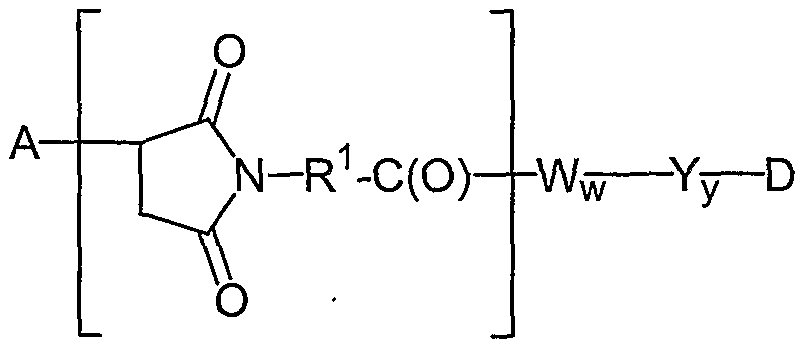
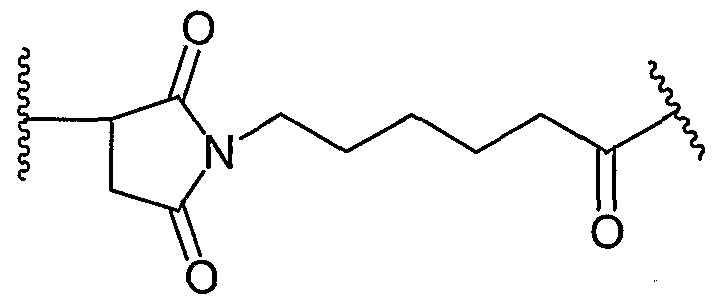
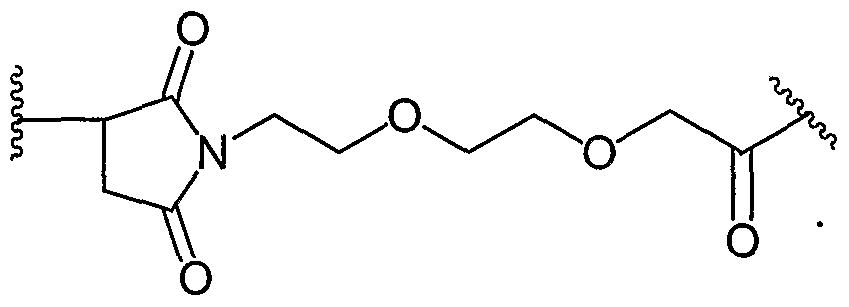

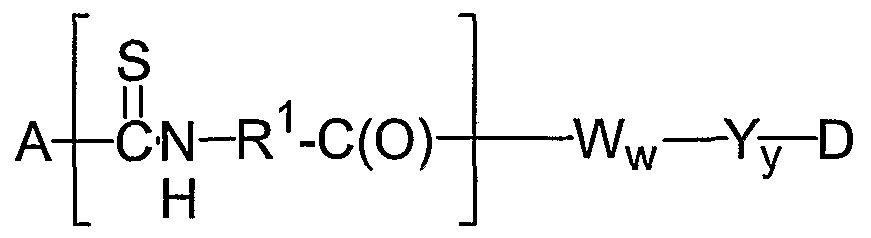
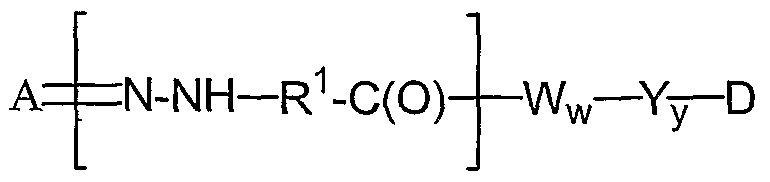
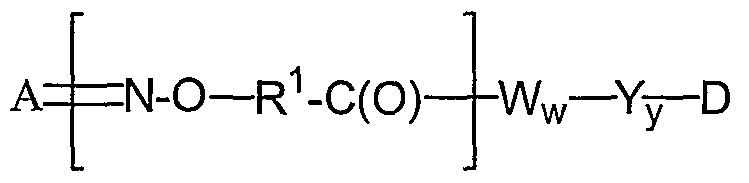
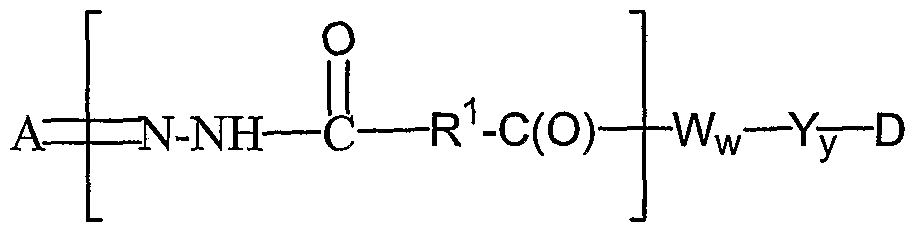


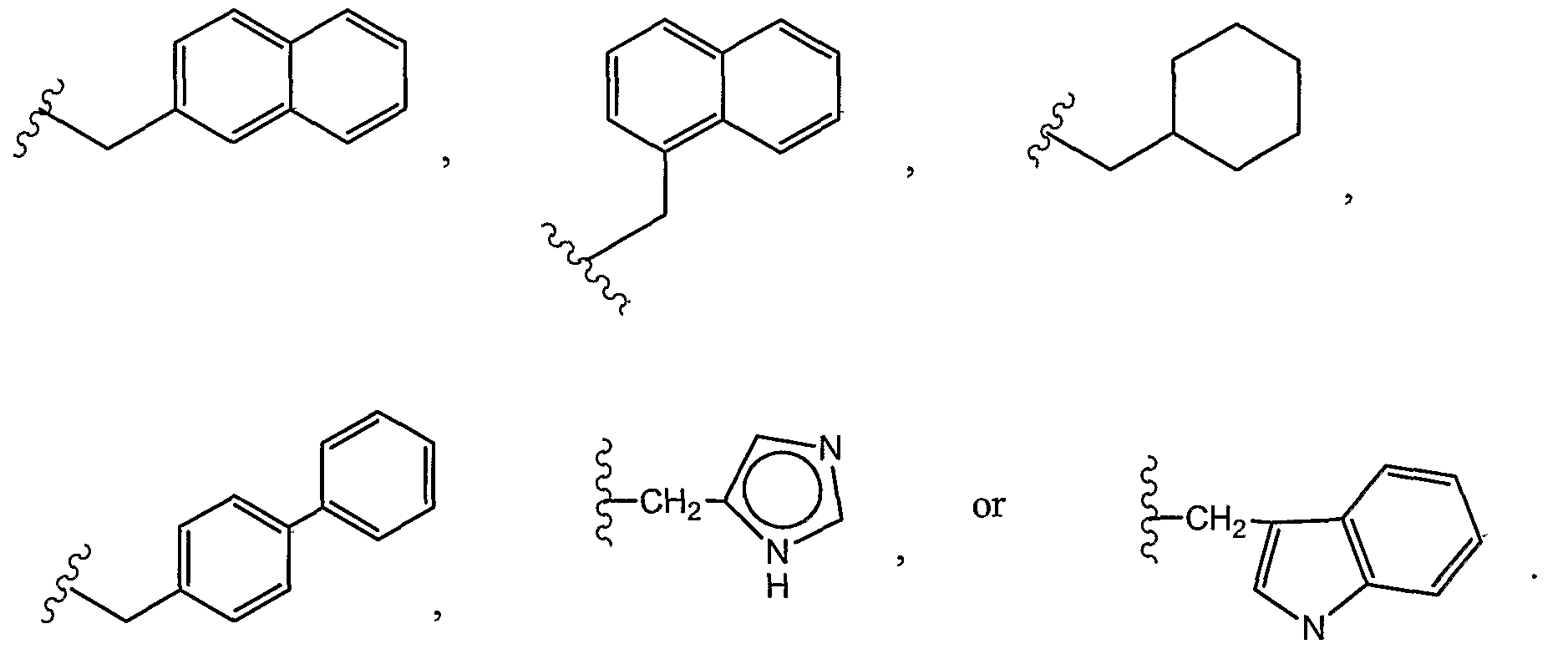
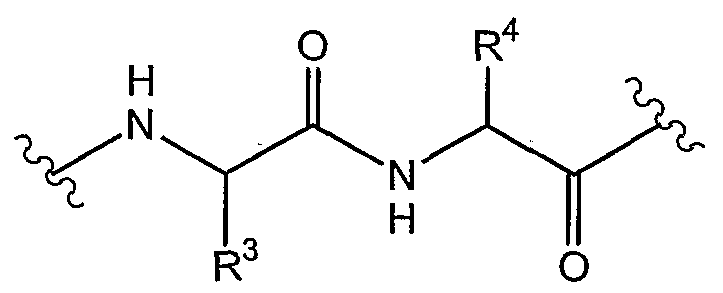

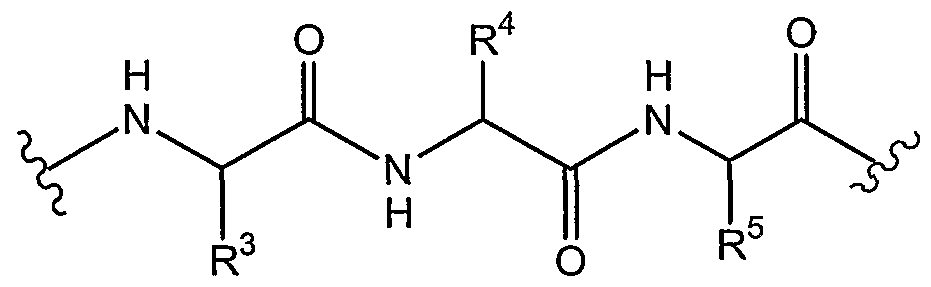

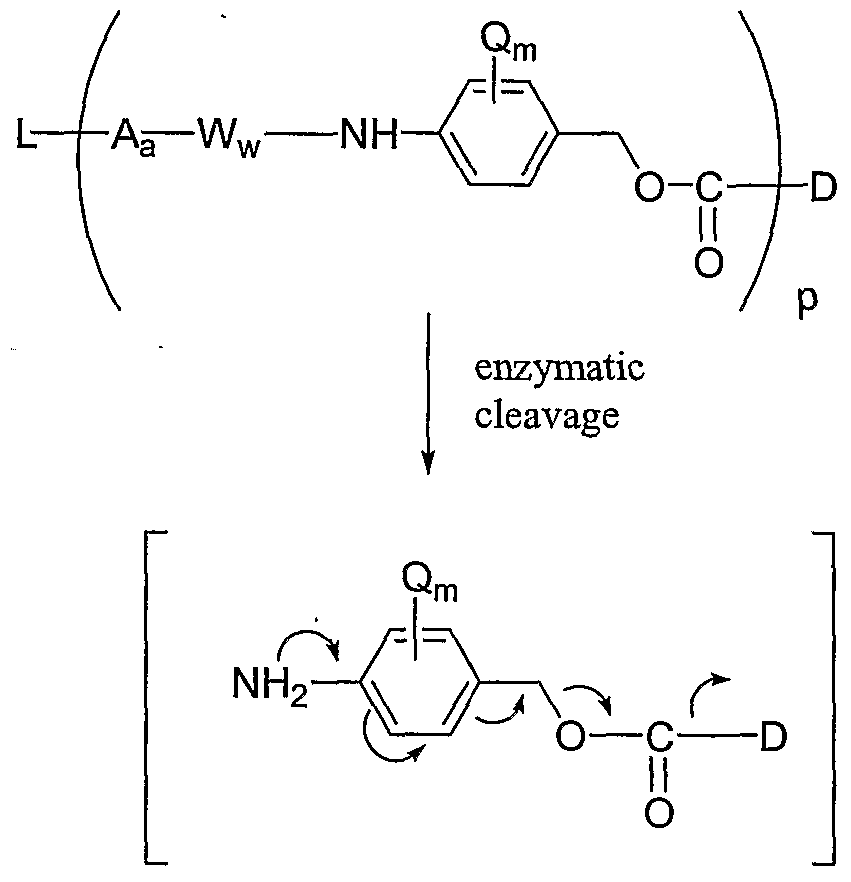
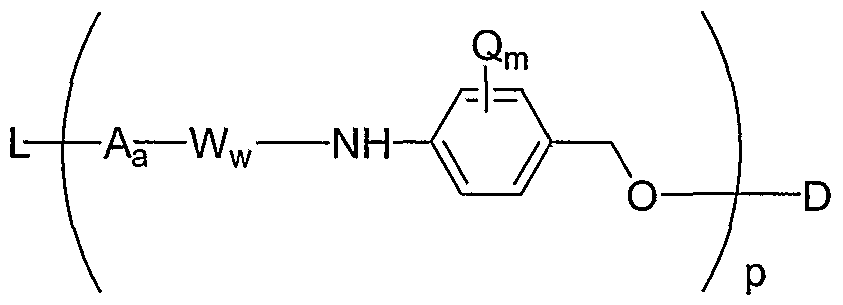
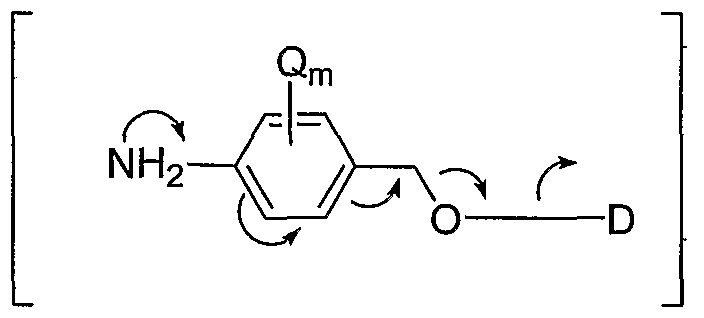
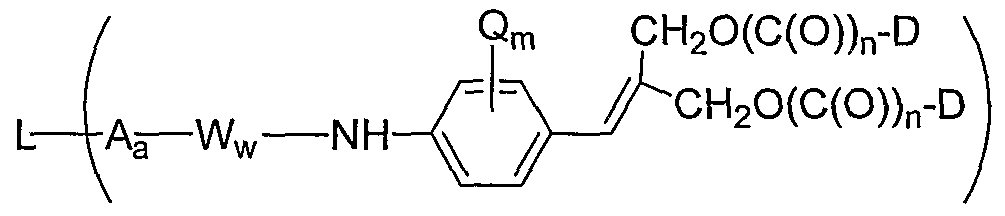

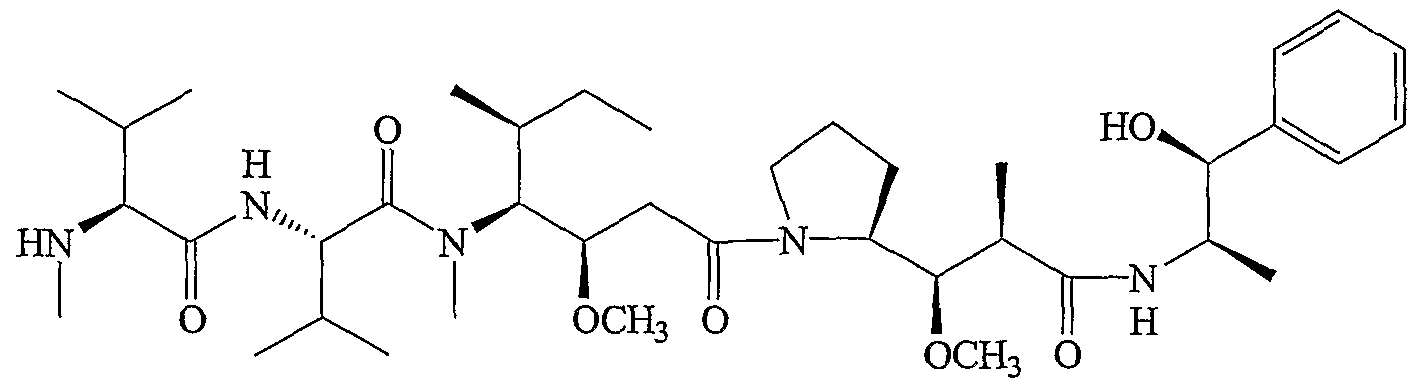
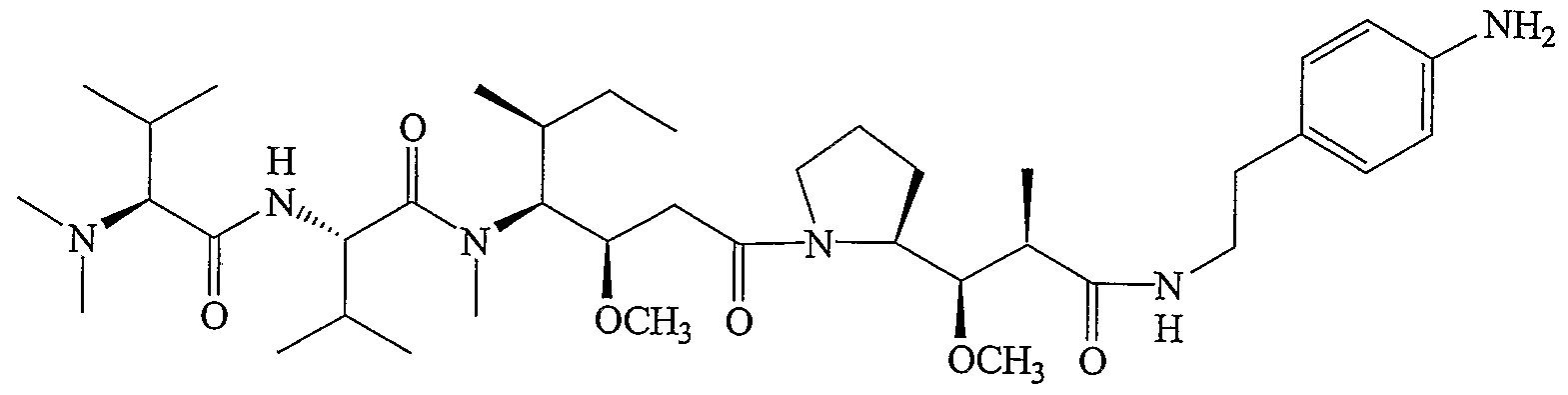
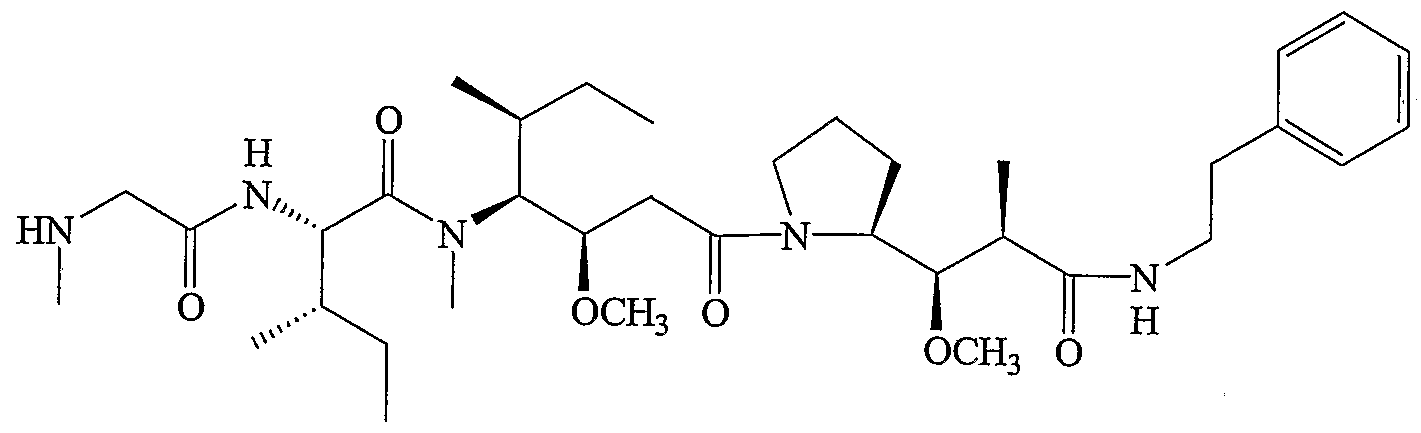
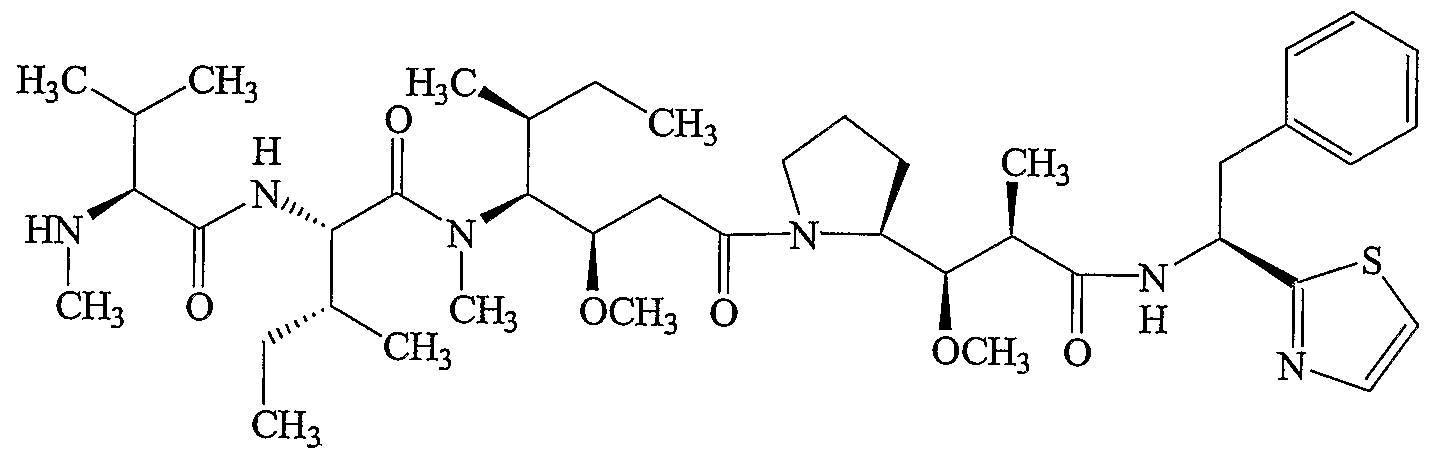
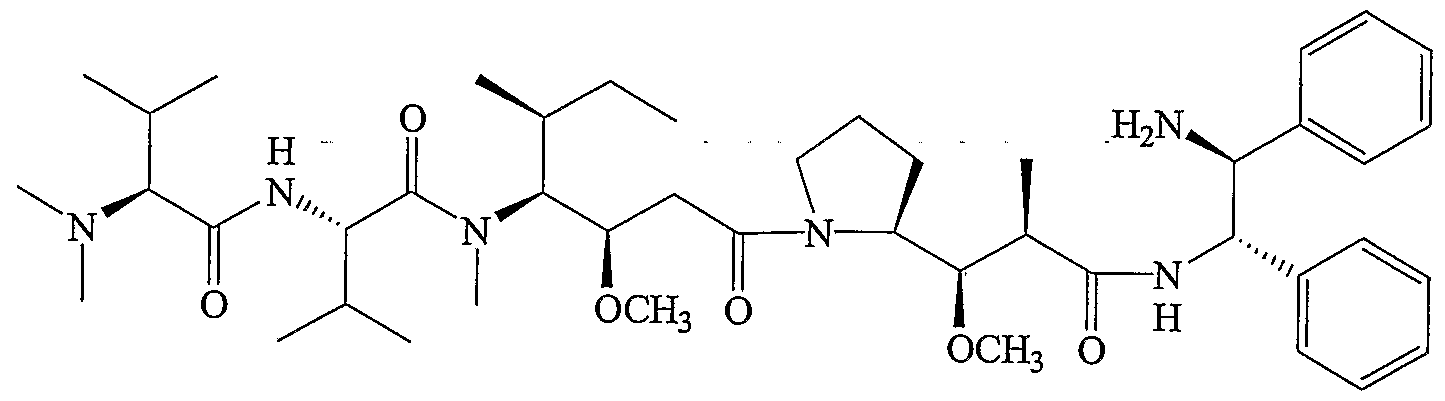

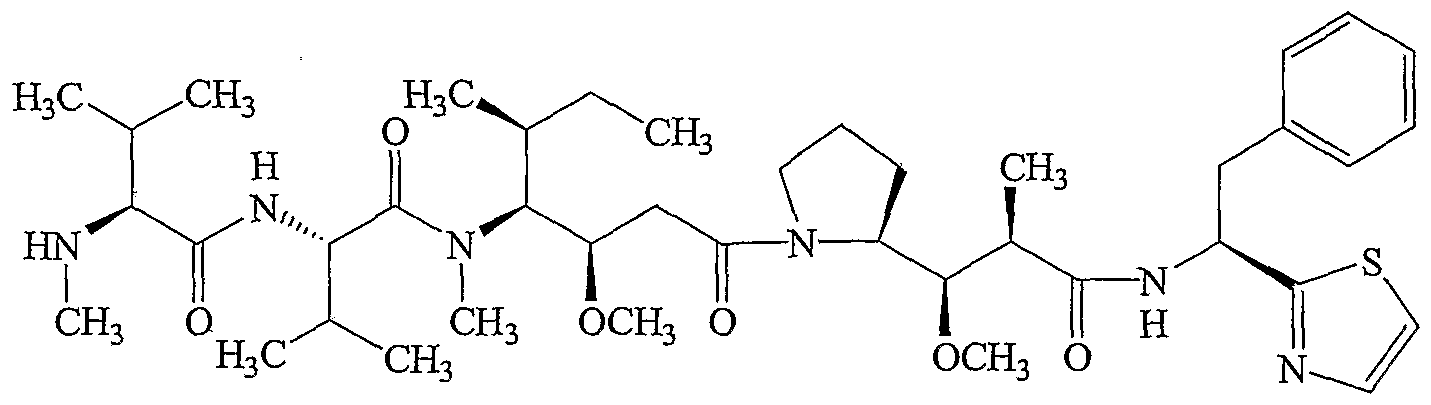


Claims
Priority Applications (3)
| Application Number | Priority Date | Filing Date | Title |
|---|---|---|---|
| AU2003294210A AU2003294210A1 (en) | 2002-07-31 | 2003-07-30 | Anti-cd20 antibody-drug conjugates for the treatment of cancer and immune disorders |
| CA002494104A CA2494104A1 (en) | 2002-07-31 | 2003-07-30 | Anti-cd20 antibody-drug conjugates for the treatment of cancer and immune disorders |
| EP03789690A EP1575514A2 (en) | 2002-07-31 | 2003-07-30 | Anti-cd20 antibody-drug conjugates for the treatment of cancer and immune disorders |
Applications Claiming Priority (2)
| Application Number | Priority Date | Filing Date | Title |
|---|---|---|---|
| US40040402P | 2002-07-31 | 2002-07-31 | |
| US60/400,404 | 2002-07-31 |
Publications (2)
| Publication Number | Publication Date |
|---|---|
| WO2004032828A2 true WO2004032828A2 (en) | 2004-04-22 |
| WO2004032828A3 WO2004032828A3 (en) | 2006-04-27 |
Family
ID=32093746
Family Applications (1)
| Application Number | Title | Priority Date | Filing Date |
|---|---|---|---|
| PCT/US2003/023895 Ceased WO2004032828A2 (en) | 2002-07-31 | 2003-07-30 | Anti-cd20 antibody-drug conjugates for the treatment of cancer and immune disorders |
Country Status (5)
| Country | Link |
|---|---|
| US (1) | US20050180972A1 (en) |
| EP (1) | EP1575514A2 (en) |
| AU (1) | AU2003294210A1 (en) |
| CA (1) | CA2494104A1 (en) |
| WO (1) | WO2004032828A2 (en) |
Cited By (202)
| Publication number | Priority date | Publication date | Assignee | Title |
|---|---|---|---|---|
| WO2005082023A2 (en) | 2004-02-23 | 2005-09-09 | Genentech, Inc. | Heterocyclic self-immolative linkers and conjugates |
| WO2005115453A3 (en) * | 2004-04-16 | 2006-03-16 | Genentech Inc | Treatment of polychondritis and mononeuritis multiplex with anti-cd20 antibodies |
| WO2006041641A3 (en) * | 2004-10-05 | 2006-06-29 | Genentech Inc | Therapeutic agents with decreased toxicity |
| WO2005081711A3 (en) * | 2003-11-06 | 2006-11-23 | Seattle Genetics Inc | Monomethylvaline compounds capable of conjugation to ligands |
| WO2005112919A3 (en) * | 2004-05-19 | 2007-02-01 | Medarex Inc | Self-immolative linkers and drug conjugates |
| WO2007038658A3 (en) * | 2005-09-26 | 2007-10-18 | Medarex Inc | Antibody-drug conjugates and methods of use |
| WO2008011081A2 (en) | 2006-07-19 | 2008-01-24 | The Trustees Of The University Of Pennsylvania | Wsx-1/p28 as a target for anti-inflammatory responses |
| CN100455598C (en) * | 2006-11-29 | 2009-01-28 | 中国抗体制药有限公司 | Functional humanized anti-human CD20 antibody and application thereof |
| EP2077281A1 (en) | 2008-01-02 | 2009-07-08 | Bergen Teknologioverforing AS | Anti-CD20 antibodies or fragments thereof for the treatment of chronic fatigue syndrome |
| WO2008125366A3 (en) * | 2007-04-13 | 2009-07-16 | Ist Superiore Sanita | Treatment of autoimmune diseases |
| WO2009092011A1 (en) | 2008-01-18 | 2009-07-23 | Medimmune, Llc | Cysteine engineered antibodies for site-specific conjugation |
| US7601335B2 (en) | 2005-05-20 | 2009-10-13 | Genentech, Inc. | Pretreatment of a biological sample from an autoimmune disease subject |
| US7608681B2 (en) | 1999-12-24 | 2009-10-27 | Genentech, Inc. | Methods and compositions for prolonging elimination half-times of bioactive compounds |
| WO2010075249A2 (en) | 2008-12-22 | 2010-07-01 | Genentech, Inc. | A method for treating rheumatoid arthritis with b-cell antagonists |
| US7749504B2 (en) | 2001-06-20 | 2010-07-06 | Genentech, Inc. | Anti-TAT188 antibodies |
| US7750116B1 (en) | 2006-02-18 | 2010-07-06 | Seattle Genetics, Inc. | Antibody drug conjugate metabolites |
| US7799900B2 (en) | 2002-12-16 | 2010-09-21 | Genentech, Inc. | Immunoglobulin variants and uses thereof |
| WO2010120561A1 (en) | 2009-04-01 | 2010-10-21 | Genentech, Inc. | Anti-fcrh5 antibodies and immunoconjugates and methods of use |
| RU2402548C2 (en) * | 2004-05-19 | 2010-10-27 | Медарекс, Инк. | Chemical linkers and conjugates thereof |
| US7829531B2 (en) | 2002-07-31 | 2010-11-09 | Seattle Genetics Inc. | Drug conjugates and their use for treating cancer, an autoimmune disease or an infectious disease |
| EP2272868A2 (en) | 2003-06-05 | 2011-01-12 | Genentech, Inc. | Combination therapy for B cell disorders |
| EP2286844A2 (en) | 2004-06-01 | 2011-02-23 | Genentech, Inc. | Antibody-drug conjugates and methods |
| WO2011056983A1 (en) | 2009-11-05 | 2011-05-12 | Genentech, Inc. | Zirconium-radiolabeled, cysteine engineered antibody conjugates |
| WO2011100403A1 (en) | 2010-02-10 | 2011-08-18 | Immunogen, Inc | Cd20 antibodies and uses thereof |
| US8034959B2 (en) | 2001-05-31 | 2011-10-11 | Medarex, Inc. | Methods of treating cancer with an antibody-drug conjugate |
| WO2011130598A1 (en) | 2010-04-15 | 2011-10-20 | Spirogen Limited | Pyrrolobenzodiazepines and conjugates thereof |
| WO2011146568A1 (en) | 2010-05-19 | 2011-11-24 | Genentech, Inc. | Predicting response to a her inhibitor |
| WO2011153346A1 (en) | 2010-06-03 | 2011-12-08 | Genentech, Inc. | Immuno-pet imaging of antibodies and immunoconjugates and uses therefor |
| WO2011156328A1 (en) | 2010-06-08 | 2011-12-15 | Genentech, Inc. | Cysteine engineered antibodies and conjugates |
| US8088378B2 (en) | 2007-07-16 | 2012-01-03 | Genetech Inc. | Anti-CD79B antibodies and immunoconjugates and methods of use |
| RU2448117C2 (en) * | 2003-11-06 | 2012-04-20 | Сиэтл Дженетикс, Инк. | Monomethylvaline compounds capable of forming conjugates with ligands |
| EP2447282A2 (en) | 2006-05-30 | 2012-05-02 | Genentech, Inc. | Anti-CD22 Antibodies, their Immunoconjugates and uses thereof |
| EP2468776A2 (en) | 2007-02-09 | 2012-06-27 | Genentech, Inc. | Anti-Robo4 antibodies and uses therefor |
| US8288352B2 (en) | 2004-11-12 | 2012-10-16 | Seattle Genetics, Inc. | Auristatins having an aminobenzoic acid unit at the N terminus |
| US8343928B2 (en) | 2005-07-07 | 2013-01-01 | Seattle Genetics, Inc. | Monomethylvaline compounds having phenylalanine side-chain replacements at the C-terminus |
| US8362213B2 (en) | 2009-04-01 | 2013-01-29 | Genentech, Inc. | Anti-FcRH5 antibodies and immunoconjugates and methods of use |
| US8461117B2 (en) | 2006-12-28 | 2013-06-11 | Medarex, Inc. | Chemical linkers and cleavable substrates and conjugates thereof |
| WO2013101771A2 (en) | 2011-12-30 | 2013-07-04 | Genentech, Inc. | Compositions and method for treating autoimmune diseases |
| WO2013125891A1 (en) | 2012-02-24 | 2013-08-29 | (주)알테오젠 | Modified antibody in which motif comprising cysteine residue is bound, modified antibody-drug conjugate comprising the modified antibody, and production method for same |
| WO2013130093A1 (en) | 2012-03-02 | 2013-09-06 | Genentech, Inc. | Biomarkers for treatment with anti-tubulin chemotherapeutic compounds |
| WO2013134743A1 (en) | 2012-03-08 | 2013-09-12 | Halozyme, Inc. | Conditionally active anti-epidermal growth factor receptor antibodies and methods of use thereof |
| EP2641618A2 (en) | 2007-07-16 | 2013-09-25 | Genentech, Inc. | Humanized anti-CD79B antibodies and immunoconjugates and methods of use |
| WO2013149159A1 (en) | 2012-03-30 | 2013-10-03 | Genentech, Inc. | Anti-lgr5 antibodies and immunoconjugates |
| EP2657253A2 (en) | 2008-01-31 | 2013-10-30 | Genentech, Inc. | Anti-CD79b antibodies and immunoconjugates and methods of use |
| WO2013165940A1 (en) | 2012-05-01 | 2013-11-07 | Genentech, Inc. | Anti-pmel17 antibodies and immunoconjugates |
| WO2013177481A1 (en) | 2012-05-25 | 2013-11-28 | Immunogen, Inc. | Benzodiazepines and conjugates thereof |
| US8609105B2 (en) | 2008-03-18 | 2013-12-17 | Seattle Genetics, Inc. | Auristatin drug linker conjugates |
| WO2014011518A1 (en) | 2012-07-09 | 2014-01-16 | Genentech, Inc. | Immunoconjugates comprising anti-cd22 antibodies |
| WO2014011519A1 (en) | 2012-07-09 | 2014-01-16 | Genentech, Inc. | Immunoconjugates comprising anti-cd79b antibodies |
| WO2014011521A1 (en) | 2012-07-09 | 2014-01-16 | Genentech, Inc. | Immunoconjugates comprising anti - cd79b antibodies |
| WO2014011520A1 (en) | 2012-07-09 | 2014-01-16 | Genentech, Inc. | Immunoconjugates comprising anti-cd22 antibodies |
| US8664407B2 (en) | 2007-02-21 | 2014-03-04 | Medarex, LLC | Chemical linkers with single amino acids and conjugates thereof |
| EP2711018A1 (en) | 2009-06-22 | 2014-03-26 | MedImmune, LLC | Engineered Fc regions for site-specific conjugation |
| CN1997402B (en) * | 2004-05-19 | 2014-04-02 | 梅达雷克斯有限责任公司 | Cytotoxic compounds and conjugates |
| WO2014057120A1 (en) | 2012-10-12 | 2014-04-17 | Adc Therapeutics Sàrl | Pyrrolobenzodiazepine-antibody conjugates |
| WO2014057119A1 (en) | 2012-10-12 | 2014-04-17 | Adc Therapeutics Sàrl | Pyrrolobenzodiazepine-antibody conjugates |
| WO2014057113A1 (en) | 2012-10-12 | 2014-04-17 | Adc Therapeutics Sarl | Pyrrolobenzodiazepine - anti-psma antibody conjugates |
| WO2014057122A1 (en) | 2012-10-12 | 2014-04-17 | Adc Therapeutics Sàrl | Pyrrolobenzodiazepine-anti-cd22 antibody conjugates |
| WO2014057117A1 (en) | 2012-10-12 | 2014-04-17 | Adc Therapeutics Sàrl | Pyrrolobenzodiazepine-antibody conjugates |
| WO2014128289A1 (en) | 2013-02-22 | 2014-08-28 | Lumetti, Simone | Biomedical device implantable in bone and/or cartilaginous tissue, and corresponding method to manufacture said biomedical device |
| WO2014140174A1 (en) | 2013-03-13 | 2014-09-18 | Spirogen Sàrl | Pyrrolobenzodiazepines and conjugates thereof |
| WO2014140862A2 (en) | 2013-03-13 | 2014-09-18 | Spirogen Sarl | Pyrrolobenzodiazepines and conjugates thereof |
| WO2014159835A1 (en) | 2013-03-14 | 2014-10-02 | Genentech, Inc. | Anti-b7-h4 antibodies and immunoconjugates |
| WO2014159981A2 (en) | 2013-03-13 | 2014-10-02 | Spirogen Sarl | Pyrrolobenzodiazepines and conjugates thereof |
| US8871720B2 (en) | 2005-07-07 | 2014-10-28 | Seattle Genetics, Inc. | Monomethylvaline compounds having phenylalanine carboxy modifications at the C-terminus |
| WO2014182970A1 (en) | 2013-05-08 | 2014-11-13 | Zymeworks Inc. | Bispecific her2 and her3 antigen binding constructs |
| WO2014194247A1 (en) | 2013-05-31 | 2014-12-04 | Genentech, Inc. | Anti-wall teichoic antibodies and conjugates |
| WO2014193722A1 (en) | 2013-05-31 | 2014-12-04 | Genentech, Inc. | Anti-wall teichoic antibodies and conjugates |
| US8937161B2 (en) | 2007-10-19 | 2015-01-20 | Genentech, Inc. | Cysteine engineered anti-TENB2 antibodies and antibody drug conjugates |
| WO2015023596A1 (en) | 2013-08-12 | 2015-02-19 | Genentech, Inc. | Compositions and method for treating complement-associated conditions |
| EP2845866A1 (en) | 2006-10-27 | 2015-03-11 | Genentech, Inc. | Antibodies and immunoconjugates and uses therefor |
| WO2015038984A2 (en) | 2013-09-12 | 2015-03-19 | Halozyme, Inc. | Modified anti-epidermal growth factor receptor antibodies and methods of use thereof |
| WO2015042108A1 (en) | 2013-09-17 | 2015-03-26 | Genentech, Inc. | Methods of using anti-lgr5 antibodies |
| WO2015073721A1 (en) | 2013-11-13 | 2015-05-21 | Zymeworks Inc. | Monovalent antigen binding constructs targeting egfr and/or her2 and uses thereof |
| WO2015089344A1 (en) | 2013-12-13 | 2015-06-18 | Genentech, Inc. | Anti-cd33 antibodies and immunoconjugates |
| US9085630B2 (en) | 2002-11-15 | 2015-07-21 | Genentech, Inc. | Compositions and methods for the treatment of tumor of hematopoietic origin |
| WO2015112909A1 (en) | 2014-01-24 | 2015-07-30 | Genentech, Inc. | Methods of using anti-steap1 antibodies and immunoconjugates |
| WO2015104385A3 (en) * | 2014-01-10 | 2015-08-27 | Synthon Biopharmaceuticals B.V. | Duocarmycin adcs showing improved in vivo antitumor activity |
| WO2015104373A3 (en) * | 2014-01-10 | 2015-09-03 | Synthon Biopharmaceuticals B.V. | Duocarmycin adcs for use in treatment of endometrial cancer |
| WO2015153401A1 (en) | 2014-04-04 | 2015-10-08 | Merck Sharp & Dohme Corp | Phosphate based linkers for intracellular delivery of drug conjugates |
| CN104974252A (en) * | 2014-04-01 | 2015-10-14 | 上海中信国健药业股份有限公司 | Antibody-small molecule drug conjugate capable of inhibiting tumor growth, and preparation method and application thereof |
| US9175086B2 (en) | 2010-02-10 | 2015-11-03 | Immunogen, Inc. | CD20 antibodies and uses thereof |
| WO2015179658A2 (en) | 2014-05-22 | 2015-11-26 | Genentech, Inc. | Anti-gpc3 antibodies and immunoconjugates |
| WO2015195917A1 (en) | 2014-06-18 | 2015-12-23 | Mersana Therapeutics, Inc. | Monoclonal antibodies against her2 epitope and methods of use thereof |
| WO2016008112A1 (en) * | 2014-07-16 | 2016-01-21 | Medshine Discovery Inc. | Linkers and application towards adc thereof |
| WO2016037644A1 (en) | 2014-09-10 | 2016-03-17 | Medimmune Limited | Pyrrolobenzodiazepines and conjugates thereof |
| WO2016040856A2 (en) | 2014-09-12 | 2016-03-17 | Genentech, Inc. | Cysteine engineered antibodies and conjugates |
| WO2016040868A1 (en) | 2014-09-12 | 2016-03-17 | Genentech, Inc. | Anti-cll-1 antibodies and immunoconjugates |
| WO2016044396A1 (en) | 2014-09-17 | 2016-03-24 | Genentech, Inc. | Immunoconjugates comprising anti-her2 antibodies and pyrrolobenzodiazepines |
| WO2016090038A1 (en) | 2014-12-03 | 2016-06-09 | Genentech, Inc. | Anti-staphylococcus aureus antibody rifamycin conjugates and uses thereof |
| WO2016090040A1 (en) | 2014-12-03 | 2016-06-09 | Genentech, Inc. | Anti-staphylococcus aureus antibody rifamycin conjugates and uses thereof |
| WO2016166304A1 (en) | 2015-04-15 | 2016-10-20 | Van Berkel Patricius Hendrikus Cornelis | Site-specific antibody-drug conjugates |
| EP3088004A1 (en) | 2004-09-23 | 2016-11-02 | Genentech, Inc. | Cysteine engineered antibodies and conjugates |
| EP3095463A2 (en) | 2008-09-16 | 2016-11-23 | F. Hoffmann-La Roche AG | Methods for treating progressive multiple sclerosis |
| WO2016196381A1 (en) | 2015-05-29 | 2016-12-08 | Genentech, Inc. | Pd-l1 promoter methylation in cancer |
| WO2016196344A1 (en) | 2015-05-30 | 2016-12-08 | Molecular Templates, Inc. | De-immunized, shiga toxin a subunit scaffolds and cell-targeting molecules comprising the same |
| US9562099B2 (en) | 2013-03-14 | 2017-02-07 | Genentech, Inc. | Anti-B7-H4 antibodies and immunoconjugates |
| EP3130349A1 (en) | 2004-06-04 | 2017-02-15 | Genentech, Inc. | Method for treating multiple sclerosis |
| WO2017055542A1 (en) | 2015-10-02 | 2017-04-06 | F. Hoffmann-La Roche Ag | Bispecific anti-human cd20/human transferrin receptor antibodies and methods of use |
| WO2017062682A2 (en) | 2015-10-06 | 2017-04-13 | Genentech, Inc. | Method for treating multiple sclerosis |
| WO2017062271A2 (en) | 2015-10-06 | 2017-04-13 | Merck Sharp & Dohme Corp. | Antibody drug conjugate for anti-inflammatory applications |
| WO2017132103A2 (en) | 2016-01-29 | 2017-08-03 | Merck Sharp & Dohme Corp. | Phosphonate linkers and their use to facilitate cellular retention of compounds |
| US9726673B2 (en) | 2005-11-23 | 2017-08-08 | Genentech, Inc. | Methods and compositions related to B cell assays |
| US9732155B2 (en) | 2011-11-04 | 2017-08-15 | Zymeworks Inc. | Crystal structures of heterodimeric Fc domains |
| WO2017160754A1 (en) | 2016-03-15 | 2017-09-21 | Mersana Therapeutics,Inc. | Napi2b-targeted antibody-drug conjugates and methods of use thereof |
| WO2017161206A1 (en) | 2016-03-16 | 2017-09-21 | Halozyme, Inc. | Conjugates containing conditionally active antibodies or antigen-binding fragments thereof, and methods of use |
| WO2017197234A1 (en) | 2016-05-13 | 2017-11-16 | Bioatla, Llc | Anti-ror2 antibodies, antibody fragments, their immunoconjugates and uses thereof |
| US9889207B2 (en) | 2012-10-12 | 2018-02-13 | Medimmune Limited | Pyrrolobenzodiazepines and conjugates thereof |
| US9950078B2 (en) | 2013-10-11 | 2018-04-24 | Medimmune Limited | Pyrrolobenzodiazepine-antibody conjugates |
| US9956299B2 (en) | 2013-10-11 | 2018-05-01 | Medimmune Limited | Pyrrolobenzodiazepine—antibody conjugates |
| WO2018094414A1 (en) | 2016-11-21 | 2018-05-24 | Obi Pharma, Inc. | Conjugated biological molecules, pharmaceutical compositions and methods |
| WO2018091724A1 (en) | 2016-11-21 | 2018-05-24 | Cureab Gmbh | Anti-gp73 antibodies and immunoconjugates |
| US10010624B2 (en) | 2013-10-11 | 2018-07-03 | Medimmune Limited | Pyrrolobenzodiazepine-antibody conjugates |
| US10017580B2 (en) | 2014-04-15 | 2018-07-10 | ADC Therpeutics S.A. | Humanized anti-Tn-MUC1 antibodies and their conjugates |
| US10029018B2 (en) | 2013-10-11 | 2018-07-24 | Medimmune Limited | Pyrrolobenzodiazepines and conjugates thereof |
| US10059768B2 (en) | 2014-09-12 | 2018-08-28 | Genentech, Inc. | Anti-B7-H4 antibodies and immunoconjugates |
| WO2018160538A1 (en) | 2017-02-28 | 2018-09-07 | Mersana Therapeutics, Inc. | Combination therapies of her2-targeted antibody-drug conjugates |
| US10071158B2 (en) | 2005-04-26 | 2018-09-11 | Lindis Biotech Gmbh | Combination of the application of antibodies for immunostimulation together with glucocorticoids |
| US10179821B2 (en) | 2014-05-01 | 2019-01-15 | Genentech, Inc. | Anti-factor D antibodies |
| CN109420167A (en) * | 2017-08-28 | 2019-03-05 | 四川九章生物科技有限公司 | A kind of combination medicine for treating tumour |
| US10226535B2 (en) * | 2012-12-10 | 2019-03-12 | Mersana Therapeutics, Inc. | Auristatin compounds and conjugates thereof |
| US10266606B2 (en) | 2014-01-10 | 2019-04-23 | Synthon Biopharmaceuticals B.V. | Method for purifying Cys-linked antibody-drug conjugates |
| WO2019084057A2 (en) | 2017-10-24 | 2019-05-02 | Magenta Therapeutics, Inc. | Compositions and methods for the depletion of cd117+ cells |
| US10323094B2 (en) | 2015-06-16 | 2019-06-18 | Genentech, Inc. | Humanized and affinity matured antibodies to FcRH5 and methods of use |
| WO2019118937A1 (en) | 2017-12-15 | 2019-06-20 | Juno Therapeutics, Inc. | Anti-cct5 binding molecules and methods of use thereof |
| US10392393B2 (en) | 2016-01-26 | 2019-08-27 | Medimmune Limited | Pyrrolobenzodiazepines |
| US10407510B2 (en) | 2015-10-30 | 2019-09-10 | Genentech, Inc. | Anti-factor D antibodies and conjugates |
| US10420777B2 (en) | 2014-09-12 | 2019-09-24 | Medimmune Limited | Pyrrolobenzodiazepines and conjugates thereof |
| US10435471B2 (en) | 2013-06-24 | 2019-10-08 | Genentech, Inc. | Anti-FcRH5 antibodies |
| US10450379B2 (en) | 2005-11-15 | 2019-10-22 | Genetech, Inc. | Method for treating joint damage |
| US10544223B2 (en) | 2017-04-20 | 2020-01-28 | Adc Therapeutics Sa | Combination therapy with an anti-axl antibody-drug conjugate |
| US10543279B2 (en) | 2016-04-29 | 2020-01-28 | Medimmune Limited | Pyrrolobenzodiazepine conjugates and their use for the treatment of cancer |
| US10584181B2 (en) | 2009-12-04 | 2020-03-10 | Genentech, Inc. | Methods of making and using multispecific antibody panels and antibody analog panels |
| US10640508B2 (en) | 2017-10-13 | 2020-05-05 | Massachusetts Institute Of Technology | Diazene directed modular synthesis of compounds with quaternary carbon centers |
| US10654932B2 (en) | 2015-10-30 | 2020-05-19 | Genentech, Inc. | Anti-factor D antibody variant conjugates and uses thereof |
| WO2020117257A1 (en) | 2018-12-06 | 2020-06-11 | Genentech, Inc. | Combination therapy of diffuse large b-cell lymphoma comprising an anti-cd79b immunoconjugates, an alkylating agent and an anti-cd20 antibody |
| US10695439B2 (en) | 2016-02-10 | 2020-06-30 | Medimmune Limited | Pyrrolobenzodiazepine conjugates |
| EP3689910A2 (en) | 2014-09-23 | 2020-08-05 | F. Hoffmann-La Roche AG | Method of using anti-cd79b immunoconjugates |
| US10736903B2 (en) | 2012-10-12 | 2020-08-11 | Medimmune Limited | Pyrrolobenzodiazepine-anti-PSMA antibody conjugates |
| US10780096B2 (en) | 2014-11-25 | 2020-09-22 | Adc Therapeutics Sa | Pyrrolobenzodiazepine-antibody conjugates |
| US10799595B2 (en) | 2016-10-14 | 2020-10-13 | Medimmune Limited | Pyrrolobenzodiazepine conjugates |
| US10800826B2 (en) | 2015-10-05 | 2020-10-13 | Merck Sharp & Dohme Corp. | Antibody peptide conjugates that have agonist activity at both the glucagon and glucagon-like peptide 1 receptors |
| WO2020216947A1 (en) | 2019-04-24 | 2020-10-29 | Heidelberg Pharma Research Gmbh | Amatoxin antibody-drug conjugates and uses thereof |
| WO2020232169A1 (en) | 2019-05-14 | 2020-11-19 | Genentech, Inc. | Methods of using anti-cd79b immunoconjugates to treat follicular lymphoma |
| WO2020245283A1 (en) | 2019-06-07 | 2020-12-10 | Adc Therapeutics Sa | Pyrrolobenzodiazepine-antibody conjugates |
| WO2021007338A1 (en) | 2019-07-08 | 2021-01-14 | Imcare Biotech, Llc. | Anti-serine protease inhibitor kazal (spik) antibodies, immunoconjugates, and methods of use |
| US10918735B2 (en) | 2012-12-04 | 2021-02-16 | Massachusetts Institute Of Technology | Substituted pyrazino[1′,2′:1,5]pyrrolo[2,3-b]indole-1,4-diones for cancer treatment |
| US10918627B2 (en) | 2016-05-11 | 2021-02-16 | Massachusetts Institute Of Technology | Convergent and enantioselective total synthesis of Communesin analogs |
| EP3782654A1 (en) | 2014-09-12 | 2021-02-24 | Genentech, Inc. | Anti-her2 antibodies and immunoconjugates |
| US10935544B2 (en) | 2015-09-04 | 2021-03-02 | Obi Pharma, Inc. | Glycan arrays and method of use |
| WO2021050217A1 (en) | 2019-09-11 | 2021-03-18 | Imcare Biotech, Llc. | Epitopes of anti-serine protease inhibitor kazal (spik) antibodies |
| US10980894B2 (en) | 2016-03-29 | 2021-04-20 | Obi Pharma, Inc. | Antibodies, pharmaceutical compositions and methods |
| WO2021076196A1 (en) | 2019-10-18 | 2021-04-22 | Genentech, Inc. | Methods of using anti-cd79b immunoconjugates to treat diffuse large b-cell lymphoma |
| US11041017B2 (en) | 2016-03-29 | 2021-06-22 | Obi Pharma, Inc. | Antibodies, pharmaceutical compositions and methods |
| WO2021127489A1 (en) | 2019-12-18 | 2021-06-24 | Teneobio, Inc. | Heavy chain antibodies binding to cd38 |
| US11059893B2 (en) | 2015-04-15 | 2021-07-13 | Bergenbio Asa | Humanized anti-AXL antibodies |
| US11135303B2 (en) | 2011-10-14 | 2021-10-05 | Medimmune Limited | Pyrrolobenzodiazepines and conjugates thereof |
| US11149088B2 (en) | 2016-04-15 | 2021-10-19 | Bioatla, Inc. | Anti-Axl antibodies, antibody fragments and their immunoconjugates and uses thereof |
| WO2021217051A1 (en) | 2020-04-24 | 2021-10-28 | Genentech, Inc. | Methods of using anti-cd79b immunoconjugates |
| US11160872B2 (en) | 2017-02-08 | 2021-11-02 | Adc Therapeutics Sa | Pyrrolobenzodiazepine-antibody conjugates |
| US11186650B2 (en) | 2013-12-17 | 2021-11-30 | Genentech, Inc. | Anti-CD3 antibodies and methods of use |
| US11203645B2 (en) | 2018-06-27 | 2021-12-21 | Obi Pharma, Inc. | Glycosynthase variants for glycoprotein engineering and methods of use |
| WO2022043256A1 (en) | 2020-08-23 | 2022-03-03 | Cobiores Nv | Synergistic combinations of anticancer drugs linked to a tetrapeptidic moiety and immunotherapeutic agents |
| WO2022047243A1 (en) | 2020-08-27 | 2022-03-03 | Enosi Life Sciences Corp. | Methods and compositions to treat autoimmune diseases and cancer |
| US11318211B2 (en) | 2017-06-14 | 2022-05-03 | Adc Therapeutics Sa | Dosage regimes for the administration of an anti-CD19 ADC |
| US11352324B2 (en) | 2018-03-01 | 2022-06-07 | Medimmune Limited | Methods |
| US11370801B2 (en) | 2017-04-18 | 2022-06-28 | Medimmune Limited | Pyrrolobenzodiazepine conjugates |
| WO2022136586A1 (en) | 2020-12-22 | 2022-06-30 | Cobiores Nv | Compounds comprising a tetrapeptidic moiety |
| WO2022167664A1 (en) | 2021-02-07 | 2022-08-11 | Cobiores Nv | Compounds comprising a tetrapeptidic moiety |
| WO2022224980A1 (en) | 2021-04-20 | 2022-10-27 | 日本メジフィジックス株式会社 | Radioactive complex of anti-cd20 antibody, and radiopharmaceutical |
| WO2022241446A1 (en) | 2021-05-12 | 2022-11-17 | Genentech, Inc. | Methods of using anti-cd79b immunoconjugates to treat diffuse large b-cell lymphoma |
| US11517626B2 (en) | 2016-02-10 | 2022-12-06 | Medimmune Limited | Pyrrolobenzodiazepine antibody conjugates |
| US11524969B2 (en) | 2018-04-12 | 2022-12-13 | Medimmune Limited | Pyrrolobenzodiazepines and conjugates thereof as antitumour agents |
| US11535634B2 (en) | 2019-06-05 | 2022-12-27 | Massachusetts Institute Of Technology | Compounds, conjugates, and compositions of epipolythiodiketopiperazines and polythiodiketopiperazines and uses thereof |
| WO2022271987A1 (en) | 2021-06-23 | 2022-12-29 | TeneoFour, Inc. | Anti-cd38 antibodies and epitopes of same |
| WO2023019092A1 (en) | 2021-08-07 | 2023-02-16 | Genentech, Inc. | Methods of using anti-cd79b immunoconjugates to treat diffuse large b-cell lymphoma |
| US11584927B2 (en) | 2014-08-28 | 2023-02-21 | Bioatla, Inc. | Conditionally active chimeric antigen receptors for modified T-cells |
| US11583577B2 (en) | 2016-04-22 | 2023-02-21 | Obi Pharma, Inc. | Cancer immunotherapy by immune activation or immune modulation via Globo series antigens |
| US11584793B2 (en) | 2015-06-24 | 2023-02-21 | Hoffmann-La Roche Inc. | Anti-transferrin receptor antibodies with tailored affinity |
| US11612665B2 (en) | 2017-02-08 | 2023-03-28 | Medimmune Limited | Pyrrolobenzodiazepine-antibody conjugates |
| US11642400B2 (en) | 2016-07-27 | 2023-05-09 | Obi Pharma, Inc. | Immunogenic/therapeutic glycan compositions and uses thereof |
| US11643456B2 (en) | 2016-07-29 | 2023-05-09 | Obi Pharma, Inc. | Human antibodies, pharmaceutical compositions and methods |
| US11649250B2 (en) | 2017-08-18 | 2023-05-16 | Medimmune Limited | Pyrrolobenzodiazepine conjugates |
| US11702473B2 (en) | 2015-04-15 | 2023-07-18 | Medimmune Limited | Site-specific antibody-drug conjugates |
| WO2023194539A1 (en) | 2022-04-07 | 2023-10-12 | Heidelberg Pharma Research Gmbh | Methods of improving the therapeutic index of amatoxin-antibody conjugates |
| WO2023215737A1 (en) | 2022-05-03 | 2023-11-09 | Genentech, Inc. | Anti-ly6e antibodies, immunoconjugates, and uses thereof |
| US11932650B2 (en) | 2017-05-11 | 2024-03-19 | Massachusetts Institute Of Technology | Potent agelastatin derivatives as modulators for cancer invasion and metastasis |
| WO2024108178A1 (en) | 2022-11-18 | 2024-05-23 | Genentech, Inc. | Signal amplification and multiplexing using mass tags for ia-lc-ms/ms based assays |
| US12006370B2 (en) | 2018-07-23 | 2024-06-11 | Heidelberg Pharma Research Gmbh | Use of anti-CD5 antibody drug conjugate (ADC) in allogeneic cell therapy |
| WO2024121632A1 (en) | 2022-12-09 | 2024-06-13 | Crispr Therapeutics Ag | Use of anti-cd117 antibody drug conjugate (adc) |
| US12030888B2 (en) | 2021-02-24 | 2024-07-09 | Massachusetts Institute Of Technology | Himastatin derivatives, and processes of preparation thereof, and uses thereof |
| US12053514B2 (en) | 2013-09-17 | 2024-08-06 | Obi Pharma, Inc. | Compositions of a carbohydrate vaccine for inducing immune responses and uses thereof in cancer treatment |
| US12064446B2 (en) | 2015-04-10 | 2024-08-20 | Thomas Jefferson University | Methods and compositions for treating cancers and enhancing therapeutic immunity by selectively reducing immunomodulatory M2 monocytes |
| WO2024189048A1 (en) | 2023-03-13 | 2024-09-19 | Heidelberg Pharma Research Gmbh | Subcutaneously administered antibody-drug conjugates for use in cancer treatment |
| WO2024225848A1 (en) * | 2023-04-28 | 2024-10-31 | 주식회사 피노바이오 | Antibody-drug conjugate in which one or more drug-linker conjugates are linked to antibody and method for preparing same |
| WO2024254455A1 (en) | 2023-06-08 | 2024-12-12 | Genentech, Inc. | Macrophage signatures for diagnostic and therapeutic methods for lymphoma |
| US12180301B2 (en) | 2018-03-06 | 2024-12-31 | Imcare Biotech, Llc | Serine protease inhibitor kazal (SPIK) compositions and methods |
| US12209099B2 (en) | 2019-03-15 | 2025-01-28 | Medimmune Limited | Azetidobenzodiazepine dimers and conjugates comprising them for use in the treatment of cancer |
| WO2025049818A1 (en) | 2023-08-29 | 2025-03-06 | Enosi Therapeutics Corporation | Tnfr1 antagonists lacking agonist activity and uses thereof |
| US12251448B2 (en) | 2017-11-29 | 2025-03-18 | Heidelberg Pharma Research Gmbh | Compositions and methods for the depletion of CD5+ cells |
| WO2025106634A1 (en) | 2023-11-17 | 2025-05-22 | Genentech, Inc. | Mcl-1 inhibitor compounds and use in antibody drug conjugates |
| US12403185B2 (en) | 2018-07-23 | 2025-09-02 | Heidelberg Pharma Research Gmbh | Use of anti-CD137 antibody drug conjugate (ADC) in allogeneic cell therapy |
Families Citing this family (38)
| Publication number | Priority date | Publication date | Assignee | Title |
|---|---|---|---|---|
| US7256257B2 (en) * | 2001-04-30 | 2007-08-14 | Seattle Genetics, Inc. | Pentapeptide compounds and uses related thereto |
| US20050272120A1 (en) * | 2001-06-20 | 2005-12-08 | Genentech, Inc. | Compositions and methods for the diagnosis and treatment of tumor |
| US7585491B2 (en) * | 2002-12-13 | 2009-09-08 | Immunomedics, Inc. | Immunoconjugates with an intracellularly-cleavable linkage |
| US20050175619A1 (en) * | 2004-02-05 | 2005-08-11 | Robert Duffy | Methods of producing antibody conjugates |
| KR20070100228A (en) * | 2004-10-05 | 2007-10-10 | 제넨테크, 인크. | How to treat vasculitis |
| EP1809326A4 (en) | 2004-10-27 | 2009-11-04 | Medimmune Inc | Modulation of antibody specificity by tailoring the affinity to cognate antigens |
| US20070134243A1 (en) * | 2004-12-01 | 2007-06-14 | Gazzard Lewis J | Antibody drug conjugates and methods |
| US7378442B1 (en) * | 2007-03-11 | 2008-05-27 | Sami Labs Limited | Chemical entities with multiple modes of anti-inflammatory action |
| US8865875B2 (en) | 2007-08-22 | 2014-10-21 | Medarex, L.L.C. | Site-specific attachment of drugs or other agents to engineered antibodies with C-terminal extensions |
| DK2451844T3 (en) | 2009-07-10 | 2015-07-27 | Innate Pharma | Tlr3-retention agents |
| AU2010295661B2 (en) * | 2009-09-15 | 2015-04-30 | The Board Of Trustees Of The Leland Stanford Junior University | Synergistic anti-CD47 therapy for hematologic cancers |
| CA2859755C (en) | 2011-12-23 | 2021-04-20 | Pfizer Inc. | Engineered antibody constant regions for site-specific conjugation and methods and uses therefor |
| US9944712B2 (en) | 2012-05-31 | 2018-04-17 | Innate Pharma | TLR3 binding agents |
| AU2013366493B2 (en) | 2012-12-21 | 2017-08-24 | Medimmune Limited | Pyrrolobenzodiazepines and conjugates thereof |
| HK1216176A1 (en) | 2012-12-21 | 2016-10-21 | Medlmmune Limited | Unsymmetrical pyrrolobenzodiazepines-dimers for use in the treatment of proliferative and autoimmune diseases |
| US10201614B2 (en) | 2013-03-15 | 2019-02-12 | Zymeworks Inc. | Cytotoxic and anti-mitotic compounds, and methods of using the same |
| EP3086815B1 (en) * | 2013-12-27 | 2022-02-09 | Zymeworks Inc. | Sulfonamide-containing linkage systems for drug conjugates |
| US10450378B2 (en) | 2014-09-17 | 2019-10-22 | Zymeworks Inc. | Cytotoxic and anti-mitotic compounds, and methods of using the same |
| US20190008983A1 (en) * | 2015-07-31 | 2019-01-10 | James R. Prudent | Extracellular drug conjugates targeting cd20 |
| AR106189A1 (en) | 2015-10-02 | 2017-12-20 | Hoffmann La Roche | BIESPECTIFIC ANTIBODIES AGAINST HUMAN A-b AND THE HUMAN TRANSFERRINE RECEIVER AND METHODS OF USE |
| PT3402820T (en) | 2016-01-11 | 2020-08-20 | Forty Seven Inc | Humanized, mouse or chimeric anti-cd47 monoclonal antibodies |
| WO2017136820A2 (en) | 2016-02-06 | 2017-08-10 | Epimab Biotherapeutics, Inc. | Fabs-in-tandem immunoglobulin and uses thereof |
| EP4252629A3 (en) | 2016-12-07 | 2023-12-27 | Biora Therapeutics, Inc. | Gastrointestinal tract detection methods, devices and systems |
| CN116672463A (en) * | 2017-02-17 | 2023-09-01 | 浙江特瑞思药业股份有限公司 | Preparation method of targeted CD20 antibody coupling drug, antibody coupling drug and application thereof |
| CN108452319A (en) * | 2017-02-20 | 2018-08-28 | 浙江特瑞思药业股份有限公司 | Target the antibody coupling pharmaceutical preparation of CD20 |
| EP3600416B1 (en) | 2017-03-30 | 2023-06-07 | Biora Therapeutics, Inc. | Treatment of a disease of the gastrointestinal tract with an immune modulatory agent released using an ingestible device |
| TW201836647A (en) | 2017-04-06 | 2018-10-16 | 美商艾伯維有限公司 | Anti-prlr antibody-drug conjugates (adc) and uses thereof |
| KR20200119834A (en) | 2018-02-12 | 2020-10-20 | 포티 세븐, 인코포레이티드 | Anti-cancer regimen using anti-CD47 and anti-CD20 antibodies |
| CA3097916A1 (en) | 2018-05-03 | 2019-11-07 | Shanghai Epimab Biotherapeutics Co., Ltd. | High affinity antibodies to pd-1 and lag-3 and bispecific binding proteins made therefrom |
| US20230041197A1 (en) | 2018-06-20 | 2023-02-09 | Progenity, Inc. | Treatment of a disease of the gastrointestinal tract with an immunomodulator |
| WO2019246317A1 (en) | 2018-06-20 | 2019-12-26 | Progenity, Inc. | Treatment of a disease or condition in a tissue originating from the endoderm |
| EP3820895A4 (en) * | 2018-07-09 | 2022-04-27 | Shanghai Epimab Biotherapeutics Co., Ltd. | Efficiently expressed egfr and pd-l1 bispecific binding proteins |
| US20220249814A1 (en) | 2018-11-19 | 2022-08-11 | Progenity, Inc. | Methods and devices for treating a disease with biotherapeutics |
| EP4309722A3 (en) | 2019-12-13 | 2024-08-07 | Biora Therapeutics, Inc. | Ingestible device for delivery of therapeutic agent to the gastrointestinal tract |
| AR124681A1 (en) | 2021-01-20 | 2023-04-26 | Abbvie Inc | ANTI-EGFR ANTIBODY-DRUG CONJUGATES |
| EP4678191A1 (en) * | 2023-03-09 | 2026-01-14 | Zhejiang Teruisi Pharmaceutical Inc. | Use of anti-cd20 antibody-drug conjugate in preparation of drug for treating non-hodgkin lymphoma |
| WO2025027529A1 (en) | 2023-07-31 | 2025-02-06 | Advesya | Anti-il-1rap antibody drug conjugates and methods of use thereof |
| TW202530255A (en) | 2023-12-15 | 2025-08-01 | 法商亞維西亞有限公司 | Anti il-1rap binding domains and antibody-drug conjugates thereof |
Family Cites Families (1)
| Publication number | Priority date | Publication date | Assignee | Title |
|---|---|---|---|---|
| EP1946775A3 (en) * | 1998-08-11 | 2008-08-06 | Biogen Idec Inc. | Combination therapies for B-cell lymphomas comprising administration of anti-CD20 antibody |
-
2003
- 2003-07-30 WO PCT/US2003/023895 patent/WO2004032828A2/en not_active Ceased
- 2003-07-30 AU AU2003294210A patent/AU2003294210A1/en not_active Abandoned
- 2003-07-30 CA CA002494104A patent/CA2494104A1/en not_active Abandoned
- 2003-07-30 US US10/632,151 patent/US20050180972A1/en not_active Abandoned
- 2003-07-30 EP EP03789690A patent/EP1575514A2/en not_active Withdrawn
Cited By (352)
| Publication number | Priority date | Publication date | Assignee | Title |
|---|---|---|---|---|
| US7608681B2 (en) | 1999-12-24 | 2009-10-27 | Genentech, Inc. | Methods and compositions for prolonging elimination half-times of bioactive compounds |
| US8034959B2 (en) | 2001-05-31 | 2011-10-11 | Medarex, Inc. | Methods of treating cancer with an antibody-drug conjugate |
| US7749504B2 (en) | 2001-06-20 | 2010-07-06 | Genentech, Inc. | Anti-TAT188 antibodies |
| US7851437B2 (en) | 2002-07-31 | 2010-12-14 | Seattle Genetics Inc. | Drug conjugates and their use for treating cancer, an autoimmune disease or an infectious disease |
| US7829531B2 (en) | 2002-07-31 | 2010-11-09 | Seattle Genetics Inc. | Drug conjugates and their use for treating cancer, an autoimmune disease or an infectious disease |
| US8906376B2 (en) | 2002-07-31 | 2014-12-09 | Seattle Genetics, Inc. | Drug conjugates and their use for treating cancer, an autoimmune disease or an infectious disease |
| US9085630B2 (en) | 2002-11-15 | 2015-07-21 | Genentech, Inc. | Compositions and methods for the treatment of tumor of hematopoietic origin |
| US7799900B2 (en) | 2002-12-16 | 2010-09-21 | Genentech, Inc. | Immunoglobulin variants and uses thereof |
| EP2272868A2 (en) | 2003-06-05 | 2011-01-12 | Genentech, Inc. | Combination therapy for B cell disorders |
| EP3434275A1 (en) | 2003-11-06 | 2019-01-30 | Seattle Genetics, Inc. | Assay for cancer cells based on the use of auristatin conjugates with antibodies |
| EP3120861A1 (en) | 2003-11-06 | 2017-01-25 | Seattle Genetics, Inc. | Intermediate for conjugate preparation comprising auristatin derivatives and a linker |
| EP2489364A1 (en) | 2003-11-06 | 2012-08-22 | Seattle Genetics, Inc. | Monomethylvaline compounds onjugated to antibodies |
| EP2486933A1 (en) | 2003-11-06 | 2012-08-15 | Seattle Genetics, Inc. | Monomethylvaline compounds conjugated with antibodies |
| EP2478912A1 (en) | 2003-11-06 | 2012-07-25 | Seattle Genetics, Inc. | Auristatin conjugates with anti-HER2 or anti-CD22 antibodies and their use in therapy |
| RU2448117C2 (en) * | 2003-11-06 | 2012-04-20 | Сиэтл Дженетикс, Инк. | Monomethylvaline compounds capable of forming conjugates with ligands |
| US10808039B2 (en) | 2003-11-06 | 2020-10-20 | Seattle Genetics Inc. | Monomethylvaline compounds capable of conjugation to ligands |
| EP3858387A1 (en) | 2003-11-06 | 2021-08-04 | Seagen Inc. | Monomethylvaline compounds capable of conjugation to ligands |
| US7745394B2 (en) | 2003-11-06 | 2010-06-29 | Seattle Genetics, Inc. | Monomethylvaline compounds capable of conjugation to ligands |
| US7964566B2 (en) | 2003-11-06 | 2011-06-21 | Seattle Genetics, Inc. | Monomethylvaline compounds capable of conjugation to ligands |
| US7994135B2 (en) | 2003-11-06 | 2011-08-09 | Seattle Genetics, Inc. | Monomethylvaline compounds capable of conjugation to ligands |
| US7498298B2 (en) | 2003-11-06 | 2009-03-03 | Seattle Genetics, Inc. | Monomethylvaline compounds capable of conjugation to ligands |
| EP2260858A2 (en) | 2003-11-06 | 2010-12-15 | Seattle Genetics, Inc. | Monomethylvaline compounds capable of conjugation to ligands |
| US8557780B2 (en) | 2003-11-06 | 2013-10-15 | Seattle Genetics, Inc. | Monomethylvaline compounds capable of conjugation to ligands |
| US10414826B2 (en) | 2003-11-06 | 2019-09-17 | Seattle Genetics, Inc. | Monomethylvaline compounds capable of conjugation to ligands |
| US7964567B2 (en) | 2003-11-06 | 2011-06-21 | Seattle Genetics, Inc. | Monomethylvaline compounds capable of conjugation to ligands |
| WO2005081711A3 (en) * | 2003-11-06 | 2006-11-23 | Seattle Genetics Inc | Monomethylvaline compounds capable of conjugation to ligands |
| US8703714B2 (en) | 2003-11-06 | 2014-04-22 | Seattle Genetics, Inc. | Monomethylvaline compounds capable of conjugation to ligands |
| US7754681B2 (en) | 2004-02-23 | 2010-07-13 | Seattle Genetics, Inc. | Heterocyclic self-immolative linkers and conjugates |
| US7375078B2 (en) | 2004-02-23 | 2008-05-20 | Genentech, Inc. | Heterocyclic self-immolative linkers and conjugates |
| US7989434B2 (en) | 2004-02-23 | 2011-08-02 | Seattle Genetics, Inc. | Heterocyclic self-immolative linkers and conjugates |
| WO2005082023A2 (en) | 2004-02-23 | 2005-09-09 | Genentech, Inc. | Heterocyclic self-immolative linkers and conjugates |
| WO2005115453A3 (en) * | 2004-04-16 | 2006-03-16 | Genentech Inc | Treatment of polychondritis and mononeuritis multiplex with anti-cd20 antibodies |
| JP4806680B2 (en) * | 2004-05-19 | 2011-11-02 | メダレックス インコーポレイテッド | Self-sacrificing linker and drug conjugate |
| CN1997402B (en) * | 2004-05-19 | 2014-04-02 | 梅达雷克斯有限责任公司 | Cytotoxic compounds and conjugates |
| WO2005112919A3 (en) * | 2004-05-19 | 2007-02-01 | Medarex Inc | Self-immolative linkers and drug conjugates |
| RU2402548C2 (en) * | 2004-05-19 | 2010-10-27 | Медарекс, Инк. | Chemical linkers and conjugates thereof |
| AU2005244980B2 (en) * | 2004-05-19 | 2011-09-15 | E. R. Squibb & Sons, L.L.C. | Chemical linkers and conjugates thereof |
| US8399403B2 (en) | 2004-05-19 | 2013-03-19 | Medarex, Inc. | Chemical linkers and conjugates thereof |
| JP2007538099A (en) * | 2004-05-19 | 2007-12-27 | メダレックス インコーポレイテッド | Self-sacrificing linker and drug conjugate |
| EP2286844A2 (en) | 2004-06-01 | 2011-02-23 | Genentech, Inc. | Antibody-drug conjugates and methods |
| EP3130349A1 (en) | 2004-06-04 | 2017-02-15 | Genentech, Inc. | Method for treating multiple sclerosis |
| EP3088004A1 (en) | 2004-09-23 | 2016-11-02 | Genentech, Inc. | Cysteine engineered antibodies and conjugates |
| WO2006041641A3 (en) * | 2004-10-05 | 2006-06-29 | Genentech Inc | Therapeutic agents with decreased toxicity |
| US8288352B2 (en) | 2004-11-12 | 2012-10-16 | Seattle Genetics, Inc. | Auristatins having an aminobenzoic acid unit at the N terminus |
| US10071158B2 (en) | 2005-04-26 | 2018-09-11 | Lindis Biotech Gmbh | Combination of the application of antibodies for immunostimulation together with glucocorticoids |
| US10576149B2 (en) | 2005-04-26 | 2020-03-03 | Lindis Biotech Gmbh | Combination of the application of antibodies for immunostimulation together with glucocorticoids |
| US7601335B2 (en) | 2005-05-20 | 2009-10-13 | Genentech, Inc. | Pretreatment of a biological sample from an autoimmune disease subject |
| US8871720B2 (en) | 2005-07-07 | 2014-10-28 | Seattle Genetics, Inc. | Monomethylvaline compounds having phenylalanine carboxy modifications at the C-terminus |
| US9522194B2 (en) | 2005-07-07 | 2016-12-20 | Seattle Genetics, Inc. | Methods of using monomethylvaline compositions having phenylalanine carboxy modifications at the C-terminus |
| US8343928B2 (en) | 2005-07-07 | 2013-01-01 | Seattle Genetics, Inc. | Monomethylvaline compounds having phenylalanine side-chain replacements at the C-terminus |
| US10000555B2 (en) | 2005-07-07 | 2018-06-19 | Seattle Genetics, Inc. | Monomethylvaline compounds having phenylalanine side-chain modification at the C-terminus |
| EA016577B1 (en) * | 2005-09-26 | 2012-06-29 | Медарекс, Инк. | Antibody-drug conjugates and use thereof |
| WO2007038658A3 (en) * | 2005-09-26 | 2007-10-18 | Medarex Inc | Antibody-drug conjugates and methods of use |
| AU2006294554B2 (en) * | 2005-09-26 | 2013-03-21 | E. R. Squibb & Sons, L.L.C. | Antibody-drug conjugates and methods of use |
| JP2009509977A (en) * | 2005-09-26 | 2009-03-12 | メダレックス インコーポレイテッド | Antibody-drug conjugates and uses thereof |
| US10450379B2 (en) | 2005-11-15 | 2019-10-22 | Genetech, Inc. | Method for treating joint damage |
| US10654940B2 (en) | 2005-11-15 | 2020-05-19 | Genentech, Inc. | Method for treating joint damage |
| US9726673B2 (en) | 2005-11-23 | 2017-08-08 | Genentech, Inc. | Methods and compositions related to B cell assays |
| US8512707B2 (en) | 2006-02-18 | 2013-08-20 | Seattle Genetics, Inc. | Methods of treating drug-resistant cancers |
| US7750116B1 (en) | 2006-02-18 | 2010-07-06 | Seattle Genetics, Inc. | Antibody drug conjugate metabolites |
| EP2447282A2 (en) | 2006-05-30 | 2012-05-02 | Genentech, Inc. | Anti-CD22 Antibodies, their Immunoconjugates and uses thereof |
| EP2446904A2 (en) | 2006-05-30 | 2012-05-02 | Genentech, Inc. | Anti-CD22 antibodies, their immunoconjugates and uses thereof |
| WO2008011081A2 (en) | 2006-07-19 | 2008-01-24 | The Trustees Of The University Of Pennsylvania | Wsx-1/p28 as a target for anti-inflammatory responses |
| EP2845866A1 (en) | 2006-10-27 | 2015-03-11 | Genentech, Inc. | Antibodies and immunoconjugates and uses therefor |
| CN100455598C (en) * | 2006-11-29 | 2009-01-28 | 中国抗体制药有限公司 | Functional humanized anti-human CD20 antibody and application thereof |
| US8461117B2 (en) | 2006-12-28 | 2013-06-11 | Medarex, Inc. | Chemical linkers and cleavable substrates and conjugates thereof |
| EP2468776A2 (en) | 2007-02-09 | 2012-06-27 | Genentech, Inc. | Anti-Robo4 antibodies and uses therefor |
| US8664407B2 (en) | 2007-02-21 | 2014-03-04 | Medarex, LLC | Chemical linkers with single amino acids and conjugates thereof |
| WO2008125366A3 (en) * | 2007-04-13 | 2009-07-16 | Ist Superiore Sanita | Treatment of autoimmune diseases |
| US10981987B2 (en) | 2007-07-16 | 2021-04-20 | Genentech, Inc. | Humanized anti-CD79b antibodies and immunoconjugates and methods of use |
| EP2474557A2 (en) | 2007-07-16 | 2012-07-11 | Genentech, Inc. | Anti-CD79b antibodies and immunoconjugates and methods of use |
| USRE48558E1 (en) | 2007-07-16 | 2021-05-18 | Genentech, Inc. | Anti-CD79B antibodies and immunoconjugates and methods of use |
| US11866496B2 (en) | 2007-07-16 | 2024-01-09 | Genentech, Inc. | Humanized anti-CD79B antibodies and immunoconjugates and methods of use |
| US9845355B2 (en) | 2007-07-16 | 2017-12-19 | Genentech, Inc. | Humanized anti-CD79b antibodies and immunoconjugates and methods of use |
| US8545850B2 (en) | 2007-07-16 | 2013-10-01 | Genentech, Inc. | Anti-CD79B antibodies and immunoconjugates and methods of use |
| US10494432B2 (en) | 2007-07-16 | 2019-12-03 | Genentech, Inc. | Anti-CD79B antibodies and immunoconjugates and methods of use |
| US8088378B2 (en) | 2007-07-16 | 2012-01-03 | Genetech Inc. | Anti-CD79B antibodies and immunoconjugates and methods of use |
| EP2502937A2 (en) | 2007-07-16 | 2012-09-26 | Genentech, Inc. | Anti-CD 79b Antibodies And Immunoconjugates And Methods Of Use |
| US8691531B2 (en) | 2007-07-16 | 2014-04-08 | Genentech, Inc. | Anti-CD79B antibodies and immunoconjugates and methods of use |
| EP2641618A2 (en) | 2007-07-16 | 2013-09-25 | Genentech, Inc. | Humanized anti-CD79B antibodies and immunoconjugates and methods of use |
| US8937161B2 (en) | 2007-10-19 | 2015-01-20 | Genentech, Inc. | Cysteine engineered anti-TENB2 antibodies and antibody drug conjugates |
| EP2077281A1 (en) | 2008-01-02 | 2009-07-08 | Bergen Teknologioverforing AS | Anti-CD20 antibodies or fragments thereof for the treatment of chronic fatigue syndrome |
| WO2009092011A1 (en) | 2008-01-18 | 2009-07-23 | Medimmune, Llc | Cysteine engineered antibodies for site-specific conjugation |
| US8722857B2 (en) | 2008-01-31 | 2014-05-13 | Genentech, Inc. | Anti-CD79B antibodies and immunoconjugates and methods of use |
| US10544218B2 (en) | 2008-01-31 | 2020-01-28 | Genentech, Inc. | Anti-CD79B antibodies and immunoconjugates and methods of use |
| US9896506B2 (en) | 2008-01-31 | 2018-02-20 | Genentech, Inc. | Anti-CD79B antibodies and immunoconjugates and methods of use |
| EP2657253A2 (en) | 2008-01-31 | 2013-10-30 | Genentech, Inc. | Anti-CD79b antibodies and immunoconjugates and methods of use |
| EP4427805A2 (en) | 2008-01-31 | 2024-09-11 | Genentech, Inc. | Anti-cd79b antibodies and immunoconjugates and methods of use |
| US8609105B2 (en) | 2008-03-18 | 2013-12-17 | Seattle Genetics, Inc. | Auristatin drug linker conjugates |
| US9463252B2 (en) | 2008-03-18 | 2016-10-11 | Seattle Genetics, Inc. | Auristatin drug linker conjugates |
| EP3747464A1 (en) | 2008-09-16 | 2020-12-09 | F. Hoffmann-La Roche AG | Methods for treating progessive multiple sclerosis using an anti-cd20 antibody |
| EP3095463A2 (en) | 2008-09-16 | 2016-11-23 | F. Hoffmann-La Roche AG | Methods for treating progressive multiple sclerosis |
| US9683047B2 (en) | 2008-09-16 | 2017-06-20 | Genentech, Inc. | Methods for treating progressive multiple sclerosis |
| US9994642B2 (en) | 2008-09-16 | 2018-06-12 | Genentech, Inc. | Methods for treating progressive multiple sclerosis |
| EP4364800A2 (en) | 2008-09-16 | 2024-05-08 | F. Hoffmann-La Roche AG | Methods for treating progressive multiple sclerosis |
| WO2010075249A2 (en) | 2008-12-22 | 2010-07-01 | Genentech, Inc. | A method for treating rheumatoid arthritis with b-cell antagonists |
| WO2010120561A1 (en) | 2009-04-01 | 2010-10-21 | Genentech, Inc. | Anti-fcrh5 antibodies and immunoconjugates and methods of use |
| US9360484B2 (en) | 2009-04-01 | 2016-06-07 | Genentech, Inc. | Anti-FcRH5 antibodies and immunoconjugates and methods of use |
| US8617559B2 (en) | 2009-04-01 | 2013-12-31 | Genetech, Inc. | Anti-FcRH5 antibodies and immunoconjugates and methods of use |
| US9017951B2 (en) | 2009-04-01 | 2015-04-28 | Genenech, Inc. | Anti-FcRH5 antibodies and immunoconjugates and methods of use |
| US8466260B2 (en) | 2009-04-01 | 2013-06-18 | Genentech, Inc. | Anti-FcRH5 antibodies and immunoconjugates and methods of use |
| US8362213B2 (en) | 2009-04-01 | 2013-01-29 | Genentech, Inc. | Anti-FcRH5 antibodies and immunoconjugates and methods of use |
| EP2711018A1 (en) | 2009-06-22 | 2014-03-26 | MedImmune, LLC | Engineered Fc regions for site-specific conjugation |
| WO2011056983A1 (en) | 2009-11-05 | 2011-05-12 | Genentech, Inc. | Zirconium-radiolabeled, cysteine engineered antibody conjugates |
| US10584181B2 (en) | 2009-12-04 | 2020-03-10 | Genentech, Inc. | Methods of making and using multispecific antibody panels and antibody analog panels |
| EP3778917A2 (en) | 2009-12-04 | 2021-02-17 | F. Hoffmann-La Roche AG | Multispecific antibodies, antibody analogs, compositions, and methods |
| WO2011100403A1 (en) | 2010-02-10 | 2011-08-18 | Immunogen, Inc | Cd20 antibodies and uses thereof |
| US9173961B2 (en) | 2010-02-10 | 2015-11-03 | Immunogen, Inc. | CD20 antibodies and uses thereof |
| US9175086B2 (en) | 2010-02-10 | 2015-11-03 | Immunogen, Inc. | CD20 antibodies and uses thereof |
| WO2011130598A1 (en) | 2010-04-15 | 2011-10-20 | Spirogen Limited | Pyrrolobenzodiazepines and conjugates thereof |
| WO2011146568A1 (en) | 2010-05-19 | 2011-11-24 | Genentech, Inc. | Predicting response to a her inhibitor |
| US8771966B2 (en) | 2010-06-03 | 2014-07-08 | Genentech, Inc. | Immuno-PET imaging of antibodies and immunoconjugates and uses therefor |
| WO2011153346A1 (en) | 2010-06-03 | 2011-12-08 | Genentech, Inc. | Immuno-pet imaging of antibodies and immunoconjugates and uses therefor |
| WO2011156328A1 (en) | 2010-06-08 | 2011-12-15 | Genentech, Inc. | Cysteine engineered antibodies and conjugates |
| US11135303B2 (en) | 2011-10-14 | 2021-10-05 | Medimmune Limited | Pyrrolobenzodiazepines and conjugates thereof |
| US9988460B2 (en) | 2011-11-04 | 2018-06-05 | Zymeworks Inc. | Crystal structures of heterodimeric Fc domains |
| US9732155B2 (en) | 2011-11-04 | 2017-08-15 | Zymeworks Inc. | Crystal structures of heterodimeric Fc domains |
| WO2013101771A2 (en) | 2011-12-30 | 2013-07-04 | Genentech, Inc. | Compositions and method for treating autoimmune diseases |
| WO2013125891A1 (en) | 2012-02-24 | 2013-08-29 | (주)알테오젠 | Modified antibody in which motif comprising cysteine residue is bound, modified antibody-drug conjugate comprising the modified antibody, and production method for same |
| US9814782B2 (en) | 2012-02-24 | 2017-11-14 | Alteogen Inc. | Modified antibody in which motif comprising cysteine residue is bound, modified antibody-drug conjugate comprising the modified antibody, and production method for same |
| WO2013130093A1 (en) | 2012-03-02 | 2013-09-06 | Genentech, Inc. | Biomarkers for treatment with anti-tubulin chemotherapeutic compounds |
| WO2013134743A1 (en) | 2012-03-08 | 2013-09-12 | Halozyme, Inc. | Conditionally active anti-epidermal growth factor receptor antibodies and methods of use thereof |
| EP3296320A1 (en) | 2012-03-08 | 2018-03-21 | Halozyme, Inc. | Conditionally active anti-epidermal growth factor receptor antibodies and methods of use thereof |
| US9175089B2 (en) | 2012-03-30 | 2015-11-03 | Genentech, Inc. | Anti-LGR5 antibodies and immunoconjugates |
| WO2013149159A1 (en) | 2012-03-30 | 2013-10-03 | Genentech, Inc. | Anti-lgr5 antibodies and immunoconjugates |
| US9597411B2 (en) | 2012-05-01 | 2017-03-21 | Genentech, Inc. | Anti-PMEL17 antibodies and immunoconjugates |
| US10196454B2 (en) | 2012-05-01 | 2019-02-05 | Genentech, Inc. | Anti-PMEL17 antibodies and immunoconjugates |
| US9056910B2 (en) | 2012-05-01 | 2015-06-16 | Genentech, Inc. | Anti-PMEL17 antibodies and immunoconjugates |
| WO2013165940A1 (en) | 2012-05-01 | 2013-11-07 | Genentech, Inc. | Anti-pmel17 antibodies and immunoconjugates |
| WO2013177481A1 (en) | 2012-05-25 | 2013-11-28 | Immunogen, Inc. | Benzodiazepines and conjugates thereof |
| WO2014011520A1 (en) | 2012-07-09 | 2014-01-16 | Genentech, Inc. | Immunoconjugates comprising anti-cd22 antibodies |
| WO2014011521A1 (en) | 2012-07-09 | 2014-01-16 | Genentech, Inc. | Immunoconjugates comprising anti - cd79b antibodies |
| WO2014011519A1 (en) | 2012-07-09 | 2014-01-16 | Genentech, Inc. | Immunoconjugates comprising anti-cd79b antibodies |
| WO2014011518A1 (en) | 2012-07-09 | 2014-01-16 | Genentech, Inc. | Immunoconjugates comprising anti-cd22 antibodies |
| US10736903B2 (en) | 2012-10-12 | 2020-08-11 | Medimmune Limited | Pyrrolobenzodiazepine-anti-PSMA antibody conjugates |
| US9919056B2 (en) | 2012-10-12 | 2018-03-20 | Adc Therapeutics S.A. | Pyrrolobenzodiazepine-anti-CD22 antibody conjugates |
| US11779650B2 (en) | 2012-10-12 | 2023-10-10 | Medimmune Limited | Pyrrolobenzodiazepine-antibody conjugates |
| WO2014057120A1 (en) | 2012-10-12 | 2014-04-17 | Adc Therapeutics Sàrl | Pyrrolobenzodiazepine-antibody conjugates |
| US10799596B2 (en) | 2012-10-12 | 2020-10-13 | Adc Therapeutics S.A. | Pyrrolobenzodiazepine-antibody conjugates |
| US10780181B2 (en) | 2012-10-12 | 2020-09-22 | Medimmune Limited | Pyrrolobenzodiazepine-antibody conjugates |
| US12121590B2 (en) | 2012-10-12 | 2024-10-22 | Medimmune Limited | Pyrrolobenzodiazepines and conjugates thereof |
| US10751346B2 (en) | 2012-10-12 | 2020-08-25 | Medimmune Limited | Pyrrolobenzodiazepine—anti-PSMA antibody conjugates |
| US9931414B2 (en) | 2012-10-12 | 2018-04-03 | Medimmune Limited | Pyrrolobenzodiazepine-antibody conjugates |
| US9931415B2 (en) | 2012-10-12 | 2018-04-03 | Medimmune Limited | Pyrrolobenzodiazepine-antibody conjugates |
| WO2014057119A1 (en) | 2012-10-12 | 2014-04-17 | Adc Therapeutics Sàrl | Pyrrolobenzodiazepine-antibody conjugates |
| US11690918B2 (en) | 2012-10-12 | 2023-07-04 | Medimmune Limited | Pyrrolobenzodiazepine-anti-CD22 antibody conjugates |
| WO2014057113A1 (en) | 2012-10-12 | 2014-04-17 | Adc Therapeutics Sarl | Pyrrolobenzodiazepine - anti-psma antibody conjugates |
| WO2014057122A1 (en) | 2012-10-12 | 2014-04-17 | Adc Therapeutics Sàrl | Pyrrolobenzodiazepine-anti-cd22 antibody conjugates |
| WO2014057117A1 (en) | 2012-10-12 | 2014-04-17 | Adc Therapeutics Sàrl | Pyrrolobenzodiazepine-antibody conjugates |
| US10335497B2 (en) | 2012-10-12 | 2019-07-02 | Medimmune Limited | Pyrrolobenzodiazepines and conjugates thereof |
| US10646584B2 (en) | 2012-10-12 | 2020-05-12 | Medimmune Limited | Pyrrolobenzodiazepines and conjugates thereof |
| US11701430B2 (en) | 2012-10-12 | 2023-07-18 | Medimmune Limited | Pyrrolobenzodiazepines and conjugates thereof |
| US10994023B2 (en) | 2012-10-12 | 2021-05-04 | Medimmune Limited | Pyrrolobenzodiazepines and conjugates thereof |
| US10695433B2 (en) | 2012-10-12 | 2020-06-30 | Medimmune Limited | Pyrrolobenzodiazepine-antibody conjugates |
| US11771775B2 (en) | 2012-10-12 | 2023-10-03 | Medimmune Limited | Pyrrolobenzodiazepine-antibody conjugates |
| US9889207B2 (en) | 2012-10-12 | 2018-02-13 | Medimmune Limited | Pyrrolobenzodiazepines and conjugates thereof |
| US10722594B2 (en) | 2012-10-12 | 2020-07-28 | Adc Therapeutics S.A. | Pyrrolobenzodiazepine-anti-CD22 antibody conjugates |
| US10918735B2 (en) | 2012-12-04 | 2021-02-16 | Massachusetts Institute Of Technology | Substituted pyrazino[1′,2′:1,5]pyrrolo[2,3-b]indole-1,4-diones for cancer treatment |
| US10226535B2 (en) * | 2012-12-10 | 2019-03-12 | Mersana Therapeutics, Inc. | Auristatin compounds and conjugates thereof |
| WO2014128289A1 (en) | 2013-02-22 | 2014-08-28 | Lumetti, Simone | Biomedical device implantable in bone and/or cartilaginous tissue, and corresponding method to manufacture said biomedical device |
| WO2014159981A2 (en) | 2013-03-13 | 2014-10-02 | Spirogen Sarl | Pyrrolobenzodiazepines and conjugates thereof |
| WO2014140862A2 (en) | 2013-03-13 | 2014-09-18 | Spirogen Sarl | Pyrrolobenzodiazepines and conjugates thereof |
| WO2014140174A1 (en) | 2013-03-13 | 2014-09-18 | Spirogen Sàrl | Pyrrolobenzodiazepines and conjugates thereof |
| US12134649B2 (en) | 2013-03-14 | 2024-11-05 | Genentech, Inc. | Anti-B7-H4 antibodies and immunoconjugates |
| EP3299391A1 (en) | 2013-03-14 | 2018-03-28 | Genentech, Inc. | Anti-b7-h4 antibodies and immunoconjugates |
| US9562099B2 (en) | 2013-03-14 | 2017-02-07 | Genentech, Inc. | Anti-B7-H4 antibodies and immunoconjugates |
| US10150813B2 (en) | 2013-03-14 | 2018-12-11 | Genentech, Inc. | Anti-B7-H4 antibodies and immunoconjugates |
| US11230600B2 (en) | 2013-03-14 | 2022-01-25 | Genentech, Inc. | Anti-B7-H4 antibodies and immunoconjugates |
| WO2014159835A1 (en) | 2013-03-14 | 2014-10-02 | Genentech, Inc. | Anti-b7-h4 antibodies and immunoconjugates |
| WO2014182970A1 (en) | 2013-05-08 | 2014-11-13 | Zymeworks Inc. | Bispecific her2 and her3 antigen binding constructs |
| WO2014193722A1 (en) | 2013-05-31 | 2014-12-04 | Genentech, Inc. | Anti-wall teichoic antibodies and conjugates |
| WO2014194247A1 (en) | 2013-05-31 | 2014-12-04 | Genentech, Inc. | Anti-wall teichoic antibodies and conjugates |
| EP3381939A1 (en) | 2013-05-31 | 2018-10-03 | Genentech, Inc. | Anti-wall teichoic antibodies and conjugates |
| US10435471B2 (en) | 2013-06-24 | 2019-10-08 | Genentech, Inc. | Anti-FcRH5 antibodies |
| US11352431B2 (en) | 2013-06-24 | 2022-06-07 | Genentech, Inc. | Anti-FCRH5 antibodies |
| US10947591B2 (en) | 2013-08-12 | 2021-03-16 | Genentech, Inc. | Compositions and method for treating complement-associated conditions |
| WO2015023596A1 (en) | 2013-08-12 | 2015-02-19 | Genentech, Inc. | Compositions and method for treating complement-associated conditions |
| US10093978B2 (en) | 2013-08-12 | 2018-10-09 | Genentech, Inc. | Compositions for detecting complement factor H (CFH) and complement factor I (CFI) polymorphisms |
| WO2015038984A2 (en) | 2013-09-12 | 2015-03-19 | Halozyme, Inc. | Modified anti-epidermal growth factor receptor antibodies and methods of use thereof |
| US12053514B2 (en) | 2013-09-17 | 2024-08-06 | Obi Pharma, Inc. | Compositions of a carbohydrate vaccine for inducing immune responses and uses thereof in cancer treatment |
| WO2015042108A1 (en) | 2013-09-17 | 2015-03-26 | Genentech, Inc. | Methods of using anti-lgr5 antibodies |
| US10246515B2 (en) | 2013-09-17 | 2019-04-02 | Genentech, Inc. | Methods of treating hedgehog-related diseases with an anti-LGR5 antibody |
| US9956299B2 (en) | 2013-10-11 | 2018-05-01 | Medimmune Limited | Pyrrolobenzodiazepine—antibody conjugates |
| US9950078B2 (en) | 2013-10-11 | 2018-04-24 | Medimmune Limited | Pyrrolobenzodiazepine-antibody conjugates |
| US10010624B2 (en) | 2013-10-11 | 2018-07-03 | Medimmune Limited | Pyrrolobenzodiazepine-antibody conjugates |
| US10029018B2 (en) | 2013-10-11 | 2018-07-24 | Medimmune Limited | Pyrrolobenzodiazepines and conjugates thereof |
| WO2015073721A1 (en) | 2013-11-13 | 2015-05-21 | Zymeworks Inc. | Monovalent antigen binding constructs targeting egfr and/or her2 and uses thereof |
| EP3461845A1 (en) | 2013-12-13 | 2019-04-03 | Genentech, Inc. | Anti-cd33 antibodies and immunoconjugates |
| WO2015089344A1 (en) | 2013-12-13 | 2015-06-18 | Genentech, Inc. | Anti-cd33 antibodies and immunoconjugates |
| US11186650B2 (en) | 2013-12-17 | 2021-11-30 | Genentech, Inc. | Anti-CD3 antibodies and methods of use |
| US9427480B2 (en) | 2014-01-10 | 2016-08-30 | Synthon Biopharmaceuticals B.V. | Duocarmycin ADCs for use in treatment of endometrial cancer |
| CN105899237B (en) * | 2014-01-10 | 2019-09-03 | 斯索恩生物制药有限公司 | Duocarmycin ADCs for the treatment of endometrial cancer |
| US10266606B2 (en) | 2014-01-10 | 2019-04-23 | Synthon Biopharmaceuticals B.V. | Method for purifying Cys-linked antibody-drug conjugates |
| EP3069735A1 (en) * | 2014-01-10 | 2016-09-21 | Synthon Biopharmaceuticals B.V. | Duocarmycin adcs showing improved in vivo antitumor activity |
| US11382982B2 (en) | 2014-01-10 | 2022-07-12 | Byondis B.V. | Duocarmycin ADCs showing improved in vivo antitumor activity |
| US10092659B2 (en) | 2014-01-10 | 2018-10-09 | Synthon Biopharmaceuticals B.V. | Duocarmycin ADCs for use in treatment of endometrial cancer |
| CN105899237A (en) * | 2014-01-10 | 2016-08-24 | 斯索恩生物制药有限公司 | Duocarmycin adcs for use in treatment of endometrial cancer |
| WO2015104373A3 (en) * | 2014-01-10 | 2015-09-03 | Synthon Biopharmaceuticals B.V. | Duocarmycin adcs for use in treatment of endometrial cancer |
| US10603387B2 (en) | 2014-01-10 | 2020-03-31 | Synthon Biopharmaceuticals B.V. | Duocarmycin ADCs showing improved in vivo antitumor activity |
| US9421278B2 (en) | 2014-01-10 | 2016-08-23 | Synthon Biopharmaceuticals B.V. | Duocarmycin ADCS showing improved in vivo antitumor activity |
| WO2015104385A3 (en) * | 2014-01-10 | 2015-08-27 | Synthon Biopharmaceuticals B.V. | Duocarmycin adcs showing improved in vivo antitumor activity |
| WO2015112909A1 (en) | 2014-01-24 | 2015-07-30 | Genentech, Inc. | Methods of using anti-steap1 antibodies and immunoconjugates |
| CN104974252B (en) * | 2014-04-01 | 2020-04-24 | 三生国健药业(上海)股份有限公司 | Antibody-small molecule drug conjugate for inhibiting tumor growth and preparation method and application thereof |
| CN104974252A (en) * | 2014-04-01 | 2015-10-14 | 上海中信国健药业股份有限公司 | Antibody-small molecule drug conjugate capable of inhibiting tumor growth, and preparation method and application thereof |
| EP3125943A4 (en) * | 2014-04-04 | 2017-12-06 | Merck Sharp & Dohme Corp. | Phosphate based linkers for intracellular delivery of drug conjugates |
| US10550190B2 (en) | 2014-04-04 | 2020-02-04 | Merck Sharp & Dohme Corp. | Phosphate based linkers for intracellular delivery of drug conjugates |
| WO2015153401A1 (en) | 2014-04-04 | 2015-10-08 | Merck Sharp & Dohme Corp | Phosphate based linkers for intracellular delivery of drug conjugates |
| US10017580B2 (en) | 2014-04-15 | 2018-07-10 | ADC Therpeutics S.A. | Humanized anti-Tn-MUC1 antibodies and their conjugates |
| US10179821B2 (en) | 2014-05-01 | 2019-01-15 | Genentech, Inc. | Anti-factor D antibodies |
| WO2015179658A2 (en) | 2014-05-22 | 2015-11-26 | Genentech, Inc. | Anti-gpc3 antibodies and immunoconjugates |
| EP4285917A2 (en) | 2014-06-18 | 2023-12-06 | Mersana Therapeutics, Inc. | Monoclonal antibodies against her2 epitope and methods of use thereof |
| WO2015195917A1 (en) | 2014-06-18 | 2015-12-23 | Mersana Therapeutics, Inc. | Monoclonal antibodies against her2 epitope and methods of use thereof |
| US10280229B2 (en) | 2014-07-16 | 2019-05-07 | Medshine Discovery Inc. | Linkers and their application towards ADC |
| CN107427591B (en) * | 2014-07-16 | 2020-12-29 | 南京明德新药研发股份有限公司 | Connectors and their applications for ADCs |
| CN107427591A (en) * | 2014-07-16 | 2017-12-01 | 南京明德新药研发股份有限公司 | Connector and its application for ADC |
| WO2016008392A1 (en) * | 2014-07-16 | 2016-01-21 | Medshine Discovery Inc. | Linkers and their application towards adc |
| JP2020079251A (en) * | 2014-07-16 | 2020-05-28 | メドシャイン ディスカバリー インク | Linker and its application to ADC |
| JP2017531027A (en) * | 2014-07-16 | 2017-10-19 | メドシャイン ディスカバリー インク | Linker and its application to ADC |
| WO2016008112A1 (en) * | 2014-07-16 | 2016-01-21 | Medshine Discovery Inc. | Linkers and application towards adc thereof |
| US11584927B2 (en) | 2014-08-28 | 2023-02-21 | Bioatla, Inc. | Conditionally active chimeric antigen receptors for modified T-cells |
| WO2016037644A1 (en) | 2014-09-10 | 2016-03-17 | Medimmune Limited | Pyrrolobenzodiazepines and conjugates thereof |
| US10188746B2 (en) | 2014-09-10 | 2019-01-29 | Medimmune Limited | Pyrrolobenzodiazepines and conjugates thereof |
| WO2016040856A2 (en) | 2014-09-12 | 2016-03-17 | Genentech, Inc. | Cysteine engineered antibodies and conjugates |
| EP3782654A1 (en) | 2014-09-12 | 2021-02-24 | Genentech, Inc. | Anti-her2 antibodies and immunoconjugates |
| US11286302B2 (en) | 2014-09-12 | 2022-03-29 | Genentech, Inc. | Anti-B7-H4 antibodies and immunoconjugates |
| US12281165B2 (en) | 2014-09-12 | 2025-04-22 | Genentech, Inc. | Anti-B7-H4 antibodies and immunoconjugates |
| US10420777B2 (en) | 2014-09-12 | 2019-09-24 | Medimmune Limited | Pyrrolobenzodiazepines and conjugates thereof |
| EP3693391A1 (en) | 2014-09-12 | 2020-08-12 | Genentech, Inc. | Anti-cll-1 antibodies and immunoconjugates |
| WO2016040868A1 (en) | 2014-09-12 | 2016-03-17 | Genentech, Inc. | Anti-cll-1 antibodies and immunoconjugates |
| US10059768B2 (en) | 2014-09-12 | 2018-08-28 | Genentech, Inc. | Anti-B7-H4 antibodies and immunoconjugates |
| WO2016044396A1 (en) | 2014-09-17 | 2016-03-24 | Genentech, Inc. | Immunoconjugates comprising anti-her2 antibodies and pyrrolobenzodiazepines |
| EP3689910A2 (en) | 2014-09-23 | 2020-08-05 | F. Hoffmann-La Roche AG | Method of using anti-cd79b immunoconjugates |
| US12016842B2 (en) | 2014-09-23 | 2024-06-25 | Genentech, Inc. | Methods of using anti-CD79b immunoconjugates |
| US11000510B2 (en) | 2014-09-23 | 2021-05-11 | Genentech, Inc. | Methods of using anti-CD79b immunoconjugates |
| US10780096B2 (en) | 2014-11-25 | 2020-09-22 | Adc Therapeutics Sa | Pyrrolobenzodiazepine-antibody conjugates |
| WO2016090038A1 (en) | 2014-12-03 | 2016-06-09 | Genentech, Inc. | Anti-staphylococcus aureus antibody rifamycin conjugates and uses thereof |
| WO2016090040A1 (en) | 2014-12-03 | 2016-06-09 | Genentech, Inc. | Anti-staphylococcus aureus antibody rifamycin conjugates and uses thereof |
| US12064446B2 (en) | 2015-04-10 | 2024-08-20 | Thomas Jefferson University | Methods and compositions for treating cancers and enhancing therapeutic immunity by selectively reducing immunomodulatory M2 monocytes |
| WO2016166304A1 (en) | 2015-04-15 | 2016-10-20 | Van Berkel Patricius Hendrikus Cornelis | Site-specific antibody-drug conjugates |
| US11059893B2 (en) | 2015-04-15 | 2021-07-13 | Bergenbio Asa | Humanized anti-AXL antibodies |
| US11702473B2 (en) | 2015-04-15 | 2023-07-18 | Medimmune Limited | Site-specific antibody-drug conjugates |
| EP3763827A1 (en) | 2015-05-29 | 2021-01-13 | F. Hoffmann-La Roche AG | Pd-l1 promoter methylation in cancer |
| WO2016196381A1 (en) | 2015-05-29 | 2016-12-08 | Genentech, Inc. | Pd-l1 promoter methylation in cancer |
| US11254987B2 (en) | 2015-05-29 | 2022-02-22 | Genentech, Inc. | PD-L1 promoter methylation in cancer |
| EP3660035A1 (en) | 2015-05-30 | 2020-06-03 | Molecular Templates, Inc. | De-immunized, shiga toxin a subunit scaffolds and cell-targeting molecules comprising the same |
| EP3636660A1 (en) | 2015-05-30 | 2020-04-15 | Molecular Templates, Inc. | De-immunized, shiga toxin a subunit scaffolds and cell-targeting molecules comprising the same |
| WO2016196344A1 (en) | 2015-05-30 | 2016-12-08 | Molecular Templates, Inc. | De-immunized, shiga toxin a subunit scaffolds and cell-targeting molecules comprising the same |
| US11192950B2 (en) | 2015-06-16 | 2021-12-07 | Genentech, Inc. | Humanized and affinity matured antibodies to FcRH5 and methods of use |
| US12030947B2 (en) | 2015-06-16 | 2024-07-09 | Genentech, Inc. | Humanized and affinity matured antibodies to FcRH5 and methods of use |
| US10323094B2 (en) | 2015-06-16 | 2019-06-18 | Genentech, Inc. | Humanized and affinity matured antibodies to FcRH5 and methods of use |
| US11584793B2 (en) | 2015-06-24 | 2023-02-21 | Hoffmann-La Roche Inc. | Anti-transferrin receptor antibodies with tailored affinity |
| US12252533B2 (en) | 2015-06-24 | 2025-03-18 | Hoffmann-La Roche Inc. | Anti-transferrin receptor antibodies with tailored affinity |
| US10935544B2 (en) | 2015-09-04 | 2021-03-02 | Obi Pharma, Inc. | Glycan arrays and method of use |
| WO2017055542A1 (en) | 2015-10-02 | 2017-04-06 | F. Hoffmann-La Roche Ag | Bispecific anti-human cd20/human transferrin receptor antibodies and methods of use |
| US12030952B2 (en) | 2015-10-02 | 2024-07-09 | Hoffmann-La Roche Inc. | Bispecific anti-human CD20/human transferrin receptor antibodies and methods of use |
| US11603411B2 (en) | 2015-10-02 | 2023-03-14 | Hoffmann-La Roche Inc. | Bispecific anti-human CD20/human transferrin receptor antibodies and methods of use |
| US11773150B2 (en) | 2015-10-05 | 2023-10-03 | Merck Sharp & Dohme Llc | Antibody peptide conjugates that have agonist activity at both the glucagon and glucagon-like peptide 1 receptors |
| US10800826B2 (en) | 2015-10-05 | 2020-10-13 | Merck Sharp & Dohme Corp. | Antibody peptide conjugates that have agonist activity at both the glucagon and glucagon-like peptide 1 receptors |
| WO2017062682A2 (en) | 2015-10-06 | 2017-04-13 | Genentech, Inc. | Method for treating multiple sclerosis |
| WO2017062271A2 (en) | 2015-10-06 | 2017-04-13 | Merck Sharp & Dohme Corp. | Antibody drug conjugate for anti-inflammatory applications |
| US11510993B2 (en) | 2015-10-06 | 2022-11-29 | Merck Sharp & Dohme Llc | Antibody drug conjugate for anti-inflammatory applications |
| EP4491227A2 (en) | 2015-10-06 | 2025-01-15 | F. Hoffmann-La Roche AG | Method for treating multiple sclerosis |
| US10407510B2 (en) | 2015-10-30 | 2019-09-10 | Genentech, Inc. | Anti-factor D antibodies and conjugates |
| US10654932B2 (en) | 2015-10-30 | 2020-05-19 | Genentech, Inc. | Anti-factor D antibody variant conjugates and uses thereof |
| US10961313B2 (en) | 2015-10-30 | 2021-03-30 | Genentech, Inc. | Anti-factor D antibody variant conjugates and uses thereof |
| US10392393B2 (en) | 2016-01-26 | 2019-08-27 | Medimmune Limited | Pyrrolobenzodiazepines |
| US10869929B2 (en) | 2016-01-29 | 2020-12-22 | Merck Sharp & Dohme Corp. | Phosphonate linkers and their use to facilitate cellular retention of compounds |
| US11554172B2 (en) | 2016-01-29 | 2023-01-17 | Merck Sharp & Dohme Llc | Phosphonate linkers and their use to facilitate cellular retention of compounds |
| WO2017132103A2 (en) | 2016-01-29 | 2017-08-03 | Merck Sharp & Dohme Corp. | Phosphonate linkers and their use to facilitate cellular retention of compounds |
| US11883500B2 (en) | 2016-01-29 | 2024-01-30 | Merck Sharp & Dohme Llc | Phosphonate linkers and their use to facilitate cellular retention of compounds |
| US10695439B2 (en) | 2016-02-10 | 2020-06-30 | Medimmune Limited | Pyrrolobenzodiazepine conjugates |
| US11517626B2 (en) | 2016-02-10 | 2022-12-06 | Medimmune Limited | Pyrrolobenzodiazepine antibody conjugates |
| WO2017160754A1 (en) | 2016-03-15 | 2017-09-21 | Mersana Therapeutics,Inc. | Napi2b-targeted antibody-drug conjugates and methods of use thereof |
| EP4302782A2 (en) | 2016-03-15 | 2024-01-10 | Mersana Therapeutics, Inc. | Napi2b-targeted antibody-drug conjugates and methods of use thereof |
| WO2017161206A1 (en) | 2016-03-16 | 2017-09-21 | Halozyme, Inc. | Conjugates containing conditionally active antibodies or antigen-binding fragments thereof, and methods of use |
| US10980894B2 (en) | 2016-03-29 | 2021-04-20 | Obi Pharma, Inc. | Antibodies, pharmaceutical compositions and methods |
| US11833223B2 (en) | 2016-03-29 | 2023-12-05 | Obi Pharma, Inc. | Antibodies, pharmaceutical compositions and methods |
| US11041017B2 (en) | 2016-03-29 | 2021-06-22 | Obi Pharma, Inc. | Antibodies, pharmaceutical compositions and methods |
| EP4656204A2 (en) | 2016-04-15 | 2025-12-03 | BioAtla, Inc. | Anti-axl antibodies, antibody fragments and their immunoconjugates and uses thereof |
| US11897959B2 (en) | 2016-04-15 | 2024-02-13 | Bioatla, Inc. | Anti-AXL antibodies, antibody fragments and their immunoconjugates and uses thereof |
| US11149088B2 (en) | 2016-04-15 | 2021-10-19 | Bioatla, Inc. | Anti-Axl antibodies, antibody fragments and their immunoconjugates and uses thereof |
| US11583577B2 (en) | 2016-04-22 | 2023-02-21 | Obi Pharma, Inc. | Cancer immunotherapy by immune activation or immune modulation via Globo series antigens |
| US10543279B2 (en) | 2016-04-29 | 2020-01-28 | Medimmune Limited | Pyrrolobenzodiazepine conjugates and their use for the treatment of cancer |
| US10918627B2 (en) | 2016-05-11 | 2021-02-16 | Massachusetts Institute Of Technology | Convergent and enantioselective total synthesis of Communesin analogs |
| US11879011B2 (en) | 2016-05-13 | 2024-01-23 | Bioatla, Inc. | Anti-ROR2 antibodies, antibody fragments, their immunoconjucates and uses thereof |
| EP4122958A1 (en) | 2016-05-13 | 2023-01-25 | BioAtla, Inc. | Anti-ror2 antibodies, antibody fragments, their immunoconjugates and uses thereof |
| US12311032B2 (en) | 2016-05-13 | 2025-05-27 | BioAlta, Inc. | Anti-Ror2 antibodies, antibody fragments, their immunoconjugates and uses thereof |
| WO2017197234A1 (en) | 2016-05-13 | 2017-11-16 | Bioatla, Llc | Anti-ror2 antibodies, antibody fragments, their immunoconjugates and uses thereof |
| US11254742B2 (en) | 2016-05-13 | 2022-02-22 | Bioatla, Inc. | Anti-Ror2 antibodies, antibody fragments, their immunoconjugates and uses thereof |
| US11642400B2 (en) | 2016-07-27 | 2023-05-09 | Obi Pharma, Inc. | Immunogenic/therapeutic glycan compositions and uses thereof |
| US11643456B2 (en) | 2016-07-29 | 2023-05-09 | Obi Pharma, Inc. | Human antibodies, pharmaceutical compositions and methods |
| US10799595B2 (en) | 2016-10-14 | 2020-10-13 | Medimmune Limited | Pyrrolobenzodiazepine conjugates |
| WO2018091724A1 (en) | 2016-11-21 | 2018-05-24 | Cureab Gmbh | Anti-gp73 antibodies and immunoconjugates |
| WO2018094414A1 (en) | 2016-11-21 | 2018-05-24 | Obi Pharma, Inc. | Conjugated biological molecules, pharmaceutical compositions and methods |
| US12090212B2 (en) | 2016-11-21 | 2024-09-17 | Obi Pharma, Inc. | Conjugated biological molecules, pharmaceutical compositions and methods |
| EP4015532A1 (en) | 2016-11-21 | 2022-06-22 | cureab GmbH | Anti-gp73 antibodies and immunoconjugates |
| US11000601B2 (en) | 2016-11-21 | 2021-05-11 | Obi Pharma, Inc. | Conjugated biological molecules, pharmaceutical compositions and methods |
| US11160872B2 (en) | 2017-02-08 | 2021-11-02 | Adc Therapeutics Sa | Pyrrolobenzodiazepine-antibody conjugates |
| US11813335B2 (en) | 2017-02-08 | 2023-11-14 | Medimmune Limited | Pyrrolobenzodiazepine-antibody conjugates |
| US11612665B2 (en) | 2017-02-08 | 2023-03-28 | Medimmune Limited | Pyrrolobenzodiazepine-antibody conjugates |
| WO2018160538A1 (en) | 2017-02-28 | 2018-09-07 | Mersana Therapeutics, Inc. | Combination therapies of her2-targeted antibody-drug conjugates |
| US11370801B2 (en) | 2017-04-18 | 2022-06-28 | Medimmune Limited | Pyrrolobenzodiazepine conjugates |
| US10544223B2 (en) | 2017-04-20 | 2020-01-28 | Adc Therapeutics Sa | Combination therapy with an anti-axl antibody-drug conjugate |
| US11932650B2 (en) | 2017-05-11 | 2024-03-19 | Massachusetts Institute Of Technology | Potent agelastatin derivatives as modulators for cancer invasion and metastasis |
| US11318211B2 (en) | 2017-06-14 | 2022-05-03 | Adc Therapeutics Sa | Dosage regimes for the administration of an anti-CD19 ADC |
| US11938192B2 (en) | 2017-06-14 | 2024-03-26 | Medimmune Limited | Dosage regimes for the administration of an anti-CD19 ADC |
| US11649250B2 (en) | 2017-08-18 | 2023-05-16 | Medimmune Limited | Pyrrolobenzodiazepine conjugates |
| CN109420167B (en) * | 2017-08-28 | 2022-02-11 | 四川九章生物科技有限公司 | Combined medicine for treating tumor |
| CN109420167A (en) * | 2017-08-28 | 2019-03-05 | 四川九章生物科技有限公司 | A kind of combination medicine for treating tumour |
| US10640508B2 (en) | 2017-10-13 | 2020-05-05 | Massachusetts Institute Of Technology | Diazene directed modular synthesis of compounds with quaternary carbon centers |
| WO2019084057A2 (en) | 2017-10-24 | 2019-05-02 | Magenta Therapeutics, Inc. | Compositions and methods for the depletion of cd117+ cells |
| US12251448B2 (en) | 2017-11-29 | 2025-03-18 | Heidelberg Pharma Research Gmbh | Compositions and methods for the depletion of CD5+ cells |
| WO2019118937A1 (en) | 2017-12-15 | 2019-06-20 | Juno Therapeutics, Inc. | Anti-cct5 binding molecules and methods of use thereof |
| US12006356B2 (en) | 2017-12-15 | 2024-06-11 | Juno Therapeutics, Inc. | Anti-CCT5 binding molecules and chimeric antigen receptors comprising the same |
| US11352324B2 (en) | 2018-03-01 | 2022-06-07 | Medimmune Limited | Methods |
| US12180301B2 (en) | 2018-03-06 | 2024-12-31 | Imcare Biotech, Llc | Serine protease inhibitor kazal (SPIK) compositions and methods |
| US11524969B2 (en) | 2018-04-12 | 2022-12-13 | Medimmune Limited | Pyrrolobenzodiazepines and conjugates thereof as antitumour agents |
| US11203645B2 (en) | 2018-06-27 | 2021-12-21 | Obi Pharma, Inc. | Glycosynthase variants for glycoprotein engineering and methods of use |
| US12403185B2 (en) | 2018-07-23 | 2025-09-02 | Heidelberg Pharma Research Gmbh | Use of anti-CD137 antibody drug conjugate (ADC) in allogeneic cell therapy |
| US12006370B2 (en) | 2018-07-23 | 2024-06-11 | Heidelberg Pharma Research Gmbh | Use of anti-CD5 antibody drug conjugate (ADC) in allogeneic cell therapy |
| WO2020117257A1 (en) | 2018-12-06 | 2020-06-11 | Genentech, Inc. | Combination therapy of diffuse large b-cell lymphoma comprising an anti-cd79b immunoconjugates, an alkylating agent and an anti-cd20 antibody |
| US12209099B2 (en) | 2019-03-15 | 2025-01-28 | Medimmune Limited | Azetidobenzodiazepine dimers and conjugates comprising them for use in the treatment of cancer |
| WO2020216947A1 (en) | 2019-04-24 | 2020-10-29 | Heidelberg Pharma Research Gmbh | Amatoxin antibody-drug conjugates and uses thereof |
| WO2020232169A1 (en) | 2019-05-14 | 2020-11-19 | Genentech, Inc. | Methods of using anti-cd79b immunoconjugates to treat follicular lymphoma |
| US12180228B2 (en) | 2019-06-05 | 2024-12-31 | Massachusetts Institute Of Technology | Compounds, conjugates, and compositions of epipolythiodiketopiperazines and polythiodiketopiperazines and uses thereof |
| US11535634B2 (en) | 2019-06-05 | 2022-12-27 | Massachusetts Institute Of Technology | Compounds, conjugates, and compositions of epipolythiodiketopiperazines and polythiodiketopiperazines and uses thereof |
| WO2020245283A1 (en) | 2019-06-07 | 2020-12-10 | Adc Therapeutics Sa | Pyrrolobenzodiazepine-antibody conjugates |
| US11484606B2 (en) | 2019-06-07 | 2022-11-01 | Adc Therapeutics Sa | Pyrrolobenzodiazepine-antibody conjugates |
| US12377162B2 (en) | 2019-07-08 | 2025-08-05 | Imcare Biotech, Llc | Anti-serine protease inhibitor kazal (SPIK) antibodies, immunoconjugates, and methods of use |
| WO2021007338A1 (en) | 2019-07-08 | 2021-01-14 | Imcare Biotech, Llc. | Anti-serine protease inhibitor kazal (spik) antibodies, immunoconjugates, and methods of use |
| WO2021050217A1 (en) | 2019-09-11 | 2021-03-18 | Imcare Biotech, Llc. | Epitopes of anti-serine protease inhibitor kazal (spik) antibodies |
| WO2021076196A1 (en) | 2019-10-18 | 2021-04-22 | Genentech, Inc. | Methods of using anti-cd79b immunoconjugates to treat diffuse large b-cell lymphoma |
| WO2021127489A1 (en) | 2019-12-18 | 2021-06-24 | Teneobio, Inc. | Heavy chain antibodies binding to cd38 |
| WO2021217051A1 (en) | 2020-04-24 | 2021-10-28 | Genentech, Inc. | Methods of using anti-cd79b immunoconjugates |
| WO2022043256A1 (en) | 2020-08-23 | 2022-03-03 | Cobiores Nv | Synergistic combinations of anticancer drugs linked to a tetrapeptidic moiety and immunotherapeutic agents |
| WO2022047243A1 (en) | 2020-08-27 | 2022-03-03 | Enosi Life Sciences Corp. | Methods and compositions to treat autoimmune diseases and cancer |
| WO2022136586A1 (en) | 2020-12-22 | 2022-06-30 | Cobiores Nv | Compounds comprising a tetrapeptidic moiety |
| WO2022167664A1 (en) | 2021-02-07 | 2022-08-11 | Cobiores Nv | Compounds comprising a tetrapeptidic moiety |
| US12030888B2 (en) | 2021-02-24 | 2024-07-09 | Massachusetts Institute Of Technology | Himastatin derivatives, and processes of preparation thereof, and uses thereof |
| WO2022224980A1 (en) | 2021-04-20 | 2022-10-27 | 日本メジフィジックス株式会社 | Radioactive complex of anti-cd20 antibody, and radiopharmaceutical |
| WO2022241446A1 (en) | 2021-05-12 | 2022-11-17 | Genentech, Inc. | Methods of using anti-cd79b immunoconjugates to treat diffuse large b-cell lymphoma |
| WO2022271987A1 (en) | 2021-06-23 | 2022-12-29 | TeneoFour, Inc. | Anti-cd38 antibodies and epitopes of same |
| WO2023019092A1 (en) | 2021-08-07 | 2023-02-16 | Genentech, Inc. | Methods of using anti-cd79b immunoconjugates to treat diffuse large b-cell lymphoma |
| WO2023194539A1 (en) | 2022-04-07 | 2023-10-12 | Heidelberg Pharma Research Gmbh | Methods of improving the therapeutic index of amatoxin-antibody conjugates |
| WO2023215737A1 (en) | 2022-05-03 | 2023-11-09 | Genentech, Inc. | Anti-ly6e antibodies, immunoconjugates, and uses thereof |
| WO2024108178A1 (en) | 2022-11-18 | 2024-05-23 | Genentech, Inc. | Signal amplification and multiplexing using mass tags for ia-lc-ms/ms based assays |
| WO2024121632A1 (en) | 2022-12-09 | 2024-06-13 | Crispr Therapeutics Ag | Use of anti-cd117 antibody drug conjugate (adc) |
| WO2024189048A1 (en) | 2023-03-13 | 2024-09-19 | Heidelberg Pharma Research Gmbh | Subcutaneously administered antibody-drug conjugates for use in cancer treatment |
| WO2024225848A1 (en) * | 2023-04-28 | 2024-10-31 | 주식회사 피노바이오 | Antibody-drug conjugate in which one or more drug-linker conjugates are linked to antibody and method for preparing same |
| WO2024254455A1 (en) | 2023-06-08 | 2024-12-12 | Genentech, Inc. | Macrophage signatures for diagnostic and therapeutic methods for lymphoma |
| WO2025049818A1 (en) | 2023-08-29 | 2025-03-06 | Enosi Therapeutics Corporation | Tnfr1 antagonists lacking agonist activity and uses thereof |
| WO2025106634A1 (en) | 2023-11-17 | 2025-05-22 | Genentech, Inc. | Mcl-1 inhibitor compounds and use in antibody drug conjugates |
Also Published As
| Publication number | Publication date |
|---|---|
| CA2494104A1 (en) | 2004-04-22 |
| WO2004032828A3 (en) | 2006-04-27 |
| EP1575514A2 (en) | 2005-09-21 |
| AU2003294210A1 (en) | 2004-05-04 |
| US20050180972A1 (en) | 2005-08-18 |
Similar Documents
| Publication | Publication Date | Title |
|---|---|---|
| US20050180972A1 (en) | Anti-CD20 antibody-drug conjugates for the treatment of cancer and immune disorders | |
| US20240084031A1 (en) | Variant target binding agents and uses thereof | |
| US20230033859A1 (en) | Cd19 binding agents and uses thereof | |
| US20050123536A1 (en) | Treatment of immunological disorders using anti-dc30 antibodies | |
| US8663642B2 (en) | Anti-CD70 antibody-drug conjugates and their use for the treatment and prevention of cancer and immune disorders | |
| US20070258987A1 (en) | Recombinant Anti-Cd30 Antibodies and Uses Thereof | |
| US20040018194A1 (en) | Recombinant anti-CD30 antibodies and uses thereof | |
| US20080213289A1 (en) | Recombinant anti-cd30 antibodies and uses thereof |
Legal Events
| Date | Code | Title | Description |
|---|---|---|---|
| AK | Designated states |
Kind code of ref document: A2 Designated state(s): AE AG AL AM AT AU AZ BA BB BG BR BY BZ CA CH CN CO CR CU CZ DE DK DM DZ EC EE ES FI GB GD GE GH GM HR HU ID IL IN IS JP KE KG KP KR KZ LC LK LR LS LT LU LV MA MD MG MK MN MW MX MZ NI NO NZ OM PG PH PL PT RO RU SC SD SE SG SK SL SY TJ TM TN TR TT TZ UA UG US UZ VC VN YU ZA ZM ZW |
|
| AL | Designated countries for regional patents |
Kind code of ref document: A2 Designated state(s): GH GM KE LS MW MZ SD SL SZ TZ UG ZM ZW AM AZ BY KG KZ MD RU TJ TM AT BE BG CH CY CZ DE DK EE ES FI FR GB GR HU IE IT LU MC NL PT RO SE SI SK TR BF BJ CF CG CI CM GA GN GQ GW ML MR NE SN TD TG |
|
| 121 | Ep: the epo has been informed by wipo that ep was designated in this application | ||
| WWE | Wipo information: entry into national phase |
Ref document number: 2494104 Country of ref document: CA |
|
| WWE | Wipo information: entry into national phase |
Ref document number: 2003294210 Country of ref document: AU |
|
| WWE | Wipo information: entry into national phase |
Ref document number: 2003789690 Country of ref document: EP |
|
| WWP | Wipo information: published in national office |
Ref document number: 2003789690 Country of ref document: EP |
|
| NENP | Non-entry into the national phase |
Ref country code: JP |
|
| WWW | Wipo information: withdrawn in national office |
Country of ref document: JP |