KR101608544B1 - An antigen associated with rheumatoid arthritis - Google Patents
An antigen associated with rheumatoid arthritis Download PDFInfo
- Publication number
- KR101608544B1 KR101608544B1 KR1020107011773A KR20107011773A KR101608544B1 KR 101608544 B1 KR101608544 B1 KR 101608544B1 KR 1020107011773 A KR1020107011773 A KR 1020107011773A KR 20107011773 A KR20107011773 A KR 20107011773A KR 101608544 B1 KR101608544 B1 KR 101608544B1
- Authority
- KR
- South Korea
- Prior art keywords
- domain
- ser
- antibody
- amino acid
- seq
- Prior art date
- Legal status (The legal status is an assumption and is not a legal conclusion. Google has not performed a legal analysis and makes no representation as to the accuracy of the status listed.)
- Active
Links
Images




Classifications
-
- C—CHEMISTRY; METALLURGY
- C07—ORGANIC CHEMISTRY
- C07K—PEPTIDES
- C07K16/00—Immunoglobulins [IGs], e.g. monoclonal or polyclonal antibodies
- C07K16/18—Immunoglobulins [IGs], e.g. monoclonal or polyclonal antibodies against material from animals or humans
-
- A—HUMAN NECESSITIES
- A61—MEDICAL OR VETERINARY SCIENCE; HYGIENE
- A61K—PREPARATIONS FOR MEDICAL, DENTAL OR TOILETRY PURPOSES
- A61K47/00—Medicinal preparations characterised by the non-active ingredients used, e.g. carriers or inert additives; Targeting or modifying agents chemically bound to the active ingredient
- A61K47/50—Medicinal preparations characterised by the non-active ingredients used, e.g. carriers or inert additives; Targeting or modifying agents chemically bound to the active ingredient the non-active ingredient being chemically bound to the active ingredient, e.g. polymer-drug conjugates
- A61K47/51—Medicinal preparations characterised by the non-active ingredients used, e.g. carriers or inert additives; Targeting or modifying agents chemically bound to the active ingredient the non-active ingredient being chemically bound to the active ingredient, e.g. polymer-drug conjugates the non-active ingredient being a modifying agent
- A61K47/68—Medicinal preparations characterised by the non-active ingredients used, e.g. carriers or inert additives; Targeting or modifying agents chemically bound to the active ingredient the non-active ingredient being chemically bound to the active ingredient, e.g. polymer-drug conjugates the non-active ingredient being a modifying agent the modifying agent being an antibody, an immunoglobulin or a fragment thereof, e.g. an Fc-fragment
- A61K47/6801—Drug-antibody or immunoglobulin conjugates defined by the pharmacologically or therapeutically active agent
- A61K47/6803—Drugs conjugated to an antibody or immunoglobulin, e.g. cisplatin-antibody conjugates
- A61K47/6811—Drugs conjugated to an antibody or immunoglobulin, e.g. cisplatin-antibody conjugates the drug being a protein or peptide, e.g. transferrin or bleomycin
- A61K47/6813—Drugs conjugated to an antibody or immunoglobulin, e.g. cisplatin-antibody conjugates the drug being a protein or peptide, e.g. transferrin or bleomycin the drug being a peptidic cytokine, e.g. an interleukin or interferon
-
- A—HUMAN NECESSITIES
- A61—MEDICAL OR VETERINARY SCIENCE; HYGIENE
- A61K—PREPARATIONS FOR MEDICAL, DENTAL OR TOILETRY PURPOSES
- A61K47/00—Medicinal preparations characterised by the non-active ingredients used, e.g. carriers or inert additives; Targeting or modifying agents chemically bound to the active ingredient
- A61K47/50—Medicinal preparations characterised by the non-active ingredients used, e.g. carriers or inert additives; Targeting or modifying agents chemically bound to the active ingredient the non-active ingredient being chemically bound to the active ingredient, e.g. polymer-drug conjugates
- A61K47/51—Medicinal preparations characterised by the non-active ingredients used, e.g. carriers or inert additives; Targeting or modifying agents chemically bound to the active ingredient the non-active ingredient being chemically bound to the active ingredient, e.g. polymer-drug conjugates the non-active ingredient being a modifying agent
- A61K47/68—Medicinal preparations characterised by the non-active ingredients used, e.g. carriers or inert additives; Targeting or modifying agents chemically bound to the active ingredient the non-active ingredient being chemically bound to the active ingredient, e.g. polymer-drug conjugates the non-active ingredient being a modifying agent the modifying agent being an antibody, an immunoglobulin or a fragment thereof, e.g. an Fc-fragment
- A61K47/6835—Medicinal preparations characterised by the non-active ingredients used, e.g. carriers or inert additives; Targeting or modifying agents chemically bound to the active ingredient the non-active ingredient being chemically bound to the active ingredient, e.g. polymer-drug conjugates the non-active ingredient being a modifying agent the modifying agent being an antibody, an immunoglobulin or a fragment thereof, e.g. an Fc-fragment the modifying agent being an antibody or an immunoglobulin bearing at least one antigen-binding site
- A61K47/6843—Medicinal preparations characterised by the non-active ingredients used, e.g. carriers or inert additives; Targeting or modifying agents chemically bound to the active ingredient the non-active ingredient being chemically bound to the active ingredient, e.g. polymer-drug conjugates the non-active ingredient being a modifying agent the modifying agent being an antibody, an immunoglobulin or a fragment thereof, e.g. an Fc-fragment the modifying agent being an antibody or an immunoglobulin bearing at least one antigen-binding site the antibody targeting a material from animals or humans
-
- A—HUMAN NECESSITIES
- A61—MEDICAL OR VETERINARY SCIENCE; HYGIENE
- A61K—PREPARATIONS FOR MEDICAL, DENTAL OR TOILETRY PURPOSES
- A61K51/00—Preparations containing radioactive substances for use in therapy or testing in vivo
- A61K51/02—Preparations containing radioactive substances for use in therapy or testing in vivo characterised by the carrier, i.e. characterised by the agent or material covalently linked or complexing the radioactive nucleus
- A61K51/04—Organic compounds
- A61K51/08—Peptides, e.g. proteins, carriers being peptides, polyamino acids, proteins
- A61K51/10—Antibodies or immunoglobulins; Fragments thereof, the carrier being an antibody, an immunoglobulin or a fragment thereof, e.g. a camelised human single domain antibody or the Fc fragment of an antibody
- A61K51/1018—Antibodies or immunoglobulins; Fragments thereof, the carrier being an antibody, an immunoglobulin or a fragment thereof, e.g. a camelised human single domain antibody or the Fc fragment of an antibody against material from animals or humans
-
- A—HUMAN NECESSITIES
- A61—MEDICAL OR VETERINARY SCIENCE; HYGIENE
- A61P—SPECIFIC THERAPEUTIC ACTIVITY OF CHEMICAL COMPOUNDS OR MEDICINAL PREPARATIONS
- A61P19/00—Drugs for skeletal disorders
-
- A—HUMAN NECESSITIES
- A61—MEDICAL OR VETERINARY SCIENCE; HYGIENE
- A61P—SPECIFIC THERAPEUTIC ACTIVITY OF CHEMICAL COMPOUNDS OR MEDICINAL PREPARATIONS
- A61P19/00—Drugs for skeletal disorders
- A61P19/02—Drugs for skeletal disorders for joint disorders, e.g. arthritis, arthrosis
-
- A—HUMAN NECESSITIES
- A61—MEDICAL OR VETERINARY SCIENCE; HYGIENE
- A61P—SPECIFIC THERAPEUTIC ACTIVITY OF CHEMICAL COMPOUNDS OR MEDICINAL PREPARATIONS
- A61P29/00—Non-central analgesic, antipyretic or antiinflammatory agents, e.g. antirheumatic agents; Non-steroidal antiinflammatory drugs [NSAID]
-
- C—CHEMISTRY; METALLURGY
- C07—ORGANIC CHEMISTRY
- C07K—PEPTIDES
- C07K14/00—Peptides having more than 20 amino acids; Gastrins; Somatostatins; Melanotropins; Derivatives thereof
- C07K14/435—Peptides having more than 20 amino acids; Gastrins; Somatostatins; Melanotropins; Derivatives thereof from animals; from humans
- C07K14/52—Cytokines; Lymphokines; Interferons
- C07K14/54—Interleukins [IL]
-
- A—HUMAN NECESSITIES
- A61—MEDICAL OR VETERINARY SCIENCE; HYGIENE
- A61K—PREPARATIONS FOR MEDICAL, DENTAL OR TOILETRY PURPOSES
- A61K39/00—Medicinal preparations containing antigens or antibodies
- A61K2039/505—Medicinal preparations containing antigens or antibodies comprising antibodies
-
- C—CHEMISTRY; METALLURGY
- C07—ORGANIC CHEMISTRY
- C07K—PEPTIDES
- C07K2317/00—Immunoglobulins specific features
- C07K2317/20—Immunoglobulins specific features characterized by taxonomic origin
- C07K2317/21—Immunoglobulins specific features characterized by taxonomic origin from primates, e.g. man
-
- C—CHEMISTRY; METALLURGY
- C07—ORGANIC CHEMISTRY
- C07K—PEPTIDES
- C07K2317/00—Immunoglobulins specific features
- C07K2317/60—Immunoglobulins specific features characterized by non-natural combinations of immunoglobulin fragments
- C07K2317/62—Immunoglobulins specific features characterized by non-natural combinations of immunoglobulin fragments comprising only variable region components
- C07K2317/622—Single chain antibody (scFv)
-
- C—CHEMISTRY; METALLURGY
- C07—ORGANIC CHEMISTRY
- C07K—PEPTIDES
- C07K2317/00—Immunoglobulins specific features
- C07K2317/90—Immunoglobulins specific features characterized by (pharmaco)kinetic aspects or by stability of the immunoglobulin
- C07K2317/92—Affinity (KD), association rate (Ka), dissociation rate (Kd) or EC50 value
-
- C—CHEMISTRY; METALLURGY
- C07—ORGANIC CHEMISTRY
- C07K—PEPTIDES
- C07K2319/00—Fusion polypeptide
Landscapes
- Health & Medical Sciences (AREA)
- Life Sciences & Earth Sciences (AREA)
- Chemical & Material Sciences (AREA)
- Bioinformatics & Cheminformatics (AREA)
- Engineering & Computer Science (AREA)
- Medicinal Chemistry (AREA)
- General Health & Medical Sciences (AREA)
- Immunology (AREA)
- Proteomics, Peptides & Aminoacids (AREA)
- Organic Chemistry (AREA)
- Pharmacology & Pharmacy (AREA)
- Animal Behavior & Ethology (AREA)
- Veterinary Medicine (AREA)
- Public Health (AREA)
- Epidemiology (AREA)
- Molecular Biology (AREA)
- Genetics & Genomics (AREA)
- Biochemistry (AREA)
- Biophysics (AREA)
- Optics & Photonics (AREA)
- Physics & Mathematics (AREA)
- Zoology (AREA)
- Nuclear Medicine, Radiotherapy & Molecular Imaging (AREA)
- General Chemical & Material Sciences (AREA)
- Chemical Kinetics & Catalysis (AREA)
- Physical Education & Sports Medicine (AREA)
- Rheumatology (AREA)
- Toxicology (AREA)
- Gastroenterology & Hepatology (AREA)
- Pain & Pain Management (AREA)
- Orthopedic Medicine & Surgery (AREA)
- Peptides Or Proteins (AREA)
- Medicines Containing Antibodies Or Antigens For Use As Internal Diagnostic Agents (AREA)
- Medicines That Contain Protein Lipid Enzymes And Other Medicines (AREA)
- Measuring Or Testing Involving Enzymes Or Micro-Organisms (AREA)
- Medicinal Preparation (AREA)
Abstract
본 발명은 류마티스 관절염의 검출 및 치료를 위한, 피브로넥틴의 엑스트라 (Extra) 도메인-A (ED-A) 이소형에 결합하는 결합 멤버에 관한 것이다.The present invention relates to a binding member which binds to the Extra Domain-A (ED-A) isoform of fibronectin for the detection and treatment of rheumatoid arthritis.
Description
본 발명은 류마티스 관절염 (RA)의 검출 및 치료에 관한 것이다. 본 발명은 피브로넥틴의 ED-A 이소형에 결합하는 결합 멤버, 특히 피브로넥틴의 도메인 ED-A에 결합하는 결합 멤버의 용도를 포함한다.The present invention relates to the detection and treatment of rheumatoid arthritis (RA). The invention encompasses the use of a binding member that binds to the ED-A isoform of fibronectin, particularly a binding member that binds to the domain ED-A of fibronectin.
류마티스 관절염 (RA)은 산업화 사회에서 인구의 0.5-1%에서 걸리는 만성 염증성 및 파괴성 관절 질병이고, 흔히 심각한 장애를 일으키고, 그 결과 삶의 질을 저하시킨다. Rheumatoid arthritis (RA) is a chronic inflammatory and destructive joint disease that affects 0.5-1% of the population in industrialized societies, often causing serious disability and, consequently, a deterioration in quality of life.
RA 환자의 윤활막에서의 혈관신생은 발병기전에서 및 질병의 영구화에서 중요한 초기 단계인 것으로 여겨진다 (Taylor, 2002). 신생물성 질병에서와 같이, 혈관신생은 팽창하는 윤활막에 영양을 공급한다 (Walsh et al., 1998). 혈관 성장은 아마도 염증성 윤활막 판누스 (pannus)의 증식 및 윤활막 조직 내로 염증성 백혈구의 진입에 기여한다. RA 환자의 윤활막은 증가된 양의 섬유모세포 성장 인자-2 (FGF-2) 및 혈관 내피 성장 인자 (VEGF)를 함유하였다 (Koch, 2003). 혈청 VEGF 농도는 질병 활성과 상호관련되고, 치료에 의해 윤활막염이 성공적으로 억제될 때 하락한다 (Taylor, 2002). Angiogenesis in the synovial membrane of RA patients is considered to be an important early step in the pathogenesis mechanism and in the perpetuation of disease (Taylor, 2002). As in neoplastic diseases, angiogenesis nourishes the expanding synovium (Walsh et al., 1998). Vascular growth probably contributes to the proliferation of inflammatory laminar pannus and the entry of inflammatory white blood cells into the synovial tissue. The synovial membrane of RA patients contained increased amounts of fibroblast growth factor-2 (FGF-2) and vascular endothelial growth factor (VEGF) (Koch, 2003). Serum VEGF concentrations correlate with disease activity and decline when therapy is successfully inhibited by synovitis (Taylor, 2002).
피브로넥틴 (FN)은 당단백질이고, 다양한 정상 조직 및 체액에서 널리 발현된다. 이는 세포외 매트릭스 (ECM)의 성분이고, 세포 부착, 세포 이동, 지혈, 혈전증, 상처 치유, 조직 분화 및 종양 전환을 포함한 많은 생물학적 과정에서 일정 역할을 한다. Fibronectin (FN) is a glycoprotein and is widely expressed in a variety of normal tissues and body fluids. It is a component of the extracellular matrix (ECM) and plays a role in many biological processes including cell attachment, cell migration, hemostasis, thrombosis, wound healing, tissue differentiation and tumor turnover.
상이한 FN 이소형들은 일차 전사체 FN pre-mRNA의 3개의 구역 (ED-A, ED-B, IIICS)의 선택적 스플라이싱 (alternative splicing) (시토킨 및 세포외 pH에 의해 조절되는 과정)에 의해 생성된다 ([Balza 1988]; [Carnemolla 1989]; [Borsi 1990]; [Borsi 1995]). 피브로넥틴은 2개의 타입-III 구형 엑스트라 (extra)-도메인을 함유하고, 이는 선택적 스플라이싱을 거칠 수 있다: ED-A 및 ED-B ([ffrench-Constant 1995], [Hynes 1990], [Kaspar et al. 2006]). 마우스 피브로넥틴 및 인간 피브로넥틴의 ED-A는 96.7% 동일하다 (2종의 90개 아미노산 서열 중 3개의 아미노산만이 상이하다, 도 2 참조). Different FN isoforms have been shown to be involved in alternative splicing (a process controlled by cytokines and extracellular pH) of three regions of primary transcript FN pre-mRNA (ED-A, ED-B, IIICS) ([Balza 1988]; [Carnemolla 1989]; [Borsi 1990]; [Borsi 1995]). Fibronectin contains two type-III spherical extra-domains, which can undergo selective splicing: ED-A and ED-B ([ffrench-Constant 1995], [Hynes 1990], [Kaspar et al. 2006). The ED-A of mouse fibronectin and human fibronectin is 96.7% identical (only three of the two 90 amino acid sequences differ, see FIG. 2).
피브로넥틴의 ED-A의 발현은 종양 세포 및 고형 종양에서, 유방암 ([Jacobs et al. 2002], [Matsumoto et al. 1999]) 및 간암 ([Oyama et al. 1989], [Tavian et al. 1994])에서 mRNA 수준에서, 및 섬유육종, 횡문근육종 및 흑색종에서 단리된 단백질 수준에서 (Borsi et al. 1987) 보고되었다. The expression of ED-A in fibronectin has been shown to be associated with increased expression of ED-A in tumor cells and solid tumors in breast cancer ([Jacobs et al. 2002], [Matsumoto et al. 1999]) and liver cancer (Oyama et al. 1989 [Tavian et al. ]), And at levels of protein isolated from fibrosarcoma, rhabdomyosarcoma and melanoma (Borsi et al. 1987).
면역조직화학 수준에서, ED-A의 존재는 치원성 종양 (Heikinheimo et al. 1991) 및 간세포 암종 (Koukoulis et al. 1995)의 세포외 매트릭스 (ECM) 내에서 검출되었다. 이와 반대로, ED-A는 악성 유방 신생물의 기질 (Koukoulis et al. 1993), 및 잘 분화된 신세포 암종의 혈관 및 기저막에서 (Lohi et al. 1995) 검출되었다. 그러나, 덜 분화된 신세포 암종 (Lohi et al. 1995) 및 갑상선의 유두 암종 (Scarpino et al. 1999)에서, ED-A는 혈관, 기저막 및 종양 기질에서 검출되었다. 신경아교종의 혈관계에서 ED-A의 존재가 또한 보고되었다 (Borsi et al. 1998). 따라서, 상이한 종류의 종양에 대해 보고된 ED-A 발현의 패턴은 고도로 가변적이다. At the immunohistochemical level, the presence of ED-A was detected in the extracellular matrix (ECM) of pituitary tumors (Heikinheimo et al. 1991) and hepatocellular carcinoma (Koukoulis et al. In contrast, ED-A was detected in malignant breast neoplasia (Koukoulis et al. 1993), and in the vessels and basement membrane of well-differentiated renal cell carcinoma (Lohi et al. 1995). However, in less differentiated renal cell carcinomas (Lohi et al. 1995) and papillary carcinoma of the thyroid (Scarpino et al. 1999), ED-A was detected in blood vessels, basement membrane and tumor matrix. The presence of ED-A in the vascular system of glioma is also reported (Borsi et al. 1998). Thus, the pattern of ED-A expression reported for different types of tumors is highly variable.
혈관신생 부위로의 생활성 물질의 항체-기반 표적화 전달은 암 치료를 위한 매력적인 치료 전략이지만, 만성 염증성 질병에 대해 많이 조사되지 않았다. 본 발명자들은 이전에 피브로넥틴의 ED-B 도메인 (혈관신생의 마커 (marker))이 건선 환자 및 마우스 모델에서 건선성 병변에서 및 류마티스 관절염의 콜라겐-유도된 마우스 모델에서 관절염성 발에서 발현됨을 입증하였다. 방사성 및 형광 기술 모두를 사용하여, EDB에 특이적인 인간 모노클로날 항체 L19가 정맥내 투여 후에 생체 내에서 염증 부위에 선택적으로 국재화하는 것으로 밝혀졌다. 이들 결과는 염증 부위로의 생활성 화합물의 L19-기반 선택적 전달에 대한 치료 가능성을 제안한다 ([Trachsel, 2007]; PCT/EP2007/004044). Antibody-based targeting transfer of bioactive substances to angiogenic sites is an attractive therapeutic strategy for cancer treatment, but not much for chronic inflammatory diseases. We have previously demonstrated that the ED-B domain (angiogenesis marker) of fibronectin is expressed in psoriatic lesions in psoriatic patient and mouse models and in arthritic feet in collagen-induced mouse models of rheumatoid arthritis . Using both radioactive and fluorescent techniques, it has been found that the human monoclonal antibody L19 specific for EDB is selectively localized to the site of inflammation in vivo after intravenous administration. These results suggest a therapeutic potential for L19-based selective delivery of bioactive compounds to the inflammatory site (Trachsel, 2007; PCT / EP2007 / 004044).
계내 혼성화 (in-situ-hybridisation)에 의해, ED-B 외에, 피브로넥틴의 ED-A 도메인이 또한 인간 관절염 시료 내에 존재할 수 있음이 이전에 밝혀졌다 ([Berndt et al., 1998]; [Kriegsmann et al., 2004]). It has previously been shown that, besides ED-B, by in-situ-hybridisation, the ED-A domain of fibronectin can also be present in human arthritic samples (Berndt et al., 1998); [Kriegsmann et al., 2004).
본 발명자들은 본원에서 항-EDA 항체, 예를 들어 본원에 개시되는 F8 항체가 항-EDB-항체 L19 및 항-테나신-C 항체 F16 및 G11에 비해 인간 관절염 시료에 더 강한 염색 패턴을 제공할 수 있음을 보여준다. The present inventors have found herein that anti-EDA antibodies, such as the F8 antibodies disclosed herein, provide a stronger staining pattern for human arthritis samples than anti-EDB-antibody L19 and anti-tenacin-F antibodies F16 and G11 .
또한, 방사성 및 형광 기술 모두를 사용하여, ED-A에 특이적인 인간 모노클로날 항체 F8이 정맥내 투여 후에 생체 내에서 염증 부위에 선택적으로 국재화하는 것으로 밝혀졌다. In addition, using both radioactive and fluorescent techniques, it has been found that the human monoclonal antibody F8 specific for ED-A selectively localizes to the site of inflammation in vivo after intravenous administration.
따라서, 피브로넥틴의 ED-A는 류마티스 관절염의 혈관 마커로서 나타난다. Thus, ED-A of fibronectin appears as a blood vessel marker of rheumatoid arthritis.
피브로넥틴의 A-FN 및/또는 ED-A에 결합하는 항체 분자와 같은 결합 분자는 류마티스 관절염 (RA)의 치료용 의약의 제조를 위해 사용될 수 있는 신규한 물질을 나타낸다.Binding molecules such as antibody molecules that bind to A-FN and / or ED-A of fibronectin represent novel substances that can be used for the manufacture of medicaments for the treatment of rheumatoid arthritis (RA).
본 발명은 류마티스 관절염 치료용 의약의 제조를 위한, 피브로넥틴의 엑스트라 도메인-A (ED-A) 이소형 (A-FN)에 결합하는 결합 멤버, 예를 들어 항체 분자의 용도를 제공한다. 본 발명은 또한 류마티스 관절염 치료용 의약의 제조를 위한, 피브로넥틴의 ED-A에 결합하는 결합 멤버, 예를 들어 항체 분자의 용도를 제공한다. The present invention provides the use of a binding member, e. G., An antibody molecule, which binds to the Extron-A (ED-A) isoform of fibronectin (A-FN) for the manufacture of a medicament for the treatment of rheumatoid arthritis. The present invention also provides the use of a binding member, e. G., An antibody molecule, to bind ED-A of fibronectin for the manufacture of a medicament for the treatment of rheumatoid arthritis.
본 발명은 결합 멤버에 컨쥬게이팅된 분자의 류마티스 관절염 부위로의 전달을 위한, 피브로넥틴의 ED-A 이소형에 결합하는 결합 멤버, 예를 들어 항체 분자의 용도를 추가로 제공한다. 본 발명은 또한 결합 멤버에 컨쥬게이팅된 분자의 류마티스 관절염 부위로의 전달을 위한, 피브로넥틴의 ED-A에 결합하는 결합 멤버, 예를 들어 항체 분자의 용도를 제공한다. 결합 멤버는 그러한 분자의 전달을 위한 의약의 제조를 위해 사용될 수 있다. The invention further provides the use of a binding member, e. G., An antibody molecule, that binds to the ED-A isoform of fibronectin for delivery to a site of rheumatoid arthritis of a molecule conjugated to a binding member. The invention also provides the use of a binding member, e. G., An antibody molecule, to bind to ED-A of fibronectin for delivery to a site of rheumatoid arthritis of a molecule conjugated to a binding member. Binding members may be used for the manufacture of medicaments for delivery of such molecules.
본 발명은 류마티스 관절염을 진단하는데 사용하기 위한 진단 제품의 제조를 위한, 피브로넥틴의 ED-A 이소형에 결합하는 결합 멤버, 예를 들어 항체 분자의 용도를 제공한다. 본 발명은 또한 류마티스 관절염을 진단하는데 사용하기 위한 진단 제품의 제조를 위한, 피브로넥틴의 ED-A에 결합하는 결합 멤버, 예를 들어 항체 분자의 용도를 제공한다. The present invention provides the use of a binding member, e. G., An antibody molecule, that binds to the ED-A isoform of fibronectin for the manufacture of a diagnostic product for use in diagnosing rheumatoid arthritis. The invention also provides the use of a binding member, e. G., An antibody molecule, to bind to ED-A of fibronectin for the manufacture of a diagnostic product for use in diagnosing rheumatoid arthritis.
본 발명은 (a) 인간 또는 동물에게 피브로넥틴의 ED-A에 결합하는 결합 멤버, 예를 들어 항체 분자를 투여하고, (A) administering to a human or animal a binding member, e. G., An antibody molecule, which binds to ED-A of fibronectin,
(b) 인간 또는 동물 신체의 류마티스 관절염 부위에서 결합 멤버의 존재 또는 부재를 결정하는 것(b) determining the presence or absence of a binding member at the site of rheumatoid arthritis of the human or animal body
을 포함하는, / RTI >
인간 또는 동물에서 류마티스 관절염을 검출 또는 진단하는 방법을 추가로 제공하고; Further providing a method of detecting or diagnosing rheumatoid arthritis in a human or animal;
여기서 류마티스 관절염 부위에 대한 결합 멤버의 국재화는 류마티스 관절염의 존재를 나타낸다. Here, the localization of the binding member to the rheumatoid arthritis site indicates the presence of rheumatoid arthritis.
본 발명은 개체에게 피브로넥틴의 ED-A 이소형에 결합하는 결합 멤버, 예를 들어 항체 분자를 포함하는 의약의 치료 유효량을 투여하는 것을 포함하는, 개체에서 류마티스 관절염의 치료 방법을 제공한다. 본 발명은 개체에게 피브로넥틴의 ED-A에 결합하는 결합 멤버, 예를 들어 항체 분자를 포함하는 의약의 치료 유효량을 투여하는 것을 포함하는, 개체에서 류마티스 관절염의 치료 방법을 또한 제공한다. The present invention provides a method of treating rheumatoid arthritis in a subject comprising administering to the subject a therapeutically effective amount of a medicament comprising a binding member, e. G., An antibody molecule, that binds to the ED-A isoform of fibronectin. The present invention also provides a method of treating rheumatoid arthritis in a subject, comprising administering to the subject a therapeutically effective amount of a medicament comprising a binding member, for example, an antibody molecule, that binds to ED-A of fibronectin.
본 발명은 개체에게 피브로넥틴의 ED-A 이소형에 결합하는 결합 멤버, 예를 들어 항체 분자를 포함하는 의약의 치료 유효량을 투여하는 것을 포함하는, 개체에서 류마티스 관절염의 치료 방법에서 사용하기 위한, 피브로넥틴의 ED-A 이소형에 결합하는 결합 멤버, 예를 들어 항체 분자를 포함하는 조성물을 제공한다. 본 발명은 또한 개체에게 피브로넥틴의 ED-A에 결합하는 결합 멤버, 예를 들어 항체 분자를 포함하는 의약의 치료 유효량을 투여하는 것을 포함하는, 개체에서 류마티스 관절염의 치료 방법에서 사용하기 위한, 피브로넥틴의 ED-A에 결합하는 결합 멤버, 예를 들어 항체 분자를 포함하는 조성물을 제공한다. The present invention provides a method for the treatment of rheumatoid arthritis in a subject, comprising administering to the subject a therapeutically effective amount of a medicament comprising a binding member, e. G., An antibody molecule, that binds to the ED-A isoform of fibronectin. Lt; RTI ID = 0.0 > of ED-A < / RTI > The present invention also relates to a method for the treatment of rheumatoid arthritis in a subject, comprising administering to the subject a therapeutically effective amount of a medicament comprising a binding member, e. G., An antibody molecule, that binds to the ED-A of fibronectin. A composition comprising a binding member, e. G., An antibody molecule, that binds to ED-A is provided.
본 발명은 인간 또는 동물에게 피브로넥틴의 ED-A 이소형에 결합하는 결합 멤버, 예를 들어 항체 분자를 투여하는 것을 포함하는, 인간 또는 동물에서 류마티스 관절염 부위의 신생혈관으로 분자를 전달하는 방법을 제공하고, 여기서 결합 멤버는 분자에 컨쥬게이팅된다. 본 발명은 또한 인간 또는 동물에게 피브로넥틴의 ED-A에 결합하는 결합 멤버, 예를 들어 항체 분자를 투여하는 것을 포함하는, 인간 또는 동물에서 류마티스 관절염 부위의 신생혈관으로 분자를 전달하는 방법을 제공하고, 여기서 결합 멤버는 분자에 컨쥬게이팅된다. The present invention provides a method for delivering molecules to neovasculature of a rheumatoid arthritic area in a human or animal, comprising administering to a human or animal a binding member, e. G., An antibody molecule, that binds to the ED-A isoform of fibronectin , Wherein the binding member is conjugated to a molecule. The invention also provides a method of delivering a molecule to a neovasculature of a rheumatoid arthritis region in a human or animal, comprising administering to the human or animal a binding member, e. G., An antibody molecule, that binds to the ED-A of fibronectin , Wherein the binding member is conjugated to a molecule.
본 발명에서 사용하기 위한 결합 멤버는 항체 H1, B2, C5, D5, E5, C8, F8, F1, B7, E8 또는 G9, 또는 그의 변이체의 하나 이상의 상보성 결정 구역 (CDR)을 포함하는, 피브로넥틴의 ED-A 이소형 및/또는 피브로넥틴의 ED-A에 결합하는 항체일 수 있다. 바람직하게는, 본 발명에서 사용하기 위한 결합 멤버는 항체 B2, C5, D5, C8, F8, B7 또는 G9, 또는 그의 변이체의 하나 이상의 상보성 결정 구역 (CDR)을 포함하는, 피브로넥틴의 ED-A 이소형 및/또는 피브로넥틴의 ED-A에 결합하는 항체이다. 가장 바람직하게는, 본 발명에서 사용하기 위한 결합 멤버는 항체 F8 또는 그의 변이체의 하나 이상의 상보성 결정 구역 (CDR)을 포함하는, 피브로넥틴의 ED-A 이소형 및/또는 피브로넥틴의 ED-A에 결합하는 항체이다. A binding member for use in the present invention is a fibronectin comprising one or more complementarity determining regions (CDRs) of antibodies H1, B2, C5, D5, E5, C8, F8, F1, B7, E8 or G9, ED-A isoform and / or an ED-A of fibronectin. Preferably, the binding member for use in the present invention is an ED-A isoform of fibronectin comprising at least one complementarity determining region (CDR) of antibodies B2, C5, D5, C8, F8, B7 or G9, 0.0 > ED-A < / RTI > of fibroblasts and / or fibronectin. Most preferably, the binding member for use in the present invention is one that binds to the ED-A isoform of fibronectin and / or the ED-A of fibronectin, comprising at least one complementarity determining region (CDR) of antibody F8 or a variant thereof Lt; / RTI >
본 발명에서 사용하기 위한 결합 멤버는 항체 H1, B2, C5, D5, E5, C8, F8, F1, B7, E8 또는 G9의 H 및/또는 L CDR의 세트, 또는 H 및/또는 L CDR의 개시된 세트 내에 10개 이하, 예를 들어 1, 2, 3, 4, 또는 5개의 아미노산 치환을 갖는 항체 H1, B2, C5, D5, E5, C8, F8, F1, B7, E8 또는 G9의 H 및/또는 L CDR의 세트를 포함할 수 있다. 바람직하게는, 본 발명에서 사용하기 위한 결합 멤버는 H 및/또는 L CDR의 개시된 세트 내에 10개 이하, 예를 들어 1, 2, 3, 4, 또는 5개의 아미노산 치환을 갖는 항체 B2, C5, D5, C8, F8, B7 또는 G9의 H 및/또는 L CDR의 세트를 포함한다. 바람직하게는, 본 발명에서 사용하기 위한 결합 멤버는 H 및/또는 L CDR의 개시된 세트 내에 10개 이하, 예를 들어 1, 2, 3, 4, 또는 5개의 아미노산 치환을 갖는 항체 F8의 H 및/또는 L CDR의 세트를 포함한다. A binding member for use in the present invention is a set of H and / or L CDRs of antibodies H1, B2, C5, D5, E5, C8, F8, F1, B7, E8 or G9, B2, C5, D5, E5, C8, F8, F1, B7, E8 or G9 having up to 10, for example 1, 2, 3, 4 or 5 amino acid substitutions, Or a set of L CDRs. Preferably, the binding member for use in the present invention comprises antibodies B2, C5, < RTI ID = 0.0 > C5, < / RTI > having the amino acid substitutions of less than 10, e.g., 1, 2, 3, 4, or 5, in the disclosed set of H and / D5, C8, F8, B7 or G9. Preferably, the binding member for use in the present invention is selected from the group consisting of H and / or L of an antibody F8 having up to 10, e.g., 1, 2, 3, 4, or 5 amino acid substitutions in the disclosed set of H and / / RTI > and / or a set of L CDRs.
치환은 잠재적으로 CDR의 세트 내의 임의의 잔기에서 이루어질 수 있고, CDR1, CDR2 및/또는 CDR3 내에서 이루어질 수 있다. Substitution can potentially be made at any residue in the set of CDRs and can occur within CDR1, CDR2 and / or CDR3.
예를 들어, 본 발명에서 사용하기 위한 결합 멤버는 CDR의 세트를 형성하기 위해 본원에서 설명되는 바와 같은 하나 이상의 CDR, 예를 들어 CDR3, 및 임의로 또한 CDR1 및 CDR2를 포함할 수 있다. For example, a binding member for use in the invention may comprise one or more CDRs, such as CDR3, and optionally also CDR1 and CDR2 as described herein to form a set of CDRs.
본 발명에서 사용하기 위한 결합 멤버는 또한 항체 분자, 예를 들어 인간 항체 분자를 포함할 수 있다. 결합 멤버는 보통은 항체 VH 및/또는 VL 도메인을 포함한다. 결합 멤버의 VH 도메인이 또한 본 발명에서 사용하기 위해 제공된다. 각각의 VH 및 VL 도메인 내에 상보성 결정 구역 ("CDR") 및 프레임워크 구역 ("FR")이 있다. VH 도메인은 HCDR의 세트를 포함하고, VL 도메인은 LCDR의 세트를 포함한다. 항체 분자는 VH CDR1, CDR2 및 CDR3을 포함하는 항체 VH 도메인, 및 프레임워크를 포함할 수 있다. 이는 별법으로 또는 추가로 VL CDR1, CDR2 및 CDR3을 포함하는 항체 VL 도메인, 및 프레임워크를 포함할 수 있다. 항체 H1, B2, C5, D5, E5, C8, F8, F1, B7, E8 및 G9의 VH 및 VL 도메인 및 CDR은 본원에 설명되어 있다. 본원에 개시된 모든 VH 및 VL 서열, CDR 서열, CDR의 세트 및 HCDR의 세트 및 LCDR의 세트는 본 발명에서 사용하기 위한 결합 멤버의 실시태양을 나타낸다. 본원에서 설명될 때, "CDR의 세트"는 CDR1, CDR2 및 CDR3을 포함한다. 따라서, HCDR의 세트는 HCDR1, HCDR2 및 HCDR3을 나타내고, LCDR의 세트는 LCDR1, LCDR2 및 LCDR3을 나타낸다. 달리 언급하지 않으면, "CDR의 세트"는 HCDR 및 LCDR을 포함한다. Binding members for use in the present invention may also include antibody molecules, such as human antibody molecules. The binding member usually comprises antibody VH and / or VL domains. The VH domain of the binding member is also provided for use in the present invention. ("CDR") and framework regions ("FR") within each VH and VL domain. The VH domain comprises a set of HCDRs and the VL domain comprises a set of LCDRs. The antibody molecule may comprise an antibody VH domain comprising VH CDRl, CDR2 and CDR3, and a framework. Which may alternatively or additionally comprise an antibody VL domain comprising VL CDR1, CDR2 and CDR3, and a framework. The VH and VL domains and CDRs of antibodies H1, B2, C5, D5, E5, C8, F8, F1, B7, E8 and G9 are described herein. All VH and VL sequences, CDR sequences, sets of CDRs and sets of HCDRs and sets of LCDRs disclosed herein represent embodiments of binding members for use in the present invention. As set forth herein, "set of CDRs" includes CDR1, CDR2 and CDR3. Thus, the set of HCDRs represent HCDR1, HCDR2, and HCDR3, and the set of LCDRs represent LCDR1, LCDR2, and LCDR3. Unless otherwise stated, "set of CDRs " includes HCDR and LCDR.
본 발명에서 사용하기 위한 결합 멤버는 상보성 결정 구역 HCDR1, HCDR2 및 HCDR3 및 프레임워크를 포함하는 항체 VH 도메인을 포함할 수 있고, 여기서 HCDR1은 서열 3, 23, 33, 43, 53, 63, 73, 83, 93, 103 또는 113이고, 임의로 HCDR2는 서열 4이고/이거나 HCDR3은 서열 5이다. 바람직하게는, HCDR1은 서열 23, 33, 43, 53, 73, 83 또는 103이다. 가장 바람직하게는, HCDR1은 서열 83이다. A binding member for use in the present invention may comprise an antibody VH domain comprising complementarity determining regions HCDRl, HCDR2 and HCDR3 and a framework, wherein HCDRl is selected from the group consisting of SEQ ID NOS: 3, 23, 33, 43, 53, 63, 73, 83, 93, 103 or 113, optionally HCDR2 is SEQ ID NO: 4 and / or HCDR3 is SEQ ID NO: 5. Preferably, the HCDR1 is SEQ ID NO: 23, 33, 43, 53, 73, 83 or 103. Most preferably, HCDRl is SEQ ID NO: 83.
전형적으로, VH 도메인은 VL 도메인과 짝을 이루어 항체 항원-결합 부위를 제공하지만, 아래에서 추가로 논의되는 바와 같이 VH 또는 VL 도메인은 단독으로 항원에 결합하도록 사용될 수 있다. 따라서, 본 발명에서 사용하기 위한 결합 멤버는 상보성 결정 구역 LCDR1, LCDR2 및 LCDR3 및 프레임워크를 포함하는 항체 VL 도메인을 추가로 포함할 수 있고, 여기서 LCDR1은 서열 6, 26, 36, 46, 56, 66, 76, 86, 96, 106 또는 116이고, 임의로 LCDR2는 서열 7이고/이거나 LCDR3은 서열 8이다. 바람직하게는, LCDR1은 서열 26, 36, 46, 56, 76, 86 또는 106이다. 가장 바람직하게는, LCDR1은 서열 86이다. Typically, the VH domain pairs with the VL domain to provide an antibody antigen-binding site, but as discussed further below, the VH or VL domain can be used to bind antigen alone. Thus, a binding member for use in the present invention may further comprise an antibody VL domain comprising complementarity determining regions LCDR1, LCDR2 and LCDR3 and a framework, wherein LCDR1 is selected from the group consisting of SEQ ID NOS: 6, 26, 36, 46, 56, 66, 76, 86, 96, 106 or 116, optionally wherein LCDR2 is SEQ ID NO: 7 and / or LCDR3 is SEQ ID NO: 8. Preferably, LCDR1 is SEQ ID NO: 26, 36, 46, 56, 76, 86 or 106. Most preferably, LCDR1 is SEQ ID NO: 86.
본 발명에서 사용하기 위한 결합 멤버는 VH 도메인 및 VL 도메인을 포함하는, 피브로넥틴의 ED-A에 대한 단리된 항체 분자일 수 있고, 여기서 VH 도메인은 프레임워크 및 상보성 결정 구역 HCDR1, HCDR2 및 HCDR3의 세트를 포함하고, VL 도메인은 상보성 결정 구역 LCDR1, LCDR2 및 LCDR3 및 프레임워크를 포함하고,A binding member for use in the present invention may be an isolated antibody molecule for ED-A of fibronectin, including a VH domain and a VL domain, wherein the VH domain comprises a framework and a set of complementary crystallization regions HCDR1, HCDR2 and HCDR3 Wherein the VL domain comprises complementarity determining regions LCDR1, LCDR2 and LCDR3 and a framework,
여기서, HCDR1은 서열 3, 23, 33, 43, 53, 63, 73, 83, 93, 103 또는 113의 아미노산 서열을 갖고; Wherein HCDR1 has the amino acid sequence of SEQ ID NO: 3, 23, 33, 43, 53, 63, 73, 83, 93, 103 or 113;
HCDR2는 서열 4의 아미노산 서열을 갖고; HCDR2 has the amino acid sequence of SEQ ID NO: 4;
HCDR3은 서열 5의 아미노산 서열을 갖고; HCDR3 has the amino acid sequence of SEQ ID NO: 5;
LCDR1은 서열 6, 26, 36, 46, 56, 66, 76, 86, 96, 106 또는 116의 아미노산 서열을 갖고; LCDR1 has an amino acid sequence of SEQ ID NO: 6, 26, 36, 46, 56, 66, 76, 86, 96, 106 or 116;
LCDR2는 서열 7의 아미노산 서열을 갖고; LCDR2 has the amino acid sequence of SEQ ID NO: 7;
LCDR3은 서열 8의 아미노산 서열을 갖는다. LCDR3 has the amino acid sequence of SEQ ID NO: 8.
항체의 하나 이상의 CDR 또는 CDR의 세트는 본 발명에서 사용하기 위한 항체 분자를 제공하기 위해 프레임워크 (예를 들어 인간 프레임워크) 내로 그라프팅 (grafting)될 수 있다. 프레임워크 구역은 인간 생식계열 유전자 세그먼트 서열을 포함할 수 있다. 따라서, 프레임워크는 생식계열화될 수 있고, 그에 의해 프레임워크 내의 하나 이상의 잔기는 가장 유사한 인간 생식계열 프레임워크 내의 동등한 위치의 잔기에 일치하도록 변화된다. 본 발명에서 사용하기 위한 결합 멤버는 인간 생식계열 프레임워크, 예를 들어 DP47 내에 HCDR의 세트를 포함하는 VH 도메인을 갖는 단리된 항체 분자일 수 있다. 보통은, 결합 멤버는 또한 예를 들어 인간 생식계열 프레임워크 내에 LCDR의 세트를 포함하는 VL 도메인을 갖는다. VL 도메인의 인간 생식계열 프레임워크는 DPK22일 수 있다. One or more sets of CDRs or CDRs of an antibody may be grafted into a framework (e.g., a human framework) to provide antibody molecules for use in the present invention. The framework region may comprise a human germline gene segment sequence. Thus, the framework can be germ-sequenced, whereby one or more residues in the framework are changed to match residues at equivalent positions in the most similar human germline sequence framework. A binding member for use in the present invention may be an isolated antibody molecule having a VH domain comprising a set of HCDRs in a human germline framework, for example, DP47. Usually, the binding member also has a VL domain that includes, for example, a set of LCDRs in a human germline framework. The human germline framework of the VL domain may be DPK22.
본 발명에서 사용하기 위한 VH 도메인은 서열 1, 21, 31, 41, 51, 61, 71, 81, 91, 101 또는 111의 아미노산 서열을 가질 수 있다. 바람직하게는, 본 발명에서 사용하기 위한 VH 도메인은 서열 21, 31, 41, 51, 71, 81 또는 101의 아미노산 서열을 갖는다. 가장 바람직하게는, 본 발명에서 사용하기 위한 VH 도메인은 서열 81의 아미노산 서열을 갖는다. 본 발명에서 사용하기 위한 VL 도메인은 서열 2, 22, 32, 42, 52, 62, 72, 82, 92, 102 또는 112의 아미노산 서열을 갖는다. 바람직하게는, 본 발명에서 사용하기 위한 VL 도메인은 서열 22, 32, 42, 52, 72, 82 또는 102의 아미노산 서열을 갖는다. 가장 바람직하게는, 본 발명에서 사용하기 위한 VL 도메인은 서열 82의 아미노산 서열을 갖는다. The VH domain for use in the present invention may have an amino acid sequence of SEQ ID NO: 1, 21, 31, 41, 51, 61, 71, 81, 91, 101 or 111. Preferably, the VH domain for use in the present invention has the amino acid sequence of SEQ ID NO: 21, 31, 41, 51, 71, 81 or 101. Most preferably, the VH domain for use in the present invention has the amino acid sequence of SEQ ID NO: 81. The VL domain for use in the present invention has the amino acid sequence of SEQ ID NO: 2, 22, 32, 42, 52, 62, 72, 82, 92, Preferably, the VL domain for use in the present invention has an amino acid sequence of SEQ ID NO: 22, 32, 42, 52, 72, 82 or 102. Most preferably, the VL domain for use in the present invention has the amino acid sequence of SEQ ID NO: 82.
본 발명에서 사용하기 위한 결합 멤버는 펩티드 링커 (linker)를 통해 연결된 VH 도메인 및 VL 도메인을 포함하는 단일쇄 Fv (scFv)이거나 이를 포함할 수 있다. 숙련인은 예를 들어 길이가 적어도 5 또는 10개 아미노산, 길이가 약 15, 20 또는 25개 이하의 아미노산인 적절한 길이 및 서열의 링커를 선택할 수 있다. 링커는 아미노산 서열 GSSGG (서열 28)를 가질 수 있다. scFv는 서열 9의 아미노산 서열로 이루어지거나 포함할 수 있다. Binding members for use in the present invention may be or comprise a single chain Fv (scFv) comprising a VH domain and a VL domain linked through a peptide linker. The skilled person can select, for example, linkers of appropriate length and sequence of at least 5 or 10 amino acids in length, or about 15, 20 or 25 amino acids in length. The linker may have the amino acid sequence GSSGG (SEQ ID NO: 28). The scFv may or may not comprise the amino acid sequence of SEQ ID NO: 9.
단일쇄 Fv (scFv)는 예를 들어, 문헌 [Li et al., 1997]에 기재된 바와 같은 미니 (mini)-면역글로불린 또는 작은 면역단백질 (SIP) 내에 포함될 수 있다. SIP는 동종-이량체성 미니-면역글로불린 항체 분자를 형성하는, 인간 IgE 분비 이소형 IgE-S2 (εS2-CH4; Batista et al., 1996)의 CH4 도메인에 융합된 scFv 분자를 포함할 수 있다. Single chain Fv (scFv) can be included in a mini-immunoglobulin or small immune protein (SIP) as described, for example, in Li et al., 1997. SIP may contain a scFv molecule fused to the CH4 domain of human IgE secreted isotype IgE-S2 (epsilon S2- CH4; Batista et al., 1996), which forms a homo-dimeric mini-immunoglobulin antibody molecule .
별법으로, 본 발명에서 사용하기 위한 결합 멤버는 보통은 비-항체 단백질 스캐폴드 (scaffold) 내에 하나 이상의 CDR, 예를 들어 CDR의 세트에 의해 제공되는, 비-항체 분자 내에 항원-결합 부위를 포함할 수 있다. 비-항체 및 항체 분자를 비롯한 결합 멤버는 본원에서 보다 상세히 설명되어 있다. Alternatively, a binding member for use in the present invention may comprise an antigen-binding site within a non-antibody molecule, usually provided by a set of one or more CDRs, e.g., a CDR, in a non-antibody protein scaffold can do. Binding members, including non-antibodies and antibody molecules, are described in greater detail herein.
본 발명에서 사용하기 위한 결합 멤버는 살균 (biocidal), 세포독성, 면역억제 또는 소염 활성을 갖는 분자에 컨쥬게이팅될 수 있다. 인터루킨-10은 본 발명에 따라 결합 멤버와 컨쥬게이션을 위한 유익한 분자이고, 류마티스 관절염의 치료에 유용하다. 또한, 본 발명에서 사용하기 위한 결합 멤버는 방사성 동위원소, 검출가능한 표지 또는 광감작제 (photosensitizer)에 컨쥬게이팅될 수 있다.Binding members for use in the present invention may be conjugated to molecules having biocidal, cytotoxic, immunosuppressive or anti-inflammatory activity. Interleukin-10 is a beneficial molecule for conjugation with binding members according to the present invention and is useful for the treatment of rheumatoid arthritis. In addition, binding members for use in the present invention may be conjugated to radioisotopes, detectable labels or photosensitizers.
본 발명의 이들 및 다른 측면은 아래에서 보다 상세히 설명한다.These and other aspects of the invention are described in further detail below.
도 1은 혈관신생의 마커에 대해 생성된 항체를 사용하는, 인간 관절염 시료에 대한 면역조직화학의 결과를 도시한 것이다. 보다 어두운 염색은 백색 화살표로 가시화되는, 항원의 강한 발현을 나타낸다. F8은 본원에 개시된 ED-A에 결합하는 항체 분자이고, L19는 ED-B에 결합하는 항체 분자이고 (예를 들어 [Pini et al. 1998]), F16 및 G11은 각각 테나신-C 도메인 A1 및 C에 결합하는 항체 분자이다 (WO2006/050834).
도 2는 피브로넥틴의 ED-A 도메인에 대해 생성된 F8 항체 분자를 사용하는, 인간 관절염 시료에 대한 면역형광 분석의 결과를 도시한 것이다. 백색 염색은 항원의 강한 발현을 나타낸다.
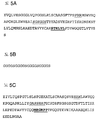
도 3은 A: 인간 ED-A (상부 서열) 및 B: 마우스 ED-A (하부 서열) 사이의 정렬을 보여준다. 별표는 인간 ED-A 및 마우스 ED-A의 아미노산이 동일한 아미노산 위치를 나타낸다.
도 4A는 항-ED-A 항체 H1 중쇄 (VH)의 뉴클레오티드 서열 (서열 12)를 보여준다. 항-ED-A 항체 H1의 중쇄 CDR1의 뉴클레오티드 서열은 밑줄친다. 항-ED-A 항체 H1의 중쇄 CDR2의 뉴클레오티드 서열은 이탤릭체로 밑줄쳐서 제시한다. 항-ED-A 항체 H1의 중쇄 CDR3의 뉴클레오티드 서열은 굵은체로 밑줄쳐서 제시한다.
도 4B는 항-ED-A 항체 H1 링커 서열의 뉴클레오티드 서열 (서열 14)을 보여준다.
도 4C는 항-ED-A 항체 H1 경쇄 (VL)의 뉴클레오티드 서열 (서열 13)을 보여준다. 항-ED-A 항체 H1의 경쇄 CDR1의 뉴클레오티드 서열은 밑줄친다. 항-ED-A 항체 H1의 경쇄 CDR2의 뉴클레오티드 서열은 이탤릭체로 밑줄쳐서 제시한다. 항-ED-A 항체 H1의 경쇄 CDR3의 뉴클레오티드 서열은 굵은체로 밑줄쳐서 제시한다.
도 5A는 항-ED-A 항체 H1 중쇄 (VH)의 아미노산 서열 (서열 1)을 보여준다. 항-ED-A 항체 H1의 중쇄 CDR1의 아미노산 서열 (서열 3)은 밑줄친다. 항-ED-A 항체 H1의 중쇄 CDR2의 아미노산 서열 (서열 4)은 이탤릭체로 밑줄쳐서 제시한다. 항-ED-A 항체 H1의 중쇄 CDR3의 아미노산 서열 (서열 5)은 굵은체로 밑줄쳐서 제시한다. 도 5B는 항-ED-A 항체 H1 링커 서열의 아미노산 서열 (서열 11)을 보여준다.
도 5C는 항-ED-A 항체 H1 경쇄 (VL)의 아미노산 서열 (서열 2)을 보여준다. 항-ED-A 항체 H1의 경쇄 CDR1의 아미노산 서열 (서열 6)은 밑줄친다. 항-ED-A 항체 H1의 경쇄 CDR2의 아미노산 서열 (서열 7)은 이탤릭체로 밑줄쳐서 제시한다. 항-ED-A 항체 H1의 경쇄 CDR3의 아미노산 서열 (서열 8)은 굵은체로 밑줄 쳐서 제시한다.
도 6은 F8-IL10에 대한 코딩 서열을 포함하는 핵산 구성체의 서열을 보여준다. 구조는 다음과 같이 HINDIII 분비 서열 F8 (14aa 링커) 링커 (SSSSG)3-IL10-Stop-NotI이다: HINDIII 제한 부위는 밑줄치고, 분비 신호를 코딩하는 서열은 이탤릭체로 제시하고, F8 VH-코딩 서열은 분비 신호 서열 다음에 굵은체로 제시하고, 14개 아미노산 링커를 코딩하는 서열은 소문자로 제시하고, F8 VL-코딩 서열은 14개 아미노산 링커 서열 다음에 굵은체로 제시하고, 링커 (SSSSG)3 서열은 F8 코딩 서열 다음에 밑줄치고 이탤릭체 로 제시하고, IL-10 코딩 서열은 이중-밑줄치고; 이어서, stop은 소문자로 제시한 후, NOTI 제한 부위는 밑줄친다.
도 7은 VH-링커-VL-링커-IL-10의 구조의 링커를 포함하는, 항체 scFv (F8) IL-10 컨쥬게이트의 아미노산 서열을 보여준다. VH 및 VL 도메인은 굵은체로 제시하고, scFv 링커는 소문자로 제시하고, scFv와 IL10 사이의 링커는 소문자로 이탤릭체로 제시하고, IL-10 서열은 밑줄친다.
도 8은 F8-IL10 및 HyHel10-IL10의 클로닝, 발현 및 정제를 예시한다:
도 8a는 F8-IL10 융합 단백질의 요소를 함유하는 pcDNA3.1 벡터의 개략도를 보여준다. 인간 IL10 모이어티 (moiety)는 15개 아미노산 링커 (SSSSG)3에 의해 scFv 항체 단편의 C-말단에 융합된다. N-말단에서 분비 서열은 재조합 단백질의 분비를 위해 요구된다.
도 8b는 정제된 융합 단백질의 SDS-PAGE 분석의 결과를 보여준다: 레인 1, 분자량 마커; 레인 2 & 3, 비-환원 및 환원 조건 하의 F8-IL10. 단량체성 융합 단백질은 분자량이 46 kDa인 것으로 예상된다.
도 8c는 정제된 F8-IL10의 크기 배제 크로마토그래피 프로필을 보여준다 (수퍼덱스 (Superdex) 200). 13 ml 체류 부피에서 용출하는 피크는 비-공유 동종이량체 형태의 F8-IL10에 대응하고, 14 ml 체류 부피에서 용출하는 보다 작은 피크는 단량체 분획에 대응한다.
도 8d는 F8-IL10의 활성 분석의 결과를 도시한 것이다. F8-IL10의 활성을 MC/9 세포에 대해 재조합 인간 IL10의 활성에 비교하였다. Figure 1 shows the results of immunohistochemistry for human arthritis samples using antibodies raised against angiogenesis markers. Darker staining indicates a strong expression of the antigen, which is visualized with a white arrow. F8 is an antibody molecule that binds to ED-A disclosed herein, L19 is an antibody molecule that binds to ED-B (e.g., [Pini et al. 1998]), And C (WO2006 / 050834).
Figure 2 shows the results of immunofluorescence analysis on human arthritis samples using F8 antibody molecules generated against the ED-A domain of fibronectin. White staining indicates strong expression of the antigen.
Figure 3 shows the alignment between A: human ED-A (top sequence) and B: mouse ED-A (bottom sequence). The asterisk indicates the amino acid positions of human ED-A and mouse ED-A that are the same.
Figure 4A shows the nucleotide sequence (SEQ ID NO: 12) of the anti-ED-A antibody Hl heavy chain (VH). The nucleotide sequence of the heavy chain CDR1 of anti-ED-A antibody H1 is underlined . The nucleotide sequence of the heavy chain CDR2 of the anti-ED-A antibody H1 is presented in italics underlined . The nucleotide sequence of the heavy chain CDR3 of the anti-ED-A antibody H1 is shown underlined in bold .
Figure 4B shows the nucleotide sequence (SEQ ID NO: 14) of the anti-ED-A antibody Hl linker sequence.
Figure 4C shows the nucleotide sequence (SEQ ID NO: 13) of the anti-ED-A antibody H1 light chain (VL). The nucleotide sequence of the light chain CDR1 of the anti-ED-A antibody H1 is underlined . The nucleotide sequence of the light chain CDR2 of the anti-ED-A antibody H1 is shown underlined in italics . The nucleotide sequence of the light chain CDR3 of anti-ED-A antibody H1 is presented in bold underlined .
Figure 5A shows the amino acid sequence (SEQ ID NO: 1) of the anti-ED-A antibody Hl heavy chain (VH). The amino acid sequence (SEQ ID NO: 3) of the heavy chain CDR1 of the anti-ED-A antibody H1 is underlined . The amino acid sequence (SEQ ID NO: 4) of the heavy chain CDR2 of the anti-ED-A antibody H1 is shown underlined in italics . The amino acid sequence of the heavy chain CDR3 of the anti-ED-A antibody H1 (SEQ ID NO: 5) is shown underlined in bold . Figure 5B shows the amino acid sequence (SEQ ID NO: 11) of the anti-ED-A antibody Hl linker sequence.
Figure 5C shows the amino acid sequence (SEQ ID NO: 2) of the anti-ED-A antibody H1 light chain (VL). The amino acid sequence (SEQ ID NO: 6) of the light chain CDR1 of the anti-ED-A antibody H1 is underlined . The amino acid sequence (SEQ ID NO: 7) of the light chain CDR2 of the anti-ED-A antibody H1 is shown underlined in italics . Wherein the amino acid sequence (SEQ ID NO: 8) of the light chain CDR3 of -ED-A antibody H1 proposes hitting underlined in bold.
Figure 6 shows the sequence of the nucleic acid construct comprising the coding sequence for F8-IL10. The structure is the HINDIII secretion sequence F8 (14aa linker) linker (SSSSG) 3 -IL10-Stop-NotI: the HINDIII restriction site is underlined , the secretion signal coding sequence is italicized and the F8 VH-coding sequence Are shown in bold following the secretory signal sequence, the sequence encoding the 14 amino acid linker is shown in lower case, the F8 VL-coding sequence is shown in bold following the 14 amino acid linker sequence, and the linker (SSSSG) 3 Sequence is underlined and italicized after the F8 coding sequence, the IL-10 coding sequence is double-underlined ; Subsequently, stop is presented in lower case, and the NOTI restriction area is underlined .
Figure 7 shows the amino acid sequence of the antibody scFv (F8) IL-10 conjugate, including the linker of the structure of VH-Linker-VL-Linker-IL-10. The VH and VL domains are presented in bold , the scFv linker in lower case, the linker between scFv and IL10 in italics in lower case, and the IL-10 sequence underlined .
Figure 8 illustrates the cloning, expression and purification of F8-IL10 and HyHel10-IL10:
Figure 8a shows a schematic representation of a pcDNA3.1 vector containing elements of the F8-IL10 fusion protein. The human IL10 moiety is fused to the C-terminus of the scFv antibody fragment by a 15 amino acid linker (SSSSG) 3 . The secretion sequence at the N-terminus is required for the secretion of the recombinant protein.
Figure 8b shows the results of an SDS-PAGE analysis of the purified fusion protein:
Figure 8c shows the size exclusion chromatography profile of purified F8-IL10 (Superdex 200). Peaks eluting at a 13 ml retention volume correspond to F8-IL10 in the non-shared homodimer form and smaller peaks eluting at 14 ml retention volume correspond to monomer fractions.
Figure 8d shows the results of the activity assay of F8-IL10. The activity of F8-IL10 was compared to the activity of recombinant human IL10 against MC / 9 cells.
용어Terms
피브로넥틴Fibronectin
피브로넥틴은 선택적 스플라이싱을 받는 항원이고, 많은 피브로넥틴의 대체적인 이소형이 본원에서 설명되는 바와 같이 알려져 있다. 엑스트라 도메인-A (EDA 또는 ED-A)는 또한 ED, 엑스트라 타입 III 리피트 (repeat) A (EIIIA) 또는 EDI로도 알려져 있다. 인간 ED-A의 서열은 문헌 [Kornblihtt et al. (1984), Nucleic Acids Res. 12, 5853-5868] 및 [Paolella et al. (1988), Nucleic Acids Res. 16, 3545-3557]에 공개되었다. 인간 ED-A의 서열은 또한 SwissProt 데이타베이스에서 기탁 번호 P02751 하에 기탁된 아미노산 서열의 아미노산 1631-1720 (피브로넥틴 타입-III 12; 엑스트라 도메인 2)으로서 이용가능하다. 마우스 ED-A의 서열은 SwissProt 데이타베이스에서 기탁 번호 P11276 하에 기탁된 아미노산 서열의 아미노산 1721-1810 (피브로넥틴 타입-III 13; 엑스트라 도메인 2)으로서 이용가능하다. Fibronectin is an antigen that undergoes selective splicing, and alternative isoforms of many fibronectins are known as described herein. Extra domain-A (EDA or ED-A) is also known as ED, Extra-type III repeat A (EIIIA) or EDI. The sequence of human ED-A is described in Kornblihtt et al. (1984), Nucleic Acids Res. 12, 5853-5868 and Paolella et al. (1988), Nucleic Acids Res. 16, 3545-3557. The sequence of human ED-A is also available as the amino acid 1631-1720 (fibronectin type-III12; Extra domain 2) of the amino acid sequence deposited under accession number P02751 in the SwissProt database. The sequence of mouse ED-A is available as amino acids 1721-1810 (fibronectin type-III 13; Extra domain 2) of the amino acid sequence deposited under accession number P11276 in the SwissProt database.
피브로넥틴의 ED-A 이소형 (A-FN)은 엑스트라 도메인-A (ED-A)를 함유한다. 인간 A-FN의 서열은 SwissProt 데이타베이스에서 기탁 번호 P02751 하에 이용가능한 상응하는 인간 피브로넥틴 전구체 서열로부터 추론할 수 있다. 마우스 A-FN의 서열은 SwissProt 데이타베이스에서 기탁 번호 P11276 하에 이용가능한 상응하는 마우스 피브로넥틴 전구체 서열로부터 추론할 수 있다. A-FN은 피브로넥틴의 인간 ED-A 이소형일 수 있다. ED-A는 인간 피브로넥틴의 엑스트라 도메인-A일 수 있다. The ED-A isotype (A-FN) of fibronectin contains Extra Domain-A (ED-A). The sequence of human A-FN can be deduced from the corresponding human fibronectin precursor sequence available under accession number P02751 from the SwissProt database. The sequence of mouse A-FN can be deduced from the corresponding mouse fibronectin precursor sequence available under accession number P11276 from the SwissProt database. A-FN may be a human ED-A isoform of fibronectin. ED-A can be the extramolecular domain-A of human fibronectin.
ED-A는 선택적 스플라이싱에 의해 피브로넥틴 (FN) 내로 삽입되고 FN의 도메인 11 및 12 사이에 위치하는 90개 아미노산 서열이다 (Borsi et al., 1987, J. Cell Biol., 104, 595-600). ED-A는 주로 혈장형의 FN 내에는 부재하지만, 배발생, 조직 재형성, 섬유증, 심장 이식 및 고형 종양 성장 동안에는 풍부하다. ED-A is a 90 amino acid sequence inserted into fibronectin (FN) by selective splicing and located between domains 11 and 12 of FN (Borsi et al., 1987, J. Cell Biol., 104, 595- 600). ED-A is largely absent in plasma-type FNs but abundant during embryogenesis, tissue remodeling, fibrosis, heart transplantation and solid tumor growth.
선택적 Selective 스플라이싱Splicing
선택적 스플라이싱은 상이한 mRNA를 생산하도록 DNA의 일차 RNA 전사체의 상이한 패턴의 스플라이싱의 발생을 나타낸다. 인트론의 절제 후에, 선택은 어떠한 엑손이 mRNA를 형성하도록 함께 스플라이싱될지 결정할 수 있다. 선택적 스플라이싱을 통해 상이한 엑손 및/또는 상이한 수의 엑손을 함유하는 상이한 이소형을 생산할 수 있다. 예를 들어, 하나의 이소형은 하나 이상의 엑손에 상응하는 추가의 아미노산 서열을 포함할 수 있고, 이는 하나 이상의 도메인을 포함할 수 있다. Selective splicing represents the occurrence of splicing of different patterns of DNA primary RNA transcripts to produce different mRNAs. After excision of the intron, the selection can determine which exons will be spliced together to form the mRNA. Selective splicing can produce different isoforms containing different exons and / or different numbers of exons. For example, one isoform may comprise an additional amino acid sequence corresponding to one or more exons, which may comprise one or more domains.
결합 멤버Joined member
이는 서로에 대해 결합하는 한 쌍의 분자 중 하나의 멤버를 설명한다. 결합쌍의 멤버들은 자연에서 유래하거나, 전적으로 또는 부분적으로 합성 방식으로 생산할 수 있다. 분자들의 쌍의 하나의 멤버는 분자들의 쌍의 다른 멤버에 결합하고 따라서 그의 특정 공간적 및 극성 유기화에 상보적인 그의 표면 상의 일정 영역 또는 일정 공극 (cavity)을 갖는다. 결합쌍의 유형의 예에는 항원-항체, 비오틴-아비딘, 호르몬-호르몬 수용체, 수용체-리간드, 효소-기질이 있다. 본 발명은 항원-항체 유형 반응에 관한 것이다. This describes one member of a pair of molecules that bind to each other. The members of the binding pair may be derived from nature, or may be produced totally or partially in a synthetic manner. One member of a pair of molecules has a certain region or constant cavity on its surface that is coupled to another member of a pair of molecules and thus is complementary to its specific spatial and polar organic organization. Examples of types of binding pairs include antigen-antibody, biotin-avidin, hormone-hormone receptor, receptor-ligand, enzyme-substrate. The present invention relates to antigen-antibody-type reactions.
결합 멤버는 보통은 항원-결합 부위를 갖는 분자를 포함한다. 예를 들어, 결합 멤버는 항체 분자, 또는 항원-결합 부위를 포함하는 비-항체 단백질일 수 있다. Binding members usually include molecules with antigen-binding sites. For example, the binding member may be an antibody molecule, or a non-antibody protein comprising an antigen-binding site.
항원 결합 부위는 비-항체 단백질 스캐폴드, 예를 들어 피브로넥틴 또는 시토크롬 B 등의 상에 상보성 결정 구역 (CDR)의 정렬에 의해 ([Haan & Maggos, 2004]; [Koide 1998]; [Nygren 1997]), 또는 목적하는 표적에 대한 결합 특이성을 부여하도록 단백질 스캐폴드 내의 루프의 아미노산 잔기를 무작위화 또는 돌연변이시킴으로써 제공될 수 있다. 단백질에서 신규한 결합 부위를 공학처리하기 위한 스캐폴드는 문헌 [Nygren et al. (1997)]에서 상세히 검토되었다. 항체 모방체에 대한 단백질 스캐폴드는 그 전문이 본원에 참조로 포함된 WO/0034784에 개시되어 있고, 여기서 본 발명자들은 적어도 하나의 무작위화된 루프를 갖는 피브로넥틴 타입 III 도메인을 포함하는 단백질 (항체 모방체)을 설명한 바 있다. 하나 이상의 CDR, 예를 들어 HCDR의 세트를 그라프팅시키기 위해 적합한 스캐폴드는 면역글로불린 유전자 수퍼패밀리의 임의의 도메인 멤버에 의해 제공될 수 있다. 스캐폴드는 인간 또는 비-인간 단백질일 수 있다. 비-항체 단백질 스캐폴드의 한 가지 잇점은 적어도 일부의 항체 분자보다 더 작고/작거나 제조하기 더 쉬운 스캐폴드 분자 내에서 항원-결합 부위를 제공할 수 있다는 점이다. 작은 크기의 결합 멤버는 세포로 유입하거나, 조직 내로 깊게 관통하거나, 다른 구조 내의 표적에 도달하는 능력 또는 표적 항원의 단백질 공극 내에 결합하는 능력과 같은 유용한 생리학적 특성을 부여할 수 있다. 비-항체 단백질 스캐폴드에서 항원 결합 부위의 사용은 문헌 [Wess, 2004]에서 검토되었다. 안정한 백본과 하나 이상의 가변 루프를 갖는 단백질이 대표적이고, 여기서 루프(들)의 아미노산 서열은 표적 항원에 결합하는 항원-결합 부위를 생성하도록 특이적으로 또는 무작위로 돌연변이된다. 그러한 단백질은 에스. 아우레우스 (S. aureus)로부터의 단백질 A의 IgG-결합 도메인, 트랜스페린, 테트라넥틴, 피브로넥틴 (예를 들어 제10 피브로넥틴 타입 III 도메인) 및 리포칼린을 포함한다. 다른 방법은 분자내 디술피드 결합을 갖는 작은 단백질인 사이클로티드 (cyclotide)에 기반하는 합성 "마이크로바디 (Microbody)" (셀레코어 게엠베하 (Selecore GmbH))를 포함한다. Antigen binding sites can be identified by aligning complementary crystal zones (CDRs) on non-antibody protein scaffolds such as fibronectin or cytochrome B (Haan & Maggos, 2004; Koide 1998; Nygren 1997) ), Or by randomizing or mutating the amino acid residues of the loop in the protein scaffold to confer binding specificity for the desired target. Scaffolds for engineering engineering novel binding sites in proteins are described in Nygren et al. (1997). Protein scaffolds for antibody mimics are disclosed in WO / 0034784, which is incorporated herein by reference in its entirety, wherein the inventors have discovered that proteins comprising a fibronectin type III domain with at least one randomized loop . A suitable scaffold for grafting one or more CDRs, e. G., A set of HCDRs, may be provided by any domain member of the immunoglobulin gene superfamily. The scaffold may be a human or non-human protein. One advantage of the non-antibody protein scaffold is that it can provide an antigen-binding site within the scaffold molecule that is smaller / smaller or easier to manufacture than at least some of the antibody molecules. Smaller sized members can confer useful physiological properties such as the ability to enter cells, penetrate deep into tissues, reach targets in other structures, or bind within the protein pore of the target antigen. The use of antigen binding sites in non-antibody protein scaffolds has been reviewed in [Wess, 2004]. Proteins with a stable backbone and one or more variable loops are representative, wherein the amino acid sequence of the loop (s) is specifically or randomly mutated to produce an antigen-binding site that binds the target antigen. Such proteins include S. The IgG-binding domain of protein A from S. aureus , transferrin, tetranectin, fibronectin (e. G., The tenth fibronectin type III domain) and lipocalin. Another method involves a synthetic "Microbody" (Selecore GmbH) based on a cyclopeptide that is a small protein with an intramolecular disulfide bond.
항체 서열 및/또는 항원-결합 부위에 추가로, 본 발명에서 사용하기 위한 결합 멤버는 예를 들어 폴딩된 (folded) 도메인과 같은 펩티드 또는 폴리펩티드를 형성하거나, 항원에 결합하는 능력에 추가로 다른 기능적 특징을 분자에 부여하기 위해 다른 아미노산을 포함할 수 있다. 본 발명에서 사용하기 위한 결합 멤버는 검출가능한 표지를 보유할 수 있거나, 독소 또는 표적화 모이어티 또는 효소에 컨쥬게이팅될 수 있다 (예를 들어 펩티드 결합 또는 링커를 통해). 예를 들어, 결합 멤버는 촉매 부위 (예를 들어, 효소 도메인 내의)뿐만 아니라 항원 결합 부위를 포함할 수 있고, 여기서 항원 결합 부위는 항원에 결합하여 촉매 부위를 항원에 표적화시킨다. 촉매 부위는 예를 들어 절단에 의해 항원의 생물학적 기능을 억제할 수 있다. In addition to antibody sequences and / or antigen-binding sites, binding members for use in the present invention may further comprise additional functional groups, such as, for example, the ability to form peptides or polypeptides, such as folded domains, Other amino acids may be included to impart features to the molecule. A binding member for use in the present invention may have a detectable label or may be conjugated (e. G., Via peptide bond or linker) to a toxin or targeting moiety or enzyme. For example, a binding member may comprise an antigen binding site as well as a catalytic site (e. G., Within the enzyme domain), wherein the antigen binding site binds to the antigen to target the catalytic site to the antigen. The catalytic site can inhibit the biological function of the antigen by, for example, cleavage.
언급된 바와 같이, CDR은 비-항체 스캐폴드에 보유될 수 있지만, CDR 또는 CDR의 세트를 보유하기 위한 구조는 일반적으로, CDR 또는 CDR의 세트가 재배열된 면역글로불린 유전자에 의해 코딩되는 천연 발생 VH 및 VL 항체 가변 도메인의 CDR 또는 CDR의 세트에 상응하는 위치에 위치하는 항체 중쇄 또는 경쇄 서열 또는 그의 실질적인 부분일 것이다. 면역글로불린 가변 도메인의 구조 및 위치는 현재 인터넷 상에서 이용가능한 문헌 [Kabat 1987] 및 그의 개정판 (immuno.bme.nwu.edu에서 또는 임의의 검색 엔진을 사용하여 "Kabat"를 검색)을 참고하여 결정할 수 있다. As mentioned, a CDR can be retained in a non-antibody scaffold, but a structure for retaining a set of CDRs or CDRs generally includes a set of CDRs or CDRs that are encoded by immunoglobulin genes rearranged, The antibody heavy or light chain sequence or a substantial portion thereof located at a position corresponding to the set of CDRs or CDRs of the VH and VL antibody variable domains. The structure and location of the immunoglobulin variable domains can be determined by reference to the current literature available on the Internet [Kabat 1987] and its revision (in immuno.bme.nwu.edu or using any search engine to search for "Kabat") have.
CDR 구역 또는 CDR은 문헌 [Kabat et al. (1987)]에 규정된 바와 같은 면역글로불린의 중쇄 및 경쇄의 초가변 구역을 나타내고자 의도된다 ([Kabat 1991a] 및 후속 개정판). 항체는 대개 3개의 중쇄 CDR 및 3개의 경쇄 CDR을 함유한다. 용어 CDR 또는 CDR들은 경우에 따라, 항체가 인식하는 항원 또는 에피토프에 대한 항체의 친화도에 의한 결합을 담당하는 대부분의 아미노산 잔기를 함유하는 이들 구역의 하나 또는 몇몇 또는 심지어 전체를 나타내기 위해 본원에서 사용된다. CDR regions or CDRs are described in Kabat et al. (1987)] (Kabat 1991a and subsequent editions). ≪ tb > < TABLE > Antibodies usually contain three heavy chain CDRs and three light chain CDRs. The term CDRs or CDRs are sometimes used herein to refer to one or several or even all of these regions that contain most of the amino acid residues responsible for binding by the affinity of the antibody to an antigen or epitope that the antibody recognizes Is used.
6개의 짧은 CDR 서열 중에서, 중쇄의 제3 CDR (HCDR3)의 크기 가변성이 더 크다 (본질적으로 그를 생성시키는 유전자의 정렬 메카니즘으로 인한 보다 큰 다양성). 이는 2개의 아미노산만큼 짧을 수 있지만, 알려진 가장 큰 크기는 26이지다. 기능적으로, HCDR3은 부분적으로 항체의 특이성의 결정에서 일정 역할을 한다 ([Segal 1974]; [Amit 1986]; [Chothia 1987]; [Chothia 1989]; [Caton 1990]; [Sharon 1990a]; [Sharon 1990b]; [Kabat et al., 1991b]). Of the six short CDR sequences, the size variability of the third CDR (HCDR3) of the heavy chain is greater (essentially a greater diversity due to the alignment mechanism of the genes that produce it). It can be as short as two amino acids, but the largest known size is 26. Functionally, HCDR3 plays a role in partly determining antibody specificity ([Segal 1974]; [Amit 1986]; [Chothia 1987]; [Chothia 1989] 1990b]; [Kabat et al., 1991b]).
항체 분자Antibody molecule
이는 천연의 것이든 부분적으로 또는 완전히 합성 방식으로 생산된 것이든 면역글로불린을 설명한다. 상기 용어는 또한 항체 항원-결합 부위를 포함하는 임의의 폴리펩티드 또는 단백질을 나타낸다. 본 발명은 천연 형태의 항체에 관련된 것이 아니고, 즉, 항체는 그의 천연 환경 내에 존재하는 것이 아니라, 천연 공급원으로부터 정제에 의해 단리 또는 정제되거나, 유전자 재조합에 의해 또는 화학적 합성에 의해 얻어질 수 있고, 따라서, 나중에 설명될 바와 같이 비천연 아미노산을 함유할 수 있음을 이해해야 한다. 항체 항원-결합 부위를 포함하는 항체 단편은 항체 분자, 예를 들어 Fab, Fab', Fab'-SH, scFv, Fv, dAb, Fd 및 디아바디 (diabody)를 포함하고 이로 제한되지 않는다.It describes immunoglobulins whether they are produced in a natural, partially or completely synthetic manner. The term also refers to any polypeptide or protein comprising an antibody antigen-binding site. The present invention is not related to a native form of the antibody, i.e. the antibody is not present in its natural environment, but may be isolated or purified by purification from a natural source, obtained by genetic recombination or by chemical synthesis, Thus, it is to be understood that it may contain unnatural amino acids as will be explained later. Antibody fragments comprising antibody antigen-binding sites include, but are not limited to, antibody molecules such as Fab, Fab ', Fab'-SH, scFv, Fv, dAb, Fd and diabodies.
모노클로날 및 다른 항체를 취하고, 표적 항원에 결합하는 다른 항체 또는 키메라 (chimera) 분자를 생산하기 위해 재조합 DNA 기술의 기술을 사용하는 것이 가능하다. 그러한 기술은 항체의 면역글로불린 가변 구역 또는 CDR을 코딩하는 DNA를 상이한 면역글로불린의 불변 구역, 또는 불변 구역 + 프레임워크 구역에 도입하는 것을 포함할 수 있다. 예를 들어, EP-A-184187, GB 2188638A 또는 EP-A-239400 및 매우 많은 후속 문헌을 참조한다. 항체를 생산하는 하이브리도마 또는 다른 세포는 생산된 항체의 결합 특이성을 변경시킬 수 있거나 변경시킬 수 없는 유전자 돌연변이 또는 다른 변화를 거칠 수 있다.It is possible to take the monoclonal and other antibodies and use the techniques of recombinant DNA technology to produce other antibodies or chimera molecules that bind to the target antigen. Such techniques may include introducing the immunoglobulin variable region of the antibody or the DNA encoding the CDR into the constant region of the different immunoglobulins, or the constant region + framework region. See, for example, EP-A-184187, GB 2188638A or EP-A-239400 and many subsequent documents. Hybridomas or other cells producing antibodies may undergo genetic mutations or other changes that may or may not alter the binding specificity of the antibody produced.
항체는 많은 방식으로 변형될 수 있기 때문에, 용어 "항체 분자"는 항원에 대한 요구되는 특이성 및/또는 결합을 갖는 항체 항원-결합 부위를 갖는 임의의 결합 멤버 또는 물질을 포함하는 것으로 해석되어야 한다. 따라서, 상기 용어는 천연의 것이든 전적으로 또는 부분적으로 합성된 것이든 항체 항원-결합 부위를 포함하는 임의의 폴리펩티드를 포함하는 항체 단편 및 유도체를 포함한다. 따라서, 다른 폴리펩티드 (예를 들어 다른 종으로부터 유래하거나 다른 항체 클래스 또는 하위클래스에 속하는)에 융합된 항체 항원-결합 부위, 또는 동등물을 포함하는 키메라 분자가 포함된다. 키메라 항체의 클로닝 및 발현은 EP-A-0120694 및 EP-A-0125023과 매우 많은 후속 문헌에 설명되어 있다. As antibodies can be modified in many ways, the term "antibody molecule" should be construed to include any binding member or material having an antibody antigen-binding site with the desired specificity and / or binding to the antigen. Thus, the term encompasses antibody fragments and derivatives comprising any polypeptide comprising an antibody antigen-binding site, whether native or wholly or partially synthesized. Thus, chimeric molecules include antibody antigen-binding sites, or equivalents, fused to other polypeptides (e. G., From other species or belonging to other antibody classes or subclasses). Cloning and expression of chimeric antibodies is described in EP-A-0120694 and EP-A-0125023 and in many subsequent documents.
항체 공학 분야에서 이용가능한 추가의 기술로 인해 인간 및 인간화 항체를 단리하는 것이 가능해졌다. 예를 들어, 인간 하이브리도마는 문헌 [Kontermann & Dubel (2001)]에 기재된 바와 같이 제조할 수 있다. 결합 멤버의 생성을 위한 다른 확립된 기술인 파지 디스플레이 (phage display)는 많은 간행물, 예를 들어 WO92/01047 (아래 추가로 논의됨) 및 미국 특허 US5969108, US5565332, US5733743, US5858657, US5871907, US5872215, US5885793, US5962255, US6140471, US6172197, US6225447, US6291650, US6492160, US6521404 및 문헌 [Kontermann & Dubel (2001)]에 상세히 설명되어 있다. 마우스 항체 유전자가 불활성화되고 마우스 면역계의 다른 성분들을 무손상으로 유지하면서 인간 항체 유전자로 기능적으로 교체된 트랜스제닉 (transgenic) 마우스가 인간 항체를 단리하기 위해 사용될 수 있다 (Mendez 1997). Additional techniques available in the field of antibody engineering have made it possible to isolate human and humanized antibodies. For example, human hybridomas can be prepared as described in Kontermann & Dubel (2001). A phage display, another established technique for the creation of joined members, is described in many publications, such as WO92 / 01047 (further discussed below) and US Patents US5969108, US5565332, US5733743, US5858657, US5871907, US5872215, US5885793, US5962255, US6140471, US6172197, US6225447, US6291650, US6492160, US6521404, and Kontermann & Dubel (2001). Transgenic mice functionally replaced with human antibody genes can be used to isolate human antibodies while the mouse antibody gene is inactivated and other components of the mouse immune system remain intact (Mendez 1997).
합성 항체 분자는 예를 들어, 문헌 [Knappik et al. (2000)] 또는 [Krebs et al. (2001)]에 기재된 바와 같이 적합한 발현 벡터 내에서 합성되고 조립된 올리고뉴클레오티드에 의해 생성된 유전자의 발현에 의해 생성될 수 있다.Synthetic antibody molecules are described, for example, in Knappik et al. (2000) or Krebs et al. (2001)). ≪ Desc / Clms Page number 7 > < RTI ID = 0.0 >
전체 항체의 단편은 항원에 결합하는 기능을 수행할 수 있는 것으로 나타났다. 결합 단편의 예에는 (i) VL, VH, CL 및 CH1 도메인으로 이루어지는 Fab 단편; (ii) VH 및 CH1 도메인으로 이루어지는 Fd 단편; (iii) 단일 항체의 VL 및 VH 도메인으로 이루어지는 Fv 단편; (iv) VH 또는 VL 도메인으로 이루어지는 dAb 단편 ([Ward 1989]; [McCafferty 1990]; [Holt 2003]); (v) 단리된 CDR 구역; (vi) F(ab')2 단편 (2개의 연결된 Fab 단편을 포함하는 2가 단편), (vii) 단일쇄 Fv 분자 (scFv) (여기서, VH 도메인 및 VL 도메인은 2개의 도메인이 회합하여 항원 결합 부위를 형성하도록 허용하는 펩티드 링커에 의해 연결된다 ([Bird 1988]; [Huston 1988]); (viii) 이중특이적 단일쇄 Fv 이량체 (PCT/US92/09965), 및 (ix) "디아바디" (유전자 융합에 의해 구성된 다가 또는 다중특이적 단편) (WO94/13804; [Holliger 1993a])가 있다. Fv, scFv 또는 디아바디 분자는 VH 및 VL 도메인을 연결하는 디술피드 다리의 포함에 의해 안정화될 수 있다 (Reiter 1996). CH3 도메인에 연결된 scFv를 포함하는 미니바디 (minibody)가 또한 제조될 수 있다 (Hu 1996). 결합 단편의 다른 예는 Fab'이고, 이는 항체 힌지 구역으로부터 하나 이상의 시스테인 및 Fab'-SH (불변 도메인의 시스테인 잔기(들)가 유리 티올기를 보유하는 Fab' 단편임)을 비롯하여, 중쇄 CH1 도메인의 카르복실 말단에서 수개의 잔기의 첨가에 의해 Fab 단편과 상이하다.The fragment of the whole antibody was found to be capable of binding antigen. Examples of binding fragments include (i) Fab fragments consisting of the VL, VH, CL, and CH1 domains; (ii) an Fd fragment consisting of the VH and CH1 domains; (iii) an Fv fragment consisting of the VL and VH domains of a single antibody; (iv) a dAb fragment consisting of the VH or VL domain ([Ward 1989]; [McCafferty 1990]; [Holt 2003]); (v) an isolated CDR region; (vi) a F (ab ') 2 fragment (a divalent fragment comprising two linked Fab fragments), (vii) a single chain Fv molecule (scFv), wherein the VH and VL domains (Viii) bispecific single chain Fv dimers (PCT / US92 / 09965), and (ix) "Dia Body "(multivalent or multispecific fragment constructed by gene fusion) (WO 94/13804, [Holliger 1993a]). Fv, scFv or diabody molecules are encoded by the inclusion of disulfide bridges connecting the VH and VL domains (Hu 1996). Another example of a binding fragment is Fab ', which is an antibody that binds to one or more < RTI ID = 0.0 > Cysteine and Fab'-SH (the cysteine residue (s) of the constant domain) Quot; fragment), as well as the addition of several residues at the carboxyl terminus of the heavy chain CH1 domain.
본 발명에서 사용하기 위한 항체 단편은 본원에서 설명되는 임의의 항체 분자, 예를 들어 본원에서 설명되는 임의의 항체의 VH 및/또는 VL 도메인 또는 CDR을 포함하는 항체 분자로부터 출발하여 펩신 또는 파파인과 같은 효소에 의한 소화 및/또는 화학적 환원에 의한 디술피드 다리의 절단과 같은 방법에 의해 얻을 수 있다. 다른 방식에서, 본 발명의 항체 단편은 마찬가지로 당업계의 숙련인에게 잘 공지된 유전자 재조합의 기술에 의해 또는 예를 들어 어플라이드 바이오시스템즈 (Applied Biosystems)사에서 제공되는 것 등과 같은 자동 펩티드 합성기에 의한 펩티드 합성에 의해, 또는 핵산 합성 및 발현에 의해 얻을 수 있다.Antibody fragments for use in the present invention may be derived from any antibody molecule described herein, e. G., An antibody molecule comprising the VH and / or VL domains or CDRs of any of the antibodies described herein, such as pepsin or papain Digestion by enzymes and / or digestion of diglyceride bridges by chemical reduction. In another manner, the antibody fragments of the invention can likewise be isolated by techniques of genetic recombination well known to those skilled in the art or by means of automated peptide synthesizers, such as those provided, for example, by Applied Biosystems, By synthesis, or by nucleic acid synthesis and expression.
본 발명에 따른 기능성 항체 단편은 화학적 변형, 특히 PEG화에 의해 또는 리포좀 내로의 포함에 의해 그의 반감기가 증가된 임의의 기능적 단편을 포함한다. The functional antibody fragment according to the present invention includes any functional fragment whose half life has been increased by chemical modification, in particular by PEGylation or by incorporation into liposomes.
dAb (도메인 항체)는 항체의 작은 단량체성 항원-결합 단편, 즉 항체 중쇄 또는 경쇄의 가변 구역이다 (Holt 2003). VH dAb는 카멜리드 (예를 들어 낙타, 라마)에서 자연적으로 발생하고, 카멜리드를 표적 항원으로 면역화시키고, 항원-특이적 B 세포를 단리하고, 개별 B 세포로부터 dAb 유전자를 직접 클로닝함으로써 생산할 수 있다. dAb는 또한 세포 배양액에서 생산가능하다. 그들의 작은 크기, 우수한 용해도 및 온도 안정성으로 인해 이들은 특히 생리학상 유용하고 선택 및 친화도 증진 (maturation)을 위해 적합하다. 본 발명의 결합 멤버는 실질적으로 본원에 제시된 바와 같은 VH 또는 VL 도메인, 또는 실질적으로 본원에 제시된 바와 같은 CDR의 세트를 포함하는 VH 또는 VL 도메인을 포함하는 dAb일 수 있다. The dAb (domain antibody) is a small monomeric antigen-binding fragment of the antibody, a variable region of the antibody heavy or light chain (Holt 2003). VH dAbs occur naturally in camelids (e.g. camel, llama), can be produced by immunizing camelid with the target antigen, isolating the antigen-specific B cells, and cloning the dAb gene directly from the individual B cells have. The dAb can also be produced in cell culture fluids. Due to their small size, good solubility and temperature stability, they are particularly physiologically useful and suitable for selection and affinity maturation. A binding member of the present invention may be a dAb comprising a VH or VL domain as set forth herein, or a VH or VL domain comprising a set of CDRs substantially as set forth herein.
본원에서 사용될 때, 어구 "실질적으로 제시된 바와 같은"은 본원에서 설명되는 결합 멤버의 VH 또는 VL 도메인의 관련 CDR의 특징이, 그의 서열이 본원에 제시된 특정 구역과 동일하거나 고도로 유사할 것임을 나타낸다. 하나 이상의 가변 도메인의 특정 구역(들)에 관하여 어구 "고도로 유사한"이 본원에서 설명될 때, 1 내지 약 5개, 예를 들어 1 내지 4개, 예를 들어 1 내지 3개, 또는 1 또는 2개, 또는 3 또는 4개의 아미노산 치환이 CDR 및/또는 VH 또는 VL 도메인에서 이루어질 수 있는 것으로 고려된다. As used herein, the phrase "substantially as provided" indicates that the characteristics of the relevant CDRs of the VH or VL domains of the binding members described herein are the same or highly similar to the specific regions provided herein. When a phrase "highly similar" is described herein with respect to a particular region (s) of one or more variable domains, one to about five, such as one to four, such as one to three, or one or two , Or 3 or 4 amino acid substitutions can be made in the CDR and / or VH or VL domains.
이중특이적 또는 이중기능성 항체는 제2 세대 모노클로날 항체를 형성하고, 여기서 2개의 상이한 가변 구역이 동일한 분자 내에서 조합된다 (Holliger 1999). 그들의 용도는 새로운 효과기 기능을 동원하거나 종양 세포의 표면 상의 몇몇 분자를 표적화하는 그들의 능력에 의해 진단 영역 및 치료 영역 모두에서 입증되었다. 이중특이적 항체가 사용되어야 하는 경우에, 이들은 통상적인 이중특이적 항체일 수 있고, 이는 다양한 방식으로 (Holliger 1993b), 예를 들어 화학적으로 또는 하이브리드 하이브리도마로부터 제조될 수 있거나, 상기 언급된 임의의 이중특이적 항체 단편일 수 있다. 이들 항체는 화학적 방법 ([Glennie 1987]; [Repp 1995]) 또는 체세포 방법 ([Staerz 1986]; [Suresh 1986])에 의해 얻을 수 있지만, 마찬가지로 이종이량체화가 일어나도록 허용하여, 목적하는 항체의 정제 과정을 용이하게 하는 (Merchand 1998) 유전 공학 기술에 의해 얻을 수 있다. 이중특이적 항체의 예는 BiTE™ 기술의 것을 포함하고, 여기서 상이한 특이성을 갖는 2개의 항체의 결합 도메인이 사용되고 짧은 가요성 펩티드를 통해 직접 연결될 수 있다. 이는 짧은 단일 폴리펩티드 사슬 상에 2개의 항체를 조합시킨다. 디아바디 및 scFv는 가변 도메인만을 사용하여, Fc 구역 없이 구성될 수 있고, 이는 잠재적으로 항-개별특이형 반응의 효과를 감소시킨다. Bispecific or bifunctional antibodies form a second generation monoclonal antibody, wherein two different variable regions are combined in the same molecule (Holliger 1999). Their use has been demonstrated in both diagnostic and therapeutic areas by their ability to mobilize new effector functions or to target several molecules on the surface of tumor cells. Where bispecific antibodies should be used, they may be conventional bispecific antibodies, which may be produced in a variety of ways (Holliger 1993b), for example chemically or from hybrid hybridomas, And may be any bispecific antibody fragment. These antibodies can be obtained by chemical methods (Glennie 1987; Repp 1995) or somatic cell method (Staerz 1986; Suresh 1986), but likewise allow heterodimerization to occur, Can be obtained by genetic engineering techniques that facilitate the purification process (Merchand 1998). Examples of bispecific antibodies include those of the BiTE (TM) technology, wherein the binding domains of two antibodies with different specificities are used and can be linked directly via short flexible peptides. This combines two antibodies on a short single polypeptide chain. Diabodies and scFvs can be constructed without the Fc region, using only a variable domain, which potentially reduces the effectiveness of the anti-individual specific type response.
이중특이적 항체는 전체 IgG로서, 이중특이적 Fab'2로서, Fab' PEG로서, 디아바디로서 또는 이중특이적 scFv로서 구성될 수 있다. 또한, 2개의 이중특이적 항체는 당업계에 공지된 일상적 방법을 사용하여 연결되어 4가 항체를 형성할 수 있다. Bispecific antibodies can be constructed as whole IgG, as bispecific Fab'2, as Fab 'PEG, as diabody, or as a bispecific scFv. In addition, the two bispecific antibodies may be joined using routine methods known in the art to form a tetravalent antibody.
이중특이적 전체 항체와 달리, 이중특이적 디아바디는 이. 콜라이 (E. coli) 내에서 쉽게 구성되고 발현될 수 있기 때문에 또한 특히 유용할 수 있다. 적절한 결합 특이성의 디아바디 (및 많은 다른 폴리펩티드, 예를 들어 항체 단편)는 라이브러리 (library)로부터 파지 디스플레이 (WO94/13804)를 이용하여 쉽게 선택될 수 있다. 디아바디의 하나의 아암 (arm)이 예를 들어, 표적 항원에 대해 지정된 특이성을 갖고 일정하게 유지되어야 할 경우, 다른 아암이 변경된 라이브러리가 제조될 수 있고, 적절한 특이성의 항체가 선택될 수 있다. 이중특이적 전체 항체는 문헌 [Ridgeway 1996]에 기재된 바와 같은 대체적인 공학처리 방법에 의해 제조할 수 있다. Unlike bispecific whole antibodies, the bispecific diabodies have the ability to bind to the < RTI ID = 0.0 > It can also be particularly useful because it can be easily constituted and expressed in E. coli . Diabodies (and many other polypeptides, such as antibody fragments) of appropriate binding specificities can be readily selected from libraries using phage display (WO 94/13804). If one arm of the diabody is to be kept constant with the specified specificity for the target antigen, for example, a library with altered other arms may be prepared and an antibody of the appropriate specificity may be selected. Bispecific whole antibodies can be produced by alternative engineering methods as described in Ridgeway 1996.
표적 항원에 대한 항체를 얻기 위해 다양한 방법이 당업계에서 이용가능하다. 항체는 모노클로날 항체, 특히 인간, 쥐, 키메라 또는 인간화 기원의 모노클로날 항체일 수 있고, 이는 당업계의 숙련인에게 잘 공지된 표준 방법에 따라 얻을 수 있다. A variety of methods are available in the art to obtain antibodies to the target antigen. The antibody can be a monoclonal antibody, in particular a monoclonal antibody of human, murine, chimeric or humanized origin, which can be obtained according to standard methods well known to those skilled in the art.
일반적으로, 특히 쥐 기원의 모노클로날 항체 또는 그의 기능성 단편의 제조를 위해, 특히 매뉴얼 ["Antibodies" (Harlow and Lane 1988)]에 기재된 기술 또는 문헌 [Kohler and Milstein, 1975]에 기재된 하이브리도마로부터의 제조 기술을 참조하는 것이 가능하다. In general, for the production of monoclonal antibodies or functional fragments thereof, in particular of murine origin, in particular the techniques described in the manual "Antibodies" (Harlow and Lane 1988) or the hybridomas described in Kohler and Milstein, 1975 It is possible to refer to the manufacturing technology from the manufacturer.
모노클로날 항체는 예를 들어, A-FN, 또는 상기 모노클로날 항체에 의해 인식되는 에피토프를 함유하는 하나의 그의 단편, 예를 들어 ED-A, 또는 ED-A의 펩티드 단편을 포함하거나 그로 이루어지는 단편에 대해 면역화시킨 동물 세포로부터 얻을 수 있다. A-FN, 또는 하나의 그의 단편은 특히 통상적인 처리 방법에 따라, A-FN 또는 그의 단편을 코딩하는 cDNA 서열에 함유된 핵산 서열을 사용하여 출발하는 유전자 재조합에 의해, A-FN 및/또는 그의 단편의 펩티드 서열에 포함되는 아미노산의 서열로부터 출발하는 펩티드 합성에 의해 생산할 수 있다. The monoclonal antibody may comprise, for example, A-FN, or a fragment thereof containing an epitope recognized by said monoclonal antibody, such as ED-A, or a peptide fragment of ED-A Lt; RTI ID = 0.0 > immunized < / RTI > A-FN, or one fragment thereof, can be produced by genetic recombination, starting with the nucleic acid sequence contained in the cDNA sequence encoding A-FN or a fragment thereof, according to, Can be produced by peptide synthesis starting from the sequence of the amino acid contained in the peptide sequence of the fragment.
모노클로날 항체는 예를 들어, A-FN 또는 상기 모노클로날 항체에 의해 인식되는 에피토프를 함유하는 하나의 그의 단편, 예를 들어 ED-A 또는 ED-A의 펩티드 단편을 포함하거나 그로 이루어지는 단편을 미리 그 위에 고정시킨 친화도 컬럼 상에서 정제할 수 있다. 모노클로날 항체는 단백질 A 및/또는 G 상의 크로마토그래피, 이어서 잔류 단백질 오염물뿐만 아니라 그 내부의 DNA 및 LPS를 제거하기 위한 이온 교환 크로마토그래피를 수행하거나 수행하지 않거나, 이어서 이량체 또는 다른 다량체의 존재로 인한 잠재적인 응집물을 제거하기 위해 세파로스 (Sepharose) 겔 상의 배제 크로마토그래피를 수행하거나 수행하지 않음으로써 정제할 수 있다. 이들 기술 전부는 동시에 또는 연속적으로 사용될 수 있다.A monoclonal antibody can be, for example, a fragment comprising or consisting of A-FN or a fragment thereof containing an epitope recognized by said monoclonal antibody, for example a peptide fragment of ED-A or ED-A Can be purified on affinity columns previously immobilized thereon. The monoclonal antibody may be subjected to chromatography on protein A and / or G, followed by or without performing ion exchange chromatography to remove residual protein contaminants as well as DNA and LPS therein, followed by separation of the dimer or other multimer And can be purified by performing or not performing an exclusion chromatography on a Sepharose gel to remove potential aggregates from the presence. All of these techniques can be used simultaneously or sequentially.
항원-결합 부위Antigen-binding site
이는 표적 항원의 전부 또는 일부에 결합하고 그에 상보성인 분자의 일부를 설명한다. 항체 분자에서, 이는 항체 항원-결합 부위로서 언급되고, 표적 항원의 전부 또는 일부에 결합하고 그에 상보성인 항체의 부분을 포함한다. 항원이 크면, 항체는 항원의 특정 부분에만 결합할 수 있고, 상기 부분은 에피토프로 불린다. 항체 항원-결합 부위는 하나 이상의 항체 가변 도메인에 의해 제공될 수 있다. 항체 항원-결합 부위는 항체 경쇄 가변 구역 (VL) 및 항체 중쇄 가변 구역 (VH)을 포함할 수 있다. This describes some of the molecules that bind to and complement to all or part of the target antigen. In an antibody molecule, it is referred to as an antibody antigen-binding site and includes a portion of the antibody that binds to and is complementary to all or a portion of the target antigen. When the antigen is large, the antibody can bind only to a specific part of the antigen, and the part is called an epitope. Antibody antigen-binding sites may be provided by one or more antibody variable domains. The antibody antigen-binding site may comprise an antibody light chain variable region (VL) and an antibody heavy chain variable region (VH).
단리된Isolated
이는 본 발명에서 사용하기 위한 결합 멤버 또는 그러한 결합 멤버를 코딩하는 핵산이 일반적으로 본 발명에 따라 존재할 상태를 나타낸다. 따라서, 본 발명의 결합 멤버, VH 및/또는 VL 도메인은 예를 들어 그들의 천연 환경으로부터 단리된 및/또는 정제된 상태로, 실질적으로 순수한 또는 균질한 형태로, 또는 핵산의 경우에, 요구되는 기능을 갖는 폴리펩티드를 코딩하는 서열 이외의 다른 기원의 핵산 또는 유전자가 없거나 실질적으로 없는 상태로 제공될 수 있다. 단리된 멤버 및 단리된 핵산은 그들이 자연에서 회합하는 물질, 예를 들어 그들의 천연 환경에서 또는 제조가 시험관 내에서 또는 생체 내에서 실시되는 재조합 DNA 기술에 의할 때 그들이 제조되는 환경 (예를 들어 세포 배양액)에서 그들과 함께 발견되는 다른 폴리펩티드 또는 핵산이 없거나 실질적으로 없을 것이다. 멤버 및 핵산은 희석제 또는 보조제 (adjuvant)를 사용하여 제형화되고 여전히 실시 목적을 위해 단리될 수 있고 - 예를 들어 멤버는 보통 면역분석에 사용하기 위한 미세적정판을 코팅하기 위해 사용되는 경우에 젤라틴 또는 다른 담체와 혼합될 것이거나, 진단 또는 치료법에서 사용될 때 제약상 허용되는 담체 또는 희석제와 혼합될 것이다. 결합 멤버는 자연적으로 또는 이종 진핵 세포 (예를 들어 CHO 또는 NS0 (ECACC 85110503) 세포)의 시스템에 의해 글리코실화될 수 있거나, (예를 들어 원핵 세포 내에서 발현에 의해 생산되는 경우에) 비글리코실화될 수 있다. This indicates that a binding member for use in the present invention or a nucleic acid encoding such a binding member is generally present according to the present invention. Thus, the binding members, VH and / or VL domains of the present invention may be used in a variety of ways, for example, in isolated and / or purified form, in a substantially pure or homogeneous form, May be provided in the absence or substantially absence of a nucleic acid or gene of any origin other than the sequence encoding the polypeptide having the amino acid sequence of SEQ ID NO. The isolated members and the isolated nucleic acid can be used in a manner that allows them to associate in nature, e.g., in their natural environment, or in the environment in which they are prepared (for example, cells There will be no or substantially no other polypeptides or nucleic acids found with them in the culture medium. The members and the nucleic acid are formulated using diluents or adjuvants and can still be isolated for practical purposes-for example when a member is usually used to coat a microtiter plate for use in immunoassays gelatin Or other carrier, or mixed with a pharmaceutically acceptable carrier or diluent when used in a diagnostic or therapeutic method. The binding member may be glycosylated naturally or by a system of heterologous eukaryotic cells (e. G. CHO or NS0 (ECACC 85110503) cells) or may be glycosylated by a system of bi- glycoproteins (e. G. It can be true.
항체 분자를 포함하는 비균질 제제가 또한 본 발명에서 사용될 수 있다. 예를 들어, 그러한 제제는 다양한 정도의 글리코실화를 갖고/갖거나 피로글루탐산 잔기를 형성하는 N-말단 글루탐산의 고리화와 같은 유도체화된 아미노산을 갖는, 전장 중쇄를 갖는 항체와 C-말단 라이신이 결핍된 중쇄를 갖는 항체의 혼합물일 수 있다. Inhomogeneous preparations comprising antibody molecules can also be used in the present invention. For example, such agents include antibodies with a full-length heavy chain, with derivatized amino acids, such as cyclization of the N-terminal glutamic acid with / without diverse degrees of glycosylation, and C-terminal lysine Lt; / RTI > antibody may be a mixture of antibodies having a deficient heavy chain.
항원, 예를 들어 피브로넥틴의 A-FN 또는 ED-A에 대한 하나 이상의 결합 멤버는 본 발명에 따른 결합 멤버의 라이브러리 및 항원 또는 그의 단편, 예를 들어 ED-A 또는 ED-A의 펩티드 단편을 포함하거나 그로 이루어지는 단편을 접촉시키고, 항원에 결합할 수 있는 라이브러리의 하나 이상의 결합 멤버를 선택함으로써 얻을 수 있다. One or more binding members for an antigen, for example A-FN or ED-A of fibronectin, comprise a library of binding members according to the invention and antigenic fragments thereof, for example peptide fragments of ED-A or ED-A Or fragments thereof, and selecting one or more binding members of the library capable of binding to the antigen.
항체 라이브러리는 반복적 콜로니 필터 스크리닝 (Iterative Colony Filter Screening; ICFS)를 사용하여 스크리닝하였다. ICFS에서, 몇몇 결합 특이성을 코딩하는 DNA를 함유하는 세균을 액체 배지 내에서 성장시키고, 일단 지수 성장기에 도달하면, 이들 중 수십억 개를 적합하게 예비-처리된 막 필터로 이루어지는 성장 지지체 상에 분포시키고, 이를 완전히 융합된 (confluent) 세균 콜로니가 나타날 때까지 인큐베이팅하였다. 제2 트랩 (trap) 기질은 예비-가습되고 목적하는 항원으로 덮인 다른 막 필터로 이루어진다. Antibody libraries were screened using Iterative Colony Filter Screening (ICFS). In ICFS, bacteria containing DNA encoding several binding specificities are grown in a liquid medium and once the exponential growth phase is reached, billions of them are distributed on a growth support consisting of a suitably pre-treated membrane filter , And incubated until confluent bacterial colonies appeared. The second trap substrate is made of another membrane filter that is pre-humidified and covered with the desired antigen.
이어서, 트랩 막 필터를 적합한 배양 배지를 함유하는 플레이트 상에 놓고, 세균 콜로니로 덮인 표면이 위를 향하도록 성장 필터로 덮는다. 이렇게 얻은 샌드위치를 실온에서 약 16 h 동안 인큐베이팅한다. 따라서, 트랩 막에 존재하는 항원과 특이적으로 결합하는 단편이 트래핑되도록, 펼침 작용 (spreading action)을 갖는 항체 단편 scFv를 코딩하는 유전자를 발현시킬 수 있다. 이어서, 그 목적으로 일반적으로 사용되는 비색 기술을 이용하여, 결합된 항체 단편 scFv를 제시하도록 트랩 막을 처리한다. The trap membrane filter is then placed on a plate containing a suitable culture medium and covered with a growth filter with the surface covered with the bacterial colonies facing up. The sandwich thus obtained is incubated at room temperature for about 16 h. Thus, a gene encoding an antibody fragment scFv having a spreading action can be expressed so that a fragment that specifically binds to the antigen present in the trap membrane is trapped. The trap film is then processed to present the bound antibody fragment scFv using the colorimetric techniques commonly used for that purpose.
트랩 필터 상의 발색된 지점의 위치는 상응하는 세균 콜로니로 돌아가도록 하고, 이는 성장 막 상에 존재하고 트래핑된 항체 단편을 생산한다. 그러한 콜로니를 모으고 성장시키고, 세균들 중 수백만 개를 새로운 배양 막 상에 분포시키고, 상기 설명된 절차를 반복한다. 이어서, 트랩 막 상의 양성 신호가, 그 각각이 선택에 사용된 항원에 대해 생성된 모노클로날 항체 단편의 가능한 공급원을 나타내는 단일 양성 콜로니에 대응할 때까지 유사한 사이클을 수행한다. ICFS는 예를 들어 본원에 참조로 포함된 WO0246455에 설명되어 있다. 라이브러리는 또한 입자 또는 분자 복합체, 예를 들어 복제가능한 유전자 패키지 (package), 예를 들어 박테리오파지 (예를 들어 T7) 입자, 또는 다른 시험관내 디스플레이 시스템 상에 디스플레이될 수 있고, 여기서 각각의 입자 또는 분자 복합체는 그 위에 디스플레이되는 항체 VH 가변 도메인, 및 임의로 또한 존재하는 경우에 디스플레이된 VL 도메인을 코딩하는 핵산을 함유한다. 파지 디스플레이는 WO92/01047 및 예를 들어 미국 특허 US5969108, US5565332, US5733743, US5858657, US5871907, US5872215, US5885793, US5962255, US6140471, US6172197, US6225447, US6291650, US6492160 및 US6521404 (그 각각은 그 전문이 본원에 참조로 포함된다)에 기재되어 있다.The location of the chromophore point on the trap filter causes it to return to the corresponding bacterial colonies, which are present on the growth membrane and produce trapped antibody fragments. Collect and grow such colonies, distribute millions of bacteria on new culture membranes, and repeat the procedure described above. A similar cycle is then performed until the positive signal on the trap membrane corresponds to a single positive colony, each of which represents a possible source of the monoclonal antibody fragment generated against the antigen used for selection. ICFS is described, for example, in WO0246455, which is incorporated herein by reference. The library may also be displayed on a particle or molecular complex, e.g., a replicable gene package, such as a bacteriophage (e.g., T7) particle, or other in vitro display system, wherein each particle or molecule The complex contains an antibody VH variable domain displayed thereon, and optionally also a nucleic acid encoding the displayed VL domain, if present. The phage display is described in more detail in WO 92/01047 and US Pat. Nos. 5,969,108, 5,456,323, 5,733,743, 5,158,863, 5,733,743, 5,872,217, 5,885,793, 5,962,255, 6,114,171, 6,171,297, (Incorporated herein by reference).
항원에 결합할 수 있고 박테리오파지 또는 다른 라이브러리 입자 또는 분자 복합체 상에 디스플레이된 결합 멤버의 선택 후에, 핵산을 상기 선택된 결합 멤버를 디스플레이하는 박테리오파지 또는 다른 입자 또는 분자 복합체로부터 취할 수 있다. 그러한 핵산은 상기 선택된 결합 멤버를 디스플레이하는 박테리오파지 또는 다른 입자 또는 분자 복합체로부터 취한 핵산의 서열을 사용하여 핵산으로부터의 발현에 의한 후속적인 결합 멤버 또는 항체 VH 또는 VL 가변 도메인의 생산에서 사용될 수 있다. After selection of the binding member that is capable of binding to the antigen and displayed on the bacteriophage or other library particle or molecular complex, the nucleic acid may be taken from the bacteriophage or other particle or molecular complex displaying the selected binding member. Such nucleic acids can be used in the production of subsequent binding members or antibody VH or VL variable domains by expression from nucleic acids using sequences of nucleic acids taken from bacteriophage or other particle or molecular complex displaying the selected binding member.
상기 선택된 결합 멤버의 항체 VH 가변 도메인의 아미노산 서열을 갖는 항체 VH 가변 도메인은 단리된 형태로 제공될 수 있고, 그러한 VH 도메인을 포함하는 결합 멤버도 또한 그러할 수 있다. The antibody VH variable domain having the amino acid sequence of the antibody VH variable domain of the selected binding member may be provided in an isolated form, and a binding member comprising such a VH domain may also be.
피브로넥틴의 A-FN 또는 ED-A 또는 다른 표적 항원 또는 이소형에 결합하는 능력, 예를 들어 A-FN 또는 A-FN의 단편, 예를 들어 피브로넥틴의 ED-A에 결합하기 위해 임의의 하나의 항-ED-A 항체 H1, B2, C5, D5, E5, C8, F8, F1, B7, E8 또는 G9와 경쟁하는 능력을 추가로 시험할 수 있다. The ability to bind A-FN or ED-A or other target antigens or isoforms of fibronectin, e.g., fragments of A-FN or A-FN, such as fibronectin, The ability to compete with the anti-ED-A antibodies Hl, B2, C5, D5, E5, C8, F8, F1, B7, E8 or G9 can be further tested.
본 발명에서 사용하기 위한 결합 멤버는 피브로넥틴의 A-FN 및/또는 ED-A에 특이적으로 결합할 수 있다. 본 발명의 결합 멤버는 예를 들어 scFv 형식에서 항-ED-A 항체 H1, B2, C5, D5, E5, C8, F8, F1, B7, E8 또는 G9와 동일한 친화도로, 또는 더 우수한 친화도로 피브로넥틴의 A-FN 및/또는 ED-A에 결합할 수 있다. 본 발명에서 사용하기 위한 결합 멤버는 3 x 10⁻⁸ M의 KD 또는 더 우수한 친화도로 피브로넥틴의 A-FN 및/또는 ED-A에 결합할 수 있다. 바람직하게는, 본 발명에서 사용하기 위한 결합 멤버는 2 x 10⁻⁸ M의 KD 또는 더 우수한 친화도로 피브로넥틴의 A-FN 및/또는 ED-A에 결합한다. 보다 바람직하게는, 본 발명에서 사용하기 위한 결합 멤버는 1.7 x 10⁻⁸ M의 KD 또는 더 우수한 친화도로 피브로넥틴의 A-FN 및/또는 ED-A에 결합한다. 더욱더 바람직하게는, 본 발명에서 사용하기 위한 결합 멤버는 1.4 x 10⁻⁸ M의 KD 또는 더 우수한 친화도로 피브로넥틴의 A-FN 및/또는 ED-A에 결합한다. 가장 바람직하게는, 본 발명에서 사용하기 위한 결합 멤버는 3 x 10⁻⁹ M의 KD 또는 더 우수한 친화도로 피브로넥틴의 A-FN 및/또는 ED-A에 결합한다. 본 발명의 결합 멤버는 항-ED-A 항체 H1, B2, C5, D5, E5, C8, F8, F1, B7, E8 또는 G9와 동일한, 피브로넥틴의 A-FN 및/또는 ED-A 상의 에피토프에 결합할 수 있다. A binding member for use in the present invention can specifically bind A-FN and / or ED-A of fibronectin. The binding members of the present invention can be used in the same affinity as the anti-ED-A antibody H1, B2, C5, D5, E5, C8, F8, F1, B7, E8 or G9, Of A-FN and / or ED-A. Binding members for use in the present invention may bind to A-FN and / or ED-A of fibronectin with a K D of 3 x 10 -8 M or better affinity. Preferably, the binding member for use in the present invention binds to A-FN and / or ED-A of fibronectin with a K D of 2 x 10 -8 M or better affinity. More preferably, the binding member for use in the present invention binds to A-FN and / or ED-A of fibronectin with a K D of 1.7 x 10 -8 M or better affinity. Even more preferably, the binding member for use in the present invention binds to A-FN and / or ED-A of fibronectin with a K D of 1.4 x 10⁻⁸ M or better affinity. Most preferably, the binding member for use in the present invention binds to A-FN and / or ED-A of fibronectin with a K D of 3 x 10 < -9 > M or better affinity. A binding member of the present invention is an epitope on A-FN and / or ED-A of fibronectin identical to anti-ED-A antibody Hl, B2, C5, D5, E5, C8, F8, F1, B7, E8 or G9. Can be combined.
본 발명에서 사용하기 위한 결합 멤버는 피브로넥틴의 A-FN 및/또는 ED-A 이외의 다른 분자에 대해 임의의 유의한 결합을 보이지 않을 수 있다. 특히, 결합 멤버는 피브로넥틴의 다른 이소형, 예를 들어 피브로넥틴의 ED-B 이소형 및/또는 IIICS 이소형에 결합하지 않을 수 있다. A binding member for use in the present invention may not show any significant binding to molecules other than A-FN and / or ED-A of fibronectin. In particular, the binding member may not bind to another isotype of fibronectin, e. G. The ED-B isotype and / or IIICS isoform of fibronectin.
본원에 개시되는 항체 분자의 변이체는 본 발명에서 생산되고 사용될 수 있다. CDR, 항체 VH 또는 VL 도메인 및 결합 멤버의 아미노산 서열 내에서 치환을 도입하기 위해 요구되는 기술은 일반적으로 당업계에서 이용가능하다. 변이체 서열은 활성에 대한 최소의 또는 유익한 효과를 갖는 것으로 예측될 수 있거나 예측될 수 없는 치환을 이용하여 제조되고, 피브로넥틴의 A-FN 및/또는 ED-A에 결합하는 능력 및/또는 임의의 다른 목적하는 특성에 대해 시험될 수 있다. Variants of the antibody molecules disclosed herein may be produced and used in the present invention. The techniques required to introduce substitutions within the amino acid sequence of a CDR, antibody VH or VL domain and a binding member are generally available in the art. Variant sequences are prepared using substitutions that can be predicted or predicted to have minimal or beneficial effects on activity, and the ability of fibronectin to bind to A-FN and / or ED-A and / Can be tested for the desired properties.
그의 서열이 본원에 구체적으로 개시된 임의의 VH 및 VL 도메인의 가변 도메인 아미노산 서열 변이체는 논의된 바와 같이 본 발명에 따라 사용될 수 있다. 특정 변이체는 하나 이상의 아미노산 서열 변경 (아미노산 잔기의 부가, 결실, 치환 및/또는 삽입)을 포함할 수 있고, 약 20개 미만의 변경, 약 15개 미만의 변경, 약 10개 미만의 변경 또는 약 5개 미만의 변경일 수 있고, 5, 4, 3, 2 또는 1개의 변경일 수 있다. 변경은 하나 이상의 프레임워크 구역 및/또는 하나 이상의 CDR 내에서 이루어질 수 있다. 변경은 보통 기능 손실을 일으키지 않고, 따라서 이렇게 변경된 아미노산 서열을 포함하는 결합 멤버는 피브로넥틴의 A-FN 및/또는 ED-A에 결합하는 능력을 보유할 수 있다. 예를 들어, 상기 결합 멤버는 예를 들어 본원에서 설명되는 분석으로 측정될 때 변경이 이루어지지 않은 결합 멤버와 동일한 정량적 결합을 보유할 수 있다. 이렇게 변경된 아미노산 서열을 포함하는 결합 멤버는 피브로넥틴의 A-FN 및/또는 ED-A에 결합하는 능력이 개선될 수 있다. Variable domain amino acid sequence variants of any VH and VL domains whose sequences are specifically disclosed herein may be used in accordance with the present invention as discussed. Specific variants may include one or more amino acid sequence changes (addition, deletion, substitution, and / or insertion of amino acid residues) and may include less than about 20 alterations, less than about 15 alterations, less than about 10 alterations, It can be less than 5 changes, and can be 5, 4, 3, 2 or 1 changes. The alteration may occur within one or more framework regions and / or within one or more CDRs. The alteration usually does not result in loss of function, and thus a binding member comprising the amino acid sequence thus modified can retain the ability to bind A-FN and / or ED-A of fibronectin. For example, the combined member may have the same quantitative combination as a binding member that has not been modified, e.g., as measured by the assay described herein. Binding members comprising such altered amino acid sequences can improve the ability of fibronectin to bind to A-FN and / or ED-A.
본 발명에서 사용하기 위한 CDR-유래 서열을 보유하는 신규한 VH 또는 VL 구역은 전체 가변 도메인 내에 돌연변이를 생성하기 위해 하나 이상의 선택된 VH 및/또는 VL 유전자의 무작위 돌연변이 유발을 이용하여 생성될 수 있다. 일부 실시태양에서, 1 또는 2개의 아미노산 치환이 전체 가변 도메인 또는 CDR의 세트 내에서 이루어진다. 사용할 수 있는 다른 방법은 VH 또는 VL 유전자의 CDR 구역에 돌연변이 유발을 지시하는 것이다. A novel VH or VL region harboring a CDR-derived sequence for use in the present invention may be generated using random mutagenesis of one or more selected VH and / or VL genes to generate a mutation in the entire variable domain. In some embodiments, one or two amino acid substitutions are made in the entire variable domain or set of CDRs. Another method that can be used is to direct mutagenesis in the CDR regions of the VH or VL genes.
상기한 바와 같이, 실질적으로 본원에 기재된 바와 같은 CDR 아미노산 서열은 인간 항체 가변 도메인 또는 그의 실질적인 부분에서 CDR로서 보유될 수 있다. 실질적으로 본원에 기재된 바와 같은 HCDR3 서열은 본 발명의 실시태양을 나타내고, 예를 들어 이들은 각각 인간 중쇄 가변 도메인 또는 그의 실질적인 부분에서 HCDR3으로서 보유될 수 있다. As noted above, a CDR amino acid sequence substantially as herein described can be retained as a CDR in a human antibody variable domain, or a substantial portion thereof. Substantially all HCDR3 sequences as described herein represent embodiments of the invention, for example they may be retained as HCDR3 in a human heavy chain variable domain or a substantial portion thereof, respectively.
본 발명에서 사용되는 가변 도메인은 임의의 생식계열 또는 재배열된 인간 가변 도메인으로부터 얻어지거나 유도될 수 있거나, 공지의 인간 가변 도메인의 컨센서스 또는 실제의 서열에 기반하는 합성 가변 도메인일 수 있다. 가변 도메인은 비-인간 항체로부터 유래할 수 있다. 본 발명에서 사용하기 위한 CDR 서열 (예를 들어 CDR3)은 재조합 DNA 기술을 이용하여 CDR (예를 들어 CDR3)이 결핍되는 가변 도메인의 레퍼토리 (repertoire)로 도입될 수 있다. 예를 들어, 문헌 [Marks et al. (1992)]에서는 항체 가변 도메인의 레퍼토리를 생산하는 방법을 설명하고 있고, 여기서 가변 도메인 영역의 5' 단부에 유도되거나 그에 인접하는 컨센서스 프라이머는 컨센서스 프라이머와 함께 인간 VH 유전자의 제3 프레임워크 구역에 사용되어 CDR3이 결핍되는 VH 가변 도메인의 레퍼토리를 제공한다. 상기 문헌 [Marks et al.]에서는 상기 레퍼토리가 특정 항체의 CDR3과 조합될 수 있는 방법을 추가로 설명하고 있다. 유사한 기술을 사용하여, 본 발명의 CDR3-유래된 서열은 CDR3이 결핍되는 VH 또는 VL 도메인의 레퍼토리와 셔플링 (shuffling)될 수 있고, 셔플링된 완전 VH 또는 VL 도메인은 동족 (cognate) VL 또는 VH 도메인과 조합되어 본 발명에서 사용하기 위한 결합 멤버를 제공할 수 있다. 이어서, 레퍼토리는 적합한 숙주 시스템, 예를 들어 그 전문이 본원에 참조로 포함된 WO92/01047 또는 임의의 매우 많은 후속 문헌 (예를 들어, Kay, Winter & McCafferty (1996))의 파지 디스플레이 시스템 내에서 디스플레이될 수 있어서, 적합한 결합 멤버가 선택될 수 있다. 레퍼토리는 104개 이상의 개별 멤버, 예를 들어 적어도 105, 적어도 106, 적어도 107, 적어도 108, 적어도 109 또는 적어도 1010개의 멤버 중 임의의 것으로 이루어질 수 있다. The variable domain used in the present invention may be derived or derived from any germline or rearranged human variable domain or it may be a synthetic variable domain based on the consensus or actual sequence of a known human variable domain. The variable domain may be derived from a non-human antibody. CDR sequences for use in the present invention (e. G., CDR3) can be introduced into a repertoire of variable domains that lack CDRs (e. G., CDR3) using recombinant DNA technology. See, for example, Marks et al. (1992) describes a method for producing a repertoire of antibody variable domains, wherein a consensus primer directed or adjacent to the 5'end of the variable domain region is introduced into the third framework region of the human VH gene, along with the consensus primer To provide a repertoire of VH variable domains that are deficient in CDR3. The above-mentioned [Marks et al.] Further explains how the repertoire can be combined with the CDR3 of a particular antibody. Using similar techniques, a CDR3-derived sequence of the invention can be shuffled with a repertoire of VH or VL domains lacking CDR3 and the shuffled full VH or VL domain can be cognate VL or VH domain to provide a binding member for use in the invention. The repertoire can then be adapted to a suitable host system, for example, in a phage display system of WO 92/01047 or any of a very large number of subsequent documents (e.g. Kay, Winter & McCafferty (1996) Can be displayed, so that a suitable coupling member can be selected. The repertoire may consist of at least 10 4 individual members, for example at least 10 5 , at least 10 6 , at least 10 7 , at least 10 8 , at least 10 9 or at least 10 10 members.
이와 유사하게, 하나 이상 또는 3개 모두의 CDR은 VH 또는 VL 도메인의 레퍼토리 내로 그라프팅될 수 있고, 이어서 이를 피브로넥틴의 A-FN 및/또는 ED-A에 대한 결합 멤버(들)에 대해 스크리닝한다. Similarly, one or more of the three CDRs can be grafted into a repertoire of VH or VL domains, which are then screened against the binding member (s) for A-FN and / or ED-A of fibronectin .
항체 H1, B2, C5, D5, E5, C8, F8, F1, B7, E8 또는 G9의 하나 이상의 HCDR1, HCDR2 및 HCDR3, 또는 HCDR의 세트를 사용할 수 있고/있거나, 항체 H1, B2, C5, D5, E5, C8, F8, F1, B7, E8 또는 G9의 하나 이상의 X LCDR1, LCDR2 및 LCDR3, 또는 항체 H1, B2, C5, D5, E5, C8, F8, F1, B7, E8 또는 G9의 LCDR의 세트를 사용할 수 있다. One or more of HCDR1, HCDR2 and HCDR3, or a set of HCDRs of antibodies H1, B2, C5, D5, E5, C8, F8, F1, B7, E8 or G9 may be used and / , LCDR1, LCDR2 and LCDR3, or antibodies H1, B2, C5, D5, E5, C8, F8, F1, B7, E8 or G9 of E5, C8, F8, F1, B7, E8 or G9 A set can be used.
이와 유사하게, 본원에 개시되는 다른 VH 및 VL 도메인, CDR의 세트 및 HCDR의 세트 및/또는 LCDR의 세트를 사용할 수 있다. Similarly, other VH and VL domains disclosed herein, a set of CDRs and a set of HCDRs and / or a set of LCDRs may be used.
피브로넥틴의 A-FN 및/또는 ED-A는 류마티스 관절염의 치료용 의약의 제조에 사용하기 위한 결합 멤버, 예를 들어 항체 분자에 대한 스크리닝에서 사용될 수 있다. 스크리닝은 본원에서 개시되는 바와 같은 레퍼토리의 스크리닝일 수 있다. A-FN and / or ED-A of fibronectin may be used in screening for binding members, e. G. Antibody molecules, for use in the manufacture of medicaments for the treatment of rheumatoid arthritis. Screening may be a screening of the repertoire as disclosed herein.
면역글로불린 가변 도메인의 실질적인 부분은 적어도 3개의 CDR 구역을 그들의 개재하는 프레임워크 구역과 함께 포함할 수 있다. 상기 부분은 또한 제1 및 제4 프레임워크 구역 중 하나 또는 둘 모두의 적어도 약 50%를 포함할 수 있고, 여기서, 50%는 제1 프레임워크 구역의 C-말단 50% 및 제4 프레임워크 구역의 N-말단 50%이다. 가변 도메인의 실질적인 부분의 N-말단 또는 C-말단 단부에서 추가의 잔기는 천연 발생 가변 도메인 구역과 정상적으로 회합되어 있는 것일 수 있다. 예를 들어, 재조합 DNA 기술에 의해 제조된 본 발명의 결합 멤버의 구성은 클로닝 또는 다른 조작 단계를 용이하게 하기 위해 도입된 링커에 의해 코딩되는 N- 또는 C-말단 잔기를 도입시킬 수 있다. 다른 조작 단계는 본원에서 보다 상세히 논의된 바와 같이 본원에서 개시되는 가변 도메인을 항체 불변 구역, 다른 가변 도메인 (예를 들어 디아바디의 생산에서) 또는 검출가능한/기능적 표지를 포함하는 추가의 단백질 서열에 연결하기 위한 링커의 도입을 포함한다. A substantial portion of the immunoglobulin variable domain may contain at least three CDR regions with their intervening framework regions. The portion may also comprise at least about 50% of one or both of the first and fourth framework regions, where 50% is the C-terminal 50% of the first framework region and the fourth framework region Lt; / RTI > The additional residue at the N-terminal or C-terminal end of the substantial portion of the variable domain may be one that is normally associated with the naturally occurring variable domain region. For example, the construction of a binding member of the invention produced by recombinant DNA technology can introduce N- or C-terminal residues that are encoded by a linker introduced to facilitate cloning or other manipulation steps. Other manipulation steps may be performed on the variable domains disclosed herein in more detail, as described herein, in the context of antibody constant regions, other variable domains (e. G., In the production of diabodies) or additional protein sequences including detectable / functional labels And the introduction of a linker to connect.
결합 멤버는 VH 및 VL 도메인의 쌍을 포함할 수 있지만, VH 또는 VL 도메인 서열에 기반한 단일 결합 도메인이 또한 본 발명에서 사용될 수 있다. 단일 면역글로불린 도메인, 특히 VH 도메인은 특이적 방식으로 표적 항원에 결합할 수 있는 것으로 알려져 있다 (예를 들어, 상기 dAb의 논의 참조). A binding member may comprise a pair of VH and VL domains, but a single binding domain based on a VH or VL domain sequence may also be used in the present invention. The single immunoglobulin domain, in particular the VH domain, is known to be capable of binding to a target antigen in a specific manner (see, for example, the discussion of dAb above).
단일 결합 도메인의 경우에, 이들 도메인은 피브로넥틴의 A-FN 및/또는 ED-A에 결합할 수 있는 2-도메인 결합 멤버를 형성할 수 있는 상보성 도메인에 대해 스크리닝하기 위해 사용될 수 있다. 이는 그 전문이 본원에 참조로 포함된 WO92/01047에 개시된 바와 같은 소위 계층적 이중 조합 방안을 이용하는 파지 디스플레이 스크리닝 방법에 의해 달성할 수 있고, 여기서 H 또는 L 사슬 클론을 함유하는 개별 콜로니는 다른 사슬 (L 또는 H)을 코딩하는 클론의 완전 라이브러리를 감염시키기 위해 사용되고, 생성되는 2-사슬 결합 멤버는 본원에 설명되는 것과 같은 파지 디스플레이 기술에 따라 선택된다. 상기 기술은 문헌 [Marks 1992]에 또한 개시되어 있다. In the case of a single binding domain, these domains can be used to screen for complementary domains that can form a 2-domain binding member capable of binding A-FN and / or ED-A of fibronectin. This can be accomplished by a phage display screening method using the so-called hierarchical duplexing scheme as disclosed in WO 92/01047, the full text of which is incorporated herein by reference, wherein individual colonies containing an H or L chain clone are linked to other chains (L or H), and the resulting two-chain binding member is selected according to the phage display technique as described herein. This technique is also disclosed in [Marks 1992].
본 발명에서 사용하기 위한 결합 멤버는 항체 불변 구역 또는 그의 일부, 예를 들어 인간 항체 불변 구역 또는 그의 일부를 추가로 포함할 수 있다. 예를 들어, VL 도메인은 그의 C-말단 단부에서, 인간 Cκ 또는 Cλ 사슬, 예를 들어 Cλ를 포함하는 항체 경쇄 불변 도메인에 부착될 수 있다. 이와 유사하게, VH 도메인에 기반한 결합 멤버는 그의 C-말단 단부에서, 임의의 항체 이소형, 예를 들어 IgG, IgA, IgE 및 IgM 및 임의의 이소형 하위-클래스, 특히 IgG1 및 IgG4로부터 유래하는 면역글로불린 중쇄의 전부 또는 일부 (예를 들어 CH1 도메인)에 부착될 수 있다. 이들 특성을 갖고 가변 구역을 안정화시키는 임의의 합성 또는 다른 불변 구역 변이체가 또한 본 발명의 실시태양에서 유용하다. A binding member for use in the present invention may further comprise an antibody constant region or a portion thereof, for example, a human antibody constant region or a portion thereof. For example, the VL domain may be attached at its C-terminal end to an antibody light chain constant domain comprising a human C? Or C? Chain, such as C ?. Similarly, binding members based on the VH domain can be derived from any of the antibody isoforms, such as IgG, IgA, IgE and IgM, and any isoform sub-class, particularly IgG1 and IgG4, at the C- May be attached to all or a portion of the immunoglobulin heavy chain (e. G., The CH1 domain). Any synthetic or other invariant variants with these properties that stabilize the variable region are also useful in embodiments of the present invention.
본 발명에서 사용하기 위한 결합 멤버는 검출가능한 또는 기능적 표지로 표지될 수 있다. 표지는 형광물질, 방사성 표지, 효소, 화학발광물질 또는 광감작제를 포함하고 이로 제한되지 않는, 신호를 생산하거나 신호를 생산하도록 유도될 수 있는 임의의 분자일 수 있다. 따라서, 결합은 형광 또는 발광, 방사성, 효소 활성 또는 광 흡수를 검출함으로써 검출 및/또는 측정될 수 있다. 검출가능한 표지는 당업계에 공지된 통상적인 화학을 이용하여 본 발명에서 사용하기 위한 항체에 부착될 수 있다. A binding member for use in the present invention may be labeled with a detectable or functional label. A label may be any molecule that can be induced to produce a signal or produce a signal, including, but not limited to, a fluorescent material, a radioactive label, an enzyme, a chemiluminescent material, or a photosensitizer. Thus, binding may be detected and / or measured by detecting fluorescence or luminescence, radioactivity, enzyme activity or light absorption. Detectable labels may be attached to an antibody for use in the present invention using conventional chemistry known in the art.
외부 수단에 의해, 예를 들어, 시각 검사, 전자기 방사선, 열, 및 화학 시약에 의해 표지가 검출가능한 수단을 생성할 수 있도록 하는 수많은 방법이 존재한다. 표지는 또한 본 발명에서 사용하기 위한 항체에 결합하는 다른 결합 멤버, 또는 지지체에 결합될 수 있다.There are a number of ways by which external means can create means by which the label can be detected, for example, by visual inspection, electromagnetic radiation, heat, and chemical reagents. The label may also be attached to another binding member, or support, that binds to an antibody for use in the present invention.
표지된 결합 멤버, 예를 들어 검출가능한 표지로 표지된 scFv는 진단용으로 생체 내에서, 생체 외에서 또는 시험관 내에서, 및/또는 치료용으로 사용될 수 있다. A labeled binding member, e. G. A scFv labeled with a detectable label, may be used for diagnostic, in vivo, in vitro or in vitro, and / or for therapy.
예를 들어, 방사성 표지된 결합 멤버 (예를 들어, 방사성 동위원소에 컨쥬게이팅된 결합 멤버)는 방사선 진단 및 방사선 요법에서 사용될 수 있다. 본 발명에서 사용하기 위한 결합 멤버에 컨쥬게이팅될 수 있는 방사성 동위원소는 94mTc, 99 mTc, 186Re, 188Re, 203Pb, 67Ga, 68Ga, 47Sc, 111In, 97Ru, 62Cu, 64Cu, 86Y, 88Y, 90Y, 121Sn, 161Tb, 153Sm, 166Ho, 105Rh, 177Lu, 123I, 124I, 125I 및 131I와 같은 동위원소를 포함한다. For example, radiolabeled binding members (e. G., Binding members conjugated to radioisotopes) may be used in radiology and radiotherapy. Radioactive isotopes that can be conjugated to the binding member for use in the present invention are 94m Tc, 99 m Tc, 186 Re, 188 Re, 203 Pb, 67 Ga, 68 Ga, 47 Sc, 111 In, 97 Ru, 62 Include isotopes such as Cu, 64 Cu, 86 Y, 88 Y, 90 Y, 121 Sn, 161 Tb, 153 Sm, 166 Ho, 105 Rh, 177 Lu, 123 I, 124 I, 125 I and 131 I .
예를 들어, 검출가능한 표지로 표지된 본 발명에서 사용하기 위한 결합 멤버는 인간 또는 동물에서 류마티스 관절염을 검출, 진단 또는 모니터링하기 위해 사용될 수 있다. For example, a binding member for use in the present invention labeled with a detectable label can be used to detect, diagnose or monitor rheumatoid arthritis in a human or animal.
본 발명의 결합 멤버는 류마티스 관절염을 진단하는데 사용하기 위한 진단 제품의 제조를 위해 사용될 수 있다. The binding members of the present invention can be used for the manufacture of diagnostic products for use in diagnosing rheumatoid arthritis.
본 발명은 (a) 인간 또는 동물에게, 피브로넥틴의 ED-A 이소형 및/또는 피브로넥틴의 ED-A에 결합하는, 예를 들어 검출가능한 표지로 표지된 본 발명의 결합 멤버를 투여하고, The present invention relates to a method for the treatment of (a) administering to a human or animal a binding member of the invention, which is labeled with a detectable label, for example, which binds ED-A isoform of fibronectin and / or ED-A of fibronectin,
(b) 인간 또는 동물 신체의 신생혈관에서 결합 멤버의 존재 또는 부재를 결정하는 것(b) determining the presence or absence of a binding member in the neovasculature of a human or animal body
을 포함하는, 인간 또는 동물에서 류마티스 관절염을 검출 또는 진단하는 방법을 제공하고; A method of detecting or diagnosing rheumatoid arthritis in a human or animal, comprising;
여기서 인간 또는 동물에서 신생혈관에 대한 결합 멤버의 국재화는 류마티스 관절염의 존재를 표시한다. Wherein the localization of the binding member to the neovasculature in a human or animal indicates the presence of rheumatoid arthritis.
결합 멤버가 검출가능한 표지로 표지되는 경우에, 검출가능한 표지의 존재 또는 부재는 표지를 검출함으로써 결정할 수 있다. In the case where the binding member is labeled with a detectable label, the presence or absence of the detectable label can be determined by detecting the label.
본 발명에서 사용하기 위한 결합 멤버 및 병변 내의 표적 세포에 대해 살균, 세포독성, 면역억제 또는 소염 효과를 발휘하는 분자 및 그러한 병변 내에 존재하는 세포외 매트릭스 성분에 대해 생성된 항체 사이의 컨쥬게이트 또는 융합체가 본 발명에서 사용될 수 있다. 예를 들어, 컨쥬게이팅된 분자는 특히 인터루킨-10, 소염 또는 다른 약물, 광감작제 또는 방사성 핵종일 수 있다. 그러한 컨쥬게이트는 본원에서 언급한 바와 같이 예를 들어 류마티스 관절염의 치료를 위해 치료용으로 사용될 수 있다. A conjugate or fusion between an antibody that produces a sterilizing, cytotoxic, immunosuppressive or antiinflammatory effect and an extracellular matrix component present in such lesion to a target cell in a lesion and a binding member for use in the present invention Can be used in the present invention. For example, the conjugated molecule may be interleukin-10, an anti-inflammatory or other drug, a photosensitizer or a radionuclide, among others. Such conjugates may be used for therapy, for example, for the treatment of rheumatoid arthritis, as referred to herein.
결합 멤버와 살균 또는 세포독성 분자의 융합체 또는 컨쥬게이트의 생산 및 사용은 예를 들어 본원에 참조로 포함된 WO01/62298에 설명되어 있다. The production and use of fusion members or conjugates of binding members and bactericidal or cytotoxic molecules is described, for example, in WO 01/62298, the disclosure of which is incorporated herein by reference.
본 발명은 개체에게 본 발명에서 사용하기 위한 결합 멤버를 포함하는 의약의 치료 유효량을 투여하는 것을 포함하는, 류마티스 관절염의 치료 방법을 제공한다. The present invention provides a method of treating rheumatoid arthritis, comprising administering to the subject a therapeutically effective amount of a medicament comprising a binding member for use in the invention.
결합 멤버는 (i) 세포성 상호작용에 의해 표적 세포에 대해 소염 효과를 발휘하는 분자, 소염 분자, IL-10, TGF 베타, 또는 다른 약물, 및 (ii) 피브로넥틴의 ED-A 이소형 및/또는 피브로넥틴의 ED-A에 대한 결합 멤버의 컨쥬게이트일 수 있다. The binding member may be selected from the group consisting of (i) a molecule, anti-inflammatory molecule, IL-10, TGF beta, or other drug that exerts an anti-inflammatory effect on the target cell by cellular interactions, and (ii) Or a conjugate of the binding member to the ED-A of fibronectin.
결합 멤버는 (i) 면역억제 또는 소염 효과를 발휘하는 분자, 및 (ii) 피브로넥틴의 ED-A 이소형 및/또는 피브로넥틴의 ED-A에 대한 결합 멤버의 컨쥬게이트일 수 있다. The binding member may be a conjugate of a binding member to ED-A of ED-A isoform and / or fibronectin of (i) a molecule that exerts an immunosuppressive or anti-inflammatory effect, and (ii) fibronectin.
결합 멤버는 (i) 인터루킨-10 (IL10) 또는 TGF 베타, 및 (ii) 피브로넥틴의 ED-A 이소형 및/또는 피브로넥틴의 ED-A에 대한 결합 멤버의 컨쥬게이트일 수 있다. 그러한 결합 멤버는 류마티스 관절염의 치료에 관해 본원에 개시된 본 발명의 측면에서 유용하다. The binding member may be a conjugate of a binding member for (i) interleukin-10 (IL10) or TGF beta, and (ii) ED-A isoform of fibronectin and / or fibronectin to ED-A. Such conjugated members are useful in the context of the present invention disclosed herein for the treatment of rheumatoid arthritis.
본 발명은 류마티스 관절염의 치료용 의약의 제조를 위한, 본 발명에서 사용하기 위한 결합 멤버의 용도를 제공한다. The present invention provides the use of a binding member for use in the present invention for the manufacture of a medicament for the treatment of rheumatoid arthritis.
결합 멤버는 본원에서 설명되는 바와 같이 살균, 세포독성, 면역억제 또는 소염 효과를 발휘하는 분자에 컨쥬게이팅되거나 융합될 수 있다. 결합 멤버는 (i) 세포성 상호작용에 의해 표적 세포에 대해 살균 또는 세포독성 효과를 발휘하거나 면역억제 또는 소염 효과를 갖는 분자, 및 (ii) 본 발명에 따른 인간 피브로넥틴에 대한 결합 멤버의 컨쥬게이트일 수 있다. The binding member may be conjugated or fused to a molecule that exerts a sterilizing, cytotoxic, immunosuppressive or antiinflammatory effect as described herein. A binding member is a molecule that (i) exerts a bactericidal or cytotoxic effect on a target cell by cellular interactions or has an immunosuppressive or antiinflammatory effect, and (ii) a conjugate of a binding member to human fibronectin according to the invention Lt; / RTI >
(i) 세포성 상호작용에 의해 표적 세포에 대해 살균 또는 세포독성 효과를 발휘하거나 면역억제 또는 소염 효과를 갖는 분자, 및 (ii) 본 발명에서 사용하기 위한 인간 피브로넥틴에 대한 결합 멤버의 컨쥬게이트가 또한 본원에서 설명된다. 그러한 컨쥬게이트는 바람직하게는 살균, 세포독성, 면역억제 또는 소염 분자 및 상기 결합 멤버를 포함하는 융합 단백질, 또는 결합 멤버가 2-사슬 또는 다수-사슬인 경우에, 살균, 세포독성, 면역억제 또는 소염 분자 및 상기 결합 멤버의 폴리펩티드 사슬 성분을 포함하는 융합 단백질을 포함한다. 바람직하게는, 결합 멤버는 단일쇄 폴리펩티드, 예를 들어 단일쇄 항체 분자, 예를 들어 scFv이다. (i) a molecule that exerts a bactericidal or cytotoxic effect on the target cell by cellular interactions or that has an immunosuppressive or anti-inflammatory effect, and (ii) a conjugate of a binding member to human fibronectin for use in the present invention Are also described herein. Such conjugates are preferably sterilized, cytotoxic, immunosuppressed or immunostained if they are sterile, cytotoxic, immunosuppressive or anti-inflammatory molecules and fusion proteins comprising such binding members, or where the binding members are two-chain or multi- And a fusion protein comprising a polypeptide chain component of the binding member. Preferably, the binding member is a single chain polypeptide, e. G., A single chain antibody molecule, e.
면역억제 또는 소염 분자 및 단일쇄 Fv 항체 분자를 포함하는 융합 단백질이 본 발명에서 사용될 수 있다. Fusion proteins comprising immunosuppressive or anti-inflammatory molecules and single chain Fv antibody molecules can be used in the present invention.
세포성 상호작용에 의해 표적 세포에 대한 그의 효과를 발휘하는 면역억제 또는 소염 분자는 표적 세포와 직접적으로 상호작용할 수 있거나, 표적 세포 상의 막-결합형 수용체와 상호작용하거나 세포막의 전기화학적 전위를 동요시킬 수 있다. 예시적인 바람직한 실시태양에서, 분자는 IL-10이다. An immunosuppressive or anti-inflammatory molecule that exerts its effect on the target cell by cellular interactions can either interact directly with the target cell, interact with membrane-bound receptors on the target cell, or alter the electrochemical potential of the cell membrane . In an exemplary preferred embodiment, the molecule is IL-10.
아래에서 추가로 논의되는 바와 같이, 특이적 결합 멤버는 바람직하게는 항체이거나 항체 항원-결합 부위를 포함한다. 편리하게는, 특이적 결합 멤버는 단일쇄 폴리펩티드, 예를 들어 단일쇄 항체일 수 있다. 이는 단일쇄 항체 및 면역억제 또는 소염 분자 (예를 들어 인터루킨-10 또는 TGF 베타)를 포함하는 융합 단백질의 편리한 생산을 허용한다. 항체 항원-결합 부위는 별개의 폴리펩티드에서, 예를 들어 완전 항체 또는 항체-단편, 예를 들어 Fab 또는 디아바디에서 항체 VH 도메인 및 항체 VL 도메인의 회합에 의해 제공될 수 있다. 특이적 결합 멤버가 2-사슬 또는 다수-사슬 분자 (예를 들어 각각 Fab 또는 전체 항체)인 경우에, 면역억제 또는 소염 분자는 특이적 결합 멤버 내의 하나 이상의 폴리펩티드 사슬과 융합 폴리펩티드로서 컨쥬게이팅될 수 있다. As further discussed below, the specific binding member is preferably an antibody or comprises an antibody antigen-binding site. Conveniently, the specific binding member may be a single chain polypeptide, e. G., A single chain antibody. This allows convenient production of fusion proteins comprising single chain antibodies and immunosuppressive or anti-inflammatory molecules (such as interleukin-10 or TGF beta). Antibody antigen-binding sites may be provided by association of antibody VH domains and antibody VL domains in separate polypeptides, for example, whole antibodies or antibody-fragments, such as Fab or diabodies. Where the specific binding member is a two-chain or multi-chain molecule (e. G., A Fab or an entire antibody), the immunosuppressive or anti-inflammatory molecule may be conjugated as a fusion polypeptide with one or more polypeptide chains in a specific binding member have.
결합 멤버는 면역억제 또는 소염 분자와 펩티드 결합에 의해, 즉, 상기 분자 및 특이적 결합 멤버 또는 그의 폴리펩티드 사슬 성분을 포함하는 융합 폴리펩티드 내에서 컨쥬게이팅될 수 있다 (예를 들어, [Trachsel et al.] 참조). 컨쥬게이션을 위한 다른 수단은 화학적 컨쥬게이션, 특히 이중기능적 시약을 사용하는 (예를 들어 DOUBLE-REAGENTS™ Cross-linking Reagents Selection Guide (피어스)를 사용하는) 가교결합을 포함한다. A binding member may be conjugated in a fusion polypeptide comprising an immunosuppressive or anti-inflammatory molecule and a peptide bond, i. E., The molecule and a specific binding member or a polypeptide chain component thereof (see, e.g., Trachsel et al. ] Reference). Other means for conjugation include chemical conjugation, particularly cross-linking using double functional reagents (e.g., using DOUBLE-REAGENTS ™ Cross-linking Reagents Selection Guide).
본 발명에서 사용하기 위한 결합 멤버를 코딩하는 단리된 핵산을 또한 본원에서 설명한다. 핵산은 DNA 및/또는 RNA를 포함할 수 있다. 핵산은 상기 정의한 바와 같이 CDR 또는 CDR의 세트 또는 VH 도메인 또는 VL 도메인 또는 항체 항원-결합 부위 또는 항체 분자, 예를 들어 scFv 또는 IgG, 예를 들어 IgG1을 코딩할 수 있다. 뉴클레오티드 서열은 본원에 개시된 VH 및/또는 VL 도메인을 코딩할 수 있다. Isolated nucleic acids encoding binding members for use in the present invention are also described herein. The nucleic acid may comprise DNA and / or RNA. The nucleic acid may encode a set of CDRs or CDRs or VH domains or VL domains or antibody antigen-binding sites or antibody molecules, such as scFv or IgG, such as IgG1, as defined above. The nucleotide sequence may encode the VH and / or VL domains disclosed herein.
상기 설명된 바와 같은 적어도 하나의 폴리뉴클레오티드를 포함하는, 플라스미드, 벡터, 전사 또는 발현 카세트 형태의 구성체를 추가로 본원에서 설명한다. Constructs in the form of plasmids, vectors, transcriptional or expression cassettes, including at least one polynucleotide as described above, are further described herein.
상기한 하나 이상의 구성체를 포함하는 재조합 숙주 세포를 또한 설명한다. 제공된 바와 같은 임의의 CDR 또는 CDR의 세트 또는 VH 도메인 또는 VL 도메인 또는 항체 항원-결합 부위 또는 항체 분자, 예를 들어 scFv 또는 IgG1 또는 IgG4를 코딩하는 핵산을 설명하고, 코딩 핵산으로부터의 발현을 포함하는 코딩된 생성물의 생산 방법을 또한 설명한다. 발현은 적절한 조건 하에 핵산을 함유하는 재조합 숙주 세포를 배양함으로써 편리하게 달성할 수 있다. 발현에 의한 생산 후에, VH 또는 VL 도메인, 또는 결합 멤버는 임의의 적합한 기술을 이용하여 단리 및/또는 정제되고, 이어서 적절하게 사용될 수 있다. Recombinant host cells comprising one or more of the constructs described above are also described. A set of any CDR or CDR as provided, or a VH domain or VL domain, or a nucleic acid encoding an antibody antigen-binding site or antibody molecule, such as scFv or IgGl or IgG4, and comprising expression from a coding nucleic acid The method of producing the coded product is also described. Expression can conveniently be achieved by culturing recombinant host cells containing the nucleic acid under appropriate conditions. After production by expression, the VH or VL domains, or binding members, may be isolated and / or purified using any suitable technique and subsequently used appropriately.
핵산은 DNA 또는 RNA를 포함할 수 있고, 전적으로 또는 부분적으로 합성될 수 있다. 본원에 제시된 바와 같은 뉴클레오티드 서열을 언급할 때 명시된 서열을 갖는 DNA 분자를 포함하고, 문맥에서 달리 요구되지 않으면 U가 T를 치환하는 명시된 서열을 갖는 RNA 분자를 포함한다. The nucleic acid may comprise DNA or RNA and may be synthesized wholly or in part. Includes a DNA molecule having the sequence specified when referring to a nucleotide sequence as set forth herein and includes an RNA molecule having the specified sequence in which U substitutes T unless otherwise indicated in the context.
코딩 핵산으로부터 발현을 유도하는 것을 포함하는 항체 VH 가변 도메인의 생산 방법을 또한 설명한다. 그러한 방법은 숙주 세포를 상기 항체 VH 가변 도메인의 생산을 위한 조건 하에 배양하는 것을 포함할 수 있다. Methods of producing antibody VH variable domains, including inducing expression from a coding nucleic acid, are also described. Such a method may comprise culturing the host cell under conditions for the production of the antibody VH variable domain.
생산 방법은 생산물의 단리 및/또는 정제 단계를 포함할 수 있다. 생산 방법은 생산물을 적어도 하나의 추가의 성분, 예를 들어 제약상 허용되는 부형제를 포함하는 조성물로 제형화하는 것을 포함할 수 있다. The method of production may include isolation and / or purification of the product. The method of production may include formulating the product with a composition comprising at least one additional ingredient, for example, a pharmaceutically acceptable excipient.
다양한 상이한 숙주 세포 내에서 폴리펩티드의 클로닝 및 발현을 위한 시스템은 잘 알려져 있다. 적합한 숙주 세포는 세균, 포유동물 세포, 식물 세포, 사상 진균, 효모 및 바큘로바이러스 시스템 및 트랜스제닉 식물 및 동물을 포함한다. 원핵 세포 내에서 항체 및 항체 단편의 발현은 당업계에서 잘 확립되어 있다. 검토를 위해, 예를 들어 문헌 [Plueckthun 1991]을 참조한다. 일반적인 세균 숙주는 이. 콜라이이다. Systems for cloning and expression of polypeptides in a variety of different host cells are well known. Suitable host cells include bacteria, mammalian cells, plant cells, filamentous fungi, yeast and baculovirus systems, and transgenic plants and animals. Expression of antibodies and antibody fragments in prokaryotic cells is well established in the art. For review, see, for example, Plueckthun 1991. A common bacterial host is this. It's Cola.
배양액 내에서 진핵 세포 내에서의 발현이 또한 결합 멤버의 생산을 위한 선택사항으로서 당업계의 숙련인에게 이용가능하다 (예를 들어 문헌 [Chadd & Chamow (2001)], [Andersen & Krummen (2002)], [Larrick & Thomas (2001)]). 이종 폴리펩티드의 발현을 위해 당업계에서 이용가능한 포유동물 세포주는 차이니즈 햄스터 난소 (CHO) 세포, HeLa 세포, 베이비 햄스터 신장 세포, NS0 마우스 흑색종 세포, YB2/0 래트 골수종 세포, 인간 배아 신장 세포, 인간 배아 망막 세포 등을 포함한다. Expression in eukaryotic cells in culture is also available to those skilled in the art as options for the production of binding members (see, for example, Chadd & Chamow (2001), Andersen & Krummen (2002) ], [Larrick & Thomas (2001)]). The mammalian cell lines available in the art for the expression of heterologous polypeptides include Chinese hamster ovary (CHO) cells, HeLa cells, baby hamster kidney cells, NS0 mouse melanoma cells, YB2 / 0 rat myeloma cells, human embryonic kidney cells, Embryonic retinal cells, and the like.
적절하게 프로모터 서열, 종결자 서열, 폴리아데닐화 서열, 인핸서 서열, 마커 유전자 및 다른 서열을 비롯한 적절한 조절 서열을 포함하는 적합한 벡터를 선택하거나 구성할 수 있다. 벡터는 적절하게 플라스미드, 예를 들어 파지미드, 또는 바이러스 플라스미드, 예를 들어 파지일 수 있다. 추가의 상세한 내용에 대해서는 예를 들어 문헌 [Sambrook & Russell (2001)]을 참조한다. 예를 들어 핵산 구성체의 제조, 돌연변이 유발, 서열 결정, 세포 내로 DNA의 도입 및 유전자 발현, 및 단백질의 분석에서 핵산의 조작을 위한 많은 공지의 기술 및 프로토콜은 문헌 [Ausubel 1999]에 상세히 설명되어 있다. Appropriate vectors may be selected or constructed, including appropriate regulatory sequences, including promoter sequences, terminator sequences, polyadenylation sequences, enhancer sequences, marker genes and other sequences. The vector may suitably be a plasmid, e. G. A phagemid, or a viral plasmid, e. G. Phage. For further details, see, for example, Sambrook & Russell (2001). Many well-known techniques and protocols for the preparation of, for example, nucleic acid constructs, mutagenesis, sequencing, introduction of DNA into cells and gene expression, and manipulation of nucleic acids in the analysis of proteins are described in detail in Ausubel 1999 .
숙주 세포는 본원에서 설명되는 핵산을 함유할 수 있다. 그러한 숙주 세포는 시험관 내에 존재할 수 있고, 배양액 내에 존재할 수 있다. 그러한 숙주 세포는 생체 내에 존재할 수 있다. 숙주 세포의 생체내 존재는 "인트라바디 (intrabody)" 또는 세포내 항체로서 본 발명에서 사용하기 위한 결합 멤버의 세포내 발현을 허용한다. 인트라바디는 유전자 요법을 위해 사용될 수 있다. The host cell may contain a nucleic acid as described herein. Such host cells may be present in vitro and may be present in the culture medium. Such host cells may be present in vivo. The in vivo presence of the host cell allows intracellular expression of a binding member for use in the present invention as an "intrabody" or an intracellular antibody. Intrabodies can be used for gene therapy.
본원에 개시된 핵산을 숙주 세포 내로 도입하는 것을 포함하는 방법을 또한 설명한다. 도입은 임의의 이용가능한 기술을 사용할 수 있다. 진핵 세포에 대해, 적합한 기술은 인산칼슘 형질감염, DEAE-덱스트란, 전기천공, 리포좀-매개된 형질감염, 및 레트로바이러스 또는 다른 바이러스, 예를 들어 우두바이러스, 또는 곤충 세포에 대해 바큘로바이러스를 사용하는 형질도입을 포함할 수 있다. 핵산을 숙주 세포, 특히 진핵 세포 내에 도입하기 위해 바이러스 또는 플라스미드 기반 시스템을 사용할 수 있다. 플라스미드 시스템은 에피좀 상태로 유지될 수 있거나 숙주 세포 또는 인공 염색체 내로 포함될 수 있다. 포함은 단일 로커스 (locus) 또는 다수 로커스에서 하나 이상의 카피의 무작위 또는 표적화 통합에 의할 수 있다. 세균 세포에 대해, 적합한 기술은 염화칼슘 형질전환, 전기천공 및 박테리오파지를 사용하는 형질감염을 포함할 수 있다. Methods involving introducing the nucleic acids disclosed herein into a host cell are also described. The introduction can use any available technique. For eukaryotic cells, suitable techniques include, but are not limited to, calcium phosphate transfection, DEAE-dextran, electroporation, liposome-mediated transfection, and retrovirus or other viruses such as vaccinia virus, Lt; RTI ID = 0.0 > transfection < / RTI > Virus or plasmid-based systems can be used to introduce nucleic acids into host cells, particularly eukaryotic cells. The plasmid system may be maintained in an episomal state or may be incorporated into host cells or artificial chromosomes. Inclusion may be by random or targeted integration of one or more copies in a single locus or in multiple locus. For bacterial cells, suitable techniques may include calcium chloride transformation, electroporation and transfection using bacteriophage.
도입 후에, 예를 들어 숙주 세포를 유전자의 발현을 위한 조건 하에 배양함으로써 핵산으로부터 발현을 유도하거나 허용할 수 있다. 발현된 생성물의 정제는 당업계의 숙련인에게 공지된 방법에 의해 달성할 수 있다. After introduction, expression may be induced or allowed from the nucleic acid, for example, by culturing the host cell under conditions for expression of the gene. Purification of the expressed product can be accomplished by methods known to those skilled in the art.
핵산은 숙주 세포의 게놈 (예를 들어 염색체) 내로 통합될 수 있다. 통합은 표준 기술에 따라 게놈과의 재조합을 촉진하는 서열의 포함에 의해 촉진될 수 있다. The nucleic acid can be integrated into the genome (e. G., A chromosome) of the host cell. Integration may be facilitated by inclusion of sequences that promote recombination with the genome according to standard techniques.
상기와 같이 결합 멤버 또는 폴리펩티드를 발현시키기 위해 발현 시스템에서 상기한 바와 같은 구성체를 사용하는 것을 포함하는 방법을 또한 설명한다. Described also is a method comprising using a construct as described above in an expression system to express a binding member or polypeptide as described above.
본 발명에서 사용하기 위한 결합 멤버는 인간 또는 동물 대상, 예를 들어 인간의 진단 또는 치료 방법에서 사용되도록 설계된다. 본 발명에서 사용하기 위한 결합 멤버는 류마티스 관절염의 진단 또는 치료에서 사용될 수 있다. Binding members for use in the present invention are designed for use in diagnostic or therapeutic methods of human or animal subjects, e.g., humans. Binding members for use in the present invention may be used in the diagnosis or treatment of rheumatoid arthritis.
따라서, 본 발명은 제공된 바와 같은 결합 멤버의 투여를 포함하는 치료 방법, 그러한 결합 멤버를 포함하는 제약 조성물, 및 투여용 의약의 제조에서, 예를 들어, 결합 멤버를 제약상 허용되는 부형제와 함께 제형화하는 것을 포함하는 의약 또는 제약 조성물의 제조 방법에서 그러한 결합 멤버의 용도를 제공한다. 제약상 허용되는 비히클은 잘 알려져 있고, 선택된 활성 화합물(들)의 성질 및 투여 방식의 함수로서 당업계의 숙련인에 의해 조정될 것이다. Accordingly, the present invention relates to a method of treatment comprising the administration of a binding member as provided, a pharmaceutical composition comprising such a binding member, and a pharmaceutically acceptable carrier, The use of such a binding member in a method of making a pharmaceutical or pharmaceutical composition comprising: The pharmaceutically acceptable vehicle is well known and will be adjusted by those skilled in the art as a function of the nature of the selected active compound (s) and mode of administration.
본 발명에서 사용하기 위한 결합 멤버는 대체로 제약 조성물 형태로 투여될 것이고, 이는 결합 멤버에 추가로 적어도 하나의 성분을 포함할 수 있다. 따라서, 본 발명에 따른 제약 조성물은 본 발명에 따라 사용하기 위해 활성 성분에 추가로, 제약상 허용되는 부형제, 담체, 버퍼, 안정화제 또는 당업계의 숙련인에게 잘 알려져 있는 다른 물질을 포함할 수 있다. 그러한 물질은 무독성이고, 활성 성분의 효능을 저해하지 않아야 한다. 담체 또는 다른 물질의 정확한 성질은 경구, 흡입 또는 주사, 예를 들어 정맥내 주사에 의할 수 있는 투여 경로에 따라 좌우될 것이다. A binding member for use in the present invention will generally be administered in the form of a pharmaceutical composition, which may further comprise at least one component in addition to the binding member. Thus, a pharmaceutical composition according to the present invention may comprise, in addition to the active ingredient, a pharmaceutically acceptable excipient, carrier, buffer, stabilizer or other materials well known to those skilled in the art for use in accordance with the present invention have. Such materials are non-toxic and should not interfere with the efficacy of the active ingredient. The exact nature of the carrier or other substance will depend on the route of administration, such as by oral, inhalation or insufflation, e.g. intravenous injection.
예를 들어 나노바디 (nanobody)와 같은 경구 투여용 제약 조성물이 또한 본 발명에서 고안된다. 그러한 경구 제형은 정제, 캡슐, 분말, 액체 또는 반-고체 형태로 존재할 수 있다. 정제는 고체 담체, 예를 들어 젤라틴 또는 보조제를 포함할 수 있다. 액체 제약 조성물은 일반적으로 액체 담체, 예를 들어 물, 석유, 동물유 또는 식물유, 광물 오일 또는 합성 오일을 포함한다. 생리 염수 용액, 덱스트로스 또는 다른 당류 용액 또는 글리콜, 예를 들어 에틸렌 글리콜, 프로필렌 글리콜 또는 폴리에틸렌 글리콜이 포함될 수 있다. Pharmaceutical compositions for oral administration, such as, for example, nanobodies, are also contemplated herein. Such oral formulations may be in the form of tablets, capsules, powders, liquids or semi-solids. The tablets may contain a solid carrier, for example gelatin or adjuvant. Liquid pharmaceutical compositions generally comprise a liquid carrier, for example water, petroleum, animal or vegetable oils, mineral oils or synthetic oils. Physiological saline solution, dextrose or other saccharide solutions or glycols such as ethylene glycol, propylene glycol or polyethylene glycol.
정맥내 주사를 위해 또는 병소 부위에 주사를 위해, 활성 성분은 발열원이 없고 적합한 pH, 등장성 및 안정성을 갖는 비경구로 허용되는 수용액 형태일 것이다. 당업계에서 관련 숙련인은 적합한 용액을 예를 들어, 등장성 비히클, 예를 들어 염화나트륨 주사액, 링거 (Ringer) 주사액, 유산화 (Lactated) 링거 주사액을 사용하여 제조할 수 있다. 방부제, 안정화제, 버퍼, 항산화제 및/또는 다른 첨가제를 요구되는 대로 사용할 수 있다. 제약 제형의 제조를 위한 많은 방법은 당업계의 숙련인에게 공지되어 있다 (예를 들어 Robinson, 1978 참조). For intravenous infusion or for injection into the lesion site, the active ingredient will be in the form of a parenterally acceptable aqueous solution with no pyrogen source and with suitable pH, isotonicity and stability. Those skilled in the art can make suitable solutions using, for example, isotonic vehicles such as sodium chloride injection, Ringer injection, and Lactated Ringer injection. Preservatives, stabilizers, buffers, antioxidants and / or other additives may be used as desired. Many methods for the manufacture of pharmaceutical formulations are known to those skilled in the art (see, for example, Robinson, 1978).
조성물은 치료할 병태에 따라 단독으로 또는 다른 치료제와 조합으로, 다른 치료제(들)과 동시에 또는 순차적으로 또는 조합된 제제로서 투여될 수 있다. The composition may be administered either alone or in combination with another therapeutic agent, or in a sequential or combined form, with other therapeutic agent (s), depending on the condition being treated.
본 발명에서 사용하기 위한 결합 멤버는 추가의 의약 성분과 함께 조합 요법의 일부로서 사용될 수 있다. 조합 치료, 특히 본 발명에서 사용하기 위한 결합 멤버와 하나 이상의 다른 약물의 조합은 유의한 상승 효과를 제공하도록 사용될 수 있다. 본 발명에서 사용하기 위한 결합 멤버는 본원에 나열된 병태 중 하나 이상의 치료를 위해 다른 치료제(들)과 동시에 또는 순차적으로 또는 조합된 제제로서 투여될 수 있다. Binding members for use in the present invention may be used as part of a combination therapy with additional pharmaceutical ingredients. A combination therapy, particularly a combination of a combination member and one or more other drugs for use in the present invention, can be used to provide a significant synergistic effect. Binding members for use in the present invention may be administered as a formulation simultaneously or sequentially or in combination with other therapeutic agent (s) for the treatment of one or more of the conditions listed herein.
예를 들어, 본 발명에서 사용하기 위한 결합 멤버는 류마티스 관절염의 치료를 위한 기존의 치료제와 조합으로 사용될 수 있다. For example, binding members for use in the present invention may be used in combination with existing therapeutic agents for the treatment of rheumatoid arthritis.
류마티스 관절염의 치료를 위한 기존의 치료제는 IL-10, TGF베타, 광감작제 및 세포독성 약물을 포함한다. Conventional therapies for the treatment of rheumatoid arthritis include IL-10, TGF beta, photosensitizers and cytotoxic drugs.
본 발명에서 사용하기 위한 결합 멤버 및 하나 이상의 상기 추가의 의약 성분이 의약의 제조에서 사용될 수 있다. 의약은 개체에게 별개 또는 조합 투여를 위한 것일 수 있고, 따라서 결합 멤버 및 추가의 성분을 조합 제제로서 또는 별개의 제제로서 포함할 수 있다. 별개의 제제는 별개의 순차적인 또는 동시 투여를 용이하게 하도록 사용될 수 있고, 상이한 경로, 예를 들어 경구 및 비경구 투여에 의한 성분들의 투여를 허용한다. Combined members for use in the present invention and one or more of these additional pharmaceutical ingredients may be used in the manufacture of medicaments. The medicament may be intended for separate or combined administration to an individual, and thus the combination member and the additional ingredients may be included as a combination or as separate preparations. Separate formulations can be used to facilitate separate sequential or simultaneous administration and allow administration of the compositions by different routes, for example, oral and parenteral administration.
본 발명에 따라, 제공된 조성물은 포유동물에게 투여될 수 있다. 투여는 "치료 유효량"으로 이루어질 수 있고, 이는 환자에게 잇점을 보여주기에 충분한 양이다. 그러한 잇점은 적어도 하나의 증상의 적어도 개선일 수 있다. 따라서, "류마티스 관절염의 치료"는 적어도 하나의 증상의 개선을 나타낸다. 실제 투여량, 및 투여 속도 및 시간 경과는 치료할 질병의 성질과 심도, 치료할 특정 포유동물, 개별 환자의 임상 상태, 질환의 원인, 조성물의 전달 부위, 결합 멤버의 종류, 투여 방법, 투여 스케줄 및 의료 담당자에게 공지된 다른 인자에 따라 결정될 것이다. 치료의 처방, 예를 들어 투여량 등에 대한 결정은 일반의 및 다른 의사의 책임 범위 내에 있고, 증상의 심도 및/또는 치료되는 질병의 진행에 따라 결정될 수 있다. 항체의 적절한 용량은 당업계에 잘 공지되어 있다 ([Ledermann 1991] 및 [Bagshawe 1991]. 투여되는 의약의 종류에 대해 적절한 것으로서 본원에 또는 문헌 [Physician's Desk Reference (2003)]에 나타낸 구체적인 투여량을 사용할 수 있다. 본 발명에서 사용하기 위한 결합 멤버의 치료 유효량 또는 적합한 용량은 그의 시험관내 활성 및 동물 모델에서 생체내 활성을 비교함으로써 결정할 수 있다. 마우스 및 다른 시험 동물의 유효 투여량을 인간에 대해 외삽하기 위한 방법은 공지되어 있다. 정확한 용량은 항체가 진단, 예방 또는 치료용인지, 치료할 영역의 크기 및 위치, 항체 (예를 들어 전체 항체, 단편 또는 디아바디)의 정확한 성질, 항체에 부착된 임의의 검출가능한 표지 또는 다른 분자의 성질을 비롯한 많은 인자에 따라 결정될 것이다. 전형적인 항체 용량은 전신 적용을 위해 100 ㎍ 내지 1 g, 및 국소 적용을 위해 1 ㎍ 내지 1 mg일 것이다. 초기의 보다 높은 로딩 용량 후에 하나 이상의 보다 적은 용량이 투여될 수 있다. 항체는 전체 항체, 예를 들어 IgG1 또는 IgG4 이소형일 수 있다. 이는 성인 환자의 단일 치료를 위한 용량이고, 이는 어린이 및 유아를 위해 비례적으로 조정될 수 있고, 또한 분자량에 비례하여 다른 항체 형식에 대해 조정될 수 있다. 치료는 의사의 재량에 따라 매일, 매주 2회, 매주 또는 매월 간격으로 반복될 수 있다. 치료는 피하 투여를 위해 2 내지 4주마다, 정맥내 투여를 위해 4 내지 8주마다 시행될 수 있다. 본 발명의 일부 실시태양에서, 치료는 주기적이고, 투여 사이의 주기는 약 2주 이상, 예를 들어 약 3주 이상, 약 4주 이상, 또는 약 매달 1회이다. 본 발명의 다른 실시태양에서, 치료는 수술 전에 및/또는 후에 제공될 수 있고, 수술적 치료의 해부학적 부위에 직접 투여되거나 적용될 수 있다. According to the present invention, the provided compositions may be administered to a mammal. Administration can be by a "therapeutically effective amount ", which is an amount sufficient to show benefit to the patient. Such an advantage may be at least an improvement of at least one symptom. Thus, "treatment of rheumatoid arthritis" indicates improvement of at least one symptom. The actual dose, and the rate and time course of administration will depend upon the nature and depth of the disease to be treated, the particular mammal to be treated, the clinical condition of the individual patient, the cause of the disease, the delivery site of the composition, the type of conjugate member, Will be determined according to other factors known to the person in charge. The determination of the prescription of the treatment, e. G., The dose, etc., is within the ordinary and other physician's responsibilities and can be determined by the severity of the symptoms and / or the progression of the disease being treated. Appropriate doses of the antibody are well known in the art (Ledermann 1991 and Bagshawe 1991). The specific dosages given herein or in the Physician's Desk Reference (2003) as appropriate for the type of medication being administered A therapeutically effective amount or a suitable dose of a binding member for use in the present invention can be determined by comparing its in vitro activity and in vivo activity in an animal model. Methods for extrapolating are known in the art. The exact dosage will depend on the identity of the antibody, whether it is for diagnostic, prophylactic or therapeutic purposes, the size and location of the area to be treated, the exact nature of the antibody (e.g., whole antibody, fragment or diabody) And the nature of any detectable label or other molecule. A typical antibody dose will be 1 to 1 g for topical application, and 1 to 1 mg for topical application. After the initial higher loading dose, one or more smaller doses may be administered. The antibody may be a whole antibody, such as IgG1 Or IgG4 isoform, which is the dose for a single treatment in an adult patient, which can be proportionally adjusted for children and infants, and can be adjusted for other antibody formats in proportion to molecular weight. Weekly, monthly, or monthly intervals, depending on the route of administration, etc. The treatment may be administered every 2 to 4 weeks for subcutaneous administration, and every 4 to 8 weeks for intravenous administration. In the sun, the treatment is periodic and the cycle between doses is at least about two weeks, such as at least about three weeks, at least about four weeks, or about once a month. In another embodiment of the invention, May be provided before and / or after surgery, and may be administered or applied directly to the anatomical site of the surgical treatment.
본 발명의 추가의 측면 및 실시태양은 다음 실험예를 포함하는 본원의 개시내용을 통해 당업계의 숙련인에게 명백할 것이다.Additional aspects and embodiments of the invention will be apparent to those skilled in the art from the disclosure herein, including the following experimental examples.
실험 결과Experiment result
인간 관절염 시료의 조직화학적 분석Histochemical analysis of human arthritis samples
피브로넥틴 도메인 EDA 및 EDB 및 테나신-C 도메인 A1 및 C의 발현을 각각 F8, L19, F16 및 G11을 사용하여 인간 관절염 시료에 대한 면역조직화학에 의해 조사하였다.The expression of the fibronectin domains EDA and EDB and the tenascin-C domains A1 and C was examined by immunohistochemistry for human arthritic samples using F8, L19, F16 and G11, respectively.
도 1에서, 보다 어두운 염색은 각각의 항원 (백색 화살표로 표시됨)의 발현을 나타낸다. 항-EDA 항체 F8이 가장 강한 염색을 유도하였고, 따라서 추가의 모든 실험은 이 항체를 사용하여 수행하였다.In Figure 1, darker staining represents the expression of each antigen (indicated by the white arrow). The anti-EDA antibody F8 induced the strongest staining and therefore all further experiments were carried out using this antibody.
양호한 혈관 주위 염색 (도 2에 백색 구조로 가시화됨)을 보인 F8 항체를 사용한 면역형광 실험을 수행하였다.Immunofluorescence experiments using an F8 antibody showing good vascular staining (visualized as a white structure in FIG. 2) were performed.
인간 human 모노클로날Monoclonal 항체 F8은 마우스의 관절염 부위에 선택적으로 축적된다. Antibody F8 selectively accumulates at the arthritic site of the mouse.
본 발명자들은 항체 검출을 위해 형광 및 방사성을 모두 사용하는 CIA 마우스 모델 (Courtney et al. 1980)에서 미니-항체 방식 (SIP) (Borsi et al. 2002)에서의 F8의 생체내 표적화 성능을 연구하였다. SIP 방식은 크기가 8O kDa인 동종이량체 단백질을 생성시키는, 인간 IgE의 CH4 도메인에 연결된 scFv 항체 단편으로 이루어진다.We studied the in vivo targeting performance of F8 in the mini-antibody method (SIP) (Borsi et al. 2002) in a CIA mouse model using both fluorescence and radioactivity for antibody detection (Courtney et al. 1980) . The SIP method consists of an scFv antibody fragment linked to the CH4 domain of human IgE, producing a homodimeric protein of
관절염 마우스에게 근적외선 염료 Alexa 750으로 표지된 SIP(F8)를 주사하였다. 정맥내 주사 24시간 후에, 근적외선 형광 영상 장치 (Birchler et al., 1999)를 사용하여 동물의 영상을 찍었고, 백색으로 빛나는 발로서 가시적인 관절염성 사지에 존재하는 병변에 강한 선택적인 항체 축적이 나타났고, 마우스의 앞발에 일부의 등급 2 부종이 존재하였다.Arthritis mice were injected with SIP (F8) labeled with the near infrared dye Alexa 750. Twenty-four hours after intravenous injection, animals were imaged using a near-infrared fluorescence imager (Birchler et al., 1999) and a strong selective antibody accumulation was observed in lesions present in visible arthritic limbs as white shiny feet And there was some grade 2 edema in the forefoot of the mouse.
125I로 방사성 표지된 SIP(F8)의 정맥내 주사 24시간 후에, 마우스를 희생시키고, 자가방사선촬영술 (포스포르이미징 (phosphorimaging))에 의해 발 영상을 촬영하였다. 방사능의 우선적인 축적은 SIP(F8)을 주사한 마우스의 염증이 발생한 사지에서 관찰되었고, 자가방사선촬영술에서 검정 염색으로 가시화되었다. 하나의 발은 2의 관절염 스코어 (전체 발의 부종)을 보였다. 다른 발은 등급 1 관절염 (발가락 하나의 부종)으로서 분류되었다. After 24 hours of intravenous injection of radiolabeled SIP (F8) with 125 I, mice were sacrificed and foot images were taken by autoradiography (phosphorimaging). The primary accumulation of radioactivity was observed in inflamed limbs of mice injected with SIP (F8) and visualized by autoradiography as black staining. One foot showed a score of 2 arthritis (total foot edema). The other foot was classified as
항-term- EDED -A 항체-인터루킨-10 융합체의 활성-A antibody-interleukin-10 fusion activity
scFv 방식의 항체 분자 F8을 인터루킨-10 (IL-10)과 융합 단백질 내에 컨쥬게이팅시켰다. 융합 단백질의 생물학적 활성을 MC/9 세포의 IL-4 의존 증식을 유도하는 능력을 결정하는 분석 (Thompson et al., 1991)에서 인간 IL-10과 비교하였다. 결과를 도 8(d)에 제시한다. The scFv-type antibody molecule F8 was conjugated to interleukin-10 (IL-10) in the fusion protein. The biological activity of the fusion protein was compared to human IL-10 in an assay that determined the ability of MC / 9 cells to induce IL-4 dependent proliferation (Thompson et al., 1991). The results are shown in Fig. 8 (d).
재료 및 방법Materials and methods
인간 관절염 시료에 대한 면역조직화학 분석Immunohistochemical analysis of human arthritis samples
인간 관절염 시료의 동결 절편을 빙냉 아세톤 내에서 10' 동안 고정시키고, 소 태아 혈청으로 30' 동안 차단하고, 신생혈관의 마커 (피브로넥틴 ED-A 및 ED-B, 테나신-C 도메인 A1 및 C)에 대해 염색하였다. F8, L19, F16 및 G11 항체를 10 ㎍/ml의 농도로 myc-태깅된 (tagged) scFv로서 사용하고, 1h 동안 인큐베이팅하였다. 일차 항체를 항-myc 항체 9E10과 7 ㎍/ml의 농도로 동시 인큐베이팅하였다. 3차 검출 항체로서, 토끼 항-마우스 IgG 항체 (다코 (Dako, 덴마크)) 및 APAAP 마우스 모노클로날 항체 (다코)를 각각 1h 동안 각각 5 및 50 ㎍/ml의 농도로 사용하였다. 15' 동안 인큐베이팅한 염색을 발색시키기 위해 패스트 레드 태블릿 (Fast Red Tablet) (시그마 (Sigma), 스위스)을 사용하였다. 슬라이드를 헤마톡실린으로 2' 동안 역염색하고, 물로 세척하고, 글리세르겔 (Glycergel) 봉입제 (다코)로 봉입하고, Axiovert S100 TV 현미경 (자이스 (Zeiss, 스위스))으로 분석하였다. Frozen sections of human arthritis samples were fixed in ice cold acetone for 10 ', blocked for 30' with fetal calf serum, and incubated with markers of neovascularization (fibronectin ED-A and ED-B, tenascin-C A1 and C) Lt; / RTI > F8, L19, F16 and G11 antibodies were used as myc-tagged scFv at a concentration of 10 [mu] g / ml and incubated for 1 h. The primary antibody was co-incubated with anti-myc antibody 9E10 at a concentration of 7 [mu] g / ml. Rabbit anti-mouse IgG antibodies (Dako, Denmark) and APAAP mouse monoclonal antibodies (Dako) were used as tertiary detection antibodies at concentrations of 5 and 50 μg / ml for 1 h, respectively. A Fast Red Tablet (Sigma, Switzerland) was used to develop incubated staining for 15 '. The slides were back-stained with hematoxylin for 2 ', washed with water, sealed with a Glycergel sealant (Dako) and analyzed with an Axiovert S100 TV microscope (Zeiss, Switzerland).
인간 관절염 시료에 대한 For human arthritis samples 면역형광Immunofluorescence 분석 analysis
인간 관절염 시료의 동결 절편을 빙냉 아세톤 내에서 10' 동안 고정시키고, 소 태아 혈청으로 30' 동안 차단하고, 피브로넥틴의 EDA 도메인에 대해 염색하였다. F8 항체를 10 ㎍/ml의 농도로 myc-태깅된 scFv로서 사용하고, 1h 동안 인큐베이팅하였다. 일차 항체를 항-myc 항체 9E10과 7 ㎍/ml의 농도로 동시 인큐베이팅하였다. 3차 검출 항체로서, 형광 항-마우스-Alexa 596 항체 (몰레큘라 프로브스 (Molecular Probes, 덴마크))를 1h 동안 10 ㎍/ml의 농도로 사용하였다. 슬라이드를 획스트 (Hoechst) 33342로 역염색하고, 글리세르겔 봉입제 (다코)로 봉입하고, AxioScop 2MOT+ 현미경 (자이스)으로 분석하였다.Frozen sections of human arthritic samples were fixed in ice cold acetone for 10 ', blocked for 30' with fetal calf serum, and stained for the EDA domain of fibronectin. F8 antibody was used as myc-tagged scFv at a concentration of 10 [mu] g / ml and incubated for 1 h. The primary antibody was co-incubated with anti-myc antibody 9E10 at a concentration of 7 [mu] g / ml. As a tertiary detection antibody, a fluorescent anti-mouse-Alexa 596 antibody (Molecular Probes, Molecular Probes, Denmark) was used at a concentration of 10 μg / ml for 1 h. The slides were back-stained with Hoechst 33342, encapsulated with a glycer gel sealant (Dako) and analyzed with an AxioScop 2MOT + microscope (Zeiss).
동물 모델Animal model
수컷 DBA/1 마우스 (8-12주령)를, 등부피의 프로인트 (Freund) 완전 어쥬번트 (adjuvant) (엠디 바이오사이언시스)로 유화된 200 ㎍의 소 타입 II 콜라겐 (엠디 바이오사이언시스 (MD Biosciences))을 꼬리의 기저부에 피내 주사함으로써 면역화시켰다. 제1 면역화 2주 후에, 절차를 반복하되, 불완전 프로인트 어쥬번트 (엠디 바이오사이언시스)를 사용하여 콜라겐을 유화시켰다. 마우스를 매일 검사하고, 1개 이상의 사지에서 홍반 및/또는 발 부종을 보인 각각의 마우스를 영상화 또는 치료 연구를 위해 배정하였다. Male DBA / 1 mice (8-12 weeks old) were immunized with 200 μg of Small Type II collagen (MD Biosciences, Milwaukee, Wis.) Emulsified with Freund's complete adjuvant (MD Biosciences) ) Was immunized intracutaneously into the base of the tail. Two weeks after the first immunization, the procedure was repeated, but incomplete Freund's adjuvant (MD Biosciences) was used to emulsify the collagen. Each mouse was examined daily and each mouse showing erythema and / or foot edema in one or more limbs was assigned for imaging or treatment studies.
관절염은 2개의 질병 지수 (임상 스코어 및 발 부종)를 사용하여 모니터링하였다. 임상 스코어를 위해, 각각의 사지를 매일 비맹검 방식 (not blinded fashion)으로 등급을 매겼고 (0 = 정상, 1 = 동일한 사지의 1개 이상의 발가락의 부종, 2 = 전체 발의 부종), 동물당 가능한 최대 스코어는 8이었다. 발 부종은 이소플루란 마취 하에서 각각의 사지의 두께를 측정하기 위해 측경기를 사용하여 2일마다 평가하였다. 4개의 모든 발의 평균값을 각각의 동물의 발 두께로 결정하였다. Arthritis was monitored using two disease indices (clinical score and foot edema). For the clinical score, each limb was graded daily in a not blinded fashion (0 = normal, 1 = edema of one or more toes of the same limb, 2 = swollen whole feet) The maximum score was 8. Foot edema was assessed every 2 days using a sledger to measure the thickness of each limb under isoflurane anesthesia. The mean value of all four feet was determined as the foot thickness of each animal.
관절염성Arthritic 발의 initiative 근적외선Near infrared -영상화- Imaging
관절염 마우스에서 SIP(F8)의 선택적인 축적은 문헌 [Birchler et al. (1999)]에 기재된 바와 같은 근적외선-영상화 분석으로 시험하였다. 간단히 설명하면, 정제된 SIP(F8)을 제조자의 권고 사항에 따라 Alexa750 (몰레큘라 프로브스, 네덜란드 레이덴)로 표지하고, 100 ㎍의 표지된 단백질을 관절염 마우스의 꼬리 정맥 내로 주사하였다. 마우스를 케타민 80 mg/kg 및 메데토미딘 0.2 mg/kg으로 마취하고, 주사 24 hr 후에 근적외선-마우스 영상화 장치(mouseimager)로 영상화하였다 ([Trachsel et al. 2007]; [Birchler et al. 1999]). Selective accumulation of SIP (F8) in arthritic mice is described in Birchler et al. (1999). ≪ / RTI > Briefly, purified SIP (F8) was labeled with Alexa 750 (Molecular Probes, The Netherlands) according to the manufacturer's recommendations and 100 μg of the labeled protein was injected into the tail vein of arthritis mice. Mice were anesthetized with
생체분포 실험Biodistribution experiment
관절염 마우스에서 SIP(F8)의 생체내 표적화 성능을 문헌 ([Borsi et al. 2002]; [Tarli et al., 1999])에 기재된 바와 같은 생체분포 분석에 의해 평가하였다. 간단히 설명하면, 정제된 SIP(F8)을 방사선 요오드화하고, 11 uCi 125I에 상응하는 10 ㎍의 단백질을 관절염 마우스의 꼬리 정맥 내로 주사하였다. 마우스를 주사 24 hr 후에 희생시키고, 발을 1시간 동안 노출시키고, 문헌 (Trachsel et al. 2007)에 기재된 바와 같이 포스포르이미저 (phosphorimager) (후지필름 (Fujifilm) BAS-5000)로 판독하였다.In vivo targeting performance of SIP (F8) in arthritic mice was assessed by biodistribution analysis as described in the literature ([Borsi et al. 2002]; [Tarli et al., 1999]). Briefly, purified SIP (F8) was iodinated and 10 ug of protein corresponding to 11 uCi 125 I was injected into the tail vein of arthritis mice. Mice were sacrificed after 24 hours of injection and feet were exposed for 1 hour and read with a phosphorimager (Fujifilm BAS-5000) as described in the literature (Trachsel et al. 2007).
항체Antibody
항-ED-B 항체 단편 scFv(L19)의 단리는 문헌 (Pini et al. 1998)에 기재된 바 있다. 모 항-ED-A 항체를 문헌에 발표된 절차 (Giovannoni, Nucleic. Acid Research, 2001, 29(5):E27)를 사용하여 ETH-2 라이브러리로부터 단리하였다. 고 친화도 항-ED-A 항체를 생성시키는 모 항-ED-A 항체의 친화도 증진은 다음 섹션에서 설명된다. The isolation of anti-ED-B antibody fragment scFv (L19) has been described in the literature (Pini et al. 1998). The anti-ED-A antibody was isolated from the ETH-2 library using the published procedure (Giovannoni, Nucleic Acid Research, 2001, 29 (5): E27). The affinity enhancement of the parent anti-ED-A antibody producing a high affinity anti-ED-A antibody is described in the next section.
모 항-In addition, EDED -A 항체의 친화도 증진-A antibody affinity enhancement
모 항-ED-A 항체 (ETH-2-유래 항체)는 친화도 증진 라이브러리의 제조를 위한 주형으로서 사용되었다. 라이브러리의 VH CDR1 (DP47 생식계열) 및 VL CDR1 (DPK22 생식계열) 내의 서열 가변성은 VH CDR1의 위치 31, 32 및 33에서 및 VL CDR1의 위치 31, 31a 및 32에서 무작위 돌연변이를 생성시키는 과정으로, VH에 대해 부분 퇴화성 (degenerate) 프라이머 5'-CTGGAGCCTGGCGGACCCAGCTCATMNNMNNMNNGCTAAAGGTGAATCCAGA-3' (서열 17) 및 VL에 대해 5'-CCAGGTTTCTGCTGGTACCAGGCTAAMNNMNNMNNGCTAACACTCTGACTGGCCCTGC-3' (서열 18)을 사용하여 PCR에 의해 도입하였다 (모든 올리고뉴클레오티드는 오페론 바이오테크놀로지스 (Operon Biotechnologies, 독일 쾰른)로부터 구입하였다). VHVL 조합은 겔-정제된 VH 및 VL 세그먼트를 주형으로 사용하여 프라이머 LMB31ong (5'-CAGGAAACAGCTATGACCATGATTAC-3') (서열 19) 및 fdseqlong (5'-GACGTTAGTAAATGAATTTTCTGTATGAGG-3') (서열 20)을 사용하는 PCR 조립에 의해 scFv 방식으로 조립하였다. 조립된 VH-VL 단편은 NcoI/NotI으로 이중으로 소화시키고, NcoI/NotI-소화시킨 pHEN1 파지미드 벡터 (Hoogenboom et al., 1991) 내로 클로닝하였다. 생성되는 라이게이션 생성물을 문헌 (Viti et al., 2000)에 따라 전기수용성 (electrocompetent) 이. 콜라이 TG-1 세포 내로 전기천공하여 1.5 x 10⁷개의 개별적인 항체 클론을 함유하는 라이브러리를 생성시키고, 친화도가 개선된, ED-A에 결합하는 항체에 대해 스크리닝하였다.The parent anti-ED-A antibody (ETH-2-derived antibody) was used as a template for the preparation of affinity enhancing libraries. Sequence variability within the VH CDR1 (DP47 reproductive line) and VL CDR1 (DPK22 reproductive line) of the library is a process of generating random mutations at positions 31, 32 and 33 of VH CDR1 and at positions 31, 31a and 32 of VL CDR1, (SEQ ID NO: 17) for partial degenerate primer 5'-CTGGAGCCTGGCGGACCCAGCTCATMNNMNNMNNGCTAAAGGTGAATCCAGA-3 '(SEQ ID NO: 17) for VH and 5'-CCAGGTTTCTGCTGGTACCAGGCTAAMNNMNNMNNGCTAACACTCTGACTGGCCCTGC-3' (SEQ ID NO: 18) for VL (all oligonucleotides are operon (Purchased from Operon Biotechnologies, Cologne, Germany). VHVL combination was performed by PCR using primer LMB31ong (5'-CAGGAAACAGCTATGACCATGATTAC-3 ') (SEQ ID NO: 19) and fdseqlong (5'-GACGTTAGTAAATGAATTTTCTGTATGAGG-3') (SEQ ID NO: 20) using the gel-purified VH and VL segments as templates, And assembled by scFv method by assembling. The assembled VH-VL fragment was double digested with NcoI / NotI and cloned into NcoI / NotI-digested pHEN1 phagemid vector (Hoogenboom et al., 1991). The resulting ligation product is electrocompetent according to the literature (Viti et al., 2000). Electroporation into E. coli TG-I cells yielded a library containing 1.5 x 10 7 individual antibody clones and screened for antibodies that bind to ED-A with improved affinity.
항-term- EDED -A 항체의 선택-A Antibody Selection
상기 설명된 항체 라이브러리를 비아코어 (BIAcore) 분석을 사용하여 모 항-ED-A 항체보다 더 큰 친화도로 ED-A에 결합한 항체에 대해 스크리닝하였다. 비아코어 분석에 사용된 항원 (11A12)은 인간 피브로넥틴의 ED-A 도메인을 함유하였고, 다음 아미노산 서열 (서열 120)을 보유하였다: The antibody library described above was screened for antibodies conjugated to ED-A with greater affinity than the parent anti-ED-A antibody using the BIAcore assay. The antigen (11A12) used in the biacore analysis contained the ED-A domain of human fibronectin and retained the following amino acid sequence (SEQ ID NO: 120):

항원 (11A12)의 뉴클레오티드 서열 (서열 121)은 다음과 같다:The nucleotide sequence of the antigen (11A12) (SEQ ID NO: 121) is as follows:

각각 5' 및 3'에 BamHI 및 BglII 제한 부위를 함유하는 프라이머 사용하는 PCR에 의해 항원의 뉴클레오티드 서열을 증폭하였다. 생성되는 PCR 산물 및 벡터 pQE12 (퀴아겐 (QIAGEN))를 BamHI 및 BglII 제한 엔도뉴클레아제로 소화시킨 후, 3:1의 삽입물 대 벡터의 비를 함유하는 반응물에서 라이게이션시켰다. 서열이 정확한지를 조사하기 위해 생성되는 벡터의 서열을 결정하였다.The nucleotide sequences of the antigens were amplified by PCR using primers containing BamHI and BglII restriction sites at 5 'and 3', respectively. The resulting PCR product and vector pQE12 (QIAGEN) were digested with BamHI and BglII restriction endonucleases and then ligated in a reaction containing a 3: 1 ratio of insert to vector. The sequence of the resulting vector was determined to see if the sequence was correct.
항원 제제Antigen preparation
10 ml 2TY, Amp, 1% 글루코스 내의 TG1 전기수용성 예비배양액을 1 ㎕의 11A12의 DNA 미니프렙 (miniprep)의 존재 하에 전기천공하였다. 이어서, 예비배양액을 1:100으로 희석하고 (800 ml의 2TY, Amp, 0.1% 글루코스 중의 8 ml), 0.4-0.6의 OD600으로 성장시킨 후, IPTG로 철야 유도하였다. 다음 날, 세포를 원심분리하고, 상등액을 여과하였다 (밀리포어 (Millipore) 0.22 ㎛). 원심분리 및 배양액의 청정화 후에, FPLC의 하이트랩(Hitrap) 컬럼을 사용하여 11A12를 정제하였다. Ni/컬럼을 다음과 같이 재생하였다: 컬럼을 5 컬럼 부피 (CV)의 H2O로 세척한 후, 3CV 0.5 M EDTA/0.2 M Tris (pH 8)를 적용하여 컬럼으로부터 오래된 니켈을 세척하였다. 이어서, 컬럼을 5CV H20로 세척하였다. 이어서, 컬럼에 2CV 100 mM NiSO4를 재로딩한 후, 컬럼을 수 CV의 H2O로 세척하였다. 이어서, 컬럼을 5CV 용해 버퍼 (20 mM 이미다졸/250 mM NaCl/PBS pH 7.4)로 평형화시켰다. 세포 용해물을 여과하고 (밀리포어 0.45 ㎛), 컬럼에 로딩하였다 (수동으로). 이어서, 컬럼을 다시 FPLC에 적용하고, UV 신호가 안정할 (일정할) 때까지 용해 버퍼를 유동시켰다 (약 3 CV). 이어서, 용출 프로그램을 시작하였다: 0%로부터 100%의 용출 버퍼 (400 mM 이미다졸/250 mM NaCl/PBS pH 7.4)의 구배 (5CV). 용출된 항원을 함유하는 분획을 모으고, PBS에서 철야 투석하였다. The TG1 electrophoretic preculture in 10 ml 2TY, Amp, 1% glucose was electroporated in the presence of 1 μl of 11A12 DNA miniprep. The preculture was then diluted 1: 100 (800 ml of 2TY, Amp, 8 ml in 0.1% glucose), grown to an OD600 of 0.4-0.6, and then induced with IPTG overnight. The next day, the cells were centrifuged and the supernatant was filtered (Millipore 0.22 mu m). After centrifugation and purification of the culture, 11A12 was purified using a Hitrap column of FPLC. The Ni / column was regenerated as follows: the column was washed with 5 column volumes (CV) of H 2 O and then the old nickel was washed from the column by applying 3 CV 0.5 M EDTA / 0.2 M Tris (pH 8). The column was then washed with 5 CV H20. The column was then reloaded with 2
항-term- EDED -A 항체의 발현 및 정제-A Antibody Expression and Purification
항-ED-A 항체를 다음과 같이 발현시키고 정제하였다: 10 ml 2TY, Amp, 1% 글루코스 내의 TG1 전기수용성 예비배양액을 1 ㎕의 항-ED-A 항체 중의 하나의 DNA 미니프렙의 존재 하에 전기천공하였다. 이어서, 예비배양액을 1:100으로 희석하고 (800 ml의 2TY, Amp, 0.1% 글루코스 중의 8 ml), 0.4-0.6의 OD600으로 성장시킨 후, IPTG로 철야 유도하였다. 다음 날, 세포를 원심분리하고, 상등액을 여과하였다 (밀리포어 (Millipore) 0.22 ㎛). scFv는 단백질 A-세파로스 컬럼 상에서 정제하고, 트리에틸아민을 사용하여 컬럼으로부터 scFv를 용출시켰다. 용출된 scFv를 함유하는 분획을 PBS에서 4℃에서 철야 투석하였다. 이어서, scFv 분획을 수퍼덱스 75 컬럼에 넣고, PBS를 0.5 ml/min으로 유동시키고, 0.25 ml 분획을 수거하였다. 단량체 분획을 비아코어 분석에 사용하였다.The anti-ED-A antibody was expressed and purified as follows: 10 ml of 2TY, Amp, 1% of TG1 electrophoresed pre-culture in glucose was added to the electrophoresis buffer in the presence of 1 min of DNA mini prep of anti- Were drilled. The preculture was then diluted 1: 100 (800 ml of 2TY, Amp, 8 ml in 0.1% glucose), grown to an OD600 of 0.4-0.6, and then induced with IPTG overnight. The next day, the cells were centrifuged and the supernatant was filtered (Millipore 0.22 mu m). The scFv was purified on a protein A-Sepharose column and the scFv was eluted from the column using triethylamine. Fractions containing the eluted scFv were dialyzed overnight at 4 ° C in PBS. The scFv fraction was then placed in a Superdex 75 column, the PBS was flowed at 0.5 ml / min and the 0.25 ml fractions were collected. The monomer fraction was used for the via core analysis.
비아코어Via
비아코어™ 칩을 HBS-EP 버퍼 비아코어™, 0.01 M Hepes pH 7.4, 0.15 M NaCl, 3 mM EDTA, 0.005% 계면활성제 P20 (분석을 위해 사용된 것과 동일한 버퍼)로 5 ㎕/min의 유속으로 철야 세정하였다. 항원 (11A12)을 아세테이트 버퍼 (pH 4.0) 내에 50 ㎍/ml의 농도로 희석하고, 50 ㎕의 N-히드록시 숙신이미드 (NHS)와 에틸-N-(디메틸아미노프로필)-카르보디이미드 (EDC)의 혼합물을 주사하여 칩 상의 COOH기를 활성화시켰다. 40 ㎕의 11A12 항원을 칩 상에 주사하고, 잔류 유리 COOH기를 30 ㎕의 에탄올아민으로 차단하였다. 0.22 ㎛ 여과 후에, 20 ㎕의 각각의 개별적인 세균 상등액을 칩 상에 주사하고, 항원과의 상호작용을 실시간으로 모니터링하였다. The Biacore (TM) chip was incubated with HBS-EP buffer Biacore ™, 0.01 M Hepes pH 7.4, 0.15 M NaCl, 3 mM EDTA, 0.005% surfactant P20 (same buffer as used for analysis) at a flow rate of 5 μl / min It was washed overnight. Antigen 11A12 was diluted to a concentration of 50 μg / ml in acetate buffer (pH 4.0), and 50 μl of N-hydroxysuccinimide (NHS) and ethyl N- (dimethylaminopropyl) -carbodiimide EDC) was injected to activate the COOH group on the chip. 40 [mu] l of 11A12 antigen was injected onto the chip and the residual free COOH group was blocked with 30 [mu] l of ethanolamine. After 0.22 [mu] m filtration, 20 [mu] l of each individual bacterial supernatant was injected onto the chip and interaction with the antigen was monitored in real time.
비아코어Via core ™ 분석 2™ Analysis 2
모 항-ED-A 항체 및 항-ED-A 항체 B2, C5, D5, C8, F8, B7 및 G9의 kon, koff 및 KD를 표면 플라스몬 공명 (Surface Plasmon Resonance)을 사용하여 평가하였다. 칩을 분석 동안 사용된 것과 동일한 버퍼로 5 ㎕/min의 버퍼 유속으로 철야 평형화시켰다. 전체 코팅 절차는 상기 유속으로 수행하였다. 항원 11A12를 아세테이트 버퍼 (pH 4.00) (비아코어™에 의해 제공됨)를 사용하여 20 ㎍/ml의 최종 농도로 1:25로 희석하였다. 이어서, NHS 및 EDC를 혼합하고, 50 ㎕를 주사하여 CM5 칩 상의 COOH기를 활성화시켰다. 이어서, 40 ㎕의 항원을 주사하였다 (약 40초 동안 지속됨). 이어서, 30 ㎕의 에탄올아민을 주사하여 최종적인 유리 COOH의 반응성을 차단하였다. The k on , k off and K D of the parent anti-ED-A antibody and the anti-ED-A antibodies B2, C5, D5, C8, F8, B7 and G9 were evaluated using Surface Plasmon Resonance Respectively. The chip was equilibrated overnight with the same buffer used during the assay at a buffer flow rate of 5 l / min. The entire coating procedure was carried out at this flow rate. Antigen 11A12 was diluted 1:25 to a final concentration of 20 [mu] g / ml using acetate buffer (pH 4.00) (provided by Biacore (TM)). NHS and EDC were then mixed and 50 [mu] l injected to activate the COOH group on the CM5 chip. Then, 40 [mu] l of antigen was injected (lasting for about 40 seconds). Subsequently, 30 [mu] l of ethanolamine was injected to block the reactivity of the final free COOH.
각각의 샘플을 20 ㎕/min의 유속에서 분석하였다. 20 ㎕의 비희석된 단량체 단백질 (겔 여과로부터 배출될 때)을 주사하였다. 해리 시간은 약 200초 동안 전개되도록 하는 시간이었다. 이어서, 10 ㎕의 HCl (10 mM)을 주사하여 칩을 재생하였다. 단량체 단백질의 주사를 상이한 희석률, 즉 1:2 희석률 (PBS 중의)에서 반복한 후, HCl로 재생하였다. 이어서, 단백질을 1:4의 희석률에서 3차 주사한 후, HCl로 다시 재생하였다. 각각의 항-ED-A 항체의 kon, koff 및 KD 값을 비아이벨류에이션(BIAevaluation) 소프트웨어를 사용하여 평가하였다. Each sample was analyzed at a flow rate of 20 l / min. 20 [mu] l of un-diluted monomer protein (when drained from gel filtration) was injected. The dissociation time was about 200 seconds. The chip was then regenerated by injecting 10 [mu] l of HCl (10 mM). The injection of the monomer protein was repeated at different dilutions, i.e. 1: 2 dilution (in PBS), and then regenerated with HCl. Subsequently, the protein was subjected to a third injection at a dilution ratio of 1: 4, followed by regeneration with HCl. The k on , k off and K D values of each anti-ED-A antibody were evaluated using BIAevaluation software.
항-term- EDED -A 항체의 선택 -A Antibody Selection
비아코어Via
비아코어™ 분석을 통해, 항원에 대한 항체의 친화도를 추론하기 위해 분석된 각각의 항-ED-A 항체에 대한 다음과 같은 그래프를 얻었다: 각각의 그래프의 x축은 시간에 대응하고, y축은 공명 단위 (Resonance Unit) (비아코어™ 칩 상에 코팅된 항원에 대한 시험된 항체의 결합 친화도를 나타내는 척도)에 대응한다. 각각의 그래프는 3개의 피크 및 1개의 골을 보이고, 이는 버퍼의 변화에 대응하고, 따라서 결과 해석과 무관한 것이다. Through the Biacore (TM) analysis, the following graphs were obtained for each anti-ED-A antibody analyzed to deduce the affinity of the antibody for the antigen: the x-axis of each graph corresponds to the time, and the y- Resonance Unit (a measure of the binding affinity of a tested antibody to an antigen coated on a Biacore (TM) chip). Each graph shows three peaks and one valley, which corresponds to a change in the buffer, and thus is independent of the interpretation of the result.
각각의 그래프의 상승 부분은 회합기를 나타낸다. 그래프의 상기 부분에서 곡선이 보다 가파를수록 항체의 항원과의 회합이 더 빠르다. 각각의 그래프의 하강부는 항원으로부터 항체의 해리기를 나타낸다. 그래프의 상기 부분에서 곡선이 보다 평탄할수록 항원으로부터 항체의 해리가 더 느리다. The rising part of each graph represents the associator. The sharper the curve in this part of the graph, the faster the association of the antibody with the antigen. The descending part of each graph represents the dissociation group of the antibody from the antigen. The more flat the curve in this part of the graph is, the slower the dissociation of the antibody from the antigen.
항-ED-A 항체 H1, B2, C5, D5, E5, C8, F8, F1, B7, E8 및 G9는 모두 이들이 그로부터 유도되는 모 항-ED-A 항체보다 더 평탄한 해리 곡선을 보였고, 이는 이들이 ED-A에, 따라서 A-FN에도 모 항-ED-A 항체보다 더 큰 친화도로 결합함을 나타낸다. 항체 E5, F1, F8 및 H1에 대한 그래프는 시험된 모든 항-ED-A 항체의 가장 평탄한 해리 곡선을 보였다. 항체 H1, C5, D5, E5, C8, F8 및 F1의 회합 곡선은 모 항-ED-A 항체에 대해 관찰된 것보다 더 평탄한 반면에, 항체 B2, B7, E8 및 G9에 대해 관찰된 회합 곡선은 모 항-ED-A 항체에 대해 관찰된 회합 곡선만큼 가팔랐다. 그러나, IPTG-유도 이. 콜라이 TG-1 세포의 세균 상등액을 항체 H1, B2, C5, D5, E5, C8, F8, F1, B7, E8 및 G9의 비아코어™ 분석을 위해 사용하였기 때문에, 시험된 항체 샘플의 농도는 알 수 없는 상태이지만, 비교를 위해 사용된 모 항-ED-A 항체 샘플의 농도보다 낮을 가능성이 가장 크다. 결과적으로, 항체 H1, B2, C5, D5, E5, C8, F8, F1, B7, E8 및 G9의 회합 곡선은 비아코어™ 분석을 위해 사용된 샘플 내의 항체의 낮은 농도 때문에 인공적으로 낮을 수 있다. 그러나, 농도는 비아코어™ 분석에서 그의 표적 항원으로부터 항체의 해리에 유의한 영향을 주지 않기 때문에, 항체 H1, B2, C5, D5, E5, C8, F8, F1, B7, E8 및 G9에 대해 관찰된 평탄한 해리 곡선은 이들 항체가 모 항-ED-A 항체에 비해 적어도 동일한, 아마도 더 높은 친화도로 ED-A에 결합함을 보여준다. The anti-ED-A antibodies H1, B2, C5, D5, E5, C8, F8, F1, B7, E8 and G9 all showed a more flat dissociation curve than the parent anti- ED-A, and thus to A-FN, with greater affinity than the parent anti-ED-A antibody. The graphs for antibodies E5, F1, F8 and H1 showed the most flat dissociation curve of all anti-ED-A antibodies tested. The association curves for antibodies H1, C5, D5, E5, C8, F8 and F1 are more flat than those observed for the parent anti-ED-A antibody, whereas the association curves observed for antibodies B2, B7, E8 and G9 Was as much as the association curve observed for the parent anti-ED-A antibody. However, IPTG-induced. Since the bacterial supernatants of E. coli TG-1 cells were used for Biacore ™ analysis of antibodies H1, B2, C5, D5, E5, C8, F8, F1, B7, E8 and G9, But it is most likely to be lower than the concentration of the parent anti-ED-A antibody sample used for comparison. As a result, the association curves of antibodies H1, B2, C5, D5, E5, C8, F8, F1, B7, E8 and G9 can be artificially low due to the low concentration of antibody in the sample used for Biacore (TM) analysis. However, since the concentrations do not significantly affect the dissociation of the antibody from its target antigen in the Biacore ™ assay, the antibody H1, B2, C5, D5, E5, C8, F8, F1, B7, E8 and G9 The flat, dissociated curve shows that these antibodies bind ED-A with at least the same affinity, perhaps higher affinity, than the parent anti-ED-A antibody.
비아코어Via core 분석 2 Analysis 2
각각의 항-ED-A 항체에 대한 kon, koff 및 KD 값을 비아이벨류에이션 소프트웨어를 사용하여 평가하였다. 항원 11A12에 대한 모 항-ED-A 항체 및 항-ED-A 항체 B2, C5, D5, C8, F8, B7 및 G9의 kon, koff 및 KD 값을 표 2에 상세히 제시한다. 항-ED-A 항체 B2, C5, D5, C8, F8, B7 및 G9는 모두 이들이 그로부터 유도되는 모 항-ED-A 항체보다 더 우수한, 항원 11A12에 대한 KD 값을 갖고, 이는 이들이 ED-A에, 따라서 A-FN에도 모 항-ED-A 항체보다 더 큰 친화도로 결합함을 나타낸다.The k on , k off and K D values for each anti-ED-A antibody were assessed using non-binding software. The k on , k off and K D values of the parent anti-ED-A antibody and the anti-ED-A antibodies B2, C5, D5, C8, F8, B7 and G9 against antigen 11A12 are shown in detail in Table 2. The anti-ED-A antibodies B2, C5, D5, C8, F8, B7 and G9 all have K D values for antigen 11A12, which are superior to the parent anti-ED-A antibodies from which they are derived, A, and thus to A-FN, with greater affinity than the parent anti-ED-A antibody.
서열order
항-ED-A 항체 H1, B2, C5, D5, E5, C8, F8, F1, B7, E8 및 G9는 모두 scFv 항체이고, 통상적인 방법을 사용하여 서열을 결정하였다. 항-ED-A 항체 H1의 뉴클레오티드 서열을 도 4에 제시한다. 항-ED-A 항체 H1의 아미노산 서열을 도 5에 제시한다.The anti-ED-A antibodies H1, B2, C5, D5, E5, C8, F8, F1, B7, E8 and G9 are all scFv antibodies and the sequences were determined using conventional methods. The nucleotide sequence of anti-ED-A antibody H1 is shown in Fig. The amino acid sequence of the anti-ED-A antibody H1 is shown in Fig.
항-ED-A 항체 B2, C5, D5, E5, C8, F8, F1, B7, E8 및 G9의 VH 및/또는 VL을 코딩하는 바람직한 뉴클레오티드 서열은 항-ED-A 항체 H1의 VH 및/또는 VL을 코딩하는 뉴클레오티드 서열과 동일하되, 경쇄 (VL) 및 중쇄 (VH)의 H1 CDR1을 코딩하는 뉴클레오티드 서열은 각각의 항체에 대해 표 1에 제시된 경쇄 (VL) 및 중쇄 (VH) CDR1을 코딩하는 뉴클레오티드 서열로 치환된다.Preferred nucleotide sequences coding for VH and / or VL of anti-ED-A antibodies B2, C5, D5, E5, C8, F8, F1, B7, E8 and G9 are VH of anti- (VL) and heavy chain (VH) CDR1 coding for the light chain (VL) and heavy chain (VH) CDR1 shown in Table 1 for each antibody Nucleotide sequence.
항-ED-A scFv F8 디아바디의 VH 및/또는 VL을 코딩하는 바람직한 뉴클레오티드 서열은 항-ED-A 항체 H1의 VH 및/또는 VL을 코딩하는 뉴클레오티드 서열과 동일하되, 경쇄 (VL) 및 중쇄 (VH)의 H1 CDR1을 코딩하는 뉴클레오티드 서열은 항-ED-A 항체 F8에 대해 표 1에 제시된 경쇄 (VL) 및 중쇄 (VH) CDR1을 코딩하는 뉴클레오티드 서열로 치환된다. 항-ED-A scFv F8 디아바디의 VH 및 VL을 연결하는 링커를 코딩하는 바람직한 뉴클레오티드 서열은 gggtccagtggcggt (서열 29)이다.The preferred nucleotide sequence encoding the VH and / or VL of the anti-ED-A scFv F8 diabody is identical to the nucleotide sequence encoding the VH and / or VL of the anti-ED-A antibody Hl with the light chain (VL) (VH) are replaced with nucleotide sequences encoding light chain (VL) and heavy chain (VH) CDR1 shown in Table 1 for anti-ED-A antibody F8. The preferred nucleotide sequence encoding the linker connecting VH and VL of the anti-ED-A scFv F8 diabody is gggtccagtggcggt (SEQ ID NO: 29).
항-ED-A 항체 B2, C5, D5, E5, C8, F8, F1, B7, E8 및 G9는 항-ED-A 항체 H1과 동일한 아미노산 서열을 갖되, 경쇄 (VL) 및 중쇄 (VH)의 H1 CDR1의 아미노산 서열은 각각의 항체에 대해 표 1에 제시된 경쇄 (VL) 및 중쇄 (VH) CDR1의 아미노산 서열로 치환된다. 항-ED-A scFv F8 디아바디의 아미노산 서열은 항-ED-A 항체 H1의 아미노산 서열과 동일하되, 경쇄 (VL) 및 중쇄 (VH)의 H1 CDR1의 아미노산 서열은 항-ED-A 항체 F8에 대해 표 1에 제시된 경쇄 (VL) 및 중쇄 (VH) CDR1의 아미노산 서열로 치환되고, H1의 링커의 아미노산 서열은 링커 아미노산 서열 GSSGG (서열 28)로 치환된다. (VL) and the heavy chain (VH) have the same amino acid sequence as the anti-ED-A antibody H1, while the anti-ED-A antibodies B2, C5, D5, E5, C8, F8, F1, B7, The amino acid sequence of H1 CDR1 is substituted with the amino acid sequence of light chain (VL) and heavy chain (VH) CDR1 shown in Table 1 for each antibody. The amino acid sequence of anti-ED-A scFv F8 diabody is the same as the amino acid sequence of anti-ED-A antibody H1, the amino acid sequence of H1 CDR1 of light chain (VL) and heavy chain (VH) (VL) and heavy chain (VH) CDR1 shown in Table 1, and the amino acid sequence of the linker of H1 is substituted with the linker amino acid sequence GSSGG (SEQ ID NO: 28).
항-ED-A 항체 B2 VH 도메인의 아미노산 서열 (서열 21)은 항-ED-A 항체 H1의 VH 도메인의 아미노산 서열과 동일하되, 서열 23이 H1의 VH CDR1을 치환한다.The amino acid sequence (SEQ ID NO: 21) of the anti-ED-A antibody B2 VH domain is the same as the amino acid sequence of the VH domain of the anti-ED-A antibody H1, substituting the VH CDR1 of SEQ ID NO: 23.
항-ED-A 항체 C5 VH 도메인의 아미노산 서열 (서열 41)은 항-ED-A 항체 H1의 VH 도메인의 아미노산 서열과 동일하되, 서열 43이 H1의 VH CDR1을 치환한다.The amino acid sequence (SEQ ID NO: 41) of the anti-ED-A antibody C5 VH domain is identical to the amino acid sequence of the VH domain of anti-ED-A antibody H1, substituting the VH CDR1 of SEQ ID NO:
항-ED-A 항체 D5 VH 도메인의 아미노산 서열 (서열 51)은 항-ED-A 항체 H1의 VH 도메인의 아미노산 서열과 동일하되, 서열 53이 H1의 VH CDR1을 치환한다.The amino acid sequence (SEQ ID NO: 51) of the anti-ED-A antibody D5 VH domain is the same as the amino acid sequence of the VH domain of anti-ED-A antibody H1, substituting the VH CDR1 of SEQ ID NO: 53.
항-ED-A 항체 E5 VH 도메인의 아미노산 서열 (서열 61)은 항-ED-A 항체 H1의 VH 도메인의 아미노산 서열과 동일하되, 서열 63이 H1의 VH CDR1을 치환한다.The amino acid sequence (SEQ ID NO: 61) of the anti-ED-A antibody E5 VH domain is the same as the amino acid sequence of the VH domain of the anti-ED-A antibody H1, substituting the VH CDR1 of SEQ ID NO:
항-ED-A 항체 C8 VH 도메인의 아미노산 서열 (서열 71)은 항-ED-A 항체 H1의 VH 도메인의 아미노산 서열과 동일하되, 서열 73이 H1의 VH CDR1을 치환한다.The amino acid sequence (SEQ ID NO: 71) of the anti-ED-A antibody C8 VH domain is the same as the amino acid sequence of the VH domain of the anti-ED-A antibody H1, substituting the VH CDR1 of SEQ ID NO:
항-ED-A 항체 F8 VH 도메인의 아미노산 서열 (서열 81)은 항-ED-A 항체 H1의 VH 도메인의 아미노산 서열과 동일하되, 서열 83이 H1의 VH CDR1을 치환한다. 항-ED-A F8 디아바디의 VH 도메인은 항-ED-A 항체 F8의 VH 도메인 (즉, 서열 81)과 동일한 아미노산 서열을 갖는다. The amino acid sequence (SEQ ID NO: 81) of the anti-ED-A antibody F8 VH domain is the same as the amino acid sequence of the VH domain of the anti-ED-A antibody H1, substituting the VH CDR1 of SEQ ID NO: 83. The VH domain of the anti-ED-A F8 diabody has the same amino acid sequence as the VH domain of the anti-ED-A antibody F8 (i.e., SEQ ID NO: 81).
항-ED-A 항체 F1 VH 도메인의 아미노산 서열 (서열 91)은 항-ED-A 항체 H1의 VH 도메인의 아미노산 서열과 동일하되, 서열 93이 H1의 VH CDR1을 치환한다.The amino acid sequence (SEQ ID NO: 91) of the anti-ED-A antibody F1 VH domain is the same as the amino acid sequence of the VH domain of the anti-ED-A antibody H1, substituting the VH CDR1 of SEQ ID NO:
항-ED-A 항체 B7 VH 도메인의 아미노산 서열 (서열 101)은 항-ED-A 항체 H1의 VH 도메인의 아미노산 서열과 동일하되, 서열 103이 H1의 VH CDR1을 치환한다.The amino acid sequence (SEQ ID NO: 101) of the anti-ED-A antibody B7 VH domain is the same as the amino acid sequence of the VH domain of the anti-ED-A antibody H1, wherein SEQ ID NO: 103 substitutes the VH CDR1 of H1.
항-ED-A 항체 E8 VH 도메인의 아미노산 서열 (서열 111)은 항-ED-A 항체 H1의 VH 도메인의 아미노산 서열과 동일하되, 서열 113이 H1의 VH CDR1을 치환한다.The amino acid sequence (SEQ ID NO: 111) of the anti-ED-A antibody E8 VH domain is identical to the amino acid sequence of the VH domain of the anti-ED-A antibody H1, wherein SEQ ID NO: 113 substitutes the VH CDR1 of H1.
항-ED-A 항체 G9 VH 도메인의 아미노산 서열 (서열 31)은 항-ED-A 항체 H1의 VH 도메인의 아미노산 서열과 동일하되, 서열 33이 H1의 VH CDR1을 치환한다.The amino acid sequence (SEQ ID NO: 31) of the anti-ED-A antibody G9 VH domain is identical to the amino acid sequence of the VH domain of the anti-ED-A antibody H1, with SEQ ID NO: 33 replacing the VH CDR1 of H1.
항-ED-A 항체 B2 VL 도메인의 아미노산 서열 (서열 22)은 항-ED-A 항체 H1의 VL 도메인의 아미노산 서열과 동일하되, 서열 26이 H1의 VL CDR1을 치환한다.The amino acid sequence (SEQ ID NO: 22) of the anti-ED-A antibody B2 VL domain is identical to the amino acid sequence of the VL domain of the anti-ED-A antibody H1, with SEQ ID NO: 26 replacing the VL CDR1 of H1.
항-ED-A 항체 C5 VL 도메인의 아미노산 서열 (서열 42)은 항-ED-A 항체 H1의 VL 도메인의 아미노산 서열과 동일하되, 서열 46이 H1의 VL CDR1을 치환한다.The amino acid sequence (SEQ ID NO: 42) of the anti-ED-A antibody C5 VL domain is identical to the amino acid sequence of the VL domain of the anti-ED-A antibody H1, substituting the VL CDR1 of H1.
항-ED-A 항체 D5 VL 도메인의 아미노산 서열 (서열 52)은 항-ED-A 항체 H1의 VL 도메인의 아미노산 서열과 동일하되, 서열 56이 H1의 VL CDR1을 치환한다.The amino acid sequence (SEQ ID NO: 52) of the anti-ED-A antibody D5 VL domain is identical to the amino acid sequence of the VL domain of the anti-ED-A antibody H1, wherein SEQ ID NO: 56 substitutes the VL CDR1 of H1.
항-ED-A 항체 E5 VL 도메인의 아미노산 서열 (서열 62)은 항-ED-A 항체 H1의 VL 도메인의 아미노산 서열과 동일하되, 서열 66이 H1의 VL CDR1을 치환한다.The amino acid sequence (SEQ ID NO: 62) of the anti-ED-A antibody E5 VL domain is the same as the amino acid sequence of the VL domain of the anti-ED-A antibody H1, substituting the VL CDR1 of SEQ ID NO: 66.
항-ED-A 항체 C8 VL 도메인의 아미노산 서열 (서열 72)은 항-ED-A 항체 H1의 VL 도메인의 아미노산 서열과 동일하되, 서열 76이 H1의 VL CDR1을 치환한다.The amino acid sequence (SEQ ID NO: 72) of the anti-ED-A antibody C8 VL domain is identical to the amino acid sequence of the VL domain of the anti-ED-A antibody H1, with SEQ ID NO: 76 replacing the VL CDR1 of H1.
항-ED-A 항체 F8 VL 도메인의 아미노산 서열 (서열 82)은 항-ED-A 항체 H1의 VL 도메인의 아미노산 서열과 동일하되, 서열 86이 H1의 VL CDR1을 치환한다. 항-ED-A F8 디아바디의 VL 도메인은 항-ED-A 항체 F8의 VL 도메인 (즉, 서열 82)과 동일한 아미노산 서열을 갖는다. The amino acid sequence (SEQ ID NO: 82) of the anti-ED-A antibody F8 VL domain is the same as the amino acid sequence of the VL domain of the anti-ED-A antibody H1, substituting the VL CDR1 of SEQ ID NO: 86. The VL domain of anti-ED-A F8 diabody has the same amino acid sequence as the VL domain of anti-ED-A antibody F8 (i.e., SEQ ID NO: 82).
항-ED-A 항체 F1 VL 도메인의 아미노산 서열 (서열 92)은 항-ED-A 항체 H1의 VL 도메인의 아미노산 서열과 동일하되, 서열 96이 H1의 VL CDR1을 치환한다.The amino acid sequence (SEQ ID NO: 92) of the anti-ED-A antibody F1 VL domain is the same as the amino acid sequence of the VL domain of anti-ED-A antibody H1, substituting VL CDR1 of SEQ ID NO: 96.
항-ED-A 항체 B7 VL 도메인의 아미노산 서열 (서열 102)은 항-ED-A 항체 H1의 VL 도메인의 아미노산 서열과 동일하되, 서열 106이 H1의 VL CDR1을 치환한다.The amino acid sequence (SEQ ID NO: 102) of the anti-ED-A antibody B7 VL domain is identical to the amino acid sequence of the VL domain of the anti-ED-A antibody H1, with SEQ ID NO: 106 replacing the VL CDR1 of H1.
항-ED-A 항체 E8 VL 도메인의 아미노산 서열 (서열 112)은 항-ED-A 항체 H1의 VL 도메인의 아미노산 서열과 동일하되, 서열 116이 H1의 VL CDR1을 치환한다.The amino acid sequence (SEQ ID NO: 112) of the anti-ED-A antibody E8 VL domain is identical to the amino acid sequence of the VL domain of the anti-ED-A antibody H1, with SEQ ID NO: 116 replacing the VL CDR1 of H1.
항-ED-A 항체 G9 VL 도메인의 아미노산 서열 (서열 32)은 항-ED-A 항체 H1의 VL 도메인의 아미노산 서열과 동일하되, 서열 36이 H1의 VL CDR1을 치환한다.The amino acid sequence (SEQ ID NO: 32) of the anti-ED-A antibody G9 VL domain is the same as the amino acid sequence of the VL domain of the anti-ED-A antibody H1, substituting the VL CDR1 of SEQ ID NO: 36.
임의로, 항-ED-A 항체 H1, B2, C5, D5, E5, C8, F8, F1, B7, E8, G9 및 scFv F8 디아바디의 VH 도메인의 위치 5의 아미노산은 도 4A에 도시된 바와 같이 발린 잔기 (V)가 아니라 류신 잔기 (L)일 수 있다. 추가로 또는 별법으로, 항-ED-A 항체 H1, B2, C5, D5, E5, C8, F8, F1, B7, E8, G9 및 scFv F8 디아바디의 VL 도메인의 위치 18의 아미노산은 도 4C에 도시된 바와 같이 라이신 잔기 (K)가 아니라 아르기닌 잔기 (R)일 수 있다.Optionally, the amino acid at position 5 of the VH domain of the anti-ED-A antibodies H1, B2, C5, D5, E5, C8, F8, F1, B7, E8, G9 and scFv F8 diabodies, May be a leucine residue (L) rather than a valine residue (V). Additionally or alternatively, the amino acids at position 18 of the VL domain of the anti-ED-A antibodies H1, B2, C5, D5, E5, C8, F8, F1, B7, E8, G9 and scFv F8 diabodies are shown in Figure 4C May be an arginine residue (R) rather than a lysine residue (K) as shown.
F8-F8- IL10IL10 의 of 클로닝Cloning , 생산 및 특성 결정 , Production and characterization
인간 IL-10 유전자를 다음 프라이머 서열을 사용하여 PCR에 의해 증폭하여 그의 N-말단에 15개 아미노산 링커 (SSSSG)3의 일부 및 그의 C-말단에 정지 코돈 및 NotI 제한 부위를 부가하였다: The human IL-10 gene was amplified by PCR using the following primer sequences and a portion of the 15 amino acid linker (SSSSG) 3 at its N-terminus and a stop codon and a NotI restriction site at its C-terminus:
역방향 안티센스 프라이머 Reverse antisense primer

전방향 센스 프라이머 Omni sense primer

단일쇄 가변 단편 (F8)을 코딩하는 DNA는 다음 프라미어 쌍을 사용하여 신호 펩티드와 함께 증폭하였다: The DNA encoding the single chain variable fragment (F8) was amplified with the signal peptide using the following primer pairs:
역방향 안티센스 프라이머 Reverse antisense primer

전방향 센스 프라이머 Omni sense primer

상기 전략을 사용하여, HindIII 제한 부위가 N-말단에 삽입되고, 링커 서열의 상보성 부분이 C-말단에 삽입되었다. Using this strategy, a HindIII restriction site was inserted at the N-terminus and a complementary portion of the linker sequence was inserted at the C-terminus.
이어서, 단일쇄 Fv 및 IL-10 단편을 PCR을 사용하여 조립하고, 포유동물 세포-발현 벡터 pcDNA3.1(+)의 HindIII 및 NotI 제한 부위 내로 클로닝하였다.Single-chain Fv and IL-10 fragments were then assembled using PCR and cloned into the Hindlll and Notl restriction sites of the mammalian cell-expression vector pcDNA3.1 (+).
CHO-S 세포를 상기 플라스미드로 안정적으로 형질감염시키고, G418 (0.5 g/l)의 존재 하에 선택을 수행하였다. CHO-S cells were stably transfected with the plasmid and selection was performed in the presence of G418 (0.5 g / l).
검출을 위해 항원으로서의 인간 피브로넥틴의 재조합 EDA 및 단백질 A를 사용하여 ELISA에 의해 G418-내성 세포의 클론을 융합 단백질의 발현에 대해 스크리닝하였다.Clones of G418-resistant cells were screened for expression of the fusion protein by ELISA using recombinant EDA and protein A of human fibronectin as an antigen for detection.
융합 단백질을 단백질 A 컬럼 상에서 친화도 크로마토그래피에 의해 세포 배양 배지로부터 정제하였다. The fusion protein was purified from the cell culture medium by affinity chromatography on a protein A column.
융합 단백질의 크기는 SDS-PAGE에 의해 환원 및 비-환원 조건에서 및 수퍼덱스 S-200 배제 컬럼 (아머샴 파마시아 바이오테크 (Amersham Pharmacia Biotech, 스위스 뒤벤도르프)) 상의 FPLC 겔 여과에 의해 천연 조건에서 분석하였다.The size of the fusion protein was determined by SDS-PAGE under reducing and non-reducing conditions and by FPLC gel filtration on Superdex S-200 exclusion column (Amersham Pharmacia Biotech, Duisburg, Switzerland) Respectively.
활성 분석Activity analysis
hIL10의 생물학적 활성은 비색 MTT 염료-환원 분석을 사용하여 MC/9 세포의 IL-4 의존 증식을 유도하는 그의 능력에 의해 결정하였다 (Thompson et al., 1991). 96-웰 미량역가 플레이트 내의 5 pg (0.05 단위)의 쥐 IL4/ml (이바이오사이언시스 (eBiosciences))를 함유하는 200 ㎕의 배지 내의 10.000 MC/9 (ATCC, 미국 매나사스) 세포/웰을 48 hr 동안 상이한 농도의 인간 IL10으로 처리하였다. hIL10 표준품 및 F8-IL10 융합 단백질을 최대 100 ng/ml의 IL10 동등물로 사용하고, 연속 희석하였다. 10 ㎕의 5 mg/ml MTT (시그마)를 첨가하고, 3-5 hr 동안 인큐베이팅하였다. 이어서, 세포를 원심분리하고, DMSO로 용해시키고, 570 nm에서 흡광도를 판독하였다. The biological activity of hIL10 was determined by its ability to induce IL-4 dependent proliferation of MC / 9 cells using colorimetric MTT dye-reduction assays (Thompson et al., 1991). (ATCC, USA Manassas) cells / well in 200 μl of medium containing 5 pg (0.05 units) of rat IL4 / ml (eBiosciences) in 96-well microtiter plates ≪ / RTI > and treated with different concentrations of human IL10 for 48 hours. The hIL10 standard and the F8-IL10 fusion protein were used as IL10 equivalents up to 100 ng / ml and serially diluted. 10 [mu] l of 5 mg / ml MTT (Sigma) was added and incubated for 3-5 hr. Cells were then centrifuged, lysed with DMSO and the absorbance read at 570 nm.
참고 문헌references
상기 인용된 것을 포함하여 본 명세서에 인용되는 모든 참고 문헌은 그 전체가 모든 목적을 위해 본원에 참고로 포함된다.All references cited herein, including those cited herein, are hereby incorporated by reference in their entirety for all purposes.




SEQUENCE LISTING <110> Philogen S.p.A. KASPAR, Manuela SCHWAGER, Kathrin TRACHSEL, Eveline <120> An Antigen Associated With Rheumatoid Arthritis <130> SMWFP6580872 <150> US 60/983,606 <151> 2007-10-30 <160> 147 <170> PatentIn version 3.3 <210> 1 <211> 118 <212> PRT <213> Artificial sequence <220> <223> Synthetic sequence: Amino acid sequence of the anti-ED-A antibody H1 heavy chain (VH) <400> 1 Glu Val Gln Leu Val Glu Ser Gly Gly Gly Leu Val Gln Pro Gly Gly 1 5 10 15 Ser Leu Arg Leu Ser Cys Ala Ala Ser Gly Phe Thr Phe Ser Pro Arg 20 25 30 Arg Met Ser Trp Val Arg Gln Ala Pro Gly Lys Gly Leu Glu Trp Val 35 40 45 Ser Ala Ile Ser Gly Ser Gly Gly Ser Thr Tyr Tyr Ala Asp Ser Val 50 55 60 Lys Gly Arg Phe Thr Ile Ser Arg Asp Asn Ser Lys Asn Thr Leu Tyr 65 70 75 80 Leu Gln Met Asn Ser Leu Arg Ala Glu Asp Thr Ala Val Tyr Tyr Cys 85 90 95 Ala Lys Ser Thr His Leu Tyr Leu Phe Asp Tyr Trp Gly Gln Gly Thr 100 105 110 Leu Val Thr Val Ser Ser 115 <210> 2 <211> 125 <212> PRT <213> Artificial sequence <220> <223> Synthetic sequence: Amino acid sequence of the anti-ED-A antibody H1 light chain (VL) <400> 2 Glu Ile Val Leu Thr Gln Ser Pro Gly Thr Leu Ser Leu Ser Pro Gly 1 5 10 15 Glu Lys Ala Thr Leu Ser Cys Arg Ala Ser Gln Ser Val Ser Ser Ala 20 25 30 Trp Leu Ala Trp Tyr Gln Gln Lys Pro Gly Gln Ala Pro Arg Leu Leu 35 40 45 Ile Tyr Gly Ala Ser Ser Arg Ala Thr Gly Ile Pro Asp Arg Phe Ser 50 55 60 Gly Ser Gly Ser Gly Thr Asp Phe Thr Leu Thr Ile Ser Arg Leu Glu 65 70 75 80 Pro Glu Asp Phe Ala Val Tyr Tyr Cys Gln Gln Met Arg Gly Arg Pro 85 90 95 Pro Thr Phe Gly Gln Gly Thr Lys Val Glu Ile Lys Ala Ala Ala Glu 100 105 110 Gln Lys Leu Ile Ser Glu Glu Asp Leu Asn Gly Ala Ala 115 120 125 <210> 3 <211> 3 <212> PRT <213> Artificial sequence <220> <223> Synthetic sequence: Amino acid sequence of the heavy chain CDR1 of anti-ED-A antibody H1 <400> 3 Pro Arg Arg 1 <210> 4 <211> 6 <212> PRT <213> Artificial sequence <220> <223> Synthetic sequence: Amino acid sequence of the heavy chain CDR2 of anti-ED-A antibody H1 <400> 4 Ser Gly Ser Gly Gly Ser 1 5 <210> 5 <211> 6 <212> PRT <213> Artificial sequence <220> <223> Synthetic sequence: Amino acid sequence of the heavy chain CDR3 of anti-ED-A antibody H1 <400> 5 Ser Thr His Leu Tyr Leu 1 5 <210> 6 <211> 3 <212> PRT <213> Artificial sequence <220> <223> Synthetic sequence: Amino acid sequence of the light chain CDR1 of anti-ED-A antibody H1 <400> 6 Ser Ala Trp 1 <210> 7 <211> 7 <212> PRT <213> Artificial sequence <220> <223> Synthetic sequence: Amino acid sequence of the light chain CDR2 of anti-ED-A antibody H1 <400> 7 Gly Ala Ser Ser Arg Ala Thr 1 5 <210> 8 <211> 6 <212> PRT <213> Artificial sequence <220> <223> Synthetic sequence: Amino acid sequence of the light chain CDR3 of anti-ED-A antibody H1 <400> 8 Met Arg Gly Arg Pro Pro 1 5 <210> 9 <400> 9 000 <210> 10 <400> 10 000 <210> 11 <211> 20 <212> PRT <213> Artificial sequence <220> <223> Synthetic sequence: Amino acid sequence of the anti-ED-A antibody H1 linker sequence <400> 11 Gly Gly Gly Gly Ser Gly Gly Gly Gly Ser Gly Gly Gly Gly Ser Gly 1 5 10 15 Gly Gly Gly Ser 20 <210> 12 <211> 354 <212> DNA <213> Artificial sequence <220> <223> Synthetic sequence: Nucleotide sequence of the anti-ED-A antibody H1 heavy chain (VH) <400> 12 gaggtgcagc tggtggagtc tgggggaggc ttggtacagc ctggggggtc cctgagactc 60 tcctgtgcag cctctggatt cacctttagc ccgcggagga tgagctgggt ccgccaggct 120 ccagggaagg ggctggagtg ggtctcagct attagtggta gtggtggtag cacatactac 180 gcagactccg tgaagggccg gttcaccatc tccagagaca attccaagaa cacgctgtat 240 ctgcaaatga acagcctgag agccgaggac acggccgtat attactgtgc gaaaagtact 300 catttgtatc tttttgacta ctggggccag ggaaccctgg tcaccgtctc gagt 354 <210> 13 <211> 387 <212> DNA <213> Artificial sequence <220> <223> Synthetic sequence: Nucleotide sequence of the anti-ED-A antibody H1 light chain (VL) <400> 13 gaaattgtgt tgacgcagtc tccaggcacc ctgtctttgt ctccagggga aaaagccacc 60 ctctcctgca gggccagtca gagtgttagc tctgcgtggt tagcctggta ccagcagaaa 120 cctggccagg ctcccaggct cctcatctat ggtgcatcca gcagggccac tggcatccca 180 gacaggttca gtggcagtgg gtctgggaca gacttcactc tcaccatcag cagactggag 240 cctgaagatt ttgcagtgta ttactgtcag cagatgcgtg gtcggccgcc gacgttcggc 300 caagggacca aggtggaaat caaagcggcc gcagaacaaa aactcatctc agaagaggat 360 ctgaatgggg ccgcatagac tgtgaaa 387 <210> 14 <211> 60 <212> DNA <213> Artificial sequence <220> <223> Synthetic sequence: Nucleotide sequence of the anti-ED-A antibody H1 linker sequence <400> 14 ggcggtggag gttctggcgg cggtggcagt ggcggtggag gttccggggg tggaggatct 60 <210> 15 <211> 17 <212> PRT <213> Mus musculus <400> 15 Phe Leu Thr Thr Thr Pro Asn Ser Leu Leu Val Ser Trp Gln Ala Pro 1 5 10 15 Arg <210> 16 <211> 12 <212> PRT <213> Mus musculus <400> 16 Ile Ala Trp Glu Ser Pro Gln Gly Gln Val Ser Arg 1 5 10 <210> 17 <211> 52 <212> DNA <213> Artificial sequence <220> <223> Synthetic sequence: Partially degenerate primer <220> <221> misc_feature <222> 27, 28, 30, 31, 33, 34 <223> n is a or g or c or t <400> 17 ctggagcctg gcggacccag ctcatmnnmn nmnngctaaa ggtgaatcca ga 52 <210> 18 <211> 58 <212> DNA <213> Artificial sequence <220> <223> Synthetic sequence: Partially degenerate primer <220> <221> misc_feature <222> 28, 29, 31, 32, 34, 35 <223> n is a or g or c or t <400> 18 ccaggtttct gctggtacca ggctaamnnm nnmnngctaa cactctgact ggccctgc 58 <210> 19 <211> 26 <212> DNA <213> Artificial sequence <220> <223> Synthetic sequence: Primer LMB3long <400> 19 caggaaacag ctatgaccat gattac 26 <210> 20 <211> 30 <212> DNA <213> Artificial sequence <220> <223> Synthetic sequence: Primer fdseqlong <400> 20 gacgttagta aatgaatttt ctgtatgagg 30 <210> 21 <211> 118 <212> PRT <213> Artificial sequence <220> <223> Synthetic sequence: Amino acid sequence of the anti-ED-A antibody B2 VH domain <400> 21 Glu Val Gln Leu Val Glu Ser Gly Gly Gly Leu Val Gln Pro Gly Gly 1 5 10 15 Ser Leu Arg Leu Ser Cys Ala Ala Ser Gly Phe Thr Phe Ser Ala Ala 20 25 30 Lys Met Ser Trp Val Arg Gln Ala Pro Gly Lys Gly Leu Glu Trp Val 35 40 45 Ser Ala Ile Ser Gly Ser Gly Gly Ser Thr Tyr Tyr Ala Asp Ser Val 50 55 60 Lys Gly Arg Phe Thr Ile Ser Arg Asp Asn Ser Lys Asn Thr Leu Tyr 65 70 75 80 Leu Gln Met Asn Ser Leu Arg Ala Glu Asp Thr Ala Val Tyr Tyr Cys 85 90 95 Ala Lys Ser Thr His Leu Tyr Leu Phe Asp Tyr Trp Gly Gln Gly Thr 100 105 110 Leu Val Thr Val Ser Ser 115 <210> 22 <211> 125 <212> PRT <213> Artificial sequence <220> <223> Synthetic sequence: Amino acid sequence of the anti-ED-A antibody B2 VL domain <400> 22 Glu Ile Val Leu Thr Gln Ser Pro Gly Thr Leu Ser Leu Ser Pro Gly 1 5 10 15 Glu Lys Ala Thr Leu Ser Cys Arg Ala Ser Gln Ser Val Ser Val Ala 20 25 30 Phe Leu Ala Trp Tyr Gln Gln Lys Pro Gly Gln Ala Pro Arg Leu Leu 35 40 45 Ile Tyr Gly Ala Ser Ser Arg Ala Thr Gly Ile Pro Asp Arg Phe Ser 50 55 60 Gly Ser Gly Ser Gly Thr Asp Phe Thr Leu Thr Ile Ser Arg Leu Glu 65 70 75 80 Pro Glu Asp Phe Ala Val Tyr Tyr Cys Gln Gln Met Arg Gly Arg Pro 85 90 95 Pro Thr Phe Gly Gln Gly Thr Lys Val Glu Ile Lys Ala Ala Ala Glu 100 105 110 Gln Lys Leu Ile Ser Glu Glu Asp Leu Asn Gly Ala Ala 115 120 125 <210> 23 <211> 3 <212> PRT <213> Artificial sequence <220> <223> Synthetic sequence: Amino acid sequence of the heavy chain CDR1 of anti-ED-A antibody B2 <400> 23 Ala Ala Lys 1 <210> 24 <400> 24 000 <210> 25 <400> 25 000 <210> 26 <211> 3 <212> PRT <213> Artificial sequence <220> <223> Synthetic sequence: Amino acid sequence of the light chain CDR1 of anti-ED-A antibody B2 <400> 26 Val Ala Phe 1 <210> 27 <400> 27 000 <210> 28 <211> 5 <212> PRT <213> Artificial sequence <220> <223> Synthetic sequence: Linker sequence of F8 diabody <400> 28 Gly Ser Ser Gly Gly 1 5 <210> 29 <211> 15 <212> DNA <213> Artificial sequence <220> <223> Synthetic sequence: Linker sequence of F8 diabody <400> 29 gggtccagtg gcggt 15 <210> 30 <400> 30 000 <210> 31 <211> 118 <212> PRT <213> Artificial sequence <220> <223> Synthetic sequence: Amino acid sequence of the anti-ED-A antibody G9 VH domain <400> 31 Glu Val Gln Leu Val Glu Ser Gly Gly Gly Leu Val Gln Pro Gly Gly 1 5 10 15 Ser Leu Arg Leu Ser Cys Ala Ala Ser Gly Phe Thr Phe Ser His Met 20 25 30 Gln Met Ser Trp Val Arg Gln Ala Pro Gly Lys Gly Leu Glu Trp Val 35 40 45 Ser Ala Ile Ser Gly Ser Gly Gly Ser Thr Tyr Tyr Ala Asp Ser Val 50 55 60 Lys Gly Arg Phe Thr Ile Ser Arg Asp Asn Ser Lys Asn Thr Leu Tyr 65 70 75 80 Leu Gln Met Asn Ser Leu Arg Ala Glu Asp Thr Ala Val Tyr Tyr Cys 85 90 95 Ala Lys Ser Thr His Leu Tyr Leu Phe Asp Tyr Trp Gly Gln Gly Thr 100 105 110 Leu Val Thr Val Ser Ser 115 <210> 32 <211> 125 <212> PRT <213> Artificial sequence <220> <223> Synthetic sequence: Amino acid sequence of the anti-ED-A antibody G9 VL domain <400> 32 Glu Ile Val Leu Thr Gln Ser Pro Gly Thr Leu Ser Leu Ser Pro Gly 1 5 10 15 Glu Lys Ala Thr Leu Ser Cys Arg Ala Ser Gln Ser Val Ser Thr Ala 20 25 30 Phe Leu Ala Trp Tyr Gln Gln Lys Pro Gly Gln Ala Pro Arg Leu Leu 35 40 45 Ile Tyr Gly Ala Ser Ser Arg Ala Thr Gly Ile Pro Asp Arg Phe Ser 50 55 60 Gly Ser Gly Ser Gly Thr Asp Phe Thr Leu Thr Ile Ser Arg Leu Glu 65 70 75 80 Pro Glu Asp Phe Ala Val Tyr Tyr Cys Gln Gln Met Arg Gly Arg Pro 85 90 95 Pro Thr Phe Gly Gln Gly Thr Lys Val Glu Ile Lys Ala Ala Ala Glu 100 105 110 Gln Lys Leu Ile Ser Glu Glu Asp Leu Asn Gly Ala Ala 115 120 125 <210> 33 <211> 3 <212> PRT <213> Artificial sequence <220> <223> Synthetic sequence: Amino acid sequence of the heavy chain CDR1 of anti-ED-A antibody G9 <400> 33 His Met Gln 1 <210> 34 <400> 34 000 <210> 35 <400> 35 000 <210> 36 <211> 3 <212> PRT <213> Artificial sequence <220> <223> Synthetic sequence: Amino acid sequence of the light chain CDR1 of anti-ED-A antibody G9 <400> 36 Thr Ala Phe 1 <210> 37 <400> 37 000 <210> 38 <400> 38 000 <210> 39 <400> 39 000 <210> 40 <400> 40 000 <210> 41 <211> 118 <212> PRT <213> Artificial sequence <220> <223> Synthetic sequence: Amino acid sequence of the anti-ED-A antibody C5 VH domain <400> 41 Glu Val Gln Leu Val Glu Ser Gly Gly Gly Leu Val Gln Pro Gly Gly 1 5 10 15 Ser Leu Arg Leu Ser Cys Ala Ala Ser Gly Phe Thr Phe Ser Pro Ile 20 25 30 Thr Met Ser Trp Val Arg Gln Ala Pro Gly Lys Gly Leu Glu Trp Val 35 40 45 Ser Ala Ile Ser Gly Ser Gly Gly Ser Thr Tyr Tyr Ala Asp Ser Val 50 55 60 Lys Gly Arg Phe Thr Ile Ser Arg Asp Asn Ser Lys Asn Thr Leu Tyr 65 70 75 80 Leu Gln Met Asn Ser Leu Arg Ala Glu Asp Thr Ala Val Tyr Tyr Cys 85 90 95 Ala Lys Ser Thr His Leu Tyr Leu Phe Asp Tyr Trp Gly Gln Gly Thr 100 105 110 Leu Val Thr Val Ser Ser 115 <210> 42 <211> 125 <212> PRT <213> Artificial sequence <220> <223> Synthetic sequence: Amino acid sequence of the anti-ED-A antibody C5 VL domain <400> 42 Glu Ile Val Leu Thr Gln Ser Pro Gly Thr Leu Ser Leu Ser Pro Gly 1 5 10 15 Glu Lys Ala Thr Leu Ser Cys Arg Ala Ser Gln Ser Val Ser Leu His 20 25 30 Phe Leu Ala Trp Tyr Gln Gln Lys Pro Gly Gln Ala Pro Arg Leu Leu 35 40 45 Ile Tyr Gly Ala Ser Ser Arg Ala Thr Gly Ile Pro Asp Arg Phe Ser 50 55 60 Gly Ser Gly Ser Gly Thr Asp Phe Thr Leu Thr Ile Ser Arg Leu Glu 65 70 75 80 Pro Glu Asp Phe Ala Val Tyr Tyr Cys Gln Gln Met Arg Gly Arg Pro 85 90 95 Pro Thr Phe Gly Gln Gly Thr Lys Val Glu Ile Lys Ala Ala Ala Glu 100 105 110 Gln Lys Leu Ile Ser Glu Glu Asp Leu Asn Gly Ala Ala 115 120 125 <210> 43 <211> 3 <212> PRT <213> Artificial sequence <220> <223> Synthetic sequence: Amino acid sequence of the heavy chain CDR1 of anti-ED-A antibody C5 <400> 43 Pro Ile Thr 1 <210> 44 <400> 44 000 <210> 45 <400> 45 000 <210> 46 <211> 3 <212> PRT <213> Artificial sequence <220> <223> Synthetic sequence: Amino acid sequence of the light chain CDR1 of anti-ED-A antibody C5 <400> 46 Leu His Phe 1 <210> 47 <400> 47 000 <210> 48 <400> 48 000 <210> 49 <400> 49 000 <210> 50 <400> 50 000 <210> 51 <211> 118 <212> PRT <213> Artificial sequence <220> <223> Synthetic sequence: Amino acid sequence of the anti-ED-A antibody D5 VH domain <400> 51 Glu Val Gln Leu Val Glu Ser Gly Gly Gly Leu Val Gln Pro Gly Gly 1 5 10 15 Ser Leu Arg Leu Ser Cys Ala Ala Ser Gly Phe Thr Phe Ser Val Met 20 25 30 Lys Met Ser Trp Val Arg Gln Ala Pro Gly Lys Gly Leu Glu Trp Val 35 40 45 Ser Ala Ile Ser Gly Ser Gly Gly Ser Thr Tyr Tyr Ala Asp Ser Val 50 55 60 Lys Gly Arg Phe Thr Ile Ser Arg Asp Asn Ser Lys Asn Thr Leu Tyr 65 70 75 80 Leu Gln Met Asn Ser Leu Arg Ala Glu Asp Thr Ala Val Tyr Tyr Cys 85 90 95 Ala Lys Ser Thr His Leu Tyr Leu Phe Asp Tyr Trp Gly Gln Gly Thr 100 105 110 Leu Val Thr Val Ser Ser 115 <210> 52 <211> 125 <212> PRT <213> Artificial sequence <220> <223> Synthetic sequence: Amino acid sequence of the anti-ED-A antibody D5 VL domain <400> 52 Glu Ile Val Leu Thr Gln Ser Pro Gly Thr Leu Ser Leu Ser Pro Gly 1 5 10 15 Glu Lys Ala Thr Leu Ser Cys Arg Ala Ser Gln Ser Val Ser Asn Ala 20 25 30 Phe Leu Ala Trp Tyr Gln Gln Lys Pro Gly Gln Ala Pro Arg Leu Leu 35 40 45 Ile Tyr Gly Ala Ser Ser Arg Ala Thr Gly Ile Pro Asp Arg Phe Ser 50 55 60 Gly Ser Gly Ser Gly Thr Asp Phe Thr Leu Thr Ile Ser Arg Leu Glu 65 70 75 80 Pro Glu Asp Phe Ala Val Tyr Tyr Cys Gln Gln Met Arg Gly Arg Pro 85 90 95 Pro Thr Phe Gly Gln Gly Thr Lys Val Glu Ile Lys Ala Ala Ala Glu 100 105 110 Gln Lys Leu Ile Ser Glu Glu Asp Leu Asn Gly Ala Ala 115 120 125 <210> 53 <211> 3 <212> PRT <213> Artificial sequence <220> <223> Synthetic sequence: Amino acid sequence of the heavy chain CDR1 of anti-ED-A antibody D5 <400> 53 Val Met Lys 1 <210> 54 <400> 54 000 <210> 55 <400> 55 000 <210> 56 <211> 3 <212> PRT <213> Artificial sequence <220> <223> Synthetic sequence: Amino acid sequence of the light chain CDR1 of anti-ED-A antibody D5 <400> 56 Asn Ala Phe 1 <210> 57 <400> 57 000 <210> 58 <400> 58 000 <210> 59 <400> 59 000 <210> 60 <400> 60 000 <210> 61 <211> 118 <212> PRT <213> Artificial sequence <220> <223> Synthetic sequence: Amino acid sequence of the anti-ED-A antibody E5 VH domain <400> 61 Glu Val Gln Leu Val Glu Ser Gly Gly Gly Leu Val Gln Pro Gly Gly 1 5 10 15 Ser Leu Arg Leu Ser Cys Ala Ala Ser Gly Phe Thr Phe Ser Thr Gly 20 25 30 Ser Met Ser Trp Val Arg Gln Ala Pro Gly Lys Gly Leu Glu Trp Val 35 40 45 Ser Ala Ile Ser Gly Ser Gly Gly Ser Thr Tyr Tyr Ala Asp Ser Val 50 55 60 Lys Gly Arg Phe Thr Ile Ser Arg Asp Asn Ser Lys Asn Thr Leu Tyr 65 70 75 80 Leu Gln Met Asn Ser Leu Arg Ala Glu Asp Thr Ala Val Tyr Tyr Cys 85 90 95 Ala Lys Ser Thr His Leu Tyr Leu Phe Asp Tyr Trp Gly Gln Gly Thr 100 105 110 Leu Val Thr Val Ser Ser 115 <210> 62 <211> 125 <212> PRT <213> Artificial sequence <220> <223> Synthetic sequence: Amino acid sequence of the anti-ED-A antibody E5 VL domain <400> 62 Glu Ile Val Leu Thr Gln Ser Pro Gly Thr Leu Ser Leu Ser Pro Gly 1 5 10 15 Glu Lys Ala Thr Leu Ser Cys Arg Ala Ser Gln Ser Val Ser Leu Ala 20 25 30 His Leu Ala Trp Tyr Gln Gln Lys Pro Gly Gln Ala Pro Arg Leu Leu 35 40 45 Ile Tyr Gly Ala Ser Ser Arg Ala Thr Gly Ile Pro Asp Arg Phe Ser 50 55 60 Gly Ser Gly Ser Gly Thr Asp Phe Thr Leu Thr Ile Ser Arg Leu Glu 65 70 75 80 Pro Glu Asp Phe Ala Val Tyr Tyr Cys Gln Gln Met Arg Gly Arg Pro 85 90 95 Pro Thr Phe Gly Gln Gly Thr Lys Val Glu Ile Lys Ala Ala Ala Glu 100 105 110 Gln Lys Leu Ile Ser Glu Glu Asp Leu Asn Gly Ala Ala 115 120 125 <210> 63 <211> 3 <212> PRT <213> Artificial sequence <220> <223> Synthetic sequence: Amino acid sequence of the heavy chain CDR1 of anti-ED-A antibody E5 <400> 63 Thr Gly Ser 1 <210> 64 <400> 64 000 <210> 65 <400> 65 000 <210> 66 <211> 3 <212> PRT <213> Artificial sequence <220> <223> Synthetic sequence: Amino acid sequence of the light chain CDR1 of anti-ED-A antibody E5 <400> 66 Leu Ala His 1 <210> 67 <400> 67 000 <210> 68 <400> 68 000 <210> 69 <400> 69 000 <210> 70 <400> 70 000 <210> 71 <211> 118 <212> PRT <213> Artificial sequence <220> <223> Synthetic sequence: Amino acid sequence of the anti-ED-A antibody C8 VH domain <400> 71 Glu Val Gln Leu Val Glu Ser Gly Gly Gly Leu Val Gln Pro Gly Gly 1 5 10 15 Ser Leu Arg Leu Ser Cys Ala Ala Ser Gly Phe Thr Phe Ser Leu Gln 20 25 30 Thr Met Ser Trp Val Arg Gln Ala Pro Gly Lys Gly Leu Glu Trp Val 35 40 45 Ser Ala Ile Ser Gly Ser Gly Gly Ser Thr Tyr Tyr Ala Asp Ser Val 50 55 60 Lys Gly Arg Phe Thr Ile Ser Arg Asp Asn Ser Lys Asn Thr Leu Tyr 65 70 75 80 Leu Gln Met Asn Ser Leu Arg Ala Glu Asp Thr Ala Val Tyr Tyr Cys 85 90 95 Ala Lys Ser Thr His Leu Tyr Leu Phe Asp Tyr Trp Gly Gln Gly Thr 100 105 110 Leu Val Thr Val Ser Ser 115 <210> 72 <211> 125 <212> PRT <213> Artificial sequence <220> <223> Synthetic sequence: Amino acid sequence of the anti-ED-A antibody C8 VL domain <400> 72 Glu Ile Val Leu Thr Gln Ser Pro Gly Thr Leu Ser Leu Ser Pro Gly 1 5 10 15 Glu Lys Ala Thr Leu Ser Cys Arg Ala Ser Gln Ser Val Ser Leu Pro 20 25 30 Phe Leu Ala Trp Tyr Gln Gln Lys Pro Gly Gln Ala Pro Arg Leu Leu 35 40 45 Ile Tyr Gly Ala Ser Ser Arg Ala Thr Gly Ile Pro Asp Arg Phe Ser 50 55 60 Gly Ser Gly Ser Gly Thr Asp Phe Thr Leu Thr Ile Ser Arg Leu Glu 65 70 75 80 Pro Glu Asp Phe Ala Val Tyr Tyr Cys Gln Gln Met Arg Gly Arg Pro 85 90 95 Pro Thr Phe Gly Gln Gly Thr Lys Val Glu Ile Lys Ala Ala Ala Glu 100 105 110 Gln Lys Leu Ile Ser Glu Glu Asp Leu Asn Gly Ala Ala 115 120 125 <210> 73 <211> 3 <212> PRT <213> Artificial sequence <220> <223> Synthetic sequence: Amino acid sequence of the heavy chain CDR1 of anti-ED-A antibody C8 <400> 73 Leu Gln Thr 1 <210> 74 <400> 74 000 <210> 75 <400> 75 000 <210> 76 <211> 3 <212> PRT <213> Artificial sequence <220> <223> Synthetic sequence: Amino acid sequence of the light chain CDR1 of anti-ED-A antibody C8 <400> 76 Leu Pro Phe 1 <210> 77 <400> 77 000 <210> 78 <400> 78 000 <210> 79 <400> 79 000 <210> 80 <400> 80 000 <210> 81 <211> 118 <212> PRT <213> Artificial sequence <220> <223> Synthetic sequence: Amino acid sequence of the anti-ED-A antibody F8 VH domain <400> 81 Glu Val Gln Leu Val Glu Ser Gly Gly Gly Leu Val Gln Pro Gly Gly 1 5 10 15 Ser Leu Arg Leu Ser Cys Ala Ala Ser Gly Phe Thr Phe Ser Leu Phe 20 25 30 Thr Met Ser Trp Val Arg Gln Ala Pro Gly Lys Gly Leu Glu Trp Val 35 40 45 Ser Ala Ile Ser Gly Ser Gly Gly Ser Thr Tyr Tyr Ala Asp Ser Val 50 55 60 Lys Gly Arg Phe Thr Ile Ser Arg Asp Asn Ser Lys Asn Thr Leu Tyr 65 70 75 80 Leu Gln Met Asn Ser Leu Arg Ala Glu Asp Thr Ala Val Tyr Tyr Cys 85 90 95 Ala Lys Ser Thr His Leu Tyr Leu Phe Asp Tyr Trp Gly Gln Gly Thr 100 105 110 Leu Val Thr Val Ser Ser 115 <210> 82 <211> 125 <212> PRT <213> Artificial sequence <220> <223> Synthetic sequence: Amino acid sequence of the anti-ED-A antibody F8 VL domain <400> 82 Glu Ile Val Leu Thr Gln Ser Pro Gly Thr Leu Ser Leu Ser Pro Gly 1 5 10 15 Glu Lys Ala Thr Leu Ser Cys Arg Ala Ser Gln Ser Val Ser Met Pro 20 25 30 Phe Leu Ala Trp Tyr Gln Gln Lys Pro Gly Gln Ala Pro Arg Leu Leu 35 40 45 Ile Tyr Gly Ala Ser Ser Arg Ala Thr Gly Ile Pro Asp Arg Phe Ser 50 55 60 Gly Ser Gly Ser Gly Thr Asp Phe Thr Leu Thr Ile Ser Arg Leu Glu 65 70 75 80 Pro Glu Asp Phe Ala Val Tyr Tyr Cys Gln Gln Met Arg Gly Arg Pro 85 90 95 Pro Thr Phe Gly Gln Gly Thr Lys Val Glu Ile Lys Ala Ala Ala Glu 100 105 110 Gln Lys Leu Ile Ser Glu Glu Asp Leu Asn Gly Ala Ala 115 120 125 <210> 83 <211> 3 <212> PRT <213> Artificial sequence <220> <223> Synthetic sequence: Amino acid sequence of the heavy chain CDR1 of anti-ED-A antibody F8 <400> 83 Leu Phe Thr 1 <210> 84 <400> 84 000 <210> 85 <400> 85 000 <210> 86 <211> 3 <212> PRT <213> Artificial sequence <220> <223> Synthetic sequence: Amino acid sequence of the light chain CDR1 of anti-ED-A antibody F8 <400> 86 Met Pro Phe 1 <210> 87 <400> 87 000 <210> 88 <400> 88 000 <210> 89 <400> 89 000 <210> 90 <400> 90 000 <210> 91 <211> 118 <212> PRT <213> Artificial sequence <220> <223> Synthetic sequence: Amino acid sequence of the anti-ED-A antibody F1 VH domain <400> 91 Glu Val Gln Leu Val Glu Ser Gly Gly Gly Leu Val Gln Pro Gly Gly 1 5 10 15 Ser Leu Arg Leu Ser Cys Ala Ala Ser Gly Phe Thr Phe Ser Gln Ala 20 25 30 Arg Met Ser Trp Val Arg Gln Ala Pro Gly Lys Gly Leu Glu Trp Val 35 40 45 Ser Ala Ile Ser Gly Ser Gly Gly Ser Thr Tyr Tyr Ala Asp Ser Val 50 55 60 Lys Gly Arg Phe Thr Ile Ser Arg Asp Asn Ser Lys Asn Thr Leu Tyr 65 70 75 80 Leu Gln Met Asn Ser Leu Arg Ala Glu Asp Thr Ala Val Tyr Tyr Cys 85 90 95 Ala Lys Ser Thr His Leu Tyr Leu Phe Asp Tyr Trp Gly Gln Gly Thr 100 105 110 Leu Val Thr Val Ser Ser 115 <210> 92 <211> 125 <212> PRT <213> Artificial sequence <220> <223> Synthetic sequence: Amino acid sequence of the anti-ED-A antibody F1 VL domain <400> 92 Glu Ile Val Leu Thr Gln Ser Pro Gly Thr Leu Ser Leu Ser Pro Gly 1 5 10 15 Glu Lys Ala Thr Leu Ser Cys Arg Ala Ser Gln Ser Val Ser Ala Pro 20 25 30 Phe Leu Ala Trp Tyr Gln Gln Lys Pro Gly Gln Ala Pro Arg Leu Leu 35 40 45 Ile Tyr Gly Ala Ser Ser Arg Ala Thr Gly Ile Pro Asp Arg Phe Ser 50 55 60 Gly Ser Gly Ser Gly Thr Asp Phe Thr Leu Thr Ile Ser Arg Leu Glu 65 70 75 80 Pro Glu Asp Phe Ala Val Tyr Tyr Cys Gln Gln Met Arg Gly Arg Pro 85 90 95 Pro Thr Phe Gly Gln Gly Thr Lys Val Glu Ile Lys Ala Ala Ala Glu 100 105 110 Gln Lys Leu Ile Ser Glu Glu Asp Leu Asn Gly Ala Ala 115 120 125 <210> 93 <211> 3 <212> PRT <213> Artificial sequence <220> <223> Synthetic sequence: Amino acid sequence of the heavy chain CDR1 of anti-ED-A antibody F1 <400> 93 Gln Ala Arg 1 <210> 94 <400> 94 000 <210> 95 <400> 95 000 <210> 96 <211> 3 <212> PRT <213> Artificial sequence <220> <223> Synthetic sequence: Amino acid sequence of the light chain CDR1 of anti-ED-A antibody F1 <400> 96 Ala Pro Phe 1 <210> 97 <400> 97 000 <210> 98 <400> 98 000 <210> 99 <400> 99 000 <210> 100 <400> 100 000 <210> 101 <211> 118 <212> PRT <213> Artificial sequence <220> <223> Synthetic sequence: Amino acid sequence of the anti-ED-A antibody B7 VH domain <400> 101 Glu Val Gln Leu Val Glu Ser Gly Gly Gly Leu Val Gln Pro Gly Gly 1 5 10 15 Ser Leu Arg Leu Ser Cys Ala Ala Ser Gly Phe Thr Phe Ser His Phe 20 25 30 Asp Met Ser Trp Val Arg Gln Ala Pro Gly Lys Gly Leu Glu Trp Val 35 40 45 Ser Ala Ile Ser Gly Ser Gly Gly Ser Thr Tyr Tyr Ala Asp Ser Val 50 55 60 Lys Gly Arg Phe Thr Ile Ser Arg Asp Asn Ser Lys Asn Thr Leu Tyr 65 70 75 80 Leu Gln Met Asn Ser Leu Arg Ala Glu Asp Thr Ala Val Tyr Tyr Cys 85 90 95 Ala Lys Ser Thr His Leu Tyr Leu Phe Asp Tyr Trp Gly Gln Gly Thr 100 105 110 Leu Val Thr Val Ser Ser 115 <210> 102 <211> 125 <212> PRT <213> Artificial sequence <220> <223> Synthetic sequence: Amino acid sequence of the anti-ED-A antibody B7 VL domain <400> 102 Glu Ile Val Leu Thr Gln Ser Pro Gly Thr Leu Ser Leu Ser Pro Gly 1 5 10 15 Glu Lys Ala Thr Leu Ser Cys Arg Ala Ser Gln Ser Val Ser Leu Ala 20 25 30 Phe Leu Ala Trp Tyr Gln Gln Lys Pro Gly Gln Ala Pro Arg Leu Leu 35 40 45 Ile Tyr Gly Ala Ser Ser Arg Ala Thr Gly Ile Pro Asp Arg Phe Ser 50 55 60 Gly Ser Gly Ser Gly Thr Asp Phe Thr Leu Thr Ile Ser Arg Leu Glu 65 70 75 80 Pro Glu Asp Phe Ala Val Tyr Tyr Cys Gln Gln Met Arg Gly Arg Pro 85 90 95 Pro Thr Phe Gly Gln Gly Thr Lys Val Glu Ile Lys Ala Ala Ala Glu 100 105 110 Gln Lys Leu Ile Ser Glu Glu Asp Leu Asn Gly Ala Ala 115 120 125 <210> 103 <211> 3 <212> PRT <213> Artificial sequence <220> <223> Synthetic sequence: Amino acid sequence of the heavy chain CDR1 of anti-ED-A antibody B7 <400> 103 His Phe Asp 1 <210> 104 <400> 104 000 <210> 105 <400> 105 000 <210> 106 <211> 3 <212> PRT <213> Artificial sequence <220> <223> Synthetic sequence: Amino acid sequence of the light chain CDR1 of anti-ED-A antibody B7 <400> 106 Leu Ala Phe 1 <210> 107 <400> 107 000 <210> 108 <400> 108 000 <210> 109 <400> 109 000 <210> 110 <400> 110 000 <210> 111 <211> 118 <212> PRT <213> Artificial sequence <220> <223> Synthetic sequence: Amino acid sequence of the anti-ED-A antibody E8 VH domain <400> 111 Glu Val Gln Leu Val Glu Ser Gly Gly Gly Leu Val Gln Pro Gly Gly 1 5 10 15 Ser Leu Arg Leu Ser Cys Ala Ala Ser Gly Phe Thr Phe Ser Asp Met 20 25 30 His Met Ser Trp Val Arg Gln Ala Pro Gly Lys Gly Leu Glu Trp Val 35 40 45 Ser Ala Ile Ser Gly Ser Gly Gly Ser Thr Tyr Tyr Ala Asp Ser Val 50 55 60 Lys Gly Arg Phe Thr Ile Ser Arg Asp Asn Ser Lys Asn Thr Leu Tyr 65 70 75 80 Leu Gln Met Asn Ser Leu Arg Ala Glu Asp Thr Ala Val Tyr Tyr Cys 85 90 95 Ala Lys Ser Thr His Leu Tyr Leu Phe Asp Tyr Trp Gly Gln Gly Thr 100 105 110 Leu Val Thr Val Ser Ser 115 <210> 112 <211> 125 <212> PRT <213> Artificial sequence <220> <223> Synthetic sequence: Amino acid sequence of the anti-ED-A antibody E8 VL domain <400> 112 Glu Ile Val Leu Thr Gln Ser Pro Gly Thr Leu Ser Leu Ser Pro Gly 1 5 10 15 Glu Lys Ala Thr Leu Ser Cys Arg Ala Ser Gln Ser Val Ser Ser Ser 20 25 30 Phe Leu Ala Trp Tyr Gln Gln Lys Pro Gly Gln Ala Pro Arg Leu Leu 35 40 45 Ile Tyr Gly Ala Ser Ser Arg Ala Thr Gly Ile Pro Asp Arg Phe Ser 50 55 60 Gly Ser Gly Ser Gly Thr Asp Phe Thr Leu Thr Ile Ser Arg Leu Glu 65 70 75 80 Pro Glu Asp Phe Ala Val Tyr Tyr Cys Gln Gln Met Arg Gly Arg Pro 85 90 95 Pro Thr Phe Gly Gln Gly Thr Lys Val Glu Ile Lys Ala Ala Ala Glu 100 105 110 Gln Lys Leu Ile Ser Glu Glu Asp Leu Asn Gly Ala Ala 115 120 125 <210> 113 <211> 3 <212> PRT <213> Artificial sequence <220> <223> Synthetic sequence: Amino acid sequence of the heavy chain CDR1 of anti-ED-A antibody E8 <400> 113 Asp Met His 1 <210> 114 <400> 114 000 <210> 115 <400> 115 000 <210> 116 <211> 3 <212> PRT <213> Artificial sequence <220> <223> Synthetic sequence: Amino acid sequence of the light chain CDR1 of anti-ED-A antibody E8 <400> 116 Ser Ser Phe 1 <210> 117 <400> 117 000 <210> 118 <211> 90 <212> PRT <213> Homo sapiens <400> 118 Asn Ile Asp Arg Pro Lys Gly Leu Ala Phe Thr Asp Val Asp Val Asp 1 5 10 15 Ser Ile Lys Ile Ala Trp Glu Ser Pro Gln Gly Gln Val Ser Arg Tyr 20 25 30 Arg Val Thr Tyr Ser Ser Pro Glu Asp Gly Ile His Glu Leu Phe Pro 35 40 45 Ala Pro Asp Gly Glu Glu Asp Thr Ala Glu Leu Gln Gly Leu Arg Pro 50 55 60 Gly Ser Glu Tyr Thr Val Ser Val Val Ala Leu His Asp Asp Met Glu 65 70 75 80 Ser Gln Pro Leu Ile Gly Thr Gln Ser Thr 85 90 <210> 119 <211> 90 <212> PRT <213> Mus musculus <400> 119 Asn Ile Asp Arg Pro Lys Gly Leu Ala Phe Thr Asp Val Asp Val Asp 1 5 10 15 Ser Ile Lys Ile Ala Trp Glu Ser Pro Gln Gly Gln Val Ser Arg Tyr 20 25 30 Arg Val Thr Tyr Ser Ser Pro Glu Asp Gly Ile Arg Glu Leu Phe Pro 35 40 45 Ala Pro Asp Gly Glu Asp Asp Thr Ala Glu Leu Gln Gly Leu Arg Pro 50 55 60 Gly Ser Glu Tyr Thr Val Ser Val Val Ala Leu His Asp Asp Met Glu 65 70 75 80 Ser Gln Pro Leu Ile Gly Ile Gln Ser Thr 85 90 <210> 120 <211> 288 <212> PRT <213> Artificial sequence <220> <223> Synthetic sequence: Antigen (11A12) containing the ED-A domain of human fibronectin <400> 120 Met Arg Ser Tyr Arg Thr Glu Ile Asp Lys Pro Ser Gln Met Gln Val 1 5 10 15 Thr Asp Val Gln Asp Asn Ser Ile Ser Val Lys Trp Leu Pro Ser Ser 20 25 30 Ser Pro Val Thr Gly Tyr Arg Val Thr Thr Thr Pro Lys Asn Gly Pro 35 40 45 Gly Pro Thr Lys Thr Lys Thr Ala Gly Pro Asp Gln Thr Glu Met Thr 50 55 60 Ile Glu Gly Leu Gln Pro Thr Val Glu Tyr Val Val Ser Val Tyr Ala 65 70 75 80 Gln Asn Pro Ser Gly Glu Ser Gln Pro Leu Val Gln Thr Ala Val Thr 85 90 95 Asn Ile Asp Arg Pro Lys Gly Leu Ala Phe Thr Asp Val Asp Val Asp 100 105 110 Ser Ile Lys Ile Ala Trp Glu Ser Pro Gln Gly Gln Val Ser Arg Tyr 115 120 125 Arg Val Thr Tyr Ser Ser Pro Glu Asp Gly Ile His Glu Leu Phe Pro 130 135 140 Ala Pro Asp Gly Glu Glu Asp Thr Ala Glu Leu Gln Gly Leu Arg Pro 145 150 155 160 Gly Ser Glu Tyr Thr Val Ser Val Val Ala Leu His Asp Asp Met Glu 165 170 175 Ser Gln Pro Leu Ile Gly Thr Gln Ser Thr Ala Ile Pro Ala Pro Thr 180 185 190 Asp Leu Lys Phe Thr Gln Val Thr Pro Thr Ser Leu Ser Ala Gln Trp 195 200 205 Thr Pro Pro Asn Val Gln Leu Thr Gly Tyr Arg Val Arg Val Thr Pro 210 215 220 Lys Glu Lys Thr Gly Pro Met Lys Glu Ile Asn Leu Ala Pro Asp Ser 225 230 235 240 Ser Ser Val Val Val Ser Gly Leu Met Val Ala Thr Lys Tyr Glu Val 245 250 255 Ser Val Tyr Ala Leu Lys Asp Thr Leu Thr Ser Arg Pro Ala Gln Gly 260 265 270 Val Val Thr Thr Leu Glu Asn Val Arg Ser His His His His His His 275 280 285 <210> 121 <211> 867 <212> DNA <213> Artificial sequence <220> <223> Synthetic sequence: Nucleotide sequence of antigen (11A12) <400> 121 atgagatcct accgaacaga aattgacaaa ccatcccaga tgcaagtgac cgatgttcag 60 gacaacagca ttagtgtcaa gtggctgcct tcaagttccc ctgttactgg ttacagagta 120 accaccactc ccaaaaatgg accaggacca acaaaaacta aaactgcagg tccagatcaa 180 acagaaatga ctattgaagg cttgcagccc acagtggagt atgtggttag tgtctatgct 240 cagaatccaa gcggagagag tcagcctctg gttcagactg cagtaaccaa cattgatcgc 300 cctaaaggac tggcattcac tgatgtggat gtcgattcca tcaaaattgc ttgggaaagc 360 ccacaggggc aagtttccag gtacagggtg acctactcga gccctgagga tggaatccat 420 gagctattcc ctgcacctga tggtgaagaa gacactgcag agctgcaagg cctcagaccg 480 ggttctgagt acacagtcag tgtggttgcc ttgcacgatg atatggagag ccagcccctg 540 attggaaccc agtccacagc tattcctgca ccaactgacc tgaagttcac tcaggtcaca 600 cccacaagcc tgagcgccca gtggacacca cccaatgttc agctcactgg atatcgagtg 660 cgggtgaccc ccaaggagaa gaccggacca atgaaagaaa tcaaccttgc tcctgacagc 720 tcatccgtgg ttgtatcagg acttatggtg gccaccaaat atgaagtgag tgtctatgct 780 cttaaggaca ctttgacaag cagaccagct cagggagttg tcaccactct ggagaatgtc 840 agatctcatc accatcacca tcactaa 867 <210> 122 <211> 118 <212> PRT <213> Artificial sequence <220> <223> Synthetic sequence: VH domain of anti-ED-A antibody H1 <400> 122 Glu Val Gln Leu Leu Glu Ser Gly Gly Gly Leu Val Gln Pro Gly Gly 1 5 10 15 Ser Leu Arg Leu Ser Cys Ala Ala Ser Gly Phe Thr Phe Ser Pro Arg 20 25 30 Arg Met Ser Trp Val Arg Gln Ala Pro Gly Lys Gly Leu Glu Trp Val 35 40 45 Ser Ala Ile Ser Gly Ser Gly Gly Ser Thr Tyr Tyr Ala Asp Ser Val 50 55 60 Lys Gly Arg Phe Thr Ile Ser Arg Asp Asn Ser Lys Asn Thr Leu Tyr 65 70 75 80 Leu Gln Met Asn Ser Leu Arg Ala Glu Asp Thr Ala Val Tyr Tyr Cys 85 90 95 Ala Lys Ser Thr His Leu Tyr Leu Phe Asp Tyr Trp Gly Gln Gly Thr 100 105 110 Leu Val Thr Val Ser Ser 115 <210> 123 <211> 118 <212> PRT <213> Artificial sequence <220> <223> Synthetic sequence: VH domain of anti-ED-A antibody B2 <400> 123 Glu Val Gln Leu Leu Glu Ser Gly Gly Gly Leu Val Gln Pro Gly Gly 1 5 10 15 Ser Leu Arg Leu Ser Cys Ala Ala Ser Gly Phe Thr Phe Ser Ala Ala 20 25 30 Lys Met Ser Trp Val Arg Gln Ala Pro Gly Lys Gly Leu Glu Trp Val 35 40 45 Ser Ala Ile Ser Gly Ser Gly Gly Ser Thr Tyr Tyr Ala Asp Ser Val 50 55 60 Lys Gly Arg Phe Thr Ile Ser Arg Asp Asn Ser Lys Asn Thr Leu Tyr 65 70 75 80 Leu Gln Met Asn Ser Leu Arg Ala Glu Asp Thr Ala Val Tyr Tyr Cys 85 90 95 Ala Lys Ser Thr His Leu Tyr Leu Phe Asp Tyr Trp Gly Gln Gly Thr 100 105 110 Leu Val Thr Val Ser Ser 115 <210> 124 <211> 118 <212> PRT <213> Artificial sequence <220> <223> Synthetic sequence: VH domain of anti-ED-A antibody C5 <400> 124 Glu Val Gln Leu Leu Glu Ser Gly Gly Gly Leu Val Gln Pro Gly Gly 1 5 10 15 Ser Leu Arg Leu Ser Cys Ala Ala Ser Gly Phe Thr Phe Ser Pro Ile 20 25 30 Thr Met Ser Trp Val Arg Gln Ala Pro Gly Lys Gly Leu Glu Trp Val 35 40 45 Ser Ala Ile Ser Gly Ser Gly Gly Ser Thr Tyr Tyr Ala Asp Ser Val 50 55 60 Lys Gly Arg Phe Thr Ile Ser Arg Asp Asn Ser Lys Asn Thr Leu Tyr 65 70 75 80 Leu Gln Met Asn Ser Leu Arg Ala Glu Asp Thr Ala Val Tyr Tyr Cys 85 90 95 Ala Lys Ser Thr His Leu Tyr Leu Phe Asp Tyr Trp Gly Gln Gly Thr 100 105 110 Leu Val Thr Val Ser Ser 115 <210> 125 <211> 118 <212> PRT <213> Artificial sequence <220> <223> Synthetic sequence: VH domain of anti-ED-A antibody D5 <400> 125 Glu Val Gln Leu Leu Glu Ser Gly Gly Gly Leu Val Gln Pro Gly Gly 1 5 10 15 Ser Leu Arg Leu Ser Cys Ala Ala Ser Gly Phe Thr Phe Ser Val Met 20 25 30 Lys Met Ser Trp Val Arg Gln Ala Pro Gly Lys Gly Leu Glu Trp Val 35 40 45 Ser Ala Ile Ser Gly Ser Gly Gly Ser Thr Tyr Tyr Ala Asp Ser Val 50 55 60 Lys Gly Arg Phe Thr Ile Ser Arg Asp Asn Ser Lys Asn Thr Leu Tyr 65 70 75 80 Leu Gln Met Asn Ser Leu Arg Ala Glu Asp Thr Ala Val Tyr Tyr Cys 85 90 95 Ala Lys Ser Thr His Leu Tyr Leu Phe Asp Tyr Trp Gly Gln Gly Thr 100 105 110 Leu Val Thr Val Ser Ser 115 <210> 126 <211> 118 <212> PRT <213> Artificial sequence <220> <223> Synthetic sequence: VH domain of anti-ED-A antibody E5 <400> 126 Glu Val Gln Leu Leu Glu Ser Gly Gly Gly Leu Val Gln Pro Gly Gly 1 5 10 15 Ser Leu Arg Leu Ser Cys Ala Ala Ser Gly Phe Thr Phe Ser Thr Gly 20 25 30 Ser Met Ser Trp Val Arg Gln Ala Pro Gly Lys Gly Leu Glu Trp Val 35 40 45 Ser Ala Ile Ser Gly Ser Gly Gly Ser Thr Tyr Tyr Ala Asp Ser Val 50 55 60 Lys Gly Arg Phe Thr Ile Ser Arg Asp Asn Ser Lys Asn Thr Leu Tyr 65 70 75 80 Leu Gln Met Asn Ser Leu Arg Ala Glu Asp Thr Ala Val Tyr Tyr Cys 85 90 95 Ala Lys Ser Thr His Leu Tyr Leu Phe Asp Tyr Trp Gly Gln Gly Thr 100 105 110 Leu Val Thr Val Ser Ser 115 <210> 127 <211> 118 <212> PRT <213> Artificial sequence <220> <223> Synthetic sequence: VH domain of anti-ED-A antibody C8 <400> 127 Glu Val Gln Leu Leu Glu Ser Gly Gly Gly Leu Val Gln Pro Gly Gly 1 5 10 15 Ser Leu Arg Leu Ser Cys Ala Ala Ser Gly Phe Thr Phe Ser Leu Gln 20 25 30 Thr Met Ser Trp Val Arg Gln Ala Pro Gly Lys Gly Leu Glu Trp Val 35 40 45 Ser Ala Ile Ser Gly Ser Gly Gly Ser Thr Tyr Tyr Ala Asp Ser Val 50 55 60 Lys Gly Arg Phe Thr Ile Ser Arg Asp Asn Ser Lys Asn Thr Leu Tyr 65 70 75 80 Leu Gln Met Asn Ser Leu Arg Ala Glu Asp Thr Ala Val Tyr Tyr Cys 85 90 95 Ala Lys Ser Thr His Leu Tyr Leu Phe Asp Tyr Trp Gly Gln Gly Thr 100 105 110 Leu Val Thr Val Ser Ser 115 <210> 128 <211> 118 <212> PRT <213> Artificial sequence <220> <223> Synthetic sequence: VH domain of anti-ED-A antibody F8 <400> 128 Glu Val Gln Leu Leu Glu Ser Gly Gly Gly Leu Val Gln Pro Gly Gly 1 5 10 15 Ser Leu Arg Leu Ser Cys Ala Ala Ser Gly Phe Thr Phe Ser Leu Phe 20 25 30 Thr Met Ser Trp Val Arg Gln Ala Pro Gly Lys Gly Leu Glu Trp Val 35 40 45 Ser Ala Ile Ser Gly Ser Gly Gly Ser Thr Tyr Tyr Ala Asp Ser Val 50 55 60 Lys Gly Arg Phe Thr Ile Ser Arg Asp Asn Ser Lys Asn Thr Leu Tyr 65 70 75 80 Leu Gln Met Asn Ser Leu Arg Ala Glu Asp Thr Ala Val Tyr Tyr Cys 85 90 95 Ala Lys Ser Thr His Leu Tyr Leu Phe Asp Tyr Trp Gly Gln Gly Thr 100 105 110 Leu Val Thr Val Ser Ser 115 <210> 129 <211> 118 <212> PRT <213> Artificial sequence <220> <223> Synthetic sequence: VH domain of anti-ED-A antibody F1 <400> 129 Glu Val Gln Leu Leu Glu Ser Gly Gly Gly Leu Val Gln Pro Gly Gly 1 5 10 15 Ser Leu Arg Leu Ser Cys Ala Ala Ser Gly Phe Thr Phe Ser Gln Ala 20 25 30 Arg Met Ser Trp Val Arg Gln Ala Pro Gly Lys Gly Leu Glu Trp Val 35 40 45 Ser Ala Ile Ser Gly Ser Gly Gly Ser Thr Tyr Tyr Ala Asp Ser Val 50 55 60 Lys Gly Arg Phe Thr Ile Ser Arg Asp Asn Ser Lys Asn Thr Leu Tyr 65 70 75 80 Leu Gln Met Asn Ser Leu Arg Ala Glu Asp Thr Ala Val Tyr Tyr Cys 85 90 95 Ala Lys Ser Thr His Leu Tyr Leu Phe Asp Tyr Trp Gly Gln Gly Thr 100 105 110 Leu Val Thr Val Ser Ser 115 <210> 130 <211> 118 <212> PRT <213> Artificial sequence <220> <223> Synthetic sequence: VH domain of anti-ED-A antibody B7 <400> 130 Glu Val Gln Leu Leu Glu Ser Gly Gly Gly Leu Val Gln Pro Gly Gly 1 5 10 15 Ser Leu Arg Leu Ser Cys Ala Ala Ser Gly Phe Thr Phe Ser His Phe 20 25 30 Asp Met Ser Trp Val Arg Gln Ala Pro Gly Lys Gly Leu Glu Trp Val 35 40 45 Ser Ala Ile Ser Gly Ser Gly Gly Ser Thr Tyr Tyr Ala Asp Ser Val 50 55 60 Lys Gly Arg Phe Thr Ile Ser Arg Asp Asn Ser Lys Asn Thr Leu Tyr 65 70 75 80 Leu Gln Met Asn Ser Leu Arg Ala Glu Asp Thr Ala Val Tyr Tyr Cys 85 90 95 Ala Lys Ser Thr His Leu Tyr Leu Phe Asp Tyr Trp Gly Gln Gly Thr 100 105 110 Leu Val Thr Val Ser Ser 115 <210> 131 <211> 118 <212> PRT <213> Artificial sequence <220> <223> Synthetic sequence: VH domain of anti-ED-A antibody E8 <400> 131 Glu Val Gln Leu Leu Glu Ser Gly Gly Gly Leu Val Gln Pro Gly Gly 1 5 10 15 Ser Leu Arg Leu Ser Cys Ala Ala Ser Gly Phe Thr Phe Ser Asp Met 20 25 30 His Met Ser Trp Val Arg Gln Ala Pro Gly Lys Gly Leu Glu Trp Val 35 40 45 Ser Ala Ile Ser Gly Ser Gly Gly Ser Thr Tyr Tyr Ala Asp Ser Val 50 55 60 Lys Gly Arg Phe Thr Ile Ser Arg Asp Asn Ser Lys Asn Thr Leu Tyr 65 70 75 80 Leu Gln Met Asn Ser Leu Arg Ala Glu Asp Thr Ala Val Tyr Tyr Cys 85 90 95 Ala Lys Ser Thr His Leu Tyr Leu Phe Asp Tyr Trp Gly Gln Gly Thr 100 105 110 Leu Val Thr Val Ser Ser 115 <210> 132 <211> 118 <212> PRT <213> Artificial sequence <220> <223> Synthetic sequence: VH domain of anti-ED-A antibody G9 <400> 132 Glu Val Gln Leu Leu Glu Ser Gly Gly Gly Leu Val Gln Pro Gly Gly 1 5 10 15 Ser Leu Arg Leu Ser Cys Ala Ala Ser Gly Phe Thr Phe Ser His Met 20 25 30 Gln Met Ser Trp Val Arg Gln Ala Pro Gly Lys Gly Leu Glu Trp Val 35 40 45 Ser Ala Ile Ser Gly Ser Gly Gly Ser Thr Tyr Tyr Ala Asp Ser Val 50 55 60 Lys Gly Arg Phe Thr Ile Ser Arg Asp Asn Ser Lys Asn Thr Leu Tyr 65 70 75 80 Leu Gln Met Asn Ser Leu Arg Ala Glu Asp Thr Ala Val Tyr Tyr Cys 85 90 95 Ala Lys Ser Thr His Leu Tyr Leu Phe Asp Tyr Trp Gly Gln Gly Thr 100 105 110 Leu Val Thr Val Ser Ser 115 <210> 133 <211> 125 <212> PRT <213> Artificial sequence <220> <223> Synthetic sequence: VL domain of anti-ED-A antibody H1 <400> 133 Glu Ile Val Leu Thr Gln Ser Pro Gly Thr Leu Ser Leu Ser Pro Gly 1 5 10 15 Glu Arg Ala Thr Leu Ser Cys Arg Ala Ser Gln Ser Val Ser Ser Ala 20 25 30 Trp Leu Ala Trp Tyr Gln Gln Lys Pro Gly Gln Ala Pro Arg Leu Leu 35 40 45 Ile Tyr Gly Ala Ser Ser Arg Ala Thr Gly Ile Pro Asp Arg Phe Ser 50 55 60 Gly Ser Gly Ser Gly Thr Asp Phe Thr Leu Thr Ile Ser Arg Leu Glu 65 70 75 80 Pro Glu Asp Phe Ala Val Tyr Tyr Cys Gln Gln Met Arg Gly Arg Pro 85 90 95 Pro Thr Phe Gly Gln Gly Thr Lys Val Glu Ile Lys Ala Ala Ala Glu 100 105 110 Gln Lys Leu Ile Ser Glu Glu Asp Leu Asn Gly Ala Ala 115 120 125 <210> 134 <211> 125 <212> PRT <213> Artificial sequence <220> <223> Synthetic sequence: VL domain of anti-ED-A antibody B2 <400> 134 Glu Ile Val Leu Thr Gln Ser Pro Gly Thr Leu Ser Leu Ser Pro Gly 1 5 10 15 Glu Arg Ala Thr Leu Ser Cys Arg Ala Ser Gln Ser Val Ser Val Ala 20 25 30 Phe Leu Ala Trp Tyr Gln Gln Lys Pro Gly Gln Ala Pro Arg Leu Leu 35 40 45 Ile Tyr Gly Ala Ser Ser Arg Ala Thr Gly Ile Pro Asp Arg Phe Ser 50 55 60 Gly Ser Gly Ser Gly Thr Asp Phe Thr Leu Thr Ile Ser Arg Leu Glu 65 70 75 80 Pro Glu Asp Phe Ala Val Tyr Tyr Cys Gln Gln Met Arg Gly Arg Pro 85 90 95 Pro Thr Phe Gly Gln Gly Thr Lys Val Glu Ile Lys Ala Ala Ala Glu 100 105 110 Gln Lys Leu Ile Ser Glu Glu Asp Leu Asn Gly Ala Ala 115 120 125 <210> 135 <211> 125 <212> PRT <213> Artificial sequence <220> <223> Synthetic sequence: VL domain of anti-ED-A antibody C5 <400> 135 Glu Ile Val Leu Thr Gln Ser Pro Gly Thr Leu Ser Leu Ser Pro Gly 1 5 10 15 Glu Arg Ala Thr Leu Ser Cys Arg Ala Ser Gln Ser Val Ser Leu His 20 25 30 Phe Leu Ala Trp Tyr Gln Gln Lys Pro Gly Gln Ala Pro Arg Leu Leu 35 40 45 Ile Tyr Gly Ala Ser Ser Arg Ala Thr Gly Ile Pro Asp Arg Phe Ser 50 55 60 Gly Ser Gly Ser Gly Thr Asp Phe Thr Leu Thr Ile Ser Arg Leu Glu 65 70 75 80 Pro Glu Asp Phe Ala Val Tyr Tyr Cys Gln Gln Met Arg Gly Arg Pro 85 90 95 Pro Thr Phe Gly Gln Gly Thr Lys Val Glu Ile Lys Ala Ala Ala Glu 100 105 110 Gln Lys Leu Ile Ser Glu Glu Asp Leu Asn Gly Ala Ala 115 120 125 <210> 136 <211> 125 <212> PRT <213> Artificial sequence <220> <223> Synthetic sequence: VL domain of anti-ED-A antibody D5 <400> 136 Glu Ile Val Leu Thr Gln Ser Pro Gly Thr Leu Ser Leu Ser Pro Gly 1 5 10 15 Glu Arg Ala Thr Leu Ser Cys Arg Ala Ser Gln Ser Val Ser Asn Ala 20 25 30 Phe Leu Ala Trp Tyr Gln Gln Lys Pro Gly Gln Ala Pro Arg Leu Leu 35 40 45 Ile Tyr Gly Ala Ser Ser Arg Ala Thr Gly Ile Pro Asp Arg Phe Ser 50 55 60 Gly Ser Gly Ser Gly Thr Asp Phe Thr Leu Thr Ile Ser Arg Leu Glu 65 70 75 80 Pro Glu Asp Phe Ala Val Tyr Tyr Cys Gln Gln Met Arg Gly Arg Pro 85 90 95 Pro Thr Phe Gly Gln Gly Thr Lys Val Glu Ile Lys Ala Ala Ala Glu 100 105 110 Gln Lys Leu Ile Ser Glu Glu Asp Leu Asn Gly Ala Ala 115 120 125 <210> 137 <211> 125 <212> PRT <213> Artificial sequence <220> <223> Synthetic sequence: VL domain of anti-ED-A antibody E5 <400> 137 Glu Ile Val Leu Thr Gln Ser Pro Gly Thr Leu Ser Leu Ser Pro Gly 1 5 10 15 Glu Arg Ala Thr Leu Ser Cys Arg Ala Ser Gln Ser Val Ser Leu Ala 20 25 30 His Leu Ala Trp Tyr Gln Gln Lys Pro Gly Gln Ala Pro Arg Leu Leu 35 40 45 Ile Tyr Gly Ala Ser Ser Arg Ala Thr Gly Ile Pro Asp Arg Phe Ser 50 55 60 Gly Ser Gly Ser Gly Thr Asp Phe Thr Leu Thr Ile Ser Arg Leu Glu 65 70 75 80 Pro Glu Asp Phe Ala Val Tyr Tyr Cys Gln Gln Met Arg Gly Arg Pro 85 90 95 Pro Thr Phe Gly Gln Gly Thr Lys Val Glu Ile Lys Ala Ala Ala Glu 100 105 110 Gln Lys Leu Ile Ser Glu Glu Asp Leu Asn Gly Ala Ala 115 120 125 <210> 138 <211> 125 <212> PRT <213> Artificial sequence <220> <223> Synthetic sequence: VL domain of anti-ED-A antibody C8 <400> 138 Glu Ile Val Leu Thr Gln Ser Pro Gly Thr Leu Ser Leu Ser Pro Gly 1 5 10 15 Glu Arg Ala Thr Leu Ser Cys Arg Ala Ser Gln Ser Val Ser Leu Pro 20 25 30 Phe Leu Ala Trp Tyr Gln Gln Lys Pro Gly Gln Ala Pro Arg Leu Leu 35 40 45 Ile Tyr Gly Ala Ser Ser Arg Ala Thr Gly Ile Pro Asp Arg Phe Ser 50 55 60 Gly Ser Gly Ser Gly Thr Asp Phe Thr Leu Thr Ile Ser Arg Leu Glu 65 70 75 80 Pro Glu Asp Phe Ala Val Tyr Tyr Cys Gln Gln Met Arg Gly Arg Pro 85 90 95 Pro Thr Phe Gly Gln Gly Thr Lys Val Glu Ile Lys Ala Ala Ala Glu 100 105 110 Gln Lys Leu Ile Ser Glu Glu Asp Leu Asn Gly Ala Ala 115 120 125 <210> 139 <211> 125 <212> PRT <213> Artificial sequence <220> <223> Synthetic sequence: VL domain of anti-ED-A antibody F8 <400> 139 Glu Ile Val Leu Thr Gln Ser Pro Gly Thr Leu Ser Leu Ser Pro Gly 1 5 10 15 Glu Arg Ala Thr Leu Ser Cys Arg Ala Ser Gln Ser Val Ser Met Pro 20 25 30 Phe Leu Ala Trp Tyr Gln Gln Lys Pro Gly Gln Ala Pro Arg Leu Leu 35 40 45 Ile Tyr Gly Ala Ser Ser Arg Ala Thr Gly Ile Pro Asp Arg Phe Ser 50 55 60 Gly Ser Gly Ser Gly Thr Asp Phe Thr Leu Thr Ile Ser Arg Leu Glu 65 70 75 80 Pro Glu Asp Phe Ala Val Tyr Tyr Cys Gln Gln Met Arg Gly Arg Pro 85 90 95 Pro Thr Phe Gly Gln Gly Thr Lys Val Glu Ile Lys Ala Ala Ala Glu 100 105 110 Gln Lys Leu Ile Ser Glu Glu Asp Leu Asn Gly Ala Ala 115 120 125 <210> 140 <211> 125 <212> PRT <213> Artificial sequence <220> <223> Synthetic sequence: VL domain of anti-ED-A antibody F1 <400> 140 Glu Ile Val Leu Thr Gln Ser Pro Gly Thr Leu Ser Leu Ser Pro Gly 1 5 10 15 Glu Arg Ala Thr Leu Ser Cys Arg Ala Ser Gln Ser Val Ser Ala Pro 20 25 30 Phe Leu Ala Trp Tyr Gln Gln Lys Pro Gly Gln Ala Pro Arg Leu Leu 35 40 45 Ile Tyr Gly Ala Ser Ser Arg Ala Thr Gly Ile Pro Asp Arg Phe Ser 50 55 60 Gly Ser Gly Ser Gly Thr Asp Phe Thr Leu Thr Ile Ser Arg Leu Glu 65 70 75 80 Pro Glu Asp Phe Ala Val Tyr Tyr Cys Gln Gln Met Arg Gly Arg Pro 85 90 95 Pro Thr Phe Gly Gln Gly Thr Lys Val Glu Ile Lys Ala Ala Ala Glu 100 105 110 Gln Lys Leu Ile Ser Glu Glu Asp Leu Asn Gly Ala Ala 115 120 125 <210> 141 <211> 125 <212> PRT <213> Artificial sequence <220> <223> Synthetic sequence: VL domain of anti-ED-A antibody B7 <400> 141 Glu Ile Val Leu Thr Gln Ser Pro Gly Thr Leu Ser Leu Ser Pro Gly 1 5 10 15 Glu Arg Ala Thr Leu Ser Cys Arg Ala Ser Gln Ser Val Ser Leu Ala 20 25 30 Phe Leu Ala Trp Tyr Gln Gln Lys Pro Gly Gln Ala Pro Arg Leu Leu 35 40 45 Ile Tyr Gly Ala Ser Ser Arg Ala Thr Gly Ile Pro Asp Arg Phe Ser 50 55 60 Gly Ser Gly Ser Gly Thr Asp Phe Thr Leu Thr Ile Ser Arg Leu Glu 65 70 75 80 Pro Glu Asp Phe Ala Val Tyr Tyr Cys Gln Gln Met Arg Gly Arg Pro 85 90 95 Pro Thr Phe Gly Gln Gly Thr Lys Val Glu Ile Lys Ala Ala Ala Glu 100 105 110 Gln Lys Leu Ile Ser Glu Glu Asp Leu Asn Gly Ala Ala 115 120 125 <210> 142 <211> 125 <212> PRT <213> Artificial sequence <220> <223> Synthetic sequence: VL domain of anti-ED-A antibody E8 <400> 142 Glu Ile Val Leu Thr Gln Ser Pro Gly Thr Leu Ser Leu Ser Pro Gly 1 5 10 15 Glu Arg Ala Thr Leu Ser Cys Arg Ala Ser Gln Ser Val Ser Ser Ser 20 25 30 Phe Leu Ala Trp Tyr Gln Gln Lys Pro Gly Gln Ala Pro Arg Leu Leu 35 40 45 Ile Tyr Gly Ala Ser Ser Arg Ala Thr Gly Ile Pro Asp Arg Phe Ser 50 55 60 Gly Ser Gly Ser Gly Thr Asp Phe Thr Leu Thr Ile Ser Arg Leu Glu 65 70 75 80 Pro Glu Asp Phe Ala Val Tyr Tyr Cys Gln Gln Met Arg Gly Arg Pro 85 90 95 Pro Thr Phe Gly Gln Gly Thr Lys Val Glu Ile Lys Ala Ala Ala Glu 100 105 110 Gln Lys Leu Ile Ser Glu Glu Asp Leu Asn Gly Ala Ala 115 120 125 <210> 143 <211> 125 <212> PRT <213> Artificial sequence <220> <223> Synthetic sequence: VL domain of anti-ED-A antibody G9 <400> 143 Glu Ile Val Leu Thr Gln Ser Pro Gly Thr Leu Ser Leu Ser Pro Gly 1 5 10 15 Glu Arg Ala Thr Leu Ser Cys Arg Ala Ser Gln Ser Val Ser Thr Ala 20 25 30 Phe Leu Ala Trp Tyr Gln Gln Lys Pro Gly Gln Ala Pro Arg Leu Leu 35 40 45 Ile Tyr Gly Ala Ser Ser Arg Ala Thr Gly Ile Pro Asp Arg Phe Ser 50 55 60 Gly Ser Gly Ser Gly Thr Asp Phe Thr Leu Thr Ile Ser Arg Leu Glu 65 70 75 80 Pro Glu Asp Phe Ala Val Tyr Tyr Cys Gln Gln Met Arg Gly Arg Pro 85 90 95 Pro Thr Phe Gly Gln Gly Thr Lys Val Glu Ile Lys Ala Ala Ala Glu 100 105 110 Gln Lys Leu Ile Ser Glu Glu Asp Leu Asn Gly Ala Ala 115 120 125 <210> 144 <211> 54 <212> DNA <213> Artificial sequence <220> <223> Synthetic sequence: Primer <400> 144 tcgggtagtagctcttccggctcatcgtccagcggcagcccaggccagggcacc 54 <210> 145 <211> 48 <212> DNA <213> Artificial sequence <220> <223> Synthetic sequence: Primer <400> 145 ttttccttttgcggccgctcattagtttcgtatcttcattgtcatgta 48 <210> 146 <211> 29 <212> DNA <213> Artificial sequence <220> <223> Synthetic sequence: Primer <400> 146 cccaagcttgtcgaccatgggctggagcc 29 <210> 147 <211> 62 <212> DNA <213> Artificial sequence <220> <223> Synthetic sequence: Primer <400> 147 gagccggaagagctactacccgatgaggaagagaattctttgatttccaccttggtcccttg 62 2 51 1 1 SEQUENCE LISTING <110> Philogen S.p.A. KASPAR, Manuela SCHWAGER, Kathrin TRACHSEL, Eveline An Antigen Associated With Rheumatoid Arthritis <130> SMWFP6580872 ≪ 150 > US 60 / 983,606 <151> 2007-10-30 <160> 147 <170> PatentIn version 3.3 <210> 1 <211> 118 <212> PRT <213> Artificial sequence <220> Synthetic sequence: Amino acid sequence of the anti-ED-A antibody H1 heavy chain (VH) <400> 1 Glu Val Gln Leu Val Glu Ser Gly Gly Gly Leu Val Gln Pro Gly Gly 1 5 10 15 Ser Leu Arg Leu Ser Cys Ala Ala Ser Gly Phe Thr Phe Ser Pro Arg 20 25 30 Arg Met Ser Trp Val Arg Gln Ala Pro Gly Lys Gly Leu Glu Trp Val 35 40 45 Ser Ala Ile Ser Gly Ser Gly Gly Ser Thr Tyr Tyr Ala Asp Ser Val 50 55 60 Lys Gly Arg Phe Thr Ile Ser Arg Asp Asn Ser Lys Asn Thr Leu Tyr 65 70 75 80 Leu Gln Met Asn Ser Leu Arg Ala Glu Asp Thr Ala Val Tyr Tyr Cys 85 90 95 Ala Lys Ser Thr His Leu Tyr Leu Phe Asp Tyr Trp Gly Gln Gly Thr 100 105 110 Leu Val Thr Val Ser Ser 115 <210> 2 <211> 125 <212> PRT <213> Artificial sequence <220> Synthetic sequence: Amino acid sequence of the anti-ED-A antibody H1 light chain (VL) <400> 2 Glu Ile Val Leu Thr Gln Ser Pro Gly Thr Leu Ser Leu Ser Pro Gly 1 5 10 15 Glu Lys Ala Thr Leu Ser Cys Arg Ala Ser Gln Ser Val Ser Ser Ala 20 25 30 Trp Leu Ala Trp Tyr Gln Gln Lys Pro Gly Gln Ala Pro Arg Leu Leu 35 40 45 Ile Tyr Gly Ala Ser Ser Ala Thr Gly Ile Pro Asp Arg Phe Ser 50 55 60 Gly Ser Gly Ser Gly Thr Asp Phe Thr Leu Thr Ile Ser Arg Leu Glu 65 70 75 80 Pro Glu Asp Phe Ala Val Tyr Tyr Cys Gln Gln Met Arg Gly Arg Pro 85 90 95 Pro Thr Phe Gly Gln Gly Thr Lys Val Glu Ile Lys Ala Ala Ala Glu 100 105 110 Gln Lys Leu Ile Ser Glu Glu Asp Leu Asn Gly Ala Ala 115 120 125 <210> 3 <211> 3 <212> PRT <213> Artificial sequence <220> ≪ 223 > Synthetic sequence: Amino acid sequence of the heavy chain CDR1 of anti-ED-A antibody H1 <400> 3 Pro Arg Arg One <210> 4 <211> 6 <212> PRT <213> Artificial sequence <220> ≪ 223 > Synthetic sequence: Amino acid sequence of the heavy chain CDR2 of anti-ED-A antibody H1 <400> 4 Ser Gly Ser Gly Gly Ser 1 5 <210> 5 <211> 6 <212> PRT <213> Artificial sequence <220> ≪ 223 > Synthetic sequence: Amino acid sequence of the heavy chain CDR3 of anti-ED-A antibody H1 <400> 5 Ser Thr His Leu Tyr Leu 1 5 <210> 6 <211> 3 <212> PRT <213> Artificial sequence <220> ≪ 223 > Synthetic sequence: Amino acid sequence of the light chain CDR1 of anti-ED-A antibody H1 <400> 6 Ser Ala Trp One <210> 7 <211> 7 <212> PRT <213> Artificial sequence <220> Synthetic sequence: Amino acid sequence of the light chain CDR2 of anti-ED-A antibody H1 <400> 7 Gly Ala Ser Ser Ala Thr 1 5 <210> 8 <211> 6 <212> PRT <213> Artificial sequence <220> ≪ 223 > Synthetic sequence: Amino acid sequence of the light chain CDR3 of anti-ED-A antibody H1 <400> 8 Met Arg Gly Arg Pro Pro 1 5 <210> 9 <400> 9 000 <210> 10 <400> 10 000 <210> 11 <211> 20 <212> PRT <213> Artificial sequence <220> Synthetic sequence: Amino acid sequence of the anti-ED-A antibody H1 linker sequence <400> 11 Gly Gly Gly Gly Ser Gly Gly Gly Gly Ser Gly Gly Gly Gly Gly Ser Gly 1 5 10 15 Gly Gly Gly Ser 20 <210> 12 <211> 354 <212> DNA <213> Artificial sequence <220> Synthetic sequence: Nucleotide sequence of anti-ED-A antibody H1 heavy chain (VH) <400> 12 gaggtgcagc tggtggagtc tgggggaggc ttggtacagc ctggggggtc cctgagactc 60 tcctgtgcag cctctggatt cacctttagc ccgcggagga tgagctgggt ccgccaggct 120 ccagggaagg ggctggagtg ggtctcagct attagtggta gtggtggtag cacatactac 180 gcagactccg tgaagggccg gttcaccatc tccagagaca attccaagaa cacgctgtat 240 ctgcaaatga acagcctgag agccgaggac acggccgtat attactgtgc gaaaagtact 300 catttgtatc tttttgacta ctggggccag ggaaccctgg tcaccgtctc gagt 354 <210> 13 <211> 387 <212> DNA <213> Artificial sequence <220> Synthetic sequence: Nucleotide sequence of anti-ED-A antibody H1 light chain (VL) <400> 13 gaaattgtgt tgacgcagtc tccaggcacc ctgtctttgt ctccagggga aaaagccacc 60 ctctcctgca gggccagtca gagtgttagc tctgcgtggt tagcctggta ccagcagaaa 120 cctggccagg ctcccaggct cctcatctat ggtgcatcca gcagggccac tggcatccca 180 gacaggttca gtggcagtgg gtctgggaca gacttcactc tcaccatcag cagactggag 240 cctgaagatt ttgcagtgta ttactgtcag cagatgcgtg gtcggccgcc gacgttcggc 300 caagggacca aggtggaaat caaagcggcc gcagaacaaa aactcatctc agaagaggat 360 ctgaatgggg ccgcatagac tgtgaaa 387 <210> 14 <211> 60 <212> DNA <213> Artificial sequence <220> Synthetic sequence: Nucleotide sequence of anti-ED-A antibody H1 linker sequence <400> 14 ggcggtggag gttctggcgg cggtggcagt ggcggtggag gttccggggg tggaggatct 60 <210> 15 <211> 17 <212> PRT <213> Mus musculus <400> 15 Phe Leu Thr Thr Thr Pro Asn Ser Leu Leu Val Ser Trp Gln Ala Pro 1 5 10 15 Arg <210> 16 <211> 12 <212> PRT <213> Mus musculus <400> 16 Ile Ala Trp Glu Ser Pro Gln Gly Gln Val Ser Arg 1 5 10 <210> 17 <211> 52 <212> DNA <213> Artificial sequence <220> Synthetic sequence: Partially degenerate primer <220> <221> misc_feature <222> 27, 28, 30, 31, 33, 34 <223> n is a or g or c or t <400> 17 ctggagcctg gcggacccag ctcatmnnmn nmnngctaaa ggtgaatcca ga 52 <210> 18 <211> 58 <212> DNA <213> Artificial sequence <220> Synthetic sequence: Partially degenerate primer <220> <221> misc_feature <222> 28, 29, 31, 32, 34, 35 <223> n is a or g or c or t <400> 18 ccaggtttct gctggtacca ggctaamnnm nnmnngctaa cactctgact ggccctgc 58 <210> 19 <211> 26 <212> DNA <213> Artificial sequence <220> <223> Synthetic sequence: Primer LMB3long <400> 19 caggaaacag ctatgaccat gattac 26 <210> 20 <211> 30 <212> DNA <213> Artificial sequence <220> <223> Synthetic sequence: Primer fdseqlong <400> 20 gacgttagta aatgaatttt ctgtatgagg 30 <210> 21 <211> 118 <212> PRT <213> Artificial sequence <220> Synthetic sequence: Amino acid sequence of the anti-ED-A antibody B2 VH domain <400> 21 Glu Val Gln Leu Val Glu Ser Gly Gly Gly Leu Val Gln Pro Gly Gly 1 5 10 15 Ser Leu Arg Leu Ser Cys Ala Ala Ser Gly Phe Thr Phe Ser Ala Ala 20 25 30 Lys Met Ser Trp Val Arg Gln Ala Pro Gly Lys Gly Leu Glu Trp Val 35 40 45 Ser Ala Ile Ser Gly Ser Gly Gly Ser Thr Tyr Tyr Ala Asp Ser Val 50 55 60 Lys Gly Arg Phe Thr Ile Ser Arg Asp Asn Ser Lys Asn Thr Leu Tyr 65 70 75 80 Leu Gln Met Asn Ser Leu Arg Ala Glu Asp Thr Ala Val Tyr Tyr Cys 85 90 95 Ala Lys Ser Thr His Leu Tyr Leu Phe Asp Tyr Trp Gly Gln Gly Thr 100 105 110 Leu Val Thr Val Ser Ser 115 <210> 22 <211> 125 <212> PRT <213> Artificial sequence <220> Synthetic sequence: Amino acid sequence of the anti-ED-A antibody B2 VL domain <400> 22 Glu Ile Val Leu Thr Gln Ser Pro Gly Thr Leu Ser Leu Ser Pro Gly 1 5 10 15 Glu Lys Ala Thr Leu Ser Cys Arg Ala Ser Gln Ser Val Ser Val Ala 20 25 30 Phe Leu Ala Trp Tyr Gln Gln Lys Pro Gly Gln Ala Pro Arg Leu Leu 35 40 45 Ile Tyr Gly Ala Ser Ser Ala Thr Gly Ile Pro Asp Arg Phe Ser 50 55 60 Gly Ser Gly Ser Gly Thr Asp Phe Thr Leu Thr Ile Ser Arg Leu Glu 65 70 75 80 Pro Glu Asp Phe Ala Val Tyr Tyr Cys Gln Gln Met Arg Gly Arg Pro 85 90 95 Pro Thr Phe Gly Gln Gly Thr Lys Val Glu Ile Lys Ala Ala Ala Glu 100 105 110 Gln Lys Leu Ile Ser Glu Glu Asp Leu Asn Gly Ala Ala 115 120 125 <210> 23 <211> 3 <212> PRT <213> Artificial sequence <220> ≪ 223 > Synthetic sequence: Amino acid sequence of the heavy chain CDR1 of anti-ED-A antibody B2 <400> 23 Ala Ala Lys One <210> 24 <400> 24 000 <210> 25 <400> 25 000 <210> 26 <211> 3 <212> PRT <213> Artificial sequence <220> ≪ 223 > Synthetic sequence: Amino acid sequence of the light chain CDR1 of anti-ED-A antibody B2 <400> 26 Val Ala Phe One <210> 27 <400> 27 000 <210> 28 <211> 5 <212> PRT <213> Artificial sequence <220> Synthetic sequence: Linker sequence of F8 diabody <400> 28 Gly Ser Ser Gly Gly 1 5 <210> 29 <211> 15 <212> DNA <213> Artificial sequence <220> Synthetic sequence: Linker sequence of F8 diabody <400> 29 gggtccagtg gcggt 15 <210> 30 <400> 30 000 <210> 31 <211> 118 <212> PRT <213> Artificial sequence <220> Synthetic sequence: Amino acid sequence of the anti-ED-A antibody G9 VH domain <400> 31 Glu Val Gln Leu Val Glu Ser Gly Gly Gly Leu Val Gln Pro Gly Gly 1 5 10 15 Ser Leu Arg Leu Ser Cys Ala Ala Ser Gly Phe Thr Phe Ser His Met 20 25 30 Gln Met Ser Trp Val Arg Gln Ala Pro Gly Lys Gly Leu Glu Trp Val 35 40 45 Ser Ala Ile Ser Gly Ser Gly Gly Ser Thr Tyr Tyr Ala Asp Ser Val 50 55 60 Lys Gly Arg Phe Thr Ile Ser Arg Asp Asn Ser Lys Asn Thr Leu Tyr 65 70 75 80 Leu Gln Met Asn Ser Leu Arg Ala Glu Asp Thr Ala Val Tyr Tyr Cys 85 90 95 Ala Lys Ser Thr His Leu Tyr Leu Phe Asp Tyr Trp Gly Gln Gly Thr 100 105 110 Leu Val Thr Val Ser Ser 115 <210> 32 <211> 125 <212> PRT <213> Artificial sequence <220> Synthetic sequence: Amino acid sequence of the anti-ED-A antibody G9 VL domain <400> 32 Glu Ile Val Leu Thr Gln Ser Pro Gly Thr Leu Ser Leu Ser Pro Gly 1 5 10 15 Glu Lys Ala Thr Leu Ser Cys Arg Ala Ser Gln Ser Val Ser Thr Ala 20 25 30 Phe Leu Ala Trp Tyr Gln Gln Lys Pro Gly Gln Ala Pro Arg Leu Leu 35 40 45 Ile Tyr Gly Ala Ser Ser Ala Thr Gly Ile Pro Asp Arg Phe Ser 50 55 60 Gly Ser Gly Ser Gly Thr Asp Phe Thr Leu Thr Ile Ser Arg Leu Glu 65 70 75 80 Pro Glu Asp Phe Ala Val Tyr Tyr Cys Gln Gln Met Arg Gly Arg Pro 85 90 95 Pro Thr Phe Gly Gln Gly Thr Lys Val Glu Ile Lys Ala Ala Ala Glu 100 105 110 Gln Lys Leu Ile Ser Glu Glu Asp Leu Asn Gly Ala Ala 115 120 125 <210> 33 <211> 3 <212> PRT <213> Artificial sequence <220> ≪ 223 > Synthetic sequence: Amino acid sequence of the heavy chain CDR1 of anti-ED-A antibody G9 <400> 33 His Met Gln One <210> 34 <400> 34 000 <210> 35 <400> 35 000 <210> 36 <211> 3 <212> PRT <213> Artificial sequence <220> ≪ 223 > Synthetic sequence: Amino acid sequence of the light chain CDR1 of anti-ED-A antibody G9 <400> 36 Thr Ala Phe One <210> 37 <400> 37 000 <210> 38 <400> 38 000 <210> 39 <400> 39 000 <210> 40 <400> 40 000 <210> 41 <211> 118 <212> PRT <213> Artificial sequence <220> Synthetic sequence: Amino acid sequence of the anti-ED-A antibody C5 VH domain <400> 41 Glu Val Gln Leu Val Glu Ser Gly Gly Gly Leu Val Gln Pro Gly Gly 1 5 10 15 Ser Leu Arg Leu Ser Cys Ala Ala Ser Gly Phe Thr Phe Ser Pro Ile 20 25 30 Thr Met Ser Trp Val Arg Gln Ala Pro Gly Lys Gly Leu Glu Trp Val 35 40 45 Ser Ala Ile Ser Gly Ser Gly Gly Ser Thr Tyr Tyr Ala Asp Ser Val 50 55 60 Lys Gly Arg Phe Thr Ile Ser Arg Asp Asn Ser Lys Asn Thr Leu Tyr 65 70 75 80 Leu Gln Met Asn Ser Leu Arg Ala Glu Asp Thr Ala Val Tyr Tyr Cys 85 90 95 Ala Lys Ser Thr His Leu Tyr Leu Phe Asp Tyr Trp Gly Gln Gly Thr 100 105 110 Leu Val Thr Val Ser Ser 115 <210> 42 <211> 125 <212> PRT <213> Artificial sequence <220> Synthetic sequence: Amino acid sequence of the anti-ED-A antibody C5 VL domain <400> 42 Glu Ile Val Leu Thr Gln Ser Pro Gly Thr Leu Ser Leu Ser Pro Gly 1 5 10 15 Glu Lys Ala Thr Leu Ser Cys Arg Ala Ser Gln Ser Val Ser Leu His 20 25 30 Phe Leu Ala Trp Tyr Gln Gln Lys Pro Gly Gln Ala Pro Arg Leu Leu 35 40 45 Ile Tyr Gly Ala Ser Ser Ala Thr Gly Ile Pro Asp Arg Phe Ser 50 55 60 Gly Ser Gly Ser Gly Thr Asp Phe Thr Leu Thr Ile Ser Arg Leu Glu 65 70 75 80 Pro Glu Asp Phe Ala Val Tyr Tyr Cys Gln Gln Met Arg Gly Arg Pro 85 90 95 Pro Thr Phe Gly Gln Gly Thr Lys Val Glu Ile Lys Ala Ala Ala Glu 100 105 110 Gln Lys Leu Ile Ser Glu Glu Asp Leu Asn Gly Ala Ala 115 120 125 <210> 43 <211> 3 <212> PRT <213> Artificial sequence <220> ≪ 223 > Synthetic sequence: Amino acid sequence of the heavy chain CDR1 of anti-ED-A antibody C5 <400> 43 Pro Ile Thr One <210> 44 <400> 44 000 <210> 45 <400> 45 000 <210> 46 <211> 3 <212> PRT <213> Artificial sequence <220> ≪ 223 > Synthetic sequence: Amino acid sequence of the light chain CDR1 of anti-ED-A antibody C5 <400> 46 Leu His Phe One <210> 47 <400> 47 000 <210> 48 <400> 48 000 <210> 49 <400> 49 000 <210> 50 <400> 50 000 <210> 51 <211> 118 <212> PRT <213> Artificial sequence <220> Synthetic sequence: Amino acid sequence of the anti-ED-A antibody D5 VH domain <400> 51 Glu Val Gln Leu Val Glu Ser Gly Gly Gly Leu Val Gln Pro Gly Gly 1 5 10 15 Ser Leu Arg Leu Ser Cys Ala Ala Ser Gly Phe Thr Phe Ser Val Met 20 25 30 Lys Met Ser Trp Val Arg Gln Ala Pro Gly Lys Gly Leu Glu Trp Val 35 40 45 Ser Ala Ile Ser Gly Ser Gly Gly Ser Thr Tyr Tyr Ala Asp Ser Val 50 55 60 Lys Gly Arg Phe Thr Ile Ser Arg Asp Asn Ser Lys Asn Thr Leu Tyr 65 70 75 80 Leu Gln Met Asn Ser Leu Arg Ala Glu Asp Thr Ala Val Tyr Tyr Cys 85 90 95 Ala Lys Ser Thr His Leu Tyr Leu Phe Asp Tyr Trp Gly Gln Gly Thr 100 105 110 Leu Val Thr Val Ser Ser 115 <210> 52 <211> 125 <212> PRT <213> Artificial sequence <220> Synthetic sequence: Amino acid sequence of the anti-ED-A antibody D5 VL domain <400> 52 Glu Ile Val Leu Thr Gln Ser Pro Gly Thr Leu Ser Leu Ser Pro Gly 1 5 10 15 Glu Lys Ala Thr Leu Ser Cys Arg Ala Ser Gln Ser Val Ser Asn Ala 20 25 30 Phe Leu Ala Trp Tyr Gln Gln Lys Pro Gly Gln Ala Pro Arg Leu Leu 35 40 45 Ile Tyr Gly Ala Ser Ser Ala Thr Gly Ile Pro Asp Arg Phe Ser 50 55 60 Gly Ser Gly Ser Gly Thr Asp Phe Thr Leu Thr Ile Ser Arg Leu Glu 65 70 75 80 Pro Glu Asp Phe Ala Val Tyr Tyr Cys Gln Gln Met Arg Gly Arg Pro 85 90 95 Pro Thr Phe Gly Gln Gly Thr Lys Val Glu Ile Lys Ala Ala Ala Glu 100 105 110 Gln Lys Leu Ile Ser Glu Glu Asp Leu Asn Gly Ala Ala 115 120 125 <210> 53 <211> 3 <212> PRT <213> Artificial sequence <220> ≪ 223 > Synthetic sequence: Amino acid sequence of the heavy chain CDR1 of anti-ED-A antibody D5 <400> 53 Val Met Lys One <210> 54 <400> 54 000 <210> 55 <400> 55 000 <210> 56 <211> 3 <212> PRT <213> Artificial sequence <220> ≪ 223 > Synthetic sequence: Amino acid sequence of the light chain CDR1 of anti-ED-A antibody D5 <400> 56 Asn Ala Phe One <210> 57 <400> 57 000 <210> 58 <400> 58 000 <210> 59 <400> 59 000 <210> 60 <400> 60 000 <210> 61 <211> 118 <212> PRT <213> Artificial sequence <220> Synthetic sequence: Amino acid sequence of the anti-ED-A antibody E5 VH domain <400> 61 Glu Val Gln Leu Val Glu Ser Gly Gly Gly Leu Val Gln Pro Gly Gly 1 5 10 15 Ser Leu Arg Leu Ser Cys Ala Ala Ser Gly Phe Thr Phe Ser Thr Gly 20 25 30 Ser Met Ser Trp Val Arg Gln Ala Pro Gly Lys Gly Leu Glu Trp Val 35 40 45 Ser Ala Ile Ser Gly Ser Gly Gly Ser Thr Tyr Tyr Ala Asp Ser Val 50 55 60 Lys Gly Arg Phe Thr Ile Ser Arg Asp Asn Ser Lys Asn Thr Leu Tyr 65 70 75 80 Leu Gln Met Asn Ser Leu Arg Ala Glu Asp Thr Ala Val Tyr Tyr Cys 85 90 95 Ala Lys Ser Thr His Leu Tyr Leu Phe Asp Tyr Trp Gly Gln Gly Thr 100 105 110 Leu Val Thr Val Ser Ser 115 <210> 62 <211> 125 <212> PRT <213> Artificial sequence <220> Synthetic sequence: Amino acid sequence of the anti-ED-A antibody E5 VL domain <400> 62 Glu Ile Val Leu Thr Gln Ser Pro Gly Thr Leu Ser Leu Ser Pro Gly 1 5 10 15 Glu Lys Ala Thr Leu Ser Cys Arg Ala Ser Gln Ser Val Ser Leu Ala 20 25 30 His Leu Ala Trp Tyr Gln Gln Lys Pro Gly Gln Ala Pro Arg Leu Leu 35 40 45 Ile Tyr Gly Ala Ser Ser Ala Thr Gly Ile Pro Asp Arg Phe Ser 50 55 60 Gly Ser Gly Ser Gly Thr Asp Phe Thr Leu Thr Ile Ser Arg Leu Glu 65 70 75 80 Pro Glu Asp Phe Ala Val Tyr Tyr Cys Gln Gln Met Arg Gly Arg Pro 85 90 95 Pro Thr Phe Gly Gln Gly Thr Lys Val Glu Ile Lys Ala Ala Ala Glu 100 105 110 Gln Lys Leu Ile Ser Glu Glu Asp Leu Asn Gly Ala Ala 115 120 125 <210> 63 <211> 3 <212> PRT <213> Artificial sequence <220> ≪ 223 > Synthetic sequence: Amino acid sequence of the heavy chain CDR1 of anti-ED-A antibody E5 <400> 63 Thr Gly Ser One <210> 64 <400> 64 000 <210> 65 <400> 65 000 <210> 66 <211> 3 <212> PRT <213> Artificial sequence <220> ≪ 223 > Synthetic sequence: Amino acid sequence of the light chain CDR1 of anti-ED-A antibody E5 <400> 66 Leu Ala His One <210> 67 <400> 67 000 <210> 68 <400> 68 000 <210> 69 <400> 69 000 <210> 70 <400> 70 000 <210> 71 <211> 118 <212> PRT <213> Artificial sequence <220> Synthetic sequence: Amino acid sequence of the anti-ED-A antibody C8 VH domain <400> 71 Glu Val Gln Leu Val Glu Ser Gly Gly Gly Leu Val Gln Pro Gly Gly 1 5 10 15 Ser Leu Arg Leu Ser Cys Ala Ala Ser Gly Phe Thr Phe Ser Leu Gln 20 25 30 Thr Met Ser Trp Val Arg Gln Ala Pro Gly Lys Gly Leu Glu Trp Val 35 40 45 Ser Ala Ile Ser Gly Ser Gly Gly Ser Thr Tyr Tyr Ala Asp Ser Val 50 55 60 Lys Gly Arg Phe Thr Ile Ser Arg Asp Asn Ser Lys Asn Thr Leu Tyr 65 70 75 80 Leu Gln Met Asn Ser Leu Arg Ala Glu Asp Thr Ala Val Tyr Tyr Cys 85 90 95 Ala Lys Ser Thr His Leu Tyr Leu Phe Asp Tyr Trp Gly Gln Gly Thr 100 105 110 Leu Val Thr Val Ser Ser 115 <210> 72 <211> 125 <212> PRT <213> Artificial sequence <220> Synthetic sequence: Amino acid sequence of the anti-ED-A antibody C8 VL domain <400> 72 Glu Ile Val Leu Thr Gln Ser Pro Gly Thr Leu Ser Leu Ser Pro Gly 1 5 10 15 Glu Lys Ala Thr Leu Ser Cys Arg Ala Ser Gln Ser Val Ser Leu Pro 20 25 30 Phe Leu Ala Trp Tyr Gln Gln Lys Pro Gly Gln Ala Pro Arg Leu Leu 35 40 45 Ile Tyr Gly Ala Ser Ser Ala Thr Gly Ile Pro Asp Arg Phe Ser 50 55 60 Gly Ser Gly Ser Gly Thr Asp Phe Thr Leu Thr Ile Ser Arg Leu Glu 65 70 75 80 Pro Glu Asp Phe Ala Val Tyr Tyr Cys Gln Gln Met Arg Gly Arg Pro 85 90 95 Pro Thr Phe Gly Gln Gly Thr Lys Val Glu Ile Lys Ala Ala Ala Glu 100 105 110 Gln Lys Leu Ile Ser Glu Glu Asp Leu Asn Gly Ala Ala 115 120 125 <210> 73 <211> 3 <212> PRT <213> Artificial sequence <220> ≪ 223 > Synthetic sequence: Amino acid sequence of the heavy chain CDR1 of anti-ED-A antibody C8 <400> 73 Leu Gln Thr One <210> 74 <400> 74 000 <210> 75 <400> 75 000 <210> 76 <211> 3 <212> PRT <213> Artificial sequence <220> ≪ 223 > Synthetic sequence: Amino acid sequence of the light chain CDR1 of anti-ED-A antibody C8 <400> 76 Leu Pro Phe One <210> 77 <400> 77 000 <210> 78 <400> 78 000 <210> 79 <400> 79 000 <210> 80 <400> 80 000 <210> 81 <211> 118 <212> PRT <213> Artificial sequence <220> Synthetic sequence: Amino acid sequence of the anti-ED-A antibody F8 VH domain <400> 81 Glu Val Gln Leu Val Glu Ser Gly Gly Gly Leu Val Gln Pro Gly Gly 1 5 10 15 Ser Leu Arg Leu Ser Cys Ala Ala Ser Gly Phe Thr Phe Ser Leu Phe 20 25 30 Thr Met Ser Trp Val Arg Gln Ala Pro Gly Lys Gly Leu Glu Trp Val 35 40 45 Ser Ala Ile Ser Gly Ser Gly Gly Ser Thr Tyr Tyr Ala Asp Ser Val 50 55 60 Lys Gly Arg Phe Thr Ile Ser Arg Asp Asn Ser Lys Asn Thr Leu Tyr 65 70 75 80 Leu Gln Met Asn Ser Leu Arg Ala Glu Asp Thr Ala Val Tyr Tyr Cys 85 90 95 Ala Lys Ser Thr His Leu Tyr Leu Phe Asp Tyr Trp Gly Gln Gly Thr 100 105 110 Leu Val Thr Val Ser Ser 115 <210> 82 <211> 125 <212> PRT <213> Artificial sequence <220> Synthetic sequence: Amino acid sequence of the anti-ED-A antibody F8 VL domain <400> 82 Glu Ile Val Leu Thr Gln Ser Pro Gly Thr Leu Ser Leu Ser Pro Gly 1 5 10 15 Glu Lys Ala Thr Leu Ser Cys Arg Ala Ser Gln Ser Ser Ser Met Pro 20 25 30 Phe Leu Ala Trp Tyr Gln Gln Lys Pro Gly Gln Ala Pro Arg Leu Leu 35 40 45 Ile Tyr Gly Ala Ser Ser Ala Thr Gly Ile Pro Asp Arg Phe Ser 50 55 60 Gly Ser Gly Ser Gly Thr Asp Phe Thr Leu Thr Ile Ser Arg Leu Glu 65 70 75 80 Pro Glu Asp Phe Ala Val Tyr Tyr Cys Gln Gln Met Arg Gly Arg Pro 85 90 95 Pro Thr Phe Gly Gln Gly Thr Lys Val Glu Ile Lys Ala Ala Ala Glu 100 105 110 Gln Lys Leu Ile Ser Glu Glu Asp Leu Asn Gly Ala Ala 115 120 125 <210> 83 <211> 3 <212> PRT <213> Artificial sequence <220> ≪ 223 > Synthetic sequence: Amino acid sequence of the heavy chain CDR1 of anti-ED-A antibody F8 <400> 83 Leu Phe Thr One <210> 84 <400> 84 000 <210> 85 <400> 85 000 <210> 86 <211> 3 <212> PRT <213> Artificial sequence <220> ≪ 223 > Synthetic sequence: Amino acid sequence of the light chain CDR1 of anti-ED-A antibody F8 <400> 86 Met Pro Phe One <210> 87 <400> 87 000 <210> 88 <400> 88 000 <210> 89 <400> 89 000 <210> 90 <400> 90 000 <210> 91 <211> 118 <212> PRT <213> Artificial sequence <220> Synthetic sequence: Amino acid sequence of the anti-ED-A antibody F1 VH domain <400> 91 Glu Val Gln Leu Val Glu Ser Gly Gly Gly Leu Val Gln Pro Gly Gly 1 5 10 15 Ser Leu Arg Leu Ser Cys Ala Ala Ser Gly Phe Thr Phe Ser Gln Ala 20 25 30 Arg Met Ser Trp Val Arg Gln Ala Pro Gly Lys Gly Leu Glu Trp Val 35 40 45 Ser Ala Ile Ser Gly Ser Gly Gly Ser Thr Tyr Tyr Ala Asp Ser Val 50 55 60 Lys Gly Arg Phe Thr Ile Ser Arg Asp Asn Ser Lys Asn Thr Leu Tyr 65 70 75 80 Leu Gln Met Asn Ser Leu Arg Ala Glu Asp Thr Ala Val Tyr Tyr Cys 85 90 95 Ala Lys Ser Thr His Leu Tyr Leu Phe Asp Tyr Trp Gly Gln Gly Thr 100 105 110 Leu Val Thr Val Ser Ser 115 <210> 92 <211> 125 <212> PRT <213> Artificial sequence <220> Synthetic sequence: Amino acid sequence of the anti-ED-A antibody F1 VL domain <400> 92 Glu Ile Val Leu Thr Gln Ser Pro Gly Thr Leu Ser Leu Ser Pro Gly 1 5 10 15 Glu Lys Ala Thr Leu Ser Cys Arg Ala Ser Gln Ser Val Ser Ala Pro 20 25 30 Phe Leu Ala Trp Tyr Gln Gln Lys Pro Gly Gln Ala Pro Arg Leu Leu 35 40 45 Ile Tyr Gly Ala Ser Ser Ala Thr Gly Ile Pro Asp Arg Phe Ser 50 55 60 Gly Ser Gly Ser Gly Thr Asp Phe Thr Leu Thr Ile Ser Arg Leu Glu 65 70 75 80 Pro Glu Asp Phe Ala Val Tyr Tyr Cys Gln Gln Met Arg Gly Arg Pro 85 90 95 Pro Thr Phe Gly Gln Gly Thr Lys Val Glu Ile Lys Ala Ala Ala Glu 100 105 110 Gln Lys Leu Ile Ser Glu Glu Asp Leu Asn Gly Ala Ala 115 120 125 <210> 93 <211> 3 <212> PRT <213> Artificial sequence <220> ≪ 223 > Synthetic sequence: Amino acid sequence of the heavy chain CDR1 of anti-ED-A antibody F1 <400> 93 Gln Ala Arg One <210> 94 <400> 94 000 <210> 95 <400> 95 000 <210> 96 <211> 3 <212> PRT <213> Artificial sequence <220> ≪ 223 > Synthetic sequence: Amino acid sequence of the light chain CDR1 of anti-ED-A antibody F1 <400> 96 Ala Pro Phe One <210> 97 <400> 97 000 <210> 98 <400> 98 000 <210> 99 <400> 99 000 <210> 100 <400> 100 000 <210> 101 <211> 118 <212> PRT <213> Artificial sequence <220> Synthetic sequence: Amino acid sequence of the anti-ED-A antibody B7 VH domain <400> 101 Glu Val Gln Leu Val Glu Ser Gly Gly Gly Leu Val Gln Pro Gly Gly 1 5 10 15 Ser Leu Arg Leu Ser Cys Ala Ala Ser Gly Phe Thr Phe Ser His Phe 20 25 30 Asp Met Ser Trp Val Arg Gln Ala Pro Gly Lys Gly Leu Glu Trp Val 35 40 45 Ser Ala Ile Ser Gly Ser Gly Gly Ser Thr Tyr Tyr Ala Asp Ser Val 50 55 60 Lys Gly Arg Phe Thr Ile Ser Arg Asp Asn Ser Lys Asn Thr Leu Tyr 65 70 75 80 Leu Gln Met Asn Ser Leu Arg Ala Glu Asp Thr Ala Val Tyr Tyr Cys 85 90 95 Ala Lys Ser Thr His Leu Tyr Leu Phe Asp Tyr Trp Gly Gln Gly Thr 100 105 110 Leu Val Thr Val Ser Ser 115 <210> 102 <211> 125 <212> PRT <213> Artificial sequence <220> Synthetic sequence: Amino acid sequence of the anti-ED-A antibody B7 VL domain <400> 102 Glu Ile Val Leu Thr Gln Ser Pro Gly Thr Leu Ser Leu Ser Pro Gly 1 5 10 15 Glu Lys Ala Thr Leu Ser Cys Arg Ala Ser Gln Ser Val Ser Leu Ala 20 25 30 Phe Leu Ala Trp Tyr Gln Gln Lys Pro Gly Gln Ala Pro Arg Leu Leu 35 40 45 Ile Tyr Gly Ala Ser Ser Ala Thr Gly Ile Pro Asp Arg Phe Ser 50 55 60 Gly Ser Gly Ser Gly Thr Asp Phe Thr Leu Thr Ile Ser Arg Leu Glu 65 70 75 80 Pro Glu Asp Phe Ala Val Tyr Tyr Cys Gln Gln Met Arg Gly Arg Pro 85 90 95 Pro Thr Phe Gly Gln Gly Thr Lys Val Glu Ile Lys Ala Ala Ala Glu 100 105 110 Gln Lys Leu Ile Ser Glu Glu Asp Leu Asn Gly Ala Ala 115 120 125 <210> 103 <211> 3 <212> PRT <213> Artificial sequence <220> ≪ 223 > Synthetic sequence: Amino acid sequence of the heavy chain CDR1 of anti-ED-A antibody B7 <400> 103 His Phe Asp One <210> 104 <400> 104 000 <210> 105 <400> 105 000 <210> 106 <211> 3 <212> PRT <213> Artificial sequence <220> ≪ 223 > Synthetic sequence: Amino acid sequence of the light chain CDR1 of anti-ED-A antibody B7 <400> 106 Leu Ala Phe One <210> 107 <400> 107 000 <210> 108 <400> 108 000 <210> 109 <400> 109 000 <210> 110 <400> 110 000 <210> 111 <211> 118 <212> PRT <213> Artificial sequence <220> Synthetic sequence: Amino acid sequence of the anti-ED-A antibody E8 VH domain <400> 111 Glu Val Gln Leu Val Glu Ser Gly Gly Gly Leu Val Gln Pro Gly Gly 1 5 10 15 Ser Leu Arg Leu Ser Cys Ala Ala Ser Gly Phe Thr Phe Ser Asp Met 20 25 30 His Met Ser Trp Val Arg Gln Ala Pro Gly Lys Gly Leu Glu Trp Val 35 40 45 Ser Ala Ile Ser Gly Ser Gly Gly Ser Thr Tyr Tyr Ala Asp Ser Val 50 55 60 Lys Gly Arg Phe Thr Ile Ser Arg Asp Asn Ser Lys Asn Thr Leu Tyr 65 70 75 80 Leu Gln Met Asn Ser Leu Arg Ala Glu Asp Thr Ala Val Tyr Tyr Cys 85 90 95 Ala Lys Ser Thr His Leu Tyr Leu Phe Asp Tyr Trp Gly Gln Gly Thr 100 105 110 Leu Val Thr Val Ser Ser 115 <210> 112 <211> 125 <212> PRT <213> Artificial sequence <220> Synthetic sequence: Amino acid sequence of the anti-ED-A antibody E8 VL domain <400> 112 Glu Ile Val Leu Thr Gln Ser Pro Gly Thr Leu Ser Leu Ser Pro Gly 1 5 10 15 Glu Lys Ala Thr Leu Ser Cys Arg Ala Ser Gln Ser Val Ser Ser Ser 20 25 30 Phe Leu Ala Trp Tyr Gln Gln Lys Pro Gly Gln Ala Pro Arg Leu Leu 35 40 45 Ile Tyr Gly Ala Ser Ser Ala Thr Gly Ile Pro Asp Arg Phe Ser 50 55 60 Gly Ser Gly Ser Gly Thr Asp Phe Thr Leu Thr Ile Ser Arg Leu Glu 65 70 75 80 Pro Glu Asp Phe Ala Val Tyr Tyr Cys Gln Gln Met Arg Gly Arg Pro 85 90 95 Pro Thr Phe Gly Gln Gly Thr Lys Val Glu Ile Lys Ala Ala Ala Glu 100 105 110 Gln Lys Leu Ile Ser Glu Glu Asp Leu Asn Gly Ala Ala 115 120 125 <210> 113 <211> 3 <212> PRT <213> Artificial sequence <220> ≪ 223 > Synthetic sequence: Amino acid sequence of the heavy chain CDR1 of anti-ED-A antibody E8 <400> 113 Asp Met His One <210> 114 <400> 114 000 <210> 115 <400> 115 000 <210> 116 <211> 3 <212> PRT <213> Artificial sequence <220> ≪ 223 > Synthetic sequence: Amino acid sequence of the light chain CDR1 of anti-ED-A antibody E8 <400> 116 Ser Ser Phe One <210> 117 <400> 117 000 <210> 118 <211> 90 <212> PRT <213> Homo sapiens <400> 118 Asn Ile Asp Arg Pro Lys Gly Leu Ala Phe Thr Asp Val Asp Val Asp 1 5 10 15 Ser Ile Lys Ile Ala Trp Glu Ser Pro Gln Gly Gln Val Ser Arg Tyr 20 25 30 Arg Val Thr Tyr Ser Ser Pro Glu Asp Gly Ile His Glu Leu Phe Pro 35 40 45 Ala Pro Asp Gly Glu Glu Asp Thr Ala Glu Leu Gln Gly Leu Arg Pro 50 55 60 Gly Ser Glu Tyr Thr Val Ser Val Val Ala Leu His Asp Asp Met Glu 65 70 75 80 Ser Gln Pro Leu Ile Gly Thr Gln Ser Thr 85 90 <210> 119 <211> 90 <212> PRT <213> Mus musculus <400> 119 Asn Ile Asp Arg Pro Lys Gly Leu Ala Phe Thr Asp Val Asp Val Asp 1 5 10 15 Ser Ile Lys Ile Ala Trp Glu Ser Pro Gln Gly Gln Val Ser Arg Tyr 20 25 30 Arg Val Thr Tyr Ser Ser Pro Glu Asp Gly Ile Arg Glu Leu Phe Pro 35 40 45 Ala Pro Asp Gly Glu Asp Asp Thr Ala Glu Leu Gln Gly Leu Arg Pro 50 55 60 Gly Ser Glu Tyr Thr Val Ser Val Val Ala Leu His Asp Asp Met Glu 65 70 75 80 Ser Gln Pro Leu Ile Gly Ile Gln Ser Thr 85 90 <210> 120 <211> 288 <212> PRT <213> Artificial sequence <220> Synthetic sequence: Antigen (11A12) containing the ED-A domain of human fibronectin <400> 120 Met Arg Ser Tyr Arg Thr Glu Ile Asp Lys Pro Ser Gln Met Gln Val 1 5 10 15 Thr Asp Val Gln Asp Asn Ser Ile Ser Val Lys Trp Leu Pro Ser Ser 20 25 30 Ser Pro Val Thr Gly Tyr Arg Val Thr Thr Thr Pro Lys Asn Gly Pro 35 40 45 Gly Pro Thr Lys Thr Lys Thr Ala Gly Pro Asp Gln Thr Glu Met Thr 50 55 60 Ile Glu Gly Leu Gln Pro Thr Val Glu Tyr Val Val Ser Val Tyr Ala 65 70 75 80 Gln Asn Pro Ser Gly Glu Ser Gln Pro Leu Val Gln Thr Ala Val Thr 85 90 95 Asn Ile Asp Arg Pro Lys Gly Leu Ala Phe Thr Asp Val Asp Val Asp 100 105 110 Ser Ile Lys Ile Ala Trp Glu Ser Pro Gln Gly Gln Val Ser Arg Tyr 115 120 125 Arg Val Thr Tyr Ser Ser Pro Glu Asp Gly Ile His Glu Leu Phe Pro 130 135 140 Ala Pro Asp Gly Glu Glu Asp Thr Ala Glu Leu Gln Gly Leu Arg Pro 145 150 155 160 Gly Ser Glu Tyr Thr Val Ser Val Val Ala Leu His Asp Asp Met Glu 165 170 175 Ser Gln Pro Leu Ile Gly Thr Gln Ser Thr Ala Ile Pro Ala Pro Thr 180 185 190 Asp Leu Lys Phe Thr Gln Val Thr Pro Thr Ser Leu Ser Ala Gln Trp 195 200 205 Thr Pro Pro Asn Val Gln Leu Thr Gly Tyr Arg Val Val Arg Thr Pro 210 215 220 Lys Glu Lys Thr Gly Pro Met Lys Glu Ile Asn Leu Ala Pro Asp Ser 225 230 235 240 Ser Ser Val Val Ser Ser Gly Leu Met Val Ala Thr Lys Tyr Glu Val 245 250 255 Ser Val Tyr Ala Leu Lys Asp Thr Leu Thr Ser Arg Pro Ala Gln Gly 260 265 270 Val Val Thr Thr Leu Glu Asn Val Arg Ser His His His His His 275 280 285 <210> 121 <211> 867 <212> DNA <213> Artificial sequence <220> Synthetic sequence: Nucleotide sequence of antigen (11A12) <400> 121 atgagatcct accgaacaga aattgacaaa ccatcccaga tgcaagtgac cgatgttcag 60 gacaacagca ttagtgtcaa gtggctgcct tcaagttccc ctgttactgg ttacagagta 120 accaccactc ccaaaaatgg accaggacca acaaaaacta aaactgcagg tccagatcaa 180 acagaaatga ctattgaagg cttgcagccc acagtggagt atgtggttag tgtctatgct 240 cagaatccaa gcggagagag tcagcctctg gttcagactg cagtaaccaa cattgatcgc 300 cctaaaggac tggcattcac tgatgtggat gtcgattcca tcaaaattgc ttgggaaagc 360 ccacaggggc aagtttccag gtacagggtg acctactcga gccctgagga tggaatccat 420 gagctattcc ctgcacctga tggtgaagaa gacactgcag agctgcaagg cctcagaccg 480 ggttctgagt acacagtcag tgtggttgcc ttgcacgatg atatggagag ccagcccctg 540 attggaaccc agtccacagc tattcctgca ccaactgacc tgaagttcac tcaggtcaca 600 cccacaagcc tgagcgccca gtggacacca cccaatgttc agctcactgg atatcgagtg 660 cgggtgaccc ccaaggagaa gaccggacca atgaaagaaa tcaaccttgc tcctgacagc 720 tcatccgtgg ttgtatcagg acttatggtg gccaccaaat atgaagtgag tgtctatgct 780 cttaaggaca ctttgacaag cagaccagct cagggagttg tcaccactct ggagaatgtc 840 agatctcatc accatcacca tcactaa 867 <210> 122 <211> 118 <212> PRT <213> Artificial sequence <220> Synthetic sequence: VH domain of anti-ED-A antibody H1 <400> 122 Glu Val Gln Leu Leu Glu Ser Gly Gly Gly Leu Val Gln Pro Gly Gly 1 5 10 15 Ser Leu Arg Leu Ser Cys Ala Ala Ser Gly Phe Thr Phe Ser Pro Arg 20 25 30 Arg Met Ser Trp Val Arg Gln Ala Pro Gly Lys Gly Leu Glu Trp Val 35 40 45 Ser Ala Ile Ser Gly Ser Gly Gly Ser Thr Tyr Tyr Ala Asp Ser Val 50 55 60 Lys Gly Arg Phe Thr Ile Ser Arg Asp Asn Ser Lys Asn Thr Leu Tyr 65 70 75 80 Leu Gln Met Asn Ser Leu Arg Ala Glu Asp Thr Ala Val Tyr Tyr Cys 85 90 95 Ala Lys Ser Thr His Leu Tyr Leu Phe Asp Tyr Trp Gly Gln Gly Thr 100 105 110 Leu Val Thr Val Ser Ser 115 <210> 123 <211> 118 <212> PRT <213> Artificial sequence <220> Synthetic sequence: VH domain of anti-ED-A antibody B2 <400> 123 Glu Val Gln Leu Leu Glu Ser Gly Gly Gly Leu Val Gln Pro Gly Gly 1 5 10 15 Ser Leu Arg Leu Ser Cys Ala Ala Ser Gly Phe Thr Phe Ser Ala Ala 20 25 30 Lys Met Ser Trp Val Arg Gln Ala Pro Gly Lys Gly Leu Glu Trp Val 35 40 45 Ser Ala Ile Ser Gly Ser Gly Gly Ser Thr Tyr Tyr Ala Asp Ser Val 50 55 60 Lys Gly Arg Phe Thr Ile Ser Arg Asp Asn Ser Lys Asn Thr Leu Tyr 65 70 75 80 Leu Gln Met Asn Ser Leu Arg Ala Glu Asp Thr Ala Val Tyr Tyr Cys 85 90 95 Ala Lys Ser Thr His Leu Tyr Leu Phe Asp Tyr Trp Gly Gln Gly Thr 100 105 110 Leu Val Thr Val Ser Ser 115 <210> 124 <211> 118 <212> PRT <213> Artificial sequence <220> Synthetic sequence: VH domain of anti-ED-A antibody C5 <400> 124 Glu Val Gln Leu Leu Glu Ser Gly Gly Gly Leu Val Gln Pro Gly Gly 1 5 10 15 Ser Leu Arg Leu Ser Cys Ala Ala Ser Gly Phe Thr Phe Ser Pro Ile 20 25 30 Thr Met Ser Trp Val Arg Gln Ala Pro Gly Lys Gly Leu Glu Trp Val 35 40 45 Ser Ala Ile Ser Gly Ser Gly Gly Ser Thr Tyr Tyr Ala Asp Ser Val 50 55 60 Lys Gly Arg Phe Thr Ile Ser Arg Asp Asn Ser Lys Asn Thr Leu Tyr 65 70 75 80 Leu Gln Met Asn Ser Leu Arg Ala Glu Asp Thr Ala Val Tyr Tyr Cys 85 90 95 Ala Lys Ser Thr His Leu Tyr Leu Phe Asp Tyr Trp Gly Gln Gly Thr 100 105 110 Leu Val Thr Val Ser Ser 115 <210> 125 <211> 118 <212> PRT <213> Artificial sequence <220> Synthetic sequence: VH domain of anti-ED-A antibody D5 <400> 125 Glu Val Gln Leu Leu Glu Ser Gly Gly Gly Leu Val Gln Pro Gly Gly 1 5 10 15 Ser Leu Arg Leu Ser Cys Ala Ala Ser Gly Phe Thr Phe Ser Val Met 20 25 30 Lys Met Ser Trp Val Arg Gln Ala Pro Gly Lys Gly Leu Glu Trp Val 35 40 45 Ser Ala Ile Ser Gly Ser Gly Gly Ser Thr Tyr Tyr Ala Asp Ser Val 50 55 60 Lys Gly Arg Phe Thr Ile Ser Arg Asp Asn Ser Lys Asn Thr Leu Tyr 65 70 75 80 Leu Gln Met Asn Ser Leu Arg Ala Glu Asp Thr Ala Val Tyr Tyr Cys 85 90 95 Ala Lys Ser Thr His Leu Tyr Leu Phe Asp Tyr Trp Gly Gln Gly Thr 100 105 110 Leu Val Thr Val Ser Ser 115 <210> 126 <211> 118 <212> PRT <213> Artificial sequence <220> Synthetic sequence: VH domain of anti-ED-A antibody E5 <400> 126 Glu Val Gln Leu Leu Glu Ser Gly Gly Gly Leu Val Gln Pro Gly Gly 1 5 10 15 Ser Leu Arg Leu Ser Cys Ala Ala Ser Gly Phe Thr Phe Ser Thr Gly 20 25 30 Ser Met Ser Trp Val Arg Gln Ala Pro Gly Lys Gly Leu Glu Trp Val 35 40 45 Ser Ala Ile Ser Gly Ser Gly Gly Ser Thr Tyr Tyr Ala Asp Ser Val 50 55 60 Lys Gly Arg Phe Thr Ile Ser Arg Asp Asn Ser Lys Asn Thr Leu Tyr 65 70 75 80 Leu Gln Met Asn Ser Leu Arg Ala Glu Asp Thr Ala Val Tyr Tyr Cys 85 90 95 Ala Lys Ser Thr His Leu Tyr Leu Phe Asp Tyr Trp Gly Gln Gly Thr 100 105 110 Leu Val Thr Val Ser Ser 115 <210> 127 <211> 118 <212> PRT <213> Artificial sequence <220> Synthetic sequence: VH domain of anti-ED-A antibody C8 <400> 127 Glu Val Gln Leu Leu Glu Ser Gly Gly Gly Leu Val Gln Pro Gly Gly 1 5 10 15 Ser Leu Arg Leu Ser Cys Ala Ala Ser Gly Phe Thr Phe Ser Leu Gln 20 25 30 Thr Met Ser Trp Val Arg Gln Ala Pro Gly Lys Gly Leu Glu Trp Val 35 40 45 Ser Ala Ile Ser Gly Ser Gly Gly Ser Thr Tyr Tyr Ala Asp Ser Val 50 55 60 Lys Gly Arg Phe Thr Ile Ser Arg Asp Asn Ser Lys Asn Thr Leu Tyr 65 70 75 80 Leu Gln Met Asn Ser Leu Arg Ala Glu Asp Thr Ala Val Tyr Tyr Cys 85 90 95 Ala Lys Ser Thr His Leu Tyr Leu Phe Asp Tyr Trp Gly Gln Gly Thr 100 105 110 Leu Val Thr Val Ser Ser 115 <210> 128 <211> 118 <212> PRT <213> Artificial sequence <220> Synthetic sequence: VH domain of anti-ED-A antibody F8 <400> 128 Glu Val Gln Leu Leu Glu Ser Gly Gly Gly Leu Val Gln Pro Gly Gly 1 5 10 15 Ser Leu Arg Leu Ser Cys Ala Ala Ser Gly Phe Thr Phe Ser Leu Phe 20 25 30 Thr Met Ser Trp Val Arg Gln Ala Pro Gly Lys Gly Leu Glu Trp Val 35 40 45 Ser Ala Ile Ser Gly Ser Gly Gly Ser Thr Tyr Tyr Ala Asp Ser Val 50 55 60 Lys Gly Arg Phe Thr Ile Ser Arg Asp Asn Ser Lys Asn Thr Leu Tyr 65 70 75 80 Leu Gln Met Asn Ser Leu Arg Ala Glu Asp Thr Ala Val Tyr Tyr Cys 85 90 95 Ala Lys Ser Thr His Leu Tyr Leu Phe Asp Tyr Trp Gly Gln Gly Thr 100 105 110 Leu Val Thr Val Ser Ser 115 <210> 129 <211> 118 <212> PRT <213> Artificial sequence <220> Synthetic sequence: VH domain of anti-ED-A antibody F1 <400> 129 Glu Val Gln Leu Leu Glu Ser Gly Gly Gly Leu Val Gln Pro Gly Gly 1 5 10 15 Ser Leu Arg Leu Ser Cys Ala Ala Ser Gly Phe Thr Phe Ser Gln Ala 20 25 30 Arg Met Ser Trp Val Arg Gln Ala Pro Gly Lys Gly Leu Glu Trp Val 35 40 45 Ser Ala Ile Ser Gly Ser Gly Gly Ser Thr Tyr Tyr Ala Asp Ser Val 50 55 60 Lys Gly Arg Phe Thr Ile Ser Arg Asp Asn Ser Lys Asn Thr Leu Tyr 65 70 75 80 Leu Gln Met Asn Ser Leu Arg Ala Glu Asp Thr Ala Val Tyr Tyr Cys 85 90 95 Ala Lys Ser Thr His Leu Tyr Leu Phe Asp Tyr Trp Gly Gln Gly Thr 100 105 110 Leu Val Thr Val Ser Ser 115 <210> 130 <211> 118 <212> PRT <213> Artificial sequence <220> Synthetic sequence: VH domain of anti-ED-A antibody B7 <400> 130 Glu Val Gln Leu Leu Glu Ser Gly Gly Gly Leu Val Gln Pro Gly Gly 1 5 10 15 Ser Leu Arg Leu Ser Cys Ala Ala Ser Gly Phe Thr Phe Ser His Phe 20 25 30 Asp Met Ser Trp Val Arg Gln Ala Pro Gly Lys Gly Leu Glu Trp Val 35 40 45 Ser Ala Ile Ser Gly Ser Gly Gly Ser Thr Tyr Tyr Ala Asp Ser Val 50 55 60 Lys Gly Arg Phe Thr Ile Ser Arg Asp Asn Ser Lys Asn Thr Leu Tyr 65 70 75 80 Leu Gln Met Asn Ser Leu Arg Ala Glu Asp Thr Ala Val Tyr Tyr Cys 85 90 95 Ala Lys Ser Thr His Leu Tyr Leu Phe Asp Tyr Trp Gly Gln Gly Thr 100 105 110 Leu Val Thr Val Ser Ser 115 <210> 131 <211> 118 <212> PRT <213> Artificial sequence <220> Synthetic sequence: VH domain of anti-ED-A antibody E8 <400> 131 Glu Val Gln Leu Leu Glu Ser Gly Gly Gly Leu Val Gln Pro Gly Gly 1 5 10 15 Ser Leu Arg Leu Ser Cys Ala Ala Ser Gly Phe Thr Phe Ser Asp Met 20 25 30 His Met Ser Trp Val Arg Gln Ala Pro Gly Lys Gly Leu Glu Trp Val 35 40 45 Ser Ala Ile Ser Gly Ser Gly Gly Ser Thr Tyr Tyr Ala Asp Ser Val 50 55 60 Lys Gly Arg Phe Thr Ile Ser Arg Asp Asn Ser Lys Asn Thr Leu Tyr 65 70 75 80 Leu Gln Met Asn Ser Leu Arg Ala Glu Asp Thr Ala Val Tyr Tyr Cys 85 90 95 Ala Lys Ser Thr His Leu Tyr Leu Phe Asp Tyr Trp Gly Gln Gly Thr 100 105 110 Leu Val Thr Val Ser Ser 115 <210> 132 <211> 118 <212> PRT <213> Artificial sequence <220> Synthetic sequence: VH domain of anti-ED-A antibody G9 <400> 132 Glu Val Gln Leu Leu Glu Ser Gly Gly Gly Leu Val Gln Pro Gly Gly 1 5 10 15 Ser Leu Arg Leu Ser Cys Ala Ala Ser Gly Phe Thr Phe Ser His Met 20 25 30 Gln Met Ser Trp Val Arg Gln Ala Pro Gly Lys Gly Leu Glu Trp Val 35 40 45 Ser Ala Ile Ser Gly Ser Gly Gly Ser Thr Tyr Tyr Ala Asp Ser Val 50 55 60 Lys Gly Arg Phe Thr Ile Ser Arg Asp Asn Ser Lys Asn Thr Leu Tyr 65 70 75 80 Leu Gln Met Asn Ser Leu Arg Ala Glu Asp Thr Ala Val Tyr Tyr Cys 85 90 95 Ala Lys Ser Thr His Leu Tyr Leu Phe Asp Tyr Trp Gly Gln Gly Thr 100 105 110 Leu Val Thr Val Ser Ser 115 <210> 133 <211> 125 <212> PRT <213> Artificial sequence <220> Synthetic sequence: VL domain of anti-ED-A antibody H1 <400> 133 Glu Ile Val Leu Thr Gln Ser Pro Gly Thr Leu Ser Leu Ser Pro Gly 1 5 10 15 Glu Arg Ala Thr Leu Ser Cys Arg Ala Ser Gln Ser Val Ser Ser Ala 20 25 30 Trp Leu Ala Trp Tyr Gln Gln Lys Pro Gly Gln Ala Pro Arg Leu Leu 35 40 45 Ile Tyr Gly Ala Ser Ser Ala Thr Gly Ile Pro Asp Arg Phe Ser 50 55 60 Gly Ser Gly Ser Gly Thr Asp Phe Thr Leu Thr Ile Ser Arg Leu Glu 65 70 75 80 Pro Glu Asp Phe Ala Val Tyr Tyr Cys Gln Gln Met Arg Gly Arg Pro 85 90 95 Pro Thr Phe Gly Gln Gly Thr Lys Val Glu Ile Lys Ala Ala Ala Glu 100 105 110 Gln Lys Leu Ile Ser Glu Glu Asp Leu Asn Gly Ala Ala 115 120 125 <210> 134 <211> 125 <212> PRT <213> Artificial sequence <220> Synthetic sequence: VL domain of anti-ED-A antibody B2 <400> 134 Glu Ile Val Leu Thr Gln Ser Pro Gly Thr Leu Ser Leu Ser Pro Gly 1 5 10 15 Glu Arg Ala Thr Leu Ser Cys Arg Ala Ser Gln Ser Val Ser Val Ala 20 25 30 Phe Leu Ala Trp Tyr Gln Gln Lys Pro Gly Gln Ala Pro Arg Leu Leu 35 40 45 Ile Tyr Gly Ala Ser Ser Ala Thr Gly Ile Pro Asp Arg Phe Ser 50 55 60 Gly Ser Gly Ser Gly Thr Asp Phe Thr Leu Thr Ile Ser Arg Leu Glu 65 70 75 80 Pro Glu Asp Phe Ala Val Tyr Tyr Cys Gln Gln Met Arg Gly Arg Pro 85 90 95 Pro Thr Phe Gly Gln Gly Thr Lys Val Glu Ile Lys Ala Ala Ala Glu 100 105 110 Gln Lys Leu Ile Ser Glu Glu Asp Leu Asn Gly Ala Ala 115 120 125 <210> 135 <211> 125 <212> PRT <213> Artificial sequence <220> Synthetic sequence: VL domain of anti-ED-A antibody C5 <400> 135 Glu Ile Val Leu Thr Gln Ser Pro Gly Thr Leu Ser Leu Ser Pro Gly 1 5 10 15 Glu Arg Ala Thr Leu Ser Cys Arg Ala Ser Gln Ser Val Ser Leu His 20 25 30 Phe Leu Ala Trp Tyr Gln Gln Lys Pro Gly Gln Ala Pro Arg Leu Leu 35 40 45 Ile Tyr Gly Ala Ser Ser Ala Thr Gly Ile Pro Asp Arg Phe Ser 50 55 60 Gly Ser Gly Ser Gly Thr Asp Phe Thr Leu Thr Ile Ser Arg Leu Glu 65 70 75 80 Pro Glu Asp Phe Ala Val Tyr Tyr Cys Gln Gln Met Arg Gly Arg Pro 85 90 95 Pro Thr Phe Gly Gln Gly Thr Lys Val Glu Ile Lys Ala Ala Ala Glu 100 105 110 Gln Lys Leu Ile Ser Glu Glu Asp Leu Asn Gly Ala Ala 115 120 125 <210> 136 <211> 125 <212> PRT <213> Artificial sequence <220> Synthetic sequence: VL domain of anti-ED-A antibody D5 <400> 136 Glu Ile Val Leu Thr Gln Ser Pro Gly Thr Leu Ser Leu Ser Pro Gly 1 5 10 15 Glu Arg Ala Thr Leu Ser Cys Arg Ala Ser Gln Ser Val Ser Asn Ala 20 25 30 Phe Leu Ala Trp Tyr Gln Gln Lys Pro Gly Gln Ala Pro Arg Leu Leu 35 40 45 Ile Tyr Gly Ala Ser Ser Ala Thr Gly Ile Pro Asp Arg Phe Ser 50 55 60 Gly Ser Gly Ser Gly Thr Asp Phe Thr Leu Thr Ile Ser Arg Leu Glu 65 70 75 80 Pro Glu Asp Phe Ala Val Tyr Tyr Cys Gln Gln Met Arg Gly Arg Pro 85 90 95 Pro Thr Phe Gly Gln Gly Thr Lys Val Glu Ile Lys Ala Ala Ala Glu 100 105 110 Gln Lys Leu Ile Ser Glu Glu Asp Leu Asn Gly Ala Ala 115 120 125 <210> 137 <211> 125 <212> PRT <213> Artificial sequence <220> Synthetic sequence: VL domain of anti-ED-A antibody E5 <400> 137 Glu Ile Val Leu Thr Gln Ser Pro Gly Thr Leu Ser Leu Ser Pro Gly 1 5 10 15 Glu Arg Ala Thr Leu Ser Cys Arg Ala Ser Gln Ser Val Ser Leu Ala 20 25 30 His Leu Ala Trp Tyr Gln Gln Lys Pro Gly Gln Ala Pro Arg Leu Leu 35 40 45 Ile Tyr Gly Ala Ser Ser Ala Thr Gly Ile Pro Asp Arg Phe Ser 50 55 60 Gly Ser Gly Ser Gly Thr Asp Phe Thr Leu Thr Ile Ser Arg Leu Glu 65 70 75 80 Pro Glu Asp Phe Ala Val Tyr Tyr Cys Gln Gln Met Arg Gly Arg Pro 85 90 95 Pro Thr Phe Gly Gln Gly Thr Lys Val Glu Ile Lys Ala Ala Ala Glu 100 105 110 Gln Lys Leu Ile Ser Glu Glu Asp Leu Asn Gly Ala Ala 115 120 125 <210> 138 <211> 125 <212> PRT <213> Artificial sequence <220> ≪ 223 > Synthetic sequence: VL domain of anti-ED-A antibody C8 <400> 138 Glu Ile Val Leu Thr Gln Ser Pro Gly Thr Leu Ser Leu Ser Pro Gly 1 5 10 15 Glu Arg Ala Thr Leu Ser Cys Arg Ala Ser Gln Ser Val Ser Leu Pro 20 25 30 Phe Leu Ala Trp Tyr Gln Gln Lys Pro Gly Gln Ala Pro Arg Leu Leu 35 40 45 Ile Tyr Gly Ala Ser Ser Ala Thr Gly Ile Pro Asp Arg Phe Ser 50 55 60 Gly Ser Gly Ser Gly Thr Asp Phe Thr Leu Thr Ile Ser Arg Leu Glu 65 70 75 80 Pro Glu Asp Phe Ala Val Tyr Tyr Cys Gln Gln Met Arg Gly Arg Pro 85 90 95 Pro Thr Phe Gly Gln Gly Thr Lys Val Glu Ile Lys Ala Ala Ala Glu 100 105 110 Gln Lys Leu Ile Ser Glu Glu Asp Leu Asn Gly Ala Ala 115 120 125 <210> 139 <211> 125 <212> PRT <213> Artificial sequence <220> Synthetic sequence: VL domain of anti-ED-A antibody F8 <400> 139 Glu Ile Val Leu Thr Gln Ser Pro Gly Thr Leu Ser Leu Ser Pro Gly 1 5 10 15 Glu Arg Ala Thr Leu Ser Cys Arg Ala Ser Gln Ser Val Ser Met Pro 20 25 30 Phe Leu Ala Trp Tyr Gln Gln Lys Pro Gly Gln Ala Pro Arg Leu Leu 35 40 45 Ile Tyr Gly Ala Ser Ser Ala Thr Gly Ile Pro Asp Arg Phe Ser 50 55 60 Gly Ser Gly Ser Gly Thr Asp Phe Thr Leu Thr Ile Ser Arg Leu Glu 65 70 75 80 Pro Glu Asp Phe Ala Val Tyr Tyr Cys Gln Gln Met Arg Gly Arg Pro 85 90 95 Pro Thr Phe Gly Gln Gly Thr Lys Val Glu Ile Lys Ala Ala Ala Glu 100 105 110 Gln Lys Leu Ile Ser Glu Glu Asp Leu Asn Gly Ala Ala 115 120 125 <210> 140 <211> 125 <212> PRT <213> Artificial sequence <220> Synthetic sequence: VL domain of anti-ED-A antibody F1 <400> 140 Glu Ile Val Leu Thr Gln Ser Pro Gly Thr Leu Ser Leu Ser Pro Gly 1 5 10 15 Glu Arg Ala Thr Leu Ser Cys Arg Ala Ser Gln Ser Val Ser Ala Pro 20 25 30 Phe Leu Ala Trp Tyr Gln Gln Lys Pro Gly Gln Ala Pro Arg Leu Leu 35 40 45 Ile Tyr Gly Ala Ser Ser Ala Thr Gly Ile Pro Asp Arg Phe Ser 50 55 60 Gly Ser Gly Ser Gly Thr Asp Phe Thr Leu Thr Ile Ser Arg Leu Glu 65 70 75 80 Pro Glu Asp Phe Ala Val Tyr Tyr Cys Gln Gln Met Arg Gly Arg Pro 85 90 95 Pro Thr Phe Gly Gln Gly Thr Lys Val Glu Ile Lys Ala Ala Ala Glu 100 105 110 Gln Lys Leu Ile Ser Glu Glu Asp Leu Asn Gly Ala Ala 115 120 125 <210> 141 <211> 125 <212> PRT <213> Artificial sequence <220> Synthetic sequence: VL domain of anti-ED-A antibody B7 <400> 141 Glu Ile Val Leu Thr Gln Ser Pro Gly Thr Leu Ser Leu Ser Pro Gly 1 5 10 15 Glu Arg Ala Thr Leu Ser Cys Arg Ala Ser Gln Ser Val Ser Leu Ala 20 25 30 Phe Leu Ala Trp Tyr Gln Gln Lys Pro Gly Gln Ala Pro Arg Leu Leu 35 40 45 Ile Tyr Gly Ala Ser Ser Ala Thr Gly Ile Pro Asp Arg Phe Ser 50 55 60 Gly Ser Gly Ser Gly Thr Asp Phe Thr Leu Thr Ile Ser Arg Leu Glu 65 70 75 80 Pro Glu Asp Phe Ala Val Tyr Tyr Cys Gln Gln Met Arg Gly Arg Pro 85 90 95 Pro Thr Phe Gly Gln Gly Thr Lys Val Glu Ile Lys Ala Ala Ala Glu 100 105 110 Gln Lys Leu Ile Ser Glu Glu Asp Leu Asn Gly Ala Ala 115 120 125 <210> 142 <211> 125 <212> PRT <213> Artificial sequence <220> Synthetic sequence: VL domain of anti-ED-A antibody E8 <400> 142 Glu Ile Val Leu Thr Gln Ser Pro Gly Thr Leu Ser Leu Ser Pro Gly 1 5 10 15 Glu Arg Ala Thr Leu Ser Cys Arg Ala Ser Gln Ser Val Ser Ser Ser 20 25 30 Phe Leu Ala Trp Tyr Gln Gln Lys Pro Gly Gln Ala Pro Arg Leu Leu 35 40 45 Ile Tyr Gly Ala Ser Ser Ala Thr Gly Ile Pro Asp Arg Phe Ser 50 55 60 Gly Ser Gly Ser Gly Thr Asp Phe Thr Leu Thr Ile Ser Arg Leu Glu 65 70 75 80 Pro Glu Asp Phe Ala Val Tyr Tyr Cys Gln Gln Met Arg Gly Arg Pro 85 90 95 Pro Thr Phe Gly Gln Gly Thr Lys Val Glu Ile Lys Ala Ala Ala Glu 100 105 110 Gln Lys Leu Ile Ser Glu Glu Asp Leu Asn Gly Ala Ala 115 120 125 <210> 143 <211> 125 <212> PRT <213> Artificial sequence <220> Synthetic sequence: VL domain of anti-ED-A antibody G9 <400> 143 Glu Ile Val Leu Thr Gln Ser Pro Gly Thr Leu Ser Leu Ser Pro Gly 1 5 10 15 Glu Arg Ala Thr Leu Ser Cys Arg Ala Ser Gln Ser Val Ser Thr Ala 20 25 30 Phe Leu Ala Trp Tyr Gln Gln Lys Pro Gly Gln Ala Pro Arg Leu Leu 35 40 45 Ile Tyr Gly Ala Ser Ser Ala Thr Gly Ile Pro Asp Arg Phe Ser 50 55 60 Gly Ser Gly Ser Gly Thr Asp Phe Thr Leu Thr Ile Ser Arg Leu Glu 65 70 75 80 Pro Glu Asp Phe Ala Val Tyr Tyr Cys Gln Gln Met Arg Gly Arg Pro 85 90 95 Pro Thr Phe Gly Gln Gly Thr Lys Val Glu Ile Lys Ala Ala Ala Glu 100 105 110 Gln Lys Leu Ile Ser Glu Glu Asp Leu Asn Gly Ala Ala 115 120 125 <210> 144 <211> 54 <212> DNA <213> Artificial sequence <220> <223> Synthetic sequence: Primer <400> 144 tcgggtagtagctcttccggctcatcgtccagcggcagcccaggccagggcacc 54 <210> 145 <211> 48 <212> DNA <213> Artificial sequence <220> <223> Synthetic sequence: Primer <400> 145 ttttccttttgcggccgctcattagtttcgtatcttcattgtcatgta 48 <210> 146 <211> 29 <212> DNA <213> Artificial sequence <220> <223> Synthetic sequence: Primer <400> 146 cccaagcttgtcgaccatgggctggagcc 29 <210> 147 <211> 62 <212> DNA <213> Artificial sequence <220> <223> Synthetic sequence: Primer <400> 147 gagccggaagagctactacccgatgaggaagagaattctttgatttccaccttggtcccttg 62 2 51 One One
Claims (52)
여기서 상기 항체는 VH 도메인 및 VL 도메인을 포함하고,
상기 VH 도메인은 서열 83, 서열 4, 및 서열 5 각각의 아미노산 서열을 포함하는 상보성 결정 구역 HCDR1, HCDR2 및 HCDR3의 세트를 포함하고,
상기 VL 도메인은 서열 86, 서열 7, 및 서열 8 각각의 아미노산 서열을 포함하는 상보성 결정 구역 LCDR1, LCDR2 및 LCDR3의 세트를 포함하는 것인,
항체 컨쥬게이트.An antibody conjugate conjugated to a molecule having anti-inflammatory activity and comprising an antibody or antigen-binding fragment thereof that binds to extron domain-A (ED-A) of fibronectin,
Wherein the antibody comprises a VH domain and a VL domain,
The VH domain comprises a set of complementary crystallization regions HCDR1, HCDR2 and HCDR3 comprising the amino acid sequence of SEQ ID NO: 83, SEQ ID NO: 4, and SEQ ID NO: 5,
Wherein the VL domain comprises a set of complementary crystallization regions LCDR1, LCDR2 and LCDR3 comprising the amino acid sequences of SEQ ID NO: 86, SEQ ID NO: 7, and SEQ ID NO: 8, respectively.
Antibody conjugate.
(i) 서열 81의 아미노산 서열을 포함하는 VH 도메인,
(ii) 서열 81의 아미노산 서열을 포함하지만 서열 81의 위치 5의 아미노산이 발린 잔기 (V)가 아니라 류신 잔기 (L)인 VH 도메인,
(iii) 서열 81의 아미노산 서열로 존재하는 VH 도메인, 또는
(iv) 서열 81의 아미노산 서열로 존재하지만 서열 81의 위치 5의 아미노산이 발린 잔기 (V)가 아니라 류신 잔기 (L)인 VH 도메인
을 포함하는 것인, 항체 컨쥬게이트.2. The antibody of claim 1, wherein the antibody or antigen-
(i) a VH domain comprising the amino acid sequence of SEQ ID NO: 81,
(ii) a VH domain comprising the amino acid sequence of SEQ ID NO: 81, but wherein the amino acid at position 5 of SEQ ID NO: 81 is not a valine residue (V) but a leucine residue (L)
(iii) a VH domain present in the amino acid sequence of SEQ ID NO: 81, or
(iv) a VH domain that is present in the amino acid sequence of SEQ ID NO: 81, but whose amino acid at position 5 of SEQ ID NO: 81 is not a valine residue (V) but a leucine residue (L)
≪ / RTI >
(i) 서열 82의 아미노산 서열을 포함하는 VL 도메인,
(ii) 서열 82의 아미노산 서열을 포함하지만 서열 82의 위치 18의 아미노산이 라이신 잔기 (K)가 아니라 아르기닌 잔기 (R)인 VL 도메인,
(iii) 서열 82의 아미노산 잔기 1-108을 포함하는 VL 도메인,
(iv) 서열 82의 아미노산 잔기 1-108을 포함하지만 서열 82의 위치 18의 아미노산이 라이신 잔기 (K)가 아니라 아르기닌 잔기 (R)인 VL 도메인,
(v) 서열 82의 아미노산 서열로 존재하는 VL 도메인, 또는
(vi) 서열 82의 아미노산 서열로 존재하지만 서열 82의 위치 18의 아미노산이 라이신 잔기 (K)가 아니라 아르기닌 잔기 (R)인 VL 도메인
을 포함하는 것인, 항체 컨쥬게이트.2. The antibody of claim 1, wherein the antibody or antigen-
(i) a VL domain comprising the amino acid sequence of SEQ ID NO: 82,
(ii) a VL domain comprising the amino acid sequence of SEQ ID NO: 82, but wherein the amino acid at position 18 of SEQ ID NO: 82 is not the lysine residue (K) but the arginine residue (R)
(iii) a VL domain comprising amino acid residues 1-108 of SEQ ID NO: 82,
(iv) a VL domain comprising amino acid residues 1-108 of SEQ ID NO: 82, but wherein the amino acid at position 18 of SEQ ID NO: 82 is not the lysine residue (K) but the arginine residue (R)
(v) a VL domain present in the amino acid sequence of SEQ ID NO: 82, or
(vi) a VL domain in which the amino acid at position 18 of SEQ ID NO: 82 is present but not the lysine residue (K) but the arginine residue (R)
≪ / RTI >
(i) 서열 81의 아미노산 서열을 포함하지만 서열 81의 위치 5의 아미노산이 발린 잔기 (V)가 아니라 류신 잔기 (L)인 VH 도메인, 및
(ii) 서열 82의 아미노산 잔기 1-108을 포함하지만 서열 82의 위치 18의 아미노산이 라이신 잔기 (K)가 아니라 아르기닌 잔기 (R)인 VL 도메인
을 포함하는 것인, 항체 컨쥬게이트.2. The antibody of claim 1, wherein the antibody or antigen-
(i) a VH domain comprising the amino acid sequence of SEQ ID NO: 81, wherein the amino acid at position 5 of SEQ ID NO: 81 is leucine residue (L) but not valine residue (V)
(ii) a VL domain comprising amino acid residues 1-108 of SEQ ID NO: 82, but wherein the amino acid at position 18 of SEQ ID NO: 82 is not the lysine residue (K) but the arginine residue (R)
≪ / RTI >
(i) 서열 81의 아미노산 서열로 존재하지만 서열 81의 위치 5의 아미노산이 발린 잔기 (V)가 아니라 류신 잔기 (L)인 VH 도메인, 및
(ii) 서열 82의 아미노산 서열로 존재하지만 서열 82의 위치 18의 아미노산이 라이신 잔기 (K)가 아니라 아르기닌 잔기 (R)인 VL 도메인
을 포함하는 것인 항체 컨쥬게이트.2. The antibody of claim 1, wherein the antibody or antigen-
(i) a VH domain that is present in the amino acid sequence of SEQ ID NO: 81, but wherein the amino acid at position 5 of SEQ ID NO: 81 is not a valine residue (V) but a leucine residue (L)
(ii) a VL domain in which the amino acid at position 18 of SEQ ID NO: 82 is present but not the lysine residue (K) but the arginine residue (R)
≪ / RTI >
(ii) 인간 인터루킨-10 (IL-10)
을 포함하는 항체 컨쥬게이트이며,
여기서 상기 VH 도메인은 서열 83, 서열 4, 및 서열 5 각각의 아미노산 서열을 포함하는 상보성 결정 구역 HCDR1, HCDR2 및 HCDR3의 세트를 포함하고,
상기 VL 도메인은 서열 86, 서열 7, 및 서열 8 각각의 아미노산 서열을 포함하는 상보성 결정 구역 LCDR1, LCDR2 및 LCDR3의 세트를 포함하며,
상기 VH 도메인은 5개 아미노산의 링커를 통해 상기 VL 도메인에 컨쥬게이팅되고,
상기 VL 도메인은 아미노산 서열 (SSSSG)3을 포함하는 펩티드 링커를 통해 상기 인간 IL-10에 컨쥬게이팅되는 것인
항체 컨쥬게이트.(i) an antigen-binding fragment of an antibody that binds to ED-A of fibronectin, comprising or comprising a scFv or a diabody and comprising a VH domain and a VL domain, and
(ii) human interleukin-10 (IL-10)
Lt; / RTI > antibody conjugate,
Wherein the VH domain comprises a set of complementary crystallization regions HCDR1, HCDR2 and HCDR3 comprising an amino acid sequence of SEQ ID NO: 83, SEQ ID NO: 4, and SEQ ID NO: 5,
The VL domain comprises a set of complimentary crystallization regions LCDR1, LCDR2 and LCDR3 comprising an amino acid sequence of SEQ ID NO: 86, SEQ ID NO: 7, and SEQ ID NO: 8,
The VH domain is conjugated to the VL domain through a linker of five amino acids,
Wherein said VL domain is conjugated to said human IL-10 via a peptide linker comprising an amino acid sequence (SSSSG) 3
Antibody conjugate.
(ii) 인간 인터루킨-10 (IL-10)
을 포함하는 항체 컨쥬게이트이며,
여기서 상기 VH 도메인은 서열 81의 아미노산 서열을 포함하지만 서열 81의 위치 5의 아미노산이 발린 잔기 (V)가 아니라 류신 잔기 (L)이고,
상기 VL 도메인은 서열 82의 아미노산 잔기 1-108을 포함하지만 서열 82의 위치 18의 아미노산이 라이신 잔기 (K)가 아니라 아르기닌 잔기 (R)이고,
상기 VH 도메인은 5개 아미노산의 링커를 통해 상기 VL 도메인에 컨쥬게이팅되고,
상기 항원 결합 단편의 상기 VL 도메인은 아미노산 서열 (SSSSG)3을 포함하는 펩티드 링커를 통해 상기 인간 IL-10에 컨쥬게이팅되는 것인
항체 컨쥬게이트.(i) an antigen-binding fragment of an antibody that binds to ED-A of fibronectin, comprising or comprising a scFv or a diabody and comprising a VH domain and a VL domain, and
(ii) human interleukin-10 (IL-10)
Lt; / RTI > antibody conjugate,
Wherein the VH domain comprises the amino acid sequence of SEQ ID NO: 81, but the amino acid at position 5 of SEQ ID NO: 81 is the leucine residue (L), not the valine residue (V)
Wherein the VL domain comprises amino acid residues 1-108 of SEQ ID NO: 82 but the amino acid at position 18 of SEQ ID NO: 82 is an arginine residue (R) rather than a lysine residue (K)
The VH domain is conjugated to the VL domain through a linker of five amino acids,
Wherein the VL domain of the antigen-binding fragment is conjugated to the human IL-10 via a peptide linker comprising an amino acid sequence (SSSSG) 3
Antibody conjugate.
(ii) 인간 인터루킨-10 (IL-10)
을 포함하는 항체 컨쥬게이트이며,
여기서 상기 VH 도메인은 서열 81의 아미노산 서열로 존재하는 VH 도메인을 포함하지만 서열 81의 위치 5의 아미노산이 발린 잔기 (V)가 아니라 류신 잔기 (L)이고,
상기 VL 도메인은 서열 82의 아미노산 서열로 존재하는 VL 도메인을 포함하지만 서열 82의 위치 18의 아미노산이 라이신 잔기 (K)가 아니라 아르기닌 잔기 (R)이고,
상기 VH 도메인은 5개 아미노산의 링커를 통해 상기 VL 도메인에 컨쥬게이팅되고,
상기 항원 결합 단편의 상기 VL 도메인은 아미노산 서열 (SSSSG)3을 포함하는 펩티드 링커를 통해 상기 인간 IL-10에 컨쥬게이팅되는 것인
항체 컨쥬게이트.(i) an antigen-binding fragment of an antibody that binds to ED-A of fibronectin, comprising or comprising a scFv or a diabody and comprising a VH domain and a VL domain, and
(ii) human interleukin-10 (IL-10)
Lt; / RTI > antibody conjugate,
Wherein the VH domain comprises a VH domain present in the amino acid sequence of SEQ ID NO: 81, but the amino acid at position 5 of SEQ ID NO: 81 is a leucine residue (L), not a valine residue (V)
The VL domain comprises a VL domain present in the amino acid sequence of SEQ ID NO: 82, but the amino acid at position 18 of SEQ ID NO: 82 is an arginine residue (R) rather than a lysine residue (K)
The VH domain is conjugated to the VL domain through a linker of five amino acids,
Wherein the VL domain of the antigen-binding fragment is conjugated to the human IL-10 via a peptide linker comprising an amino acid sequence (SSSSG) 3
Antibody conjugate.
(ii) 5개 아미노산의 링커,
(iii) 인간 인터루킨-10 (IL-10), 및
(iv) 아미노산 서열 (SSSSG)3을 포함하는 펩티드 링커
로 이루어진 항체 컨쥬게이트이며,
여기서 상기 VH 도메인은 서열 83, 서열 4, 및 서열 5 각각의 아미노산 서열을 포함하는 상보성 결정 구역 HCDR1, HCDR2 및 HCDR3의 세트를 포함하고,
상기 VL 도메인은 서열 86, 서열 7, 및 서열 8 각각의 아미노산 서열을 포함하는 상보성 결정 구역 LCDR1, LCDR2 및 LCDR3의 세트를 포함하며,
상기 VH 도메인은 상기 5개 아미노산의 링커를 통해 상기 VL 도메인에 컨쥬게이팅되고,
상기 VL 도메인은 상기 펩티드 링커를 통해 상기 인간 IL-10에 컨쥬게이팅되는 것인
항체 컨쥬게이트.(i) an antigen-binding fragment of an antibody that binds to ED-A of fibronectin, which is diabody and contains a VH domain and a VL domain,
(ii) a linker of 5 amino acids,
(iii) human interleukin-10 (IL-10), and
(iv) a peptide linker comprising the amino acid sequence (SSSSG) 3
Lt; / RTI > antibody conjugate,
Wherein the VH domain comprises a set of complementary crystallization regions HCDR1, HCDR2 and HCDR3 comprising an amino acid sequence of SEQ ID NO: 83, SEQ ID NO: 4, and SEQ ID NO: 5,
The VL domain comprises a set of complimentary crystallization regions LCDR1, LCDR2 and LCDR3 comprising an amino acid sequence of SEQ ID NO: 86, SEQ ID NO: 7, and SEQ ID NO: 8,
Wherein the VH domain is conjugated to the VL domain via a linker of the five amino acids,
Wherein said VL domain is conjugated to said human IL-10 via said peptide linker
Antibody conjugate.
(ii) 5개 아미노산의 링커,
(iii) 인간 인터루킨-10 (IL-10), 및
(iv) 아미노산 서열 (SSSSG)3을 포함하는 펩티드 링커
로 이루어진 항체 컨쥬게이트이며,
여기서 상기 VH 도메인은 서열 81의 아미노산 서열로 이루어지지만 서열 81의 위치 5의 아미노산이 발린 잔기 (V)가 아니라 류신 잔기 (L)이고,
상기 VL 도메인은 서열 82의 아미노산 잔기 1-108로 이루어지지만 서열 82의 위치 18의 아미노산이 라이신 잔기 (K)가 아니라 아르기닌 잔기 (R)이고,
상기 VH 도메인은 상기 5개 아미노산의 링커를 통해 상기 VL 도메인에 컨쥬게이팅되고,
상기 항원 결합 단편의 상기 VL 도메인은 상기 펩티드 링커를 통해 상기 인간 IL-10에 컨쥬게이팅되는 것인
항체 컨쥬게이트.(i) an antigen-binding fragment of an antibody that binds to ED-A of fibronectin, which is a diabody and consists of a VH domain and a VL domain,
(ii) a linker of 5 amino acids,
(iii) human interleukin-10 (IL-10), and
(iv) a peptide linker comprising the amino acid sequence (SSSSG) 3
Lt; / RTI > antibody conjugate,
Wherein the VH domain consists of the amino acid sequence of SEQ ID NO: 81, but the amino acid at position 5 of SEQ ID NO: 81 is not a valine residue (V) but a leucine residue (L)
The VL domain consists of amino acid residues 1-108 of SEQ ID NO: 82 but the amino acid at position 18 of SEQ ID NO: 82 is an arginine residue (R) rather than a lysine residue (K)
Wherein the VH domain is conjugated to the VL domain via a linker of the five amino acids,
Wherein the VL domain of the antigen binding fragment is conjugated to the human IL-10 via the peptide linker
Antibody conjugate.
(ii) 5개 아미노산의 링커,
(iii) 인간 인터루킨-10 (IL-10), 및
(iv) 아미노산 서열 (SSSSG)3을 포함하는 펩티드 링커
로 이루어진 항체 컨쥬게이트이며,
여기서 상기 VH 도메인은 서열 81의 아미노산 서열로 존재하는 VH 도메인으로 이루어지지만 서열 81의 위치 5의 아미노산이 발린 잔기 (V)가 아니라 류신 잔기 (L)이고,
상기 VL 도메인은 서열 82의 아미노산 서열로 존재하는 VL 도메인으로 이루어지지만 서열 82의 위치 18의 아미노산이 라이신 잔기 (K)가 아니라 아르기닌 잔기 (R)이고,
상기 VH 도메인은 상기 5개 아미노산의 링커를 통해 상기 VL 도메인에 컨쥬게이팅되고,
상기 항원 결합 단편의 상기 VL 도메인은 상기 펩티드 링커를 통해 상기 인간 IL-10에 컨쥬게이팅되는 것인
항체 컨쥬게이트.(i) an antigen-binding fragment of an antibody that binds to ED-A of fibronectin, which is diabody and contains a VH domain and a VL domain,
(ii) a linker of 5 amino acids,
(iii) human interleukin-10 (IL-10), and
(iv) a peptide linker comprising the amino acid sequence (SSSSG) 3
Lt; / RTI > antibody conjugate,
Wherein the VH domain consists of the VH domain present in the amino acid sequence of SEQ ID NO: 81, but the amino acid at position 5 of SEQ ID NO: 81 is the leucine residue (L), not the valine residue (V)
The VL domain consists of the VL domain present in the amino acid sequence of SEQ ID NO: 82, but the amino acid at position 18 of SEQ ID NO: 82 is the arginine residue (R) rather than the lysine residue (K)
Wherein the VH domain is conjugated to the VL domain via a linker of the five amino acids,
Wherein the VL domain of the antigen binding fragment is conjugated to the human IL-10 via the peptide linker
Antibody conjugate.

를 포함하는, 제1항 내지 제7항 및 제23항 내지 제28항 중 어느 한 항에 따른 항체 컨쥬게이트의 제조 방법.Culturing a host cell comprising a nucleic acid encoding an antibody conjugate according to any one of claims 1 to 7 and 23 to 28 under conditions permitting the expression of the antibody conjugate
28. The method according to any one of claims 1 to 7 and 23 to 28, wherein the antibody conjugate is an antibody conjugate.
상기 항체 컨쥬게이트를 단리하는 단계
를 추가로 포함하는 방법.33. The method of claim 32,
Isolating the antibody conjugate
≪ / RTI >
여기서 상기 항체는 VH 도메인 및 VL 도메인을 포함하고,
상기 VH 도메인은 서열 83, 서열 4, 및 서열 5 각각의 아미노산 서열을 포함하는 상보성 결정 구역 HCDR1, HCDR2 및 HCDR3의 세트를 포함하고,
상기 VL 도메인은 서열 86, 서열 7, 및 서열 8 각각의 아미노산 서열을 포함하는 상보성 결정 구역 LCDR1, LCDR2 및 LCDR3의 세트를 포함하는 것인,
제약 조성물.A pharmaceutical composition for diagnosing rheumatoid arthritis, comprising an antibody or an antigen-binding fragment thereof conjugated to the extracellular domain-A (ED-A) of fibronectin and conjugated to a detectable label,
Wherein the antibody comprises a VH domain and a VL domain,
The VH domain comprises a set of complementary crystallization regions HCDR1, HCDR2 and HCDR3 comprising the amino acid sequence of SEQ ID NO: 83, SEQ ID NO: 4, and SEQ ID NO: 5,
Wherein the VL domain comprises a set of complementary crystallization regions LCDR1, LCDR2 and LCDR3 comprising the amino acid sequences of SEQ ID NO: 86, SEQ ID NO: 7, and SEQ ID NO: 8, respectively.
A pharmaceutical composition.
Applications Claiming Priority (2)
| Application Number | Priority Date | Filing Date | Title |
|---|---|---|---|
| US98360607P | 2007-10-30 | 2007-10-30 | |
| US60/983,606 | 2007-10-30 |
Related Child Applications (1)
| Application Number | Title | Priority Date | Filing Date |
|---|---|---|---|
| KR1020167007916A Division KR101836968B1 (en) | 2007-10-30 | 2008-10-27 | An antigen associated with rheumatoid arthritis |
Publications (2)
| Publication Number | Publication Date |
|---|---|
| KR20100101587A KR20100101587A (en) | 2010-09-17 |
| KR101608544B1 true KR101608544B1 (en) | 2016-04-01 |
Family
ID=40282320
Family Applications (3)
| Application Number | Title | Priority Date | Filing Date |
|---|---|---|---|
| KR1020167007916A Active KR101836968B1 (en) | 2007-10-30 | 2008-10-27 | An antigen associated with rheumatoid arthritis |
| KR1020107011773A Active KR101608544B1 (en) | 2007-10-30 | 2008-10-27 | An antigen associated with rheumatoid arthritis |
| KR1020187006283A Active KR102002739B1 (en) | 2007-10-30 | 2008-10-27 | An antigen associated with rheumatoid arthritis |
Family Applications Before (1)
| Application Number | Title | Priority Date | Filing Date |
|---|---|---|---|
| KR1020167007916A Active KR101836968B1 (en) | 2007-10-30 | 2008-10-27 | An antigen associated with rheumatoid arthritis |
Family Applications After (1)
| Application Number | Title | Priority Date | Filing Date |
|---|---|---|---|
| KR1020187006283A Active KR102002739B1 (en) | 2007-10-30 | 2008-10-27 | An antigen associated with rheumatoid arthritis |
Country Status (18)
| Country | Link |
|---|---|
| US (4) | US8222377B2 (en) |
| EP (3) | EP2209805B1 (en) |
| JP (3) | JP5106635B2 (en) |
| KR (3) | KR101836968B1 (en) |
| CN (2) | CN103396483B (en) |
| AU (1) | AU2008317941B2 (en) |
| BR (1) | BRPI0818272B8 (en) |
| CA (1) | CA2704296C (en) |
| DK (2) | DK2209805T3 (en) |
| ES (2) | ES2807753T3 (en) |
| HU (2) | HUE037036T2 (en) |
| MX (1) | MX2010004726A (en) |
| NO (1) | NO2209805T3 (en) |
| PL (2) | PL2209805T3 (en) |
| PT (2) | PT3281952T (en) |
| RU (2) | RU2486198C2 (en) |
| SI (2) | SI3281952T1 (en) |
| WO (1) | WO2009056268A1 (en) |
Families Citing this family (24)
| Publication number | Priority date | Publication date | Assignee | Title |
|---|---|---|---|---|
| US20070084556A1 (en) | 2005-10-14 | 2007-04-19 | Langseder Neal E | Method of applying a label to a squeeze tube |
| EA036322B1 (en) * | 2007-04-02 | 2020-10-26 | Филоджен С.П.А. | Novel antigen associated with the neovasculature of tumour metastases |
| US10202442B2 (en) | 2007-07-25 | 2019-02-12 | Philogen S.P.A. | Antigen associated with lung cancers and lymphomas |
| ES2807753T3 (en) * | 2007-10-30 | 2021-02-24 | Philogen Spa | An antigen associated with rheumatoid arthritis |
| CA2748401C (en) | 2009-01-07 | 2017-09-12 | Philogen S.P.A. | Antigens associated with endometriosis |
| US8679488B2 (en) | 2009-08-05 | 2014-03-25 | Philogen S.P.A. | Targeting of bone marrow neovasculature |
| EP2736535B1 (en) * | 2011-07-27 | 2018-10-17 | Philogen S.p.A. | Il-12 immunoconjugate |
| EP2882774B1 (en) | 2012-08-08 | 2018-10-03 | Roche Glycart AG | Interleukin-10 fusion proteins and uses thereof |
| TWI499426B (en) * | 2012-09-27 | 2015-09-11 | Philogen Spa | Antigens associated with inflammatory bowel disease |
| SG11201502404WA (en) * | 2012-10-03 | 2015-05-28 | Philogen Spa | Antigens associated with inflammatory bowel disease |
| JP2017506075A (en) * | 2014-02-06 | 2017-03-02 | エフ・ホフマン−ラ・ロシュ・アクチェンゲゼルシャフト | Interleukin-10 immunoconjugate |
| GB201507908D0 (en) | 2015-05-08 | 2015-06-24 | Philogen Spa | IL2 and TNF immunoconjugates |
| RU2018105687A (en) | 2015-07-16 | 2019-08-16 | Филоджен С.П.А. | IMMUNO CONJUGATES BASED ON IL22 |
| WO2017121880A1 (en) | 2016-01-15 | 2017-07-20 | Philogen S.P.A | Intestinal antigens for pharmacodelivery applications |
| CN110997718B (en) | 2017-06-07 | 2023-11-10 | 菲洛根股份公司 | Vascular endothelial growth factor/anti-fibronectin antibody fusion protein |
| JP2017197558A (en) * | 2017-06-07 | 2017-11-02 | フィロゲン エスピーエー | Antigens associated with inflammatory bowel disease |
| CN113811549A (en) | 2019-02-21 | 2021-12-17 | Xencor股份有限公司 | Untargeted and targeted IL-10 FC fusion proteins |
| WO2020181235A1 (en) * | 2019-03-06 | 2020-09-10 | Deka Biosciences, Inc. | Il-10 variant molecules and methods of treating inflammatory disease and oncology |
| WO2020249757A1 (en) | 2019-06-14 | 2020-12-17 | Philogen S.P.A | Immunoconjugates comprising a single chain diabody and interleukin-15 or interleukin-15 and a sushi domain of interleukin-15 receptor alpha |
| MX2023000948A (en) | 2020-07-20 | 2023-04-14 | Deka Biosciences Inc | Dual cytokine fusion proteins comprising il-10. |
| US20230285585A1 (en) | 2020-07-22 | 2023-09-14 | Philogen S.P.A. | Treatment of pulmonary hypertension |
| CN113480636B (en) * | 2021-06-23 | 2023-11-03 | 烟台科瑞斯生物技术有限责任公司 | Recombinant human fibronectin and preparation, activity determination and stability experimental method thereof |
| EP4493210A1 (en) | 2022-03-17 | 2025-01-22 | Universitätsklinikum Jena | Anti-ed-a antibodies for the treatment of pulmonary hypertension |
| WO2026003203A1 (en) | 2024-06-27 | 2026-01-02 | Philogen S.P.A. | Combination of an immunocytokine comprising targeted il2 and a jak inhibitor |
Citations (1)
| Publication number | Priority date | Publication date | Assignee | Title |
|---|---|---|---|---|
| US20060024757A1 (en) | 2004-07-30 | 2006-02-02 | Robert Hussa | Detection of oncofetal fibronectin for selection of concepti |
Family Cites Families (61)
| Publication number | Priority date | Publication date | Assignee | Title |
|---|---|---|---|---|
| GB8308235D0 (en) | 1983-03-25 | 1983-05-05 | Celltech Ltd | Polypeptides |
| US4816567A (en) | 1983-04-08 | 1989-03-28 | Genentech, Inc. | Recombinant immunoglobin preparations |
| JPS61134325A (en) | 1984-12-04 | 1986-06-21 | Teijin Ltd | Expression of hybrid antibody gene |
| GB8607679D0 (en) | 1986-03-27 | 1986-04-30 | Winter G P | Recombinant dna product |
| IT1217724B (en) | 1988-05-26 | 1990-03-30 | Ist Naz Ric Sul Cancro | SPECIFIC MONOCLONAL ANTIBODY FOR A SEQUENCE OF FIBRONETIN EXPRESSED IN TRANSFORMED HYBRID CELLS ACCORDING TO SUCH ANTIBODY AND USE OF THE MONOCLONAL ANTIBODY FOR THE DIAGNOSIS OF TUMORS |
| US5420012A (en) | 1989-05-08 | 1995-05-30 | Locus Genex Oy | Method for the detection of reactive conditions |
| US5859205A (en) | 1989-12-21 | 1999-01-12 | Celltech Limited | Humanised antibodies |
| GB9206318D0 (en) | 1992-03-24 | 1992-05-06 | Cambridge Antibody Tech | Binding substances |
| GB9015198D0 (en) | 1990-07-10 | 1990-08-29 | Brien Caroline J O | Binding substance |
| US6172197B1 (en) | 1991-07-10 | 2001-01-09 | Medical Research Council | Methods for producing members of specific binding pairs |
| EP0580859A4 (en) * | 1991-03-26 | 1994-09-14 | Otsuka Pharma Co Ltd | Anti-eda monoclonal antibody |
| US5962255A (en) | 1992-03-24 | 1999-10-05 | Cambridge Antibody Technology Limited | Methods for producing recombinant vectors |
| US6492160B1 (en) | 1991-05-15 | 2002-12-10 | Cambridge Antibody Technology Limited | Methods for producing members of specific binding pairs |
| US6225447B1 (en) | 1991-05-15 | 2001-05-01 | Cambridge Antibody Technology Ltd. | Methods for producing members of specific binding pairs |
| US5871907A (en) | 1991-05-15 | 1999-02-16 | Medical Research Council | Methods for producing members of specific binding pairs |
| US5858657A (en) | 1992-05-15 | 1999-01-12 | Medical Research Council | Methods for producing members of specific binding pairs |
| ES2136092T3 (en) | 1991-09-23 | 1999-11-16 | Medical Res Council | PROCEDURES FOR THE PRODUCTION OF HUMANIZED ANTIBODIES. |
| DE69233782D1 (en) | 1991-12-02 | 2010-05-20 | Medical Res Council | Preparation of Autoantibodies on Phage Surfaces Starting from Antibody Segment Libraries |
| US5872215A (en) | 1991-12-02 | 1999-02-16 | Medical Research Council | Specific binding members, materials and methods |
| US5733743A (en) | 1992-03-24 | 1998-03-31 | Cambridge Antibody Technology Limited | Methods for producing members of specific binding pairs |
| DK0672142T3 (en) | 1992-12-04 | 2001-06-18 | Medical Res Council | Multivalent and multi-specific binding proteins as well as their preparation and use |
| US5644033A (en) | 1992-12-22 | 1997-07-01 | Health Research, Inc. | Monoclonal antibodies that define a unique antigen of human B cell antigen receptor complex and methods of using same for diagnosis and treatment |
| AU6098994A (en) | 1993-01-27 | 1994-08-15 | Duke University | Methods and agents for the diagnosis and treatment of rheumatoid arthritis |
| US6054312A (en) | 1997-08-29 | 2000-04-25 | Selective Genetics, Inc. | Receptor-mediated gene delivery using bacteriophage vectors |
| AU775076B2 (en) | 1998-12-10 | 2004-07-15 | Bristol-Myers Squibb Company | Protein scaffolds for antibody mimics and other binding proteins |
| DK1719528T3 (en) | 2000-02-24 | 2012-01-09 | Philogen Spa | Compositions and Methods for Treating Angiogenesis in Pathological Lesions |
| WO2001076630A1 (en) * | 2000-04-06 | 2001-10-18 | Kyowa Hakko Kogyo Co., Ltd. | Diagnostics and remedies for rheumatoid arthritis |
| WO2001083816A2 (en) | 2000-05-04 | 2001-11-08 | Philogen S.R.L. | Method for detecting tumors |
| EP1381629B1 (en) * | 2000-09-07 | 2008-09-10 | Bayer Schering Pharma Aktiengesellschaft | RECEPTOR IN THE EDb FIBRONECTIN DOMAIN |
| US6780594B2 (en) | 2000-09-25 | 2004-08-24 | Schering Aktiengesellschaft | Method for in vitro diagnosis of endometriosis |
| IT1317108B1 (en) | 2000-12-06 | 2003-05-26 | Philogen Srl | PROCESS FOR THE SELECTION OF ANTI-ANGIOGENIC ANTI-CORPORAL FRAGMENTS, ANTI-ANGIOGENIC ANTI-CORPMENTAL FRAGMENTS SO OBTAINED AND THEIR USE. |
| US20020187100A1 (en) | 2000-12-21 | 2002-12-12 | David Rizzieri | Anti-tenascin monoclonal antibody therapy for lymphoma |
| EP1224943A1 (en) | 2001-01-19 | 2002-07-24 | Crucell Holland B.V. | Fibronectin as a tumor marker detected by phage antibodies |
| US7585491B2 (en) | 2002-12-13 | 2009-09-08 | Immunomedics, Inc. | Immunoconjugates with an intracellularly-cleavable linkage |
| GB0209896D0 (en) * | 2002-04-30 | 2002-06-05 | Molmed Spa | Conjugate |
| AU2003238284A1 (en) | 2002-06-21 | 2004-01-06 | Duke University | Anti-tenascin antibody fragments and minibodies for treatment of lymphoma |
| CA2501616C (en) * | 2002-10-08 | 2015-05-12 | Immunomedics, Inc. | Antibody therapy |
| US20040202666A1 (en) | 2003-01-24 | 2004-10-14 | Immunomedics, Inc. | Anti-cancer anthracycline drug-antibody conjugates |
| WO2004094612A2 (en) | 2003-04-22 | 2004-11-04 | A & G Pharmaceutical, Inc. | Cancer specific monoclonal antibodies |
| WO2005009366A2 (en) | 2003-07-24 | 2005-02-03 | Cornell Research Foundation, Inc. | Restoring vascular function |
| JP2007524649A (en) | 2003-07-29 | 2007-08-30 | イミューノメディクス、インコーポレイテッド | Fluorinated carbohydrate complex |
| EP1702069A2 (en) | 2004-01-05 | 2006-09-20 | EMD Lexigen Research Center Corp. | Interleukin-12 targeted to oncofoetal fibronectin |
| US7785591B2 (en) * | 2004-10-14 | 2010-08-31 | Morphosys Ag | Identification and characterization of function-blocking anti-ED-B-fibronectin antibodies |
| US7968685B2 (en) | 2004-11-09 | 2011-06-28 | Philogen S.P.A. | Antibodies against Tenascin-C |
| EP2364995A1 (en) * | 2004-12-23 | 2011-09-14 | Molmed SpA | Conjugation product |
| ATE459648T1 (en) * | 2005-05-11 | 2010-03-15 | Philogen Spa | FUSION PROTEIN OF ANTIBODIES L19 AGAINST FIBRONECTIN ED-B AND INTERLEUKIN 12 |
| US7837982B2 (en) | 2005-06-23 | 2010-11-23 | Emory University | Imaging agents |
| JP2009535372A (en) | 2006-05-03 | 2009-10-01 | バイエル・シエーリング・ファーマ アクチエンゲゼルシャフト | Combination of anti-EDB fibronectin domain antibody L19-SIP and anti-EGFR-antibody |
| ES2606490T3 (en) * | 2006-05-08 | 2017-03-24 | Philogen S.P.A. | Antibody-directed cytokines for therapy |
| EA036322B1 (en) * | 2007-04-02 | 2020-10-26 | Филоджен С.П.А. | Novel antigen associated with the neovasculature of tumour metastases |
| ES2398536T3 (en) * | 2007-07-25 | 2013-03-20 | Philogen S.P.A. | The fibronectin ED-A antigen is associated with the neovasculature of tumor metastasis |
| US10202442B2 (en) | 2007-07-25 | 2019-02-12 | Philogen S.P.A. | Antigen associated with lung cancers and lymphomas |
| ES2807753T3 (en) * | 2007-10-30 | 2021-02-24 | Philogen Spa | An antigen associated with rheumatoid arthritis |
| WO2010078945A2 (en) | 2009-01-07 | 2010-07-15 | Philogen S.P.A. | Cancer treatment |
| CA2748401C (en) | 2009-01-07 | 2017-09-12 | Philogen S.P.A. | Antigens associated with endometriosis |
| WO2012041451A1 (en) | 2010-09-29 | 2012-04-05 | Philogen S.P.A. | Thiazolidine linker for the conjugation of drugs to antibodies |
| EP2736535B1 (en) | 2011-07-27 | 2018-10-17 | Philogen S.p.A. | Il-12 immunoconjugate |
| SG11201502404WA (en) | 2012-10-03 | 2015-05-28 | Philogen Spa | Antigens associated with inflammatory bowel disease |
| EP2988784A1 (en) | 2013-04-25 | 2016-03-02 | Philogen S.p.A. | Antibody-drug conjugates |
| WO2014173570A1 (en) | 2013-04-26 | 2014-10-30 | Philogen S.P.A. | Il4 conjugated to antibodies against extracellular matrix components |
| US9209965B2 (en) | 2014-01-14 | 2015-12-08 | Microsemi Semiconductor Ulc | Network interface with clock recovery module on line card |
-
2008
- 2008-10-27 ES ES17189028T patent/ES2807753T3/en active Active
- 2008-10-27 RU RU2010121874/10A patent/RU2486198C2/en active
- 2008-10-27 DK DK08844563.0T patent/DK2209805T3/en active
- 2008-10-27 CA CA2704296A patent/CA2704296C/en active Active
- 2008-10-27 KR KR1020167007916A patent/KR101836968B1/en active Active
- 2008-10-27 CN CN201310233951.9A patent/CN103396483B/en active Active
- 2008-10-27 MX MX2010004726A patent/MX2010004726A/en active IP Right Grant
- 2008-10-27 PT PT171890288T patent/PT3281952T/en unknown
- 2008-10-27 US US12/740,641 patent/US8222377B2/en active Active
- 2008-10-27 KR KR1020107011773A patent/KR101608544B1/en active Active
- 2008-10-27 SI SI200832134T patent/SI3281952T1/en unknown
- 2008-10-27 EP EP08844563.0A patent/EP2209805B1/en active Active
- 2008-10-27 WO PCT/EP2008/009070 patent/WO2009056268A1/en not_active Ceased
- 2008-10-27 KR KR1020187006283A patent/KR102002739B1/en active Active
- 2008-10-27 JP JP2010531449A patent/JP5106635B2/en active Active
- 2008-10-27 BR BRPI0818272A patent/BRPI0818272B8/en active IP Right Grant
- 2008-10-27 PL PL08844563T patent/PL2209805T3/en unknown
- 2008-10-27 NO NO08844563A patent/NO2209805T3/no unknown
- 2008-10-27 HU HUE08844563A patent/HUE037036T2/en unknown
- 2008-10-27 PT PT88445630T patent/PT2209805T/en unknown
- 2008-10-27 EP EP17189028.8A patent/EP3281952B1/en active Active
- 2008-10-27 ES ES08844563.0T patent/ES2646228T3/en active Active
- 2008-10-27 CN CN2008801231862A patent/CN101918443B/en active Active
- 2008-10-27 AU AU2008317941A patent/AU2008317941B2/en active Active
- 2008-10-27 DK DK17189028.8T patent/DK3281952T3/en active
- 2008-10-27 EP EP20181520.6A patent/EP3783019A1/en not_active Withdrawn
- 2008-10-27 HU HUE17189028A patent/HUE050038T2/en unknown
- 2008-10-27 PL PL17189028T patent/PL3281952T3/en unknown
- 2008-10-27 SI SI200831867T patent/SI2209805T1/en unknown
-
2012
- 2012-06-05 US US13/489,123 patent/US9556257B2/en active Active
- 2012-10-02 JP JP2012219986A patent/JP6154594B2/en active Active
-
2013
- 2013-04-09 RU RU2013115891A patent/RU2649368C2/en active
-
2014
- 2014-10-15 JP JP2014210887A patent/JP6198703B2/en active Active
-
2016
- 2016-12-15 US US15/380,167 patent/US10385121B2/en active Active
-
2019
- 2019-07-17 US US16/514,080 patent/US20190352384A1/en not_active Abandoned
Patent Citations (1)
| Publication number | Priority date | Publication date | Assignee | Title |
|---|---|---|---|---|
| US20060024757A1 (en) | 2004-07-30 | 2006-02-02 | Robert Hussa | Detection of oncofetal fibronectin for selection of concepti |
Non-Patent Citations (2)
| Title |
|---|
| Arthritis Research and Therapy, Vol.9(1):1478-6354 (2007. 01. 29). |
| Trends in Biotechnology, Vol21(11):484-490 (2003. 11. 01). |
Also Published As
Similar Documents
| Publication | Publication Date | Title |
|---|---|---|
| KR101608544B1 (en) | An antigen associated with rheumatoid arthritis | |
| KR101515243B1 (en) | ED-A antigen of fibrinogen associated with neovascularization of tumor metastatic cancer | |
| KR101781638B1 (en) | The ed-a antigen of fibrinogen is associated with the neovasculature of tumor metastases | |
| AU2014274545B2 (en) | An antigen associated with rheumatoid arthritis | |
| HK1191353A (en) | An antigen associated with rheumatoid arthritis | |
| HK1191353B (en) | An antigen associated with rheumatoid arthritis |
Legal Events
| Date | Code | Title | Description |
|---|---|---|---|
| PA0105 | International application |
St.27 status event code: A-0-1-A10-A15-nap-PA0105 |
|
| PG1501 | Laying open of application |
St.27 status event code: A-1-1-Q10-Q12-nap-PG1501 |
|
| A201 | Request for examination | ||
| E13-X000 | Pre-grant limitation requested |
St.27 status event code: A-2-3-E10-E13-lim-X000 |
|
| P11-X000 | Amendment of application requested |
St.27 status event code: A-2-2-P10-P11-nap-X000 |
|
| P13-X000 | Application amended |
St.27 status event code: A-2-2-P10-P13-nap-X000 |
|
| PA0201 | Request for examination |
St.27 status event code: A-1-2-D10-D11-exm-PA0201 |
|
| P11-X000 | Amendment of application requested |
St.27 status event code: A-2-2-P10-P11-nap-X000 |
|
| P13-X000 | Application amended |
St.27 status event code: A-2-2-P10-P13-nap-X000 |
|
| E902 | Notification of reason for refusal | ||
| PE0902 | Notice of grounds for rejection |
St.27 status event code: A-1-2-D10-D21-exm-PE0902 |
|
| T11-X000 | Administrative time limit extension requested |
St.27 status event code: U-3-3-T10-T11-oth-X000 |
|
| P11-X000 | Amendment of application requested |
St.27 status event code: A-2-2-P10-P11-nap-X000 |
|
| P13-X000 | Application amended |
St.27 status event code: A-2-2-P10-P13-nap-X000 |
|
| E701 | Decision to grant or registration of patent right | ||
| PE0701 | Decision of registration |
St.27 status event code: A-1-2-D10-D22-exm-PE0701 |
|
| A107 | Divisional application of patent | ||
| PA0104 | Divisional application for international application |
St.27 status event code: A-0-1-A10-A18-div-PA0104 St.27 status event code: A-0-1-A10-A16-div-PA0104 |
|
| GRNT | Written decision to grant | ||
| PR0701 | Registration of establishment |
St.27 status event code: A-2-4-F10-F11-exm-PR0701 |
|
| PR1002 | Payment of registration fee |
St.27 status event code: A-2-2-U10-U12-oth-PR1002 Fee payment year number: 1 |
|
| PG1601 | Publication of registration |
St.27 status event code: A-4-4-Q10-Q13-nap-PG1601 |
|
| FPAY | Annual fee payment |
Payment date: 20181227 Year of fee payment: 4 |
|
| PR1001 | Payment of annual fee |
St.27 status event code: A-4-4-U10-U11-oth-PR1001 Fee payment year number: 4 |
|
| PR1001 | Payment of annual fee |
St.27 status event code: A-4-4-U10-U11-oth-PR1001 Fee payment year number: 5 |
|
| PR1001 | Payment of annual fee |
St.27 status event code: A-4-4-U10-U11-oth-PR1001 Fee payment year number: 6 |
|
| PR1001 | Payment of annual fee |
St.27 status event code: A-4-4-U10-U11-oth-PR1001 Fee payment year number: 7 |
|
| PR1001 | Payment of annual fee |
St.27 status event code: A-4-4-U10-U11-oth-PR1001 Fee payment year number: 8 |
|
| PR1001 | Payment of annual fee |
St.27 status event code: A-4-4-U10-U11-oth-PR1001 Fee payment year number: 9 |
|
| PR1001 | Payment of annual fee |
St.27 status event code: A-4-4-U10-U11-oth-PR1001 Fee payment year number: 10 |
|
| PR1001 | Payment of annual fee |
St.27 status event code: A-4-4-U10-U11-oth-PR1001 Fee payment year number: 11 |
|
| U11 | Full renewal or maintenance fee paid |
Free format text: ST27 STATUS EVENT CODE: A-4-4-U10-U11-OTH-PR1001 (AS PROVIDED BY THE NATIONAL OFFICE) Year of fee payment: 11 |