JP2022522898A - Intracellular targeting of molecules - Google Patents
Intracellular targeting of molecules Download PDFInfo
- Publication number
- JP2022522898A JP2022522898A JP2021552630A JP2021552630A JP2022522898A JP 2022522898 A JP2022522898 A JP 2022522898A JP 2021552630 A JP2021552630 A JP 2021552630A JP 2021552630 A JP2021552630 A JP 2021552630A JP 2022522898 A JP2022522898 A JP 2022522898A
- Authority
- JP
- Japan
- Prior art keywords
- oligonucleotide
- antibody
- lna
- modified
- nucleic acid
- Prior art date
- Legal status (The legal status is an assumption and is not a legal conclusion. Google has not performed a legal analysis and makes no representation as to the accuracy of the status listed.)
- Pending
Links
Images


Classifications
-
- A—HUMAN NECESSITIES
- A61—MEDICAL OR VETERINARY SCIENCE; HYGIENE
- A61P—SPECIFIC THERAPEUTIC ACTIVITY OF CHEMICAL COMPOUNDS OR MEDICINAL PREPARATIONS
- A61P27/00—Drugs for disorders of the senses
- A61P27/02—Ophthalmic agents
-
- A—HUMAN NECESSITIES
- A61—MEDICAL OR VETERINARY SCIENCE; HYGIENE
- A61K—PREPARATIONS FOR MEDICAL, DENTAL OR TOILETRY PURPOSES
- A61K47/00—Medicinal preparations characterised by the non-active ingredients used, e.g. carriers or inert additives; Targeting or modifying agents chemically bound to the active ingredient
- A61K47/50—Medicinal preparations characterised by the non-active ingredients used, e.g. carriers or inert additives; Targeting or modifying agents chemically bound to the active ingredient the non-active ingredient being chemically bound to the active ingredient, e.g. polymer-drug conjugates
- A61K47/51—Medicinal preparations characterised by the non-active ingredients used, e.g. carriers or inert additives; Targeting or modifying agents chemically bound to the active ingredient the non-active ingredient being chemically bound to the active ingredient, e.g. polymer-drug conjugates the non-active ingredient being a modifying agent
- A61K47/54—Medicinal preparations characterised by the non-active ingredients used, e.g. carriers or inert additives; Targeting or modifying agents chemically bound to the active ingredient the non-active ingredient being chemically bound to the active ingredient, e.g. polymer-drug conjugates the non-active ingredient being a modifying agent the modifying agent being an organic compound
- A61K47/545—Heterocyclic compounds
-
- C—CHEMISTRY; METALLURGY
- C12—BIOCHEMISTRY; BEER; SPIRITS; WINE; VINEGAR; MICROBIOLOGY; ENZYMOLOGY; MUTATION OR GENETIC ENGINEERING
- C12N—MICROORGANISMS OR ENZYMES; COMPOSITIONS THEREOF; PROPAGATING, PRESERVING, OR MAINTAINING MICROORGANISMS; MUTATION OR GENETIC ENGINEERING; CULTURE MEDIA
- C12N15/00—Mutation or genetic engineering; DNA or RNA concerning genetic engineering, vectors, e.g. plasmids, or their isolation, preparation or purification; Use of hosts therefor
- C12N15/09—Recombinant DNA-technology
- C12N15/11—DNA or RNA fragments; Modified forms thereof; Non-coding nucleic acids having a biological activity
- C12N15/113—Non-coding nucleic acids modulating the expression of genes, e.g. antisense oligonucleotides; Antisense DNA or RNA; Triplex- forming oligonucleotides; Catalytic nucleic acids, e.g. ribozymes; Nucleic acids used in co-suppression or gene silencing
-
- C—CHEMISTRY; METALLURGY
- C12—BIOCHEMISTRY; BEER; SPIRITS; WINE; VINEGAR; MICROBIOLOGY; ENZYMOLOGY; MUTATION OR GENETIC ENGINEERING
- C12N—MICROORGANISMS OR ENZYMES; COMPOSITIONS THEREOF; PROPAGATING, PRESERVING, OR MAINTAINING MICROORGANISMS; MUTATION OR GENETIC ENGINEERING; CULTURE MEDIA
- C12N2310/00—Structure or type of the nucleic acid
- C12N2310/10—Type of nucleic acid
- C12N2310/11—Antisense
-
- C—CHEMISTRY; METALLURGY
- C12—BIOCHEMISTRY; BEER; SPIRITS; WINE; VINEGAR; MICROBIOLOGY; ENZYMOLOGY; MUTATION OR GENETIC ENGINEERING
- C12N—MICROORGANISMS OR ENZYMES; COMPOSITIONS THEREOF; PROPAGATING, PRESERVING, OR MAINTAINING MICROORGANISMS; MUTATION OR GENETIC ENGINEERING; CULTURE MEDIA
- C12N2310/00—Structure or type of the nucleic acid
- C12N2310/30—Chemical structure
- C12N2310/31—Chemical structure of the backbone
- C12N2310/315—Phosphorothioates
-
- C—CHEMISTRY; METALLURGY
- C12—BIOCHEMISTRY; BEER; SPIRITS; WINE; VINEGAR; MICROBIOLOGY; ENZYMOLOGY; MUTATION OR GENETIC ENGINEERING
- C12N—MICROORGANISMS OR ENZYMES; COMPOSITIONS THEREOF; PROPAGATING, PRESERVING, OR MAINTAINING MICROORGANISMS; MUTATION OR GENETIC ENGINEERING; CULTURE MEDIA
- C12N2310/00—Structure or type of the nucleic acid
- C12N2310/30—Chemical structure
- C12N2310/32—Chemical structure of the sugar
- C12N2310/323—Chemical structure of the sugar modified ring structure
- C12N2310/3231—Chemical structure of the sugar modified ring structure having an additional ring, e.g. LNA, ENA
-
- C—CHEMISTRY; METALLURGY
- C12—BIOCHEMISTRY; BEER; SPIRITS; WINE; VINEGAR; MICROBIOLOGY; ENZYMOLOGY; MUTATION OR GENETIC ENGINEERING
- C12N—MICROORGANISMS OR ENZYMES; COMPOSITIONS THEREOF; PROPAGATING, PRESERVING, OR MAINTAINING MICROORGANISMS; MUTATION OR GENETIC ENGINEERING; CULTURE MEDIA
- C12N2310/00—Structure or type of the nucleic acid
- C12N2310/30—Chemical structure
- C12N2310/34—Spatial arrangement of the modifications
- C12N2310/341—Gapmers, i.e. of the type ===---===
-
- C—CHEMISTRY; METALLURGY
- C12—BIOCHEMISTRY; BEER; SPIRITS; WINE; VINEGAR; MICROBIOLOGY; ENZYMOLOGY; MUTATION OR GENETIC ENGINEERING
- C12N—MICROORGANISMS OR ENZYMES; COMPOSITIONS THEREOF; PROPAGATING, PRESERVING, OR MAINTAINING MICROORGANISMS; MUTATION OR GENETIC ENGINEERING; CULTURE MEDIA
- C12N2310/00—Structure or type of the nucleic acid
- C12N2310/30—Chemical structure
- C12N2310/35—Nature of the modification
- C12N2310/351—Conjugate
Landscapes
- Health & Medical Sciences (AREA)
- Life Sciences & Earth Sciences (AREA)
- Engineering & Computer Science (AREA)
- Bioinformatics & Cheminformatics (AREA)
- Chemical & Material Sciences (AREA)
- Genetics & Genomics (AREA)
- General Health & Medical Sciences (AREA)
- Biomedical Technology (AREA)
- Organic Chemistry (AREA)
- Public Health (AREA)
- Medicinal Chemistry (AREA)
- Pharmacology & Pharmacy (AREA)
- Animal Behavior & Ethology (AREA)
- Veterinary Medicine (AREA)
- Biotechnology (AREA)
- General Engineering & Computer Science (AREA)
- Molecular Biology (AREA)
- Wood Science & Technology (AREA)
- Zoology (AREA)
- Epidemiology (AREA)
- Physics & Mathematics (AREA)
- Plant Pathology (AREA)
- Biophysics (AREA)
- Microbiology (AREA)
- Biochemistry (AREA)
- Ophthalmology & Optometry (AREA)
- Chemical Kinetics & Catalysis (AREA)
- General Chemical & Material Sciences (AREA)
- Nuclear Medicine, Radiotherapy & Molecular Imaging (AREA)
- Pharmaceuticals Containing Other Organic And Inorganic Compounds (AREA)
- Medicinal Preparation (AREA)
- Medicines That Contain Protein Lipid Enzymes And Other Medicines (AREA)
- Peptides Or Proteins (AREA)
Abstract

本発明は、式(I):

を有する、小分子標的化リガンドとカーゴ分子とを含むコンジュゲートに関し、式中、Aは、(II):

からなる群から選択され、Bは、-C(O)-O-または-C(O)-N-であり、nは、0または1~6から選択され、rは、0または1~6から選択され、mは、1~6から選択され、Rは、カーゴ分子である。
The present invention has the formula (I) :.
With respect to the conjugate comprising a small molecule targeting ligand and a cargo molecule having, in the formula, A is (II) :.
Selected from the group consisting of, B is -C (O) -O- or -C (O) -N-, n is selected from 0 or 1-6, r is 0 or 1-6. Selected from, m is selected from 1 to 6, and R is a cargo molecule.
Description
本発明は、細胞内に送達されるべき小分子リガンドおよびカーゴ分子を含むコンジュゲートに関する。 The present invention relates to conjugates comprising small molecule ligands and cargo molecules to be delivered intracellularly.
生体高分子は、核酸、アミノ酸、核酸の合成誘導体、またはアミノ酸の合成誘導体の天然または合成ヘテロポリマーである。バイオポリマーの例としては、タンパク質、抗体、ゲノムDNA(gDNA)、メッセンジャーRNA(mRNA)、低分子干渉RNA(siRNA)、アンチセンスオリゴヌクレオチド(ASO)、オリゴデオキシヌクレオチド(ODN)およびロックド核酸(LNA)が挙げられる。 Biopolymers are nucleic acids, amino acids, synthetic derivatives of nucleic acids, or natural or synthetic heteropolymers of synthetic derivatives of amino acids. Examples of biopolymers include proteins, antibodies, genomic DNA (gDNA), messenger RNA (mRNA), small interfering RNA (siRNA), antisense oligonucleotides (ASO), oligonucleotides (ODN) and locked nucleic acids (LNA). ).
LNAアンチセンスオリゴヌクレオチドは、DNAと、例えば、2′-O,4′-C-メチレン架橋で修飾されたRNAとの混合物からなる合成オリゴヌクレオチドである。LNAは、mRNAスプライシングを調節するために、エクソンスキッピングを行うために、RNAse-Hに媒介mRNA分解を行うために、および相補的塩基対合によってタンパク質へのmRNAの翻訳を減少させるために使用することができる。 LNA antisense oligonucleotides are synthetic oligonucleotides consisting of a mixture of DNA and, for example, RNA modified with 2'-O, 4'-C-methylene crosslinks. LNAs are used to regulate mRNA splicing, to perform exon skipping, to perform mediated mRNA degradation on RNAse-H, and to reduce the translation of mRNA into proteins by complementary base pairing. be able to.
生体高分子は、その生物活性または酵素活性のための鋳型もしくは基質としての使用のために医薬品として魅力的であるが、細胞内空間へのアクセスが制限されているために薬物動態が不十分であることによって、このクラスの治療の開発は制限されている。 Biopolymers are attractive as pharmaceuticals for their use as templates or substrates for their biological or enzymatic activity, but their pharmacokinetics are inadequate due to limited access to intracellular space. Being limited the development of this class of treatment.
ウイルス、ポリマー、脂質、ウイルスおよび小分子標的化リガンドなどの細胞内治療としての生体高分子の生物活性を改善するために、多数のアプローチが使用されてきた。 Numerous approaches have been used to improve the bioactivity of biopolymers as intracellular therapeutics such as viruses, polymers, lipids, viruses and small molecule targeting ligands.
小分子標的化リガンドは、それらの容易な化学合成およびモジュール構造のために、特に魅力的なアプローチである。調査されてきたいくつかの標的化リガンドには、フォラート、N-アセチルガラクトサミンなどが含まれ、これらは生体高分子-リガンド複合体を細胞受容体に結合させ、場合によっては内部移行を引き起こす。このアプローチは、小分子リガンドと受容体の間の親和性が低いため、有用性が制限され得る。リガンド受容体親和性の改善は、結合活性効果を利用することによって親和性を改善するための小分子リガンドへの変更または多価リガンドの改変操作から生じ得る。 Small molecule targeting ligands are a particularly attractive approach due to their easy chemical synthesis and modular structure. Some targeted ligands that have been investigated include forates, N-acetylgalactosamine, etc., which bind the biopolymer-ligand complex to cell receptors and possibly cause internal translocation. This approach may have limited usefulness due to the low affinity between small molecule ligands and receptors. Improving ligand receptor affinity can result from modification to small molecule ligands or modification of multivalent ligands to improve affinity by utilizing the binding activity effect.
したがって、治療活性分子の細胞内への輸送を可能にする送達システムが必要とされている。 Therefore, there is a need for a delivery system that allows the intracellular transport of therapeutically active molecules.
第1の態様では、本発明は、式I:

[式中、Aは、
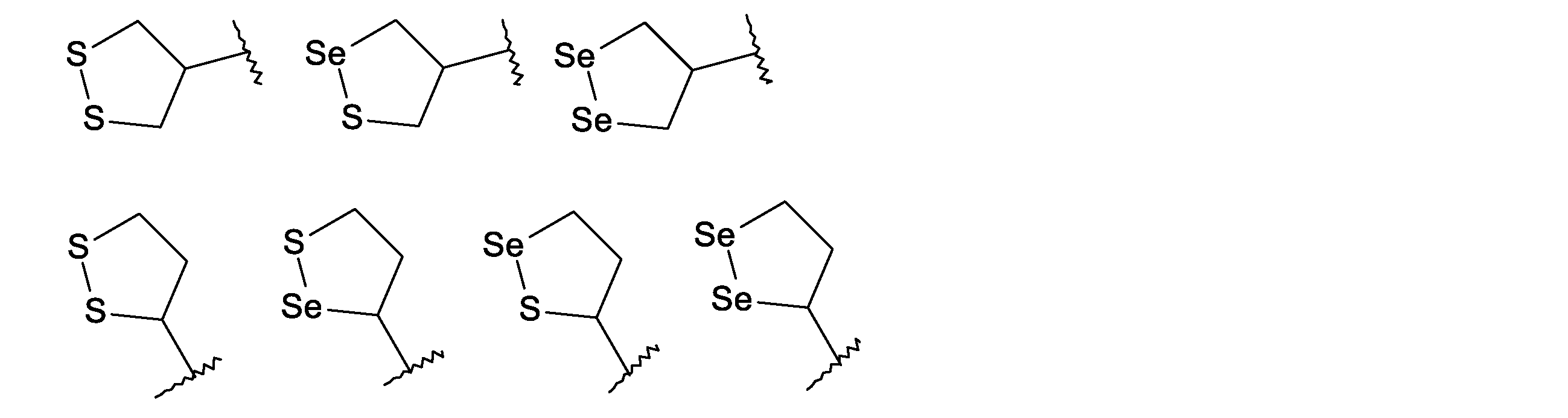
からなる群から選択され、
Bは、-C(O)-O-または-C(O)-N-であり、
nは、0または1~6から選択され、
rは、0または1~6から選択され、
mは、1~6から選択され、
Rは、カーゴ分子である]
を有する、小分子標的化リガンドとカーゴ分子とを含むコンジュゲートに関する。
In the first aspect, the present invention describes the formula I:
[In the formula, A is
Selected from a group of
B is -C (O) -O- or -C (O) -N-,
n is selected from 0 or 1-6,
r is selected from 0 or 1-6,
m is selected from 1 to 6
R is a cargo molecule]
Contains a conjugate containing a small molecule targeting ligand and a cargo molecule.
本発明の特定の実施形態では、カーゴ分子は、ペプチド、ポリペプチド、オリゴヌクレオチドの群から選択される。 In certain embodiments of the invention, the cargo molecule is selected from the group of peptides, polypeptides, oligonucleotides.
本発明の特定の実施形態では、カーゴ分子は抗体またはオリゴヌクレオチドである。 In certain embodiments of the invention, the cargo molecule is an antibody or oligonucleotide.
本発明の特定の実施形態では、カーゴ分子はLNAオリゴヌクレオチドである。 In certain embodiments of the invention, the cargo molecule is an LNA oligonucleotide.
本発明の特定の実施形態では、小分子標的化リガンドは、オリゴヌクレオチドの3′末端または5′末端において、好ましくはその5′末端においてオリゴヌクレオチドに連結される。 In certain embodiments of the invention, the small molecule targeting ligand is linked to the oligonucleotide at the 3'or 5'end of the oligonucleotide, preferably at its 5'end.
本発明の特定の実施形態では、Bは-C(O)-N-である。 In certain embodiments of the invention, B is —C (O) —N—.
本発明の特定の実施形態では、r=0およびn=6である。 In certain embodiments of the invention, r = 0 and n = 6.
本発明の特定の実施形態では、mは1~4から選択される。 In certain embodiments of the invention, m is selected from 1-4.
本発明の特定の実施形態では、Aは、

である。
In a particular embodiment of the invention, A is
Is.
本発明の特定の実施形態では、Aは、

からなる群から選択される。
In a particular embodiment of the invention, A is
It is selected from the group consisting of.
本発明の特定の実施形態では、Aは、

からなる群から選択される。
In a particular embodiment of the invention, A is
It is selected from the group consisting of.
本発明の特定の実施形態では、Aは、

からなる群から選択される。
In a particular embodiment of the invention, A is
It is selected from the group consisting of.
本発明の特定の実施形態では、Aは、

である。
In a particular embodiment of the invention, A is
Is.
本発明の特定の実施形態では、コンジュゲートは、式II:

に与えられた構造を有する。
In certain embodiments of the invention, the conjugate is formulated in Formula II :.
Has the structure given to.
第2の態様では、本発明は、本発明のコンジュゲートと、薬学的に許容され得る担体と、を含む、医薬組成物に関する。 In a second aspect, the invention relates to a pharmaceutical composition comprising the conjugate of the invention and a pharmaceutically acceptable carrier.
本発明の特定の実施形態では、医薬製剤は眼の症状のための局所組成物である。 In certain embodiments of the invention, the pharmaceutical formulation is a topical composition for eye symptoms.
第3の態様では、本発明は、眼の症状を有する個体を処置する方法であって、前記個体の眼に、有効量の、本発明のコンジュゲートまたは本発明の医薬組成物を投与することを含む、方法に関する。 In a third aspect, the present invention is a method of treating an individual having eye symptoms, wherein an effective amount of the conjugate of the present invention or the pharmaceutical composition of the present invention is administered to the eye of the individual. Regarding methods, including.
定義
用語「抗体」は、本明細書では最も広い意味で使用され、それらが所望の抗原結合活性を呈する限り、モノクローナル抗体、ポリクローナル抗体、多重特異性抗体(例えば、二重特異性抗体)および抗体断片を含むがこれらに限定されない、様々な抗体構造を包含する。
The definition term "antibody" is used in the broadest sense herein and is a monoclonal antibody, polyclonal antibody, multispecific antibody (eg, bispecific antibody) and antibody as long as they exhibit the desired antigen binding activity. Includes various antibody structures including, but not limited to, fragments.
「抗体断片」は、インタクト抗体が結合する抗原を結合するインタクト抗体の一部を含むインタクト抗体以外の分子を指す。抗体断片の例として、Fv、Fab、Fab′、Fab′-SH、F(ab′)2;ダイアボディ;直鎖状抗体;一本鎖抗体分子(例えば、scFvおよびscFab);単一ドメイン抗体(dAbs);および抗体断片から形成される多重特異性抗体が挙げられるが、これらに限定されない。特定の抗体断片の総説としては、Holliger and Hudson,Nature Biotechnology 23:1126-1136(2005)を参照。 "Antibody fragment" refers to a molecule other than an intact antibody, which comprises a portion of the intact antibody that binds the antigen to which the intact antibody binds. Examples of antibody fragments are Fv, Fab, Fab', Fab'-SH, F (ab') 2; diabody; linear antibody; single-chain antibody molecules (eg, scFv and scFab); single domain antibody. (DAbs); and multispecific antibodies formed from antibody fragments, including, but not limited to, multispecific antibodies. For a review of specific antibody fragments, see Holliger and Hoodson, Nature Biotechnology 23: 1126-1136 (2005).
用語「キメラ」抗体とは、重鎖および/または軽鎖の一部が特定の源または種に由来し、重鎖および/または軽鎖の残りが異なる源または種に由来する抗体を指す。 The term "chimeric" antibody refers to an antibody in which part of a heavy chain and / or light chain is derived from a particular source or species and the rest of the heavy chain and / or light chain is derived from a different source or species.
抗体の「クラス」とは、その重鎖によって保有される定常ドメインまたは定常領域の型を指す。抗体の5種類の主要なクラス:IgA、IgD、IgE、IgGおよびIgMが存在し、これらのうちのいくつかは、「サブクラス」(アイソタイプ)、例えば、IgG1、IgG2、IgG3、IgG4、IgA1およびIgA2にさらに分けられ得る。特定の態様では、抗体はIgG1アイソタイプのものである。特定の態様では、抗体は、Fc領域エフェクター機能を低下させるためP329G、L234AおよびL235A変異を有するIgG1アイソタイプのものである。他の態様では、抗体は、IgG2アイソタイプのものである。特定の態様では、抗体は、IgG4抗体の安定性を改善するためにヒンジ領域中にS228P変異を有するIgG4アイソタイプのものである。免疫グロブリンの異なるクラスに対応する重鎖定常ドメインは、それぞれ、α、δ、ε、γおよびμと呼ばれる。抗体の軽鎖は、その定常ドメインのアミノ酸配列に基づき、カッパ(κ)およびラムダ(λ)と呼ばれる2つの種類の1つに割り当てられてもよい。 An antibody "class" refers to the type of constant domain or constant region carried by its heavy chain. There are five major classes of antibodies: IgA, IgD, IgE, IgG and IgM, some of which are "subclasses" (isotypes) such as IgG1, IgG2, IgG3, IgG4, IgA1 and IgA2. Can be further divided into. In certain embodiments, the antibody is of the IgG1 isotype. In certain embodiments, the antibody is of an IgG1 isotype with P329G, L234A and L235A mutations to reduce Fc region effector function. In another aspect, the antibody is of the IgG2 isotype. In certain embodiments, the antibody is of an IgG4 isotype having an S228P mutation in the hinge region to improve the stability of the IgG4 antibody. Heavy chain constant domains corresponding to different classes of immunoglobulins are called α, δ, ε, γ and μ, respectively. The light chain of an antibody may be assigned to one of two types called kappa (κ) and lambda (λ), based on the amino acid sequence of its constant domain.
「フレームワーク」または「FR」は、相補性決定領域(CDR)以外の可変ドメイン残基を指す。可変ドメインのFRは、一般的に、FR1、FR2、FR3およびFR4の4つのFRドメインからなる。したがって、CDRおよびFR配列は、一般に、VH(またはVL)において、以下の順序:FR1-CDR-H1(CDR-L1)-FR2-CDR-H2(CDR-L2)-FR3-CDR-H3(CDR-L3)-FR4で出現する。 "Framework" or "FR" refers to variable domain residues other than complementarity determining regions (CDRs). The variable domain FR generally consists of four FR domains, FR1, FR2, FR3 and FR4. Therefore, the CDRs and FR sequences generally in VH (or VL) have the following order: FR1-CDR-H1 (CDR-L1) -FR2-CDR-H2 (CDR-L2) -FR3-CDR-H3 (CDR). -L3) -Appears in FR4.
用語「全長抗体」、「インタクト抗体」および「全抗体」とは、本明細書では相互に交換可能に使用され、天然抗体構造と実質的に類似の構造を有するか、または本明細書に定義されるFc領域を含有する重鎖を有する抗体を指す。 The terms "full-length antibody," "intact antibody," and "whole antibody" are used interchangeably herein and have a structure substantially similar to that of a native antibody or are defined herein. Refers to an antibody having a heavy chain containing an Fc region.
「宿主細胞」、「宿主細胞株」、および「宿主細胞培養物」という用語は、同義で使用され、外因性核酸が導入された細胞を指し、かかる細胞の後代を含む。宿主細胞は、「形質転換体」および「形質転換された細胞」を含み、これらは、継代数にかかわらず、初代の形質転換された細胞と、初代の形質転換された細胞から誘導された後代を含む。後代は、核酸含有量が親細胞と完全に同一でなくてもよいが、突然変異を含有していてもよい。元の形質転換された細胞についてスクリーニングされたまたは選択されたのと同じ機能または生物活性を有する突然変異型の後代が本発明に含まれる。 The terms "host cell", "host cell line", and "host cell culture" are used interchangeably to refer to cells into which exogenous nucleic acids have been introduced, including progeny of such cells. Host cells include "transformants" and "transformed cells", which are the primary transformed cells and the progeny derived from the primary transformed cells, regardless of the number of passages. including. The progeny may contain mutations, although the nucleic acid content may not be exactly the same as that of the parent cell. Included in the invention are mutant progeny with the same function or biological activity as screened or selected for the original transformed cells.
「ヒト抗体」は、ヒトもしくはヒト細胞によって産生された抗体のまたはヒト抗体レパートリーもしくはその他のヒト抗体コード配列を使用する非ヒト源由来の抗体のアミノ酸配列に対応するアミノ酸配列を保有する抗体である。ヒト抗体のこの定義は、非ヒト抗原結合残基を含むヒト化抗体を明確に除外する。 A "human antibody" is an antibody possessing an amino acid sequence corresponding to the amino acid sequence of an antibody produced by a human or human cell or of an antibody of non-human source using a human antibody repertoire or other human antibody coding sequence. .. This definition of human antibody explicitly excludes humanized antibodies containing non-human antigen binding residues.
「ヒトコンセンサスフレームワーク」は、ヒト免疫グロブリンVLまたはVHフレームワーク配列の選択において最も一般的に生じるアミノ酸残基に相当するフレームワークである。一般に、ヒト免疫グロブリンVLまたはVH配列の選択は、可変ドメイン配列のサブグループからである。一般に、配列のサブグループは、Kabatら、Sequences of Proteins of Immunological Interest,Fifth Edition,NIH Publication 91-3242、Bethesda MD(1991),vols.1-3にあるようなサブグループである。一態様において、VLの場合、サブグループは、Kabatら、上記におけるように、サブグループカッパIである。一態様において、VHの場合、サブグループは、Kabatら、上記におけるように、サブグループカッパIIIである。[[本発明のVH/VLの実際のサブグループを表すために必要に応じて変更する]] A "human consensus framework" is a framework that corresponds to the most commonly occurring amino acid residues in the selection of human immunoglobulin VL or VH framework sequences. In general, the selection of human immunoglobulin VL or VH sequences is from a subgroup of variable domain sequences. In general, subgroups of sequences include Kabat et al., Sequences of Products of Immunological Interest, Fifth Edition, NIH Publication 91-3242, Bethesda MD (1991), vols. It is a subgroup as in 1-3. In one aspect, in the case of VL, the subgroup is Kabat et al., Subgroup Kappa I, as described above. In one aspect, in the case of VH, the subgroup is Kabat et al., Subgroup Kappa III, as described above. [[Modify as necessary to represent the actual subgroup of VH / VL of the present invention]]
「ヒト化」抗体とは、非ヒトCDRからのアミノ酸残基とヒトFRからのアミノ酸残基とを含むキメラ抗体を指す。特定の態様において、ヒト化抗体は、CDRの全てまたは実質的に全てが非ヒト抗体のCDRに対応し、FRの全てまたは実質的に全てがヒト抗体のFRに対応する、少なくとも1つの、典型的には2つの可変ドメインの実質的に全てを含む。ヒト化抗体は、必要に応じて、ヒト抗体に由来する抗体定常領域の少なくとも一部を含み得る。ある抗体、例えば、非ヒト抗体の「ヒト化形態」は、ヒト化を受けた抗体を指す。 A "humanized" antibody refers to a chimeric antibody that comprises an amino acid residue from a non-human CDR and an amino acid residue from a human FR. In certain embodiments, the humanized antibody is at least one, typically, in which all or substantially all of the CDRs correspond to the CDRs of the non-human antibody and all or substantially all of the FRs correspond to the FRs of the human antibody. It contains virtually all of the two variable domains. The humanized antibody may optionally include at least a portion of the antibody constant region derived from the human antibody. An "humanized form" of an antibody, eg, a non-human antibody, refers to an antibody that has undergone humanization.
本明細書で使用する場合、用語「超可変領域」または「HVR」とは、配列内で超可変性であり、抗原結合特異性を決定する、抗体可変ドメインの領域、例えば「相補性決定領域」(CDR)のそれぞれを意味する。 As used herein, the term "hypervariable region" or "HVR" is a region of an antibody variable domain that is hypervariable within a sequence and determines antigen binding specificity, eg, "complementarity determining regions". "(CDR) means each.
一般に、抗体は6つのCDRを含み、3つがVH中にあり(CDR-H1、CDR-H2、CDR-H3)、3つがVL中にある(CDR-L1、CDR-L2、CDR-L3)。本明細書における例示的なCDRとしては、
(a)アミノ酸残基26~32(L1)、50~52(L2)、91~96(L3)、26~32(H1)、53~55(H2)および96~101(H3)で生じる超可変ループ(Chothia and Lesk,J.Mol.Biol.196:901-917(1987));
(b)アミノ酸残基24~34(L1)、50~56(L2)、89~97(L3)、31~35b(H1)、50~65(H2)および95~102(H3)に存在するCDR(Kabatら、Sequences of Proteins of Immunological Interest,5th Ed.Public Health Service,National Institutes of Health,Bethesda,MD(1991));
(c)アミノ酸残基27c~36(L1)、46~55(L2)、89~96(L3)、30~35b(H1)、47~58(H2)および93~101(H3)において生じる抗原接触(MacCallumら、J.Mol.Biol.262:732-745(1996))が挙げられる。
Generally, the antibody comprises 6 CDRs, 3 in VH (CDR-H1, CDR-H2, CDR-H3) and 3 in VL (CDR-L1, CDR-L2, CDR-L3). As an exemplary CDR in the present specification,
(A) Amino acid residues 26 to 32 (L1), 50 to 52 (L2), 91 to 96 (L3), 26 to 32 (H1), 53 to 55 (H2) and 96 to 101 (H3). Variable loop (Chothia and Lesk, J. Mol. Biol. 196: 901-917 (1987));
(B) Amino acid residues 24 to 34 (L1), 50 to 56 (L2), 89 to 97 (L3), 31 to 35b (H1), 50 to 65 (H2) and 95 to 102 (H3). CDR (Kabat et al., Sexuals of Proteins of Immunological Interest, 5th Ed. Public Health Service, National Institutes of Health, Bethesda, MD (1991);
(C) Antigens generated at amino acid residues 27c-36 (L1), 46-55 (L2), 89-96 (L3), 30-35b (H1), 47-58 (H2) and 93-101 (H3). Contact (MacCallum et al., J. Mol. Biol. 262: 732-745 (1996)) can be mentioned.
特に指示がない限り、CDRは、上記のKabatらに従い決定される。当業者は、CDRの表記が、上記のChotia、上記のMcCallum、または任意の他の科学的に許容される命名システムに従って決定することもできることを理解するであろう。[[特許請求された抗体が(a)、(b)または(c)によって定義されるCDR(Kabat(b)が好ましい定義である)を有することを抗体工学で確認する。CDRが標準的な定義に適合しなければ、特許請求されたCDR残基を含むようにCDRの定義を修正する。]] Unless otherwise instructed, the CDRs are determined according to Kabat et al., Above. Those skilled in the art will appreciate that the notation of a CDR can also be determined according to the Photoa, McCallum, or any other scientifically acceptable naming system described above. [[It is confirmed by antibody engineering that the claimed antibody has the CDR defined by (a), (b) or (c) (Kabat (b) is the preferred definition). If the CDR does not meet the standard definition, the definition of CDR is modified to include the claimed CDR residue. ]]
「免疫コンジュゲート」は、細胞傷害性薬剤を含むが、これに限定されない1つまたは複数の異種分子にコンジュゲートされた抗体である。 An "immune conjugate" is an antibody conjugated to one or more heterologous molecules including, but not limited to, cytotoxic agents.
「個体」または「対象」は、哺乳動物である。哺乳動物としては、家畜化された動物(例えば、ウシ、ヒツジ、ネコ、イヌ、およびウマ)、霊長類(例えば、ヒト、およびサルなどの非ヒト霊長類)、ウサギ、およびげっ歯類(例えば、マウスおよびラット)が挙げられるが、これらに限定されない。ある特定の態様では、個体または対象は、ヒトである。 The "individual" or "subject" is a mammal. Mammals include domesticated animals (eg, cows, sheep, cats, dogs, and horses), primates (eg, non-human primates such as humans and monkeys), rabbits, and rodents (eg, rodents). , Mice and rats), but not limited to these. In certain embodiments, the individual or subject is a human.
「単離された」抗体は、その自然環境の構成成分から分離された抗体である。いくつかの態様では、抗体は、例えば、電気泳動(例えば、SDS-PAGE、等電点電気泳動(IEF)、キャピラリー電気泳動)またはクロマトグラフィー(例えば、イオン交換または逆相HPLC)法によって決定される場合、純度が95%より大きく、または99%より大きくなるまで精製される。抗体純度を評価する方法の総説については、例えば、Flatmanら、J.Chromatogr.B848:79-87(2007)を参照されたい。 An "isolated" antibody is an antibody isolated from its constituents of its natural environment. In some embodiments, the antibody is determined, for example, by electrophoresis (eg, SDS-PAGE, isoelectric focusing (IEF), capillary electrophoresis) or chromatography (eg, ion exchange or reverse phase HPLC). If so, it is purified to a purity greater than 95% or greater than 99%. For a review of methods for assessing antibody purity, see, eg, Flatman et al., J. Mol. Chromatogr. See B848: 79-87 (2007).
「核酸分子」または「ポリヌクレオチド」という用語は、ヌクレオチドのポリマーを含む任意の化合物および/または物質を含む。それぞれのヌクレオチドは、塩基で構成され、具体的には、プリン塩基またはピリミジン塩基(すなわち、シトシン(C)、グアニン(G)、アデニン(A)、チミン(T)またはウラシル(U))、糖(すなわち、デオキシリボースまたはリボース)、およびリン酸基で構成される。多くの場合、核酸分子は、塩基の配列によって記述され、前記塩基は、核酸分子の一次構造(直鎖構造)を表す。塩基の配列は、典型的には、5′から3′へと表される。本明細書において、核酸分子という用語は、例えば、相補性DNA(cDNA)およびゲノムDNAを含むデオキシリボ核酸(DNA)、リボ核酸(RNA)、特に、メッセンジャーRNA(mRNA)、DNAまたはRNAの合成形態、ならびにこれらの分子の2つまたはそれより多くを含む混合ポリマーを包含する。核酸分子は、直鎖または環状であり得る。これに加え、核酸分子という用語は、センス鎖およびアンチセンス鎖、ならびに一本鎖形態および二本鎖形態の両方を含む。さらに、本明細書で記載される核酸分子は、天然に存在するヌクレオチドまたは天然に存在しないヌクレオチドを含有することができる。天然に存在しないヌクレオチドの例として、誘導体化された糖またはホスフェート骨格結合または化学修飾された残基を有する修飾されたヌクレオチド塩基が挙げられる。核酸分子は、インビトロで、および/またはインビボで、例えば、宿主もしくは患者中で、本発明の抗体の直接的な発現のためのベクターとして適したDNA分子およびRNA分子も包含する。このようなDNA(例えば、cDNA)ベクターまたはRNA(例えば、mRNA)ベクターは、改変されていなくてもよく、または改変されていてもよい。例えば、インビボで抗体を産生するために対象中にmRNAを注入することができるように、mRNAは、RNAベクターの安定性および/またはコードされた分子の発現を高めるように化学修飾されてもよい(例えば、Stadlerら、Nature Medicine 2017、2017年6月12日にオンラインで公開、doi:10.1038/nm.4356または欧州特許第2 101 823 B1号を参照)。 The term "nucleic acid molecule" or "polynucleotide" includes any compound and / or substance, including polymers of nucleotides. Each nucleotide is composed of a base, specifically a purine base or a pyrimidine base (ie, cytosine (C), guanine (G), adenine (A), thymine (T) or uracil (U)), sugar. (Ie, deoxyribose or ribose), and composed of phosphate groups. In many cases, a nucleic acid molecule is described by a sequence of bases, wherein the base represents the primary structure (linear structure) of the nucleic acid molecule. The base sequence is typically represented from 5'to 3'. As used herein, the term nucleic acid molecule refers to, for example, a synthetic form of deoxyribonucleic acid (DNA), including complementary DNA (DNA) and genomic DNA, ribonucleic acid (RNA), in particular messenger RNA (mRNA), DNA or RNA. , As well as mixed polymers containing two or more of these molecules. Nucleic acid molecules can be linear or cyclic. In addition, the term nucleic acid molecule includes sense and antisense strands, as well as both single-stranded and double-stranded forms. In addition, the nucleic acid molecules described herein can contain naturally occurring or non-naturally occurring nucleotides. Examples of non-naturally occurring nucleotides include derivatized sugars or modified nucleotide bases with phosphate scaffold bonds or chemically modified residues. Nucleic acid molecules also include DNA and RNA molecules suitable as vectors for direct expression of the antibodies of the invention in vitro and / or in vivo, eg, in a host or patient. Such DNA (eg, cDNA) or RNA (eg, mRNA) vectors may be unmodified or may be modified. For example, the mRNA may be chemically modified to enhance the stability of the RNA vector and / or the expression of the encoded molecule so that the mRNA can be injected into the subject to produce an antibody in vivo. (See, eg, Stadler et al., Nature Chemistry 2017, published online June 12, 2017, doi: 10.1038 / nm.4356 or European Patent No. 2 101 823 B1).
「単離された」核酸とは、その自然環境の構成成分から分離された核酸分子を指す。単離された核酸は、元々その核酸分子を含有する細胞中に含有される核酸分子を含むが、その核酸分子は、染色体外に存在するか、またはその天然の染色体位置とは異なる染色体位置に存在する。 "Isolated" nucleic acid refers to a nucleic acid molecule isolated from its constituents of its natural environment. The isolated nucleic acid contains a nucleic acid molecule originally contained in a cell containing the nucleic acid molecule, which is located extrachromosomally or at a chromosomal position different from its natural chromosomal position. exist.
「モノクローナル抗体」という用語は、本明細書で使用される場合、実質的に均一な抗体の集合から得られる抗体を指す。すなわち、例えば、天然に存在する変異またはモノクローナル抗体調製物の製造中に生じる変異を含む、一般的に、少量存在する可能なバリアント抗体を除いて、集合を構成する個々の抗体は同一であるおよび/または同じエピトープを結合する。典型的には異なる決定基(エピトープ)に対して指向する異なる抗体を含むポリクローナル抗体調製物とは対照的に、モノクローナル抗体調製物のそれぞれのモノクローナル抗体は、1つの抗原上の単一の決定基に対して指向する。したがって、修飾詞「モノクローナル」は、抗体の実質的に均一な集合から得られる抗体の特徴を示し、任意の特定の方法による抗体の産生を必要とするように解釈すべきではない。例えば、本発明に従うモノクローナル抗体は、ハイブリドーマ法、組換えDNA法、ファージディスプレイ法、およびヒト免疫グロブリン遺伝子座の全部または一部を含むトランスジェニック動物を利用する方法を含むがこれらに限定されない様々な技術によって作製することができ、このような方法および本明細書に記載されているモノクローナル抗体を作製するための他の例示的な方法は本明細書に記載されている。 The term "monoclonal antibody" as used herein refers to an antibody obtained from a substantially homogeneous set of antibodies. That is, the individual antibodies that make up the set are identical, except for possible variant antibodies that are generally present in small amounts, including, for example, naturally occurring mutations or mutations that occur during the production of monoclonal antibody preparations. / Or bind the same epitope. Each monoclonal antibody in a monoclonal antibody preparation has a single determinant on one antigen, as opposed to polyclonal antibody preparations, which typically contain different antibodies directed against different determinants (epitope). Oriented to. Therefore, the modifier "monoclonal" indicates the characteristics of an antibody obtained from a substantially uniform set of antibodies and should not be construed as requiring the production of the antibody by any particular method. For example, monoclonal antibodies according to the invention include, but are not limited to, hybridoma methods, recombinant DNA methods, phage display methods, and methods utilizing transgenic animals that include all or part of the human immunoglobulin loci. Such methods and other exemplary methods for making the monoclonal antibodies described herein can be made by technique and are described herein.
「裸の抗体」は、異種性部分(例えば、細胞傷害性部分)または放射標識にコンジュゲートされていない抗体を指す。裸の抗体は、医薬組成物中に存在し得る。 "Naked antibody" refers to an antibody that is not conjugated to a heterologous moiety (eg, a cytotoxic moiety) or radiolabel. Naked antibodies may be present in the pharmaceutical composition.
「天然抗体」とは、様々な構造を有する天然に存在する免疫グロブリン分子を指す。例えば、天然IgG抗体は、ジスルフィド結合されている2つの同一の軽鎖および2つの同一の重鎖から構成される約150,000ダルトンのヘテロ四量体糖タンパク質である。N末端からC末端に向かって、各重鎖は、可変重ドメインまたは重鎖可変領域とも呼ばれる可変ドメイン(VH)を有し、それに続いて3つの定常重ドメイン(CH1、CH2、およびCH3)を有する。同様に、N末端からC末端に向かって、各軽鎖は可変を有する。 "Natural antibody" refers to a naturally occurring immunoglobulin molecule with various structures. For example, a native IgG antibody is a heterotetrameric glycoprotein of approximately 150,000 daltons composed of two identical light chains and two identical heavy chains that are disulfide bonded. From the N-terminus to the C-terminus, each heavy chain has a variable domain (VH), also known as a variable heavy domain or heavy chain variable region, followed by three constant heavy domains (CH1, CH2, and CH3). Have. Similarly, from the N-terminus to the C-terminus, each light chain has a variable.
「医薬組成物」または「医薬製剤」という用語は、調製物の中に含有される有効成分の生物活性が有効になるような形態であり、医薬組成物が投与されるであろう対象にとって許容され得ないほど有毒である追加の成分を何ら含有しない、調製物を指す。 The term "pharmaceutical composition" or "pharmaceutical formulation" is a form in which the biological activity of the active ingredient contained in the preparation is effective and is acceptable to the subject to whom the pharmaceutical composition will be administered. Refers to a preparation that does not contain any additional ingredients that are too toxic to be.
「薬学的に許容され得る担体」は、有効成分以外の医薬組成物または医薬製剤中の成分であって、対象にとって非毒性である成分を指す。薬学的に許容され得る担体としては、緩衝剤、賦形剤、安定化剤、または防腐剤が挙げられるが、これらに限定されない。 "Pharmaceutically acceptable carrier" refers to an ingredient in a pharmaceutical composition or pharmaceutical product other than the active ingredient that is non-toxic to the subject. Pharmaceutically acceptable carriers include, but are not limited to, buffers, excipients, stabilizers, or preservatives.
本明細書で使用される場合、「処置(treatment)」(およびその文法的な変化形、例えば、「治療する(treat)」または「処置すること(treating)」)は、処置されている個体において疾患の本来の経過を変える試みでの臨床的介入を指し、予防のために、または臨床病理の経過の間に行うことができる。処置の所望の効果としては、疾患の発症または再発を予防すること、症候の軽減、疾患の任意の直接的または間接的な病理学的結果の減弱、転移を予防すること、疾患進行の速度を減少させること、病状の寛解または緩和、および回復または改良された予後が挙げられるが、これらに限定されない。いくつかの態様では、本発明のコンジュゲートは、疾患の発症を遅延させるために、または疾患の進行を遅らせるために使用される。 As used herein, "treatment" (and its grammatical variants, such as "treat" or "treating"), is an individual being treated. Refers to clinical intervention in an attempt to change the original course of the disease, which can be done prophylactically or during the course of clinical pathology. The desired effects of treatment include preventing the onset or recurrence of the disease, reducing symptoms, diminishing any direct or indirect pathological consequences of the disease, preventing metastasis, and accelerating the progression of the disease. It includes, but is not limited to, reducing, ameliorating or alleviating the condition, and recovering or improving prognosis. In some embodiments, the conjugates of the invention are used to delay the onset of the disease or to slow the progression of the disease.
小分子リガンドのカーゴ分子へのコンジュゲーションは、様々な化学リンカーを使用して実施され得る。例えば、カーゴ分子が、ポリペプチド、特に抗体である場合には、小分子リガンドおよびポリペプチド、特に抗体は、N-スクシンイミジル-3-(2-ピリジルジチオ)プロピオナート(SPDP)、スクシンイミジル-4-(N-マレイミドメチル)シクロヘキサン-1-カルボキシラート(SMCC)、イミノチオラン(IT)、イミドエステルの二官能性誘導体(アジプイミド酸ジメチルHClなど)、活性エステル(スベリン酸ジスクシンイミジルなど)、アルデヒド(グルタルアルデヒドなど)、ビスアジド化合物(ビス(p-アジドベンゾイル)ヘキサンジアミンなど)、ビス-ジアゾニウム誘導体(ビス-(p-ジアゾニウムベンゾイル)-エチレンジアミンなど)、ジイソシアナート(トルエン2,6-ジイソシアナートなど)、および二活性フッ素化合物(1,5-ジフルオロ-2,4-ジニトロベンゼンなど)などの種々の二官能性タンパク質カップリング剤を使用してコンジュゲートされ得る。リンカーは、脳への送達時にエフェクター実体の放出を促進する「切断可能なリンカー」であり得る。例えば、酸不安定性リンカー、ペプチダーゼ感受性リンカー、感光性リンカー、ジメチルリンカーまたはジスルフィド含有リンカー(Chariら、Cancer Res.52:127-131(1992);米国特許第5,208,020号)が使用され得る。 Conjugation of small molecule ligands into cargo molecules can be performed using a variety of chemical linkers. For example, if the cargo molecule is a polypeptide, especially an antibody, the small molecule ligand and polypeptide, especially the antibody, are N-succinimidyl-3- (2-pyridyldithio) propionate (SPDP), succinimidyl-4- ( N-maleimidemethyl) Cyclohexane-1-carboxylate (SMCC), iminothiorane (IT), bifunctional derivative of imide ester (dimethyl HCl, etc.), active ester (discusine imidazole, etc.), aldehyde (glutar) Aldehydes, etc.), bisazido compounds (bis (p-azidobenzoyl) hexanediamine, etc.), bis-diazonium derivatives (bis- (p-diazoniumbenzoyl) -ethylenediamine, etc.), diisosyanato (toluene 2,6-diisosianate, etc.) ), And various bifunctional protein coupling agents such as diactive fluorine compounds (such as 1,5-difluoro-2,4-dinitrobenzene) can be conjugated. The linker can be a "cleavable linker" that facilitates the release of the effector entity upon delivery to the brain. For example, acid instability linkers, peptidase sensitive linkers, photosensitive linkers, dimethyl linkers or disulfide-containing linkers (Chari et al., Cancer Res. 52: 127-131 (1992); US Pat. No. 5,208,020) are used. obtain.
共有結合的コンジュゲーションは、直接的であり得、またはリンカーを介し得る。ある特定の実施形態では、直接的コンジュゲーションは、小分子リガンドの2つの部分のうちの1つの上にある反応性基と、カーゴ分子上の対応する基またはアクセプターとの間の共有結合の形成によるものである。ある特定の実施形態では、直接的コンジュゲーションは、コンジュゲートされるべき2つの分子のうちの一方を、適切な条件下でコンジュゲートされるべき他方の分子への共有結合を形成する反応性基(非限定的な例として、スルフヒドリル基またはカルボキシル基)を含むように改変(すなわち、遺伝子改変)することによるものである。核酸のタンパク質への共有結合的コンジュゲーションの方法も当技術分野で公知である(すなわち、光架橋、例えば、Zatsepinら、Russ.Chem.Rev.74:77-95(2005)参照)。コンジュゲーションはまた、様々なリンカーを使用して実施され得る。例えば、一価結合実体およびエフェクター実体は、N-スクシンイミジル-3-(2-ピリジルジチオ)プロピオナート(SPDP)、スクシンイミジル-4-(N-マレイミドメチル)シクロヘキサン-1-カルボキシラート(SMCC)、イミノチオラン(IT)、イミドエステルの二官能性誘導体(アジプイミド酸ジメチルHClなど)、活性エステル(スベリン酸ジスクシンイミジルなど)、アルデヒド(グルタルアルデヒドなど)、ビス-アジド化合物(ビス(p-アジドベンゾイル)ヘキサンジアミンなど)、ビス-ジアゾニウム誘導体(ビス-(p-ジアゾニウムベンゾイル)-エチレンジアミンなど)、ジイソシアナート(トルエン2,6-ジイソシアナートなど)および二活性フッ素化合物(1,5-ジフルオロ-2,4-ジニトロベンゼンなど)などの多様な二官能性タンパク質カップリング剤を使用してコンジュゲートされ得る。ペプチド結合によって結合された1~20個のアミノ酸で構成されるペプチドリンカーも使用され得る。特定のこのような実施形態では、アミノ酸は、20個の天然に存在するアミノ酸から選択される。ある特定の他のこのような実施形態では、1つまたは複数のアミノ酸は、グリシン、アラニン、プロリン、アスパラギン、グルタミンおよびリジンから選択される。リンカーは、脳への送達時にエフェクター実体の放出を促進する「切断可能なリンカー」であり得る。例えば、酸不安定性リンカー、ペプチダーゼ感受性リンカー、感光性リンカー、ジメチルリンカーまたはジスルフィド含有リンカー(Chariら、Cancer Res.52:127-131(1992);米国特許第5,208,020号)が使用され得る。 Covalent conjugation can be direct or mediated by a linker. In certain embodiments, direct conjugation forms a covalent bond between the reactive group on one of the two moieties of the small molecule ligand and the corresponding group or acceptor on the cargo molecule. Is due to. In certain embodiments, direct conjugation is a reactive group that forms a covalent bond of one of the two molecules to be conjugated to the other molecule to be conjugated under the appropriate conditions. By modification (ie, genetic modification) to include (as a non-limiting example, a sulfhydryl group or a carboxyl group). Methods of covalent conjugation of nucleic acids to proteins are also known in the art (ie, photocrosslinking, eg, Zatsepin et al., Russ. Chem. Rev. 74: 77-95 (2005)). Conjugation can also be performed using various linkers. For example, the monovalent binding and effector entities are N-succinimidyl-3- (2-pyridyldithio) propionate (SPDP), succinimidyl-4- (N-maleimidemethyl) cyclohexane-1-carboxylate (SMCC), iminothiolan ( IT), bifunctional derivatives of imide esters (such as dimethyl HCl for adipimide acid), active esters (such as disuccinimidyl sverate), aldehydes (such as glutaaldehyde), and bis-azido compounds (bis (p-azidobenzoyl) hexane). Diamines, etc.), bis-diazonium derivatives (bis- (p-diazonium benzoyl) -ethylenediamine, etc.), diisocyanates (toluene 2,6-diisosyanate, etc.) and diactive fluorine compounds (1,5-difluoro-2, etc.) It can be conjugated using a variety of bifunctional protein coupling agents such as 4-dinitrobenzene). Peptide linkers consisting of 1 to 20 amino acids linked by peptide bonds can also be used. In certain such embodiments, the amino acid is selected from 20 naturally occurring amino acids. In certain other such embodiments, the one or more amino acids are selected from glycine, alanine, proline, asparagine, glutamine and lysine. The linker can be a "cleavable linker" that facilitates the release of the effector entity upon delivery to the brain. For example, acid instability linkers, peptidase sensitive linkers, photosensitive linkers, dimethyl linkers or disulfide-containing linkers (Chari et al., Cancer Res. 52: 127-131 (1992); US Pat. No. 5,208,020) are used. obtain.
医薬組成物
さらなる態様において、例えば、以下の治療方法のいずれかにおいて使用するための、本明細書に提供されるコンジュゲートのいずれかを含む、医薬組成物が提供される。一態様では、医薬組成物は、本明細書で提供されるコンジュゲートのいずれかと、薬学的に許容され得る担体とを含む。別の態様では、医薬組成物は、本明細書で提供されるコンジュゲートのいずれかと、少なくとも1つのさらなる治療剤、例えば、以下に記載するものとを含む。
Pharmaceutical Compositions In a further aspect, pharmaceutical compositions are provided that include, for example, any of the conjugates provided herein for use in any of the following therapeutic methods. In one aspect, the pharmaceutical composition comprises any of the conjugates provided herein and a pharmaceutically acceptable carrier. In another aspect, the pharmaceutical composition comprises any of the conjugates provided herein and at least one additional therapeutic agent, eg, those described below.
本明細書に記載されているコンジュゲートの医薬組成物は、所望の純度を有するかかるコンジュゲートを1つまたは複数の必要に応じて存在する薬学的に許容され得る担体(Remington′s Pharmaceutical Sciences 16th edition,Osol,A.Ed.(1980))と、凍結乾燥された組成物または水溶液の形態で混合することによって調製される。薬学的に許容され得る担体は、一般的に、用いられる投薬量および濃度でレシピエントに対して非毒性であり、ヒスチジン、ホスファート、シトラート、アセタートおよび他の有機酸などの緩衝剤;アスコルビン酸およびメチオニンを含む抗酸化剤;防腐剤(塩化オクタデシルジメチルベンジルアンモニウム;塩化ヘキサメトニウム;塩化ベンザルコニウム;塩化ベンゼトニウム;フェノール、ブチルもしくはベンジルアルコール;メチルもしくはプロピルパラベンなどのアルキルパラベン;カテコール;レゾルシノール;シクロヘキサノール;3-ペンタノール;およびm-クレゾール等);低分子量(約10残基未満)のポリペプチド;血清アルブミン、ゼラチンもしくは免疫グロブリンなどのタンパク質;ポリビニルピロリドンなどの親水性ポリマー;グリシン、グルタミン、アスパラギン、ヒスチジン、アルギニンもしくはリジンなどのアミノ酸;単糖類、二糖類、およびグルコース、マンノースもしくはデキストリンを含む他の炭水化物;EDTAなどのキレート剤;スクロース、マンニトール、トレハロースもしくはソルビトールなどの糖類;ナトリウムなどの塩形成対イオン;金属錯体(例えば、Zn-タンパク質錯体)、ならびに/またはポリエチレングリコール(PEG)などの非イオン性界面活性剤を含むが、これらに限定されない。本明細書における例示的な薬学的に許容され得る担体には、可溶性の中性活性ヒアルロニダーゼ糖タンパク質(sHASEGP)、例えば、rHuPH20(HYLENEX(登録商標)、Halozyme、Inc.)などのヒト可溶性PH-20ヒアルロニダーゼ糖タンパク質などの間質性(interstitial)薬物分散剤がさらに含まれる。 rHuPH20を含む特定の例示的なsHASEGPおよび使用方法は、米国特許出願公開第2005/0260186号および同第2006/0104968号に記載される。一態様において、sHASEGPは、コンドロイチナーゼなどの1つまたは複数のさらなるグリコサミノグリカナーゼと組み合わされる。 The pharmaceutical compositions of the conjugates described herein are pharmaceutically acceptable carriers (Remington's Pharmaceutical Sciences 16th) in which one or more such conjugates having the desired purity are present as needed. It is prepared by mixing with edition, Osol, A. Ed. (1980)) in the form of a lyophilized composition or aqueous solution. Pharmaceutically acceptable carriers are generally non-toxic to the recipient at the dosage and concentration used and are buffers such as histidine, phosphate, citrate, acetate and other organic acids; ascorbic acid and Antioxidants containing methionine; preservatives (octadecyldimethylbenzylammonium chloride; hexamethonium chloride; benzalconium chloride; benzethonium chloride; phenol, butyl or benzyl alcohol; alkylparabens such as methyl or propylparaben; catechol; resorcinol; cyclo Hexanol; 3-pentanol; and m-cresol, etc.); low molecular weight (less than about 10 residues) polypeptides; proteins such as serum albumin, gelatin or immunoglobulin; hydrophilic polymers such as polyvinylpyrrolidone; glycine, glutamine, Amino acids such as asparagine, histidine, arginine or lysine; monosaccharides, disaccharides and other carbohydrates including glucose, mannose or dextrin; chelating agents such as EDTA; sugars such as sucrose, mannitol, trehalose or sorbitol; salts such as sodium Forming counterions; including, but not limited to, metal complexes (eg, Zn-protein complexes) and / or nonionic surfactants such as polyethylene glycol (PEG). Exemplary pharmaceutically acceptable carriers herein include soluble neutral active hyaluronidase glycoproteins (sHASEGP), such as human soluble PH- such as rHuPH20 (HYLENEX®, Hallozyme, Inc.). 20 Hyaluronidase Glycoproteins and other interstitial drug dispersants are further included. Specific exemplary sHASEGPs and methods of use, including rHuPH20, are described in US Patent Application Publication Nos. 2005/0260186 and 2006/0104968. In one embodiment, sHASEGP is combined with one or more additional glycosaminoglycanases such as chondroitinase.
本明細書における医薬組成物は、処置されている特定の適応症に必要な2つ以上の有効成分、好ましくは互いに悪影響を及ぼさない相補的活性を有する有効成分も含み得る。このような有効成分は、適切には、意図する目的にとって有効な量で組み合わされて存在する。 The pharmaceutical compositions herein may also include two or more active ingredients required for the particular indication being treated, preferably active ingredients having complementary activities that do not adversely affect each other. Such active ingredients are appropriately present in combination in an amount effective for the intended purpose.
有効成分は、例えば、コアセルベーション技術によってまたは界面重合によって調製されたマイクロカプセル、例えば、それぞれ、コロイド状薬物送達システム(例えば、リポソーム、アルブミン微小球、マイクロエマルジョン、ナノ粒子およびナノカプセル)中のまたはマクロエマルジョン中のヒドロキシメチルセルロースまたはゼラチンマイクロカプセルおよびポリ(メチルメタクリラート)マイクロカプセル中に封入され得る。かかる技術は、Remington′s Pharmaceutical Sciences 16th edition,Osol,A.Ed.(1980)に開示されている。 The active ingredient is, for example, in microcapsules prepared by core selvation technology or by interfacial polymerization, eg, in colloidal drug delivery systems (eg, liposomes, albumin microspheres, microemulsions, nanoparticles and nanocapsules), respectively. Alternatively, it may be encapsulated in hydroxymethylcellulose or gelatin microcapsules and poly (methylmethacrylate) microcapsules in a macroemulsion. Such techniques are described in Remington's Pharmaceutical Sciences 16th edition, Osol, A. et al. Ed. (1980).
徐放性医薬組成物を調製してもよい。徐放性調製物の適切な例としては、コンジュゲートを含有する固体疎水性ポリマーの半透過性マトリックスが挙げられ、このマトリックスは、成型物品、例えば、フィルムまたはマイクロカプセルの形態である。 Sustained release pharmaceutical compositions may be prepared. Suitable examples of sustained release preparations include semi-permeable matrices of solid hydrophobic polymers containing conjugates, which are in the form of molded articles such as films or microcapsules.
本明細書で使用される用語「オリゴヌクレオチド」は、当業者に一般的に理解されているように、2つまたはそれを超える共有結合したヌクレオシドを含む分子として定義される。このような共有結合したヌクレオシドは、核酸分子またはオリゴマーとも称され得る。オリゴヌクレオチドは、通常、研究室内で、固相化学合成と、その後の精製によって作製される。オリゴヌクレオチドの配列に言及する場合、共有結合したヌクレオチドまたはヌクレオシドの、核酸塩基部分の配列もしくは順序、またはその修飾に対して言及される。本発明のオリゴヌクレオチドは、人工であり、化学的に合成され、典型的には精製または単離される。本発明のオリゴヌクレオチドは、1つまたはそれを超える修飾ヌクレオシドまたはヌクレオチドを含んでよい。 As used herein, the term "oligonucleotide" is defined as a molecule comprising two or more covalently linked nucleosides, as is generally understood by those of skill in the art. Such covalently bound nucleosides may also be referred to as nucleic acid molecules or oligomers. Oligonucleotides are usually made in the laboratory by solid phase chemical synthesis followed by purification. When referring to the sequence of an oligonucleotide, reference is made to the sequence or order of the nucleobase portion of the covalently bound nucleotide or nucleoside, or modification thereof. The oligonucleotides of the invention are artificial, chemically synthesized, and typically purified or isolated. The oligonucleotides of the invention may contain one or more modified nucleosides or nucleotides.
本明細書で使用される「アンチセンスオリゴヌクレオチド」という用語は、標的核酸、特に標的核酸上の連続配列(サブ配列)にハイブリダイズすることによって標的遺伝子の発現を調節することができるオリゴヌクレオチドとして定義される。アンチセンスオリゴヌクレオチドは本質的に二本鎖ではなく、したがってsiRNAではない。好ましくは、本発明のアンチセンスオリゴヌクレオチドは一本鎖である。 As used herein, the term "antisense oligonucleotide" is used as an oligonucleotide that can regulate the expression of a target gene by hybridizing to a target nucleic acid, particularly a contiguous sequence (subsequence) on the target nucleic acid. Defined. Antisense oligonucleotides are not double-stranded in nature and are therefore not siRNAs. Preferably, the antisense oligonucleotide of the present invention is single-stranded.
LNAアンチセンスオリゴヌクレオチドは、少なくとも1つのLNAヌクレオシドを含むアンチセンスオリゴヌクレオチドである。いくつかの実施形態において、LNAアンチセンスオリゴヌクレオチドは、LNAギャップマーオリゴヌクレオチドである。 An LNA antisense oligonucleotide is an antisense oligonucleotide containing at least one LNA nucleoside. In some embodiments, the LNA antisense oligonucleotide is an LNA gapmer oligonucleotide.
用語「連続ヌクレオチド配列」は、標的核酸に相補的なオリゴヌクレオチドの領域を指す。この用語は、本明細書で用語「連続核酸塩基配列」および用語「オリゴヌクレオチドモチーフ配列」と互換的に使用される。いくつかの実施形態では、オリゴヌクレオチドの全てのヌクレオチドが、連続ヌクレオチド配列を構成する。いくつかの実施形態では、オリゴヌクレオチドは、連続ヌクレオチド配列を含み、さらなるヌクレオチド、例えば、官能基を連続ヌクレオチド配列に結合するのに使用され得るヌクレオチドリンカー領域を必要に応じて含んでいてもよい。ヌクレオチドリンカー領域は、標的核酸に相補的であってもよく、または相補的でなくてもよい。 The term "continuous nucleotide sequence" refers to a region of oligonucleotide that is complementary to the target nucleic acid. This term is used interchangeably herein with the terms "continuous nucleobase sequence" and the term "oligonucleotide motif sequence". In some embodiments, all nucleotides of the oligonucleotide constitute a contiguous nucleotide sequence. In some embodiments, the oligonucleotide comprises a contiguous nucleotide sequence and may optionally comprise an additional nucleotide, eg, a nucleotide linker region that can be used to attach a functional group to the contiguous nucleotide sequence. The nucleotide linker region may or may not be complementary to the target nucleic acid.
ヌクレオチドは、オリゴヌクレオチドおよびポリヌクレオチドの構成要素であり、本発明においては、天然に存在するヌクレオチドおよび天然に存在しないヌクレオチドの両方を含む。天然では、DNAヌクレオチドおよびRNAヌクレオチドなどのヌクレオチドは、リボース糖部分、核酸塩基部分、および1つまたは複数のリン酸基(ヌクレオシドには存在しない)を含む。ヌクレオシドおよびヌクレオチドはまた、「単位」または「モノマー」と互換的に称され得る。 Nucleotides are components of oligonucleotides and polynucleotides, and in the present invention include both naturally occurring and non-naturally occurring nucleotides. In nature, nucleotides such as DNA and RNA nucleotides contain a ribose sugar moiety, a nucleobase moiety, and one or more phosphate groups (not present in nucleosides). Nucleosides and nucleotides can also be referred to interchangeably as "units" or "monomers."
本明細書で使用される用語「修飾ヌクレオシド」または「ヌクレオシド修飾」は、等価のDNAヌクレオシドまたはRNAヌクレオシドと比較して、糖部分または(核酸)塩基部分の1つまたは複数の修飾の導入によって修飾されたヌクレオシドを指す。いくつかの実施形態では、修飾ヌクレオシドは修飾された糖部分を含む。修飾ヌクレオシドという用語はまた、本明細書において、用語「ヌクレオシド類似体」または修飾された「単位」または修飾された「モノマー」と互換的に使用されてもよい。 As used herein, the term "modified nucleoside" or "nucleoside modification" is modified by the introduction of one or more modifications of the sugar moiety or (nucleic acid) base moiety as compared to the equivalent DNA nucleoside or RNA nucleoside. Refers to the nucleoside that has been made. In some embodiments, the modified nucleoside comprises a modified sugar moiety. The term modified nucleoside may also be used interchangeably herein with the term "nucleoside analog" or modified "unit" or modified "monomer".
用語「修飾ヌクレオシド間結合」は、当業者に一般的に理解されるように、2つのヌクレオシドを互いに共有結合する、ホスホジエステル(PO)結合以外の結合として定義される。修飾ヌクレオシド間結合を有するヌクレオチドは、「修飾ヌクレオチド」とも呼ばれる。いくつかの実施形態では、修飾ヌクレオシド間結合は、ホスホジエステル結合と比較して、オリゴヌクレオチドのヌクレアーゼ耐性を増大させる。天然に存在するオリゴヌクレオチドの場合、ヌクレオシド間結合は、隣接するヌクレオシド間でホスホジエステル結合を形成するリン酸基を含む。修飾ヌクレオシド間結合は、インビボ使用のためのオリゴヌクレオチドの安定化に特に有用であり、本発明のオリゴヌクレオチド中のDNAまたはRNAヌクレオシドの領域、例えば、ギャップマーオリゴヌクレオチドのギャップ領域内および修飾ヌクレオシドの領域中のヌクレアーゼ切断から保護する役割を果たし得る。 The term "modified nucleoside bond" is defined as a bond other than a phosphodiester (PO) bond that covalently binds two nucleosides to each other, as is generally understood by those of skill in the art. Nucleotides with modified nucleoside linkages are also referred to as "modified nucleotides". In some embodiments, the modified nucleoside binding increases the nuclease resistance of the oligonucleotide as compared to the phosphodiester bond. In the case of naturally occurring oligonucleotides, the internucleoside bond comprises a phosphate group that forms a phosphodiester bond between adjacent nucleosides. Modified nucleoside linkages are particularly useful for stabilizing oligonucleotides for in vivo use and are regions of DNA or RNA nucleosides in the oligonucleotides of the invention, eg, within the gap regions of gapmer oligonucleotides and of modified nucleosides. It may serve to protect against nuclease cleavage in the region.
一実施形態では、オリゴヌクレオチドは、天然のホスホジエステルから例えば、ヌクレアーゼ攻撃に対して耐性がより高い結合へと修飾された1つまたは複数のヌクレオシド間結合を含む。ヌクレアーゼ耐性は、オリゴヌクレオチドを血清中でインキュベートすることにより、またはヌクレアーゼ耐性アッセイ(例えば、ヘビ毒ホスホジエステラーゼ(SVPD))を用いることにより決定することができ、これらは両方とも当技術分野で周知である。オリゴヌクレオチドのヌクレアーゼ耐性を増強することができるヌクレオシド間結合は、ヌクレアーゼ耐性ヌクレオシド間結合と呼ばれる。いくつかの実施形態では、オリゴヌクレオチドまたはその連続ヌクレオチド配列中のヌクレオシド間結合の少なくとも50%が修飾されており、例えば、オリゴヌクレオチドまたはその連続ヌクレオチド配列中のヌクレオシド間結合の、少なくとも60%、例えば、少なくとも70%、例えば、少なくとも80、または例えば、少なくとも90%が修飾されている。いくつかの実施形態では、オリゴヌクレオチドまたはその連続ヌクレオチド配列のヌクレオシド間結合の全部が修飾されている。いくつかの実施形態では、本発明のオリゴヌクレオチドを非ヌクレオチド官能基、例えば、コンジュゲートに結合するヌクレオシドは、ホスホジエステルであり得ることが認識されるであろう。いくつかの実施形態では、オリゴヌクレオチド、またはその連続ヌクレオチド配列のヌクレオシド間結合は全て、ヌクレアーゼ耐性ヌクレオシド間結合である。 In one embodiment, the oligonucleotide comprises one or more internucleoside bonds modified from a naturally occurring phosphodiester, for example, to a bond that is more resistant to nuclease attack. Nuclease resistance can be determined by incubating oligonucleotides in serum or by using a nuclease resistance assay (eg, snake venom phosphodiesterase (SVPD)), both of which are well known in the art. .. Nucleoside linkages that can enhance the nuclease resistance of oligonucleotides are called nuclease-resistant nucleoside linkages. In some embodiments, at least 50% of the nucleoside linkages in the oligonucleotide or its contiguous nucleotide sequence are modified, eg, at least 60% of the nucleoside interlinks in the oligonucleotide or its contiguous nucleotide sequence, eg. , At least 70%, eg, at least 80, or, for example, at least 90%. In some embodiments, all of the internucleoside linkages of the oligonucleotide or its contiguous nucleotide sequence are modified. In some embodiments, it will be recognized that the nucleoside that binds the oligonucleotide of the invention to a non-nucleotide functional group, eg, a conjugate, can be a phosphodiester. In some embodiments, all nucleoside linkages of oligonucleotides, or contiguous nucleotide sequences thereof, are nuclease-resistant nucleoside linkages.
修飾ヌクレオシド間結合は、ホスホロチオアート、ジホスホロチオアートおよびボラノホスファートを含む群より選択され得る。いくつかの実施形態では、修飾ヌクレオシド間結合、例えば、ホスホロチオアート、ジホスホロチオアートまたはボラノホスファートは、本発明のオリゴヌクレオチドのRNaseH動員(recruitment)と適合する。 The modified nucleoside linkage can be selected from the group comprising phosphorothioate, diphosphorothioate and boranephosphate. In some embodiments, modified nucleoside linkages, such as phosphorothioate, diphosphorothioate or boranophosphate, are compatible with the RNase H recruitment of the oligonucleotides of the invention.
いくつかの実施形態では、ヌクレオシド間結合は、ホスホロチオアートヌクレオシド間結合など硫黄(S)を含む。 In some embodiments, the nucleoside-to-nucleoside bond comprises sulfur (S), such as a phosphorothioate nucleoside-to-nucleoside bond.
ホスホロチオアートヌクレオシド間結合は、ヌクレアーゼ耐性、有益な薬物動態および製造の容易さのため特に有用である。いくつかの実施形態では、オリゴヌクレオチドまたはその連続ヌクレオチド配列中のヌクレオシド間結合の少なくとも50%がホスホロチオアートであり、例えば、オリゴヌクレオチドまたはその連続ヌクレオチド配列中のヌクレオシド間結合の少なくとも60%、例えば少なくとも70%、例えば少なくとも80、または例えば少なくとも90%が、ホスホロチオアートである。いくつかの実施形態では、オリゴヌクレオチドまたはその連続ヌクレオチド配列のヌクレオシド間結合の全てが、ホスホロチオアートである。 Phosphorothioate nucleoside linkages are particularly useful due to their nuclease resistance, beneficial pharmacokinetics and ease of manufacture. In some embodiments, at least 50% of the nucleoside linkages in the oligonucleotide or its contiguous nucleotide sequence are phosphorothioarts, eg, at least 60% of the nucleoside interlinks in the oligonucleotide or its contiguous nucleotide sequence. For example, at least 70%, for example at least 80, or at least 90%, for example, is phosphorothioate. In some embodiments, all of the internucleoside linkages of the oligonucleotide or its contiguous nucleotide sequence are phosphorothioate.
いくつかの実施形態では、オリゴヌクレオチドは、1つまたは複数の中性ヌクレオシド間結合、特にホスホトリエステル、メチルホスホナート、MMI、アミド-3、ホルムアセタールまたはチオホルムアセタールから選択されるヌクレオシド間結合を含む。 In some embodiments, the oligonucleotide is one or more neutral nucleoside linkages, particularly nucleoside linkages selected from phosphotriesters, methylphosphonates, MMIs, amide-3s, form acetals or thioform acetals. including.
さらなるヌクレオシド間結合は国際公開第2009/124238号(参照により本明細書に組み込まれる)に開示されている。一実施形態では、ヌクレオシド間結合は、国際公開第2007/031091号(参照により本明細書に組み込まれる)に開示されるリンカーから選択される。特に、ヌクレオシド間結合は、-O-P(O)2-O-、-O-P(O,S)-O-、-O-P(S)2-O-、-S-P(O)2-O-、-S-P(O,S)-O-、-S-P(S)2-O-、-O-P(O)2-S-、-O-P(O,S)-S-、-S-P(O)2-S-、-O-PO(RH)-O-、O-PO(OCH3)-O-、-O-PO(NRH)-O-、-O-PO(OCH2CH2S-R)-O-、-O-PO(BH3)-O-、-O-PO(NHRH)-O-、-O-P(O)2-NRH-、-NRH-P(O)2-O-、-NRH-CO-O-、-NRH-CO-NRH-から選択されてもよく、および/またはヌクレオシド間リンカーは、-O-CO-O-、-O-CO-NRH-、-NRH-CO-CH2-、-O-CH2-CO-NRH-、-O-CH2-CH2-NRH-、-CO-NRH-CH2-、-CH2-NRHCO-、-O-CH2-CH2-S-、-S-CH2-CH2-O-、-S-CH2-CH2-S-、-CH2-SO2-CH2-、-CH2-CO-NRH-、-O-CH2-CH2-NRH-CO-、-CH2-NCH3-O-CH2-からなる群から選択されてもよく、式中、RHは水素およびC1~4-アルキルから選択される。 Further nucleoside linkages are disclosed in WO 2009/124238 (incorporated herein by reference). In one embodiment, the nucleoside linkage is selected from the linkers disclosed in WO 2007/031091 (incorporated herein by reference). In particular, the nucleoside linkage is -O-P (O) 2 -O-, -O-P (O, S) -O-, -OP (S) 2 -O-, -SP (O). ) 2 -O-, -SP (O, S) -O-, -SP (S) 2 -O-, -OP (O) 2 -S-, -OP (O, S) -S-, -SP (O) 2 -S-, -O-PO (RH) -O-, O-PO (OCH 3 ) -O-, -O-PO (NRH) -O- , -O-PO (OCH 2 CH 2SR ) -O-, -O-PO (BH 3 ) -O-, -O-PO (NHRH) -O-, -O-P (O) 2- It may be selected from NRH-, -NRH-P (O) 2 -O-, -NRH-CO-O-, -NRH-CO-NRH- and / or the internucleoside linker is -O-CO-. O-, -O-CO-NRH-, -NRH-CO-CH 2- , -O-CH 2 -CO-NRH-, -O-CH 2 -CH 2 -NRH-, -CO-NRH-CH 2 -, -CH 2 -NRHCO-, -O-CH 2 -CH 2 -S-, -S-CH 2 -CH 2 -O-, -S-CH 2 -CH 2 -S-, -CH 2 -SO It may be selected from the group consisting of 2 -CH 2- , -CH 2 -CO-NRH-, -O-CH 2 -CH 2 -NRH-CO-, -CH 2 -NCH 3 -O-CH 2- . , In the formula, RH is selected from hydrogen and C 1-4 -alkyl.
ホスホロチオアート(phosphotioate)結合などのヌクレアーゼ耐性結合は、標的核酸と二重鎖を形成するときにヌクレアーゼを動員することができるオリゴヌクレオチド領域、例えばギャップマーの領域Gまたはヘッドマー(headmer)およびテールマー(tailmer)の非修飾ヌクレオシド領域において特に有用である。しかしながら、ホスホロチオアート結合は、非ヌクレアーゼ動員領域および/または親和性増強領域、例えばギャップマーの領域FおよびF′またはヘッドマーおよびテールマーの修飾ヌクレオシド領域においても有用であり得る。 Nuclease-resistant bindings, such as phosphorothioate bindings, are oligonucleotide regions that can recruit nucleases when forming double chains with the target nucleic acid, such as the Gapmer region G or headmer and tailmer. It is particularly useful in the unmodified nucleoside region of (tilemer). However, phosphorothioate binding can also be useful in non-nuclease mobilization regions and / or affinity enhancing regions, such as gapmer regions F and F'or modified nucleoside regions of headmers and tailmers.
しかしながら、設計領域のそれぞれは、特にLNAなどの修飾ヌクレオシドが結合をヌクレアーゼ分解から保護する領域において、ホスホジエステル結合などのホスホロチオアート以外のヌクレオシド間結合を含み得る。特に修飾ヌクレオシド単位間にまたは修飾ヌクレオシド単位に隣接して(典型的には非ヌクレアーゼ動員領域内に)ホスホジエステル結合、例えば1個または2個の結合を含めることにより、オリゴヌクレオチドのバイオアベイラビリティおよび/または生体内分布を改変することができる-参照により本明細書に組み込まれる国際公開第2008/113832号を参照されたい。 However, each of the design regions may contain non-phospholothioate internucleoside bonds such as phosphodiester bonds, especially in regions where modified nucleosides such as LNA protect the bonds from nuclease degradation. Bioavailability of oligonucleotides and / by including phosphodiester bonds, eg, one or two bonds, specifically between or adjacent to modified nucleoside units (typically within the non-nuclease mobilization region). Alternatively, the biodistribution can be modified-see International Publication No. 2008/113832, which is incorporated herein by reference.
一実施形態では、オリゴヌクレオチド中の全てのヌクレオシド間結合は、ホスホロチオアート結合および/またはボラノホスファート結合である。いくつかの実施形態では、オリゴヌクレオチド中の全ヌクレオシド間結合がホスホロチオアート結合である。 In one embodiment, all nucleoside linkages in the oligonucleotide are phosphorothioate bindings and / or boranophosphart bindings. In some embodiments, the binding between all nucleosides in the oligonucleotide is a phosphorothioate binding.
「核酸塩基」という用語は、ヌクレオシドおよびヌクレオチド中に存在するプリン(例えば、アデニンおよびグアニン)およびピリミジン(例えば、ウラシル、チミンおよびシトシン)部分を含み、これらは核酸ハイブリダイゼーションにおいて水素結合を形成する。本発明の文脈において、核酸塩基という用語は、天然に存在する核酸塩基とは異なり得るが、核酸ハイブリダイゼーションの際に機能的である修飾された核酸塩基も包含する。この文脈において、「核酸塩基」は、天然に存在する核酸塩基、例えば、アデニン、グアニン、シトシン、チミジン、ウラシル、キサンチンおよびヒポキサンチンと、天然に存在しない変異体との両方を指す。このような変異体は、例えば、Hiraoら(2012)Accounts of Chemical Research vol 45 page 2055およびBergstrom(2009)Current Protocols in Nucleic Acid Chemistry Suppl.37 1.4.1に記載されている。 The term "nucleobase" includes nucleosides and purine (eg, adenine and guanine) and pyrimidine (eg, uracil, thymine and cytosine) moieties present in nucleotides, which form hydrogen bonds in nucleic acid hybridization. In the context of the present invention, the term nucleobase may differ from naturally occurring nucleobases, but also includes modified nucleobases that are functional in nucleic acid hybridization. In this context, "nucleobase" refers to both naturally occurring nucleobases such as adenine, guanine, cytosine, thymidine, uracil, xanthine and hypoxanthine and non-naturally occurring variants. Such variants are described, for example, in Hirao et al. (2012) Accounts of Chemical Research vol 45 page 2055 and Bergstrom (2009) Current Protocols in Nuclear Acid Chemical Supply. 37 14.1.
いくつかの実施形態では、核酸塩基部分は、プリンまたはピリミジンを修飾されたプリンまたはピリミジン、例えば、置換されたプリンまたは置換されたピリミジン、例えば、イソシトシン、シュードイソシトシン、5-メチルシトシン、5-チアゾロ-シトシン、5-プロピニル-シトシン、5-プロピニル-ウラシル、5-ブロモウラシル5-チアゾロ-ウラシル、2-チオ-ウラシル、2′チオ-チミン、イノシン、ジアミノプリン、6-アミノプリン、2-アミノプリン、2,6-ジアミノプリンおよび2-クロロ-6-アミノプリンから選択される核酸塩基(nucleobased)に変えることにより修飾される。 In some embodiments, the nucleobase moiety is a purine or pyrimidine modified purine or pyrimidine, eg, substituted purine or substituted pyrimidine, eg, isositocin, pseudoisositocin, 5-methylcitosin, 5-. Thiazolo-cytocin, 5-propynyl-cytocin, 5-propynyl-uracil, 5-bromouracil 5-thiazolo-uracil, 2-thio-uracil, 2'thio-timidine, inosin, diaminopurine, 6-aminopurine, 2- It is modified by changing to a nucleobase selected from aminopurines, 2,6-diaminopurines and 2-chloro-6-aminopurines.
核酸塩基部分は、各々の対応する核酸塩基の文字コード、例えば、A、T、G、CまたはUにより示すことができ、各文字は、等価の機能の修飾された核酸塩基を必要に応じて含み得る。例えば、例示的オリゴヌクレオチドにおいて、核酸塩基部分は、A、T、G、Cおよび5-メチルシトシンから選択される。必要に応じて、LNAギャップマーについて、5-メチルシトシンLNAヌクレオシドが使用され得る。 The nucleobase moiety can be indicated by the letter code of each corresponding nucleobase, eg, A, T, G, C or U, where each letter optionally comprises a modified nucleobase of equivalent function. Can include. For example, in an exemplary oligonucleotide, the nucleobase moiety is selected from A, T, G, C and 5-methylcytosine. If desired, 5-methylcytosine LNA nucleoside can be used for LNA gapmers.
修飾オリゴヌクレオチドという用語は、1つまたは複数の糖修飾ヌクレオシドおよび/または修飾ヌクレオシド間結合を含むオリゴヌクレオチドを表す。キメラ」オリゴヌクレオチドという用語は、修飾ヌクレオシドを有するオリゴヌクレオチドを表すために文献で使用されている用語である。 The term modified oligonucleotide refers to an oligonucleotide that contains one or more sugar-modified nucleosides and / or linkages between modified nucleosides. The term "chimeric" oligonucleotide is a term used in the literature to describe an oligonucleotide having a modified nucleoside.
用語「相補性」は、ヌクレオシド/ヌクレオチドのWatson-Crick塩基対形成の能力を表す。Watson-Crick塩基対は、グアニン(G)-シトシン(C)およびアデニン(A)-チミン(T)/ウラシル(U)である。オリゴヌクレオチドは修飾された核酸塩基を有するヌクレオシドを含んでいてもよく、例えば、5-メチルシトシンは、シトシンの代わりに使用されることが多く、したがって、相補性という用語は、非修飾核酸塩基と修飾された核酸塩基との間のワトソン・クリック塩基対形成を包含することが理解されよう(例えば、Hiraoら、(2012)Accounts of Chemical Research vol 45 page 2055およびBergstrom(2009)Current Protocols in Nucleic Acid Chemistry Suppl.37 1.4.1を参照されたい)。 The term "complementarity" refers to the ability of nucleosides / nucleotides to form Watson-Crick base pairs. The Watson-Crick base pairs are guanine (G) -cytosine (C) and adenine (A) -thymine (T) / uracil (U). Oligonucleotides may include nucleosides with modified nucleobases, for example 5-methylcytosine is often used in place of cytosine, so the term complementarity refers to unmodified nucleobases. It will be appreciated to include Watson-Crick base pairing with modified nucleobases (eg, Hirao et al. (2012) Acccounts of Chemical Research vol 45 page 2055 and Bergstrom (2009) Current Protocols in Nucleic Acid). See Nucleic Acid Suppl.37 1.4.1).
本明細書で使用される用語「%相補的」は、所定の位置において、別個の核酸分子(例えば、標的核酸)の所定の位置において、連続ヌクレオチド配列に相補的な(すなわち、Watson Crick塩基対を形成する)、核酸分子(例えば、オリゴヌクレオチド)中の連続ヌクレオチド配列のパーセントで表したヌクレオチドの数を指す。百分率は、2つの配列間で対を形成する整列された塩基の数を数え、オリゴヌクレオチド中のヌクレオチドの総数で除して100を乗じることによって計算される。このような比較において、整列しない(塩基対を形成しない)核酸塩基/ヌクレオチドは、ミスマッチと称される。 As used herein, the term "% complementary" is complementary to a contiguous nucleotide sequence at a given position on a distinct nucleic acid molecule (eg, a target nucleic acid) (ie, a Watson Crick base pair). Refers to the number of nucleotides expressed as a percentage of the contiguous nucleotide sequence in a nucleic acid molecule (eg, an oligonucleotide). Percentages are calculated by counting the number of aligned bases that form a pair between two sequences, dividing by the total number of nucleotides in the oligonucleotide and multiplying by 100. In such comparisons, nucleobases / nucleotides that are not aligned (do not form base pairs) are referred to as mismatches.
「完全に相補的な」という用語は、100%の相補性を指す。 The term "fully complementary" refers to 100% complementarity.
本明細書で使用される用語「同一性」は、所定の位置において、別個の核酸分子(例えば、標的核酸)の所定の位置における連続ヌクレオチド配列と同一である(すなわち、相補的なヌクレオシドとWatson Crick塩基対を形成する核酸分子の能力において)、核酸分子(例えば、オリゴヌクレオチド)中の連続ヌクレオチド配列のパーセントで表したオリゴヌクレオチドの数を指す。百分率は、ギャップを含めて、2つの配列間で同一である整列された塩基の数を数え、オリゴヌクレオチド中のヌクレオチドの総数で除して100を乗じることによって計算される。パーセント同一性=(マッチ×100)/整列された領域(ギャップを含む)の長さ。 As used herein, the term "identity" is identical to a contiguous nucleotide sequence at a given position on a distinct nucleic acid molecule (eg, a target nucleic acid) at a given position (ie, complementary nucleosides and Watson). In the ability of a nucleic acid molecule to form a Click base pair), it refers to the number of oligonucleotides expressed as a percentage of the contiguous nucleotide sequence in the nucleic acid molecule (eg, oligonucleotide). Percentages are calculated by counting the number of aligned bases that are identical between the two sequences, including the gap, dividing by the total number of nucleotides in the oligonucleotide and multiplying by 100. Percent identity = (match x 100) / length of aligned regions (including gaps).
本明細書で使用される用語「ハイブリダイズしている」または「ハイブリダイズする」は、2つの核酸鎖(例えば、オリゴヌクレオチドおよび標的核酸)が対向する鎖上の塩基対との間で水素結合を形成することにより二重鎖を形成することとして理解するべきである。2つの核酸鎖の間の結合の親和性は、ハイブリダイゼーションの強度である。これは、しばしば、オリゴヌクレオチドの半分が標的核酸と二重鎖を形成する温度として定義される、融解温度(Tm)の観点から記載される。生理学的条件では、Tmは、親和性に厳密には比例しない(Mergny and Lacroix,2003,Oligonucleotides 13:515-537)。標準状態ギブス自由エネルギーΔG°は、結合親和性をより正確に表し、ΔG°=-RTln(Kd)によって反応の解離定数(Kd)に関連付けられ、ここでRは気体定数であり、Tは絶対温度である。したがって、オリゴヌクレオチドと標的核酸との間の反応の非常に低いΔG°は、オリゴヌクレオチドと標的核酸との間の強いハイブリダイゼーションを反映している。ΔG°は、水性濃度が1M、pHが7、温度が37℃である反応に関連したエネルギーである。標的核酸へのオリゴヌクレオチドのハイブリダイゼーションは、自発的反応であり、自発的反応の場合のΔG°は、ゼロ未満である。ΔG°は、例えば、Hansenら,1965,Chem.Comm.36-38およびHoldgateら,2005,Drug Discov Todayに説明されているような等温滴定熱量測定(ITC)法の使用により、実験的に測定することができる。当業者は、ΔG°測定のために市販の装置が入手可能であることを知っているであろう。ΔG°は、Sugimotoら,1995,Biochemistry 34:11211-11216およびMcTigueら,2004,Biochemistry 43:5388-5405によって記載されている適切に得られた熱力学パラメータを使用して、SantaLucia,1998,Proc Natl Acad Sci USA.95:1460-1465によって記載されている最近傍モデル(nearest neighbor model)を用いることにより数値的に概算することもできる。その意図した核酸標的をハイブリダイゼーションによって調節する可能性があるために、本発明のオリゴヌクレオチドは、10~30ヌクレオチド長のオリゴヌクレオチドについては-10kcal未満の概算ΔG°値で標的核酸にハイブリダイズする。いくつかの実施形態では、ハイブリダイゼーションの程度または強度は、標準状態でのギブスの自由エネルギーΔG°により測定される。オリゴヌクレオチドは、8~30ヌクレオチド長のオリゴヌクレオチドについては、-10kcalの範囲未満、例えば-15kcal未満、例えば-20kcal未満、および例えば-25kcal未満の概算ΔG°値で標的核酸にハイブリダイズし得る。いくつかの実施形態では、オリゴヌクレオチドは、-10~-60kcal、例えば-12~-40、例えば-15~-30kcal、または-16~-27kcal、例えば-18~-25kcalの概算ΔG°値で標的核酸にハイブリダイズする。 As used herein, the term "hybridizing" or "hybridizing" means that two nucleic acid chains (eg, oligonucleotides and target nucleic acids) are hydrogen-bonded to base pairs on opposite chains. It should be understood as forming a double chain by forming a double chain. The affinity of the bond between the two nucleic acid chains is the strength of hybridization. This is often described in terms of melting temperature (Tm), which is defined as the temperature at which half of the oligonucleotides form a double chain with the target nucleic acid. Under physiological conditions, Tm is not strictly proportional to affinity (Mergny and Lacroix, 2003, Oligonucleotides 13: 515-537). The standard state Gibbs free energy ΔG ° more accurately represents the binding affinity and is associated with the dissociation constant (Kd) of the reaction by ΔG ° = −RTln (Kd), where R is the gas constant and T is the absolute. The temperature. Therefore, a very low ΔG ° of reaction between the oligonucleotide and the target nucleic acid reflects strong hybridization between the oligonucleotide and the target nucleic acid. ΔG ° is the energy associated with the reaction at an aqueous concentration of 1 M, a pH of 7 and a temperature of 37 ° C. Hybridization of the oligonucleotide to the target nucleic acid is a spontaneous reaction, where ΔG ° is less than zero. ΔG ° is, for example, Hansen et al., 1965, Chem. Comm. It can be measured experimentally by using the isothermal titration calorimetry (ITC) method as described in 36-38 and Holdgate et al., 2005, Drug Discov Today. Those of skill in the art will know that commercially available equipment is available for ΔG ° measurements. ΔG ° is described by Sugimoto et al., 1995, Biochemistry 34: 11211-11216 and McTigue et al., 2004, Biochemistry 43: 5388-5405, using the thermodynamic parameters obtained appropriately, Santa Lucia, 1998, Proc. Natl Acad Sci USA. It can also be estimated numerically by using the nearest neighbor model described by 95: 1460-1465. The oligonucleotides of the invention hybridize to the target nucleic acid with an approximate ΔG ° value of less than -10 kcal for oligonucleotides 10-30 nucleotides in length because the intended nucleic acid target may be regulated by hybridization. .. In some embodiments, the degree or intensity of hybridization is measured by the Gibbs free energy ΔG ° under standard conditions. Oligonucleotides can hybridize to the target nucleic acid with an approximate ΔG ° value in the range of less than -10 kcal, such as less than -15 kcal, such as less than -20 kcal, and for example less than -25 kcal for oligonucleotides 8-30 nucleotides in length. In some embodiments, the oligonucleotide is at an approximate ΔG ° value of -10 to -60 kcal, such as -12 to -40, such as -15 to -30 kcal, or -16 to -27 kcal, such as -18 to -25 kcal. Hybridizes to the target nucleic acid.
本明細書で使用される用語「標的配列」は、本発明のオリゴヌクレオチドに相補的な核酸塩基配列を含む、標的核酸中に存在するヌクレオチドの配列を指す。いくつかの実施形態では、標的配列は、標的核酸上の、本発明のオリゴヌクレオチドの連続ヌクレオチド配列に相補的な領域からなる。いくつかの実施形態では、標的配列は、単一のオリゴヌクレオチドの相補的配列よりも長く、例えば、本発明のいくつかのオリゴヌクレオチドにより標的とされ得る標的核酸の好ましい領域を表し得る。 As used herein, the term "target sequence" refers to a sequence of nucleotides present in a target nucleic acid, including a nucleic acid base sequence complementary to the oligonucleotide of the invention. In some embodiments, the target sequence consists of regions on the target nucleic acid that are complementary to the continuous nucleotide sequence of the oligonucleotide of the invention. In some embodiments, the target sequence is longer than the complementary sequence of a single oligonucleotide and may represent, for example, a preferred region of the target nucleic acid that may be targeted by some of the oligonucleotides of the invention.
標的配列は、標的核酸のサブ配列であり得る。 The target sequence can be a subsequence of the target nucleic acid.
オリゴヌクレオチドは、標的核酸に相補的であるまたは標的核酸にハイブリダイズする連続ヌクレオチド配列、例えば標的核酸のサブ配列、例えば本明細書で記載される標的配列を含む。 Oligonucleotides include contiguous nucleotide sequences that are complementary to or hybridize to the target nucleic acid, such as subsequences of the target nucleic acid, such as the target sequences described herein.
オリゴヌクレオチドは、標的核酸分子中に存在する標的配列に相補的であるまたはハイブリダイズする少なくとも8ヌクレオチドの連続ヌクレオチド配列を含む。連続ヌクレオチド配列(およびそれ故、標的配列)は、少なくとも8個の連続ヌクレオチド、例えば、9、10、11、12、13、14、15、16、17、18、19、20、21、22、23、24、25、26、27、28、29または30個の連続ヌクレオチド、例えば、12~25個、例えば、14~18個の連続ヌクレオチドを含む。 Oligonucleotides include contiguous nucleotide sequences of at least 8 nucleotides that are complementary or hybridize to the target sequence present in the target nucleic acid molecule. Consecutive nucleotide sequences (and hence the target sequence) consist of at least eight contiguous nucleotides, eg, 9, 10, 11, 12, 13, 14, 15, 16, 17, 18, 19, 20, 21, 22, ,. Includes 23, 24, 25, 26, 27, 28, 29 or 30 contiguous nucleotides, eg 12-25, eg 14-18 contiguous nucleotides.
本明細書で使用される用語「標的細胞」は、標的核酸を発現している細胞を指す。いくつかの実施形態では、標的細胞は、インビボまたはインビトロであり得る。いくつかの実施形態では、標的細胞は、哺乳動物細胞、例えば、げっ歯類細胞、例えば、マウス細胞もしくはラット細胞、または霊長類細胞、例えば、サル細胞もしくはヒト細胞である。 As used herein, the term "target cell" refers to a cell expressing a target nucleic acid. In some embodiments, the target cell can be in vivo or in vitro. In some embodiments, the target cell is a mammalian cell, such as a rodent cell, such as a mouse or rat cell, or a primate cell, such as a monkey or human cell.
用語「発現の調節」は、本明細書で使用される場合、オリゴヌクレオチドの投与前の標的遺伝子発現の量と比較した場合に、標的遺伝子発現の量を変更するオリゴヌクレオチドの能力の総称として理解されるべきである。あるいは、発現の調節は、対照実験を参照することによって決定され得る。対照は、生理食塩水組成物で処置された個体もしくは標的細胞、または非標的化オリゴヌクレオチド(モック)で処置された個体もしくは標的細胞であると一般的に理解されている。しかしながら、対照は、標準的な治療で処置された個体であってもよい。 The term "regulation of expression", as used herein, is understood as a collective term for the ability of an oligonucleotide to alter the amount of target gene expression when compared to the amount of target gene expression prior to administration of the oligonucleotide. It should be. Alternatively, regulation of expression can be determined by reference to control experiments. It is generally understood that the control is an individual or target cell treated with a saline composition, or an individual or target cell treated with a non-targeted oligonucleotide (mock). However, the control may be an individual treated with standard treatment.
調節の1つのタイプは、例えばmRNAの分解または転写の遮断による、NF-κB2の発現を阻害、下方制御、低減、抑制、除去、停止、遮断、防止、減少、低下、回避または終了するオリゴヌクレオチドの能力である。 One type of regulation is an oligonucleotide that inhibits, downregulates, reduces, suppresses, eliminates, stops, blocks, prevents, reduces, reduces, avoids or terminates expression of NF-κB2, for example by blocking mRNA degradation or transcription. Is the ability of.
高親和性修飾ヌクレオシドは、オリゴヌクレオチド中に組み込まれた場合に、例えば、融解温度(Tm)によって測定された、その相補的標的に対するオリゴヌクレオチドの親和性を高める修飾ヌクレオチドである。本発明の高親和性修飾ヌクレオシドは、好ましくは、修飾ヌクレオシドあたり+0.5~+12℃、より好ましくは+1.5~+10℃、最も好ましくは+3~+8℃の融解温度の上昇をもたらす。多数の高親和性修飾ヌクレオシドが当技術分野において公知であり、例えば、多くの2′置換ヌクレオシドおよびロックド核酸(LNA)が含まれる(例えば、Freier&Altmann;Nucl.Acid Res.,1997,25,4429-4443およびUhlmann;Curr.Opinion in Drug Development,2000,3(2),293-213を参照されたい)。 High affinity modified nucleosides are modified nucleotides that, when incorporated into an oligonucleotide, enhance the affinity of the oligonucleotide for its complementary target, as measured, for example, by melting temperature (Tm). The high affinity modified nucleosides of the present invention preferably result in an increase in melting temperature of + 0.5 to + 12 ° C., more preferably + 1.5 to + 10 ° C., most preferably + 3 to + 8 ° C. per modified nucleoside. Numerous high affinity modified nucleosides are known in the art and include, for example, many 2'substituted nucleosides and locked nucleic acids (LNAs) (eg, Freeer &Altmann; Nucl. Acid Res., 1997, 25, 4429- See 4443 and Uhlmann; Curr. Opinion in Drug Development, 2000, 3 (2), 293-213).
本発明のオリゴマーは、修飾された糖部分、すなわち、DNAおよびRNA中に見られるリボース糖部分と比較したときに糖部分の修飾を有する1つまたは複数のヌクレオシドを含み得る。 The oligomers of the invention may comprise a modified sugar moiety, i.e., one or more nucleosides having a modification of the sugar moiety when compared to the ribose sugar moiety found in DNA and RNA.
リボース糖部分の修飾を有する多数のヌクレオシドが、親和性および/またはヌクレアーゼ耐性などのオリゴヌクレオチドの特定の特性を改善することを主に目的として作製されている。 Numerous nucleosides with modifications of the ribose sugar moiety have been made primarily for the purpose of improving certain properties of oligonucleotides such as affinity and / or nuclease resistance.
そのような修飾には、例えば、ヘキソース環(HNA)、または典型的には、リボース環上のC2とC4炭素の間にバイラジカル(biradicle)架橋を有する(LNA)二環式環、または典型的にはC2とC3炭素の間の結合を欠く非結合リボース環(例えば、UNA)で置き換えることにより、リボース環構造が修飾されているものが含まれる。その他の糖修飾ヌクレオシドには、例えば、ビシクロヘキソース核酸(国際公開第2011/017521号)または三環式核酸(国際公開第2013/154798号)が含まれる。修飾ヌクレオシドには、例えば、ペプチド核酸(PNA)またはモルホリノ核酸の場合には、糖部分が非糖部分と置き換えられたヌクレオシドも含まれる。 Such modifications include, for example, a hexose ring (HNA), or typically a (LNA) bicyclic ring having a biradicle bridge between the C2 and C4 carbons on the ribose ring, or typically. These include those in which the ribose ring structure is modified by replacing it with an unbound ribose ring (eg, UNA) that lacks the bond between the C2 and C3 carbons. Other sugar-modified nucleosides include, for example, bicyclohexose nucleic acid (International Publication No. 2011/017521) or tricyclic nucleic acid (International Publication No. 2013/154798). Modified nucleosides also include, for example, nucleosides in which the sugar moiety has been replaced with a non-sugar moiety in the case of peptide nucleic acids (PNAs) or morpholino nucleic acids.
糖修飾には、リボース環上の置換基を水素以外の基に変化させること、またはDNAおよびRNAヌクレオシド内に天然に存在する2′-OH基を変化させることを介して行われる修飾も含まれる。置換基は、例えば2′、3′、4′または5′位において導入され得る。修飾された糖部分を有するヌクレオシドには、2′置換されたヌクレオシドなどの2′修飾されたヌクレオシドも含まれる。実際、2′置換されたヌクレオシドの開発には多くの注目が集まっており、多くの2′置換されたヌクレオシドが、オリゴヌクレオチド中に組み込まれた場合に、増強されたヌクレオシド耐性および増強された親和性などの有益な特性を有することが見出されている。 Sugar modifications also include modifications made by changing the substituents on the ribose ring to groups other than hydrogen, or by changing the naturally occurring 2'-OH groups in DNA and RNA nucleosides. .. Substituents can be introduced, for example, at the 2', 3', 4'or 5'positions. Nucleosides with modified sugar moieties also include 2'modified nucleosides such as 2'substituted nucleosides. In fact, much attention has been paid to the development of 2'substituted nucleosides, with enhanced nucleoside resistance and enhanced affinity when many 2'substituted nucleosides are incorporated into oligonucleotides. It has been found to have beneficial properties such as sex.
LNAヌクレオシドは、ヌクレオチドのリボース糖環のC2′とC4′との間にリンカー基(バイラジカル(biradicle)または架橋と呼ばれる)を含む修飾ヌクレオシドである。これらのヌクレオシドは、文献中では架橋された核酸または二環式核酸(BNA)とも称されている。例示的なLNAヌクレオシドは、国際公開第99/014226号、国際公開第00/66604号、国際公開第98/039352号、国際公開第2004/046160号、国際公開第00/047599号、国際公開第10036698号、国際公開第07090071号、国際公開第2010/036698号および国際公開第11156202号に開示されている。 LNA nucleosides are modified nucleosides that contain a linker group (called a biradicle or crosslink) between C2'and C4' of the ribose sugar ring of a nucleotide. These nucleosides are also referred to in the literature as crosslinked nucleic acids or bicyclic nucleic acids (BNAs). Exemplary LNA nucleosides are International Publication No. 99/014226, International Publication No. 00/66604, International Publication No. 98/039352, International Publication No. 2004/046160, International Publication No. 00/047599, International Publication No. 1. It is disclosed in 20040698, International Publication No. 07090071, International Publication No. 2010/0366698 and International Publication No. 11156202.
ヌクレアーゼ媒介性分解は、相補的なヌクレオチド配列と二重鎖を形成するときに、そのような配列の分解を媒介することができるオリゴヌクレオチドを指す。 Nuclease-mediated degradation refers to oligonucleotides that can mediate the degradation of such sequences when forming double chains with complementary nucleotide sequences.
いくつかの実施形態では、オリゴヌクレオチドは、標的核酸のヌクレアーゼ媒介性分解を介して機能し得、本発明のオリゴヌクレオチドは、ヌクレアーゼ、特にエンドヌクレアーゼ、好ましくはRNase Hなどのエンドリボヌクレアーゼ(RNase)を動員することができる。ヌクレアーゼ媒介機構を介して機能するオリゴヌクレオチド設計の例は、少なくとも5または6のDNAヌクレオシドの領域を通常含み、親和性増強ヌクレオシド、例えばギャップマー、ヘッドマーおよびテールマーが片側または両側に隣接するオリゴヌクレオチドである。 In some embodiments, oligonucleotides may function via nuclease-mediated degradation of the target nucleic acid, and the oligonucleotides of the invention are nucleases, especially endonucleases, preferably endoribonucleases (RNases) such as RNase H. Can be mobilized. Examples of oligonucleotide designs that function via a nuclease-mediated mechanism usually include regions of at least 5 or 6 DNA nucleosides, with affinity-enhancing nucleosides such as gapmers, headmers and tailmers flanking on one or both sides. be.
アンチセンスオリゴヌクレオチドのRNase H活性とは、相補的RNA分子との二重鎖の状態にある場合にRNaseHを動員する、その能力を指す。国際公開第01/23613号は、RNaseH活性を決定するためのインビトロ方法を提供しており、これはRNaseHを動員する能力を決定するために使用され得る。典型的には、オリゴヌクレオチドが、相補的標的核酸配列が提供された場合に、試験されている修飾オリゴヌクレオチドと同じ塩基配列を有するが、オリゴヌクレオチド中の全てのモノマー間にホスホロチオアート結合を有するDNAモノマーのみを含有するオリゴヌクレオチドを使用し、国際公開第01/23613号(参照により本明細書に組み込まれる)の実施例91~95により提供される方法論を使用したときに決定された初期速度の少なくとも5%、例えば、少なくとも10%または20%超のpmol/l/分で測定された初期速度を有する場合に、このオリゴヌクレオチドはRNase Hを動員することができると見なされる。 The RNase H activity of an antisense oligonucleotide refers to its ability to recruit RNase H when in a double-stranded state with a complementary RNA molecule. WO 01/23613 provides an in vitro method for determining RNase H activity, which can be used to determine the ability to mobilize RNase H. Typically, the oligonucleotide has the same base sequence as the modified oligonucleotide being tested when the complementary target nucleic acid sequence is provided, but phosphorothioate binding between all the monomers in the oligonucleotide. Determined when using oligonucleotides containing only DNA monomers having, and using the methodology provided by Examples 91-95 of WO 01/23613 (incorporated herein by reference). This oligonucleotide is considered capable of mobilizing RNase H if it has an initial rate measured at at least 5% of the initial rate, eg, at least 10% or greater than 20% pmol / l / min.
本明細書で使用されるギャップマーという用語は、1つまたは複数の親和性増強修飾ヌクレオシド(側腹部(flank)またはウィング)を含む領域が5′および3′に隣接するRNase H動員オリゴヌクレオチドの領域(ギャップ)を含むアンチセンスオリゴヌクレオチドを指す。様々なギャップマー設計が本明細書に記載されている。ヘッドマーおよびテールマーは、側腹部の1つが欠損している、すなわちオリゴヌクレオチドの末端の1つのみが親和性増強修飾ヌクレオシドを含む、RNase Hを動員することができるオリゴヌクレオチドである。ヘッドマーの場合、3′側腹部が欠損しており(すなわち、5′側腹部が、親和性増強修飾ヌクレオシドを含む)、テールマーの場合、5′側腹部が欠損している(すなわち、3′側腹部が、親和性増強修飾ヌクレオシドを含む)。 As used herein, the term gapmer refers to an RNase H-mobilized oligonucleotide in which a region containing one or more affinity-enhancing modified nucleosides (frank or wing) is flanked by 5'and 3'. Refers to an antisense oligonucleotide containing a region (gap). Various gapmer designs are described herein. Headmers and tailmers are oligonucleotides capable of mobilizing RNase H, in which one of the flanks is missing, i.e., only one of the ends of the oligonucleotide contains an affinity-enhancing modified nucleoside. In the case of headmer, the 3'lateral abdomen is missing (ie, the 5'side abdomen contains an affinity-enhancing modified nucleoside), and in the case of tailmer, the 5'side abdomen is missing (ie, 3'side). The abdomen contains an affinity-enhancing modified nucleoside).
LNAギャップマーという用語は、親和性増強修飾ヌクレオシドの少なくとも1つがLNAヌクレオシドであるギャップマーオリゴヌクレオチドである。 The term LNA gapmer is a gapmer oligonucleotide in which at least one of the affinity-enhancing modified nucleosides is an LNA nucleoside.
混合ウィングギャップマーまたは混合側腹部ギャップマーという用語は、側腹部領域の少なくとも1つが、少なくとも1つのLNAヌクレオシドおよび少なくとも1つの非LNA修飾ヌクレオシド、例えば、少なくとも1つの2′置換された修飾ヌクレオシド、例えば、2′-O-アルキル-RNA、2′-O-メチル-RNA、2′-アルコキシ-RNA、2′-O-メトキシエチル-RNA(MOE)、2′-アミノ-DNA、2′-フルオロ-RNAおよび2′-F-ANAヌクレオシドを含むLNAギャップマーを指す。いくつかの実施形態では、混合ウィングギャップマーは、LNAヌクレオシド(例えば、5′または3′)のみを含む一方の側腹部を有し、他方の側腹部(それぞれ(respectfully)3′または5′)は、2′置換された修飾ヌクレオシドおよび必要に応じてLNAヌクレオシドを含む。 The term mixed wing gapmer or mixed flank gapmer means that at least one of the flank regions has at least one LNA nucleoside and at least one non-LNA modified nucleoside, eg, at least one 2'substituted modified nucleoside, eg. , 2'-O-alkyl-RNA, 2'-O-methyl-RNA, 2'-alkoxy-RNA, 2'-O-methoxyethyl-RNA (MOE), 2'-amino-DNA, 2'-fluoro Refers to an LNA gapmer containing -RNA and 2'-F-ANA nucleosides. In some embodiments, the mixed wing gapmer has one flank containing only LNA nucleosides (eg, 5'or 3') and the other flank (respectfillly 3'or 5', respectively). Contains 2'substituted modified nucleosides and optionally LNA nucleosides.
生体高分子は、多様な生化学的活性および比類のない特異性を有し、したがって魅力的な薬物である。細胞外生体高分子療法、特に組換えタンパク質および治療用抗体は、複数の医学分野に革命をもたらしたが、細胞内作用機序を有する市販製品としてのこれらのモダリティの使用は、6つのオリゴヌクレオチドまたはオリゴヌクレオチド類似体(ホミビルセン(fomiversen)、ミポメルセン、イノテルセン、パチシラン、ヌシネルセンおよびエテプリルセン)ならびにインサイチュで投与されるウイルスモダリティであるアリポジーン・チパルボベックおよびボレチジーン・ネパルボベック(1,7,8)に限定されたままである。 Biopolymers are attractive drugs because of their diverse biochemical activities and unparalleled specificity. Although extracellular biopolymer therapy, especially recombinant proteins and therapeutic antibodies, has revolutionized multiple medical disciplines, the use of these modalities as commercial products with intracellular mechanisms of action is the use of six oligonucleotides. Or remain limited to oligonucleotide analogs (fomivirsen, mipomersen, inotelsen, patisilane, nusinersen and etheprilsen) and the viral modalities alipogene chipalbobeck and boletidine neparbovec (1,7,8) administered in situ. be.
細胞内作用機序を有する生体高分子の使用は、主に2つの要因、すなわち全身薬物動態およびエンドリソソーム系による細胞内隔離によって制限される。エンドサイトーシスに続いて、新生エンドソームは、プロテアーゼ、ヌクレアーゼおよび還元酵素の次第に酸性化する環境を通って移動する。 The use of biopolymers with an intracellular mechanism of action is limited by two main factors: systemic pharmacokinetics and intracellular sequestration by the endolysosomal system. Following endocytosis, neoplastic endosomes migrate through a progressively acidifying environment of proteases, nucleases and reductases.
本発明は、生体高分子を細胞表面につなぎ留めるために遊離の細胞表面チオールを結合させて、局所薬物動態を増強し、これらの膜貫通タンパク質の自然のリサイクルを利用することによって、これらのバリアの両方を克服する。 The present invention binds free cell surface thiols to anchor biopolymers to the cell surface, enhances local pharmacokinetics, and utilizes the natural recycling of these transmembrane proteins to these barriers. Overcome both.
LNAは、相補的配列特異的にmRNAに結合し、RNAse H基質として機能することによって標的分解を誘導し、またはmRNAのリボソーム翻訳を遮断することによってタンパク質レベルを低下させることによって、細胞内のmRNA転写物レベルを低下させるように機能する。 LNAs are complementary sequence-specifically bound to mRNAs, inducing targeted degradation by acting as an RNAse H substrate, or by reducing protein levels by blocking ribosome translation of mRNAs, thereby intracellular mRNAs. It functions to reduce transcript levels.
本発明者らは、EDC/NHS化学を使用してホスホロチオアート化ギャップマーLNAからの5′アミノヘキシルペンダントにAspAを化学的にコンジュゲートさせ、HPLCによってこれらの分子を精製した。細胞取り込み研究のために、親LNAは、蛍光顕微鏡法によってこの分子が細胞内に存在することを特定することを可能にした蛍光性のフルオレセインイソチオシアネート部分を含んでいた。 We used EDC / NHS chemistry to chemically conjugate AspA to a 5'aminohexyl pendant from phosphorothioated gapmer LNA and purify these molecules by HPLC. For cell uptake studies, the parent LNA contained a fluorescent fluorescein isothiocyanate moiety that allowed fluorescence microscopy to identify the presence of this molecule in the cell.
細胞取り込み試験では、フルオレセインイソチオシアネート(FITC)で標識されたLNAは未修飾で使用され、またはAspAにコンジュゲートされた。HCE-T細胞を、表記用量の原液LNAの希釈系列で処理し、「細胞取り込み法」に従って洗浄した。これらの画像を定量化すると、LNAコンジュゲーションは細胞取り込みを増強し、図1Aに示す非修飾LNA用量の約10倍高い細胞内蛍光と同等の細胞内蛍光を生成することが明らかとなった。AspA修飾されたLNAが左の曲線として青色でプロットされており、非修飾LNAが右曲線として赤色でプロットされている。非修飾LNAに対するAspA修飾LNAの左方向へのシフトは、AspA標的化がこれらの条件下で細胞の取り込みおよび保持を増強することを示す。この実験からの代表的な画像が図1Bに示されている。AspA修飾LNAを200nMで投与し、非修飾LNAを170nMで投与した。青色はDAPIによる核染色を表し、緑色は内部移行されたLNAを表す。これらの結果は、AspAが非修飾LNAと比較してLNAの増強された細胞内取り込み、蓄積および保持を誘導することを示す。 In cell uptake tests, fluorescein isothiocyanate (FITC) -labeled LNAs were used unmodified or conjugated to AspA. HCE-T cells were treated with the diluted series of undiluted LNA at the indicated dose and washed according to the "cell uptake method". Quantification of these images revealed that LNA conjugation enhances cell uptake and produces intracellular fluorescence comparable to intracellular fluorescence about 10 times higher than the unmodified LNA dose shown in FIG. 1A. AspA-modified LNAs are plotted in blue as the left curve and unmodified LNAs are plotted in red as the right curve. A leftward shift of AspA-modified LNA to unmodified LNA indicates that AspA targeting enhances cell uptake and retention under these conditions. A representative image from this experiment is shown in FIG. 1B. AsspA-modified LNA was administered at 200 nM, and unmodified LNA was administered at 170 nM. Blue represents nuclear staining with DAPI, and green represents internally translocated LNA. These results indicate that AspA induces enhanced intracellular uptake, accumulation and retention of LNA compared to unmodified LNA.
AspA LNAコンジュゲートの活性を試験するために、AspA修飾を有するもしくは有さない混ぜ合わされた非標的化配列、またはAspA標的化を有するもしくは有さないMALAT1転写物を標的化する強力なLNAのいずれかからなる緩衝液または40nM LNAでHCE-T細胞を処理した、図4。標的化対照配列と非標的化対照配列(「scr」)はいずれも、統計学的に有意ではなかったMALAT1転写物の穏やかなオフターゲット効果を示す。MALAT1 mRNAを標的とする非修飾LNAで処理された細胞は、MALAT1転写物レベルのわずかな増加を示したが、MALAT1を標的とするAspA LNAは、統計学的に有意なMALAT1の低下を誘導した。これらの結果は、LNAのAspA修飾が、MALAT1転写物を標的とするLNA分子に対して増強された生物活性を誘導することを示している。qPCRはmRNAの相対的存在を特異的に測定するので、これらの結果は、AspA修飾LNAが強いRNAse H活性を保持していることを示し、さらに、AspAによって、LNAがリソソーム内捕捉から逃れ、RNAse Hが局在する核への輸送が可能になることを示す。 To test the activity of AspA LNA conjugates, either a mixed non-targeted sequence with or without AspA modification, or a potent LNA targeting a MALAT1 transcript with or without AspA targeting. HCE-T cells were treated with a buffer solution consisting of these or 40 nM LNA, FIG. 4. Both targeted and untargeted control sequences (“scr”) show mild off-target effects of MALAT1 transcripts that were not statistically significant. Cells treated with unmodified LNA targeting MALAT1 mRNA showed a slight increase in MALAT1 transcript levels, whereas AspA LNA targeting MALAT1 induced a statistically significant decrease in MALAT1. .. These results indicate that AspA modification of LNA induces enhanced biological activity against LNA molecules targeting MALAT1 transcripts. Since qPCR specifically measures the relative presence of mRNA, these results indicate that AspA-modified LNAs retain strong RNAse H activity, and that AspA allows LNAs to escape intralysosomal capture. It is shown that RNAse H can be transported to the localized nucleus.
総合すると、これらのデータは、LNAへのAspAコンジュゲーションが、LNAの細胞内蓄積を増強することによってLNAの生物活性を増強し、LNAの核への送達を可能にし、核において、RNAse H活性が特異的かつ強力な様式で標的配列(本事例では、MALAT1)を分解することを示す。 Taken together, these data indicate that AspA conjugation to LNA enhances the biological activity of LNA by enhancing the intracellular accumulation of LNA, allowing delivery of LNA to the nucleus, and RNAse H activity in the nucleus. Is shown to degrade the target sequence (MALAT1 in this case) in a specific and potent manner.
方法:
1.標的化リガンド1,2-ジチオラン-4-カルボン酸、AspAの構造

2.ヘキシルアミノ修飾されたLNAへの1,2-ジチオラン-4-カルボン酸の化学的コンジュゲーションのための反応スキーム

1. 1. Structure of targeting
2. 2. Reaction scheme for chemical conjugation of 1,2-dithiolane-4-carboxylic acid to hexylamino-modified LNA
ホスホロチオアート化されたLNAを標準的なホスホロアミダイト化学によって合成し、5′ヘキシルアミノリンカーで終結させた。SML 1,2-ジチオラン-4-カルボン酸(アスパラガス酸、AspA)を、EDC/NHSカップリングを介してLNAアミンにコンジュゲートし、2-プロパノール沈殿およびHPLCによって精製した。LNA-AspAコンジュゲートをARPE-19およびHCE-T細胞にPBS中で30分間適用し、次いで、完全血清培地で洗浄し、点眼剤による滴下および涙液タンパク質による曝露をシミュレートした。
Phosphorothioateized LNAs were synthesized by standard phosphoramidite chemistry and terminated with a 5'hexylaminolinker.
HCE-T細胞培養
HCE-T細胞は、Vanderbilt Universityとの材料移転契約に基づいてRoche Non-Clinical Biorepositoryから得た。10% v/vのFBSを補充したHEPES(カタログ番号31330)を含み、抗生物質を含まない「増殖培地」Gibco DMEM/F12中で細胞を増殖させた。全ての細胞操作は、コラーゲンで被覆された培養器具を使用して行った。PureCol Collagen I Solution(Advanced BioMatrix、カタログ番号5005)をPBS中で100μg/mLに希釈し、室温で1~2時間インキュベートし、リン酸緩衝生理食塩水で1回すすいだ。次いで、プレートを直ちに使用するか、または後の使用のために滅菌条件下で風乾した。
HCE-T cell culture HCE-T cells were obtained from Roche Non-Clinical Biorepository under a material transfer agreement with Vanderbilt University. Cells were grown in "proliferation medium" Gibco DMEM / F12 containing HEPES (Cat. No. 3133 0) supplemented with 10% v / v FBS and without antibiotics. All cell manipulations were performed using a collagen-coated incubator. PureCol Collagen I Solution (Advanced BioMatrix, Catalog No. 5005) was diluted to 100 μg / mL in PBS, incubated at room temperature for 1-2 hours, and rinsed once with phosphate buffered saline. The plate was then used immediately or air dried under sterile conditions for later use.
ロックド核酸(LNA)
完全にホスホロチオアート化されたLNAギャップマーは、ヘキシルアミノリンカーを有するQiagen Sciences(Maryland,USA)から購入した。いくつかのLNAは、細胞取り込み研究のためにフルオレセイン修飾をさらに有していた。小分子標的化リガンド1,2-ジチオラン-4-カルボン酸(MedChemExpress、カタログ番号 カタログ番号:HY-50730)を、1-エチル-3-(3-ジメチルアミノプロピル)カルボジイミド塩酸塩(EDC、Sigma品目03449-1G)/N-ヒドロキシスルホスクシンイミド(s-NHS、シグマ品目番号56485-1G)化学9を用いて安定なアミド結合を介して結合させた。反応混合物を超純水で希釈し、製造業者の指示に従って公称分子量カットオフ10000g/molを有するAmicon Ultra-0.5mL遠心フィルターを使用して、2ラウンドの遠心濃縮により緩衝液を超純水に交換した。濃縮した緩衝液交換された反応混合物を、1.0M原液(Sigma Aldrich 90358-100ML)から調製された0.1モル濃度の酢酸トリエチルアンモニウム緩衝液中に希釈した。精製を行い、調整可能なフォトダイオードアレイおよび単一四重極質量検出器を備えたWaters HPLCシステムを使用してオリゴを分析した。固定相は、Waters XBridge Oligonucleotide BEH C18カラムであり、移動相は、水中の、A、400mM 1,1,1,3,3,3-ヘキサフルオロ-2-プロパノール(HFIP)および15mM トリエチルアミン(TEA);B:水中の、200mM HFIP、7.5mM TEAおよび50% v/vメタノール(MeOH)であった。グラジエントは、17分で62%~45%A、残りはBであり、続いて初期条件で13分間平衡化した。精製された画分を凍結乾燥し、次いで、無菌の無RNAse水中で再構成し、最終使用まで-20℃で保存した。
Locked Nucleic Acid (LNA)
Fully phosphorothioated LNA gapmers were purchased from Qiagen Sciences (Maryland, USA) with hexylaminolinkers. Some LNAs also had fluorescein modifications for cell uptake studies. Small
遺伝子下方制御研究
96ウェルプレート中に10,000細胞/ウェルでHCE-T細胞を播種し、増殖培地中で集密状態になるまで増殖させた。集密状態に達した時点で、培地を吸引し、細胞をPBSで1回洗浄し、次いで、LNAを表記の濃度で2時間適用し、次いで吸引した。細胞を増殖培地で一回洗浄した後、増殖培地中でさらに48時間インキュベートした。48時間後に、製造者の説明書に従ってRoche MagNA Pure 96機器を使用して、細胞可溶化液からmRNAを精製した。iScript cDNA Synthesis Kit(Bio-Rad、Hercules、California、USA)を使用してcDNA合成について正規化されたUV吸光度および濃度によって、精製されたRNAを定量した。TaqMan Fast Advanced Master Mix(ThermoFisher Scientific)および長いモデル非コードRNA MALAT1を標的とするTaqManプライマーを使用し、製造者の説明書に従ってACTBを参照遺伝子として使用して、定量的PCRを行った。
Gene Downregulation Study HCE-T cells were seeded at 10,000 cells / well in 96-well plates and grown in growth medium until congested. Upon reaching congestion, the medium was aspirated, the cells were washed once with PBS, then LNA was applied at the indicated concentration for 2 hours and then aspirated. The cells were washed once in growth medium and then incubated in growth medium for an additional 48 hours. After 48 hours, mRNA was purified from the cell solubilizer using the Roche MagNA Pure 96 instrument according to the manufacturer's instructions. Purified RNA was quantified by UV absorbance and concentration normalized for cDNA synthesis using the iScript cDNA Synthesis Kit (Bio-Rad, Hercules, California, USA). Quantitative PCR was performed using TaqMan Primer targeting the TaqMan Fast Advanced Master Mix (Thermo Fisher Scientific) and the long model non-coding RNA MALAT1 and using ACTB as a reference gene according to the manufacturer's instructions.
細胞取り込み研究
Corning 96-Well Half Area High Content Imaging Glass Bottom Microplate(Corningカタログ番号4580)中に1000細胞/ウェルでHCE-T細胞を播種し、増殖培地中で集密状態になるまで増殖させた。集密状態に達した時点で、培地を吸引し、細胞をPBSで1回洗浄し、次いで、蛍光性LNAを表記の濃度で2時間適用し、次いで吸引した。細胞を増殖培地で1回洗浄した。培地を、10%FBS、15mM HEPES緩衝液およびHoechst 33342を補充したFluoroBrite DMEM(ThermoFisher Scientific)と交換した。適切な励起フィルターおよび発光フィルターを備えたNikon A1共焦点顕微鏡で細胞を画像化した。MATLAB(登録商標)アルゴリズムを使用して全細胞蛍光を測定し、核の数に対して正規化した。
Cell uptake studies Corning 96-Well Half Area High Content Imaging Glass Botttom Microplate (Corning Catalog No. 4580) was seeded with HCE-T cells at 1000 cells / well and grown in growth medium until congested. Upon reaching congestion, the medium was aspirated, the cells were washed once with PBS, then fluorescent LNA was applied at the indicated concentration for 2 hours and then aspirated. The cells were washed once with growth medium. Medium was replaced with FluoroBrite DMEM (Thermo Fisher Scientific) supplemented with 10% FBS, 15 mM HEPES buffer and Hoechst 33342. Cells were imaged with a Nikon A1 confocal microscope equipped with appropriate excitation and emission filters. Whole-cell fluorescence was measured using the MATLAB® algorithm and normalized to the number of nuclei.
参考文献:
1.Russell,S.et al.Efficacy and safety of voretigene neparvovec(AAV2-hRPE65v2)in patients with RPE65-mediated inherited retinal dystrophy:a randomised,controlled,open-label,phase 3 trial.Lancet 390,849-860(2017)。
2.Adams,D.et al.Patisiran,an RNAi Therapeutic,for Hereditary Transthyretin Amyloidosis.N.Engl.J.Med.379,11-21(2018)。
3.Jansen,E.F.The isolation and identification of 2,2′-dithiolisobutyric acid from asparagus.J.Biol.Chem.176,657-64(1948)。
4.Abegg,D.et al.Strained Cyclic Disulfides Enable Cellular Uptake by Reacting with the Transferrin Receptor.J.Am.Chem.Soc.139,231-238(2017)。
5.Koshkin,A.A.et al.LNA(Locked Nucleic Acids):Synthesis of the adenine,cytosine,guanine,5-methylcytosine,thymine and uracil bicyclonucleoside monomers,oligomerisation,and unprecedented nucleic acid recognition.Tetrahedron 54,3607-3630(1998)。
6.Kumar,R.et al.The first analogues of LNA(locked nucleic acids):phosphorothioate-LNA and 2′-thio-LNA.Bioorg.Med.Chem.Lett.8,2219-22(1998)。
7.Stein,C.A.&Castanotto,D.FDA-Approved Oligonucleotide Therapies in 2017.Mol.Ther.25,1069-1075(2017)。
8.Akcea Therapeutics Press Release.Akcea and Ionis Receive FDA Approval of TEGSEDITM(inotersen)for the Treatment of the Polyneuropathy of Hereditary Transthyretin-Mediated Amyloidosis in Adults.(2018).Available at:https://ir.akceatx.com/news-releases/news-release-details/akcea-and-ionis-receive-fda-approval-tegseditm-inotersen.(Accessed:25th October 2018)
9.Hermanson,G.T.Zero-Length Crosslinkers.in Bioconjugate Techniques 259-273(2013).doi:10.1016/B978-0-12-382239-0.00004-2
References:
1. 1. Russell, S.M. et al. Effective and safety of voretigene neparvovec (AAV2-hRPE65v2) in patients with RPE65-mediated individual dystrophy: adeno-associated lathe The Lancet 390, 849-860 (2017).
2. 2. Adams, D.I. et al. Patisiran, an RNAi Therapeutic, for Hereditary Transthyretin Familial amyloidis. N. Engl. J. Med. 379, 11-21 (2018).
3. 3. Jansen, E. F. The isolation and intentionification of 2,2'-dithyolisobutyric acid from asparagus. J. Biol. Chem. 176,657-64 (1948).
4. Abeg, D. et al. Strined Cyclic Disulfide Enable Cellular Uptake by Reacting with the Transferrin Receptor. J. Am. Chem. Soc. 139,231-238 (2017).
5. Koshkin, A.M. A. et al. LNA (Locked Nucleic Acids): Cytosine of the adenine, cytosine, guanine, 5-methylcytosine, thymine and uracil vicycle adenine Tetrahedron 54, 3607-3630 (1998).
6. Kumar, R.M. et al. The first analogs of LNA (locked nucleic acids): phosphorothioate-LNA and 2'-thio-LNA. Bioorg. Med. Chem. Let. 8,2219-22 (1998).
7. Stein, C.I. A. & Castanotto, D.I. FDA-Approved Oligonucleotide Therapies in 2017. Mol. The. 25,1069-1075 (2017).
8. Akcea Therapeutics Press Release. Akcea and Ionis Receivable FDA Approval of TEGSIDITM for the Treatment of the Polyneuropathy of Hereditary Transthyretin-Mediated. (2018). Available at: https: // ir. axeatx. com / news-releases / news-release-details / axea-and-ionis-receive-fda-approval-tegseditm-intersen. (Accessed: 25th October 2018)
9. Hermanson, G.M. T. Zero-Length Crosslinkers. in Bioconjugate Technologies 259-273 (2013). doi: 10.016 / B978-0-12-382239-0.00004-2
Claims (13)

[式中、Aは、

からなる群から選択され、
Bは、-C(O)-O-または-C(O)-N-であり、
nは、0または1~6から選択され、
rは、0または1~6から選択され、
mは、1~6から選択され、
Rは、カーゴ分子である]
を有する、小分子標的化リガンドとカーゴ分子とを含むコンジュゲート。 Formula I:
[In the formula, A is
Selected from a group of
B is -C (O) -O- or -C (O) -N-,
n is selected from 0 or 1-6,
r is selected from 0 or 1-6,
m is selected from 1 to 6
R is a cargo molecule]
A conjugate containing a small molecule targeting ligand and a cargo molecule.

である、請求項1~8のいずれか一項に記載のコンジュゲート。 A is
The conjugate according to any one of claims 1 to 8.

を有する、請求項1~9のいずれか一項に記載のコンジュゲート。 Equation II:
The conjugate according to any one of claims 1 to 9.
Applications Claiming Priority (3)
| Application Number | Priority Date | Filing Date | Title |
|---|---|---|---|
| US201962813833P | 2019-03-05 | 2019-03-05 | |
| US62/813,833 | 2019-03-05 | ||
| PCT/EP2020/055480 WO2020178258A1 (en) | 2019-03-05 | 2020-03-03 | Intracellular targeting of molecules |
Publications (1)
| Publication Number | Publication Date |
|---|---|
| JP2022522898A true JP2022522898A (en) | 2022-04-20 |
Family
ID=69770883
Family Applications (1)
| Application Number | Title | Priority Date | Filing Date |
|---|---|---|---|
| JP2021552630A Pending JP2022522898A (en) | 2019-03-05 | 2020-03-03 | Intracellular targeting of molecules |
Country Status (5)
| Country | Link |
|---|---|
| US (1) | US20220184216A1 (en) |
| EP (1) | EP3934695A1 (en) |
| JP (1) | JP2022522898A (en) |
| CN (1) | CN113507942A (en) |
| WO (1) | WO2020178258A1 (en) |
Families Citing this family (2)
| Publication number | Priority date | Publication date | Assignee | Title |
|---|---|---|---|---|
| US12152174B2 (en) | 2023-04-13 | 2024-11-26 | The Regents Of The University Of California | Adjustably stable adhesive compositions for medical and non-medical uses, and recycling |
| US12269925B1 (en) | 2024-08-13 | 2025-04-08 | The Regents Of The University Of California | Fast curing, biocompatible and biodegradable adhesives and sealants |
Family Cites Families (21)
| Publication number | Priority date | Publication date | Assignee | Title |
|---|---|---|---|---|
| US5208020A (en) | 1989-10-25 | 1993-05-04 | Immunogen Inc. | Cytotoxic agents comprising maytansinoids and their therapeutic use |
| JP3756313B2 (en) | 1997-03-07 | 2006-03-15 | 武 今西 | Novel bicyclonucleosides and oligonucleotide analogues |
| NZ503765A (en) | 1997-09-12 | 2002-04-26 | Exiqon As | Bi-cyclic and tri-cyclic nucleotide analogues |
| EP1152009B2 (en) | 1999-02-12 | 2017-09-06 | Daiichi Sankyo Company, Limited | Novel nucleosides and oligonucleotide analogues |
| JP2002543214A (en) | 1999-05-04 | 2002-12-17 | エクシコン エ/エス | L-ribo-LNA analog |
| US6617442B1 (en) | 1999-09-30 | 2003-09-09 | Isis Pharmaceuticals, Inc. | Human Rnase H1 and oligonucleotide compositions thereof |
| AU2003281969B2 (en) | 2002-11-18 | 2011-01-27 | Roche Innovation Center Copenhagen A/S | Amino-LNA, thio-LNA and alpha-L-oxy-LN |
| US20060104968A1 (en) | 2003-03-05 | 2006-05-18 | Halozyme, Inc. | Soluble glycosaminoglycanases and methods of preparing and using soluble glycosaminogly ycanases |
| US7871607B2 (en) | 2003-03-05 | 2011-01-18 | Halozyme, Inc. | Soluble glycosaminoglycanases and methods of preparing and using soluble glycosaminoglycanases |
| WO2007031091A2 (en) | 2005-09-15 | 2007-03-22 | Santaris Pharma A/S | Rna antagonist compounds for the modulation of p21 ras expression |
| CN102908630B (en) | 2006-01-27 | 2014-11-19 | Isis制药公司 | 6-modified bicyclic nucleic acid analogs |
| DE102007001370A1 (en) | 2007-01-09 | 2008-07-10 | Curevac Gmbh | RNA-encoded antibodies |
| WO2008086807A2 (en) * | 2007-01-19 | 2008-07-24 | Exiqon A/S | Mediated cellular delivery of lna oligonucleotides |
| WO2008113832A2 (en) | 2007-03-22 | 2008-09-25 | Santaris Pharma A/S | SHORT RNA ANTAGONIST COMPOUNDS FOR THE MODULATION OF TARGET mRNA |
| DK2285819T3 (en) | 2008-04-04 | 2013-12-02 | Isis Pharmaceuticals Inc | OLIGOMER COMPOUNDS INCLUDING NEUTRAL BONDED, TERMINAL BICYCLIC NUCLEOSIDES |
| WO2010036698A1 (en) | 2008-09-24 | 2010-04-01 | Isis Pharmaceuticals, Inc. | Substituted alpha-l-bicyclic nucleosides |
| EP2462153B1 (en) | 2009-08-06 | 2015-07-29 | Isis Pharmaceuticals, Inc. | Bicyclic cyclohexose nucleic acid analogs |
| WO2011156202A1 (en) | 2010-06-08 | 2011-12-15 | Isis Pharmaceuticals, Inc. | Substituted 2 '-amino and 2 '-thio-bicyclic nucleosides and oligomeric compounds prepared therefrom |
| EP2850092B1 (en) | 2012-04-09 | 2017-03-01 | Ionis Pharmaceuticals, Inc. | Tricyclic nucleic acid analogs |
| CN117126846A (en) * | 2012-11-15 | 2023-11-28 | 罗氏创新中心哥本哈根有限公司 | Oligonucleotide conjugates |
| CN114736901B (en) * | 2016-03-14 | 2024-05-31 | 豪夫迈·罗氏有限公司 | Oligonucleotides for reducing PD-L1 expression |
-
2020
- 2020-03-03 JP JP2021552630A patent/JP2022522898A/en active Pending
- 2020-03-03 EP EP20709530.8A patent/EP3934695A1/en not_active Withdrawn
- 2020-03-03 WO PCT/EP2020/055480 patent/WO2020178258A1/en not_active Ceased
- 2020-03-03 US US17/436,451 patent/US20220184216A1/en not_active Abandoned
- 2020-03-03 CN CN202080017437.XA patent/CN113507942A/en active Pending
Also Published As
| Publication number | Publication date |
|---|---|
| CN113507942A (en) | 2021-10-15 |
| WO2020178258A1 (en) | 2020-09-10 |
| US20220184216A1 (en) | 2022-06-16 |
| EP3934695A1 (en) | 2022-01-12 |
Similar Documents
| Publication | Publication Date | Title |
|---|---|---|
| JP7780691B2 (en) | Muscle-targeting complexes and their uses for treating dystrophinopathies | |
| JP7803926B2 (en) | Muscle-targeting complexes and their uses for treating dystrophinopathies | |
| CN114025805B (en) | Method for preparing protein-oligonucleotide complexes | |
| JP7804685B2 (en) | Muscle-targeting complexes and uses thereof for treating myotonic dystrophy | |
| JP2021532195A (en) | Muscle-targeted complexes and their use in the treatment of muscle atrophy | |
| JP2021533200A (en) | Muscle-targeted complexes and their use for treating facial, scapular, and brachial muscular dystrophy | |
| JP2021532831A (en) | Muscle-targeted complexes and their use to treat dystrophin disorders | |
| KR20230042713A (en) | Muscle targeting complexes and their use to treat myotonic dystrophy | |
| JP2021532832A (en) | Muscle-targeted complexes and their use for treating Frietrich ataxia | |
| JP2023540746A (en) | Method for preparing protein-oligonucleotide complexes | |
| JP2021533196A (en) | Muscle-targeted complexes and their use to treat progressive ossifying fibrodysplasia | |
| JP2021533197A (en) | Muscle-targeted complexes and their use for treating Pompe disease | |
| CA3163283A1 (en) | Muscle targeting complexes and uses thereof for modulation of genes associated with muscle health | |
| JP2023535074A (en) | Muscle-targeting complexes and their uses | |
| AU2021205492A1 (en) | Muscle targeting complexes and uses thereof for treating facioscapulohumeral muscular dystrophy | |
| JP2021533199A (en) | Muscle-targeted complexes and their use for treating muscular dystrophy | |
| JP2021533198A (en) | Muscle targeting complexes and their use | |
| WO2022020109A1 (en) | Muscle-targeting complexes and uses thereof in treating muscle atrophy | |
| JP2024524222A (en) | Muscle-targeting complexes and their use for treating friedreich's ataxia - Patents.com | |
| EP4093773A1 (en) | Muscle-targeting complexes and uses thereof in treating muscle atrophy | |
| JP2024501872A (en) | Muscle targeting complexes and their use to treat facioscapulohumeral muscular dystrophy | |
| JP2025522875A (en) | Muscle-targeting complexes and their uses for treating facioscapulohumeral muscular dystrophy - Patent Application 20070123333 | |
| JP2022522898A (en) | Intracellular targeting of molecules | |
| HK40055666A (en) | Intracellular targeting of molecules | |
| TW202532646A (en) | Antibody oligonucleotide conjugate compositions and methods of inducing dmd exon 45 skipping |