WO2024201004A1 - Combinatorial il-15 therapy - Google Patents
Combinatorial il-15 therapy Download PDFInfo
- Publication number
- WO2024201004A1 WO2024201004A1 PCT/GB2024/050779 GB2024050779W WO2024201004A1 WO 2024201004 A1 WO2024201004 A1 WO 2024201004A1 GB 2024050779 W GB2024050779 W GB 2024050779W WO 2024201004 A1 WO2024201004 A1 WO 2024201004A1
- Authority
- WO
- WIPO (PCT)
- Prior art keywords
- modified
- agonist
- sting
- pharmaceutical composition
- administered
- Prior art date
- Legal status (The legal status is an assumption and is not a legal conclusion. Google has not performed a legal analysis and makes no representation as to the accuracy of the status listed.)
- Ceased
Links
Classifications
-
- A—HUMAN NECESSITIES
- A61—MEDICAL OR VETERINARY SCIENCE; HYGIENE
- A61K—PREPARATIONS FOR MEDICAL, DENTAL OR TOILETRY PURPOSES
- A61K38/00—Medicinal preparations containing peptides
- A61K38/16—Peptides having more than 20 amino acids; Gastrins; Somatostatins; Melanotropins; Derivatives thereof
- A61K38/17—Peptides having more than 20 amino acids; Gastrins; Somatostatins; Melanotropins; Derivatives thereof from animals; from humans
- A61K38/19—Cytokines; Lymphokines; Interferons
- A61K38/20—Interleukins [IL]
-
- A—HUMAN NECESSITIES
- A61—MEDICAL OR VETERINARY SCIENCE; HYGIENE
- A61K—PREPARATIONS FOR MEDICAL, DENTAL OR TOILETRY PURPOSES
- A61K45/00—Medicinal preparations containing active ingredients not provided for in groups A61K31/00 - A61K41/00
- A61K45/06—Mixtures of active ingredients without chemical characterisation, e.g. antiphlogistics and cardiaca
-
- A—HUMAN NECESSITIES
- A61—MEDICAL OR VETERINARY SCIENCE; HYGIENE
- A61P—SPECIFIC THERAPEUTIC ACTIVITY OF CHEMICAL COMPOUNDS OR MEDICINAL PREPARATIONS
- A61P35/00—Antineoplastic agents
-
- C—CHEMISTRY; METALLURGY
- C07—ORGANIC CHEMISTRY
- C07K—PEPTIDES
- C07K14/00—Peptides having more than 20 amino acids; Gastrins; Somatostatins; Melanotropins; Derivatives thereof
- C07K14/435—Peptides having more than 20 amino acids; Gastrins; Somatostatins; Melanotropins; Derivatives thereof from animals; from humans
- C07K14/52—Cytokines; Lymphokines; Interferons
- C07K14/54—Interleukins [IL]
- C07K14/5443—IL-15
-
- C—CHEMISTRY; METALLURGY
- C07—ORGANIC CHEMISTRY
- C07K—PEPTIDES
- C07K2319/00—Fusion polypeptide
-
- C—CHEMISTRY; METALLURGY
- C07—ORGANIC CHEMISTRY
- C07K—PEPTIDES
- C07K2319/00—Fusion polypeptide
- C07K2319/20—Fusion polypeptide containing a tag with affinity for a non-protein ligand
- C07K2319/21—Fusion polypeptide containing a tag with affinity for a non-protein ligand containing a His-tag
Definitions
- the present invention relates to a combinatorial therapy for treating cancer.
- Cancer is a serious ongoing public health concern accounting for 7.6 million of the 58 million deaths worldwide in 2005. Cancer incidence has since increased each year, with a prediction that it will account for 11.4 million deaths in 2030.
- Solid tumours account for the majority of the aforementioned cancers. Solid tumours originate from an abnormal mass of tissue that does not contain cysts or liquid areas. Such tumours can be benign (non-cancerous), however in the context of solid tumour cancer, the solid tumours are malignant (cancerous). Solid tumours can be classified into three groups based on the type of cell from which they are composed: sarcomas; carcinomas; and lymphomas.
- Lymphomas develop in the glands or nodes of the lymphatic system and are distinguished from leukaemias, which are referred to as liquid cancers.
- Sarcomas are cancers that originate in the supportive and connective tissue, e.g. bones, tendons, cartilage, muscle, and fat.
- Carcinoma refers to a malignant neoplasm of epithelial origin or cancer of the internal or external lining of the body. In other words, carcinomas are malignancies of epithelial tissue. Carcinomas account for 80-90% of all cancer cases.
- One such carcinoma is prostate cancer. Cancer of the prostate is the most common cancer in men, with age being a key risk factor as ⁇ 99% of cases occur in males over 50.
- Early-stage prostate cancer is typically asymptomatic, but urinary dysfunction symptoms, such as frequent/difficult/painful urination, haematuria, and nocturia, may be present. As prostate cancer progresses symptoms may include sexual dysfunction. Late-stage prostate cancer is associated with cancer cell metastasis, commonly leading to secondary tumours in the bones and lymph nodes. Symptoms may include bone pain, tingling, leg weakness, and urinary and faecal incontinence. Prostate cancer is frequently detected at an early localised stage through a variety of screening procedures, including detection of prostate-specific antigen (PSA), prostate imaging, digital rectal examination, and biopsy. Surgical removal following, or prior to, chemotherapy, hormonal therapies and radiotherapy can be effective and has become routine clinical practice.
- PSA prostate-specific antigen
- TH1 cytokines including Interleukin-2 (IL-2) and Interleukin-15 (IL-15) have been employed in the treatment of cancers.
- IL-15 is a member of the four- ⁇ -helix bundle family of cytokines and plays a role in both innate and adaptive immunity mediated by binding to a cell-surface receptor.
- the receptor comprises three subunits: IL-15 receptor (IL-15R) ⁇ , IL-2R ⁇ (also known as IL-15R ⁇ , CD122, and p75), and ⁇ C (also known as CD132 and p65).
- IL-15 has been shown to function in trans where the receptor is formed from an IL-15R ⁇ subunit of a first cell and a IL-2R ⁇ and ⁇ C subunit of a second cell, or in cis where the receptor is formed from an IL-15R ⁇ subunit, IL-2R ⁇ subunit, and ⁇ C subunit on the same cell.
- IL-15 has been shown to be a particularly effective therapeutic, but is associated with a number of disadvantages including systemic toxicity. Thus, there is a need for an IL-15 therapeutic with improved efficacy, thereby allowing for the administration of lower dosages and reduced systemic toxicity.
- the present invention overcomes one or more of the above-mentioned problems.
- Applicants previously engineered a modified IL-15 that may localize and be retained at the site of administration.
- the modified IL-15 comprises a linker that is conjugated to a membrane binding element, such as a myristoylated peptide (see, Fig. 1).
- the modified IL-15 was, advantageously, more active than unmodified IL-15 or a fusion polypeptide comprising IL-15 and a linker without the membrane binding element.
- Administration of the modified IL-15 alone delayed prostate tumour growth ( ⁇ 50%) and increased mice survival by ⁇ 1.8-fold compared with the administration of an unmodified IL-15.
- the modified IL-15 in addition to nucleic acids encoding said modified IL-15, methods of production, pharmaceutical compositions and kits comprising the same, and therapeutic uses thereof are disclosed in WO2021/058973, which is incorporated herein by reference.
- the efficacy of modified IL-15 may be further improved when administered in combination with an agonist of the Stimulator of Interferon-Gene (STING) receptor.
- Co- administration of modified IL-15 and a STING agonist may result in a surprising increase in immune cell expansion and activation, tumour regression and survival rates.
- the therapeutic effects of administering a modified IL-15 and STING agonist as claimed are preferably synergistic.
- said combination is preferably a synergistic combination.
- any such compositions comprising the same may be referred to as synergistic compositions.
- the synergistic effects may be particularly apparent when comparing immune cell activation, tumour regression and survival rates following the administration of unmodified IL-15 and a STING agonist.
- the present invention may synergistically improve survival of a subject.
- the present invention may synergistically improve tumour regression (e.g. tumour shrinkage) of a subject.
- the improvement may be an improvement when compared to the same subject or a different subject that is not administered or has not been administered the modified IL-15 and STING agonist.
- a subject that has been administered only unmodified IL-15 or that has been administered unmodified IL-15 and the STING agonist may be an improvement when compared to the same subject or a different subject that is not administered or has not been administered the modified IL-15 and STING agonist.
- a subject that has been administered only the modified IL-15 or that has been administered only the STING agonist may be administered only unmodified IL-15 or that has been administered unmodified IL-15 and the STING agonist.
- modified IL-15 potently induces the activation of immune cells such as NK cells whilst the STING agonist stimulates type 1 interferon (IFN) expression in immune cells.
- IFN type 1 interferon
- modified IL- 15 and the STING agonist When administered in combination, modified IL- 15 and the STING agonist may act synergistically to convert a so-called cold tumour (a tumour that is unlikely to trigger a strong immune response), into a so-called hot tumour (a tumour that is likely to trigger a strong immune response). Immune cell activation may ultimately lead to prolonged and systemic immune protection against tumour recurrence, as shown by complete tumour regression and increased survival rates in the described tumour models. Accordingly, in one aspect, the present invention relates to a combination therapy wherein a modified IL-15 and a STING agonist are administered simultaneously or sequentially.
- the invention provides a modified interleukin-15 (IL-15) for use in a method of treating cancer, the method comprising: (i) administering the modified IL-15 and a stimulator of interferon genes (STING) agonist to a subject, wherein the modified IL-15 and STING agonist are administered simultaneously or sequentially; (ii) administering the modified IL-15 to a subject that has been administered, is being administered, or will be administered a STING agonist; or (iii) administering a STING agonist to a subject that has been administered, is being administered, or will be administered the modified IL-15; wherein said modified IL-15 comprises: (a) a fusion polypeptide comprising IL-15 and a linker of from 10 to 60 amino acid residues in length; and (b) a membrane binding element conjugated to the linker.
- STING interferon genes
- the invention provides a stimulator of interferon genes (STING) agonist for use in a method of treating cancer, the method comprising: (i) administering the STING agonist and a modified interleukin-15 (IL-15) to a subject, wherein the STING agonist and modified IL-15 are administered simultaneously or sequentially; or (ii) administering the STING agonist to a subject that has been administered, is being administered or will be administered the modified IL-15; or (iii) administering a modified IL-15 to a subject that has been administered, is being administered, or will be administered the STING agonist; wherein said modified IL-15 comprises: (a) a fusion polypeptide comprising IL-15 and a linker of from 10 to 60 amino acid residues in length; and (b) a membrane binding element conjugated to the linker.
- STING interferon genes
- the invention provides a modified interleukin-15 (IL-15) and a stimulator of interferon genes (STING) agonist for use in a method of treating cancer, the method comprising administering the modified IL-15 and the STING agonist to a subject, wherein the modified IL-15 and STING agonist are administered simultaneously or sequentially, wherein said modified IL-15 comprises: (a) a fusion polypeptide comprising IL-15 and a linker of from 10 to 60 amino acid residues in length; and (b) a membrane binding element conjugated to the linker.
- IL-15 interleukin-15
- STING stimulator of interferon genes
- the invention provides a pharmaceutical composition
- a pharmaceutical composition comprising a modified interleukin-15 (IL-15) polypeptide and a stimulator of interferon genes (STING) agonist, and optionally a pharmaceutically acceptable carrier, excipient, adjuvant, and/or salt, wherein said modified IL-15 comprises: (a) a fusion polypeptide comprising IL-15 and a linker of from 10 to 60 amino acid residues in length; and (b) a membrane binding element conjugated to the linker.
- the invention provides a pharmaceutical composition of the invention for use in medicine.
- the invention provides a pharmaceutical composition of the invention for use in treating cancer.
- the invention provides a kit comprising: (i) a modified interleukin-15 (IL-15) comprising: (a) a fusion polypeptide comprising IL-15 and a linker of from 10 to 60 amino acid residues in length; and (b) a membrane binding element conjugated to the linker; (ii) a stimulator of interferon genes (STING) agonist; and (iii) optionally instructions for use of the same (e.g. in treating cancer).
- IL-15 modified interleukin-15
- STING stimulator of interferon genes
- the present invention provides a modified interleukin-15 (IL-15) for use in a method of treating cancer, the method comprising administering the modified IL-15 and a stimulator of interferon genes (STING) agonist to a subject, wherein the modified IL-15 and STING agonist are administered simultaneously or sequentially, wherein said modified IL- 15 comprises: (a) a fusion polypeptide comprising IL-15 and a linker of from 10 to 60 amino acid residues in length, and (b) a membrane binding element conjugated to the linker.
- IL-15 interleukin-15
- STING interferon genes
- the present invention also provides a modified interleukin-15 (IL-15) for use in a method of treating cancer, the method comprising administering the modified IL-15 to a subject that has been administered, is being administered, or will be administered a STING agonist, wherein said modified IL-15 comprises: (a) a fusion polypeptide comprising IL-15 and a linker of from 10 to 60 amino acid residues in length, and (b) a membrane binding element conjugated to the linker.
- IL-15 interleukin-15
- the present invention also provides a modified interleukin-15 (IL-15) for use in a method of treating cancer, the method comprising administering a STING agonist to a subject that has been administered, is being administered, or will be administered the modified IL-15, wherein said modified IL-15 comprises: (a) a fusion polypeptide comprising IL-15 and a linker of from 10 to 60 amino acid residues in length, and (b) a membrane binding element conjugated to the linker.
- IL-15 interleukin-15
- the present invention also provides a stimulator of interferon genes (STING) agonist for use in a method of treating cancer, the method comprising administering the STING agonist and a modified interleukin-15 (IL-15) to a subject, wherein the STING agonist and modified IL-15 are administered simultaneously or sequentially, wherein said modified IL-15 comprises: (a) a fusion polypeptide comprising IL-15 and a linker of from 10 to 60 amino acid residues in length, and (b) a membrane binding element conjugated to the linker.
- STING stimulator of interferon genes
- the present invention also provides a stimulator of interferon genes (STING) agonist for use in a method of treating cancer, the method comprising administering the STING agonist to a subject that has been administered, is being administered or will be administered a modified interleukin-15 (IL-15), wherein said modified IL-15 comprises: (a) a fusion polypeptide comprising IL-15 and a linker of from 10 to 60 amino acid residues in length, and (b) a membrane binding element conjugated to the linker.
- STING stimulator of interferon genes
- the present invention also provides a stimulator of interferon genes (STING) agonist for use in a method of treating cancer, the method comprising administering a modified interleukin-15 (IL-15) to a subject that has been administered, is being administered, or will be administered the STING agonist, wherein said modified IL-15 comprises: (a) a fusion polypeptide comprising IL-15 and a linker of from 10 to 60 amino acid residues in length, and (b) a membrane binding element conjugated to the linker.
- STING stimulator of interferon genes
- the present invention also provides a modified interleukin-15 (IL-15) and a stimulator of interferon genes (STING) agonist for use in a method of treating cancer, the method comprising administering the modified IL-15 and the STING agonist to a subject, wherein the modified IL-15 and STING agonist are administered simultaneously or sequentially, wherein said modified IL-15 comprises: (a) a fusion polypeptide comprising IL-15 and a linker of from 10 to 60 amino acid residues in length, and (b) a membrane binding element conjugated to the linker.
- IL-15 interleukin-15
- STING stimulator of interferon genes
- the invention provides a method for treating cancer comprising administering a modified interleukin-15 (IL-15) and a stimulator of interferon genes (STING) agonist to a subject, wherein the modified IL-15 and STING agonist are administered simultaneously or sequentially, wherein said modified IL-15 comprises: (a) a fusion polypeptide comprising IL-15 and a linker of from 10 to 60 amino acid residues in length, and (b) a membrane binding element conjugated to the linker.
- IL-15 interleukin-15
- STING stimulator of interferon genes
- the invention provides a method for treating cancer comprising administering a modified interleukin-15 (IL-15) to a subject that has been administered, is being administered, or will be administered a stimulator of interferon genes (STING) agonist, wherein said modified IL-15 comprises: (a) a fusion polypeptide comprising IL-15 and a linker of from 10 to 60 amino acid residues in length, and (b) a membrane binding element conjugated to the linker.
- IL-15 interleukin-15
- STING interferon genes
- the invention provides a method for treating cancer comprising administering a stimulator of interferon genes (STING) agonist to a subject that has been administered, is being administered, or will be administered a modified interleukin-15 (IL-15), wherein said modified IL-15 comprises: (a) a fusion polypeptide comprising IL-15 and a linker of from 10 to 60 amino acid residues in length, and (b) a membrane binding element conjugated to the linker.
- STING stimulator of interferon genes
- the invention provides the use of a modified interleukin-15 (IL-15) for the manufacture of a medicament for treating cancer, wherein the treatment comprises administering the modified IL-15 and a stimulator of interferon genes (STING) agonist to a subject, wherein the modified IL-15 and STING agonist are administered simultaneously or sequentially, wherein said modified IL-15 comprises: (a) a fusion polypeptide comprising IL-15 and a linker of from 10 to 60 amino acid residues in length, and (b) a membrane binding element conjugated to the linker.
- IL-15 interleukin-15
- STING interferon genes
- the invention provides the use of a modified interleukin-15 (IL-15) for the manufacture of a medicament for treating cancer, wherein the treatment comprises administering the modified IL-15 to a subject that has been administered, is being administered, or will be administered a stimulator of interferon genes (STING) agonist, wherein said modified IL-15 comprises: (a) a fusion polypeptide comprising IL-15 and a linker of from 10 to 60 amino acid residues in length, and (b) a membrane binding element conjugated to the linker.
- IL-15 interleukin-15
- STING interferon genes
- the invention provides the use of a modified interleukin-15 (IL-15) for the manufacture of a medicament for treating cancer, wherein the treatment comprises administering a stimulator of interferon genes (STING) agonist to a subject that has been administered, is being administered, or will be administered the modified IL-15, wherein said modified IL-15 comprises: (a) a fusion polypeptide comprising IL-15 and a linker of from 10 to 60 amino acid residues in length, and (b) a membrane binding element conjugated to the linker.
- STING interferon genes
- the invention provides the use of a stimulator of interferon genes (STING) agonist for the manufacture of a medicament for treating cancer, wherein the treatment comprises administering the STING agonist and a modified interleukin-15 (IL-15) to a subject, wherein the STING agonist and modified IL-15 are administered simultaneously or sequentially, wherein said modified IL-15 comprises: (a) a fusion polypeptide comprising IL-15 and a linker of from 10 to 60 amino acid residues in length, and (b) a membrane binding element conjugated to the linker.
- STING stimulator of interferon genes
- the invention provides the use of a stimulator of interferon genes (STING) agonist for the manufacture of a medicament for treating cancer, wherein the treatment comprises administering the STING agonist to a subject that has been administered, is being administered or will be administered a modified interleukin-15 (IL-15), wherein said modified IL-15 comprises: (a) a fusion polypeptide comprising IL-15 and a linker of from 10 to 60 amino acid residues in length, and (b) a membrane binding element conjugated to the linker.
- STING stimulator of interferon genes
- the invention provides the use of a stimulator of interferon genes (STING) agonist for the manufacture of a medicament for treating cancer, wherein the treatment comprises administering a modified interleukin-15 (IL-15) to a subject that has been administered, is being administered, or will be administered the STING agonist, wherein said modified IL-15 comprises: (a) a fusion polypeptide comprising IL-15 and a linker of from 10 to 60 amino acid residues in length, and (b) a membrane binding element conjugated to the linker.
- STING stimulator of interferon genes
- the present invention also provides, in one aspect, the use of a modified interleukin-15 (IL-15) and a stimulator of interferon genes (STING) agonist for the manufacture of a medicament for treating cancer, wherein the treatment comprises administering the modified IL-15 and the STING agonist to a subject, wherein the modified IL-15 and STING agonist are administered simultaneously or sequentially, wherein said modified IL-15 comprises: (a) a fusion polypeptide comprising IL-15 and a linker of from 10 to 60 amino acid residues in length, and (b) a membrane binding element conjugated to the linker.
- the invention also encompasses analogous uses/methods of the pharmaceutical composition (or other contemplated formulations) described herein.
- the invention provides a method comprising using a modified interleukin-15 (IL- 15) for treating cancer in combination with a stimulator of interferon genes (STING) agonist, wherein said modified IL-15 comprises: (a) a fusion polypeptide comprising IL-15 and a linker of from 10 to 60 amino acid residues in length; and (b) a membrane binding element conjugated to the linker.
- IL- 15 modified interleukin-15
- STING interferon genes
- the invention provides a stimulator of interferon genes (STING) agonist for use in a method of treating cancer in combination with a modified interleukin-15 (IL-15), wherein said modified IL-15 comprises: (a) a fusion polypeptide comprising IL-15 and a linker of from 10 to 60 amino acid residues in length; and (b) a membrane binding element conjugated to the linker.
- STING stimulator of interferon genes
- the invention provides a method comprising using a stimulator of interferon genes (STING) agonist for treating cancer in combination with a modified interleukin-15 (IL- 15), wherein said modified IL-15 comprises: (a) a fusion polypeptide comprising IL-15 and a linker of from 10 to 60 amino acid residues in length; and (b) a membrane binding element conjugated to the linker.
- STING stimulator of interferon genes
- simultaneous administration refers to the administration of the modified IL-15 and STING agonist at different administration sites.
- the term “sequentially” is used to describe the administration of the modified IL-15 and STING agonist at different times.
- the therapeutic agents comprising the modified IL-15 and STING agonist
- the modified IL-15 is administered before the STING agonist.
- the STING agonist is administered before the modified IL-15.
- the modified IL-15 and STING agonist are administered simultaneously.
- the STING agonist and modified IL-15 may be administered via the same or different administration routes.
- the second therapeutic agent (e.g., either the modified IL-15 or STING agonist) is administered less than one minute after the administration of the first therapeutic agent (e.g., either the modified IL-15 or STING agonist).
- the second therapeutic agent is administered from 1 to 5 minutes, from 5 to 10 minutes, from 10 to 15 minutes, from 15 to 20 minutes, from 20 to 25 minutes, from 25 to 30 minutes, from 30 to 35 minutes, from 35 to 40 minutes, from 40 to 45 minutes, from 45 to 50 minutes, from 50 to 55 minutes, or from 55 to 60 minutes after the administration of the first therapeutic agent.
- the second therapeutic agent is administered about 1, about 2, about 3, about 4, about 5, about 6, about 7, about 8, about 9, or about 10 hours after administration of the first therapeutic agent.
- the modified IL-15 polypeptide and the STING agonist may be administered on the same day, or may be administered within 1 day, 2 days, 3 days, 4 days, 5 days, 6 days, 1 week, 2 weeks, 3 weeks, or 1 month of each other.
- the modified IL-15 polypeptide and the STING agonist are administered during the period in which each of the therapeutic agents are exerting at least some physiological effect and/or has remaining efficacy.
- Methods for determining whether a therapeutic agent has a physiological effect are known to those of ordinary skill in the art. For example, one may measure chemokine or cytokine concentration (e.g., in the plasma of a patient, as described in the Examples).
- the modified IL-15 polypeptide and the STING agonist are administered in the same treatment cycle.
- the modified IL-15 comprises a fusion polypeptide and a membrane binding element, wherein said fusion polypeptide comprises IL-15 and a linker of from 10 to 60 amino acid residues in length.
- a membrane binding element is conjugated to a linker.
- the modified IL-15 may thus be capable of receptor-independent cell surface binding.
- the modified IL-15 comprising a membrane binding element is capable of binding to a membrane of a cell, such as a cancer cell described herein.
- an IL-15 may be an IL-15 precursor or a mature IL-15.
- the IL-15 is mature IL-15, which lacks the signal peptide (e.g. amino acids 1-29) and propeptide (e.g. amino acids 30- 48) of an IL-15 precursor.
- a reference human IL-15 precursor is shown herein as SEQ ID NO: 1.
- An IL-15 may be a mammalian IL-15 or a functional fragment thereof, e.g.
- an IL-15 is preferably a human IL-15 or a functional fragment thereof.
- an IL-15 comprises a polypeptide sequence having at least 70% sequence identity to SEQ ID NO: 2 or 3.
- an IL-15 comprises a polypeptide sequence having at least 80% or 90% sequence identity to SEQ ID NO: 2 or 3. More preferably, an IL-15 comprises a polypeptide sequence having at least 95% sequence identity to SEQ ID NO: 2 or 3.
- an IL-15 comprises (more preferably consists of) SEQ ID NO: 2 or 3, more preferably an IL-15 comprises (more preferably consists of) SEQ ID NO: 3.
- An IL-15 may comprise (or consist of) a polypeptide sequence having at least 70% sequence identity to any one of SEQ ID NOs: 25-27.
- an IL-15 of the invention comprises (or consists of) a polypeptide sequence having at least 80% or 90% sequence identity to any one of SEQ ID NOs: 25-27.
- an IL-15 of the invention comprises (or consists of) a polypeptide sequence having at least 95% sequence identity to any one of SEQ ID NOs: 25-27.
- an IL-15 of the invention comprises (more preferably consists of) any one of SEQ ID NOs: 25-27.
- a functional fragment of IL-15 is a truncation of IL-15 having IL-15 activity.
- a functional fragment of IL-15 has the ability to promote CD8+ T-cell proliferation and/or differentiation.
- a functional fragment of IL-15 has the ability to promote natural killer (NK) cell proliferation and/or differentiation.
- a functional fragment of IL-15 has the ability to promote B-cell proliferation and/or differentiation.
- the functional fragment of IL-15 has the ability to promote CD8+ T-cell proliferation and/or differentiation, natural killer (NK) cell proliferation and/or differentiation, and/or B-cell proliferation and/or differentiation.
- a linker is between 10 and 60 amino acid residues in length.
- said range encompasses the numbers that form the end point thereof.
- a sequence that is between 10 and 60 amino acid residues in length encompasses a sequence that is 10 amino acid residues in length as well as a sequence that is 60 amino acid residues in length.
- a linker may be at least 10, 11, 1213, 14, 15, 16, 17, 18, 19, 20, 21, 22, 23, 24, 25, 26, 27, 28, 29, 30, 31, 32, 33, 34, 35, 36, 37, 38, 39, 40, 41, 42, 43, 44, 45, 46, 47, 48, 49, 50, 51, 52, 53, 54, 55, 56, 57, 58 or 59 amino acids in length.
- a linker may be less than 60, 59, 58, 57, 56, 55, 54, 53, 52, 51, 50, 49, 48, 47, 46, 45, 44, 43, 42, 41, 40, 39, 38, 37, 36, 35, 34, 33, 32, 31, 30, 29, 28, 27, 26, 25, 24, 23, 22, 21, 20, 19, 18, 17, 16, 15, 14, 13, 12 or 11 amino acids in length.
- a linker is at least 32 amino acid residues in length. In one embodiment a linker is at least 15, 20, 25 or 30 amino acid residues in length and up to 60, 55, or 50 amino acid residues in length. In one embodiment a linker is between 25-55 amino acid residues in length. Preferably, a linker is between 40-50 amino acid residues in length. More preferably, a linker is 45-50 amino acid residues amino acid residues in length, e.g.46 amino acid residues in length.
- a linker may comprise at least one cysteine or lysine residue. Preferably, a linker comprises at least one cysteine residue, more preferably one cysteine residue.
- the at least one cysteine or lysine residue may be located at or near to (preferably at) the N- or C-terminus of the linker (when referring to the primary polypeptide sequence of the linker).
- the location of the at least one cysteine or lysine residue may suitably be determined based on the position of the linker respective to IL-15.
- the at least one cysteine or lysine residue may be located at or near to (preferably at) the C-terminus of the linker, while where the linker is located N-terminal with respect to IL-15 (when referring to the primary polypeptide sequence of the fusion polypeptide), the at least one cysteine or lysine residue may be located at or near to (preferably at) the N-terminus of the linker.
- the at least one cysteine or lysine residue is located at or near to (preferably at) the C-terminus of the linker.
- the linker is selected to promote at least a CD8+T-cell proliferation activity of IL-15.
- the linker may increase CD8+ T-cell proliferation by the IL-15 when compared to an equivalent polypeptide comprising IL-15 (preferably consisting of an identical IL-15 polypeptide) and lacking the linker.
- the expression “increases CD8+ T-cell proliferation by the IL-15” as used herein refers to an increase in CD8+ T-cell proliferation as measured in vitro using the “CTLL-2 assay” described herein.
- the increase is a statistically-significant increase in CD8+ T-cell proliferation as measured in vitro using the “CTLL-2 assay” described herein.
- CTLL-2 assay is carried out by: a) culturing murine CTLL-2 cells at a concentration of 5x10 5 cells/ml in 96 well plates (5x10 4 cells per well in a volume of 100 ul) for 72 hours in the presence of an IL-15 polypeptide fused to a test linker (test fusion polypeptide) at 37 °C ; b) incubating the cells with MTS (5-[3-(carboxymethoxy)phenyl]-3-(4,5-dimethyl-2- thiazolyl)-2-(4-sulfophenyl)-2H-tetrazolium inner salt) for 3-4 hours (at the 72 hour time point); c) quantifying the number of cells by colorimetry at an absorbance of 490 nm; d) comparing the number of CTLL-2 cells quantified in step c
- test peptide increases CD8+ T-cell proliferation by the IL-15 when the number of CTLL-2 cells quantified in step c) is greater than (preferably statistically-significantly greater than) the number of CTLL-2 cells quantified in the control sample; or wherein the test linker does not increase or decreases CD8+ T-cell proliferation by the IL-15 when the number of CTLL-2 cells quantified in step c) is substantially the same (e.g. where there is no statistically-significant difference, preferably no difference) or less than (preferably is statistically-significantly less than) the number of CTLL-2 cells quantified in the control sample.
- a test linker increases CD8+ T-cell proliferation by the IL-15 when at a concentration of 0.1 ng/ml-1 ng/ml (preferably 0.2-0.5 ng/ml, more preferably at 0.2-0.4 ng/ml) of the test fusion polypeptide, the number of CTLL-2 cells quantified in step c) is greater than the number of CTLL-2 cells quantified in the control sample (wherein the wild-type IL-15 of the control sample has been used at the same concentration); or wherein the test linker does not increase or decreases CD8+ T-cell proliferation by the IL-15 when at a concentration of 0.1 ng/ml-1 ng/ml (preferably 0.2-0.5 ng/ml, more preferably at 0.2-0.4 ng/ml) of the test fusion polypeptide, the number of CTLL-2 cells quantified in step c) is substantially the same or less than the number of CTLL-2 cells quantified in the control sample (wherein the wild-type IL-15 of the control sample has
- test linker does increase (preferably statistically-significantly increases) CD8+ T-cell proliferation by the IL-15 as determined by the “CTLL-2 assay”
- said test linker may be described as an IL-15 activity enhancing linker.
- a linker of a modified IL-15 may be an IL-15 activity enhancing linker.
- an increase in CD8+ T-cell proliferation by the IL-15 is an increase of at least 1%, 2%, 5%, 10%, 15%, 20%, 25%, 30%, 40%, 50%, 60%, 70%, 80%, 90%, 100% or 120% when compared to an equivalent polypeptide comprising IL-15 (preferably consisting of an identical IL-15 polypeptide) and lacking the linker.
- CTLL-2 cells are commercially available from LGC Standards, UK (ATCC® TIB-214TM). Likewise, MTS reagent is commercially available from Promega (CellTiter 96® AQueous One Solution Cell Proliferation Assay).
- the CTLL-2 assay may be modified such that the control used in step d) is a positive control, e.g. a fusion polypeptide such as SEQ ID NO: 5. In such cases, when the number of CTLL-2 cells quantified in step c) is substantially the same (e.g.
- the test linker may be determined to increase CD8+ T-cell proliferation by the IL-15.
- the test linker may be determined to not increase CD8+ T-cell proliferation by the IL-15.
- a linker of the invention does not increase receptor-independent binding of the polypeptide to a cell surface when compared to an equivalent polypeptide comprising IL-15 (preferably consisting of an identical IL-15 polypeptide).
- the expression “does not increase receptor-independent binding of the polypeptide to a cell surface” means that a linker does not substantially increase receptor-independent binding of the polypeptide to a cell surface as determined using the “cell surface binding assay” described herein.
- the receptor may be any receptor to which wild-type IL-15 binds, such as IL15R ⁇ , IL2R ⁇ , ⁇ C or combinations thereof.
- an increase in receptor-independent binding of the polypeptide to a cell surface herein means a statistically-significant increase in receptor-independent binding to a cell surface as determined using the “cell surface binding assay” described herein.
- the “cell surface binding assay” is carried out by: a) incubating 8 x 10 6 Jurkat or sheep red blood cells with 2 ug of an IL-15 polypeptide fused to a test linker (test fusion polypeptide) at 25 °C for 20 minutes; b) washing the cells with PBS (phosphate buffered saline) containing 2% FCS (foetal calf serum); c) centrifuging at 1800 rpm for 5 minutes at room 25 °C and removing any supernatant; e) incubating the cells with 2 ul of mouse anti-human IL-15 PE-conjugated antibody in darkness for 20 minutes at 4 °C; f) washing the cells with PBS containing 2% FCS; g) centrifuging at 1800 rpm for 5 minutes at room 4 °C and removing any supernatant; h) washing the cells with PBS containing 2% FCS; i) centrifuging at 1800 rpm for 5 minutes at room 4
- test linker does not increase receptor-independent binding of the polypeptide to a cell surface when the quantified binding is substantially the same (e.g. where there is no statistically-significant difference, preferably where the quantified binding is identical) or less (preferably statistically-significantly less) when compared to the quantified binding of the control sample; or wherein the test linker increases receptor-independent binding of the polypeptide to a cell surface when the quantified binding is greater (preferably statistically-significantly greater) when compared to the quantified binding of the control sample.
- a test linker does not increase (e.g.
- test linker may be selected as a preferred linker in accordance with the invention. Where a test linker increases (e.g. statistically-significantly increases) receptor-independent binding of the polypeptide to a cell surface as determined by the “cell surface binding assay”, said test linker may be rejected as not being a preferred linker in accordance with the invention.
- a PE conjugated antibody for use in the assay can be obtained from R&D Systems (Cat. Number IC2471P). Sheep red blood cells for use in the assay can be obtained from Antibodies-Online (Cat. Number ABIN770405).
- Jurkat cells for use in the assay can be obtained from LGC Standards, UK (ATCC® TIB-152TM).
- the cell surface binding assay may be modified such that the control used in step l) is a positive control, e.g. a fusion polypeptide, such as SEQ ID NO: 5.
- the test linker may be determined to not increase receptor-independent binding of the polypeptide to a cell surface.
- the test linker may be determined to increase receptor-independent binding of the polypeptide to a cell surface.
- a linker may be positioned either C-terminal or N-terminal to the IL-15 (when referring to the primary polypeptide sequence of a fusion polypeptide).
- a fusion polypeptide comprises a N-terminal IL-15 and a C-terminal linker.
- the N-terminal amino acid residue of a linker is immediately C-terminal to the C-terminal amino acid residue of an IL-15 in the primary polypeptide sequence of a fusion polypeptide.
- a fusion polypeptide may be positioned either C-terminal or N-terminal to the membrane binding element (when referring to the primary polypeptide sequence of the modified IL-15 polypeptide).
- a modified IL-15 polypeptide comprises a N-terminal membrane binding element and a C-terminal fusion polypeptide, wherein the fusion polypeptide comprises a N- terminal linker and a C-terminal IL-15 (when referring to the primary polypeptide sequence of a fusion polypeptide).
- the membrane binding element may be conjugated to or near (preferably at) the N-terminal amino acid of the linker.
- the C- terminal amino acid residue of a linker is immediately N-terminal to the N-terminal amino acid residue of an IL-15 in the primary polypeptide sequence of a fusion polypeptide.
- a modified IL-15 polypeptide comprises a N-terminal fusion polypeptide and a C-terminal membrane binding element, wherein the fusion polypeptide comprises a N-terminal IL-15 and a C-terminal linker (when referring to the primary polypeptide sequence of a fusion polypeptide).
- the membrane binding element may be conjugated to or near the C-terminal amino acid of the linker.
- the N-terminal amino acid residue of a linker is immediately C-terminal to the C-terminal amino acid residue of an IL-15 in the primary polypeptide sequence of a fusion polypeptide.
- a modified IL-15 polypeptide comprises a N-terminal membrane binding element and a C-terminal fusion polypeptide, wherein the fusion polypeptide comprises a N- terminal linker and a C-terminal IL-15 (when referring to the primary polypeptide sequence of a fusion polypeptide).
- the C-terminus of the peptide may be conjugated to or near (preferably at) the N-terminal amino acid of the linker.
- the membrane binding element comprises a peptide (e.g., a positively charged peptide) the N-terminus of the peptide may be conjugated to or near (preferably at) the N-terminal amino acid of the linker.
- a modified IL-15 polypeptide comprises a N-terminal fusion polypeptide and a C-terminal membrane binding element, wherein the fusion polypeptide comprises a N-terminal IL-15 and a C-terminal linker (when referring to the primary polypeptide sequence of a fusion polypeptide).
- the membrane binding element comprises a peptide (e.g., a positively charged peptide) the C-terminus of the peptide may be conjugated to or near (preferably at) the C-terminal amino acid of the linker.
- a linker of the invention comprises (or consists of) a polypeptide sequence having at least 70% sequence identity to SEQ ID NO: 4.
- a linker of the invention comprises (or consists of) a polypeptide sequence having at least 80% or 90% sequence identity to SEQ ID NO: 4.
- a linker of the invention comprises (or consists of) a polypeptide sequence having at least 95% sequence identity to SEQ ID NO: 4.
- a linker comprises (more preferably consists of) SEQ ID NO: 4.
- a linker of the invention comprises (or consists of) a polypeptide sequence having at least 70% sequence identity to SEQ ID NO: 9.
- a linker of the invention comprises (or consists of) a polypeptide sequence having at least 80% or 90% sequence identity to SEQ ID NO: 9.
- a linker of the invention comprises (or consists of) a polypeptide sequence having at least 95% sequence identity to SEQ ID NO: 9. More preferably, a linker comprises (more preferably consists of) SEQ ID NO: 9.
- linker of the invention may comprise (or consist of) SEQ ID NO: 4 or 9
- a linker comprising (or consisting of) SEQ ID NO: 4 is preferred.
- a fusion polypeptide of the present invention may comprise (or consist of) a polypeptide sequence having at least 70% sequence identity to SEQ ID NO: 5.
- a fusion polypeptide of the invention comprises (or consists of) a polypeptide sequence having at least 80% or 90% sequence identity to SEQ ID NO: 5.
- a fusion polypeptide of the invention comprises (or consists of) a polypeptide sequence having at least 95% sequence identity to SEQ ID NO: 5.
- a fusion polypeptide of the invention comprises (more preferably consists of) SEQ ID NO: 5.
- a fusion polypeptide of the present invention may comprise (or consist of) a polypeptide sequence having at least 70% sequence identity to SEQ ID NO: 10.
- a fusion polypeptide of the invention comprises (or consists of) a polypeptide sequence having at least 80% or 90% sequence identity to SEQ ID NO: 10.
- a fusion polypeptide of the invention comprises (or consists of) a polypeptide sequence having at least 95% sequence identity to SEQ ID NO: 10.
- a fusion polypeptide of the invention comprises (more preferably consists of) SEQ ID NO: 10.
- a fusion polypeptide of the present invention may comprise (or consist of) a polypeptide sequence having at least 70% sequence identity to SEQ ID NO: 28.
- a fusion polypeptide of the invention comprises (or consists of) a polypeptide sequence having at least 80% or 90% sequence identity to SEQ ID NO: 28.
- a fusion polypeptide of the invention comprises (or consists of) a polypeptide sequence having at least 95% sequence identity to SEQ ID NO: 28.
- a fusion polypeptide of the invention comprises (more preferably consists of) SEQ ID NO: 28.
- the fusion polypeptide may comprise (or consist of) SEQ ID NO: 5, 10 or 28, a fusion polypeptide comprising (or consisting of) SEQ ID NO: 5 is preferred.
- a modified IL-15 of the present invention may comprise a polypeptide sequence having at least 70% sequence identity to SEQ ID NO: 5.
- a modified IL-15 of the invention comprises a polypeptide sequence having at least 80% or 90% sequence identity to SEQ ID NO: 5.
- a modified IL-15 of the invention comprises a polypeptide sequence having at least 95% sequence identity to SEQ ID NO: 5.
- a modified IL-15 of the invention comprises (more preferably consists of) SEQ ID NO: 5.
- a modified IL-15 of the present invention may comprise a polypeptide sequence having at least 70% sequence identity to SEQ ID NO: 10.
- a modified IL-15 of the invention comprises a polypeptide sequence having at least 80% or 90% sequence identity to SEQ ID NO: 10.
- a modified IL-15 of the invention comprises a polypeptide sequence having at least 95% sequence identity to SEQ ID NO: 10. More preferably, a modified IL-15 of the invention comprises (more preferably consists of) SEQ ID NO: 10.
- a modified IL-15 of the present invention may comprise a polypeptide sequence having at least 70% sequence identity to SEQ ID NO: 28.
- a modified IL-15 of the invention comprises a polypeptide sequence having at least 80% or 90% sequence identity to SEQ ID NO: 5.
- a modified IL-15 of the invention comprises a polypeptide sequence having at least 95% sequence identity to SEQ ID NO: 5. More preferably, a modified IL-15 of the invention comprises (more preferably consists of) SEQ ID NO: 5.
- the modified IL-15 may comprise SEQ ID NO: 5, 10 or 28, a modified IL-15 comprising SEQ ID NO: 5 is preferred.
- the linker provides a convenient scaffold to which one or more therapeutically-relevant functional groups can be conjugated, without significantly affecting the activity of the IL-15.
- the modified IL-15 comprises a membrane binding element.
- the modified IL-15 of the invention may comprise one or more membrane binding elements.
- the modified IL- 15 comprises one membrane binding element.
- the membrane binding element may be sufficiently hydrophilic to ensure that, when conjugated to a fusion polypeptide of the invention, said polypeptide exhibits an adequate level of solubility.
- the binding of the modified IL-15 to a cell membrane may be independent of any interaction between the membrane binding element and a transmembrane protein.
- the binding of the modified IL-15 to a cell membrane may be independent of any direct interaction between the membrane binding element and a transmembrane protein.
- the membrane binding element may not directly interact with an endogenously expressed protein, such as a transmembrane protein.
- the modified IL-15 may comprise a heterologous membrane binding element. By ”heterologous” it is meant that the element is not found in the native full-length IL-15 protein or native complexes comprising the full-length protein.
- the membrane binding element does not comprise a transmembrane protein, domain or fragment thereof, wherein the domain or fragment is capable of inserting into a cell membrane.
- the membrane binding element may not comprise an IL-15R ⁇ sequence.
- a membrane binding element may be any suitable molecule capable of binding to a cell membrane. Such a molecule may be identified using the “cell surface binding assay” modified as follows: a) incubating 8 x 10 6 Jurkat or sheep red blood cells with a putative membrane binding element conjugated to a fusion polypeptide of the invention (e.g.
- the putative membrane binding element is confirmed as a membrane binding element when the quantified binding is greater (preferably statistically-significantly greater) when compared to the quantified binding of the control sample; or wherein the putative membrane binding element is confirmed not to be a membrane binding element when the quantified binding is substantially the same (e.g. where there is no statistically-significant difference, preferably where the quantified binding is identical) or less (preferably statistically- significantly less) when compared to the quantified binding of the control sample.
- the cell surface binding assay may be modified such that the control used in step l) is a positive control, e.g. a modified IL-15 exemplified herein, such as SEQ ID NO: 7.
- the putative membrane binding element when the quantified binding is substantially the same (e.g. where there is no statistically-significant difference, preferably where the quantified binding is identical) or greater (preferably statistically-significantly greater) when compared to the quantified binding of the control sample, the putative membrane binding element may be confirmed to be a membrane binding element. Similarly, when the quantified binding is less (preferably statistically-significantly less) when compared to the quantified binding of the control sample, the putative membrane binding element may be confirmed not to be a membrane binding element.
- Suitable membrane binding elements are well known to those skilled in the art. Membrane binding elements may be naturally occurring, synthetic or derivatised.
- the membrane binding element may function to increase the concentration of modified IL-15 at said membrane and/or reduce the diffusion of the IL-15 away from the site of administration.
- the binding of the modified IL-15 to a cell membrane may be dependent on the direct interaction between the membrane binding element and the lipid bilayer of a cell membrane.
- the membrane binding element may be capable of directly interacting with or binding to the lipid bilayer.
- the membrane binding element, or portion thereof directly inserts into or is anchored to the lipid bilayer of a cell membrane.
- the membrane binding element interacts with the lipid bilayer core of the cell membrane.
- the membrane binding element does not comprise known integral membrane proteins or domains, ligands of known integral membrane proteins or sequences derived from the complementarity-determining region of monoclonal antibodies raised against epitopes of membrane proteins.
- the membrane binding element does not comprise an IL-15R ⁇ sequence.
- a modified IL-15 of the invention preferably does not comprise an IL-15R ⁇ sequence.
- a membrane binding element may comprise a combination of one or more hydrophobic or amphiphilic moieties capable of interacting with the lipid bilayer core of a cell membrane and a hydrophilic peptide as described herein.
- a membrane binding element may comprise (or consist of) one or more hydrophobic or amphiphilic groups that are capable of interacting with the lipid bilayer of a cell membrane (e.g. a lipid bilayer core). Suitable groups are well known to those skilled in the art.
- the hydrophobic or amphiphilic group may be a lipid (e.g., a naturally occurring lipid, a synthetic lipid or a derivative thereof). Exemplary lipids may be selected from: fats (e.g.
- triglycerides e.g., triglycerides
- waxes e.g., waxes
- sterols e.g., cholesterol
- fat-soluble vitamins such as vitamins A, D, E and K
- fatty acids e.g., monoglycerides, diglycerides, triglycerides and phospholipids.
- lipids may further be defined as originating entirely or in part by carbanion- based condensations of thioesters (e.g., fatty acyls, glycerolipids, glycerophospholipids, sphingolipids, saccharolipids, and polyketides) and/or by carbocation-based condensations of isoprene units (e.g., prenol lipids and sterol lipids).
- thioesters e.g., fatty acyls, glycerolipids, glycerophospholipids, sphingolipids, saccharolipids, and polyketides
- carbocation-based condensations of isoprene units e.g., prenol lipids and sterol lipids.
- the lipid may be attached to the ⁇ -amino group of the N-terminal amino acid of a peptide (or polypeptide).
- the membrane binding element comprises (or consists of) a lipid and a peptide, wherein the lipid is attached to the ⁇ - amino group of the N-terminal amino acid of the peptide.
- the peptide may be a hydrophilic peptide, as described herein.
- the membrane binding element may be amphiphilic (e.g., comprising a hydrophobic lipid portion and a hydrophilic peptide portion).
- the membrane binding element may comprise or consist of an aliphatic chain.
- the membrane binding element may comprise a C 12 aliphatic chain.
- the membrane binding element may comprise a C 14 aliphatic chain.
- the membrane binding element may comprise a C 16 aliphatic chain.
- the membrane binding element may comprise a C 18 aliphatic chain.
- the membrane binding element may comprise a C 20 aliphatic chain.
- the membrane binding element may comprise a C 22 aliphatic chain.
- the membrane binding element may comprise a C 24 aliphatic chain.
- the membrane binding element may comprise a C 26 aliphatic chain.
- the membrane binding element may comprise a C 28 aliphatic chain.
- the aliphatic chain may be straight or branched.
- the membrane binding element may comprise a C14 straight aliphatic chain.
- the membrane binding element comprises an amino acid, peptide or polypeptide that has been modified by the addition of an aliphatic chain.
- the aliphatic chain may be as described above.
- the aliphatic chain may be attached to an amino acid side chain or an ⁇ -amino group of an amino acid.
- the aliphatic chain may be attached to the ⁇ -amino group of the N-terminal amino acid of a peptide (or polypeptide).
- the membrane binding element comprises (or consists of) an aliphatic chain and a peptide, wherein the aliphatic chain is attached to the ⁇ -amino group of the N- terminal amino acid of the peptide.
- the membrane binding element may comprise a C 12 hydrocarbon chain.
- the membrane binding element may comprise a C 14 hydrocarbon chain.
- the membrane binding element may comprise a C 16 hydrocarbon chain.
- the membrane binding element may comprise a C 18 hydrocarbon chain.
- the membrane binding element may comprise a C 20 hydrocarbon chain.
- the membrane binding element may comprise a C 22 hydrocarbon chain.
- the membrane binding element may comprise a C 24 hydrocarbon chain.
- the membrane binding element may comprise a C 26 hydrocarbon chain.
- the membrane binding element may comprise a C 28 hydrocarbon chain.
- the hydrocarbon chain may be straight or branched.
- the membrane binding element may comprise a C 14 straight hydrocarbon chain.
- the membrane binding element may comprise or consist of a C 6 -C 28 alkyl (e.g., a straight or branched hydrocarbon chain having from 6 to 28 carbon atoms).
- the membrane binding element may comprise or consist of a C 6 -C 28 alkyl, wherein the hydrocarbon chain is a straight hydrocarbon chain.
- the membrane binding element may comprise or consist of a C 8 -C 26 alkyl (e.g., a straight or branched hydrocarbon chain having from 8 to 26 carbon atoms).
- the membrane binding element may comprise or consist of a C 8 -C 26 alkyl, wherein the hydrocarbon chain is a straight hydrocarbon chain.
- the membrane binding element may comprise or consist of a C 14 -C 20 alkyl (e.g., a straight or branched hydrocarbon chain having from 14 to 20 carbon atoms).
- the membrane binding element may comprise or consist of a C 14 -C 20 alkyl, wherein the hydrocarbon chain is a straight hydrocarbon chain.
- the membrane binding element comprises an amino acid, peptide or polypeptide that has been modified by the addition of a hydrocarbon chain.
- the hydrocarbon chain may be as described above.
- the hydrocarbon chain may be attached to an amino acid side chain or an ⁇ -amino group of an amino acid.
- the hydrocarbon chain may be attached to the ⁇ -amino group of the N-terminal amino acid of a peptide (or polypeptide).
- the membrane binding element comprises (or consists of) a hydrocarbon chain and a peptide, wherein the hydrocarbon chain is attached to the ⁇ - amino group of the N-terminal amino acid of the peptide.
- the peptide may be a hydrophilic peptide, as described herein.
- the membrane binding element may comprise or consist of an aliphatic hydrocarbon chain.
- the aliphatic hydrocarbon chain may comprise from 6 to 28 carbon atoms, from 8 to 26 carbon atoms, from 10 to 24 carbon atoms, from 12 to 22 carbon atoms or from 14 to 20 carbon atoms. In preferred embodiments, the aliphatic hydrocarbon chain comprises from 12 to 22 carbon atoms. In particularly preferred embodiments, the aliphatic hydrocarbon chain comprises from 14 to 20 carbon atoms.
- the membrane binding element may comprise a C 6 aliphatic hydrocarbon chain.
- the membrane binding element may comprise a C 8 aliphatic hydrocarbon chain.
- the membrane binding element may comprise a C 10 aliphatic hydrocarbon chain.
- the membrane binding element may comprise a C 12 aliphatic hydrocarbon chain.
- the membrane binding element may comprise a C 14 aliphatic hydrocarbon chain.
- the membrane binding element may comprise a C 16 aliphatic hydrocarbon chain.
- the membrane binding element may comprise a C 18 aliphatic hydrocarbon chain.
- the membrane binding element may comprise a C 20 aliphatic hydrocarbon chain.
- the membrane binding element may comprise a C 22 aliphatic hydrocarbon chain.
- the membrane binding element may comprise a C 24 aliphatic hydrocarbon chain.
- the membrane binding element may comprise a C 26 aliphatic hydrocarbon chain.
- the membrane binding element may comprise a C 28 aliphatic hydrocarbon chain.
- the aliphatic hydrocarbon chain may be straight or branched.
- the membrane binding element may comprise a C 14 straight aliphatic hydrocarbon chain.
- the membrane binding element comprises an amino acid, peptide or polypeptide that has been modified by the addition of an aliphatic hydrocarbon chain.
- the aliphatic hydrocarbon chain may be as described above.
- the aliphatic hydrocarbon chain may be attached to an amino acid side chain or an ⁇ -amino group of an amino acid.
- the aliphatic hydrocarbon chain may be attached to the ⁇ -amino group of the N-terminal amino acid of a peptide (or polypeptide).
- the membrane binding element comprises (or consists of) an aliphatic hydrocarbon chain and a peptide, wherein the aliphatic hydrocarbon chain is attached to the ⁇ -amino group of the N- terminal amino acid of the peptide.
- the peptide may be a hydrophilic peptide, as described herein.
- the membrane binding element may comprise or consist of an acyl group.
- an acyl may be a moiety derived by the removal of one or more hydroxyl groups from an oxoacid (e.g., a carboxylic acid).
- the acyl group may be an aliphatic acyl group.
- the aliphatic acyl group may comprise an aliphatic chain of from 6 to 28 carbon atoms, from 8 to 26 carbon atoms, from 10 to 24 carbon atoms, from 12 to 22 carbon atoms or from 14 to 20 carbon atoms.
- the aliphatic acyl group comprises from 12 to 22 carbon atoms.
- the aliphatic acyl group comprises from 14 to 20 carbon atoms.
- the membrane binding element may comprise a C 6 aliphatic acyl group.
- the membrane binding element may comprise a C 8 aliphatic acyl group.
- the membrane binding element may comprise a C 10 aliphatic acyl group.
- the membrane binding element may comprise a C 12 aliphatic acyl group.
- the membrane binding element may comprise a C 14 aliphatic acyl group.
- the membrane binding element may comprise a C 16 aliphatic acyl group.
- the membrane binding element may comprise a C 18 aliphatic acyl group.
- the membrane binding element may comprise a C 20 aliphatic acyl group.
- the membrane binding element may comprise a C 22 aliphatic acyl group.
- the membrane binding element may comprise a C 24 aliphatic acyl group.
- the membrane binding element may comprise a C 26 aliphatic acyl group.
- the membrane binding element may comprise a C 28 aliphatic acyl group.
- the membrane binding element may comprise or consist of a fatty acid derivative.
- the aliphatic acyl group may be a fatty acid-derived acyl group (otherwise known as a fatty acyl).
- the aliphatic acyl group may be derived from a long-chain fatty acid.
- fatty acids comprise aliphatic hydrocarbon chains with a carboxylic acid group at one end and a methyl group at the other end.
- R1 may be an aliphatic, hydrocarbon or aliphatic hydrocarbon chain as described above.
- the fatty acid-derived acyl group may comprise from 6 to 28 carbon atoms, from 8 to 26 carbon atoms, from 10 to 24 carbon atoms, from 12 to 22 carbon atoms or from 14 to 20 carbon atoms. In preferred embodiments, the fatty acid-derived acyl group comprises from 12 to 22 carbon atoms. In particularly preferred embodiments, the fatty acid-derived acyl group comprises from 14 to 20 carbon atoms.
- the fatty acid-derived acyl group may comprise or consist of a C6 aliphatic hydrocarbon chain.
- the fatty acid-derived acyl group may comprise or consist of a C8 aliphatic hydrocarbon chain.
- the fatty acid-derived acyl group may comprise or consist of a C 10 aliphatic hydrocarbon chain.
- the fatty acid-derived acyl group may comprise or consist of a C 12 aliphatic hydrocarbon chain.
- the fatty acid-derived acyl group may comprise or consist of a C 14 aliphatic hydrocarbon chain.
- the fatty acid-derived acyl group may comprise or consist of a C 16 aliphatic hydrocarbon chain.
- the fatty acid-derived acyl group may comprise or consist of a C 18 aliphatic hydrocarbon chain.
- the fatty acid-derived acyl group may comprise or consist of a C 20 aliphatic hydrocarbon chain.
- the fatty acid-derived acyl group may comprise or consist of a C 22 aliphatic hydrocarbon chain.
- the fatty acid-derived acyl group may comprise or consist of a C 24 aliphatic hydrocarbon chain.
- the fatty acid-derived acyl group may be attached to an amino acid side chain or an ⁇ -amino group of an amino acid.
- the fatty acid-derived acyl group may be attached to the ⁇ -amino group of the N-terminal amino acid of a peptide (or polypeptide).
- the membrane binding element comprises (or consists of) a fatty acid-derived acyl group and a peptide, wherein the aliphatic hydrocarbon chain is attached to the ⁇ -amino group of the N-terminal amino acid of the peptide.
- the peptide may be a hydrophilic peptide, as described herein.
- the lipid-derived membrane binding element may be saturated.
- a hydrophilic peptide may comprise (or consist of) a peptide sequence having at least 70% sequence identity to SEQ ID NO: 6. In one embodiment a hydrophilic peptide may comprise (or consist of) a peptide sequence having at least 80% or 90% sequence identity to SEQ ID NO: 6. Preferably, a hydrophilic peptide may comprise (or consist of) a peptide sequence having at least 95% sequence identity to SEQ ID NO: 6. More preferably, a hydrophilic peptide comprises (more preferably consists of) SEQ ID NO: 6.
- the cysteine residue comprised in the hydrophilic peptide may be activated cysteine, e.g.
- peptides may include: DGPKKKKKKSPSKSSG (SEQ ID NO: 19); GSSKSPSKKKKKKPGD (SEQ ID NO: 20); SPSNETPKKKKKRFSFKKSG (SEQ ID NO: 21); DGPKKKKKKSPSKSSK (SEQ ID NO: 22); and SKDGKKKKKKSKTK (SEQ ID NO: 23).
- the membrane binding element may comprise a lipid (e.g., an acyl group derived from a fatty acid as described herein) and a hydrophilic peptide.
- the membrane binding element may be a lipopeptide (e.g., a peptide modified by the addition of a lipid as defined herein).
- the membrane binding element may comprise a hydrophilic peptide that has been modified by lipidation (e.g., the attachment of one or more hydrophobic moiety such as a fatty acid derived acyl).
- the N-terminal amino acid of the hydrophilic peptide may be acylated.
- the N-terminal amino acid may be an N-acyl amino acid.
- N-acyl amino acids are generally amphiphilic molecules.
- the acyl group may be covalently linked to an amino acid by an amide bond.
- the N-terminal ⁇ -amine of the hydrophilic peptide may be acylated.
- the N- acylated amino acid may be selected from N-acetylated lysine, N-acetylated arginine, N- acetylated leucine, N-acetylated methionine, N-acetylated phenylalanine, N-acetylated valine, N-acetylated cysteine, N-acetylated isoleucine, or N-acetylated threonine.
- the hydrophilic peptide may be modified by lysine fatty acylation (e.g., the addition of a fatty acyl group to a lysine).
- the hydrophilic peptide may be modified by the addition of a long-chain fatty acyl group.
- the hydrophilic peptide comprises an N-terminal lysine, wherein the N-terminal lysine is modified by the addition of a fatty acyl group.
- the N-terminal lysine may be modified by the addition of a long-chain fatty acyl group such as myristoyl.
- the N-terminal amino acid of the hydrophilic peptide may be a myristoyl lysine.
- one or more cysteine residues of the hydrophilic peptide may be acetylated (e.g., by S-acylation).
- Suitable hydrophobic groups may also include long-chain aliphatic amines and thiols, steroid and farnesyl derivatives. This approach may be based on the structure and function of the myristoyl-electrostatic switch (MES) (Thelen M et al. Nature 351 : 320-2, 1991).
- the one or more group is an isoprenoid group such as farnesyl and geranylgeranyl residues.
- Myristoyl (12 methylene units) is insufficiently large or hydrophobic to permit high affinity binding to membranes.
- myristoylated peptides e.g. R.M.Peitzsch & S.McLaughlin, Biochemistry, 32, 10436-10443, 1993
- myristoylated peptides e.g. R.M.Peitzsch & S.McLaughlin, Biochemistry, 32, 10436-10443, 1993
- aliphatic acyl groups with about 8 to 18 methylene units, preferably 10-14, may be suitable membrane binding elements.
- suitable fatty acid derivatives may include long-chain (8-18, preferably 10- 14 methylene) aliphatic amines and thiols, steroid and farnesyl derivatives.
- a membrane binding element may be one or more disclosed in WO 98/02454 or WO 2011/027175 (both of which are incorporated herein by reference) and the methodology of either of WO 98/02454 or WO 2011/027175 may be employed in preparing and conjugating a membrane binding element to a fusion polypeptide of the invention.
- a membrane binding element may be conjugated to a cysteine residue or a lysine residue of the linker (preferably a cysteine residue).
- a hydrophilic peptide portion of a membrane binding element is conjugated to a cysteine residue or a lysine residue of the linker (preferably a cysteine residue by way of a di-sulphide bond between a cysteine of the hydrophilic peptide portion of the membrane binding element and the linker).
- a membrane binding agent comprising N-( ⁇ , ⁇ bis- myristoyllysine)SSKSPSKKDDKKPGDC may be linked to the fusion polypeptide by a di- sulphide bond.
- a membrane binding agent comprising N-( ⁇ , ⁇ bis- myristoyllysine)SSKSPSKKDDKKPGDC may be linked to the linker of said fusion polypeptide by a di-sulphide bond.
- the cysteine of the membrane binding agent pre-conjugation
- cysteine e.g. thiopyridylated cysteine.
- the membrane binding agent may be one described in, and/or manufactured as per the teaching of, Hill A et al (2006), Blood, 107, 2131- 2137, which is incorporated herein by reference in its entirety.
- the membrane binding element comprises (or consists of) a ligand of a known integral membrane protein.
- amino acid sequences derived from ligands of known integral membrane proteins include RGD-containing peptides such as GRGDSP (SEQ ID NO: 14) which are ligands for the ⁇ IIb ⁇ 3. Integrin of human platelet membranes. Another example may be DGPSEILRGDFSS (SEQ ID NO: 15) derived from human fibrinogen alpha chain, which binds to the GpIIb/IIIa membrane protein in platelets.
- the integral membrane protein is not IL-15R ⁇ . Further examples of such sequences may include those known to be involved in interactions between membrane proteins such as receptors and the major histocompatibility complex.
- a membrane protein ligand may be the sequence GNEQSFRVDLRTLLRYA (SEQ ID NO: 16) which has been shown to bind to the major histocompatibility complex class 1 protein (MHC-1) with moderate affinity (L. Olsson et al, Proc. Natl .Acad.Sci.USA.91, 9086- 909, 1994).
- MHC-1 major histocompatibility complex class 1 protein
- sequences may employ a membrane insertive address specific for T-cells. Such sequence may be derived from the known interaction of the transmembrane helix of the T-cell antigen receptor with CD3 (Nature Medicine 3, 84-88,1997).
- Examples may be peptides containing the sequence GFRILLLKV (SEQ ID NO: 32) such as: SAAPSSGFRILLLKV (SEQ ID NO: 17) and AAPSVIGFRILLLKVAG (SEQ ID NO: 18).
- An example of a ligand for an integral membrane protein may be the carbohydrate ligand Sialyl Lewis x which has been identified as a ligand for the integral membrane protein ELAM-1 (M.L.Phillips et al, Science, 250, 1130-1132, 1990 & G.Walz et al, Ibid, 250, 1132-1135,1990).
- Sequences derived from the complementarity-determining regions of monoclonal antibodies raised against epitopes within membrane proteins may also be suitable membrane binding elements, as may be binding sequences from random chemical libraries such as those generated in a phage display format and selected by biopanning operations in vitro (G.F.Smith and J.K.Scott, Methods in Enzymology, 217H, 228-257,1993) or in vivo (R.Pasqualini & E.Ruoslahti, Nature, 380, 364-366, 1996).
- conditional dissociation from the membrane may be incorporated into derivatives of the invention using mechanisms such as pH sensitivity (electrostatic switches), regulation through metal ion binding (using endogenous Ca 2+ , Zn 2+ and incorporation of ion binding sites in membrane binding elements) and protease cleavage (e.g. plasminolysis of lysine-rich membrane binding sequences to release and activate prourokinase).
- the membrane binding element may be a phospholipid which has been derivatised to increase its water-solubility.
- the phospholipid may be derivatised with a hydrophilic polymer, such as polyethylene glycol (PEG), polyvinylpyrrolidone, dextran, or polysarcosine.
- a hydrophilic polymer such as polyethylene glycol (PEG), polyvinylpyrrolidone, dextran, or polysarcosine.
- hydrophilic synthetic polymers may include polyethyleneglycol (PEG) derivatives, including ⁇ , ⁇ functionalised derivatives, more preferably ⁇ -amino, ⁇ -carboxy-PEG of molecular weight between 400 and 5000 daltons which are linked to the polypeptide for example by solid-phase synthesis methods (amino group derivatisation) or by thiol-interchange chemistry.
- PEG polyethyleneglycol
- ⁇ , ⁇ functionalised derivatives more preferably ⁇ -amino, ⁇ -carboxy-PEG of molecular weight between 400 and 5000 daltons which are linked to the polypeptide
- the membrane binding element may comprise (or consist of) a glycosylphosphatidylinositol (GPI) anchor or an analogue thereof.
- GPI glycosylphosphatidylinositol
- Suitable GPI anchors and analogues are well known to those skilled in the art and are described, for example, in Paulick MG and Bertozzi CR (Biochemistry 47: 6991-7000, 2008).
- the carbohydrate portion of the GPI anchor may be comprised of any suitable saccharide monomers. Suitable saccharide monomers will be apparent to one skilled in the art as will the length of the carbohydrate portion. However, it is preferred that the membrane binding element is not a GPI anchor.
- a modified IL-15 of the invention may have the following structure (SEQ ID NO: 7), which shows the presence of a di-sulphide bond between cysteine residues of the hydrophilic peptide portion of the membrane binding element and the Iinker:
- a modified IL-15 of the invention may have the following structure (SEQ ID NO: 29), which shows the presence of a di-sulphide bond between cysteine residues of the hydrophilic peptide portion of the membrane binding element and the linker:
- a modified IL-15 of the invention may have the following structure (SEQ ID NO: 13), which shows the presence of a di-sulphide bond between cysteine residues of the hydrophilic peptide portion of the membrane binding element and the linker:
- a modified IL-15 may comprise (or consist of) a polypeptide sequence having at least 70% sequence identity to SEQ ID NO: 7.
- a modified IL-15 may comprise (or consist of) a polypeptide sequence having at least 80% or 90% sequence identity to SEQ ID NO: 7.
- a modified IL-15 may comprise (or consist of) a polypeptide sequence having at least SEQ ID NO: 7. More preferably, a modified IL-15 comprises (more preferably consists of) SEQ ID NO: 7.
- a modified IL-15 may comprise (or consist of) a polypeptide sequence having at least 70% sequence identity to SEQ ID NO: 13. In one embodiment a modified IL-15 may comprise (or consist of) a polypeptide sequence having at least 80% or 90% sequence identity to SEQ ID NO: 13.
- a modified IL-15 may comprise (or consist of) a polypeptide sequence having at least SEQ ID NO: 13. More preferably, a modified IL-15 comprises (more preferably consists of) SEQ ID NO: 13.
- a modified IL-15 may comprise (or consist of) a polypeptide sequence having at least 70% sequence identity to SEQ ID NO: 29.
- a modified IL-15 may comprise (or consist of) a polypeptide sequence having at least 80% or 90% sequence identity to SEQ ID NO: 29.
- a modified IL-15 may comprise (or consist of) a polypeptide sequence having at least SEQ ID NO: 29. More preferably, a modified IL-15 comprises (more preferably consists of) SEQ ID NO: 29.
- modified IL-15 may comprise (or consist of) SEQ ID NO: 7, 13 or 29, a modified IL- 15 comprising (or consisting of) SEQ ID NO: 7 is preferred.
- cysteine(s) involved in the conjugation of the fusion polypeptide to the membrane binding element are modified cysteine residues (preferably standard cysteine residues).
- Modified cysteine residues may include an amide form of cysteine (cysteine amide).
- the present invention also provides nucleic acids encoding a fusion polypeptide of the invention.
- the nucleic acid is preferably DNA.
- nucleic acids encoding a modified IL-15 of the invention e.g. a protein component of a modified IL-15 of the invention.
- the nucleic acid is preferably DNA.
- a nucleic acid may be comprised in a vector for expression in a host cell.
- the invention also provides vectors and host cells comprising a nucleic acid of the invention.
- the vectors may comprise a promoter operably linked to a nucleic acid of the invention and may further comprise a terminator.
- a nucleic acid encoding a fusion polypeptide of the invention may comprise (or consist of) a nucleotide sequence having at least 70% sequence identity to SEQ ID NO: 8.
- a nucleic acid encoding a fusion polypeptide of the invention may comprise (or consist of) a nucleotide sequence having at least 80% or 90% sequence identity to SEQ ID NO: 8.
- a nucleic acid encoding a fusion polypeptide of the invention may comprise (or consist of) a nucleotide sequence having at least 95% sequence identity to SEQ ID NO: 24. More preferably, a nucleic acid encoding a fusion polypeptide of the invention may comprise (more preferably consist of) SEQ ID NO: 24.
- Any suitable host cell may be employed for production of a fusion polypeptide of the invention.
- a host cell may be a eukaryotic or prokaryotic host cell. Suitable eukaryotic cells may include mammalian cells (e.g. HEK293 cells or HeLa cells), yeast cells (e.g.
- a host cell may be a prokaryotic host cell, e.g. of the genus Escherichia or Bacillus (e.g. Bacillus subtilis).
- a host cell is an Escherichia coli host cell.
- the vector may have a promoter selected from: Promoter Induction Agent Typical Induction Condition Tac (hybrid) IPTG 0.2 mM (0.05-2.0mM) AraBAD L-arabinose 0.2% (0.002-0.4%) T7-lac operator IPTG 0.2 mM (0.05-2.0mM)
- the vector may have a promoter selected from: Promoter Induction Agent Typical Induction Condition Tac (hybrid) IPTG 0.2 mM (0.05-2.0mM) AraBAD L-arabinose 0.2% (0.002-0.4%) T7-lac operator IPTG 0.2 mM (0.05-2.0mM) T5-lac operator IPTG 0.2 mM (0.05-2.0mM) IPTG refers to Isopropyl ⁇ -D-1-thiogalactopyranoside.
- the nucleic acid molecules may be made using any suitable process known in the art.
- the nucleic acid molecules may be made using chemical synthesis techniques. Alternatively, the nucleic acid molecules may be made using molecular biology techniques.
- the DNA construct may be designed in silico, and then synthesised by conventional DNA synthesis techniques.
- the above-mentioned nucleic acid sequence information is optionally modified for codon- biasing according to the ultimate host cell (e.g. E. coli) expression system that is to be employed.
- the terms “nucleotide sequence” and “nucleic acid” are used synonymously herein.
- the nucleotide sequence is a DNA sequence.
- a method for producing a modified IL-15 comprising: a.
- the membrane binding element may comprise a hydrophobic or amphiphilic moiety, wherein the hydrophobic or amphiphilic moiety is not a polypeptide, peptide or amino acid.
- the hydrophobic or amphiphilic moiety is attached to a hydrophilic peptide by acylation (e.g., N-acylation).
- Membrane binding elements may be conjugated to the fusion polypeptide or hydrophilic peptide by protein lipidation.
- a modified IL-15 obtainable by the above-described methods. In one embodiment “obtainable” may mean “obtained”.
- An isolated modified IL-15 may be free from alternative polypeptides or cellular matter, e.g. substantially free from any alternative polypeptides or cellular matter.
- a modified IL-15 may be considered “isolated” when the modified IL-15 of the invention constitutes at least 90% of the total polypeptides present, preferably when the modified IL-15 polypeptide of the invention constitutes at least 95%, 98% or 99% (more preferably at least 99.9%) of the total polypeptides present.
- Isolating can be achieved using any suitable methods known in the art such as any suitable purification methods, e.g. chromatographic methods. Suitable methods may include affinity chromatography, ion exchange (e.g. cation or anion exchange) chromatography and immunoaffinity chromatography. Preferably purification is by way of metal-chelate chromatography, more preferably nickel-chelate chromatography.
- the polypeptides of the invention may further comprise a tag to aid in purification, such as a His-tag, which may be subsequently removed, e.g. by way of a cleavage site, such as a TEV cleavage site, engineered between the tag and polypeptide.
- a modified IL-15 is preferably administered with a cGAS/stimulator of interferon genes (STING) agonist.
- STING interferon genes
- Numerous STING agonists are known. One of ordinary skill in the art will appreciate that the invention is not limited a particular STING agonist. Instead, any molecule which binds to STING and activates the cGAS/stimulator of interferon genes (STING) pathway may be used as a STING agonist according to the invention.
- the STING agonist is a molecule which activates the cGAS/stimulator of interferon genes (STING) pathway and induces STING-dependent TBK1 activation.
- the STING agonist is a molecule which activates the cGAS/stimulator of interferon genes (STING) pathway leading to the expression of type 1 interferons (e.g. IFN- ⁇ ).
- STING interferon genes
- the STING agonist directly targets (e.g., activates) the STING receptor molecule.
- the STING agonist targets a modulator (e.g., an inhibitor or activator) of the STING receptor molecule.
- the STING agonist may target an inhibitor of the STING receptor molecule, such as ENPP1.
- the STING agonist directly targets the STING receptor.
- the STING agonist may be any naturally occurring or synthetic STING agonist.
- the STING agonist is a cyclic dinucleotide, a polymer (including but not limited to a nucleic acid, peptide or polypeptide), a small molecule or a nanoparticle.
- the STING agonist is a naturally occurring cyclic dinucleotide (CDN).
- CDN cyclic dinucleotide
- three prevalent CDNs are known, namely cyclic-di-GMP (c-di-GMP), cyclic-di- AMP (c-di-AMP) and 3′3′-cyclic-GMP-AMP (3′3′-cGAMP or “canonical cGAMP”).
- CDNs include cyclic-UMP-AMP, cyclic-di-UMP, cyclic-CMP-UMP, and the trinucleotide cyclic-AMP-AMP-GMP.
- 2′3′-cyclic-GMP-AMP (2′3′-cGAMP or “noncanonical“ cGAMP”) acts as the first line of cell defence against pathogens and is, therefore, part of the innate immune system.
- the term STING encompasses any of cyclic-di-GMP (c-di-GMP), cyclic-di-AMP (c- di-AMP) and 3′3′-cyclic-GMP-AMP, cyclic-UMP-AMP, cyclic-di-UMP, cyclic-CMP-UMP, cyclic- AMP-AMP-GMP, 2′3′-cyclic-GMP-AMP or variants or derivatives thereof.
- the STING agonist is a CDN
- synthetic CDNs are preferred.
- the STING agonist is a dinucleotide.
- the STING agonist is a cyclic dinucleotide (CDN), such as a cyclic purine dinucleotide.
- CDN is the compound shown below: wherein R 1 and R 2 may each independently be 9-purine, 9-adenine, 9-guanine, 9- hypoxanthine, 9-xanthine, 9-uric acid, or 9-isoguanine, the structures of which are shown below.
- R 1 and R 2 may be identical or different. In one embodiment, one or more of R 1 and R 2 is 9- adenine. In a preferred embodiment R 1 and R 2 are 9-adenine.
- the compound may be provided in the form of predominantly Rp,Rp or Rp,Sp stereoisomers, or prodrugs or pharmaceutically acceptable salts thereof. In some embodiments, the compound may be provided in the form of predominantly Rp,Rp stereoisomers. In particular embodiments, the compound may be a compound of the formula shown below or in the form of predominantly Rp,Rp stereoisomers thereof: In some embodiments, the compound comprises a c-di[AMP] scaffold.
- the compound may be dithio-(Rp, Rp)- [cyclic[A(2',5')pA(3',5')p]] (also known as 2'-5’, 3'-5' mixed phosphodiester linkage (ML) RR-S2 c-di-AMP or ML RR-S2 CDA)) (as shown above), ML RR-S2-C-di-GMP (ML-CDG), ML RR-S2 cGAMP, or any mixtures thereof.
- the STING agonist is ADU-S100 (MIW815).
- the structure of ADU- S100 is preferably as shown below (e.g.
- ADU-S100 may also have the following structure:
- An ADU-S100 for use in the invention may be a salt form of the above, such as a disodium salt, an ammonium salt, or an enantiomer ammonium salt.
- ADU-S100 and salts thereof are commercially available, for example from MCE® MedChemExpress or InvivoGen.
- STING agonist is MSA-1.
- the structure of MSA-1 is shown below:
- the STING agonist is MK-1454 (Ulevostinag). In one embodiment, the STING agonist is a macrocyclic compound, such as E7766. In one embodiment, the STING agonist is TAK-676. IUPAC names for each of MK-1454, E7766 and TAK-676 are shown below.
- the STING agonist is SB11285. In one embodiment, the STING agonist is GSK3745417. In one embodiment, the STING agonist is BMS-986301. In one embodiment, the STING agonist is BI-STING (such as, BI 1387446). In one embodiment, the STING agonist is SNX281. In one embodiment, the STING agonist is JNJ-67544412 (JNJ-4412). In one embodiment, the STING agonist is cAIMP. In one embodiment, the STING agonist is GSK532.
- the STING agonist may be selected from ADUS100 (MIW815), MK-1454, MK-2118, SB11285, GSK3745417, BMS-986301, BI-STING (BI 1387446), E7766, TAK-676, and SNX281.
- the STING agonist may be selected from ADUS100 (MIW815) and MK-1454.
- the STING agonist is ADUS100 (MIW815).
- the STING agonist is MK-1454.
- CDNs that may be used as STING agonists according to the present invention are disclosed in the following publications: WO 2014/144666, WO 2014/179335, WO 2014/189806, WO 2015/161762, WO 2016/096174, WO 2017/027646, WO 2017/027645, WO 2017/161349, WO 2018/118664, WO 2018/118665, WO 2018/208667, WO2019/165032, and WO 2019/046511, each of which is incorporated by reference.
- Suitable STING agonists may also include synthetic non-cyclic dinucleotides (non-CDNs) STING agonists, such as small molecules.
- the STING agonist is an amidobenzimidazole (ABZI).
- the STING agonist may be an ABZI which competes with 2’3’-cGAMP and induces activation of type-I interferons and/or pro-inflammatory cytokines.
- the ABZI is diABZI (e.g., CAS No.: 2138299-34-8).
- the small molecule STING agonists is selected from DMXAA (also known as ASA404 or vadimezan), Ryvu agonists, Selvita agonists (e.g., SEL312-2627 and SEL312-2687), GF3-002, CRD5500, TTI-10001, JNJ- ‘6196, CS-1018, CS-1020, CS-1010, MSA-2, ALG-031048, SR-8541A, SR-8314, MV-626, TTI-10001, and SR-717.
- the STING agonist is DMXAA.
- the STING agonist is MSA-2.
- the STING agonist is SR-717.
- IUPAC names for each of ABZI, DMXAA, MSA-2 and SR-717 are shown below.
- TTI-10001 is disclosed in Wang et al., (Abstract 3854: Preclinical characterization of a novel non-cyclic dinucleotide small molecule STING agonist with potent antitumor activity in mice. Am. Assoc. Cancer Res.2019;79:3854), which is incorporated by reference.
- JNJ-‘6196 is disclosed in Chan et al., (Abstract 5567A: JNJ-‘6196: A next generation STING agonist with potent preclinical activity by the IV route. Am. Assoc. Cancer Res. 2020;80:5567A), which is incorporated by reference.
- CRD5500 is disclosed in Banerjee et al., (Abstract LB-061: CRD5500: A versatile small molecule STING agonist amenable to bioconjugation as an ADC. Am. Assoc. Cancer Res.2019;79:LB-061), which is incorporated by reference.
- CS-1018, CS-1020 and/or CS-1010 are disclosed in Li et al., (Abstract 3317: Discovery of novel STING agonists with robust anti-tumor activity. Am. Assoc. Cancer Res. 2020;80:3317), which is incorporated by reference.
- MSA-1 is disclosed in Perera et al., (Abstract 4721: Combining STING agonists with an anti-PD-1 antagonist results in marked antitumor activity in immune-excluded tumors. Am. Assoc. Cancer Res.2018;78:4721), which is incorporated by reference.
- MSA-2 is disclosed in Pan et al. (An orally available non- nucleotide STING agonist with antitumor activity. Science. 2020 doi: 10.1126/science.aba6098), which is incorporated by reference.
- ALG-031048 is disclosed in Jekle et al., (Abstract 4520: Preclinical characterization of ALG-031048, a novel STING agonist with potent anti-tumor activity in mice.
- SR-8541A is disclosed in Weston et al., (Abstract LB-118: SR8541A is a potent inhibitor of ENPP1 and exhibits dendritic cell mediated antitumor activity. Cancer Res.2020;80(Suppl.16) doi: 10.1158/1538-7445.AM2020-LB-118), which is incorporated by reference.
- SR-8314 is disclosed in Weston et al., (Abstract 3077: Preclinical studies of SR- 8314, a highly selective ENPP1 inhibitor and an activator of STING pathway. Am. Assoc.
- MV-626 is disclosed in Baird et al., (MV-626, a potent and selective inhibitor of ENPP1 enhances STING activation and augments T-cell mediated anti-tumor activity in vivo; Proceedings of the Poster presented at Society for Immunotherapy of Cancer Annual Meeting; Washington, DC, USA.7–11 November 2018), which is incorporated by reference.
- CRD5500 is disclosed in Banerjee et al., (Abstract LB-061: CRD5500: A versatile small molecule STING agonist amenable to bioconjugation as an ADC. Am. Assoc. Cancer Res.2019;79:LB-061), which is incorporated by reference.
- TTI- 10001 was disclosed in Wang et al. (Abstract 3854: Preclinical characterization of a novel non- cyclic dinucleotide small molecule STING agonist with potent antitumor activity in mice. Am. Assoc. Cancer Res.2019;79:3854) which is incorporated by reference.
- SR-717 was disclosed in Chin et al. (Antitumor activity of a systemic STING-activating non-nucleotide cGAMP mimetic. Science.2020 doi: 10.1126/science.abb4255.), which is incorporated by reference.
- Synthetic molecules SR-8541A and SR-8314 described above target a known regulator of the STING pathway (e.g., ENPP1).
- STING agonist encompasses other regulators (e.g. inhibitors) of ENPP1.
- suitable STING agonists may include compounds A, B and C shown below (and described in Cogan et al. Re-awakening Innate Immune Signaling in Cancer: The Development of Highly Potent ENPP1 Inhibitors. Cell Chem Biol. 2020 Nov 19;27(11):1327-1328, which is incorporated by reference).
- the Ryvu agonists mentioned above are selective non-CDN, non-macrocyclic small molecule compounds which have shown promising results in pre-clinical animal models.
- Exemplary Ryvu agonists may include RVU-27065, RVU-312-8603, RVU312-2627, RVU312-4787 and RVU312-7936.
- the STING agonist is selected from RVU312-2627, RVU312-4787 and RVU312-7936, which are 1st, 2nd and 3rd generation Ryvu agonists respectively.
- the STING agonist is RVU312-7936.
- Further Ryvu agonists suitable for use according to the present invention may be those disclosed in WO2021/116451, WO2021116446, WO2020249773 and WO2019238786, each of which is incorporated by reference.
- Exemplary Ryvu agonists may also include the compounds listed below.
- the STING agonist is a compound of formula (I). or a salt, stereoisomer, tautomer, or N-oxide thereof, wherein
- X 2 is CR 3 or N
- R 4 is a 5- or 6-membered aromatic carbocyclic or heterocyclic ring, or a 9- or 10-membered aromatic carbobicyclic or heterobicyclic ring, wherein the heterocyclic or heterobicyclic ring comprises at least one nitrogen atom and optionally one or more, same or different additional heteroatoms selected from O, N or S, wherein said N- and/or S-atoms are inde- pendently oxidized or non-oxidized, and wherein each substitutable carbon or heteroatom in the aforementioned cyclic rings is independently unsubstituted or substituted with one or more same or different substituents R X ;
- R E is H, C 1 -C 2 -alkyl, NR C R D - C 1 -C 4 -alkyl, phenyl, benzyl, OR G , or NR H R F or a 5 or 6-mem- bered saturated, partially or fully unsaturated heterocyclyl, wherein said heterocyclic ring comprises one or more, same or different heteroatoms selected from O, N or S, wherein said N- and/or S-atoms are independently oxidized or non-oxidized, and wherein each substitutable carbon or heteroatom in the aforementioned groups is independently unsub- stituted or substituted with one or more, same or different substituents R F :
- R G is H, C 1 -C 2 -alkyl, or 5- or 6-membered aromatic carbocyclyl, carbocyclyl- C 1 -C 2 -alkyl, heterocyclyl, or heterocyclyl-C 1 -C 2 -alkyl, wherein the aforementioned heterocyclic rings com- prise one or more, same or different heteroatoms selected from 0, N or S, wherein said N-atoms are independently oxidized or non-oxidized;
- R H and R I are independently H, C 1 -C 2 -alkyl, or 5- or 6-membered aromatic carbocyclyl, carbocy- clyl- C 1 -C 2 -alkyl, heterocyclyl, or heterocyclyl-C 1 -C 2 -alkyl , wherein the aforementioned het- erocyclic rings comprise one or more, same or different heteroatoms selected from O, N or S, wherein said N-atoms are independently oxidized or non-oxidized; or
- R X is ON, NR C R D , NR c R D - C 1 -C 4 -alkyl, or R C O- C 1 -C 4 -alkyl.
- the STING agonist is a compound of formula (II). or a salt, stereoisomer, tautomer, or N-oxide thereof, wherein
- X 2 is CR 3 or N;
- heterocyclic rings comprise one or more, same or different heteroatoms selected from O, N or S, wherein said N- and/or S-atoms are independently oxidized or non-oxidized, and wherein each substitutable carbon or heteroatom In the aforementioned groups is independently unsubstituted or substituted with one or more, same or different substituents R x ;
- R 4 is a 5- or 6-membered aromatic carbocyclic or heterocyclic ring, or a 9- or 10-membered aromatic carbobicyclic or heterobicyciic ring, wherein the heterocyciic or heterobicyclic ring comprises at least one nitrogen atom and optionally one or more, same or different additional heteroatoms selected from O, N or S, wherein said N- and/or S-atoms are independently oxidized or non-oxidized, and wherein each substitutable carbon or heteroatom in the aforementioned cyclic rings is independently unsubstituted or substituted with one or more same or different substituents R x ;
- R 5 is a 5- or 6-membered saturated heterocyciic ring, wherein said heterocyclic ring comprises one or more, same or different heteroatoms selected from O, N or S, wherein said N and/or S-atoms are independently oxidized or non-oxidized, and wherein each substitutable carbon or heteroatom is independently unsubstituted or substituted with one or more, same or different substituents R v ; and wherein
- R A is H, halogen, CN, OH, C 1 -C 3 -alkyl, C r C 3 -alkoxy, or 3- to 6-membered saturated, partially or fully unsaturated, or aromatic carbocyclyl, or heterocyclyl, wherein the aforementioned heterocyclic ring comprises one or more, same or different heteroatoms selected from O, N or S, wherein said N- and/or S-atoms are independently oxidized or non-oxidized, and wherein each substitutable carbon or heteroatom in the aforementioned groups is independently unsubstituted or substituted with one or more, same or different substituents R x ; R C and R D are independently H, or C 1 -C 2 -alkyl; or R C and R D together with the nitrogen atom to which they are bonded form a 5- or 6-membered saturated, partially or fully unsaturated, or aromatic heterocyclic ring, wherein said heterocyclic ring comprises one or more, same or different heteroatoms selected from 0, N or
- R G is H, C 1 -C 2 -alkyl, or 5- or 6-membered aromatic carbocyclyl, carbocydyl- C 1 -C 2 -alkyl, heterocyclyl, or neterocyclyl- C 1 -C 2 -alkyl, wherein the aforementioned heterocyclic rings comprise one or more, same or different heteroatoms selected from O, N or S, wherein said N-atoms are independently oxidized or non-oxidized;
- R H and R are independently H, C 1 -C 2 -alkyl, or 5- or 6-membered aromatic carbocyclyl , carbocyclyl-C 1 -C 2 -alkyl, heterocyclyl, or heterocyclyl-C 1 -C 2 -alkyl, wherein the aforementioned heterocyclic nngs comprise one or more, same or different heteroatoms selected from O, N or S, wherein said N-atoms are independently oxidized or non- oxidized; or
- R H and R I together with the nitrogen atom to which they are bonded form a 5- or 6-membered saturated, partially or fully unsaturated, or aromatic heterocyclic ring, wherein said heterocyclic ring comprises one or more, same or different heteroatoms selected from O, N or S, wherein said N- and/or S-atoms are independently oxidized or non-oxidized, and wherein each substitutable carbon or heteroatom in the heterocyclic ring is independently unsubstituted or substituted with one or more, same or different substituents R x ;
- X 2 is C. CH. or N;
- X3 is CR A , or N;
- X 4 is CR A , CR A R B , N, or NR N ;
- X 5 is C, CH, or N
- R 1 and R 2 or R 2 and R 3 together with the carbon atoms to which they are bonded form a 5- or 6-membered saturated, partially or fully unsaturated, or aromatic carbocyclic or hetero- cyclic ring, wherein said heterocyclic ring comprises one or more, same or different het- eroatoms selected from O, N or S, wherein said N- and/or S-atoms are independently oxi- dized or non-oxidized, and wherein each substitutable carbon or heteroatom in the aforementioned cyclic rings is independently unsubstituted or substituted with one or more, same or different substituents R x ;
- R 4 is a 5- or 6-membered aromatic carbocyclic or heterocyclic ring, or a 9- or 10-membered aromatic carbobycydic or heterobicyclic ring, wherein the heterocyclic or heterobicyclic ring comprises at least one nitrogen atom and optionally one or more, Same or different additional heteroatoms selected from O, N or S, wherein said N- and/or S-atoms are independently oxidized or non-oxidized, and wherein each substitutable carbon or heteroatom in the aforementioned cyclic rings is independently unsubstituted or substituted with one or more, same or different substituents R x ;
- R 5 is a 5- or 6-membered saturated, partially or fully unsaturated, or aromatic carbocyclic or heterocyclic ring, or a 9- or 10-membered saturated, partially or fully unsaturated, or aromatic carbobycydic or heterobicyclic ring, wherein the heterocyclic or heterobicyclic ring comprises one or more, same or different heteroatoms selected from O, N or S, wherein said N- and/or S-atoms are independently oxidized or non-oxidized, and wherein each substitutable carbon or heteroatom in the aforementioned cyclic rings is independently unsubstituted or substituted with one or more, same or different substituents R Y ; and wherein
- R N is H, C 1 -C 6 -alkyl or 3- to 6-membered carbocyclyl or heterocyclyi, wherein the aforementioned heterocyclic ring comprises one or more, same or different heteroatoms selected from 0, N or S, wherein said N-atoms are independently oxidized or non-oxidized;
- R A is H, halogen, CN, OH, C 1 -C 3 -alkyl, C 1 -C 3 -alkoxy, or 3- to 6-membered saturated, partially or fully unsaturated, or aromatic carbocyclyl, or heterocyclyi, wherein the aforementioned heterocyclic ring comprises one or more, same or different heteroatoms selected from O, N or S, wherein said N- and/or S-atoms are independently oxidized or non-oxidized, and wherein each substitutable carbon or heteroatom in the aforementioned groups is independently unsubstituted or substituted with one or more, same or different substituents R X ;
- R B is H, halogen, CN, OH, C 1 -C 3 -alkyl, or C 1 -C 3 -alkoxy; or
- R A and R B together with the carbon atom to which they are bonded form a 3- to 5-membered saturated, partially or fully unsaturated, or aromatic carbocyclic or heterocyclic ring, wherein the heterocyclic ring comprises one or more, same or different heteroatoms selected from O, N or S, wherein said N- and/or S-atoms are independently oxidized or nonoxidized, and wherein each substitutable carbon or heteroatom in the aforementioned groups is independently unsubstituted or substituted with one or more, same or different substituents R x :
- R C and R D are independently H, or C 1 -C 2 -alkyl
- R C and R D together with the nitrogen atom to which they are bonded form a 5- or 6-membered saturated, partially or fully unsaturated, or aromatic heterocyclic ring, wherein said heterocyclic ring comprises one or more, same or different heteroatoms selected from 0, N or S, wherein said N- and/or S-atoms are independently oxidized or non-oxidized, and wherein each substitutable carbon or heteroatom in the heterocyclic ring is independently unsubstituted or substituted with one or more, same or different substituents R x ;
- the substituents are as defined in WO2021/116451, WO2020249773 and WO2019238786, respectively.
- the synthetic non-CDN is a polymer.
- Exemplary polymers may include the linear or cyclic tertiary amine structures and cyclic seven-membered ring (PC7A) described in Li et al. (Prolonged activation of innate immune pathways by a polyvalent STING agonist. Nat Biomed Eng 5, 455–466 (2021)) and Luo et al. (A STING-activating nanovaccine for cancer immunotherapy. Nature Nanotech 12, 648–654 (2017)), both of which are incorporated by reference.
- the STING agonist may also be an antisense oligonucleotide. Suitable antisense oligonucleotides, such as microRNAs, may target nucleic acid sequences encoding regulators of the STING pathway.
- the STING agonist may be an antisense oligonucleotide that targets a nuclease which degrades cytosolic DNA.
- the STING agonist may target TREX1, which is a 3′ exonuclease immune checkpoint that degrades cytosolic DNA, thereby preventing it from binding cGAS and activating the STING pathway.
- An exemplary antisense oligonucleotide STING agonist may be one disclosed in Glickman et al., (Abstract P235: STACT-TREX1: A novel tumor-targeting systemically-delivered STING pathway agonist demonstrates robust anti-tumor efficacy in multiple murine cancer models; Proceedings of the Society for Immunotherapy of Cancer 33rd Annual Meeting; Washington, DC, USA. 7–11 November 2018) and Makarova et al., (Abstract 5016: STACT-TREX1: A systemically- administered STING pathway agonist targets tumor-resident myeloid cells and induces adaptive anti-tumor immunity in multiple preclinical models. Am. Assoc. Cancer Res.
- the STING agonist is conjugated to an antibody or antigen-binding fragment, hence producing antibody-drug conjugates (ADCs).
- ADCs antibody-drug conjugates
- the ADC to be administered in accordance with the disclosure has a structure as described in US 2017/0298139, WO 2017/100305, WO 2018/200812, or WO 2018/140831, the contents of each of which are herein incorporated by reference herein.
- the STING agonist may alternatively be delivered using a bacterial vector.
- SYNB1891 is a live, modified strain of the probiotic E.
- STING agonist encompasses bacteria engineered to produce CDNs in order to active the STING pathway.
- the STING agonist may be any STING agonist that is suitable for local administration (e.g., by intratumoural injection) or any STING agonist that is suitable for systemic administration.
- STING agonists that are suitable for systemic (e.g., intravenous) administration may include small molecule STING agonists such as linked amidobenzimidazole (diABZI).
- diABZI linked amidobenzimidazole
- derivatives of the therapeutic agents includes salts, coordination complexes, esters such as in vivo hydrolysable esters, free acids or bases, hydrates, prodrugs or lipids, coupling partners.
- Salts of the compounds of the invention are preferably physiologically well tolerated and non-toxic. Many examples of salts are known to those skilled in the art.
- Compounds having acidic groups, such as phosphates or sulfates can form salts with alkaline or alkaline earth metals such as Na, K, Mg and Ca, and with organic amines such as triethylamine and Tris (2- hydroxyethyl ) amine.
- Exemplary salts may include an ammonium salt, diammonium salt, sodium salt or disodium salt.
- Salts can be formed between compounds with basic groups, e.g., amines, with inorganic acids such as hydrochloric acid, phosphoric acid or sulfuric acid, or organic acids such as acetic acid, citric acid, benzoic acid, fumaric acid, or tartaric acid.
- Compounds having both acidic and basic groups can form internal salts.
- Derivatives may include prodrugs of the compounds which are convertible in vivo or in vitro into one of the parent compounds.
- At least one of the biological activities of compound will be reduced in the prodrug form of the compound and can be activated by conversion of the prodrug to release the compound or a metabolite of it.
- Other derivatives may include coupling partners of the compounds in which the compound is linked to a coupling partner, e.g. by being chemically coupled to the compound or physically associated with it.
- Examples of coupling partners may include a label or reporter molecule, a supporting substrate, a carrier or transport molecule, an effector, a drug, an antibody or an inhibitor.
- Coupling partners may be covalently linked to compounds of the invention via an appropriate functional group on the compound such as a hydroxyl group, a carboxyl group or an amino group.
- the present invention provides, in one aspect, a pharmaceutical composition comprising a modified IL-15 polypeptide. Also provided is a pharmaceutical composition comprising a STING agonist. Also provided is a pharmaceutical composition comprising a modified IL-15 polypeptide and a STING agonist.
- the pharmaceutical composition optionally comprises a pharmaceutically acceptable carrier, excipient, adjuvant, and/or salt.
- pharmaceutically acceptable carrier, excipient, adjuvant, and/or salt as used herein means a carrier, excipient, adjuvant, and/or salt that can be administered to a subject without causing harm to said subject.
- a carrier, excipient, adjuvant, and/or salt that is suitable for intratumoural, intravenous, intra-arterial, intraperitoneal, intrathecal intramuscular, and/or subcutaneous administration.
- a pharmaceutically acceptable carrier, excipient, adjuvant, and/or salt is an injectable carrier, excipient, adjuvant, and/or salt, such as a sterile physiological saline solution.
- compositions of the invention may include, but are not limited to serum proteins, such as human serum albumin, buffer substances such as phosphates, glycerine, sorbic acid, potassium sorbate, partial glyceride mixtures of saturated vegetable fatty acids, water, salts or electrolytes, disodium hydrogen phosphate, potassium hydrogen phosphate, and sodium chloride.
- the pharmaceutical compositions of this invention may contain any conventional non-toxic pharmaceutically-acceptable carriers or vehicles.
- the pharmaceutical compositions may be in the form of a sterile injectable preparation, for example, as a sterile injectable aqueous or oleaginous suspension.
- This suspension may be formulated according to techniques known in the art using suitable dispersing or wetting agents (such as, for example, Tween 80) and suspending agents.
- the sterile injectable preparation may also be a sterile injectable solution or suspension in a non-toxic parenterally acceptable diluent or solvent, for example, as a solution in 1,3-butanediol.
- a non-toxic parenterally acceptable diluent or solvent for example, as a solution in 1,3-butanediol.
- acceptable vehicles and solvents that may be employed are mannitol, water, Ringer's solution and isotonic sodium chloride solution.
- sterile, fixed oils are conventionally employed as a solvent or suspending medium.
- any bland fixed oil may be employed including synthetic mono- or diglycerides.
- Fatty acids such as oleic acid and its glyceride derivatives may be useful in the preparation of injectables, as are natural pharmaceutically-acceptable oils, such as olive oil or castor oil, especially in their polyoxyethylated versions. These oil solutions or suspensions may also contain a long- chain alcohol diluent or dispersant.
- the fusion polypeptides of the invention are present in an aqueous solution.
- Other pharmaceutically acceptable additives which may be added to the composition are well known to those skilled in the art.
- a method of producing a pharmaceutical composition the method comprising combining a modified IL-15 and STING agonist as defined herein.
- the invention provides a pharmaceutical composition obtainable by said method.
- the invention also provides, in some aspects. therapeutic uses and therapeutic methods comprising the use of said pharmaceutical composition.
- the invention also provides a kit comprising: (i) a modified interleukin-15 (IL-15) comprising: (a) a fusion polypeptide comprising IL-15 and a linker of from 10 to 60 amino acid residues in length; and (b) a membrane binding element conjugated to the linker; and (ii) a stimulator of interferon genes (STING) agonist.
- the kit further comprises instructions.
- the instructions may be for the use of the same in treating cancer as described herein.
- the instructions also detail an appropriate dosage regimen (e.g. as described herein).
- the instructions are for use of said kit in treating prostate cancer.
- administration of the modified IL-15 and a stimulator of interferon genes (STING) agonist may inhibit growth, proliferation and/or metastasis of a cancer cell.
- administration of the modified IL-15 and a stimulator of interferon genes (STING) agonist may eradicate cancer cells, inhibit cancer cell proliferation, and/or reduce the size of a cancer.
- administration of the modified IL-15 and a stimulator of interferon genes (STING) agonist is used to treat a so-called “cold” tumour.
- administration of the modified IL-15 and a stimulator of interferon genes (STING) agonist may be used to convert a so-called “cold” tumour into an immunologically active “hot” tumour.
- cold tumour refers to a tumour that is not likely to trigger a strong immune response.
- Cold tumours tend to be surrounded by cells that are able to suppress the immune response and keep T cells from attacking the tumour cells and killing them.
- Cold tumours usually do not respond to immunotherapy.
- Cancers of the breast, ovary, prostate, pancreas, and brain are exemplary cold tumours.
- hot tumour refers to a tumour that is likely to trigger a strong immune response. Hot tumours are often characterised by the expression of molecules on their surface that allow T cells to attack and kill the tumour cells. Hot tumours usually respond to immunotherapy.
- cancer includes both solid and hematologic cancers, such as lymphomas, lymphocytic leukemias, lung cancer, non small cell lung (NSCL) cancer, bronchioloalviolar cell lung cancer, bone cancer, pancreatic cancer including pancreatic ductal adenocarcinoma (PDAC), skin cancer, cancer of the head or neck, cutaneous or intraocular melanoma, uterine cancer, ovarian cancer, cancer of the anal region, stomach cancer, gastric cancer, colorectal cancer, which may be colon cancer and/or rectal cancer, breast cancer, uterine cancer, carcinoma of the fallopian tubes, carcinoma of the endometrium, carcinoma of the cervix, carcinoma of the vagina, carcinoma of the vulva, Hodgkin's Disease, cancer of the esophagus, cancer of the small intestine, cancer of the endocrine system, cancer of the thyroid gland, cancer of the parathyroid gland, cancer of the adrenal gland, sarcoma
- PDAC pancreatic
- such "cancer” is a solid tumor selected from breast cancer, lung cancer, colon cancer, ovarian cancer, melanoma cancer, bladder cancer, renal cancer, kidney cancer, liver cancer, head and neck cancer, colorectal cancer, pancreatic cancer, gastric carcinoma cancer, esophageal cancer, mesothelioma or prostate cancer.
- such "cancer” is a hematological tumor such as for example, leukaemia (such as AML, CLL), lymphoma, myelomas.
- the "cancer” is breast cancer, lung cancer, colon cancer, colorectal cancer, pancreatic cancer, gastric cancer or prostate cancer.
- a cancer for treatment according to the invention is preferably not a haematological cancer, such as leukaemia, lymphoma and/or multiple myeloma.
- the cancer is a solid tumour cancer, e.g. a carcinoma or a sarcoma.
- a solid tumour cancer may be a sarcoma, such as osteosarcoma or osteogenic sarcoma (bone), chondrosarcoma (cartilage), leiomyosarcoma (smooth muscle), rhabdomyosarcoma (skeletal muscle), mesothelial sarcoma or mesothelioma (membranous lining of body cavities), fibrosarcoma (fibrous tissue), angiosarcoma or hemangioendothelioma (blood vessels), liposarcoma (adipose tissue), glioma or astrocytoma (neurogenic connective tissue found in the brain), myxosarcoma (primitive embryonic connective tissue), or mesenchymous or mixed mesodermal tumor (mixed connective tissue types).
- a sarcoma such as osteosarcoma or osteogenic sarcoma (bone), chondrosarcoma (cartilage
- a cancer is a carcinoma.
- a carcinoma may be an adenocarcinoma (which develops in an organ or gland) or a squamous cell carcinoma (which originates from squamous epilthelium).
- a carcinoma is an adenocarcinoma.
- a solid tumour cancer may be of a mixed type containing components from one or more different cancer category. Some examples of mixed type cancers may include adenosquamous carcinomas, mixed mesodermal tumours, carcinosarcomas, and teratocarcinomas.
- a cancer e.g.
- solid tumour cancer treated in accordance with the present invention may be one or more selected from: prostate cancer, colon cancer, breast cancer, lung cancer, skin cancer, liver cancer, bone cancer, ovarian cancer, pancreatic cancer, brain cancer, head cancer, neck cancer, lymphoma, and neuronal cancer.
- the cancer is prostate cancer.
- the prostate cancer may be ductal prostate cancer or acinar prostate cancer, preferably ductal prostate cancer.
- Embodiments related to the modified IL-15 and STING agonists of the invention are intended to be applied equally to the methods, uses, kits or pharmaceutical compositions, and vice versa.
- the modified IL-15 and STING agonist may be administered at different dosages, with different dosing frequencies, or via different routes, whichever is suitable.
- the modified IL-15 and STING may be administered to a subject in a therapeutically effective amount or a prophylactically effective amount.
- the terms “subject”, “patient” and “individual” are used synonymously herein.
- the “subject” may be a mammalian subject, for example a human, a companion animal (e.g. a pet such as dogs, cats, and rabbits), livestock (e.g. pigs, sheep, cattle, and goats), and horses.
- a “subject” is a human subject.
- treatment refers to clinical intervention in an attempt to alter the natural course of a disease in the individual being treated, and can be performed either for prophylaxis or during the course of clinical pathology. Desirable effects of treatment include, but are not limited to, preventing occurrence or recurrence of disease (e.g., cancer), alleviation of symptoms, diminishment of any direct or indirect pathological consequences of the disease, preventing metastasis, decreasing the rate of disease progression, amelioration or palliation of the disease state, and remission or improved prognosis.
- the therapy is used to delay development of a disease or to slow the progression of a disease.
- a “therapeutically effective amount” is any amount of the modified IL-15, STING agonist or pharmaceutical composition thereof of the invention, which when administered (optionally in combination with another agent) to a subject for treating cancer (or a symptom thereof) is sufficient to effect such treatment of the disorder, or symptom thereof.
- a “therapeutically effective amount” of a modified IL-15 may be any amount which when administered with a STING agonist to a subject for treating cancer (or a symptom thereof) is sufficient to effect such treatment of the disorder, or symptom thereof.
- a “therapeutically effective amount” of a STING agonist may be any amount which when administered with a modified IL-15 to a subject for treating cancer (or a symptom thereof) is sufficient to effect such treatment of the disorder, or symptom thereof.
- a “prophylactically effective amount” is any amount of the modified IL-15, STING agonist or pharmaceutical composition thereof of the invention that, when administered (optionally in combination with another agent) to a subject inhibits or delays the onset or reoccurrence of cancer (or a symptom thereof). In some embodiments, the prophylactically effective amount prevents the onset or reoccurrence of cancer entirely. “Inhibiting” the onset means either lessening the likelihood of onset of cancer (or symptom thereof), or preventing the onset entirely.
- a “prophylactically effective amount” of a modified IL-15 may be any amount that when administered with a STING agonist to a subject inhibits or delays the onset or reoccurrence of cancer (or a symptom thereof).
- a “prophylactically effective amount” of a STING agonist may be any amount that when administered with a modified IL-15 to a subject inhibits or delays the onset or reoccurrence of cancer (or a symptom thereof).
- An appropriate dosage range is one that produces the desired therapeutic effect (e.g. wherein the modified IL-15 or STING agonist is dosed in a therapeutically or prophylactically effective amount).
- a typical treatment regimen may include administering a modified IL-15 at a dosage of up to 1 mg of fusion polypeptide to the subject (e.g. intravenously or subcutaneously), for example at a dosage of 0.1-1 mg, e.g.0.2-0.5 mg.
- a suitable dosage for the STING agonist may be dosed once, twice, three times, four times, five times, or six times per week.
- a subject may be dosed daily (e.g. once or twice daily).
- a subject may be dosed once weekly, bi-weekly (i.e. twice per week), tri-weekly (i.e. three times per week) or once every two weeks.
- the modified IL-15 may be administered to a subject once, twice, three times, four times, five times, or six times per week.
- the modified IL-15 may be administered to a subject daily (e.g. once or twice daily).
- the modified IL-15 may be administered to a subject once every two weeks, once weekly, bi-weekly (i.e. twice per week) or tri-weekly (i.e. three times per week).
- the modified IL-15 is administered bi- weekly (i.e. twice per week).
- the IL-15 is administered on days 0 and 4 of a cycle.
- the STING agonist may be administered to a subject once, twice, three times, four times, five times, or six times per week.
- the STING agonist may be administered to a subject daily (e.g. once or twice daily).
- the STING agonist may be administered to a subject once every two weeks, once weekly, bi-weekly (i.e. twice per week) or tri-weekly (i.e. three times per week).
- the STING agonist is administered bi-weekly (i.e. twice per week).
- the STING agonist is administered on days 0, 2 and 4 of a cycle.
- the modified IL-15 and STING agonist may be administered to a subject once, twice, three times, four times, five times, or six times per week.
- the modified IL-15 and STING agonist may be administered to a subject daily (e.g.
- the modified IL-15 and STING agonist may be administered to a subject once every two weeks, once weekly, bi-weekly (i.e. twice per week) or tri-weekly (i.e. three times per week). In preferred embodiments, the modified IL-15 and STING agonist is administered bi-weekly (i.e. twice per week) or tri-weekly (i.e. three times per week).
- the combination therapy as described herein may comprise one or more cycles. In some embodiments, the therapy comprises multiple cycles, e.g., 2, 3, 4, 5, or 6 cycles. The skilled person will appreciate that the dose can be tailored based on the needs of the subject, and efficacy of the medicament.
- the dose may be lowered.
- the treatment term can be varied based on the response of the subject to the treatment, and/or the type and/or severity of the cancer.
- Administration may be by any suitable technique or route, including but not limited to intratumourally, intravenously, intra-arterially, intraperitoneally, intrathecally, intramuscularly, and/or subcutaneously. While different methods of administration are contemplated by the present invention, it is particularly preferred that the modified IL-15 and STING agonist are administered locally (e.g., intratumourally). Such intratumoural administration may be achieved by intratumoural injection.
- local administration e.g., intratumoural injection
- the present invention also provides a modified IL-15 for use in a method of treating cancer, the method comprising administering the modified IL-15 of the invention, a STING agonist and one or more additional therapeutic agent to a subject, wherein the modified IL-15 and STING agonist are administered simultaneously or simultaneously.
- the present invention encompasses administering the modified IL-15, a STING agonist, and one or more additional therapeutic agent to a subject, wherein: (a) the modified IL-15, a STING agonist, and the one or more additional therapeutic agents are administered simultaneously; (b) the modified IL-15 and a STING agonist are administered simultaneously to a subject that has been administered, is being administered, or will be administered the one or more additional therapeutic agents; and (c) the modified IL-15 and a STING agonist are administered sequentially to a subject that has been administered, is being administered, or will be administered the one or more additional therapeutic agents.
- the one or more additional therapeutic agent may be administered simultaneously with the modified IL-15 and the STING agonist.
- the one or more additional therapeutic agent may be administered simultaneously with the modified IL- 15 or the STING agonist.
- the one or more additional therapeutic agent may be administered simultaneously with the modified IL-15 but sequentially to the administration of the STING agonist.
- the one or more additional therapeutic agent may be administered sequentially to the administration of modified IL-15 but simultaneously with the administration of the STING agonist.
- the modified IL-15 and the STING agonist may be administered simultaneously but the one or more additional therapeutic agent is administered sequentially.
- the one or more additional therapeutic agent, the modified IL-15 and the STING agonist may all be administered sequentially.
- the time interval between the administrations may be in the range of a few minutes to hours.
- the modified IL-15, STING agonist and the one or more additional therapeutic agent are administered within one minute of each other.
- the one or more additional therapeutic agent may be administered within from 1 to 5 minutes, from 5 to 10 minutes, from 10 to 15 minutes, from 15 to 20 minutes, from 20 to 25 minutes, from 25 to 30 minutes, from 30 to 35 minutes, from 35 to 40 minutes, from 40 to 45 minutes, from 45 to 50 minutes, from 50 to 55 minutes, or from 55 to 60 minutes of the modified IL-15 and the STING agonist.
- the one or more additional therapeutic agent may be administered within from 1 to 5 minutes, from 5 to 10 minutes, from 10 to 15 minutes, from 15 to 20 minutes, from 20 to 25 minutes, from 25 to 30 minutes, from 30 to 35 minutes, from 35 to 40 minutes, from 40 to 45 minutes, from 45 to 50 minutes, from 50 to 55 minutes, or from 55 to 60 minutes of either the modified IL-15 or the STING agonist.
- the one or more additional therapeutic agent is administered within about 1, about 2, about 3, about 4, about 5, about 6, about 7, about 8, about 9, or about 10 hours of the modified IL-15 and STING agonist.
- the one or more additional therapeutic agent may be administered within about 1, about 2, about 3, about 4, about 5, about 6, about 7, about 8, about 9, or about 10 hours of either the modified IL-15 or the STING agonist.
- the one or more additional therapeutic agent may be administered on the same day, or may be administered within 1 day, 2 days, 3 days, 4 days, 5 days, 6 days, 1 week, 2 weeks, 3 weeks, or 1 month of both the modified IL-15 and the STING agonist.
- the one or more additional therapeutic agent may be administered on the same day, or may be administered within 1 day, 2 days, 3 days, 4 days, 5 days, 6 days, 1 week, 2 weeks, 3 weeks, or 1 month of either the modified IL-15 or the STING agonist.
- the modified IL-15, the STING agonist and the one or more additional therapeutic agent are administered during the period in which each of the therapeutic agents are exerting at least some physiological effect and/or has remaining efficacy.
- the modified IL-15, the STING agonist and the one or more additional therapeutic agent are administered in the same treatment cycle.
- the one or more additional therapeutic agent is an immunotherapeutic agent.
- the immunotherapeutic agent may be an immune checkpoint inhibitor, a T cell agonist, an antagonist of a NK cell inhibitory receptor, an agonist of a NK cell activating receptor, or a Toll-like receptor 9 (TLR9) agonist.
- TLR9 Toll-like receptor 9
- the one or more additional therapeutic agent may be capable of modulating T cell or NK cell activity.
- the immunotherapeutic agent may be selected from the list comprising or consisting of (preferably consisting of): a recombinant cytokine, a KIR antagonist, a NKG2A antagonist, TIGIT antagonist, a CD137 agonist, a NKG2D agonist or a CD16 agonist, a CD27 agonist; an OX40 agonist, and a GITR agonist.
- the one or more additional therapeutic agent may be selected based on its ability to increase immune checkpoints specific to the targeted tumour.
- the immune checkpoint inhibitor may target V-domain Ig suppressor of T cell activation (VISTA), T-cell immunoglobulin and ITIM domain (TIGIT), programmed cell death ligand 1 (PD-L1), programmed cell death protein 1 (PD-1), cytotoxic T-lymphocyte-associated antigen 4 (CTLA-4), lymphocyte activation gene-3 (LAG-3), or T-cell immunoglobulin and mucin domain 3 (TIM-3).
- VISTA V-domain Ig suppressor of T cell activation
- TIGIT T-cell immunoglobulin and ITIM domain
- PD-1 programmed cell death ligand 1
- PD-1 programmed cell death protein 1
- CTL-3 cytotoxic T-lymphocyte-associated antigen 4
- LAG-3 lymphocyte activation gene-3
- T-cell immunoglobulin and mucin domain 3 TIM-3
- therapeutic agents which increase the VISTA or TIGIT checkpoints are preferred.
- the immune checkpoint inhibitor may be selected from the list comprising or consisting of (preferably consisting of) durvalumab, olaparib, tremelimumab, atezolizumab, enzalutamide, cabozantinib, nivolumab, ipilimumab, pembrolizumab, Cecilia, and Avelumab.
- the additional therapeutic agent may be selected based on its ability to increase overall anti-tumour immune function.
- a suitable therapeutic agent may be Mycobacteria obuense.
- administration of modified IL-15 and a STING agonist according to the invention results in tumour regression.
- Tumour regression may be measured as the percentage of decrease in tumour volume compared to the largest pre-treatment volume.
- the combination of modified IL-15 and STING agonist results in at least 50%, at least 60%, at least 70%, at least 80%, at least 90%, at least 95% or 100% tumour regression over a course of treatment.
- the combination of modified IL-15 and STING agonist results in complete tumour regression over a course of treatment.
- the combination of modified IL-15 and STING agonist results in synergistic tumour regression over a course of treatment when compared to the administration of modified IL-15 or STING agonist alone.
- modified IL-15 and STING agonist may result in synergistic tumour regression over a course of treatment when compared to the administration of a fusion polypeptide as described herein or a STING agonist alone.
- administration of modified IL-15 and a STING agonist according to the invention results in a synergistic improvement in survival compared to the administration of modified IL-15 or STING agonist alone.
- a test subject e.g., a mouse treated using modified IL-15 and STING agonist does not develop new tumours.
- a test subject e.g., a mouse
- modified IL-15 and STING agonist and subsequently re-challenged by subcutaneous injection of cancer cells may not develop new tumours at least 40 days, at least 45 days, at least 50 days, at least 55 days, at least 60 days, at least 65 days, at least 70 days, at least 75 days or at least 80 days after injection of the cells.
- a test subject e.g., a mouse
- treated using modified IL-15 and STING agonist and subsequently re- challenged by subcutaneous injection of cancer cells does not develop new tumours at least 60 days after injection of the cells.
- modified IL-15 and a STING agonist may induce long lasting immunity upon tumour re-challenge in at least 70%, at least 75%, at least 80%, at least 85% or at least 90% of test subjects previously cured by administration of modified IL-15 and a STING agonist.
- the modified IL-15 and STING agonist may induce long lasting immunity upon tumour re-challenge in at least 83% of test subjects previously cured by the modified IL-15 and STING agonist.
- administration of modified IL-15 and a STING agonist may reduce or remove the need to re- administration (e.g., compared to monotherapy using either modified IL-15 or STING agonist or the combination of IL-15 and STING agonist).
- modified IL-15 and a STING agonist may generate a systemic immune response, immunoprotection and/or abscopal effects/abscopal immunity against distal tumours.
- abscopal effect refers to the effect of a local therapy (e.g., intratumoral administration of the combination therapy) on a non-treated lesion.
- the modified IL-15 and STING agonist may induce abscopal immunity against at least 40%, 50%, 60%.70% or 80% of distal untreated tumours.
- Abscopal immunity may be quantified using, for example, a bilateral flank challenge model.
- the modified IL-15 and STING agonist may induce an abscopal response against at least 50% of distal untreated tumours.
- administration of modified IL-15 and a STING agonist according to the invention results in an increase in the concentration of one or more of IL-6, CCL5, TNF- ⁇ , IL- 1 ⁇ , CCL2, CXCL1, IFN- ⁇ , CXCL10, IFN- ⁇ , IFN ⁇ and GM-CSF.
- administration of modified IL-15 and a STING agonist according to the invention results in an increase in the tumour concentration of one or more of IL-6, CCL5, TNF- ⁇ , IL-1 ⁇ , CCL2, CXCL1, IFN- ⁇ , CXCL10, IFN- ⁇ , IFN ⁇ and GM-CSF.
- administration of modified IL-15 and a STING agonist according to the invention results in an increase in the tumour concentration of one or more of IL-6, CCL5 and TNF- ⁇ .
- administration of modified IL-15 and a STING agonist according to the invention results in an increase in the tumour concentration of IL-6, CCL5 and TNF- ⁇ .
- administration of modified IL-15 and a STING agonist according to the invention results in an increase in the plasma concentration of one or more of IFN- ⁇ , CXCL10, CCL2, IL-6 and IFN- ⁇ .
- administration of modified IL-15 and a STING agonist according to the invention results in an increase in the plasma concentration of one or more of IFN- ⁇ and CXCL10.
- administration of modified IL-15 and a STING agonist according to the invention results in an increase in the plasma concentration of IFN- ⁇ and CXCL10.
- administration of modified IL-15 and a STING agonist according to the invention results in an increase in the tumour concentration of IL-6, CCL5 and TNF- ⁇ and an increase in the plasma concentration of IFN- ⁇ and CXCL10.
- the increase may be relative to the concentration of the same cytokine or chemokine in a subject administered modified IL-15 or STING agonist alone.
- the increase may be relative to the concentration of the same cytokine or chemokine in a subject administered a fusion polypeptide as described herein or a STING agonist alone.
- an initial methionine amino acid residue or a corresponding initial codon is indicated in any of the SEQ ID NOs described herein, said residue/codon is optional.
- said initial methionine amino acid residue or corresponding initial codon is absent.
- Non-limiting methods include, e.g., CLUSTAL W, see, e.g., Julie D. Thompson et al., CLUSTAL W: Improving the Sensitivity of Progressive Multiple Sequence Alignment Through Sequence Weighting, Position- Specific Gap Penalties and Weight Matrix Choice, 22(22) Nucleic Acids Research 4673-4680 (1994); and iterative refinement, see, e.g., Osamu Gotoh, Significant Improvement in Accuracy of Multiple Protein.
- Local methods align sequences by identifying one or more conserved motifs shared by all of the input sequences.
- Non-limiting methods include, e.g., Match-box, see, e.g., Eric Depiereux and Ernest Feytmans, Match-Box: A Fundamentally New Algorithm for the Simultaneous Alignment of Several Protein Sequences, 8(5) CABIOS 501 -509 (1992); Gibbs sampling, see, e.g., C. E.
- % sequence identity between two or more nucleic acid or amino acid sequences is a function of the number of identical positions shared by the sequences. Thus, % identity may be calculated as the number of identical nucleotides / amino acids divided by the total number of nucleotides / amino acids, multiplied by 100. Calculations of % sequence identity may also take into account the number of gaps, and the length of each gap that needs to be introduced to optimize alignment of two or more sequences.
- a limited number of non-conservative amino acids, amino acids that are not encoded by the genetic code, and unnatural amino acids may be substituted for polypeptide amino acid residues.
- the polypeptides of the present invention can also comprise non-naturally occurring amino acid residues.
- Non-naturally occurring amino acids include, without limitation, trans-3-methylproline, 2,4- methano-proline, cis-4-hydroxyproline, trans-4-hydroxy-proline, N-methylglycine, allo- threonine, methyl-threonine, hydroxy-ethylcysteine, hydroxyethylhomo-cysteine, nitro- glutamine, homoglutamine, pipecolic acid, tert-leucine, norvaline, 2-azaphenylalanine, 3- azaphenyl-alanine, 4-azaphenyl-alanine, and 4-fluorophenylalanine.
- Several methods are known in the art for incorporating non-naturally occurring amino acid residues into proteins.
- an in vitro system can be employed wherein nonsense mutations are suppressed using chemically aminoacylated suppressor tRNAs.
- Methods for synthesizing amino acids and aminoacylating tRNA are known in the art. Transcription and translation of plasmids containing nonsense mutations is carried out in a cell free system comprising an E. coli S30 extract and commercially available enzymes and other reagents. Proteins are purified by chromatography. See, for example, Robertson et al., J. Am. Chem.
- coli cells are cultured in the absence of a natural amino acid that is to be replaced (e.g., phenylalanine) and in the presence of the desired non-naturally occurring amino acid(s) (e.g., 2-azaphenylalanine, 3-azaphenylalanine, 4-azaphenylalanine, or 4-fluorophenylalanine).
- a natural amino acid that is to be replaced e.g., phenylalanine
- the desired non-naturally occurring amino acid(s) e.g., 2-azaphenylalanine, 3-azaphenylalanine, 4-azaphenylalanine, or 4-fluorophenylalanine.
- the non-naturally occurring amino acid is incorporated into the polypeptide in place of its natural counterpart. See, Koide et al., Biochem.33:7470-6, 1994.
- Naturally occurring amino acid residues can be converted to non-naturally occurring species by in vitro chemical modification.
- Chemical modification can be combined with site-directed mutagenesis to further expand the range of substitutions (Wynn and Richards, Protein Sci.2:395-403, 1993).
- a limited number of non-conservative amino acids, amino acids that are not encoded by the genetic code, non-naturally occurring amino acids, and unnatural amino acids may be substituted for amino acid residues of polypeptides of the present invention.
- Essential amino acids in the polypeptides of the present invention can be identified according to procedures known in the art, such as site-directed mutagenesis or alanine-scanning mutagenesis (Cunningham and Wells, Science 244: 1081-5, 1989).
- Sites of biological interaction can also be determined by physical analysis of structure, as determined by such techniques as nuclear magnetic resonance, crystallography, electron diffraction or photoaffinity labeling, in conjunction with mutation of putative contact site amino acids. See, for example, de Vos et al., Science 255:306-12, 1992; Smith et al., J. Mol. Biol. 224:899-904, 1992; Wlodaver et al., FEBS Lett.309:59-64, 1992.
- the identities of essential amino acids can also be inferred from analysis of homologies with related components (e.g. the translocation or protease components) of the polypeptides of the present invention.
- any nucleic acid sequences are written left to right in 5' to 3' orientation; amino acid sequences are written left to right in amino to carboxy orientation, respectively.
- the headings provided herein are not limitations of the various aspects or embodiments of this disclosure.
- Amino acids are referred to herein using the name of the amino acid, the three letter abbreviation or the single letter abbreviation.
- the term “protein”, as used herein, includes proteins, polypeptides, and peptides.
- amino acid sequence is synonymous with the term “polypeptide” and/or the term “protein”. In some instances, the term “amino acid sequence” is synonymous with the term “peptide”.
- amino acid sequence is synonymous with the term “enzyme”.
- protein and “polypeptide” are used interchangeably herein.
- the conventional one-letter and three-letter codes for amino acid residues may be used.
- the 3- letter code for amino acids as defined in conformity with the IUPACIUB Joint Commission on Biochemical Nomenclature (JCBN). It is also understood that a polypeptide may be coded for by more than one nucleotide sequence due to the degeneracy of the genetic code. Other definitions of terms may appear throughout the specification. Before the exemplary embodiments are described in more detail, it is to be understood that this disclosure is not limited to particular embodiments described, and as such may vary.
- a modified IL-15 includes a plurality of such candidate agents and reference to “the modified IL-15” includes reference to one or more modified IL-15 polypeptides and equivalents thereof known to those skilled in the art, and so forth.
- the publications discussed herein are provided solely for their disclosure prior to the filing date of the present application. None herein is to be construed as an admission that such publications constitute prior art to the claims appended hereto. BRIEF DESCRIPTION OF THE DRAWINGS Embodiments of the invention will now be described, by way of example only, with reference to the following Figures and Examples.
- Figure 1 shows a schematic representation of human IL-15 (Fig.
- FIG. 1A an exemplary fusion polypeptide, and modified IL-15 as described herein (Fig. 1B).
- the fusion polypeptide comprises human IL-15, a linker, a histidine tag to help with protein purification, and a cysteine residue.
- the modified IL-15 additionally comprises a further cysteine residue, a positively charged peptide to interact with the cell membrane and two myristoyl groups.
- Figure 2 shows the quantification of tumour necrosis in mice treated with (1) HBSS, (2) modified IL-15 (cyto-IL-15) alone, (3) ADU-S100 alone, and (4) modified IL-15 (cyto-IL-15) + ADU-S100.
- Figure 3 shows the effect of the combination of modified IL-15 (cyto-IL-15) + ADU-S100 on tumour volume in mice that have been re-challenged with TRAMP-C2 cells.
- Mice which showed complete tumour regression following treatment with modified IL-15 and ADU-S100 were selected for re-challenged by subcutaneous injection of TRAMP-C2 cells. Cells were injected into the flank. Re-challenge was performed 26-30 days after the original treated tumour complete regressed. Mice were monitored for 60 days after the re-challenge.
- na ⁇ ve mice i.e., mice of the same age that had not previously been injected with cancer cells
- Figure 4 shows the effect of intratumoural administration of modified IL-15 (cyto-IL-15) + ADU- S100 on the expression of cytokines and chemokines in the tumour and plasma of C57BL/6J mice.
- the results show that, in the tumour tissue, there is a significant increase in the concentration of IL-6.
- interferon gamma is increased by 25 fold and chemokine CXCL-10, which responsible for recruitment of NK cells and T cells to tumours, is increased by 4 fold.
- Results are expressed as means +/- Standard error of the mean (S.E.M).
- SEQ ID NO: 1 (Full-Length Interleukin-15) MRISKPHLRSISIQCYLCLLLNSHFLTEAGIHVFILGCFSAGLPKTEANWVNVISDLKKI EDLIQSMHIDATLYTESDVHPSCKVTAMKCFLLELQVISLESGDASIHDTVENLIILANN SLSSNGNVTESGCKECEELEEKNIKEFLQSFVHIVQMFINTS
- SEQ ID NO: 2 (Mature Interleukin-15 - Amino Acids 49-162) NWVNVISDLKKIEDLIQSMHIDATLYTESDVHPSCKVTAMKCFLLELQVISLESGDASIH DTVENLIILANNSLSSNGNVTESGCKECEELEEKNIKEFLQSFVHIVQMFINTS
- SEQ ID NO: 8 (Nucleic Acid Sequence Encoding SEQ ID NO: 28) AACTGGGTGA ACGTTATCTC GGACCTGAAA AAAATCGAAG ACCTGATCCA AAGCATGCAC ATTGACGCTA CGCTGTATAC GGAAAGCGAT GTGCATCCGT CGTGCAAAGT TACCGCGATG AAATGTTTTC TGCTGGAACT GCAGGTCATT TCGCTGGAAA GCGGCGATGC GAGTATCCAC GACACCGTTG AAAACCTGAT TATCCTGGCC AACAATTCCC TGAGCTCTGG CAATGTGACG GAATCAGGTT GCAAAGAATG TGAAGAACTG GAAGAGAAAA ACATCAAAGA ATTCCTGCAG TCTTTCGTCC ATATTGTGCA AATGTTCATC AATACGAGTG GCTCCGGTTC ACGTGGTAAA TCTCTGACCA GTAAAGTTCC GCCGACGGTC CAAAAACCGA CCACGGTGAA CGTTCCGACCACCGAAGTCCT C
- SEQ ID NO: 24 (Nucleic Acid Sequence Encoding SEQ ID NO: 28 plus Met) ATGAACTGGGTGA ACGTTATCTC GGACCTGAAA AAAATCGAAG ACCTGATCCA AAGCATGCAC ATTGACGCTA CGCTGTATAC GGAAAGCGAT GTGCATCCGT CGTGCAAAGT TACCGCGATG AAATGTTTTC TGCTGGAACT GCAGGTCATT TCGCTGGAAA GCGGCGATGC GAGTATCCAC GACACCGTTG AAAACCTGAT TATCCTGGCC AACAATTCCC TGAGCTCTGG CAATGTGACG GAATCAGGTT GCAAAGAATG TGAAGAACTG GAAGAGAAAA ACATCAAAGA ATTCCTGCAG TCTTTCGTCC ATATTGTGCA AATGTTCATC AATACGAGTG GCTCCGGTTC ACGTGGTAAA TCTCTGACCA GTAAAGTTCC GCCGACGGTC CAAAAACCGA CCACGGTGAA CGTTCCGACCACCACCA
- SEQ ID NO: 31 Membrane Binding Element
- EXAMPLE 1 Methods Preparation of a fusion polypeptide
- a fusion polypeptide comprising a mature form of human IL-15 and a C-terminal linker of SEQ ID NO: 4 was recombinantly expressed in E. coli.
- the structure of the fusion polypeptide is shown in Fig.1.
- the fusion polypeptide was tested using a CTLL-2 assay (Soman G, Yang X, Jiang H, et al. MTS dye based colorimetric CTLL-2 cell proliferation assay for product release and stability monitoring of Interleukin-15: Assay qualification, standardization and statistical analysis. Journal of immunological methods.2009;348(1-2):83-94).
- CTLL-2 cells a mouse CD8 T cell line
- Said cells only proliferate when exposed to Interleukin-2 or Interleukin-15.
- the cells were cultured at a concentration of 1x10 4 cells/ml in 96 well plates for 48 hours in the presence of a range of doses of IL-15.
- cells were stained with MTS (5-[3-(carboxymethoxy)phenyl]-3-(4,5-dimethyl-2-thiazolyl)- 2-(4-sulfophenyl)-2H-tetrazolium inner salt), which correlated with the numbers of cells detected.
- the fusion polypeptide was found to have improved activity when compared to the unmodified wild-type IL-15.
- the extended C-terminal sequence was found to promote IL-15 activity.
- the IL-15 linker may stabilise the interaction of IL-15 with its receptor, thus stimulating CLL-2 cell proliferation.
- Preparation of a modified IL-15 To further improve the therapeutic utility of the fusion polypeptide, the fusion polypeptide was modified to localise it to cell membranes. Specifically, cytotopic modification was employed.
- This procedure employs the use of a hydrophobic membrane-insertive myristoyl group, linked by hydrophilically charged amino-acids and a C-terminal-activated disulphide, which is attached to a protein or peptide directly (through free thiol groups) or indirectly (through thiolated lysine residues) in the latter structure.
- the reaction creates stable amphipathic compounds which can be tethered to the phosphatidyl-serine rich regions of cell membranes.
- the tethering process is driven by two non-covalent interactions: one hydrophobic (myristoyl) and one electrostatic (based on lysine residues). Therefore, such agents can localise in any tissue into which they are injected.
- the fusion polypeptide was conjugated to a tail compound, PTL3146 N-( ⁇ , ⁇ bis-myristoyl lysine) SSKSPSKKDDKKPGD(S-2-pyridyldithio)-C-acid (SEQ ID NO: 30) (MW of 3KDa) using a standard procedure: after a mild reduction step (incubation with 100 ⁇ M TCEP overnight at room temperature), the fusion polypeptide was incubated with PTL3146 for an hour at room temperature at a 3:1 molar ratio, followed by overnight dialysis in 1 litre of PBS at 4 °C to remove excess tail.
- a tail compound PTL3146 N-( ⁇ , ⁇ bis-myristoyl lysine) SSKSPSKKDDKKPGD(S-2-pyridyldithio)-C-acid (SEQ ID NO: 30) (MW of 3KDa) using a standard procedure: after a mild reduction step (incubation with 100 ⁇ M
- membrane binding element was confirmed using gel electrophoresis of the fusion polypeptide and modified IL-15 using a tail labelled with the fluorophore FAM (Carboxyfluorescein), and western blot analysis using an antibody to IL- 15 that recognises active protein.
- Membrane binding assay To test the ability of the modified IL-15 (membrane-anchored IL-15) to bind to cell membranes, assays using sheep red blood erythrocytes or Jurkat cells were employed. These cell types were chosen as they do not have receptors or proteins that can bind IL-15.
- IL-15 IL-15 binding protein
- a Phycoerythrin (PE) labelled antibody to IL-15 was assessed by flow cytometric analysis using a Phycoerythrin (PE) labelled antibody to IL-15. Briefly, the relevant IL-15 polypeptides were incubated with either Jurkat cells or Sheep Red Blood Cells (Cat. Number ABIN770405, antibodies-online). Cells were centrifuged and resuspended in 4 ml of PBS containing 2% FCS to a final concentration of 2 x 10 6 cells/ml. After dilution, cells were centrifuged at 1800 rpm for 5 minutes at room temperature and the supernatant was discarded.
- PE Phycoerythrin
- IL-15 activity assay The activity of the modified IL-15 was compared to the fusion polypeptide and unmodified wild- type control IL-15 using a CTLL2 assay: a) murine CTLL-2 cells (LGC standards, UK [cat no.
- ATCC® TIB-214TM were cultured at a concentration of 5x10 5 cells/ml in 96 well plates (5x10 4 cells per well in a volume of 100 ul) for 72 hours in the presence of tailed IL-15, untailed IL-15, or antibody only, or in the absence of any IL-15 polypeptide or antibody (unstained) at 37 °C; b) cells were incubated with MTS (5-[3-(carboxymethoxy)phenyl]-3-(4,5-dimethyl-2- thiazolyl)-2-(4-sulfophenyl)-2H-tetrazolium inner salt) (Promega [CellTiter 96® AQueous One Solution Cell Proliferation Assay]) for 3-4 hours (at the 72 hour time point); and c) the number of cells was quantified by colorimetry at an absorbance of 490 nm.
- MTS 5-[3-(carboxymethoxy)phenyl]-3-(4,5-
- modified IL-15 was also confirmed using human and murine NK lymphocytes, which were incubated with modified IL-15 and a fusion polypeptide to induce their expansion.
- modified IL-15 and a STING agonist synergistically improve tumour regression and survival rates
- the improved efficacy of the combination of modified IL-15 and STING agonist to inhibit tumour growth was confirmed in in vivo subcutaneous prostate cancer models in C57BL/6 mice.
- a murine prostate cancer challenge model male 6-8 week-old C57BL/6 mice were subcutaneously injected with 5x10 6 TRAMP-C2 tumour cells in sterile PBS. All injections were to the right flank. The mice were randomly divided into five treatment cohorts.
- tumour growth was measured up to 3 times per week up to day 28 post treatment or until tumours reached a maximum diameter of 15 mm, at which stage animals were culled.
- modified IL-15 and ADU-S100 led to a synergistic increase in survival compared to the treatments administered to cohorts 1-3 or 5.
- 7 out of 12 mice were alive and tumour free.
- none of the mice in cohorts 1-3 were tumour free after 60 days post treatment.
- the median survival (in days) and the number of tumour free mice for all cohorts is shown in the Table below.
- tumour samples taken at the survival endpoint i.e., day 28 post treatment or until tumours reached a maximum diameter of 15 mm
- H&E haematoxylin and eosin
- Tumour necrotic areas were defined and analysed blinded. The amount of necrosis was quantified and expressed as a percentage of the whole tumour section area (Fig.2).
- tumours obtained from mice administered modified IL-15 and ADU-S100 has significantly greater tumour necrosis compared to either the HBSS or ADU-S100 control.
- mice that showed complete tumour regression following treatment with modified IL-15 and ADU-S100 were subsequently re-challenged by subcutaneous injection of TRAMP-C2 cells into the left (distal) flank (single flank challenge). Re-challenge was performed 26-30 days after the original treated tumour complete regressed. Mice were monitored for 60 days after the re-challenge.
- na ⁇ ve mice i.e., mice of the same age that had not previously been injected with cancer cells
- All the naive mice (6/6) developed tumours on their left flanks approximately 40 days after the cell injection.
- mice injected with TRAMP-C2 cells in the right flank were also injected with TRAMP-C2 cells (5 ⁇ 10 6 ) in the distal left flank 2 weeks after the initial injection.
- TRAMP-C2 cells 5 ⁇ 10 6
- the survival endpoint was when the maximum diameter of both right and left tumours reached a total of 15 mm.
- mice When tumours reached approximately 200 mm cubed in volume, the mice were randomly divided into four treatment cohorts. Mice were injected intratumorally with either: 3 doses (every other day) of 50 ⁇ l HBSS; 3 doses (every other day) of ADU-S100 (ADU); 2 doses (day 0 and 4) of modified IL-15 (cyto-IL-15); or a combination of ADU (3 doses) and modified IL-15 (cyto-IL-15) (2 doses). The mice were culled at day 6 after treatment. Blood and tumour tissue samples were collected. Plasma was separated from whole blood and the tumour tissue samples were dissociated and lysed.
- ADU-S100 ADU
- cyto-IL-15 modified IL-15
- cyto-IL-15 modified IL-15
- the results in Fig.4 show that there is a significantly higher concentration of IFN- ⁇ and CXCL-10 in the plasma obtained from mice treated with ADU + modified IL-15 (when compared to a HBSS control, modified IL-15 alone or ADU alone).
- concentration of IFN- ⁇ and CXCL10 is 25-fold and 4-fold higher respectively in plasma obtained from mice treated with ADU + modified IL-15 (when compared to a HBSS treated control).
- the expression of CCL2, IL-6 and IFN- ⁇ was additionally found to be higher in plasma obtained from mice treated with ADU + modified IL-15 (data not shown).
- modified IL-15 and ADU-S100 synergistically improves tumour regression and survival rates in mouse models of prostate cancer.
- the increase in immune cell activation, improved tumour regression and improved survival rates is not merely additive.
- the synergistic improvement is particularly apparent when comparing tumour regression and survival rates following the administration of a fusion polypeptide comprising IL-15 and a linker (i.e., lacking a membrane binding element) and a STING agonist.
Landscapes
- Health & Medical Sciences (AREA)
- Life Sciences & Earth Sciences (AREA)
- Chemical & Material Sciences (AREA)
- Medicinal Chemistry (AREA)
- General Health & Medical Sciences (AREA)
- Veterinary Medicine (AREA)
- Public Health (AREA)
- Animal Behavior & Ethology (AREA)
- Pharmacology & Pharmacy (AREA)
- Organic Chemistry (AREA)
- Proteomics, Peptides & Aminoacids (AREA)
- Epidemiology (AREA)
- Zoology (AREA)
- Gastroenterology & Hepatology (AREA)
- Biochemistry (AREA)
- Molecular Biology (AREA)
- Biophysics (AREA)
- Genetics & Genomics (AREA)
- Toxicology (AREA)
- Chemical Kinetics & Catalysis (AREA)
- General Chemical & Material Sciences (AREA)
- Nuclear Medicine, Radiotherapy & Molecular Imaging (AREA)
- Engineering & Computer Science (AREA)
- Bioinformatics & Cheminformatics (AREA)
- Immunology (AREA)
- Medicines That Contain Protein Lipid Enzymes And Other Medicines (AREA)
Abstract
The present invention relates to a modified interleukin-15 (IL-15) and a stimulator of interferon genes (STING) agonist and their use in the treatment of inter alia cancer.
Description
COMBINATORIAL IL-15 THERAPY The present invention relates to a combinatorial therapy for treating cancer. Cancer is a serious ongoing public health concern accounting for 7.6 million of the 58 million deaths worldwide in 2005. Cancer incidence has since increased each year, with a prediction that it will account for 11.4 million deaths in 2030. Solid tumours account for the majority of the aforementioned cancers. Solid tumours originate from an abnormal mass of tissue that does not contain cysts or liquid areas. Such tumours can be benign (non-cancerous), however in the context of solid tumour cancer, the solid tumours are malignant (cancerous). Solid tumours can be classified into three groups based on the type of cell from which they are composed: sarcomas; carcinomas; and lymphomas. Lymphomas develop in the glands or nodes of the lymphatic system and are distinguished from leukaemias, which are referred to as liquid cancers. Sarcomas are cancers that originate in the supportive and connective tissue, e.g. bones, tendons, cartilage, muscle, and fat. Carcinoma refers to a malignant neoplasm of epithelial origin or cancer of the internal or external lining of the body. In other words, carcinomas are malignancies of epithelial tissue. Carcinomas account for 80-90% of all cancer cases. One such carcinoma is prostate cancer. Cancer of the prostate is the most common cancer in men, with age being a key risk factor as ~99% of cases occur in males over 50. Early-stage prostate cancer is typically asymptomatic, but urinary dysfunction symptoms, such as frequent/difficult/painful urination, haematuria, and nocturia, may be present. As prostate cancer progresses symptoms may include sexual dysfunction. Late-stage prostate cancer is associated with cancer cell metastasis, commonly leading to secondary tumours in the bones and lymph nodes. Symptoms may include bone pain, tingling, leg weakness, and urinary and faecal incontinence. Prostate cancer is frequently detected at an early localised stage through a variety of screening procedures, including detection of prostate-specific antigen (PSA), prostate imaging, digital rectal examination, and biopsy. Surgical removal following, or prior to, chemotherapy, hormonal therapies and radiotherapy can be effective and has become routine clinical practice. However, side effects may remain, including immunosuppression, neutropenia, and thrombocytosis. Moreover, genitourinary damage can occur in over 50% of prostate cancer patients undergoing prostatectomy. Prostate cancer can be particularly difficult to treat and, in particular, the prostate cancer microenvironment is immunosuppressive, thus reducing the effectiveness of the immune system at targeting and destroying prostate
cancer cells. Thus, there is a need for an improved therapeutic to treat cancer generally, and prostate cancer in particular. TH1 cytokines, including Interleukin-2 (IL-2) and Interleukin-15 (IL-15) have been employed in the treatment of cancers. IL-15 is a member of the four-α-helix bundle family of cytokines and plays a role in both innate and adaptive immunity mediated by binding to a cell-surface receptor. The receptor comprises three subunits: IL-15 receptor (IL-15R) α, IL-2Rβ (also known as IL-15Rβ, CD122, and p75), and ɣC (also known as CD132 and p65). IL-15 has been shown to function in trans where the receptor is formed from an IL-15Rα subunit of a first cell and a IL-2Rβ and ɣC subunit of a second cell, or in cis where the receptor is formed from an IL-15Rα subunit, IL-2Rβ subunit, and ɣC subunit on the same cell. IL-15 has been shown to be a particularly effective therapeutic, but is associated with a number of disadvantages including systemic toxicity. Thus, there is a need for an IL-15 therapeutic with improved efficacy, thereby allowing for the administration of lower dosages and reduced systemic toxicity. The present invention overcomes one or more of the above-mentioned problems. Applicants previously engineered a modified IL-15 that may localize and be retained at the site of administration. The modified IL-15 comprises a linker that is conjugated to a membrane binding element, such as a myristoylated peptide (see, Fig. 1). The modified IL-15 was, advantageously, more active than unmodified IL-15 or a fusion polypeptide comprising IL-15 and a linker without the membrane binding element. Administration of the modified IL-15 alone delayed prostate tumour growth (∼50%) and increased mice survival by ∼1.8-fold compared with the administration of an unmodified IL-15. The modified IL-15, in addition to nucleic acids encoding said modified IL-15, methods of production, pharmaceutical compositions and kits comprising the same, and therapeutic uses thereof are disclosed in WO2021/058973, which is incorporated herein by reference. As shown herein, the efficacy of modified IL-15 may be further improved when administered in combination with an agonist of the Stimulator of Interferon-Gene (STING) receptor. Co- administration of modified IL-15 and a STING agonist may result in a surprising increase in immune cell expansion and activation, tumour regression and survival rates. The therapeutic
effects of administering a modified IL-15 and STING agonist as claimed are preferably synergistic. Thus, said combination is preferably a synergistic combination. Likewise, any such compositions comprising the same may be referred to as synergistic compositions. The synergistic effects may be particularly apparent when comparing immune cell activation, tumour regression and survival rates following the administration of unmodified IL-15 and a STING agonist. The present invention may synergistically improve survival of a subject. The present invention may synergistically improve tumour regression (e.g. tumour shrinkage) of a subject. For example, the improvement (e.g. synergistic effect) may be an improvement when compared to the same subject or a different subject that is not administered or has not been administered the modified IL-15 and STING agonist. For example, a subject that has been administered only the modified IL-15 or that has been administered only the STING agonist. For example, a subject that has been administered only unmodified IL-15 or that has been administered unmodified IL-15 and the STING agonist. Without wishing to be bound by theory, it is believed that modified IL-15 potently induces the activation of immune cells such as NK cells whilst the STING agonist stimulates type 1 interferon (IFN) expression in immune cells. When administered in combination, modified IL- 15 and the STING agonist may act synergistically to convert a so-called cold tumour (a tumour that is unlikely to trigger a strong immune response), into a so-called hot tumour (a tumour that is likely to trigger a strong immune response). Immune cell activation may ultimately lead to prolonged and systemic immune protection against tumour recurrence, as shown by complete tumour regression and increased survival rates in the described tumour models. Accordingly, in one aspect, the present invention relates to a combination therapy wherein a modified IL-15 and a STING agonist are administered simultaneously or sequentially. In a first aspect, the invention provides a modified interleukin-15 (IL-15) for use in a method of treating cancer, the method comprising: (i) administering the modified IL-15 and a stimulator of interferon genes (STING) agonist to a subject, wherein the modified IL-15 and STING agonist are administered simultaneously or sequentially; (ii) administering the modified IL-15 to a subject that has been administered, is being administered, or will be administered a STING agonist; or (iii) administering a STING agonist to a subject that has been administered, is being administered, or will be administered the modified IL-15; wherein said modified IL-15 comprises:
(a) a fusion polypeptide comprising IL-15 and a linker of from 10 to 60 amino acid residues in length; and (b) a membrane binding element conjugated to the linker. In a second aspect, the invention provides a stimulator of interferon genes (STING) agonist for use in a method of treating cancer, the method comprising: (i) administering the STING agonist and a modified interleukin-15 (IL-15) to a subject, wherein the STING agonist and modified IL-15 are administered simultaneously or sequentially; or (ii) administering the STING agonist to a subject that has been administered, is being administered or will be administered the modified IL-15; or (iii) administering a modified IL-15 to a subject that has been administered, is being administered, or will be administered the STING agonist; wherein said modified IL-15 comprises: (a) a fusion polypeptide comprising IL-15 and a linker of from 10 to 60 amino acid residues in length; and (b) a membrane binding element conjugated to the linker. In a third aspect, the invention provides a modified interleukin-15 (IL-15) and a stimulator of interferon genes (STING) agonist for use in a method of treating cancer, the method comprising administering the modified IL-15 and the STING agonist to a subject, wherein the modified IL-15 and STING agonist are administered simultaneously or sequentially, wherein said modified IL-15 comprises: (a) a fusion polypeptide comprising IL-15 and a linker of from 10 to 60 amino acid residues in length; and (b) a membrane binding element conjugated to the linker. In a fourth aspect, the invention provides a pharmaceutical composition comprising a modified interleukin-15 (IL-15) polypeptide and a stimulator of interferon genes (STING) agonist, and optionally a pharmaceutically acceptable carrier, excipient, adjuvant, and/or salt, wherein said modified IL-15 comprises: (a) a fusion polypeptide comprising IL-15 and a linker of from 10 to 60 amino acid residues in length; and (b) a membrane binding element conjugated to the linker.
In a fifth aspect, the invention provides a pharmaceutical composition of the invention for use in medicine. In a sixth aspect, the invention provides a pharmaceutical composition of the invention for use in treating cancer. In a seventh aspect, the invention provides a kit comprising: (i) a modified interleukin-15 (IL-15) comprising: (a) a fusion polypeptide comprising IL-15 and a linker of from 10 to 60 amino acid residues in length; and (b) a membrane binding element conjugated to the linker; (ii) a stimulator of interferon genes (STING) agonist; and (iii) optionally instructions for use of the same (e.g. in treating cancer). In particular, in one aspect, the present invention provides a modified interleukin-15 (IL-15) for use in a method of treating cancer, the method comprising administering the modified IL-15 and a stimulator of interferon genes (STING) agonist to a subject, wherein the modified IL-15 and STING agonist are administered simultaneously or sequentially, wherein said modified IL- 15 comprises: (a) a fusion polypeptide comprising IL-15 and a linker of from 10 to 60 amino acid residues in length, and (b) a membrane binding element conjugated to the linker. The present invention also provides a modified interleukin-15 (IL-15) for use in a method of treating cancer, the method comprising administering the modified IL-15 to a subject that has been administered, is being administered, or will be administered a STING agonist, wherein said modified IL-15 comprises: (a) a fusion polypeptide comprising IL-15 and a linker of from 10 to 60 amino acid residues in length, and (b) a membrane binding element conjugated to the linker. The present invention also provides a modified interleukin-15 (IL-15) for use in a method of treating cancer, the method comprising administering a STING agonist to a subject that has been administered, is being administered, or will be administered the modified IL-15, wherein said modified IL-15 comprises: (a) a fusion polypeptide comprising IL-15 and a linker of from 10 to 60 amino acid residues in length, and (b) a membrane binding element conjugated to the linker.
The present invention also provides a stimulator of interferon genes (STING) agonist for use in a method of treating cancer, the method comprising administering the STING agonist and a modified interleukin-15 (IL-15) to a subject, wherein the STING agonist and modified IL-15 are administered simultaneously or sequentially, wherein said modified IL-15 comprises: (a) a fusion polypeptide comprising IL-15 and a linker of from 10 to 60 amino acid residues in length, and (b) a membrane binding element conjugated to the linker. The present invention also provides a stimulator of interferon genes (STING) agonist for use in a method of treating cancer, the method comprising administering the STING agonist to a subject that has been administered, is being administered or will be administered a modified interleukin-15 (IL-15), wherein said modified IL-15 comprises: (a) a fusion polypeptide comprising IL-15 and a linker of from 10 to 60 amino acid residues in length, and (b) a membrane binding element conjugated to the linker. The present invention also provides a stimulator of interferon genes (STING) agonist for use in a method of treating cancer, the method comprising administering a modified interleukin-15 (IL-15) to a subject that has been administered, is being administered, or will be administered the STING agonist, wherein said modified IL-15 comprises: (a) a fusion polypeptide comprising IL-15 and a linker of from 10 to 60 amino acid residues in length, and (b) a membrane binding element conjugated to the linker. The present invention also provides a modified interleukin-15 (IL-15) and a stimulator of interferon genes (STING) agonist for use in a method of treating cancer, the method comprising administering the modified IL-15 and the STING agonist to a subject, wherein the modified IL-15 and STING agonist are administered simultaneously or sequentially, wherein said modified IL-15 comprises: (a) a fusion polypeptide comprising IL-15 and a linker of from 10 to 60 amino acid residues in length, and (b) a membrane binding element conjugated to the linker. In a related aspect, the invention provides a method for treating cancer comprising administering a modified interleukin-15 (IL-15) and a stimulator of interferon genes (STING) agonist to a subject, wherein the modified IL-15 and STING agonist are administered simultaneously or sequentially, wherein said modified IL-15 comprises: (a) a fusion polypeptide comprising IL-15 and a linker of from 10 to 60 amino acid residues in length, and (b) a membrane binding element conjugated to the linker.
In another related aspect, the invention provides a method for treating cancer comprising administering a modified interleukin-15 (IL-15) to a subject that has been administered, is being administered, or will be administered a stimulator of interferon genes (STING) agonist, wherein said modified IL-15 comprises: (a) a fusion polypeptide comprising IL-15 and a linker of from 10 to 60 amino acid residues in length, and (b) a membrane binding element conjugated to the linker. In another related aspect, the invention provides a method for treating cancer comprising administering a stimulator of interferon genes (STING) agonist to a subject that has been administered, is being administered, or will be administered a modified interleukin-15 (IL-15), wherein said modified IL-15 comprises: (a) a fusion polypeptide comprising IL-15 and a linker of from 10 to 60 amino acid residues in length, and (b) a membrane binding element conjugated to the linker. In another related aspect, the invention provides the use of a modified interleukin-15 (IL-15) for the manufacture of a medicament for treating cancer, wherein the treatment comprises administering the modified IL-15 and a stimulator of interferon genes (STING) agonist to a subject, wherein the modified IL-15 and STING agonist are administered simultaneously or sequentially, wherein said modified IL-15 comprises: (a) a fusion polypeptide comprising IL-15 and a linker of from 10 to 60 amino acid residues in length, and (b) a membrane binding element conjugated to the linker. In another related aspect, the invention provides the use of a modified interleukin-15 (IL-15) for the manufacture of a medicament for treating cancer, wherein the treatment comprises administering the modified IL-15 to a subject that has been administered, is being administered, or will be administered a stimulator of interferon genes (STING) agonist, wherein said modified IL-15 comprises: (a) a fusion polypeptide comprising IL-15 and a linker of from 10 to 60 amino acid residues in length, and (b) a membrane binding element conjugated to the linker. In another related aspect, the invention provides the use of a modified interleukin-15 (IL-15) for the manufacture of a medicament for treating cancer, wherein the treatment comprises administering a stimulator of interferon genes (STING) agonist to a subject that has been administered, is being administered, or will be administered the modified IL-15, wherein said modified IL-15 comprises: (a) a fusion polypeptide comprising IL-15 and a linker of from 10 to 60 amino acid residues in length, and (b) a membrane binding element conjugated to the linker.
In another related aspect, the invention provides the use of a stimulator of interferon genes (STING) agonist for the manufacture of a medicament for treating cancer, wherein the treatment comprises administering the STING agonist and a modified interleukin-15 (IL-15) to a subject, wherein the STING agonist and modified IL-15 are administered simultaneously or sequentially, wherein said modified IL-15 comprises: (a) a fusion polypeptide comprising IL-15 and a linker of from 10 to 60 amino acid residues in length, and (b) a membrane binding element conjugated to the linker. In another related aspect, the invention provides the use of a stimulator of interferon genes (STING) agonist for the manufacture of a medicament for treating cancer, wherein the treatment comprises administering the STING agonist to a subject that has been administered, is being administered or will be administered a modified interleukin-15 (IL-15), wherein said modified IL-15 comprises: (a) a fusion polypeptide comprising IL-15 and a linker of from 10 to 60 amino acid residues in length, and (b) a membrane binding element conjugated to the linker. In another related aspect, the invention provides the use of a stimulator of interferon genes (STING) agonist for the manufacture of a medicament for treating cancer, wherein the treatment comprises administering a modified interleukin-15 (IL-15) to a subject that has been administered, is being administered, or will be administered the STING agonist, wherein said modified IL-15 comprises: (a) a fusion polypeptide comprising IL-15 and a linker of from 10 to 60 amino acid residues in length, and (b) a membrane binding element conjugated to the linker. In another related aspect, the invention provides the use of a stimulator of interferon genes (STING) agonist for the manufacture of a medicament for treating cancer, wherein the treatment comprises administering a modified interleukin-15 (IL-15) and the STING agonist to a subject, wherein the modified IL-15 and STING agonist are administered simultaneously or sequentially, wherein said modified IL-15 comprises: (a) a fusion polypeptide comprising IL-15 and a linker of from 10 to 60 amino acid residues in length, and (b) a membrane binding element conjugated to the linker. The present invention also provides, in one aspect, the use of a modified interleukin-15 (IL-15) and a stimulator of interferon genes (STING) agonist for the manufacture of a medicament for treating cancer, wherein the treatment comprises administering the modified IL-15 and the STING agonist to a subject, wherein the modified IL-15 and STING agonist are administered simultaneously or sequentially, wherein said modified IL-15 comprises: (a) a fusion polypeptide
comprising IL-15 and a linker of from 10 to 60 amino acid residues in length, and (b) a membrane binding element conjugated to the linker. The invention also encompasses analogous uses/methods of the pharmaceutical composition (or other contemplated formulations) described herein. Analogous uses/methods of the kit are also provided. In one aspect, the invention provides a modified interleukin-15 (IL-15) for use in a method of treating cancer in combination with a stimulator of interferon genes (STING) agonist, wherein said modified IL-15 comprises: (a) a fusion polypeptide comprising IL-15 and a linker of from 10 to 60 amino acid residues in length; and (b) a membrane binding element conjugated to the linker. In one aspect, the invention provides a use of a modified interleukin-15 (IL-15) for the manufacture of a medicament for treating cancer in combination with a stimulator of interferon genes (STING) agonist, wherein said modified IL-15 comprises: (a) a fusion polypeptide comprising IL-15 and a linker of from 10 to 60 amino acid residues in length; and (b) a membrane binding element conjugated to the linker. In one aspect, the invention provides a method comprising using a modified interleukin-15 (IL- 15) for treating cancer in combination with a stimulator of interferon genes (STING) agonist, wherein said modified IL-15 comprises: (a) a fusion polypeptide comprising IL-15 and a linker of from 10 to 60 amino acid residues in length; and (b) a membrane binding element conjugated to the linker. In one aspect, the invention provides a stimulator of interferon genes (STING) agonist for use in a method of treating cancer in combination with a modified interleukin-15 (IL-15), wherein said modified IL-15 comprises: (a) a fusion polypeptide comprising IL-15 and a linker of from 10 to 60 amino acid residues in length; and (b) a membrane binding element conjugated to the linker. In one aspect, the invention provides a use of a stimulator of interferon genes (STING) agonist for the manufacture of a medicament for treating cancer in combination with a modified interleukin-15 (IL-15), wherein said modified IL-15 comprises: (a) a fusion polypeptide comprising IL-15 and a linker of from 10 to 60 amino acid residues in length; and (b) a membrane binding element conjugated to the linker.
In one aspect, the invention provides a method comprising using a stimulator of interferon genes (STING) agonist for treating cancer in combination with a modified interleukin-15 (IL- 15), wherein said modified IL-15 comprises: (a) a fusion polypeptide comprising IL-15 and a linker of from 10 to 60 amino acid residues in length; and (b) a membrane binding element conjugated to the linker. As used herein, the term “simultaneously” is used to describe the administration of the modified IL-15 and STING agonist at the same time. In one embodiment, simultaneous administration refers to the administration of the modified IL-15 and STING agonist at the same administration site. In another embodiment, simultaneous administration refers to the administration of the modified IL-15 and STING agonist at different administration sites. As used herein, the term “sequentially” is used to describe the administration of the modified IL-15 and STING agonist at different times. When administered sequentially, the therapeutic agents (comprising the modified IL-15 and STING agonist) may be administered in any order. In one embodiment, the modified IL-15 is administered before the STING agonist. In another embodiment, the STING agonist is administered before the modified IL-15. Preferably, the modified IL-15 and STING agonist are administered simultaneously. When administered simultaneously or sequentially, the STING agonist and modified IL-15 may be administered via the same or different administration routes. The STING agonist may be administered systemically or locally, and the modified IL-15 may be administered systemically or locally. Local administration may be by local injection, such as intratumoural injection. The STING agonist may be administered systemically or locally and the modified IL-15 may be administered locally. Preferably, both the STING and the modified IL-15 may be administered locally (e.g. intratumourally). Most preferably, both the STING agonist and modified IL-15 are administered by injection, such as by intratumoural injection. Generally, the time interval between the administrations may be in the range of a few minutes to hours (e.g. when administered sequentially). In some embodiments, the second therapeutic agent (e.g., either the modified IL-15 or STING agonist) is administered less than one minute after the administration of the first therapeutic agent (e.g., either the modified IL-15 or STING agonist). In other embodiments, the second therapeutic agent is administered from 1 to 5
minutes, from 5 to 10 minutes, from 10 to 15 minutes, from 15 to 20 minutes, from 20 to 25 minutes, from 25 to 30 minutes, from 30 to 35 minutes, from 35 to 40 minutes, from 40 to 45 minutes, from 45 to 50 minutes, from 50 to 55 minutes, or from 55 to 60 minutes after the administration of the first therapeutic agent. In other embodiments, the second therapeutic agent is administered about 1, about 2, about 3, about 4, about 5, about 6, about 7, about 8, about 9, or about 10 hours after administration of the first therapeutic agent. In one embodiment, the modified IL-15 polypeptide and the STING agonist may be administered on the same day, or may be administered within 1 day, 2 days, 3 days, 4 days, 5 days, 6 days, 1 week, 2 weeks, 3 weeks, or 1 month of each other. Preferably, the modified IL-15 polypeptide and the STING agonist are administered during the period in which each of the therapeutic agents are exerting at least some physiological effect and/or has remaining efficacy. Methods for determining whether a therapeutic agent has a physiological effect are known to those of ordinary skill in the art. For example, one may measure chemokine or cytokine concentration (e.g., in the plasma of a patient, as described in the Examples). Preferably, the modified IL-15 polypeptide and the STING agonist are administered in the same treatment cycle. Described herein, the modified IL-15 comprises a fusion polypeptide and a membrane binding element, wherein said fusion polypeptide comprises IL-15 and a linker of from 10 to 60 amino acid residues in length. In the modified IL-15 of the invention, a membrane binding element is conjugated to a linker. The modified IL-15 may thus be capable of receptor-independent cell surface binding. Thus, in one embodiment, the modified IL-15 comprising a membrane binding element is capable of binding to a membrane of a cell, such as a cancer cell described herein. Advantageously, such a modified IL-15 may be administered locally so that the fusion polypeptide has an effect at a specific location rather than having a systemic effect. An IL-15 may be an IL-15 precursor or a mature IL-15. Preferably, the IL-15 is mature IL-15, which lacks the signal peptide (e.g. amino acids 1-29) and propeptide (e.g. amino acids 30- 48) of an IL-15 precursor. A reference human IL-15 precursor is shown herein as SEQ ID NO: 1. An IL-15 may be a mammalian IL-15 or a functional fragment thereof, e.g. a human IL-15 or functional fragment thereof, a primate IL-15 or a functional fragment thereof, or a murine IL-15 or a functional fragment thereof. An IL-15 is preferably a human IL-15 or a functional fragment thereof. In one embodiment, an IL-15 comprises a polypeptide sequence having at least 70%
sequence identity to SEQ ID NO: 2 or 3. Preferably, an IL-15 comprises a polypeptide sequence having at least 80% or 90% sequence identity to SEQ ID NO: 2 or 3. More preferably, an IL-15 comprises a polypeptide sequence having at least 95% sequence identity to SEQ ID NO: 2 or 3. In a particularly preferred embodiment an IL-15 comprises (more preferably consists of) SEQ ID NO: 2 or 3, more preferably an IL-15 comprises (more preferably consists of) SEQ ID NO: 3. An IL-15 may comprise (or consist of) a polypeptide sequence having at least 70% sequence identity to any one of SEQ ID NOs: 25-27. In one embodiment an IL-15 of the invention comprises (or consists of) a polypeptide sequence having at least 80% or 90% sequence identity to any one of SEQ ID NOs: 25-27. Preferably, an IL-15 of the invention comprises (or consists of) a polypeptide sequence having at least 95% sequence identity to any one of SEQ ID NOs: 25-27. More preferably, an IL-15 of the invention comprises (more preferably consists of) any one of SEQ ID NOs: 25-27. A functional fragment of IL-15 is a truncation of IL-15 having IL-15 activity. In one embodiment a functional fragment of IL-15 has the ability to promote CD8+ T-cell proliferation and/or differentiation. In one embodiment, a functional fragment of IL-15 has the ability to promote natural killer (NK) cell proliferation and/or differentiation. In one embodiment, a functional fragment of IL-15 has the ability to promote B-cell proliferation and/or differentiation. Preferably, the functional fragment of IL-15 has the ability to promote CD8+ T-cell proliferation and/or differentiation, natural killer (NK) cell proliferation and/or differentiation, and/or B-cell proliferation and/or differentiation. A linker is between 10 and 60 amino acid residues in length. For the avoidance of any doubt, where a range is mentioned, said range encompasses the numbers that form the end point thereof. For example, a sequence that is between 10 and 60 amino acid residues in length encompasses a sequence that is 10 amino acid residues in length as well as a sequence that is 60 amino acid residues in length. A linker may be at least 10, 11, 1213, 14, 15, 16, 17, 18, 19, 20, 21, 22, 23, 24, 25, 26, 27, 28, 29, 30, 31, 32, 33, 34, 35, 36, 37, 38, 39, 40, 41, 42, 43, 44, 45, 46, 47, 48, 49, 50, 51, 52, 53, 54, 55, 56, 57, 58 or 59 amino acids in length. A linker may be less than 60, 59, 58, 57, 56, 55, 54, 53, 52, 51, 50, 49, 48, 47, 46, 45, 44, 43, 42, 41, 40, 39, 38, 37, 36, 35, 34, 33, 32, 31,
30, 29, 28, 27, 26, 25, 24, 23, 22, 21, 20, 19, 18, 17, 16, 15, 14, 13, 12 or 11 amino acids in length. Preferably, a linker is at least 32 amino acid residues in length. In one embodiment a linker is at least 15, 20, 25 or 30 amino acid residues in length and up to 60, 55, or 50 amino acid residues in length. In one embodiment a linker is between 25-55 amino acid residues in length. Preferably, a linker is between 40-50 amino acid residues in length. More preferably, a linker is 45-50 amino acid residues amino acid residues in length, e.g.46 amino acid residues in length. A linker may comprise at least one cysteine or lysine residue. Preferably, a linker comprises at least one cysteine residue, more preferably one cysteine residue. The at least one cysteine or lysine residue may be located at or near to (preferably at) the N- or C-terminus of the linker (when referring to the primary polypeptide sequence of the linker). The location of the at least one cysteine or lysine residue may suitably be determined based on the position of the linker respective to IL-15. In other words, where the linker is located C-terminal to IL-15 (when referring to the primary polypeptide sequence of the fusion polypeptide), the at least one cysteine or lysine residue may be located at or near to (preferably at) the C-terminus of the linker, while where the linker is located N-terminal with respect to IL-15 (when referring to the primary polypeptide sequence of the fusion polypeptide), the at least one cysteine or lysine residue may be located at or near to (preferably at) the N-terminus of the linker. Preferably, the at least one cysteine or lysine residue is located at or near to (preferably at) the C-terminus of the linker. In preferred embodiments, the linker is selected to promote at least a CD8+T-cell proliferation activity of IL-15. In other words, the linker may increase CD8+ T-cell proliferation by the IL-15 when compared to an equivalent polypeptide comprising IL-15 (preferably consisting of an identical IL-15 polypeptide) and lacking the linker. The expression “increases CD8+ T-cell proliferation by the IL-15” as used herein refers to an increase in CD8+ T-cell proliferation as measured in vitro using the “CTLL-2 assay” described herein. Preferably, the increase is a statistically-significant increase in CD8+ T-cell proliferation as measured in vitro using the “CTLL-2 assay” described herein. Statistical-significance herein may be determined using any suitable technique, preferably 1- way ANOVA or the post-hoc Newman-Keuls method.
The “CTLL-2 assay” is carried out by: a) culturing murine CTLL-2 cells at a concentration of 5x10⁵ cells/ml in 96 well plates (5x10⁴ cells per well in a volume of 100 ul) for 72 hours in the presence of an IL-15 polypeptide fused to a test linker (test fusion polypeptide) at 37 °C ; b) incubating the cells with MTS (5-[3-(carboxymethoxy)phenyl]-3-(4,5-dimethyl-2- thiazolyl)-2-(4-sulfophenyl)-2H-tetrazolium inner salt) for 3-4 hours (at the 72 hour time point); c) quantifying the number of cells by colorimetry at an absorbance of 490 nm; d) comparing the number of CTLL-2 cells quantified in step c) with the number of CTLL-2 cells in a control sample that has been assayed under the same conditions but in the presence of wild-type IL-15 (e.g. SEQ ID NO: 2 or 3); and e) wherein the test peptide increases CD8+ T-cell proliferation by the IL-15 when the number of CTLL-2 cells quantified in step c) is greater than (preferably statistically-significantly greater than) the number of CTLL-2 cells quantified in the control sample; or wherein the test linker does not increase or decreases CD8+ T-cell proliferation by the IL-15 when the number of CTLL-2 cells quantified in step c) is substantially the same (e.g. where there is no statistically-significant difference, preferably no difference) or less than (preferably is statistically-significantly less than) the number of CTLL-2 cells quantified in the control sample. In one embodiment a test linker increases CD8+ T-cell proliferation by the IL-15 when at a concentration of 0.1 ng/ml-1 ng/ml (preferably 0.2-0.5 ng/ml, more preferably at 0.2-0.4 ng/ml) of the test fusion polypeptide, the number of CTLL-2 cells quantified in step c) is greater than the number of CTLL-2 cells quantified in the control sample (wherein the wild-type IL-15 of the control sample has been used at the same concentration); or wherein the test linker does not increase or decreases CD8+ T-cell proliferation by the IL-15 when at a concentration of 0.1 ng/ml-1 ng/ml (preferably 0.2-0.5 ng/ml, more preferably at 0.2-0.4 ng/ml) of the test fusion polypeptide, the number of CTLL-2 cells quantified in step c) is substantially the same or less than the number of CTLL-2 cells quantified in the control sample (wherein the wild-type IL-15 of the control sample has been used at the same concentration). Where a test linker does increase (preferably statistically-significantly increases) CD8+ T-cell proliferation by the IL-15 as determined by the “CTLL-2 assay”, said test linker may be described as an IL-15 activity enhancing linker. A linker of a modified IL-15 may be an IL-15 activity enhancing linker.
In one embodiment an increase in CD8+ T-cell proliferation by the IL-15 is an increase of at least 1%, 2%, 5%, 10%, 15%, 20%, 25%, 30%, 40%, 50%, 60%, 70%, 80%, 90%, 100% or 120% when compared to an equivalent polypeptide comprising IL-15 (preferably consisting of an identical IL-15 polypeptide) and lacking the linker. CTLL-2 cells are commercially available from LGC Standards, UK (ATCC® TIB-214™). Likewise, MTS reagent is commercially available from Promega (CellTiter 96® AQueous One Solution Cell Proliferation Assay). The skilled person will appreciate that the CTLL-2 assay may be modified such that the control used in step d) is a positive control, e.g. a fusion polypeptide such as SEQ ID NO: 5. In such cases, when the number of CTLL-2 cells quantified in step c) is substantially the same (e.g. where there is no statistically-significant difference, preferably no difference) or greater than (preferably is statistically-significantly greater than) the number of CTLL-2 cells quantified in the control sample, the test linker may be determined to increase CD8+ T-cell proliferation by the IL-15. Similarly, when the number of CTLL-2 cells quantified in step c) is less than (preferably statistically-significantly less than) the number of CTLL-2 cells quantified in the control sample, the test linker may be determined to not increase CD8+ T-cell proliferation by the IL-15. Preferably, a linker of the invention does not increase receptor-independent binding of the polypeptide to a cell surface when compared to an equivalent polypeptide comprising IL-15 (preferably consisting of an identical IL-15 polypeptide). The expression “does not increase receptor-independent binding of the polypeptide to a cell surface” means that a linker does not substantially increase receptor-independent binding of the polypeptide to a cell surface as determined using the “cell surface binding assay” described herein. The receptor may be any receptor to which wild-type IL-15 binds, such as IL15Rα, IL2Rβ, ɣC or combinations thereof. In one embodiment an increase in receptor-independent binding of the polypeptide to a cell surface herein means a statistically-significant increase in receptor-independent binding to a cell surface as determined using the “cell surface binding assay” described herein. The “cell surface binding assay” is carried out by:
a) incubating 8 x 10⁶ Jurkat or sheep red blood cells with 2 ug of an IL-15 polypeptide fused to a test linker (test fusion polypeptide) at 25 °C for 20 minutes; b) washing the cells with PBS (phosphate buffered saline) containing 2% FCS (foetal calf serum); c) centrifuging at 1800 rpm for 5 minutes at room 25 °C and removing any supernatant; e) incubating the cells with 2 ul of mouse anti-human IL-15 PE-conjugated antibody in darkness for 20 minutes at 4 °C; f) washing the cells with PBS containing 2% FCS; g) centrifuging at 1800 rpm for 5 minutes at room 4 °C and removing any supernatant; h) washing the cells with PBS containing 2% FCS; i) centrifuging at 1800 rpm for 5 minutes at room 4 °C and removing any supernatant; j) resuspending the cells in 400 µl PBS containing 2%FCS; k) quantifying binding of the IL-15-test peptide fusion to the cells by flow cytometry; l) comparing the quantified binding of k) with the quantified binding in a control sample that has been assayed under the same conditions but in the absence of the test fusion polypeptide or in the presence of wild-type IL-15 (e.g. SEQ ID NO: 2 or 3) (preferably in the absence of the test fusion polypeptide); and m) wherein the test linker does not increase receptor-independent binding of the polypeptide to a cell surface when the quantified binding is substantially the same (e.g. where there is no statistically-significant difference, preferably where the quantified binding is identical) or less (preferably statistically-significantly less) when compared to the quantified binding of the control sample; or wherein the test linker increases receptor-independent binding of the polypeptide to a cell surface when the quantified binding is greater (preferably statistically-significantly greater) when compared to the quantified binding of the control sample. Where a test linker does not increase (e.g. does not statistically-significantly increase) or decreases receptor-independent binding of the polypeptide to a cell surface as determined by the “cell surface binding assay”, said test linker may be selected as a preferred linker in accordance with the invention. Where a test linker increases (e.g. statistically-significantly increases) receptor-independent binding of the polypeptide to a cell surface as determined by the “cell surface binding assay”, said test linker may be rejected as not being a preferred linker in accordance with the invention.
A PE conjugated antibody for use in the assay can be obtained from R&D Systems (Cat. Number IC2471P). Sheep red blood cells for use in the assay can be obtained from Antibodies-Online (Cat. Number ABIN770405). Jurkat cells for use in the assay can be obtained from LGC Standards, UK (ATCC® TIB-152™). The skilled person will appreciate that the cell surface binding assay may be modified such that the control used in step l) is a positive control, e.g. a fusion polypeptide, such as SEQ ID NO: 5. In such cases, when the quantified binding is substantially the same (e.g. where there is no statistically-significant difference, preferably where the quantified binding is identical) or less (preferably statistically-significantly less) when compared to the quantified binding of the control sample, the test linker may be determined to not increase receptor-independent binding of the polypeptide to a cell surface. Similarly, when the quantified binding is greater (preferably statistically-significantly greater) when compared to the quantified binding of the control sample, the test linker may be determined to increase receptor-independent binding of the polypeptide to a cell surface. A linker may be positioned either C-terminal or N-terminal to the IL-15 (when referring to the primary polypeptide sequence of a fusion polypeptide). In preferred embodiments, a fusion polypeptide comprises a N-terminal IL-15 and a C-terminal linker. Preferably, the N-terminal amino acid residue of a linker is immediately C-terminal to the C-terminal amino acid residue of an IL-15 in the primary polypeptide sequence of a fusion polypeptide. A fusion polypeptide may be positioned either C-terminal or N-terminal to the membrane binding element (when referring to the primary polypeptide sequence of the modified IL-15 polypeptide). In one embodiment, a modified IL-15 polypeptide comprises a N-terminal membrane binding element and a C-terminal fusion polypeptide, wherein the fusion polypeptide comprises a N- terminal linker and a C-terminal IL-15 (when referring to the primary polypeptide sequence of a fusion polypeptide). For example, the membrane binding element may be conjugated to or near (preferably at) the N-terminal amino acid of the linker. In preferred embodiments, the C- terminal amino acid residue of a linker is immediately N-terminal to the N-terminal amino acid residue of an IL-15 in the primary polypeptide sequence of a fusion polypeptide.
In preferred embodiments, a modified IL-15 polypeptide comprises a N-terminal fusion polypeptide and a C-terminal membrane binding element, wherein the fusion polypeptide comprises a N-terminal IL-15 and a C-terminal linker (when referring to the primary polypeptide sequence of a fusion polypeptide). For example, the membrane binding element may be conjugated to or near the C-terminal amino acid of the linker. In preferred embodiments, the N-terminal amino acid residue of a linker is immediately C-terminal to the C-terminal amino acid residue of an IL-15 in the primary polypeptide sequence of a fusion polypeptide. In one embodiment, a modified IL-15 polypeptide comprises a N-terminal membrane binding element and a C-terminal fusion polypeptide, wherein the fusion polypeptide comprises a N- terminal linker and a C-terminal IL-15 (when referring to the primary polypeptide sequence of a fusion polypeptide). When the membrane binding element comprises a peptide (e.g., a positively charged peptide) the C-terminus of the peptide may be conjugated to or near (preferably at) the N-terminal amino acid of the linker. Alternatively, when the membrane binding element comprises a peptide (e.g., a positively charged peptide) the N-terminus of the peptide may be conjugated to or near (preferably at) the N-terminal amino acid of the linker. In preferred embodiments, a modified IL-15 polypeptide comprises a N-terminal fusion polypeptide and a C-terminal membrane binding element, wherein the fusion polypeptide comprises a N-terminal IL-15 and a C-terminal linker (when referring to the primary polypeptide sequence of a fusion polypeptide). When the membrane binding element comprises a peptide (e.g., a positively charged peptide) the C-terminus of the peptide may be conjugated to or near (preferably at) the C-terminal amino acid of the linker. Alternatively, when the membrane binding element comprises a peptide (e.g., a positively charged peptide) the N-terminus of the peptide may be conjugated to or near (preferably at) the C-terminal amino acid of the linker. In one embodiment a linker of the invention comprises (or consists of) a polypeptide sequence having at least 70% sequence identity to SEQ ID NO: 4. In one embodiment a linker of the invention comprises (or consists of) a polypeptide sequence having at least 80% or 90% sequence identity to SEQ ID NO: 4. Preferably, a linker of the invention comprises (or consists of) a polypeptide sequence having at least 95% sequence identity to SEQ ID NO: 4. More preferably, a linker comprises (more preferably consists of) SEQ ID NO: 4. In one embodiment a linker of the invention comprises (or consists of) a polypeptide sequence having at least 70% sequence identity to SEQ ID NO: 9. In one embodiment a linker of the invention comprises (or consists of) a polypeptide sequence having at least 80% or 90%
sequence identity to SEQ ID NO: 9. Preferably, a linker of the invention comprises (or consists of) a polypeptide sequence having at least 95% sequence identity to SEQ ID NO: 9. More preferably, a linker comprises (more preferably consists of) SEQ ID NO: 9. While the linker of the invention may comprise (or consist of) SEQ ID NO: 4 or 9, a linker comprising (or consisting of) SEQ ID NO: 4 is preferred. A fusion polypeptide of the present invention may comprise (or consist of) a polypeptide sequence having at least 70% sequence identity to SEQ ID NO: 5. In one embodiment a fusion polypeptide of the invention comprises (or consists of) a polypeptide sequence having at least 80% or 90% sequence identity to SEQ ID NO: 5. Preferably, a fusion polypeptide of the invention comprises (or consists of) a polypeptide sequence having at least 95% sequence identity to SEQ ID NO: 5. More preferably, a fusion polypeptide of the invention comprises (more preferably consists of) SEQ ID NO: 5. A fusion polypeptide of the present invention may comprise (or consist of) a polypeptide sequence having at least 70% sequence identity to SEQ ID NO: 10. In one embodiment a fusion polypeptide of the invention comprises (or consists of) a polypeptide sequence having at least 80% or 90% sequence identity to SEQ ID NO: 10. Preferably, a fusion polypeptide of the invention comprises (or consists of) a polypeptide sequence having at least 95% sequence identity to SEQ ID NO: 10. More preferably, a fusion polypeptide of the invention comprises (more preferably consists of) SEQ ID NO: 10. A fusion polypeptide of the present invention may comprise (or consist of) a polypeptide sequence having at least 70% sequence identity to SEQ ID NO: 28. In one embodiment a fusion polypeptide of the invention comprises (or consists of) a polypeptide sequence having at least 80% or 90% sequence identity to SEQ ID NO: 28. Preferably, a fusion polypeptide of the invention comprises (or consists of) a polypeptide sequence having at least 95% sequence identity to SEQ ID NO: 28. More preferably, a fusion polypeptide of the invention comprises (more preferably consists of) SEQ ID NO: 28. While the fusion polypeptide may comprise (or consist of) SEQ ID NO: 5, 10 or 28, a fusion polypeptide comprising (or consisting of) SEQ ID NO: 5 is preferred. A modified IL-15 of the present invention may comprise a polypeptide sequence having at least 70% sequence identity to SEQ ID NO: 5. In one embodiment a modified IL-15 of the invention
comprises a polypeptide sequence having at least 80% or 90% sequence identity to SEQ ID NO: 5. Preferably, a modified IL-15 of the invention comprises a polypeptide sequence having at least 95% sequence identity to SEQ ID NO: 5. More preferably, a modified IL-15 of the invention comprises (more preferably consists of) SEQ ID NO: 5. A modified IL-15 of the present invention may comprise a polypeptide sequence having at least 70% sequence identity to SEQ ID NO: 10. In one embodiment a modified IL-15 of the invention comprises a polypeptide sequence having at least 80% or 90% sequence identity to SEQ ID NO: 10. Preferably, a modified IL-15 of the invention comprises a polypeptide sequence having at least 95% sequence identity to SEQ ID NO: 10. More preferably, a modified IL-15 of the invention comprises (more preferably consists of) SEQ ID NO: 10. A modified IL-15 of the present invention may comprise a polypeptide sequence having at least 70% sequence identity to SEQ ID NO: 28. In one embodiment a modified IL-15 of the invention comprises a polypeptide sequence having at least 80% or 90% sequence identity to SEQ ID NO: 5. Preferably, a modified IL-15 of the invention comprises a polypeptide sequence having at least 95% sequence identity to SEQ ID NO: 5. More preferably, a modified IL-15 of the invention comprises (more preferably consists of) SEQ ID NO: 5. While the modified IL-15 may comprise SEQ ID NO: 5, 10 or 28, a modified IL-15 comprising SEQ ID NO: 5 is preferred. In some embodiments, the linker provides a convenient scaffold to which one or more therapeutically-relevant functional groups can be conjugated, without significantly affecting the activity of the IL-15. The modified IL-15 comprises a membrane binding element. The modified IL-15 of the invention may comprise one or more membrane binding elements. Preferably, the modified IL- 15 comprises one membrane binding element. The membrane binding element may be sufficiently hydrophilic to ensure that, when conjugated to a fusion polypeptide of the invention, said polypeptide exhibits an adequate level of solubility. The binding of the modified IL-15 to a cell membrane may be independent of any interaction between the membrane binding element and a transmembrane protein. For example, the binding of the modified IL-15 to a cell membrane may be independent of any direct interaction between the membrane binding element and a transmembrane protein. In
one embodiment, the membrane binding element may not directly interact with an endogenously expressed protein, such as a transmembrane protein. The modified IL-15 may comprise a heterologous membrane binding element. By ”heterologous” it is meant that the element is not found in the native full-length IL-15 protein or native complexes comprising the full-length protein. In some embodiments, the membrane binding element does not comprise a transmembrane protein, domain or fragment thereof, wherein the domain or fragment is capable of inserting into a cell membrane. For example, in a preferred embodiment, the membrane binding element may not comprise an IL-15Rα sequence. A membrane binding element may be any suitable molecule capable of binding to a cell membrane. Such a molecule may be identified using the “cell surface binding assay” modified as follows: a) incubating 8 x 10⁶ Jurkat or sheep red blood cells with a putative membrane binding element conjugated to a fusion polypeptide of the invention (e.g. SEQ ID NO: 5) at 25 °C for 20 minutes; b) washing the cells with PBS (phosphate buffered saline) containing 2% FCS (foetal calf serum); c) centrifuging at 1800 rpm for 5 minutes at room 25 °C and removing any supernatant; e) incubating the cells with 2 ul of mouse anti-human IL-15 PE-conjugated antibody in darkness for 20 minutes at 4 °C; f) washing the cells with PBS containing 2% FCS; g) centrifuging at 1800 rpm for 5 minutes at room 4 °C and removing any supernatant; h) washing the cells with PBS containing 2% FCS; i) centrifuging at 1800 rpm for 5 minutes at room 4 °C and removing any supernatant; j) resuspending the cells in 400 µl PBS containing 2%FCS; k) quantifying binding of the putative membrane binding element-fusion polypeptide conjugate to the cells by flow cytometry; l) comparing the quantified binding of k) with the quantified binding in a control sample that has been assayed under the same conditions but with a fusion polypeptide in the absence of the putative membrane binding element (e.g. SEQ ID NO: 5); and m) wherein the putative membrane binding element is confirmed as a membrane binding element when the quantified binding is greater (preferably statistically-significantly greater) when compared to the quantified binding of the control sample; or wherein the putative membrane binding element is confirmed not to be a membrane binding element when the quantified binding is substantially the same (e.g. where there is no statistically-significant
difference, preferably where the quantified binding is identical) or less (preferably statistically- significantly less) when compared to the quantified binding of the control sample. The skilled person will appreciate that the cell surface binding assay may be modified such that the control used in step l) is a positive control, e.g. a modified IL-15 exemplified herein, such as SEQ ID NO: 7. In such cases, when the quantified binding is substantially the same (e.g. where there is no statistically-significant difference, preferably where the quantified binding is identical) or greater (preferably statistically-significantly greater) when compared to the quantified binding of the control sample, the putative membrane binding element may be confirmed to be a membrane binding element. Similarly, when the quantified binding is less (preferably statistically-significantly less) when compared to the quantified binding of the control sample, the putative membrane binding element may be confirmed not to be a membrane binding element. Suitable membrane binding elements are well known to those skilled in the art. Membrane binding elements may be naturally occurring, synthetic or derivatised. The membrane binding element may function to increase the concentration of modified IL-15 at said membrane and/or reduce the diffusion of the IL-15 away from the site of administration. The binding of the modified IL-15 to a cell membrane may be dependent on the direct interaction between the membrane binding element and the lipid bilayer of a cell membrane. In other words, the membrane binding element may be capable of directly interacting with or binding to the lipid bilayer. In preferred embodiments, the membrane binding element, or portion thereof, directly inserts into or is anchored to the lipid bilayer of a cell membrane. In a preferred embodiment, where a membrane binding element interacts with a lipid bilayer of a cell membrane, the membrane binding element interacts with the lipid bilayer core of the cell membrane. Preferably, the membrane binding element does not comprise known integral membrane proteins or domains, ligands of known integral membrane proteins or sequences derived from the complementarity-determining region of monoclonal antibodies raised against epitopes of membrane proteins. Preferably, the membrane binding element does not comprise an IL-15Rα sequence. Similarly, a modified IL-15 of the invention preferably does not comprise an IL-15Rα sequence. A membrane binding element may comprise a combination of one or more hydrophobic or amphiphilic moieties capable of interacting with the lipid bilayer core of a cell membrane and a hydrophilic peptide as described herein. Preferably said hydrophobic or amphiphilic moieties are located at, or near to, the N-terminal region of said hydrophilic peptide.
A membrane binding element may comprise (or consist of) one or more hydrophobic or amphiphilic groups that are capable of interacting with the lipid bilayer of a cell membrane (e.g. a lipid bilayer core). Suitable groups are well known to those skilled in the art. The hydrophobic or amphiphilic group may be a lipid (e.g., a naturally occurring lipid, a synthetic lipid or a derivative thereof). Exemplary lipids may be selected from: fats (e.g. triglycerides), waxes, sterols (e.g., cholesterol), fat-soluble vitamins (such as vitamins A, D, E and K), and fatty acids (e.g., monoglycerides, diglycerides, triglycerides and phospholipids). According to some classifications, lipids may further be defined as originating entirely or in part by carbanion- based condensations of thioesters (e.g., fatty acyls, glycerolipids, glycerophospholipids, sphingolipids, saccharolipids, and polyketides) and/or by carbocation-based condensations of isoprene units (e.g., prenol lipids and sterol lipids). Thus, exemplary membrane binding elements may be selected from: fatty acyls, glycerolipids, glycerophospholipids, sphingolipids, saccharolipids, polyketides, sterol lipids, prenol lipids and derivatives thereof. Preferably, the membrane binding element comprises or consists of a hydrophobic moiety, wherein the hydrophobic moiety is not a polypeptide, peptide or amino acid. In some embodiments, the membrane binding element comprises an amino acid, peptide or polypeptide that has been modified by the addition of a lipid. For example, the lipid may be as described above. The lipid may be attached to an amino acid side chain or an α-amino group of an amino acid. For example, the lipid may be attached to the α-amino group of the N-terminal amino acid of a peptide (or polypeptide). In some embodiments, the membrane binding element comprises (or consists of) a lipid and a peptide, wherein the lipid is attached to the α- amino group of the N-terminal amino acid of the peptide. In some embodiments, the peptide may be a hydrophilic peptide, as described herein. Thus, in some embodiments, the membrane binding element may be amphiphilic (e.g., comprising a hydrophobic lipid portion and a hydrophilic peptide portion). The membrane binding element may comprise or consist of an aliphatic chain. The skilled person will appreciate that the term aliphatic may describe an organic molecule in which the atoms are connected by single, double or triple bonds to form a nonaromatic structure. The aliphatic chain may comprise from 6 to 28 carbon atoms, from 8 to 26 carbon atoms, from 10 to 24 carbon atoms, from 12 to 22 carbon atoms or from 14 to 20 carbon atoms. In preferred embodiments, the aliphatic chain comprises from 12 to 22 carbon atoms. In particularly preferred embodiments, the aliphatic chain comprises from 14 to 20 carbon atoms. The membrane binding element may comprise a C6 aliphatic chain. The membrane binding
element may comprise a C8 aliphatic chain. The membrane binding element may comprise a C10 aliphatic chain. The membrane binding element may comprise a C12 aliphatic chain. The membrane binding element may comprise a C14 aliphatic chain. The membrane binding element may comprise a C16 aliphatic chain. The membrane binding element may comprise a C18 aliphatic chain. The membrane binding element may comprise a C20 aliphatic chain. The membrane binding element may comprise a C22 aliphatic chain. The membrane binding element may comprise a C24 aliphatic chain. The membrane binding element may comprise a C26 aliphatic chain. The membrane binding element may comprise a C28 aliphatic chain. The aliphatic chain may be straight or branched. For example, the membrane binding element may comprise a C14 straight aliphatic chain. In some embodiments, the membrane binding element comprises an amino acid, peptide or polypeptide that has been modified by the addition of an aliphatic chain. For example, the aliphatic chain may be as described above. The aliphatic chain may be attached to an amino acid side chain or an α-amino group of an amino acid. For example, the aliphatic chain may be attached to the α-amino group of the N-terminal amino acid of a peptide (or polypeptide). In some embodiments, the membrane binding element comprises (or consists of) an aliphatic chain and a peptide, wherein the aliphatic chain is attached to the α-amino group of the N- terminal amino acid of the peptide. In some embodiments, the peptide may be a hydrophilic peptide, as described herein. In preferred embodiments, the aliphatic chain is not an amino acid side chain. The membrane binding element may comprise or consist of a hydrocarbon chain. The hydrocarbon chain may comprise from 6 to 28 carbon atoms, from 8 to 26 carbon atoms, from 10 to 24 carbon atoms, from 12 to 22 carbon atoms or from 14 to 20 carbon atoms. In particularly preferred embodiments, the hydrocarbon chain comprises from 12 to 22 carbon atoms. In particularly preferred embodiments, the hydrocarbon chain comprises from 14 to 20 carbon atoms. The membrane binding element may comprise a C6 hydrocarbon chain. The membrane binding element may comprise a C8 hydrocarbon chain. The membrane binding element may comprise a C10 hydrocarbon chain. The membrane binding element may comprise a C12 hydrocarbon chain. The membrane binding element may comprise a C14 hydrocarbon chain. The membrane binding element may comprise a C16 hydrocarbon chain. The membrane binding element may comprise a C18 hydrocarbon chain. The membrane binding element may comprise a C20 hydrocarbon chain. The membrane binding element may comprise a C22 hydrocarbon chain. The membrane binding element may comprise a C24 hydrocarbon chain. The membrane binding element may comprise a C26 hydrocarbon chain.
The membrane binding element may comprise a C28 hydrocarbon chain. The hydrocarbon chain may be straight or branched. For example, the membrane binding element may comprise a C14 straight hydrocarbon chain. The membrane binding element may comprise or consist of a C6-C28 alkyl (e.g., a straight or branched hydrocarbon chain having from 6 to 28 carbon atoms). The membrane binding element may comprise or consist of a C6-C28 alkyl, wherein the hydrocarbon chain is a straight hydrocarbon chain. The membrane binding element may comprise or consist of a C8-C26 alkyl (e.g., a straight or branched hydrocarbon chain having from 8 to 26 carbon atoms). The membrane binding element may comprise or consist of a C8-C26 alkyl, wherein the hydrocarbon chain is a straight hydrocarbon chain. The membrane binding element may comprise or consist of a C10-C24 alkyl (e.g., a straight or branched hydrocarbon chain having from 10 to 24 carbon atoms. The membrane binding element may comprise or consist of a C10-C24 alkyl, wherein the hydrocarbon chain is a straight hydrocarbon chain. The membrane binding element may comprise or consist of a C12-C22 alkyl (e.g., a straight or branched hydrocarbon chain having from 12 to 22 carbon atoms). The membrane binding element may comprise or consist of a C12-C22 alkyl, wherein the hydrocarbon chain is a straight hydrocarbon chain. The membrane binding element may comprise or consist of a C14-C20 alkyl (e.g., a straight or branched hydrocarbon chain having from 14 to 20 carbon atoms). The membrane binding element may comprise or consist of a C14-C20 alkyl, wherein the hydrocarbon chain is a straight hydrocarbon chain. In some embodiments, the membrane binding element comprises an amino acid, peptide or polypeptide that has been modified by the addition of a hydrocarbon chain. For example, the hydrocarbon chain may be as described above. The hydrocarbon chain may be attached to an amino acid side chain or an α-amino group of an amino acid. For example, the hydrocarbon chain may be attached to the α-amino group of the N-terminal amino acid of a peptide (or polypeptide). In some embodiments, the membrane binding element comprises (or consists of) a hydrocarbon chain and a peptide, wherein the hydrocarbon chain is attached to the α- amino group of the N-terminal amino acid of the peptide. In some embodiments, the peptide may be a hydrophilic peptide, as described herein. The membrane binding element may comprise or consist of an aliphatic hydrocarbon chain. The aliphatic hydrocarbon chain may comprise from 6 to 28 carbon atoms, from 8 to 26 carbon atoms, from 10 to 24 carbon atoms, from 12 to 22 carbon atoms or from 14 to 20 carbon atoms. In preferred embodiments, the aliphatic hydrocarbon chain comprises from 12 to 22 carbon
atoms. In particularly preferred embodiments, the aliphatic hydrocarbon chain comprises from 14 to 20 carbon atoms. The membrane binding element may comprise a C6 aliphatic hydrocarbon chain. The membrane binding element may comprise a C8 aliphatic hydrocarbon chain. The membrane binding element may comprise a C10 aliphatic hydrocarbon chain. The membrane binding element may comprise a C12 aliphatic hydrocarbon chain. The membrane binding element may comprise a C14 aliphatic hydrocarbon chain. The membrane binding element may comprise a C16 aliphatic hydrocarbon chain. The membrane binding element may comprise a C18 aliphatic hydrocarbon chain. The membrane binding element may comprise a C20 aliphatic hydrocarbon chain. The membrane binding element may comprise a C22 aliphatic hydrocarbon chain. The membrane binding element may comprise a C24 aliphatic hydrocarbon chain. The membrane binding element may comprise a C26 aliphatic hydrocarbon chain. The membrane binding element may comprise a C28 aliphatic hydrocarbon chain. The aliphatic hydrocarbon chain may be straight or branched. For example, the membrane binding element may comprise a C14 straight aliphatic hydrocarbon chain. In some embodiments, the membrane binding element comprises an amino acid, peptide or polypeptide that has been modified by the addition of an aliphatic hydrocarbon chain. For example, the aliphatic hydrocarbon chain may be as described above. The aliphatic hydrocarbon chain may be attached to an amino acid side chain or an α-amino group of an amino acid. For example, the aliphatic hydrocarbon chain may be attached to the α-amino group of the N-terminal amino acid of a peptide (or polypeptide). In some embodiments, the membrane binding element comprises (or consists of) an aliphatic hydrocarbon chain and a peptide, wherein the aliphatic hydrocarbon chain is attached to the α-amino group of the N- terminal amino acid of the peptide. In some embodiments, the peptide may be a hydrophilic peptide, as described herein. The membrane binding element may comprise or consist of an acyl group. Here, the skilled person will understand that an acyl may be a moiety derived by the removal of one or more hydroxyl groups from an oxoacid (e.g., a carboxylic acid). Thus, the term acyl group may refer to moieties having the structure of R1-C=O. The acyl group may be an aliphatic acyl group. For example, the aliphatic acyl group may comprise an aliphatic chain of from 6 to 28 carbon atoms, from 8 to 26 carbon atoms, from 10 to 24 carbon atoms, from 12 to 22 carbon atoms or from 14 to 20 carbon atoms. In preferred embodiments, the aliphatic acyl group comprises from 12 to 22 carbon atoms. In particularly preferred embodiments, the aliphatic acyl group comprises from 14 to 20 carbon atoms. The membrane binding element may comprise a C6 aliphatic acyl group. The membrane binding element may comprise a C8 aliphatic acyl group.
The membrane binding element may comprise a C10 aliphatic acyl group. The membrane binding element may comprise a C12 aliphatic acyl group. The membrane binding element may comprise a C14 aliphatic acyl group. The membrane binding element may comprise a C16 aliphatic acyl group. The membrane binding element may comprise a C18 aliphatic acyl group. The membrane binding element may comprise a C20 aliphatic acyl group. The membrane binding element may comprise a C22 aliphatic acyl group. The membrane binding element may comprise a C24 aliphatic acyl group. The membrane binding element may comprise a C26 aliphatic acyl group. The membrane binding element may comprise a C28 aliphatic acyl group. The membrane binding element may comprise or consist of a fatty acid derivative. Thus, in some embodiments, the aliphatic acyl group may be a fatty acid-derived acyl group (otherwise known as a fatty acyl). For example, the aliphatic acyl group may be derived from a long-chain fatty acid. With the exception of some specialized fatty acids produced by certain prokaryotes, fatty acids comprise aliphatic hydrocarbon chains with a carboxylic acid group at one end and a methyl group at the other end. The skilled person will appreciate that when the membrane binding element comprises a fatty acid derived acyl group, R1 may be an aliphatic, hydrocarbon or aliphatic hydrocarbon chain as described above. The fatty acid-derived acyl group may comprise from 6 to 28 carbon atoms, from 8 to 26 carbon atoms, from 10 to 24 carbon atoms, from 12 to 22 carbon atoms or from 14 to 20 carbon atoms. In preferred embodiments, the fatty acid-derived acyl group comprises from 12 to 22 carbon atoms. In particularly preferred embodiments, the fatty acid-derived acyl group comprises from 14 to 20 carbon atoms. The fatty acid-derived acyl group may comprise or consist of a C6 aliphatic hydrocarbon chain. The fatty acid-derived acyl group may comprise or consist of a C8 aliphatic hydrocarbon chain. The fatty acid-derived acyl group may comprise or consist of a C10 aliphatic hydrocarbon chain. The fatty acid-derived acyl group may comprise or consist of a C12 aliphatic hydrocarbon chain. The fatty acid-derived acyl group may comprise or consist of a C14 aliphatic hydrocarbon chain. The fatty acid-derived acyl group may comprise or consist of a C16 aliphatic hydrocarbon chain. The fatty acid-derived acyl group may comprise or consist of a C18 aliphatic hydrocarbon chain. The fatty acid-derived acyl group may comprise or consist of a C20 aliphatic hydrocarbon chain. The fatty acid-derived acyl group may comprise or consist of a C22 aliphatic hydrocarbon chain. The fatty acid-derived acyl group may comprise or consist of a C24 aliphatic hydrocarbon chain. The fatty acid-derived acyl group may comprise or consist of a C26 aliphatic hydrocarbon chain. The fatty acid-derived acyl group may comprise or consist of a C28 aliphatic hydrocarbon chain. The fatty acid-derived acyl group may comprise or consist of a straight or branched aliphatic hydrocarbon chain. For example, a fatty acid derivative as
described herein may be a C14 aliphatic hydrocarbon chain, wherein the aliphatic hydrocarbon chain is a straight hydrocarbon chain. A fatty acid derivative as described herein may be a C10- 20 fatty acyl derivative of an aminoC2-6alkane thiol (optionally C-substituted) such as N-(2- myristoyl)aminoethanethiol or N-myristoyl L-cysteine. A fatty acid derivative as described herein may be N-myristoyl lysine. In some embodiments, the membrane binding element comprises an amino acid, peptide or polypeptide that has been modified by the addition of an aliphatic acyl group (e.g. a fatty acid- derived acyl group). For example, the fatty acid-derived acyl group may be as described above. The fatty acid-derived acyl group may be attached to an amino acid side chain or an α-amino group of an amino acid. For example, the fatty acid-derived acyl group may be attached to the α-amino group of the N-terminal amino acid of a peptide (or polypeptide). In some embodiments, the membrane binding element comprises (or consists of) a fatty acid-derived acyl group and a peptide, wherein the aliphatic hydrocarbon chain is attached to the α-amino group of the N-terminal amino acid of the peptide. In some embodiments, the peptide may be a hydrophilic peptide, as described herein. The lipid-derived membrane binding element may be saturated. For example, when the membrane binding element comprises an acyl group derived from a fatty acid, the aliphatic chain may be saturated (e.g., comprise no carbon-carbon double bonds). Alternatively, the aliphatic chain may be monounsaturated. In other words, the aliphatic chain may comprise one carbon-carbon double bond. Alternatively, the aliphatic chain may be polyunsaturated. In other words, the aliphatic chain may comprise more than one carbon-carbon double bond. For example, the aliphatic chain may comprise 2, 3, 4 or 5 carbon-carbon double bonds. The fatty acid derived acyl may be derived from one of the following saturated fatty acids: caprylic acid (CH3(CH2)6COOH), capric acid (CH3(CH2)8COOH), lauric acid (CH3(CH2)10COOH), myristic acid (CH3(CH2)12COOH), palmitic acid (CH3(CH2)14COOH), stearic acid (CH3(CH2)16COOH), arachidic acid (CH3(CH2)18COOH), behenic acid (CH3(CH2)20COOH), lignoceric acid (CH3(CH2)22COOH) and cerotic acid (CH3(CH2)24COOH). The skilled person will appreciate that the fatty acid may be described as an acyl donor. In some embodiments, the fatty acid derived acyl is derived from myristic acid (CH3(CH2)12COOH), palmitic acid (CH3(CH2)14COOH) or stearic acid (CH3(CH2)16COOH). In some embodiments, the fatty acid derived acyl is selected from myristoyl, palmitoyl, or stearoyl. Preferably a membrane binding element of the invention comprises an aliphatic acyl group, more preferably myristoyl or a derivative thereof.
The fatty acyl may be derived from one of the following unsaturated fatty acids: myristoleic acid (CH3(CH2)3CH=CH(CH2)7COOH), palmitoleic acid (CH3(CH2)5CH=CH(CH2)7COOH), sapienic acid (CH3(CH2)8CH=CH(CH2)4COOH), oleic acid (CH3(CH2)7CH=CH(CH2)7COOH), elaidic acid (CH3(CH2)7CH=CH(CH2)7COOH), vaccenic acid (CH3(CH2)5CH=CH(CH2)9COOH), linoleic acid (CH3(CH2)4CH=CHCH2CH=CH(CH2)7COOH), linoelaidic acid (CH3(CH2)4CH=CHCH2CH=CH(CH2)7COOH), α-Linolenic acid (CH3CH2CH=CHCH2CH=CHCH2CH=CH(CH2)7COOH), arachidonic acid (CH3(CH2)4CH=CHCH2CH=CHCH2CH=CHCH2CH=CH(CH2)3COOH), eicosapentaenoic acid (CH3CH2CH=CHCH2CH=CHCH2CH=CHCH2CH=CHCH2CH=CH(CH2)3COOH), erucic acid (CH3(CH2)7CH=CH(CH2)11COOH), and docosahexaenoic acid (CH3CH3CH=CHCH2CH=CHCH2CH=CHCH2CH=CHCH2CH=CHCH2CH=CH(CH2)2COOH). The membrane binding element may comprise (or consist of) a peptide that is capable of interacting with one or more components of the outer cell membranes of cells, for example, phospholipids. Preferably, the peptide is between 3 and 25 amino acids. More preferably, the peptide is between 4 and 20 amino acids. Preferably, the peptide is a hydrophilic peptide. In some embodiments a hydrophilic peptide comprises at least three charged amino acids. A charged amino acid may be lysine. In one embodiment, the peptide comprises between three and 8 lysine residues, preferably, L-lysine residues. A suitable hydrophilic peptide is shown as SEQ ID NO: 6. In one embodiment, a hydrophilic peptide may comprise (or consist of) a peptide sequence having at least 70% sequence identity to SEQ ID NO: 6. In one embodiment a hydrophilic peptide may comprise (or consist of) a peptide sequence having at least 80% or 90% sequence identity to SEQ ID NO: 6. Preferably, a hydrophilic peptide may comprise (or consist of) a peptide sequence having at least 95% sequence identity to SEQ ID NO: 6. More preferably, a hydrophilic peptide comprises (more preferably consists of) SEQ ID NO: 6. The cysteine residue comprised in the hydrophilic peptide may be activated cysteine, e.g. (S-2- pyridyldithio)-C-acid. Upon conjugation to the fusion polypeptide, the activated cysteine may undergo a chemical change such that it becomes a standard cysteine residue di-sulphide bonded to a corresponding cysteine residue of the fusion polypeptide. Further suitable examples of peptides may include: DGPKKKKKKSPSKSSG (SEQ ID NO: 19); GSSKSPSKKKKKKPGD (SEQ ID NO: 20); SPSNETPKKKKKRFSFKKSG (SEQ ID NO: 21); DGPKKKKKKSPSKSSK (SEQ ID NO: 22); and SKDGKKKKKKSKTK (SEQ ID NO: 23).
The membrane binding element may comprise a lipid (e.g., an acyl group derived from a fatty acid as described herein) and a hydrophilic peptide. The membrane binding element may be a lipopeptide (e.g., a peptide modified by the addition of a lipid as defined herein). The membrane binding element may comprise a hydrophilic peptide that has been modified by lipidation (e.g., the attachment of one or more hydrophobic moiety such as a fatty acid derived acyl). The N-terminal amino acid of the hydrophilic peptide may be acylated. The N-terminal amino acid may be an N-acyl amino acid. N-acyl amino acids are generally amphiphilic molecules. In other words, the acyl group may be covalently linked to an amino acid by an amide bond. The N-terminal α-amine of the hydrophilic peptide may be acylated. The N- acylated amino acid may be selected from N-acetylated lysine, N-acetylated arginine, N- acetylated leucine, N-acetylated methionine, N-acetylated phenylalanine, N-acetylated valine, N-acetylated cysteine, N-acetylated isoleucine, or N-acetylated threonine. The hydrophilic peptide may be modified by lysine fatty acylation (e.g., the addition of a fatty acyl group to a lysine). For example, the hydrophilic peptide may be modified by the addition of a long-chain fatty acyl group. In preferred embodiments, the hydrophilic peptide comprises an N-terminal lysine, wherein the N-terminal lysine is modified by the addition of a fatty acyl group. For example, the N-terminal lysine may be modified by the addition of a long-chain fatty acyl group such as myristoyl. For example, the N-terminal amino acid of the hydrophilic peptide may be a myristoyl lysine. Alternatively, or additionally, one or more cysteine residues of the hydrophilic peptide may be acetylated (e.g., by S-acylation). Suitable hydrophobic groups may also include long-chain aliphatic amines and thiols, steroid and farnesyl derivatives. This approach may be based on the structure and function of the myristoyl-electrostatic switch (MES) (Thelen M et al. Nature 351 : 320-2, 1991). In some embodiments, the one or more group is an isoprenoid group such as farnesyl and geranylgeranyl residues. Myristoyl (12 methylene units) is insufficiently large or hydrophobic to permit high affinity binding to membranes. Studies with myristoylated peptides (e.g. R.M.Peitzsch & S.McLaughlin, Biochemistry, 32, 10436-10443, 1993)) have shown that they may have effective dissociation constants with model lipid systems of about 10-4 M and around 10 of the 12 methylene groups are buried in the lipid bilayer. Thus, aliphatic acyl groups with about 8 to 18 methylene units, preferably 10-14, may be suitable membrane binding elements. Other examples of suitable fatty acid derivatives may include long-chain (8-18, preferably 10- 14 methylene) aliphatic amines and thiols, steroid and farnesyl derivatives. A membrane binding element may be one or more disclosed in WO 98/02454 or WO 2011/027175 (both of which are incorporated herein by reference) and the methodology of
either of WO 98/02454 or WO 2011/027175 may be employed in preparing and conjugating a membrane binding element to a fusion polypeptide of the invention. A membrane binding element may be conjugated to a cysteine residue or a lysine residue of the linker (preferably a cysteine residue). In preferred embodiments a hydrophilic peptide portion of a membrane binding element is conjugated to a cysteine residue or a lysine residue of the linker (preferably a cysteine residue by way of a di-sulphide bond between a cysteine of the hydrophilic peptide portion of the membrane binding element and the linker). Thus, in some embodiments, a membrane binding agent comprising N-(α,εbis- myristoyllysine)SSKSPSKKDDKKPGDC may be linked to the fusion polypeptide by a di- sulphide bond. In preferred embodiments, a membrane binding agent comprising N-(α,εbis- myristoyllysine)SSKSPSKKDDKKPGDC may be linked to the linker of said fusion polypeptide by a di-sulphide bond. The cysteine of the membrane binding agent (pre-conjugation) may be activated cysteine (e.g. thiopyridylated cysteine). The membrane binding agent may be one described in, and/or manufactured as per the teaching of, Hill A et al (2006), Blood, 107, 2131- 2137, which is incorporated herein by reference in its entirety. In other embodiments, the membrane binding element comprises (or consists of) a ligand of a known integral membrane protein. Examples of amino acid sequences derived from ligands of known integral membrane proteins include RGD-containing peptides such as GRGDSP (SEQ ID NO: 14) which are ligands for the αIIbβ3. Integrin of human platelet membranes. Another example may be DGPSEILRGDFSS (SEQ ID NO: 15) derived from human fibrinogen alpha chain, which binds to the GpIIb/IIIa membrane protein in platelets. Preferably, the integral membrane protein is not IL-15Rα. Further examples of such sequences may include those known to be involved in interactions between membrane proteins such as receptors and the major histocompatibility complex. An example of such a membrane protein ligand may be the sequence GNEQSFRVDLRTLLRYA (SEQ ID NO: 16) which has been shown to bind to the major histocompatibility complex class 1 protein (MHC-1) with moderate affinity (L. Olsson et al, Proc. Natl .Acad.Sci.USA.91, 9086- 909, 1994). Yet further examples of such sequences may employ a membrane insertive address specific for T-cells. Such sequence may be derived from the known interaction of the transmembrane helix of the T-cell antigen receptor with CD3 (Nature Medicine 3, 84-88,1997). Examples may be peptides containing the sequence GFRILLLKV (SEQ ID NO: 32) such as: SAAPSSGFRILLLKV (SEQ ID NO: 17) and AAPSVIGFRILLLKVAG (SEQ ID NO: 18). An
example of a ligand for an integral membrane protein may be the carbohydrate ligand Sialyl Lewisx which has been identified as a ligand for the integral membrane protein ELAM-1 (M.L.Phillips et al, Science, 250, 1130-1132, 1990 & G.Walz et al, Ibid, 250, 1132-1135,1990). Sequences derived from the complementarity-determining regions of monoclonal antibodies raised against epitopes within membrane proteins (see, for example, J.W.Smith et al, J.Biol.Chem.270, 30486-30490, 1995) may also be suitable membrane binding elements, as may be binding sequences from random chemical libraries such as those generated in a phage display format and selected by biopanning operations in vitro (G.F.Smith and J.K.Scott, Methods in Enzymology, 217H, 228-257,1993) or in vivo (R.Pasqualini & E.Ruoslahti, Nature, 380, 364-366, 1996). Optionally, conditional dissociation from the membrane may be incorporated into derivatives of the invention using mechanisms such as pH sensitivity (electrostatic switches), regulation through metal ion binding (using endogenous Ca2+, Zn2+ and incorporation of ion binding sites in membrane binding elements) and protease cleavage (e.g. plasminolysis of lysine-rich membrane binding sequences to release and activate prourokinase). The membrane binding element may be a phospholipid which has been derivatised to increase its water-solubility. For example, the phospholipid may be derivatised with a hydrophilic polymer, such as polyethylene glycol (PEG), polyvinylpyrrolidone, dextran, or polysarcosine. The skilled person will appreciate that hydrophilic synthetic polymers may include polyethyleneglycol (PEG) derivatives, including α,ω functionalised derivatives, more preferably α-amino, ω-carboxy-PEG of molecular weight between 400 and 5000 daltons which are linked to the polypeptide for example by solid-phase synthesis methods (amino group derivatisation) or by thiol-interchange chemistry. Other suitable polymers would be apparent to a skilled person. However, it is preferred that the membrane binding element is not PEG. The membrane binding element may comprise (or consist of) a glycosylphosphatidylinositol (GPI) anchor or an analogue thereof. Suitable GPI anchors and analogues are well known to those skilled in the art and are described, for example, in Paulick MG and Bertozzi CR (Biochemistry 47: 6991-7000, 2008). The carbohydrate portion of the GPI anchor may be comprised of any suitable saccharide monomers. Suitable saccharide monomers will be apparent to one skilled in the art as will the length of the carbohydrate portion. However, it is preferred that the membrane binding element is not a GPI anchor.
In one embodiment a modified IL-15 of the invention may have the following structure (SEQ ID NO: 7), which shows the presence of a di-sulphide bond between cysteine residues of the hydrophilic peptide portion of the membrane binding element and the Iinker:
 In one embodiment a modified IL-15 of the invention may have the following structure (SEQ ID NO: 29), which shows the presence of a di-sulphide bond between cysteine residues of the hydrophilic peptide portion of the membrane binding element and the linker:
 In one embodiment a modified IL-15 of the invention may have the following structure (SEQ ID NO: 13), which shows the presence of a di-sulphide bond between cysteine residues of the hydrophilic peptide portion of the membrane binding element and the linker:
 A modified IL-15 may comprise (or consist of) a polypeptide sequence having at least 70% sequence identity to SEQ ID NO: 7. In one embodiment a modified IL-15 may comprise (or consist of) a polypeptide sequence having at least 80% or 90% sequence identity to SEQ ID NO: 7. Preferably, a modified IL-15 may comprise (or consist of) a polypeptide sequence
having at least SEQ ID NO: 7. More preferably, a modified IL-15 comprises (more preferably consists of) SEQ ID NO: 7. A modified IL-15 may comprise (or consist of) a polypeptide sequence having at least 70% sequence identity to SEQ ID NO: 13. In one embodiment a modified IL-15 may comprise (or consist of) a polypeptide sequence having at least 80% or 90% sequence identity to SEQ ID NO: 13. Preferably, a modified IL-15 may comprise (or consist of) a polypeptide sequence having at least SEQ ID NO: 13. More preferably, a modified IL-15 comprises (more preferably consists of) SEQ ID NO: 13. A modified IL-15 may comprise (or consist of) a polypeptide sequence having at least 70% sequence identity to SEQ ID NO: 29. In one embodiment a modified IL-15 may comprise (or consist of) a polypeptide sequence having at least 80% or 90% sequence identity to SEQ ID NO: 29. Preferably, a modified IL-15 may comprise (or consist of) a polypeptide sequence having at least SEQ ID NO: 29. More preferably, a modified IL-15 comprises (more preferably consists of) SEQ ID NO: 29. While the modified IL-15 may comprise (or consist of) SEQ ID NO: 7, 13 or 29, a modified IL- 15 comprising (or consisting of) SEQ ID NO: 7 is preferred. In some embodiments the cysteine(s) involved in the conjugation of the fusion polypeptide to the membrane binding element are modified cysteine residues (preferably standard cysteine residues). Modified cysteine residues may include an amide form of cysteine (cysteine amide). The present invention also provides nucleic acids encoding a fusion polypeptide of the invention. The nucleic acid is preferably DNA. Also disclosed are nucleic acids encoding a modified IL-15 of the invention (e.g. a protein component of a modified IL-15 of the invention). The nucleic acid is preferably DNA. A nucleic acid may be comprised in a vector for expression in a host cell. Thus, the invention also provides vectors and host cells comprising a nucleic acid of the invention. The vectors may comprise a promoter operably linked to a nucleic acid of the invention and may further comprise a terminator.
A nucleic acid encoding a fusion polypeptide of the invention may comprise (or consist of) a nucleotide sequence having at least 70% sequence identity to SEQ ID NO: 8. A nucleic acid encoding a fusion polypeptide of the invention may comprise (or consist of) a nucleotide sequence having at least 80% or 90% sequence identity to SEQ ID NO: 8. Preferably, a nucleic acid encoding a fusion polypeptide of the invention may comprise (or consist of) a nucleotide sequence having at least 95% sequence identity to SEQ ID NO: 8. More preferably, a nucleic acid encoding a fusion polypeptide of the invention may comprise (more preferably consist of) SEQ ID NO: 8. A nucleic acid encoding a fusion polypeptide of the invention may comprise (or consist of) a nucleotide sequence having at least 70% sequence identity to SEQ ID NO: 24. A nucleic acid encoding a fusion polypeptide of the invention may comprise (or consist of) a nucleotide sequence having at least 80% or 90% sequence identity to SEQ ID NO: 24. Preferably, a nucleic acid encoding a fusion polypeptide of the invention may comprise (or consist of) a nucleotide sequence having at least 95% sequence identity to SEQ ID NO: 24. More preferably, a nucleic acid encoding a fusion polypeptide of the invention may comprise (more preferably consist of) SEQ ID NO: 24. Any suitable host cell may be employed for production of a fusion polypeptide of the invention. A host cell may be a eukaryotic or prokaryotic host cell. Suitable eukaryotic cells may include mammalian cells (e.g. HEK293 cells or HeLa cells), yeast cells (e.g. Saccharomyces cerevisiae or Pichia pastoris) or insect cells (e.g. baculovirus-infected insect cells). A host cell may be a prokaryotic host cell, e.g. of the genus Escherichia or Bacillus (e.g. Bacillus subtilis). Preferably, a host cell is an Escherichia coli host cell. The vector may have a promoter selected from: Promoter Induction Agent Typical Induction Condition Tac (hybrid) IPTG 0.2 mM (0.05-2.0mM) AraBAD L-arabinose 0.2% (0.002-0.4%) T7-lac operator IPTG 0.2 mM (0.05-2.0mM) The vector may have a promoter selected from: Promoter Induction Agent Typical Induction Condition
Tac (hybrid) IPTG 0.2 mM (0.05-2.0mM) AraBAD L-arabinose 0.2% (0.002-0.4%) T7-lac operator IPTG 0.2 mM (0.05-2.0mM) T5-lac operator IPTG 0.2 mM (0.05-2.0mM) IPTG refers to Isopropyl β-D-1-thiogalactopyranoside. The nucleic acid molecules may be made using any suitable process known in the art. The nucleic acid molecules may be made using chemical synthesis techniques. Alternatively, the nucleic acid molecules may be made using molecular biology techniques. The DNA construct may be designed in silico, and then synthesised by conventional DNA synthesis techniques. The above-mentioned nucleic acid sequence information is optionally modified for codon- biasing according to the ultimate host cell (e.g. E. coli) expression system that is to be employed. The terms “nucleotide sequence” and “nucleic acid” are used synonymously herein. Preferably the nucleotide sequence is a DNA sequence. Also disclosed is a method for producing a modified IL-15, the method comprising: a. expressing the nucleic acid sequence encoding a fusion polypeptide of the invention in a host cell; b. isolating the fusion polypeptide; and c. conjugating the fusion polypeptide to a membrane binding element. The above method may additionally include the step of producing a membrane binding element as described herein. For example, the membrane binding element may comprise a hydrophobic or amphiphilic moiety, wherein the hydrophobic or amphiphilic moiety is not a polypeptide, peptide or amino acid. Preferably, the hydrophobic or amphiphilic moiety is attached to a hydrophilic peptide by acylation (e.g., N-acylation). Membrane binding elements may be conjugated to the fusion polypeptide or hydrophilic peptide by protein lipidation. Also disclosed is a modified IL-15 obtainable by the above-described methods.
In one embodiment “obtainable” may mean “obtained”. An isolated modified IL-15 may be free from alternative polypeptides or cellular matter, e.g. substantially free from any alternative polypeptides or cellular matter. In other words, a modified IL-15 may be considered “isolated” when the modified IL-15 of the invention constitutes at least 90% of the total polypeptides present, preferably when the modified IL-15 polypeptide of the invention constitutes at least 95%, 98% or 99% (more preferably at least 99.9%) of the total polypeptides present. Isolating can be achieved using any suitable methods known in the art such as any suitable purification methods, e.g. chromatographic methods. Suitable methods may include affinity chromatography, ion exchange (e.g. cation or anion exchange) chromatography and immunoaffinity chromatography. Preferably purification is by way of metal-chelate chromatography, more preferably nickel-chelate chromatography. In some embodiments the polypeptides of the invention may further comprise a tag to aid in purification, such as a His-tag, which may be subsequently removed, e.g. by way of a cleavage site, such as a TEV cleavage site, engineered between the tag and polypeptide. According to the invention, a modified IL-15 is preferably administered with a cGAS/stimulator of interferon genes (STING) agonist. Numerous STING agonists are known. One of ordinary skill in the art will appreciate that the invention is not limited a particular STING agonist. Instead, any molecule which binds to STING and activates the cGAS/stimulator of interferon genes (STING) pathway may be used as a STING agonist according to the invention. In some embodiments, the STING agonist is a molecule which activates the cGAS/stimulator of interferon genes (STING) pathway and induces STING-dependent TBK1 activation. In some embodiments, the STING agonist is a molecule which activates the cGAS/stimulator of interferon genes (STING) pathway leading to the expression of type 1 interferons (e.g. IFN-β). In some embodiments, the STING agonist directly targets (e.g., activates) the STING receptor molecule. In other embodiments, the STING agonist targets a modulator (e.g., an inhibitor or activator) of the STING receptor molecule. As a non-limiting example, the STING agonist may target an inhibitor of the STING receptor molecule, such as ENPP1. In preferred embodiments, the STING agonist directly targets the STING receptor.
The STING agonist may be any naturally occurring or synthetic STING agonist. In some embodiments, the STING agonist is a cyclic dinucleotide, a polymer (including but not limited to a nucleic acid, peptide or polypeptide), a small molecule or a nanoparticle. In one embodiment, the STING agonist is a naturally occurring cyclic dinucleotide (CDN). In prokaryotes, three prevalent CDNs are known, namely cyclic-di-GMP (c-di-GMP), cyclic-di- AMP (c-di-AMP) and 3′3′-cyclic-GMP-AMP (3′3′-cGAMP or “canonical cGAMP”). Additional classes of CDNs have more recently been identified in bacteria, including cyclic-UMP-AMP, cyclic-di-UMP, cyclic-CMP-UMP, and the trinucleotide cyclic-AMP-AMP-GMP. In higher eukaryotes, 2′3′-cyclic-GMP-AMP (2′3′-cGAMP or “noncanonical“ cGAMP”) acts as the first line of cell defence against pathogens and is, therefore, part of the innate immune system. Therefore, the term STING encompasses any of cyclic-di-GMP (c-di-GMP), cyclic-di-AMP (c- di-AMP) and 3′3′-cyclic-GMP-AMP, cyclic-UMP-AMP, cyclic-di-UMP, cyclic-CMP-UMP, cyclic- AMP-AMP-GMP, 2′3′-cyclic-GMP-AMP or variants or derivatives thereof. When the STING agonist is a CDN, synthetic CDNs are preferred. Preferably the STING agonist is a dinucleotide. In particularly preferred embodiments, the STING agonist is a cyclic dinucleotide (CDN), such as a cyclic purine dinucleotide. In some embodiments, the CDN is the compound shown below:
A modified IL-15 may comprise (or consist of) a polypeptide sequence having at least 70% sequence identity to SEQ ID NO: 7. In one embodiment a modified IL-15 may comprise (or consist of) a polypeptide sequence having at least 80% or 90% sequence identity to SEQ ID NO: 7. Preferably, a modified IL-15 may comprise (or consist of) a polypeptide sequence
having at least SEQ ID NO: 7. More preferably, a modified IL-15 comprises (more preferably consists of) SEQ ID NO: 7. A modified IL-15 may comprise (or consist of) a polypeptide sequence having at least 70% sequence identity to SEQ ID NO: 13. In one embodiment a modified IL-15 may comprise (or consist of) a polypeptide sequence having at least 80% or 90% sequence identity to SEQ ID NO: 13. Preferably, a modified IL-15 may comprise (or consist of) a polypeptide sequence having at least SEQ ID NO: 13. More preferably, a modified IL-15 comprises (more preferably consists of) SEQ ID NO: 13. A modified IL-15 may comprise (or consist of) a polypeptide sequence having at least 70% sequence identity to SEQ ID NO: 29. In one embodiment a modified IL-15 may comprise (or consist of) a polypeptide sequence having at least 80% or 90% sequence identity to SEQ ID NO: 29. Preferably, a modified IL-15 may comprise (or consist of) a polypeptide sequence having at least SEQ ID NO: 29. More preferably, a modified IL-15 comprises (more preferably consists of) SEQ ID NO: 29. While the modified IL-15 may comprise (or consist of) SEQ ID NO: 7, 13 or 29, a modified IL- 15 comprising (or consisting of) SEQ ID NO: 7 is preferred. In some embodiments the cysteine(s) involved in the conjugation of the fusion polypeptide to the membrane binding element are modified cysteine residues (preferably standard cysteine residues). Modified cysteine residues may include an amide form of cysteine (cysteine amide). The present invention also provides nucleic acids encoding a fusion polypeptide of the invention. The nucleic acid is preferably DNA. Also disclosed are nucleic acids encoding a modified IL-15 of the invention (e.g. a protein component of a modified IL-15 of the invention). The nucleic acid is preferably DNA. A nucleic acid may be comprised in a vector for expression in a host cell. Thus, the invention also provides vectors and host cells comprising a nucleic acid of the invention. The vectors may comprise a promoter operably linked to a nucleic acid of the invention and may further comprise a terminator.
A nucleic acid encoding a fusion polypeptide of the invention may comprise (or consist of) a nucleotide sequence having at least 70% sequence identity to SEQ ID NO: 8. A nucleic acid encoding a fusion polypeptide of the invention may comprise (or consist of) a nucleotide sequence having at least 80% or 90% sequence identity to SEQ ID NO: 8. Preferably, a nucleic acid encoding a fusion polypeptide of the invention may comprise (or consist of) a nucleotide sequence having at least 95% sequence identity to SEQ ID NO: 8. More preferably, a nucleic acid encoding a fusion polypeptide of the invention may comprise (more preferably consist of) SEQ ID NO: 8. A nucleic acid encoding a fusion polypeptide of the invention may comprise (or consist of) a nucleotide sequence having at least 70% sequence identity to SEQ ID NO: 24. A nucleic acid encoding a fusion polypeptide of the invention may comprise (or consist of) a nucleotide sequence having at least 80% or 90% sequence identity to SEQ ID NO: 24. Preferably, a nucleic acid encoding a fusion polypeptide of the invention may comprise (or consist of) a nucleotide sequence having at least 95% sequence identity to SEQ ID NO: 24. More preferably, a nucleic acid encoding a fusion polypeptide of the invention may comprise (more preferably consist of) SEQ ID NO: 24. Any suitable host cell may be employed for production of a fusion polypeptide of the invention. A host cell may be a eukaryotic or prokaryotic host cell. Suitable eukaryotic cells may include mammalian cells (e.g. HEK293 cells or HeLa cells), yeast cells (e.g. Saccharomyces cerevisiae or Pichia pastoris) or insect cells (e.g. baculovirus-infected insect cells). A host cell may be a prokaryotic host cell, e.g. of the genus Escherichia or Bacillus (e.g. Bacillus subtilis). Preferably, a host cell is an Escherichia coli host cell. The vector may have a promoter selected from: Promoter Induction Agent Typical Induction Condition Tac (hybrid) IPTG 0.2 mM (0.05-2.0mM) AraBAD L-arabinose 0.2% (0.002-0.4%) T7-lac operator IPTG 0.2 mM (0.05-2.0mM) The vector may have a promoter selected from: Promoter Induction Agent Typical Induction Condition
Tac (hybrid) IPTG 0.2 mM (0.05-2.0mM) AraBAD L-arabinose 0.2% (0.002-0.4%) T7-lac operator IPTG 0.2 mM (0.05-2.0mM) T5-lac operator IPTG 0.2 mM (0.05-2.0mM) IPTG refers to Isopropyl β-D-1-thiogalactopyranoside. The nucleic acid molecules may be made using any suitable process known in the art. The nucleic acid molecules may be made using chemical synthesis techniques. Alternatively, the nucleic acid molecules may be made using molecular biology techniques. The DNA construct may be designed in silico, and then synthesised by conventional DNA synthesis techniques. The above-mentioned nucleic acid sequence information is optionally modified for codon- biasing according to the ultimate host cell (e.g. E. coli) expression system that is to be employed. The terms “nucleotide sequence” and “nucleic acid” are used synonymously herein. Preferably the nucleotide sequence is a DNA sequence. Also disclosed is a method for producing a modified IL-15, the method comprising: a. expressing the nucleic acid sequence encoding a fusion polypeptide of the invention in a host cell; b. isolating the fusion polypeptide; and c. conjugating the fusion polypeptide to a membrane binding element. The above method may additionally include the step of producing a membrane binding element as described herein. For example, the membrane binding element may comprise a hydrophobic or amphiphilic moiety, wherein the hydrophobic or amphiphilic moiety is not a polypeptide, peptide or amino acid. Preferably, the hydrophobic or amphiphilic moiety is attached to a hydrophilic peptide by acylation (e.g., N-acylation). Membrane binding elements may be conjugated to the fusion polypeptide or hydrophilic peptide by protein lipidation. Also disclosed is a modified IL-15 obtainable by the above-described methods.
In one embodiment “obtainable” may mean “obtained”. An isolated modified IL-15 may be free from alternative polypeptides or cellular matter, e.g. substantially free from any alternative polypeptides or cellular matter. In other words, a modified IL-15 may be considered “isolated” when the modified IL-15 of the invention constitutes at least 90% of the total polypeptides present, preferably when the modified IL-15 polypeptide of the invention constitutes at least 95%, 98% or 99% (more preferably at least 99.9%) of the total polypeptides present. Isolating can be achieved using any suitable methods known in the art such as any suitable purification methods, e.g. chromatographic methods. Suitable methods may include affinity chromatography, ion exchange (e.g. cation or anion exchange) chromatography and immunoaffinity chromatography. Preferably purification is by way of metal-chelate chromatography, more preferably nickel-chelate chromatography. In some embodiments the polypeptides of the invention may further comprise a tag to aid in purification, such as a His-tag, which may be subsequently removed, e.g. by way of a cleavage site, such as a TEV cleavage site, engineered between the tag and polypeptide. According to the invention, a modified IL-15 is preferably administered with a cGAS/stimulator of interferon genes (STING) agonist. Numerous STING agonists are known. One of ordinary skill in the art will appreciate that the invention is not limited a particular STING agonist. Instead, any molecule which binds to STING and activates the cGAS/stimulator of interferon genes (STING) pathway may be used as a STING agonist according to the invention. In some embodiments, the STING agonist is a molecule which activates the cGAS/stimulator of interferon genes (STING) pathway and induces STING-dependent TBK1 activation. In some embodiments, the STING agonist is a molecule which activates the cGAS/stimulator of interferon genes (STING) pathway leading to the expression of type 1 interferons (e.g. IFN-β). In some embodiments, the STING agonist directly targets (e.g., activates) the STING receptor molecule. In other embodiments, the STING agonist targets a modulator (e.g., an inhibitor or activator) of the STING receptor molecule. As a non-limiting example, the STING agonist may target an inhibitor of the STING receptor molecule, such as ENPP1. In preferred embodiments, the STING agonist directly targets the STING receptor.
The STING agonist may be any naturally occurring or synthetic STING agonist. In some embodiments, the STING agonist is a cyclic dinucleotide, a polymer (including but not limited to a nucleic acid, peptide or polypeptide), a small molecule or a nanoparticle. In one embodiment, the STING agonist is a naturally occurring cyclic dinucleotide (CDN). In prokaryotes, three prevalent CDNs are known, namely cyclic-di-GMP (c-di-GMP), cyclic-di- AMP (c-di-AMP) and 3′3′-cyclic-GMP-AMP (3′3′-cGAMP or “canonical cGAMP”). Additional classes of CDNs have more recently been identified in bacteria, including cyclic-UMP-AMP, cyclic-di-UMP, cyclic-CMP-UMP, and the trinucleotide cyclic-AMP-AMP-GMP. In higher eukaryotes, 2′3′-cyclic-GMP-AMP (2′3′-cGAMP or “noncanonical“ cGAMP”) acts as the first line of cell defence against pathogens and is, therefore, part of the innate immune system. Therefore, the term STING encompasses any of cyclic-di-GMP (c-di-GMP), cyclic-di-AMP (c- di-AMP) and 3′3′-cyclic-GMP-AMP, cyclic-UMP-AMP, cyclic-di-UMP, cyclic-CMP-UMP, cyclic- AMP-AMP-GMP, 2′3′-cyclic-GMP-AMP or variants or derivatives thereof. When the STING agonist is a CDN, synthetic CDNs are preferred. Preferably the STING agonist is a dinucleotide. In particularly preferred embodiments, the STING agonist is a cyclic dinucleotide (CDN), such as a cyclic purine dinucleotide. In some embodiments, the CDN is the compound shown below:
 wherein R1 and R2 may each independently be 9-purine, 9-adenine, 9-guanine, 9- hypoxanthine, 9-xanthine, 9-uric acid, or 9-isoguanine, the structures of which are shown below.


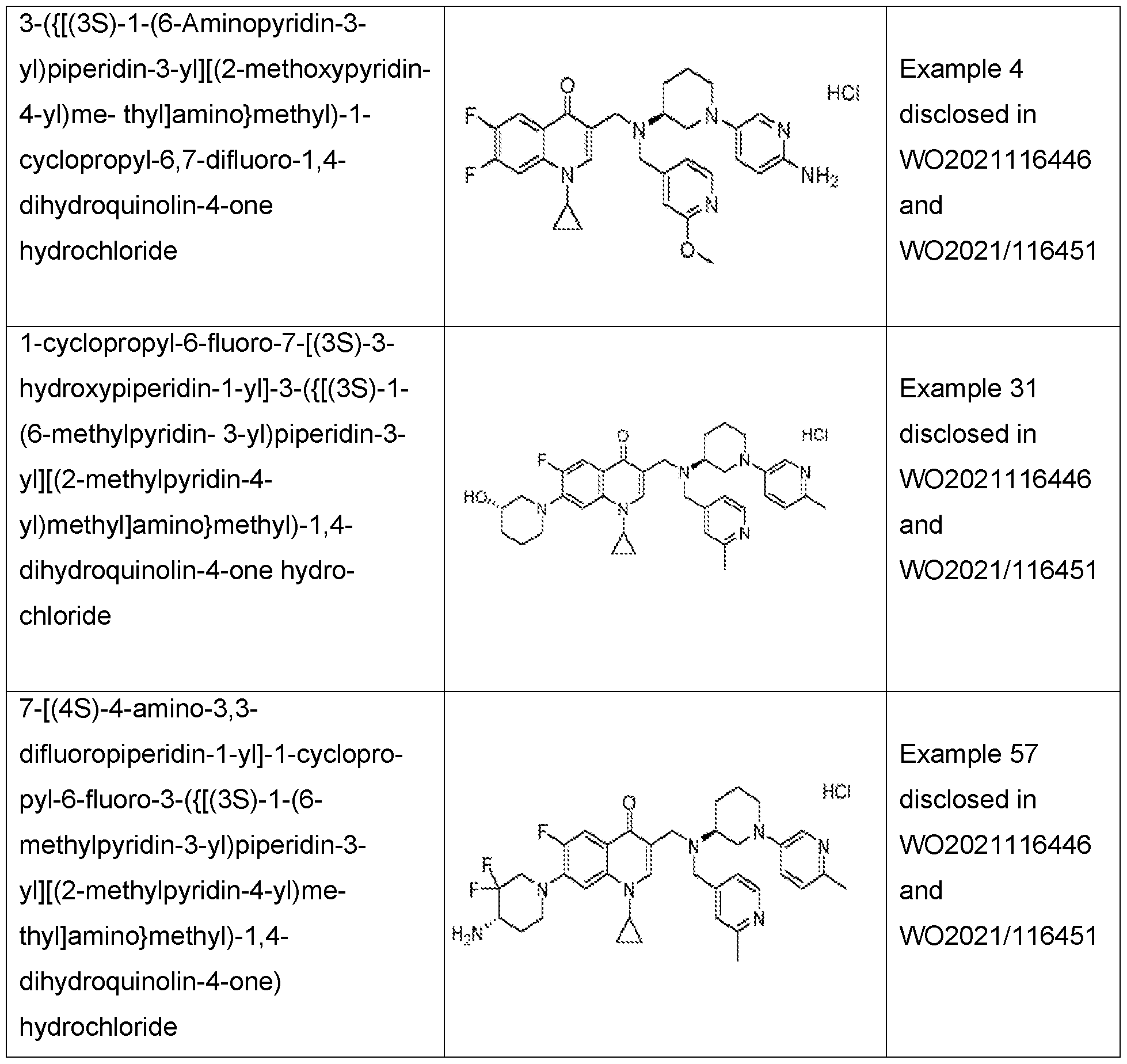
In one embodiment the STING agonist is a compound of formula (I).
 or a salt, stereoisomer, tautomer, or N-oxide thereof, wherein
X1 is CH or N;
X2 is CR3 or N;
R1 , R2 and R3 are independently H, OH, NRCRD, CN, halogen, C1-C4-alkyl, NRCRD- C1-C4-al- kyl, C1-C4-alkoxy, aryloxy, benzyloxy, C(=O)RE, NRFC(=O)RE, N RF-( C1-C4-alkyIene)- C(=O)RE, NRF-( C1-C4-alkylene)-NRCRC, O-( C1-C4-alkylene)-NRCRD, or 4- to 6-membered saturated, partially or fully unsaturated, or aromatic carbocyclyl, carbocyclyl- C1-C2-alkyl, heterocyclyl, heterocyclyloxy, or heterocyclyl- C1-C2-alkyl, or 8- to 10-membered saturated, partially or fully unsaturated, or aromatic carbobicyclyl or heterobicyclyl, wherein the aforementioned heterocyclic or heterobicyclic rings comprise one or more, same or different heteroatoms selected from O, N or S, wherein said N- and/or S-atoms are independently oxidized or non-oxidized, and wherein each substitutable carbon or heteroatom in the aforementioned groups is independently unsubstituted or substituted with one or more, same or different substituents RX;
R4 is a 5- or 6-membered aromatic carbocyclic or heterocyclic ring, or a 9- or 10-membered aromatic carbobicyclic or heterobicyclic ring, wherein the heterocyclic or heterobicyclic ring comprises at least one nitrogen atom and optionally one or more, same or different additional heteroatoms selected from O, N or S, wherein said N- and/or S-atoms are inde- pendently oxidized or non-oxidized, and wherein each substitutable carbon or heteroatom in the aforementioned cyclic rings is independently unsubstituted or substituted with one or more same or different substituents RX;
R5 is a 5- or 6-membered saturated heterocyclic ring, wherein said heterocyclic ring com- prises one or more, same or different heteroatoms selected from 0, N or S, wherein said N and/or S-atoms are independently oxidized or non-oxidized, and wherein each substitut- able carbon or heteroatom is independently unsubstituted or substituted with one or more, same or different substituents RY; and wherein
RN is H, C1-C4-alkyl, HO(C=O)- C1-C4-alkyl, NRCRD- C1-C4-alkyl, C1-C2-alkoxy- C1-C4-alkyl, or a 3- or 4-membered saturated carbocyclyl or heterocyclyl, wherein said heterocyclic ring comprises one or more, same or different heteroaloms selected from O, N or S, wherein
said N and/or S-atoms are independently oxidized or non-oxidized, and wherein each sub- stitutable carbon or heteroatom in the aforementioned groups is independently unsubsti- tuted or substituted with one or more, same or different substituents Rx; RC and Rc are independently H, or C1-C2-alkyl: or RC and RD together with the nitrogen atom to which they are bonded form a 5- or 6-membered saturated, partially or fully unsaturated, or aromatic heterocyclic ring, wherein said hetero- cyclic ring comprises one or more, same or different heteroatorns selected from O, N or S, wherein said N- and/or S-atorns are independently oxidized or non-oxidized. and wherein each substitutable carbon or heteroatom in the heterocyclic ring is independently unsub- stituted or substituted with one or more, same or different substituents Rx;
RE is H, C1-C2-alkyl, NRCRD- C1-C4-alkyl, phenyl, benzyl, ORG, or NRHRF or a 5 or 6-mem- bered saturated, partially or fully unsaturated heterocyclyl, wherein said heterocyclic ring comprises one or more, same or different heteroatoms selected from O, N or S, wherein said N- and/or S-atoms are independently oxidized or non-oxidized, and wherein each substitutable carbon or heteroatom in the aforementioned groups is independently unsub- stituted or substituted with one or more, same or different substituents RF:
RF is H, C1-C2-alkyl, C3-C6-cycloalkyl, phenyl, benzyl, or C(=O)NRHRl:
RG is H, C1-C2-alkyl, or 5- or 6-membered aromatic carbocyclyl, carbocyclyl- C1-C2-alkyl, heterocyclyl, or heterocyclyl-C1-C2-alkyl, wherein the aforementioned heterocyclic rings com- prise one or more, same or different heteroatoms selected from 0, N or S, wherein said N-atoms are independently oxidized or non-oxidized;
RH and RI are independently H, C1-C2-alkyl, or 5- or 6-membered aromatic carbocyclyl, carbocy- clyl- C1-C2-alkyl, heterocyclyl, or heterocyclyl-C1-C2-alkyl , wherein the aforementioned het- erocyclic rings comprise one or more, same or different heteroatoms selected from O, N or S, wherein said N-atoms are independently oxidized or non-oxidized; or
RH and RI together with the nitrogen atom to which they are bonded form a 5- or 6-membered saturated, partially or fully unsaturated, or aromatic heterocyclic ring, wherein said hetero- cyclic ring comprises one or more, same or different heteroatorns selected from 0. N or S, wherein said N- and/or S-atorns are independently oxidized or non-oxidized, and wherein each substitutable carbon or heteroatom in the heterocyclic ring is independently unsub- slituted or substituted with one or more, same or different substituents Rx;
RX is OH, NRCRC. halogen, CN, NO2, C1-C2-alkyl, C1-C2-haloalkyl, NRCRD- C1-C4-alkyl RCO- C1-C4-alkyl C1-C2-alkoxy, C(=O)RE, or two Rx form =O, or two Rx together with the carbon atom to which they are bonded form a 3- to 5-membered saturated, partially or fully un- saturated, or aromatic carbocyclic ring;
RY is halogen, CN, OH, C1-C2-alkyl, HO- C1-C2-alkyl, C3-C6-cycloalkyl, C1-C2-alkoxy, NRCRD, S(=O)2NRCRD , C(=O)RE, or 5- or 6-membered saturated, partially or fully unsaturated, or aromatic carbocyclyl, carbocyclyl- C1-C2-alkyl, heterocyclyl, and heterocyclyl- C1-C2-alkyl, wherein the aforementioned heterocyclic rings comprise one or more, same or different heteroatorns selected from O, N or S, wherein said N- and/or S-atoms are independently oxidized or non-oxidized, and wherein each substitutable carbon or heteroatom in the aforementioned groups is independently unsubstituted or substituted with one or more,
same or different substituents Rx; or two RY form =O: or two RY attached to identical or neighbor ing carbon atoms may form a 3-membered car bocyclic ring; with the proviso that either any one of R1, R2, or R3 is NRCRD , NRcRc- C1-C4-alkyl. NRF-( C1-C4-alkylene)-NRcRD O-(C1-C4-al- kylene)-NRCRD, or 8- to 10-membered saturated, partially or fully unsaturated, or aromatic carbobicyclyl or helerobicyclyk wherein the aforementioned heterobicyclic ring comprises one or more, same or different heteroatoms selected from 0, N or S, wherein said N- and/or S-atoms are independently oxidized or non-oxidized. and wherein each substitutable carbon or heleroatom in the aforementioned groups is independently unsubstituted or substituted with one or more, same or different substituents Rx; or any one of R1, R2, or R3 is NRFC(=O)R=, wherein Re is NRcRD-CrC4-aikyl; or
RN is NRcRD- C1-C4-alkyl, or C1-C2-alkoxy- C1-C4-alkyl; or any one of the substituents R1, R2, R3, R4, R5, RN carries a substituent Rx, wherein
RX is ON, NRCRD, NRcRD- C1-C4-alkyl, or RCO- C1-C4-alkyl.
In one embodiment, the STING agonist is a compound of formula (II).
 or a salt, stereoisomer, tautomer, or N-oxide thereof, wherein
X1 Is CR1 or N;
X2 is CR3 or N;
R1, R2 and R3 are independently H, OH, ON, halogen, C1-C4-alkyl, C1-C4-alkoxy, aryloxy, benzyloxy, C(=O)RE, NRFC(=O)RE, NRF-( C1-C4-alkylene)-C(=O)RE, or 4- to 6-membered saturated, partially or fully unsaturated, or aromatic carbocyclyl. carbocyclyl- C1-C2-alkyl, heterocyclyl, heterocyclyloxy or heterocyclyl-C1-C2-alkyl, wherein the aforementioned heterocyclic rings comprise one or more, same or different heteroatoms selected from O, N or S, wherein said N- and/or S-atoms are independently oxidized or non-oxidized, and wherein each substitutable carbon or heteroatom In the aforementioned groups is independently unsubstituted or substituted with one or more, same or different substituents Rx;
R4 is a 5- or 6-membered aromatic carbocyclic or heterocyclic ring, or a 9- or 10-membered aromatic carbobicyclic or heterobicyciic ring, wherein the heterocyciic or heterobicyclic ring comprises at least one nitrogen atom and optionally one or more, same or different additional heteroatoms selected from O, N or S, wherein said N- and/or S-atoms are independently oxidized or non-oxidized, and wherein each substitutable carbon or heteroatom in the aforementioned cyclic rings is independently unsubstituted or substituted with one or more same or different substituents Rx;
R5 is a 5- or 6-membered saturated heterocyciic ring, wherein said heterocyclic ring comprises one or more, same or different heteroatoms selected from O, N or S, wherein said N and/or S-atoms are independently oxidized or non-oxidized, and wherein each substitutable carbon or heteroatom is independently unsubstituted or substituted with one or more, same or different substituents Rv; and wherein
RN is H, CH3, HO(C=O)- C1-C4-alkyl, or a 3- or 4-membered saturated carbocyclyl or heterocyclyl, wherein said heterocyclic ring comprises one or more, same or different heteroatoms selected from O, N or S, wherein said N and/or S-atoms are independently oxidized or non-oxidized, and wherein each substitutable carbon or heteroatom In the aforementioned groups is independently unsubstituted or substituted with one or more, same or different substituents Rx;
RA is H, halogen, CN, OH, C1-C3-alkyl, CrC3-alkoxy, or 3- to 6-membered saturated, partially or fully unsaturated, or aromatic carbocyclyl, or heterocyclyl, wherein the aforementioned heterocyclic ring comprises one or more, same or different heteroatoms selected from O, N or S, wherein said N- and/or S-atoms are independently oxidized or non-oxidized, and wherein each substitutable carbon or heteroatom in the aforementioned groups is independently unsubstituted or substituted with one or more, same or different substituents Rx; RC and RD are independently H, or C1-C2-alkyl; or RC and RD together with the nitrogen atom to which they are bonded form a 5- or 6-membered saturated, partially or fully unsaturated, or aromatic heterocyclic ring, wherein said heterocyclic ring comprises one or more, same or different heteroatoms selected from 0, N or S, wherein said N- and/or S-atoms are independently oxidized or non-oxidized, and wherein each substitutable carbon or heteroatom in the heterocyclic ring is independently unsubstituted or substituted with one or more, same or different substituents Rx;
RE is H, C1-C2-alkyl, phenyl, benzyl, ORG, or NRHRI; or a 5- or 6-membered saturated, partially or fully unsaturated heterocyclyl, wherein said heterocyclic ring comprises one or more, same or different heteroatoms selected from O, N or S, wherein said N- and/or S- atoms are independently oxidized or non-oxidized, and wherein each substitutable carbon or heteroatom in the aforementioned groups is independently unsubstituted or substituted with one or more, same or different substituents RF;
RF is H, C1-C2-alkyl, C3-C6-cycloalkyl , phenyl, benzyl, or C(=O)NRHRI;
RG is H, C1-C2-alkyl, or 5- or 6-membered aromatic carbocyclyl, carbocydyl- C1-C2-alkyl, heterocyclyl, or neterocyclyl- C1-C2-alkyl, wherein the aforementioned heterocyclic rings comprise one or more, same or different heteroatoms selected from O, N or S, wherein said N-atoms are independently oxidized or non-oxidized;
RH and R: are independently H, C1-C2-alkyl, or 5- or 6-membered aromatic carbocyclyl , carbocyclyl-C1-C2-alkyl, heterocyclyl, or heterocyclyl-C1-C2-alkyl, wherein the aforementioned heterocyclic nngs comprise one or more, same or different heteroatoms selected from O, N or S, wherein said N-atoms are independently oxidized or non- oxidized; or
RH and RI together with the nitrogen atom to which they are bonded form a 5- or 6-membered saturated, partially or fully unsaturated, or aromatic heterocyclic ring, wherein said heterocyclic ring comprises one or more, same or different heteroatoms selected from O, N or S, wherein said N- and/or S-atoms are independently oxidized or non-oxidized, and wherein each substitutable carbon or heteroatom in the heterocyclic ring is independently unsubstituted or substituted with one or more, same or different substituents Rx;
RX is halogen, CN, NO2, C1-C2-alkyl, C1-C2-alkoxy, C(=O)RE, or two Rx form =O;
RY is halogen, CN, OH, C1-C2-alkyl, C1-C2-alkyl-OH, C3-C6-cycloalkyl, C1-C2-alkoxy, NRCRD, S(=O)2NRCRD, C(=O)RE, or 5- or 6-membered saturated, partially or fully unsaturated, or aromatic carbocyclyl, carbocyclyl-C1-C2-alkyl, heterocyclyl, and heterocyclyl- C1-C2-alkyl, wherein the aforementioned heterocyclic rings comprise one or more, same or different heteroatoms selected from O, N or S, wherein said N- and/or S-atoms are independently oxidized or non-oxidized, and wherein each substitutable carbon or heteroatom in the aforementioned groups is independently unsubstituted or substituted with one or more, same or different substituents Rx; or two RY form =0: or two RY attached to identical or neighboring carbon atoms may form a 3-membered carbocyclic ring.
In one embodiment, the STING agonist is a compound of formula (III).
 or a salt, stereoisomer, tautomer, or N-oxide thereof, wherein the dashed lines in the 6-membered ring that contains the =0 substituent denote the presence of one or two additional bonds, so that one or two double bonds are formed, wherein, in case of two double bonds, between each double bond a single bond must be present; and wherein
X1 is O, S, S(=0), S(=O)2, N, or NRN;
X2 is C. CH. or N;
X3 is CRA, or N;
X4 is CRA, CRARB, N, or NRN;
X5 is C, CH, or N;
Y1 is S(=O)2, or C1-C2-alkylene, which is unsubstituted or substituted with one or more, same or different substituents Rz;
Y2 is absent, S(=O)2, S(=O)2-C1-C4-alkylene, S(=O)2-arylene, or C1-C4-alkylene, wherein the carbon atoms are in each case unsubstituted or substituted with one or more, same or dif- ferent substituents RZ;
Y3 is absent, S(=O)2, or C1-alkylene, which is unsubstituted or substituted with one or more, same or different substituents Rz;
R1, R2 and R3 are independently H, OH, ON, halogen, C1-C4-alkyl, C1-C4-alkoxy, aryloxy, benzyloxy, C(=O)RF, NRFC(=O)RF, or 5- or 6-membered saturated, partially or fully un- saturated, or aromatic carbocyclyl, carbocyclyl- C1-C2-alkyl, heterocyclyl, or heterocyclyl- C1-C2-alkyl, wherein the aforementioned heterocyclic rings comprise one or more, same or different heteroatoms selected from 0, N or S, wherein said N- and/or S-atoms are in- dependently oxidized or non-oxidized, and wherein each substitutable carbon or heteroa- tom in the aforementioned groups is independently unsubstituted or substituted with one or more, same or different substituents Rx; or
R1 and R2 or R2 and R3 together with the carbon atoms to which they are bonded form a 5- or 6-membered saturated, partially or fully unsaturated, or aromatic carbocyclic or hetero- cyclic ring, wherein said heterocyclic ring comprises one or more, same or different het- eroatoms selected from O, N or S, wherein said N- and/or S-atoms are independently oxi-
dized or non-oxidized, and wherein each substitutable carbon or heteroatom in the aforementioned cyclic rings is independently unsubstituted or substituted with one or more, same or different substituents Rx;
R4 is a 5- or 6-membered aromatic carbocyclic or heterocyclic ring, or a 9- or 10-membered aromatic carbobycydic or heterobicyclic ring, wherein the heterocyclic or heterobicyclic ring comprises at least one nitrogen atom and optionally one or more, Same or different additional heteroatoms selected from O, N or S, wherein said N- and/or S-atoms are independently oxidized or non-oxidized, and wherein each substitutable carbon or heteroatom in the aforementioned cyclic rings is independently unsubstituted or substituted with one or more, same or different substituents Rx;
R5 is a 5- or 6-membered saturated, partially or fully unsaturated, or aromatic carbocyclic or heterocyclic ring, or a 9- or 10-membered saturated, partially or fully unsaturated, or aromatic carbobycydic or heterobicyclic ring, wherein the heterocyclic or heterobicyclic ring comprises one or more, same or different heteroatoms selected from O, N or S, wherein said N- and/or S-atoms are independently oxidized or non-oxidized, and wherein each substitutable carbon or heteroatom in the aforementioned cyclic rings is independently unsubstituted or substituted with one or more, same or different substituents RY; and wherein
RN is H, C1-C6-alkyl or 3- to 6-membered carbocyclyl or heterocyclyi, wherein the aforementioned heterocyclic ring comprises one or more, same or different heteroatoms selected from 0, N or S, wherein said N-atoms are independently oxidized or non-oxidized;
RA is H, halogen, CN, OH, C1-C3-alkyl, C1-C3-alkoxy, or 3- to 6-membered saturated, partially or fully unsaturated, or aromatic carbocyclyl, or heterocyclyi, wherein the aforementioned heterocyclic ring comprises one or more, same or different heteroatoms selected from O, N or S, wherein said N- and/or S-atoms are independently oxidized or non-oxidized, and wherein each substitutable carbon or heteroatom in the aforementioned groups is independently unsubstituted or substituted with one or more, same or different substituents RX;
RB is H, halogen, CN, OH, C1-C3-alkyl, or C1-C3-alkoxy; or
RA and RB together with the carbon atom to which they are bonded form a 3- to 5-membered saturated, partially or fully unsaturated, or aromatic carbocyclic or heterocyclic ring, wherein the heterocyclic ring comprises one or more, same or different heteroatoms selected from O, N or S, wherein said N- and/or S-atoms are independently oxidized or nonoxidized, and wherein each substitutable carbon or heteroatom in the aforementioned groups is independently unsubstituted or substituted with one or more, same or different substituents Rx:
RC and RD are independently H, or C1-C2-alkyl; or
RC and RD together with the nitrogen atom to which they are bonded form a 5- or 6-membered saturated, partially or fully unsaturated, or aromatic heterocyclic ring, wherein said heterocyclic ring comprises one or more, same or different heteroatoms selected from 0, N or S, wherein said N- and/or S-atoms are independently oxidized or non-oxidized, and wherein each substitutable carbon or heteroatom in the heterocyclic ring is independently unsubstituted or substituted with one or more, same or different substituents Rx;
Where the STING agonist is compound (I), (II) or (III) above, the substituents are as defined in WO2021/116451, WO2020249773 and WO2019238786, respectively. In some embodiments, the synthetic non-CDN is a polymer. Exemplary polymers may include the linear or cyclic tertiary amine structures and cyclic seven-membered ring (PC7A) described in Li et al. (Prolonged activation of innate immune pathways by a polyvalent STING agonist. Nat Biomed Eng 5, 455–466 (2021)) and Luo et al. (A STING-activating nanovaccine for cancer immunotherapy. Nature Nanotech 12, 648–654 (2017)), both of which are incorporated by reference.
The STING agonist may also be an antisense oligonucleotide. Suitable antisense oligonucleotides, such as microRNAs, may target nucleic acid sequences encoding regulators of the STING pathway. For example, the STING agonist may be an antisense oligonucleotide that targets a nuclease which degrades cytosolic DNA. For example, the STING agonist may target TREX1, which is a 3′ exonuclease immune checkpoint that degrades cytosolic DNA, thereby preventing it from binding cGAS and activating the STING pathway. An exemplary antisense oligonucleotide STING agonist may be one disclosed in Glickman et al., (Abstract P235: STACT-TREX1: A novel tumor-targeting systemically-delivered STING pathway agonist demonstrates robust anti-tumor efficacy in multiple murine cancer models; Proceedings of the Society for Immunotherapy of Cancer 33rd Annual Meeting; Washington, DC, USA. 7–11 November 2018) and Makarova et al., (Abstract 5016: STACT-TREX1: A systemically- administered STING pathway agonist targets tumor-resident myeloid cells and induces adaptive anti-tumor immunity in multiple preclinical models. Am. Assoc. Cancer Res. 2019;79:5016.), both of which are incorporated by reference. In other embodiments, the STING agonist is conjugated to an antibody or antigen-binding fragment, hence producing antibody-drug conjugates (ADCs). In one embodiment, the ADC to be administered in accordance with the disclosure has a structure as described in US 2017/0298139, WO 2017/100305, WO 2018/200812, or WO 2018/140831, the contents of each of which are herein incorporated by reference herein. The STING agonist may alternatively be delivered using a bacterial vector. For example, SYNB1891 is a live, modified strain of the probiotic E. coli Nissle that has been engineered to produce cyclic dinucleotides under hypoxia (see, Leventhal et al. Immunotherapy with engineered bacteria by targeting the STING pathway for anti-tumor immunity. Nat Commun 11, 2739 (2020), which is incorporated by reference). When intratumorally injected, SYNB1891 may lead to STING activation in phagocytic antigen-presenting cells in tumours and the activation of innate immune pathways. Thus, the term “STING agonist” encompasses bacteria engineered to produce CDNs in order to active the STING pathway. In some embodiments, the STING agonist may be any STING agonist that is suitable for local administration (e.g., by intratumoural injection) or any STING agonist that is suitable for systemic administration. STING agonists that are suitable for systemic (e.g., intravenous) administration may include small molecule STING agonists such as linked amidobenzimidazole (diABZI).
It should be understood that reference to a particular therapeutic agent (e.g., a STING agonist) encompasses, variants, derivatives, and analogues thereof. As used herein "derivatives" of the therapeutic agents includes salts, coordination complexes, esters such as in vivo hydrolysable esters, free acids or bases, hydrates, prodrugs or lipids, coupling partners. Salts of the compounds of the invention are preferably physiologically well tolerated and non-toxic. Many examples of salts are known to those skilled in the art. Compounds having acidic groups, such as phosphates or sulfates, can form salts with alkaline or alkaline earth metals such as Na, K, Mg and Ca, and with organic amines such as triethylamine and Tris (2- hydroxyethyl ) amine. Exemplary salts may include an ammonium salt, diammonium salt, sodium salt or disodium salt. Salts can be formed between compounds with basic groups, e.g., amines, with inorganic acids such as hydrochloric acid, phosphoric acid or sulfuric acid, or organic acids such as acetic acid, citric acid, benzoic acid, fumaric acid, or tartaric acid. Compounds having both acidic and basic groups can form internal salts. Derivatives may include prodrugs of the compounds which are convertible in vivo or in vitro into one of the parent compounds. Typically, at least one of the biological activities of compound will be reduced in the prodrug form of the compound and can be activated by conversion of the prodrug to release the compound or a metabolite of it. Other derivatives may include coupling partners of the compounds in which the compound is linked to a coupling partner, e.g. by being chemically coupled to the compound or physically associated with it. Examples of coupling partners may include a label or reporter molecule, a supporting substrate, a carrier or transport molecule, an effector, a drug, an antibody or an inhibitor. Coupling partners may be covalently linked to compounds of the invention via an appropriate functional group on the compound such as a hydroxyl group, a carboxyl group or an amino group. Other derivatives may include formulating the compounds with liposomes. The present invention provides, in one aspect, a pharmaceutical composition comprising a modified IL-15 polypeptide. Also provided is a pharmaceutical composition comprising a STING agonist. Also provided is a pharmaceutical composition comprising a modified IL-15 polypeptide and a STING agonist. The pharmaceutical composition optionally comprises a pharmaceutically acceptable carrier, excipient, adjuvant, and/or salt. The term “pharmaceutically acceptable carrier, excipient, adjuvant, and/or salt” as used herein means a carrier, excipient, adjuvant, and/or salt that can be administered to a subject without causing harm to said subject. For example, a carrier, excipient, adjuvant, and/or salt that is suitable for intratumoural, intravenous, intra-arterial, intraperitoneal, intrathecal intramuscular,
and/or subcutaneous administration. In one embodiment a pharmaceutically acceptable carrier, excipient, adjuvant, and/or salt is an injectable carrier, excipient, adjuvant, and/or salt, such as a sterile physiological saline solution. When a modified IL-15 and a STING agonist are formulated as separate pharmaceutical compositions, said compositions may be suitable for simultaneous or sequential administration. Pharmaceutically acceptable excipients that may be used in the pharmaceutical composition of the invention may include, but are not limited to serum proteins, such as human serum albumin, buffer substances such as phosphates, glycerine, sorbic acid, potassium sorbate, partial glyceride mixtures of saturated vegetable fatty acids, water, salts or electrolytes, disodium hydrogen phosphate, potassium hydrogen phosphate, and sodium chloride. The pharmaceutical compositions of this invention may contain any conventional non-toxic pharmaceutically-acceptable carriers or vehicles. The pharmaceutical compositions may be in the form of a sterile injectable preparation, for example, as a sterile injectable aqueous or oleaginous suspension. This suspension may be formulated according to techniques known in the art using suitable dispersing or wetting agents (such as, for example, Tween 80) and suspending agents. The sterile injectable preparation may also be a sterile injectable solution or suspension in a non-toxic parenterally acceptable diluent or solvent, for example, as a solution in 1,3-butanediol. Among the acceptable vehicles and solvents that may be employed are mannitol, water, Ringer's solution and isotonic sodium chloride solution. In addition, sterile, fixed oils are conventionally employed as a solvent or suspending medium. For this purpose, any bland fixed oil may be employed including synthetic mono- or diglycerides. Fatty acids, such as oleic acid and its glyceride derivatives may be useful in the preparation of injectables, as are natural pharmaceutically-acceptable oils, such as olive oil or castor oil, especially in their polyoxyethylated versions. These oil solutions or suspensions may also contain a long- chain alcohol diluent or dispersant. Preferably, the fusion polypeptides of the invention are present in an aqueous solution. Other pharmaceutically acceptable additives which may be added to the composition are well known to those skilled in the art. Also provided is a method of producing a pharmaceutical composition, the method comprising combining a modified IL-15 and STING agonist as defined herein. In one aspect, the invention provides a pharmaceutical composition obtainable by said method. The invention also
provides, in some aspects. therapeutic uses and therapeutic methods comprising the use of said pharmaceutical composition. The invention also provides a kit comprising: (i) a modified interleukin-15 (IL-15) comprising: (a) a fusion polypeptide comprising IL-15 and a linker of from 10 to 60 amino acid residues in length; and (b) a membrane binding element conjugated to the linker; and (ii) a stimulator of interferon genes (STING) agonist. Optionally, the kit further comprises instructions. Suitably, the instructions may be for the use of the same in treating cancer as described herein. In some embodiments the instructions also detail an appropriate dosage regimen (e.g. as described herein). In one embodiment the instructions are for use of said kit in treating prostate cancer. In one embodiment, administration of the modified IL-15 and a stimulator of interferon genes (STING) agonist may inhibit growth, proliferation and/or metastasis of a cancer cell. For example, administration of the modified IL-15 and a stimulator of interferon genes (STING) agonist may eradicate cancer cells, inhibit cancer cell proliferation, and/or reduce the size of a cancer. In one embodiment, administration of the modified IL-15 and a stimulator of interferon genes (STING) agonist is used to treat a so-called “cold” tumour. For example, administration of the modified IL-15 and a stimulator of interferon genes (STING) agonist may be used to convert a so-called “cold” tumour into an immunologically active “hot” tumour. The term “cold tumour” refers to a tumour that is not likely to trigger a strong immune response. Cold tumours tend to be surrounded by cells that are able to suppress the immune response and keep T cells from attacking the tumour cells and killing them. Cold tumours usually do not respond to immunotherapy. Cancers of the breast, ovary, prostate, pancreas, and brain (for example, glioblastoma) are exemplary cold tumours. The term “hot tumour” refers to a tumour that is likely to trigger a strong immune response. Hot tumours are often characterised by the expression of molecules on their surface that allow T cells to attack and kill the tumour cells. Hot tumours usually respond to immunotherapy. The term "cancer" as used herein includes both solid and hematologic cancers, such as lymphomas, lymphocytic leukemias, lung cancer, non small cell lung (NSCL) cancer,
bronchioloalviolar cell lung cancer, bone cancer, pancreatic cancer including pancreatic ductal adenocarcinoma (PDAC), skin cancer, cancer of the head or neck, cutaneous or intraocular melanoma, uterine cancer, ovarian cancer, cancer of the anal region, stomach cancer, gastric cancer, colorectal cancer, which may be colon cancer and/or rectal cancer, breast cancer, uterine cancer, carcinoma of the fallopian tubes, carcinoma of the endometrium, carcinoma of the cervix, carcinoma of the vagina, carcinoma of the vulva, Hodgkin's Disease, cancer of the esophagus, cancer of the small intestine, cancer of the endocrine system, cancer of the thyroid gland, cancer of the parathyroid gland, cancer of the adrenal gland, sarcoma of soft tissue, cancer of the urethra, cancer of the penis, prostate cancer, cancer of the bladder, cancer of the kidney or ureter, renal cell carcinoma, carcinoma of the renal pelvis, mesothelioma, hepatocellular cancer, biliary cancer, neoplasms of the central nervous system (CNS), spinal axis tumours, brain stem glioma, glioblastoma multiforme, astrocytomas, schwanomas, ependymomas, medulloblastomas, meningiomas, squamous cell carcinomas, pituitary adenoma and Ewings sarcoma, including refractory versions of any of the above cancers, checkpoint-inhibitor experienced versions of any of the above cancers, or a combination of one or more of the above cancers. In one embodiment such "cancer" is a solid tumor selected from breast cancer, lung cancer, colon cancer, ovarian cancer, melanoma cancer, bladder cancer, renal cancer, kidney cancer, liver cancer, head and neck cancer, colorectal cancer, pancreatic cancer, gastric carcinoma cancer, esophageal cancer, mesothelioma or prostate cancer. In another embodiment such "cancer" is a hematological tumor such as for example, leukaemia (such as AML, CLL), lymphoma, myelomas. In still another embodiment the "cancer" is breast cancer, lung cancer, colon cancer, colorectal cancer, pancreatic cancer, gastric cancer or prostate cancer. A cancer for treatment according to the invention is preferably not a haematological cancer, such as leukaemia, lymphoma and/or multiple myeloma. In some embodiments, the cancer is a solid tumour cancer, e.g. a carcinoma or a sarcoma. A solid tumour cancer may be a sarcoma, such as osteosarcoma or osteogenic sarcoma (bone), chondrosarcoma (cartilage), leiomyosarcoma (smooth muscle), rhabdomyosarcoma (skeletal muscle), mesothelial sarcoma or mesothelioma (membranous lining of body cavities), fibrosarcoma (fibrous tissue), angiosarcoma or hemangioendothelioma (blood vessels), liposarcoma (adipose tissue), glioma or astrocytoma (neurogenic connective tissue found in the brain), myxosarcoma (primitive embryonic connective tissue), or mesenchymous or mixed mesodermal tumor (mixed connective tissue types).
Preferably, a cancer is a carcinoma. A carcinoma may be an adenocarcinoma (which develops in an organ or gland) or a squamous cell carcinoma (which originates from squamous epilthelium). Preferably, a carcinoma is an adenocarcinoma. Alternatively or additionally, a solid tumour cancer may be of a mixed type containing components from one or more different cancer category. Some examples of mixed type cancers may include adenosquamous carcinomas, mixed mesodermal tumours, carcinosarcomas, and teratocarcinomas. A cancer (e.g. solid tumour cancer) treated in accordance with the present invention may be one or more selected from: prostate cancer, colon cancer, breast cancer, lung cancer, skin cancer, liver cancer, bone cancer, ovarian cancer, pancreatic cancer, brain cancer, head cancer, neck cancer, lymphoma, and neuronal cancer. In a particularly preferred embodiment the cancer is prostate cancer. The prostate cancer may be ductal prostate cancer or acinar prostate cancer, preferably ductal prostate cancer. Embodiments related to the modified IL-15 and STING agonists of the invention are intended to be applied equally to the methods, uses, kits or pharmaceutical compositions, and vice versa. The modified IL-15 and STING agonist may be administered at different dosages, with different dosing frequencies, or via different routes, whichever is suitable. The modified IL-15 and STING may be administered to a subject in a therapeutically effective amount or a prophylactically effective amount. The terms “subject”, “patient” and “individual” are used synonymously herein. The “subject” may be a mammalian subject, for example a human, a companion animal (e.g. a pet such as dogs, cats, and rabbits), livestock (e.g. pigs, sheep, cattle, and goats), and horses. Preferably, a “subject” is a human subject. As used herein, "treatment" (and grammatical variations thereof such as "treat" or "treating") refers to clinical intervention in an attempt to alter the natural course of a disease in the individual being treated, and can be performed either for prophylaxis or during the course of clinical pathology. Desirable effects of treatment include, but are not limited to, preventing occurrence or recurrence of disease (e.g., cancer), alleviation of symptoms, diminishment of
any direct or indirect pathological consequences of the disease, preventing metastasis, decreasing the rate of disease progression, amelioration or palliation of the disease state, and remission or improved prognosis. In some aspects, the therapy is used to delay development of a disease or to slow the progression of a disease. Preferably “treat” or “treating” as used herein means corrective treatment. A “therapeutically effective amount” is any amount of the modified IL-15, STING agonist or pharmaceutical composition thereof of the invention, which when administered (optionally in combination with another agent) to a subject for treating cancer (or a symptom thereof) is sufficient to effect such treatment of the disorder, or symptom thereof. Thus, a “therapeutically effective amount” of a modified IL-15 may be any amount which when administered with a STING agonist to a subject for treating cancer (or a symptom thereof) is sufficient to effect such treatment of the disorder, or symptom thereof. A “therapeutically effective amount” of a STING agonist may be any amount which when administered with a modified IL-15 to a subject for treating cancer (or a symptom thereof) is sufficient to effect such treatment of the disorder, or symptom thereof. A “prophylactically effective amount” is any amount of the modified IL-15, STING agonist or pharmaceutical composition thereof of the invention that, when administered (optionally in combination with another agent) to a subject inhibits or delays the onset or reoccurrence of cancer (or a symptom thereof). In some embodiments, the prophylactically effective amount prevents the onset or reoccurrence of cancer entirely. “Inhibiting” the onset means either lessening the likelihood of onset of cancer (or symptom thereof), or preventing the onset entirely. Thus, a “prophylactically effective amount” of a modified IL-15 may be any amount that when administered with a STING agonist to a subject inhibits or delays the onset or reoccurrence of cancer (or a symptom thereof). A “prophylactically effective amount” of a STING agonist may be any amount that when administered with a modified IL-15 to a subject inhibits or delays the onset or reoccurrence of cancer (or a symptom thereof). An appropriate dosage range is one that produces the desired therapeutic effect (e.g. wherein the modified IL-15 or STING agonist is dosed in a therapeutically or prophylactically effective amount). A typical treatment regimen may include administering a modified IL-15 at a dosage of up to 1 mg of fusion polypeptide to the subject (e.g. intravenously or subcutaneously), for example at a dosage of 0.1-1 mg, e.g.0.2-0.5 mg.
One of skill in the art will be able to determine a suitable dosage for the STING agonist. A subject for treatment may be dosed once, twice, three times, four times, five times, or six times per week. Alternatively, a subject may be dosed daily (e.g. once or twice daily). In other embodiments a subject may be dosed once weekly, bi-weekly (i.e. twice per week), tri-weekly (i.e. three times per week) or once every two weeks. The modified IL-15 may be administered to a subject once, twice, three times, four times, five times, or six times per week. Alternatively, the modified IL-15 may be administered to a subject daily (e.g. once or twice daily). In other embodiments the modified IL-15 may be administered to a subject once every two weeks, once weekly, bi-weekly (i.e. twice per week) or tri-weekly (i.e. three times per week). In preferred embodiments, the modified IL-15 is administered bi- weekly (i.e. twice per week). In particularly preferred embodiments, the IL-15 is administered on days 0 and 4 of a cycle. The STING agonist may be administered to a subject once, twice, three times, four times, five times, or six times per week. Alternatively, the STING agonist may be administered to a subject daily (e.g. once or twice daily). In other embodiments the STING agonist may be administered to a subject once every two weeks, once weekly, bi-weekly (i.e. twice per week) or tri-weekly (i.e. three times per week). In preferred embodiments, the STING agonist is administered bi-weekly (i.e. twice per week). In particularly preferred embodiments, the STING agonist is administered on days 0, 2 and 4 of a cycle. The modified IL-15 and STING agonist may be administered to a subject once, twice, three times, four times, five times, or six times per week. Alternatively, the modified IL-15 and STING agonist may be administered to a subject daily (e.g. once or twice daily). In other embodiments the modified IL-15 and STING agonist may be administered to a subject once every two weeks, once weekly, bi-weekly (i.e. twice per week) or tri-weekly (i.e. three times per week). In preferred embodiments, the modified IL-15 and STING agonist is administered bi-weekly (i.e. twice per week) or tri-weekly (i.e. three times per week). The combination therapy as described herein may comprise one or more cycles. In some embodiments, the therapy comprises multiple cycles, e.g., 2, 3, 4, 5, or 6 cycles.
The skilled person will appreciate that the dose can be tailored based on the needs of the subject, and efficacy of the medicament. For example, where the medicament is highly efficacious, the dose may be lowered. The treatment term can be varied based on the response of the subject to the treatment, and/or the type and/or severity of the cancer. Administration may be by any suitable technique or route, including but not limited to intratumourally, intravenously, intra-arterially, intraperitoneally, intrathecally, intramuscularly, and/or subcutaneously. While different methods of administration are contemplated by the present invention, it is particularly preferred that the modified IL-15 and STING agonist are administered locally (e.g., intratumourally). Such intratumoural administration may be achieved by intratumoural injection. Advantageously, local administration (e.g., intratumoural injection) may be associated with fewer side effects than systemic administration. The present invention also provides a modified IL-15 for use in a method of treating cancer, the method comprising administering the modified IL-15 of the invention, a STING agonist and one or more additional therapeutic agent to a subject, wherein the modified IL-15 and STING agonist are administered simultaneously or simultaneously. For example, the present invention encompasses administering the modified IL-15, a STING agonist, and one or more additional therapeutic agent to a subject, wherein: (a) the modified IL-15, a STING agonist, and the one or more additional therapeutic agents are administered simultaneously; (b) the modified IL-15 and a STING agonist are administered simultaneously to a subject that has been administered, is being administered, or will be administered the one or more additional therapeutic agents; and (c) the modified IL-15 and a STING agonist are administered sequentially to a subject that has been administered, is being administered, or will be administered the one or more additional therapeutic agents. For example, the one or more additional therapeutic agent may be administered simultaneously with the modified IL-15 and the STING agonist. In some instances, the one or more additional therapeutic agent may be administered simultaneously with the modified IL- 15 or the STING agonist. For example, the one or more additional therapeutic agent may be administered simultaneously with the modified IL-15 but sequentially to the administration of
the STING agonist. In other instances, the one or more additional therapeutic agent may be administered sequentially to the administration of modified IL-15 but simultaneously with the administration of the STING agonist. In other instances, the modified IL-15 and the STING agonist may be administered simultaneously but the one or more additional therapeutic agent is administered sequentially. In other instances, the one or more additional therapeutic agent, the modified IL-15 and the STING agonist may all be administered sequentially. When administered sequentially, the time interval between the administrations may be in the range of a few minutes to hours. In some embodiments, the modified IL-15, STING agonist and the one or more additional therapeutic agent are administered within one minute of each other. The one or more additional therapeutic agent may be administered within from 1 to 5 minutes, from 5 to 10 minutes, from 10 to 15 minutes, from 15 to 20 minutes, from 20 to 25 minutes, from 25 to 30 minutes, from 30 to 35 minutes, from 35 to 40 minutes, from 40 to 45 minutes, from 45 to 50 minutes, from 50 to 55 minutes, or from 55 to 60 minutes of the modified IL-15 and the STING agonist. Alternatively, the one or more additional therapeutic agent may be administered within from 1 to 5 minutes, from 5 to 10 minutes, from 10 to 15 minutes, from 15 to 20 minutes, from 20 to 25 minutes, from 25 to 30 minutes, from 30 to 35 minutes, from 35 to 40 minutes, from 40 to 45 minutes, from 45 to 50 minutes, from 50 to 55 minutes, or from 55 to 60 minutes of either the modified IL-15 or the STING agonist. In other embodiments, the one or more additional therapeutic agent is administered within about 1, about 2, about 3, about 4, about 5, about 6, about 7, about 8, about 9, or about 10 hours of the modified IL-15 and STING agonist. Alternatively, the one or more additional therapeutic agent may be administered within about 1, about 2, about 3, about 4, about 5, about 6, about 7, about 8, about 9, or about 10 hours of either the modified IL-15 or the STING agonist. The one or more additional therapeutic agent may be administered on the same day, or may be administered within 1 day, 2 days, 3 days, 4 days, 5 days, 6 days, 1 week, 2 weeks, 3 weeks, or 1 month of both the modified IL-15 and the STING agonist. Alternatively, the one or more additional therapeutic agent may be administered on the same day, or may be administered within 1 day, 2 days, 3 days, 4 days, 5 days, 6 days, 1 week, 2 weeks, 3 weeks, or 1 month of either the modified IL-15 or the STING agonist.
Preferably, the modified IL-15, the STING agonist and the one or more additional therapeutic agent are administered during the period in which each of the therapeutic agents are exerting at least some physiological effect and/or has remaining efficacy. For example, preferably, the modified IL-15, the STING agonist and the one or more additional therapeutic agent are administered in the same treatment cycle. In preferred embodiments, the one or more additional therapeutic agent is an immunotherapeutic agent. For example, the immunotherapeutic agent may be an immune checkpoint inhibitor, a T cell agonist, an antagonist of a NK cell inhibitory receptor, an agonist of a NK cell activating receptor, or a Toll-like receptor 9 (TLR9) agonist. The one or more additional therapeutic agent may be capable of modulating T cell or NK cell activity. For example, the immunotherapeutic agent may be selected from the list comprising or consisting of (preferably consisting of): a recombinant cytokine, a KIR antagonist, a NKG2A antagonist, TIGIT antagonist, a CD137 agonist, a NKG2D agonist or a CD16 agonist, a CD27 agonist; an OX40 agonist, and a GITR agonist. Alternatively, the one or more additional therapeutic agent may be selected based on its ability to increase immune checkpoints specific to the targeted tumour. The immune checkpoint inhibitor may target V-domain Ig suppressor of T cell activation (VISTA), T-cell immunoglobulin and ITIM domain (TIGIT), programmed cell death ligand 1 (PD-L1), programmed cell death protein 1 (PD-1), cytotoxic T-lymphocyte-associated antigen 4 (CTLA-4), lymphocyte activation gene-3 (LAG-3), or T-cell immunoglobulin and mucin domain 3 (TIM-3). For example, when the cancer is prostate cancer, therapeutic agents which increase the VISTA or TIGIT checkpoints are preferred. For example, the immune checkpoint inhibitor may be selected from the list comprising or consisting of (preferably consisting of) durvalumab, olaparib, tremelimumab, atezolizumab, enzalutamide, cabozantinib, nivolumab, ipilimumab, pembrolizumab, Cecilia, and Avelumab. Alternatively, the additional therapeutic agent may be selected based on its ability to increase overall anti-tumour immune function. In this regard, a suitable therapeutic agent may be Mycobacteria obuense. In one embodiment, administration of modified IL-15 and a STING agonist according to the invention results in tumour regression. Tumour regression may be measured as the percentage of decrease in tumour volume compared to the largest pre-treatment volume. In
one embodiment, the combination of modified IL-15 and STING agonist results in at least 50%, at least 60%, at least 70%, at least 80%, at least 90%, at least 95% or 100% tumour regression over a course of treatment. In one embodiment, the combination of modified IL-15 and STING agonist results in complete tumour regression over a course of treatment. In one embodiment, the combination of modified IL-15 and STING agonist results in synergistic tumour regression over a course of treatment when compared to the administration of modified IL-15 or STING agonist alone. Alternatively, the combination of modified IL-15 and STING agonist may result in synergistic tumour regression over a course of treatment when compared to the administration of a fusion polypeptide as described herein or a STING agonist alone. In one embodiment, administration of modified IL-15 and a STING agonist according to the invention results in a synergistic improvement in survival compared to the administration of modified IL-15 or STING agonist alone. In one embodiment, a test subject (e.g., a mouse) treated using modified IL-15 and STING agonist does not develop new tumours. For example, a test subject (e.g., a mouse) treated using modified IL-15 and STING agonist and subsequently re-challenged by subcutaneous injection of cancer cells (e.g., TRAMP-C2 cells) may not develop new tumours at least 40 days, at least 45 days, at least 50 days, at least 55 days, at least 60 days, at least 65 days, at least 70 days, at least 75 days or at least 80 days after injection of the cells. Preferably, a test subject (e.g., a mouse) treated using modified IL-15 and STING agonist and subsequently re- challenged by subcutaneous injection of cancer cells (e.g., TRAMP-C2 cells) does not develop new tumours at least 60 days after injection of the cells. Administration of modified IL-15 and a STING agonist may induce long lasting immunity upon tumour re-challenge in at least 70%, at least 75%, at least 80%, at least 85% or at least 90% of test subjects previously cured by administration of modified IL-15 and a STING agonist. Preferably, the modified IL-15 and STING agonist may induce long lasting immunity upon tumour re-challenge in at least 83% of test subjects previously cured by the modified IL-15 and STING agonist. Accordingly, administration of modified IL-15 and a STING agonist may reduce or remove the need to re- administration (e.g., compared to monotherapy using either modified IL-15 or STING agonist or the combination of IL-15 and STING agonist). Administration of modified IL-15 and a STING agonist according to the invention may generate a systemic immune response, immunoprotection and/or abscopal effects/abscopal immunity against distal tumours. The skilled person will appreciate that the term “abscopal effect” refers to the effect of a local therapy (e.g., intratumoral administration of the combination therapy) on
a non-treated lesion. For example, the modified IL-15 and STING agonist may induce abscopal immunity against at least 40%, 50%, 60%.70% or 80% of distal untreated tumours. Abscopal immunity may be quantified using, for example, a bilateral flank challenge model. Preferably, the modified IL-15 and STING agonist may induce an abscopal response against at least 50% of distal untreated tumours. In one embodiment, administration of modified IL-15 and a STING agonist according to the invention results in an increase in the concentration of one or more of IL-6, CCL5, TNF-α, IL- 1β, CCL2, CXCL1, IFN-γ, CXCL10, IFN-α, IFNβ and GM-CSF. In preferred embodiments, administration of modified IL-15 and a STING agonist according to the invention results in an increase in the tumour concentration of one or more of IL-6, CCL5, TNF-α, IL-1β, CCL2, CXCL1, IFN-γ, CXCL10, IFN-α, IFNβ and GM-CSF. In particularly preferred embodiments, administration of modified IL-15 and a STING agonist according to the invention results in an increase in the tumour concentration of one or more of IL-6, CCL5 and TNF-α. In particularly preferred embodiments, administration of modified IL-15 and a STING agonist according to the invention results in an increase in the tumour concentration of IL-6, CCL5 and TNF-α. In one embodiment, administration of modified IL-15 and a STING agonist according to the invention results in an increase in the plasma concentration of one or more of IFN-γ, CXCL10, CCL2, IL-6 and IFN-α. In particularly preferred embodiments, administration of modified IL-15 and a STING agonist according to the invention results in an increase in the plasma concentration of one or more of IFN-γ and CXCL10. In particularly preferred embodiments, administration of modified IL-15 and a STING agonist according to the invention results in an increase in the plasma concentration of IFN-γ and CXCL10. In further preferred embodiments, administration of modified IL-15 and a STING agonist according to the invention results in an increase in the tumour concentration of IL-6, CCL5 and TNF-α and an increase in the plasma concentration of IFN-γ and CXCL10. The increase may be relative to the concentration of the same cytokine or chemokine in a subject administered modified IL-15 or STING agonist alone. Alternatively, the increase may be relative to the concentration of the same cytokine or chemokine in a subject administered a fusion polypeptide as described herein or a STING agonist alone. Where an initial methionine amino acid residue or a corresponding initial codon is indicated in any of the SEQ ID NOs described herein, said residue/codon is optional. Preferably, said initial methionine amino acid residue or corresponding initial codon is absent.
SEQUENCE HOMOLOGY Any of a variety of sequence alignment methods can be used to determine percent identity, including, without limitation, global methods, local methods and hybrid methods, such as, e.g., segment approach methods. Protocols to determine percent identity are routine procedures within the scope of one skilled in the art. Global methods align sequences from the beginning to the end of the molecule and determine the best alignment by adding up scores of individual residue pairs and by imposing gap penalties. Non-limiting methods include, e.g., CLUSTAL W, see, e.g., Julie D. Thompson et al., CLUSTAL W: Improving the Sensitivity of Progressive Multiple Sequence Alignment Through Sequence Weighting, Position- Specific Gap Penalties and Weight Matrix Choice, 22(22) Nucleic Acids Research 4673-4680 (1994); and iterative refinement, see, e.g., Osamu Gotoh, Significant Improvement in Accuracy of Multiple Protein. Sequence Alignments by Iterative Refinement as Assessed by Reference to Structural Alignments, 264(4) J. MoI. Biol.823-838 (1996). Local methods align sequences by identifying one or more conserved motifs shared by all of the input sequences. Non-limiting methods include, e.g., Match-box, see, e.g., Eric Depiereux and Ernest Feytmans, Match-Box: A Fundamentally New Algorithm for the Simultaneous Alignment of Several Protein Sequences, 8(5) CABIOS 501 -509 (1992); Gibbs sampling, see, e.g., C. E. Lawrence et al., Detecting Subtle Sequence Signals: A Gibbs Sampling Strategy for Multiple Alignment, 262(5131 ) Science 208-214 (1993); Align-M, see, e.g., Ivo Van WaIIe et al., Align-M - A New Algorithm for Multiple Alignment of Highly Divergent Sequences, 20(9) Bioinformatics:1428-1435 (2004). Thus, percent sequence identity is determined by conventional methods. See, for example, Altschul et al., Bull. Math. Bio.48: 603-16, 1986 and Henikoff and Henikoff, Proc. Natl. Acad. Sci. USA 89:10915-19, 1992. Briefly, two amino acid sequences are aligned to optimize the alignment scores using a gap opening penalty of 10, a gap extension penalty of 1, and the "blosum 62" scoring matrix of Henikoff and Henikoff (ibid.) as shown below (amino acids are indicated by the standard one-letter codes). The "percent sequence identity" between two or more nucleic acid or amino acid sequences is a function of the number of identical positions shared by the sequences. Thus, % identity may be calculated as the number of identical nucleotides / amino acids divided by the total number of nucleotides / amino acids, multiplied by 100. Calculations of % sequence identity may also take into account the number of gaps, and the length of each gap that needs to be introduced to optimize alignment of two or more sequences. Sequence comparisons and the determination of percent identity between two or more sequences can be carried out using specific mathematical algorithms, such as BLAST, which will be familiar to a skilled person.
ALIGNMENT SCORES FOR DETERMINING SEQUENCE IDENTITY A R N D C Q E G H I L K M F P S T W Y V A 4 R -1 5 N -2 0 6 D -2 -2 1 6 C 0 -3 -3 -3 9 Q -1 1 0 0 -3 5 E -1 0 0 2 -4 2 5 G 0 -2 0 -1 -3 -2 -2 6 H -2 0 1 -1 -3 0 0 -2 8 I -1 -3 -3 -3 -1 -3 -3 -4 -3 4 L -1 -2 -3 -4 -1 -2 -3 -4 -3 2 4 K -1 2 0 -1 -3 1 1 -2 -1 -3 -2 5 M -1 -1 -2 -3 -1 0 -2 -3 -2 1 2 -1 5 F -2 -3 -3 -3 -2 -3 -3 -3 -1 0 0 -3 0 6 P -1 -2 -2 -1 -3 -1 -1 -2 -2 -3 -3 -1 -2 -4 7 S 1 -1 1 0 -1 0 0 0 -1 -2 -2 0 -1 -2 -1 4 T 0 -1 0 -1 -1 -1 -1 -2 -2 -1 -1 -1 -1 -2 -1 1 5 W -3 -3 -4 -4 -2 -2 -3 -2 -2 -3 -2 -3 -1 1 -4 -3 -211 Y -2 -2 -2 -3 -2 -1 -2 -3 2 -1 -1 -2 -1 3 -3 -2 -2 2 7 V 0 -3 -3 -3 -1 -2 -2 -3 -3 3 1 -2 1 -1 -2 -2 0 -3 -1 4 The percent identity is then calculated as: Total number of identical matches __________________________________________ x 100 [length of the longer sequence plus the number of gaps introduced into the longer sequence in order to align the two sequences] Substantially homologous polypeptides are characterized as having one or more amino acid substitutions, deletions or additions. These changes are preferably of a minor nature, that is conservative amino acid substitutions (see below) and other substitutions that do not significantly affect the folding or activity of the polypeptide; small deletions, typically of one to
about 30 amino acids; and small amino- or carboxyl-terminal extensions, such as an amino- terminal methionine residue, a small linker peptide of up to about 20-25 residues, or an affinity tag. CONSERVATIVE AMINO ACID SUBSTITUTIONS Basic: arginine lysine histidine Acidic: glutamic acid aspartic acid Polar: glutamine asparagine Hydrophobic: leucine isoleucine valine Aromatic: phenylalanine tryptophan tyrosine Small: glycine alanine serine threonine methionine In addition to the 20 standard amino acids, non-standard amino acids (such as 4- hydroxyproline, 6-N-methyl lysine, 2-aminoisobutyric acid, isovaline and α -methyl serine) may be substituted for amino acid residues of the polypeptides of the present invention. A limited number of non-conservative amino acids, amino acids that are not encoded by the genetic code, and unnatural amino acids may be substituted for polypeptide amino acid residues. The polypeptides of the present invention can also comprise non-naturally occurring amino acid residues. Non-naturally occurring amino acids include, without limitation, trans-3-methylproline, 2,4- methano-proline, cis-4-hydroxyproline, trans-4-hydroxy-proline, N-methylglycine, allo- threonine, methyl-threonine, hydroxy-ethylcysteine, hydroxyethylhomo-cysteine, nitro- glutamine, homoglutamine, pipecolic acid, tert-leucine, norvaline, 2-azaphenylalanine, 3-
azaphenyl-alanine, 4-azaphenyl-alanine, and 4-fluorophenylalanine. Several methods are known in the art for incorporating non-naturally occurring amino acid residues into proteins. For example, an in vitro system can be employed wherein nonsense mutations are suppressed using chemically aminoacylated suppressor tRNAs. Methods for synthesizing amino acids and aminoacylating tRNA are known in the art. Transcription and translation of plasmids containing nonsense mutations is carried out in a cell free system comprising an E. coli S30 extract and commercially available enzymes and other reagents. Proteins are purified by chromatography. See, for example, Robertson et al., J. Am. Chem. Soc.113:2722, 1991; Ellman et al., Methods Enzymol.202:301, 1991; Chung et al., Science 259:806-9, 1993; and Chung et al., Proc. Natl. Acad. Sci. USA 90:10145-9, 1993). In a second method, translation is carried out in Xenopus oocytes by microinjection of mutated mRNA and chemically aminoacylated suppressor tRNAs (Turcatti et al., J. Biol. Chem. 271:19991-8, 1996). Within a third method, E. coli cells are cultured in the absence of a natural amino acid that is to be replaced (e.g., phenylalanine) and in the presence of the desired non-naturally occurring amino acid(s) (e.g., 2-azaphenylalanine, 3-azaphenylalanine, 4-azaphenylalanine, or 4-fluorophenylalanine). The non-naturally occurring amino acid is incorporated into the polypeptide in place of its natural counterpart. See, Koide et al., Biochem.33:7470-6, 1994. Naturally occurring amino acid residues can be converted to non-naturally occurring species by in vitro chemical modification. Chemical modification can be combined with site-directed mutagenesis to further expand the range of substitutions (Wynn and Richards, Protein Sci.2:395-403, 1993). A limited number of non-conservative amino acids, amino acids that are not encoded by the genetic code, non-naturally occurring amino acids, and unnatural amino acids may be substituted for amino acid residues of polypeptides of the present invention. Essential amino acids in the polypeptides of the present invention can be identified according to procedures known in the art, such as site-directed mutagenesis or alanine-scanning mutagenesis (Cunningham and Wells, Science 244: 1081-5, 1989). Sites of biological interaction can also be determined by physical analysis of structure, as determined by such techniques as nuclear magnetic resonance, crystallography, electron diffraction or photoaffinity labeling, in conjunction with mutation of putative contact site amino acids. See, for example, de Vos et al., Science 255:306-12, 1992; Smith et al., J. Mol. Biol. 224:899-904, 1992; Wlodaver et al., FEBS Lett.309:59-64, 1992. The identities of essential amino acids can also be inferred from analysis of homologies with related components (e.g. the translocation or protease components) of the polypeptides of the present invention.
Multiple amino acid substitutions can be made and tested using known methods of mutagenesis and screening, such as those disclosed by Reidhaar-Olson and Sauer (Science 241:53-7, 1988) or Bowie and Sauer (Proc. Natl. Acad. Sci. USA 86:2152-6, 1989). Briefly, these authors disclose methods for simultaneously randomizing two or more positions in a polypeptide, selecting for functional polypeptide, and then sequencing the mutagenized polypeptides to determine the spectrum of allowable substitutions at each position. Other methods that can be used include phage display (e.g., Lowman et al., Biochem.30:10832-7, 1991; Ladner et al., U.S. Patent No.5,223,409; Huse, WIPO Publication WO 92/06204) and region-directed mutagenesis (Derbyshire et al., Gene 46:145, 1986; Ner et al., DNA 7:127, 1988). Unless defined otherwise, all technical and scientific terms used herein have the same meaning as commonly understood by one of ordinary skill in the art to which this disclosure belongs. Singleton, et al., DICTIONARY OF MICROBIOLOGY AND MOLECULAR BIOLOGY, 20 ED., John Wiley and Sons, New York (1994), and Hale & Marham, THE HARPER COLLINS DICTIONARY OF BIOLOGY, Harper Perennial, NY (1991) provide the skilled person with a general dictionary of many of the terms used in this disclosure. This disclosure is not limited by the exemplary methods and materials disclosed herein, and any methods and materials similar or equivalent to those described herein can be used in the practice or testing of embodiments of this disclosure. Numeric ranges are inclusive of the numbers defining the range. Unless otherwise indicated, any nucleic acid sequences are written left to right in 5' to 3' orientation; amino acid sequences are written left to right in amino to carboxy orientation, respectively. The headings provided herein are not limitations of the various aspects or embodiments of this disclosure. Amino acids are referred to herein using the name of the amino acid, the three letter abbreviation or the single letter abbreviation. The term “protein", as used herein, includes proteins, polypeptides, and peptides. As used herein, the term “amino acid sequence” is synonymous with the term “polypeptide” and/or the term “protein”. In some instances, the term “amino acid sequence” is synonymous with the term “peptide”. In some instances, the term “amino acid sequence” is synonymous with the term “enzyme”. The terms "protein" and "polypeptide" are used interchangeably herein. In the present disclosure and claims, the conventional one-letter and three-letter codes for amino acid residues may be used. The 3-
letter code for amino acids as defined in conformity with the IUPACIUB Joint Commission on Biochemical Nomenclature (JCBN). It is also understood that a polypeptide may be coded for by more than one nucleotide sequence due to the degeneracy of the genetic code. Other definitions of terms may appear throughout the specification. Before the exemplary embodiments are described in more detail, it is to be understood that this disclosure is not limited to particular embodiments described, and as such may vary. It is also to be understood that the terminology used herein is for the purpose of describing particular embodiments only, and is not intended to be limiting, since the scope of the present disclosure will be defined only by the appended claims. Where a range of values is provided, it is understood that each intervening value, to the tenth of the unit of the lower limit unless the context clearly dictates otherwise, between the upper and lower limits of that range is also specifically disclosed. Each smaller range between any stated value or intervening value in a stated range and any other stated or intervening value in that stated range is encompassed within this disclosure. The upper and lower limits of these smaller ranges may independently be included or excluded in the range, and each range where either, neither or both limits are included in the smaller ranges is also encompassed within this disclosure, subject to any specifically excluded limit in the stated range. Where the stated range includes one or both of the limits, ranges excluding either or both of those included limits are also included in this disclosure. It must be noted that as used herein and in the appended claims, the singular forms “a”, “an”, and “the” include plural referents unless the context clearly dictates otherwise. Thus, for example, reference to “a modified IL-15” includes a plurality of such candidate agents and reference to “the modified IL-15” includes reference to one or more modified IL-15 polypeptides and equivalents thereof known to those skilled in the art, and so forth. The publications discussed herein are provided solely for their disclosure prior to the filing date of the present application. Nothing herein is to be construed as an admission that such publications constitute prior art to the claims appended hereto. BRIEF DESCRIPTION OF THE DRAWINGS Embodiments of the invention will now be described, by way of example only, with reference to the following Figures and Examples.
Figure 1 shows a schematic representation of human IL-15 (Fig. 1A) an exemplary fusion polypeptide, and modified IL-15 as described herein (Fig. 1B). The fusion polypeptide comprises human IL-15, a linker, a histidine tag to help with protein purification, and a cysteine residue. The modified IL-15 additionally comprises a further cysteine residue, a positively charged peptide to interact with the cell membrane and two myristoyl groups. Figure 2 shows the quantification of tumour necrosis in mice treated with (1) HBSS, (2) modified IL-15 (cyto-IL-15) alone, (3) ADU-S100 alone, and (4) modified IL-15 (cyto-IL-15) + ADU-S100. Figure 3 shows the effect of the combination of modified IL-15 (cyto-IL-15) + ADU-S100 on tumour volume in mice that have been re-challenged with TRAMP-C2 cells. Mice which showed complete tumour regression following treatment with modified IL-15 and ADU-S100 were selected for re-challenged by subcutaneous injection of TRAMP-C2 cells. Cells were injected into the flank. Re-challenge was performed 26-30 days after the original treated tumour complete regressed. Mice were monitored for 60 days after the re-challenge. As a control, naïve mice (i.e., mice of the same age that had not previously been injected with cancer cells) were also challenged on the left flank. Figure 4 shows the effect of intratumoural administration of modified IL-15 (cyto-IL-15) + ADU- S100 on the expression of cytokines and chemokines in the tumour and plasma of C57BL/6J mice. The results show that, in the tumour tissue, there is a significant increase in the concentration of IL-6. In the plasma, interferon gamma is increased by 25 fold and chemokine CXCL-10, which responsible for recruitment of NK cells and T cells to tumours, is increased by 4 fold. Results are expressed as means +/- Standard error of the mean (S.E.M). N=6, * = P<0.05 compared to HBSS control. ** = P<0.01 compared to HBSS control.
SEQUENCE LISTING Where an initial Met amino acid residue or a corresponding initial codon is indicated in any of the following SEQ ID NOs, said residue/codon is optional. Preferably, said initial Met amino acid residue or corresponding initial codon is absent. SEQ ID NO: 1 (Full-Length Interleukin-15) MRISKPHLRSISIQCYLCLLLNSHFLTEAGIHVFILGCFSAGLPKTEANWVNVISDLKKI EDLIQSMHIDATLYTESDVHPSCKVTAMKCFLLELQVISLESGDASIHDTVENLIILANN SLSSNGNVTESGCKECEELEEKNIKEFLQSFVHIVQMFINTS SEQ ID NO: 2 (Mature Interleukin-15 - Amino Acids 49-162) NWVNVISDLKKIEDLIQSMHIDATLYTESDVHPSCKVTAMKCFLLELQVISLESGDASIH DTVENLIILANNSLSSNGNVTESGCKECEELEEKNIKEFLQSFVHIVQMFINTS SEQ ID NO: 3 (Mature Interleukin-15) MNWVNVISDLKKIEDLIQSMHIDATLYTESDVHPSCKVTAMKCFLLELQVISLESGDASIH DTVENLIILANNSLSSNGNVTESGCKECEELEEKNIKEFLQSFVHIVQMFINTS SEQ ID NO: 4 (linker) GSGSRGKSLTSKVPPTVQKPTTVNVPTTEVSPTSQKTTTHHHHHHC SEQ ID NO: 5 (Fusion Polypeptide) MNWVNVISDLKKIEDLIQSMHIDATLYTESDVHPSCKVTAMKCFLLELQVISLESGDASIH DTVENLIILANNSLSSNGNVTESGCKECEELEEKNIKEFLQSFVHIVQMFINTSGSGSRGKSLTSKVP PTVQKPTTVNVPTTEVSPTSQKTTTHHHHHHC SEQ ID NO: 6 (Hydrophilic Peptide) SSKSPSKKDDKKPGDC SEQ ID NO: 7 (Modified IL-15) MNWVNVISDLKKIEDLIQSMHIDATLYTESDVHPSCKVTAMKCFLLELQVISLESGDASIH DTVENLIILANNSLSSNGNVTESGCKECEELEEKNIKEFLQSFVHIVQMFINTSGSGSRGKSLTSKVP PTVQKPTTVNVPTTEVSPTSQKTTTHHHHHHC* N-(α,ε bis-myristoyl lysine)SSKSPSKKDDKKPGDC* *Indicates the location of the di-sulphide bond between the activity-promoting peptide and membrane binding element. SEQ ID NO: 8 (Nucleic Acid Sequence Encoding SEQ ID NO: 28) AACTGGGTGA ACGTTATCTC GGACCTGAAA AAAATCGAAG ACCTGATCCA AAGCATGCAC ATTGACGCTA CGCTGTATAC GGAAAGCGAT GTGCATCCGT CGTGCAAAGT TACCGCGATG AAATGTTTTC TGCTGGAACT GCAGGTCATT TCGCTGGAAA GCGGCGATGC GAGTATCCAC GACACCGTTG AAAACCTGAT TATCCTGGCC AACAATTCCC TGAGCTCTGG CAATGTGACG GAATCAGGTT GCAAAGAATG TGAAGAACTG GAAGAGAAAA ACATCAAAGA ATTCCTGCAG TCTTTCGTCC ATATTGTGCA AATGTTCATC AATACGAGTG GCTCCGGTTC ACGTGGTAAA TCTCTGACCA GTAAAGTTCC GCCGACGGTC CAAAAACCGA CCACGGTGAA CGTTCCGACC ACCGAAGTCT CTCCGACCAG TCAGAAAACC ACCACCCACC ATCACCATCA TCATTGC
SEQ ID NO: 9 (linker 2) GSGSHHHHHHC SEQ ID NO: 10 (Fusion Polypeptide 2) MNWVNVISDLKKIEDLIQSMHIDATLYTESDVHPSCKVTAMKCFLLELQVISLESGDASIHDTVENLIILANNSL SSGNVTESGCKECEELEEKNIKEFLQSFVHIVQMFINTSGSGSHHHHHHC SEQ ID NO: 11 (Comparative Fusion Sequence) GSGSRGKSLTSKVPPTVQKPTTVNVPTTEVSPTSQKTTTKTTTPNAQATRSTPVSRTTKHHHHHHHC SEQ ID NO: 12 (Comparative Fusion Polypeptide) MNWVNVISDLKKIEDLIQSMHIDATLYTESDVHPSCKVTAMKCFLLELQVISLESGDASIHDTVENLIILANNSL SSGNVTESGCKECEELEEKNIKEFLQSFVHIVQMFINTSGSGSRGKSLTSKVPPTVQKPTTVNVPTTEVSPTSQK TTTKTTTPNAQATRSTPVSRTTKHHHHHHHC SEQ ID NO: 13 (Modified IL-15) MNWVNVISDLKKIEDLIQSMHIDATLYTESDVHPSCKVTAMKCFLLELQVISLESGDASIHDTVENLIILANNSL SSGNVTESGCKECEELEEKNIKEFLQSFVHIVQMFINTSGSGSHHHHHHC* N-(α,ε bis-myristoyl lysine)SSKSPSKKDDKKPGDC* *Indicates the location of the di-sulphide bond between the activity-promoting peptide and membrane binding element. SEQ ID NO: 24 (Nucleic Acid Sequence Encoding SEQ ID NO: 28 plus Met) ATGAACTGGGTGA ACGTTATCTC GGACCTGAAA AAAATCGAAG ACCTGATCCA AAGCATGCAC ATTGACGCTA CGCTGTATAC GGAAAGCGAT GTGCATCCGT CGTGCAAAGT TACCGCGATG AAATGTTTTC TGCTGGAACT GCAGGTCATT TCGCTGGAAA GCGGCGATGC GAGTATCCAC GACACCGTTG AAAACCTGAT TATCCTGGCC AACAATTCCC TGAGCTCTGG CAATGTGACG GAATCAGGTT GCAAAGAATG TGAAGAACTG GAAGAGAAAA ACATCAAAGA ATTCCTGCAG TCTTTCGTCC ATATTGTGCA AATGTTCATC AATACGAGTG GCTCCGGTTC ACGTGGTAAA TCTCTGACCA GTAAAGTTCC GCCGACGGTC CAAAAACCGA CCACGGTGAA CGTTCCGACC ACCGAAGTCT CTCCGACCAG TCAGAAAACC ACCACCCACC ATCACCATCA TCATTGC SEQ ID NO: 25 (Full-Length Interleukin-15 Variant) MRISKPHLRSISIQCYLCLLLNSHFLTEAGIHVFILGCFSAGLPKTEANWVNVISDLKKI EDLIQSMHIDATLYTESDVHPSCKVTAMKCFLLELQVISLESGDASIHDTVENLIILANN SLSSGNVTESGCKECEELEEKNIKEFLQSFVHIVQMFINTS SEQ ID NO: 26 (Mature Interleukin-15 - Amino Acids 49-162 Variant) NWVNVISDLKKIEDLIQSMHIDATLYTESDVHPSCKVTAMKCFLLELQVISLESGDASIH DTVENLIILANNSLSSGNVTESGCKECEELEEKNIKEFLQSFVHIVQMFINTS SEQ ID NO: 27 (Mature Interleukin-15 Variant) MNWVNVISDLKKIEDLIQSMHIDATLYTESDVHPSCKVTAMKCFLLELQVISLESGDASIH DTVENLIILANNSLSSGNVTESGCKECEELEEKNIKEFLQSFVHIVQMFINTS SEQ ID NO: 28 (Fusion Polypeptide) MNWVNVISDLKKIEDLIQSMHIDATLYTESDVHPSCKVTAMKCFLLELQVISLESGDASIH DTVENLIILANNSLSSGNVTESGCKECEELEEKNIKEFLQSFVHIVQMFINTSGSGSRGKSLTSKVPP TVQKPTTVNVPTTEVSPTSQKTTTHHHHHHC
SEQ ID NO: 29 (Modified IL-15) MNWVNVISDLKKIEDLIQSMHIDATLYTESDVHPSCKVTAMKCFLLELQVISLESGDASIH DTVENLIILANNSLSSGNVTESGCKECEELEEKNIKEFLQSFVHIVQMFINTSGSGSRGKSLTSKVPP TVQKPTTVNVPTTEVSPTSQKTTTHHHHHHC* N-(α,ε bis-myristoyl lysine)SSKSPSKKDDKKPGDC* *Indicates the location of the di-sulphide bond between the activity-promoting peptide and membrane binding element. SEQ ID NO: 31 (Membrane Binding Element) N-(α,εbis-myristoyllysine)SSKSPSKKDDKKPGDC* *Indicates the location of the di-sulphide bond between the activity-promoting peptide and membrane binding element.
EXAMPLES EXAMPLE 1 Methods Preparation of a fusion polypeptide A fusion polypeptide comprising a mature form of human IL-15 and a C-terminal linker of SEQ ID NO: 4 was recombinantly expressed in E. coli. The structure of the fusion polypeptide is shown in Fig.1. The fusion polypeptide was tested using a CTLL-2 assay (Soman G, Yang X, Jiang H, et al. MTS dye based colorimetric CTLL-2 cell proliferation assay for product release and stability monitoring of Interleukin-15: Assay qualification, standardization and statistical analysis. Journal of immunological methods.2009;348(1-2):83-94). Briefly, CTLL-2 cells (a mouse CD8 T cell line) were grown in the presence of IL-15. Said cells only proliferate when exposed to Interleukin-2 or Interleukin-15. The cells were cultured at a concentration of 1x10⁴ cells/ml in 96 well plates for 48 hours in the presence of a range of doses of IL-15. At the 48 hour time point cells were stained with MTS (5-[3-(carboxymethoxy)phenyl]-3-(4,5-dimethyl-2-thiazolyl)- 2-(4-sulfophenyl)-2H-tetrazolium inner salt), which correlated with the numbers of cells detected. The fusion polypeptide was found to have improved activity when compared to the unmodified wild-type IL-15. Thus, the extended C-terminal sequence was found to promote IL-15 activity. Without wishing to be bound by theory, it is believed that the IL-15 linker may stabilise the interaction of IL-15 with its receptor, thus stimulating CLL-2 cell proliferation. Preparation of a modified IL-15 To further improve the therapeutic utility of the fusion polypeptide, the fusion polypeptide was modified to localise it to cell membranes. Specifically, cytotopic modification was employed. This procedure employs the use of a hydrophobic membrane-insertive myristoyl group, linked by hydrophilically charged amino-acids and a C-terminal-activated disulphide, which is attached to a protein or peptide directly (through free thiol groups) or indirectly (through thiolated lysine residues) in the latter structure. The reaction creates stable amphipathic compounds which can be tethered to the phosphatidyl-serine rich regions of cell membranes. The tethering process is driven by two non-covalent interactions: one hydrophobic (myristoyl) and one electrostatic (based on lysine residues). Therefore, such agents can localise in any tissue into which they are injected.
The fusion polypeptide was conjugated to a tail compound, PTL3146 N-(α,ε bis-myristoyl lysine) SSKSPSKKDDKKPGD(S-2-pyridyldithio)-C-acid (SEQ ID NO: 30) (MW of 3KDa) using a standard procedure: after a mild reduction step (incubation with 100 µM TCEP overnight at room temperature), the fusion polypeptide was incubated with PTL3146 for an hour at room temperature at a 3:1 molar ratio, followed by overnight dialysis in 1 litre of PBS at 4 °C to remove excess tail. The attachment of the membrane binding element to the fusion polypeptide was confirmed using gel electrophoresis of the fusion polypeptide and modified IL-15 using a tail labelled with the fluorophore FAM (Carboxyfluorescein), and western blot analysis using an antibody to IL- 15 that recognises active protein. Membrane binding assay To test the ability of the modified IL-15 (membrane-anchored IL-15) to bind to cell membranes, assays using sheep red blood erythrocytes or Jurkat cells were employed. These cell types were chosen as they do not have receptors or proteins that can bind IL-15. Binding of modified IL-15 to these cells was assessed by flow cytometric analysis using a Phycoerythrin (PE) labelled antibody to IL-15. Briefly, the relevant IL-15 polypeptides were incubated with either Jurkat cells or Sheep Red Blood Cells (Cat. Number ABIN770405, antibodies-online). Cells were centrifuged and resuspended in 4 ml of PBS containing 2% FCS to a final concentration of 2 x 10⁶ cells/ml. After dilution, cells were centrifuged at 1800 rpm for 5 minutes at room temperature and the supernatant was discarded. Cells were incubated at room temperature for 20 minutes with 2 µg of either modified IL-15 or a fusion polypeptide comprising IL-15 and a linker. Unbound IL-15 was removed by washing the cells with PBS containing 2% FCS followed by a centrifugation at 1800 rpm for 5 minutes at room temperature. Supernatant was removed and cells were incubated in the dark for 20 minutes at 4°C with 2 µl of mouse anti- human IL15 PE conjugated antibody (Cat. Number IC2471P, R&D Systems). The washing step was repeated twice, and cells were resuspended in 400 µl PBS containing 2%FCS and analysed by Flow Cytometry. No binding was seen with the fusion polypeptide comprising IL-15 and a linker either on sheep red blood cells or Jurkat cells. In contrast membrane-anchored IL-15 (modified IL-15) exhibited high levels of cell binding, with similar results obtained with 30 min or 24 h incubation of tailed IL-15 on Jurkat cells showing that it can be retained on cell membranes through the tail portion
of the molecule for a significant period of time. Internalisation is therefore slow allowing significant cell-surface binding and presentation for activity. IL-15 activity assay The activity of the modified IL-15 was compared to the fusion polypeptide and unmodified wild- type control IL-15 using a CTLL2 assay: a) murine CTLL-2 cells (LGC standards, UK [cat no. ATCC® TIB-214™]) were cultured at a concentration of 5x10⁵ cells/ml in 96 well plates (5x10⁴ cells per well in a volume of 100 ul) for 72 hours in the presence of tailed IL-15, untailed IL-15, or antibody only, or in the absence of any IL-15 polypeptide or antibody (unstained) at 37 °C; b) cells were incubated with MTS (5-[3-(carboxymethoxy)phenyl]-3-(4,5-dimethyl-2- thiazolyl)-2-(4-sulfophenyl)-2H-tetrazolium inner salt) (Promega [CellTiter 96® AQueous One Solution Cell Proliferation Assay]) for 3-4 hours (at the 72 hour time point); and c) the number of cells was quantified by colorimetry at an absorbance of 490 nm. The activity of the modified IL-15 was also confirmed using human and murine NK lymphocytes, which were incubated with modified IL-15 and a fusion polypeptide to induce their expansion. EXAMPLE 2 Modified IL-15 and a STING agonist synergistically improve tumour regression and survival rates The improved efficacy of the combination of modified IL-15 and STING agonist to inhibit tumour growth was confirmed in in vivo subcutaneous prostate cancer models in C57BL/6 mice. In a murine prostate cancer challenge model, male 6-8 week-old C57BL/6 mice were subcutaneously injected with 5x10⁶ TRAMP-C2 tumour cells in sterile PBS. All injections were to the right flank. The mice were randomly divided into five treatment cohorts. When tumours reached 100 mm3, the cohorts were injected intratumourally according to the Table below. Tumour growth was measured up to 3 times per week up to day 28 post treatment or until tumours reached a maximum diameter of 15 mm, at which stage animals were culled.


Claims
CLAIMS 1. A modified interleukin-15 (IL-15) for use in a method of treating cancer, the method comprising: (i) administering the modified IL-15 and a stimulator of interferon genes (STING) agonist to a subject, wherein the modified IL-15 and STING agonist are administered simultaneously or sequentially; (ii) administering the modified IL-15 to a subject that has been administered, is being administered, or will be administered a STING agonist; or (iii) administering a STING agonist to a subject that has been administered, is being administered, or will be administered the modified IL-15; and wherein said modified IL-15 comprises: (a) a fusion polypeptide comprising IL-15 and a linker of from 10 to 60 amino acid residues in length; and (b) a membrane binding element conjugated to the linker.
2. Use of a modified interleukin-15 (IL-15) for the manufacture of a medicament for treating cancer, wherein the treatment comprises: (i) administering the modified IL-15 and a stimulator of interferon genes (STING) agonist to a subject, wherein the modified IL-15 and STING agonist are administered simultaneously or sequentially; (ii) administering the modified IL-15 to a subject that has been administered, is being administered, or will be administered a stimulator of interferon genes (STING) agonist; or (iii) administering a stimulator of interferon genes (STING) agonist to a subject that has been administered, is being administered, or will be administered the modified IL- 15; and wherein said modified IL-15 comprises: (a) a fusion polypeptide comprising IL-15 and a linker of from 10 to 60 amino acid residues in length; and (b) a membrane binding element conjugated to the linker.
3. A method for treating cancer comprising: (i) administering a modified interleukin-15 (IL-15) and a stimulator of interferon genes (STING) agonist to a subject, wherein the modified IL-15 and STING agonist are administered simultaneously or sequentially;
(ii) administering a modified interleukin-15 (IL-15) to a subject that has been administered, is being administered, or will be administered a stimulator of interferon genes (STING) agonist; or (iii) administering a stimulator of interferon genes (STING) agonist to a subject that has been administered, is being administered, or will be administered a modified interleukin-15 (IL-15); and wherein said modified IL-15 comprises: (a) a fusion polypeptide comprising IL-15 and a linker of from 10 to 60 amino acid residues in length; and (b) a membrane binding element conjugated to the linker.
4. A modified interleukin-15 (IL-15) for use in a method of treating cancer in combination with a stimulator of interferon genes (STING) agonist, wherein said modified IL-15 comprises: (a) a fusion polypeptide comprising IL-15 and a linker of from 10 to 60 amino acid residues in length; and (b) a membrane binding element conjugated to the linker.
5. Use of a modified interleukin-15 (IL-15) for the manufacture of a medicament for treating cancer in combination with a stimulator of interferon genes (STING) agonist, wherein said modified IL-15 comprises: (a) a fusion polypeptide comprising IL-15 and a linker of from 10 to 60 amino acid residues in length; and (b) a membrane binding element conjugated to the linker.
6. A method comprising using a modified interleukin-15 (IL-15) for treating cancer in combination with a stimulator of interferon genes (STING) agonist, wherein said modified IL- 15 comprises: (a) a fusion polypeptide comprising IL-15 and a linker of from 10 to 60 amino acid residues in length; and (b) a membrane binding element conjugated to the linker.
7. A stimulator of interferon genes (STING) agonist for use in a method of treating cancer, the method comprising: (i) administering the STING agonist and a modified interleukin-15 (IL-15) to a subject, wherein the STING agonist and modified IL-15 are administered simultaneously or sequentially;
(ii) administering the STING agonist to a subject that has been administered, is being administered or will be administered the modified IL-15; or (iii) administering a modified IL-15 to a subject that has been administered, is being administered, or will be administered the STING agonist; and wherein said modified IL-15 comprises: (a) a fusion polypeptide comprising IL-15 and a linker of from 10 to 60 amino acid residues in length; and (b) a membrane binding element conjugated to the linker.
8. Use of a stimulator of interferon genes (STING) agonist for the manufacture of a medicament for treating cancer, wherein the treatment comprises: (i) administering the STING agonist and a modified interleukin-15 (IL-15) to a subject, wherein the STING agonist and modified IL-15 are administered simultaneously or sequentially; (ii) administering the STING agonist to a subject that has been administered, is being administered or will be administered a modified interleukin-15 (IL-15); or (iii) administering a modified interleukin-15 (IL-15) to a subject that has been administered, is being administered, or will be administered the STING agonist; and wherein said modified IL-15 comprises: (a) a fusion polypeptide comprising IL-15 and a linker of from 10 to 60 amino acid residues in length; and (b) a membrane binding element conjugated to the linker.
9. A stimulator of interferon genes (STING) agonist for use in a method of treating cancer in combination with a modified interleukin-15 (IL-15), wherein said modified IL-15 comprises: (a) a fusion polypeptide comprising IL-15 and a linker of from 10 to 60 amino acid residues in length; and (b) a membrane binding element conjugated to the linker.
10. Use of a stimulator of interferon genes (STING) agonist for the manufacture of a medicament for treating cancer in combination with a modified interleukin-15 (IL-15), wherein said modified IL-15 comprises: (a) a fusion polypeptide comprising IL-15 and a linker of from 10 to 60 amino acid residues in length; and (b) a membrane binding element conjugated to the linker.
11. A method comprising using a stimulator of interferon genes (STING) agonist for treating cancer in combination with a modified interleukin-15 (IL-15), wherein said modified IL-15 comprises: (a) a fusion polypeptide comprising IL-15 and a linker of from 10 to 60 amino acid residues in length; and (b) a membrane binding element conjugated to the linker.
12. A modified interleukin-15 (IL-15) and a stimulator of interferon genes (STING) agonist for use in a method of treating cancer, the method comprising administering the modified IL- 15 and the STING agonist to a subject, wherein the modified IL-15 and STING agonist are administered simultaneously or sequentially, and wherein said modified IL-15 comprises: (a) a fusion polypeptide comprising IL-15 and a linker of from 10 to 60 amino acid residues in length; and (b) a membrane binding element conjugated to the linker.
13. Use of a modified interleukin-15 (IL-15) and a stimulator of interferon genes (STING) agonist for the manufacture of a medicament for treating cancer, wherein the treatment comprises administering the modified IL-15 and the STING agonist to a subject, wherein the modified IL-15 and STING agonist are administered simultaneously or sequentially, and wherein said modified IL-15 comprises: (a) a fusion polypeptide comprising IL-15 and a linker of from 10 to 60 amino acid residues in length; and (b) a membrane binding element conjugated to the linker.
14. A pharmaceutical composition comprising a modified interleukin-15 (IL-15) and a stimulator of interferon genes (STING) agonist, and optionally a pharmaceutically acceptable carrier, excipient, adjuvant, and/or salt, wherein said modified IL-15 comprises: (i) a fusion polypeptide comprising IL-15 and a linker of from 10 to 60 amino acid residues in length; and (ii) a membrane binding element conjugated to the linker.
15. A method of producing a pharmaceutical composition, the method comprising combining a modified interleukin-15 (IL-15) and a stimulator of interferon genes (STING) agonist, wherein said modified IL-15 comprises: (i) a fusion polypeptide comprising IL-15 and a linker of from 10 to 60 amino acid residues in length; and
(ii) a membrane binding element conjugated to the linker.
16. A pharmaceutical composition obtainable by the method of claim 15.
17. A pharmaceutical composition according to claim 14 or 16 for use in medicine.
18. Use of a pharmaceutical composition according to claim 14 or 16 for the manufacture of a medicament.
19. A method for treating a subject comprising administering the pharmaceutical composition according to claim 14 or 16 to the subject.
20. A pharmaceutical composition according to claim 14 or 16 for use in treating cancer.
21. A method for treating cancer comprising administering the pharmaceutical composition according to claim 14 or 16 to a subject.
22. Use of a pharmaceutical composition according to claim 14 or 16 for the manufacture of a medicament for treating cancer.
23. The modified IL-15 for use, the STING agonist for use, the method, the use, the pharmaceutical composition, or the pharmaceutical composition for use according to any one of the preceding claims, wherein the linker is between 10 and 55, 15 and 55, 25 and 55, 30 and 55 or 42 and 50 amino acid residues in length.
24. The modified IL-15 for use, the STING agonist for use, the method, the use, the pharmaceutical composition, or the pharmaceutical composition for use according to any one of the preceding claims, wherein the linker is C-terminal to the IL-15.
25. The modified IL-15 for use, the STING agonist for use, the method, the use, the pharmaceutical composition, or the pharmaceutical composition for use according to any one of the preceding claims, wherein the linker comprises a polypeptide sequence having at least 70%, 80%, 90%, 95% or 100% sequence identity to SEQ ID NO: 4.
26. The modified IL-15 for use, the STING agonist for use, the method, the use, the pharmaceutical composition, or the pharmaceutical composition for use according to any one of the preceding claims, wherein the linker comprises or consists of SEQ ID NO: 4.
27. The modified IL-15 for use, the STING agonist for use, the method, the use, the pharmaceutical composition, or the pharmaceutical composition for use according to any one of the preceding claims, wherein the IL-15 is a human IL-15.
28. The modified IL-15 for use, the STING agonist for use, the method, the use, the pharmaceutical composition, or the pharmaceutical composition for use according to any one of the preceding claims, wherein the modified IL-15 comprises a polypeptide having at least 70% sequence identity to SEQ ID NO: 2 or 3.
29. The modified IL-15 for use, the STING agonist for use, the method, the use, the pharmaceutical composition, or the pharmaceutical composition for use according to any one of the preceding claims, wherein the IL-15 comprises a polypeptide having at least 70%, 80%, 90%, 95% or 100% sequence identity to SEQ ID NO: 5.
30. The modified IL-15 for use, the STING agonist for use, the method, the use, the pharmaceutical composition, or the pharmaceutical composition for use according to any one of the preceding claims, wherein the membrane binding element comprises: (a) a hydrophobic or amphiphilic moiety, wherein the hydrophobic or amphiphilic moiety is not a polypeptide, peptide or amino acid; (b) a lipid, or derivative thereof; optionally wherein the lipid or derivative thereof is selected from a fatty acyl (e.g., an N- acyl amino acid), glycerolipid, glycerophospholipid, sphingolipid, saccharolipid, polyketide, sterol lipid, prenol lipid or derivative thereof; and/or wherein the lipid is attached to an amino acid side chain or an α-amino group of an amino acid; preferably wherein the lipid is attached to an N-terminal amino acid in a peptide; and/or (c) an aliphatic chain, aliphatic hydrocarbon chain, an aliphatic acyl group (e.g., a fatty acid derived acyl group), an N-acyl amino acid (e.g., an N-acyl-L-amino acid) or derivative thereof; optionally wherein the aliphatic chain, aliphatic hydrocarbon chain, aliphatic acyl group, or N-acyl amino acid comprises a C6 aliphatic chain, a C8 aliphatic chain,
a C10 aliphatic chain, a C12 aliphatic chain, a C14 aliphatic chain, a C16 aliphatic chain, C18 aliphatic chain, a C20 aliphatic chain, a C22 aliphatic chain, a C24 aliphatic chain, a C26 aliphatic chain or a C28 aliphatic chain; preferably comprising myristoyl; and/or wherein the aliphatic chain, aliphatic hydrocarbon chain, aliphatic acyl group, or N-acyl amino acid is derived from one of the following: caprylic acid, capric acid, lauric acid, myristic acid, palmitic acid, stearic acid, arachidic acid, behenic acid, lignoceric acid, cerotic acid, myristoleic acid, palmitoleic acid, sapienic acid, oleic acid, elaidic acid, vaccenic acid, linoleic acid, linoelaidic acid, α-Linolenic acid, arachidonic acid, eicosapentaenoic acid, erucic acid, or docosahexaenoic acid; preferably wherein the membrane binding element comprises an aliphatic acyl group (e.g., myristoyl-lysine).
31. The modified IL-15 for use, the STING agonist for use, the method, the use, the pharmaceutical composition, or the pharmaceutical composition for use according to any one of the preceding claims, wherein the membrane binding element further comprises a hydrophilic peptide.
32. The modified IL-15 for use, the STING agonist for use, the method, the use, the pharmaceutical composition, or the pharmaceutical composition for use according to claim 31, wherein the hydrophilic peptide comprises a sequence having at least 70%, 80%, 90%, 95% or 100% sequence identity to SEQ ID NO: 6.
33. The modified IL-15 for use, the STING agonist for use, the method, the use, the pharmaceutical composition, or the pharmaceutical composition for use according to claim 31 or 32, wherein the hydrophilic peptide comprises or consists of SEQ ID NO: 6.
34. The modified IL-15 for use, the STING agonist for use, the method, the use, the pharmaceutical composition, or the pharmaceutical composition for use according to any one of the preceding claims, wherein the membrane binding element is conjugated to a cysteine residue or a lysine residue of the linker; optionally wherein the membrane binding element and linker are conjugated by a disulphide bond.
35. The modified IL-15 for use, the STING agonist for use, the method, the use, the pharmaceutical composition, or the pharmaceutical composition for use according to any one
of the preceding claims, wherein the STING agonist is a dinucleotide, such as a cyclic dinucleotide, or a small molecule.
36. The modified IL-15 for use, the STING agonist for use, the method, the use, the pharmaceutical composition, or the pharmaceutical composition for use according to any one of the preceding claims, wherein the STING agonist is selected from the list comprising or consisting of (preferably consisting of): cyclic-di-GMP (c-di-GMP), cyclic-di-AMP (c-di-AMP), and 3′3′-cyclic-GMP-AMP (3′3′- cGAMP, cyclic-UMP-AMP, cyclic-di-UMP, cyclic-CMP-UMP, cyclic-AMP-AMP-GMP, 2′3′- cyclic-GMP-AMP (2′3′-cGAMP), ADU-S100 (MIW815), MK-1454, MK-2118, SB11285, GSK3745417, BMS-986301, BI-STING (BI 1387446), E7766, TAK-676, SNX281, SYNB1891, JNJ-67544412 (JNJ-4412), cAIMP, GSK532, amidobenzimidazole (ABZI), diABZI, DMXAA, Ryvu agonists, Selvita agonists, GF3-002, TTI-10001, JNJ-‘6196, CRD5500, CS-1018, CS- 1020, CS-1010, MSA-1, MSA-2, ALG-031048, SR-8541A, SR-8314, MV-626, CRD5500, TTI- 10001, and SR-717.
37. The modified IL-15 for use, the STING agonist for use, the method, the use, the pharmaceutical composition, or the pharmaceutical composition for use according to any one of the preceding claims, wherein the STING agonist is selected from the list comprising or consisting of (preferably consisting of): ADUS100 (MIW815), MK-1454, MK-2118, SB11285, GSK3745417, BMS-986301, BI-STING (BI 1387446), E7766, TAK-676, SNX281 and SYNB1891.
38. The modified IL-15 for use, the STING agonist for use, the method, the use, the pharmaceutical composition, or the pharmaceutical composition for use according to any one of the preceding claims, wherein the STING agonist is ADUS100 (MIW815) or a salt thereof (e.g. a disodium salt thereof), preferably is ADUS100 (MIW815).
39. The modified IL-15 for use, the STING agonist for use, the method, the use, the pharmaceutical composition, or the pharmaceutical composition for use according to any one of the preceding claims, wherein one or more additional therapeutic agent is administered simultaneously or sequentially with the modified IL-15 or the STING agonist or wherein the pharmaceutical composition comprises one or more additional therapeutic agent.
40. The modified IL-15 for use, the STING agonist for use, the method, the use, the pharmaceutical composition, or the pharmaceutical composition for use according to claim 39,
wherein the one or more additional therapeutic agent is an immunotherapeutic agent; optionally wherein the immunotherapeutic agent is an immune checkpoint inhibitor, a T cell agonist, an antagonist of a NK cell inhibitory receptor, an agonist of a NK cell activating receptor, a Toll-like receptor 9 (TLR9) agonist; further optionally wherein the immunotherapeutic agent is selected from the list comprising or consisting of (preferably consisting of): a recombinant cytokine, a KIR antagonist, a NKG2A antagonist, TIGIT antagonist, a CD137 agonist, a NKG2D agonist or a CD16 agonist, a CD27 agonist; an OX40 agonist, a GITR agonist; the immune checkpoint inhibitor targets V-domain Ig suppressor of T cell activation (VISTA), T-cell immunoglobulin and ITIM domain (TIGIT), programmed cell death ligand 1 (PD-L1), programmed cell death protein 1 (PD-1), cytotoxic T- lymphocyte-associated antigen 4 (CTLA-4), lymphocyte activation gene-3 (LAG-3), or T-cell immunoglobulin and mucin domain 3 (TIM-3), the immune checkpoint inhibitor is selected from the list comprising or consisting of (preferably consisting of) durvalumab, olaparib, tremelimumab, atezolizumab, enzalutamide, cabozantinib, nivolumab, ipilimumab, pembrolizumab, Cemiplimab, and Avelumab; or the immunotherapeutic agent is Mycobacteria obuense.
41. The modified IL-15 for use, the STING agonist for use, the method, the use, or the pharmaceutical composition for use according to any one of claims 1 to 13 or 20 to 40, wherein the cancer is a solid tumour cancer.
42. The modified IL-15 for use, the STING agonist for use, the method, the use, or the pharmaceutical composition for use according to any one of claims 1 to 13 or 20 to 41, wherein the cancer is one or more selected from: prostate cancer, colon cancer, breast cancer, lung cancer, skin cancer, liver cancer, bone cancer, ovarian cancer, pancreatic cancer, brain cancer, head cancer, neck cancer, and neuronal cancer.
43. The modified IL-15 for use, the STING agonist for use, the method, the use, or the pharmaceutical composition for use according to any one of claims 1 to 13 or 20 to 42, wherein said modified IL-15, the STING agonist and/or the pharmaceutical composition is administered locally (e.g., intratumourally).
44. The modified IL-15 for use, the STING agonist for use, the method, the use, or the pharmaceutical composition for use according to any one of claims 1 to 13 or 20 to 43, wherein said modified IL-15, the STING agonist and/or the pharmaceutical composition is administered by intratumoural injection.
45. The modified IL-15 for use, the STING agonist for use, the method, the use, the pharmaceutical composition, or the pharmaceutical composition for use according to any one of the preceding claims, wherein the membrane binding element does not directly interact with an endogenously expressed protein, such as a transmembrane protein.
46. The modified IL-15 for use, the STING agonist for use, the method, the use, the pharmaceutical composition, or the pharmaceutical composition for use according to any one of the preceding claims, wherein the membrane binding element does not comprise an IL- 15Rα sequence.
47. The modified IL-15 for use, the STING agonist for use, the method, the use, the pharmaceutical composition, or the pharmaceutical composition for use according to any one of the preceding claims, wherein when administered to a subject, the survival of the subject is synergistically improved (e.g. when compared to the same subject or a different subject that is not administered or has not been administered the modified IL-15 and STING agonist).
48. The modified IL-15 for use, the STING agonist for use, the method, the use, the pharmaceutical composition, or the pharmaceutical composition for use according to any one of the preceding claims, wherein when administered to a subject, tumour regression of the subject is synergistically improved (e.g. when compared to the same subject or a different subject that is not administered or has not been administered the modified IL-15 and STING agonist).
49. A kit comprising: (i) a modified interleukin-15 (IL-15) comprising: (a) a fusion polypeptide comprising IL-15 and a linker of from 10 to 60 amino acid residues in length; and (b) a membrane binding element conjugated to the linker; (ii) a stimulator of interferon genes (STING) agonist; and (iii) optionally instructions for use of the same (e.g. in treating cancer).
Applications Claiming Priority (2)
| Application Number | Priority Date | Filing Date | Title |
|---|---|---|---|
| GB2304385.4 | 2023-03-24 | ||
| GBGB2304385.4A GB202304385D0 (en) | 2023-03-24 | 2023-03-24 | Combinatorial IL-15 therapy |
Publications (1)
| Publication Number | Publication Date |
|---|---|
| WO2024201004A1 true WO2024201004A1 (en) | 2024-10-03 |
Family
ID=86228058
Family Applications (1)
| Application Number | Title | Priority Date | Filing Date |
|---|---|---|---|
| PCT/GB2024/050779 Ceased WO2024201004A1 (en) | 2023-03-24 | 2024-03-22 | Combinatorial il-15 therapy |
Country Status (2)
| Country | Link |
|---|---|
| GB (1) | GB202304385D0 (en) |
| WO (1) | WO2024201004A1 (en) |
Citations (27)
| Publication number | Priority date | Publication date | Assignee | Title |
|---|---|---|---|---|
| WO1992006204A1 (en) | 1990-09-28 | 1992-04-16 | Ixsys, Inc. | Surface expression libraries of heteromeric receptors |
| US5223409A (en) | 1988-09-02 | 1993-06-29 | Protein Engineering Corp. | Directed evolution of novel binding proteins |
| WO1998002454A2 (en) | 1996-07-15 | 1998-01-22 | Adprotech Plc | Conjugates of soluble peptidic compounds with membrane-binding agents |
| WO2011027175A1 (en) | 2009-09-04 | 2011-03-10 | King's College London | Antithrombotic compounds |
| WO2014144666A2 (en) | 2013-03-15 | 2014-09-18 | The University Of Chicago | Methods and compositions related to t-cell activity |
| WO2014179335A1 (en) | 2013-04-29 | 2014-11-06 | Memorial Sloan Kettering Cancer Center | Compositions and methods for altering second messenger signaling |
| WO2014189806A1 (en) | 2013-05-18 | 2014-11-27 | Aduro Biotech, Inc. | Compositions and methods for inhibiting "stimulator of interferon gene" dependent signalling |
| WO2015161762A1 (en) | 2014-04-21 | 2015-10-29 | 复旦大学 | Antitumor use of cyclic dinucleotide cgmp |
| WO2016096174A1 (en) | 2014-12-16 | 2016-06-23 | Invivogen | Fluorinated cyclic dinucleotides for cytokine induction |
| WO2017027646A1 (en) | 2015-08-13 | 2017-02-16 | Merck Sharp & Dohme Corp. | Cyclic di-nucleotide compounds as sting agonists |
| WO2017100305A2 (en) | 2015-12-07 | 2017-06-15 | Opi Vi - Ip Holdco Llc | Composition of antibody construct-agonist conjugates and methods of use thereof |
| WO2017161349A1 (en) | 2016-03-18 | 2017-09-21 | Immune Sensor, Llc | Cyclic di-nucleotide compounds and methods of use |
| US20170298139A1 (en) | 2015-12-07 | 2017-10-19 | Opi Vi - Ip Holdco Llc | Compositions of antibody construct-agonist conjugates and methods of use thereof |
| WO2018045058A1 (en) * | 2016-08-30 | 2018-03-08 | Dana-Farber Cancer Institute, Inc. | Drug delivery compositions and uses thereof |
| WO2018118665A1 (en) | 2016-12-20 | 2018-06-28 | Merck Sharp & Dohme Corp. | Cyclic dinucleotide sting agonists for cancer treatment |
| WO2018118664A1 (en) | 2016-12-20 | 2018-06-28 | Merck Sharp & Dohme Corp. | Combinations of pd-1 antagonists and cyclic dinucleotide sting agonists for cancer treatment |
| WO2018140831A2 (en) | 2017-01-27 | 2018-08-02 | Silverback Therapeutics, Inc. | Tumor targeting conjugates and methods of use thereof |
| WO2018200812A1 (en) | 2017-04-28 | 2018-11-01 | Novartis Ag | Antibody conjugates comprising sting agonist |
| WO2018208667A1 (en) | 2017-05-12 | 2018-11-15 | Merck Sharp & Dohme Corp. | Cyclic di-nucleotide compounds as sting agonists |
| WO2019046511A1 (en) | 2017-08-31 | 2019-03-07 | Sperovie Biosciences, Inc. | Compounds, compositions, and methods for the treatment of disease |
| WO2019165032A1 (en) | 2018-02-21 | 2019-08-29 | The Scripps Research Institute | Agonists of stimulator of interferon genes sting |
| WO2019238786A1 (en) | 2018-06-12 | 2019-12-19 | Ryvu Therapeutics S.A. | Modulators of stimulator of interferon genes (sting) |
| WO2020249773A1 (en) | 2019-06-12 | 2020-12-17 | Ryvu Therapeutics S.A. | Next-generation modulators of stimulator of interferon genes (sting) |
| WO2021058973A1 (en) | 2019-09-25 | 2021-04-01 | Prostate cancer research centre | Il-15 fusion peptides used to treat cancer |
| WO2021116451A1 (en) | 2019-12-11 | 2021-06-17 | Ryvu Therapeutics S.A. | Heterocyclic compounds as modulators of stimulator of interferon genes (sting) |
| WO2021116446A1 (en) | 2019-12-11 | 2021-06-17 | Ryvu Therapeutics S.A. | Functionalized heterocyclic compounds as modulators of stimulator of interferon genes (sting) |
| US20220154136A1 (en) * | 2019-11-12 | 2022-05-19 | Actym Therapeutics, Inc. | Immunostimulatory bacteria delivery platforms and their use for delivery of therapeutic products |
-
2023
- 2023-03-24 GB GBGB2304385.4A patent/GB202304385D0/en not_active Ceased
-
2024
- 2024-03-22 WO PCT/GB2024/050779 patent/WO2024201004A1/en not_active Ceased
Patent Citations (28)
| Publication number | Priority date | Publication date | Assignee | Title |
|---|---|---|---|---|
| US5223409A (en) | 1988-09-02 | 1993-06-29 | Protein Engineering Corp. | Directed evolution of novel binding proteins |
| WO1992006204A1 (en) | 1990-09-28 | 1992-04-16 | Ixsys, Inc. | Surface expression libraries of heteromeric receptors |
| WO1998002454A2 (en) | 1996-07-15 | 1998-01-22 | Adprotech Plc | Conjugates of soluble peptidic compounds with membrane-binding agents |
| WO2011027175A1 (en) | 2009-09-04 | 2011-03-10 | King's College London | Antithrombotic compounds |
| WO2014144666A2 (en) | 2013-03-15 | 2014-09-18 | The University Of Chicago | Methods and compositions related to t-cell activity |
| WO2014179335A1 (en) | 2013-04-29 | 2014-11-06 | Memorial Sloan Kettering Cancer Center | Compositions and methods for altering second messenger signaling |
| WO2014189806A1 (en) | 2013-05-18 | 2014-11-27 | Aduro Biotech, Inc. | Compositions and methods for inhibiting "stimulator of interferon gene" dependent signalling |
| WO2015161762A1 (en) | 2014-04-21 | 2015-10-29 | 复旦大学 | Antitumor use of cyclic dinucleotide cgmp |
| WO2016096174A1 (en) | 2014-12-16 | 2016-06-23 | Invivogen | Fluorinated cyclic dinucleotides for cytokine induction |
| WO2017027646A1 (en) | 2015-08-13 | 2017-02-16 | Merck Sharp & Dohme Corp. | Cyclic di-nucleotide compounds as sting agonists |
| WO2017027645A1 (en) | 2015-08-13 | 2017-02-16 | Merck Sharp & Dohme Corp. | Cyclic di-nucleotide compounds as sting agonists |
| WO2017100305A2 (en) | 2015-12-07 | 2017-06-15 | Opi Vi - Ip Holdco Llc | Composition of antibody construct-agonist conjugates and methods of use thereof |
| US20170298139A1 (en) | 2015-12-07 | 2017-10-19 | Opi Vi - Ip Holdco Llc | Compositions of antibody construct-agonist conjugates and methods of use thereof |
| WO2017161349A1 (en) | 2016-03-18 | 2017-09-21 | Immune Sensor, Llc | Cyclic di-nucleotide compounds and methods of use |
| WO2018045058A1 (en) * | 2016-08-30 | 2018-03-08 | Dana-Farber Cancer Institute, Inc. | Drug delivery compositions and uses thereof |
| WO2018118665A1 (en) | 2016-12-20 | 2018-06-28 | Merck Sharp & Dohme Corp. | Cyclic dinucleotide sting agonists for cancer treatment |
| WO2018118664A1 (en) | 2016-12-20 | 2018-06-28 | Merck Sharp & Dohme Corp. | Combinations of pd-1 antagonists and cyclic dinucleotide sting agonists for cancer treatment |
| WO2018140831A2 (en) | 2017-01-27 | 2018-08-02 | Silverback Therapeutics, Inc. | Tumor targeting conjugates and methods of use thereof |
| WO2018200812A1 (en) | 2017-04-28 | 2018-11-01 | Novartis Ag | Antibody conjugates comprising sting agonist |
| WO2018208667A1 (en) | 2017-05-12 | 2018-11-15 | Merck Sharp & Dohme Corp. | Cyclic di-nucleotide compounds as sting agonists |
| WO2019046511A1 (en) | 2017-08-31 | 2019-03-07 | Sperovie Biosciences, Inc. | Compounds, compositions, and methods for the treatment of disease |
| WO2019165032A1 (en) | 2018-02-21 | 2019-08-29 | The Scripps Research Institute | Agonists of stimulator of interferon genes sting |
| WO2019238786A1 (en) | 2018-06-12 | 2019-12-19 | Ryvu Therapeutics S.A. | Modulators of stimulator of interferon genes (sting) |
| WO2020249773A1 (en) | 2019-06-12 | 2020-12-17 | Ryvu Therapeutics S.A. | Next-generation modulators of stimulator of interferon genes (sting) |
| WO2021058973A1 (en) | 2019-09-25 | 2021-04-01 | Prostate cancer research centre | Il-15 fusion peptides used to treat cancer |
| US20220154136A1 (en) * | 2019-11-12 | 2022-05-19 | Actym Therapeutics, Inc. | Immunostimulatory bacteria delivery platforms and their use for delivery of therapeutic products |
| WO2021116451A1 (en) | 2019-12-11 | 2021-06-17 | Ryvu Therapeutics S.A. | Heterocyclic compounds as modulators of stimulator of interferon genes (sting) |
| WO2021116446A1 (en) | 2019-12-11 | 2021-06-17 | Ryvu Therapeutics S.A. | Functionalized heterocyclic compounds as modulators of stimulator of interferon genes (sting) |
Non-Patent Citations (56)
| Title |
|---|
| ALTSCHUL ET AL., BULL. MATH. BIO., vol. 48, 1986, pages 603 - 16 |
| BANERJEE ET AL.: "Abstract LB-061: CRD5500: A versatile small molecule STING agonist amenable to bioconjugation as an ADC", AM. ASSOC. CANCER RES., vol. 79, 2019, pages 061 |
| BANERJEE ET AL.: "Abstract LB-061: CRD5500: A versatile small molecule STING agonist amenable to bioconjugation as an ADC.", AM. ASSOC. CANCER RES., vol. 79, 2019, pages 061 |
| BINDER ET AL.: "Abstract 6: Computationally assisted target screening of STING agonist for immunologic therapy.", AM. ASSOC. CANCER RES., vol. 79, 2019, pages 6 |
| BOWIESAUER, PROC. NATL. ACAD. SCI. USA, vol. 86, 1989, pages 2152 - 6 |
| C. E. LAWRENCE ET AL.: "Detecting Subtle Sequence Signals: A Gibbs Sampling Strategy for Multiple Alignment", SCIENCE, vol. 262, no. 5131, 1993, pages 208 - 214, XP001152872, DOI: 10.1126/science.8211139 |
| CHAN ET AL.: "Abstract 5567A: JNJ-`6196: A next generation STING agonist with potent preclinical activity by the IV route", AM. ASSOC. CANCER RES., vol. 80, 2020, pages 5567 |
| CHIN ET AL.: "Antitumor activity of a systemic STING-activating non-nucleotide cGAMP mimetic", SCIENCE |
| CHUNG ET AL., PROC. NATL. ACAD. SCI. USA, vol. 90, 1993, pages 10145 - 9 |
| CHUNG ET AL., SCIENCE, vol. 259, 1993, pages 806 - 9 |
| COGAN ET AL.: "Re-awakening Innate Immune Signaling in Cancer: The Development of Highly Potent ENPP1 Inhibitors.", CELL CHEM BIOL., vol. 27, no. 11, 19 November 2020 (2020-11-19), pages 1327 - 1328, XP086358988, DOI: 10.1016/j.chembiol.2020.11.001 |
| CUNNINGHAMWELLS, SCIENCE, vol. 244, 1989, pages 1081 - 5 |
| DERBYSHIRE ET AL., GENE, vol. 46, 1986, pages 145 |
| ELLMAN ET AL., METHODS ENZYMOL., vol. 202, 1991, pages 301 |
| ERIC DEPIEREUXERNEST FEYTMANS: "Match-Box: A Fundamentally New Algorithm for the Simultaneous Alignment of Several Protein Sequences", CABIOS, vol. 8, no. 5, 1992, pages 501 - 509 |
| ESTEVES ANA M. ET AL: "Combination of Interleukin-15 With a STING Agonist, ADU-S100 Analog: A Potential Immunotherapy for Prostate Cancer", FRONTIERS IN ONCOLOGY, vol. 11, 10 March 2021 (2021-03-10), XP055803475, DOI: 10.3389/fonc.2021.621550 * |
| G.F.SMITH AND J.K.SCOTT, METHODS IN ENZYMOLOGY, vol. 217H, 1993, pages 228 - 257 |
| G.WALZ ET AL., IBID, vol. 250, 1990, pages 1132 - 1135 |
| HALEMARHAM: "THE HARPER COLLINS DICTIONARY OF BIOLOGY", 1991, HARPER PERENNIAL |
| HENIKOFFHENIKOFF, PROC. NATL. ACAD. SCI. USA, vol. 89, 1992, pages 10915 - 19 |
| HILL A ET AL., BLOOD, vol. 107, 2006, pages 2131 - 2137 |
| IVO VAN WALLE ET AL.: "Align-M - A New Algorithm for Multiple Alignment of Highly Divergent Sequences", BIOINFORMATICS, vol. 20, no. 9, 2004, pages 1428 - 1435 |
| J.W.SMITH, J.BIOL.CHEM., vol. 270, 1995, pages 30486 - 30490 |
| JEKLE ET AL.: "Abstract 4520: Preclinical characterization of ALG-031048, a novel STING agonist with potent anti-tumor activity in mice", AM. ASSOC. CANCER RES., vol. 80, 2020, pages 4520 |
| JULIE D. THOMPSON ET AL.: "CLUSTAL W: Improving the Sensitivity of Progressive Multiple Sequence Alignment Through Sequence Weighting, Position- Specific Gap Penalties and Weight Matrix Choice", NUCLEIC ACIDS RESEARCH, vol. 22, no. 22, 1994, pages 4673 - 4680, XP002956304 |
| KOIDE ET AL., BIOCHEM., vol. 33, 1994, pages 7470 - 6 |
| L. OLSSON ET AL., PROC. NATL .ACAD.SCI.USA., vol. 91, 1994, pages 9086 - 909 |
| LEVENTHAL ET AL.: "Immunotherapy with engineered bacteria by targeting the STING pathway for anti-tumor immunity.", NAT COMMUN, vol. 11, 2020, pages 2739, XP055946595, DOI: 10.1038/s41467-020-16602-0 |
| LI ET AL.: "Abstract 3317: Discovery of novel STING agonists with robust anti-tumor activity.", AM. ASSOC. CANCER RES., vol. 80, 2020, pages 3317 |
| LI ET AL.: "Prolonged activation of innate immune pathways by a polyvalent STING agonist", NAT BIOMED ENG, vol. 5, 2021, pages 455 - 466, XP037524815, DOI: 10.1038/s41551-020-00675-9 |
| LOWMAN ET AL., BIOCHEM., vol. 30, 1991, pages 10832 - 7 |
| LUO ET AL.: "A STING-activating nanovaccine for cancer immunotherapy.", NATURE NANOTECH, vol. 12, 2017, pages 648 - 654, XP055916800, DOI: 10.1038/nnano.2017.52 |
| M.L.PHILLIPS ET AL., SCIENCE, vol. 250, 1990, pages 1130 - 1132 |
| MAKAROVA ET AL.: "Abstract 5016: STACT-TREX1: A systemically-administered STING pathway agonist targets tumor-resident myeloid cells and induces adaptive anti-tumor immunity in multiple preclinical models", AM. ASSOC. CANCER RES., vol. 79, 2019, pages 5016 |
| NATURE MEDICINE, vol. 3, 1997, pages 84 - 88 |
| NER ET AL., DNA, vol. 7, 1988, pages 127 |
| OSAMU GOTOH: "Significant Improvement in Accuracy of Multiple Protein. Sequence Alignments by Iterative Refinement as Assessed by Reference to Structural Alignments", J. MOL. BIOL., vol. 264, no. 4, 1996, pages 823 - 838 |
| PAN ET AL.: "An orally available non-nucleotide STING agonist with antitumor activity", SCIENCE, 2020 |
| PAULICK MGBERTOZZI CR, BIOCHEMISTRY, vol. 47, 2008, pages 6991 - 7000 |
| PERERA ET AL.: "Abstract 4721: Combining STING agonists with an anti-PD-1 antagonist results in marked antitumor activity in immune-excluded tumors", AM. ASSOC. CANCER RES., vol. 78, 2018, pages 4721 |
| R.M.PEITZSCHS.MCLAUGHLIN, BIOCHEMISTRY, vol. 32, 1993, pages 10436 - 10443 |
| R.PASQUALINIE.RUOSLAHTI, NATURE, vol. 380, 1996, pages 364 - 366 |
| REIDHAAR-OLSONSAUER, SCIENCE, vol. 241, 1988, pages 53 - 7 |
| ROBERTSON ET AL., J. AM. CHEM. SOC., vol. 113, 1991, pages 2722 |
| SINGLETON ET AL.: "DICTIONARY OF MICROBIOLOGY AND MOLECULAR BIOLOGY", 1994, JOHN WILEY AND SONS |
| SMITH ET AL., J. MOL. BIOL., vol. 224, 1992, pages 899 - 904 |
| SOMAN GYANG XJIANG H ET AL.: "MTS dye based colorimetric CTLL-2 cell proliferation assay for product release and stability monitoring of Interleukin-15: Assay qualification, standardization and statistical analysis", JOURNAL OF IMMUNOLOGICAL METHODS, vol. 348, no. 1-2, 2009, pages 83 - 94, XP026470616, DOI: 10.1016/j.jim.2009.07.010 |
| THELEN M ET AL., NATURE, vol. 351, 1991, pages 320 - 2 |
| TURCATTI ET AL., J. BIOL. CHEM., vol. 271, 1996, pages 19991 - 8 |
| VOS ET AL., SCIENCE, vol. 255, 1992, pages 306 - 12 |
| WANG ET AL.: "Abstract 3854: Preclinical characterization of a novel non-cyclic dinucleotide small molecule STING agonist with potent antitumor activity in mice", AM. ASSOC. CANCER RES., vol. 79, 2019, pages 3854 |
| WANG ET AL.: "Abstract 3854: Preclinical characterization of a novel non-cyclic dinucleotide small molecule STING agonist with potent antitumor activity in mice.", AM. ASSOC. CANCER RES., vol. 79, 2019, pages 3854 |
| WESTON ET AL.: "Abstract 3077: Preclinical studies of SR-8314, a highly selective ENPP1 inhibitor and an activator of STING pathway", AM. ASSOC. CANCER RES., vol. 79, 2019, pages 3077 |
| WESTON ET AL.: "Abstract LB-118: SR8541A is a potent inhibitor of ENPP1 and exhibits dendritic cell mediated antitumor activity.", CANCER RES., 2020, pages 80 |
| WLODAVER ET AL., FEBS LETT., vol. 309, 1992, pages 59 - 64 |
| WYNNRICHARDS, PROTEIN SCI., vol. 2, 1993, pages 395 - 403 |
Also Published As
| Publication number | Publication date |
|---|---|
| GB202304385D0 (en) | 2023-05-10 |
Similar Documents
| Publication | Publication Date | Title |
|---|---|---|
| JP2011137008A (en) | Combination therapy | |
| JP6682438B2 (en) | Improved cell compositions and methods for cancer treatment | |
| US20100135901A1 (en) | Combination therapy | |
| JP2019504008A (en) | Cancer prevention and treatment by inhibiting soluble tumor necrosis factor | |
| WO2016115097A2 (en) | Pro-inflammatory and adjuvant functions of toll-like receptor 4 antagonists | |
| JP2022069441A (en) | Methods for enzyme-mediated depletion of adenosine and/or methylthioadenosine | |
| Shen et al. | IMT030122, A novel engineered EpCAM/CD3/4-1BB tri-specific antibody, enhances T-cell recruitment and demonstrates anti-tumor activity in mouse models of colorectal cancer | |
| JP2012520081A (en) | SPARC angiogenic domains and methods of use | |
| US20220372097A1 (en) | Il-15 fusion peptides used to treat cancer | |
| CN113382742A (en) | Engineered flagellin-derived compositions and uses | |
| JP7701276B2 (en) | Combination therapy | |
| WO2024201004A1 (en) | Combinatorial il-15 therapy | |
| JP2021515774A (en) | Methods of treating or preventing cancer using regulatory T cell depleting agents and checkpoint inhibitors | |
| WO2016147182A1 (en) | Isolated peptides derived from the b7 ligand dimer interface and uses thereof | |
| WO2023200865A2 (en) | Cancer therapy | |
| TWI658832B (en) | Composition for inhibiting myeloid-derived suppressor cells | |
| HK40078054A (en) | Combination therapy | |
| JP2022516703A (en) | Microbial-derived peptides and proteins for immunotherapy |
Legal Events
| Date | Code | Title | Description |
|---|---|---|---|
| 121 | Ep: the epo has been informed by wipo that ep was designated in this application |
Ref document number: 24716444 Country of ref document: EP Kind code of ref document: A1 |
|
| NENP | Non-entry into the national phase |
Ref country code: DE |