WO2024107765A2 - Compositions and methods for fibroblast growth factor receptor 3-mediated delivery to astrocytes - Google Patents
Compositions and methods for fibroblast growth factor receptor 3-mediated delivery to astrocytes Download PDFInfo
- Publication number
- WO2024107765A2 WO2024107765A2 PCT/US2023/079696 US2023079696W WO2024107765A2 WO 2024107765 A2 WO2024107765 A2 WO 2024107765A2 US 2023079696 W US2023079696 W US 2023079696W WO 2024107765 A2 WO2024107765 A2 WO 2024107765A2
- Authority
- WO
- WIPO (PCT)
- Prior art keywords
- seq
- amino acid
- set forth
- acid sequence
- sequence set
- Prior art date
- Legal status (The legal status is an assumption and is not a legal conclusion. Google has not performed a legal analysis and makes no representation as to the accuracy of the status listed.)
- Ceased
Links
Classifications
-
- A—HUMAN NECESSITIES
- A61—MEDICAL OR VETERINARY SCIENCE; HYGIENE
- A61K—PREPARATIONS FOR MEDICAL, DENTAL OR TOILETRY PURPOSES
- A61K47/00—Medicinal preparations characterised by the non-active ingredients used, e.g. carriers or inert additives; Targeting or modifying agents chemically bound to the active ingredient
- A61K47/50—Medicinal preparations characterised by the non-active ingredients used, e.g. carriers or inert additives; Targeting or modifying agents chemically bound to the active ingredient the non-active ingredient being chemically bound to the active ingredient, e.g. polymer-drug conjugates
- A61K47/51—Medicinal preparations characterised by the non-active ingredients used, e.g. carriers or inert additives; Targeting or modifying agents chemically bound to the active ingredient the non-active ingredient being chemically bound to the active ingredient, e.g. polymer-drug conjugates the non-active ingredient being a modifying agent
- A61K47/68—Medicinal preparations characterised by the non-active ingredients used, e.g. carriers or inert additives; Targeting or modifying agents chemically bound to the active ingredient the non-active ingredient being chemically bound to the active ingredient, e.g. polymer-drug conjugates the non-active ingredient being a modifying agent the modifying agent being an antibody, an immunoglobulin or a fragment thereof, e.g. an Fc-fragment
- A61K47/6835—Medicinal preparations characterised by the non-active ingredients used, e.g. carriers or inert additives; Targeting or modifying agents chemically bound to the active ingredient the non-active ingredient being chemically bound to the active ingredient, e.g. polymer-drug conjugates the non-active ingredient being a modifying agent the modifying agent being an antibody, an immunoglobulin or a fragment thereof, e.g. an Fc-fragment the modifying agent being an antibody or an immunoglobulin bearing at least one antigen-binding site
- A61K47/6849—Medicinal preparations characterised by the non-active ingredients used, e.g. carriers or inert additives; Targeting or modifying agents chemically bound to the active ingredient the non-active ingredient being chemically bound to the active ingredient, e.g. polymer-drug conjugates the non-active ingredient being a modifying agent the modifying agent being an antibody, an immunoglobulin or a fragment thereof, e.g. an Fc-fragment the modifying agent being an antibody or an immunoglobulin bearing at least one antigen-binding site the antibody targeting a receptor, a cell surface antigen or a cell surface determinant
-
- A—HUMAN NECESSITIES
- A61—MEDICAL OR VETERINARY SCIENCE; HYGIENE
- A61K—PREPARATIONS FOR MEDICAL, DENTAL OR TOILETRY PURPOSES
- A61K47/00—Medicinal preparations characterised by the non-active ingredients used, e.g. carriers or inert additives; Targeting or modifying agents chemically bound to the active ingredient
- A61K47/50—Medicinal preparations characterised by the non-active ingredients used, e.g. carriers or inert additives; Targeting or modifying agents chemically bound to the active ingredient the non-active ingredient being chemically bound to the active ingredient, e.g. polymer-drug conjugates
- A61K47/51—Medicinal preparations characterised by the non-active ingredients used, e.g. carriers or inert additives; Targeting or modifying agents chemically bound to the active ingredient the non-active ingredient being chemically bound to the active ingredient, e.g. polymer-drug conjugates the non-active ingredient being a modifying agent
- A61K47/62—Medicinal preparations characterised by the non-active ingredients used, e.g. carriers or inert additives; Targeting or modifying agents chemically bound to the active ingredient the non-active ingredient being chemically bound to the active ingredient, e.g. polymer-drug conjugates the non-active ingredient being a modifying agent the modifying agent being a protein, peptide or polyamino acid
- A61K47/65—Peptidic linkers, binders or spacers, e.g. peptidic enzyme-labile linkers
-
- A—HUMAN NECESSITIES
- A61—MEDICAL OR VETERINARY SCIENCE; HYGIENE
- A61K—PREPARATIONS FOR MEDICAL, DENTAL OR TOILETRY PURPOSES
- A61K47/00—Medicinal preparations characterised by the non-active ingredients used, e.g. carriers or inert additives; Targeting or modifying agents chemically bound to the active ingredient
- A61K47/50—Medicinal preparations characterised by the non-active ingredients used, e.g. carriers or inert additives; Targeting or modifying agents chemically bound to the active ingredient the non-active ingredient being chemically bound to the active ingredient, e.g. polymer-drug conjugates
- A61K47/51—Medicinal preparations characterised by the non-active ingredients used, e.g. carriers or inert additives; Targeting or modifying agents chemically bound to the active ingredient the non-active ingredient being chemically bound to the active ingredient, e.g. polymer-drug conjugates the non-active ingredient being a modifying agent
- A61K47/68—Medicinal preparations characterised by the non-active ingredients used, e.g. carriers or inert additives; Targeting or modifying agents chemically bound to the active ingredient the non-active ingredient being chemically bound to the active ingredient, e.g. polymer-drug conjugates the non-active ingredient being a modifying agent the modifying agent being an antibody, an immunoglobulin or a fragment thereof, e.g. an Fc-fragment
- A61K47/6801—Drug-antibody or immunoglobulin conjugates defined by the pharmacologically or therapeutically active agent
- A61K47/6803—Drugs conjugated to an antibody or immunoglobulin, e.g. cisplatin-antibody conjugates
- A61K47/6807—Drugs conjugated to an antibody or immunoglobulin, e.g. cisplatin-antibody conjugates the drug or compound being a sugar, nucleoside, nucleotide, nucleic acid, e.g. RNA antisense
-
- A—HUMAN NECESSITIES
- A61—MEDICAL OR VETERINARY SCIENCE; HYGIENE
- A61K—PREPARATIONS FOR MEDICAL, DENTAL OR TOILETRY PURPOSES
- A61K47/00—Medicinal preparations characterised by the non-active ingredients used, e.g. carriers or inert additives; Targeting or modifying agents chemically bound to the active ingredient
- A61K47/50—Medicinal preparations characterised by the non-active ingredients used, e.g. carriers or inert additives; Targeting or modifying agents chemically bound to the active ingredient the non-active ingredient being chemically bound to the active ingredient, e.g. polymer-drug conjugates
- A61K47/51—Medicinal preparations characterised by the non-active ingredients used, e.g. carriers or inert additives; Targeting or modifying agents chemically bound to the active ingredient the non-active ingredient being chemically bound to the active ingredient, e.g. polymer-drug conjugates the non-active ingredient being a modifying agent
- A61K47/68—Medicinal preparations characterised by the non-active ingredients used, e.g. carriers or inert additives; Targeting or modifying agents chemically bound to the active ingredient the non-active ingredient being chemically bound to the active ingredient, e.g. polymer-drug conjugates the non-active ingredient being a modifying agent the modifying agent being an antibody, an immunoglobulin or a fragment thereof, e.g. an Fc-fragment
- A61K47/6801—Drug-antibody or immunoglobulin conjugates defined by the pharmacologically or therapeutically active agent
- A61K47/6803—Drugs conjugated to an antibody or immunoglobulin, e.g. cisplatin-antibody conjugates
- A61K47/6811—Drugs conjugated to an antibody or immunoglobulin, e.g. cisplatin-antibody conjugates the drug being a protein or peptide, e.g. transferrin or bleomycin
-
- A—HUMAN NECESSITIES
- A61—MEDICAL OR VETERINARY SCIENCE; HYGIENE
- A61K—PREPARATIONS FOR MEDICAL, DENTAL OR TOILETRY PURPOSES
- A61K47/00—Medicinal preparations characterised by the non-active ingredients used, e.g. carriers or inert additives; Targeting or modifying agents chemically bound to the active ingredient
- A61K47/50—Medicinal preparations characterised by the non-active ingredients used, e.g. carriers or inert additives; Targeting or modifying agents chemically bound to the active ingredient the non-active ingredient being chemically bound to the active ingredient, e.g. polymer-drug conjugates
- A61K47/51—Medicinal preparations characterised by the non-active ingredients used, e.g. carriers or inert additives; Targeting or modifying agents chemically bound to the active ingredient the non-active ingredient being chemically bound to the active ingredient, e.g. polymer-drug conjugates the non-active ingredient being a modifying agent
- A61K47/68—Medicinal preparations characterised by the non-active ingredients used, e.g. carriers or inert additives; Targeting or modifying agents chemically bound to the active ingredient the non-active ingredient being chemically bound to the active ingredient, e.g. polymer-drug conjugates the non-active ingredient being a modifying agent the modifying agent being an antibody, an immunoglobulin or a fragment thereof, e.g. an Fc-fragment
- A61K47/6801—Drug-antibody or immunoglobulin conjugates defined by the pharmacologically or therapeutically active agent
- A61K47/6803—Drugs conjugated to an antibody or immunoglobulin, e.g. cisplatin-antibody conjugates
- A61K47/6811—Drugs conjugated to an antibody or immunoglobulin, e.g. cisplatin-antibody conjugates the drug being a protein or peptide, e.g. transferrin or bleomycin
- A61K47/6815—Enzymes
-
- A—HUMAN NECESSITIES
- A61—MEDICAL OR VETERINARY SCIENCE; HYGIENE
- A61K—PREPARATIONS FOR MEDICAL, DENTAL OR TOILETRY PURPOSES
- A61K47/00—Medicinal preparations characterised by the non-active ingredients used, e.g. carriers or inert additives; Targeting or modifying agents chemically bound to the active ingredient
- A61K47/50—Medicinal preparations characterised by the non-active ingredients used, e.g. carriers or inert additives; Targeting or modifying agents chemically bound to the active ingredient the non-active ingredient being chemically bound to the active ingredient, e.g. polymer-drug conjugates
- A61K47/51—Medicinal preparations characterised by the non-active ingredients used, e.g. carriers or inert additives; Targeting or modifying agents chemically bound to the active ingredient the non-active ingredient being chemically bound to the active ingredient, e.g. polymer-drug conjugates the non-active ingredient being a modifying agent
- A61K47/68—Medicinal preparations characterised by the non-active ingredients used, e.g. carriers or inert additives; Targeting or modifying agents chemically bound to the active ingredient the non-active ingredient being chemically bound to the active ingredient, e.g. polymer-drug conjugates the non-active ingredient being a modifying agent the modifying agent being an antibody, an immunoglobulin or a fragment thereof, e.g. an Fc-fragment
- A61K47/6889—Conjugates wherein the antibody being the modifying agent and wherein the linker, binder or spacer confers particular properties to the conjugates, e.g. peptidic enzyme-labile linkers or acid-labile linkers, providing for an acid-labile immuno conjugate wherein the drug may be released from its antibody conjugated part in an acidic, e.g. tumoural or environment
-
- A—HUMAN NECESSITIES
- A61—MEDICAL OR VETERINARY SCIENCE; HYGIENE
- A61K—PREPARATIONS FOR MEDICAL, DENTAL OR TOILETRY PURPOSES
- A61K47/00—Medicinal preparations characterised by the non-active ingredients used, e.g. carriers or inert additives; Targeting or modifying agents chemically bound to the active ingredient
- A61K47/50—Medicinal preparations characterised by the non-active ingredients used, e.g. carriers or inert additives; Targeting or modifying agents chemically bound to the active ingredient the non-active ingredient being chemically bound to the active ingredient, e.g. polymer-drug conjugates
- A61K47/69—Medicinal preparations characterised by the non-active ingredients used, e.g. carriers or inert additives; Targeting or modifying agents chemically bound to the active ingredient the non-active ingredient being chemically bound to the active ingredient, e.g. polymer-drug conjugates the conjugate being characterised by physical or galenical forms, e.g. emulsion, particle, inclusion complex, stent or kit
- A61K47/6921—Medicinal preparations characterised by the non-active ingredients used, e.g. carriers or inert additives; Targeting or modifying agents chemically bound to the active ingredient the non-active ingredient being chemically bound to the active ingredient, e.g. polymer-drug conjugates the conjugate being characterised by physical or galenical forms, e.g. emulsion, particle, inclusion complex, stent or kit the form being a particulate, a powder, an adsorbate, a bead or a sphere
- A61K47/6927—Medicinal preparations characterised by the non-active ingredients used, e.g. carriers or inert additives; Targeting or modifying agents chemically bound to the active ingredient the non-active ingredient being chemically bound to the active ingredient, e.g. polymer-drug conjugates the conjugate being characterised by physical or galenical forms, e.g. emulsion, particle, inclusion complex, stent or kit the form being a particulate, a powder, an adsorbate, a bead or a sphere the form being a solid microparticle having no hollow or gas-filled cores
- A61K47/6929—Medicinal preparations characterised by the non-active ingredients used, e.g. carriers or inert additives; Targeting or modifying agents chemically bound to the active ingredient the non-active ingredient being chemically bound to the active ingredient, e.g. polymer-drug conjugates the conjugate being characterised by physical or galenical forms, e.g. emulsion, particle, inclusion complex, stent or kit the form being a particulate, a powder, an adsorbate, a bead or a sphere the form being a solid microparticle having no hollow or gas-filled cores the form being a nanoparticle, e.g. an immuno-nanoparticle
-
- A—HUMAN NECESSITIES
- A61—MEDICAL OR VETERINARY SCIENCE; HYGIENE
- A61P—SPECIFIC THERAPEUTIC ACTIVITY OF CHEMICAL COMPOUNDS OR MEDICINAL PREPARATIONS
- A61P25/00—Drugs for disorders of the nervous system
- A61P25/28—Drugs for disorders of the nervous system for treating neurodegenerative disorders of the central nervous system, e.g. nootropic agents, cognition enhancers, drugs for treating Alzheimer's disease or other forms of dementia
-
- A—HUMAN NECESSITIES
- A61—MEDICAL OR VETERINARY SCIENCE; HYGIENE
- A61P—SPECIFIC THERAPEUTIC ACTIVITY OF CHEMICAL COMPOUNDS OR MEDICINAL PREPARATIONS
- A61P35/00—Antineoplastic agents
-
- C—CHEMISTRY; METALLURGY
- C07—ORGANIC CHEMISTRY
- C07K—PEPTIDES
- C07K16/00—Immunoglobulins [IGs], e.g. monoclonal or polyclonal antibodies
- C07K16/18—Immunoglobulins [IGs], e.g. monoclonal or polyclonal antibodies against material from animals or humans
- C07K16/28—Immunoglobulins [IGs], e.g. monoclonal or polyclonal antibodies against material from animals or humans against receptors, cell surface antigens or cell surface determinants
- C07K16/2863—Immunoglobulins [IGs], e.g. monoclonal or polyclonal antibodies against material from animals or humans against receptors, cell surface antigens or cell surface determinants against receptors for growth factors, growth regulators
-
- C—CHEMISTRY; METALLURGY
- C12—BIOCHEMISTRY; BEER; SPIRITS; WINE; VINEGAR; MICROBIOLOGY; ENZYMOLOGY; MUTATION OR GENETIC ENGINEERING
- C12N—MICROORGANISMS OR ENZYMES; COMPOSITIONS THEREOF; PROPAGATING, PRESERVING, OR MAINTAINING MICROORGANISMS; MUTATION OR GENETIC ENGINEERING; CULTURE MEDIA
- C12N15/00—Mutation or genetic engineering; DNA or RNA concerning genetic engineering, vectors, e.g. plasmids, or their isolation, preparation or purification; Use of hosts therefor
- C12N15/09—Recombinant DNA-technology
- C12N15/11—DNA or RNA fragments; Modified forms thereof; Non-coding nucleic acids having a biological activity
-
- C—CHEMISTRY; METALLURGY
- C12—BIOCHEMISTRY; BEER; SPIRITS; WINE; VINEGAR; MICROBIOLOGY; ENZYMOLOGY; MUTATION OR GENETIC ENGINEERING
- C12N—MICROORGANISMS OR ENZYMES; COMPOSITIONS THEREOF; PROPAGATING, PRESERVING, OR MAINTAINING MICROORGANISMS; MUTATION OR GENETIC ENGINEERING; CULTURE MEDIA
- C12N15/00—Mutation or genetic engineering; DNA or RNA concerning genetic engineering, vectors, e.g. plasmids, or their isolation, preparation or purification; Use of hosts therefor
- C12N15/09—Recombinant DNA-technology
- C12N15/11—DNA or RNA fragments; Modified forms thereof; Non-coding nucleic acids having a biological activity
- C12N15/113—Non-coding nucleic acids modulating the expression of genes, e.g. antisense oligonucleotides; Antisense DNA or RNA; Triplex- forming oligonucleotides; Catalytic nucleic acids, e.g. ribozymes; Nucleic acids used in co-suppression or gene silencing
-
- C—CHEMISTRY; METALLURGY
- C12—BIOCHEMISTRY; BEER; SPIRITS; WINE; VINEGAR; MICROBIOLOGY; ENZYMOLOGY; MUTATION OR GENETIC ENGINEERING
- C12N—MICROORGANISMS OR ENZYMES; COMPOSITIONS THEREOF; PROPAGATING, PRESERVING, OR MAINTAINING MICROORGANISMS; MUTATION OR GENETIC ENGINEERING; CULTURE MEDIA
- C12N9/00—Enzymes; Proenzymes; Compositions thereof; Processes for preparing, activating, inhibiting, separating or purifying enzymes
- C12N9/14—Hydrolases (3)
- C12N9/16—Hydrolases (3) acting on ester bonds (3.1)
- C12N9/22—Ribonucleases [RNase]; Deoxyribonucleases [DNase]
-
- C—CHEMISTRY; METALLURGY
- C07—ORGANIC CHEMISTRY
- C07K—PEPTIDES
- C07K2317/00—Immunoglobulins specific features
- C07K2317/50—Immunoglobulins specific features characterized by immunoglobulin fragments
- C07K2317/55—Fab or Fab'
-
- C—CHEMISTRY; METALLURGY
- C07—ORGANIC CHEMISTRY
- C07K—PEPTIDES
- C07K2317/00—Immunoglobulins specific features
- C07K2317/60—Immunoglobulins specific features characterized by non-natural combinations of immunoglobulin fragments
- C07K2317/62—Immunoglobulins specific features characterized by non-natural combinations of immunoglobulin fragments comprising only variable region components
- C07K2317/622—Single chain antibody (scFv)
-
- C—CHEMISTRY; METALLURGY
- C07—ORGANIC CHEMISTRY
- C07K—PEPTIDES
- C07K2317/00—Immunoglobulins specific features
- C07K2317/70—Immunoglobulins specific features characterized by effect upon binding to a cell or to an antigen
- C07K2317/76—Antagonist effect on antigen, e.g. neutralization or inhibition of binding
-
- C—CHEMISTRY; METALLURGY
- C07—ORGANIC CHEMISTRY
- C07K—PEPTIDES
- C07K2317/00—Immunoglobulins specific features
- C07K2317/70—Immunoglobulins specific features characterized by effect upon binding to a cell or to an antigen
- C07K2317/77—Internalization into the cell
-
- C—CHEMISTRY; METALLURGY
- C07—ORGANIC CHEMISTRY
- C07K—PEPTIDES
- C07K2317/00—Immunoglobulins specific features
- C07K2317/90—Immunoglobulins specific features characterized by (pharmaco)kinetic aspects or by stability of the immunoglobulin
- C07K2317/92—Affinity (KD), association rate (Ka), dissociation rate (Kd) or EC50 value
-
- C—CHEMISTRY; METALLURGY
- C07—ORGANIC CHEMISTRY
- C07K—PEPTIDES
- C07K2317/00—Immunoglobulins specific features
- C07K2317/90—Immunoglobulins specific features characterized by (pharmaco)kinetic aspects or by stability of the immunoglobulin
- C07K2317/94—Stability, e.g. half-life, pH, temperature or enzyme-resistance
-
- C—CHEMISTRY; METALLURGY
- C07—ORGANIC CHEMISTRY
- C07K—PEPTIDES
- C07K2319/00—Fusion polypeptide
-
- C—CHEMISTRY; METALLURGY
- C12—BIOCHEMISTRY; BEER; SPIRITS; WINE; VINEGAR; MICROBIOLOGY; ENZYMOLOGY; MUTATION OR GENETIC ENGINEERING
- C12N—MICROORGANISMS OR ENZYMES; COMPOSITIONS THEREOF; PROPAGATING, PRESERVING, OR MAINTAINING MICROORGANISMS; MUTATION OR GENETIC ENGINEERING; CULTURE MEDIA
- C12N2310/00—Structure or type of the nucleic acid
- C12N2310/10—Type of nucleic acid
- C12N2310/14—Type of nucleic acid interfering nucleic acids [NA]
-
- C—CHEMISTRY; METALLURGY
- C12—BIOCHEMISTRY; BEER; SPIRITS; WINE; VINEGAR; MICROBIOLOGY; ENZYMOLOGY; MUTATION OR GENETIC ENGINEERING
- C12N—MICROORGANISMS OR ENZYMES; COMPOSITIONS THEREOF; PROPAGATING, PRESERVING, OR MAINTAINING MICROORGANISMS; MUTATION OR GENETIC ENGINEERING; CULTURE MEDIA
- C12N2310/00—Structure or type of the nucleic acid
- C12N2310/10—Type of nucleic acid
- C12N2310/20—Type of nucleic acid involving clustered regularly interspaced short palindromic repeats [CRISPR]
Definitions
- the present invention relates to protein-drug conjugates including an anti-fibroblast growth factor receptor 3 (FGFR3) antigen-binding protein conjugated to a molecular cargo, as well as method of treating diseases with such protein-drug conjugates.
- FGFR3 anti-fibroblast growth factor receptor 3
- Such neurological disorders range from progressive neurodegenerative diseases (e.g., Alzheimer’s disease, Parkinson’s disease), to neurodevelopmental diseases (e.g., Alexander disease, multiple sulfatase deficiency), and can also include those associated with physical injury (e.g., traumatic brain injury, spinal cord injury, and stroke). Advancements are being made on a number of fronts to identify agents that can prevent, slow or halt disease progression, yet present therapies provide very little relief. Accordingly, there remains a need to develop therapies that can disrupt the onset and/or the course of neurological diseases, in particular, in order to improve the quality of the lives of those suffering from such diseases.
- a protein-drug conjugate comprising an antigenbinding protein that binds specifically to fibroblast growth factor receptor 3 (FGFR3) and is conjugated to a molecular cargo.
- FGFR3 fibroblast growth factor receptor 3
- the antigen-binding protein binds specifically to FGFR3b and/or FGFR3c. In some embodiments, the antigen-binding protein binds specifically to FGFR3b. In some embodiments, the antigen-binding protein binds specifically to FGFR3c. In some embodiments, the antigen-binding protein binds specifically to FGFR3b and FGFR3c. In some embodiments, the FGFR3b is monomeric and/or dimeric FGFR3b. In some embodiments, the antigen-binding protein binds specifically to monomeric FGFR3b. In some embodiments, the antigen-binding protein binds specifically to dimeric FGFR3b.
- the antigen-binding protein binds to human FGFR3c with a KD of about 1X10’ 7 M or a stronger affinity. In some embodiments, the antigen-binding protein binds to human FGFR3c with a KD of about 1X1 O’ 8 M or a stronger affinity.
- a HCVR comprising the HCDR1 , HCDR2 and HCDR3 of a HCVR that comprises the amino acid sequence set forth in SEQ ID NO: 62 (or a variant thereof); and a LCVR comprising the LCDR1 , LCDR2 and LCDR3 of a LCVR that comprises the amino acid sequence set forth in SEQ ID NO: 70 (or a variant thereof);
- a HCVR comprising the HCDR1 , HCDR2 and HCDR3 of a HCVR that comprises the amino acid sequence set forth in SEQ ID NO: 82 (or a variant thereof); and a LCVR comprising the LCDR1 , LCDR2 and LCDR3 of a LCVR that comprises the amino acid sequence set forth in SEQ ID NO: 90 (or a variant thereof); or
- a HCVR comprising the HCDR1 , HCDR2 and HCDR3 of a HCVR that comprises the amino acid sequence set forth in SEQ ID NO: 102 (or a variant thereof); and a LCVR comprising the LCDR1 , LCDR2 and LCDR3 of a LCVR that comprises the amino acid sequence set forth in SEQ ID NO: 110 (or a variant thereof);
- a HCVR comprising the HCDR1 , HCDR2 and HCDR3 of a HCVR that comprises the amino acid sequence set forth in SEQ ID NO: 122 (or a variant thereof); and LCVR comprising the LCDR1 , LCDR2 and LCDR3 of a LCVR that comprises the amino acid sequence set forth in SEQ ID NO: 130 (or a variant thereof);
- a HCVR comprising the HCDR1 , HCDR2 and HCDR3 of a HCVR that comprises the amino acid sequence set forth in SEQ ID NO: 169 (or a variant thereof); and LCVR comprising the LCDR1 , LCDR2 and LCDR3 of a LCVR that comprises the amino acid sequence set forth in SEQ ID NO: 148 (or a variant thereof);
- a HCVR comprising the HCDR1 , HCDR2 and HCDR3 of a HCVR that comprises the amino acid sequence set forth in SEQ ID NO: 179 (or a variant thereof); and LCVR comprising the LCDR1 , LCDR2 and LCDR3 of a LCVR that comprises the amino acid sequence set forth in SEQ ID NO: 187 (or a variant thereof);
- a HCVR comprising the HCDR1 , HCDR2 and HCDR3 of a HCVR that comprises the amino acid sequence set forth in SEQ ID NO: 199 (or a variant thereof); and LCVR comprising the LCDR1 , LCDR2 and LCDR3 of a LCVR that comprises the amino acid sequence set forth in SEQ ID NO: 207 (or a variant thereof); or
- a HCVR comprising the HCDR1 , HCDR2 and HCDR3 of a HCVR that comprises the amino acid sequence set forth in SEQ ID NO: 219 (or a variant thereof); and LCVR comprising the LCDR1 , LCDR2 and LCDR3 of a LCVR that comprises the amino acid sequence set forth in SEQ ID NO: 227 (or a variant thereof).
- the antigen-binding protein comprises:
- a HCVR that comprises: an HCDR1 comprising the amino acid sequence set forth in SEQ ID NO: 24 (or a variant thereof), an HCDR2 comprising the amino acid sequence set forth in SEQ ID NO: 26 (or a variant thereof), and an HCDR3 comprising the amino acid sequence set forth in SEQ ID NO: 28 (or a variant thereof); and a LCVR that comprises: an LCDR1 comprising the amino acid sequence set forth in SEQ ID NO: 32 (or a variant thereof), an LCDR2 comprising the amino acid sequence set forth in SEQ ID NO: 34 (or a variant thereof), and an LCDR3 comprising the amino acid sequence set forth in SEQ ID NO: 36 (or a variant thereof);
- a HCVR that comprises: an HCDR1 comprising the amino acid sequence set forth in SEQ ID NO: 44 (or a variant thereof), an HCDR2 comprising the amino acid sequence set forth in SEQ ID NO: 46 (or a variant thereof), and an HCDR3 comprising the amino acid sequence set forth in SEQ ID NO: 48 (or a variant thereof); and a LCVR that comprises: an LCDR1 comprising the amino acid sequence set forth in SEQ ID NO: 52 (or a variant thereof), an LCDR2 comprising the amino acid sequence set forth in SEQ ID NO: 54 (or a variant thereof), and an LCDR3 comprising the amino acid sequence set forth in SEQ ID NO: 56 (or a variant thereof);
- a HCVR that comprises: an HCDR1 comprising the amino acid sequence set forth in SEQ ID NO: 64 (or a variant thereof), an HCDR2 comprising the amino acid sequence set forth in SEQ ID NO: 66 (or a variant thereof), and an HCDR3 comprising the amino acid sequence set forth in SEQ ID NO: 68 (or a variant thereof); and a LCVR that comprises: an LCDR1 comprising the amino acid sequence set forth in SEQ ID NO: 72 (or a variant thereof), an LCDR2 comprising the amino acid sequence set forth in SEQ ID NO: 74 (or a variant thereof), and an LCDR3 comprising the amino acid sequence set forth in SEQ ID NO: 76 (or a variant thereof);
- a HCVR that comprises: an HCDR1 comprising the amino acid sequence set forth in SEQ ID NO: 84 (or a variant thereof), an HCDR2 comprising the amino acid sequence set forth in SEQ ID NO: 86 (or a variant thereof), and an HCDR3 comprising the amino acid sequence set forth in SEQ ID NO: 88 (or a variant thereof); and a LCVR that comprises: an LCDR1 comprising the amino acid sequence set forth in SEQ ID NO: 92 (or a variant thereof), an LCDR2 comprising the amino acid sequence set forth in SEQ ID NO: 94 (or a variant thereof), and an LCDR3 comprising the amino acid sequence set forth in SEQ ID NO: 96 (or a variant thereof);
- a HCVR that comprises: an HCDR1 comprising the amino acid sequence set forth in SEQ ID NO: 104 (or a variant thereof), an HCDR2 comprising the amino acid sequence set forth in SEQ ID NO: 106 (or a variant thereof), and an HCDR3 comprising the amino acid sequence set forth in SEQ ID NO: 108 (or a variant thereof); and a LCVR that comprises: an LCDR1 comprising the amino acid sequence set forth in SEQ ID NO: 112 (or a variant thereof), an LCDR2 comprising the amino acid sequence set forth in SEQ ID NO: 114 (or a variant thereof), and an LCDR3 comprising the amino acid sequence set forth in SEQ ID NO: 116 (or a variant thereof);or
- a HCVR that comprises: an HCDR1 comprising the amino acid sequence set forth in SEQ ID NO: 124 (or a variant thereof), an HCDR2 comprising the amino acid sequence set forth in SEQ ID NO: 126 (or a variant thereof), and an HCDR3 comprising the amino acid sequence set forth in SEQ ID NO: 128 (or a variant thereof), and a LCVR that comprises: an LCDR1 comprising the amino acid sequence set forth in SEQ ID NO: 132 (or a variant thereof), an LCDR2 comprising the amino acid sequence set forth in SEQ ID NO: 34 (or a variant thereof), and an LCDR3 comprising the amino acid sequence set forth in SEQ ID NO: 134; (or a variant thereof)
- a HCVR that comprises: an HCDR1 comprising the amino acid sequence set forth in SEQ ID NO: 142 (or a variant thereof), an HCDR2 comprising the amino acid sequence set forth in SEQ ID NO: 144 (or a variant thereof), and an HCDR3 comprising the amino acid sequence set forth in SEQ ID NO: 146 (or a variant thereof), and a LCVR that comprises: an LCDR1 comprising the amino acid sequence set forth in SEQ ID NO: 150 (or a variant thereof), an LCDR2 comprising the amino acid sequence set forth in SEQ ID NO: 14 (or a variant thereof), and an LCDR3 comprising the amino acid sequence set forth in SEQ ID NO: 153 (or a variant thereof);
- a HCVR that comprises: an HCDR1 comprising the amino acid sequence set forth in SEQ ID NO: 161 (or a variant thereof), an HCDR2 comprising the amino acid sequence set forth in SEQ ID NO: 163 (or a variant thereof), and an HCDR3 comprising the amino acid sequence set forth in SEQ ID NO: 165 (or a variant thereof), and a LCVR that comprises: an LCDR1 comprising the amino acid sequence set forth in SEQ ID NO: 150 (or a variant thereof), an LCDR2 comprising the amino acid sequence set forth in SEQ ID NO: 14 (or a variant thereof), and an LCDR3 comprising the amino acid sequence set forth in SEQ ID NO: 153 (or a variant thereof);
- a HCVR that comprises: an HCDR1 comprising the amino acid sequence set forth in SEQ ID NO: 171 (or a variant thereof), an HCDR2 comprising the amino acid sequence set forth in SEQ ID NO: 173 (or a variant thereof), and an HCDR3 comprising the amino acid sequence set forth in SEQ ID NO: 175 (or a variant thereof), and a LCVR that comprises: an LCDR1 comprising the amino acid sequence set forth in SEQ ID NO: 150 (or a variant thereof), an LCDR2 comprising the amino acid sequence set forth in SEQ ID NO: 14 (or a variant thereof), and an LCDR3 comprising the amino acid sequence set forth in SEQ ID NO: 153 (or a variant thereof);
- a HCVR that comprises: an HCDR1 comprising the amino acid sequence set forth in SEQ ID NO: 181 (or a variant thereof), an HCDR2 comprising the amino acid sequence set forth in SEQ ID NO: 183 (or a variant thereof), and an HCDR3 comprising the amino acid sequence set forth in SEQ ID NO: 185 (or a variant thereof), and a LCVR that comprises: an LCDR1 comprising the amino acid sequence set forth in SEQ ID NO: 189 (or a variant thereof), an LCDR2 comprising the amino acid sequence set forth in SEQ ID NO: 191 (or a variant thereof), and an LCDR3 comprising the amino acid sequence set forth in SEQ ID NO: 193 (or a variant thereof); (l) a HCVR that comprises: an HCDR1 comprising the amino acid sequence set forth in SEQ ID NO: 201 (or a variant thereof), an HCDR2 comprising the amino acid sequence set forth in SEQ ID NO: 203 (or a variant thereof), and
- a HCVR that comprises: an HCDR1 comprising the amino acid sequence set forth in SEQ ID NO: 221 (or a variant thereof), an HCDR2 comprising the amino acid sequence set forth in SEQ ID NO: 223 (or a variant thereof), and an HCDR3 comprising the amino acid sequence set forth in SEQ ID NO: 225 (or a variant thereof), and a LCVR that comprises: an LCDR1 comprising the amino acid sequence set forth in SEQ ID NO: 32 (or a variant thereof), an LCDR2 comprising the amino acid sequence set forth in SEQ ID NO: 34 (or a variant thereof), and an LCDR3 comprising the amino acid sequence set forth in SEQ ID NO: 76 (or a variant thereof).
- the antigen-binding protein comprises:
- a HCVR that comprises the amino acid sequence set forth in SEQ ID NO: 2 (or a variant thereof); and a LCVR that comprises the amino acid sequence set forth in SEQ ID NO: 10 (or a variant thereof);
- a HCVR that comprises the amino acid sequence set forth in SEQ ID NO: 22 (or a variant thereof); and a LCVR that comprises the amino acid sequence set forth in SEQ ID NO: 30 (or a variant thereof);
- a HCVR that comprises the amino acid sequence set forth in SEQ ID NO: 42 (or a variant thereof); and a LCVR that comprises the amino acid sequence set forth in SEQ ID NO: 50 (or a variant thereof);
- HCVR that comprises the amino acid sequence set forth in SEQ ID NO: 62 (or a variant thereof); and a LCVR that comprises the amino acid sequence set forth in SEQ ID NO: 70 (or a variant thereof);
- HCVR that comprises the amino acid sequence set forth in SEQ ID NO: 102 (or a variant thereof); and a LCVR that comprises the amino acid sequence set forth in SEQ ID NO: 110 (or a variant thereof);
- a HCVR that comprises the amino acid sequence set forth in SEQ ID NO: 140 (or a variant thereof); and a LCVR that the amino acid sequence set forth in SEQ ID NO: 148 (or a variant thereof);
- HCVR that comprises the amino acid sequence set forth in SEQ ID NO: 169 (or a variant thereof); and LCVR that comprises the amino acid sequence set forth in SEQ ID NO: 148 (or a variant thereof);
- a HCVR that comprises the amino acid sequence set forth in SEQ ID NO: 199 (or a variant thereof); and LCVR that comprises the amino acid sequence set forth in SEQ ID NO: 207 (or a variant thereof); or (xiii) a HCVR that comprises the amino acid sequence set forth in SEQ ID NO: 219 (or a variant thereof); and LCVR that comprises the amino acid sequence set forth in SEQ ID NO: 227 (or a variant thereof).
- the antigen-binding protein comprises:
- the antigen-binding protein binds specifically to monomeric FGFR3b.
- the antigen-binding protein that binds specifically to monomeric FGFR3b comprises: (a) a heavy chain that comprises the amino acid sequence set forth in SEQ ID NO: 18, and a light chain that comprises the amino acid sequence set forth in SEQ ID NO: 20;
- the antigen-binding protein binds specifically to dimeric
- the antigen-binding protein that binds specifically to dimeric FGFR3b comprises:
- the antigen-binding protein binds specifically to monomeric and dimeric FGFR3b.
- the antigen-binding protein binds specifically to monomeric FGFR3c. In some embodiments, the antigen-binding protein that binds specifically to monomeric FGFR3c comprises
- the antigen-binding protein comprises a heavy chain that comprises the amino acid sequence set forth in SEQ ID NO: 18, and a light chain that comprises the amino acid sequence set forth in SEQ ID NO: 20.
- the antigen-binding protein binds to the same epitope on FGFR3 as an antibody comprising an HCVR/LCVR amino acid sequence pair as set forth in Table 1-1.
- the antigen-binding protein competes for binding to FGFR3 with an antibody comprising an HCVR/LCVR amino acid sequence pair as set forth in Table 1-1.
- a protein-drug conjugate comprising an antigenbinding protein that binds specifically to fibro-blast growth factor receptor 3 (FGFR3), wherein the antigen-binding protein is conjugated to a molecular cargo and comprises an antibody or antigen-binding fragment thereof, wherein the antibody or antigen-binding fragment thereof binds to one or more epitopes of FGFR3 selected from: a. an epitope comprising the sequence GPTVWVK (SEQ ID NO: 378) and/or an epitope comprising the sequence TQR; b.
- FGFR3 fibro-blast growth factor receptor 3
- an epitope consisting of the sequence GPTVWVK (SEQ ID NO: 378) and/or an epitope consisting of the sequence TQR; b. an epitope consisting of the sequence ADVR (SEQ ID NO: 376) and/or an epitope consist-ing of the sequence IGVAEK (SEQ ID NO: 377); and c. an epitope consisting of the sequence HCKVY (SEQ ID NO: 379), and/or an epitope con-sisting of the sequence KSWISE (SEQ ID NO: 380), and/or an epitope consisting of the se-quence ADVR (SEQ ID NO: 376).
- a protein-drug conjugate comprising an antigenbinding protein that binds specifically to fibroblast growth factor receptor 3 (FGFR3), wherein the antigen-binding protein is conjugated to a molecular cargo and comprises an antibody or antigen-binding fragment thereof, wherein the antibody or antigen-binding fragment thereof binds to one or more epitopes of FGFR3 selected from: a. an epitope comprising the sequence SCPPPGGGPMGPTVWVKDGTGLVPSER (SEQ ID NO: 363) and/or an epitope comprising the sequence YSCRQRLTQRVL (SEQ ID NO: 364); b.
- an epitope comprising the sequence LLAVPAAN (SEQ ID NO: 365), and/or an epitope comprising the sequence VLERSPHRPILQAG (SEQ ID NO: 366) and/or an epitope comprising the sequence YVTVLKSWISE (SEQ ID NO: 367) and/or or an epitope comprising the sequence ADVRLR (SEQ ID NO: 368) and/or an epitope comprising the sequence LCRATNFIGVAEKAFW (SEQ ID NO: 369); c. an epitope comprising the sequence GQQEQLVFGSGDAVE (SEQ ID NO: 370) and/or an epitope comprising the sequence VLVGPQRL (SEQ ID NO: 371); d.
- an epitope comprised within or overlapping with the sequence LLAVPAAN (SEQ ID NO: 365), and/or an epitope comprised within or overlapping with the sequence VLERSPHRPILQAG (SEQ ID NO: 366) and/or an epitope comprised within or overlapping with the sequence YVTVLKSWISE (SEQ ID NO: 367) and/or or an epitope comprised within or overlapping with the sequence ADVRLR (SEQ ID NO: 368) and/or an epitope comprised within or overlapping with the sequence LCRATNFIGVAEKAFW (SEQ ID NO: 369); g.
- the antibody or antigen-binding fragment thereof binds to one or more epitopes of FGFR3 selected from: a.
- an epitope consisting of the sequence LLAVPAAN (SEQ ID NO: 365), and/or an epitope consisting of the sequence VLERSPHRPILQAG (SEQ ID NO: 366) and/or an epitope consisting of the sequence YVTVLKSWISE (SEQ ID NO: 367) and/or or an epitope consisting of the sequence ADVRLR (SEQ ID NO: 368) and/or an epitope consisting of the sequence LCRATNFIGVAEKAFW (SEQ ID NO: 369); c. an epitope consisting of the sequence GQQEQLVFGSGDAVE (SEQ ID NO: 370) and/or an epitope consisting of the sequence VLVGPQRL (SEQ ID NO: 371); and d.
- the antigen-binding protein is selected from a humanized antibody or antigen binding fragment thereof, human antibody or antigen binding fragment thereof, murine antibody or antigen binding fragment thereof, chimeric antibody or antigen binding fragment thereof, monovalent Fab', divalent Fab2, F(ab)'3 fragments, single-chain fragment variable (scFv), bis-scFv, (scFv)2, diabody, bivalent antibody, one-armed antibody, minibody, nanobody, triabody, tetrabody, disulfide stabilized Fv protein (dsFv), single-domain antibody (sdAb), Ig NAR, single heavy chain antibody, bispecific antibody or biding fragment thereof, bispecific T-cell engager (BiTE), trispecific antibody, or chemically modified derivatives thereof.
- a humanized antibody or antigen binding fragment thereof human antibody or antigen binding fragment thereof, murine antibody or antigen binding fragment thereof, chimeric antibody or antigen binding fragment thereof, monovalent Fab', divalent Fab2, F(ab)'
- the molecular cargo is conjugated to: (i) a HCVR of the antigen-binding protein, (ii) a LCVR of the antigen-binding protein, (iii) a heavy chain of the antigen-binding protein, and/or (iv) a light chain of the antigen-binding protein.
- the molecular cargo is conjugated to the antigen-binding protein via a glutamine residue and/or a lysine residue.
- the glutamine residue is:(i) introduced to the N-terminus and/or C-terminus of a heavy chain of the antigen-binding protein, (ii) introduced to the N- terminus and/or C-terminus of a light chain of the antigen-binding protein, (iii) naturally present in a CH2 or CH3 domain of the antigen-binding protein, (iv) introduced to the antigen-binding protein by modifying one or more amino acids, and/or (v) Q295 or mutated from N297 to Q297 (N297Q).
- the antigen-binding protein comprises a glutamine- containing tag
- the molecular cargo is conjugated to the antigen-binding protein via a glutamine residue of the glutamine-containing tag.
- the glutamine-containing tag comprises an amino acid sequence selected from the group consisting of LLQGG (SEQ ID NO: 290), LLQG (SEQ ID NO: 291), LSLSQG (SEQ ID NO: 292), GGGLLQGG (SEQ ID NO: 293), GLLQG (SEQ ID NO: 294), LLQ, GSPLAQSHGG (SEQ ID NO: 295), GLLQGGG (SEQ ID NO: 296), GLLQGG (SEQ ID NO: 297), GLLQ (SEQ ID NO: 298), LLQLLQGA (SEQ ID NO: 299), LLQGA (SEQ ID NO: 300), LLQYQGA (SEQ ID NO: 301), LLQGSG (SEQ ID NO: 302), LLQYQG (SEQ ID NO: 303), LLQLLQG (SEQ ID NO: 304), SLLQG (SEQ ID NO: 305), LLQL
- the antigen-binding protein and the molecular cargo are conjugated via a linker.
- the molecular cargo comprises a polynucleotide molecule, a polypeptide molecule, a carrier, a viral particle, a viral capsid protein, or a small molecule.
- the molecular cargo comprises a polynucleotide molecule.
- the polynucleotide molecule is an interfering nucleic acid molecule, a guide RNA, a ribozyme, an aptamer, a mixmer, a multimer, or an mRNA.
- the interfering nucleic acid molecule is an siRNA, an shRNA, a miRNA, an antisense oligonucleotide, or a gapmer.
- the interfering nucleic acid molecule is an siRNA.
- the siRNA comprises a sense strand of 21 nucleotides in length.
- the siRNA comprises an antisense strand of 23 nucleotides in length.
- the siRNA comprises two phosphorothioate linkages at the first and second internucleoside linkages at the 5’ end of the sense strand.
- the siRNA comprises two phosphorothioate linkages at the first and second internucleoside linkages at the 3’ and/or 5’ ends of the antisense strand.
- the interfering nucleic acid molecule is an antisense oligonucleotide.
- the polynucleotide molecule is a guide RNA.
- the polynucleotide molecule targets a gene or gene product associated with a neurological disease and/or disorder.
- the gene is APOE4, GFAP, MECP2, AQP4, or STAT3.
- the polynucleotide molecule comprises one or more modified nucleotides.
- the molecular cargo comprises a polypeptide molecule.
- the polypeptide molecule is an enzyme, a neuroprotective molecule, or an antigen-binding protein that binds to a target other than FGFR3.
- the polypeptide molecule is associated with a neurological disease and/or disorder.
- the polypeptide molecule is a protective ApoE isoform or variant, ATPase 13A2 (encoded by ATP13A2), sulfatase modifying factor 1 (encoded by SUMF1), fragile X messenger ribonucleoprotein (FMRP) (encoded by FMR1), or glutamate transporter-1 (encoded by GLT1).
- the protective ApoE isoform or variant is ApoE2, ApoE Georgia, or ApoE Jacksonville.
- the polypeptide molecule is a neurotrophic factor, an antibody or antibody fragment, an antibody receptor fusion protein, or a suppressor of cytokine signaling.
- the neurotrophic factor is ciliary neurotrophic factor (CNTF), brain derived neurotrophic factor (BDNF), nerve growth factor (NGF), glial cell line-derived neurotrophic factor (GDNF), or insulin-like growth factor 1 (IGF).
- the antibody receptor fusion protein is anti-amyloid beta Gas6 fusion protein.
- the suppressor of cytokine signaling is suppressor of cytokine signaling 3 (Socs3).
- the molecular cargo is conjugated to the antigen-binding protein at a drug-to-antibody ratio (DAR) of a least 1 to at least 10.
- DAR drug-to-antibody ratio
- the molecular cargo is conjugated to the antigen-binding protein at a DAR of 1 , 2, 3, or 4.
- the molecular cargo is conjugated to the antigen-binding protein at a DAR of 2.
- the molecular cargo is conjugated to the antigen-binding protein at a DAR of 4.
- a protein-drug conjugate for use in treating or preventing a neurological disease or disorder.
- the neurological disease or disorder is a neurodegenerative disease, a neurodevelopmental disease, a physical injury, a neuropsychiatric disease, or a brain cancer.
- the neurodegenerative disease is Alzheimer’s disease, Parkinson’s disease, Huntington’s disease, amyotrophic lateral sclerosis (ALS), or prion disease (transmissible spongiform encephalopathy).
- the neurodevelopmental disease is Alexander disease, multiple sulfatase deficiency, autism, epilepsy, Rett syndrome, or Fragile X.
- the physical injury is traumatic brain injury, spinal cord injury, stroke, or brain edema.
- the neuropsychiatric disease or disorder is major depressive disorder, anxiety disorder, or bipolar disorder.
- the brain cancer is glioma. In some embodiments, the glioma is an astrocytoma.
- the molecular cargo comprises a carrier.
- the carrier is a lipid-based carrier.
- the lipid-based carrier is a lipid nanoparticle (LNP), a liposome, a lipidoid, or a lipoplex.
- the lipid-based carrier is a lipid nanoparticle (LNP).
- the LNP further comprises a polynucleotide molecule and/or a polypeptide molecule.
- the LNP comprises one or more components of a gene editing system.
- the LNP comprises (a) a Cas nuclease, or a nucleic acid encoding the Cas nuclease, and/or (b) a guide RNA, or one or more DNAs encoding the guide RNA.
- the Cas nuclease is a Cas9 protein.
- the Cas9 protein is derived from a Streptococcus pyogenes Cas9 protein, a Staphylococcus aureus Cas9 protein, a Campylobacter jejuni Cas9 protein, a Streptococcus thermophilus Cas9 protein, or a Neisseria meningitidis Cas9 protein.
- the nucleic acid encoding the Cas nuclease is codon-optimized for expression in a mammalian cell. In some embodiments, the nucleic acid encoding the Cas nuclease is codon-optimized for expression in a human cell.
- the nucleic acid encoding the Cas nuclease is an mRNA.
- the guide RNA is a single guide RNA (sgRNA).
- the LNP comprises a zinc finger nuclease (ZFN), or a transcription activator-like effector nuclease (TALEN).
- ZFN zinc finger nuclease
- TALEN transcription activator-like effector nuclease
- the LNP comprises a cationic lipid, a neutral lipid, a helper lipid, a stealth lipid, or any combinations thereof.
- the neutral lipid is distearoylphosphatidylcholine (DSPC).
- the helper lipid is cholesterol.
- the stealth lipid is PEG2k-DMG.
- a pharmaceutical composition comprising the protein-drug conjugate described herein and a pharmaceutically acceptable carrier.
- composition or kit comprising the proteindrug conjugate described herein or pharmaceutical composition described herein and a further therapeutic agent.
- FGFR3 fibroblast growth factor receptor 3
- step (b) optionally, isolating the protein-drug conjugate produced in step (a).
- step (b) optionally, isolating the protein-drug conjugate produced in step (a).
- a protein-drug conjugate which is produced by or obtainable by the method described above.
- a vessel or injection device comprising the protein-drug conjugate described herein.
- a method for administering the protein-drug conjugate described herein to a subject comprising introducing the protein-drug conjugate into the body of the subject.
- a method for delivering a molecular cargo to a tissue or cell type expressing FGFR3 in the body of a subject comprising administering to the subject the protein-drug conjugate described herein or the pharmaceutical composition described herein.
- the tissue is brain, spinal cord, or eye.
- the cell type is astrocyte or astrocyte-derived tumor cell.
- a method for treating or preventing a neurological disease or disorder in a subject in need thereof comprising administering to the subject an effective amount of the protein-drug conjugate of any one described herein.
- the neurological disease or disorder is associated with astrocytes.
- the neurological disease or disorder is a neurodegenerative disease, neurodevelopmental disease, physical injury, neuropsychiatric disease, or a brain cancer.
- the neurodegenerative disease is Alzheimer’s disease, Parkinson’s disease, Huntington’s disease, amyotrophic lateral sclerosis, or prion disease (transmissible spongiform encephalopathy).
- the neurodevelopmental disease is an Alexander disease, multiple sulfatase deficiency, autism, epilepsy, Rett syndrome, or Fragile X.
- the physical injury is traumatic brain injury, spinal cord injury, stroke, or brain edema.
- the neuropsychiatric disease or disorder is major depressive disorder, anxiety disorder, or bipolar disorder.
- the brain cancer is glioma.
- the glioma is an astrocytoma.
- the method further comprises administering an additional treatment to the subject.
- the protein-drug conjugate is administered into the body of the subject via intrathecal, intracisternal, intracerebroventricular, or intraparenchymal administration into the central nervous system.
- the protein-drug conjugate is administered into the body of the subject via intravitreal or intraocular administration into the eye.
- the protein-drug conjugate is administered into the body of the subject via systemic administration. In one embodiment, the protein-drug conjugate is administered into the body of the subject via intranasal administration.
- FIGs. 1A-1B depict schematic representations of the general architecture of fibroblast growth factor receptor 3 (FGFR3), and isoforms FGFR3b and FGFR3c. Schematic showing the orientation of an FGFR dimer within the plasma membrane (Fig. 1 A, top).
- the FGF3 receptor domain structure is comprised of an extracellular domain comprising a ligand binding site, a transmembrane domain, and an intracellular domain comprising spit tyrosine kinases.
- the receptor is depicted stabilized by a heparin/heparan sulfate (HS) chain of HS proteoglycan, HSPG.
- HS heparin/heparan sulfate
- FIG. 1A Schematic of the FGF monomer exemplifying the three IgG-like loops (Ig-I, Ig-ll, and Ig-lll) of the extracellular ligandbinding domain and the split kinase domain (Fig. 1A, bottom).
- FIG. 1B Schematic showing a structural comparison of alternatively spliced FGFR3b and FGFR3c isoforms (Fig. 1B).
- Ig-I, Ig-ll, and Ig-ll loops of the extracellular domain ligand-binding domain are encoded by exons 7-9.
- FGFR3b includes exon 8, and excludes exon 9, whereas FGFR3c includes exon 9 and excludes exon 8.
- inclusion/exclusion of exon 8 and 9 directs expression of 11 lb versus 11 Ic splice forms.
- Figs. 2A-2B illustrate FGFR3 is highly expressed on mouse and human astrocytes.
- Graphs of RNA sequencing (RNASeq) data depicting expression of FGFR1- FGFR4 transcript in mouse (Fig. 2A) and human (Fig. 2B) nervous and supporting cells.
- Fig. 3 shows expression of total FGFR3, and FGFR3b and FGFR3c isoforms, in mouse brain, primary mouse astrocytes, and primary human astrocytes.
- GPDH glyceraldehyde 3-phosphate dehydrogenase
- FIGs. 4A-4C illustrate FGFR3 antibodies internalize into live astrocytes as evidenced by perinuclear speckles (puncta).
- a schematic depicting an exemplary experimental timeline (Fig. 4A). Photomicrograph showing immunofluorescence detection of actin cytoskeleton and perinumclear FGFR3 puncta in human astrocytes using DEAD staining approaches described herein (Fig. 4B). Photomicrographs showing immunofluorescence detection of vimentin (VIM) cytoskeleton and perinuclear FGFR3 puncta in human and mouse astrocytes using LIVE staining approaches described herein (Fig. 4C) Non-degrader (H4H30063P) FGFR3 antibodies showed robust internalization as evidenced by prevalent puncta surrounding the nucleus.
- FIGs. 5A-5C illustrate validation of FGFR3 expression and internalization in the U87-FGFR3b-FLuc-GFP line.
- a schematic depicting an exemplary experimental timeline (Fig. 5A). Photomicrographs showing immunofluorescent detection of FGFR3b and FelD1 (negative control) in GFP-positive U87 cells stained with DAPI (Fig. 5B). FGFR3 are visualized as prevalent fluorescent puncta surrounding the nucleus (DAPI staining), confirming FGFR3 expression and internalization in the U87-FGFR3b-FLuc-GFP line.
- Figs. 6A-6C shows GFP and luciferase siRNA knockdown of their respective targets in U87-FGFR3b/c-GFP-luciferase cells.
- the schematic illustrates, in particular, that since luciferase and GFP are present within one contiguous mRNA, a GFP siRNA may knock down luciferase expression and/or a luciferase siRNA may knockdown GFP expression.
- Graphs showing mean GFP fluorescence intensity Fig.
- luciferase activity within the two different siRNA (GFP siRNA and luciferase siRNA) versus non-targeting siRNA, and as compared to untreated controls.
- Cells were treated with parental siRNA (i.e. , unmodified siRNA), revealing that the GFP siRNA was more potent than luciferase siRNA (arrows), a finding which served as an impetus to advance the GFP siRNA via introduction of truncation modifications to this molecule described herein.
- Fig. 7 shows exemplary GFP and luciferase siRNA sequences.
- FIGs. 8A-8B illustrate modified GFP-targeting siRNA knockdown in U87-FGFR3b- GFP-luciferase cells.
- a graph showing luciferase activity within 3'-modified (mod) GFP siRNA (3' truncated siRNA) and 5'-modified (mod) GFP siRNA (5' truncated siRNA) cells versus GFP siRNA and untreated controls Fig.
- Figs. 9A-9B show modified GFP-targeting siRNA molecules.
- Chemical structure of N6 linker (Horizon Discovery) (Fig. 9A, top), and corresponding N6 modified GFP siRNA sequence, based on reference sequence as described in Caplen et al., 2001 (Fig. 9A, bottom).
- Exemplary 5' modified GFP siRNA sequence (truncated) (Fig. 9B, top).
- Exemplary 3' modified GFP siRNA sequence (truncated) Fig. 9B, bottom).
- Figs. 10A-10C illustrate internalized FGFR3b antibody H4H30105P2 co-localizes with early and late endosomes, but not Rab4-positive recycling endosomes, and internalized FGFR3b antibody H4H30063P co-localizes with early and late endosomes, lysosomes, as well as Rab-4 positive recycling endosomes.
- Schematic depicting treatment of the U87-FGFR3b cell line (Fig. 10A).
- FIG. 10B Photomicrographs depicting immunofluorescent detection of FGFR3b and early endosome marker EEA1 (leftmost), recycling endosome marker Rab4 (left middle), late endosome marker Rab7 (right middle), and lysosome marker Lampl (rightmost ) in GFP-positive U87 cells stained with DAPI (Fig. 10B).
- Endosomal trafficking of FGFR3b antibody H4H30105P2 illustrates achievement of robust internalization as evidenced by perinuclear speckles (puncta).
- FGFR3b antibody H4H30105P2 co-localized with the early endosomal marker EEA1 and the late endosomal marker Rab7, but not with the recycling endosomal marker Rab4.
- FGFR3b antibody H4H30063P colocalized with the early endosomal marker EEA1 , the late endosomal marker Rab7, and the lysosomal marker Lampl , as well as with the recycling endosomal marker Rab4.
- Fig. 11 shows a schematic depicting potential fate(s) of FGFR3 receptors following internalization with FGFR3 antibody conjugated to a molecular cargo. It is not yet known which fate pathway (e.g., degradation or recycling) is most beneficial for delivery for antibody-conjugated molecular cargoes.
- fate pathway e.g., degradation or recycling
- FIGs. 12A-12B show screening of FGFR3 antibodies in the U87-FGFR3b-Fluc- GFP cell line.
- Photomicrographs depicting immunofluorescent detection of FGFR3b in GFP-positive U87 cells stained with DAPI illustrate robust internalization of FGFR3 antibodies in the U87-hFGFR3b cell line (Fig. 12A).
- Photomicrographs depicting immunofluorescent detection of FGFR3 in GFP-positive U87 cells stained with DAPI illustrate predominately surface staining with small diffuse puncta in the U87-hFGFR3c cell line for FGFR3 antibodies exhibiting best binder (i.e., strong surface binding), weak binders and non-binders properties (Fig. 12B).
- Fig. 13 shows HDX epitope mapping results for anti-FGFR3b H4H30117P2, H4H30063P.
- Fig. 14 shows HDX epitope mapping results for anti-FGFR3b H4H30045P and H4H30108P2.
- Fig. 15 shows HDX protection by FGFR3 antibodies. Regions with above 20% and 25% HDX protection are shown.
- Figs. 16 and 17 show HDX epitope mapping of FGFR3 antibodies.
- Fig. 18 shows HDX epitope mapping results for H4H30063P.
- Figure discloses SEQ ID NO: 238.
- Fig. 19 shows HDX epitope mapping results for H4H30108P2.
- Figure discloses SEQ ID NO: 238.
- Fig. 20 shows HDX epitope mapping results for H4H30117P2.
- Figure discloses SEQ ID NO: 238.
- Fig. 21 shows HDX epitope mapping results for H4H30045P.
- Figure discloses SEQ ID NO: 238.
- Fig. 22 shows exemplary Hydrogen-Deuterium Exchange Mass Spectrometry experimental process.
- antigen-binding proteins that specifically binds to fibroblast growth factor receptor 3 (FGFR3) or an antigenic fragment thereof that are conjugated to a molecular cargo.
- Such conjugates are useful, for example, for delivery of the molecular cargo to various tissues (e.g., central nervous system (CNS) tissues, or eye) and/or cells (e.g., astrocytes) in the body.
- the conjugates described herein have an ability to efficiently deliver molecular cargoes to the nervous system including the brain and the spinal cord and, in particular, astrocytes residing therein and, thus, can be used for treatment of diseases and disorders such as neurodegenerative and neurodevelopmental diseases and disorders.
- a polynucleotide includes DNA and RNA.
- the present disclosure includes any polynucleotide described herein which is operably linked to a promoter or other expression control sequence.
- FGFR3 refers to fibroblast growth factor receptor 3.
- the fibroblast growth factor receptor 3 belongs to a family of structurally related tyrosine kinase receptors including four different genes (FGFR1-4). These receptors have three glycosylated extracellular immunoglobulin-like domains (Ig-like), a transmembrane domain and a split intracellular tyrosine-kinase domain. Ligand binding induces FGFR dimerization, resulting in autophosphorylation of the kinase domain and interaction with and phosphorylation of effector signaling proteins.
- Alternative mRNA splicing mechanisms generate many different receptor isoforms, which differ in ligand specificity.
- the isoforms FGFR3b and FGFR3c result from a mutually exclusive splicing event, in which the second half of the third Ig-like domain is encoded by either the 151 nucleotides of exon 8 or the 145 nucleotides of exon 9.
- the FGFR3 referred herein is human FGFR3.
- the human FGFR3c isoform comprises the amino acid sequence: (SEQ ID NO: 233)
- an FGFR3 referred to herein comprises one or more of the following mutations: S249C, R248C, G372C, Y375C, K650E, or FGFR3-TACC3. See e.g., Singh et al., T ransforming fusions of FGFR and TACC genes in human glioblastoma. Science (New York, NY) 2012;337:1231-1235.
- a FGFR3 binding protein-drug conjugate comprises an optional signal peptide, connected to an antigen-binding protein (e.g., an antibody or an antigen-binding fragment of an antibody such as a fragment antigen-binding region (Fab) or single chain fragment variable (scFv)) that binds specifically to FGFR3, preferably, human FGFR3, which is conjugated (optionally by a linker) to molecular cargo.
- an antigen-binding protein e.g., an antibody or an antigen-binding fragment of an antibody such as a fragment antigen-binding region (Fab) or single chain fragment variable (scFv)
- Fab fragment antigen-binding region
- scFv single chain fragment variable
- the FGFR3 binding proteins described herein can deliver the conjugated molecular cargo to a desired tissue (e.g., nervous tissue) and/or desired cell type (e.g., astrocytes) in the body.
- An antigen-binding protein that specifically binds to FGFR3 may bind at about 25°C, to FGFR3 or a fusion protein thereof, for example, a tag such as His6 (SEQ ID NO: 235) and/or myc fused to e.g., human FGFR3b or monkey FGFR3b, e.g., in a surface plasmon resonance assay, with a KD of about 1x1 O’ 7 M or a higher affinity.
- a tag such as His6 (SEQ ID NO: 235) and/or myc fused to e.g., human FGFR3b or monkey FGFR3b, e.g., in a surface plasmon resonance assay, with a KD of about 1x1 O’ 7 M or a higher affinity.
- anti-FGFR3 Such an antigen-binding protein may be referred to as “anti-FGFR3”.
- an FGFR3 binding protein-drug conjugate includes an anti- FGFR3 scFv comprising the arrangement of variable regions as follows LCVR-HCVR or HCVR-LCVR, wherein the HCVR and LCVR are optionally connected by a linker and the scFv is connected, optionally by a linker, to a molecular cargo (e.g., LCVR-(Gly4Ser)s- HCVR-molecular cargo (“GGGGSGGGGSGGGGS” disclosed as SEQ ID NO: 246); or LCVR-(Gly4Ser)3-HCVR-molecular cargo (“GGGGSGGGGSGGGGS” disclosed as SEQ ID NO: 246).
- LCVR-(Gly4Ser)s- HCVR-molecular cargo e.g., LCVR-(Gly4Ser)s- HCVR-molecular cargo (“GGGGSGGGGSGGGGS” disclosed as SEQ ID NO: 246)
- conjugate means a body in which two substances are linked covalently, or non-covalently.
- covalently linked refers to a characteristic of at least two molecules being linked together by way of one or more covalent bond(s).
- two molecules can be covalently linked together by a single bond, e.g., a disulfide bridge or a disulfide bond, that operates as a linker between the molecules.
- two or more molecules may be covalently linked together by way of a molecule that operates as a linker that joins the at least two molecules together via multiple covalent bonds.
- a linker can be a cleavable linker or a non-cleavable linker.
- the two substances may be linked directly or may be linked via a linker.
- one of the two substances is an antigenbinding protein, e.g., an antibody or antigen-binding fragment thereof, and the other is a drug (e.g., a polynucleotide, a polypeptide, a liposome or LNP, or a viral particle or viral capsid protein disclosed herein).
- the linker may be a cleavable linker or may be a non-cleavable linker.
- two polypeptide molecules that are covalently linked, either directly or indirectly (e.g., by a linker) may be expressed from one single polynucleotide molecule.
- antibody-drug conjugate means a conjugate of an antibody or antigen-binding fragment thereof with a drug (e.g., a polynucleotide, a polypeptide, a liposome or LNP, or a viral particle or viral capsid protein disclosed herein).
- a drug e.g., a polynucleotide, a polypeptide, a liposome or LNP, or a viral particle or viral capsid protein disclosed herein.
- the affinity to an antigen is imparted to a drug by linking an antibody or antigen-binding fragment thereof with the drug (e.g., a polynucleotide, a polypeptide, a liposome or LNP, or a viral particle or viral capsid protein disclosed herein), thereby increasing the efficiency of delivering the drug to a target site in vivo.
- “Antibody-drug conjugates” or “ADCs” as used herein also encompass fusion proteins wherein the antibody or antigen-
- the assignment of amino acids to each framework or CDR domain in an immunoglobulin is in accordance with the definitions of Sequences of Proteins of Immunological Interest, Kabat et al.', National Institutes of Health, Bethesda, Md.; 5 th ed.; NIH Publ. No. 91-3242 (1991); Kabat (1978) Adv. Prot. Chem. 32:1-75; Kabat et al., (1977) J. Biol. Chem. 252:6609-6616; Chothia, et al., (1987) J Mol. Biol.
- antibodies and antigen-binding fragments including the CDRs of a VH and the CDRs of a VL, which VH and VL comprise amino acid sequences as set forth herein (see e.g., sequences of Table 1-1 , or a variant thereof), wherein the CDRs are as defined according to Kabat and/or Chothia.
- Protein-drug conjugates described herein include antibodies that bind specifically to the human FGFR3.
- each antibody heavy chain (HC) comprises a heavy chain variable region (“HCVR” or “VH”) e.g., SEQ ID NO: 2, 22, 42, 62, 82, 102 or a variant thereof) and a heavy chain constant region; and each antibody light chain (LC) comprises a light chain variable region (“LCVR or “VL”) (e.g., SEQ ID NO: 10, 30, 50, 70, 90, 110 or a variant thereof) and a light chain constant region (CL).
- HCVR heavy chain variable region
- VL light chain variable region
- VH and VL regions can be further subdivided into regions of hypervariability, termed complementarity determining regions (CDR), interspersed with regions that are more conserved, termed framework regions (FR).
- CDR complementarity determining regions
- FR framework regions
- Each VH and VL comprises three CDRs and four FRs.
- Anti-FGFR3 antibodies described herein can also be conjugated to a molecular cargo.
- the assignment of amino acids to each framework or CDR domain in an immunoglobulin is in accordance with the definitions of Sequences of Proteins of Immunological Interest, Kabat et al.; National Institutes of Health, Bethesda, Md.; 5th ed.; NIH Publ. No. 91-3242 (1991); Kabat (1978) Adv. Prot. Chem. 32:1-75; Kabat et al., (1977) J. Biol. Chem. 252:6609-6616; Chothia, et al., (1987) J Mol. Biol. 196:901- 917 or Chothia, et al., (1989) Nature 342: 878-883.
- the present disclosure includes antibodies and antigen-binding fragments including the CDRs of a VH and the CDRs of a VL, which VH and VL comprise amino acid sequences as set forth herein (see e.g., sequences of Table 1-1 , or a variant thereof), wherein the CDRs are as defined according to Kabat and/or Chothia.
- An FGFR3 binding protein described herein may be an antigen-binding fragment of an antibody which may be conjugated to a molecular cargo.
- Non-limiting examples of antigen-binding fragments include: (i) Fab fragments; (ii) F(ab')2 fragments; (iii) Fd fragments; (iv) Fv fragments; (v) single-chain Fv (scFv) molecules; and (vi) dAb fragments; consisting of the amino acid residues that mimic the hypervariable region of an antibody (e.g., an isolated complementarity determining region (CDR) such as a CDR3 peptide), or a constrained FR3-CDR3-FR4 peptide.
- CDR complementarity determining region
- engineered molecules such as domain-specific antibodies, single domain antibodies, one-armed antibodies, domain- deleted antibodies, chimeric antibodies, CDR-grafted antibodies, diabodies, triabodies, tetrabodies, minibodies and small modular immunopharmaceuticals (SMIPs), are also encompassed within the expression "antigen-binding fragment,” as used herein.
- SIPs small modular immunopharmaceuticals
- an anti-FGFR3 protein-drug conjugate described herein may comprise an scFv which is conjugated to a molecular cargo.
- An scFv single chain fragment variable
- VH variable heavy
- VL variable domains
- the length of the flexible linker used to link both of the V regions may be important for yielding the correct folding of the polypeptide chain.
- the peptide linker must span 3.5 nm (35 A) between the carboxy terminus of the variable domain and the amino terminus of the other domain without affecting the ability of the domains to fold and form an intact antigen-binding site (Huston et al., Protein engineering of single-chain Fv analogs and fusion proteins. Methods in Enzymology. 1991 ;203:46- 88).
- the linker comprises an amino acid sequence of such length to separate the variable domains by about 3.5 nm.
- an anti-FGFR3 scFv-drug conjugate includes an scFv comprising the arrangement of variable regions as follows LCVR-HCVR or HCVR-LCVR, wherein the HCVR and LCVR are optionally connected by a linker and the scFv is connected, optionally by a linker, to a molecular cargo (e.g., LCVR-(Gly4Ser)s (SEQ ID NO: 246)-HCVR-molecular cargo; or LCVR-(Gly 4 Ser) 3 (SEQ ID NO: 246)-HCVR-molecular cargo).
- a molecular cargo e.g., LCVR-(Gly4Ser)s (SEQ ID NO: 246)-HCVR-molecular cargo; or LCVR-(Gly 4 Ser) 3 (SEQ ID NO: 246)-HCVR-molecular cargo.
- an anti-FGFR3 protein-drug conjugate described herein may comprise a Fab which is conjugated to a molecular cargo.
- an anti-FGFR3 protein-drug conjugate described herein comprise a bivalent antibody which is conjugated to a molecular cargo.
- an anti-FGFR3 protein-drug conjugate described herein comprises a monovalent or “one-armed” antibody which is conjugated to a molecular cargo.
- the monovalent or “one-armed” antibodies as used herein refer to immunoglobulin proteins comprising a single variable domain.
- the one- armed antibody may comprise a single variable domain within a Fab wherein the Fab is linked to at least one Fc fragment.
- the one-armed antibody comprises: (i) a heavy chain comprising a heavy chain constant region and a heavy chain variable region, (ii) a light chain comprising a light chain constant region and a light chain variable region, and (iii) a polypeptide comprising a Fc fragment or a truncated heavy chain.
- the Fc fragment or a truncated heavy chain comprised in the separate polypeptide is a "dummy Fc," which refers to an Fc fragment that is not linked to an antigen binding domain.
- the one-armed antibodies described herein may comprise any of the HCVR/LCVR pairs or CDR amino acid sequences as set forth in Table 1-1 herein.
- One-armed antibodies comprising a full-length heavy chain, a full-length light chain and an additional Fc domain polypeptide can be constructed using standard methodologies (see e.g., W02010151792, which is incorporated herein by reference in its entirety), wherein the heavy chain constant region differs from the Fc domain polypeptide by at least two amino acids (e.g., H95R and Y96F according to the IMGT exon numbering system; or H435R and Y436F according to the EU numbering system). Such modifications are useful in purification of the monovalent antibodies (see W02010151792).
- An antigen-binding fragment of an antibody will, in an embodiment, comprise at least one variable domain.
- the variable domain may be of any size or amino acid composition and will generally comprise at least one CDR, which is adjacent to or in frame with one or more framework sequences.
- the VH and VL domains may be situated relative to one another in any suitable arrangement.
- the variable region may be dimeric and contain VH - VH, VH - VL or VL - VL dimers.
- the antigen-binding fragment of an antibody may contain a monomeric VH and/or VL domain which are bound non- covalently.
- an antigen-binding fragment of an antibody may contain at least one variable domain covalently linked to at least one constant domain.
- variable and constant domains that may be found within an antigen-binding fragment of an antibody described herein include: (i) VH - CH1 ; (ii) V H -CH2; (iii) V H -CH3; (iv) V H -CH1 -CH2; (V) V H -CH1-CH2-CH3; (vi) V H -CH2- CH3; (vii) V H -CL; (viii) V L -CH1 ; (ix) V L -CH2; (x) V L -CH3; (xi) V L -CH1 -CH2; (xii) VL-CH1 - CH2-CH3; (xiii) VL -CH2-CH3; and (xiv) VL -CL.
- variable and constant domains may be either directly linked to one another or may be linked by a full or partial hinge or linker region.
- a hinge region may consist of at least 2 (e.g., 5, 10, 15, 20, 40, 60 or more) amino acids, which result in a flexible or semi-flexible linkage between adjacent variable and/or constant domains in a single polypeptide molecule.
- an antigen-binding fragment of an antibody described herein may comprise a homo-dimer or hetero-dimer (or other multimer) of any of the variable and constant domain configurations listed above in non-covalent association with one another and/or with one or more monomeric VH or VL domain (e.g., by disulfide bond(s)).
- the present disclosure includes an antigen-binding fragment of an antigen-binding protein such as an antibody set forth herein, for example, H4H30063P; H4H30089P2; H4H30071 P; H4H30066P; H4H30102P2; H4H30076P; H4H30105P2; H4H30108P2; H4H30117P2; H4H30045P; H4H30061 P; H4H30095P2; or H4H30093P2.
- Antigen-binding proteins e.g., antibodies and antigen-binding fragments
- the present disclosure includes monospecific as well as multispecific (e.g., bispecific) antigen-binding fragments comprising one or more variable domains from an antigen-binding protein that is specifically set forth herein (e.g., H4H30063P; H4H30089P2; H4H30071 P; H4H30066P; H4H30102P2; H4H30076P; H4H30105P2; H4H30108P2; H4H30117P2; H4H30045P; H4H30061 P; H4H30095P2; or H4H30093P2).
- H4H30063P H4H30089P2
- H4H30071 P H4H30066P
- H4H30102P2 H4H30076P
- H4H30105P2 H4H30108P2
- H4H30117P2 H4H30045P
- H4H30061 P H4H30095P2
- H4H30093P2 multi
- the term “specifically binds” or “binds specifically” refers to those antigenbinding proteins (e.g., antibodies or antigen-binding fragments thereof) having a binding affinity to an antigen, such as human FGFR3 protein (e.g., FGFR3b and/or FGFR3c isoform), mouse FGFR3 protein (e.g., FGFR3b and/or FGFR3c isoform) or cynomolgus monkey FGFR3 protein (e.g., FGFR3b and/or FGFR3c isoform), expressed as KD, of at least about 10- 9 M (e.g., 0.01 , 0.1 , 0.2, 0.3, 0.4, 0.5, 0.6, 0.7, 0.8, 0.9 or 1.0 nM), as measured by real-time, label free bio-layer interferometry assay, for example, at 25°C or 37°C, e.g., an Octet® HTX bio
- Antigenbinding proteins that specifically bind to FGFR3 protein (e.g., FGFR3b and/or FGFR3c isoform).
- Anti-FGFR3 refers to an antigen-binding protein (or other molecule), for example an antibody or antigen-binding fragment thereof, that binds specifically to FGFR3 (e.g., FGFR3b and/or FGFR3c isoform).
- isolated antigen-binding proteins e.g., antibodies or antigen-binding fragments thereof
- polypeptides polynucleotides and vectors
- biological molecules include nucleic acids, proteins, other antibodies or antigenbinding fragments, lipids, carbohydrates, or other material such as cellular debris and growth medium.
- An isolated antigen-binding protein may further be at least partially free of expression system components such as biological molecules from a host cell or of the growth medium thereof.
- isolated is not intended to refer to a complete absence of such biological molecules (e.g., minor or insignificant amounts of impurity may remain) or to an absence of water, buffers, or salts or to components of a pharmaceutical formulation that includes the antigen-binding proteins (e.g., antibodies or antigen-binding fragments).
- antigen-binding proteins e.g., antibodies or antigen-binding fragments
- the present disclosure includes antigen-binding proteins, e.g., antibodies or antigen-binding fragments, that bind to the same epitope as an antigen-binding protein described herein (e.g., H4H30063P; H4H30089P2; H4H30071 P; H4H30066P; H4H30102P2; H4H30076P; H4H30105P2; H4H30108P2; H4H30117P2; H4H30045P; H4H30061 P; H4H30095P2; or H4H30093P2).
- antigen-binding proteins e.g., antibodies or antigen-binding fragments, that bind to the same epitope as an antigen-binding protein described herein (e.g., H4H30063P; H4H30089P2; H4H30071 P; H4H30066P; H4H30102P2; H4H30076P; H4H30105P2; H
- An antigen is a molecule, such as a peptide (e.g., FGFR3 or a fragment thereof (an antigenic fragment)), to which, for example, an antibody or antigen-binding fragment thereof binds.
- a peptide e.g., FGFR3 or a fragment thereof (an antigenic fragment)
- an antibody or antigen-binding fragment thereof binds.
- the specific region on an antigen that an antibody recognizes and binds to is called the epitope.
- Antigen-binding proteins e.g., antibodies described herein that specifically bind to such antigens are part of the present disclosure.
- epitope refers to an antigenic determinant (e.g., on FGFR3b and/or FGFR3c) that interacts with a specific antigen-binding site of an antigen-binding protein, e.g., a variable region of an antibody, known as a paratope.
- a specific antigen-binding site of an antigen-binding protein e.g., a variable region of an antibody, known as a paratope.
- a single antigen may have more than one epitope.
- different antibodies may bind to different areas on an antigen and may have different biological effects.
- epitopes may also refer to a site on an antigen to which B and/or T cells respond and/or to a region of an antigen that is bound by an antibody. Epitopes may be defined as structural or functional.
- Functional epitopes are generally a subset of the structural epitopes and have those residues that directly contribute to the affinity of the interaction.
- Epitopes may be linear or conformational, that is, composed of non-linear amino acids.
- epitopes may include determinants that are chemically active surface groupings of molecules such as amino acids, sugar side chains, phosphoryl groups, or sulfonyl groups, and, in certain embodiments, may have specific three-dimensional structural characteristics, and/or specific charge characteristics.
- Epitopes to which antigen-binding proteins described herein bind may be included in fragments of FGFR3, e.g., human FGFR3b and/or FGFR3c, for example the extracellular domain thereof.
- Antigen-binding proteins (e.g., antibodies) described herein that bind to such epitopes are also contemplated.
- Methods for determining the epitope of an antigen-binding protein include alanine scanning mutational analysis, peptide blot analysis (Reineke (2004) Methods Mol. Biol. 248: 443-63), peptide cleavage analysis, crystallographic studies and NMR analysis.
- methods such as epitope excision, epitope extraction and chemical modification of antigens can be employed (Tomer (2000) Prot. Sci. 9: 487-496).
- Another method that can be used to identify the amino acids within a polypeptide with which an antigen-binding protein (e.g., antibody or fragment or polypeptide) interacts is hydrogen/deuterium exchange detected by mass spectrometry. See, e.g., Ehring (1999) Analytical Biochemistry 267: 252-259; Engen and Smith (2001) Anal. Chem. 73: 256A-265A.
- the present disclosure includes antigen-binding proteins that compete for binding to FGFR3, e.g., an FGFR3b and/or FGFR3c epitope as discussed herein, with an antigen-binding protein described herein, e.g., H4H30063P; H4H30089P2; H4H30071 P; H4H30066P; H4H30102P2; H4H30076P; H4H30105P2; H4H30108P2; H4H30117P2; H4H30045P; H4H30061 P; H4H30095P2; or H4H30093P2.
- an antigen-binding protein described herein e.g., H4H30063P; H4H30089P2; H4H30071 P; H4H30066P; H4H30102P2; H4H30076P; H4H30105P2; H4H30108P2; H4H30117P2; H4H30045
- Compets refers to an antigen-binding protein (e.g., antibody or antigen-binding fragment thereof) that binds to an antigen (e.g. , FGFR3) and inhibits or blocks the binding of another antigen-binding protein (e.g., antibody or antigen-binding fragment thereof) to the antigen.
- an antigen e.g. , FGFR3
- another antigen-binding protein e.g., antibody or antigen-binding fragment thereof
- competition occurs in one such orientation.
- the first antigen-binding protein (e.g., antibody) and second antigen-binding protein (e.g., antibody) may bind to the same epitope.
- the first and second antigen-binding proteins (e.g., antibodies) may bind to different, but, for example, overlapping or non-overlapping epitopes, wherein binding of one inhibits or blocks the binding of the second antibody, e.g., via steric hindrance.
- Competition between antigen-binding proteins (e.g., antibodies) may be measured by methods known in the art, for example, by a real-time, label-free bio-layer interferometry assay.
- binding competition between anti- FGFR3 antigen-binding proteins can be determined using a real time, label- free bio-layer interferometry assay on an Octet RED384 biosensor (Pall ForteBio Corp.).
- an antibody or antigen-binding fragment described herein which is modified in some way retains the ability to specifically bind to FGFR3 (e.g., FGFR3b and/or FGFR3c), e.g., retains at least 10% of its FGFR3 binding activity (when compared to the parental antibody) when that activity is expressed on a molar basis.
- an antibody or antigen-binding fragment described herein retains at least 20%, 50%, 70%, 80%, 90%, 95% or 100% or more of the FGFR3 binding affinity as the parental antibody. It is also intended that an antibody or antigen-binding fragment described herein may include conservative or non-conservative amino acid substitutions (referred to as “conservative variants” or “function conserved variants” of the antibody) that do not substantially alter its biologic activity.
- An FGFR3 binding protein described herein may be a monoclonal antibody or an antigen-binding fragment of a monoclonal antibody which may be conjugated to a molecular cargo.
- the present disclosure includes monoclonal FGFR3 binding proteins, e.g., antibodies and antigen-binding fragments thereof (e.g., H4H30063P; H4H30089P2; H4H30071 P; H4H30066P; H4H30102P2; H4H30076P; H4H30105P2; H4H30108P2; H4H30117P2; H4H30045P; H4H30061 P; H4H30095P2; or H4H30093P2), as well as monoclonal compositions comprising a plurality of isolated monoclonal antigen-binding proteins.
- the term "monoclonal antibody” or “mAb”, as used herein, refers to a member of a population of substantially homogeneous antibodies, i.e., the antibody molecules comprising the population are identical in amino acid sequence except for possible naturally occurring mutations that may be present in minor amounts.
- a "plurality" of such monoclonal antibodies and fragments in a composition refers to a concentration of identical (i.e., as discussed above, in amino acid sequence except for possible naturally occurring mutations that may be present in minor amounts) antibodies and fragments which is above that which would normally occur in nature, e.g., in the blood of a host organism such as a mouse or a human.
- an FGFR3 binding protein e.g., antibody or antigenbinding fragment (which may be conjugated to a molecular cargo) comprises a heavy chain constant domain, e.g., of the type IgA (e.g., lgA1 or lgA2), IgD, IgE, IgG (e.g., lgG1 , lgG2, lgG3 and lgG4) or IgM.
- an antigen-binding protein e.g., antibody or antigen-binding fragment, comprises a light chain constant domain, e.g., of the type kappa or lambda.
- a VH as set forth herein is linked to a human heavy chain constant domain (e.g., IgG) and a VL as set forth herein is linked to a human light chain constant domain (e.g., kappa).
- a human heavy chain constant domain e.g., IgG
- a VL as set forth herein is linked to a human light chain constant domain (e.g., kappa).
- antigenbinding proteins comprising the variable domains set forth herein (e.g., H4H30063P; H4H30089P2; H4H30071 P; H4H30066P; H4H30102P2; H4H30076P; H4H30105P2; H4H30108P2; H4H30117P2; H4H30045P; H4H30061 P; H4H30095P2; or H4H30093P2), which are linked to a heavy and/or light chain constant domain, e.g., as set forth herein.
- variable domains set forth herein e.g., H4H30063P; H4H30089P2; H4H30071 P; H4H30066P; H4H30102P2; H4H30076P; H4H30105P2; H4H30108P2; H4H30117P2; H4H30045P; H4H30061 P; H4H30095P2; or H
- the present disclosure includes human FGFR3 binding proteins which may be conjugated to a molecular cargo.
- human antigen-binding protein such as an antibody or antigen-binding fragment, as used herein, includes antibodies and fragments having variable and constant regions derived from human germline immunoglobulin sequences whether in a human cell or grafted into a non-human cell, e.g., a mouse cell. See e.g., U.S. Patent Nos. 8,502,018; 6,596,541 or 5,789,215.
- the anti- FGFR3 human mAbs described herein may include amino acid residues not encoded by human germline immunoglobulin sequences (e.g., mutations introduced by random or site-specific mutagenesis in vitro or by somatic mutation in vivo), for example in the CDRs and in particular CDR3.
- human antibody as used herein, is not intended to include mAbs in which CDR sequences derived from the germline of another mammalian species (e.g., mouse) have been grafted onto human FR sequences.
- the term includes antibodies recombinantly produced in a non-human mammal or in cells of a non-human mammal.
- the term is not intended to include natural antibodies directly isolated from a human subject.
- the present disclosure includes human antigen-binding proteins (e.g., antibodies or antigen-binding fragments thereof such as H4H30063P; H4H30089P2; H4H30071 P; H4H30066P; H4H30102P2; H4H30076P; H4H30105P2; H4H30108P2; H4H30117P2; H4H30045P; H4H30061 P; H4H30095P2; or H4H30093P2).
- the present disclosure includes anti-FGFR3 chimeric antigen-binding proteins, e.g., antibodies and antigen-binding fragments thereof (which may be conjugated to a molecular cargo), and methods of use thereof.
- a "chimeric antibody” is an antibody having the variable domain from a first antibody and the constant domain from a second antibody, where the first and second antibodies are from different species, (see e.g., US4816567; and Morrison et al., (1984) Proc. Natl. Acad. Sci. USA 81 : 6851-6855).
- the present disclosure includes chimeric antibodies comprising the variable domains which are set forth herein (e.g., from H4H30063P; H4H30089P2; H4H30071 P; H4H30066P; H4H30102P2; H4H30076P; H4H30105P2; H4H30108P2; H4H30117P2; H4H30045P; H4H30061 P; H4H30095P2; or H4H30093P2) and a non-human constant domain.
- variable domains which are set forth herein (e.g., from H4H30063P; H4H30089P2; H4H30071 P; H4H30066P; H4H30102P2; H4H30076P; H4H30105P2; H4H30108P2; H4H30117P2; H4H30045P; H4H30061 P; H4H30095P2; or H4H30093P2) and a non
- FGFR3 binding proteins such as antibodies or antigen-binding fragments thereof (which may be conjugated to a molecular cargo), refers to such molecules created, expressed, isolated or obtained by technologies or methods known in the art as recombinant DNA technology which include, e.g., DNA splicing and transgenic expression.
- the term includes antibodies expressed in a non-human mammal (including transgenic non-human mammals, e.g., transgenic mice), or a cell (e.g., CHO cells) such as a cellular expression system or isolated from a recombinant combinatorial human antibody library.
- the present disclosure includes recombinant antigen-binding proteins, such as antibodies and antigen-binding fragments as set forth herein (e.g., H4H30063P; H4H30089P2; H4H30071 P; H4H30066P; H4H30102P2; H4H30076P; H4H30105P2; H4H30108P2; H4H30117P2; H4H30045P; H4H30061 P; H4H30095P2; or H4H30093P2).
- antigen-binding proteins such as antibodies and antigen-binding fragments as set forth herein (e.g., H4H30063P; H4H30089P2; H4H30071 P; H4H30066P; H4H30102P2; H4H30076P; H4H30105P2; H4H30108P2; H4H30117P2; H4H30045P; H4H30061 P; H4H30095P
- an antigen-binding fragment of an antibody will, in an embodiment, comprise less than a full antibody but still binds specifically to antigen, e.g., FGFR3, e.g., including at least one variable domain.
- the variable domain may be of any size or amino acid composition and will generally comprise at least one (e.g., 3) CDR(s), which is adjacent to or in frame with one or more framework sequences.
- the VH and VL domains may be situated relative to one another in any suitable arrangement.
- the variable region may be dimeric and contain VH - VH, VH - VL or VL - VL dimers.
- the antigen-binding fragment of an antibody may contain a monomeric VH and/or VL domain which are bound non-covalently.
- a "variant" of a polypeptide such as an immunoglobulin chain (e.g., an H4H30063P; H4H30089P2; H4H30071 P; H4H30066P; H4H30102P2; H4H30076P; H4H30105P2; H4H30108P2; H4H30117P2; H4H30045P; H4H30061 P; H4H30095P2; or H4H30093P2 VH, VL, HC or LC or CDR thereof comprising the amino acid sequence specifically set forth herein), refers to a polypeptide comprising an amino acid sequence that is at least about 70-99.9% (e.g., at least 70, 72, 74, 75, 76, 79, 80, 81 , 82, 83, 84, 85, 86, 87, 88, 89, 90, 91 , 92, 93, 94, 95, 96, 97,
- a variant of a polypeptide may include a polypeptide such as an immunoglobulin chain (e.g., an H4H30063P; H4H30089P2; H4H30071 P; H4H30066P; H4H30102P2; H4H30076P; H4H30105P2; H4H30108P2; H4H30117P2; H4H30045P; H4H30061 P; H4H30095P2; or H4H30093P2 V H , V L , HC or LC or CDR thereof) which may include the amino acid sequence of the reference polypeptide whose amino acid sequence is specifically set forth herein but for one or more (e.g.
- the present disclosure includes FGFR3 binding proteins which include an immunoglobulin light chain (or VL) variant comprising the amino acid sequence set forth in SEQ ID NO: 10 but having one or more of such mutations and/or an immunoglobulin heavy chain (or VH) variant comprising the amino acid sequence set forth in SEQ ID NO: 2 but having one or more of such mutations.
- VL immunoglobulin light chain
- VH immunoglobulin heavy chain
- an FGFR3 binding protein includes an immunoglobulin light chain variant comprising CDR-L1 , CDR-L2 and CDR-L3 wherein one or more (e.g., 1 or 2 or 3) of such CDRs has one or more of such mutations (e.g., conservative substitutions) and/or an immunoglobulin heavy chain variant comprising CDR-H1 , CDR-H2 and CDR-H3 wherein one or more (e.g., 1 or 2 or 3) of such CDRs has one or more of such mutations (e.g., conservative substitutions).
- an immunoglobulin light chain variant comprising CDR-L1 , CDR-L2 and CDR-L3 wherein one or more (e.g., 1 or 2 or 3) of such CDRs has one or more of such mutations (e.g., conservative substitutions).
- BLAST ALGORITHMS Altschul et al. (2005) FEBS J. 272(20): 5101- 5109; Altschul, S. F., et al., (1990) J. Mol. Biol. 215:403-410; Gish, W., et al., (1993) Nature Genet. 3:266-272; Madden, T. L., et al., (1996) Meth. Enzymol. 266:131-141 ; Altschul, S. F., et al., (1997) Nucleic Acids Res. 25:3389-3402; Zhang, J., et al., (1997) Genome Res.
- a “conservatively modified variant” or a “conservative substitution”, e.g., of an immunoglobulin chain set forth herein, refers to a variant wherein there is one or more substitutions of amino acids in a polypeptide with other amino acids having similar characteristics (e.g., charge, side-chain size, hydrophobicity/hydrophilicity, backbone conformation and rigidity, etc.). Such changes can frequently be made without significantly disrupting the biological activity of the antibody or fragment.
- Those of skill in this art recognize that, in general, single amino acid substitutions in non-essential regions of a polypeptide do not substantially alter biological activity (see, e.g., Watson et al.
- Examples of groups of amino acids that have side chains with similar chemical properties include 1) aliphatic side chains: glycine, alanine, valine, leucine and isoleucine; 2) aliphatic-hydroxyl side chains: serine and threonine; 3) amide-containing side chains: asparagine and glutamine; 4) aromatic side chains: phenylalanine, tyrosine, and tryptophan; 5) basic side chains: lysine, arginine, and histidine; 6) acidic side chains: aspartate and glutamate, and 7) sulfur-containing side chains: cysteine and methionine.
- a conservative replacement is any change having a positive value in the PAM250 log-likelihood matrix disclosed in Gonnet et al. (1992) Science 256: 1443-45.
- H4H30045P refers to FGFR3 binding proteins, e.g., antibodies and antigen-binding fragments thereof (including multispecific antigen-binding proteins), comprising an immunoglobulin heavy chain variable region (VH) and an immunoglobulin light chain variable region (VL) comprising the amino acid sequence pair specifically set forth in SEQ ID NOs: 2 & 10; 22 & 30; 42 & 50; 62 & 70; 82 & 90; and 102 & 110 (or a variant of any of said sequences), respectively; or comprising an immunoglobulin heavy chain (HC) and an immunoglobulin light chain (LC) comprising the amino acid sequence pair specifically set forth in SEQ ID NOs: 18 & 20; 38 & 40; 58 & 60; 78 & 80; 98 & 100; 118 & 120; 136 & 138; 155
- the VH is linked to an IgG constant heavy chain domain, for example, human IgG constant heavy chain domain (e.g., lgG1 or lgG4 (e.g., comprising the S228P and/or S108P mutation)) and/or the VL is linked to a light chain constant domain, for example a human light chain constant domain (e.g., lambda or kappa constant light chain domain).
- a human light chain constant domain e.g., lambda or kappa constant light chain domain.
- Polynucleotides encoding one or more of any such immunoglobulin chains forms part of the present disclosure.
- Antibodies and antigen-binding fragments described herein comprise immunoglobulin chains including the amino acid sequences specifically set forth herein (and variants thereof) as well as cellular and in vitro post- translational modifications to the antibody or fragment.
- the present disclosure includes antibodies and antigen-binding fragments thereof that specifically bind to FGFR3 comprising heavy and/or light chain amino acid sequences set forth herein as well as antibodies and fragments wherein one or more asparagine, serine and/or threonine residues is glycosylated, one or more asparagine residues is deamidated, one or more residues (e.g., Met, Trp and/or His) is oxidized, the N-terminal glutamine is pyroglutamate (pyroE) and/or the C-terminal lysine or other amino acid is missing.
- one or more asparagine, serine and/or threonine residues is glycosylated
- one or more asparagine residues is deamidated
- one or more residues e.g., Met, Trp and/or His
- the N-terminal glutamine is pyroglutamate (pyroE) and/or the C-terminal lysine or other amino acid is
- an FGFR3 protein-drug conjugate e.g., in scFv, Fab, or other antibody or antigen-binding fragment thereof format
- an FGFR3 protein-drug conjugate can exhibit one or more of the following characteristics:
- Binds e.g., in a surface plasmon resonance assay
- monomeric human FGFR3b e.g., tagged, for example, at the C-terminus, with myc-myc-Hise
- affinity KD
- Binds e.g., in a surface plasmon resonance assay
- monomeric human FGFR3b e.g., tagged, for example, at the C-terminus, with myc-myc-Hise
- affinity affinity
- Binds e.g., in a surface plasmon resonance assay to monomeric Cynomolgous monkey FGFR3b (e.g., tagged, for example, at the C-terminus, with myc-myc-Hise) at 25°C with an affinity (KD) of about 20 nM or greater affinity (e.g., about 20nM, 16nM, 15nM, 10nM, 8nM, 5nM, 4 nM, 3 nM, 2 nM, 1 nM, 0.9 nM, 0.65 nM, 0.3 nM, 0.28 nM, 0.2 nM, 0.15 nM, 0.1 nM); • Binds (e.g., in a surface plasmon resonance assay) monomeric murine FGFR3b (e.g., tagged, for example, at the C-terminus, with myc-myc-Hise) at 25°C with an affinity (KD) of about 70 n
- Binds e.g., in a surface plasmon resonance assay
- dimeric human FGFR3b e.g., tagged, for example, at the C-terminus, with a mouse Fc (mFc)
- mFc mouse Fc
- anti-FGFR3 antibodies and antigen-binding fragments thereof comprising the HCVR and LCVR of the molecules in Table 1-1 ; or comprising the CDRs thereof, conjugated to a molecular cargo, form part of the present disclosure.
- the heavy chain lacks the C-terminal Lysine.
- the present disclosure includes any antibody or antigen-binding fragment thereof that includes an HCVR and LCVR having amino acid sequences as set forth below or an HCVR and LCVR having the HCDRs and LCDRs thereof, respectively.
- anti-FGFR3 protein-drug conjugates comprising an antibody or antigen-binding fragment thereof that specifically binds to FGFR3 (e.g., monomeric or dimeric human FGFR3b and/or FGFR3c) or an antigenic fragment thereof comprising: a heavy chain variable region (HCVR) that comprises the HCDR1 , HCDR2 and HCDR3 of a HCVR that comprises the amino acid sequence set forth in SEQ ID NO: 2, 22, 42, 62, 82, 102, 122, 140, 159, 169, 179, 199 or 219 (e.g., fused to an lgG4 Fc having a S108P mutation), and a light chain variable region (LCVR) that comprises the LCDR1 , LCDR2 and LCDR3 of a LCVR that comprises the amino acid sequence set forth in SEQ ID NO: 10, 30, 50, 70, 90, 110, 130, 148, 187, 207, or 227.
- HCVR heavy chain variable region
- the present disclosure also provides an anti-FGFR3 protein-drug conjugate comprising an isolated antibody or antigen-binding fragment thereof that specifically binds to FGFR3 (e.g., monomeric or dimeric human FGFR3b and/or FGFR3c) or an antigenic fragment thereof comprising: (a) a heavy chain variable region (HCVR) that comprises the HCDR1 , HCDR2 and HCDR3 of a HCVR that comprises the amino acid sequence set forth in SEQ ID NO: 2, and a light chain variable region (LCVR) that comprises the LCDR1 , LCDR2 and LCDR3 of a LCVR that comprises the amino acid sequence set forth in SEQ ID NO: 10, (b) a heavy chain variable region (HCVR) that comprises the HCDR1 , HCDR2 and HCDR3 of a HCVR that comprises the amino acid sequence set forth in SEQ ID NO: 22, and a light chain variable region (LCVR) that comprises the LCDR1 , LCDR2 and LCDR
- the present disclosure also provides anti-FGFR3 protein-drug conjugates comprising an isolated antibody or antigen-binding fragment thereof that specifically binds to FGFR3 (e.g., monomeric or dimeric human FGFR3b and/or FGFR3c) or an antigenic fragment thereof comprising: (a) a heavy chain variable region that comprises an HCDR1 that comprises the amino acid sequence set forth in SEQ ID NO: 4, an HCDR2 that comprises the amino acid sequence set forth in SEQ ID NO: 6, and an HCDR3 that comprises the amino acid sequence set forth in SEQ ID NO: 8, and a light chain variable region that comprises an LCDR1 that comprises the amino acid sequence set forth in SEQ ID NO: 12, an LCDR2 that comprises the amino acid sequence set forth in SEQ ID NO: 14, and an LCDR3 that comprises the amino acid sequence set forth in SEQ ID NO: 16; (b) a heavy chain variable region that comprises an HCDR1 that comprises the amino acid sequence set forth in SEQ ID NO: 24, an HCDR2 that
- the present disclosure further provides anti-FGFR3 protein-drug conjugates comprising an isolated antibody or antigen-binding fragment thereof that specifically binds to FGFR3 or an antigenic fragment thereof comprising a heavy chain variable region that comprises the amino acid sequence set forth in SEQ ID NO: 2, 22, 42, 62, 82, 102, 122, 140, 159, 169, 179, 199 or 219, and a light chain variable region that comprises the amino acid sequence set forth in SEQ ID NO: 10, 30, 50, 70, 90, 110, 130, 148, 187, 207, or 227.
- the present disclosure provides an isolated antibody or antigenbinding fragment thereof that specifically binds to FGFR3 (e.g., monomeric or dimeric human FGFR3b and/or FGFR3c) or an antigenic fragment thereof comprising: (a) a heavy chain variable region that comprises the amino acid sequence set forth in SEQ ID NO: 2, and a light chain variable region that comprises the amino acid sequence set forth in SEQ ID NO: 10; (b) a heavy chain variable region that comprises the amino acid sequence set forth in SEQ ID NO: 22, and a light chain variable region that comprises the amino acid sequence set forth in SEQ ID NO: 30; (c) a heavy chain variable region that comprises the amino acid sequence set forth in SEQ ID NO: 42, and a light chain variable region that comprises the amino acid sequence set forth in SEQ ID NO: 50; (d) a heavy chain variable region that comprises the amino acid sequence set forth in SEQ ID NO: 62, and a light chain variable region that comprises the amino acid sequence set forth in SEQ ID NO:
- anti-FGFR3 protein-drug conjugates comprising an isolated antibody or antigen-binding fragment thereof that specifically binds to FGFR3 (e.g., monomeric or dimeric human FGFR3b and/or FGFR3c) or an antigenic fragment thereof comprising (a) a heavy chain that comprises the amino acid sequence set forth in SEQ ID NO: 18, 38, 58, 78, 98, 118,136, 155, 167, 177, 195, 215 or 229, and a light chain that comprises the amino acid sequence set forth in SEQ ID NO: 20, 40, 60, 80, 100 120, 138, 157, 197, 217 or 231.
- anti-FGFR3 protein-drug conjugates comprising an isolated antibody or antigen-binding fragment thereof that specifically binds to FGFR3 or an antigenic fragment thereof comprising:
- anti-FGFR3 protein-drug conjugates comprising an isolated antibody or antigen-binding fragment thereof that specifically binds to FGFR3 or antigenic fragment thereof comprising a heavy chain that comprises the amino acid sequence set forth in SEQ I D NO: 18, 38, 58, 78, 98, 118, 136, 155, 167, 177, 195, 215, or 229 and a light chain that comprises the amino acid sequence set forth in SEQ ID NO: 20, 40, 60, 80, 100, 120, 138, 157, 197, 217, or 231.
- the present disclosure also provides anti-FGFR3 protein-drug conjugates comprising an isolated antibody or antigen-binding fragment thereof that specifically binds to FGFR3 or an antigenic fragment thereof comprising: (a) a heavy chain that comprises the amino acid sequence set forth in SEQ ID NO: 18, and a light chain that comprises the amino acid sequence set forth in SEQ ID NO: 20; (b) a heavy chain that comprises the amino acid sequence set forth in SEQ ID NO: 38, and a light chain that comprises the amino acid sequence set forth in SEQ ID NO: 40; (c) a heavy chain that comprises the amino acid sequence set forth in SEQ ID NO: 58, and a light chain that comprises the amino acid sequence set forth in SEQ ID NO: 60; (d) a heavy chain that comprises the amino acid sequence set forth in SEQ ID NO: 78, and a light chain that comprises the amino acid sequence set forth in SEQ ID NO: 80; (e) a heavy chain that comprises the amino acid sequence set forth in SEQ ID NO: 98, and
- the antigen-binding protein binds to the same epitope on FGFR3 (e.g., FGFR3b or FGFR3c) as an antibody comprising an HCVR/LCVR amino acid sequence pair as set forth in Table 1-1.
- the antigen-binding protein competes for binding to FGFR3 (e.g., FGFR3b or FGFR3c) with an antibody comprising an HCVR/LCVR amino acid sequence pair as set forth in T able 1 -1 .
- FGFR3 e.g., FGFR3b or FGFR3c
- an antibody comprising an HCVR/LCVR amino acid sequence pair as set forth in T able 1 -1 .
- an anti-FGFR3 protein-drug conjugate may comprise an anti- FGFR3 scFv comprising an optional signal peptide (e.g., mROR signal sequence), connected to an scFv (e.g., including a VL and a VH optionally connected by a linker), connected to an option linker, connected to a molecular cargo.
- the optional signal peptide is, for example, the signal peptide from Mus musculus Ror1 (e.g., comprising or consisting of the amino acids MHRPRRRGTRPPPLALLAALLLAARGADA (SEQ ID NO: 245)).
- an anti-FGFR3 scFv described herein, in VL- (Gly4Ser)3 (SEQ ID NO: 246)-VH format comprises an amino acid sequence as set forth in Table 1-1.
- the present disclosure includes scFvs that are in the format VH-(Gly4Ser)3 (SEQ ID NO: 246)-VL.
- an anti-FGFR3 scFv of the present disclosure further includes a tag sequence LLQGSG (SEQ ID NO: 247) and/or HHHHHH (SEQ ID NO: 235).
- an anti-FGFR3 scFv of the present invention further includes an N-terminal LLQGSG (SEQ ID NO: 247) and/or a C-terminal HHHHHH (SEQ ID NO: 235).
- the FGFR3 binding protein described herein comprises a humanized antibody or antigen binding fragment thereof, human antibody or antigen binding fragment thereof, murine antibody or antigen binding fragment thereof, chimeric antibody or antigen binding fragment thereof, monoclonal antibody or antigen binding fragment thereof (e.g., monovalent Fab', divalent Fab2, F(ab)'3 fragments, singlechain variable fragment (scFv), bis-scFv, (scFv)2, diabody, bivalent antibody, one-armed antibody, minibody, nanobody, triabody, tetrabody, disulfide stabilized Fv protein (dsFv), single-domain antibody (sdAb), Ig NAR, camelid antibody or antigen binding fragment thereof, single heavy chain antibody, bispecific antibody or biding fragment thereof, (e.g., bisscFv, ora bi-specific T-cell engager (BiTE)), trispecific antibody (e.g., F(ab)'3 fragments or a
- humanized antibody includes antibodies in which CDR sequences derived from the germline of another mammalian species, such as a mouse, have been grafted onto human framework sequences, or otherwise modified to increase their similarity to antibody variants produced naturally in humans.
- the FGFR3 binding protein is an antibody which comprises one or more mutations in a framework region, e.g., in the CH1 domain, CH2 domain, CH3 domain, hinge region, or a combination thereof.
- the one or more mutations are to stabilize the antibody and/or to increase half-life.
- the one or more mutations are to modulate Fc receptor interactions, to reduce or eliminate Fc effector functions such as FcyR, antibody-dependent cell-mediated cytotoxicity (ADCC), or complement-dependent cytotoxicity (CDC).
- the one or more mutations are to modulate glycosylation.
- one, two or more mutations are introduced into the Fc region of an antibody described herein (e.g., in a CH2 domain (residues 231-340 of human lgG1) and/or CH3 domain (residues 341-447 of human lgG1) and/or the hinge region, with numbering according to the Kabat numbering system (e.g., the EU index in Kabat)) to alter one or more functional properties of the antibody, such as serum half-life, complement fixation, Fc receptor binding and/or antigendependent cellular cytotoxicity.
- a CH2 domain residues 231-340 of human lgG1
- CH3 domain residues 341-447 of human lgG1
- the hinge region with numbering according to the Kabat numbering system (e.g., the EU index in Kabat)) to alter one or more functional properties of the antibody, such as serum half-life, complement fixation, Fc receptor binding and/or antigendependent cellular cyto
- one, two or more mutations are introduced into the hinge region of the Fc region (CH1 domain) such that the number of cysteine residues in the hinge region are altered (e.g., increased or decreased) as described in, e.g., U.S. Patent No. 5,677,425.
- the number of cysteine residues in the hinge region of the CH1 domain can be altered to, e.g., facilitate assembly of the light and heavy chains, or to alter (e.g., increase or decrease) the stability of the antibody or to facilitate linker conjugation.
- one, two or more amino acid mutations are introduced into an IgG constant domain, or FcRn- binding fragment thereof (preferably an Fc or hinge-Fc domain fragment) to alter (e.g., decrease or increase) half-life of the antibody in vivo.
- an IgG constant domain, or FcRn- binding fragment thereof preferably an Fc or hinge-Fc domain fragment
- alter e.g., decrease or increase
- the Fc region comprises a mutation at residue position L234, L235, or a combination thereof.
- the mutations comprise L234 and L235.
- the mutations comprise L234A and L235A.
- anti-FGFR3 antibodies and antigen-binding fragments described herein may be modified after translation, e.g., glycosylated.
- antibodies and antigen-binding fragments described herein may be glycosylated (e.g., N-glycosylated and/or O-glycosylated) or aglycosylated.
- antibodies and antigen-binding fragments are glycosylated at the conserved residue N297 of the IgG Fc domain.
- Some antibodies and fragments include one or more additional glycosylation sites in a variable region.
- the glycosylation site is in the following context: FN297S or YN297S.
- said glycosylation is any one or more of three different N-glycan types: high mannose, complex and/or hybrid that are found on IgGs with their respective linkage.
- Complex and hybrid types exist with core fucosylation, addition of a fucose residue to the innermost N-acetylglucosamine, and without core fucosylation.
- the anti-FGFR3 antigen-binding protein is an aglycosylated antibody, i.e., an antibody that does not comprise a glycosylation sequence that might interfere with a transglutamination reaction, for instance an antibody that does not have a saccharide group at N297 on one or more heavy chains according to the EU numbering system.
- an antibody heavy chain has an N297 mutation.
- an antibody heavy chain has an N297Q or an N297D mutation.
- the N-linked glycan found at position 297 can be found as a core structure, common to all IgG found in human beings and rodents.
- Antibodies comprising such above-described mutations can be prepared by site-directed mutagenesis to remove or disable a glycosylation sequence or by site-directed mutagenesis to insert a glutamine residue at site apart from any interfering glycosylation site or any other interfering structure. Such antibodies also can be isolated from natural or artificial sources. Aglycosylated antibodies also include antibodies comprising a T299 or S298P or other mutations, or combinations of mutations that result in a lack of glycosylation.
- the antigen-binding protein is a deglycosylated antibody, i.e., an antibody in which a saccharide group at is removed to facilitate transglutaminase- mediated conjugation.
- Saccharides include, but are not limited to, N-linked oligosaccharides.
- deglycosylation is performed at residue N297 chains according to the EU numbering system.
- removal of saccharide groups is accomplished enzymatically, included but not limited to via PNGase.
- an antibody or fragment described herein is afucosylated.
- the antibodies and antigen-binding fragments described herein may also be post-translationally modified in other ways including, for example: Glu or Gin cyclization at N-terminus; Loss of positive N-terminal charge; Lys variants at C-terminus; Deamidation (Asn to Asp); Isomerization (Asp to isoAsp); Deamidation (Gin to Glu); Oxidation (Cys, His, Met, Tyr, Trp); and/or Disulfide bond heterogeneity (Shuffling, thioether and trisulfide formation).
- an antibody disclosed herein comprises Q295 which can be native to the antibody heavy chain sequence.
- an antibody heavy chain disclosed herein may comprise Q295.
- an antibody heavy chain disclosed herein may comprise Q295 and an amino acid substitution N297D.
- anti-FGFR3 e.g., monomeric or dimeric FGFR3b and/or FGFR3c
- antigen-binding fragments e.g., H4H30063P; H4H30089P2; H4H30071 P; H4H30066P; H4H30102P2; H4H30076P; H4H30105P2; H4H30108P2; H4H30117P2; H4H30045P; H4H30061 P; H4H30095P2; or H4H30093P2
- an Fc domain comprising one or more mutations which enhance or diminish antibody binding to the FcRn receptor, e.g., at acidic pH as compared to neutral pH (e.g., H4H30063P; H4H30089P2; H4H30071 P; H4H30066P; H4H30102P2; H4H30076P; H4H
- the present disclosure includes anti-FGFR3 antibodies comprising a mutation in the CH2 or a CH3 region of the Fc domain, wherein the mutation(s) increases the affinity of the Fc domain to FcRn in an acidic environment (e.g., in an endosome where pH ranges from about 5.5 to about 6.0).
- mutations may result in an increase in serum half-life of the antibody when administered to an animal.
- Non-limiting examples of such Fc modifications include, e.g., a modification at position:
- 428 and/or 433 e.g., H/L/R/S/P/Q or K
- 433 e.g., H/L/R/S/P/Q or K
- the modification comprises:
- a 250Q and 428L modification e.g., T250Q and M428L
- a 307 and/or 308 modification e.g., 308F or 308P
- the present disclosure includes anti-FGFR3 antibodies comprising an Fc domain comprising one or more pairs or groups of mutations selected from the group consisting of:
- 250Q and 248L e.g., T250Q and M248L
- 252Y, 254T and 256E e.g., M252Y, S254T and T256E
- 376V and 434H e.g. , D376V and N434H
- 428L and 434S e.g., M428L and N434S
- 433K and 434F e.g., H433K and N434F.
- the modification comprises a 265A (e.g., D265A) and/or a 297A (e.g., N297A) modification.
- a 265A e.g., D265A
- a 297A e.g., N297A
- the heavy chain constant domain is gamma4 comprising an S228P and/or S108P mutation. See Angal et al., A single amino acid substitution abolishes the heterogeneity of chimeric mouse/human (lgG4) antibody, Mol Immunol. 1993 Jan;30(1):105-108.
- the anti-FGFR3 antibodies described herein may comprise a modified Fc domain having reduced effector function.
- a "modified Fc domain having reduced effector function” means any Fc portion of an immunoglobulin that has been modified, mutated, truncated, etc., relative to a wild-type, naturally occurring Fc domain such that a molecule comprising the modified Fc exhibits a reduction in the severity or extent of at least one effect selected from the group consisting of cell killing (e.g., ADCC and/or CDC), complement activation, phagocytosis and opsonization, relative to a comparator molecule comprising the wild-type, naturally occurring version of the Fc portion.
- a "modified Fc domain having reduced effector function” is an Fc domain with reduced or attenuated binding to an Fc receptor (e.g., FcyR).
- the modified Fc domain is a variant IgG 1 Fc or a variant lgG4 Fc comprising a substitution in the hinge region.
- a modified Fc for use in the context of the present disclosure may comprise a variant IgG 1 Fc wherein at least one amino acid of the IgG 1 Fc hinge region is replaced with the corresponding amino acid from the lgG2 Fc hinge region.
- a modified Fc for use in the context of the present disclosure may comprise a variant lgG4 Fc wherein at least one amino acid of the lgG4 Fc hinge region is replaced with the corresponding amino acid from the lgG2 Fc hinge region.
- Non-limiting, exemplary modified Fc regions that can be used in the context of the present disclosure are set forth in US Patent Application Publication No. 2014/0243504, the disclosure of which is hereby incorporated by reference in its entirety, as well as any functionally equivalent variants of the modified Fc regions set forth therein.
- the present disclosure also includes antigen-binding proteins, antibodies or antigen-binding fragments, comprising a HCVR set forth herein and a chimeric heavy chain constant (CH) region, wherein the chimeric CH region comprises segments derived from the CH regions of more than one immunoglobulin isotype.
- the antibodies of the disclosure may comprise a chimeric CH region comprising part or all of a CH2 domain derived from a human lgG1 , human lgG2 or human lgG4 molecule, combined with part or all of a CH3 domain derived from a human lgG1 , human lgG2 or human lgG4 molecule.
- the antibodies of the disclosure comprise a chimeric CH region having a chimeric hinge region.
- a chimeric hinge may comprise an “upper hinge” amino acid sequence (amino acid residues from positions 216 to 227 according to EU numbering) derived from a human lgG1 , a human lgG2 or a human lgG4 hinge region, combined with a “lower hinge” sequence (amino acid residues from positions 228 to 236 according to EU numbering) derived from a human lgG1 , a human lgG2 or a human lgG4 hinge region.
- the chimeric hinge region comprises amino acid residues derived from a human lgG1 or a human lgG4 upper hinge and amino acid residues derived from a human lgG2 lower hinge.
- An antibody comprising a chimeric CH region as described herein may, in certain embodiments, exhibit modified Fc effector functions without adversely affecting the therapeutic or pharmacokinetic properties of the antibody. (See, e.g., WO2014/022540).
- modified Fc domains and Fc modifications that can be used in the context of the present disclosure include any of the modifications as set forth in US2014/0171623; US 8,697,396; US2014/0134162; WO2014/043361 , the disclosures of which are hereby incorporated by reference in their entireties.
- Methods of constructing antibodies or other antigen-binding fusion proteins comprising a modified Fc domain as described herein are known in the art.
- the anti-FGFR3 antibodies may comprise one or more mutations in a framework region, e.g., in the CH1 domain, CH2 domain, CH3 domain, hinge region, or a combination thereof.
- the one or more mutations are to stabilize the antibody and/or to increase half-life. In some embodiments, the one or more mutations are to modulate Fc receptor interactions, to reduce or eliminate Fc effector functions such as FcyR, antibody-dependent cell-mediated cytotoxicity (ADCC), or complement-dependent cytotoxicity (CDC). In additional embodiments, the one or more mutations are to modulate glycosylation.
- one, two or more mutations are introduced into the Fc region of an antibody described herein (e.g., in a CH2 domain (residues 231-340 of human lgG1) and/or CH3 domain (residues 341-447 of human lgG1) and/or the hinge region, with numbering according to the Kabat numbering system (e.g., the EU index in Kabat)) to alter one or more functional properties of the antibody, such as serum half-life, complement fixation, Fc receptor binding and/or antigendependent cellular cytotoxicity.
- a CH2 domain residues 231-340 of human lgG1
- CH3 domain residues 341-447 of human lgG1
- the hinge region with numbering according to the Kabat numbering system (e.g., the EU index in Kabat)) to alter one or more functional properties of the antibody, such as serum half-life, complement fixation, Fc receptor binding and/or antigendependent cellular cyto
- one, two or more mutations are introduced into the hinge region of the Fc region (CH1 domain) such that the number of cysteine residues in the hinge region are altered (e.g., increased or decreased) as described in, e.g., U.S. Patent No. 5,677,425.
- the number of cysteine residues in the hinge region of the CH1 domain can be altered to, e.g., facilitate assembly of the light and heavy chains, or to alter (e.g., increase or decrease) the stability of the antibody or to facilitate linker conjugation.
- one, two or more amino acid mutations are introduced into an IgG constant domain, or FcRn- binding fragment thereof (preferably an Fc or hinge-Fc domain fragment) to alter (e.g., decrease or increase) half-life of the antibody in vivo.
- an IgG constant domain, or FcRn- binding fragment thereof preferably an Fc or hinge-Fc domain fragment
- alter e.g., decrease or increase
- the Fc region comprises a mutation at residue position L234, L235, or a combination thereof.
- the mutations comprise L234 and L235.
- the mutations comprise L234A and L235A.
- the present disclosure provides a vessel (e.g., a plastic or glass vial, e.g., with a cap or a chromatography column, hollow bore needle or a syringe cylinder) comprising an anti-FGFR3 protein-drug conjugates, e.g., FGFR3 binding protein-drug conjugates or anti-FGFR3 Fab-drug conjugates described herein.
- a vessel e.g., a plastic or glass vial, e.g., with a cap or a chromatography column, hollow bore needle or a syringe cylinder
- an anti-FGFR3 protein-drug conjugates e.g., FGFR3 binding protein-drug conjugates or anti-FGFR3 Fab-drug conjugates described herein.
- the present disclosure also provides an injection device comprising an anti- FGFR3 protein-drug conjugate, e.g., anti-FGFR3 scFv-drug conjugates or anti-FGFR3 Fab-drug conjugates described herein, or a pharmaceutical composition thereof.
- the injection device may be packaged into a kit.
- An injection device is a device that introduces a substance into the body of a subject via a parenteral route, e.g., intrathecal, intracisternal (e.g., cisterna magna), intracerebroventricular, intraparenchymal, intraocular, intravitreal, intramuscular, subcutaneous or intravenous.
- an injection device may be a syringe or an auto-injector (e.g., pre-filled with the pharmaceutical formulation) which, for example, includes a cylinder or barrel for holding fluid to be injected (e.g., comprising the antibody or fragment or a pharmaceutical formulation thereof), a needle for piecing skin, blood vessels or other tissue for injection of the fluid; and a plunger for pushing the fluid out of the cylinder and through the needle bore and into the body of the subject.
- a syringe or an auto-injector e.g., pre-filled with the pharmaceutical formulation
- fluid to be injected e.g., comprising the antibody or fragment or a pharmaceutical formulation thereof
- a needle for piecing skin, blood vessels or other tissue for injection of the fluid
- a plunger for pushing the fluid out of the cylinder and through the needle bore and into the body of the subject.
- the present disclosure provides methods for administering an anti-FGFR3 (e.g., monomeric or dimeric FGFR3b and/or FGFR3c) antigen-binding protein, e.g., antibody or antigen-binding fragment thereof (e.g., H4H30063P; H4H30089P2; H4H30071 P; H4H30066P; H4H30102P2; H4H30076P; H4H30105P2; H4H30108P2; H4H30117P2; H4H30045P; H4H30061 P; H4H30095P2; or H4H30093P2) to a subject, comprising introducing the protein or a pharmaceutical formulation thereof into the body of the subject.
- an anti-FGFR3 e.g., monomeric or dimeric FGFR3b and/or FGFR3c
- an antigen-binding protein e.g., antibody or antigen-binding fragment thereof (e.g., H4H
- the method comprises piercing the body of the subject, e.g., with a needle of a syringe, and injecting the antigen-binding protein or a pharmaceutical formulation thereof into the body of the subject, e.g., into the eye, vein, artery, muscular tissue or subcutis of the subject.
- the present disclosure further provides methods for delivering a molecular cargo, wherein the molecular cargo is conjugated to, e.g., an antigen-binding protein described herein, e.g., an anti-FGFR3 scFv or an anti-FGFR3 Fab described herein, to a target tissue (e.g., nervous tissue in the central nervous system, eye) or a target cell (e.g., astrocyte) in a subject, comprising introducing the protein-drug conjugate into the body of the subject (e.g., a human), for example, parenterally (e.g., via intrathecal, intracerebroventricular, intracisternal (e.g., cisterna magna), or intraparenchymal injection).
- an antigen-binding protein described herein e.g., an anti-FGFR3 scFv or an anti-FGFR3 Fab described herein
- a target tissue e.g., nervous tissue in the central nervous system
- the method comprises piercing the body of the subject with a needle of a syringe and injecting the protein-drug conjugate into the body of the subject, e.g., into the brain or spinal cord of the subject.
- the protein-drug conjugate may be introduced into the subject via intrathecal, intracisternal (e.g., cisterna magna), intracerebroventricular, or intraparenchymal injection into the central nervous system.
- the present disclosure further provides a cell line useful for screening the FGFR3 binding proteins or anti-FGFR3 protein-drug conjugates described herein.
- the cell lines described herein express FGFR3b and/or FGFR3c on the cell surface, and optionally further comprise an exogenous nucleic acid to express one or more reporter proteins.
- the cell line is modified from a brain cell line, such as a glioblastoma cell line. In one embodiment, the cell line is modified from the U87 glioblastoma cell line.
- the cell line comprise an exogenous nucleic acid (e.g., mRNA) to express two reporter proteins.
- reporter proteins include fluorescent proteins, such as green fluorescent protein (GFP), red fluorescent protein (RFP), yellow fluorescent protein (YFP), blue fluorescent protein (BFP), or luminescent proteins, such as firefly luciferase, Renilla luciferase, or Nanoluc luciferase.
- the cell lines comprise an exogenous nucleic acid to express both GFP and firefly luciferase.
- the genes encoding the two reporter proteins are optionally separated by a sequence encoding a self-cleaving peptide or an internal ribosomal entry site (IRES).
- the self-cleaving peptide can be a 2A peptide such as T2A, P2A, E2A, or F2A peptide.
- the cell lines can be used to assess binding and/or internalization properties of the FGFR3 binding proteins or anti-FGFR3 protein-drug conjugates described herein.
- the cell lines allow for high throughput screening of FGFR3 binding proteins or anti-FGFR3 protein-drug conjugates to identify the best candidate for therapeutic delivery, and/or allow for testing of the most efficient siRNA modifications, linker chemistries, as well as LNP chemistries.
- the cell lines can be used to screen for interfering nucleic acids (e.g., siRNAs) or gRNAs to identify genes or factors that could further promote endosomal escape (or alleviate the burden of lack of endosomal escape) of FGFR3 protein-drug conjugates to allow the cargo to be better delivered to the target cells.
- interfering nucleic acids e.g., siRNAs
- gRNAs to identify genes or factors that could further promote endosomal escape (or alleviate the burden of lack of endosomal escape) of FGFR3 protein-drug conjugates to allow the cargo to be better delivered to the target cells.
- the present disclosure includes methods and compositions for delivering a conjugated molecular cargo to a cell or tissue.
- the antigen-binding protein that binds specifically to fibroblast growth factor receptor 3 (FGFR3) disclosed herein, e.g., an antibody or an antigen-binding fragment thereof (e.g., an scFv) may be conjugated (e.g., covalently conjugated) to the molecular cargo.
- the term “molecular cargo” refers to a molecule that operates to effect a biological outcome.
- the molecular cargo may operate to modulate the transcription of a DNA sequence, to modulate the expression of a protein, or to modulate the activity of a protein, to delete or disrupt an endogenous gene (or fragment thereof), to achieve an enzymatic activity, to supplement or replace a deficient endogenous protein, to insert an exogenous gene (or fragment thereof), or to replace an endogenous gene (or fragment thereof) with an exogenous gene (or fragment thereof).
- the molecular cargo may comprise a polynucleotide.
- the molecular cargo may comprise a polypeptide.
- the molecular cargo comprises a lipid nanoparticle, liposome, or non-lipid nanoparticle described herein, which optionally comprises one or more polynucleotide and/or a protein molecules.
- the molecular cargo may comprise a small molecule.
- the molecular cargo may comprise a viral particle (e.g., AAV) or a viral capsid protein.
- the anti-FGFR3 antibody or an antigen-binding fragment thereof disclosed herein may be used, for example, to deliver the conjugated molecular cargo to a cell or a tissue that expresses FGFR3 (e.g., the brain or the spinal cord) for diagnosing and or treating a disease (e.g., a neurological disease).
- a disease e.g., a neurological disease
- the molecular cargoes conjugated to the anti-FGFR3 antibody or antigenbinding fragment thereof may be taken up by, e.g., astrocytes, via binding to the FGFR3, which may be endocytosed, e.g., via clathrin-mediated endocytosis, or clatherin- and dynamin-independent pathways (Haugsten et al., PLoS One. 2011 ;6(7):e21708).
- the anti-FGFR3 antibody or an antigen-binding fragment thereof described herein can exhibit superior activity, e.g., in delivering a molecular cargo into a target tissue (e.g., brain or spinal cord) or a target cell (e.g., an astrocyte).
- a target tissue e.g., brain or spinal cord
- a target cell e.g., an astrocyte
- the molecular cargo comprises a polynucleotide molecule.
- polynucleotide and nucleic acid are used interchangeably herein to refer to a multimeric compound comprising nucleosides or nucleoside analogs which have nitrogenous heterocyclic bases or base analogs linked together along a backbone, including conventional RNA, DNA, mixed RNA-DNA, and polymers that are analogs thereof.
- a nucleic acid “backbone” can be made up of a variety of linkages, including one or more of sugar-phosphodiester linkages, peptide-nucleic acid bonds (“peptide nucleic acids” or PNA; PCT No.
- oligonucleotide may be of a variety of different lengths, e.g., depending on the form.
- an oligonucleotide is 7, 8, 9, 10, 11 , 12, 13, 14, 15, 16, 17, 18, 19, 20, 21 , 22, 23, 24, 25, 26, 27, 28, 29, 30, or more nucleotides in length. In some embodiments, the oligonucleotide is 8 to 30 nucleotides in length, 10 to 15 nucleotides in length, 10 to 20 nucleotides in length, 15 to 25 nucleotides in length, 21 to 23 nucleotides in lengths.
- the molecular cargo comprises a polypeptide molecule.
- polypeptide and protein used interchangeably herein encompass native or artificial proteins, protein fragments and polypeptide analogs of a protein sequence.
- a polypeptide or protein may be monomeric or polymeric.
- the molecular cargo described herein may comprise a carrier, such as a liposome or lipid nanoparticle (LNP).
- a lipid particle e.g., a liposome or lipid nanoparticle disclosed herein, may include a lipid formulation that can be used to deliver a therapeutic nucleic acid (e.g., gRNA) to a target site of interest (e.g., cell, tissue, organ, and the like).
- a therapeutic nucleic acid e.g., gRNA
- a target site of interest e.g., cell, tissue, organ, and the like.
- carriers may be used, e.g., as a means for delivery of a polynucleotide disclosed herein and/or a protein disclosed herein.
- a carrier e.g., liposome or LNP
- a nucleic acid e.g., DNA or RNA
- protein e.g., RNA-guided DNA binding agent
- a carrier e.g., liposome or LNP
- the molecular cargo comprises a small molecule.
- a small molecule (SM) can enter cells easily because it has a low molecular weight (typically, up to about 1 kDa).
- proteins including, e.g., apolipoprotein (apo) E risk alleles (e.g., ApoE4), glial fibrillary acidic protein (Gfap), methyl CpG binding protein 2 (MeCp2), Aquaporin-4 (Aqp4), and signal transducer and activator of transcription 3 (Stat3).
- apo apolipoprotein
- Gfap glial fibrillary acidic protein
- MeCp2 methyl CpG binding protein 2
- Aqp4 Aquaporin-4
- Stat3 signal transducer and activator of transcription 3
- a small molecule may be conjugated to an FGFR3 binding protein to form an anti-FGFR3:SM conjugate.
- a SM for delivery by way of anti-FGFR3-mediated delivery may be suitable for targeting pathological consequences of, e.g., a neurodegenerative disease, a neurodevelopmental disease, physical injury, or a disease or disorder of neuropsychiatric origin (e.g., cell death).
- pathological consequences of e.g., a neurodegenerative disease, a neurodevelopmental disease, physical injury, or a disease or disorder of neuropsychiatric origin (e.g., cell death).
- Non-limiting examples of polynucleotide molecules that are useful as molecular cargoes in the protein-drug conjugates of the present disclosure include, but are not limited to, interfering nucleic acids (e.g., shRNAs, siRNAs, microRNAs, antisense oligonucleotides), gapmers, mixmers, ribozymes, phosphorodiamidite morpholinos, peptide nucleic acids, aptamers, and guide nucleic acids (e.g., Cas9 guide RNAs), mRNAs, etc.
- a polynucleotide may comprise one or more modified nucleotides.
- a polynucleotide may comprise one or more modified inter-nucleotide linkage. Polynucleotides may be single-stranded or double-stranded.
- the molecular cargo comprises at least one polynucleotide molecule. In some embodiments, the molecular cargo comprises at least 2, at least 3, at least 4, at least 5, or at least 10 polynucleotide molecules.
- the polynucleotide molecule is DNA. In some embodiments, the polynucleotide molecule is RNA.
- a polynucleotide described herein may comprise a region of complementarity to a target nucleic acid which can be in the range of 8 to 15, 8 to 30, 8 to 40, or 10 to 50, or 5 to 50, or 5 to 40 nucleotides in length.
- a region of complementarity of a polynucleotide to a target nucleic acid may be 5, 6, 7, 8, 9, 10, 11 , 12, 13, 14, 15, 16, 17, 18, 19, 20, 21 , 22, 23, 24, 25, 26, 27, 28, 29, 30, 31 , 32, 33, 34, 35, 36, 37, 38, 39, 40, 41 , 42, 43, 44, 45, 46, 47, 48, 49, or 50 nucleotides in length.
- the region of complementarity may be complementary with at least 10 consecutive nucleotides of a target nucleic acid.
- a polynucleotide may contain 1 , 2, 3, 4 or 5 base mismatches compared to the portion of the consecutive nucleotides of target nucleic acid. In some embodiments the polynucleotide may have up to 3 mismatches over 15 bases, or up to 4 mismatches over 10 bases. In some embodiments, the polynucleotide is complementary (e.g., at least 80%, at least 85% at least 90%, at least 95%, or 100%) to a target sequence of any one of the polynucleotides described herein. In various embodiments, such target sequence may be 100% complementary to the polynucleotide described herein.
- any one or more of the thymine bases (T's) in any one of the polynucleotides described herein may be uracil bases (U's), and/or any one or more of the U's may be T's.
- a target sequence described herein may comprise a sequence of nucleic acid in a target gene that has complementarity to the guide sequence of the gRNA. The interaction of the target sequence and the guide sequence directs an RNA-guided DNA-binding agent (e.g., Cas protein) to bind, and potentially nick or cleave (depending on the activity of the agent), within the target sequence.
- an RNA-guided DNA-binding agent e.g., Cas protein
- polynucleotides described herein may be modified, e.g., comprise a modified nucleotide, a modified internucleoside linkage, and/or a modified sugar moiety, or combinations thereof.
- polynucleotides can possess one or more of the following properties: have improved cell uptake compared to unmodified polynucleotides; are not toxic to cells or mammals are not immune stimulatory; avoid pattern recognition receptors do not mediate alternative splicing; are nuclease resistant; have improved endosomal exit internally in a cell; or minimizes TLR stimulation.
- Any of the various modified chemistries or formats of polynucleotides disclosed herein may be combined with together. As a non-limiting example, one, two, three, four, five, six, seven, eight or more different types of modifications may be included within the same polynucleotide.
- nucleotide modification(s) may be used that render a polynucleotide into which the modification(s) are incorporated more resistant to nuclease digestion than the native oligoribonucleotide or oligodeoxynucleotide molecules; such modified polynucleotides survive intact for a longer time than unmodified polynucleotides.
- exemplary modified polynucleotides include those comprising modified backbones, for example, modified internucleoside linkages such as, methyl phosphonates, phosphotriesters, phosphorothioates short chain alkyl or cycloalkyl intersugar linkages heterocyclic intersugar linkages or short chain heteroatomic or.
- polynucleotides described herein may be stabilized against nucleolytic degradation, e.g., via incorporation of a modification, e.g., a nucleotide modification.
- a polynucleotide may be of up to 50 nucleotides in length in which 2 to 10, 2 to 15, 2 to 16, 2 to 17, 2 to 18, 2 to 19, 2 to 20, 2 to 25, 2 to 30, 2 to 40, or 2 to 45, nucleotides of the polynucleotide may be modified nucleotides.
- the polynucleotide may be of 8 to 30 nucleotides in length in which 2 to 10, 2 to 15, 2 to 16, 2 to 17, 2 to 18, 2 to 19, 2 to 20, 2 to 25, 2 to 30 nucleotides of the polynucleotide can be modified nucleotides.
- the polynucleotide may be of 8 to 15 nucleotides in length in which 2 to 4, 2 to 5, 2 to 6, 2 to 7, 2 to 8, 2 to 9, 2 to 10, 2 to 11 , 2 to 12, 2 to 13, 2 to 14 nucleotides of the polynucleotide are modified nucleotides.
- the polynucleotides can have every nucleotide except 1 , 2, 3, 4, 5, 6, 7, 8, 9, 10, 11 , 12, 13, 14, or 15 nucleotides modified.
- the polynucleotide disclosed herein may comprise at least one nucleoside, e.g., modified at the 2' position of the sugar. In some embodiments, all of the nucleosides in the polynucleotide are 2’-modified nucleosides. In some embodiments, a polynucleotide comprises at least one 2'-modified nucleoside.
- the polynucleotide disclosed herein may one or more non-bicyclic 2’-modified nucleosides, e.g., 2’-O-dimethylaminoethyloxyethyl (2’-O- DMAEOE)2’-O-methyl (2’-O-Me), 2’-O-dimethylaminoethyl (2’-O-DMAOE), 2’-O- methoxyethyl (2’-MOE), 2’-deoxy, 2’-O-N-methylacetamido (2’-O-NMA) modified nucleoside, 2’-fluoro (2’-F), 2’-O-aminopropyl (2’-O-AP), or 2’-O-dimethylaminopropyl (2’- O-DMAP).
- 2’-O-dimethylaminoethyloxyethyl 2’-O- DMAEOE)2’-O-methyl (2’-O-Me
- the polynucleotide described herein may comprise one or more 2’-4’ bicyclic nucleosides in which the ribose ring may comprise a bridge moiety, e.g., connecting two atoms in the ring (e.g., connecting the 2’-0 atom to the 4’-C atom via an ethylene (ENA) bridge, a methylene (LNA) bridge, or a (S)-constrained ethyl (cEt) bridge).
- ENA ethylene
- LNA methylene
- cEt a (S)-constrained ethyl
- Non-limiting examples of LNAs are disclosed in PCT Patent Application Publication No. W02008/043753, the contents of which are incorporated herein by reference in its entirety.
- Non-limiting examples of cEt are disclosed in in U.S. Patent Nos 7,569,686, 7,101 ,993, and 7,399,845 each of which is herein incorporated by reference in its entirety.
- the polynucleotide described herein may comprise a modified nucleoside disclosed in, for example, US Patent Nos. 8,022,193; 7,569,686; 7,399,845; 7,741 ,457; 7,335,765; 7,816,333; 8,957,201 ; 7,314,923, the entire contents of each of which are incorporated herein by reference for all purposes.
- the polynucleotide comprises at least one modified nucleoside that results in an increase in Tm of the polynucleotide in a range of 1°C to 10°C compared with a polynucleotide that does not have the at least one modified nucleoside.
- the polynucleotide may have a plurality of modified nucleosides that result in a total increase in Tm of the polynucleotide in a range of 2°C, 3°C, 4°C, 5°C, 6°C, 7°C, 8°C, 9°C, 10°C, 15°C, 20°C, 25°C, 30°C, 35°C, 40°C, 45°C, 50°C, 55°C, 60°C or more as compared to a polynucleotide which does not have the modified nucleoside.
- the polynucleotide may comprise a mix of nucleosides of different kinds.
- a polynucleotide may comprise a mix of deoxyribonucleosides or ribonucleosides and 2’-O-Me modified nucleosides.
- a polynucleotide may comprise a mix of 2’-4’ bicyclic nucleosides and 2’- MOE, 2’-fluoro, or 2’-O-Me modified nucleosides.
- a polynucleotide may comprise a mix of non-bicyclic 2’- modified nucleosides (e.g., 2’-MOE, 2’-fluoro, or 2’-O-Me) and 2’-4’ bicyclic nucleosides (e.g., LNA, ENA, cEt).
- a polynucleotide may comprise a mix of 2’-deoxyribonucleosides or ribonucleosides and 2’-fluoro modified nucleosides.
- a polynucleotide may comprise a mix of 2’-fluoro modified nucleosides and 2’-O-Me modified nucleosides.
- the oligonucleotide may comprise alternating nucleosides of different types. In certain embodiments, the oligonucleotide may comprise alternating deoxyribonucleosides or ribonucleosides and 2’-O-Me modified nucleosides. In certain embodiments, a polynucleotide may comprise alternating 2’- deoxyribonucleosides or ribonucleosides and 2’-fluoro modified nucleosides. In certain embodiments, the oligonucleotide may comprise alternating 2’-fluoro modified nucleosides and 2’-O-Me modified nucleosides.
- the oligonucleotide may comprise alternating 2’-4’ bicyclic nucleosides and 2’-MOE, 2’-fluoro, or 2’-O-Me modified nucleosides.
- the oligonucleotide may comprise alternating non-bicyclic 2’-modified nucleosides (e.g., 2’-MOE, 2’-fluoro, or 2’-O- Me) and 2’- 4’ bicyclic nucleosides (e.g., LNA, ENA, cEt).
- a polynucleotide described herein may comprise one or more abasic residues, a 5 - vinylphosphonate modification, and/or one or more inverted abasic residues.
- the oligonucleotide may comprise a phosphorothioate or other modified internucleoside linkage. In various embodiments, the oligonucleotide may comprise phosphorothioate internucleoside linkages. In various embodiments, the oligonucleotide comprises phosphorothioate internucleoside linkages between at least two nucleotides. In various embodiments, the oligonucleotide comprises phosphorothioate internucleoside linkages between all nucleotides.
- oligonucleotides comprise modified internucleoside linkages at the first, second, and/or (e.g., and) third internucleoside linkage at the 5' or 3' end of the nucleotide sequence.
- Non-limiting examples of phosphorus-containing linkages include aminoalkylphosphotriesters phosphorothioates, chiral phosphorothioates, phosphotriesters, phosphorodithioates, methyl and other alkyl phosphonates comprising 3'alkylene phosphonates and chiral phosphonates, phosphinates, phosphoramidates comprising 3'-amino phosphoramidate and aminoalkylphosphoramidates, thionoalkylphosphonates, thionophosphoramidates, thionoalkylphosphotriesters, and boranophosphates having normal 3'-5' linkages, 2'-5' linked analogs of these, and those having inverted polarity wherein the adjacent pairs of nucleoside units are linked 3'-5' to 5' -3' or 2'-5' to 5'-2'; see U.S.
- a polynucleotide described herein may have heteroatom backbones, e.g., or peptide nucleic acid (PNA) backbones (wherein the phosphodiester backbone of the oligonucleotide is replaced with a polyamide backbone, the nucleotides being bound directly or indirectly to the aza nitrogen atoms of the polyamide backbone, see Nielsen et al. , Science 1991 , 254, 1497), morpholino backbones (see Summerton and Weller, U.S. Patent No. 5,034,506); amide backbones (see De Mesmaeker et al. Ace. Chem. Res. 1995, 28:366-374); or MM I or methylene(methylimino) backbones.
- PNA peptide nucleic acid
- Nitrogenous bases can be conventional bases (A, G, C, T, U), analogs thereof (e.g., modified uridines such as 5-methoxyuridine, pseudouridine, or N1 - methylpseudouridine, or others); inosine; derivatives of purines or pyrimidines (e.g., N4- methyl deoxyguanosine, deaza- or aza-purines, deaza- or aza-pyrimidines, pyrimidine bases with substituent groups at the 5 or 6 position (e.g., 5-methylcytosine), purine bases with a substituent at the 2, 6, or 8 positions, 2- amino-6-methylaminopurine, 6-0 - methylguanine, 4-thio-pyrimidines, 4-amino-pyrimidines, 4- dimethylhydrazinepyrimidines, and 4-O-alkyl-pyrimidines; U.S.
- modified uridines such as 5-methoxyuridine, pseudouridine, or N
- Nucleic acids can include one or more “abasic” residues where the backbone includes no nitrogenous base for position(s) of the polymer (U.S. Patent No. 5,585,481).
- a nucleic acid can comprise only conventional RNA or DNA sugars, bases and linkages, or can include both conventional components and substitutions (e.g., conventional nucleosides with 2’ methoxy substituents, or polymers containing both conventional nucleotides and one or more nucleotide analogs).
- Nucleic acid includes “locked nucleic acid” (LNA), an analogue containing one or more LNA nucleotide monomers with a bicyclic furanose unit locked in an RNA mimicking sugar conformation, which enhance hybridization affinity toward complementary RNA and DNA sequences (Vester and Wengel, 2004, Biochemistry 43(42): 13233-41).
- LNA locked nucleic acid
- RNA and DNA have different sugar moieties and can differ by the presence of uracil or analogs thereof in RNA and thymine or analogs thereof in DNA.
- a conjugated molecular cargo may comprise a polynucleotide molecule(s) which is capable of modifying expression of one or more genes (e.g., inhibiting gene expression and/or translation, modulating RNA splicing or inducing exon skipping) in a target cell.
- the polynucleotide molecule may be an interfering nucleic acid molecule, e.g., an siRNA, an shRNA, a miRNA, or an antisense oligonucleotide (ASO), that targets, e.g., an RNA (e.g., an mRNA).
- the interfering nucleic acid molecule may modify expression of one more genes associated with a neurological disease and/or disorder listed in Table 1-4.
- the interfering nucleic acid molecule may inhibit the expression of one or more genes encoding an apolipoprotein (apo) E risk allele (e.g., ApoE4), glial fibrillary acidic protein (Gfap), methyl CpG binding protein 2 (MeCp2), Aquaporin-4 (Aqp4), or signal transducer and activator of transcription 3 (Stat3).
- apo apolipoprotein
- Gfap glial fibrillary acidic protein
- MeCp2 methyl CpG binding protein 2
- Aqp4 Aquaporin-4
- Stat3 signal transducer and activator of transcription 3
- interfering nucleic acid molecules that selectively target and inhibit the activity or expression of a product (e.g., an mRNA product) of a targeted gene are used in compositions and methods described herein.
- An interfering nucleic acid molecule may inhibit the expression or activity of a product (e.g., an mRNA product) of at least one targeted gene by at least 5%, at least 10%, at least 15%, at least 20%, at least 25%, at least 30%, at least 35%, at least 40%, at least 45%, at least 50%, at least 60%, at least 65%, at least 70%, at least 75%, at least 80%, at least 85%, at least 90%, at least 95%, or 100%.
- An agent disclosed herein may comprise a nucleobase sequence that is at least 80%, at least 85%, at least 90%, at least 95%, or 100% complementarity to a product (e.g., an mRNA product) of at least targeted gene.
- a product e.g., an mRNA product
- complementarity of nucleic acids can mean that a nucleotide sequence in one strand of nucleic acid, due to orientation of its nucleobase groups, forms hydrogen bonds with another sequence on an opposing nucleic acid strand.
- the complementary bases in DNA are typically A with T and C with G. In RNA, they are typically C with G and U with A. Complementarity can be perfect or substantial/sufficient.
- Perfect complementarity between two nucleic acids means that the two nucleic acids can form a duplex in which every base in the duplex is bonded to a complementary base by Watson-Crick pairing.
- “Substantial” or “sufficient” complementary means that a sequence in one strand is not completely and/or perfectly complementary to a sequence in an opposing strand, but that sufficient bonding occurs between bases on the two strands to form a stable hybrid complex in set of hybridization conditions (e.g., salt concentration and temperature). Such conditions can be predicted by using the sequences and standard mathematical calculations to predict the Tm (melting temperature) of hybridized strands, or by empirical determination of Tm by using routine methods.
- Tm includes the temperature at which a population of hybridization complexes formed between two nucleic acid strands are 50% denatured (i.e., a population of double-stranded nucleic acid molecules becomes half dissociated into single strands). At a temperature below the Tm, formation of a hybridization complex is favored, whereas at a temperature above the Tm, melting or separation of the strands in the hybridization complex is favored.
- Interfering nucleic acids can include a sequence of cyclic subunits, each bearing a base-pairing moiety, linked by intersubunit linkages that allow the base-pairing moieties to hybridize to a target sequence in a nucleic acid (typically an RNA) by Watson- Crick base pairing, to form a nucleic acid:oligomer heteroduplex within the target sequence.
- a nucleic acid typically an RNA
- the interfering nucleic acid molecule is single-stranded RNA.
- the interfering nucleic acid molecule is double-stranded RNA.
- the double-stranded RNA molecule may have a 1-3 nucleotide 3' and/or 5' overhang in either a sense strand and/or an antisense strand.
- the double-stranded RNA molecule has a 2 nucleotide 3' overhang.
- the two RNA strands are connected via a hairpin structure, forming a shRNA molecule.
- shRNA molecules can contain hairpins derived from microRNA molecules.
- Interfering nucleic acid molecules described herein can contain RNA bases, non-RNA bases or a mixture of RNA bases and non-RNA bases.
- interfering nucleic acid molecules described herein can be primarily composed of RNA bases or modified RNA bases, but also contain DNA bases, modified DNA bases, and/or non- naturally occurring nucleotides.
- ribonucleotide or nucleotide can, in the case of a modified RNA or nucleotide surrogate, also refer to a modified nucleotide, or surrogate replacement moiety at one or more positions.
- the interfering nucleic acid molecule is a small interfering RNAs (siRNA), also known as short interfering RNA or silencing RNA.
- siRNAs are a class of double-stranded RNA molecules, typically about 20-25 base pairs in length that target nucleic acids (e.g., mRNAs) for degradation via the RNA interference (RNAi) pathway in cells.
- target nucleic acids e.g., mRNAs
- RNAi RNA interference
- siRNA molecules typically include a region of sufficient homology to the target region, and are of sufficient length in terms of nucleotides, such that the siRNA molecules down-regulate target nucleic acid.
- the sense strand need only be sufficiently complementary with the antisense strand to maintain the overall double-strand character of the molecule.
- siRNA molecules may be measured via the binding of the antisense strand of the molecule to its target RNA.
- Effective siRNA molecules are often fewer than 30 to 35 base pairs in length, e.g., to prevent stimulation of non-specific RNA interference pathways in the cell by way of the interferon response, however longer siRNA may also be effective.
- the siRNA molecules are 5, 6, 7, 8, 9, 10, 11 , 12, 13, 14, 15, 16, 17, 18, 19, 20, 21 , 22, 23, 24, 25, 26, 27, 28, 29, or 30 base pairs in length.
- the siRNA molecules are about 35 to about 70 more base pairs in length. In some embodiments, the siRNA molecules are more than 70 base pairs in length.
- the siRNA molecules are 8 to 40 base pairs in length, 10 to 20 base pairs in length, 10 to 30 base pairs in length, 15 to 20 base pairs in length, 19 to 23 base pairs in length, 21 to 24 base pairs in length.
- the sense and antisense strands of the siRNA molecules are each independently about 19 to about 24 nucleotides in length.
- the sense strand of an siRNA molecule is 23 nucleotides in length and the antisense strand is 21 nucleotides in length.
- both the sense strand and the antisense strand of an siRNA molecule are 21 nucleotides in length.
- siRNA molecules that comprise a nucleotide sequence complementary to all or a portion of the target sequence may be designed and prepared using suitable methods (see, e.g., U.S. Patent Publication Nos. 2004/0077574 and 2008/0081791 and PCT Publication No. WO 2004/016735).
- the siRNA molecule may be singlestranded (i.e. a ssRNA molecule comprising just an antisense strand) or double stranded (i.e.
- the siRNA molecules may comprise a duplex, asymmetric duplex, hairpin or asymmetric hairpin secondary structure, comprising self-complementary sense and/or antisense strands.
- the antisense strand of the siRNA molecule is 5, 6, 7, 8, 9, 10, 11 , 12, 13, 14, 15, 16, 17, 18, 19, 20, 21 , 22, 23, 24, 25, 26, 27, 28, 29, or 30 nucleotides in length. In various embodiment, the antisense strand of the siRNA molecule is about 35 to about 70 nucleotides in length. In various embodiment, the antisense strand of the siRNA molecule is more than 70 nucleotides in length.
- the antisense strand is 8 to 40 nucleotides in length, 10 to 20 nucleotides in length, 10 to 30 nucleotides in length, 15 to 20 nucleotides in length, 19 to 23 nucleotides in length, or 21 to 24 nucleotides in length.
- the sense strand of the siRNA molecule is 5, 6, 7, 8, 9, 10, 11 , 12, 13, 14, 15, 16, 17, 18, 19, 20, 21 , 22, 23, 24, 25, 26, 27, 28, 29, or 30 nucleotides in length. In various embodiments, the sense strand of the siRNA molecule is about 30 to about 70 nucleotides in length. In various embodiments, the sense strand of the siRNA molecule more than 70 nucleotides in length. In some embodiments, the sense strand is 8 to 40 nucleotides in length, 10 to 20 nucleotides in length, 10 to 30 nucleotides in length, 15 to 20 nucleotides in length, 19 to 23 nucleotides in length, 21 to 24 nucleotides in length.
- siRNA molecules can comprise an antisense strand comprising a region of complementarity to a target region in a target mRNA.
- the region of complementarity is at least 70%, at least 75%, at least 80%, at least 85%, at least 90%, at least 91%, at least 92%, at least 93%, at least 94%, at least 95%, at least 96%, at least 97%, at least 98%, at least 99% or 100% complementary to a target region in a target mRNA.
- the target region may comprise a region of consecutive nucleotides in the target mRNA. In some embodiments, it may not be requisite for a region of complementarity to be 100% complementary to that of its target to be specifically hybridizable or specific for a target RNA sequence.
- the region of complementarity is complementary with at least 5, at least 6, at least 7, at least 8, at least 9, at least 10, at least 11 , at least 12, at least 13, at least 14, at least 15, at least 16, at least 17, at least 18, at least 19, at least 20, at least 21 , at least 22, at least 23, at least 24, at least 25, at least 30, at least 35, or more consecutive nucleotides of a target RNA sequence.
- siRNA molecules comprise an antisense strand having a nucleotide sequence that contains no more than 1 , 2, 3, 4, 5, 6, 7, 8, 9, or 10 base mismatches compared to the portion of the consecutive nucleotides of target RNA sequence.
- siRNA molecules comprise a nucleotide sequence that has up to 3 mismatches over 15 bases, or up to 4 mismatches over 10 bases with a target sequence. In some embodiments, siRNA molecules comprises an antisense strand having a nucleotide sequence that has up 0, 1 , 2, or 3 mismatches over 15-22 bases with a target sequence. In some embodiments, siRNA molecules comprises an antisense strand having a nucleotide sequence that has 0, 1 , or 2 mismatches over 15-22 bases with a target sequence. In some embodiments, siRNA molecules comprises an antisense strand having a nucleotide sequence that has 0 or 1 mismatch over 15-22 bases with a target sequence. In some embodiments, siRNA molecules comprises an antisense strand having a nucleotide sequence that has 0 mismatches over 15-22 bases with a target sequence.
- siRNA molecules may comprise an antisense strand comprising a nucleotide sequence that is at least 70%, at least 75%, at least 85%, at least 90%, at least 95%, or 100% complementary to the target RNA sequence of the antisense oligonucleotides disclosed herein.
- siRNA molecules comprise an antisense strand comprising a nucleotide sequence that is at least 70%, at least 75%, at least 85%, at least 90%, at least 95%, or 100% identical to any of the antisense oligonucleotides provided herein.
- siRNA molecules comprise an antisense strand comprising at least 5, at least 6, at least 7, at least 8, at least 9, at least 10, at least 11 , at least 12, at least 13, at least 14, at least 15, at least 16, at least 17, at least 18, at least 19, at least 20, at least 21 , at least 22, at least 23, at least 24, at least 25, at least 30, at least 35, or more consecutive nucleotides of any of the antisense oligonucleotides provided herein.
- double-stranded siRNA can comprise sense and anti-sense RNA strands that are different lengths or the same length.
- double-stranded siRNA molecules may also be generated from a single oligonucleotide in a stem-loop structure.
- the self-complementary sense and antisense regions of the siRNA molecule having a stem-loop structure may be linked by means of a nucleic acid based or a non-nucleic acid-based linker.
- an siRNA having a stem-loop structure comprises a circular single-stranded RNA having two or more loop structures and a stem comprising self-complementary sense and antisense strands.
- the circular RNA may be processed in vivo or in vitro to produce an active siRNA molecule which may be capable of mediating RNAi.
- Small hairpin RNA (shRNA) molecules are therefore also contemplated herein.
- Such molecules may comprise a specific antisense sequence together with the reverse complement (sense) sequence, which may be separated by a spacer or loop sequence in some instances.
- a reverse complement described herein may comprise a sequence that is a complement sequence of a reference sequence, wherein the complement sequence is written in the reverse orientation. Due to codon usage redundancy, a reverse complement can diverge from a reference sequence that encodes the same polypeptide.
- reverse complement also includes sequences that are, e.g., at least 30%, 35%, 40%, 45%, 50%, 55%, 60%, 65%, 70%, 75%, 80%, 85%, 90%, 91 %, 92%, 93%, 94%, 95%, 96%, 97%, 98%, 99%, or 100% identical to the reverse complement sequence of a reference sequence. Cleavage of the spacer or loop can provide a single- stranded RNA molecule and its reverse complement, such that they may anneal to form a dsRNA molecule.
- additional optional processing steps may result in removal or addition of 1 , 2, 3, 4, 5 or more nucleotides from the 3' end and/or the 5' end of one or both strands.
- a spacer may be of a suitable length to allow the antisense and sense sequences to anneal and form a double- stranded structure or stem prior to cleavage of the spacer.
- subsequent optional processing steps may result in removal or addition of 1 , 2, 3, 4, 5 or more nucleotides from the 3' end and/or the 5' end of one or both strands.
- a spacer sequence can be an unrelated nucleotide sequence that may be, e.g., situated between two complementary nucleotide sequence regions that, when annealed into a double-stranded nucleic acid, can comprise a shRNA.
- the length of the siRNA molecules can vary from about 10 to about 120 nucleotides depending on the type of siRNA molecule being designed. Generally, between about 10 and about 55 of these nucleotides may be complementary to the RNA target sequence. For instance, when the siRNA is a double-stranded siRNA or single-stranded siRNA, the length can vary from about 10 to about 55 nucleotides, whereas when the siRNA is a shRNA or circular molecule, the length can vary from about 30 nucleotides to about 110 nucleotides.
- an siRNA molecule can comprise a 3' overhang at one end of the molecule.
- the other end can be blunt-ended or may also comprise an overhang (e.g., 5' and/or 3').
- an siRNA molecule described herein may comprises 3' overhangs of about 1 to about 3 nucleotides on both ends of the molecule.
- the siRNA molecule comprises 3’ overhangs of about 1 to about 3 nucleotides on both the sense strand and the antisense strand.
- the siRNA molecule comprises 3’ overhangs of about 1 to about 3 nucleotides on the antisense strand. In some embodiments, the siRNA molecule may comprise 3’ overhangs of about 1 to about 3 nucleotides on the sense strand.
- the siRNA molecule comprises one or more modified nucleotides (e.g., 1 , 2, 3, 4, 5, 6, 7, 8, 9, 10, 11 , 12, 13, 14, 15 or more). In some embodiments, all of the nucleotides of the sense strand and/or the antisense strand of the siRNA molecule are modified. In certain embodiments, the siRNA molecule can comprise one or more modified nucleotides and/or one or more modified internucleotide linkages. In some embodiments, the siRNA molecule may comprise modified internucleotide linkages at the first and second internucleoside linkages at the 5' end of the siRNA molecule sense strand.
- modified nucleotides e.g., 1 , 2, 3, 4, 5, 6, 7, 8, 9, 10, 11 , 12, 13, 14, 15 or more. In some embodiments, all of the nucleotides of the sense strand and/or the antisense strand of the siRNA molecule are modified. In certain embodiments, the siRNA molecule can comprise one or more modified nucle
- the siRNA molecule may comprise modified internucleotide linkages at the first and second internucleoside linkages at the 5' and 3' ends of the siRNA molecule antisense strand. In some embodiments, the siRNA molecule may comprise modified internucleotide linkages at the first and second internucleoside linkages at the 5' end of the siRNA molecule sense strand and at the first and second internucleoside linkages at the 5' and 3' ends of the siRNA molecule antisense strand.
- each nucleotide of the siRNA molecule can a modified nucleotide (e.g., a 2'-modified nucleotide).
- the siRNA molecule may comprise one or more phosphorodiamidate morpholinos.
- each nucleotide of the siRNA molecule consists of a phosphorodiamidate morpholino.
- the siRNA molecule may comprise a phosphorothioate or other modified internucleotide linkage.
- the siRNA molecule may comprise, e.g., a phosphorothioate internucleoside linkage(s).
- the siRNA molecule may comprise a phosphorothioate internucleoside linkage(s) between two or more nucleotides.
- the siRNA molecule may comprise a phosphorothioate internucleoside linkage(s) between all nucleotides.
- the siRNA molecule may comprise modified internucleotide linkages at the first, second, and/or third internucleoside linkage at the 5' or 3' end of the siRNA molecule. In some embodiments, the siRNA molecule may comprise modified internucleotide linkages at the first and second internucleoside linkages at the 5' and/or 3' end of the siRNA molecule. In some embodiments, the siRNA molecule may comprise modified internucleotide linkages at the first and second internucleoside linkages at the 5' end of the siRNA molecule sense strand.
- the siRNA molecule may comprise modified internucleotide linkages at the first and second internucleoside linkages at the 5' and 3' ends of the siRNA molecule antisense strand. In some embodiments, the siRNA molecule may comprise modified internucleotide linkages at the first and second internucleoside linkages at the 5' end of the siRNA molecule sense strand and at the first and second internucleoside linkages at the 5' and 3' ends of the siRNA molecule antisense strand.
- the siRNA molecule may comprise modified internucleotide linkages at the first internucleoside linkage at the 5' and 3' ends of the siRNA molecule sense strand, at the first, second, and third internucleoside linkages at the 5' end of the siRNA molecule antisense strand, and at the first internucleoside linkage at the 3' end of the siRNA molecule antisense strand.
- the modified internucleotide linkages may comprise phosphorus-containing linkages.
- phosphorus-containing linkages which may be used in the methods or compositions described herein include, without limitation, chiral phosphorothioates, phosphorothioates, phosphorodithioates, aminoalkylphosphotriesters, phosphotriesters, methyl and other alkyl phosphonates comprising 3'-alkylene phosphonates and chiral phosphonates, phosphoramidates comprising 3'-amino phosphoramidate and aminoalkylphosphoramidates, phosphinates, thionoalkylphosphonates, thionophosphoramidates, thionoalkylphosphotriesters, and boranophosphates having normal 3'-5' linkages, 2'-5' linked analogs of these, and those having inverted polarity wherein the adjacent pairs of nucleoside units are linked 3'-5' to 5'
- siRNA molecules Any of the various modified formats or chemistries of siRNA molecules disclosed herein may be combined together. For example, without limitation, 1 , 2, 3, 4, 5, 6, 7, 8, 9, or 10 or more different types of modifications may be included within the same siRNA molecule.
- the antisense strand may comprise one or more modified nucleotides (e.g., 1 , 2, 3, 4, 5, 6, 7, 8, 9, 10, 11 , 12, 13, 14, 15 or more). In some embodiments, the antisense strand may comprise one or more modified nucleotides and/or one or more modified internucleotide linkage(s). In some embodiments, the modified nucleotide may comprise a modified sugar moiety (e.g., a 2' modified nucleotide).
- the antisense strand comprises one or more 2' modified nucleotides, e.g., a 2'-deoxy, 2'-fluoro (2’-F), 2'-O-methyl (2’-O-Me), 2'-O-methoxyethyl (2'- MOE), 2'-O-aminopropyl (2'-O-AP), 2'-O- dimethylaminoethyl (2'-O-DMAOE), 2'-O- dimethylaminopropyl (2'-O-DMAP), 2'-O- dimethylaminoethyloxyethyl (2'-O-DMAEOE), or 2'-O-N-methylacetamido (2'-O-NMA).
- each nucleotide of the antisense strand can be a modified nucleotide (e.g., a 2'-modified nucleotide).
- the antisense strand may comprise one or more phosphorodiamidate morpholinos.
- the antisense strand consists of a phosphorodiamidate morpholino oligomer (PMO).
- antisense strand contains a phosphorothioate or other modified internucleotide linkage.
- the antisense strand may comprise phosphorothioate internucleoside linkage(s).
- the antisense strand may comprise phosphorothioate internucleoside linkage(s) between two or more nucleotides.
- the antisense strand may comprise phosphorothioate internucleoside linkage(s) between all nucleotides.
- the antisense strand may comprise modified internucleotide linkages at the first, second, and/or third nucleotide at the 5' or 3' end of the antisense strand. In some embodiments, the antisense strand may comprise modified internucleotide linkages at the first and second nucleotide positions (e.g., between the first and second and between the second and third nucleotides) at the 5' and 3' ends of the antisense strand.
- the modified internucleotide linkages may comprise phosphorus-containing linkages of the antisense strand.
- phosphorus-containing linkages which may be used in methods and compositions described herein include, without limitation, chiral phosphorothioates, phosphorothioates, phosphorodithioates, aminoalkylphosphotriesters, phosphotriesters, methyl and other alkyl phosphonates comprising 3'- alkylene phosphonates and chiral phosphonates, phosphoramidates comprising 3'- amino phosphoramidate and aminoalkylphosphoramidates, phosphinates, thionoalkylphosphonates, thionophosphoramidates, thionoalkylphosphotriesters, and boranophosphates having normal 3'-5' linkages, 2'-5' linked analogs of these, and those having inverted polarity wherein the adjacent pairs of nucleoside units are linked 3'-5' to
- any of the modified formats or chemistries of the antisense strand disclosed herein may be combined together.
- 1 , 2, 3, 4, 5, 6, 7, 8, 9, or 10 or more different types of modifications may be included within the same antisense strand.
- the sense strand comprises one or more modified nucleotides (e.g., 1 , 2, 3, 4, 5, 6, 7, 8, 9, 11 , 12, 13, 14, 15 or more).
- the antisense strand may comprise one or more modified nucleotides and/or one or more modified internucleotide linkage(s).
- the modified nucleotide may comprise a modified sugar moiety (e.g., a 2' modified nucleotide).
- the antisense strand comprises one or more 2' modified nucleotides, e.g., a 2'-deoxy, 2'- fluoro (2’-F), 2'-O-methyl (2’-O-Me), 2'-O-methoxyethyl (2'-MOE), 2'-O-aminopropyl (2'-O- AP), 2'-O- dimethylaminoethyl (2'-O-DMAOE), 2'-O-dimethylaminopropyl (2'-O-DMAP), 2'- O- dimethylaminoethyloxyethyl (2'-O-DMAEOE), or 2'-O-N-methylacetamido (2'-O-NMA).
- each nucleotide of the antisense strand can be a modified nucleotide (e.g., a 2'-modified nucleotide).
- the antisense strand may comprise one or more phosphorodiamidate morpholinos.
- the antisense strand consists of a phosphorodiamidate morpholino oligomer (PMO).
- the sense strand contains a phosphorothioate or other modified internucleotide linkage.
- the sense strand may comprise phosphorothioate internucleoside linkage(s).
- the sense strand may comprise phosphorothioate internucleoside linkage(s) between two or more nucleotides.
- the sense strand may comprise phosphorothioate internucleoside linkages between all nucleotides.
- the sense strand comprises modified internucleotide linkages at the first, second, and/or third nucleotide at the 5' or 3' end of the sense strand.
- the sense strand may comprise modified internucleotide linkages at the first and second nucleotide positions (e.g., between the first and second and between the second and third nucleotides) at the 5' end of the sense strand.
- the modified internucleotide linkages may comprise phosphorus-containing linkages of the sense strand.
- phosphorus-containing linkages which may be used in the methods and compositions described herien include, without limitation, chiral phosphorothioates, phosphorothioates, phosphorodithioates, aminoalkylphosphotriesters, phosphotriesters, methyl and other alkyl phosphonates comprising 3'-alkylene phosphonates and chiral phosphonates, phosphoramidates comprising 3'-amino phosphoramidate and aminoalkylphosphoramidates, phosphinates, thionoalkylphosphonates, thionophosphoramidates, thionoalkylphosphotriesters, and boranophosphates having normal 3'-5' linkages, 2'-5' linked analogs of these, and those having inverted polarity wherein the adjacent pairs of nucleoside units are linked 3'
- any of the modified chemistries or formats of the sense strand described herein can be combined together.
- 1 , 2, 3, 4, 5, 6, 7, 8, 9, or 10 or more different types of modifications may be included within the same sense strand.
- the antisense and/or sense strand of the siRNA molecule may comprise one or more modifications capable of enhancing or reducing, e.g., RNA-induced silencing complex (RISC) loading.
- RISC RNA-induced silencing complex
- the antisense strand of the siRNA molecule may comprise one or more modifications capable of enhancing RISC loading.
- the sense strand of the siRNA molecule may comprise one or more modifications capable of reducing RISC loading and/or reducing off-target effects.
- the antisense strand of the siRNA molecule may comprise a 2'-O- methoxyethyl (2’-MOE) modification.
- the addition of the 2'-O-methoxyethyl (2’-MOE) group, e.g., at the cleavage site may improve the silencing activity and/or specificity of siRNAs, e.g., by facilitating the oriented RNA-induced silencing complex (RISC) loading of the modified strand, e.g., as disclosed in Song et al., (2017) Mol Ther Nucleic Acids 9:242-250, incorporated herein by reference in its entirety.
- the antisense strand of the siRNA molecule may comprise a 2'-O-Me-phosphorodithioate modification.
- the 2'-O-Me-phosphorodithioate modification may increase RISC loading, e.g., as disclosed in Wu et al., (2014) Nat Commun 5:3459, incorporated herein by reference in its entirety.
- the sense strand of the siRNA molecule may comprise a 5'-nitroindole modification.
- the 5'-nitroindole modification may decrease the RNAi potency of the sense strand and/or reduces off-target effects, e.g., as disclosed in Zhang et al., (2012) Chembiochem 13(13): 1940-1945, incorporated herein by reference in its entirety.
- the sense strand may comprise a 2’-O-methyl (2'-O-Me) modification.
- the 2'- O-Me modification may reduce RISC loading and/or the off-target effects of the sense strand, e.g., as disclosed in Zheng et al., FASEB (2013) 27(10): 4017-4026, incorporated herein by reference in its entirety.
- the sense strand of the siRNA molecule may be fully substituted with morpholino, 2'-MOE and/ or 2'-O-Me residues, and may not be recognized by RISC, e.g., as disclosed in Kole et al., (2012) Nature reviews. Drug Discovery 11 (2): 125- 140, incorporated herein by reference in its entirety.
- the sense strand of the siRNA molecule may comprise a 5'-morpholino modification.
- the 5'-morpholino modification may reduce RISC loading of the sense strand and/or improves RNAi activity and/or antisense strand selection, e.g., as disclosed in Kumar et al., (2019) Chem Commun (Camb) 55(35):5139-5142, incorporated herein by reference in its entirety.
- the sense strand of the siRNA molecule may be modified, for example, with a synthetic RNA-like high affinity nucleotide analogue called Locked Nucleic Acid (LNA) that may reduce RISC loading of the sense strand and promote antisense strand incorporation into RISC, e.g., as disclosed in Elman et al., (2005) Nucleic Acids Res. 33(1): 439-447, incorporated herein by reference in its entirety.
- the sense strand of the siRNA molecule may comprise a 5' unlocked nucleic acid (UNA) modification.
- the 5' unlocked nucleic acid (UNA) modification may reduce RISC loading of the sense strand and/or improve silencing capability of the antisense strand, e.g., as disclosed in Snead et al., (2013) Mol Ther Nucleic Acids 2(7):e103, incorporated herein by reference in its entirety.
- the antisense strand of the siRNA molecule may comprise a 2’-MOE modification and/or the sense strand may comprise an 2’-O-Me modification (see e.g., Song et al., (2017) Mol Ther Nucleic Acids 9:242-250).
- at least one (e.g., at least 2, at least 3, at least 4, at least 5, at least 6, at least 5, at least 8, at least 9, at least 10 or more) siRNA molecule may be conjugated, for example, covalently to an FGFR3 binding protein described herein.
- the FGFR3 binding protein may be conjugated to the 5’ end of the sense strand of the siRNA molecule.
- the FGFR3 binding protein may be conjugated to the 3’ end of the sense strand of the siRNA molecule. In some embodiments, the FGFR3 binding protein may be conjugated internally to the sense strand of the siRNA molecule. In some embodiments, the FGFR3 binding protein may be conjugated to the 5’ end of the antisense strand of the siRNA molecule. In some embodiments, the FGFR3 binding protein may be conjugated to the 3’ end of the antisense strand of the siRNA molecule. In some embodiments, the FGFR3 binding protein be conjugated internally to the antisense strand of the siRNA molecule.
- an siRNA molecule may be modified or include nucleoside surrogates.
- Single stranded regions of an siRNA molecule may be modified or include nucleoside surrogates, e.g., the unpaired region or regions of a hairpin structure, e.g., a region which links two complementary regions, can have modifications or nucleoside surrogates. Modification to stabilize one or more 3'- or 5 '-termini of an siRNA molecule, e.g., against exonucleases, or to favor the antisense siRNA agent to enter into RISC are also useful.
- Modifications can include C3 (or C6, C7, C12) amino linkers, thiol linkers, carboxyl linkers, non-nucleotidic spacers (e.g., C3-C12 (e.g., C3, C6, C9, C12), abasic, tri ethylene glycol, hexaethylene glycol), biotin or fluorescein reagents that come as phosphoramidites and that have another DMT-protected hydroxyl group, allowing multiple couplings during RNA synthesis.
- C3-C12 e.g., C3, C6, C9, C12
- biotin or fluorescein reagents that come as phosphoramidites and that have another DMT-protected hydroxyl group, allowing multiple couplings during RNA synthesis.
- the sense strand is 23 nucleotides in length and the antisense strand is 21 nucleotides in length. In some embodiments, the sense strand is 23 nucleotides in length and the antisense strand is 21 nucleotides in length, wherein the 3' and 5' terminal nucleotide positions of the sense strand are inverted abasic residues.
- the sense strand 3' and 5' terminal inverted abasic residues may be overhangs.
- the inverted abasic residues may be linked via a 3'-3' phosphodiester linkage.
- the antisense strand of the siRNA molecule contains 1-2 phosphorothioate linkages at the 3' and/or 5' ends. In some embodiments, the antisense strand contain two or three phosphorothioate internucleotide linkages at the 5'-terminus and 1 phosphorothioate internucleotide linkage at the 3'-terminus.
- the siRNA molecule may be linked to a targeting moiety at the 5' or 3' end of the sense strand.
- the sense strand is 21 nucleotides in length and the antisense strand is 23 nucleotides in length, wherein the antisense strand contains a 2 nucleobase 3' overhang.
- the antisense strand of the siRNA molecule contains 1-3 phosphorothioate linkages at the 3' and 5' ends and the sense strand of the siRNA molecule contains 1-2 phosphorothioate linkages at the 5' end.
- the antisense strand of the siRNA molecule contains 2-3 phosphorothioate linkages at the 5' end and 2 phosphorothioate linkages at the 3', and the sense strand of the siRNA molecule contains 2 phosphorothioate linkages at the 5' end.
- the siRNA molecule may be linked to a targeting moiety at the 5' or 3' end of the sense strand.
- the siRNA molecules described herein may be conjugated to a moiety that directs delivery to the CNS, e.g., a lipophilic ligand, optionally a C16 ligand, as described in WO2021119226A1 , which is incorporated herein by reference in its entirety.
- a moiety that directs delivery to the CNS e.g., a lipophilic ligand, optionally a C16 ligand, as described in WO2021119226A1 , which is incorporated herein by reference in its entirety.
- the lipophilic moiety is a lipid, cholesterol, retinoic acid, cholic acid, adamantane acetic acid, 1 -pyrene butyric acid, dihydrotestosterone, l,3-bis- O(hexadecyl)glycerol, geranyloxyhexyanol, hexadecylglycerol, borneol, menthol, 1 ,3-propanediol, heptadecyl group, palmitic acid, myristic acid, O3-(oleoyl)lithocholic acid, O3-(oleoyl)cholenic acid, dimethoxytrityl, or phenoxazine.
- the lipophilic moiety contains a saturated or unsaturated C4-C30 hydrocarbon chain, and an optional functional group selected from the group consisting of hydroxyl, amine, carboxylic acid, sulfonate, phosphate, thiol, azide, and alkyne.
- the lipophilic moiety contains a saturated or unsaturated C6-C18 hydrocarbon chain.
- the lipophilic moiety contains a saturated or unsaturated C16 hydrocarbon chain.
- the saturated or unsaturated C16 hydrocarbon chain is conjugated to position 6, from the 5 ’-end of the strand.
- the lipophilic moiety is conjugated via a carrier that replaces one or more nucleotide(s) in the internal position(s) or the double stranded region.
- the carrier is a cyclic group selected from the group consisting of pyrrolidinyl, pyrazolinyl, pyrazolidinyl, imidazolinyl, imidazolidinyl, piperidinyl, piperazinyl, [l,3]dioxolanyl, oxazolidinyl, isoxazolidinyl, morpholinyl, thiazolidinyl, isothiazolidinyl, quinoxalinyl, pyridazinonyl, tetrahydrofuranyl, and decalinyl; or is an acyclic moiety based on a serinol backbone or a diethanolamine backbone.
- the lipophilic moiety is conjugated to the double-stranded siRNA agent via a linker containing an ether, thioether, urea, carbonate, amine, amide, maleimide-thioether, disulfide, phosphodiester, sulfonamide linkage, a product of a click reaction, or carbamate.
- the lipophilic moiety is conjugated to a nucleobase, sugar moiety, or intemucleosidic linkage.
- the lipophilic moiety or targeting ligand is conjugated via a bio-cleavable linker selected from the group consisting of DNA, RNA, disulfide, amide, functionalized monosaccharides or oligosaccharides of galactosamine, glucosamine, glucose, galactose, mannose, and combinations thereof.
- a bio-cleavable linker selected from the group consisting of DNA, RNA, disulfide, amide, functionalized monosaccharides or oligosaccharides of galactosamine, glucosamine, glucose, galactose, mannose, and combinations thereof.
- the 3 ’ end of the sense strand is protected via an end cap which is a cyclic group having an amine, said cyclic group being selected from the group consisting of pyrrolidinyl, pyrazolinyl, pyrazolidinyl, imidazolinyl, imidazolidinyl, piperidinyl, piperazinyl, [l,3]dioxolanyl, oxazolidinyl, isoxazolidinyl, morpholinyl, thiazolidinyl, isothiazolidinyl, quinoxalinyl, pyridazinonyl, tetrahydrofuranyl, and decalinyl.
- an end cap which is a cyclic group having an amine, said cyclic group being selected from the group consisting of pyrrolidinyl, pyrazolinyl, pyrazolidinyl, imidazolinyl, imidazolidinyl,
- the interfering nucleic acid molecule is a short hairpin RNA (shRNA).
- shRNA short hairpin RNA
- a “small hairpin RNA ” or “short hairpin RNA” or “shRNA” described herein may include a short RNA sequence that makes a tight hairpin turn that can be used to silence gene expression via RNA interference.
- the shRNAs provided herein may be chemically synthesized or transcribed from a transcriptional cassette in a DNA plasmid. The shRNA hairpin structure may be cleaved by the cellular machinery into siRNA, which is then bound to the RNA-induced silencing complex (RISC).
- RISC RNA-induced silencing complex
- Non-limiting examples of shRNAs include a double-stranded polynucleotide molecule assembled from a single-stranded molecule, where the sense and antisense regions are linked by a nucleic acid-based or non-nucleic acid-based linker; and a doublestranded polynucleotide molecule with a hairpin secondary structure having self- complementary sense and antisense regions.
- the sense and antisense strands of the shRNA are linked by a loop structure comprising from about 1 to about 25 nucleotides, from about 2 to about 20 nucleotides, from about 4 to about 15 nucleotides, from about 5 to about 12 nucleotides, or 1 , 2, 3, 4, 5, 6, 7, 8, 9, 10, 11 , 12, 13, 14, 15, 16, 17, 18, 19, 20, 21 , 22, 23, 24, 25, or more nucleotides.
- the interfering nucleic acid molecule is a microRNA (miRNA).
- miRNAs represent a large group of small RNAs produced naturally in organisms, some of which regulate the expression of target genes. miRNAs are short hairpin RNAs about 18 to about 25 nucleotides in length that function in RNA silencing and post- translational regulation of gene expression. Typically, miRNAs are generated from large RNA precursors (termed pri-miRNAs) that are processed in the nucleus into approximately 70 nucleotide pre-miRNAs, which fold into imperfect stem-loop structures.
- miRNAs typically undergo an additional processing step within the cytoplasm where mature miRNAs of 18-25 nucleotides in length are excised from one side of the pre-miRNA hairpin by an RNase III enzyme, Dicer. miRNAs are not translated into proteins, but instead bind to specific messenger RNAs, thereby blocking translation. In some embodiments, miRNAs base-pair imprecisely with their targets to inhibit translation.
- miRNAs as described herein can include pri-miRNA, pre-miRNA, mature miRNA or fragments of variants thereof that retain the biological activity of mature miRNA.
- the size range of the miRNA can be from 21 nucleotides to 170 nucleotides. In one embodiment, the size range of the miRNA is from 70 to 170 nucleotides in length. In another embodiment, mature miRNAs of from 21 to 25 nucleotides in length can be used.
- the interfering nucleic acid molecule is an antisense oligonucleotide (ASO).
- ASO can down regulate a target by inducing RNase H endonuclease cleavage of a target RNA, by steric hindrance of ribosomal activity, by inhibiting 5' cap formation, or by altering splicing.
- An ASO can be, but is not limited to, a gapmer or a morpholino.
- An antisense oligonucleotide typically comprises a short nucleotide sequence which is substantially complementary to a target nucleotide sequence in a pre-mRNA molecule, heterogeneous nuclear RNA (hnRNA) or mRNA molecule.
- the degree of complementarity (or substantial complementarity) of the antisense sequence is preferably such that a molecule comprising the antisense sequence can form a stable double stranded hybrid with the target nucleotide sequence in the RNA molecule under physiological conditions.
- Antisense oligonucleotides are often synthetic and chemically modified.
- Antisense oligonucleotides may be 100% complementary to the target sequence, or may include mismatches, e.g., to improve selective targeting of allele containing the disease-associated mutation, as long as a heteroduplex formed between the oligonucleotide and target sequence is sufficiently stable to withstand the action of cellular nucleases and other modes of degradation which may occur in vivo.
- certain oligonucleotides may have about or at least about 70% sequence complementarity, e.g, 70%, 71%, 72%, 73%, 74%, 75%, 76%, 77%, 78%, 79%, 80%, 81 %, 82%, 83%, 84%, 85%, 86%, 87%, 88%, 89%, 90%, 91 %, 92%, 93%, 94%, 95%, 96%, 97%, 98%, 99% or 100% sequence complementarity, between the oligonucleotide and the target sequence.
- Oligonucleotide backbones that are less susceptible to cleavage by nucleases are discussed herein.
- Mismatches are typically less destabilizing toward the end regions of the hybrid duplex than in the middle.
- the number of mismatches allowed will depend on the length of the oligonucleotide, the percentage of G:C base pairs in the duplex, and the position of the mismatch(es) in the duplex, according to well understood principles of duplex stability.
- an interfering nucleic acid molecule described herein is a gapmer.
- a “Gapmer” is oligonucleotide comprising an internal region having a plurality of nucleosides that support RNase H cleavage positioned between external regions having one or more nucleosides, wherein the nucleosides comprising the internal region are chemically distinct from the nucleoside or nucleosides comprising the external regions.
- the internal region may be referred to as the “gap” and the external regions may be referred to as the “wings.”
- a gapmer can have 5' and 3' wings each having 2-6 nucleotides and a gap having 7-12 nucleotides.
- a gapmer can have a 3-10-3 configuration or a 5-10-5 configuration.
- a gapmer commonly has the formula 5'-X-Y-Z-3', with X and Z as flanking regions around a gap region Y.
- flanking region X of formula 5'-X- Y-Z-3' is also called X region, flanking sequence X, 5' wing region X, or 5' wing segment.
- flanking region Z of formula 5'-X-Y-Z-3' is also called Z region, flanking sequence Z, 3' wing region Z, or 3' wing segment.
- gap region Y of formula 5'-X-Y-Z-3' is also called Y region, Y segment, gap-segment Y, gap segment, or gap region.
- each nucleoside in the gap region Y is a 2'-deoxyribonucleoside, and neither the 5' wing region X or the 3' wing region Z comprises any 2'-deoxyribonucleosides.
- the gap region of the gapmer polynucleotide may contain modified nucleotides known to be acceptable for efficient RNase H action in addition to DNA nucleotides, such as C4'-substituted nucleotides, acyclic nucleotides, and arabino-configured nucleotides.
- the gap region comprises one or more unmodified internucleosides.
- flanking regions each independently comprise one or more phosphorothioate internucleoside linkages (e.g., phosphorothioate internucleoside linkages or other linkages) between at least two, at least three, at least four, or at least five or more nucleotides.
- each internucleotide linkage in the gap segment comprises a phosphorothioate linkage.
- the gap region and two flanking regions each independently comprise modified internucleoside linkages (e.g., phosphorothioate internucleoside linkages or other linkages) between at least two, at least three, at least four, or at least five or more nucleotides.
- each internucleotide linkage in the 5' or 3' wing region comprises a phosphorothioate linkage. In some embodiments, each internucleotide linkage in the gapmer comprises a phosphorothioate linkage.
- the Y region may comprise a contiguous stretch of nucleotides, e.g., a region of 5 or more DNA nucleotides, which can be capable of recruiting an RNase including but not limited to Rnase H.
- the gapmer may bind to a target nucleic acid such that an Rnase is recruited to cleave the target nucleic acid.
- the Y region may be flanked both 5' and 3' by regions X and Z comprising high-affinity modified nucleosides, e.g., 1-10 high-affinity modified nucleosides.
- Exemplary high affinity modified nucleosides include, without limitation, 2'-4' bicyclic nucleosides (e.g., LNA, cEt, ENA) and 2'-modified nucleosides (e.g., 2'-MOE, 2'0-Me, 2'-F).
- the flanking sequences X and Z may be of 1-30 nucleotides, 1-20 nucleotides, 1-10 nucleotides, or 1-5 nucleotides in length.
- the flanking sequences X and Z may be of similar length or of dissimilar lengths.
- the flanking sequences X and Z are each 5 nucleotides in length.
- flanking sequences X and Z are each 3 nucleotides in length.
- the gap-segment Y may be a nucleotide sequence of 5-30 nucleotides, 5- 20 nucleotides, or 5-10 nucleotides in length. In some embodiments, the gap segment is 10 nucleotides in length.
- a gapmer may be produced using suitable methods. Preparation of gapmers is described in, for example, U.S. Pat. Nos. 10,260,069; 10,017,764; 9,695,418; 9,428,534; 9,428,534; 9,045,754; 8,580,756; 8,580,756; 7,750,131 ; 7,683,036;
- a gapmer is 10-50 nucleosides in length.
- a gapmer may be 10-50, 10-45, 10-40, 10-35, 10-30, 10-25, 10-20, 10-15, 15- 40, 15-35, 15-30, 15-25, 15-20, 20-40, 20-35, 20-30, 20-25, 25-40, 25-35, 25-30, 30-40, 30-35, or 35-40 nucleosides in length.
- a gapmer is 10, 11 , 12, 13, 14, 15, 16, 17, 18, 19, 20, 21 , 22, 23, 24, 25, 26, 27, 28, 29, 30, 31 , 32, 33, 34, 35, 36, 37, 38, 39, or 40 nucleosides in length.
- a gapmer is about 16 to about 20 nucleosides in length.
- a gapmer is 16 nucleotides in length.
- a gapmer is 20 nucleotides in length.
- the 5' wing region and the 3' wing region of a gapmer are independently 1-20 nucleosides (e.g., 1 , 2, 3, 4, 5, 6, 7, 8, 9, 10, 11 , 12, 13, 14, 15, 16, 17, 18, 19, or 20 nucleosides) long.
- the 5' wing region and the 3' wing region of the gapmer may be independently 1- 20, 1-15, 1-10, 1-7, 1-5, 1-3, 1-2, 2-5, 2-7, 3-5, 3-7, 5-20, 5-15, 5-10, 10-20, 10-15, or 15-20 nucleosides long.
- the 5' wing region and the 3' wing region of the gapmer are of the same length.
- the 5' wing region and the 3' wing region of a gapmer are of different lengths. In some embodiments, the 5' wing region is longer than the 3' wing region of a gapmer. In some embodiments, the 5' wing region is shorter than the 3' wing region of the gapmer.
- the gap region in a gapmer is 5-20 nucleosides in length.
- the gap region Y may be 5-20, 5-15, 5-10, 10-20, 10-15, or 15-20 nucleosides in length.
- the gap region is 5, 6, 7, 8, 9, 10, 11 , 12, 13, 14, 15, 16, 17, 18, 19, or 20 nucleosides in length.
- one or more nucleosides in the gap region Y is a 2'-deoxyribonucleoside.
- every nucleotide in the gap region is a deoxyribonucleoside.
- one or more of the nucleosides in the gap region is a modified nucleoside (e.g., a 2' modified nucleoside such as those described herein).
- one or more cytosines in the gap region Y are 5-methyl-cytosines.
- every cytosine in the gap region Y is a 5-methyl-cytosine.
- every cytosine in a gapmer is a 5-methyl- cytosine.
- one or more nucleosides in the 5' wing region or the 3' wing region of a gapmer are modified nucleotides.
- the modified nucleotide may be a 2'- modified nucleoside, e.g., 2'-4' bicyclic nucleoside ora non-bicyclic 2'-modified nucleoside.
- the nucleoside may be a 2'-4' bicyclic nucleoside (e.g., LNA, cEt, or ENA) or a non-bicyclic 2'-modified nucleoside (e.g., 2'-fluoro (2'-F), 2'-O-methyl (2'-O-Me), 2'-O-dimethylaminoethyl (2'-O-DMAOE), 2'-O- dimethylaminopropyl (2'-O-DMAP), 2'-O-methoxyethyl (2'-MOE), 2'-O-aminopropyl (2'-O- AP), 2'-O-dimethylaminoethyloxyethyl (2'-O-DMAEOE), or2'-O-N-methylacetamido (2'-O- NMA)).
- 2'-4' bicyclic nucleoside e.g., LNA, cEt, or ENA
- every nucleotide in a wing region is a modified nucleotide. In some embodiments, every nucleotide in a wing region is a 2'-MOE, LNA or cET nucleotide.
- a gapmer described herein may comprises one or more modified nucleoside linkages in each of the X, Y, and Z regions.
- each internucleoside linkage may comprise phosphorothioate linkage.
- each of the X, Y, and Z regions independently comprises a combination of phosphodiester linkages and phosphorothioate linkages.
- each internucleoside linkage in the gap region Y may be a phosphorothioate linkage
- the 5' wing region X comprises a combination of phosphorothioate linkages and phosphodiester linkages
- the 3' wing region Z comprises a combination of phosphorothioate linkages and phosphodiester linkages.
- each nucleotide in the gap region of a gapmer is a deoxyribonucleotide and each nucleotide in a wing region is a 2'-MOE nucleotide.
- each nucleotide in the gap region of a gapmer is a deoxyribonucleotide
- each nucleotide in a wing region is a 2'-MOE nucleotide
- every cytosine in the gapmer is a 5-methyl-cytosine.
- each nucleotide in the gap region of a gapmer is a deoxyribonucleotide
- each nucleotide in a wing region is a 2'-MOE nucleotide
- every cytosine in the gapmer is a 5-methyl-cytosine
- every internucleotide linkage is a phosphorothioate linkage.
- each nucleotide in the gap region of a gapmer is a deoxyribonucleotide and each nucleotide in a wing region is a LNA nucleotide.
- each nucleotide in the gap region of a gapmer is a deoxyribonucleotide
- each nucleotide in a wing region is a LNA nucleotide
- every cytosine in the gapmer is a 5-methyl-cytosine.
- each nucleotide in the gap region of a gapmer is a deoxyribonucleotide
- each nucleotide in a wing region is a LNA nucleotide
- every cytosine in the gapmer is a 5-methyl-cytosine
- every internucleotide linkage is a phosphorothioate linkage.
- each nucleotide in the gap region of a gapmer is a deoxyribonucleotide and each nucleotide in a wing region is a cET nucleotide.
- each nucleotide in the gap region of a gapmer is a deoxyribonucleotide
- each nucleotide in a wing region is a cET nucleotide
- every cytosine in the gapmer is a 5-methyl-cytosine.
- each nucleotide in the gap region of a gapmer is a deoxyribonucleotide
- each nucleotide in a wing region is a cET nucleotide
- every cytosine in the gapmer is a 5-methyl-cytosine and every internucleotide linkage is a phosphorothioate linkage.
- the interfering nucleic acids can employ a variety of oligonucleotide chemistries.
- oligonucleotide chemistries include, without limitation, peptide nucleic acid (PNA), locked nucleic acid (LNA), phosphorothioate, 2’-O-Me-modified oligonucleotides, and morpholino chemistries, including combinations of any of the foregoing.
- PNA and LNA chemistries can utilize shorter targeting sequences because of their relatively high target binding strength relative to 2’-O-Me oligonucleotides.
- Phosphorothioate and 2’-O-Me-modified chemistries are often combined to generate 2’- O-Me-modified oligonucleotides having a phosphorothioate backbone. See, e.g., PCT Publication Nos. WO/2013/112053 and WO/2009/008725, incorporated by reference in their entireties.
- PNAs Peptide nucleic acids
- the backbone is structurally homomorphous with a deoxyribose backbone, consisting of N-(2-aminoethyl) glycine units to which pyrimidine or purine bases are attached.
- PNAs containing natural pyrimidine and purine bases hybridize to complementary oligonucleotides obeying Watson-Crick base-pairing rules, and mimic DNA in terms of base pair recognition (Egholm, Buchardt et al. 1993).
- the backbone of PNAs is formed by peptide bonds rather than phosphodiester bonds, making them well-suited for antisense applications.
- the backbone is uncharged, resulting in PNA/DNA or PNA/RNA duplexes that exhibit greater than normal thermal stability. PNAs are not recognized by nucleases or proteases.
- PNAs are capable of sequence-specific binding in a helix form to DNA or RNA.
- Characteristics of PNAs include a high binding affinity to complementary DNA or RNA, a destabilizing effect caused by single-base mismatch, resistance to nucleases and proteases, hybridization with DNA or RNA independent of salt concentration and triplex formation with homopurine DNA.
- PANAGENETM has developed its proprietary Bts PNA monomers (Bts; benzothiazole-2-sulfonyl group) and proprietary oligomerization process. The PNA oligomerization using Bts PNA monomers is composed of repetitive cycles of deprotection, coupling and capping.
- PNAs can be produced synthetically using any technique known in the art. See, e.g., U.S. Pat. Nos. 5,539,082; 5,714,331 ; and 5,719,262, 6,969,766, 7,211 ,668, 7,022,851 , 7,125,994, 7,145,006 and 7,179,896. See also U.S. Pat. Nos. 5,539,082; 5,714,331 ; and 5,719,262 for the preparation of PNAs. Further teaching of PNA compounds can be found in Nielsen et al., Science, 254:1497-1500, 1991. Each of the foregoing is incorporated by reference in its entirety.
- Interfering nucleic acids described herein may also contain “locked nucleic acid” subunits (LNAs).
- LNAs are a member of a class of modifications called bridged nucleic acid (BNA).
- BNA is characterized by a covalent linkage that locks the conformation of the ribose ring in a C30-endo (northern) sugar pucker.
- the bridge is composed of a methylene between the 2’-0 and the 4’-C positions. LNA enhances backbone preorganization and base stacking to increase hybridization and thermal stability.
- LNAs The structures of LNAs can be found, for example, in Wengel, et al., Chemical Communications (1998) 455; Tetrahedron (1998) 54:3607, and Accounts of Chem. Research (1999) 32:301); Obika, et al., Tetrahedron Letters (1997) 38:8735; (1998) 39:5401 , and Bioorganic Medicinal Chemistry (2008) 16:9230.
- Compounds provided herein may incorporate one or more LNAs; in some cases, the compounds may be entirely composed of LNAs. Methods for the synthesis of individual LNA nucleoside subunits and their incorporation into oligonucleotides are described, for example, in U.S. Pat. Nos.
- an antisense oligonucleotide comprises an LNA containing compound where each LNA subunit is separated by a DNA subunit. Certain compounds are composed of alternating LNA and DNA subunits where the intersubunit linker is phosphorothioate.
- Phosphorothioates are a variant of normal DNA in which one of the nonbridging oxygens is replaced by a sulfur.
- the sulfurization of the internucleotide bond reduces the action of endo-and exonucleases including 5’ to 3’ and 3’ to 5’ DNA POL 1 exonuclease, nucleases SI and PI, RNases, serum nucleases and snake venom phosphodiesterase.
- Phosphorothioates are made by two principal routes: by the action of a solution of elemental sulfur in carbon disulfide on a hydrogen phosphonate, or by the method of sulfurizing phosphite triesters with either tetraethylthiuram disulfide (TETD) or 3H-1 , 2-bensodithiol-3-one 1 , 1 -dioxide (BDTD) (see, e.g., Iyer et al., J. Org. Chem. 55, 4693-4699, 1990).
- TETD tetraethylthiuram disulfide
- BDTD 2-bensodithiol-3-one 1 , 1 -dioxide
- the latter methods avoid the problem of elemental sulfur’s insolubility in most organic solvents and the toxicity of carbon disulfide.
- the TETD and BDTD methods also yield higher purity phosphorothioates.
- “2’ O-Me oligonucleotides” molecules carry a methyl group at the 2’-OH residue of the ribose molecule.
- 2’-O-Me-RNAs show the same (or similar) behavior as DNA, but are protected against nuclease degradation.
- 2’-O-Me-RNAs can also be combined with phosphothioate oligonucleotides (PTOs) for further stabilization.
- PTOs phosphothioate oligonucleotides
- 2’-O-Me oligonucleotides phosphodiester or phosphothioate
- can be synthesized according to routine techniques in the art see, e.g., Yoo et al., Nucleic Acids Res. 32:2008-16, 2004).
- Interfering nucleic acid molecules can be prepared, for example, by chemical synthesis, in vitro transcription, or digestion of long dsRNA by RNase III or Dicer. These can be introduced into cells by transfection, electroporation, or other methods known in the art. See Hannon, GJ, 2002, Nature 418: 244- 251 ; Bernstein E et al., 2002, RNA 7: 1509-1521 ; Hutvagner G et al., Curr. Opin. Genetics & Development 12: 225-232; Brummelkamp, 2002, Science 296: 550-553; Lee NS, et al. 2002. Nature Biotechnol.
- a conjugated molecular cargo comprises a guide RNA or a DNA encoding a guide RNA.
- a “guide RNA” or “gRNA” is an RNA molecule that binds to a Cas protein (e.g., Cas9 protein) and targets the Cas protein to a specific location within a target DNA.
- Guide RNAs can comprise two segments: a “DNA-targeting segment” (also called “guide sequence”) and a “protein-binding segment.” “Segment” includes a section or region of a molecule, such as a contiguous stretch of nucleotides in an RNA.
- gRNAs such as those for Cas9
- an “activator-RNA” e.g., tracrRNA
- a “targeter-RNA” e.g., CRISPR RNA or crRNA
- gRNAs are a single RNA molecule (single RNA polynucleotide), which can also be called a “single-molecule gRNA,” a “single-guide RNA,” or an “sgRNA.” See, e.g., WO 2013/176772, WO 2014/065596, WO 2014/089290, WO 2014/093622, WO 2014/099750, WO 2013/142578, and WO 2014/131833, each of which is herein incorporated by reference in its entirety for all purposes.
- a guide RNA can refer to either a CRISPR RNA (crRNA) or the combination of a crRNA and a trans-activating CRISPR RNA (tracrRNA).
- the crRNA and tracrRNA can be associated as a single RNA molecule (single guide RNA or sgRNA) or in two separate RNA molecules (dual guide RNA or dgRNA).
- a single-guide RNA can comprise a crRNA fused to a tracrRNA (e.g., via a linker).
- Cpf1 and Cas ⁇ for example, only a crRNA is needed to achieve binding to a target sequence.
- guide RNA” and “gRNA” include both double-molecule (i.e., modular) gRNAs and single-molecule gRNAs.
- a gRNA is a S. pyogenes Cas9 gRNA or an equivalent thereof.
- a gRNA is a S. aureus Cas9 gRNA or an equivalent thereof.
- An exemplary two-molecule gRNA comprises a crRNA-like (“CRISPR RNA” or “targeter-RNA” or “crRNA” or “crRNA repeat”) molecule and a corresponding tracrRNA- like (“trans-activating CRISPR RNA” or “activator-RNA” or “tracrRNA”) molecule.
- a crRNA comprises both the DNA-targeting segment (single-stranded) of the gRNA and a stretch of nucleotides that forms one half of the dsRNA duplex of the protein-binding segment of the gRNA.
- An example of a crRNA tail (e.g., for use with S.
- pyogenes Cas9 located downstream (3’) of the DNA-targeting segment, comprises, consists essentially of, or consists of GUUUUAGAGCUAUGCU (SEQ ID NO: 248) or GUUUUAGAGCUAUGCUGUUUUG (SEQ ID NO: 249). Any of the DNA-targeting segments disclosed herein can be joined to the 5’ end of SEQ ID NO: 248 or 249 to form a crRNA.
- a corresponding tracrRNA comprises a stretch of nucleotides that forms the other half of the dsRNA duplex of the protein-binding segment of the gRNA.
- a stretch of nucleotides of a crRNA are complementary to and hybridize with a stretch of nucleotides of a tracrRNA to form the dsRNA duplex of the protein-binding domain of the gRNA.
- each crRNA can be said to have a corresponding tracrRNA. Examples of tracrRNA sequences (e.g., for use with S.
- pyogenes Cas9 comprise, consist essentially of, or consist of any one of AGCAUAGCAAGUUAAAAUAAGGCUAGUCCGUUAUCAACUUGAAAAAGUGGCACCG AGUCGGUGCUUU (SEQ ID NO: 250),
- the crRNA and the corresponding tracrRNA hybridize to form a gRNA.
- the crRNA can be the gRNA.
- the crRNA additionally provides the single-stranded DNA-targeting segment that hybridizes to the complementary strand of a target DNA. If used for modification within a cell, the exact sequence of a given crRNA or tracrRNA molecule can be designed to be specific to the species in which the RNA molecules will be used. See, e.g., Mali et al. (2013) Science 339(6121 ):823-826; Jinek et al.
- the DNA-targeting segment (crRNA) of a given gRNA comprises a nucleotide sequence that is complementary to a sequence on the complementary strand of the target DNA, as described in more detail below.
- the DNA-targeting segment of a gRNA interacts with the target DNA in a sequence-specific manner via hybridization (i.e., base pairing).
- the nucleotide sequence of the DNA-targeting segment may vary and determines the location within the target DNA with which the gRNA and the target DNA will interact.
- the DNA-targeting segment of a subject gRNA can be modified to hybridize to any desired sequence within a target DNA.
- Naturally occurring crRNAs differ depending on the CRISPR/Cas system and organism but often contain a targeting segment of between 21 to 72 nucleotides length, flanked by two direct repeats (DR) of a length of between 21 to 46 nucleotides (see, e.g., WO 2014/131833, herein incorporated by reference in its entirety for all purposes).
- DR direct repeats
- the DRs are 36 nucleotides long and the targeting segment is 30 nucleotides long.
- the 3’ located DR is complementary to and hybridizes with the corresponding tracrRNA, which in turn binds to the Cas protein.
- the DNA-targeting segment can have, for example, a length of at least about 12, at least about 15, at least about 17, at least about 18, at least about 19, at least about 20, at least about 25, at least about 30, at least about 35, or at least about 40 nucleotides.
- Such DNA-targeting segments can have, for example, a length from about 12 to about 100, from about 12 to about 80, from about 12 to about 50, from about 12 to about 40, from about 12 to about 30, from about 12 to about 25, or from about 12 to about 20 nucleotides.
- the DNA targeting segment can be from about 15 to about 25 nucleotides (e.g., from about 17 to about 20 nucleotides, or about 17, 18, 19, or 20 nucleotides).
- a typical DNA-targeting segment is between 16 and 20 nucleotides in length or between 17 and 20 nucleotides in length.
- a typical DNA-targeting segment is between 21 and 23 nucleotides in length.
- Cpf1 a typical DNA-targeting segment is at least 16 nucleotides in length or at least 18 nucleotides in length.
- the DNA-targeting segment can be about 20 nucleotides in length. However, shorter and longer sequences can also be used for the targeting segment (e.g., 15-25 nucleotides in length, such as 15, 16, 17, 18, 19, 20, 21 , 22, 23, 24, or 25 nucleotides in length).
- the degree of identity between the DNA-targeting segment and the corresponding guide RNA target sequence (or degree of complementarity between the DNA-targeting segment and the other strand of the guide RNA target sequence) can be, for example, about 75%, about 80%, about 85%, about 90%, about 95%, or 100%.
- the DNA-targeting segment and the corresponding guide RNA target sequence can contain one or more mismatches.
- the DNA-targeting segment of the guide RNA and the corresponding guide RNA target sequence can contain 1-4, 1- 3, 1-2, 1 , 2, 3, or 4 mismatches (e.g., where the total length of the guide RNA target sequence is at least 17, at least 18, at least 19, or at least 20 or more nucleotides).
- the DNA-targeting segment of the guide RNA and the corresponding guide RNA target sequence can contain 1-4, 1-3, 1-2, 1 , 2, 3, or 4 mismatches where the total length of the guide RNA target sequence 20 nucleotides.
- TracrRNAs can be in any form (e.g., full-length tracrRNAs or active partial tracrRNAs) and of varying lengths. They can include primary transcripts or processed forms.
- tracrRNAs (as part of a single-guide RNA or as a separate molecule as part of a two-molecule gRNA) may comprise, consist essentially of, or consist of all or a portion of a wild type tracrRNA sequence (e.g., about or more than about 20, 26, 32, 45, 48, 54, 63, 67, 85, or more nucleotides of a wild type tracrRNA sequence). Examples of wild type tracrRNA sequences from S.
- pyogenes include 171 -nucleotide, 89-nucleotide, 75-nucleotide, and 65-nucleotide versions. See, e.g., Deltcheva et al. (2011) Nature 471(7340):602-607; WO 2014/093661 , each of which is herein incorporated by reference in its entirety for all purposes.
- Examples of tracrRNAs within single-guide RNAs (sgRNAs) include the tracrRNA segments found within +48, +54, +67, and +85 versions of sgRNAs, where “+n” indicates that up to the +n nucleotide of wild type tracrRNA is included in the sgRNA. See US 8,697,359, herein incorporated by reference in its entirety for all purposes.
- the percent complementarity between the DNA-targeting segment of the guide RNA and the complementary strand of the target DNA can be at least 60% (e.g., at least 65%, at least 70%, at least 75%, at least 80%, at least 85%, at least 90%, at least 95%, or 100%).
- the percent complementarity between the DNA-targeting segment and the complementary strand of the target DNA can be at least 60% over about 20 contiguous nucleotides.
- the percent complementarity between the DNA-targeting segment and the complementary strand of the target DNA can be 100% over the 14 contiguous nucleotides at the 5’ end of the complementary strand of the target DNA and as low as 0% over the remainder.
- the DNA-targeting segment can be considered to be 14 nucleotides in length.
- the percent complementarity between the DNA-targeting segment and the complementary strand of the target DNA can be 100% over the seven contiguous nucleotides at the 5’ end of the complementary strand of the target DNA and as low as 0% over the remainder.
- the DNA-targeting segment can be considered to be 7 nucleotides in length.
- at least 17 nucleotides within the DNA-targeting segment are complementary to the complementary strand of the target DNA.
- the DNA-targeting segment can be 20 nucleotides in length and can comprise 1 , 2, or 3 mismatches with the complementary strand of the target DNA.
- the mismatches are not adjacent to the region of the complementary strand corresponding to the protospacer adjacent motif (PAM) sequence (i.e., the reverse complement of the PAM sequence) (e.g., the mismatches are in the 5’ end of the DNA-targeting segment of the guide RNA, or the mismatches are at least 2, 3, 4, 5, 6, 7, 8, 9, 10, 11 , 12, 13, 14, 15, 16, 17, 18, or 19 base pairs away from the region of the complementary strand corresponding to the PAM sequence).
- PAM protospacer adjacent motif
- the protein-binding segment of a gRNA can comprise two stretches of nucleotides that are complementary to one another.
- the complementary nucleotides of the protein-binding segment hybridize to form a double-stranded RNA duplex (dsRNA).
- dsRNA double-stranded RNA duplex
- the protein-binding segment of a subject gRNA interacts with a Cas protein, and the gRNA directs the bound Cas protein to a specific nucleotide sequence within target DNA via the DNA-targeting segment.
- Single-guide RNAs can comprise a DNA-targeting segment and a scaffold sequence (i.e., the protein-binding or Cas-binding sequence of the guide RNA).
- a scaffold sequence i.e., the protein-binding or Cas-binding sequence of the guide RNA.
- Such guide RNAs can have a 5’ DNA-targeting segment joined to a 3’ scaffold sequence.
- Exemplary scaffold sequences e.g., for use with S. pyogenes Cas9 comprise, consist essentially of, or consist of: AUCAACUUGAAAAAGUGGCACCGAGUCGGUGCUUUUU (version 7; SEQ ID NO: 259); or
- Guide RNAs targeting any of the guide RNA target sequences disclosed herein can include, for example, a DNA-targeting segment on the 5’ end of the guide RNA fused to any of the exemplary guide RNA scaffold sequences on the 3’ end of the guide RNA. That is, any of the DNA-targeting segments disclosed herein can be joined to the 5’ end of any one of the above scaffold sequences to form a single guide RNA (chimeric guide RNA).
- Guide RNAs can include modifications or sequences that provide for additional desirable features (e.g., modified or regulated stability; subcellular targeting; tracking with a fluorescent label; a binding site for a protein or protein complex; and the like). That is, guide RNAs can include one or more modified nucleosides or nucleotides, or one or more non-naturally and/or naturally occurring components or configurations that are used instead of or in addition to the canonical A, G, C, and U residues.
- modifications include, for example, a 5’ cap (e.g., a 7-methylguanylate cap (m7G)); a 3’ polyadenylated tail (i.e., a 3’ poly(A) tail); a riboswitch sequence (e.g., to allow for regulated stability and/or regulated accessibility by proteins and/or protein complexes); a stability control sequence; a sequence that forms a dsRNA duplex (i.e., a hairpin); a modification or sequence that targets the RNA to a subcellular location (e.g., nucleus, mitochondria, chloroplasts, and the like); a modification or sequence that provides for tracking (e.g., direct conjugation to a fluorescent molecule, conjugation to a moiety that facilitates fluorescent detection, a sequence that allows for fluorescent detection, and so forth); a modification or sequence that provides a binding site for proteins (e.g., proteins that act on DNA, including transcriptional activators, transcriptional repressors
- a bulge can be an unpaired region of nucleotides within the duplex made up of the crRNA-like region and the minimum tracrRNA-like region.
- a bulge can comprise, on one side of the duplex, an unpaired 5'-XXXY-3' where X is any purine and Y can be a nucleotide that can form a wobble pair with a nucleotide on the opposite strand, and an unpaired nucleotide region on the other side of the duplex.
- a guide RNA for use in a transcriptional activation system comprising a dCas9-VP64 fusion protein paired with MS2-p65-HSF1 can be used.
- Guide RNAs in such systems can be designed with aptamer sequences appended to sgRNA tetraloop and stem-loop 2 designed to bind dimerized MS2 bacteriophage coat proteins. See, e.g., Konermann et al. (2015) Nature 517(7536):583-588, herein incorporated by reference in its entirety for all purposes.
- Guide RNAs can comprise modified nucleosides and modified nucleotides including, for example, one or more of the following: (1) alteration or replacement of one or both of the non-linking phosphate oxygens and/or of one or more of the linking phosphate oxygens in the phosphodiester backbone linkage (an exemplary backbone modification); (2) alteration or replacement of a constituent of the ribose sugar such as alteration or replacement of the 2’ hydroxyl on the ribose sugar (an exemplary sugar modification); (3) replacement (e.g., wholesale replacement) of the phosphate moiety with dephospho linkers (an exemplary backbone modification); (4) modification or replacement of a naturally occurring nucleobase, including with a non-canonical nucleobase (an exemplary base modification); (5) replacement or modification of the ribose-phosphate backbone (an exemplary backbone modification); (6) modification of the 3’ end or 5’ end of the oligonucleotide (e.g., removal,
- RNA modifications include modifications of or replacement of uracils or poly-uracil tracts. See, e.g., WO 2015/048577 and US 2016/0237455, each of which is herein incorporated by reference in its entirety for all purposes. Similar modifications can be made to Cas-encoding nucleic acids, such as Cas mRNAs. For example, Cas mRNAs can be modified by depletion of uridine using synonymous codons.
- modified gRNAs and/or mRNAs comprising residues (nucleosides and nucleotides) that can have two, three, four, or more modifications.
- a modified residue can have a modified sugar and a modified nucleobase.
- every base of a gRNA is modified (e.g., all bases have a modified phosphate group, such as a phosphorothioate group).
- all or substantially all of the phosphate groups of a gRNA can be replaced with phosphorothioate groups.
- a modified gRNA can comprise at least one modified residue at or near the 5’ end.
- a modified gRNA can comprise at least one modified residue at or near the 3’ end.
- Some gRNAs comprise one, two, three or more modified residues. For example, at least 5%, at least 10%, at least 15%, at least 20%, at least 25%, at least 30%, at least 35%, at least 40%, at least 45%, at least 50%, at least 55%, at least 60%, at least 65%, at least 70%, at least 75%, at least 80%, at least 85%, at least 90%, at least 95%, or 100% of the positions in a modified gRNA can be modified nucleosides or nucleotides.
- Unmodified nucleic acids can be prone to degradation. Exogenous nucleic acids can also induce an innate immune response. Modifications can help introduce stability and reduce immunogenicity.
- Some gRNAs described herein can contain one or more modified nucleosides or nucleotides to introduce stability toward intracellular or serum-based nucleases. Some modified gRNAs described herein can exhibit a reduced innate immune response when introduced into a population of cells.
- the gRNAs disclosed herein can comprise a backbone modification in which the phosphate group of a modified residue can be modified by replacing one or more of the oxygens with a different substituent.
- the modification can include the wholesale replacement of an unmodified phosphate moiety with a modified phosphate group as described herein.
- Backbone modifications of the phosphate backbone can also include alterations that result in either an uncharged linker or a charged linker with unsymmetrical charge distribution.
- modified phosphate groups include, phosphorothioate, phosphoroselenates, borano phosphates, borano phosphate esters, hydrogen phosphonates, phosphoroamidates, alkyl or aryl phosphonates and phosphotriesters.
- the phosphorous atom in an unmodified phosphate group is achiral. However, replacement of one of the non-bridging oxygens with one of the above atoms or groups of atoms can render the phosphorous atom chiral.
- the stereogenic phosphorous atom can possess either the “R” configuration (Rp) or the “S” configuration (Sp).
- the backbone can also be modified by replacement of a bridging oxygen, (i.e.
- the oxygen that links the phosphate to the nucleoside with nitrogen (bridged phosphoroamidates), sulfur (bridged phosphorothioates) and carbon (bridged methylenephosphonates).
- the replacement can occur at either linking oxygen or at both of the linking oxygens.
- the phosphate group can be replaced by non-phosphorus containing connectors in certain backbone modifications.
- the charged phosphate group can be replaced by a neutral moiety.
- moieties which can replace the phosphate group can include, without limitation, e.g., methyl phosphonate, hydroxylamino, siloxane, carbonate, carboxy methyl, carbamate, amide, thioether, ethylene oxide linker, sulfonate, sulfonamide, thioformacetal, formacetal, oxime, methyleneimino, methylenemethylimino, methylenehydrazo, methylenedimethylhydrazo and methyleneoxymethylimino.
- Scaffolds that can mimic nucleic acids can also be constructed wherein the phosphate linker and ribose sugar are replaced by nuclease resistant nucleoside or nucleotide surrogates. Such modifications may comprise backbone and sugar modifications.
- the nucleobases can be tethered by a surrogate backbone. Examples can include, without limitation, the morpholino, cyclobutyl, pyrrolidine and peptide nucleic acid (PNA) nucleoside surrogates.
- the modified nucleosides and modified nucleotides can include one or more modifications to the sugar group (a sugar modification).
- a sugar modification For example, the 2’ hydroxyl group (OH) can be modified (e.g., replaced with a number of different oxy or deoxy substituents. Modifications to the 2’ hydroxyl group can enhance the stability of the nucleic acid since the hydroxyl can no longer be deprotonated to form a 2’-alkoxide ion.
- Examples of 2’ hydroxyl group modifications can include alkoxy or aryloxy (OR, wherein “R” can be, e.g., alkyl, cycloalkyl, aryl, aralkyl, heteroaryl or a sugar); polyethyleneglycols (PEG), O(CH2CH2O) n CH2CH2OR wherein R can be, e.g., H or optionally substituted alkyl, and n can be an integer from 0 to 20 (e.g., from 0 to 4, from 0 to 8, from 0 to 10, from 0 to 16, from 1 to 4, from 1 to 8, from 1 to 10, from 1 to 16, from 1 to 20, from 2 to 4, from 2 to 8, from 2 to 10, from 2 to 16, from 2 to 20, from 4 to 8, from 4 to 10, from 4 to 16, and from 4 to 20).
- R can be, e.g., alkyl, cycloalkyl, aryl, aralkyl, heteroaryl or a sugar
- PEG polyethylene
- the 2’ hydroxyl group modification can be 2’-O-Me.
- the 2’ hydroxyl group modification can be a 2’-fluoro modification, which replaces the 2’ hydroxyl group with a fluoride.
- the 2’ hydroxyl group modification can include locked nucleic acids (LNA) in which the 2’ hydroxyl can be connected, e.g., by a C1-6 alkylene or C1-6 heteroalkylene bridge, to the 4’ carbon of the same ribose sugar, where exemplary bridges can include methylene, propylene, ether, or amino bridges; 0-amino (wherein amino can be, e.g., NH2; alkylamino, dialkylamino, heterocyclyl, arylamino, diarylamino, heteroarylamino, or diheteroarylamino, ethylenediamine, or polyamino) and aminoalkoxy, O(CH2)n-amino, (wherein amino can be, e
- the 2’ hydroxyl group modification can include unlocked nucleic acids (UNA) in which the ribose ring lacks the C2’-C3’ bond.
- the 2’ hydroxyl group modification can include the methoxyethyl group (MOE), (OCH2CH2OCH3, e.g., a PEG derivative).
- Deoxy 2’ modifications can include hydrogen (i.e. deoxyribose sugars, e.g., at the overhang portions of partially dsRNA); halo (e.g., bromo, chloro, fluoro, or iodo); amino (wherein amino can be, e.g., NH2; alkylamino, dialkylamino, heterocyclyl, arylamino, diarylamino, heteroarylamino, diheteroarylamino, or amino acid); NH(CH2CH2NH)nCH2CH2- amino (wherein amino can be, e.g., as described herein), - NHC(O)R (wherein R can be, e.g., alkyl, cycloalkyl, aryl, aralkyl, heteroaryl or sugar), cyano; mercapto; alkyl-thio-alkyl; thioalkoxy; and alkyl, cycloalkyl
- each of the crRNA and the tracrRNA can contain modifications. Such modifications may be at one or both ends of the crRNA and/or tracrRNA.
- one or more residues at one or both ends of the sgRNA may be chemically modified, and/or internal nucleosides may be modified, and/or the entire sgRNA may be chemically modified.
- Some gRNAs comprise a 5’ end modification.
- Some gRNAs comprise a 3’ end modification.
- the guide RNAs disclosed herein can comprise one of the modification patterns disclosed in WO 2018/107028 A1 , herein incorporated by reference in its entirety for all purposes.
- the guide RNAs disclosed herein can also comprise one of the structures/modification patterns disclosed in US 2017/0114334, herein incorporated by reference in its entirety for all purposes.
- the guide RNAs disclosed herein can also comprise one of the structures/modification patterns disclosed in WO 2017/136794, WO 2017/004279, US 2018/0187186, or US 2019/0048338, each of which is herein incorporated by reference in its entirety for all purposes.
- nucleotides at the 5’ or 3’ end of a guide RNA can include phosphorothioate linkages (e.g., the bases can have a modified phosphate group that is a phosphorothioate group).
- a guide RNA can include phosphorothioate linkages between the 2, 3, or 4 terminal nucleotides at the 5’ or 3’ end of the guide RNA.
- nucleotides at the 5’ and/or 3’ end of a guide RNA can have 2’-O- methyl modifications.
- a guide RNA can include 2’-O-methyl modifications at the 2, 3, or 4 terminal nucleotides at the 5’ and/or 3’ end of the guide RNA (e.g., the 5’ end). See, e.g., WO 2017/173054 A1 and Finn et al. (2016) Cell Rep. 22(9):2227-2235, each of which is herein incorporated by reference in its entirety for all purposes. Other possible modifications are described in more detail elsewhere herein.
- a guide RNA includes 2’-O-methyl analogs and 3’ phosphorothioate internucleotide linkages at the first three 5’ and 3’ terminal RNA residues.
- Such chemical modifications can, for example, provide greater stability and protection from exonucleases to guide RNAs, allowing them to persist within cells for longer than unmodified guide RNAs. Such chemical modifications can also, for example, protect against innate intracellular immune responses that can actively degrade RNA or trigger immune cascades that lead to cell death.
- any of the guide RNAs described herein can comprise at least one modification.
- the at least one modification comprises a 2’-O- methyl (2’-O-Me) modified nucleotide, a phosphorothioate (PS) bond between nucleotides, a 2’-fluoro (2’-F) modified nucleotide, or a combination thereof.
- the at least one modification can comprise a 2’-O-methyl (2’-O-Me) modified nucleotide.
- the at least one modification can comprise a phosphorothioate (PS) bond between nucleotides.
- the at least one modification can comprise a 2’-fluoro (2’-F) modified nucleotide.
- a guide RNA described herein comprises one or more 2’-O-methyl (2’-O-Me) modified nucleotides and one or more phosphorothioate (PS) bonds between nucleotides.
- the guide RNA comprises a modification at one or more of the first five nucleotides at the 5’ end of the guide RNA
- the guide RNA comprises a modification at one or more of the last five nucleotides of the 3’ end of the guide RNA, or a combination thereof.
- the guide RNA can comprise phosphorothioate bonds between the first four nucleotides of the guide RNA, phosphorothioate bonds between the last four nucleotides of the guide RNA, or a combination thereof.
- the guide RNA can comprise 2’-O-Me modified nucleotides at the first three nucleotides at the 5’ end of the guide RNA, can comprise 2’-O-Me modified nucleotides at the last three nucleotides at the 3’ end of the guide RNA, or a combination thereof.
- a modified gRNA can comprise the following sequence: mN*mN*mN*NNNNNNNNNNNNNNNNNGUUUUAGAmGmCmUmAmGmAmAmAmUm AmGmCAAGUUAAAAUAAGGCUAGUCCGUUAUCAmAmCmUmUmGmAmAmAmA mGmllmGmGmCmAmCmCmGmAmGmUmCmGmGmUmGmCmU*mU*mU*mU*mU (SEQ ID NO: 261), where “N” may be any natural or non-natural nucleotide.
- the totality of N residues can comprise a DNA-targeting segment as described herein.
- mA nucleotide
- mC nucleotide
- mil nucleotide
- mG denotes a nucleotide (A, C, U, and G, respectively) that has been modified with 2’-O-Me.
- the symbol depicts a phosphorothioate modification.
- A, C, G, U, and N independently denote a ribose sugar, i.e., 2’-OH.
- A, C, G, U, and N denote a ribose sugar, i.e., 2’-OH.
- a phosphorothioate linkage or bond refers to a bond where a sulfur is substituted for one nonbridging phosphate oxygen in a phosphodiester linkage, for example in the bonds between nucleotides bases.
- the modified oligonucleotides may also be referred to as S- oligos.
- the terms A*, C*, U*, or G* denote a nucleotide that is linked to the next (e.g., 3’) nucleotide with a phosphorothioate bond.
- mA* denotes a nucleotide (A, C, U, and G, respectively) that has been substituted with 2’-O-Me and that is linked to the next (e.g., 3’) nucleotide with a phosphorothioate bond.
- nucleotide sugar rings Another chemical modification that has been shown to influence nucleotide sugar rings is halogen substitution.
- 2’-fluoro (2’-F) substitution on nucleotide sugar rings can increase oligonucleotide binding affinity and nuclease stability.
- Abasic nucleotides refer to those which lack nitrogenous bases.
- I nverted bases refer to those with linkages that are inverted from the normal 5’ to 3' linkage (i.e. , either a 5’ to 5’ linkage or a 3’ to 3’ linkage).
- An abasic nucleotide can be attached with an inverted linkage.
- an abasic nucleotide may be attached to the terminal 5’ nucleotide via a 5’ to 5’ linkage, or an abasic nucleotide may be attached to the terminal 3’ nucleotide via a 3’ to 3’ linkage.
- An inverted abasic nucleotide at either the terminal 5’ or 3’ nucleotide may also be called an inverted abasic end cap.
- one or more of the first three, four, or five nucleotides at the 5’ terminus, and one or more of the last three, four, or five nucleotides at the 3’ terminus are modified.
- the modification can be, for example, a 2’-O-Me, 2’-F, inverted abasic nucleotide, phosphorothioate bond, or other nucleotide modification well known to increase stability and/or performance.
- the first four nucleotides at the 5’ terminus, and the last four nucleotides at the 3’ terminus can be linked with phosphorothioate bonds.
- the first three nucleotides at the 5’ terminus, and the last three nucleotides at the 3’ terminus can comprise a 2’-O-methyl (2’-O-Me) modified nucleotide.
- the first three nucleotides at the 5’ terminus, and the last three nucleotides at the 3’ terminus comprise a 2’-fluoro (2’-F) modified nucleotide.
- the first three nucleotides at the 5’ terminus, and the last three nucleotides at the 3’ terminus comprise an inverted abasic nucleotide.
- Guide RNAs can be provided in any form.
- the gRNA can be conjugated to the FGFR3 binding protein disclosed herein, such as an scFv or an antibody or an antigen-binding fragment thereof, in the form of RNA, either as two molecules (separate crRNA and tracrRNA) or as one molecule (sgRNA), and optionally in the form of a complex with a Cas protein.
- the gRNA can be conjugated to the FGFR3 binding protein disclosed herein, such as an scFv or an antibody or an antigen-binding fragment thereof, in the form of DNA encoding the gRNA.
- the DNA encoding the gRNA can encode a single RNA molecule (sgRNA) or separate RNA molecules (e.g, separate crRNA and tracrRNA). In the latter case, the DNA encoding the gRNA can be provided as one DNA molecule or as separate DNA molecules encoding the crRNA and tracrRNA, respectively.
- gRNAs can be conjugated to the FGFR3 binding protein disclosed herein, such as an scFv or an antibody or an antigen-binding fragment thereof.
- the gRNAs can be the same or different gRNAs, or can target the same gene or different genes.
- 1 , 2, 3, 4, 5 or more guide RNAs are conjugated to the FGFR3 binding protein disclosed herein, such as an scFv or an antibody or an antigen-binding fragment thereof.
- the gRNA may be incorporated into a carrier (e.g., liposomes or LNPs) which is conjugated to the FGFR3 binding protein disclosed herein, such as an scFv or an antibody or an antigen-binding fragment thereof.
- the carrier can further comprise a Cas protein, such as a Cas9 protein, or a nucleic acid (e.g., mRNA) encoding a Cas protein.
- Carriers such as liposomes or lipid nanoparticles are described in further detail below.
- gRNAs can be incorporated into a carrier (e.g., liposome or LNP) which is conjugated to the FGFR3 binding protein disclosed herein, such as an scFv or an antibody or an antigen-binding fragment thereof.
- the gRNAs can be the same or different gRNAs, or can target the same gene or different genes.
- 1 , 2, 3, 4, 5 or more guide RNAs are incorporated into a carrier (e.g., liposome or LNP) which is conjugated to the FGFR3 binding protein disclosed herein, such as an scFv or an antibody or an antigen-binding fragment thereof.
- DNAs encoding gRNAs can be stably integrated into the genome of the cell and operably linked to a promoter active in the cell.
- DNAs encoding gRNAs can be operably linked to a promoter in an expression construct.
- the DNA encoding the gRNA can be in a vector comprising a heterologous nucleic acid, such as a nucleic acid encoding a Cas protein.
- Promoters that can be used in such expression constructs include promoters active, for example, in one or more of a eukaryotic cell, a human cell, a non-human cell, a mammalian cell, a non-human mammalian cell, a rodent cell, a mouse cell, a rat cell, a pluripotent cell, an embryonic stem (ES) cell, an adult stem cell, a developmentally restricted progenitor cell, an induced pluripotent stem (iPS) cell, or a one-cell stage embryo.
- ES embryonic stem
- iPS induced pluripotent stem
- Such promoters can be, for example, conditional promoters, inducible promoters, constitutive promoters, or tissue-specific promoters. Such promoters can also be, for example, bidirectional promoters. Specific examples of suitable promoters include an RNA polymerase III promoter, such as a human U6 promoter, a rat U6 polymerase III promoter, or a mouse U6 polymerase III promoter. [00321] Alternatively, gRNAs can be prepared by various other methods.
- gRNAs can be prepared by in vitro transcription using, for example, T7 RNA polymerase (see, e.g., WO 2014/089290 and WO 2014/065596, each of which is herein incorporated by reference in its entirety for all purposes).
- Guide RNAs can also be a synthetically produced molecule prepared by chemical synthesis.
- a guide RNA can be chemically synthesized to include 2’-O-methyl analogs and 3’ phosphorothioate internucleotide linkages at the first three 5’ and 3’ terminal RNA residues.
- Guide RNAs can be in compositions comprising one or more guide RNAs (e.g., 1 , 2, 3, 4, or more guide RNAs) and a carrier increasing the stability of the guide RNA (e.g., prolonging the period under given conditions of storage (e.g., -20°C, 4°C, or ambient temperature) for which degradation products remain below a threshold, such below 0.5% by weight of the starting nucleic acid or protein; or increasing the stability in vivo).
- a carrier increasing the stability of the guide RNA (e.g., prolonging the period under given conditions of storage (e.g., -20°C, 4°C, or ambient temperature) for which degradation products remain below a threshold, such below 0.5% by weight of the starting nucleic acid or protein; or increasing the stability in vivo).
- Non-limiting examples of such carriers include poly(lactic acid) (PLA) microspheres, poly(D,L-lactic-coglycolic-acid) (PLGA) microspheres, liposomes, micelles, inverse micelles, lipid cochleates, and lipid microtubules.
- Such compositions can further comprise a Cas protein, such as a Cas9 protein, or a nucleic acid encoding a Cas protein.
- Target DNAs for guide RNAs include nucleic acid sequences present in a DNA to which a DNA-targeting segment of a gRNA will bind, provided sufficient conditions for binding exist.
- Suitable DNA/RNA binding conditions include physiological conditions normally present in a cell.
- Other suitable DNA/RNA binding conditions e.g., conditions in a cell-free system are known in the art (see, e.g., Molecular Cloning: A Laboratory Manual, 3rd Ed. (Sambrook et al., Harbor Laboratory Press 2001), herein incorporated by reference in its entirety for all purposes).
- the strand of the target DNA that is complementary to and hybridizes with the gRNA can be called the “complementary strand,” and the strand of the target DNA that is complementary to the “complementary strand” (and is therefore not complementary to the Cas protein or gRNA) can be called “noncomplementary strand” or “template strand”.
- the target DNA includes both the sequence on the complementary strand to which the guide RNA hybridizes and the corresponding sequence on the noncomplementary strand (e.g., adjacent to the protospacer adjacent motif (PAM)).
- the term “guide RNA target sequence” as used herein refers specifically to the sequence on the non-complementary strand corresponding to (i.e., the reverse complement of) the sequence to which the guide RNA hybridizes on the complementary strand. That is, the guide RNA target sequence refers to the sequence on the non-complementary strand adjacent to the PAM (e.g., upstream or 5’ of the PAM in the case of Cas9).
- a guide RNA target sequence is equivalent to the DNA-targeting segment of a guide RNA, but with thymines instead of uracils.
- a guide RNA target sequence for an SpCas9 enzyme can refer to the sequence upstream of the 5’-NGG-3’ PAM on the non- complementary strand.
- a guide RNA is designed to have complementarity to the complementary strand of a target DNA, where hybridization between the DNA-targeting segment of the guide RNA and the complementary strand of the target DNA promotes the formation of a CRISPR complex. Full complementarity is not necessarily required, provided that there is sufficient complementarity to cause hybridization and promote formation of a CRISPR complex.
- a guide RNA is referred to herein as targeting a guide RNA target sequence, what is meant is that the guide RNA hybridizes to the complementary strand sequence of the target DNA that is the reverse complement of the guide RNA target sequence on the non-complementary strand.
- a target DNA or guide RNA target sequence can comprise any polynucleotide, and can be located, for example, in the nucleus or cytoplasm of a cell or within an organelle of a cell, such as a mitochondrion or chloroplast.
- a target DNA or guide RNA target sequence can be any nucleic acid sequence endogenous or exogenous to a cell.
- the guide RNA target sequence can be a sequence coding a gene product (e.g., a protein) or a non-coding sequence (e.g., a regulatory sequence) or can include both.
- the target sequence (e.g., guide RNA target sequence) for the DNA- binding protein can be anywhere within a targeted gene that is suitable for altering expression of the targeted gene.
- the target sequence can be within a regulatory element, such as an enhancer or promoter, or can be in proximity to a regulatory element.
- the target sequence can be within about 10, 20, 30, 40, 50, 100, 200, 300, 400, 500, or 1 ,000 nucleotides of the start codon.
- Site-specific binding and cleavage of a target DNA by a Cas protein can occur at locations determined by both (i) base-pairing complementarity between the guide RNA and the complementary strand of the target DNA and (ii) a short motif, called the protospacer adjacent motif (PAM), in the non-complementary strand of the target DNA.
- the PAM can flank the guide RNA target sequence.
- the guide RNA target sequence can be flanked on the 3’ end by the PAM (e.g., for Cas9).
- the guide RNA target sequence can be flanked on the 5’ end by the PAM (e.g., for Cpfl).
- the cleavage site of Cas proteins can be about 1 to about 10 or about 2 to about 5 base pairs (e.g, 3 base pairs) upstream or downstream of the PAM sequence (e.g., within the guide RNA target sequence).
- the PAM sequence i.e. , on the non-complementary strand
- the PAM sequence can be 5’-NiGG-3’, where Ni is any DNA nucleotide, and where the PAM is immediately 3’ of the guide RNA target sequence on the non- complementary strand of the target DNA.
- the sequence corresponding to the PAM on the complementary strand would be 5’-CCN2-3’, where N2 is any DNA nucleotide and is immediately 5’ of the sequence to which the DNA- targeting segment of the guide RNA hybridizes on the complementary strand of the target DNA.
- Cas9 from S In the case of Cas9 from S.
- the PAM can be NNGRRT or NNGRR, where N can A, G, C, or T, and R can be G or A.
- the PAM can be, for example, NNNNACAC or NNNNRYAC, where N can be A, G, C, or T, and R can be G or A.
- the PAM sequence can be upstream of the 5’ end and have the sequence 5’-TTN-3.
- the PAM can have the sequence 5’-TTCN-3’.
- the PAM can have the sequence 5’-TBN-3’, wherein B is G, T, or C.
- RNA target sequence is a 20-nucleotide DNA sequence immediately preceding an NGG motif recognized by an SpCas9 protein.
- the guanine at the 5’ end can facilitate transcription by RNA polymerase in cells.
- Other examples of guide RNA target sequences plus PAMs can include two guanine nucleotides at the 5’ end to facilitate efficient transcription by T7 polymerase in vitro. See, e.g., WO 2014/065596, herein incorporated by reference in its entirety for all purposes.
- Other guide RNA target sequences plus PAMs can have between 4-22 nucleotides in length, including the 5’ G or GG and the 3’ GG or NGG.
- Yet other guide RNA target sequences plus PAMs can have between 14 and 20 nucleotides in length.
- Formation of a CRISPR complex hybridized to a target DNA can result in cleavage of one or both strands of the target DNA within or near the region corresponding to the guide RNA target sequence (i.e., the guide RNA target sequence on the non- complementary strand of the target DNA and the reverse complement on the complementary strand to which the guide RNA hybridizes).
- the cleavage site can be within the guide RNA target sequence (e.g., at a defined location relative to the PAM sequence).
- the “cleavage site” includes the position of a target DNA at which a Cas protein produces a single-strand break or a double-strand break.
- the cleavage site can be on only one strand (e.g., when a nickase is used) or on both strands of a doublestranded DNA.
- Cleavage sites can be at the same position on both strands (producing blunt ends; e.g., Cas9) or can be at different sites on each strand (producing staggered ends (i.e., overhangs); e.g., Cpf1).
- Staggered ends can be produced, for example, by using two Cas proteins, each of which produces a single-strand break at a different cleavage site on a different strand, thereby producing a double-strand break.
- a first nickase can create a single-strand break on the first strand of double-stranded DNA (dsDNA), and a second nickase can create a single-strand break on the second strand of dsDNA such that overhanging sequences are created.
- the guide RNA target sequence or cleavage site of the nickase on the first strand is separated from the guide RNA target sequence or cleavage site of the nickase on the second strand by at least 2, 3, 4, 5, 6, 7, 8, 9, 10, 15, 20, 25, 30, 40, 50, 75, 100, 250, 500, or 1 ,000 base pairs.
- a molecular cargo e.g., a polynucleotide molecule described herein may comprise a ribozyme (ribonucleic acid enzyme).
- a ribozyme is a molecule, commonly an RNA molecule, that is capable of performing specific biochemical reactions, akin to the action of protein enzymes.
- Ribozymes comprise molecules possessing catalytic activities such as, but not limited to, the capacity to cleave at specific phosphodiester linkages in RNA molecules to which they have hybridized, e.g., RNA-containing substrates, IncRNAs, mRNAs, and ribozymes.
- Ribozymes may take on one of several physical structures, one such structure is termed "hammerhead”.
- a hammerhead ribozyme can comprise, e.g., a catalytic core comprising nine conserved bases, two regions complementary to the target RNA flanking regions the catalytic core, and a double-stranded stem and loop structure (stem-loop II).
- the flanking regions may permit the binding of the ribozyme to the target RNA, in particular, by forming double-stranded stems I and III.
- Cleavage may occur in trans (cleavage of an RNA substrate other than that containing the ribozyme) or in cis (cleavage of the same RNA molecule that contains the hammerhead motif) adjacent to a specific ribonucleotide triplet by a transesterification reaction from a 3', 5'- phosphate diester to a 2', 3'-cyclic phosphate diester.
- this catalytic activity may require the presence of specific, highly conserved sequences in the catalytic region of the ribozyme.
- Modifications in ribozyme structure can include the replacement or substitution of non-core portions of the molecule with non-nucleotidic molecules.
- Ma et al. (Biochem. (1993) 32:1751-1758; Nucleic Acids Res. (1993) 21 :2585- 2589) replaced the six-nucleotide loop of the TAR ribozyme hairpin with non- nucleotidic, ethylene glycol-related linkers.
- Thomson et al. (Nucleic Acids Res. (1993) 21 :5600-5603) replaced loop II with linear, non-nucleotidic linkers of 13, 17, and 19 atoms in length.
- Benseler et al. J. Am. Chem. Soc.
- Ribozyme polynucleotides may be generated using any of various suitable methods known in the art (see, e.g., U.S. Pat. Nos 5,436,143 and 5,650,502; and PCT Publications Nos. WO94/13688; WO91/18624, W092/01806; and WO 92/07065) or can be obtained from commercial sources (e.g., US Biochemicals), the contents of each of which are incorporated herein by reference in their entirety.
- the ribozyme polynucleotide described herein can incorporate nucleotide analogs, e.g., to increase the resistance of the oligonucleotide to degradation by nucleases in a cell.
- the ribozyme may be synthesized in any known manner, e.g., by use of a commercially available synthesizer produced, e.g., by Applied Biosystems, Inc. or Milligen.
- the ribozyme RNA sequences maybe synthesized conventionally, for example, by using RNA polymerases such as T7 or SP6.
- the ribozyme may also be produced in recombinant vectors by suitable means.
- internucleotidic phosphorus atoms of the polynucleotide molecules disclosed herein may be chiral, and the properties of the polynucleotides by adjusted based on the configuration of the chiral phosphorus atoms.
- appropriate methods may be used to synthesize P-chiral oligonucleotide analogs in a stereocontrolled manner (e.g., as described in Oka N, Wada T, Stereocontrolled synthesis of oligonucleotide analogs containing chiral internucleotidic phosphorus atoms. Chem Soc Rev.
- phosphorothioate-containing oligonucleotides may comprise nucleoside units that can be joined together by either substantially all Rp or substantially all Sp phosphorothioate intersugar linkages.
- such phosphorothioate oligonucleotides comprising substantially chirally pure inter-sugar linkages may be produced via chemical synthesis or enzymatic approaches, as disclosed, e.g., in U.S. Patent No. 5,587,261 , the contents of which are incorporated herein by reference in their entirety.
- chirally controlled polynucleotide molecules described may provide selective cleavage patterns of a target nucleic acid.
- a chirally controlled polynucleotide molecule may provide single site cleavage within a complementary sequence of a nucleic acid, as disclosed, for example, in US Patent Publication No. 2017/0037399, the contents of which are incorporated herein by reference in their entirety.
- the polynucleotide molecule described herein may be a morpholino-based compound.
- the morpholino-based oligomeric compound is a phosphorodiamidate morpholino oligomer (PMO) (e.g., as described in Iverson, Curr. Opin. Mol. Then, 3:235-238, 2001 ; and Wang et al., J. Gene Med., 12:354-364, 2010; the disclosures of which are incorporated herein by reference in their entireties).
- PMO phosphorodiamidate morpholino oligomer
- Morpholino-based oligomeric compounds are also described in, e.g., U.S. Patent No.
- a polynucleotide molecule described herein may comprise an aptamer.
- An aptamer may comprise any nucleic acid which specifically binds specifically to a target, e.g., proteinor nucleic acid in a cell.
- the aptamer is a DNA aptamer or an RNA aptamer.
- a nucleic acid aptamer may comprise a single-stranded RNA (ssDNA or ssRNA) or DNA.
- a single-stranded nucleic acid aptamer may form loop(s) and/or helice(s) structures.
- the nucleic acid that forms the nucleic acid aptamer may comprise naturally occurring nucleotides, modified nucleotides with hydrocarbon or PEG linkers inserted between one or more nucleotides, modified nucleotides, naturally occurring nucleotides with hydrocarbon linkers (e.g., an alkylene) or a polyether linker (e.g., a PEG linker) inserted between one or more nucleotides, or a combination of thereof.
- hydrocarbon linkers e.g., an alkylene
- a polyether linker e.g., a PEG linker
- a polynucleotide molecule described herein may be a mixmer or comprise a mixmer sequence pattern.
- mixmers can be polynucleotides that comprise both naturally and non-naturally occurring nucleosides or comprise two different types of non-naturally occurring nucleosides commonly in an alternating pattern.
- Mixmers may have higher binding affinity than unmodified polynucleotides and may be used, in particular, to specifically bind a target molecule, e.g., to block a binding site on the target molecule.
- mixmers may not recruit an RNase to a target molecule and hence do not promote cleavage of the target molecule.
- Such polynucleotides that may be incapable of recruiting, e.g., RNase H have been described, e.g., see W02007/112753 or W02007/112754.
- a mixmer disclosed herein may comprise a repeating pattern of naturally occurring nucleosides and nucleoside analogues, or, e.g., one type of nucleoside analogue and a second type of nucleoside analogue.
- a mixmer need not comprise a repeating pattern and may instead comprise any arrangement of modified naturally occurring nucleosides and nucleosides or any arrangement of one type of modified nucleoside and a second type of modified nucleoside.
- Such repeating pattern may, for example comprise every second or every third nucleoside as a modified nucleoside, e.g., LNA.
- the remaining nucleosides may be naturally occurring nucleosides, e.g., DNA, or may be a 2' substituted nucleoside analogue, e.g., 2' fluoro analogues or 2'-MOE, or any other some modified nucleoside(s) disclosed herein. It is understood that the repeating pattern of modified nucleoside, such as LNA units, may be combined with modified nucleoside at fixed positions (e.g., at the 5' and/or 3' termini).
- a mixmer may not comprise a region of more than 6. more than 5, more than 4, more than 3, or more than 2 consecutive naturally occurring nucleosides (e.g., DNA nucleosides).
- the mixmer may comprise at least a region comprising at least two consecutive modified nucleosides, for example, at least two consecutive LNAs.
- the mixmer may comprise at least a region consisting of at least three consecutive modified nucleoside units, e.g., at least three consecutive LNAs.
- the mixmer may not comprise a region of more than 8, more than 7, more than 6, more than 5, more than 4, more than 3, or more than 2 consecutive nucleoside analogues, e.g., LNAs.
- LNA units may be replaced with other nucleoside analogues including, but not limited to, those referred to herein.
- mixmers may be designed to comprise a mixture of affinity enhancing modified nucleosides, such as, without limitation, in LNA nucleosides and 2'-O-Me nucleosides.
- a mixmer may comprise modified internucleoside linkages (e.g., phosphorothioate internucleoside linkages or other linkages) between at least two, at least three, at least four, at least five, at least six or more nucleosides.
- a mixmer may comprise one or more morpholino nucleosides.
- a mixmer may comprise morpholino nucleosides mixed (e.g., in an alternating manner) with one or more other nucleosides (e.g., DNA, RNA nucleosides) or modified nucleosides (e.g., 2'-O-Me nucleosides, LNA).
- mixmers may be useful for splice correcting or exon skipping, for example, as described in Chen S. et al., Molecules 2016, 21 , 1582, Touznik A., et al., Scientific Reports, volume 7, Article number: 3672 (2017), the contents of each which are incorporated herein by reference.
- a mixmer may be produced using any suitable method. Preparation of mixmers is described in, for example, U.S. Patent No. 7687617, and U.S. Patent Application Publication Nos. US2012/0322851 , US2009/0209748, US2009/0298916, US2006/0128646, and US2011/0077288. Additional examples of multimers are described, for example, in US Patent No. 5,693,773, US Patent Application Publication Nos. 2015/0247141 ; 2015/0315588; US 2011/0158937; the contents of each of which are incorporated herein by reference in their entireties.
- polynucleotide molecules comprising molecular cargos disclosed herein may comprise multimers (e.g., concatemers) of two or more polynucleotide molecules connected, e.g., by a linker.
- Polynucleotides in a multimer may be the same or different (e.g., targeting different sites on the same gene different genes or products thereof).
- multimers may comprise two or more polynucleotide molecules linked together by a cleavable linker. In some embodiments, multimers may comprise two or more polynucleotide molecules linked together, e.g., by a non-cleavable linker. In some embodiments, a multimer may comprise 2, 3, 4, 5, 6, 7, 8, 9, 10, 11 , 12, 13, 14, 15, 16, 17, 18, 19, 20 or more polynucleotide molecules linked together. In some embodiments, a multimer may comprises 2 to 5, 2 to 10, 4 to 20 or 5 to 30 polynucleotide molecules linked together.
- a multimer may comprises two or more polynucleotide molecules linked in a linear arrangement, e.g., end-to-end.
- a multimer may comprises two or more polynucleotide molecules linked end-to-end via a polynucleotide-based linker (e.g., an abasic linker, a poly-dT linker).
- a multimer comprises a 3’ end of one polynucleotide linked to a 3’ end of another polynucleotide.
- a multimer may comprise a 5’ end of one polynucleotide linked to a 3’ end of another polynucleotide. In some embodiments, a multimer comprises a 5’ end of one polynucleotide linked to a 5’ end of another polynucleotide. In some embodiments, multimers may comprise a branched structure comprising multiple polynucleotides linked together by a branching linker.
- a polynucleotide molecule described herein can target splicing.
- the polynucleotide can targets splicing by inducing exon skipping and restoring the reading frame within a gene.
- the oligonucleotide may induce skipping of an exon encoding a frameshift mutation and/or an exon that encodes a premature stop codon.
- a polynucleotide may induce exon skipping by, e.g., blocking spliceosome recognition of a splice site.
- a polynucleotide molecule disclosed herein may induce inclusion of an exon by targeting a splice site inhibitory sequence.
- the oligonucleotide promotes inclusion of a particular exon.
- exon skipping results in a truncated but functional protein compared to the reference protein.
- the polynucleotide molecule described herein may be a messenger RNA (mRNA).
- mRNAs comprise an open reading frame that can be translated into a polypeptide (i.e. , can serve as a substrate for translation by a ribosome and amino-acylated tRNAs).
- mRNA can comprise a phosphate-sugar backbone including ribose residues or analogs thereof, e.g., 2’-methoxy ribose residues.
- the sugars of an mRNA phosphate-sugar backbone consist essentially of ribose residues, 2’-methoxy ribose residues, or a combination thereof.
- Bases of an mRNA can be modified bases such as pseudouridine, N-1-methyl-pseudouridine, or other naturally occurring or non-naturally occurring bases.
- the molecular cargo described herein comprises a polypeptide molecule.
- an FGFR3 binding protein e.g., antibody or antigen-binding fragment
- conjugates may also be referred to as “fusion proteins”.
- fused polypeptides refers to polypeptides joined directly or indirectly (e.g., via a linker or other polypeptide).
- the fusion protein is encoded by a single nucleic acid that encodes the FGFR3 binding protein with the polypeptide molecule.
- the anti-FGFR3 fusion proteins may be useful, for example, for delivery of the fused polypeptide molecule to various tissues (e.g., nervous tissue) and/or cells in the body, including brain and spinal cord cells such as astrocytes.
- tissues e.g., nervous tissue
- spinal cord cells such as astrocytes.
- Non-limiting examples of polypeptide molecules that can be fused with an FGFR3 binding protein described herein can include, e.g., enzymes, neuroprotective proteins and molecules, or other antigen-binding proteins (e.g., antibodies and antigenbinding fragments thereof).
- Enzymes can include, without limitation, a hydrolase, including esterases, glycosylases, hydrolases that act on ether bonds, peptidases, linear amidases, diphosphatases, ketone hydrolases, halogenases, phosphoamidases, sulfohydrolases, sulfinases, desulfinases, and the like.
- the enzyme is a glycosylase, including glycosidases and A/-glycosylases.
- the enzyme is a glycosidase, including alpha-amylase, beta-amylase, glucan 1 ,4-alpha-glucosidase, cellulose, endo-1 ,3(4)-beta-glucanase, inulinase, endo-1 ,4-beta-xylanase, endo-1 ,4-b- xylanase, dextranase, chitinase, polygalacturonidase, lysozyme, exo-alpha-sialidase, alpha-glucosidase, beta-glucosidase, alpha-galactosidase, beta-galactosidase, alpha- mannosidase, beta-mannosidase, beta-fructofuranosidase, alpha
- the present disclosure includes anti-FGFR3 fusion proteins, e.g., wherein the antigen-binding protein of the fusion is an antibody or antigenbinding fragment thereof set forth herein, and wherein the molecular cargo is a therapeutic agent useful for treating or preventing a neurological and/or neuropsychiatric disease or disorder.
- antigen-binding protein of the fusion is an antibody or antigenbinding fragment thereof set forth herein
- the molecular cargo is a therapeutic agent useful for treating or preventing a neurological and/or neuropsychiatric disease or disorder.
- Exemplary neurological disease and disorders for treatment with an anti-FGFR3 fusion protein are set forth below in Table 1-4.
- an anti-FGFR3 fusion protein e.g., a neuroprotective protein encoded by a gene associated with a particular neurological disease or disorder or other neuroprotective molecules, e.g., as described in Table 1-4.
- neuroprotective proteins include protective ApoE isoforms or variants (i.e., ApoE2, ApoE Wales, ApoE Jacksonville), ATPase 13A2 (encoded by ATP13A2), sulfatase modifying factor 1 (encoded by SUMF1), fragile X messenger ribonucleoprotein (FMRP) (encoded by FMR1), and glutamate transporter-1 (encoded by GLT1).
- protective ApoE isoforms or variants i.e., ApoE2, ApoE Wales, ApoE Jacksonville
- ATPase 13A2 encoded by ATP13A2
- sulfatase modifying factor 1 encoded by SUMF1
- FMRP fragile X messenger ribonucleoprotein
- GLT1 glutamate transporter-1
- Non-limiting examples of other neuroprotective molecules include a neurotrophic factor including such as but not limited to ciliary neurotrophic factor (CNTF), brain derived neurotrophic factor (BDNF), nerve growth factor (NGF), glial cell line-derived neurotrophic factor (GDNF), and insulin-like growth factor 1 (IGF).
- CNTF ciliary neurotrophic factor
- BDNF brain derived neurotrophic factor
- NNF nerve growth factor
- GDNF glial cell line-derived neurotrophic factor
- IGF insulin-like growth factor 1
- Another non-limiting example of a neuroprotective molecule includes a suppressor of cytokine signaling, e.g., suppressor of cytokine signaling 3 (Socs3). Socs3 can inhibit the Jak-Stat3 pathway which is a signaling pathway that can, among other things, lead to astrocyte activation.
- Socs3 suppressor of cytokine signaling 3
- the anti-FGFR3 fusion protein for administering to a patient in need thereof, e.g., suffering from a neurological disease or disorder may also comprise an antibody receptor fusion protein.
- An example of an antibody receptor fusion protein is an anti-amyloid beta antibody-Gas6 fusion protein useful for treating or preventing Alzheimer’s disease.
- Example methods for preparing a fusion protein comprising an antigenbinding protein are described in, e.g., US Patent No. 11 ,208,458, US Patent Publication No. US 2019/0112588, and Baik et al., Mol Then 2021 Dec 1 ;29(12):3512-3524; the contents of all of which are incorporated herein by reference in their entireties.
- the FGFR3 binding proteins may also be fused to other polypeptide molecules such as, but are not limited to, an epitope (e.g., FLAG) or a tag sequence (e.g., Hise (SEQ ID NO: 235), and the like) to allow for the detection and/or isolation of the anti- FGFR3 antigen binding protein; a ligand or a portion thereof which binds to a transmembrane receptor protein; an enzyme or portion thereof which is catalytically active; a polypeptide or peptide which promotes oligomerization, such as a leucine zipper domain; a polypeptide or peptide which increases stability, such as an immunoglobulin constant region (e.g., an Fc domain); a half-life extending polypeptide (e.g., albumin or albumin-binding peptides/proteins); a functional or non-functional antibody, or a heavy or light chain thereof; and a polypeptide which has an activity, such as
- the polypeptide molecule can be a gene editing nuclease, such as Cas protein, ZFN, TALEN. Gene editing nucleases are described in further details below.
- anti-FGFR3 fusion proteins can be made by fusing the heterologous polypeptide molecule at either the N-terminus or at the C-terminus of the anti-FGFR3 antigen binding protein (e.g., the heavy chain and/or light chain). Heterologous sequences can be fused either directly to the anti-FGFR3 antigen binding protein, either chemically or by recombinant expression from a single polynucleotide or they may be joined via a linker or adapter molecule.
- a peptidyl linker or adapter molecule can be one or more amino acid residues (or -mers), e.g., 1 , 2, 3, 4, 5, 6, 7, 8, or 9 residues (or -mers), preferably from 10 to 50 amino acid residues (or -mers), e.g., 10, 11 , 12, 13, 14, 15, 16, 17, 18, 19, 20, 25, 30, 35, 40, 45, or 50 residues (or -mers), and more preferably from 15 to 35 amino acid residues (or -mers).
- a linker or adapter molecule can also be designed with a cleavage site for a protease to allow for the separation of the fused moieties.
- a linker can be employed.
- the linker can be made up of amino acids linked together by peptide bonds, i.e. , a peptidyl linker.
- the linker is made up of from 1 to 20 or more amino acids linked by peptide bonds, wherein the amino acids are selected from the 20 naturally occurring amino acids.
- the amino acids are selected from the amino acids glycine, serine, and glutamate.
- suitable linkers include, for example, GSGEGEGSEGSG (SEQ ID NO: 266); GGSEGEGSEGGS (SEQ ID NO: 267); GGGGS (SEQ ID NO: 268); and GGGS (SEQ ID NO: 269).
- the present disclosure contemplates linkers of any length or composition.
- a conjugated molecular cargo described herein comprises a carrier, for example, a lipid-based carrier, such as a lipid nanoparticle (LNP), a liposome, a lipidoid, or a lipoplex, a polymeric nanoparticle, an inorganic nanoparticle, a peptide carrier, a nanoparticle mimic, or a nanotube.
- a lipid-based carrier such as a lipid nanoparticle (LNP), a liposome, a lipidoid, or a lipoplex, a polymeric nanoparticle, an inorganic nanoparticle, a peptide carrier, a nanoparticle mimic, or a nanotube.
- a conjugated molecular cargo described herein comprises a liposome or LNP.
- Liposomes and LNPs are vesicles including one or more lipid bilayers.
- a liposome or LNP includes two or more concentric bilayers separated by aqueous compartments.
- Lipid bilayers can be functionalized and/or crosslinked to one another.
- Lipid bilayers can include one or more proteins, polysaccharides or other molecules.
- Liposomes or LNPs are particles comprising a plurality of lipid molecules physically associated with each other by intermolecular forces. These include microspheres (including unilamellar and multilamellar vesicles, e.g., liposomes), a dispersed phase in an emulsion, micelles, or an internal phase in a suspension. Such liposomes or LNPs can be used to encapsulate one or more nucleic acids or proteins for delivery. Formulations which contain cationic lipids are useful for delivering polyanions such as nucleic acids. Other lipids that can be included are neutral lipids (i.e.
- An exemplary lipid nanoparticle can comprise a cationic lipid and one or more other components.
- the other component can comprise a helper lipid such as cholesterol.
- the other components can comprise a helper lipid such as cholesterol and a neutral lipid such as distearoylphosphatidylcholine (DSPC).
- the other components can comprise a helper lipid such as cholesterol, an optional neutral lipid such as DSPC, and a stealth lipid such as S010, S024, S027, S031 , or S033.
- Liposomes are amphiphilic lipids which can form bilayers in an aqueous environment to encapsulate an aqueous core.
- the polypeptide e.g., Cas protein
- polynucleotide e.g., guide RNA
- These lipids can have an anionic, cationic or zwitterionic hydrophilic head group.
- Liposomes can be formed from a single lipid or from a mixture of lipids.
- a mixture may comprise (1) a mixture of anionic lipids; (2) a mixture of cationic lipids; (3) a mixture of zwitterionic lipids; (4) a mixture of anionic lipids and cationic lipids; (5) a mixture of anionic lipids and zwitterionic lipids; (6) a mixture of zwitterionic lipids and cationic lipids; or (7) a mixture of anionic lipids, cationic lipids and zwitterionic lipids.
- a mixture may comprise both saturated and unsaturated lipids.
- Exemplary phospholipids include, but are not limited to, phosphatidylethanolamines, phosphatidylcholines, phosphatidylserines, and phosphatidylglycerols.
- Cationic lipids include, but are not limited to, 1 ,2-distearyloxy-N,N- dimethyl-3-aminopropane (DSDMA), dioleoyl trimethylammonium propane (DOTAP), 1 ,2- dioleyloxy-N,Ndimethyl-3-aminopropane (DODMA), 1 ,2-dilinoleyloxy-N,N-dimethyl-3- aminopropane (DLinDMA), 1 ,2-dilinolenyloxy-N,N-dimethyl-3-aminopropane (DLenDMA).
- DSDMA dioleoyl trimethylammonium propane
- DODMA dioleyloxy-N,Ndimethyl-3-aminopropan
- Zwitterionic lipids include, but are not limited to, acyl zwitterionic lipids and ether zwitterionic lipids.
- useful zwitterionic lipids include dodecylphosphocholine, DPPC, and DOPC.
- the liposomes or LNPs may contain one or more or all of the following: (i) a lipid for encapsulation and for endosomal escape; (ii) a neutral lipid for stabilization; (iii) a helper lipid for stabilization; and (iv) a stealth lipid. See, e.g., Finn et al. (2016) Cell Rep. 22(9):2227-2235 and WO 2017/173054 A1 , each of which is herein incorporated by reference in its entirety for all purposes.
- the liposomes or LNPs comprise cationic lipids.
- the liposomes or LNPs comprise (9Z,12Z)-3-((4,4-bis(octyloxy)butanoyl)oxy)- 2-((((3- (diethylamino)propoxy)carbonyl)oxy)methyl)propyl octadeca-9,12-dienoate, also called 3-((4,4-bis(octyloxy)butanoyl)oxy)-2-((((3-
- the LNPs comprise molar ratios of a cationic lipid amine to RNA phosphate (N:P) of about 4.5, about 5.0, about 5.5, about 6.0, or about 6.5.
- N:P RNA phosphate
- the terms cationic and ionizable in the context of LNP lipids are interchangeable (e.g., wherein ionizable lipids are cationic depending on the pH).
- the lipid for encapsulation and endosomal escape can be a cationic lipid.
- the lipid can also be a biodegradable lipid, such as a biodegradable ionizable lipid.
- a suitable lipid is Lipid A or LP01 , which is (9Z,12Z)-3-((4,4- bis(octyloxy)butanoyl)oxy)-2-((((3-(diethylamino)propoxy)carbonyl)oxy)methyl)propyl octadeca-9,12-dienoate, also called 3-((4,4-bis(octyloxy)butanoyl)oxy)-2-(((3- (diethylamino)propoxy)carbonyl)oxy)methyl)propyl (9Z,12Z)-octadeca-9,12-dienoate.
- Lipid B is ((5-((dimethylamino)methyl)-1 ,3- phenylene)bis(oxy))bis(octane-8,1-diyl)bis(decanoate), also called ((5- ((dimethylamino)methyl)-1 ,3-phenylene)bis(oxy))bis(octane-8,1-diyl)bis(decanoate).
- Lipid C is 2-((4-(((3- (dimethylamino)propoxy)carbonyl)oxy)hexadecanoyl)oxy)propane-1 ,3- diyl(9Z,9'Z,12Z,12'Z)-bis(octadeca-9,12-dienoate).
- Lipid D is 3-(((3-(dimethylamino)propoxy)carbonyl)oxy)-13-(octanoyloxy)tridecyl 3- octylundecanoate.
- lipids include heptatriaconta-6,9,28,31-tetraen-19-yl 4- (dimethylamino)butanoate (also known as [(6Z,9Z,28Z,31Z)-heptatriaconta-6,9,28,31- tetraen-19-yl] 4-(dimethylamino)butanoate or Dlin-MC3-DMA (MC3))).
- MC3-DMA Dlin-MC3-DMA
- Additional suitable cationic lipids include, but are not limited to 1 ,2- DiLinoleyloxy-N,N-dimethylaminopropane (DLinDMA), 1 ,2-Dilinolenyloxy-N,N- dimethylaminopropane (DLenDMA), dioctadecyldimethylammonium (DODMA), distearyldimethylammonium (DSDMA), N,N-dioleyl-N,N-dimethylammonium chloride (DODAC); N-(2,3-dioleyloxy)propyl)-N,N,N-trimethylammonium chloride (DOTMA); N,N- distearyl-N,N-dimethylammonium bromide (DDAB); N-(2,3-dioleoyloxy)propyl)-N,N,N- trimethylammonium chloride (DOTAP); 3-(N(N',N'-dimethyl)
- the cationic lipids comprise C18 alkyl chains, ether linkages between the head group and alkyl chains, and 0 to 3 double bonds.
- Such lipids include, e.g., DSDMA, DLinDMA, DLenDMA, and DODMA.
- the cationic lipids may comprise ether linkages and pH titratable head groups.
- Such lipids include, e.g., DODMA.
- Additional cationic lipids are described in U.S. Patent Nos. 7,745,651 ; 5,208,036; 5,264,618; 5,279,833; 5,283,185; 5,753,613; and 5,785,992, incorporated herein by reference.
- the cationic lipids may comprise a protonatable tertiary amine head group.
- Such lipids are referred to herein as ionizable lipids.
- Ionizable lipids refer to lipid species comprising an ionizable amine head group and typically comprising a pKa of less than about 7. In environments with an acidic pH, the ionizable amine head group is protonated such that the ionizable lipid preferentially interacts with negatively charged molecules (e.g., nucleic acids such as the recombinant polynucleotides described herein) thus facilitating liposome or LNP assembly and encapsulation.
- negatively charged molecules e.g., nucleic acids such as the recombinant polynucleotides described herein
- ionizable lipids can increase the loading of nucleic acids into liposomes or LNPs.
- the ionizable lipid comprises a neutral charge.
- the ionizable lipid is again protonated and associates with the anionic endosomal membranes, promoting release of the contents encapsulated by the particle.
- the liposomes or LNPs may comprise one or more non-cationic helper lipids.
- helper lipids include (1 ,2-dilauroyl-sn-glycero-3- phosphoethanolamine) (DLPE), 1 ,2-diphytanoyl-sn-glycero-3-phosphoethanolamine (D iPPE), 1 ,2-distearoyl-sn-glycero-3-phosphocholine (DSPC), 1 ,2-dipalmitoyl-sn-glycero-3- phosphocholine (DPPC), 1 ,2-dioleyl-sn-glycero-3-phosphoethanolamine (DOPE), 1 ,2- dipalmitoyl-sn-glycero-3-phosphoethanolamine (DPPE), 1 ,2-dimyristoyl-sn-glycero-3- phosphoethanolamine (DM PE), (1 ,2-dioleoyl-sn-glycero-3-phospho-(1 '-rac-glycerol) (DOPG), 1 ,2-distearoyl-s
- biodegradable lipids suitable for use in the liposomes or LNPs described herein are biodegradable in vivo.
- biodegradable lipids include, but are not limited to, (9Z, 12Z)-3-((4,4-bis(octyloxy)butanoyl)oxy)-2-((((3-20
- Such lipids may be ionizable depending upon the pH of the medium they are in. For example, in a slightly acidic medium, the lipids may be protonated and thus bear a positive charge. Conversely, in a slightly basic medium, such as, for example, blood where pH is approximately 7.35, the lipids may not be protonated and thus bear no charge. In some embodiments, the lipids may be protonated at a pH of at least about 9, 9.5, or 10. The ability of such a lipid to bear a charge is related to its intrinsic pKa. For example, the lipid may, independently, have a pKa in the range of from about 5.8 to about 6.2.
- Neutral lipids function to stabilize and improve processing of the liposomes or LNPs.
- suitable neutral lipids include a variety of neutral, uncharged or zwitterionic lipids.
- neutral phospholipids suitable for use in the present disclosure include, but are not limited to, 5-heptadecylbenzene-1 ,3-diol (resorcinol), dipalmitoylphosphatidylcholine (DPPC), distearoylphosphatidylcholine or 1 ,2-distearoyl- sn-glycero-3-phosphocholine (DSPC), phosphocholine (DOPC), dimyristoylphosphatidylcholine (DMPC), phosphatidylcholine (PLPC), 1 ,2-diarachidonoyl- sn-glycero-3-phosphocholine (DAPC), phosphatidylethanolamine (PE), egg phosphatidylcholine (EPC), dilau
- Helper lipids include lipids that enhance transfection.
- the mechanism by which the helper lipid enhances transfection can include enhancing particle stability.
- the helper lipid can enhance membrane fusogenicity.
- Helper lipids include steroids, sterols, and alkyl resorcinols. Examples of suitable helper lipids suitable include cholesterol, 5-heptadecylresorcinol, and cholesterol hemisuccinate. In one example, the helper lipid may be cholesterol or cholesterol hemisuccinate.
- Stealth lipids include lipids that alter the length of time the nanoparticles can exist in vivo. Stealth lipids may assist in the formulation process by, for example, reducing particle aggregation and controlling particle size. Stealth lipids may modulate pharmacokinetic properties of the liposomes or LNPs. Suitable stealth lipids include lipids having a hydrophilic head group linked to a lipid moiety.
- the hydrophilic head group of stealth lipid can comprise, for example, a polymer moiety selected from polymers based on PEG (sometimes referred to as polyethylene oxide)), poly(oxazoline), poly(vinyl alcohol), poly(glycerol), poly(N- vinylpyrrolidone), polyaminoacids, and poly N-(2-hydroxypropyl)methacrylamide.
- PEG means any polyethylene glycol or other polyalkylene ether polymer.
- the PEG is a PEG-2K, also termed PEG 2000, which has an average molecular weight of about 2,000 daltons. See, e.g., WO 2017/173054 A1 , herein incorporated by reference in its entirety for all purposes.
- the lipid moiety of the stealth lipid may be derived, for example, from diacylglycerol or diacylglycamide, including those comprising a dialkylglycerol or dial ky Iglycamide group having alkyl chain length independently comprising from about C4 to about C40 saturated or unsaturated carbon atoms, wherein the chain may comprise one or more functional groups such as, for example, an amide or ester.
- the dialkylglycerol or dialkylglycamide group can further comprise one or more substituted alkyl groups.
- the stealth lipid may be selected from PEG- dilauroylglycerol, PEG-dimyristoylglycerol (PEG-DMG), PEG-dipalmitoylglycerol, PEG- distearoylglycerol (PEG- DSPE), PEG-dilaurylglycamide, PEG- dimyristylglycamide, PEG-dipalmitoylglycamide, and PEG-distearoylglycamide, PEG- cholesterol (l-[8'- (Cholest-5-en-3[beta]-oxy)carboxamido-3',6'- dioxaoctanyl]carbamoyl-[omega]-methyl- poly(ethylene glycol), PEG-DMB (3,4- ditetradecoxylbenzyl-[omega]-methyl-poly(ethylene glycol)ether), 1 ,2-dimyristoy
- the stealth lipid may be PEG2k-DMG.
- the liposomes or LNPs may further comprise one or more of PEG-modified lipids that comprise a poly(ethylene)glycol chain of up to 5 kDa in length covalently attached to a lipid comprising one or more C6-C20 alkyls.
- the liposomes or LNPs further comprise 1 ,2-Distearoyl-sn-glycero-3- phosphoethanolamine-Poly(ethylene glycol) (DSPE-PEG), or 1 ,2-distearoyl-sn-glycero-3- phosphoethanolamine-N-[amino(polyethylene glycol)] (DSPE-PEG-amine).
- the PEG-modified lipid comprises about 0.1 % to about 1% of the total lipid content in a lipid nanoparticle. In some embodiments, the PEG-modified lipid comprises about 0.1%, about 0.2% about 0.3%, about 0.4%, about 0.5%, about 0.6%, about 0.7%, about 0.8%, about 0.9%, or about 1.0%, of the total lipid content in the liposome or lipid nanoparticle.
- a liposome or LNP described herein may comprise a conjugated lipid that inhibits aggregation of lipid particles.
- lipid conjugates include, but are not limited to, PEG- lipid conjugates such as, e.g, PEG coupled to dialkyloxypropyls (e.g, PEG-DAA conjugates), PEG coupled to diacylglycerols (e.g, PEGDAG conjugates), PEG coupled to cholesterol, PEG coupled to phosphatidylethanolamines, and PEG conjugated to ceramides (see, e.g., U.S. Patent No.
- PEG or POZ can be conjugated directly to the lipid or may be linked to the lipid via a linker moiety. Any linker moiety suitable for coupling the PEG or the POZ to a lipid can be used including, e.g., non-ester containing linker moieties and ester-containing linker moieties. In certain embodiments, non-ester containing linker moieties, such as amides or carbamates, are used.
- the liposomes or LNPs can comprise different respective molar ratios of the component lipids in the formulation.
- the mol-% of the CCD lipid may be, for example, from about 30 mol-% to about 60 mol-%.
- the mol-% of the helper lipid may be, for example, from about 30 mol-% to about 60 mol-%.
- the mol-% of the neutral lipid may be, for example, from about 1 mol-% to about 20 mol-%.
- the mol-% of the stealth lipid may be, for example, from about 1 mol-% to about 10 mol-%
- the liposomes or LNPs can have different ratios between the positively charged amine groups of the biodegradable lipid (N) and the negatively charged phosphate groups (P) of the nucleic acid to be encapsulated. This may be mathematically represented by the equation N/P.
- N/P ratio may be from about 0.5 to about 100.
- the N/P ratio can also be from about 4 to about 6.
- the liposome or LNP can comprise a nuclease agent (e.g., CRISPR/Cas system, ZFN, or TALEN), can comprise a polynucleotide molecule (e.g., guide RNA), can comprise a nucleic acid construct encoding a polypeptide of interest (e.g., multidomain therapeutic protein), or can comprise both a nuclease agent (e.g., a CRISPR/Cas system) and a nucleic acid construct encoding a polypeptide of interest (e.g., a donor template for use in gene editing).
- a nuclease agent e.g., CRISPR/Cas system, ZFN, or TALEN
- a nuclease agent e.g., CRISPR/Cas system, ZFN, or TALEN
- a polynucleotide molecule e.g., guide RNA
- the liposomes or LNPs can comprise the Cas protein in any form (e.g., protein, DNA, or mRNA) and/or can comprise the guide RNA(s) in any form (e.g., DNA or RNA).
- the liposomes or LNPs comprise the Cas protein in the form of mRNA (e.g., a modified RNA as described herein) and the guide RNA(s) in the form of RNA (e.g., a modified guide RNA as disclosed herein).
- the liposomes or LNPs can comprise the Cas protein in the form of protein and the guide RNA(s) in the form of RNA).
- the guide RNA and the Cas protein are each introduced in the form of RNA via LNP- mediated delivery in the same LNP.
- one or more of the RNAs can be modified.
- guide RNAs can be modified to comprise one or more stabilizing end modifications at the 5’ end and/or the 3’ end. Such modifications can include, for example, one or more phosphorothioate linkages at the 5’ end and/or the 3’ end and/or one or more 2’-O-methyl modifications at the 5’ end and/or the 3’ end.
- Cas mRNA modifications can include substitution with pseudouridine (e.g., fully substituted with pseudouridine), 5’ caps, and polyadenylation. Other modifications are also contemplated as disclosed elsewhere herein. Delivery through such methods can result in transient Cas expression and/or transient presence of the guide RNA, and the biodegradable lipids improve clearance, improve tolerability, and decrease immunogenicity.
- the cargo can include a guide RNA or a nucleic acid encoding a guide RNA.
- the cargo can include an mRNA encoding a Cas nuclease, such as Cas9, and a guide RNA or a nucleic acid encoding a guide RNA.
- the cargo can include a nucleic acid construct encoding a polypeptide of interest (e.g., multidomain therapeutic protein) as described elsewhere herein.
- the cargo can include an mRNA encoding a Cas nuclease, such as Cas9, a guide RNA or a nucleic acid encoding a guide RNA, and a nucleic acid construct encoding a polypeptide of interest (e.g., multidomain therapeutic protein).
- the lipid component comprises an amine lipid such as a biodegradable, ionizable lipid. In some instances, the lipid component comprises biodegradable, ionizable lipid, cholesterol, DSPC, and PEG- DMG.
- Cas9 mRNA and gRNA can be delivered to cells and animals utilizing lipid formulations comprising ionizable lipid ((9Z,12Z)-3-((4,4-bis(octyloxy)butanoyl)oxy)- 2-((((3-(diethylamino)propoxy)carbonyl)oxy)methyl)propyl octadeca-9,12-dienoate, also called 3-((4,4-bis(octyloxy)butanoyl)oxy)-2-((((3-
- the cargo can comprise Cas mRNA (e.g., Cas9 mRNA) and gRNA.
- the Cas mRNA and gRNAs can be in different ratios.
- the LNP formulation can include a ratio of Cas mRNA to gRNA nucleic acid ranging from about 25:1 to about 1 :25.
- the liposome or LNP formulation can include a ratio of Cas mRNA to gRNA nucleic acid of from about 2:1 to about 1 :2.
- the ratio of Cas mRNA to gRNA can be about 2:1.
- the cargo can comprise a nucleic acid construct encoding a polypeptide of interest (e.g., multidomain therapeutic protein) and gRNA.
- the nucleic acid construct encoding a polypeptide of interest (e.g., multidomain therapeutic protein) and gRNAs can be in different ratios.
- the liposome or LNP formulation can include a ratio of nucleic acid construct to gRNA nucleic acid ranging from about 25:1 to about 1 :25.
- a specific example of a suitable LNP has a nitrogen-to-phosphate (N/P) ratio of about 4.5 and contains biodegradable cationic lipid, cholesterol, DSPC, and PEG2k-DMG in an about 45:44:9:2 molar ratio (about 45:about 44:about 9:about 2).
- N/P nitrogen-to-phosphate
- the biodegradable cationic lipid can be (9Z,12Z)-3-((4,4-bis(octyloxy)butanoyl)oxy)-2-((((3- (diethylamino)propoxy)carbonyl)oxy)methyl)propyl octadeca-9,12-dienoate, also called 3- ((4,4-bis(octyloxy)butanoyl)oxy)-2-(((3- (diethylamino)propoxy)carbonyl)oxy)methyl)propyl (9Z,12Z)-octadeca-9,12-dienoate. See, e.g., Finn et al. (2016) Cell Rep.
- the Cas9 mRNA can be in an about 1 :1 (about 1 :about 1) ratio by weight to the guide RNA.
- Another specific example of a suitable LNP contains Dlin-MC3-DMA (MC3), cholesterol, DSPC, and PEG-DMG in an about 50:38.5:10:1.5 molar ratio (about 50:about 38.5:about 10:about 1 .5).
- the Cas9 mRNA can be in an about 1 :2 ratio (about 1 :about 2) by weight to the guide RNA.
- the Cas9 mRNA can be in an about 1 :1 ratio (about 1 :about 1) by weight to the guide RNA.
- the Cas9 mRNA can be in an about 2:1 ratio (about 2:about 1) by weight to the guide RNA.
- a suitable LNP has a nitrogen-to-phosphate (N/P) ratio of about 6 and contains biodegradable cationic lipid, cholesterol, DSPC, and PEG2k-DMG in an about 50:38:9:3 molar ratio (about 50:about 38:about 9:about 3).
- N/P nitrogen-to-phosphate
- the biodegradable cationic lipid can be Lipid A ((9Z,12Z)-3-((4,4-bis(octyloxy)butanoyl)oxy)-2- ((((3-(diethylamino)propoxy)carbonyl)oxy)methyl)propyl octadeca-9, 12-dienoate, also called 3-((4,4-bis(octyloxy)butanoyl)oxy)-2-(((3-
- the Cas9 mRNA can be in an about 1 :2 ratio (about 1 :about 2) by weight to the guide RNA.
- the Cas9 mRNA can be in an about 1 :1 ratio (about 1 :about 1)by weight to the guide RNA.
- the Cas9 mRNA can be in an about 2:1 (about 2:about 1) ratio by weight to the guide RNA.
- a suitable LNP has a nitrogen-to-phosphate (N/P) ratio of about 3 and contains a cationic lipid, a structural lipid, cholesterol (e.g., cholesterol (ovine) (Avanti 700000)), and PEG2k-DMG (e.g., PEG-DMG 2000 (NOF America-SUNBRIGHT® GM-020(DMG-PEG)) in an about 50:10:38.5:1.5 ratio (about 50:about 10:about 38.5:about 1.5) or an about 47:10:42:1 ratio (about 47:about 10:about 42:about 1).
- N/P nitrogen-to-phosphate
- the structural lipid can be, for example, DSPC (e.g., DSPC (Avanti 850365)), SOPC, DOPC, or DOPE.
- the cationic/ionizable lipid can be, for example, Dlin-MC3-DMA (e.g., Dlin-MC3-DMA (Biofine International)).
- the Cas9 mRNA can be in an about 1 :2 ratio (about 1 :about 2) by weight to the guide RNA.
- the Cas9 mRNA can be in an about 1 :1 ratio (about 1 :about 1) by weight to the guide RNA.
- the Cas9 mRNA can be in an about 2:1 ratio (about 2:about 1) by weight to the guide RNA.
- a suitable LNP contains Dlin-MC3-DMA, DSPC, cholesterol, and a PEG lipid in an about 45:9:44:2 ratio (about 45:about 9:about 44:about 2).
- Another specific example of a suitable LNP contains Dlin-MC3-DMA, DOPE, cholesterol, and PEG lipid or PEG DMG in an about 50:10:39:1 ratio (about 50:about 10:about 39:about 1).
- Another specific example of a suitable LNP has Dlin-MC3-DMA, DSPC, cholesterol, and PEG2k-DMG at an about 55:10:32.5:2.5 ratio (about 55:about 10:about 32.5:about 2.5).
- a suitable LNP has Dlin-MC3-DMA, DSPC, cholesterol, and PEG-DMG in an about 50:10:38.5:1.5 ratio (about 50:about 10:about 38.5:about 1.5).
- Another specific example of a suitable LNP has Dlin-MC3-DMA, DSPC, cholesterol, and PEG-DMG in an about 50:10:38.5:1.5 ratio (about 50:about 10:about 38.5:about 1.5).
- the Cas9 mRNA can be in an about 1 :2 ratio (about 1 :about 2) by weight to the guide RNA.
- the Cas9 mRNA can be in an about 1 :1 ratio (about 1 :about 1) by weight to the guide RNA.
- the Cas9 mRNA can be in an about 2:1 ratio (about 2:about 1) by weight to the guide RNA.
- LNPs can be found, e.g., in WO 2019/067992, WO 2020/082042, US 2020/0270617, WO 2020/082041 , US 2020/0268906, WO 2020/082046 (see, e.g., pp. 85-86), and US 2020/0289628, each of which is herein incorporated by reference in its entirety for all purposes.
- DLS Dynamic Light Scattering
- the PDI may range from about 0.005 to about 0.75. In some embodiments, the PDI may range from about 0.01 to about 0.5. In some embodiments, the PDI may range from about 0.02 to about 0.4. In some embodiments, the PDI may range from about 0.03 to about 0.35. In some embodiments, the PDI may range from about 0.1 to about 0.35.
- the LNPs disclosed herein may have a size of about 1 to about 250 nm. In some embodiments, the LNPs may have a size of about 10 to about 200 nm. In some embodiments, the LNPs may have a size of about 20 to about 150 nm. In some embodiments, the LNPs may have a size of about 50 to about 150 nm. In some embodiments, the LNPs may have a size of about 50 to about 100 nm. In some embodiments, the LNPs may have a size of about 50 to about 120 nm. In some embodiments, the LNPs may have a size of about 75 to about 150 nm.
- the LNPs may have a size of about 30 to about 200 nm.
- the average sizes (diameters) of the fully formed nanoparticles are measured by dynamic light scattering on a Malvern Zetasizer (e.g., the nanoparticle sample may be diluted in phosphate buffered saline (PBS) so that the count rate is approximately 200-400 kcts, and the data may be presented as a weighted-average of the intensity measure).
- PBS phosphate buffered saline
- the liposomes or LNPs may be formed with an average encapsulation efficiency ranging from about 50% to about 100%. In some embodiments, the liposomes or LNPs may be formed with an average encapsulation efficiency ranging from about 50% to about 70%. In some embodiments, the liposomes or LNPs may be formed with an average encapsulation efficiency ranging from about 70% to about 90%. In some embodiments, the liposomes or LNPs may be formed with an average encapsulation efficiency ranging from about 90% to about 100%. In some embodiments, the liposomes or LNPs may be formed with an average encapsulation efficiency ranging from about 75% to about 95%.
- an FGFR3 binding protein disclosed herein such as an scFv or an antibody or an antigen-binding fragment thereof, may be conjugated to other carriers for delivery of nucleic acid and/ protein molecules.
- suitable carriers include, but are not limited to, lipoids and lipoplexes, particulate or polymeric nanoparticles, inorganic nanoparticles, peptide carriers, nanoparticle mimics, nanotubes, conjugates, immune stimulating complexes (ISCOM), virus-like particles (VLPs), self-assembling proteins, or emulsion delivery systems such as cationic submicron oil-in-water emulsions.
- Polymeric microparticles or nanoparticles can also be used to encapsulate or adsorb a polypeptide (e.g., Cas protein) or polynucleotide (e.g., guide RNA).
- the particles may be substantially non-toxic and biodegradable.
- the particles useful for delivering a polynucleotide (e.g., guide RNA) may have an optimal size and zeta potential.
- the microparticles may have a diameter in the range of 0.02 pm to 8 pm. In the instances when the composition has a population of micro- or nanoparticles with different diameters, at least 80%, 85%, 90%, or 95% of those particles ideally have diameters in the range of 0.03-7 pm.
- the particles may also have a zeta potential of between 40-100 mV, in order to provide maximal adsorption of the polynucleotide (e.g., guide RNA) to the particles.
- Non-toxic and biodegradable polymers include, but are not limited to, poly(ahydroxy acids), polyhydroxy butyric acids, polylactones (including polycaprolactones), polydioxanones, polyvalerolactone, polyorthoesters, polyanhydrides, polycyanoacrylates, tyrosine-derived polycarbonates, polyvinyl-pyrrolidinones or polyester-amides, one or more natural polymers such as a polysaccharide, for example pullulan, alginate, inulin, and chitosan, and combinations thereof.
- the particles are formed from poly(ahydroxy acids), such as a poly(lactides) (PLA), poly(g- glutamic acid) (g-PGA), polyethylene glycol) (PEG), polystyrene, copolymers of lactide and glycolide such as a poly(D,L-lactide-co-glycolide) (PLG), and copolymers of D,L- lactide and caprolactone.
- PLG polymers can include those having a lactide/glycolide molar ratio ranging, for example, from 20:80 to 80:20 e.g., 25:75, 40:60, 45:55, 55:45, 60:40, 75:25.
- Useful PLG polymers include those having a molecular weight between, for example, 5,000-200,000 Da e.g., between 10,000-100,000, 20,000-70,000, 40,000-50,000 Da.
- the polymeric nanoparticle may also form hydrogel nanoparticles, hydrophilic three-dimensional polymer networks with favorable properties including flexible mesh size, large surface area for multivalent conjugation, high water content, and high loading capacity for antigens.
- Polymers such as Poly(L-lactic acid) (PLA), PLGA, PEG, and polysaccharides are suitable for forming hydrogel nanoparticles.
- the inorganic nanoparticles may be calcium phosphate nanoparticles, silicon nanoparticles or gold nanoparticles.
- Inorganic nanoparticles typically have a rigid structure and comprise a shell in which a polypeptide or polynucleotide is encapsulated or a core to which the polypeptide or polynucleotide may be covalently attached.
- the core may comprise one or more atoms such as gold (Au), silver (Ag), copper (Cu) atoms, Au/Ag, Au/Cu, Au/Ag/Cu, Au/Pt, Au/Pd or Au/Ag/Cu/Pd or calcium phosphate (CaP).
- polypeptides or polynucleotides of the disclosure include cationic molecules, such as, polyamidoamine, dendritic polylysine, polyethylene irinine or polypropylene imine, polylysine, chitosan, DNA-gelatin coarcervates, DEAE dextran, dendrimers, or polyethylenimine (PEI).
- cationic molecules such as, polyamidoamine, dendritic polylysine, polyethylene irinine or polypropylene imine, polylysine, chitosan, DNA-gelatin coarcervates, DEAE dextran, dendrimers, or polyethylenimine (PEI).
- PEI polyethylenimine
- polypeptides or polynucleotides of the present disclosure can be conjugated to nanoparticles.
- Nanoparticles that may be used for conjugation with antigens and/or antibodies of the present disclosure include but not are limited to chitosan-shelled nanoparticles, carbon nanotubes, PEGylated liposomes, poly(d,l-lactide-co-glycolide)/montmorillonite (PLGA/MMT) nanoparticles, poly(lactide-co- glycolide) (PLGA) nanoparticles, poly-(malic acid)-based nanoparticles, and other inorganic nanoparticles (e.g., nanoparticles made of magnesium-aluminium layered double hydroxides with disuccinimidyl carbonate (DSC), and TiO2 nanoparticles). Nanoparticles can be developed and conjugated to an antigens and/or antibodies contained in a composition for targeting virus-infected cells.
- PLGA/MMT poly(d,l-lactide-co-glycolide)/montmorillonite
- Oil-in-water emulsions may also be used for delivering a polypeptide or polynucleotide (e.g., mRNA) to a subject.
- oils useful for making the emulsions include animal (e.g., fish) oil or vegetable oil (e.g., nuts, grains and seeds).
- the oil may be biodegradable and biocompatible.
- Exemplary oils include, but are not limited to, tocopherols and squalene, a shark liver oil which is a branched, unsaturated terpenoid and combinations thereof.
- Terpenoids are branched chain oils that are synthesized biochemically in 5-carbon isoprene units.
- the aqueous component of the emulsion can be water or can be water in which additional components have been added.
- it may include salts to form a buffer e.g., citrate or phosphate salts, such as sodium salts.
- exemplary buffers include a borate buffer, a citrate buffer, a histidine buffer a phosphate buffer, a T ris buffer, or a succinate buffer.
- the oil-in water emulsions include one or more cationic molecules.
- a cationic lipid can be included in the emulsion to provide a positively charged droplet surface to which negatively-charged polynucleotide (e.g., mRNA) can attach.
- exemplary cationic lipids include, but are not limited to: 1 ,2- dioleoyloxy-3-(trimethylammonio)propane (DOTAP), 1 ,2-Dimyristoyl-3-T rimethyl-
- DMTAP AmmoniumPropane
- DC Cholesterol dimethyldioctadecyl-ammonium
- DPTAP dipalmitoyl(C16:0)trimethyl ammonium propane
- DSTAP distearoyltrimethylammonium propane
- cationic lipids include benzalkonium chloride (BAK), benzethonium chloride, cholesterol hemisuccinate choline ester, lipopolyamines (e.g., dioctadecylamidoglycylspermine (DOGS), dipalmitoyl phosphatidylethanol-amidospermine (DPPES)), cetramide, cetylpyridinium chloride (CPC), cetyl trimethylammonium chloride (CT AC), cationic derivatives of cholesterol (e.g., cholesteryl-3.beta.-oxysuccinamidoethylenetrimethylammonium salt, cholesteryl-3.beta.- oxysuccinamidoethylene-dimethylamine, cholesteryl-3.beta.- carboxyamidoethylenetrimethylammonium salt, and cholesteryl-3.beta.- carboxyamidoethylenedimethylamine), N,N’,N’-polyoxyethylene (10)
- an emulsion in addition to the oil and cationic lipid, can also include a non-ionic surfactant and/or a zwitterionic surfactant.
- useful surfactants include, but are not limited to: the polyoxyethylene sorbitan esters surfactants, e.g., polysorbate 20 and polysorbate 80; copolymers of ethylene oxide, propylene oxide, and/or butylene oxide, linear block copolymers; phospholipids, e.g., phosphatidylcholine; polyoxyethylene fatty ethers derived from lauryl, cetyl, stearyl and oleyl alcohols; polyoxyethylene-9-lauryl ether; octoxynols; (octylphenoxy)polyethoxyethanol;and sorbitan esters.
- the polyoxyethylene sorbitan esters surfactants e.g., polysorbate 20 and polysorbate 80
- a polynucleotide described herein may be incorporated into polynucleotide complexes, such as, but not limited to, nanoparticles (e.g., polynucleotide self-assembled nanoparticles, polymer-based self-assembled nanoparticles, inorganic nanoparticles, lipid nanoparticles, semiconductive/metallic nanoparticles), gels and hydrogels, polynucleotide complexes with cations and anions, microparticles, and any combination thereof.
- the polynucleotide complexes may be conjugated to an FGFR3 binding protein described herein, e.g., via linkage to the polynucleotide or nanoparticle/hydrogel/microparticle.
- the polynucleotides disclosed herein may be formulated as self-assembled nanoparticles.
- polynucleotides may be used to make nanoparticles which may be used in a delivery system for the polynucleotides (See e.g., PCT Publication No. WO2012/125987).
- the polynucleotide self-assembled nanoparticles may comprise a core of the polynucleotides disclosed herein and a polymer shell.
- the polymer shell may be any of the polymers described herein and are known in the art.
- the polymer shell may be used to protect the polynucleotides in the core.
- self-assembled nanoparticles may be microsponges formed of long polymers of polynucleotide hairpins which form into crystalline “pleated” sheets before self-assembling into microsponges.
- These microsponges are densely- packed sponge like microparticles which may function as an efficient carrier and may be able to deliver cargo to a cell.
- the microsponges may be from 1 pm to 300 nm in diameter.
- the microsponges may be complexed with other agents known in the art to form larger microsponges.
- the microsponge may be complexed with an agent to form an outer layer to promote cellular uptake such as polycation polyethyleneime (PEI).
- PEI polycation polyethyleneime
- This complex can form a 250-nm diameter particle that can remain stable at high temperatures (150°C) (Grabow and Jaegar, Nature Materials 2012, 11 :269-269). Additionally, these microsponges may be able to exhibit an extraordinary degree of protection from degradation by ribonucleases.
- the polymer-based selfassembled nanoparticles such as, but not limited to, microsponges, may be fully programmable nanoparticles. The geometry, size and stoichiometry of the nanoparticle may be precisely controlled to create the optimal nanoparticle for delivery of cargo such as, but not limited to, polynucleotides.
- a polynucleotide disclosed herein may be formulated in inorganic nanoparticles (see U.S. Patent. No. 8,257,745).
- the inorganic nanoparticles may include, but are not limited to, clay substances that are water swellable.
- the inorganic nanoparticle may include synthetic smectite clays which are made from simple silicates (See U.S. Patent Nos. 5,585,108 and 8,257,745).
- a polynucleotide disclosed herein may be formulated in water-dispersible nanoparticle comprising a semiconductive or metallic material (U.S. Patent Application Publication No. 2012/0228565; herein incorporated by reference in its entirety) or formed in a magnetic nanoparticle (U.S. Patent Application Publication No. 2012/0265001 and 2012/0283503).
- the water-dispersible nanoparticles may be hydrophobic nanoparticles or hydrophilic nanoparticles.
- the polynucleotides disclosed herein may be encapsulated into any hydrogel known in the art which may form a gel when injected into a subject.
- Hydrogels are a network of polymer chains that are hydrophilic, and are sometimes found as a colloidal gel in which water is the dispersion medium. Hydrogels are highly absorbent (they can contain over 99% water) natural or synthetic polymers. Hydrogels also possess a degree of flexibility very similar to natural tissue, due to their significant water content.
- the hydrogel described herein may be used to encapsulate lipid nanoparticles which are biocompatible, biodegradable and/or porous.
- the hydrogel may be an aptamer-functionalized hydrogel.
- the aptamer-functionalized hydrogel may be programmed to release one or more polynucleotides using polynucleotide hybridization. (Battig et al., J. Am. Chem. Society. 2012 134:12410-12413).
- the polynucleotide may be encapsulated in a lipid nanoparticle and then the lipid nanoparticle may be encapsulated into a hydrogel.
- the polynucleotides disclosed herein may be encapsulated into a fibrin gel, fibrin hydrogel or fibrin glue.
- the polynucleotides may be formulated in a lipid nanoparticle or a rapidly eliminated lipid nanoparticle prior to being encapsulated into a fibrin gel, fibrin hydrogel or a fibrin glue.
- the polynucleotides may be formulated as a lipoplex prior to being encapsulated into a fibrin gel, hydrogel or a fibrin glue.
- Fibrin gels, hydrogels and glues comprise two components, a fibrinogen solution and a thrombin solution which is rich in calcium (See e.g., Spicer and Mikos, Journal of Controlled Release 2010. 148: 49- 55; Kidd et al. Journal of Controlled Release 2012. 157:80-85).
- the concentration of the components of the fibrin gel, hydrogel and/or glue can be altered to change the characteristics, the network mesh size, and/or the degradation characteristics of the gel, hydrogel and/or glue such as, but not limited to changing the release characteristics of the fibrin gel, hydrogel and/or glue. (See e.g., Spicer and Mikos, Journal of Controlled Release 2010. 148: 49-55; Kidd et al. Journal of Controlled Release 2012.
- a polynucleotide disclosed herein may include cations or anions.
- the formulations include metal cations such as, but not limited to, Zn 2+ , Ca 2+ , Cu 2+ , Mg 2+ and combinations thereof.
- formulations may include polymers and a polynucleotide complexed with a metal cation (See U.S. Patent Nos. 6,265,389 and 6,555,525).
- a polynucleotide may be formulated in nanoparticles and/or microparticles. These nanoparticles and/or microparticles may be molded into any size shape and chemistry. As an example, the nanoparticles and/or microparticles may be made using the PRINT® technology by LIQUIDA TECHNOLOGIES (Morrisville, N.C.) (See e.g., International Pub. Publication No. W02007/024323).
- the polynucleotides disclosed herein may be formulated in NanoJackets and NanoLiposomes by Keystone Nano (State College, Pa.).
- NanoJackets are made of compounds that are naturally found in the body including calcium, phosphate and may also include a small amount of silicates.
- Nanojackets may range in size from 5 to 50 nm and may be used to deliver hydrophilic and hydrophobic compounds such as, but not limited to, polynucleotides, primary constructs and/or polynucleotide.
- NanoLiposomes are made of lipids such as, but not limited to, lipids which naturally occur in the body.
- NanoLiposomes may range in size from 60-80 nm and may be used to deliver hydrophilic and hydrophobic compounds such as, but not limited to, polynucleotides, primary constructs and/or polynucleotide.
- the polynucleotides disclosed herein are formulated in a NanoLiposome such as, but not limited to, Ceramide NanoLiposomes.
- a molecular cargo of the present disclosure can include a gene editing system or components of such systems.
- a gene editing system can be used in the methods and compositions described herein, including, e.g., a Clustered Regularly Interspersed Short Palindromic Repeats (CRISPR)/Cas system; zinc finger nuclease (ZFN) system; transcription activator-like effector nuclease (TALEN) system, or systems using meganucleases, restriction endonucleases, or recombinases.
- CRISPR Clustered Regularly Interspersed Short Palindromic Repeats
- ZFN zinc finger nuclease
- TALEN transcription activator-like effector nuclease
- these gene editing systems are used to modify a genome within a cell by inducing a double strand break (DSB) or a nick (e.g., a single strand break, or SSB) in a target DNA sequence.
- Cleavage or nicking can occur through the use of specific nucleases such as engineered ZFN, TALENs, or using the CRISPR/Cas system with an engineered guide RNA (gRNA) to guide specific cleavage or nicking of a target DNA sequence.
- gRNA engineered guide RNA
- targeted nucleases have been developed, and additional nucleases are being developed, for example based on the Argonaute system (e.g., from T. thermophilus, known as ‘TtAgo’, see Swarts et al (2014) Nature 507(7491): 258-261), which also may have the potential for uses in genome editing and gene therapy.
- Deletion of DNA may be performed using a gene editing system to knockout or disrupt a target gene.
- a knock-out can be a gene knock-down or the gene can be knocked out by a mutation such as, a point mutation, an insertion, a deletion, a frameshift, or a missense mutation by techniques known in the art.
- a knock-in of an exogenous gene or replacement of a defective gene with a corrective gene can also be achieved with a gene editing system.
- a donor template carrying an heterologous gene to be inserted into a genomic locus is provided along with a gene editing system.
- the donor template would typically include homology arms corresponding to the genomic locus which is targeted by a gene editing system.
- a gene editing system or component(s) thereof e.g., Cas protein, guide RNA
- a gene editing system or component(s) thereof e.g., Cas protein or nucleic acid (e.g., mRNA or DNA) encoding the Cas protein, guide RNA or a DNA encoding the guide RNA
- a carrier described such as a liposome or LNP, which is conjugated to an anti-FGFR3 antigenbinding protein described herein.
- a guide RNA or a DNA encoding the guide RNA is conjugated to an anti- FGFR3 antigen-binding protein described herein.
- a gene editing nuclease e.g., Cas protein, ZFN, TALEN
- one or more nucleic acids e.g., mRNA or DNA
- encoding the gene editing nuclease is conjugated to anti-FGFR3 antigen-binding protein described herein.
- both a guide RNA (or DNA encoding the guide DNA) and a Cas protein (or nucleic acid (e.g., mRNA or DNA) encoding the Cas protein) may be conjugated to an anti-FGFR3 antigen-binding protein described herein.
- a guide RNA (or DNA encoding the guide RNA) is conjugated to an anti-FGFR3 antigen-binding protein described herein, and a Cas protein (or nucleic acid (e.g., mRNA or DNA) encoding the Cas protein) is loaded to a carrier described, such as a liposome or LNP, which is conjugated to an anti-FGFR3 antigen-binding protein described herein.
- a Cas protein (or nucleic acid (e.g., mRNA or DNA) encoding the Cas protein) is conjugated to an anti-FGFR3 antigen-binding protein described herein, and a guide RNA (or DNA encoding the guide RNA) is loaded to a carrier described, such as a liposome or LNP, which is conjugated to an anti-FGFR3 antigen-binding protein described herein.
- a carrier described such as a liposome or LNP
- the molecular cargo disclosed herein can comprise a CRISPR/Cas system or components of such systems.
- CRISPR/Cas systems include transcripts and other elements involved in the expression of, or directing the activity of, Cas genes.
- a CRISPR/Cas system can be, for example, a type I, a type II, or a type III system.
- a CRISPR/Cas system can be a type V system (e.g., subtype V-A or subtype V-B).
- CRISPR/Cas systems can employ CRISPR/Cas systems by utilizing CRISPR complexes (comprising a guide RNA (gRNA) complexed with a Cas protein) for site-directed cleavage of nucleic acids.
- CRISPR complexes comprising a guide RNA (gRNA) complexed with a Cas protein
- Cas proteins generally comprise at least one RNA recognition or binding domain that can interact with guide RNAs.
- Cas proteins can also comprise nuclease domains (e.g., DNase domains or RNase domains), DNA-binding domains, helicase domains, protein-protein interaction domains, dimerization domains, and other domains. Some such domains (e.g., DNase domains) can be from a native Cas protein. Other such domains can be added to make a modified Cas protein.
- a nuclease domain possesses catalytic activity for nucleic acid cleavage, which includes the breakage of the covalent bonds of a nucleic acid molecule.
- Cleavage can produce blunt ends or staggered ends, and it can be single-stranded or double-stranded.
- a wild type Cas9 protein will typically create a blunt cleavage product.
- a wild type Cpf1 protein e.g., FnCpfl
- FnCpfl wild type Cpf1 protein
- a Cas protein can have full cleavage activity to create a double-strand break at a target genomic locus (e.g., a double-strand break with blunt ends), or it can be a nickase that creates a single-strand break at a target genomic locus.
- Cas proteins include Cas1 , Cas1 B, Cas2, Cas3, Cas4, Cas5, Cas5e (CasD), Cas6, Cas6e, Cas6f, Cas7, Cas8a1 , Cas8a2, Cas8b, Cas8c, Cas9 (Csn1 or Csx12), Casio, Cas10d, CasF, CasG, CasH, Csy1 , Csy2, Csy3, Cse1 (CasA), Cse2 (CasB), Cse3 (CasE), Cse4 (CasC), Csc1 , Csc2, Csa5, Csn2, Csm2, Csm3, Csm4, Csm5, Csm6, Cmr1 , Cmr3, Cmr4, Cmr5, Cmr6, Csb1 , Csb2, Csb3, Csx17, Csx14,
- An exemplary Cas protein is a Cas9 protein or a protein derived from a Cas9 protein.
- Cas9 proteins are from a type II CRISPR/Cas system and typically share four key motifs with a conserved architecture. Motifs 1 , 2, and 4 are RuvC-like motifs, and motif 3 is an HNH motif.
- Exemplary Cas9 proteins are from Streptococcus pyogenes, Streptococcus thermophilus, Streptococcus sp., Staphylococcus aureus, Nocardiopsis rougevillei, Streptomyces pristinaespiralis, Streptomyces viridochromogenes, Streptomyces viridochromogenes, Streptosporangium roseum, Streptosporangium roseum, Alicyclobacillus acidocaldarius, Bacillus pseudomycoides, Bacillus selenitireducens, Exiguobacterium sibiricum, Lactobacillus delbrueckii, Lactobacillus salivarius, Microscilla marina, Burkholderiales bacterium, Polaromonas naphthalenivorans, Polaromonas sp., Crocosphaera watsonii, Cyanothece sp., Microcystis aeruginos
- Cas9 from S. pyogenes (SpCas9) (e.g., assigned UniProt accession number Q99ZW2) is an exemplary Cas9 protein.
- Smaller Cas9 proteins e.g., Cas9 proteins whose coding sequences are compatible with the maximum AAV packaging capacity when combined with a guide RNA coding sequence and regulatory elements for the Cas9 and guide RNA, such as SaCas9 and CjCas9 and Nme2Cas9
- SaCas9 (e.g., assigned UniProt accession number J7RUA5) is another exemplary Cas9 protein.
- Cas9 from Campylobacter jejuni (CjCas9) (e.g., assigned UniProt accession number Q0P897) is another exemplary Cas9 protein. See, e.g., Kim et al. (2017) Nat. Commun. 8:14500, herein incorporated by reference in its entirety for all purposes. SaCas9 is smaller than SpCas9, and CjCas9 is smaller than both SaCas9 and SpCas9.
- Cas9 from Neisseria meningitidis is another exemplary Cas9 protein. See, e.g., Edraki et al. (2019) Mol. Cell 73(4):714-726, herein incorporated by reference in its entirety for all purposes.
- Cas9 proteins from Streptococcus thermophilus e.g., Streptococcus thermophilus LMD-9 Cas9 encoded by the CRISPR1 locus (St1Cas9) or Streptococcus thermophilus Cas9 from the CRISPR3 locus (St3Cas9)
- St1Cas9 CRISPR1 locus
- St3Cas9 Streptococcus thermophilus
- Cas9 from Francisella novicida (FnCas9) or the RHA Francisella novicida Cas9 variant that recognizes an alternative PAM (E1369R/E1449H/R1556A substitutions) are other exemplary Cas9 proteins. These and other exemplary Cas9 proteins are reviewed, e.g., in Cebrian-Serrano and Davies (2017) Mamm. Genome 28(7):247-261 , herein incorporated by reference in its entirety for all purposes.
- Cas9 coding sequences examples include WO 2013/176772, WO 2014/065596, WO 2016/106121 , WO 2019/067910, WO 2020/082042, US 2020/0270617, WO 2020/082041 , US 2020/0268906, WO 2020/082046, and US 2020/0289628, each of which is herein incorporated by reference in its entirety for all purposes.
- ORFs and Cas9 amino acid sequences are provided in Table 30 at paragraph [0449] WO 2019/067910, and specific examples of Cas9 mRNAs and ORFs are provided in paragraphs [0214]-[0234] of WO 2019/067910. See also WO 2020/082046 A2 (pp. 84-85) and Table 24 in WO 2020/069296, each of which is herein incorporated by reference in its entirety for all purposes.
- Cpf1 CRISPR from Prevotella and Francisella 1
- Cpf1 is a large protein (about 1300 amino acids) that contains a RuvC-like nuclease domain homologous to the corresponding domain of Cas9 along with a counterpart to the characteristic arginine-rich cluster of Cas9.
- Cpf1 lacks the HNH nuclease domain that is present in Cas9 proteins, and the RuvC-like domain is contiguous in the Cpf1 sequence, in contrast to Cas9 where it contains long inserts including the HNH domain. See, e.g., Zetsche et al.
- Exemplary Cpf1 proteins are from Francisella tularensis 1 , Francisella tularensis subsp. novicida, Prevotella albensis, Lachnospiraceae bacterium MC2017 1 , Butyrivibrio proteoclasticus, Peregrinibacteria bacterium GW2011_GWA2_33_10, Parcubacteria bacterium GW2011_GWC2_44_17, Smithella sp. SCADC, Acidaminococcus sp.
- Cpf1 from Francisella novicida U112 (FnCpfl ; assigned UniProt accession number A0Q7Q2) is an exemplary Cpf1 protein.
- CasX is an RNA- guided DNA endonuclease that generates a staggered double-strand break in DNA. CasX is less than 1000 amino acids in size.
- Exemplary CasX proteins are from Deltaproteobacteria (DpbCasX or DpbCas12e) and Planctomycetes (PlmCasX or PlmCas12e). Like Cpf1 , CasX uses a single RuvC active site for DNA cleavage. See, e.g., Liu et al. (2019) Nature 566(7743):218-223, herein incorporated by reference in its entirety for all purposes.
- Cas protein is Cas ⁇ (CasPhi or Cas12j), which is uniquely found in bacteriophages. Cas ⁇ is less than 1000 amino acids in size (e.g., 700- 800 amino acids). Cas ⁇ cleavage generates staggered 5’ overhangs. A single RuvC active site in Cas ⁇ is capable of crRNA processing and DNA cutting. See, e.g., Pausch et al. (2020) Science 369(6501 ):333-337, herein incorporated by reference in its entirety for all purposes.
- Cas proteins can be wild type proteins (i.e., those that occur in nature), modified Cas proteins (i.e., Cas protein variants), or fragments of wild type or modified Cas proteins.
- Cas proteins can also be active variants or fragments with respect to catalytic activity of wild type or modified Cas proteins. Active variants or fragments with respect to catalytic activity can comprise at least 80%, 85%, 90%, 91%, 92%, 93%, 94%, 95%, 96%, 97%, 98%, 99% or more sequence identity to the wild type or modified Cas protein or a portion thereof, wherein the active variants retain the ability to cut at a desired cleavage site and hence retain nick-inducing or double-strand-break-inducing activity. Assays for nick-inducing or double-strand-break-inducing activity are known and generally measure the overall activity and specificity of the Cas protein on DNA substrates containing the cleavage site.
- modified Cas protein is the modified SpCas9-HF1 protein, which is a high-fidelity variant of Streptococcus pyogenes Cas9 harboring alterations (N497A/R661A/Q695A/Q926A) designed to reduce non-specific DNA contacts. See, e.g., Kleinstiver et al. (2016) Nature 529(7587):490-495, herein incorporated by reference in its entirety for all purposes.
- modified Cas protein is the modified eSpCas9 variant (K848A/K1003A/R1060A) designed to reduce off-target effects. See, e.g., Slaymaker et al.
- SpCas9 variants include K855A and K810A/K1003A/R1060A. These and other modified Cas proteins are reviewed, e.g., in Cebrian-Serrano and Davies (2017) Mamm. Genome 28(7):247-261 , herein incorporated by reference in its entirety for all purposes.
- Another example of a modified Cas9 protein is xCas9, which is a SpCas9 variant that can recognize an expanded range of PAM sequences. See, e.g., Hu et al. (2016) Nature 556:57-63, herein incorporated by reference in its entirety for all purposes.
- Cas proteins can be modified to increase or decrease one or more of nucleic acid binding affinity, nucleic acid binding specificity, and enzymatic activity. Cas proteins can also be modified to change any other activity or property of the protein, such as stability. For example, one or more nuclease domains of the Cas protein can be modified, deleted, or inactivated, or a Cas protein can be truncated to remove domains that are not essential for the function of the protein or to optimize (e.g., enhance or reduce) the activity of or a property of the Cas protein.
- Cas proteins can comprise at least one nuclease domain, such as a DNase domain.
- a wild type Cpf1 protein generally comprises a RuvC-like domain that cleaves both strands of target DNA, perhaps in a dimeric configuration.
- CasX and Cas ⁇ generally comprise a single RuvC-like domain that cleaves both strands of a target DNA.
- Cas proteins can also comprise at least two nuclease domains, such as DNase domains.
- a wild type Cas9 protein generally comprises a RuvC-like nuclease domain and an HNH-like nuclease domain.
- the RuvC and HNH domains can each cut a different strand of double-stranded DNA to make a double-stranded break in the DNA. See, e.g., Jinek et al. (2012) Science 337(6096):816-821 , herein incorporated by reference in its entirety for all purposes.
- nuclease domains can be deleted or mutated so that they are no longer functional or have reduced nuclease activity.
- the resulting Cas9 protein can be referred to as a nickase and can generate a single-strand break within a doublestranded target DNA but not a double-strand break (i.e. , it can cleave the complementary strand or the non-complementary strand, but not both).
- the resulting Cas protein (e.g., Cas9) will have a reduced ability to cleave both strands of a double-stranded DNA (e.g., a nuclease-null or nuclease- inactive Cas protein, or a catalytically dead Cas protein (dCas)). If none of the nuclease domains is deleted or mutated in a Cas9 protein, the Cas9 protein will retain double- strand-break-inducing activity.
- a double-stranded DNA e.g., a nuclease-null or nuclease- inactive Cas protein, or a catalytically dead Cas protein (dCas)
- An example of a mutation that converts Cas9 into a nickase is a D10A (aspartate to alanine at position 10 of Cas9) mutation in the RuvC domain of Cas9 from S. pyogenes.
- H939A histidine to alanine at amino acid position 839
- H840A histidine to alanine at amino acid position 840
- N863A asparagine to alanine at amino acid position N863 in the HNH domain of Cas9 from S. pyogenes can convert the Cas9 into a nickase.
- mutations that convert Cas9 into a nickase include the corresponding mutations to Cas9 from S. thermophilus. See, e.g., Sapranauskas et al. (2011) Nucleic Acids Res. 39(21): 9275-9282 and WO 2013/141680, each of which is herein incorporated by reference in its entirety for all purposes.
- Such mutations can be generated using methods such as site-directed mutagenesis, PCR- mediated mutagenesis, or total gene synthesis. Examples of other mutations creating nickases can be found, for example, in WO 2013/176772 and WO 2013/142578, each of which is herein incorporated by reference in its entirety for all purposes.
- the resulting Cas protein (e.g., Cas9) will have a reduced ability to cleave both strands of a double-stranded DNA (e.g., a nuclease-null or nuclease-inactive Cas protein).
- Another specific example is a D10A/N863A S. pyogenes Cas9 double mutant or a corresponding double mutant in a Cas9 from another species when optimally aligned with S. pyogenes Cas9.
- Examples of inactivating mutations in the catalytic domains of xCas9 are the same as those described above for SpCas9.
- Examples of inactivating mutations in the catalytic domains of Staphylococcus aureus Cas9 proteins are also known.
- the Staphylococcus aureus Cas9 enzyme may comprise a substitution at position N580 (e.g., N580A substitution) or a substitution at position D10 (e.g., D10A substitution) to generate a Cas nickase. See, e.g., WO 2016/106236, herein incorporated by reference in its entirety for all purposes.
- Examples of inactivating mutations in the catalytic domains of Nme2Cas9 are also known (e.g., D16A or H588A).
- Examples of inactivating mutations in the catalytic domains of St1Cas9 are also known (e.g., D9A, D598A, H599A, or N622A).
- Examples of inactivating mutations in the catalytic domains of St3Cas9 are also known (e.g., D10A or N870A).
- Examples of inactivating mutations in the catalytic domains of CjCas9 are also known (e.g., combination of D8A or H559A).
- Examples of inactivating mutations in the catalytic domains of FnCas9 and RHA FnCas9 are also known (e.g., N995A).
- inactivating mutations in the catalytic domains of Cpf1 proteins are also known.
- Cpf1 proteins from Francisella novicida U112 (FnCpfl), Acidaminococcus sp. BV3L6 (AsCpfl), Lachnospiraceae bacterium ND2006 (LbCpfl), and Moraxella bovoculi 237 (MbCpfl Cpf1) can include mutations at positions 908, 993, or 1263 of AsCpfl or corresponding positions in Cpf1 orthologs, or positions 832, 925, 947, or 1180 of LbCpfl or corresponding positions in Cpf1 orthologs.
- Such mutations can include, for example one or more of mutations D908A, E993A, and D1263A of AsCpfl or corresponding mutations in Cpf1 orthologs, or D832A, E925A, D947A, and D1180A of LbCpfl or corresponding mutations in Cpf1 orthologs. See, e.g., US 2016/0208243, herein incorporated by reference in its entirety for all purposes.
- Examples of inactivating mutations in the catalytic domains of CasX proteins are also known. With reference to CasX proteins from Deltaproteobacteria, D672A, E769A, and D935A (individually or in combination) or corresponding positions in other CasX orthologs are inactivating. See, e.g., Liu et al. (2019) Nature 566(7743):218- 223, herein incorporated by reference in its entirety for all purposes.
- inactivating mutations in the catalytic domains of Cas ⁇ proteins are also known.
- D371A and D394A alone or in combination, are inactivating mutations. See, e.g., Pausch et al. (2020) Science 369(6501 ):333-337, herein incorporated by reference in its entirety for all purposes.
- Cas proteins can also be operably linked to heterologous polypeptides as fusion proteins.
- a Cas nuclease can be fused to a cleavage domain, an epigenetic modification domain, a transcriptional activation domain, or a transcriptional repressor domain. See WO 2014/089290, herein incorporated by reference in its entirety for all purposes.
- transcriptional activation domains include a herpes simplex virus VP 16 activation domain, VP64 (which is a tetrameric derivative of VP 16), a NFKB p65 activation domain, p53 activation domains 1 and 2, a CREB (cAMP response element binding protein) activation domain, an E2A activation domain, and an NFAT (nuclear factor of activated T-cells) activation domain.
- activation domains from Octi, Oct-2A, SP1 , AP-2, CTF1 , P300, CBP, PCAF, SRC1 , PvALF, ERF-2, OsGAI, HALF- 1 , Cl, API, ARF-5, ARF-6, ARF-7, ARF-8, CPRF1 , CPRF4, MYC- RP/GP, TRAB1 PC4, and HSF1.
- activation domains from Octi, Oct-2A, SP1 , AP-2, CTF1 , P300, CBP, PCAF, SRC1 , PvALF, ERF-2, OsGAI, HALF- 1 , Cl, API, ARF-5, ARF-6, ARF-7, ARF-8, CPRF1 , CPRF4, MYC- RP/GP, TRAB1 PC4, and HSF1.
- US 2016/0237456, EP3045537, and WO 2011/146121 each of which is incorporated by reference in its entirety for all
- a transcriptional activation system comprising a dCas9-VP64 fusion protein paired with MS2-p65-HSFI.
- Guide RNAs in such systems can be designed with aptamer sequences appended to sgRNA tetraloop and stem-loop 2 designed to bind dimerized MS2 bacteriophage coat proteins. See, e.g., Konermann et al. (2015) Nature 517(7536):583-588, herein incorporated by reference in its entirety for all purposes.
- transcriptional repressor domains include inducible cAMP early repressor (ICER) domains, Kruppel-associated box A (KRAB-A) repressor domains, YY 1 glycine rich repressor domains, Spl -like repressors, E(spl) repressors, I KB repressor, and MeCP2.
- ICR inducible cAMP early repressor
- KRAB-A Kruppel-associated box A
- YY 1 glycine rich repressor domains YY 1 glycine rich repressor domains
- Spl -like repressors Spl -like repressors
- E(spl) repressors I KB repressor
- MeCP2 MeCP2.
- transcriptional repressor domains from A/B, KOX, TGF-beta-inducible early gene (TIEG), v-erbA, SID, SID4X, MBD2, MBD3, DNMT1 , DNMG3A, DNMT3B, Rb, ROM2, See, e.g., EP3045537 and WO 2011/146121 , each of which is incorporated by reference in its entirety for all purposes.
- Cas nucleases can also be fused to a heterologous polypeptide providing increased or decreased stability.
- the fused domain or heterologous polypeptide can be located at the N-terminus, the C-terminus, or internally within the Cas nuclease.
- a Cas protein can be fused to one or more heterologous polypeptides that provide for subcellular localization.
- heterologous polypeptides can include, for example, one or more nuclear localization signals (NLS) such as the monopartite SV40 NLS and/or a bipartite alpha-importin NLS for targeting to the nucleus, a mitochondrial localization signal for targeting to the mitochondria, an ER retention signal, and the like.
- NLS nuclear localization signals
- Such subcellular localization signals can be located at the N-terminus, the C-terminus, or anywhere within the Cas protein.
- An NLS can comprise a stretch of basic amino acids, and can be a monopartite sequence or a bipartite sequence.
- a Cas protein can comprise two or more NLSs, including an NLS (e.g., an alpha-importin NLS or a monopartite NLS) at the N- terminus and an NLS (e.g., an SV40 NLS or a bipartite NLS) at the C-terminus.
- a Cas protein can also comprise two or more NLSs at the N-terminus and/or two or more NLSs at the C-terminus.
- a Cas protein may, for example, be fused with 1-10 NLSs (e.g., fused with 1-5 NLSs or fused with one NLS. Where one NLS is used, the NLS may be linked at the N-terminus or the C-terminus of the Cas protein sequence. It may also be inserted within the Cas protein sequence. Alternatively, the Cas protein may be fused with more than one NLS. For example, the Cas protein may be fused with 2, 3, 4, or 5 NLSs. In a specific example, the Cas protein may be fused with two NLSs. In certain circumstances, the two NLSs may be the same (e.g., two SV40 NLSs) or different.
- the Cas protein can be fused to two SV40 NLS sequences linked at the carboxy terminus.
- the Cas protein may be fused with two NLSs, one linked at the N-terminus and one at the C-terminus.
- the Cas protein may be fused with 3 NLSs or with no NLS.
- the NLS may be a monopartite sequence, such as, e.g., the SV40 NLS, PKKKRKV (SEQ ID NO: 270) or PKKKRRV (SEQ ID NO: 271).
- the NLS may be a bipartite sequence, such as the NLS of nucleoplasmin, KRPAATKKAGQAKKKK (SEQ ID NO: 272).
- a single PKKKRKV (SEQ ID NO: 270) NLS may be linked at the C-terminus of the Cas protein.
- One or more linkers are optionally included at the fusion site.
- Cas proteins can also be operably linked to a cell-penetrating domain or protein transduction domain.
- the cell-penetrating domain can be derived from the HIV-1 TAT protein, the TLM cell-penetrating motif from human hepatitis B virus, MPG, Pep-1 , VP22, a cell penetrating peptide from Herpes simplex virus, ora polyarginine peptide sequence. See, e.g., WO 2014/089290 and WO 2013/176772, each of which is herein incorporated by reference in its entirety for all purposes.
- the cell-penetrating domain can be located at the N-terminus, the C-terminus, or anywhere within the Cas protein.
- Cas proteins can also be operably linked to a heterologous polypeptide for ease of tracking or purification, such as a fluorescent protein, a purification tag, or an epitope tag.
- fluorescent proteins include green fluorescent proteins (e.g., GFP, GFP-2, tagGFP, turboGFP, eGFP, Emerald, Azami Green, Monomeric Azami Green, CopGFP, AceGFP, ZsGreenl), yellow fluorescent proteins (e.g., YFP, eYFP, Citrine, Venus, YPet, PhiYFP, ZsYellowl), blue fluorescent proteins (e.g., eBFP, eBFP2, Azurite, mKalamal, GFPuv, Sapphire, T-sapphire), cyan fluorescent proteins (e.g., eCFP, Cerulean, CyPet, AmCyanl, Midoriishi-Cyan), red fluorescent proteins (e.g., mKate, mKate2, mP
- tags include glutathione-S-transferase (GST), chitin binding protein (CBP), maltose binding protein, thioredoxin (TRX), poly(NANP), tandem affinity purification (TAP) tag, myc, AcV5, AU1 , AU5, E, ECS, E2, FLAG, hemagglutinin (HA), nus, Softag 1 , Softag 3, Strep, SBP, Glu-Glu, HSV, KT3, S, S1 , T7, V5, VSV-G, histidine (His), biotin carboxyl carrier protein (BCCP), and calmodulin.
- GST glutathione-S-transferase
- CBP chitin binding protein
- TRX thioredoxin
- poly(NANP) poly(NANP)
- TAP tandem affinity purification
- Myc AcV5, AU1 , AU5, E, ECS, E2, FLAG, hemagglutinin
- Cas proteins can also be tethered to labeled nucleic acids.
- Such tethering i.e., physical linking
- the tethering can be direct (e.g., through direct fusion or chemical conjugation, which can be achieved by modification of cysteine or lysine residues on the protein or intein modification), or can be achieved through one or more intervening linkers or adapter molecules such as streptavidin or aptamers.
- Noncovalent strategies for synthesizing protein-nucleic acid conjugates include biotin-streptavidin and nickel-histidine methods.
- Covalent protein- nucleic acid conjugates can be synthesized by connecting appropriately functionalized nucleic acids and proteins using a wide variety of chemistries.
- oligonucleotide e.g., a lysine amine or a cysteine thiol
- Methods for covalent attachment of proteins to nucleic acids can include, for example, chemical cross-linking of oligonucleotides to protein lysine or cysteine residues, expressed protein-ligation, chemoenzymatic methods, and the use of photoaptamers.
- the labeled nucleic acid can be tethered to the C-terminus, the N- terminus, or to an internal region within the Cas protein.
- the labeled nucleic acid is tethered to the C-terminus or the N-terminus of the Cas protein.
- the Cas protein can be tethered to the 5’ end, the 3’ end, or to an internal region within the labeled nucleic acid. That is, the labeled nucleic acid can be tethered in any orientation and polarity.
- the Cas protein can be tethered to the 5’ end or the 3’ end of the labeled nucleic acid.
- Cas proteins can be provided in any form.
- a Cas protein can be provided in the form of a protein, such as a Cas protein complexed with a gRNA.
- a Cas protein can be provided in the form of a nucleic acid encoding the Cas protein, such as an RNA (e.g., messenger RNA (mRNA)) or DNA.
- the nucleic acid encoding the Cas protein can be codon optimized for efficient translation into protein in a particular cell or organism.
- the nucleic acid encoding the Cas protein can be modified to substitute codons having a higher frequency of usage in a bacterial cell, a yeast cell, a human cell, a non-human cell, a mammalian cell, a rodent cell, a mouse cell, a rat cell, or any other host cell of interest, as compared to the naturally occurring polynucleotide sequence.
- Codon usage tables are readily available, for example, at the “Codon Usage Database.” These tables can be adapted in a number of ways. See Nakamura et al. (2000) Nucleic Acids Research 28:292, herein incorporated by reference in its entirety for all purposes.
- Codon-optimized Cas9 coding sequences, Cas9 mRNAs, and Cas9 protein sequences include those described in WO2013/176772, WO2014/065596, W02016/106121 , and W02019/067910 are hereby incorporated by reference.
- the Cas9 coding sequences and Cas9 amino acid sequences of the table at paragraph [0449] WO2019/067910, and the Cas9 mRNAs and coding sequences of paragraphs [0214] - [0234] of WO2019/067910 are hereby incorporated by reference.
- the Cas protein can be transiently, conditionally, or constitutively expressed in the cell.
- Nucleic acids encoding Cas proteins can be stably integrated in the genome of a cell and operably linked to a promoter active in the cell.
- nucleic acids encoding Cas proteins can be operably linked to a promoter in an expression construct.
- Expression constructs include any nucleic acid constructs capable of directing expression of a gene or other nucleic acid sequence of interest (e.g., a Cas gene) and which can transfer such a nucleic acid sequence of interest to a target cell.
- the nucleic acid encoding the Cas protein can be in a vector comprising a DNA encoding a gRNA.
- Promoters that can be used in an expression construct include promoters active, for example, in one or more of a eukaryotic cell, a human cell, a non-human cell, a mammalian cell, a non-human mammalian cell, a rodent cell, a mouse cell, a rat cell, a pluripotent cell, an embryonic stem (ES) cell, an adult stem cell, a developmentally restricted progenitor cell, an induced pluripotent stem (iPS) cell, or a onecell stage embryo.
- ES embryonic stem
- iPS induced pluripotent stem
- Such promoters can be, for example, conditional promoters, inducible promoters, constitutive promoters, or tissue-specific promoters.
- the promoter can be a bidirectional promoter driving expression of both a Cas protein in one direction and a guide RNA in the other direction.
- Such bidirectional promoters can consist of (1) a complete, conventional, unidirectional Pol III promoter that contains 3 external control elements: a distal sequence element (DSE), a proximal sequence element (PSE), and a TATA box; and (2) a second basic Pol III promoter that includes a PSE and a TATA box fused to the 5’ terminus of the DSE in reverse orientation.
- the DSE is adjacent to the PSE and the TATA box, and the promoter can be rendered bidirectional by creating a hybrid promoter in which transcription in the reverse direction is controlled by appending a PSE and TATA box derived from the U6 promoter.
- the promoter can be rendered bidirectional by creating a hybrid promoter in which transcription in the reverse direction is controlled by appending a PSE and TATA box derived from the U6 promoter.
- promotors are accepted by regulatory authorities for use in humans.
- promotors drive expression in a liver cell.
- Different promoters can be used to drive Cas expression or Cas9 expression.
- small promoters are used so that the Cas or Cas9 coding sequence can fit into an AAV construct.
- Cas or Cas9 and one or more gRNAs e.g., 1 gRNA or 2 gRNAs or 3 gRNAs or 4 gRNAs
- LNP- mediated delivery e.g., in the form of RNA
- Different promoters can be used to drive expression of the gRNA, such as a U6 promoter or the small tRNA Gin.
- different promoters can be used to drive Cas9 expression.
- Cas proteins provided as mRNAs can be modified for improved stability and/or immunogenicity properties. The modifications may be made to one or more nucleosides within the mRNA. Examples of chemical modifications to mRNA nucleobases include pseudouridine, 1-methyl-pseudouridine, and 5-methyl-cytidine. mRNA encoding Cas proteins can also be capped. The cap can be, for example, a cap 1 structure in which the +1 ribonucleotide is methylated at the 2’0 position of the ribose.
- the capping can, for example, give superior activity in vivo (e.g., by mimicking a natural cap), can result in a natural structure that reduce stimulation of the innate immune system of the host (e.g., can reduce activation of pattern recognition receptors in the innate immune system).
- mRNA encoding Cas proteins can also be polyadenylated (to comprise a poly(A) tail).
- mRNA encoding Cas proteins can also be modified to include pseudouridine (e.g., can be fully substituted with pseudouridine).
- pseudouridine e.g., can be fully substituted with pseudouridine
- Cas mRNA fully substituted with pseudouridine can be used (i.e.
- Cas mRNAs can be modified by depletion of uridine using synonymous codons. For example, capped and polyadenylated Cas mRNA fully substituted with pseudouridine can be used.
- Cas mRNAs can comprise a modified uridine at least at one, a plurality of, or all uridine positions.
- the modified uridine can be a uridine modified at the 5 position (e.g., with a halogen, methyl, or ethyl).
- the modified uridine can be a pseudouridine modified at the 1 position (e.g., with a halogen, methyl, or ethyl).
- the modified uridine can be, for example, pseudouridine, N1-methyl-pseudouridine, 5-methoxyuridine, 5- iodouridine, or a combination thereof.
- the modified uridine is 5- methoxyuridine.
- the modified uridine is 5-iodouridine. In some examples, the modified uridine is pseudouridine. In some examples, the modified uridine is N1-methyl-pseudouridine. In some examples, the modified undine is a combination of pseudouridine and N1-methyl-pseudouridine. In some examples, the modified uridine is a combination of pseudouridine and 5-methoxyuridine. In some examples, the modified uridine is a combination of N1 -methyl pseudouridine and 5-methoxyuridine. In some examples, the modified uridine is a combination of 5-iodouridine and N1 -methylpseudouridine. In some examples, the modified uridine is a combination of pseudouridine and 5-iodouridine. In some examples, the modified uridine is a combination of 5- iodouridine and 5-methoxyuridine.
- Cas mRNAs disclosed herein can also comprise a 5’ cap, such as a CapO, Cap1 , or Cap2.
- a 5’ cap is generally a 7-methylguanine ribonucleotide (which may be further modified, e.g., with respect to ARCA) linked through a 5’-triphosphate to the 5’ position of the first nucleotide of the 5’-to-3’ chain of the mRNA (i.e., the first cap-proximal nucleotide).
- the riboses of the first and second cap-proximal nucleotides of the mRNA both comprise a 2’-hydroxyl.
- the riboses of the first and second transcribed nucleotides of the mRNA comprise a 2’-methoxy and a 2’-hydroxyl, respectively.
- the riboses of the first and second cap-proximal nucleotides of the mRNA both comprise a 2’-methoxy. See, e.g., Katibah et al. (2014) Proc. Natl. Acad. Sci. U.S.A. 111(33):12025-30 and Abbas et al. (2017) Proc. Natl. Acad. Sci. U.S.A. 114(11 ): E2106-E2115, each of which is herein incorporated by reference in its entirety for all purposes.
- Cap1 or Cap2 Most endogenous higher eukaryotic mRNAs, including mammalian mRNAs such as human mRNAs, comprise Cap1 or Cap2.
- CapO and other cap structures differing from Cap1 and Cap2 may be immunogenic in mammals, such as humans, due to recognition as non-self by components of the innate immune system such as I FIT-1 and I FIT-5, which can result in elevated cytokine levels including type I interferon.
- Components of the innate immune system such as I FIT-1 and I FIT-5 may also compete with el F4E for binding of an mRNA with a cap other than Cap1 or Cap2, potentially inhibiting translation of the mRNA.
- a cap can be included co-transcriptionally.
- ARCA antireverse cap analog; Thermo Fisher Scientific Cat. No. AM8045
- ARCA is a cap analog comprising a 7-methylguanine 3’-methoxy-5’-triphosphate linked to the 5’ position of a guanine ribonucleotide which can be incorporated in vitro into a transcript at initiation.
- ARCA results in a CapO cap in which the 2’ position of the first cap-proximal nucleotide is hydroxyl. See, e.g., Stepinski et al. (2001) RNA 7:1486-1495, herein incorporated by reference in its entirety for all purposes.
- CleanCapTM AG (m7G(5’)ppp(5’)(2’OMeA)pG; TriLink Biotechnologies Cat. No. N-7113) or CleanCapTM GG (m7G(5’)ppp(5’)(2’OMeG)pG; TriLink Biotechnologies Cat. No. N-7133) can be used to provide a Cap1 structure co- transcriptionally.
- 3’-O-methylated versions of CleanCapTM AG and CleanCapTM GG are also available from TriLink Biotechnologies as Cat. Nos. N-7413 and N-7433, respectively.
- a cap can be added to an RNA post-transcriptionally.
- Vaccinia capping enzyme is commercially available (New England Biolabs Cat. No. M2080S) and has RNA triphosphatase and guanylyltransferase activities, provided by its D1 subunit, and guanine methyltransferase, provided by its D12 subunit. As such, it can add a 7-methylguanine to an RNA, so as to give CapO, in the presence of S-adenosyl methionine and GTP. See, e.g., Guo and Moss (1990) Proc. Natl. Acad. Sci. U.S.A. 87:4023-4027 and Mao and Shuman (1994) J. Biol. Chem. 269:24472-24479, each of which is herein incorporated by reference in its entirety for all purposes.
- Cas mRNAs can further comprise a poly-adenylated (poly-A or poly(A) or poly-adenine) tail.
- the poly-A tail can, for example, comprise at least 20, at least 30, at least 40, at least 50, at least 60, at least 70, at least 80, at least 90, or at least 100 adenines, and optionally up to 300 adenines.
- the poly-A tail can comprise 95, 96, 97, 98, 99, or 100 adenine nucleotides (SEQ ID NO: 391).
- a CRISPR/Cas system can be used to create a site of insertion at a desired locus within a host genome, at which site a construct disclosed herein can be inserted to express one or more polypeptides of interest.
- Methods of designing suitable guide RNAs that target any desired locus of a host genome for insertion are well known in the art.
- a construct comprising a transgene may be heterologous with respect to its insertion site, for example, insertion of a heterologous transgene into a “safe harbor” locus.
- a construct comprising a transgene may be non-heterologous with respect to its insertion site, for example, insertion of a wild-type transgene into its endogenous locus.
- Safe harbor loci include chromosomal loci where transgenes or other exogenous nucleic acid inserts can be stably and reliably expressed in all tissues of interest without overtly altering cell behavior or phenotype (i.e., without any deleterious effects on the host cell). See, e.g., Sadelain et al. (2012) Nat. Rev. Cancer 12:51-58, herein incorporated by reference in its entirety for all purposes.
- the safe harbor locus can be one in which expression of the inserted gene sequence is not perturbed by any read-through expression from neighboring genes.
- safe harbor loci can include chromosomal loci where exogenous DNA can integrate and function in a predictable manner without adversely affecting endogenous gene structure or expression.
- Safe harbor loci can include extragenic regions or intragenic regions such as, for example, loci within genes that are non-essential, dispensable, or able to be disrupted without overt phenotypic consequences.
- Such safe harbor loci can offer an open chromatin configuration in all tissues and can be ubiquitously expressed during embryonic development and in adults. See, e.g., Zambrowicz et al. (1997) Proc. Natl. Acad. Sci. U.S.A. 94:3789-3794, herein incorporated by reference in its entirety for all purposes.
- the safe harbor loci can be targeted with high efficiency, and safe harbor loci can be disrupted with no overt phenotype.
- Examples of safe harbor loci include ALB, CCR5, HPRT, AAVS1 (PPP1 R12C), Rosa (e.g., Rosa26), AngptiS, ApoC3, ASGR2, FIX (F9), G6PC, Gys2, HGD, Lp(a), Pcsk9, SERPINA1, TF, and TTR. See, e.g., US Patent Nos. 7,888,121 ; 7,972,854; 7,914,796; 7,951 ,925; 8,110,379; 8,409,861 ; 8,586,526; and US Patent Publication Nos.
- target genomic loci include an ALB locus, a EESYR locus, a SARS locus, position 188,083,272 of human chromosome 1 or its non-human mammalian orthologue, position 3,046,320 of human chromosome 10 or its non-human mammalian orthologue, position 67, 328,980 of human chromosome 17 or its non-human mammalian orthologue, an adeno-associated virus site 1 (AAVS1) on chromosome, a naturally occurring site of integration of AAV virus on human chromosome 19 or its non-human mammalian orthologue, a chemokine receptor 5 (CCR5) gene, a chemokine receptor gene encoding an HIV-1 coreceptor, or a mouse Rosa26 locus or its non-murine mammalian orthologue.
- ALB locus an ALB locus
- EESYR locus a SARS locus
- SARS locus position 188,083,272 of human chromosome
- the heterologous gene may be inserted into a safe harbor locus and use the safe harbor locus’s endogenous signal sequence.
- the heterologous gene may comprise its own signal sequence, may be inserted into the safe harbor locus, and may further use the safe harbor locus’s endogenous signal sequence.
- the gene may comprise its own signal sequence and an internal ribosomal entry site (IRES), may be inserted into the safe harbor locus, and may further use the safe harbor locus’s endogenous signal sequence.
- the gene may comprise its own signal sequence and IRES, may be inserted into the safe harbor locus, and does not use the safe harbor locus’s endogenous signal sequence.
- the gene may be inserted into the safe harbor locus and may comprise an IRES and does not use any signal sequence.
- two or more nuclease agents can be used.
- two or more nuclease agents can be used, each targeting a nuclease target sequence including or proximate to the start codon.
- two nuclease agents can be used, one targeting a nuclease target sequence including or proximate to the start codon, and one targeting a nuclease target sequence including or proximate to the stop codon, wherein cleavage by the nuclease agents can result in deletion of the coding region between the two nuclease target sequences.
- nuclease agents can be used, with one or more (e.g., two) targeting nuclease target sequences including or proximate to the start codon, and one or more (e.g., two) targeting nuclease target sequences including or proximate to the stop codon, wherein cleavage by the nuclease agents can result in deletion of the coding region between the nuclease target sequences including or proximate to the start codon and the nuclease target sequence including or proximate to the stop codon.
- CRISPR/Cas systems used in the compositions and methods disclosed herein can be non-naturally occurring.
- the Cas protein (e.g., Cas9) may be complexed with a gRNA to form a ribonucleoprotein complex (RNP).
- a molecular cargo e.g., liposome or LNP
- RNP ribonucleoprotein complex
- a molecular cargo (e.g., liposomes and LNPs) described herein may comprise one or more components from gene editing systems other than a CRISPR/Cas system.
- the molecular cargo is a nuclease, such as Zinc-finger nuclease (ZFN) or a TALEN, which is effective to bind and modify at a target gene.
- ZFN Zinc-finger nuclease
- TALEN Zinc-finger nuclease
- Any nuclease molecular cargo that induces a nick or double-strand break into a desired target sequence or any DNA-binding protein that binds to a desired target sequence can be used in the methods and compositions disclosed herein.
- a naturally occurring or native nuclease molecular cargo can be employed so long as the nuclease molecular cargo induces a nick or double-strand break in a desired target sequence.
- a naturally occurring or native DNA-binding protein can be employed so long as the DNA-binding protein binds to the desired target sequence.
- a modified or engineered nuclease molecular cargo or DNA-binding protein can be employed.
- an “engineered nuclease molecular cargo or DNA- binding protein” includes a nuclease molecular cargo or DNA-binding protein that is engineered (modified or derived) from its native form to specifically recognize a desired target sequence.
- an engineered nuclease molecular cargo or DNA-binding protein can be derived from a native, naturally occurring nuclease molecular cargo or DNA-binding protein or it can be artificially created or synthesized.
- the engineered nuclease molecular cargo or DNA-binding protein can recognize a target sequence, for example, wherein the target sequence is not a sequence that would have been recognized by a native (non-engineered or non-modified) nuclease molecular cargo or DNA-binding protein.
- the modification of the nuclease molecular cargo or DNA- binding protein can be as little as one amino acid in a protein cleavage molecular cargo or one nucleotide in a nucleic acid cleavage molecular cargo.
- Producing a nick or double-strand break in a target sequence or other DNA can be referred to herein as “cutting” or “cleaving” the target sequence or other DNA.
- Active variants and fragments of nuclease molecular cargoes or DNA- binding proteins are also provided.
- Such active variants can comprise at least 65%, 70%, 75%, 80%, 85%, 90%, 91%, 92%, 93%, 94%, 95%, 96%, 97%, 98%, 99% or more sequence identity to the native nuclease molecular cargo or DNA-binding protein, wherein the active variants retain the ability to cut at a desired target sequence and hence retain nick or double-strand- break-inducing activity or retain the ability to bind a desired target sequence.
- any of the nuclease molecular cargoes described herein can be modified from a native endonuclease sequence and designed to recognize and induce a nick or double-strand break at a target sequence that was not recognized by the native nuclease molecular cargo.
- some engineered nucleases have a specificity to induce a nick or doublestrand break at a target sequence that is different from the corresponding native nuclease molecular cargo target sequence.
- Assays for nick or double- strand-break-inducing activity are known and generally measure the overall activity and specificity of the endonuclease on DNA substrates containing the target sequence.
- the target sequence can be endogenous (or native) to the cell or the target sequence can be exogenous to the cell.
- a target sequence that is exogenous to the cell is not naturally occurring in the genome of the cell.
- the target sequence can also exogenous to the polynucleotides of interest that one desires to be positioned at the target locus. In some cases, the target sequence is present only once in the genome of the host cell.
- Active variants and fragments of the exemplified target sequences are also provided.
- Such active variants can comprise at least 65%, 70%, 75%, 80%, 85%, 90%, 91 %, 92%, 93%, 94%, 95%, 96%, 97%, 98%, 99% or more sequence identity to the given target sequence, wherein the active variants retain biological activity and hence are capable of being recognized and cleaved by a nuclease molecular cargo in a sequencespecific manner.
- Assays to measure the double-strand break of a target sequence by a nuclease molecular cargo are known (e.g., TAQMAN® qPCR assay, Frendewey et al. (2010) Methods in Enzymology 476:295-307, herein incorporated by reference in its entirety for all purposes).
- the length of the target sequence can vary, and includes, for example, target sequences that are about 30-36 bp for a zinc finger nuclease (ZFN) pair (about 15- 18 bp for each ZFN), about 36 bp for a Transcription Activator- Like Effector (TALE) protein or Transcription Activator-Like Effector Nuclease (TALEN), or about 20 bp for a CRISPR/Cas9 guide RNA.
- ZFN zinc finger nuclease
- TALE Transcription Activator- Like Effector
- TALEN Transcription Activator-Like Effector Nuclease
- the target sequence of the DNA-binding protein or nuclease molecular cargo can be positioned anywhere in or near the target genomic locus.
- the target sequence can be located within a coding region of a gene, or within regulatory regions that influence the expression of the gene.
- a target sequence of the DNA-binding protein or nuclease molecular cargo can be located in an intron, an exon, a promoter, an enhancer, a regulatory region, or any non-protein coding region.
- TALE Transcription Activator-Like Effector
- a TALE can be fused or linked to, for example, an epigenetic modification domain, a transcriptional activation domain, or a transcriptional repressor domain. Examples of such domains are described with respect to Cas proteins, below, and can also be found, for example, in WO 2011/145121 , herein incorporated by reference in its entirety for all purposes.
- nuclease molecular cargo that can be employed in the various methods and compositions disclosed herein is a Transcription Activator-Like Effector Nuclease (TALEN).
- TAL effector nucleases are a class of sequence-specific nucleases that can be used to make double-strand breaks at specific target sequences in the genome of a prokaryotic or eukaryotic organism.
- TAL effector nucleases are created by fusing a native or engineered transcription activator-like (TAL) effector, or functional part thereof, to the catalytic domain of an endonuclease such as Fokl.
- TAL effector nucleases are created by fusing a native or engineered transcription activator-like (TAL) effector, or functional part thereof, to the catalytic domain of an endonuclease such as Fokl.
- the unique, modular TAL effector DNA binding domain allows for the design of proteins with potentially any given DNA recognition specificity.
- the DNA binding domains of the TAL effector nucleases can be engineered to recognize specific DNA target sites and thus, used to make double-strand breaks at desired target sequences.
- the non-specific DNA cleavage domain from the end of the Fokl endonuclease can be used to construct hybrid nucleases that are active in a yeast assay. These molecular cargoes are also active in plant cells and in animal cells.
- the Fokl domain functions as a dimer, requiring two constructs with unique DNA binding domains for sites in the target genome with proper orientation and spacing. Both the number of amino acid residues between the TALEN DNA binding domain and the Fokl cleavage domain and the number of bases between the two individual TALEN binding sites are parameters for achieving high levels of activity.
- the number of amino acid residues between the TALEN DNA binding domain and the Fokl cleavage domain may be modified by introduction of a spacer (distinct from the spacer sequence) between the plurality of TAL effector repeat sequences and the Fokl endonuclease domain.
- the spacer sequence may be 12 to 30 nucleotides.
- DNAWorks publicly available software program
- a number of modular assembly schemes for generating engineered TALE constructs have also been reported. Both methods offer a systematic approach to engineering DNA binding domains that is conceptually similar to the modular assembly method for generating zinc finger DNA recognition domains.
- TALEN genes Once the TALEN genes have been assembled, they are inserted into plasmids; the plasmids are then used to transfect the target cell where the gene products are expressed and enter the nucleus to access the genome.
- TALENs can be used to edit genomes by inducing double-strand breaks (DSB), which cells respond to with repair mechanisms.
- DSB double-strand breaks
- TAL effector nucleases are engineered that cut in or near a target nucleic acid sequence in, for example, a genomic locus of interest, wherein the target nucleic acid sequence is at or near a sequence to be modified.
- each monomer of the TALEN comprises 33-35 TAL repeats that recognize a single base pair via two hypervariable residues.
- the nuclease molecular cargo is a chimeric protein comprising a TAL-repeat-based DNA binding domain operably linked to an independent nuclease such as a Fokl endonuclease.
- the nuclease molecular cargo can comprise a first TAL-repeat-based DNA binding domain and a second TAL-repeat-based DNA binding domain, wherein each of the first and the second TAL-repeat-based DNA binding domains is operably linked to a Fokl nuclease, wherein the first and the second TAL-repeat-based DNA binding domain recognize two contiguous target DNA sequences in each strand of the target DNA sequence separated by a spacer sequence of varying length (12-20 bp), and wherein the Fokl nuclease subunits dimerize to create an active nuclease that makes a double strand break at a target sequence.
- Transcription Activator-Like Effector Nucleases are artificial restriction enzymes generated by fusing the TAL effector DNA binding domain to a DNA cleavage domain. These molecular cargoes enable efficient, programmable, and specific DNA cleavage and represent powerful tools for genome editing in situ. Transcription activator- like effectors (TALEs) can be quickly engineered to bind practically any DNA sequence.
- TALEs Transcription activator- like effectors
- the term TALEN is broad and includes a monomeric TALEN that can cleave double stranded DNA without assistance from another TALEN.
- TALEN is also used to refer to one or both members of a pair of TALENs that are engineered to work together to cleave DNA at the same site.
- TALENs that work together may be referred to as a left-TALEN and a right-TALEN, which references the handedness of DNA. See U.S. Patent Nos. 8,586,363; 8,450,471 ; 8,440,431 ; 8,440,432; and 8,697,853, all of which are incorporated by reference herein in their entirety.
- a DNA-binding protein is a zinc finger protein.
- Such zinc finger proteins can be linked or fused to, for example, an epigenetic modification domain, a transcriptional activation domain, or a transcriptional repressor domain. Examples of such domains are described with respect to Cas proteins, below, and can also be found, for example, in WO 2011/145121 , herein incorporated by reference in its entirety for all purposes.
- another example of a nuclease molecular cargo that can be employed in the various methods and compositions disclosed herein is a zinc-finger nuclease (ZFN).
- each monomer of the ZFN comprises three or more zinc finger-based DNA binding domains, wherein each zinc finger-based DNA binding domain binds to a 3 bp subsite.
- the ZFN is a chimeric protein comprising a zinc finger-based DNA binding domain operably linked to an independent nuclease such as a Fokl endonuclease.
- the nuclease molecular cargo can comprise a first ZFN and a second ZFN, wherein each of the first ZFN and the second ZFN is operably linked to a Fokl nuclease subunit, wherein the first and the second ZFN recognize two contiguous target DNA sequences in each strand of the target DNA sequence separated by about 5- 7 bp spacer, and wherein the Fokl nuclease subunits dimerize to create an active nuclease that makes a double strand break.
- a molecular cargo of the present disclosure can include a viral particle or a viral capsid protein.
- An FGFR3 binding protein described herein can be conjugated to a viral particle to direct the viral particle to a desired cell type (e.g., astrocyte) in the central nervsous system and/or in the eye.
- conjugation with an FGFR3 binding protein alters the tropism of the viral particle (“retargeting”) or enhances the ability of the viral particle to target a desired cell type (e.g., astrocyte) in the central nervsous system and/or in the eye.
- the viral particle described herein is an adeno-associated virus (AAV).
- the viral capsid protein described herein is an AAV capsid protein.
- An FGFR3 binding protein described herein can be conjugated to the viral particle or viral capsid protein directly, or via, for example, a protein:protein binding pair.
- a viral particle or a viral capsid protein conjugated to an FGFR3 binding protein described herein comprises: (i) a first member of a protein: protein binding pair inserted and/or displayed by the viral capsid, (ii) a second member of the protein: protein binding pair, wherein the first member of the protein: protein binding pair and the second member of the protein: protein binding pair are associated, and (iii) an antibody or antigen-binding fragment thereof that binds FGFR3, wherein the antibody or binding portion thereof is fused to the second member of the protein: protein binding pair.
- the first member of the protein protein binding pair
- the second member of the protein protein binding pair
- the antibody or antigen-binding fragment thereof together redirect the tropism of the viral capsid to a cell that expresses FGFR3 (e.g., astrocyte).
- “Retargeting” or “redirecting” may include a scenario in which the wildtype particle targets several cells within a tissue and/or several organs within an organism, and general targeting of the tissue or organs is reduced or abolished by insertion of the heterologous amino acid, and retargeting to more a specific cell in the tissue or a specific organ in the organism is achieved with the targeting ligand (e.g., via a targeting ligand) that binds a marker expressed by the specific cell.
- the targeting ligand e.g., via a targeting ligand
- Such retargeting or redirecting may also include a scenario in which the wildtype particle targets a tissue, and targeting of the tissue is reduced to or abolished by insertion of the heterologous amino acid, and retargeting to a completely different tissue is achieved with the targeting ligand.
- Specific binding pair includes two proteins (e.g., a first member (e.g., a first polypeptide) and a second cognate member (e.g., a second polypeptide)) that interact to form a bond (e.g., a non-covalent bond between a first member epitope and a second member antigen-binding portion of an antibody that recognizes the epitope) or a covalent isopeptide bond under conditions that enable or facilitate bond formation.
- a bond e.g., a non-covalent bond between a first member epitope and a second member antigen-binding portion of an antibody that recognizes the epitope
- covalent isopeptide bond under conditions that enable or facilitate bond formation.
- the term "cognate” refers to components that function together.
- Epitopes and cognate antibodies thereto, particularly epitopes that may also act as a detectable label are well-known in the art.
- Specific protein: protein binding pairs capable of interacting to form a covalent isopeptide bond are reviewed in Veggiani et al. (2014) Trends Biotechnol. 32:506, and include peptide: peptide binding pairs such as SpyTag:SpyCatcher, SpyTag002:SpyCatcher002; SpyTag:KTag; isopeptag: pilin C, SnoopTag:SnoopCatcher, etc.
- a first member of a protein: protein binding pair refers to member of a protein:protein binding pair, which is generally less than 30 amino acids in length, and which forms a covalent isopeptide bond with the second cognate protein, wherein the second cognate protein is generally larger, but may also be less than 30 amino acids in length such as in the SpyTag:KTag system.
- isopeptide bond refers to an amide bond between a carboxyl or carboxamide group and an amino group at least one of which is not derived from a protein main chain or alternatively viewed is not part of the protein backbone.
- An isopeptide bond may form within a single protein or may occur between two peptides or a peptide and a protein.
- an isopeptide bond may form intramolecularly within a single protein or intermolecularly i.e. between two peptide/protein molecules, e.g. between two peptide linkers.
- an isopeptide bond may occur between a lysine residue and an asparagine, aspartic acid, glutamine, or glutamic acid residue or the terminal carboxyl group of the protein or peptide chain or may occur between the alpha-amino terminus of the protein or peptide chain and an asparagine, aspartic acid, glutamine or glutamic acid.
- Each residue of the pair involved in the isopeptide bond is referred to herein as a reactive residue.
- an isopeptide bond may form between a lysine residue and an asparagine residue or between a lysine residue and an aspartic acid residue.
- isopeptide bonds can occur between the side chain amine of lysine and carboxamide group of asparagine or carboxyl group of an aspartate.
- the SpyTag:SpyCatcher system is described in U.S. Patent No. 9,547,003 and Zaveri et al. (2012) PNAS 109:E690-E697, each of which is incorporated herein in its entirety by reference, and is derived from the CnaB2 domain of the Streptococcus pyogenes fibronecting-binding protein FbaB. By splitting the domain, Zakeri et al.
- SpyTag having the sequence AHIVMVDAYKPTK (SEQ ID NO: 273) which forms an amide bond to its cognate protein “SpyCatcher,” an 112 amino acid polypeptide having the amino acid sequence VDTLSGLSSEQGQSGDMTIEEDSATHIKFSKRDEDGKELAGATMELRDSSGKTISTWIS DGQVKDFYLYPGKYTFVETAAPDGYEVATAITFTVNEQGQVTVNGKATKGDAHI (SEQ ID NO: 274). (Zakeri (2012), supra).
- An additional specific binding pair derived from CnaB2 domain is SpyTag: KTag, which forms an isopeptide bond in the presence of SpyLigase.
- SpyLigase (MSYYHHHHHHDYDGQSGDGKELAGATMELRDSSGKTISTWISDGQVKDFYLYPGKY TFVETAAPDGYEVATAITFTVNEQGQVTVNGKATKGGSGGSGGSGEDSATHI (SEQ ID NO: 275) was engineered by excising the p strand from SpyCatcher that contains a reactive lysine, resulting in KTag, 10-residue first member of a protein:protein binding pair having the amino acid sequence ATHIKFSKRD (SEQ ID NO: 276).
- SpyTag002 has the amino acid sequence VPTIVMVDAYKRYK (SEQ ID NO: 277), and binds SpyCatcher002 (VTTLSGLSGEQGPSGDMTTEEDSATHIKFSKRDEDGRELAGATMELRDSSGKTISTWI SDGHVKDFYLYPGKYTFVETAAPDGYEVATAITFTVNEQGQVTVNGEATKGDAHT (SEQ ID NO:278)).
- SnoopTag:SnoopCatcher system is described in Veggiani (2016) PNAS 113:1202-07.
- the D4 Ig-like domain of RrgA an adhesion from Streptococcus pneumoniae, was split to form SnoopTag (residues 734-745; KLGDIEFIKVNK (SEQ ID NO: 279)) and SnoopCatcher (residues 749-860;
- the isopeptag:pilinC specific binding pair was derived from the major pilin protein Spy0128 from Streptococcus pyogenes. (Zakeir and Howarth (2010) J. Am. Chem. Soc. 132:4526-27). Isopeptag has the amino acid sequence TDKDMTITFTNKKDAE (SEQ ID NO: 281), and binds pilin-C (residues 18-299 of Spy0128). Incubation of SnoopTag and SnoopCatcher results in a spontaneous isopeptide bond that is specific between the complementary proteins. Zakeir and Howarth (2010), supra.
- detectable label includes a polypeptide sequence that is a member of a specific binding pair, e.g., that specifically binds via a non-covalent bond with another polypeptide sequence, e.g., an antibody paratope, with high affinity.
- Exemplary and non-limiting detectable labels include hexahistidine tag (SEQ ID NO: 235), FLAG tag, Strep II tag, streptavidin-binding peptide (SBP) tag, calmodulin-binding peptide (CBP), glutathione S-transferase (GST), maltose-binding protein (MBP), S-tag, HA tag, and c- myc (EQKLISEEDL (SEQ ID NO: 282)).
- SEQ ID NO: 235 hexahistidine tag
- FLAG tag Strep II tag
- streptavidin-binding peptide (SBP) tag calmodulin-binding peptide (CBP), glutathione S-transferase (GST), maltose-binding protein (MBP), S-tag, HA tag, and c- myc
- SEQKLISEEDL SEQ ID NO: 282
- AAV capsid proteins described herein which do not naturally comprise the B1 epitope, may be modified herein to comprise a B1 epitope.
- AAV capsid proteins described herein may comprise a sequence with substantial homology to the B1 epitope within the last 10 amino acids of the capsid protein.
- a non-primate AAV capsid protein of the invention may be modified with one but less than five point mutations within the last 10 amino acids of the capsid protein such that the AAV capsid protein comprises a B1 epitope.
- Adeno-associated viruses (AA V)
- AAV is an abbreviation for adeno-associated virus and may be used to refer to the virus itself or derivatives thereof.
- AAVs are small, non-enveloped, singlestranded DNA viruses.
- ITR inverted terminal repeats
- ORFs open reading frames
- the wildtype rep reading frame encodes four proteins of molecular weight 78 kD (“Rep78”), 68 kD (“Rep68”), 52 kD (“Rep52”) and 40 kD (“Rep 40”).
- Rep78 and Rep68 are transcribed from the p5 promoter, and Rep52 and Rep40 are transcribed from the p19 promoter. These proteins function mainly in regulating the transcription and replication of the AAV genome.
- the wildtype cap reading frame encodes three structural (capsid) viral proteins (VPs) having molecular weights of 83-85 kD (VP1), 72-73 kD (VP2) and 61-62 kD (VP3). More than 80% of total proteins in an AAV virion (capsid) comprise VP3; in mature virions VP1 , VP2 and VP3 are found at relative abundance of approximately 1 :1 :10, although ratios of 1 :1 :8 have been reported. Padron et al.
- AAV encompasses all subtypes and both naturally occurring and modified forms, except where stated otherwise.
- AAV includes primate AAV (e.g., AAV type 1 (AAV1), primate AAV type 2 (AAV2), primate AAV type 3 (AAV3), primate AAV3B, primate AAV type 4 (AAV4), primate AAV type 5 (AAV5), primate AAV type 6 (AAV6), primate AAV6.2, primate AAV type 7 (AAV7), primate AAV type 8 (AAV8), primate AAV type 9 (AAV9), AAV10, AAV type hu11 (AAV hu11), AAV11 , AAV12, AAV13, AAVDJ, Anc80L65, AAV2G9, AAVLK03, AAV type rh32.33 (AAVrh.32.33), AAV retro (AAV retro), AAV PHP.B, AAV PHP.eB, AAV PHP.S, AAVr
- a [specified] AAV in relation to a gene (e.g., rep, cap, etc.), capsid protein (e.g., a VP1 capsid protein, a VP2 capsid protein, a VP3 capsid protein, etc.), region of a capsid protein of a specified AAV (e.g., PLA2 region, VP1-u region, VP1/VP2 common region, VP3 region), nucleotide sequence (e.g., ITR sequence), e.g., a cap gene or capsid protein of AAV etc., encompasses, in addition to the gene or the polypeptide respectively comprising a nucleic acid sequence or amino acid sequence set forth herein for the specified AAV, also variants of the gene or polypeptide, including variants comprising the least number of nucleotides or amino acids required to retain one or more biological functions.
- capsid protein e.g., a VP1 capsid protein, a VP2 caps
- a variant gene or a variant polypeptide comprises a nucleic acid sequence or amino acid sequence that differs from the nucleic acid sequence or amino acid sequence set forth herein for the gene or polypeptide of a specified AAV, wherein the difference(s) does not generally alter at least one biological function of the gene or polypeptide, and/or the phylogenetic characterization of the gene or polypeptide, e.g., where the difference(s) may be due to degeneracy of the genetic code, isolate variations, length of the sequence, etc.
- rep gene and the cap gene as used here may encompass rep and cap genes that differ from the wildtype gene in that the genes may encode one or more Rep proteins and Cap proteins, respectively.
- a Rep gene encodes at least Rep78 and/or Rep68.
- cap gene includes those may differ from the wildtype in that one or more alternative start codons or sequences between one or more alternative start codons are removed such that the cap gene encodes only a single Cap protein, e.g., wherein the VP2 and/or VP3 start codons are removed or substituted such that the cap gene encodes a functional VP1 capsid protein but not a VP2 capsid protein or a VP3 capsid protein.
- a rep gene encompasses any sequence that encodes a functional Rep protein.
- a cap gene encompasses any sequence that encodes at least one functional cap gene.
- the wildtype cap gene expresses all three VP1 , VP2, and VP3 capsid proteins from a single open reading frame of the cap gene under control of the p40 promoter found in the rep ORF.
- the term "capsid protein,” “Cap protein” and the like includes a protein that is part of the capsid of the virus.
- the capsid proteins are generally referred to as VP1 , VP2 and/or VP3, and may be encoded by the single cap gene.
- the three AAV capsid proteins are produced in nature an overlapping fashion from the cap ORF alternative translational start codon usage, although all three proteins use a common stop codon.
- the ORF of a wildtype cap gene encodes from 5’ to 3’ three alternative start codons: “the VP1 start codon,” “the VP2 start codon,” and “the VP3 start codon”; and one “common stop codon”.
- the largest viral protein, VP1 is generally encoded from the VP1 start codon to the “common stop codon.”
- VP2 is generally encoded from the VP2 start codon to the common stop codon.
- VP3 is generally encoded from the VP3 start codon to the common stop codon.
- VP1 comprises at its N-terminus sequence that it does not share with the VP2 or VP3, referred to as the VP1 -unique region (VP1-u).
- the VP1-u region is generally encoded by the sequence of a wildtype cap gene starting from the VP1 start codon to the “VP2 start codon.”
- VP1-u comprises a phospholipase A2 domain (PLA2), which may be important for infection, as well as nuclear localization signals which may aid the virus in targeting to the nucleus for uncoating and genome release.
- PHA2 phospholipase A2 domain
- the VP1 , VP2, and VP3 capsid proteins share the same C-terminal sequence that makes up the entirety of VP3, which may also be referred to herein as the VP3 region.
- the VP3 region is encoded from the VP3 start codon to the common stop codon.
- VP2 has an additional ⁇ 60 amino acids that it shares with the VP1 . This region is called the VP1/VP2 common region.
- one or more of the Cap proteins of the invention may be encoded by one or more cap genes having one or more ORFs.
- the VP proteins of the invention may be expressed from more than one ORF comprising nucleotide sequence encoding any combination of VP1 , VP2, and/or VP3 by use of separate nucleotide sequences operably linked to at least one expression control sequence for expression in packaging cell, each producing one or more of VP1 , VP2, and/or VP3 capsid proteins of the invention.
- a VP capsid protein of the invention may be expressed individually from an ORF comprising nucleotide sequence encoding any one of VP1 , VP2, or VP3 by use of separate nucleotide sequences operably linked to one expression control sequence for expression in a viral replication cell, each producing only one of VP1 , VP2, or VP3 capsid protein.
- VP proteins may be expressed from one ORF comprising nucleotide sequences encoding VP1 , VP2, and VP3 capsid proteins operably linked to at least one expression control sequence for expression in a viral replication cell, each producing VP1 , VP2, and VP3 capsid protein.
- amino acid positions provided herein may be provided in relation to the VP1 capsid protein of the referenced AAV, a skilled artisan would be able to respectively and readily determine the position of that same amino acid within the VP2 and/or VP3 capsid protein of the AAV, and the corresponding position of amino acids among different AAV.
- Non-limiting examples of wildtype and/or genetically modified nucleic acid sequences of cap genes and cap proteins useful for retargeting viral particles as described herein are set forth in SEQ ID NOs: 322-362.
- ITR Inverted terminal repeat
- the phrase “Inverted terminal repeat” or “ITR” includes symmetrical nucleic acid sequences in the genome of adeno-associated viruses required for efficient replication. ITR sequences are located at each end of the AAV DNA genome. The ITRs serve as the origins of replication for viral DNA synthesis and are essential cis components for generating AAV particles, e.g., packaging into AAV particles.
- AAV ITR comprise recognition sites for replication proteins Rep78 or Rep68.
- A"D" region of the ITR comprises the DNA nick site where DNA replication initiates and provides directionality to the nucleic acid replication step.
- An AAV replicating in a mammalian cell typically comprises two ITR sequences.
- a single ITR may be engineered with Rep binding sites on both strands of the “A” regions and two symmetrical D regions on each side of the ITR palindrome.
- Such an engineered construct on a double-stranded circular DNA template allows Rep78 or Rep68 initiated nucleic acid replication that proceeds in both directions.
- a single ITR is sufficient for AAV replication of a circular particle.
- the rep encoding sequence encodes a Rep protein or Rep protein equivalent that is capable of binding an ITR comprised on the transfer plasmid.
- the Cap proteins of the invention when expressed with appropriate Rep proteins by a packaging cell, may encapsidate a transfer plasmid comprising a nucleotide of interest and an even number of two or more ITR sequences.
- a transfer plasmid comprises one ITR sequence.
- a transfer plasmid comprises two ITR sequences.
- Rep proteins may be expressed from more than one ORF comprising nucleotide sequence encoding any combination of Rep78, Rep68, Rep 52 and/or Rep40 by use of separate nucleotide sequences operably linked to at least one expression control sequence for expression in a viral replication cell, each producing one or more of Rep78, Rep68, Rep 52 and/or Rep40 Rep proteins.
- Rep proteins may be expressed individually from an ORF comprising a nucleotide sequence encoding any one of Rep78, Rep68, Rep 52, or Rep40 by use of separate nucleotide sequences operably linked to one expression control sequence for expression in a packaging cell, each producing only one Rep78, Rep68, Rep 52, or Rep40 Rep protein.
- Rep proteins may be expressed from one ORF comprising nucleotide sequences encoding Rep78 and Rep52 Rep proteins operably linked to at least one expression control sequence for expression in a viral replication cell each producing Rep78 and Rep52 Rep protein.
- a rep encoding sequence and a cap gene of the invention may be provided a single packaging plasmid.
- a skilled artisan will recognize that such proviso is not necessary.
- Such viral particles may or may not include a genome.
- a “chimeric AAV capsid protein” includes an AAV capsid protein that comprises amino acid sequences, e.g., portions, from two or more different AAV and that is capable of forming and/or forms an AAV viral capsid/viral particle.
- a chimeric AAV capsid protein is encoded by a chimeric AAV capsid gene, e.g., a chimeric nucleotide comprising a plurality, e.g., at least two, nucleic acid sequences, each of which plurality is identical to a portion of a capsid gene encoding a capsid protein of distinct AAV, and which plurality together encodes a functional chimeric AAV capsid protein.
- Association of a chimeric capsid protein to a specific AAV indicates that the capsid protein comprises one or more portions from a capsid protein of that AAV and one or more portions from a capsid protein of a different AAV.
- a chimeric AAV2 capsid protein includes a capsid protein comprising one or more portions of a VP1 , VP2, and/or VP3 capsid protein of AAV2 and one or more portions of a VP1 , VP2, and/or VP3 capsid protein of a different AAV.
- portion refers to at least 5 amino acids or at least 15 nucleotides, but less than the full-length polypeptide or nucleic acid molecule, with 100% identity to a sequence from which the portion is derived, see Penzes (2015) J. General Virol. 2769.
- a “portion” encompasses any contiguous segment of amino acids or nucleotides sufficient to determine that the polypeptide or nucleic acid molecule form which the portion is derived is “of a [specified] AAV” or has “significant identity” to a particular AAV, e.g., a non-primate animal AAV or remote AAV.
- a portion comprises at least 5 amino acids or 15 nucleotides with 100% identity to a sequence associated with the specified AAV. In some embodiments, a portion comprises at least 10 amino acids or 30 nucleotides with 100% identity to a sequence associated with the specified AAV. In some embodiments, a portion comprises at least 15 amino acids or 45 nucleotides with 100% identity to a sequence associated with the specified AAV. In some embodiments, a portion comprises at least 20 amino acids or 60 nucleotides with 100% identity to a sequence associated with the specified AAV. In some embodiments, a portion comprises at least 25 amino acids or 75 nucleotides with 100% identity to a sequence associated with the specified AAV.
- a portion comprises at least 30 amino acids or 90 nucleotides with 100% identity to a sequence associated with the specified AAV. In some embodiments, a portion comprises at least 35 amino acids or 105 nucleotides with 100% identity to a sequence associated with the specified AAV. In some embodiments, a portion comprises at least 40 amino acids or 120 nucleotides with 100% identity to a sequence associated with the specified AAV. In some embodiments, a portion comprises at least 45 amino acids or 135 nucleotides with 100% identity to a sequence associated with the specified AAV. In some embodiments, a portion comprises at least 50 amino acids or 150 nucleotides with 100% identity to a sequence associated with the specified AAV.
- a portion comprises at least 60 amino acids or 180 nucleotides with 100% identity to a sequence associated with the specified AAV. In some embodiments, a portion comprises at least 70 amino acids or 210 nucleotides with 100% identity to a sequence associated with the specified AAV. In some embodiments, a portion comprises at least 80 amino acids or 240 nucleotides with 100% identity to a sequence associated with the specified AAV. In some embodiments, a portion comprises at least 90 amino acids or 270 nucleotides with 100% identity to a sequence associated with the specified AAV. In some embodiments, a portion comprises at least 100 amino acids or 300 nucleotides with 100% identity to a sequence associated with the specified AAV.
- a Cap protein e.g., a VP1 capsid protein as described herein, a VP2 capsid protein as described herein, and/or a VP3 capsid protein as described herein, is modified to comprise e.g., a first member of a protein: protein binding pair, a detectable label, point mutation, etc.
- Chimerism is a type of modification as described herein.
- modification of gene or a polypeptide of a specified AAV, or variants thereof results in nucleic acid sequence or an amino acid sequence that differs from the nucleic acid sequence or amino acid sequence set forth herein for the specified AAV, wherein the modification alters, confers, or removes one or more biological functions, but does not change the phylogenetic characterization of, the gene or polypeptide.
- a modification may include an insertion of, e.g., a first member of a protein: protein binding pair and a point mutation, e.g., such that the natural tropism of the capsid protein is reduced to abolished and/or such that the capsid protein comprises a detectable label.
- Preferred modifications include those that do not alter and preferably decrease the low to no recognition of the modified capsid by pre-existing antibodies found in the general population that were produced during the course of infection with another AAV, e.g., infection with serotypes such as AAV1 , AAV2, AAV3, AAV4, AAV5, AAV6, AAV7, AAV8, AAV9, AAV10, AAV11 , AAV12, AAV13, AAVDJ, Anc80L65, AAV2G9, AAV-LK03, virions based on such serotypes, virions from currently used AAV gene therapy modalities, or a combination thereof.
- serotypes such as AAV1 , AAV2, AAV3, AAV4, AAV5, AAV6, AAV7, AAV8, AAV9, AAV10, AAV11 , AAV12, AAV13, AAVDJ, Anc80L65, AAV2G9, AAV-LK03
- modifications as described herein include modification of a capsid protein such that it comprises a first member of a protein: protein binding pair, a detectable label, etc., which modifications generally result from modifications at the genetic level, e.g., via modification of a cap gene.
- a viral capsid comprising a modified viral capsid protein as described herein is a mosaic capsid, e.g., comprises at least two sets of VP1 , VP2, and/or VP3 proteins, each set of which is encoded by a different cap gene.
- a mosaic capsid herein generally refers to a mosaic of a first viral capsid protein modified to comprise a first member of a protein: protein binding pair and a second corresponding viral capsid protein lacking the first member of a protein:protein binding pair.
- the second viral capsid protein lacking the first member of a protein: protein binding pair may be referred to as a reference capsid protein encoded by a reference cap gene.
- a VP1 , VP2, and/or VP3 reference capsid protein may comprise an amino acid sequence identical to that of the viral VP1 , VP2, and/or VP3 capsid protein modified with a first member of a protein: protein binding pair, except that the reference capsid protein lacks the first member of a protein:protein binding pair.
- a VP1 , VP2, and/or VP3 reference capsid protein corresponds to the viral VP1 , VP2, and/or VP3 capsid protein modified with a first member of a protein: protein binding pair, except that the reference capsid protein lacks the first member of a protein: protein binding pair.
- a VP1 reference capsid protein corresponds to the viral VP1 capsid protein modified with a first member of a protein: protein binding pair, except that the reference capsid protein lacks the first member of a protein: protein binding pair.
- a VP2 reference capsid protein corresponds to the viral VP2 capsid protein modified with a first member of a protein: protein binding pair, except that the reference capsid protein lacks the first member of a protein:protein binding pair.
- a VP3 reference capsid protein corresponds to the viral VP3 capsid protein modified with a first member of a protein: protein binding pair, except that the reference capsid protein lacks the first member of a protein:protein binding pair.
- a reference protein may be a corresponding capsid protein from which portions thereof form part of the chimeric capsid protein.
- mosaic capsid comprising a chimeric AAV2/AAAV VP1 capsid protein modified to comprise a first member of a protein:protein binding pair may further comprise as a reference capsid protein: an AAV2 VP1 capsid protein lacking the first member, an AAAV VP1 capsid protein lacking the first member, a chimeric AAV2/AAAV VP1 capsid protein lacking the first member.
- a mosaic capsid comprising a chimeric AAV2/AAAV VP2 capsid protein modified to comprise a first member of a protein: protein binding pair may further comprise as a reference capsid protein: an AAV2 VP2 capsid protein lacking the first member, an AAAV VP1 capsid protein lacking the first member, a chimeric AAV2/AAAV VP2 capsid protein lacking the first member.
- a mosaic capsid comprising a chimeric AAV2/AAAV VP3 capsid protein modified to comprise a first member of a protein: protein binding pair may further comprise as a reference capsid protein: an AAV2 VP2 capsid protein lacking the first member, an AAAV VP1 capsid protein lacking the first member, a chimeric AAV2/AAAV VP3 capsid protein lacking the first member.
- a reference capsid protein may be any capsid protein so long as it that lacks the first member of the protein:protein binding pair and is able to form a capsid with the first capsid protein modified with the first member of a protein: protein binding pair.
- Generally mosaic particles may be generated by transfecting mixtures of the modified and reference Cap genes into production cells at the indicated ratios.
- the protein subunit ratios e.g., modified VP protein: unmodified VP protein ratios
- in the particle may, but do not necessarily, stoichiometrically reflect the ratios of the at least two species of the cap gene encoding the first capsid protein modified with a first member of a protein:protein binding pair and the one or more reference cap genes, e.g., modified cap gene: reference cap gene(s) transfected into packaging cells.
- the protein subunit ratios in the particle do not stoichiometrically reflect the modified cap gene: reference cap gene(s) ratio transfected into packaging cells.
- the protein subunit ratio ranges from about 1 :59 to about 59:1. In some mosaic viral particle embodiments, the protein subunit is at least about 1 :1 (e.g., the mosaic viral particle comprises about 30 modified capsid proteins and about 30 reference capsid protein). In some mosaic viral particle embodiments, the protein subunit ratio is at least about 1 :2 (e.g., the mosaic viral particle comprises about 20 modified capsid proteins and about 40 reference capsid proteins). In some mosaic viral particle embodiments, the protein subunit ratio is at least about 3:5.
- the protein subunit ratio is at least about 1 :3 (e.g., the mosaic viral particle comprises about 15 modified capsid proteins and about 45 reference capsid proteins) . In some mosaic viral particle embodiments, the protein subunit ratio is at least about 1 :4 (e.g., the mosaic viral particle comprises about 12 modified capsid proteins and 48 reference capsid proteins). In some mosaic viral particle embodiments, the protein subunit ratio is at least about 1 :5 (e.g., the mosaic viral particle comprises 10 modified capsid proteins and 50 reference capsid proteins). In some mosaic viral particle embodiments, the protein subunit ratio is at least about 1 :6. In some mosaic viral particle embodiments, the protein subunit ratio is at least about 1 :7.
- the protein subunit ratio is at least about 1 :8. In some mosaic viral particle embodiments, the protein subunit ratio is at least about 1 :9 (e.g., the mosaic viral particle comprises about 6 modified capsid proteins and about 54 reference capsid proteins). In some mosaic viral particle embodiments, the protein subunit ratio is at least about 1 :10. In some mosaic viral particle embodiments, the protein subunit ratio is at least about 1 :11 (e.g., the mosaic viral particle comprises about 5 modified capsid proteins and about 55 reference capsid proteins). In some mosaic viral particle embodiments, the protein subunit ratio is at least about 1 :12. In some mosaic viral particle embodiments, the protein subunit ratio is at least about 1 :13.
- the protein subunit ratio is at least about 1 :14 (e.g., the mosaic viral particle comprises about 4 modified capsid proteins and about 56 reference capsid proteins). In some mosaic viral particle embodiments, the protein subunit ratio is at least about 1 :15. In some mosaic viral particle embodiments, the protein subunit ratio is at least about 1 :19 (e.g., the mosaic viral particle comprises about 3 modified capsid proteins and about 57 reference capsid proteins). In some mosaic viral particle embodiments, the protein subunit ratio is at least about 1 :29 (e.g., the mosaic viral particle comprises about 2 modified capsid proteins and about 58 reference capsid proteins). In some mosaic viral particle embodiments, the protein subunit ratio is at least about 1 :59.
- the protein subunit ratio is at least about 2:1 (e.g., the mosaic viral particle comprises about 40 modified capsid proteins and about 20 reference capsid proteins). In some mosaic viral particle embodiments, the protein subunit ratio is at least about 5:3. In some mosaic viral particle embodiments, the protein subunit ratio is at least about 3:1 (e.g., the mosaic viral particle comprises about 45 modified capsid proteins and about 15 reference capsid proteins) . In some mosaic viral particle embodiments, the protein subunit ratio is at least about 4:1 (e.g., the mosaic viral particle comprises about 48 modified capsid proteins and 12 reference capsid proteins).
- the protein subunit ratio is at least about 5:1 (e.g., the mosaic viral particle comprises 50 modified capsid proteins and 10 reference capsid proteins). In some mosaic viral particle embodiments, the protein subunit ratio is at least about 6:1. In some mosaic viral particle embodiments, the protein subunit ratio is at least about 7:1. In some mosaic viral particle embodiments, the protein subunit ratio is at least about 8:1. In some mosaic viral particle embodiments, the protein subunit ratio is at least about 9:1 (e.g., the mosaic viral particle comprises about 54 modified capsid proteins and about 6 reference capsid proteins). In some mosaic viral particle embodiments, the protein subunit ratio is at least about 10:1.
- the protein subunit ratio is at least about 11 :1 (e.g., the mosaic viral particle comprises about 55 modified capsid proteins and about 5 reference capsid proteins). In some mosaic viral particle embodiments, the protein subunit ratio is at least about 12:1 . In some mosaic viral particle embodiments, the protein subunit ratio is at least about 13:1 . In some mosaic viral particle embodiments, the protein subunit ratio is at least about 14:1 (e.g., the mosaic viral particle comprises about 56 modified capsid proteins and about 4 reference capsid proteins). In some mosaic viral particle embodiments, the protein subunit ratio is at least about 15:1.
- the protein subunit ratio is at least about 19:1 (e.g., the mosaic viral particle comprises about 57 modified capsid proteins and about 3 reference capsid proteins). In some mosaic viral particle embodiments, the protein subunit ratio is at least about 29:1 (e.g., the mosaic viral particle comprises about 58 modified capsid proteins and about 2 reference capsid proteins). In some mosaic viral particle embodiments, the protein subunit ratio is at least about 59:1 .
- the protein subunit ratio may be 1 :0 wherein each capsid protein of the non-mosaic viral particle is modified with a first member of a protein:protein binding pair. In some non-mosaic viral particle embodiments, the protein subunit ratio may be 0:1 wherein each capsid protein of the non- mosaic viral particle is not modified with a first member of a protein:protein binding pair.
- a capsid protein of the invention is modified to comprise a detectable label. Many detectable labels are known in the art. (See, e.g.: Nilsson et al.
- Detectable labels include, but are not limited to, a polyhistidine detectable labels (e.g., a His-6 (SEQ ID NO: 235), His-8 (SEQ ID NO: 392), or His-10 (SEQ ID NO: 393)) that binds immobilized divalent cations (e.g., Ni 2+ ), a biotin moiety (e.g., on an in vivo biotinylated polypeptide sequence) that binds immobilized avidin, a GST (glutathione S-transferase) sequence that binds immobilized glutathione, an S tag that binds immobilized S protein, an antigen that binds an immobilized antibody or domain or fragment thereof (including, e.g., T7, myc, FLAG, and B tags that bind corresponding antibodies), a FLASH Tag (a high detectable label that couples to specific arsenic based moieties), a receptor or receptor domain that binds an immobilized lig
- a detectable label disclosed herein comprises a detectable label recognized only by an antibody paratope. In some embodiments, a detectable label disclosed herein comprises a detectable label recognized by an antibody paratope and other specific binding pairs.
- the detectable label forms a binding pair with an immunoglobulin constant domain.
- the detectable label and/or detectable label does form a binding pair with a metal ion, e.g., Ni 2+ , Co 2+ , Cu 2+ , Zn 2+ , Fe 3+ , etc.
- the detectable label is selected from the group consisting of Streptavidin, Strep II, HA, L14, 4C-RGD, LH, and Protein A.
- the detectable label is selected from the group consisting of FLAG, HA and c-myc (EQKLISEEDL; SEQ ID NO: 282). In some embodiments, the detectable label is c-myc (SEQ ID NO: 282).
- a detectable label is a B cell epitope, e.g., is between about 1 amino acid and about 35 amino acids in length, and forms a binding pair with an antibody paratope, e.g., an immunoglobulin variable domain.
- the detectable label comprises a B1 epitope (SEQ ID NO: 283).
- a capsid protein is modified to comprise a B1 epitope in the VP3 region.
- a capsid protein of the invention comprises at least a first member of a peptide: peptide binding pair.
- a capsid protein of the invention comprises a first member of a protein: protein binding pair comprising a detectable label, which may also be used for the detection and/or isolation of the Cap protein and/or as a first member of a protein: protein binding pair.
- a detectable label acts as a first member of a protein: protein binding pair for the binding of a targeting ligand comprising a multispecific binding protein that may bind both the detectable label and a target expressed by a cell of interest.
- a Cap protein of the invention comprises a first member of a protein:protein binding pair comprising c-myc (SEQ ID NO: 282).
- a capsid protein comprises a first member of a protein: protein binding pair, wherein the protein: protein binding pair forms a covalent isopeptide bond.
- the first member of a peptide:peptide binding pair is covalently bound via an isopeptide bond to a cognate second member of the peptide: peptide binding pair, and optionally wherein the cognate second member of the peptide: peptide binding pair is fused with a targeting ligand, which targeting ligand binds a target expressed by a cell of interest.
- the protein:protein binding pair may be selected from the group consisting of SpyTag:SpyCatcher, SpyTag002:SpyCatcher002, SpyTag:KTag, Isopeptag: pilinC, and SnoopTag:SnoopCatcher.
- the first member is SpyTag (or a biologically active portion thereof) and the protein (second cognate member) is SpyCatcher (or a biologically active portion thereof).
- the first member is SpyTag (or a biologically active portion thereof) and the protein (second cognate member) is KTag (or a biologically active portion thereof).
- the first member is KTag (or a biologically active portion thereof) and the protein (second cognate member) is SpyTag (or a biologically active portion thereof).
- the first member is SnoopTag (or a biologically active portion thereof) and the protein (second cognate member) is SnoopCatcher (or a biologically active portion thereof).
- the first member is Isopeptag (or a biologically active portion thereof) and the protein (second cognate member) is Pilin-C (or a biologically active portion thereof).
- a Cap protein of the invention comprises a SpyT ag.
- Use of a first member of a protein:protein binding pair is described in WO2019006046, incorporated herein in its entirety.
- a first member of a protein:protein binding pair and/or detectable label is operably linked to (translated in frame with, chemically attached to, and/or displayed by) a Cap protein of the invention via a first or second linker, e.g., an amino acid spacer that is at least one amino acid in length.
- the first member of a protein: protein binding pair is flanked by a first and/or second linker, e.g., a first and/or second amino acid spacer, each of which spacer is at least one amino acid in length.
- the first and/or second linkers are not identical. In some embodiments, the first and/or second linker is each independently one or two amino acids in length. In some embodiments, the first and/or second linker is each independently one, two or three amino acids in length. In some embodiments, the first and/or second linker is each independently one, two, three, or four amino acids in length. In some embodiments, the first and/or second linker is each independently one, two, three, four, or five amino acids in length. In some embodiments, the first and/or second linker are each independently one, two, three, four, or five amino acids in length.
- the first and/or second linker is each independently one, two, three, four, five, or six amino acids in length. In some embodiments, the first and/or second linker is each independently one, two, three, four, five, six, or seven amino acids in length. In some embodiments, the first and/or second linker is each independently one, two, three, four, five, six, seven, or eight amino acids in length. In some embodiments, the first and/or second linker is each independently one, two, three, four, five, six, seven, eight or nine amino acids in length. In some embodiments, the first and or second linker is each independently one, two, three, four, five, six, seven, eight, nine, or ten amino acids in length. In some embodiments, the first and or second linker is each independently one, two, three, four, five, six, seven, eight, nine, or ten amino acids in length. In some embodiments, the first and or second linker is each independently one, two, three, four, five, six, seven, eight, nine,
- the first and second linkers are identical in sequence and/or in length and are each one amino acid in length. In some embodiments, the first and second linkers are identical in length, and are each one amino acid in length. In some embodiments, the first and second linkers are identical in length, and are each two amino acids in length. In some embodiments, the first and second linkers are identical in length, and are each three amino acids in length. In some embodiments, the first and second linkers are identical in length, and are each four amino acids in length, e.g., the linker is GLSG (SEQ ID NO: 284). In some embodiments, the first and second linkers are identical in length, and are each five amino acids in length.
- the first and second linkers are identical in length, and are each six amino acids in length, e.g., the first and second linkers each comprise a sequence of GLSGSG (SEQ ID NO: 285). In some embodiments, the first and second linkers are identical in length, and are each seven amino acids in length. In some embodiments, the first and second linkers are identical in length, and are each eight amino acids in length, e.g., the first and second linkers each comprise a sequence of GLSGLSGS (SEQ ID NO: 286). In some embodiments, the first and second linkers are identical in length, and are each nine amino acids in length.
- the first and second linkers are identical in length, and are each ten amino acids in length, e.g., the first and second linkers each comprise a sequence of GLSGLSGLSG (SEQ ID NO: 287) or GLSGGSGLSG (SEQ ID NO: 288). In some embodiments, the first and second linkers are identical in length, and are each more than ten amino acids in length.
- a first member of a protein:protein binding pair amino acid sequence as described herein is between about 5 amino acids to about 50 amino acids in length.
- the first member of a protein: protein binding pair amino acid sequence is at least 5 amino acids in length.
- the first member of a protein: protein binding pair amino acid sequence is 6 amino acids in length.
- the first member of a protein: protein binding pair amino acid sequence is 7 amino acids in length.
- the first member of a protein: protein binding pair amino acid sequence is 8 amino acids in length.
- the first member of a protein:protein binding pair amino acid sequence is 9 amino acids in length. In some embodiments, the first member of a protein:protein binding pair amino acid sequence is 10 amino acids in length. In some embodiments, the first member of a protein:protein binding pair amino acid sequence is 11 amino acids in length. In some embodiments, the first member of a protein: protein binding pair amino acid sequence is 12 amino acids in length. In some embodiments, the first member of a protein: protein binding pair amino acid sequence is 13 amino acids in length. In some embodiments, the first member of a protein:protein binding pair amino acid sequence is 14 amino acids in length. In some embodiments, the first member of a protein:protein binding pair amino acid sequence is 15 amino acids in length.
- the first member of a protein: protein binding pair amino acid sequence is 16 amino acids in length. In some embodiments, the first member of a protein: protein binding pair amino acid sequence is 17 amino acids in length. In some embodiments, the first member of a protein: protein binding pair amino acid sequence is 18 amino acids in length. In some embodiments, the first member of a protein:protein binding pair amino acid sequence is 19 amino acids in length. In some embodiments, the first member of a protein:protein binding pair amino acid sequence is 20 amino acids in length. In some embodiments, the first member of a protein: protein binding pair amino acid sequence is 21 amino acids in length. In some embodiments, the first member of a protein: protein binding pair amino acid sequence is 22 amino acids in length.
- the first member of a protein: protein binding pair amino acid sequence is 23 amino acids in length. In some embodiments, the first member of a protein:protein binding pair amino acid sequence is 24 amino acids in length. In some embodiments, the first member of a protein:protein binding pair amino acid sequence is 25 amino acids in length. In some embodiments, the first member of a protein: protein binding pair amino acid sequence is 26 amino acids in length. In some embodiments, the first member of a protein: protein binding pair amino acid sequence is 27 amino acids in length. In some embodiments, the first member of a protein: protein binding pair amino acid sequence is 28 amino acids in length. In some embodiments, the first member of a protein:protein binding pair amino acid sequence is 29 amino acids in length.
- the first member of a protein:protein binding pair amino acid sequence is 30 amino acids in length. In some embodiments, the first member of a protein: protein binding pair amino acid sequence is 31 amino acids in length. In some embodiments, the first member of a protein: protein binding pair amino acid sequence is 32 amino acids in length. In some embodiments, the first member of a protein: protein binding pair amino acid sequence is 33 amino acids in length. In some embodiments, the first member of a protein:protein binding pair amino acid sequence is 34 amino acids in length. In some embodiments, the first member of a protein:protein binding pair amino acid sequence is 35 amino acids in length. In some embodiments, the first member of a protein:protein binding pair amino acid sequence is 36 amino acids in length.
- the first member of a protein: protein binding pair amino acid sequence is 37 amino acids in length. In some embodiments, the first member of a protein: protein binding pair amino acid sequence is 38 amino acids in length. In some embodiments, the first member of a protein:protein binding pair amino acid sequence is 39 amino acids in length. In some embodiments, the first member of a protein:protein binding pair amino acid sequence is 40 amino acids in length. In some embodiments, the first member of a protein: protein binding pair amino acid sequence is 41 amino acids in length. In some embodiments, the first member of a protein: protein binding pair amino acid sequence is 42 amino acids in length. In some embodiments, the first member of a protein: protein binding pair amino acid sequence is 43 amino acids in length.
- the first member of a protein:protein binding pair amino acid sequence is 44 amino acids in length. In some embodiments, the first member of a protein:protein binding pair amino acid sequence is 45 amino acids in length. In some embodiments, the first member of a protein: protein binding pair amino acid sequence is 46 amino acids in length. In some embodiments, the first member of a protein: protein binding pair amino acid sequence is 47 amino acids in length. In some embodiments, the first member of a protein: protein binding pair amino acid sequence is 48 amino acids in length. In some embodiments, the first member of a protein:protein binding pair amino acid sequence is 49 amino acids in length. In some embodiments, the first member of a protein:protein binding pair amino acid sequence is 50 amino acids in length.
Landscapes
- Health & Medical Sciences (AREA)
- Engineering & Computer Science (AREA)
- Life Sciences & Earth Sciences (AREA)
- Bioinformatics & Cheminformatics (AREA)
- Chemical & Material Sciences (AREA)
- General Health & Medical Sciences (AREA)
- Medicinal Chemistry (AREA)
- Genetics & Genomics (AREA)
- Molecular Biology (AREA)
- Immunology (AREA)
- Pharmacology & Pharmacy (AREA)
- Public Health (AREA)
- Animal Behavior & Ethology (AREA)
- Veterinary Medicine (AREA)
- Organic Chemistry (AREA)
- Biomedical Technology (AREA)
- Epidemiology (AREA)
- Zoology (AREA)
- Wood Science & Technology (AREA)
- Biochemistry (AREA)
- General Engineering & Computer Science (AREA)
- Biotechnology (AREA)
- Biophysics (AREA)
- Microbiology (AREA)
- Plant Pathology (AREA)
- Physics & Mathematics (AREA)
- Cell Biology (AREA)
- Proteomics, Peptides & Aminoacids (AREA)
- Neurosurgery (AREA)
- Neurology (AREA)
- Chemical Kinetics & Catalysis (AREA)
- General Chemical & Material Sciences (AREA)
- Nuclear Medicine, Radiotherapy & Molecular Imaging (AREA)
- Nanotechnology (AREA)
- Hospice & Palliative Care (AREA)
- Psychiatry (AREA)
- Peptides Or Proteins (AREA)
- Medicinal Preparation (AREA)
- Medicines That Contain Protein Lipid Enzymes And Other Medicines (AREA)
- Medicines Containing Antibodies Or Antigens For Use As Internal Diagnostic Agents (AREA)
Abstract
Description




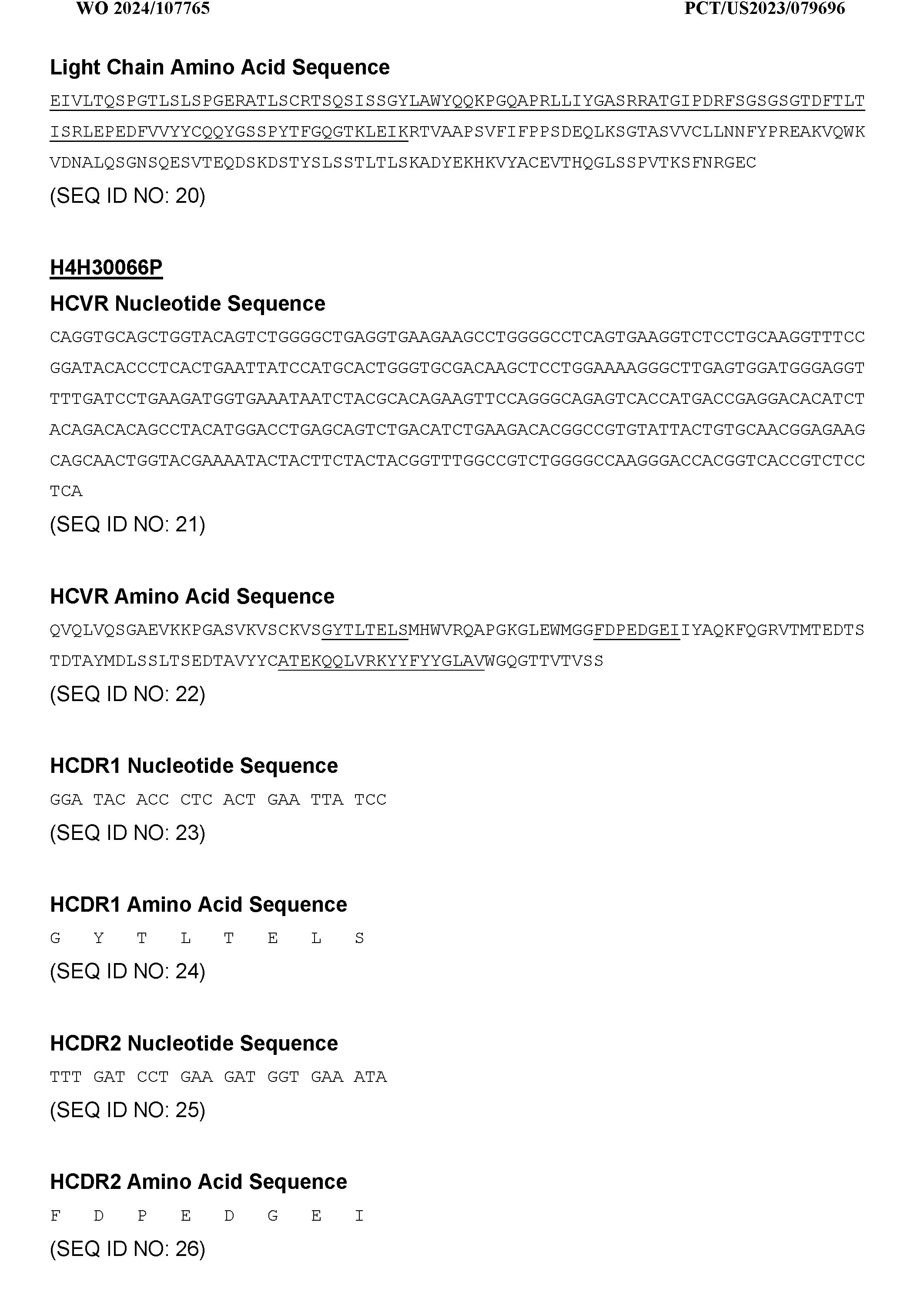


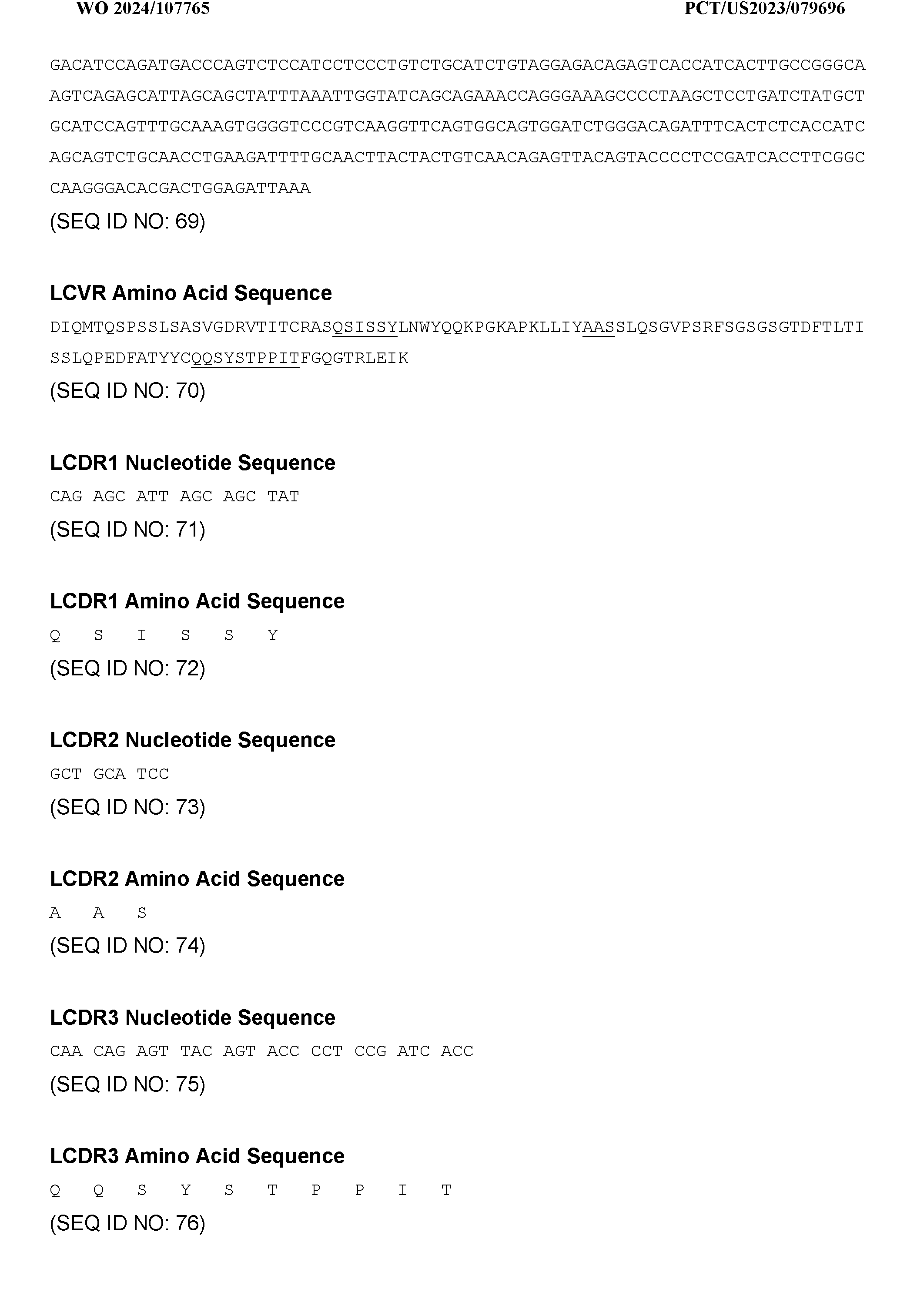
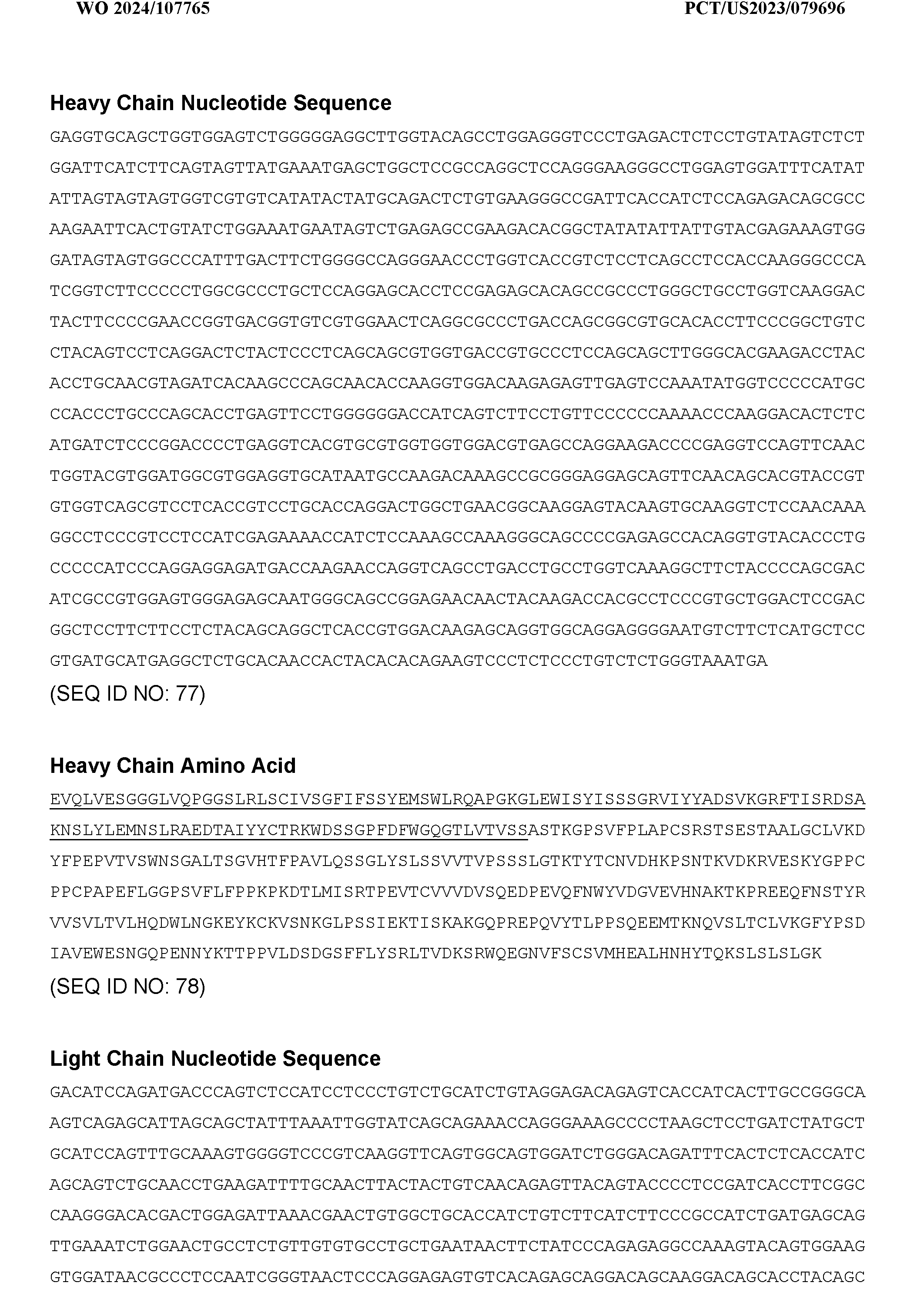


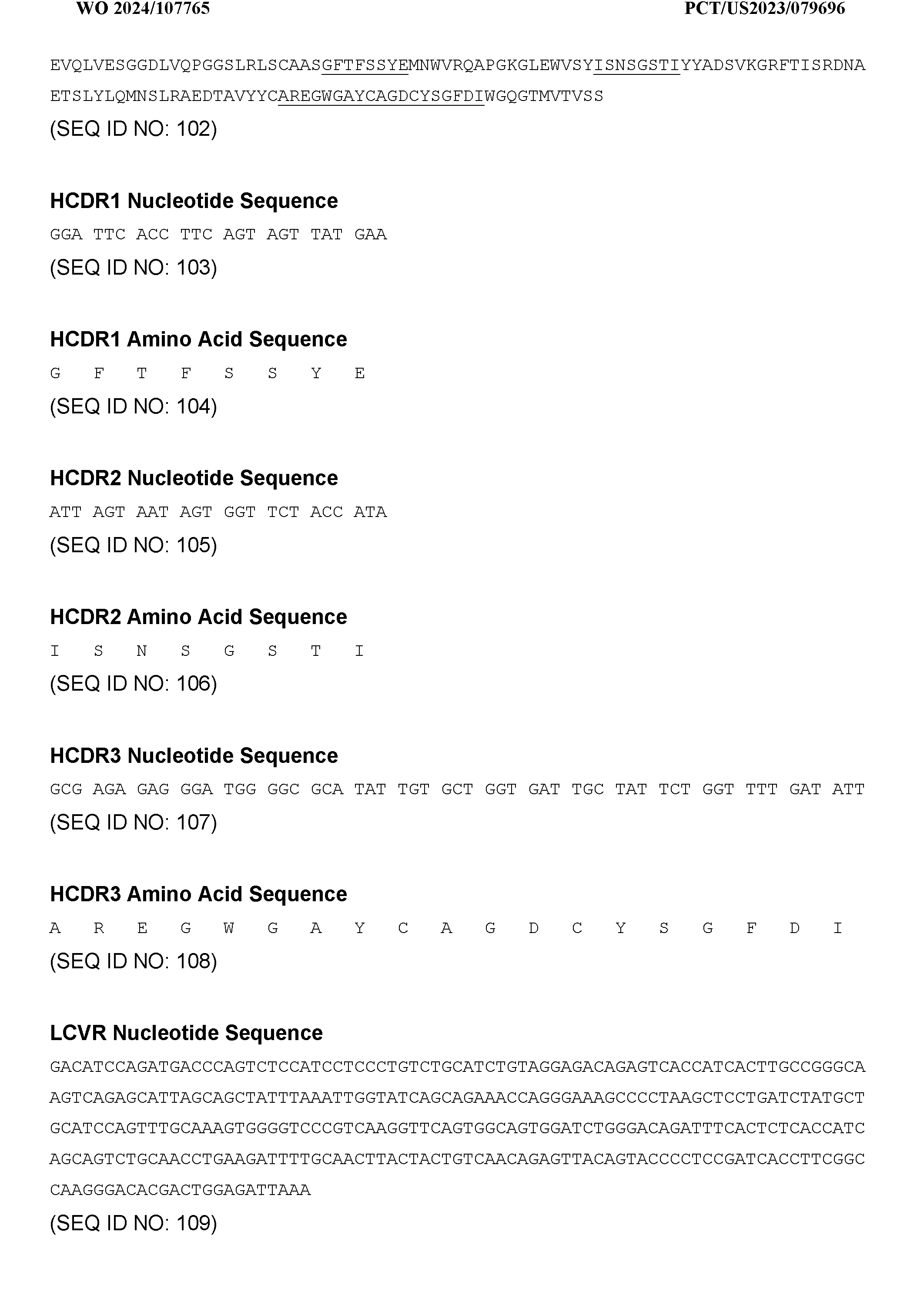


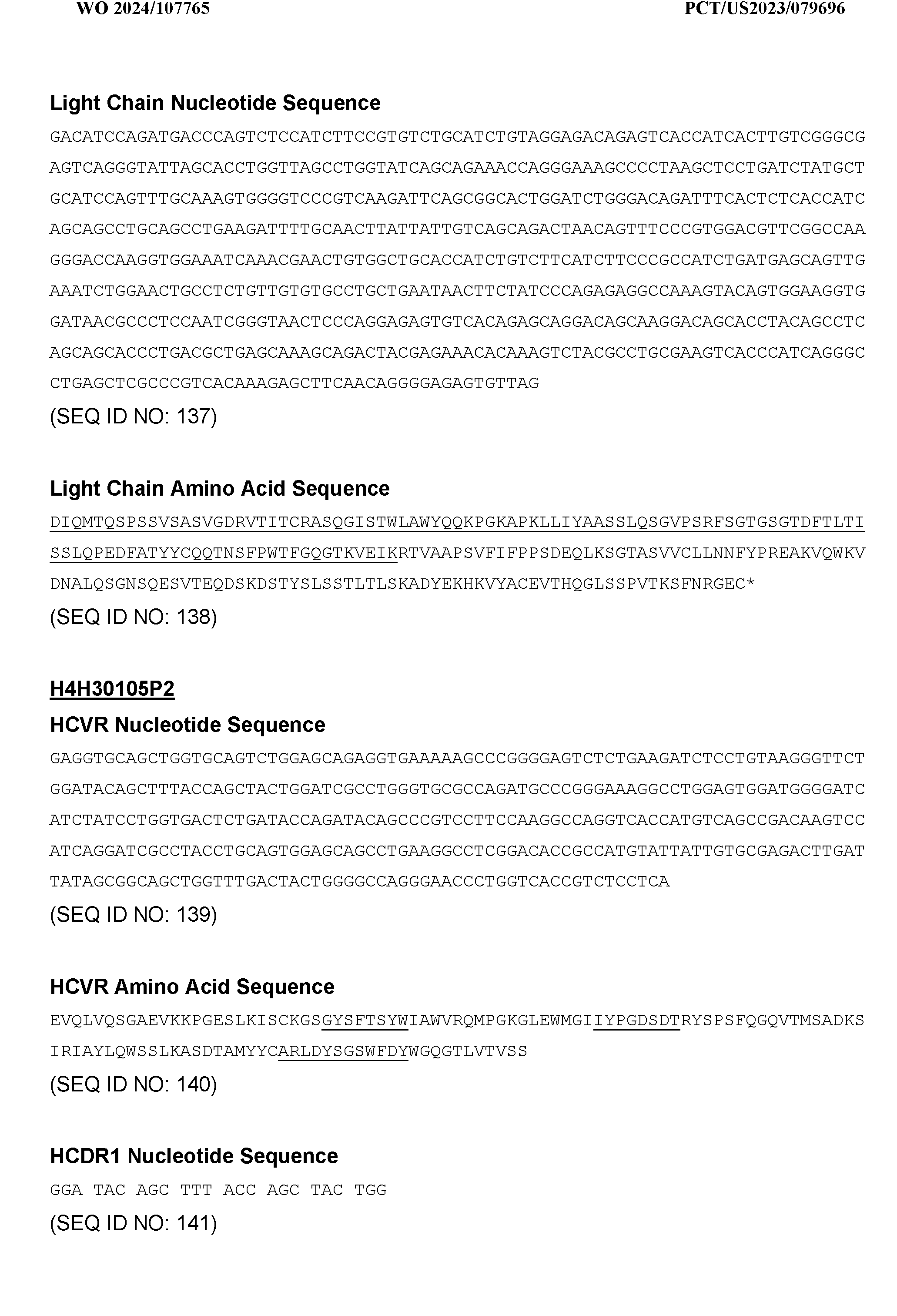
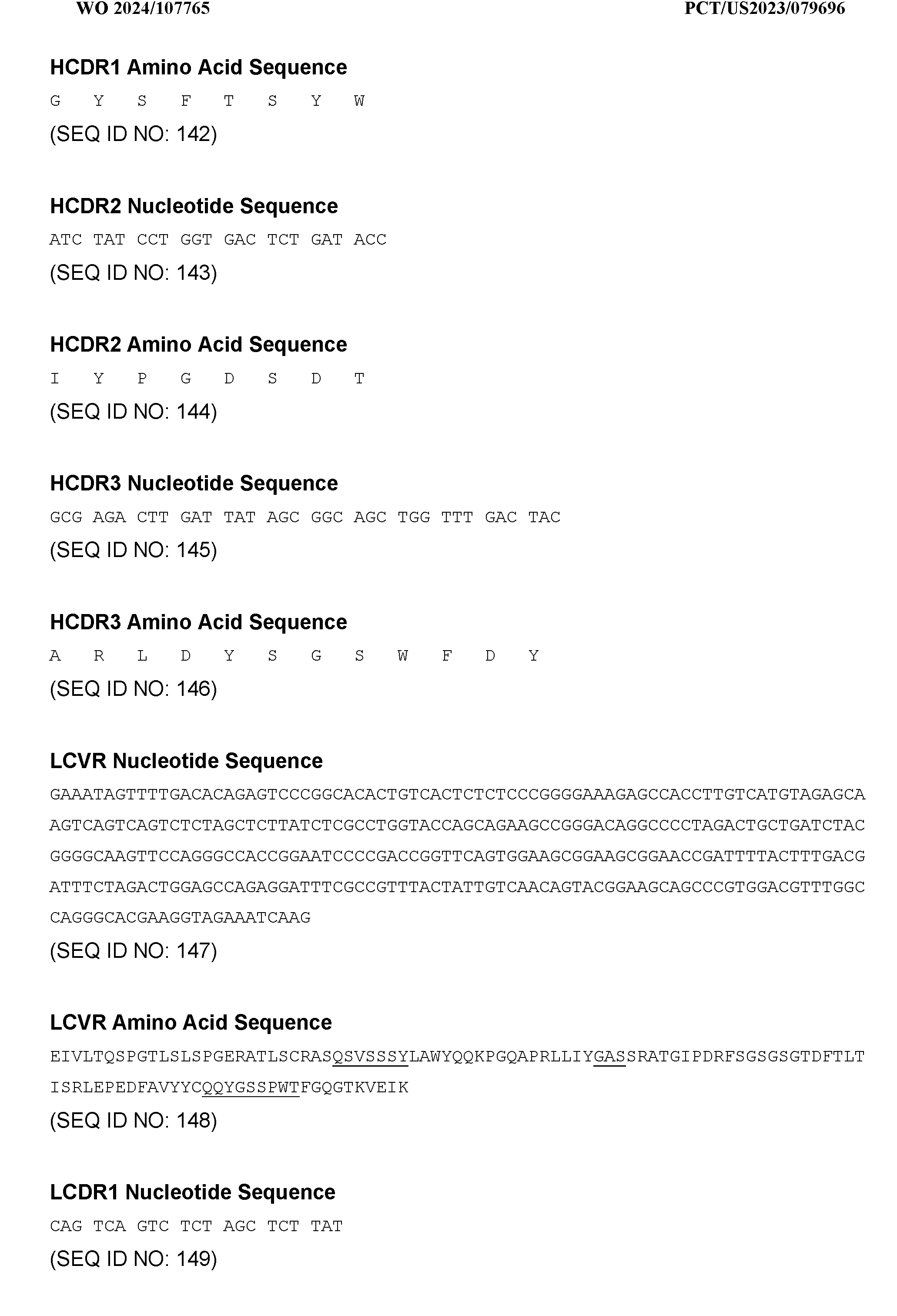


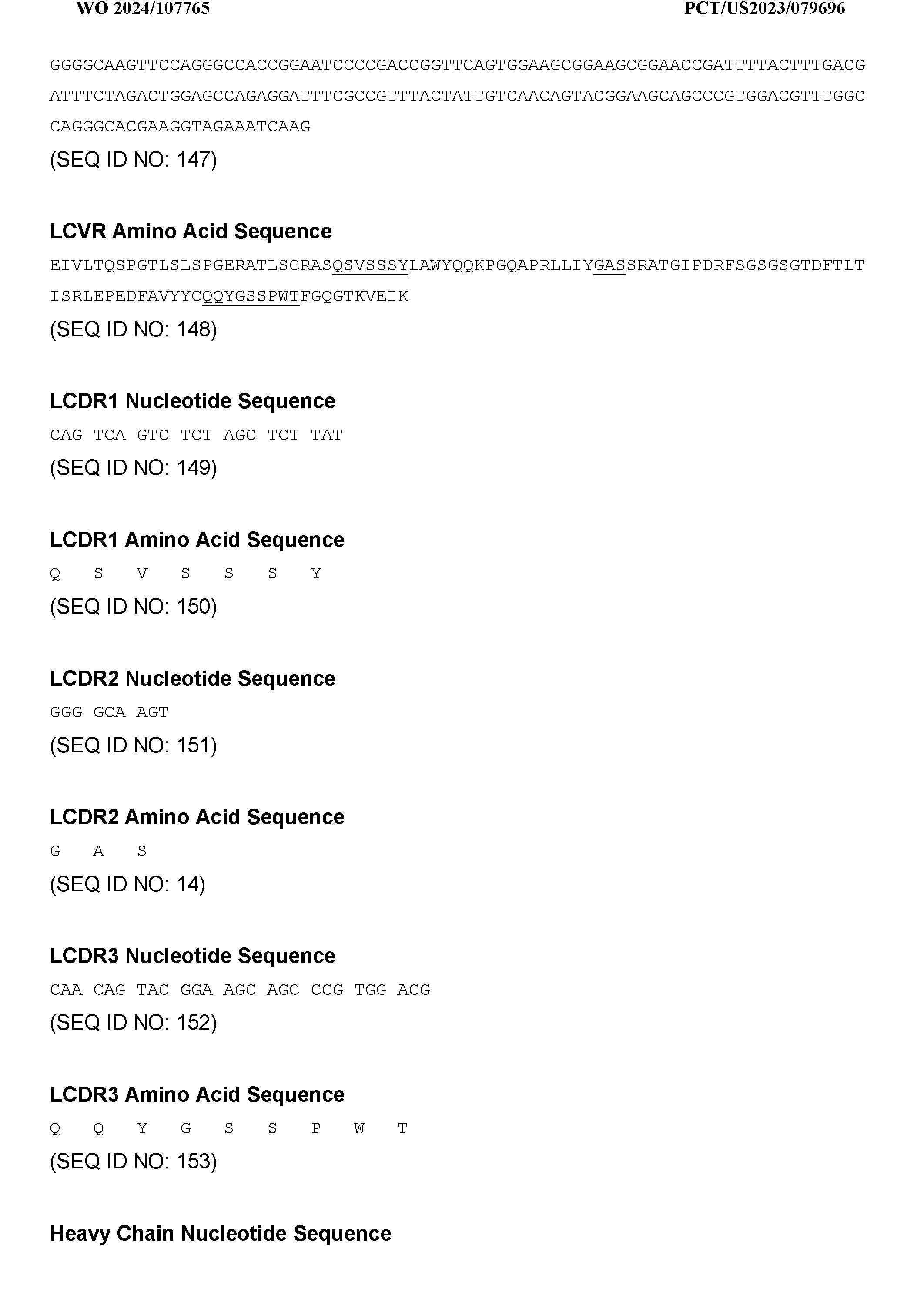


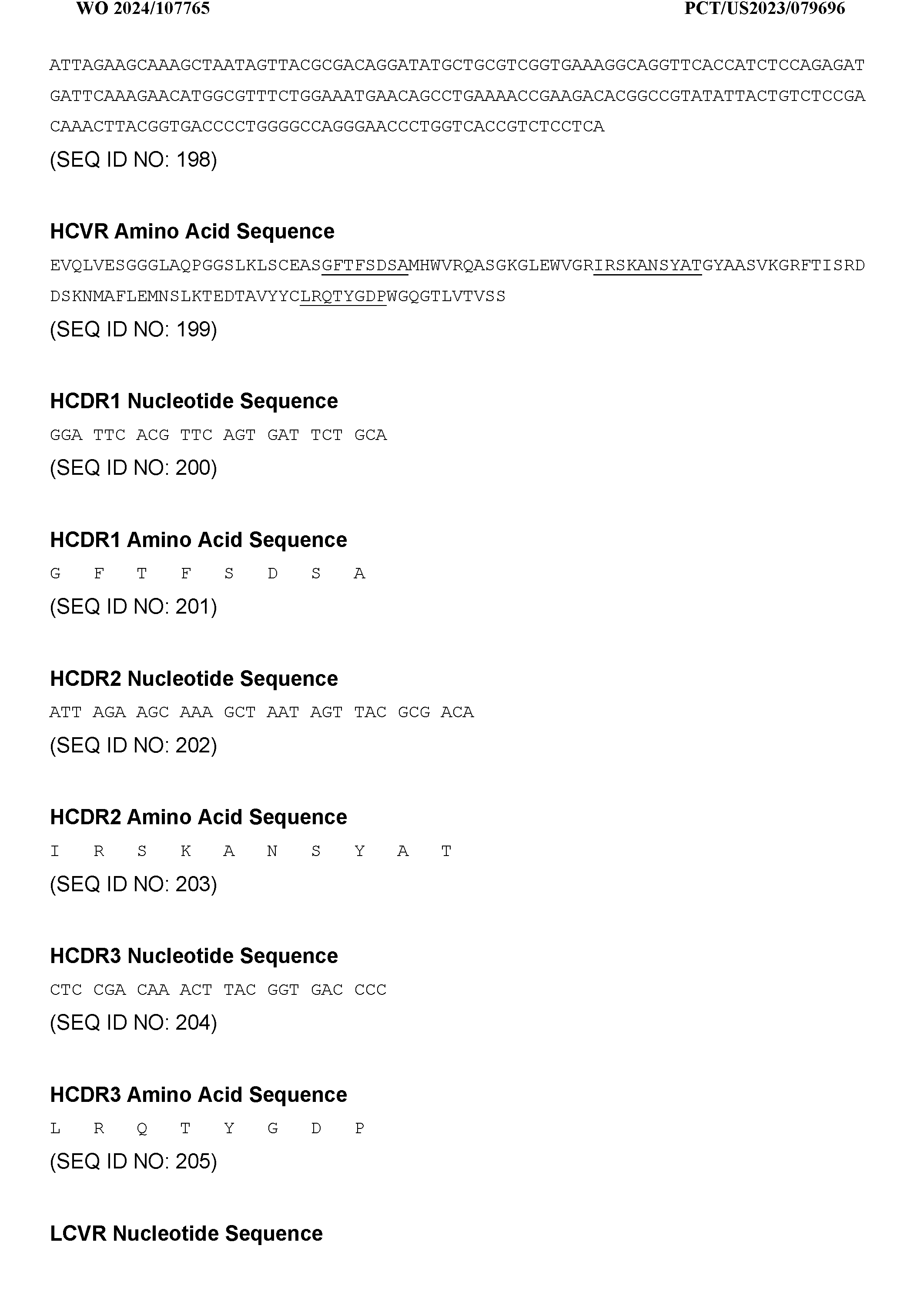
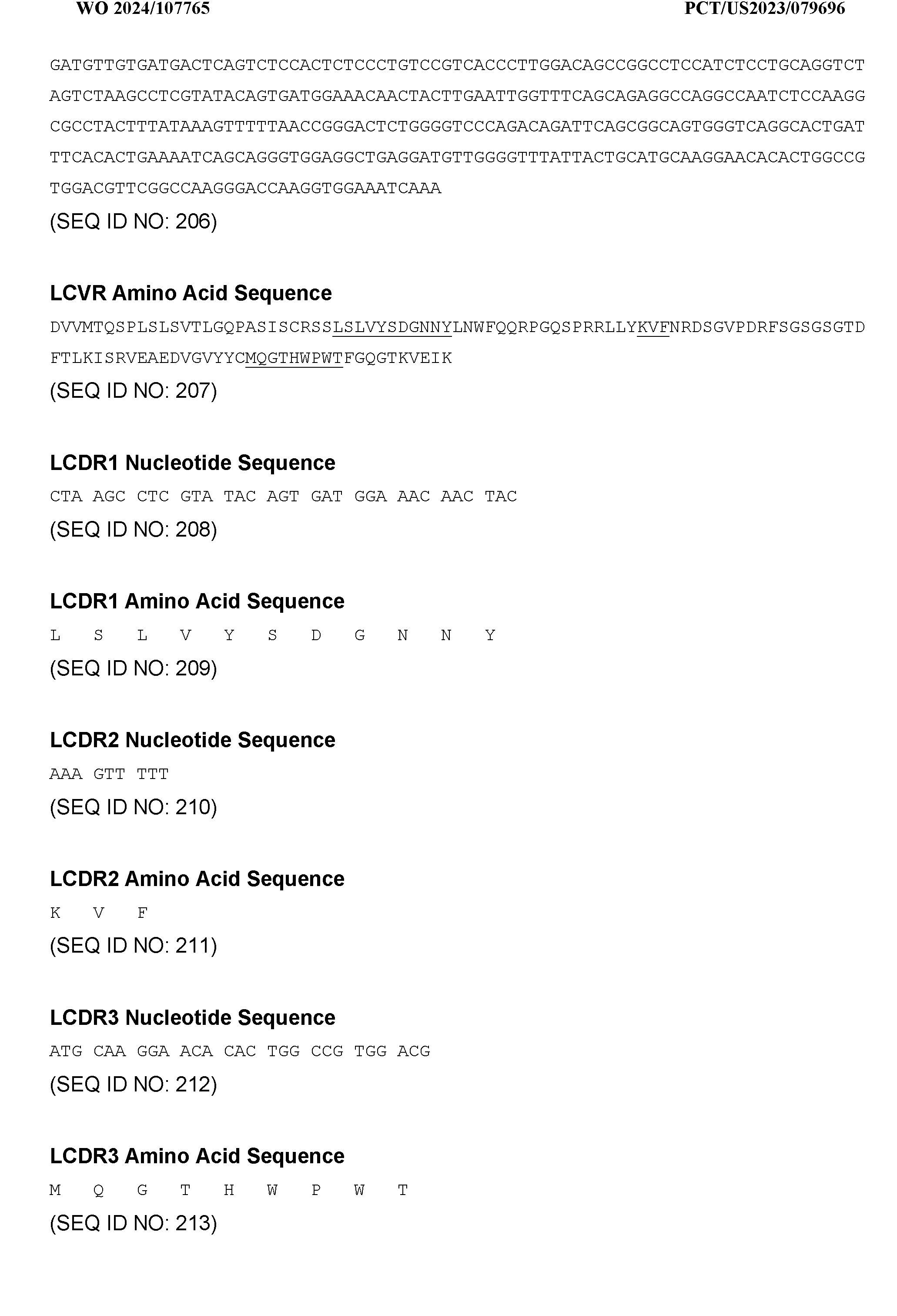


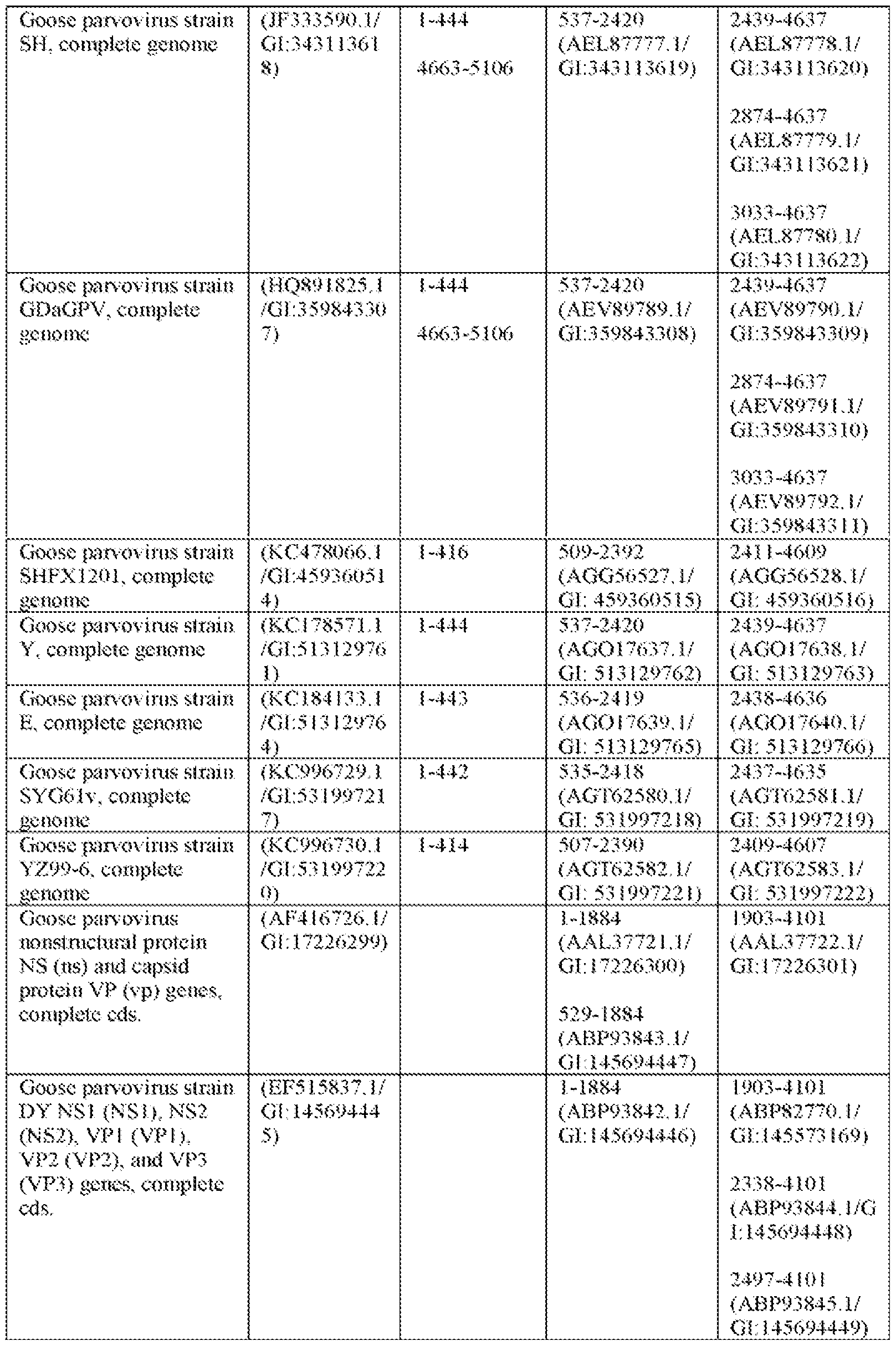


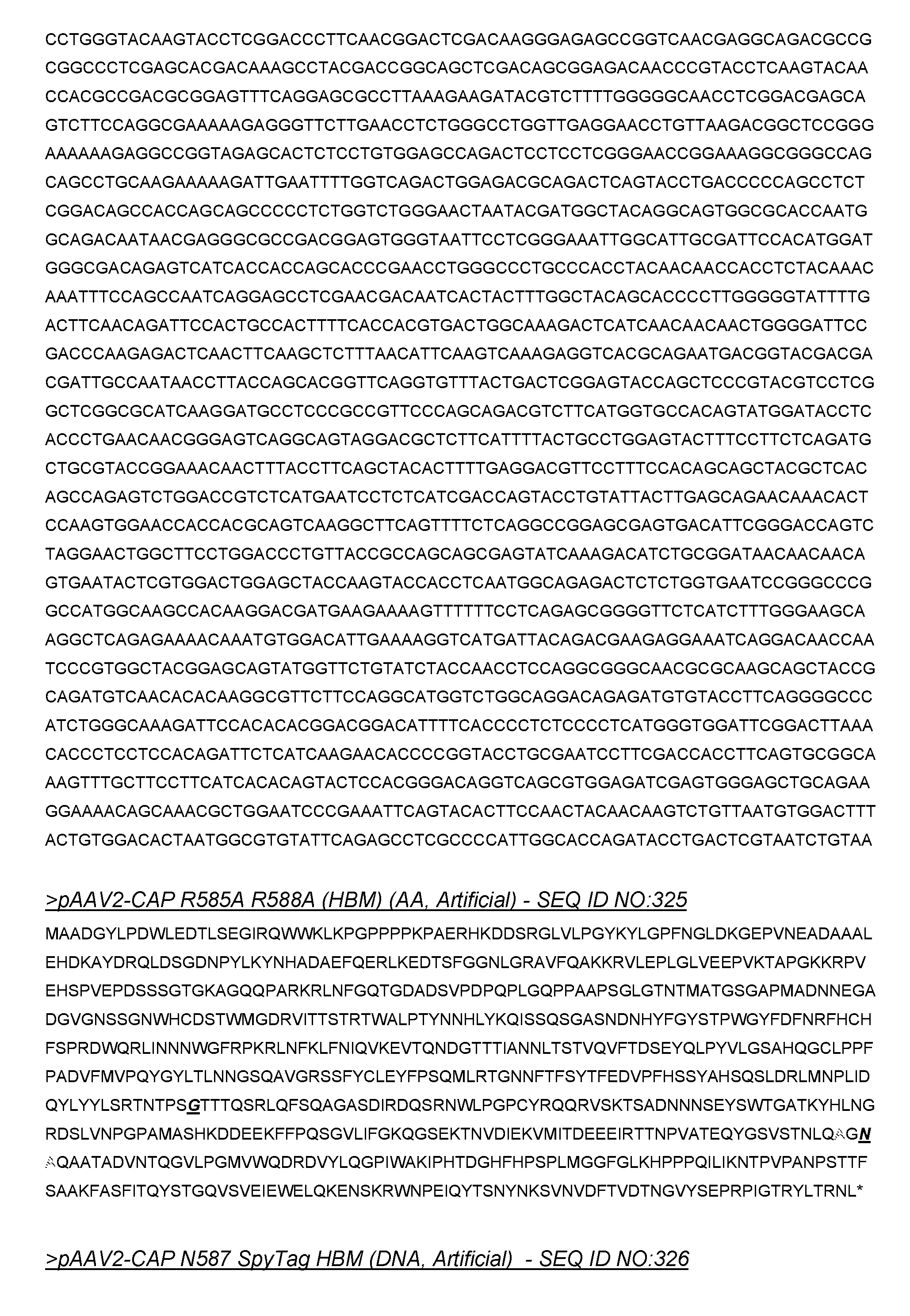


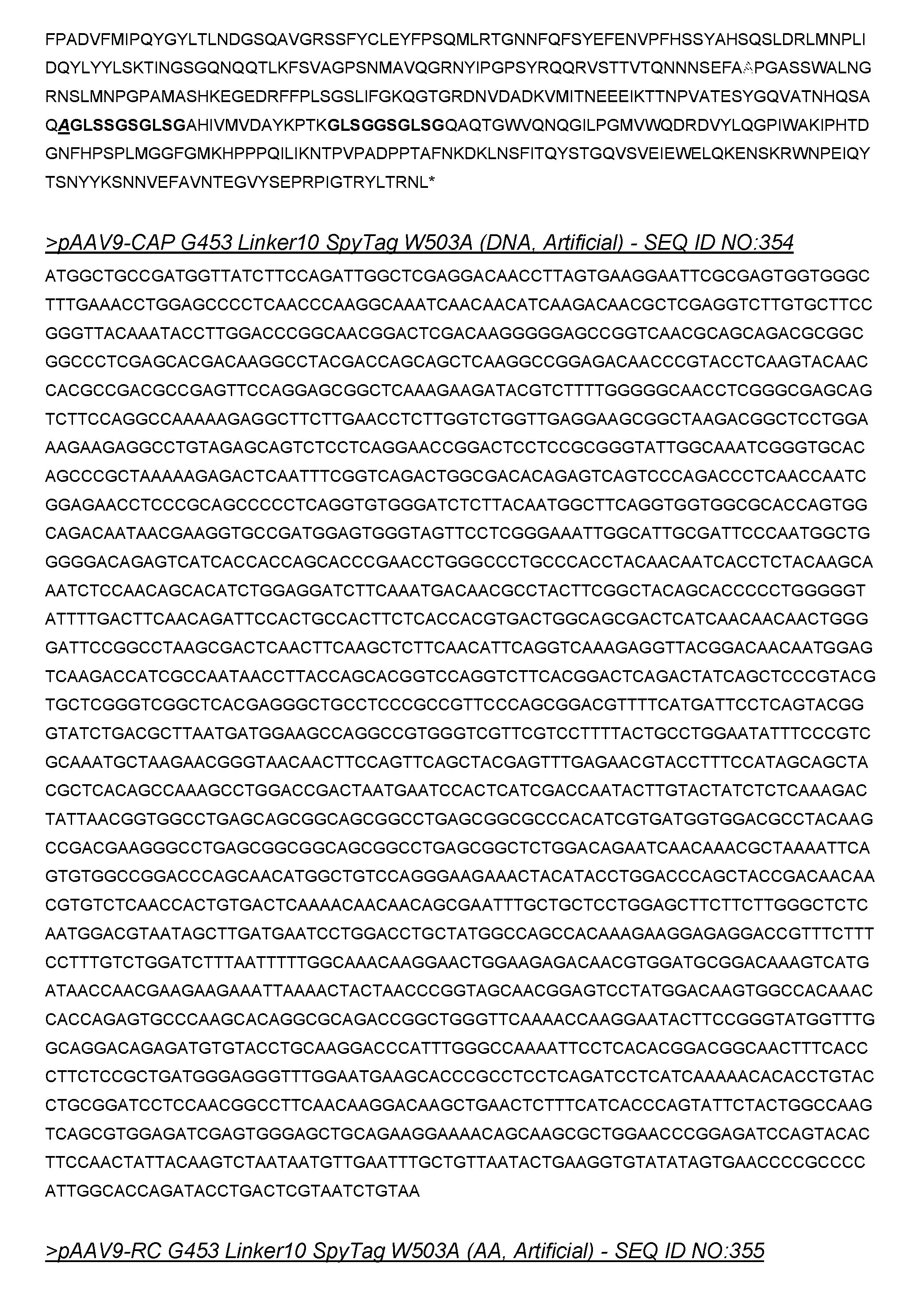




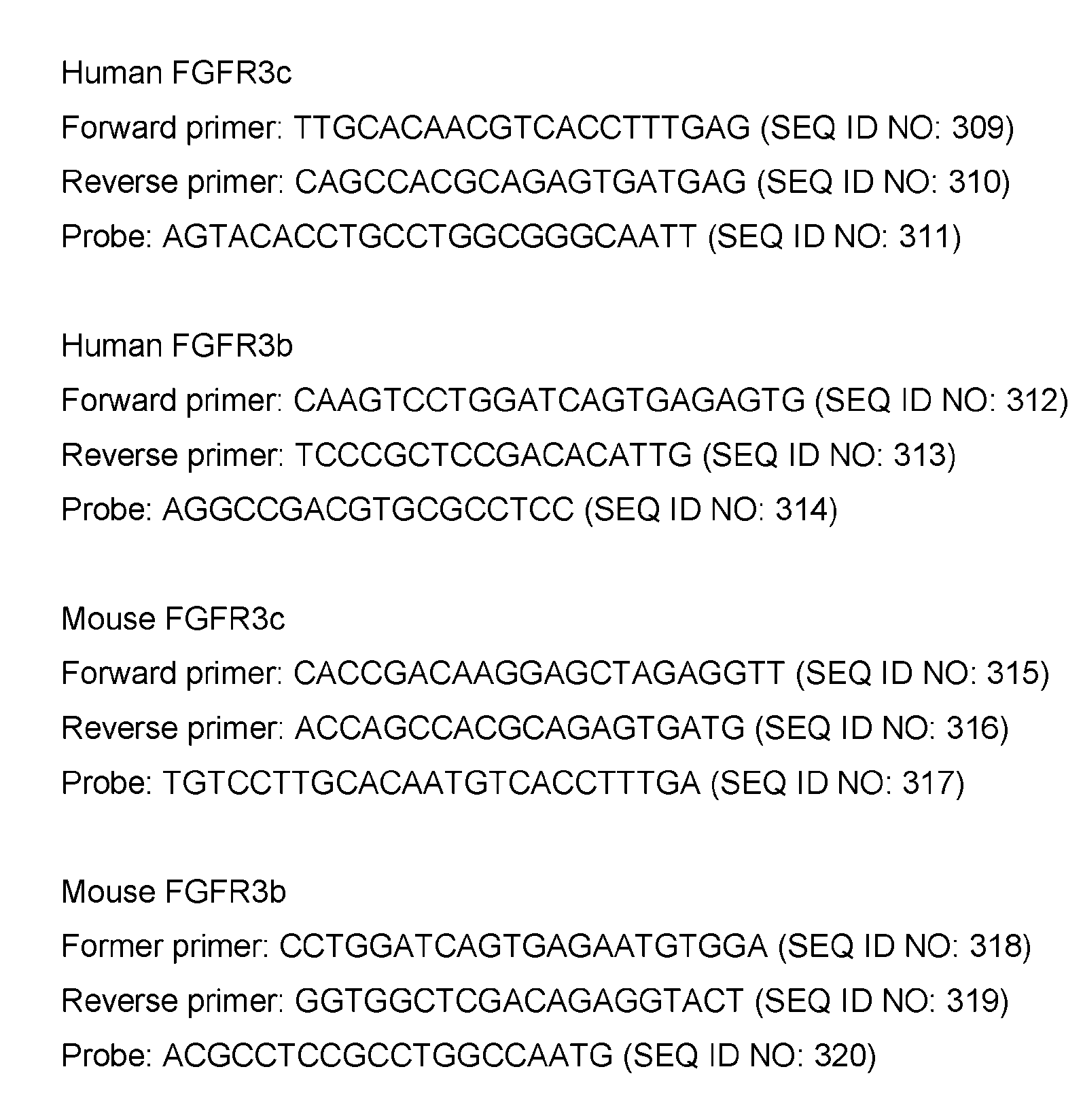



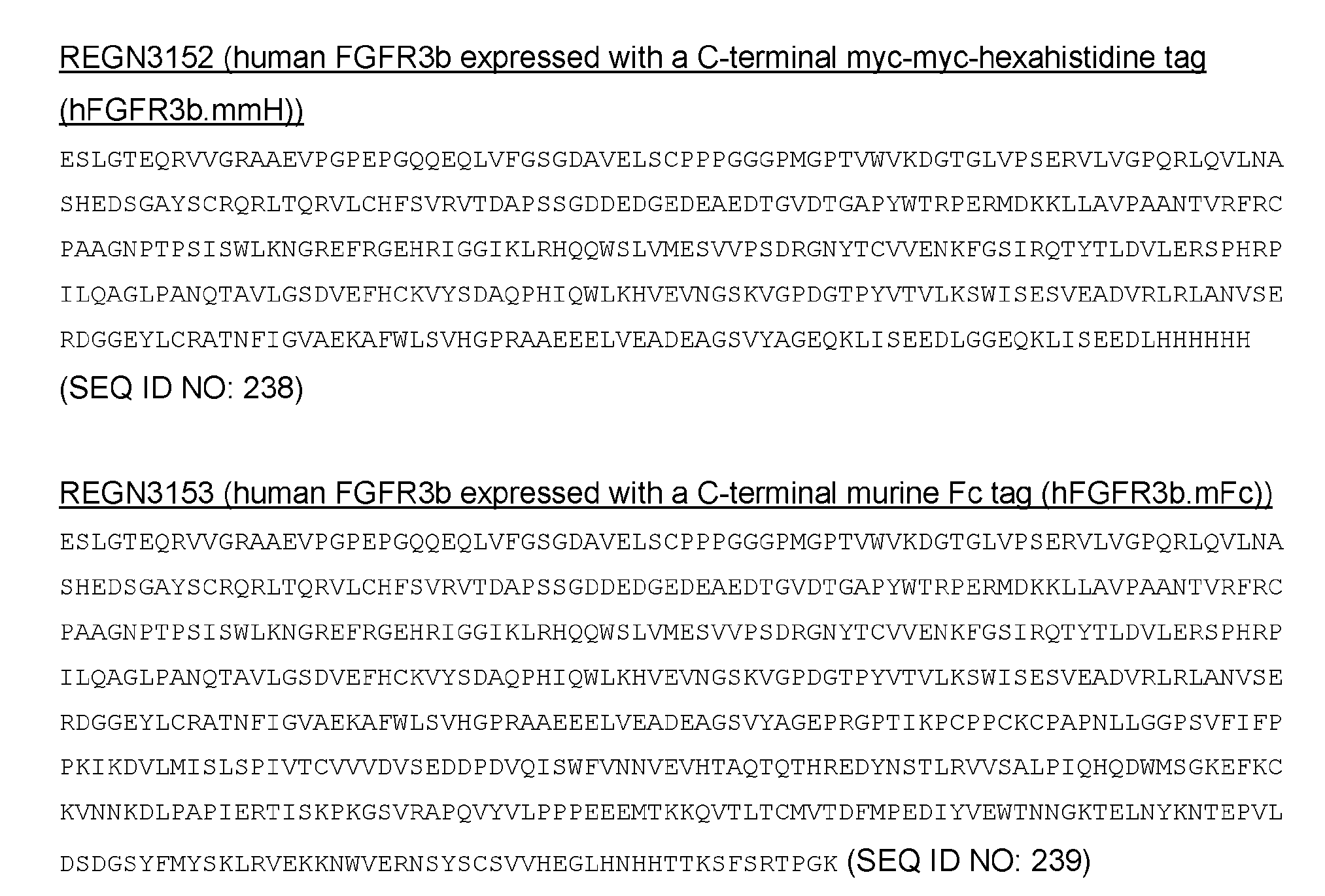

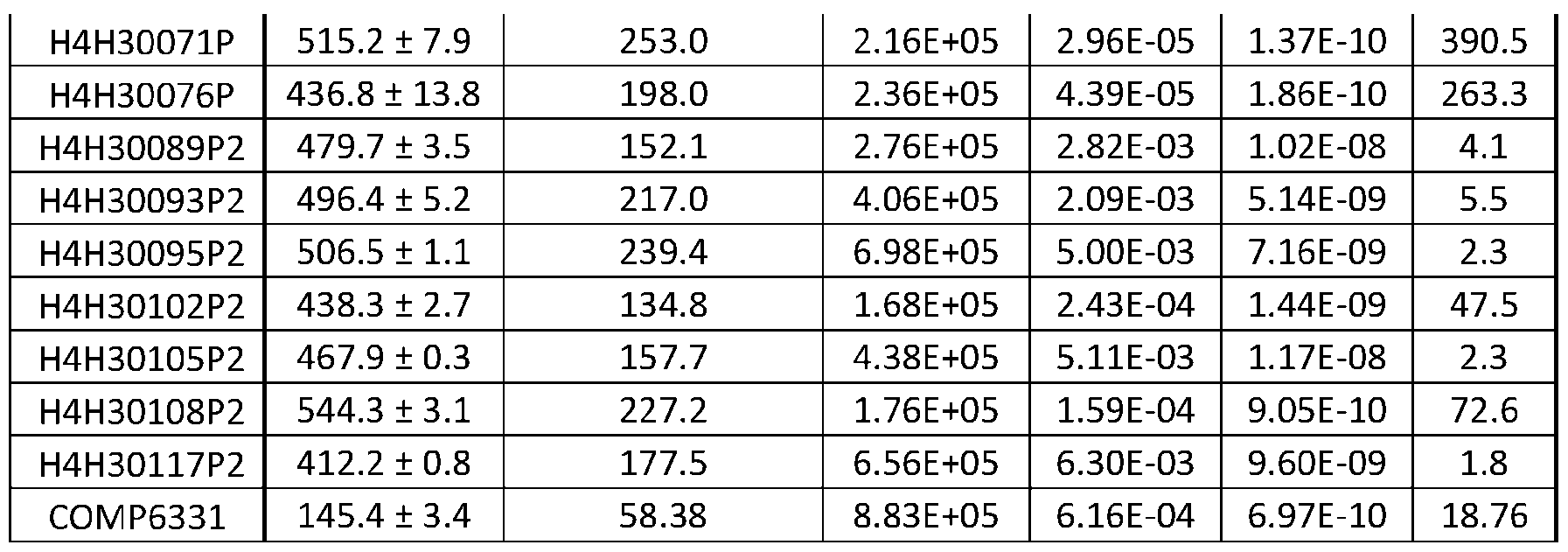



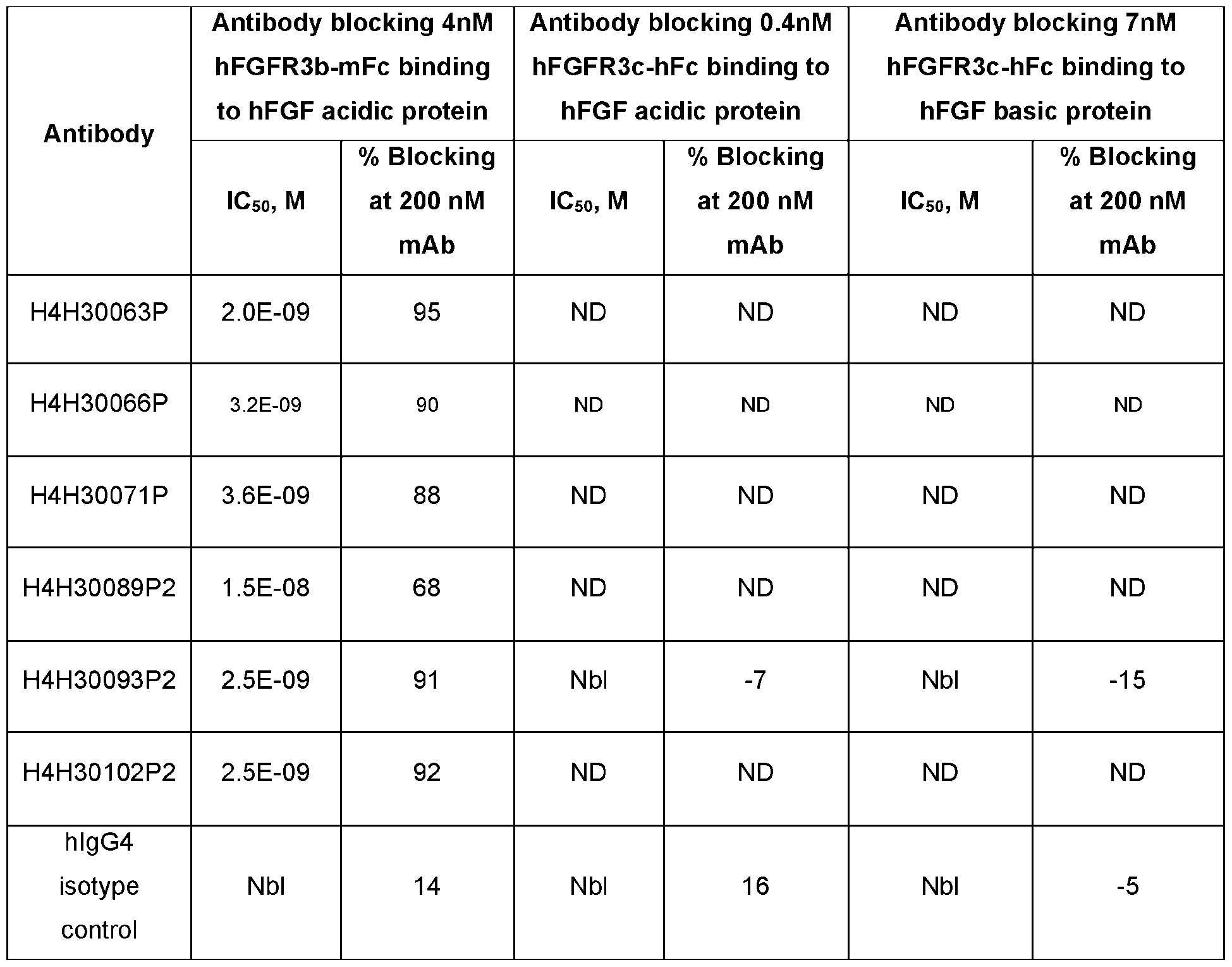


Claims
Priority Applications (6)
| Application Number | Priority Date | Filing Date | Title |
|---|---|---|---|
| CN202380090827.3A CN120500498A (en) | 2022-11-14 | 2023-11-14 | Compositions and methods for fibroblast growth factor receptor 3 mediated delivery to astrocytes |
| JP2025528221A JP2025538220A (en) | 2022-11-14 | 2023-11-14 | Compositions and methods for fibroblast growth factor receptor 3-mediated delivery to astrocytes |
| KR1020257019782A KR20250116795A (en) | 2022-11-14 | 2023-11-14 | Compositions and methods for fibroblast growth factor receptor 3-mediated delivery to astrocytes |
| EP23828552.2A EP4619438A2 (en) | 2022-11-14 | 2023-11-14 | Compositions and methods for fibroblast growth factor receptor 3-mediated delivery to astrocytes |
| AU2023379457A AU2023379457A1 (en) | 2022-11-14 | 2023-11-14 | Compositions and methods for fibroblast growth factor receptor 3-mediated delivery to astrocytes |
| IL320672A IL320672A (en) | 2022-11-14 | 2025-05-05 | Compositions and methods for fibroblast growth factor receptor 3-mediated delivery to astrocytes |
Applications Claiming Priority (4)
| Application Number | Priority Date | Filing Date | Title |
|---|---|---|---|
| US202263383673P | 2022-11-14 | 2022-11-14 | |
| US63/383,673 | 2022-11-14 | ||
| US202363587585P | 2023-10-03 | 2023-10-03 | |
| US63/587,585 | 2023-10-03 |
Publications (2)
| Publication Number | Publication Date |
|---|---|
| WO2024107765A2 true WO2024107765A2 (en) | 2024-05-23 |
| WO2024107765A3 WO2024107765A3 (en) | 2024-07-04 |
Family
ID=89321847
Family Applications (1)
| Application Number | Title | Priority Date | Filing Date |
|---|---|---|---|
| PCT/US2023/079696 Ceased WO2024107765A2 (en) | 2022-11-14 | 2023-11-14 | Compositions and methods for fibroblast growth factor receptor 3-mediated delivery to astrocytes |
Country Status (8)
| Country | Link |
|---|---|
| US (1) | US20240173426A1 (en) |
| EP (1) | EP4619438A2 (en) |
| JP (1) | JP2025538220A (en) |
| KR (1) | KR20250116795A (en) |
| CN (1) | CN120500498A (en) |
| AU (1) | AU2023379457A1 (en) |
| IL (1) | IL320672A (en) |
| WO (1) | WO2024107765A2 (en) |
Citations (244)
| Publication number | Priority date | Publication date | Assignee | Title |
|---|---|---|---|---|
| US3687808A (en) | 1969-08-14 | 1972-08-29 | Univ Leland Stanford Junior | Synthetic polynucleotides |
| US4399216A (en) | 1980-02-25 | 1983-08-16 | The Trustees Of Columbia University | Processes for inserting DNA into eucaryotic cells and for producing proteinaceous materials |
| US4469863A (en) | 1980-11-12 | 1984-09-04 | Ts O Paul O P | Nonionic nucleic acid alkyl and aryl phosphonates and processes for manufacture and use thereof |
| US4476301A (en) | 1982-04-29 | 1984-10-09 | Centre National De La Recherche Scientifique | Oligonucleotides, a process for preparing the same and their application as mediators of the action of interferon |
| US4740461A (en) | 1983-12-27 | 1988-04-26 | Genetics Institute, Inc. | Vectors and methods for transformation of eucaryotic cells |
| US4816567A (en) | 1983-04-08 | 1989-03-28 | Genentech, Inc. | Recombinant immunoglobin preparations |
| US4912040A (en) | 1986-11-14 | 1990-03-27 | Genetics Institute, Inc. | Eucaryotic expression system |
| US4952496A (en) | 1984-03-30 | 1990-08-28 | Associated Universities, Inc. | Cloning and expression of the gene for bacteriophage T7 RNA polymerase |
| US4959455A (en) | 1986-07-14 | 1990-09-25 | Genetics Institute, Inc. | Primate hematopoietic growth factors IL-3 and pharmaceutical compositions |
| US5013830A (en) | 1986-09-08 | 1991-05-07 | Ajinomoto Co., Inc. | Compounds for the cleavage at a specific position of RNA, oligomers employed for the formation of said compounds, and starting materials for the synthesis of said oligomers |
| US5023243A (en) | 1981-10-23 | 1991-06-11 | Molecular Biosystems, Inc. | Oligonucleotide therapeutic agent and method of making same |
| US5034506A (en) | 1985-03-15 | 1991-07-23 | Anti-Gene Development Group | Uncharged morpholino-based polymers having achiral intersubunit linkages |
| WO1991018624A1 (en) | 1990-06-07 | 1991-12-12 | City Of Hope | Ribozyme mediated reversal of transformation by cleavage of the hras oncogene rna |
| WO1992001806A1 (en) | 1990-07-16 | 1992-02-06 | The Public Health Research Institute Of The City Of New York, Inc. | Selection of ribozymes that efficiently cleave target rna |
| WO1992007065A1 (en) | 1990-10-12 | 1992-04-30 | MAX-PLANCK-Gesellschaft zur Förderung der Wissenschaften e.V. | Modified ribozymes |
| US5149797A (en) | 1990-02-15 | 1992-09-22 | The Worcester Foundation For Experimental Biology | Method of site-specific alteration of rna and production of encoded polypeptides |
| US5168062A (en) | 1985-01-30 | 1992-12-01 | University Of Iowa Research Foundation | Transfer vectors and microorganisms containing human cytomegalovirus immediate-early promoter-regulatory DNA sequence |
| US5177196A (en) | 1990-08-16 | 1993-01-05 | Microprobe Corporation | Oligo (α-arabinofuranosyl nucleotides) and α-arabinofuranosyl precursors thereof |
| US5188897A (en) | 1987-10-22 | 1993-02-23 | Temple University Of The Commonwealth System Of Higher Education | Encapsulated 2',5'-phosphorothioate oligoadenylates |
| US5208036A (en) | 1985-01-07 | 1993-05-04 | Syntex (U.S.A.) Inc. | N-(ω, (ω-1)-dialkyloxy)- and N-(ω, (ω-1)-dialkenyloxy)-alk-1-yl-N,N,N-tetrasubstituted ammonium lipids and uses therefor |
| US5220007A (en) | 1990-02-15 | 1993-06-15 | The Worcester Foundation For Experimental Biology | Method of site-specific alteration of RNA and production of encoded polypeptides |
| WO1993013121A1 (en) | 1991-12-24 | 1993-07-08 | Isis Pharmaceuticals, Inc. | Gapped 2' modified oligonucleotides |
| US5256775A (en) | 1989-06-05 | 1993-10-26 | Gilead Sciences, Inc. | Exonuclease-resistant oligonucleotides |
| US5264618A (en) | 1990-04-19 | 1993-11-23 | Vical, Inc. | Cationic lipids for intracellular delivery of biologically active molecules |
| US5264423A (en) | 1987-03-25 | 1993-11-23 | The United States Of America As Represented By The Department Of Health And Human Services | Inhibitors for replication of retroviruses and for the expression of oncogene products |
| US5270163A (en) | 1990-06-11 | 1993-12-14 | University Research Corporation | Methods for identifying nucleic acid ligands |
| US5276019A (en) | 1987-03-25 | 1994-01-04 | The United States Of America As Represented By The Department Of Health And Human Services | Inhibitors for replication of retroviruses and for the expression of oncogene products |
| US5278302A (en) | 1988-05-26 | 1994-01-11 | University Patents, Inc. | Polynucleotide phosphorodithioates |
| US5279833A (en) | 1990-04-04 | 1994-01-18 | Yale University | Liposomal transfection of nucleic acids into animal cells |
| US5283185A (en) | 1991-08-28 | 1994-02-01 | University Of Tennessee Research Corporation | Method for delivering nucleic acids into cells |
| US5321131A (en) | 1990-03-08 | 1994-06-14 | Hybridon, Inc. | Site-specific functionalization of oligodeoxynucleotides for non-radioactive labelling |
| WO1994013688A1 (en) | 1992-12-08 | 1994-06-23 | Gene Shears Pty. Limited | Dna-armed ribozymes and minizymes |
| US5378825A (en) | 1990-07-27 | 1995-01-03 | Isis Pharmaceuticals, Inc. | Backbone modified oligonucleotide analogs |
| US5399676A (en) | 1989-10-23 | 1995-03-21 | Gilead Sciences | Oligonucleotides with inverted polarity |
| US5403711A (en) | 1987-11-30 | 1995-04-04 | University Of Iowa Research Foundation | Nucleic acid hybridization and amplification method for detection of specific sequences in which a complementary labeled nucleic acid probe is cleaved |
| US5405939A (en) | 1987-10-22 | 1995-04-11 | Temple University Of The Commonwealth System Of Higher Education | 2',5'-phosphorothioate oligoadenylates and their covalent conjugates with polylysine |
| US5436143A (en) | 1992-12-23 | 1995-07-25 | Hyman; Edward D. | Method for enzymatic synthesis of oligonucleotides |
| US5455233A (en) | 1989-11-30 | 1995-10-03 | University Of North Carolina | Oligoribonucleoside and oligodeoxyribonucleoside boranophosphates |
| US5466677A (en) | 1993-03-06 | 1995-11-14 | Ciba-Geigy Corporation | Dinucleoside phosphinates and their pharmaceutical compositions |
| WO1995032305A1 (en) | 1994-05-19 | 1995-11-30 | Dako A/S | Pna probes for detection of neisseria gonorrhoeae and chlamydia trachomatis |
| US5476925A (en) | 1993-02-01 | 1995-12-19 | Northwestern University | Oligodeoxyribonucleotides including 3'-aminonucleoside-phosphoramidate linkages and terminal 3'-amino groups |
| US5491133A (en) | 1987-11-30 | 1996-02-13 | University Of Iowa Research Foundation | Methods for blocking the expression of specifically targeted genes |
| US5519126A (en) | 1988-03-25 | 1996-05-21 | University Of Virginia Alumni Patents Foundation | Oligonucleotide N-alkylphosphoramidates |
| US5539082A (en) | 1993-04-26 | 1996-07-23 | Nielsen; Peter E. | Peptide nucleic acids |
| US5550111A (en) | 1984-07-11 | 1996-08-27 | Temple University-Of The Commonwealth System Of Higher Education | Dual action 2',5'-oligoadenylate antiviral derivatives and uses thereof |
| US5565350A (en) | 1993-12-09 | 1996-10-15 | Thomas Jefferson University | Compounds and methods for site directed mutations in eukaryotic cells |
| US5567588A (en) | 1990-06-11 | 1996-10-22 | University Research Corporation | Systematic evolution of ligands by exponential enrichment: Solution SELEX |
| US5571799A (en) | 1991-08-12 | 1996-11-05 | Basco, Ltd. | (2'-5') oligoadenylate analogues useful as inhibitors of host-v5.-graft response |
| US5585108A (en) | 1994-12-30 | 1996-12-17 | Nanosystems L.L.C. | Formulations of oral gastrointestinal therapeutic agents in combination with pharmaceutically acceptable clays |
| US5585481A (en) | 1987-09-21 | 1996-12-17 | Gen-Probe Incorporated | Linking reagents for nucleotide probes |
| US5587261A (en) | 1990-12-20 | 1996-12-24 | Exxon Chemical Patents Inc. | UV/EB curable butyl copolymers for lithographic and corrosion-resistant coating |
| US5587361A (en) | 1991-10-15 | 1996-12-24 | Isis Pharmaceuticals, Inc. | Oligonucleotides having phosphorothioate linkages of high chiral purity |
| US5623065A (en) | 1990-08-13 | 1997-04-22 | Isis Pharmaceuticals, Inc. | Gapped 2' modified oligonucleotides |
| US5625050A (en) | 1994-03-31 | 1997-04-29 | Amgen Inc. | Modified oligonucleotides and intermediates useful in nucleic acid therapeutics |
| US5650275A (en) | 1990-06-11 | 1997-07-22 | Nexstar Pharmacueticals Inc | Target detection method using spectroscopically detectable nucleic acid ligands |
| US5650502A (en) | 1994-11-09 | 1997-07-22 | Hybridon, Inc. | Ribozyme analogs having rigid non-nucleotidic linkers |
| US5652355A (en) | 1992-07-23 | 1997-07-29 | Worcester Foundation For Experimental Biology | Hybrid oligonucleotide phosphorothioates |
| US5652356A (en) | 1995-08-17 | 1997-07-29 | Hybridon, Inc. | Inverted chimeric and hybrid oligonucleotides |
| US5670637A (en) | 1990-06-11 | 1997-09-23 | Nexstar Pharmaceuticals, Inc. | Nucleic acid ligands |
| WO1997034631A1 (en) | 1996-03-18 | 1997-09-25 | Board Of Regents, The University Of Texas System | Immunoglobin-like domains with increased half lives |
| US5677425A (en) | 1987-09-04 | 1997-10-14 | Celltech Therapeutics Limited | Recombinant antibody |
| US5683867A (en) | 1990-06-11 | 1997-11-04 | Nexstar Pharmaceuticals, Inc. | Systematic evolution of ligands by exponential enrichment: blended SELEX |
| US5693489A (en) | 1984-03-30 | 1997-12-02 | Associated Universities, Inc. | Cloning and expression of the gene for bacteriophage T7 RNA polymerase |
| US5693773A (en) | 1995-06-07 | 1997-12-02 | Hybridon Incorporated | Triplex-forming antisense oligonucleotides having abasic linkers targeting nucleic acids comprising mixed sequences of purines and pyrimidines |
| US5700922A (en) | 1991-12-24 | 1997-12-23 | Isis Pharmaceuticals, Inc. | PNA-DNA-PNA chimeric macromolecules |
| US5714331A (en) | 1991-05-24 | 1998-02-03 | Buchardt, Deceased; Ole | Peptide nucleic acids having enhanced binding affinity, sequence specificity and solubility |
| US5719262A (en) | 1993-11-22 | 1998-02-17 | Buchardt, Deceased; Ole | Peptide nucleic acids having amino acid side chains |
| WO1998011244A2 (en) | 1996-09-11 | 1998-03-19 | The Government Of The United States Of America, Represented By The Secretary, Department Of Health And Human Services | Aav4 vector and uses thereof |
| US5753613A (en) | 1994-09-30 | 1998-05-19 | Inex Pharmaceuticals Corporation | Compositions for the introduction of polyanionic materials into cells |
| WO1998023289A1 (en) | 1996-11-27 | 1998-06-04 | The General Hospital Corporation | MODULATION OF IgG BINDING TO FcRn |
| US5785992A (en) | 1994-09-30 | 1998-07-28 | Inex Pharmaceuticals Corp. | Compositions for the introduction of polyanionic materials into cells |
| US5789157A (en) | 1990-06-11 | 1998-08-04 | Nexstar Pharmaceuticals, Inc. | Systematic evolution of ligands by exponential enrichment: tissue selex |
| US5789215A (en) | 1991-08-20 | 1998-08-04 | Genpharm International | Gene targeting in animal cells using isogenic DNA constructs |
| US5864026A (en) | 1990-06-11 | 1999-01-26 | Nexstar Pharmaceuticals, Inc. | Systematic evolution of ligands by exponential enrichment: tissue selex |
| US5869046A (en) | 1995-04-14 | 1999-02-09 | Genentech, Inc. | Altered polypeptides with increased half-life |
| US5885613A (en) | 1994-09-30 | 1999-03-23 | The University Of British Columbia | Bilayer stabilizing components and their use in forming programmable fusogenic liposomes |
| US5898031A (en) | 1996-06-06 | 1999-04-27 | Isis Pharmaceuticals, Inc. | Oligoribonucleotides for cleaving RNA |
| WO1999031275A1 (en) | 1997-12-15 | 1999-06-24 | Nexstar Pharmaceuticals, Inc. | Nucleic acid ligand diagnostic biochip |
| US5989823A (en) | 1998-09-18 | 1999-11-23 | Nexstar Pharmaceuticals, Inc. | Homogeneous detection of a target through nucleic acid ligand-ligand beacon interaction |
| WO1999061601A2 (en) | 1998-05-28 | 1999-12-02 | The Government Of The United States Of America, As Represented By The Secretary, Department Of Health And Human Services | Aav5 vector and uses thereof |
| WO2000028061A2 (en) | 1998-11-05 | 2000-05-18 | The Trustees Of The University Of Pennsylvania | Adeno-associated virus serotype 1 nucleic acid sequences, vectors and host cells containing same |
| US6121022A (en) | 1995-04-14 | 2000-09-19 | Genentech, Inc. | Altered polypeptides with increased half-life |
| US6156303A (en) | 1997-06-11 | 2000-12-05 | University Of Washington | Adeno-associated virus (AAV) isolates and AAV vectors derived therefrom |
| US6165745A (en) | 1992-04-24 | 2000-12-26 | Board Of Regents, The University Of Texas System | Recombinant production of immunoglobulin-like domains in prokaryotic cells |
| US6265389B1 (en) | 1995-08-31 | 2001-07-24 | Alkermes Controlled Therapeutics, Inc. | Microencapsulation and sustained release of oligonucleotides |
| US6277375B1 (en) | 1997-03-03 | 2001-08-21 | Board Of Regents, The University Of Texas System | Immunoglobulin-like domains with increased half-lives |
| US20020081614A1 (en) | 1999-09-14 | 2002-06-27 | Sangamo Biosciences, Inc. | Functional genomics using zinc finger proteins |
| WO2002057308A2 (en) | 2001-01-22 | 2002-07-25 | Sangamo Biosciences, Inc. | Zinc finger polypeptides and their use |
| WO2002060919A2 (en) | 2000-12-12 | 2002-08-08 | Medimmune, Inc. | Molecules with extended half-lives, compositions and uses thereof |
| US20020132990A1 (en) | 2000-06-23 | 2002-09-19 | Huston James S. | Bioengineered vehicles for targeted nucleic acid delivery |
| US20030021776A1 (en) | 2000-12-07 | 2003-01-30 | Sangamo Biosciences, Inc. | Regulation of angiogenesis with zinc finger proteins |
| US6569630B1 (en) | 1999-07-02 | 2003-05-27 | Conceptual Mindworks, Inc. | Methods and compositions for aptamers against anthrax |
| US6596541B2 (en) | 2000-10-31 | 2003-07-22 | Regeneron Pharmaceuticals, Inc. | Methods of modifying eukaryotic cells |
| US20030232410A1 (en) | 2002-03-21 | 2003-12-18 | Monika Liljedahl | Methods and compositions for using zinc finger endonucleases to enhance homologous recombination |
| US6670461B1 (en) | 1997-09-12 | 2003-12-30 | Exiqon A/S | Oligonucleotide analogues |
| US20040023902A1 (en) | 1994-02-22 | 2004-02-05 | Wayne A. Marasco | Nucleic acid delivery system, methods of synthesis and use thereof |
| WO2004016735A2 (en) | 2002-05-23 | 2004-02-26 | Ceptyr, Inc. | Modulation of biological signal transduction by rna interference |
| WO2004069991A2 (en) | 2003-02-10 | 2004-08-19 | Santaris Pharma A/S | Oligomeric compounds for the modulation of survivin expression |
| US6821783B1 (en) | 1998-07-31 | 2004-11-23 | Astrazeneca Ab | Transition metal complexes as linkers |
| US20050026157A1 (en) | 2002-09-05 | 2005-02-03 | David Baltimore | Use of chimeric nucleases to stimulate gene targeting |
| WO2005023825A2 (en) | 2003-09-09 | 2005-03-17 | Isis Pharmaceuticals, Inc. | Gapped oligomeric compounds having linked bicyclic sugar moieties at the termini |
| US20050064474A1 (en) | 2003-08-08 | 2005-03-24 | Sangamo Biosciences, Inc. | Methods and compositions for targeted cleavage and recombination |
| US20050074801A1 (en) | 2003-09-09 | 2005-04-07 | Monia Brett P. | Chimeric oligomeric compounds comprising alternating regions of northern and southern conformational geometry |
| US6884869B2 (en) | 2001-04-30 | 2005-04-26 | Seattle Genetics, Inc. | Pentapeptide compounds and uses related thereto |
| WO2005042777A2 (en) | 2003-10-24 | 2005-05-12 | Expresson Biosystems Limited | App/ena antisense |
| US20050208489A1 (en) | 2002-01-23 | 2005-09-22 | Dana Carroll | Targeted chromosomal mutagenasis using zinc finger nucleases |
| US6969766B2 (en) | 2002-04-26 | 2005-11-29 | Panagene, Inc. | PNA monomer and precursor |
| US7015315B1 (en) | 1991-12-24 | 2006-03-21 | Isis Pharmaceuticals, Inc. | Gapped oligonucleotides |
| US20060063231A1 (en) | 2004-09-16 | 2006-03-23 | Sangamo Biosciences, Inc. | Compositions and methods for protein production |
| US7022851B2 (en) | 2002-01-24 | 2006-04-04 | Panagene, Inc. | PNA monomer and precursor |
| US7053207B2 (en) | 1999-05-04 | 2006-05-30 | Exiqon A/S | L-ribo-LNA analogues |
| US7060809B2 (en) | 2001-09-04 | 2006-06-13 | Exiqon A/S | LNA compositions and uses thereof |
| US20060128646A1 (en) | 2002-11-18 | 2006-06-15 | Santaris Pharma A/S | Antisense design |
| US7084125B2 (en) | 1999-03-18 | 2006-08-01 | Exiqon A/S | Xylo-LNA analogues |
| US20060188987A1 (en) | 2003-08-08 | 2006-08-24 | Dmitry Guschin | Targeted deletion of cellular DNA sequences |
| US7101993B1 (en) | 1990-01-11 | 2006-09-05 | Isis Pharmaceuticals, Inc. | Oligonucleotides containing 2′-O-modified purines |
| US20060246567A1 (en) | 2001-01-22 | 2006-11-02 | Sangamo Biosciences, Inc. | Modified zinc finger binding proteins |
| US20070012152A1 (en) | 2005-07-14 | 2007-01-18 | Robert Workman | Blade housing for electronic cutting apparatus |
| WO2007024323A2 (en) | 2005-06-17 | 2007-03-01 | The University Of North Carolina At Chapel Hill | Nanoparticle fabrication methods, systems, and materials |
| US7211668B2 (en) | 2003-07-28 | 2007-05-01 | Panagene, Inc. | PNA monomer and precursor |
| WO2007112754A2 (en) | 2006-04-03 | 2007-10-11 | Santaris Pharma A/S | Pharmaceutical compositions comprising anti-mirna antisense oligonucleotides |
| US7314923B2 (en) | 1999-02-12 | 2008-01-01 | Daiichi Sankyo Company, Limited | Nucleoside and oligonucleotide analogues |
| US20080081791A1 (en) | 2006-07-06 | 2008-04-03 | Weida Huang | Methods of using combinations of siRNAs for treating a disease or a disorder, and for enhancing siRNA efficacy in RNAi |
| WO2008043753A2 (en) | 2006-10-09 | 2008-04-17 | Santaris Pharma A/S | Rna antagonist compounds for the modulation of pcsk9 |
| WO2008049085A1 (en) | 2006-10-18 | 2008-04-24 | Isis Pharmaceuticals, Inc. | Antisense compounds |
| US20080159996A1 (en) | 2006-05-25 | 2008-07-03 | Dale Ando | Methods and compositions for gene inactivation |
| US7399845B2 (en) | 2006-01-27 | 2008-07-15 | Isis Pharmaceuticals, Inc. | 6-modified bicyclic nucleic acid analogs |
| US20080182332A1 (en) | 2006-12-14 | 2008-07-31 | Cai Qihua C | Optimized non-canonical zinc finger proteins |
| WO2009008725A2 (en) | 2007-07-12 | 2009-01-15 | Prosensa Technologies B.V. | Molecules for targeting compounds to various selected organs, tissues or tumor cells |
| US7498298B2 (en) | 2003-11-06 | 2009-03-03 | Seattle Genetics, Inc. | Monomethylvaline compounds capable of conjugation to ligands |
| WO2009067663A1 (en) | 2007-11-21 | 2009-05-28 | University Of Georgia Research Foundation, Inc. | Alkynes and methods of reacting alkynes with 1,3-dipole-functional compounds |
| WO2009090182A1 (en) | 2008-01-14 | 2009-07-23 | Santaris Pharma A/S | C4'-substituted - dna nucleotide gapmer oligonucleotides |
| US7569575B2 (en) | 2002-05-08 | 2009-08-04 | Santaris Pharma A/S | Synthesis of locked nucleic acid derivatives |
| US7569686B1 (en) | 2006-01-27 | 2009-08-04 | Isis Pharmaceuticals, Inc. | Compounds and methods for synthesis of bicyclic nucleic acid analogs |
| US7572582B2 (en) | 1997-09-12 | 2009-08-11 | Exiqon A/S | Oligonucleotide analogues |
| US20090221685A1 (en) | 2006-01-27 | 2009-09-03 | Isis Pharmaceuticals, Inc | Oligomeric compounds and compositions for the use in modulation of micrornas |
| US20090286969A1 (en) | 2003-07-31 | 2009-11-19 | Regulus Therapeutics, Llc. | Oligomeric Compounds And Compositions For Use In Modulation Of Small Non-Coding RNAs |
| US20090298916A1 (en) | 2008-03-07 | 2009-12-03 | Santaris Pharma A/S | Pharmaceutical compositions for treatment of microRNA related diseases |
| WO2010006282A2 (en) | 2008-07-10 | 2010-01-14 | Serina Therapeutics, Inc. | Polyoxazolines with inert terminating groups, polyoxazolines prepared from protected initiating groups and related compounds |
| US7745651B2 (en) | 2004-06-07 | 2010-06-29 | Protiva Biotherapeutics, Inc. | Cationic lipids and methods of use |
| US7750131B2 (en) | 2006-05-11 | 2010-07-06 | Isis Pharmaceuticals, Inc. | 5′-modified bicyclic nucleic acid analogs |
| WO2010079430A1 (en) | 2009-01-12 | 2010-07-15 | Ulla Bonas | Modular dna-binding domains and methods of use |
| US20100209440A1 (en) | 2007-01-26 | 2010-08-19 | Immune Disease Institute, Inc. | Targeted Delivery of siRNA |
| US20100218264A1 (en) | 2008-12-04 | 2010-08-26 | Sangamo Biosciences, Inc. | Genome editing in rats using zinc-finger nucleases |
| US20100291048A1 (en) | 2009-03-20 | 2010-11-18 | Sangamo Biosciences, Inc. | Modification of CXCR4 using engineered zinc finger proteins |
| WO2010151792A1 (en) | 2009-06-26 | 2010-12-29 | Regeneron Pharmaceuticals, Inc. | Readily isolated bispecific antibodies with native immunoglobulin format |
| WO2011017293A2 (en) | 2009-08-03 | 2011-02-10 | The General Hospital Corporation | Engineering of zinc finger arrays by context-dependent assembly |
| US20110071208A1 (en) | 2009-06-05 | 2011-03-24 | Protiva Biotherapeutics, Inc. | Lipid encapsulated dicer-substrate interfering rna |
| US7914796B2 (en) | 2006-05-25 | 2011-03-29 | Sangamo Biosciences, Inc. | Engineered cleavage half-domains |
| US20110112170A1 (en) | 2008-04-04 | 2011-05-12 | Isis Pharmaceuticals, Inc. | Oligomeric compounds comprising bicyclic nucleosides and having reduced toxicity |
| US20110145940A1 (en) | 2009-12-10 | 2011-06-16 | Voytas Daniel F | Tal effector-mediated dna modification |
| US20110158937A1 (en) | 2003-07-15 | 2011-06-30 | Idera Pharmaceuticals, Inc. | Synergistic stimulation of the immune system using immunostimulatory oligonucleotides and/or immunomer compounds in conjunction with cytokines and/or chemotherapeutic agents or radiation therapy |
| US7972854B2 (en) | 2004-02-05 | 2011-07-05 | Sangamo Biosciences, Inc. | Methods and compositions for targeted cleavage and recombination |
| US20110239315A1 (en) | 2009-01-12 | 2011-09-29 | Ulla Bonas | Modular dna-binding domains and methods of use |
| US20110265198A1 (en) | 2010-04-26 | 2011-10-27 | Sangamo Biosciences, Inc. | Genome editing of a Rosa locus using nucleases |
| US20110269234A1 (en) | 2009-05-18 | 2011-11-03 | Sangamo Biosciences, Inc. | Methods and compositions for increasing nuclease activity |
| WO2011146121A1 (en) | 2010-05-17 | 2011-11-24 | Sangamo Biosciences, Inc. | Novel dna-binding proteins and uses thereof |
| WO2011145121A1 (en) | 2010-05-18 | 2011-11-24 | Scatolificio Mogliani S.N.C. Di Mogliani Mauro E Andrea | Cardboard box for stable stacking with other identical specimens |
| US8110379B2 (en) | 2007-04-26 | 2012-02-07 | Sangamo Biosciences, Inc. | Targeted integration into the PPP1R12C locus |
| WO2012059882A2 (en) | 2010-11-05 | 2012-05-10 | Rinat Neuroscience Corporation | Engineered polypeptide conjugates and methods for making thereof using transglutaminase |
| US8257745B2 (en) | 2001-12-21 | 2012-09-04 | Novartis Ag | Use of synthetic inorganic nanoparticles as carriers for ophthalmic and otic drugs |
| US20120228565A1 (en) | 2000-10-13 | 2012-09-13 | Life Technologies Corporation | Method for preparing surface-modified semiconductive and metallic nanoparticles having enhanced dispersibility in aqueous media |
| WO2012125987A2 (en) | 2011-03-17 | 2012-09-20 | Massachusetts Institute Of Technology | Delivery system |
| US8288352B2 (en) | 2004-11-12 | 2012-10-16 | Seattle Genetics, Inc. | Auristatins having an aminobenzoic acid unit at the N terminus |
| US20120265001A1 (en) | 2010-10-11 | 2012-10-18 | Wichita State University | Composite magnetic nanoparticle drug delivery system |
| US20120283503A1 (en) | 2011-04-29 | 2012-11-08 | The Johns Hopkins University | Nanoparticle loaded stem cells and their use in mri guided hyperthermia |
| US8318438B2 (en) | 2007-03-01 | 2012-11-27 | The United States Of America As Represented By The Secretary Of The Air Force | Aptamer-based assays |
| US20120322851A1 (en) | 2009-10-20 | 2012-12-20 | Gregroy Hardee | Oral delivery of therapeutically effective lna oligonucleotides |
| US20130028919A1 (en) | 2010-04-15 | 2013-01-31 | Spirogen Developments Sàrl | Targeted pyrrolobenzodiazapine conjugates |
| US20130123484A1 (en) | 1999-03-24 | 2013-05-16 | Sangamo Biosciences, Inc. | Position dependent recognition of gnn nucleotide triplets by zinc fingers |
| US20130122591A1 (en) | 2011-10-27 | 2013-05-16 | The Regents Of The University Of California | Methods and compositions for modification of the hprt locus |
| US20130177960A1 (en) | 2011-09-21 | 2013-07-11 | Sangamo Biosciences, Inc. | Methods and compositions for regulation of transgene expression |
| WO2013112053A1 (en) | 2012-01-27 | 2013-08-01 | Prosensa Technologies B.V. | Rna modulating oligonucleotides with improved characteristics for the treatment of duchenne and becker muscular dystrophy |
| WO2013142578A1 (en) | 2012-03-20 | 2013-09-26 | Vilnius University | RNA-DIRECTED DNA CLEAVAGE BY THE Cas9-crRNA COMPLEX |
| WO2013141680A1 (en) | 2012-03-20 | 2013-09-26 | Vilnius University | RNA-DIRECTED DNA CLEAVAGE BY THE Cas9-crRNA COMPLEX |
| US8580756B2 (en) | 2007-03-22 | 2013-11-12 | Santaris Pharma A/S | Short oligomer antagonist compounds for the modulation of target mRNA |
| US20130309256A1 (en) | 2012-05-15 | 2013-11-21 | Seattle Genetics, Inc. | Self-stabilizing linker conjugates |
| WO2013176772A1 (en) | 2012-05-25 | 2013-11-28 | The Regents Of The University Of California | Methods and compositions for rna-directed target dna modification and for rna-directed modulation of transcription |
| US8609105B2 (en) | 2008-03-18 | 2013-12-17 | Seattle Genetics, Inc. | Auristatin drug linker conjugates |
| WO2014022540A1 (en) | 2012-08-02 | 2014-02-06 | Regeneron Pharmaceuticals, Inc. | Multivalent antigen-binding proteins |
| WO2014043361A1 (en) | 2012-09-12 | 2014-03-20 | Genzyme Corporation | Fc containing polypeptides with altered glycosylation and reduced effector function |
| US8697359B1 (en) | 2012-12-12 | 2014-04-15 | The Broad Institute, Inc. | CRISPR-Cas systems and methods for altering expression of gene products |
| US8697396B2 (en) | 2005-04-26 | 2014-04-15 | Medimmune, Llc | Modulation of antibody effector function by hinge domain engineering |
| US8697688B2 (en) | 2010-04-15 | 2014-04-15 | Seattle Genetics Inc. | Pyrrolobenzodiazepines used to treat proliferative diseases |
| WO2014065596A1 (en) | 2012-10-23 | 2014-05-01 | Toolgen Incorporated | Composition for cleaving a target dna comprising a guide rna specific for the target dna and cas protein-encoding nucleic acid or cas protein, and use thereof |
| US20140127239A1 (en) | 2012-10-12 | 2014-05-08 | Spirogen Sarl | Pyrrolobenzodiazepines and conjugates thereof |
| US20140134162A1 (en) | 2006-12-08 | 2014-05-15 | Macrogenics, Inc. | Methods for the Treatment of Disease Using Immunoglobulins Having Fc Regions with Altered Affinities for FcgammaRactivating and FcgammaRinhibiting |
| WO2014080251A1 (en) | 2012-11-24 | 2014-05-30 | Hangzhou Dac Biotech Co., Ltd. | Hydrophilic linkers and their uses for conjugation of drugs to cell binding molecules |
| WO2014089290A1 (en) | 2012-12-06 | 2014-06-12 | Sigma-Aldrich Co. Llc | Crispr-based genome modification and regulation |
| WO2014093622A2 (en) | 2012-12-12 | 2014-06-19 | The Broad Institute, Inc. | Delivery, engineering and optimization of systems, methods and compositions for sequence manipulation and therapeutic applications |
| WO2014099750A2 (en) | 2012-12-17 | 2014-06-26 | President And Fellows Of Harvard College | Rna-guided human genome engineering |
| US20140243504A1 (en) | 2013-02-01 | 2014-08-28 | Regeneron Pharmaceuticals, Inc. | Antibodies comprising chimeric constant domains |
| WO2014131833A1 (en) | 2013-02-27 | 2014-09-04 | Helmholtz Zentrum München Deutsches Forschungszentrum Für Gesundheit Und Umwelt (Gmbh) | Gene editing in the oocyte by cas9 nucleases |
| WO2014136086A1 (en) | 2013-03-08 | 2014-09-12 | Novartis Ag | Lipids and lipid compositions for the delivery of active agents |
| WO2014145090A1 (en) | 2013-03-15 | 2014-09-18 | Regeneron Pharmaceuticals, Inc. | Biologically active molecules, conjugates thereof, and therapeutic uses |
| WO2014140317A2 (en) | 2013-03-15 | 2014-09-18 | Nbe-Therapeutics Llc | Method of producing an immunoligand/payload conjugate |
| US20140286970A1 (en) | 2011-10-14 | 2014-09-25 | Seattle Genetics, Inc. | Pyrrolobenzodiazepines and targeted conjugates |
| US20140294851A1 (en) | 2013-04-01 | 2014-10-02 | Mark Quang Nguyen | Cleavable drug conjugates, compositions thereof and methods of use |
| WO2014177042A1 (en) | 2013-04-28 | 2014-11-06 | Qin Gang | Novel linker and preparation method thereof |
| WO2014197854A1 (en) | 2013-06-06 | 2014-12-11 | Igenica Biotherapeutics, Inc. | Novel linkers for antibody-drug conjugates and related compounds, compositions, and methods of use |
| US8936910B2 (en) | 2010-06-11 | 2015-01-20 | Antisense Pharma Gmbh | Method for selective oligonucleotide modification |
| US20150037360A1 (en) | 2012-02-16 | 2015-02-05 | Ucl Business Plc | Lysosome-Cleavable Linker |
| WO2015038426A1 (en) | 2013-09-13 | 2015-03-19 | Asana Biosciences, Llc | Self-immolative linkers containing mandelic acid derivatives, drug-ligand conjugates for targeted therapies and uses thereof |
| WO2015048577A2 (en) | 2013-09-27 | 2015-04-02 | Editas Medicine, Inc. | Crispr-related methods and compositions |
| US20150105540A1 (en) | 2013-10-15 | 2015-04-16 | Sorrento Therapeutics Inc. | Drug-conjugates with a targeting molecule and two different drugs |
| US20150105539A1 (en) | 2012-05-15 | 2015-04-16 | Concortis Biosystems, Corp., a wholly owned Subsidiary of Sorrento Therapeutics, Inc. | Drug-Conjugates, Conjugation Methods, and Uses Thereof |
| WO2015057699A2 (en) | 2013-10-15 | 2015-04-23 | Seattle Genetics, Inc. | Pegylated drug-linkers for improved ligand-drug conjugate pharmacokinetics |
| US9045754B2 (en) | 2006-05-05 | 2015-06-02 | Isis Pharmaceuticals, Inc. | Short antisense compounds with gapmer configuration |
| WO2015095340A1 (en) | 2013-12-19 | 2015-06-25 | Novartis Ag | Lipids and lipid compositions for the delivery of active agents |
| US9089614B2 (en) | 2012-12-21 | 2015-07-28 | Bioalliance C.V. | Hydrophilic self-immolative linkers and conjugates thereof |
| US20150247141A1 (en) | 2012-09-14 | 2015-09-03 | Rana Therapeutics, Inc. | Multimeric oligonucleotide compounds |
| US20150315588A1 (en) | 2011-09-14 | 2015-11-05 | Rana Therapeutics, Inc. | Methods of delivering multiple targeting oligonucleotides to a cell using cleavable linkers |
| US20150376586A1 (en) | 2014-06-25 | 2015-12-31 | Caribou Biosciences, Inc. | RNA Modification to Engineer Cas9 Activity |
| WO2016010840A1 (en) | 2014-07-16 | 2016-01-21 | Novartis Ag | Method of encapsulating a nucleic acid in a lipid nanoparticle host |
| US20160024523A1 (en) | 2013-03-15 | 2016-01-28 | The General Hospital Corporation | Using Truncated Guide RNAs (tru-gRNAs) to Increase Specificity for RNA-Guided Genome Editing |
| US20160074535A1 (en) | 2014-06-16 | 2016-03-17 | The Johns Hopkins University | Compositions and methods for the expression of crispr guide rnas using the h1 promoter |
| WO2016106236A1 (en) | 2014-12-23 | 2016-06-30 | The Broad Institute Inc. | Rna-targeting system |
| WO2016106121A1 (en) | 2014-12-23 | 2016-06-30 | Syngenta Participations Ag | Methods and compositions for identifying and enriching for cells comprising site specific genomic modifications |
| EP3045537A1 (en) | 2012-12-12 | 2016-07-20 | The Broad Institute, Inc. | Engineering and optimization of systems, methods and compositions for sequence manipulation with functional domains |
| US20160208243A1 (en) | 2015-06-18 | 2016-07-21 | The Broad Institute, Inc. | Novel crispr enzymes and systems |
| US20160237456A1 (en) | 2013-06-04 | 2016-08-18 | President And Fellows Of Harvard College | RNA-Guided Transcriptional Regulation |
| WO2017004279A2 (en) | 2015-06-29 | 2017-01-05 | Massachusetts Institute Of Technology | Compositions comprising nucleic acids and methods of using the same |
| US9547003B2 (en) | 2010-02-11 | 2017-01-17 | Oxford University Innovation Limited | Peptide tag systems that spontaneously form an irreversible link to protein partners via isopeptide bonds |
| US20170037399A1 (en) | 2014-01-16 | 2017-02-09 | Wave Life Sciences Ltd. | Chiral design |
| US9624274B2 (en) | 2007-05-31 | 2017-04-18 | Medigene Ag | Mutated structural protein of a parvovirus |
| US20170130245A1 (en) | 2014-06-09 | 2017-05-11 | Voyager Therapeutics, Inc. | Chimeric capsids |
| US9695418B2 (en) | 2012-10-11 | 2017-07-04 | Ionis Pharmaceuticals, Inc. | Oligomeric compounds comprising bicyclic nucleosides and uses thereof |
| WO2017136794A1 (en) | 2016-02-03 | 2017-08-10 | Massachusetts Institute Of Technology | Structure-guided chemical modification of guide rna and its applications |
| WO2017173054A1 (en) | 2016-03-30 | 2017-10-05 | Intellia Therapeutics, Inc. | Lipid nanoparticle formulations for crispr/cas components |
| WO2018107028A1 (en) | 2016-12-08 | 2018-06-14 | Intellia Therapeutics, Inc. | Modified guide rnas |
| US10017764B2 (en) | 2011-02-08 | 2018-07-10 | Ionis Pharmaceuticals, Inc. | Oligomeric compounds comprising bicyclic nucleotides and uses thereof |
| WO2019006043A1 (en) | 2017-06-27 | 2019-01-03 | Regeneron Pharmaceuticals, Inc. | Tropism-modified recombinant viral vectors and uses thereof for the targeted introduction of genetic material into human cells |
| WO2019006046A2 (en) | 2017-06-27 | 2019-01-03 | Regeneron Pharmaceuticals, Inc. | Tropism-modified recombinant viral particles and uses thereof for the targeted introduction of genetic material into human cells |
| WO2019067910A1 (en) | 2017-09-29 | 2019-04-04 | Intellia Therapeutics, Inc. | Polynucleotides, compositions, and methods for genome editing |
| WO2019067992A1 (en) | 2017-09-29 | 2019-04-04 | Intellia Therapeutics, Inc. | Formulations |
| US10260069B2 (en) | 2013-02-04 | 2019-04-16 | Ionis Pharmaceuticals, Inc. | Selective antisense compounds and uses thereof |
| US20190112588A1 (en) | 2015-12-08 | 2019-04-18 | Regeneron Pharmaceuticals, Inc. | Compositions and methods for internalizing enzymes |
| WO2020069296A1 (en) | 2018-09-28 | 2020-04-02 | Intellia Therapeutics, Inc. | Compositions and methods for lactate dehydrogenase (ldha) gene editing |
| WO2020082042A2 (en) | 2018-10-18 | 2020-04-23 | Intellia Therapeutics, Inc. | Compositions and methods for transgene expression from an albumin locus |
| WO2020082046A2 (en) | 2018-10-18 | 2020-04-23 | Intellia Therapeutics, Inc. | Compositions and methods for expressing factor ix |
| WO2020082041A1 (en) | 2018-10-18 | 2020-04-23 | Intellia Therapeutics, Inc. | Nucleic acid constructs and methods of use |
| WO2021119226A1 (en) | 2019-12-13 | 2021-06-17 | Alnylam Pharmaceuticals, Inc. | Human chromosome 9 open reading frame 72 (c9orf72) irna agent compositions and methods of use thereof |
| US11208458B2 (en) | 2017-06-07 | 2021-12-28 | Regeneron Pharmaceuticals, Inc. | Compositions and methods for internalizing enzymes |
| WO2022015656A1 (en) | 2020-07-13 | 2022-01-20 | Regeneron Pharmaceuticals, Inc. | Camptothecin analogs conjugated to a glutamine residue in a protein, and their use |
Family Cites Families (2)
| Publication number | Priority date | Publication date | Assignee | Title |
|---|---|---|---|---|
| TWI381848B (en) * | 2008-10-20 | 2013-01-11 | Imclone Llc | Anti-fibroblast growth factor receptor-3 (fgfr-3) antibodies and pharmaceutical composition comprising the same |
| CN114716548B (en) * | 2021-01-05 | 2024-11-05 | (株)爱恩德生物 | Anti-FGFR 3 antibodies and uses thereof |
-
2023
- 2023-11-14 US US18/509,030 patent/US20240173426A1/en active Pending
- 2023-11-14 JP JP2025528221A patent/JP2025538220A/en active Pending
- 2023-11-14 CN CN202380090827.3A patent/CN120500498A/en active Pending
- 2023-11-14 KR KR1020257019782A patent/KR20250116795A/en active Pending
- 2023-11-14 AU AU2023379457A patent/AU2023379457A1/en active Pending
- 2023-11-14 EP EP23828552.2A patent/EP4619438A2/en active Pending
- 2023-11-14 WO PCT/US2023/079696 patent/WO2024107765A2/en not_active Ceased
-
2025
- 2025-05-05 IL IL320672A patent/IL320672A/en unknown
Patent Citations (295)
| Publication number | Priority date | Publication date | Assignee | Title |
|---|---|---|---|---|
| US3687808A (en) | 1969-08-14 | 1972-08-29 | Univ Leland Stanford Junior | Synthetic polynucleotides |
| US4399216A (en) | 1980-02-25 | 1983-08-16 | The Trustees Of Columbia University | Processes for inserting DNA into eucaryotic cells and for producing proteinaceous materials |
| US4469863A (en) | 1980-11-12 | 1984-09-04 | Ts O Paul O P | Nonionic nucleic acid alkyl and aryl phosphonates and processes for manufacture and use thereof |
| US5023243A (en) | 1981-10-23 | 1991-06-11 | Molecular Biosystems, Inc. | Oligonucleotide therapeutic agent and method of making same |
| US4476301A (en) | 1982-04-29 | 1984-10-09 | Centre National De La Recherche Scientifique | Oligonucleotides, a process for preparing the same and their application as mediators of the action of interferon |
| US4816567A (en) | 1983-04-08 | 1989-03-28 | Genentech, Inc. | Recombinant immunoglobin preparations |
| US4740461A (en) | 1983-12-27 | 1988-04-26 | Genetics Institute, Inc. | Vectors and methods for transformation of eucaryotic cells |
| US4952496A (en) | 1984-03-30 | 1990-08-28 | Associated Universities, Inc. | Cloning and expression of the gene for bacteriophage T7 RNA polymerase |
| US5693489A (en) | 1984-03-30 | 1997-12-02 | Associated Universities, Inc. | Cloning and expression of the gene for bacteriophage T7 RNA polymerase |
| US5550111A (en) | 1984-07-11 | 1996-08-27 | Temple University-Of The Commonwealth System Of Higher Education | Dual action 2',5'-oligoadenylate antiviral derivatives and uses thereof |
| US5208036A (en) | 1985-01-07 | 1993-05-04 | Syntex (U.S.A.) Inc. | N-(ω, (ω-1)-dialkyloxy)- and N-(ω, (ω-1)-dialkenyloxy)-alk-1-yl-N,N,N-tetrasubstituted ammonium lipids and uses therefor |
| US5385839A (en) | 1985-01-30 | 1995-01-31 | University Of Iowa Research Foundation | Transfer vectors and microorganisms containing human cytomegalovirus immediate-early promoter regulatory DNA sequence |
| US5168062A (en) | 1985-01-30 | 1992-12-01 | University Of Iowa Research Foundation | Transfer vectors and microorganisms containing human cytomegalovirus immediate-early promoter-regulatory DNA sequence |
| US5034506A (en) | 1985-03-15 | 1991-07-23 | Anti-Gene Development Group | Uncharged morpholino-based polymers having achiral intersubunit linkages |
| US4959455A (en) | 1986-07-14 | 1990-09-25 | Genetics Institute, Inc. | Primate hematopoietic growth factors IL-3 and pharmaceutical compositions |
| US5013830A (en) | 1986-09-08 | 1991-05-07 | Ajinomoto Co., Inc. | Compounds for the cleavage at a specific position of RNA, oligomers employed for the formation of said compounds, and starting materials for the synthesis of said oligomers |
| US4912040A (en) | 1986-11-14 | 1990-03-27 | Genetics Institute, Inc. | Eucaryotic expression system |
| US5286717A (en) | 1987-03-25 | 1994-02-15 | The United States Of America As Represented By The Department Of Health And Human Services | Inhibitors for replication of retroviruses and for the expression of oncogene products |
| US5276019A (en) | 1987-03-25 | 1994-01-04 | The United States Of America As Represented By The Department Of Health And Human Services | Inhibitors for replication of retroviruses and for the expression of oncogene products |
| US5264423A (en) | 1987-03-25 | 1993-11-23 | The United States Of America As Represented By The Department Of Health And Human Services | Inhibitors for replication of retroviruses and for the expression of oncogene products |
| US5677425A (en) | 1987-09-04 | 1997-10-14 | Celltech Therapeutics Limited | Recombinant antibody |
| US5585481A (en) | 1987-09-21 | 1996-12-17 | Gen-Probe Incorporated | Linking reagents for nucleotide probes |
| US5188897A (en) | 1987-10-22 | 1993-02-23 | Temple University Of The Commonwealth System Of Higher Education | Encapsulated 2',5'-phosphorothioate oligoadenylates |
| US5405939A (en) | 1987-10-22 | 1995-04-11 | Temple University Of The Commonwealth System Of Higher Education | 2',5'-phosphorothioate oligoadenylates and their covalent conjugates with polylysine |
| US5403711A (en) | 1987-11-30 | 1995-04-04 | University Of Iowa Research Foundation | Nucleic acid hybridization and amplification method for detection of specific sequences in which a complementary labeled nucleic acid probe is cleaved |
| US5491133A (en) | 1987-11-30 | 1996-02-13 | University Of Iowa Research Foundation | Methods for blocking the expression of specifically targeted genes |
| US5519126A (en) | 1988-03-25 | 1996-05-21 | University Of Virginia Alumni Patents Foundation | Oligonucleotide N-alkylphosphoramidates |
| US5453496A (en) | 1988-05-26 | 1995-09-26 | University Patents, Inc. | Polynucleotide phosphorodithioate |
| US5278302A (en) | 1988-05-26 | 1994-01-11 | University Patents, Inc. | Polynucleotide phosphorodithioates |
| US5256775A (en) | 1989-06-05 | 1993-10-26 | Gilead Sciences, Inc. | Exonuclease-resistant oligonucleotides |
| US5399676A (en) | 1989-10-23 | 1995-03-21 | Gilead Sciences | Oligonucleotides with inverted polarity |
| US5455233A (en) | 1989-11-30 | 1995-10-03 | University Of North Carolina | Oligoribonucleoside and oligodeoxyribonucleoside boranophosphates |
| US7101993B1 (en) | 1990-01-11 | 2006-09-05 | Isis Pharmaceuticals, Inc. | Oligonucleotides containing 2′-O-modified purines |
| US5149797A (en) | 1990-02-15 | 1992-09-22 | The Worcester Foundation For Experimental Biology | Method of site-specific alteration of rna and production of encoded polypeptides |
| US5366878A (en) | 1990-02-15 | 1994-11-22 | The Worcester Foundation For Experimental Biology | Method of site-specific alteration of RNA and production of encoded polypeptides |
| US5220007A (en) | 1990-02-15 | 1993-06-15 | The Worcester Foundation For Experimental Biology | Method of site-specific alteration of RNA and production of encoded polypeptides |
| US5541306A (en) | 1990-03-08 | 1996-07-30 | Worcester Foundation For Biomedical Research | Aminoalkylphosphotriester oligonucleotide derivatives |
| US5563253A (en) | 1990-03-08 | 1996-10-08 | Worcester Foundation For Biomedical Research | Linear aminoalkylphosphoramidate oligonucleotide derivatives |
| US5321131A (en) | 1990-03-08 | 1994-06-14 | Hybridon, Inc. | Site-specific functionalization of oligodeoxynucleotides for non-radioactive labelling |
| US5536821A (en) | 1990-03-08 | 1996-07-16 | Worcester Foundation For Biomedical Research | Aminoalkylphosphorothioamidate oligonucleotide deratives |
| US5279833A (en) | 1990-04-04 | 1994-01-18 | Yale University | Liposomal transfection of nucleic acids into animal cells |
| US5264618A (en) | 1990-04-19 | 1993-11-23 | Vical, Inc. | Cationic lipids for intracellular delivery of biologically active molecules |
| WO1991018624A1 (en) | 1990-06-07 | 1991-12-12 | City Of Hope | Ribozyme mediated reversal of transformation by cleavage of the hras oncogene rna |
| US5843653A (en) | 1990-06-11 | 1998-12-01 | Nexstar Pharmaceuticals, Inc. | Method for detecting a target molecule in a sample using a nucleic acid ligand |
| US5567588A (en) | 1990-06-11 | 1996-10-22 | University Research Corporation | Systematic evolution of ligands by exponential enrichment: Solution SELEX |
| US5789157A (en) | 1990-06-11 | 1998-08-04 | Nexstar Pharmaceuticals, Inc. | Systematic evolution of ligands by exponential enrichment: tissue selex |
| US5270163A (en) | 1990-06-11 | 1993-12-14 | University Research Corporation | Methods for identifying nucleic acid ligands |
| US5650275A (en) | 1990-06-11 | 1997-07-22 | Nexstar Pharmacueticals Inc | Target detection method using spectroscopically detectable nucleic acid ligands |
| US5696249A (en) | 1990-06-11 | 1997-12-09 | Nexstar Pharmaceuticals, Inc. | Nucleic acid ligands |
| US5670637A (en) | 1990-06-11 | 1997-09-23 | Nexstar Pharmaceuticals, Inc. | Nucleic acid ligands |
| US5864026A (en) | 1990-06-11 | 1999-01-26 | Nexstar Pharmaceuticals, Inc. | Systematic evolution of ligands by exponential enrichment: tissue selex |
| US5683867A (en) | 1990-06-11 | 1997-11-04 | Nexstar Pharmaceuticals, Inc. | Systematic evolution of ligands by exponential enrichment: blended SELEX |
| WO1992001806A1 (en) | 1990-07-16 | 1992-02-06 | The Public Health Research Institute Of The City Of New York, Inc. | Selection of ribozymes that efficiently cleave target rna |
| US5378825A (en) | 1990-07-27 | 1995-01-03 | Isis Pharmaceuticals, Inc. | Backbone modified oligonucleotide analogs |
| US5623065A (en) | 1990-08-13 | 1997-04-22 | Isis Pharmaceuticals, Inc. | Gapped 2' modified oligonucleotides |
| US5177196A (en) | 1990-08-16 | 1993-01-05 | Microprobe Corporation | Oligo (α-arabinofuranosyl nucleotides) and α-arabinofuranosyl precursors thereof |
| WO1992007065A1 (en) | 1990-10-12 | 1992-04-30 | MAX-PLANCK-Gesellschaft zur Förderung der Wissenschaften e.V. | Modified ribozymes |
| US5587261A (en) | 1990-12-20 | 1996-12-24 | Exxon Chemical Patents Inc. | UV/EB curable butyl copolymers for lithographic and corrosion-resistant coating |
| US5714331A (en) | 1991-05-24 | 1998-02-03 | Buchardt, Deceased; Ole | Peptide nucleic acids having enhanced binding affinity, sequence specificity and solubility |
| US5571799A (en) | 1991-08-12 | 1996-11-05 | Basco, Ltd. | (2'-5') oligoadenylate analogues useful as inhibitors of host-v5.-graft response |
| US5789215A (en) | 1991-08-20 | 1998-08-04 | Genpharm International | Gene targeting in animal cells using isogenic DNA constructs |
| US5283185A (en) | 1991-08-28 | 1994-02-01 | University Of Tennessee Research Corporation | Method for delivering nucleic acids into cells |
| US5587361A (en) | 1991-10-15 | 1996-12-24 | Isis Pharmaceuticals, Inc. | Oligonucleotides having phosphorothioate linkages of high chiral purity |
| US7015315B1 (en) | 1991-12-24 | 2006-03-21 | Isis Pharmaceuticals, Inc. | Gapped oligonucleotides |
| US5700922A (en) | 1991-12-24 | 1997-12-23 | Isis Pharmaceuticals, Inc. | PNA-DNA-PNA chimeric macromolecules |
| WO1993013121A1 (en) | 1991-12-24 | 1993-07-08 | Isis Pharmaceuticals, Inc. | Gapped 2' modified oligonucleotides |
| US6165745A (en) | 1992-04-24 | 2000-12-26 | Board Of Regents, The University Of Texas System | Recombinant production of immunoglobulin-like domains in prokaryotic cells |
| US5652355A (en) | 1992-07-23 | 1997-07-29 | Worcester Foundation For Experimental Biology | Hybrid oligonucleotide phosphorothioates |
| WO1994013688A1 (en) | 1992-12-08 | 1994-06-23 | Gene Shears Pty. Limited | Dna-armed ribozymes and minizymes |
| US5436143A (en) | 1992-12-23 | 1995-07-25 | Hyman; Edward D. | Method for enzymatic synthesis of oligonucleotides |
| US5476925A (en) | 1993-02-01 | 1995-12-19 | Northwestern University | Oligodeoxyribonucleotides including 3'-aminonucleoside-phosphoramidate linkages and terminal 3'-amino groups |
| US5466677A (en) | 1993-03-06 | 1995-11-14 | Ciba-Geigy Corporation | Dinucleoside phosphinates and their pharmaceutical compositions |
| US5539082A (en) | 1993-04-26 | 1996-07-23 | Nielsen; Peter E. | Peptide nucleic acids |
| US5719262A (en) | 1993-11-22 | 1998-02-17 | Buchardt, Deceased; Ole | Peptide nucleic acids having amino acid side chains |
| US5565350A (en) | 1993-12-09 | 1996-10-15 | Thomas Jefferson University | Compounds and methods for site directed mutations in eukaryotic cells |
| US20040023902A1 (en) | 1994-02-22 | 2004-02-05 | Wayne A. Marasco | Nucleic acid delivery system, methods of synthesis and use thereof |
| US5625050A (en) | 1994-03-31 | 1997-04-29 | Amgen Inc. | Modified oligonucleotides and intermediates useful in nucleic acid therapeutics |
| WO1995032305A1 (en) | 1994-05-19 | 1995-11-30 | Dako A/S | Pna probes for detection of neisseria gonorrhoeae and chlamydia trachomatis |
| US5785992A (en) | 1994-09-30 | 1998-07-28 | Inex Pharmaceuticals Corp. | Compositions for the introduction of polyanionic materials into cells |
| US5753613A (en) | 1994-09-30 | 1998-05-19 | Inex Pharmaceuticals Corporation | Compositions for the introduction of polyanionic materials into cells |
| US5885613A (en) | 1994-09-30 | 1999-03-23 | The University Of British Columbia | Bilayer stabilizing components and their use in forming programmable fusogenic liposomes |
| US5650502A (en) | 1994-11-09 | 1997-07-22 | Hybridon, Inc. | Ribozyme analogs having rigid non-nucleotidic linkers |
| US5585108A (en) | 1994-12-30 | 1996-12-17 | Nanosystems L.L.C. | Formulations of oral gastrointestinal therapeutic agents in combination with pharmaceutically acceptable clays |
| US6121022A (en) | 1995-04-14 | 2000-09-19 | Genentech, Inc. | Altered polypeptides with increased half-life |
| US5869046A (en) | 1995-04-14 | 1999-02-09 | Genentech, Inc. | Altered polypeptides with increased half-life |
| US5693773A (en) | 1995-06-07 | 1997-12-02 | Hybridon Incorporated | Triplex-forming antisense oligonucleotides having abasic linkers targeting nucleic acids comprising mixed sequences of purines and pyrimidines |
| US5652356A (en) | 1995-08-17 | 1997-07-29 | Hybridon, Inc. | Inverted chimeric and hybrid oligonucleotides |
| US6555525B2 (en) | 1995-08-31 | 2003-04-29 | Alkermes Controlled Therapeutics, Inc. | Microencapsulation and sustained release of oligonucleotides |
| US6265389B1 (en) | 1995-08-31 | 2001-07-24 | Alkermes Controlled Therapeutics, Inc. | Microencapsulation and sustained release of oligonucleotides |
| WO1997034631A1 (en) | 1996-03-18 | 1997-09-25 | Board Of Regents, The University Of Texas System | Immunoglobin-like domains with increased half lives |
| US5898031A (en) | 1996-06-06 | 1999-04-27 | Isis Pharmaceuticals, Inc. | Oligoribonucleotides for cleaving RNA |
| US7432250B2 (en) | 1996-06-06 | 2008-10-07 | Isis Pharmaceuticals, Inc. | Oligoribonucleotides and ribonucleases for cleaving RNA |
| WO1998011244A2 (en) | 1996-09-11 | 1998-03-19 | The Government Of The United States Of America, Represented By The Secretary, Department Of Health And Human Services | Aav4 vector and uses thereof |
| WO1998023289A1 (en) | 1996-11-27 | 1998-06-04 | The General Hospital Corporation | MODULATION OF IgG BINDING TO FcRn |
| US6277375B1 (en) | 1997-03-03 | 2001-08-21 | Board Of Regents, The University Of Texas System | Immunoglobulin-like domains with increased half-lives |
| US6156303A (en) | 1997-06-11 | 2000-12-05 | University Of Washington | Adeno-associated virus (AAV) isolates and AAV vectors derived therefrom |
| US6670461B1 (en) | 1997-09-12 | 2003-12-30 | Exiqon A/S | Oligonucleotide analogues |
| US7034133B2 (en) | 1997-09-12 | 2006-04-25 | Exiqon A/S | Oligonucleotide analogues |
| US7572582B2 (en) | 1997-09-12 | 2009-08-11 | Exiqon A/S | Oligonucleotide analogues |
| US6794499B2 (en) | 1997-09-12 | 2004-09-21 | Exiqon A/S | Oligonucleotide analogues |
| WO1999031275A1 (en) | 1997-12-15 | 1999-06-24 | Nexstar Pharmaceuticals, Inc. | Nucleic acid ligand diagnostic biochip |
| WO1999061601A2 (en) | 1998-05-28 | 1999-12-02 | The Government Of The United States Of America, As Represented By The Secretary, Department Of Health And Human Services | Aav5 vector and uses thereof |
| US6821783B1 (en) | 1998-07-31 | 2004-11-23 | Astrazeneca Ab | Transition metal complexes as linkers |
| US5989823A (en) | 1998-09-18 | 1999-11-23 | Nexstar Pharmaceuticals, Inc. | Homogeneous detection of a target through nucleic acid ligand-ligand beacon interaction |
| WO2000028061A2 (en) | 1998-11-05 | 2000-05-18 | The Trustees Of The University Of Pennsylvania | Adeno-associated virus serotype 1 nucleic acid sequences, vectors and host cells containing same |
| US7816333B2 (en) | 1999-02-12 | 2010-10-19 | Daiichi Sankyo Company, Limited | Oligonucleotide analogues and methods utilizing the same |
| US8957201B2 (en) | 1999-02-12 | 2015-02-17 | Daiichi Sankyo Company, Limited | Oligonucleotide analogues and methods utilizing the same |
| US7335765B2 (en) | 1999-02-12 | 2008-02-26 | Daiichi Sankyo Company, Limited | Nucleoside and oligonucleotide analogues |
| US7314923B2 (en) | 1999-02-12 | 2008-01-01 | Daiichi Sankyo Company, Limited | Nucleoside and oligonucleotide analogues |
| US7084125B2 (en) | 1999-03-18 | 2006-08-01 | Exiqon A/S | Xylo-LNA analogues |
| US20130123484A1 (en) | 1999-03-24 | 2013-05-16 | Sangamo Biosciences, Inc. | Position dependent recognition of gnn nucleotide triplets by zinc fingers |
| US7053207B2 (en) | 1999-05-04 | 2006-05-30 | Exiqon A/S | L-ribo-LNA analogues |
| US6569630B1 (en) | 1999-07-02 | 2003-05-27 | Conceptual Mindworks, Inc. | Methods and compositions for aptamers against anthrax |
| US20020081614A1 (en) | 1999-09-14 | 2002-06-27 | Sangamo Biosciences, Inc. | Functional genomics using zinc finger proteins |
| US20020132990A1 (en) | 2000-06-23 | 2002-09-19 | Huston James S. | Bioengineered vehicles for targeted nucleic acid delivery |
| US20120228565A1 (en) | 2000-10-13 | 2012-09-13 | Life Technologies Corporation | Method for preparing surface-modified semiconductive and metallic nanoparticles having enhanced dispersibility in aqueous media |
| US6596541B2 (en) | 2000-10-31 | 2003-07-22 | Regeneron Pharmaceuticals, Inc. | Methods of modifying eukaryotic cells |
| US8502018B2 (en) | 2000-10-31 | 2013-08-06 | Regeneron Pharmaceuticals, Inc. | Methods of modifying eukaryotic cells |
| US20030021776A1 (en) | 2000-12-07 | 2003-01-30 | Sangamo Biosciences, Inc. | Regulation of angiogenesis with zinc finger proteins |
| WO2002060919A2 (en) | 2000-12-12 | 2002-08-08 | Medimmune, Inc. | Molecules with extended half-lives, compositions and uses thereof |
| WO2002057308A2 (en) | 2001-01-22 | 2002-07-25 | Sangamo Biosciences, Inc. | Zinc finger polypeptides and their use |
| US20060246567A1 (en) | 2001-01-22 | 2006-11-02 | Sangamo Biosciences, Inc. | Modified zinc finger binding proteins |
| US6884869B2 (en) | 2001-04-30 | 2005-04-26 | Seattle Genetics, Inc. | Pentapeptide compounds and uses related thereto |
| US7060809B2 (en) | 2001-09-04 | 2006-06-13 | Exiqon A/S | LNA compositions and uses thereof |
| US8257745B2 (en) | 2001-12-21 | 2012-09-04 | Novartis Ag | Use of synthetic inorganic nanoparticles as carriers for ophthalmic and otic drugs |
| US20050208489A1 (en) | 2002-01-23 | 2005-09-22 | Dana Carroll | Targeted chromosomal mutagenasis using zinc finger nucleases |
| US7022851B2 (en) | 2002-01-24 | 2006-04-04 | Panagene, Inc. | PNA monomer and precursor |
| US20030232410A1 (en) | 2002-03-21 | 2003-12-18 | Monika Liljedahl | Methods and compositions for using zinc finger endonucleases to enhance homologous recombination |
| US6969766B2 (en) | 2002-04-26 | 2005-11-29 | Panagene, Inc. | PNA monomer and precursor |
| US7179896B2 (en) | 2002-04-26 | 2007-02-20 | Panagene, Inc. | Method of making PNA oligomers |
| US7145006B2 (en) | 2002-04-26 | 2006-12-05 | Panagene, Inc. | PNA monomer and precursor |
| US7125994B2 (en) | 2002-04-26 | 2006-10-24 | Panagene, Inc. | PNA monomer and precursor |
| US7569575B2 (en) | 2002-05-08 | 2009-08-04 | Santaris Pharma A/S | Synthesis of locked nucleic acid derivatives |
| WO2004016735A2 (en) | 2002-05-23 | 2004-02-26 | Ceptyr, Inc. | Modulation of biological signal transduction by rna interference |
| US20040077574A1 (en) | 2002-05-23 | 2004-04-22 | Ceptyr, Inc. | Modulation of biological signal transduction by RNA interference |
| US20050026157A1 (en) | 2002-09-05 | 2005-02-03 | David Baltimore | Use of chimeric nucleases to stimulate gene targeting |
| US20060128646A1 (en) | 2002-11-18 | 2006-06-15 | Santaris Pharma A/S | Antisense design |
| US20090209748A1 (en) | 2002-11-18 | 2009-08-20 | Santaris Pharma A/S | Oligonucleotides with alternating segments of locked and non-locked nucleotides |
| US7687617B2 (en) | 2002-11-18 | 2010-03-30 | Santaris Pharma A/S | Oligonucleotides with alternating segments of locked and non-locked nucleotides |
| US9428534B2 (en) | 2002-11-18 | 2016-08-30 | Roche Innovation Center Copenhagen A/S | Antisense design |
| WO2004069991A2 (en) | 2003-02-10 | 2004-08-19 | Santaris Pharma A/S | Oligomeric compounds for the modulation of survivin expression |
| US20110158937A1 (en) | 2003-07-15 | 2011-06-30 | Idera Pharmaceuticals, Inc. | Synergistic stimulation of the immune system using immunostimulatory oligonucleotides and/or immunomer compounds in conjunction with cytokines and/or chemotherapeutic agents or radiation therapy |
| US7211668B2 (en) | 2003-07-28 | 2007-05-01 | Panagene, Inc. | PNA monomer and precursor |
| US7683036B2 (en) | 2003-07-31 | 2010-03-23 | Regulus Therapeutics Inc. | Oligomeric compounds and compositions for use in modulation of small non-coding RNAs |
| US20090286969A1 (en) | 2003-07-31 | 2009-11-19 | Regulus Therapeutics, Llc. | Oligomeric Compounds And Compositions For Use In Modulation Of Small Non-Coding RNAs |
| US7888121B2 (en) | 2003-08-08 | 2011-02-15 | Sangamo Biosciences, Inc. | Methods and compositions for targeted cleavage and recombination |
| US20050064474A1 (en) | 2003-08-08 | 2005-03-24 | Sangamo Biosciences, Inc. | Methods and compositions for targeted cleavage and recombination |
| US8409861B2 (en) | 2003-08-08 | 2013-04-02 | Sangamo Biosciences, Inc. | Targeted deletion of cellular DNA sequences |
| US20060188987A1 (en) | 2003-08-08 | 2006-08-24 | Dmitry Guschin | Targeted deletion of cellular DNA sequences |
| WO2005023825A2 (en) | 2003-09-09 | 2005-03-17 | Isis Pharmaceuticals, Inc. | Gapped oligomeric compounds having linked bicyclic sugar moieties at the termini |
| US20050074801A1 (en) | 2003-09-09 | 2005-04-07 | Monia Brett P. | Chimeric oligomeric compounds comprising alternating regions of northern and southern conformational geometry |
| WO2005042777A2 (en) | 2003-10-24 | 2005-05-12 | Expresson Biosystems Limited | App/ena antisense |
| US7498298B2 (en) | 2003-11-06 | 2009-03-03 | Seattle Genetics, Inc. | Monomethylvaline compounds capable of conjugation to ligands |
| US7972854B2 (en) | 2004-02-05 | 2011-07-05 | Sangamo Biosciences, Inc. | Methods and compositions for targeted cleavage and recombination |
| US7745651B2 (en) | 2004-06-07 | 2010-06-29 | Protiva Biotherapeutics, Inc. | Cationic lipids and methods of use |
| US20060063231A1 (en) | 2004-09-16 | 2006-03-23 | Sangamo Biosciences, Inc. | Compositions and methods for protein production |
| US8288352B2 (en) | 2004-11-12 | 2012-10-16 | Seattle Genetics, Inc. | Auristatins having an aminobenzoic acid unit at the N terminus |
| US20140171623A1 (en) | 2005-04-26 | 2014-06-19 | Medimmune, Llc | Modulation Of Antibody Effector Function By Hinge Domain Engineering |
| US8697396B2 (en) | 2005-04-26 | 2014-04-15 | Medimmune, Llc | Modulation of antibody effector function by hinge domain engineering |
| WO2007024323A2 (en) | 2005-06-17 | 2007-03-01 | The University Of North Carolina At Chapel Hill | Nanoparticle fabrication methods, systems, and materials |
| US20070012152A1 (en) | 2005-07-14 | 2007-01-18 | Robert Workman | Blade housing for electronic cutting apparatus |
| US20090221685A1 (en) | 2006-01-27 | 2009-09-03 | Isis Pharmaceuticals, Inc | Oligomeric compounds and compositions for the use in modulation of micrornas |
| US7569686B1 (en) | 2006-01-27 | 2009-08-04 | Isis Pharmaceuticals, Inc. | Compounds and methods for synthesis of bicyclic nucleic acid analogs |
| US7741457B2 (en) | 2006-01-27 | 2010-06-22 | Isis Pharmaceuticals, Inc. | 6-modified bicyclic nucleic acid analogs |
| US8022193B2 (en) | 2006-01-27 | 2011-09-20 | Isis Pharmaceuticals, Inc. | 6-modified bicyclic nucleic acid analogs |
| US7399845B2 (en) | 2006-01-27 | 2008-07-15 | Isis Pharmaceuticals, Inc. | 6-modified bicyclic nucleic acid analogs |
| WO2007112753A2 (en) | 2006-04-03 | 2007-10-11 | Santaris Pharma A/S | Pharmaceutical composition comprising anti-mirna antisense oligonucleotides |
| WO2007112754A2 (en) | 2006-04-03 | 2007-10-11 | Santaris Pharma A/S | Pharmaceutical compositions comprising anti-mirna antisense oligonucleotides |
| US9045754B2 (en) | 2006-05-05 | 2015-06-02 | Isis Pharmaceuticals, Inc. | Short antisense compounds with gapmer configuration |
| US7750131B2 (en) | 2006-05-11 | 2010-07-06 | Isis Pharmaceuticals, Inc. | 5′-modified bicyclic nucleic acid analogs |
| US20080159996A1 (en) | 2006-05-25 | 2008-07-03 | Dale Ando | Methods and compositions for gene inactivation |
| US7914796B2 (en) | 2006-05-25 | 2011-03-29 | Sangamo Biosciences, Inc. | Engineered cleavage half-domains |
| US7951925B2 (en) | 2006-05-25 | 2011-05-31 | Sangamo Biosciences, Inc. | Methods and compositions for gene inactivation |
| US20080081791A1 (en) | 2006-07-06 | 2008-04-03 | Weida Huang | Methods of using combinations of siRNAs for treating a disease or a disorder, and for enhancing siRNA efficacy in RNAi |
| WO2008043753A2 (en) | 2006-10-09 | 2008-04-17 | Santaris Pharma A/S | Rna antagonist compounds for the modulation of pcsk9 |
| WO2008049085A1 (en) | 2006-10-18 | 2008-04-24 | Isis Pharmaceuticals, Inc. | Antisense compounds |
| US20100197762A1 (en) | 2006-10-18 | 2010-08-05 | Swayze Eric E | Antisense compounds |
| US20140134162A1 (en) | 2006-12-08 | 2014-05-15 | Macrogenics, Inc. | Methods for the Treatment of Disease Using Immunoglobulins Having Fc Regions with Altered Affinities for FcgammaRactivating and FcgammaRinhibiting |
| US20080182332A1 (en) | 2006-12-14 | 2008-07-31 | Cai Qihua C | Optimized non-canonical zinc finger proteins |
| US20100209440A1 (en) | 2007-01-26 | 2010-08-19 | Immune Disease Institute, Inc. | Targeted Delivery of siRNA |
| US8318438B2 (en) | 2007-03-01 | 2012-11-27 | The United States Of America As Represented By The Secretary Of The Air Force | Aptamer-based assays |
| US8580756B2 (en) | 2007-03-22 | 2013-11-12 | Santaris Pharma A/S | Short oligomer antagonist compounds for the modulation of target mRNA |
| US8110379B2 (en) | 2007-04-26 | 2012-02-07 | Sangamo Biosciences, Inc. | Targeted integration into the PPP1R12C locus |
| US9624274B2 (en) | 2007-05-31 | 2017-04-18 | Medigene Ag | Mutated structural protein of a parvovirus |
| WO2009008725A2 (en) | 2007-07-12 | 2009-01-15 | Prosensa Technologies B.V. | Molecules for targeting compounds to various selected organs, tissues or tumor cells |
| WO2009067663A1 (en) | 2007-11-21 | 2009-05-28 | University Of Georgia Research Foundation, Inc. | Alkynes and methods of reacting alkynes with 1,3-dipole-functional compounds |
| WO2009090182A1 (en) | 2008-01-14 | 2009-07-23 | Santaris Pharma A/S | C4'-substituted - dna nucleotide gapmer oligonucleotides |
| US20090298916A1 (en) | 2008-03-07 | 2009-12-03 | Santaris Pharma A/S | Pharmaceutical compositions for treatment of microRNA related diseases |
| US20110077288A1 (en) | 2008-03-07 | 2011-03-31 | Santaris Pharma A/S | Pharmaceutical Compositions for Treatment of MicroRNA Related Diseases |
| US8609105B2 (en) | 2008-03-18 | 2013-12-17 | Seattle Genetics, Inc. | Auristatin drug linker conjugates |
| US20110112170A1 (en) | 2008-04-04 | 2011-05-12 | Isis Pharmaceuticals, Inc. | Oligomeric compounds comprising bicyclic nucleosides and having reduced toxicity |
| WO2010006282A2 (en) | 2008-07-10 | 2010-01-14 | Serina Therapeutics, Inc. | Polyoxazolines with inert terminating groups, polyoxazolines prepared from protected initiating groups and related compounds |
| US20100218264A1 (en) | 2008-12-04 | 2010-08-26 | Sangamo Biosciences, Inc. | Genome editing in rats using zinc-finger nucleases |
| US20110239315A1 (en) | 2009-01-12 | 2011-09-29 | Ulla Bonas | Modular dna-binding domains and methods of use |
| WO2010079430A1 (en) | 2009-01-12 | 2010-07-15 | Ulla Bonas | Modular dna-binding domains and methods of use |
| US20100291048A1 (en) | 2009-03-20 | 2010-11-18 | Sangamo Biosciences, Inc. | Modification of CXCR4 using engineered zinc finger proteins |
| US20110269234A1 (en) | 2009-05-18 | 2011-11-03 | Sangamo Biosciences, Inc. | Methods and compositions for increasing nuclease activity |
| US20110071208A1 (en) | 2009-06-05 | 2011-03-24 | Protiva Biotherapeutics, Inc. | Lipid encapsulated dicer-substrate interfering rna |
| WO2010151792A1 (en) | 2009-06-26 | 2010-12-29 | Regeneron Pharmaceuticals, Inc. | Readily isolated bispecific antibodies with native immunoglobulin format |
| WO2011017293A2 (en) | 2009-08-03 | 2011-02-10 | The General Hospital Corporation | Engineering of zinc finger arrays by context-dependent assembly |
| US20120322851A1 (en) | 2009-10-20 | 2012-12-20 | Gregroy Hardee | Oral delivery of therapeutically effective lna oligonucleotides |
| US8697853B2 (en) | 2009-12-10 | 2014-04-15 | Regents Of The University Of Minnesota | TAL effector-mediated DNA modification |
| US8440431B2 (en) | 2009-12-10 | 2013-05-14 | Regents Of The University Of Minnesota | TAL effector-mediated DNA modification |
| US8586363B2 (en) | 2009-12-10 | 2013-11-19 | Regents Of The University Of Minnesota | TAL effector-mediated DNA modification |
| US8450471B2 (en) | 2009-12-10 | 2013-05-28 | Regents Of The University Of Minnesota | TAL effector-mediated DNA modification |
| US8440432B2 (en) | 2009-12-10 | 2013-05-14 | Regents Of The University Of Minnesota | Tal effector-mediated DNA modification |
| US20110145940A1 (en) | 2009-12-10 | 2011-06-16 | Voytas Daniel F | Tal effector-mediated dna modification |
| US9547003B2 (en) | 2010-02-11 | 2017-01-17 | Oxford University Innovation Limited | Peptide tag systems that spontaneously form an irreversible link to protein partners via isopeptide bonds |
| US8697688B2 (en) | 2010-04-15 | 2014-04-15 | Seattle Genetics Inc. | Pyrrolobenzodiazepines used to treat proliferative diseases |
| US20130028919A1 (en) | 2010-04-15 | 2013-01-31 | Spirogen Developments Sàrl | Targeted pyrrolobenzodiazapine conjugates |
| US20110265198A1 (en) | 2010-04-26 | 2011-10-27 | Sangamo Biosciences, Inc. | Genome editing of a Rosa locus using nucleases |
| US20120017290A1 (en) | 2010-04-26 | 2012-01-19 | Sigma Aldrich Company | Genome editing of a Rosa locus using zinc-finger nucleases |
| US8586526B2 (en) | 2010-05-17 | 2013-11-19 | Sangamo Biosciences, Inc. | DNA-binding proteins and uses thereof |
| WO2011146121A1 (en) | 2010-05-17 | 2011-11-24 | Sangamo Biosciences, Inc. | Novel dna-binding proteins and uses thereof |
| WO2011145121A1 (en) | 2010-05-18 | 2011-11-24 | Scatolificio Mogliani S.N.C. Di Mogliani Mauro E Andrea | Cardboard box for stable stacking with other identical specimens |
| US8936910B2 (en) | 2010-06-11 | 2015-01-20 | Antisense Pharma Gmbh | Method for selective oligonucleotide modification |
| US20120265001A1 (en) | 2010-10-11 | 2012-10-18 | Wichita State University | Composite magnetic nanoparticle drug delivery system |
| WO2012059882A2 (en) | 2010-11-05 | 2012-05-10 | Rinat Neuroscience Corporation | Engineered polypeptide conjugates and methods for making thereof using transglutaminase |
| US10017764B2 (en) | 2011-02-08 | 2018-07-10 | Ionis Pharmaceuticals, Inc. | Oligomeric compounds comprising bicyclic nucleotides and uses thereof |
| WO2012125987A2 (en) | 2011-03-17 | 2012-09-20 | Massachusetts Institute Of Technology | Delivery system |
| US20120283503A1 (en) | 2011-04-29 | 2012-11-08 | The Johns Hopkins University | Nanoparticle loaded stem cells and their use in mri guided hyperthermia |
| US20150315588A1 (en) | 2011-09-14 | 2015-11-05 | Rana Therapeutics, Inc. | Methods of delivering multiple targeting oligonucleotides to a cell using cleavable linkers |
| US20130177983A1 (en) | 2011-09-21 | 2013-07-11 | Sangamo Bioscience, Inc. | Methods and compositions for regulation of transgene expression |
| US20130177960A1 (en) | 2011-09-21 | 2013-07-11 | Sangamo Biosciences, Inc. | Methods and compositions for regulation of transgene expression |
| US20140286970A1 (en) | 2011-10-14 | 2014-09-25 | Seattle Genetics, Inc. | Pyrrolobenzodiazepines and targeted conjugates |
| US20130137104A1 (en) | 2011-10-27 | 2013-05-30 | The Regents Of The University Of California | Methods and compositions for modification of the hprt locus |
| US20130122591A1 (en) | 2011-10-27 | 2013-05-16 | The Regents Of The University Of California | Methods and compositions for modification of the hprt locus |
| WO2013112053A1 (en) | 2012-01-27 | 2013-08-01 | Prosensa Technologies B.V. | Rna modulating oligonucleotides with improved characteristics for the treatment of duchenne and becker muscular dystrophy |
| US20150037360A1 (en) | 2012-02-16 | 2015-02-05 | Ucl Business Plc | Lysosome-Cleavable Linker |
| WO2013141680A1 (en) | 2012-03-20 | 2013-09-26 | Vilnius University | RNA-DIRECTED DNA CLEAVAGE BY THE Cas9-crRNA COMPLEX |
| WO2013142578A1 (en) | 2012-03-20 | 2013-09-26 | Vilnius University | RNA-DIRECTED DNA CLEAVAGE BY THE Cas9-crRNA COMPLEX |
| US20150105539A1 (en) | 2012-05-15 | 2015-04-16 | Concortis Biosystems, Corp., a wholly owned Subsidiary of Sorrento Therapeutics, Inc. | Drug-Conjugates, Conjugation Methods, and Uses Thereof |
| US20130309256A1 (en) | 2012-05-15 | 2013-11-21 | Seattle Genetics, Inc. | Self-stabilizing linker conjugates |
| WO2013176772A1 (en) | 2012-05-25 | 2013-11-28 | The Regents Of The University Of California | Methods and compositions for rna-directed target dna modification and for rna-directed modulation of transcription |
| WO2014022540A1 (en) | 2012-08-02 | 2014-02-06 | Regeneron Pharmaceuticals, Inc. | Multivalent antigen-binding proteins |
| WO2014043361A1 (en) | 2012-09-12 | 2014-03-20 | Genzyme Corporation | Fc containing polypeptides with altered glycosylation and reduced effector function |
| US20150247141A1 (en) | 2012-09-14 | 2015-09-03 | Rana Therapeutics, Inc. | Multimeric oligonucleotide compounds |
| US9695418B2 (en) | 2012-10-11 | 2017-07-04 | Ionis Pharmaceuticals, Inc. | Oligomeric compounds comprising bicyclic nucleosides and uses thereof |
| US20140127239A1 (en) | 2012-10-12 | 2014-05-08 | Spirogen Sarl | Pyrrolobenzodiazepines and conjugates thereof |
| WO2014065596A1 (en) | 2012-10-23 | 2014-05-01 | Toolgen Incorporated | Composition for cleaving a target dna comprising a guide rna specific for the target dna and cas protein-encoding nucleic acid or cas protein, and use thereof |
| WO2014080251A1 (en) | 2012-11-24 | 2014-05-30 | Hangzhou Dac Biotech Co., Ltd. | Hydrophilic linkers and their uses for conjugation of drugs to cell binding molecules |
| WO2014089290A1 (en) | 2012-12-06 | 2014-06-12 | Sigma-Aldrich Co. Llc | Crispr-based genome modification and regulation |
| WO2014093661A2 (en) | 2012-12-12 | 2014-06-19 | The Broad Institute, Inc. | Crispr-cas systems and methods for altering expression of gene products |
| EP3045537A1 (en) | 2012-12-12 | 2016-07-20 | The Broad Institute, Inc. | Engineering and optimization of systems, methods and compositions for sequence manipulation with functional domains |
| US8697359B1 (en) | 2012-12-12 | 2014-04-15 | The Broad Institute, Inc. | CRISPR-Cas systems and methods for altering expression of gene products |
| WO2014093622A2 (en) | 2012-12-12 | 2014-06-19 | The Broad Institute, Inc. | Delivery, engineering and optimization of systems, methods and compositions for sequence manipulation and therapeutic applications |
| WO2014099750A2 (en) | 2012-12-17 | 2014-06-26 | President And Fellows Of Harvard College | Rna-guided human genome engineering |
| US9089614B2 (en) | 2012-12-21 | 2015-07-28 | Bioalliance C.V. | Hydrophilic self-immolative linkers and conjugates thereof |
| US20140243504A1 (en) | 2013-02-01 | 2014-08-28 | Regeneron Pharmaceuticals, Inc. | Antibodies comprising chimeric constant domains |
| US10260069B2 (en) | 2013-02-04 | 2019-04-16 | Ionis Pharmaceuticals, Inc. | Selective antisense compounds and uses thereof |
| WO2014131833A1 (en) | 2013-02-27 | 2014-09-04 | Helmholtz Zentrum München Deutsches Forschungszentrum Für Gesundheit Und Umwelt (Gmbh) | Gene editing in the oocyte by cas9 nucleases |
| WO2014136086A1 (en) | 2013-03-08 | 2014-09-12 | Novartis Ag | Lipids and lipid compositions for the delivery of active agents |
| WO2014145090A1 (en) | 2013-03-15 | 2014-09-18 | Regeneron Pharmaceuticals, Inc. | Biologically active molecules, conjugates thereof, and therapeutic uses |
| WO2014140317A2 (en) | 2013-03-15 | 2014-09-18 | Nbe-Therapeutics Llc | Method of producing an immunoligand/payload conjugate |
| US20160024523A1 (en) | 2013-03-15 | 2016-01-28 | The General Hospital Corporation | Using Truncated Guide RNAs (tru-gRNAs) to Increase Specificity for RNA-Guided Genome Editing |
| US20140294851A1 (en) | 2013-04-01 | 2014-10-02 | Mark Quang Nguyen | Cleavable drug conjugates, compositions thereof and methods of use |
| WO2014177042A1 (en) | 2013-04-28 | 2014-11-06 | Qin Gang | Novel linker and preparation method thereof |
| US20160237456A1 (en) | 2013-06-04 | 2016-08-18 | President And Fellows Of Harvard College | RNA-Guided Transcriptional Regulation |
| WO2014197854A1 (en) | 2013-06-06 | 2014-12-11 | Igenica Biotherapeutics, Inc. | Novel linkers for antibody-drug conjugates and related compounds, compositions, and methods of use |
| WO2015038426A1 (en) | 2013-09-13 | 2015-03-19 | Asana Biosciences, Llc | Self-immolative linkers containing mandelic acid derivatives, drug-ligand conjugates for targeted therapies and uses thereof |
| WO2015048577A2 (en) | 2013-09-27 | 2015-04-02 | Editas Medicine, Inc. | Crispr-related methods and compositions |
| US20160237455A1 (en) | 2013-09-27 | 2016-08-18 | Editas Medicine, Inc. | Crispr-related methods and compositions |
| US20150105540A1 (en) | 2013-10-15 | 2015-04-16 | Sorrento Therapeutics Inc. | Drug-conjugates with a targeting molecule and two different drugs |
| WO2015057699A2 (en) | 2013-10-15 | 2015-04-23 | Seattle Genetics, Inc. | Pegylated drug-linkers for improved ligand-drug conjugate pharmacokinetics |
| WO2015095340A1 (en) | 2013-12-19 | 2015-06-25 | Novartis Ag | Lipids and lipid compositions for the delivery of active agents |
| US20170037399A1 (en) | 2014-01-16 | 2017-02-09 | Wave Life Sciences Ltd. | Chiral design |
| US20170130245A1 (en) | 2014-06-09 | 2017-05-11 | Voyager Therapeutics, Inc. | Chimeric capsids |
| US20160074535A1 (en) | 2014-06-16 | 2016-03-17 | The Johns Hopkins University | Compositions and methods for the expression of crispr guide rnas using the h1 promoter |
| US20150376586A1 (en) | 2014-06-25 | 2015-12-31 | Caribou Biosciences, Inc. | RNA Modification to Engineer Cas9 Activity |
| US20170114334A1 (en) | 2014-06-25 | 2017-04-27 | Caribou Biosciences, Inc. | RNA Modification to Engineer Cas9 Activity |
| WO2016010840A1 (en) | 2014-07-16 | 2016-01-21 | Novartis Ag | Method of encapsulating a nucleic acid in a lipid nanoparticle host |
| WO2016106236A1 (en) | 2014-12-23 | 2016-06-30 | The Broad Institute Inc. | Rna-targeting system |
| WO2016106121A1 (en) | 2014-12-23 | 2016-06-30 | Syngenta Participations Ag | Methods and compositions for identifying and enriching for cells comprising site specific genomic modifications |
| US20160208243A1 (en) | 2015-06-18 | 2016-07-21 | The Broad Institute, Inc. | Novel crispr enzymes and systems |
| US20180187186A1 (en) | 2015-06-29 | 2018-07-05 | Massachusetts Institute Of Technology | Compositions comprising nucleic acids and methods of using the same |
| WO2017004279A2 (en) | 2015-06-29 | 2017-01-05 | Massachusetts Institute Of Technology | Compositions comprising nucleic acids and methods of using the same |
| US20190112588A1 (en) | 2015-12-08 | 2019-04-18 | Regeneron Pharmaceuticals, Inc. | Compositions and methods for internalizing enzymes |
| WO2017136794A1 (en) | 2016-02-03 | 2017-08-10 | Massachusetts Institute Of Technology | Structure-guided chemical modification of guide rna and its applications |
| US20190048338A1 (en) | 2016-02-03 | 2019-02-14 | Massachusetts Institute Of Technology | Structure-guided chemical modification of guide rna and its applications |
| WO2017173054A1 (en) | 2016-03-30 | 2017-10-05 | Intellia Therapeutics, Inc. | Lipid nanoparticle formulations for crispr/cas components |
| WO2018107028A1 (en) | 2016-12-08 | 2018-06-14 | Intellia Therapeutics, Inc. | Modified guide rnas |
| US11208458B2 (en) | 2017-06-07 | 2021-12-28 | Regeneron Pharmaceuticals, Inc. | Compositions and methods for internalizing enzymes |
| WO2019006043A1 (en) | 2017-06-27 | 2019-01-03 | Regeneron Pharmaceuticals, Inc. | Tropism-modified recombinant viral vectors and uses thereof for the targeted introduction of genetic material into human cells |
| WO2019006046A2 (en) | 2017-06-27 | 2019-01-03 | Regeneron Pharmaceuticals, Inc. | Tropism-modified recombinant viral particles and uses thereof for the targeted introduction of genetic material into human cells |
| WO2019067992A1 (en) | 2017-09-29 | 2019-04-04 | Intellia Therapeutics, Inc. | Formulations |
| WO2019067910A1 (en) | 2017-09-29 | 2019-04-04 | Intellia Therapeutics, Inc. | Polynucleotides, compositions, and methods for genome editing |
| WO2020069296A1 (en) | 2018-09-28 | 2020-04-02 | Intellia Therapeutics, Inc. | Compositions and methods for lactate dehydrogenase (ldha) gene editing |
| WO2020082042A2 (en) | 2018-10-18 | 2020-04-23 | Intellia Therapeutics, Inc. | Compositions and methods for transgene expression from an albumin locus |
| WO2020082046A2 (en) | 2018-10-18 | 2020-04-23 | Intellia Therapeutics, Inc. | Compositions and methods for expressing factor ix |
| WO2020082041A1 (en) | 2018-10-18 | 2020-04-23 | Intellia Therapeutics, Inc. | Nucleic acid constructs and methods of use |
| US20200268906A1 (en) | 2018-10-18 | 2020-08-27 | Intellia Therapeutics, Inc. | Nucleic acid constructs and methods of use |
| US20200270617A1 (en) | 2018-10-18 | 2020-08-27 | Intellia Therapeutics, Inc. | Compositions and methods for transgene expression from an albumin locus |
| US20200289628A1 (en) | 2018-10-18 | 2020-09-17 | Intellia Therapeutics, Inc. | Compositions and methods for expressing factor ix |
| WO2021119226A1 (en) | 2019-12-13 | 2021-06-17 | Alnylam Pharmaceuticals, Inc. | Human chromosome 9 open reading frame 72 (c9orf72) irna agent compositions and methods of use thereof |
| WO2022015656A1 (en) | 2020-07-13 | 2022-01-20 | Regeneron Pharmaceuticals, Inc. | Camptothecin analogs conjugated to a glutamine residue in a protein, and their use |
Non-Patent Citations (173)
| Title |
|---|
| "GenBank", Database accession no. NC_006261 |
| "Physicians' Desk Reference 2003", 1 November 2002, THOMSON HEALTHCARE |
| "UniProt", Database accession no. A0Q7Q2 |
| "Useful proteins from recombinant bacteria", SCIENTIFIC AMERICAN, vol. 242, 1980, pages 74 - 94 |
| ABBAS ET AL., PROC. NATL. ACAD. SCI. U.S.A., vol. 114, no. 11, 2017, pages E2106 - E2115 |
| ACCOUNTS OF CHEM. RESEARCH, vol. 32, 1999, pages 301 |
| AGARD ET AL., J. AM. CHEM. SOC., vol. 126, no. 46, 2004, pages 15046 - 15047 |
| AGARWAL ET AL.: "A Pictet-Spengler ligation for protein chemical modification", PNAS, vol. 110, no. 1, 2013, pages 46 - 51, XP055165568, DOI: 10.1073/pnas.1213186110 |
| ALTSCHUL ET AL., FEBS J., vol. 272, no. 20, 2005, pages 5101 - 5109 |
| ALTSCHUL, S. F. ET AL., J. MOL. BIOL., vol. 215, 1990, pages 403 - 410 |
| ALTSCHUL, S. F. ET AL., J. MOL. EVOL., vol. 36, 1993, pages 290 - 300 |
| ALTSCHUL, S. F. ET AL., NUCLEIC ACIDS RES., vol. 25, 1997, pages 3389 - 3402 |
| ALTSCHUL, S. F., J. MOL. BIOL., vol. 219, 1991, pages 555 - 565 |
| ALTSCHUL, S. F.: "Theoretical and Computational Methods in Genome Research", 1997, article "Evaluating the statistical significance of multiple distinct local alignments", pages: 1 - 14 |
| ANGAL ET AL.: "A single amino acid substitution abolishes the heterogeneity of chimeric mouse/human (IgG4) antibody", MOL IMMUNOL., vol. 30, no. 1, January 1993 (1993-01-01), pages 105 - 108, XP023683005, DOI: 10.1016/0161-5890(93)90432-B |
| BAIK ET AL., MOL THER, vol. 29, no. 12, 1 December 2021 (2021-12-01), pages 3512 - 3524 |
| BANTEL-SCHAAL ET AL., J. VIROLOGY, vol. 73, 1999, pages 3994 |
| BATTIG ET AL., J. AM. CHEM. SOCIETY, vol. 134, 2012, pages 12410 - 12413 |
| BENOIST ET AL., NATURE, vol. 290, 1981, pages 304 - 310 |
| BENSELER ET AL., J. AM. CHEM. SOC., vol. 115, 1993, pages 8483 - 8484 |
| BERNSTEIN E ET AL., RNA, vol. 7, 2002, pages 1509 - 1521 |
| BLANEY ET AL.: "Traceless solid-phase organic synthesis", CHEM. REV., vol. 102, 2002, pages 2607 - 2024 |
| BRINSTER ET AL., NATURE, vol. 296, 1982, pages 39 - 42 |
| BRUMMELKAMP, SCIENCE, vol. 296, 2002, pages 550 - 553 |
| CASI ET AL.: "Site-specific traceless coupling of potent cytotoxic drugs to recombinant antibodies for pharmacodelivery", JACS, vol. 134, no. 13, 2012, pages 5887 - 5892, XP055183689, DOI: 10.1021/ja211589m |
| CATELAS ET AL., TISSUE ENGINEERING, vol. 14, 2008, pages 119 - 128 |
| CEBRIAN-SERRANODAVIES, MAMM. GENOME, vol. 28, no. 7, 2017, pages 247 - 261 |
| CHEN S. ET AL., MOLECULES, vol. 21, 2016, pages 1582 |
| CHIORINI ET AL., J. VIROLOGY, vol. 71, 1998, pages 6823 |
| CHOTHIA ET AL., J MOL. BIOL., vol. 196, 1987, pages 901 - 917 |
| CHOTHIA ET AL., NATURE, vol. 342, 1989, pages 878 - 883 |
| CHRISTIAN ET AL., GENETICS, vol. 186, 2010, pages 757 - 761 |
| CONG ET AL., SCIENCE, vol. 339, no. 6121, 2013, pages 819 - 823 |
| DAWSON ET AL.: "Modulation of Reactivity in Native Chemical Ligation through the Use of Thiol Additives", J. AM. CHEM. SOC., vol. 119, 1997, pages 4325 - 4329 |
| DAWSON ET AL.: "Synthesis of proteins by native chemical ligation", SCIENCE, vol. 266, 1994, pages 776 - 779, XP002064666, DOI: 10.1126/science.7973629 |
| DE MESMAEKER ET AL., ACE. CHEM. RES., vol. 28, 1995, pages 366 - 374 |
| DEBETS ET AL., CHEM. COMM., vol. 46, 2010, pages 97 - 99 |
| DEBOER ET AL., PROC. NATL. ACAD. SCI. USA, vol. 80, 1983, pages 21 - 25 |
| DELTCHEVA ET AL., NATURE, vol. 471, no. 7340, 2011, pages 602 - 607 |
| DEMBO, A. ET AL., ANN. PROB., vol. 22, 1994, pages 2022 - 2039 |
| DOMMERHOLT ET AL., ANGEW. CHEM., vol. 122, 2010, pages 9612 - 9615 |
| DUCKWORTH ET AL., ANGEW. CHEM. INT. ED. ENGL., vol. 46, no. 46, 2007, pages 8819 - 8822 |
| DWAINE A. BRAASCHDAVID R. COREY, BIOCHEMISTRY, vol. 41, no. 14, 2002, pages 4503 - 4510 |
| EDRAKI, MOL. CELL, vol. 73, no. 4, 2019, pages 714 - 726 |
| EHRING, ANALYTICAL BIOCHEMISTRY, vol. 267, 1999, pages 252 - 259 |
| ELMAN ET AL., NUCLEIC ACIDS RES., vol. 33, no. 1, 2005, pages 439 - 447 |
| ENGENSMITH, ANAL. CHEM., vol. 73, 2001, pages 256A - 265A |
| FATTOM ET AL., INFECTION & IMMUN, vol. 60, 1992, pages 584 589 - 36 |
| FINN ET AL., CELL REP., vol. 22, no. 9, 2018, pages 2227 - 2235 |
| FRENDEWEY, METHODS IN ENZYMOLOGY, vol. 476, 2010, pages 295 - 307 |
| GAJ ET AL., TRENDS IN BIOTECHNOLOGY, vol. 31, no. 7, 2013, pages 397 - 405 |
| GAO ET AL., PROC. NAT. ACAD. SCI. USA, vol. 99, 2002, pages 11854 |
| GENESIS, vol. 30, 2001 |
| GISH, W. ET AL., NATURE GENET., vol. 3, 1993, pages 266 - 272 |
| GOLDMACHER ET AL., BIOCONJ. CHEM, vol. 3, 1992, pages 104 - 107 |
| GONNET ET AL., SCIENCE, vol. 256, 1992, pages 1443 - 45 |
| GOODMAN ET AL., CHEMBIOCHEM, vol. 10, no. 9, 2009, pages 1551 - 1557 |
| GRABOWJAEGAR, NATURE MATERIALS, vol. 11, 2012, pages 269 - 269 |
| GUOMOSS, PROC. NATL. ACAD. SCI. U.S.A., vol. 87, 1990, pages 4023 - 4027 |
| HACKENG ET AL.: "Protein synthesis by native chemical ligation: Expanded scope by using straightforward methodology", PROC. NATL. ACAD. SCI. USA, vol. 96, 1999, pages 10068 - 10073, XP002165723, DOI: 10.1073/pnas.96.18.10068 |
| HANCOCK, J. M. ET AL., COMPUT. APPL. BIOSCI., vol. 10, 1994, pages 67 - 70 |
| HANNON, GJ, NATURE, vol. 418, 2002, pages 244 - 251 |
| HAUGSTEN ET AL., PLOS ONE, vol. 6, no. 7, 2011, pages e21708 |
| HEASMAN, J., DEV. BIOL, vol. 243, 2002, pages 209 - 214 |
| HEJESEN ET AL.: "A traceless aryl-triazene linker for DNA-directed chemistry", ORG BIOMOL CHEM, vol. 11, no. 15, 2013, pages 2493 - 2497 |
| HENIKOFF, S. ET AL., PROC. NATL. ACAD. SCI. USA, vol. 89, 1992, pages 10915 - 10919 |
| HORIE ET AL., NUCLEIC ACIDS SYMP. SER (OXF, vol. 49, 2005, pages 171 - 172 |
| HU ET AL., NATURE, vol. 556, 2018, pages 57 - 63 |
| HUSTON ET AL.: "Protein engineering of single-chain Fv analogs and fusion proteins", METHODS IN ENZYMOLOGY, vol. 203, 1991, pages 46 - 88, XP008120115 |
| HUTVAGNER G ET AL., CURR. OPIN. GENETICS & DEVELOPMENT, vol. 12, pages 225 - 232 |
| IVERSON, CURR. OPIN. MOL. THER, vol. 3, 2001, pages 235 - 238 |
| IYER ET AL., J. ORG. CHEM., vol. 55, 1990, pages 4693 - 4699 |
| JAIN, N ET AL.: "Current ADC Linker Chemistry", PHARM RES, vol. 11, no. 32, 2015, pages 3526 - 3540 |
| JIANG ET AL., NAT. BIOTECHNOL., vol. 31, no. 3, 2013, pages 233 - 239 |
| JINEK ET AL., SCIENCE, vol. 337, no. 6096, 2012, pages 816 - 821 |
| JOHNSON ET AL., BLOOD, vol. 114, no. 3, 2009, pages 535 - 46 |
| KABAT ET AL., J. BIOL. CHEM., vol. 252, 1977, pages 6609 - 6616 |
| KABAT, ADV. PROT. CHEM., vol. 32, 1978, pages 1 - 75 |
| KARLIN, S. ET AL., PROC. NATL. ACAD. SCI. USA, vol. 87, 1990, pages 2264 - 2268 |
| KARLIN, S. ET AL., PROC. NATL. ACAD. SCI. USA, vol. 90, 1993, pages 5873 - 5877 |
| KATIBAH ET AL., PROC. NATL. ACAD. SCI. U.S.A., vol. 111, no. 33, 2014, pages 12025 - 30 |
| KEEBLE ET AL., ANGEW CHEM INT ED ENGL, vol. 56, 2017, pages 16521 - 25 |
| KHATWANI ET AL., BIOORG. MED. CHEM, vol. 20, no. 14, 2012, pages 4532 - 4539 |
| KIDD ET AL., JOURNAL OF CONTROLLED RELEASE, vol. 157, 2012, pages 80 - 85 |
| KIM ET AL., NAT. COMMUN, vol. 8, 2017, pages 14500 |
| KLEINSTIVER ET AL., NATURE, vol. 529, no. 7587, 2016, pages 490 - 495 |
| KLINE, T ET AL.: "Methods to Make Homogenous Antibody Drug Conjugates", PHARMACEUTICAL RESEARCH, vol. 32, no. 11, 2015, pages 3480 - 3493, XP055549909, DOI: 10.1007/s11095-014-1596-8 |
| KOIZUMI, CURR. OPIN. MOL. THER., vol. 8, 2006, pages 144 - 149 |
| KOLE ET AL., NATURE REVIEWS. DRUG DISCOVERY, vol. 11, no. 2, 2012, pages 125 - 140 |
| KONERMANN ET AL., NATURE, vol. 517, no. 7536, 2015, pages 583 - 588 |
| KUMAR ET AL., CHEM COMMUN (CAMB, vol. 55, no. 35, 2019, pages 5139 - 5142 |
| LACERRA ET AL., PROC. NATL. ACAD. SCI., vol. 97, 2000, pages 9591 - 9596 |
| LANGE ET AL., J. BIOL. CHEM., vol. 282, no. 8, 2007, pages 5101 - 5105 |
| LASORELLA ET AL., NEURO ONCOL, vol. 19, no. 4, 1 April 2017 (2017-04-01), pages 475 - 483 |
| LIU ET AL., NATURE, vol. 566, no. 7743, 2019, pages 218 - 223 |
| LYON ET AL.: "Self-hydrolyzing maleimides improve the stability and pharmacological properties of antibody-drug conjugates", NAT. BIOTECHNOL., vol. 32, no. 10, 2014, pages 1059 - 1062, XP055554600, DOI: 10.1038/nbt.2968 |
| MA ET AL., BIOCHEM., vol. 32, 1993, pages 1751 - 1758 |
| MADDEN, T. L. ET AL., METH. ENZYMOL., vol. 266, 1996, pages 131 - 141 |
| MAOSHUMAN, J. BIOL. CHEM., vol. 269, 1994, pages 24472 - 24479 |
| MCCOMBS, J. ROWEN, S. C: "Antibody Drug Conjugates: Design and Selection of Linker, Payload and Conjugation Chemistry", AAPS J, vol. 17, no. 2, 2015, pages 339 - 351, XP055193827, DOI: 10.1208/s12248-014-9710-8 |
| MIETZSCH ET AL., VIRUSES, vol. 11, no. 362, 2019, pages 1 - 34 |
| MILLER ET AL., NATURE BIOTECHNOLOGY, vol. 29, 2011, pages 143 - 148 |
| MIYAGISHI MTAIRA K, NATURE BIOTECHNOL., vol. 20, 2002, pages 505 - 508 |
| MORBITZER ET AL., PROC. NATL. ACAD. SCI. U.S.A., vol. 107, no. 50, 2010, pages 21617 - 21622 |
| MORIS ET AL., VIROLOGY, vol. 33, 2004, pages 375 - 383 |
| MORITA ET AL., NUCLEIC ACID RES., 2001, pages 241 - 242 |
| MORRISON ET AL., PROC. NATL. ACAD. SCI. USA, vol. 1, 2, 1984, pages 6851 - 6855 |
| MURAMATSU ET AL., VIROLOGY, vol. 221, 1996, pages 208 |
| NAKAMURA ET AL., NUCLEIC ACIDS RESEARCH, vol. 28, 2000, pages 292 |
| NASEVICIUS ET AL., NAT. GENET, vol. 26, 2000, pages 216 - 220 |
| NIELSEN ET AL., SCIENCE, vol. 254, 1991, pages 1497 - 1500 |
| NILSSON ET AL.: "Affinity fusion strategies for detection, purification, and immobilization of modified proteins", PROTEIN EXPRESSION AND PURIFICATION, vol. 11, 1997, pages 1 - 16 |
| OBIKA ET AL., TETRAHEDRON LETTERS, vol. 38, 1997, pages 8735 |
| OKA NWADA T: "Stereocontrolled synthesis of oligonucleotide analogs containing chiral internucleotidic phosphorus atoms", CHEM SOC REV, vol. 40, no. 12, December 2011 (2011-12-01), pages 5829 - 43, XP055114271, DOI: 10.1039/c1cs15102a |
| PADDISON PJ ET AL., GENES & DEV, vol. 16, 2002, pages 948 - 958 |
| PADRON ET AL., J. VIROLOGY, vol. 79, 2005, pages 5047 - 58 |
| PAUSCH ET AL., SCIENCE, vol. 369, no. 6501, 2020, pages 333 - 337 |
| PENZES, J. GENERAL VIROL, 2015, pages 2769 |
| PIERCE ET AL., MINI REV. MED. CHEM, vol. 5, no. 1, 2005, pages 41 - 55 |
| PROFT T: "Sortase-mediated protein ligation: an emerging biotechnology tool for protein modification and immobilization", BIOTECHNOL LETT, vol. 32, no. 1, 2010, pages 1 - 10, XP019766760 |
| REINEKE, METHODS MOL. BIOL., vol. 248, 2004, pages 443 - 63 |
| RUTLEDGE ET AL., J. VIROL, vol. 72, 1998, pages 309 - 19 |
| SADELAIN ET AL., NAT. REV. CANCER, vol. 12, 2012, pages 51 - 58 |
| SAPRANAUSKAS ET AL., NUCLEIC ACIDS RES., vol. 39, no. 21, 2011, pages 9275 - 9282 |
| SCHAEFFERDIXON, AUSTRALIAN J. CHEM., vol. 62, no. 10, 2009, pages 1328 - 1332 |
| SCHOLZEBOCH, VIRULENCE, vol. 1, 2010, pages 428 - 432 |
| SCHWARTZ, R. M. ET AL.: "Atlas of Protein Sequence and Structure", vol. 5, 1978, NATL. BIOMED. RES. FOUND., article "Matrices for detecting distant relationships", pages: 353 - 358 |
| SENTER ET AL., PHOTOCHEM. PHOTOBIOL, vol. 42, 1985, pages 231 237 |
| SHADE ET AL., J. VIROL, vol. 58, 1986, pages 921 |
| SINGH ET AL.: "Transforming fusions of FGFR and TACC genes in human glioblastoma", SCIENCE (NEW YORK, NY, vol. 337, 2012, pages 1231 - 1235, XP055237736, DOI: 10.1126/science.1220834 |
| SLAYMAKER ET AL., SCIENCE, vol. 351, no. 6268, 2016, pages 84 - 88 |
| SNEAD ET AL., MOL THER NUCLEIC ACIDS, vol. 2, no. 7, 2013, pages e103 |
| SONG ET AL., MOL THER NUCLEIC ACIDS, vol. 9, 2017, pages 242 - 250 |
| SPICERMIKOS, JOURNAL OF CONTROLLED RELEASE, vol. 148, 2010, pages 49 - 55 |
| SRIVISTAVA ET AL., J. VIROLOGY, vol. 45, 1983, pages 555 |
| STATES, D. J. ET AL., METHODS, vol. 3, 1991, pages 66 - 70 |
| STEPINSKI ET AL., RNA, vol. 7, 2001, pages 1486 - 1495 |
| STROP ET AL.: "Location matters: site of conjugation modulates stability and pharmacokinetics of antibody drug conjugates", CHEMISTRY AND BIOLOGY, vol. 20, no. 2, 2013, pages 161 - 167, XP055094948, DOI: 10.1016/j.chembiol.2013.01.010 |
| STUDIERMOFFATT: "Use of bacteriophage T7 RNA polymerase to direct selective high-level expression of cloned genes", J. MOL. BIOL., vol. 189, no. 1, 5 May 1986 (1986-05-05), pages 113 - 30 |
| SURONO ET AL., HUM. GENE THER., vol. 15, 2004, pages 749 - 757 |
| SWARTS ET AL., NATURE, vol. 507, no. 7491, 2014, pages 258 - 261 |
| TERPE ET AL.: "Overview of tag protein fusions: From molecular and biochemical fundamentals to commercial systems", APPLIED MICROBIOLOGY AND BIOTECHNOLOGY, vol. 60, 2003, pages 523 - 533, XP002298417 |
| TETRAHEDRON, vol. 54, 1998, pages 3607 |
| THOMSON ET AL., NUCLEIC ACIDS RES., vol. 21, 1993, pages 5600 - 5603 |
| TOMER, PROT. SCI., vol. 9, 2000, pages 487 - 496 |
| TOUZNIK A. ET AL., SCIENTIFIC REPORTS, vol. 7, 2017 |
| VEGGIANI ET AL., TRENDS BIOTECHNOL, vol. 32, 2014, pages 506 |
| VEGGIANI, PNAS, vol. 113, 2016, pages 1202 - 07 |
| VESTERWENGEL, BIOCHEMISTRY, vol. 43, no. 42, 2004, pages 13233 - 41 |
| VLLLA-KOMAROFF ET AL., PROC. NATL. ACAD. SCI. USA, vol. 75, 1978, pages 3727 - 3731 |
| WAGNER ET AL., PROC. NATL. ACAD. SCI. USA, vol. 78, 1981, pages 1441 - 1445 |
| WANG ET AL., J. GENE MED, vol. 12, 2010, pages 354 - 364 |
| WATSON ET AL.: "Molecular Biology of the Gene", 1987, THE BENJAMIN/CUMMINGS PUB. CO., pages: 224 |
| WELHONER ET AL., J. BIOL. CHEM., vol. 266, 1991, pages 4309 4314 |
| WENGEL ET AL., CHEMICAL COMMUNICATIONS, 1998, pages 455 |
| WOOTTON, J. C. ET AL., COMPUT. CHEM., vol. 17, 1993, pages 149 - 163 |
| WU ET AL., J. VIROL, vol. 74, 2000, pages 8635 - 8647 |
| WU ET AL., NAT COMMUN, vol. 5, 2014, pages 3459 |
| WU ET AL.: "Building complex glycopeptides: Development of a cysteine-free native chemical ligation protocol", ANGEW. CHEM. INT. ED., vol. 45, 2006, pages 4116 - 4125, XP002538083, DOI: 10.1002/ANIE.200600538 |
| WU ET AL.: "Site-specific chemical modification of recombinant proteins produced in mammalian cells by using the genetically encoded aldehyde tag", PNAS, vol. 106, no. 9, 2009, pages 3000 - 3005, XP055050093, DOI: 10.1073/pnas.0807820106 |
| YAMAMOTO ET AL., CELL, vol. 22, 1980, pages 787 - 797 |
| YEN ET AL., MAKROMOL. CHEM, vol. 190, 1989, pages 69 82 |
| YOO ET AL., NUCLEIC ACIDS RES., vol. 32, 2004, pages 2008 - 16 |
| YU J-Y ET AL., PROC. NATL. ACAD. SCI. USA, vol. 99, no. 9, 2002, pages 6047 - 6052 |
| ZAKEIRHOWARTH, J. AM. CHEM. SOC., vol. 132, 2010, pages 4526 - 27 |
| ZAMBROWICZ ET AL., PROC. NATL. ACAD. SCI. U.S.A., vol. 94, 1997, pages 3789 - 3794 |
| ZAVERI ET AL.: "Synthesis of site-specific antibody-drug conjugates using unnatural amino acids", PNAS, vol. 109, no. 40, 2012, pages 16101 - 16106 |
| ZETSCHE ET AL., CELL, vol. 163, no. 3, 2015, pages 759 - 771 |
| ZHANG ET AL., CHEMBIOCHEM, vol. 13, no. 13, 2012, pages 1940 - 1945 |
| ZHANG, J. ET AL., GENOME RES., vol. 7, 1997, pages 649 - 656 |
| ZHAO ET AL., FRONT MOL NEUROSCI, vol. 12, 5 June 2019 (2019-06-05), pages 136 |
| ZHAO ET AL., J. ANALYTICAL METH. CHEM, 2013, pages 1 - 8 |
| ZHENG ET AL., FASEB, vol. 27, no. 10, 2013, pages 4017 - 4026 |
Also Published As
| Publication number | Publication date |
|---|---|
| JP2025538220A (en) | 2025-11-26 |
| US20240173426A1 (en) | 2024-05-30 |
| EP4619438A2 (en) | 2025-09-24 |
| CN120500498A (en) | 2025-08-15 |
| IL320672A (en) | 2025-07-01 |
| KR20250116795A (en) | 2025-08-01 |
| WO2024107765A3 (en) | 2024-07-04 |
| AU2023379457A1 (en) | 2025-05-15 |
Similar Documents
| Publication | Publication Date | Title |
|---|---|---|
| US11369689B2 (en) | Muscle targeting complexes and uses thereof for treating dystrophinopathies | |
| JP7780691B2 (en) | Muscle-targeting complexes and their uses for treating dystrophinopathies | |
| US11248056B1 (en) | Muscle targeting complexes and uses thereof for treating dystrophinopathies | |
| US20210308274A1 (en) | Muscle targeting complexes and uses thereof for treating friedreich's ataxia | |
| US20240148891A1 (en) | Muscle targeting complexes and uses thereof for treating myotonic dystrophy | |
| WO2021142275A1 (en) | Muscle targeting complexes and uses thereof for treating facioscapulohumeral muscular dystrophy | |
| KR20250054842A (en) | Compositions and methods for transferrin receptor (TFR)-mediated delivery to brain and muscle | |
| US20210220479A1 (en) | Muscle targeting complexes and uses thereof for treating myotonic dystrophy | |
| WO2021142331A1 (en) | Muscle targeting complexes and uses thereof for modulation of genes associated with cardiac muscle disease | |
| EP4093773A1 (en) | Muscle-targeting complexes and uses thereof in treating muscle atrophy | |
| WO2021142269A1 (en) | Muscle targeting complexes and uses thereof for modulation of genes associated with muscle atrophy | |
| US20250049896A1 (en) | Anti-tfr:acid sphingomyelinase for treatment of acid sphingomyelinase deficiency | |
| TW202513801A (en) | Anti-tfr:gaa and anti-cd63:gaa insertion for treatment of pompe disease | |
| US20240173426A1 (en) | Compositions and methods for fibroblast growth factor receptor 3-mediated delivery to astrocytes | |
| US20260034230A1 (en) | Compositions and methods for transferrin receptor (tfr)-mediated delivery to the brain and muscle | |
| US20240182561A1 (en) | Calcium voltage-gated channel auxiliary subunit gamma 1 (cacng1) binding proteins and cacng1-mediated delivery to skeletal muscle | |
| WO2025151806A1 (en) | P75 neurotrophin receptor (p75ntr)-binding proteins and p75ntr-mediated delivery to the nervous system |
Legal Events
| Date | Code | Title | Description |
|---|---|---|---|
| 121 | Ep: the epo has been informed by wipo that ep was designated in this application |
Ref document number: 23828552 Country of ref document: EP Kind code of ref document: A2 |
|
| WWE | Wipo information: entry into national phase |
Ref document number: AU2023379457 Country of ref document: AU |
|
| WWE | Wipo information: entry into national phase |
Ref document number: 320672 Country of ref document: IL |
|
| ENP | Entry into the national phase |
Ref document number: 2025528221 Country of ref document: JP Kind code of ref document: A |
|
| WWE | Wipo information: entry into national phase |
Ref document number: 2025528221 Country of ref document: JP |
|
| ENP | Entry into the national phase |
Ref document number: 2023379457 Country of ref document: AU Date of ref document: 20231114 Kind code of ref document: A |
|
| WWE | Wipo information: entry into national phase |
Ref document number: 2023828552 Country of ref document: EP |
|
| NENP | Non-entry into the national phase |
Ref country code: DE |
|
| ENP | Entry into the national phase |
Ref document number: 2023828552 Country of ref document: EP Effective date: 20250616 |
|
| WWE | Wipo information: entry into national phase |
Ref document number: 11202503232R Country of ref document: SG |
|
| WWP | Wipo information: published in national office |
Ref document number: 11202503232R Country of ref document: SG |
|
| WWE | Wipo information: entry into national phase |
Ref document number: 202380090827.3 Country of ref document: CN |
|
| WWP | Wipo information: published in national office |
Ref document number: 1020257019782 Country of ref document: KR |
|
| WWP | Wipo information: published in national office |
Ref document number: 202380090827.3 Country of ref document: CN |
|
| WWP | Wipo information: published in national office |
Ref document number: 2023828552 Country of ref document: EP |