WO2021231798A1 - Anti-hemojuvelin (hjv) antibodies for treating myelofibrosis - Google Patents
Anti-hemojuvelin (hjv) antibodies for treating myelofibrosis Download PDFInfo
- Publication number
- WO2021231798A1 WO2021231798A1 PCT/US2021/032343 US2021032343W WO2021231798A1 WO 2021231798 A1 WO2021231798 A1 WO 2021231798A1 US 2021032343 W US2021032343 W US 2021032343W WO 2021231798 A1 WO2021231798 A1 WO 2021231798A1
- Authority
- WO
- WIPO (PCT)
- Prior art keywords
- amino acid
- seq
- antibody
- acid sequence
- hjv
- Prior art date
- Legal status (The legal status is an assumption and is not a legal conclusion. Google has not performed a legal analysis and makes no representation as to the accuracy of the status listed.)
- Ceased
Links
Classifications
-
- C—CHEMISTRY; METALLURGY
- C07—ORGANIC CHEMISTRY
- C07K—PEPTIDES
- C07K16/00—Immunoglobulins [IGs], e.g. monoclonal or polyclonal antibodies
- C07K16/18—Immunoglobulins [IGs], e.g. monoclonal or polyclonal antibodies against material from animals or humans
- C07K16/28—Immunoglobulins [IGs], e.g. monoclonal or polyclonal antibodies against material from animals or humans against receptors, cell surface antigens or cell surface determinants
-
- A—HUMAN NECESSITIES
- A61—MEDICAL OR VETERINARY SCIENCE; HYGIENE
- A61P—SPECIFIC THERAPEUTIC ACTIVITY OF CHEMICAL COMPOUNDS OR MEDICINAL PREPARATIONS
- A61P35/00—Antineoplastic agents
-
- A—HUMAN NECESSITIES
- A61—MEDICAL OR VETERINARY SCIENCE; HYGIENE
- A61P—SPECIFIC THERAPEUTIC ACTIVITY OF CHEMICAL COMPOUNDS OR MEDICINAL PREPARATIONS
- A61P7/00—Drugs for disorders of the blood or the extracellular fluid
-
- A—HUMAN NECESSITIES
- A61—MEDICAL OR VETERINARY SCIENCE; HYGIENE
- A61P—SPECIFIC THERAPEUTIC ACTIVITY OF CHEMICAL COMPOUNDS OR MEDICINAL PREPARATIONS
- A61P7/00—Drugs for disorders of the blood or the extracellular fluid
- A61P7/06—Antianaemics
-
- A—HUMAN NECESSITIES
- A61—MEDICAL OR VETERINARY SCIENCE; HYGIENE
- A61K—PREPARATIONS FOR MEDICAL, DENTAL OR TOILETRY PURPOSES
- A61K39/00—Medicinal preparations containing antigens or antibodies
- A61K2039/505—Medicinal preparations containing antigens or antibodies comprising antibodies
-
- A—HUMAN NECESSITIES
- A61—MEDICAL OR VETERINARY SCIENCE; HYGIENE
- A61K—PREPARATIONS FOR MEDICAL, DENTAL OR TOILETRY PURPOSES
- A61K39/00—Medicinal preparations containing antigens or antibodies
- A61K2039/54—Medicinal preparations containing antigens or antibodies characterised by the route of administration
-
- A—HUMAN NECESSITIES
- A61—MEDICAL OR VETERINARY SCIENCE; HYGIENE
- A61K—PREPARATIONS FOR MEDICAL, DENTAL OR TOILETRY PURPOSES
- A61K39/00—Medicinal preparations containing antigens or antibodies
- A61K2039/545—Medicinal preparations containing antigens or antibodies characterised by the dose, timing or administration schedule
-
- C—CHEMISTRY; METALLURGY
- C07—ORGANIC CHEMISTRY
- C07K—PEPTIDES
- C07K2317/00—Immunoglobulins specific features
- C07K2317/20—Immunoglobulins specific features characterized by taxonomic origin
- C07K2317/24—Immunoglobulins specific features characterized by taxonomic origin containing regions, domains or residues from different species, e.g. chimeric, humanized or veneered
-
- C—CHEMISTRY; METALLURGY
- C07—ORGANIC CHEMISTRY
- C07K—PEPTIDES
- C07K2317/00—Immunoglobulins specific features
- C07K2317/30—Immunoglobulins specific features characterized by aspects of specificity or valency
- C07K2317/33—Crossreactivity, e.g. for species or epitope, or lack of said crossreactivity
-
- C—CHEMISTRY; METALLURGY
- C07—ORGANIC CHEMISTRY
- C07K—PEPTIDES
- C07K2317/00—Immunoglobulins specific features
- C07K2317/30—Immunoglobulins specific features characterized by aspects of specificity or valency
- C07K2317/34—Identification of a linear epitope shorter than 20 amino acid residues or of a conformational epitope defined by amino acid residues
-
- C—CHEMISTRY; METALLURGY
- C07—ORGANIC CHEMISTRY
- C07K—PEPTIDES
- C07K2317/00—Immunoglobulins specific features
- C07K2317/50—Immunoglobulins specific features characterized by immunoglobulin fragments
- C07K2317/52—Constant or Fc region; Isotype
- C07K2317/524—CH2 domain
-
- C—CHEMISTRY; METALLURGY
- C07—ORGANIC CHEMISTRY
- C07K—PEPTIDES
- C07K2317/00—Immunoglobulins specific features
- C07K2317/50—Immunoglobulins specific features characterized by immunoglobulin fragments
- C07K2317/52—Constant or Fc region; Isotype
- C07K2317/526—CH3 domain
-
- C—CHEMISTRY; METALLURGY
- C07—ORGANIC CHEMISTRY
- C07K—PEPTIDES
- C07K2317/00—Immunoglobulins specific features
- C07K2317/50—Immunoglobulins specific features characterized by immunoglobulin fragments
- C07K2317/56—Immunoglobulins specific features characterized by immunoglobulin fragments variable (Fv) region, i.e. VH and/or VL
- C07K2317/565—Complementarity determining region [CDR]
-
- C—CHEMISTRY; METALLURGY
- C07—ORGANIC CHEMISTRY
- C07K—PEPTIDES
- C07K2317/00—Immunoglobulins specific features
- C07K2317/70—Immunoglobulins specific features characterized by effect upon binding to a cell or to an antigen
- C07K2317/71—Decreased effector function due to an Fc-modification
-
- C—CHEMISTRY; METALLURGY
- C07—ORGANIC CHEMISTRY
- C07K—PEPTIDES
- C07K2317/00—Immunoglobulins specific features
- C07K2317/70—Immunoglobulins specific features characterized by effect upon binding to a cell or to an antigen
- C07K2317/72—Increased effector function due to an Fc-modification
-
- C—CHEMISTRY; METALLURGY
- C07—ORGANIC CHEMISTRY
- C07K—PEPTIDES
- C07K2317/00—Immunoglobulins specific features
- C07K2317/70—Immunoglobulins specific features characterized by effect upon binding to a cell or to an antigen
- C07K2317/76—Antagonist effect on antigen, e.g. neutralization or inhibition of binding
-
- C—CHEMISTRY; METALLURGY
- C07—ORGANIC CHEMISTRY
- C07K—PEPTIDES
- C07K2317/00—Immunoglobulins specific features
- C07K2317/90—Immunoglobulins specific features characterized by (pharmaco)kinetic aspects or by stability of the immunoglobulin
-
- C—CHEMISTRY; METALLURGY
- C07—ORGANIC CHEMISTRY
- C07K—PEPTIDES
- C07K2317/00—Immunoglobulins specific features
- C07K2317/90—Immunoglobulins specific features characterized by (pharmaco)kinetic aspects or by stability of the immunoglobulin
- C07K2317/92—Affinity (KD), association rate (Ka), dissociation rate (Kd) or EC50 value
Definitions
- HJV ANTI-HEMOJUVELIN
- Iron is a key component of oxygen-transporting storage molecules, such as hemoglobin and myoglobin. Iron deficiency results in anemia, while iron overload leads to tissue damage and fibrosis.
- Hepcidin is a key peptide hormonal regulator of systemic iron homeostasis. It exerts its regulatory function by binding to the cellular iron exporter ferroportin, a transmembrane protein present on hepatocytes, enterocytes in the duodenum, macrophages, and adipocytes. The binding of hepcidin promotes ferroportin degradation, preventing the export of iron from cells and release of iron into the plasma.
- aspects of the disclosure provide methods for treating high hepcidin disorders, such as myelofibrosis, myeloma, Waldenstrom macroglobulinemia, chronic kidney disease, anemias of chronic disease or iron restricted anemias that result in functional iron deficiency.
- methods are provided for treating myelofibrosis, which is generally characterized as a myeloproliferative disease associated with chronic inflammation and progressive marrow fibrosis.
- Anemia is a major clinical problem in myelofibrosis and is associated with negative outcomes. Such anemia is generally caused by, or associated with, bone marrow failure, splenomegaly and/or functional iron deficiency, which may contribute to inflammation.
- pro-inflammatory cytokines that induce hepcidin synthesis such as IL-6 and oncostatin-M
- IL-6 and oncostatin-M pro-inflammatory cytokines that induce hepcidin synthesis
- iron sequestration such as IL-6 and oncostatin-M
- macrophage iron loading such as myeloid proliferation and macrophage activation
- myeloid proliferation and macrophage activation See, e.g., FIG. 11
- aspects of the present disclosure relates to effective bioavailability being achieved by subcutaneous administration of an isolated antibody that binds to hemojuvelin (HJV) to a subject having myelofibrosis together with beneficially low maximum serum concentrations (Cmax).
- subcutaneous administration of an anti-HJV antibody yields comparable pharmacodynamics effects (e.g., decreased circulating hepcidin-25 levels, increased TSAT%, and/or increased serum iron levels) at lower maximum concentration (Cmax) of the anti-HJV antibody compared to intravenous administration of the same antibody.
- Cmax is the maximum (or peak) serum concentration that a drug (e.g., an anti-HJV antibody) after the agent/antibody has been administered and before the administration of a second dose.
- a drug e.g., an anti-HJV antibody
- achieving a low Cmax within a short period of time (e.g., within 12 hours, within 24 hours, etc) after administration of an anti-HJV antibody minimizes undesirable increases in serum iron response, and/or minimizes chances of off-target effects of the antibody (e.g., binding to RGMa).
- blunting Cmax by subcutaneous administration of an anti-HJV antibody avoids an undesirably sharp increase in serum iron response.
- blunting Cmax by subcutaneous administration of an anti-HJV antibody reduces the off-target effects of the antibody.
- aspects of the disclosure also relates to an isolated antibody that binds to human hemojuvelin (HJV) for use in a method of treating a subject having myelofibrosis, in which the subject is administered with the isolated antibody by subcutaneous administration, and wherein the antibody comprises a heavy chain variable region (VH) comprising an amino acid sequence of SEQ ID NO: 38, and a light chain variable region (VL) comprising an amino acid sequence of SEQ ID NO: 39.
- HJV human hemojuvelin
- aspects of the disclosure also relates to an isolated antibody that binds to human hemojuvelin (HJV) for use in a method of inhibiting HJV activity in a subject having myelofibrosis, in which the subject is administered with the isolated antibody by subcutaneous administration, and wherein the antibody comprises a heavy chain variable region (VH) comprising an amino acid sequence of SEQ ID NO: 38, and a light chain variable region (VL) comprising an amino acid sequence of SEQ ID NO: 39.
- HJV human hemojuvelin
- the administration e.g., intravenous injection or subcutaneous injection
- reduces circulating hepcidin-25 e.g., serum or plasma hepcidin-25
- hepcidin-25 e.g., serum or plasma hepcidin-25
- the present disclosure provides a method for reducing hepcidin-25 in a subject having myelofibrosis, the method comprising: administering to the subject an effective amount of the isolated antibody that binds to human hemojuvelin (HJV), wherein the antibody comprises: a heavy chain variable region (VH) comprising an amino acid sequence of SEQ ID NO: 38, and a light chain variable region (VL) comprising an amino acid sequence of SEQ ID NO: 39.
- HJV human hemojuvelin
- the present disclosure provides an isolated antibody that binds to hemojuvelin (HJV) for use in a method of reducing hepcidin-25 in a subject having myelofibrosis, wherein the antibody comprises: a heavy chain variable region (VH) comprising an amino acid sequence of SEQ ID NO: 38, and a light chain variable region (VL) comprising an amino acid sequence of SEQ ID NO: 39.
- the subject is administered via subcutaneous injection.
- the administration reduces hepcidin-25 with 4 hours, 6 hours, 8 hours, 12 hours, 28 hours, 24 hours, 2 days, 3 days, 4 days, 5 days, 6 days, 1 week, or two weeks of administration.
- the administration reduces hepcidin-25 by at least 30%, least 40%, least 50%, least 60%, least 70%, least 80%, least 90%, or least 95% of hepcidin compared to the hepcidin level in the subject prior to administration.
- hemojuvelin is a regulator of hepcidin synthesis and that loss of hemojuvelin function may be associated with iron overload.
- HJV hemojuvelin
- homozygous HJV knockdown animals fail to amplify hepcidin synthesis in response to IL-6 and are unable to mount an effective hypoferremic response to acute inflammation.
- methods provided herein involve administering to a subject in need thereof a hepcidin antagonist, which may be a hemojuvelin antagonist, in an amount effective to treat a high- hepcidin disorder.
- the hemojuvelin antagonist is an anti-hemojuvelin antibody.
- the anti-hemojuvelin antibody binds RGMc as its primary mode of action (as compared with RGMa and RGMb). Accordingly, in some embodiments, the anti-hemojuvelin antibody preferentially binds RGMc versus RGMa and/or RGMb. In some embodiments, the anti-hemojuvelin antibody binds RGMc with an equilibrium dissociation constant (K D ) less than one hundred nanomolar (nM) (K D ⁇ 100 nM). However, in some embodiments, the anti-hemojuvelin antibody binds RGMc with a similar affinity as RGMa and/or RGMb.
- K D equilibrium dissociation constant
- nM nanomolar
- the anti-hemojuvelin antibody binds RGMc with a similar affinity as RGMa and/or RGMb.
- the present disclosure provides a method of treating a subject having myelofibrosis.
- the method comprises: administering to the subject an effective amount of the isolated antibody that binds to human hemojuvelin (HJV), wherein the antibody comprises: a heavy chain complementary determining region 1 (HC CDR1) set forth as XiYGMN (SEQ ID NO: 105), in which Xi can be N or Y; a heavy chain complementary determining region 2 (HC CDR2) set forth as MIYYDSSX 2 KHYADSVKG (SEQ ID NO: 106), in which X 2 can be E or D; a heavy chain complementary determining region 3 (HC CDR3) set forth as GX 3 TPDX 4 (SEQ ID NO: 107), in which X can be T or S, and X 4 can be Y, V, or K; and/or a light chain complementary determining region 1 (LC CDR1) set forth as RS S QSLX 5 X 6 SDGX 7
- HC CDR1 set forth as
- the antibody comprises a VH comprising an amino acid sequence at least 85% identical to SEQ ID NO: 38, and/or a VL comprising an amino acid sequence at least 85% identical to SEQ ID NO: 39. In some embodiments, the antibody comprises a VH comprising an amino acid sequence of SEQ ID NO: 38, and a VL comprising an amino acid sequence of SEQ ID NO: 39.
- the antibody is a humanized antibody.
- the humanized antibody comprises a humanized VH and/or a humanized VL.
- the antibody is selected from the group consisting of a full- length IgG, a Fab fragment, a F(ab') fragment, a F(ab’)2 fragment, a scFv, and a Fv.
- the antibody is a full-length IgG.
- the antibody comprises a heavy chain constant region of the isotype IgGl, IgG2, IgG3, or IgG4.
- the antibody further comprises a heavy chain constant region set forth in SEQ ID NOs: 46, 48, 112 or 113.
- the antibody further comprises a light chain constant region set forth in SEQ ID NO: 47.
- the antibody comprises: (i) a heavy chain comprising an amino acid sequence at least 85% identical to SEQ ID NO: 61 or 117, and/or a light chain comprising an amino acid sequence at least 85% identical to SEQ ID NO: 62; or (ii) a heavy chain comprising an amino acid sequence at least 85% identical to SEQ ID NO: 63 or 118, and/or a light chain comprising an amino acid sequence at least 85% identical to SEQ ID NO: 62.
- the antibody comprises a heavy chain comprising an amino acid sequence of SEQ ID NO: 61 or 117, and a light chain comprising an amino acid sequence of SEQ ID NO: 62.
- the antibody comprises a heavy chain comprising an amino acid sequence of SEQ ID NO: 63 or 118, and a light chain comprising an amino acid sequence of SEQ ID NO: 62.
- the subject has myelofibrosis initiating mutations in JAK2, MPL, ASXL1, TET2, NFE2, SH2B3, SF3B1, or CALR.
- the myelofibrosis is associated with increased levels of pro-inflammatory cytokines (e.g., IL-6, oncostatin-M) in the subject.
- the subject presents with a serum hemoglobin level of less than 10 g/dL.
- the subject presents with a serum hemoglobin level of less than 8 g/dL.
- the subject is erythrocyte- transfusion dependent.
- the subject is anemic.
- the subject has previously received an erythropoietin stimulating agent, a JAK-STAT inhibitor, a growth factor ligand trap, or an anti-fibrotic agent.
- the method described herein further comprising administering to the subject one or more of an erythropoietin stimulating agent, a JAK-STAT inhibitor, a growth factor ligand trap, and an anti-fibrotic agent.
- the erythropoietin stimulating agent is selected from the group consisting of danazol, prednisone, thalidomide, lenalidomide, and pomalidomide.
- the JAK-STAT inhibitor is selected from the group consisting of ruxolitinib, fedratinib, momelotinib, pacritinib, INCB039110, AG490, and PpYLKTK.
- the growth factor ligand trap is sotatercept or luspatercept.
- the anti-fibrotic agent is PRM-151.
- the present disclosure also provides an isolated antibody that binds to human hemojuvelin (HJV) and compositions comprising the same.
- the antibody comprises: a heavy chain complementary determining region 1 (HC CDR1) set forth as XiYGMN (SEQ ID NO: 105), in which Xi can be N or Y; and/or a heavy chain complementary determining region 2 (HC CDR2) set forth as MIYYDSSX2KHYADSVKG (SEQ ID NO: 106), in which X2 can be E or D; and/or a heavy chain complementary determining region 3 (HC CDR3) set forth as GX3TPDX4 (SEQ ID NO: 107), in which X3 can be T or S, and X4 can be Y, V, or K.
- HC CDR1 heavy chain complementary determining region 1
- HC CDR2 set forth as MIYYDSSX2KHYADSVKG
- HC CDR3 heavy chain complementary determining region 3
- GX3TPDX4 S
- a light chain complementary determining region 1 set forth as RSSQSLX5X6SDGX7TFLX8 (SEQ ID NO: 108), in which X5 can be A or E, C ⁇ can be T, S, E, or D, X7 can be D, Y, or G, and Xs can be E or H; and/or a light chain complementary determining region 2 (LC CDR2) set forth as X9VSX10RFS (SEQ ID NO: 109), in which X 9 can be E, D or A, and X10 can be N, S, T, E or H; and/or a light chain complementary determining region 3 (LC CDR3) set forth as X11QX12TX13DPX14X15 (SEQ ID NO: 110), in which Xu can be F or M, X12 can be V or A, Xi3 can be H or Y, X14 can be M, L or V, and X15 can be T or S.
- LC CDR1 set forth as
- the present disclosure also provides an isolated antibody that binds to human hemojuvelin (HJV), in which the antibody comprises: (i) a heavy chain complementary determining region 1 (HC CDR1), a heavy chain complementary determining region 2 (HC CDR2), and a heavy chain complementary determining region 3 (HC CDR3) of a heavy chain variable region (VH) comprising the amino acid sequence of SEQ ID NO: 7; and/or (ii) a light chain complementary determining region 1 (LC CDR1), a light chain complementary determining region 2 (LC CDR2), and a light chain complementary determining region 3 (LC CDR3) of a light chain variable region (VL) comprising the amino acid sequence of SEQ ID NO: 8.
- HJV human hemojuvelin
- the antibody comprises: a HC CDR1 of SEQ ID NO: 1, a HC CDR2 of SEQ ID NO: 2, a HC CDR3 of SEQ ID NO: 3, and/or a LC CDR1 of SEQ ID NO: 4, a LC CDR2 of SEQ ID NO: 5, a LC CDR3 of SEQ ID NO: 6.
- the antibody comprises a VH comprising an amino acid sequence at least 85% identical to SEQ ID NO: 7, and/or a VL comprising an amino acid sequence at least 85% identical to SEQ ID NO: 8.
- the present disclosure provides an isolated antibody that binds to human hemojuvelin (HJV), in which the antibody comprises: (i) a heavy chain complementary determining region 1 (HC CDR1), a heavy chain complementary determining region 2 (HC CDR2), and a heavy chain complementary determining region 3 (HC CDR3) of a heavy chain variable region (VH) comprising the amino acid sequence of SEQ ID NO: 7; and/or (ii) a light chain complementary determining region 1 (LC CDR1), a light chain complementary determining region 2 (LC CDR2), and a light chain complementary determining region 3 (LC CDR3) of a light chain variable region (VL) comprising the amino acid sequence of SEQ ID NO: 30.
- HJV human hemojuvelin
- the antibody comprises: a HC CDR1 of SEQ ID NO: 1, a HC CDR2 of SEQ ID NO: 2, a HC CDR3 of SEQ ID NO: 3, and/or a LC CDR1 of SEQ ID NO: 4, a LC CDR2 of SEQ ID NO: 49, a LC CDR3 of SEQ ID NO: 24.
- the antibody comprises a VH comprising an amino acid sequence at least 85% identical to SEQ ID NO: 7, and/or a VL comprising an amino acid sequence at least 85% identical to SEQ ID NO: 30.
- the present disclosure provides an isolated antibody that binds to hemojuvelin (HJV), in which the antibody comprises: (i) a heavy chain complementary determining region 1 (HC CDR1), a heavy chain complementary determining region 2 (HC CDR2), and a heavy chain complementary determining region 3 (HC CDR3) of a heavy chain variable region (VH) comprising the amino acid sequence of SEQ ID NO: 7; (ii) and/or a light chain complementary determining region 1 (LC CDR1), a light chain complementary determining region 2 (LC CDR2), and a light chain complementary determining region 3 (LC CDR3) of a light chain variable region (VL) comprising the amino acid sequence of SEQ ID NO: 31.
- HJV hemojuvelin
- the antibody comprises: a HC CDR1 of SEQ ID NO: 1, a HC CDR2 of SEQ ID NO: 2, a HC CDR3 of SEQ ID NO: 3, and/or a LC CDR1 of SEQ ID NO: 4, a LC CDR2 of SEQ ID NO: 18, a LC CDR3 of SEQ ID NO: 25.
- the antibody comprises a VH comprising an amino acid sequence at least 85% identical to SEQ ID NO: 7, and/or a VL comprising an amino acid sequence at least 85% identical to SEQ ID NO: 8.
- the present disclosure provides an isolated antibody that binds to human hemojuvelin (HJV), in which the antibody comprises: (i) a heavy chain complementary determining region 1 (HC CDR1), a heavy chain complementary determining region 2 (HC CDR2), and a heavy chain complementary determining region 3 (HC CDR3) of a heavy chain variable region (VH) comprising the amino acid sequence of SEQ ID NO: 7; and/or (ii) a light chain complementary determining region 1 (LC CDR1), a light chain complementary determining region 2 (LC CDR2), and a light chain complementary determining region 3 (LC CDR3) of a light chain variable region comprising the amino acid sequence of SEQ ID NO: 32.
- HJV human hemojuvelin
- the antibody comprises: a HC CDR1 of SEQ ID NO: 1, a HC CDR2 of SEQ ID NO: 2, a HC CDR3 of SEQ ID NO: 3, and/or a LC CDR1 of SEQ ID NO: 14, a LC CDR2 of SEQ ID NO: 19, a LC CDR3 of SEQ ID NO: 25.
- the antibody comprises a VH comprising an amino acid sequence at least 85% identical to SEQ ID NO: 7, and/or a VL comprising an amino acid sequence at least 85% identical to SEQ ID NO: 32.
- the present disclosure provides an isolated antibody that binds to human hemojuvelin (HJV), in which the antibody comprises: (i) a heavy chain complementary determining region 1 (HC CDR1), a heavy chain complementary determining region 2 (HC CDR2), and a heavy chain complementary determining region 3 (HC CDR3) of a heavy chain variable region (VH) comprising the amino acid sequence of SEQ ID NO: 7; and/or (ii) a light chain complementary determining region 1 (LC CDR1), a light chain complementary determining region 2 (LC CDR2), and a light chain complementary determining region 3 (LC CDR3) of a light chain variable region comprising the amino acid sequence of SEQ ID NO: 33.
- HJV human hemojuvelin
- the antibody comprises: a HC CDR1 of SEQ ID NO: 1, a HC CDR2 of SEQ ID NO: 2, a HC CDR3 of SEQ ID NO: 3, and/or a LC CDR1 of SEQ ID NO: 15, a LC CDR2 of SEQ ID NO: 20, a LC CDR3 of SEQ ID NO: 26.
- the antibody comprises a VH comprising an amino acid sequence at least 85% identical to SEQ ID NO: 7, and/or a VL comprising an amino acid sequence at least 85% identical to SEQ ID NO: 33.
- the present disclosure provide an isolated antibody that binds to human hemojuvelin (HJV), in which the antibody comprises: (i) a heavy chain complementary determining region 1 (HC CDR1), a heavy chain complementary determining region 2 (HC CDR2), and a heavy chain complementary determining region 3 (HC CDR3) of a heavy chain variable region (VH) comprising the amino acid sequence of SEQ ID NO: 34; and/or (ii) a light chain complementary determining region 1 (LC CDR1), a light chain complementary determining region 2 (LC CDR2), and a light chain complementary determining region 3 (LC CDR3) of a light chain variable region (VL) comprising the amino acid sequence of SEQ ID NO: 35.
- HJV human hemojuvelin
- the antibody comprises: a HC CDR1 of SEQ ID NO: 9, a HC CDR2 of SEQ ID NO: 2, a HC CDR3 of SEQ ID NO: 3, and/or a LC CDR1 of SEQ ID NO: 16, a LC CDR2 of SEQ ID NO: 21, a LC CDR3 of SEQ ID NO: 27.
- the antibody comprises a VH comprising an amino acid sequence at least 85% identical to SEQ ID NO: 34, and/or a VL comprising an amino acid sequence at least 85% identical to SEQ ID NO: 35.
- the present disclosure provides an isolated antibody that binds to human hemojuvelin (HJV), in which the antibody comprises: (i) a heavy chain complementary determining region 1 (HC CDR1), a heavy chain complementary determining region 2 (HC CDR2), and a heavy chain complementary determining region 3 (HC CDR3) of a heavy chain variable region (VH) comprising the amino acid sequence of SEQ ID NO: 36; and/or (ii) a light chain complementary determining region 1 (LC CDR1), a light chain complementary determining region 2 (LC CDR2), and a light chain complementary determining region 3 (LC CDR3) of a light chain variable region (VL) comprising the amino acid sequence of SEQ ID NO: 37.
- HJV human hemojuvelin
- the antibody comprises: a HC CDR1 of SEQ ID NO: 1, a HC CDR2 of SEQ ID NO: 10, a HC CDR3 of SEQ ID NO: 11, and/or a LC CDR1 of SEQ ID NO: 17, a LC CDR2 of SEQ ID NO: 18, a LC CDR3 of SEQ ID NO: 28.
- the antibody comprises a VH comprising an amino acid sequence at least 85% identical to SEQ ID NO: 36, and/or a VL comprising an amino acid sequence at least 85% identical to SEQ ID NO: 37.
- the present disclosure provides an isolated antibody that binds to human hemojuvelin (HJV), in which the antibody comprises: (i) a heavy chain complementary determining region 1 (HC CDR1), a heavy chain complementary determining region 2 (HC CDR2), and a heavy chain complementary determining region 3 (HC CDR3) of a heavy chain variable region (VH) comprising the amino acid sequence of SEQ ID NO: 38; and/or (ii) a light chain complementary determining region 1 (LC CDR1), a light chain complementary determining region 2 (LC CDR2), and a light chain complementary determining region 3 (LC CDR3) of a light chain variable region comprising the amino acid sequence of SEQ ID NO: 39.
- HJV human hemojuvelin
- the antibody comprises: a HC CDR1 of SEQ ID NO: 1, a HC CDR2 of SEQ ID NO: 2, a HC CDR3 of SEQ ID NO: 3, and/or a LC CDR1 of SEQ ID NO: 17, a LC CDR2 of SEQ ID NO: 5, a LC CDR3 of SEQ ID NO: 27.
- the antibody comprises a VH comprising an amino acid sequence at least 85% identical to SEQ ID NO: 38, and/or a VL comprising an amino acid sequence at least 85% identical to SEQ ID NO: 39.
- the present disclosure provides an isolated antibody that binds to human hemojuvelin (HJV), in which the antibody comprises: (i) a heavy chain complementary determining region 1 (HC CDR1), a heavy chain complementary determining region 2 (HC CDR2), and a heavy chain complementary determining region 3 (HC CDR3) of a heavy chain variable region (VH) comprising the amino acid sequence of SEQ ID NO: 38; and/or (ii) a light chain complementary determining region 1 (LC CDR1), a light chain complementary determining region 2 (LC CDR2), and a light chain complementary determining region 3 (LC CDR3) of a light chain variable region comprising the amino acid sequence of SEQ ID NO: 41.
- HJV human hemojuvelin
- the antibody comprises: a HC CDR1 of SEQ ID NO: 1, a HC CDR2 of SEQ ID NO: 2, a HC CDR3 of SEQ ID NO: 3, and/or a LC CDR1 of SEQ ID NO: 50, a LC CDR2 of SEQ ID NO: 22, a LC CDR3 of SEQ ID NO: 28.
- the antibody comprises a VH comprising an amino acid sequence at least 85% identical to SEQ ID NO: 38, and/or a VL comprising an amino acid sequence at least 85% identical to SEQ ID NO: 41.
- the present disclosure provides an isolated antibody that binds to human hemojuvelin (HJV), in which the antibody comprises: (i) a heavy chain complementary determining region 1 (HC CDR1), a heavy chain complementary determining region 2 (HC CDR2), and a heavy chain complementary determining region 3 (HC CDR3) of a heavy chain variable region (VH) comprising the amino acid sequence of SEQ ID NO: 42; and/or (ii) a light chain complementary determining region 1 (LC CDR1), a light chain complementary determining region 2 (LC CDR2), and a light chain complementary determining region 3 (LC CDR3) of a light chain variable region (VL) comprising the amino acid sequence of SEQ ID NO: 43.
- HJV human hemojuvelin
- the antibody comprises: a HC CDR1 of SEQ ID NO: 1, a HC CDR2 of SEQ ID NO: 2, a HC CDR3 of SEQ ID NO: 12, and/or a LC CDR1 of SEQ ID NO: 15, a LC CDR2 of SEQ ID NO: 23, a LC CDR3 of SEQ ID NO: 27.
- the antibody comprises a VH comprising an amino acid sequence at least 85% identical to SEQ ID NO: 42, and/or a VL comprising an amino acid sequence at least 85% identical to SEQ ID NO: 43.
- the present disclosure provides an isolated antibody that binds to human hemojuvelin (HJV), in which the antibody comprises: (i) a heavy chain complementary determining region 1 (HC CDR1), a heavy chain complementary determining region 2 (HC CDR2), and a heavy chain complementary determining region 3 (HC CDR3) of a heavy chain variable region (VH) comprising the amino acid sequence of SEQ ID NO: 44; and/or (ii) a light chain complementary determining region 1 (LC CDR1), a light chain complementary determining region 2 (LC CDR2), and a light chain complementary determining region 3 (LC CDR3) of a light chain variable region (VL) comprising the amino acid sequence of SEQ ID NO: 45.
- HJV human hemojuvelin
- the antibody comprises: a HC CDR1 of SEQ ID NO: 1, a HC CDR2 of SEQ ID NO: 2, a HC CDR3 of SEQ ID NO: 13, and/or a LC CDR1 of SEQ ID NO: 16, a LC CDR2 of SEQ ID NO: 21, a LC CDR3 of SEQ ID NO: 29.
- the antibody comprises a VH comprising an amino acid sequence at least 85% identical to SEQ ID NO: 44, and/or a VL comprising an amino acid sequence at least 85% identical to SEQ ID NO: 45.
- the present disclosure provides an isolated antibody that binds to hemojuvelin (HJV), in which the antibody comprises: a HC CDR1, a HC CDR2, and a HC CDR3, which collectively contains no more than 10 amino acid variations, preferably no more than 8 amino acid variations, more preferably no more than 5 amino acid variations, and more preferably no more than 2 amino acid variation, as compared with the HC CDR1, a HC CDR2, and a HC CDR3 of any one of the antibodies listed in Table 1; and/or wherein the antibody comprises a LC CDR1, a LC CDR2, and a LC CDR3, which collectively contains no more than 10 amino acid variations, preferably no more than 8 amino acids variations, as compared with the a LC CDR1, a LC CDR2, and a LC CDR3 of any one of the antibodies listed in Table 1.
- HJV hemojuvelin
- any of the antibodies provided herein is a humanized antibody.
- the humanized antibody comprises a humanized VH and/or a humanized VL.
- the antibody is selected from the group consisting of a full-length IgG, a Fab fragment, a F(ab') fragment, a F(ab’)2 fragment, a scFv, and a Fv.
- the antibody is a full-length IgG.
- the antibody comprises a heavy chain constant region of the isotype IgGl, IgG2, IgG3, or IgG4.
- the antibody further comprises a heavy chain constant region set forth in SEQ ID NOs: 46, 48, 112 or 113. In some embodiments, the antibody further comprises a light chain constant region set forth in SEQ ID NO: 47. In some embodiments, the antibody comprises: (i) a heavy chain comprising an amino acid sequence at least 85% identical to SEQ ID NO: 51 or 114, and/or a light chain comprising an amino acid sequence at least 85% identical to SEQ ID NOs: 52-56; (ii) a heavy chain comprising an amino acid sequence at least 85% identical to SEQ ID NO: 57 or 115, and/or a light chain comprising an amino acid sequence at least 85% identical to SEQ ID NO: 58; (iii) a heavy chain comprising an amino acid sequence at least 85% identical to SEQ ID NO: 59 or 116, and/or a light chain comprising an amino acid sequence at least 85% identical to SEQ ID NO: 60; (iv) a heavy chain comprising an amino acid
- the antibody binds HJV with an equilibrium dissociation constant (KD) less than 100 nM. In some embodiments, the antibody binds to HJV with an equilibrium dissociation constant (KD) less than 1 nM.
- the antibody is conjugated to a molecular payload.
- the molecular payload is a detectable agent, a diagnostic agent, or a therapeutic agent.
- the present disclosure also provides a nucleic acid encoding the isolated antibody described herein.
- the present disclosure also provides vector comprising the nucleic acid encoding the antibody described herein.
- the vector comprises a nucleic acid sequence of nucleic acid sequences as set forth in Table 3.
- the present disclosure also provides a host cell comprising the nucleic acid encoding the isolated antibody described herein of and/or the vectors comprising the same.
- the present disclosure also provides a pharmaceutical composition
- a pharmaceutical composition comprising the anti-HJV antibody described herein, and a pharmaceutically acceptable carrier.
- the present disclosure also provides a method for producing an anti-human hemojuvelin (HJV) antibody, the method comprises: (i) culturing the host cell of claim 44 under conditions allowing for expressing of the antibody that binds human hemojuvelin (HJV); and (ii) harvesting the cultured host cell or culture medium for collection of the antibody that binds human hemojuvelin (HJV). In some embodiments, the method comprising purifying the antibody that binds human hemojuvelin (HJV).
- the present disclosure also provides an isolated antibody that binds to human hemojuvelin (HJV) produced by expressing in a host cell (i) a nucleic acid sequence encoding a heavy chain, in which the nucleic acid sequence is at least 90% identical to SEQ ID NO: 92; and/or (ii) a nucleic acid sequence encoding a light chain, in which the nucleic acid sequence is at least 90% identical to SEQ ID NO: 93.
- HJV human hemojuvelin
- the present disclosure also provides an isolated antibody that binds to human hemojuvelin (HJV) produced by expressing in a host cell (i) a nucleic acid sequence encoding a heavy chain, in which the nucleic acid sequence is at least 90% identical to SEQ ID NO: 94; and/or (ii) a nucleic acid sequence encoding a light chain, in which the nucleic acid sequence is at least 90% identical to SEQ ID NO: 93.
- HJV human hemojuvelin
- the host cell is Chinese hamster ovary (CHO) cells, dhfr- CHO cell, human embryonic kidney (HEK)-293 cells, verda reno (VERO) cells, nonsecreting null (NS0) cells, human embryonic retinal (PER.C6) cells, Sp2/0 cells, baby hamster kidney (BHK) cells, Madin-Darby Canine Kidney (MDCK) cells, Madin- Darby Bovine Kidney (MDBK) cells, or monkey kidney CV1 line transformed by SV40 (COS) cells.
- CHO Chinese hamster ovary
- HEK human embryonic kidney
- VERO verda reno
- NS0 nonsecreting null
- PER.C6 human embryonic retinal
- Sp2/0 baby hamster kidney
- BHK baby hamster kidney
- MDCK Madin-Darby Canine Kidney
- MDBK Madin- Darby Bovine Kidney
- COS monkey kidney CV1 line transformed by SV40
- the present disclosure provides an isolated antibody that binds to human hemojuvelin (HJV) for use in a method of treating a subject having myelofibrosis, wherein the antibody comprises a heavy chain variable region (VH) comprising an amino acid sequence of SEQ ID NO: 38, and a light chain variable region (VL) comprising an amino acid sequence of SEQ ID NO: 39.
- the subject having myelofibrosis has anemia resulting from hepcidin synthesis that is induced by pro-inflammatory cytokines, and wherein the administration of the antibody reduces the anemia.
- the pro-inflammatory cytokines comprises interleukin-6 (IL- 6).
- FIGs. 1A-1G are graphs showing generation and characterization of anti-HJV antibodies.
- FIG. 1A shows a schematic process of generation of the anti-hemojuvelin antibody, humanization, and affinity maturation.
- FIGs. 1B-1G shows the sensorgrams by BIAcore analysis of antibodies HA, hHA-004, hHA-008, hHA-009 and hHA-011.
- FIGs. 2A-2C are graphs showing the BMP reporter gene assay for anti-HJV antibodies.
- FIG. 2A shows the general principle of HJV BMP reporter assay.
- FIG. 2B shows the effect of anti-HJV antibodies in inhibiting RGMc BMP signaling.
- FIG. 2C shows the effect of anti-HJV antibodies in inhibiting RGMa BMP signaling.
- FIG. 3 is a graph showing anti-HJV antibodies non-specific binding to HEK293 cells. Bars from left to right in each group: 100 mg/ml, 10 mg/ml, and 1 mg/ml.
- FIGs. 4A-4C are schematic illustrations showing the structure and designs of hHA- 008 and hHA-008-QL.
- FIG. 4A shows the structure of hHA-008.
- FIG. 4B shows the structure of hHA-008-QL.
- FIG. 4C shows a comparison in antibody structure between hHA-008 and hHA-008-QL.
- FIG. 5 is a graph showing the CD4+ T cell response peripheral blood mononuclear cells (PBMCs) challenged with hHA-008 or hHA-008-QL.
- PBMCs peripheral blood mononuclear cells
- FIGs. 6A-6C are graphs showing PK/PD analysis of hHA-008 in rats and Cynomolgus macaque (cyno).
- FIG. 6A shows maximal effect of hHA-008 measured by TSAT% occurred between 4-8 days post treatment.
- FIG. 6B shows hHA-008 reached maximum effect as measured by TSAT% about 1-4 days after injection in female cynos.
- FIG. 6C shows hHA-008 reached maximum effect as measured by TSAT% about 1-4 days after injection in male cynos, but one of the males did not respond to hHA-008 treatment.
- FIGs. 7A-7F shows PK/PD correlation in Cynos with single IV dose of 6 mpk.
- FIG. 7B shows plasma hepcidin-25 concentration changes over time after hHA-008 injection.
- FIG. 7C shows plasma hHA-008 concentration changes over time after hHA-008 injection.
- FIGs. 7D- 7F show that hHA-008 had robust PK/PD correlation of PK (plasma antibody concentration) to TSAT% and plasma hepcidin-25 concentration. The results of each tested Cyno are shown in FIG. 7D (Cyno 1), FIG. 7E (Cyno 2), and FIG. 7F (Cyno 3).
- FIGs. 8A-8C show that hHA-008 antibody modulates TSAT% in a dose-dependent manner.
- FIG. 8A shows TSAT% and hHA-008 concentrations after animals were treated with either 0 (vehicle control) or 0.6 mpk hHA-008.
- FIG. 8B shows TSAT% and hHA-008 concentrations after animals were treated with either 0 (vehicle control) or 3 mpk hHA-008.
- FIG. 8C shows TSAT% and hHA-008 concentrations after animals were treated with either 0 (vehicle control) or 60 mpk hHA-008.
- FIGs. 9A-9C are graphs showing the PK/PD comparison between hHA-008 and hHA-008-QL.
- FIG. 9A shows TS AT% changes over time in Cynos post treatment of hHA- 008 or hHA-008-QL.
- FIG. 9A shows TSAT% changes over time in Cynos post treatment of hHA-008 or hHA-008-QL.
- FIG. 9B shows plasma concentration of the antibodies over time in Cynos post treatment of hHA-008 or hHA-008-QL.
- FIG. 9C shows a time course of decline of plasma concentration of hHA-008 and hHA-008-QL.
- FIGs. 10A-10B are graphs showing binding of FcRn of hHA-008 and hHA-008- QL at pH 6.0 or 7.4.
- FIG. 10A shows binding of FcRn of hHA-008 and hHA-008-QL at pH 6.0.
- FIG. 10B shows binding of FcRn of hHA-008 and hHA-008-QL at pH 7.4.
- X axis Time.
- Y Axis Response.
- FIG. 11 depicts a myeloproliferation cycle characteristic certain high hepcidin disorders.
- FIG. 12 depicts the hepcidin stimulatory pathway and the physiological regulation of iron homeostasis by hepcidin.
- FIG. 13 is a graph showing that IL-6 induces hepcidin expression in Cynos, and hHA-008 treatment prevents inflammation-induced (IL 6) hepcidin-25 increase in a dose- dependent manner in cynos.
- FIG. 14 shows hHA-008 interacts with amino acids 170-183 (SSPMALGANATATR (SEQ ID NO: 121)) on 3720-RG-050. The interaction happens on amino acids 170, 171, 180, 182, 183 on 3720-RG-050.
- FIG. 15 shows the interaction of 3720-RG-050 and hHA-008.
- a 3720-RG-050 PDB structure was generated by homology using Swiss Model software.
- 3720-RG-050 amino acids 170-183 (SSPMALGANATATR (SEQ ID NO: 121)) are shown in A, B, C, D, E: ribbon/surface representation of front view (A); back view (B), side view 1 (C), side view 2 (D) and top view (E).
- F, G, H, I, J ribbon representation of front view (F); back view (G), side view 1 (H), side view 2 (I) and top view (J).
- FIG. 16 shows hHA-008-QL interacts with amino acids 169-182 (TS S PM ALG AN AT AT (SEQ ID NO: 122)) and 289-300 (SQRLSRSERNRR (SEQ ID NO: 127)) of 3720-RG-050.
- the interaction happens on amino acids 169, 171, 180, 182; 289, 293, 294, 295, 297, 300 on 3720-RG-050.
- FIG. 17 shows the interaction 3720-RG-050/hHA-008-QL.
- a 3720-RG-050 PDB structure was generated by homology using Swiss Model software.
- 3720-RG-050 amino acids 169-182 (TS S PM ALG AN AT AT (SEQ ID NO: 122)) and 289-291 (SQR) are shown in A, B, C, D, E: ribbon/surface representation of front view (A); back view (B), side view 1 (C), side view 2 (D) and top view (E).
- F, G, H, I, J ribbon representation of front view (F); back view (G), side view 1 (H), side view 2 (I) and top view (J).
- FIG. 18 shows that hHA-008 was effective in preventing IL-6-induced serum iron suppression in a dose-dependent manner in cynomolgus monkeys.
- FIG. 19 shows that decline in PD response (e.g., Hepcidin-25 concentration and TSAT%) was consistent with the decrease of hHA-008 serum concentration (FIG .19) after subcutaneous administration of hHA-008 to Sprague-Dawley Rats.
- PD response e.g., Hepcidin-25 concentration and TSAT%
- FIGs. 20A-20D show PK/PD analysis in cynomolgus monkeys after subcutaneous administration of hHA-008.
- FIG. 20A shows serum concentration-time profiles became indistinguishable between SC injection and IV injection 4 days after administration.
- FIGs. 20B-20D show the return of serum iron to baseline levels was consistent with the decline in hHA-008 serum concentrations after 0.3 mpk, 0.6 mpk and 1 mpk injection of hHA-008 either by subcutaneous injection or intravenous injection.
- the present disclosure is based on the development of anti- Hemojuvelin (HJV) antibodies, e.g., antibodies listed in Table 1 and their variants, which showed high binding affinity and specificity to human hemojuvelin. Also provided are the use of the anti-HJV antibodies and their variants in research, diagnostic/detection, and therapeutic applications.
- the disclosure provides anti-Hemojuvelin (HJV) antibodies for targeting hepcidin pathway that are effective for inhibiting hepcidin function and/or reducing hepcidin expression in cells, particularly for modulating iron homeostasis for the treatment of myelofibrosis and/or one or more symptoms or complications thereof.
- compositions and methods for treating myelofibrosis including primary myelofibrosis, myelofibrosis arising from a myeloproliferative neoplasm, and/or one or more symptoms or complications thereof, such as myelofibrosis-associated anemia, inflammation, bone marrow failure, splenomegaly, hypercatabolic symptoms, and/or fatigue.
- anti-hemojuvelin antibodies are provided that bind RGMc as a primary mode of action (as compared with RGMa and RGMb). Accordingly, in some embodiments, an anti-hemojuvelin antibody preferentially binds RGMc versus RGMa and/or RGMb. In some embodiments, an anti-hemojuvelin antibody binds RGMc with an equilibrium dissociation constant (KD) less than one hundred nanomolar (nM) (KD ⁇ 100 nM). However, in some embodiments, the anti-hemojuvelin antibody binds RGMc with a similar affinity as RGMa and/or RGMb.
- KD equilibrium dissociation constant
- nM nanomolar
- the anti-hemojuvelin antibody binds RGMc with a similar affinity as RGMa and/or RGMb.
- Administering means to provide a complex to a subject in a manner that is physiologically and/or pharmacologically useful (e.g., to treat a condition in the subject).
- Affinity Matured Antibody is used herein to refer to an antibody with one or more alterations in one or more CDRs, which result in an improvement in the affinity (i.e. KD, kd or ka) of the antibody for a target antigen compared to a parent antibody, which does not possess the alteration(s).
- Exemplary affinity matured antibodies will have nanomolar or even picomolar affinities for the target antigen.
- a variety of procedures for producing affinity matured antibodies are known in the art, including the screening of a combinatory antibody library that has been prepared using bio-display.
- an antibody refers to a polypeptide that includes at least one immunoglobulin variable domain or at least one antigenic determinant, e.g., paratope that specifically binds to an antigen.
- an antibody is a full- length antibody.
- an antibody is a chimeric antibody.
- an antibody is a humanized antibody.
- an antibody is a Fab fragment, a F(ab')2 fragment, a Fv fragment or a scFv fragment.
- an antibody is a nanobody derived from a camelid antibody or a nanobody derived from shark antibody.
- an antibody is a diabody.
- an antibody comprises a framework having a human germline sequence.
- an antibody comprises a heavy chain constant domain selected from the group consisting of IgG, IgGl, IgG2, IgG2A, IgG2B, IgG2C, IgG3, IgG4, IgAl, IgA2, IgD, IgM, and IgE constant domains.
- an antibody comprises a heavy (H) chain variable region (abbreviated herein as VH), and/or a light (L) chain variable region (abbreviated herein as VL).
- an antibody comprises a constant domain, e.g., an Fc region.
- an immunoglobulin constant domain refers to a heavy or light chain constant domain.
- Human IgG heavy chain and light chain constant domain amino acid sequences and their functional variations are known.
- the heavy chain of an antibody described herein can be an alpha (a), delta (D), epsilon (e), gamma (g) or mu (m) heavy chain.
- the heavy chain of an antibody described herein can comprise a human alpha (a), delta (D), epsilon (e), gamma (g) or mu (m) heavy chain.
- an antibody described herein comprises a human gamma 1 CHI, CH2, and/or CH3 domain.
- the amino acid sequence of the VH domain comprises the amino acid sequence of a human gamma (g) heavy chain constant region, such as any known in the art.
- a human constant region sequence such as any known in the art.
- human constant region sequences have been described in the art, e.g., see U.S. Pat. No. 5,693,780 and Kabat E A et al., (1991) supra.
- the VH domain comprises an amino acid sequence that is at least 70%, 75%, 80%, 85%, 90%, 95%, 98%, or at least 99% identical to any of the variable chain constant regions provided herein.
- an antibody is modified, e.g., modified via glycosylation, phosphorylation, sumoylation, and/or methylation.
- an antibody is a glycosylated antibody, which is conjugated to one or more sugar or carbohydrate molecules.
- the one or more sugar or carbohydrate molecule are conjugated to the antibody via N-glycosylation, O-glycosylation, C-glycosylation, glypiation (GPI anchor attachment), and/or phosphoglycosylation.
- the one or more sugar or carbohydrate molecule are monosaccharides, disaccharides, oligosaccharides, or glycans.
- the one or more sugar or carbohydrate molecule is a branched oligosaccharide or a branched glycan.
- the one or more sugar or carbohydrate molecule includes a mannose unit, a glucose unit, an N-acetylglucos amine unit, or a phospholipid unit.
- an antibody is a construct that comprises a polypeptide comprising one or more antigen binding fragments of the disclosure linked to a linker polypeptide or an immunoglobulin constant domain.
- Linker polypeptides comprise two or more amino acid residues joined by peptide bonds and are used to link one or more antigen binding portions. Examples of linker polypeptides have been reported (see e.g., Holliger, P, et al. (1993) Proc. Natl. Acad. Sci.
- an antibody may be part of a larger immunoadhesion molecule, formed by covalent or noncovalent association of the antibody or antibody portion with one or more other proteins or peptides.
- immunoadhesion molecules include use of the streptavidin core region to make a tetrameric scFv molecule (Kipriyanov,
- the term “approximately” or “about” refers to a range of values that fall within 15%, 14%, 13%, 12%, 11%, 10%, 9%, 8%, 7%, 6%, 5%, 4%, 3%, 2%, 1%, or less in either direction (greater than or less than) of the stated reference value unless otherwise stated or otherwise evident from the context (except where such number would exceed 100% of a possible value).
- CDR refers to the complementarity determining region within antibody variable sequences.
- a typical antibody molecule comprises a heavy chain variable region (VH) and a light chain variable region (VL), which are usually involved in antigen binding.
- VH and VL regions can be further subdivided into regions of hypervariability, also known as “complementarity determining regions” (“CDR”), interspersed with regions that are more conserved, which are known as “framework regions” (“FR”).
- CDR complementarity determining regions
- FR framework regions
- Each VH and VL is typically composed of three CDRs and four FRs, arranged from amino-terminus to carboxy-terminus in the following order: FR1, CDR1, FR2, CDR2, FR3, CDR3, FR4.
- the extent of the framework region and CDRs can be precisely identified using methodology known in the art, for example, by the Rabat definition, the IMGT definition, the Chothia definition, the AbM definition, and/or the contact definition, all of which are well known in the art. See, e.g., Rabat, E.A., et al. (1991) Sequences of Proteins of Immunological Interest, Fifth Edition, U.S. Department of Health and Human Services, NIH Publication No. 91-3242; IMGT®, the international ImMunoGeneTics information system® http://www.imgt.org, Lefranc, M.-P.
- a CDR may refer to the CDR defined by any method known in the art. Two antibodies having the same CDR means that the two antibodies have the same amino acid sequence of that CDR as determined by the same method, for example, the IMGT definition.
- CDR set refers to a group of three CDRs that occur in a single variable region capable of binding the antigen.
- the exact boundaries of these CDRs have been defined differently according to different systems.
- Rabat Rabat et al., Sequences of Proteins of Immunological Interest (National Institutes of Health, Bethesda, Md. (1987) and (1991)) not only provides an unambiguous residue numbering system applicable to any variable region of an antibody, but also provides precise residue boundaries defining the three CDRs.
- CDRs may be referred to as Rabat CDRs.
- Sub portions of CDRs may be designated as LI, L2 and L3 or HI, H2 and H3 where the "L” and the “H” designates the light chain and the heavy chains regions, respectively.
- These regions may be referred to as Chothia CDRs, which have boundaries that overlap with Rabat CDRs.
- Other boundaries defining CDRs overlapping with the Rabat CDRs have been described by Padlan (FASEB J. 9:133-139 (1995)) and MacCallum (J Mol Biol 262(5):732-45 (1996)).
- CDR boundary definitions may not strictly follow one of the above systems, but will nonetheless overlap with the Rabat CDRs, although they may be shortened or lengthened in light of prediction or experimental findings that particular residues or groups of residues or even entire CDRs do not significantly impact antigen binding.
- the methods used herein may utilize CDRs defined according to any of these systems, although preferred embodiments use Rabat or Chothia defined CDRs.
- CDR-grafted antibody refers to antibodies which comprise heavy and light chain variable region sequences from one species but in which the sequences of one or more of the CDR regions of VH and/or VL are replaced with CDR sequences of another species, such as antibodies having murine heavy and light chain variable regions in which one or more of the murine CDRs (e.g CDR3) has been replaced with human CDR sequences.
- Chimeric antibody refers to antibodies which comprise heavy and light chain variable region sequences from one species and constant region sequences from another species, such as antibodies having murine heavy and light chain variable regions linked to human constant regions.
- Complementary refers to the capacity for precise pairing between two nucleotides or two sets of nucleotides.
- complementary is a term that characterizes an extent of hydrogen bond pairing that brings about binding between two nucleotides or two sets of nucleotides. For example, if a base at one position of an oligonucleotide is capable of hydrogen bonding with a base at the corresponding position of a target nucleic acid (e.g., an mRNA), then the bases are considered to be complementary to each other at that position.
- a target nucleic acid e.g., an mRNA
- Base pairings may include both canonical Watson-Crick base pairing and non-Watson-Crick base pairing (e.g., Wobble base pairing and Hoogsteen base pairing).
- adenosine-type bases are complementary to thymidine- type bases (T) or uracil-type bases (U)
- cytosine-type bases are complementary to guanosine-type bases (G)
- universal bases such as 3-nitropyrrole or 5-nitroindole can hybridize to and are considered complementary to any A, C, U, or T.
- Inosine (I) has also been considered in the art to be a universal base and is considered complementary to any A, C, U or T.
- a “conservative amino acid substitution” refers to an amino acid substitution that does not alter the relative charge or size characteristics of the protein in which the amino acid substitution is made.
- Variants can be prepared according to methods for altering polypeptide sequence known to one of ordinary skill in the art such as are found in references which compile such methods, e.g. Molecular Cloning: A Laboratory Manual, J. Sambrook, et ah, eds., Fourth Edition, Cold Spring Harbor Laboratory Press, Cold Spring Harbor, New York, 2012, or Current Protocols in Molecular Biology, F.M. Ausubel, et ah, eds., John Wiley & Sons, Inc., New York.
- amino acids include substitutions made amongst amino acids within the following groups: (a) M, I, L, V; (b) F, Y, W; (c) K, R, H; (d) A, G; (e) S, T; (f) Q, N; and (g) E, D.
- Cross-reactive As used herein and in the context of a targeting agent (e.g., antibody), the term “cross-reactive,” refers to a property of the agent being capable of specifically binding to more than one antigen of a similar type or class (e.g., antigens of multiple homologs, paralogs, or orthologs) with similar affinity or avidity.
- an antibody that is cross-reactive against human and non-human primate antigens of a similar type or class e.g., a human hemojuvelin and non-human primate hemojuvelin
- an antibody is cross-reactive against a human antigen and a rodent antigen of a similar type or class. In some embodiments, an antibody is cross -reactive against a rodent antigen and a non-human primate antigen of a similar type or class. In some embodiments, an antibody is cross -reactive against a human antigen, a non-human primate antigen, and a rodent antigen of a similar type or class.
- an effective amount refers to the amount of each active agent (e.g., anti-HJV antibody) required to confer therapeutic effect on the subject, either alone or in combination with one or more other active agents.
- the therapeutic effect is reduced hepcidin level or activity, increased level of transferrin saturation (TSAT%), decreased level of circulating transferrin level, and/or alleviated disease conditions (e.g., reduced anemia or reduce myelofibrosis progression).
- TSAT% transferrin saturation
- alleviated disease conditions e.g., reduced anemia or reduce myelofibrosis progression.
- CDR-L1, CDR-L2, and CDR-L3 of light chain and CDR-H1, CDR-H2, and CDR-H3 of heavy chain also divide the framework regions on the light chain and the heavy chain into four sub-regions (FR1, FR2, FR3 and FR4) on each chain, in which CDR1 is positioned between FR1 and FR2, CDR2 between FR2 and FR3, and CDR3 between FR3 and FR4.
- a framework region represents the combined FRs within the variable region of a single, naturally occurring immunoglobulin chain.
- a FR represents one of the four sub-regions, and FRs represents two or more of the four sub-regions constituting a framework region.
- Human heavy chain and light chain acceptor sequences are known in the art. In one embodiment, the acceptor sequences known in the art may be used in the antibodies disclosed herein.
- Hemojuvelin As used herein, the term “hemojuvelin (HJV)” (also known as repulsive guidance molecule C (RGMc) or hemochromatosis type 2 protein (HFE2)) refers to a membrane -bound and soluble form protein that regulates hepcidin production through the BMP/SMAD signaling pathway.
- the HFE2 gene encodes two known classes of GPI- anchored and glycosylated HJV molecules, which are targeted to the membrane and undergo distinct fates. HJV exists in multiple isoforms, including two soluble isoforms and two membrane- associated isoforms.
- a predominant membrane-associated isoform is a disulfide-linked two-chain form composed of N- and C-terminal fragments.
- a full-length single-chain isoform associates with the membrane, but is released from the cell surface and accumulates in extracellular fluid.
- HJV may be of human (NCBI Gene ID 148738), non-human primate (e.g., NCBI Gene ID 698805), or rodent (e.g., NCBI Gene ID 69585 or NCBI Gene ID 310681) origin.
- the repulsive guidance molecule family includes repulsive guidance molecule A (RGMa) and repulsive guidance molecule B (RGMb).
- RGMa and RGMb are expressed in the central nervous system during development and are thought to be involved in controlling axonal patterning and neuronal survival, while HJV is produced in the liver and in cardiac and skeletal muscle.
- Hepcidin refers to an iron-regulating peptide hormone primarily made in the liver that is encoded by the HAMP gene.
- hepcidin controls the delivery of iron to blood plasma from intestinal cells absorbing iron, from erythrocyte-recycling macrophages, and from iron-storing hepatocytes.
- hepcidin inhibits iron transport by binding to the iron export channel ferroportin which is located on the basolateral surface of gut enterocytes and the plasma membrane of reticuloendothelial cells (macrophages).
- inhibiting ferroportin prevents iron from being exported and the iron is sequestered in the cells.
- hepcidin prevents enterocytes from allowing iron into the hepatic portal system, thereby reducing dietary iron absorption.
- Hepcidin expression involves multiple aspects, including, for example, transcription of the HAMP gene, translation of the transcribed mRNA, and the posttranslational processing of the hepcidin precursor into the bioactive hepcidin-25 peptide
- hepcidin expression is modulated via the hemojuvelin-induced BMP signaling pathway. In some embodiments, hepcidin expression is modulated via the IL-6-JAK-STAT signaling pathway.
- HJV-induced BMP signaling refers to signaling through BMP receptors that is induced by Hemojuvelin (HJV), which is a membrane bound co-receptor for bone morphogenetic protein (BMP) signaling.
- HJV Hemojuvelin
- BMP bone morphogenetic protein
- HJV-induced BMP signaling positively regulates hepcidin mRNA expression.
- HJV binds to BMP2, BMP4, BMP5, or BMP6 to induce BMP signaling, e.g., to positively regulate hepcidin levels in hepatocytes.
- cleavage of HJV by matripatase-2 reduces the amount of cell surface HJV available to participate in BMP signaling.
- induction of BMP signaling by HJV is independent of neogenin.
- neogenin facilitates induction of BMP signaling by HJV, as discussed in Zhao et al, Neogenin Facilitates the Induction of Hepcidin Expression by Hemojuvelin in the Liver, J Biol Chem. 2016 Jun 3; 291(23): 12322-12335.
- BMP6 is responsible for iron- dependent activation of the Smad signaling.
- BMP6 is secreted from liver sinusoidal endothelial cells and binds to a BMP receptor (BMPR) on hepatocytes and thereby activates the SMAD signaling cascade.
- BMPR BMP receptor
- HJV serves as a co receptor for such BMP6, e.g., to positively regulate hepcidin levels in hepatocytes.
- BMPs transduce signals by binding to one or a combination of type I and II serine/threonine kinase receptors.
- BMP type II receptors include BMPRII, ActRIIA, and ActRIIB.
- BMP type I receptors include ALK3, ALK6, and ALK2.
- constitutively active type II receptors phosphorylate type I receptors, and type I receptors then phosphorylate intracellular receptor-activated Smads (R-Smads), namely Smad 1, Smad 5 and/or Smad 8.
- R-Smads intracellular receptor-activated Smads
- activated R-Smads complex with the common partner Smad4 and translocate to the nucleus to regulate gene transcription, e.g., induction of hepcidin expression.
- Hepcidin Antagonist refers to an agent that reduces hepcidin expression and/or hepcidin activity (directly or indirectly). In some embodiments, a hepcidin antagonist reduces hepcidin-25 levels and/or activity (directly or indirectly). In some embodiments, a hepcidin antagonist inhibits hepcidin-induced ferroportin degradation. Accordingly, in some embodiments, a hepcidin antagonist targets hepcidin function indirectly through the hepcidin stimulatory pathway to decrease hepcidin expression.
- a hepcidin antagonist targets hepcidin function directly, e.g., by binding the hepcidin peptide to sequester free hepcidin or by binding ferroportin to inhibit the hepcidin-ferroportin binding interaction, thereby decreasing hepcidin-induced ferroportin degradation.
- a hepcidin antagonist is a ferroportin inhibitor that disrupts ferroportin-hepcidin interactions, such as, for example, as disclosed in Ross SL, et al., Identification of Antibody and Small Molecule Antagonists of Ferroportin-Hepcidin Interaction. Front Pharmacol.
- Human antibody is intended to include antibodies having variable and constant regions derived from human germline immunoglobulin sequences.
- the human antibodies of the disclosure may include amino acid residues not encoded by human germline immunoglobulin sequences (e.g., mutations introduced by random or site-specific mutagenesis in vitro or by somatic mutation in vivo), for example in the CDRs and in particular CDR3.
- the term "human antibody”, as used herein, is not intended to include antibodies in which CDR sequences derived from the germline of another mammalian species, such as a mouse, have been grafted onto human framework sequences.
- Humanized antibody refers to antibodies which comprise heavy and light chain variable region sequences from a non-human species (e.g., a mouse) but in which at least a portion of the VH and/or VL sequence has been altered to be more "human-like", i.e., more similar to human germline variable sequences.
- a non-human species e.g., a mouse
- humanized antibody is a CDR-grafted antibody, in which human CDR sequences are introduced into non-human VH and VL sequences to replace the corresponding nonhuman CDR sequences.
- humanized anti-hemojuvelin antibodies and antigen binding portions are provided.
- Such antibodies may be generated by obtaining murine anti- hemojuvelin monoclonal antibodies using traditional hybridoma technology followed by humanization using in vitro genetic engineering, such as those disclosed in Kasaian et al PCT publication No. WO 2005/123126 A2.
- Isolated antibody An "isolated antibody”, as used herein, is intended to refer to an antibody that is substantially free of other antibodies having different antigenic specificities (e.g., an isolated antibody that specifically binds hemojuvelin is substantially free of antibodies that specifically bind antigens other than hemojuvelin).
- An isolated antibody that specifically binds hemojuvelin may, however, have cross-reactivity to other antigens, such as other repulsive guidance molecule (RGM) proteins (e.g., RGMa and/or RGMb).
- RGM repulsive guidance molecule
- an isolated antibody may be substantially free of other cellular material and/or chemicals.
- JAK-STAT signaling refers to signaling through cellular receptors that recruits a Janus Kinase (JAK), such as, for example, Janus Kinase 1 (JAK1) or Janus Kinase 2 (JAK2), to activate a transcription factor signal transducer and activator of transcription (STAT), such as, for example, STAT3.
- JAK-STAT signaling refers to signaling through cellular receptors that recruits a Janus Kinase (JAK), such as, for example, Janus Kinase 1 (JAK1) or Janus Kinase 2 (JAK2), to activate a transcription factor signal transducer and activator of transcription (STAT), such as, for example, STAT3.
- JAK-STAT signaling involves binding of the cytokine interleukin-6 (IL-6) to its cognate cellular receptor, which then recruits Janus Kinase 2 (JAK2) to phosphorylate STAT3.
- IL-6 cytokine interleukin-6
- JAK2 activation/phosphorylation a cytokine interleukin-6
- STAT3 is then (following JAK2 activation/phosphorylation) translocated into the nucleus.
- activated STAT3 then induces hepcidin transcription, e.g., by binding to the STAT3 binding motif in the hepcidin promoter region.
- hepcidin expression is induced via JAK-STAT signaling during inflammation through activation STAT3 by IL-6.
- Kabat numbering The terms "Kabat numbering", “Kabat definitions and “Kabat labeling” are used interchangeably herein. These terms, which are recognized in the art, refer to a system of numbering amino acid residues which are more variable (i.e. hypervariable) than other amino acid residues in the heavy and light chain variable regions of an antibody, or an antigen binding portion thereof (Kabat et al. (1971) Ann. NY Acad, Sci. 190:382-391 and, Kabat, E. A., et al. (1991) Sequences of Proteins of Immunological Interest, Fifth Edition, U.S. Department of Health and Human Services, NIH Publication No. 91-3242).
- the hypervariable region ranges from amino acid positions 31 to 35 for CDR1, amino acid positions 50 to 65 for CDR2, and amino acid positions 95 to 102 for CDR3.
- the hypervariable region ranges from amino acid positions 24 to 34 for CDR1, amino acid positions 50 to 56 for CDR2, and amino acid positions 89 to 97 for CDR3.
- Myelofibrosis refers to a disorder characterized by pathological myeloproliferation and aberrant cytokine production resulting in progressive fibrosis, inflammation and/or functional compromise of the bone marrow niche of a subject.
- the fibrosis associated with myelofibrosis often results from a non-clonal fibroblastic response to inflammatory and fibrogenic cytokines produced by aberrant clonal myeloid cells, such as megakaryocytes.
- Myelofibrosis typically results in bone marrow failure, splenomegaly, hypercatabolic symptoms, and anemia.
- myelofibrosis arises in a subject de novo. In such embodiments, the myelofibrosis is considered as a “primary” myelofibrosis. However, in some embodiments, the myelofibrosis arises from a preexisting myeloproliferative neoplasm. In some embodiments, the preexisting myeloproliferative neoplasm is a polycythemia. In some embodiments, the preexisting myeloproliferative neoplasm is an essential thrombocytosis.
- Myelofibrosis-associated anemia refers to a condition arising in the context of, or comorbid with, myelofibrosis and being characterized by a deficiency in the ability of blood to transport oxygen.
- myelofibrosis-associated anemia is the result of a deficiency in red blood cells, a deficiency in hemoglobin, and/or a deficiency in total blood volume.
- a myelofibrosis-associated anemia is an iron deficiency anemia or a myelophthisic anemia.
- myelofibrosis-associated anemia is further associated with chronic inflammatory disease.
- a myelofibrosis- associated anemia is associated with high circulating hepcidin level in a subject.
- a myelofibrosis-associate anemia is associated with proinflammatory cytokine (e.g., IF-6) induced high circulating hepcidin level in a subject.
- anemias other than myelofibrosis-associated anemia include anemias related to rheumatoid arthritis, anemias of infection, autoimmune hemolytic anemia, aplastic anemia, hypoplastic anemia, pure red cell aplasia and anemia resulting from renal failure or endocrine disorders, megaloblastic anemias, anemia resulting from defects in heme or globin synthesis, anemia caused by a structural defect in red blood cells, e.g., sickle-cell anemia, sideroblastic anemia, anemia associated with chronic infections such as malaria, trypanosomiasis, HIV, hepatitis vims or other viruses, anemias caused by marrow deficiencies in absence of myelofibrosis, and chemotherapy-induced anemia.
- Oligonucleotide refers to an oligomeric nucleic acid compound of up to 200 nucleotides in length.
- oligonucleotides include, but are not limited to, RNAi oligonucleotides (e.g., siRNAs, shRNAs), microRNAs, gapmers, mixmers, phosphorodiamidite morpholinos, peptide nucleic acids, aptamers, guide nucleic acids (e.g., Cas9 guide RNAs), etc.
- Oligonucleotides may be single- stranded or double-stranded.
- an oligonucleotide may comprise one or more modified nucleotides (e.g. 2'-0-methyl sugar modifications, purine or pyrimidine modifications). In some embodiments, an oligonucleotide may comprise one or more modified intemucleotide linkage. In some embodiments, an oligonucleotide may comprise one or more phosphorothioate linkages, which may be in the Rp or Sp stereochemical conformation.
- modified nucleotides e.g. 2'-0-methyl sugar modifications, purine or pyrimidine modifications.
- an oligonucleotide may comprise one or more modified intemucleotide linkage.
- an oligonucleotide may comprise one or more phosphorothioate linkages, which may be in the Rp or Sp stereochemical conformation.
- Recombinant antibody is intended to include all human antibodies that are prepared, expressed, created or isolated by recombinant means, such as antibodies expressed using a recombinant expression vector transfected into a host cell (described in more details in this disclosure), antibodies isolated from a recombinant, combinatorial human antibody library (Hoogenboom H. R., (1997) TIB Tech. 15:62-70; Azzazy H., and Highsmith W. E., (2002) Clin. Biochem. 35:425-445; Gavilondo J. V, and Larrick J. W.
- Such recombinant human antibodies have variable and constant regions derived from human germline immunoglobulin sequences.
- such recombinant human antibodies are subjected to in vitro mutagenesis (or, when an animal transgenic for human Ig sequences is used, in vivo somatic mutagenesis) and thus the amino acid sequences of the VH and VL regions of the recombinant antibodies are sequences that, while derived from and related to human germline VH and VL sequences, may not naturally exist within the human antibody germline repertoire in vivo.
- One embodiment of the disclosure provides fully human antibodies capable of binding human hemojuvelin which can be generated using techniques well known in the art, such as, but not limited to, using human Ig phage libraries such as those disclosed in Jermutus et ah, PCT publication No. WO 2005/007699 A2.
- Selective refers to the ability of a molecule to produce an effect in relation to its target molecule compared to a reference molecule.
- a molecule that selectively inhibits its target molecule means that this molecule is capable of inhibiting its target molecule with a degree that is distinguishable from a reference molecule in an inhibition assay or other inhibitory context.
- the term, “selectively inhibits”, refers to the ability of the inhibitor to inhibit its target molecule with a degree that is distinguishable from a reference molecule that is not substantially inhibited in an inhibition assay, e.g., to an extent that permit selective inhibition of the target molecule, as described herein.
- the half maximal inhibitory concentration (IC50) for the target molecule and/or the reference molecule can be tested in a kinase potency assay as described in Asshoff, M. et ah, Momelotinib inhibits ACVR1/ALK2, decreases hepcidin production, and ameliorates anemia of chronic disease in rodents. Blood.
- inhibitor solution e.g., solution containing the selective inhibitor to be tested
- kinase substrate is mixed with target molecule solution (e.g., ALK2) or reference molecule solution (e.g., JAK1 or JAK2), and incubated under room temperature for 1 hour. Once the reaction is terminated, the signal produced by enzymatic activity on the substrate can be measured. The half maximal inhibitor concentration for the target molecule and the reference molecule can be calculated.
- a molecule described herein selectively binds to a target molecule.
- a molecule described herein selectively inhibits to a target molecule. In some embodiments, a molecule described herein selectively antagonizes to a target molecule. In some embodiments, a molecule described herein selectively neutralizes to a target molecule.
- the term “specifically binds” refers to the ability of a molecule to bind to a binding partner with a degree of affinity or avidity that enables the molecule to be used to distinguish the binding partner from an appropriate control in a binding assay or other binding context.
- the term, “specifically binds”, refers to the ability of the antibody to bind to a specific antigen with a degree of affinity or avidity, compared with an appropriate reference antigen or antigens, that enables the antibody to be used to distinguish the specific antigen from others, e.g., to an extent that permits preferential targeting to certain cells, e.g., muscle cells, through binding to the antigen, as described herein.
- an antibody specifically binds to a target if the antibody has a K D for binding the target of at least about 10 4 M, 10 5 M, 10 6 M, 10 7 M, 10 8 M, 10 9 M, 10 10 M, 10 11 M, 10 12 M, 10 13 M, or less. In some embodiments, an antibody specifically binds to hemojuvelin.
- Subject refers to a mammal.
- a subject is non-human primate, or rodent.
- a subject is a human.
- a subject is a patient, e.g., a human patient that has or is suspected of having a disease.
- the subject is a human patient who has or is suspected of having myelofibrosis and/or one or more conditions arising as a result of myelofibrosis.
- treating refers to the application or administration of a composition including one or more active agents (e.g., anti- HJV antibodies) to a subject, who has a target disease or disorder, a symptom of the disease/disorder, or a predisposition toward the disease/disorder, with the purpose to cure, heal, alleviate, relieve, alter, remedy, ameliorate, improve, or affect the disorder, the symptom of the disease, or the predisposition toward the disease or disorder.
- Alleviating a target disease/disorder includes delaying or preventing the development or progression of the disease, or reducing disease severity.
- the hemojuvelin antagonist binds to one or more proteins of the repulsive guidance molecule (RGM) family, including RGMa, RGMb, and RGMc (HJV). In some embodiments, the hemojuvelin antagonist selectively binds hemojuvelin (RGMc) over RGMa and RGMb. In some embodiments, the hemojuvelin antagonist is an antisense oligonucleotide that reduces expression of hemojuvelin (see, e.g., U.S. Patent No. 7,534,764; U.S. Patent Publication No. US 2014/127325; and International Publication No. WO 2016/180784, which are incorporated herein by reference).
- the hemojuvelin antagonist is a small molecule compound that inhibits hemojuvelin, e.g., by competitive binding and/or chemical modification of hemojuvelin.
- the hemojuvelin antagonist is an antibody (e.g., HA001- HA012) specific for hemojuvelin and/or one or more proteins of the RGM protein family (e.g., RGMa, RGMb).
- Appropriate antibodies specific for hemojuvelin and/or one or more RGM proteins that may be useful in certain methods provided herein are provided for example, in U.S. Patent Nos. 10,118,958; and 8,507,435; U.S. Patent Publication Nos. US 2013/330343; US 2015/166672; and US 2017/029499; and International Publication Nos.
- HJV human hemojuvelin
- the anti- HJV antibody described herein specifically binds to any extracellular epitope of a HJV or an epitope that becomes exposed to an antibody.
- anti- HJV antibodies provided herein bind specifically to HJV from human, non-human primates, mouse, rat, etc.
- anti- HJV antibodies provided herein bind to human HJV.
- the anti- HJV antibody described herein binds to an amino acid segment of a human or non-human primate HJV.
- the anti-HJV antibody described herein specifically binds to an epitope on human HJV.
- Human HJV is a 426 amino acid protein with a predicted N- terminal signal peptide of 31 amino acids and a C-terminal GPI- attachment signal of 45 amino acids.
- An exemplary human HJV amino acid sequence is set forth in SEQ ID NO: 128:
- the anti-HJV antibody described herein may bind to a fragment of a human HJV.
- the fragment of HJV may be between about 5 and about 425 amino acids, between about 10 and about 400 amino acids, between about 50 and about 350 amino acids, between about 100 and about 300 amino acids, between about 150 and about 250 amino acids, between about 200 and about 300 amino acids, or between about 75 and about 150 amino acids in length.
- the fragment may comprise a contiguous number of amino acids from RGMc.
- An exemplary amino acid of a HJV fragment is set forth in SEQ ID NO: 123: QCKILRCNAEYVSSTLSLRGGGSSGALRGGGGGGRGGGVGSGGLCRALRSYALCTRRTARTC RGDLAFHSAVHGIEDLMIQHNCSRQGPTAPPPPRGPALPGAGSGLPAPDPCDYEGRFSRLHG RPPGFLHCASFGDPHVRSFHHHFHTCRVQGAWPLLDNDFLFVQATSSPMALGANATATRKLT IIFKNMQECIDQKVYQAEVDNLPVAFEDGS INGGDRPGGSSLSIQTANPGNHVEIQAAYIGT TIIIRQTAGQLSFSIKVAEDVAMAFSAEQDLQLCVGGCPPSQRLSRSERNRRGAITIDTARR LCKEGLPVEDAYFHSCVFDVLISGDPNFTVAAQAALEDARAFLPDLEKLHLFPSD (SEQ ID NO: 123)
- the anti-HJV antibody described herein binds to different epitopes within a human HJV or a human HJV fragment.
- the anti-HJV antibody interacts with an epitope within amino acids 160-190 of SEQ ID NO: 123. In some embodiments, the anti-HJV antibody interacts with an epitope having an amino acid sequence of amino acids 170-183 of SEQ ID NO: 123. In some embodiments, the anti-HJV antibody interacts with an epitope having the amino acid sequence of SSPMALGANATATR (SEQ ID NO: 121). In some embodiments, the anti-HJV antibody interacts with different segments within SSPMALGANATATR (SEQ ID NO: 121).
- the anti-HJV antibody interacts with amino acids 170- 171, amino acids 171-180, amino acids 180-182, and amino acids 182-183 of SEQ ID NO: 123. In some embodiments, the antibody interacts with amino acids 170 (S), 171(S), 180 (T), 182 (T) and 183 (R) of SEQ ID NO: 123. In some embodiments, hHA-008 interacts with the epitope SSPMALGANATATR (SEQ ID NO: 121). In some embodiments, hHA-008 interacts with amino acids 170 (S), 171(S), 180 (T), 182 (T) and 183 (R) of SEQ ID NO: 123. [000104] In some embodiments, the anti-HJV antibody interacts with an epitope within amino acids 160-190 of SEQ ID NO: 123 and/or amino acids 280-310 of SEQ ID NO: 123.
- the anti-HJV antibody interacts with an epitope within amino acids 169-182 of SEQ ID NO: 123 and/or amino acids 289-300 of SEQ ID NO: 123. In some embodiments, the anti-HJV antibody interacts with an epitope within amino acids 169-182 of SEQ ID NO: 123 and amino acids 289-300 of SEQ ID NO: 123. In some embodiments, the anti-HJV antibody interacts with an epitope having the amino acid sequence of TS S PM ALG AN AT AT (SEQ ID NO: 122) and amino acid sequence SQRLSRSERNRR (SEQ ID NO: 127).
- the anti-HJV antibody interacts with different segments within TSS PM ALG AN AT AT (SEQ ID NO: 122) and SQRLSRSERNRR (SEQ ID NO: 127). In some embodiments, the anti-HJV antibody interacts with amino acids 169-171, amino acids 171-180, and amino acids 180-182 of SEQ ID NO: 123, and amino acids 289- 293, amino acids 293-294, amino acids 294-295, amino acids 295-297 and amino acids 297- 300 of SEQ ID NO: 123.
- the antibody interacts with amino acids 169 (T), 170 (S), 171(S), 180 (T), 182 (T), 289 (S), 293 (S), 294 (R), 295(S), 297(R), and 300 (R) of SEQ ID NO: 123.
- hHA-008-QL interacts with different segments within TS S PM ALG AN AT AT (SEQ ID NO: 122) and SQRLSRSERNRR (SEQ ID NO:
- hHA-008-QL interacts with amino acids 169 (T), 170 (S),
- the anti-HJV antibodies described herein are affinity matured clones.
- an anti- HJV antibody specifically binds a HJV (e.g., a human or non-human primate HJV) with binding affinity (e.g., as indicated by KD) of at least about KT 4 M, 10 5 M, KT 6 M, KT 7 M, KT 8 M, KT 9 M, KT 10 M, KT 11 M, 10 12 M, 10 13 M, or less.
- the anti-HJV antibodies of the present disclosure can bind to a hemojuvelin protein (e.g., human hemojuvelin) with an affinity between 5 pM and 500 nM, e.g., between 50 pM and 100 nM, e.g., between 500 pM and 50 nM.
- the disclosure also includes antibodies that compete with any of the antibodies described herein for binding to a hemojuvelin protein (e.g., human hemojuvelin) and that have an affinity of 100 nM or lower (e.g., 80 nM or lower, 50 nM or lower, 20 nM or lower, 10 nM or lower, 500 pM or lower, 50 pM or lower, or 5 pM or lower).
- the affinity and binding kinetics of the anti-HJV antibody can be tested using any suitable method including but not limited to biosensor technology (e.g., OCTET or BIACORE).
- the anti- HJV antibodies described herein binds to HJV with a KD of sub-nanomolar range.
- the anti- HJV antibodies described herein selectively binds to RGMc, but not RGMa or RGMb.
- Binding affinity can be determined by a variety of methods including equilibrium dialysis, equilibrium binding, gel filtration, ELISA, surface plasmon resonance (SPR), florescent activated cell sorting (FACS) or spectroscopy (e.g., using a fluorescence assay).
- Exemplary conditions for evaluating binding affinity are in HBS-P buffer (10 mM HEPES pH7.4, 150 mM NaCl, 0.005% (v/v) surfactant P20) and PBS buffer (lOmM P04-3, 137mM NaCl, and 2.7mM KC1). These techniques can be used to measure the concentration of bound proteins as a function of target protein concentration.
- the concentration of bound protein [Bound] is generally related to the concentration of free target protein ([Free]) by the following equation:
- the heavy chain (HC) and light chain (LC) sequences, heavy chain variable domain (VH) and light chain variable domain (VL), CDR sequences, and heavy chain and light chain constant region sequences of non-limiting examples of anti-HJV antibodies are provided in Table 1.
- the N-terminal of the heavy chain of the anti-HJV antibody described herein is glutamic acid (E).
- the glutamic acid can cyclize spontaneously to pyroglutamic acid by post-translational modification. Spontaneous cyclization of glutamic acid to pyroglutamic acid has been previously described, e.g., Chelius et ah, Formation of Pyroglutamic Acid From N-terminal Glutamic Acid in Immunoglobulin Gamma Antibodies, Anal Chem. 2006;78(7):2370-2376.
- the N- terminal of the heavy chain of the anti-HJV antibody described herein is a pyroglutamic acid.
- the anti-HJV antibodies having N-terminal pyroglutamic acid are impurities in the population of anti-HJV antibodies (e.g., less than 5%, less than 4%, less than 3%, less than 2%, less than 1%, less than 0.5%, less than 0.1%, less than 0.05%, or less than 0.01%) in the population of anti-HJV antibody.
- the population of the anti-HJV antibodies comprises a mixture of anti-HJV antibodies having glutamic acid or pyroglutamic acid at the N-terminal of the heavy chain.
- the anti-HJV antibodies of the present disclosure comprises one or more of the HC CDRs (e.g., HC CDR1, HC CDR2, or HC CDR3) amino acid sequences from any one of the anti-HJV antibodies selected from Table 1.
- the anti-HJV antibodies of the present disclosure comprise the HC CDR1, HC CDR2, and HC CDR3 as provided for any one of the antibodies elected from Table 1.
- the anti-HJV antibodies of the present disclosure comprises one or more of the FC CDRs (e.g., FC CDR1, FC CDR2, or FC CDR3) amino acid sequences from any one of the anti-HJV antibodies selected from Table 1.
- the anti-HJV antibodies of the present disclosure comprise the FC CDR1, FC CDR2, and FC CDR3as provided for any one of the anti-HJV antibodies selected from Table 1.
- the anti-HJV antibodies of the present disclosure comprises the HC CDR1, HC CDR2, HC CDR3, FC CDR1, FC CDR2, and FC CDR3 as provided for any one of the anti-HJV antibodies selected from Table 1.
- antibody heavy and light chain CDR3 domains may play a particularly important role in the binding specificity/affinity of an antibody for an antigen.
- the anti-HJV antibodies of the disclosure may include at least the heavy and/or light chain CDR3s of any one of the anti- HJV antibodies selected from Table 1.
- the isolated anti-HJV antibody comprises a heavy chain variable region that comprises a heavy chain CDR1 (HC CDR1), a heavy chain CDR2 (HC CDR2), and a heavy chain CDR3 (HC CDR3).
- HC CDR1 heavy chain CDR1
- HC CDR2 heavy chain CDR2
- HC CDR3 heavy chain CDR3
- the HC CDR1 may comprise the amino acid sequence of XiYGMN (SEQ ID NO: 105), in which Xi can be N or Y.
- the HC CDR2 may comprise the amino acid sequence of MIYYDSSXiKHYADSVKG (SEQ ID NO: 106), in which X 2 can be E or D.
- the HC CDR3 may comprise the amino acid sequence of GX3TPDX4 (SEQ ID NO: 107), in which X3 can be T or S, and X4 can be Y, V, or K.
- the anti-HJV antibody may comprise a light chain variable region that comprises a light chain CDR1 (LC CDR1), a light chain CDR2 (LC CDR2), and a light chain CDR3 (LC CDR3).
- the LC CDR1 may comprise the amino acid sequence of RSSQSLX5X6SDGX7TFLX8 (SEQ ID NO: 108), in which X5 can be A or E, C ⁇ can be T, S, E, or D, X7 can be D, Y, or G, and Xs can be E or H.
- the LC CDR2 may comprise the amino acid sequence of X9VSX10RFS (SEQ ID NO: 109), in which X9 can be E, D or A, and X10 can be N, S, T, E or H.
- the LC CDR3 may comprise the amino acid sequence of X11QX12TX13DPX14X15 (SEQ ID NO: 110), in which Xu can be F or M, X12 can be V or A, X13 can be H or Y, X14 can be M, L or V, and X15 can be T or S.
- a functional variant may contain one or more amino acid residue variations in the VH and/or VL, or in one or more of the HC CDRs and/or one or more of the LC CDRs as relative to the reference antibody, while retaining substantially similar binding and biological activities (e.g., substantially similar binding affinity, binding specificity, inhibitory activity, anti-inflammatory activity, or a combination thereof) as the reference antibody.
- any of the anti-HJV antibodies of the disclosure have one or more CDRs (e.g., HC CDR or LC CDR) sequences substantially similar to any of the HC CDR1, HC CDR2, HC CDR3, LC CDR1, LC CDR2, and/or LC CDR3 sequences from one of the anti-HJV antibodies selected from Table 1.
- CDRs e.g., HC CDR or LC CDR sequences substantially similar to any of the HC CDR1, HC CDR2, HC CDR3, LC CDR1, LC CDR2, and/or LC CDR3 sequences from one of the anti-HJV antibodies selected from Table 1.
- the position of one or more CDRs along the VH (e.g., HC CDR1, HC CDR2, or HC CDR3) and/or VL (e.g., LC CDR1, LC CDR2, or LC CDR3) region of an antibody described herein can vary by one, two, three, four, five, or six amino acid positions so long as immuno specific binding to hemojuvelin (e.g., human hemojuvelin) is maintained (e.g., substantially maintained, for example, at least 50%, at least 60%, at least 70%, at least 80%, at least 90%, at least 95% of the binding of the original antibody from which it is derived).
- hemojuvelin e.g., human hemojuvelin
- the position defining a CDR of any antibody described herein can vary by shifting the N-terminal and/or C-terminal boundary of the CDR by one, two, three, four, five, or six amino acids, relative to the CDR position of any one of the antibodies described herein, so long as immuno specific binding to hemojuvelin (e.g., human hemojuvelin) is maintained (e.g., substantially maintained, for example, at least 50%, at least 60%, at least 70%, at least 80%, at least 90%, at least 95% of the binding of the original antibody from which it is derived).
- hemojuvelin e.g., human hemojuvelin
- the length of one or more CDRs along the VH (e.g., HC CDR1, HC CDR2, or HC CDR3) and/or VL (e.g., LC CDR1, LC CDR2, or LC CDR3) region of an antibody described herein can vary (e.g., be shorter or longer) by one, two, three, four, five, or more amino acids, so long as immuno specific binding to hemojuvelin (e.g., human hemojuvelin) is maintained (e.g., substantially maintained, for example, at least 50%, at least 60%, at least 70%, at least 80%, at least 90%, at least 95% of the binding of the original antibody from which it is derived).
- hemojuvelin e.g., human hemojuvelin
- a HC CDR1, HC CDR2, HC CDR3, LC CDR1, LC CDR2, and/or LC CDR3 described herein may be one, two, three, four, five or more amino acids shorter than one or more of the CDRs described herein (e.g., CDRS from any of the anti-HJV antibodies selected from Table 1) so long as immuno specific binding to hemojuvelin (e.g., human hemojuvelin) is maintained (e.g., substantially maintained, for example, at least 50%, at least 60%, at least 70%, at least 80%, at least 90%, at least 95% relative to the binding of the original antibody from which it is derived).
- hemojuvelin e.g., human hemojuvelin
- a HC CDR1, HC CDR2, HC CDR3, LC CDR1, LC CDR2, and/or LC CDR3 described herein may be one, two, three, four, five or more amino acids longer than one or more of the CDRs described herein (e.g., CDRS from any of the anti-HJV antibodies selected from Table 1) so long as immuno specific binding to hemojuvelin (e.g., human hemojuvelin) is maintained (e.g., substantially maintained, for example, at least 50%, at least 60%, at least 70%, at least 80%, at least 90%, at least 95% relative to the binding of the original antibody from which it is derived).
- hemojuvelin e.g., human hemojuvelin
- the amino portion of a HC CDR1, HC CDR2, HC CDR3, LC CDR1, LC CDR2, and/or LC CDR3 described herein can be extended by one, two, three, four, five or more amino acids compared to one or more of the CDRs described herein (e.g., CDRS from any of the anti-HJV antibodies selected from Table 1) so long as immuno specific binding to hemojuvelin (e.g., human hemojuvelin) is maintained (e.g., substantially maintained, for example, at least 50%, at least 60%, at least 70%, at least 80%, at least 90%, at least 95% relative to the binding of the original antibody from which it is derived).
- hemojuvelin e.g., human hemojuvelin
- the carboxy portion of a HC CDR1, HC CDR2, HC CDR3, LC CDR1, LC CDR2, and/or LC CDR3 described herein can be extended by one, two, three, four, five or more amino acids compared to one or more of the CDRs described herein (e.g., CDRS from any of the anti-HJV antibodies selected from Table 1) so long as immuno specific binding to hemojuvelin (e.g., human hemojuvelin) is maintained (e.g., substantially maintained, for example, at least 50%, at least 60%, at least 70%, at least 80%, at least 90%, at least 95% relative to the binding of the original antibody from which it is derived).
- hemojuvelin e.g., human hemojuvelin
- LC CDR1, LC CDR2, and/or LC CDR3 described herein can be shortened by one, two, three, four, five or more amino acids compared to one or more of the CDRs described herein (e.g., CDRS from any of the anti-HJV antibodies selected from Table 1) so long as immuno specific binding to hemojuvelin (e.g., human hemojuvelin) is maintained (e.g., substantially maintained, for example, at least 50%, at least 60%, at least 70%, at least 80%, at least 90%, at least 95% relative to the binding of the original antibody from which it is derived).
- hemojuvelin e.g., human hemojuvelin
- the carboxy portion of a HC CDR1, HC CDR2, HC CDR3, LC CDR1, LC CDR2, and/or LC CDR3 described herein can be shortened by one, two, three, four, five or more amino acids compared to one or more of the CDRs described herein (e.g., CDRS from any of the anti-HJV antibodies selected from Table 1) so long as immuno specific binding to hemojuvelin (e.g., human hemojuvelin) is maintained (e.g., substantially maintained, for example, at least 50%, at least 60%, at least 70%, at least 80%, at least 90%, at least 95% relative to the binding of the original antibody from which it is derived). Any method can be used to ascertain whether immuno specific binding to hemojuvelin (e.g., human hemojuvelin) is maintained, for example, using binding assays and conditions described in the art.
- hemojuvelin e.g., human hemojuvelin
- any of the anti-HJV antibodies of the disclosure have one or more CDR (e.g., HC CDR or LC CDR) sequences substantially similar to any one of the anti- HJV antibodies selected from Table 1.
- the antibodies may include one or more CDR sequence(s) from any of the anti-HJV antibodies selected from Table 1 containing up to 5, 4, 3, 2, or 1 amino acid residue variations as compared to the corresponding CDR region in any one of the CDRs provided herein (e.g., CDRs from any of the anti-HJV antibodies selected from Table 1) so long as immuno specific binding to hemojuvelin (e.g., human hemojuvelin) is maintained (e.g., substantially maintained, for example, at least 50%, at least 60%, at least 70%, at least 80%, at least 90%, at least 95% relative to the binding of the original antibody from which it is derived).
- hemojuvelin e.g., human hemojuvelin
- any of the amino acid variations in any of the CDRs provided herein may be conservative variations.
- Conservative variations can be introduced into the CDRs at positions where the residues are not likely to be involved in interacting with a hemojuvelin protein (e.g., a human hemojuvelin protein), for example, as determined based on a crystal structure.
- a hemojuvelin protein e.g., a human hemojuvelin protein
- Some aspects of the disclosure provide anti-HJV antibodies that comprise one or more of the heavy chain variable (VH) and/or light chain variable (VL) domains provided herein.
- any of the VH domains provided herein include one or more of the HC CDR sequences (e.g., HC CDR1, HC CDR2, and HC CDR3) provided herein, for example, any of the CDR-H sequences provided in any one of the anti-HJV selected from Table 1.
- any of the VL domains provided herein include one or more of the CDR-L sequences (e.g., LC CDR1, LC CDR2, and LC CDR3) provided herein, for example, any of the LC CDR sequences provided in any one of the anti-HJV antibodies selected from Table 1.
- the anti-HJV antibodies of the disclosure include any antibody that includes a heavy chain variable domain and/or a light chain variable domain of any one of the anti-HJV antibodies selected from Table 1, and variants thereof. In some embodiments, anti-HJV antibodies of the disclosure include any antibody that includes the heavy chain variable and light chain variable pairs of any anti-HJV antibodies selected from Table 1.
- the anti-HJV antibody comprises a heavy chain variable sequence or a light chain variable sequence that is at least 75% (e.g., 80%, 85%, 90%, 95%, 98%, or 99%) identical to the heavy chain variable sequence and/ or any light chain variable sequence of any one of the anti-HJV antibodies selected from Table 1.
- the homologous heavy chain variable and/or a light chain variable amino acid sequences do not vary within any of the CDR sequences provided herein.
- the degree of sequence variation e.g., 75%, 80%, 85%,
- any of the anti-HJV antibodies provided herein comprise a heavy chain variable sequence and a light chain variable sequence that comprises a framework sequence that is at least 75%, 80%, 85%, 90%, 95%, 98%, or 99% identical to the framework sequence of any anti-HJV antibodies selected from Table 1.
- the anti-HJV antibody of the present disclosure is a humanized antibody (e.g., a humanized variant containing one or more CDRs of Table 1).
- the anti-HJV antibody of the present disclosure comprises a HC CDR1, a HC CDR2, a HC CDR3, a LC CDR1, a LC CDR2, and a LC CDR3 that are the same as the HC CDR1, HC CDR2, HC CDR3, LC CDR1, LC CDR2, and LC CDR3 shown in Table 1, and comprises a humanized heavy chain variable region and/or a humanized light chain variable region.
- Humanized antibodies are human immunoglobulins (recipient antibody) in which residues from a complementary determining region (CDR) of the recipient are replaced by residues from a CDR of a non-human species (donor antibody) such as mouse, rat, or rabbit having the desired specificity, affinity, and capacity.
- CDR complementary determining region
- donor antibody such as mouse, rat, or rabbit
- Fv framework region (FR) residues of the human immunoglobulin are replaced by corresponding non human residues.
- the humanized antibody may comprise residues that are found neither in the recipient antibody nor in the imported CDR or framework sequences, but are included to further refine and optimize antibody performance.
- the humanized antibody will comprise substantially all of at least one, and typically two, variable domains, in which all or substantially all of the CDR regions correspond to those of a non-human immunoglobulin and all or substantially all of the FR regions are those of a human immunoglobulin consensus sequence.
- the humanized antibody optimally also will comprise at least a portion of an immunoglobulin constant region or domain (Fc), typically that of a human immunoglobulin.
- Fc immunoglobulin constant region or domain
- Antibodies may have Fc regions modified as described in WO 99/58572.
- Other forms of humanized antibodies have one or more CDRs (one, two, three, four, five, six) which are altered with respect to the original antibody, which are also termed one or more CDRs derived from one or more CDRs from the original antibody. Humanized antibodies may also involve affinity maturation.
- humanization is achieved by grafting the CDRs (e.g., as shown in Table 1) into the human variable domains (e.g., IGKV1-NL1*01 and IGHV1-3*01 human variable domain).
- the anti-HJV antibody of the present disclosure is a humanized variant comprising one or more amino acid substitutions (e.g., in the VH framework region) as compared with any one of the VHs listed in Table 1, and/or one or more amino acid substitutions (e.g., in the VL framework region) as compared with any one of the VLs listed in Table 1.
- the anti-HJV antibody of the present disclosure is a humanized antibody comprising a VH containing no more than 20 amino acid variations (e.g., no more than 20, 19, 18, 17, 16, 15, 14, 13, 12, 11, 10, 9, 8, 7, 6, 5, 4, 3, 2, or 1 amino acid variation) as compared with the VH of any of the anti-HJV antibodies listed in Table 1.
- the anti-HJV antibody of the present disclosure is a humanized antibody comprising a VL containing no more than 20 amino acid variations (e.g., no more than 20, 19, 18, 17, 16, 15, 14, 13, 12, 11, 9, 8, 7, 6, 5, 4, 3, 2, or 1 amino acid variation) as compared with the VL of any one of the anti-HJV antibodies listed in Table 1.
- the anti-HJV antibody of the present disclosure comprises a HC CDR1, HC CDR2 and HC CDR3 of a heavy chain variable domain having the amino acid sequence of SEQ ID NO: 7.
- the anti-HJV antibody of the present disclosure comprises a LC CDR1, LC CDR2 and LC CDR3 of a light chain variable domain having the amino acid sequence of SEQ ID NO: 8.
- the anti-HJV antibody of the present disclosure comprises a HC CDR1 having the amino acid sequence of SEQ ID NO: 1, a HC CDR2 having the amino acid sequence of SEQ ID NO: 2, a HC CDR3 having the amino acid sequence of SEQ ID NO: 3, a LC CDR1 having the amino acid sequence of SEQ ID NO: 4, a LC CDR2 having the amino acid sequence of SEQ ID NO: 5, and a LC CDR3 having the amino acid sequence of SEQ ID NO: 6.
- anti-HJV antibody of the present disclosure comprises a HC CDR1, a HC CDR2, and a HC CDR3, which collectively contains no more than 5 amino acid variations (e.g., no more than 5, 4, 3, 2, or 1 amino acid variation) as compared with the HC CDR1 having the amino acid sequence of SEQ ID NO: 1, HC CDR2 having the amino acid sequence of SEQ ID NO: 2, and HC CDR3 having the amino acid sequence of SEQ ID NO:
- the anti-HJV antibody of the present disclosure comprises a LC CDR1, a LC CDR2, and a LC CDR3, which collectively contains no more than 5 amino acid variations (e.g., no more than 5, 4, 3, 2 or 1 amino acid variation) as compared with the LC CDR1 having the amino acid sequence of SEQ ID NO: 4, LC CDR2 having the amino acid sequence of SEQ ID NO: 5, and LC CDR3 having the amino acid sequence of SEQ ID NO:
- the anti-HJV antibody of the present disclosure comprises a HC CDR1, a HC CDR2, and a HC CDR3 that collectively are at least 80% (e.g., 80%, 85%, 90%, 95%, 98%, or 99%) identical to the HC CDR1 having the amino acid sequence of SEQ ID NO: 1, HC CDR2 having the amino acid sequence of SEQ ID NO: 2, and HC CDR3 having the amino acid sequence of SEQ ID NO: 3.
- the anti-HJV antibody of the present disclosure comprises a LC CDR1, a LC CDR2, and a LC CDR3 that collectively are at least 80% (e.g., 80%, 85%, 90%, 95%, 98%, or 99%) identical to the to the LC CDR1 having the amino acid sequence of SEQ ID NO: 4, LC CDR2 having the amino acid sequence of SEQ ID NO: 5, and LC CDR3 having the amino acid sequence of SEQ ID NO: 6.
- the anti-HJV antibody of the present disclosure comprises: a HC CDR1 having no more than 3 amino acid variations (e.g., no more than 3, 2, or 1 amino acid variation) as compared with the HC CDR1 having the amino acid sequence of SEQ ID NO: 1; a HC CDR2 having no more than 3 amino acid variations (e.g., no more than 3, 2, or 1 amino acid variation) as compared with the HC CDR2 having the amino acid sequence of SEQ ID NO: 2; and/or a HC CDR3 having no more than 3 amino acid variations (e.g., no more than 3, 2, or 1 amino acid variation) as compared with the HC CDR3 having the amino acid sequence of SEQ ID NO: 3.
- a HC CDR1 having no more than 3 amino acid variations e.g., no more than 3, 2, or 1 amino acid variation
- the anti-HJV antibody of the present disclosure comprises: a LC CDR1 having no more than 3 amino acid variations (e.g., no more than 3, 2, or 1 amino acid variation) as compared with the LC CDR1 having the amino acid sequence of SEQ ID NO: 4; a LC CDR2 having no more than 3 amino acid variations (e.g., no more than 3, 2, or 1 amino acid variation) as compared with the LC CDR2 having the amino acid sequence of SEQ ID NO: 5; and/or a LC CDR3 having no more than 3 amino acid variations (e.g., no more than 3, 2, or 1 amino acid variation) as compared with the LC CDR3 having the amino acid sequence of SEQ ID NO: 6.
- the anti-HJV antibody of the present disclosure comprises a VH comprising the amino acid sequence of SEQ ID NO: 7.
- the anti-HJV antibody of the present disclosure comprises a VL comprising the amino acid sequence of SEQ ID NO: 8.
- the anti-HJV antibody of the present disclosure comprises a VH containing no more than 20 amino acid variations (e.g., no more than 20, 19, 18, 17, 16, 15, 14, 13, 12, 11, 10, 9, 8, 7, 6, 5, 4, 3, 2, or 1 amino acid variation) as compared with the VH as set forth in SEQ ID NO: 7.
- the anti-HJV antibody of the present disclosure comprises a VL containing no more than 20 amino acid variations (e.g., no more than 20, 19, 18, 17, 16, 15, 14, 13, 12, 11, 9, 8, 7, 6, 5, 4, 3, 2, or 1 amino acid variation) as compared with the VL as set forth in SEQ ID NO: 8.
- the anti-HJV antibody of the present disclosure comprises a VH comprising an amino acid sequence that is at least 80% (e.g., 80%, 85%, 90%, 95%,
- the anti-HJV antibody of the present disclosure comprises a VL comprising an amino acid sequence that is at least 80% (e.g., 80%, 85%, 90%, 95%, 98%, or 99%) identical to the VL as set forth in SEQ ID NO: 8.
- the anti-HJV antibody of the present disclosure comprises a HC CDR1, HC CDR2 and HC CDR3 of a heavy chain variable domain having the amino acid sequence of SEQ ID NO: 7.
- the anti-HJV antibody of the present disclosure comprises a LC CDR1, LC CDR2 and LC CDR3 of a light chain variable domain having the amino acid sequence of SEQ ID NO: 30.
- the anti-HJV antibody of the present disclosure comprises a HC CDR1 having the amino acid sequence of SEQ ID NO: 1, a HC CDR2 having the amino acid sequence of SEQ ID NO: 2, a HC CDR3 having the amino acid sequence of SEQ ID NO: 3, a LC CDR1 having the amino acid sequence of SEQ ID NO: 4, a LC CDR2 having the amino acid sequence of SEQ ID NO: 49, and a LC CDR3 having the amino acid sequence of SEQ ID NO: 24.
- anti-HJV antibody of the present disclosure comprises a HC CDR1, a HC CDR2, and a HC CDR3, which collectively contains no more than 5 amino acid variations (e.g., no more than 5, 4, 3, 2, or 1 amino acid variation) as compared with the HC CDR1 having the amino acid sequence of SEQ ID NO: 1, HC CDR2 having the amino acid sequence of SEQ ID NO: 2, and HC CDR3 having the amino acid sequence of SEQ ID NO:
- the anti-HJV antibody of the present disclosure comprises a LC CDR1, a LC CDR2, and a LC CDR3, which collectively contains no more than 5 amino acid variations (e.g., no more than 5, 4, 3, 2 or 1 amino acid variation) as compared with the LC CDR1 having the amino acid sequence of SEQ ID NO: 4, LC CDR2 having the amino acid sequence of SEQ ID NO: 49, and LC CDR3 having the amino acid sequence of SEQ ID NO: 24.
- the anti-HJV antibody of the present disclosure comprises a HC CDR1, a HC CDR2, and a HC CDR3 that collectively are at least 80% (e.g., 80%, 85%, 90%, 95%, 98%, or 99%) identical to the HC CDR1 having the amino acid sequence of SEQ ID NO: 1, HC CDR2 having the amino acid sequence of SEQ ID NO: 2, and HC CDR3 having the amino acid sequence of SEQ ID NO: 3.
- the anti-HJV antibody of the present disclosure comprises a LC CDR1, a LC CDR2, and a LC CDR3 that collectively are at least 80% (e.g., 80%, 85%, 90%, 95%, 98%, or 99%) identical to the to the LC CDR1 having the amino acid sequence of SEQ ID NO: 4, LC CDR2 having the amino acid sequence of SEQ ID NO: 49, and LC CDR3 having the amino acid sequence of SEQ ID NO: 24.
- the anti-HJV antibody of the present disclosure comprises: a HC CDR1 having no more than 3 amino acid variations (e.g., no more than 3, 2, or 1 amino acid variation) as compared with the HC CDR1 having the amino acid sequence of SEQ ID NO: 1; a HC CDR2 having no more than 3 amino acid variations (e.g., no more than 3, 2, or 1 amino acid variation) as compared with the HC CDR2 having the amino acid sequence of SEQ ID NO: 2; and/or a HC CDR3 having no more than 3 amino acid variations (e.g., no more than 3, 2, or 1 amino acid variation) as compared with the HC CDR3 having the amino acid sequence of SEQ ID NO: 3.
- a HC CDR1 having no more than 3 amino acid variations e.g., no more than 3, 2, or 1 amino acid variation
- the anti-HJV antibody of the present disclosure comprises: a LC CDR1 having no more than 3 amino acid variations (e.g., no more than 3, 2, or 1 amino acid variation) as compared with the LC CDR1 having the amino acid sequence of SEQ ID NO: 4; a LC CDR2 having no more than 3 amino acid variations (e.g., no more than 3, 2, or 1 amino acid variation) as compared with the LC CDR2 having the amino acid sequence of SEQ ID NO: 49; and/or a LC CDR3 having no more than 3 amino acid variations (e.g., no more than 3, 2, or 1 amino acid variation) as compared with the LC CDR3 having the amino acid sequence of SEQ ID NO: 24.
- a LC CDR1 having no more than 3 amino acid variations e.g., no more than 3, 2, or 1 amino acid variation
- the anti-HJV antibody of the present disclosure comprises a VH comprising the amino acid sequence of SEQ ID NO: 7.
- the anti-HJV antibody of the present disclosure comprises a VL comprising the amino acid sequence of SEQ ID NO: 30.
- the anti-HJV antibody of the present disclosure comprises a VH containing no more than 20 amino acid variations (e.g., no more than 20, 19, 18, 17, 16, 15, 14, 13, 12, 11, 10, 9, 8, 7, 6, 5, 4, 3, 2, or 1 amino acid variation) as compared with the VH as set forth in SEQ ID NO: 7.
- the anti-HJV antibody of the present disclosure comprises a VL containing no more than 20 amino acid variations (e.g., no more than 20, 19, 18, 17, 16, 15, 14, 13, 12, 11, 9, 8, 7, 6, 5, 4, 3, 2, or 1 amino acid variation) as compared with the VL as set forth in SEQ ID NO: 30.
- the anti-HJV antibody of the present disclosure comprises a VH comprising an amino acid sequence that is at least 80% (e.g., 80%, 85%, 90%, 95%, 98%, or 99%) identical to the VH as set forth in SEQ ID NO: 7.
- the anti-HJV antibody of the present disclosure comprises a VL comprising an amino acid sequence that is at least 80% (e.g., 80%, 85%, 90%, 95%, 98%, or 99%) identical to the VL as set forth in SEQ ID NO: 30.
- the anti-HJV antibody of the present disclosure comprises a HC CDR1, HC CDR2 and HC CDR3 of a heavy chain variable domain having the amino acid sequence of SEQ ID NO: 7.
- the anti-HJV antibody of the present disclosure comprises a LC CDR1, LC CDR2 and LC CDR3 of a light chain variable domain having the amino acid sequence of SEQ ID NO: 31.
- the anti-HJV antibody of the present disclosure comprises a HC CDR1 having the amino acid sequence of SEQ ID NO: 1, a HC CDR2 having the amino acid sequence of SEQ ID NO: 2, a HC CDR3 having the amino acid sequence of SEQ ID NO: 3, a LC CDR1 having the amino acid sequence of SEQ ID NO: 4, a LC CDR2 having the amino acid sequence of SEQ ID NO: 18, and a LC CDR3 having the amino acid sequence of SEQ ID NO: 25.
- anti-HJV antibody of the present disclosure comprises a HC CDR1, a HC CDR2, and a HC CDR3, which collectively contains no more than 5 amino acid variations (e.g., no more than 5, 4, 3, 2, or 1 amino acid variation) as compared with the HC CDR1 having the amino acid sequence of SEQ ID NO: 1, HC CDR2 having the amino acid sequence of SEQ ID NO: 2, and HC CDR3 having the amino acid sequence of SEQ ID NO:
- the anti-HJV antibody of the present disclosure comprises a LC CDR1, a LC CDR2, and a LC CDR3, which collectively contains no more than 5 amino acid variations (e.g., no more than 5, 4, 3, 2 or 1 amino acid variation) as compared with the LC CDR1 having the amino acid sequence of SEQ ID NO: 4, LC CDR2 having the amino acid sequence of SEQ ID NO: 18, and LC CDR3 having the amino acid sequence of SEQ ID NO: 25.
- the anti-HJV antibody of the present disclosure comprises a HC CDR1, a HC CDR2, and a HC CDR3 that collectively are at least 80% (e.g., 80%, 85%, 90%, 95%, 98%, or 99%) identical to the HC CDR1 having the amino acid sequence of SEQ ID NO: 1, HC CDR2 having the amino acid sequence of SEQ ID NO: 2, and HC CDR3 having the amino acid sequence of SEQ ID NO: 3.
- the anti-HJV antibody of the present disclosure comprises a LC CDR1, a LC CDR2, and a LC CDR3 that collectively are at least 80% (e.g., 80%, 85%, 90%, 95%, 98%, or 99%) identical to the to the LC CDR1 having the amino acid sequence of SEQ ID NO: 4, LC CDR2 having the amino acid sequence of SEQ ID NO: 18, and LC CDR3 having the amino acid sequence of SEQ ID NO: 25.
- the anti-HJV antibody of the present disclosure comprises: a HC CDR1 having no more than 3 amino acid variations (e.g., no more than 3, 2, or 1 amino acid variation) as compared with the HC CDR1 having the amino acid sequence of SEQ ID NO: 1; a HC CDR2 having no more than 3 amino acid variations (e.g., no more than 3, 2, or 1 amino acid variation) as compared with the HC CDR2 having the amino acid sequence of SEQ ID NO: 2; and/or a HC CDR3 having no more than 3 amino acid variations (e.g., no more than 3, 2, or 1 amino acid variation) as compared with the HC CDR3 having the amino acid sequence of SEQ ID NO: 3.
- a HC CDR1 having no more than 3 amino acid variations e.g., no more than 3, 2, or 1 amino acid variation
- the anti-HJV antibody of the present disclosure comprises: a LC CDR1 having no more than 3 amino acid variations (e.g., no more than 3, 2, or 1 amino acid variation) as compared with the LC CDR1 having the amino acid sequence of SEQ ID NO: 4; a LC CDR2 having no more than 3 amino acid variations (e.g., no more than 3, 2, or 1 amino acid variation) as compared with the LC CDR2 having the amino acid sequence of SEQ ID NO: 18; and/or a LC CDR3 having no more than 3 amino acid variations (e.g., no more than 3, 2, or 1 amino acid variation) as compared with the LC CDR3 having the amino acid sequence of SEQ ID NO: 25
- the anti-HJV antibody of the present disclosure comprises a VH comprising the amino acid sequence of SEQ ID NO: 7.
- the anti-HJV antibody of the present disclosure comprises a VL comprising the amino acid sequence of SEQ ID NO: 31
- the anti-HJV antibody of the present disclosure comprises a VH containing no more than 20 amino acid variations (e.g., no more than 20, 19, 18, 17, 16, 15, 14, 13, 12, 11, 10, 9, 8, 7, 6, 5, 4, 3, 2, or 1 amino acid variation) as compared with the VH as set forth in SEQ ID NO: 7.
- the anti-HJV antibody of the present disclosure comprises a VL containing no more than 20 amino acid variations (e.g., no more than 20, 19, 18, 17, 16, 15, 14, 13, 12, 11, 9, 8, 7, 6, 5, 4, 3, 2, or 1 amino acid variation) as compared with the VL as set forth in SEQ ID NO: 31
- the anti-HJV antibody of the present disclosure comprises a VH comprising an amino acid sequence that is at least 80% (e.g., 80%, 85%, 90%, 95%,
- the anti-HJV antibody of the present disclosure comprises a VL comprising an amino acid sequence that is at least 80% (e.g., 80%, 85%, 90%, 95%, 98%, or 99%) identical to the VL as set forth in SEQ ID NO: 31.
- the anti-HJV antibody of the present disclosure comprises a HC CDR1, HC CDR2 and HC CDR3 of a heavy chain variable domain having the amino acid sequence of SEQ ID NO: 7.
- the anti-HJV antibody of the present disclosure comprises a LC CDR1, LC CDR2 and LC CDR3 of a light chain variable domain having the amino acid sequence of SEQ ID NO: 32.
- the anti-HJV antibody of the present disclosure comprises a HC CDR1 having the amino acid sequence of SEQ ID NO: 1, a HC CDR2 having the amino acid sequence of SEQ ID NO: 2, a HC CDR3 having the amino acid sequence of SEQ ID NO: 3, a LC CDR1 having the amino acid sequence of SEQ ID NO: 14, a LC CDR2 having the amino acid sequence of SEQ ID NO:
- anti-HJV antibody of the present disclosure comprises a HC CDR1, a HC CDR2, and a HC CDR3, which collectively contains no more than 5 amino acid variations (e.g., no more than 5, 4, 3, 2, or 1 amino acid variation) as compared with the HC CDR1 having the amino acid sequence of SEQ ID NO: 1, HC CDR2 having the amino acid sequence of SEQ ID NO: 2, and HC CDR3 having the amino acid sequence of SEQ ID NO:
- the anti-HJV antibody of the present disclosure comprises a LC CDR1, a LC CDR2, and a LC CDR3, which collectively contains no more than 5 amino acid variations (e.g., no more than 5, 4, 3, 2 or 1 amino acid variation) as compared with the LC CDR1 having the amino acid sequence of SEQ ID NO: 14, LC CDR2 having the amino acid sequence of SEQ ID NO: 19, and LC CDR3 having the amino acid sequence of SEQ ID NO: 25.
- the anti-HJV antibody of the present disclosure comprises a HC CDR1, a HC CDR2, and a HC CDR3 that collectively are at least 80% (e.g., 80%, 85%, 90%, 95%, 98%, or 99%) identical to the HC CDR1 having the amino acid sequence of SEQ ID NO: 1, HC CDR2 having the amino acid sequence of SEQ ID NO: 2, and HC CDR3 having the amino acid sequence of SEQ ID NO: 3.
- the anti-HJV antibody of the present disclosure comprises a LC CDR1, a LC CDR2, and a LC CDR3 that collectively are at least 80% (e.g., 80%, 85%, 90%, 95%, 98%, or 99%) identical to the to the LC CDR1 having the amino acid sequence of SEQ ID NO: 14, LC CDR2 having the amino acid sequence of SEQ ID NO: 19, and LC CDR3 having the amino acid sequence of SEQ ID NO: 25.
- the anti-HJV antibody of the present disclosure comprises: a HC CDR1 having no more than 3 amino acid variations (e.g., no more than 3, 2, or 1 amino acid variation) as compared with the HC CDR1 having the amino acid sequence of SEQ ID NO: 1; a HC CDR2 having no more than 3 amino acid variations (e.g., no more than 3, 2, or 1 amino acid variation) as compared with the HC CDR2 having the amino acid sequence of SEQ ID NO: 2; and/or a HC CDR3 having no more than 3 amino acid variations (e.g., no more than 3, 2, or 1 amino acid variation) as compared with the HC CDR3 having the amino acid sequence of SEQ ID NO: 3.
- a HC CDR1 having no more than 3 amino acid variations e.g., no more than 3, 2, or 1 amino acid variation
- the anti-HJV antibody of the present disclosure comprises: a LC CDR1 having no more than 3 amino acid variations (e.g., no more than 3, 2, or 1 amino acid variation) as compared with the LC CDR1 having the amino acid sequence of SEQ ID NO: 14; a LC CDR2 having no more than 3 amino acid variations (e.g., no more than 3, 2, or 1 amino acid variation) as compared with the LC CDR2 having the amino acid sequence of SEQ ID NO: 19; and/or a LC CDR3 having no more than 3 amino acid variations (e.g., no more than 3, 2, or 1 amino acid variation) as compared with the LC CDR3 having the amino acid sequence of SEQ ID NO: 25.
- a LC CDR1 having no more than 3 amino acid variations e.g., no more than 3, 2, or 1 amino acid variation
- the anti-HJV antibody of the present disclosure comprises a VH comprising the amino acid sequence of SEQ ID NO: 7.
- the anti-HJV antibody of the present disclosure comprises a VL comprising the amino acid sequence of SEQ ID NO: 32.
- the anti-HJV antibody of the present disclosure comprises a VH containing no more than 20 amino acid variations (e.g., no more than 20, 19, 18, 17, 16, 15, 14, 13, 12, 11, 10, 9, 8, 7, 6, 5, 4, 3, 2, or 1 amino acid variation) as compared with the VH as set forth in SEQ ID NO: 7.
- the anti-HJV antibody of the present disclosure comprises a VL containing no more than 20 amino acid variations (e.g., no more than 20, 19, 18, 17, 16, 15, 14, 13, 12, 11, 9, 8, 7, 6, 5, 4, 3, 2, or 1 amino acid variation) as compared with the VL as set forth in SEQ ID NO: 32.
- the anti-HJV antibody of the present disclosure comprises a VH comprising an amino acid sequence that is at least 80% (e.g., 80%, 85%, 90%, 95%,
- the anti-HJV antibody of the present disclosure comprises a VL comprising an amino acid sequence that is at least 80% (e.g., 80%, 85%, 90%, 95%, 98%, or 99%) identical to the VL as set forth in SEQ ID NO: 32.
- the anti-HJV antibody of the present disclosure comprises a HC CDR1, HC CDR2 and HC CDR3 of a heavy chain variable domain having the amino acid sequence of SEQ ID NO: 7.
- the anti-HJV antibody of the present disclosure comprises a LC CDR1, LC CDR2 and LC CDR3 of a light chain variable domain having the amino acid sequence of SEQ ID NO: 33.
- the anti-HJV antibody of the present disclosure comprises a HC CDR1 having the amino acid sequence of SEQ ID NO: 1, a HC CDR2 having the amino acid sequence of SEQ ID NO: 2, a HC CDR3 having the amino acid sequence of SEQ ID NO: 3, a LC CDR1 having the amino acid sequence of SEQ ID NO: 15, a LC CDR2 having the amino acid sequence of SEQ ID NO:
- anti-HJV antibody of the present disclosure comprises a HC CDR1, a HC CDR2, and a HC CDR3, which collectively contains no more than 5 amino acid variations (e.g., no more than 5, 4, 3, 2, or 1 amino acid variation) as compared with the HC CDR1 having the amino acid sequence of SEQ ID NO: 1, HC CDR2 having the amino acid sequence of SEQ ID NO: 2, and HC CDR3 having the amino acid sequence of SEQ ID NO:
- the anti-HJV antibody of the present disclosure comprises a LC CDR1, a LC CDR2, and a LC CDR3, which collectively contains no more than 5 amino acid variations (e.g., no more than 5, 4, 3, 2 or 1 amino acid variation) as compared with the LC CDR1 having the amino acid sequence of SEQ ID NO: 15, LC CDR2 having the amino acid sequence of SEQ ID NO: 20, and LC CDR3 having the amino acid sequence of SEQ ID NO: 26.
- the anti-HJV antibody of the present disclosure comprises a HC CDR1, a HC CDR2, and a HC CDR3 that collectively are at least 80% (e.g., 80%, 85%, 90%, 95%, 98%, or 99%) identical to the HC CDR1 having the amino acid sequence of SEQ ID NO: 1, HC CDR2 having the amino acid sequence of SEQ ID NO: 2, and HC CDR3 having the amino acid sequence of SEQ ID NO: 3.
- the anti-HJV antibody of the present disclosure comprises a LC CDR1, a LC CDR2, and a LC CDR3 that collectively are at least 80% (e.g., 80%, 85%, 90%, 95%, 98%, or 99%) identical to the to the LC CDR1 having the amino acid sequence of SEQ ID NO: 15, LC CDR2 having the amino acid sequence of SEQ ID NO: 20, and LC CDR3 having the amino acid sequence of SEQ ID NO: 26.
- the anti-HJV antibody of the present disclosure comprises: a HC CDR1 having no more than 3 amino acid variations (e.g., no more than 3, 2, or 1 amino acid variation) as compared with the HC CDR1 having the amino acid sequence of SEQ ID NO: 1; a HC CDR2 having no more than 3 amino acid variations (e.g., no more than 3, 2, or 1 amino acid variation) as compared with the HC CDR2 having the amino acid sequence of SEQ ID NO: 2; and/or a HC CDR3 having no more than 3 amino acid variations (e.g., no more than 3, 2, or 1 amino acid variation) as compared with the HC CDR3 having the amino acid sequence of SEQ ID NO: 3.
- a HC CDR1 having no more than 3 amino acid variations e.g., no more than 3, 2, or 1 amino acid variation
- the anti-HJV antibody of the present disclosure comprises: a LC CDR1 having no more than 3 amino acid variations (e.g., no more than 3, 2, or 1 amino acid variation) as compared with the LC CDR1 having the amino acid sequence of SEQ ID NO: 15; a LC CDR2 having no more than 3 amino acid variations (e.g., no more than 3, 2, or 1 amino acid variation) as compared with the LC CDR2 having the amino acid sequence of SEQ ID NO: 20; and/or a LC CDR3 having no more than 3 amino acid variations (e.g., no more than 3, 2, or 1 amino acid variation) as compared with the LC CDR3 having the amino acid sequence of SEQ ID NO: 26.
- a LC CDR1 having no more than 3 amino acid variations e.g., no more than 3, 2, or 1 amino acid variation
- the anti-HJV antibody of the present disclosure comprises a VH comprising the amino acid sequence of SEQ ID NO: 7.
- the anti-HJV antibody of the present disclosure comprises a VL comprising the amino acid sequence of SEQ ID NO: 33.
- the anti-HJV antibody of the present disclosure comprises a VH containing no more than 20 amino acid variations (e.g., no more than 20, 19, 18, 17, 16, 15, 14, 13, 12, 11, 10, 9, 8, 7, 6, 5, 4, 3, 2, or 1 amino acid variation) as compared with the VH as set forth in SEQ ID NO: 7.
- the anti-HJV antibody of the present disclosure comprises a VL containing no more than 20 amino acid variations (e.g., no more than 20, 19, 18, 17, 16, 15, 14, 13, 12, 11, 9, 8, 7, 6, 5, 4, 3, 2, or 1 amino acid variation) as compared with the VL as set forth in SEQ ID NO: 33.
- the anti-HJV antibody of the present disclosure comprises a VH comprising an amino acid sequence that is at least 80% (e.g., 80%, 85%, 90%, 95%,
- the anti-HJV antibody of the present disclosure comprises a VL comprising an amino acid sequence that is at least 80% (e.g., 80%, 85%, 90%, 95%, 98%, or 99%) identical to the VL as set forth in SEQ ID NO: 33.
- the anti-HJV antibody of the present disclosure comprises a HC CDR1, HC CDR2 and HC CDR3 of a heavy chain variable domain having the amino acid sequence of SEQ ID NO: 34.
- the anti-HJV antibody of the present disclosure comprises a LC CDR1, LC CDR2 and LC CDR3 of a light chain variable domain having the amino acid sequence of SEQ ID NO: 35.
- the anti-HJV antibody of the present disclosure comprises a HC CDR1 having the amino acid sequence of SEQ ID NO: 9, a HC CDR2 having the amino acid sequence of SEQ ID NO: 2, a HC CDR3 having the amino acid sequence of SEQ ID NO: 3, a LC CDR1 having the amino acid sequence of SEQ ID NO: 16, a LC CDR2 having the amino acid sequence of SEQ ID NO:
- anti-HJV antibody of the present disclosure comprises a HC CDR1, a HC CDR2, and a HC CDR3, which collectively contains no more than 5 amino acid variations (e.g., no more than 5, 4, 3, 2, or 1 amino acid variation) as compared with the HC CDR1 having the amino acid sequence of SEQ ID NO: 9, HC CDR2 having the amino acid sequence of SEQ ID NO: 2, and HC CDR3 having the amino acid sequence of SEQ ID NO:
- the anti-HJV antibody of the present disclosure comprises a LC CDR1, a LC CDR2, and a LC CDR3, which collectively contains no more than 5 amino acid variations (e.g., no more than 5, 4, 3, 2 or 1 amino acid variation) as compared with the LC CDR1 having the amino acid sequence of SEQ ID NO: 16, LC CDR2 having the amino acid sequence of SEQ ID NO: 21, and LC CDR3 having the amino acid sequence of SEQ ID NO: 27.
- the anti-HJV antibody of the present disclosure comprises a HC CDR1, a HC CDR2, and a HC CDR3 that collectively are at least 80% (e.g., 80%, 85%, 90%, 95%, 98%, or 99%) identical to the HC CDR1 having the amino acid sequence of SEQ ID NO: 9, HC CDR2 having the amino acid sequence of SEQ ID NO: 2, and HC CDR3 having the amino acid sequence of SEQ ID NO: 3.
- the anti-HJV antibody of the present disclosure comprises a LC CDR1, a LC CDR2, and a LC CDR3 that collectively are at least 80% (e.g., 80%, 85%, 90%, 95%, 98%, or 99%) identical to the to the LC CDR1 having the amino acid sequence of SEQ ID NO: 16, LC CDR2 having the amino acid sequence of SEQ ID NO: 21, and LC CDR3 having the amino acid sequence of SEQ ID NO: 27.
- the anti-HJV antibody of the present disclosure comprises: a HC CDR1 having no more than 3 amino acid variations (e.g., no more than 3, 2, or 1 amino acid variation) as compared with the HC CDR1 having the amino acid sequence of SEQ ID NO: 9; a HC CDR2 having no more than 3 amino acid variations (e.g., no more than 3, 2, or 1 amino acid variation) as compared with the HC CDR2 having the amino acid sequence of SEQ ID NO: 2; and/or a HC CDR3 having no more than 3 amino acid variations (e.g., no more than 3, 2, or 1 amino acid variation) as compared with the HC CDR3 having the amino acid sequence of SEQ ID NO: 3.
- a HC CDR1 having no more than 3 amino acid variations e.g., no more than 3, 2, or 1 amino acid variation
- the anti-HJV antibody of the present disclosure comprises: a LC CDR1 having no more than 3 amino acid variations (e.g., no more than 3, 2, or 1 amino acid variation) as compared with the LC CDR1 having the amino acid sequence of SEQ ID NO: 16; a LC CDR2 having no more than 3 amino acid variations (e.g., no more than 3, 2, or 1 amino acid variation) as compared with the LC CDR2 having the amino acid sequence of SEQ ID NO: 21; and/or a LC CDR3 having no more than 3 amino acid variations (e.g., no more than 3, 2, or 1 amino acid variation) as compared with the LC CDR3 having the amino acid sequence of SEQ ID NO: 27.
- a LC CDR1 having no more than 3 amino acid variations e.g., no more than 3, 2, or 1 amino acid variation
- the anti-HJV antibody of the present disclosure comprises a VH comprising the amino acid sequence of SEQ ID NO: 34.
- the anti-HJV antibody of the present disclosure comprises a VL comprising the amino acid sequence of SEQ ID NO: 35.
- the anti-HJV antibody of the present disclosure comprises a VH containing no more than 20 amino acid variations (e.g., no more than 20, 19, 18, 17, 16, 15, 14, 13, 12, 11, 10, 9, 8, 7, 6, 5, 4, 3, 2, or 1 amino acid variation) as compared with the VH as set forth in SEQ ID NO: 34.
- the anti-HJV antibody of the present disclosure comprises a VL containing no more than 20 amino acid variations (e.g., no more than 20, 19, 18, 17, 16, 15, 14, 13, 12, 11, 9, 8, 7, 6, 5, 4, 3, 2, or 1 amino acid variation) as compared with the VL as set forth in SEQ ID NO: 35.
- the anti-HJV antibody of the present disclosure comprises a VH comprising an amino acid sequence that is at least 80% (e.g., 80%, 85%, 90%, 95%,
- the anti-HJV antibody of the present disclosure comprises a VL comprising an amino acid sequence that is at least 80% (e.g., 80%, 85%, 90%, 95%, 98%, or 99%) identical to the VL as set forth in SEQ ID NO: 35.
- the anti-HJV antibody of the present disclosure comprises a HC CDR1, HC CDR2 and HC CDR3 of a heavy chain variable domain having the amino acid sequence of SEQ ID NO: 36.
- the anti-HJV antibody of the present disclosure comprises a LC CDR1, LC CDR2 and LC CDR3 of a light chain variable domain having the amino acid sequence of SEQ ID NO: 37.
- the anti-HJV antibody of the present disclosure comprises a HC CDR1 having the amino acid sequence of SEQ ID NO: 1, a HC CDR2 having the amino acid sequence of SEQ ID NO: 10, a HC CDR3 having the amino acid sequence of SEQ ID NO: 11, a LC CDR1 having the amino acid sequence of SEQ ID NO: 17, a LC CDR2 having the amino acid sequence of SEQ ID NO:
- anti-HJV antibody of the present disclosure comprises a HC CDR1, a HC CDR2, and a HC CDR3, which collectively contains no more than 5 amino acid variations (e.g., no more than 5, 4, 3, 2, or 1 amino acid variation) as compared with the HC CDR1 having the amino acid sequence of SEQ ID NO: 1, HC CDR2 having the amino acid sequence of SEQ ID NO: 10, and HC CDR3 having the amino acid sequence of SEQ ID NO: 11.
- “Collectively,” as used anywhere in the present disclosure, means that the total number of amino acid variations in ah of the three heavy chain CDRs is within the defined range.
- the anti-HJV antibody of the present disclosure comprises a LC CDR1, a LC CDR2, and a LC CDR3, which collectively contains no more than 5 amino acid variations (e.g., no more than 5, 4, 3, 2 or 1 amino acid variation) as compared with the LC CDR1 having the amino acid sequence of SEQ ID NO: 17, LC CDR2 having the amino acid sequence of SEQ ID NO: 18, and LC CDR3 having the amino acid sequence of SEQ ID NO: 28.
- the anti-HJV antibody of the present disclosure comprises a HC CDR1, a HC CDR2, and a HC CDR3 that collectively are at least 80% (e.g., 80%, 85%, 90%, 95%, 98%, or 99%) identical to the HC CDR1 having the amino acid sequence of SEQ ID NO: 1, HC CDR2 having the amino acid sequence of SEQ ID NO: 10, and HC CDR3 having the amino acid sequence of SEQ ID NO: 11.
- the anti- HJV antibody of the present disclosure comprises a LC CDR1, a LC CDR2, and a LC CDR3 that collectively are at least 80% (e.g., 80%, 85%, 90%, 95%, 98%, or 99%) identical to the to the LC CDR1 having the amino acid sequence of SEQ ID NO: 17, LC CDR2 having the amino acid sequence of SEQ ID NO: 18, and LC CDR3 having the amino acid sequence of SEQ ID NO: 28.
- the anti-HJV antibody of the present disclosure comprises: a HC CDR1 having no more than 3 amino acid variations (e.g., no more than 3, 2, or 1 amino acid variation) as compared with the HC CDR1 having the amino acid sequence of SEQ ID NO: 1; a HC CDR2 having no more than 3 amino acid variations (e.g., no more than 3, 2, or 1 amino acid variation) as compared with the HC CDR2 having the amino acid sequence of SEQ ID NO: 10; and/or a HC CDR3 having no more than 3 amino acid variations (e.g., no more than 3, 2, or 1 amino acid variation) as compared with the HC CDR3 having the amino acid sequence of SEQ ID NO: 11.
- a HC CDR1 having no more than 3 amino acid variations e.g., no more than 3, 2, or 1 amino acid variation
- the anti-HJV antibody of the present disclosure comprises: a LC CDR1 having no more than 3 amino acid variations (e.g., no more than 3, 2, or 1 amino acid variation) as compared with the LC CDR1 having the amino acid sequence of SEQ ID NO: 17; a LC CDR2 having no more than 3 amino acid variations (e.g., no more than 3, 2, or 1 amino acid variation) as compared with the LC CDR2 having the amino acid sequence of SEQ ID NO: 18; and/or a LC CDR3 having no more than 3 amino acid variations (e.g., no more than 3, 2, or 1 amino acid variation) as compared with the LC CDR3 having the amino acid sequence of SEQ ID NO: 28.
- a LC CDR1 having no more than 3 amino acid variations e.g., no more than 3, 2, or 1 amino acid variation
- the anti-HJV antibody of the present disclosure comprises a VH comprising the amino acid sequence of SEQ ID NO: 36.
- the anti-HJV antibody of the present disclosure comprises a VL comprising the amino acid sequence of SEQ ID NO: 37.
- the anti-HJV antibody of the present disclosure comprises a VH containing no more than 20 amino acid variations (e.g., no more than 20, 19, 18, 17, 16, 15, 14, 13, 12, 11, 10, 9, 8, 7, 6, 5, 4, 3, 2, or 1 amino acid variation) as compared with the VH as set forth in SEQ ID NO: 36.
- the anti-HJV antibody of the present disclosure comprises a VL containing no more than 20 amino acid variations (e.g., no more than 20, 19, 18, 17, 16, 15, 14, 13, 12, 11, 9, 8, 7, 6, 5, 4, 3, 2, or 1 amino acid variation) as compared with the VL as set forth in SEQ ID NO: 37.
- the anti-HJV antibody of the present disclosure comprises a VH comprising an amino acid sequence that is at least 80% (e.g., 80%, 85%, 90%, 95%,
- the anti-HJV antibody of the present disclosure comprises a VL comprising an amino acid sequence that is at least 80% (e.g., 80%, 85%, 90%, 95%, 98%, or 99%) identical to the VL as set forth in SEQ ID NO: 37.
- the anti-HJV antibody of the present disclosure comprises a HC CDR1, HC CDR2 and HC CDR3 of a heavy chain variable domain having the amino acid sequence of SEQ ID NO: 38.
- the anti-HJV antibody of the present disclosure comprises a LC CDR1, LC CDR2 and LC CDR3 of a light chain variable domain having the amino acid sequence of SEQ ID NO: 39.
- the anti-HJV antibody of the present disclosure comprises a HC CDR1 having the amino acid sequence of SEQ ID NO: 1, a HC CDR2 having the amino acid sequence of SEQ ID NO: 2, a HC CDR3 having the amino acid sequence of SEQ ID NO: 3, a LC CDR1 having the amino acid sequence of SEQ ID NO: 17, a LC CDR2 having the amino acid sequence of SEQ ID NO: 5, and a LC CDR3 having the amino acid sequence of SEQ ID NO: 27.
- anti-HJV antibody of the present disclosure comprises a HC CDR1, a HC CDR2, and a HC CDR3, which collectively contains no more than 5 amino acid variations (e.g., no more than 5, 4, 3, 2, or 1 amino acid variation) as compared with the HC CDR1 having the amino acid sequence of SEQ ID NO: 1, HC CDR2 having the amino acid sequence of SEQ ID NO: 2, and HC CDR3 having the amino acid sequence of SEQ ID NO:
- the anti-HJV antibody of the present disclosure comprises a LC CDR1, a LC CDR2, and a LC CDR3, which collectively contains no more than 5 amino acid variations (e.g., no more than 5, 4, 3, 2 or 1 amino acid variation) as compared with the LC CDR1 having the amino acid sequence of SEQ ID NO: 17, LC CDR2 having the amino acid sequence of SEQ ID NO: 5, and LC CDR3 having the amino acid sequence of SEQ ID NO: 27.
- the anti-HJV antibody of the present disclosure comprises a HC CDR1, a HC CDR2, and a HC CDR3 that collectively are at least 80% (e.g., 80%, 85%, 90%, 95%, 98%, or 99%) identical to the HC CDR1 having the amino acid sequence of SEQ ID NO: 1, HC CDR2 having the amino acid sequence of SEQ ID NO: 2, and HC CDR3 having the amino acid sequence of SEQ ID NO: 3.
- the anti-HJV antibody of the present disclosure comprises a LC CDR1, a LC CDR2, and a LC CDR3 that collectively are at least 80% (e.g., 80%, 85%, 90%, 95%, 98%, or 99%) identical to the to the LC CDR1 having the amino acid sequence of SEQ ID NO: 17, LC CDR2 having the amino acid sequence of SEQ ID NO: 5, and LC CDR3 having the amino acid sequence of SEQ ID NO: 27.
- the anti-HJV antibody of the present disclosure comprises: a HC CDR1 having no more than 3 amino acid variations (e.g., no more than 3, 2, or 1 amino acid variation) as compared with the HC CDR1 having the amino acid sequence of SEQ ID NO: 1; a HC CDR2 having no more than 3 amino acid variations (e.g., no more than 3, 2, or 1 amino acid variation) as compared with the HC CDR2 having the amino acid sequence of SEQ ID NO: 2; and/or a HC CDR3 having no more than 3 amino acid variations (e.g., no more than 3, 2, or 1 amino acid variation) as compared with the HC CDR3 having the amino acid sequence of SEQ ID NO: 3.
- a HC CDR1 having no more than 3 amino acid variations e.g., no more than 3, 2, or 1 amino acid variation
- the anti-HJV antibody of the present disclosure comprises: a LC CDR1 having no more than 3 amino acid variations (e.g., no more than 3, 2, or 1 amino acid variation) as compared with the LC CDR1 having the amino acid sequence of SEQ ID NO: 17; a LC CDR2 having no more than 3 amino acid variations (e.g., no more than 3, 2, or 1 amino acid variation) as compared with the LC CDR2 having the amino acid sequence of SEQ ID NO: 5; and/or a LC CDR3 having no more than 3 amino acid variations (e.g., no more than 3, 2, or 1 amino acid variation) as compared with the LC CDR3 having the amino acid sequence of SEQ ID NO: 27.
- a LC CDR1 having no more than 3 amino acid variations e.g., no more than 3, 2, or 1 amino acid variation
- the anti-HJV antibody of the present disclosure comprises a VH comprising the amino acid sequence of SEQ ID NO: 38.
- the anti-HJV antibody of the present disclosure comprises a VL comprising the amino acid sequence of SEQ ID NO: 39.
- the anti-HJV antibody of the present disclosure comprises a VH containing no more than 20 amino acid variations (e.g., no more than 20, 19, 18, 17, 16, 15, 14, 13, 12, 11, 10, 9, 8, 7, 6, 5, 4, 3, 2, or 1 amino acid variation) as compared with the VH as set forth in SEQ ID NO: 38.
- the anti-HJV antibody of the present disclosure comprises a VL containing no more than 20 amino acid variations (e.g., no more than 20, 19, 18, 17, 16, 15, 14, 13, 12, 11, 9, 8, 7, 6, 5, 4, 3, 2, or 1 amino acid variation) as compared with the VL as set forth in SEQ ID NO: 39.
- the anti-HJV antibody of the present disclosure comprises a VH comprising an amino acid sequence that is at least 80% (e.g., 80%, 85%, 90%, 95%,
- the anti-HJV antibody of the present disclosure comprises a VL comprising an amino acid sequence that is at least 80% (e.g., 80%, 85%, 90%, 95%, 98%, or 99%) identical to the VL as set forth in SEQ ID NO: 39.
- the anti-HJV antibody of the present disclosure comprises a HC CDR1, HC CDR2 and HC CDR3 of a heavy chain variable domain having the amino acid sequence of SEQ ID NO: 38.
- the anti-HJV antibody of the present disclosure comprises a LC CDR1, LC CDR2 and LC CDR3 of a light chain variable domain having the amino acid sequence of SEQ ID NO: 41.
- the anti-HJV antibody of the present disclosure comprises a HC CDR1 having the amino acid sequence of SEQ ID NO: 1, a HC CDR2 having the amino acid sequence of SEQ ID NO: 2, a HC CDR3 having the amino acid sequence of SEQ ID NO: 3, a LC CDR1 having the amino acid sequence of SEQ ID NO: 50, a LC CDR2 having the amino acid sequence of SEQ ID NO:
- anti-HJV antibody of the present disclosure comprises a HC CDR1, a HC CDR2, and a HC CDR3, which collectively contains no more than 5 amino acid variations (e.g., no more than 5, 4, 3, 2, or 1 amino acid variation) as compared with the HC CDR1 having the amino acid sequence of SEQ ID NO: 1, HC CDR2 having the amino acid sequence of SEQ ID NO: 2, and HC CDR3 having the amino acid sequence of SEQ ID NO:
- the anti-HJV antibody of the present disclosure comprises a LC CDR1, a LC CDR2, and a LC CDR3, which collectively contains no more than 5 amino acid variations (e.g., no more than 5, 4, 3, 2 or 1 amino acid variation) as compared with the LC CDR1 having the amino acid sequence of SEQ ID NO: 50, LC CDR2 having the amino acid sequence of SEQ ID NO: 22, and LC CDR3 having the amino acid sequence of SEQ ID NO: 28.
- the anti-HJV antibody of the present disclosure comprises a HC CDR1, a HC CDR2, and a HC CDR3 that collectively are at least 80% (e.g., 80%, 85%, 90%, 95%, 98%, or 99%) identical to the HC CDR1 having the amino acid sequence of SEQ ID NO: 1, HC CDR2 having the amino acid sequence of SEQ ID NO: 2, and HC CDR3 having the amino acid sequence of SEQ ID NO: 3.
- the anti-HJV antibody of the present disclosure comprises a LC CDR1, a LC CDR2, and a LC CDR3 that collectively are at least 80% (e.g., 80%, 85%, 90%, 95%, 98%, or 99%) identical to the to the LC CDR1 having the amino acid sequence of SEQ ID NO: 50, LC CDR2 having the amino acid sequence of SEQ ID NO: 22, and LC CDR3 having the amino acid sequence of SEQ ID NO: 28.
- the anti-HJV antibody of the present disclosure comprises: a HC CDR1 having no more than 3 amino acid variations (e.g., no more than 3, 2, or 1 amino acid variation) as compared with the HC CDR1 having the amino acid sequence of SEQ ID NO: 1; a HC CDR2 having no more than 3 amino acid variations (e.g., no more than 3, 2, or 1 amino acid variation) as compared with the HC CDR2 having the amino acid sequence of SEQ ID NO: 2; and/or a HC CDR3 having no more than 3 amino acid variations (e.g., no more than 3, 2, or 1 amino acid variation) as compared with the HC CDR3 having the amino acid sequence of SEQ ID NO: 3.
- a HC CDR1 having no more than 3 amino acid variations e.g., no more than 3, 2, or 1 amino acid variation
- the anti-HJV antibody of the present disclosure comprises: a LC CDR1 having no more than 3 amino acid variations (e.g., no more than 3, 2, or 1 amino acid variation) as compared with the LC CDR1 having the amino acid sequence of SEQ ID NO: 50; a LC CDR2 having no more than 3 amino acid variations (e.g., no more than 3, 2, or 1 amino acid variation) as compared with the LC CDR2 having the amino acid sequence of SEQ ID NO: 22; and/or a LC CDR3 having no more than 3 amino acid variations (e.g., no more than 3, 2, or 1 amino acid variation) as compared with the LC CDR3 having the amino acid sequence of SEQ ID NO: 28.
- a LC CDR1 having no more than 3 amino acid variations e.g., no more than 3, 2, or 1 amino acid variation
- the anti-HJV antibody of the present disclosure comprises a VH comprising the amino acid sequence of SEQ ID NO: 38.
- the anti-HJV antibody of the present disclosure comprises a VL comprising the amino acid sequence of SEQ ID NO: 41.
- the anti-HJV antibody of the present disclosure comprises a VH containing no more than 20 amino acid variations (e.g., no more than 20, 19, 18, 17, 16, 15, 14, 13, 12, 11, 10, 9, 8, 7, 6, 5, 4, 3, 2, or 1 amino acid variation) as compared with the VH as set forth in SEQ ID NO: 38.
- the anti-HJV antibody of the present disclosure comprises a VL containing no more than 20 amino acid variations (e.g., no more than 20, 19, 18, 17, 16, 15, 14, 13, 12, 11, 9, 8, 7, 6, 5, 4, 3, 2, or 1 amino acid variation) as compared with the VL as set forth in SEQ ID NO: 41.
- the anti-HJV antibody of the present disclosure comprises a VH comprising an amino acid sequence that is at least 80% (e.g., 80%, 85%, 90%, 95%,
- the anti-HJV antibody of the present disclosure comprises a VL comprising an amino acid sequence that is at least 80% (e.g., 80%, 85%, 90%, 95%, 98%, or 99%) identical to the VL as set forth in SEQ ID NO: 41.
- the anti-HJV antibody of the present disclosure comprises a HC CDR1, HC CDR2 and HC CDR3 of a heavy chain variable domain having the amino acid sequence of SEQ ID NO: 42.
- the anti-HJV antibody of the present disclosure comprises a LC CDR1, LC CDR2 and LC CDR3 of a light chain variable domain having the amino acid sequence of SEQ ID NO: 43.
- the anti-HJV antibody of the present disclosure comprises a HC CDR1 having the amino acid sequence of SEQ ID NO: 1, a HC CDR2 having the amino acid sequence of SEQ ID NO: 2, a HC CDR3 having the amino acid sequence of SEQ ID NO: 12, a LC CDR1 having the amino acid sequence of SEQ ID NO: 15, a LC CDR2 having the amino acid sequence of SEQ ID NO:
- anti-HJV antibody of the present disclosure comprises a HC CDR1, a HC CDR2, and a HC CDR3, which collectively contains no more than 5 amino acid variations (e.g., no more than 5, 4, 3, 2, or 1 amino acid variation) as compared with the HC CDR1 having the amino acid sequence of SEQ ID NO: 1, HC CDR2 having the amino acid sequence of SEQ ID NO: 2, and HC CDR3 having the amino acid sequence of SEQ ID NO: 12.
- “Collectively,” as used anywhere in the present disclosure, means that the total number of amino acid variations in all of the three heavy chain CDRs is within the defined range.
- the anti-HJV antibody of the present disclosure comprises a LC CDR1, a LC CDR2, and a LC CDR3, which collectively contains no more than 5 amino acid variations (e.g., no more than 5, 4, 3, 2 or 1 amino acid variation) as compared with the LC CDR1 having the amino acid sequence of SEQ ID NO: 15, LC CDR2 having the amino acid sequence of SEQ ID NO: 23, and LC CDR3 having the amino acid sequence of SEQ ID NO: 27.
- the anti-HJV antibody of the present disclosure comprises a HC CDR1, a HC CDR2, and a HC CDR3 that collectively are at least 80% (e.g., 80%, 85%, 90%, 95%, 98%, or 99%) identical to the HC CDR1 having the amino acid sequence of SEQ ID NO: 1, HC CDR2 having the amino acid sequence of SEQ ID NO: 2, and HC CDR3 having the amino acid sequence of SEQ ID NO: 12.
- the anti- HJV antibody of the present disclosure comprises a LC CDR1, a LC CDR2, and a LC CDR3 that collectively are at least 80% (e.g., 80%, 85%, 90%, 95%, 98%, or 99%) identical to the to the LC CDR1 having the amino acid sequence of SEQ ID NO: 15, LC CDR2 having the amino acid sequence of SEQ ID NO: 23, and LC CDR3 having the amino acid sequence of SEQ ID NO: 27.
- the anti-HJV antibody of the present disclosure comprises: a HC CDR1 having no more than 3 amino acid variations (e.g., no more than 3, 2, or 1 amino acid variation) as compared with the HC CDR1 having the amino acid sequence of SEQ ID NO: 1; a HC CDR2 having no more than 3 amino acid variations (e.g., no more than 3, 2, or 1 amino acid variation) as compared with the HC CDR2 having the amino acid sequence of SEQ ID NO: 2; and/or a HC CDR3 having no more than 3 amino acid variations (e.g., no more than 3, 2, or 1 amino acid variation) as compared with the HC CDR3 having the amino acid sequence of SEQ ID NO: 12.
- the anti-HJV antibody of the present disclosure comprises: a LC CDR1 having no more than 3 amino acid variations (e.g., no more than 3, 2, or 1 amino acid variation) as compared with the LC CDR1 having the amino acid sequence of SEQ ID NO: 15; a LC CDR2 having no more than 3 amino acid variations (e.g., no more than 3, 2, or 1 amino acid variation) as compared with the LC CDR2 having the amino acid sequence of SEQ ID NO: 23; and/or a LC CDR3 having no more than 3 amino acid variations (e.g., no more than 3, 2, or 1 amino acid variation) as compared with the LC CDR3 having the amino acid sequence of SEQ ID NO: 27.
- a LC CDR1 having no more than 3 amino acid variations e.g., no more than 3, 2, or 1 amino acid variation
- the anti-HJV antibody of the present disclosure comprises a VH comprising the amino acid sequence of SEQ ID NO: 42.
- the anti-HJV antibody of the present disclosure comprises a VL comprising the amino acid sequence of SEQ ID NO: 43.
- the anti-HJV antibody of the present disclosure comprises a VH containing no more than 20 amino acid variations (e.g., no more than 20, 19, 18, 17, 16, 15, 14, 13, 12, 11, 10, 9, 8, 7, 6, 5, 4, 3, 2, or 1 amino acid variation) as compared with the VH as set forth in SEQ ID NO: 42.
- the anti-HJV antibody of the present disclosure comprises a VL containing no more than 20 amino acid variations (e.g., no more than 20, 19, 18, 17, 16, 15, 14, 13, 12, 11, 9, 8, 7, 6, 5, 4, 3, 2, or 1 amino acid variation) as compared with the VL as set forth in SEQ ID NO: 43.
- the anti-HJV antibody of the present disclosure comprises a VH comprising an amino acid sequence that is at least 80% (e.g., 80%, 85%, 90%, 95%,
- the anti-HJV antibody of the present disclosure comprises a VL comprising an amino acid sequence that is at least 80% (e.g., 80%, 85%, 90%, 95%, 98%, or 99%) identical to the VL as set forth in SEQ ID NO: 43.
- the anti-HJV antibody of the present disclosure comprises a HC CDR1, HC CDR2 and HC CDR3 of a heavy chain variable domain having the amino acid sequence of SEQ ID NO: 44.
- the anti-HJV antibody of the present disclosure comprises a LC CDR1, LC CDR2 and LC CDR3 of a light chain variable domain having the amino acid sequence of SEQ ID NO: 45.
- the anti-HJV antibody of the present disclosure comprises a HC CDR1 having the amino acid sequence of SEQ ID NO: 1, a HC CDR2 having the amino acid sequence of SEQ ID NO: 2, a HC CDR3 having the amino acid sequence of SEQ ID NO: 13, a LC CDR1 having the amino acid sequence of SEQ ID NO: 16, a LC CDR2 having the amino acid sequence of SEQ ID NO:
- anti-HJV antibody of the present disclosure comprises a HC CDR1, a HC CDR2, and a HC CDR3, which collectively contains no more than 5 amino acid variations (e.g., no more than 5, 4, 3, 2, or 1 amino acid variation) as compared with the HC CDR1 having the amino acid sequence of SEQ ID NO: 1, HC CDR2 having the amino acid sequence of SEQ ID NO: 2, and HC CDR3 having the amino acid sequence of SEQ ID NO: 13.
- “Collectively,” as used anywhere in the present disclosure, means that the total number of amino acid variations in all of the three heavy chain CDRs is within the defined range.
- the anti-HJV antibody of the present disclosure comprises a LC CDR1, a LC CDR2, and a LC CDR3, which collectively contains no more than 5 amino acid variations (e.g., no more than 5, 4, 3, 2 or 1 amino acid variation) as compared with the LC CDR1 having the amino acid sequence of SEQ ID NO: 16, LC CDR2 having the amino acid sequence of SEQ ID NO: 21, and LC CDR3 having the amino acid sequence of SEQ ID NO: 29.
- the anti-HJV antibody of the present disclosure comprises a HC CDR1, a HC CDR2, and a HC CDR3 that collectively are at least 80% (e.g., 80%, 85%, 90%, 95%, 98%, or 99%) identical to the HC CDR1 having the amino acid sequence of SEQ ID NO: 1, HC CDR2 having the amino acid sequence of SEQ ID NO: 2, and HC CDR3 having the amino acid sequence of SEQ ID NO: 13.
- the anti- HJV antibody of the present disclosure comprises a LC CDR1, a LC CDR2, and a LC CDR3 that collectively are at least 80% (e.g., 80%, 85%, 90%, 95%, 98%, or 99%) identical to the to the LC CDR1 having the amino acid sequence of SEQ ID NO: 16, LC CDR2 having the amino acid sequence of SEQ ID NO: 21, and LC CDR3 having the amino acid sequence of SEQ ID NO: 29.
- the anti-HJV antibody of the present disclosure comprises: a HC CDR1 having no more than 3 amino acid variations (e.g., no more than 3, 2, or 1 amino acid variation) as compared with the HC CDR1 having the amino acid sequence of SEQ ID NO: 1; a HC CDR2 having no more than 3 amino acid variations (e.g., no more than 3, 2, or 1 amino acid variation) as compared with the HC CDR2 having the amino acid sequence of SEQ ID NO: 2; and/or a HC CDR3 having no more than 3 amino acid variations (e.g., no more than 3, 2, or 1 amino acid variation) as compared with the HC CDR3 having the amino acid sequence of SEQ ID NO: 13.
- a HC CDR1 having no more than 3 amino acid variations e.g., no more than 3, 2, or 1 amino acid variation
- the anti-HJV antibody of the present disclosure comprises: a LC CDR1 having no more than 3 amino acid variations (e.g., no more than 3, 2, or 1 amino acid variation) as compared with the LC CDR1 having the amino acid sequence of SEQ ID NO: 16; a LC CDR2 having no more than 3 amino acid variations (e.g., no more than 3, 2, or 1 amino acid variation) as compared with the LC CDR2 having the amino acid sequence of SEQ ID NO: 21; and/or a LC CDR3 having no more than 3 amino acid variations (e.g., no more than 3, 2, or 1 amino acid variation) as compared with the LC CDR3 having the amino acid sequence of SEQ ID NO: 29.
- a LC CDR1 having no more than 3 amino acid variations e.g., no more than 3, 2, or 1 amino acid variation
- the anti-HJV antibody of the present disclosure comprises a VH comprising the amino acid sequence of SEQ ID NO: 44.
- the anti-HJV antibody of the present disclosure comprises a VL comprising the amino acid sequence of SEQ ID NO: 45.
- the anti-HJV antibody of the present disclosure comprises a VH containing no more than 20 amino acid variations (e.g., no more than 20, 19, 18, 17, 16, 15, 14, 13, 12, 11, 10, 9, 8, 7, 6, 5, 4, 3, 2, or 1 amino acid variation) as compared with the VH as set forth in SEQ ID NO: 44.
- the anti-HJV antibody of the present disclosure comprises a VL containing no more than 20 amino acid variations (e.g., no more than 20, 19, 18, 17, 16, 15, 14, 13, 12, 11, 9, 8, 7, 6, 5, 4, 3, 2, or 1 amino acid variation) as compared with the VL as set forth in SEQ ID NO: 45.
- the anti-HJV antibody of the present disclosure comprises a VH comprising an amino acid sequence that is at least 80% (e.g., 80%, 85%, 90%, 95%,
- the anti-HJV antibody of the present disclosure comprises a VL comprising an amino acid sequence that is at least 80% (e.g., 80%, 85%, 90%, 95%, 98%, or 99%) identical to the VL as set forth in SEQ ID NO: 45.
- the CDRs of an antibody may have different amino acid sequences when different definition systems are used (e.g., the IMGT definition, the Rabat definition, or the Chothia definition).
- a definition system annotates each amino acid in a given antibody sequence (e.g., VH or VL sequence) with a number, and numbers corresponding to the heavy chain and light chain CDRs are provided in Table 2.
- the CDRs listed in Table 1 are defined in accordance with the Rabat definition.
- One skilled in the art is able to derive the CDR sequences using the different numbering systems for the anti-HJV antibodies provided in Table 1.
- the anti-HJV antibody of the present disclosure is a chimeric antibody, which can include a heavy constant region and a light constant region from a human antibody.
- Chimeric antibodies refer to antibodies having a variable region or part of variable region from a first species and a constant region from a second species.
- the variable region of both light and heavy chains mimics the variable regions of antibodies derived from one species of mammals (e.g., a non-human mammal such as mouse, rabbit, and rat), while the constant portions are homologous to the sequences in antibodies derived from another mammal such as human.
- amino acid modifications can be made in the variable region and/or the constant region.
- the anti-HJV antibody described herein is a chimeric antibody, which can include a heavy constant region and a light constant region from a human antibody.
- Chimeric antibodies refer to antibodies having a variable region or part of variable region from a first species and a constant region from a second species.
- the variable region of both light and heavy chains mimics the variable regions of antibodies derived from one species of mammals (e.g., a non-human mammal such as mouse, rabbit, and rat), while the constant portions are homologous to the sequences in antibodies derived from another mammal such as human.
- amino acid modifications can be made in the variable region and/or the constant region.
- the anti-HJV antibody of the present disclosure comprises a
- immunoglobulin molecule IgG3, IgG4, IgAl and IgA2
- any subclass e.g., IgG2a and IgG2b
- immunoglobulin molecule Non-limiting examples of human constant regions are described in the art, e.g., see
- the heavy chain of any of the anti-HJV antibodies described herein comprises a mutant human IgGl constant region.
- LALA mutations a mutant derived from mAb bl2 that has been mutated to replace the lower hinge residues Leu234 Leu235 with Ala234 and Ala235
- the mutant human IgGl constant region is provided below (mutations bonded and underlined):
- the heavy chain of any of the anti-HJV antibodies described herein further comprises mutations in human IgGl constant region.
- human IgGl constant region For example, the introduction of T250Q and M248F substitutions. In some embodiments, such substitution may affect FcRn binding and serum half-life (W02005047307 and W02013063110).
- An exemplary IgGl constant region comprising the FAFA mutation and the QF mutation is provided below (mutations bonded and underlined):
- a human IgGl constant region within a secreted antibody can be:
- a mutant human IgGl comprising the LALA mutations in a secreted antibody can be:
- a mutant human IgGl comprising the LALA mutations and the QL mutations can be:
- the light chain of any of the anti-HJV antibodies described herein may further comprise a light chain constant region (CL), which can be any CL known in the art.
- CL is a kappa light chain.
- the CL is a lambda light chain.
- the CL is a kappa light chain, the sequence of which is provided below:
- the anti-HJV antibody described herein comprises a heavy chain comprising any one of the VH as listed in Table 1 or any variants thereof and a heavy chain constant region that is at least 80%, at least 85%, at least 90%, at least 95%, or at least 99% identical to SEQ ID NO: 46, SEQ ID NO: 48, SEQ ID NO: 112, or SEQ ID NO: 113.
- the anti-HJV antibody described herein comprises a heavy chain comprising any one of the VH as listed in Table 1 or any variants thereof and a heavy chain constant region that contains no more than 20 amino acid variations (e.g., no more than 20,
- the anti-HJV antibody described herein comprises a heavy chain comprising any one of the VH as listed in Table 1 or any variants thereof and a heavy chain constant region as set forth in SEQ ID NO: 46. In some embodiments, the anti-HJV antibody described herein comprises heavy chain comprising any one of the VH as listed in Table 1 or any variants thereof and a heavy chain constant region as set forth in SEQ ID NO: 48.
- the anti-HJV antibody described herein comprises heavy chain comprising any one of the VH as listed in Table 1 or any variants thereof and a heavy chain constant region as set forth in SEQ ID NO: 112. In some embodiments, the anti-HJV antibody described herein comprises heavy chain comprising any one of the VH as listed in Table 1 or any variants thereof and a heavy chain constant region as set forth in SEQ ID NO: 113.
- the anti-HJV antibody described herein comprises a light chain comprising any one of the VL as listed in Table 1 or any variants thereof and a light chain constant region that is at least 80%, at least 85%, at least 90%, at least 95%, or at least 99% identical to SEQ ID NO: 47.
- the anti-HJV antibody described herein comprises a light chain comprising any one of the VL as listed in Table 1 or any variants thereof and a light chain constant region contains no more than 20 amino acid variations (e.g., no more than 20, 19, 18, 17, 16, 15, 14, 13, 12, 11, 10, 9, 8, 7, 6, 5, 4, 3, 2, or 1 amino acid variation) as compared with SEQ ID NO: 47.
- the anti- HJV antibody described herein comprises a light chain comprising any one of the VL as listed in Table 1 or any variants thereof and a light chain constant region set forth in SEQ ID NO: 47.
- the anti-HJV antibody of the present disclosure comprises a heavy chain containing no more than 20 amino acid variations (e.g., no more than 20, 19, 18, 17, 16, 15, 14, 13, 12, 11, 10, 9, 8, 7, 6, 5, 4, 3, 2, or 1 amino acid variation) as compared with the heavy chain as set forth in any one of SEQ ID NOs: 51, 57, 59, 61, 63, 66, 68, 114, 115, 116, 117, 118, 119 or 120.
- the anti-HJV antibody of the present disclosure comprises a light chain containing no more than 20 amino acid variations (e.g., no more than 20, 19, 18, 17, 16, 15, 14, 13, 12, 11, 9, 8, 7, 6, 5, 4, 3, 2, or 1 amino acid variation) as compared with the light chain as set forth in any one of SEQ ID NOs: 52, 53, 54, 55, 56, 58, 60, 62, 65, 67 or 69.
- 20 amino acid variations e.g., no more than 20, 19, 18, 17, 16, 15, 14, 13, 12, 11, 9, 8, 7, 6, 5, 4, 3, 2, or 1 amino acid variation
- the anti-HJV antibody described herein comprises a heavy chain comprising an amino acid sequence that is at least 80% (e.g., 80%, 85%, 90%, 95%, 98%, or 99%) identical to any one of SEQ ID NOs: 51, 57, 59, 61, 63, 66, 68, 114, 115, 116, 117, 118, 119 or 120.
- the anti-HJV antibody described herein comprises a light chain comprising an amino acid sequence that is at least 80% (e.g., 80%, 85%, 90%, 95%, 98%, or 99%) identical to any one of SEQ ID NOs: 52, 53, 54, 55, 56, 58, 60, 62, 65, 67 or 69.
- the anti-HJV antibody described herein comprises a heavy chain comprising the amino acid sequence of any one of SEQ ID NOs: 51, 57, 59, 61, 63, 66, 68, 114, 115, 116, 117, 118, 119 or 120.
- the anti-HJV antibody described herein comprises a light chain comprising the amino acid sequence of any one of SEQ ID NOs: 52, 53, 54, 55, 56, 58, 60, 62, 65, 67 or 69.
- the anti-HJV antibody of the present disclosure comprises a heavy chain containing no more than 20 amino acid variations (e.g., no more than 20, 19, 18, 17, 16, 15, 14, 13, 12, 11, 10, 9, 8, 7, 6, 5, 4, 3, 2, or 1 amino acid variation) as compared with the heavy chain as set forth in any one of SEQ ID NOs: 51 or 114.
- the anti-HJV antibody of the present disclosure comprises a light chain containing no more than 20 amino acid variations (e.g., no more than 20, 19, 18, 17, 16, 15, 14, 13, 12,
- the anti-HJV antibody described herein comprises a heavy chain comprising an amino acid sequence that is at least 80% (e.g., 80%, 85%, 90%, 95%, 98%, or 99%) identical to any one of SEQ ID NOs: 51 or 114.
- the anti-HJV antibody described herein comprises a light chain comprising an amino acid sequence that is at least 80% (e.g., 80%, 85%, 90%, 95%, 98%, or 99%) identical to any one of SEQ ID NOs: 52.
- the anti-HJV antibody described herein comprises a heavy chain comprising the amino acid sequence of any one of SEQ ID NOs: 51 or 114.
- the anti-HJV antibody described herein comprises a light chain comprising the amino acid sequence of any one of SEQ ID NOs: 52.
- the anti-HJV antibody of the present disclosure comprises a heavy chain containing no more than 20 amino acid variations (e.g., no more than 20, 19, 18, 17, 16, 15, 14, 13, 12, 11, 10, 9, 8, 7, 6, 5, 4, 3, 2, or 1 amino acid variation) as compared with the heavy chain as set forth in any one of SEQ ID NOs: 51 or 114.
- the anti-HJV antibody of the present disclosure comprises a light chain containing no more than 20 amino acid variations (e.g., no more than 20, 19, 18, 17, 16, 15, 14, 13, 12,
- the anti-HJV antibody described herein comprises a heavy chain comprising an amino acid sequence that is at least 80% (e.g., 80%, 85%, 90%, 95%, 98%, or 99%) identical to any one of SEQ ID NOs: 51 or 114.
- the anti-HJV antibody described herein comprises a light chain comprising an amino acid sequence that is at least 80% (e.g., 80%, 85%, 90%, 95%, 98%, or 99%) identical to any one of SEQ ID NOs: 53.
- the anti-HJV antibody described herein comprises a heavy chain comprising the amino acid sequence of any one of SEQ ID NOs: 51 or 114. Alternatively or in addition, the anti-HJV antibody described herein comprises a light chain comprising the amino acid sequence of any one of SEQ ID NOs: 53. [000230] In some embodiments, the anti-HJV antibody of the present disclosure comprises a heavy chain containing no more than 20 amino acid variations (e.g., no more than 20, 19, 18, 17, 16, 15, 14, 13, 12, 11, 10, 9, 8, 7, 6, 5, 4, 3, 2, or 1 amino acid variation) as compared with the heavy chain as set forth in any one of SEQ ID NOs: 51 or 114. Alternatively or in addition, the anti-HJV antibody of the present disclosure comprises a light chain containing no more than 20 amino acid variations (e.g., no more than 20, 19, 18, 17, 16, 15, 14, 13, 12,
- the anti-HJV antibody described herein comprises a heavy chain comprising an amino acid sequence that is at least 80% (e.g., 80%, 85%, 90%, 95%, 98%, or 99%) identical to any one of SEQ ID NOs: 51 or 114.
- the anti-HJV antibody described herein comprises a light chain comprising an amino acid sequence that is at least 80% (e.g., 80%, 85%, 90%, 95%, 98%, or 99%) identical to any one of SEQ ID NOs: 54.
- the anti-HJV antibody described herein comprises a heavy chain comprising the amino acid sequence of any one of SEQ ID NOs: 51 or 114.
- the anti-HJV antibody described herein comprises a light chain comprising the amino acid sequence of any one of SEQ ID NOs: 54.
- the anti-HJV antibody of the present disclosure comprises a heavy chain containing no more than 20 amino acid variations (e.g., no more than 20, 19, 18, 17, 16, 15, 14, 13, 12, 11, 10, 9, 8, 7, 6, 5, 4, 3, 2, or 1 amino acid variation) as compared with the heavy chain as set forth in any one of SEQ ID NOs: 51 or 114.
- the anti-HJV antibody of the present disclosure comprises a light chain containing no more than 20 amino acid variations (e.g., no more than 20, 19, 18, 17, 16, 15, 14, 13, 12,
- the anti-HJV antibody described herein comprises a heavy chain comprising an amino acid sequence that is at least 80% (e.g., 80%, 85%, 90%, 95%, 98%, or 99%) identical to any one of SEQ ID NOs: 51 or 114.
- the anti-HJV antibody described herein comprises a light chain comprising an amino acid sequence that is at least 80% (e.g., 80%, 85%, 90%, 95%, 98%, or 99%) identical to any one of SEQ ID NOs: 55.
- the anti-HJV antibody described herein comprises a heavy chain comprising the amino acid sequence of any one of SEQ ID NOs: 51 or 114. Alternatively or in addition, the anti-HJV antibody described herein comprises a light chain comprising the amino acid sequence of any one of SEQ ID NOs: 55. [000232] In some embodiments, the anti-HJV antibody of the present disclosure comprises a heavy chain containing no more than 20 amino acid variations (e.g., no more than 20, 19, 18, 17, 16, 15, 14, 13, 12, 11, 10, 9, 8, 7, 6, 5, 4, 3, 2, or 1 amino acid variation) as compared with the heavy chain as set forth in any one of SEQ ID NOs: 51 or 114. Alternatively or in addition, the anti-HJV antibody of the present disclosure comprises a light chain containing no more than 20 amino acid variations (e.g., no more than 20, 19, 18, 17, 16, 15, 14, 13, 12,
- the anti-HJV antibody described herein comprises a heavy chain comprising an amino acid sequence that is at least 80% (e.g., 80%, 85%, 90%, 95%, 98%, or 99%) identical to any one of SEQ ID NOs: 51 or 114.
- the anti-HJV antibody described herein comprises a light chain comprising an amino acid sequence that is at least 80% (e.g., 80%, 85%, 90%, 95%, 98%, or 99%) identical to any one of SEQ ID NOs: 56.
- the anti-HJV antibody described herein comprises a heavy chain comprising the amino acid sequence of any one of SEQ ID NOs: 51 or 114. Alternatively or in addition, the anti-HJV antibody described herein comprises a light chain comprising the amino acid sequence of any one of SEQ ID NOs: 56. [000233] In some embodiments, the anti-HJV antibody of the present disclosure comprises a heavy chain containing no more than 20 amino acid variations (e.g., no more than 20, 19, 18, 17, 16, 15, 14, 13, 12, 11, 10, 9, 8, 7, 6, 5, 4, 3, 2, or 1 amino acid variation) as compared with the heavy chain as set forth in any one of SEQ ID NOs: 57 or 115. Alternatively or in addition, the anti-HJV antibody of the present disclosure comprises a light chain containing no more than 20 amino acid variations (e.g., no more than 20, 19, 18, 17, 16, 15, 14, 13, 12,
- the anti-HJV antibody described herein comprises a heavy chain comprising an amino acid sequence that is at least 80% (e.g., 80%, 85%, 90%, 95%, 98%, or 99%) identical to any one of SEQ ID NOs: 57 or 115.
- the anti-HJV antibody described herein comprises a light chain comprising an amino acid sequence that is at least 80% (e.g., 80%, 85%, 90%, 95%, 98%, or 99%) identical to any one of SEQ ID NOs: 58.
- the anti-HJV antibody described herein comprises a heavy chain comprising the amino acid sequence of any one of SEQ ID NOs: 57 or 115. Alternatively or in addition, the anti-HJV antibody described herein comprises a light chain comprising the amino acid sequence of any one of SEQ ID NOs: 58. [000234] In some embodiments, the anti-HJV antibody of the present disclosure comprises a heavy chain containing no more than 20 amino acid variations (e.g., no more than 20, 19, 18, 17, 16, 15, 14, 13, 12, 11, 10, 9, 8, 7, 6, 5, 4, 3, 2, or 1 amino acid variation) as compared with the heavy chain as set forth in any one of SEQ ID NOs: 59 or 116. Alternatively or in addition, the anti-HJV antibody of the present disclosure comprises a light chain containing no more than 20 amino acid variations (e.g., no more than 20, 19, 18, 17, 16, 15, 14, 13, 12,
- the anti-HJV antibody described herein comprises a heavy chain comprising an amino acid sequence that is at least 80% (e.g., 80%, 85%, 90%, 95%, 98%, or 99%) identical to any one of SEQ ID NOs: 59 or 116.
- the anti-HJV antibody described herein comprises a light chain comprising an amino acid sequence that is at least 80% (e.g., 80%, 85%, 90%, 95%, 98%, or 99%) identical to any one of SEQ ID NOs: 60.
- the anti-HJV antibody described herein comprises a heavy chain comprising the amino acid sequence of any one of SEQ ID NOs: 59 or 116. Alternatively or in addition, the anti-HJV antibody described herein comprises a light chain comprising the amino acid sequence of any one of SEQ ID NOs: 60. [000235] In some embodiments, the anti-HJV antibody of the present disclosure comprises a heavy chain containing no more than 20 amino acid variations (e.g., no more than 20, 19, 18, 17, 16, 15, 14, 13, 12, 11, 10, 9, 8, 7, 6, 5, 4, 3, 2, or 1 amino acid variation) as compared with the heavy chain as set forth in any one of SEQ ID NOs: 61 or 117. Alternatively or in addition, the anti-HJV antibody of the present disclosure comprises a light chain containing no more than 20 amino acid variations (e.g., no more than 20, 19, 18, 17, 16, 15, 14, 13, 12,
- the anti-HJV antibody described herein comprises a heavy chain comprising an amino acid sequence that is at least 80% (e.g., 80%, 85%, 90%, 95%, 98%, or 99%) identical to any one of SEQ ID NOs: 61 or 117.
- the anti-HJV antibody described herein comprises a light chain comprising an amino acid sequence that is at least 80% (e.g., 80%, 85%, 90%, 95%, 98%, or 99%) identical to any one of SEQ ID NOs: 62.
- the anti-HJV antibody described herein comprises a heavy chain comprising the amino acid sequence of any one of SEQ ID NOs: 61 or 117. Alternatively or in addition, the anti-HJV antibody described herein comprises a light chain comprising the amino acid sequence of any one of SEQ ID NOs: 62. [000236] In some embodiments, the anti-HJV antibody of the present disclosure comprises a heavy chain containing no more than 20 amino acid variations (e.g., no more than 20, 19, 18, 17, 16, 15, 14, 13, 12, 11, 10, 9, 8, 7, 6, 5, 4, 3, 2, or 1 amino acid variation) as compared with the heavy chain as set forth in any one of SEQ ID NOs: 63 or 118. Alternatively or in addition, the anti-HJV antibody of the present disclosure comprises a light chain containing no more than 20 amino acid variations (e.g., no more than 20, 19, 18, 17, 16, 15, 14, 13, 12,
- the anti-HJV antibody described herein comprises a heavy chain comprising an amino acid sequence that is at least 80% (e.g., 80%, 85%, 90%, 95%, 98%, or 99%) identical to any one of SEQ ID NOs: 63 or 118.
- the anti-HJV antibody described herein comprises a light chain comprising an amino acid sequence that is at least 80% (e.g., 80%, 85%, 90%, 95%, 98%, or 99%) identical to any one of SEQ ID NOs: 62.
- the anti-HJV antibody described herein comprises a heavy chain comprising the amino acid sequence of any one of SEQ ID NOs: 63 or 118. Alternatively or in addition, the anti-HJV antibody described herein comprises a light chain comprising the amino acid sequence of any one of SEQ ID NOs: 62. [000237] In some embodiments, the anti-HJV antibody of the present disclosure comprises a heavy chain containing no more than 20 amino acid variations (e.g., no more than 20, 19, 18, 17, 16, 15, 14, 13, 12, 11, 10, 9, 8, 7, 6, 5, 4, 3, 2, or 1 amino acid variation) as compared with the heavy chain as set forth in any one of SEQ ID NOs: 61 or 117. Alternatively or in addition, the anti-HJV antibody of the present disclosure comprises a light chain containing no more than 20 amino acid variations (e.g., no more than 20, 19, 18, 17, 16, 15, 14, 13, 12,
- the anti-HJV antibody described herein comprises a heavy chain comprising an amino acid sequence that is at least 80% (e.g., 80%, 85%, 90%, 95%, 98%, or 99%) identical to any one of SEQ ID NOs: 61 or 117.
- the anti-HJV antibody described herein comprises a light chain comprising an amino acid sequence that is at least 80% (e.g., 80%, 85%, 90%, 95%, 98%, or 99%) identical to any one of SEQ ID NOs: 65.
- the anti-HJV antibody described herein comprises a heavy chain comprising the amino acid sequence of any one of SEQ ID NOs: 61 or 117. Alternatively or in addition, the anti-HJV antibody described herein comprises a light chain comprising the amino acid sequence of any one of SEQ ID NOs: 65. [000238] In some embodiments, the anti-HJV antibody of the present disclosure comprises a heavy chain containing no more than 20 amino acid variations (e.g., no more than 20, 19, 18, 17, 16, 15, 14, 13, 12, 11, 10, 9, 8, 7, 6, 5, 4, 3, 2, or 1 amino acid variation) as compared with the heavy chain as set forth in any one of SEQ ID NOs: 66 or 119. Alternatively or in addition, the anti-HJV antibody of the present disclosure comprises a light chain containing no more than 20 amino acid variations (e.g., no more than 20, 19, 18, 17, 16, 15, 14, 13, 12,
- the anti-HJV antibody described herein comprises a heavy chain comprising an amino acid sequence that is at least 80% (e.g., 80%, 85%, 90%, 95%, 98%, or 99%) identical to any one of SEQ ID NOs: 66 or 119.
- the anti-HJV antibody described herein comprises a light chain comprising an amino acid sequence that is at least 80% (e.g., 80%, 85%, 90%, 95%, 98%, or 99%) identical to any one of SEQ ID NOs: 67.
- the anti-HJV antibody described herein comprises a heavy chain comprising the amino acid sequence of any one of SEQ ID NOs: 66 or 119. Alternatively or in addition, the anti-HJV antibody described herein comprises a light chain comprising the amino acid sequence of any one of SEQ ID NOs: 67. [000239] In some embodiments, the anti-HJV antibody of the present disclosure comprises a heavy chain containing no more than 20 amino acid variations (e.g., no more than 20, 19, 18, 17, 16, 15, 14, 13, 12, 11, 10, 9, 8, 7, 6, 5, 4, 3, 2, or 1 amino acid variation) as compared with the heavy chain as set forth in any one of SEQ ID NOs: 68 or 120. Alternatively or in addition, the anti-HJV antibody of the present disclosure comprises a light chain containing no more than 20 amino acid variations (e.g., no more than 20, 19, 18, 17, 16, 15, 14, 13, 12,
- the anti-HJV antibody described herein comprises a heavy chain comprising an amino acid sequence that is at least 80% (e.g., 80%, 85%, 90%, 95%, 98%, or 99%) identical to any one of SEQ ID NOs: 68 or 120.
- the anti-HJV antibody described herein comprises a light chain comprising an amino acid sequence that is at least 80% (e.g., 80%, 85%, 90%, 95%, 98%, or 99%) identical to any one of SEQ ID NOs: 69.
- the anti-HJV antibody described herein comprises a heavy chain comprising the amino acid sequence of any one of SEQ ID NOs: 68 or 120. Alternatively or in addition, the anti-HJV antibody described herein comprises a light chain comprising the amino acid sequence of any one of SEQ ID NOs: 69.
- the anti-HJV antibodies described herein can be in any antibody form, including, but not limited to, intact (i.e., full-length) antibodies, antigen-binding fragments thereof (such as Fab, F(ab'), F(ab')2, Fv), single chain antibodies, bi-specific antibodies, or nanobodies.
- the anti-HJV antibody described herein is a scFv.
- the anti-HJV antibody described herein is a scFv-Fab (e.g., scFv fused to a portion of a constant region).
- conservative mutations can be introduced into antibody sequences (e.g., CDRs or framework sequences) at positions where the residues are not likely to be involved in interacting with a target antigen (e.g., hemojuvelin), for example, as determined based on a crystal structure.
- a target antigen e.g., hemojuvelin
- one, two or more mutations are introduced into the Fc region of an anti-HJV antibody described herein (e.g., in a CH2 domain (residues 231-340 of human IgGl) and/or CH3 domain (residues 341-447 of human IgGl) and/or the hinge region, with numbering according to the Kabat numbering system (e.g., the EU index in Kabat)) to alter one or more functional properties of the antibody, such as serum half-life, complement fixation, Fc receptor binding and/or antigen-dependent cellular cytotoxicity.
- Kabat numbering system e.g., the EU index in Kabat
- one, two or more mutations are introduced into the hinge region of the Fc region (CHI domain) such that the number of cysteine residues in the hinge region are altered (e.g., increased or decreased) as described in, e.g., U.S. Pat. No. 5,677,425.
- the number of cysteine residues in the hinge region of the CHI domain can be altered to, e.g., facilitate assembly of the light and heavy chains, or to alter (e.g., increase or decrease) the stability of the antibody or to facilitate linker conjugation.
- one, two or more mutations are introduced into the Fc region of a muscle-targeting antibody described herein (e.g., in a CH2 domain (residues 231-340 of human IgGl) and/or CH3 domain (residues 341-447 of human IgGl) and/or the hinge region, with numbering according to the Kabat numbering system (e.g., the EU index in Kabat)) to increase or decrease the affinity of the antibody for an Fc receptor (e.g., an activated Fc receptor) on the surface of an effector cell.
- an Fc receptor e.g., an activated Fc receptor
- Mutations in the Fc region of an antibody that decrease or increase the affinity of an antibody for an Fc receptor and techniques for introducing such mutations into the Fc receptor or fragment thereof are known to one of skill in the art. Examples of mutations in the Fc receptor of an antibody that can be made to alter the affinity of the antibody for an Fc receptor are described in, e.g., Smith P et ah, (2012) PNAS 109: 6181-6186, U.S. Pat. No. 6,737,056, and International Publication Nos. WO 02/060919; WO 98/23289; and WO 97/34631, which are incorporated herein by reference.
- one, two or more amino acid mutations are introduced into an IgG constant domain, or FcRn-binding fragment thereof (preferably an Fc or hinge-Fc domain fragment) to alter (e.g., decrease or increase) half-life of the antibody in vivo.
- an IgG constant domain, or FcRn-binding fragment thereof preferably an Fc or hinge-Fc domain fragment
- one, two or more amino acid mutations are introduced into an IgG constant domain, or FcRn-binding fragment thereof (preferably an Fc or hinge-Fc domain fragment) to decrease the half-life of the anti-HJV antibody in vivo.
- one, two or more amino acid mutations are introduced into an IgG constant domain, or FcRn-binding fragment thereof (preferably an Fc or hinge-Fc domain fragment) to increase the half-life of the antibody in vivo.
- the antibodies can have one or more amino acid mutations (e.g., substitutions) in the second constant (CH2) domain (residues 231-340 of human IgGl) and/or the third constant (CH3) domain (residues 341-447 of human IgGl), with numbering according to the EU index in Rabat (Rabat E A et al.,
- the constant region of the IgGl of an antibody described herein comprises a methionine (M) to tyrosine (Y) substitution in position 252, a serine (S) to threonine (T) substitution in position 254, and a threonine (T) to glutamic acid (E) substitution in position 256, numbered according to the EU index as in Rabat. See U.S. Pat. No. 7,658,921, which is incorporated herein by reference.
- an antibody comprises an IgG constant domain comprising one, two, three or more amino acid substitutions of amino acid residues at positions 251-257, 285-290, 308-314, 385-389, and 428-436, numbered according to the EU index as in Rabat.
- one, two or more amino acid substitutions are introduced into an IgG constant domain Fc region to alter the effector function(s) of the anti-HJV antibody.
- the effector ligand to which affinity is altered can be, for example, an Fc receptor or the Cl component of complement. This approach is described in further detail in U.S. Pat. Nos. 5,624,821 and 5,648,260.
- the deletion or inactivation (through point mutations or other means) of a constant region domain can reduce Fc receptor binding of the circulating antibody thereby increasing tumor localization. See, e.g., U.S. Pat. Nos.
- one or more amino acid substitutions may be introduced into the Fc region of an antibody described herein to remove potential glycosylation sites on Fc region, which may reduce Fc receptor binding (see, e.g., Shields R L et ah, (2001) J Biol Chem 276: 6591-604).
- one or more amino in the constant region of an anti-HJV antibody described herein can be replaced with a different amino acid residue such that the antibody has altered Clq binding and/or reduced or abolished complement dependent cytotoxicity (CDC).
- CDC complement dependent cytotoxicity
- one or more amino acid residues in the N-terminal region of the CH2 domain of an antibody described herein are altered to thereby alter the ability of the antibody to fix complement. This approach is described further in International Publication No. WO 94/29351.
- the Fc region of an antibody described herein is modified to increase the ability of the antibody to mediate antibody dependent cellular cytotoxicity (ADCC) and/or to increase the affinity of the antibody for an Fey receptor.
- ADCC antibody dependent cellular cytotoxicity
- the heavy and/or light chain variable domain(s) sequence(s) of the antibodies provided herein can be used to generate, for example, CDR-grafted, chimeric, humanized, or composite human antibodies or antigen-binding fragments, as described elsewhere herein.
- any variant, CDR-grafted, chimeric, humanized, or composite antibodies derived from any of the antibodies provided herein may be useful in the compositions and methods described herein and will maintain the ability to specifically bind hemojuvelin, such that the variant, CDR- grafted, chimeric, humanized, or composite antibody has at least 50%, at least 60%, at least 70%, at least 80%, at least 90%, at least 95% or more binding to hemojuvelin relative to the original antibody from which it is derived.
- the antibodies provided herein comprise mutations that confer desirable properties to the antibodies.
- the antibodies provided herein may comprise a stabilizing ‘Adair’ mutation (Angal S., et al., “A single amino acid substitution abolishes the heterogeneity of chimeric mouse/human (IgG4) antibody,” Mol Immunol 30, 105-108; 1993), where serine 228 (EU numbering; residue 241 Rabat numbering) is converted to proline resulting in an IgGl-like hinge sequence.
- any of the antibodies may include a stabilizing ‘Adair’ mutation.
- an antibody is modified, e.g., modified via glycosylation, phosphorylation, sumoylation, and/or methylation.
- an antibody is a glycosylated antibody, which is conjugated to one or more sugar or carbohydrate molecules.
- the one or more sugar or carbohydrate molecule are conjugated to the antibody via N-glycosylation, O-glycosylation, C-glycosylation, glypiation (GPI anchor attachment), and/or phosphoglycosylation.
- the one or more sugar or carbohydrate molecules are monosaccharides, disaccharides, oligosaccharides, or glycans.
- the one or more sugar or carbohydrate molecule is a branched oligosaccharide or a branched glycan.
- the one or more sugar or carbohydrate molecule includes a mannose unit, a glucose unit, an N-acetylglucosamine unit, an N-acetylgalactosamine unit, a galactose unit, a fucose unit, or a phospholipid unit.
- a glycosylated antibody is fully or partially glycosylated.
- an antibody is glycosylated by chemical reactions or by enzymatic means.
- an antibody is glycosylated in vitro or inside a cell, which may optionally be deficient in an enzyme in the N- or O- glycosylation pathway, e.g. a glycosyltransferase.
- an antibody is functionalized with sugar or carbohydrate molecules as described in International Patent Application Publication WO2014065661, published on May 1, 2014, entitled, “ Modified antibody, antibody- conjugate and process for the preparation thereof
- any one of the anti-HJV antibodies described herein may comprise a signal peptide in the heavy and/or light chain sequence (e.g., a N-terminal signal peptide).
- the anti-HJV antibody described herein comprises any one of the VH and VL sequences, any one of the IgG heavy chain and light chain sequences, or any one of the F(ab') heavy chain and light chain sequences described herein, and further comprises a signal peptide (e.g., a N-terminal signal peptide).
- the signal peptide comprises the amino acid sequence of MEFGLSWLFLVAILKGVQC (SEQ ID NO: 104).
- Antibodies capable of binding hemojuvelin as described herein can be made by any method known in the art. See, for example, Harlow and Lane, (1998) Antibodies: A Laboratory Manual, Cold Spring Harbor Laboratory, New York.
- antibodies specific to a target antigen can be made by the conventional hybridoma technology.
- the full-length target antigen or a fragment thereof, optionally coupled to a carrier protein such as KLH, can be used to immunize a host animal for generating antibodies binding to that antigen.
- the route and schedule of immunization of the host animal are generally in keeping with established and conventional techniques for antibody stimulation and production, as further described herein.
- General techniques for production of mouse, humanized, and human antibodies are known in the art and are described herein. It is contemplated that any mammalian subject including humans or antibody producing cells therefrom can be manipulated to serve as the basis for production of mammalian, including human hybridoma cell lines.
- the host animal is inoculated intraperitoneally, intramuscularly, orally, subcutaneously, intraplantar, and/or intradermally with an amount of immunogen, including as described herein.
- an antibody (monoclonal or polyclonal) of interest may be sequenced and the polynucleotide sequence may then be cloned into a vector for expression or propagation.
- the sequence encoding the antibody of interest may be maintained in vector in a host cell and the host cell can then be expanded and frozen for future use.
- the polynucleotide sequence may be used for genetic manipulation to "humanize” the antibody or to improve the affinity (affinity maturation), or other characteristics of the antibody.
- the constant region may be engineered to more resemble human constant regions to avoid immune response if the antibody is used in clinical trials and treatments in humans.
- Fully human antibodies can be obtained by using commercially available mice that have been engineered to express specific human immunoglobulin proteins.
- Transgenic animals that are designed to produce a more desirable (e.g., fully human antibodies) or more robust immune response may also be used for generation of humanized or human antibodies. Examples of such technology are XenomouseRTM from Amgen, Inc. (Fremont, CA) and HuMAb-MouseRTM and TC MouseTM from Medarex, Inc. (Princeton, NJ) or H2L2 mice from Harbour Antibodies BV (Holland).
- antibodies may be made recombinantly by phage display or yeast technology. See, for example, U.S. Pat. Nos.
- F(ab')2 fragments can be produced by pepsin digestion of an antibody molecule, and Fab fragments that can be generated by reducing the disulfide bridges of F(ab')2 fragments.
- Genetically engineered antibodies such as humanized antibodies, chimeric antibodies, single-chain antibodies, and bi-specific antibodies, can be produced via, e.g., conventional recombinant technology.
- DNA encoding a monoclonal antibodies specific to a target antigen can be readily isolated and sequenced using conventional procedures (e.g., by using oligonucleotide probes that are capable of binding specifically to genes encoding the heavy and light chains of the monoclonal antibodies).
- the hybridoma cells serve as a preferred source of such DNA.
- the DNA may be placed into one or more expression vectors, which are then transfected into host cells such as E. coli cells, simian COS cells, Chinese hamster ovary (CHO) cells, human HEK293 cells, or myeloma cells that do not otherwise produce immunoglobulin protein, to obtain the synthesis of monoclonal antibodies in the recombinant host cells. See, e.g., PCT Publication No. WO 87/04462.
- the DNA can then be modified, for example, by substituting the coding sequence for human heavy and light chain constant domains in place of the homologous murine sequences, Morrison et al., (1984) Proc. Nat.
- genetically engineered antibodies such as “chimeric” or “hybrid” antibodies; can be prepared that have the binding specificity of a target antigen.
- a single-chain antibody can be prepared via recombinant technology by linking a nucleotide sequence coding for a heavy chain variable region and a nucleotide sequence coding for a light chain variable region.
- a flexible linker is incorporated between the two variable regions.
- Antibodies obtained following a method known in the art and described herein can be characterized using methods well known in the art. For example, one method is to identify the epitope to which the antigen binds, or “epitope mapping.” There are many methods known in the art for mapping and characterizing the location of epitopes on proteins, including solving the crystal structure of an antibody-antigen complex, competition assays, gene fragment expression assays, and synthetic peptide-based assays, as described, for example, in Chapter 11 of Harlow and Lane, Using Antibodies, a Laboratory Manual, Cold Spring Harbor Laboratory Press, Cold Spring Harbor, N.Y., 1999.
- epitope mapping can be accomplished use H/D-Ex (hydrogen deuterium exchange) coupled with proteolysis and mass spectrometry.
- epitope mapping can be used to determine the sequence to which an antibody binds.
- the epitope can be a linear epitope, i.e., contained in a single stretch of amino acids, or a conformational epitope formed by a three- dimensional interaction of amino acids that may not necessarily be contained in a single stretch (primary structure linear sequence).
- Peptides of varying lengths e.g., at least 4-6 amino acids long
- the epitope to which the antibody binds can be determined in a systematic screening by using overlapping peptides derived from the target antigen sequence and determining binding by the antibody.
- the gene fragment expression assays the open reading frame encoding the target antigen is fragmented either randomly or by specific genetic constructions and the reactivity of the expressed fragments of the antigen with the antibody to be tested is determined.
- the gene fragments may, for example, be produced by PCR and then transcribed and translated into protein in vitro, in the presence of radioactive amino acids. The binding of the antibody to the radioactively labeled antigen fragments is then determined by immunoprecipitation and gel electrophoresis.
- Certain epitopes can also be identified by using large libraries of random peptide sequences displayed on the surface of phage particles (phage libraries). Alternatively, a defined library of overlapping peptide fragments can be tested for binding to the test antibody in simple binding assays. In an additional example, mutagenesis of an antigen binding domain, domain swapping experiments and alanine scanning mutagenesis can be performed to identify residues required, sufficient, and/or necessary for epitope binding. Alternatively, competition assays can be performed using other antibodies known to bind to the same antigen to determine whether an antibody binds to the same epitope as the other antibodies. Competition assays are well known to those of skill in the art.
- an anti-HJV antibody is prepared by recombinant technology as exemplified below.
- Nucleic acids encoding the heavy and light chain of an anti-HJV antibody as described herein can be cloned into one expression vector, each nucleotide sequence being in operable linkage to a suitable promoter.
- each of the nucleotide sequences encoding the heavy chain and light chain is in operable linkage to a distinct promoter.
- the nucleotide sequences encoding the heavy chain and the light chain can be in operable linkage with a single promoter, such that both heavy and light chains are expressed from the same promoter.
- an internal ribosomal entry site IRS
- the nucleotide sequences encoding the two chains of the antibody are cloned into two vectors, which can be introduced into the same or different cells.
- the two chains are expressed in different cells, each of them can be isolated from the host cells expressing such and the isolated heavy chains and light chains can be mixed and incubated under suitable conditions allowing for the formation of the antibody.
- a nucleic acid sequence encoding one or all chains of an antibody can be cloned into a suitable expression vector in operable linkage with a suitable promoter using methods known in the art.
- the nucleotide sequence and vector can be contacted, under suitable conditions, with a restriction enzyme to create complementary ends on each molecule that can pair with each other and be joined together with a ligase.
- synthetic nucleic acid linkers can be ligated to the termini of a gene. These synthetic linkers contain nucleic acid sequences that correspond to a particular restriction site in the vector.
- expression vectors/promoter would depend on the type of host cells for use in producing the antibodies.
- a variety of promoters can be used for expression of the antibodies described herein, including, but not limited to, cytomegalovirus (CMV) intermediate early promoter, a viral LTR such as the Rous sarcoma vims LTR, HIV-LTR, HTLV-1 LTR, the simian vims 40 (SV40) early promoter, E. coli lac UV promoter, and the herpes simplex tk vims promoter.
- CMV cytomegalovirus
- a viral LTR such as the Rous sarcoma vims LTR, HIV-LTR, HTLV-1 LTR
- SV40 simian vims 40
- E. coli lac UV promoter E. coli lac UV promoter
- herpes simplex tk vims promoter the herpes simplex tk vims promoter.
- Regulatable promoters can also be used.
- Such regulatable promoters include those using the lac repressor from E. coli as a transcription modulator to regulate transcription from lac operator bearing mammalian cell promoters [Brown, M. et ah, Cell, 49:603-612 (1987)], those using the tetracycline repressor (tetR) [Gossen, M., and Bujard, H., Proc. Natl. Acad. Sci. USA 89:5547-555115 (1992); Yao, F. et ah, Human Gene Therapy, 9:1939-1950 (1998); Shockelt, P., et ah, Proc. Natl. Acad. Sci.
- Regulatable promoters that include a repressor with the operon can be used.
- the lac repressor from E. coli can function as a transcriptional modulator to regulate transcription from lac operator-bearing mammalian cell promoters [M. Brown et ah, Cell, 49:603-612 (1987)]; Gossen and Bujard (1992); [M. Gossen et al., Natl. Acad. Sci.
- tetracycline repressor tetR
- VP 16 transcription activator
- tetO bearing minimal promoter derived from the human cytomegalovirus (hCMV) promoter to create a tetR-tet operator system to control gene expression in mammalian cells.
- hCMV human cytomegalovirus
- a tetracycline inducible switch is used.
- the tetracycline repressor (tetR) alone, rather than the tetR-mammalian cell transcription factor fusion derivatives can function as potent trans-modulator to regulate gene expression in mammalian cells when the tetracycline operator is properly positioned downstream for the TATA element of the CMVIE promoter (Yao et al., Human Gene Therapy).
- tetracycline inducible switch is that it does not require the use of a tetracycline repressor-mammalian cells transactivator or repressor fusion protein, which in some instances can be toxic to cells (Gossen 5 et al., Natl. Acad. Sci. USA, 89:5547-5551 (1992); Shockett et al., Proc. Natl. Acad. Sci. USA, 92:6522-6526 (1995)), to achieve its regulatable effects.
- the vector can contain, for example, some or all of the following: a selectable marker gene, such as the neomycin gene for selection of stable or transient transfectants in mammalian cells; enhancer/promoter sequences from the immediate early gene of human CMV for high levels of transcription; transcription termination and RNA processing signals from SV40 for mRNA stability; SV40 polyoma origins of replication and ColEl for proper episomal replication; internal ribosome binding sites (IRESes), versatile multiple cloning sites; and T7 and SP6 RNA promoters for in vitro transcription of sense and antisense RNA.
- a selectable marker gene such as the neomycin gene for selection of stable or transient transfectants in mammalian cells
- enhancer/promoter sequences from the immediate early gene of human CMV for high levels of transcription
- transcription termination and RNA processing signals from SV40 for mRNA stability
- SV40 polyoma origins of replication and ColEl for proper episomal replication
- One or more vectors comprising nucleic acids encoding any of the antibodies (e.g., the nucleic acid coding sequence listed in Table 3) may be introduced into suitable host cells for producing the antibodies.
- Non-limiting examples of the host cells include Chinese hamster ovary (CHO) cells, dhfr- CHO cell, human embryonic kidney (HEK)-293 cells, verda reno (VERO) cells, nonsecreting null (NS0) cells, human embryonic retinal (PER.C6) cells, Sp2/0 cells, baby hamster kidney (BHK) cells, Madin- Darby Canine Kidney (MDCK) cells, Madin-Darby Bovine Kidney (MDBK) cells, and monkey kidney CV1 line transformed by SV40 (COS) cells.
- the host cell expressing the anti-HJV antibodies are CHO cells.
- the host cells can be cultured under suitable conditions for expression of the antibody or any polypeptide chain thereof.
- the host cell comprises the nucleic acid encoding the heavy chain of the anti-HJV antibody. In some embodiments, the host cell comprises the nucleic acid encoding the light chain of the anti-HJV antibody. In some embodiments, the host cell comprises the nucleic acid encoding the heavy chain and the nucleic acid encoding the light chain.
- methods for preparing an antibody described herein involve a recombinant expression vector that encodes both the heavy chain and the light chain of an anti-HJV antibody, as also described herein.
- the recombinant expression vector can be introduced into a suitable host cell (e.g., a dhfr- CHO cell) by a conventional method, e.g., calcium phosphate mediated transfection.
- a suitable host cell e.g., a dhfr- CHO cell
- Positive transformant host cells can be selected and cultured under suitable conditions allowing for the expression of the two polypeptide chains that form the antibody, which can be recovered from the cells or from the culture medium.
- the two chains recovered from the host cells can be incubated under suitable conditions allowing for the formation of the antibody.
- two recombinant expression vectors are provided, one encoding the heavy chain of the anti-HJV antibody and the other encoding the light chain of the anti-HJV antibody.
- Both of the two recombinant expression vectors can be introduced into a suitable host cell (e.g., dhfr- CHO cell) by a conventional method, e.g., calcium phosphate-mediated transfection.
- each of the expression vectors can be introduced into a suitable host cells. Positive transformants can be selected and cultured under suitable conditions allowing for the expression of the polypeptide chains of the antibody.
- the antibody produced therein can be recovered from the host cells or from the culture medium. If necessary, the polypeptide chains can be recovered from the host cells or from the culture medium and then incubated under suitable conditions allowing for formation of the antibody.
- each of them can be recovered from the corresponding host cells or from the corresponding culture media. The two polypeptide chains can then be incubated under suitable conditions for formation of the antibody.
- Standard molecular biology techniques are used to prepare the recombinant expression vector, transfect the host cells, select for transformants, culture the host cells and recovery of the antibodies from the culture medium.
- some antibodies can be isolated by affinity chromatography with a Protein A or Protein G coupled matrix.
- nucleic acids encoding the heavy chain, the light chain, or both of an anti-HJV antibody as described herein e.g., as provided in Table 3
- vectors e.g., expression vectors
- host cells comprising the vectors
- the anti-HJV described herein is produced by expressing (i) a nucleic acid at least 60% (e.g., 60%, 65%, 70%, 75%, 80%, 85%, 90%, 91%, 92%, 93%, 94%, 95%, 96%, 97%, 98%, 99%, or 100%) identical to SEQ ID NO: 71, and/or (ii) a nucleic acid at least 60% (e.g., 60%, 65%, 70%, 75%, 80%, 85%, 90%, 91%, 92%, 93%, 94%, 95%, 96%, 97%, 98%, 99%, or 100%) identical to SEQ ID NO: 73.
- the anti-HJV described herein is produced by expressing (i) a nucleic acid at least 60% (e.g., 60%, 65%, 70%, 75%, 80%, 85%, 90%, 91%, 92%, 93%, 94%, 95%, 96%, 97%, 98%, 99%, or 100%) identical to SEQ ID NO: 71, and/or (ii) a nucleic acid at least 60% (e.g., 60%, 65%, 70%, 75%, 80%, 85%, 90%, 91%, 92%, 93%, 94%, 95%, 96%, 97%, 98%, 99%, or 100%) identical to SEQ ID NO: 75.
- a nucleic acid at least 60% e.g., 60%, 65%, 70%, 75%, 80%, 85%, 90%, 91%, 92%, 93%, 94%, 95%, 96%, 97%, 98%, 99%, or 100%
- the anti-HJV described herein is produced by expressing (i) a nucleic acid at least 60% (e.g., 60%, 65%, 70%, 75%, 80%, 85%, 90%, 91%, 92%, 93%, 94%, 95%, 96%, 97%, 98%, 99%, or 100%) identical to SEQ ID NO: 71, and/or (ii) a nucleic acid at least 60% (e.g., 60%, 65%, 70%, 75%, 80%, 85%, 90%, 91%, 92%, 93%, 94%, 95%, 96%, 97%, 98%, 99%, or 100%) identical to SEQ ID NO: 77.
- a nucleic acid at least 60% e.g., 60%, 65%, 70%, 75%, 80%, 85%, 90%, 91%, 92%, 93%, 94%, 95%, 96%, 97%, 98%, 99%, or 100%
- the anti-HJV described herein is produced by expressing (i) a nucleic acid at least 60% (e.g., 60%, 65%, 70%, 75%, 80%, 85%, 90%, 91%, 92%, 93%, 94%, 95%, 96%, 97%, 98%, 99%, or 100%) identical to SEQ ID NO: 71, and/or (ii) a nucleic acid at least 60% (e.g., 60%, 65%, 70%, 75%, 80%, 85%, 90%, 91%, 92%, 93%, 94%, 95%, 96%, 97%, 98%, 99%, or 100%) identical to SEQ ID NO: 79.
- a nucleic acid at least 60% e.g., 60%, 65%, 70%, 75%, 80%, 85%, 90%, 91%, 92%, 93%, 94%, 95%, 96%, 97%, 98%, 99%, or 100%
- the anti-HJV described herein is produced by expressing (i) a nucleic acid at least 60% (e.g., 60%, 65%, 70%, 75%, 80%, 85%, 90%, 91%, 92%, 93%, 94%, 95%, 96%, 97%, 98%, 99%, or 100%) identical to SEQ ID NO: 71, and/or (ii) a nucleic acid at least 60% (e.g., 60%, 65%, 70%, 75%, 80%, 85%, 90%, 91%, 92%, 93%, 94%, 95%, 96%, 97%, 98%, 99%, or 100%) identical to SEQ ID NO: 81.
- the anti-HJV described herein is produced by expressing (i) a nucleic acid at least 60% (e.g., 60%, 65%, 70%, 75%, 80%, 85%, 90%, 91%, 92%, 93%, 94%, 95%, 96%, 97%, 98%, 99%, or 100%) identical to SEQ ID NO: 84, and/or (ii) a nucleic acid at least 60% (e.g., 60%, 65%, 70%, 75%, 80%, 85%, 90%, 91%, 92%, 93%, 94%, 95%, 96%, 97%, 98%, 99%, or 100%) identical to SEQ ID NO: 85.
- a nucleic acid at least 60% e.g., 60%, 65%, 70%, 75%, 80%, 85%, 90%, 91%, 92%, 93%, 94%, 95%, 96%, 97%, 98%, 99%, or 100%
- the anti-HJV described herein is produced by expressing (i) a nucleic acid at least 60% (e.g., 60%, 65%, 70%, 75%, 80%, 85%, 90%, 91%, 92%, 93%, 94%, 95%, 96%, 97%, 98%, 99%, or 100%) identical to SEQ ID NO: 88, and/or (ii) a nucleic acid at least 60% (e.g., 60%, 65%, 70%, 75%, 80%, 85%, 90%, 91%, 92%, 93%, 94%, 95%, 96%, 97%, 98%, 99%, or 100%) identical to SEQ ID NO: 89.
- a nucleic acid at least 60% e.g., 60%, 65%, 70%, 75%, 80%, 85%, 90%, 91%, 92%, 93%, 94%, 95%, 96%, 97%, 98%, 99%, or 100%
- the anti-HJV described herein is produced by expressing (i) a nucleic acid at least 60% (e.g., 60%, 65%, 70%, 75%, 80%, 85%, 90%, 91%, 92%, 93%, 94%, 95%, 96%, 97%, 98%, 99%, or 100%) identical to SEQ ID NO: 92, and/or (ii) a nucleic acid at least 60% (e.g., 60%, 65%, 70%, 75%, 80%, 85%, 90%, 91%, 92%, 93%, 94%, 95%, 96%, 97%, 98%, 99%, or 100%) identical to SEQ ID NO: 93.
- the anti-HJV described herein is produced by expressing (i) a nucleic acid at least 60% (e.g., 60%, 65%, 70%, 75%, 80%, 85%, 90%, 91%, 92%, 93%, 94%, 95%, 96%, 97%, 98%, 99%, or 100%) identical to SEQ ID NO: 94, and/or (ii) a nucleic acid at least 60% (e.g., 60%, 65%, 70%, 75%, 80%, 85%, 90%, 91%, 92%, 93%, 94%, 95%, 96%, 97%, 98%, 99%, or 100%) identical to SEQ ID NO: 93.
- the anti-HJV described herein is produced by expressing (i) a nucleic acid at least 60% (e.g., 60%, 65%, 70%, 75%, 80%, 85%, 90%, 91%, 92%, 93%, 94%, 95%, 96%, 97%, 98%, 99%, or 100%) identical to SEQ ID NO: 92, and/or (ii) a nucleic acid at least 60% (e.g., 60%, 65%, 70%, 75%, 80%, 85%, 90%, 91%, 92%, 93%, 94%, 95%, 96%, 97%, 98%, 99%, or 100%) identical to SEQ ID NO: 96.
- a nucleic acid at least 60% e.g., 60%, 65%, 70%, 75%, 80%, 85%, 90%, 91%, 92%, 93%, 94%, 95%, 96%, 97%, 98%, 99%, or 100%
- the anti-HJV described herein is produced by expressing (i) a nucleic acid at least 60% (e.g., 60%, 65%, 70%, 75%, 80%, 85%, 90%, 91%, 92%, 93%, 94%, 95%, 96%, 97%, 98%, 99%, or 100%) identical to SEQ ID NO: 99, and/or (ii) a nucleic acid at least 60% (e.g., 60%, 65%, 70%, 75%, 80%, 85%, 90%, 91%, 92%, 93%, 94%, 95%, 96%, 97%, 98%, 99%, or 100%) identical to SEQ ID NO: 100.
- the anti-HJV described herein is produced by expressing (i) a nucleic acid at least 60% (e.g., 60%, 65%, 70%, 75%, 80%, 85%, 90%, 91%, 92%, 93%, 94%, 95%, 96%, 97%, 98%, 99%, or 100%) identical to SEQ ID NO: 40, and/or (ii) a nucleic acid at least 60% (e.g., 60%, 65%, 70%, 75%, 80%, 85%, 90%, 91%, 92%, 93%, 94%, 95%, 96%, 97%, 98%, 99%, or 100%) identical to SEQ ID NO: 64.
- the anti-HJV antibodies described herein can be used for delivering a molecular payload to a target cell or a target tissue (e.g., a cell or tissue that expresses HJV). Accordingly, the anti-HJV antibody described herein can be linked to a molecular payload.
- the complexes described herein may be used in various applications, e.g., diagnostic or therapeutic applications.
- the complex described herein is used to modulate the activity or function of at least one gene, protein, and/or nucleic acid.
- the molecular payload is responsible for the modulation of a gene, protein, and/or nucleic acids.
- a molecular payload may be a small molecule, protein, nucleic acid, oligonucleotide, or any molecular entity capable of modulating the activity or function of a gene, protein, and/or nucleic acid in a cell.
- a molecular payload is an oligonucleotide that targets a disease-associated repeat in muscle cells.
- the antibodies, as well as the encoding nucleic acids or nucleic acid sets, vectors comprising such, or host cells comprising the vectors, as described herein can be mixed with a pharmaceutically acceptable carrier (excipient) to form a pharmaceutical composition for use in treating a target disease.
- a pharmaceutically acceptable carrier excipient
- “Acceptable” means that the carrier must be compatible with the active ingredient of the composition (and preferably, capable of stabilizing the active ingredient) and not deleterious to the subject to be treated.
- the anti-HJV antibody containing pharmaceutical composition disclosed herein may further comprise a suitable buffer agent.
- a buffer agent is a weak acid or base used to maintain the pH of a solution near a chosen value after the addition of another acid or base.
- the buffer agent disclosed herein can be a buffer agent capable of maintaining physiological pH despite changes in carbon dioxide concentration (produced by cellular respiration).
- exemplary buffer agents include, but are not limited to a HEPES (4-(2- hydroxyethyl)-l-piperazineethanesulfonic acid) buffer, Dulbecco's phosphate-buffered saline (DPBS) buffer, or Phosphate-buffered Saline (PBS) buffer.
- HEPES 4-(2- hydroxyethyl)-l-piperazineethanesulfonic acid
- DPBS Dulbecco's phosphate-buffered saline
- PBS Phosphate-buffered Saline
- buffers may comprise disodium hydrogen phosphate and sodium chloride, or potassium dihydrogen phosphate and potassium chloride.
- the buffer agent in the pharmaceutical composition described herein may maintain a pH value of about 5-8.
- the pH of the pharmaceutical composition can be about 7.1, 7.2, 7.3, 7.4, 7.5, 7.6, 7.7, 7.8, 7.9, or 8.0.
- the pharmaceutical composition may have a pH value lower than 7, for example, about 7, 6.8, 6.5, 6.3, 6, 5.8, 5.5, 5.3, or 5.
- the pharmaceutical composition described herein comprises one or more suitable salts.
- a salt is an ionic compound that can be formed by the neutralization reaction of an acid and a base.
- Salts are composed of related numbers of cations (positively charged ions) and anions (negative ions) so that the product is electrically neutral (without a net charge).
- the pharmaceutical compositions can comprise pharmaceutically acceptable carriers, excipients, or stabilizers in the form of lyophilized formulations or aqueous solutions.
- the pharmaceutical composition can be formulated for intravenous injection.
- the pharmaceutical composition can be formulated for subcutaneous injection.
- the pharmaceutical compositions to be used for in vivo administration must be sterile. This is readily accomplished by, for example, filtration through sterile filtration membranes.
- Therapeutic antibody compositions are generally placed into a container having a sterile access port, for example, an intravenous or subcutaneous solution bag or vial having a stopper pierceable by a hypodermic injection needle.
- FIG. 12 depicts the hepcidin stimulatory pathway and the physiological regulation of iron homeostasis by hepcidin.
- Hepcidin operates by binding to the iron exporter Ferroportin in iron-releasing target cells (e.g., hepatocytes, duodenal enterocytes, tissue macrophages, and other cell types). The binding of hepcidin blocks iron efflux and triggers ubiquitination, internalization, and lysosomal degradation of ferroportin.
- hepcidin precursor protein which is primarily expressed by hepatocytes in the liver, and at lower levels by other cells in extrahepatic tissues. The precursor protein is subsequently cleaved to yield bioactive hepcidin.
- a hepcidin antagonist of the present disclosure is a HAMP antagonist, which antagonizes hepcidin function by binding HAMP or a transcription or translation product thereof, or by inhibiting a transcriptional or translational regulator of HAMP to reduce HAMP expression.
- transcriptional regulators of HAMP include, without limitation, SMAD 1/5/8 (e.g., BMP-SMAD signaling pathway) and STAT3 (e.g., JAK-STAT signaling pathway). Accordingly, in some embodiments, the HAMP antagonist is a BMP-SMAD signaling pathway inhibitor or a JAK-STAT signaling pathway inhibitor.
- BMP6 bone morphogenetic protein 6
- BMPR BMP receptor
- BMP receptors include type I (e.g., ALK2, ALK3, ALK6) and type II (e.g., ActRIIA, BMPRII) BMP receptors.
- a central regulator of the BMP-SMAD signaling pathway for hepcidin stimulation is the BMP co-receptor, hemojuvelin (HJV).
- the disclosure relates to hemojuvelin antagonists (e.g., anti-HJV antibodies and compositions thereof) for targeting hepcidin, e.g., for modulating iron homeostasis for the treatment of myelofibrosis and/or one or more conditions arising as a result of myelofibrosis.
- the disclosure provides methods for modulating iron homeostasis for the treatment of myelofibrosis that involve direct inhibition of binding of hepcidin to the iron exporter ferroportin.
- the hepcidin antagonist is an anti-HJV antibody.
- MF Myelofibrosis
- PMF primary MF
- SMF secondary MF
- PMF and SMF have similar clinical profiles which include anemia, fatigue, and splenomegaly are common presenting symptoms.
- Primary myelofibrosis (PMF) is characterized as MF that occurs on its own.
- PMF may be associated with increased level of proinflammatory cytokines (e.g., IF-6) in the subject (see, e.g., Cokic et al. Proinflammatory Cytokine IF-6 and JAK-STAT Signaling Pathway in Myeloproliferative Neoplasms, Mediators Inflamm. 2015; 2015: 453020).
- cytokines e.g., IF-6
- Secondary myelofibrosis occurs as the result of a separate disease, e.g. scar tissue in the bone marrow as a complication of an autoimmune disease.
- a subject described herein is has or is suspected of having PMF.
- a subject described herein is has or is suspected of having SMF.
- a subject having or suspect of having myelofibrosis comprises one or more mutations in one or more genes (e.g., a JAK2 gene, a Thrombopoietin Receptor (MPL) gene, a calreticulin (CALR) gene, a Lymphocyte-Specific Adapter Protein Lnk (LNK) gene, a ASXL Transcriptional Regulator 1 (ASXL1) gene, a Serine And Arginine Rich Splicing Factor 2 (SRSF2) gene, a Protein Phosphatase, Mg2 + /Mn2 + Dependent ID (PPM1D) gene, Isocitrate Dehydrogenase (NADP (+) ) 1/ Isocitrate Dehydrogenase (NADP (+) ) 2 (IDH1/2) genes, a Tet Methylcytosine Dioxygenase 2 (TE)
- TE Tet Methylcytosine Dioxygenase 2
- the subject has one or more mutations in the JAK2 gene.
- JAK2 plays an integral role in transducing signals from receptors involved in myeloid cell lineage proliferation by EPO, TPO, and/or G-CSF (see, e.g., Alshemmari et al., Molecular Pathogenesis and Clinical Significance of Driver Mutations in Primary Myelofibrosis: A Review, Med Princ Pract, 2016;25(6):501-509).
- the subject contains a human JAK2 gene having initiating mutations in an exon 12 or exon 14.
- the initiating mutation in the JAK2 gene is in exon 14 and results in a V617F substitution.
- the V617F mutation leads or over-activation of JAK2 and its associated signaling pathways.
- the over-activation of JAK2 leads to myelofibrosis (e.g., PMF, and/or SMF).
- a subject has one or more mutations in the Thrombopoietin Receptor (MPL) gene.
- MPL is the cognate receptor of thrombopoietin (TPO), and mutations that result in gain of function of the MPL gene lead to impairment in megakaryocytes production.
- TPO thrombopoietin
- the subject comprises a W515L/K mutation of MPL.
- a subject having one or more mutations in MPL gene has a greater chance (e.g., more than 10%, more than 20%, more than 30%, more than 40%, more than 50%, more than 60%, more than 70%, more than 80%, more than 90%, more than 2-fold, more than 3 -fold, more than 4-fold, more than 5-fold, more than 6-fold, more than 7-fold, more than 8-fold, more than 9-fold, or more than 10-fold) of developing anemia compared to the overall subjects having MF (Guglielmelli P et ah, Anaemia characterises patients with myelofibrosis harboring Mpl mutation. Br J Haematol 2007; 137: 244-247).
- a subject has one or more mutations in the calreticulin (CALR) gene.
- the CALR gene encodes the calreticulin protein, which is a multifactorial protein that regulates calcium homeostasis, cell signaling, gene expression, cell adhesion, autoimmunity and apoptosis.
- About 140 CALR mutations have been identified with 19 variant to be associated with MF.
- the subject has or is suspect of having MF has an Exon 9 mutation in the CALR gene.
- genes associated with MF include, e.g., JAK2, MPL, CLAR, LNK, ASXL1, SRSF2, PPM1D, IDH1/2, TET2, EZH2, U2AF1, NFE2, SH2B3, SF3B 1 or CBL.
- a subject has or is suspect of having MF comprises one or more mutations in one or more of the genes described herein.
- the subject has one or more mutations in genes involved in epigenetic regulation or splicing.
- the one or more mutations in genes involved in epigenetic regulation or splicing is ASXL1, DNMT3A, TET2, SRSF2, U2AF1, EZH2 or SF3B1.
- the subject has mutations in IDH1/2 associated with risk of progression to MBN-BP.
- the disclosure relates to compositions (e.g., anti-HJV antibodies and compositions thereof) and methods for treating myelofibrosis in a subject.
- a subject to be treated in accordance with the disclosure may be identified based on an appropriate diagnostic or prognostic methodology.
- the Dynamic International Prognostic Scoring System (DIPSS) and age-adjusted DIPSS provide models of patient outcome based on several patient- specific variables, including age, hemoglobin level, white blood cell count, peripheral blood blasts, and constitutional symptoms (see, e.g., Passamonti, F., et al. Blood. 2010 Mar 4; 115(9): 1703-8, which is incorporated herein by reference).
- the DIPSS model calculates a DIPSS score which allows for allocating a patient into a risk category for prognosis purposes.
- a DIPSS score of 0 identifies a “low risk” patient
- a DIPSS score of 1-2 identifies an “intermediate- 1 risk” patient
- a DIPSS score of 3-4 identifies an “intermediate-2 risk” patient
- a DIPSS score of 5-6 identifies a “high risk” patient.
- a subject in need of treatment in accordance with the application may have a DIPSS score of at least 1.
- the subject has a DIPSS score of 1-4 (e.g., 1, 2, 3, or 4).
- the subject has a DIPSS score of 5 or 6 (e.g., 5 or 6).
- a subject to be treated in accordance with the disclosure may be assessed by an appropriate diagnostic or prognostic methodology.
- the Myeloproliferative Neoplasm-Symptom Assessment Form Total Symptom Score provides a 10-item instrument designed to assess the most representative and clinically relevant symptoms among patients with MPNs. The tool records the patient's assessment of the incidence and severity of these disease-related symptoms. It can be used to track symptoms over time and guide subsequent management decisions (see e.g., Emanuel RM, et al.
- MPN-SAF TSS Myeloproliferative neoplasm
- the MPN-SAF TSS includes symptoms such as fatigue, early satiety, inactivity, concentration problems, abdominal discomfort, night sweats, bone pain, itching, unintentional weight loss, and fever.
- Each symptom is rated by a Symptom severity on a 0 (absent/as good as it can be) to 10 (worst imaginable/as bad as it can be) scale.
- the MPN- SAF TSS has a possible range of 0 to 100, with 100 representing the highest level of symptom severity.
- a Myelofibrosis Symptom Assessment Form (MFSAF) is derived from MPN-SAF TSS.
- MFSAF is an instrument that measures the symptoms reported by >10% of MF patients, and includes a measure of quality of life (QoL).
- MFSAF includes a comprehensive evaluation of fatigue, an assessment of splenomegaly and associated mechanical symptoms, and an evaluation of other symptoms such as night sweats, itching (pruritus), bone pain, fever, unintentional weight loss and overall quality of life (see e.g., Mesa et al., The Myelofibrosis Symptom Assessment Form (MFSAF): An Evidence- based Brief Inventory to Measure Quality of Life and Symptomatic Response to Treatment in Myelofibrosis, Leuk Res. 2009 Sep; 33(9): 1199-1203, which is incorporated herein by reference). MFSAF can be used to track symptoms over time and guide subsequent management decisions.
- MFSAF Myelofibrosis Symptom Assessment Form
- a patient has a MPN-SAF TSS of 0-100 (e.g., any score number between 0 and 100), 10-100 (e.g., any score number between 10 and 100), 20-100 (e.g., any score number between 20 and 100), 30-100 (e.g., any score number between 30 and 100), 40-100 (e.g., any score number between 40 and 100), 50-100 (e.g., any score number between 50 and 100), 60-100 (e.g., any score number between 60 and 100), 70- 100 (e.g., any score number between 70 and 100), 80-100 (e.g., any score number between 80 and 100), or 90-100 (e.g., any score number between 00 and 100).
- a subject having MF e.g., PMF or SMF
- Anemia in MF is the result of a multifactorial process.
- anemia in MF may be therapy related.
- MF patients have been previously treated with JAK inhibitors (e.g.,
- Ruxolitinib or Fedratinib patients receiving JAK inhibitors (e.g., Ruxolitinib or Fedratinib) exhibits higher chance of developing MF-related anemia.
- JAK-STAT signaling pathway leads to inhibition of erythropoietin-mediated JAK2 signaling, which is essential for erythropoiesis.
- new-onset anemia has been identified as a major adverse event associated JAK inhibitor (e.g., ruxolitinib) treatment (see, e.g., Verstovsek S, Kantarjian H, Mesa RA, et al. Safety and efficacy of INCB018424, a JAK1 and JAK2 inhibitor, in myelofibrosis. N Engl J Med. 2010;363(12):1117-1127; Verstovsek S, Mesa RA, Gotlib J, et al. A doubleblind, placebo- controlled trial of ruxolitinib for myelofibrosis. N Engl J Med. 2012;366(9):799-807;
- the subject has or is at risk of having constitutional or microvascular symptoms associated with Myeloproliferative neoplasms (MPN).
- MPN Myeloproliferative neoplasms
- the subject has or is at risk of having thromboembolic or hemorrhagic complications.
- the subject has or is at risk of having MPN-blast phase acute myeloid leukemia (AML).
- AML MPN-blast phase acute myeloid leukemia
- the subject exhibits ribosomopathy in megakaryocytes.
- the subject exhibits reduced GATA1 expression, particularly in megakaryocytes.
- the subject exhibits defects in megakaryocytic function or maturation.
- the subject does not have a nutritional iron deficiency.
- the subject presents with thrombocytopenia, anemia, and/or neutropenia.
- myelofibrosis-associated anemia is caused by ineffective erythropoiesis due to bone marrow suppression and deficiencies in iron metabolism, increased destruction of red blood cell due to splenomegaly, increased plasma volume, abnormal pro-inflammatory environment in the bone marrow, or a combination thereof.
- the myelofibrosis-associated anemia is associated with abnormal iron metabolism.
- the abnormal iron metabolism in MF patients is functional iron deficiency (FID).
- FID represents a state of iron-restricted erythropoiesis characterized by an imbalance between iron demand and serum iron that is readily available for effective erythropoiesis.
- FID In FID, even when the body has adequate or increased systemic iron stores, iron is sequestered and not available for erythropoiesis.
- FID is caused by an increase of hepcidin relative to the iron store levels.
- increased hepcidin expression is caused by upregulation of pro- inflammatory cytokines.
- IL-6 was reported to be higher in anemic MF patients (Birgegard et al., Inflammatory Functional Iron Deficiency Common in Myelofibrosis, Contributes to Anaemia and Impairs Quality of Life. From the Nordic MPN Study Group,
- the myelofibrosis-associated anemia is characterized by high serum pro-inflammatory cytokine levels.
- pro-inflammatory cytokines that induce hepcidin synthesis such as IL-6 and oncostatin-M
- pro-inflammatory cytokines that induce hepcidin synthesis are typically increased and associated with iron sequestration, macrophage iron loading, as well as myeloid proliferation and macrophage activation.
- IL-6 and oncostatin-M pro-inflammatory cytokines that induce hepcidin synthesis
- iron sequestration IL-6 and oncostatin-M
- macrophage iron loading as well as myeloid proliferation and macrophage activation.
- myeloid proliferation and macrophage activation may lead to anemia.
- the pro-inflammatory cytokine is IL-6.
- Normal range of IL- 6 e.g., in subjects without disease
- the subject has a higher-than-normal serum IL-6 levels, e.g., greater than 1.8 pg/ml.
- the present disclosure provides a method of treating a subject having myelofibrosis.
- the subject has anemia resulting from hepcidin synthesis that is induced by pro-inflammatory cytokines.
- the pro-inflammatory cytokine that increases hepcidin synthesis is IL-6.
- administration of the anti-HJV antibody to the subject reduces hepcidin synthesis induced by pro-inflammatory cytokines (e.g., IL-6).
- the administration of the anti- HJV antibody ameliorates FID associated with increased hepcidin synthesis induced by proinflammatory cytokines (e.g., IL-6).
- an amount of the antibody e.g., anti-HJV antibody
- Effective amounts vary, as recognized by those skilled in the art, depending on the particular condition being treated, the severity of the condition, the individual patient parameters including age, physical condition, size, gender and weight, the duration of the treatment, the nature of concurrent therapy (if any), the specific route of administration and like factors within the knowledge and expertise of the health practitioner. These factors are well known to those of ordinary skill in the art and can be addressed with no more than routine experimentation.
- the particular dosage regimen, i.e., dose, timing and repetition, used in the method described herein will depend on the particular subject and that subject's medical history, as discussed herein.
- Empirical considerations such as time to maximum effect, the half-life, and/or time above a specific concentration generally will contribute to the determination of the dosage.
- antibodies that are compatible with the human immune system such as humanized antibodies or fully human antibodies, may be used to prolong half-life of the antibody and to prevent the antibody being attacked by the host's immune system.
- Other reasons for dose-adjusting include differences in pharmacokinetics or pharmacodynamic response driven by sex, age, individual response, polymorphisms on the antibody target and/or receptors involved in antibody clearance.
- Frequency of administration may be determined and adjusted over the course of therapy, and is generally, but not necessarily, based on treatment and/or suppression and/or amelioration and/or delay of a target disease/disorder.
- sustained continuous release formulations of an antibody may be appropriate.
- Various formulations and devices for achieving sustained release are known in the art.
- dosages for an antibody as described herein may be determined empirically in individuals who have been given one or more administration(s) of the antibody. Individuals are given incremental dosages of the antagonist. To assess efficacy of the antagonist, an indicator of the disease/disorder can be followed.
- Dosing frequencies may vary in accordance with the claimed methods.
- a composition may be administered once.
- a composition will be administered on multiple occasions.
- dosing frequency is every week, every 2 weeks, every 3 weeks, every 4 weeks, every 5 weeks, every 6 weeks, every 7 weeks, every 8 weeks, every 9 weeks, or every 10 weeks; or once every month, every 2 months, or every 3 months, or longer.
- a composition will be administered daily, biweekly, weekly, bimonthly, monthly, or at any time interval that provide suitable (e.g., maximal) efficacy while minimizing safety risks to the subject. Generally, the efficacy and the treatment and safety risks may be monitored throughout the course of treatment.
- administration of anti-HJV antibody results in a decrease in circulating hepcidin-25 concentration and/or increase serum TSAT% (see, e.g., FIGs. 7D-7E), and in some embodiments, these effects persist for a period of time (e.g., one month or more).
- timing and frequency of administration of anti-HJV antibody can be determined by monitoring one or more biomarkers, e.g., criteria to assess iron availability or flag possible iron overload.
- anti- HJV antibody is administered intermittently or in accordance with the level of a particular biomarker such as circulating hepcidin-25 levels, circulating transferrin level, or transferrin saturation percentage (TSAT%).
- a biomarker level can be used to determine whether a subject is a candidate for treatment.
- a biomarker may be used to determine whether to continue treatment or to resume a treatment or to halt a treatment, e.g., halt treatment with an anti-HJV antibody.
- a subject may be considered as not being a candidate for treatment if TSAT% of the subject is at or above 70%, at or above 75%, at or above 80%, at or above 85%, at or above 90%, or at or above 95%.
- TSAT% of the subject is at or above 70%, at or above 75%, at or above 80%, at or above 85%, at or above 90%, or at or above 95%.
- an ongoing treatment with an anti-HJV antibody may be stopped or temporarily stopped, e.g., to prevent iron overload.
- administration of an anti-HJV antibody may be performed when a TSAT% of a subject is at or below 95%, at or below 90%, at or below 80%, at or below 70 %, at or below 65%, at or below 60%, at or below 55%, at or below 50%, at or below 45%, at or below 40%, at or below 35%, or at or below 30%.
- TSAT% of a subject can be monitored, e.g., continuously or periodically, while a patient is receiving a treatment or under care of a treating physician, e.g., for anemia, to prevent iron overload or otherwise to assess whether further treatments are appropriate.
- dosage and dosage frequency including, for example, ferritin levels, serum iron levels, creatinine levels, etc.
- a subject may be administered a composition provided herein (e.g., an anti-HJV antibody) at one or more intervals during a set period of time.
- periods of time during which a subject is administered a composition at one or more intervals may be separated by periods of time in which the subject is not administered the composition.
- the relative durations of respective periods of time may depend on the subject’s response to treatment or severity of disease or both and/or may be determined based on the judgment of a treating physician. For example, in some embodiments, during the course of a year a subject may be administered a composition weekly, biweekly or monthly for two months and then the administration is stopped for ten months.
- a subject may be administered a composition weekly, biweekly or monthly for three months and then the administration is stopped for nine months. In some embodiments, during the course of a year a subject may be administered a composition weekly, biweekly or monthly for four months and then the administration is stopped for eight months. In some embodiments, during the course of a year a subject may be administered a composition weekly, biweekly or monthly for five months and then the administration is stopped for seven months. In some embodiments, during the course of a year a subject may be administered a composition weekly, biweekly or monthly for six months and then the administration is stopped for six months.
- a subject may be administered a composition weekly, biweekly or monthly for seven months and then the administration is stopped for five months. In some embodiments, during the course of a year a subject may be administered a composition weekly, biweekly or monthly for eight months and then the administration is stopped for four months. In some embodiments, during the course of a year a subject may be administered a composition weekly, biweekly or monthly for nine months and then the administration is stopped for three months. In some embodiments, during the course of a year a subject may be administered a composition weekly, biweekly or monthly for ten months and then the administration is stopped for two months. In some embodiments, during the course of a year a subject may be administered a composition weekly, biweekly or monthly for two months on, two months off; or for three months on, three months off; or for four months on, four months off.
- a dose may be about 0.01 mg/kg, 0.05 mg/kg. 0.1 mg/kg, 0.2 mg/kg, 0.3 mg/kg, 0.4 mg/kg, 0.5 mg/kg, 0.6 mg/kg, 1 mg/kg, 2 mg/kg, 3 mg/kg, 4 mg/kg, 5 mg/kg, 6 mg/kg, 7 mg/kg, 8 mg/kg, 9 mg/kg, 10 mg/kg, 20 mg/kg, 30 mg/kg, 40 mg/kg, 50 mg/kg, 60 mg/kg, 70 mg/kg, 80 mg/kg, 90 mg/kg or 100 mg/kg.
- the dosage the anti-HJV antibody is up to 0.01 mg/kg, up to 0.05 mg/kg. up to 0.1 mg/kg, up to 0.2 mg/kg, up to 0.3 mg/kg, up to 0.4 mg/kg, up to 0.5 mg/kg, up to 0.6 mg/kg, up to 1 mg/kg, mg/kg, up to 2 mg/kg, up to 3 mg/kg, up to 4 mg/kg, up to 5 g/kg, up to 6 mg/kg, up to 7 mg/kg, up to 8 mg/kg, up to 9 mg/kg, up to 10 mg/kg, up to 20 mg/kg, up to 30 mg/kg, up to 40 mg/kg, up to 50 mg/kg, up to 60 mg/kg, up to 70 mg/kg, 80 mg/kg, up to 90 mg/kg, up to 100 mg/kg or more.
- the dose of the anti-HJV antibody can be in a range of 0.01 mg/kg to 100 mg/kg, 0.01 mg/kg to 10 mg/kg, 0.5 mg/kg to 15 mg/kg, 1 mg/kg to 15 mg/kg, 5 mg/kg to 25 mg/kg, 10 mg/kg to 30 mg/kg, 20 mg/kg to 40 mg/kg, 30 mg/kg to 50 mg/kg, 40 mg/kg to 60 mg/kg, 50 mg/kg to 75 mg/kg, or 50 mg/kg to 100 mg/kg [000326]
- the antibodies described herein are administered to a subject in need of the treatment at an amount sufficient to inhibit the activity of the target antigen (e.g., an amount sufficient to inhibit HJV-induced BMP signaling) by at least 20% (e.g., 30%, 40%, 50%, 60%, 70%, 80%, 90% or greater) in vivo.
- the antibody is administered in an amount effective in reducing the activity level of
- an antibody can be administered parenterally.
- a parenterally administered composition may be administered by subcutaneous, intracutaneous, intravenous, intraperitoneal, intratumor, intramuscular, intraarticular, intraarterial, or infusion techniques.
- it can be administered to the subject via injectable depot routes of administration such as using 1-, 3-, or 6-month depot injectable or biodegradable materials and methods.
- an antibody e.g., an anti-HJV antibody
- an antibody e.g., an anti-HJV antibody
- an antibody is administered subcutaneously.
- subcutaneous administration of an ani- HJV antibody results in similar bioavailability compared to intravenous administration of the same antibody at the same dose.
- subcutaneous administration of the anti-HJV antibody yields the comparable pharmacodynamics effects (e.g., decreased circulating hepcidin-25 levels, increased TSAT%, and/or increased serum iron levels) at lower maximum concentrations (C m ax) of the anti-HJV antibody compared to intravenous administration of the same antibody.
- C m ax is the maximum (or peak) serum concentration that a drug (e.g., an anti- HJV antibody) after the drug has been administered and before the administration of a second dose.
- achieving a low C max within a short period of time (e.g., within 12 hours, within 24 hours) after administration of an anti-HJV antibody minimizes undesirable increases in serum iron response, and/or minimizes chances of off-target effects of the antibody (e.g., binding to RGMa).
- blunting Cmax by subcutaneous administration of an anti-HJV antibody avoids an undesirably sharp increase in serum iron response.
- blunting Cmax by subcutaneous administration of an anti-HJV antibody reduces the off-target effects of the antibody.
- the Cmax reached by subcutaneous administration is at least 10%, at least 15%, at least 20%, at least 25%, at least 30%, at least 35%, at least 40%, at least 45%, at least 50%, at least 55%, at least 60%, at least 65%, at least 70%, at least 75%, at least 80%, at least 85%, at least 90%, or at least 95% lower than the C max reached by intravenous administration of an anti-HJV antibody.
- water soluble antibodies can be administered by the drip method, whereby a pharmaceutical formulation containing the antibody and a physiologically acceptable excipient is infused.
- Physiologically acceptable excipients may include, for example, 5% dextrose, 0.9% saline. Ringer’s solution or other suitable excipients.
- Other injectable compositions may contain various carriers such as vegetable oils, dimethylactamide, dimethyformamide, ethyl lactate, ethyl carbonate, isopropyl myristate, ethanol, and polyols (glycerol, propylene glycol, liquid polyethylene glycol, and the like).
- preparations e.g., a sterile formulation of a suitable soluble salt form of the antibody
- a pharmaceutical excipient such as Water-for- Injection, 0.9% saline, or 5% glucose solution.
- an antibody is administered via site-specific or targeted local delivery techniques.
- site-specific or targeted local delivery techniques include various implantable depot sources of the antibody or local delivery catheters, such as infusion catheters, an indwelling catheter, or a needle catheter, synthetic grafts, adventitial wraps, shunts and stents or other implantable devices, site specific carriers, direct injection, or direct application. See, e.g., PCT Publication No. WO 00/53211 and U.S. Pat. No. 5,981,568.
- more than one antibody, or a combination of an antibody and another suitable therapeutic agent may be administered to a subject in need of the treatment.
- the antibody can also be used in conjunction with other agents that serve to enhance and/or complement the effectiveness of the agents. Treatment efficacy for a target disease/disorder can be assessed by methods well-known in the art.
- anti-HJV antibody and treatment methods involving such as described in the present disclosure may be utilized in combination with other types of therapy for the target disease or disorder disclosed herein.
- an antibody composition and a therapeutic agent may be given either simultaneously or sequentially. Examples include chemotherapy, immune therapy (e.g. therapies involving other hepcidin antagonists), surgery, radiation, gene therapy, and so forth, or anti-infection therapy.
- Such therapies can be administered simultaneously or sequentially (in any order) with the treatment according to the present disclosure.
- the combination therapy can include the anti-HJV antibody and pharmaceutical composition described herein, co-formulated with and/or co-administered with, at least one additional therapeutic agent.
- Such combination therapies may advantageously utilize lower dosages of the administered therapeutic agents, thus preventing possible toxicities or complications associated with the various monotherapies.
- the additional therapeutic agents disclosed herein may act on pathways in addition to or distinct from the hepcidin/BMP pathway, and thus may enhance and/or synergize with the effects of the anti-HJV antibodies.
- the disclosure relates to compositions (e.g., anti-HJV antibodies and compositions thereof) and methods for treating myelofibrosis-associated anemia.
- the myelofibrosis-associated anemia may be characterized as a mild to moderate anemia or a severe anemia in accordance with appropriate diagnostic threshold parameters.
- the myelofibrosis-associated anemia is characterized based on a level of hemoglobin (Hgb), wherein the severity of the anemia increases with decreasing levels of Hgb.
- Hgb hemoglobin
- mild to moderate anemia is associated with Hgb levels of at least 8 g/dL and less than the lower limit of normal (e.g., between about 8 and about 14 g/dL, between about 8 and about 12 g/dL, between about 8 and about 10 g/dL, between about 10 and about 14 g/dL, or between about 10 and about 12 g/dL).
- severe anemia is associated with Hgb levels of about 8 g/dL or lower (e.g., between about 2 and about 8 g/dL, between about 4 and about 8 g/dL, or between about 6 and about 8 g/dL).
- severe anemia is associated with erythrocyte-transfusion dependence.
- severe anemia is associated with erythrocyte-transfusion independence resulting from a therapeutic intervention (e.g., therapeutic reversal of a transfusion dependent state), where a subject is dependent upon ongoing therapeutic treatment to maintain transfusion independence.
- the disclosure provides compositions and methods for treating a subject that is known to have, or is suspected of having, a hematologic disorder characterized by low systemic iron levels.
- the subject has myelofibrosis and/or one or more conditions arising as a result of myelofibrosis, as described elsewhere herein.
- the subject is erythrocyte-transfusion dependent.
- the subject is erythrocyte-transfusion independent.
- a subject in need of treatment in accordance with the disclosure has previously received therapeutic intervention for a hematologic disorder.
- the subject has previously undergone a surgical procedure for treating one or more hematologic disorders.
- the subject has previously undergone a splenectomy.
- the subject has previously received a therapeutic agent for treating one or more hematologic disorders.
- a subject has previously received an erythropoietin stimulating agent.
- the erythropoietin stimulating agent is selected from the group consisting of danazol, prednisone, thalidomide, lenalidomide, and pomalidomide.
- a subject has previously received a JAK-STAT pathway inhibitor.
- the JAK-STAT pathway inhibitor is a JAK inhibitor or a STAT inhibitor.
- the JAK inhibitor is selective for one or both of subtypes JAK1 and JAK2 (e.g., a JAK1/2 inhibitor).
- the STAT inhibitor is a STAT3 inhibitor.
- the JAK1/2 or STAT3 inhibitor is selected from the group consisting of ruxolitinib, fedratinib, momelotinib, pacritinib, INCB039110, AG490, and PpYLKTK.
- a subject has previously received a growth factor ligand trap.
- the growth factor ligand trap is a transforming growth factor beta (TGF-b) ligand trap.
- TGF-b ligand trap is sotatercept or luspatercept.
- a subject has previously received an anti-fibrotic agent.
- the anti-fibrotic agent is PRM-151.
- a subject in need of treatment in accordance with the disclosure continues to receive a therapeutic treatment for a hematologic disorder.
- the disclosure therefore provides, in some aspects, compositions and methods for treating myelofibrosis and/or one or more conditions arising as a result of myelofibrosis by administering to a subject in need thereof a hepcidin antagonist (e.g., anti-HJV antibodies and compositions thereof) in combination with one or more therapeutic treatments for a hematologic disorder.
- a hepcidin antagonist e.g., anti-HJV antibodies and compositions thereof
- a subject is administered a hemojuvelin antagonist (e.g., anti-HJV antibodies and compositions thereof) in combination with an erythropoietin stimulating agent.
- a hemojuvelin antagonist e.g., anti-HJV antibodies and compositions thereof
- an erythropoietin stimulating agent is selected from the group consisting of danazol, prednisone, thalidomide, lenalidomide, and pomalidomide.
- a subject is administered a hemojuvelin antagonist (e.g., anti-HJV antibodies and compositions thereof) in combination with a JAK-STAT pathway inhibitor.
- the JAK-STAT pathway inhibitor is a JAK inhibitor or a STAT inhibitor.
- the JAK inhibitor is selective for one or both of subtypes JAK1 and JAK2 (e.g., a JAK1/2 inhibitor).
- the STAT inhibitor is a STAT3 inhibitor.
- the JAK1/2 or STAT3 inhibitor is selected from the group consisting of ruxolitinib, fedratinib, momelotinib, pacritinib, INCB039110, AG490, and PpYLKTK.
- a subject is administered a hemojuvelin antagonist (e.g., anti-HJV antibodies and compositions thereof) in combination with ruxolitinib.
- the hemojuvelin antagonist reduces the extent to which a subject exhibits an anemic response to the JAK-STAT pathway inhibitor.
- a subject treated with a JAK-STAT pathway inhibitor as a monotherapy may be characterized as having a deficiency in the ability of blood to transport oxygen as compared to the subject’s pretreatment state, a deficiency in red blood cells as compared to the subject’s pretreatment state, a deficiency in hemoglobin as compared to the subject’s pretreatment state, an/or a deficiency in total blood volume as compared to the subject’s pretreatment state.
- the hemojuvelin antagonist reduces the extent to which a subject exhibits an anemic response to a JAK-STAT pathway inhibitor selected from the group consisting of ruxolitinib, fedratinib, momelotinib, pacritinib, INCB039110, AG490, and PpYLKTK.
- the hemojuvelin antagonist reduces the extent to which a subject exhibits an anemic response to ruxolitinib administration.
- a subject is administered a hemojuvelin antagonist (e.g., anti-HJV antibodies and compositions thereof) in combination with a growth factor ligand trap.
- the growth factor ligand trap is a transforming growth factor beta (TGF-b) ligand trap.
- TGF-b ligand trap is sotatercept or luspatercept.
- a subject is administered a hemojuvelin antagonist (e.g., anti-HJV antibodies and compositions thereof) in combination with an anti-fibrotic agent.
- the anti-fibrotic agent is PRM-151.
- HJV antagonist e.g., anti-HJV antibodies and compositions thereof
- treatment is evaluated based on hepcidin levels (e.g., circulating hepcidin-25 levels) in a subject.
- baseline hepcidin levels (e.g., circulating hepcidin-25 levels) in a subject are determined (e.g., before treatment with anti-HJV antibody or otherwise in absence of anti- HJV antibody treatment at the time of determining) and compared to post-treatment hepcidin levels (e.g., circulating hepcidin-25 levels) in the subject.
- a subject is successfully treated where an anti-HJV antibody decreases hepcidin levels (e.g., circulating hepcidin-25 levels) in the subject by between about 1 ng/mL and about 300 ng/mL.
- the anti-HJV antibody decreases hepcidin levels (e.g., circulating hepcidin-25 levels) in a subject by between about 1 ng/mL and about 200 ng/mL, between about 1 ng/mL and about 100 ng/mL, between about 1 ng/mL and about 50 ng/mL, between about 1 ng/mL and about 10 ng/mL, between about 10 ng/mL and about 100 ng/mL, or between about 10 ng/mL and about 50 ng/mL.
- hepcidin levels e.g., circulating hepcidin-25 levels
- the present disclosure provides a method for reducing hepcidin (e.g., circulating hepcidin-25 levels) in a subject having myelofibrosis.
- the administration reduces hepcidin-25 within 4 hours, 6 hours, 8 hours, 12 hours, 28 hours, 24 hours, 2 days, 3 days, 4 days, 5 days, 6 days, 1 week, or two weeks of administration.
- the administration reduces hepcidin (e.g., circulating hepcidin-25 levels) by at least 5%, at least 10%, at least 15%, at least 20%, at least 25%, at least 30%, at least 35%, at least 40%, at least 45%, at least 50%, at least 55%, at least 60%, at least 65%, at least 70%, at least 75%, at least 80%, at least 85%, at least 90%, at least 95%, at least 99%, or 100% of hepcidin (e.g., circulating hepcidin-25 levels) compared to the hepcidin (e.g., circulating hepcidin-25 levels) level in the subject prior to administration.
- hepcidin e.g., circulating hepcidin-25 levels
- anti-HJV antibody treatment is evaluated based on serum ferritin levels in a subject.
- baseline serum ferritin levels in a subject are determined (e.g., before treatment with an anti-HJV antibody or otherwise in absence of anti-HJV antibody treatment at the time of determining) and compared to post treatment serum ferritin levels in the subject.
- a subject is successfully treated where an anti-HJV antibody decreases serum ferritin levels in the subject by between about 1 ng/mL and about 200 ng/mL.
- the anti-HJV antibody decreases serum ferritin levels in a subject by between about 1 ng/mL and about 100 ng/mL, between about 1 ng/mL and about 50 ng/mL, between about 1 ng/mL and about 25 ng/mL, between about 1 ng/mL and about 10 ng/mL, between about 10 ng/mL and about 100 ng/mL, or between about 10 ng/mL and about 50 ng/mL.
- anti-HJV antibody treatment is evaluated based on serum hemoglobin levels in a subject.
- baseline serum hemoglobin levels in a subject are determined (e.g., before treatment with an anti-HJV antibody or otherwise in absence of anti-HJV antibody treatment at the time of determining) and compared to post-treatment serum hemoglobin levels in the subject.
- a subject is successfully treated where an anti-HJV antibody decreases serum hemoglobin levels in the subject by between about 0.01 g/dL and about 5 g/dL.
- the anti-HJV antibody decreases serum ferritin levels in a subject by between about 0.01 g/dL and about 1 g/dL, between about 0.1 g/dL and about 5 g/dL, between about 1 g/dL and about 5 g/dL, between about 0.01 g/dL and about 0.1 g/dL, between about 0.5 g/dL and about 2.5 g/dL, or between about 0.1 g/dL and about 1 g/dL.
- other hepcidin antagonist can be a hepcidin inhibitor.
- the hepcidin inhibitor is a molecule that specifically binds hepcidin (e.g., an antibody, an anticalin, or an aptamer).
- molecules that specifically bind hepcidin include, without limitation, PRS-080, LY2787106, NOX-H94 (Lexaptepid Pegol), 12B9m, LS-B4534, lipocalin mutein, and hNGAL mutein (see also U.S. Patent Nos.
- other hepcidin antagonist can be a molecule that specifically binds ferroportin (e.g., an antibody, an anticalin, or an aptamer).
- the molecule that specifically binds ferroportin is LY2928057. Molecules that bind ferroportin to inhibit hepcidin binding without affecting ferroportin activity have been described (see also U.S. Patent No. 8,183,346, which is incorporated herein by reference).
- the hepcidin inhibitor is a chemical modifier compound that modifies hepcidin or ferroportin to inhibit the hepcidin-ferroportin binding interaction.
- the hepcidin inhibitor is fursultiamine (see, e.g., Fung and Nemeth. Haematologica. 2013 Nov; 98(11): 1667-76).
- HAMP antagonist that binds HAMP or a transcription or translation product thereof.
- HAMP antagonists include, without limitation, antisense oligonucleotides, small molecule inhibitor compounds, and antibodies, anticalins, or aptamers specific for a HAMP transcription or translation product.
- An antisense oligonucleotide may be single-stranded or double-stranded.
- an antisense oligonucleotide may be, but is not limited to, a small interfering RNA (siRNA), microRNA (miRNA), short hairpin RNA (shRNA), dicer substrate interfering RNA (dsiRNA), short siRNA, or single- stranded siRNA.
- a double- stranded antisense oligonucleotide is an RNAi oligonucleotide.
- HAMP antisense oligonucleotides include, without limitation, siHepcidin and XEN701 (see also U.S. Patent Publication Nos. US 2016/0186172 and US 2012/0115930, which are incorporated herein by reference).
- the HAMP antagonist binds to or otherwise downregulates a molecule involved in the BMP-SMAD and/or JAK-STAT signaling pathways.
- the HAMP antagonist is an antisense oligonucleotide, a small molecule compound, an antibody, an anticalin, or an aptamer.
- molecules targeted by HAMP antagonists of the disclosure include, without limitation, HFE, BMP6, BMP receptors, transferrin, transferrin receptors, SMAD 1/5/8 and SMAD4, IL-6, IL-6 receptors, JAK1/2, and STAT3.
- hepcidin antagonists of the disclosure are antagonists (e.g., inhibitors) of any one or more of these molecules.
- other hepcidin antagonist can be of the present disclosure is a BMP6 antagonist, which reduces hepcidin function by binding BMP6 and/or a BMP receptor to inhibit activation of the BMP-SMAD signaling pathway.
- the BMP6 antagonist is an ALK2 inhibitor, such as, for example, LDN-212854, LDN- 193189, LDN-214117, BLU-782, and others as disclosed in Hudson, L. et al., Novel Quinazolinone Inhibitors of ALK2 Flip between Alternate Binding Modes: Structure-Activity Relationship, Structural Characterization, Kinase Profiling, and Cellular Proof of Concept. Med.
- the BMP6 antagonist is a soluble HJV polypeptide, including fragments and/or fusion molecules thereof (e.g., HJV-Fc), for example as described in U.S. Patent No. 7,534,764; U.S. Publication No. US 2012/064076; and International Publication Nos. WO 2008/124768 and WO 2012/150973, which are incorporated herein by reference.
- BMP6 antagonists include, without limitation, TP-0184, FKBP12, a twisted gastrulation protein, dorsomorphin, noggin, chordin, ventroptin, follistatin, follistatin-related gene (FLRG), heparin, sulphated glycosaminoglycan, and Sclerostin domain-containing 1 protein (SOSTDC1). Additional examples of BMP6 antagonists that may be useful in certain methods provided herein are provided, for example, in U.S. Patent Nos. 8,318,167; 9,556,251; 9,862,764; 10,202,356; 9,682,983; 8,507,501; 9,738,636; and 8,795,665; U.S. Publication Nos. US 2010/0093760;
- a hepcidin antagonist of the present disclosure is a transferrin antagonist, which antagonizes hepcidin function by binding transferrin and/or transferrin receptor 2 to inhibit activation of the BMP-SMAD signaling pathway.
- the transferrin antagonist is an antisense oligonucleotide targeting Tf and/or TfR, such as siTfR2 (see, e.g., U.S. Patent No. US 9,228,188, which is incorporated herein by reference).
- the HAMP antagonist is a JAK-STAT signaling pathway inhibitor.
- the JAK-STAT signaling pathway inhibitor is a JAK inhibitor or a STAT inhibitor.
- the JAK inhibitor is selective for one or both of subtypes JAK1 and JAK2 (e.g., a JAK1/2 inhibitor).
- the STAT inhibitor is a STAT3 inhibitor. Examples of JAK1/2 and STAT3 inhibitors include, without limitation, mxolitinib, fedratinib, momelotinib, pacritinib, INCB039110, AG490, and PpYLKTK.
- the JAK-STAT3 signaling pathway is activated by the inflammatory cytokine IL-6.
- the binding of IL-6 to an IL-6 receptor (IL-6R) triggers receptor dimerization on hepatocytes, which leads to activation of the JAK-STAT3 signaling pathway (FIG. 12).
- the JAK-STAT signaling pathway inhibitor is an IL-6 antagonist, which antagonizes hepcidin function by binding IL-6 and/or an IL-6 receptor to inhibit activation of the JAK-STAT3 signaling pathway.
- the IL-6 antagonist is selected from the group consisting of Infliximab, Curcumin, 3,3'-Diindolyl- methane, Tocilizumab, and Siltuximab. Additional examples of IL-6 and IL-6R inhibitors that may be useful in certain methods provided herein are provided, for example, in U.S. Patent Publication No. US 2017/0029499, which is incorporated herein by reference.
- any of the anti-HJV antibodies disclosed herein can also be used for detecting presence of HJV (e.g., soluble HJV) in vitro or in vivo.
- Results obtained from such detection methods can be used for diagnostic purposes (e.g., diagnosing diseases associated with HJV) or for scientific research purposes (e.g., identifying new HJV secreting cell types, studying bioactivity and/or regulation of secreted HJV).
- an anti-HJV antibody as described herein may be conjugated with a detectable label (e.g., an imaging agent such as a contrast agent) for detecting presence of HJV (e.g., soluble HJV), either in vivo or in vitro.
- a detectable label e.g., an imaging agent such as a contrast agent
- conjugated means two entities are associated, preferably with sufficient affinity that the therapeutic/diagnostic benefit of the association between the two entities is realized.
- the association between the two entities can be either direct or via a linker, such as a polymer linker.
- Conjugated or attached can include covalent or noncovalent bonding as well as other forms of association, such as entrapment, e.g., of one entity on or within the other, or of either or both entities on or within a third entity, such as a micelle.
- an anti-HJV antibody as described herein can be attached to a detectable label, which is a compound that is capable of releasing a detectable signal, either directly or indirectly, such that the aptamer can be detected, measured, and/or qualified, in vitro or in vivo.
- detectable labels are intended to include, but are not limited to, fluorescent labels, chemiluminescent labels, colorimetric labels, enzymatic markers, radioactive isotopes, and affinity tags such as biotin.
- Such labels can be conjugated to the aptamer, directly or indirectly, by conventional methods.
- the detectable label is an agent suitable for detecting HJV expressing cells in vitro, which can be a radioactive molecule, a radiopharmaceutical, or an iron oxide particle.
- Radioactive molecules suitable for in vivo imaging include, but are not limited to, 122 I, 123 I, 124 I, 125 I, 131 I, 18 F, 75 Br, 76 Br, 77 Br, 211 At, 225 Ac, 177 Lu, 153 Sm, 186 Re, 188 Re, 67 Cu, 213 Bi, 212 Bi, 212 Pb, and 67 Ga.
- radiopharmaceuticals suitable for in vivo imaging include ni In Oxyquinoline, 131 I Sodium iodide, “mTc Mebrofenin, and “mTc Red Blood Cells, 123 I Sodium iodide, "mTc Exametazime, "mTc Macroaggregate Albumin,
- the reporting agent can also be a dye, e.g., a fluorophore, which is useful in detecting a disease mediated by HJV expressing cells in tissue samples.
- a dye e.g., a fluorophore
- an anti-HJV antibody can be brought in contact with a sample suspected of containing HJV, e.g., HJV expressing cells or soluble HJV in disease microenvironment.
- the antibody and the sample may be incubated under suitable conditions for a suitable period to allow for binding of the antibody to the HJV antigen.
- Such an interaction can then be detected via routine methods, e.g., ELISA, histological staining or FACS.
- a suitable amount of anti-HJV antibodies, conjugated with a label can be administered to a subject in need of the examination. Presence of the labeled antibody can be detected based on the signal released from the label by routine methods.
- a label e.g., an imaging agent or a contrast agent
- an anti-HJV antibody can be used to study bioactivity of HJV, detect the presence of HJV intracellularly, and or regulating the effect of HJV.
- a suitable amount of anti-HJV can be brought in contact with a sample (e.g. a new cell type that is not previously identified as HJV producing cells) suspected of producing HJV.
- the cells are permeabilized prior to contacting the anti-HJV antibody.
- the antibody and the sample may be incubated under suitable conditions for a suitable period to allow for binding of the antibody to the HJV antigen.
- Such an interaction can then be detected via routine methods, e.g., ELISA, histological staining or FACS.
- kits for the therapeutic or diagnostic applications can include one or more containers comprising an anti-HJV antibody, e.g., any of those described herein.
- the kit can comprise instructions for use in accordance with any of the methods described herein.
- the included instructions can comprise a description of administration of the anti-HJV antibody to treat, delay the onset, or alleviate a target disease as those described herein.
- the kit may further comprise a description of selecting an individual suitable for treatment based on identifying whether that individual has the target disease.
- the instructions comprise a description of administering an antibody to an individual at risk of the target disease.
- the instructions relating to the use of an anti-HJV antibody generally include information as to dosage, dosing schedule, and route of administration for the intended treatment.
- the containers may be unit doses, bulk packages (e.g., multi-dose packages) or sub-unit doses.
- Instructions supplied in the kits of the invention are typically written instructions on a label or package insert (e.g., a paper sheet included in the kit), but machine- readable instructions (e.g., instructions carried on a magnetic or optical storage disk) are also acceptable.
- the label or package insert indicates that the composition is used for treating, delaying the onset and/or alleviating a disease or disorder. Instructions may be provided for practicing any of the methods described herein.
- kits of this invention are in suitable packaging.
- suitable packaging includes, but is not limited to, vials, bottles, jars, flexible packaging (e.g., sealed Mylar or plastic bags), and the like.
- kits for use in combination with a specific device such as an infusion device, such as a minipump.
- a kit may have a sterile access port (for example the container may be an intravenous solution bag or a vial having a stopper pierceable by a hypodermic injection needle).
- the container may also have a sterile access port (for example the container may be an intravenous solution bag or a vial having a stopper pierceable by a hypodermic injection needle).
- At least one active agent in the composition is an anti-HJV antibody as those described herein.
- Kits may optionally provide additional components such as buffers and interpretive information.
- the kit comprises a container and a label or package insert(s) on or associated with the container.
- the invention provides articles of manufacture comprising contents of the kits described above.
- kits for use in detecting hemojuvelin in a sample may comprise any of the anti-HJV antibodies described herein.
- the anti-HJV antibody can be conjugated with a detectable label as those described herein.
- conjugated or “attached” means two entities are associated, preferably with sufficient affinity that the therapeutic/diagnostic benefit of the association between the two entities is realized.
- the association between the two entities can be either direct or via a linker, such as a polymer linker.
- Conjugated or attached can include covalent or noncovalent bonding as well as other forms of association, such as entrapment, e.g., of one entity on or within the other, or of either or both entities on or within a third entity, such as a micelle.
- the kit may comprise a secondary antibody capable of binding to anti-HJV antibody.
- the kit may further comprise instructions for using the anti- HJV antibody for detecting hemojuvelin.
- Example 1 Anti-HJV antibodies generation and characterization
- mAb with rat IgGl/k The anti-hemojuvelin monoclonal antibodies (mAb with rat IgGl/k) were humanized by CDR grafting (hHA antibodies with hlgGl constant region carrying the L234A, L235A mutations).
- Affinity matured anti-HJV e.g., HA- 001 to HA-011 in vitro yeast display assay.
- FIG. 1A A general process for generation of humanized affinity matured anti-HJV antibodies is illustrated in FIG. 1A.
- Binding affinities of the anti-HJV antibodies to soluble human RGMa, Rat RGMa and human RGMc were measured by BIAcore analysis.
- Table 4 shows the affinity of the anti- hemojuvelin antibodies to human RGMa.
- Table 5 shows the affinity of the anti-hemojuvelin antibodies to rat RGMa.
- Table 6 shows the affinity of the anti-hemojuvelin antibodies to human RGMc.
- hHA-004, hHA-008, hHA-009 and hHA-011 showed strong binding to human RGMc, and were selected for further testing.
- Sensorgrams by BIAcore analysis of antibodies HA, hHA-004, hHA-008, hHA-009 and hHA-011 are shown in FIGs. 1B-1G.
- hHA-008 was further tested for its binding affinity to human RGMa, Cyno RGMa, Rat RGMa, human RGMc, Cyno RGMc, Rat RGMc, and human RGMb, and the respective binding affinity is shown in Table 7.
- hHA-008 showed high affinity binding to human RGMa and RGMc with strong cross -reactivity to cyno and rodent species.
- Table 7 Binding affinities of hHA-008 to human RGMa, Cyno RGMa, Rat RGMa, human RGMc, Cyno RGMc, Rat RGMc, and Human RGMb.
- HJV BMP reporter gene assay was used for screening and characterization potency of anti-HJV antibodies in blocking membrane-bound RGMc induced BMP/Smadl/5/8 signaling.
- the assay is directly related to the mechanism of action of the anti-HJV mAbs in inhibiting RGMc/BMP/Smadl/5/8 signaling pathway that is responsible for induction of iron hormone hepcidin gene expression.
- the principle of HJV BMP reporter assay is illustrated in FIG. 2A.
- the BRE-Luc reporter gene vector initially described by Korchynskyi and Dijke was used to transiently transfect porcine kidney epithelial cell line LLC-PK1 with or without co-transfection of an RGMa expression vector by Babbit et al (J. Biol. Chem. 2005; 280:29820) to determine if RGMa expression modulates BMP signaling.
- RGMa was demonstrated to enhance BMP signaling through the Smad 1/5/8 signaling pathway, consistent with a role for RGMa as a BMP co-receptor.
- RGMa, RGMb, and RGMc act as BMP co-receptor and enhance BMP signaling.
- the BRE-Luc reporter vector was constructed and established the RGM BMP reporter gene assay in HEK293 cells. Human RGMc expression vector used in the assay was pcDNA-hRGMc.
- HEK293 cells were cultured in growth media (base media DMEM (Invitrogen catalog #11965-092) containing 10% fetal bovine serum (Gibco #10438-026) and 1% sodium pyruvate (Invitrogen, catalog # 11360-070)). To prepare cells for transfection, 9 x 10 6 cells HEK293 cells were plated in 10 cm dishes and incubated at 37°C, 5% CO2 for 6 hours.
- the cells were then transfected using PolyJet (pL): DNA (pg) ratio of 2:1, specifically 20 pi PolyJet (SignaGen, cat # SL100688) with 5 pg pGL[/ «c2/7BRE/Hygro] DNA (Abbvie) and 5 pg pcDNA-hRGMc (Abbvie) for 16 hours at 37 °C, 5% CO2.
- the media was replaced with fresh HEK293 growth media for 6 hours.
- the cells were then trypsinized with TrpLE (ThermoFisher, cat # 12605010), counted, and plated in 96-well white assay plates (Thermo Scientific Nunclon delta F96, cat #136102) at 1 x 10 5 cells per well.
- the cells were treated with anti-RGMc mAb, anti-BMP2/4 mAb (R&D Systems, cat # MAB3552) (as a positive control), or an isotype control mAb for 16 hours at 37°C, 5% CO2.
- Luciferase activity was detected using the One-Glo Luciferase kit (Promega, cat # E6120) and measurement on a TopCount luminescence counter.
- the results showed that anti-HJV antibodies dose- dependently inhibit RGMc potentiated BMP signaling (FIG. 2B).
- the IC50 (nM) of each of the antibodies tested in inhibiting RGMc signaling in BMP reporter assay are shown in Table 8.
- Table 8 IC50 of the anti-HJV antibodies in BMP reporter assay for RGMc.
- the anti-HJV antibodies were tested for their ability to inhibit RGMa signaling in BMP reporter assays.
- the hHA-004 and hHA-011 showed potent inhibition on membrane-bound human RGMa in RGMa BMP reporter gene assay, whereas hHA-008 and hHA-009 showed no to minimal inhibition on RGMa activity.
- the hHA antibody showed no inhibition to membrane bound RGMa.
- the rat mAb HA showed inhibition on RGMa but to much less extent as compared to hHA-004 and hHA-011.
- FIG. 2C The IC50 (nM) of each of the antibodies tested in inhibiting RGMa signaling in BMP reporter assay are shown in Table 9.
- Table 10 Anti-HJV antibody binding affinity to soluble human RGMc, and their capability to inhibit membrane bound RGMc and RGMa signaling.
- the antibodies including hHA, hHA-004, hHA-008, hHA-008-QL, hHA-009, and hHA-011 were tested for non-specific cell binding to HEK293 cells by FACS analysis.
- the data showed hHA and its hHA-008, hHA-008-QL and hHA-011 showed no to minimal non specific cell binding on HEK293 cells at cone up to 100 ug/ml.
- hHA-004 and hHA-009 showed some non-specific cell binding at higher concentrations, but to a much less extent compared to positive control IgGs (FIG. 3)
- hHA-008-QL was developed to prolong IgG serum half-line (ti / 2).
- Previous studies have shown that neonatal Fc receptor (FcRn) protects IgG from catabolism, thereby increasing IgG serum half-life.
- the Fc portion of hHA-008-QF was engineered to have T250Q and M428F mutations (QF mutations) such that it has enhanced binding to FcRn.
- FIGs. 4A and 4B illustrates the structure of hHA-008 and hHA-008-QF respectively.
- a further illustration of hHA-008 and hHA-008-QF is shown in FIG. 4C.
- hHA-008-QF was tested for its RGMa and RGMc binding capabilities, and the data showed that hHA-008-QF had binding affinities to RGMa and RGMc comparable to that of hHA-008 (Table 11)
- hHA-008-QF and hHA-008 binding affinities to RGMa and RGMc Example 3: Immunogenicity studies of hHA-008 and hHA-008-QL [000385] hHA-008 and hHA-008-QL were tested for their immunogenicity using peripheral blood mononuclear cells (PBMCs) from 50 donors (representing all major HLA0DR and HLA-DQ haplotypes) challenged with hHA-008 or hHA-008-QL in a CD4+ T cell response assay. The results showed only 4% of the 50 donors (2/50) showed a T cell response suggesting that both antibodies have low risk of immunogenicity.
- PBMCs peripheral blood mononuclear cells
- FIG. 5 showed T cell response in 50 donors for hHA-008 and hHA-008-QL.
- FcyR binding was tested for hHA-008 and hHA-008-QL as another parameter for immunogenicity.
- the control group wild-type irrelevant IgGl had significant binding to both the high and low affinity Fc gamma receptors.
- the binding of the wild-type irrelevant IgG4 is significantly lower than that of wild-type irrelevant IgGl. Binding to the high affinity and low affinity receptors is significantly reduced for both hHA- 008 and hHA-008-QL compared to wild-type IgGl, suggesting low immunogenicity for both antibodies.
- this male cyno had a lower baseline TSAT% and serum iron level than other cynos in the group: two days before the injection, it had a baseline TSAT% level at 18% and a serum iron level at 77 pg/dL; one day before the injection, it had a baseline TSAT% level at 14% and a serum iron level at 61 pg/dL.
- TSAT% determined as serum iron over total iron binding capacity
- plasma hepcidin-25 concentration and plasma hHA- 008 concentrations were tested for each animal and time point.
- T max l-4 days
- Plasma hepcidin-25 concentration correlated inversely with the concentrations of hHA-008, in that hepcidin-25 was undetectable after antibody injection, and for the animal which had the drastic decline of TSAT%, hepcidin level increased around the same time (FIG. 7B).
- hHA-008 had a plasma ti / 2of about 5 days.
- the animal showed decline of TSAT% and increased hepcidin- 25 levels at approximately day 34, which correlated well with the decrease of hHA-008 from plasma (FIG. 7C).
- hHA-008 had showed robust PK/PD correlation of PK (plasma antibody concentration) to TSAT% and plasma hepcidin-25 concentrations.
- the results of each tested Cyno are shown in FIG. 7D (Cyno 1), FIG. 7E (Cyno 2), and FIG. 7F (Cyno 3).
- hHA-008 showed a ti/2 of 10.3 days in Cyno 1, ti/2 of 8.8 days in Cyno 2, and ti / 2of 5.1 days in Cyno 3.
- Hepcidin level drops to undetectable ( ⁇ 2ng/ml) after hHA-008 treatment.
- return of hepcidin level to circulation was well correlated with the ti/2 of hHA-008 in Cyno 3 (FIG. 7F).
- hHA-008 antibody modulates TSAT% in a dose-dependent manner.
- the resulting concentrations of hHA-008 and the corresponding TSAT% response are presented in FIG. 8A, FIG. 8B and FIG. 8C for the 0.6, 3 and 60 mpk treatments respectively, all plotted vs the vehicle control. Cynos were dosed every 14 days. Dotted lines represent dose day.
- TSAT% increased after dosing, and the percent modulation was consistent with the dose levels: at 0.6 mpk, TSAT reached -60%, and at 3 mpk and 60 mpk, TSAT% was saturated, indicating that hHA-008 modulates TSAT% in a dose dependent manner. Further, after the first dose at 0.6 mpk, TSAT% levels were maintained at -60%, while at higher dose levels, TSAT% reached 100%, suggesting that TSAT can be modulated by selection of appropriate dose-level/regimen (FIGs. 8A-8C).
- hHA-008-QL confers longer serum half-life and takes longer time to reach maximal effect compared to hHA-008
- Example 6 hHA-008 Decreases IL-6 Induced Hepcidin Expression in Non-human Primates
- cytokines that induce hepcidin synthesis such as IL-6 and oncostatin-M
- IL-6 and oncostatin-M pro-inflammatory cytokines that induce hepcidin synthesis
- iron sequestration iron sequestration
- macrophage iron loading iron loading
- myeloid proliferation and macrophage activation iron sequestration
- cynos were challenged with IL-6 on day 1, and divided into three groups.
- cynos in Group 1 received vehicle control
- cynos in Group 2 received hHA-008 antibody at 0.6 mg/kg
- cynos in Group 3 received hHA-008 antibody at 6.0 mg/kg.
- cynos in all three groups were challenged with IL-6 again, and plasma hepcidin-25 in all cynos was measured.
- IL-6 challenge increased plasma hepcidin-25 concentrations on Day 1, compared to pre-challenge baseline (BL) in all three groups of cynos.
- cynos in group 1 showed an increase in plasma hepcidin-25 similar to that observed on Day 1.
- the samples were analyzed by high resolution mass spectrometry (nLC-LTQ-Orbitrap MS) and the data generated were analyzed using XQuest and Stavrox software.
- Table 14 Cross-linked peptides detected between 3720-RG-050 and hHA-008.
- FIG. 14 shows hHA-008 interacts with amino acids 170-183 (SSPMALGANATATR (SEQ ID NO: 121)) on 3720-RG-050. The interaction happens on amino acids 170, 171, 180, 182, 183 on 3720-RG-050.
- FIG. 15 shows the interaction of 3720-RG-050 and hHA-008.
- a 3720-RG-050 PDB structure was generated by homology using Swiss Model software.
- 3720-RG-050 amino acids 170-183 are shown in FIG. 15: ribbon/surface representation of front view (A); back view (B), side view 1 (C), side view 2 (D) and top view (E).
- F, G, H, I, J ribbon representation of front view (F); back view (G), side view 1 (H), side view 2 (I) and top view (J).
- Table 15 Cross-linked peptides detected between 3720-RG-050 and HA-008-QL.
- FIG. 16 shows hHA-008-QL interacts with amino acids 169-182 (TS S PM ALG AN AT AT (SEQ ID NO: 122)) and 289-300 (SQRLSRSERNRR (SEQ ID NO: 127)) of 3720-RG-050. The interaction happens on amino acids 169, 171, 180, 182; 289, 293, 294, 295, 297, 300 on 3720-RG-050.
- FIG. 17 shows the interaction 3720-RG-050/hHA-008- QL.
- a 3720-RG-050 PDB structure was generated by homology using Swiss Model software.
- 3720-RG-050 amino acids 169-182 (TS S PM ALG AN AT AT (SEQ ID NO: 122) and 289-291 (SQR) are shown as FIG. 17: ribbon/surface representation of front view (A); back view (B), side view 1 (C), side view 2 (D) and top view (E).
- F, G, H, I, J ribbon representation of front view (F); back view (G), side view 1 (H), side view 2 (I) and top view (J).
- Circulating transferrin level can be used as an indicator of the iron level in the body along with other markers (e.g., total iron binding capacity, serum ferritin level, etc.). Circulating transferrin is an iron-transport protein that reflects both protein and iron status.
- Transferrin increases with iron deficiency and decreases when iron status improves (see, e.g., Litchford et al., NUTRITIONAL ISSUES IN THE PATIENT WITH DIABETES AND FOOT ULCERS, Levin and O'Neal's The Diabetic Foot (Seventh Edition), 2008; Ogun et al., Biochemistry, Transferrin, Treasure Island (FL): StatPearls Publishing; 2021 Jan).
- Example 9 hHA-008 Prevents Inflammation-induced (IL-6) Iron Suppression in
- Example 10 Subcutaneous Injection of hHA-008 in Sprague-Dawley Rats [000409] Sprague-Dawley Rats (6 females and 6 males) were injected with hHA-008 subcutaneously at 6 mg/kg (mpk). pharmacokinetics (SC PK) and pharmacodynamics (SC PD) were evaluated 35 days after dosing. Serum mean pharmacokinetics parameters (e.g., Cmax, Tmax, tl/2, and AUCo-i nf ) were shown in Table 17:
- Table 17 Serum Mean Pharmacokinetic (PK) Parameters of hHA-008 Following a Single SC Administration in Sprague-Dawley Rats
- Example 11 Subcutaneous Dose Administration in Cynomolgus Monkeys [000412] PK/PD of subcutaneous hHA-008 treatment were also evaluated in Cynomolgus (cynos). Cynos were injected with hHA-008 subcutaneously at 0.3 mpk, 0.6 mpk, 1 mpk and 6 mpk.
- each group included 3 male cynos that received a single subcutaneous injection of hHA-008. Blood samples were collected for 27 days. Cynos received the same dose of hHA-008 by IV were used for comparison for each group.
- the PD response after SC dose was variable between animals, relatively proportional to the dose-level, and similar to the PD response observed after IV dosing at 0.1 mpk, 0.6 mpk, and 1.0 mpk.
- the PD response was functionally maximal (TSAT >80% and hepcidin-25 ⁇ LOQ) between 1 -2 days after dosing.
- the return of the PD markers e.g., serum iron
- serum iron concentrations in both SC injected group and IV injected group were too saturated to reflect the change (data not shown).
- a method of treating a subject having myelofibrosis comprising: administering to the subject an effective amount of the isolated antibody that binds to human hemojuvelin (HJV), wherein the antibody comprises: a heavy chain complementary determining region 1 (HC CDR1) set forth as XiYGMN (SEQ ID NO: 105), in which Xi can be N or Y; a heavy chain complementary determining region 2 (HC CDR2) set forth as MIYYDSSXiKHYADSVKG (SEQ ID NO: 106), in which X 2 can be E or D; a heavy chain complementary determining region 3 (HC CDR3) set forth as GX3TPDX4 (SEQ ID NO:
- HJV human hemojuvelin
- X3 can be T or S
- X4 can be Y, V, or K
- a light chain complementary determining region 1 set forth as RSSQSLX5X6SDGX7TFLX8 (SEQ ID NO: 108)
- X5 can be A or E
- C ⁇ can be T
- X7 can be D, Y, or G
- Xs can be E or H
- a light chain complementary determining region 2 (LC CDR2) set forth as X9VSX10RFS (SEQ ID NO: 109)
- X 9 can be E, D or A
- X10 can be N, S, T, E or H
- a light chain complementary determining region 3 set forth as X11QX12TX13DPX14X15 (SEQ ID NO: 110), in which Xu can be F or M, X12 can be V or A, Xi3 can be H or Y, X
- a light chain comprising an amino acid sequence at least 85% identical to SEQ ID NO: 62; or (ii) a heavy chain comprising an amino acid sequence at least 85% identical to SEQ ID NO: 63, and/or a light chain comprising an amino acid sequence at least 85% identical to SEQ ID NO: 62.
- erythropoietin stimulating agent is selected from the group consisting of danazol, prednisone, thalidomide, lenalidomide, and pomalidomide.
- JAK-STAT inhibitor is selected from the group consisting of ruxolitinib, momelotinib, pacritinib, INCB039110, AG490, and PpYLKTK.
- the growth factor ligand trap is sotatercept or luspatercept.
- HJV human hemojuvelin
- HJV human hemojuvelin
- HJV human hemojuvelin
- articles such as “a,” “an,” and “the” may mean one or more than one unless indicated to the contrary or otherwise evident from the context. Claims or descriptions that include “or” between one or more members of a group are considered satisfied if one, more than one, or all of the group members are present in, employed in, or otherwise relevant to a given product or process unless indicated to the contrary or otherwise evident from the context.
- the invention includes embodiments in which exactly one member of the group is present in, employed in, or otherwise relevant to a given product or process.
- the invention includes embodiments in which more than one, or all of the group members are present in, employed in, or otherwise relevant to a given product or process.
- the invention encompasses all variations, combinations, and permutations in which one or more limitations, elements, clauses, and descriptive terms from one or more of the listed claims is introduced into another claim.
- any claim that is dependent on another claim can be modified to include one or more limitations found in any other claim that is dependent on the same base claim.
- elements are presented as lists, e.g., in Markush group format, each subgroup of the elements is also disclosed, and any element(s) can be removed from the group.
- the invention, or aspects of the invention is/are referred to as comprising particular elements and/or features, certain embodiments of the invention or aspects of the invention consist, or consist essentially of, such elements and/or features. For purposes of simplicity, those embodiments have not been specifically set forth in haec verba herein.
- a reference to “A and/or B”, when used in conjunction with open-ended language such as “comprising” can refer, in one embodiment, to A only (optionally including elements other than B); in another embodiment, to B only (optionally including elements other than A); in yet another embodiment, to both A and B (optionally including other elements); etc.
- the phrase “at least one,” in reference to a list of one or more elements, should be understood to mean at least one element selected from any one or more of the elements in the list of elements, but not necessarily including at least one of each and every element specifically listed within the list of elements and not excluding any combinations of elements in the list of elements.
- This definition also allows that elements may optionally be present other than the elements specifically identified within the list of elements to which the phrase “at least one” refers, whether related or unrelated to those elements specifically identified.
- “at least one of A and B” can refer, in one embodiment, to at least one, optionally including more than one, A, with no B present (and optionally including elements other than B); in another embodiment, to at least one, optionally including more than one, B, with no A present (and optionally including elements other than A); in yet another embodiment, to at least one, optionally including more than one, A, and at least one, optionally including more than one,
Landscapes
- Health & Medical Sciences (AREA)
- Chemical & Material Sciences (AREA)
- Organic Chemistry (AREA)
- Immunology (AREA)
- Medicinal Chemistry (AREA)
- General Health & Medical Sciences (AREA)
- Life Sciences & Earth Sciences (AREA)
- Biochemistry (AREA)
- Biophysics (AREA)
- Proteomics, Peptides & Aminoacids (AREA)
- Molecular Biology (AREA)
- Genetics & Genomics (AREA)
- Veterinary Medicine (AREA)
- Nuclear Medicine, Radiotherapy & Molecular Imaging (AREA)
- Animal Behavior & Ethology (AREA)
- Public Health (AREA)
- General Chemical & Material Sciences (AREA)
- Chemical Kinetics & Catalysis (AREA)
- Pharmacology & Pharmacy (AREA)
- Hematology (AREA)
- Engineering & Computer Science (AREA)
- Bioinformatics & Cheminformatics (AREA)
- Diabetes (AREA)
- Peptides Or Proteins (AREA)
- Medicines Containing Antibodies Or Antigens For Use As Internal Diagnostic Agents (AREA)
- Preparation Of Compounds By Using Micro-Organisms (AREA)
- Medicines That Contain Protein Lipid Enzymes And Other Medicines (AREA)
Abstract
Description

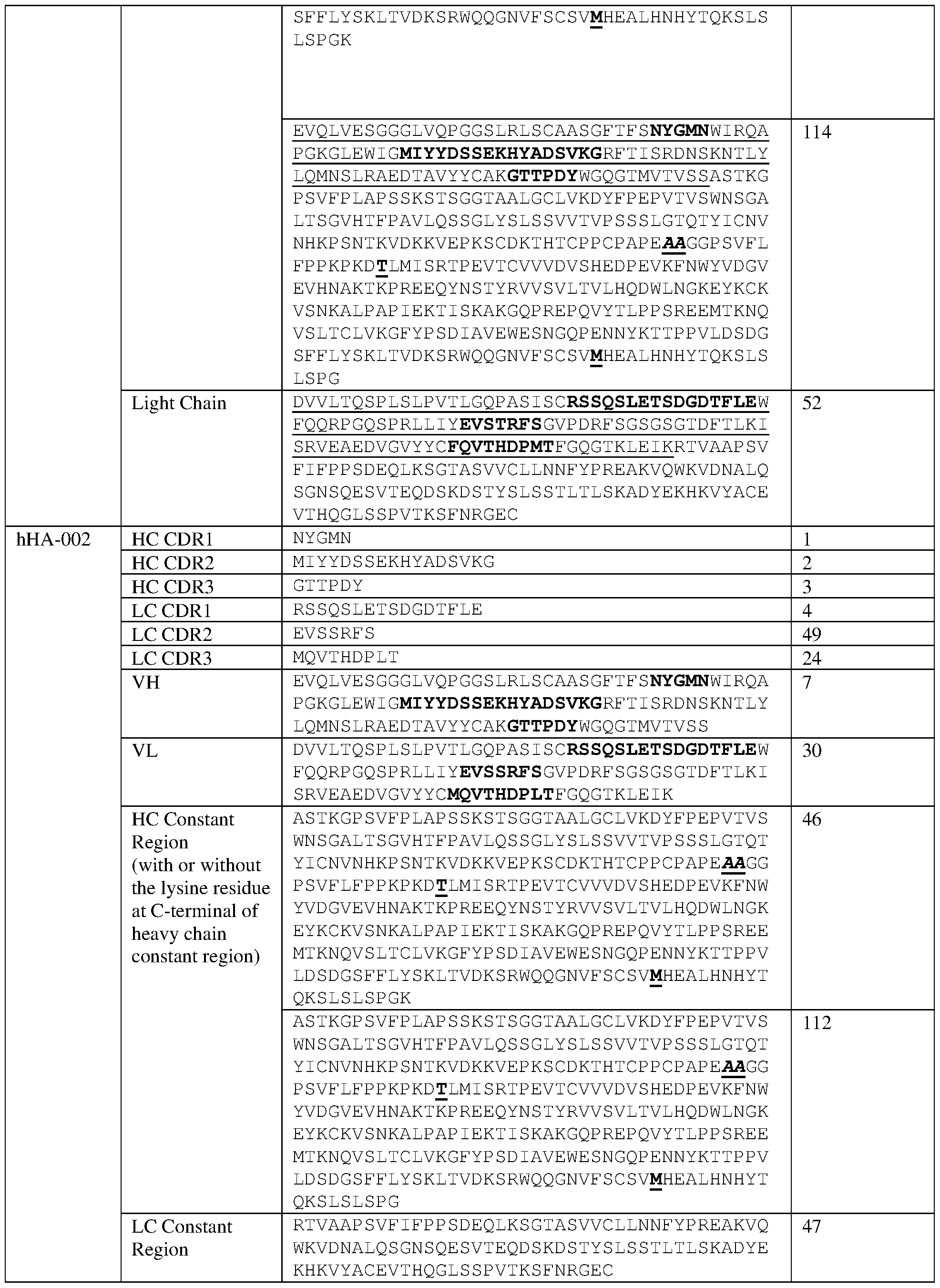
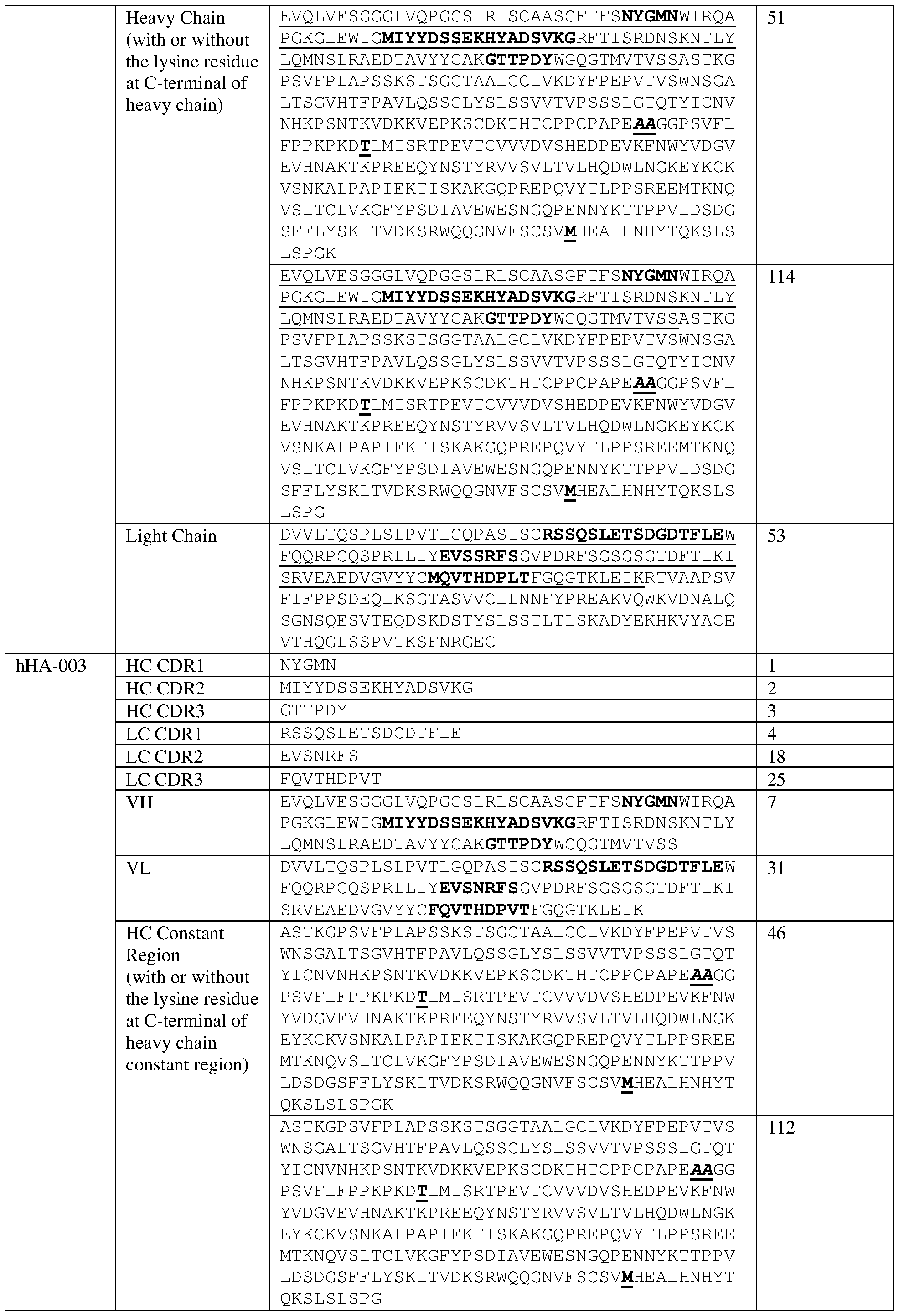

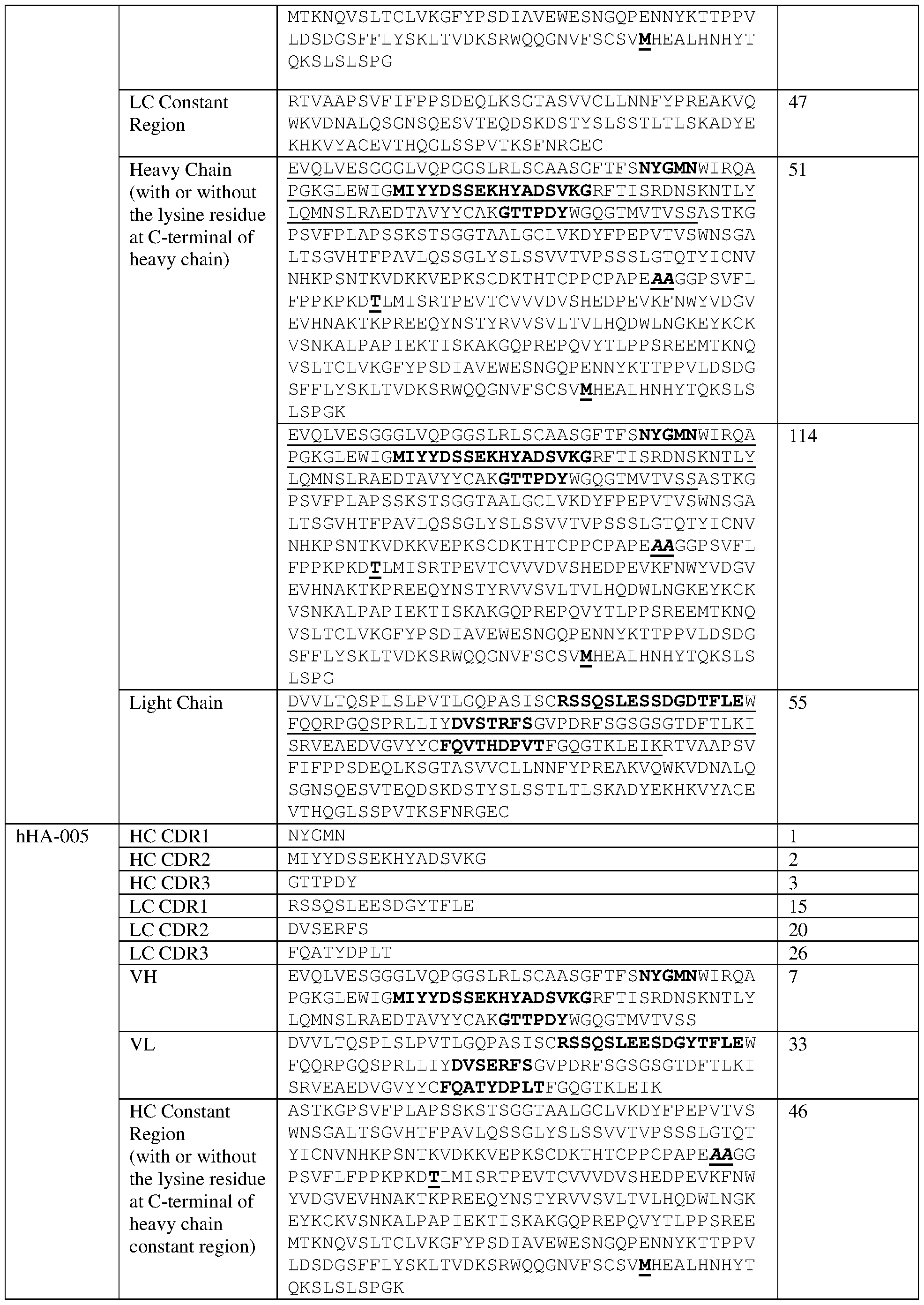
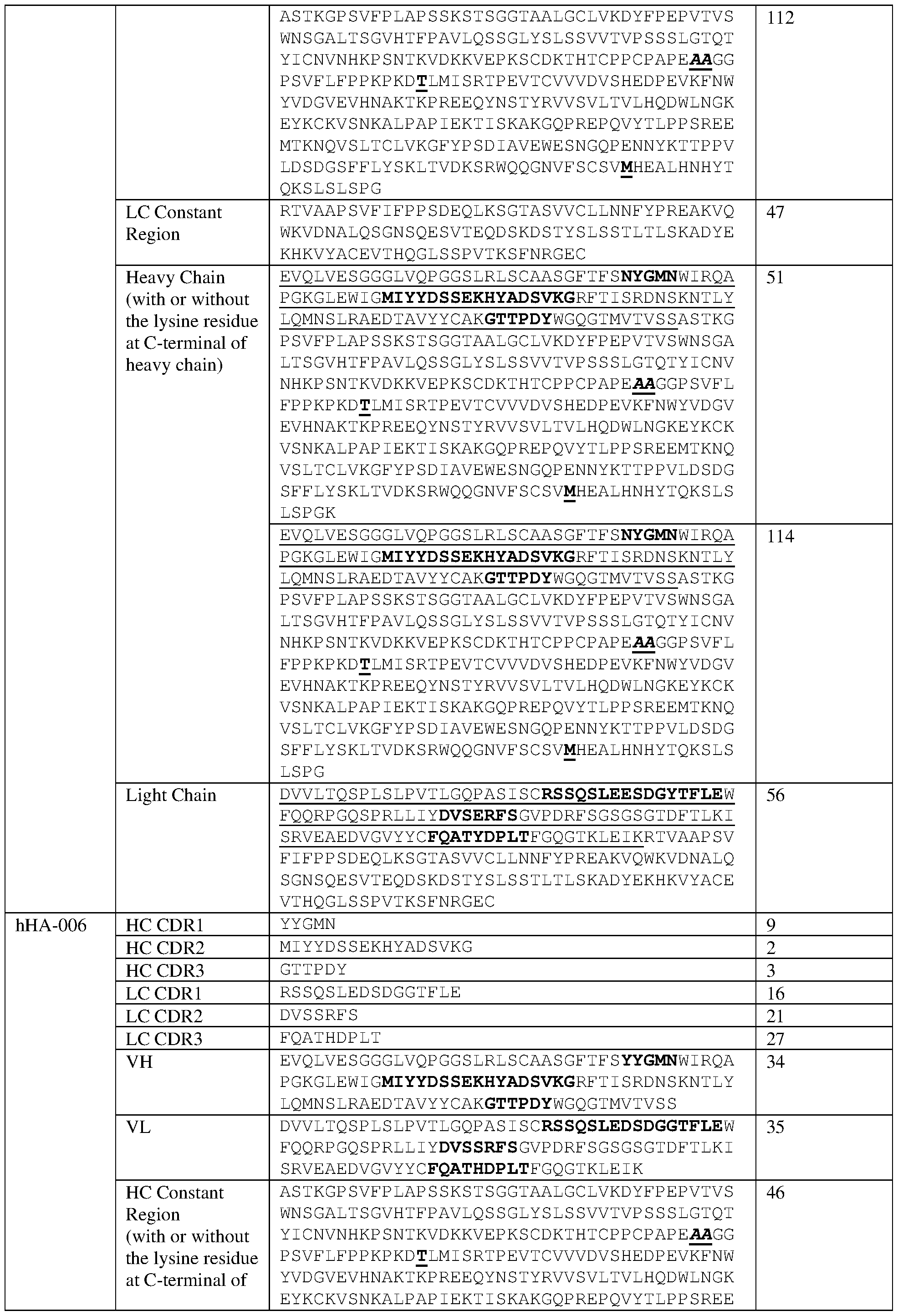
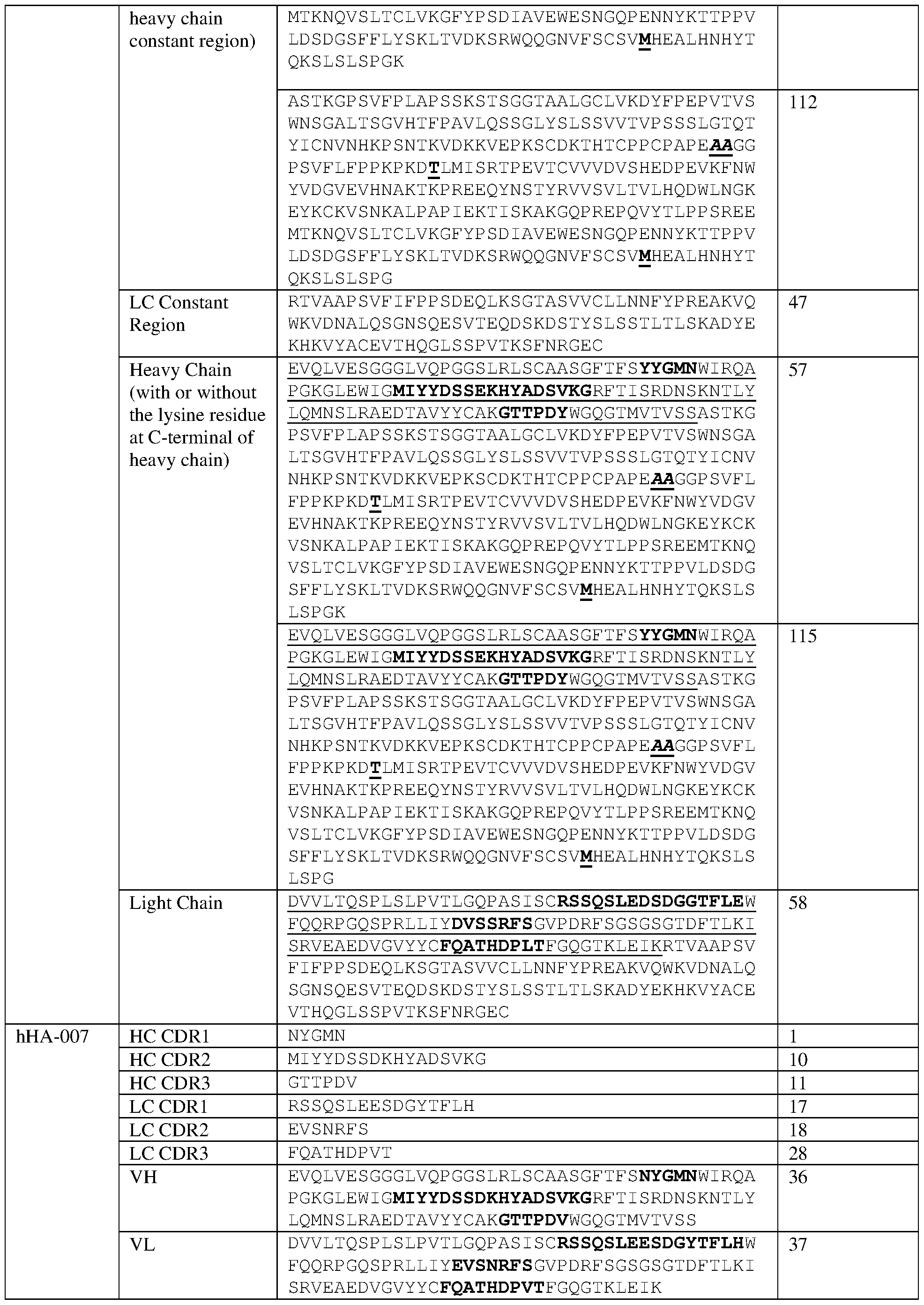

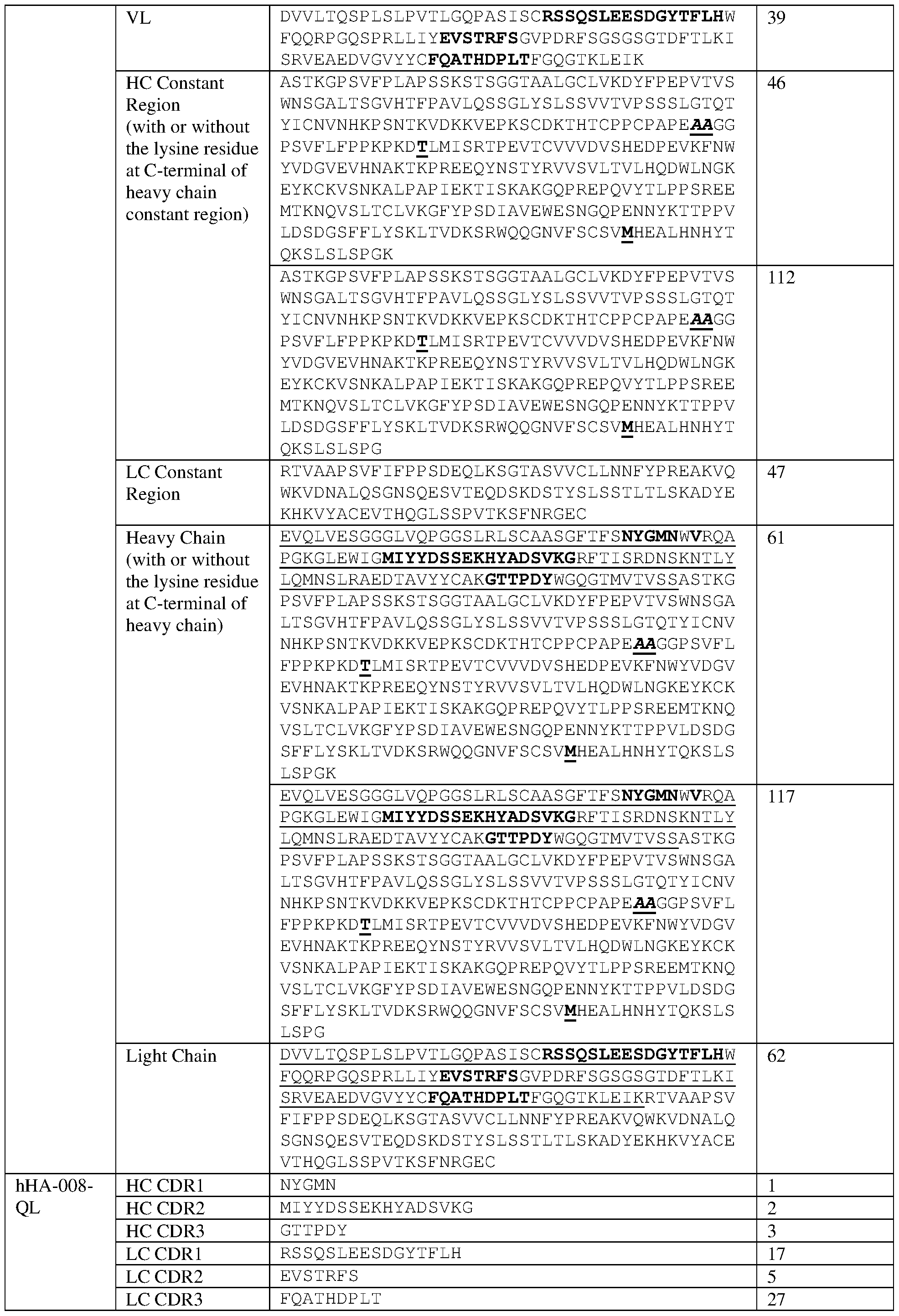
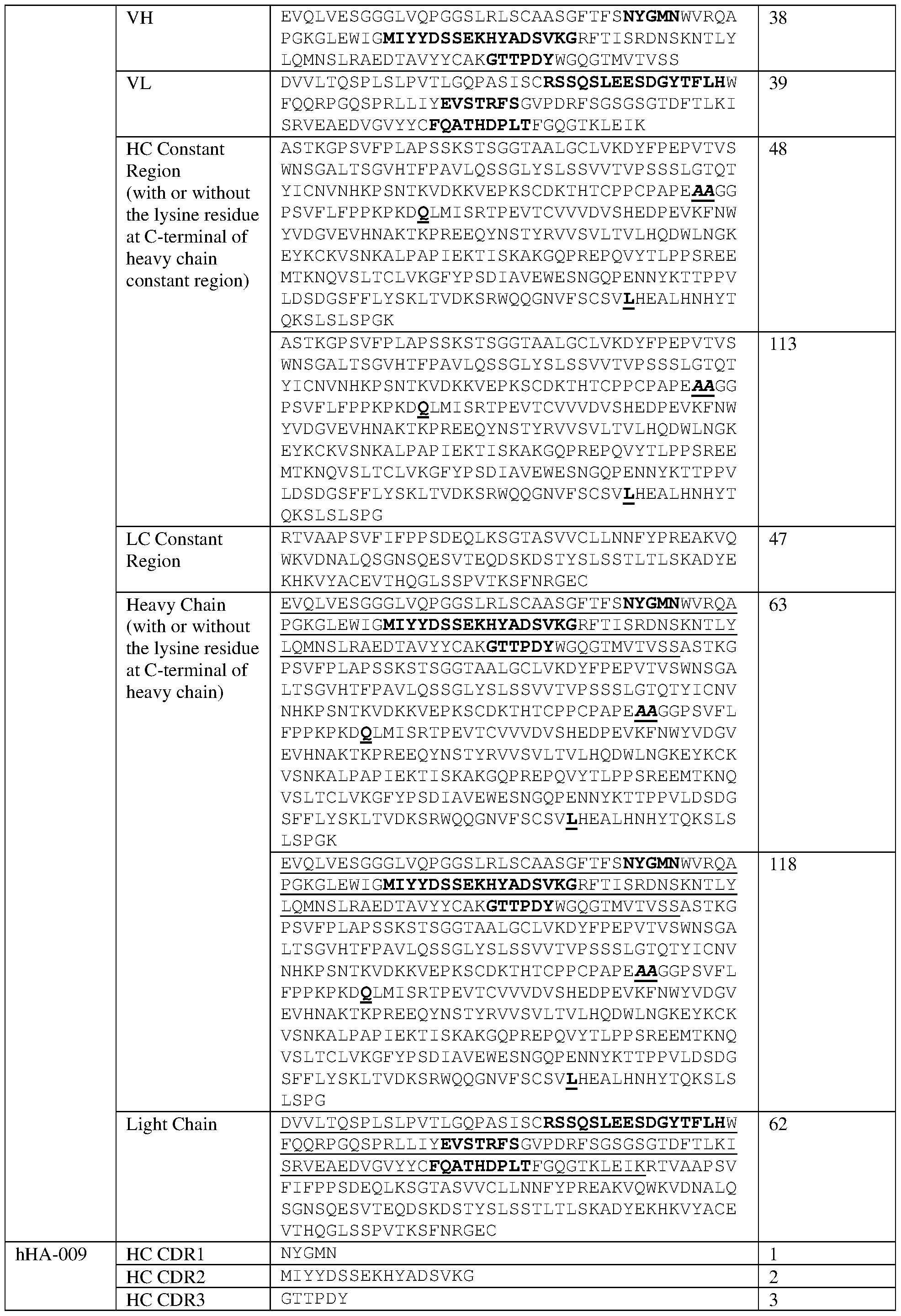


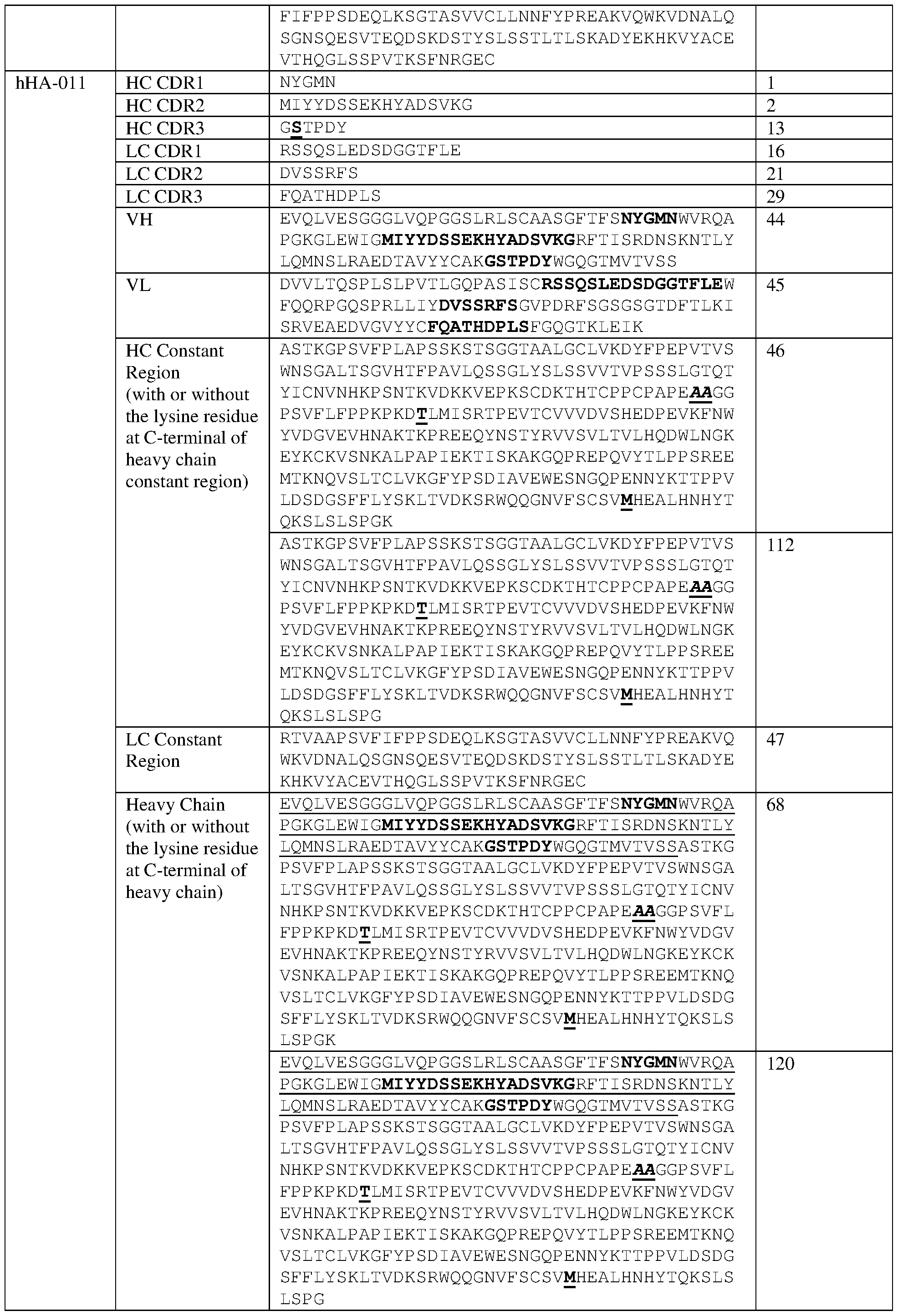


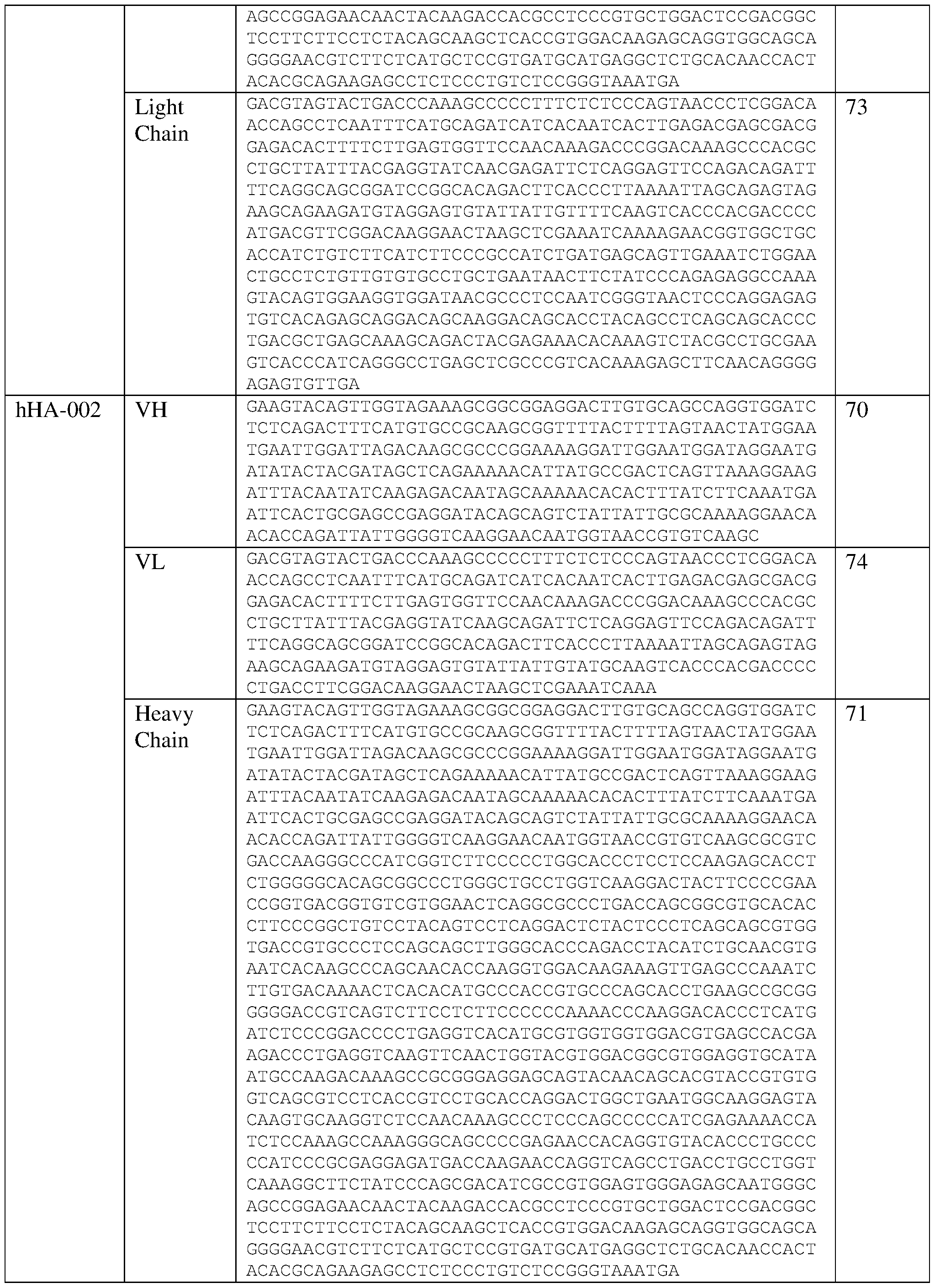
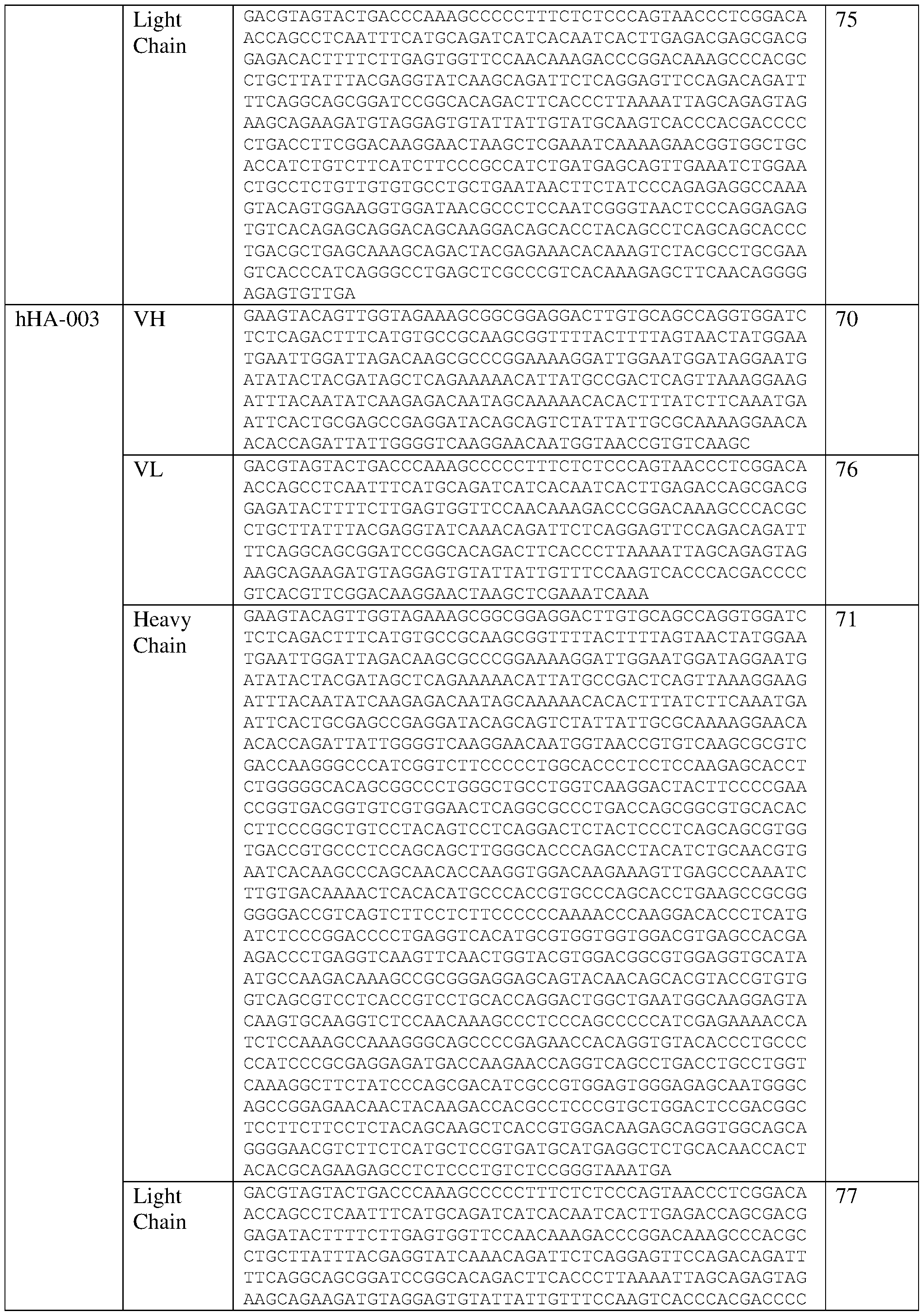
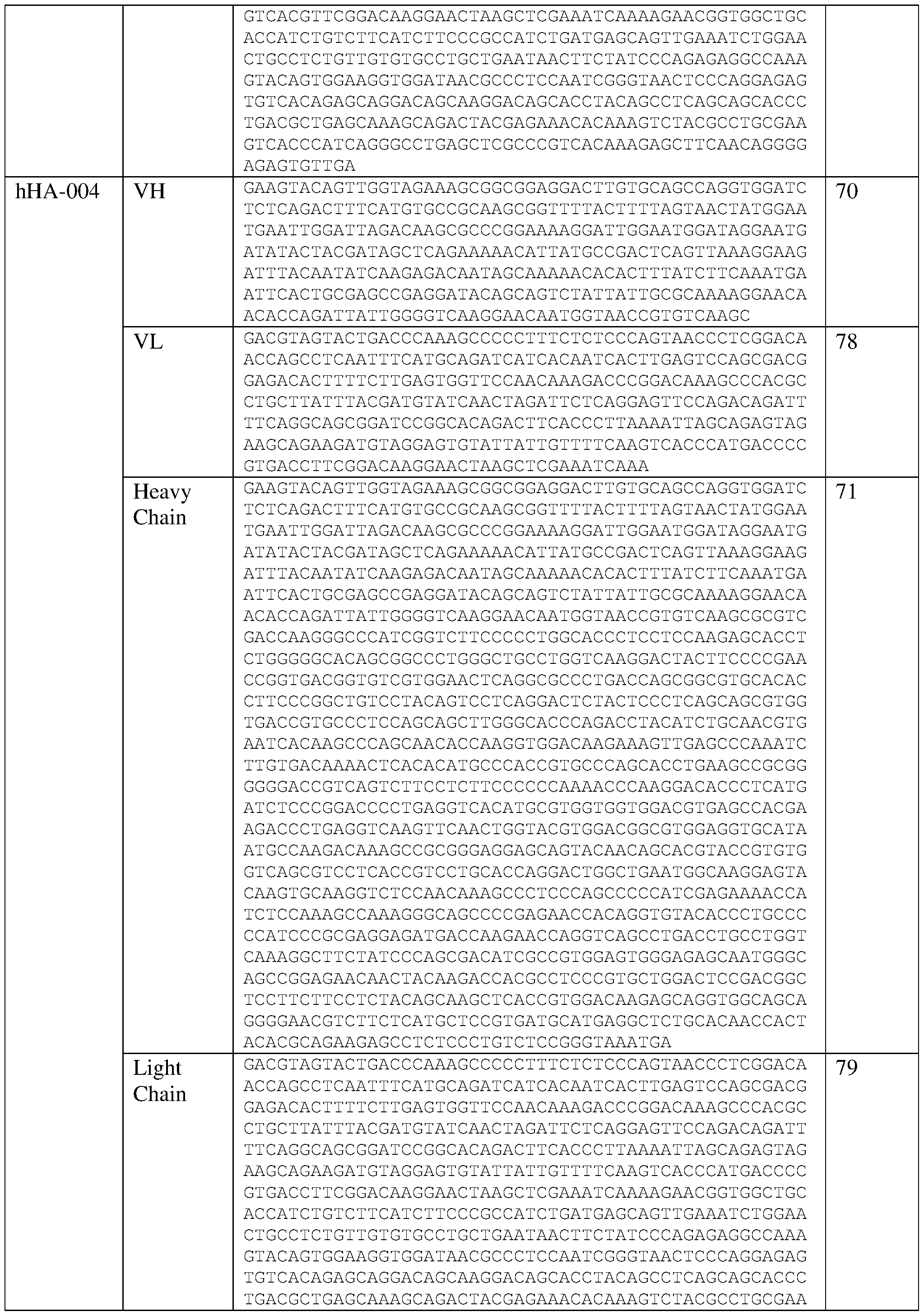


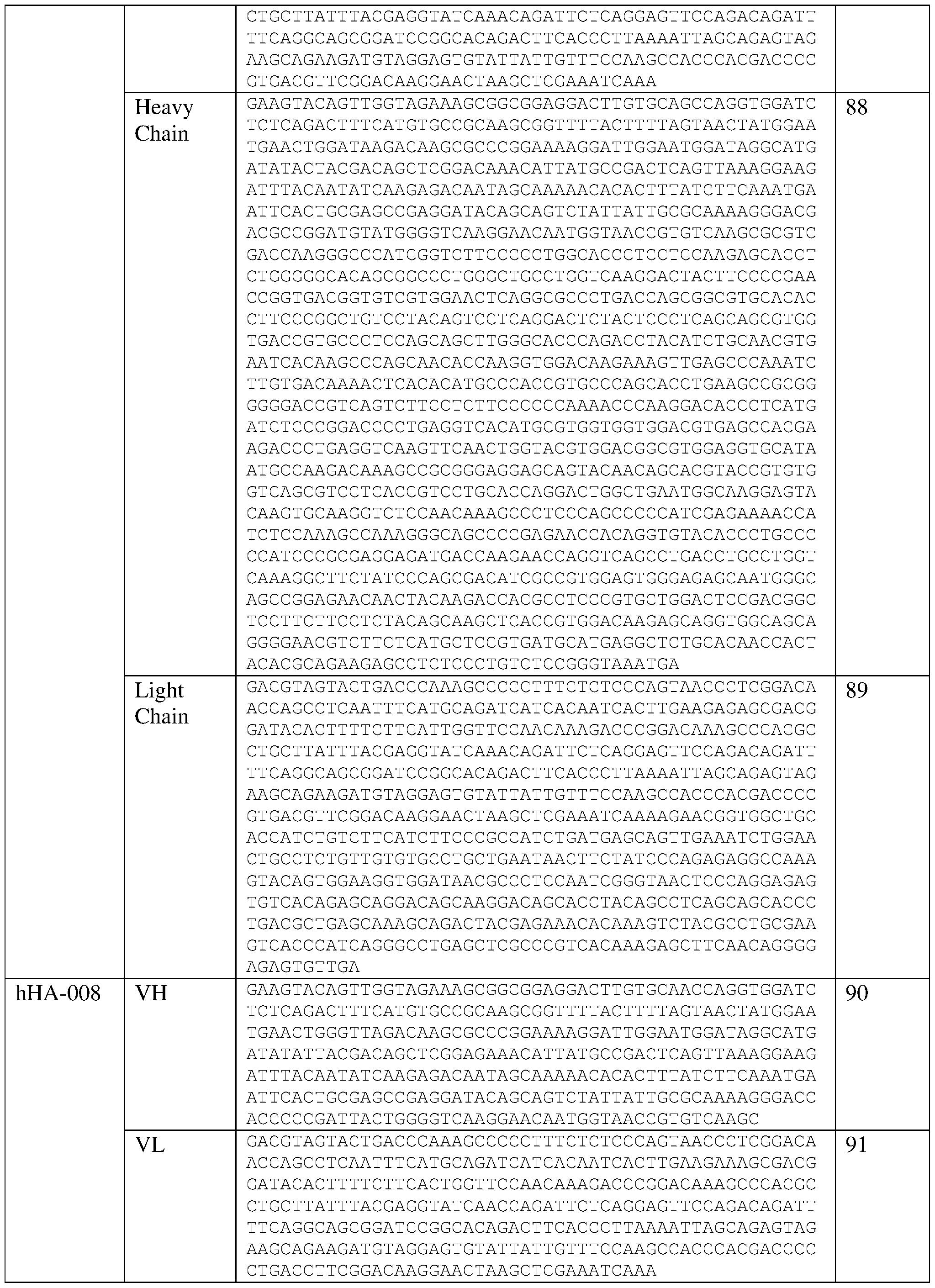

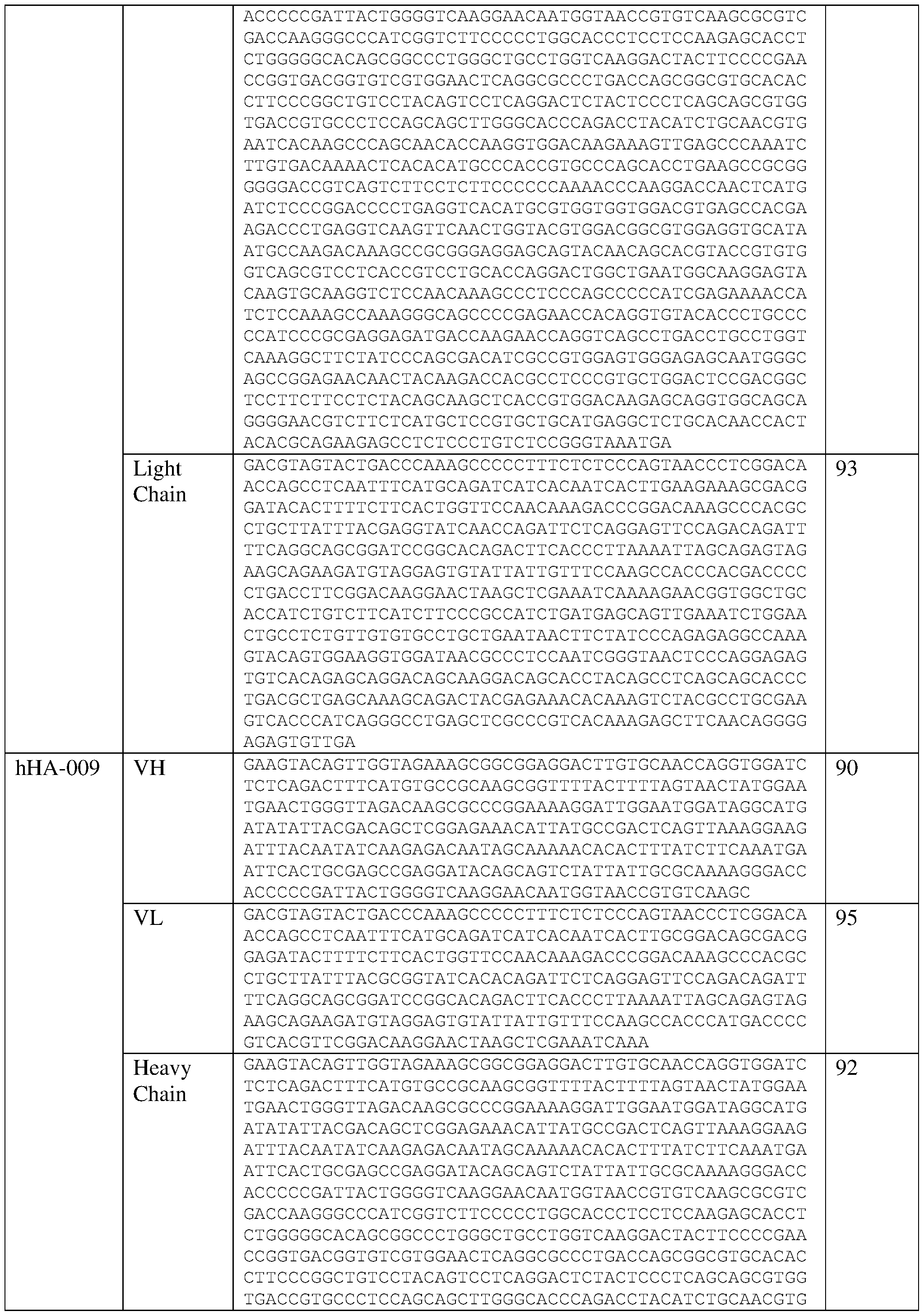

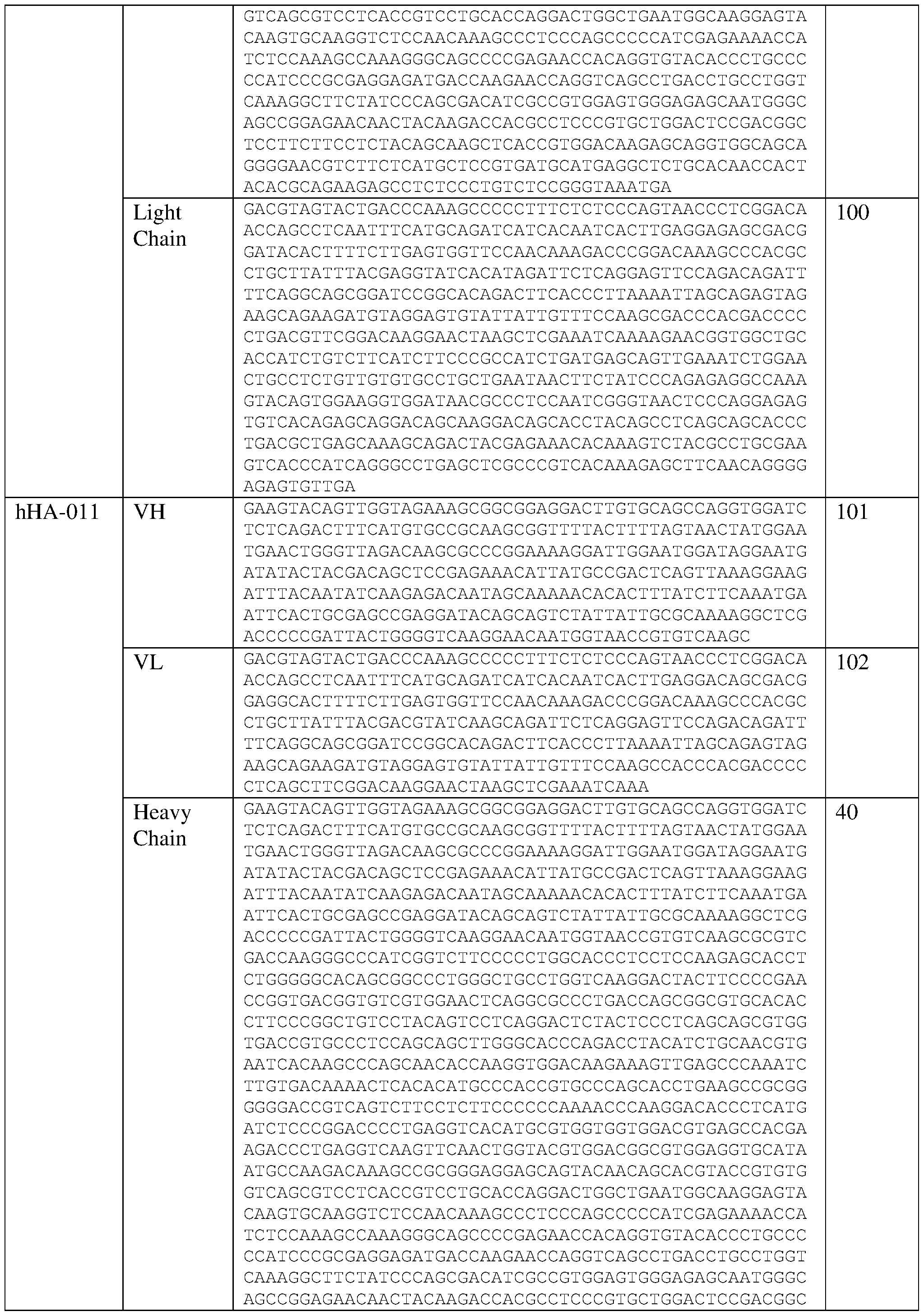
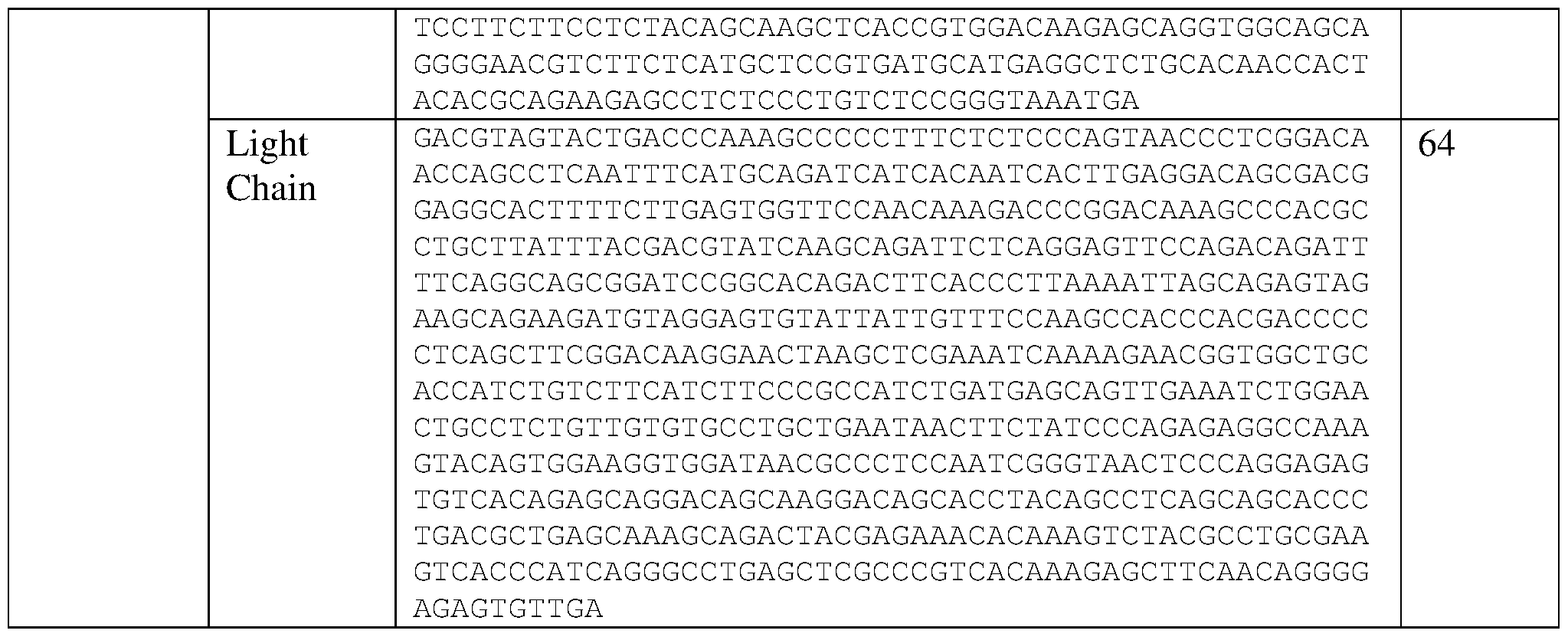


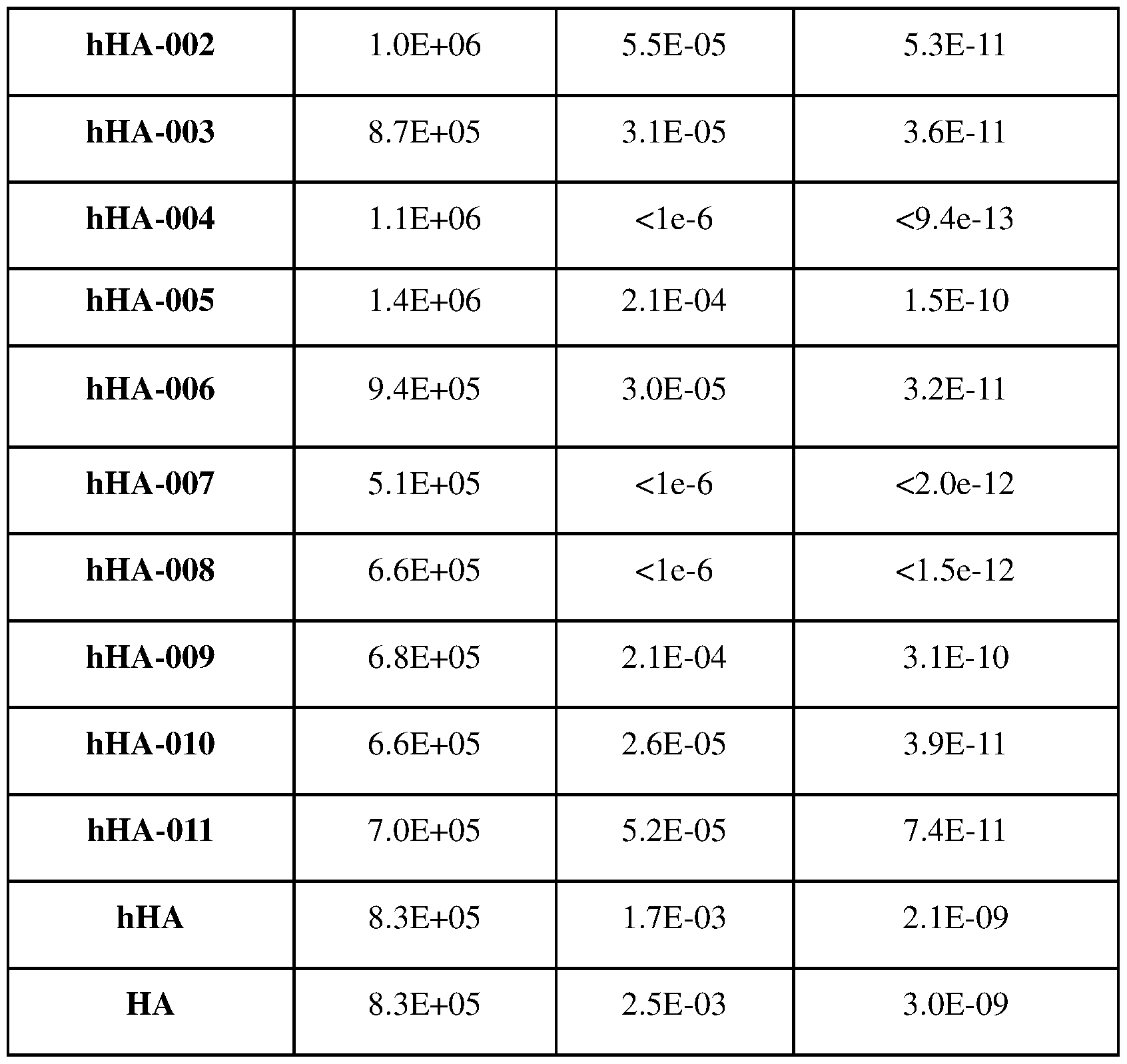
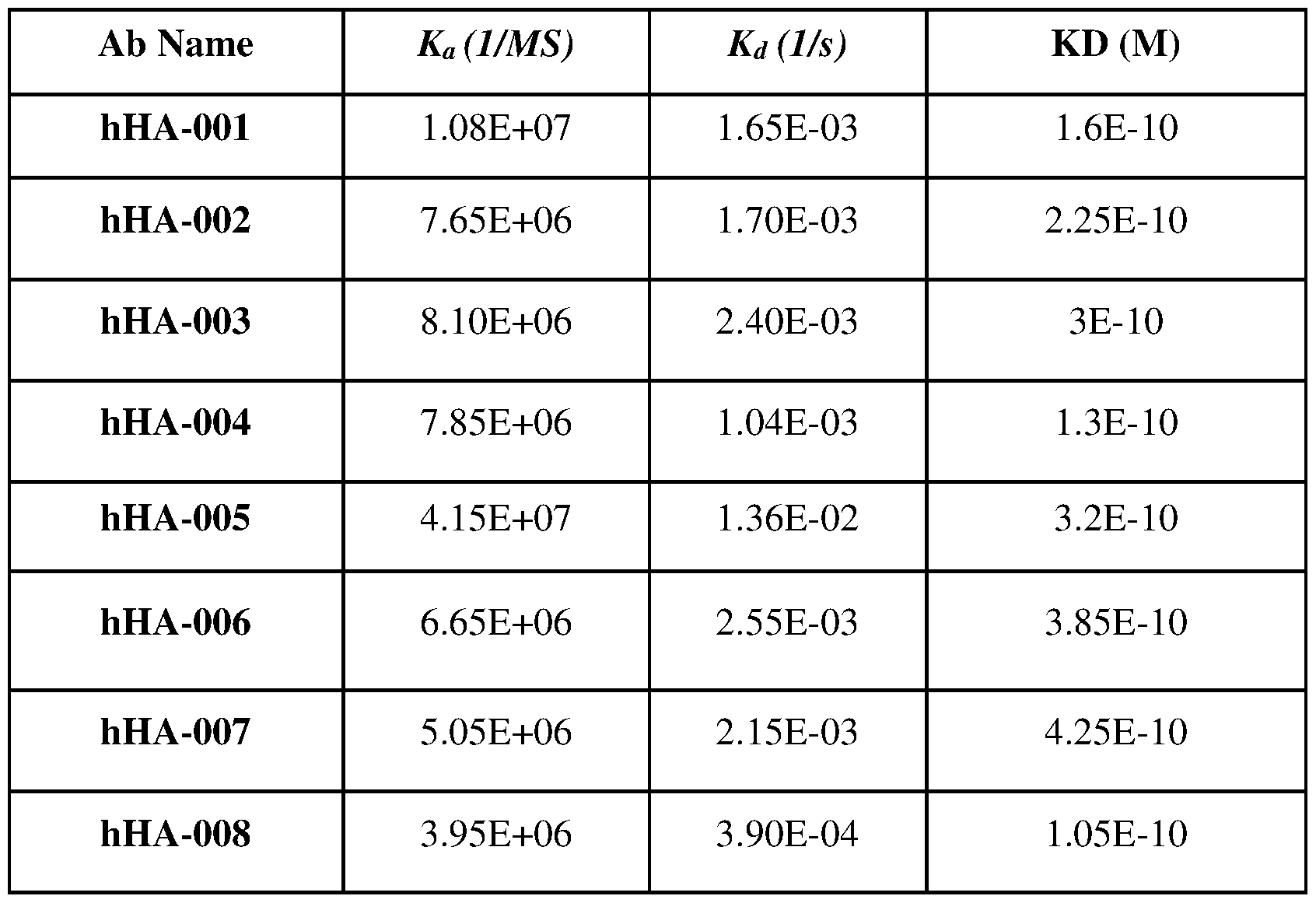
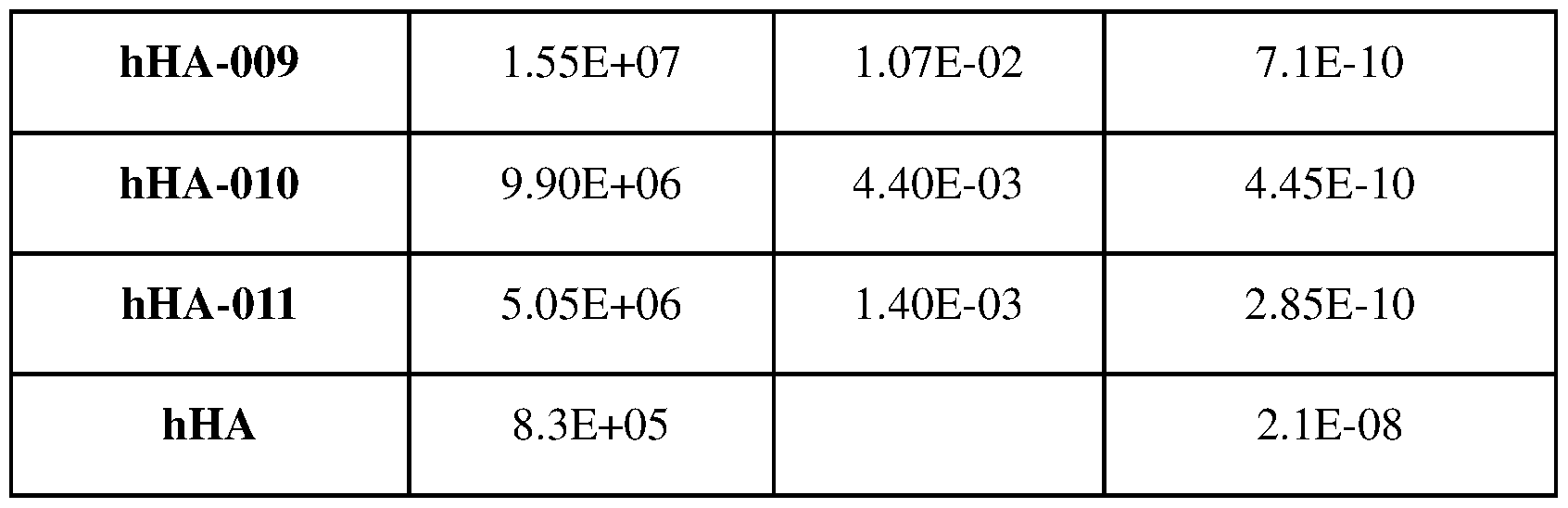
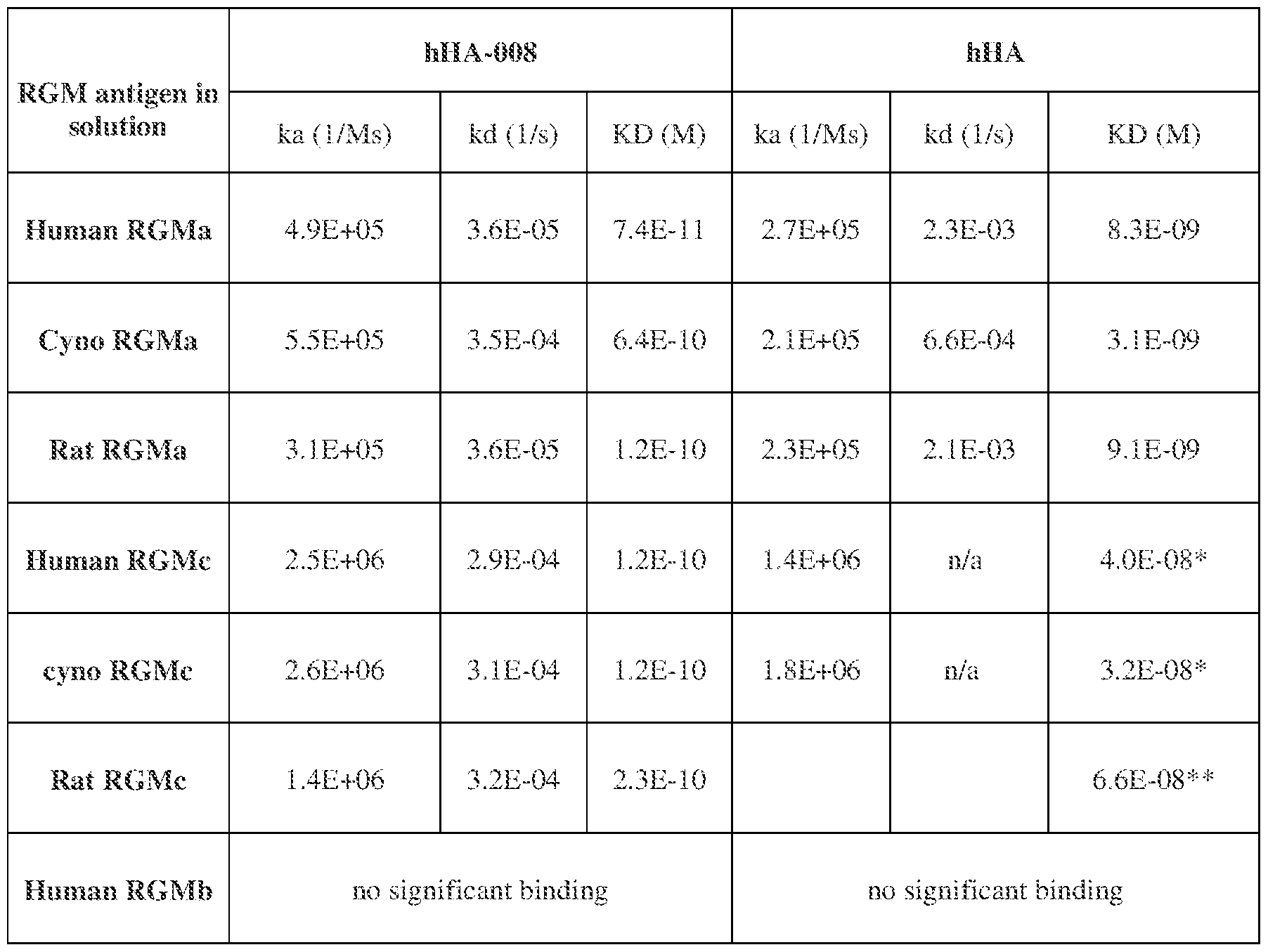


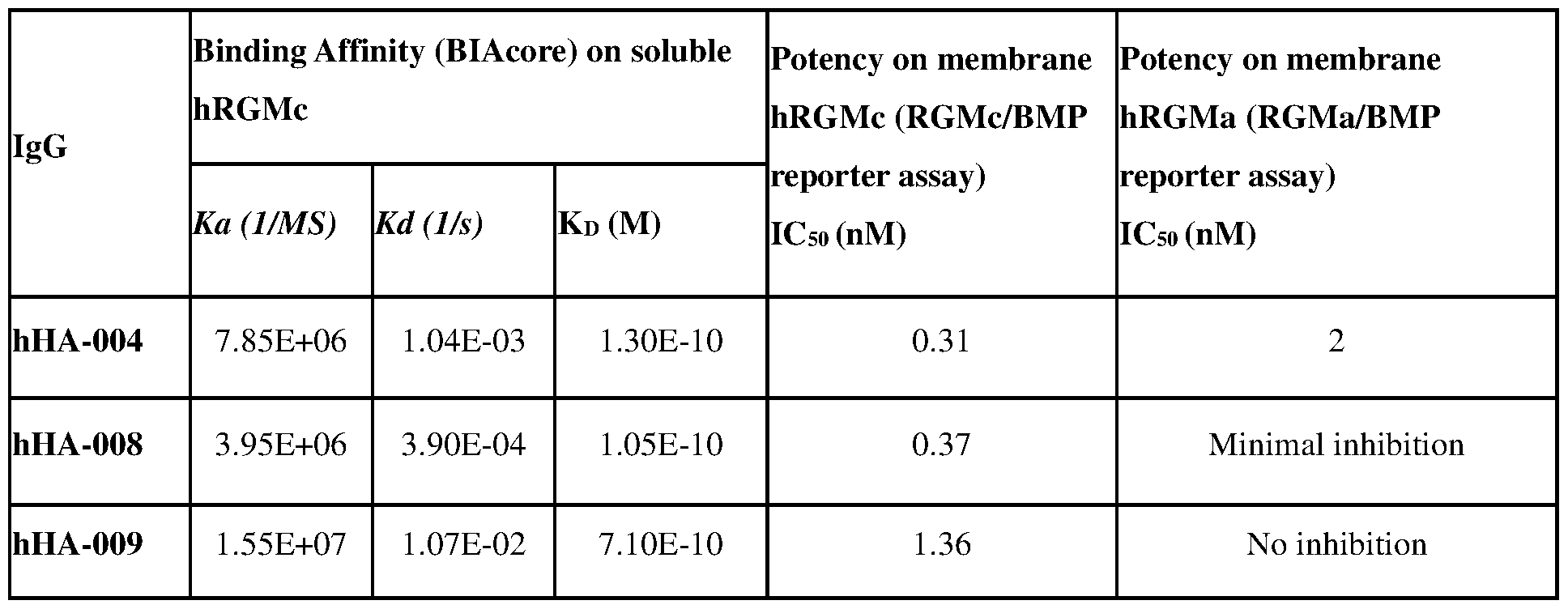
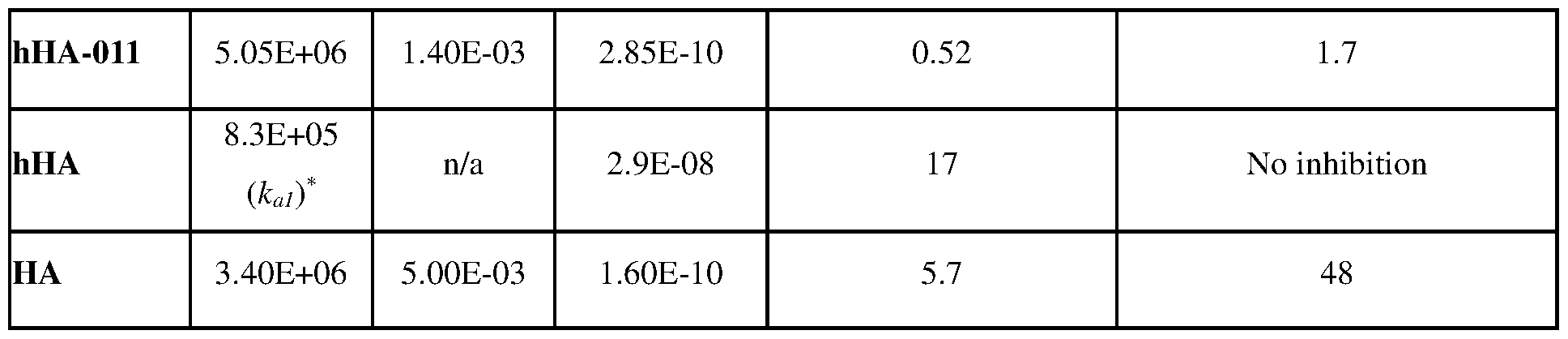
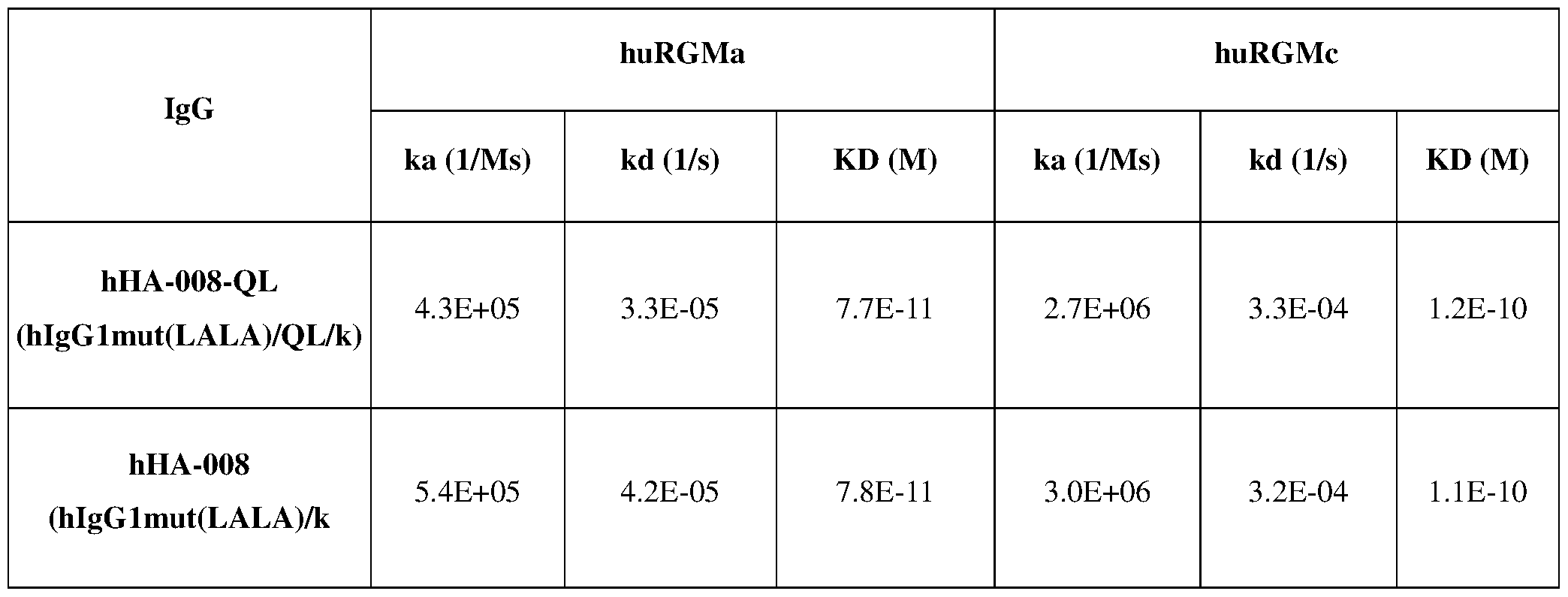
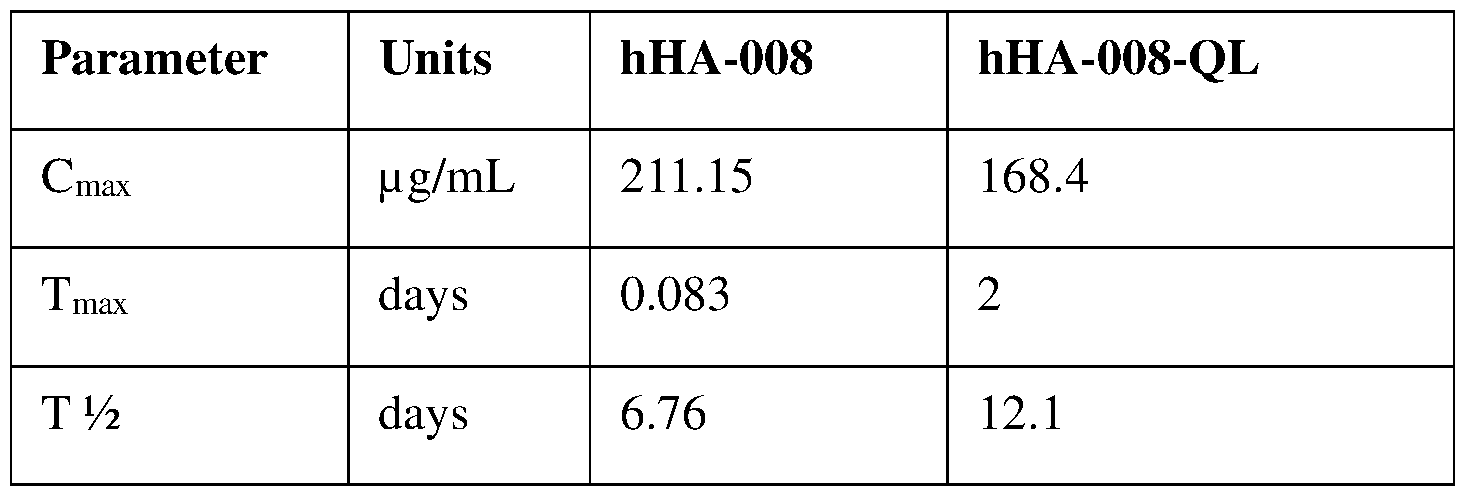
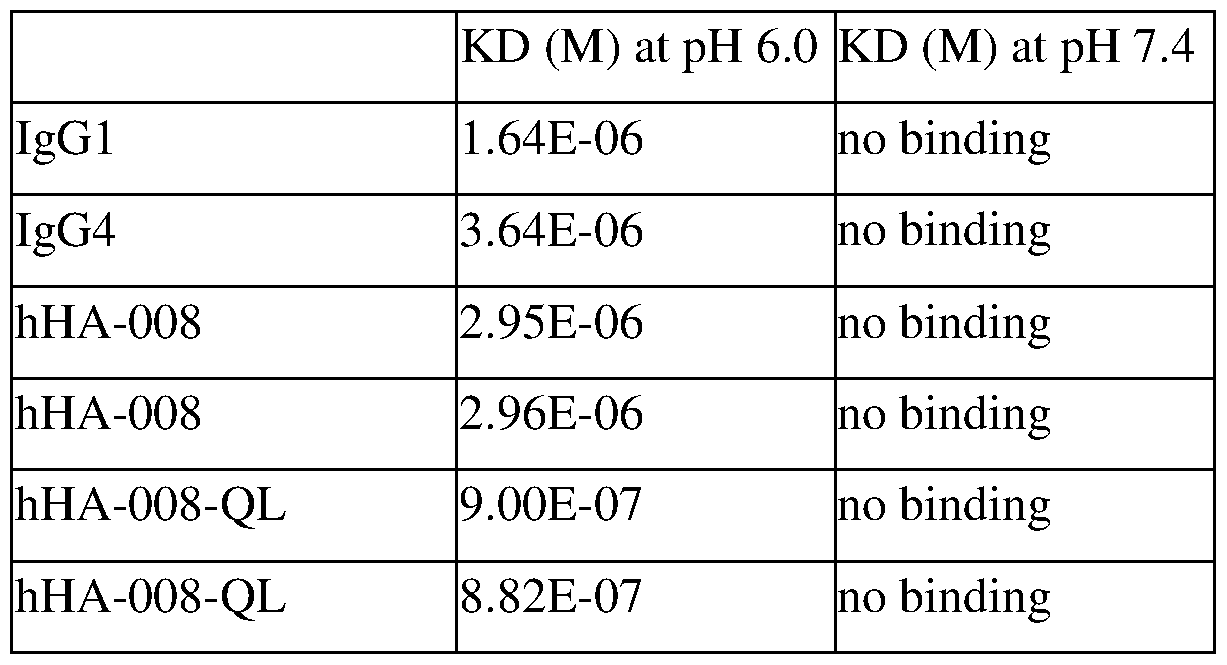
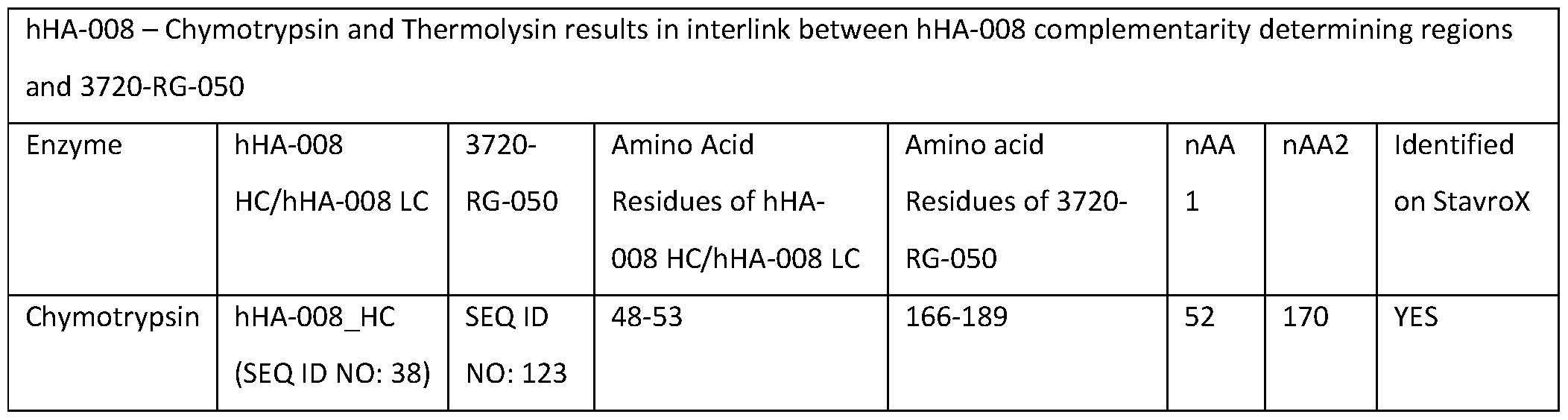


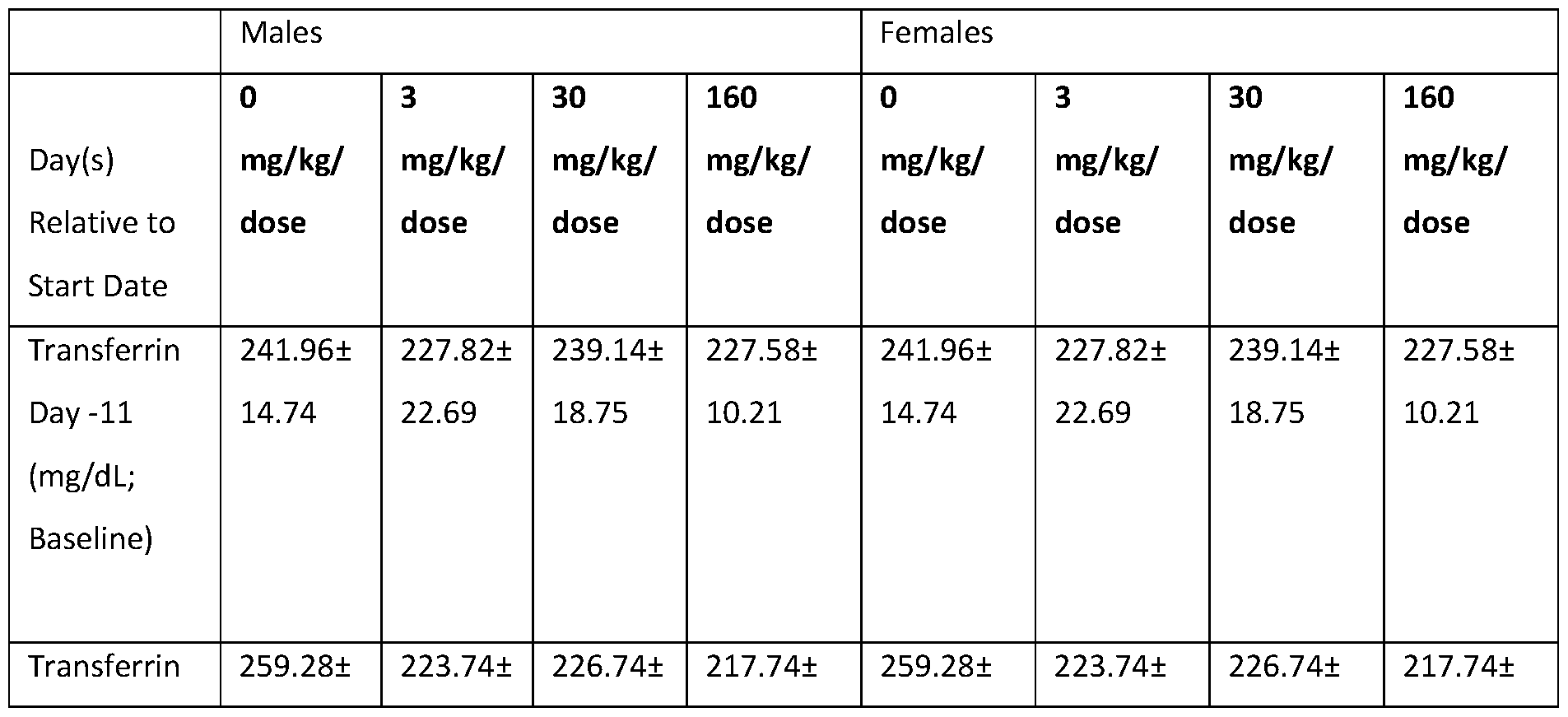

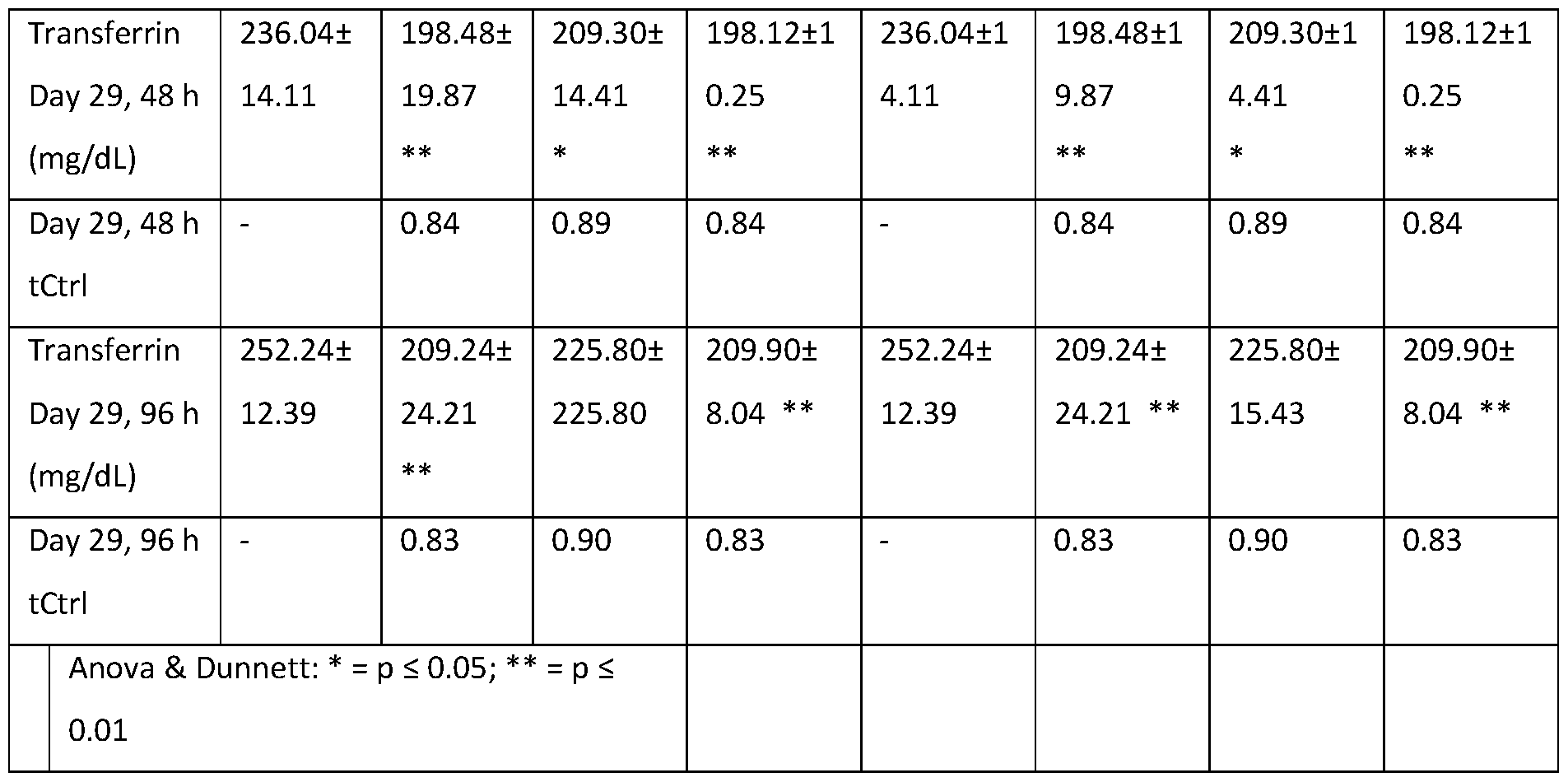


Claims
Priority Applications (12)
| Application Number | Priority Date | Filing Date | Title |
|---|---|---|---|
| US17/924,672 US20230174645A1 (en) | 2020-05-13 | 2021-05-13 | Anti-hemojuvelin (hjv) antibodies for treating myelofibrosis |
| BR112022022986A BR112022022986A2 (en) | 2020-05-13 | 2021-05-13 | ANTI-HEMOJUVELIN (HJV) ANTIBODIES TO TREAT MYELOFIBROSIS |
| CA3177830A CA3177830A1 (en) | 2020-05-13 | 2021-05-13 | Anti-hemojuvelin (hjv) antibodies for treating myelofibrosis |
| CN202180047911.8A CN115836089A (en) | 2020-05-13 | 2021-05-13 | Anti-hemojuvenin (HJV) antibodies for the treatment of myelofibrosis |
| MX2022014254A MX2022014254A (en) | 2020-05-13 | 2021-05-13 | Anti-hemojuvelin (hjv) antibodies for treating myelofibrosis. |
| AU2021270458A AU2021270458A1 (en) | 2020-05-13 | 2021-05-13 | Anti-hemojuvelin (HJV) antibodies for treating myelofibrosis |
| JP2022569159A JP2023528223A (en) | 2020-05-13 | 2021-05-13 | Anti-Hemoduvelin (HJV) Antibodies for Treating Myelofibrosis |
| KR1020227043662A KR20230012539A (en) | 2020-05-13 | 2021-05-13 | Anti-hemojuvelin (HJV) antibodies to treat myelofibrosis |
| EP21804008.7A EP4149548A4 (en) | 2020-05-13 | 2021-05-13 | ANTI-HEMOJUVELIN ANTIBODIES (HJV) FOR THE TREATMENT OF MYELOFIBROSIS |
| IL297437A IL297437A (en) | 2020-05-13 | 2021-05-13 | Anti-hemoglobin (hjv) antibodies for the treatment of myelofibrosis |
| US18/896,718 US12365729B2 (en) | 2020-05-13 | 2024-09-25 | Anti-hemojuvelin (HJV) antibodies for treating myelofibrosis |
| US19/229,610 US12497452B2 (en) | 2020-05-13 | 2025-06-05 | Anti-hemojuvelin (HJV) antibodies for treating myelofibrosis |
Applications Claiming Priority (8)
| Application Number | Priority Date | Filing Date | Title |
|---|---|---|---|
| US202063024416P | 2020-05-13 | 2020-05-13 | |
| US63/024,416 | 2020-05-13 | ||
| US202063035649P | 2020-06-05 | 2020-06-05 | |
| US63/035,649 | 2020-06-05 | ||
| US202063047828P | 2020-07-02 | 2020-07-02 | |
| US63/047,828 | 2020-07-02 | ||
| US202163164294P | 2021-03-22 | 2021-03-22 | |
| US63/164,294 | 2021-03-22 |
Related Child Applications (2)
| Application Number | Title | Priority Date | Filing Date |
|---|---|---|---|
| US17/924,672 A-371-Of-International US20230174645A1 (en) | 2020-05-13 | 2021-05-13 | Anti-hemojuvelin (hjv) antibodies for treating myelofibrosis |
| US18/896,718 Continuation US12365729B2 (en) | 2020-05-13 | 2024-09-25 | Anti-hemojuvelin (HJV) antibodies for treating myelofibrosis |
Publications (1)
| Publication Number | Publication Date |
|---|---|
| WO2021231798A1 true WO2021231798A1 (en) | 2021-11-18 |
Family
ID=78525008
Family Applications (1)
| Application Number | Title | Priority Date | Filing Date |
|---|---|---|---|
| PCT/US2021/032343 Ceased WO2021231798A1 (en) | 2020-05-13 | 2021-05-13 | Anti-hemojuvelin (hjv) antibodies for treating myelofibrosis |
Country Status (11)
| Country | Link |
|---|---|
| US (3) | US20230174645A1 (en) |
| EP (1) | EP4149548A4 (en) |
| JP (1) | JP2023528223A (en) |
| KR (1) | KR20230012539A (en) |
| CN (1) | CN115836089A (en) |
| AU (1) | AU2021270458A1 (en) |
| BR (1) | BR112022022986A2 (en) |
| CA (1) | CA3177830A1 (en) |
| IL (1) | IL297437A (en) |
| MX (1) | MX2022014254A (en) |
| WO (1) | WO2021231798A1 (en) |
Cited By (3)
| Publication number | Priority date | Publication date | Assignee | Title |
|---|---|---|---|---|
| US12098192B2 (en) | 2011-12-14 | 2024-09-24 | AbbVie Deutschland GmbH & Co. KG | Composition and method for the diagnosis and treatment of iron-related disorders |
| US12365729B2 (en) | 2020-05-13 | 2025-07-22 | Disc Medicine, Inc. | Anti-hemojuvelin (HJV) antibodies for treating myelofibrosis |
| WO2025250891A1 (en) * | 2024-05-31 | 2025-12-04 | Disc Medicine, Inc. | Nucleic acids encoding an anti-hjv antibody and uses thereof |
Citations (3)
| Publication number | Priority date | Publication date | Assignee | Title |
|---|---|---|---|---|
| WO2013090635A2 (en) * | 2011-12-14 | 2013-06-20 | AbbVie Deutschland GmbH & Co. KG | Composition and method for the diagnosis and treatment of iron-related disorders |
| WO2020086736A1 (en) * | 2018-10-23 | 2020-04-30 | Scholar Rock, Inc. | Rgmc-selective inhibitors and use thereof |
| WO2021062163A1 (en) * | 2019-09-27 | 2021-04-01 | Disc Medicine, Inc. | Methods for treating myelofibrosis and related conditions |
Family Cites Families (462)
| Publication number | Priority date | Publication date | Assignee | Title |
|---|---|---|---|---|
| US4554101A (en) | 1981-01-09 | 1985-11-19 | New York Blood Center, Inc. | Identification and preparation of epitopes on antigens and allergens on the basis of hydrophilicity |
| ATE37983T1 (en) | 1982-04-22 | 1988-11-15 | Ici Plc | DELAYED RELEASE AGENT. |
| US4628027A (en) | 1982-05-19 | 1986-12-09 | Molecular Engineering Associates, Ltd. | Vitro diagnostic methods using monoclonal antibodies against connective tissue proteins |
| US4816567A (en) | 1983-04-08 | 1989-03-28 | Genentech, Inc. | Recombinant immunoglobin preparations |
| US5128326A (en) | 1984-12-06 | 1992-07-07 | Biomatrix, Inc. | Drug delivery systems based on hyaluronans derivatives thereof and their salts and methods of producing same |
| WO1986005803A1 (en) | 1985-03-30 | 1986-10-09 | Marc Ballivet | Method for obtaining dna, rna, peptides, polypeptides or proteins by means of a dna recombinant technique |
| US6492107B1 (en) | 1986-11-20 | 2002-12-10 | Stuart Kauffman | Process for obtaining DNA, RNA, peptides, polypeptides, or protein, by recombinant DNA technique |
| US4980286A (en) | 1985-07-05 | 1990-12-25 | Whitehead Institute For Biomedical Research | In vivo introduction and expression of foreign genetic material in epithelial cells |
| US5618920A (en) | 1985-11-01 | 1997-04-08 | Xoma Corporation | Modular assembly of antibody genes, antibodies prepared thereby and use |
| GB8601597D0 (en) | 1986-01-23 | 1986-02-26 | Wilson R H | Nucleotide sequences |
| US5225539A (en) | 1986-03-27 | 1993-07-06 | Medical Research Council | Recombinant altered antibodies and methods of making altered antibodies |
| US5635600A (en) | 1986-07-07 | 1997-06-03 | Trustees Of Dartmouth College | Bifunctional and heteroantibodies specific for the high affinity Fc receptor for immunoglobulin G on human mononuclear phagocytes |
| US4704692A (en) | 1986-09-02 | 1987-11-03 | Ladner Robert C | Computer based system and method for determining and displaying possible chemical structures for converting double- or multiple-chain polypeptides to single-chain polypeptides |
| US4946778A (en) | 1987-09-21 | 1990-08-07 | Genex Corporation | Single polypeptide chain binding molecules |
| EP0273115B1 (en) | 1986-10-22 | 1994-09-07 | Abbott Laboratories | Chemiluminescent acridinium and phenanthridinium salts |
| EP0279582A3 (en) | 1987-02-17 | 1989-10-18 | Pharming B.V. | Dna sequences to target proteins to the mammary gland for efficient secretion |
| WO1988007089A1 (en) | 1987-03-18 | 1988-09-22 | Medical Research Council | Altered antibodies |
| US5258498A (en) | 1987-05-21 | 1993-11-02 | Creative Biomolecules, Inc. | Polypeptide linkers for production of biosynthetic proteins |
| US4873316A (en) | 1987-06-23 | 1989-10-10 | Biogen, Inc. | Isolation of exogenous recombinant proteins from the milk of transgenic mammals |
| US4880078A (en) | 1987-06-29 | 1989-11-14 | Honda Giken Kogyo Kabushiki Kaisha | Exhaust muffler |
| US5677425A (en) | 1987-09-04 | 1997-10-14 | Celltech Therapeutics Limited | Recombinant antibody |
| US5006309A (en) | 1988-04-22 | 1991-04-09 | Abbott Laboratories | Immunoassay device with liquid transfer between wells by washing |
| US5089424A (en) | 1988-06-14 | 1992-02-18 | Abbott Laboratories | Method and apparatus for heterogeneous chemiluminescence assay |
| DE768377T1 (en) | 1988-09-02 | 1998-01-02 | Dyax Corp | Production and selection of recombinant proteins with different binding sites |
| US5223409A (en) | 1988-09-02 | 1993-06-29 | Protein Engineering Corp. | Directed evolution of novel binding proteins |
| US5241070A (en) | 1988-09-26 | 1993-08-31 | Ciba Corning Diagnostics Corp. | Nucleophilic polysubstituted aryl acridinium esters and uses thereof |
| US5063081A (en) | 1988-11-14 | 1991-11-05 | I-Stat Corporation | Method of manufacturing a plurality of uniform microfabricated sensing devices having an immobilized ligand receptor |
| US5530101A (en) | 1988-12-28 | 1996-06-25 | Protein Design Labs, Inc. | Humanized immunoglobulins |
| US5028535A (en) | 1989-01-10 | 1991-07-02 | Biosite Diagnostics, Inc. | Threshold ligand-receptor assay |
| US5939272A (en) | 1989-01-10 | 1999-08-17 | Biosite Diagnostics Incorporated | Non-competitive threshold ligand-receptor assays |
| DE3920358A1 (en) | 1989-06-22 | 1991-01-17 | Behringwerke Ag | BISPECIFIC AND OLIGO-SPECIFIC, MONO- AND OLIGOVALENT ANTI-BODY CONSTRUCTS, THEIR PRODUCTION AND USE |
| WO1991005548A1 (en) | 1989-10-10 | 1991-05-02 | Pitman-Moore, Inc. | Sustained release composition for macromolecular proteins |
| EP0550436A1 (en) | 1989-11-06 | 1993-07-14 | Alkermes Controlled Therapeutics, Inc. | Protein microspheres and methods of using them |
| US5780225A (en) | 1990-01-12 | 1998-07-14 | Stratagene | Method for generating libaries of antibody genes comprising amplification of diverse antibody DNAs and methods for using these libraries for the production of diverse antigen combining molecules |
| AU7247191A (en) | 1990-01-11 | 1991-08-05 | Molecular Affinities Corporation | Production of antibodies using gene libraries |
| DK0463151T3 (en) | 1990-01-12 | 1996-07-01 | Cell Genesys Inc | Generation of xenogenic antibodies |
| US6075181A (en) | 1990-01-12 | 2000-06-13 | Abgenix, Inc. | Human antibodies derived from immunized xenomice |
| US5922615A (en) | 1990-03-12 | 1999-07-13 | Biosite Diagnostics Incorporated | Assay devices comprising a porous capture membrane in fluid-withdrawing contact with a nonabsorbent capillary network |
| US5427908A (en) | 1990-05-01 | 1995-06-27 | Affymax Technologies N.V. | Recombinant library screening methods |
| GB9015198D0 (en) | 1990-07-10 | 1990-08-29 | Brien Caroline J O | Binding substance |
| ATE185601T1 (en) | 1990-07-10 | 1999-10-15 | Cambridge Antibody Tech | METHOD FOR PRODUCING SPECIFIC BONDING PAIRS |
| CA2090126C (en) | 1990-08-02 | 2002-10-22 | John W. Schrader | Methods for the production of proteins with a desired function |
| US5135875A (en) | 1990-08-15 | 1992-08-04 | Abbott Laboratories | Protein precipitation reagent |
| CA2048302A1 (en) | 1990-08-15 | 1992-02-16 | Victoria P. Meucci | Solubilization reagent for biological test samples |
| US5770429A (en) | 1990-08-29 | 1998-06-23 | Genpharm International, Inc. | Transgenic non-human animals capable of producing heterologous antibodies |
| JPH05504841A (en) | 1990-09-14 | 1993-07-22 | バイオサイト・ダイアグノスティックス・インコーポレイテッド | Antibodies against ligand receptors and ligand complexes and their use in ligand-receptor assays |
| US5698426A (en) | 1990-09-28 | 1997-12-16 | Ixsys, Incorporated | Surface expression libraries of heteromeric receptors |
| DE69129154T2 (en) | 1990-12-03 | 1998-08-20 | Genentech, Inc., South San Francisco, Calif. | METHOD FOR ENRICHING PROTEIN VARIANTS WITH CHANGED BINDING PROPERTIES |
| DK1279731T3 (en) | 1991-03-01 | 2007-09-24 | Dyax Corp | Process for the development of binding mini-proteins |
| ATE269401T1 (en) | 1991-04-10 | 2004-07-15 | Scripps Research Inst | LIBRARIES OF HETERODIMERIC RECEPTORS USING PHAGEMIDS |
| FI934437L (en) | 1991-04-10 | 1993-11-22 | Biosite Diagnostics Inc | CROSSTALK-INHIBITORER OCH DERAS ANVAENDNING |
| EP0579767B1 (en) | 1991-04-11 | 2000-08-23 | Biosite Diagnostics Inc. | Novel conjugates and assays for simultaneous detection of multiple ligands |
| DE69232706T2 (en) | 1991-05-01 | 2002-11-28 | Henry M. Jackson Foundation For The Advancement Of Military Medicine, Rockville | METHOD FOR TREATING INFECTIOUS RESPIRATORY DISEASES |
| CA2069530A1 (en) | 1991-06-03 | 1992-12-04 | Cass J. Grandone | Reagent pack for immunoassays |
| EP0590067A1 (en) | 1991-06-14 | 1994-04-06 | Xoma Corporation | Microbially-produced antibody fragments and their conjugates |
| DE4122599C2 (en) | 1991-07-08 | 1993-11-11 | Deutsches Krebsforsch | Phagemid for screening antibodies |
| IE922437A1 (en) | 1991-07-25 | 1993-01-27 | Idec Pharma Corp | Recombinant antibodies for human therapy |
| ES2136092T3 (en) | 1991-09-23 | 1999-11-16 | Medical Res Council | PROCEDURES FOR THE PRODUCTION OF HUMANIZED ANTIBODIES. |
| WO1993011161A1 (en) | 1991-11-25 | 1993-06-10 | Enzon, Inc. | Multivalent antigen-binding proteins |
| DE69233782D1 (en) | 1991-12-02 | 2010-05-20 | Medical Res Council | Preparation of Autoantibodies on Phage Surfaces Starting from Antibody Segment Libraries |
| CA2507749C (en) | 1991-12-13 | 2010-08-24 | Xoma Corporation | Methods and materials for preparation of modified antibody variable domains and therapeutic uses thereof |
| US5912015A (en) | 1992-03-12 | 1999-06-15 | Alkermes Controlled Therapeutics, Inc. | Modulated release from biocompatible polymers |
| GB9206422D0 (en) | 1992-03-24 | 1992-05-06 | Bolt Sarah L | Antibody preparation |
| US5733743A (en) | 1992-03-24 | 1998-03-31 | Cambridge Antibody Technology Limited | Methods for producing members of specific binding pairs |
| US5352803A (en) | 1992-03-30 | 1994-10-04 | Abbott Laboratories | 5(6)-methyl substituted fluorescein derivatives |
| ES2148225T3 (en) | 1992-03-30 | 2000-10-16 | Abbott Lab | REAGENTS AND PROCEDURES THAT ALLOW THE DETECTION AND QUANTIFICATION OF THYROXIN IN FLUID SAMPLES. |
| AU4116793A (en) | 1992-04-24 | 1993-11-29 | Board Of Regents, The University Of Texas System | Recombinant production of immunoglobulin-like domains in prokaryotic cells |
| US6143576A (en) | 1992-05-21 | 2000-11-07 | Biosite Diagnostics, Inc. | Non-porous diagnostic devices for the controlled movement of reagents |
| US6019944A (en) | 1992-05-21 | 2000-02-01 | Biosite Diagnostics, Inc. | Diagnostic devices and apparatus for the controlled movement of reagents without membranes |
| EP0652950B1 (en) | 1992-07-24 | 2007-12-19 | Amgen Fremont Inc. | Generation of xenogeneic antibodies |
| US5981568A (en) | 1993-01-28 | 1999-11-09 | Neorx Corporation | Therapeutic inhibitor of vascular smooth muscle cells |
| US5934272A (en) | 1993-01-29 | 1999-08-10 | Aradigm Corporation | Device and method of creating aerosolized mist of respiratory drug |
| CA2163345A1 (en) | 1993-06-16 | 1994-12-22 | Susan Adrienne Morgan | Antibodies |
| US5824799A (en) | 1993-09-24 | 1998-10-20 | Biosite Diagnostics Incorporated | Hybrid phthalocyanine derivatives and their uses |
| AU696293B2 (en) | 1993-12-08 | 1998-09-03 | Genzyme Corporation | Process for generating specific antibodies |
| US5827690A (en) | 1993-12-20 | 1998-10-27 | Genzyme Transgenics Corporatiion | Transgenic production of antibodies in milk |
| PT1231268E (en) | 1994-01-31 | 2005-11-30 | Univ Boston | BANKS OF POLYCLONE ANTIBODIES |
| PT749325E (en) | 1994-03-07 | 2002-11-29 | Medarex Inc | BESPECIFIED PHYSICIANS HAVING CLINICAL UTILITIES |
| US5516637A (en) | 1994-06-10 | 1996-05-14 | Dade International Inc. | Method involving display of protein binding pairs on the surface of bacterial pili and bacteriophage |
| US6111166A (en) | 1994-09-19 | 2000-08-29 | Medarex, Incorporated | Transgenic mice expressing human Fcα and β receptors |
| DE69630514D1 (en) | 1995-01-05 | 2003-12-04 | Univ Michigan | SURFACE-MODIFIED NANOPARTICLES AND METHOD FOR THEIR PRODUCTION AND USE |
| US6091001A (en) | 1995-03-29 | 2000-07-18 | Abgenix, Inc. | Production of antibodies using Cre-mediated site-specific recombination |
| US6130364A (en) | 1995-03-29 | 2000-10-10 | Abgenix, Inc. | Production of antibodies using Cre-mediated site-specific recombination |
| US5869046A (en) | 1995-04-14 | 1999-02-09 | Genentech, Inc. | Altered polypeptides with increased half-life |
| US6121022A (en) | 1995-04-14 | 2000-09-19 | Genentech, Inc. | Altered polypeptides with increased half-life |
| US6019968A (en) | 1995-04-14 | 2000-02-01 | Inhale Therapeutic Systems, Inc. | Dispersible antibody compositions and methods for their preparation and use |
| CA2218489A1 (en) | 1995-04-21 | 1996-10-24 | Aya Jakobovits | Generation of large genomic dna deletions |
| DE69637481T2 (en) | 1995-04-27 | 2009-04-09 | Amgen Fremont Inc. | Human antibodies to IL-8 derived from immunized Xenomae |
| AU2466895A (en) | 1995-04-28 | 1996-11-18 | Abgenix, Inc. | Human antibodies derived from immunized xenomice |
| US6265150B1 (en) | 1995-06-07 | 2001-07-24 | Becton Dickinson & Company | Phage antibodies |
| US6410690B1 (en) | 1995-06-07 | 2002-06-25 | Medarex, Inc. | Therapeutic compounds comprised of anti-Fc receptor antibodies |
| US6127977A (en) | 1996-11-08 | 2000-10-03 | Cohen; Nathan | Microstrip patch antenna with fractal structure |
| AU710347B2 (en) | 1995-08-31 | 1999-09-16 | Alkermes Controlled Therapeutics, Inc. | Composition for sustained release of an agent |
| US7091020B1 (en) | 1995-12-05 | 2006-08-15 | Incyte Corporation | Human Jak2 kinase |
| JP2978435B2 (en) | 1996-01-24 | 1999-11-15 | チッソ株式会社 | Method for producing acryloxypropyl silane |
| US6258562B1 (en) | 1996-02-09 | 2001-07-10 | Basf Aktiengesellschaft | Human antibodies that bind human TNFα |
| AU2063197A (en) | 1996-03-04 | 1997-09-22 | Massachusetts Institute Of Technology | Materials and methods for enhancing cellular internalization |
| CA2249195A1 (en) | 1996-03-18 | 1997-09-25 | Board Of Regents, The University Of Texas System | Immunoglobin-like domains with increased half lives |
| US5714352A (en) | 1996-03-20 | 1998-02-03 | Xenotech Incorporated | Directed switch-mediated DNA recombination |
| US5855913A (en) | 1997-01-16 | 1999-01-05 | Massachusetts Instite Of Technology | Particles incorporating surfactants for pulmonary drug delivery |
| US5985309A (en) | 1996-05-24 | 1999-11-16 | Massachusetts Institute Of Technology | Preparation of particles for inhalation |
| US5874064A (en) | 1996-05-24 | 1999-02-23 | Massachusetts Institute Of Technology | Aerodynamically light particles for pulmonary drug delivery |
| US6699658B1 (en) | 1996-05-31 | 2004-03-02 | Board Of Trustees Of The University Of Illinois | Yeast cell surface display of proteins and uses thereof |
| US5922845A (en) | 1996-07-11 | 1999-07-13 | Medarex, Inc. | Therapeutic multispecific compounds comprised of anti-Fcα receptor antibodies |
| US5916771A (en) | 1996-10-11 | 1999-06-29 | Abgenix, Inc. | Production of a multimeric protein by cell fusion method |
| US6113855A (en) | 1996-11-15 | 2000-09-05 | Biosite Diagnostics, Inc. | Devices comprising multiple capillarity inducing surfaces |
| WO1998023289A1 (en) | 1996-11-27 | 1998-06-04 | The General Hospital Corporation | MODULATION OF IgG BINDING TO FcRn |
| CA2273194C (en) | 1996-12-03 | 2011-02-01 | Abgenix, Inc. | Transgenic mammals having human ig loci including plural vh and vk regions and antibodies produced therefrom |
| US6017517A (en) | 1996-12-18 | 2000-01-25 | The Dial Corporation | Method for treating human nails |
| CA2277801C (en) | 1997-01-16 | 2002-10-15 | Massachusetts Institute Of Technology | Preparation of particles for inhalation |
| RU2233878C2 (en) | 1997-01-21 | 2004-08-10 | Дзе Дженерал Хоспитал Корпорейшн | Method for selection of desirable protein and nucleic acid, agents for its realization |
| US6277375B1 (en) | 1997-03-03 | 2001-08-21 | Board Of Regents, The University Of Texas System | Immunoglobulin-like domains with increased half-lives |
| US5947124A (en) | 1997-03-11 | 1999-09-07 | Biosite Diagnostics Incorporated | Diagnostic for determining the time of a heart attack |
| US6235883B1 (en) | 1997-05-05 | 2001-05-22 | Abgenix, Inc. | Human monoclonal antibodies to epidermal growth factor receptor |
| US5989463A (en) | 1997-09-24 | 1999-11-23 | Alkermes Controlled Therapeutics, Inc. | Methods for fabricating polymer-based controlled release devices |
| SE512663C2 (en) | 1997-10-23 | 2000-04-17 | Biogram Ab | Active substance encapsulation process in a biodegradable polymer |
| CA2311574A1 (en) | 1997-12-02 | 1999-06-10 | Medarex, Inc. | Cells expressing anti-fc receptor binding components |
| KR20010034554A (en) | 1998-03-03 | 2001-04-25 | 레이몬드, 엠. 위티 | Cd147 binding molecules as therapeutics |
| US6194551B1 (en) | 1998-04-02 | 2001-02-27 | Genentech, Inc. | Polypeptide variants |
| US20020029391A1 (en) | 1998-04-15 | 2002-03-07 | Claude Geoffrey Davis | Epitope-driven human antibody production and gene expression profiling |
| GB9809951D0 (en) | 1998-05-08 | 1998-07-08 | Univ Cambridge Tech | Binding molecules |
| JP2002518432A (en) | 1998-06-24 | 2002-06-25 | アドバンスト インハレーション リサーチ,インコーポレイテッド | Large porous particles released from an inhaler |
| AU770555B2 (en) | 1998-08-17 | 2004-02-26 | Abgenix, Inc. | Generation of modified molecules with increased serum half-lives |
| US6660843B1 (en) | 1998-10-23 | 2003-12-09 | Amgen Inc. | Modified peptides as therapeutic agents |
| EP1135498B1 (en) | 1998-11-18 | 2008-01-23 | Genentech, Inc. | Antibody variants with higher binding affinity compared to parent antibodies |
| CA2356215C (en) | 1998-12-23 | 2015-11-24 | Pfizer Inc. | Human monoclonal antibodies to ctla-4 |
| EP1141024B1 (en) | 1999-01-15 | 2018-08-08 | Genentech, Inc. | POLYPEPTIDE COMPRISING A VARIANT HUMAN IgG1 Fc REGION |
| US6737056B1 (en) | 1999-01-15 | 2004-05-18 | Genentech, Inc. | Polypeptide variants with altered effector function |
| US6231768B1 (en) | 1999-01-19 | 2001-05-15 | Nalco Chemical Company | Rheology modification of settled solids in mineral processing |
| WO2000053211A2 (en) | 1999-03-09 | 2000-09-14 | University Of Southern California | Method of promoting myocyte proliferation and myocardial tissue repair |
| DK2168984T3 (en) | 1999-03-25 | 2012-12-10 | Abbott Gmbh & Co Kg | Human antibodies that bind human IL-12 and methods for its production |
| US6914128B1 (en) | 1999-03-25 | 2005-07-05 | Abbott Gmbh & Co. Kg | Human antibodies that bind human IL-12 and methods for producing |
| CN1565845A (en) | 1999-06-30 | 2005-01-19 | 西尔弗布鲁克研究股份有限公司 | Printhead support structure and assembly |
| ATE354655T1 (en) | 1999-08-24 | 2007-03-15 | Medarex Inc | HUMAN ANTIBODIES TO CTLA-4 AND THEIR USES |
| IL151044A0 (en) | 2000-02-10 | 2003-04-10 | Abbott Lab | Antibodies that bind human interleukin-18 and methods of making and using |
| KR20080074231A (en) | 2000-06-29 | 2008-08-12 | 아보트 러보러터리즈 | Bispecific antibodies and methods of making and using the same |
| SG144731A1 (en) | 2000-07-18 | 2008-08-28 | Correlogic Systems Inc | A process for discriminating between biological states based on hidden patterns from biological data |
| GB0020685D0 (en) | 2000-08-22 | 2000-10-11 | Novartis Ag | Organic compounds |
| EP1355919B1 (en) | 2000-12-12 | 2010-11-24 | MedImmune, LLC | Molecules with extended half-lives, compositions and uses thereof |
| US7658921B2 (en) | 2000-12-12 | 2010-02-09 | Medimmune, Llc | Molecules with extended half-lives, compositions and uses thereof |
| US6890763B2 (en) | 2001-04-30 | 2005-05-10 | Syn X Pharma, Inc. | Biopolymer marker indicative of disease state having a molecular weight of 1350 daltons |
| DE60232672D1 (en) | 2001-10-01 | 2009-07-30 | Dyax Corp | MULTILACKED EUKARYONTIC DISPLAY VECTORS AND THEIR USES |
| US7419821B2 (en) | 2002-03-05 | 2008-09-02 | I-Stat Corporation | Apparatus and methods for analyte measurement and immunoassay |
| CA2484625A1 (en) | 2002-05-09 | 2003-11-20 | Surromed, Inc. | Methods for time-alignment of liquid chromatography-mass spectrometry data |
| US20040018577A1 (en) | 2002-07-29 | 2004-01-29 | Emerson Campbell John Lewis | Multiple hybrid immunoassay |
| US8017737B2 (en) | 2002-11-19 | 2011-09-13 | Hasan Kulaksiz | Diagnostic methods for diseases by screening for hepcidin in human or animal tissues, blood or body fluids; monoclonal antibodies specific to human hepcidin and associated uses therefor |
| US7411048B2 (en) | 2002-11-19 | 2008-08-12 | Drg International, Inc. | Diagnostic method for diseases by screening for hepcidin in human or animal tissues, blood or body fluids |
| US20060104968A1 (en) | 2003-03-05 | 2006-05-18 | Halozyme, Inc. | Soluble glycosaminoglycanases and methods of preparing and using soluble glycosaminogly ycanases |
| EA009383B1 (en) | 2003-03-05 | 2007-12-28 | Хэлозим, Инк. | SOLUBLE HYALURONIDASE (sHASEGP), PROCESS FOR PREPARING THE SAME, USES AND PHARMACEUTICAL COMPOSITIONS COMPRISING THEREOF |
| CA2522680A1 (en) | 2003-04-15 | 2004-10-28 | Xenon Pharmaceuticals Inc. | Juvenile hemochromatosis gene (hfe2a), expression products and uses thereof |
| GB0407315D0 (en) | 2003-07-15 | 2004-05-05 | Cambridge Antibody Tech | Human antibody molecules |
| CA2537055A1 (en) | 2003-08-22 | 2005-04-21 | Medimmune, Inc. | Humanization of antibodies |
| US7723099B2 (en) | 2003-09-10 | 2010-05-25 | Abbott Point Of Care Inc. | Immunoassay device with immuno-reference electrode |
| US7682833B2 (en) | 2003-09-10 | 2010-03-23 | Abbott Point Of Care Inc. | Immunoassay device with improved sample closure |
| US20050100965A1 (en) | 2003-11-12 | 2005-05-12 | Tariq Ghayur | IL-18 binding proteins |
| EP1722780A4 (en) | 2003-11-26 | 2008-12-17 | Univ Duke | TECHNIQUE FOR PREVENTING OR TREATING GLAUCOMA |
| WO2005105814A1 (en) | 2004-04-28 | 2005-11-10 | Incyte Corporation | Tetracyclic inhibitors of janus kinases |
| AR049390A1 (en) | 2004-06-09 | 2006-07-26 | Wyeth Corp | ANTIBODIES AGAINST HUMAN INTERLEUQUINE-13 AND USES OF THE SAME |
| DE102004032103A1 (en) | 2004-07-01 | 2006-01-19 | Grünenthal GmbH | Anti-abuse, oral dosage form |
| EP3489257A1 (en) | 2004-07-23 | 2019-05-29 | Acceleron Pharma Inc. | Actrii receptor polypeptides, methods and compositions |
| US20060063208A1 (en) | 2004-08-02 | 2006-03-23 | Woolf Clifford J | DRG11-responsive (DRAGON) gene and uses thereof |
| US8891720B2 (en) | 2004-09-24 | 2014-11-18 | Lawrence Livermore National Security, Llc | Fission meter and neutron detection using poisson distribution comparison |
| AR054416A1 (en) | 2004-12-22 | 2007-06-27 | Incyte Corp | PIRROLO [2,3-B] PIRIDIN-4-IL-AMINAS AND PIRROLO [2,3-B] PIRIMIDIN-4-IL-AMINAS AS INHIBITORS OF THE JANUS KINASES. PHARMACEUTICAL COMPOSITIONS. |
| DE602006004844D1 (en) | 2005-02-03 | 2009-03-05 | Vertex Pharma | PYRROLOPYRIMIDINE USE AS PROTEIN KINASE INHIBITORS |
| EP2954903A1 (en) | 2005-02-16 | 2015-12-16 | The General Hospital Corporation | Use of bmp antagonists to regulate hepcidin-mediated iron metabolism |
| WO2006127587A1 (en) | 2005-05-20 | 2006-11-30 | Vertex Pharmaceuticals Incorporated | Pyrrolopyridines useful as inhibitors of protein kinase |
| CA2549477A1 (en) | 2005-06-29 | 2006-12-29 | The Regents Of The University Of California | Competitive regulation of hepcidin mrna by soluble and cell-associated hemojuvelin |
| MY169746A (en) | 2005-08-19 | 2019-05-14 | Abbvie Inc | Dual variable domain immunoglobulin and uses thereof |
| US7612181B2 (en) | 2005-08-19 | 2009-11-03 | Abbott Laboratories | Dual variable domain immunoglobulin and uses thereof |
| EP1926735A1 (en) | 2005-09-22 | 2008-06-04 | Incyte Corporation | Tetracyclic inhibitors of janus kinases |
| CA2624562A1 (en) | 2005-09-30 | 2007-04-12 | Abbott Gmbh & Co. Kg | Binding domains of proteins of the repulsive guidance molecule (rgm) protein family and functional fragments thereof, and their use |
| ZA200802685B (en) | 2005-09-30 | 2009-10-28 | Vertex Pharma | Deazapurines useful as inhibitors of janus kinases |
| RU2463302C2 (en) | 2005-10-28 | 2012-10-10 | Астразенека Аб | 4-(3-aminopyrazole)pyrimidine applicable as tyrosine kinase inhibitors for treating malignant growth |
| HUE028987T2 (en) | 2005-11-01 | 2017-01-30 | Targegen Inc | BI-aryl-meta-pyrimidine inhibitors of kinases |
| ES2839549T3 (en) | 2005-11-23 | 2021-07-05 | Acceleron Pharma Inc | Activin-ActRIIa antagonists for use in stimulating bone growth |
| EP2343298B9 (en) | 2005-12-13 | 2020-05-06 | Incyte Holdings Corporation | Heteroaryl substituted pyrrolo[2,3-b]pyridines and pyrrolo[2,3-b]pyrimidines as Janus kinase inhibitors |
| TWI423976B (en) | 2006-01-17 | 2014-01-21 | Vertex Pharma | Azaindoles useful as inhibitors of janus kinases |
| WO2007087246A2 (en) | 2006-01-24 | 2007-08-02 | Merck & Co., Inc. | Jak2 tyrosine kinase inhibition |
| AU2007209928B2 (en) | 2006-01-30 | 2013-03-28 | Exelixis, Inc. | 4-aryl-2-amino-pyrimidines or 4-aryl-2-aminoalkyl-pyrimidines as JAK-2 modulators and pharmaceutical compositions containing them |
| SG170828A1 (en) | 2006-04-05 | 2011-05-30 | Vertex Pharmaceuticals Inc Us | Deazapurines useful as inhibitors of janus kinases |
| EP2016177A2 (en) | 2006-04-12 | 2009-01-21 | Isis Pharmaceuticals, Inc. | Compositions and their uses directed to hepcidin |
| US7763634B2 (en) | 2006-06-09 | 2010-07-27 | Merck & Co., Inc. | Inhibitors of janus kinases |
| US20080021013A1 (en) | 2006-07-21 | 2008-01-24 | Cephalon, Inc. | JAK inhibitors for treatment of myeloproliferative disorders |
| US7883855B2 (en) | 2006-07-21 | 2011-02-08 | Abbott Laboratories | Immunosuppressant drug extraction reagent for immunoassays |
| JP2010503383A (en) | 2006-09-12 | 2010-02-04 | ザ ジェネラル ホスピタル コーポレイション | Methods for identifying compounds that modulate cell signaling and methods of using such compounds |
| EP1900729A1 (en) | 2006-09-15 | 2008-03-19 | Novartis AG | Benzoxazoles and oxazolopyridines being useful as Janus kinases inhibitors |
| CA2663856A1 (en) | 2006-09-28 | 2008-04-10 | Exelixis, Inc. | Jak-2 modulators and methods of use |
| EP2108642A1 (en) | 2006-10-17 | 2009-10-14 | Kyowa Hakko Kirin Co., Ltd. | Jak inhibitor |
| US20110243853A1 (en) | 2006-10-25 | 2011-10-06 | Jamieson Catriona Helen M | Models of erythropoiesis |
| ME02335B (en) | 2006-12-18 | 2013-04-30 | Acceleron Pharma Inc | ACTIVIN ACTRII ANTAGONISTS AND THEIR USES FOR THE TREATMENT OF ANEMIA |
| JP5492565B2 (en) | 2006-12-22 | 2014-05-14 | インサイト・コーポレイション | Substituted heterocycles as JANUS kinase inhibitors |
| MX2009008222A (en) | 2007-02-01 | 2009-10-12 | Acceleron Pharma Inc | Activin-actriia antagonists and uses for treating or preventing breast cancer. |
| PE20090722A1 (en) | 2007-02-02 | 2009-07-13 | Amgen Inc | HEPCIDIN, HEPCIDIN ANTAGONISTS AND METHODS OF USE |
| TW201803890A (en) | 2007-02-02 | 2018-02-01 | 艾瑟勒朗法瑪公司 | Variants derived from ActRIIB and their uses |
| AU2008219570B2 (en) | 2007-02-28 | 2013-08-22 | Novimmune Sa | Human anti-IP-10 antibodies and uses thereof |
| DK2152701T3 (en) | 2007-03-12 | 2016-02-15 | Ym Biosciences Australia Pty | Phenylaminopyrimidinforbindelser and uses thereof |
| WO2008116139A2 (en) | 2007-03-22 | 2008-09-25 | Vertex Pharmaceuticals Incorporated | N-heterocyclic compounds useful as inhibitors of janus kinases |
| WO2008117050A1 (en) | 2007-03-27 | 2008-10-02 | Astrazeneca Ab | Pyrazolyl-amino-substituted pyrazines and their use for the treatment of cancer |
| WO2008124768A1 (en) | 2007-04-09 | 2008-10-16 | The General Hospital Corporation | Hemojuvelin fusion proteins and uses thereof |
| US7906293B2 (en) | 2007-04-09 | 2011-03-15 | Abbott Laboratories | Acridinium phenyl esters useful in the analysis of biological |
| EP2155742A1 (en) | 2007-04-18 | 2010-02-24 | AstraZeneca AB | 5-aminopyrazol-3-yl-3h-imidazo [4,5-b]pyridine derivatives and their use for the treatment of cancer |
| TW200846344A (en) | 2007-04-25 | 2008-12-01 | Astrazeneca Ab | Chemical compounds |
| UA99459C2 (en) | 2007-05-04 | 2012-08-27 | Астразенека Аб | 9-(pyrazol-3-yl)- 9h-purine-2-amine and 3-(pyraz0l-3-yl)-3h-imidazo[4,5-b]pyridin-5-amine derivatives and their use for the treatment of cancer |
| WO2008144757A1 (en) | 2007-05-21 | 2008-11-27 | Alder Biopharmaceuticals, Inc. | Novel rabbit antibody humanization methods and humanized rabbit antibodies |
| US9701747B2 (en) | 2007-05-21 | 2017-07-11 | Alderbio Holdings Llc | Method of improving patient survivability and quality of life by anti-IL-6 antibody administration |
| US20090238825A1 (en) | 2007-05-21 | 2009-09-24 | Kovacevich Brian R | Novel rabbit antibody humanization methods and humanized rabbit antibodies |
| WO2008153900A1 (en) | 2007-06-06 | 2008-12-18 | University Of Florida Research Foundation | Kinase inhibitor compounds |
| AR066879A1 (en) | 2007-06-08 | 2009-09-16 | Novartis Ag | DERIVATIVES OF QUINOXALINE AS INHIBITORS OF THE TYPOSINE CINASA ACTIVITY OF THE JANUS CINASES |
| US8648069B2 (en) | 2007-06-08 | 2014-02-11 | Abbvie Inc. | 5-substituted indazoles as kinase inhibitors |
| RS53245B2 (en) | 2007-06-13 | 2022-10-31 | Incyte Holdings Corp | JANUS KINASE INHIBITOR SALTS (R)-3-(4-(7H-PYROLO(2,3-D) PYRIMIDIN-4-YL)-1H-PYRAZOL-1-YL)-3-CYCLOPENTYLPROPANE-NITRILE |
| CL2008001709A1 (en) | 2007-06-13 | 2008-11-03 | Incyte Corp | Compounds derived from pyrrolo [2,3-b] pyrimidine, jak kinase modulators; pharmaceutical composition; and use in the treatment of diseases such as cancer, psoriasis, rheumatoid arthritis, among others. |
| JP5478488B2 (en) | 2007-06-20 | 2014-04-23 | メルク・シャープ・アンド・ドーム・コーポレーション | JANUS kinase inhibitors |
| GB2450926A (en) | 2007-07-12 | 2009-01-14 | Talley Group Ltd | Medical apparatus for collecting fluid |
| ES2591281T3 (en) | 2007-07-12 | 2016-11-25 | Gitr, Inc. | Combination therapies that employ GITR binding molecules |
| TW200906818A (en) | 2007-07-31 | 2009-02-16 | Astrazeneca Ab | Chemical compounds |
| WO2009017838A2 (en) | 2007-08-01 | 2009-02-05 | Exelixis, Inc. | Combinations of jak-2 inhibitors and other agents |
| WO2009017954A1 (en) | 2007-08-01 | 2009-02-05 | Phenomix Corporation | Inhibitors of jak2 kinase |
| WO2009027736A2 (en) | 2007-08-27 | 2009-03-05 | Astrazeneca Ab | 2,4 diaminopyrimid'lnes for the treatment of myeloproliferative disorders and cancer |
| EP2033971A1 (en) | 2007-09-06 | 2009-03-11 | Abbott GmbH & Co. KG | Bone Morphogenetic Protein (BMP) binding domains of proteins of the Repulsive Guidance Molecule (RGM) protein family and functional fragments thereof and their application |
| JP2010539080A (en) | 2007-09-11 | 2010-12-16 | メルク・シャープ・エンド・ドーム・コーポレイション | JANUS kinase inhibitors |
| EP2207562B1 (en) | 2007-09-18 | 2017-05-31 | Acceleron Pharma, Inc. | Activin-actriia antagonists and uses for decreasing or inhibiting fsh secretion |
| WO2009046416A1 (en) | 2007-10-05 | 2009-04-09 | Targegen Inc. | Anilinopyrimidines as jak kinase inhibitors |
| WO2009049028A1 (en) | 2007-10-09 | 2009-04-16 | Targegen Inc. | Pyrrolopyrimidine compounds and their use as janus kinase modulators |
| JP2011500806A (en) | 2007-10-25 | 2011-01-06 | メルク・シャープ・エンド・ドーム・コーポレイション | Therapeutic compounds |
| WO2009055674A1 (en) | 2007-10-26 | 2009-04-30 | Targegen Inc. | Pyrrolopyrimidine alkynyl compounds and methods of making and using same |
| WO2009055078A2 (en) | 2007-10-26 | 2009-04-30 | University Of Utah Research Foundation | Identification of the hepcidin binding site on ferroportin |
| AR069062A1 (en) | 2007-11-02 | 2009-12-23 | Lilly Co Eli | ANTI-HEPCIDINE ANTIBODY |
| ES2564422T3 (en) | 2007-11-15 | 2016-03-22 | Ym Biosciences Australia Pty Ltd | Heterocyclic compounds containing N |
| US8309718B2 (en) | 2007-11-16 | 2012-11-13 | Incyte Corporation | 4-pyrazolyl-N-arylpyrimidin-2-amines and 4-pyrazolyl-N-heteroarylpyrimidin-2-amines as janus kinase inhibitors |
| EP2231143B1 (en) | 2007-12-13 | 2013-07-03 | Merck Sharp & Dohme Corp. | 5H-pyrido[4,3-b]indoles as INHIBITORS OF JANUS KINASES |
| CN101932583A (en) | 2007-12-19 | 2010-12-29 | 沃泰克斯药物股份有限公司 | Pyrazolo[1,5-a]pyrimidines useful as JAK2 inhibitors |
| CA2711826C (en) | 2008-01-25 | 2018-02-27 | Amgen Inc. | Ferroportin antibodies and methods of use |
| WO2009095712A2 (en) | 2008-01-29 | 2009-08-06 | Astrazeneca Ab | Chemical compounds |
| ES2617622T3 (en) | 2008-02-15 | 2017-06-19 | Rigel Pharmaceuticals, Inc. | Pyrimidin-2-amine compounds and their use as inhibitors of JAK kinases |
| US8962803B2 (en) | 2008-02-29 | 2015-02-24 | AbbVie Deutschland GmbH & Co. KG | Antibodies against the RGM A protein and uses thereof |
| MY165582A (en) | 2008-03-11 | 2018-04-05 | Incyte Holdings Corp | Azetidine and cyclobutane derivatives as jak inhibitors |
| EP2265603B1 (en) | 2008-03-13 | 2014-05-07 | The General Hospital Corporation | Inhibitors of the bmp signaling pathway |
| DK2269071T3 (en) | 2008-03-19 | 2015-01-05 | China Synthetic Rubber Corp | METHOD AND REAGENTS FOR DIAGNOSIS AND TREATMENT OF HEPATOCELLULAR CARCINOM |
| US8138339B2 (en) | 2008-04-16 | 2012-03-20 | Portola Pharmaceuticals, Inc. | Inhibitors of protein kinases |
| WO2010011375A2 (en) | 2008-04-21 | 2010-01-28 | Merck & Co., Inc. | Inhibitors of janus kinases |
| JP2011518219A (en) | 2008-04-22 | 2011-06-23 | ポートラ ファーマシューティカルズ, インコーポレイテッド | Inhibitors of protein kinases |
| CA2722326A1 (en) | 2008-04-24 | 2009-10-29 | Incyte Corporation | Macrocyclic compounds and their use as kinase inhibitors |
| US9315577B2 (en) | 2008-05-01 | 2016-04-19 | Amgen Inc. | Anti-hepcidin antibodies and methods of use |
| WO2009149192A1 (en) | 2008-06-04 | 2009-12-10 | Baylor College Of Medicine | Stat3 inhibitors |
| AU2009260389A1 (en) | 2008-06-18 | 2009-12-23 | Merck Sharp & Dohme Corp. | Inhibitors of Janus kinases |
| BRPI0910021A2 (en) | 2008-06-20 | 2015-09-01 | Genentech Inc | "compound, pharmaceutical composition, method for treating or alleviating the severity of a disease or condition responsive to inhibition of jak2 kinase activity in a patient, kit for treating a disease or disorder responsive to inhibition of jak kinase" |
| US20100035875A1 (en) | 2008-06-20 | 2010-02-11 | Bing-Yan Zhu | Triazolopyridine jak inhibitor compounds and methods |
| KR20220002710A (en) | 2008-06-26 | 2022-01-06 | 악셀레론 파마 인코포레이티드 | Methods for dosing an activin-actriia antagonist and monitoring of treated patients |
| US8420695B2 (en) | 2008-07-09 | 2013-04-16 | Merck Sharp & Dohme Corp. | Inhibitors of janus kinases |
| JP2011529891A (en) | 2008-07-31 | 2011-12-15 | メルク・シャープ・エンド・ドーム・コーポレイション | JANUS kinase inhibitors |
| WO2010017070A1 (en) | 2008-08-06 | 2010-02-11 | Eli Lilly And Company | Anti-hepcidin-25 selective antibodies and uses thereof |
| PL3494986T3 (en) | 2008-08-14 | 2020-11-16 | Acceleron Pharma Inc. | Gdf traps |
| UY32055A (en) | 2008-08-19 | 2010-03-26 | Astrazeneca Ab | Substituted derivatives of 5-Halo-N2- [substituted] (1-methyl-1H-imidazol-4-yl) pyrimidin-2, -diamine and its pharmaceutically acceptable salts, preparation processes, compositions and applications. |
| ES2542884T3 (en) | 2008-09-23 | 2015-08-12 | Rigel Pharmaceuticals, Inc. | JAK Tricyclic Carbamate Inhibitors |
| AU2009299599A1 (en) | 2008-09-30 | 2010-04-08 | Astrazeneca Ab | Heterocyclic JAK kinase inhibitors |
| EP2962566A1 (en) | 2008-10-31 | 2016-01-06 | Genentech, Inc. | Pyrazolopyrimidine jak inhibitor compounds and methods |
| WO2010056981A2 (en) | 2008-11-13 | 2010-05-20 | Massachusetts General Hospital | Methods and compositions for regulating iron homeostasis by modulation bmp-6 |
| US20140086919A1 (en) | 2012-09-24 | 2014-03-27 | Herbert Y. Lin | Methods and compositons for regulating iron homeostasis by modulation of bmp-6 |
| WO2010059861A1 (en) | 2008-11-20 | 2010-05-27 | University Of Southern California | Compositions and methods to modulate hair growth |
| US8323649B2 (en) | 2008-11-25 | 2012-12-04 | Alderbio Holdings Llc | Antibodies to IL-6 and use thereof |
| JP5620918B2 (en) | 2008-11-25 | 2014-11-05 | ブリストル・マイヤーズ スクイブ カンパニー | IL-6 antagonist for increasing albumin and / or decreasing CRP |
| US9452227B2 (en) | 2008-11-25 | 2016-09-27 | Alderbio Holdings Llc | Methods of treating or diagnosing conditions associated with elevated IL-6 using anti-IL-6 antibodies or fragments |
| US8420089B2 (en) | 2008-11-25 | 2013-04-16 | Alderbio Holdings Llc | Antagonists of IL-6 to raise albumin and/or lower CRP |
| PA8849601A1 (en) | 2008-12-05 | 2010-07-27 | Lilly Co Eli | ANTI-FERROPORTINA 1 MONOCLONAL ANTIBODIES AND USES OF THE SAME |
| US8183346B2 (en) | 2008-12-05 | 2012-05-22 | Eli Lilly And Company | Anti-ferroportin 1 monoclonal antibodies and uses thereof |
| AR074870A1 (en) | 2008-12-24 | 2011-02-16 | Palau Pharma Sa | DERIVATIVES OF PIRAZOLO (1,5-A) PIRIDINA |
| EP2370820B1 (en) | 2008-12-31 | 2016-02-24 | Abbott Point Of Care, Inc. | Method and device for immunoassay using nucleotide conjugates |
| WO2010085597A1 (en) | 2009-01-23 | 2010-07-29 | Incyte Corporation | Macrocyclic compounds and their use as kinase inhibitors |
| HRP20140265T1 (en) | 2009-02-06 | 2014-04-25 | Nippon Shinyaku Co., Ltd. | Aminopyrazine derivative and drug |
| RU2529019C2 (en) | 2009-02-27 | 2014-09-27 | Эмбит Байосайенсиз Корпорейшн | Jak kinase-modulating quinazoline derivatives and methods of applying thereof |
| EP3058986B1 (en) | 2009-03-30 | 2018-05-09 | Acceleron Pharma Inc. | Bmp-alk3 antagonists and uses for promoting bone growth |
| TWI578992B (en) | 2009-04-30 | 2017-04-21 | 諾克森製藥股份有限公司 | Hepcidin binding nucleic acids |
| WO2010135650A1 (en) | 2009-05-22 | 2010-11-25 | Incyte Corporation | N-(HETERO)ARYL-PYRROLIDINE DERIVATIVES OF PYRAZOL-4-YL-PYRROLO[2,3-d]PYRIMIDINES AND PYRROL-3-YL-PYRROLO[2,3-d]PYRIMIDINES AS JANUS KINASE INHIBITORS |
| HRP20192203T1 (en) | 2009-05-22 | 2020-03-06 | Incyte Holdings Corporation | 3-[4-(7h-pyrrolo[2,3-d]pyrimidin-4-yl)-1h-pyrazol-1-yl]octane- or heptane-nitrile as jak inhibitors |
| WO2010141062A1 (en) | 2009-06-04 | 2010-12-09 | Ludwig Institute For Cancer Research Ltd. | Inhibitors of constitutively active janus kinases and uses thereof |
| JP2012529294A (en) | 2009-06-12 | 2012-11-22 | アクセルロン ファーマ, インコーポレイテッド | Cleaved ActRIIB-Fc fusion protein |
| UA110324C2 (en) | 2009-07-02 | 2015-12-25 | Genentech Inc | Jak inhibitory compounds based on pyrazolo pyrimidine |
| JP5310337B2 (en) | 2009-07-15 | 2013-10-09 | セイコーエプソン株式会社 | Fluid ejecting apparatus, fluid ejecting head control method in fluid ejecting apparatus, and drive waveform generating apparatus for fluid ejecting head |
| DE102009034150A1 (en) | 2009-07-20 | 2011-01-27 | Fresenius Medical Care Deutschland Gmbh | Adsorbent for the adsorption of hepcidin |
| US20110020775A1 (en) | 2009-07-27 | 2011-01-27 | Cecil David A | Sentence wheel |
| WO2011020886A1 (en) | 2009-08-20 | 2011-02-24 | Vifor (International) Ag | Novel quinoline-hepcidine antagonists |
| AR077958A1 (en) | 2009-08-27 | 2011-10-05 | Vifor Int Ag | ANTOGONIST QUINOXALINONES OF HEPCIDINE |
| TW201113285A (en) | 2009-09-01 | 2011-04-16 | Incyte Corp | Heterocyclic derivatives of pyrazol-4-yl-pyrrolo[2,3-d]pyrimidines as janus kinase inhibitors |
| AR077999A1 (en) | 2009-09-02 | 2011-10-05 | Vifor Int Ag | ANTIGONISTS OF PYRIMIDIN AND TRIAZIN-HEPCIDINE |
| WO2011028864A1 (en) | 2009-09-03 | 2011-03-10 | Bristol-Myers Squibb Company | Jak2 inhibitors and their use for the treatment of myeloproliferative diseases and cancer |
| AR078340A1 (en) | 2009-09-07 | 2011-11-02 | Vifor Int Ag | ANTAGONISTS OF ETHANODIAMINE-HEPCIDINE |
| ES2613523T3 (en) | 2009-09-09 | 2017-05-24 | Acceleron Pharma, Inc. | ActRIIb antagonists and dosage and uses thereof |
| WO2011029832A1 (en) | 2009-09-09 | 2011-03-17 | Vifor (International) Ag | Novel thiazol and oxazol hepcidine antagonists |
| BR112012008267B1 (en) | 2009-10-09 | 2022-10-04 | Incyte Holdings Corporation | 3-(4-(7H-PYROLO[2,3-D]PYRIMIDIN-4-IL)-1H-PYRAZOL-1-IL)-3-CYCLOPENTYLPROPANONITRILE 3-(4-(7H-PYROXYL, KETO, AND GLUCURONIDE) DERIVATIVES |
| AU2010308028A1 (en) | 2009-10-15 | 2012-04-19 | Pfizer Inc. | Pyrrolo[2,3-d] pyrimidine compounds |
| PL2493895T3 (en) | 2009-10-29 | 2017-10-31 | Vectura Ltd | N-containing heteroaryl derivatives as jak3 kinase inhibitors |
| CA2781152A1 (en) | 2009-11-17 | 2011-05-26 | Acceleron Pharma Inc. | Actriib proteins and variants and uses therefore relating to utrophin induction for muscular dystrophy therapy |
| WO2011066374A2 (en) | 2009-11-24 | 2011-06-03 | Alder Biopharmaceuticals, Inc. | Antagonists of il-6 to prevent or treat cachexia, weakness, fatigue, and/or fever |
| IT1397285B1 (en) | 2009-12-01 | 2013-01-04 | Uni Degli Studi Brescia | SULFURATED GLYCOSAMINOGLYCANS, INCLUDING EPARIN, LOW MOLECULAR WEIGHT EPARINE AND THEIR DERIVATIVES, FOR THE USE IN THE THERAPEUTIC TREATMENT OF ANEMIES AND FOR THE INJECTION OF EPCIDINE EXPRESSION. |
| ES2562832T3 (en) | 2009-12-08 | 2016-03-08 | Abbvie Deutschland Gmbh & Co Kg | Monoclonal antibodies against the RGM protein for use in the treatment of degeneration of the retinal nerve fiber layer |
| RU2636589C2 (en) | 2009-12-23 | 2017-11-24 | ДЖАСКО ФАРМАСЬЮТИКАЛЗ, ЭлЭлСи | Aminopyrimidine kinase inhibitors |
| EP2338888A1 (en) | 2009-12-24 | 2011-06-29 | Almirall, S.A. | Imidazopyridine derivatives as JAK inhibitors |
| SA111320200B1 (en) | 2010-02-17 | 2014-02-16 | ديبيوفارم اس ايه | Bicyclic Compounds and their Uses as Dual C-SRC / JAK Inhibitors |
| UY33213A (en) | 2010-02-18 | 2011-09-30 | Almirall Sa | PIRAZOL DERIVATIVES AS JAK INHIBITORS |
| SI3354652T1 (en) | 2010-03-10 | 2020-08-31 | Incyte Holdings Corporation | Piperidin-4-yl azetidine derivatives as jak1 inhibitors |
| HN2010000752A (en) | 2010-04-22 | 2012-08-07 | Lilly Co Eli | ANTI-HEPCIDINE ANTIBODIES AND USES OF THE SAME |
| CN101816674A (en) | 2010-05-18 | 2010-09-01 | 华中科技大学 | Hepcidin inhibitor and application thereof |
| WO2011153586A1 (en) | 2010-06-09 | 2011-12-15 | The Walter And Eliza Hall Institute Of Medical Research | Kinase inhibitors |
| EP2397482A1 (en) | 2010-06-15 | 2011-12-21 | Almirall, S.A. | Heteroaryl imidazolone derivatives as jak inhibitors |
| BR122014012788B1 (en) | 2010-06-23 | 2022-04-19 | Hanmi Science Co., Ltd | Fused pyrimidine derivatives, their uses, and pharmaceutical composition for inhibiting tyrosine kinase activity |
| AU2011290751B2 (en) | 2010-08-16 | 2015-08-13 | Pieris Ag | Binding proteins for Hepcidin |
| WO2012031276A1 (en) | 2010-09-03 | 2012-03-08 | Adams Charles J | Cap valve |
| WO2012055573A1 (en) | 2010-10-29 | 2012-05-03 | Noxxon Pharma Ag | Use of hepcidin binding nucleic acids for depletion of hepcidin from the body |
| WO2012060847A1 (en) | 2010-11-07 | 2012-05-10 | Targegen, Inc. | Compositions and methods for treating myelofibrosis |
| JP5917545B2 (en) | 2010-11-19 | 2016-05-18 | インサイト・ホールディングス・コーポレイションIncyte Holdings Corporation | Cyclobutyl substituted pyrrolopyridine and pyrrolopyrimidine derivatives as JAK inhibitors |
| WO2012068440A1 (en) | 2010-11-19 | 2012-05-24 | Incyte Corporation | Heterocyclic-substituted pyrrolopyridines and pyrrolopyrimidines as jak inhibitors |
| EP2463289A1 (en) | 2010-11-26 | 2012-06-13 | Almirall, S.A. | Imidazo[1,2-b]pyridazine derivatives as JAK inhibitors |
| AU2011335882B2 (en) | 2010-12-03 | 2016-03-10 | Ym Biosciences Australia Pty Ltd | Treatment of JAK2-mediated conditions |
| KR102035357B1 (en) | 2011-01-19 | 2019-10-23 | 페루맥스 파마수티컬스, 인코포레이티드 | Compositions for regulating iron homeostasis and methods of using same |
| EP2665726A4 (en) | 2011-01-21 | 2014-09-03 | Gen Hospital Corp | COMPOSITIONS AND METHODS FOR CARDIOVASCULAR DISEASES |
| JP5936628B2 (en) | 2011-02-18 | 2016-06-22 | ノバルティス・ファルマ・アクチェンゲゼルシャフトNovartis Pharma AG | mTOR / JAK inhibitor combination therapy |
| US20120214803A1 (en) | 2011-02-18 | 2012-08-23 | Vifor (International) Ag | Novel Sulfonaminoquinoline Hepcidin Antagonists |
| BR112013024211B1 (en) | 2011-03-21 | 2020-12-15 | Vivolux Ab | TREATMENT OF SOLID TUMORS |
| ES2616458T3 (en) | 2011-04-19 | 2017-06-13 | Nerviano Medical Sciences S.R.L. | Active substituted pyrimidyl pyrroles as kinase inhibitors |
| US8901145B2 (en) | 2011-04-22 | 2014-12-02 | Jasco Pharmaceuticals, LLC | Aminopyrimidine kinase inhibitors |
| EP2527344A1 (en) | 2011-05-25 | 2012-11-28 | Almirall, S.A. | Pyridin-2(1H)-one derivatives useful as medicaments for the treatment of myeloproliferative disorders, transplant rejection, immune-mediated and inflammatory diseases |
| CA2837268C (en) | 2011-06-07 | 2020-05-12 | Oren M. Becker | Compositions and methods for modulating a kinase |
| PE20140832A1 (en) | 2011-06-20 | 2014-07-14 | Incyte Corp | DERIVATIVES OF AZETIDINYL PHENYL, PYRIDYL OR PYRAZINYL CARBOXAMIDE AS JAK INHIBITORS |
| WO2012177921A2 (en) | 2011-06-21 | 2012-12-27 | Alnylam Pharmaceuticals, Inc | Compositions and methods for inhibiting hepcidin antimicrobial peptide (hamp) or hamp-related gene expression |
| US8912200B2 (en) | 2011-07-28 | 2014-12-16 | Nerviano Medical Sciences S.R.L. | Alkynyl substituted pyrimidinyl-pyrroles active as kinases inhibitors |
| EP2554544A1 (en) | 2011-08-01 | 2013-02-06 | Almirall, S.A. | Pyridin-2(1h)-one derivatives as jak inhibitors |
| EP2741747A1 (en) | 2011-08-10 | 2014-06-18 | Novartis Pharma AG | JAK P13K/mTOR COMBINATION THERAPY |
| TW201313721A (en) | 2011-08-18 | 2013-04-01 | Incyte Corp | Cyclohexyl azetidine derivatives as JAK inhibitors |
| BR122019023174B1 (en) | 2011-10-17 | 2021-02-23 | Acceleron Pharma, Inc | USE OF A POLYPEPTIDE FOR THE MANUFACTURE OF A MEDICINAL PRODUCT TO TREAT ANEMIA ASSOCIATED WITH SPLENOMEGALIA |
| UY34410A (en) | 2011-10-24 | 2013-05-31 | Abbvie Inc | BISPECIFIC IMMUNOLIGANTS DIRECTED AGAINST TNF |
| WO2013062987A1 (en) | 2011-10-24 | 2013-05-02 | New York University | Methods for identifying janus kinase (jak) modulators for therapeutics |
| US8765385B2 (en) | 2011-10-27 | 2014-07-01 | Ravindra Kumar | Method of detection of neutralizing anti-actriib antibodies |
| JP6305345B2 (en) | 2011-12-12 | 2018-04-04 | ピエリス ファーマシューティカルズ ゲーエムベーハー | Methods for preventing or treating disorders by increasing the bioavailability of iron and related pharmaceutical formulations |
| MX356933B (en) | 2011-12-14 | 2018-06-20 | Abbvie Deutschland | Composition and method for the diagnosis and treatment of iron-related disorders. |
| MY194587A (en) | 2012-01-27 | 2022-12-05 | Abbvie Inc | Composition and method for the diagnosis and treatment of diseases associated with neurite degeneration |
| US9193733B2 (en) | 2012-05-18 | 2015-11-24 | Incyte Holdings Corporation | Piperidinylcyclobutyl substituted pyrrolopyridine and pyrrolopyrimidine derivatives as JAK inhibitors |
| CN105120854B (en) | 2012-05-25 | 2019-04-09 | 多伦多大学管理委员会 | Neosalicylic acid derivatives, pharmaceutically acceptable salts thereof, compositions thereof, and methods of use thereof |
| US9371320B2 (en) | 2012-06-01 | 2016-06-21 | Takeda Pharmaceutical Company Limited | Heterocyclic compound |
| EP2861600A1 (en) | 2012-06-15 | 2015-04-22 | Concert Pharmaceuticals Inc. | Deuterated derivatives of ruxolitinib |
| US8809359B2 (en) | 2012-06-29 | 2014-08-19 | Ym Biosciences Australia Pty Ltd | Phenyl amino pyrimidine bicyclic compounds and uses thereof |
| CN107890472A (en) | 2012-07-27 | 2018-04-10 | 本质生命科学有限公司 | The method for treating hypoferric anemia |
| PL400213A1 (en) | 2012-08-01 | 2014-02-03 | Celon Pharma Spólka Z Ograniczona Odpowiedzialnoscia | Imidazo [1,2-b] pyridazine-6-amine derivatives as JAK-2 kinase inhibitors |
| CN104507923B (en) | 2012-08-02 | 2018-02-09 | 内尔维阿诺医学科学有限公司 | Substituted azole active agents as kinase inhibitors |
| EP2885303B1 (en) | 2012-08-17 | 2018-12-26 | CoNCERT Pharmaceuticals, Inc. | Deuterated baricitinib |
| EP2900243A4 (en) | 2012-09-27 | 2016-04-13 | Portola Pharm Inc | Bicyclic oxa-lactam kinase inhibitors |
| US9533986B2 (en) | 2012-09-27 | 2017-01-03 | Portola Pharmaceuticals, Inc. | Bicyclic dihydropyridone kinase inhibitors |
| SG11201503299YA (en) | 2012-09-28 | 2015-06-29 | Univ Vanderbilt | Fused heterocyclic compounds as selective bmp inhibitors |
| WO2014058921A2 (en) | 2012-10-08 | 2014-04-17 | Portola Pharmaceuticals, Inc. | Substituted pyrimidinyl kinase inhibitors |
| SMT201800096T1 (en) | 2012-10-23 | 2018-05-02 | Synaffix Bv | Modified antibody, antibody-conjugate and process for the preparation thereof |
| AU2013337808B2 (en) | 2012-11-01 | 2017-12-21 | The Regents Of The University Of California | Erythroferrone and ERFE polypeptides and methods of regulating iron metabolism |
| CA2888816A1 (en) | 2012-11-01 | 2014-05-08 | Incyte Corporation | Tricyclic fused thiophene derivatives as jak inhibitors |
| AR093620A1 (en) | 2012-12-17 | 2015-06-10 | Lilly Co Eli | BMP-6 ANTIBODIES |
| US9518027B2 (en) | 2013-01-09 | 2016-12-13 | Concert Pharmaceuticals, Inc. | Deuterated momelotinib |
| AU2014214037A1 (en) | 2013-02-06 | 2015-07-02 | Pieris Ag | Novel lipocalin-mutein assays for measuring hepcidin concentration |
| CN105008362B (en) | 2013-02-22 | 2017-06-06 | 辉瑞大药厂 | Pyrrolo[2,3‑D]pyrimidine derivatives as Janus-associated kinase (JAK) inhibitors |
| US20160115167A1 (en) | 2013-03-04 | 2016-04-28 | The Brigham And Women's Hospital, Inc. | Bmp inhibitors and methods of use thereof |
| US9682983B2 (en) | 2013-03-14 | 2017-06-20 | The Brigham And Women's Hospital, Inc. | BMP inhibitors and methods of use thereof |
| ES2738493T3 (en) | 2013-03-14 | 2020-01-23 | Tolero Pharmaceuticals Inc | JAK2 and ALK2 inhibitors and methods for their use |
| EP2968503B1 (en) | 2013-03-15 | 2018-08-15 | Intrinsic LifeSciences LLC | Anti-hepcidin antibodies and uses thereof |
| BR112015024638A2 (en) | 2013-03-28 | 2017-07-18 | Takeda Pharmaceuticals Co | compound, medicament, methods for inhibiting janus kinase in a mammal and for prophylaxis or treatment of disease, and use of the compound or salt |
| US9206188B2 (en) | 2013-04-18 | 2015-12-08 | Arrien Pharmaceuticals Llc | Substituted pyrrolo[2,3-b]pyridines as ITK and JAK inhibitors |
| PT2981822T (en) | 2013-05-06 | 2020-12-07 | Scholar Rock Inc | Compositions and methods for growth factor modulation |
| PL3786162T3 (en) | 2013-05-17 | 2024-04-08 | Incyte Holdings Corporation | Bipyrazole derivatives as jak inhibitors |
| WO2015010102A1 (en) | 2013-07-18 | 2015-01-22 | Baylor College Of Medicine | Methods and compositions for treatment of fibrosis |
| WO2015051252A1 (en) | 2013-10-03 | 2015-04-09 | Duke University | Compositions and methods for treating cancer with jak2 activity |
| WO2015051135A2 (en) | 2013-10-04 | 2015-04-09 | Novartis Ag | Organic compositions to treat hepcidin-related diseases |
| AU2014331697A1 (en) | 2013-10-11 | 2016-05-05 | Constellation Pharmaceuticals, Inc. | Use of CBP/EP300 bromodomain inhibitors for cancer immunotherapy |
| CN103655542B (en) | 2013-11-15 | 2016-04-13 | 浙江大学 | Ampelopsin suppresses the application in the preparation of ferrum tune element expression in preparation |
| ES2654051T3 (en) | 2013-12-05 | 2018-02-12 | Pfizer Inc. | Pyrrolo [2,3-d] pyrimidinyl, pyrrolo [2,3-b] pyrazinyl and pyrrolo [2,3-d] pyridinyl acrylamides |
| US8883157B1 (en) | 2013-12-17 | 2014-11-11 | Kymab Limited | Targeting rare human PCSK9 variants for cholesterol treatment |
| WO2015091531A1 (en) | 2013-12-19 | 2015-06-25 | Almirall, S.A. | Imidazolopyrimidin-2-yl derivatives as jak inhibitors |
| PL407081A1 (en) | 2014-02-05 | 2015-08-17 | Celon Pharma Spółka Akcyjna | Derivatives of pyrazolo[1,5-a]pyrimidine as inhibitors of kinase JAK-2 |
| JP2017514793A (en) | 2014-03-26 | 2017-06-08 | ザ ブリガム アンド ウィメンズ ホスピタル インコーポレイテッドThe Brigham and Women’s Hospital, Inc. | BMP inhibiting composition and BMP inhibiting method |
| LT3129021T (en) | 2014-04-08 | 2020-12-10 | Incyte Corporation | Treatment of b-cell malignancies by a combination jak and pi3k inhibitor |
| WO2015161220A1 (en) | 2014-04-18 | 2015-10-22 | Acceleron Pharma, Inc. | Methods for increasing red blood cell levels and treating sickle-cell disease |
| US20150306112A1 (en) | 2014-04-25 | 2015-10-29 | National Cheng Kung University | Zhankuic acid A, a JAK2/3 tyrosine kinase inhibitor, and a potential therapeutic agent for hepatitis |
| US20170073406A1 (en) | 2014-05-06 | 2017-03-16 | Scholar Rock, Inc. | Compositions and methods for growth factor modulation |
| TWI729644B (en) | 2014-06-12 | 2021-06-01 | 美商西爾拉癌症醫學公司 | N-(cyanomethyl)-4-(2-(4-morpholinophenylamino)pyrimidin-4-yl)benzamide |
| US9949971B2 (en) | 2014-06-17 | 2018-04-24 | Acerta Pharma B.V. | Therapeutic combinations of a BTK inhibitor, a PI3K inhibitor and/or a JAK-2 inhibitor |
| WO2015200916A2 (en) | 2014-06-27 | 2015-12-30 | Protagonist Therapeutics, Inc. | Hepcidin and mini-hepcidin analogues and uses therof |
| US9139648B1 (en) | 2014-07-15 | 2015-09-22 | Kymab Limited | Precision medicine by targeting human NAV1.9 variants for treatment of pain |
| WO2016011019A1 (en) | 2014-07-15 | 2016-01-21 | The Brigham And Women's Hospital, Inc. | Compositions and methods for inhibiting bmp |
| TW201618773A (en) | 2014-08-11 | 2016-06-01 | 艾森塔製藥公司 | Therapeutic combinations of a BTK inhibitor, a PI3K inhibitor, a JAK-2 inhibitor, and/or a CDK4/6 inhibitor |
| CN105399685B (en) | 2014-09-16 | 2018-05-22 | 深圳微芯生物科技有限责任公司 | The alternatively preparation method and applications of the heteroaromatic compounds of property JAK3 and/or JAK1 kinase inhibitors |
| JP2017529358A (en) | 2014-09-19 | 2017-10-05 | ジェネンテック, インコーポレイテッド | Use of CBP / EP300 inhibitors and BET inhibitors for the treatment of cancer |
| AU2015321462B2 (en) | 2014-09-22 | 2020-04-30 | Intrinsic Lifesciences Llc | Humanized anti-hepcidin antibodies and uses thereof |
| EP3201187A4 (en) | 2014-10-01 | 2018-04-11 | The Brigham and Women's Hospital, Inc. | Compositions and methods for inhibiting bmp |
| EP3204360B1 (en) | 2014-10-10 | 2020-08-26 | Genentech, Inc. | Therapeutic compounds and uses thereof |
| US9763922B2 (en) | 2014-11-27 | 2017-09-19 | Genentech, Inc. | Therapeutic compounds and uses thereof |
| MA41119A (en) | 2014-12-03 | 2017-10-10 | Acceleron Pharma Inc | METHODS OF TREATMENT OF MYELODYSPLASIC SYNDROMES AND SIDEROBLASTIC ANEMIA |
| UY36449A (en) | 2014-12-19 | 2016-07-29 | Novartis Ag | COMPOSITIONS AND METHODS FOR ANTIBODIES DIRECTED TO BMP6 |
| EP3250572B1 (en) | 2015-01-28 | 2020-08-26 | Shanghai Fudan-Zhangjiang Bio-Pharmaceutical Co., Ltd. | Substituted imidazo [1, 2-a]pyridin-2-ylamine compounds, and pharmaceutical compositions and methods of use thereof |
| KR20170105558A (en) | 2015-01-30 | 2017-09-19 | 각코우호우징 사이타마이카다이가쿠 | Anti-ALK2 antibody |
| WO2016130897A1 (en) | 2015-02-13 | 2016-08-18 | Yu Paul B | Methods and compositions for the treatment or prevention of abnormal bone formation in a soft tissue |
| EP3268027B1 (en) | 2015-03-13 | 2022-11-02 | Institut National de la Santé et de la Recherche Médicale (INSERM) | Hepcidin antagonists for use in the treatment of inflammation |
| WO2016146651A1 (en) | 2015-03-16 | 2016-09-22 | Oncodesign Sa | Macrocyclic activin-like receptor kinase inhibitors |
| US10913782B2 (en) | 2015-04-22 | 2021-02-09 | Biogen Ma Inc. | Hybrid ActRIIB ligand trap proteins for treating muscle wasting diseases |
| GB201507926D0 (en) | 2015-05-08 | 2015-06-24 | Proqr Therapeutics N V | Improved treatments using oligonucleotides |
| CA2991637C (en) | 2015-07-31 | 2022-07-05 | Medimmune Limited | Methods for treating hepcidin-mediated disorders |
| AU2016301380B2 (en) | 2015-08-04 | 2021-07-01 | Acceleron Pharma Inc. | Methods for treating myeloproliferative disorders |
| US20180317602A1 (en) | 2015-09-15 | 2018-11-08 | Nike, Inc. | Therapeutic Combinations of a CD19 Inhibitor and a BTK Inhibitor |
| EP3359570A1 (en) * | 2015-10-07 | 2018-08-15 | The U.S.A. As Represented By The Secretary, Department Of Health And Human Services | Il-7r-alpha specific antibodies for treating acute lymphoblastic leukemia |
| US11123430B2 (en) | 2015-11-04 | 2021-09-21 | Acceleron Pharma Inc. | Methods for increasing red blood cell levels and treating ineffective erythropoiesis |
| WO2017129116A1 (en) | 2016-01-26 | 2017-08-03 | 杭州华东医药集团新药研究院有限公司 | Pyrrolopyrimidine five-membered azacyclic derivative and application thereof |
| WO2017143014A1 (en) | 2016-02-16 | 2017-08-24 | Brian Kim | Jak inhibitors and uses thereof |
| US10369336B2 (en) | 2016-02-23 | 2019-08-06 | Globus Medical, Inc. | Expandable tissue dilator for dilating tissue around a spinal column |
| CN116284392A (en) | 2016-03-10 | 2023-06-23 | 艾科赛扬制药股份有限公司 | Activin type 2 receptor binding proteins and uses thereof |
| PL3442977T3 (en) | 2016-04-15 | 2024-03-04 | Blueprint Medicines Corporation | Inhibitors of activin receptor-like kinase |
| GB2550114A (en) | 2016-05-03 | 2017-11-15 | Kymab Ltd | Methods, regimens, combinations & antagonists |
| WO2017196261A1 (en) | 2016-05-11 | 2017-11-16 | National University Of Singapore | Jak and hdac dual-inhibitor compounds |
| JP7160688B2 (en) | 2016-05-24 | 2022-10-25 | ジェネンテック, インコーポレイテッド | Heterocyclic inhibitors of CBP/EP300 and their use in treating cancer |
| EP3468585A2 (en) | 2016-06-10 | 2019-04-17 | IO Biotech APS | Calr and jak2 vaccine compositions |
| KR102492057B1 (en) | 2016-06-15 | 2023-01-26 | 노파르티스 아게 | Methods of treating diseases using inhibitors of bone morphogenetic protein 6 (BMP6) |
| EP3481860A4 (en) | 2016-07-07 | 2020-01-22 | Acceleron Pharma Inc. | HETEROMULTIMERS OF THE TGF-BETA SUPERFAMILY AND USES THEREOF |
| SI3490582T1 (en) | 2016-07-27 | 2024-09-30 | Acceleron Pharma Inc. | Compositions for use in treating myelofibrosis |
| CA3031100A1 (en) | 2016-07-28 | 2018-02-01 | Tp Therapeutics, Inc. | Macrocycle kinase inhibitors |
| WO2018031579A1 (en) | 2016-08-10 | 2018-02-15 | Gilead Sciences, Inc. | Momelotinib for treating of acvr1 -mediated diseases |
| WO2018049271A1 (en) | 2016-09-09 | 2018-03-15 | Flx Bio, Inc. | Chemokine receptor modulators and uses thereof |
| EP3512834A4 (en) | 2016-09-14 | 2020-05-06 | Vanderbilt University | INHIBIT OF BMP SIGNALING, CONNECTIONS, COMPOSITIONS AND USES THEREOF |
| EP3512887B1 (en) | 2016-09-15 | 2024-07-31 | Acceleron Pharma Inc. | A fusion protein for use in treating anemia comprising twsg and fc |
| AU2017340504A1 (en) | 2016-10-05 | 2019-04-11 | Acceleron Pharma, Inc. | Compositions and method for treating kidney disease |
| US11267865B2 (en) | 2016-10-05 | 2022-03-08 | Acceleron Pharma Inc. | Variant ActRIIB proteins and uses thereof |
| US11013785B2 (en) | 2016-11-10 | 2021-05-25 | Keros Therapeutics, Inc. | Activin receptor type IIA variants and methods of use thereof |
| JOP20190144A1 (en) | 2016-12-16 | 2019-06-16 | Janssen Pharmaceutica Nv | Imidazopyrrolopyridine as inhibitors of the jak family of kinases |
| JOP20190143B1 (en) | 2016-12-16 | 2023-09-17 | Janssen Pharmaceutica Nv | Small molecule inhibitors of the JAK family of kinases |
| WO2018128828A1 (en) | 2016-12-23 | 2018-07-12 | Bayer Healthcare Llc | Novel hepcidin mimetics and uses thereof |
| BR112019014759A2 (en) | 2017-01-18 | 2020-03-03 | Vanderbilt University | HETEROCYCLIC COMPOUNDS FOUND AS SELECTIVE BMP INHIBITORS |
| WO2018165186A1 (en) | 2017-03-07 | 2018-09-13 | Intrinsic Lifesciences Llc | Assessment of chronic iron deficiency |
| WO2018185341A1 (en) | 2017-04-07 | 2018-10-11 | Ospedale San Raffaele S.R.L. | Regulator of bmp-smad signaling and uses thereof |
| US11026947B2 (en) | 2017-04-27 | 2021-06-08 | The Brigham And Women's Hospital, Inc. | ALK2 inhibitors and methods for inhibiting BMP signaling |
| CR20190520A (en) | 2017-05-22 | 2020-01-21 | Hoffmann La Roche | Therapeutic compounds and compositions, and methods of use thereof |
| SI3638243T1 (en) | 2017-06-14 | 2025-03-31 | Celgene Corporation | Methods for treating myeloproliferative neoplasm-associated myelofibrosis and anemia |
| CA3076276C (en) | 2017-09-21 | 2022-10-25 | Beijing Scitech-Mq Pharmaceuticals Limited | 2-substituted pyrazole amino-4-substituted amino-5-pyrimidine formamide compound, composition, and application thereof |
| JP2021008407A (en) | 2017-10-02 | 2021-01-28 | 武田薬品工業株式会社 | Heterocyclic compound |
| CN111566102B (en) | 2017-10-18 | 2023-09-08 | 缆图药品公司 | Substituted pyrrolopyridines as activin receptor-like kinase inhibitors |
| US10800775B2 (en) | 2017-11-03 | 2020-10-13 | Aclaris Therapeutics, Inc. | Pyrazolyl pyrrolo[2,3-b]pyrmidine-5-carboxylate analogs and methods of making the same |
| EP4428147A3 (en) | 2017-11-09 | 2024-10-30 | Keros Therapeutics, Inc. | Activin receptor type iia variants and methods of use thereof |
| KR102034538B1 (en) | 2017-11-28 | 2019-10-21 | 주식회사한국파마 | Jak inhibitor compounds, and method of preparing the same |
| US11435456B2 (en) | 2017-12-28 | 2022-09-06 | Lyft, Inc. | Sensor calibration facility |
| MY201934A (en) | 2018-01-05 | 2024-03-25 | Novo Nordisk As | Methods for treating il-6 mediated inflammation without immunosuppression |
| AU2019206634B2 (en) | 2018-01-12 | 2024-06-27 | Keros Therapeutics, Inc. | Activin receptor type IIB variants and methods of use thereof |
| JP7169005B2 (en) | 2018-01-16 | 2022-11-10 | 深▲チェン▼市塔吉瑞生物医薬有限公司 | Diphenylaminopyrimidine compounds for inhibiting kinase activity |
| SI3752497T1 (en) | 2018-02-16 | 2024-10-30 | Constellation Pharmaceuticals, Inc. | P300/cbp hat inhibitors |
| WO2019161157A1 (en) | 2018-02-16 | 2019-08-22 | Constellation Pharmceuticals, Inc. | P300/cbp hat inhibitors |
| EP3765460A1 (en) | 2018-03-14 | 2021-01-20 | Vanderbilt University | Inhibition of bmp signaling, compounds, compositions and uses thereof |
| WO2018096525A2 (en) | 2018-03-27 | 2018-05-31 | Celgene Corporation | Heteroaryl compounds and uses thereof |
| US20210235688A1 (en) | 2018-04-19 | 2021-08-05 | Board Of Regents, The University Of Texas System | Methods for measuring and stabilizing stat3 inhibitors |
| US12508306B2 (en) | 2018-04-25 | 2025-12-30 | Washington University | Compositions and methods of use thereof for treatment of metabolic diseases and related disorders |
| AU2019324155A1 (en) | 2018-08-21 | 2021-02-18 | Glaxosmithkline Llc | Platelet count-agnostic methods of treating myelofibrosis |
| GB201815629D0 (en) | 2018-09-25 | 2018-11-07 | Kymab Ltd | Antagonists |
| US11111247B2 (en) | 2018-09-25 | 2021-09-07 | Incyte Corporation | Pyrazolopyrimidine compounds and uses thereof |
| JP7512272B2 (en) | 2018-10-23 | 2024-07-08 | ケロス セラピューティクス インコーポレイテッド | ALK2 antibodies and methods of use thereof |
| JP7504880B2 (en) | 2018-10-26 | 2024-06-24 | ケロス セラピューティクス インコーポレイテッド | Crystalline forms of ALK2 inhibitors |
| KR20210088548A (en) | 2018-10-31 | 2021-07-14 | 셀진 코포레이션 | Treatment of Anemia Due to Very Low, Low, or Moderate Risk Myelodysplastic Syndrome in Subjects with Ringed Ironhemocytes Using Activin-ACTRII Ligand Trap |
| WO2020097396A1 (en) | 2018-11-07 | 2020-05-14 | Dana-Farber Cancer Institute, Inc. | Benzimidazole derivatives and aza-benzimidazole derivatives as janus kinase 2 inhibitors and uses thereof |
| WO2020097398A1 (en) | 2018-11-07 | 2020-05-14 | Dana-Farber Cancer Institute, Inc. | Benzothiazole derivatives and 7-aza-benzothiazole derivatives as janus kinase 2 inhibitors and uses thereof |
| SG11202105279SA (en) | 2018-11-27 | 2021-06-29 | Constellation Pharmaceuticals Inc | Methods of treating myeloproliferative disorders |
| SG11202106582YA (en) | 2018-12-20 | 2021-07-29 | Incyte Corp | Imidazopyridazine and imidazopyridine compounds as inhibitors of activin receptor-like kinase-2 |
| WO2021062171A1 (en) | 2019-09-27 | 2021-04-01 | Disc Medicine, Inc. | Methods for treating anemia of chronic disease |
| WO2021231798A1 (en) | 2020-05-13 | 2021-11-18 | Disc Medicine, Inc. | Anti-hemojuvelin (hjv) antibodies for treating myelofibrosis |
| US20230183339A1 (en) | 2020-05-13 | 2023-06-15 | Disc Medicine, Inc. | Anti-hemojuvelin (hjv) antibodies for treating anemia of chronic disease |
| JP2024540480A (en) | 2021-11-17 | 2024-10-31 | ディスク・メディシン・インコーポレイテッド | Methods for Treating Anemia in Renal Disease - Patent application |
-
2021
- 2021-05-13 WO PCT/US2021/032343 patent/WO2021231798A1/en not_active Ceased
- 2021-05-13 JP JP2022569159A patent/JP2023528223A/en active Pending
- 2021-05-13 IL IL297437A patent/IL297437A/en unknown
- 2021-05-13 CA CA3177830A patent/CA3177830A1/en active Pending
- 2021-05-13 BR BR112022022986A patent/BR112022022986A2/en unknown
- 2021-05-13 KR KR1020227043662A patent/KR20230012539A/en active Pending
- 2021-05-13 MX MX2022014254A patent/MX2022014254A/en unknown
- 2021-05-13 CN CN202180047911.8A patent/CN115836089A/en active Pending
- 2021-05-13 AU AU2021270458A patent/AU2021270458A1/en active Pending
- 2021-05-13 EP EP21804008.7A patent/EP4149548A4/en active Pending
- 2021-05-13 US US17/924,672 patent/US20230174645A1/en not_active Abandoned
-
2024
- 2024-09-25 US US18/896,718 patent/US12365729B2/en active Active
-
2025
- 2025-06-05 US US19/229,610 patent/US12497452B2/en active Active
Patent Citations (3)
| Publication number | Priority date | Publication date | Assignee | Title |
|---|---|---|---|---|
| WO2013090635A2 (en) * | 2011-12-14 | 2013-06-20 | AbbVie Deutschland GmbH & Co. KG | Composition and method for the diagnosis and treatment of iron-related disorders |
| WO2020086736A1 (en) * | 2018-10-23 | 2020-04-30 | Scholar Rock, Inc. | Rgmc-selective inhibitors and use thereof |
| WO2021062163A1 (en) * | 2019-09-27 | 2021-04-01 | Disc Medicine, Inc. | Methods for treating myelofibrosis and related conditions |
Non-Patent Citations (3)
| Title |
|---|
| KOVAC: "Anti-hemojuvelin antibody corrects anemia caused by inappropriately high hepcidin levels", HAEMATOLOGICA, vol. 101, no. 5, May 2016 (2016-05-01), pages e173 - e176, XP055806880, DOI: 10.3324/haematol.2015.140772 * |
| See also references of EP4149548A4 * |
| ZHOU: "Hepcidin Is Elevated in Primary and Secondary Myelofibrosis and Correlates with IL -6 and IL -2R but Is High in Patients Treated with Ruxolitinib", BLOOD, vol. 132, 29 November 2018 (2018-11-29), pages 1760, XP086590418, DOI: 10.1182/blood-2018-99-113661 * |
Cited By (5)
| Publication number | Priority date | Publication date | Assignee | Title |
|---|---|---|---|---|
| US12098192B2 (en) | 2011-12-14 | 2024-09-24 | AbbVie Deutschland GmbH & Co. KG | Composition and method for the diagnosis and treatment of iron-related disorders |
| US12098189B2 (en) | 2011-12-14 | 2024-09-24 | AbbVie Deutschland GmbH & Co. KG | Composition and method for the diagnosis and treatment of iron-related disorders |
| US12365729B2 (en) | 2020-05-13 | 2025-07-22 | Disc Medicine, Inc. | Anti-hemojuvelin (HJV) antibodies for treating myelofibrosis |
| US12497452B2 (en) | 2020-05-13 | 2025-12-16 | Disc Medicine, Inc. | Anti-hemojuvelin (HJV) antibodies for treating myelofibrosis |
| WO2025250891A1 (en) * | 2024-05-31 | 2025-12-04 | Disc Medicine, Inc. | Nucleic acids encoding an anti-hjv antibody and uses thereof |
Also Published As
| Publication number | Publication date |
|---|---|
| MX2022014254A (en) | 2023-02-16 |
| US20250084162A1 (en) | 2025-03-13 |
| BR112022022986A2 (en) | 2023-01-17 |
| CA3177830A1 (en) | 2021-11-18 |
| US20250304678A1 (en) | 2025-10-02 |
| JP2023528223A (en) | 2023-07-04 |
| CN115836089A (en) | 2023-03-21 |
| US20230174645A1 (en) | 2023-06-08 |
| AU2021270458A1 (en) | 2022-11-10 |
| IL297437A (en) | 2022-12-01 |
| US12497452B2 (en) | 2025-12-16 |
| EP4149548A4 (en) | 2024-05-08 |
| EP4149548A1 (en) | 2023-03-22 |
| KR20230012539A (en) | 2023-01-26 |
| US12365729B2 (en) | 2025-07-22 |
Similar Documents
| Publication | Publication Date | Title |
|---|---|---|
| KR102050082B1 (en) | Anti-tigit antibodies | |
| CN107530428B (en) | Antibodies to ICOS | |
| US12497452B2 (en) | Anti-hemojuvelin (HJV) antibodies for treating myelofibrosis | |
| TWI735456B (en) | Novel combination for use in the treatment of cancer | |
| US20230183339A1 (en) | Anti-hemojuvelin (hjv) antibodies for treating anemia of chronic disease | |
| JP2018527919A (en) | Anti-TIGIT antibody | |
| US20240417458A1 (en) | Methods for treating anemia of kidney disease | |
| US11365253B2 (en) | Anti-ROBO2 antibodies, compositions, methods and uses thereof | |
| TW202421664A (en) | Methods of treating cancer with anti-c-c motif chemokine receptor 8 (ccr8) antibodies | |
| US20230312755A1 (en) | Anti-sclerostin constructs and uses thereof | |
| CN114057876B (en) | CD47 antibody and its application | |
| IL297485A (en) | Compounds and pharmaceutical uses thereof | |
| HK40089084A (en) | Anti-hemojuvelin (hjv) antibodies for treating myelofibrosis | |
| CN118715023A (en) | Methods for treating renal anemia | |
| HK40117078A (en) | Methods for treating anemia of kidney disease | |
| KR20260007640A (en) | Anti-TMPRSS6 antibodies and their uses | |
| HK40089636A (en) | Anti-hemojuvelin (hjv) antibodies for treating anemia of chronic disease | |
| HK1248127B (en) | Antibodies to icos |
Legal Events
| Date | Code | Title | Description |
|---|---|---|---|
| 121 | Ep: the epo has been informed by wipo that ep was designated in this application |
Ref document number: 21804008 Country of ref document: EP Kind code of ref document: A1 |
|
| ENP | Entry into the national phase |
Ref document number: 3177830 Country of ref document: CA |
|
| ENP | Entry into the national phase |
Ref document number: 2021270458 Country of ref document: AU Date of ref document: 20210513 Kind code of ref document: A |
|
| ENP | Entry into the national phase |
Ref document number: 2022569159 Country of ref document: JP Kind code of ref document: A |
|
| WWE | Wipo information: entry into national phase |
Ref document number: 202217066244 Country of ref document: IN |
|
| REG | Reference to national code |
Ref country code: BR Ref legal event code: B01A Ref document number: 112022022986 Country of ref document: BR |
|
| ENP | Entry into the national phase |
Ref document number: 20227043662 Country of ref document: KR Kind code of ref document: A |
|
| NENP | Non-entry into the national phase |
Ref country code: DE |
|
| ENP | Entry into the national phase |
Ref document number: 2021804008 Country of ref document: EP Effective date: 20221213 |
|
| ENP | Entry into the national phase |
Ref document number: 112022022986 Country of ref document: BR Kind code of ref document: A2 Effective date: 20221110 |