WO2020247627A1 - Modified release formulations and uses thereof - Google Patents
Modified release formulations and uses thereof Download PDFInfo
- Publication number
- WO2020247627A1 WO2020247627A1 PCT/US2020/036118 US2020036118W WO2020247627A1 WO 2020247627 A1 WO2020247627 A1 WO 2020247627A1 US 2020036118 W US2020036118 W US 2020036118W WO 2020247627 A1 WO2020247627 A1 WO 2020247627A1
- Authority
- WO
- WIPO (PCT)
- Prior art keywords
- amisulpride
- less
- pharmaceutical composition
- weight
- hours
- Prior art date
- Legal status (The legal status is an assumption and is not a legal conclusion. Google has not performed a legal analysis and makes no representation as to the accuracy of the status listed.)
- Ceased
Links
Classifications
-
- A—HUMAN NECESSITIES
- A61—MEDICAL OR VETERINARY SCIENCE; HYGIENE
- A61K—PREPARATIONS FOR MEDICAL, DENTAL OR TOILETRY PURPOSES
- A61K9/00—Medicinal preparations characterised by special physical form
- A61K9/20—Pills, tablets, discs, rods
- A61K9/2004—Excipients; Inactive ingredients
- A61K9/2022—Organic macromolecular compounds
- A61K9/205—Polysaccharides, e.g. alginate, gums; Cyclodextrin
- A61K9/2054—Cellulose; Cellulose derivatives, e.g. hydroxypropyl methylcellulose
-
- A—HUMAN NECESSITIES
- A61—MEDICAL OR VETERINARY SCIENCE; HYGIENE
- A61K—PREPARATIONS FOR MEDICAL, DENTAL OR TOILETRY PURPOSES
- A61K31/00—Medicinal preparations containing organic active ingredients
- A61K31/33—Heterocyclic compounds
- A61K31/395—Heterocyclic compounds having nitrogen as a ring hetero atom, e.g. guanethidine or rifamycins
- A61K31/40—Heterocyclic compounds having nitrogen as a ring hetero atom, e.g. guanethidine or rifamycins having five-membered rings with one nitrogen as the only ring hetero atom, e.g. sulpiride, succinimide, tolmetin, buflomedil
-
- A—HUMAN NECESSITIES
- A61—MEDICAL OR VETERINARY SCIENCE; HYGIENE
- A61K—PREPARATIONS FOR MEDICAL, DENTAL OR TOILETRY PURPOSES
- A61K47/00—Medicinal preparations characterised by the non-active ingredients used, e.g. carriers or inert additives; Targeting or modifying agents chemically bound to the active ingredient
- A61K47/30—Macromolecular organic or inorganic compounds, e.g. inorganic polyphosphates
- A61K47/36—Polysaccharides; Derivatives thereof, e.g. gums, starch, alginate, dextrin, hyaluronic acid, chitosan, inulin, agar or pectin
- A61K47/38—Cellulose; Derivatives thereof
-
- A—HUMAN NECESSITIES
- A61—MEDICAL OR VETERINARY SCIENCE; HYGIENE
- A61P—SPECIFIC THERAPEUTIC ACTIVITY OF CHEMICAL COMPOUNDS OR MEDICINAL PREPARATIONS
- A61P25/00—Drugs for disorders of the nervous system
- A61P25/18—Antipsychotics, i.e. neuroleptics; Drugs for mania or schizophrenia
-
- A—HUMAN NECESSITIES
- A61—MEDICAL OR VETERINARY SCIENCE; HYGIENE
- A61P—SPECIFIC THERAPEUTIC ACTIVITY OF CHEMICAL COMPOUNDS OR MEDICINAL PREPARATIONS
- A61P25/00—Drugs for disorders of the nervous system
- A61P25/24—Antidepressants
Definitions
- the present disclosures relate to modified release pharmaceutical
- compositions of non-racemic amisulpride and methods and uses thereof.
- Amisulpride is a member of the chemical class benzamide, and has the chemical name 4-amino-N-[(1-ethylpyrrolidin-2-yl)methyl]-5-ethylsulfonyl-2-methoxy- benzamide.
- the ch emical structure of amisulpride is as follows:
- Dopamine receptor antagonists are one class of drugs used to treat psychiatric disorders, however efficacious D 2 occupancy levels are also related to deleterious side effects.
- CNS central nervous system drugs
- psychiatric drugs for the treatment of depression and diseases and disorders with a depressive component, that provide a therapeutic effect with no or reduced side effects and in particular side effects associated with dopamine D 2 receptor occupancy.
- Racemic amisulpride is sold under the tradename Solian ® as 400mg tablet and as a solution for the treatment of acute and chronic schizophrenic disorders, in which positive symptoms (such as delusions, hallucinations, thought disorders) and/or negative symptoms (such as blunted affect, emotional and social withdrawal) are prominent, including patients characterized by predominant negative symptoms, with a recommended total daily dose of 400-800mg.
- positive symptoms such as delusions, hallucinations, thought disorders
- negative symptoms such as blunted affect, emotional and social withdrawal
- movement related adverse events including tremor, rigidity, hypokinesia, hypersalivation, akathisia, dyskinesia are listed as“very common” in the label for racemic amisulpride in the 400-800 mg/day dosage range.
- extrapyramidal symptoms are commonly associated with antipsychotic drugs employing dopamine receptor blockade. Typically, extrapyramidal symptoms are observed at high dopamine receptor occupancy, e.g., at about
- modified release formulations of non-racemic amisulpride compositions that provide a therapeutic effect that is the substantially the same as that of an immediate release formulation of the same amisulpride dosage, but with reduced side effects.
- the present inventors have discovered modified release pharmaceutical formulations of amisulpride that can provide substantially the same efficacy as comparable immediate release formulations at both lower blood plasma maximum concentrations (Cmax) and total blood plasma concentration (AUC).
- Cmax blood plasma maximum concentrations
- AUC total blood plasma concentration
- the inventors have developed a novel distribution model, that accurately captures the three key observations above: time-hysteresis, dose-response, and lack-of-accumulation; and how the reduced blood plasma exposures with modified release (MR) formulations in the various embodiments of the present inventions can still attain brain D2 receptor occupancies equivalent to those observed for immediate release (IR) formulations.
- MR modified release
- modified release formulations of amisulpride that can provide an occupancy of dopamine D2 receptors (as a measure for antipsychotic drug efficacy, e.g., in the treatment of mania, depression, bipolar disorders, schizophrenia, etc.) that is at least 85% of the dopamine D2 receptors occupancy achieved by an immediate release composition having the same total daily amount of amisulpride but with a blood plasma Cmax of amisulpride that is less than about 80% of the Cmax and an AUC from 0 to 24 hours after administration (AUC 0-24 ) of amisulpride that is less than about 80% of the AUC0-24 achieved by an immediate release composition having the same total daily amount of amisulpride.
- modified release formulations of non-racemic amisulpride compositions that provide a therapeutic effect at lower amisulpride blood plasma levels (both Cmax and AUC) than immediate release formulations with substantially the same D 2 dopamine receptor antagonism and 5-HT 7 serotonin receptor antagonism.
- modified release formulations of non-racemic amisulpride compositions with reduced drug induced QT prolongation compared to immediate release formulations with substantially the same D 2 dopamine receptor antagonism and 5-HT7 serotonin receptor antagonism are provided.
- the present inventors have discovered that the presence of amisulpride enantiomers in a subject’s blood plasma is shorter than the brain D 2 dopamine receptor occupancy.
- the present inventors have also discovered modified release pharmaceutical formulations of amisulpride that can achieve the same brain D 2 dopamine receptor occupancy, but at lower amisulpride blood plasma concentrations (e.g. Cmax, AUC, and both Cmax and AUC), than immediate release formulations with comparable brain D 2 dopamine receptor occupancy.
- the present inventors have discovered modified release pharmaceutical formulations of amisulpride that improve the therapeutic index of amisulpride.
- modified release pharmaceutical formulations of amisulpride that provide the substantially similar pharmacodynamics (e.g. efficacy) as immediate release formulations but with improved pharmacokinetics (e.g. lower Cmax) and/or reduced side effects (e.g. reduced QT prolongation).
- R and S amisulpride isomers have different properties.
- the R isomer is a selective serotonin antagonist.
- the S isomer is a highly selective D 2 dopamine antagonist.
- the present inventors provide modified release formulations using amisulpride compositions tailored to provide specific antagonism effects against the D 2 dopamine receptors and the 5-HT 7 receptors independent of one another.
- the amisulpride compositions used in the modified release formulations have been previously shown in immediate release formulations to provide the ability to adjust the D 2 dopamine and 5-HT7 receptors antagonism activity and reduce the adverse effects associated with racemic amisulpride of comparable total dosage amounts.
- the modified release formulations reduce even further the adverse effects associated with racemic amisulpride of comparable total dosage amounts.
- non-racemic amisulpride compositions that provide substantially the same benefits in the treatment of bipolar symptoms and depression as comparable immediate release formulations of non- racemic amisulpride compositions but with reduced side effects in various embodiments.
- the non-racemic amisulpride In various aspects and embodiments, the non-racemic amisulpride
- compositions used in the modified release formulations provide the ability to adjust release of the active pharmaceutical ingredients (i.e. enantiomers of amisulpride) such that the D 2 dopamine and 5-HT 7 receptors antagonism activity (associated, respectively, with S amisulpride and R amisulpride) can be achieved at lower blood concentration levels than for comparable immediate release formulations of comparable total dosage amounts.
- the modified release formulations reduce the adverse effects associated with comparable immediate release formulations of the comparable non- racemic amisulpride compositions, and reduce even further the adverse effects associated with racemic amisulpride of comparable total dosage amounts.
- Adverse effects associated with racemic amisulpride include, but are not limited to, Extrapyramidal Symptoms (EPS), akathisia, sedation, metabolic parameters such as weight gain, glucose and lipids, prolactin related events, sexual dysfunction and manic depression.
- Adverse effects associated with both amisulpride enantiomers include, but are not limited to, QT prolongation.
- the degree of reduction is determined by the decrease in Cmax.
- modified release formulations decrease the undesirable side effects associated with higher levels of dopamine D2 receptor blockade associated with (S)-(-)-amisulpride.
- modified release formulations decrease the undesirable amisulpride side effect of drug induced QT prolongation.
- modified release formulations of a fixed-dose combination of amisulpride enantiomers defined in various embodiments by the contribution of 5-HT 7 occupancy relative to D 2 occupancy, exhibit clinical benefit by allowing physicians to treat subjects with a dominant 5-HT7 pharmacodynamics while still maintaining a dose-responsive underlying dopamine D 2 activity for a combined, and in various embodiments improved, clinical benefit in depressive disorders, whilst reducing one or more side effects associated with comparable immediate release formulations.
- modified release pharmaceutical compositions in a solid oral dosage form comprising amisulpride in the form of an unequal mixture of (R)-(+)-amisulpride and (S)-(-)-amisulpride, or pharmaceutically acceptable salts thereof, wherein the amount of (R)-(+)-amisulpride is greater than the amount of (S)-(-)-amisulpride, and one or more pharmaceutically acceptable excipients.
- the one or more pharmaceutically acceptable excipients may include an extended release agent.
- compositions are administered to a subject population, it results in a maximum QT interval prolongation of less than about 0.45 milliseconds (ms), less than about 0.30 milliseconds (ms), less than about 0.20 milliseconds (ms), less than about 0.10 milliseconds (ms), less than 0.05 milliseconds (ms), or less than 0.02 milliseconds (ms) per 10 mg of amisulpride over the time period of 12 hours after administration.
- composition is administered to a subject population, it results in a maximum QT interval prolongation over the time period of 12 hours after administration that is at least about 75%, about 65%, about 60%, about 55%, or about 50% less than that of an immediate release composition having the same total daily amount of amisulpride as the modified release pharmaceutical composition.
- composition is administered to a subject population, it results in a maximum QT interval prolongation over the time period of 12 hours after administration that is at least about 75%, about 65%, about 60%, about 55%, or about 50% less than that of the immediate release composition described in Table 25 and having the same total daily amount of amisulpride as the modified release pharmaceutical composition.
- a modified release pharmaceutical composition comprising about 200 mg of total amisulpride is administered to a subject population, it results in a maximum QT interval prolongation over the time period of 12 hours after administration that is less than about 10 milliseconds (ms), about 9 ms, about 8 ms, about 7 ms, about 6 ms, or about 5ms relative to baseline.
- a modified release pharmaceutical composition comprising about 200 mg of total amisulpride is administered to a subject population, it results in QT interval prolongation at geometric mean Cmax that is less than about 10 milliseconds (ms), about 9 ms, about 8 ms, about 7 ms, about 6 ms, or about 5 ms relative to baseline.
- the solid oral dosage form when dissolution tested using in vitro gastrointestinal simulation dissolution test releases (a) less than about 30% of amisulpride after about 1 hour, releases more than about 20% and less than about 60% of amisulpride after about 3 hours, and releases more than about 30% and less than about 100% of amisulpride mixture after about 6 hours; (b) less than about 30% of amisulpride after about 1 hour, releases more than about 20% and less than about 60% of amisulpride after about 3 hours, and releases more than about 30% and less than about 75% of amisulpride after about 6 hours; (c) less than about 20% of amisulpride after about 1 hour, releases more than about 20% and less than about 50% of amisulpride after about 3 hours, and releases more than about 30% and less than about 75% of amisulpride after about 6 hours; (d) more than about 30% and less than about 50% of amisulpride after about 6 hours; (e) no more than about 30% of amisulpride after about 1 hour, releases between about 30% and about
- the solid oral dosage form when dissolution tested using the two-stage in vitro dissolution test described in Table 5 in the paddle apparatus described in United States Pharmacopeia Convention (USP) Apparatus 2 of Chapter 711 Dissolution; USP41-NF36 General Chapter ⁇ 711> Dissolution releases (a) less than about 30% of amisulpride after about 1 hour, releases more than about 20% and less than about 60% of amisulpride after about 3 hours, and releases more than about 30% and less than about 100% of amisulpride mixture after about 6 hours; (b) less than about 30% of amisulpride after about 1 hour, releases more than about 20% and less than about 60% of amisulpride after about 3 hours, and releases more than about 30% and less than about 75% of amisulpride after about 6 hours; (c) less than about 20% of amisulpride after about 1 hour, releases more than about 20% and less than about 50% of amisulpride after about 3 hours, and releases more than about 30% and less than about 75% of amisulpride after
- the term“two-stage in vitro gastrointestinal simulation dissolution test” refers to an in vitro test designed to simulate the solution pH conditions of the stomach (stage 1) and small intestine (stage 2) of a human in a fasted state.
- the pH of the first stage is between about 1.2 to 3.5, and the pH of the second stage is between about 6 to about 7.4.
- the sample to be tested e.g. tablet, capsule
- the sample to be tested is placed in the liquid medium of the first stage for about an hour (to simulate residence time in the stomach) prior to the medium being adjust to those of the second stage (to simulate transition to the higher pH environment of the small intestine).
- the dissolution medium is stirred during the test with a paddle apparatus, substantially in accord with either that described by the United States
- the modified release pharmaceutical compositions are effective in minimizing the difference between Cmin and Cmax of amisulpride compared to the immediate release composition described in Table 25 and having the same total daily amount of amisulpride as the modified release pharmaceutical composition wherein the value of Cmin is at about 9 hours after administration.
- the modified release pharmaceutical composition when administered to a subject population, is effective in providing a population mean ratio of Cmax / Cmin of amisulpride that is less than about 2, less than about 1.9, or less than about 1.8, wherein the value of Cmin is at about 9 hours after administration.
- composition is administered to a subject population (i) the area under the curve (AUC) of blood plasma concentration versus time of amisulpride from administration to Tmax (AUC 0-Tmax ) is less than about 17%, less than about 16%, less than about 15%, less than about 14%, less than about 13%, or less than about 12% of the area under the curve from administration to infinity (AUC 0-INF ); and (ii) Tmax of amisulpride is between about 4 and about 6 hours after administration.
- AUC area under the curve
- AUC 0-Tmax the area under the curve of blood plasma concentration versus time of amisulpride from administration to Tmax
- composition is administered to a subject population (i) the area under the curve (AUC) of blood plasma concentration versus time of amisulpride from administration to Tmax (AUC 0-Tmax ) is less than about 19%, less than about 18%, less than about 17%, less than about 16%, less than about 15%, less than about 14%, less than about 13%, or less than about 12% of the area under the curve from administration to 48 hours (AUC 0-48 ); and (ii) Tmax of amisulpride is between about 4 and about 6 hours after administration.
- AUC area under the curve
- AUC 0-Tmax the area under the curve of blood plasma concentration versus time of amisulpride from administration to Tmax
- Tmax of amisulpride is between about 4 and about 6 hours after administration.
- composition is administered to a subject population, it provides a plasma concentration profile substantially the same as the profile of Lot 4Z in FIG.22B, Lot 4Z in FIG.22F, Lot 3Z in FIG.22C, Lot 3Z in FIG.22H, Lot 3Z in FIG.22J, Lot 3Z with subjects in a fed state in FIG.22I, Lot 3Z with subjects in a fed state in FIG.22D, of Lot 5Z in FIG. 22G, or Lot 6Z in FIG.22K.
- the pharmaceutical composition when administered to a subject population, it provides a blood plasma Cmax of amisulpride that is less than about 75%, less than about 65%, less than about 60%, less than about 55%, or less than about 50% of the Cmax achieved by the immediate release having the same total daily amount of amisulpride as the modified release pharmaceutical composition.
- the modified release pharmaceutical composition when administered to a subject population, it provides a blood plasma Cmax of amisulpride that is less than about 45%, less than about 40%, less than about 35%, or less than about 30% of the Cmax achieved by the immediate release having the same total daily amount of amisulpride as the modified release pharmaceutical composition.
- an immediate release composition has the same total daily amount of (R)-(+)-amisulpride and (S)-(-)-amisulpride as in the modified release pharmaceutical composition. [00034] In various aspects and embodiments, when the modified release
- the pharmaceutical composition is administered to a subject population, it provides a blood plasma Cmax of amisulpride that is less than about 75%, less than about 65%, less than about 60%, less than about 55%, or less than about 50% of the Cmax achieved by the immediate release composition described in Table 25 and having the same total daily amount of amisulpride as the modified release pharmaceutical composition.
- the modified release pharmaceutical composition when administered to a subject population, it provides a blood plasma Cmax of amisulpride that is less than about 45%, less than about 40%, less than about 35%, or less than about 30% of the Cmax achieved by the immediate release composition described in Table 25 and having the same total daily amount of amisulpride as the modified release pharmaceutical composition.
- the immediate release composition has the same total daily amount of (R)-(+)- amisulpride and (S)-(-)-amisulpride as in the modified release pharmaceutical composition.
- composition is administered to a subject population, it provides a blood plasma Cmax of amisulpride that is less than about 75%, less than about 65%, less than about 55%, or less than about 50% of the Cmax achieved by an immediate release composition having the same total daily amount of amisulpride as the modified release pharmaceutical composition, and when administered to a subject population provides a AUC from 0 to 48 hours after administration (AUC 0-48 ) of amisulpride that is at least about 60%, at least about 70%, or at least about 75% of the AUC0-48 achieved by an immediate release composition having the same total daily amount of amisulpride as the modified release pharmaceutical composition.
- AUC 0-48 AUC from 0 to 48 hours after administration
- composition is administered to a subject population, it provides a blood plasma Cmax of amisulpride that is less than about 75%, less than about 65%, less than about 55%, or less than about 50% of the Cmax achieved by the immediate release composition described in Table 25 and having the same total daily amount of amisulpride as the modified release pharmaceutical composition, and when administered to a subject population provides a AUC from 0 to 48 hours after administration (AUC 0-48 ) of amisulpride that is at least about 60%, at least about 70%, or at least about 75% of the AUC0-48 achieved by the immediate release composition described in Table 25 and having the same total daily amount of amisulpride as the modified release pharmaceutical composition.
- AUC 0-48 AUC from 0 to 48 hours after administration
- AUC0-48 AUC from 0 to 48 hours after administration (AUC0-48) of amisulpride that is: (a) at least about 40% of the AUC 0-48 achieved by an immediate release composition having the same total daily amount of amisulpride as the modified release pharmaceutical composition, (b) at least about 50% of the AUC 0-48 achieved by an immediate release composition having the same total daily amount of amisulpride as the modified release pharmaceutical composition (c) at least about 60% of the AUC 0-48 achieved by an immediate release composition having the same total daily amount of amisulpride as the modified release pharmaceutical composition, (d) at least about 70% of the AUC0-48 achieved by an immediate release composition having the same total daily amount of amisulpride as the modified release pharmaceutical composition, (e) at least about 75% of the AUC0-48 achieved by an immediate release composition having the same total daily amount of amisulpride as the modified release pharmaceutical composition, and/or (f) at least about 80% of the AUC0-48 achieved by an immediate release composition having the same total daily amount
- AUC 0-48 AUC from 0 to 48 hours after administration (AUC 0-48 ) of amisulpride that is: (a) at least about 40% of the AUC0-48 achieved by the immediate release composition described in Table 25 and having the same total daily amount of amisulpride as the modified release pharmaceutical composition, (b) at least about 50% of the AUC0-48 achieved by the immediate release composition described in Table 25 and having the same total daily amount of amisulpride as the modified release pharmaceutical composition, (c) at least about 60% of the AUC0-48 achieved by the immediate release composition described in Table 25 and having the same total daily amount of amisulpride as the modified release pharmaceutical composition, (d) at least about 70% of the AUC0-48 achieved by the immediate release composition described in Table 25 and having the same total daily amount of amisulpride as the modified release pharmaceutical composition, (e) at least about 75% of the AUC 0-48 achieved by the immediate release composition described in Table 25 and having the same total daily amount of amisulpride as the modified release pharmaceutical composition, and/or
- the modified release pharmaceutical compositions, and methods of treatment refer to a subject population and provision of certain effects thereto, and/or parameters that are those of a subject population (e.g. a subject population average). It is to be understood that when such reference is made to a subject population or in a subject population the effect is that determined from the overall effect in the subject population, e.g. the subject population average of a measured parameter, the subject population geometric mean of a measured parameter, etc. It is not required that any one subject exhibit the effect as specified, nor is it required that every subject exhibit the effect as specified; rather it is the value of the effect (e.g. QT interval, Cmax, Cmin, Tmax, AUC, D2 occupancy, etc.) for the population.
- QT interval Cmax, Cmin, Tmax, AUC, D2 occupancy, etc.
- the value for an effect when used in the descriptions herein encompass average, mean, and geometric mean values of a population. That is for the sake of conciseness in description phrasing such as“average, mean, and/or geometric mean values” has not been included as it is to be understood the disclosures herein are generally applicable, mutatis mutandis.
- the effects of a modified release pharmaceutical compositions, and methods of treatment using the same are compared to an immediate release formulation and/or a comparable immediate release formulation having the same total daily amount of amisulpride.
- comparable immediate release formulations are those that are substantially similar in formulation composition to the corresponding modified release formulations except where the extended release agent in the modified release formulation has been replaced by substantially the same filler as used in the modified release formulation, with the understanding that minor variations in excipients such as, e.g., lubricants, glidants and binders, necessary for dosage form formation are acceptable.
- modified release formulations are compared to an immediate release formulation substantially similar to that of Lot 1D, and the comparable immediate release formulation is that of Lot 1D; and in various embodiments, modified release formulations are compared to an immediate release formulation substantially similar to that of Lot 1Z, and the comparable immediate release formulation is that of Lot 1Z.
- FIGS.1A-1D present various in vitro dissolution profiles for various modified release pharmaceutical matrix tablet formulations of 85:15 (R:S-amisulpride); where FIG.1A presents data for the formulations of Table 1; FIG.1B presents data for the formulations of Table 2; FIG.1C presents data for the formulations of Table 3A; FIG.1 D presents data for the formulations of Tables 24A and 24B, and FIG.1E presents data for the formulations of Table 3C.
- FIGS.2A-2C present various scanning electron microscope (SEM) images of the particulates of Table 11; where FIG.2A is a 50x image of the IR particles, FIG.2B is a 50x image of Lot SC30, and FIG.2C is a 50x image of Lot SC60.
- SEM scanning electron microscope
- FIG.3A presents various in vitro dissolution profiles for an immediate release (IR) formulation and various modified release pharmaceutical multiparticulate capsule (MUPS) formulations of Table 10.
- IR immediate release
- MUPS modified release pharmaceutical multiparticulate capsule
- FIG.3B presents various in vitro dissolution profiles for an immediate release (IR) formulation and various modified release pharmaceutical multiparticulate capsule (MUPS) formulations of Table 11.
- IR immediate release
- MUPS modified release pharmaceutical multiparticulate capsule
- FIG.4A presents various in vitro dissolution profiles for various modified release pharmaceutical multiparticulate capsule (MUPS) formulations of 85:15 (R:S- amisulpride) of Table 16A.
- MUPS modified release pharmaceutical multiparticulate capsule
- FIG.4B presents various in vitro dissolution profiles for various modified release pharmaceutical multiparticulate capsule (MUPS) formulations of 85:15 (R:S- amisulpride) of Table 16B.
- MUPS modified release pharmaceutical multiparticulate capsule
- FIGS.5A-5C present various analytical in vitro data for the inhibition of radioligand binding activity by racemic amisulpride, (R)-amisulpride, and (S)-amisulpride, and various mixtures of (R)-amisulpride and (S)-amisulpride; where FIG.5A presents data on the % inhibition of dopamine D2 receptor binding; FIG.5B presents data on the % inhibition of serotonin 5-HT7 receptor binding; and FIG.5C presents data on relative receptor affinity (5-HT7: D2) for various mixtures of (R)-amisulpride and (S)-amisulpride.
- FIG.6 presents analytical data on the in vivo effects of (R)-amisulpride in a Rat Forced Swim Test, compared to vehicle and imipramine.
- FIGS.7A and 7B present analytical data on the in vivo effects of (R)- amisulpride on suppression of REM sleep time in rats;
- FIG.7A presents data comparing vehicle to 10 mg/kg and 100 mg/kg of (R)-amisulpride
- FIG.7B presents data comparing vehicle to 10 mg/kg, 30 mg/kg and 100 mg/kg of (R)-amisulpride.
- FIGS.7C, 7D, and 7E present analytical data on the in vivo effects of 85:15 ratio (R:S-amisulpride) and racemic amisulpride (50:50 R:S-amisulpride) on suppression of REM sleep time in rats.
- FIG.7C presents data comparing vehicle to 30 mg/kg and 100 mg/kg of 85:15 ratio (R:S-amisulpride) and racemic amisulpride in REM sleep time (min).
- FIG.7D presents data comparing vehicle to 30 mg/kg and 100 mg/kg of 85:15 ratio (R:S-amisulpride) and racemic amisulpride in NREM sleep time (min).
- FIG.7E presents data comparing vehicle to 30 mg/kg and 100 mg/kg of 85:15 ratio (R:S-amisulpride) and racemic amisulpride in WAKE time (min).
- FIG.8 presents analytical data from human clinical studies on the effects of (S)-amisulpride binding to dopamine D2 receptors in the brain of human volunteers using PET imaging.
- FIG.9 presents analytical data from human clinical studies on the effects of (R)-amisulpride in suppressing REM sleep in human volunteers using PSG to record sleep stages.
- FIGS.10A, 10B and 10C present analytical data on the effects of mixtures of amisulpride; where FIG.10A presents data from human clinical studies on the binding to dopamine D2 receptors of an 85:15 ratio by weight percentage (w/w %) of (R)-amisulpride to (S)-amisulpride, FIG.10B illustrates data on a racemic (50:50 ratio by weight percentage mixture of (R)-amisulpride to (S)-amisulpride), and FIG.10C illustrates the substantial overlap of the 5-HT 7 effect with 30% to 50% D 2 receptor occupancy that may be achieved with administration of an 85:15 ratio by weight percentage (w/w %) mixture of (R)- amisulpride to (S)-amisulpride.
- the mg designations within the field of the graph indicate the amount of the indicated enantiomer in the racemic mixture.
- the grey shaded circles are the data for (S)-amisulpride from FIG.10B plotted on the FIG.10C x-axis as the total mg amount required to deliver the indicated amount of (S)-amisulpride in the (R)- amisulpride:(S)-amisulpride (85:15) mixture
- the dark shaded circles are the data for (R)- amisulpride from FIG.10B plotted on the FIG.10C x-axis as the total mg amount required to deliver the indicated amount of (R)-amisulpride in the (R)-amisulpride:(S)-amisulpride (85:15) mixture
- the white diamond symbols are data for the administration of an 85:15 ratio by weight percentage (w/w %) mixture of (R)-amisulpride to (S)-amisulpride.
- FIGS.11A-11C present various analytical data and images for Form A crystals of (R)-amisulpride, where FIG.11A presents a DSC thermogram; FIG.11B a XRPD pattern; and FIG.11C a micrograph image.
- FIGS.12A-12D present various analytical data and images for Form A’ crystals of (S)-amisulpride, where FIG.12A presents a DSC thermogram; FIG.12B a XRPD pattern; FIG.12C a micrograph image; and FIG.12D a DVS water sorption isotherm.
- FIG.13 is an NMR spectrum of an R-4-Amino-N-[(1-ethyl-2- pyrrolidinyl)methyl]-5-(ethylsulfonyl)-2-methoxybenzamide freebase of crystal Form A.
- FIG.14 is an NMR spectrum of an S-4-Amino-N-[(1-ethyl-2- pyrrolidinyl)methyl]-5-(ethylsulfonyl)-2-methoxybenzamide freebase of crystal Form A’.
- FIG.15A is an NMR spectrum of an R-4-Amino-N-[(1-ethyl-2- pyrrolidinyl)methyl]-5-(ethylsulfonyl)-2-methoxybenzamide freebase of crystal Form A
- FIG.15B illustrates the number sequence used for the assignment of peaks in FIG.15A.
- FIG.16A is an 13 C NMR spectrum of an R-4-Amino-N-[(1-ethyl-2- pyrrolidinyl)methyl]-5-(ethylsulfonyl)-2-methoxybenzamide freebase of crystal Form A
- FIG.16B illustrates the number scheme used for the assignment of peaks in FIG.16A.
- FIG.17A is an NMR spectrum of an S-4-Amino-N-[(1-ethyl-2- pyrrolidinyl)methyl]-5-(ethylsulfonyl)-2-methoxybenzamide freebase of crystal Form A’, and FIG.17B illustrates the number sequence used for the assignment of peaks in FIG.17A.
- FIG.18A is an 13 C NMR spectrum of an S-4-Amino-N-[(1-ethyl-2- pyrrolidinyl)methyl]-5-(ethylsulfonyl)-2-methoxybenzamide freebase of crystal Form A’, and FIG.18B illustrates the number scheme used for the assignment of peaks in FIG.18A.
- FIGS.19A, 19B, and 19C present analytical data on the effects of mixtures of amisulpride.
- FIG.19A presents data from human clinical studies on the effects of (R)- amisulpride (dark circles) on 5-HT7 shown by suppression of REM sleep from Example 5, where the x-axis in the top graph is 50:50 racemic amisulpride, and the x-axis in the bottom graph is 85:15 ratio by weight percentage (w/w %) of R:S-amisulpride.
- FIG.19B presents data from human clinical studies on the binding to dopamine D2 receptors of (S)-amisulpride and an 85:15 ratio by weight percentage (w/w %) of (R)-amisulpride to (S)-amisulpride.
- the x-axis in the top graph is 50:50 racemic amisulpride.
- the top graph shows the amount of (S)-amisulpride (grey circles) has on D2 occupancy based on data from Example 4.
- the x-axis in the bottom graph is 85:15 ratio of (R)-amisulpride to (S)-amisulpride, showing the amount of (S)-amisulpride (grey circles) and 85:15 ratio (white diamonds) have on D2 occupancy based on data from Example 4 and Example 6, respectively.
- FIG.19C illustrates the substantial overlap of the 5-HT7 effect with 30% to 50% D 2 receptor occupancy that may be achieved with administration of an 85:15 ratio by weight percentage (w/w %) mixture of (R)-amisulpride to (S)-amisulpride.
- the x-axis in the top graph is the total amount of racemic amisulpride.
- the mg designations indicate the amount of the indicated enantiomer in the racemic mixture.
- the grey shaded circles are the data for (S)-amisulpride from Example 4, showing the effect of (S)-amisulpride has on D2 occupancy.
- the dark circles are the data for (R)-amisulpride from Example 5, showing the effect of (R)-amisulpride has on 5-HT7.
- the x-axis in the bottom graph is the total amount of 85:15 ratio R:S amisulpride.
- the mg designations indicate the amount of the indicted enantiomer in the 85:15 ratio mixture.
- the grey shaded circles are the data for (S)- amisulpride from Example 4, showing the effect of (S)-amisulpride has on D2 occupancy.
- the dark circles are the data for (R)-amisulpride from Example 5, showing the effect of (R)- amisulpride has on 5-HT 7 .
- the white diamonds are data for the 85:15 ratio R:S amisulpride from Example 6 (D2 occupancy).
- FIGS.20A and 20B present, respectively, the geometric mean of Cmax and AUC for the subjects of Example 7A, the error bars represent the 95% confidence intervals.
- FIGS.20C and 20D present, respectively, the geometric mean of Cmax and AUC for the subjects of Example 7A Part 1 (open squares) and Part 2 (filled squares), the error bars represent the 95% confidence intervals.
- Two squares are shown for Lot 3Z in FIGS.20C and 20D, one square presenting data for Lot 3Z administered in the fed state, and the other for Lot 3Z administered in a fasted state, see Table 27B.
- FIGS.21A and 21B present, respectively, average Cmax and AUC for the subjects of the study of Example 7A, Part 1, the error bars represent the ⁇ 95% confidence intervals.
- the values for Cmax and AUC have been normalized for each subject to the Cmax and AUC value of that subject when administered the IR tablet, i.e. a tablet having a composition substantially similar to that of Lot 1Z.
- FIG.21C presents geometric mean Tmax data for the subjects of the study of Example 7A, Part 1, the error bars represent the ⁇ 95% confidence intervals.
- FIGS.21D and 21E present, respectively, geometric mean Cmax and AUC for the subjects of the study of Example 7A, Part 1 (open squares) and Part 2 (filled squares), the error bars represent the ⁇ 95% confidence intervals.
- the values for Cmax and AUC have been normalized for each subject to the Cmax and AUC value of that subject when administered the IR tablet, i.e. a tablet having a composition substantially similar to that of Lot 1Z.
- Two squares are shown for Lot 3Z in FIGS 21D and 21E, one square presenting data for Lot 3Z administered in the fed state, and the other for Lot 3Z administered in a fasted state, see Table 28B.
- FIG.21F presents geometric mean Tmax data for the subjects of the study of Example 7A, Part 1 (open squares) and Part 2 (filled squares), the error bars represent the ⁇ 95% confidence intervals. Two squares are shown for Lot 3Z in FIG 21F, the upper square presenting data for Lot 3Z administered in the fed state, and the lower square Lot 3Z administered in a fasted state.
- FIGS. 22A - FIG.22K present data on the average blood plasma
- Example 7A concentration over time from the human clinical studies of Example 7A for various modified releases pharmaceutical compositions compared to the immediate release formulation (Lot 1Z) used in the study.
- FIG.22A presents data on Lot 2Z compared to Lot 1Z
- FIG.22B presents data on Lot 4Z compared to Lot 1Z in Example 7A Part 1
- FIG.22C presents data on Lot 3Z compared to Lot 1Z in Example 7A Part 1
- FIG.22D presents data on Lot 3Z when a subject is in a fed state ( taken within 30 minutes after a meal), compared to Lot 1Z in Example 7A Part 1.
- FIG.22E presents data on Lot 2Z compared to Lot 1Z for all subjects administered Lot 2Z or 1Z in Example 7A Part 1.
- FIG.22F presents data on Lot 4Z compared to Lot 1Z for all subjects administered Lot 4Z or 1Z in Example 7A Part 1.
- FIG.22G presents data on Lot 5Z compared to Lot 1Z in Example 7A Part 2 for all subjects administered Lot 5Z or 1Z in Example 7A Part 2.
- FIG.22H presents data on Lot 3Z compared to Lot 1Z for all subjects administered Lot 3Z or 1Z in Example 7A Part 1.
- FIG.22I presents data on Lot 3Z when a subject is in a fed state (taken within 30 minutes after a meal) compared to Lot 1Z for all subjects administered Lot 3Z in a fed state or 1Z in Example 7A Part 1.
- FIG.22J presents data on Lot 3Z compared to Lot 1Z for all subjects administered Lot 3Z or 1Z in Example 7A Part 2.
- FIG.22K presents data on Lot 6Z compared to Lot 1Z for all subjects administered Lot 6Z or 1Z in Example 7A Part 2.
- FIG.23 compares the difference (IR-MR) between DQTcF max for IR and modified release (MR) formulations for the subjects of Example 7A Parts 1 and 2, the error bars represent the ⁇ 90% confidence intervals.
- FIGS.24A- 24D present data on D2 receptor occupancy for the subjects of Example 7B;
- FIGS.24A and 24B present data on percentage D2 receptor occupancy for subjects 27.5 ⁇ 1 hour following the first dose, and
- FIGS.24 C and 24D present data on percentage D2 receptor occupancy for subjects 27.5 ⁇ 1 hour following the seventh dose.
- the error bars represent the ⁇ 90% confidence intervals.
- FIG.25 compares the difference (MR-IR) between D2 receptor occupancy measured for IR and modified release (MR) formulations for the subjects of Example 7B, the error bars represent the ⁇ 90% confidence intervals.
- FIG.26A presents normalized Cmax data from Example 7A (Part 1, Part 2, and Parts 1 & 2 combined) and Example 7B. The Cmax for subjects of Example 7A has been normalized for each subject to the Cmax value of that subject when administered the IR tablet (i.e. a tablet having a composition substantially similar to that of Lot 1Z).
- the normalized Cmax data for Example 7B is the geometric mean Cmax of subjects administered a modified release (MR) composition substantially similar to that of Lot 3Z normalized by the geometric mean Cmax of the subjects administered the IR tablet having a composition substantially similar to that of Lot 1Z.
- the error bars represent the ⁇ 90% confidence intervals.
- FIG.26B presents normalized Cmax data for Example 7B as measured on Day 1, Day 3 and Day 7, where the geometric mean Cmax of subjects administered a modified release (MR) composition substantially similar to that of Lot 3Z is normalized by the geometric mean Cmax of the subjects administered the IR tablet having a composition substantially similar to that of Lot 1Z.
- the error bars represent the ⁇ 90% confidence intervals.
- FIG.27A presents normalized AUC data from Example 7A (Part 1, Part 2, and Parts 1 & 2 combined) and Example 7B (Days 1 & 7 combined).
- AUC 0-INF values are used for the subjects of Example 7A and AUC 0-24 are used for the subjects of Example 7B.
- the AUC for subjects of Example 7A has been normalized for each subject to the AUC value of that subject when administered the IR tablet (i.e. a tablet having a composition substantially similar to that of Lot 1Z).
- the normalized AUC data for Example 7B is the geometric mean AUC of subjects administered a modified release (MR) composition substantially similar to that of Lot 3Z normalized by the geometric mean AUC of the subjects in Example 7B administered the IR tablet having a composition substantially similar to that of Lot 1Z.
- the error bars represent the ⁇ 90% confidence intervals.
- FIG.27B presents normalized AUC0-24 data for Example 7B as measured on Day 1 and Day 7, where the geometric mean AUC 0-24 of subjects administered a modified release (MR) composition substantially similar to that of Lot 3Z is normalized by the geometric mean AUC 0-24 of the subjects administered the IR tablet having a composition substantially similar to that of Lot 1Z.
- the error bars represent the ⁇ 90% confidence intervals.
- FIG.28A presents data for a single subject comparing the amisulpride blood plasma concentration as a function of time (white circles) to D2 receptor occupancy (white diamonds) as a function of time following a single day dosing.
- FIG.28B compares observed D2 receptor occupancy as measured in Example 7B (white circles where total daily does is indicated) to predicted accumulation (solid lines, dosage for prediction is indicated ).
- FIG.29 presents a calculated XRPD based on single crystal structure determination for (R)-amisulpride Form A.
- FIG.30 presents a calculated XRPD based on single crystal structure determination for (S)-amisulpride Form A’.
- the recitation of“amisulpride,” unless expressly further limited, refers to amisulpride in any enantiomeric ratio including, equal mixtures of R- amisulpride and S-amisulpride, pure R-amisulpride, pure S-amisulpride, and unequal mixtures of R-amisulpride and S-amisulpride.
- the recitation of “amisulpride,” unless expressly further limited includes pharmaceutically acceptable salts of amisulpride.
- the term“racemic amisulpride” refers to a 50:50 mixture by weight of (R)-amisulpride and (S)-amisulpride.
- Extended release agent means an excipient that lowers the rate of gastric dissolution of amisulpride in a solid oral dosage form formulation such that the amisulpride is released over an extended time.
- Extended release agents include, but are not limited to, polymer coatings, polymer matrix systems, enzyme-activated systems, systems that respond to changes in physical conditions, such as, e.g., pH, etc., agents that are hydrophilic, agents that are hydrophobic, etc.
- QT interval refers to the heart rate corrected QT interval as determined using Fridericia’s formula that is herein“QT
- QT interval refers to QTcF.
- QT interval prolongation refers to the change in the QTcF interval relative to the baseline QTcF interval. i.e., (DQTcF).
- the term“fed state” refers to the metabolic state shortly after ingestion of a meal.
- Measurements of a fed state pharmacokinetic parameters such as for example, Cmax, Tmax, AUC can be conducted as follows. Following an overnight fast of at least 10 hours, subjects consume a meal comprising 150, 250, and 400-600 calories from protein, carbohydrate, and fat, respectively. This meal should be consumed about 30 minutes prior to administration of the drug product and subjects should eat this meal in 30 minutes or less. No food should be allowed for at least 4 hours post-dose. Water can be allowed as desired except for one hour before and after drug product administration.
- the term "pharmaceutically acceptable salt” refers to those salts which are, within the scope of sound medical judgment, suitable for use in contact with the tissues of humans and lower animals without undue toxicity, irritation, allergic response and the like, and are commensurate with a reasonable benefit/risk ratio.
- Pharmaceutically acceptable salts are well known in the art. For example, S. M. Berge et al., describe pharmaceutically acceptable salts in detail in J. Pharmaceutical Sciences, 1977, 66, 1–19.
- Pharmaceutically acceptable salts of the compounds of this invention include those derived from suitable inorganic and organic acids and bases.
- Examples of pharmaceutically acceptable, nontoxic acid addition salts are salts of an amino group formed with inorganic acids such as hydrochloric acid, hydrobromic acid, phosphoric acid, sulfuric acid and perchloric acid or with organic acids such as acetic acid, oxalic acid, maleic acid, tartaric acid, citric acid, succinic acid or malonic acid or by using other methods used in the art such as ion exchange.
- Other pharmaceutically acceptable salts include adipate, alginate, ascorbate, aspartate, benzenesulfonate, benzoate, bisulfate, borate, butyrate, camphorate,
- ethanesulfonate formate, fumarate, glucoheptonate, glycerophosphate, gluconate, hemisulfate, heptanoate, hexanoate, hydroiodide, 2-hydroxy-ethanesulfonate, lactobionate, lactate, laurate, lauryl sulfate, malate, maleate, malonate, methanesulfonate,
- 2-naphthaleneslfonate nicotinate, nitrate, oleate, oxalate, palmitate, pamoate, pectinate, persulfate, 3–phenylpropionate, phosphate, pivalate, propionate, stearate, succinate, sulfate, tartrate, thiocyanate, p-toluenesulfonate, undecanoate, valerate salts, and the like.
- pharmaceutically acceptable counter ions will be preferred for preparing pharmaceutical formulations, other anions are quite acceptable as synthetic intermediates.
- the term "subject,” to which administration is contemplated includes, but is not limited to, humans (i.e., a male or female of any age group, e.g., a pediatric subject (e.g., infant, child, adolescent) or adult subject (e.g., young adult, middle- aged adult or senior adult)) and/or other primates (e.g., cynomolgus monkeys, rhesus monkeys); and mammals used for the testing of pharmaceuticals.
- humans i.e., a male or female of any age group, e.g., a pediatric subject (e.g., infant, child, adolescent) or adult subject (e.g., young adult, middle- aged adult or senior adult)) and/or other primates (e.g., cynomolgus monkeys, rhesus monkeys); and mammals used for the testing of pharmaceuticals.
- treatment refers to alleviating, inhibiting, and/or reducing one or more signs or symptoms of a disease, condition, or disorder.
- treatment may be administered after one or more symptoms have developed. Treatment may also be continued after symptoms have resolved, for example to prevent or delay their recurrence.
- the term“therapeutic index” is a comparison of the amount of a drug that causes the therapeutic effect to the amount that causes one or more undesired effects, such as adverse events and/or side effects.
- the phrase“on a free base basis” indicates that the amount of amisulpride (R and S-amisulpride) is measured based on the molecular weight of amisulpride free base.
- the weight amount described herein for amisulpride e.g., racemic, R, S, or unequal mixtures of R and S amisulpride
- the amount of amisulpride is measured based on the molecular weight of R and S-amisulpride free base unless stated otherwise.
- the compounds disclosed herein can include isotopes.
- Isotopes include those atoms having the same atomic number but different mass numbers.
- isotopes of hydrogen include tritium and deuterium.
- one or more atoms of the compounds can be replaced or substituted with isotopes of the atoms in natural or non-natural abundance.
- one or more hydrogen atoms in a compound of the present disclosure can be replaced or substituted by deuterium.
- numeric value or range of values may vary by 5%, 4%, 3%, 2%, 1%, 0.9%, 0.8%, 0.7%, 0.6%, 0.5%, 0.4%, 0.3%, 0.2% or 0.1% of the recited value or range of values. In some embodiments, the numeric value or range of values vary by 5%.
- the term“therapeutically effective” when used in connection with the pharmaceutical compositions of the present inventions means a biological or medical response which is sought or desired, for example, by a researcher or physician, such as improved treatment, healing, prevention or elimination of a disease, syndrome, condition, complaint, disorder or side-effects or also the reduction in the advance of a disease, complaint or disorder.
- the term“therapeutically effective amount” when used in connection with the pharmaceutical compositions of the present inventions means an amount of a medicament or of an active pharmaceutical ingredient that is therapeutically effective.
- a therapeutically effective amount for the treatment of a depressive disorder e.g.
- depressive episodes associated with a bipolar disorder is an amount that provides an average occupancy of dopamine D2 receptors between about 20% and about 60% (e.g. as measured and described herein).
- a therapeutically effective amount for the treatment of a depressive disorder is an amount that reduces depressive symptoms as measured by the reduction in total score on a questionnaire employing the Montgomery- ⁇ sberg Depression Rating Scale (MADRS) and/or the self-rating version MADRS-S.
- therapeutically effective blood plasma concentration when used in connection with the pharmaceutical compositions of the present inventions means an active pharmaceutical ingredient blood plasma concentration that is therapeutically effective.
- compositions comprising unequal mixtures of amisulpride enantiomers, medicaments for the treatment of a disorder comprising modified release formulations of unequal mixtures of amisulpride enantiomers, methods of treating a disorder in a subject with modified release formulations of pharmaceutical compositions comprising unequal mixtures of amisulpride enantiomers, and methods of inhibiting dopamine D 2 activity and serotonin 5- HT7 activity in a subject with modified release formulations comprising unequal mixtures of amisulpride enantiomers.
- the disorder which the medicaments and methods treat comprise one or more of a: psychiatric disorder; mood disorder; depressive disorder; as an adjunctive treatment of major depressive disorder; bipolar disorder; bipolar depression; schizophrenia; negative symptoms of schizophrenia; treatment resistant depression (TRD); schizoaffective disorder; anxiety disorder; obsessive-compulsive disorder; behavior disturbances associated with a neurocognitive disorder; conduct disorder; neurological disorder; medication-induced movement disorder; and motor disorder.
- Amisulpride has a single asymmetric center and as a result exists in two enantiomeric forms: R-4-Amino-N-[(1-ethyl-2-pyrrolidinyl)methyl]-5-(ethylsulfonyl)-2- methoxybenzamide (also referred to as: (R)-(+)-4-amino-N-[(1-ethylpyrrolidin-2-yl)methyl]- 5-(ethylsulfonyl)-2-methoxybenzamide, and under the IUPAC name as 4-amino-5- (ethanesulfonyl)-N- ⁇ [(2R)-1-ethylpyrrolidin-2-yl]methyl ⁇ -2-methoxybenzamide), abbreviated herein as (R)-(+)-amisulpride or (R)-amisulpride; and S-4-Amino-N-[(1-ethyl-2-
- Selective serotonin 5-HT7 antagonists are known to modulate rapid eye movement (REM) sleep in rodents and humans (Bon Rush et al, 2012).
- REM suppression is understood to be a translational biomarker of serotonergic antidepressant-like activity appropriate for selecting human doses.
- the 5-HT7 receptor has been shown, through various pharmacological tools (receptor-specific agonists and antagonists) and through the use of knockout models, to be involved in the central regulation of sleep and circadian rhythms, mood, and cognition. These same three domains are often critically impaired in mood disorders such as major depressive disorder and bipolar disorder, as well as in psychotic disorders.
- substantially similar or improved efficacy e.g. in the treatment of bipolar disorder, depressive episodes associated with bipolar disorder, and/or depression
- substantially similar or improved efficacy e.g. in the treatment of bipolar disorder, depressive episodes associated with bipolar disorder, and/or depression
- undesired side effects such as, for example, drug induced QT prolongation and/or those associated with higher levels of dopamine D2 receptor blockade.
- the beating of the heart is due to precisely controlled regularly spaced waves of myocardial excitation and contraction, arising from ion-based depolarization and repolarization.
- the electrical currents during depolarization and repolarization can be measured by leads placed on the body in specific locations (the electrocardiogram) to measure the electrical waves.
- the P-wave in an electrocardiogram represents a wave of depolarization in the atrium.
- the wave returns to zero, and after 0.1 seconds the ventricle is entirely depolarized resulting in the QRS complex seen in the electrocardiogram (ECG).
- ECG electrocardiogram
- the three peaks of the QRS complex are due to the way the current spreads in the ventricles.
- the QRS complex is followed by the T-wave, or repolarization of the ventricle.
- the QT interval is measured from the beginning of the QRS complex to the end of the T wave on the standard ECG.
- the QT interval represents the duration till the completion of the repolarization, phase of the cardiac myocyte (or the depolarization and repolarization of the ventricle). Prolongation of the QT interval, can result in ventricular arrhythmias, and sudden death.
- Amisulpride is a drug well known to induce QT interval prolongation, evidencing a substantially linear increase of prolongation with plasma concentration.
- QT interval prolongation evidencing a substantially linear increase of prolongation with plasma concentration.
- the dangers associated with drug induced QT prolongation are also well known:“Although a QT interval of at least 500 milliseconds generally has been shown to correlate with a higher risk of Torsades de Pointes, there is no established threshold below which prolongation of the QT interval is considered free of proarrhythmic risk” (see Al-Khatib et al., JAMA, 289 (16), pp 2120-2127 (2003)). Therefore, there is need for better amisulpride formulations with reduced side effects such as QT interval prolongation.
- various modified release formulations, methods and medicaments comprising an unequal mixture of (R)-(+)- amisulpride and (S)-(-)-amisulpride, or pharmaceutically acceptable salts thereof, where the amount of (R)-(+)-amisulpride is greater than the amount of (S)-(-)-amisulpride, that can provide the antidepressant activity of (R)-(+)-amisulpride while maintaining the mood stabilization activity of (S)-(-)-amisulpride and decreasing the undesirable side effects associated with comparable immediate release formulations.
- the modified release formulations decrease the undesirable side effects associated with higher levels of dopamine D2 receptor blockade associated with (S)-(-)- amisulpride. In various aspects and embodiments, the modified release formulations decrease the undesirable side effect of drug induced QT prolongation associated with both enantiomers of amisulpride.
- the modified release compositions are provided in a solid oral dosage form comprising amisulpride in the form of an unequal mixture of (R)-(+)-amisulpride and (S)-(-)-amisulpride, or pharmaceutically acceptable salts thereof, wherein the amount of (R)-(+)-amisulpride is greater than the amount of (S)-(-)- amisulpride; and one or more pharmaceutically acceptable excipients.
- the one or more pharmaceutically acceptable excipients include one or more extended release agents.
- the modified release composition when administered to a subject population, it provides over the time period of 12 hours after administration a maximum QT interval prolongation of: (a) less than about 0.45 milliseconds (ms) per 10 mg of amisulpride; (b) less than about 0.30 milliseconds (ms) per 10 mg of amisulpride; (c) less than about 0.20 milliseconds (ms) per 10 mg of amisulpride; (d) less than about 0.15 milliseconds (ms) per 10 mg of amisulpride; (e) less than about 0.10 milliseconds (ms) per 10 mg of amisulpride; (f) less than about 0.05 milliseconds (ms) per 10 mg of amisulpride; or (g) less than about 0.02 milliseconds (ms) per 10 mg of amisulpride. [000124] In various aspects and embodiments, the modified release compositions can reduce the population average maximum QT interval prolongation over the time period of about 12
- the modified release compositions when administered to a subject population result in a population average maximum QT interval prolongation over the time period of about 12 hours after administration that is: (a) at least about 75%, at least about 70%, at least about 65%, at least about 60%, at least about 55%, or at least about 50% less than that of the immediate release composition described in Table 25 and having the same total daily amount of amisulpride as the modified release composition..
- Electrocardiograms are recorded using a digital 12-lead Holter ECG device (for example, such as a Mortara H12+, Mortara Instruments, Milwaukee, WI) at a sampling rate of 1000 samples/second (1000 HZ).
- the Holter ECG recordings are started at least about 1 hour before dosing with the active pharmaceutical ingredient (API) being evaluated and continued for at least 12 hours and preferably until 24 hours after dosing.
- API active pharmaceutical ingredient
- Ten ECG replicate measurements are made at least at the following time points and within 7 minutes of the time point: 45, 30, and 15 minutes before dosing (baseline) and at 1, 2, 3, 4, 6, 8, 10, and 12 hours (and optionally 24 hours) after dosing.
- heart rate can affect the measurements, subjects are in a supine position during measurement.
- the determination of QT interval prolongation herein for an API should exclude ECGs that exhibit morphological abnormalities, such as of the P wave, QRS complex, ST segment, T wave, U wave, rhythm and axis.
- the ECGs are to be read and interpreted by a qualified cardiologist.
- the QT interval is measured from the initiation of the QRS complex (first deflection of the QRS complex) to the point of where the T wave returns to the isoelectric baseline.
- the end of the T wave is identified as the intersection of the descending part of the T wave (positive T wave) with the isoelectric line. If a U wave interrupts the T wave before it returns to baseline, the QT interval is measured as the nadir between T and U waves. If it is not clear whether the second deflection towards the descending part of the T wave is a part of the T wave or a U wave, then it is included in the QT interval.
- the first five beats in a single lead with at least three consecutive complexes during normal rhythm is used to measure the QT and preceding RR intervals.
- the PR interval and QRS duration measurements are made in the appropriate leads.
- Heart rate (HR) is calculated from the mean RR value.
- the QT interval has an inverse relationship with heart rate and shortens with increasing heart rate.
- a heart rate correction formulae is used to transform the measure QT interval into a heart rate independent corrected value known as the QTc interval.
- the QTc value is intended to represent the QT interval at a standardized heart rate of 60 bpm.
- QT interval prolongation is determined as the mean change from baseline values using the calculated QTcF values. Accordingly the“QT interval prolongation” at a time point is the mean QTcF change from baseline values (DQTcF).
- the modified release compositions in a solid oral dosage form comprise amisulpride in the form of an unequal mixture of (R)-(+)- amisulpride and (S)-(-)-amisulpride, or pharmaceutically acceptable salts thereof, wherein the amount of (R)-(+)-amisulpride is greater than the amount of (S)-(-)-amisulpride; and one or more pharmaceutically acceptable excipients.
- the one or more pharmaceutically acceptable excipients include one or more extended release agents.
- the amisulpride comprises one or more amisulpride enantiomers of crystalline Form A and/or Form A’.
- the modified release compositions make use of a distinct polymorphs of (R)-(+)-amisulpride and (S)-(-)-amisulpride; referred to as Form A for the free base crystalline form of (R)-amisulpride, and Form A’ for the free base crystalline form of (S)-amisulpride, and described in further detail herein.
- the enantiomeric amisulpride is provided in one or more of high polymorph purity, chiral purity, and chemical purity.
- one or both of the active pharmaceutical ingredients (R)-amisulpride and (S)-amisulpride are crystalline compounds, respectively, of Form A and Form A’.
- the modified release composition comprises a total amount of amisulpride between about 25 mg and about 1000 mg, between about 50 mg and about 750 mg, between about 50 mg and about 300 mg, or between about 100 mg and about 300 mg.
- compositions comprise a ratio of (R)-(+)- amisulpride to (S)-(-)-amisulpride, or pharmaceutically acceptable salts thereof, that is in the range between about 65:35 to about 90:10 by weight of the free base, between about 80:20 to about 88:12 by weight of the free base, or about 85:15 by weight of the free base.
- the modified release compositions comprise a total amount of amisulpride from about 100 mg to about 1000 mg, from about 150 mg to about 800 mg, from about 100 mg to about 150 mg, from about 150 mg to about 200 mg, from about 200 mg to about 300 mg, from about 300 mg to about 400 mg, from about 400 mg to about 500 mg, from about 600 mg to about 700 mg, from about 700 mg to about 800 mg, about 100 mg, about 200 mg, about 300 mg, about 400 mg, about 500 mg, about 600 mg, about 700 mg, or about 800 mg, by weight of the free base.
- the ratio of (R)-(+)-amisulpride to (S)-(-)-amisulpride is in the range between about 65:35 to about 90:10 by weight of the free base, between about 80:20 to about 88:12 by weight of the free base, or about 85:15 by weight of the free base.
- the modified release compositions comprise about 85 mg to about 600 mg of (R)-(+)-amisulpride, or pharmaceutically acceptable salts thereof, by weight of the free base; about 15 mg to about 100 mg of (S)-(-)- amisulpride, or pharmaceutically acceptable salts thereof, by weight of the free base; wherein the enantiomeric ratio of (R)-(+)-amisulpride to (S)-(-)-amisulpride in the modified release compositions is about 65:35 to about 88:12 by weight of the free base.
- the modified release compositions comprise about 170 mg to about 340 mg of (R)-(+)-amisulpride, or pharmaceutically acceptable salts thereof, by weight of the free base; about 30 mg to about 60 mg of (S)-(-)- amisulpride, or pharmaceutically acceptable salts thereof, by weight of the free base; wherein the enantiomeric ratio of (R)-(+)-amisulpride to (S)-(-)-amisulpride in the modified release compositions is about 65:35 to about 88:12 by weight of the free base.
- the modified release compositions comprise an amount about 170 mg of (R)-(+)-amisulpride, or a pharmaceutically acceptable salt thereof, by weight of the free base; and an amount about 30 mg of (S)-(-)-amisulpride, or a pharmaceutically acceptable salt thereof, by weight of the free base.
- the modified release compositions comprise an amount about 340 mg of (R)-(+)-amisulpride, or a pharmaceutically acceptable salt thereof, by weight of the free base; and an amount about 60 mg of (S)-(-)-amisulpride, or a pharmaceutically acceptable salt thereof, by weight of the free base.
- the modified release compositions comprise (R)-(+)-amisulpride and (S)-(-)-amisulpride, or pharmaceutically acceptable salts thereof, in a ratio of R-amisulpride to S amisulpride from about 65:35 to about 90:10; from about 75:25 to about 88:12, and from about 80:20 to about 88:12, by weight of the free base.
- the ratio of (R)-amisulpride to (S)- amisulpride, or pharmaceutically acceptable salts thereof is about 65:35, about 66:34, about 67:33, about 68:32, about 69:31, about 70:30, about 71:29, about 72:28, about 73:27, about 74:26, or about 75:25, by weight of the free base.
- the ratio of (R)-amisulpride to (S)- amisulpride, or pharmaceutically acceptable salts thereof is about 80:20, about 81:19, about 82:18, about 83:17, about 84:16, about 85:15, about 86:14, about 87:13, about 88:12, about 89:11, or about 90:10, by weight of the free base.
- the ratio of (R)-amisulpride to (S)- amisulpride, or pharmaceutically acceptable salts thereof is about 80:20, by weight of the free base or about 85:15, by weight of free base.
- pharmaceutically acceptable excipients include, but are not limited to, one or more binders, bulking agents, buffers, fillers, stabilizing agents, surfactants, wetting agents, lubricating agents, diluents, disintegrants, plasticizers, viscosity enhancing or reducing agents, emulsifiers, anti-tacking agents, suspending agents, preservatives, antioxidants, opaquing agents, glidants, processing aids, colorants, sweeteners, taste-masking agents, perfuming agents, flavoring agents, diluents and other known additives to provide an elegant presentation of the drug or aid in the manufacturing of a medicament or pharmaceutical product comprising the modified release compositions described herein.
- the modified release compositions comprise one or more pharmaceutically acceptable excipients, carriers, adjuvants, or vehicles, and are formulated as a solid oral dosage form.
- the solid oral dosage form is in the form of a powder, tablet, caplet, or capsule.
- the solid oral dosage form comprises a tablet, and in various embodiments the solid oral dosage form comprises a capsule.
- the modified release compositions are formulated (for example, with respect to active ingredient amounts) to be administered once, twice, three times, or four times daily.
- the total amount of the amisulpride in the form of an unequal mixture of (R)-(+)-amisulpride and (S)-(-)-amisulpride, or pharmaceutically acceptable salts thereof need not be provided in a single dosage unit form, e.g. a single tablet, capsule, etc.
- the modified release composition is provided in dosage unit forms such that, for example, the administration of two of the dosage unit forms will result in administration of amisulpride in the desired combined amount of the (R)- amisulpride and (S)-amisulpride.
- various embodiments provide dosage unit forms comprising a total combined amount of (R)-amisulpride and (S)-amisulpride of about 100 mg (a 100 mg tablet/capsule), and comprising about 85 mg (R)-amisulpride and about 15 mg (S)- amisulpride. Accordingly, administration of two of these tablets/capsules, containing 100mg of amisulpride mixture, would result in administration of a total combined amount of (R)- amisulpride and (S)-amisulpride of about 200 mg; whilst administration of four of these tablets/capsules would result in administration of a total combined amount of (R)-amisulpride and (S)-amisulpride of about 400 mg. It is further to be understood that with the addition of excipients and extended release agent a tablet containing 100 mg, for example, of amisulpride will weigh more than 100 mg.
- all excipients comply with the respective The United States Pharmacopeia (USP), The Japanese Pharmacopoeia (JP), Japanese Pharmaceutical Excipients (JPE), The European Pharmacopoeia (Ph. Eur.), and/or The National Formulary (NF) monograph.
- USP United States Pharmacopeia
- JP Japanese Pharmacopoeia
- JPE Japanese Pharmaceutical Excipients
- JPE European Pharmacopoeia
- NF National Formulary
- the modified release compositions are in various embodiments formulated in dosage unit form for ease of administration and uniformity of dosage.
- dosage unit form refers to a physically discrete unit of agent appropriate for the subject to be treated.
- modified release compositions are provided as solid oral dosage forms in the form of a tablet comprising an intragranular component (granules) and an extragranular component; the intragranular component comprising (a) amisulpride in the form of a mixture of (R)-amisulpride and (S)-amisulpride in a ratio of R:S amisulpride between 60:40 to 40:60; 65:35 to 90:10, 80:20 to 88:12, or 85:15 by weight of the free base and (b) one or more pharmaceutically acceptable excipients; and the extragranular component comprising an extended release agent.
- the intragranular component comprising (a) amisulpride in the form of a mixture of (R)-amisulpride and (S)-amisulpride in a ratio of R:S amisulpride between 60:40 to 40:60; 65:35 to 90:10, 80:20 to 88:12, or 85:15 by weight of the free base and (b) one or more pharmaceutical
- the granules comprise between about 60% to about 80% by weight of amisulpride in the form of a mixture of(R)-amisulpride and (S)- amisulpride, between about 10% to about 30% by weight of filler, between about 1% to about 5% by weight of binder; all weight percentages being exclusive of any solvent (e.g. water) removed during processing.
- the resultant tablet comprises between about 20% to about 70% by total tablet weight of granules, between about 10% to about 50% by total tablet weight of extended release agent, and a combined amount of both extragranular and intragranular filler that is between about 6% to about 60% by total tablet weight.
- the combined amount of both extragranular and intragranular filler that is between about 10% to about 50% by total tablet weight.
- the granules comprise between about 60% to about 80% by weight of the total of both enantiomers of amisulpride, between about 10% to about 30% by weight of filler, between about 1% to about 5% by weight of binder; all weight percentages being exclusive of any solvent (e.g. water) removed during processing.
- solvent e.g. water
- the granules comprise between about 70% to about 80% by weight of the total of both enantiomers of amisulpride, between about 20% to about 25% by weight of filler, between about 1% to about 5% by weight of binder; all weight percentages being exclusive of any solvent (e.g. water) removed during processing.
- solvent e.g. water
- the granules comprise between about 75% by weight of weight of the total of both enantiomers of amisulpride, about 22% by weight of filler, about 3% by weight of binder; all weight percentages being exclusive of any solvent (e.g. water) removed during processing.
- solvent e.g. water
- the resultant tablet comprises between about 20% to about 70% by total tablet weight of granules, between about 10% to about 50% by total tablet weight of extended release agent, and a combined amount of both extragranular and intragranular filler that is between about 6% to about 60% by total tablet weight.
- the combined amount of both extragranular and intragranular filler is between about 10% to about 50% by total tablet weight.
- the resultant tablet comprises between about 20% to about 70% by total tablet weight of granules, between about 10% to about 50% by total tablet weight of extended release agent, between about 0% to about 60% of extragranular filler, and between about 0% to about 2% of a lubricant by total tablet weight.
- the resultant tablet comprises between about 45% to about 65% by total tablet weight of granules, between about 10% to about 35% by total tablet weight of extended release agent, and between about 0% to about 40% total tablet weight of extragranular filler, and between about 0% to about 2% total tablet weight of a lubricant.
- the ratio of the weight percentage of both enantiomers of amisulpride relative to the total combined weight percentage of the filler and binder in the granule is about 3:1.
- the ratio of the weight percentage of both enantiomers of amisulpride relative to the total combined weight percentage of the extragranular filler and extended release agent is about 1:1 to 1:0.8.
- granulated granules exhibit a D50 particle size of between about 180 microns to about 250 microns, between about 170 microns to about 190 microns, between about 175 microns to about 185 microns, between about 180 microns to about 205 microns, between about 205 microns to about 220 microns, or between about 220 microns to about 240 microns.
- blended granules plus extragranular component exhibit a D50 particle size of between about 180 microns to about 250 microns. between about 80 microns to about 120 microns, between about 90 microns to about 110 microns, between about 180 microns to about 205 microns, between about 205 microns to about 220 microns, or between about 220 microns to about 240 microns.
- the blended granules plus an extragranular component are compressed into tablets with a compression force of between 5- 15kN to produce tablets having a hardness between about 70 N and about 170 N.
- examples of diluents and fillers include, but are not limited to, D-mannitol, dicalcium phosphate dibasic, dibasic calcium phosphate, anhydrous dibasic calcium phosphate, lactose (e.g., lactose monohydrate, lactose anhydrous, lactose monohydrate), microcrystalline cellulose, starch (e.g., pregelatinized starch, partly pregelatinized starch, and corn starch), powdered cellulose, and sorbitol.
- D-mannitol dicalcium phosphate dibasic, dibasic calcium phosphate, anhydrous dibasic calcium phosphate
- lactose e.g., lactose monohydrate, lactose anhydrous, lactose monohydrate
- microcrystalline cellulose e.g., starch (e.g., pregelatinized starch, partly pregelatinized starch, and corn starch), powdered cellulose, and sorbitol
- diluent and/or filler can be used in a tablet of the present inventions and that the diluent and/or filler in the granules can be the same or different than that used in the extragranular component of the tablet.
- examples of binders include, but are not limited to, partially hydrolyzed polyvinyl alcohol, polyvinyl alcohol, methylcellulose,
- the extended release agents include matrix formers such as cellulosic ethers, polymer coatings, polymer matrix systems, enzyme-activated systems, and systems that respond to changes in physical conditions, such as pH, etc.
- Suitable polymers include, but are not limited to, pH independent polymers and pH dependent polymers.
- the extended release agent may be hydrophillic or hydrophobic in nature. It is to be understood that more than one type of extended release agent can be used in an oral dosage form of the present inventions.
- pH dependent polymers include, but are not limited to, an alginate material, a carboxyvinyl polymer or sodium salts of carboxymethyl cellulose.
- Examples of pH dependent polymers include, but are not limited to, hydroxy propyl methyl cellulose, hydroxy propyl ethyl cellulose, hydroxy propyl cellulose, hydroxy ethyl cellulose, methyl cellulose, xantham gum, polyethylene oxide, ammonio methacrylate copolymers type A and B as described in USP, polyacrylate dispersion 30% as described in Ph. Eur., or combinations thereof.
- examples of extended release agents include, but are not limited to, hydroxypropylcellulose (HPC) and hydroxypropyl methylcellulose
- HPMC HPMC(a.k.a. hypromellose), used alone or in combination with other extended release agents.
- the hydrophillic polymer will act as matrix to retard the dissolution of the solid oral dosage form and one or more disintegrants absorb water to speed hydration of a hydrophillic matrix.
- examples of glidants and anti-tacking agents include, but are not limited to, Aerosil 200, light anhydrous silicic acid, colloidal silica, talc, calcium silicate, magnesium silicate, colloidal silicondioxide, and combinations thereof.
- examples of lubricants include, but are not limited to, magnesium stearate, sodium stearyl fumarate, talc (e.g., micronized talc), and combinations thereof.
- examples of lubricants include, but are not limited to, magnesium stearate, sodium stearyl fumarate, talc, polyethylene glycol, calcium stearate, aluminum stearate, potassium stearate, zinc stearate, talc (e.g., micronized talc), sodium stearyl fumarate, silica, hydrogenated castor oil, hydrated silicon dioxide, magnesium silicate, light anhydrous silicic acid, synthetic aluminum silicate, heavy anhydrous silicic acid, silicon dioxide, carnauba wax, titanium oxide, and combinations thereof.
- examples of surfactants include, but are not limited to, sodium dodecyl sulfate, ammonium lauryl sulfate, other alkyl sulfates, dodecyl betaine, dodecyl dimethylamine oxide, alkyl polyethylene oxide, copolymers of polyethylene oxide, and copolymers of polypropylene oxide, (alternatively called poloxamers).
- Additional surfactants include polyethoxylated tocopheryl succinate, polyoxyethylene castor oil, polyethoxylated castor oil, polyoxyethylene sorbitan monolaurate (Tween®20),
- plasticizers include, but are not limited to, one or more of triethyl citrate, PEG 6000, PEG8000, glyceryl monopalmetostearate , glyceryl monostearate, dibutyl phthalate, macrogol, triethyl citrate, polyethylene glycol, propylene glycol, polypropylene glycol, sorbitol sorbitan solution, triacetin, glycerin, glycerol fatty acid, glycerol esters of fatty acids, silicon oil, acetyltriethyl citrate, diethyl phthalate, tributyl citrate, dibutyl phthalate, acetyltributyl citrate, dibutyl sebacate, glycerol triacetate, acetylated monoglyceride, and combinations thereof.
- aminoalkylmethacrylate copolymer RS are the polymers, and triethyl citrate is the plasticizer.
- compositions, and in particular solid oral dosage forms can comprise coatings, such a films, for example as an aid in swallowing or to maintain dosage form integrity upon handling, and such customary coatings are included in various embodiments of the present inventions.
- coatings comprise one or more coating agents, colorants (a.k.a. coloring agents), opaquing agents (a.k.a. opacifiers), polishing agents, etc.
- examples of opaquing agents and colorants include, but are not limited to, titanium oxide, titanium dioxide, iron oxide yellow (a.k.a. yellow ferric oxide), iron oxide red (a.k.a. red ferric oxide), and talc, and combinations thereof.
- the modified release tablets have a composition substantially in accord with that set forth in Table 1.
- the tablets of Table 1 each comprise 200 mg of amisulpride in the form of a mixture of (R)-amisulpride and (S)-amisulpride, where (R)-amisulpride and (S)-amisulpride are in the ratio R:S of 85:15, and varying amounts of extended release agent.
- the modified release tablets having a composition substantially in accord with that set forth in Table 2.
- the tablets of Table 2 each comprise 200 mg of amisulpride in the form of a mixture of (R)-amisulpride and (S)-amisulpride where (R)-amisulpride and (S)-amisulpride are in the ratio R:S of 85:15, and varying amounts of extended release agent.
- the modified release tablets have a composition substantially in accord with that set forth in Tables 3A, 3B, 3C, 3D and 3E.
- the tablets of Tables 3A and 3B each comprise 200 mg of amisulpride in the form of a mixture of (R)- amisulpride and (S)-amisulpride where (R)-amisulpride and (S)-amisulpride are in the ratio R:S of 85:15, and varying amounts of extended release agent.
- the tablets of Tables 3C, 3D and 3E comprise either 100 mg or 200 mg of amisulpride in the form of a mixture of (R)- amisulpride and (S)-amisulpride where (R)-amisulpride and (S)-amisulpride are in the ratio R:S of 85:15.
- compositions Matrix Tablets 100 mg and 200 mg
- compositions Matrix Tablets 100 mg and 200 mg
- compositions Matrix Tablets 100 mg and 200 mg
- TABLE 4 provides the formulation of the immediate release tablets comprising 200 mg of combined amount of (R)-amisulpride and (S)-amisulpride in the ratio (R:S) of 85:15, for which dissolution data is provided in FIGS.1A and 1B.
- the modified release composition when tested using a two-stage in vitro dissolution test set forth in Table 5 and the accompanying description, (a) releases no more than about 40% of amisulpride after 2 hours and releases greater than about 80% of amisulpride in less than about 12 hours; (b)releases less than about 40% of amisulpride after 1 hour, releases more than about 20% and less than about 60% of amisulpride after 3 hours, and releases more than about 30% and less than 100% of amisulpride after 6 hours; (c) releases less than about 30% of amisulpride after 1 hour, releases more than about 20% and less than about 60% of amisulpride after 3 hours, and releases more than about 30% and less than about 75% of amisulpride after 6 hours; (d) releases less than about 20% of amisulpride after 1 hour, releases more than about 20% and less than about 50% of amisulpride after 3 hours, and releases more than about 30% and less than about 75% of amisulpride after 6 hours; (e) releases more than about 30%
- the modified release composition has a release profile substantially in accord with that for Lot 1A (of Table 1) in FIG.1A, Lot 2A (of Table 1) in FIG.1A, Lot 3A (of Table 1) in FIG.1A, Lot 1B (of Table 2) in FIG.1B, Lot 2B (of Table 2) in FIG.1B, Lot 3B (of Table 2) in FIG.1B, Lot 4B (of Table 2) in FIG.1B, Lot 5B (of Table 2) in FIG.1B, Lot 1C (of Table 3A) in FIG.1C, Lot 2C (of Table 3A) in FIG.1C, Lot 3C (of Table 3A) in FIG.1C, Lot 7C (of Table 3C) in FIG.1E, or Lot 8C (of Table 3C) in FIG.1E, when tested using a two-stage in vitro dissolution test set forth in Table 5 and the accompanying description.
- the modified release composition has a release profile substantially in accord with that for Lot 2Z (of Table 24A) in FIG.1D, Lot 3Z (of Table 24A) in FIG.1D, Lot 3Z (of Table 24A) in FIG.1D fed state batch, Lot 3Z (of Table 24A) in FIG.1D MAD/PET imaging batch, Lot 4Z (of Table 24A) in FIG.1D, Lot 5Z (of Table 24B) in FIG.1D, or Lot 6Z (of Table 24B) in FIG.1D, when tested using a two-stage in vitro dissolution test set forth in Table 5 and the accompanying description.
- modified release tablets of Tables 1-3A, 3B, 4, 24A, 24B and 25, were made as follows.
- the active pharmaceutical ingredients ((R)-amisulpride and (S)-amisulpride) and D-mannitol (Pearitol 50C) were separately delumped with a screen mill.
- the delumped API, delumped D-mannitol and partly pregelatinized starch were granulated by spraying aqueous solution of partially hydrolyzed polyvinyl alcohol in a wet high-shear granulator, and wet granules were passed through a screening mill and dried in a fluid bed granulator.
- the resultant granules were then passed through a screening mill to give sized granules.
- D-mannitol (Pearitol 100SD) and hypromellose were then blended with the sized granules in a blender.
- magnesium stearate was blended with the granules in a blender.
- the blended granules were then compressed into core tablets with a rotary press.
- the (R)- amisulpride and (S)-amisulpride are separately delumped prior to mixing the active pharmaceutical ingredients ((R)- amisulpride and (S)-amisulpride) with the various excipients to form granules.
- the delumping employed a Powrex (Quadro) Co mill QC-194S, configured with a round bar impeller and round holed screen having screen size 1.397mm(055R), with a spacer size of 0.200, and the impeller operated with a low rotating speed of 743min -1 .
- D-Mannitol was also delumped by a similar procedure.
- Granulation was achieved using a Powrex FM-VG-05 (total capacity: 5 L) Granulator, configured with a blade of straight type 35° (rotating at 400 rpm), cross screws of 60mm x 3 plates, (rotating at 3000rpm), seal air pressures of 30 NL/min (Blade), 20 NL/min (Cross screw), a two fluid nozzle spray gun (with spray gun nozzle size of 1.0 mm operated at a spray rate of 10g/min, a spray air pressure of 0.03 MPa, and a temperature control jacket set as required for various steps in the process.
- a Powrex FM-VG-05 total capacity: 5 L
- Granulator configured with a blade of straight type 35° (rotating at 400 rpm), cross screws of 60mm x 3 plates, (rotating at 3000rpm), seal air pressures of 30 NL/min (Blade), 20 NL/min (Cross screw), a two fluid nozzle spray gun (with spray gun nozzle size of 1.0
- the binder was first prepared as a 10% solid concentration placed in purified water is heated above 80 °C and partially hydrolyzed polyvinyl alcohol was dissolved in the heated water by propeller mixer. In addition, as required, other excipients were delumped prior to combination.
- the resultant granules were then wet sized prior to combination with the extra- granular component.
- the granules were wet sized using a Powrex (Quadro) Co mill QC- 194S, configured with a round bar impeller and round holed screen having screen size:
- the granules and extra-granule components were blended using a Tsutsui scientific instrument S-3 (V-blender, total capacity: 2 L) as follows.
- the sized granules were added to the container of the blender, then the extended release agent (e.g. hypromellose) and filler (e.g., D-mannitol) were added, and the material blended for 15 min at 40 rpm.
- the extended release agent e.g. hypromellose
- filler e.g., D-mannitol
- a portion of the blended granules were removed and mixed with a lubricant (e.g., magnesium stearate), the mixture passed through an appropriate sieve (e.g., a 850 mm sieve), and the sieved mixture added back to the blender container, and blended for 5 min at 40 rpm.
- a lubricant e.g., magnesium stearate
- modified release compositions are provided as solid oral dosage forms in the form of a capsule comprising multiple coated particulates; the particulate component comprising (a) coated particulates of substantially enantiomerically pure (R)-amisulpride and (b) coated particulates of substantially
- the extended release agent comprises the coating, which facilitates or provides for modified release of the API.
- the coating of the (R)-amisulpride and (S)- amisulpride particles is substantially the same, and in various embodiments, the coating of the (R)-amisulpride and (S)-amisulpride particles differs.
- the particulates are coated with one or more polymer coatings comprising between about 8% and about 60%, between about 10% and about 45%, or between about 15% and about 30% by weight of the total particle weight.
- modified release compositions are provided as solid oral dosage forms in the form of a capsule comprising multiple coated particulates; the particulate component comprising (a) coated particulates of substantially enantiomerically pure (R)-amisulpride and (b) coated particulates of substantially enantiomerically pure (S)-amisulpride, R and S amisulpride particulates combined in the capsule in a ratio of R:S amisulpride between 65:35 to 90:10, between 80:20 to 88:12, or a ratio of about 85:15 by weight of amisulpride free base.
- the particulate component comprising (a) coated particulates of substantially enantiomerically pure (R)-amisulpride and (b) coated particulates of substantially enantiomerically pure (S)-amisulpride, R and S amisulpride particulates combined in the capsule in a ratio of R:S amisulpride between 65:35 to 90:10, between 80:20 to 88:12
- the coating of the (R)-amisulpride and (S)-amisulpride is substantially the same, and in various embodiments, the coating of the (R)-amisulpride and (S)-amisulpride particles differs.
- the particulates are coated with one or more polymer coatings comprising between about 10% and about 60%, between about 10% and about 45%, or between about 15% and about 35% by weight of the uncoated particle weight.
- enantiomerically pure (R)-amisulpride and substantially enantiomerically pure (S)- amisulpride are combined in the capsule in a ratio of R:S amisulpride between 65:35 to 90:10, between 80:20 to 88:12, or about 85:15 by weight of free base.
- the particulates comprise in addition to the API, a binder and optionally a lubricant excipient, the combined API, binder and lubricant particulates being coated with one or more polymers.
- the API comprises between about 35% and about 65% of the total coated particle weight
- the binder comprises between about 8% and about 20%, and in various embodiments between about 9% and about 15%, of the total coated particle weight
- the lubricant excipient comprises between about 8% and about 20%, and in various embodiments between about 9% and about 15%, of the total coated particle weight
- the polymer coating between about 10% and about 45% by weight of the total particle weight.
- the particulates comprise in addition to the API, a binder and optionally a lubricant excipient, and the combined API, binder and lubricant particulates being coated with one or more polymers.
- the API comprises between about 40% and about 85% of the total uncoated particle weight (and in various embodiments between about 65% and about 75% of the total uncoated particle weight)
- the binder comprises between about 8% and about 20%, and in various embodiments between about 9% and about 15%, of the total uncoated particle weight
- the lubricant excipient comprises between about 8% and about 20%, and in various embodiments between about 9% and about 15%, of the total uncoated particle weight
- the polymer coating between about 10% and about 60% by weight of the uncoated particle weight, and in various embodiments between about 10% and about 45% by weight of the uncoated particle weight, and in various embodiments between about 15% and about 35% by weight of the uncoated particle weight.
- the ratio of the API to polymer coating is between about 1:0.5 and 1:0.6. In various embodiments, the ratio of the API to binder is between about 1:0.2 and 1:0.25. In various further embodiments, the ratio of the API to polymer coating is between about 1:0.5 and 1:0.6, and the ratio of the API to binder is between about 1:0.2 and 1:0.25.
- examples of binders include, but are not limited to, hydroxypropyl cellulose, hydroxypropyl methylcellulose, partially hydrolyzed polyvinyl alcohol, polyvinyl alcohol, methylcellulose, hydroxyethylcellulose, hydroxymethylcellulose, carboxymethylcellulose, polyvinylpyrrolidone, copolyvidone, polyethylene glycol, polyvinyl alcohol-acrylic acid-methyl methacrylate copolymer, vinyl acetate-vinylpyrrolidone copolymer, polyvinyl alcohol-polyethylene glycol-graft copolymer, pregelatinized starch, dextrin, dextran, pullulan, alginic acid, gelatin, pectin, and a mixture of one or more thereof.
- one or more of hydroxypropyl cellulose and polyvinyl alcohol are used.
- examples of lubricant excipients include, but are not limited to, micronized talc, magnesium stearate, sodium stearyl fumarate, hydrated silicon dioxide, magnesium silicate, light anhydrous silicic acid, synthetic aluminum silicate, heavy anhydrous silicic acid, silicon dioxide, calcium stearate, aluminum stearate, potassium stearate, zinc stearate, yellow ferric oxide, red ferric oxide, and titanium oxide.
- one or more of talc, magnesium stearate and sodium stearyl fumarate are used.
- the polymer coating comprises one or more water insoluble polymers and one or more plasticizers mixed with the one or more polymers.
- examples of water insoluble polymers include, but are not limited to, ethylcellulose, acetyl cellulose, aminoalkylmethacrylate copolymer RS, ethyl acrylate, and vinyl acetate resin.
- plasticizers include, but are not limited to, triethyl citrate, polyethylene glycol, propylene glycol, polypropylene glycol, sorbitol sorbitan solution, triacetin, glycerin, glycerol fatty acid, silicon oil, acetyltriethyl citrate, diethyl phthalate, tributyl citrate, dibutyl phthalate, acetyltributyl citrate, dibutyl sebacate, glycerol triacetate, and acetylated monoglyceride.
- one or more of ethylcellulose and aminoalkylmethacrylate copolymer RS are the polymers, and triethyl citrate is the plasticizer.
- the polymer coating comprises a mixture of ethylcellulose and triethyl citrate where the weight ratio of ethylcellulose to triethyl citrate is in the range between about 3:1 to about 5:1 and in various embodiments about 4:1.
- the R-amisulpride and the S-amisulpride containing particulates may be formulated and coated separately, and then sufficient portions of the R-amisulpride particulates and the S- amisulpride particulates are combined in a capsule to provide the desired amount of amisulpride mixture and ratio of R:S amisulpride.
- the absolute weights of the capsule formulations in Tables 10 and 11 are not indicative of the absolute weights of the various components in a final multiparticulate capsule comprising the desired amount of amisulpride and R:S ratio.
- the compositions of Tables 10 and 11 do provide the relative ratios of the various components in the respective particulates, R-amisulpride particulates in Table 10 and the S-amisulpride particulates in Table 11, of the particulate components of a multiparticulate capsule in various embodiments.
- the unequal mixture of R-amisulpride and S- amisulpride has an R-amisulpride to S-amisulpride ratio between 65:35 to 90:10, between 80:20 to 88:12, or about 85:15 by weight of free base.
- the modified release multiparticulate capsules have an R-amisulpride particulate relative component composition substantially in accord with that set forth in Table 10; that is, the weight ratios of the various components in the R-amisulpride particulates in the multiparticulate capsules are substantially in accord with the ratios (not absolute weights) set forth in Table 10.
- compositions of Table 10 are the amounts found in capsules made from the particulates, which were then dissolution tested (as described further below). Each lot so tested comprised the same amount of (R)-amisulpride and varying amounts of polymer coating.
- the present inventions provide modified release pharmaceutical multiparticulate capsules having an S-amisulpride particulate relative component composition substantially in accord with that set forth in Table 11; that is, the weight ratios of the various components in the S-amisulpride particulates in the
- multiparticulate capsules are substantially in accord with the ratios (not absolute weights) set forth in Table 11.
- the absolute amounts of the components of the compositions of Table 11 are the amounts found in capsules made from the particulates, which were then dissolution tested (as described further below). Each lot so tested comprised the same amount of (S)- amisulpride and varying amounts of polymer coating.
- SEM Scanning electron microscope
- the modified release multiparticulate capsules have a composition substantially in accord with that set forth in Tables 16A and 16B.
- the capsules of Tables 16A and 16B each comprise 200 mg or 100 mg of (R)-amisulpride and (S)- amisulpride in the ratio R:S of 85:15, and varying amounts of polymer coating for the particulates.
- the multiparticulate capsules are produced by combining appropriate amounts of polymer coated (R)-amisulpride particulates and polymer coated (S)- amisulpride particulates within a capsule.
- the modified release multiparticulate capsule has a dissolution profile substantially in accord with that for Lot C1A in FIG.4A, Lot C1B in FIG. 4A, Lot C1C in FIG.4A, or Lot C1D in FIG.4A when tested using a two-stage in vitro dissolution test substantially as set forth in Table 5 and the accompanying description.
- the modified release multiparticulate capsule has a dissolution profile substantially in accord with that for Lot C2A in FIG.4B, or Lot C2B in FIG.4B when tested using a two-stage in vitro dissolution test substantially as set forth in Table 5 and the accompanying description.
- enantiomerically pure (S)-amisulpride used to make the modified release capsules of Tables 16A and 16B, were made as follows.
- the uncoated substantially enantiomerically pure (R)- amisulpride particulates and uncoated substantially enantiomerically pure (S)-amisulpride particulates were made separately using the same procedure; and coated separately to make modified release particulates using the same procedure.
- the (R)- amisulpride and (S)-amisulpride are separately delumped prior to mixing the active pharmaceutical ingredients ((R)- amisulpride and (S)-amisulpride) with the various excipients to form granules.
- the delumping employed a Powrex (Quadro) Co mill QC-194S, configured with a round bar impeller and round holed screen having screen size 1.143mm, and the impeller operated with a low rotating speed of 743min -1 .
- the hydroxypropyl cellulose delumping employed an IIDA Sieving shaker (ES- 65), with a 150mmf sieve, and sieve mesh sizes of 150 mm and 500 mm, with the shaking level rotating at 230 rpm and tapping at 130 rpm, and a total sieving time of 10 minutes.
- Granulation was achieved using a Powrex FM-VG-05 (total capacity: 5 L) Granulator, configured with a blade of straight type 35° (rotating at 400 rpm), cross screws of 60mm x 3 plates, (rotating at 3000rpm), seal air pressures of 20 NL/min (Blade), 10 NL/min (Cross screw), a two fluid nozzle spray gun (with spray gun nozzle size of 0.5 mm ID, length of nozzle tip to air cap of 0.5mm and operated at a spray rate of 4g/min, a spray air pressure of 0.08 MPa. It is to be understood that a temperature control jacket can be used and set as required for various steps in the process.
- the procedure for granulation was as follows.
- the talc was added to the granulator container and blended for 1 minute.
- the sieved hydroxypropyl cellulose in propoer proportion was added to the delumped API ((R)-amisulpride or (S)-amisulpride) in a plastic bag and mixed shortly.
- the resultant mixture was added to the granulator container (containing talc) and blended for 3 minutes.
- the spray binder (purified water) was then started and sprayed in the following amounts and blended in the following eleven aliquots: aliquot 1 sprayed 50g; aliquot 2 sprayed 50g; aliquot 3 sprayed 25g; aliquot 4 sprayed 0g (blended for 5min); aliquot 5 sprayed 15galiquot 6 sprayed 0g (blended for 5min); aliquot 7 sprayed 15g; aliquot 8 sprayed 0g (blended for 5min); aliquot 9 sprayed 0g (blended for 3min); aliquot 10 sprayed 0g (blended for 2min); and aliquot 11 sprayed 0g (blended for 2min).
- the resulting particulates were dried using a Powrex FD- MP-01 (Total capacity: 0.6-3 L) operated with an inlet air flow of 0.79-0.91 m 3 /min, and an inlet air temperature of 80°C.
- the wet particulates were added to the container and drying started. The drying was stopped when the outlet air temperature reached 40 °C, and the particulates tested for loss of water; loss on drying (LOD) should be NMT 2.0%.
- the dried particulates were then sieved (separately for each enantiomer) using an IIDA Sieving shaker (ES-65), with a 150 mmf sieve, and sieve mesh sizes of 106 mm and 500 mm, with the shaking level rotating at 230 rpm and tapping at 130 rpm, and a total sieving time of 10 minutes.
- the resultant immediate release particulates were then coated to prepare the MR particulates.
- IR particulates of a single enantiomer were coated with a Powrex/FD-MP-01/SPC (Total capacity: 0.6-3 L) gas suspension/fluidized bed apparatus in 650g batches configured with an inlet air flow of 0.77-0.94 m 3 /min, a SPC pulse air pressure of 0.2 MPa, a two fluid nozzle spray gun (with spray gun nozzle size of 1.2 mm ID, length of nozzle tip to air cap of 2.0 mm and operated at a spray rate of 4g/min, a spray air pressure of 0.2 MPa), and with preheating to provide an initial inlet temperature of 67°C and outlet target temperature of 38°C, that exhibited a range of 36-40°C.
- a Powrex/FD-MP-01/SPC Total capacity: 0.6-3 L
- the coated particulates were then dried using a TABAI/perfect oven PH-400 (a direct heating, static solid bed drier with tray and trucks) operated at 60°C, with metallic tray and a 1.5 cm thick particulate layer on the tray, and dried for 18 hours. Subsequent to drying, the particulates were sieved with a 500 mm sieve by hand.
- TABAI/perfect oven PH-400 a direct heating, static solid bed drier with tray and trucks
- the modified release formulations comprise unequal mixtures of (R)-(+)- amisulpride and (S)-(-)-amisulpride, or pharmaceutically acceptable salts thereof, where the amount of (R)-(+)-amisulpride is greater than the amount of (S)-(-)-amisulpride.
- the enantiomeric ratio of (R)-(+)-amisulpride to (S)- (-)-amisulpride, or pharmaceutically acceptable salts thereof is in the range between about 65:35 to about 90:10 by weight of the free base, or about: 65:35, 66:34, 67:33, 68:32, 69:31, 70:30, 71:29, 72:28, 73:27, 74:26, 75:25, 76:24, 77:23, 78:22, 79:21, 80:20, 81:19, 82:18, 83:17, 84:16, 85:15, 86:14, 87:13, 88:12, 89:11, or 90:10, by weight of the free base.
- the ratio of (R)-amisulpride to (S)-amisulpride, or pharmaceutically acceptable salts thereof, is 85:15 by weight.
- the total combined amount of (R)-amisulpride and (S)-amisulpride in is about 50 mg, 75 mg, 100 mg, 150 mg, 200 mg, 300 mg, 400 mg, 500 mg, 600 mg, 700 mg, 750 mg, 800 mg, 900 mg, or 1000 mg.
- the total combined amount of (R)-(+)-amisulpride and (S)-(-)-amisulpride ranges from about 50- 1000 mg or from about 200-750 mg.
- the ratio of (R)-(+)-amisulpride to (S)-(-)- amisulpride, or pharmaceutically acceptable salts thereof is in a ratio effective to provide in a subject after administration: an occupancy of dopamine D2 receptors between about 20% and about 60%; and a suppression of time in rapid eye movement (REM) sleep is characterized, for example, by one or more of: (a) a decrease in REM sleep by an amount greater than about 10 minutes; (b) a latency to REM sleep by an amount greater than about 20 minutes, or (c) a decrease in total REM sleep time relative to total sleep time by an amount greater than about 5%.
- REM rapid eye movement
- the total combined amount of (R)-amisulpride and (S)-amisulpride is sufficient to cause a suppression of the time in rapid eye movement (REM) sleep by an amount between about 15 minutes and about 60 minutes.
- the relative amounts of R and S amisulpride are chosen such that, upon release from the modified release pharmaceutical composition, the D 2 occupancy is about 20% to about 60%. Occupancies above about 65% are associated with adverse events. Considering adverse events, in some embodiments, the amount of S isomer in the composition should not exceed the amount necessary to achieve about 60% or about 50% D 2 occupancy upon release from the modified release pharmaceutical composition. In some embodiments, the amount of S-amisulpride should be the minimum to achieve about 20% to about 25% D 2 occupancy. In some embodiments, the amount of S-amisulpride should be the minimum to achieve about 25% to about 30% D 2 occupancy.
- Dopamine D 2 receptor occupancy can be measured, for example, by D2 Positron Emission Tomography (PET) in human brain through the average occupancy observed in a group of humans of sufficient number to provide statistical significance of the result.
- Suppression of REM sleep can be measured, for example, by polysomnography (PSG) in human subjects through the average inhibition observed in a group of humans of sufficient number to provide statistical significance of the result.
- PSG polysomnography
- the amount of R-amisulpride administered, upon release from the modified release composition should be sufficient to achieve a reduction on the time a patient spends in REM sleep time of at least about 10 minutes to about 45 minutes, about 15 minutes to 30 minutes, or about 18 minutes to about 31 minutes.
- Dosing of (S)-(-)-amisulpride, upon release from the modified release composition, should be sufficient to achieve a D 2 occupancy level of between about 20% and about 60% to achieve the desired therapeutic effect with reduced adverse events. At levels above about 70% to about 75% the adverse events occur at an increasing frequency and severity. Higher dosing levels to achieve a greater D 2 occupancy can be used if the patient does not experience an unacceptable level of adverse events.
- Typical daily doses of (S)-(-)- amisulpride are from about 5 mg to about 150 mg, about 10 mg to about 150 mg, or about 15 mg to about 100 mg, or in various embodiments the daily dose is from about 20 mg to about 35 mg. All doses are as the free base. The doses may be administered in a single daily dose or in divided doses.
- Typical daily doses of (R)-(+)-amisulpride free base are from about 50 mg to about 1000 mg, about 100 mg to about 600 mg, about 100 mg to about 300 mg, or about 130 mg to about 180 mg. All doses are as the free base. The doses may be administered in a single daily dose or in divided doses.
- the ratio of (R)-(+)-amisulpride to (S)-(-)- amisulpride, or pharmaceutically acceptable salts thereof is in a ratio effective to provide in a subject after administration inhibition of dopamine D 2 activity and serotonin 5-HT 7 activity in said subject such that the ratio of the serotonin 5-HT7 receptor inhibitory constant to the dopamine D 2 receptor inhibitory constant is in the range between about 2 to about 6, between about 3 to about 5, or about 4.
- the dopamine D2 receptor inhibitory constant is in the range between about 11 nM to about 20 nM and the serotonin 5-HT7 receptor inhibitory constant is in a range between about 40 nM to about 85 nM. In various embodiments, the dopamine D2 receptor inhibitory constant is in the range between about 15 nM to about 20 nM and the serotonin 5-HT7 receptor inhibitory constant is in a range between about 50 nM to about 80 nM. In various embodiments, the dopamine D2 receptor inhibitory constant is about 17 nM and the serotonin 5-HT7 receptor inhibitory constant is about 66 nM.
- the ratio of (R)-amisulpride to (S)- amisulpride, or pharmaceutically acceptable salts thereof is effective to provide in a subject after administration inhibition of dopamine D2 activity and serotonin 5-HT7 activity in said subject such that the ratio of the serotonin 5-HT7 receptor inhibitory constant to the dopamine D2 receptor inhibitory constant is in the range between about 2 to about 6, and in various embodiments between about 3 to about 5;
- the ratio of (R)-amisulpride to (S)- amisulpride, or pharmaceutically acceptable salts thereof, by weight is: about 80:20, about 81:19, about 82:18, about 83:17, about 84:16, about 85:15, about 86:14, about 87:13, about 88:12, about 89:11, or about 90:10; and in various embodiments about 85:15 by weight of the free base.
- the ratio of (R)-(+)-amisulpride to (S)-(-)- amisulpride over a treatment cycle is about 85:15 by weight, the treatment cycle is daily and the total amount of (R)-(+)-amisulpride and (S)-(-)-amisulpride is 200 mg or 400 mg over the treatment cycle.
- the total combined amount of (R)-amisulpride and (S)-amisulpride in a modified release pharmaceutical composition, once administered to a subject, or as administered to a subject over a treatment cycle, is sufficient to provide an occupancy of dopamine D2 receptors between about 20% and about 60%; and a suppression of time in rapid eye movement (REM) sleep characterized, for example, by one or more of: (a) a decrease in REM sleep by an amount greater than about 10 minutes; (b) a latency to REM sleep by an amount greater than about 15 minutes, or (c) a decrease in total REM sleep time relative to total sleep time by an amount greater than about 5%.
- REM rapid eye movement
- the ratio of (R)-amisulpride to (S)-amisulpride, or pharmaceutically acceptable salts thereof, is effective to provide an occupancy of dopamine D2 receptors between about 30% and about 50%.
- the ratio of (R)-amisulpride to (S)-amisulpride, or pharmaceutically acceptable salts thereof is effective to provide one or more of: (i) a decrease in REM sleep by an amount greater than about 10 minutes; (ii) a decrease in REM sleep by an amount greater than about 20 minutes; (iii) a decrease in REM sleep by an amount between about 15 minutes and about 45 minutes; and (iv) a decrease in REM sleep by an amount between about 15 minutes and about 30 minutes.
- the ratio of (R)-amisulpride to (S)-amisulpride, or pharmaceutically acceptable salts thereof is effective to provide one or more of: (i) a decrease in total REM sleep time relative to total sleep time by an amount greater than about 5%; (ii) a decrease in total REM sleep time relative to total sleep time by an amount greater than about 6.5%; and (iii) a decrease in total REM sleep time relative to total sleep time by an amount greater than about 8 %.
- the combined amount of (R)-amisulpride and (S)- amisulpride is about: 50mg, 75mg, 100mg, 125mg, 150mg, 175mg, 200mg, 225mg, 250mg, 275mg, 300mg, 325mg, 350mg, 375mg, 400mg, 425mg, 450mg, 475mg, 500mg, 525mg, 550mg, 575mg, 600mg, 625mg, 650mg, 675mg, 700mg, 725mg, 750mg, 775mg, 800mg, 825mg, 850mg, 875mg, 900mg, 925mg, 950mg, 975mg, or 1000mg, by weight of the free base.
- the combined amount of (R)-amisulpride and (S)- amisulpride is about: 50mg, 75mg, 100mg, 125mg, 150mg, 175mg, 200mg, 225mg, 250mg, 275mg, 300mg, 325mg, 350mg, 375mg, 400mg, 425mg, 450mg, 475mg, 500mg, 525mg, 550mg, 575mg, 600mg, 625mg, 650mg, 675mg, 700mg, 725mg, 750mg, 775mg, 800mg, 825mg, 850mg, 875mg, 900mg, 925mg, 950mg, 975mg, or 1000mg, by weight of the free base, and wherein the ratio of (R)-amisulpride to (S)-amisulpride, or pharmaceutically acceptable salt
- the medicaments and modified release compositions can be used to treat, and/or used to manufacture a medicament to treat, a psychiatric disorder in a subject, a neurological disorder in a subject, or both a neurological disorder and a psychiatric disorder, the disorder including, but not limited to, one or more of a mood disorder, bipolar disorder (BPD), depression, bipolar depression, major depressive episodes associated with bipolar I disorder, major depressive disorder (MDD), as an adjunctive treatment of major depressive disorder; major depressive disorder with mixed features (MDD-MF), treatment resistant depression (TRD), schizophrenia, negative symptoms of schizophrenia, and schizoaffective disorder.
- BPD bipolar disorder
- MDD major depressive episodes associated with bipolar I disorder
- MDD major depressive disorder
- MDD-MF major depressive disorder with mixed features
- TRD treatment resistant depression
- schizophrenia negative symptoms of schizophrenia, and schizoaffective disorder.
- a method of treating a psychiatric disorder in a subject comprising administering to the subject a modified release composition in a solid oral dosage form comprising amisulpride in the form of an unequal mixture of (R)-(+)-amisulpride and (S)-(-)-amisulpride, or pharmaceutically acceptable salts thereof, wherein the amount of (R)-(+)-amisulpride is greater than the amount of (S)-(-)- amisulpride; and one or more pharmaceutically acceptable excipients.
- a modified release composition in a solid oral dosage form comprising amisulpride in the form of an unequal mixture of (R)-(+)-amisulpride and (S)-(-)-amisulpride, or pharmaceutically acceptable salts thereof, wherein the amount of (R)-(+)-amisulpride is greater than the amount of (S)-(-)- amisulpride; and one or more pharmaceutically acceptable excipients.
- the one or more pharmaceutically acceptable excipients include one or more extended release agents .
- the psychiatric disorder is bipolar disorder and/or depression associated with bipolar disorder.
- the ratio of (R)-(+)-amisulpride to (S)-(- )-amisulpride, or pharmaceutically acceptable salts thereof, may be in the range between about 65:35 to about 90:10, about 80:20 to about 88:12, or about 85:15 by weight of the free base; and one or more pharmaceutically acceptable excipients.
- the one or more pharmaceutically acceptable excipients include one or more extended release agents.
- the modified release composition is administered in amounts between about 200mg to about 400mg per day of amisulpride by weight of free base as a solid oral dosage form, and in various embodiments once per day; and/or [000263] (2) the modified release composition when administered to a subject population provides a population average maximum QT interval prolongation over the time period of 12 hours after administration of: (a) less than about 0.45 milliseconds (ms) per 10 mg of amisulpride; (b) less than about 0.30 milliseconds (ms) per 10 mg of amisulpride; (c) less than about 0.20 milliseconds (ms) per 10 mg of amisulpride; (d) less than about 0.15 milliseconds (ms) per 10 mg of amisulpride; (e) less than about 0.10 milliseconds (ms) per 10 mg of amisulpride t; (f) less than about 0.05 milliseconds (ms) per 10 mg of amisulpride; or (g) less than about 0.
- the modified release composition when administered to a subject population provides a population average maximum QTcF interval prolongation over the time period of 12 hours after administration of: (a) less than about 10 milliseconds (ms); (b) less than about 9 milliseconds (ms); (c) less than about 8 milliseconds (ms); (d) less than about 7 milliseconds (ms); (e) less than about 6 milliseconds (ms); or (f) less than about 5 milliseconds (ms); and/or
- the modified release composition when administered to a subject population provides a population average maximum QT interval prolongation over the time period of 12 hours after administration, that compared to a comparable immediate release formulation is: (a) at least about 75% less than that of said immediate release composition; (b) at least about 65% less than that of said immediate release composition; (c) at least about 60% less than that of said immediate release composition; (d) at least about 55% less than that of said immediate release composition; or (e) at least about 50% less than that of said immediate release composition; and/or
- the modified release composition when administered to a subject population provides about 27 hours after said administration a population average occupancy of dopamine D2 receptors between about 20% and about 60%; and/or
- the modified release composition when administered to a subject population provides a population average occupancy of dopamine D2 receptors that, compared to an immediate release composition having the same total daily amount of amisulpride as the pharmaceutical composition, is (a) at least 85% of the dopamine D2 receptors occupancy of said immediate release composition; (b) at least 90% of the dopamine D2 receptors occupancy of said immediate release composition; or (c) at least 95% of the dopamine D2 receptors occupancy of said immediate release composition; and/or [000268] (7) the modified release composition when administered to a subject population provides, compared to an immediate release composition having the same total daily amount of amisulpride as the pharmaceutical composition, (A) a population average occupancy of dopamine D2 receptors at about 27 hours after administration that is at least 85% of the dopamine D2 receptors occupancy of said immediate release composition, (B) a blood plasma Cmax of amisulpride that is less than about 80% of the Cmax of said immediate release composition; and (C) a A
- the solid oral dosage form when dissolution tested using a two-stage in vitro gastrointestinal simulation dissolution test described in Table 5, releases (a) less than about 40% of amisulpride after 1 hour, more than about 20% and less than about 60% of amisulpride agent after 3 hours, and more than about 30% and less than 100% of amisulpride after 6 hours; (b) less than about 30% of amisulpride after 1 hour, more than about 20% and less than about 60% of amisulpride after 3 hours, and more than about 30% and less than about 75% of amisulpride after 6 hours; (c) less than about 20% of amisulpride after 1 hour, more than about 20% and less than about 50% of amisulpride after 3 hours, and more than about 30% and less than about 75% of amisulpride after 6 hours; (d) more than about 30% and less than about 50% of amisulpride after 6 hours; (e) between about 30% and 75% of amisulpride after about 3 hours and more than about 75% of amisulpride after about 12 hours; or (
- the modified release composition when administered to a subject population, is effective in minimizing fluctuations between Cmin and Cmax of amisulpride; and/or
- the modified release composition used in treating the psychiatric disorder is effective in minimizing the difference between Cmin and Cmax of amisulpride compared to the immediate release composition having the composition of Table 25 and the same total daily amount of amisulpride as the modified release pharmaceutical composition, wherein the value of Cmin is that at about 9 hours after administration; and/or
- the modified release composition used in treating the psychiatric disorder is effective in minimizing the difference between Cmin and Cmax of amisulpride compared to the immediate release composition having the composition of Table 25 and the same total daily amount of amisulpride as the modified release pharmaceutical composition, wherein the values of Cmax and Cmin are determined within about 9 hours after administration; and/or [000273] (12) the modified release composition, when administered to a subject population, is effective in providing a ratio of Cmax / Cmin of amisulpride that is less than about 2, less than about 1.9, or less than about 1.8, wherein the value of Cmin is that at about 9 hours after administration, where in various embodiments the values of Cmax and Cmin are the population geometric mean values; and/or
- the modified release composition when administered to a subject population, is effective in providing a population Cmax / Cmin ratio of amisulpride that is less than about 2, less than about 1.9, or less than about 1.8, wherein the values of Cmax and Cmin are determined within about 9 hours after administration, where in various
- the values of Cmax and Cmin are the population geometric mean values; and/or [000275] (14) when the modified release composition is administered to a subject population (i) the area under the curve (AUC) of blood plasma concentration versus time of amisulpride from administration to Tmax (AUC 0-Tmax ) is less than about 19%, less than about 18%, less than about 17%, less than about 16%, less than about 15%, less than about 14%, less than about 13%, or less than about 12% of the area under the curve from administration to 48 hours (AUC0-48); and (ii) Tmax of amisulpride is between about 4 and about 6 hours after administration; and/or
- the modified release composition when the modified release composition is administered to a subject population (i) the area under the curve (AUC) of blood plasma concentration versus time of amisulpride from administration to Tmax (AUC0-Tmax) is less than about 17%, less than about 16%, less than about 15%, less than about 14%, less than about 13%, or less than about 12% of the area under the curve from administration to“infinity” (AUC 0-INF ), and (ii) Tmax of amisulpride is between about 4 and about 6 hours after administration; and/or
- the modified release composition when administered to a subject population provides a plasma concentration profile substantially the same as the profile of Lot 4Z in FIG.22B, Lot 4Z in FIG.22F, Lot 3Z in FIG.22C, Lot 3Z in FIG.22H, Lot 3Z in FIG.22J, Lot 3Z with subjects in a fed state in FIG.22I, Lot 3Z Fed State in FIG.22D; and/or [000278] (17) the modified release composition when administered to a subject population provides a plasma concentration profile substantially the same as the profile of Lot 5Z in FIG.22G, or Lot 6Z in FIG.22K; and/or
- the modified release composition when administered to a subject population provides a blood plasma Cmax of amisulpride that is less than about 75%, 70%, 65%, 60%, 55%, or 50% of the Cmax achieved by the immediate release composition described in Table 25 and having the same total daily amount of amisulpride as in the modified release composition; and/or
- the modified release composition when administered to a subject population provides (i) when said administration is about 200 mg per day, provides a population geometric mean Cmax of (a) less than about 350 ng/mL; (b) less than about 300 ng/mL; or (c) less than about 250 ng/mL; and/or (ii) when said administration is about 400 mg per day, a population geometric mean Cmax of (a) less than about 500 ng/mL; (b) less than about 475 ng/mL; or (c) less than about 450 ng/mL; and/or
- the modified release composition comprises about 200 mg of total amisulpride and when administered to a subject population results in a maximum QT interval prolongation over the time period of 12 hours after administration of: (a) less than about 10 milliseconds (ms); (b) less than about 9 milliseconds (ms); (c) less than about 8 milliseconds (ms); (d) less than about 7 milliseconds (ms); (e) less than about 6 milliseconds (ms); or (f) less than about 5 milliseconds (ms); and/or
- the modified release composition comprises about 200 mg of total amisulpride and when administered to a subject population provides a QT interval prolongation at geometric mean Cmax that is: (a) less than about 10 milliseconds (ms); (b) less than about 9 milliseconds (ms); (c) less than about 8 milliseconds (ms); (d) less than about 7 milliseconds (ms); (e) less than about 6 milliseconds (ms); or (f) less than about 5 milliseconds (ms).
- the disorder is one or more of a mood disorder, bipolar disorder (BPD), depression, bipolar depression, major depressive disorder (MDD), as an adjunctive treatment of major depressive disorder, major depressive disorder with mixed features (MDD-MF), treatment resistant depression (TRD), schizophrenia, negative symptoms of schizophrenia, and schizoaffective disorder.
- BPD bipolar disorder
- MDD major depressive disorder
- MDD-MF major depressive disorder with mixed features
- TRD treatment resistant depression
- schizophrenia negative symptoms of schizophrenia
- schizoaffective disorder schizoaffective disorder.
- the provided are medicaments and methods for treatment of major depressive episodes associated with bipolar I disorder.
- the modified release compositions can be administered over a treatment cycle as a single dosage unit form, comprising both (R)- amisulpride and the (S)-amisulpride enantiomers, in separate modified release dosage unit forms comprising only one of the amisulpride enantiomers, or a combination thereof.
- the (R)-amisulpride, or a pharmaceutically acceptable salt thereof, and the (S)-amisulpride, or a pharmaceutically acceptable salt thereof are given separately during a treatment cycle.
- a multiple dosage regimen comprises dosage with two or more modified release dosage unit forms substantially simultaneously; dosage with two or more modified release dosage unit forms sequentially; dosage with two or more modified release dosage unit forms within a period of time from one another, in various embodiments within 4 to 48 hours from one another; and combinations thereof.
- the treatment cycle is two days, where the total S-enantiomer dosage amount is given once per treatment cycle (to, for example, maintain D2 occupancy at therapeutic levels) and the total R-enantiomer dosage amount is given up to three times per day (e.g. up to six times per treatment cycle at roughly equally spaced intervals), in various embodiments in roughly equal dosage amounts per dose (to, for example, maintain desired plasma levels and have 5-HT7 effects throughout the day).
- the treatment cycle is daily and the administration occurs: (a) once per day; (b) twice per day; (c) thrice per day; or (d) four times per day. In various embodiments, the treatment cycle is every two days.
- the enantiomeric ratio of (R)-(+)-amisulpride to (S)- (-)-amisulpride, of the ratio portion of the modified release compositions, over a treatment cycle is about 85:15 by weight of the free base, the treatment cycle is daily and the total amount of (R)-(+)-amisulpride and (S)-(-)-amisulpride is about 200 mg over the treatment cycle.
- the enantiomeric ratio of (R)-(+)-amisulpride to (S)-(-)- amisulpride over a treatment cycle is about 85:15 by weight of the free base, the treatment cycle is daily and the total amount of (R)-(+)-amisulpride and (S)-(-)-amisulpride is about 400 mg over the treatment cycle.
- one or both of the enantiomeric amisulprides used in the various compositions, formulations, methods and medicaments is a crystalline form of the free base of the enantiomeric amisulpride of crystalline Forms A and Form A’ as described in FIGS.11A - 11C and 12A - 12D.
- the (R)-(+)-amisulpride is crystalline (R)-(+)-amisulpride of crystal Form A; the (S)-(-)-amisulpride is crystalline (S)-(-)-amisulpride of crystal Form A’, or both.
- the enantiomeric amisulpride is provided in one or more of high polymorph purity, chiral purity, and chemical purity.
- the (R)-(+)-amisulpride is crystalline (R)-(+)- amisulpride of crystal Form A and has greater than about 95% chemical purity; the (S)-(-)- amisulpride is crystalline (S)-(-)-amisulpride of crystal Form A’ and has greater than about 95% chemical purity, or the (R)-(+)-amisulpride is crystalline (R)-(+)-amisulpride of crystal Form A having a greater than about 95% chemical purity and the (S)-(-)-amisulpride is crystalline (S)-(-)-amisulpride of crystal Form A’ having greater than about 95% chemical purity.
- crystalline forms of the present inventions have several advantageous physical properties.
- the abbreviation“DSC” refers to differential scanning calorimetry
- the abbreviation XRPD refers to x-ray powder diffraction
- the abbreviation NMR refers to nuclear magnetic resonance
- the abbreviation DVS refers to, dynamic vapor sorption
- the abbreviation HPLC refers to high performance liquid chromatography
- the abbreviation GC refers to gas chromatography.
- the abbreviations (R)-(+)-amisulpride and (R)- amisulpride refer to R-4-Amino-N-[(1-ethyl-2-pyrrolidinyl)methyl]-5-(ethylsulfonyl)-2- methoxybenzamide.
- polymorph purity refers to the weight % that is the specified polymorph form.
- crystalline (R)-amisulpride Form A is characterized as having greater than 95% polymorph purity, that means that greater than 95% by weight of the substance is crystalline (R)-amisulpride of Form A and less than 5% by weight of any other polymorph or amorphous form of (R)-amisulpride.
- chiral purity and“enantiomeric purity” are used interchangeably and refers to the weight % that is the specified enantiomer.
- a (R)-amisulpride containing substance such as a compound or crystal
- a (R)-amisulpride containing substance such as a compound or crystal
- chiral purity that means that greater than 95% by weight of the amisulpride in the substance is the (R)-amisulpride and less than 5% by weight is in any other enantiomeric form of amisulpride.
- the term“chemical purity” refers to the weight % that is the specified chemical entity, including specified polymorph form.
- a crystalline amisulpride Form A is characterized as having greater than 95% chemical purity, that means that greater than 95% by weight of the substance is crystalline amisulpride Form A and less than 5% by weight of other compound including other polymorphs.
- a crystalline (R)-amisulpride Form A is characterized as having greater than 99% chemical purity and greater than 97% chiral purity, that means greater than 97% by weight of the substance is of enantiomeric form (R)-amisulpride Form A and less than 3% by weight of any other amisulpride enantiomer, and that greater than 99% by weight of the substance is amisulpride and less than 1% by weight of other compounds.
- a crystalline (R)-amisulpride Form A is characterized as having greater than 99% chemical purity, greater than 97% chiral purity and greater than 95% polymorph purity, that means that greater than 95% by weight of the substance is crystalline (R)- amisulpride of Form A and less than 5% by weight of any other polymorph or amorphous form of (R)-amisulpride, greater than 97% by weight of the substance is of enantiomeric form (R)-amisulpride and less than 3% by weight of any other amisulpride enantiomer, and that greater than 99% by weight of the substance is amisulpride and less than 1% by weight of other compounds.
- Chemical purity may be characterized using a number of conventional analytical techniques, including but not limited to high performance liquid chromatography (HPLC) and gas chromatography (GC).
- Chiral purity also known as enantiomeric purity
- HPLC high performance liquid chromatography
- GC gas chromatography
- HPLC chiral high performance liquid chromatography
- Water content may be characterized using a number of conventional analytical techniques, including but not limited to coulometric titration.
- crystalline (R)-amisulpride of Form A crystalline (S)-amisulpride of Form A’, or both, are provided as active ingredients that have a greater than about 90% polymorph purity, greater than about 95% polymorph purity, greater than about 97% polymorph purity, greater than about 99% polymorph purity, greater than about 99.5% polymorph purity, greater than about 99.7% polymorph purity, or greater than about 99.9% polymorph purity.
- crystalline (R)-amisulpride of Form A crystalline (S)-amisulpride of Form A’, or both, are provided as active ingredients that have a greater than about 95% chemical purity, greater than about 97% chemical purity, greater than about 99% chemical purity, greater than about 99.5% chemical purity, greater than about 99.7% chemical purity, or greater than about 99.9% chemical purity.
- active ingredients that have a greater than about 95% chemical purity, greater than about 97% chemical purity, greater than about 99% chemical purity, greater than about 99.5% chemical purity, greater than about 99.7% chemical purity, or greater than about 99.9% chemical purity.
- crystalline (R)-amisulpride of Form A crystalline (S)-amisulpride of Form A’, or both, are provided that has less than about 8000 ppm residual solvents, less than about 6000 ppm residual solvents, less than about 4000 ppm residual solvents, less than about 2000 ppm residual solvents, less than about 1000 ppm residual solvents, less than about 800 ppm residual solvents, or less than about 500 ppm residual solvents.
- DSM-5 The Diagnostic and Statistical Manual of Mental Disorders, Fifth Ed., hereinafter, the“DSM-5”), published by the American Psychiatric Association in 2013, and is incorporated herein by reference, provides a standard diagnostic system upon which persons of skill rely for diagnosis of various diseases and disorders.
- the disease or disorder which the medicaments and methods treat comprises one or more of a psychiatric disorder; mood disorder; depressive disorder; bipolar disorder; bipolar depression (e.g. major depressive episodes associated with bipolar I disorder), schizophrenia; schizoaffective disorder; anxiety disorder; obsessive- compulsive disorder; behavior disturbances associated with a neurocognitive disorder;
- the neurological or psychiatric disease or disorder is one or more of a mood disorder, bipolar disorder (BPD), depression, bipolar depression, major depressive episodes associated with bipolar I disorder, major depressive disorder (MDD), as an adjunctive treatment of major depressive disorder, major depressive disorder with mixed features (MDD-MF), treatment resistant depression (TRD), schizophrenia, negative symptoms of schizophrenia, treatment resistant depression (TRD) and
- the neurological or psychiatric disease or disorder is selected from a psychosis, including schizophrenia (paranoid, disorganized, catatonic or undifferentiated), schizophreniform disorder, schizoaffective disorder, delusional disorder, brief psychotic disorder, shared psychotic disorder, psychotic disorder due to a general medical condition and substance-induced or drug-induced (e.g., phencyclidine, ketamine and other dissociative anesthetics, amphetamine and other psychostimulants and cocaine) psychotic disorder, psychosis disorder, psychosis associated with affective disorders, brief reactive psychosis, schizoaffective psychosis, "schizophrenia-spectrum” disorders such as schizoid or schizotypal personality disorders, or illnesses with associated psychosis (such as major depression, manic depressive (bipolar) disorder, Alzheimer's disease and post- traumatic stress syndrome), including both positive, negative, and cognitive symptoms of schizophrenia and other psychoses; anxiety disorders including acute stress
- depressive disorders including, but not limited to, unipolar depression, seasonal depression and post-partum depression, atypical depression, catatonic depression, elderly depression, endogenous depression, melancholic depression, perinatal depression, situational depression, chronic depression, bipolar depression, major depressive disorder (MDD), as an adjunctive treatment MDD, major depressive disorder with anxious distress, MDD with mixed features (MDD-MF), MDD with melancholic features, MDD with atypical features, MDD with mood-congruent psychotic features, MDD with mood- incongruent psychotic features, MDD with catatonia, with peripartum onset, MDD with seasonal pattern, treatment resistant depression (TRD), and persistent depressive disorder (dysthymia), and are associated with depressed mood (sadness), poor concentration, insomnia, fatigue, appetite disturbances, excessive guilt and thoughts of suicide
- Psychiatric disorders are pathological conditions of the brain characterized by identifiable symptoms that result in abnormalities in cognition, emotion or mood, or the highest integrative aspects of behavior. These disorders may vary in severity of symptoms, duration, and functional impairment. Psychiatric disorders afflict millions of people worldwide resulting in tremendous human suffering and economic burden due to lost productivity. Mood disorders are a type of psychiatric disorder often defined as a group of heterogeneous, typically recurrent illnesses including unipolar (depressive) and bipolar (manic-depressive) disorders characterized by pervasive mood disturbances, psychomotor dysfunction, and vegetative symptoms. Suicide, the most serious complication in patients with mood disorders, is the cause of death in 15 to 25% of untreated patients with mood disorders; unrecognized or inadequately treated depression contributes to 50 to 70% of all completed suicides.
- the term“mood disorder” as used herein includes depression, major depression, major depressive disorder, mild depression, severe depression without psychosis, severe depression with psychosis, melancholia (formerly endogenous depression), atypical depression, dysthymic disorder, manic depression, bipolar disorder, bipolar depression (e.g. major depressive episodes associated with bipolar I disorder), bipolar I disorder, bipolar II disorder, bipolar III disorder, cyclothymic disorder, and chronic hypomania.
- the neurological or psychiatric disease or disorder is a bipolar disorder.
- Bipolar disorders including both bipolar I and bipolar II
- Bipolar I are serious psychiatric disorders that have a prevalence of approximately 2% of the population, and affects both genders alike. It is a relapsing-remitting condition characterized by cycling between elevated (i.e., manic) and depressed moods, which distinguishes it from other disorders such as major depressive disorder and schizophrenia.
- Bipolar I is defined by the occurrence of a full manic episode, although most individuals experience significant depression. Symptoms of mania include elevated or irritable mood, hyperactivity, grandiosity, decreased need for sleep, racing thoughts and in some cases, psychosis.
- the depressive episodes are characterized by anhedonia, sad mood, hopelessness, poor self- esteem, diminished concentration and lethargy.
- Bipolar II is defined as the occurrence of a major depressive episode and hypomanic (less severe mania) episode although patients spend considerable more time in the depressive state.
- Other related conditions include cyclothymic disorder.
- Bipolar I disorder In bipolar I disorder, full-fledged manic and major depressive episodes alternate. Bipolar I disorder commonly begins with depression and is characterized by at least one manic or excited period during its course. The depressive phase can be an immediate prelude or aftermath of mania, or depression and mania can be separated by months or years.
- hypomanic periods are adaptive because they are associated with high energy, confidence, and supernormal social functioning. Many patients who experience pleasant elevation of mood, usually at the end of a depression, do not report it unless specifically questioned.
- Cyclothymic disorder is commonly a precursor of bipolar II disorder. But it can also occur as extreme moodiness without being complicated by major mood disorders. In such cases, brief cycles of retarded depression accompanied by low self-confidence and increased sleep alternate with elation or increased enthusiasm and shortened sleep. In another form, low-grade depressive features predominate; the bipolar tendency is shown primarily by how easily elation or irritability is induced by antidepressants. In chronic hypomania, a form rarely seen clinically, elated periods predominate, with habitual reduction of sleep to ⁇ 6 hours. Persons with this form are constantly overcheerful, self-assured, overenergetic, full of plans, improvident, overinvolved, and meddlesome; they rush off with restless impulses and accost people.
- the neurological or psychiatric disease or disorder is one or more of bipolar I disorder, bipolar II disorder, cyclothymic disorder, other specified bipolar and related disorder, or unspecified bipolar and related disorder, and bipolar I disorder or bipolar II disorder with the specifiers of anxious distress, with mixed features, with rapid cycling, with melancholic features, with atypical features, with mood- congruent psychotic features, with mood incongruent psychotic features, with catatonia, with peripartum onset, and/or with seasonal pattern.
- the neurological or psychiatric disease or disorder is a depressive disorder.
- Depressive disorders include, but are not limited to, depressive disorders including, but not limited to, unipolar depression, seasonal depression and post- partum depression, atypical depression, catatonic depression, elderly depression, endogenous depression, melancholic depression, perinatal depression, situational depression, chronic depression, bipolar depression (e.g., major depressive episodes associated with bipolar I disorder), major depressive disorder (MDD), major depressive disorder with mixed features (MDD-MF), treatment resistant depression (TRD), and dysthymia, and are associated with depressed mood (sadness), poor concentration, insomnia, fatigue, appetite disturbances, excessive guilt and thoughts of suicide, premenstrual syndrome (PMS) and premenstrual dysphoric disorder (PDD), mood disorders due to a general medical condition, and substance- induced mood disorders.
- depressive disorders include, but are not limited to, depressive disorders including, but not limited to, unipolar depression, seasonal depression and post- partum depression
- Depression is an affective disorder, the pathogenesis of which cannot be explained by any single cause or theory.
- treatment options for depressed patients who have suboptimal clinical responses to therapy with an antidepressant are limited.
- Approximately thirty percent (30%) of patients initiating antidepressant therapy show suboptimal or delayed clinical responses to the first-line antidepressant agents that are commonly used to treat depression.
- Melancholia (formerly endogenous depression) is characterized by marked psychomotor slowing (of thinking and activity) or agitation (e.g., restlessness, wringing of the hands, pressure of speech), weight loss, irrational guilt, and loss of the capacity to experience pleasure.
- Mood and activity vary diurnally, with a nadir in the morning.
- Most melancholic patients complain of difficulty falling asleep, multiple arousals, and insomnia in the middle of the night or early morning. Sexual desire is often diminished or lost. Amenorrhea can occur.
- Anorexia and weight loss may lead to emaciation and secondary disturbances in electrolyte balance.
- atypical depression In atypical depression, reverse vegetative features dominate the clinical presentation; they include anxious-phobic symptoms, evening worsening, initial insomnia, hypersomnia that often extends into the day, and hyperphagia with weight gain. Unlike patients with melancholia, those with atypical depression show mood brightening to potentially positive events but often crash into a paralyzing depression with the slightest adversity. Atypical depressive and bipolar II disorders overlap considerably.
- dysthymic disorder depressive symptoms typically begin insidiously in childhood or adolescence and pursue an intermittent or low-grade course over many years or decades; major depressive episodes may complicate it (double depression).
- depressive manifestations occur at a subthreshold level and overlap considerably with those of a depressive temperament: habitually gloomy, pessimistic, humorless, or incapable of fun; passive and lethargic; introverted; ashamed, hypercritical, or complaining; self-critical, self-reproaching, and self-derogatory; and preoccupied with inadequacy, failure, and negative events.
- bipolar disorder Between episodes, patients with bipolar disorder exhibit depressive moodiness and sometimes high-energy activity; disruption in developmental and social functioning in bipolar depression is more common than in unipolar disorder.
- depressive episodes in bipolar disorder are a difficult component of BPD to treat. For example, psychiatrists indicate that about 25% of patients across all bipolar disorders are refractory during a manic episode, while about 70% are refractory during a depressive episode.
- the neurological or psychiatric disease or disorder is one or more of bipolar depression, major depressive episodes associated with bipolar I disorder, major depressive disorder (MDD), persistent depressive disorder
- Diasthymia premenstrual dysphoric disorder (PMDD), major depressive disorder with mixed features (MDD-MF), depressive disorder due to another medical condition, other specified depressive disorder, unspecified depressive disorder, or treatment resistant depression (TRD), and MDD with the specifiers of anxious distress, with mixed features, with melancholic features, with atypical features, with mood-congruent psychotic features, with mood-incongruent psychotic features, with catatonia, with peripartum onset, and/or with seasonal pattern, and seasonal affective disorder.
- PMDD premenstrual dysphoric disorder
- MDD-MF major depressive disorder with mixed features
- TRD treatment resistant depression
- MDD with the specifiers of anxious distress, with mixed features, with melancholic features, with atypical features, with mood-congruent psychotic features, with mood-incongruent psychotic features, with catatonia, with peripartum onset, and/or with seasonal pattern, and seasonal affective disorder.
- TRD is a term used in clinical psychiatry to describe cases of major depressive disorder (MDD) that do not respond adequately to appropriate courses of adequate dose and duration of at least two antidepressants.
- a depressive disorder is associated with acute suicidality or suicide ideation.
- the United States Food and Drug Administration has adopted a "black box" label warning indicating that antidepressants may increase the risk of suicidal thinking and behavior in some children, adolescents and young adults (up to age 24) with a depressive disorder such as MDD.
- a depressive disorder such as MDD.
- the compositions and methods of the present inventions do not increase the risk of suicidal thinking and/or behavior in children, adolescents and/or young adults with a depressive disorder, e.g., with MDD.
- the present inventions provide medicaments for and provide methods of treating one or more symptoms of a depressive disorder (e.g., MDD) in children, adolescents and/or young adults without increasing the risk of suicidal thinking and/or behavior.
- a depressive disorder e.g., MDD
- the neurological or psychiatric disease or disorder is schizophrenia.
- Schizophrenia is a disorder of unknown origin, which usually appears for the first time in early adulthood and is marked by characteristics such as psychotic symptoms, phasic progression and development, and/or deterioration in social behavior and professional capability.
- Characteristic psychotic symptoms are disorders of thought content (e.g., multiple, fragmentary, incoherent, implausible or simply delusional contents, or ideas of doctrine) and of mentality (e.g., loss of association, flight of imagination, incoherence up to incomprehensibility), as well as disorders of perceptibility (e.g., hallucinations), emotions (e.g., superficial or inadequate emotions), self-perceptions, intentions, impulses, and/or inter- human relationships, and psychomotoric disorders (e.g., catatonia). Other symptoms are also associated with this disorder.
- thought content e.g., multiple, fragmentary, incoherent, implausible or simply delusional contents, or ideas of doctrine
- mentality e.g., loss of association, flight of imagination, incoherence up to incomprehensibility
- disorders of perceptibility e.g., hallucinations
- emotions e.g., superficial or inadequate emotions
- self-perceptions intentions, impulses, and/
- Schizophrenia is classified into subgroups: the paranoid type, characterized by delusions and hallucinations and absence of thought disorder, disorganized behavior, and affective flattening; the disorganized type, also named “hebephrenic schizophrenia," in which thought disorder and flat affect are present together; the catatonic type, in which prominent psychomotor disturbances are evident, and symptoms may include catatonic stupor and waxy flexibility; and the undifferentiated type, in which psychotic symptoms are present but the criteria for paranoid, disorganized, or catatonic types have not been met.
- the symptoms of schizophrenia normally manifest themselves in three broad categories: positive, negative and cognitive symptoms. Positive symptoms are those which represent an "excess" of normal experiences, such as hallucinations and delusions. Negative symptoms are those where the patient suffers from a lack of normal experiences, such as anhedonia and lack of social interaction.
- the cognitive symptoms relate to cognitive impairment in schizophrenics, such as lack of sustained attention and deficits in decision making.
- the neurological or psychiatric disease or disorder is one or more of schizotypal (personality) disorder, delusional disorder, brief psychotic disorder, schizophreniform disorder, schizophrenia, schizoaffective disorder, substance/medication-induced psychotic disorder, psychotic disorder due to another medical condition, other specified schizophrenia spectrum and other psychotic disorder, unspecified schizophrenia spectrum, and other psychotic disorder.
- schizoaffective disorder includes a condition that includes aspects of both schizophrenia and a mood disorder, such as, for example, a major depressive disorder, a bipolar disorder, major depressive episodes associated with a bipolar disorder, etc.
- the neurological or psychiatric disease or disorder is anxiety disorder.
- Anxiety disorders are characterized by fear, worry, and uneasiness, usually generalized and unfocused as an overreaction to a situation.
- Anxiety disorders differ in the situations or types of objects that induce fear, anxiety, or avoidance behavior, and the associated cognitive ideation.
- Anxiety differs from fear in that anxiety is an emotional response to a perceived future threat while fear is associated with a perceived or real immediate threat. They also differ in the content of the associated thoughts or beliefs.
- anxiety disorders include separation anxiety disorder, selective mutism, specific phobia, social anxiety disorder (social phobia), panic disorder, panic attack specifier, agoraphobia, generalized anxiety disorder, substance/medication-induced anxiety disorder, anxiety disorder due to another medical condition, illness anxiety disorder, social (pragmatic) communication disorder, other specified anxiety disorder, and unspecified anxiety disorder; stressor-related disorders, including reactive attachment disorder, disinhibited social engagement disorder, posttraumatic stress disorder (PTSD), acute stress disorder, and adjustment disorders.
- separation anxiety disorder selective mutism
- specific phobia social anxiety disorder (social phobia)
- panic disorder panic attack specifier, agoraphobia, generalized anxiety disorder, substance/medication-induced anxiety disorder, anxiety disorder due to another medical condition, illness anxiety disorder, social (pragmatic) communication disorder, other specified anxiety disorder, and unspecified anxiety disorder
- stressor-related disorders including reactive attachment disorder, disinhibited social engagement disorder, posttraumatic stress disorder (PTSD), acute stress disorder, and adjustment disorders.
- the neurological or psychiatric disease or disorder is a sleep disorder including those sleep disorders which are produced by psychiatric conditions, including, but not limited to, insomnia, disturbed sleep, jet lag, hypersomnia, cataplexy, sleep related disorder (e.g., sleep apnea, insomnia, narcolepsy, cataplexy), obstructive sleep apnea, REM sleep behavior disorder, Restless Leg Syndrome, periodic limb movement disorder, circadian rhythm sleep disorders, delayed sleep phase disorder, sleepwalking, night terrors, bed wetting, rapid eye movement sleep behavior disorder, shift work sleep disorder, excessive daytime sleepiness, non-24-hour sleep-wake disorder, sleep paralysis and narcolepsy.
- sleep related disorder e.g., sleep apnea, insomnia, narcolepsy, cataplexy
- obstructive sleep apnea REM sleep behavior disorder
- Restless Leg Syndrome periodic limb movement disorder
- circadian rhythm sleep disorders delayed sleep phase disorder
- the present inventions provide medicaments for and provide methods of suppressing rapid eye movement (REM) during both sleep and daytime equivalent.
- the present inventions provide medicaments for and provide methods of suppressing or eliminating pathological or excessive REM during the night or daytime equivalent.
- the neurological and/or psychiatric disease or disorders are obsessive-compulsive disorder and related disorders (e.g., body dysmorphic disorder, hoarding disorder, trichotillomania, excoriation disorder).
- obsessive-compulsive disorder and related disorders e.g., body dysmorphic disorder, hoarding disorder, trichotillomania, excoriation disorder.
- the neurological and/or psychiatric diseases or disorders are disruptive, impulse-control, and conduct disorders including oppositional defiant disorder, intermittent explosive disorder, conduct disorder, antisocial personality disorder, pyromania, kleptomania, other specified disruptive, impulse-control, and conduct disorder, unspecified disruptive, impulse-control, and conduct disorder.
- compositions, formulations, methods and medicaments may be used in combination with other therapies.
- Suitable therapies include, but are not limited to, psychotherapy, cognitive behavioral therapy, electroconvulsive therapy, transcranial magnetic stimulation, vagus nerve stimulation, and deep-brain stimulation.
- Example 1 presents in vitro data
- Examples 4-7 present human clinical data.
- Example 1 In Vitro Assays of Dopamine D2 and Serotonin 5-HT7 Affinities
- the amisulpride compound under study (e.g., enantiomeric amisulprides and racemic amisulpride) was dissolved in dimethyl sulfoxide (DMSO) and added to the assay wells for a 1% final concentration. Percent inhibition values of specific binding by amisulpride enantiomers and racemic amisulpride were generated with 12 serial dilutions from 10 micromolar down to 3 nM final concentrations.
- the amisulpride compound under study (e.g., enantiomeric amisulprides and racemic amisulpride) was dissolved in DMSO and added to the assay wells for a 1% final concentration. Percent inhibition values of specific binding by amisulpride enantiomers and racemic amisulpride were generated with 12 serial dilutions from 10 micromolar down to 3 nM final concentrations. Each concentration was tested in duplicate. Amisulpride enantiomer affinities and racemic amisulpride affinities for serotonin 5-HT7 receptors are based on the average of 3 independent experiments. Affinities were calculated with the Cheng-Prusoff equation and the observed IC50 of the tested compound, the concentration of radioligand employed in the assay, and the historical value for the Kd of the ligand (obtained experimentally).
- FIG.5A depicted is the data on the % inhibition of dopamine D2 binding of Example 1 for (R)-amisulpride (downward triangle), (S)-amisulpride (upward triangle), and racemic amisulpride (circle).
- the vertical bars represent ⁇ 1 standard deviation from the 3 independent determinations.
- FIG.5A illustrates that the (S)-enantiomer is the more potent enantiomer for dopamine D 2 receptors.
- FIG.5B depicted is the data on the % inhibition of serotonin 5- HT7 binding of Example 1 for (R)-amisulpride (downward triangle), (S)-amisulpride (upward triangle), and racemic amisulpride (circle).
- the vertical bars represent ⁇ 1 standard deviation from the 3 independent determinations.
- FIG.5B illustrates that the (R)-enantiomer is more potent in inhibiting binding to serotonin 5-HT7 receptors.
- Table 19 summarizes inhibitor constant (Ki) values in nM determined in vitro by radioligand binding and compares racemic amisulpride to a mixture of of (R)-(+)- amisulpride and (S)-(-)-amisulpride of about 85:15 by weight.
- Ki inhibitor constant
- Human dopamine D 2 receptors or human serotonin 5-HT 7 receptors were expressed in CHO cells or CHO-K1 cells, respectively. Standard error of the mean is presented based on multiple, independent determinations.
- Example 1 shows that the (R)-enantiomer is highly stereoselective for serotonin 5-HT7 receptors such that the 5-HT7 antagonism of amisulpride resides almost exclusively in the (R)-enantiomer and that the (S)-enantiomer is highly stereoselective for dopamine D2 receptors such that the D2 antagonism of racemic amisulpride resides predominantly in the (S)-enantiomer.
- the D2 antagonism of (S)-amisulpride was determined to be about 20 fold that of the (R)-amisulpride
- the 5-HT7 antagonism of (R)-amisulpride was determined to be about 300 fold that of the (S)-amisulpride.
- FIG.5C depicted is the data on relative receptor affinity (5-HT7: D2) for various mixtures of (R)-amisulpride and (S)-amisulpride, determined in accordance with the procedures of Example 1, where the x-axis indicates the percentage of the tested drug that was (R)-amisulpride, the remainder percentage being (S)-amisulpride.
- the Forced Swim test is an indicator of the antidepressant-like activity of a test compound.
- the rat will swim before "giving up” and becoming immobile.
- a compound with antidepressant-like activity will decrease the time the rat is immobile.
- the swim movies were handled in a blind manner to ensure that the person who measured the immobility time had no information on the treatment.
- An animal was judged to be immobile whenever it remained floating in the water without moving its body or forepaws except for the slight movement to maintain its posture.
- the total time for which the animal remained immobile was defined as the immobility time.
- An observer blinded to the doses measured the immobility times.
- the immobility time of each animal was measured to one decimal place and rounded to a whole number. Immobility time was expressed in units of seconds.
- the mean and standard error (SE) for each group were calculated using the data obtained from three experimental series and rounded to a whole number. All results are represented as the mean ⁇ SE.
- 5-HT7 receptor blockade has been shown to be effective in models of depression and to increase the latency to REM sleep and decrease REM duration.
- EEG electroencephalogram
- EMG electromyogram
- a radio transmitter (TL11M2-F40-EET; Data Science International, New Brighton, MN, USA) was implanted subcutaneously in the back of anesthetized animals, and a pair of electrode wires was stereotaxically implanted into the skull in the following locations: one in the frontoparietal (2 mm anterior to the bregma and 2 mm left to the midline), and the other in parietal (5 mm posterior to the bregma and 2 mm right to the midline) areas.
- the EEG electrodes were fixed using dental cement.
- Electromyograms EMG were recorded from the dorsal neck muscle. The animals, then, were allowed at least 1 week recovery in individual plastic cages before EEG/EMG recording. EEG/EMG were recorded in the home cages in a soundproof box using Dataquest A.R.T. software (Data Science International, New Brighton, MN, USA) at a sampling rate of 500 Hz.
- the y-axis represents the time in minutes that REM sleep was suppressed and these values are mean ⁇ standard error of the mean (SEM).
- the symbol * indicates a p-value of p ⁇ 0.05, ** indicates a p-value of p ⁇ 0.01; and *** indicates a p-value of p ⁇ 0.001; (determined using a two-way ANOVA followed by post-hoc parametric Dunnett multiple comparison test).
- Example 3B Sleep Study of 85:15 (R:S-Amisulpride) and Racemic Amisulpride
- 5-HT7 receptor blockade has been shown to be effective in models of depression and to increase the latency to REM sleep and decrease REM duration.
- a radio transmitter was implanted intraperitoneally in each anesthetized animal (sodium pentobarbital, 32.4 mg/kg, i.p. and medetomidine hydrochloride, 0.5 mg/kg, i.p.).
- a pair of electrode wires was stereotaxically implanted into the skull in the following locations: one in the frontoparietal (2 mm anterior to the bregma and 2 mm left to the midline), and the other in parietal (5 mm posterior to the bregma and 2 mm right to the midline) areas.
- the electroencephalogram (EEG) electrodes were fixed using dental cement.
- Electromyograms (EMG) were recorded from the dorsal neck muscle. The animals were allowed at least 2 weeks recovery in individual plastic cages before EEG/EMG recording. EEG/EMG was recorded in the home cages in a soundproof box using
- FIG.7C presents data comparing vehicle to 30 mg/kg and 100 mg/kg of 85:15 ratio (R:S-amisulpride) and racemic amisulpride in REM sleep time (min).
- FIG.7D presents data comparing vehicle to 30 mg/kg and 100 mg/kg of 85:15 ratio (R:S- amisulpride) and racemic amisulpride in NREM sleep time (min).
- FIG.7E presents data comparing vehicle to 30 mg/kg and 100 mg/kg of 85:15 ratio (R:S-amisulpride) and racemic amisulpride in WAKE time (min).
- each treatment 30 mg/kg (50/50), 30 mg/kg (85/15), 100 mg/kg (50/50), and 100 mg/kg (85/15) contained 15, 25.5, 50, and 85 mg/kg of R-amisulpride, respectively.
- Greater REM sleep reduction was observed in the treatment group administered higher doses of R-amisulpride.
- the effect of R-amisulpride on REM sleep suppression was saturated at higher doses (i.e. 3 50 mg/kg of R- amisulpride). Similar effects were also observed in the NREM sleep time.
- each of the enantiomers is administered to healthy human subjects in single doses to determine the maximum tolerated doses.
- the minimum dose of (S)-amisulpride able to occupy Dopamine D 2 receptors in the brain at a clinically significant threshold for effect was determined by administering single doses of (S)-amisulpride to healthy human volunteers participating in a Positron Emission Tomography (PET) clinical study.
- PET Positron Emission Tomography
- the set-point for minimum effective dose of (S)-amisulpride was the lowest dose level able to bind approximately one quarter to one third of brain Dopamine D 2 receptors in volunteers.
- PET Tomography
- Subjects were enrolled into the study with the aim of having a narrow ( ⁇ 2-fold) prediction interval for RO50 (the dose required for 50% D2 receptor occupancy).
- baseline PET scans 90 minutes were performed for each subject and served as a control.
- (S)-amisulpride was orally administered as a 10ml oral solution prepared at the clinical site pharmacy.
- the oral solution is a citrate buffer solution at pH 4.5 containing citric acid monohydrate, trisodium citrate dihydrate and water. The concentration can be determined from the amount of (S)-amisulpride and total volume.
- a Simplified Reference Tissue Model (SRTM) analysis with the caudate and putamen serving as the regions of interest (ROI) and cerebellum as the reference region was employed for estimating D 2 occupancy.
- SRTM Reference Tissue Model
- ROI regions of interest
- cerebellum cerebellum
- the PET scans were conducted 27 hours post-dose, and the amount of (S)-amisulpride resulting in 50% occupancy (RO 50 ) was determined to be 92mg with a ⁇ 95% confidence interval of 72mg to 124mg.
- Example 5 REM Suppression Study
- the minimum dose of (R)-amisulpride able to significantly suppress Rapid Eye Movement (REM) sleep in healthy volunteers to a clinically significant effect was determined by administering (R)-amisulpride, as a 20ml oral solution prepared at the clinical site pharmacy, to volunteers participating in a polysomnography (PSG) clinical study.
- the oral solution is a citrate buffer solution at pH 4.5 containing citric acid monohydrate, trisodium citrate dihydrate and water.
- the concentration can be determined from the amount of (S)-amisulpride and total volume.
- REM suppression was the biomarker used to determine clinically-significant levels of 5-HT 7 antagonism and its pharmacodynamics.
- REM suppression was assessed by total time in minutes spent in REM sleep and by the latency in minutes to REM sleep. It was determined that an example minimum effective dose of (R)- amisulpride was the dose able to inhibit REM sleep by more than about 10 minutes. REM suppression in human volunteers is an established translational biomarker useful to identify doses for antidepressant effects in patients.
- the dose of (R)-amisulpride able to suppress Rapid Eye Movement (REM) sleep in humans was identified in healthy subjects in a single-blind, placebo-controlled, randomized, 2-stage, 2-way crossover in-clinic polysomnography (PSG) study of a single oral dose of (R)-amisulpride.
- Subjects receive a single dose of either (R)-amisulpride or placebo on each of 2 sequential nights, subjects received drug on one night or the other of the two sequential nights.
- Two dose-levels of (R)-amisulpride (either 340mg or 600mg) were administered in the 2 different stages of the clinical study.
- the primary endpoint was REM sleep suppression as determined at post dose time points in the measures of latency to REM sleep, REM sleep time in minutes, and percent decrease in REM sleep time relative to total sleep time.
- the REM suppression time value is the Least Square Mean differences from placebo, and the error bars represent the 90% confidence interval (CI).
- Tables 21-23 present data from this study.
- R-amisulpride A single oral dose of 600 mg (R)-amisulpride was observed to result in a decrease in the time spent in REM sleep of 18-45 minutes, reducing the portion of the night spent in REM by 4-9 percentage points, and increasing the latency to first REM by 3 to 37 minutes (ranges are for 90% confidence intervals). Further, R-amisulpride was well tolerated in this study. Of the 13 subjects dosed with 600 mg R-amisulpride, 3 subjects reported adverse events. Vital signs and ECGs were normal.
- Example 6 Dopamine D 2 Receptor Occupancy Study 85:15, R:S Mixture
- single oral doses of a fixed ratio composition of (R)-amisulpride to (S)-amisulpride of 85:15 by weight were administered to healthy volunteers at total composition amounts of: 200 mg (170 mg R-amisulpride : 30 mg S- amisulpride); 300 mg (255 mg R-amisulpride : 45 mg S-amisulpride); 400 mg (340 mg R- amisulpride : 60 mg S-amisulpride); 600 mg (510 mg R-amisulpride : 90 mg S-amisulpride); and 700 mg (595 mg R-amisulpride : 105 mg S-amisulpride).
- Doses were administer4ed as a 20 mL oral solution in citrate buffer.
- PET Tomography
- BPND nondisplaceable component
- SRTM simplified reference tissue model
- the primary endpoint of this study was to determine the relationship between the dose (total mg) of the fixed ratio composition and its occupancy of brain dopamine D2 receptors in healthy subjects using PET.
- the human clinical trials of Examples 4 and 5 also determined that the 85:15 fixed ratio composition of (R)-amisulpride to (S)-amisulpride provided the highest ratio of overlap of 5-HT7 effect (required to sustain a decrease in the amount of REM sleep between about 20 to about 45 minutes, a latency to REM sleep of about 15 minutes, and a decrease in total REM sleep time relative to total sleep time of about 5 %) with a D2 occupancy in the range between about 30% to about 50%.
- FIGS.10B and 10C summarize data from Examples 4-6 and illustrates the substantial overlap of the 5-HT7 effect with 30% to 50% D 2 receptor occupancy that may be achieved with administration of an 85:15 ratio by weight percentage (w/w %) mixture of (R)-amisulpride to (S)-amisulpride.
- FIG.10B presents data on a racemic (50:50 ratio by weight percentage mixture of (R)-amisulpride to (S)-amisulpride)
- FIG.10C presents data on an 85:15 ratio by weight percentage mixture of (R)-amisulpride to (S)-amisulpride.
- FIG.10B illustrates that the desired therapeutic effect attributable to serotonin 5-HT7 antagonism cannot be achieved with a racemic mixture without also resulting in D2 occupancy levels associate with EPS side effects.
- the D2 occupancy is about 78%, a level strongly associated with EPS related side effects.
- racemic amisulpride cannot provide the antidepressant effect of (R)-(+)- amisulpride discovered by the present inventors at dosages that also have less than about 60% D2 receptor occupancy.
- dosages of racemic amisulpride that provide less than about 60% D2 receptor occupancy cannot provide sufficient serotonergic antagonism to provide the discovered antidepressant effect of (R)-(+)-amisulpride.
- FIG.10C illustrates a R:S enantiomeric ratio (85:15) therapeutic agent that provides both a desirable D2 dopamine effect at D2 occupancy levels not generally associated with EPS side effects and a desirable serotonergic antagonism that provides the discovered antidepressant effect of (R)-(+)-amisulpride.
- the present inventors have discovered that between about 200 mg and about 700 mg of total amisulpride, in a R:S ratio of 85:15 by weight, can provide a therapeutic D2 dopamine effect and a therapeutic serotonergic antagonism whilst decreasing and/or eliminating negative side effects generally associated with high D2 occupancy.
- FIGS.19A, 19B, and 19C present analytical data on the effects of mixtures of amisulpride.
- FIG.19A presents data from human clinical studies on the effects of (R)- amisulpride (dark circles) on 5-HT7 (decrease in the amount of REM sleep minutes) from Example 5, where the x-axis in the top graph is 50:50 racemic amisulpride, and the x-axis in the bottom graph is 85:15 ratio by weight percentage (w/w %) of R:S-amisulpride.
- the mg designations indicate the amount of the indicted enantiomer in the racemic mixture (top graph) and in the 85:15 ratio of R:S amisulpride. The amount of total amisulpride is reduced by changing the mixture of R:S amisulpride.
- FIG.19B presents data from human clinical studies on the binding to dopamine D2 receptors of (S)-amisulpride and an 85:15 ratio by weight percentage (w/w %) of (R)-amisulpride to (S)-amisulpride.
- the x-axis in the top graph is 50:50 racemic amisulpride.
- the mg designations indicate the amount of the indicted enantiomer in the racemic mixture (top graph).
- the top graph shows the effect of (S)-amisulpride (grey circles) has on D2 occupancy based on data from Example 4.
- the top graph about 30-50% of D 2 occupancy is associated with about 77-184 mg of racemic amisulpride, which corresponds to about 39-92 mg of (S)-amisulpride and about 39-92 mg of (R)-amisulpride.
- the x-axis in the bottom graph is 85:15 ratio of (R)-amisulpride to (S)-amisulpride.
- the mg designations indicate the amount of the indicted enantiomer in the 85:15 ratio of R:S-amisulpride (bottom graph).
- the bottom graph shows the effects of (S)-amisulpride (grey circles) and 85:15 ratio (white diamonds) have on D2 occupancy based on data from Example 4 and Example 6, respectively.
- the bottom graph shows that about 30-50% of D2 occupancy is associated with about 257-614 mg of 85:15 ratio of R:S- amisulpride, which corresponds to about 39-92 mg of (S)-amisulpride and about 218-522 mg of (R)-amisulpride.
- the ratio of 85:15 R:S amisulpride provides a greater amount of R enantiomer than S enantiomer.
- FIG.19C illustrates the substantial overlap of the 5-HT 7 effect with 30% to 50% D 2 receptor occupancy that can be achieved with administration of an 85:15 ratio of (R)-amisulpride to (S)-amisulpride.
- the x-axis in the top graph is the total amount of racemic amisulpride.
- the mg designations indicate the amount of the indicted enantiomer in the racemic mixture.
- the grey shaded circles are the data for (S)-amisulpride from Example 4, showing the effect of (S)-amisulpride has on D2 occupancy.
- the dark circles are the data for (R)-amisulpride from Example 5, showing the effect of (R)-amisulpride has on 5-HT7.
- the x- axis in the bottom graph is the total amount of 85:15 ratio R:S amisulpride.
- the mg designations indicate the amount of the indicted enantiomer in the 85:15 ratio mixture (bottom graph).
- the grey shaded circles are the data for (S)-amisulpride from Example 4, showing the effect of (S)-amisulpride has on D2 occupancy.
- the dark circles are the data for (R)-amisulpride from Example 5, showing the effect of (R)-amisulpride has on 5-HT7.
- the white diamonds are data for the 85:15 ratio R:S amisulpride from Example 6 (D2
- 340 mg of (R)-amisulpride provides a decrease in REM sleep by about 20 minutes.
- 340 mg of (R)-amisulpride projected onto the curve of racemic amisulpride (solid line) shows that the D2 occupancy is 78%, which is in the range that is associated with side effects.
- 600 mg of (R)-amisulpride provides a decrease in REM sleep by about 30 minutes.600 mg of (R)-amisulpride projected onto the curve of racemic amisulpride (solid line) shows that the D2 occupancy is 86%, which above the occupancy level associated with significant dopamine D2 receptor occupancy side effects.
- about 275-614 mg of amisulpride (85:15 ratio of R:S) provides about 30-50% D 2 antagonism.
- the amount of about 257-614 mg (85:15 ratio of R:S) corresponds to about 39-92 mg (S)-amisulpride and about 218-522 mg (R)-amisulpride.
- the ratio of 85:15 R:S amisulpride provides a greater amount of R enantiomer than the S enantiomer.
- Example 7A Human Clinical Studies (PK and QT Interval)
- FIGS.22E-22K present data on the average blood plasma concentrations of total amisulpride (R and S enantiomers combined) as a function of time for subjects in Part 1 and Part 2 of this example.
- the data presented for the subjects of Part 1 differs from that presented in FIGS 22A-22D in that data for all subjects is presented in FIGS 22E, 22F, 22H and 22I.
- Tables 26B and 26C list the data plotted in FIGS 22E-22K and also provides the standard deviation (s) of the average.
- FIGS.20A-20B present, respectively, the geometric mean of Cmax and AUC for the subjects of Part 1 of this study.
- the error bars in FIGS.20A-20B represent the 95% confidence intervals.
- Table 27A presents the data plotted in FIGS.20A-20B.
- the data in Table 27A presents the geometric mean of the subjects’ Cmax and AUC, the lower 95% confidence interval (L CI) and upper 95% confidence interval (U CI).
- FIGS.20C-20D present, respectively, the geometric mean of Cmax and AUC for the subjects of Part 2 of this study (filled squares) compared to the subjects of Part 1 (open squares).
- the error bars in FIGS.20C-20D represent the 95% confidence intervals.
- Tables 27B and 27C present the data plotted in FIGS.20C-20D.
- the data in Tables 27B and 27C presents the geometric mean of the subjects’ Cmax and AUC, the lower 95% confidence interval (L CI), upper 95% confidence interval (U CI), and coefficient of variation (CV%).
- Table 27B presents data for subjects of Part 1 of this study for all subjects administered the respective formulation.
- Table 27C presents data for subjects of Part 2 of this study for all subjects administered the respective formulation.
- FIGS.21A-21B present, respectively, average Cmax and AUC for the subjects of Part 1 of this study where the values for Cmax and AUC have been normalized for each subject to the Cmax and AUC value of that subject when administered the IR tablet, i.e. a tablet having a composition substantially similar to that of Lot 1Z.
- FIG.21C presents average Tmax data for the subjects of Part 1 of this study. The error bars in FIGS.21A-21C represent the 95% confidence intervals.
- FIGS.21D-21E present, respectively, geometric mean Cmax and AUC for the subjects of Part 2 of this study (filled squares) compared to the subjects of Part 1 (open squares) where the values for Cmax and AUC have been normalized for each subject to the Cmax and AUC value of that subject when administered the IR tablet, i.e. a tablet having a composition substantially similar to that of Lot 1Z.
- FIG.21F presents geometric mean Tmax data for the subjects of Part 2 of this study (filled squares) compared to the subjects of Part 1 (open squares). The error bars in FIGS.21D-21F represent the 95% confidence intervals.
- Table 28A presents the data plotted in FIGS.21A-21B
- Table 29A presents Cmax and AUC data on individual subjects in Part 1 of this study
- Table 30A presents Tmax data on individual subjects in Part 1 of this study.
- the data in Table 28A presents the normalized average of the subjects’ Cmax and AUC where an individual subject’s Cmax and AUC was normalized to their IR value, the standard deviation, and the lower 95% confidence interval (L CI) and upper 95% confidence interval (U CI).
- Tables 28B and 28C present the data plotted in FIGS.21D-21E
- Table 29B presents Cmax and AUC data on individual subjects in Part 2 of this study
- Table 30B presents Tmax data on individual subjects in Part 2 of this study.
- Table 28B presents the normalized average of the subjects’ Cmax and AUC for all subjects administered the respective formulation in Part 1 of this study where an individual subject’s Cmax and AUC was normalized to their IR value, the lower 95% confidence interval (L CI) and upper 95% confidence interval (U CI).
- Table 31A presents data on the ratio of the total amisulpride AUC from administration to Tmax (AUC 0-Tmax ) to total amisulpride AUC from administration to infinity (AUC0-INF), on individual subjects in Part 1 of this study and the average ratio ( ⁇ the 95% confidence interval for the average) for various compositions.
- the AUC is given in units of hr*ng/mL.
- Table 31B presents data on the ratio of the total amisulpride AUC from administration to Tmax (AUC 0-Tmax ) to total amisulpride AUC from administration to 48 hours (AUC0-48) on individual subjects in Part 1 of this study and the average ratio ( ⁇ the 95% confidence interval for the average) for various compositions.
- the AUC is given in units of hr*ng/mL.
- Table 31C presents data on the ratio of the total amisulpride AUC from administration to Tmax (AUC 0-Tmax ) to total amisulpride AUC from administration to 48 hours (AUC0-48) on individual subjects in Part 2 of this study and the average ratio ( ⁇ the 95% confidence interval for the average) for various compositions.
- the AUC is given in units of hr*ng/mL.
- the present inventors have discovered that the kinetics of amisulpride’s gastrointestinal absorption is uneven and leads to transiently high drug concentrations at Tmax, and that the kinetics of amisulpride permeability across the blood-brain barrier appear to be unique among what is known about antipsychotics’ brain occupancies.
- the present inventors have discovered that amisulpride isomers have durations of brain pharmacodynamics that extend well beyond the plasma pharmacokinetics.
- the inventors provide MR drug formulations with kinetics to reduce the Cmax of the therapeutic agents (85:15 R:S amisulpride) while still achieving the brain occupancies that provide therapeutic effects.
- QT interval measurements for the subjects in this study were made by continuous 12-lead ECGs recorded with Holter monitors for a minimum of 25 hours post- dose.
- the Holter monitor was attached to the subjects prior to initiating the continuous recording.
- the Holter monitor was started approximately 2 to 3 hours prior to dosing and continued post-dose.
- ECGs were extracted from the continuous recording by a central ECG laboratory from at least 3 pre-dose time-points (-45, -30 and -15 minutes) and at 13 post-dose time points, at the following times: 20, 45, 80, 120, 160, 200, 240, 280 minutes ( ⁇ 5 minutes) post dose and at 5.5, 6.5, 7.5, 9, 12 and 24 h ( ⁇ 10 minutes) post dose.
- ECG laboratory used an advanced computer-assisted and statistical process to extract ECGs from continuous recordings.
- 10-second digital 12-lead ECG tracings were extracted from continuous recordings by identifying periods of recordings with the lowest available heart rate variability and noise.
- up to 10 ECG replicates were extracted. All readable cardiac cycles from these ECG replicates were assessed for multiple quality metrics, including beat stability, heart rate changes, noise, and other parameters, and were categorized into high and low confidence ranks. All low confidence beats were fully reviewed and adjudicated manually by ECG technicians using pass-fail criteria. The beats found acceptable by manual review were included in the analysis.
- Baseline data was obtained, respectively, for 14, 13, 16, and 13 subjects in treatment periods with Lot 2Z, Lot 4Z, Lot 3Z, and Lot 3Z given in a fed state, and from 17 subjects administered the IR formulation of Lot 1Z.
- Baseline HR and QTcF were within expectations for a healthy adult population with mean baseline HR across treatments between 60.2 and 61.8 bpm and mean baseline QTcF across treatments between 402.9 and 414.5 ms.
- the measured baseline values of heart rate (HR) and QTcF are given in Table 32, where n is the number of subjects, SD is standard deviation, SE is standard error, L 90% CI is the lower 90% confidence interval, and U 90% CI is the upper 90% confidence interval.
- Mean change-from-baseline HR was similar across treatments, except for the Lot 3Z fed state treatment, in which mean DHR increased immediately after dosing, likely due to the effect of food digestion on HR.
- mean DHR on the other treatments ranged from -1.6 to 3.2 bpm, while mean DHR on the Lot 3Z fed state treatment reached 10.8 bpm at 20 minutes post-dose. From 280 minutes through 24 hours post-dose, mean DHR ranged from 1.9 to 10.9 bpm across all treatments, with very similar patterns across treatment periods.
- the full model included DQTcF as the dependent variable, time-matched plasma concentrations of R- and S- and total amisulpride enantiomers as the explanatory variates, centered baseline QTcF (i.e., baseline QTcF for individual subject subtracting the population mean baseline QTcF for all subjects) as an additional covariate, a fixed intercept, and random effect for both intercept and slopes per subject, when applicable.
- a pre-specified model selection procedure was then performed to choose a primary model from among the full model and reduced models from possible first order combinations (without quadratic and interaction terms) among these 3 analytes of concentrations of R- and S- enantiomers and total amisulpride (including models with only 1 analyte and with any 2 analytes).
- concentration-QTc analysis all models from the possible first order combinations among the 3 analytes (S-amisulpride, R-amisulpride, and total of amisulpride enantiomers) were considered.
- total amisulpride enantiomers (total amisulpride) was used as the primary model since the concentration value of total amisulpride enantiomers is the sum of S-amisulpride and R-amisulpride, and the 2 concentrations of S- and R- were observed to be highly correlated.
- Example 7B Human Clinical Studies (MAD / PET Imaging)
- Subjects in this study were divided into five cohorts and received 7 doses of a given formulation in a once per day dosage regimen. Specifically, subjects received either a 200 mg or 400 mg total daily dose of API once per day formulated as either an immediate release (IR) or modified release formulation, over a period of 7 days with each dose approximately 24 hours apart.
- IR immediate release
- Day 1 of the study was defined as the day upon which a subject received the first dose of any formulation used in the study.
- subjects received two to four PET scans thirty three subjects received 4 PET scans, 2 subjects received three PET scans and 2 subjects received 2 PET scans.
- the PET scans of Day 2 of the study were conducted before
- [ 11 C]-PHNO is formed in situ by the reaction of [ 11 C]-propionyl chloride with the PET precursor despropyl-PHNO.
- GMP grade precursor was supplied by ABX with specification set to >95% for purity (as measured by HPLC).
- [ 11 C]-PHNO was purified by solid phase extraction and reformulated in a solution of 10% ethanol in normal saline. Specific activities delivered ranged from 7.5– 48.5 GBq/ ⁇ mol (mean: 25.2 GBq/ ⁇ mol, SD: 8.0 GBq/ ⁇ mol). Radiochemical purity was calculated as 100% for all scans.
- the dynamic images were reconstructed using Fourier rebinning and a 2D filtered discrete inverse Fourier transform algorithm with 5 mm isotropic Gaussian filter on a 128 x 128 matrix with 2.6 zoom giving 2 mm isotropic voxels. Corrections were applied for attenuation, randoms and scatter.
- Dopamine D2 receptor occupancy was calculated for each PET scan via regional estimate of the binding potential relative to the non-displaceable component (BPND). Quantitative analysis of PET images was performed using the simplified reference tissue model (SRTM) with the cerebellum serving as the reference region. Primary brain regions considered for D2 receptor occupancy were the dorsal caudate and dorsalputamen. D3 receptor occupancy was assessed using substantia nigra. Ventral striatum, globus pallidus, and thalamus were also selected to include regions of mixed D2/D3 receptor expression.
- SRTM simplified reference tissue model
- D3 and mixed D2/D3 receptor occupancy was not used to determine D2 receptor occupancy.
- Example 7B D2 RO % (MR-IR) and ⁇ 90% Confidence Interval (CI) of data plotted in FIG.
- modified release pharmaceutical formulations of the present inventions can provide substantially the same efficacy as comparable immediate release formulations at both lower blood plasma maximum concentrations (Cmax) and total blood plasma concentration (AUC), and with reduced adverse events and/or side effects.
- Cmax blood plasma maximum concentrations
- AUC total blood plasma concentration
- modified release formulations of the present inventions show reduced side effects (e.g. QT prolongation) compared to comparable immediate release formulations.
- the modified release formulations resulted in substantially lower QTc prolongation than the same dose of the IR formulation.
- FIG.23 illustrates the improved safety (reduced QT prolongation) provided by the modified release formulation in this study.
- FIGS.24A and 24B compare brain D2 receptor occupancies percentages for subjects 27 ⁇ 1 hour after receiving a first (1 st ) total daily dose of either 200 mg or 400 mg of API as: an immediate release (IR) formulation (as tablets with a formulation substantially similar to Lot 1Z), in FIG.24A; and a modified release (MR) formulation (as tablets with a formulation substantially similar to Lot 3Z) in FIG.24B.
- IR immediate release
- MR modified release
- FIGS.24C and 24D compare brain D2 receptor occupancies percentages for subjects 27 ⁇ 1 hour after receiving a seventh (7 th ) total daily dose of either 200 mg or 400 mg of API as: an immediate release (IR) formulation (as tablets with a formulation substantially similar to Lot 1Z), in FIG.24C; and a modified release (MR) formulation (as tablets with a formulation substantially similar to Lot 3Z) in FIG.24D.
- IR immediate release
- MR modified release
- FIGS.24A, 24B, 24C and 24 D The data plotted in FIGS.24A, 24B, 24C and 24 D is presented in Table 40A.
- the circles in FIGS.24A, 24B, 24C and 24 D represent data for individual subjects which have been displaced for clarity, the horizontal bars represent the average for the respective group of data points, and vertical error bars are the ⁇ 1 standard deviations for the associated average, also presented in Table 40A.
- FIG.25 plots the difference between the average observed D2 RO for subjects administered the MR formulation and that observed for subjects administered the IR formulation in this study, measured 27 ⁇ 1 hour after receiving the first daily dose and the seventh daily does (where blood plasma concentration has reached a steady state).
- FIG.25 illustrates that the D2 RO percentage is substantially similar between the immediate release and modified release formulations of this study.
- FIGS.26A and 26B present modified release formulation Cmax normalized by the Cmax for an immediate release formulation administered at the same total daily dose as the MR formulation, and presented as a percentage where a value of 100 indicates Cmax IR equals Cmax MR.
- FIG.26A includes date presented in Examples 7A Parts 1 and 2, as well as Example 7B, while FIG.26B presents data for Example 7B at several time points during the course of the study (i.e. Day 1, Day 3, and Day 7).
- FIG.27A includes date presented in Examples 7A Parts 1 and 2, as well as Example 7B, while FIG.27B presents data for Example 7B at several time points during the course of the study (i.e. Day 1 and Day 7).
- FIGS.26A and 26B show that the Cmax of the MR formulations is consistently less than that of the IR formulations and FIGS.27A and 27B show that the AUC of the MR formulations is consistently less than that of the IR formulations, while FIG.25 shows that the D2 RO % is substantially the same between the IR and MR formulations of this study.
- the present MR formulations present an increased therapeutic index relative to the IR formulations, and the data of these studies indicate that the MR
- formulations of this study can provide substantially similar therapeutic effect at reduced blood plasma concentrations (and thus with potentially less undesirable side effects) than a comparable IR formulation.
- PK pharmacokinetic
- PD pharmacodynamics
- the observed time-hysteresis (the clearance from plasma is rapid compared to the washout of brain occupancy ) can be discerned, for example, in the data of FIGS.22C, 22H, 22J and Tables 26A-C (showing amisulpride blood plasma concentration over time) to the observed D2 receptor occupancy (see, for example FIGS 24A-B and FIG 28A) it was surprisingly discovered that single oral doses resulted in brain occupancies that far outlasted (approximately a 5-day washout for D2 receptor occupancy) the plasma PK (approximately 24-hour washout observed for blood plasma concertation).
- FIG.28B compares observed D2 receptor occupancy as measured in Example 7B (white circles where total daily dose is indicated) to predicted accumulation (solid lines, dosage for prediction is indicated); where the prediction was made using a traditional receptor-binding model using single dose data from the studies of Example 7A. In marked contrast to the predictions by the traditional receptor-binding model, brain occupancy did not accumulate over 7 daily doses.
- Example 7B Cmax and ⁇ 90% Confidence Interval (CI) of data plotted in FIG.26B
- compositions for centuries, compositions, formulations, methods and medicaments.
- Polymorphism is the ability of an element or compound to crystallize into distinct crystalline phases. Although the term polymorph implies more than one morphology, the term is still used in the art, and herein, to refer to a crystalline structure of a compound as a polymorph even when only one crystalline phase is currently known.
- polymorphs are distinct solids sharing the same molecular formula as other polymorphs and the amorphous (non-crystalline) phase, however since the properties of any solid depends on its structure, polymorphs often exhibit physical properties distinct from each other and the amorphous phase, such as different solubility profiles, different melting points, different dissolution profiles, different thermal stability, different photostability, different hygroscopic properties, different shelf life, different suspension properties and different physiological absorption rates.
- Inclusion of a solvent in the crystalline solid leads to solvates, and in the case of water as a solvent, hydrates, often leads to a distinct crystalline form with one or more physical properties that are distinctly different from the non-solvated and non-hydrated (e.g., free base) crystalline form.
- Form A and A’ are anhydrous, e.g., substantially free of water and solvent.
- the term “polymorph” refers to different crystal structures achieved by a particular chemical entity.
- the term “solvate” refers to a crystal form where a stoichiometric or non-stoichiometric amount of solvent, or mixture of solvents, is incorporated into the crystal structure.
- hydrate refers to a crystal form where a stoichiometric or non-stoichiometric amount of water is incorporated into the crystal structure.
- (R)-amisulpride and (S)- amisulpride can exist in at least one such free base crystal form, or polymorph, which is referred to herein as Form A for crystalline (R)-amisulpride, and Form A’ for crystalline (S)- amisulpride.
- Form A and Form A’ are also described United States Patent Application Serial No.16/209,263 filed on December 4, 2018, and is hereby incorporated herein by reference in its entirety.
- Crystal forms of amisulpride, enantiomeric amisulpride, and crystalline forms of their salts, hydrates and solvates may be characterized and differentiated using a number of conventional analytical techniques, including but not limited to X-ray powder diffraction (XRPD) patterns, nuclear magnetic resonance (NMR) spectra, Raman spectra, Infrared (IR) absorption spectra, dynamic vapor sorption (DVS), Differential Scanning calorimetry (DSC), and melting point.
- XRPD X-ray powder diffraction
- NMR nuclear magnetic resonance
- Raman spectra Raman spectra
- IR Infrared
- DSC Differential Scanning calorimetry
- Chemical purity may be characterized using a number of conventional analytical techniques, including but not limited to high performance liquid chromatography (HPLC) and gas chromatography (GC).
- a reverse phase gradient HPLC method or a reverse phase isocratic HPLC method to determine organic impurities
- a headspace GC method to determine residual solvents
- coulometric titration (Karl Fischer) to determine water content
- a reverse phase isocratic HPLC method or a polar organic phase isocratic HPLC method to determine the amount of drug product in a sample.
- Chiral purity also known as enantiomeric purity
- HPLC chiral high performance liquid chromatography
- the crystal forms of racemic amisulpride, enantiomeric amisulpride, and enantiomeric amisulpride solvates are characterized by X-ray powder diffraction (XRPD).
- XRPD is a technique of characterizing a powdered sample of a material by measuring the diffraction of X-rays by the material. The result of an XRPD experiment is a diffraction pattern.
- Each crystalline solid produces a distinctive diffraction pattern containing sharp peaks as a function of the scattering angle 2q (2-theta). Both the positions (corresponding to lattice spacing) and the relative intensity of the peaks in a diffraction pattern are indicative of a particular phase and material. This provides a “fingerprint” for comparison to other materials.
- amorphous materials liquids, glasses etc.
- an XRPD pattern that is "substantially in accord with” that of a Figure (FIG.) provided herein is an XRPD pattern that would be considered by one skilled in the art to represent a compound possessing the same crystal form as the compound that provided the XRPD pattern of that Figure. That is, the XRPD pattern may be identical to that of the Figure, or more likely it may be somewhat different.
- Such an XRPD pattern may not necessarily show each of the lines of the diffraction patterns presented herein, and/or may show a slight change in appearance, intensity, or a shift in position of said lines resulting from differences in the conditions involved in obtaining the data.
- a person skilled in the art is capable of determining if a sample of a crystalline compound has the same form as, or a different form from, a form disclosed herein by comparison of their XRPD patterns.
- one skilled in the art could use a chiral HPLC method (e.g. polar organic mode isocratic HPLC) to determine the enantiomeric identity of an amisulpride sample and if, for example, the sample is identified as (R)-amisulpride, one skilled in the art can overlay an XRPD pattern of the amisulpride sample with FIG. 11B and/or FIG.12B, and using expertise and knowledge in the art, readily determine whether the XRPD pattern of the sample is substantially in accordance with the XRPD pattern of crystalline (R)-amisulpride of Form A presented in FIG.11B. If, for example, HPLC identifies the sample as being (R)- amisulpride and the sample XRPD pattern is substantially in accord with FIG.11B, the sample can be readily and accurately identified as (R)-amisulpride of Form A.
- a chiral HPLC method e.g. polar organic mode isocratic HPLC
- the crystal forms of racemic amisulpride, enantiomeric amisulpride, and enantiomeric amisulpride solvates are characterized by melting point. Melting points were determined by conventional methods such as capillary tube and may exhibit a range over which complete melting occurs, or in the case of a single number, a melt point of that temperature ⁇ 1 °C. [000486] In various embodiments, the crystal forms of racemic amisulpride, enantiomeric amisulpride, and enantiomeric amisulpride solvates are characterized by differential scanning calorimetry (DSC).
- DSC differential scanning calorimetry
- DSC is a thermoanalytical technique in which the difference in the amount of heat required to increase the temperature of a sample and a reference is measured as a function of temperature. Both the sample and reference are maintained at substantially the same temperature throughout the experiment.
- the result of a DSC experiment is a curve of heat flow versus temperature, called a DSC thermogram.
- the hygroscopicity of crystal forms of racemic amisulpride, enantiomeric amisulpride, and enantiomeric amisulpride solvates are characterized by dynamic vapor sorption (DVS).
- DVS is a gravimetric technique that measures how much of a solvent is absorbed by a sample by varying the vapor concentration surrounding the sample (e.g., relative humidity) and measuring the change in mass.
- DVS is used to generate water sorption isotherms, which represent the equilibrium amount of vapor sorbed as a function of steady state relative vapor pressure at a constant temperature.
- substantially non-hygroscopic refers to a compound exhibiting less than a 1% maximum mass change in water sorption isotherms, at 25 °C scanned over 0 to 95% relative humidity, as measured by dynamic vapor sorption (DVS).
- the compositions use new crystalline forms of enantiomeric amisulpride, Form A and Form A’.
- Forms A and A’ have been found to be a distinct polymorph, different from the crystalline form of a racemic amisulpride, having a distinctly different structure and XRPD pattern, as well as physical properties.
- Table 42 compares various properties and data on Form A crystals of (R)-amisulpride and Form A’ crystals of (S)-amisulpride where the Figure (FIG.) references are to figures in the present application.
- Form A is a crystalline form of (R)-amisulpride characterized by an XRPD pattern comprising peaks, in terms of 2-theta, at 7.0 ⁇ 0.2°, 9.7 ⁇ 0.2°, and 19.4 ⁇ 0.2°.
- the crystalline form of (R)-amisulpride is characterized by three or more peaks in its XRPD pattern selected from those at 7.0 ⁇ 0.2°, 9.7 ⁇ 0.2°, 15.4 ⁇ 0.2°, 19.4 ⁇ 0.2°, 20.1 ⁇ 0.2°, 21.0 ⁇ 0.2°, 23.2 ⁇ 0.2°, and 29.3 ⁇ 0.2°, in terms of 2-theta.
- Form A of (R)-amisulpride is characterized by an XRPD pattern substantially in accord with FIG.11B.
- the crystalline Form A of (R)-amisulpride is characterized by the following properties, an XRPD pattern comprising peaks, in terms of 2- theta, at 7.0 ⁇ 0.2°, 9.7 ⁇ 0.2°, and 15.4 ⁇ 0.2°, a melting point of 102 ⁇ 3 °C, a chiral purity of greater than about 99%, a chemical purity greater than about 99%, a residual solvent content of less than about 1000ppm, and is substantially non-hygroscopic.
- the crystalline Form A of (R)-amisulpride is characterized by the following properties, an XRPD pattern comprising peaks, in terms of 2- theta, at 7.0 ⁇ 0.2°, 9.7 ⁇ 0.2°, and 15.4 ⁇ 0.2° and one or more of the following:
- the crystalline Form A’ of (S)-amisulpride is characterized by an XRPD pattern comprising peaks, in terms of 2-theta, at 7.0 ⁇ 0.2°, 9.7 ⁇ 0.2°, and 19.4 ⁇ 0.2°.
- the crystalline form of (S)-amisulpride is Form A’ characterized by three or more peaks in its XRPD pattern selected from those at 7.0 ⁇ 0.2°, 9.7 ⁇ 0.2°, 15.4 ⁇ 0.2°, 19.4 ⁇ 0.2°, 20.1 ⁇ 0.2°, 21.0 ⁇ 0.2°, 23.2 ⁇ 0.2°, and 29.3 ⁇ 0.2°, in terms of 2-theta.
- Form A’ of (S)-amisulpride is characterized by an XRPD pattern substantially in accord with FIG.12B.
- the crystalline Form A’ of (S)-amisulpride is characterized by the following properties, an XRPD pattern comprising peaks, in terms of 2- theta, at 7.0 ⁇ 0.2°, 9.7 ⁇ 0.2°, and 15.4 ⁇ 0.2°, a melting point of 102 ⁇ 3 °C, a chiral purity of greater than about 99%, a chemical purity greater than about 99%, a residual solvent content of less than about 1000ppm, and is substantially non-hygroscopic.
- the crystalline Form A’ of (S)-amisulpride is characterized by the following properties, an XRPD pattern comprising peaks, in terms of 2- theta, at 7.0 ⁇ 0.2°, 9.7 ⁇ 0.2°, and 15.4 ⁇ 0.2° and two or more of the following:
- crystalline enantiomeric amisulpride of Form A is characterized at least in part by having an XRPD pattern comprising peaks, in terms of 2- theta, at 7.0 ⁇ 0.2°, 9.7 ⁇ 0.2°, and 19.4 ⁇ 0.2° and not having a peak, in terms of 2-theta, at 6.6 ⁇ 0.3° that has a height greater than about 5% of the highest of the peaks at 7.0 ⁇ 0.2°, 9.7 ⁇ 0.2°, and 19.4 ⁇ 0.2°.
- crystalline enantiomeric amisulpride of Form A’ is characterized at least in part by having an XRPD pattern comprising peaks, in terms of 2- theta, at 7.0 ⁇ 0.2°, 9.7 ⁇ 0.2°, and 19.4 ⁇ 0.2° and not having a peak, in terms of 2-theta, at 6.6 ⁇ 0.3° that has a height greater than about 5% of the highest of the peaks at 7.0 ⁇ 0.2°, 9.7 ⁇ 0.2°, and 19.4 ⁇ 0.2°.
- XRPD information and patterns are used to characterize Forms A and A’.
- FIGS.11B and 12B XRPD patterns for, respectively, (R)- amisulpride Form A and (S)-amisulpride Form A’.
- Tables 43-46 present further information and details on XRPD patterns obtained for Forms A and A’.
- Form A of (R)-(+)-amisulpride characterized by a powder x-ray diffraction pattern comprising peaks, in terms of 2-theta, at 7.0 ⁇ 0.2°, 9.7 ⁇ 0.2°, and 15.4 ⁇ 0.2°.
- Form A of (R)-(+)-amisulpride is further characterized by the powder x-ray diffraction pattern further comprising peaks, in terms of 2-theta, at 9.3 ⁇ 0.2°, and 19.4 ⁇ 0.2°.
- Form A of (R)-(+)-amisulpride is further characterized by the powder x-ray diffraction pattern further comprising peaks, in terms of 2- theta, at 14.9 ⁇ 0.2°, 16.9 ⁇ 0.2°, and 20.1 ⁇ 0.2°.
- Form A of (R)-(+)- amisulpride is further characterized by the powder x-ray diffraction pattern further comprising peaks, in terms of 2-theta, at 19.0 ⁇ 0.2°, 21.0 ⁇ 0.2°, and 23.2 ⁇ 0.2°.
- Form A’ of (S)-(-)-amisulpride characterized by a powder x-ray diffraction pattern comprising peaks, in terms of 2-theta, at 7.0 ⁇ 0.2°, 9.7 ⁇ 0.2°, and 15.4 ⁇ 0.2°.
- Form A’ of (S)-(-)-amisulpride is further characterized by the powder x-ray diffraction pattern further comprising peaks, in terms of 2-theta, at 9.3 ⁇ 0.2°, and 19.4 ⁇ 0.2°.
- Form A’ of (S)-(-)-amisulpride is further characterized by the powder x-ray diffraction pattern further comprising peaks, in terms of 2- theta, at 14.9 ⁇ 0.2°, 16.9 ⁇ 0.2°, and 20.2 ⁇ 0.2°.
- Form A’ of (S)-(-)- amisulpride is further characterized by the powder x-ray diffraction pattern further comprising peaks, in terms of 2-theta, at 19.1 ⁇ 0.2°, 21.0 ⁇ 0.2°, and 23.2 ⁇ 0.2°.
- FIGS.11A and 12A were obtained using TA Instruments Q100 differential scanning calorimeter. Each sample was heated in a sealed pan under a 50 mL/min nitrogen purge at a heating rate of 10°C/min, from a starting temperature of 25oC up to a final temperature of 150°C or 200°C. [000502]
- the micrograph images of FIGS.11C and 12C were obtained using the Nikon Microphot polarizing light microscope. Samples were prepared in Isopar G/3% Lecithin, and imaged using cross-polarized light with a quarter wave plate.
- FIGS. 11B and 12B The XRPD patterns of FIGS 11B and 12B were performed using a Rigaku MiniFlex II Desktop X-Ray diffractometer using Cu radiation. The tube voltage and amperage were set to 30 kV and 15 mA, respectively. The scattering slit was fixed at 1.25° and the receiving slit was fixed at 0.3 mm. Diffracted radiation was detected by a NaI scintillation detector. A q-2q continuous scan at 1.0°/min with a step size of 0.02-0.05° from 3 to 45° 2q was used. Data were collected and analyzed using Jade 8.5.4. Each sample was prepared for analysis by placing it in a low background, round, 0.1 mm indent sample holder. In FIGS.11B and 12B, 2 -Theta angles in degrees (x-axis) are plotted against peak intensity in terms of the count rate per second (y-axis).
- the data was collected to a maximum diffraction angle (2q ) of 155.296°, at a temperature of 100 K. A total of 35826 reflections were collected, of which 12849 were unique. Lorentz and polarization corrections were applied to the data.
- the linear absorption coefficient is 1.728 mm -1 for Cu Ka radiation.
- An empirical absorption correction using CRYSALISPRO was applied (CrysAlisPro 1.171.38.41r (Rigaku Oxford Diffraction, 2015). Transmission coefficients ranged from 0.659 to 1.000. Intensities of equivalent reflections were averaged. The agreement factor for the averaging was 5.72% based on intensity.
- a calculated XRPD pattern was generated for Cu radiation using MERCURY and the atomic coordinates, space group, and unit cell parameters from the single crystal structure (Macrae, C. F. et a., J. J. Appl. Cryst., 2006, 39, 453–457). It is to be understood that because the single crystal data are collected at low temperatures (100 K), peak shifts may be evident between the pattern calculated from low temperature data and room temperature experimental powder diffraction patterns, particularly at high diffraction angles.
- FIG.29 shows the calculated XRPD pattern of Form A.
- the crystal system of (R)-amisulpride Form A crystals is triclinic and the space group is P1.
- the space group is P1.
- FIG.11C by microscopy the solids consisted of birefringent spherulites of long needles. Further details of the crystal data and crystallographic data collection parameters are summarized in Table 43 and a listing of the peaks of the experimental XRPD of FIG.11B are listed in Table 44. The calculated XRPD pattern of Form A is shown in FIG.29.
- the crystalline form of (R)-(+)-amisulpride is characterized by single crystal x-ray diffraction having a P1 space group and cell formula units (Z) of 4.
- crystalline form of (R)-(+)-amisulpride has unit cell parameters: a is about 12.3 ⁇ , b is about 12.8 ⁇ , c is about 14.1 ⁇ , a is about 64.0°, b is about 73.4°, and ? is about 75.9°.
- the data was collected to a maximum diffraction angle (2q ) of 156.71°, at a temperature of 100 K. A total of 36278 reflections were collected, of which 12840 were unique. Lorentz and polarization corrections were applied to the data.
- the linear absorption coefficient is 1.728 mm?1 for Cu Ka radiation.
- CRYSALISPRO was applied (CrysAlisPro 1.171.38.41r (Rigaku Oxford Diffraction, 2015). Transmission coefficients ranged from 0.791 to 1.000. Intensities of equivalent reflections were averaged. The agreement factor for the averaging was 5.83% based on intensity.
- a calculated XRPD pattern was generated for Cu radiation using MERCURY and the atomic coordinates, space group, and unit cell parameters from the single crystal structure (Macrae, C. F. et a., J. J. Appl. Cryst., 2006, 39, 453–457). It is to be understood that because the single crystal data are collected at low temperatures (100 K), peak shifts may be evident between the pattern calculated from low temperature data and room temperature experimental powder diffraction patterns, particularly at high diffraction angles.
- FIG.30 shows the calculated XRPD pattern of Form A’.
- the crystal system of (S)-amisulpride Form A’ crystals is triclinic and the space group is P1.
- the space group is P1.
- FIG.12C by microscopy the solids consisted of birefringent spherulites of long needles. Further details of the crystal data and crystallographic data collection parameters are summarized in Table 45 and a listing of the peaks of the experimental XRPD of FIG.12B are listed in Table 46. The calculated XRPD pattern of Form A’ is shown in FIG.30.
- the crystalline form of (S)-(-)-amisulpride is characterized by single crystal x-ray diffraction having a P1 space group and cell formula units (Z) of 4.
- the crystalline form of (S)-(-)-amisulpride has unit cell parameters: a is about 12.4 ⁇ , b is about 12.8 ⁇ , c is about 14.1 ⁇ , a is about 64.2°, b is about 73.6°, and ? is about 75.8°.
- the crystalline Form A of (R)-amisulpride is characterized by an XRPD pattern comprising peaks, in terms of 2-theta, at two or more of 7.0 ⁇ 0.2°, 9.7 ⁇ 0.2°, and 19.4 ⁇ 0.2°, and a DSC thermogram having a peak at 101 ⁇ 3oC.
- the DSC thermogram has a single peak at 101 ⁇ 3oC.
- the a crystalline Form A of (R)-amisulpride is characterized by an XRPD pattern comprising peaks, in terms of 2-theta, at two or more of 7.0 ⁇ 0.2°, 9.7 ⁇ 0.2°, and 19.4 ⁇ 0.2°, and a differential scanning calorimetry thermogram substantially in accord with FIG.11A.
- the crystalline Form A’ of (S)-amisulpride is characterized by an XRPD pattern comprising peaks, in terms of 2-theta, at two or more of 7.0 ⁇ 0.2°, 9.7 ⁇ 0.2°, and 19.4 ⁇ 0.2°, and a DSC thermogram having a peak at 101 ⁇ 3oC.
- the DSC thermogram has a single peak at 101 ⁇ 3oC.
- the crystalline Form A’ of (S)-amisulpride is characterized by an XRPD pattern comprising peaks, in terms of 2-theta, at two or more of 7.0 ⁇ 0.2°, 9.7 ⁇ 0.2°, and 19.4 ⁇ 0.2°, and a differential scanning calorimetry thermogram substantially in accord with FIG.12A.
- the crystalline Forms A and A’ of enantiomeric amisulpride is substantially non-hygroscopic.
- crystalline (R)- amisulpride of Form A has a maximum mass change of less than about 2%, less than about 1%, or less than about 0.5%, in water sorption isotherms as measured by dynamic vapor sorption (DVS), at 25 °C scanned over 0 to 95% relative humidity.
- crystalline (S)-amisulpride of Form A’ has a maximum mass change of less than about 2%, less than about 1%, or less than about 0.5%, in water sorption isotherms as measured by dynamic vapor sorption (DVS), at 25 °C scanned over 0 to 95% relative humidity.
- FIG.12D shows a DVS water sorption isotherm for 19.077 mg of (S)- amisulpride crystal Form A’ and Table 47 lists the data plotted in FIG.12D.
- crystalline (S)-amisulpride Form A’ is substantially non-hygroscopic, exhibiting a maximum mass change of only 0.35%.
- Form A or“Form A’” refers to a method that produces a crystalline form of enantiomeric amisulpride having a powder x-ray crystal pattern comprising peaks, in terms of 2-theta, at least at 7.0 ⁇ 0.2°, 9.7 ⁇ 0.2°, and one or more peaks at 15.4 ⁇ 0.2° and/or 19.4 ⁇ 0.2°; and preferably with additional peaks, in terms of 2-theta, at two or more of: 15.4 ⁇ 0.2°, 19.4 ⁇ 0.2°, 20.1 ⁇ 0.2°, 21.0 ⁇ 0.2°, 23.2 ⁇ 0.2°, and 29.3 ⁇ 0.2°; and in various preferred embodiments an powder x-ray crystal pattern substantially in accord with FIG.11B, in the case of (R)- amisulpride, and FIG.12B in the case of (S)-amisulpride.
- methods of making crystalline enantiomeric amisulpride characterized by an XRPD pattern comprising peaks, in terms of 2-theta, at least at 7.0 ⁇ 0.2°, 9.7 ⁇ 0.2°, and one or more peaks at 15.4 ⁇ 0.2° and/or 19.4 ⁇ 0.2°, comprise: (a) providing either (R)-amisulpride or (S)-amisulpride as a starting material, where (R)- amisulpride is provided as the starting material when crystalline (R)-amisulpride is the desired product and (S)-amisulpride is provided as the starting material when crystalline (S)- amisulpride is the desired product; (b) solvating the starting material with a first solvent where the first solvent is a carbonyl containing compound having 5 carbons or less; (c) freeing the solvated starting material from the first solvent by adding a second solvent other than water to form a mixture with a starting material solubility of less than about 20
- the methods start with the provision of either (R)- amisulpride or (S)-amisulpride to make, respectively, crystalline (R)-amisulpride or crystalline (S)-amisulpride. It is to be understood that there are many acceptable ways to separate the enantiomers of amisulpride to provide an enantiomeric starting material for the methods of the present inventions. Examples 8 and 10 provide an in situ method for making enantiomerically enriched amisulpride starting material.
- the enantiomeric amisulpride starting materials are not necessarily crystalline, and often are amorphous or a mixture of amorphous and crystalline form.
- suitable enantiomeric starting materials for the methods of the present inventions can also be directly synthesized.
- the ultimate chiral purity of the crystalline form of the starting material is limited by the chiral purity of the starting material.
- the methods produce the crystalline form of the starting material that has a chiral purity that is no less than the chiral purity of the starting material.
- the present methods of making crystalline enantiomeric amisulpride provide said crystalline enantiomeric amisulpride having one or more of: a greater than about 90% chiral purity where the starting material has a greater than about 90% chiral purity; a greater than about 95% chiral purity where the starting material has a greater than about 95% chiral purity; a greater than about 97% chiral purity where the starting material has a greater than about 97% chiral purity; a greater than about 99% chiral purity where the starting material has a greater than about 99% chiral purity.
- an intermediate solvate can be formed that upon subsequent conversion to the free base can provide an amisulpride product where greater than 90% by weight, greater than 95% by weight, greater than 97% by weight, greater than 99% by weight; or greater than 99.5% by weight of amisulpride product is in the form of crystalline enantiomeric amisulpride of starting material, characterized by an XRPD pattern comprising peaks, in terms of 2-theta, at least at 7.0 ⁇ 0.2°, 9.7 ⁇ 0.2°, and one or more peaks at 15.4 ⁇ 0.2° and/or 19.4 ⁇ 0.2°.
- the first solvent is a carbonyl containing compound having 5 carbons or less.
- the first solvent has a water content of less than 3% by weight, more preferably less than 1% by weight, and more preferably less than 0.5% by weight. It has been found that excess water in the first solvent interferes with, and can even prohibit, proper crystallization. Examples of such larger carbonyl containing solvent include cyclohexanone.
- the first solvent is an aldehyde, ketone or ester.
- the first solvent is ethyl acetate, propyl acetate, or methyl ethyl ketone; and in various preferred embodiments the first solvent is ethyl acetate.
- the step of solvating includes basifying; for example, by addition of a basic aqueous solution.
- a basic solution sufficient to raise the pH to greater than 9.5, preferably to about 10, and in various embodiments between about 9.5 and about 11, is added.
- aqueous solutions of potassium carbonate are employed. It is to be understood that a variety of basic solutions can be used to basify including, but not limited to, potassium carbonate, sodium carbonate, sodium hydroxide, and the like.
- the solvating step comprises multiple separations between any aqueous phase and organic phase of the solvent system of the solvating step, as may result, for example, from basifying; the desired products being preferentially partitioned into the organic phase.
- the aqueous/organic solvent system is heated to 30-40 °C to facilitate separation.
- subsequent to basifying the organic phase is concentrated and a stoichiometric excess of the first solvent is added one or more times to facilitate complete conversion to the solvate.
- repeated concentration and addition of the first solvent facilitates producing a concentrated solvate solution having less than about 1 wt% water, less than about 0.7 wt% water, or less than about 0.4 wt% water, as determined by Karl Fischer titration.
- the reaction mixture is seeded with the desired crystalline form, (for example, seeding with crystalline (S)-amisulpride of Form A’ where the desired product is crystalline (S)-amisulpride of Form A’) prior to addition of the second solvent.
- the step of solvating includes formation of a slurry by, for example, seeding the reaction mixture the desired crystalline form and cooling the reaction mixture below about 40 °C, in various embodiments below about 30 °C, and preferably below about 20 °C.
- the solvate is freed from the enantiomeric starting material to form the free base of the enantiomeric starting material under conditions that allow for the isolation of crystalline enantiomeric amisulpride characterized by an XRPD pattern comprising peaks, in terms of 2- theta, at least at 7.0 ⁇ 0.2°, 9.7 ⁇ 0.2°, and one or more peaks at 15.4 ⁇ 0.2° and/or 19.4 ⁇ 0.2°.
- the reaction mixture is seeded with the desired crystalline form, (for example, seeding with crystalline (S)-amisulpride of Form A’ where the desired product is crystalline (S)-amisulpride of Form A’) prior to addition of the second solvent.
- the step of freeing comprises cooling the reaction mixture to below about 40 °C.
- solvating refers to the combination of (R)- amisulpride or (S)-amisulpride with a solvent.
- the terms“isolating” and“freeing” refer to separating the desired product from the environment in which it was formed or detected.
- separation can include compositions containing at least about 50%, at least about 60%, at least about 70%, at least about 80%, at least about 90%, at least about 95%, at least about 97%, or at least about 99% by weight of the desired product.
- a second solvent other than water is added to form a mixture with a starting material solubility of less than about 20 wt/wt%; less than about 10 wt/wt%; or less than about 5 wt/wt%.
- the second solvent can be considered an anti-solvent as it lowers the solubility of the mixture with respect to the desired product. It is to be understood that a variety of compounds can be used as a second solvent including, but not limited to, methyl t-butyl ether, toluene, heptane, isopropanol, and the like. In various embodiments the second solvent is methyl t-butyl ether (MtBE).
- the step of isolating comprises one or more of: (a) adding an anti-solvent; (b) cooling the mixture to below about 30 °C, and in various embodiments between about 10 °C and about 20 °C; and (c) adding seed crystal of the R-enantiomer or S-enantiomer.
- the step of isolating comprises adding an anti-solvent and/or cooling the reaction mixture.
- use is made of seed crystals of the crystalline formed desired, and seed crystals can be obtained by one of skill in the art using the teachings provided herein.
- Example 12 teaches methods of producing crystalline (R)- amisulpride ethyl acetate solvate. The product of these examples upon drying above about 30 °C, desolvates and converts to crystals of crystalline (R)-amisulpride free base of Form A and amorphous.
- Example 14 teaches a method producing crystalline (S)- amisulpride ethyl acetate solvate. The product of these examples upon drying above about 30 °C, desolvates and converts to crystals of crystalline (S)-amisulpride free base of Form A’ and amorphous. Although the fraction of the solvate that converts to Form A or Form A’ in the above examples is low, it is sufficient for obtaining seed crystals.
- the step of isolating the crystalline form comprises seeding the reaction mixture with the desired crystalline form, (for example, seeding with crystalline (S)-amisulpride of Form A’ where the desired product is crystalline (S)- amisulpride of Form A’) prior to addition of the second solvent, and, in various embodiments, a slurry is then formed by cooling the reaction mixture below about 40 °C, in various embodiments below about 30 °C, and preferably below about 20 °C.
- the step of isolating comprises filtering a slurry comprising the desired crystalline form of the enantiomeric amisulpride free base, washing the solid residue with a solvent system comprising the second solvent and the first solvent, and drying the residue.
- the wt/wt ratio of the second solvent to first solvent is greater than about 1:9, and in various embodiments between about 1:9 to about 4:1.
- the MtBe:ethyl acetate ratio is preferably about 3:1.
- the methods of the present inventions for making crystalline enantiomeric amisulpride characterized by an XRPD pattern comprising peaks, in terms of 2-theta, at least at 7.0 ⁇ 0.2°, 9.7 ⁇ 0.2°, and one or more peaks at 15.4 ⁇ 0.2° and/or 19.4 ⁇ 0.2°, comprise recrystallization.
- example methods that do not show a recrystallization step are noted as forming a“crude freebase,” however it is to be understood that this nomenclature is used only for distinguishing the examples.
- a step of recrystallization comprises (a) dissolving the crystalline enantiomeric amisulpride material in a solvent/anti-solvent solution; (b) cooling the solution comprising the starting material and the solvent/anti-solvent solution; and (c) adding a seed crystal of the R or S enantiomeric amisulpride material.
- the step of dissolving includes heating of the solution, to a temperature greater than 40 °C and below about 70 °C, and preferably between about 50 °C and about 65 °C, and preferably about 60 °C
- solvent/anti-solvent systems can be used.
- the solvent is acetone and the anti-solvent is methyl t-butyl ether.
- the solvent is isopropanol (IPA) and the anti-solvent is heptane.
- IPA isopropanol
- care must be taken in selection of the solvent/anti- solvent system.
- the inventors have found that in the IPA/heptane system a second liquid phase can form before seeding if the heptane to IPA ratio is greater than 1:1, that if a large excess of IPA is added the seeds will dissolve then crystallize upon addition of heptane antisolvent and cooling, and that a preferred IPA:heptane:product ratio is 36:32:32.
- Non-limiting examples of various embodiments of making crystalline enantiomeric amisulpride of Forms A and A’, or characterized by an XRPD pattern comprising peaks, in terms of 2-theta, at least at 7.0 ⁇ 0.2°, 9.7 ⁇ 0.2°, and one or more peaks at 15.4 ⁇ 0.2° and/or 19.4 ⁇ 0.2°, are further illustrated and described in Examples 8, 9, 10 and 11.
- Aspects, embodiments, and features of the preparation and characterization of crystal forms of enantiomeric amisulpride may be further understood from the following examples, which should not be construed as limiting the scope of the present inventions.
- the enantiomeric amisulpride starting materials are not necessarily crystalline, and often are amorphous or a mixture of amorphous and crystalline form.
- suitable enantiomeric starting materials can also be directly synthesized.
- Example 8 Synthesis of R-4-Amino-N-[(1-ethyl-2-pyrrolidinyl)methyl]-5- (ethylsulfonyl)-2-methoxybenzamide (crude freebase): 150 g of 4-amino-5- (ethylsulfonyl)-2-methoxybenzoic acid and 2000 g of acetone were placed in a flask. The solution was cooled to -9 °C, and 74.3 mL of ethyl chloroformate was added to the flask. Then 88.9 mL of 4-methyl morpholine was added over 1 hour.
- Example 9 Recrystallization of R-4-Amino-N-[(1-ethyl-2- pyrrolidinyl)methyl]-5-(ethylsulfonyl)-2-methoxybenzamide (freebase crystal Form A): 603.05 g of R-4-Amino-N-[(1-ethyl-2-pyrrolidinyl)methyl]-5-(ethylsulfonyl)-2- methoxybenzamide (prepared substantially according to Example 8) and 500.3 g of isopropanol were added to a flask with a stir bar and stopper. The flask was heated to 40 °C to form a solution.
- the solution was then polish filtered and transferred to a reactor at 40 °C with agitator, nitrogen line, thermocouple and cooling water, using 122.81 g of isopropanol to rinse the flask and polish filter. 603.2 g of heptane was added and the solution was agitated. The reactor was cooled to a jacket temperature of 35 °C and 6.91 g of isopropanol was added to the reactor drop wise to create a clear solution.
- FIGS.11A-11C present data on the R-4-Amino- N-[(1-ethyl-2-pyrrolidinyl)methyl]-5-(ethylsulfonyl)-2-methoxybenzamide, (R)-amisulpride, of crystal Form A obtained in Example 9.
- FIG.11A is a DSC thermogram for crystal Form A of (R)-amisulpride obtained in Example 9;
- FIG.11B a XRPD pattern for crystal Form A of (R)-amisulpride obtained in Example 9;
- FIG.11C a micrograph image crystals of crystal Form A of the (R)-amisulpride obtained in Example 8.
- Example 10 Synthesis of S-4-Amino-N-[(1-ethyl-2-pyrrolidinyl)methyl]- 5-(ethylsulfonyl)-2-methoxybenzamide (crude freebase): 153 g of 4-amino-5- (ethylsulfonyl)-2-methoxybenzoic acid and 789 g of acetone were placed in a flask fitted with a stir bar, a thermocouple and a nitrogen line. The solution was cooled to -8 °C, and then 70.4 g of ethyl chloroformate was added to the flask.
- the reaction was then concentrated to minimum volume and 822 g of water, followed by 311 g of ethyl acetate, was added. The mixture was agitated and the organic layer removed. The solution was heated to 35 ° °C and 755 g of ethyl acetate and 326 g of 40 wt% potassium carbonate (aq) were added. The mixture was agitated, the phases allowed to separate, and the aqueous layer removed. Then 296 g of water of water was added, the mixture agitated, the phases allowed to separate and the aqueous layer removed. 302 g of water was added, the mixture agitated, the phases allowed to separate and the aqueous layer removed.
- the organic layer was transferred to a flask with a mechanical stirrer, a thermocouple and a nitrogen line.
- the organic layer was concentrated to dryness and 531 g of ethyl acetate was added. After agitation, the solution was concentrated to 400 mL. Then 305 g of ethyl acetate was added and the solution was concentrated to 400 mL and was 0.35 wt% water by Karl Fischer titration.
- the solution was then cooled to 30 °C and seeded with 300 mg of S-4-Amino-N-[(1-ethyl-2-pyrrolidinyl)methyl]-5-(ethylsulfonyl)-2-methoxybenzamide and a slurry formed.
- Example 11 Recrystallization of: S-4-Amino-N-[(1-ethyl-2- pyrrolidinyl)methyl]-5-(ethylsulfonyl)-2-methoxybenzamide (freebase crystal Form A’): 300.19 g of S-4-Amino-N-[(1-ethyl-2-pyrrolidinyl)methyl]-5-(ethylsulfonyl)-2- methoxybenzamide (prepared substantially according to Example 10) and 240.2 g of isopropanol were added to a flask with a stir bar and stopper. The flask was heated to 40 °C to form a solution.
- the solution was then polish filtered and transferred to a reactor at 40 °C with agitator, nitrogen line, thermocouple and cooling water, using 59.8 g of isopropanol to rinse the flask and polish filter. 300.4 g of heptane was added and the solution agitated. The reactor was cooled to a jacket temperature of 35 °C and 6.91 g of isopropanol was added to the reactor drop wise to create a clear solution.
- FIGS.12A-12C present data on the S-4-Amino- N-[(1-ethyl-2-pyrrolidinyl)methyl]-5-(ethylsulfonyl)-2-methoxybenzamide, (S)-amisulpride, of crystal Form A’ obtained in Example 11.
- FIG.12A is a DSC thermogram for crystal Form A’ of (S)-amisulpride obtained in Example 11;
- FIG.12B a XRPD pattern for crystal Form A’ of (S)-amisulpride obtained in Example 11;
- FIG.12C a micrograph image showing crystals of crystal Form A’ of the (S)-amisulpride obtained in Example 11.
- Example 12 General Overview of Preparation of R-4-Amino-N-[(1-ethyl- 2-pyrrolidinyl)methyl]-5-(ethylsulfonyl)-2-methoxybenzamide:
- R-4-Amino- N-[(1-ethyl-2-pyrrolidinyl)methyl]-5-(ethylsulfonyl)-2-methoxybenzamide of Form A can be prepared in two steps: Step 1 Preparation of Crude (R)-amisulpride; and Step 2
- Step 1 in general comprises mixing 4-Amino-5-(ethylsulfonyl)-2- methoxybenzoic acid with ethyl chloroformate and then reacting with (R)-(1-ethyl pyrrolidin- 2-yl)methanamine to form R-4-Amino-N-[(1-ethyl-2-pyrrolidinyl)methyl]-5-(ethylsulfonyl)- 2-methoxybenzamide hydrochloride.
- Other coupling reagents such as methyl, isopropyl and isobutyl chloroformates and dimethoxytriazinechloride are also suitable for carrying out the coupling reaction.
- the resulting product is extracted into water and washed with ethyl acetate.
- the R-4-Amino-N-[(1-ethyl-2-pyrrolidinyl)methyl]-5-(ethylsulfonyl)-2- methoxybenzamide hydrochloride is converted to freebase, dissolved into ethyl acetate and washed with base and water. The ethyl acetate solution is then dried and concentrated.
- the ethyl acetate solvate of R-4-Amino-N-[(1-ethyl-2-pyrrolidinyl)methyl]-5-(ethylsulfonyl)-2- methoxybenzamide crystallizes and is converted to R-4-Amino-N-[(1-ethyl-2- pyrrolidinyl)methyl]-5-(ethylsulfonyl)-2-methoxybenzamide (crude freebase) by the addition of methyl-tert butyl ether.
- the R-4-Amino-N-[(1-ethyl-2-pyrrolidinyl)methyl]-5- (ethylsulfonyl)-2-methoxybenzamide (crude freebase) is then isolated by filtration.
- Step 2 in general comprises dissolving the R-4-Amino-N-[(1-ethyl-2- pyrrolidinyl)methyl]-5-(ethylsulfonyl)-2-methoxybenzamide (crude freebase) of Step 1 into isopropanol and polish filtering.
- the isopropanol solution is concentrated, diluted with n- heptane and seeded with Form A to yield R-4-Amino-N-[(1-ethyl-2-pyrrolidinyl)methyl]-5- (ethylsulfonyl)-2-methoxybenzamide freebase crystals.
- coulometric titration was performed by non- aqueous, perchloric acid titration where approximately 300 mg of sample, accurately weighed, was dissolved in about 50 mL of glacial acetic acid and titrated with 0.1 N perchloric acid and the end-point determined potentiometrically. The weight of sample was corrected for water content and residual solvent content prior to assay calculation. The drying of the isolated solid is also preferably monitored.
- the reaction of Step 1 is considered complete when the amount of 4-amino-5-(ethylsulfonyl)-2- methoxybenzoic acid in the reaction mixture is less than or equal to 10 A% (where A% refers to Area% by HPLC) and /or when the amount of 4-amino-5-(ethylsulfonyl)-2- methoxybenzoic acid in the reaction mixture is less than or equal to 10 mol%.
- Example 13 Detailed Overview of Preparation of R-4-Amino-N-[(1-ethyl- 2-pyrrolidinyl)methyl]-5-(ethylsulfonyl)-2-methoxybenzamide of Form A: Step 1: To a mixture of 4-amino-5-(ethylsulfonyl)-2-methoxybenzoic acid in acetone at -10 o C and ethyl chloroformate, 4-methylmorpholine is added at a rate (exothermic) so as to maintain the internal temperature below -5 o C.
- reaction is stirred for 1 hour at -10 o C and then (R)-(1- ethyl pyrrolidin-2-yl)methanamine is added. After stirring for 2 hours the reaction mixture is concentrated and diluted with water and ethyl acetate. The ethyl acetate layer is removed and the aqueous layer is basified with potassium carbonate. Ethyl acetate is added and the aqueous layer removed. The organic layer is washed with water twice and concentrated. The mixture is diluted with ethyl acetate and concentrated until water content of the ethyl acetate solution is below 0.5%.
- the solution is seeded at 31 o C with 1 wt% Form A and stirred at the nucleation temperature for 2 h.
- the mixture is cooled to 20 o C and stirred for 1h.
- the slurry is diluted with methyl tert butylether (MtBE) and stirred for 2 h at 20 C.
- the suspension is filtered and the product cake is washed with MtBE/ethyl acetate.
- the wet-cake is dried under vacuum at 40 ?C ⁇ 5 °C to constant weight to yield R-4-Amino-N-[(1-ethyl-2- pyrrolidinyl)methyl]-5-(ethylsulfonyl)-2-methoxybenzamide (crude).
- Step 2 Isopropanol and R-4-Amino-N-[(1-ethyl-2-pyrrolidinyl)methyl]-5- (ethylsulfonyl)-2-methoxybenzamide (crude) are mixed together.
- the mixture is heated to 50 o C to achieve dissolution and then passed through a filter.
- the filtrate is concentrated and cooled to 40 o C.
- n-Heptane is added and the resulting solution is cooled to 28 o C and seeded with Form A.
- the resulting slurry is cooled to 23 o C and stirred for 1.5 h at this temperature. More n-heptane is added and the slurry is stirred at 22 o C for 13h.
- FIG.15A An NMR spectrum of the R-4-Amino-N-[(1-ethyl-2-pyrrolidinyl)methyl]-5- (ethylsulfonyl)-2-methoxybenzamide of Form A obtained by the methods of Examples 12 and 13 is illustrated in FIG.15A, and FIG.15B provides the number scheme used for the assignments of Table 48 based on the NMR spectrum of FIG.15A, where the following notation is used in Table 48: s: singlet, d: doublet, br s: broad singlet, br d broad doublet, ddd: doublet of doublets of doublets, t: triplet, q: quadruplet; m: multiplet, tt: triplet of triplets; dq: doublet of quadruplets.
- FIG.16A A 13 C NMR spectrum of the R-4-Amino-N-[(1-ethyl-2-pyrrolidinyl)methyl]-5- (ethylsulfonyl)-2-methoxybenzamide of Form A obtained by the methods of Examples 12 and 13 is illustrated in FIG.16A, and FIG.16B provides the number scheme used for the assignments of Table 49 based on the 13 C NMR spectrum of FIG.16A.
- Example 14 General Overview of Preparation of S-4-Amino-N-[(1-ethyl- 2-pyrrolidinyl)methyl]-5-(ethylsulfonyl)-2-methoxybenzamide:
- S-4-Amino- N-[(1-ethyl-2-pyrrolidinyl)methyl]-5-(ethylsulfonyl)-2-methoxybenzamide of Form A’ can be prepared in two steps: Step 1 Preparation of Crude (S)-amisulpride; and Step 2
- Step 1 in general comprises reacting 4-Amino-5-(ethylsulfonyl)-2- methoxybenzoic acid with ethyl chloroformate and then adding (S)-(1-ethyl pyrrolidin-2- yl)methanamine to form S-4-Amino-N-[(1-ethyl-2-pyrrolidinyl)methyl]-5-(ethylsulfonyl)-2- methoxybenzamide hydrochloride.
- the resulting product is extracted into water and washed with ethyl acetate.
- S-4-Amino-N-[(1-ethyl-2-pyrrolidinyl)methyl]-5-(ethylsulfonyl)-2- methoxybenzamide hydrochloride is converted to freebase by the addition of aqueous potassium carbonate, dissolved into ethyl acetate and washed with water. The ethyl acetate solution is dried and concentrated. The ethyl acetate solvate of S-4-Amino-N-[(1-ethyl-2- pyrrolidinyl)methyl]-5-(ethylsulfonyl)-2-methoxybenzamide crystallizes and is desolvated by the addition of methyl-tert butyl ether. The S-4-Amino-N-[(1-ethyl-2-pyrrolidinyl)methyl]-5- (ethylsulfonyl)-2-methoxybenzamide (crude freebase) is isolated by filtration.
- Step 2 in general comprises dissolving the S-4-Amino-N-[(1-ethyl-2- pyrrolidinyl)methyl]-5-(ethylsulfonyl)-2-methoxybenzamide (crude freebase) of into isopropanol and polish filtering.
- the isopropanol solution is concentrated, diluted with n- heptane and seeded with Form A’ to yield a slurry of S-4-Amino-N-[(1-ethyl-2- pyrrolidinyl)methyl]-5-(ethylsulfonyl)-2-methoxybenzamide.
- coulometric titration was performed by non- aqueous, perchloric acid titration where approximately 300 mg of sample, accurately weighed, was dissolved in about 50 mL of glacial acetic acid and titrated with 0.1 N perchloric acid and the end-point determined potentiometrically. The weight of sample was corrected for water content and residual solvent content prior to assay calculation. The drying of the isolated solid is also preferably monitored.
- the reaction of Step 1 is considered complete when the amount of 4-amino-5-(ethylsulfonyl)-2- methoxybenzoic acid in the reaction mixture is less than or equal to 10 A% (where A% refers to Area% by HPLC) and /or when the amount of 4-amino-5-(ethylsulfonyl)-2- methoxybenzoic acid in the reaction mixture is less than or equal to 10 mol%.
- Example 15 Detailed Overview of Preparation of S-4-Amino-N-[(1-ethyl- 2-pyrrolidinyl)methyl]-5-(ethylsulfonyl)-2-methoxybenzamide of Form A’: Step 1: To a solution of 4-amino-5-(ethylsulfonyl)-2-methoxybenzoic acid in acetone at -10 o C is added ethyl chloroformate. 4-Methylmorpholine is added at a rate (exothermic) so as to maintain the internal temperature below -5 o C.
- reaction is stirred for 1 hour at -10 o C and then (S)-(1-ethyl pyrrolidin-2-yl)methanamine is added. After stirring for 2 hours the reaction mixture is concentrated and diluted with water and ethyl acetate. The ethyl acetate layer is removed and the aqueous layer is basified with potassium carbonate. Ethyl acetate is then added and the aqueous layer removed. The organic layer is washed with water twice and concentrated. The mixture is diluted with ethyl acetate and concentrated until the water content of the ethyl acetate solution is below 0.5%.
- the solution is seeded at 31 °C with 1 wt% S-4-Amino-N-[(1-ethyl-2-pyrrolidinyl)methyl]-5-(ethylsulfonyl)-2-methoxybenzamide of Form A’ and stirred at the nucleation temperature for 2 h.
- the mixture is cooled to 20 °C and stirred for 1h.
- the slurry is then diluted with methyl tert butylether (MtBE) and stirred for 2 h at 20 °C.
- the suspension is then filtered and the product cake is washed with MtBE/ethyl acetate.
- Step 2 Isopropanol is added to S-4-Amino-N-[(1-ethyl-2- pyrrolidinyl)methyl]-5-(ethylsulfonyl)-2-methoxybenzamide (crude) and the mixture is heated to 50 o C to achieve dissolution. The resulting solution is then passed through a filter. The filtrate is concentrated and cooled to 40 o C. n-Heptane is then added and the resulting solution is cooled to 28 °C and seeded. The resulting slurry is cooled to 23 °C and stirred for 1.5 h at this temperature.
- FIG.17A An NMR spectrum of the S-4-Amino-N-[(1-ethyl-2-pyrrolidinyl)methyl]-5- (ethylsulfonyl)-2-methoxybenzamide of Form A’ obtained by the methods of Examples 14 and 15 is illustrated in FIG.17A, and FIG.17B provides the number scheme used for the assignments of Table 50 based on the NMR spectrum of FIG.17A, where the following notation is used in Table 50: s: singlet, d: doublet, br s: broad singlet, br d broad doublet, ddd: doublet of doublets of doublets, t: triplet, q: quadruplet; m: multiplet, tt: triplet of triplets; dq: doublet of quadruplets.
- FIG.18A A 13 C NMR spectrum of the S-4-Amino-N-[(1-ethyl-2-pyrrolidinyl)methyl]-5- (ethylsulfonyl)-2-methoxybenzamide of Form A’ obtained by the methods of Examples 14 and 15 is illustrated in FIG.18A, and FIG.18B provides the number scheme used for the assignments of Table 51 based on the 13 C NMR spectrum of FIG.18A.
- the present inventions also include the following aspects and embodiments.
- compositions in a solid oral dosage form comprising, amisulpride in the form of an unequal mixture of (R)-(+)-amisulpride and (S)-(-)-amisulpride, or pharmaceutically acceptable salts thereof, wherein the amount of (R)-(+)-amisulpride is greater than the amount of (S)-(-)- amisulpride; and one or more pharmaceutically acceptable excipients, the one or more excipients comprising an extended release agent, wherein when administered to a subject population, the pharmaceutical composition results in a maximum QT interval prolongation relative to baseline over the time period of 12 hours after administration that, compared to an immediate release composition having the same total daily amount of amisulpride as the pharmaceutical composition, is (a) at least about 75% less than that of said immediate release composition; (b) at least about 65% less than that of said immediate release composition; (c) at least about 60% less than that of said immediate release composition; (a) at least about 75% less than that of said immediate release composition; (
- compositions in a solid oral dosage form comprising, amisulpride in the form of an unequal mixture of (R)-(+)-amisulpride and (S)-(-)-amisulpride, or pharmaceutically acceptable salts thereof, wherein the amount of (R)-(+)-amisulpride is greater than the amount of (S)-(-)- amisulpride; and one or more pharmaceutically acceptable excipients, the one or more excipients comprising an extended release agent, wherein when said pharmaceutical composition is administered to a subject population it is effective to provide in the subject after administration an occupancy of dopamine D2 receptors that, compared to an immediate release composition having the same total daily amount of amisulpride as the pharmaceutical composition, is (a) at least 85% of the dopamine D2 receptors occupancy of said immediate release composition; (b) at least 90% of the dopamine D2 receptors occupancy of said immediate release composition; or (c) at least 95%
- compositions in a solid oral dosage form comprising, amisulpride in the form of an unequal mixture of (R)-(+)-amisulpride and (S)-(-)-amisulpride, or pharmaceutically acceptable salts thereof, wherein the amount of (R)-(+)-amisulpride is greater than the amount of (S)-(-)- amisulpride; and one or more pharmaceutically acceptable excipients, the one or more excipients comprising an extended release agent, wherein when said pharmaceutical composition is administered to a subject population effective to provide in the subject after administration: (1) an occupancy of dopamine D2 receptors between (a) about 20% and about 60% at about 27 hours after administration; or (b) about 20% and about 60% at about 27 hours after administration; and (2) an occupancy of dopamine D2 receptors that is substantially similar to that achieved by an immediate release composition having the same total daily amount of amisulpride as the pharmaceutical composition.
- compositions in a solid oral dosage form comprising, amisulpride in the form of an unequal mixture of (R)-(+)-amisulpride and (S)-(-)-amisulpride, or pharmaceutically acceptable salts thereof, wherein the amount of (R)-(+)-amisulpride is greater than the amount of (S)-(-)- amisulpride; and one or more pharmaceutically acceptable excipients, the one or more excipients comprising an extended release agent, wherein when said pharmaceutical composition is administered to a subject population it provides, compared to an immediate release composition having the same total daily amount of amisulpride as the pharmaceutical composition, a blood plasma Cmax of amisulpride that is (a) less than about 75% of the Cmax of said immediate release composition; (b) less than about 65% of the Cmax of said immediate release composition; (c) is less than about 60% of the Cmax of said immediate release composition; (d) less than about
- compositions in a solid oral dosage form comprising, amisulpride in the form of an unequal mixture of (R)-(+)-amisulpride and (S)-(-)-amisulpride, or pharmaceutically acceptable salts thereof, wherein the amount of (R)-(+)-amisulpride is greater than the amount of (S)-(-)- amisulpride; and one or more pharmaceutically acceptable excipients, the one or more excipients comprising an extended release agent, wherein said pharmaceutical composition when administered to a subject population is effective in minimizing the difference between Cmin and Cmax of amisulpride compared to an immediate release composition having the same total daily amount of amisulpride as the pharmaceutical composition, wherein the value of Cmin is that at about 9 hours after administration.
- compositions in a solid oral dosage form comprising, amisulpride in the form of an unequal mixture of (R)-(+)-amisulpride and (S)-(-)-amisulpride, or pharmaceutically acceptable salts thereof, wherein the amount of (R)-(+)-amisulpride is greater than the amount of (S)-(-)- amisulpride; and one or more pharmaceutically acceptable excipients, the one or more excipients comprising an extended release agent, wherein when administered to a subject population, said pharmaceutical composition results in a maximum QT interval prolongation, over the time period of 12 hours after administration, of (a) less than about 0.45 milliseconds (ms) per 10 mg of amisulpride; (b) less than about 0.40 milliseconds (ms) per 10 mg of amisulpride; (c) less than about 0.35 milliseconds (ms) per 10 mg of amisulpride; (d
- compositions in a solid oral dosage form comprising, about 200 mg of amisulpride in the form of an unequal mixture of (R)-(+)-amisulpride and (S)-(-)-amisulpride, or
- compositions in a solid oral dosage form comprising, about 200 mg of amisulpride in the form of an unequal mixture of (R)-(+)-amisulpride and (S)-(-)-amisulpride, or pharmaceutically acceptable salts thereof, wherein the amount of (R)-(+)-amisulpride is greater than the amount of (S)-(-)-amisulpride; and one or more pharmaceutically acceptable excipients, the one or more excipients comprising an extended release agent, wherein when administered to a subject population, said pharmaceutical composition is effective to provide at geometric mean Cmax a QTcF interval prolongation relative to baseline that is (a) less than about 10 milliseconds (ms); (b) less than about 9 milliseconds (ms); (c) less than about 8 milliseconds (ms); (d) less than about 7 milliseconds (ms); (e) is less than about 6 millisecond
- compositions in a solid oral dosage form comprising, amisulpride in the form of an unequal mixture of (R)-(+)-amisulpride and (S)-(-)-amisulpride, or pharmaceutically acceptable salts thereof, wherein the amount of (R)-(+)-amisulpride is greater than the amount of (S)-(-)- amisulpride; and one or more pharmaceutically acceptable excipients, the one or more excipients comprising an extended release agent, wherein when said composition is administered to a subject population it provides a Cmax / Cmin ratio of amisulpride, wherein the value of Cmin is determined within about 9 hours after administration, that is (a) less than about 2; (b) less than about 1.9; or (c) less than about 1.8.
- the values of Cmax and Cmin are determined within about 9 hours after administration; and/or (b) the value of Cmin is that
- compositions in a solid oral dosage form comprising, amisulpride in the form of an unequal mixture of (R)-(+)-amisulpride and (S)-(-)-amisulpride, or pharmaceutically acceptable salts thereof, wherein the amount of (R)-(+)-amisulpride is greater than the amount of (S)-(-)- amisulpride; and one or more pharmaceutically acceptable excipients, the one or more excipients comprising an extended release agent, wherein when said pharmaceutical composition is administered to a subject population (i) the area under the curve (AUC) of blood plasma concentration versus time of amisulpride from administration to Tmax (AUC0- Tmax ) is less than about 19% of the area under the curve from administration to about 48 hours (AUC0-48); and (ii) Tmax of amisulpride is between about 4 hours and about 6 hours after administration.
- AUC area under the curve
- AUC0- Tmax the area under the curve from administration to Tmax
- compositions in a solid oral dosage form comprising, amisulpride in the form of an unequal mixture of (R)-(+)-amisulpride and (S)-(-)-amisulpride, or pharmaceutically acceptable salts thereof, wherein the amount of (R)-(+)-amisulpride is greater than the amount of (S)-(-)- amisulpride; and one or more pharmaceutically acceptable excipients, the one or more excipients comprising an extended release agent, wherein when a solid oral dosage form is administered to a subject population the the population mean time to Cmax (Tmax) of amisulpride is between about 4 hours and about 6 hours after administration and the area under the curve (AUC) of blood plasma concentration versus time of amisulpride from administration to Tmax (AUC 0-Tmax ) is (a) less than about 18% of the area under the curve from administration to 48 hours (AUC0-48); (b) less than about
Landscapes
- Health & Medical Sciences (AREA)
- Chemical & Material Sciences (AREA)
- Pharmacology & Pharmacy (AREA)
- Veterinary Medicine (AREA)
- Public Health (AREA)
- General Health & Medical Sciences (AREA)
- Animal Behavior & Ethology (AREA)
- Life Sciences & Earth Sciences (AREA)
- Medicinal Chemistry (AREA)
- Engineering & Computer Science (AREA)
- Bioinformatics & Cheminformatics (AREA)
- Epidemiology (AREA)
- Neurology (AREA)
- Organic Chemistry (AREA)
- Nuclear Medicine, Radiotherapy & Molecular Imaging (AREA)
- General Chemical & Material Sciences (AREA)
- Chemical Kinetics & Catalysis (AREA)
- Neurosurgery (AREA)
- Biomedical Technology (AREA)
- Psychiatry (AREA)
- Pain & Pain Management (AREA)
- Inorganic Chemistry (AREA)
- Medicinal Preparation (AREA)
- Pharmaceuticals Containing Other Organic And Inorganic Compounds (AREA)
Abstract
Description

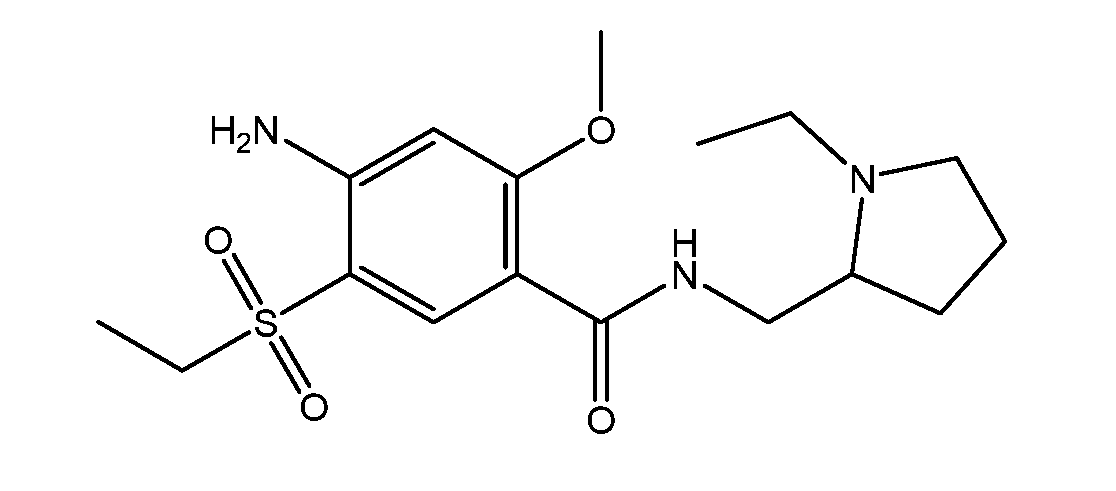

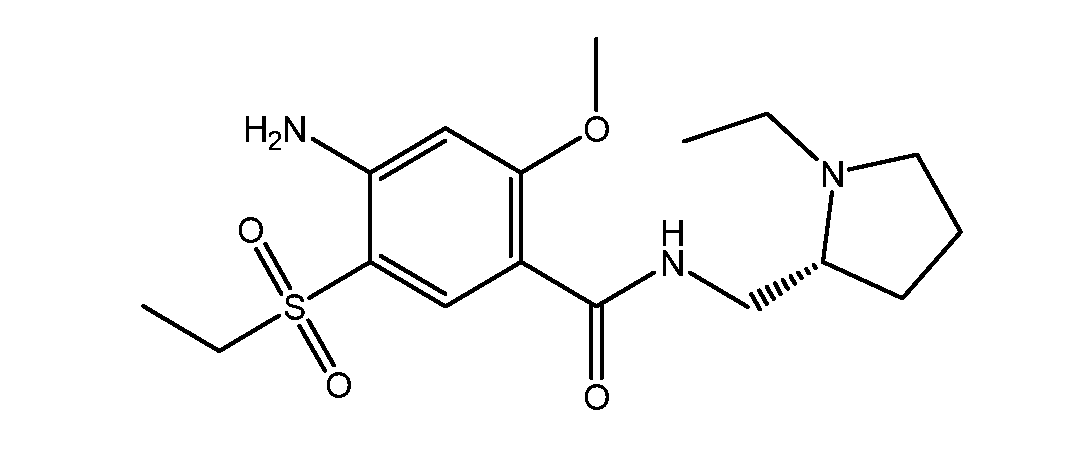
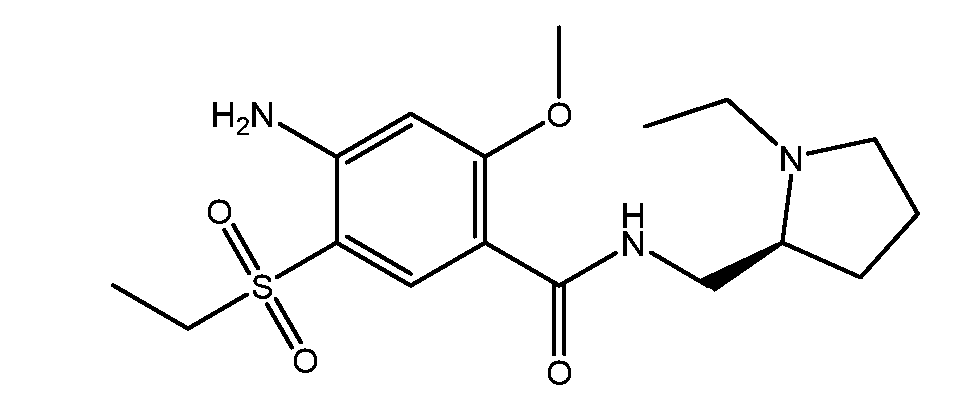


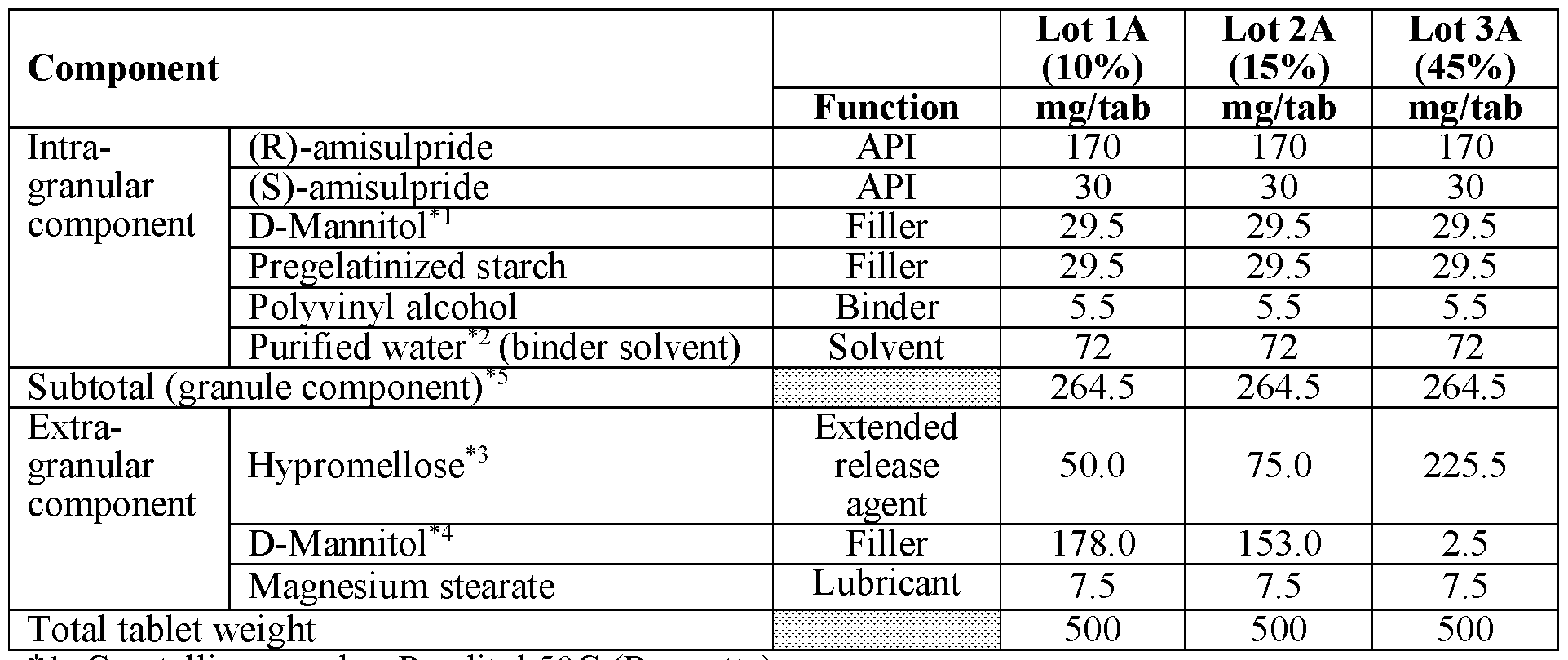
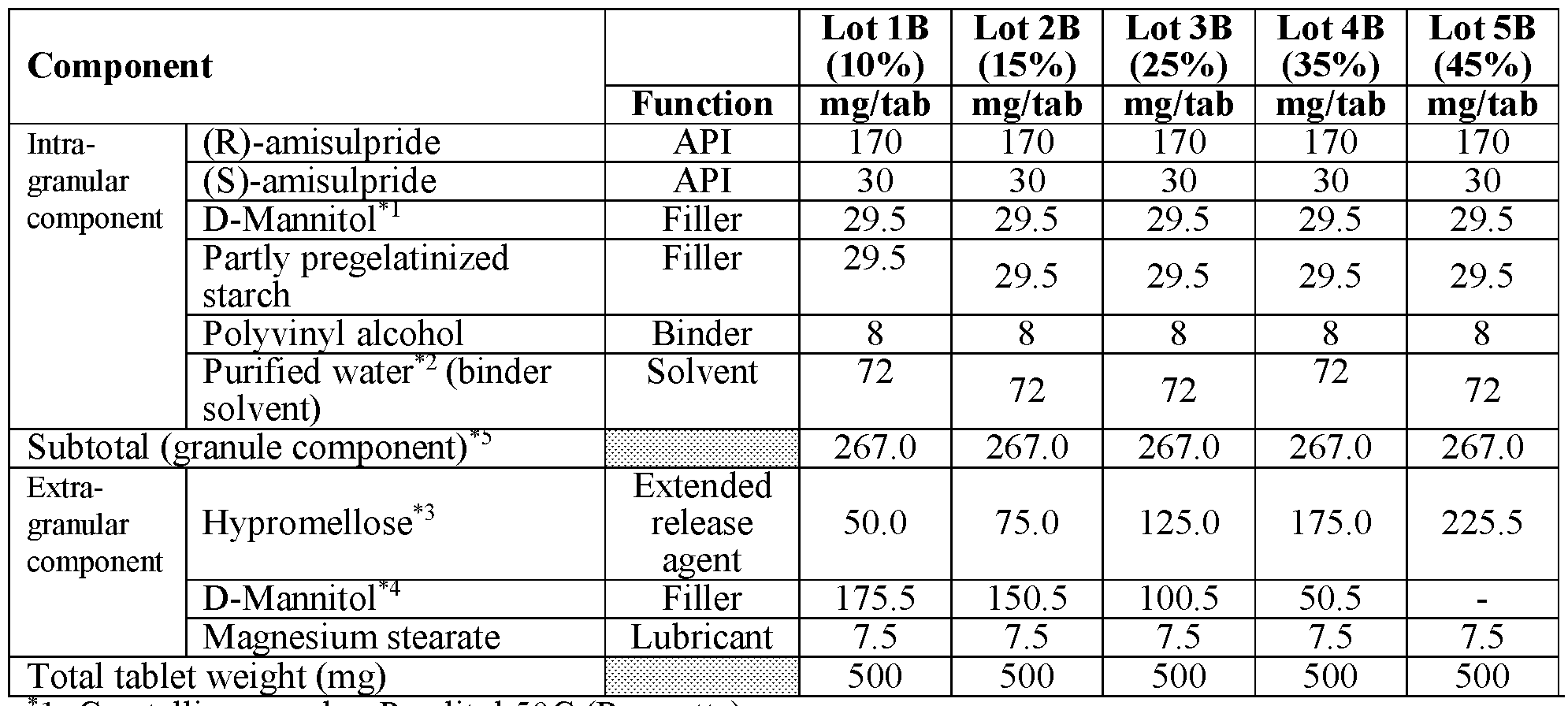


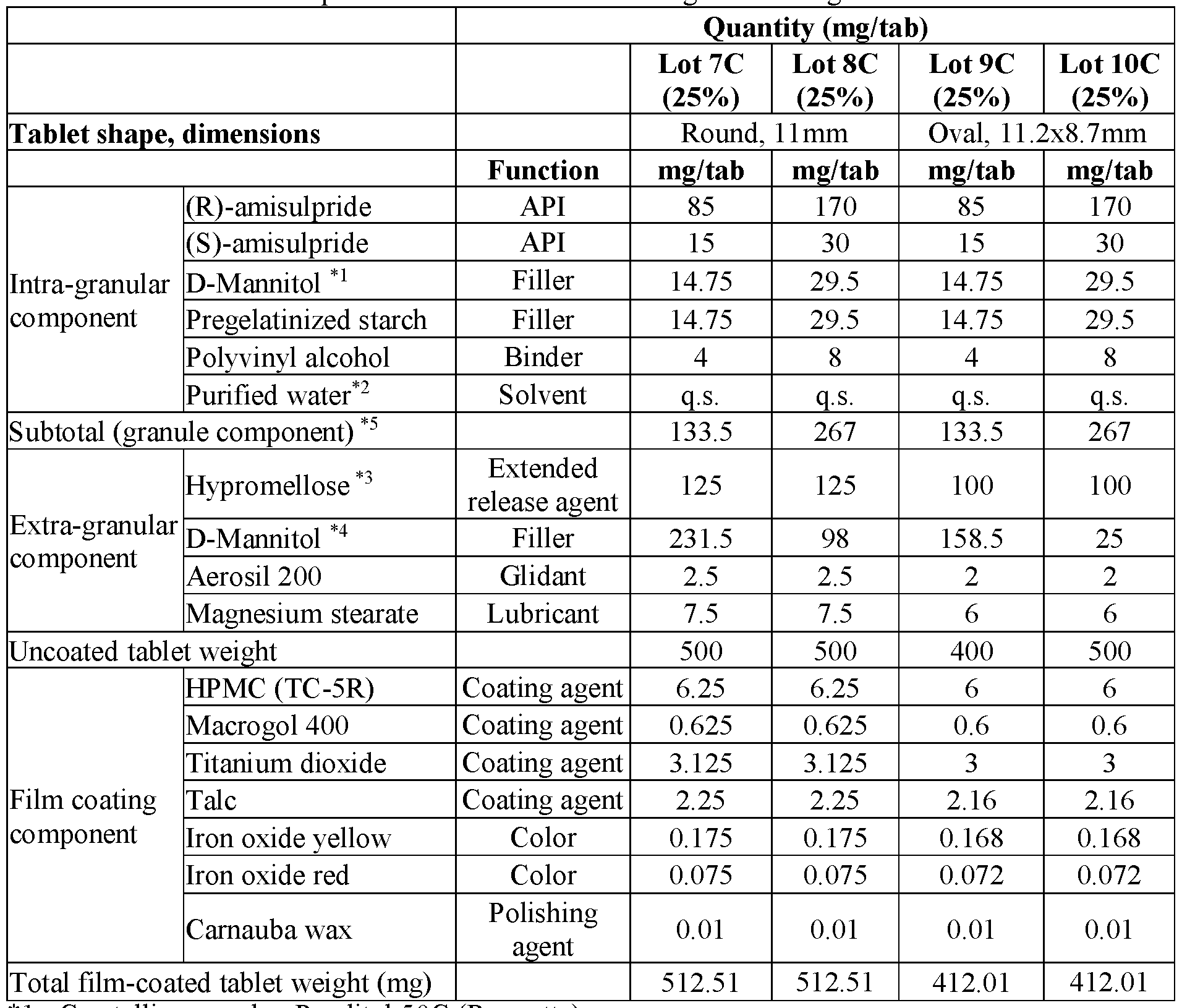
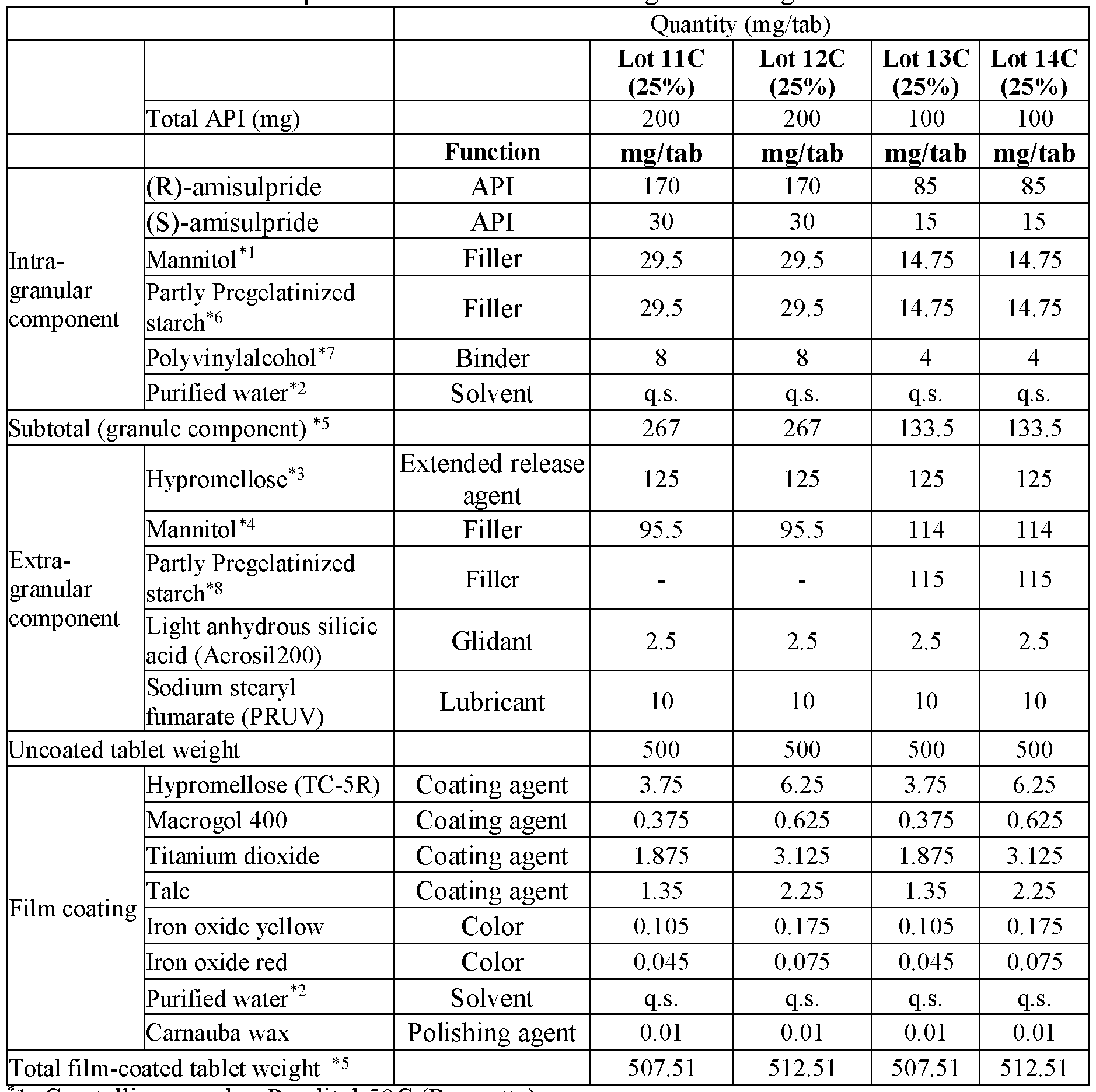
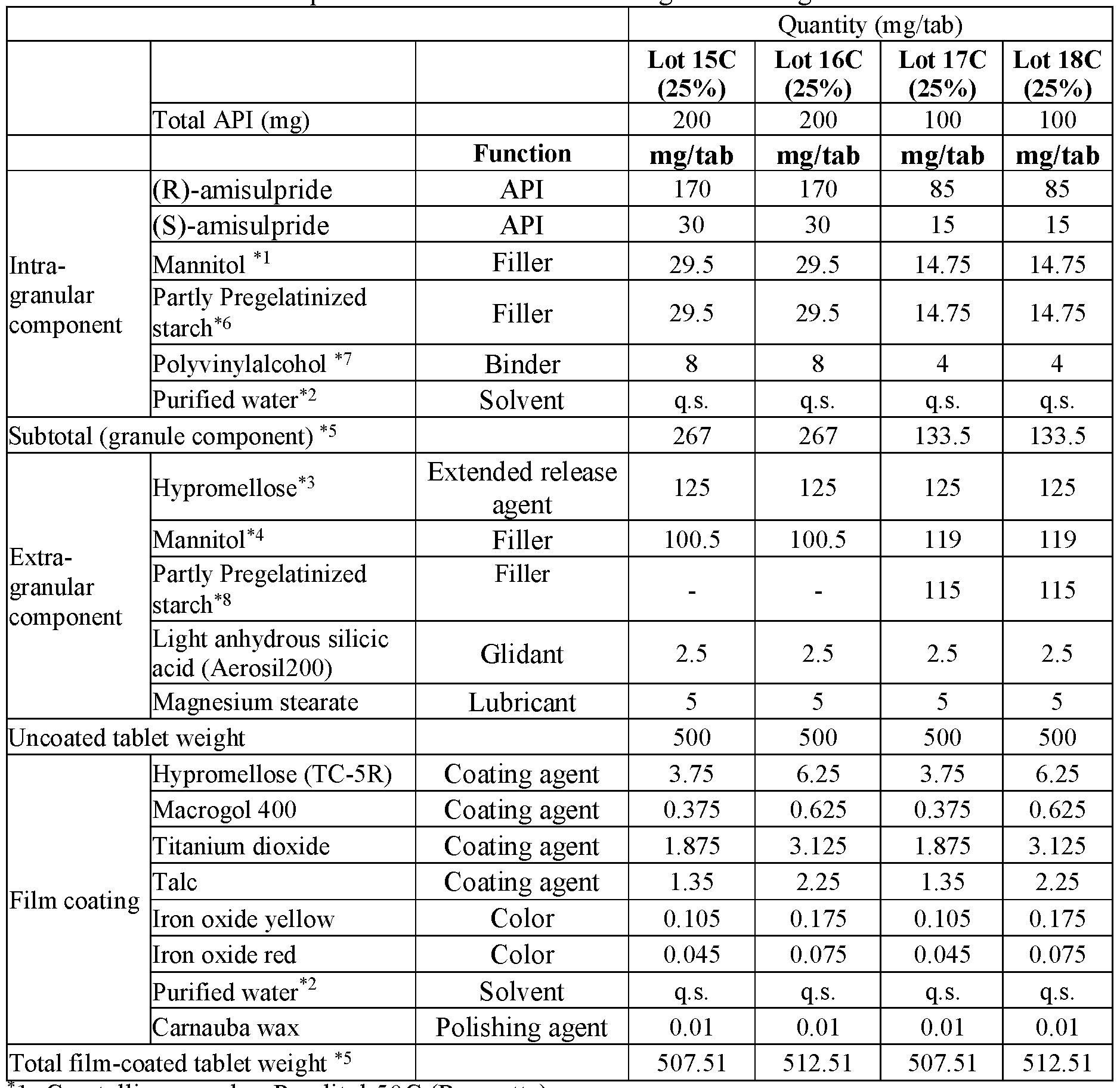
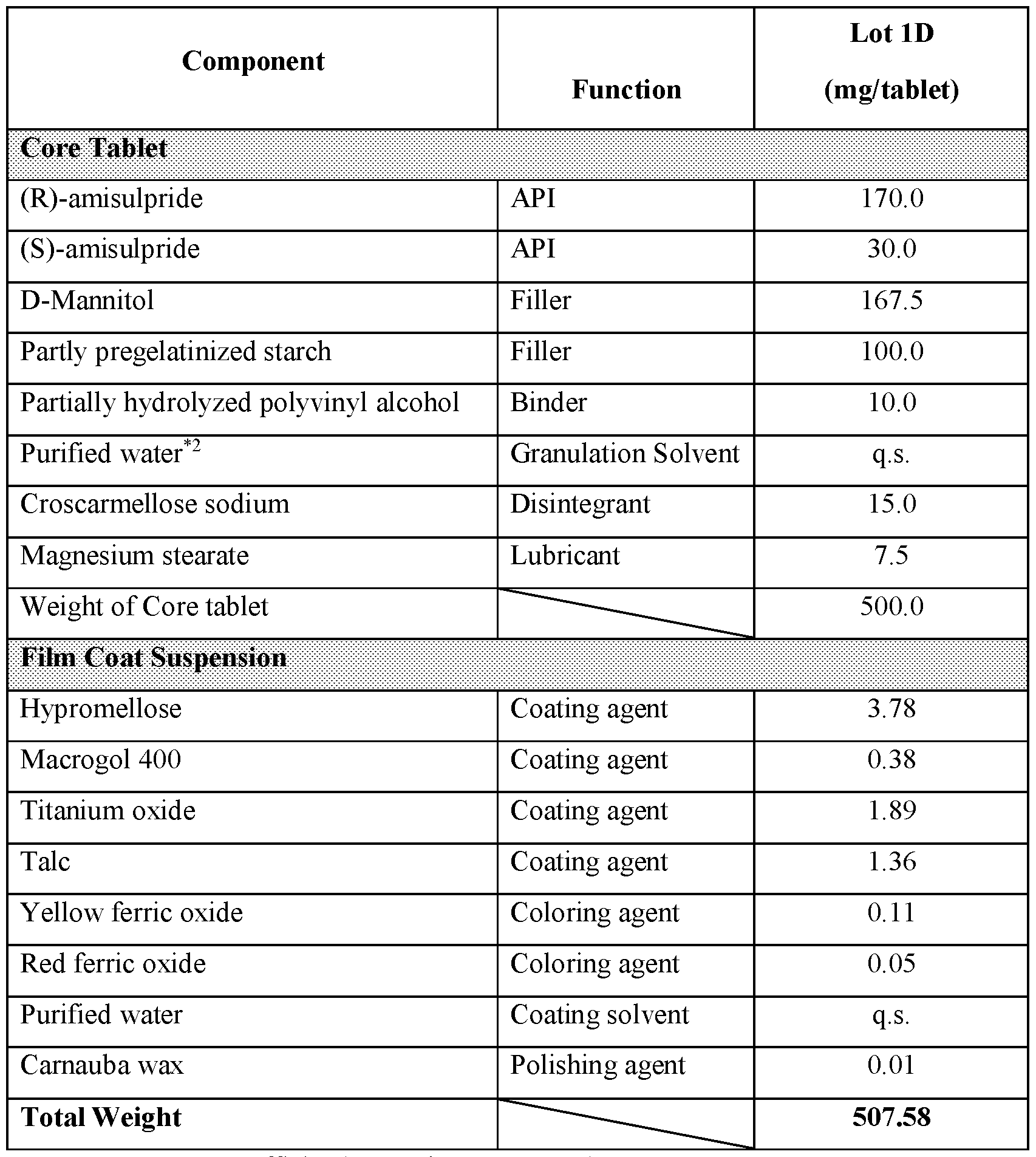
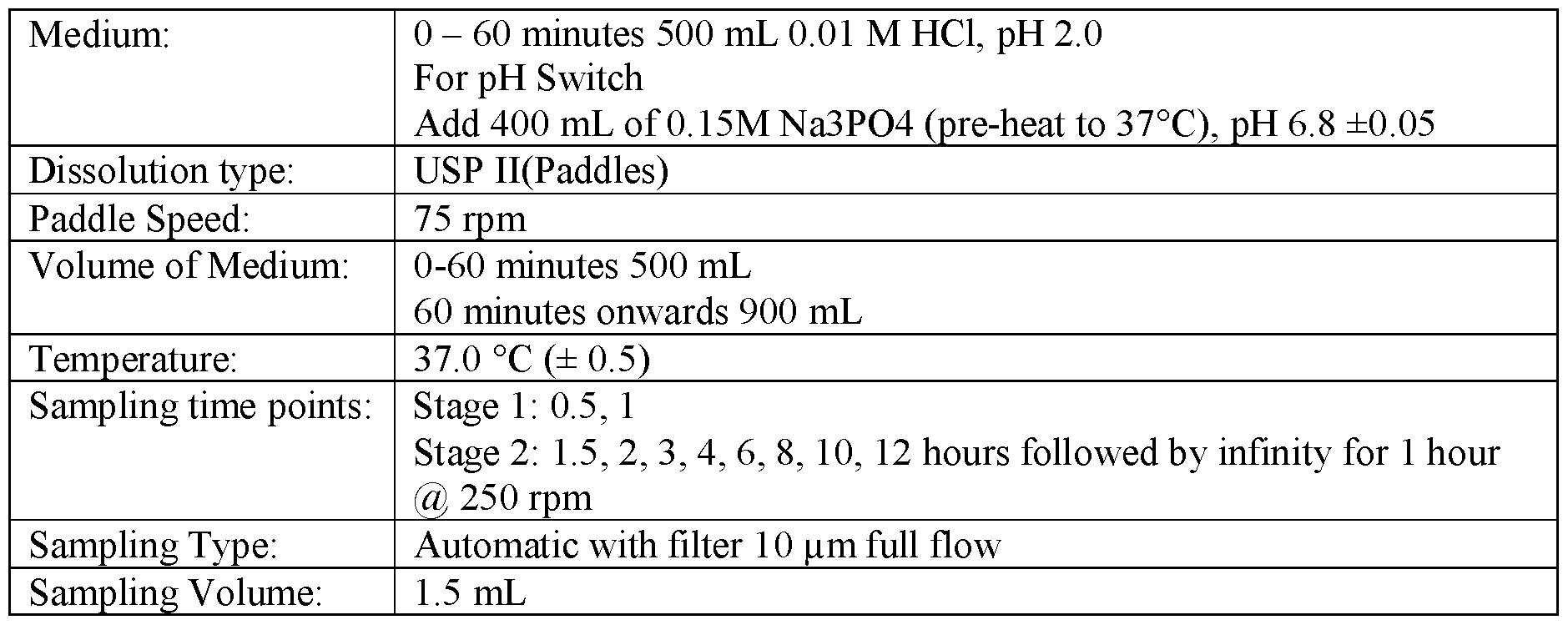
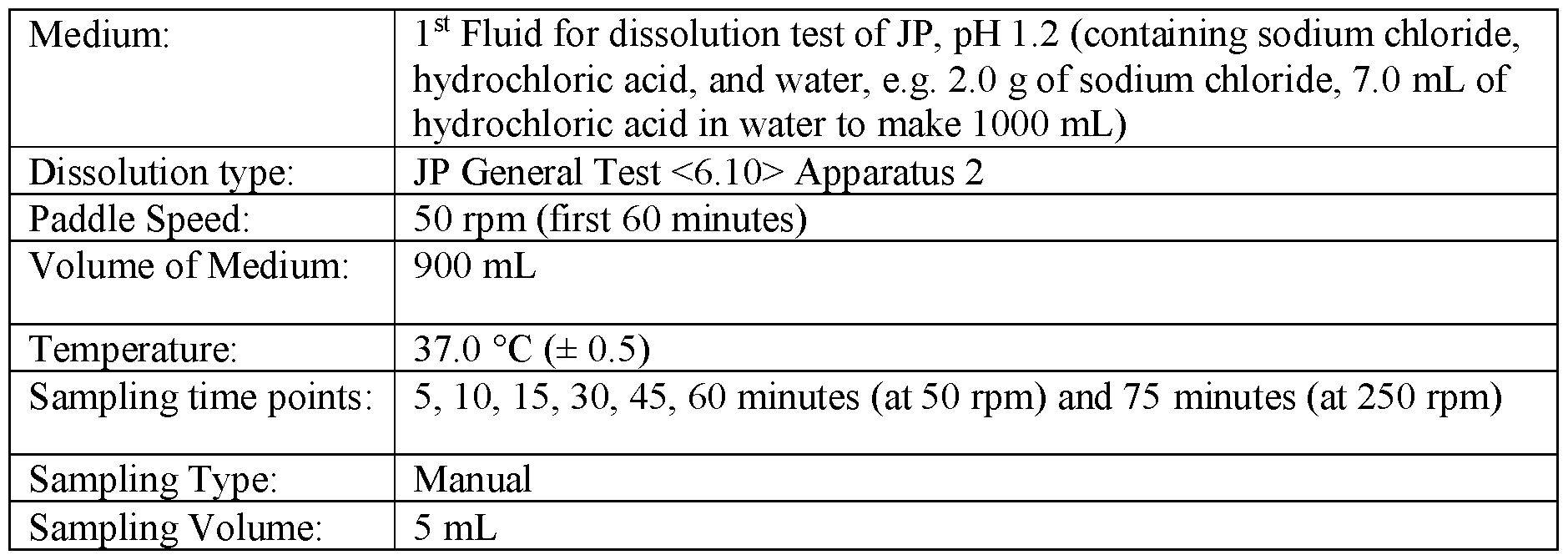
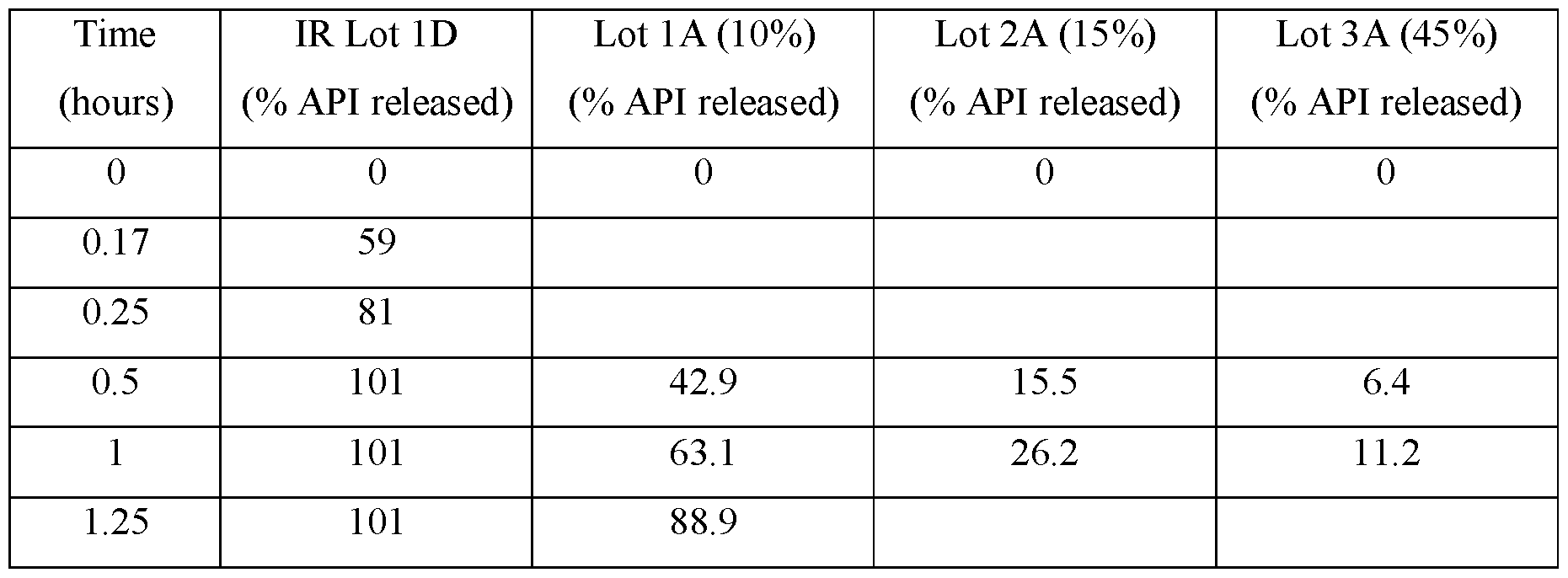


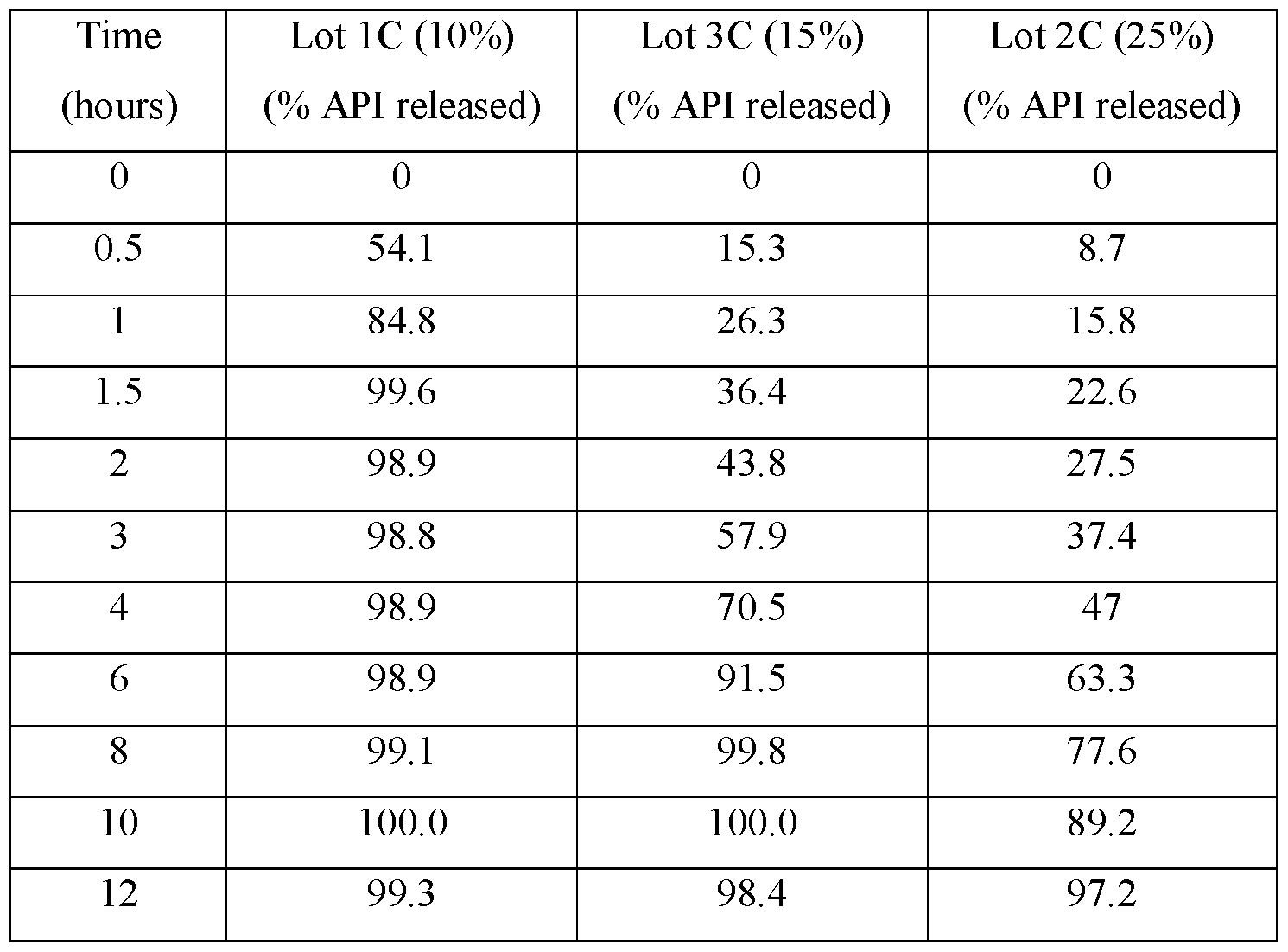

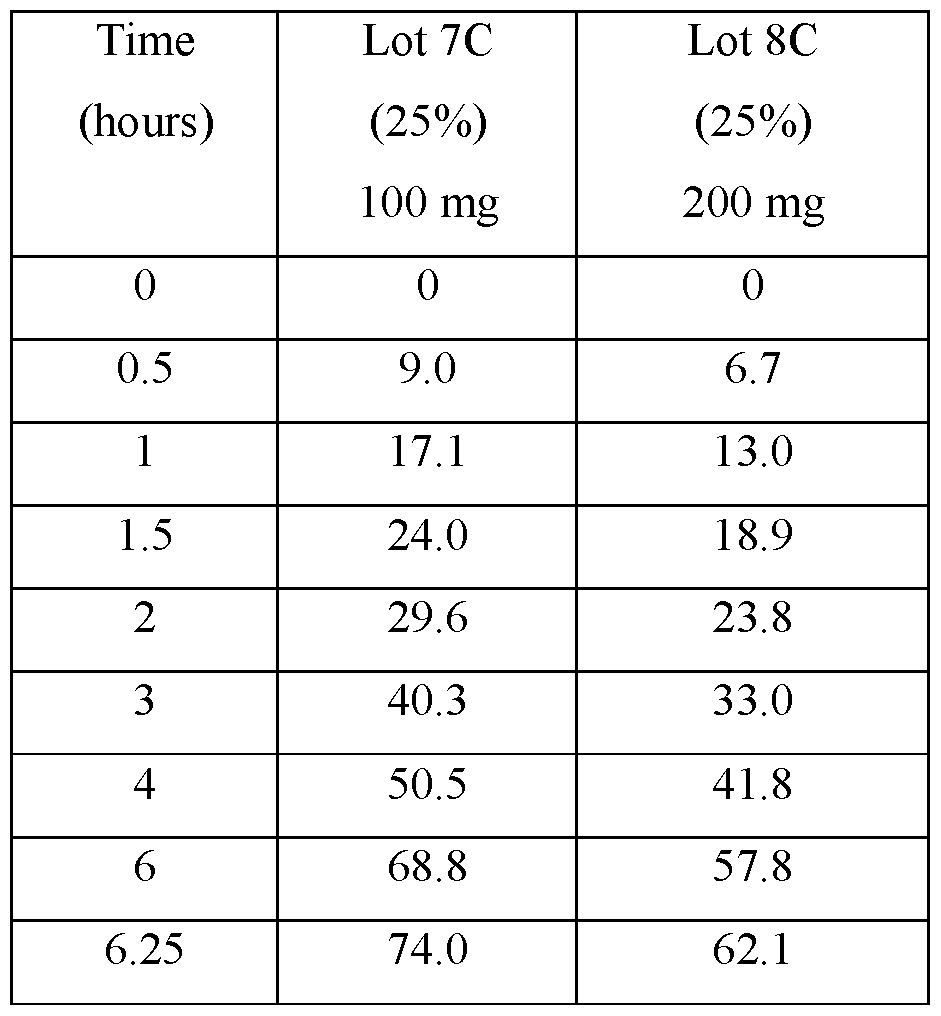
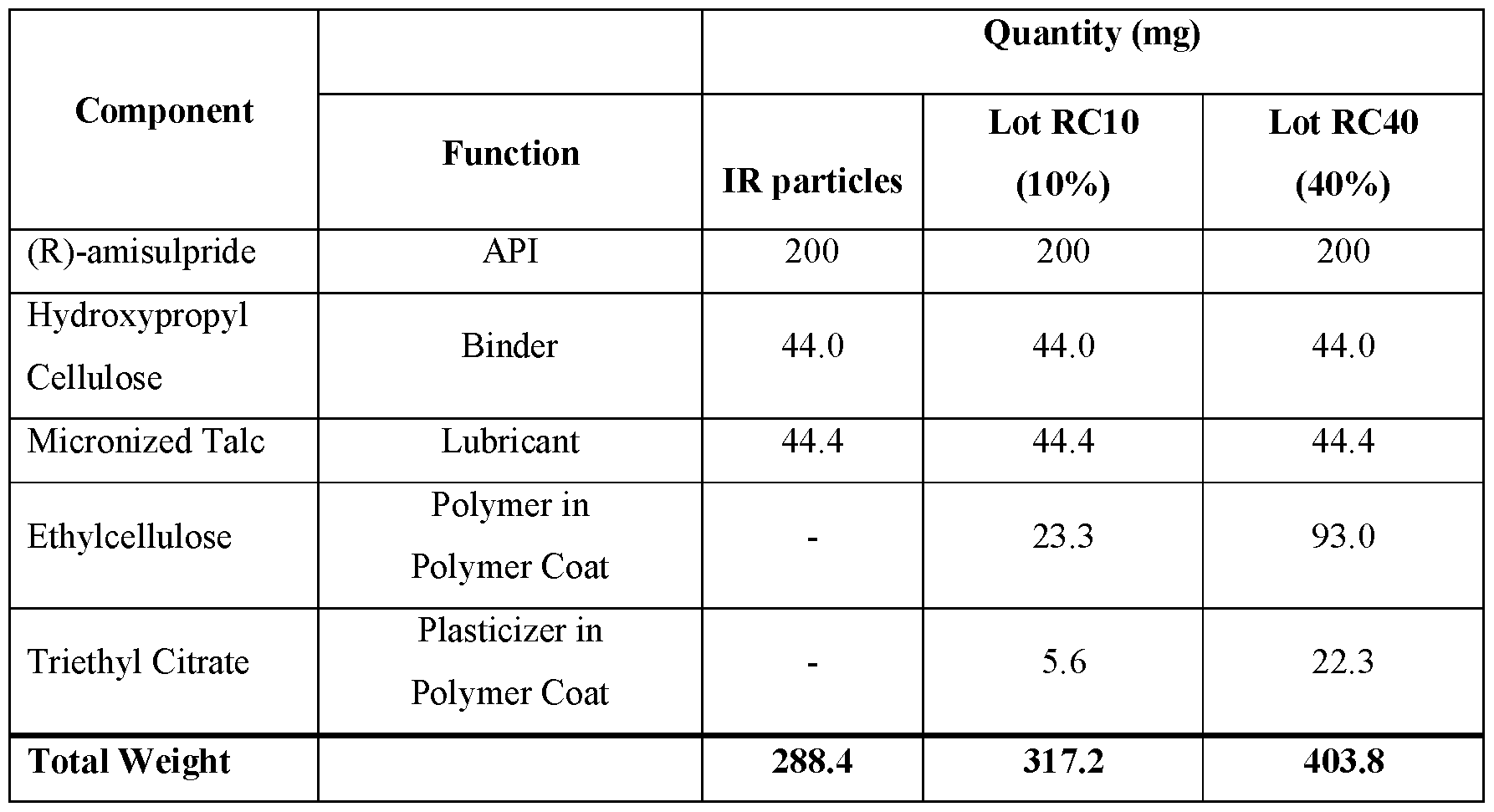
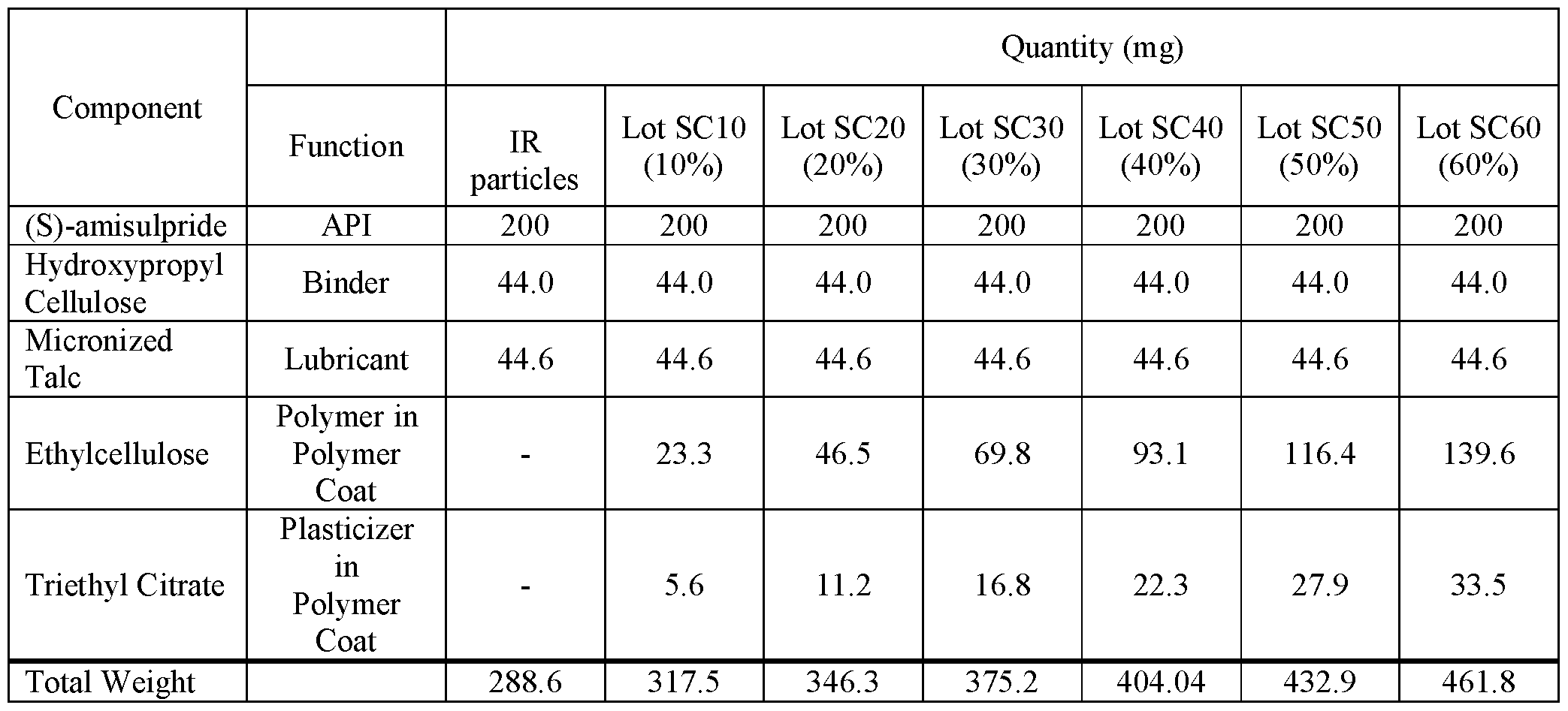


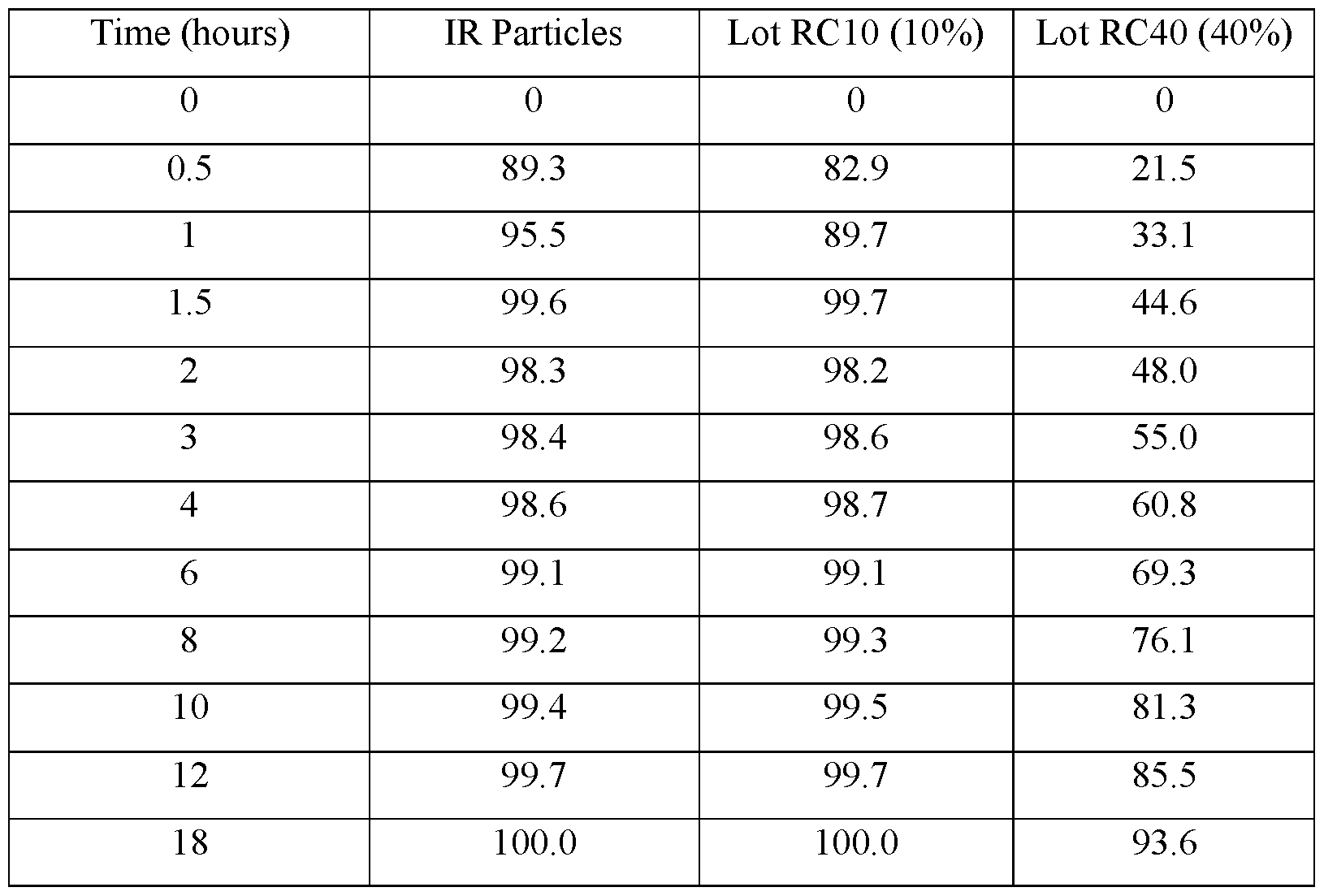


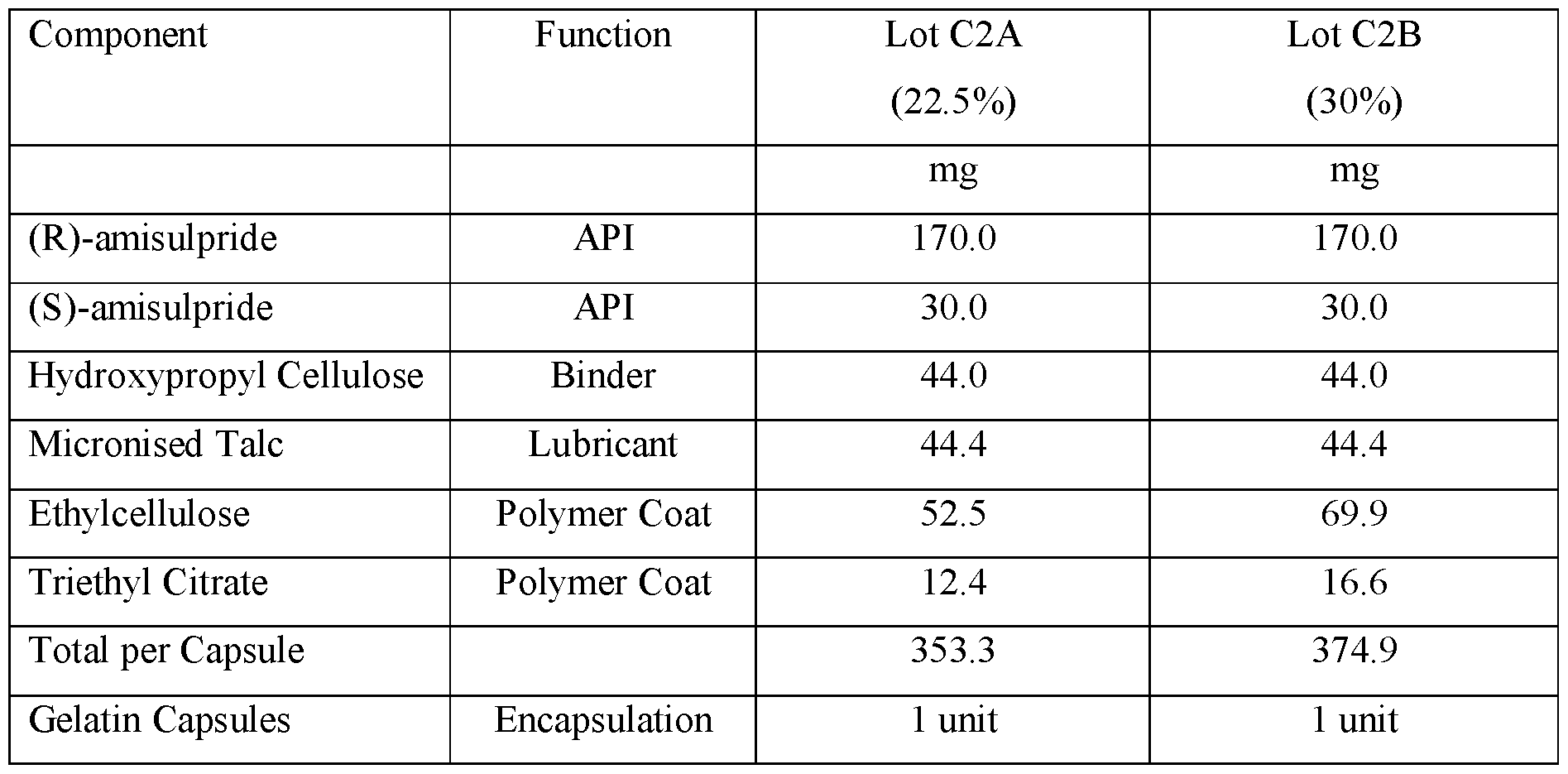

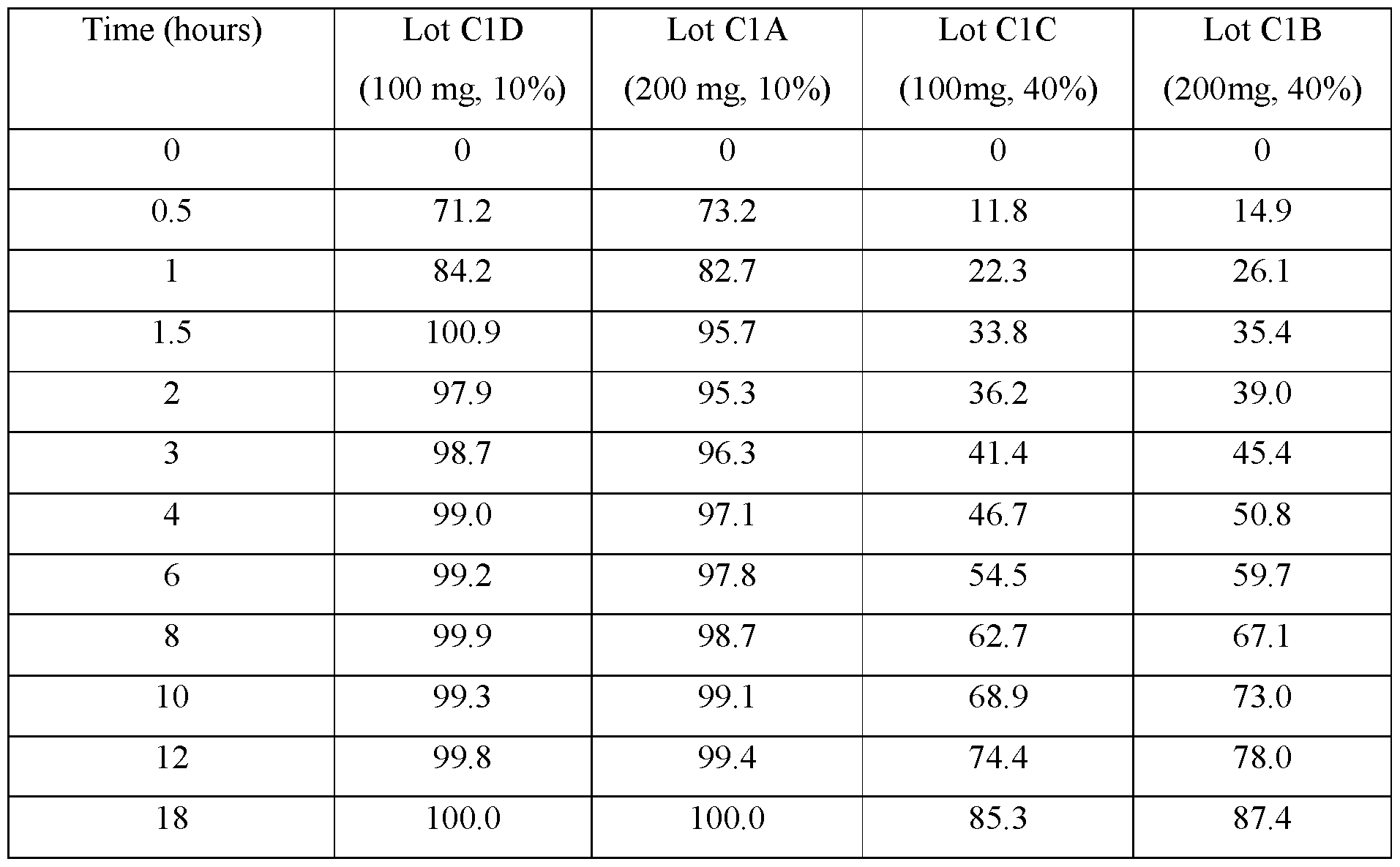
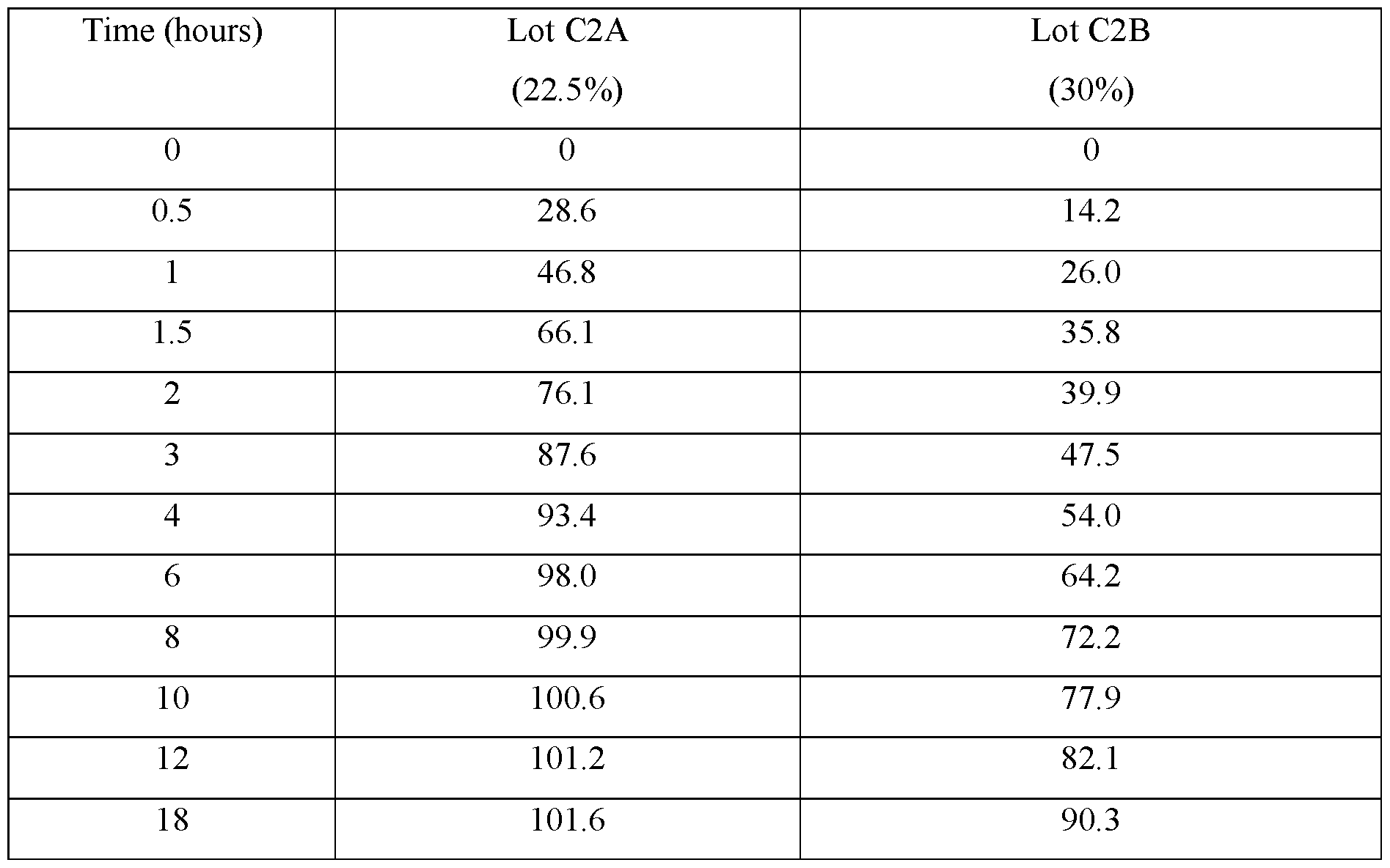

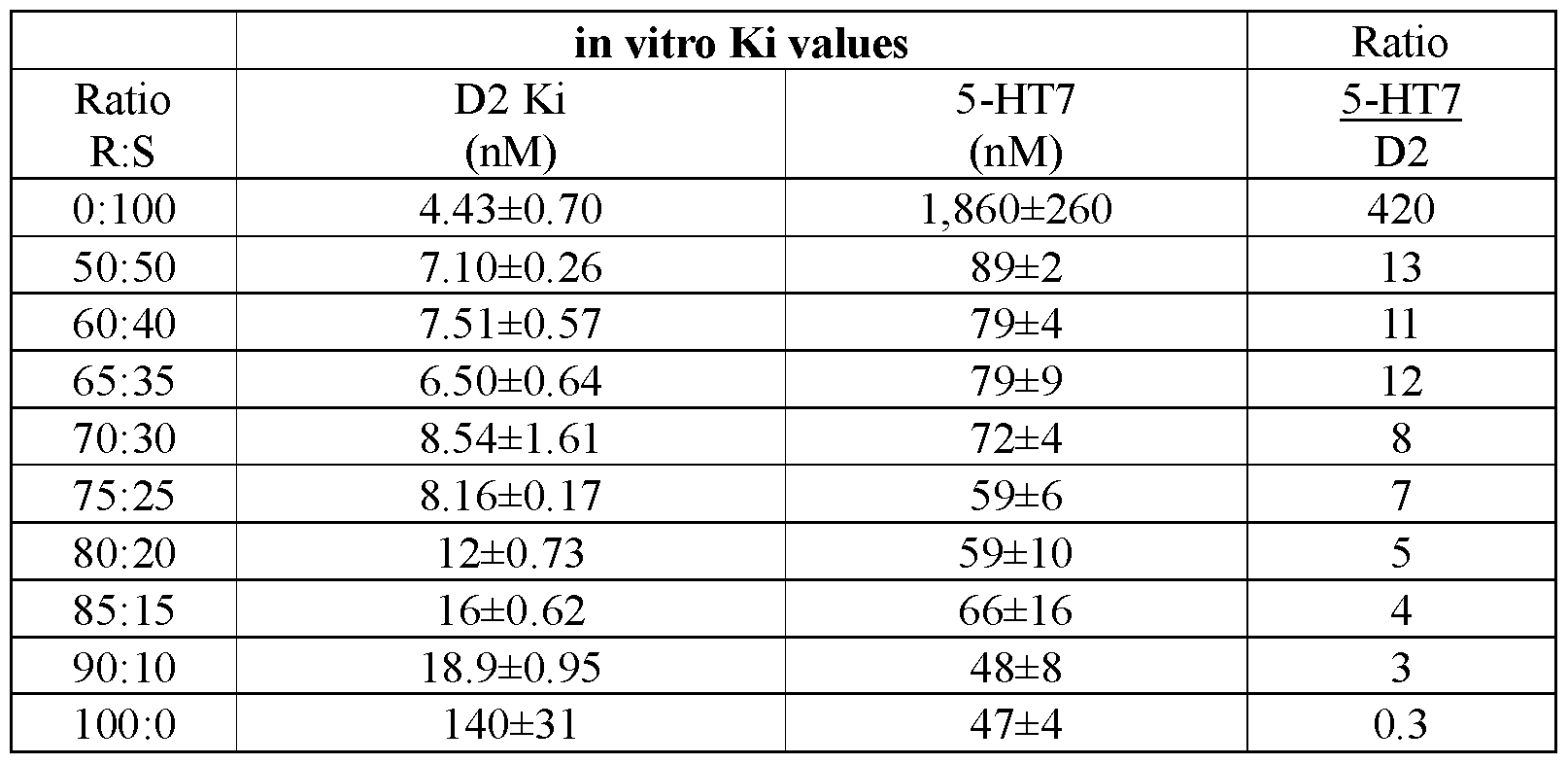
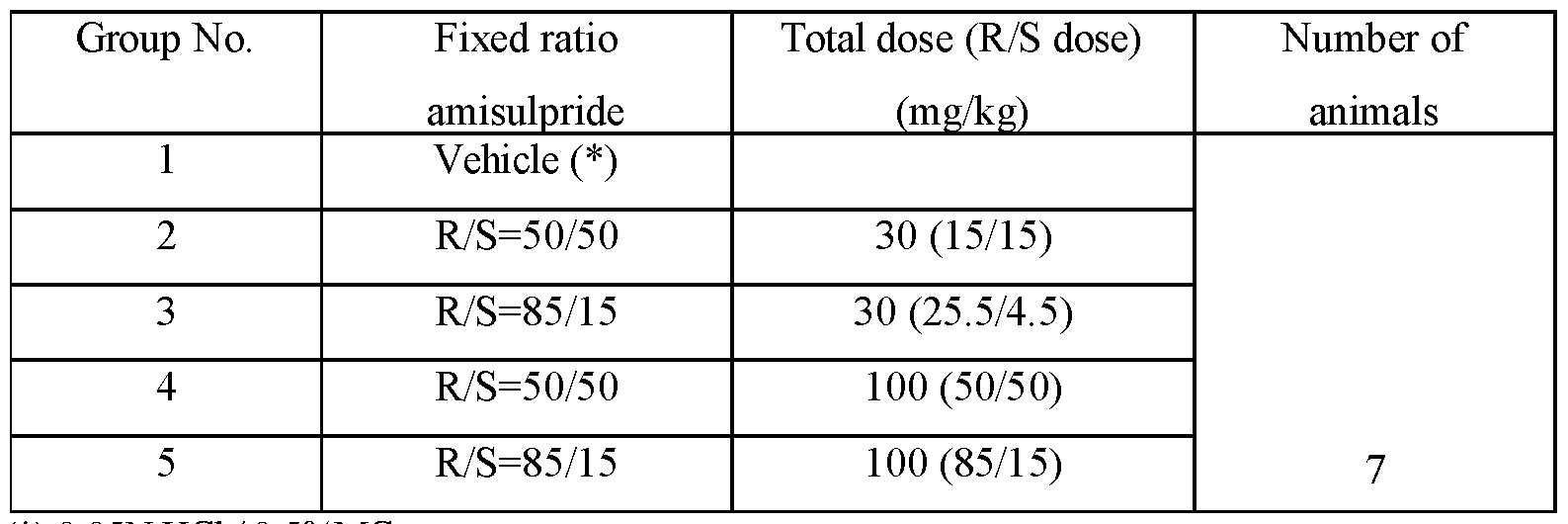

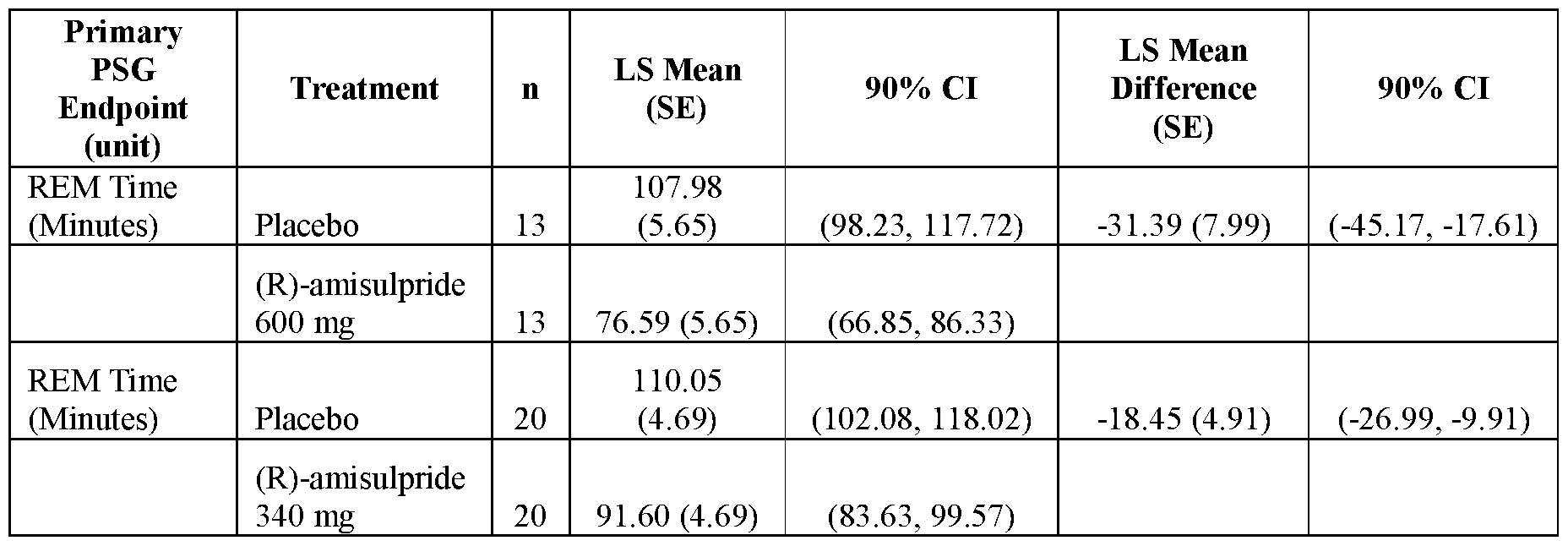

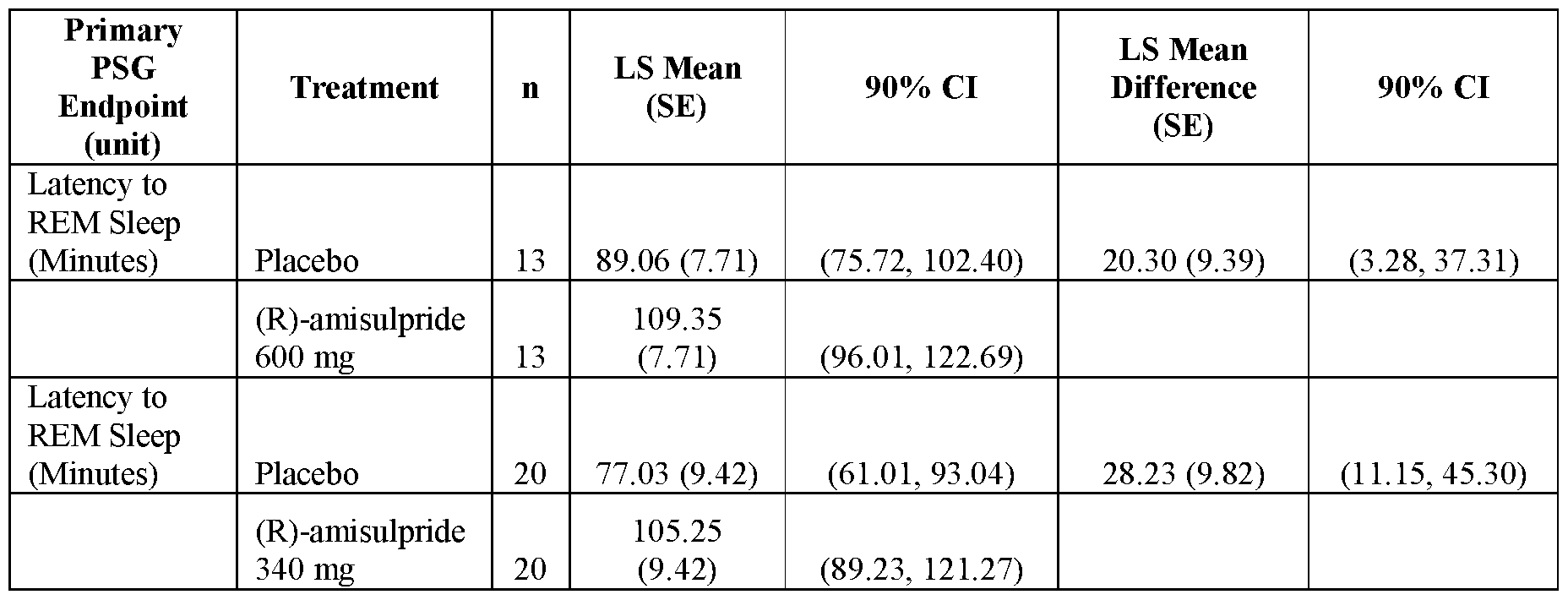
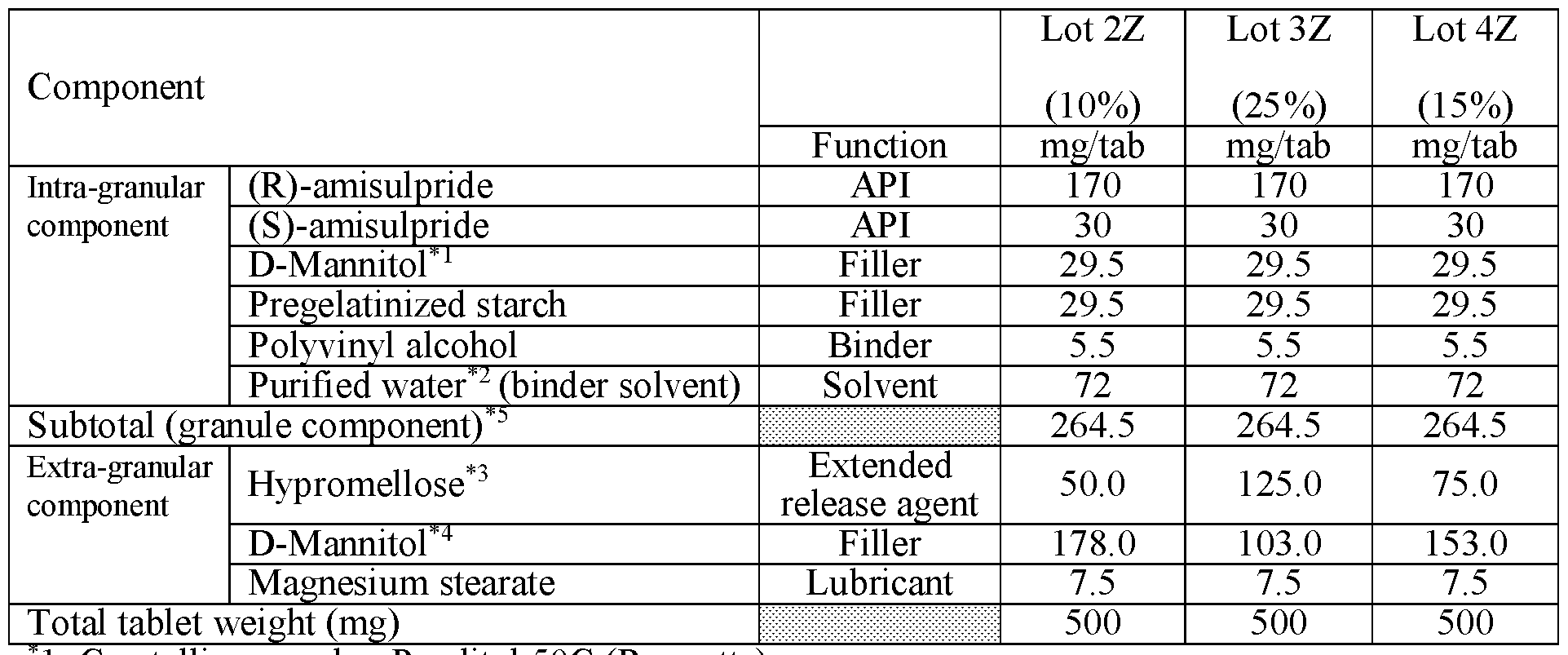
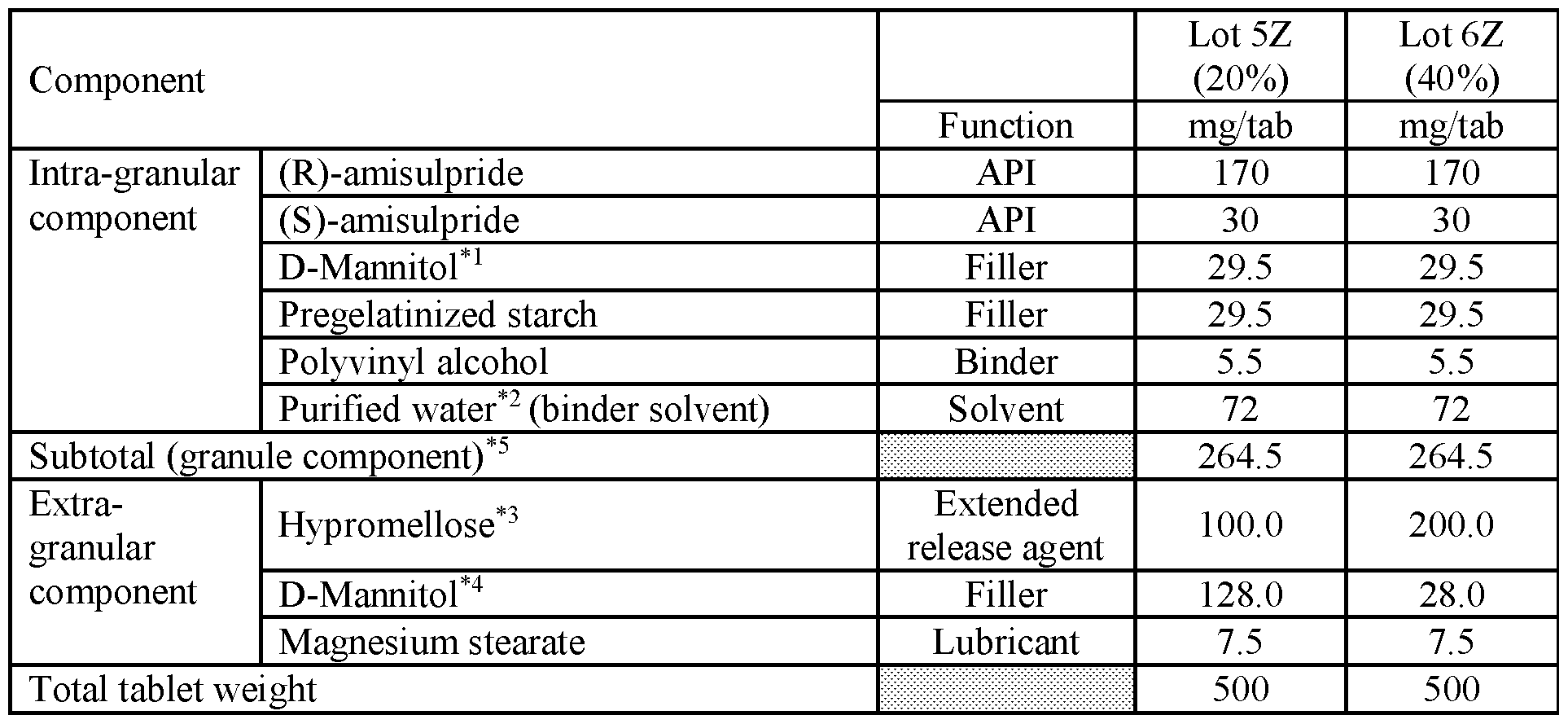
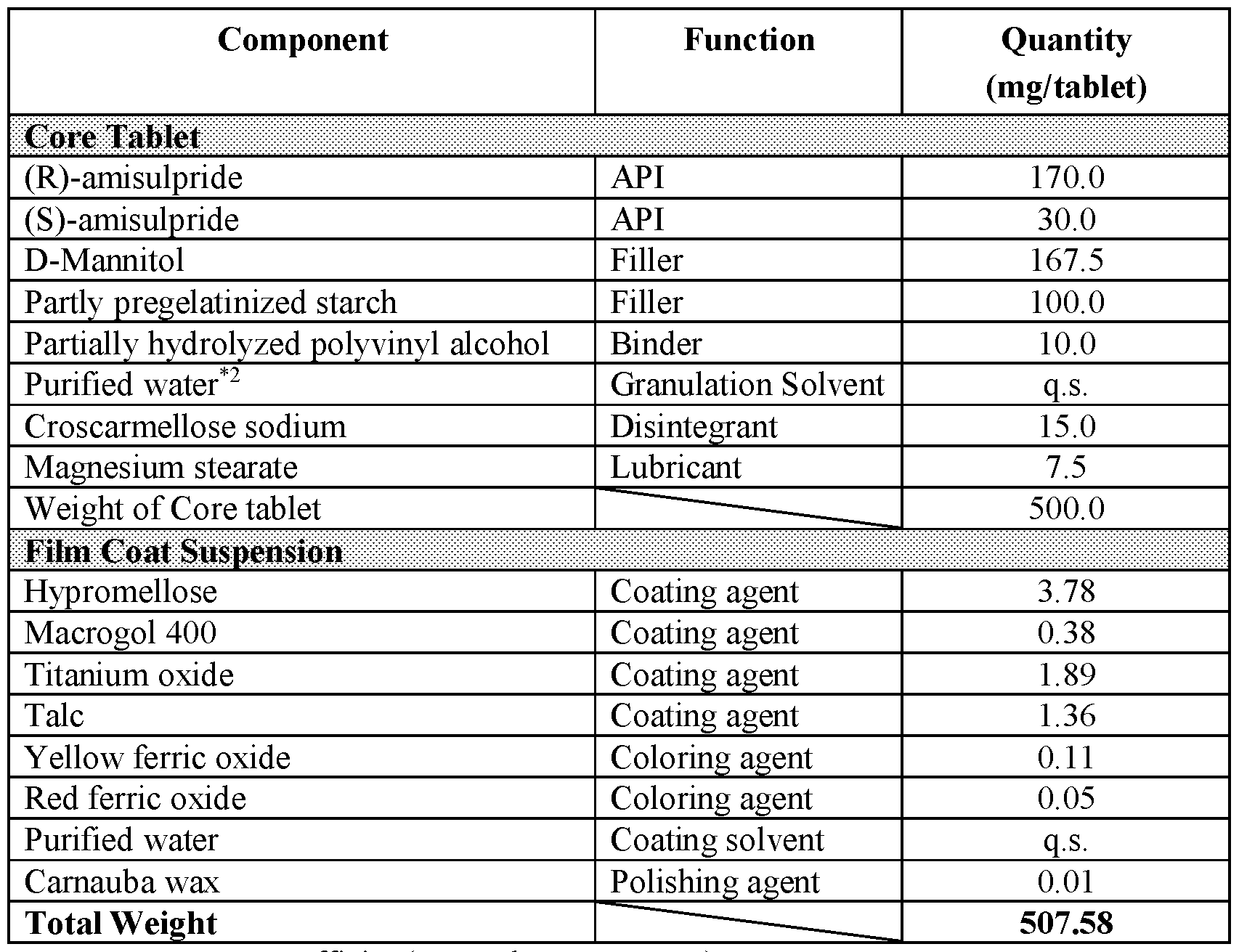
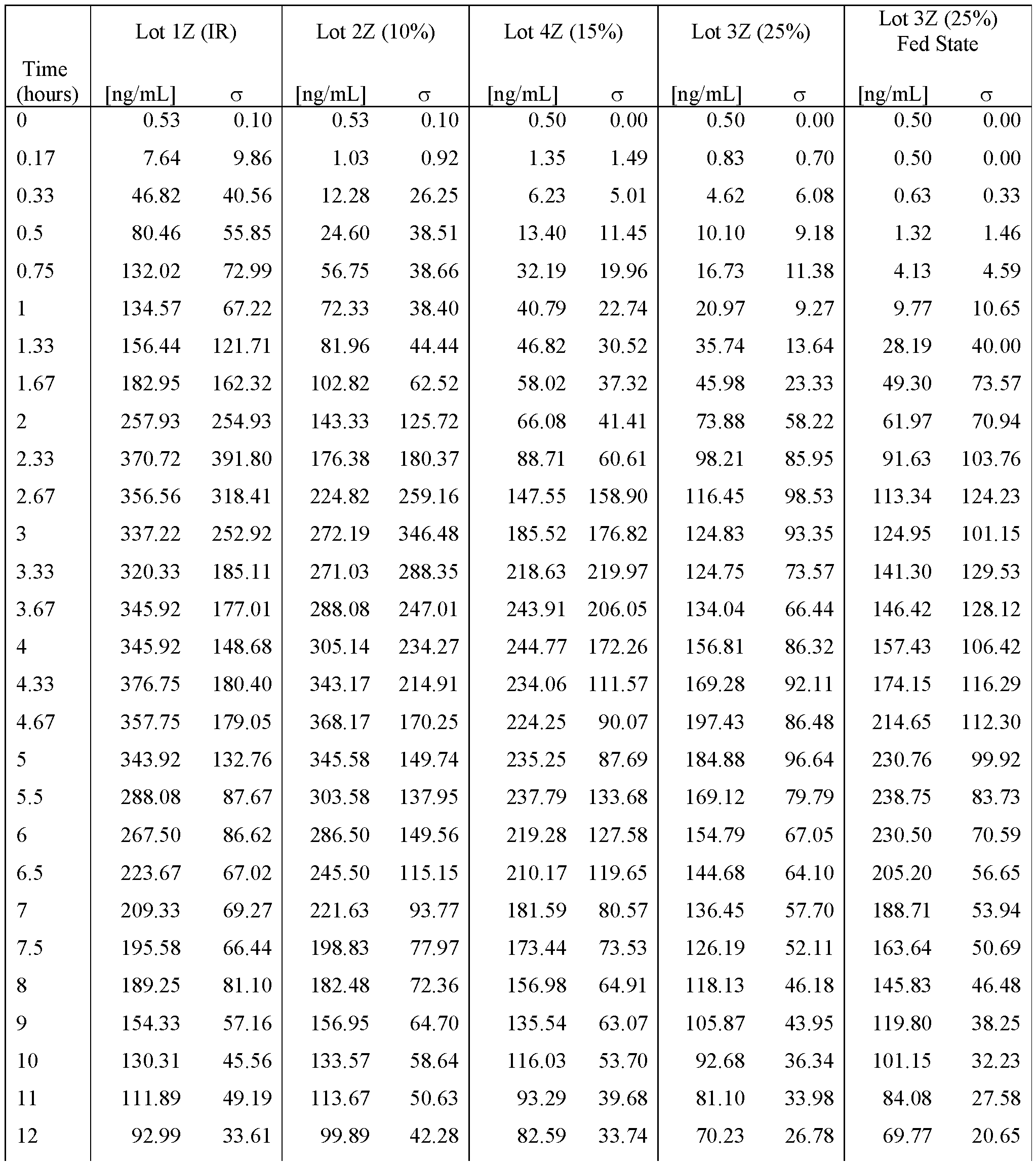
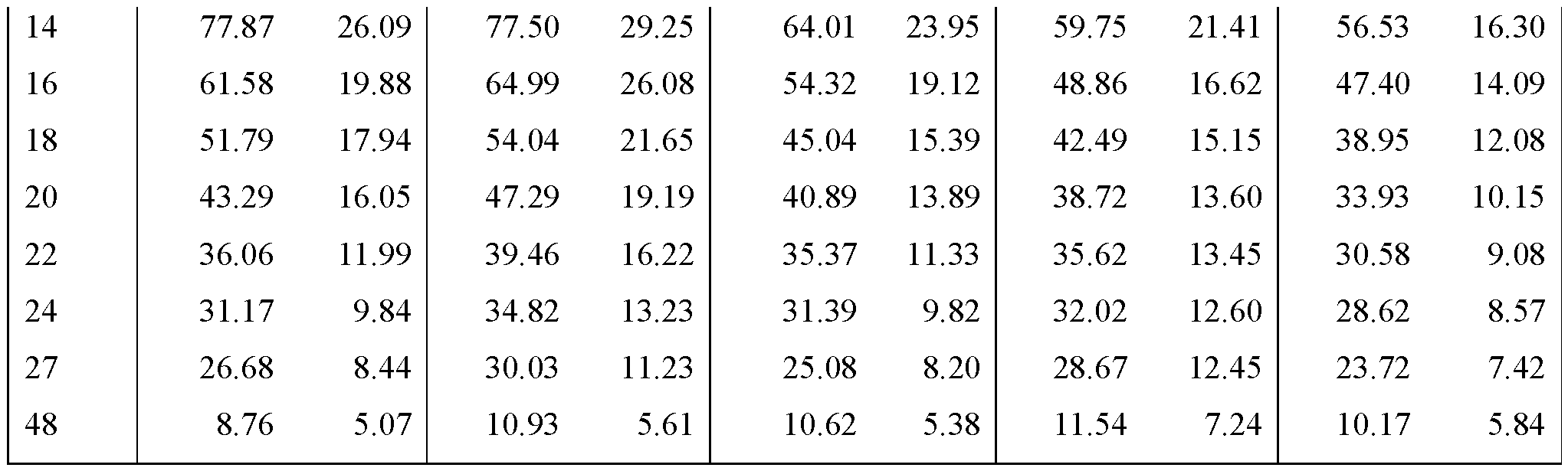

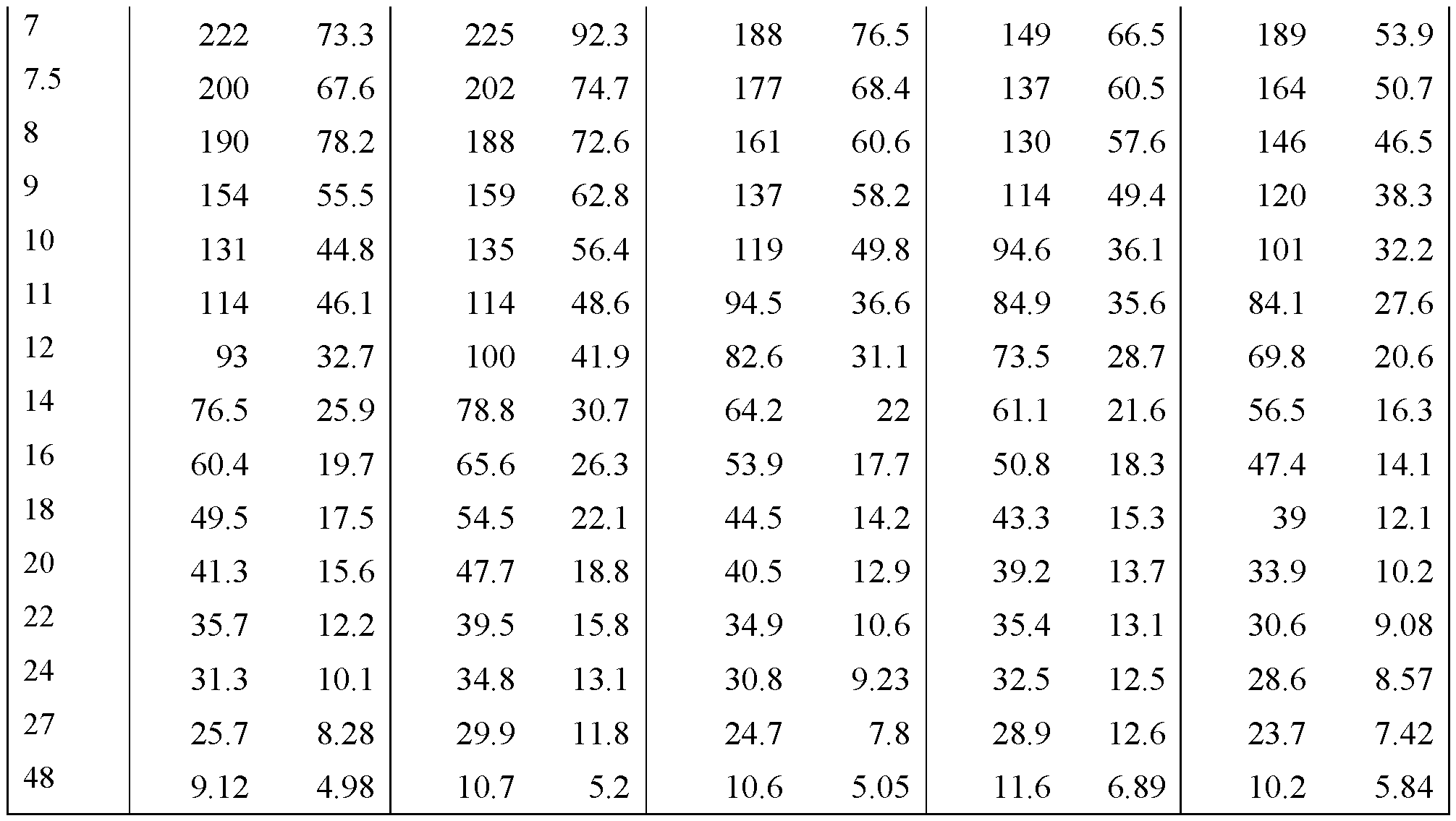
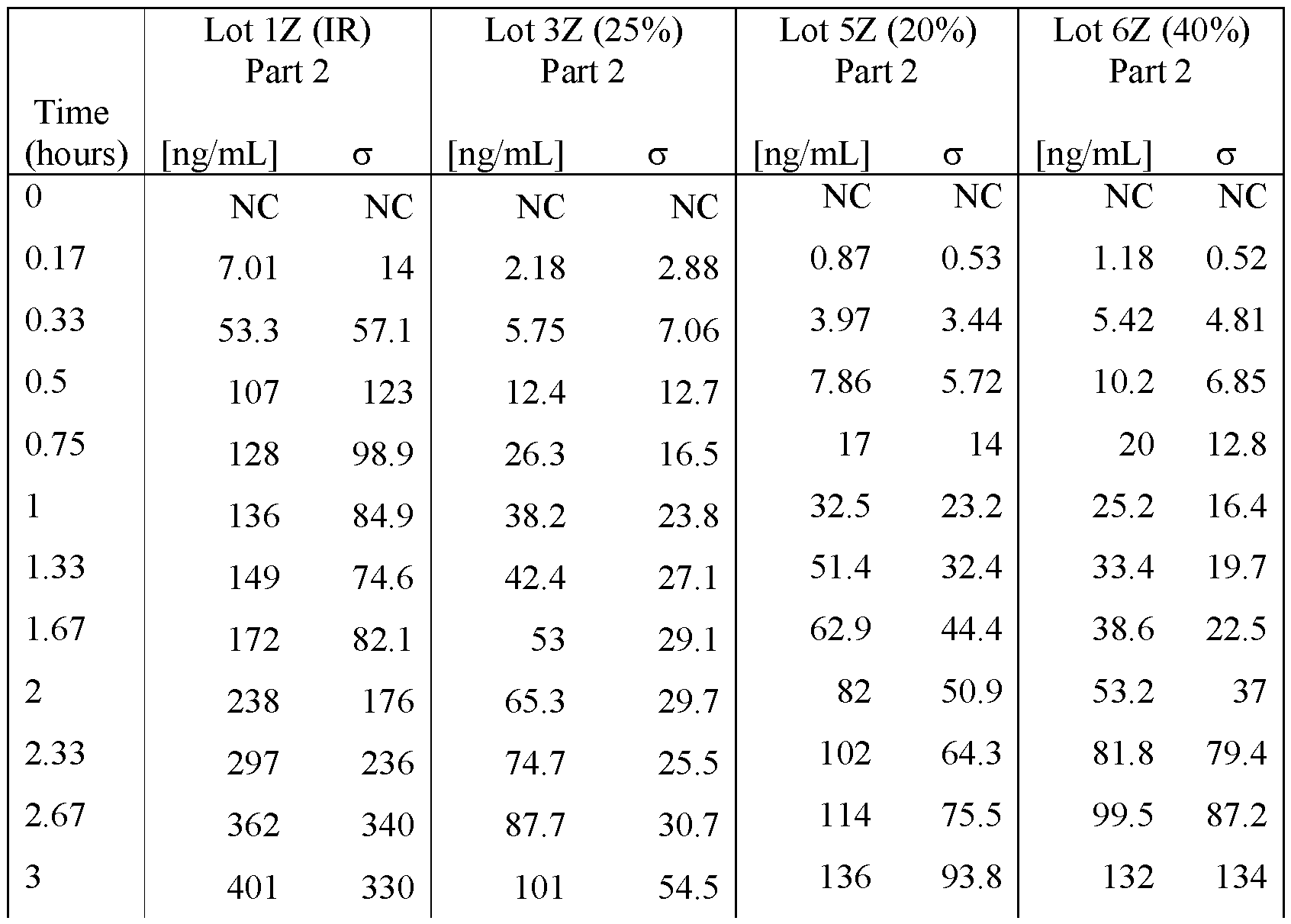
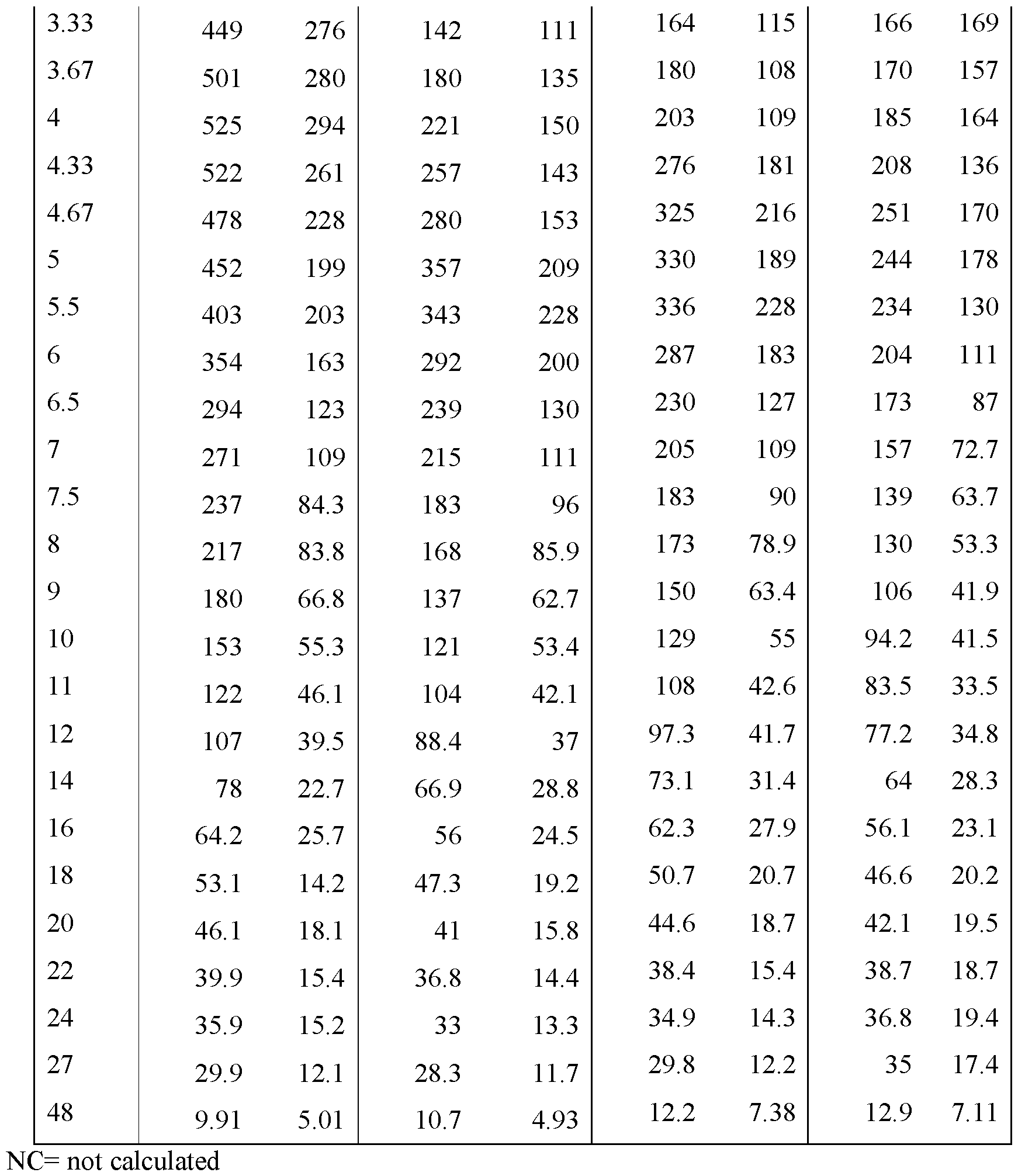
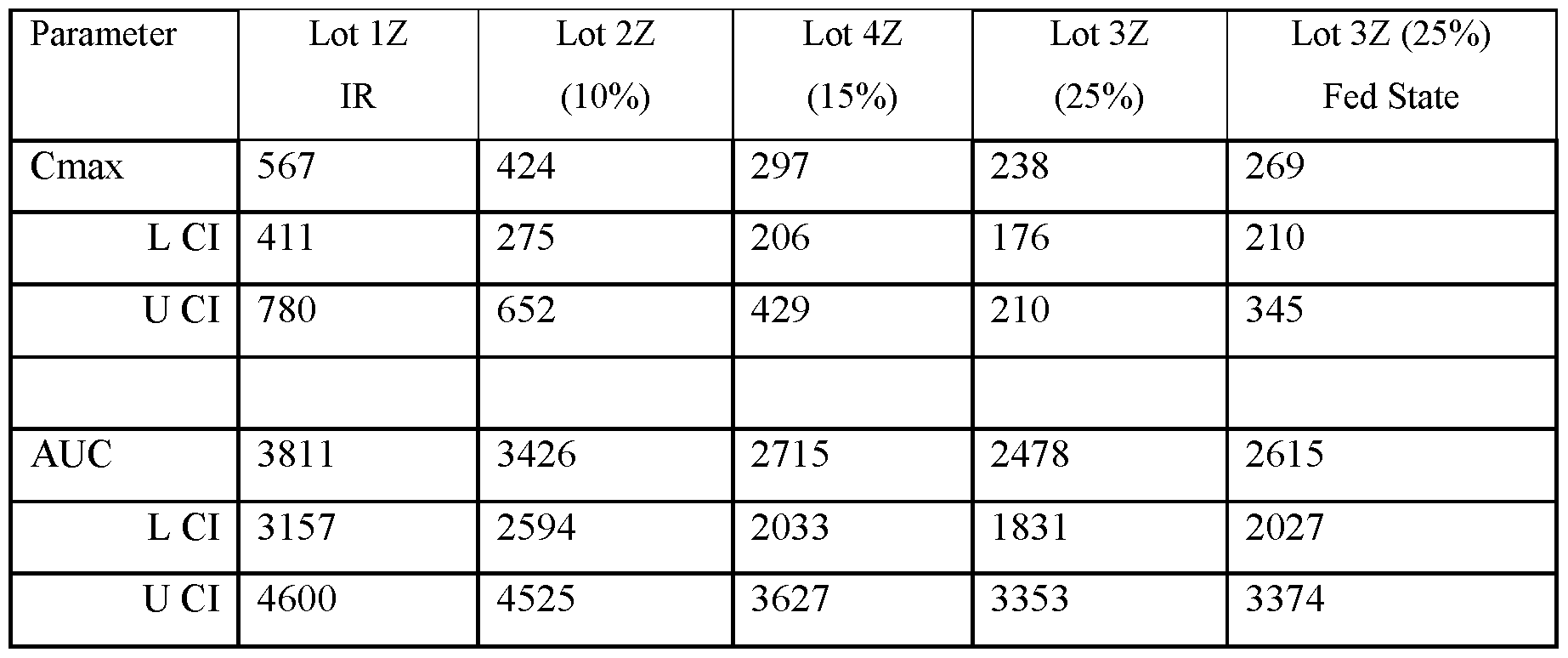
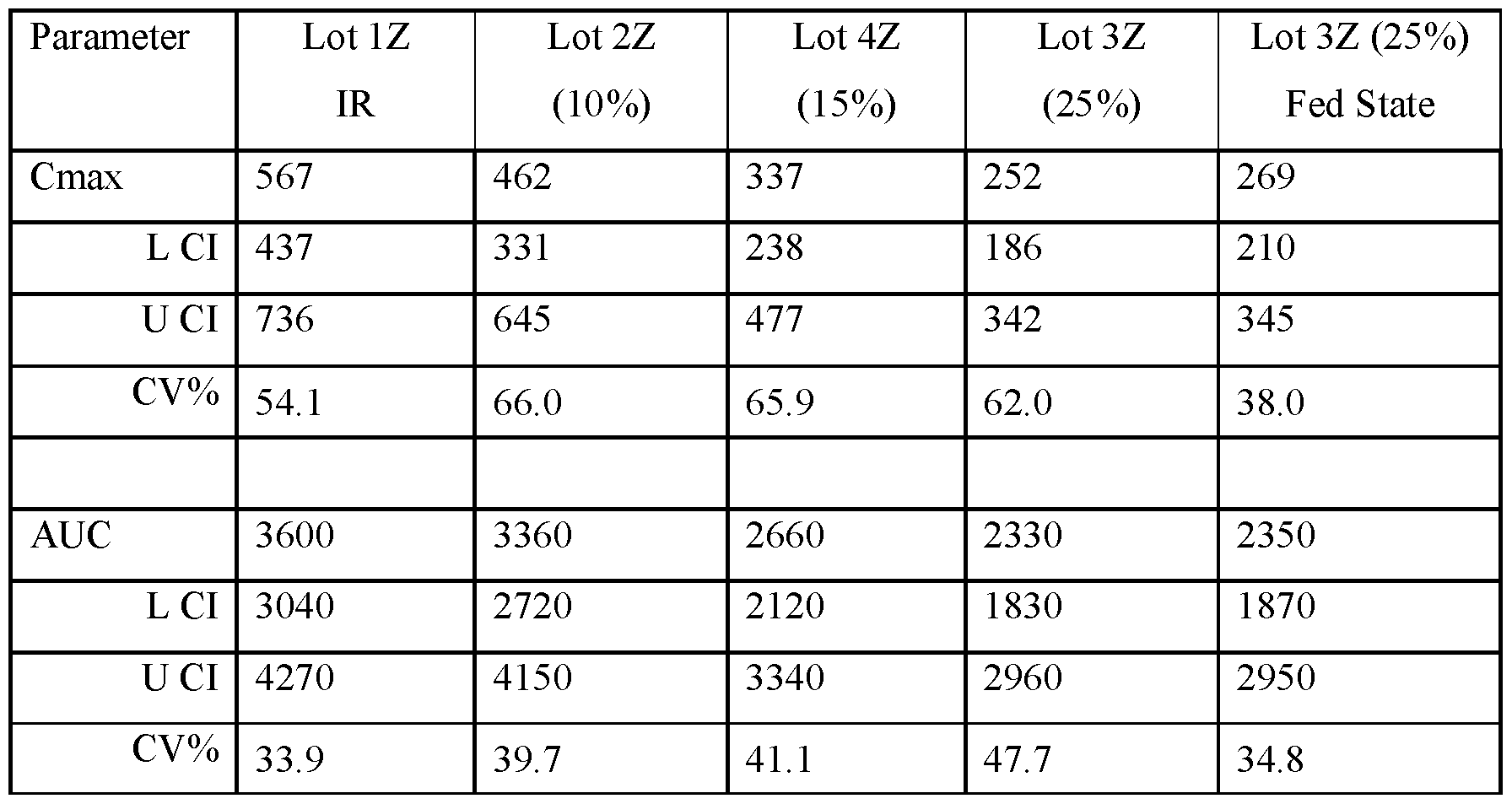
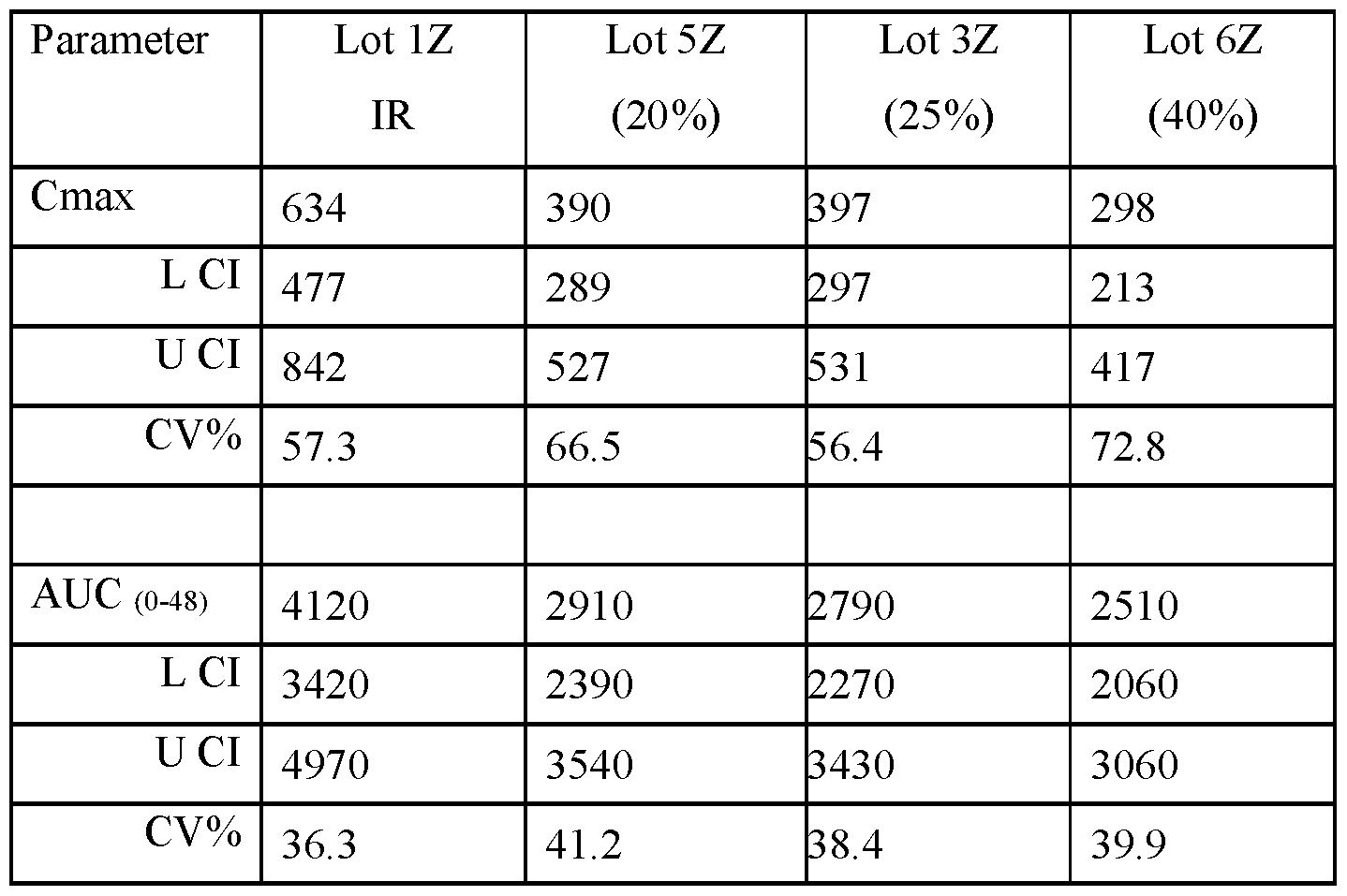
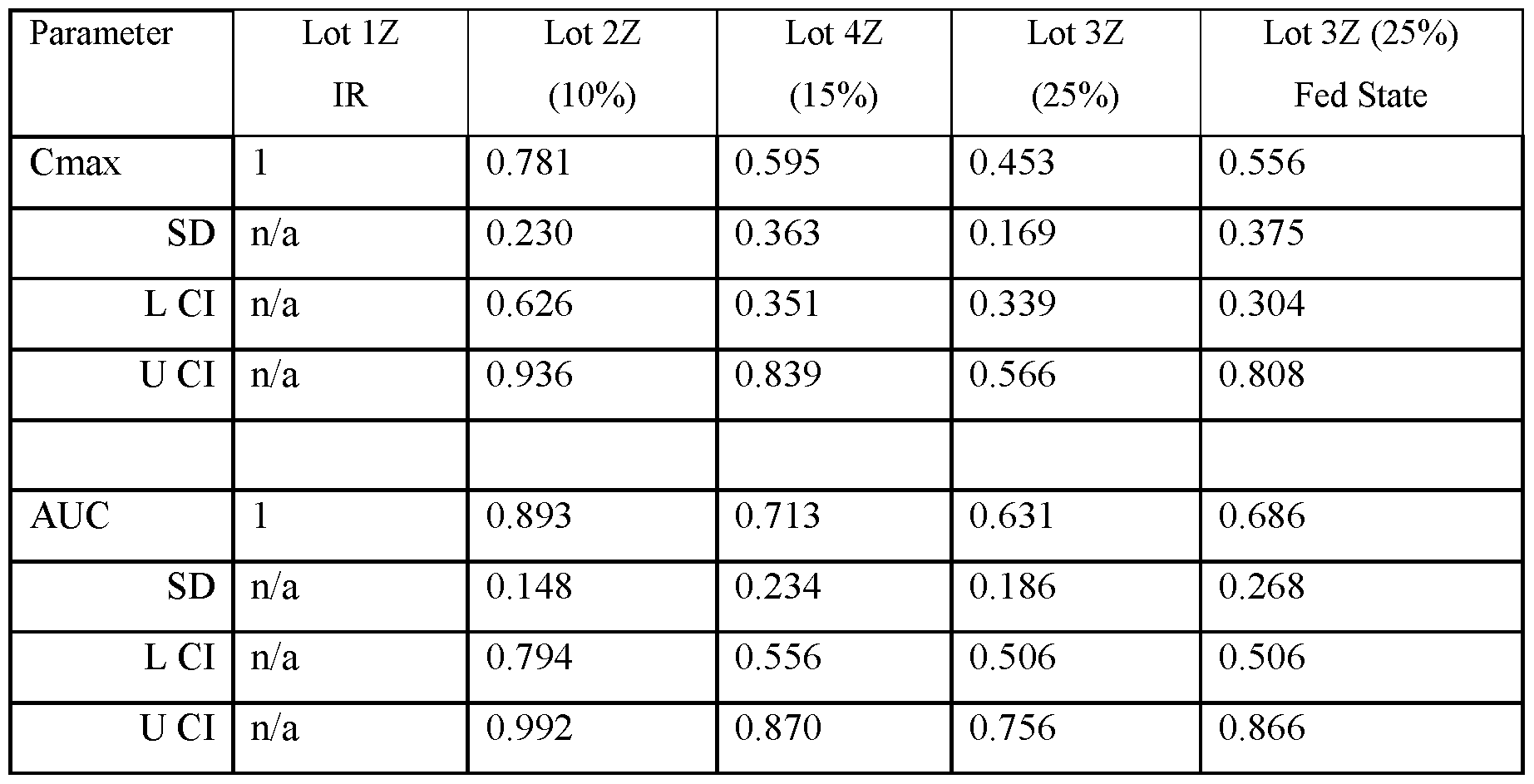

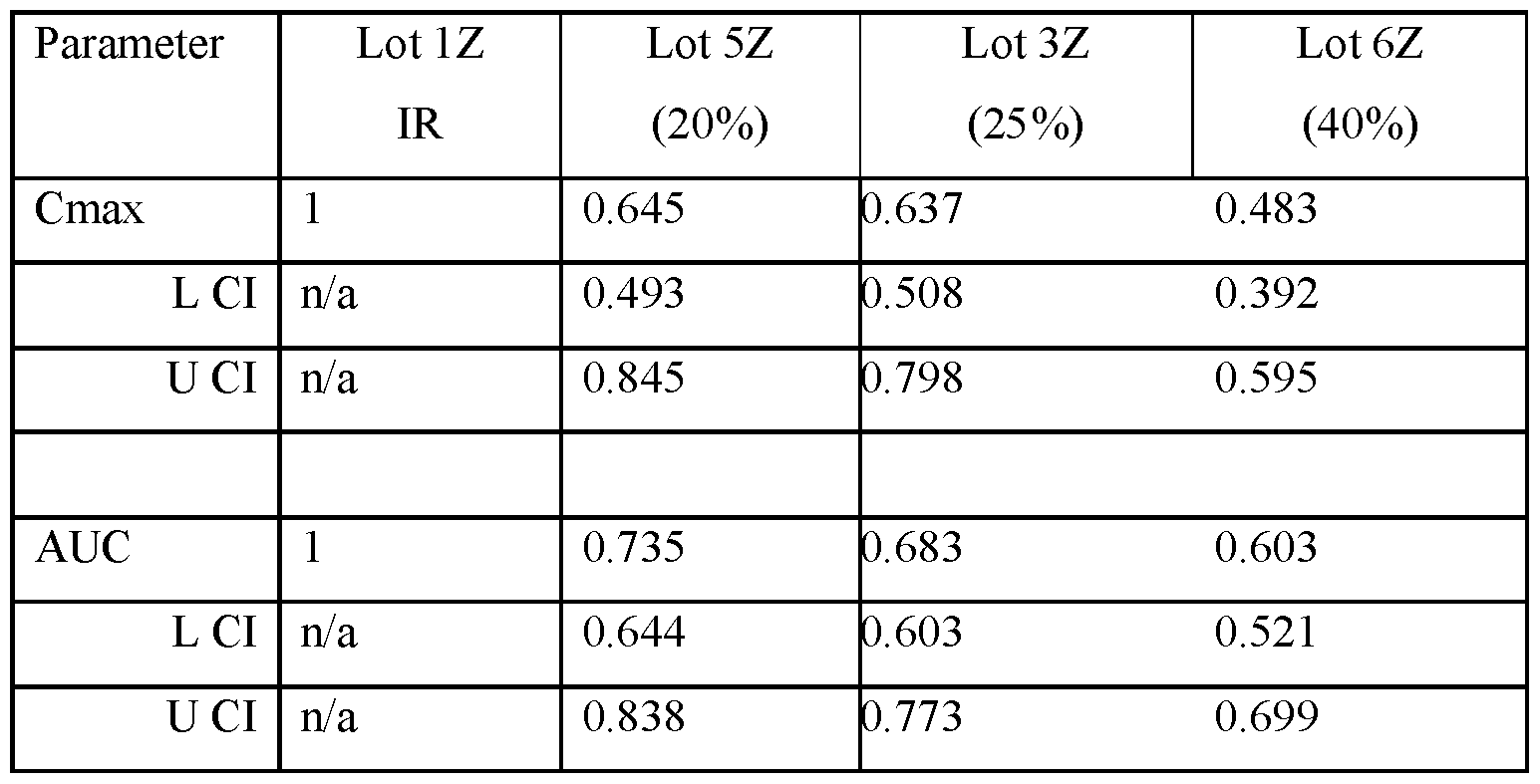
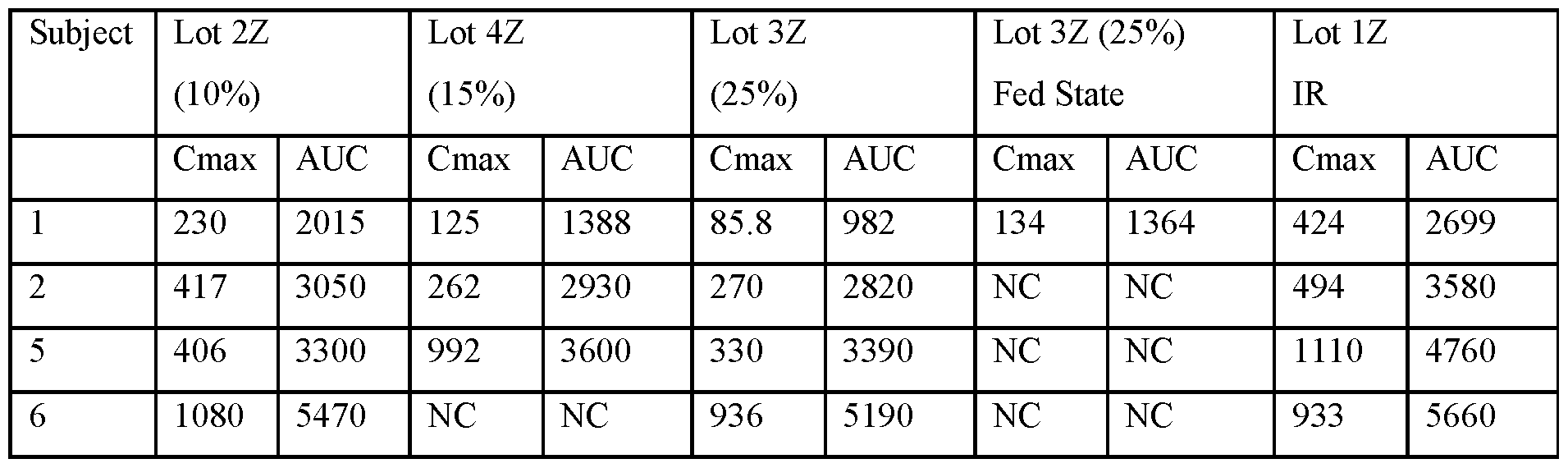
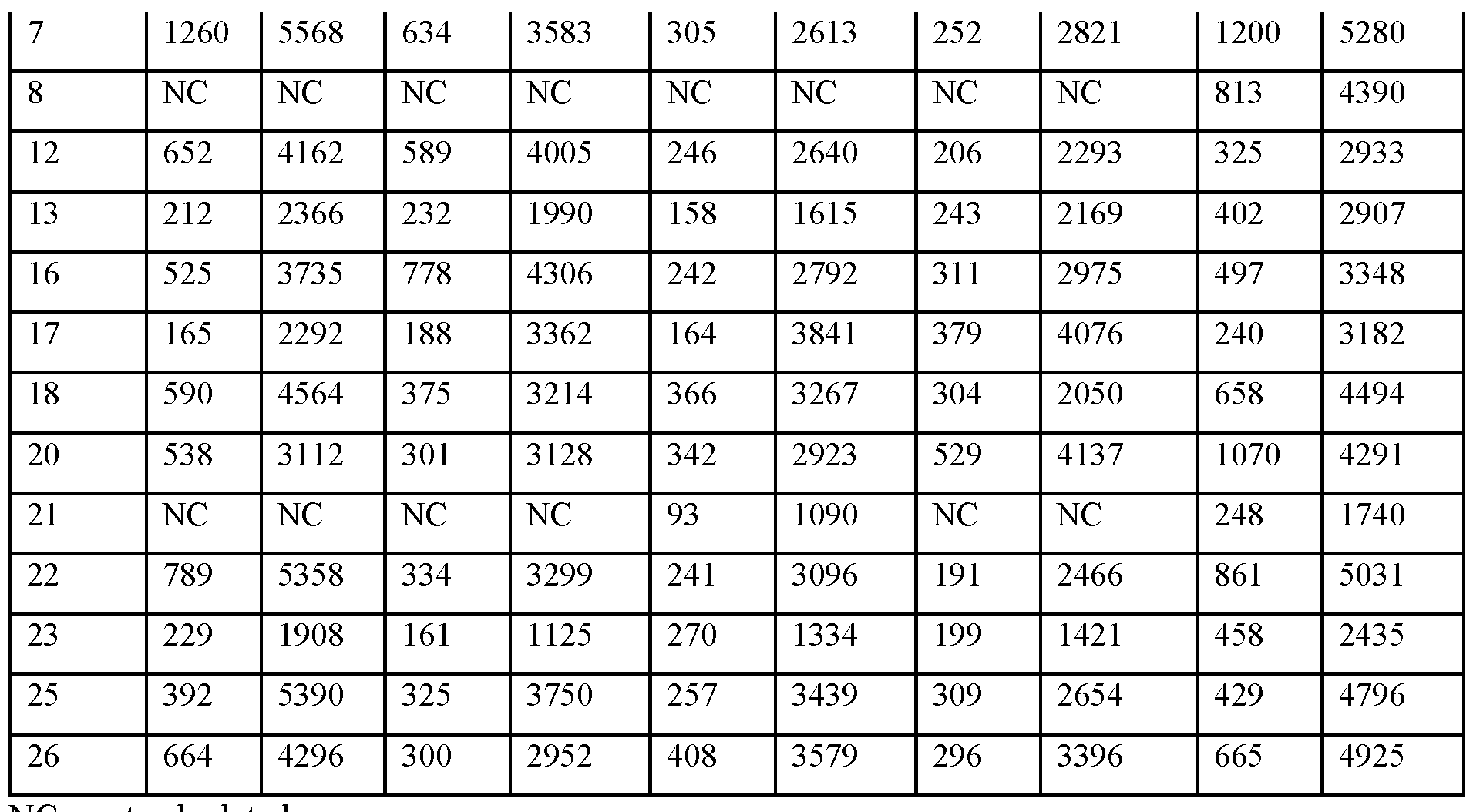
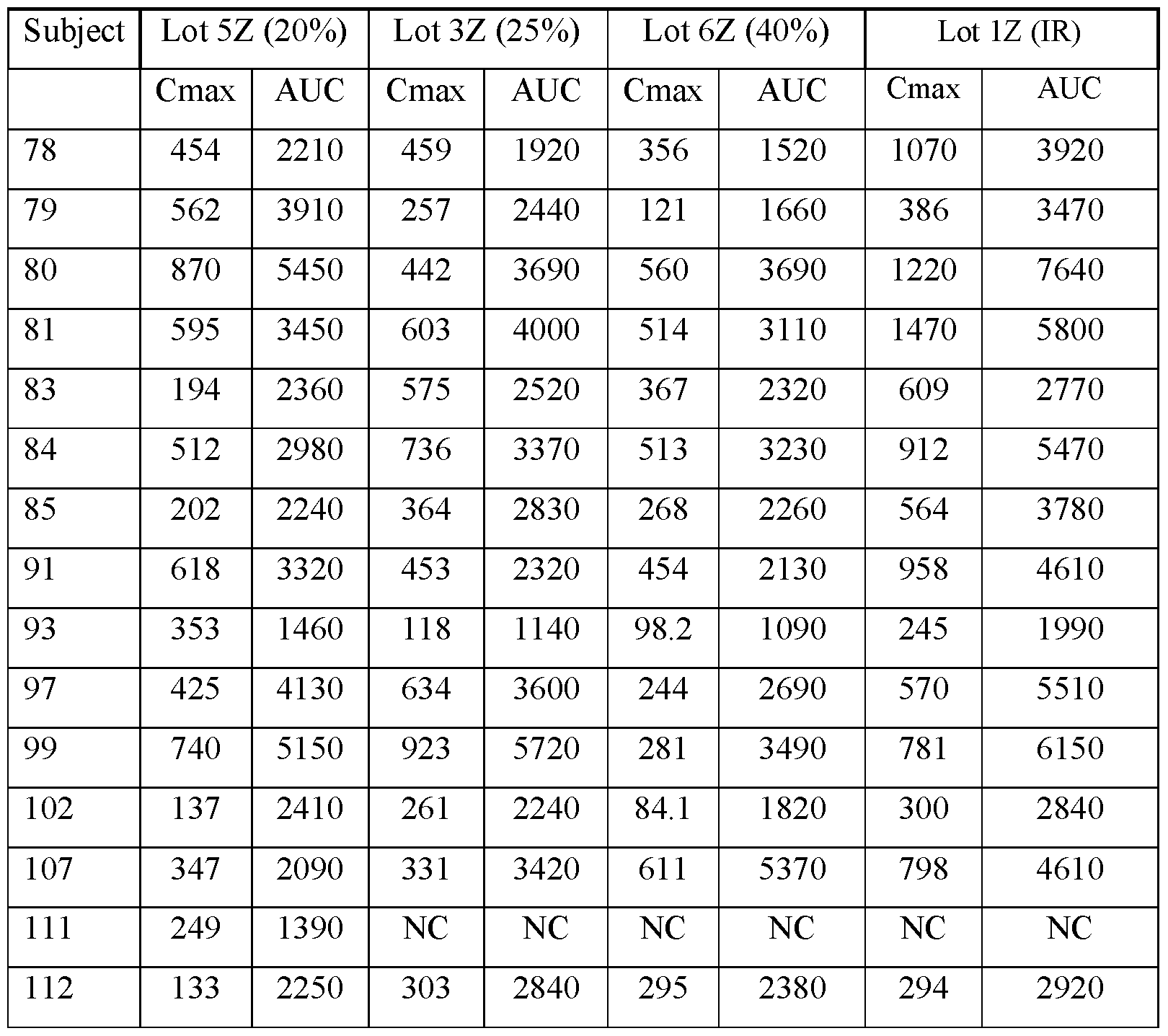

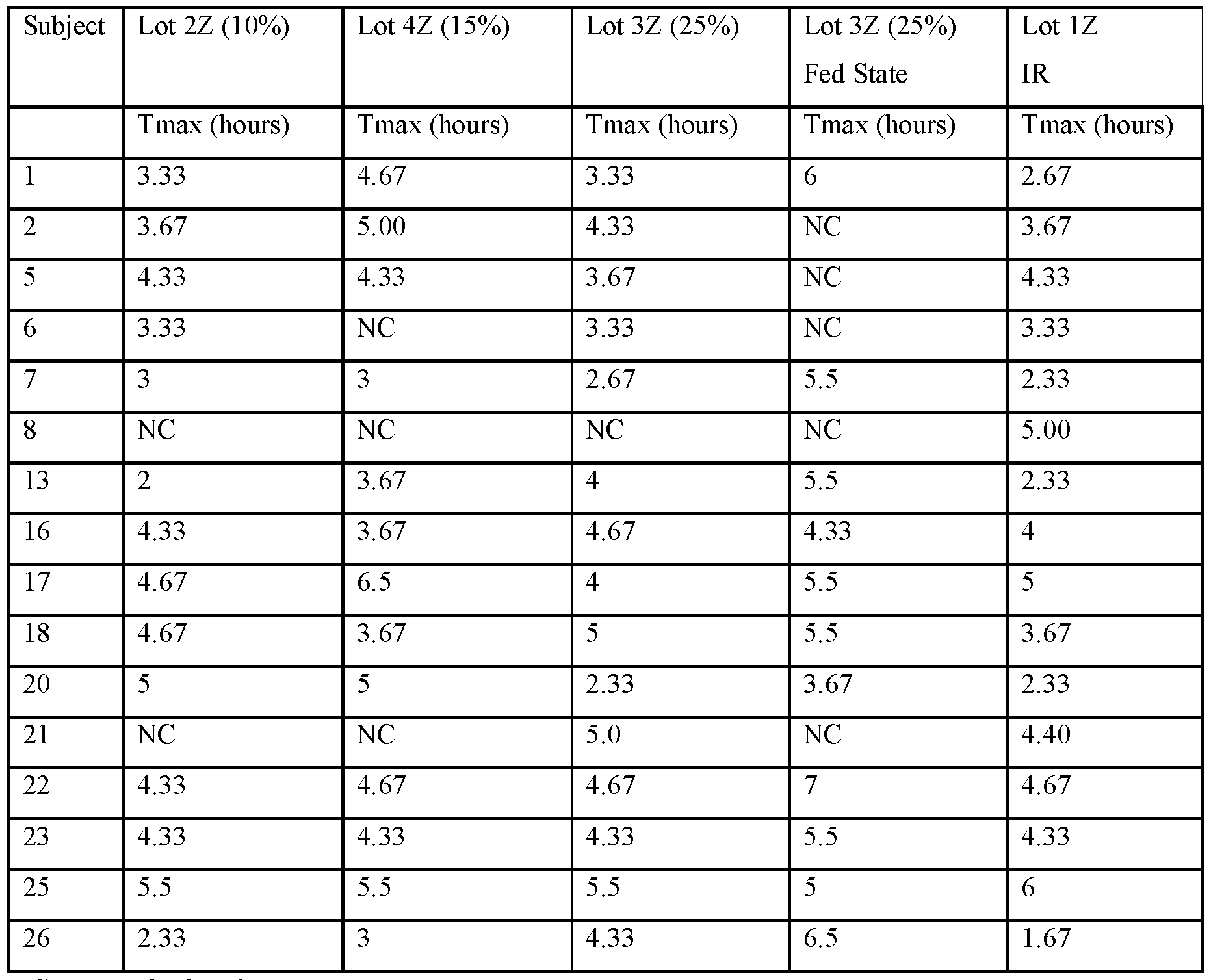

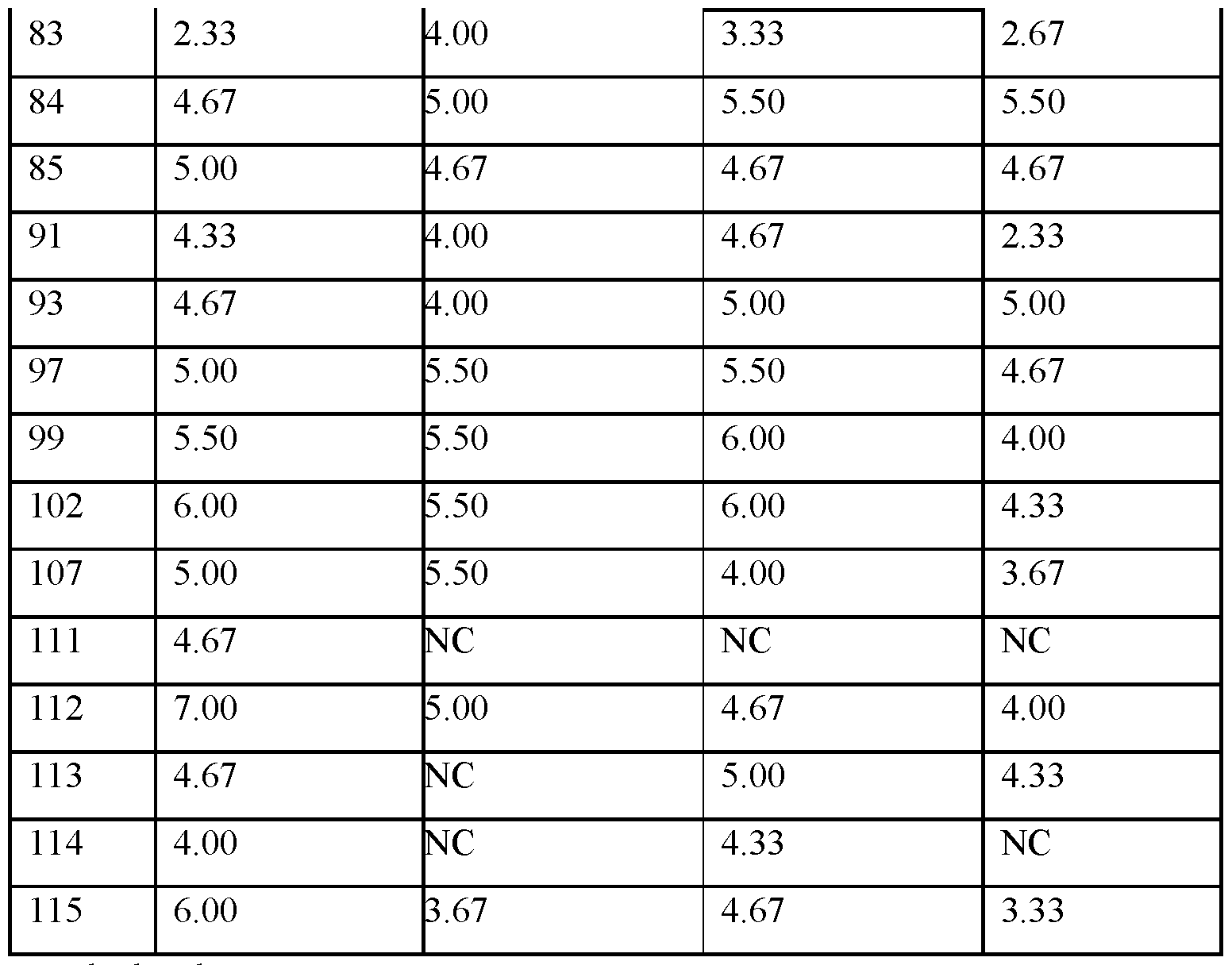
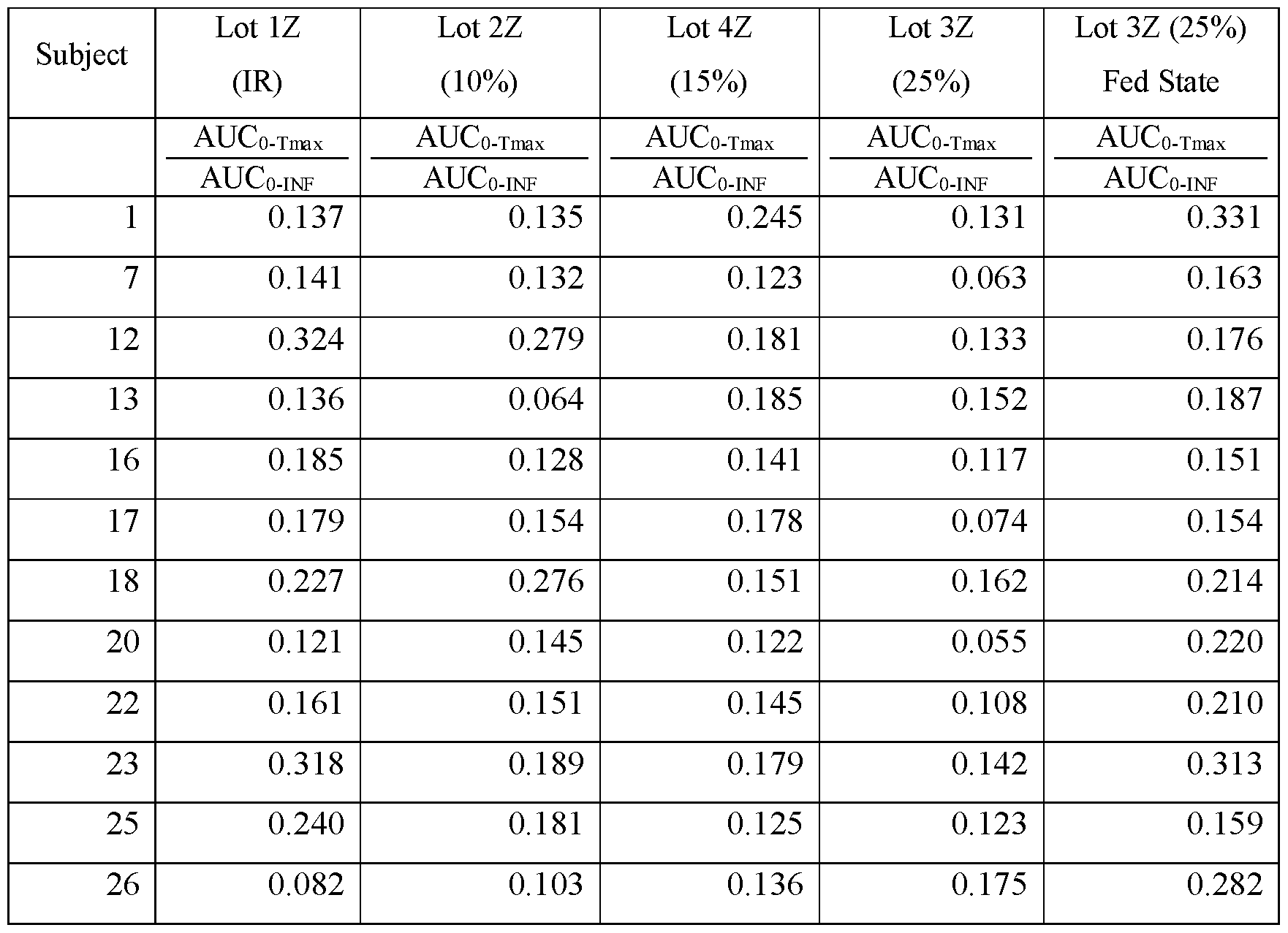


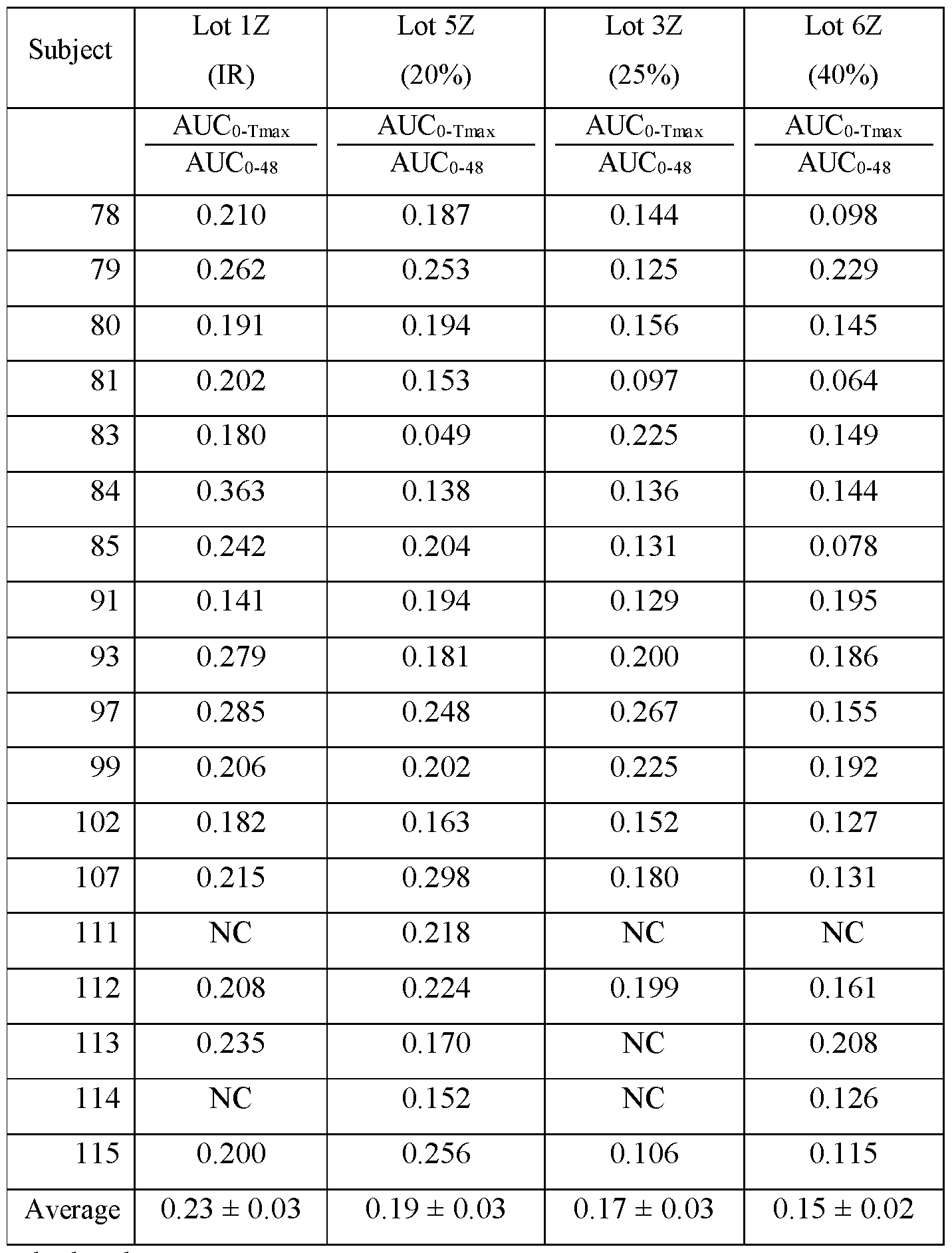


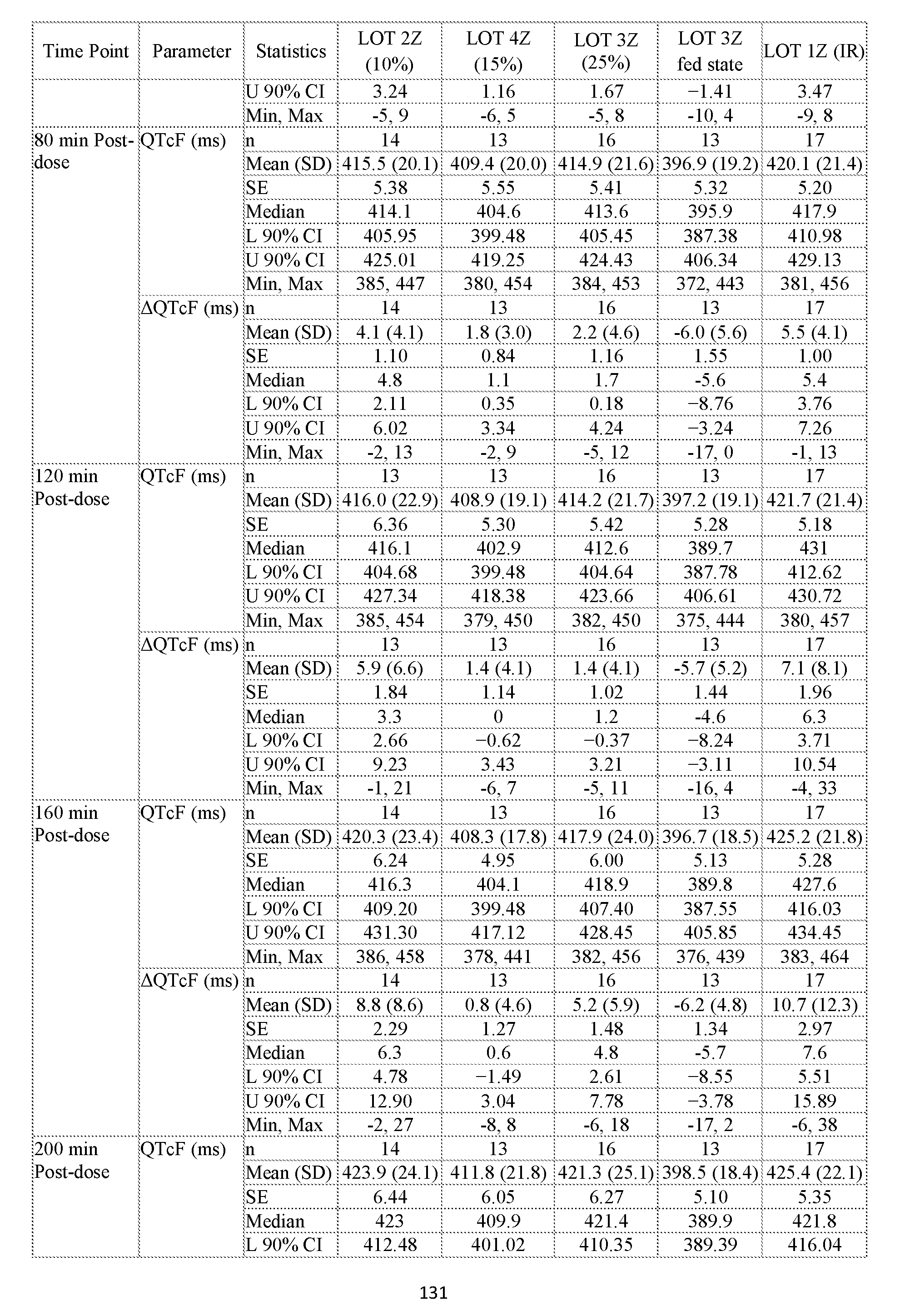
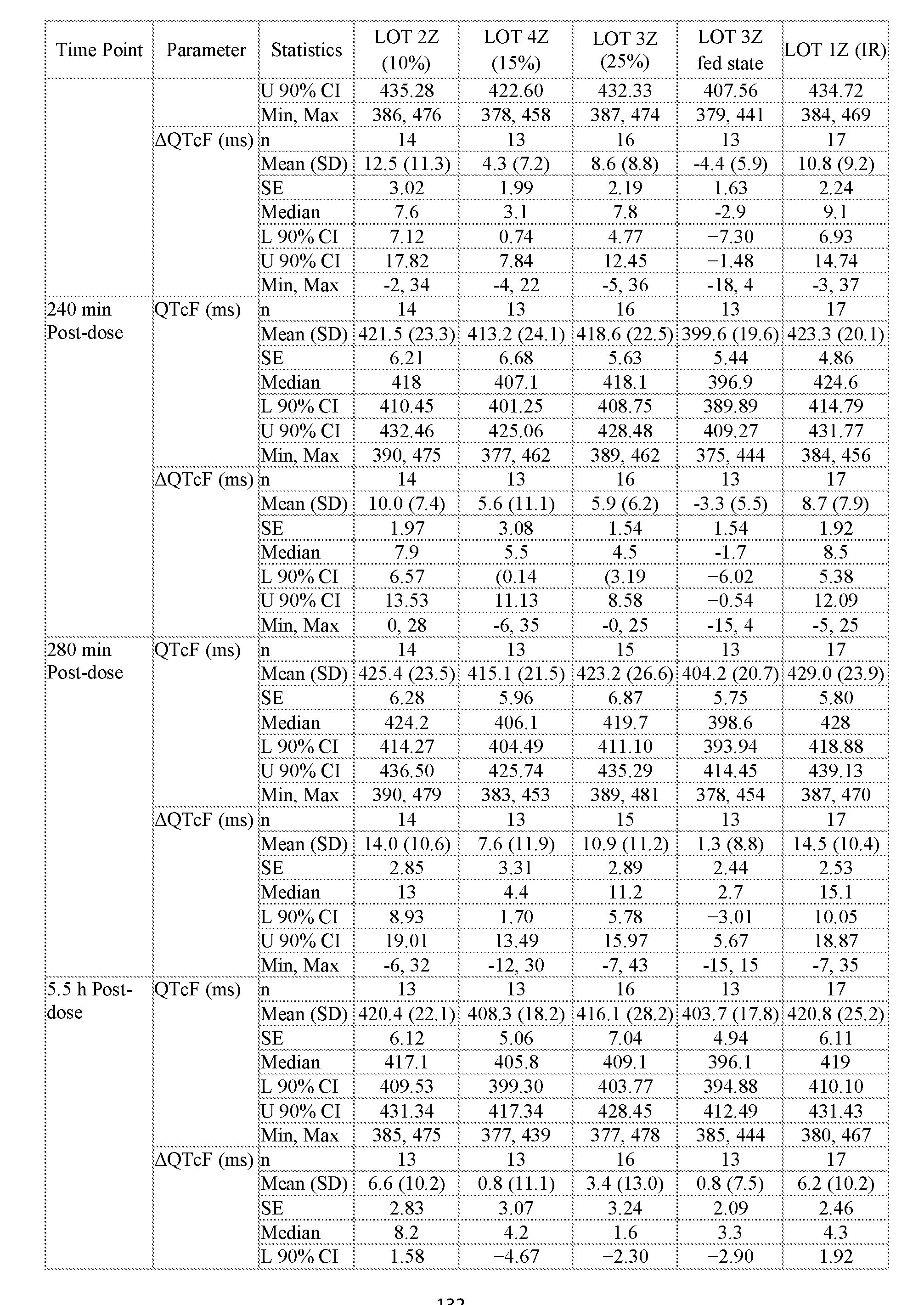
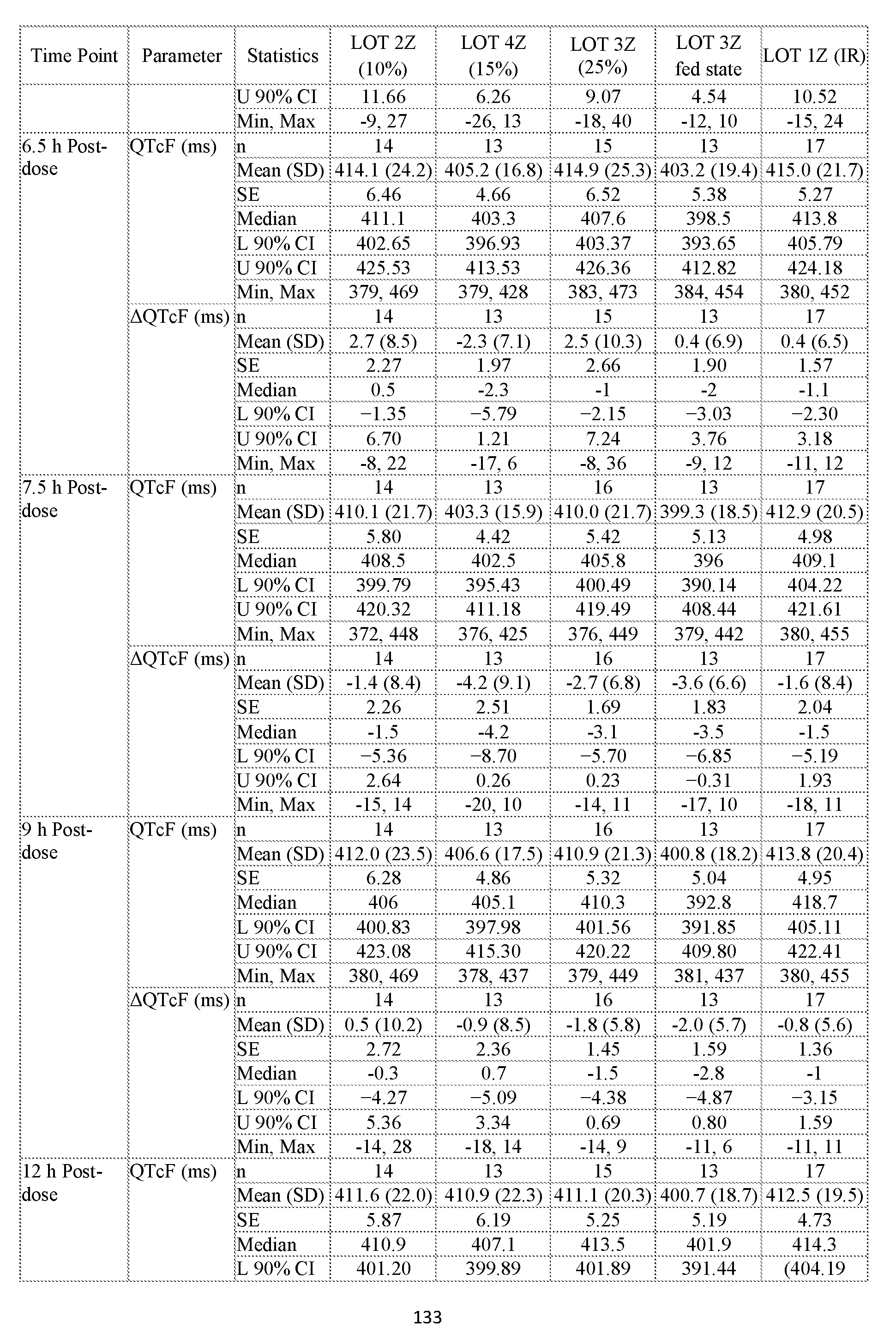
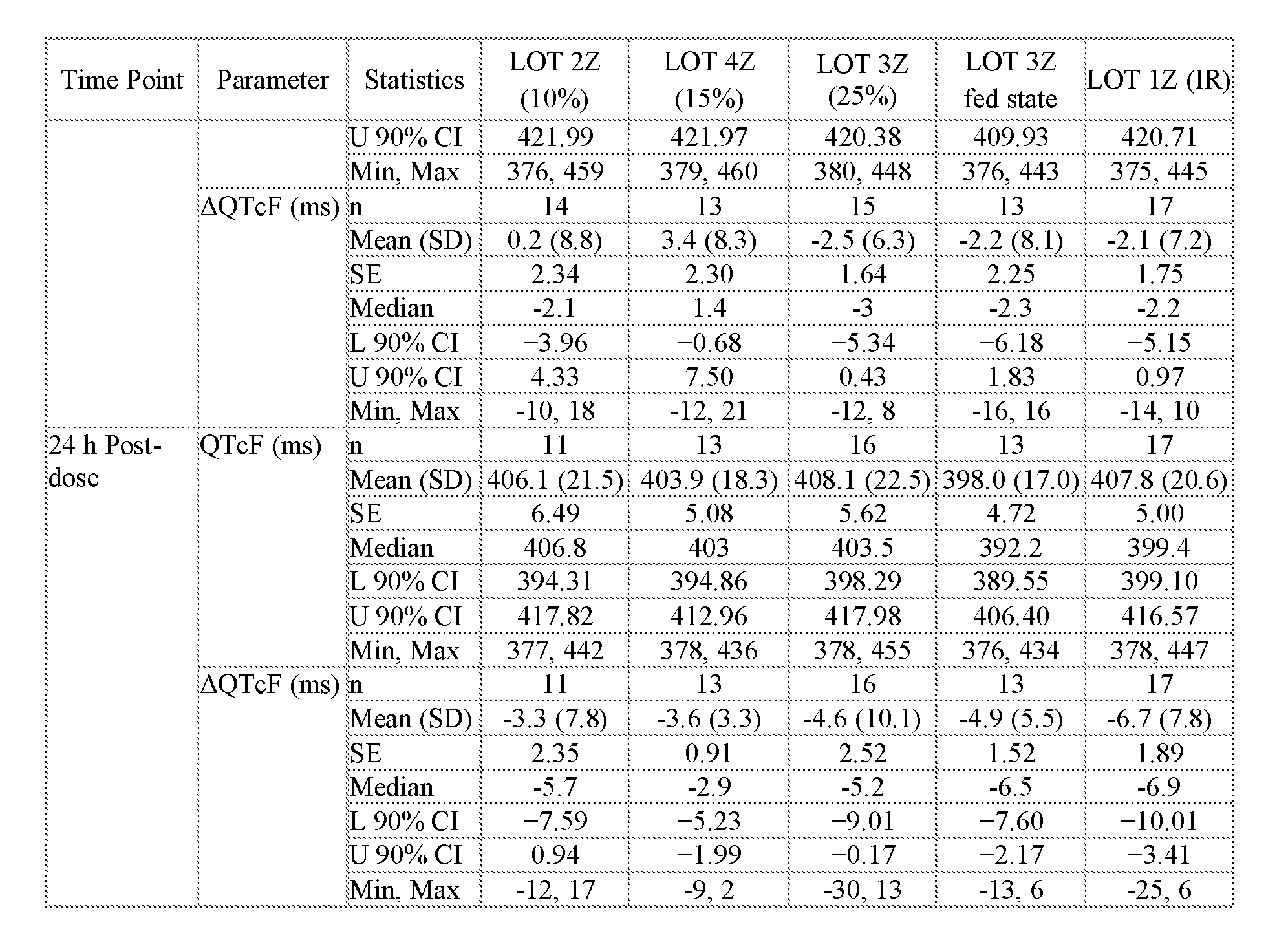


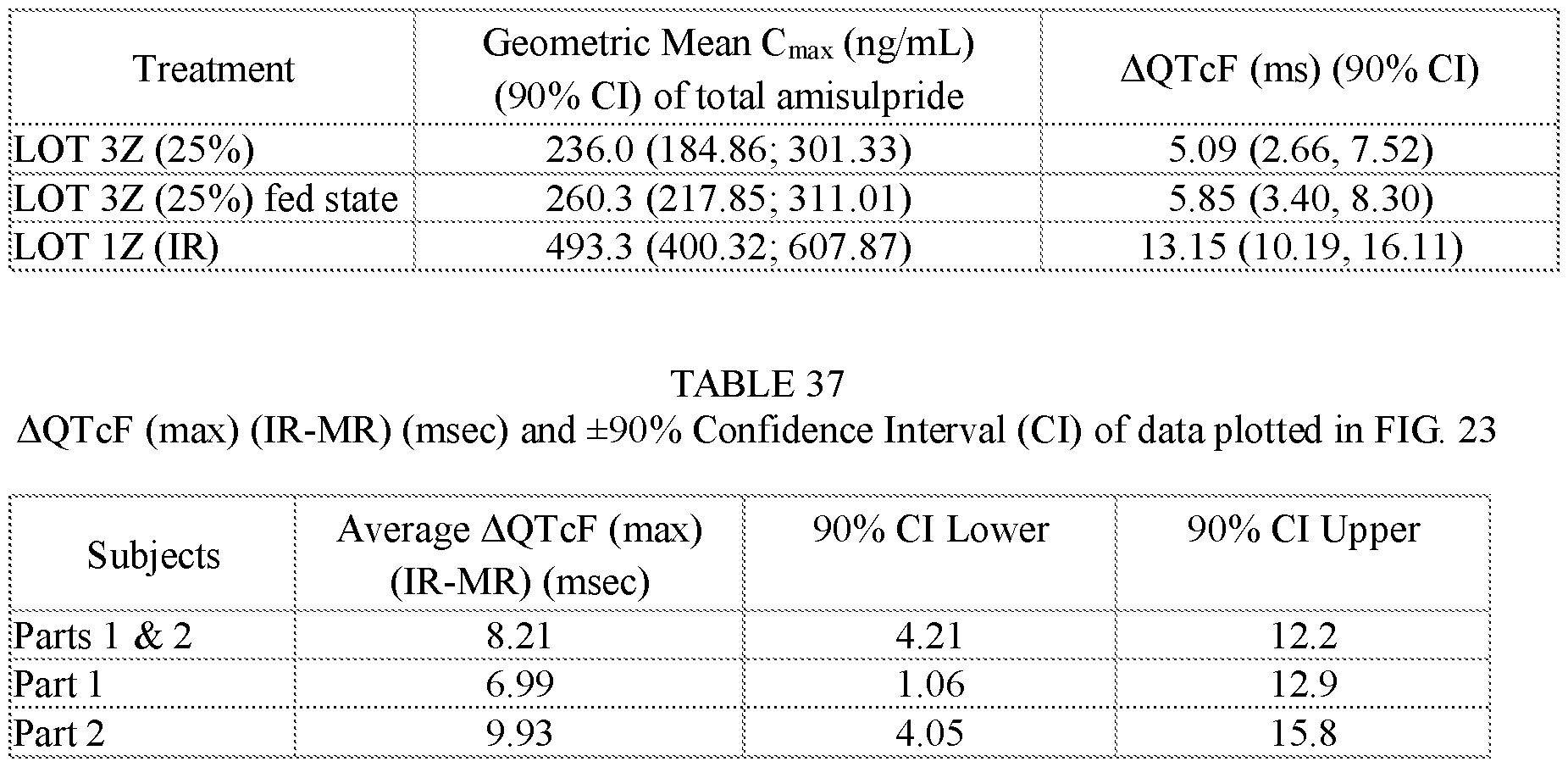
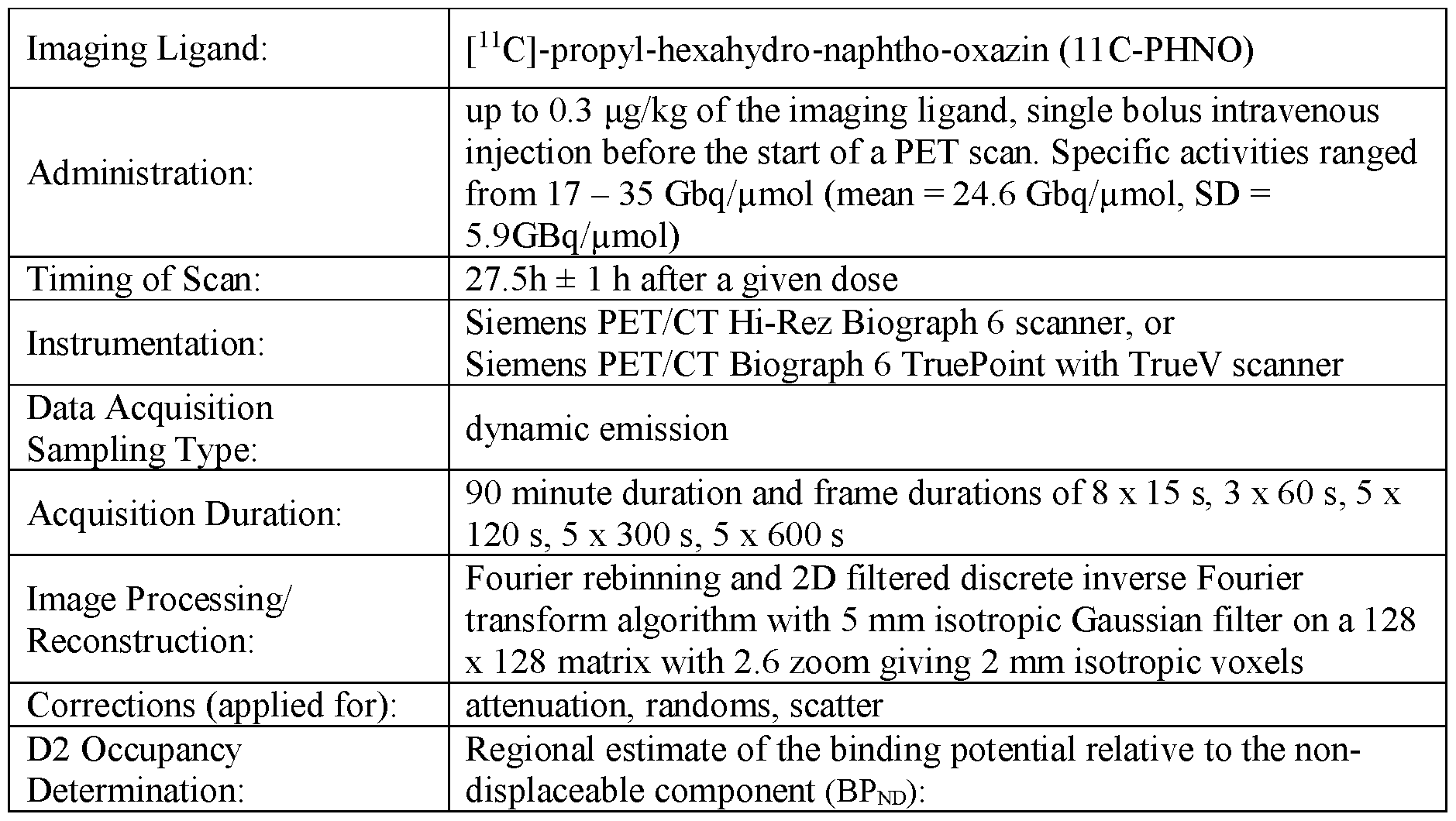

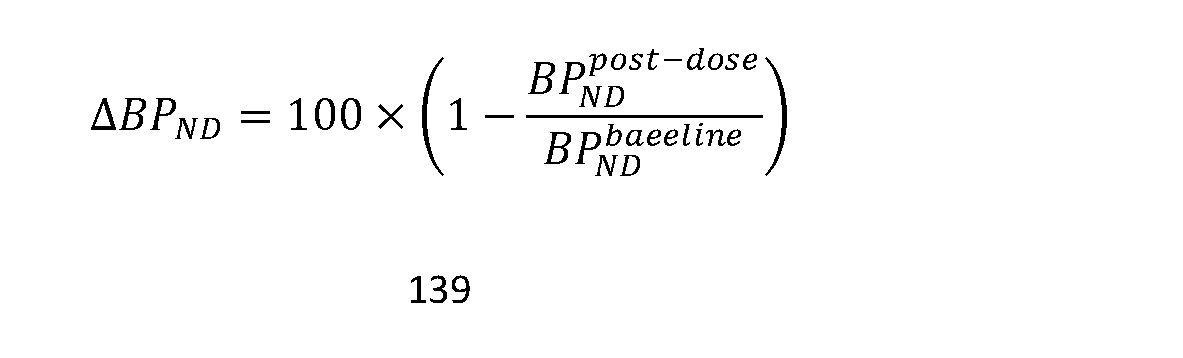
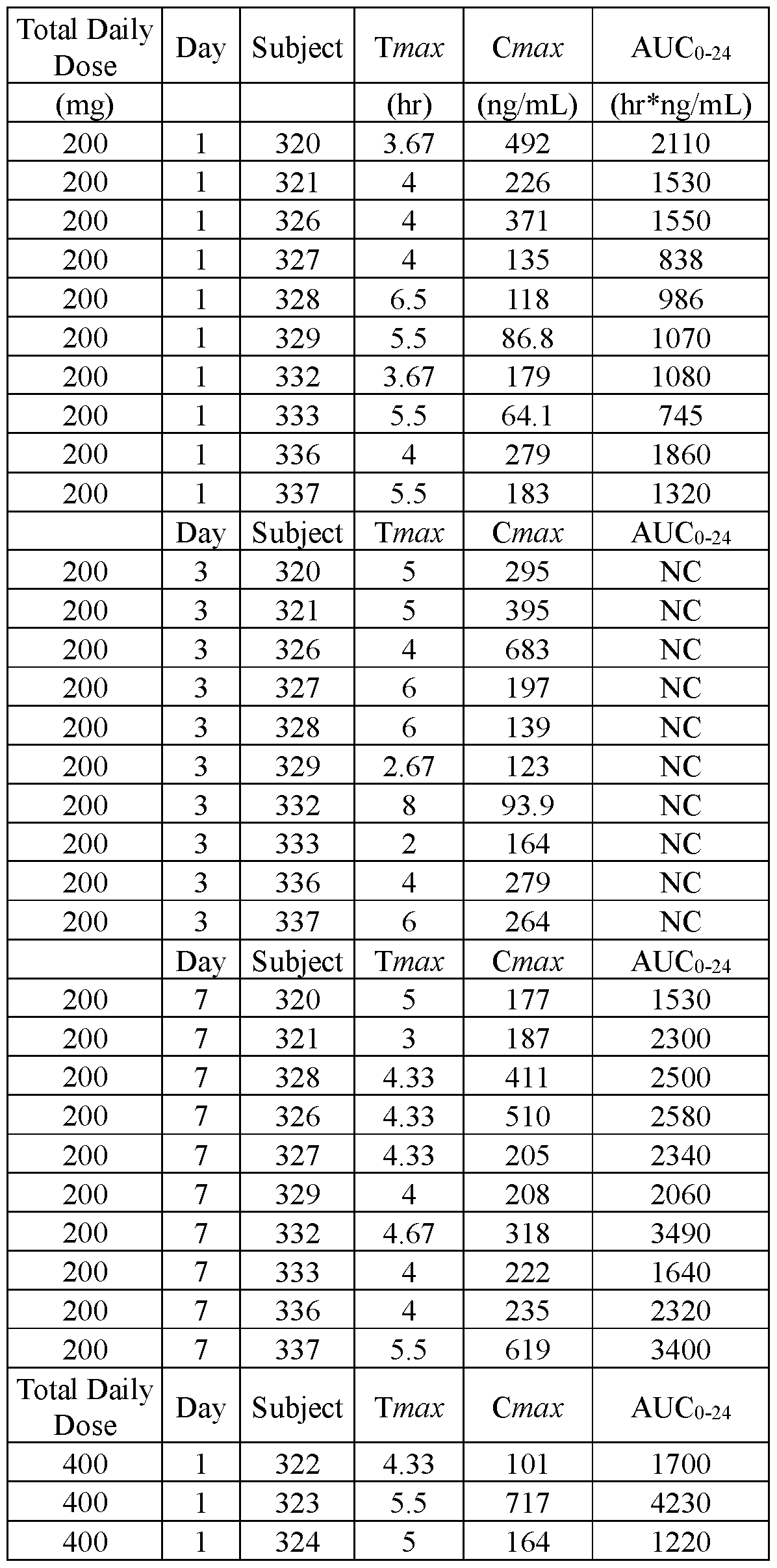
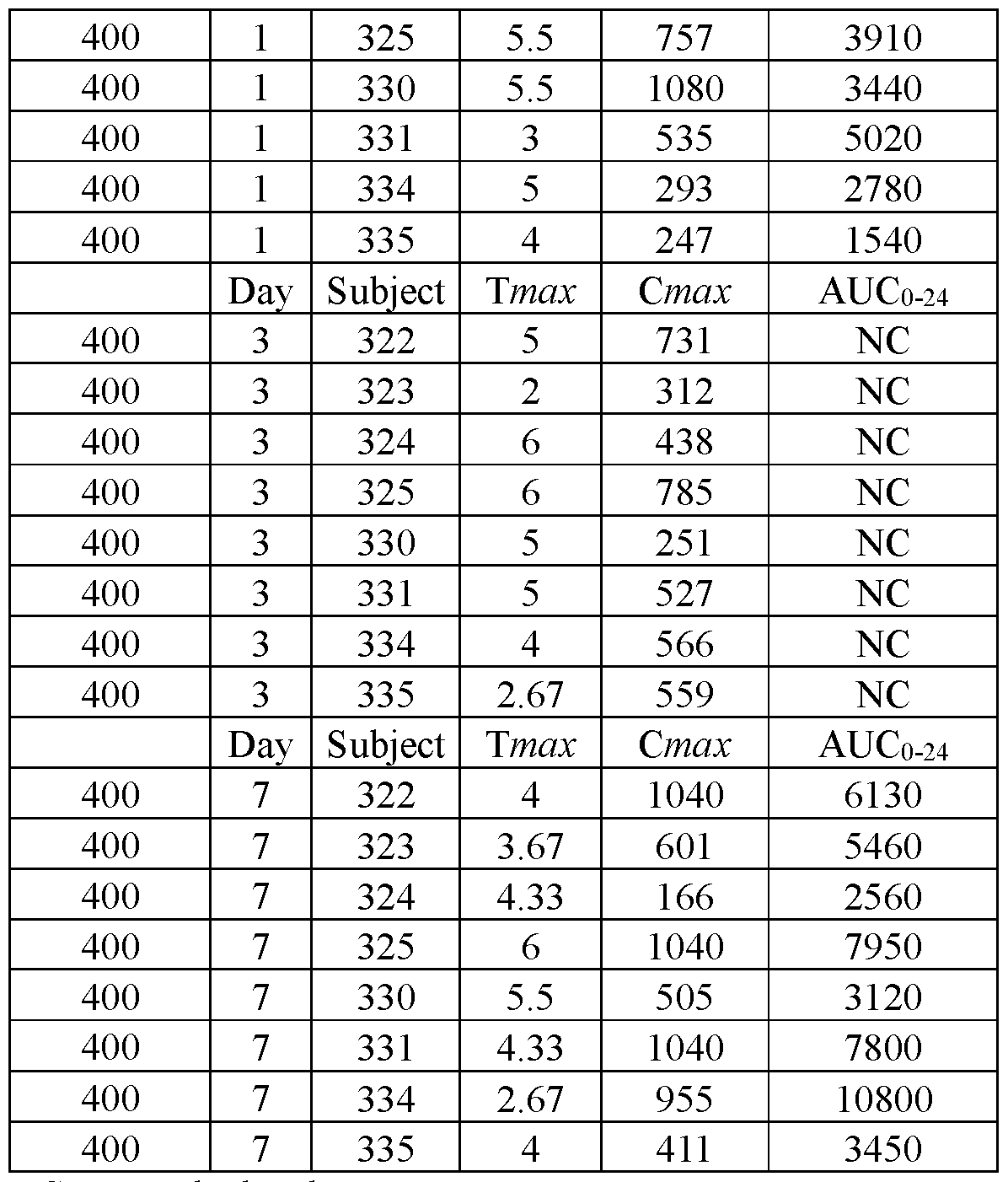


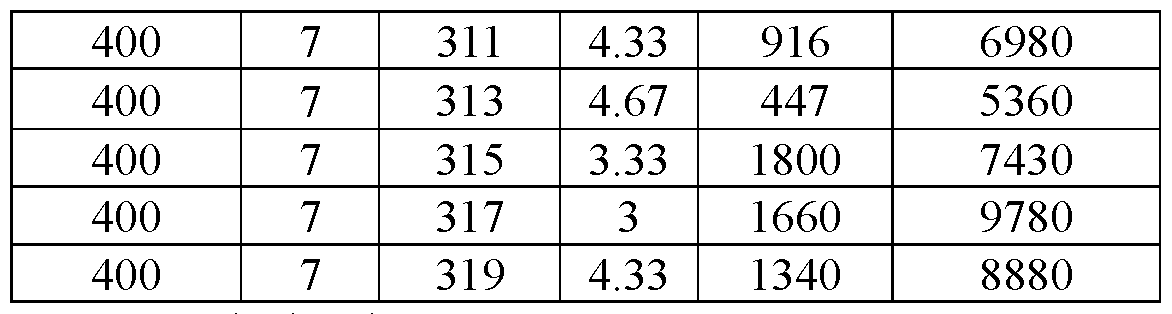
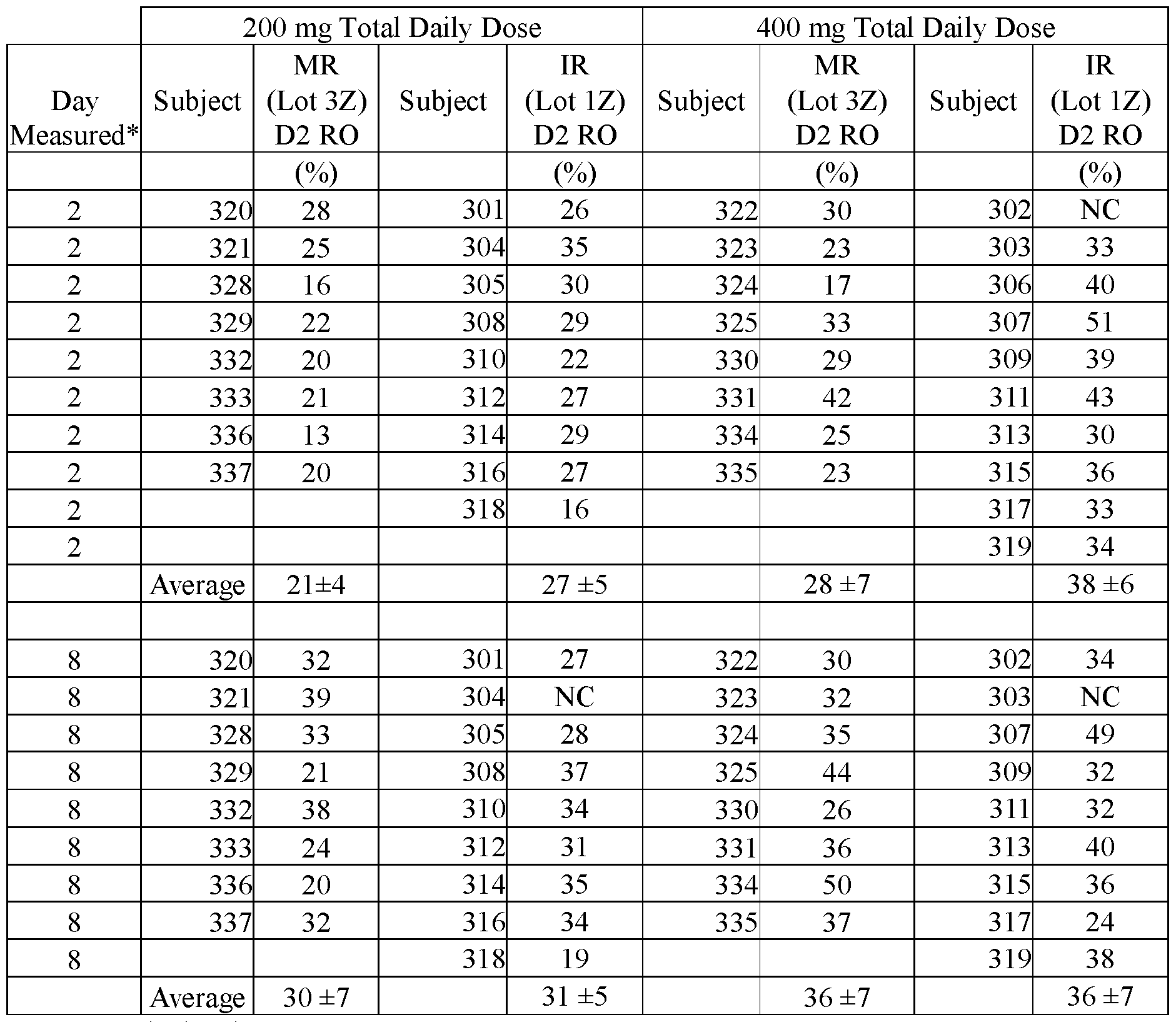
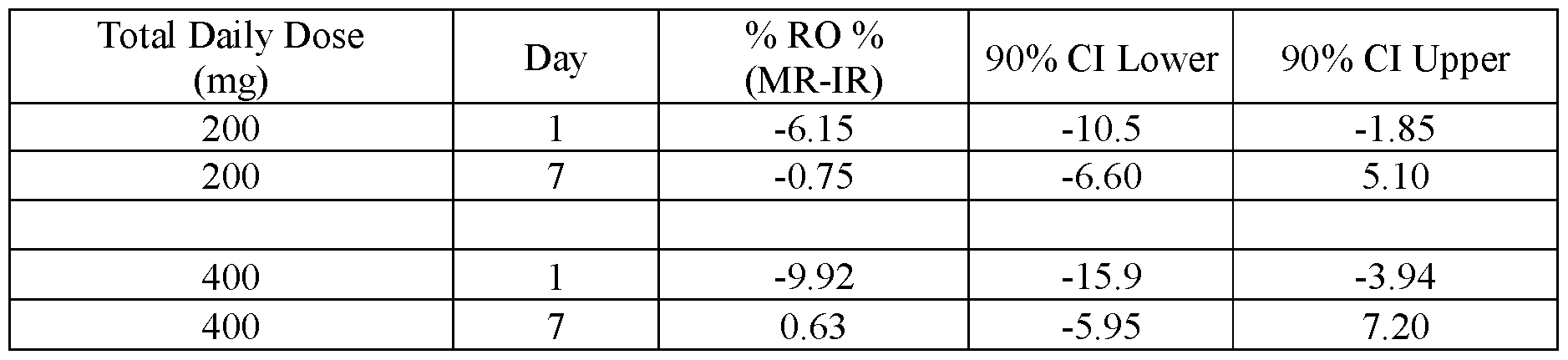


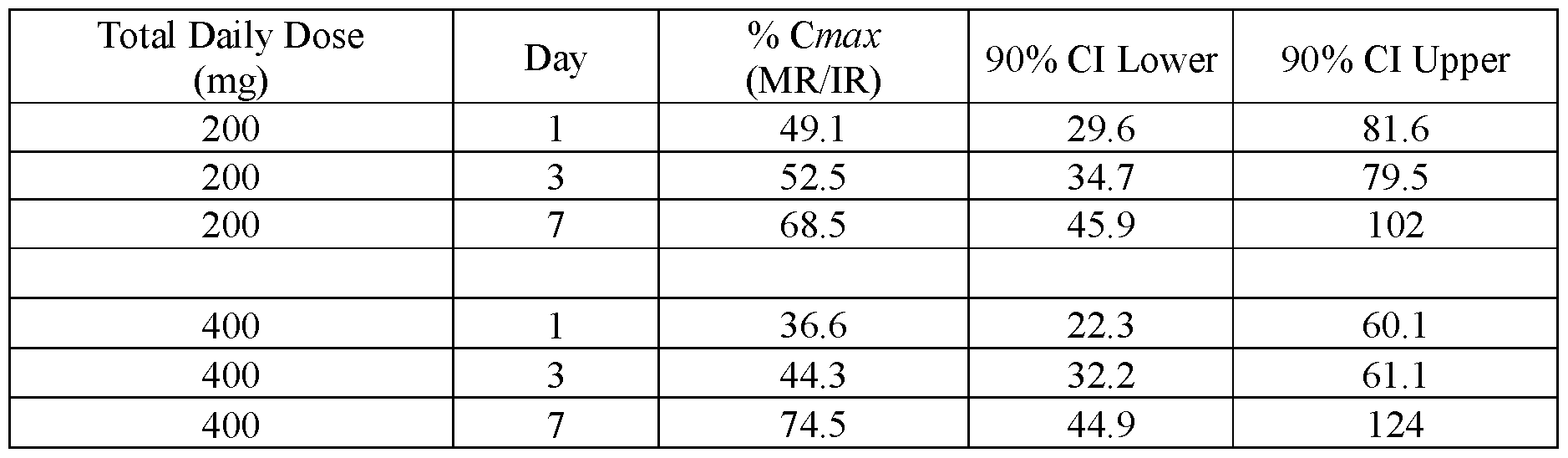
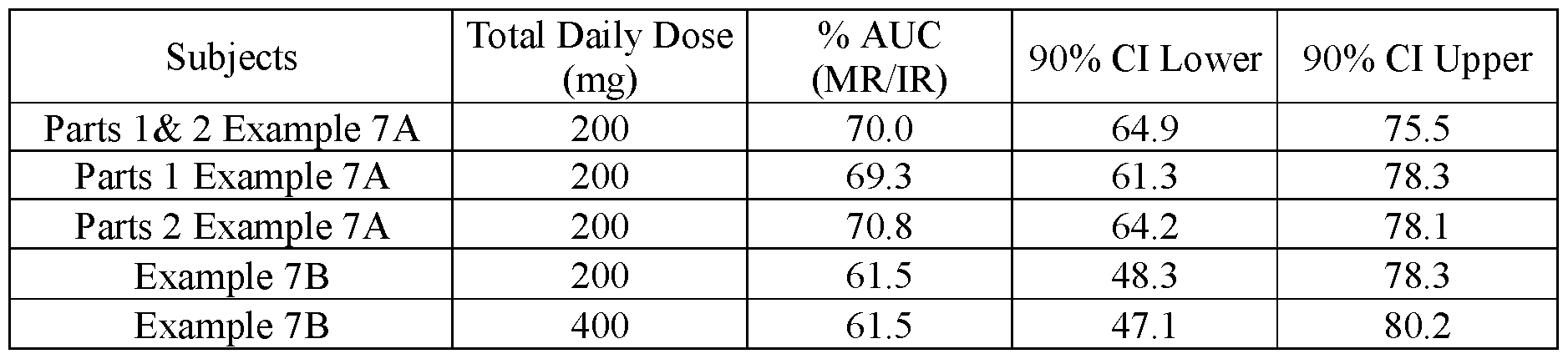

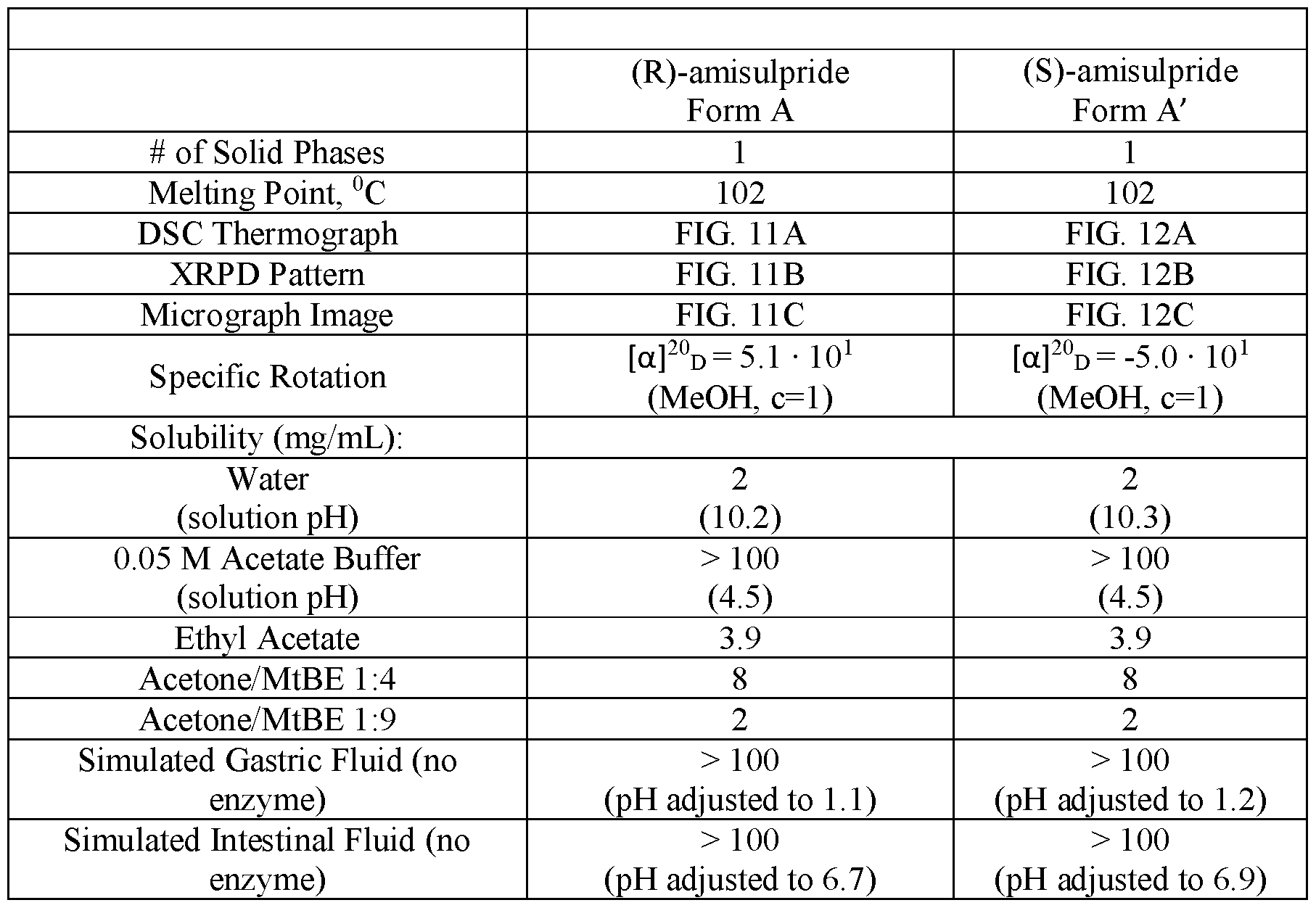


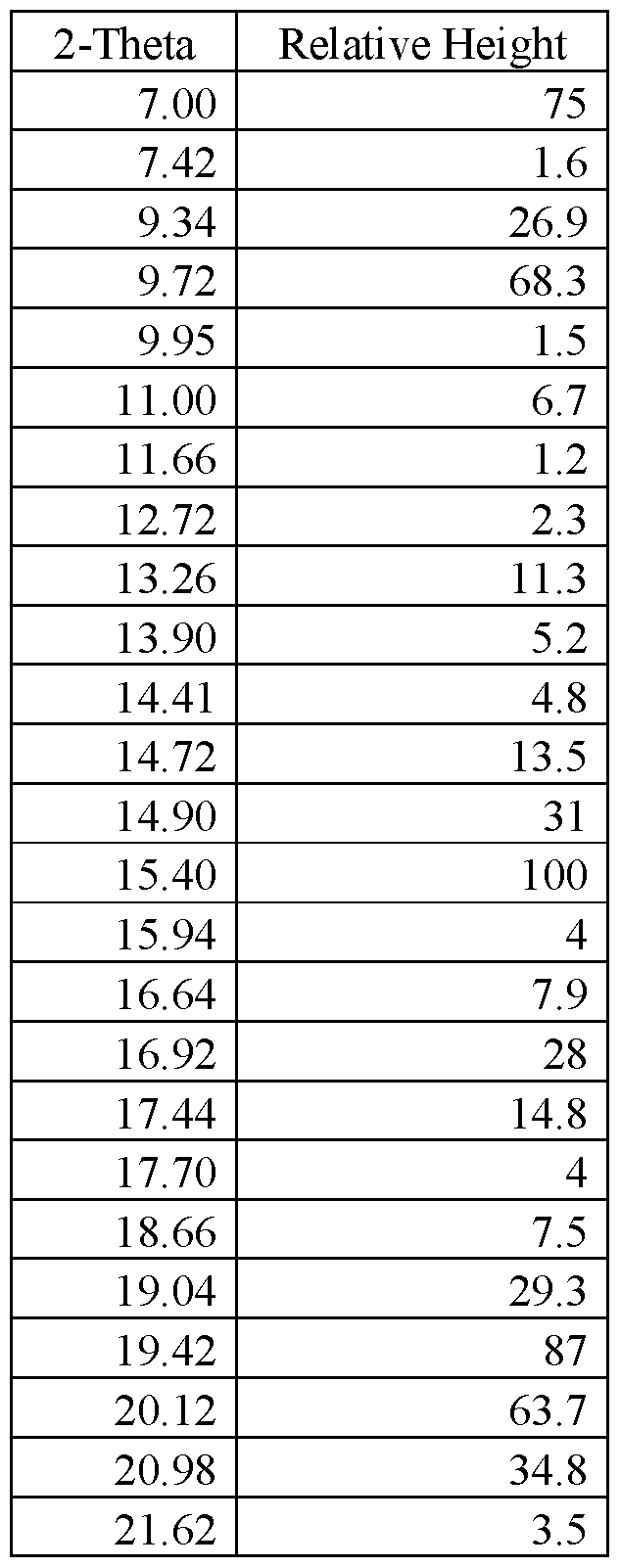
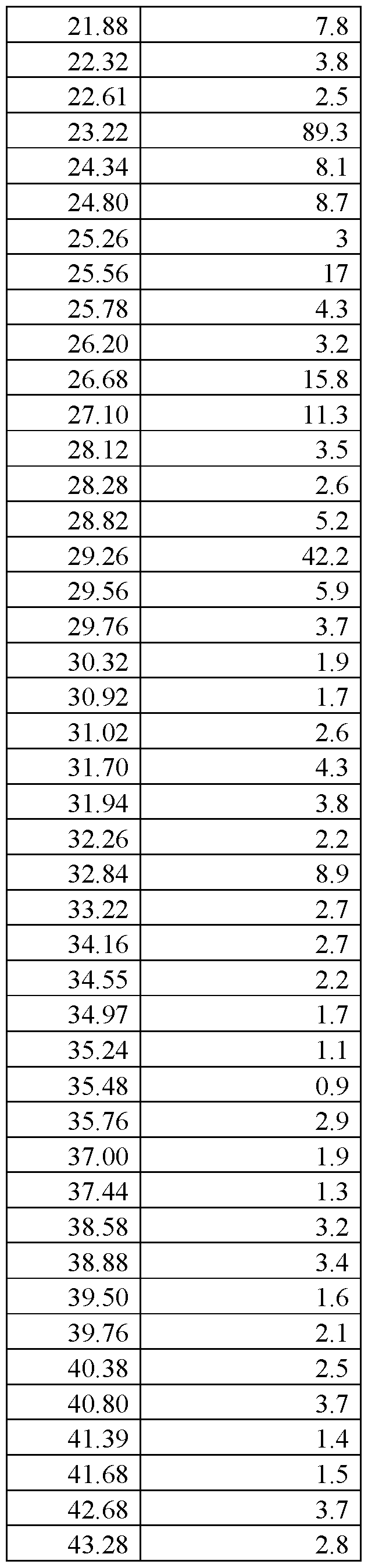

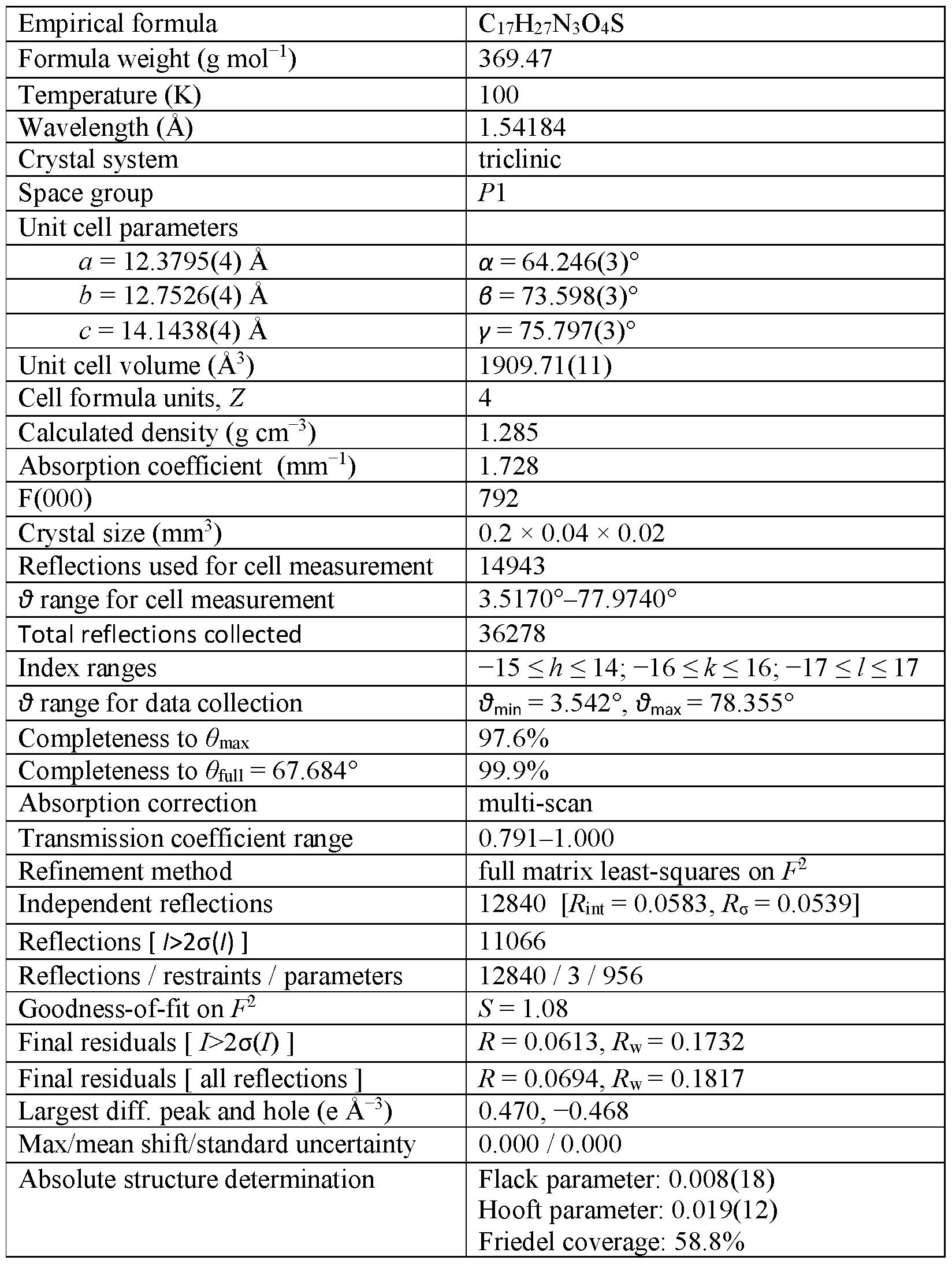
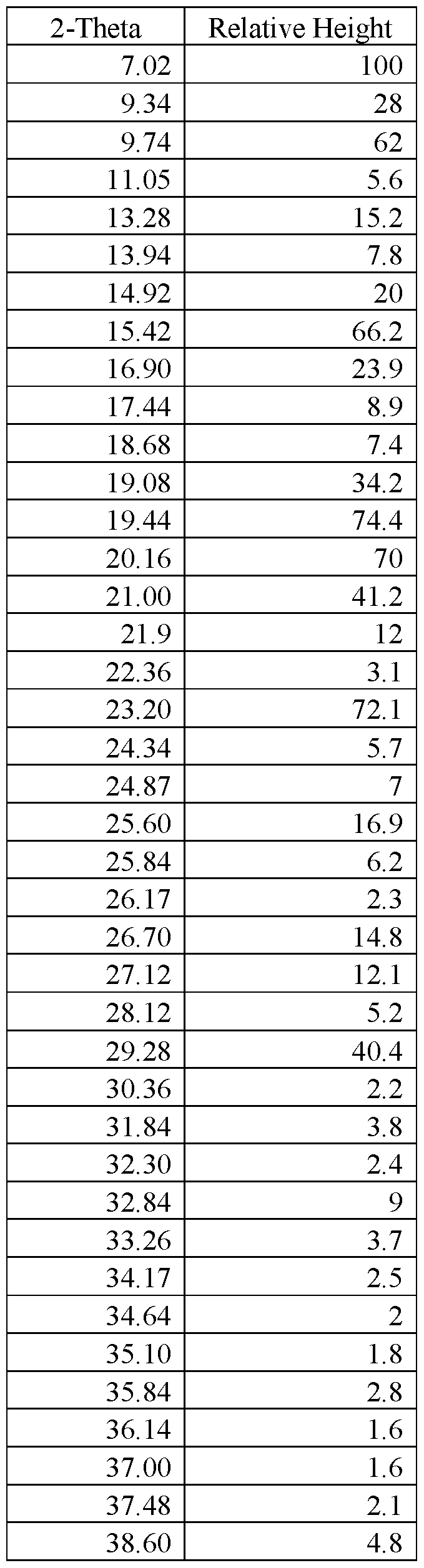
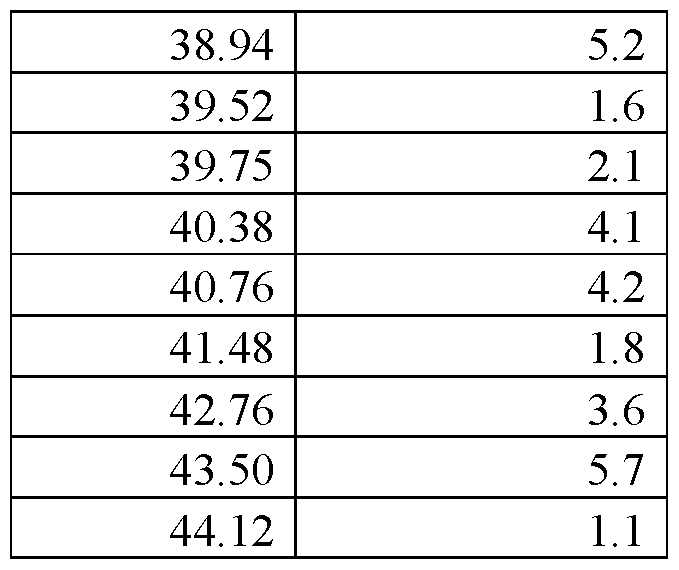
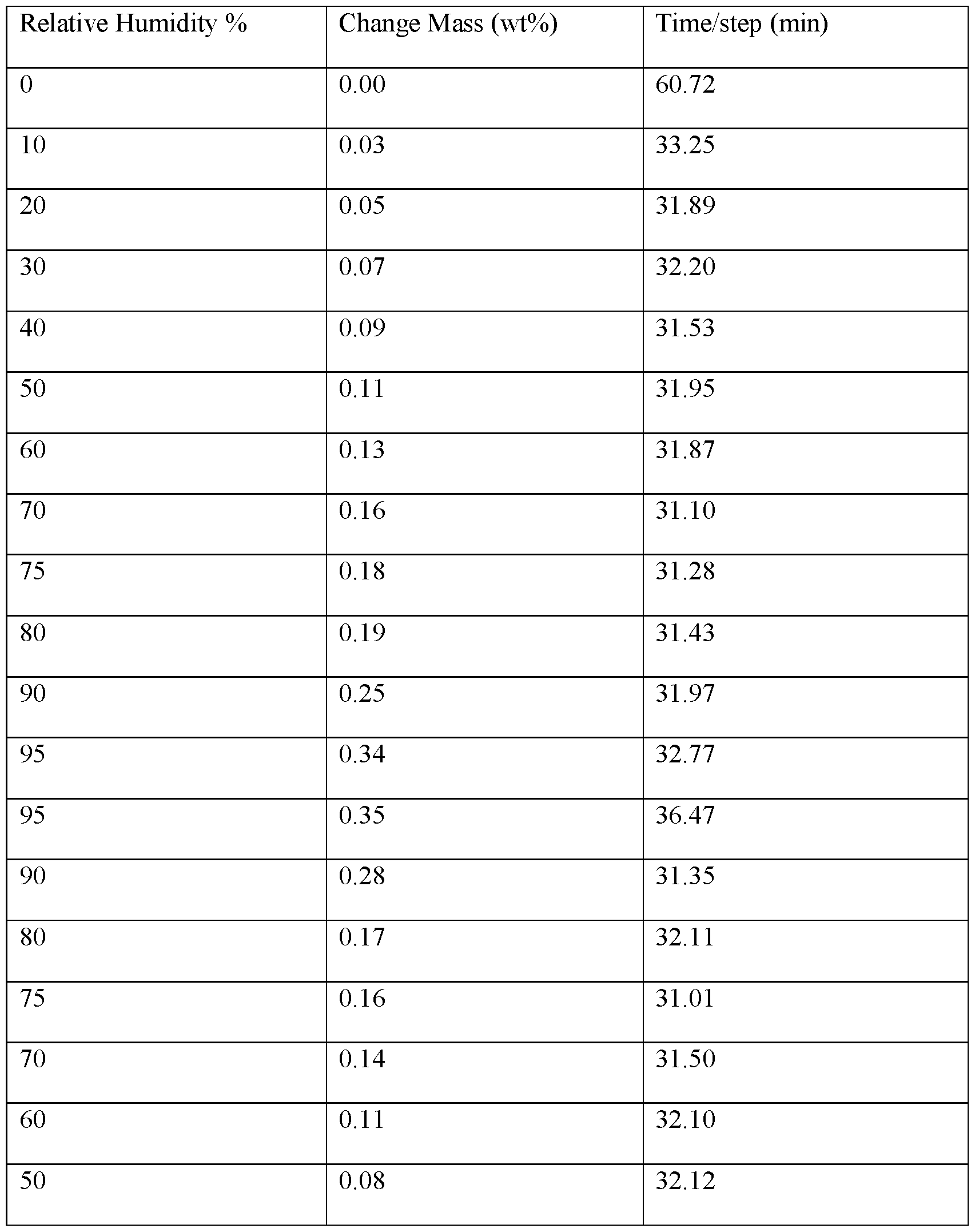

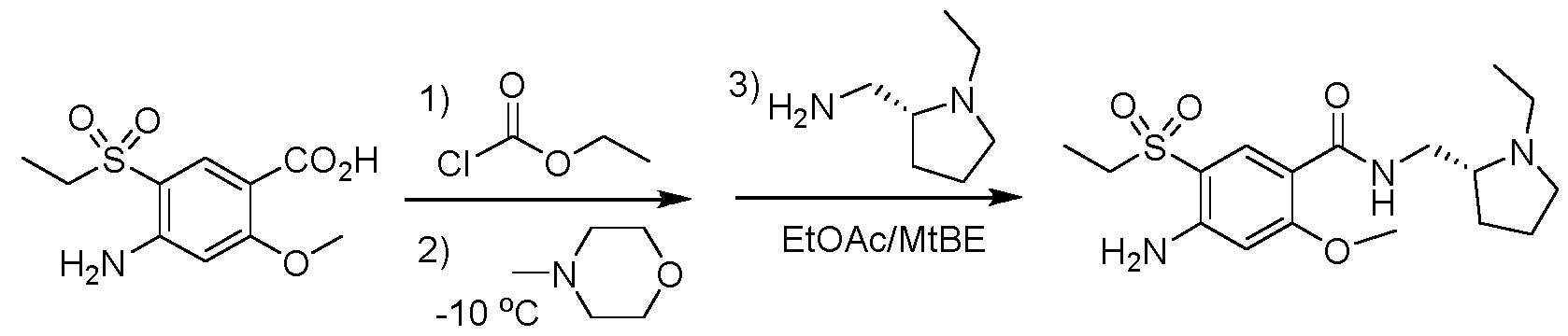


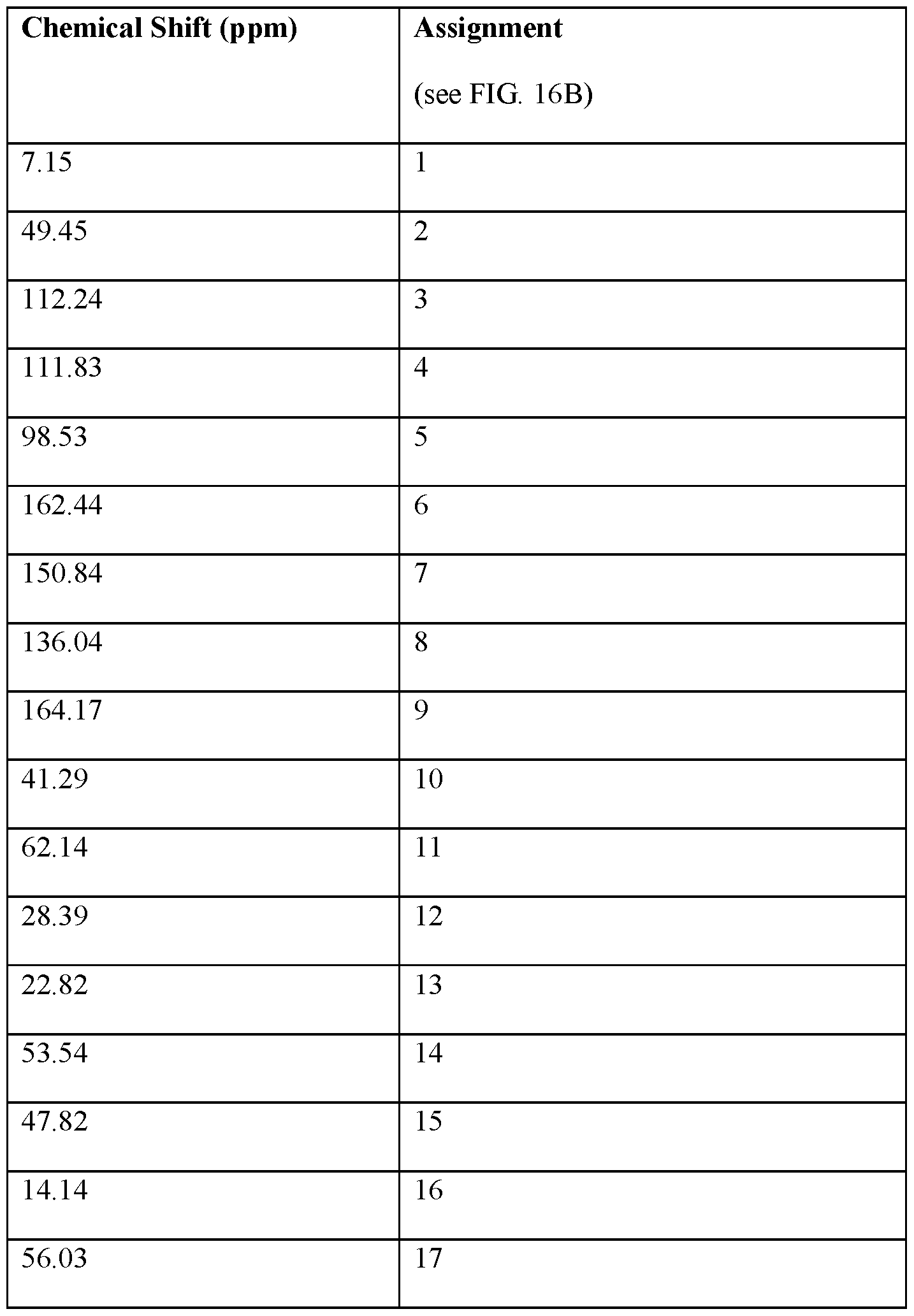
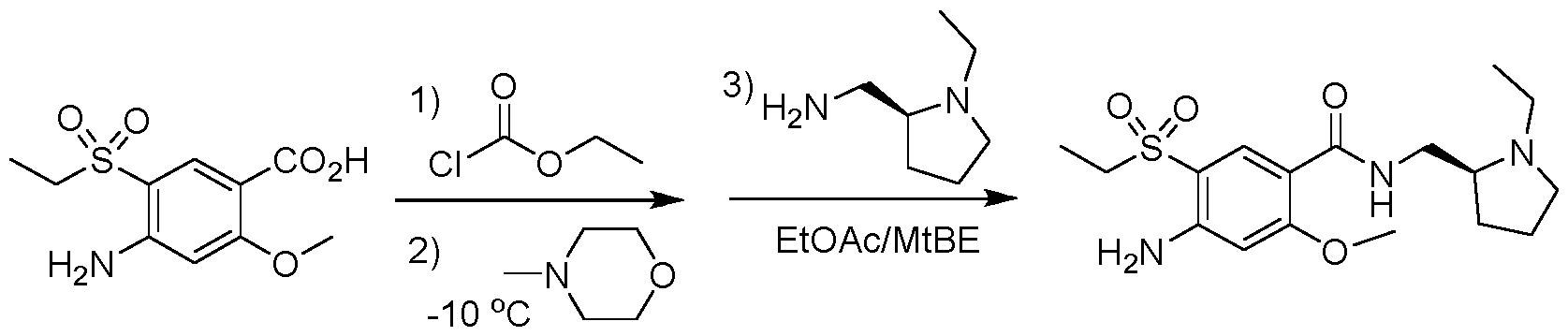


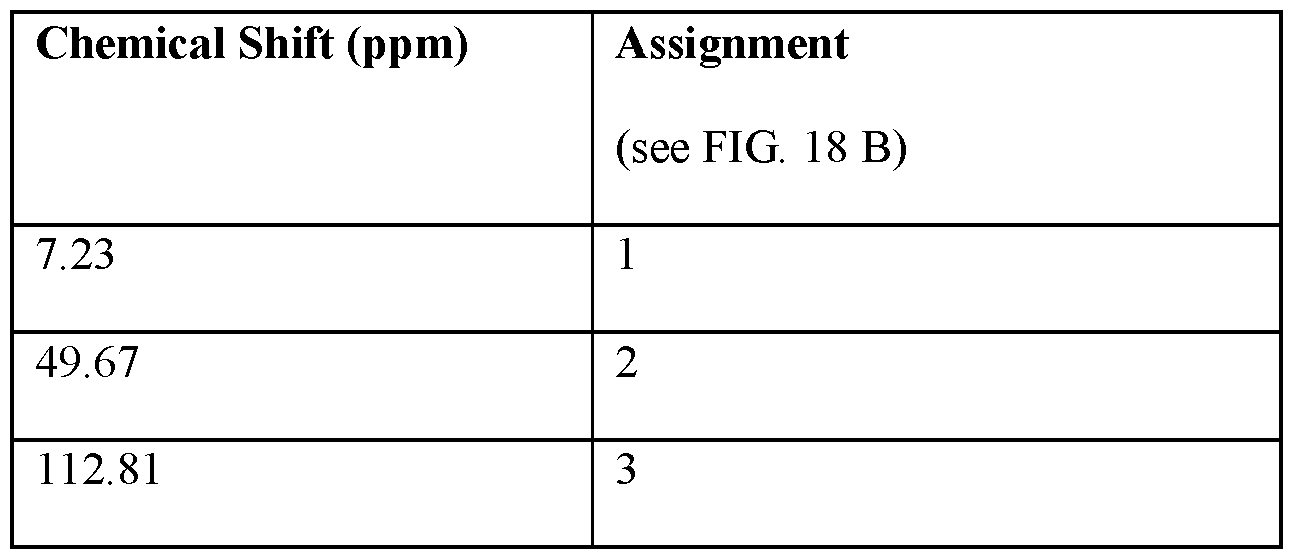
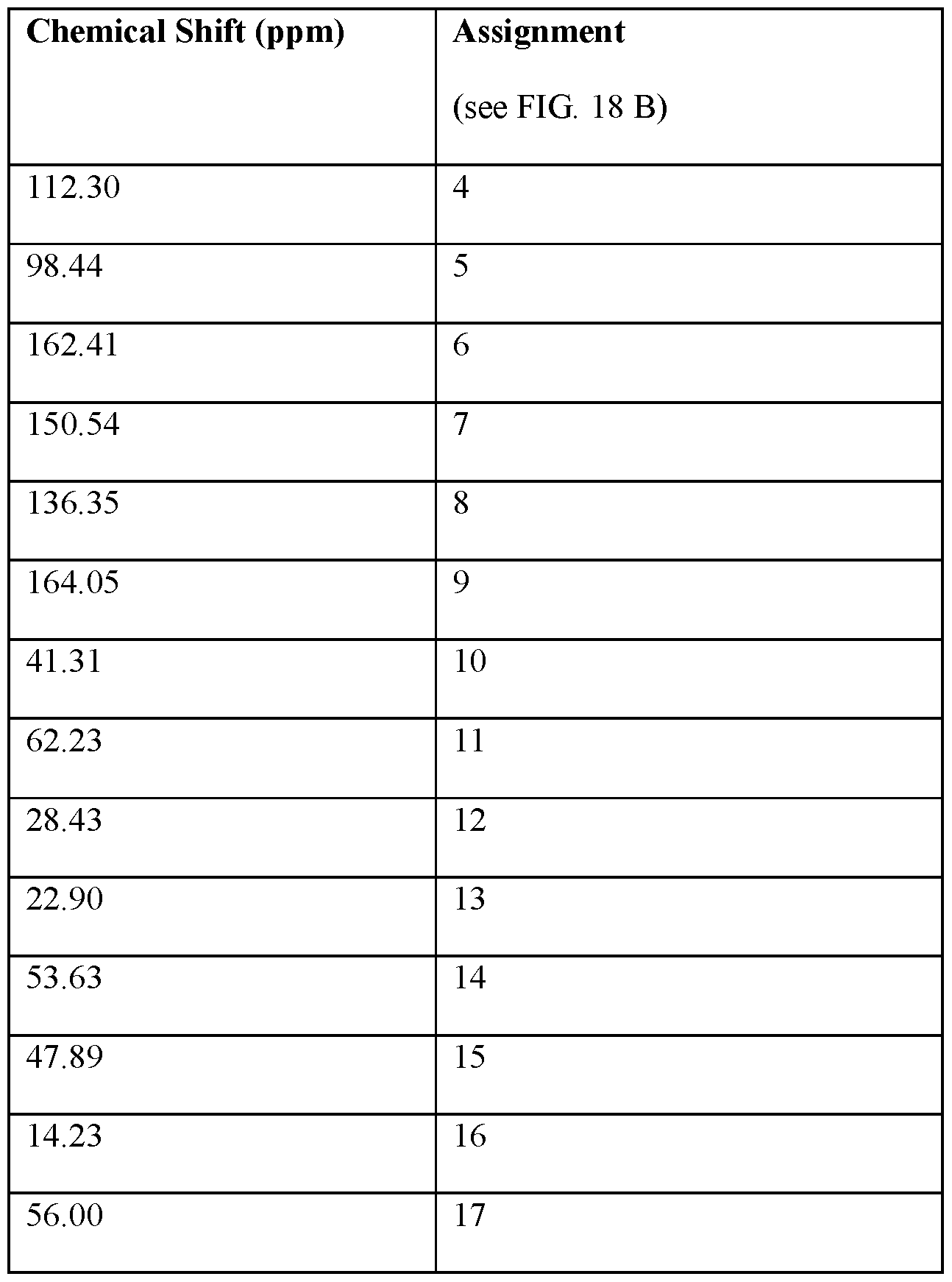
Claims
Priority Applications (11)
| Application Number | Priority Date | Filing Date | Title |
|---|---|---|---|
| AU2020286441A AU2020286441A1 (en) | 2019-06-04 | 2020-06-04 | Modified release formulations and uses thereof |
| SG11202113266YA SG11202113266YA (en) | 2019-06-04 | 2020-06-04 | Modified release formulations and uses thereof |
| CN202080055664.1A CN114401717A (en) | 2019-06-04 | 2020-06-04 | Modified release formulations and uses thereof |
| EP20819313.6A EP3980009A4 (en) | 2019-06-04 | 2020-06-04 | MODIFIED RELEASE FORMULATIONS AND ASSOCIATED USES |
| JP2021572444A JP2022535893A (en) | 2019-06-04 | 2020-06-04 | MODIFIED RELEASE FORMULATIONS AND THEIR USE |
| MX2021014774A MX2021014774A (en) | 2019-06-04 | 2020-06-04 | MODIFIED RELEASE FORMULATIONS AND USES THEREOF. |
| KR1020227000263A KR20220018004A (en) | 2019-06-04 | 2020-06-04 | Controlled release formulations and uses thereof |
| CA3142355A CA3142355A1 (en) | 2019-06-04 | 2020-06-04 | Modified release formulations and uses thereof |
| PH1/2021/553056A PH12021553056A1 (en) | 2019-06-04 | 2020-06-04 | Modified release formulations and uses thereof |
| BR112021024380A BR112021024380A2 (en) | 2019-06-04 | 2020-06-04 | Modified release formulations and uses thereof |
| IL288372A IL288372A (en) | 2019-06-04 | 2021-11-24 | Modified release formulations and uses thereof |
Applications Claiming Priority (6)
| Application Number | Priority Date | Filing Date | Title |
|---|---|---|---|
| US201962856952P | 2019-06-04 | 2019-06-04 | |
| US62/856,952 | 2019-06-04 | ||
| US201962872623P | 2019-07-10 | 2019-07-10 | |
| US62/872,623 | 2019-07-10 | ||
| US201962944023P | 2019-12-05 | 2019-12-05 | |
| US62/944,023 | 2019-12-05 |
Publications (1)
| Publication Number | Publication Date |
|---|---|
| WO2020247627A1 true WO2020247627A1 (en) | 2020-12-10 |
Family
ID=73651059
Family Applications (1)
| Application Number | Title | Priority Date | Filing Date |
|---|---|---|---|
| PCT/US2020/036118 Ceased WO2020247627A1 (en) | 2019-06-04 | 2020-06-04 | Modified release formulations and uses thereof |
Country Status (13)
| Country | Link |
|---|---|
| US (3) | US11160758B2 (en) |
| EP (1) | EP3980009A4 (en) |
| JP (1) | JP2022535893A (en) |
| KR (1) | KR20220018004A (en) |
| CN (1) | CN114401717A (en) |
| AU (1) | AU2020286441A1 (en) |
| BR (1) | BR112021024380A2 (en) |
| CA (1) | CA3142355A1 (en) |
| IL (1) | IL288372A (en) |
| MX (1) | MX2021014774A (en) |
| PH (1) | PH12021553056A1 (en) |
| SG (1) | SG11202113266YA (en) |
| WO (1) | WO2020247627A1 (en) |
Cited By (4)
| Publication number | Priority date | Publication date | Assignee | Title |
|---|---|---|---|---|
| US11160758B2 (en) | 2019-06-04 | 2021-11-02 | Sunovion Pharmaceuticals Inc. | Modified release formulations and uses thereof |
| US11370753B2 (en) | 2017-12-05 | 2022-06-28 | Sunovion Pharmaceuticals Inc. | Crystal forms and production methods thereof |
| US11517558B2 (en) | 2017-12-05 | 2022-12-06 | Sunovion Pharmaceuticals Inc. | Nonracemic mixtures and uses thereof |
| EP3980008A4 (en) * | 2019-06-04 | 2023-06-28 | Sunovion Pharmaceuticals Inc. | Modified release formulations and uses thereof |
Families Citing this family (2)
| Publication number | Priority date | Publication date | Assignee | Title |
|---|---|---|---|---|
| WO2024086306A1 (en) * | 2022-10-19 | 2024-04-25 | Vitakey Inc. | Formulated food products |
| CN115487161B (en) * | 2022-11-18 | 2023-03-03 | 山东则正医药技术有限公司 | Preparation method of amisulpride tablets |
Citations (7)
| Publication number | Priority date | Publication date | Assignee | Title |
|---|---|---|---|---|
| US6187807B1 (en) * | 1998-07-14 | 2001-02-13 | Sanofi-Synthelabo | Methods of use and compositions of (S) (-)-amisulpride |
| US20080188537A1 (en) * | 2007-02-02 | 2008-08-07 | Jean-Michel Azorin | Method of treating bipolar depression with a benzamide derivative |
| US20100004262A1 (en) * | 2006-09-26 | 2010-01-07 | Zysis Limited | Pharmaceutical compositions of aripiprazole |
| WO2010023690A2 (en) * | 2008-08-28 | 2010-03-04 | Torrent Pharmaceuticals Ltd. | Prolonged release formulation of amisulpride |
| US20150018360A1 (en) * | 2011-09-13 | 2015-01-15 | Biomed Valley Discoveries, Inc. | Compositions and methods for treating metabolic disorders |
| US20160038596A1 (en) * | 2013-03-11 | 2016-02-11 | Durect Corporation | Injectable controlled release composition comprising high viscosity liquid carrier |
| US20190167635A1 (en) * | 2017-12-05 | 2019-06-06 | Sunovion Pharmaceuticals Inc. | Nonracemic mixtures and uses thereof |
Family Cites Families (166)
| Publication number | Priority date | Publication date | Assignee | Title |
|---|---|---|---|---|
| CH415963A (en) | 1964-09-04 | 1966-06-30 | Wander Ag Dr A | Compound for the production of tablets with protracted action |
| AT264666B (en) | 1965-06-10 | 1968-09-10 | Elektroprojekt Berlin Veb | Circuit arrangement for the automatic shutdown of reversing and one-way strip rolling stands |
| US3577514A (en) | 1968-06-10 | 1971-05-04 | Pfizer | Sustained release pharmaceutical tablets |
| FR2415099A1 (en) | 1978-01-20 | 1979-08-17 | Ile De France | NEW DERIVATIVES OF 4-AMINO-5-ALKYLSULFONYL ORTHO-ANISAMIDES, THEIR METHODS OF PREPARATION AND THEIR APPLICATION AS PSYCHOTROPES |
| US4590062A (en) | 1984-04-16 | 1986-05-20 | Tech Trade Corp. | Dry direct compression compositions for controlled release dosage forms |
| US4816264A (en) | 1986-06-06 | 1989-03-28 | Warner-Lambert Company | Sustained release formulations |
| IT1200178B (en) | 1986-07-23 | 1989-01-05 | Alfa Farmaceutici Spa | GALENIC FORMULATIONS WITH SCHEDULED SALE CONTAINING DRUGS WITH ANTI-FLOGISTIC ACTIVITY |
| JP2572673B2 (en) | 1990-07-25 | 1997-01-16 | エスエス製薬株式会社 | Sustained-release tablets |
| US5316772A (en) | 1990-12-19 | 1994-05-31 | Solvay & Cie, S.A. (Societe Anonyme) | Bilayered oral pharmaceutical composition with pH dependent release |
| US5591455A (en) | 1990-12-20 | 1997-01-07 | Warner-Jenkinson Company, Inc. | Wet powder film-forming compositions |
| AU654991B2 (en) | 1990-12-20 | 1994-12-01 | Warner-Jenkinson Company, Inc. | Wet powder film-forming compositions |
| GB2256648B (en) | 1991-05-29 | 1995-08-30 | Colorcon Ltd | Wax polish composition |
| EP0520119A1 (en) | 1991-06-17 | 1992-12-30 | Spirig Ag Pharmazeutische Präparate | New oral diclofenac composition |
| TW245641B (en) | 1993-04-26 | 1995-04-21 | Takeda Pharm Industry Co | |
| WO1997044025A1 (en) | 1996-05-23 | 1997-11-27 | G.D. Searle & Co. | Pharmaceutical compositions containing non-racemic verapamil and process for optimizing the pharmaceutical activity of r- and s-verapamil |
| US5877183A (en) | 1996-06-06 | 1999-03-02 | Ergo Research Corporation | Treatment of lipid and glucose metabolism disorders with dopamine and serotonin agonists |
| IT1283124B1 (en) | 1996-06-12 | 1998-04-07 | Prodotti Antibiotici Spa | PHARMACEUTICAL FORMS AND COMPOSITIONS FOR THE TREATMENT OF BENIGN PROSTATIC HYPERTROPHY |
| FR2753376B1 (en) | 1996-09-18 | 1998-10-16 | Synthelabo | PHARMACEUTICAL COMPOSITIONS COMPRISING AMISULPRIDE AND THERAPEUTIC APPLICATIONS THEREOF |
| PL332503A1 (en) | 1996-09-24 | 1999-09-13 | Lilly Co Eli | Coated particles containing preparation |
| US5922352A (en) | 1997-01-31 | 1999-07-13 | Andrx Pharmaceuticals, Inc. | Once daily calcium channel blocker tablet having a delayed release core |
| US5837379A (en) | 1997-01-31 | 1998-11-17 | Andrx Pharmaceuticals, Inc. | Once daily pharmaceutical tablet having a unitary core |
| FR2762213B1 (en) | 1997-04-18 | 1999-05-14 | Synthelabo | PHARMACEUTICAL COMPOSITION WITH GASTRIC RETENTION |
| US20010046473A1 (en) | 1997-04-18 | 2001-11-29 | Jerome Besse | Gastric-retained pharmaceutical composition and method for its use |
| US6210710B1 (en) | 1997-04-28 | 2001-04-03 | Hercules Incorporated | Sustained release polymer blend for pharmaceutical applications |
| US20050281752A1 (en) | 1997-10-01 | 2005-12-22 | Dugger Harry A Iii | Buccal, polar and non-polar spray or capsule containing drugs for treating disorders of the central nervous system |
| ATE216220T1 (en) | 1997-12-05 | 2002-05-15 | Alza Corp | OSMOTIC DOSAGE FORM WITH TWO LAYERS |
| CO5140079A1 (en) | 1998-10-14 | 2002-03-22 | Novartis Ag | PHARMACEUTICAL COMPOSITION OF SUSTAINED LIBERATION AND METHOD TO RELEASE A PHARMACEUTICALLY ACTIVE AGENT FROM SUSTAINED LIBERATION AND METHOD TO RELEASE A PHARMACEUTICALLY ACTIVE AGENT |
| FR2784583B1 (en) | 1998-10-16 | 2002-01-25 | Synthelabo | PHARMACEUTICAL COMPOSITION WITH GASTRIC RESIDENCE AND CONTROLLED RELEASE |
| EP1135361A1 (en) | 1998-12-02 | 2001-09-26 | Darwin Discovery Limited | Therapeutic product and its use |
| US6897242B1 (en) | 1999-02-24 | 2005-05-24 | Judson J. Somerville | Non-racemic mixtures of d- and l- methadone and method of treating pain |
| MXPA03006003A (en) | 2001-01-02 | 2005-09-08 | Upjohn Co | New drug combinations. |
| US20030096264A1 (en) | 2001-06-18 | 2003-05-22 | Psychiatric Genomics, Inc. | Multi-parameter high throughput screening assays (MPHTS) |
| JP4205577B2 (en) | 2001-06-19 | 2009-01-07 | ミュラー,ノルベルト | Use of COX-2 inhibitors for the treatment of schizophrenia, delusional disorder, affective disorder, autism or tic disorder |
| DE10129320A1 (en) | 2001-06-19 | 2003-04-10 | Norbert Mueller | Use of cyclooxygenase-2 inhibitor in the preparation of a medicament for treating psychiatric disorders e.g. schizophrenia |
| US20110130390A1 (en) | 2001-06-19 | 2011-06-02 | Mueller Norbert | Use of COX-2 Inhibitors for the Treatment of Schizophrenia, Delusional Disorders, Affective Disorders, Autism or Tic Disorders |
| US20060167074A1 (en) | 2001-06-19 | 2006-07-27 | Norbert Muller | Methods and compositions for the treatment of psychiatric disorders |
| US7544681B2 (en) | 2001-09-27 | 2009-06-09 | Ramot At Tel Aviv University Ltd. | Conjugated psychotropic drugs and uses thereof |
| DE10153078A1 (en) | 2001-10-30 | 2003-05-22 | Degussa | Use of granules based on pyrogenic silicon dioxide in pharmaceutical compositions |
| US7815936B2 (en) | 2001-10-30 | 2010-10-19 | Evonik Degussa Gmbh | Use of granular materials based on pyrogenically produced silicon dioxide in pharmaceutical compositions |
| US7985422B2 (en) | 2002-08-05 | 2011-07-26 | Torrent Pharmaceuticals Limited | Dosage form |
| US8268352B2 (en) | 2002-08-05 | 2012-09-18 | Torrent Pharmaceuticals Limited | Modified release composition for highly soluble drugs |
| US8216609B2 (en) | 2002-08-05 | 2012-07-10 | Torrent Pharmaceuticals Limited | Modified release composition of highly soluble drugs |
| US20050250767A1 (en) | 2003-01-23 | 2005-11-10 | Weiner David M | Use of N-desmethylclozapine to treat human neuropsychiatric disease |
| US20050085463A1 (en) | 2003-01-23 | 2005-04-21 | Weiner David M. | Use of N-desmethylclozapine to treat human neuropsychiatric disease |
| WO2004103262A2 (en) | 2003-05-22 | 2004-12-02 | Yeda Research And Development Co. Ltd. | Dopamine and agonists and antagonists thereof for modulation of suppressive activity of cd4+cd25+ regulatory t cells |
| FR2857263B1 (en) | 2003-07-09 | 2005-09-09 | Sanofi Synthelabo | NOVEL SOLID PHARMACEUTICAL COMPOSITION COMPRISING AMISULPRIDE |
| CA2537180A1 (en) | 2003-08-29 | 2005-03-10 | Cotherix, Inc. | Cicletanine in combination with oral antidiabetic and/or blood lipid-lowering agents as a combination therapy for diabetes and metabolic syndrome |
| US20050181049A1 (en) | 2003-11-19 | 2005-08-18 | Dong Liang C. | Composition and method for enhancing bioavailability |
| EP1708790B1 (en) | 2003-12-02 | 2010-04-21 | PharmaNeuroBoost N.V. | Use of pipamperone and a d2-receptor antagonist or a serotonin/dopamin antagonist for the treatment of psychotic disorders |
| EP1547650A1 (en) | 2003-12-02 | 2005-06-29 | B & B Beheer NV | Use of D4 and 5-HT2A antagonists, inverse agonists or partial agonists |
| BRPI0507250A (en) | 2004-01-29 | 2007-06-26 | Pfizer Prod Inc | combinations to treat snc disorders |
| JP2007526328A (en) | 2004-03-02 | 2007-09-13 | ファルマシア コーポレーション | Methods and compositions for treating or preventing mental disorders with Cox-2 inhibitors, alone and in combination with antidepressants |
| EP2316446A1 (en) | 2004-06-11 | 2011-05-04 | Novo Nordisk A/S | Counteracting drug-induced obesity using GLP-1 agonists |
| FR2877573B1 (en) | 2004-11-05 | 2007-02-02 | Debussy Holding Sa | NEW PHARMACEUTICAL COMPOSITIONS AND USES THEREFOR TO COMBAT DIFFERENT FORMS OF DRUG ACCUMULATION |
| US20060150989A1 (en) | 2005-01-12 | 2006-07-13 | Peter Migaly | Method of diagnosing, treating and educating individuals with and/or about depression |
| US20060167068A1 (en) | 2005-01-26 | 2006-07-27 | Seth Feuerstein | Method of treating self-injurious behavior with glutamate modulating agents |
| JP2008528532A (en) | 2005-01-28 | 2008-07-31 | シュヴァルツ・ファーマ・アーゲー | SPM927 for add-on treatment of schizophrenia |
| US20110015246A2 (en) | 2005-03-14 | 2011-01-20 | Agean Llc | Lofexidine enantiomers for use as a treatment for cns disease and pathologies and its chiral synthesis |
| NZ563238A (en) | 2005-04-08 | 2011-01-28 | Pfizer Prod Inc | Bicyclic [3.1.0] heteroaryl amides as type 1 glycine transport inhibitors |
| WO2007061896A1 (en) | 2005-11-17 | 2007-05-31 | Zogenix, Inc. | Delivery of viscous formulations by needle-free injection |
| ATE552832T1 (en) | 2006-02-24 | 2012-04-15 | Shire Llc | ANTIDEPRESSANT PROPHARMACIES |
| WO2007110878A1 (en) | 2006-03-27 | 2007-10-04 | Panacea Biotec Ltd | Sustained release pharmaceutical composition on the basis of a release system comprising an acid-soluble polymer and a ph-dependent polymer. |
| EP2023898A1 (en) | 2006-05-10 | 2009-02-18 | Evonik Degussa GmbH | Use of roll compacted pyrogenically produced silicon dioxide in pharmaceutical compositions |
| CA2652300A1 (en) | 2006-05-15 | 2007-11-22 | Acadia Pharmaceuticals Inc. | Pharmaceutical formulations of pimavanserin |
| WO2007137224A2 (en) | 2006-05-22 | 2007-11-29 | Vanda Pharmaceuticals, Inc. | Method of treatment |
| US8076075B2 (en) | 2006-10-17 | 2011-12-13 | The Research Foundation For Mental Hygiene, Inc. | System and method for diagnosis of neuropsychiatric disorders |
| JP2010507648A (en) | 2006-10-25 | 2010-03-11 | ラモット アット テル−アビブ ユニバーシティー リミテッド | Novel psychotropic drug with glutamic acid NMDA activity |
| WO2008065500A2 (en) | 2006-11-30 | 2008-06-05 | Pfizer Products Inc. | Heteroaryl amides as type i glycine transport inhibitors |
| EP1944295A1 (en) | 2007-01-15 | 2008-07-16 | Laboratorios del Dr. Esteve S.A. | Non-racemic mixtures of (R)-N-piperidinyl-5-(4-chlorophenyl)1-(2,4-dichlorophenyl)-4,5-dihydro-1H-pyrazole-3-carboxamide and (S)-N-piperidinyl-5-(4-chlorophenyl)-1-(2,4-dichlorophenyl)-4,5-dihydro-1H-pyrazole-3-carboxamide |
| EP1946777A1 (en) | 2007-01-16 | 2008-07-23 | Laboratorios del Dr. Esteve S.A. | Substituted pyrazoline for preventing weight gain |
| WO2009014770A2 (en) | 2007-02-01 | 2009-01-29 | Green Alan I | Combinations of dopamine d2 receptor blockade with norepinephrine reuptake inhibition and with norepinephrine alpha 2 receptor blockade |
| US20090053329A1 (en) | 2007-03-19 | 2009-02-26 | Acadia Pharmaceuticals, Inc. | Combinations of 5-ht2a inverse agonists and antagonists with antipsychotics |
| GB0707127D0 (en) | 2007-04-13 | 2007-05-23 | Zysis Ltd | Pharmaceutical compositions |
| US20080280886A1 (en) | 2007-05-08 | 2008-11-13 | Auspex Pharmaceuticals, Inc. | Substituted ureas |
| CN101765428A (en) | 2007-06-18 | 2010-06-30 | A·卡尔森研究股份有限公司 | Uses of Dopamine Stabilizers |
| EP2030619A1 (en) | 2007-06-18 | 2009-03-04 | A.Carlsson Research AB | Use of dopamine stabilizers |
| WO2009017453A1 (en) | 2007-07-30 | 2009-02-05 | Astrazeneca Ab | New therapeutic combination of an antipsychotic and a gsk3 inhibitor 958 |
| EP2198049A1 (en) | 2007-09-10 | 2010-06-23 | Vanda Pharmaceuticals Inc. | Antipsychotic treatment based on snp genotype |
| WO2009035473A2 (en) | 2007-09-13 | 2009-03-19 | Sanfilippo Louis C | Method of treating binge eating disorder, obesity resulting from binge eating behavior and depressive disorders |
| CA2700332A1 (en) | 2007-09-21 | 2009-03-26 | Acadia Pharmaceuticals, Inc. | N-substituted piperidine derivatives as serotonin receptor agents |
| CA2703684A1 (en) | 2007-10-31 | 2009-05-07 | Research Foundation Itsuu Laboratory | Retinoid prodrug compound |
| GB2456183A (en) | 2008-01-04 | 2009-07-08 | Gw Pharma Ltd | Anti-psychotic composition comprising cannabinoids and anti-psychotic medicament |
| HRP20191052T1 (en) | 2008-02-01 | 2019-11-01 | Ascendis Pharma As | A TREATMENT INCLUDING A SELF-CLEAVING LINK |
| NZ586963A (en) | 2008-02-05 | 2012-11-30 | Clera Inc | Use of dopamine d2 receptor inhibitors for alleviating depression or improving cognition |
| US20090208979A1 (en) | 2008-02-14 | 2009-08-20 | Technion Research And Development Foundation Ltd. | Method for identifying antipsychotic drug candidates |
| US8138169B2 (en) | 2008-04-11 | 2012-03-20 | Comgenrx, Inc. | Combination therapy for bipolar disorder |
| US20090269770A1 (en) | 2008-04-24 | 2009-10-29 | Technion Research And Development Foundation Ltd. | Methods for evaluation prognosis and follow-up of drug treatment of psychiatric diseases or disorders |
| WO2010020642A1 (en) | 2008-08-20 | 2010-02-25 | Brainco Biopharma, S.L. | Stxbp1 as psychiatric biomarker in murine model system and their uses |
| US20100074973A1 (en) | 2008-08-27 | 2010-03-25 | Auspex Pharmaceuticals, Inc. | Thioxanthene modulators of dopamine d2 receptors |
| US20100119622A1 (en) | 2008-09-15 | 2010-05-13 | Auspex Pharmaceuticals, Inc. | 3h-benzooxazol-2-one modulators of d2 receptor and/or 5-ht1a receptor |
| US20100069399A1 (en) | 2008-09-15 | 2010-03-18 | Auspex Pharmaceutical, Inc. | Arylpiperazine modulators of d2 receptors, 5-ht1a receptors, and/or 5-ht2a receptors |
| US20100119624A1 (en) | 2008-09-17 | 2010-05-13 | Auspex Pharmaceuticals, Inc. | Benzisoxazole modulators of d2 receptor and/or 5-ht2a receptor |
| WO2010033270A1 (en) | 2008-09-17 | 2010-03-25 | Auspex Pharmaceuticals, Inc. | Dibenzothiazepine modulators of dopamine, alpha adrenergic, and serotonin receptors |
| US20100159033A1 (en) | 2008-09-29 | 2010-06-24 | Auspex Pharmaceuticals, Inc. | Benzisoxazole modulators of d2 receptor, and/or 5-ht2a receptor |
| US20100266711A1 (en) | 2008-09-29 | 2010-10-21 | Auspex Pharmaceuticals, Inc. | Thienobenzodiazepine modulators of d1 receptor, d2 receptor, and/or 5-ht2 receptor |
| AU2009314787B2 (en) | 2008-11-14 | 2014-03-06 | Ewha University-Industry Collaboration Foundation | Method for preparing microspheres and microspheres produced thereby |
| WO2010058314A1 (en) | 2008-11-18 | 2010-05-27 | Pfizer Inc. | Hydroxyquinolin-2(1h)-ones and derivatives thereof |
| CA2646779A1 (en) | 2008-11-25 | 2010-05-25 | Gerard Voon | Bioscience ix |
| US20100143507A1 (en) | 2008-12-09 | 2010-06-10 | Auspex Pharmaceuticals, Inc. | Carboxylic acid inhibitors of histone deacetylase, gaba transaminase and sodium channel |
| WO2010075275A1 (en) | 2008-12-23 | 2010-07-01 | Usworldmeds Llc | Selective release of non-racemic mixtures of two enantiomers from tablets and capsules |
| WO2010085452A1 (en) | 2009-01-20 | 2010-07-29 | Los Angeles Biomedical Research Institute At Harbor - Ucla Medical Center | Sorbic and benzoic acid and derivatives thereof enhance the activity of a neuropharmaceutical |
| WO2010108116A1 (en) | 2009-03-20 | 2010-09-23 | Antares Pharma, Inc. | Hazardous agent injection system |
| CN101898991B (en) | 2009-05-31 | 2013-09-25 | 江苏天士力帝益药业有限公司 | Synthesis method of (S) (-)-amisulprideD-(-)-tartrate |
| US9173953B2 (en) | 2009-07-31 | 2015-11-03 | Ascendis Pharma As | Prodrugs containing an aromatic amine connected by an amido bond to a linker |
| GEP20115310B (en) | 2009-10-09 | 2011-10-25 | Medicinal preparation of amisulpride in the solid form and the method of its manufacture | |
| WO2011057199A1 (en) | 2009-11-06 | 2011-05-12 | Adenios, Inc. | Compositions for treating cns disorders |
| US20110117214A1 (en) | 2009-11-16 | 2011-05-19 | Auspex Pharmaceuticals, Inc. | Cyclohexyl urea modulators of d2 receptors and/or d3 receptors |
| AR079814A1 (en) | 2009-12-31 | 2012-02-22 | Otsuka Pharma Co Ltd | HETEROCICLICAL COMPOUNDS, PHARMACEUTICAL COMPOSITIONS THAT CONTAIN THEM AND THEIR USES |
| GB201003734D0 (en) | 2010-03-05 | 2010-04-21 | Univ Strathclyde | Delayed prolonged drug delivery |
| GB201003766D0 (en) | 2010-03-05 | 2010-04-21 | Univ Strathclyde | Pulsatile drug release |
| GB201003731D0 (en) | 2010-03-05 | 2010-04-21 | Univ Strathclyde | Immediate/delayed drug delivery |
| GB201004020D0 (en) | 2010-03-11 | 2010-04-21 | Acacia Pharma Ltd | New therapeutic use |
| WO2011143534A1 (en) | 2010-05-13 | 2011-11-17 | The Mclean Hospital Corporation | Methods for the treatment of psychiatric disorders |
| MX2012014497A (en) | 2010-06-17 | 2013-04-03 | Lupin Ltd | AN IMPROVED PROCESS FOR THE PREPARATION OF AMILSUPRIDA. |
| WO2012002583A1 (en) | 2010-07-02 | 2012-01-05 | Vanderbilt University | Method for treating schizophrenia and related diseases with a combination therapy |
| CN101987081B (en) | 2010-07-16 | 2012-08-08 | 钟术光 | Controlled release preparation |
| DE102010033527A1 (en) | 2010-08-05 | 2012-02-09 | Acino Pharma Ag | Quetiapine tablets |
| JP2013540748A (en) | 2010-09-16 | 2013-11-07 | コーネル ユニバーシティー | Use of adenosine receptor signaling to regulate blood-brain barrier permeability |
| WO2012065102A2 (en) | 2010-11-12 | 2012-05-18 | Promentis Pharmaceuticals, Inc. | S-t-butyl protected cysteine di-peptide analogs and related compounds |
| US20120122793A1 (en) | 2010-11-12 | 2012-05-17 | Promentis Pharmaceuticals, Inc. | S-Protected Cysteine Analogs and Related Compounds |
| US20120202823A1 (en) | 2010-12-23 | 2012-08-09 | Alkermes, Inc. | Multi-API Loading Prodrugs |
| WO2012118562A1 (en) | 2011-03-02 | 2012-09-07 | Rhine Pharmaceuticals, Llc | Compositions and methods for treating depression, adhd and other central nervous system disorders employing novel bupropion compounds, and methods for production and use of novel bupropion compounds and formulations |
| EP2508174A1 (en) | 2011-04-06 | 2012-10-10 | Ljiljana Sovic Brkicic | Pharmaceutical composition |
| WO2012158492A2 (en) | 2011-05-13 | 2012-11-22 | Dainippon Sumitomo Pharma Co., Ltd. | Treatment and management of cns disorders |
| AR086798A1 (en) | 2011-06-29 | 2014-01-22 | Otsuka Pharma Co Ltd | USEFUL QUINAZOLINIC DERIVATIVES TO TREAT CENTRAL NERVOUS SYSTEM DISORDERS AND PHARMACEUTICAL COMPOSITIONS CONTAINING THEM |
| EP2736890A4 (en) | 2011-07-28 | 2015-07-15 | Promentis Pharm Inc | Cysteine prodrugs |
| WO2013122554A1 (en) | 2012-02-14 | 2013-08-22 | Mahmut Bilgic | Pellet formulations comprising esomeprazole |
| CN102600132B (en) | 2012-03-13 | 2014-05-14 | 齐鲁制药有限公司 | Oral preparation containing amisulpride |
| JOP20210047A1 (en) | 2012-10-25 | 2017-06-16 | Otsuka Pharma Co Ltd | Prophylactic and/or therapeutic agent for behavioral and psychological symptoms associated with neurodegenerative disease or impulsive symptoms associated with mental disease containing brexpiprazole or salt thereof |
| WO2014152965A2 (en) | 2013-03-14 | 2014-09-25 | The Children's Hospital Of Philadelphia | Schizophrenia-associated genetic loci identified in genome wide association studies and use thereof as novel therapeutic targets |
| US20170027958A1 (en) | 2013-04-02 | 2017-02-02 | Themis Medicare Limited | Fulvestrant compositions |
| UA119324C2 (en) | 2013-04-02 | 2019-06-10 | Теміс Медікер Лімітед | Compositions of pharmaceutical actives containing diethylene glycol monoethyl ether or other alkyl derivatives |
| US10098893B2 (en) | 2013-10-03 | 2018-10-16 | Northwestern University | Methods of administering a trace amine-associated receptor 1 (TAAR1) agonist to patients having the minor allele of the single nucleotide polymorphism rs2237457 |
| KR102373288B1 (en) | 2013-12-03 | 2022-03-10 | 인트라-셀룰라 써래피스, 인코퍼레이티드. | Novel methods |
| CN106715695B (en) | 2014-02-05 | 2020-07-31 | 耶达研究及发展有限公司 | MicroRNAs for use in therapy and diagnosis and compositions comprising said microRNAs |
| TW201613864A (en) | 2014-02-20 | 2016-04-16 | Takeda Pharmaceutical | Novel compounds |
| JP2017509686A (en) | 2014-04-04 | 2017-04-06 | イントラ−セルラー・セラピーズ・インコーポレイテッドIntra−Cellular Therapies, Inc. | Organic compounds |
| AU2015240526A1 (en) | 2014-04-04 | 2016-11-24 | Intra-Cellular Therapies, Inc. | Organic compounds |
| EP2959895A1 (en) | 2014-06-27 | 2015-12-30 | Rheinisch-Westfälische Technische Hochschule Aachen (RWTH) | Compositions comprising Phenylalanine and Leucine for use in the diagnosis and treatment of neurological disorders and symptoms thereof |
| ES2562684B1 (en) | 2014-08-04 | 2017-02-06 | Consejo Superior De Investigaciones Científicas (Csic) | ANTIPSYCHOTIC TREATMENT MONITORING METHOD |
| US11174514B2 (en) | 2014-08-29 | 2021-11-16 | Northwestern University | Methods, kits, and devices utilizing HTR2C polymorphisms for diagnosing, prognosing, and treating psychiatric disorders in a patient |
| WO2016109359A1 (en) | 2014-12-29 | 2016-07-07 | Auspex Pharmaceuticals, Inc. | Cyclopropyl dihydrobenzofuran modulators of melatonin receptors |
| US20160193151A1 (en) | 2015-01-06 | 2016-07-07 | Maria Del Pilar Noriega Escobar | Dosage form incorporating an amorphous drug solid solution |
| CN104725292B (en) | 2015-03-23 | 2017-07-25 | 湖北荆江源制药股份有限公司 | A kind of preparation method of (S) () Amisulpride |
| GB201506116D0 (en) * | 2015-04-10 | 2015-05-27 | Acacia Pharma Ltd | Kit and combination therapy for nausea and vomiting |
| ITUB20150635A1 (en) | 2015-04-14 | 2016-10-14 | Giuseppe Lotito | Use of an aceticolinesterase inhibitor and pharmaceutical compositions containing said inhibitor. |
| WO2016186968A1 (en) | 2015-05-15 | 2016-11-24 | The Arizona Board Of Regents On Behalf Of The University Of Arizona | Compositions and methods for treating motor disorders |
| CA2997378A1 (en) | 2015-09-18 | 2017-03-23 | Grunenthal Gmbh | Crystallization method and bioavailability |
| CN106890129A (en) * | 2015-12-18 | 2017-06-27 | 健乔信元医药生技股份有限公司 | Extended release dosage forms of ciclopirox |
| WO2017142014A1 (en) | 2016-02-17 | 2017-08-24 | 医療法人社団 滉志会 | Drug for inflammatory disease |
| WO2017149387A1 (en) | 2016-03-04 | 2017-09-08 | Sharon Anavi-Goffer | Compositions of cb2 receptor selective agonists for treatment of mental disorders |
| WO2018015915A1 (en) | 2016-07-22 | 2018-01-25 | Cadila Healthcare Limited | A parenteral controlled release composition of an atypical antipsychotic agent |
| US10336679B2 (en) | 2016-10-24 | 2019-07-02 | Syneurx International (Taiwan) Corp. | Polymorphic forms of sodium benzoate and uses thereof |
| US20180118967A1 (en) * | 2016-10-31 | 2018-05-03 | Xerox Corporation | Metal Nanoparticle Ink Compositions For Printed Electronic Device Applications |
| US11377421B2 (en) | 2016-11-28 | 2022-07-05 | Lb Pharmaceuticals Inc. | Psychotropic agents and uses thereof |
| CN110248655B (en) | 2016-11-28 | 2023-07-07 | Lb制药公司 | Psychotropic agents and their uses |
| CN106995397B (en) | 2016-12-12 | 2020-01-14 | 河北医科大学 | R-amisulpride medicinal salt, preparation method, crystal form and application thereof |
| CN107126422B (en) | 2017-03-02 | 2020-07-07 | 河北龙海药业有限公司 | A kind of amisulpride tablet and preparation method thereof |
| CN107049981A (en) | 2017-04-11 | 2017-08-18 | 深圳市泛谷药业股份有限公司 | A kind of quick-release Amisulpride pharmaceutical composition and preparation method thereof |
| AU2018260628A1 (en) | 2017-04-25 | 2019-12-12 | Temple Otorongo Llc | Pharmaceutical composition comprising tryptophan and phyllokinin derivative for use in treating psychiatric and psychological conditions |
| US10441544B2 (en) | 2017-10-10 | 2019-10-15 | Douglas Pharmaceuticals, Ltd. | Extended release pharmaceutical formulation |
| CN118955352A (en) | 2017-12-05 | 2024-11-15 | 赛诺维信制药公司 | Crystalline forms and methods of preparing the same |
| CN109010300A (en) | 2018-10-24 | 2018-12-18 | 湖南洞庭药业股份有限公司 | A kind of Amisulpride piece and preparation method thereof |
| WO2020247603A1 (en) | 2019-06-04 | 2020-12-10 | Sunovion Pharmaceuticals Inc. | Modified release formulations and uses thereof |
| WO2020247627A1 (en) | 2019-06-04 | 2020-12-10 | Sunovion Pharmaceuticals Inc. | Modified release formulations and uses thereof |
| WO2022256482A1 (en) | 2021-04-01 | 2022-12-08 | Sunovion Pharmaceuticals Inc. | Methods for preparing crystalline forms of amisulpride |
-
2020
- 2020-06-04 WO PCT/US2020/036118 patent/WO2020247627A1/en not_active Ceased
- 2020-06-04 CN CN202080055664.1A patent/CN114401717A/en active Pending
- 2020-06-04 SG SG11202113266YA patent/SG11202113266YA/en unknown
- 2020-06-04 PH PH1/2021/553056A patent/PH12021553056A1/en unknown
- 2020-06-04 MX MX2021014774A patent/MX2021014774A/en unknown
- 2020-06-04 CA CA3142355A patent/CA3142355A1/en active Pending
- 2020-06-04 EP EP20819313.6A patent/EP3980009A4/en active Pending
- 2020-06-04 JP JP2021572444A patent/JP2022535893A/en active Pending
- 2020-06-04 BR BR112021024380A patent/BR112021024380A2/en unknown
- 2020-06-04 US US16/892,641 patent/US11160758B2/en not_active Expired - Fee Related
- 2020-06-04 AU AU2020286441A patent/AU2020286441A1/en not_active Abandoned
- 2020-06-04 KR KR1020227000263A patent/KR20220018004A/en not_active Withdrawn
-
2021
- 2021-09-30 US US17/490,616 patent/US11654113B2/en active Active
- 2021-11-24 IL IL288372A patent/IL288372A/en unknown
-
2023
- 2023-03-07 US US18/118,479 patent/US12161758B2/en active Active
Patent Citations (7)
| Publication number | Priority date | Publication date | Assignee | Title |
|---|---|---|---|---|
| US6187807B1 (en) * | 1998-07-14 | 2001-02-13 | Sanofi-Synthelabo | Methods of use and compositions of (S) (-)-amisulpride |
| US20100004262A1 (en) * | 2006-09-26 | 2010-01-07 | Zysis Limited | Pharmaceutical compositions of aripiprazole |
| US20080188537A1 (en) * | 2007-02-02 | 2008-08-07 | Jean-Michel Azorin | Method of treating bipolar depression with a benzamide derivative |
| WO2010023690A2 (en) * | 2008-08-28 | 2010-03-04 | Torrent Pharmaceuticals Ltd. | Prolonged release formulation of amisulpride |
| US20150018360A1 (en) * | 2011-09-13 | 2015-01-15 | Biomed Valley Discoveries, Inc. | Compositions and methods for treating metabolic disorders |
| US20160038596A1 (en) * | 2013-03-11 | 2016-02-11 | Durect Corporation | Injectable controlled release composition comprising high viscosity liquid carrier |
| US20190167635A1 (en) * | 2017-12-05 | 2019-06-06 | Sunovion Pharmaceuticals Inc. | Nonracemic mixtures and uses thereof |
Non-Patent Citations (4)
| Title |
|---|
| ABBAS A. I. ET AL.: "Amisulpride is a potent 5-HT7 antagonist: relevance for antidepressant actions in vivo", PSYCHOPHARMACOLOGY, vol. 205, 1 April 2009 (2009-04-01), pages 119 - 128, XP019702397, DOI: 10.1007/s00213-009-1521-8 * |
| GIRGIS R. R. ET AL.: "In Vivo Binding of Antipsychotics to D3 and D2 Receptors: A PET Study in Baboons with [11C]-(+)-PHNO", NEUROPSYCHOPHARMACOLOGY, vol. 36, no. 4, 22 December 2010 (2010-12-22), pages 887 - 895, XP055768351, DOI: 10.1038/npp.2010.228 * |
| See also references of EP3980009A4 * |
| TAUBEL J. ET AL. ET AL.: "Thorough QT study of the effect of intravenous amisulpride on QTc interval in Caucasian and Japanese healthy subjects", BRITISH JOURNAL OF CLINICAL PHARMACOLOGY, vol. 83, no. 2, February 2017 (2017-02-01), pages 339 - 348, XP055768201, DOI: 10.1111/bcp.13128 * |
Cited By (8)
| Publication number | Priority date | Publication date | Assignee | Title |
|---|---|---|---|---|
| US11370753B2 (en) | 2017-12-05 | 2022-06-28 | Sunovion Pharmaceuticals Inc. | Crystal forms and production methods thereof |
| US11517558B2 (en) | 2017-12-05 | 2022-12-06 | Sunovion Pharmaceuticals Inc. | Nonracemic mixtures and uses thereof |
| US11767293B2 (en) | 2017-12-05 | 2023-09-26 | Sunovion Pharmaceuticals Inc. | Crystal forms and production methods thereof |
| US12161623B2 (en) | 2017-12-05 | 2024-12-10 | Sunovion Pharmaceuticals Inc. | Nonracemic mixtures and uses thereof |
| US11160758B2 (en) | 2019-06-04 | 2021-11-02 | Sunovion Pharmaceuticals Inc. | Modified release formulations and uses thereof |
| US11654113B2 (en) | 2019-06-04 | 2023-05-23 | Sunovion Pharmaceuticals Inc. | Modified release formulations and uses thereof |
| EP3980008A4 (en) * | 2019-06-04 | 2023-06-28 | Sunovion Pharmaceuticals Inc. | Modified release formulations and uses thereof |
| US12161758B2 (en) | 2019-06-04 | 2024-12-10 | Sunovion Pharmaceuticals Inc. | Modified release formulations and uses thereof |
Also Published As
| Publication number | Publication date |
|---|---|
| AU2020286441A1 (en) | 2022-01-06 |
| SG11202113266YA (en) | 2021-12-30 |
| IL288372A (en) | 2022-01-01 |
| US12161758B2 (en) | 2024-12-10 |
| US20220117899A1 (en) | 2022-04-21 |
| EP3980009A1 (en) | 2022-04-13 |
| US20200383924A1 (en) | 2020-12-10 |
| BR112021024380A2 (en) | 2022-04-19 |
| KR20220018004A (en) | 2022-02-14 |
| CN114401717A (en) | 2022-04-26 |
| US20230404924A1 (en) | 2023-12-21 |
| EP3980009A4 (en) | 2023-07-05 |
| MX2021014774A (en) | 2022-02-03 |
| JP2022535893A (en) | 2022-08-10 |
| US11160758B2 (en) | 2021-11-02 |
| US11654113B2 (en) | 2023-05-23 |
| PH12021553056A1 (en) | 2023-09-11 |
| CA3142355A1 (en) | 2020-12-10 |
Similar Documents
| Publication | Publication Date | Title |
|---|---|---|
| US12161758B2 (en) | Modified release formulations and uses thereof | |
| US12161623B2 (en) | Nonracemic mixtures and uses thereof | |
| US20220323409A1 (en) | Modified release formulations and uses thereof | |
| JP2025169294A (en) | Oral pharmaceutical composition containing a carbamate compound and its manufacturing method | |
| TW202237084A (en) | Modified release formulations and uses thereof | |
| HK40064212A (en) | Modified release formulations and uses thereof | |
| HK40072206A (en) | Oral pharmaceutical composition comprising carbamate compound and preparation method therefor |
Legal Events
| Date | Code | Title | Description |
|---|---|---|---|
| 121 | Ep: the epo has been informed by wipo that ep was designated in this application |
Ref document number: 20819313 Country of ref document: EP Kind code of ref document: A1 |
|
| ENP | Entry into the national phase |
Ref document number: 3142355 Country of ref document: CA |
|
| ENP | Entry into the national phase |
Ref document number: 2021572444 Country of ref document: JP Kind code of ref document: A |
|
| NENP | Non-entry into the national phase |
Ref country code: DE |
|
| REG | Reference to national code |
Ref country code: BR Ref legal event code: B01A Ref document number: 112021024380 Country of ref document: BR |
|
| ENP | Entry into the national phase |
Ref document number: 20227000263 Country of ref document: KR Kind code of ref document: A |
|
| ENP | Entry into the national phase |
Ref document number: 2020286441 Country of ref document: AU Date of ref document: 20200604 Kind code of ref document: A |
|
| ENP | Entry into the national phase |
Ref document number: 2020819313 Country of ref document: EP Effective date: 20220104 |
|
| REG | Reference to national code |
Ref country code: BR Ref legal event code: B01E Ref document number: 112021024380 Country of ref document: BR Free format text: APRESENTAR A TRADUCAO SIMPLES DA FOLHA DE ROSTO DA CERTIDAO DE DEPOSITO DAS PRIORIDADES US 62/856,952 DE 04/06/2019, US 62/872,623 DE 10/07/2019 E US 62/944,023 DE 05/12/2019 OU DECLARACAO CONTENDO, OBRIGATORIAMENTE, TODOS OS DADOS IDENTIFICADORES DESTAS CONFORME O ART. 15 DA PORTARIA 39/2021. O DOCUMENTO APRESENTADO NAO ESTA TRADUZIDO. |
|
| ENP | Entry into the national phase |
Ref document number: 112021024380 Country of ref document: BR Kind code of ref document: A2 Effective date: 20211202 |
|
| WWE | Wipo information: entry into national phase |
Ref document number: 521431010 Country of ref document: SA |
|
| WWE | Wipo information: entry into national phase |
Ref document number: 521431010 Country of ref document: SA |
|
| WWE | Wipo information: entry into national phase |
Ref document number: 521431010 Country of ref document: SA |
|
| WWR | Wipo information: refused in national office |
Ref document number: 521431010 Country of ref document: SA |
|
| WWW | Wipo information: withdrawn in national office |
Ref document number: 1020227000263 Country of ref document: KR |
|
| WWW | Wipo information: withdrawn in national office |
Ref document number: 2020819313 Country of ref document: EP |
|
| WWW | Wipo information: withdrawn in national office |
Ref document number: 782853 Country of ref document: NZ |