WO2020172605A1 - Antibody molecules that bind to nkp30 and uses thereof - Google Patents
Antibody molecules that bind to nkp30 and uses thereof Download PDFInfo
- Publication number
- WO2020172605A1 WO2020172605A1 PCT/US2020/019329 US2020019329W WO2020172605A1 WO 2020172605 A1 WO2020172605 A1 WO 2020172605A1 US 2020019329 W US2020019329 W US 2020019329W WO 2020172605 A1 WO2020172605 A1 WO 2020172605A1
- Authority
- WO
- WIPO (PCT)
- Prior art keywords
- amino acid
- seq
- acid sequence
- sequence
- substitutions
- Prior art date
- Legal status (The legal status is an assumption and is not a legal conclusion. Google has not performed a legal analysis and makes no representation as to the accuracy of the status listed.)
- Ceased
Links
Classifications
-
- C—CHEMISTRY; METALLURGY
- C07—ORGANIC CHEMISTRY
- C07K—PEPTIDES
- C07K16/00—Immunoglobulins [IGs], e.g. monoclonal or polyclonal antibodies
- C07K16/18—Immunoglobulins [IGs], e.g. monoclonal or polyclonal antibodies against material from animals or humans
- C07K16/28—Immunoglobulins [IGs], e.g. monoclonal or polyclonal antibodies against material from animals or humans against receptors, cell surface antigens or cell surface determinants
- C07K16/2803—Immunoglobulins [IGs], e.g. monoclonal or polyclonal antibodies against material from animals or humans against receptors, cell surface antigens or cell surface determinants against the immunoglobulin superfamily
-
- A—HUMAN NECESSITIES
- A61—MEDICAL OR VETERINARY SCIENCE; HYGIENE
- A61K—PREPARATIONS FOR MEDICAL, DENTAL OR TOILETRY PURPOSES
- A61K39/00—Medicinal preparations containing antigens or antibodies
- A61K39/395—Antibodies; Immunoglobulins; Immune serum, e.g. antilymphocytic serum
- A61K39/39533—Antibodies; Immunoglobulins; Immune serum, e.g. antilymphocytic serum against materials from animals
- A61K39/3955—Antibodies; Immunoglobulins; Immune serum, e.g. antilymphocytic serum against materials from animals against proteinaceous materials, e.g. enzymes, hormones, lymphokines
-
- A—HUMAN NECESSITIES
- A61—MEDICAL OR VETERINARY SCIENCE; HYGIENE
- A61P—SPECIFIC THERAPEUTIC ACTIVITY OF CHEMICAL COMPOUNDS OR MEDICINAL PREPARATIONS
- A61P31/00—Antiinfectives, i.e. antibiotics, antiseptics, chemotherapeutics
-
- A—HUMAN NECESSITIES
- A61—MEDICAL OR VETERINARY SCIENCE; HYGIENE
- A61P—SPECIFIC THERAPEUTIC ACTIVITY OF CHEMICAL COMPOUNDS OR MEDICINAL PREPARATIONS
- A61P35/00—Antineoplastic agents
-
- A—HUMAN NECESSITIES
- A61—MEDICAL OR VETERINARY SCIENCE; HYGIENE
- A61P—SPECIFIC THERAPEUTIC ACTIVITY OF CHEMICAL COMPOUNDS OR MEDICINAL PREPARATIONS
- A61P37/00—Drugs for immunological or allergic disorders
-
- A—HUMAN NECESSITIES
- A61—MEDICAL OR VETERINARY SCIENCE; HYGIENE
- A61K—PREPARATIONS FOR MEDICAL, DENTAL OR TOILETRY PURPOSES
- A61K39/00—Medicinal preparations containing antigens or antibodies
- A61K2039/505—Medicinal preparations containing antigens or antibodies comprising antibodies
-
- C—CHEMISTRY; METALLURGY
- C07—ORGANIC CHEMISTRY
- C07K—PEPTIDES
- C07K2317/00—Immunoglobulins specific features
- C07K2317/20—Immunoglobulins specific features characterized by taxonomic origin
- C07K2317/24—Immunoglobulins specific features characterized by taxonomic origin containing regions, domains or residues from different species, e.g. chimeric, humanized or veneered
-
- C—CHEMISTRY; METALLURGY
- C07—ORGANIC CHEMISTRY
- C07K—PEPTIDES
- C07K2317/00—Immunoglobulins specific features
- C07K2317/30—Immunoglobulins specific features characterized by aspects of specificity or valency
- C07K2317/31—Immunoglobulins specific features characterized by aspects of specificity or valency multispecific
-
- C—CHEMISTRY; METALLURGY
- C07—ORGANIC CHEMISTRY
- C07K—PEPTIDES
- C07K2317/00—Immunoglobulins specific features
- C07K2317/50—Immunoglobulins specific features characterized by immunoglobulin fragments
- C07K2317/52—Constant or Fc region; Isotype
-
- C—CHEMISTRY; METALLURGY
- C07—ORGANIC CHEMISTRY
- C07K—PEPTIDES
- C07K2317/00—Immunoglobulins specific features
- C07K2317/50—Immunoglobulins specific features characterized by immunoglobulin fragments
- C07K2317/56—Immunoglobulins specific features characterized by immunoglobulin fragments variable (Fv) region, i.e. VH and/or VL
- C07K2317/565—Complementarity determining region [CDR]
-
- C—CHEMISTRY; METALLURGY
- C07—ORGANIC CHEMISTRY
- C07K—PEPTIDES
- C07K2317/00—Immunoglobulins specific features
- C07K2317/70—Immunoglobulins specific features characterized by effect upon binding to a cell or to an antigen
- C07K2317/74—Inducing cell proliferation
Definitions
- NK cells Natural Killer (NK) cells recognize and destroy tumors and virus-infected cells in an antibody-independent manner. The regulation of NK cells is mediated by activating and inhibiting receptors on the NK cell surface.
- One family of activating receptors is the natural cytotoxicity receptors (NCRs) which include NKp30, NKp44 and NKp46.
- Such agents can be used, e.g., for cancer immunotherapy and treatment of other conditions, such as chronic infection.
- antibody molecules e.g., humanized antibody molecules
- Nucleic acid molecules encoding the antibody molecules, expression vectors, host cells and methods for making the antibody molecules are also provided.
- Multi- or bispecific or multifunctional antibody molecules and pharmaceutical compositions comprising the antibody molecules are also provided.
- the anti- NKp30antibody molecules disclosed herein can be used (alone or in combination with other agents or therapeutic modalities) to treat, prevent and/or diagnose disorders, such as cancerous disorders (e.g., solid and soft-tissue tumors), as well as autoimmune and infectious diseases.
- cancerous disorders e.g., solid and soft-tissue tumors
- autoimmune and infectious diseases are disclosed herein.
- the invention features an antibody molecule (e.g., an isolated or recombinant antibody molecule), comprising one or more sequences according to the following enumerated embodiments. Additional features of any of the disclosed antibody molecules, multifunctional molecules, nucleic acids, vectors, host cells, or methods include one or more of the following enumerated embodiments.
- FIG. 1 is a graph showing binding of NKp30 antibodies to NK92 cells. Data was calculated as the percent-AF747 positive population.
- FIG. 2 is a graph showing activation of NK92 cells by NKp30 antibodies. Data were generated using hamster anti-NKp30 mAbs.
- An isolated antibody molecule that binds to NKp30 comprising:
- VH heavy chain variable region
- VHCDR1 heavy chain complementarity determining region 1 amino acid sequence of SEQ ID NO: 7313
- VHCDR2 amino acid sequence of SEQ ID NO: 6001
- VHCDR3 amino acid sequence of SEQ ID NO: 7315
- VL light chain variable region
- VLCDR1 light chain complementarity determining region 1
- VH comprising the amino acid sequence of any of SEQ ID NOs: 7298 or 7300-7304 (or an amino acid sequence having at least about 75%, 80%, 85%, 90%, 95%, or 99% sequence identity to any of SEQ ID NOs: 7298 or 7300-7304), and/or
- VL comprising the amino acid sequence of any of SEQ ID NOs: 7299 or 7305-7309 (or an amino acid sequence having at least about 93%, 95%, or 99% sequence identity to any of SEQ ID NOs: 7299 or 7305-7309).
- VH comprising the amino acid sequence of SEQ ID NO: 7302 (or an amino acid sequence having at least about 75%, 80%, 85%, 90%, 95%, or 99% sequence identity to 7302), and a VL comprising the amino acid sequence of SEQ ID NO: 7305 (or an amino acid sequence having at least about 75%, 80%, 85%, 90%, 95%, or 99% sequence identity to 7305); or
- VH comprising the amino acid sequence of SEQ ID NO: 7302 (or an amino acid sequence having at least about 75%, 80%, 85%, 90%, 95%, or 99% sequence identity to 7302)
- VL comprising the amino acid sequence of SEQ ID NO: 7309 (or an amino acid sequence having at least about 75%, 80%, 85%, 90%, 95%, or 99% sequence identity to 7309).
- an amino acid sequence of SEQ ID NO: 7310 (or an amino acid sequence having at least about 75%, 80%, 85%, 90%, 95%, or 99% sequence identity to 7310); or (ii) an amino acid sequence of SEQ ID NO: 7311 (or an amino acid sequence having at least about 75%, 80%, 85%, 90%, 95%, or 99% sequence identity to 7311).
- An isolated antibody molecule that binds to NKp30 comprising:
- VH heavy chain variable region
- VHCDR1 heavy chain complementarity determining region 1 amino acid sequence of SEQ ID NO: 6000 (or a sequence with no more than 1, 2, 3, or 4 mutations, e.g., substitutions, additions, or deletions)
- VHCDR2 amino acid sequence of SEQ ID NO: 6001 (or a sequence with no more than 1, 2, 3, or 4 mutations, e.g., substitutions, additions, or deletions)
- VHCDR3 amino acid sequence of SEQ ID NO: 6002 or a sequence with no more than 1, 2, 3, or 4 mutations, e.g., substitutions, additions, or deletions
- VL light chain variable region
- VLCDR1 light chain complementarity determining region 1
- VH heavy chain variable region
- VHCDR1 heavy chain complementarity determining region 1
- VL light chain variable region
- VLCDR1 light chain complementarity determining region 1
- VH heavy chain variable region
- VHFWR1 heavy chain framework region 1 amino acid sequence of SEQ ID NO: 6003
- VHFWR2 amino acid sequence of SEQ ID NO: 6004
- VHFWR3 amino acid sequence of SEQ ID NO: 6005
- VHFWR4 amino acid sequence of SEQ ID NO: 6006
- VL light chain variable region
- VLFWR1 light chain framework region 1
- VLFWR2 amino acid sequence of SEQ ID NO: 6067
- VLFWR3 amino acid sequence of SEQ ID NO: 7292
- VLFWR4 amino acid sequence of SEQ ID NO: 6069
- SEQ ID NO: 6069 or a sequence with no more than 1, 2, 3, 4, 5, or 6 mutations, e.g., substitutions, additions, or deletions, therefrom
- VH heavy chain variable region
- VHFWR1 heavy chain framework region 1
- VHFWR2 heavy chain framework region 1
- VHFWR3 VHFWR3 amino acid sequence of SEQ ID NO: 6005
- VHFWR4 amino acid sequence of SEQ ID NO: 6006
- VL light chain variable region
- VLFWR1 light chain framework region 1
- VLFWR2 amino acid sequence of SEQ ID NO: 6067
- VLFWR3 amino acid sequence of SEQ ID NO: 7292
- VLFWR4 amino acid sequence of SEQ ID NO: 6069.
- VH comprising the amino acid sequence of SEQ ID NO: 6121 (or an amino acid sequence having at least about 75%, 80%, 85%, 90%, 95%, or 99% sequence identity to SEQ ID NO: 6121), and/or
- VL comprising the amino acid sequence of SEQ ID NO: 7294 (or an amino acid sequence having at least about 93%, 95%, or 99% sequence identity to SEQ ID NO: 7294).
- the antigen binding domain comprises a heavy chain comprising the amino acid sequence of SEQ ID NOs: 6148 or 6149 (or an amino acid sequence having at least about 75%, 80%, 85%, 90%, 95%, or 99% sequence identity to SEQ ID NOs: 6148 or 6149).
- the antigen binding domain comprises a light chain comprising the amino acid sequence of SEQ ID NO: 6150 (or an amino acid sequence having at least about 75%, 80%, 85%, 90%, 95%, or 99% sequence identity to SEQ ID NO: 6150).
- the antigen binding domain comprises a heavy chain comprising the amino acid sequence of SEQ ID NOs: 6148 or 6149 (or an amino acid sequence having at least about 75%, 80%, 85%, 90%, 95%, or 99% sequence identity to SEQ ID NOs: 6148 or 6149), and a light chain comprising the amino acid sequence of SEQ ID NO: 6150 (or an amino acid sequence having at least about 75%, 80%,
- the antigen binding domain comprises a heavy chain variable region (VH) comprising a heavy chain framework region 1 (VHFWR1) amino acid sequence of SEQ ID NO: 6014 (or a sequence with no more than 1, 2, 3, 4, 5, or 6 mutations, e.g., substitutions, additions, or deletions, therefrom), a VHFWR2 amino acid sequence of SEQ ID NO: 6015 (or a sequence with no more than 1, 2, 3, 4, 5, or 6 mutations, e.g., substitutions, additions, or deletions, therefrom), a VHFWR3 amino acid sequence of SEQ ID NO: 6016 (or a sequence with no more than 1, 2, 3, 4, 5, or 6 mutations, e.g., substitutions, additions, or deletions, therefrom), or a VHFWR4 amino acid sequence of SEQ ID NO: 6017 (or a sequence with no more than 1, 2, 3, 4, 5, or 6 mutations, e.g., substitutions, additions, or deletion
- the antigen binding domain comprises a heavy chain variable region (VH) comprising a heavy chain framework region 1 (VHFWR1) amino acid sequence of SEQ ID NO: 6014, a VHFWR2 amino acid sequence of SEQ ID NO: 6015, a VHFWR3 amino acid sequence of SEQ ID NO: 6016, or a VHFWR4 amino acid sequence of SEQ ID NO: 6017.
- VH heavy chain variable region
- VHFWR1 heavy chain framework region 1
- the antigen binding domain comprises a VH comprising the amino acid sequence of SEQ ID NO: 6123 (or an amino acid sequence having at least about 75%, 80%, 85%, 90%, 95%, or 99% sequence identity to SEQ ID NO: 6123).
- the antigen binding domain comprises a heavy chain variable region (VH) comprising a heavy chain framework region 1 (VHFWR1) amino acid sequence of SEQ ID NO: 6018 (or a sequence with no more than 1, 2, 3, 4, 5, or 6 mutations, e.g., substitutions, additions, or deletions, therefrom), a VHFWR2 amino acid sequence of SEQ ID NO: 6019 (or a sequence with no more than 1, 2, 3, 4, 5, or 6 mutations, e.g., substitutions, additions, or deletions, therefrom), a VHFWR3 amino acid sequence of SEQ ID NO: 6020 (or a sequence with no more than 1, 2, 3, 4, 5, or 6 mutations, e.g., substitutions, additions, or deletions, therefrom), or a VHFWR4 amino acid sequence of SEQ ID NO: 6021 (or a sequence with no more than 1, 2, 3, 4, 5, or 6 mutations, e.g., substitutions, additions, or deletion
- the antigen binding domain comprises a heavy chain variable region (VH) comprising a heavy chain framework region 1 (VHFWR1) amino acid sequence of SEQ ID NO: 6018, a VHFWR2 amino acid sequence of SEQ ID NO: 6019, a VHFWR3 amino acid sequence of SEQ ID NO: 6020, or a VHFWR4 amino acid sequence of SEQ ID NO: 6021.
- VH heavy chain variable region
- VHFWR1 heavy chain framework region 1
- the antigen binding domain comprises a VH comprising the amino acid sequence of SEQ ID NO: 6124 (or an amino acid sequence having at least about 75%, 80%, 85%, 90%, 95%, or 99% sequence identity to SEQ ID NO: 6124).
- the antigen binding domain comprises a heavy chain variable region (VH) comprising a heavy chain framework region 1 (VHFWR1) amino acid sequence of SEQ ID NO: 6022 (or a sequence with no more than 1, 2, 3, 4, 5, or 6 mutations, e.g., substitutions, additions, or deletions, therefrom), a VHFWR2 amino acid sequence of SEQ ID NO: 6023 (or a sequence with no more than 1, 2, 3, 4, 5, or 6 mutations, e.g., substitutions, additions, or deletions, therefrom), a VHFWR3 amino acid sequence of SEQ ID NO: 6024 (or a sequence with no more than 1, 2, 3, 4, 5, or 6 mutations, e.g., substitutions, additions, or deletions, therefrom), or a VHFWR4 amino acid sequence of SEQ ID NO: 6025 (or a sequence with no more than 1, 2, 3, 4, 5, or 6 mutations, e.g., substitutions, additions, or deletion
- the antigen binding domain comprises a heavy chain variable region (VH) comprising a heavy chain framework region 1 (VHFWR1) amino acid sequence of SEQ ID NO: 6022, a VHFWR2 amino acid sequence of SEQ ID NO: 6023, a VHFWR3 amino acid sequence of SEQ ID NO: 6024, or a VHFWR4 amino acid sequence of SEQ ID NO: 6025.
- VH heavy chain variable region
- VHFWR1 heavy chain framework region 1
- the antigen binding domain comprises a heavy chain variable region (VH) comprising a heavy chain framework region 1 (VHFWR1) amino acid sequence of SEQ ID NO: 6026 (or a sequence with no more than 1, 2, 3, 4, 5, or 6 mutations, e.g., substitutions, additions, or deletions, therefrom), a VHFWR2 amino acid sequence of SEQ ID NO: 6027 (or a sequence with no more than 1, 2, 3, 4, 5, or 6 mutations, e.g., substitutions, additions, or deletions, therefrom), a VHFWR3 amino acid sequence of SEQ ID NO: 6028 (or a sequence with no more than 1, 2, 3, 4, 5, or 6 mutations, e.g., substitutions, additions, or deletions, therefrom), or a VHFWR4 amino acid sequence of SEQ ID NO: 6029 (or a sequence with no more than 1, 2, 3, 4, 5, or 6 mutations, e.g., substitutions, additions, or deletions, therefrom), or a VHFWR4 amino acid
- VH heavy chain variable region
- VHFWR1 heavy chain framework region 1
- the antigen binding domain comprises a VH comprising the amino acid sequence of SEQ ID NO: 6126 (or an amino acid sequence having at least about 75%, 80%, 85%, 90%, 95%, or 99% sequence identity to SEQ ID NO: 6126).
- the antigen binding domain comprises a heavy chain variable region (VH) comprising a heavy chain framework region 1 (VHFWR1) amino acid sequence of SEQ ID NO: 6030 (or a sequence with no more than 1, 2, 3, 4, 5, or 6 mutations, e.g., substitutions, additions, or deletions, therefrom), a VHFWR2 amino acid sequence of SEQ ID NO: 6032 (or a sequence with no more than 1, 2, 3, 4, 5, or 6 mutations, e.g., substitutions, additions, or deletions, therefrom), a VHFWR3 amino acid sequence of SEQ ID NO: 6033 (or a sequence with no more than 1, 2, 3, 4, 5, or 6 mutations, e.g., substitutions, additions, or deletions, therefrom), or a VHFWR4 amino acid sequence of SEQ ID NO: 6034 (or a sequence with no more than 1, 2, 3, 4, 5, or 6 mutations, e.g., substitutions, additions, or deletions, therefrom), or a VHFWR4 amino acid
- the antigen binding domain comprises a heavy chain variable region (VH) comprising a heavy chain framework region 1 (VHFWR1) amino acid sequence of SEQ ID NO: 6030, a VHFWR2 amino acid sequence of SEQ ID NO: 6032, a VHFWR3 amino acid sequence of SEQ ID NO: 6033, or a VHFWR4 amino acid sequence of SEQ ID NO: 6034.
- VH heavy chain variable region
- VHFWR1 heavy chain framework region 1
- the antigen binding domain comprises a VH comprising the amino acid sequence of SEQ ID NO: 6127 (or an amino acid sequence having at least about 75%, 80%, 85%, 90%, 95%, or 99% sequence identity to SEQ ID NO: 6127).
- the antigen binding domain comprises a heavy chain variable region (VH) comprising a heavy chain framework region 1 (VHFWR1) amino acid sequence of SEQ ID NO: 6035 (or a sequence with no more than 1, 2, 3, 4, 5, or 6 mutations, e.g., substitutions, additions, or deletions, therefrom), a VHFWR2 amino acid sequence of SEQ ID NO: 6036 (or a sequence with no more than 1, 2, 3, 4, 5, or 6 mutations, e.g., substitutions, additions, or deletions, therefrom), a VHFWR3 amino acid sequence of SEQ ID NO: 6037 (or a sequence with no more than 1, 2, 3, 4, 5, or 6 mutations, e.g., substitutions, additions, or deletions, therefrom), or a VHFWR4 amino acid sequence of SEQ ID NO: 6038 (or a sequence with no more than 1, 2, 3, 4, 5, or 6 mutations, e.g., substitutions, additions, or
- the antibody molecule of embodiment 28, wherein the antigen binding domain comprises a heavy chain variable region (VH) comprising a heavy chain framework region 1 (VHFWR1) amino acid sequence of SEQ ID NO: 6035, a VHFWR2 amino acid sequence of SEQ ID NO: 6036, a VHFWR3 amino acid sequence of SEQ ID NO: 6037, or a VHFWR4 amino acid sequence of SEQ ID NO: 6038.
- VH heavy chain variable region
- VHFWR1 heavy chain framework region 1
- the antigen binding domain comprises a VH comprising the amino acid sequence of SEQ ID NO: 6128 (or an amino acid sequence ha3ving at least about 75%, 80%, 85%, 90%, 95%, or 99% sequence identity to SEQ ID NO: 6128).
- VLFWR1 light chain framework region 1
- VLFWR2 amino acid sequence of SEQ ID NO: 6078 (or a sequence with no more than 1, 2, 3, 4, 5, or 6 mutations, e.g., substitutions, additions, or deletions, therefrom), a VLFWR3 amino acid sequence of SEQ ID NO: 6079 (or a sequence with no more than 1, 2, 3, 4, 5, or 6 mutations, e.g., substitutions, additions, or deletions, therefrom), or a VLFWR4 amino acid sequence of SEQ ID NO: 6080 (or a sequence with no more than 1, 2, 3, 4, 5, or 6 mutations, e.g., substitutions, additions, or deletions, therefrom).
- the antigen binding domain comprises a light chain variable region (VL) comprising a light chain framework region 1 (VLFWR1) amino acid sequence of SEQ ID NO: 6077, a VLFWR2 amino acid sequence of SEQ ID NO: 6078, a VLFWR3 amino acid sequence of SEQ ID NO: 6079, or a VLFWR4 amino acid sequence of SEQ ID NO: 6080.
- VL light chain variable region
- VLFWR1 light chain framework region 1
- the antibody molecule of embodiment 32, wherein the antigen binding domain comprises a VL comprising the amino acid sequence of SEQ ID NO: 6137 (or an amino acid sequence having at least about 93%, 95%, or 99% sequence identity to SEQ ID NO: 6137).
- VLFWR1 light chain framework region 1
- VLFWR2 amino acid sequence of SEQ ID NO: 6082 (or a sequence with no more than 1, 2, 3, 4, 5, or 6 mutations, e.g., substitutions, additions, or deletions, therefrom), a VLFWR3 amino acid sequence of SEQ ID NO: 6083 (or a sequence with no more than 1, 2, 3, 4, 5, or 6 mutations, e.g., substitutions, additions, or deletions, therefrom), or a VLFWR4 amino acid sequence of SEQ ID NO: 6084 (or a sequence with no more than 1, 2, 3, 4, 5, or 6 mutations, e.g., substitutions, additions, or deletions, therefrom).
- the antigen binding domain comprises a light chain variable region (VL) comprising a light chain framework region 1 (VLFWR1) amino acid sequence of SEQ ID NO: 6081, a VLFWR2 amino acid sequence of SEQ ID NO: 6082, a VLFWR3 amino acid sequence of SEQ ID NO: 6083, or a VLFWR4 amino acid sequence of SEQ ID NO: 6084.
- VL light chain variable region
- VLFWR1 light chain framework region 1
- the antigen binding domain comprises a VL comprising the amino acid sequence of SEQ ID NO: 6138 (or an amino acid sequence having at least about 93%, 95%, or 99% sequence identity to SEQ ID NO: 6138).
- VLFWR1 light chain framework region 1
- VLFWR2 amino acid sequence of SEQ ID NO: 6086 (or a sequence with no more than 1, 2, 3, 4, 5, or 6 mutations, e.g., substitutions, additions, or deletions, therefrom), a VLFWR3 amino acid sequence of SEQ ID NO: 6087 (or a sequence with no more than 1, 2, 3, 4, 5, or 6 mutations, e.g., substitutions, additions, or deletions, therefrom), or a VLFWR4 amino acid sequence of SEQ ID NO: 6088 (or a sequence with no more than 1, 2, 3, 4, 5, or 6 mutations, e.g., substitutions, additions, or deletions, therefrom).
- the antigen binding domain comprises a light chain variable region (VL) comprising a light chain framework region 1 (VLFWR1) amino acid sequence of SEQ ID NO: 6085, a VLFWR2 amino acid sequence of SEQ ID NO: 6086, a VLFWR3 amino acid sequence of SEQ ID NO: 6087, or a VLFWR4 amino acid sequence of SEQ ID NO: 6088.
- VL light chain variable region
- VLFWR1 light chain framework region 1
- antigen binding domain comprises a VL comprising the amino acid sequence of SEQ ID NO: 6139 (or an amino acid sequence having at least about 93%, 95%, or 99% sequence identity to SEQ ID NO: 6139).
- VLFWR1 light chain framework region 1
- VLFWR2 amino acid sequence of SEQ ID NO: 6090 (or a sequence with no more than 1, 2, 3, 4, 5, or 6 mutations, e.g., substitutions, additions, or deletions, therefrom), a VLFWR3 amino acid sequence of SEQ ID NO: 6091 (or a sequence with no more than 1, 2, 3, 4, 5, or 6 mutations, e.g., substitutions, additions, or deletions, therefrom), or a VLFWR4 amino acid sequence of SEQ ID NO: 6092 (or a sequence with no more than 1, 2, 3, 4, 5, or 6 mutations, e.g., substitutions, additions, or deletions, therefrom).
- the antigen binding domain comprises a light chain variable region (VL) comprising a light chain framework region 1 (VLFWR1) amino acid sequence of SEQ ID NO: 6089, a VLFWR2 amino acid sequence of SEQ ID NO: 6090, a VLFWR3 amino acid sequence of SEQ ID NO: 6091, or a VLFWR4 amino acid sequence of SEQ ID NO: 6092.
- VL light chain variable region
- VLFWR1 light chain framework region 1
- antigen binding domain comprises a VL comprising the amino acid sequence of SEQ ID NO: 6140 (or an amino acid sequence having at least about 93%, 95%, or 99% sequence identity to SEQ ID NO: 6140).
- VL light chain variable region
- VLFWR1 light chain framework region 1
- VLFWR2 amino acid sequence of SEQ ID NO: 6094 (or a sequence with no more than 1, 2, 3, 4, 5, or 6 mutations, e.g., substitutions, additions, or deletions, therefrom), a VLFWR3 amino acid sequence of SEQ ID NO: 6095 (or a sequence with no more than 1, 2, 3, 4, 5, or 6 mutations, e.g., substitutions, additions, or deletions, therefrom), or a VLFWR4 amino acid sequence of SEQ ID NO: 6096 (or a sequence with no more than 1, 2, 3, 4, 5, or 6 mutations, e.g., substitutions, additions, or deletions, therefrom).
- the antigen binding domain comprises a light chain variable region (VL) comprising a light chain framework region 1 (VLFWR1) amino acid sequence of SEQ ID NO: 6093, a VLFWR2 amino acid sequence of SEQ ID NO: 6094, a VLFWR3 amino acid sequence of SEQ ID NO: 6095, or a VLFWR4 amino acid sequence of SEQ ID NO: 6096.
- VL light chain variable region
- antigen binding domain comprises a VL comprising the amino acid sequence of SEQ ID NO: 6141 (or an amino acid sequence having at least about 93%, 95%, or 99% sequence identity to SEQ ID NO: 6141).
- An isolated antibody molecule that binds to NKp30 comprising:
- VH heavy chain variable region
- VHCDR1 heavy chain complementarity determining region 1 amino acid sequence of SEQ ID NO: 6007 (or a sequence with no more than 1, 2, 3, or 4 mutations, e.g., substitutions, additions, or deletions)
- VHCDR2 amino acid sequence of SEQ ID NO: 6008 or a sequence with no more than 1, 2, 3, or 4 mutations, e.g., substitutions, additions, or deletions
- VHCDR3 amino acid sequence of SEQ ID NO: 6009 or a sequence with no more than 1, 2, 3, or 4 mutations, e.g., substitutions, additions, or deletions
- VL light chain variable region
- VLCDR1 light chain complementarity determining region 1
- VH heavy chain variable region
- VHCDR1 heavy chain complementarity determining region 1
- VL light chain variable region
- VLCDR1 light chain complementarity determining region 1
- VH heavy chain variable region
- VHFWR1 heavy chain framework region 1 amino acid sequence of SEQ ID NO: 6010
- VHFWR2 amino acid sequence of SEQ ID NO: 6011
- VHFWR3 amino acid sequence of SEQ ID NO: 6012
- VHFWR4 amino acid sequence of SEQ ID NO: 6013
- SEQ ID NO: 6013 or a sequence with no more than 1, 2, 3, 4, 5, or 6 mutations, e.g., substitutions, additions, or deletions, therefrom
- VL light chain variable region
- VLFWR1 light chain framework region 1
- VLFWR2 amino acid sequence of SEQ ID NO: 6074
- VLFWR3 amino acid sequence of SEQ ID NO: 6075
- VLFWR4 amino acid sequence of SEQ ID NO: 6076
- antigen binding domain comprises:
- VH heavy chain variable region
- VHFWR1 heavy chain framework region 1
- VL light chain variable region
- VLFWR1 light chain framework region 1
- VLFWR2 amino acid sequence of SEQ ID NO: 6074
- VLFWR3 amino acid sequence of SEQ ID NO: 6075
- VLFWR4 amino acid sequence of SEQ ID NO: 6076.
- VH comprising the amino acid sequence of SEQ ID NO: 6122 (or an amino acid sequence having at least about 75%, 80%, 85%, 90%, 95%, or 99% sequence identity to SEQ ID NO: 6122), and/or
- VL comprising the amino acid sequence of SEQ ID NO: 6136 (or an amino acid sequence having at least about 93%, 95%, or 99% sequence identity to SEQ ID NO: 6136).
- the antigen binding domain comprises a heavy chain comprising the amino acid sequence of SEQ ID NOs: 6151 or 6152 (or an amino acid sequence having at least about 75%, 80%, 85%, 90%, 95%, or 99% sequence identity to SEQ ID NOs: 6151 or 6152), and a light chain comprising the amino acid sequence of SEQ ID NO: 6153 (or an amino acid sequence having at least about 75%, 80%,
- the antigen binding domain comprises a heavy chain variable region (VH) comprising a heavy chain framework region 1 (VHFWR1) amino acid sequence of SEQ ID NO: 6039 (or a sequence with no more than 1, 2, 3, 4, 5, or 6 mutations, e.g., substitutions, additions, or deletions, therefrom), a VHFWR2 amino acid sequence of SEQ ID NO: 6040 (or a sequence with no more than 1, 2, 3, 4, 5, or 6 mutations, e.g., substitutions, additions, or deletions, therefrom), a VHFWR3 amino acid sequence of SEQ ID NO: 6041 (or a sequence with no more than 1, 2, 3, 4, 5, or 6 mutations, e.g., substitutions, additions, or deletions, therefrom), or a VHFWR4 amino acid sequence of SEQ ID NO: 6042 (or a sequence with no more than 1, 2, 3, 4, 5, or 6 mutations, e.g., substitutions, additions, or deletions, therefrom), or a VHFWR4 amino acid
- the antigen binding domain comprises a heavy chain variable region (VH) comprising a heavy chain framework region 1 (VHFWR1) amino acid sequence of SEQ ID NO: 6039, a VHFWR2 amino acid sequence of SEQ ID NO: 6040, a VHFWR3 amino acid sequence of SEQ ID NO: 6041, or a VHFWR4 amino acid sequence of SEQ ID NO: 6042.
- VH heavy chain variable region
- VHFWR1 heavy chain framework region 1
- the antigen binding domain comprises a VH comprising the amino acid sequence of SEQ ID NO: 6129 (or an amino acid sequence having at least about 75%, 80%, 85%, 90%, 95%, or 99% sequence identity to SEQ ID NO: 6129).
- the antigen binding domain comprises a heavy chain variable region (VH) comprising a heavy chain framework region 1 (VHFWR1) amino acid sequence of SEQ ID NO: 6043 (or a sequence with no more than 1, 2, 3, 4, 5, or 6 mutations, e.g., substitutions, additions, or deletions, therefrom), a VHFWR2 amino acid sequence of SEQ ID NO: 6044 (or a sequence with no more than 1, 2, 3, 4, 5, or 6 mutations, e.g., substitutions, additions, or deletions, therefrom), a VHFWR3 amino acid sequence of SEQ ID NO: 6045 (or a sequence with no more than 1, 2, 3, 4, 5, or 6 mutations, e.g., substitutions, additions, or deletions, therefrom), or a VHFWR4 amino acid sequence of SEQ ID NO: 6046 (or a sequence with no more than 1, 2, 3, 4, 5, or 6 mutations, e.g., substitutions, additions, or deletions, therefrom), or a VHFWR4 amino acid
- the antigen binding domain comprises a heavy chain variable region (VH) comprising a heavy chain framework region 1 (VHFWR1) amino acid sequence of SEQ ID NO: 6043, a VHFWR2 amino acid sequence of SEQ ID NO: 6044, a VHFWR3 amino acid sequence of SEQ ID NO: 6045, or a VHFWR4 amino acid sequence of SEQ ID NO: 6046.
- VH heavy chain variable region
- VHFWR1 heavy chain framework region 1
- the antibody molecule of embodiment 58, wherein the antigen binding domain comprises a VH comprising the amino acid sequence of SEQ ID NO: 6130 (or an amino acid sequence having at least about 75%, 80%, 85%, 90%, 95%, or 99% sequence identity to SEQ ID NO: 6130).
- the antigen binding domain comprises a heavy chain variable region (VH) comprising a heavy chain framework region 1 (VHFWR1) amino acid sequence of SEQ ID NO: 6047 (or a sequence with no more than 1, 2, 3, 4, 5, or 6 mutations, e.g., substitutions, additions, or deletions, therefrom), a VHFWR2 amino acid sequence of SEQ ID NO: 6048 (or a sequence with no more than 1, 2, 3,
- VH heavy chain variable region
- VHFWR1 heavy chain framework region 1
- VHFWR3 amino acid sequence of SEQ ID NO: 6049 or a sequence with no more than 1, 2, 3, 4, 5, or 6 mutations, e.g., substitutions, additions, or deletions, therefrom
- VHFWR4 amino acid sequence of SEQ ID NO: 6050 or a sequence with no more than 1, 2, 3, 4, 5, or 6 mutations, e.g., substitutions, additions, or deletions, therefrom.
- the antibody molecule of embodiment 60, wherein the antigen binding domain comprises a heavy chain variable region (VH) comprising a heavy chain framework region 1 (VHFWR1) amino acid sequence of SEQ ID NO: 6047, a VHFWR2 amino acid sequence of SEQ ID NO: 6048, a VHFWR3 amino acid sequence of SEQ ID NO: 6049, or a VHFWR4 amino acid sequence of SEQ ID NO: 6050.
- VH heavy chain variable region
- VHFWR1 heavy chain framework region 1
- the antibody molecule of embodiment 61, wherein the antigen binding domain comprises a VH comprising the amino acid sequence of SEQ ID NO: 6131 (or an amino acid sequence having at least about 75%, 80%, 85%, 90%, 95%, or 99% sequence identity to SEQ ID NO: 6131).
- the antigen binding domain comprises a heavy chain variable region (VH) comprising a heavy chain framework region 1 (VHFWR1) amino acid sequence of SEQ ID NO: 6051 (or a sequence with no more than 1, 2, 3, 4, 5, or 6 mutations, e.g., substitutions, additions, or deletions, therefrom), a VHFWR2 amino acid sequence of SEQ ID NO: 6052 (or a sequence with no more than 1, 2, 3, 4, 5, or 6 mutations, e.g., substitutions, additions, or deletions, therefrom), a VHFWR3 amino acid sequence of SEQ ID NO: 6053 (or a sequence with no more than 1, 2, 3, 4, 5, or 6 mutations, e.g., substitutions, additions, or deletions, therefrom), or a VHFWR4 amino acid sequence of SEQ ID NO: 6054 (or a sequence with no more than 1, 2, 3, 4, 5, or 6 mutations, e.g., substitutions, additions, or deletions, therefrom), or a VHFWR4 amino acid
- the antigen binding domain comprises a heavy chain variable region (VH) comprising a heavy chain framework region 1 (VHFWR1) amino acid sequence of SEQ ID NO: 6051, a VHFWR2 amino acid sequence of SEQ ID NO: 6052, a VHFWR3 amino acid sequence of SEQ ID NO: 6053, or a VHFWR4 amino acid sequence of SEQ ID NO: 6054.
- VH heavy chain variable region
- VHFWR1 heavy chain framework region 1
- the antigen binding domain comprises a VH comprising the amino acid sequence of SEQ ID NO: 6132 (or an amino acid sequence having at least about 75%, 80%, 85%, 90%, 95%, or 99% sequence identity to SEQ ID NO: 6132).
- the antigen binding domain comprises a heavy chain variable region (VH) comprising a heavy chain framework region 1 (VHFWR1) amino acid sequence of SEQ ID NO: 6055 (or a sequence with no more than 1, 2, 3, 4, 5, or 6 mutations, e.g., substitutions, additions, or deletions, therefrom), a VHFWR2 amino acid sequence of SEQ ID NO: 6056 (or a sequence with no more than 1, 2, 3, 4, 5, or 6 mutations, e.g., substitutions, additions, or deletions, therefrom), a VHFWR3 amino acid sequence of SEQ ID NO: 6057 (or a sequence with no more than 1, 2, 3, 4, 5, or 6 mutations, e.g., substitutions, additions, or deletions, therefrom), or a VHFWR4 amino acid sequence of SEQ ID NO: 6058 (or a sequence with no more than 1, 2, 3, 4, 5, or 6 mutations, e.g., substitutions, additions, or deletions, therefrom), or a VHFWR4 amino acid
- the antigen binding domain comprises a heavy chain variable region (VH) comprising a heavy chain framework region 1 (VHFWR1) amino acid sequence of SEQ ID NO: 6055, a VHFWR2 amino acid sequence of SEQ ID NO: 6056, a VHFWR3 amino acid sequence of SEQ ID NO: 6057, or a VHFWR4 amino acid sequence of SEQ ID NO: 6058.
- VH heavy chain variable region
- VHFWR1 heavy chain framework region 1
- the antigen binding domain comprises a VH comprising the amino acid sequence of SEQ ID NO: 6133 (or an amino acid sequence having at least about 75%, 80%, 85%, 90%, 95%, or 99% sequence identity to SEQ ID NO: 6133).
- the antigen binding domain comprises a heavy chain variable region (VH) comprising a heavy chain framework region 1 (VHFWR1) amino acid sequence of SEQ ID NO: 6059 (or a sequence with no more than 1, 2, 3, 4, 5, or 6 mutations, e.g., substitutions, additions, or deletions, therefrom), a VHFWR2 amino acid sequence of SEQ ID NO: 6060 (or a sequence with no more than 1, 2, 3,
- VH heavy chain variable region
- VHFWR1 heavy chain framework region 1
- VHFWR3 amino acid sequence of SEQ ID NO: 6061 or a sequence with no more than 1, 2, 3, 4, 5, or 6 mutations, e.g., substitutions, additions, or deletions, therefrom
- VHFWR4 amino acid sequence of SEQ ID NO: 6062 or a sequence with no more than 1, 2, 3, 4, 5, or 6 mutations, e.g., substitutions, additions, or deletions, therefrom.
- the antigen binding domain comprises a heavy chain variable region (VH) comprising a heavy chain framework region 1 (VHFWR1) amino acid sequence of SEQ ID NO: 6059, a VHFWR2 amino acid sequence of SEQ ID NO: 6060, a VHFWR3 amino acid sequence of SEQ ID NO: 6061, or a VHFWR4 amino acid sequence of SEQ ID NO: 6062.
- VH heavy chain variable region
- VHFWR1 heavy chain framework region 1
- the antibody molecule of embodiment 70, wherein the antigen binding domain comprises a VH comprising the amino acid sequence of SEQ ID NO: 6134 (or an amino acid sequence having at least about 75%, 80%, 85%, 90%, 95%, or 99% sequence identity to SEQ ID NO: 6134).
- VLFWR1 light chain framework region 1
- VLFWR2 amino acid sequence of SEQ ID NO: 6098 (or a sequence with no more than 1, 2, 3, 4,
- the antigen binding domain comprises a light chain variable region (VL) comprising a light chain framework region 1 (VLFWR1) amino acid sequence of SEQ ID NO: 6097, a VLFWR2 amino acid sequence of SEQ ID NO: 6098, a VLFWR3 amino acid sequence of SEQ ID NO: 6099, or a VLFWR4 amino acid sequence of SEQ ID NO: 6100.
- VL light chain variable region
- VLFWR1 light chain framework region 1
- the antigen binding domain comprises a VL comprising the amino acid sequence of SEQ ID NO: 6142 (or an amino acid sequence having at least about 93%, 95%, or 99% sequence identity to SEQ ID NO: 6142).
- VLFWR1 light chain framework region 1
- VLFWR2 amino acid sequence of SEQ ID NO: 6102 (or a sequence with no more than 1, 2, 3, 4, 5, or 6 mutations, e.g., substitutions, additions, or deletions, therefrom), a VLFWR3 amino acid sequence of SEQ ID NO: 6103 (or a sequence with no more than 1, 2, 3, 4, 5, or 6 mutations, e.g., substitutions, additions, or deletions, therefrom), or a VLFWR4 amino acid sequence of SEQ ID NO: 6104 (or a sequence with no more than 1, 2, 3, 4, 5, or 6 mutations, e.g., substitutions, additions, or deletions, therefrom).
- the antigen binding domain comprises a light chain variable region (VL) comprising a light chain framework region 1 (VLFWR1) amino acid sequence of SEQ ID NO: 6101, a VLFWR2 amino acid sequence of SEQ ID NO: 6102, a VLFWR3 amino acid sequence of SEQ ID NO: 6103, or a VLFWR4 amino acid sequence of SEQ ID NO: 6104.
- VL light chain variable region
- VLFWR1 light chain framework region 1
- the antibody molecule of embodiment 76, wherein the antigen binding domain comprises a VL comprising the amino acid sequence of SEQ ID NO: 6143 (or an amino acid sequence having at least about 93%, 95%, or 99% sequence identity to SEQ ID NO: 6143).
- VLFWR1 light chain framework region 1
- VLFWR2 amino acid sequence of SEQ ID NO: 6106 (or a sequence with no more than 1, 2, 3, 4, 5, or 6 mutations, e.g., substitutions, additions, or deletions, therefrom), a VLFWR3 amino acid sequence of SEQ ID NO: 6107 (or a sequence with no more than 1, 2, 3, 4, 5, or 6 mutations, e.g., substitutions, additions, or deletions, therefrom), or a VLFWR4 amino acid sequence of SEQ ID NO: 6108 (or a sequence with no more than 1, 2, 3, 4, 5, or 6 mutations, e.g., substitutions, additions, or deletions, therefrom).
- the antigen binding domain comprises a light chain variable region (VL) comprising a light chain framework region 1 (VLFWR1) amino acid sequence of SEQ ID NO: 6105, a VLFWR2 amino acid sequence of SEQ ID NO: 6106, a VLFWR3 amino acid sequence of SEQ ID NO: 6107, or a VLFWR4 amino acid sequence of SEQ ID NO: 6108.
- VL light chain variable region
- VLFWR1 light chain framework region 1
- antigen binding domain comprises a VL comprising the amino acid sequence of SEQ ID NO: 6144 (or an amino acid sequence having at least about 93%, 95%, or 99% sequence identity to SEQ ID NO: 6144).
- VLFWR1 light chain framework region 1
- VLFWR2 amino acid sequence of SEQ ID NO: 6110 (or a sequence with no more than 1, 2, 3, 4, 5, or 6 mutations, e.g., substitutions, additions, or deletions, therefrom), a VLFWR3 amino acid sequence of SEQ ID NO: 6111 (or a sequence with no more than 1, 2, 3, 4, 5, or 6 mutations, e.g., substitutions, additions, or deletions, therefrom), or a VLFWR4 amino acid sequence of SEQ ID NO: 6112 (or a sequence with no more than 1, 2, 3, 4, 5, or 6 mutations, e.g., substitutions, additions, or deletions, therefrom).
- the antigen binding domain comprises a light chain variable region (VL) comprising a light chain framework region 1 (VLFWR1) amino acid sequence of SEQ ID NO: 6109, a VLFWR2 amino acid sequence of SEQ ID NO: 6110, a VLFWR3 amino acid sequence of SEQ ID NO: 6111, or a VLFWR4 amino acid sequence of SEQ ID NO: 6112.
- VL light chain variable region
- VLFWR1 light chain framework region 1
- the antibody molecule of embodiment 78, wherein the antigen binding domain comprises a VL comprising the amino acid sequence of SEQ ID NO: 6145 (or an amino acid sequence having at least about 93%, 95%, or 99% sequence identity to SEQ ID NO: 6145).
- the antibody molecule of any of embodiments46, 47, or 54-83, wherein the antigen binding domain comprises a light chain variable region (VL) comprising a light chain framework region 1 (VLFWR1) amino acid sequence of SEQ ID NO: 6113 (or a sequence with no more than 1, 2, 3, 4, 5, or 6 mutations, e.g., substitutions, additions, or deletions, therefrom), a VL light chain variable region
- VLFWR1 light chain framework region 1
- VLFWR2 amino acid sequence of SEQ ID NO: 6114 (or a sequence with no more than 1, 2, 3, 4, 5, or 6 mutations, e.g., substitutions, additions, or deletions, therefrom), a VLFWR3 amino acid sequence of SEQ ID NO: 6115 (or a sequence with no more than 1, 2, 3, 4, 5, or 6 mutations, e.g., substitutions, additions, or deletions, therefrom), or a VLFWR4 amino acid sequence of SEQ ID NO: 6116 (or a sequence with no more than 1, 2, 3, 4, 5, or 6 mutations, e.g., substitutions, additions, or deletions, therefrom).
- the antigen binding domain comprises a light chain variable region (VL) comprising a light chain framework region 1 (VLFWR1) amino acid sequence of SEQ ID NO: 6113, a VLFWR2 amino acid sequence of SEQ ID NO: 6114, a VLFWR3 amino acid sequence of SEQ ID NO: 6115, or a VLFWR4 amino acid sequence of SEQ ID NO: 6116.
- VL light chain variable region
- the antigen binding domain comprises a VL comprising the amino acid sequence of SEQ ID NO: 6146 (or an amino acid sequence having at least about 93%, 95%, or 99% sequence identity to SEQ ID NO: 6146).
- VL light chain variable region
- VLFWR1 light chain framework region 1
- VLFWR2 amino acid sequence of SEQ ID NO: 6118 (or a sequence with no more than 1, 2, 3, 4, 5, or 6 mutations, e.g., substitutions, additions, or deletions, therefrom), a VLFWR3 amino acid sequence of SEQ ID NO: 6119 (or a sequence with no more than 1, 2, 3, 4, 5, or 6 mutations, e.g., substitutions, additions, or deletions, therefrom), or a VLFWR4 amino acid sequence of SEQ ID NO: 6120 (or a sequence with no more than 1, 2, 3, 4, 5, or 6 mutations, e.g., substitutions, additions, or deletions, therefrom).
- the antigen binding domain comprises a light chain variable region (VL) comprising a light chain framework region 1 (VLFWR1) amino acid sequence of SEQ ID NO: 6117, a VLFWR2 amino acid sequence of SEQ ID NO: 6118, a VLFWR3 amino acid sequence of SEQ ID NO: 6119, or a VLFWR4 amino acid sequence of SEQ ID NO: 6120.
- VL light chain variable region
- antigen binding domain comprises a VL comprising the amino acid sequence of SEQ ID NO: 6147 (or an amino acid sequence having at least about 93%, 95%, or 99% sequence identity to SEQ ID NO: 6147).
- VH comprising the amino acid sequence of SEQ ID NO: 6122 (or an amino acid sequence having at least about 75%, 80%, 85%, 90%, 95%, or 99% sequence identity to SEQ ID NO: 6122), and/or
- VL comprising the amino acid sequence of SEQ ID NO: 6136 (or an amino acid sequence having at least about 93%, 95%, or 99% sequence identity to SEQ ID NO: 6136).
- the multispecific molecule of embodiment 91 further comprising one, two, three, four or more of:
- a tumor targeting moiety e.g., as described herein;
- cytokine molecule e.g., as described herein;
- T cell engager e.g., as described herein;
- a stromal modifying moiety e.g., as described herein.
- the multispecific molecule of embodiment 91 further comprising a binding specificity that binds to an autoreactive T cell, e.g., an antigen present on the surface of an autoreactive T cell that is associated with the inflammatory or autoimmune disorder.
- an autoreactive T cell e.g., an antigen present on the surface of an autoreactive T cell that is associated with the inflammatory or autoimmune disorder.
- the multispecific molecule of embodiment 91 further comprising a binding specificity that binds to an infected cell, e.g., a viral or bacterial infected cell.
- the antibody molecule, or the multispecific molecule of any of the preceding embodiments which is a monospecific antibody molecule, a bispecific antibody molecule, or a trispecific antibody molecule.
- the antibody molecule, or the multispecific molecule of any of the preceding embodiments which is a monovalent antibody molecule, a bivalent antibody molecule, or a trivalent antibody molecule.
- the antibody molecule, or the multispecific molecule of any of the preceding embodiments which is a full antibody (e.g., an antibody that includes at least one, and preferably two, complete heavy chains, and at least one, and preferably two, complete light chains), or an antigen-binding fragment (e.g., a Fab, F(ab')2, Fv, a single chain Fv, a single domain antibody, a diabody (dAb), a bivalent antibody, or bispecific antibody or fragment thereof, a single domain variant thereof, or a camelid antibody).
- the antibody molecule, or the multispecific molecule of any of the preceding embodiments which comprises a heavy chain constant region chosen from IgGl, IgG2, IgG3, or IgG4, or a fragment thereof.
- the antibody molecule, or the multispecific molecule of any of the preceding embodiments which comprises a light chain constant region chosen from the light chain constant regions of kappa or lambda, or a fragment thereof.
- the antibody molecule or the multispecific molecule of any of the preceding embodiments, wherein the immunoglobulin chain constant region (e.g., Fc region) is altered, e.g., mutated, to increase or decrease one or more of: Fc receptor binding, antibody
- glycosylation the number of cysteine residues, effector cell function, or complement function.
- a paired cavity- protuberance (“knob-in-a hole”)
- electrostatic interaction or a strand-exchange
- the antibody molecule or the multispecific molecule of embodiment 103, wherein the immunoglobulin chain constant region comprises an amino acid substitution chosen from: T366S, L368A, or Y407V (e.g., corresponding to a cavity or hole), or T366W (e.g., corresponding to a protuberance or knob), or a combination thereof.
- the antibody molecule or the multispecific molecule of any of embodiments 1-104 further comprising a linker, e.g., a linker between one or more of: the targeting moiety and the cytokine molecule or the stromal modifying moiety, the targeting moiety and the immune cell engager, the cytokine molecule or the stromal modifying moiety, and the immune cell engager, the cytokine molecule or the stromal modifying moiety and the immunoglobulin chain constant region (e.g., the Fc region), the targeting moiety and the immunoglobulin chain constant region, or the immune cell engager and the immunoglobulin chain constant region.
- a linker e.g., a linker between one or more of: the targeting moiety and the cytokine molecule or the stromal modifying moiety, the targeting moiety and the immune cell engager, the cytokine molecule or the stromal modifying moiety and the immune cell engager, the cytokine molecule or the stromal
- linker is selected from: a cleavable linker, a non-cleavable linker, a peptide linker, a flexible linker, a rigid linker, a helical linker, or a non-helical linker.
- An isolated nucleic acid molecule which comprises the nucleotide sequence encoding any of the antibody molecules or multispecific or multifunctional molecules described herein, or a nucleotide sequence substantially homologous thereto (e.g., at least 95% to 99.9% identical thereto).
- a vector e.g., an expression vector, comprising one or more of the nucleic acid molecules of any of embodiments 109 or 110. 112.
- a host cell comprising the nucleic acid molecule or the vector of embodiment 111.
- a pharmaceutical composition comprising the antibody molecule or the
- multispecific or multifunctional molecule polypeptide of any of embodiments 1-108 and a pharmaceutically acceptable carrier, excipient, or stabilizer.
- a method of treating a cancer comprising administering to a subject in need thereof the antibody molecule or the multispecific or multifunctional molecule polypeptide of any of the preceding embodiments, wherein the multispecific antibody is administered in an amount effective to treat the cancer.
- embodiment 117 wherein the solid tumor cancer is one or more of pancreatic (e.g., pancreatic adenocarcinoma), breast, colorectal, lung (e.g., small or non-small cell lung cancer), skin, ovarian, or liver cancer.
- pancreatic e.g., pancreatic adenocarcinoma
- breast e.g., breast, colorectal
- lung e.g., small or non-small cell lung cancer
- skin ovarian, or liver cancer.
- the second therapeutic treatment comprises a therapeutic agent (e.g., a chemotherapeutic agent, a biologic agent, hormonal therapy), radiation, or surgery.
- a therapeutic agent e.g., a chemotherapeutic agent, a biologic agent, hormonal therapy
- radiation or surgery.
- embodiment 121 The method of embodiment 121 or the use of embodiment 121, wherein the therapeutic agent is selected from: a chemotherapeutic agent, or a biologic agent.
- a method of treating an autoimmune or an inflammatory disorder comprising administering to a subject in need thereof the antibody molecule or the multispecific or multifunctional molecule polypeptide of any of the preceding embodiments, wherein the multispecific antibody is administered in an amount effective to treat the autoimmune or the inflammatory disorder.
- the antibody molecule or the multispecific or multifunctional molecule polypeptide of any of the preceding embodiments for use in treating an autoimmune or an inflammatory disorder.
- a method of treating an infectious disorder comprising administering to a subject in need thereof the antibody molecule or the multispecific or multifunctional molecule polypeptide of any of the preceding embodiments, wherein the multispecific antibody is administered in an amount effective to treat the infectious disorder.
- the antibody molecule or the multispecific or multifunctional molecule polypeptide of any of the preceding embodiments for use in treating an infectious disorder.
- the articles“a” and“an” refer to one or more than one, e.g., to at least one, of the grammatical object of the article.
- the use of the words “a” or “an” when used in conjunction with the term “comprising” herein may mean “one,” but it is also consistent with the meaning of "one or more,” “at least one,” and “one or more than one.”
- “about” and“approximately” generally mean an acceptable degree of error for the quantity measured given the nature or precision of the measurements. Exemplary degrees of error are within 20 percent (%), typically, within 10%, and more typically, within 5% of a given range of values.
- the term“molecule” as used in, e.g., antibody molecule, cytokine molecule, receptor molecule, includes full-length, naturally-occurring molecules, as well as variants, e.g., functional variants (e.g., truncations, fragments, mutated (e.g., substantially similar sequences) or derivatized form thereof), so long as at least one function and/or activity of the unmodified (e.g., naturally-occurring) molecule remains.
- Antibody molecule refers to a protein, e.g., an immunoglobulin chain or fragment thereof, comprising at least one immunoglobulin variable domain sequence.
- An antibody molecule encompasses antibodies (e.g., full-length antibodies) and antibody fragments.
- an antibody molecule comprises an antigen binding or functional fragment of a full-length antibody, or a full-length immunoglobulin chain.
- a full-length antibody is an immunoglobulin (Ig) molecule (e.g., an IgG antibody) that is naturally occurring or formed by normal immunoglobulin gene fragment recombinatorial processes).
- Ig immunoglobulin
- an antibody molecule refers to an immunologically active, antigen-binding portion of an immunoglobulin molecule, such as an antibody fragment.
- An antibody fragment e.g., functional fragment, is a portion of an antibody, e.g., Fab, Fab', F(ab')2, F(ab)2, variable fragment (Fv), domain antibody (dAb), or single chain variable fragment (scFv).
- a functional antibody fragment binds to the same antigen as that recognized by the intact (e.g., full-length) antibody.
- antibody fragment or“functional fragment” also include isolated fragments consisting of the variable regions, such as the“Fv” fragments consisting of the variable regions of the heavy and light chains or recombinant single chain polypeptide molecules in which light and heavy variable regions are connected by a peptide linker (“scFv proteins”).
- an antibody fragment does not include portions of antibodies without antigen binding activity, such as Fc fragments or single amino acid residues.
- Exemplary antibody molecules include full length antibodies and antibody fragments, e.g., dAb (domain antibody), single chain, Fab, Fab’, and F(ab’) 2 fragments, and single chain variable fragments (scFvs).
- an“immunoglobulin variable domain sequence” refers to an amino acid sequence which can form the structure of an immunoglobulin variable domain.
- the sequence may include all or part of the amino acid sequence of a naturally-occurring variable domain.
- the sequence may or may not include one, two, or more N- or C-terminal amino acids, or may include other alterations that are compatible with formation of the protein structure.
- an antibody molecule is monospecific, e.g., it comprises binding specificity for a single epitope.
- an antibody molecule is multispecific, e.g., it comprises a plurality of immunoglobulin variable domain sequences, where a first immunoglobulin variable domain sequence has binding specificity for a first epitope and a second immunoglobulin variable domain sequence has binding specificity for a second epitope.
- an antibody molecule is a bispecific antibody molecule.“Bispecific antibody molecule” as used herein refers to an antibody molecule that has specificity for more than one (e.g., two, three, four, or more) epitope and/or antigen.
- Antigen refers to a molecule that can provoke an immune response, e.g., involving activation of certain immune cells and/or antibody generation.
- an antigen can be synthesized or can be derived from a biological sample, e.g., a tissue sample, a tumor sample, a cell, or a fluid with other biological components.
- a“tumor antigen” or interchangeably, a“cancer antigen” includes any molecule present on, or associated with, a cancer, e.g., a cancer cell or a tumor microenvironment that can provoke an immune response.
- an“immune cell antigen” includes any molecule present on, or associated with, an immune cell that can provoke an immune response.
- The“antigen-binding site,” or“binding portion” of an antibody molecule refers to the part of an antibody molecule, e.g., an immunoglobulin (Ig) molecule, that participates in antigen binding.
- the antigen binding site is formed by amino acid residues of the variable (V) regions of the heavy (H) and light (L) chains.
- V variable regions of the heavy and light chains
- hypervariable regions Three highly divergent stretches within the variable regions of the heavy and light chains, referred to as hypervariable regions, are disposed between more conserved flanking stretches called“framework regions,” (FRs).
- FRs are amino acid sequences that are naturally found between, and adjacent to, hypervariable regions in immunoglobulins.
- the three hypervariable regions of a light chain and the three hypervariable regions of a heavy chain are disposed relative to each other in three dimensional space to form an antigen-binding surface, which is complementary to the three-dimensional surface of a bound antigen.
- the three hypervariable regions of each of the heavy and light chains are referred to as“complementarity-determining regions,” or“CDRs.”
- the framework region and CDRs have been defined and described, e.g., in Rabat, E.A., et al. (1991) Sequences of Proteins of Immunological Interest, Fifth Edition, U.S. Department of Health and Human Services, NIH Publication No. 91-3242, and Chothia, C. et al.
- variable chain e.g., variable heavy chain and variable light chain
- cancer as used herein can encompass all types of oncogenic processes and/or cancerous growths.
- cancer includes primary tumors as well as metastatic tissues or malignantly transformed cells, tissues, or organs.
- cancer includes primary tumors as well as metastatic tissues or malignantly transformed cells, tissues, or organs.
- cancer includes relapsed and/or resistant cancer.
- cancer includes relapsed and/or resistant cancer.
- the terms“cancer” and“tumor” can be used interchangeably. For example, both terms encompass solid and liquid tumors.
- the term“cancer” or“tumor” includes premalignant, as well as malignant cancers and tumors.
- an“immune cell” refers to any of various cells that function in the immune system, e.g., to protect against agents of infection and foreign matter.
- this term includes leukocytes, e.g., neutrophils, eosinophils, basophils, lymphocytes, and monocytes.
- leukocytes include phagocytes (e.g., macrophages, neutrophils, and dendritic cells), mast cells, eosinophils, basophils, and natural killer cells.
- phagocytes e.g., macrophages, neutrophils, and dendritic cells
- mast cells e.g., eosinophils, basophils, and natural killer cells.
- Innate leukocytes identify and eliminate pathogens, either by attacking larger pathogens through contact or by engulfing and then killing microorganisms, and are mediators in the activation of an adaptive immune response.
- lymphocytes The cells of the adaptive immune system are special types of leukocytes, called lymphocytes.
- B cells and T cells are important types of lymphocytes and are derived from hematopoietic stem cells in the bone marrow. B cells are involved in the humoral immune response, whereas T cells are involved in cell-mediated immune response.
- the term“immune cell” includes immune effector cells.
- Immuno effector cell refers to a cell that is involved in an immune response, e.g., in the promotion of an immune effector response.
- immune effector cells include, but are not limited to, T cells, e.g., alpha/beta T cells and gamma/delta T cells, B cells, natural killer (NK) cells, natural killer T (NK T) cells, and mast cells.
- effector function or“effector response” refers to a specialized function of a cell. Effector function of a T cell, for example, may be cytolytic activity or helper activity including the secretion of cytokines.
- compositions and methods of the present invention encompass polypeptides and nucleic acids having the sequences specified, or sequences substantially identical or similar thereto, e.g., sequences at least 80%, 85%, 90%, 95% identical or higher to the sequence specified.
- substantially identical is used herein to refer to a first amino acid that contains a sufficient or minimum number of amino acid residues that are i) identical to, or ii) conservative substitutions of aligned amino acid residues in a second amino acid sequence such that the first and second amino acid sequences can have a common structural domain and/or common functional activity.
- amino acid sequences that contain a common structural domain having at least about 80%, 85%, 90%. 91%, 92%, 93%, 94%, 95%, 96%, 97%, 98% or 99% identity to a reference sequence, e.g., a sequence provided herein.
- nucleotide sequence in the context of nucleotide sequence, the term "substantially identical" is used herein to refer to a first nucleic acid sequence that contains a sufficient or minimum number of nucleotides that are identical to aligned nucleotides in a second nucleic acid sequence such that the first and second nucleotide sequences encode a polypeptide having common functional activity, or encode a common structural polypeptide domain or a common functional polypeptide activity.
- nucleotide sequences having at least about 80%, 85%, 90%, 91%, 92%, 93%, 94%, 95%, 96%, 97%, 98% or 99% identity to a reference sequence, e.g., a sequence provided herein.
- the term“variant” refers to a polypeptide that has a substantially identical amino acid sequence to a reference amino acid sequence, or is encoded by a substantially identical nucleotide sequence.
- the variant is a functional variant.
- the term“functional variant” refers to a polypeptide that has a substantially identical amino acid sequence to a reference amino acid sequence, or is encoded by a substantially identical nucleotide sequence, and is capable of having one or more activities of the reference amino acid sequence.
- the sequences are aligned for optimal comparison purposes (e.g ., gaps can be introduced in one or both of a first and a second amino acid or nucleic acid sequence for optimal alignment and non-homologous sequences can be disregarded for comparison purposes).
- the length of a reference sequence aligned for comparison purposes is at least 30%, preferably at least 40%, more preferably at least 50%, 60%, and even more preferably at least 70%, 80%, 90%, 100% of the length of the reference sequence.
- the amino acid residues or nucleotides at corresponding amino acid positions or nucleotide positions are then compared.
- amino acid or nucleic acid “identity” is equivalent to amino acid or nucleic acid “homology”
- the percent identity between the two sequences is a function of the number of identical positions shared by the sequences, taking into account the number of gaps, and the length of each gap, which need to be introduced for optimal alignment of the two sequences.
- the comparison of sequences and determination of percent identity between two sequences can be accomplished using a mathematical algorithm.
- the percent identity between two amino acid sequences is determined using the Needleman and Wunsch ((1970) J. Mol. Biol. 48:444-453 ) algorithm which has been incorporated into the GAP program in the GCG software package (available at www.gcg.com), using either a Blossum 62 matrix or a PAM250 matrix, and a gap weight of 16, 14, 12, 10, 8, 6, or 4 and a length weight of 1, 2, 3, 4, 5, or 6.
- the percent identity between two nucleotide sequences is determined using the GAP program in the GCG software package (available at www.gcg.com), using a NWSgapdna.CMP matrix and a gap weight of 40, 50, 60, 70, or 80 and a length weight of 1, 2, 3, 4, 5, or 6.
- a particularly preferred set of parameters are a Blossum 62 scoring matrix with a gap penalty of 12, a gap extend penalty of 4, and a frameshift gap penalty of 5.
- the percent identity between two amino acid or nucleotide sequences can be determined using the algorithm of E. Meyers and W. Miller ((1989) CABIOS, 4:11-17) which has been incorporated into the ALIGN program (version 2.0), using a PAM120 weight residue table, a gap length penalty of 12 and a gap penalty of 4.
- nucleic acid and protein sequences described herein can be used as a "query sequence" to perform a search against public databases to, for example, identify other family members or related sequences. Such searches can be performed using the NBLAST and
- Gapped BLAST can be utilized as described in Altschul et al, (1997) Nucleic Acids Res. 25:3389-3402.
- NBLAST NBLAST
- molecules of the present invention may have additional conservative or non-essential amino acid substitutions, which do not have a substantial effect on their functions.
- amino acid is intended to embrace all molecules, whether natural or synthetic, which include both an amino functionality and an acid functionality and capable of being included in a polymer of naturally-occurring amino acids.
- exemplary amino acids include naturally-occurring amino acids; analogs, derivatives and congeners thereof; amino acid analogs having variant side chains; and all stereoisomers of any of any of the foregoing.
- amino acid includes both the D- or L- optical isomers and peptidomimetics.
- a "conservative amino acid substitution” is one in which the amino acid residue is replaced with an amino acid residue having a similar side chain. Families of amino acid residues having similar side chains have been defined in the art.
- amino acids with basic side chains e.g., lysine, arginine, histidine
- acidic side chains e.g., aspartic acid, glutamic acid
- uncharged polar side chains e.g., glycine, asparagine, glutamine, serine, threonine, tyrosine, cysteine
- nonpolar side chains e.g., alanine, valine, leucine, isoleucine, proline, phenylalanine, methionine, tryptophan
- beta-branched side chains e.g., threonine, valine, isoleucine
- aromatic side chains e.g., tyrosine, phenylalanine, tryptophan, histidine
- polymers of amino acids of any length may be linear or branched, it may comprise modified amino acids, and it may be interrupted by non amino acids.
- the terms also encompass an amino acid polymer that has been modified; for example, disulfide bond formation, glycosylation, lipidation, acetylation, phosphorylation, or any other manipulation, such as conjugation with a labeling component.
- the polypeptide can be isolated from natural sources, can be a produced by recombinant techniques from a eukaryotic or prokaryotic host, or can be a product of synthetic procedures.
- nucleic acid refers to any organic acid sequence.
- nucleotide sequence refers to any organic acid sequence.
- polynucleotide sequence and “polynucleotide” are used interchangeably. They refer to a polymeric form of nucleotides of any length, either deoxyribonucleotides or ribonucleotides, or analogs thereof.
- the polynucleotide may be either single- stranded or double-stranded, and if single-stranded may be the coding strand or non-coding (antisense) strand.
- a polynucleotide may comprise modified nucleotides, such as methylated nucleotides and nucleotide analogs.
- the sequence of nucleotides may be interrupted by non-nucleotide components.
- a polynucleotide may be further modified after polymerization, such as by conjugation with a labeling component.
- the nucleic acid may be a recombinant polynucleotide, or a polynucleotide of genomic, cDNA, semisynthetic, or synthetic origin which either does not occur in nature or is linked to another polynucleotide in a non-natural arrangement.
- isolated refers to material that is removed from its original or native environment (e.g., the natural environment if it is naturally occurring).
- a naturally-occurring polynucleotide or polypeptide present in a living animal is not isolated, but the same polynucleotide or polypeptide, separated by human intervention from some or all of the co-existing materials in the natural system, is isolated.
- Such polynucleotides could be part of a vector and/or such polynucleotides or polypeptides could be part of a composition, and still be isolated in that such vector or composition is not part of the environment in which it is found in nature.
- Natural Killer (NK) cells recognize and destroy tumors and virus-infected cells in an antibody-independent manner.
- the regulation of NK cells is mediated by activating and inhibiting receptors on the NK cell surface.
- One family of activating receptors is the natural cytotoxicity receptors (NCRs) which include NKp30, NKp44 and NKp46.
- NCRs initiate tumor targeting by recognition of heparan sulfate on cancer cells.
- NKG2D is a receptor that provides both stimulatory and costimulatory innate immune responses on activated killer (NK) cells, leading to cytotoxic activity.
- DNAM1 is a receptor involved in intercellular adhesion, lymphocyte signaling, cytotoxicity and lymphokine secretion mediated by cytotoxic T- lymphocyte (CTL) and NK cell.
- DAP10 also known as HCST
- HCST is a transmembrane adapter protein which associates with KLRK1 to form an activation receptor KLRK1-HCST in lymphoid and myeloid cells; this receptor plays a major role in triggering cytotoxicity against target cells expressing cell surface ligands such as MHC class I chain-related MICA and MICB, and U(optionally Ll)6-binding proteins (ULBPs); it KLRK1-HCST receptor plays a role in immune surveillance against tumors and is required for cytolysis of tumors cells; indeed, melanoma cells that do not express KLRK1 ligands escape from immune surveillance mediated by NK cells.
- CD 16 is a receptor for the Fc region of IgG, which binds complexed or aggregated IgG and also monomeric IgG and thereby mediates antibody-dependent cellular cytotoxicity (ADCC) and other antibody-dependent responses, such as phagocytosis.
- ADCC antibody-dependent cellular cytotoxicity
- the present disclosure provides, inter alia, antibody molecules, e.g., multispecific (e.g., bi-, tri-, quad- specific) or multifunctional molecules, that are engineered to contain one or more NK cell engagers that mediate binding to and/or activation of an NK cell.
- antibody molecules e.g., multispecific (e.g., bi-, tri-, quad- specific) or multifunctional molecules, that are engineered to contain one or more NK cell engagers that mediate binding to and/or activation of an NK cell.
- the NK cell engager is selected from an antigen binding domain or ligand that binds to (e.g., activates): NKp30, NKp40, NKp44, NKp46, NKG2D, DNAM1, DAP10, CD16 (e.g., CD16a, CD16b, or both), CRT AM, CD27, PSGL1, CD96, CD100 (SEMA4D), NKp80, CD244 (also known as SLAMF4 or 2B4), SLAMF6, SFAMF7, KIR2DS2, KIR2DS4, KIR3DS1, KIR2DS3, KIR2DS5, KIR2DS1, CD94, NKG2C, NKG2E, or CD160.
- an antigen binding domain or ligand that binds to (e.g., activates): NKp30, NKp40, NKp44, NKp46, NKG2D, DNAM1, DAP10, CD16 (e.g., CD16a, CD16
- the NK cell engager is an antigen binding domain that binds to NKp30 (e.g., NKp30 present, e.g., expressed or displayed, on the surface of an NK cell) and comprises any CDR amino acid sequence, framework region (FWR) amino acid sequence, or variable region amino acid sequence disclosed in Tables 7-10.
- the NK cell engager is an antigen binding domain that binds to NKp30 (e.g., NKp30 present, e.g., expressed or displayed, on the surface of an NK cell) and comprises any CDR amino acid sequence, framework region (FWR) amino acid sequence, or variable region amino acid sequence disclosed in U.S. Patent No. 6,979,546, U.S. Patent No. 9,447,185, PCT Application No. WO2015121383 Al, PCT Application No. W02016110468A1, PCT Application No.
- binding of the NK cell engager e.g., antigen binding domain that binds to NKp30
- binding of the NK cell engager e.g., antigen binding domain that binds to NKp30
- an antigen binding domain that binds to NKp30 e.g., NKp30 present, e.g., expressed or displayed, on the surface of an NK cell
- the antigen binding domain that binds to NKp30 comprises one or more CDRs (e.g., VHCDR1, VHCDR2, VHCDR3, VFCDR1, VFCDR2, and/or VFCDR3) disclosed in Table 7, Table 18, or Table 8, or a sequence having at least 85%, 90%, 95%, or 99% identity thereto.
- the antigen binding domain that binds to NKp30 comprises one or more framework regions (e.g., VHFWR1, VHFWR2, VHFWR3, VHFWR4, VFFWR1, VFFWR2, VFFWR3, and/or VFFWR4) disclosed in Table 7, Table 18, or Table 8, or a sequence having at least 85%, 90%, 95%, or 99% identity thereto.
- the antigen binding domain that binds to NKp30 comprises a VH and/or a VF disclosed in Table 9, or a sequence having at least 85%, 90%, 95%, or 99% identity thereto.
- any of the VH domains disclosed in Table 9 may be paired with any of the VF domains disclosed in Table 9 to form the antigen binding domain that binds to NKp30.
- the antigen binding domain that binds to NKp30 comprises an amino acid sequence disclosed in Table 10, or a sequence having at least 85%, 90%, 95%, or 99% identity thereto.
- the antigen binding domain that binds to NKp30 comprises a VH comprising a heavy chain complementarity determining region 1 (VHCDR1), a VHCDR2, and a VHCDR3, and a VL comprising a light chain complementarity determining region 1 (VLCDR1), a VLCDR2, and a VLCDR3.
- VHCDR1 heavy chain complementarity determining region 1
- VHCDR2 heavy chain complementarity determining region 1
- VHCDR3 VL comprising a light chain complementarity determining region 1 (VLCDR1), a VLCDR2, and a VLCDR3.
- the VHCDR1, VHCDR2, and VHCDR3 comprise the amino acid sequences of SEQ ID NOs: 7313, 6001, and 7315, respectively (or a sequence having at least 85%, 90%, 95%, or 99% identity thereto). In some embodiments, the VHCDR1, VHCDR2, and VHCDR3 comprise the amino acid sequences of SEQ ID NOs: 7313, 6001, and 6002, respectively (or a sequence having at least 85%, 90%, 95%, or 99% identity thereto).
- the VHCDR1, VHCDR2, and VHCDR3 comprise the amino acid sequences of SEQ ID NOs: 7313, 6008, and 6009, respectively (or a sequence having at least 85%, 90%, 95%, or 99% identity thereto). In some embodiments, the VHCDR1, VHCDR2, and VHCDR3 comprise the amino acid sequences of SEQ ID NOs: 7313, 7385, and 7315, respectively (or a sequence having at least 85%, 90%, 95%, or 99% identity thereto).
- the VHCDR1, VHCDR2, and VHCDR3 comprise the amino acid sequences of SEQ ID NOs: 7313, 7318, and 6009, respectively (or a sequence having at least 85%, 90%, 95%, or 99% identity thereto).
- the VLCDR1, VLCDR2, and VLCDR3 comprise the amino acid sequences of SEQ ID NOs: 7326, 7327, and 7329, respectively (or a sequence having at least 85%, 90%, 95%, or 99% identity thereto). In some embodiments, the VLCDR1, VLCDR2, and VLCDR3 comprise the amino acid sequences of SEQ ID NOs: 6063, 6064, and 7293, respectively (or a sequence having at least 85%, 90%, 95%, or 99% identity thereto).
- the VLCDR1, VLCDR2, and VLCDR3 comprise the amino acid sequences of SEQ ID NOs: 6070, 6071, and 6072, respectively (or a sequence having at least 85%, 90%, 95%, or 99% identity thereto). In some embodiments, the VLCDR1, VLCDR2, and VLCDR3 comprise the amino acid sequences of SEQ ID NOs: 6070, 6064, and 7321, respectively (or a sequence having at least 85%, 90%, 95%, or 99% identity thereto).
- the VHCDR1, VHCDR2, VHCDR3, VLCDR1, VLCDR2, and VLCDR3 comprise the amino acid sequences of SEQ ID NOs: 7313, 6001, 7315, 7326, 7327, and 7329, respectively (or a sequence having at least 85%, 90%, 95%, or 99% identity thereto).
- the VHCDR1, VHCDR2, VHCDR3, VLCDR1, VLCDR2, and VLCDR3 comprise the amino acid sequences of SEQ ID NOs: 7313, 6001, 6002, 6063, 6064, and 7293, respectively (or a sequence having at least 85%, 90%, 95%, or 99% identity thereto).
- the VHCDR1, VHCDR2, VHCDR3, VLCDR1, VLCDR2, and VLCDR3 comprise the amino acid sequences of SEQ ID NOs: 7313, 6008, 6009, 6070, 6071, and 6072, respectively (or a sequence having at least 85%, 90%, 95%, or 99% identity thereto).
- the VHCDR1, VHCDR2, VHCDR3, VLCDR1, VLCDR2, and VLCDR3 comprise the amino acid sequences of SEQ ID NOs: 7313, 7385, 7315, 6070, 6064, and 7321, respectively (or a sequence having at least 85%, 90%, 95%, or 99% identity thereto).
- the VHCDR1, VHCDR2, VHCDR3, VLCDR1, VLCDR2, and VLCDR3 comprise the amino acid sequences of SEQ ID NOs: 7313, 7318, 6009, 6070, 6064, and 7321, respectively (or a sequence having at least 85%, 90%, 95%, or 99% identity thereto).
- the VH comprises an amino acid sequence selected from the group consisting of SEQ ID NOs: 7298 or 7300-7304 (or a sequence having at least 85%, 90%, 95%, or 99% identity thereto) and/or the VL comprises an amino acid sequence selected from the group consisting of SEQ ID NOs: 7299 or 7305-7309 (or a sequence having at least 85%, 90%, 95%, or 99% identity thereto).
- the VH and VL comprise the amino acid sequences of SEQ ID NOs: 7302 and 7305, respectively (or a sequence having at least 85%,
- the VH and VL comprise the amino acid sequences of SEQ ID NOs: 7302 and 7309, respectively (or a sequence having at least 85%, 90%, 95%, or 99% identity thereto).
- the VH comprises an amino acid sequence selected from the group consisting of SEQ ID NOs: 6121 or 6123-6128 (or a sequence having at least 85%, 90%, 95%, or 99% identity thereto) and/or the VL comprises an amino acid sequence selected from the group consisting of SEQ ID NOs: 7294 or 6137-6141 (or a sequence having at least 85%, 90%, 95%, or 99% identity thereto).
- the VH comprises an amino acid sequence selected from the group consisting of SEQ ID NOs: 6122 or 6129-6134 (or a sequence having at least 85%, 90%, 95%, or 99% identity thereto) and/or the VL comprises an amino acid sequence selected from the group consisting of SEQ ID NOs: 6136 or 6142-6147 (or a sequence having at least 85%, 90%, 95%, or 99% identity thereto).
- the VH and VL comprise the amino acid sequences of SEQ ID NOs: 7295 and 7296, respectively (or a sequence having at least 85%, 90%, 95%, or 99% identity thereto).
- the VH and VL comprise the amino acid sequences of SEQ ID NOs: 7297 and 7296, respectively (or a sequence having at least 85%, 90%, 95%, or 99% identity thereto). In some embodiments, the VH and VL comprise the amino acid sequences of SEQ ID NOs: 6122 and 6136, respectively (or a sequence having at least 85%, 90%, 95%, or 99% identity thereto).
- the antigen binding domain that binds to NKp30 comprises the amino acid sequence of SEQ ID NO: 7310 (or a sequence having at least 85%, 90%, 95%, or 99% identity thereto). In some embodiments, the antigen binding domain that binds to NKp30 comprises the amino acid sequence of SEQ ID NO: 7311 (or a sequence having at least 85%, 90%, 95%, or 99% identity thereto). In some embodiments, the antigen binding domain that binds to NKp30 comprises the amino acid sequence of SEQ ID NO: 6187, 6188, 6189 or 6190 (or a sequence having at least 85%, 90%, 95%, or 99% identity thereto).
- the antigen binding domain that targets NKp30 comprises a VH comprising a heavy chain complementarity determining region 1 (VHCDR1) amino acid sequence of SEQ ID NO: 6000 (or a sequence with no more than 1, 2, 3, or 4 mutations, e.g., substitutions, additions, or deletions), a VHCDR2 amino acid sequence of SEQ ID NO: 6001 (or a sequence with no more than 1, 2, 3, or 4 mutations, e.g., substitutions, additions, or deletions), and/or a VHCDR3 amino acid sequence of SEQ ID NO: 6002 (or a sequence with no more than 1, 2, 3, or 4 mutations, e.g., substitutions, additions, or deletions).
- VHCDR1 heavy chain complementarity determining region 1
- the NKp30 antigen binding domain comprises a VH comprising a VHCDR1 amino acid sequence of SEQ ID NO: 6000, a VHCDR2 amino acid sequence of SEQ ID NO: 6001, and/or a VHCDR3 amino acid sequence of SEQ ID NO: 6002.
- the antigen binding domain that targets NKp30 comprises a VL comprising a light chain complementarity determining region 1 (VLCDR1) amino acid sequence of SEQ ID NO: 6063 (or a sequence with no more than 1, 2, 3, or 4 mutations, e.g., substitutions, additions, or deletions), a VLCDR2 amino acid sequence of SEQ ID NO: 6064 (or a sequence with no more than 1, 2, 3, or 4 mutations, e.g., substitutions, additions, or deletions), and/or a VLCDR3 amino acid sequence of SEQ ID NO: 7293(or a sequence with no more than 1, 2, 3, or 4 mutations, e.g., substitutions, additions, or deletions).
- VLCDR1 light chain complementarity determining region 1
- the antigen binding domain that targets NKp30 comprises a VL comprising a VLCDR1 amino acid sequence of SEQ ID NO: 6063, a VLCDR2 amino acid sequence of SEQ ID NO: 6064, and a VLCDR3 amino acid sequence of SEQ ID NO: 7293.
- the antigen binding domain that targets NKp30 comprises a VH comprising a heavy chain complementarity determining region 1 (VHCDR1) amino acid sequence of SEQ ID NO: 6000 (or a sequence with no more than 1, 2, 3, or 4 mutations, e.g., substitutions, additions, or deletions), a VHCDR2 amino acid sequence of SEQ ID NO: 6001 (or a sequence with no more than 1, 2, 3, or 4 mutations, e.g., substitutions, additions, or deletions), and/or a VHCDR3 amino acid sequence of SEQ ID NO: 6002 (or a sequence with no more than 1, 2, 3, or 4 mutations, e.g., substitutions, additions, or deletions), and a VL comprising a light chain complementarity determining region 1 (VLCDR1) amino acid sequence of SEQ ID NO: 6063 (or a sequence with no more than 1, 2, 3, or 4 mutations, e.g., substitutions, additions, or deletions), a VH comprising
- the NKp30 antigen binding domain comprises a VH comprising a VHCDR1 amino acid sequence of SEQ ID NO: 6000, a VHCDR2 amino acid sequence of SEQ ID NO: 6001, and/or a VHCDR3 amino acid sequence of SEQ ID NO: 6002, and a VL comprising a VLCDR1 amino acid sequence of SEQ ID NO: 6063, a VLCDR2 amino acid sequence of SEQ ID NO: 6064, and a VLCDR3 amino acid sequence of SEQ ID NO: 7293.
- the antigen binding domain that targets NKp30 comprises a VH comprising a heavy chain complementarity determining region 1 (VHCDR1) amino acid sequence of SEQ ID NO: 6007 (or a sequence with no more than 1, 2, 3, or 4 mutations, e.g., substitutions, additions, or deletions), a VHCDR2 amino acid sequence of SEQ ID NO: 6008 (or a sequence with no more than 1, 2, 3, or 4 mutations, e.g., substitutions, additions, or deletions), and/or a VHCDR3 amino acid sequence of SEQ ID NO: 6009 (or a sequence with no more than 1, 2, 3, or 4 mutations, e.g., substitutions, additions, or deletions).
- VHCDR1 heavy chain complementarity determining region 1
- the NKp30 antigen binding domain comprises a VH comprising a VHCDR1 amino acid sequence of SEQ ID NO: 6007, a VHCDR2 amino acid sequence of SEQ ID NO: 6008, and/or a VHCDR3 amino acid sequence of SEQ ID NO: 6009.
- the antigen binding domain that targets NKp30 comprises a VL comprising a light chain complementarity determining region 1 (VLCDR1) amino acid sequence of SEQ ID NO: 6070 (or a sequence with no more than 1, 2, 3, or 4 mutations, e.g., substitutions, additions, or deletions), a VLCDR2 amino acid sequence of SEQ ID NO: 6071 (or a sequence with no more than 1, 2, 3, or 4 mutations, e.g., substitutions, additions, or deletions), and/or a VLCDR3 amino acid sequence of SEQ ID NO: 6072 (or a sequence with no more than 1, 2, 3, or 4 mutations, e.g., substitutions, additions, or deletions).
- VLCDR1 light chain complementarity determining region 1
- the antigen binding domain that targets NKp30 comprises a VL comprising a VLCDR1 amino acid sequence of SEQ ID NO: 6070, a VLCDR2 amino acid sequence of SEQ ID NO: 6071, and a VLCDR3 amino acid sequence of SEQ ID NO: 6072.
- the antigen binding domain that targets NKp30 comprises a VH comprising a heavy chain complementarity determining region 1 (VHCDR1) amino acid sequence of SEQ ID NO: 6007 (or a sequence with no more than 1, 2, 3, or 4 mutations, e.g., substitutions, additions, or deletions), a VHCDR2 amino acid sequence of SEQ ID NO: 6008 (or a sequence with no more than 1, 2, 3, or 4 mutations, e.g., substitutions, additions, or deletions), and/or a VHCDR3 amino acid sequence of SEQ ID NO: 6009 (or a sequence with no more than 1, 2, 3, or 4 mutations, e.g., substitutions, additions, or deletions), and a VL comprising a light chain complementarity determining region 1 (VLCDR1) amino acid sequence of SEQ ID NO: 6070 (or a sequence with no more than 1, 2, 3, or 4 mutations, e.g., substitutions, additions, or deletions), a VH comprising
- the NKp30 antigen binding domain comprises a VH comprising a VHCDR1 amino acid sequence of SEQ ID NO: 6007, a VHCDR2 amino acid sequence of SEQ ID NO: 6008, and/or a VHCDR3 amino acid sequence of SEQ ID NO: 6009, and a VL comprising a VLCDR1 amino acid sequence of SEQ ID NO: 6070, a VLCDR2 amino acid sequence of SEQ ID NO: 6071, and a VLCDR3 amino acid sequence of SEQ ID NO: 6072.
- the antigen binding domain that targets NKp30 comprises a VH comprising a heavy chain framework region 1 (VHFWR1) amino acid sequence of SEQ ID NO: 6003, a VHFWR2 amino acid sequence of SEQ ID NO: 6004, a VHFWR3 amino acid sequence of SEQ ID NO: 6005, and/or a VHFWR4 amino acid sequence of SEQ ID NO: 6006.
- VHFWR1 heavy chain framework region 1
- the antigen binding domain that targets NKp30 comprises a VL comprising a light chain framework region 1 (VLFWR1) amino acid sequence of SEQ ID NO: 6066, a VLFWR2 amino acid sequence of SEQ ID NO: 6067, a VLFWR3 amino acid sequence of SEQ ID NO: 7292, and/or a VLFWR4 amino acid sequence of SEQ ID NO: 6069.
- VLFWR1 light chain framework region 1
- the antigen binding domain that targets NKp30 comprises a VH comprising a heavy chain framework region 1 (VHFWR1) amino acid sequence of SEQ ID NO: 6003, a VHFWR2 amino acid sequence of SEQ ID NO: 6004, a VHFWR3 amino acid sequence of SEQ ID NO: 6005, and/or a VHFWR4 amino acid sequence of SEQ ID NO: 6006, and a VL comprising a light chain framework region 1 (VLFWR1) amino acid sequence of SEQ ID NO: 6066, a VLFWR2 amino acid sequence of SEQ ID NO: 6067, a VLFWR3 amino acid sequence of SEQ ID NO: 7292, and/or a VLFWR4 amino acid sequence of SEQ ID NO: 6069.
- VHFWR1 heavy chain framework region 1
- 6004 a VHFWR4 amino acid sequence of SEQ ID NO: 6006
- VL comprising a light chain framework region 1 (VLFWR1) amino acid sequence of SEQ ID NO: 6066, a VLFWR2 amino acid sequence
- the antigen binding domain that targets NKp30 comprises a VH comprising a VHFWR1 amino acid sequence of SEQ ID NO: 6003 (or a sequence with no more than 1, 2, 3, 4, 5, or 6 mutations, e.g., substitutions, additions, or deletions, therefrom), a VHFWR2 amino acid sequence of SEQ ID NO: 6004 (or a sequence with no more than 1, 2, 3,
- VHFWR3 amino acid sequence of SEQ ID NO: 6005 (or a sequence with no more than 1, 2, 3, 4, 5, 6, 7, 8, 9, 10, or 11 mutations, e.g., substitutions, additions, or deletions), and/or a VHFWR4 amino acid sequence of SEQ ID NO: 6006.
- the antigen binding domain that targets NKp30 comprises a VL comprising a VLFWR1 amino acid sequence of SEQ ID NO: 6066 (or a sequence with no more than 1, 2, or 3 mutations, e.g., substitutions, additions, or deletions), a VLFWR2 amino acid sequence of SEQ ID NO: 6067 (or a sequence with no more than 1 mutation, e.g., substitution, addition, or deletion), a VLFWR3 amino acid sequence of SEQ ID NO: 7292 (or a sequence with no more than 1 mutation, e.g., substitution, addition, or deletion), and/or a VLFWR4 amino acid sequence of SEQ ID NO: 6069.
- the antigen binding domain that targets NKp30 comprises a VH comprising a VHFWR1 amino acid sequence of SEQ ID NO: 6003 (or a sequence with no more than 1, 2, 3, 4, 5, or 6 mutations, e.g., substitutions, additions, or deletions, therefrom), a VHFWR2 amino acid sequence of SEQ ID NO: 6004 (or a sequence with no more than 1, 2, 3,
- VHFWR3 amino acid sequence of SEQ ID NO: 6005 (or a sequence with no more than 1, 2, 3, 4, 5, 6, 7, 8, 9, 10, or 11 mutations, e.g., substitutions, additions, or deletions), and/or a VHFWR4 amino acid sequence of SEQ ID NO: 6006, and a VL comprising a VLFWR1 amino acid sequence of SEQ ID NO: 6066 (or a sequence with no more than 1, 2, or 3 mutations, e.g., substitutions, additions, or deletions), a VLFWR2 amino acid sequence of SEQ ID NO: 6067 (or a sequence with no more than 1 mutation, e.g., substitution, addition, or deletion), a VLFWR3 amino acid sequence of SEQ ID NO: 7292 (or a sequence with no more than 1 mutation, e.g., substitution, addition, or deletion), and/or a VLFWR4 amino acid sequence
- the antigen binding domain that targets NKp30 comprises a VH comprising a heavy chain framework region 1 (VHFWR1) amino acid sequence of SEQ ID NO: 6010, a VHFWR2 amino acid sequence of SEQ ID NO: 6011, a VHFWR3 amino acid sequence of SEQ ID NO: 6012, and/or a VHFWR4 amino acid sequence of SEQ ID NO: 6013.
- VHFWR1 heavy chain framework region 1
- the antigen binding domain that targets NKp30 comprises a VL comprising a light chain framework region 1 (VLFWR1) amino acid sequence of SEQ ID NO: 6073, a VLFWR2 amino acid sequence of SEQ ID NO: 6074, a VLFWR3 amino acid sequence of SEQ ID NO: 6075, and/or a VLFWR4 amino acid sequence of SEQ ID NO: 6076.
- VLFWR1 light chain framework region 1
- the antigen binding domain that targets NKp30 comprises a VH comprising a heavy chain framework region 1 (VHFWR1) amino acid sequence of SEQ ID NO: 6010, a VHFWR2 amino acid sequence of SEQ ID NO: 6011, a VHFWR3 amino acid sequence of SEQ ID NO: 6012, and/or a VHFWR4 amino acid sequence of SEQ ID NO: 6013, and a VL comprising a light chain framework region 1 (VLFWR1) amino acid sequence of SEQ ID NO: 6073, a VLFWR2 amino acid sequence of SEQ ID NO: 6074, a VLFWR3 amino acid sequence of SEQ ID NO: 6075, and/or a VLFWR4 amino acid sequence of SEQ ID NO: 6076.
- VHFWR1 heavy chain framework region 1
- the antigen binding domain that targets NKp30 comprises a VH comprising a VHFWR1 amino acid sequence of SEQ ID NO: 6010 (or a sequence with no more than 1, 2, 3, 4, 5, or 6 mutations, e.g., substitutions, additions, or deletions, therefrom), a
- VHFWR2 amino acid sequence of SEQ ID NO: 6011 (or a sequence with no more than 1, 2, 3,
- the antigen binding domain that targets NKp30 comprises a VL comprising a VLFWR1 amino acid sequence of SEQ ID NO: 6073 (or a sequence with no more than 1, 2, or 3 mutations, e.g., substitutions, additions, or deletions), a VLFWR2 amino acid sequence of SEQ ID NO: 6074 (or a sequence with no more than 1 mutation, e.g., substitution, addition, or deletion), a VLFWR3 amino acid sequence of SEQ ID NO: 6075 (or a sequence with no more than 1 mutation, e.g., substitution, addition, or deletion), and/or a VLFWR4 amino acid sequence of SEQ ID NO: 6076.
- the antigen binding domain that targets NKp30 comprises a VH comprising a VHFWR1 amino acid sequence of SEQ ID NO: 6010 (or a sequence with no more than 1, 2, 3, 4, 5, or 6 mutations, e.g., substitutions, additions, or deletions, therefrom), a
- VHFWR2 amino acid sequence of SEQ ID NO: 6011 (or a sequence with no more than 1, 2, 3,
- VHFWR3 amino acid sequence of SEQ ID NO: 6012 (or a sequence with no more than 1, 2, 3, 4, 5, 6, 7, 8, 9, 10, or 11 mutations, e.g., substitutions, additions, or deletions), and/or a VHFWR4 amino acid sequence of SEQ ID NO: 6013, and a VL comprising a VLFWR1 amino acid sequence of SEQ ID NO: 6073 (or a sequence with no more than 1, 2, or 3 mutations, e.g., substitutions, additions, or deletions), a VLFWR2 amino acid sequence of SEQ ID NO: 6074 (or a sequence with no more than 1 mutation, e.g., substitution, addition, or deletion), a VLFWR3 amino acid sequence of SEQ ID NO: 6075 (or a sequence with no more than 1 mutation, e.g., substitution, addition, or deletion), and/or a VLFWR4 amino acid
- the antigen binding domain that targets NKp30 comprises a VH comprising a heavy chain framework region 1 (VHFWR1) amino acid sequence of SEQ ID NO: 6014, a VHFWR2 amino acid sequence of SEQ ID NO: 6015, a VHFWR3 amino acid sequence of SEQ ID NO: 6016, and/or a VHFWR4 amino acid sequence of SEQ ID NO: 6017.
- VHFWR1 heavy chain framework region 1
- the antigen binding domain that targets NKp30 comprises a VH comprising a VHFWR1 amino acid sequence of SEQ ID NO: 6014 (or a sequence with no more than 1, 2, 3, 4, 5, or 6 mutations, e.g., substitutions, additions, or deletions, therefrom), a
- VHFWR2 amino acid sequence of SEQ ID NO: 6015 (or a sequence with no more than 1, 2, 3,
- VHFWR3 amino acid sequence of SEQ ID NO: 6016 (or a sequence with no more than 1, 2, 3, 4, 5, 6, 7, 8, 9, 10, or 11 mutations, e.g., substitutions, additions, or deletions), and/or a VHFWR4 amino acid sequence of SEQ ID NO: 6017.
- the antigen binding domain that targets NKp30 comprises a VL comprising a light chain framework region 1 (VLFWR1) amino acid sequence of SEQ ID NO: 6077, a VLFWR2 amino acid sequence of SEQ ID NO: 6078, a VLFWR3 amino acid sequence of SEQ ID NO: 6079, and/or a VLFWR4 amino acid sequence of SEQ ID NO: 6080.
- VLFWR1 light chain framework region 1
- the antigen binding domain that targets NKp30 comprises a VL comprising a VLFWR1 amino acid sequence of SEQ ID NO: 6077 (or a sequence with no more than 1, 2, or 3 mutations, e.g., substitutions, additions, or deletions), a VLFWR2 amino acid sequence of SEQ ID NO: 6078 (or a sequence with no more than 1 mutation, e.g., substitution, addition, or deletion), a VLFWR3 amino acid sequence of SEQ ID NO: 6079 (or a sequence with no more than 1 mutation, e.g., substitution, addition, or deletion), and/or a VLFWR4 amino acid sequence of SEQ ID NO: 6080.
- the antigen binding domain that targets NKp30 comprises a VH comprising a heavy chain framework region 1 (VHFWR1) amino acid sequence of SEQ ID NO: 6018, a VHFWR2 amino acid sequence of SEQ ID NO: 6019, a VHFWR3 amino acid sequence of SEQ ID NO: 6020, and/or a VHFWR4 amino acid sequence of SEQ ID NO: 6021.
- VHFWR1 heavy chain framework region 1
- the antigen binding domain that targets NKp30 comprises a VH comprising a VHFWR1 amino acid sequence of SEQ ID NO: 6018 (or a sequence with no more than 1, 2, 3, 4, 5, or 6 mutations, e.g., substitutions, additions, or deletions, therefrom), a VHFWR2 amino acid sequence of SEQ ID NO: 6019 (or a sequence with no more than 1, 2, 3,
- the antigen binding domain that targets NKp30 comprises a VL comprising a light chain framework region 1 (VLFWR1) amino acid sequence of SEQ ID NO: 6081, a VLFWR2 amino acid sequence of SEQ ID NO: 6082, a VLFWR3 amino acid sequence of SEQ ID NO: 6083, and/or a VLFWR4 amino acid sequence of SEQ ID NO: 6084.
- VLFWR1 light chain framework region 1
- the antigen binding domain that targets NKp30 comprises a VL comprising a VLFWR1 amino acid sequence of SEQ ID NO: 6081 (or a sequence with no more than 1, 2, or 3 mutations, e.g., substitutions, additions, or deletions), a VLFWR2 amino acid sequence of SEQ ID NO: 6082 (or a sequence with no more than 1 mutation, e.g., substitution, addition, or deletion), a VLFWR3 amino acid sequence of SEQ ID NO: 6083 (or a sequence with no more than 1 mutation, e.g., substitution, addition, or deletion), and/or a VLFWR4 amino acid sequence of SEQ ID NO: 6084.
- VLFWR1 amino acid sequence of SEQ ID NO: 6081 or a sequence with no more than 1, 2, or 3 mutations, e.g., substitutions, additions, or deletions
- VLFWR2 amino acid sequence of SEQ ID NO: 6082 or a sequence with no more than 1 mutation, e.g., substitution
- the antigen binding domain that targets NKp30 comprises a VH comprising a heavy chain framework region 1 (VHFWR1) amino acid sequence of SEQ ID NO: 6022, a VHFWR2 amino acid sequence of SEQ ID NO: 6023, a VHFWR3 amino acid sequence of SEQ ID NO: 6024, and/or a VHFWR4 amino acid sequence of SEQ ID NO: 6025.
- VHFWR1 heavy chain framework region 1
- the antigen binding domain that targets NKp30 comprises a VH comprising a VHFWR1 amino acid sequence of SEQ ID NO: 6022 (or a sequence with no more than 1, 2, 3, 4, 5, or 6 mutations, e.g., substitutions, additions, or deletions, therefrom), a VHFWR2 amino acid sequence of SEQ ID NO: 6023 (or a sequence with no more than 1, 2, 3,
- VHFWR3 amino acid sequence of SEQ ID NO: 6024 (or a sequence with no more than 1, 2, 3, 4, 5, 6, 7, 8, 9, 10, or 11 mutations, e.g., substitutions, additions, or deletions), and/or a VHFWR4 amino acid sequence of SEQ ID NO: 6025.
- the antigen binding domain that targets NKp30 comprises a VL comprising a light chain framework region 1 (VLFWR1) amino acid sequence of SEQ ID NO: 6085, a VLFWR2 amino acid sequence of SEQ ID NO: 6086, a VLFWR3 amino acid sequence of SEQ ID NO: 6087, and/or a VLFWR4 amino acid sequence of SEQ ID NO: 6088.
- VLFWR1 light chain framework region 1
- the antigen binding domain that targets NKp30 comprises a VL comprising a VLFWR1 amino acid sequence of SEQ ID NO: 6085 (or a sequence with no more than 1, 2, or 3 mutations, e.g., substitutions, additions, or deletions), a VLFWR2 amino acid sequence of SEQ ID NO: 6086 (or a sequence with no more than 1 mutation, e.g., substitution, addition, or deletion), a VLFWR3 amino acid sequence of SEQ ID NO: 6087 (or a sequence with no more than 1 mutation, e.g., substitution, addition, or deletion), and/or a VLFWR4 amino acid sequence of SEQ ID NO: 6088.
- the antigen binding domain that targets NKp30 comprises a VH comprising a heavy chain framework region 1 (VHFWR1) amino acid sequence of SEQ ID NO: 6026, a VHFWR2 amino acid sequence of SEQ ID NO: 6027, a VHFWR3 amino acid sequence of SEQ ID NO: 6028, and/or a VHFWR4 amino acid sequence of SEQ ID NO: 6029.
- VHFWR1 heavy chain framework region 1
- the antigen binding domain that targets NKp30 comprises a VH comprising a VHFWR1 amino acid sequence of SEQ ID NO: 6026 (or a sequence with no more than 1, 2, 3, 4, 5, or 6 mutations, e.g., substitutions, additions, or deletions, therefrom), a VHFWR2 amino acid sequence of SEQ ID NO: 6027 (or a sequence with no more than 1, 2, 3,
- the antigen binding domain that targets NKp30 comprises a VL comprising a light chain framework region 1 (VLFWR1) amino acid sequence of SEQ ID NO: 6089, a VLFWR2 amino acid sequence of SEQ ID NO: 6090, a VLFWR3 amino acid sequence of SEQ ID NO: 6091, and/or a VLFWR4 amino acid sequence of SEQ ID NO: 6092.
- VLFWR1 light chain framework region 1
- the antigen binding domain that targets NKp30 comprises a VL comprising a VLFWR1 amino acid sequence of SEQ ID NO: 6089 (or a sequence with no more than 1, 2, or 3 mutations, e.g., substitutions, additions, or deletions), a VLFWR2 amino acid sequence of SEQ ID NO: 6090 (or a sequence with no more than 1 mutation, e.g., substitution, addition, or deletion), a VLFWR3 amino acid sequence of SEQ ID NO: 6091 (or a sequence with no more than 1 mutation, e.g., substitution, addition, or deletion), and/or a VLFWR4 amino acid sequence of SEQ ID NO: 6092.
- the antigen binding domain that targets NKp30 comprises a VH comprising a heavy chain framework region 1 (VHFWR1) amino acid sequence of SEQ ID NO: 6030, a VHFWR2 amino acid sequence of SEQ ID NO: 6032, a VHFWR3 amino acid sequence of SEQ ID NO: 6033, and/or a VHFWR4 amino acid sequence of SEQ ID NO: 6034.
- VHFWR1 heavy chain framework region 1
- the antigen binding domain that targets NKp30 comprises a VH comprising a VHFWR1 amino acid sequence of SEQ ID NO: 6030 (or a sequence with no more than 1, 2, 3, 4, 5, or 6 mutations, e.g., substitutions, additions, or deletions, therefrom), a VHFWR2 amino acid sequence of SEQ ID NO: 6032 (or a sequence with no more than 1, 2, 3,
- VHFWR3 amino acid sequence of SEQ ID NO: 6033 (or a sequence with no more than 1, 2, 3, 4, 5, 6, 7, 8, 9, 10, or 11 mutations, e.g., substitutions, additions, or deletions), and/or a VHFWR4 amino acid sequence of SEQ ID NO: 6034.
- the antigen binding domain that targets NKp30 comprises a VL comprising a light chain framework region 1 (VLFWR1) amino acid sequence of SEQ ID NO: 6093, a VLFWR2 amino acid sequence of SEQ ID NO: 6094, a VLFWR3 amino acid sequence of SEQ ID NO: 6095, and/or a VLFWR4 amino acid sequence of SEQ ID NO: 6096.
- VLFWR1 light chain framework region 1
- the antigen binding domain that targets NKp30 comprises a VL comprising a VLFWR1 amino acid sequence of SEQ ID NO: 6093 (or a sequence with no more than 1, 2, or 3 mutations, e.g., substitutions, additions, or deletions), a VLFWR2 amino acid sequence of SEQ ID NO: 6094 (or a sequence with no more than 1 mutation, e.g., substitution, addition, or deletion), a VLFWR3 amino acid sequence of SEQ ID NO: 6095 (or a sequence with no more than 1 mutation, e.g., substitution, addition, or deletion), and/or a VLFWR4 amino acid sequence of SEQ ID NO: 6096.
- the antigen binding domain that targets NKp30 comprises a VH comprising a heavy chain framework region 1 (VHFWR1) amino acid sequence of SEQ ID NO: 6035, a VHFWR2 amino acid sequence of SEQ ID NO: 6036, a VHFWR3 amino acid sequence of SEQ ID NO: 6037, and/or a VHFWR4 amino acid sequence of SEQ ID NO: 6038.
- VHFWR1 heavy chain framework region 1
- the antigen binding domain that targets NKp30 comprises a VH comprising a VHFWR1 amino acid sequence of SEQ ID NO: 6035 (or a sequence with no more than 1, 2, 3, 4, 5, or 6 mutations, e.g., substitutions, additions, or deletions, therefrom), a VHFWR2 amino acid sequence of SEQ ID NO: 6036 (or a sequence with no more than 1, 2, 3,
- the antigen binding domain that targets NKp30 comprises a VH comprising a heavy chain framework region 1 (VHFWR1) amino acid sequence of SEQ ID NO: 6039, a VHFWR2 amino acid sequence of SEQ ID NO: 6040, a VHFWR3 amino acid sequence of SEQ ID NO: 6041, and/or a VHFWR4 amino acid sequence of SEQ ID NO: 6042.
- VHFWR1 heavy chain framework region 1
- the antigen binding domain that targets NKp30 comprises a VH comprising a VHFWR1 amino acid sequence of SEQ ID NO: 6039 (or a sequence with no more than 1, 2, 3, 4, 5, or 6 mutations, e.g., substitutions, additions, or deletions, therefrom), a VHFWR2 amino acid sequence of SEQ ID NO: 6040 (or a sequence with no more than 1, 2, 3, 4, 5, or 6 mutations, e.g., substitutions, additions, or deletions, therefrom), a VHFWR3 amino acid sequence of SEQ ID NO: 6041 (or a sequence with no more than 1, 2, 3, 4, 5, 6, 7, 8, 9, 10, or 11 mutations, e.g., substitutions, additions, or deletions), and/or a VHFWR4 amino acid sequence of SEQ ID NO: 6042.
- the antigen binding domain that targets NKp30 comprises a VL comprising a light chain framework region 1 (VLFWR1) amino acid sequence of SEQ ID NO: 6097, a VLFWR2 amino acid sequence of SEQ ID NO: 6098, a VLFWR3 amino acid sequence of SEQ ID NO: 6099, and/or a VLFWR4 amino acid sequence of SEQ ID NO: 6100.
- VLFWR1 light chain framework region 1
- the antigen binding domain that targets NKp30 comprises a VL comprising a VLFWR1 amino acid sequence of SEQ ID NO: 6097 (or a sequence with no more than 1, 2, or 3 mutations, e.g., substitutions, additions, or deletions), a VLFWR2 amino acid sequence of SEQ ID NO: 6098 (or a sequence with no more than 1 mutation, e.g., substitution, addition, or deletion), a VLFWR3 amino acid sequence of SEQ ID NO: 6099 (or a sequence with no more than 1 mutation, e.g., substitution, addition, or deletion), and/or a VLFWR4 amino acid sequence of SEQ ID NO: 6100.
- the antigen binding domain that targets NKp30 comprises a VH comprising a heavy chain framework region 1 (VHFWR1) amino acid sequence of SEQ ID NO: 6043, a VHFWR2 amino acid sequence of SEQ ID NO: 6044, a VHFWR3 amino acid sequence of SEQ ID NO: 6045, and/or a VHFWR4 amino acid sequence of SEQ ID NO: 6046.
- VHFWR1 heavy chain framework region 1
- the antigen binding domain that targets NKp30 comprises a VH comprising a VHFWR1 amino acid sequence of SEQ ID NO: 6043 (or a sequence with no more than 1, 2, 3, 4, 5, or 6 mutations, e.g., substitutions, additions, or deletions, therefrom), a VHFWR2 amino acid sequence of SEQ ID NO: 6044 (or a sequence with no more than 1, 2, 3,
- VHFWR3 amino acid sequence of SEQ ID NO: 6045 (or a sequence with no more than 1, 2, 3, 4, 5, 6, 7, 8, 9, 10, or 11 mutations, e.g., substitutions, additions, or deletions), and/or a VHFWR4 amino acid sequence of SEQ ID NO: 6046.
- the antigen binding domain that targets NKp30 comprises a VL comprising a light chain framework region 1 (VLFWR1) amino acid sequence of SEQ ID NO: 6101, a VLFWR2 amino acid sequence of SEQ ID NO: 6102, a VLFWR3 amino acid sequence of SEQ ID NO: 6103, and/or a VLFWR4 amino acid sequence of SEQ ID NO: 6104.
- VLFWR1 light chain framework region 1
- the antigen binding domain that targets NKp30 comprises a VL comprising a VLFWR1 amino acid sequence of SEQ ID NO: 6101 (or a sequence with no more than 1, 2, or 3 mutations, e.g., substitutions, additions, or deletions), a VLFWR2 amino acid sequence of SEQ ID NO: 6102 (or a sequence with no more than 1 mutation, e.g., substitution, addition, or deletion), a VLFWR3 amino acid sequence of SEQ ID NO: 6103 (or a sequence with no more than 1 mutation, e.g., substitution, addition, or deletion), and/or a VLFWR4 amino acid sequence of SEQ ID NO: 6104.
- VLFWR1 amino acid sequence of SEQ ID NO: 6101 or a sequence with no more than 1, 2, or 3 mutations, e.g., substitutions, additions, or deletions
- VLFWR2 amino acid sequence of SEQ ID NO: 6102 or a sequence with no more than 1 mutation, e.g., substitution
- the antigen binding domain that targets NKp30 comprises a VH comprising a heavy chain framework region 1 (VHFWR1) amino acid sequence of SEQ ID NO: 6047, a VHFWR2 amino acid sequence of SEQ ID NO: 6048, a VHFWR3 amino acid sequence of SEQ ID NO: 6049, and/or a VHFWR4 amino acid sequence of SEQ ID NO: 6050.
- VHFWR1 heavy chain framework region 1
- the antigen binding domain that targets NKp30 comprises a VH comprising a VHFWR1 amino acid sequence of SEQ ID NO: 6047 (or a sequence with no more than 1, 2, 3, 4, 5, or 6 mutations, e.g., substitutions, additions, or deletions, therefrom), a VHFWR2 amino acid sequence of SEQ ID NO: 6048 (or a sequence with no more than 1, 2, 3,
- VHFWR3 amino acid sequence of SEQ ID NO: 6049 (or a sequence with no more than 1, 2, 3, 4, 5, 6, 7, 8, 9, 10, or 11 mutations, e.g., substitutions, additions, or deletions), and/or a VHFWR4 amino acid sequence of SEQ ID NO: 6050.
- the antigen binding domain that targets NKp30 comprises a VL comprising a light chain framework region 1 (VLFWR1) amino acid sequence of SEQ ID NO: 6105, a VLFWR2 amino acid sequence of SEQ ID NO: 6106, a VLFWR3 amino acid sequence of SEQ ID NO: 6107, and/or a VLFWR4 amino acid sequence of SEQ ID NO: 6108.
- VLFWR1 light chain framework region 1
- the antigen binding domain that targets NKp30 comprises a VL comprising a VLFWR1 amino acid sequence of SEQ ID NO: 6105 (or a sequence with no more than 1, 2, or 3 mutations, e.g., substitutions, additions, or deletions), a VLFWR2 amino acid sequence of SEQ ID NO: 6106 (or a sequence with no more than 1 mutation, e.g., substitution, addition, or deletion), a VLFWR3 amino acid sequence of SEQ ID NO: 6107 (or a sequence with no more than 1 mutation, e.g., substitution, addition, or deletion), and/or a VLFWR4 amino acid sequence of SEQ ID NO: 6108.
- VLFWR1 amino acid sequence of SEQ ID NO: 6105 or a sequence with no more than 1, 2, or 3 mutations, e.g., substitutions, additions, or deletions
- VLFWR2 amino acid sequence of SEQ ID NO: 6106 or a sequence with no more than 1 mutation, e.g., substitution
- the antigen binding domain that targets NKp30 comprises a VH comprising a heavy chain framework region 1 (VHFWR1) amino acid sequence of SEQ ID NO: 6051, a VHFWR2 amino acid sequence of SEQ ID NO: 6052, a VHFWR3 amino acid sequence of SEQ ID NO: 6053, and/or a VHFWR4 amino acid sequence of SEQ ID NO: 6054.
- VHFWR1 heavy chain framework region 1
- the antigen binding domain that targets NKp30 comprises a VH comprising a VHFWR1 amino acid sequence of SEQ ID NO: 6051 (or a sequence with no more than 1, 2, 3, 4, 5, or 6 mutations, e.g., substitutions, additions, or deletions, therefrom), a VHFWR2 amino acid sequence of SEQ ID NO: 6052 (or a sequence with no more than 1, 2, 3,
- VHFWR3 amino acid sequence of SEQ ID NO: 6053 (or a sequence with no more than 1, 2, 3, 4, 5, 6, 7, 8, 9, 10, or 11 mutations, e.g., substitutions, additions, or deletions), and/or a VHFWR4 amino acid sequence of SEQ ID NO: 6054.
- the antigen binding domain that targets NKp30 comprises a VL comprising a light chain framework region 1 (VLFWR1) amino acid sequence of SEQ ID NO: 6109, a VLFWR2 amino acid sequence of SEQ ID NO: 6110, a VLFWR3 amino acid sequence of SEQ ID NO: 6111, and/or a VLFWR4 amino acid sequence of SEQ ID NO: 6112.
- VLFWR1 light chain framework region 1
- the antigen binding domain that targets NKp30 comprises a VL comprising a VLFWR1 amino acid sequence of SEQ ID NO: 6109 (or a sequence with no more than 1, 2, or 3 mutations, e.g., substitutions, additions, or deletions), a VLFWR2 amino acid sequence of SEQ ID NO: 6110 (or a sequence with no more than 1 mutation, e.g., substitution, addition, or deletion), a VLFWR3 amino acid sequence of SEQ ID NO: 6111 (or a sequence with no more than 1 mutation, e.g., substitution, addition, or deletion), and/or a VLFWR4 amino acid sequence of SEQ ID NO: 6112.
- the antigen binding domain that targets NKp30 comprises a VH comprising a heavy chain framework region 1 (VHFWR1) amino acid sequence of SEQ ID NO: 6055, a VHFWR2 amino acid sequence of SEQ ID NO: 6056, a VHFWR3 amino acid sequence of SEQ ID NO: 6057, and/or a VHFWR4 amino acid sequence of SEQ ID NO: 6058.
- VHFWR1 heavy chain framework region 1
- the antigen binding domain that targets NKp30 comprises a VH comprising a VHFWR1 amino acid sequence of SEQ ID NO: 6055 (or a sequence with no more than 1, 2, 3, 4, 5, or 6 mutations, e.g., substitutions, additions, or deletions, therefrom), a VHFWR2 amino acid sequence of SEQ ID NO: 6056 (or a sequence with no more than 1, 2, 3,
- VHFWR3 amino acid sequence of SEQ ID NO: 6057 (or a sequence with no more than 1, 2, 3, 4, 5, 6, 7, 8, 9, 10, or 11 mutations, e.g., substitutions, additions, or deletions), and/or a VHFWR4 amino acid sequence of SEQ ID NO: 6058.
- the antigen binding domain that targets NKp30 comprises a VL comprising a light chain framework region 1 (VLFWR1) amino acid sequence of SEQ ID NO:
- VLFWR2 amino acid sequence of SEQ ID NO: 6114 a VLFWR2 amino acid sequence of SEQ ID NO: 6114, a VLFWR3 amino acid sequence of SEQ ID NO: 6115, and/or a VLFWR4 amino acid sequence of SEQ ID NO: 6116.
- the antigen binding domain that targets NKp30 comprises a VL comprising a VLFWR1 amino acid sequence of SEQ ID NO: 6113 (or a sequence with no more than 1, 2, or 3 mutations, e.g., substitutions, additions, or deletions), a VLFWR2 amino acid sequence of SEQ ID NO: 6114 (or a sequence with no more than 1 mutation, e.g., substitution, addition, or deletion), a VLFWR3 amino acid sequence of SEQ ID NO: 6115 (or a sequence with no more than 1 mutation, e.g., substitution, addition, or deletion), and/or a VLFWR4 amino acid sequence of SEQ ID NO: 6116.
- the antigen binding domain that targets NKp30 comprises a VH comprising a heavy chain framework region 1 (VHFWR1) amino acid sequence of SEQ ID NO: 6059, a VHFWR2 amino acid sequence of SEQ ID NO: 6060, a VHFWR3 amino acid sequence of SEQ ID NO: 6061, and/or a VHFWR4 amino acid sequence of SEQ ID NO: 6062.
- VHFWR1 heavy chain framework region 1
- the antigen binding domain that targets NKp30 comprises a VH comprising a VHFWR1 amino acid sequence of SEQ ID NO: 6059 (or a sequence with no more than 1, 2, 3, 4, 5, or 6 mutations, e.g., substitutions, additions, or deletions, therefrom), a VHFWR2 amino acid sequence of SEQ ID NO: 6060 (or a sequence with no more than 1, 2, 3,
- VHFWR3 amino acid sequence of SEQ ID NO: 6061 (or a sequence with no more than 1, 2, 3, 4, 5, 6, 7, 8, 9, 10, or 11 mutations, e.g., substitutions, additions, or deletions), and/or a VHFWR4 amino acid sequence of SEQ ID NO: 6062.
- the antigen binding domain that targets NKp30 comprises a VL comprising a light chain framework region 1 (VLFWR1) amino acid sequence of SEQ ID NO: 6117, a VLFWR2 amino acid sequence of SEQ ID NO: 6118, a VLFWR3 amino acid sequence of SEQ ID NO: 6119, and/or a VLFWR4 amino acid sequence of SEQ ID NO: 6120.
- VLFWR1 light chain framework region 1
- the antigen binding domain that targets NKp30 comprises a VL comprising a VLFWR1 amino acid sequence of SEQ ID NO: 6117 (or a sequence with no more than 1, 2, or 3 mutations, e.g., substitutions, additions, or deletions), a VLFWR2 amino acid sequence of SEQ ID NO: 6118 (or a sequence with no more than 1 mutation, e.g., substitution, addition, or deletion), a VLFWR3 amino acid sequence of SEQ ID NO: 6119 (or a sequence with no more than 1 mutation, e.g., substitution, addition, or deletion), and/or a VLFWR4 amino acid sequence of SEQ ID NO: 6120.
- the antigen binding domain that targets NKp30 comprises a VH comprising the amino acid sequence of SEQ ID NO: 6148 (or an amino acid sequence having at least about 77%, 80%, 85%, 90%, 95%, or 99% sequence identity to SEQ ID NO: 6148). In some embodiments, the antigen binding domain that targets NKp30 comprises a VH comprising the amino acid sequence of SEQ ID NO: 6149 (or an amino acid sequence having at least about 77%, 80%, 85%, 90%, 95%, or 99% sequence identity to SEQ ID NO: 6149).
- the antigen binding domain that targets NKp30 comprises a VL comprising the amino acid sequence of SEQ ID NO: 6150 (or an amino acid sequence having at least about 93%, 95%, or 99% sequence identity to SEQ ID NO: 6150). In some embodiments, antigen binding domain that targets NKp30 comprises a VH comprising the amino acid sequence of SEQ ID NO: 6148. In some embodiments, antigen binding domain that targets NKp30 comprises a VH comprising the amino acid sequence of SEQ ID NO: 6149. In some embodiments, the antigen binding domain that targets NKp30 comprises a VL comprising the amino acid sequence of SEQ ID NO: 6150.
- the antigen binding domain that targets NKp30 comprises a VH comprising the amino acid sequence of SEQ ID NO: 6148, and a VL comprising the amino acid sequence of SEQ ID NO: 6150. In some embodiments, the antigen binding domain that targets NKp30 comprises a VH comprising the amino acid sequence of SEQ ID NO: 6149, and a VL comprising the amino acid sequence of SEQ ID NO: 6150.
- the antigen binding domain that targets NKp30 comprises a VH comprising the amino acid sequence of SEQ ID NO: 6151 (or an amino acid sequence having at least about 77%, 80%, 85%, 90%, 95%, or 99% sequence identity to SEQ ID NO: 6151). In some embodiments, the antigen binding domain that targets NKp30 comprises a VH comprising the amino acid sequence of SEQ ID NO: 6152 (or an amino acid sequence having at least about 77%, 80%, 85%, 90%, 95%, or 99% sequence identity to SEQ ID NO: 6152).
- the antigen binding domain that targets NKp30 comprises a VL comprising the amino acid sequence of SEQ ID NO: 6153 (or an amino acid sequence having at least about 93%, 95%, or 99% sequence identity to SEQ ID NO: 6153). In some embodiments, antigen binding domain that targets NKp30 comprises a VH comprising the amino acid sequence of SEQ ID NO: 6151. In some embodiments, antigen binding domain that targets NKp30 comprises a VH comprising the amino acid sequence of SEQ ID NO: 6152. In some embodiments, the antigen binding domain that targets NKp30 comprises a VL comprising the amino acid sequence of SEQ ID NO: 6153.
- the antigen binding domain that targets NKp30 comprises a VH comprising the amino acid sequence of SEQ ID NO: 6151, and a VL comprising the amino acid sequence of SEQ ID NO: 6153. In some embodiments, the antigen binding domain that targets NKp30 comprises a VH comprising the amino acid sequence of SEQ ID NO: 6152, and a VL comprising the amino acid sequence of SEQ ID NO: 6153.
- the antigen binding domain that targets NKp30 comprises an scFv.
- the scFv comprises an amino acid sequence selected from SEQ ID NOs: 6187-6190, or an amino acid sequence having at least about 93%, 95%, or 99% sequence identity thereto.
- the NK cell engager is an antigen binding domain that binds to NKp46 (e.g., NKp46 present, e.g., expressed or displayed, on the surface of an NK cell) and comprises any CDR amino acid sequence, framework region (FWR) amino acid sequence, or variable region amino acid sequence disclosed in Table 15.
- binding of the NK cell engager e.g., antigen binding domain that binds to NKp46, to the NK cell activates the NK cell.
- An antigen binding domain that binds to NKp46 (e.g., NKp46 present, e.g., expressed or displayed, on the surface of an NK cell) may be said to target NKp46, the NK cell, or both.
- the NK cell engager is an antigen binding domain that binds to NKG2D (e.g., NKG2D present, e.g., expressed or displayed, on the surface of an NK cell) and comprises any CDR amino acid sequence, framework region (FWR) amino acid sequence, or variable region amino acid sequence disclosed in Table 15.
- binding of the NK cell engager e.g., antigen binding domain that binds to NKG2D, to the NK cell activates the NK cell.
- An antigen binding domain that binds to NKG2D (e.g., NKG2D present, e.g., expressed or displayed, on the surface of an NK cell) may be said to target NKG2D, the NK cell, or both.
- the NK cell engager is an antigen binding domain that binds to CD16 (e.g., CD16 present, e.g., expressed or displayed, on the surface of an NK cell) and comprises any CDR amino acid sequence, framework region (FWR) amino acid sequence, or variable region amino acid sequence disclosed in Table 15.
- binding of the NK cell engager e.g., antigen binding domain that binds to CD16
- binding of the NK cell engager e.g., antigen binding domain that binds to CD16
- An antigen binding domain that binds to CD16 may be said to target CD 16, the NK cell, or both.
- Table 15 Exemplary variable regions of NKp46, NKG2D, or CD16-targeting antigen binding domains
- the NK cell engager is a ligand of NKp30, e.g., is a B7-6, e.g., comprises the amino acid sequence of:
- SEQ ID NO: 7233 a fragment thereof, or an amino acid sequence substantially identical thereto (e.g., 95% to 99.9% identical thereto, or having at least one amino acid alteration, but not more than five, ten or fifteen alterations (e.g., substitutions, deletions, or insertions, e.g., conservative substitutions) to the amino acid sequence of SEQ ID NO: 7233.
- the NK cell engager is a ligand of NKp44 or NKp46, which is a viral HA.
- Viral hemagglutinins (HA) are glyco proteins which are on the surface of viruses. HA proteins allow viruses to bind to the membrane of cells via sialic acid sugar moieties which contributes to the fusion of viral membranes with the cell membranes (see e.g., Eur J Immunol. 2001 Sep;31(9):2680-9“Recognition of viral hemagglutinins by NKp44 but not by NKp30”; and Nature.
- the NK cell engager is a ligand of NKG2D chosen from MICA, MICB, or ULBP1, e.g., wherein:
- MICA comprises the amino acid sequence: EPHS LRYNLT VLS WDGS VQS GFLTEVHLDGQPFLRCDRQKCRAKPQGQW AEDVLGNK TWDRETRDLTGNGKDLRMTLAHIKDQKEGLHSLQEIRVCEIHEDNSTRSSQHFYYDGEL FLSQNLETKEWTMPQSSRAQTLAMNVRNFLKEDAMKTKTHYHAMHADCLQELRRYLK S GVVLRRTVPPM VNVTRSE ASEGNET VTCRAS GFYPWNITLS WRQDGV S LS HDTQQW G D VLPDGN GT Y QT W V ATRIC QGEEQRFTC YMEHS GNHS THP VPS GKVLVLQS HW (S EQ ID NO: 7234), a fragment thereof, or an amino acid sequence substantially identical thereto (e.g., 95% to 99.9% identical thereto, or having at least one amino acid alteration, but not more than five,
- MICB comprises the amino acid sequence:
- ULBP1 comprises the amino acid sequence:
- an amino acid sequence substantially identical thereto e.g., 95% to 99.9% identical thereto, or having at least one amino acid alteration, but not more than five, ten or fifteen alterations (e.g., substitutions, deletions, or insertions, e.g., conservative substitutions) to the amino acid sequence of SEQ ID NO: 7236.
- the NK cell engager is a ligand of DNAM1 chosen from
- NECTIN2 or NECL5 e.g., wherein:
- NECTIN2 comprises the amino acid sequence: QD VRV QVLPEVRGQLGGTVELPCHLLPPVPGLYIS LVTW QRPD APANHQNV AAFHPKM GPS FPS PKPGS ERLS F V S AKQS TGQDTE AELQD ATLALHGLT VEDEGN YTCEFATFPKGS VRGMTWLRVIAKPKN QAE AQKVTFS QDPTT VALCIS KEGRPPARIS WLS S LDWE AKETQ V S GTLAGT VT VT S RFTLVPS GR ADG VT VTC KVEHES FEEP ALIP VTLS VRYPPE V S IS G YD DNW YLGRTD ATLS CD VRS NPEPT G YD W S TTS GTFPT S A V AQGS QLVIH A VD S LFNTTFV CTVTNAVGMGRAEQVIFVRETPNTAGAGATGG (SEQ ID NO: 7237), a fragment thereof, or an amino acid sequence substantially identical
- NECL5 comprises the amino acid sequence:
- the NK cell engager is a ligand of DAP10, which is an adapter for NKG2D (see e.g., Proc Natl Acad Sci U S A. 2005 May 24; 102(21): 7641-7646; and Blood, 15 September 2011 Volume 118, Number 11, the full contents of each of which is incorporated by reference herein).
- the NK cell engager is a ligand of CD 16, which is a CD16a/b ligand, e.g., a CD16a/b ligand further comprising an antibody Fc region (see e.g., Front
- the NK cell engager is a ligand of CRTAM, which is NECL2, e.g., wherein NECL2 comprises the amino acid sequence:
- TTTTTTTTTTTTTTTTTILTIITDSRAGEEGSIRAVDH SE Q ID N0 . 7239
- a fragment thc-coi or an amino acid sequence substantially identical thereto e.g., 95% to 99.9% identical thereto, or having at least one amino acid alteration, but not more than five, ten or fifteen alterations (e.g., substitutions, deletions, or insertions, e.g., conservative substitutions) to the amino acid sequence of SEQ ID NO: 7239.
- the NK cell engager is a ligand of CD27, which is CD70, e.g., wherein CD70 comprises the amino acid sequence:
- the NK cell engager is a ligand of PSGL1, which is L-selectin (CD62L), e.g., wherein L-selectin comprises the amino acid sequence:
- the NK cell engager is a ligand of CD96, which is NECL5, e.g., wherein NECL5 comprises the amino acid sequence:
- the NK cell engager is a ligand of CD 100 (SEMA4D), which is CD72, e.g., wherein CD72 comprises the amino acid sequence:
- the NK cell engager is a ligand of NKp80, which is CLEC2B (AICL), e.g., wherein CLEC2B (AICL) comprises the amino acid sequence:
- the NK cell engager is a ligand of CD244, which is CD48, e.g., wherein CD48 comprises the amino acid sequence:
- the NK cell engager is a viral hemagglutinin (HA), HA is a glycoprotein found on the surface of influenza viruses. It is responsible for binding the virus to cells with sialic acid on the membranes, such as cells in the upper respiratory tract or
- erythrocytes HA has at least 18 different antigens. These subtypes are named HI through HI 8. NCRs can recognize viral proteins. NKp46 has been shown to be able to interact with the HA of influenza and the HA-NA of Paramyxovirus, including Sendai vims and Newcastle disease vims. Besides NKp46, NKp44 can also functionally interact with HA of different influenza subtypes.
- the anti-NKp30 antibody molecule is a monospecific antibody molecule and binds a single epitope on NKp30.
- a monospecific antibody molecule having a plurality of immunoglobulin variable domain sequences, each of which binds the same epitope.
- the anti-NKp30 antibody molecule is a multispecific or multifunctional antibody molecule, e.g., it comprises a plurality of immunoglobulin variable domains sequences, wherein a first immunoglobulin variable domain sequence of the plurality has binding specificity for a first epitope and a second immunoglobulin variable domain sequence of the plurality has binding specificity for a second epitope.
- the first and second epitopes are on the same antigen, e.g., the same protein (or subunit of a multimeric protein).
- the first and second epitopes overlap.
- the first and second epitopes do not overlap.
- first and second epitopes are on different antigens, e.g., the different proteins (or different subunits of a multimeric protein).
- a multispecific antibody molecule comprises a third, fourth or fifth immunoglobulin variable domain.
- a multispecific antibody molecule is a bispecific antibody molecule, a trispecific antibody molecule, or a tetraspecific antibody molecule.
- a multispecific antibody molecule is a bispecific antibody molecule.
- a bispecific antibody has specificity for no more than two antigens.
- a bispecific antibody molecule is characterized by a first immunoglobulin variable domain sequence which has binding specificity for a first epitope and a second immunoglobulin variable domain sequence that has binding specificity for a second epitope.
- the first and second epitopes are on the same antigen, e.g., the same protein (or subunit of a multimeric protein).
- the first and second epitopes overlap.
- the first and second epitopes do not overlap.
- first and second epitopes are on different antigens, e.g., the different proteins (or different subunits of a multimeric protein).
- a bispecific antibody molecule comprises a heavy chain variable domain sequence and a light chain variable domain sequence which have binding specificity for a first epitope and a heavy chain variable domain sequence and a light chain variable domain sequence which have binding specificity for a second epitope.
- a bispecific antibody molecule comprises a half antibody having binding specificity for a first epitope and a half antibody having binding specificity for a second epitope.
- a bispecific antibody molecule comprises a half antibody, or fragment thereof, having binding specificity for a first epitope and a half antibody, or fragment thereof, having binding specificity for a second epitope.
- a bispecific antibody molecule comprises a scFv or a Fab, or fragment thereof, have binding specificity for a first epitope and a scFv or a Fab, or fragment thereof, have binding specificity for a second epitope.
- an antibody molecule comprises a diabody, and a single-chain molecule, as well as an antigen-binding fragment of an antibody (e.g., Fab, F(ab’) 2 , and Fv).
- an antibody molecule can include a heavy (H) chain variable domain sequence
- an antibody molecule comprises or consists of a heavy chain and a light chain (referred to herein as a half antibody.
- an antibody molecule in another example, includes two heavy (H) chain variable domain sequences and two light (L) chain variable domain sequence, thereby forming two antigen binding sites, such as Fab, Fab’, F(ab’)2, Fc, Fd, Fd’, Fv, single chain antibodies (scFv for example), single variable domain antibodies, diabodies (Dab) (bivalent and bispecific), and chimeric (e.g., humanized) antibodies, which may be produced by the modification of whole antibodies or those synthesized de novo using recombinant DNA technologies. These functional antibody fragments retain the ability to selectively bind with their respective antigen or receptor.
- Antibodies and antibody fragments can be from any class of antibodies including, but not limited to, IgG, IgA, IgM, IgD, and IgE, and from any subclass (e.g., IgGl, IgG2, IgG3, and IgG4) of antibodies.
- the preparation of antibody molecules can be monoclonal or polyclonal.
- An antibody molecule can also be a human, humanized, CDR- grafted, or in vitro generated antibody.
- the antibody can have a heavy chain constant region chosen from, e.g., IgGl, IgG2, IgG3, or IgG4.
- the antibody can also have a light chain chosen from, e.g., kappa or lambda.
- the term“immunoglobulin” (Ig) is used interchangeably with the term“antibody” herein.
- antigen-binding fragments of an antibody molecule include: (i) a Fab fragment, a monovalent fragment consisting of the VL, VH, CL and CHI domains; (ii) a F(ab')2 fragment, a bivalent fragment comprising two Fab fragments linked by a disulfide bridge at the hinge region; (iii) a Fd fragment consisting of the VH and CHI domains; (iv) a Fv fragment consisting of the VL and VH domains of a single arm of an antibody, (v) a diabody (dAb) fragment, which consists of a VH domain; (vi) a camelid or camelized variable domain; (vii) a single chain Fv (scFv), see e.g., Bird et al.
- Antibody molecules include intact molecules as well as functional fragments thereof. Constant regions of the antibody molecules can be altered, e.g., mutated, to modify the properties of the antibody (e.g., to increase or decrease one or more of: Fc receptor binding, antibody glycosylation, the number of cysteine residues, effector cell function, or complement function).
- Antibody molecules can also be single domain antibodies.
- Single domain antibodies can include antibodies whose complementary determining regions are part of a single domain polypeptide. Examples include, but are not limited to, heavy chain antibodies, antibodies naturally devoid of light chains, single domain antibodies derived from conventional 4-chain antibodies, engineered antibodies and single domain scaffolds other than those derived from antibodies.
- Single domain antibodies may be any of the art, or any future single domain antibodies.
- Single domain antibodies may be derived from any species including, but not limited to mouse, human, camel, llama, fish, shark, goat, rabbit, and bovine.
- a single domain antibody is a naturally occurring single domain antibody known as heavy chain antibody devoid of light chains. Such single domain antibodies are disclosed in WO 9404678, for example.
- variable domain derived from a heavy chain antibody naturally devoid of light chain is known herein as a VHH or nanobody to distinguish it from the conventional VH of four chain immunoglobulins.
- VHH molecule can be derived from antibodies raised in Camelidae species, for example in camel, llama, dromedary, alpaca and guanaco. Other species besides Camelidae may produce heavy chain antibodies naturally devoid of light chain; such VHHs are within the scope of the invention.
- VH and VL regions can be subdivided into regions of hypervariability, termed “complementarity determining regions” (CDR), interspersed with regions that are more conserved, termed “framework regions” (FR or FW).
- CDR complementarity determining regions
- FR framework regions
- CDR complementarity determining region
- HCDR1, HCDR2, HCDR3 three CDRs in each heavy chain variable region
- LCDR1, LCDR2, LCDR3 three CDRs in each light chain variable region
- the CDR amino acid residues in the heavy chain variable domain (VH) are numbered 31-35 (HCDR1), 50-65 (HCDR2), and 95-102 (HCDR3); and the CDR amino acid residues in the light chain variable domain (VL) are numbered 24-34 (LCDR1), 50-56 (LCDR2), and 89-97 (LCDR3).
- the CDR amino acids in the VH are numbered 26-32 (HCDR1), 52-56 (HCDR2), and 95-102 (HCDR3); and the amino acid residues in VL are numbered 26-32 (LCDR1), 50-52 (LCDR2), and 91-96 (LCDR3).
- Each VH and VL typically includes three CDRs and four FRs, arranged from amino- terminus to carboxy-terminus in the following order: FR1, CDR1, FR2, CDR2, FR3, CDR3,
- the antibody molecule can be a polyclonal or a monoclonal antibody.
- monoclonal antibody or “monoclonal antibody composition” as used herein refer to a preparation of antibody molecules of single molecular composition.
- a monoclonal antibody composition displays a single binding specificity and affinity for a particular epitope.
- a monoclonal antibody can be made by hybridoma technology or by methods that do not use hybridoma technology (e.g ., recombinant methods).
- the antibody can be recombinantly produced, e.g., produced by phage display or by combinatorial methods.
- Phage display and combinatorial methods for generating antibodies are known in the art (as described in, e.g., Ladner et al. U.S. Patent No. 5,223,409; Kang et al. International
- the antibody is a fully human antibody (e.g ., an antibody made in a mouse which has been genetically engineered to produce an antibody from a human
- a non-human antibody e.g., a rodent (mouse or rat), goat, primate (e.g., monkey), camel antibody.
- the non-human antibody is a rodent (mouse or rat antibody).
- Human monoclonal antibodies can be generated using transgenic mice carrying the human immunoglobulin genes rather than the mouse system. Splenocytes from these transgenic mice immunized with the antigen of interest are used to produce hybridomas that secrete human mAbs with specific affinities for epitopes from a human protein (see, e.g., Wood et al.
- An antibody molecule can be one in which the variable region, or a portion thereof, e.g., the CDRs, are generated in a non-human organism, e.g., a rat or mouse. Chimeric, CDR-grafted, and humanized antibodies are within the invention. Antibody molecules generated in a non human organism, e.g., a rat or mouse, and then modified, e.g., in the variable framework or constant region, to decrease antigenicity in a human are within the invention.
- An“effectively human” protein is a protein that does substantially not evoke a neutralizing antibody response, e.g., the human anti-murine antibody (HAMA) response.
- HAMA human anti-murine antibody
- HAMA can be problematic in a number of circumstances, e.g., if the antibody molecule is administered repeatedly, e.g., in treatment of a chronic or recurrent disease condition.
- a HAMA response can make repeated antibody administration potentially ineffective because of an increased antibody clearance from the serum (see, e.g., Saleh et al.. Cancer Immunol.
- Chimeric antibodies can be produced by recombinant DNA techniques known in the art (see Robinson et al, International Patent Publication PCT/US86/02269; Akira, el al, European Patent Application 184,187; Taniguchi, M., European Patent Application 171,496; Morrison et al, European Patent Application 173,494; Neuberger et al., International Application WO 86/01533; Cabilly et al. U.S. Patent No.
- a humanized or CDR-grafted antibody will have at least one or two but generally all three recipient CDRs (of heavy and or light immuoglobulin chains) replaced with a donor CDR.
- the antibody may be replaced with at least a portion of a non-human CDR or only some of the CDRs may be replaced with non-human CDRs. It is only necessary to replace the number of CDRs required for binding to the antigen.
- the donor will be a rodent antibody, e.g., a rat or mouse antibody
- the recipient will be a human framework or a human consensus framework.
- the immunoglobulin providing the CDRs is called the "donor” and the immunoglobulin providing the framework is called the “acceptor.”
- the donor immunoglobulin is a non-human (e.g., rodent).
- the acceptor framework is a naturally- occurring (e.g., a human) framework or a consensus framework, or a sequence about 85% or higher, preferably 90%, 95%, 99% or higher identical thereto.
- Consensus sequence refers to the sequence formed from the most frequently occurring amino acids (or nucleotides) in a family of related sequences (See e.g., Winnaker, From Genes to Clones (Verlagsgesellschaft, Weinheim, Germany 1987). In a family of proteins, each position in the consensus sequence is occupied by the amino acid occurring most frequently at that position in the family. If two amino acids occur equally frequently, either can be included in the consensus sequence.
- a “consensus framework” refers to the framework region in the consensus immunoglobulin sequence.
- An antibody molecule can be humanized by methods known in the art (see e.g.,
- Humanized or CDR-grafted antibody molecules can be produced by CDR-grafting or CDR substitution, wherein one, two, or all CDRs of an immunoglobulin chain can be replaced. See e.g., U.S. Patent 5,225,539; Jones et al. 1986 Nature 321:552-525; Verhoeyan et al. 1988 Science 239:1534; Beidler et al. 1988 J. Immunol.
- humanized antibody molecules in which specific amino acids have been substituted, deleted or added. Criteria for selecting amino acids from the donor are described in US 5,585,089, e.g., columns 12-16 of US 5,585,089, e.g., columns 12-16 of US 5,585,089, the contents of which are hereby incorporated by reference. Other techniques for humanizing antibodies are described in Padlan et al. EP 519596 Al, published on December 23, 1992.
- the antibody molecule can be a single chain antibody.
- a single-chain antibody (scFV) may be engineered (see, for example, Colcher, D. et al. (1999) Ann N Y Acad Sci 880:263-80; and Reiter, Y. (1996) Clin Cancer Res 2:245-52).
- the single chain antibody can be dimerized or multimerized to generate multivalent antibodies having specificities for different epitopes of the same target protein.
- the antibody molecule has a heavy chain constant region chosen from, e.g., the heavy chain constant regions of IgGl, IgG2, IgG3, IgG4, IgM, IgAl,
- the antibody molecule has a light chain constant region chosen from, e.g., the (e.g., human) light chain constant regions of kappa or lambda.
- the constant region can be altered, e.g., mutated, to modify the properties of the antibody (e.g., to increase or decrease one or more of: Fc receptor binding, antibody glycosylation, the number of cysteine residues, effector cell function, and/or complement function).
- the antibody has: effector function; and can fix complement.
- the antibody does not; recruit effector cells; or fix complement.
- the antibody has reduced or no ability to bind an Fc receptor.
- it is a isotype or subtype, fragment or other mutant, which does not support binding to an Fc receptor, e.g., it has a mutagenized or deleted Fc receptor binding region.
- Antibodies with altered function e.g. altered affinity for an effector ligand, such as FcR on a cell, or the Cl component of complement can be produced by replacing at least one amino acid residue in the constant portion of the antibody with a different residue ( see e.g., EP 388,151 Al, U.S. Pat. No. 5,624,821 and U.S. Pat. No. 5,648,260, the contents of all of which are hereby incorporated by reference). Similar type of alterations could be described which if applied to the murine, or other species immunoglobulin would reduce or eliminate these functions.
- an antibody molecule can be derivatized or linked to another functional molecule (e.g., another peptide or protein).
- a "derivatized" antibody molecule is one that has been modified. Methods of derivatization include but are not limited to the addition of a fluorescent moiety, a radionucleotide, a toxin, an enzyme or an affinity ligand such as biotin. Accordingly, the antibody molecules of the invention are intended to include derivatized and otherwise modified forms of the antibodies described herein, including immunoadhesion molecules.
- an antibody molecule can be functionally linked (by chemical coupling, genetic fusion, noncovalent association or otherwise) to one or more other molecular entities, such as another antibody (e.g., a bispecific antibody or a diabody), a detectable agent, a cytotoxic agent, a pharmaceutical agent, and/or a protein or peptide that can mediate association of the antibody or antibody portion with another molecule (such as a strep tavidin core region or a polyhistidine tag).
- another antibody e.g., a bispecific antibody or a diabody
- detectable agent e.g., a detectable agent, a cytotoxic agent, a pharmaceutical agent, and/or a protein or peptide that can mediate association of the antibody or antibody portion with another molecule (such as a strep tavidin core region or a polyhistidine tag).
- One type of derivatized antibody molecule is produced by crosslinking two or more antibodies (of the same type or of different types, e.g., to create bispecific antibodies).
- Suitable crosslinkers include those that are heterobifunctional, having two distinctly reactive groups separated by an appropriate spacer (e.g., m-maleimidobenzoyl-N-hydroxysuccinimide ester) or homobifunctional (e.g., disuccinimidyl suberate).
- an appropriate spacer e.g., m-maleimidobenzoyl-N-hydroxysuccinimide ester
- homobifunctional e.g., disuccinimidyl suberate
- multispecific antibody molecules can comprise more than one antigen binding site, where different sites are specific for different antigens. In embodiments, multispecific antibody molecules can bind more than one (e.g., two or more) epitopes on the same antigen. In embodiments, multispecific antibody molecules comprise an antigen-binding site specific for a target cell (e.g., cancer cell) and a different antigen-binding site specific for an immune effector cell. In one embodiment, the multispecific antibody molecule is a bispecific antibody molecule.
- Bispecific antibody molecules can be classified into five different structural groups: (i) bispecific immunoglobulin G (BsIgG); (ii) IgG appended with an additional antigen binding moiety; (iii) bispecific antibody fragments; (iv) bispecific fusion proteins; and (v) bispecific antibody conjugates.
- BsIgG is a format that is monovalent for each antigen.
- Exemplary BsIgG formats include but are not limited to crossMab, DAF (two-in-one), DAF (four- in-one), DutaMab, DT-IgG, knobs-in-holes common LC, knobs-in-holes assembly, charge pair, Fab-arm exchange,
- BsIgGs include catumaxomab (Fresenius Biotech, Trion Pharma, Neopharm), which contains an anti-CD3 arm and an anti-EpCAM arm; and ertumaxomab (Neovii Biotech, Fresenius Biotech), which targets CD3 and HER2.
- BsIgG comprises heavy chains that are engineered for heterodimerization.
- heavy chains can be engineered for heterodimerization using a“knobs-into-holes” strategy, a SEED platform, a common heavy chain (e.g., in kl-bodies), and use of heterodimeric Fc regions.
- Strategies that have been used to avoid heavy chain pairing of homodimers in BsIgG include knobs-in-holes, duobody, azymetric, charge pair, HA-TF, SEEDbody, and differential protein A affinity. See Id.
- BsIgG can be produced by separate expression of the component antibodies in different host cells and subsequent purification/assembly into a BsIgG.
- BsIgG can also be produced by expression of the component antibodies in a single host cell.
- BsIgG can be purified using affinity
- IgG appended with an additional antigen-binding moiety is another format of bispecific antibody molecules.
- monospecific IgG can be engineered to have bispecificity by appending an additional antigen-binding unit onto the monospecific IgG, e.g., at the N- or C- terminus of either the heavy or light chain.
- additional antigen-binding units include single domain antibodies (e.g., variable heavy chain or variable light chain), engineered protein scaffolds, and paired antibody variable domains (e.g., single chain variable fragments or variable fragments). See Id.
- Examples of appended IgG formats include dual variable domain IgG (DVD-Ig), IgG(H)-scFv, scFv-(H)IgG, IgG(L)-scFv, scFv-(L)IgG, IgG(L,H)-Fv, IgG(H)-V, V(H)-IgG, IgG(L)-V, V(L)-IgG, KIH IgG-scFab, 2scFv-IgG, IgG-2scFv, scFv4-Ig, zybody, and DVI-IgG (four- in-one). See Spiess et al. Mol.
- IgG-scFv An example of an IgG-scFv is MM- 141 (Merrimack Pharmaceuticals), which binds IGF-1R and HER3.
- DVD-Ig examples include ABT-981 (AbbVie), which binds IL-la and IL-Ib; and ABT-122 (AbbVie), which binds TNF and IL-17A.
- Bispecific antibody fragments are a format of bispecific antibody molecules that lack some or all of the antibody constant domains. For example, some BsAb lack an Fc region.
- bispecific antibody fragments include heavy and light chain regions that are connected by a peptide linker that permits efficient expression of the BsAb in a single host cell.
- bispecific antibody fragments include but are not limited to nanobody, nanobody- HAS, BiTE, Diabody, DART, TandAb, scDiabody, scDiabody-CH3, Diabody-CH3, triple body, miniantibody, minibody, TriBi minibody, scFv-CH3 KIH, Fab-scFv, scFv-CH-CL-scFv, F(ab’)2, F(ab’)2-scFv2, scFv-KIH, Fab-scFv-Fc, tetravalent HCAb, scDiabody-Fc, Diabody-Fc, tandem scFv-Fc, and intrabody.
- the BiTE format comprises tandem scFvs, where the component scFvs bind to CD3 on T cells and a surface antigen on cancer cells
- Bispecific fusion proteins include antibody fragments linked to other proteins, e.g., to add additional specificity and/or functionality.
- An example of a bispecific fusion protein is an immTAC, which comprises an anti-CD3 scFv linked to an affinity-matured T-cell receptor that recognizes HLA-presented peptides.
- the dock-and-lock (DNL) method can be used to generate bispecific antibody molecules with higher valency.
- fusions to albumin binding proteins or human serum albumin can be extend the serum half-life of antibody fragments. See Id.
- chemical conjugation e.g., chemical conjugation of antibodies and/or antibody fragments, can be used to create BsAb molecules. See Id.
- An exemplary bispecific antibody conjugate includes the CovX-body format, in which a low molecular weight drug is conjugated site-specifically to a single reactive lysine in each Fab arm or an antibody or fragment thereof. In embodiments, the conjugation improves the serum half-life of the low molecular weight drug.
- An exemplary CovX-body is CVX-241 (NCT01004822), which comprises an antibody conjugated to two short peptides inhibiting either VEGF or Ang2. See Id.
- the antibody molecules can be produced by recombinant expression, e.g., of at least one or more component, in a host system.
- exemplary host systems include eukaryotic cells (e.g., mammalian cells, e.g., CHO cells, or insect cells, e.g., SF9 or S2 cells) and prokaryotic cells (e.g., E. coli).
- Bispecific antibody molecules can be produced by separate expression of the components in different host cells and subsequent purification/assembly. Alternatively, the antibody molecules can be produced by expression of the components in a single host cell.
- affinity tags can be used for purification, e.g., histidine-containing tag, myc tag, or streptavidin tag.
- the antibody molecule is a CDR-grafted scaffold domain.
- the scaffold domain is based on a fibronectin domain, e.g., fibronectin type III domain.
- the overall fold of the fibronectin type III (Fn3) domain is closely related to that of the smallest functional antibody fragment, the variable domain of the antibody heavy chain.
- Fn3 does not have disulfide bonds; and therefore Fn3 is stable under reducing conditions, unlike antibodies and their fragments (see, e.g., WO 98/56915; WO 01/64942; WO 00/34784).
- An Fn3 domain can be modified (e.g., using CDRs or hypervariable loops described herein) or varied, e.g., to select domains that bind to an antigen/marker/cell described herein.
- a scaffold domain e.g., a folded domain
- an antibody e.g., a “minibody” scaffold created by deleting three beta strands from a heavy chain variable domain of a monoclonal antibody (see, e.g., Tramontano et al., 1994, J Mol. Recognit. 7:9; and Martin et al., 1994, EMBO J. 13:5303-5309).
- The“minibody” can be used to present two hypervariable loops.
- the scaffold domain is a V-like domain (see, e.g., Coia et al.
- WO 99/45110 or a domain derived from tendamistatin, which is a 74 residue, six-strand beta sheet sandwich held together by two disulfide bonds (see, e.g., McConnell and Hoess, 1995, J Mol. Biol. 250:460).
- the loops of tendamistatin can be modified (e.g., using CDRs or hypervariable loops) or varied, e.g., to select domains that bind to a marker/antigen/cell described herein.
- Another exemplary scaffold domain is a beta-sandwich structure derived from the extracellular domain of CTLA-4 (see, e.g., WO 00/60070).
- exemplary scaffold domains include but are not limited to T-cell receptors; MHC proteins; extracellular domains (e.g., fibronectin Type III repeats, EGF repeats); protease inhibitors (e.g., Kunitz domains, ecotin, BPTI, and so forth); TPR repeats; trifoil structures; zinc finger domains; DNA-binding proteins; particularly monomeric DNA binding proteins; RNA binding proteins; enzymes, e.g., proteases (particularly inactivated proteases), RNase;
- chaperones e.g., thioredoxin, and heat shock proteins
- intracellular signaling domains such as SH2 and SH3 domains
- a scaffold domain is evaluated and chosen, e.g., by one or more of the following criteria: (1) amino acid sequence, (2) sequences of several homologous domains, (3) 3- dimensional structure, and/or (4) stability data over a range of pH, temperature, salinity, organic solvent, oxidant concentration.
- the scaffold domain is a small, stable protein domain, e.g., a protein of less than 100, 70, 50, 40 or 30 amino acids.
- the domain may include one or more disulfide bonds or may chelate a metal, e.g., zinc.
- a variety of formats can be generated which contain additional binding entities attached to the N or C terminus of antibodies. These fusions with single chain or disulfide stabilized Fvs or Fabs result in the generation of tetravalent molecules with bivalent binding specificity for each antigen. Combinations of scFvs and scFabs with IgGs enable the production of molecules which can recognize three or more different antigens. Antibody-Fab Fusion
- Antibody-Fab fusions are bispecific antibodies comprising a traditional antibody to a first target and a Fab to a second target fused to the C terminus of the antibody heavy chain.
- Antibody fusions can be produced by (1) engineering the DNA sequence of the target fusion, and (2) transfecting the target DNA into a suitable host cell to express the fusion protein. It seems like the antibody-scFv fusion may be linked by a (Gly)-Ser linker between the C-terminus of the CH3 domain and the N-terminus of the scFv, as described by Coloma, J. et al. (1997) Nature Biotech 15:159.
- Antibody-scFv Fusions are bispecific antibodies comprising a traditional antibody and a scFv of unique specificity fused to the C terminus of the antibody heavy chain.
- the scFv can be fused to the C terminus through the Heavy Chain of the scFv either directly or through a linker peptide.
- Antibody fusions can be produced by (1) engineering the DNA sequence of the target fusion, and (2) transfecting the target DNA into a suitable host cell to express the fusion protein. It seems like the antibody-scFv fusion may be linked by a (Gly)-Ser linker between the C- terminus of the CH3 domain and the N-terminus of the scFv, as described by Coloma, J. et al. (1997) Nature Biotech 15:159.
- VD dual variable domain immunoglobulin
- exemplary multispecific antibody formats include, e.g., those described in the following US20160114057A1, US20130243775A1, US20140051833, US20130022601, US20150017187A1, US20120201746A1, US20150133638A1, US20130266568A1,
- Exemplary multispecific molecules utilizing a full antibody-Fab/scFab format include those described in the following, US9382323B2, US20140072581A1, US20140308285A1,
- WO1995009917A exemplary multispecific molecules utilizing a domain exchange format include those described in the following, US20150315296A1, W02016087650A1,
- Fc-containing entities also known as mini-antibodies
- Fc-containing entities can be generated by fusing scFv to the C-termini of constant heavy region domain 3 (CH3-scFv) and/or to the hinge region (scFv- hinge-Fc) of an antibody with a different specificity.
- Trivalent entities can also be made which have disulfide stabilized variable domains (without peptide linker) fused to the C-terminus of CH3 domains of IgGs.
- the multispecific molecules disclosed herein includes an immunoglobulin constant region (e.g., an Fc region).
- Fc regions can be chosen from the heavy chain constant regions of IgGl, IgG2, IgG3 or IgG4; more particularly, the heavy chain constant region of human IgGl, IgG2, IgG3, or IgG4.
- the immunoglobulin chain constant region (e.g., the Fc region) is altered, e.g., mutated, to increase or decrease one or more of: Fc receptor binding, antibody glycosylation, the number of cysteine residues, effector cell function, or complement function.
- an interface of a first and second immunoglobulin chain constant regions is altered, e.g., mutated, to increase or decrease dimerization, e.g., relative to a non-engineered interface, e.g., a naturally-occurring interface.
- dimerization of the immunoglobulin chain constant region can be enhanced by providing an Fc interface of a first and a second Fc region with one or more of: a paired protuberance-cavity (“knob-in-a hole”), an electrostatic interaction, or a strand-exchange, such that a greater ratio of heteromultimer to homomultimer forms, e.g., relative to a non- engineered interface.
- the multispecific molecules include a paired amino acid substitution at a position chosen from one or more of 347, 349, 350, 351, 366, 368, 370, 392,
- the immunoglobulin chain constant region can include a paired an amino acid substitution chosen from: T366S, L368A, or Y407V (e.g., corresponding to a cavity or hole), and T366W (e.g., corresponding to a protuberance or knob).
- the multifunctional molecule includes a half-life extender, e.g., a human serum albumin or an antibody molecule to human serum albumin.
- a half-life extender e.g., a human serum albumin or an antibody molecule to human serum albumin.
- Exemplary multispecific antibody formats and methods of making said multispecific antibodies are also disclosed in e.g., Speiss et al. Molecular Immunology 67 (2015) 95-106; and Klein et al mAbs 4:6, 653-663; November/December 2012; the entire contents of each of which are incorporated by reference herein.
- Heterodimerized bispecific antibodies are based on the natural IgG structure, wherein the two binding arms recognize different antigens.
- IgG derived formats that enable defined monovalent (and simultaneous) antigen binding are generated by forced heavy chain
- Forced heavy chain heterodimerization can be obtained using, e.g., knob- in-hole OR strand exchange engineered domains (SEED).
- SEED knob- in-hole OR strand exchange engineered domains
- Knob-in-Hole as described in US 5,731,116, US 7,476,724 and Ridgway, J. et al. (1996) Prot. Engineering 9(7): 617-621, broadly involves: (1 ) mutating the CH3 domain of one or both antibodies to promote heterodimerization; and (2) combining the mutated antibodies under conditions that promote heterodimerization.“Knobs” or“protuberances” are typically created by replacing a small amino acid in a parental antibody with a larger amino acid (e.g., T366Y or T366W);“Holes” or“cavities” are created by replacing a larger residue in a parental antibody with a smaller amino acid (e.g., Y407T, T366S, L368A and/or Y407V).
- Exemplary KiH mutations include S354C, T366W in the“knob” heavy chain and Y349C, T366S, L368A, Y407V in the“hole” heavy chain.
- Other exemplary KiH mutations are provided in Table 1, with additional optional stabilizing Fc cysteine mutations.
- Fc mutations are provided by Igawa and Tsunoda who identified 3 negatively charged residues in the CH3 domain of one chain that pair with three positively charged residues in the CH3 domain of the other chain. These specific charged residue pairs are: E356-K439, E357-K370, D399-K409 and vice versa.
- E356K, E357K and D399K as well as K370E, K409D, K439E in chain B, alone or in combination with newly identified disulfide bridges, they were able to favor very efficient heterodimerization while suppressing homodimerization at the same time (Martens T et al.
- a novel one-armed antic- Met antibody inhibits glioblastoma growth in vivo. Clin Cancer Res 2006; 12:6144-52; PMID: 17062691).
- Xencor defined 41 variant pairs based on combining structural calculations and sequence information that were subsequently screened for maximal heterodimerization, defining the combination of S364H, F405A (HA) on chain A and Y349T, T394F on chain B (TF) (Moore GL et al.
- a novel bispecific antibody format enables
- Fc mutations to promote heterodimerization of multispecific antibodies include those described in the following references, the contents of each of which is incorporated by reference herein, WO2016071377A1, US20140079689A1, US20160194389A1,
- Stabilizing cysteine mutations have also been used in combination with KiH and other Fc heterodimerization promoting variants, see e.g., US7183076.
- Other exemplary cysteine modifications include, e.g., those disclosed in US20140348839A1, US7855275B2, and
- SEED Strand Exchange Engineered Domains
- Heterodimeric Fc platform that support the design of bispecific and asymmetric fusion proteins by devising strand-exchange engineered domain (SEED) C(H)3 heterodimers are known.
- SEED strand-exchange engineered domain
- These derivatives of human IgG and IgA C(H)3 domains create complementary human SEED C(H)3 heterodimers that are composed of alternating segments of human IgA and IgG C(H)3 sequences.
- the resulting pair of SEED C(H)3 domains preferentially associates to form heterodimers when expressed in mammalian cells.
- SEEDbody (Sb) fusion proteins consist of [IgGl hinge] -C(H)2- [SEED C(H)3], that may be genetically linked to one or more fusion partners (see e.g., Davis JH et al. SEEDbodies: fusion proteins based on strand exchange engineered domain (SEED) CH3 heterodimers in an Fc analogue platform for asymmetric binders or immunofusions and bispecific antibodies. Protein Eng Des Sel 2010; 23:195-202; PMID:20299542 and US8871912. The contents of each of which are incorporated by reference herein).
- Duobody technology to produce bispecific antibodies with correct heavy chain pairing are known.
- the DuoBody technology involves three basic steps to generate stable bispecific human IgGl antibodies in a post-production exchange reaction. In a first step, two IgGls, each containing single matched mutations in the third constant (CH3) domain, are produced separately using standard mammalian recombinant cell lines. Subsequently, these IgGl antibodies are purified according to standard processes for recovery and purification.
- EP1870459 and WO 2009089004 describe other strategies for favoring heterodimer formation upon co-expression of different antibody domains in a host cell.
- one or more residues that make up the heavy chain constant domain 3 (CH3), CH3-CH3 interfaces in both CH3 domains are replaced with a charged amino acid such that homodimer formation is electrostatically unfavorable and heterodimerization is electrostatically favorable.
- Additional methods of making multispecific molecules using electrostatic interactions are described in the following references, the contents of each of which is incorporated by reference herein, include US20100015133, US8592562B2, US9200060B2, US20140154254A1, and US9358286A1.
- CrossMab technology Another option to reduce light chain mispairing is the CrossMab technology which avoids non-specific L chain mispairing by exchanging CHI and CL domains in the Fab of one half of the bispecific antibody. Such crossover variants retain binding specificity and affinity, but make the two arms so different that L chain mispairing is prevented.
- the CrossMab technology (as reviewed in Klein et al. Supra ) involves domain swapping between heavy and light chains so as to promote the formation of the correct pairings. Briefly, to construct a bispecific IgG-like CrossMab antibody that could bind to two antigens by using two distinct light chain-heavy chain pairs, a two-step modification process is applied.
- a dimerization interface is engineered into the C-terminus of each heavy chain using a heterodimerization approach, e.g., Knob-into-hole (KiH) technology, to ensure that only a heterodimer of two distinct heavy chains from one antibody (e.g., Antibody A) and a second antibody (e.g., Antibody B) is efficiently formed.
- a heterodimerization approach e.g., Knob-into-hole (KiH) technology
- CHI constant heavy 1
- An exemplary method of enhancing the formation of a desired bispecific antibody from a mixture of monomers is by providing a common variable heavy chain to interact with each of the heteromeric variable light chain regions of the bispecific antibody.
- Compositions and methods of producing bispecific antibodies with a common heavy chain are disclosed in, e.g.,
- compositions and methods of producing multispecific antibodies with correct light chain pairing include various amino acid modifications.
- Zymeworks describes heterodimers with one or more amino acid modifications in the CHI and/or CL domains, one or more amino acid modifications in the VH and/or VL domains, or a combination thereof, which are part of the interface between the light chain and heavy chain and create preferential pairing between each heavy chain and a desired light chain such that when the two heavy chains and two light chains of the heterodimer pair are co-expressed in a cell, the heavy chain of the first heterodimer preferentially pairs with one of the light chains rather than the other (see e.g., W02015181805).
- Other exemplary methods are described in WO2016026943 (Argen-X), US20150211001, US20140072581A1, US20160039947A1, and US20150368352.
- Multispecific molecules e.g., multispecific antibody molecules
- multispecific antibody molecules that include the lambda light chain polypeptide and a kappa light chain polypeptides
- Methods for generating bispecific antibody molecules comprising the lambda light chain polypeptide and a kappa light chain polypeptides are disclosed in
- the multispecific molecules includes a multispecific antibody molecule, e.g., an antibody molecule comprising two binding specificities, e.g., a bispecific antibody molecule.
- the multispecific antibody molecule includes:
- LLCP1 lambda light chain polypeptide 1
- HCP1 heavy chain polypeptide 1
- KLCP2 kappa light chain polypeptide 2
- Lambda light chain polypeptide 1 refers to a polypeptide comprising sufficient light chain (LC) sequence, such that when combined with a cognate heavy chain variable region, can mediate specific binding to its epitope and complex with an HCP1.
- LC sufficient light chain
- an LLCP1 comprises LC-CDR1, LC-CDR2, LC-CDR3, FR1, FR2, FR3, FR4, and CHI, or sufficient sequence therefrom to mediate specific binding of its epitope and complex with an HCP1.
- LLCP1 together with its HCP1, provide specificity for a first epitope (while KLCP2, together with its HCP2, provide specificity for a second epitope). As described elsewhere herein, LLCP1 has a higher affinity for HCP1 than for HCP2.
- KLCP2 Kappa light chain polypeptide 2
- LC sufficient light chain
- a KLCP2 comprises LC-CDR1, LC-CDR2, LC-CDR3, FR1, FR2, FR3, FR4, and CHI, or sufficient sequence therefrom to mediate specific binding of its epitope and complex with an HCP2.
- KLCP2, together with its HCP2 provide specificity for a second epitope (while LLCP1, together with its HCP1, provide specificity for a first epitope).
- Heavy chain polypeptide 1 refers to a polypeptide comprising sufficient heavy chain (HC) sequence, e.g., HC variable region sequence, such that when combined with a cognate LLCP1, can mediate specific binding to its epitope and complex with an HCP1.
- HC sufficient heavy chain
- it comprises ah or a fragment of a CHlregion.
- it comprises ah or a fragment of a CH2 and/or CH3 region.
- an HCP1 comprises HC-CDR1, HC-CDR2, HC-CDR3, FR1, FR2, FR3, FR4, CHI, CH2, and CH3, or sufficient sequence therefrom to: (i) mediate specific binding of its epitope and complex with an LLCP1, (ii) to complex preferentially, as described herein to LLCP1 as opposed to KLCP2; and (hi) to complex preferentially, as described herein, to an HCP2, as opposed to another molecule of HCP1.
- HCP1, together with its LLCP1 provide specificity for a first epitope (while KLCP2, together with its HCP2, provide specificity for a second epitope).
- Heavy chain polypeptide 2 refers to a polypeptide comprising sufficient heavy chain (HC) sequence, e.g., HC variable region sequence, such that when combined with a cognate LLCP1, can mediate specific binding to its epitope and complex with an HCP1.
- HC sufficient heavy chain
- it comprises all or a fragment of a CHlregion.
- it comprises all or a fragment of a CH2 and/or CH3 region.
- an HCP1 comprises HC-CDR1, HC-CDR2, HC-CDR3, FR1, FR2, FR3, FR4, CHI, CH2, and CH3, or sufficient sequence therefrom to: (i) mediate specific binding of its epitope and complex with an KLCP2, (ii) to complex preferentially, as described herein to KLCP2 as opposed to LLCP1; and (iii) to complex preferentially, as described herein, to an HCP1, as opposed to another molecule of HCP2.
- HCP2, together with its KLCP2 provide specificity for a second epitope (while LLCP1, together with its HCP1, provide specificity for a first epitope).
- LLCP1 has a higher affinity for HCP1 than for HCP2;
- KLCP2 has a higher affinity for HCP2 than for HCP1.
- the affinity of LLCP1 for HCP1 is sufficiently greater than its affinity for HCP2, such that under preselected conditions, e.g., in aqueous buffer, e.g., at pH 7, in saline, e.g., at pH 7, or under physiological conditions, at least 75, 80, 90, 95, 98, 99, 99.5, or 99.9 % of the multispecific antibody molecule molecules have a LLCPlcomplexed, or interfaced with, a HCP1.
- the HCP1 has a greater affinity for HCP2, than for a second molecule of HCP1; and/or the HCP2 has a greater affinity for HCP1, than for a second molecule of HCP2.
- the affinity of HCP1 for HCP2 is sufficiently greater than its affinity for a second molecule of HCP1, such that under preselected conditions, e.g., in aqueous buffer, e.g., at pH 7, in saline, e.g., at pH 7, or under physiological conditions, at least 75%, 80, 90, 95, 98, 99 99.5 or 99.9 % of the multispecific antibody molecule molecules have a HCPlcomplexed, or interfaced with, a HCP2.
- a method for making, or producing, a multispecific antibody molecule includes:
- first heavy chain polypeptide e.g., a heavy chain polypeptide comprising one, two, three or all of a first heavy chain variable region (first VH), a first CHI, a first heavy chain constant region (e.g., a first CH2, a first CH3, or both)
- second heavy chain polypeptide e.g., a heavy chain polypeptide comprising one, two, three or all of a second heavy chain variable region (second VH), a second CHI, a second heavy chain constant region (e.g., a second CH2, a second CH3, or both)
- a lambda chain polypeptide e.g., a lambda light variable region (VL ), a lambda light constant chain (VL ), or both
- VL lambda light variable region
- VL lambda light constant chain
- a kappa chain polypeptide e.g., a lambda light variable region (VLK), a lambda light constant chain (VLK), or both
- VLK lambda light variable region
- VLK lambda light constant chain
- the first and second heavy chain polypeptides form an Fc interface that enhances heterodimerization.
- (i)-(iv) e.g., nucleic acid encoding (i)-(iv)
- a single cell e.g., a single mammalian cell, e.g., a CHO cell.
- (i)-(iv) are expressed in the cell.
- (i)-(iv) e.g., nucleic acid encoding (i)-(iv)
- are introduced in different cells e.g., different mammalian cells, e.g., two or more CHO cell.
- (i)-(iv) are expressed in the cells.
- the method further comprises purifying a cell-expressed antibody molecule, e.g., using a lambda- and/or- kappa-specific purification, e.g., affinity
- the method further comprises evaluating the cell-expressed
- the purified cell-expressed multispecific antibody molecule can be analyzed by techniques known in the art, include mass spectrometry.
- the purified cell-expressed antibody molecule is cleaved, e.g., digested with papain to yield the Fab moieties and evaluated using mass spectrometry.
- the method produces correctly paired kappa/lambda multispecific, e.g., bispecific, antibody molecules in a high yield, e.g., at least 75%, 80, 90, 95, 98, 99 99.5 or 99.9 %.
- the multispecific, e.g., a bispecific, antibody molecule that includes: (i) a first heavy chain polypeptide (HCP1) (e.g., a heavy chain polypeptide comprising one, two, three or all of a first heavy chain variable region (first VH), a first CHI, a first heavy chain constant region (e.g., a first CH2, a first CH3, or both)), e.g., wherein the HCP1 binds to a first epitope;
- HCP1 e.g., a heavy chain polypeptide comprising one, two, three or all of a first heavy chain variable region (first VH), a first CHI, a first heavy chain constant region (e.g., a first CH2, a first CH3, or both)
- HCP2 a second heavy chain polypeptide
- second VH second heavy chain variable region
- second CHI second heavy chain constant region
- HCP2 binds to a second epitope
- LLCP1 lambda light chain polypeptide
- VL1 lambda light variable region
- VL1 lambda light constant chain
- KLCP2 kappa light chain polypeptide
- VLk lambda light variable region
- VLk lambda light constant chain
- the first and second heavy chain polypeptides form an Fc interface that enhances heterodimerization.
- the multispecific antibody molecule has a first binding specificity that includes a hybrid VL1-CL1 heterodimerized to a first heavy chain variable region connected to the Fc constant, CH2-CH3 domain (having a knob modification) and a second binding specificity that includes a hybrid VLk-CLk heterodimerized to a second heavy chain variable region connected to the Fc constant, CH2-CH3 domain (having a hole
- the multispecific or multifunctional molecule disclosed herein can further include a linker, e.g., a linker between one or more of: the antigen binding domain and the cytokine molecule, the antigen binding domain and the immune cell engager, the antigen binding domain and the stromal modifying moiety, the cytokine molecule and the immune cell engager, the cytokine molecule and the stromal modifying moiety, the immune cell engager and the stromal modifying moiety, the antigen binding domain and the immunoglobulin chain constant region, the cytokine molecule and the immunoglobulin chain constant region, the immune cell engager and the immunoglobulin chain constant region, or the stromal modifying moiety and the immunoglobulin chain constant region.
- a linker e.g., a linker between one or more of: the antigen binding domain and the cytokine molecule, the antigen binding domain and the immune cell engager, the antigen binding domain and the stromal modifying moiety, the cyto
- the linker is chosen from: a cleavable linker, a non-cleavable linker, a peptide linker, a flexible linker, a rigid linker, a helical linker, or a non-helical linker, or a combination thereof.
- the multispecific molecule can include one, two, three or four linkers, e.g., a peptide linker.
- the peptide linker includes Gly and Ser.
- the peptide linker is selected from GGGGS (SEQ ID NO: 42);
- GGGGSGGGGS SEQ ID NO: 43
- GGGGSGGGGSGGGGS SEQ ID NO: 44
- the peptide linker is a A(EAAAK)nA (SEQ ID NO: 6154) family of linkers (e.g., as described in Protein Eng. (2001) 14 (8): 529-532). These are stiff helical linkers with n ranging from 2 - 5.
- the peptide linker is selected from AEAAAKEAAAKAAA (SEQ ID NO: 75);
- AEAAAKEAAAKEAAAKAAA SEQ ID NO: 76
- AEAAAKEAAAKEAAAKEAAAKAAA SEQ ID NO: 77
- AEAAAKEAAAKEAAAKEAAAKEAAAKAAA SEQ ID NO: 78
- the anti-NKp30 antibody molecule further comprises a second antigen binding moiety, e.g., tumor targeting moiety, that binds to a cancer antigen, e.g., a tumor antigen or a stromal antigen.
- the cancer antigen is, e.g., a mammalian, e.g., a human, cancer antigen.
- the antibody molecule further comprises a second binding moiety that binds to an immune cell antigen, e.g., a mammalian, e.g., a human, immune cell antigen.
- the antibody molecule further comprises a second binding moiety that binds to a viral antigen.
- the antibody molecule binds specifically to an epitope, e.g., linear or conformational epitope, on the cancer antigen, the immune cell antigen.
- the multispecific (e.g., bi-, tri-, tetra- specific) molecule includes, e.g., is engineered to contain, one or more tumor specific targeting moieties that direct the molecule to a tumor cell.
- the multispecific molecules disclosed herein include a tumor-targeting moiety.
- the tumor targeting moiety can be chosen from an antibody molecule (e.g., an antigen binding domain as described herein), a receptor or a receptor fragment, or a ligand or a ligand fragment, or a combination thereof.
- the tumor targeting moiety associates with, e.g., binds to, a tumor cell (e.g., a molecule, e.g., antigen, present on the surface of the tumor cell).
- a tumor cell e.g., a molecule, e.g., antigen, present on the surface of the tumor cell.
- the tumor targeting moiety targets, e.g., directs the multispecific molecules disclosed herein to a cancer (e.g., a cancer or tumor cells).
- the cancer is chosen from a hematological cancer, a solid cancer, a metastatic cancer, or a combination thereof.
- the multispecific molecule binds to a solid tumor antigen or a stromal antigen.
- the solid tumor antigen or stromal antigen can be present on a solid tumor, or a metastatic lesion thereof.
- the solid tumor is chosen from one or more of pancreatic (e.g., pancreatic adenocarcinoma), breast, colorectal, lung (e.g., small or non-small cell lung cancer), skin, ovarian, or liver cancer.
- the solid tumor is a fibrotic or desmoplastic solid tumor.
- the solid tumor antigen or stromal antigen can be present on a tumor, e.g., a tumor of a class typified by having one or more of: limited tumor perfusion, compressed blood vessels, or fibrotic tumor interstitium.
- the solid tumor antigen is chosen from one or more of: PDL1, CD47, mesothelin, ganglioside 2 (GD2), prostate stem cell antigen (PSCA), prostate specific membrane antigen (PMSA), prostate-specific antigen (PSA), carcinoembryonic antigen (CEA), Ron Kinase, c-Met, Immature laminin receptor, TAG-72, BING-4, Calcium-activated chloride channel 2, Cyclin-Bl, 9D7, Ep-CAM, EphA3, Her2/neu, Telomerase, SAP-1, Survivin, NY-ESO-l/LAGE- 1, PRAME, SSX-2, Melan- A/MART - 1 , Gpl00/pmell7, Tyrosinase, TRP-1/-2, MC1R, b- catenin, BRCAl/2, CDK4, CML66, Fibronectin, p53, Ras, TGF-B receptor, AFP, ETA, MAGE, MUC
- the solid tumor antigen is chosen from: PDL1, Mesothelin, CD47, GD2, PMSA, PSCA, CEA, Ron Kinase, or c-Met.
- Exemplary amino acid and nucleotide sequences for tumor targeting moieties are disclosed in WO 2017/165464, see e.g., pages 102- 108, 172-290, incorporated herein by reference.
- the anti-NKp30 antibody molecule (e.g., the multispecific antibody molecule) further comprises a targeting moiety, e.g., a binding specificity, that binds to an autoreactive T cell, e.g., an antigen present on the surface of an autoreactive T cell that is associated with the inflammatory or autoimmune disorder.
- a targeting moiety e.g., a binding specificity, that binds to an autoreactive T cell, e.g., an antigen present on the surface of an autoreactive T cell that is associated with the inflammatory or autoimmune disorder.
- the anti-NKp30 antibody molecule (e.g., the multispecific antibody molecule) further comprises a targeting moiety, e.g., a binding specificity, that binds to an infected cell, e.g., a viral infected cell.
- a targeting moiety e.g., a binding specificity
- the anti-NKp30 antibody molecule (e.g., the multispecific antibody molecule) further comprises one or more T cell engager that mediate binding to and/or activation of a T cell.
- the T cell engager is selected from an antigen binding domain or ligand that binds to (e.g., and in some embodiments activates) one or more of CD3, TCRa, TCRp, TCRy, TCRC, ICOS, CD28, CD27, HVEM, LIGHT, CD40, 4-1BB, 0X40, DR3, GITR, CD30, TIM1, SLAM, CD2, or CD226.
- the T cell engager is selected from an antigen binding domain or ligand that binds to and does not activate one or more of CD3, TCRa, TCRp, TCRy, TCRC, ICOS, CD28, CD27, HVEM, LIGHT, CD40, 4-1BB, 0X40, DR3, GITR, CD30, TIM1, SLAM, CD2, or CD226.
- T cell engagers are disclosed in WO 2017/165464, incorporated herein by reference.
- the anti-NKp30 antibody molecule (e.g., the multispecific antibody molecule) further comprises one or more cytokine molecules, e.g., immunomodulatory (e.g., proinflammatory) cytokines and variants, e.g., functional variants, thereof.
- the cytokine molecule is an interleukin or a variant, e.g., a functional variant thereof.
- the interleukin is a proinflammatory interleukin.
- the interleukin is chosen from interleukin-2 (IL-2), interleukin- 12 (IL-12), interleukin- 15 (IL-15), interleukin- 18 (IL-18), interleukin -21 (IL-21), interleukin-7 (IL-7), or interferon gamma.
- the cytokine molecule is a proinflammatory cytokine.
- the cytokine is a single chain cytokine.
- the cytokine is a multichain cytokine (e.g., the cytokine comprises 2 or more (e.g., 2) polypeptide chains.
- An exemplary multichain cytokine is IL-12.
- cytokines examples include, but are not limited to, GM-CSL, IL-la, IL-Ib, IL-2, IL-3, IL-4, IL-5, IL-6, IL-7, IL-8, IL-10, IL-12, IL-21, IFN-a, IFN-b, IFN-g, MIP-la, MIR-Ib, TGF-b, TNF-a, and TNRb.
- multifunctional polypeptide is a cytokine selected from the group of GM-CSF, IL-2, IL-7, IL-8, IL-10, IL-12, IL-15, IL-21, IFN-a, IFN-g, MIP-la, MP b and TGF-b.
- the cytokine of the i the multispecific or multifunctional polypeptide is a cytokine selected from the group of IL-2, IL-7, IL-10, IL-12, IL-15, IFN-a, and IFN-g.
- the cytokine is mutated to remove N- and/or O-glycosylation sites. Elimination of glycosylation increases homogeneity of the product obtainable in recombinant production.
- the cytokine of the multispecific or multifunctional polypeptide is IL- 2.
- the IL-2 cytokine can elicit one or more of the cellular responses selected from the group consisting of: proliferation in an activated T lymphocyte cell, differentiation in an activated T lymphocyte cell, cytotoxic T cell (CTL) activity, proliferation in an activated B cell, differentiation in an activated B cell, proliferation in a natural killer (NK) cell, differentiation in a NK cell, cytokine secretion by an activated T cell or an NK cell, and NK/lymphocyte activated killer (LAK) antitumor cytotoxicity.
- CTL cytotoxic T cell
- NK natural killer
- LAK NK/lymphocyte activated killer
- the IL-2 cytokine is a mutant IL-2 cytokine having reduced binding affinity to the .alpha.-subunit of the IL-2 receptor.
- the .alpha.-subunit also known as CD25
- the intermediate- affinity IL-2 receptor forms the heterotrimeric high- affinity IL-2 receptor, while the dimeric receptor consisting only of the b- and g-subunits is termed the intermediate- affinity IL-2 receptor.
- a mutant IL-2 polypeptide with reduced binding to the .alpha.-subunit of the IL-2 receptor has a reduced ability to induce IL-2 signaling in regulatory T cells, induces less activation-induced cell death (AICD) in T cells, and has a reduced toxicity profile in vivo, compared to a wild-type IL-2 polypeptide.
- AICD activation-induced cell death
- the use of such an cytokine with reduced toxicity is particularly advantageous in a multispecific or multifunctional polypeptide according to the invention, having a long serum half-life due to the presence of an Fc domain.
- the mutant IL-2 cytokine of the multispecific or multifunctional polypeptide according to the invention comprises at least one amino acid mutation that reduces or abolishes the affinity of the mutant IL-2 cytokine to the .alpha.-subunit of the IL-2 receptor (CD25) but preserves the affinity of the mutant IL-2 cytokine to the intermediate- affinity IL-2 receptor (consisting of the b and g subunits of the IL-2 receptor), compared to the non-mutated IL-2 cytokine.
- the one or more amino acid mutations are amino acid substitutions.
- the mutant IL-2 cytokine comprises one, two or three amino acid substitutions at one, two or three position(s) selected from the positions corresponding to residue 42, 45, and 72 of human IL-2. In a more specific embodiment, the mutant IL-2 cytokine comprises three amino acid substitutions at the positions corresponding to residue 42, 45 and 72 of human IL-2. In an even more specific embodiment, the mutant IL-2 cytokine is human IL-2 comprising the amino acid substitutions F42A, Y45A and L72G. In one embodiment the mutant IL-2 cytokine additionally comprises an amino acid mutation at a position corresponding to position 3 of human IL-2, which eliminates the O- glycosylation site of IL-2. Particularly, said additional amino acid mutation is an amino acid substitution replacing a threonine residue by an alanine residue.
- a particular mutant IL-2 cytokine useful in the invention comprises four amino acid substitutions at positions
- said quadruple mutant IL-2 polypeptide exhibits no detectable binding to CD25, reduced ability to induce apoptosis in T cells, reduced ability to induce IL-2 signaling in T.sub.reg cells, and a reduced toxicity profile in vivo. However, it retains ability to activate IL-2 signaling in effector cells, to induce proliferation of effector cells, and to generate IFN-g as a secondary cytokine by NK cells.
- the IL-2 or mutant IL-2 cytokine according to any of the above embodiments may comprise additional mutations that provide further advantages such as increased expression or stability.
- the cysteine at position 125 may be replaced with a neutral amino acid such as alanine, to avoid the formation of disulfide-bridged IL-2 dimers.
- the IL-2 or mutant IL-2 cytokine of the multispecific or multifunctional polypeptide according to the invention comprises an additional amino acid mutation at a position corresponding to residue 125 of human IL-2.
- said additional amino acid mutation is the amino acid substitution C125A.
- cytokine molecules are disclosed in WO 2017/165464, see e.g., pages 108- 118, 169-172, incorporated herein by reference.
- TGF-b inhibitor TGF-b inhibitor
- the anti-NKp30 antibody molecule (e.g., the multispecific antibody molecule) further comprises one or more modulators of TGF-b (e.g., a TGF-b inhibitor).
- TGF-b inhibitor binds to and inhibits TGF-b, e.g., reduces the activity of TGF-b.
- the TGF-b inhibitor inhibits (e.g., reduces the activity of) TGF-b 1.
- the TGF-b inhibitor inhibits (e.g., reduces the activity of) TGF-b 2.
- the TGF-b inhibitor inhibits (e.g., reduces the activity of) TGF-b 3.
- the TGF-b inhibitor inhibits (e.g., reduces the activity of) TGF-b 1 and TGF-b 3. In some embodiments, the TGF-b inhibitor inhibits (e.g., reduces the activity of) TGF-b 1, TGF-b 2, and TGF-b 3.
- the TGF-b inhibitor comprises a portion of a TGF-b receptor (e.g., an extracellular domain of a TGF-b receptor) that is capable of inhibiting (e.g., reducing the activity of) TGF-b, or functional fragment or variant thereof.
- the TGF-b inhibitor comprises a TGFBR1 polypeptide (e.g., an extracellular domain of TGFBR1 or functional variant thereof).
- the TGF-b inhibitor comprises a TGFBR2 polypeptide (e.g., an extracellular domain of TGFBR2 or functional variant thereof).
- the TGF-b inhibitor comprises a TGFBR3 polypeptide (e.g., an extracellular domain of TGFBR3 or functional variant thereof).
- the TGF-b inhibitor comprises a TGFBR1 polypeptide (e.g., an extracellular domain of TGFBR1 or functional variant thereof) and a TGFBR2 polypeptide (e.g., an extracellular domain of TGFBR2 or functional variant thereof).
- the TGF-b inhibitor comprises a TGFBR1 polypeptide (e.g., an extracellular domain of TGFBR1 or functional variant thereof) and a TGFBR3 polypeptide (e.g., an extracellular domain of TGFBR3 or functional variant thereof).
- the TGF-b inhibitor comprises a TGFBR2 polypeptide (e.g., an extracellular domain of TGFBR2 or functional variant thereof) and a TGFBR3 polypeptide (e.g., an extracellular domain of TGFBR3 or functional variant thereof).
- TGF-b receptor polypeptides that can be used as TGF-b inhibitors have been disclosed in US8993524, US9676863, US8658135, US20150056199, US20070184052, and WO2017037634, all of which are herein incorporated by reference in their entirety.
- the TGF-b inhibitor comprises an extracellular domain of
- the TGF-b inhibitor comprises an extracellular domain of SEQ ID NO: 3095, or a sequence substantially identical thereto (e.g., a sequence that is at least 80%, 85%, 90%, or 95% identical thereto). In some embodiments, the TGF-b inhibitor comprises an extracellular domain of SEQ ID NO: 3096, or a sequence substantially identical thereto (e.g., a sequence that is at least 80%, 85%, 90%, or 95% identical thereto).
- the TGF-b inhibitor comprises an extracellular domain of SEQ ID NO: 3097, or a sequence substantially identical thereto (e.g., a sequence that is at least 80%, 85%, 90%, or 95% identical thereto).
- the TGF-b inhibitor comprises the amino acid sequence of SEQ ID NO: 3104, or a sequence substantially identical thereto (e.g., a sequence that is at least 80%, 85%, 90%, or 95% identical thereto).
- the TGF-b inhibitor comprises the amino acid sequence of SEQ ID NO: 3105, or a sequence substantially identical thereto (e.g., a sequence that is at least 80%, 85%, 90%, or 95% identical thereto).
- the TGF-b inhibitor comprises an extracellular domain of TGFBR2 or a sequence substantially identical thereto (e.g., a sequence that is at least 80%, 85%, 90%, or 95% identical thereto). In some embodiments, the TGF-b inhibitor comprises an extracellular domain of SEQ ID NO: 3098, or a sequence substantially identical thereto (e.g., a sequence that is at least 80%, 85%, 90%, or 95% identical thereto). In some embodiments, the TGF-b inhibitor comprises an extracellular domain of SEQ ID NO: 3099, or a sequence substantially identical thereto (e.g., a sequence that is at least 80%, 85%, 90%, or 95% identical thereto).
- the TGF-b inhibitor comprises the amino acid sequence of SEQ ID NO: 3100, or a sequence substantially identical thereto (e.g., a sequence that is at least 80%, 85%, 90%, or 95% identical thereto). In some embodiments, the TGF-b inhibitor comprises the amino acid sequence of SEQ ID NO: 3101, or a sequence substantially identical thereto (e.g., a sequence that is at least 80%, 85%, 90%, or 95% identical thereto). In some embodiments, the TGF-b inhibitor comprises the amino acid sequence of SEQ ID NO: 3102, or a sequence substantially identical thereto (e.g., a sequence that is at least 80%, 85%, 90%, or 95% identical thereto).
- the TGF-b inhibitor comprises the amino acid sequence of SEQ ID NO: 3103, or a sequence substantially identical thereto (e.g., a sequence that is at least 80%, 85%, 90%, or 95% identical thereto). In some embodiments, the TGF-b inhibitor comprises an extracellular domain of TGFBR3 or a sequence substantially identical thereto (e.g., a sequence that is at least 80%, 85%, 90%, or 95% identical thereto). In some embodiments, the TGF-b inhibitor comprises an extracellular domain of SEQ ID NO: 3106, or a sequence substantially identical thereto (e.g., a sequence that is at least 80%, 85%, 90%, or 95% identical thereto).
- the TGF-b inhibitor comprises an extracellular domain of SEQ ID NO: 3107, or a sequence substantially identical thereto (e.g., a sequence that is at least 80%, 85%, 90%, or 95% identical thereto). In some embodiments, the TGF-b inhibitor comprises the amino acid sequence of SEQ ID NO: 3108, or a sequence substantially identical thereto (e.g., a sequence that is at least 80%, 85%, 90%, or 95% identical thereto).
- the TGF-b inhibitor comprises no more than one TGF-b receptor extracellular domain. In some embodiments, the TGF-b inhibitor comprises two or more (e.g., two, three, four, five, or more) TGF-b receptor extracellular domains, linked together, e.g., via a linker.
- the anti-NKp30 antibody molecule (e.g., the multispecific antibody molecule) further comprises one or more stromal modifying moieties.
- Stromal modifying moieties described herein include moieties (e.g., proteins, e.g., enzymes) capable of degrading a component of the stroma, e.g., an ECM component, e.g., a glycosaminoglycan, e.g., hyaluronan (also known as hyaluronic acid or HA), chondroitin sulfate, chondroitin, dermatan sulfate, heparin sulfate, heparin, entactin, tenascin, aggrecan and keratin sulfate; or an extracellular protein, e.g., collagen, laminin, elastin, fibrinogen, fibronectin, and vitronectin.
- an extracellular protein e.g.,
- the stromal modifying moiety is an enzyme.
- the stromal modifying moiety can include, but is not limited to a hyaluronidase, a collagenase, a chondroitinase, a matrix metalloproteinase (e.g., macrophage metalloelastase).
- stromal modifying moieties are disclosed in WO 2017/165464, see e.g., pages 131-136, 188-193, incorporated herein by reference.
- Nucleic acids encoding the aforementioned antibody molecules e.g., multispecific or multifunctional molecules are also disclosed.
- the invention features nucleic acids comprising nucleotide sequences that encode heavy and light chain variable regions and CDRs or hypervariable loops of the antibody molecules, as described herein.
- the invention features a first and second nucleic acid encoding heavy and light chain variable regions, respectively, of an antibody molecule chosen from one or more of the antibody molecules disclosed herein.
- the nucleic acid can comprise a nucleotide sequence as set forth in the tables herein, or a sequence substantially identical thereto (e.g., a sequence at least about 85%, 90%, 95%, 99% or more identical thereto, or which differs by no more than 3, 6, 15, 30, or 45 nucleotides from the sequences shown in the tables herein.
- the nucleic acid can comprise a nucleotide sequence encoding at least one, two, or three CDRs or hypervariable loops from a heavy chain variable region having an amino acid sequence as set forth in the tables herein, or a sequence substantially homologous thereto (e.g., a sequence at least about 85%, 90%, 95%, 99% or more identical thereto, and/or having one or more substitutions, e.g., conserved substitutions).
- the nucleic acid can comprise a nucleotide sequence encoding at least one, two, or three CDRs or hypervariable loops from a light chain variable region having an amino acid sequence as set forth in the tables herein, or a sequence substantially homologous thereto (e.g., a sequence at least about 85%, 90%, 95%, 99% or more identical thereto, and/or having one or more substitutions, e.g., conserved substitutions).
- the nucleic acid can comprise a nucleotide sequence encoding at least one, two, three, four, five, or six CDRs or hypervariable loops from heavy and light chain variable regions having an amino acid sequence as set forth in the tables herein, or a sequence substantially homologous thereto (e.g., a sequence at least about 85%, 90%, 95%, 99% or more identical thereto, and/or having one or more substitutions, e.g., conserved substitutions).
- the nucleic acid can comprise a nucleotide sequence encoding at least one, two, or three CDRs or hypervariable loops from a heavy chain variable region having the nucleotide sequence as set forth in the tables herein, a sequence substantially homologous thereto (e.g., a sequence at least about 85%, 90%, 95%, 99% or more identical thereto, and/or capable of hybridizing under the stringency conditions described herein).
- a sequence substantially homologous thereto e.g., a sequence at least about 85%, 90%, 95%, 99% or more identical thereto, and/or capable of hybridizing under the stringency conditions described herein.
- the nucleic acid can comprise a nucleotide sequence encoding at least one, two, or three CDRs or hypervariable loops from a light chain variable region having the nucleotide sequence as set forth in the tables herein, or a sequence substantially homologous thereto (e.g., a sequence at least about 85%, 90%, 95%, 99% or more identical thereto, and/or capable of hybridizing under the stringency conditions described herein).
- the nucleic acid can comprise a nucleotide sequence encoding at least one, two, three, four, five, or six CDRs or hypervariable loops from heavy and light chain variable regions having the nucleotide sequence as set forth in the tables herein, or a sequence substantially homologous thereto (e.g., a sequence at least about 85%, 90%, 95%, 99% or more identical thereto, and/or capable of hybridizing under the stringency conditions described herein).
- the nucleic acid can comprise a nucleotide sequence encoding a cytokine molecule, an immune cell engager, or a stromal modifying moiety disclosed herein.
- the application features host cells and vectors containing the nucleic acids described herein.
- the nucleic acids may be present in a single vector or separate vectors present in the same host cell or separate host cell, as described in more detail hereinbelow.
- vectors comprising the nucleotide sequences encoding a multispecific or multifunctional molecule described herein.
- the vectors comprise nucleotides encoding a multispecific or multifunctional molecule described herein.
- the vectors comprise the nucleotide sequences described herein.
- the vectors include, but are not limited to, a virus, plasmid, cosmid, lambda phage or a yeast artificial chromosome (YAC).
- vectors utilize DNA elements which are derived from animal viruses such as, for example, bovine papilloma virus, polyoma virus, adenovirus, vaccinia virus, baculovirus, retroviruses (Rous Sarcoma Virus, MMTV or MOMLV) or SV40 virus.
- DNA elements which are derived from animal viruses such as, for example, bovine papilloma virus, polyoma virus, adenovirus, vaccinia virus, baculovirus, retroviruses (Rous Sarcoma Virus, MMTV or MOMLV) or SV40 virus.
- RNA elements derived from RNA viruses such as Semliki Forest virus, Eastern Equine Encephalitis virus and
- cells which have stably integrated the DNA into their chromosomes may be selected by introducing one or more markers which allow for the selection of transfected host cells.
- the marker may provide, for example, prototropy to an auxotrophic host, biocide resistance (e.g., antibiotics), or resistance to heavy metals such as copper, or the like.
- the selectable marker gene can be either directly linked to the DNA sequences to be expressed, or introduced into the same cell by cotransformation. Additional elements may also be needed for optimal synthesis of mRNA. These elements may include splice signals, as well as
- transcriptional promoters e.g., promoters, and termination signals.
- the expression vectors may be transfected or introduced into an appropriate host cell.
- Various techniques may be employed to achieve this, such as, for example, protoplast fusion, calcium phosphate precipitation, electroporation, retroviral transduction, viral transfection, gene gun, lipid based transfection or other conventional techniques.
- protoplast fusion the cells are grown in media and screened for the appropriate activity.
- Methods and conditions for culturing the resulting transfected cells and for recovering the antibody molecule produced are known to those skilled in the art, and may be varied or optimized depending upon the specific expression vector and mammalian host cell employed, based upon the present description.
- the application features host cells and vectors containing the nucleic acids described herein.
- the nucleic acids may be present in a single vector or separate vectors present in the same host cell or separate host cell.
- the host cell can be a eukaryotic cell, e.g., a mammalian cell, an insect cell, a yeast cell, or a prokaryotic cell, e.g., E. coli.
- the mammalian cell can be a cultured cell or a cell line.
- Exemplary mammalian cells include lymphocytic cell lines (e.g ., NSO), Chinese hamster ovary cells (CHO), COS cells, oocyte cells, and cells from a transgenic animal, e.g., mammary epithelial cell.
- lymphocytic cell lines e.g ., NSO
- CHO Chinese hamster ovary cells
- COS cells e.g., COS cells
- oocyte cells e.g., oocyte cells
- cells from a transgenic animal e.g., mammary epithelial cell.
- the invention also provides host cells comprising a nucleic acid encoding an antibody molecule as described herein.
- the host cells are genetically engineered to comprise nucleic acids encoding the antibody molecule.
- the host cells are genetically engineered by using an expression cassette.
- expression cassette refers to nucleotide sequences, which are capable of affecting expression of a gene in hosts compatible with such sequences.
- Such cassettes may include a promoter, an open reading frame with or without introns, and a termination signal. Additional factors necessary or helpful in effecting expression may also be used, such as, for example, an inducible promoter.
- the invention also provides host cells comprising the vectors described herein.
- the cell can be, but is not limited to, a eukaryotic cell, a bacterial cell, an insect cell, or a human cell.
- Suitable eukaryotic cells include, but are not limited to, Vero cells, HeLa cells, COS cells, CHO cells, HEK293 cells, BHK cells and MDCKII cells.
- Suitable insect cells include, but are not limited to, Sf9 cells.
- Methods described herein include treating a disorder, e.g., a cancer, an autoimmune or inflammatory disorder, or an infectious disorder, in a subject by using an anti-NKp30 antibody molecule, e.g., a multispecific molecule, described herein, e.g., using a pharmaceutical composition described herein. Also provided are methods for reducing or ameliorating a symptom of a disorder, e.g., a cancer, an autoimmune or inflammatory disorder, or an infectious disorder, in a subject, as well as methods for inhibiting the growth of a diseased cell, e.g., cancer cell, and/or killing or depleting one or more diseased cells, e.g., cancer cells.
- the methods described herein decrease the size of a tumor and/or decrease the number of cancer cells in a subject administered with a described herein or a pharmaceutical composition described herein.
- the antibody molecule e.g., multispecific molecules or pharmaceutical composition
- the antibody molecule or pharmaceutical composition is administered to the subject parenterally.
- the antibody molecule or pharmaceutical composition is administered to the subject intravenously, subcutaneously, intratumorally, intranodally, intramuscularly, intradermally, or intraperitoneally.
- the cells are administered, e.g., injected, directly into a tumor or lymph node.
- the cells are administered as an infusion (e.g., as described in Rosenberg et al., New Eng. J. of Med. 319:1676, 1988) or an intravenous push.
- the cells are administered as an injectable depot formulation.
- the subject is a mammal.
- the subject is a human, monkey, pig, dog, cat, cow, sheep, goat, rabbit, rat, or mouse.
- the subject is a human.
- the subject is a pediatric subject, e.g., less than 18 years of age, e.g., less than 17, 16, 15, 14, 13, 12, 11, 10, 9, 8, 7, 6, 5, 4, 3, 2, 1 or less years of age.
- the subject is an adult, e.g., at least 18 years of age, e.g., at least 19, 20, 21, 22, 23, 24, 25, 25-30, 30-35, 35-40, 40-50, 50-60, 60-70, 70-80, or 80-90 years of age.
- the cancer is a hematological cancer, a solid tumor or a metastatic lesion thereof.
- the anti-NKp30 antibody molecule used to treat the cancer further comprises a tumor targeting moiety, e.g., a tumor targeting moiety as described herein.
- the hematological cancer is a leukemia or a lymphoma.
- a“hematologic cancer” refers to a tumor of the hematopoietic or lymphoid tissues, e.g., a tumor that affects blood, bone marrow, or lymph nodes.
- Exemplary hematologic malignancies include, but are not limited to, leukemia (e.g., acute lymphoblastic leukemia (ALL), acute myeloid leukemia (AML), chronic lymphocytic leukemia (CLL), chronic myelogenous leukemia (CML), hairy cell leukemia, acute monocytic leukemia (AMoL), chronic myelomonocytic leukemia (CMML), juvenile myelomonocytic leukemia (JMML), or large granular lymphocytic leukemia), lymphoma (e.g., AIDS-related lymphoma, cutaneous T-cell lymphoma, Hodgkin lymphoma (e.g., classical Hodgkin lymphoma or nodular lymphocyte-predominant Hodgkin lymphoma), mycosis fungoides, non-Hodgkin lymphoma (e.g., B-cell non-Hodgkin lymphoma (e
- myelodysplastic syndrome or myelodysplastic/myeloproliferative neoplasm.
- the cancer is a solid cancer.
- Exemplary solid cancers include, but are not limited to, ovarian cancer, rectal cancer, stomach cancer, testicular cancer, cancer of the anal region, uterine cancer, colon cancer, rectal cancer, renal-cell carcinoma, liver cancer, non-small cell carcinoma of the lung, cancer of the small intestine, cancer of the esophagus, melanoma, Kaposi's sarcoma, cancer of the endocrine system, cancer of the thyroid gland, cancer of the parathyroid gland, cancer of the adrenal gland, bone cancer, pancreatic cancer, skin cancer, cancer of the head or neck, cutaneous or intraocular malignant melanoma, uterine cancer, brain stem glioma, pituitary adenoma, epidermoid cancer, carcinoma of the cervix squamous cell cancer, carcinoma of the fallopian tubes, carcinoma of the endometrium, carcinoma of the vagina, sarcoma of soft tissue, cancer of the urethr
- the cancer is an epithelial, mesenchymal or hematologic malignancy.
- the cancer treated is a solid tumor (e.g., carcinoid, carcinoma or sarcoma), a soft tissue tumor (e.g., a heme malignancy), and a metastatic lesion, e.g., a metastatic lesion of any of the cancers disclosed herein.
- the cancer treated is a fibrotic or desmoplastic solid tumor, e.g., a tumor having one or more of: limited tumor perfusion, compressed blood vessels, fibrotic tumor interstitium, or increased interstitial fluid pressure.
- the solid tumor is chosen from one or more of pancreatic (e.g., pancreatic adenocarcinoma or pancreatic ductal adenocarcinoma), breast, colon, colorectal, lung (e.g., small cell lung cancer (SCLC) or non-small cell lung cancer (NSCLC)), skin, ovarian, liver cancer, esophageal cancer, endometrial cancer, gastric cancer, head and neck cancer, kidney, or prostate cancer.
- pancreatic e.g., pancreatic adenocarcinoma or pancreatic ductal adenocarcinoma
- lung e.g., small cell lung cancer (SCLC) or non-small cell lung cancer (NSCLC)
- SCLC small cell lung cancer
- NSCLC non-small cell lung cancer
- cancer examples include, but are not limited to, carcinoma, lymphoma, blastoma, sarcoma, and leukemia or lymphoid malignancies. More particular examples of such cancers are noted below and include: squamous cell cancer (e.g.
- lung cancer including small-cell lung cancer, non- small cell lung cancer, adenocarcinoma of the lung and squamous carcinoma of the lung, cancer of the peritoneum, hepatocellular cancer, gastric or stomach cancer including gastrointestinal cancer, pancreatic cancer, glioblastoma, cervical cancer, ovarian cancer, liver cancer, bladder cancer, hepatoma, breast cancer, colon cancer, rectal cancer, colorectal cancer, endometrial cancer or uterine carcinoma, salivary gland carcinoma, kidney or renal cancer, prostate cancer, vulval cancer, thyroid cancer, hepatic carcinoma, anal carcinoma, penile carcinoma, as well as head and neck cancer.
- lung cancer including small-cell lung cancer, non- small cell lung cancer, adenocarcinoma of the lung and squamous carcinoma of the lung, cancer of the peritoneum, hepatocellular cancer, gastric or stomach cancer including gastrointestinal cancer, pancreatic cancer, glioblastoma, cervical cancer, ovarian cancer, liver cancer
- cancer includes primary malignant cells or tumors (e.g., those whose cells have not migrated to sites in the subject's body other than the site of the original malignancy or tumor) and secondary malignant cells or tumors (e.g., those arising from metastasis, the migration of malignant cells or tumor cells to secondary sites that are different from the site of the original tumor).
- primary malignant cells or tumors e.g., those whose cells have not migrated to sites in the subject's body other than the site of the original malignancy or tumor
- secondary malignant cells or tumors e.g., those arising from metastasis, the migration of malignant cells or tumor cells to secondary sites that are different from the site of the original tumor.
- cancers or malignancies include, but are not limited to: Acute
- Endometrial Cancer Ependymoma, Epithelial Cancer, Esophageal Cancer, Ewing's Sarcoma and Related Tumors, Exocrine Pancreatic Cancer, Extracranial Germ Cell Tumor, Extragonadal Germ Cell Tumor, Extrahepatic Bile Duct Cancer, Eye Cancer, Female Breast Cancer, Gaucher's Disease, Gallbladder Cancer, Gastric Cancer, Gastrointestinal Carcinoid Tumor, Gastrointestinal Tumors, Germ Cell Tumors, Gestational Trophoblastic Tumor, Hairy Cell Leukemia, Head and Neck Cancer, Hepatocellular Cancer, Hodgkin's Disease, Hodgkin's Lymphoma,
- Hypergammaglobulinemia Hypopharyngeal Cancer, Intestinal Cancers, Intraocular Melanoma, Islet Cell Carcinoma, Islet Cell Pancreatic Cancer, Kaposi's Sarcoma, Kidney Cancer, Laryngeal Cancer, Lip and Oral Cavity Cancer, Liver Cancer, Lung Cancer, Lymphoproliferative
- Rhabdomyosarcoma Salivary Gland Cancer, Sarcoidosis Sarcomas, Sezary Syndrome, Skin Cancer, Small Cell Lung Cancer, Small Intestine Cancer, Soft Tissue Sarcoma, Squamous Neck Cancer, Stomach Cancer, Supratentorial Primitive Neuroectodermal and Pineal Tumors, T-Cell Lymphoma, Testicular Cancer, Thymoma, Thyroid Cancer, Transitional Cell Cancer of the Renal Pelvis and Ureter, Transitional Renal Pelvis and Ureter Cancer, Trophoblastic Tumors, Ureter and Renal Pelvis Cell Cancer, Urethral Cancer, Uterine Cancer, Uterine Sarcoma, Vaginal Cancer, Visual Pathway and Hypothalamic Glioma, Vulvar Cancer, Waldenstrom's Macroglobulinemia, Wilms' Tumor, and any other hyperproliferative disease, besides neoplasia, located in an organ system listed above.
- the multispecific molecule as described above and herein, is used to treat a hyperproliferative disorder, e.g., a hyperproliferative connective tissue disorder (e.g., a hyperproliferative fibrotic disease).
- a hyperproliferative disorder e.g., a hyperproliferative connective tissue disorder (e.g., a hyperproliferative fibrotic disease).
- the hyperproliferative fibrotic disease is multisystemic or organ- specific.
- Exemplary hyperproliferative fibrotic diseases include, but are not limited to, multisystemic (e.g., systemic sclerosis, multifocal fibrosclerosis, sclerodermatous graft-versus-host disease in bone marrow transplant recipients, nephrogenic systemic fibrosis, scleroderma), and organ- specific disorders (e.g., fibrosis of the eye, lung, liver, heart, kidney, pancreas, skin and other organs).
- the disorder is chosen from liver cirrhosis or tuberculosis.
- the disorder is leprosy.
- the multispecific molecules are administered in a manner appropriate to the disease to be treated or prevented.
- the quantity and frequency of administration will be determined by such factors as the condition of the patient, and the type and severity of the patient’s disease. Appropriate dosages may be determined by clinical trials. For example, when“an effective amount” or“a therapeutic amount” is indicated, the precise amount of the pharmaceutical composition (or multispecific molecules) to be administered can be determined by a physician with consideration of individual differences in tumor size, extent of infection or metastasis, age, weight, and condition of the subject.
- the pharmaceutical composition described herein can be administered at a dosage of 10 4 to 10 9 cells/kg body weight, e.g., 10 5 to 10 6 cells/kg body weight, including all integer values within those ranges. In embodiments, the pharmaceutical composition described herein can be administered multiple times at these dosages. In embodiments, the pharmaceutical composition described herein can be administered using infusion techniques described in immunotherapy (see, e.g., Rosenberg et ah, New Eng. J. of Med. 319:1676, 1988).
- the cancer is a myeloproliferative neoplasm, e.g., primary or idiopathic myelofibrosis (MF), essential thrombocytosis (ET), polycythemia vera (PV), or chronic myelogenous leukemia (CML).
- the cancer is myelofibrosis.
- the subject has myelofibrosis.
- the subject has a calreticulin mutation, e.g., a calreticulin mutation disclosed herein.
- the subject does not have the JAK2- V617F mutation.
- the subject has the JAK2-V617F mutation.
- the subject has a MPL mutation. In embodiments, the subject does not have a MPL mutation.
- the cancer is a solid cancer.
- Exemplary solid cancers include, but are not limited to, ovarian cancer, rectal cancer, stomach cancer, testicular cancer, cancer of the anal region, uterine cancer, colon cancer, rectal cancer, renal-cell carcinoma, liver cancer, non-small cell carcinoma of the lung, cancer of the small intestine, cancer of the esophagus, melanoma, Kaposi's sarcoma, cancer of the endocrine system, cancer of the thyroid gland, cancer of the parathyroid gland, cancer of the adrenal gland, bone cancer, pancreatic cancer, skin cancer, cancer of the head or neck, cutaneous or intraocular malignant melanoma, uterine cancer, brain stem glioma, pituitary adenoma, epidermoid cancer, carcinoma of the cervix squamous cell cancer, carcinoma of the fallopian tubes, carcinoma of the endometrium, carcinoma of the vagina, sarcoma of soft tissue, cancer of the urethr
- the anti-NKp30 antibody molecules e.g., the multispecific antibody molecules, disclosed herein can be used to treat inflammatory and autoimmune diseases, and graft vs. host disease (GvHD).
- the antibody molecules, e.g., the multispecific antibody molecules, disclosed herein deplete autoreactive T cells, e.g., by directing an NK cell, e.g., an NKp30-expressing cell, to an autoreactive T cell.
- the anti-NKp30 antibody molecule further comprises a binding specificity that binds to an autoreactive T cell, e.g., an antigen present on the surface of an autoreactive T cell that is associated with the inflammatory or autoimmune disorder.
- the term“autoimmune” disease, disorder, or condition refers to a disease where the body's immune system attacks its own cells or tissues.
- An autoimmune disease can result in the production of autoantibodies that are inappropriately produced and/or excessively produced to a self-antigen or autoantigen.
- Autoimmune diseases include, but are not limited to, cardiovascular diseases, rheumatoid diseases, glandular diseases, gastrointestinal diseases, cutaneous diseases, hepatic diseases, neurological diseases, muscular diseases, nephric diseases, diseases related to reproduction, connective tissue diseases and systemic diseases.
- the autoimmune disease is mediated by T cells, B cells, innate immune cells (e.g., macrophages, eosinophils, or natural killer cells), or complement-mediated pathways.
- autoimmune disorders examples include, but are not limited to, alopecia greata, ankylosing spondylitis, antiphospholipid syndrome, autoimmune Addison's disease, autoimmune diseases of the adrenal gland, autoimmune hemolytic anemia, autoimmune hepatitis, autoimmune oophoritis and orchitis, autoimmune thrombocytopenia, Behcet's disease, bullous pemphigoid, cardiomyopathy, celiac sprue-dermatitis, chronic fatigue immune dysfunction syndrome (CFIDS), chronic inflammatory demyelinating polyneuropathy, Churg-Strauss syndrome, cicatrical pemphigoid, CREST syndrome, cold agglutinin disease, Crohn's disease, discoid lupus, essential mixed cryoglobulinemia, fibromyalgia-fibromyositis, glomerulonephritis, Graves' disease, Guillain- Barre
- the autoimmune disorder is SLE or Type-1 diabetes.
- inflammatory disorders which can be prevented, treated or managed in accordance with the methods of the invention include, but are not limited to, asthma, encephilitis, inflammatory bowel disease, chronic obstructive pulmonary disease (COPD), allergic disorders, septic shock, pulmonary fibrosis, undifferentiated spondyloarthropathy, undifferentiated arthropathy, arthritis, inflammatory osteolysis, and chronic inflammation resulting from chronic viral or bacterial infections.
- the anti- NKp30 antibody molecules, e.g., multispecific molecules, of the present invention have utility in the treatment of inflammatory and autoimmune diseases.
- the anti-NKp30 antibody molecules e.g., the multispecific antibody molecules, disclosed herein can be used to treat infectious diseases.
- the antibody molecules, e.g., the multispecific antibody molecules, disclosed herein deplete cells expressing a viral or bacterial antigen.
- the anti- NKp30 antibody molecule further comprises a binding specificity that binds to an antigen present on the surface of an infected cell, e.g., a viral infected cell.
- pathogenic viruses causing infections treatable by methods include HIV, hepatitis (A, B, or C), herpes virus (e.g., VZV, HSV-1, HAV-6, HSV-II, and CMV, Epstein Barr virus), adenovirus, influenza virus, flaviviruses, echovirus, rhinovirus, coxsackie virus, comovirus, respiratory syncytial virus, mumps virus, rotavirus, measles virus, rubella virus, parvovirus, vaccinia virus, HTLV virus, dengue virus, papillomavirus, molluscum virus, poliovirus, rabies virus, JC virus and arboviral encephalitis virus.
- the infection is an influenza infection.
- the infection is a hepatitis infection, e.g., a Hepatitis B or C infection.
- Exemplary viral disorders that can be treated include, but are not limited to, Epstein Bar Virus (EBV), influenza virus, HIV, SIV, tuberculosis, malaria and HCMV.
- EBV Epstein Bar Virus
- influenza virus HIV
- SIV Strex virus
- tuberculosis malaria
- HCMV HCMV
- pathogenic bacteria causing infections treatable by methods of the invention include syphilis, chlamydia, rickettsial bacteria, mycobacteria, staphylococci, streptococci, pneumonococci, meningococci and conococci, klebsiella, proteus, serratia, pseudomonas, legionella, diphtheria, salmonella, bacilli, cholera, tetanus, botulism, anthrax, plague, leptospirosis, and Lymes disease bacteria.
- the anti- NKp30 antibody molecules can be used in combination with existing treatment modalities for the aforesaid infections.
- Treatments for syphilis include penicillin (e.g., penicillin G.), tetracycline,
- the present invention provides a diagnostic method for detecting the presence of a NKp30 protein in vitro (e.g ., in a biological sample, such as a tissue biopsy, e.g., from a cancerous tissue) or in vivo (e.g., in vivo imaging in a subject).
- a biological sample such as a tissue biopsy, e.g., from a cancerous tissue
- in vivo e.g., in vivo imaging in a subject.
- the method includes: (i) contacting the sample with an antibody molecule described herein , or administering to the subject, the antibody molecule; (optionally) (ii) contacting a reference sample, e.g., a control sample (e.g., a control biological sample, such as plasma, tissue, biopsy) or a control subject)); and (iii) detecting formation of a complex between the antibody molecule, and the sample or subject, or the control sample or subject, wherein a change, e.g., a statistically significant change, in the formation of the complex in the sample or subject relative to the control sample or subject is indicative of the presence of NKp30 in the sample.
- a reference sample e.g., a control sample (e.g., a control biological sample, such as plasma, tissue, biopsy) or a control subject)
- a change e.g., a statistically significant change
- the antibody molecule can be directly or indirectly labeled with a detectable substance to facilitate detection of the bound or unbound antibody.
- detectable substances include various enzymes, prosthetic groups, fluorescent materials, luminescent materials and radioactive materials, as described above and described in more detail below.
- sample as it refers to samples used for detecting polypeptides includes, but is not limited to, cells, cell lysates, proteins or membrane extracts of cells, body fluids, or tissue samples.
- NKp30 Complex formation between the antibody molecule and NKp30 can be detected by measuring or visualizing either the binding molecule bound to the NKp30 antigen or unbound binding molecule.
- Conventional detection assays can be used, e.g., an enzyme-linked
- NKp30 immunosorbent assays
- RIA radioimmunoassay
- tissue immunohistochemistry Alternative to labeling the antibody molecule, the presence of NKp30 can be assayed in a sample by a competition immunoassay utilizing standards labeled with a detectable substance and an unlabeled antibody molecule. In this assay, the biological sample, the labeled standards and the antibody molecule are combined and the amount of labeled standard bound to the unlabeled binding molecule is determined. The amount of NKp30 in the sample is inversely proportional to the amount of labeled standard bound to the antibody molecule.
- Example 1 Immunization of Armenian hamster to generate anti-NKp30 antibodies
- I- 20 + 2ME + HAT IMDM (4g/L glucose) supplemented with 20% fetal bovine serum, 4 mM L-g!utamine, 1 niM sodium pyruvate, 50 U penicillin, 50 g streptomycin and 50 mM 2-ME in the absence or presence of HAT or HT for selection, and Hybridoma Cloning Factor (1% final) on days 7, 11 and thereafter as needed.
- HAT IMDM (4g/L glucose) supplemented with 20% fetal bovine serum, 4 mM L-g!utamine, 1 niM sodium pyruvate, 50 U penicillin, 50 g streptomycin and 50 mM 2-ME in the absence or presence of HAT or HT for selection, and Hybridoma Cloning Factor (1% final) on days 7, 11 and thereafter as needed.
- HAT Hybridoma Cloning Factor
- Expi293 cells were transfected with BG160 (iiNKp30 cell antigen) 18 hours prior to screening. The day of screening, transfected cells were diluted to 0.05 xlO ⁇ /mL and anti- Armenian hamster Fc Alex a Fluor 488 added to a final concentration of 0.4 ug/mL. 50 uL (2,500 cells) of this mixture was added to each well of a 384 well plate. The same density of
- Example 3 Binding of NKp30 antibodies to NK92 cells
- NK-92 cells were washed with PBS containing 0.5% ' BSA and 0.1% sodium azide (staining buffer) and added to 96-well V-bottom plates with 200,000 cells/well.
- Hamster NKp30 antibodies were added to the cells in 2.0 fold serial dilutions and incubated for 1 hour at roo temperature. The plates were washed twice with staining buffer.
- the secondary antibody against hamster Fe conjugated to AF647 (Jackson, 127-605-160) was added at 1 : 100 dilution (1 4mg/nii stock) and incubated with the cells for 30 minutes at 4°C followed by washing with staining buffer. Cells were subsequently were fixed for 10 minutes with 4% paraformaldehyde at room temperature. The plates were read on CytoFLEX LS (Beckman Coulter). Data was calculated as the percent- AF747 positive population (FIG. 1).
- Example 4 Bioassay to measure activity of NKp30 antibodies using NK92 cell line
- NKp30 antibodies were three-fold serially diluted in PBS and incubated at 2-8 C° overnight in flat bottom 96 well plates. Plates were washed twice in PBS and 40,000 NK-92 cells were added in growth medium containing IL-2 Plates were incubated at 37 C°, 5% C02, humidified incubator for 16-24 hours before supernatants were collected. IFNf levels in supernatants was measured following MSD assay instructions (FIG. 2). Supernatant collected from cells incubated with hamster isotype IgG was used as negative control and supernatants from cells incubated with NKp30 monoclonal antibody (R&D, clone 210847) 'as utilized as a positive control. Data were generated using hamster anti-NKp30 mABs.
- Example 5 Generation and characterization of humanized anti-NKp30 antibodies
- a series of hamster anti-NKp30 antibodies were selected. These antibodies were shown to bind to human NKp30 and cynomolgus NKp30 and induce IFNy production from NK-90 cells (data not shown).
- the VH and VL sequences of exemplary hamster anti-NKp30 antibodies 15E1, 9G1, 15H6, 9D9, 3A12, and 12D10 are disclosed in Table 9.
- the VH and VL sequences of exemplary humanized anti-NKp30 antibodies based on 15E1, 9G1, and 15H6 are also disclosed in Table 9.
- the Kabat CDRs of these antibodies are disclosed in Table 18 and Table 8.
- the first construct BJM0407 is a Fab comprising a heavy chain variable region comprising the amino acid sequence of SEQ ID NO: 7302 and a lambda light chain variable region comprising the amino acid sequence of SEQ ID NO: 7305. Its corresponding scFv construct BJM0859 comprises the amino acid sequence of SEQ ID NO: 7310.
- the second construct BJM0411 is a Fab comprising a heavy chain variable region comprising the amino acid sequence of SEQ ID NO: 7302 and a kappa light chain variable region comprising the amino acid sequence of SEQ ID NO: 7309.
- scFv construct BJM0860 comprises the amino acid sequence of SEQ ID NO: 7311.
- BJM0407 and BJM0411 showed comparable biophysical characteristics, e.g., binding affinity to NKp30 and thermal stability.
- the scFv constructs BJM0859 and BJM0860 also showed comparable biophysical properties.
Landscapes
- Health & Medical Sciences (AREA)
- Chemical & Material Sciences (AREA)
- Organic Chemistry (AREA)
- Immunology (AREA)
- Medicinal Chemistry (AREA)
- Life Sciences & Earth Sciences (AREA)
- General Health & Medical Sciences (AREA)
- Veterinary Medicine (AREA)
- Animal Behavior & Ethology (AREA)
- Public Health (AREA)
- Pharmacology & Pharmacy (AREA)
- Chemical Kinetics & Catalysis (AREA)
- Nuclear Medicine, Radiotherapy & Molecular Imaging (AREA)
- General Chemical & Material Sciences (AREA)
- Bioinformatics & Cheminformatics (AREA)
- Molecular Biology (AREA)
- Engineering & Computer Science (AREA)
- Proteomics, Peptides & Aminoacids (AREA)
- Biochemistry (AREA)
- Biophysics (AREA)
- Genetics & Genomics (AREA)
- Communicable Diseases (AREA)
- Oncology (AREA)
- Epidemiology (AREA)
- Endocrinology (AREA)
- Microbiology (AREA)
- Mycology (AREA)
- Peptides Or Proteins (AREA)
- Preparation Of Compounds By Using Micro-Organisms (AREA)
- Micro-Organisms Or Cultivation Processes Thereof (AREA)
- Medicines Containing Antibodies Or Antigens For Use As Internal Diagnostic Agents (AREA)
- Medicines That Contain Protein Lipid Enzymes And Other Medicines (AREA)
Abstract
Description


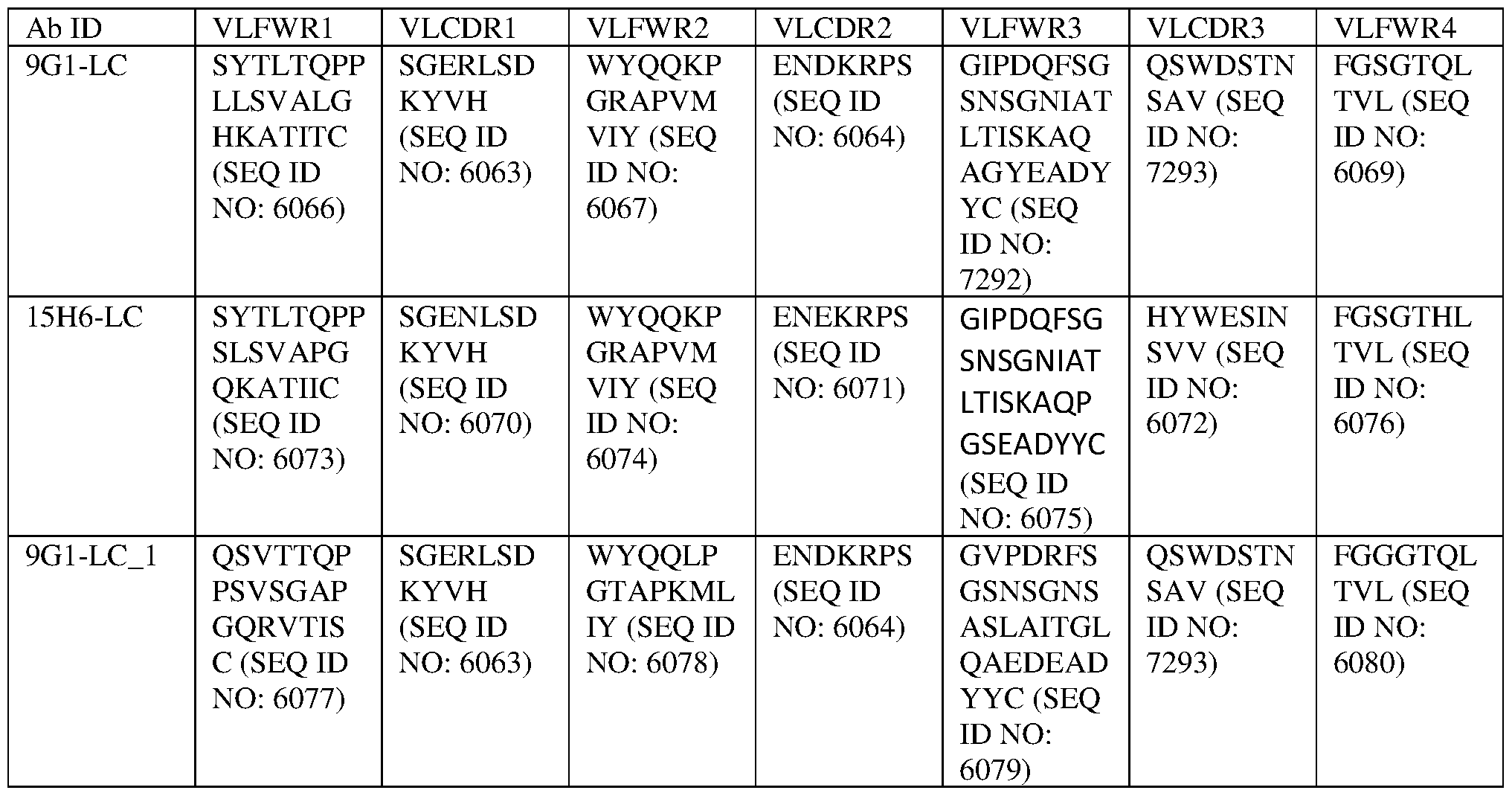

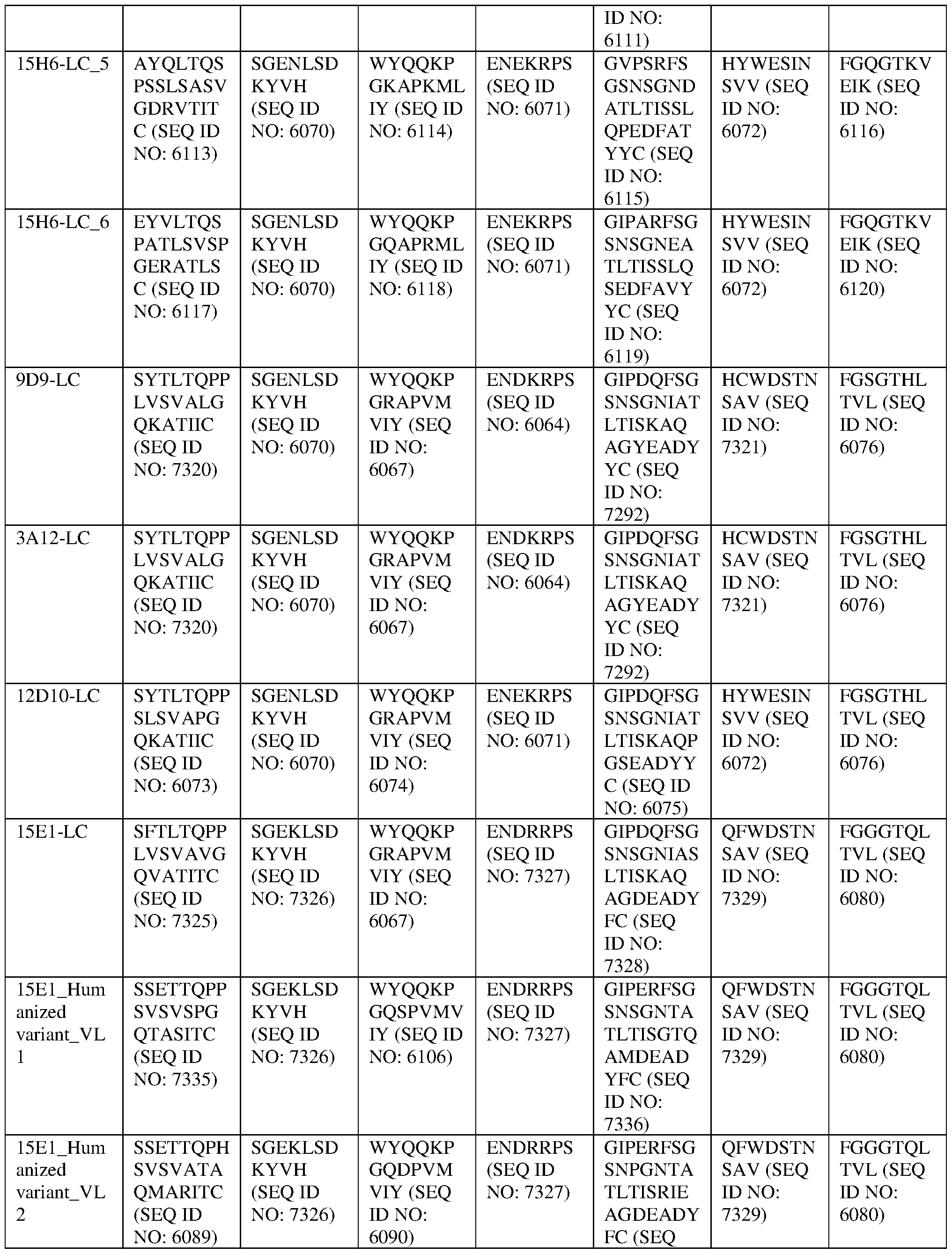
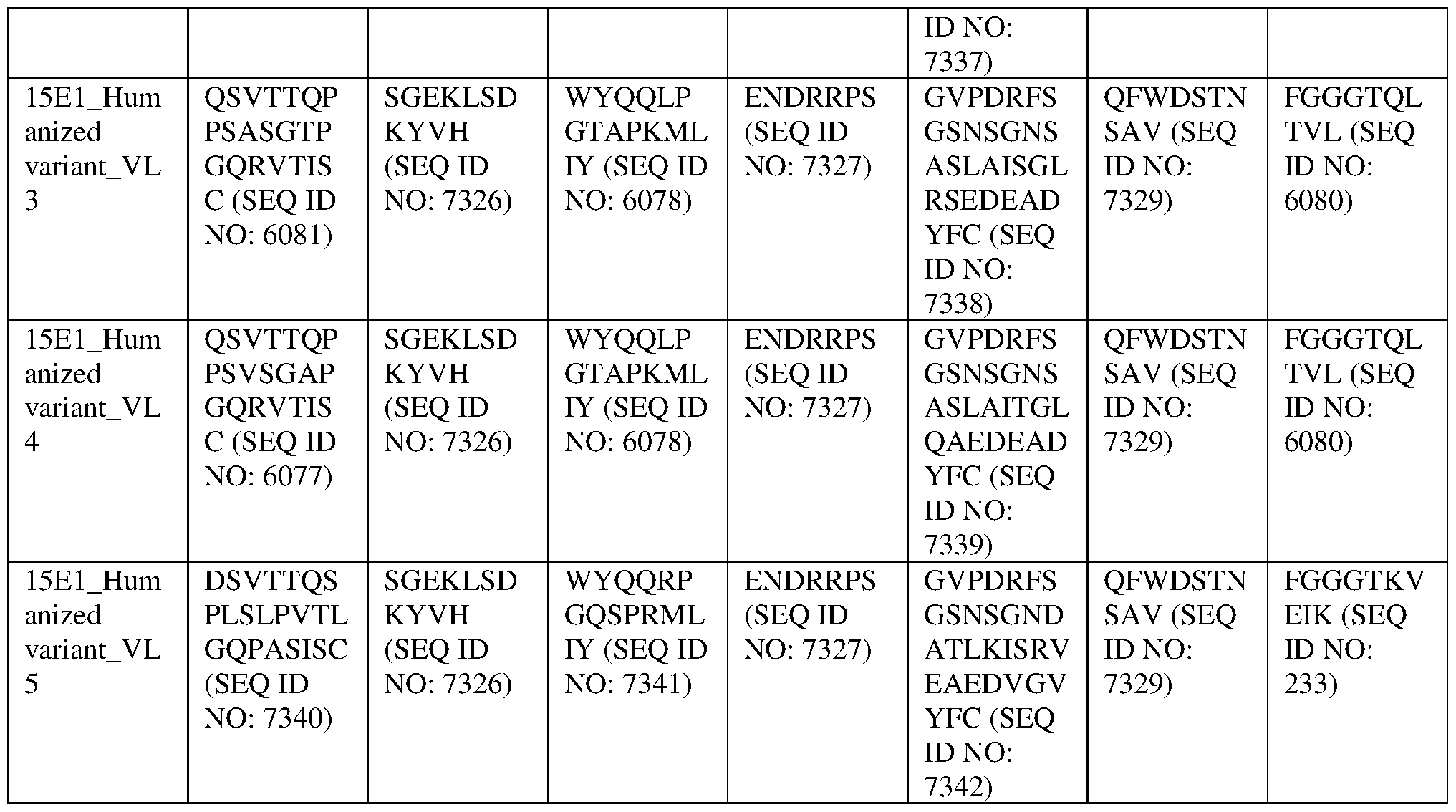


Claims
Priority Applications (10)
| Application Number | Priority Date | Filing Date | Title |
|---|---|---|---|
| CN202080030429.9A CN114127111B (en) | 2019-02-21 | 2020-02-21 | Antibody molecules binding to NKP30 and uses thereof |
| EP20714367.8A EP3927747A1 (en) | 2019-02-21 | 2020-02-21 | Antibody molecules that bind to nkp30 and uses thereof |
| JP2021549484A JP7579795B2 (en) | 2019-02-21 | 2020-02-21 | Antibody molecules that bind to NKp30 and uses thereof |
| CN202411194018.XA CN119039441A (en) | 2019-02-21 | 2020-02-21 | Antibody molecules that bind to NKP30 and uses thereof |
| AU2020224681A AU2020224681A1 (en) | 2019-02-21 | 2020-02-21 | Antibody molecules that bind to NKp30 and uses thereof |
| SG11202108955QA SG11202108955QA (en) | 2019-02-21 | 2020-02-21 | Antibody molecules that bind to nkp30 and uses thereof |
| GB2112406.0A GB2597851B (en) | 2019-02-21 | 2020-02-21 | Antibody molecules that bind to NKP30 and uses thereof |
| CA3130508A CA3130508A1 (en) | 2019-02-21 | 2020-02-21 | Antibody molecules that bind to nkp30 and uses thereof |
| US17/402,320 US12384842B2 (en) | 2019-02-21 | 2021-08-13 | Antibody molecules that bind to NKP30 and uses thereof |
| JP2024188877A JP2025020221A (en) | 2019-02-21 | 2024-10-28 | Antibody molecules that bind to NKp30 and uses thereof |
Applications Claiming Priority (2)
| Application Number | Priority Date | Filing Date | Title |
|---|---|---|---|
| US201962808582P | 2019-02-21 | 2019-02-21 | |
| US62/808,582 | 2019-02-21 |
Related Child Applications (1)
| Application Number | Title | Priority Date | Filing Date |
|---|---|---|---|
| US17/402,320 Continuation US12384842B2 (en) | 2019-02-21 | 2021-08-13 | Antibody molecules that bind to NKP30 and uses thereof |
Publications (1)
| Publication Number | Publication Date |
|---|---|
| WO2020172605A1 true WO2020172605A1 (en) | 2020-08-27 |
Family
ID=70005749
Family Applications (1)
| Application Number | Title | Priority Date | Filing Date |
|---|---|---|---|
| PCT/US2020/019329 Ceased WO2020172605A1 (en) | 2019-02-21 | 2020-02-21 | Antibody molecules that bind to nkp30 and uses thereof |
Country Status (9)
| Country | Link |
|---|---|
| US (1) | US12384842B2 (en) |
| EP (1) | EP3927747A1 (en) |
| JP (2) | JP7579795B2 (en) |
| CN (2) | CN119039441A (en) |
| AU (1) | AU2020224681A1 (en) |
| CA (1) | CA3130508A1 (en) |
| GB (1) | GB2597851B (en) |
| SG (1) | SG11202108955QA (en) |
| WO (1) | WO2020172605A1 (en) |
Cited By (15)
| Publication number | Priority date | Publication date | Assignee | Title |
|---|---|---|---|---|
| WO2022074206A1 (en) | 2020-10-08 | 2022-04-14 | Affimed Gmbh | Trispecific binders |
| CN114957469A (en) * | 2021-02-26 | 2022-08-30 | 盛禾(中国)生物制药有限公司 | anti-NKp 30 antibody and application thereof |
| WO2022179580A1 (en) * | 2021-02-26 | 2022-09-01 | 盛禾(中国)生物制药有限公司 | Anti-nkp30 antibody and application thereof |
| CN115124620A (en) * | 2021-03-29 | 2022-09-30 | 盛禾(中国)生物制药有限公司 | Antibody capable of activating NK cells and application thereof |
| WO2023007023A1 (en) | 2021-07-30 | 2023-02-02 | Affimed Gmbh | Duplexbodies |
| WO2022268857A3 (en) * | 2021-06-22 | 2023-03-30 | Merck Patent Gmbh | Vhh-based nkp30 binders |
| WO2024056862A1 (en) | 2022-09-15 | 2024-03-21 | Avidicure Ip B.V. | Multispecific antigen binding proteins for tumor-targeting of nk cells and use thereof |
| US12247060B2 (en) | 2018-01-09 | 2025-03-11 | Marengo Therapeutics, Inc. | Calreticulin binding constructs and engineered T cells for the treatment of diseases |
| US12286477B2 (en) | 2018-07-03 | 2025-04-29 | Marengo Therapeutics, Inc. | Anti-TCR antibody molecules and uses thereof |
| US12358982B2 (en) | 2019-02-21 | 2025-07-15 | Marengo Therapeutics, Inc. | Multifunctional molecules that bind to T cell related cancer cells and uses thereof |
| US12384842B2 (en) | 2019-02-21 | 2025-08-12 | Marengo Therapeutics, Inc. | Antibody molecules that bind to NKP30 and uses thereof |
| EP4351736A4 (en) * | 2021-06-11 | 2025-08-27 | Univ California | ANTIBODIES TO STIMULATE NK CELL-MEDIATED CYTOTOXICITY |
| WO2025191133A1 (en) | 2024-03-15 | 2025-09-18 | Avidicure Ip B.V. | Il-21 muteins, fusion proteins comprising the same and uses thereof |
| WO2025191136A1 (en) | 2024-03-15 | 2025-09-18 | Avidicure Ip B.V. | Muteins of 4-1bb ligand extracellular domain, fusion proteins comprising the same and uses thereof |
| US12486326B2 (en) | 2020-01-03 | 2025-12-02 | Marengo Therapeutics, Inc. | Anti-TCR antibody molecules and uses thereof |
Families Citing this family (1)
| Publication number | Priority date | Publication date | Assignee | Title |
|---|---|---|---|---|
| CA3130628A1 (en) * | 2019-02-21 | 2020-08-27 | Marengo Therapeutics, Inc. | Multifunctional molecules that bind to t cells and uses thereof to treat autoimmune disorders |
Citations (142)
| Publication number | Priority date | Publication date | Assignee | Title |
|---|---|---|---|---|
| EP0125023A1 (en) | 1983-04-08 | 1984-11-14 | Genentech, Inc. | Recombinant immunoglobulin preparations, methods for their preparation, DNA sequences, expression vectors and recombinant host cells therefor |
| EP0171496A2 (en) | 1984-08-15 | 1986-02-19 | Research Development Corporation of Japan | Process for the production of a chimera monoclonal antibody |
| EP0173494A2 (en) | 1984-08-27 | 1986-03-05 | The Board Of Trustees Of The Leland Stanford Junior University | Chimeric receptors by DNA splicing and expression |
| WO1986001533A1 (en) | 1984-09-03 | 1986-03-13 | Celltech Limited | Production of chimeric antibodies |
| EP0184187A2 (en) | 1984-12-04 | 1986-06-11 | Teijin Limited | Mouse-human chimaeric immunoglobulin heavy chain, and chimaeric DNA encoding it |
| GB2188638A (en) | 1986-03-27 | 1987-10-07 | Gregory Paul Winter | Chimeric antibodies |
| WO1990002809A1 (en) | 1988-09-02 | 1990-03-22 | Protein Engineering Corporation | Generation and selection of recombinant varied binding proteins |
| EP0388151A1 (en) | 1989-03-13 | 1990-09-19 | Celltech Limited | Modified antibodies |
| WO1991000906A1 (en) | 1989-07-12 | 1991-01-24 | Genetics Institute, Inc. | Chimeric and transgenic animals capable of producing human antibodies |
| WO1991010741A1 (en) | 1990-01-12 | 1991-07-25 | Cell Genesys, Inc. | Generation of xenogeneic antibodies |
| WO1991017271A1 (en) | 1990-05-01 | 1991-11-14 | Affymax Technologies N.V. | Recombinant library screening methods |
| WO1992001047A1 (en) | 1990-07-10 | 1992-01-23 | Cambridge Antibody Technology Limited | Methods for producing members of specific binding pairs |
| WO1992003918A1 (en) | 1990-08-29 | 1992-03-19 | Genpharm International, Inc. | Transgenic non-human animals capable of producing heterologous antibodies |
| WO1992003917A1 (en) | 1990-08-29 | 1992-03-19 | Genpharm International | Homologous recombination in mammalian cells |
| WO1992009690A2 (en) | 1990-12-03 | 1992-06-11 | Genentech, Inc. | Enrichment method for variant proteins with altered binding properties |
| WO1992015679A1 (en) | 1991-03-01 | 1992-09-17 | Protein Engineering Corporation | Improved epitode displaying phage |
| WO1992018619A1 (en) | 1991-04-10 | 1992-10-29 | The Scripps Research Institute | Heterodimeric receptor libraries using phagemids |
| WO1992020791A1 (en) | 1990-07-10 | 1992-11-26 | Cambridge Antibody Technology Limited | Methods for producing members of specific binding pairs |
| EP0519596A1 (en) | 1991-05-17 | 1992-12-23 | Merck & Co. Inc. | A method for reducing the immunogenicity of antibody variable domains |
| WO1993001288A1 (en) | 1991-07-08 | 1993-01-21 | Deutsches Krebsforschungszentrum Stiftung des öffentlichen Rechts | Phagemide for screening antibodies |
| US5223409A (en) | 1988-09-02 | 1993-06-29 | Protein Engineering Corp. | Directed evolution of novel binding proteins |
| US5225539A (en) | 1986-03-27 | 1993-07-06 | Medical Research Council | Recombinant altered antibodies and methods of making altered antibodies |
| WO1994004678A1 (en) | 1992-08-21 | 1994-03-03 | Casterman Cecile | Immunoglobulins devoid of light chains |
| WO1995009917A1 (en) | 1993-10-07 | 1995-04-13 | The Regents Of The University Of California | Genetically engineered bispecific tetravalent antibodies |
| US5585089A (en) | 1988-12-28 | 1996-12-17 | Protein Design Labs, Inc. | Humanized immunoglobulins |
| US5624821A (en) | 1987-03-18 | 1997-04-29 | Scotgen Biopharmaceuticals Incorporated | Antibodies with altered effector functions |
| US5731116A (en) | 1989-05-17 | 1998-03-24 | Dai Nippon Printing Co., Ltd. | Electrostatic information recording medium and electrostatic information recording and reproducing method |
| WO1998056915A2 (en) | 1997-06-12 | 1998-12-17 | Research Corporation Technologies, Inc. | Artificial antibody polypeptides |
| WO1999045110A1 (en) | 1998-03-06 | 1999-09-10 | Diatech Pty. Ltd. | V-like domain binding molecules |
| WO2000034784A1 (en) | 1998-12-10 | 2000-06-15 | Phylos, Inc. | Protein scaffolds for antibody mimics and other binding proteins |
| WO2000060070A1 (en) | 1999-04-01 | 2000-10-12 | Innogenetics N.V. | A polypeptide structure for use as a scaffold |
| WO2001064942A1 (en) | 2000-02-29 | 2001-09-07 | Phylos, Inc. | Protein scaffolds for antibody mimics and other binding proteins |
| US20040009530A1 (en) | 2002-01-16 | 2004-01-15 | Wilson David S. | Engineered binding proteins |
| WO2004056392A1 (en) | 2002-12-23 | 2004-07-08 | Innate Pharma | Pharmaceutical compositions having an effect on the proliferation of nk cells and a method using the same |
| WO2004056873A1 (en) * | 2002-12-20 | 2004-07-08 | Medinnova Ges Med Innovationen | Increase of the immune response by substances influencing the function of natural killer cells |
| US6979546B2 (en) | 1999-11-15 | 2005-12-27 | Universita Di Genova | Triggering receptor involved in natural cytotoxicity mediated by human natural killer cells and antibodies that identify the same |
| US7183076B2 (en) | 1997-05-02 | 2007-02-27 | Genentech, Inc. | Method for making multispecific antibodies having heteromultimeric and common components |
| US20070184052A1 (en) | 2003-05-09 | 2007-08-09 | Lin Herbert Y | Soluble tgf-b type III receptor fusion proteins |
| US20070231322A1 (en) | 2004-04-30 | 2007-10-04 | Innate Pharma, S.A. | Compositions and Methods for Treating Proliferative Disorders Such as Nk-Type Ldgl |
| EP1870459A1 (en) | 2005-03-31 | 2007-12-26 | Chugai Seiyaku Kabushiki Kaisha | Methods for producing polypeptides by regulating polypeptide association |
| US20080069820A1 (en) | 2006-08-30 | 2008-03-20 | Genentech, Inc. | Multispecific antibodies |
| US7476724B2 (en) | 2004-08-05 | 2009-01-13 | Genentech, Inc. | Humanized anti-cmet antibodies |
| US7501121B2 (en) | 2004-06-17 | 2009-03-10 | Wyeth | IL-13 binding agents |
| WO2009089004A1 (en) | 2008-01-07 | 2009-07-16 | Amgen Inc. | Method for making antibody fc-heterodimeric molecules using electrostatic steering effects |
| US7642228B2 (en) | 1995-03-01 | 2010-01-05 | Genentech, Inc. | Method for making heteromultimeric polypeptides |
| US7741446B2 (en) | 2006-08-18 | 2010-06-22 | Armagen Technologies, Inc. | Fusion antibodies that cross the blood-brain barrier in both directions |
| US7750128B2 (en) | 2004-09-24 | 2010-07-06 | Amgen Inc. | Modified Fc molecules |
| US20100316645A1 (en) | 2009-06-16 | 2010-12-16 | Sabine Imhof-Jung | Bispecific Antigen Binding Proteins |
| US7855275B2 (en) | 2004-09-23 | 2010-12-21 | Genentech, Inc. | Cysteine engineered antibodies and conjugates |
| US20110054151A1 (en) | 2009-09-02 | 2011-03-03 | Xencor, Inc. | Compositions and methods for simultaneous bivalent and monovalent co-engagement of antigens |
| US7919257B2 (en) | 2003-05-30 | 2011-04-05 | Merus Biopharmaceuticals, B.V.I.O. | Method for selecting a single cell expressing a heterogeneous combination of antibodies |
| US20110177073A1 (en) | 2002-07-18 | 2011-07-21 | Merus B.V. | Recombinant production of mixtures of antibodies |
| US8003774B2 (en) | 2003-01-09 | 2011-08-23 | Macrogenics, Inc. | Identification and engineering of antibodies with variant Fc regions and methods of using same |
| US20110293613A1 (en) | 2010-03-26 | 2011-12-01 | Ulrich Brinkmann | Bispecific antibodies |
| US20120149876A1 (en) | 2010-11-05 | 2012-06-14 | Zymeworks Inc. | Stable Heterodimeric Antibody Design with Mutations in the Fc Domain |
| US20120184716A1 (en) | 2010-08-16 | 2012-07-19 | Novlmmune S.A. | Methods for the Generation of Multispecific and Multivalent Antibodies |
| US8227577B2 (en) | 2007-12-21 | 2012-07-24 | Hoffman-La Roche Inc. | Bivalent, bispecific antibodies |
| US20120201746A1 (en) | 2010-12-22 | 2012-08-09 | Abbott Laboratories | Half immunoglobulin binding proteins and uses thereof |
| US20130017200A1 (en) | 2009-12-04 | 2013-01-17 | Genentech, Inc. | Multispecific antibodies, antibody analogs, compositions, and methods |
| US20130022601A1 (en) | 2009-04-07 | 2013-01-24 | Ulrich Brinkmann | Trivalent, bispecific antibodies |
| US20130078249A1 (en) | 2011-08-23 | 2013-03-28 | Oliver Ast | Bispecific t cell activating antigen binding molecules |
| US20130165638A1 (en) | 2011-12-27 | 2013-06-27 | Development Center For Biotechnology | Light chain-bridged bispecific antibody |
| US20130178605A1 (en) | 2011-03-25 | 2013-07-11 | Stanislas Blein | Hetero-Dimeric Immunoglobulins |
| US20130195849A1 (en) | 2011-11-04 | 2013-08-01 | Zymeworks Inc. | Stable Heterodimeric Antibody Design with Mutations in the Fc Domain |
| US20130243775A1 (en) | 2012-03-14 | 2013-09-19 | Regeneron Pharmaceuticals, Inc. | Multispecific antigen-binding molecules and uses thereof |
| US20130267686A1 (en) | 2010-08-24 | 2013-10-10 | Hoffmann-La Roche Inc. | Bispecific antibodies comprising a disulfide stabilized - fv fragment |
| US20130266568A1 (en) | 2010-08-24 | 2013-10-10 | Roche Glycart Ag | Activatable bispecific antibodies |
| US20130303396A1 (en) | 2008-04-11 | 2013-11-14 | Chugai Seiyaku Kabushiki Kaisha | Antigen-binding molecule capable of binding to two or more antigen molecules repeatedly |
| US8586713B2 (en) | 2009-06-26 | 2013-11-19 | Regeneron Pharmaceuticals, Inc. | Readily isolated bispecific antibodies with native immunoglobulin format |
| US20130317200A1 (en) | 2011-10-19 | 2013-11-28 | Novlmmune S.A. | Methods of Purifying Antibodies |
| US8602269B2 (en) | 2009-09-14 | 2013-12-10 | Guala Dispensing S.P.A. | Trigger sprayer |
| US20140037621A1 (en) | 2012-08-02 | 2014-02-06 | Jn Biosciences Llc | Antibodies or fusion proteins multimerized via cysteine mutation and a mu tailpiece |
| US20140051833A1 (en) | 2012-03-13 | 2014-02-20 | Novlmmune S.A. | Readily Isolated Bispecific Antibodies with Native Immunoglobulin Format |
| US20140051835A1 (en) | 2012-06-25 | 2014-02-20 | Zymeworks Inc. | Process and Methods for Efficient Manufacturing of Highly Pure Asymmetric Antibodies in Mammalian Cells |
| US8658135B2 (en) | 2008-03-19 | 2014-02-25 | National Research Council Of Canada | Antagonists of ligands and uses thereof |
| US20140072581A1 (en) | 2012-07-23 | 2014-03-13 | Zymeworks Inc. | Immunoglobulin Constructs Comprising Selective Pairing of the Light and Heavy Chains |
| US20140079689A1 (en) | 2011-02-04 | 2014-03-20 | Genentech, Inc. | Fc VARIANTS AND METHODS FOR THEIR PRODUCTION |
| US8703132B2 (en) | 2009-06-18 | 2014-04-22 | Hoffmann-La Roche, Inc. | Bispecific, tetravalent antigen binding proteins |
| US20140154254A1 (en) | 2012-11-21 | 2014-06-05 | Amgen Inc. | Heterodimeric immunoglobulins |
| US20140200331A1 (en) | 2012-11-28 | 2014-07-17 | Zymeworks Inc. | Engineered Immunoglobulin Heavy Chain-Light Chain Pairs And Uses Thereof |
| US20140199294A1 (en) | 2011-06-30 | 2014-07-17 | Chugai Seiyaku Kabushiki Kaisha | Heterodimerized polypeptide |
| US20140242075A1 (en) | 2011-05-30 | 2014-08-28 | Genmab B.V. | Antibody variants and uses thereof |
| US20140308285A1 (en) | 2013-03-15 | 2014-10-16 | Amgen Inc. | Heterodimeric bispecific antibodies |
| US8871912B2 (en) | 2006-03-24 | 2014-10-28 | Merck Patent Gmbh | Engineered heterodimeric protein domains |
| US20140322221A1 (en) | 2000-04-11 | 2014-10-30 | Genentech, Inc. | Multivalent antibodies and uses therefor |
| US20140348839A1 (en) | 2011-12-20 | 2014-11-27 | Medimmune, Llc | Modified polypeptides for bispecific antibody scaffolds |
| US20140363426A1 (en) | 2013-03-15 | 2014-12-11 | Gregory Moore | Heterodimeric proteins |
| US20140377269A1 (en) | 2012-12-19 | 2014-12-25 | Adimab, Llc | Multivalent antibody analogs, and methods of their preparation and use |
| US20150018529A1 (en) | 2012-02-22 | 2015-01-15 | Ucb Pharma S.A. | Sequence Symmetric Modified IgG4 Bispecific Antibodies |
| US20150017187A1 (en) | 2013-07-10 | 2015-01-15 | Sutro Biopharma, Inc. | Antibodies comprising multiple site-specific non-natural amino acid residues, methods of their preparation and methods of their use |
| US20150056199A1 (en) | 2013-08-22 | 2015-02-26 | Acceleron Pharma, Inc. | Tgf-beta receptor type ii variants and uses thereof |
| EP2847231A1 (en) | 2012-05-10 | 2015-03-18 | Bioatla LLC | Multi-specific monoclonal antibodies |
| US8993524B2 (en) | 2010-03-05 | 2015-03-31 | The Johns Hopkins University | Compositions and methods for targeted immunomodulatory antibodies and fusion proteins |
| US9000130B2 (en) | 2010-06-08 | 2015-04-07 | Genentech, Inc. | Cysteine engineered antibodies and conjugates |
| US20150133638A1 (en) | 2012-02-10 | 2015-05-14 | Genentech, Inc. | Single-chain antibodies and other heteromultimers |
| US20150166670A1 (en) | 2012-05-24 | 2015-06-18 | Hoffmann-La Roche Inc. | Multispecific antibodies |
| US20150175707A1 (en) | 2012-07-06 | 2015-06-25 | Genmab B.V. | Dimeric protein with triple mutations |
| WO2015107026A1 (en) | 2014-01-15 | 2015-07-23 | F. Hoffmann-La Roche Ag | Fc-region variants with modified fcrn- and maintained protein a-binding properties |
| WO2015107025A1 (en) | 2014-01-15 | 2015-07-23 | F. Hoffmann-La Roche Ag | Fc-region variants with modified fcrn-binding properties |
| US20150203591A1 (en) | 2012-08-02 | 2015-07-23 | Regeneron Pharmaceuticals, Inc. | Mutivalent antigen-binding proteins |
| WO2015107015A1 (en) | 2014-01-15 | 2015-07-23 | F. Hoffmann-La Roche Ag | Fc-region variants with improved protein a-binding |
| US20150211001A1 (en) | 2012-10-03 | 2015-07-30 | Jason Baardsnes | Methods of quantitating heavy and light chain polypeptide pairs |
| WO2015121383A1 (en) | 2014-02-12 | 2015-08-20 | Michael Uhlin | Bispecific antibodies for use in stem cell transplantation |
| US20150232560A1 (en) | 2012-06-27 | 2015-08-20 | Hoffmann-La Roche Inc. | Method for the selection and production of tailor-made, selective and multi-specific therapeutic molecules comprising at least two different targeting entities and uses thereof |
| WO2015127158A1 (en) | 2014-02-21 | 2015-08-27 | Regeneron Pharmaceuticals, Inc. | Methods, compositions and kits for cell specific modulation of target antigens |
| US9145588B2 (en) | 2011-09-26 | 2015-09-29 | Merus Biopharmaceuticals B.V. | Generation of binding molecules |
| US20150315296A1 (en) | 2014-04-02 | 2015-11-05 | Hoffmann-La Roche Inc. | Multispecific antibodies |
| US9200060B2 (en) | 2009-11-23 | 2015-12-01 | Amgen Inc. | Monomeric antibody Fc |
| US20150344570A1 (en) | 2012-12-27 | 2015-12-03 | Chugai Seiyaku Kabushiki Kaisha | Heterodimerized polypeptide |
| WO2015181805A1 (en) | 2014-05-28 | 2015-12-03 | Zymeworks Inc. | Modified antigen binding polypeptide constructs and uses thereof |
| US20150353636A1 (en) | 2013-01-10 | 2015-12-10 | Genmab B.V. | Human igg1 fc region variants and uses thereof |
| US20150368352A1 (en) | 2013-02-08 | 2015-12-24 | Stemcentrx, Inc. | Novel multispecific constructs |
| WO2015197582A1 (en) | 2014-06-27 | 2015-12-30 | Innate Pharma | Monomeric multispecific antigen binding proteins |
| WO2015197598A2 (en) | 2014-06-27 | 2015-12-30 | Innate Pharma | Multispecific antigen binding proteins |
| WO2016016299A1 (en) | 2014-07-29 | 2016-02-04 | F. Hoffmann-La Roche Ag | Multispecific antibodies |
| US20160039947A1 (en) | 2013-03-15 | 2016-02-11 | Eli Lilly And Company | Methods for producing fabs and bi-specific antibodies |
| WO2016026943A1 (en) | 2014-08-20 | 2016-02-25 | Argen-X N.V | Asymmetric multispecific antibodies |
| US20160075785A1 (en) | 2014-08-04 | 2016-03-17 | Hoffmann-La Roche Inc. | Bispecific t cell activating antigen binding molecules |
| US9309311B2 (en) | 2009-04-27 | 2016-04-12 | Oncomed Pharmaceuticals, Inc. | Method for making Heteromultimeric molecules |
| US20160102135A1 (en) | 2013-05-31 | 2016-04-14 | Zymeworks Inc. | Heteromultimers with reduced or silenced effector function |
| US20160114057A1 (en) | 2013-05-24 | 2016-04-28 | Zyeworks Inc. | Modular protein drug conjugate therapeutic |
| WO2016071376A2 (en) | 2014-11-06 | 2016-05-12 | F. Hoffmann-La Roche Ag | Fc-region variants with modified fcrn-binding and methods of use |
| US20160130347A1 (en) | 2012-10-08 | 2016-05-12 | Roche Glycart Ag | Fc-free antibodies comprising two Fab-fragments and methods of use |
| WO2016071377A1 (en) | 2014-11-06 | 2016-05-12 | F. Hoffmann-La Roche Ag | Fc-region variants with modified fcrn- and protein a-binding properties |
| WO2016079081A1 (en) | 2014-11-20 | 2016-05-26 | F. Hoffmann-La Roche Ag | Common light chains and methods of use |
| US20160145340A1 (en) | 2013-03-15 | 2016-05-26 | Amegen Inc. | Bispecific-fc molecules |
| US9358286B2 (en) | 2012-04-20 | 2016-06-07 | Merus B.V. | Methods and means for the production of IG-like molecules |
| US9359437B2 (en) | 2013-02-01 | 2016-06-07 | Regeneron Pharmaceuticals, Inc. | Antibodies comprising chimeric constant domains |
| WO2016087416A1 (en) | 2014-12-03 | 2016-06-09 | F. Hoffmann-La Roche Ag | Multispecific antibodies |
| WO2016087650A1 (en) | 2014-12-05 | 2016-06-09 | Merck Patent Gmbh | Domain-exchanged antibody |
| US9382323B2 (en) | 2009-04-02 | 2016-07-05 | Roche Glycart Ag | Multispecific antibodies comprising full length antibodies and single chain fab fragments |
| US20160194389A1 (en) | 2013-04-29 | 2016-07-07 | Hoffmann-La Roche Inc. | Fc-receptor binding modified asymmetric antibodies and methods of use |
| WO2016110468A1 (en) | 2015-01-05 | 2016-07-14 | Innate Pharma | Monomeric fc domains |
| WO2016115274A1 (en) | 2015-01-14 | 2016-07-21 | Compass Therapeutics Llc | Multispecific immunomodulatory antigen-binding constructs |
| US20160229915A1 (en) | 2013-09-27 | 2016-08-11 | Chugai Seiyaku Kabushiki Kaisha | Method for producing polypeptide heteromultimer |
| EP3055329A1 (en) | 2013-10-11 | 2016-08-17 | F. Hoffmann-La Roche AG | Multispecific domain exchanged common variable light chain antibodies |
| US20160257763A1 (en) | 2012-05-10 | 2016-09-08 | Zymeworks Inc. | Heteromultimer constructs of immunoglobulin heavy chains with mutations in the fc domain |
| US20160264685A1 (en) | 2015-03-13 | 2016-09-15 | Novimmune Sa | Methods of purifying bispecific antibodies |
| US9447185B2 (en) | 2005-10-14 | 2016-09-20 | Innate Pharma, S.A. | Compositions and methods for treating proliferative disorders |
| WO2017037634A1 (en) | 2015-08-31 | 2017-03-09 | National Research Council Of Canada | Tgf-β-receptor ectodomain fusion molecules and uses thereof |
| US9676863B2 (en) | 2014-02-10 | 2017-06-13 | Merck Patent Gmbh | Targeted TGFβ inhibitors |
| WO2017165464A1 (en) | 2016-03-21 | 2017-09-28 | Elstar Therapeutics, Inc. | Multispecific and multifunctional molecules and uses thereof |
Family Cites Families (518)
| Publication number | Priority date | Publication date | Assignee | Title |
|---|---|---|---|---|
| US861745A (en) | 1906-11-21 | 1907-07-30 | Jefferson D Maxwell | Hydraulic dredging apparatus. |
| US4475196A (en) | 1981-03-06 | 1984-10-02 | Zor Clair G | Instrument for locating faults in aircraft passenger reading light and attendant call control system |
| US4447233A (en) | 1981-04-10 | 1984-05-08 | Parker-Hannifin Corporation | Medication infusion pump |
| US4433059A (en) | 1981-09-08 | 1984-02-21 | Ortho Diagnostic Systems Inc. | Double antibody conjugate |
| US4444878A (en) | 1981-12-21 | 1984-04-24 | Boston Biomedical Research Institute, Inc. | Bispecific antibody determinants |
| US4439196A (en) | 1982-03-18 | 1984-03-27 | Merck & Co., Inc. | Osmotic drug delivery system |
| US4522811A (en) | 1982-07-08 | 1985-06-11 | Syntex (U.S.A.) Inc. | Serial injection of muramyldipeptides and liposomes enhances the anti-infective activity of muramyldipeptides |
| US4447224A (en) | 1982-09-20 | 1984-05-08 | Infusaid Corporation | Variable flow implantable infusion apparatus |
| US4487603A (en) | 1982-11-26 | 1984-12-11 | Cordis Corporation | Implantable microinfusion pump system |
| US4486194A (en) | 1983-06-08 | 1984-12-04 | James Ferrara | Therapeutic device for administering medicaments through the skin |
| WO1985000817A1 (en) | 1983-08-10 | 1985-02-28 | Amgen | Microbial expression of interleukin ii |
| US4596556A (en) | 1985-03-25 | 1986-06-24 | Bioject, Inc. | Hypodermic injection apparatus |
| US4737456A (en) | 1985-05-09 | 1988-04-12 | Syntex (U.S.A.) Inc. | Reducing interference in ligand-receptor binding assays |
| US5374548A (en) | 1986-05-02 | 1994-12-20 | Genentech, Inc. | Methods and compositions for the attachment of proteins to liposomes using a glycophospholipid anchor |
| MX9203291A (en) | 1985-06-26 | 1992-08-01 | Liposome Co Inc | LIPOSOMAS COUPLING METHOD. |
| US4676980A (en) | 1985-09-23 | 1987-06-30 | The United States Of America As Represented By The Secretary Of The Department Of Health And Human Services | Target specific cross-linked heteroantibodies |
| WO1987002671A1 (en) | 1985-11-01 | 1987-05-07 | International Genetic Engineering, Inc. | Modular assembly of antibody genes, antibodies prepared thereby and use |
| US6548640B1 (en) | 1986-03-27 | 2003-04-15 | Btg International Limited | Altered antibodies |
| US5869620A (en) | 1986-09-02 | 1999-02-09 | Enzon, Inc. | Multivalent antigen-binding proteins |
| IL85035A0 (en) | 1987-01-08 | 1988-06-30 | Int Genetic Eng | Polynucleotide molecule,a chimeric antibody with specificity for human b cell surface antigen,a process for the preparation and methods utilizing the same |
| US4941880A (en) | 1987-06-19 | 1990-07-17 | Bioject, Inc. | Pre-filled ampule and non-invasive hypodermic injection device assembly |
| US4790824A (en) | 1987-06-19 | 1988-12-13 | Bioject, Inc. | Non-invasive hypodermic injection device |
| US5770701A (en) | 1987-10-30 | 1998-06-23 | American Cyanamid Company | Process for preparing targeted forms of methyltrithio antitumor agents |
| US5606040A (en) | 1987-10-30 | 1997-02-25 | American Cyanamid Company | Antitumor and antibacterial substituted disulfide derivatives prepared from compounds possessing a methyl-trithio group |
| US5057423A (en) | 1987-12-18 | 1991-10-15 | University Of Pittsburgh | Method for the preparation of pure LAK-active lymphocytes |
| JPH021556A (en) | 1988-06-09 | 1990-01-05 | Snow Brand Milk Prod Co Ltd | Hybrid antibody and production thereof |
| WO1990005144A1 (en) | 1988-11-11 | 1990-05-17 | Medical Research Council | Single domain ligands, receptors comprising said ligands, methods for their production, and use of said ligands and receptors |
| US6352694B1 (en) | 1994-06-03 | 2002-03-05 | Genetics Institute, Inc. | Methods for inducing a population of T cells to proliferate using agents which recognize TCR/CD3 and ligands which stimulate an accessory molecule on the surface of the T cells |
| US6905680B2 (en) | 1988-11-23 | 2005-06-14 | Genetics Institute, Inc. | Methods of treating HIV infected subjects |
| US6534055B1 (en) | 1988-11-23 | 2003-03-18 | Genetics Institute, Inc. | Methods for selectively stimulating proliferation of T cells |
| US5766947A (en) | 1988-12-14 | 1998-06-16 | Astra Ab | Monoclonal antibodies reactive with an epitope of a Vβ3.1 variable region of a T cell receptor |
| US5223426A (en) | 1988-12-15 | 1993-06-29 | T Cell Sciences, Inc. | Monoclonal antibodies reactive with defined regions of the t-cell antigen receptor |
| US5116615A (en) | 1989-01-27 | 1992-05-26 | Immunolytics, Inc. | Method for treating benign prostatic hypertrophy |
| US5108921A (en) | 1989-04-03 | 1992-04-28 | Purdue Research Foundation | Method for enhanced transmembrane transport of exogenous molecules |
| US6291158B1 (en) | 1989-05-16 | 2001-09-18 | Scripps Research Institute | Method for tapping the immunological repertoire |
| CA2018248A1 (en) | 1989-06-07 | 1990-12-07 | Clyde W. Shearman | Monoclonal antibodies against the human alpha/beta t-cell receptor, their production and use |
| DE3920358A1 (en) | 1989-06-22 | 1991-01-17 | Behringwerke Ag | BISPECIFIC AND OLIGO-SPECIFIC, MONO- AND OLIGOVALENT ANTI-BODY CONSTRUCTS, THEIR PRODUCTION AND USE |
| AU6290090A (en) | 1989-08-29 | 1991-04-08 | University Of Southampton | Bi-or trispecific (fab)3 or (fab)4 conjugates |
| US5208020A (en) | 1989-10-25 | 1993-05-04 | Immunogen Inc. | Cytotoxic agents comprising maytansinoids and their therapeutic use |
| CA2026147C (en) | 1989-10-25 | 2006-02-07 | Ravi J. Chari | Cytotoxic agents comprising maytansinoids and their therapeutic use |
| US5959177A (en) | 1989-10-27 | 1999-09-28 | The Scripps Research Institute | Transgenic plants expressing assembled secretory antibodies |
| US5312335A (en) | 1989-11-09 | 1994-05-17 | Bioject Inc. | Needleless hypodermic injection device |
| US5064413A (en) | 1989-11-09 | 1991-11-12 | Bioject, Inc. | Needleless hypodermic injection device |
| US6150584A (en) | 1990-01-12 | 2000-11-21 | Abgenix, Inc. | Human antibodies derived from immunized xenomice |
| US6075181A (en) | 1990-01-12 | 2000-06-13 | Abgenix, Inc. | Human antibodies derived from immunized xenomice |
| US5273743A (en) | 1990-03-09 | 1993-12-28 | Hybritech Incorporated | Trifunctional antibody-like compounds as a combined diagnostic and therapeutic agent |
| GB9012995D0 (en) | 1990-06-11 | 1990-08-01 | Celltech Ltd | Multivalent antigen-binding proteins |
| US6172197B1 (en) | 1991-07-10 | 2001-01-09 | Medical Research Council | Methods for producing members of specific binding pairs |
| US5770429A (en) | 1990-08-29 | 1998-06-23 | Genpharm International, Inc. | Transgenic non-human animals capable of producing heterologous antibodies |
| GB9022788D0 (en) | 1990-10-19 | 1990-12-05 | Cortecs Ltd | Pharmaceutical formulations |
| US5582996A (en) | 1990-12-04 | 1996-12-10 | The Wistar Institute Of Anatomy & Biology | Bifunctional antibodies and method of preparing same |
| US5571894A (en) | 1991-02-05 | 1996-11-05 | Ciba-Geigy Corporation | Recombinant antibodies specific for a growth factor receptor |
| DE4118120A1 (en) | 1991-06-03 | 1992-12-10 | Behringwerke Ag | TETRAVALENT BISPECIFIC RECEPTORS, THEIR PRODUCTION AND USE |
| US6511663B1 (en) | 1991-06-11 | 2003-01-28 | Celltech R&D Limited | Tri- and tetra-valent monospecific antigen-binding proteins |
| JP4124480B2 (en) | 1991-06-14 | 2008-07-23 | ジェネンテック・インコーポレーテッド | Immunoglobulin variants |
| US5637481A (en) | 1993-02-01 | 1997-06-10 | Bristol-Myers Squibb Company | Expression vectors encoding bispecific fusion proteins and methods of producing biologically active bispecific fusion proteins in a mammalian cell |
| GB9114948D0 (en) | 1991-07-11 | 1991-08-28 | Pfizer Ltd | Process for preparing sertraline intermediates |
| US5747036A (en) | 1991-08-28 | 1998-05-05 | Brigham & Women's Hospital | Methods and compositions for detecting and treating a subset of human patients having an autoimmune disease |
| WO1993006217A1 (en) | 1991-09-19 | 1993-04-01 | Genentech, Inc. | EXPRESSION IN E. COLI OF ANTIBODY FRAGMENTS HAVING AT LEAST A CYSTEINE PRESENT AS A FREE THIOL, USE FOR THE PRODUCTION OF BIFUNCTIONAL F(ab')2 ANTIBODIES |
| FI941572L (en) | 1991-10-07 | 1994-05-27 | Oncologix Inc | Combination and method of use of anti-erbB-2 monoclonal antibodies |
| WO1993008829A1 (en) | 1991-11-04 | 1993-05-13 | The Regents Of The University Of California | Compositions that mediate killing of hiv-infected cells |
| WO1993011161A1 (en) | 1991-11-25 | 1993-06-10 | Enzon, Inc. | Multivalent antigen-binding proteins |
| US5932448A (en) | 1991-11-29 | 1999-08-03 | Protein Design Labs., Inc. | Bispecific antibody heterodimers |
| DE69233782D1 (en) | 1991-12-02 | 2010-05-20 | Medical Res Council | Preparation of Autoantibodies on Phage Surfaces Starting from Antibody Segment Libraries |
| CA2124460C (en) | 1991-12-02 | 2007-08-28 | Andrew David Griffiths | Production of anti-self antibodies from segment repertoires and displayed on phage |
| GB9125768D0 (en) | 1991-12-04 | 1992-02-05 | Hale Geoffrey | Therapeutic method |
| ATE151113T1 (en) | 1992-01-23 | 1997-04-15 | Merck Patent Gmbh | FUSION PROTEINS OF MONOMERS AND DIMERS OF ANTIBODY FRAGMENTS |
| ATE503496T1 (en) | 1992-02-06 | 2011-04-15 | Novartis Vaccines & Diagnostic | BIOSYNTHETIC BINDING PROTEIN FOR TUMOR MARKERS |
| DE69318016D1 (en) | 1992-05-08 | 1998-05-20 | Creative Biomolecules Inc | Polyvalent chimeric proteins anologists and methods for their application |
| US5383851A (en) | 1992-07-24 | 1995-01-24 | Bioject Inc. | Needleless hypodermic injection device |
| US6765087B1 (en) | 1992-08-21 | 2004-07-20 | Vrije Universiteit Brussel | Immunoglobulins devoid of light chains |
| US6005079A (en) | 1992-08-21 | 1999-12-21 | Vrije Universiteit Brussels | Immunoglobulins devoid of light chains |
| DE69334238D1 (en) | 1992-09-25 | 2008-09-25 | Aventis Pharma Sa | ADENOVIRUS VECTORS FOR THE TRANSMISSION OF FOREIGN GENES IN CELLS OF THE CENTRAL NERVOUS SYSTEM, ESPECIALLY IN THE BRAIN |
| SG41929A1 (en) | 1992-09-25 | 1997-08-15 | Commw Scient Ind Res Org | Target binding polypeptide |
| GB9221657D0 (en) | 1992-10-15 | 1992-11-25 | Scotgen Ltd | Recombinant bispecific antibodies |
| US5837821A (en) | 1992-11-04 | 1998-11-17 | City Of Hope | Antibody construct |
| ATE139900T1 (en) | 1992-11-13 | 1996-07-15 | Idec Pharma Corp | THERAPEUTIC USE OF CHIMERIC AND LABELED ANTIBODIES AGAINST HUMAN B LYMPHOCYTE RESTRICTED DIFFERENTIATION ANTIGEN FOR THE TREATMENT OF B CELL LYMPHOMA |
| GB9323648D0 (en) | 1992-11-23 | 1994-01-05 | Zeneca Ltd | Proteins |
| US5635483A (en) | 1992-12-03 | 1997-06-03 | Arizona Board Of Regents Acting On Behalf Of Arizona State University | Tumor inhibiting tetrapeptide bearing modified phenethyl amides |
| DK0672142T3 (en) | 1992-12-04 | 2001-06-18 | Medical Res Council | Multivalent and multi-specific binding proteins as well as their preparation and use |
| US5780588A (en) | 1993-01-26 | 1998-07-14 | Arizona Board Of Regents | Elucidation and synthesis of selected pentapeptides |
| US6838254B1 (en) | 1993-04-29 | 2005-01-04 | Conopco, Inc. | Production of antibodies or (functionalized) fragments thereof derived from heavy chain immunoglobulins of camelidae |
| JPH0787994A (en) | 1993-04-30 | 1995-04-04 | Sumitomo Electric Ind Ltd | Monoclonal antibody against T cell antigen receptor Vβ22 and method for producing the same |
| CA2163345A1 (en) | 1993-06-16 | 1994-12-22 | Susan Adrienne Morgan | Antibodies |
| US6476198B1 (en) | 1993-07-13 | 2002-11-05 | The Scripps Research Institute | Multispecific and multivalent antigen-binding polypeptide molecules |
| DE69433970T2 (en) | 1993-08-10 | 2005-08-11 | W.L. Gore & Associates, Inc., Newark | cell encapsulation |
| US5635602A (en) | 1993-08-13 | 1997-06-03 | The Regents Of The University Of California | Design and synthesis of bispecific DNA-antibody conjugates |
| GB9325182D0 (en) | 1993-12-08 | 1994-02-09 | T Cell Sciences Inc | Humanized antibodies or binding proteins thereof specific for t cell subpopulations exhibiting select beta chain variable regions |
| SE9400088D0 (en) | 1994-01-14 | 1994-01-14 | Kabi Pharmacia Ab | Bacterial receptor structures |
| US5773001A (en) | 1994-06-03 | 1998-06-30 | American Cyanamid Company | Conjugates of methyltrithio antitumor agents and intermediates for their synthesis |
| US6017719A (en) | 1994-06-14 | 2000-01-25 | Nexell Therapeutics, Inc. | Positive and positive/negative cell selection mediated by peptide release |
| JP3659261B2 (en) | 1994-10-20 | 2005-06-15 | モルフォシス・アクチェンゲゼルシャフト | Targeted heterojunction of a recombinant protein to a multifunctional complex |
| US5789199A (en) | 1994-11-03 | 1998-08-04 | Genentech, Inc. | Process for bacterial production of polypeptides |
| FR2727867B1 (en) | 1994-12-13 | 1997-01-31 | Rhone Poulenc Rorer Sa | GENE TRANSFER IN MEDULLAR MOTONURONES USING ADENOVIRAL VECTORS |
| EP0793501A4 (en) | 1994-12-14 | 2000-05-03 | Scripps Research Inst | 'IN VIVO' ACTIVATION OF TUMOR-SPECIFIC-CYTOTOXIC T-CELLS |
| US5840523A (en) | 1995-03-01 | 1998-11-24 | Genetech, Inc. | Methods and compositions for secretion of heterologous polypeptides |
| US5641870A (en) | 1995-04-20 | 1997-06-24 | Genentech, Inc. | Low pH hydrophobic interaction chromatography for antibody purification |
| US5869046A (en) | 1995-04-14 | 1999-02-09 | Genentech, Inc. | Altered polypeptides with increased half-life |
| EP0827544B1 (en) | 1995-05-23 | 2004-08-18 | MorphoSys AG | Multimeric proteins |
| CA2190628C (en) | 1995-06-07 | 2000-05-30 | Mark D. Butler | An implantable containment apparatus for a therapeutical device and method for loading and reloading the device therein |
| US5626561A (en) | 1995-06-07 | 1997-05-06 | Gore Hybrid Technologies, Inc. | Implantable containment apparatus for a therapeutical device and method for loading and reloading the device therein |
| US5714586A (en) | 1995-06-07 | 1998-02-03 | American Cyanamid Company | Methods for the preparation of monomeric calicheamicin derivative/carrier conjugates |
| US5712374A (en) | 1995-06-07 | 1998-01-27 | American Cyanamid Company | Method for the preparation of substantiallly monomeric calicheamicin derivative/carrier conjugates |
| US5811097A (en) | 1995-07-25 | 1998-09-22 | The Regents Of The University Of California | Blockade of T lymphocyte down-regulation associated with CTLA-4 signaling |
| US6267958B1 (en) | 1995-07-27 | 2001-07-31 | Genentech, Inc. | Protein formulation |
| AU6854696A (en) | 1995-09-22 | 1997-04-09 | Gore Hybrid Technologies, Inc. | Improved cell encapsulation device |
| BR9606706A (en) | 1995-10-16 | 1999-04-06 | Unilever Nv | Bispecific or bivalent antibody fragment analog use process to produce the same |
| GB9603256D0 (en) | 1996-02-16 | 1996-04-17 | Wellcome Found | Antibodies |
| US5849589A (en) | 1996-03-11 | 1998-12-15 | Duke University | Culturing monocytes with IL-4, TNF-α and GM-CSF TO induce differentiation to dendric cells |
| ES2225961T3 (en) | 1996-04-04 | 2005-03-16 | Unilever N.V. | MULTIVALLY AND MULTI SPECIFIC ANTIGEN UNION PROTEIN. |
| AU4976697A (en) | 1996-10-04 | 1998-04-24 | Thomas Jefferson University | T cells mediating an immune response and methods of use |
| JP2002505574A (en) | 1997-04-30 | 2002-02-19 | エンゾン,インコーポレイテッド | Polyalkylene oxide-modified single-chain polypeptides |
| US20030207346A1 (en) | 1997-05-02 | 2003-11-06 | William R. Arathoon | Method for making multispecific antibodies having heteromultimeric and common components |
| ES2231991T3 (en) | 1997-06-11 | 2005-05-16 | Borean Pharma A/S | TRIMERIZATION MODULE. |
| US6171586B1 (en) | 1997-06-13 | 2001-01-09 | Genentech, Inc. | Antibody formulation |
| ES2244066T3 (en) | 1997-06-24 | 2005-12-01 | Genentech, Inc. | PROCEDURE AND COMPOSITIONS OF GALACTOSILATED GLICOPROTEINS. |
| CA2296798A1 (en) | 1997-07-21 | 1999-02-04 | Morten Soegaard | Directed cytolysis of target cells, agents and compositions causing cytolysis, and compounds that can be used to produce the agents |
| US6040498A (en) | 1998-08-11 | 2000-03-21 | North Caroline State University | Genetically engineered duckweed |
| DE19742706B4 (en) | 1997-09-26 | 2013-07-25 | Pieris Proteolab Ag | lipocalin muteins |
| GB9722131D0 (en) | 1997-10-20 | 1997-12-17 | Medical Res Council | Method |
| AU2152299A (en) | 1997-10-27 | 1999-05-24 | Unilever Plc | Multivalent antigen-binding proteins |
| WO1999022764A1 (en) | 1997-10-31 | 1999-05-14 | Genentech, Inc. | Methods and compositions comprising glycoprotein glycoforms |
| US6610833B1 (en) | 1997-11-24 | 2003-08-26 | The Institute For Human Genetics And Biochemistry | Monoclonal human natural antibodies |
| WO1999029888A1 (en) | 1997-12-05 | 1999-06-17 | The Scripps Research Institute | Humanization of murine antibody |
| ES2234241T3 (en) | 1998-01-23 | 2005-06-16 | Vlaams Interuniversitair Instituut Voor Biotechnologie | DERIVATIVES OF ANTIBODY OF MULTIPLE PURPOSES. |
| US6194551B1 (en) | 1998-04-02 | 2001-02-27 | Genentech, Inc. | Polypeptide variants |
| ATE375365T1 (en) | 1998-04-02 | 2007-10-15 | Genentech Inc | ANTIBODIES VARIANTS AND FRAGMENTS THEREOF |
| CZ121599A3 (en) | 1998-04-09 | 1999-10-13 | Aventis Pharma Deutschland Gmbh | A single chain molecule binding several antigens, a method for its preparation, and a drug containing the molecule |
| PT1071700E (en) | 1998-04-20 | 2010-04-23 | Glycart Biotechnology Ag | Glycosylation engineering of antibodies for improving antibody-dependent cellular cytotoxicity |
| DE19819846B4 (en) | 1998-05-05 | 2016-11-24 | Deutsches Krebsforschungszentrum Stiftung des öffentlichen Rechts | Multivalent antibody constructs |
| GB9812545D0 (en) | 1998-06-10 | 1998-08-05 | Celltech Therapeutics Ltd | Biological products |
| JP2002521053A (en) | 1998-07-28 | 2002-07-16 | マイクロメット アーゲー | Heteromini body |
| US6333396B1 (en) | 1998-10-20 | 2001-12-25 | Enzon, Inc. | Method for targeted delivery of nucleic acids |
| EP1141024B1 (en) | 1999-01-15 | 2018-08-08 | Genentech, Inc. | POLYPEPTIDE COMPRISING A VARIANT HUMAN IgG1 Fc REGION |
| US6737056B1 (en) | 1999-01-15 | 2004-05-18 | Genentech, Inc. | Polypeptide variants with altered effector function |
| US20030095967A1 (en) | 1999-01-25 | 2003-05-22 | Mackay Fabienne | BAFF, inhibitors thereof and their use in the modulation of B-cell response and treatment of autoimmune disorders |
| ES2601882T5 (en) | 1999-04-09 | 2021-06-07 | Kyowa Kirin Co Ltd | Procedure to monitor the activity of an immunofunctional molecule |
| US7534866B2 (en) | 2005-10-19 | 2009-05-19 | Ibc Pharmaceuticals, Inc. | Methods and compositions for generating bioactive assemblies of increased complexity and uses |
| US7527787B2 (en) | 2005-10-19 | 2009-05-05 | Ibc Pharmaceuticals, Inc. | Multivalent immunoglobulin-based bioactive assemblies |
| DE19932688B4 (en) | 1999-07-13 | 2009-10-08 | Scil Proteins Gmbh | Design of beta-sheet proteins of gamma-II-crystalline antibody-like |
| GEP20053685B (en) | 1999-08-17 | 2005-12-12 | Biogen Inc | BAFF Receptor (BCMA), an Immunoregulatory Agent |
| KR100797667B1 (en) | 1999-10-04 | 2008-01-23 | 메디카고 인코포레이티드 | How to regulate transcription of foreign genes |
| US7125978B1 (en) | 1999-10-04 | 2006-10-24 | Medicago Inc. | Promoter for regulating expression of foreign genes |
| UA74798C2 (en) | 1999-10-06 | 2006-02-15 | Байоджен Айдек Ма Інк. | Method for treating cancer in mammals using polypeptide interfering with interaction between april and its receptors |
| CA2388245C (en) | 1999-10-19 | 2012-01-10 | Tatsuya Ogawa | The use of serum-free adapted rat cells for producing heterologous polypeptides |
| DK1240326T3 (en) | 1999-11-15 | 2009-06-02 | Innate Pharma | Triggering receptor involved in natural cytotoxicity mediated by human natural killer cells and antibodies that identify this receptor |
| US7105149B1 (en) | 1999-11-29 | 2006-09-12 | The Trustees Of Columbia University In The City Of New York | Isolation of five novel genes coding for new Fc receptors-type melanoma involved in the pathogenesis of lymphoma/myeloma |
| AU784983B2 (en) | 1999-12-15 | 2006-08-17 | Genentech Inc. | Shotgun scanning, a combinatorial method for mapping functional protein epitopes |
| DK1242438T3 (en) | 1999-12-29 | 2007-02-12 | Immunogen Inc | Cytotoxic agents comprising modified doxorubicins and daunorubicins and their therapeutic use |
| AU2001227966A1 (en) | 2000-01-20 | 2001-07-31 | Chiron Corporation | Methods for treating tumors |
| US20040002068A1 (en) | 2000-03-01 | 2004-01-01 | Corixa Corporation | Compositions and methods for the detection, diagnosis and therapy of hematological malignancies |
| US20020103345A1 (en) | 2000-05-24 | 2002-08-01 | Zhenping Zhu | Bispecific immunoglobulin-like antigen binding proteins and method of production |
| PT1297017E (en) | 2000-06-19 | 2012-09-04 | Gen Hospital Corp | COMPOSITIONS AND METHODS OF MONOCLONAL AND POLYCLONAL ANTIBODIES SPECIFIC TO T-CELL SUBPOPULATIONS |
| AU2001270609A1 (en) | 2000-06-30 | 2002-01-14 | Vlaams Interuniversitair Instituut Voor Biotechnologie Vzw | Heterodimeric fusion proteins |
| IL137419A0 (en) | 2000-07-20 | 2001-07-24 | Yissum Res Dev Co | Nk cells activating receptors and their therapeutic and diagnostic uses |
| CN1461344A (en) | 2000-07-25 | 2003-12-10 | 免疫医疗公司 | Multivalent target binding protein |
| US6946292B2 (en) | 2000-10-06 | 2005-09-20 | Kyowa Hakko Kogyo Co., Ltd. | Cells producing antibody compositions with increased antibody dependent cytotoxic activity |
| HU231090B1 (en) | 2000-10-06 | 2020-07-28 | Kyowa Kirin Co., Ltd. | Cells producing antibody compositions |
| US7064191B2 (en) | 2000-10-06 | 2006-06-20 | Kyowa Hakko Kogyo Co., Ltd. | Process for purifying antibody |
| CN1308447C (en) | 2000-10-20 | 2007-04-04 | 中外制药株式会社 | Low molecular weight agonist antibody |
| US6596541B2 (en) | 2000-10-31 | 2003-07-22 | Regeneron Pharmaceuticals, Inc. | Methods of modifying eukaryotic cells |
| EP1916303B1 (en) | 2000-11-30 | 2013-02-27 | Medarex, Inc. | Nucleic acids encoding rearranged human immunoglobulin sequences from transgenic transchromosomal mice |
| US7829084B2 (en) | 2001-01-17 | 2010-11-09 | Trubion Pharmaceuticals, Inc. | Binding constructs and methods for use thereof |
| IL157766A0 (en) | 2001-03-05 | 2004-03-28 | Yissum Res Dev Co | Denaturant stable and/or protease resistant, chaperone-like oligomeric proteins, polynucleotides encoding same and their uses |
| WO2002072635A2 (en) | 2001-03-13 | 2002-09-19 | University College London | Specific binding members |
| US20050048512A1 (en) | 2001-04-26 | 2005-03-03 | Avidia Research Institute | Combinatorial libraries of monomer domains |
| US20050053973A1 (en) | 2001-04-26 | 2005-03-10 | Avidia Research Institute | Novel proteins with targeted binding |
| US20040175756A1 (en) | 2001-04-26 | 2004-09-09 | Avidia Research Institute | Methods for using combinatorial libraries of monomer domains |
| AU2002258808A1 (en) | 2001-04-30 | 2002-11-11 | Eli Lilly And Company | Humanized antibodies |
| DE60237282D1 (en) | 2001-06-28 | 2010-09-23 | Domantis Ltd | DOUBLE-SPECIFIC LIGAND AND ITS USE |
| US6833441B2 (en) | 2001-08-01 | 2004-12-21 | Abmaxis, Inc. | Compositions and methods for generating chimeric heteromultimers |
| EP1423510A4 (en) | 2001-08-03 | 2005-06-01 | Glycart Biotechnology Ag | ANTIBODY GLYCOSYLATION VARIANTS WITH INCREASED CELL CYTOTOXICITY DEPENDENT OF ANTIBODIES |
| AU2002319544B2 (en) | 2001-08-10 | 2008-07-10 | Aberdeen University | Antigen binding domains from fish |
| DE60124912T2 (en) | 2001-09-14 | 2007-06-14 | Affimed Therapeutics Ag | Multimeric, single chain, tandem Fv antibodies |
| US7084257B2 (en) * | 2001-10-05 | 2006-08-01 | Amgen Inc. | Fully human antibody Fab fragments with human interferon-gamma neutralizing activity |
| HUP0600342A3 (en) | 2001-10-25 | 2011-03-28 | Genentech Inc | Glycoprotein compositions |
| PL206975B1 (en) | 2001-12-04 | 2010-10-29 | Merck Patent Gmbh | Immunocytokines with modulated selectivity |
| WO2003049684A2 (en) | 2001-12-07 | 2003-06-19 | Centocor, Inc. | Pseudo-antibody constructs |
| US20040093621A1 (en) | 2001-12-25 | 2004-05-13 | Kyowa Hakko Kogyo Co., Ltd | Antibody composition which specifically binds to CD20 |
| NZ569490A (en) | 2001-12-27 | 2008-11-28 | Glycofi Inc | Methods to engineer mammalian-type carbohydrate structures |
| US20080267965A1 (en) | 2002-02-21 | 2008-10-30 | Kalled Susan L | Use of Bcma as an Immunoregulatory Agent |
| EP1487879B1 (en) | 2002-03-01 | 2012-12-26 | Immunomedics, Inc. | Bispecific antibody point mutations for enhancing rate of clearance |
| US20050031613A1 (en) | 2002-04-09 | 2005-02-10 | Kazuyasu Nakamura | Therapeutic agent for patients having human FcgammaRIIIa |
| CA2481656A1 (en) | 2002-04-09 | 2003-10-16 | Kyowa Hakko Kogyo Co., Ltd. | Cells in which activity of the protein involved in transportation of gdp-fucose is reduced or lost |
| CA2481837A1 (en) | 2002-04-09 | 2003-10-16 | Kyowa Hakko Kogyo Co., Ltd. | Production process for antibody composition |
| WO2003085119A1 (en) | 2002-04-09 | 2003-10-16 | Kyowa Hakko Kogyo Co., Ltd. | METHOD OF ENHANCING ACTIVITY OF ANTIBODY COMPOSITION OF BINDING TO FcϜ RECEPTOR IIIa |
| WO2003084569A1 (en) | 2002-04-09 | 2003-10-16 | Kyowa Hakko Kogyo Co., Ltd. | Drug containing antibody composition |
| CN102911987B (en) | 2002-04-09 | 2015-09-30 | 协和发酵麒麟株式会社 | The adorned cell of genome |
| AU2003227504A1 (en) | 2002-04-15 | 2003-10-27 | Chugai Seiyaku Kabushiki Kaisha | METHOD OF CONSTRUCTING scDb LIBRARY |
| CA2484182A1 (en) | 2002-04-29 | 2003-11-13 | Genpat77 Pharmacogenetics Ag | Novel antibody binding tcr and tirc7 and its use in therapy and diagnosis |
| US7829289B2 (en) | 2002-05-14 | 2010-11-09 | Institut National De La Sante Et De Recherche Medicale | T cell subpopulation regulating gut immunity |
| CA2488441C (en) | 2002-06-03 | 2015-01-27 | Genentech, Inc. | Synthetic antibody phage libraries |
| US7906118B2 (en) | 2005-04-06 | 2011-03-15 | Ibc Pharmaceuticals, Inc. | Modular method to prepare tetrameric cytokines with improved pharmacokinetics by the dock-and-lock (DNL) technology |
| EP1600459A3 (en) | 2002-06-28 | 2005-12-07 | Domantis Limited | Ligand |
| ATE472604T1 (en) | 2002-09-12 | 2010-07-15 | Greenovation Biotech Gmbh | METHOD FOR PRODUCING PROTEINS |
| CA2501870C (en) | 2002-10-09 | 2013-07-02 | Avidex Limited | Single chain recombinant t cell receptors |
| US7361740B2 (en) | 2002-10-15 | 2008-04-22 | Pdl Biopharma, Inc. | Alteration of FcRn binding affinities or serum half-lives of antibodies by mutagenesis |
| AU2003286401A1 (en) | 2002-12-09 | 2004-06-30 | Natspears Ltd. | Nk cell receptor conjugates for treating malignancies |
| DK2289936T3 (en) | 2002-12-16 | 2017-07-31 | Genentech Inc | IMMUNGLOBULIN VARIATIONS AND APPLICATIONS THEREOF |
| WO2004057002A2 (en) | 2002-12-20 | 2004-07-08 | Greenovation Biotech Gmbh | Production of heterologous glycosylated proteins in bryophyte cells |
| JP4511943B2 (en) | 2002-12-23 | 2010-07-28 | ワイス エルエルシー | Antibody against PD-1 and use thereof |
| GB0230203D0 (en) | 2002-12-27 | 2003-02-05 | Domantis Ltd | Fc fusion |
| CA2511910A1 (en) | 2002-12-27 | 2004-07-15 | Domantis Limited | Dual specific single domain antibodies specific for a ligand and for the receptor of the ligand |
| EP1585767A2 (en) | 2003-01-16 | 2005-10-19 | Genentech, Inc. | Synthetic antibody phage libraries |
| NZ582315A (en) | 2003-01-22 | 2011-01-28 | Glycart Biotechnology Ag | Fusion constructs and use of same to produce antibodies with increased Fc receptor binding affinity and effector function |
| EA009383B1 (en) | 2003-03-05 | 2007-12-28 | Хэлозим, Инк. | SOLUBLE HYALURONIDASE (sHASEGP), PROCESS FOR PREPARING THE SAME, USES AND PHARMACEUTICAL COMPOSITIONS COMPRISING THEREOF |
| US20060104968A1 (en) | 2003-03-05 | 2006-05-18 | Halozyme, Inc. | Soluble glycosaminoglycanases and methods of preparing and using soluble glycosaminogly ycanases |
| US7871607B2 (en) | 2003-03-05 | 2011-01-18 | Halozyme, Inc. | Soluble glycosaminoglycanases and methods of preparing and using soluble glycosaminoglycanases |
| GB0305702D0 (en) | 2003-03-12 | 2003-04-16 | Univ Birmingham | Bispecific antibodies |
| NZ543174A (en) | 2003-03-28 | 2008-09-26 | Biogen Idec Inc | Truncated BAFF receptors |
| AU2004232928A1 (en) | 2003-04-22 | 2004-11-04 | Ibc Pharmaceuticals | Polyvalent protein complex |
| JP5416338B2 (en) | 2003-05-09 | 2014-02-12 | デューク ユニバーシティ | CD20-specific antibody and method of use thereof |
| CA2525120C (en) | 2003-05-14 | 2013-04-30 | Domantis Limited | A process for recovering polypeptides that unfold reversibly from a polypeptide repertoire |
| WO2005020784A2 (en) | 2003-05-23 | 2005-03-10 | Mount Sinai School Of Medicine Of New York University | Surrogate cell gene expression signatures for evaluating the physical state of a subject |
| DE10324447A1 (en) | 2003-05-28 | 2004-12-30 | Scil Proteins Gmbh | Generation of artificial binding proteins based on ubiquitin |
| CA2530388A1 (en) | 2003-06-27 | 2005-01-06 | Biogen Idec Ma Inc. | Modified binding molecules comprising connecting peptides |
| AU2004220325B2 (en) | 2003-06-30 | 2011-05-12 | Domantis Limited | Polypeptides |
| WO2005004809A2 (en) | 2003-07-01 | 2005-01-20 | Immunomedics, Inc. | Multivalent carriers of bi-specific antibodies |
| CN104645327A (en) | 2003-07-24 | 2015-05-27 | 依奈特制药公司 | Methods and compositions for increasing the efficiency of therapeutic antibodies using NK cell potentiating compounds |
| US7696322B2 (en) | 2003-07-28 | 2010-04-13 | Catalent Pharma Solutions, Inc. | Fusion antibodies |
| WO2005035586A1 (en) | 2003-10-08 | 2005-04-21 | Kyowa Hakko Kogyo Co., Ltd. | Fused protein composition |
| WO2005035778A1 (en) | 2003-10-09 | 2005-04-21 | Kyowa Hakko Kogyo Co., Ltd. | PROCESS FOR PRODUCING ANTIBODY COMPOSITION BY USING RNA INHIBITING THE FUNCTION OF α1,6-FUCOSYLTRANSFERASE |
| JP2007509064A (en) | 2003-10-20 | 2007-04-12 | バイオジェン・アイデック・エムエイ・インコーポレイテッド | Treatment regimen for BAFF antagonists |
| DK2380910T3 (en) | 2003-11-05 | 2015-10-19 | Roche Glycart Ag | Antigen binding molecules with increased Fc receptor binding affinity and effector function |
| PT2489364E (en) | 2003-11-06 | 2015-04-16 | Seattle Genetics Inc | Monomethylvaline compounds conjugated to antibodies |
| WO2005053742A1 (en) | 2003-12-04 | 2005-06-16 | Kyowa Hakko Kogyo Co., Ltd. | Medicine containing antibody composition |
| EP1697748A4 (en) | 2003-12-22 | 2007-07-04 | Centocor Inc | Methods for generating multimeric molecules |
| GB0329825D0 (en) | 2003-12-23 | 2004-01-28 | Celltech R&D Ltd | Biological products |
| US20050266425A1 (en) | 2003-12-31 | 2005-12-01 | Vaccinex, Inc. | Methods for producing and identifying multispecific antibodies |
| US8383575B2 (en) | 2004-01-30 | 2013-02-26 | Paul Scherrer Institut | (DI)barnase-barstar complexes |
| JP2007530588A (en) | 2004-03-23 | 2007-11-01 | バイオジェン・アイデック・エムエイ・インコーポレイテッド | Receptor coupling agent and therapeutic use thereof |
| MXPA06011199A (en) | 2004-03-31 | 2007-04-16 | Genentech Inc | Humanized anti-tgf-beta antibodies. |
| US7785903B2 (en) | 2004-04-09 | 2010-08-31 | Genentech, Inc. | Variable domain library and uses |
| PL1737891T3 (en) | 2004-04-13 | 2013-08-30 | Hoffmann La Roche | Anti-p-selectin antibodies |
| US20070178106A1 (en) | 2004-04-30 | 2007-08-02 | Innate Pharma, S.A. | Compositions and methods for enhancing nk cell activity |
| US20060008844A1 (en) | 2004-06-17 | 2006-01-12 | Avidia Research Institute | c-Met kinase binding proteins |
| ATE475669T1 (en) | 2004-06-29 | 2010-08-15 | Immunocore Ltd | CELLS EXPRESSING A MODIFIED T-CELL RECEPTOR |
| EP1786918A4 (en) | 2004-07-17 | 2009-02-11 | Imclone Systems Inc | Novel tetravalent bispecific antibody |
| MX2007002856A (en) | 2004-09-02 | 2007-09-25 | Genentech Inc | Heteromultimeric molecules. |
| TWI380996B (en) | 2004-09-17 | 2013-01-01 | Hoffmann La Roche | Anti-ox40l antibodies |
| WO2006039238A2 (en) | 2004-09-30 | 2006-04-13 | The Goverment Of The United States Of America As Represented By The Secretary Of The Department Of Health And Human Services | Irta2 antibodies and methods of use |
| JO3000B1 (en) | 2004-10-20 | 2016-09-05 | Genentech Inc | Antibody Formulations. |
| RU2437893C2 (en) | 2004-12-09 | 2011-12-27 | Мерк Патент Гмбх | Il-7 versions with low immunising capacity |
| CN101103042A (en) | 2005-01-12 | 2008-01-09 | 米德列斯公司 | IRTA-2 antibodies and uses thereof |
| JP2008528621A (en) | 2005-01-27 | 2008-07-31 | ノバルティス ヴァクシンズ アンド ダイアグノスティクス インコーポレイテッド | Methods for treating renal cell carcinoma |
| JP2008528010A (en) | 2005-01-31 | 2008-07-31 | アブリンクス ナームローゼ フェンノートシャップ | Methods for creating variable domain sequences of heavy chain antibodies |
| US7431380B1 (en) | 2005-02-24 | 2008-10-07 | Theodore Allen Buresh | Louver kit |
| EP1874824A4 (en) | 2005-04-06 | 2009-12-30 | Ibc Pharmaceuticals Inc | Methods for generating stably linked complexes composed of homodimers, homotetramers or dimers of dimers and uses |
| WO2006113665A2 (en) | 2005-04-15 | 2006-10-26 | Macrogenics, Inc. | Covalent diabodies and uses thereof |
| WO2006111524A2 (en) | 2005-04-18 | 2006-10-26 | Novo Nordisk A/S | Il-21 variants |
| PL2161336T5 (en) | 2005-05-09 | 2017-10-31 | Ono Pharmaceutical Co | Human monoclonal antibodies to programmed death 1(PD-1) and methods for treating cancer using anti-PD-1 antibodies alone or in combination with other immunotherapeutics |
| US20060263367A1 (en) | 2005-05-23 | 2006-11-23 | Fey Georg H | Bispecific antibody devoid of Fc region and method of treatment using same |
| WO2006135886A2 (en) | 2005-06-13 | 2006-12-21 | The Regents Of The University Of Michigan | Compositions and methods for treating and diagnosing cancer |
| JP2006345852A (en) | 2005-06-16 | 2006-12-28 | Virxsys Corp | Antibody complex |
| CN103146708A (en) | 2005-06-30 | 2013-06-12 | Abbvie公司 | Il-12/p40 binding proteins |
| CN104356236B (en) | 2005-07-01 | 2020-07-03 | E.R.施贵宝&圣斯有限责任公司 | Human monoclonal antibody against programmed death ligand 1 (PD-L1) |
| EP2623116A1 (en) | 2005-07-27 | 2013-08-07 | Eli Lilly and Company | A method of treating cancer cells to create a modified cancer cell that provokes an immunogenic response |
| US7612181B2 (en) | 2005-08-19 | 2009-11-03 | Abbott Laboratories | Dual variable domain immunoglobulin and uses thereof |
| EP1757622B1 (en) | 2005-08-26 | 2009-12-23 | PLS Design GmbH | Bivalent IgY antibody constructs for diagnostic and therapeutic applications |
| EP2354160A1 (en) | 2005-08-31 | 2011-08-10 | Schering Corporation | Engineered anti-IL-23-antibodies |
| JP2009509152A (en) | 2005-09-23 | 2009-03-05 | ノボ・ノルデイスク・エー/エス | Methods for identifying antibodies to orphan receptor ligands |
| WO2007044887A2 (en) | 2005-10-11 | 2007-04-19 | Transtarget, Inc. | Method for producing a population of homogenous tetravalent bispecific antibodies |
| EP1951754A2 (en) | 2005-10-11 | 2008-08-06 | Domantis Limited | Antibody polypeptide library screening and selected antibody polypeptides |
| US8617545B2 (en) | 2005-10-13 | 2013-12-31 | Biogen Idec Ma Inc. | Methods for use with BAFF antagonists |
| JP2009513608A (en) | 2005-10-28 | 2009-04-02 | ノボ・ノルデイスク・エー/エス | Fusion protein that binds effector lymphocytes to target cells |
| EP1957531B1 (en) | 2005-11-07 | 2016-04-13 | Genentech, Inc. | Binding polypeptides with diversified and consensus vh/vl hypervariable sequences |
| WO2007059782A1 (en) | 2005-11-28 | 2007-05-31 | Genmab A/S | Recombinant monovalent antibodies and methods for production thereof |
| US8623356B2 (en) | 2005-11-29 | 2014-01-07 | The University Of Sydney | Demibodies: dimerization-activated therapeutic agents |
| US20070237764A1 (en) | 2005-12-02 | 2007-10-11 | Genentech, Inc. | Binding polypeptides with restricted diversity sequences |
| BRPI0707824A2 (en) | 2006-02-15 | 2011-05-10 | Imclone Systems Inc | antigen-binding protein, and methods of neutralizing tyrosine kinase receptor activation, inhibiting angiogenesis, reducing tumor growth and producing an antigen-binding protein |
| CA2644127A1 (en) | 2006-03-08 | 2007-09-13 | Biomethodes | Human interferon-gamma (infgamma) variants |
| NZ591252A (en) | 2006-03-17 | 2012-06-29 | Biogen Idec Inc | Methods of designing antibody or antigen binding fragments thereof with substituted non-covarying amino acids |
| WO2007112362A2 (en) | 2006-03-24 | 2007-10-04 | The Regents Of The University Of California | Construction of a multivalent scfv through alkyne-azide 1,3-dipolar cycloaddition |
| JP5144499B2 (en) | 2006-03-31 | 2013-02-13 | 中外製薬株式会社 | Antibody modification method for purifying bispecific antibodies |
| AR060871A1 (en) | 2006-05-09 | 2008-07-16 | Genentech Inc | UNION OF POLYPEPTIDES WITH OPTIMIZED SUPERCONTIGES |
| WO2007137760A2 (en) | 2006-05-25 | 2007-12-06 | Bayer Schering Pharma Aktiengesellschaft | Dimeric molecular complexes |
| US20070274985A1 (en) | 2006-05-26 | 2007-11-29 | Stefan Dubel | Antibody |
| RU2487888C2 (en) | 2006-06-12 | 2013-07-20 | ЭМЕРДЖЕНТ ПРОДАКТ ДИВЕЛОПМЕНТ СИЭТЛ, ЭлЭлСи | Single-chain multivalent binding proteins with effector function |
| WO2008017859A2 (en) | 2006-08-10 | 2008-02-14 | Isis Innovation Limited | Ligand for the g6b receptor on blood platelets |
| WO2008073160A2 (en) | 2006-08-17 | 2008-06-19 | The Trustees Of Columbia University In The City Of New York | Methods for converting or inducing protective immunity |
| US9334522B2 (en) | 2006-09-13 | 2016-05-10 | The Trustees Of Columbia University In The City Of New York | Agents and methods to elicit anti-tumor immune response |
| NZ576445A (en) | 2006-11-02 | 2012-03-30 | Daniel J Capon | Hybrid immunoglobulins with moving parts |
| US20080226635A1 (en) | 2006-12-22 | 2008-09-18 | Hans Koll | Antibodies against insulin-like growth factor I receptor and uses thereof |
| WO2008087219A1 (en) | 2007-01-19 | 2008-07-24 | INSERM (Institut National de la Santé et de la Recherche Médicale) | Compositions and methods for regulating t cell activity |
| MX2009010282A (en) | 2007-03-29 | 2009-10-12 | Genmab As | Bispecific antibodies and methods for production thereof. |
| WO2008131242A1 (en) | 2007-04-18 | 2008-10-30 | Zymogenetics, Inc. | Single chain fc, methods of making and methods of treatment |
| CN101743249B (en) | 2007-05-11 | 2017-08-08 | 阿尔托生物科学有限公司 | Fusion molecules and IL‑15 variants |
| WO2008144753A2 (en) | 2007-05-21 | 2008-11-27 | Alder Biopharmaceuticals, Inc. | Antibodies to tnf alpha and use thereof |
| CN100592373C (en) | 2007-05-25 | 2010-02-24 | 群康科技(深圳)有限公司 | Liquid crystal display panel driving device and driving method thereof |
| CA2691357C (en) | 2007-06-18 | 2014-09-23 | N.V. Organon | Antibodies to human programmed death receptor pd-1 |
| EP2014680A1 (en) | 2007-07-10 | 2009-01-14 | Friedrich-Alexander-Universität Erlangen-Nürnberg | Recombinant, single-chain, trivalent tri-specific or bi-specific antibody derivatives |
| KR20100058509A (en) | 2007-07-31 | 2010-06-03 | 메디뮨 엘엘씨 | Multispecific epitope binding proteins and uses thereof |
| ES2628395T3 (en) | 2007-08-15 | 2017-08-02 | Bayer Pharma Aktiengesellschaft | Protease Regulated Antibody |
| ES2566957T3 (en) | 2007-09-26 | 2016-04-18 | Chugai Seiyaku Kabushiki Kaisha | Constant region of modified antibody |
| ES2908934T3 (en) | 2007-10-04 | 2022-05-04 | Zymogenetics Inc | B7 Family Member ZB7H6 and Related Compositions and Methods |
| NZ585559A (en) | 2007-11-13 | 2012-11-30 | Teva Biopharmaceuticals Usa Inc | Humanized antibodies against tl1a |
| AU2008328781A1 (en) | 2007-11-27 | 2009-06-04 | Ablynx N.V. | Amino acid sequences directed against heterodimeric cytokines and/or their receptors and polypeptides comprising the same |
| WO2009068649A2 (en) | 2007-11-30 | 2009-06-04 | Glaxo Group Limited | Antigen-binding constructs |
| AU2008337100B2 (en) | 2007-12-17 | 2013-02-28 | Pfizer Limited | Treatment of interstitial cystitis |
| US8242247B2 (en) | 2007-12-21 | 2012-08-14 | Hoffmann-La Roche Inc. | Bivalent, bispecific antibodies |
| US9266967B2 (en) | 2007-12-21 | 2016-02-23 | Hoffmann-La Roche, Inc. | Bivalent, bispecific antibodies |
| US20090162359A1 (en) | 2007-12-21 | 2009-06-25 | Christian Klein | Bivalent, bispecific antibodies |
| HUE034465T2 (en) | 2008-02-11 | 2018-02-28 | Cure Tech Ltd | Monoclonal antibodies for tumor treatment |
| WO2009103538A1 (en) | 2008-02-21 | 2009-08-27 | Baxter International Inc. | Procedure for the generation of a high producer cell line for the expression of a recombinant anti-cd34 antibody |
| US8168757B2 (en) | 2008-03-12 | 2012-05-01 | Merck Sharp & Dohme Corp. | PD-1 binding proteins |
| DK2285980T3 (en) | 2008-06-02 | 2017-08-28 | Roussy Inst Gustave | NATURAL KILLER p30 (NKp30) DYSFUNCTION AND THE BIOLOGICAL APPLICATIONS THEREOF |
| AR072999A1 (en) | 2008-08-11 | 2010-10-06 | Medarex Inc | HUMAN ANTIBODIES THAT JOIN GEN 3 OF LYMPHOCYTARY ACTIVATION (LAG-3) AND THE USES OF THESE |
| EP2328919A2 (en) | 2008-08-25 | 2011-06-08 | Amplimmune, Inc. | Pd-i antagonists and methods for treating infectious disease |
| PL2350129T3 (en) | 2008-08-25 | 2015-12-31 | Amplimmune Inc | Compositions of pd-1 antagonists and methods of use |
| CA2735193A1 (en) | 2008-08-26 | 2010-03-11 | Macrogenics, Inc. | T-cell receptor antibodies and methods of use thereof |
| TWI445716B (en) | 2008-09-12 | 2014-07-21 | Rinat Neuroscience Corp | Pcsk9 antagonists |
| EP4331604B9 (en) | 2008-12-09 | 2025-07-23 | F. Hoffmann-La Roche AG | Anti-pd-l1 antibodies and their use to enhance t-cell function |
| WO2010078916A1 (en) | 2008-12-19 | 2010-07-15 | Philogen S.P.A. | Immunocytokines for tumour therapy with chemotherapeutic agents |
| ES2629337T3 (en) | 2009-02-09 | 2017-08-08 | Inserm - Institut National De La Santé Et De La Recherche Médicale | Antibodies against PD-1 and antibodies against PD-L1 and uses thereof |
| MX2011009430A (en) | 2009-03-10 | 2011-11-18 | Biogen Idec Inc | Anti-bcma antibodies. |
| CN102471380B (en) | 2009-04-01 | 2015-01-14 | 霍夫曼-拉罗奇有限公司 | Anti-fcrh5 antibodies and immunoconjugates and methods of use |
| AU2010232682A1 (en) | 2009-04-01 | 2011-11-10 | Genentech, Inc. | Anti-FcRH5 antibodies and immunoconjugates and methods of use |
| WO2011008502A2 (en) | 2009-06-29 | 2011-01-20 | California Institute Of Technology | Isolation of unknown rearranged t-cell receptors from single cells |
| JP5764127B2 (en) | 2009-08-17 | 2015-08-12 | ロシュ グリクアート アーゲー | Targeted immunoconjugate |
| NZ598929A (en) | 2009-09-01 | 2014-05-30 | Abbvie Inc | Dual variable domain immunoglobulins and uses thereof |
| US20130017199A1 (en) | 2009-11-24 | 2013-01-17 | AMPLIMMUNE ,Inc. a corporation | Simultaneous inhibition of pd-l1/pd-l2 |
| CA2783740C (en) | 2009-12-09 | 2020-03-10 | Institut National De La Sante Et De La Recherche Medicale | Monoclonal antibodies that bind b7h6 and uses thereof |
| US20130129723A1 (en) | 2009-12-29 | 2013-05-23 | Emergent Product Development Seattle, Llc | Heterodimer Binding Proteins and Uses Thereof |
| HUE029257T2 (en) | 2009-12-29 | 2017-02-28 | Aptevo Res And Dev Llc | Heterodimer binding proteins and uses thereof |
| WO2011085178A1 (en) | 2010-01-11 | 2011-07-14 | Trustees Of Dartmouth College | Monomeric bi-specific fusion protein |
| HRP20180952T1 (en) | 2010-01-29 | 2018-07-27 | Chugai Seiyaku Kabushiki Kaisha | Anti-dll3 antibody |
| ES2989108T3 (en) | 2010-04-20 | 2024-11-25 | Genmab As | Proteins containing heterodimeric antibody FC and methods for producing the same |
| JP6158511B2 (en) | 2010-06-11 | 2017-07-05 | 協和発酵キリン株式会社 | Anti-TIM-3 antibody |
| WO2012012737A2 (en) | 2010-07-23 | 2012-01-26 | The University Of Toledo | Stable tregs and related materials and methods |
| CN101985476B (en) * | 2010-10-29 | 2012-11-21 | 中国科学技术大学 | Preparation, identification and application of antihuman NKp30 monoclonal antibody |
| JP2014500879A (en) | 2010-11-16 | 2014-01-16 | ベーリンガー インゲルハイム インターナショナル ゲゼルシャフト ミット ベシュレンクテル ハフツング | Factors and methods for treating diseases correlated with BCMA expression |
| PH12013501201A1 (en) | 2010-12-09 | 2013-07-29 | Univ Pennsylvania | Use of chimeric antigen receptor-modified t cells to treat cancer |
| WO2012088309A1 (en) | 2010-12-21 | 2012-06-28 | The Board Of Trustees Of The Leland Stanford Junior University | Therapeutic and diagnostic methods for manipulating phagocytosis through calreticulin and low density lipoprotein-related receptor |
| TWI666027B (en) | 2011-02-10 | 2019-07-21 | 羅齊克雷雅公司 | Mutant interleukin-2 polypeptides |
| US20120213768A1 (en) | 2011-02-19 | 2012-08-23 | Baylor Research Institute | Diagnostic and Therapeutic Uses for B Cell Maturation Antigen |
| JP2014509588A (en) | 2011-03-01 | 2014-04-21 | アムジエン・インコーポレーテツド | Bispecific binding agent |
| ES2872077T3 (en) | 2011-04-08 | 2021-11-02 | Us Health | Chimeric antigen receptor anti-variant III epidermal growth factor receptor and use of the same for the treatment of cancer |
| US20130101599A1 (en) | 2011-04-21 | 2013-04-25 | Boehringer Ingelheim International Gmbh | Bcma-based stratification and therapy for multiple myeloma patients |
| EA201892619A1 (en) | 2011-04-29 | 2019-04-30 | Роше Гликарт Аг | IMMUNOCONJUGATES CONTAINING INTERLEUKIN-2 MUTANT POLYPETIPS |
| JP6400470B2 (en) | 2011-05-16 | 2018-10-03 | ジェネロン(シャンハイ)コーポレイション リミテッド | Multispecific Fab fusion proteins and methods of use |
| US9574002B2 (en) * | 2011-06-06 | 2017-02-21 | Amgen Inc. | Human antigen binding proteins that bind to a complex comprising β-Klotho and an FGF receptor |
| CA2838340A1 (en) | 2011-06-17 | 2012-12-20 | Amgen Inc. | Method of treating or ameliorating metabolic disorders using clec-2 |
| US11492383B2 (en) | 2011-06-24 | 2022-11-08 | Stephen D. Gillies | Light chain immunoglobulin fusion proteins and methods of use thereof |
| ES2888651T3 (en) | 2011-07-29 | 2022-01-05 | Univ Pennsylvania | costimulatory switching receptors |
| WO2013033626A2 (en) * | 2011-08-31 | 2013-03-07 | Trustees Of Dartmouth College | Nkp30 receptor targeted therapeutics |
| UY34317A (en) | 2011-09-12 | 2013-02-28 | Genzyme Corp | T cell antireceptor antibody (alpha) / ß |
| MX391043B (en) | 2011-10-25 | 2025-03-21 | Prothena Biosciences Ltd | ANTIBODY FORMULATIONS AND METHODS. |
| SG10201805291TA (en) | 2011-10-27 | 2018-08-30 | Genmab As | Production of heterodimeric proteins |
| US20130273089A1 (en) | 2011-11-03 | 2013-10-17 | Tolera Therapeutics, Inc. | Antibody and methods for selective inhibition of t-cell responses |
| TWI679212B (en) | 2011-11-15 | 2019-12-11 | 美商安進股份有限公司 | Binding molecules for e3 of bcma and cd3 |
| ES2808152T3 (en) | 2011-11-28 | 2021-02-25 | Merck Patent Gmbh | Anti-PD-L1 antibodies and their uses |
| HUE033245T2 (en) | 2011-12-19 | 2017-11-28 | Synimmune Gmbh | Bispecific antibody molecule |
| KR20140121764A (en) | 2012-01-05 | 2014-10-16 | 비자 인터네셔널 서비스 어소시에이션 | Transaction visual capturing apparatuses, methods and systems |
| JP6089047B2 (en) | 2012-02-24 | 2017-03-01 | アッヴィ・ステムセントルクス・エル・エル・シー | DLL3 modulator and method of use |
| UY34887A (en) | 2012-07-02 | 2013-12-31 | Bristol Myers Squibb Company Una Corporacion Del Estado De Delaware | OPTIMIZATION OF ANTIBODIES THAT FIX THE LYMPHOCYTE ACTIVATION GEN 3 (LAG-3) AND ITS USES |
| PL3434695T3 (en) | 2012-08-07 | 2021-05-17 | Roche Glycart Ag | Improved immunotherapy |
| US20140044675A1 (en) | 2012-08-10 | 2014-02-13 | Roche Glycart Ag | Interleukin-2 fusion proteins and uses thereof |
| US9682143B2 (en) | 2012-08-14 | 2017-06-20 | Ibc Pharmaceuticals, Inc. | Combination therapy for inducing immune response to disease |
| BR112015004522A2 (en) | 2012-09-04 | 2017-11-21 | Cellectis | multi-chain chimeric antigen receptor and uses of these |
| US20140079691A1 (en) | 2012-09-20 | 2014-03-20 | Anaptysbio, Inc. | Thermostable antibody framework regions |
| US9243058B2 (en) | 2012-12-07 | 2016-01-26 | Amgen, Inc. | BCMA antigen binding proteins |
| AU2013204922B2 (en) | 2012-12-20 | 2015-05-14 | Celgene Corporation | Chimeric antigen receptors |
| AU2013363962B2 (en) | 2012-12-21 | 2016-11-24 | Amplimmune, Inc. | Anti-H7CR antibodies |
| EP2948475A2 (en) | 2013-01-23 | 2015-12-02 | AbbVie Inc. | Methods and compositions for modulating an immune response |
| US9989524B2 (en) | 2013-02-05 | 2018-06-05 | Sanofi | Immuno imaging agent for use with antibody-drug conjugate therapy |
| CN104968682A (en) | 2013-02-05 | 2015-10-07 | 英格玛布股份公司 | Bispecific antibodies against CD3[epsilon] and BCMA |
| WO2014124280A1 (en) | 2013-02-08 | 2014-08-14 | Institute For Myeloma & Bone Cancer Research | Improved diagnostic, prognostic, and monitoring methods for multiple myeloma, chronic lymphocytic leukemia, and b-cell non-hodgkin lymphoma |
| GB201302447D0 (en) | 2013-02-12 | 2013-03-27 | Oxford Biotherapeutics Ltd | Therapeutic and diagnostic target |
| EP2958942B1 (en) | 2013-02-20 | 2020-06-03 | Novartis AG | Effective targeting of primary human leukemia using anti-cd123 chimeric antigen receptor engineered t cells |
| SMT201900339T1 (en) | 2013-02-22 | 2019-07-11 | Medimmune Ltd | Antidll3-antibody-pbd conjugates and uses thereof |
| MX2015010350A (en) | 2013-02-26 | 2015-10-29 | Roche Glycart Ag | Bispecific t cell activating antigen binding molecules. |
| WO2014138306A1 (en) | 2013-03-05 | 2014-09-12 | Baylor College Of Medicine | Engager cells for immunotherapy |
| SG10201705245TA (en) | 2013-03-14 | 2017-07-28 | Macrogenics Inc | Bispecific Molecules That Are Immunoreactive With Immune Effector Cells That Express An Activating Receptor And An Antigen Expressed By A Cell Infected By A Virus And Uses Thereof |
| AR095374A1 (en) | 2013-03-15 | 2015-10-14 | Amgen Res Munich Gmbh | UNION MOLECULES FOR BCMA AND CD3 |
| JP6333943B2 (en) | 2013-03-15 | 2018-05-30 | ノバルティス アーゲー | Antibody drug conjugate |
| TWI725931B (en) | 2013-06-24 | 2021-05-01 | 美商建南德克公司 | Anti-fcrh5 antibodies |
| CN105916876A (en) | 2013-09-16 | 2016-08-31 | 分子医学研究中心责任有限公司 | Mutant calreticulin for the diagnosis of myeloid malignancies |
| GB201317928D0 (en) | 2013-10-10 | 2013-11-27 | Ucl Business Plc | Molecule |
| MX384246B (en) | 2013-10-30 | 2025-03-14 | Genzyme Corp | Methods for enhancing immunosuppressive therapy by multiple administration of alpha beta tcr-binding polypeptide |
| EP3192812B1 (en) | 2013-12-17 | 2020-05-27 | Genentech, Inc. | Anti-cd3 antibodies and methods of use |
| AU2014368898B2 (en) | 2013-12-20 | 2020-06-11 | Dana-Farber Cancer Institute, Inc. | Combination therapy with neoantigen vaccine |
| EP3508496A1 (en) | 2014-02-06 | 2019-07-10 | F. Hoffmann-La Roche AG | Interleukin-2 fusion proteins and uses thereof |
| BR112016018891A2 (en) | 2014-02-21 | 2017-10-10 | Abbvie Stemcentrx Llc | anti-dll3 antibodies and drug conjugates for use in melanoma |
| PL3125934T3 (en) | 2014-03-05 | 2020-04-30 | Ucl Business Plc. | Chimeric antigen receptor (CAR) with antigen binding domains to the T beta cell receptor constant region |
| US11385233B2 (en) | 2015-03-05 | 2022-07-12 | Autolus Limited | Methods of depleting malignant T-cells |
| CN106103475B (en) | 2014-03-11 | 2021-01-12 | 塞勒克提斯公司 | Method for generating T cells compatible with allogeneic transplantation |
| CN106163547A (en) | 2014-03-15 | 2016-11-23 | 诺华股份有限公司 | Use Chimeric antigen receptor treatment cancer |
| WO2015145360A1 (en) | 2014-03-24 | 2015-10-01 | Glennie Martin J | Modified antibodies containing modified igg2 domains which elicit agonist or antagonistic properties and use thereof |
| EP2930188A1 (en) | 2014-04-13 | 2015-10-14 | Affimed Therapeutics AG | Trifunctional antigen-binding molecule |
| EP3134102B1 (en) | 2014-04-24 | 2019-07-03 | The Board of Trustees of The Leland Stanford Junior University | Superagonists, partial agonists and antagonists of interleukin-2 |
| MX375800B (en) | 2014-04-30 | 2025-03-06 | Max Delbrueck Centrum Fuer Molekulare Medizin Helmholtz Gemeinschaft | HUMANIZED ANTIBODIES AGAINST CD269 (BCMA). |
| AP2016009586A0 (en) | 2014-05-29 | 2016-11-30 | Macrogenics Inc | Tri-specific binding molecules and methods of use thereof |
| CA2950192A1 (en) | 2014-05-29 | 2015-12-03 | The United States Of America, As Represented By The Secretary, Department Of Health And Human Services | Anti-human papillomavirus 16 e7 t cell receptors |
| AU2015279316B2 (en) | 2014-06-27 | 2021-03-04 | Innate Pharma | Multispecific NKp46 binding proteins |
| EP2982692A1 (en) | 2014-08-04 | 2016-02-10 | EngMab AG | Bispecific antibodies against CD3epsilon and BCMA |
| WO2016019969A1 (en) | 2014-08-08 | 2016-02-11 | Ludwig-Maximilians-Universität München | Subcutaneously administered bispecific antibodies for use in the treatment of cancer |
| PL3186281T3 (en) | 2014-08-28 | 2019-10-31 | Halozyme Inc | Combination therapy with a hyaluronan-degrading enzyme and an immune checkpoint inhibitor |
| ES2808914T3 (en) | 2014-09-04 | 2021-03-02 | Stemcell Tech Inc | Soluble antibody complexes for the activation and expansion of T lymphocytes or NK cells |
| MA40764A (en) | 2014-09-26 | 2017-08-01 | Chugai Pharmaceutical Co Ltd | THERAPEUTIC AGENT INDUCING CYTOTOXICITY |
| EP3868388A1 (en) | 2014-10-03 | 2021-08-25 | Oxford University Innovation Limited | Analysis of t-cell monotypia |
| ES2983094T3 (en) | 2014-10-31 | 2024-10-21 | Univ Pennsylvania | Alteration of gene expression in CAR-T cells and their uses |
| EP3023437A1 (en) | 2014-11-20 | 2016-05-25 | EngMab AG | Bispecific antibodies against CD3epsilon and BCMA |
| EP3227341A1 (en) | 2014-12-02 | 2017-10-11 | CeMM - Forschungszentrum für Molekulare Medizin GmbH | Anti-mutant calreticulin antibodies and their use in the diagnosis and therapy of myeloid malignancies |
| EP3029068A1 (en) | 2014-12-03 | 2016-06-08 | EngMab AG | Bispecific antibodies against CD3epsilon and BCMA for use in the treatment of diseases |
| SG10201901707QA (en) | 2014-12-05 | 2019-03-28 | Memorial Sloan Kettering Cancer Center | Antibodies targeting b-cell maturation antigen and methods of use |
| MY192062A (en) | 2014-12-05 | 2022-07-25 | Memorial Sloan Kettering Cancer Center | Chimeric antigen receptors targeting fc receptor-like 5 and uses thereof |
| EP3242890B1 (en) | 2015-01-08 | 2019-09-04 | BioNTech SE | Agonistic tnf receptor binding agents |
| ES2806500T3 (en) | 2015-01-20 | 2021-02-17 | Igm Biosciences Inc | TNF (tumor necrosis factor) superfamily receptor-binding molecules and uses thereof |
| US20170151281A1 (en) | 2015-02-19 | 2017-06-01 | Batu Biologics, Inc. | Chimeric antigen receptor dendritic cell (car-dc) for treatment of cancer |
| PL3988117T3 (en) | 2015-04-13 | 2025-03-10 | Pfizer Inc. | Therapeutic antibodies and their uses |
| PT3283527T (en) | 2015-04-13 | 2021-03-03 | Five Prime Therapeutics Inc | COMBINATION THERAPEUTIC FOR CANCER |
| JP2018516881A (en) | 2015-05-05 | 2018-06-28 | ユニバーシティー ヘルス ネットワーク | NK cells and antibodies for cancer treatment |
| HUE071467T2 (en) | 2015-05-13 | 2025-08-28 | Ablynx Nv | T-cell recruiting polypeptides based on TCR-alpha/-beta reactivity |
| EP3303392B1 (en) | 2015-06-01 | 2020-08-05 | Medigene Immunotherapies GmbH | Method for generating antibodies against t cell receptor |
| HK1253695A1 (en) | 2015-06-01 | 2019-06-28 | Medigene Immunotherapies Gmbh | T-cell receptor specific antibodies |
| HUE063270T2 (en) | 2015-06-16 | 2024-01-28 | Hoffmann La Roche | Humanized and affinity matured antibodies to fcrh5 and methods of use |
| EA201890028A1 (en) | 2015-07-10 | 2018-08-31 | Мерус Н.В. | HUMAN CD3 ANTIBODY |
| US10093742B2 (en) | 2015-07-23 | 2018-10-09 | Inhibrx, Inc. | Multispecific GITR-binding fusion proteins and methods of use thereof |
| EA039859B1 (en) | 2015-07-31 | 2022-03-21 | Эмджен Рисерч (Мюник) Гмбх | Bispecific antibody constructs binding egfrviii and cd3 |
| TW202346349A (en) | 2015-07-31 | 2023-12-01 | 德商安美基研究(慕尼黑)公司 | Antibody constructs for dll3 and cd3 |
| US10683369B2 (en) | 2015-08-03 | 2020-06-16 | Engmab Sàrl | Monoclonal antibodies against BCMA |
| HUE050556T2 (en) | 2015-08-17 | 2020-12-28 | Janssen Pharmaceutica Nv | Anti-BCMA antibodies, bispecific antigen binding molecules that bind BCMA and CD3 and their applications |
| US11747346B2 (en) | 2015-09-03 | 2023-09-05 | Novartis Ag | Biomarkers predictive of cytokine release syndrome |
| WO2017055391A1 (en) | 2015-10-02 | 2017-04-06 | F. Hoffmann-La Roche Ag | Bispecific t cell activating antigen binding molecules binding mesothelin and cd3 |
| BR112018006811A2 (en) | 2015-10-06 | 2018-10-16 | Regents Of The University Of Minnesota | therapeutic compounds and methods |
| EP4524161A3 (en) | 2015-10-08 | 2025-06-04 | Zymeworks BC Inc. | Antigen-binding polypeptide constructs comprising kappa and lambda light chains and uses thereof |
| US11702477B2 (en) | 2015-11-06 | 2023-07-18 | Orionis Biosciences BV | Bi-functional chimeric proteins and uses thereof |
| WO2017167350A1 (en) | 2016-03-30 | 2017-10-05 | Horst Lindhofer | Multispecific antibodies for use in the treatment of a neoplasm of the urinary tract |
| JP7195929B2 (en) | 2016-04-13 | 2022-12-26 | サノフイ | Trispecific and/or trivalent binding proteins |
| CA2937157A1 (en) | 2016-07-25 | 2018-01-25 | Ucl Business Plc | Protein-based t-cell receptor knockdown |
| US11673971B2 (en) | 2016-09-23 | 2023-06-13 | Marengo Therapeutics, Inc. | Multispecific antibody molecules comprising lambda and kappa light chains |
| MY200337A (en) | 2016-10-07 | 2023-12-20 | Novartis Ag | Nucleic acid molecules encoding chimeric antigen receptors comprising a cd20 binding domain |
| CA3044593A1 (en) | 2016-11-22 | 2018-05-31 | TCR2 Therapeutics Inc. | Compositions and methods for tcr reprogramming using fusion proteins |
| AU2018214558B2 (en) | 2017-02-01 | 2020-08-27 | Immunitybio, Inc. | Calreticulin-mediated cancer treatment |
| US20200291089A1 (en) | 2017-02-16 | 2020-09-17 | Elstar Therapeutics, Inc. | Multifunctional molecules comprising a trimeric ligand and uses thereof |
| CA3058944A1 (en) | 2017-04-19 | 2018-10-25 | Elstar Therapeutics, Inc. | Multispecific molecules and uses thereof |
| US20200129638A1 (en) | 2017-04-20 | 2020-04-30 | Adc Therapeutics Sa | Combination therapy with an anti-psma antibody-drug conjugate |
| CA3059769A1 (en) | 2017-04-28 | 2018-11-01 | Elstar Therapeutics, Inc. | Multispecific molecules comprising a non-immunoglobulin heterodimerization domain and uses thereof |
| US10676516B2 (en) | 2017-05-24 | 2020-06-09 | Pandion Therapeutics, Inc. | Targeted immunotolerance |
| US20210246227A1 (en) | 2017-05-31 | 2021-08-12 | Elstar Therapeutics, Inc. | Multispecific molecules that bind to myeloproliferative leukemia (mpl) protein and uses thereof |
| GB201709203D0 (en) | 2017-06-09 | 2017-07-26 | Autolus Ltd | Antigen-binding domain |
| US12195529B2 (en) | 2017-06-21 | 2025-01-14 | Gsbio, Llc | Heterodimeric bispecific antibodies |
| WO2019005641A1 (en) | 2017-06-25 | 2019-01-03 | Systimmune, Inc. | Guidance and navigation control proteins and method of making and using thereof |
| US11471490B2 (en) | 2017-07-03 | 2022-10-18 | Torque Therapeutics, Inc. | T cells surface-loaded with immunostimulatory fusion molecules and uses thereof |
| US20200172868A1 (en) | 2017-07-19 | 2020-06-04 | Rubius Therapeutics, Inc. | Compositions and methods related to multimodal therapeutic cell systems for infectious disease |
| WO2019027935A1 (en) | 2017-07-31 | 2019-02-07 | Tizona Therapeutics | Anti-cd39 antibodies, compositions comprising anti-cd39 antibodies and methods of using anti-cd39 antibodies |
| IL322312A (en) | 2017-08-03 | 2025-09-01 | Synthorx Inc | Cytokine conjugates for the treatment of proliferative and infectious diseases |
| WO2019035938A1 (en) | 2017-08-16 | 2019-02-21 | Elstar Therapeutics, Inc. | Multispecific molecules that bind to bcma and uses thereof |
| US10578740B2 (en) | 2017-08-23 | 2020-03-03 | Mezmeriz Inc. | Coherent optical distance measurement apparatus and method |
| MA49950A (en) | 2017-08-25 | 2020-07-01 | Five Prime Therapeutics Inc | ANTI-B7-H4 ANTIBODIES AND PROCEDURES FOR USE |
| MX2020002880A (en) | 2017-09-14 | 2020-10-01 | Dragonfly Therapeutics Inc | Proteins binding nkg2d, cd16, and c-type lectin-like molecule-1 (cll-1). |
| BR112020005938A2 (en) | 2017-09-27 | 2020-11-17 | University Of Southern California | immune cell or immune cell population of the same, immune effector cell or stem cell, cell presenting antigen, recombinant polynucleotide, vector, composition comprising an immune effector cell or a stem cell, methods for producing an immune effector cell that expresses unnaturally occurring immune receptor, to generate a population of cells manipulated by rna, to provide anti-disease immunity in an individual, to treat or prevent a disease associated with the expression of an antigen, and, use |
| GB201718088D0 (en) | 2017-11-01 | 2017-12-13 | Autolus Ltd | Vectors |
| AU2018371114A1 (en) | 2017-11-21 | 2020-05-07 | Innate Pharma | Multispecific antigen binding proteins |
| PH12020550661A1 (en) | 2017-11-21 | 2021-04-19 | Univ Leland Stanford Junior | Partial agonists of interleukin-2 |
| WO2019113464A1 (en) | 2017-12-08 | 2019-06-13 | Elstar Therapeutics, Inc. | Multispecific molecules and uses thereof |
| RU2694412C9 (en) | 2017-12-25 | 2019-09-18 | Федеральное государственное бюджетное образовательное учреждение высшего образования "Российский национальный исследовательский медицинский университет им. Н.И. Пирогова" Министерства здравоохранения Российской Федерации (ФГБОУ ВО РНИМУ им. Н.И. Пирогова Минздрава России) | Monoclonal antibodies and methods of using them |
| JP7336457B2 (en) | 2017-12-26 | 2023-08-31 | ナンジン、ジェンスクリプト、バイオテック、カンパニー、リミテッド | Fusion protein dimer using antibody Fc region as backbone and use thereof |
| TWI817974B (en) | 2017-12-28 | 2023-10-11 | 日商中外製藥股份有限公司 | Cytotoxicity-inducing therapeutic agent |
| EP3737692A4 (en) | 2018-01-09 | 2021-09-29 | Elstar Therapeutics, Inc. | CALRETICULIN-BINDING CONSTRUCTS AND GENERALLY MODIFIED T-CELLS FOR THE TREATMENT OF DISEASES |
| GB201800298D0 (en) | 2018-01-09 | 2018-02-21 | Autolus Ltd | Method |
| EP3752178A1 (en) | 2018-02-16 | 2020-12-23 | Iltoo Pharma | Use of interleukin 2 for treating sjögren's syndrome |
| WO2019178362A1 (en) | 2018-03-14 | 2019-09-19 | Elstar Therapeutics, Inc. | Multifunctional molecules that bind to calreticulin and uses thereof |
| WO2019178364A2 (en) | 2018-03-14 | 2019-09-19 | Elstar Therapeutics, Inc. | Multifunctional molecules and uses thereof |
| AU2019243580A1 (en) | 2018-03-28 | 2020-11-12 | Orionis Biosciences BV | Bi-functional proteins and construction thereof |
| JP2021525243A (en) | 2018-05-21 | 2021-09-24 | コンパス セラピューティクス リミテッド ライアビリティ カンパニー | Compositions and Methods for Promoting Killing of Target Cells by NK Cells |
| EA202091977A1 (en) | 2018-05-28 | 2021-02-09 | Драгонфлай Терапьютикс, Инк. | MULTI-SPECIFIC BINDING PROTEINS THAT BIND CD33, NKG2D AND CD16 AND METHODS OF APPLICATION |
| KR20210025522A (en) | 2018-06-25 | 2021-03-09 | 유니버시티 오브 워싱톤 | De novo design with powerful and selective interleukin mimics |
| CN112955465A (en) | 2018-07-03 | 2021-06-11 | 马伦戈治疗公司 | anti-TCR antibody molecules and uses thereof |
| US20210277120A1 (en) | 2018-07-18 | 2021-09-09 | The General Hospital Corporation | Compositions and methods for treatment of t cell malignancies |
| CN108949698B (en) | 2018-07-31 | 2019-05-31 | 广东和信健康科技有限公司 | Hybridoma cell strain C11-6F7 and its HCMV monoclonal antibody and application of generation |
| GB201812650D0 (en) | 2018-08-03 | 2018-09-19 | Autolus Ltd | Molecular assessment of TRBC usage |
| TWI830761B (en) | 2018-08-03 | 2024-02-01 | 德商安美基研究(慕尼黑)公司 | Antibody constructs for cldn18.2 and cd3 |
| EA202091888A1 (en) | 2018-08-08 | 2020-10-23 | Драгонфлай Терапьютикс, Инк. | VARIABLE ANTIBODY DOMAINS TARGETED ON THE NKG2D RECEPTOR |
| US12269855B2 (en) | 2018-09-21 | 2025-04-08 | Innovent Biologics (Suzhou) Co., Ltd. | Interleukin-2 and use thereof |
| EP3856771A4 (en) | 2018-09-25 | 2022-06-29 | Harpoon Therapeutics, Inc. | Dll3 binding proteins and methods of use |
| EP3856229A1 (en) | 2018-09-28 | 2021-08-04 | Pierre Fabre Medicament | New immunocytokines for the treatment of cancer |
| EP3866842A4 (en) | 2018-10-18 | 2022-07-13 | Kindred Biosciences, Inc. | Fc variants with altered binding to neonatal fc receptor (fcrn) for veterinary use |
| GB201817172D0 (en) | 2018-10-22 | 2018-12-05 | Autolus Ltd | Antibody |
| EP3870598A1 (en) | 2018-10-23 | 2021-09-01 | Dragonfly Therapeutics, Inc. | Heterodimeric fc-fused proteins |
| US12378295B2 (en) | 2018-10-29 | 2025-08-05 | 1Globe Biomedical Co., Ltd. | Rationally designed protein compositions |
| GB201817822D0 (en) | 2018-10-31 | 2018-12-19 | Autolus Ltd | Binding domain |
| EP3883956A1 (en) | 2018-11-20 | 2021-09-29 | University of Washington | Split interleukin mimetics and their use |
| AR117735A1 (en) | 2018-12-25 | 2021-08-25 | Joint Stock Company Biocad | MONOCLONAL ANTIBODIES THAT SPECIFICALLY BIND TO REGION b OF THE HUMAN T-CELL RECEPTOR FAMILY TRBV-9, AND METHODS FOR ITS USE |
| RU2712251C1 (en) | 2018-12-25 | 2020-01-27 | Федеральное государственное автономное образовательное учреждение высшего образования "Российский национальный исследовательский медицинский университет имени Н.И. Пирогова" Министерства здравоохранения Российской Федерации (ФГАОУ ВО РНИМУ им. Н.И. Пирогова Минздрава России) | Humanised anti-beta 9 chain antibodies of human trbv9 tkp family, and methods of using |
| GB2595980B (en) | 2019-01-04 | 2023-06-14 | Marengo Therapeutics Inc | Anti-TCR antibody molecules and uses thereof |
| WO2020154032A1 (en) | 2019-01-23 | 2020-07-30 | Massachusetts Institute Of Technology | Combination immunotherapy dosing regimen for immune checkpoint blockade |
| CN114026122B (en) | 2019-02-21 | 2024-12-31 | 马伦戈治疗公司 | Multifunctional molecules that bind to T cell-associated cancer cells and their uses |
| CN114127113A (en) | 2019-02-21 | 2022-03-01 | 马伦戈治疗公司 | Multifunctional molecules binding to calreticulin and uses thereof |
| CA3130628A1 (en) | 2019-02-21 | 2020-08-27 | Marengo Therapeutics, Inc. | Multifunctional molecules that bind to t cells and uses thereof to treat autoimmune disorders |
| CA3131014A1 (en) | 2019-02-21 | 2020-08-27 | Andreas Loew | Anti-tcr antibody molecules and uses thereof |
| WO2020172605A1 (en) | 2019-02-21 | 2020-08-27 | Elstar Therapeutics, Inc. | Antibody molecules that bind to nkp30 and uses thereof |
| JP7702874B2 (en) | 2019-03-01 | 2025-07-04 | アロジーン セラピューティクス,インコーポレイテッド | DLL3-Targeted Chimeric Antigen Receptors and Binding Agents |
| US12264197B2 (en) | 2019-03-11 | 2025-04-01 | Janssen Biotech, Inc. | Anti-Vβ17/anti-CD123 bispecific antibodies |
| WO2020249757A1 (en) | 2019-06-14 | 2020-12-17 | Philogen S.P.A | Immunoconjugates comprising a single chain diabody and interleukin-15 or interleukin-15 and a sushi domain of interleukin-15 receptor alpha |
| AU2020379201A1 (en) | 2019-11-05 | 2022-05-26 | Glaxosmithkline Intellectual Property (No. 4) Ltd. | Combined inhibition of PD-1, TGFβ and TIGIT for the treatment of cancer |
| CA3160997A1 (en) | 2019-11-14 | 2021-05-20 | Marengo Therapeutics, Inc. | Anti-tcr antibody molecules and uses thereof |
| EP4084823A4 (en) | 2020-01-03 | 2024-05-15 | Marengo Therapeutics, Inc. | Anti-tcr antibody molecules and uses thereof |
| EP4084821A4 (en) | 2020-01-03 | 2024-04-24 | Marengo Therapeutics, Inc. | CD33-BINDING MULTIFUNCTIONAL MOLECULES AND THEIR USES |
| EP4087871A1 (en) | 2020-01-09 | 2022-11-16 | Biomunex Pharmaceuticals | Multispecific antibodies that bind both mait and tumor cells |
| WO2021188454A1 (en) | 2020-03-16 | 2021-09-23 | Marengo Therapeutics, Inc. | Engineered cell compositions and methods of use thereof |
| KR20230028242A (en) | 2020-04-24 | 2023-02-28 | 마렝고 테라퓨틱스, 인크. | Multifunctional molecules that bind to T cell-associated cancer cells and their uses |
| CN116249718A (en) | 2020-08-26 | 2023-06-09 | 马伦戈治疗公司 | Multifunctional molecules binding to calreticulin and uses thereof |
| WO2022047046A1 (en) | 2020-08-26 | 2022-03-03 | Marengo Therapeutics, Inc. | Methods of detecting trbc1 or trbc2 |
| CA3190766A1 (en) | 2020-08-26 | 2022-03-03 | Marengo Therapeutics, Inc. | Antibody molecules that bind to nkp30 and uses thereof |
| IL305024A (en) | 2021-02-17 | 2023-10-01 | Gammadelta Therapeutics Ltd | Anti-tcr delta variable 1 antibodies |
| WO2022179580A1 (en) * | 2021-02-26 | 2022-09-01 | 盛禾(中国)生物制药有限公司 | Anti-nkp30 antibody and application thereof |
| WO2022216993A2 (en) | 2021-04-08 | 2022-10-13 | Marengo Therapeutics, Inc. | Multifuntional molecules binding to tcr and uses thereof |
| CA3217141A1 (en) | 2021-05-10 | 2022-11-17 | Nooshin Hashemi SADRAEI | Dosing regimen for combination therapy targeting dll3 and pd-1 |
| WO2023081412A2 (en) | 2021-11-05 | 2023-05-11 | Marengo Therapeutics, Inc. | Immune cell populations and uses thereof |
| WO2023122206A2 (en) | 2021-12-22 | 2023-06-29 | Marengo Therapeutics, Inc. | Multifuntional molecules binding to tcr and uses thereof |
| WO2023141297A2 (en) | 2022-01-21 | 2023-07-27 | Marengo Therapeutics, Inc. | Multifunctional molecules comprising g6b binder and/or cd34 binder and uses thereof |
| JP2025536908A (en) | 2022-10-12 | 2025-11-12 | マレンゴ・セラピューティクス,インコーポレーテッド | Multifunctional molecules that bind to TCRs and uses thereof |
| WO2024081329A1 (en) | 2022-10-12 | 2024-04-18 | Marengo Therapeutics, Inc. | Multifunctional molecules binding to tcr and uses thereof |
| CN121218997A (en) | 2023-03-21 | 2025-12-26 | 马伦戈治疗公司 | TCR targeting molecules and uses thereof |
| WO2024226532A2 (en) | 2023-04-24 | 2024-10-31 | Marengo Therapeutics, Inc. | Multifunctional molecules binding to tcr and uses thereof |
| WO2024227109A1 (en) | 2023-04-27 | 2024-10-31 | Marengo Therapeutics, Inc. | Combination therapies using molecules binding to tcr |
| WO2024254611A2 (en) | 2023-06-09 | 2024-12-12 | Marengo Therapeutics, Inc. | Multispecific molecules binding to tcr and uses thereof |
-
2020
- 2020-02-21 WO PCT/US2020/019329 patent/WO2020172605A1/en not_active Ceased
- 2020-02-21 CN CN202411194018.XA patent/CN119039441A/en active Pending
- 2020-02-21 AU AU2020224681A patent/AU2020224681A1/en active Pending
- 2020-02-21 SG SG11202108955QA patent/SG11202108955QA/en unknown
- 2020-02-21 CN CN202080030429.9A patent/CN114127111B/en active Active
- 2020-02-21 JP JP2021549484A patent/JP7579795B2/en active Active
- 2020-02-21 CA CA3130508A patent/CA3130508A1/en active Pending
- 2020-02-21 EP EP20714367.8A patent/EP3927747A1/en active Pending
- 2020-02-21 GB GB2112406.0A patent/GB2597851B/en active Active
-
2021
- 2021-08-13 US US17/402,320 patent/US12384842B2/en active Active
-
2024
- 2024-10-28 JP JP2024188877A patent/JP2025020221A/en active Pending
Patent Citations (149)
| Publication number | Priority date | Publication date | Assignee | Title |
|---|---|---|---|---|
| US4816567A (en) | 1983-04-08 | 1989-03-28 | Genentech, Inc. | Recombinant immunoglobin preparations |
| EP0125023A1 (en) | 1983-04-08 | 1984-11-14 | Genentech, Inc. | Recombinant immunoglobulin preparations, methods for their preparation, DNA sequences, expression vectors and recombinant host cells therefor |
| EP0171496A2 (en) | 1984-08-15 | 1986-02-19 | Research Development Corporation of Japan | Process for the production of a chimera monoclonal antibody |
| EP0173494A2 (en) | 1984-08-27 | 1986-03-05 | The Board Of Trustees Of The Leland Stanford Junior University | Chimeric receptors by DNA splicing and expression |
| WO1986001533A1 (en) | 1984-09-03 | 1986-03-13 | Celltech Limited | Production of chimeric antibodies |
| EP0184187A2 (en) | 1984-12-04 | 1986-06-11 | Teijin Limited | Mouse-human chimaeric immunoglobulin heavy chain, and chimaeric DNA encoding it |
| GB2188638A (en) | 1986-03-27 | 1987-10-07 | Gregory Paul Winter | Chimeric antibodies |
| US5225539A (en) | 1986-03-27 | 1993-07-06 | Medical Research Council | Recombinant altered antibodies and methods of making altered antibodies |
| US5624821A (en) | 1987-03-18 | 1997-04-29 | Scotgen Biopharmaceuticals Incorporated | Antibodies with altered effector functions |
| US5648260A (en) | 1987-03-18 | 1997-07-15 | Scotgen Biopharmaceuticals Incorporated | DNA encoding antibodies with altered effector functions |
| US5223409A (en) | 1988-09-02 | 1993-06-29 | Protein Engineering Corp. | Directed evolution of novel binding proteins |
| WO1990002809A1 (en) | 1988-09-02 | 1990-03-22 | Protein Engineering Corporation | Generation and selection of recombinant varied binding proteins |
| US5693762A (en) | 1988-12-28 | 1997-12-02 | Protein Design Labs, Inc. | Humanized immunoglobulins |
| US5693761A (en) | 1988-12-28 | 1997-12-02 | Protein Design Labs, Inc. | Polynucleotides encoding improved humanized immunoglobulins |
| US5585089A (en) | 1988-12-28 | 1996-12-17 | Protein Design Labs, Inc. | Humanized immunoglobulins |
| EP0388151A1 (en) | 1989-03-13 | 1990-09-19 | Celltech Limited | Modified antibodies |
| US5731116A (en) | 1989-05-17 | 1998-03-24 | Dai Nippon Printing Co., Ltd. | Electrostatic information recording medium and electrostatic information recording and reproducing method |
| WO1991000906A1 (en) | 1989-07-12 | 1991-01-24 | Genetics Institute, Inc. | Chimeric and transgenic animals capable of producing human antibodies |
| WO1991010741A1 (en) | 1990-01-12 | 1991-07-25 | Cell Genesys, Inc. | Generation of xenogeneic antibodies |
| WO1991017271A1 (en) | 1990-05-01 | 1991-11-14 | Affymax Technologies N.V. | Recombinant library screening methods |
| WO1992020791A1 (en) | 1990-07-10 | 1992-11-26 | Cambridge Antibody Technology Limited | Methods for producing members of specific binding pairs |
| WO1992001047A1 (en) | 1990-07-10 | 1992-01-23 | Cambridge Antibody Technology Limited | Methods for producing members of specific binding pairs |
| WO1992003917A1 (en) | 1990-08-29 | 1992-03-19 | Genpharm International | Homologous recombination in mammalian cells |
| WO1992003918A1 (en) | 1990-08-29 | 1992-03-19 | Genpharm International, Inc. | Transgenic non-human animals capable of producing heterologous antibodies |
| WO1992009690A2 (en) | 1990-12-03 | 1992-06-11 | Genentech, Inc. | Enrichment method for variant proteins with altered binding properties |
| WO1992015679A1 (en) | 1991-03-01 | 1992-09-17 | Protein Engineering Corporation | Improved epitode displaying phage |
| WO1992018619A1 (en) | 1991-04-10 | 1992-10-29 | The Scripps Research Institute | Heterodimeric receptor libraries using phagemids |
| EP0519596A1 (en) | 1991-05-17 | 1992-12-23 | Merck & Co. Inc. | A method for reducing the immunogenicity of antibody variable domains |
| WO1993001288A1 (en) | 1991-07-08 | 1993-01-21 | Deutsches Krebsforschungszentrum Stiftung des öffentlichen Rechts | Phagemide for screening antibodies |
| WO1994004678A1 (en) | 1992-08-21 | 1994-03-03 | Casterman Cecile | Immunoglobulins devoid of light chains |
| WO1995009917A1 (en) | 1993-10-07 | 1995-04-13 | The Regents Of The University Of California | Genetically engineered bispecific tetravalent antibodies |
| US7642228B2 (en) | 1995-03-01 | 2010-01-05 | Genentech, Inc. | Method for making heteromultimeric polypeptides |
| US7183076B2 (en) | 1997-05-02 | 2007-02-27 | Genentech, Inc. | Method for making multispecific antibodies having heteromultimeric and common components |
| WO1998056915A2 (en) | 1997-06-12 | 1998-12-17 | Research Corporation Technologies, Inc. | Artificial antibody polypeptides |
| WO1999045110A1 (en) | 1998-03-06 | 1999-09-10 | Diatech Pty. Ltd. | V-like domain binding molecules |
| WO2000034784A1 (en) | 1998-12-10 | 2000-06-15 | Phylos, Inc. | Protein scaffolds for antibody mimics and other binding proteins |
| WO2000060070A1 (en) | 1999-04-01 | 2000-10-12 | Innogenetics N.V. | A polypeptide structure for use as a scaffold |
| US6979546B2 (en) | 1999-11-15 | 2005-12-27 | Universita Di Genova | Triggering receptor involved in natural cytotoxicity mediated by human natural killer cells and antibodies that identify the same |
| WO2001064942A1 (en) | 2000-02-29 | 2001-09-07 | Phylos, Inc. | Protein scaffolds for antibody mimics and other binding proteins |
| US20140322221A1 (en) | 2000-04-11 | 2014-10-30 | Genentech, Inc. | Multivalent antibodies and uses therefor |
| US20040009530A1 (en) | 2002-01-16 | 2004-01-15 | Wilson David S. | Engineered binding proteins |
| US20110177073A1 (en) | 2002-07-18 | 2011-07-21 | Merus B.V. | Recombinant production of mixtures of antibodies |
| WO2004056873A1 (en) * | 2002-12-20 | 2004-07-08 | Medinnova Ges Med Innovationen | Increase of the immune response by substances influencing the function of natural killer cells |
| WO2004056392A1 (en) | 2002-12-23 | 2004-07-08 | Innate Pharma | Pharmaceutical compositions having an effect on the proliferation of nk cells and a method using the same |
| US8003774B2 (en) | 2003-01-09 | 2011-08-23 | Macrogenics, Inc. | Identification and engineering of antibodies with variant Fc regions and methods of using same |
| US20070184052A1 (en) | 2003-05-09 | 2007-08-09 | Lin Herbert Y | Soluble tgf-b type III receptor fusion proteins |
| US7919257B2 (en) | 2003-05-30 | 2011-04-05 | Merus Biopharmaceuticals, B.V.I.O. | Method for selecting a single cell expressing a heterogeneous combination of antibodies |
| US20070231322A1 (en) | 2004-04-30 | 2007-10-04 | Innate Pharma, S.A. | Compositions and Methods for Treating Proliferative Disorders Such as Nk-Type Ldgl |
| US7501121B2 (en) | 2004-06-17 | 2009-03-10 | Wyeth | IL-13 binding agents |
| US7476724B2 (en) | 2004-08-05 | 2009-01-13 | Genentech, Inc. | Humanized anti-cmet antibodies |
| US7855275B2 (en) | 2004-09-23 | 2010-12-21 | Genentech, Inc. | Cysteine engineered antibodies and conjugates |
| US7750128B2 (en) | 2004-09-24 | 2010-07-06 | Amgen Inc. | Modified Fc molecules |
| US20100015133A1 (en) | 2005-03-31 | 2010-01-21 | Chugai Seiyaku Kabushiki Kaisha | Methods for Producing Polypeptides by Regulating Polypeptide Association |
| EP1870459A1 (en) | 2005-03-31 | 2007-12-26 | Chugai Seiyaku Kabushiki Kaisha | Methods for producing polypeptides by regulating polypeptide association |
| US9447185B2 (en) | 2005-10-14 | 2016-09-20 | Innate Pharma, S.A. | Compositions and methods for treating proliferative disorders |
| US8871912B2 (en) | 2006-03-24 | 2014-10-28 | Merck Patent Gmbh | Engineered heterodimeric protein domains |
| US7741446B2 (en) | 2006-08-18 | 2010-06-22 | Armagen Technologies, Inc. | Fusion antibodies that cross the blood-brain barrier in both directions |
| US20080069820A1 (en) | 2006-08-30 | 2008-03-20 | Genentech, Inc. | Multispecific antibodies |
| US8227577B2 (en) | 2007-12-21 | 2012-07-24 | Hoffman-La Roche Inc. | Bivalent, bispecific antibodies |
| WO2009089004A1 (en) | 2008-01-07 | 2009-07-16 | Amgen Inc. | Method for making antibody fc-heterodimeric molecules using electrostatic steering effects |
| US8592562B2 (en) | 2008-01-07 | 2013-11-26 | Amgen Inc. | Method for making antibody Fc-heterodimeric molecules using electrostatic steering effects |
| US8658135B2 (en) | 2008-03-19 | 2014-02-25 | National Research Council Of Canada | Antagonists of ligands and uses thereof |
| US20130303396A1 (en) | 2008-04-11 | 2013-11-14 | Chugai Seiyaku Kabushiki Kaisha | Antigen-binding molecule capable of binding to two or more antigen molecules repeatedly |
| US9382323B2 (en) | 2009-04-02 | 2016-07-05 | Roche Glycart Ag | Multispecific antibodies comprising full length antibodies and single chain fab fragments |
| US20130022601A1 (en) | 2009-04-07 | 2013-01-24 | Ulrich Brinkmann | Trivalent, bispecific antibodies |
| US9309311B2 (en) | 2009-04-27 | 2016-04-12 | Oncomed Pharmaceuticals, Inc. | Method for making Heteromultimeric molecules |
| US20100316645A1 (en) | 2009-06-16 | 2010-12-16 | Sabine Imhof-Jung | Bispecific Antigen Binding Proteins |
| US8703132B2 (en) | 2009-06-18 | 2014-04-22 | Hoffmann-La Roche, Inc. | Bispecific, tetravalent antigen binding proteins |
| US8586713B2 (en) | 2009-06-26 | 2013-11-19 | Regeneron Pharmaceuticals, Inc. | Readily isolated bispecific antibodies with native immunoglobulin format |
| US20110054151A1 (en) | 2009-09-02 | 2011-03-03 | Xencor, Inc. | Compositions and methods for simultaneous bivalent and monovalent co-engagement of antigens |
| US8602269B2 (en) | 2009-09-14 | 2013-12-10 | Guala Dispensing S.P.A. | Trigger sprayer |
| US9200060B2 (en) | 2009-11-23 | 2015-12-01 | Amgen Inc. | Monomeric antibody Fc |
| US20130017200A1 (en) | 2009-12-04 | 2013-01-17 | Genentech, Inc. | Multispecific antibodies, antibody analogs, compositions, and methods |
| US8993524B2 (en) | 2010-03-05 | 2015-03-31 | The Johns Hopkins University | Compositions and methods for targeted immunomodulatory antibodies and fusion proteins |
| US20110293613A1 (en) | 2010-03-26 | 2011-12-01 | Ulrich Brinkmann | Bispecific antibodies |
| US9000130B2 (en) | 2010-06-08 | 2015-04-07 | Genentech, Inc. | Cysteine engineered antibodies and conjugates |
| US20120184716A1 (en) | 2010-08-16 | 2012-07-19 | Novlmmune S.A. | Methods for the Generation of Multispecific and Multivalent Antibodies |
| US20130266568A1 (en) | 2010-08-24 | 2013-10-10 | Roche Glycart Ag | Activatable bispecific antibodies |
| US20130267686A1 (en) | 2010-08-24 | 2013-10-10 | Hoffmann-La Roche Inc. | Bispecific antibodies comprising a disulfide stabilized - fv fragment |
| US20120149876A1 (en) | 2010-11-05 | 2012-06-14 | Zymeworks Inc. | Stable Heterodimeric Antibody Design with Mutations in the Fc Domain |
| US20120201746A1 (en) | 2010-12-22 | 2012-08-09 | Abbott Laboratories | Half immunoglobulin binding proteins and uses thereof |
| US20140079689A1 (en) | 2011-02-04 | 2014-03-20 | Genentech, Inc. | Fc VARIANTS AND METHODS FOR THEIR PRODUCTION |
| US20130178605A1 (en) | 2011-03-25 | 2013-07-11 | Stanislas Blein | Hetero-Dimeric Immunoglobulins |
| US20140242075A1 (en) | 2011-05-30 | 2014-08-28 | Genmab B.V. | Antibody variants and uses thereof |
| US20140199294A1 (en) | 2011-06-30 | 2014-07-17 | Chugai Seiyaku Kabushiki Kaisha | Heterodimerized polypeptide |
| US20130078249A1 (en) | 2011-08-23 | 2013-03-28 | Oliver Ast | Bispecific t cell activating antigen binding molecules |
| US9145588B2 (en) | 2011-09-26 | 2015-09-29 | Merus Biopharmaceuticals B.V. | Generation of binding molecules |
| US20130317200A1 (en) | 2011-10-19 | 2013-11-28 | Novlmmune S.A. | Methods of Purifying Antibodies |
| US20130195849A1 (en) | 2011-11-04 | 2013-08-01 | Zymeworks Inc. | Stable Heterodimeric Antibody Design with Mutations in the Fc Domain |
| US20140348839A1 (en) | 2011-12-20 | 2014-11-27 | Medimmune, Llc | Modified polypeptides for bispecific antibody scaffolds |
| US20130165638A1 (en) | 2011-12-27 | 2013-06-27 | Development Center For Biotechnology | Light chain-bridged bispecific antibody |
| US20150133638A1 (en) | 2012-02-10 | 2015-05-14 | Genentech, Inc. | Single-chain antibodies and other heteromultimers |
| US20150018529A1 (en) | 2012-02-22 | 2015-01-15 | Ucb Pharma S.A. | Sequence Symmetric Modified IgG4 Bispecific Antibodies |
| US20140051833A1 (en) | 2012-03-13 | 2014-02-20 | Novlmmune S.A. | Readily Isolated Bispecific Antibodies with Native Immunoglobulin Format |
| US20130243775A1 (en) | 2012-03-14 | 2013-09-19 | Regeneron Pharmaceuticals, Inc. | Multispecific antigen-binding molecules and uses thereof |
| US9358286B2 (en) | 2012-04-20 | 2016-06-07 | Merus B.V. | Methods and means for the production of IG-like molecules |
| EP2847231A1 (en) | 2012-05-10 | 2015-03-18 | Bioatla LLC | Multi-specific monoclonal antibodies |
| US20160257763A1 (en) | 2012-05-10 | 2016-09-08 | Zymeworks Inc. | Heteromultimer constructs of immunoglobulin heavy chains with mutations in the fc domain |
| US20150166670A1 (en) | 2012-05-24 | 2015-06-18 | Hoffmann-La Roche Inc. | Multispecific antibodies |
| US20140051835A1 (en) | 2012-06-25 | 2014-02-20 | Zymeworks Inc. | Process and Methods for Efficient Manufacturing of Highly Pure Asymmetric Antibodies in Mammalian Cells |
| US20150232560A1 (en) | 2012-06-27 | 2015-08-20 | Hoffmann-La Roche Inc. | Method for the selection and production of tailor-made, selective and multi-specific therapeutic molecules comprising at least two different targeting entities and uses thereof |
| US20150175707A1 (en) | 2012-07-06 | 2015-06-25 | Genmab B.V. | Dimeric protein with triple mutations |
| US20140072581A1 (en) | 2012-07-23 | 2014-03-13 | Zymeworks Inc. | Immunoglobulin Constructs Comprising Selective Pairing of the Light and Heavy Chains |
| US20140037621A1 (en) | 2012-08-02 | 2014-02-06 | Jn Biosciences Llc | Antibodies or fusion proteins multimerized via cysteine mutation and a mu tailpiece |
| US20150203591A1 (en) | 2012-08-02 | 2015-07-23 | Regeneron Pharmaceuticals, Inc. | Mutivalent antigen-binding proteins |
| US20150211001A1 (en) | 2012-10-03 | 2015-07-30 | Jason Baardsnes | Methods of quantitating heavy and light chain polypeptide pairs |
| US20160130347A1 (en) | 2012-10-08 | 2016-05-12 | Roche Glycart Ag | Fc-free antibodies comprising two Fab-fragments and methods of use |
| US20140154254A1 (en) | 2012-11-21 | 2014-06-05 | Amgen Inc. | Heterodimeric immunoglobulins |
| US20140200331A1 (en) | 2012-11-28 | 2014-07-17 | Zymeworks Inc. | Engineered Immunoglobulin Heavy Chain-Light Chain Pairs And Uses Thereof |
| US20140377269A1 (en) | 2012-12-19 | 2014-12-25 | Adimab, Llc | Multivalent antibody analogs, and methods of their preparation and use |
| US20150344570A1 (en) | 2012-12-27 | 2015-12-03 | Chugai Seiyaku Kabushiki Kaisha | Heterodimerized polypeptide |
| US20150353636A1 (en) | 2013-01-10 | 2015-12-10 | Genmab B.V. | Human igg1 fc region variants and uses thereof |
| US20150337049A1 (en) | 2013-01-10 | 2015-11-26 | Genmab B.V. | Inert format |
| US9359437B2 (en) | 2013-02-01 | 2016-06-07 | Regeneron Pharmaceuticals, Inc. | Antibodies comprising chimeric constant domains |
| US20150368352A1 (en) | 2013-02-08 | 2015-12-24 | Stemcentrx, Inc. | Novel multispecific constructs |
| US20160145340A1 (en) | 2013-03-15 | 2016-05-26 | Amegen Inc. | Bispecific-fc molecules |
| US20160039947A1 (en) | 2013-03-15 | 2016-02-11 | Eli Lilly And Company | Methods for producing fabs and bi-specific antibodies |
| US20140363426A1 (en) | 2013-03-15 | 2014-12-11 | Gregory Moore | Heterodimeric proteins |
| US20140308285A1 (en) | 2013-03-15 | 2014-10-16 | Amgen Inc. | Heterodimeric bispecific antibodies |
| US20160194389A1 (en) | 2013-04-29 | 2016-07-07 | Hoffmann-La Roche Inc. | Fc-receptor binding modified asymmetric antibodies and methods of use |
| US20160114057A1 (en) | 2013-05-24 | 2016-04-28 | Zyeworks Inc. | Modular protein drug conjugate therapeutic |
| US20160102135A1 (en) | 2013-05-31 | 2016-04-14 | Zymeworks Inc. | Heteromultimers with reduced or silenced effector function |
| US20150017187A1 (en) | 2013-07-10 | 2015-01-15 | Sutro Biopharma, Inc. | Antibodies comprising multiple site-specific non-natural amino acid residues, methods of their preparation and methods of their use |
| US20150056199A1 (en) | 2013-08-22 | 2015-02-26 | Acceleron Pharma, Inc. | Tgf-beta receptor type ii variants and uses thereof |
| US20160229915A1 (en) | 2013-09-27 | 2016-08-11 | Chugai Seiyaku Kabushiki Kaisha | Method for producing polypeptide heteromultimer |
| EP3055329A1 (en) | 2013-10-11 | 2016-08-17 | F. Hoffmann-La Roche AG | Multispecific domain exchanged common variable light chain antibodies |
| WO2015107015A1 (en) | 2014-01-15 | 2015-07-23 | F. Hoffmann-La Roche Ag | Fc-region variants with improved protein a-binding |
| WO2015107025A1 (en) | 2014-01-15 | 2015-07-23 | F. Hoffmann-La Roche Ag | Fc-region variants with modified fcrn-binding properties |
| WO2015107026A1 (en) | 2014-01-15 | 2015-07-23 | F. Hoffmann-La Roche Ag | Fc-region variants with modified fcrn- and maintained protein a-binding properties |
| US9676863B2 (en) | 2014-02-10 | 2017-06-13 | Merck Patent Gmbh | Targeted TGFβ inhibitors |
| WO2015121383A1 (en) | 2014-02-12 | 2015-08-20 | Michael Uhlin | Bispecific antibodies for use in stem cell transplantation |
| WO2015127158A1 (en) | 2014-02-21 | 2015-08-27 | Regeneron Pharmaceuticals, Inc. | Methods, compositions and kits for cell specific modulation of target antigens |
| US20150315296A1 (en) | 2014-04-02 | 2015-11-05 | Hoffmann-La Roche Inc. | Multispecific antibodies |
| WO2015181805A1 (en) | 2014-05-28 | 2015-12-03 | Zymeworks Inc. | Modified antigen binding polypeptide constructs and uses thereof |
| WO2015197582A1 (en) | 2014-06-27 | 2015-12-30 | Innate Pharma | Monomeric multispecific antigen binding proteins |
| WO2015197598A2 (en) | 2014-06-27 | 2015-12-30 | Innate Pharma | Multispecific antigen binding proteins |
| WO2016016299A1 (en) | 2014-07-29 | 2016-02-04 | F. Hoffmann-La Roche Ag | Multispecific antibodies |
| US20160075785A1 (en) | 2014-08-04 | 2016-03-17 | Hoffmann-La Roche Inc. | Bispecific t cell activating antigen binding molecules |
| WO2016026943A1 (en) | 2014-08-20 | 2016-02-25 | Argen-X N.V | Asymmetric multispecific antibodies |
| WO2016071377A1 (en) | 2014-11-06 | 2016-05-12 | F. Hoffmann-La Roche Ag | Fc-region variants with modified fcrn- and protein a-binding properties |
| WO2016071376A2 (en) | 2014-11-06 | 2016-05-12 | F. Hoffmann-La Roche Ag | Fc-region variants with modified fcrn-binding and methods of use |
| WO2016079081A1 (en) | 2014-11-20 | 2016-05-26 | F. Hoffmann-La Roche Ag | Common light chains and methods of use |
| WO2016087416A1 (en) | 2014-12-03 | 2016-06-09 | F. Hoffmann-La Roche Ag | Multispecific antibodies |
| WO2016087650A1 (en) | 2014-12-05 | 2016-06-09 | Merck Patent Gmbh | Domain-exchanged antibody |
| WO2016110468A1 (en) | 2015-01-05 | 2016-07-14 | Innate Pharma | Monomeric fc domains |
| WO2016115274A1 (en) | 2015-01-14 | 2016-07-21 | Compass Therapeutics Llc | Multispecific immunomodulatory antigen-binding constructs |
| US20160264685A1 (en) | 2015-03-13 | 2016-09-15 | Novimmune Sa | Methods of purifying bispecific antibodies |
| WO2017037634A1 (en) | 2015-08-31 | 2017-03-09 | National Research Council Of Canada | Tgf-β-receptor ectodomain fusion molecules and uses thereof |
| WO2017165464A1 (en) | 2016-03-21 | 2017-09-28 | Elstar Therapeutics, Inc. | Multispecific and multifunctional molecules and uses thereof |
Non-Patent Citations (61)
| Title |
|---|
| "33rd Annual Meeting & Pre-Conference Programs of the Society for Immunotherapy of Cancer (SITC 2018)", JOURNAL FOR IMMUNOTHERAPY OF CANCER, BIOMED CENTRAL LTD, LONDON, UK, vol. 6, no. 1, 6 November 2018 (2018-11-06), pages 1 - 192, XP021262327, DOI: 10.1186/S40425-018-0423-X * |
| "Antibody Engineering Lab Manual", SPRINGER-VERLAG, article "Protein Sequence and Structure Analysis of Antibody Variable Domains" |
| AL-LAZIKANI ET AL., JMB, vol. 273, 1997, pages 927 - 948 |
| ALTSCHUL ET AL., J. MOL. BIOL., vol. 215, 1990, pages 403 - 10 |
| ALTSCHUL ET AL., NUCLEIC ACIDS RES., vol. 25, 1997, pages 3389 - 3402 |
| BARBAS ET AL., PNAS, vol. 88, 1991, pages 7978 - 7982 |
| BEIDLER ET AL., J. IMMUNOL., vol. 141, 1988, pages 4053 - 4060 |
| BLOOD, vol. 118, no. 11, 15 September 2011 (2011-09-15) |
| BRUGGEMAN ET AL., EUR J IMMUNOL, vol. 21, 1991, pages 1323 - 1326 |
| BRUGGEMAN ET AL., YEAR IMMUNOL, vol. 7, 1993, pages 33 - 40 |
| CHOTHIA, C. ET AL., J. MOL. BIOL., vol. 196, 1987, pages 901 - 917 |
| CLACKSON ET AL., NATURE, vol. 352, 1991, pages 624 - 628 |
| COLCHER, D. ET AL., ANN N Y ACAD SCI, vol. 880, 1999, pages 263 - 80 |
| COLOMA, J. ET AL., NATURE BIOTECH, vol. 15, 1997, pages 159 |
| E. MEYERSW. MILLER, CABIOS, vol. 4, 1989, pages 11 - 17 |
| EUR J IMMUNOL., vol. 31, no. 9, September 2001 (2001-09-01), pages 2680 - 9 |
| GARRAD ET AL., BIOLTECHNOLOGY, vol. 9, 1991, pages 1373 - 1377 |
| GRAM ET AL., PNAS, vol. 89, 1992, pages 3576 - 3580 |
| GREEN, L.L. ET AL., NATURE GENET., vol. 7, 1994, pages 13 - 21 |
| GRIFFTHS ET AL., EMBO J, vol. 12, 1993, pages 725 - 734 |
| HAWKINS ET AL., J MOL BIOL, vol. 226, 1992, pages 889 - 896 |
| HAY ET AL., HUM ANTIBOD HYBRIDOMAS, vol. 3, 1992, pages 81 - 85 |
| HOOGENBOOM ET AL., NUC ACID RES, vol. 19, 1991, pages 4133 - 4137 |
| HUSE ET AL., SCIENCE, vol. 246, 1989, pages 1275 - 1281 |
| HUSTON ET AL., PROC. NATL. ACAD. SCI. USA, vol. 85, 1988, pages 5879 - 5883 |
| JONES ET AL., NATURE, vol. 321, 1986, pages 552 - 525 |
| KLEIN ET AL., MABS, vol. 4, no. 6, 2012, pages 653 - 663 |
| LABRIJN ET AL., NATURE PROTOCOLS, vol. 9, no. 10, 2014, pages 2450 - 63 |
| LABRIJN ET AL., PNAS, vol. 110, no. 13, 2013, pages 5145 - 5150 |
| LIU ET AL., J. IMMUNOL., vol. 139, 1987, pages 3521 - 3526 |
| LOBUGLIO ET AL., HYBRIDOMA, vol. 5, 1986, pages 5117 - 5123 |
| LONBERG, N. ET AL., NATURE, vol. 368, 1994, pages 856 - 859 |
| MARTENS T ET AL.: "A novel one-armed antic- Met antibody inhibits glioblastoma growth in vivo", CLIN CANCER RES, vol. 12, 2006, pages 6144 - 52, XP002618391, DOI: 10.1158/1078-0432.CCR-05-1418 |
| MARTIN ET AL., EMBO J., vol. 13, 1994, pages 5303 - 5309 |
| MAULIK VYAS ET AL: "Natural ligands and antibody-based fusion proteins: harnessing the immune system against cancer", TRENDS IN MOLECULAR MEDICINE, vol. 20, no. 2, 1 February 2014 (2014-02-01), GB, pages 72 - 82, XP055501127, ISSN: 1471-4914, DOI: 10.1016/j.molmed.2013.10.006 * |
| MCCONNELLHOESS, J MOL. BIOL., vol. 250, 1995, pages 460 |
| MOORE GL ET AL.: "A novel bispecific antibody format enables simultaneous bivalent and monovalent co-engagement of distinct target antigens", MABS, vol. 3, 2011, pages 546 - 57, XP055030488, DOI: 10.4161/mabs.3.6.18123 |
| MORRISON, S. L., SCIENCE, vol. 229, 1985, pages 1202 - 1207 |
| MORRISON, S.L. ET AL., PROC. NATL. ACAD. SCI. USA, vol. 81, 1994, pages 6851 - 6855 |
| NATURE, vol. 409, no. 6823, 22 February 2001 (2001-02-22), pages 1055 - 60 |
| NEEDLEMANWUNSCH, J. MOL. BIOL., vol. 48, 1970, pages 444 - 453 |
| NISHIMURA ET AL., CANC. RES., vol. 47, 1987, pages 999 - 1005 |
| OI ET AL., BIOTECHNIQUES, vol. 4, 1986, pages 214 |
| PROC NATL ACAD SCI USA, vol. 102, no. 21, 24 May 2005 (2005-05-24), pages 7641 - 7646 |
| PROTEIN ENG DES SEL, vol. 23, 2010, pages 195 - 202 |
| PROTEIN ENG., vol. 14, no. 8, 2001, pages 529 - 532 |
| REITER, Y., CLIN CANCER RES, vol. 2, 1996, pages 245 - 52 |
| RIDGWAY, J. ET AL., PROT. ENGINEERING, vol. 9, no. 7, 1996, pages 617 - 621 |
| ROSENBERG ET AL., NEW ENG. J. OF MED., vol. 319, 1988, pages 1676 |
| SALEH ET AL., CANCER IMMUNOL. IMMUNOTHER., vol. 32, 1990, pages 180 - 190 |
| SHAW ET AL., J. NATL CANCER INST., vol. 80, 1988, pages 1553 - 1559 |
| SPEISS ET AL., MOLECULAR IMMUNOLOGY, vol. 67, November 2012 (2012-11-01), pages 95 - 106 |
| SPIESS C ET AL.: "Alternative molecular formats and therapeutic applications for bispecific antibodies", MOLECULAR IMMUNOLOGY, vol. 67, 2015, pages 95 - 106, XP029246892, DOI: 10.1016/j.molimm.2015.01.003 |
| SPIESS ET AL., MOL. IMMUNOL., vol. 67, 2015, pages 95 - 106 |
| SUN ET AL., PNAS, vol. 84, 1987, pages 3439 - 3443 |
| TRAMONTANO ET AL., J MOL. RECOGNIT., vol. 7, 1994, pages 9 |
| TUAILLON ET AL., PNAS, vol. 90, 1993, pages 3720 - 3724 |
| VERHOEYAN ET AL., SCIENCE, vol. 239, 1988, pages 1534 - 1043 |
| WEIDLE U ET AL.: "The Intriguing Options of Multispecific Antibody Formats for Treatment of Cancer", CANCER GENOMICS & PROTEOMICS, vol. 10, 2013, pages 1 - 18 |
| WINNAKER: "From Genes to Clones", VERLAGSGESELLSCHAFT, 1987 |
| WOOD ET AL., NATURE, vol. 314, 1985, pages 446 - 449 |
Cited By (19)
| Publication number | Priority date | Publication date | Assignee | Title |
|---|---|---|---|---|
| US12247060B2 (en) | 2018-01-09 | 2025-03-11 | Marengo Therapeutics, Inc. | Calreticulin binding constructs and engineered T cells for the treatment of diseases |
| US12351632B2 (en) | 2018-07-03 | 2025-07-08 | Marengo Therapeutics, Inc. | Anti-TCR antibody molecules and uses thereof |
| US12286477B2 (en) | 2018-07-03 | 2025-04-29 | Marengo Therapeutics, Inc. | Anti-TCR antibody molecules and uses thereof |
| US12358982B2 (en) | 2019-02-21 | 2025-07-15 | Marengo Therapeutics, Inc. | Multifunctional molecules that bind to T cell related cancer cells and uses thereof |
| US12384842B2 (en) | 2019-02-21 | 2025-08-12 | Marengo Therapeutics, Inc. | Antibody molecules that bind to NKP30 and uses thereof |
| US12486326B2 (en) | 2020-01-03 | 2025-12-02 | Marengo Therapeutics, Inc. | Anti-TCR antibody molecules and uses thereof |
| WO2022074206A1 (en) | 2020-10-08 | 2022-04-14 | Affimed Gmbh | Trispecific binders |
| CN114957469A (en) * | 2021-02-26 | 2022-08-30 | 盛禾(中国)生物制药有限公司 | anti-NKp 30 antibody and application thereof |
| WO2022179580A1 (en) * | 2021-02-26 | 2022-09-01 | 盛禾(中国)生物制药有限公司 | Anti-nkp30 antibody and application thereof |
| CN114957469B (en) * | 2021-02-26 | 2024-02-20 | 盛禾(中国)生物制药有限公司 | anti-NKp 30 antibody and application thereof |
| CN115124620B (en) * | 2021-03-29 | 2023-12-12 | 盛禾(中国)生物制药有限公司 | Antibody capable of activating NK cells and application thereof |
| CN115124620A (en) * | 2021-03-29 | 2022-09-30 | 盛禾(中国)生物制药有限公司 | Antibody capable of activating NK cells and application thereof |
| EP4351736A4 (en) * | 2021-06-11 | 2025-08-27 | Univ California | ANTIBODIES TO STIMULATE NK CELL-MEDIATED CYTOTOXICITY |
| WO2022268857A3 (en) * | 2021-06-22 | 2023-03-30 | Merck Patent Gmbh | Vhh-based nkp30 binders |
| WO2023007023A1 (en) | 2021-07-30 | 2023-02-02 | Affimed Gmbh | Duplexbodies |
| WO2024056861A1 (en) | 2022-09-15 | 2024-03-21 | Avidicure Ip B.V. | Multispecific antigen binding proteins for stimulating nk cells and use thereof |
| WO2024056862A1 (en) | 2022-09-15 | 2024-03-21 | Avidicure Ip B.V. | Multispecific antigen binding proteins for tumor-targeting of nk cells and use thereof |
| WO2025191133A1 (en) | 2024-03-15 | 2025-09-18 | Avidicure Ip B.V. | Il-21 muteins, fusion proteins comprising the same and uses thereof |
| WO2025191136A1 (en) | 2024-03-15 | 2025-09-18 | Avidicure Ip B.V. | Muteins of 4-1bb ligand extracellular domain, fusion proteins comprising the same and uses thereof |
Also Published As
| Publication number | Publication date |
|---|---|
| JP7579795B2 (en) | 2024-11-08 |
| US20210371523A1 (en) | 2021-12-02 |
| JP2025020221A (en) | 2025-02-12 |
| GB2597851B (en) | 2024-05-29 |
| CN114127111B (en) | 2024-09-10 |
| GB202112406D0 (en) | 2021-10-13 |
| US12384842B2 (en) | 2025-08-12 |
| JP2022521937A (en) | 2022-04-13 |
| CA3130508A1 (en) | 2020-08-27 |
| CN114127111A (en) | 2022-03-01 |
| SG11202108955QA (en) | 2021-09-29 |
| CN119039441A (en) | 2024-11-29 |
| GB2597851A (en) | 2022-02-09 |
| AU2020224681A1 (en) | 2021-09-16 |
| EP3927747A1 (en) | 2021-12-29 |
Similar Documents
| Publication | Publication Date | Title |
|---|---|---|
| US12384842B2 (en) | Antibody molecules that bind to NKP30 and uses thereof | |
| US20230348593A1 (en) | Antibody molecules that bind to nkp30 and uses thereof | |
| US12485298B2 (en) | Anti-CD3epsilon antibodies | |
| CA3130754A1 (en) | Multifunctional molecules that bind to t cell related cancer cells and uses thereof | |
| JP7737306B2 (en) | Multifunctional molecules that bind to T cells and their use for treating autoimmune disorders | |
| CA3180321A1 (en) | Multifunctional molecules that bind to t cell related cancer cells and uses thereof | |
| US12122827B2 (en) | IL-21 polypeptides and targeted constructs | |
| US20200325232A1 (en) | Multispecific antigen binding proteins | |
| WO2020156405A1 (en) | Novel bispecific cd3/cd20 polypeptide complexes | |
| WO2022105817A1 (en) | Bi-functional molecules | |
| US12486325B2 (en) | Anti-CD3epsilon antibodies |
Legal Events
| Date | Code | Title | Description |
|---|---|---|---|
| 121 | Ep: the epo has been informed by wipo that ep was designated in this application |
Ref document number: 20714367 Country of ref document: EP Kind code of ref document: A1 |
|
| ENP | Entry into the national phase |
Ref document number: 3130508 Country of ref document: CA |
|
| ENP | Entry into the national phase |
Ref document number: 2021549484 Country of ref document: JP Kind code of ref document: A |
|
| NENP | Non-entry into the national phase |
Ref country code: DE |
|
| ENP | Entry into the national phase |
Ref document number: 202112406 Country of ref document: GB Kind code of ref document: A Free format text: PCT FILING DATE = 20200221 |
|
| ENP | Entry into the national phase |
Ref document number: 2020224681 Country of ref document: AU Date of ref document: 20200221 Kind code of ref document: A |
|
| ENP | Entry into the national phase |
Ref document number: 2020714367 Country of ref document: EP Effective date: 20210921 |
|
| ENP | Entry into the national phase |
Ref document number: 2020714367 Country of ref document: EP Effective date: 20210921 |