WO2015056958A1 - Midsole for dispersing pressure of mesopodium and metatarsal bones, and shoe having same - Google Patents
Midsole for dispersing pressure of mesopodium and metatarsal bones, and shoe having same Download PDFInfo
- Publication number
- WO2015056958A1 WO2015056958A1 PCT/KR2014/009638 KR2014009638W WO2015056958A1 WO 2015056958 A1 WO2015056958 A1 WO 2015056958A1 KR 2014009638 W KR2014009638 W KR 2014009638W WO 2015056958 A1 WO2015056958 A1 WO 2015056958A1
- Authority
- WO
- WIPO (PCT)
- Prior art keywords
- midsole
- metatarsal
- foot
- sole
- shape
- Prior art date
- Legal status (The legal status is an assumption and is not a legal conclusion. Google has not performed a legal analysis and makes no representation as to the accuracy of the status listed.)
- Ceased
Links
Images


Classifications
-
- A—HUMAN NECESSITIES
- A43—FOOTWEAR
- A43B—CHARACTERISTIC FEATURES OF FOOTWEAR; PARTS OF FOOTWEAR
- A43B13/00—Soles; Sole-and-heel integral units
- A43B13/14—Soles; Sole-and-heel integral units characterised by the constructive form
- A43B13/18—Resilient soles
- A43B13/181—Resiliency achieved by the structure of the sole
- A43B13/184—Resiliency achieved by the structure of the sole the structure protruding from the outsole
-
- A—HUMAN NECESSITIES
- A43—FOOTWEAR
- A43B—CHARACTERISTIC FEATURES OF FOOTWEAR; PARTS OF FOOTWEAR
- A43B7/00—Footwear with health or hygienic arrangements
- A43B7/14—Footwear with health or hygienic arrangements with foot-supporting parts
- A43B7/1405—Footwear with health or hygienic arrangements with foot-supporting parts with pads or holes on one or more locations, or having an anatomical or curved form
- A43B7/1415—Footwear with health or hygienic arrangements with foot-supporting parts with pads or holes on one or more locations, or having an anatomical or curved form characterised by the location under the foot
- A43B7/142—Footwear with health or hygienic arrangements with foot-supporting parts with pads or holes on one or more locations, or having an anatomical or curved form characterised by the location under the foot situated under the medial arch, i.e. under the navicular or cuneiform bones
-
- A—HUMAN NECESSITIES
- A43—FOOTWEAR
- A43B—CHARACTERISTIC FEATURES OF FOOTWEAR; PARTS OF FOOTWEAR
- A43B1/00—Footwear characterised by the material
- A43B1/0072—Footwear characterised by the material made at least partially of transparent or translucent materials
-
- A—HUMAN NECESSITIES
- A43—FOOTWEAR
- A43B—CHARACTERISTIC FEATURES OF FOOTWEAR; PARTS OF FOOTWEAR
- A43B13/00—Soles; Sole-and-heel integral units
- A43B13/02—Soles; Sole-and-heel integral units characterised by the material
- A43B13/12—Soles with several layers of different materials
- A43B13/125—Soles with several layers of different materials characterised by the midsole or middle layer
-
- A—HUMAN NECESSITIES
- A43—FOOTWEAR
- A43B—CHARACTERISTIC FEATURES OF FOOTWEAR; PARTS OF FOOTWEAR
- A43B13/00—Soles; Sole-and-heel integral units
- A43B13/14—Soles; Sole-and-heel integral units characterised by the constructive form
-
- A—HUMAN NECESSITIES
- A43—FOOTWEAR
- A43B—CHARACTERISTIC FEATURES OF FOOTWEAR; PARTS OF FOOTWEAR
- A43B13/00—Soles; Sole-and-heel integral units
- A43B13/14—Soles; Sole-and-heel integral units characterised by the constructive form
- A43B13/143—Soles; Sole-and-heel integral units characterised by the constructive form provided with wedged, concave or convex end portions, e.g. for improving roll-off of the foot
- A43B13/145—Convex portions, e.g. with a bump or projection, e.g. 'Masai' type shoes
-
- A—HUMAN NECESSITIES
- A43—FOOTWEAR
- A43B—CHARACTERISTIC FEATURES OF FOOTWEAR; PARTS OF FOOTWEAR
- A43B13/00—Soles; Sole-and-heel integral units
- A43B13/14—Soles; Sole-and-heel integral units characterised by the constructive form
- A43B13/18—Resilient soles
- A43B13/181—Resiliency achieved by the structure of the sole
- A43B13/186—Differential cushioning region, e.g. cushioning located under the ball of the foot
-
- A—HUMAN NECESSITIES
- A43—FOOTWEAR
- A43B—CHARACTERISTIC FEATURES OF FOOTWEAR; PARTS OF FOOTWEAR
- A43B13/00—Soles; Sole-and-heel integral units
- A43B13/14—Soles; Sole-and-heel integral units characterised by the constructive form
- A43B13/22—Soles made slip-preventing or wear-resisting, e.g. by impregnation or spreading a wear-resisting layer
- A43B13/223—Profiled soles
-
- A—HUMAN NECESSITIES
- A43—FOOTWEAR
- A43B—CHARACTERISTIC FEATURES OF FOOTWEAR; PARTS OF FOOTWEAR
- A43B13/00—Soles; Sole-and-heel integral units
- A43B13/38—Built-in insoles joined to uppers during the manufacturing process, e.g. structural insoles; Insoles glued to shoes during the manufacturing process
-
- A—HUMAN NECESSITIES
- A43—FOOTWEAR
- A43B—CHARACTERISTIC FEATURES OF FOOTWEAR; PARTS OF FOOTWEAR
- A43B7/00—Footwear with health or hygienic arrangements
- A43B7/14—Footwear with health or hygienic arrangements with foot-supporting parts
- A43B7/1405—Footwear with health or hygienic arrangements with foot-supporting parts with pads or holes on one or more locations, or having an anatomical or curved form
- A43B7/1415—Footwear with health or hygienic arrangements with foot-supporting parts with pads or holes on one or more locations, or having an anatomical or curved form characterised by the location under the foot
- A43B7/1445—Footwear with health or hygienic arrangements with foot-supporting parts with pads or holes on one or more locations, or having an anatomical or curved form characterised by the location under the foot situated under the midfoot, i.e. the second, third or fourth metatarsal
-
- A—HUMAN NECESSITIES
- A43—FOOTWEAR
- A43B—CHARACTERISTIC FEATURES OF FOOTWEAR; PARTS OF FOOTWEAR
- A43B7/00—Footwear with health or hygienic arrangements
- A43B7/14—Footwear with health or hygienic arrangements with foot-supporting parts
- A43B7/1405—Footwear with health or hygienic arrangements with foot-supporting parts with pads or holes on one or more locations, or having an anatomical or curved form
- A43B7/1455—Footwear with health or hygienic arrangements with foot-supporting parts with pads or holes on one or more locations, or having an anatomical or curved form with special properties
- A43B7/1464—Footwear with health or hygienic arrangements with foot-supporting parts with pads or holes on one or more locations, or having an anatomical or curved form with special properties with adjustable pads to allow custom fit
-
- A—HUMAN NECESSITIES
- A43—FOOTWEAR
- A43B—CHARACTERISTIC FEATURES OF FOOTWEAR; PARTS OF FOOTWEAR
- A43B7/00—Footwear with health or hygienic arrangements
- A43B7/14—Footwear with health or hygienic arrangements with foot-supporting parts
- A43B7/1405—Footwear with health or hygienic arrangements with foot-supporting parts with pads or holes on one or more locations, or having an anatomical or curved form
- A43B7/1475—Footwear with health or hygienic arrangements with foot-supporting parts with pads or holes on one or more locations, or having an anatomical or curved form characterised by the type of support
- A43B7/149—Pads, e.g. protruding on the foot-facing surface
-
- A—HUMAN NECESSITIES
- A43—FOOTWEAR
- A43B—CHARACTERISTIC FEATURES OF FOOTWEAR; PARTS OF FOOTWEAR
- A43B7/00—Footwear with health or hygienic arrangements
- A43B7/14—Footwear with health or hygienic arrangements with foot-supporting parts
- A43B7/22—Footwear with health or hygienic arrangements with foot-supporting parts with fixed flat-foot insertions, metatarsal supports, ankle flaps or the like
-
- A—HUMAN NECESSITIES
- A43—FOOTWEAR
- A43B—CHARACTERISTIC FEATURES OF FOOTWEAR; PARTS OF FOOTWEAR
- A43B7/00—Footwear with health or hygienic arrangements
- A43B7/14—Footwear with health or hygienic arrangements with foot-supporting parts
- A43B7/22—Footwear with health or hygienic arrangements with foot-supporting parts with fixed flat-foot insertions, metatarsal supports, ankle flaps or the like
- A43B7/223—Footwear with health or hygienic arrangements with foot-supporting parts with fixed flat-foot insertions, metatarsal supports, ankle flaps or the like characterised by the constructive form
-
- A—HUMAN NECESSITIES
- A43—FOOTWEAR
- A43B—CHARACTERISTIC FEATURES OF FOOTWEAR; PARTS OF FOOTWEAR
- A43B7/00—Footwear with health or hygienic arrangements
- A43B7/14—Footwear with health or hygienic arrangements with foot-supporting parts
- A43B7/24—Insertions or other supports preventing the foot canting to one side , preventing supination or pronation
Definitions
- the present invention relates to a shoe, and more particularly to a midsole and a shoe having the same to distribute the pressure of the midfoot and metatarsal bone.
- shoes are a simple product that protects the foot during activity, and shoes are currently provided with various functions and individual designs.
- the heel of the sole of such a shoe is formed at a right angle with respect to the ground, and there is a problem that the foot is easily tired by applying a large load and pressure to the foot when walking.
- the components of the foot may form a basic fixed structure to perform the function of the foot well in a line state and a moving state, and form some formal shape and structure by combining with each other in each state.
- the shape of the foot during the walking process varies with each period, and the walking process can be classified into four stages according to the shape of the foot during walking.
- the foot is said to be the four steps of walking, touching the whole heel, lifting the heel, and pushing the front foot, the foot performs a walking motion that repeats the steps periodically through these four walking steps.
- a foot that walks normally in the heel contact which is the first step of walking, forms a dorsiflexion when the heel touches the ground, and walks normally in the full touch, which is the second step of walking.
- the feet will form Plantarflexion, which extends the ankles as they reach the ground.
- the ankle is further extended, and the plantar flexion is intensified, so that the joint part connecting the metatarsal bone forming the metatarsal head and the first node of the toe is bent upward.
- forefoot push the toefoot toe is formed in the plantar flexion and the toe is pushed back to the ground as the lateral thighs and the vertebrae are stretched in the third step. As you prepare for the transition, your feet will bend and your feet will fall off the ground.
- the components of the foot In order to walk smoothly at each of these stages, the components of the foot have some formal shape in relation to each other, and if the shape is not properly implemented for any reason, walking becomes inefficient, on the other hand, Excessive pressure or force may be applied to each part to cause damage or deformity, and on the other hand, a necessary part of the foot may not be sufficiently used, and thus the function of the foot may be weakened along with the malformation of the foot.
- the shoe protects the foot from damage caused by external heat, cold, and contact with external objects, and has a positive effect of mitigating the impact of the foot when moving, but it has a negative effect on the foot by limiting natural movement of the foot. It may be.
- the third step of walking prevents the foot from being sufficiently deformed to achieve the heel lifting action, that is, plantar flexion.
- the elasticity of the muscles is accumulated in the foot, and in the next fourth step, the end portion is difficult to fully push the ground. After all, there is a problem that the efficiency of walking falls.
- the conventional ready-made shoes are often used to absorb the impact absorbing elastic material as the sole of the shoe to reduce the landing impact during driving or walking, but these shock absorbing elastic materials are left to right from the center of the foot when landing the foot, depending on the position used It is easy to cause the problem of increasing the instability of the.
- shoes that use an air chamber in the middle of the heel and use the air compression as a cushion can easily cause ankle damage due to the imbalance between left and right feet when the heel lands.
- a shoe including a sole support 30, a midsole 6 ′ and a sole 20, an edge portion formed on the sole support 30.
- a shoe is disclosed in which (6) has one or more bridges (7) on each of the left and right sides of the heel and the heel,
- Korean Patent Publication No. 2004681440000 July 19, 2013 includes a midsole formed of a triple structure having different hardness; A bridge portion formed from an upper portion of the midsole to a sole portion and having one or more legs integral with the sole portion; And a reticulated frame formed on the upper of the shoe to support the subtalar joint site at which the adduction phenomenon begins;
- the triple structure is formed of a low hardness polyurethane layer of a first hardness, a medium hardness polyurethane layer of a second hardness, and a high hardness polyurethane layer of a third hardness.
- the triple structure having different hardness is formed to have a higher hardness toward the front portion from the rear portion.
- the shoe further comprises a polymer solid part for supporting the inner part of the foot, the solid part is described a functional shoe formed over the inner and lower parts of the shoe,
- Korean Laid-Open Patent Publication No. 1020100042863 (2010.04.27.) Is characterized in that by supplying the outside air into the shoe while relieving the load on the foot, the air bag and the protrusions By reducing the fatigue of the foot and the shape change by the load of the protrusion and the heel on the foot, the body's center of gravity is moved forward to induce natural walking, and the air inside the shoe is circulated Strong promoted functional shoes to keep you comfortable,
- an outsole 200 formed by processing the unvulcanized rubber sheet 210 is provided with a color-resistant sheet 220 made of a sponge sheet or woven fiber paper on the upper surface 200 and; EVA material formed by foaming along the upper edge of the color blocking sheet 220 of the outsole 200 is formed by compression bonding, a through hole 112 is formed on the side surface, and the transparent window 140 is formed on the side of the through hole 112.
- the cushion member 130 is provided with compression and restoration on one side of the inner side, and is located at the center of the rim midsole 110 and is composed of a central midsole 120 which maintains a softer hardness than the rim midsole 110. Became; The sole and the inner and outer hardness of the midsole is different, the cushioning member 130 is compressed and restored due to the impact is provided with a shoe sole with Yves midsole different from the inside and outside hardness visually confirmed through the transparent window 140 and It can be seen that the manufacturing method is disclosed.
- Patent Document 0001 1. Domestic Registered Utility Model Publication No. 2004540430000 (2011.06.03.)
- Patent Document 0002 2. Domestic Registration Utility Model Publication No. 2004681440000 (2013.07.19.)
- Patent Document 0003 3. Domestic Publication No. 1020100042863 (2010.04.27.)
- Patent Document 0004 4. Domestic Publication No. 1020000036859 (2000.07.05.)
- the present invention is to solve the problems as described above, the present applicant has been filed in Korean Patent Application No. 10-2009-38941, filed before the name of the invention;
- midsole protrudes to the upper part to accommodate the insole to install a tributary support to support the midfoot, and install a bridge groove in the lower,
- the bridge portion is composed of three parts to provide a midsole and a shoe having the midsole that distributes the pressure of the midfoot and metatarsal consisting of the midsole improved to support the metatarsal body and the basal metatarsal joints It is a means to solve the problem.
- the present invention supports the metatarsal joint between the metatarsal body and the basal metatarsal muscle, and minimizes the pressure on the toe by distributing the pressure between the metatarsal and metatarsal bones, thereby reducing the pain caused by the toe malformation during walking. It is possible to improve the efficiency of walking and prevent the pain and pathology from walking.
- 1 is a bottom view of the midsole to distribute the pressure of the present invention midfoot and metatarsal bone
- Figure 2 is a longitudinal cross section and detail of the midsole for dispersing the pressure of the midfoot and metatarsal bone of the present invention
- FIG. 3 is a bottom view of the sole of the present invention.
- the present invention is installed in the central upper middle metatarsal part and the middle foot of the midsole protruding upwards to the site for receiving the insole to support the middle foot, and install the bridge part groove in the lower metatarsal part But
- the bridge portion is composed of three parts to the midsole and the shoe having the same to distribute the pressure of the midfoot and the metatarsal consisting of the midsole improved to support the metatarsal body and basal metatarsal joints.
- the present invention protrudes to the upper part of the midsole of the midsole to the insole to support the midfoot, when viewed in plan view " "Install the racial support of the shape,
- the bridge groove is installed on one side of the lower center, and the bridge portion is placed in the lower portion of the bridge groove, but the bridge is installed through the sole through-hole installed in the center of the sole,
- the bridge portion is composed of three parts can be seen that the improved structure to support the metatarsal body and basal metatarsal joints.
- the three parts of the bridge part are installed on the upper part and, when viewed from the front end face, are the first buffer board member, the second shock absorbing and non-slip part of the "TT" shape, and a bridge body incorporating the two parts.
- a first buffer plate 310 having a rectangular parallelepiped shape of 1 to 10 mm and a lower portion of the first buffer plate 310. &Quot; Second buffer and non-slip parts 320, 320-1 and 320-2 having a thickness of 20 to 35 mm, and the first buffer plate 310 and second buffer and slip parts 320 and 320-1. 320-2) built-in and having a lower central projection through-hole 331 having a thickness of 0.2 ⁇ 30mm through which the lower central projection 321 penetrates in the center " It can be seen that the shape of the bridge body (330, 330-1, 330-2).
- the tributary support has four types of angles projecting upward depending on the shape of the user's foot, that is, when viewed from the front, “ “Shape flat (7A),” “Center of Top Shape (7B),” “Topmost front shape (7C),” “It can be installed by separating it into the top rear shape (7D) of the shape,
- the bridge portion also depends on the shape of the user's foot, "Center protrusion of the shape,” “Front projection type,” “It can be installed in three types, such as the shape of the rear protrusion, and it is divided into the buffer part, the bridge penetration part, and the bridge body.
- the shoe sole of the present invention is provided with a sole through-hole through which the bridge portion of the midsole penetrates the center portion, and is located at a portion corresponding to the metatarsal portion of the sole.
- the bridge portion is installed to extend to the midfoot region, which is more rearward than the metatarsal portion, and the rear portion of the bridge portion is seen in the front portion when viewed from the longitudinal axis of the foot. It is formed thicker than that, and the rear foot corresponding to the heel has a heel having an inner and outer width of 3 cm or less in contact with the ground, and a part of the bridge extending to the middle foot area of the bridge portion protrudes inward and outward. Can be formed.
- the bridge portion may be provided with a soft material having a strong restoring force.
- the elastic material can be made of elastic rubber, E.V.A (Ethylene Vinyl Acetate) foam, polyurethane resin, etc., so that it can shrink more easily than the surroundings and can wrap around the metatarsal head.
- the magnetic shape may be made of a material capable of memory. Therefore, when pressure is applied to the bridge part, the part is supported by the elastic material, so that the pressure can be dispersed throughout the periphery where the elastic material is installed, rather than a specific point around the metatarsal head, and also can mitigate the impact.
- FIG. 1 is a bottom view showing a shoe midsole according to an embodiment of the present invention.
- the foot is divided into three parts, the forefoot, the midfoot and the forefoot, by the chopart's joint and the Lisfranc's joint.
- the shoe sole is divided into the toe part and the metatarsal bone by the metatarsal joint (MP joint), and eventually, the posterior foot 140, the midfoot 130, and the metatarsal foot ( 120), it is convenient to distinguish the four parts of the toe part 110 of the forefoot.
- the sole is divided into four parts from the front to the rear simply by a line perpendicular to the length axis of the foot.
- the bridge groove is formed in the lower center and the bridge portion is installed in the bridge groove.
- the bridge part is assembled into three parts,
- the bridge portion is usually made of a material different from the main body.
- the bridge portion can be configured differently from the main body portion of the sole in terms of material and form.
- the bridge part is preferably made of a tough material so that the metatarsal part has a part where the pressure is concentrated in the three steps of walking, so that it is not easily worn despite the pressure.
- the heel which is the third step in the four-step walk, it was possible to bend easily without applying much force compared to the sole body, and a protrusion was formed at the part touching the bottom surface of the bridge part.
- FIG. 8 is a view showing a shoe of the present invention.
- the midsole is provided on the top of the sole, the sole 500 is the sole through-hole 510 is installed in the center and the bent portion 600 is installed on the back of the sole 500 Consists of,
- Midsole 100 is located in the upper midfoot support 200, the midsole lower groove 190 located in the lower center of the midsole 100, the midsole lower groove 190 is located in the sole of the sole 500 through Consists of the bridge portion 300 penetrated by the ball 510,
- the bridge part 300 is partially inserted into the bridge groove 190 and has a thickness of 1 to 10 mm and a lower portion of the first buffer plate 310 and the first buffer plate 310 and a thickness of 20 to 35 mm.
- the second buffer and slip part 320 having a "TT" shape and the first buffer plate 310 and the second buffer part and slip part 320 are built-in, and a lower central protrusion part 321 penetrates in the center thereof. It can be seen that the structure consisting of the bridge body 330 is provided with a lower central projection through-hole 331 having a thickness of 0.2 ⁇ 30mm.
- the metatarsal support 200 which is a cushioning material or elastic material near the metatarsal head of the metatarsal bone, is made of rubber or E.V. A (Ethylene VinylAcetate) foam, polyurethane resin and the like can be used.
- the rear portion 300 of the present invention When the bridge portion 300 of the present invention is cut in the longitudinal direction along the longitudinal axis of the foot, the rear portion has a thicker form than the front portion, the thick form is maintained until near the end.
- the approximate cross section has a downwardly convex shape similar to the streamline represented by the cut plane of the plane wing.
- the ridge is a forefoot rocker with a curved bottom of the forefoot metatarsal bone.
- the bridge portion 300 is formed in the outer side longer than the inner side in the plane as shown in FIG. It extends from the metatarsal bone 120 and is located in front of the metatarsal part 130.
- the heel is installed on the sole corresponding to the foot 140 to which the heel belongs.
- the foot can become out of shape after the heel touches the ground.
- the bent inner side extends more forward than the outer side to form an extension, so that the foot shifts to the second step of the foot contact after the heel touches.
- the middle foot portion 130 the foot is leaned to the outside without bending, and can naturally achieve the state of regression.
- the lateral edge of the foot is grounded first, the entire sole of the foot is grounded, the heel is separated from the ground, the toes are loaded, and the toes are kicked out.
- the foot is in the outward position (the inner side of the sole is lifted up and rotated out of the body) until the entire sole is grounded after the heel contacts the ground.
- the sole of the foot touches the ground, until the toe part kicks out the ground, reverse the exercise from the inner state to the outer state.
- the bottom surface thereof corresponds to the horizontal surface, and when the foot transitions from the dream ground to the sole ground after the foot, the entire sole of the foot is often grounded without passing through the outer edge, and thus the outer edge of the foot It is easy to increase the fatigue of the foot and decrease the walking efficiency, because the extra-movement cannot be smoothly grounded so that the ground is first compared to the inner side.
- the heel touches the ground while the foot is in the shape of foot flexion.
- a cushioning material is installed in a wedge shape (not shown) to mitigate the impact of the landing step.
- the foot is changed from plantar flexion to ankle spread, and the entire foot touches the ground.
- the sole of the shoe is not simply a flat state, the foot 140 has a heel 70, in particular, the heel 70
- Thomas Hill heel extends 1 cm to 1.5 cm further inward. Therefore, in the transitional foot where the entire foot touches the ground, in the middle foot, the inner sole is thick due to the heel of the heel and the outer sole is thin.
- the foot is pulled outwards and the outside of the foot is grounded, and the outside (the outside of the sole of the foot is lifted up and rotates out of the body).
- the deepening of the outlying state can also be a burden on the plantar muscles, which inhibits the excessive fall of the medial arch height (ARCH) at the time of transition to the outlying state.
- ARCH medial arch height
- the bridge portion 300 when the foot reaching the bottom after reaching the outer portion reaches the midfoot portion 130 or the metatarsal portion 120 of the forefoot portion, the bridge portion 300 has a thick rear portion, and the outside of the bridge 300 is soled.
- the foot is inclined to the inner side of the sole by thinning the sole by the effect of thickening the sole after the outside of the bridge part 300, so it is naturally switched from the outward state to the inner state.
- the weight is concentrated in the metatarsal part of the sole, especially the metatarsal head, while the heel of the metatarsal and the toe connected to the metatarsal bone are increased.
- the sole of the metatarsal is a thin state in which the sole is hard to bend and is partially thin, and instead, there is a bridge portion 300 which is advantageous to bend, so the sole is lifted from the heel and the angle between the metatarsal and the femur is Increasing the resistance of the shoe is less than the conventional state.
- the upper part of the midsole is provided with a soft foot elastic foot support for dispersing and relieving the pressure applied to the metatarsal head.
- This metatarsal support allows the metatarsal head to move further down the heel lift phase, resulting in greater angles between the fractured and metatarsal bones, and easier plantar flexion for the next step, helping to increase walking efficiency. Can be.
- the forefoot push step forms a small arch of the toe foot
- the toe is pushed back to the ground as the angled bones and the fractured bones are stretched to each other.
- foot flexion is formed and the feet fall off the ground.
- the elastic energy accumulated in the compressed elastic body acts to restore the force of the foot by pushing up the metatarsal bone so that the toe pushes the ground so that it has an easy foot shape to push to the forefoot considering the principle of the lever. It is easy for the foot to form foot flexion to the first stage, which is the next stage of walking.
- the fourth stage is mainly the action of kicking the ground from the inner side of the foot (thumb toe), the midsole that distributes the pressure of the metatarsal and metatarsal bone. It becomes the form that becomes.
- the process from landing to kicking is converted from the outside to the inside of the meeting from the outside to the outside, similar to the natural walking of bare feet.
- the burden can be reduced compared to when the foot is switched by itself, and in particular, the foot muscle is weakened. Users have the advantage of reducing the burden on the foot when walking.
- FIG. 5 and 7 show various examples of the bridge portion of the present invention, the center protrusion type 5A, the front protrusion type 5B, the rear protrusion type 5C, and the various examples of the foot support of the present invention, the flat type 7A.
- FIG. 1 is a bottom view of the midsole for dispersing the pressure of the midfoot and metatarsal bone of the present invention
- FIG. 2 is a longitudinal cross-sectional view and a detailed view of the midsole for dispersing the pressure of the midfoot and metatarsal bone of the present invention
- Figure 5 Various examples of the bridge portion of the present invention, the center projection type 5A, front projection type 5B, rear projection type 5C, Figure 6 of the present invention Midfoot support detail view, plan view 6A, front view 6B, FIG. 7
- midfoot support of the present invention flat type 7A, top center type 7B, top front type 7C, top rear type ( 7D), FIG.
- FIG. 8 illustrates the shoe of the present invention, and includes a midsole 100, a toe part 110, a metatarsal bone 120, a midfoot 130, a rear foot 140, and a bridge groove 190.
- the foot support 200, the bridge portion 300, the first buffer plate 310, the second buffer and slip portion 320, the lower central projection 321, the bridge body 330, the lower central projection through (331), sole (500), sole It can be seen that shows the holes 510, gupbu 600.
- Sole 500 which is the bottom surface of the shoe
- the sole through-hole 510 is installed in the center portion of the sole 500
- the heel 600 is installed on the back of the sole 500
- the midsole 100 is installed in the metatarsal bone 120 and the midfoot 130 of the upper center and when viewed in plan " "Shaped metatarsal support 200, the bridge groove 190 located in the lower central metatarsal bone 120, and the midsole lower groove 190 is located in the sole through hole 510 of the sole 500 Consists of the bridge portion 300,
- the bridge part 300 is partially inserted into the bridge groove 190 and has a first buffer plate 310 having a thickness of 1 to 10 mm having a rectangular parallelepiped shape, and is positioned below the first buffer plate 310. &Quot; Second buffer and non-slip parts 320, 320-1 and 320-2 having a thickness of 20 to 35 mm, and the first buffer plate 310 and second buffer and slip parts 320 and 320-1. 320-2) built-in and having a lower central projection through-hole 331 having a thickness of 0.2 ⁇ 30mm through which the lower central projection 321 penetrates in the center " It can be seen that the structure consisting of a bridge body (330, 330-1, 330-2) of the shape.
- the shape of the foot of the user it can be selectively used, in this case can be carried out by receiving the correct prescription of the doctor.
Landscapes
- Health & Medical Sciences (AREA)
- Epidemiology (AREA)
- General Health & Medical Sciences (AREA)
- Public Health (AREA)
- Chemical & Material Sciences (AREA)
- Engineering & Computer Science (AREA)
- Materials Engineering (AREA)
- Footwear And Its Accessory, Manufacturing Method And Apparatuses (AREA)
Abstract
Description
본 발명은 신발에 관한 것으로, 보다 상세하게는 중족과 중족골의 압력을 분산시키는 중창과 이를 구비한 신발에 관한 것이다.The present invention relates to a shoe, and more particularly to a midsole and a shoe having the same to distribute the pressure of the midfoot and metatarsal bone.
일반적으로 신발은 발을 활동 시 발을 보호하는 단순품에서, 현재에는 다양한 기능과 개성적인 디자인을 구비한 신발이 제공되고 있다.In general, shoes are a simple product that protects the foot during activity, and shoes are currently provided with various functions and individual designs.
이러한 신발의 바닥 창의 뒤축은 지면에 대해 거의 직각으로 형성되어, 보행시 발에 큰 하중과 압박을 가해 발이 쉽게 피곤해지는 문제점이 있었다.The heel of the sole of such a shoe is formed at a right angle with respect to the ground, and there is a problem that the foot is easily tired by applying a large load and pressure to the foot when walking.
발의 구성요소들은 선 상태와 이동 상태에서 발의 기능을 잘 수행할 수 있도록 기본적인 고정 구조를 이루기도 하고, 각각의 상태에서 달라지는 서로 간의 결합에 의해 몇 가지 정형적인 형태와 구조를 이루게 된다.The components of the foot may form a basic fixed structure to perform the function of the foot well in a line state and a moving state, and form some formal shape and structure by combining with each other in each state.
보행 과정 중에 발이 이루는 형태는 각 시기에 따라 달라지며, 발이 보행중에 이루는 형태에 따라 보행 과정을크게 4개의 단계로 분류할 수 있다. 동작을 기준으로 발뒤꿈치 닿기, 전체 닿기, 발뒤꿈치 들기, 앞발로 밀기를보행의 4 단계라고 할 때, 발은 이들 4 보행 단계를 거치면서 주기적으로 단계가 반복되는 보행운동을 한다.The shape of the foot during the walking process varies with each period, and the walking process can be classified into four stages according to the shape of the foot during walking. When the foot is said to be the four steps of walking, touching the whole heel, lifting the heel, and pushing the front foot, the foot performs a walking motion that repeats the steps periodically through these four walking steps.
먼저, 보행의 제1 단계 동작인 발뒤꿈치 닿기에서 통상의 보행을 하는 발은 지면에 발뒤꿈치가 닿을 때 족배굴곡(Dorsiflexion)을 형성하게 되며, 보행의 제2 단계 동작인 전체 닿기에서 통상의 보행을 하는 발은 지면에발 전체가 닿으면서 발목은 펴지는 족저굴곡(Plantarflexion)을 형성하게 된다.First, a foot that walks normally in the heel contact, which is the first step of walking, forms a dorsiflexion when the heel touches the ground, and walks normally in the full touch, which is the second step of walking. The feet will form Plantarflexion, which extends the ankles as they reach the ground.
그리고, 제3 단계인 뒤꿈치 들기에서 발목은 더욱 펴져 족저굴곡이 심화되면서 중족골두와 발가락 첫 마디를이루는 기절골이 연결된 관절부분이 위쪽으로 굽혀지는 형태가 된다. 제4 단계인 앞발로 밀기에서는 족지부인발가락이 족저굴곡을 이루고 제3단계에서 서로 굽혀져 각도를 이루던 종족골과 기절골이 펴지면서 발가락이 지면을 뒤로 밀고, 이후에 다시 보행의 제1 단계로의 이행을 준비하면서 족배굴곡을 형성하고 발이 지면에서 떨어지게 된다. 이러한 각 단계에서 보행이 원활하게 이루어지기 위해서는 발의 구성요소들은 서로 간의 관계에서 몇 가지 정형적인 형태를 이루게 되며, 이런 형태가 어떤 이유로든 제대로 구현되지 않을 경우, 보행은 비효율적이 되고, 한편으로, 발의 각 부분에 과도한 압력이나 힘이 작용하여 손상이나 기형이 발생할 수 있으며, 다른 한편으로는 발의 필요한 부분이 충분히 사용되지 못하여 발의 기형과 함께 발의 기능이 약화되는 문제점이 있다.In addition, in the third step of lifting the heel, the ankle is further extended, and the plantar flexion is intensified, so that the joint part connecting the metatarsal bone forming the metatarsal head and the first node of the toe is bent upward. In the fourth step, forefoot push, the toefoot toe is formed in the plantar flexion and the toe is pushed back to the ground as the lateral thighs and the vertebrae are stretched in the third step. As you prepare for the transition, your feet will bend and your feet will fall off the ground. In order to walk smoothly at each of these stages, the components of the foot have some formal shape in relation to each other, and if the shape is not properly implemented for any reason, walking becomes inefficient, on the other hand, Excessive pressure or force may be applied to each part to cause damage or deformity, and on the other hand, a necessary part of the foot may not be sufficiently used, and thus the function of the foot may be weakened along with the malformation of the foot.
한편, 신발은 발을 외부의 열이나 냉기, 외부 물체와의 접촉으로 인한 손상으로부터 보호하고, 이동시 발에 미치는 충격을 완화시키는 긍정적인 작용을 하지만, 자연스러운 발의 움직임을 제한하여 발에 나쁜 영향을 미칠수도 있다.On the other hand, the shoe protects the foot from damage caused by external heat, cold, and contact with external objects, and has a positive effect of mitigating the impact of the foot when moving, but it has a negative effect on the foot by limiting natural movement of the foot. It may be.
가령, 종래 신발의 밑창이 지면으로부터 발의 보호하고, 신발 자체의 내구성을 가지기 위해서 일정 수준의 기계적 강도를 가지는 단단한 부재로 이루어질 경우, 정지 상태에서는 큰 문제가 없지만 보행이나 주행을 할 때에는단단한 부재는 발의 자연스런 움직임을 제한하여 필요 이상의 힘을 사용하게 하거나, 필요한 발의 보행 형태를이루지 못하도록 하는 문제가 있다.For example, if the sole of a conventional shoe is made of a rigid member having a certain level of mechanical strength in order to protect the foot from the ground and to have durability of the shoe itself, there is no big problem in the stationary state. There is a problem of restricting natural movement to use more force than necessary, or to prevent the shape of walking of the foot.
특히, 보행의 제3 단계에서 발의 뒤꿈치 들기 작용, 즉, 족저굴곡을 이루도록 충분히 발의 변형이 충분히 이루어지는 것을 방해한다. 앞서 언급하듯이 제3 단계에서 발의 변형이 충분히이루어지지 않으면 발에서 근육의 탄력을 축적하여 다음 제4 단계에서 종지부가 지면을 미는 기능을 충분히 하기 어렵다. 결국 보행의 효율성이 떨어지는 문제가 있다.In particular, the third step of walking prevents the foot from being sufficiently deformed to achieve the heel lifting action, that is, plantar flexion. As mentioned above, if the foot is not sufficiently deformed in the third step, the elasticity of the muscles is accumulated in the foot, and in the next fourth step, the end portion is difficult to fully push the ground. After all, there is a problem that the efficiency of walking falls.
반대로, 밑창을 너무 부드러운 재질로 형성하면 내구성이 떨어지고, 발의 안정성이 떨어질 수 있다. 또한, 재질에 따라서는 내구성도 갖추기 위해 비용 부담이 발생할 수 있다.On the contrary, if the sole is made of a soft material, durability may be reduced, and foot stability may be reduced. In addition, depending on the material may be a cost burden for durability.
또한, 기존의 기성화는 주행이나 보행시 착지 충격을 줄여주기 위해 신발의 바닥재로 충격흡수용 탄성재를 사용하는 경우가 많으나 이들 충격흡수용 탄성재는 사용되는 위치에 따라 발의 착지시 발 중심으로부터 좌우로의 불안정성을 높이는 문제를 유발시키기 쉽다. 가령 발 뒤꿈치 중간에 공기실을 만들어 공기의 압축을 쿳션으로활용하는 신발의 경우, 뒷꿈치가 착지할 때 발 좌우로 불균형이 심하여 발목 손상을 가져오기 쉽다.In addition, the conventional ready-made shoes are often used to absorb the impact absorbing elastic material as the sole of the shoe to reduce the landing impact during driving or walking, but these shock absorbing elastic materials are left to right from the center of the foot when landing the foot, depending on the position used It is easy to cause the problem of increasing the instability of the. For example, shoes that use an air chamber in the middle of the heel and use the air compression as a cushion, can easily cause ankle damage due to the imbalance between left and right feet when the heel lands.
이러한 문제점을 해결하고자 많은 연구가 있어 왔다. 예를 들면,There have been many studies to solve this problem. For example,
국내등록실용신안공보 등록번호 제2004540430000(2011.06.03.)호에는 발바닥 지지부(30), 중창(6') 및 밑창(20)을 포함하는 신발에 있어서, 상기 발바닥 지지부(30)에 형성된 에지부(6)가 앞꿈치 및 뒤꿈치의 좌우측 각각에 1개 이상의 브리지들(7)을 갖는 것을 특징으로 하는 신발이 공개되어 있고,In Korean Registered Utility Model Publication No. 2004540430000 (2011.06.03.), A shoe including a sole support 30, a midsole 6 ′ and a sole 20, an edge portion formed on the sole support 30. A shoe is disclosed in which (6) has one or more bridges (7) on each of the left and right sides of the heel and the heel,
동 공보 등록번호 제2004681440000(2013.07.19.)호에는 경도를 달리하는 3중 구조물로 형성되는 미드솔; 상기 미드솔의 상부로부터 밑창부에 걸쳐 형성되고 상기 밑창부와 일체로 된 하나 이상의 다리를 갖는 브리지부; 및 내전 현상이 시작되는 거골하 관절 부위를 지지하기 위해 신발 갑피에 형성된 그물 모양 프레임을 포함하고; 상기 3중 구조물은, 제 1 경도의 저경도 폴리우레탄층과, 제 2 경도의 중경도 폴리우레탄층 및 제 3 경도의 고경도 폴리우레탄층으로 형성된다. 상기 경도를 달리하는 3중 구조물은 뒷부분에서 앞부분을 향해 갈수록 높은 경도를 갖도록 형성된다. 상기 신발은 발의 내측 부위를 지지하기 위한 폴리머 재질의 솔리드부를 더 포함하고, 상기 솔리드부는 신발 내측의 하부 및 중앙부에 걸쳐 형성된 기능성 신발이 기재되어 있으며,Korean Patent Publication No. 2004681440000 (July 19, 2013) includes a midsole formed of a triple structure having different hardness; A bridge portion formed from an upper portion of the midsole to a sole portion and having one or more legs integral with the sole portion; And a reticulated frame formed on the upper of the shoe to support the subtalar joint site at which the adduction phenomenon begins; The triple structure is formed of a low hardness polyurethane layer of a first hardness, a medium hardness polyurethane layer of a second hardness, and a high hardness polyurethane layer of a third hardness. The triple structure having different hardness is formed to have a higher hardness toward the front portion from the rear portion. The shoe further comprises a polymer solid part for supporting the inner part of the foot, the solid part is described a functional shoe formed over the inner and lower parts of the shoe,
국내공개특허공보 공개번호 제1020100042863(2010.04.27.)호에는 발에 가해지는 하중을 해소하면서 신발 내부로 외부 공기를 공급하는 것을 특징으로 하는 것으로, 보행 시 발에 가해지는 하중을 에어 백과 돌출부가 완화하여 발에 피로감을 감소시키는 효과와, 돌출부와 뒷굽이 발에 가해지는 하중에 의해서 형태가 변하면서, 신체의 무게중심을 앞으로 이동시켜 자연스런 보행을 유도하며, 신발 내부의 공기가 순환되어 신발 내부를 쾌적하게 유지하는 강촉진 기능성 신발이 공개되어 있고,Korean Laid-Open Patent Publication No. 1020100042863 (2010.04.27.) Is characterized in that by supplying the outside air into the shoe while relieving the load on the foot, the air bag and the protrusions By reducing the fatigue of the foot and the shape change by the load of the protrusion and the heel on the foot, the body's center of gravity is moved forward to induce natural walking, and the air inside the shoe is circulated Strong promoted functional shoes to keep you comfortable,
동 공보 공개번호 제1020000036859 (2000.07.05.)호에는 상면에 스폰지시트 또는 직조된 섬유지로 이루어지는 월색방지시트(220)가 구비된 미가류고무시트(210)를 가공성형하여 형성되는 아웃솔(200)과; 상기 아웃솔(200)의 월색방지시트(220) 상면 테두리를 따라 발포 성형된 E.V.A재료가 압착 접착되어 이루어지고, 측면에 관통공(112)이 형성되며 상기 관통공(112)측에 투명창(140)이 구비되어 내부가 투시되는 테두리미드솔(110)과; 내부 일측에 충격에 따른 압축 및 복원이 이루어지는 쿳션부재(130)가 구비되고, 상기 테두리미드솔(110)의 중앙부위에 위치되어 테두리미드솔(110)보다 무른 경도를 유지하는 중앙미드솔(120)로 구성되어; 미드솔의 내외측 경도가 서로 다르며, 충격에 따른 압축 및 복원되는 쿳션부재(130)가 구비되어 투명창(140)을 통해 시각적으로 확인되는 내외측 경도가 서로 다른 이브이에이 미드솔을 구비한 신발밑창 및 그 제조방법이 공개되어 있음을 알 수 있다.Publication No. 1020000036859 (2000.07.05.) Is an
(특허문헌 0001) 1. 국내등록실용신안공보 등록번호 2004540430000(2011.06.03.)호 (Patent Document 0001) 1. Domestic Registered Utility Model Publication No. 2004540430000 (2011.06.03.)
(특허문헌 0002) 2. 국내등록실용신안공보 등록번호 2004681440000(2013.07.19.)호 (Patent Document 0002) 2. Domestic Registration Utility Model Publication No. 2004681440000 (2013.07.19.)
(특허문헌 0003) 3. 국내공개특허공보 공개번호 제1020100042863(2010.04.27.)호 (Patent Document 0003) 3. Domestic Publication No. 1020100042863 (2010.04.27.)
(특허문헌 0004) 4. 국내공개특허공보 공개번호 제1020000036859 (2000.07.05.)호 (Patent Document 0004) 4. Domestic Publication No. 1020000036859 (2000.07.05.)
상기와 같은 종래의 기술들은 선천적으로 발의 형태가 잘못되어 보행습관이 잘못되어, 보행시 발가락에 통증을 느껴 장거리 보행에 문제가 있어, 장거리 보행시 발가락의 통증을 경감시켜 보행의 편의성을 높일 수 있는 중창 및 그를 구비한 신발을 제공하는 것을 목적으로 한다.Conventional techniques as described above are inherently wrong in the shape of the foot and walking habits are wrong, there is a problem in walking long distance to feel pain in the toes, to reduce the pain of the toes when walking long distance to increase the convenience of walking and It is an object to provide shoes provided with him.
본 발명은 상기와 같은 문제점을 해결하기 위하여, 본 출원인이 선출원한 국내특허출원번호 제10-2009-38941, 발명의 명칭;덧댐부를 가지는 신발 밑창 및 이를 구비한 신발을 개량한 것으로서,The present invention is to solve the problems as described above, the present applicant has been filed in Korean Patent Application No. 10-2009-38941, filed before the name of the invention;
중창의 중앙상부에는 안창을 수용하는 부위로 상부로 돌출되어 중족을 지지하는 종족지지대를 설치하고, 하부에 브리지홈을 설치하되,In the middle upper part of the midsole protrudes to the upper part to accommodate the insole to install a tributary support to support the midfoot, and install a bridge groove in the lower,
상기 브리지부는 3개의 부품으로 구성되어 중족골 몸체와 기저족근 중족골간 관절을 지지 할 수 있도록 개량한 중창으로 구성된 중족과 중족골의 압력을 분산시키는 중창과 이를 구비한 신발을 제공하는 것이 본 발명이 이루고자하는 과제해결 수단인 것이다.The bridge portion is composed of three parts to provide a midsole and a shoe having the midsole that distributes the pressure of the midfoot and metatarsal consisting of the midsole improved to support the metatarsal body and the basal metatarsal joints It is a means to solve the problem.
본 발명은 중족골 몸체와 기저족근 중족골간 관절을 지지 하며, 중족과 중족골의 압력을 분산시켜 발가락부에 압력을 최소화시켜, 보행시 발가락기형으로 인한 통증을 감소시켜 보행시의 발의 형태가 보다 자연스럽게 이루어질 수 있도록 하여 보행의 효율성을 제고하고, 보행에서 오는 통증과 병리를 예방할 수 있는 효과가 있다.The present invention supports the metatarsal joint between the metatarsal body and the basal metatarsal muscle, and minimizes the pressure on the toe by distributing the pressure between the metatarsal and metatarsal bones, thereby reducing the pain caused by the toe malformation during walking. It is possible to improve the efficiency of walking and prevent the pain and pathology from walking.
도1 본 발명 중족과 중족골의 압력을 분산시키는 중창 저면도1 is a bottom view of the midsole to distribute the pressure of the present invention midfoot and metatarsal bone
도2 본 발명의 중족과 중족골의 압력을 분산시키는 중창에 대한 종방향 단면 및 상세도Figure 2 is a longitudinal cross section and detail of the midsole for dispersing the pressure of the midfoot and metatarsal bone of the present invention
도3 본 발명의 밑창 저면도3 is a bottom view of the sole of the present invention.
도4 본 발명의 중창하부에 밑창이 합체된 상세도 4 is a detailed view of the sole is incorporated into the lower midsole of the present invention
도5 본 발명의 브리지부의 다양한 예 5 various examples of the bridge portion of the present invention
중앙돌출형(5A), 전면돌출형(5B), 후면돌출형(5C),Center Protrusion (5A), Front Protrusion (5B), Rear Protrusion (5C),
도6 본 발명의 중족지지대 상세도6 is a detailed view of the foot support of the present invention
평면도(6A), 정면도(6B),
도7 본 발명의 중족지지대 다양한 예7 various examples of the metatarsal support of the present invention
평면형(7A), 최상부중앙형(7B), 최상부전면형(7C), 최상부후면형(7D),Flat type (7A), Top center type (7B), Top front type (7C), Top rear type (7D),
도8 본 발명의 신발8 shoe of the present invention
<부호의 설명><Description of the code>
중창(100), 발가락부(110), 중족골부(120), 중족부(130), 후족부(140), 브리지홈(190), 중족지 지대(200), 브리지부(300), 제1완충판재(310), 제2완충 및 미끄럼방지부(320), 하부중앙돌출부(321), 브리지 몸체(330), 하부중앙돌출부관통공(331), 밑창(500), 밑창관통공(510), 굽(600)
상기와 같은 과제를 해결하기 위하여, 본 발명은 중창의 중앙상부 중족골부와 중족부에는 안창을 수용하는 부위로 상부로 돌출되어 중족을 지지하는 종족지지대를 설치하고, 하부 중족골부에 브리지부홈을 설치하되,In order to solve the above problems, the present invention is installed in the central upper middle metatarsal part and the middle foot of the midsole protruding upwards to the site for receiving the insole to support the middle foot, and install the bridge part groove in the lower metatarsal part But
상기 브리지부는 3개의 부품으로 구성되어 중족골 몸체와 기저족근 중족골간 관절을 지지 할 수 있도록 개량한 중창으로 구성된 중족과 중족골의 압력을 분산시키는 중창과 이를 구비한 신발에 관한 것이다.The bridge portion is composed of three parts to the midsole and the shoe having the same to distribute the pressure of the midfoot and the metatarsal consisting of the midsole improved to support the metatarsal body and basal metatarsal joints.
본 발명은 중창의 중앙상부에는 안창을 수용하는 부위로 상부로 돌출되어 중족을 지지하고, 평면에서 보았을 때 "
하부 중앙 일측에 설치 된 브리지홈과, 상기 브리지홈의 하부에 안치되는 브리지부를 설치하되 상기 브리지는 밑창의 중앙에 설치된 밑창관통공을 관통하여 설치되며,The bridge groove is installed on one side of the lower center, and the bridge portion is placed in the lower portion of the bridge groove, but the bridge is installed through the sole through-hole installed in the center of the sole,
상기 브리지부는 3개의 부품으로 구성되어 중족골 몸체와 기 저족근 중족골간 관절을 지지 할 수 있도록 개량한 구조임을 알 수 있다.The bridge portion is composed of three parts can be seen that the improved structure to support the metatarsal body and basal metatarsal joints.
브리지부의 3개의 부 품은 상부에 설치되며 정단면에서 보았을 때, 제1완충판재,"ㅜ" 자형상의 제2완충 및 미끄럼방지부, 상기 2 개의 부품을 내장하는 브리지몸체이며, 보다 구체적으로 설명하면The three parts of the bridge part are installed on the upper part and, when viewed from the front end face, are the first buffer board member, the second shock absorbing and non-slip part of the "TT" shape, and a bridge body incorporating the two parts.
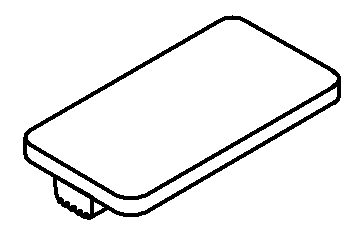
직육면체 형상의 두께 1~10m m를 갖는 제1완충판재(310)와, 상기 제1완충판재(310)의 하부에 위치되며 "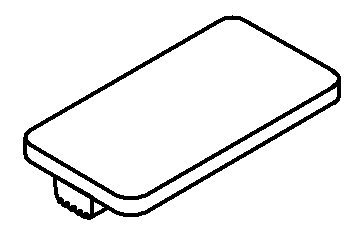
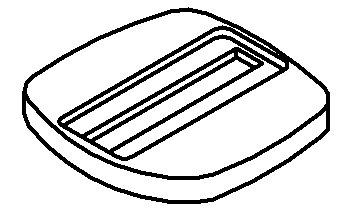
상기 종족지지대는 4가지 형태로 사용자의 발의 형태에 따라 상부로 돌출되는 각도가, 즉, 정면에서 보았을 때, "


상기 브리지부도 사용자의 발의 형태에 따라, "


본 발명의 신발 밑창은 중앙부에 상기 중창의 브리지부가 관통되는 밑창관통공을 구비 하며, 밑창의 중족골부에 해당하는 부분에 위치하도록 하였다.The shoe sole of the present invention is provided with a sole through-hole through which the bridge portion of the midsole penetrates the center portion, and is located at a portion corresponding to the metatarsal portion of the sole.
본 발명에서, 특히 뒷굽이 좁은 여성용 하이힐과 같은 신발에서, 상기 브리지부는 중족골부보다 더 후방인 중족부 영역까지 연장 설치 되고, 발의 길이축으로 절단한 상태에서 볼 때 상기 브리지부의 후방부가 전방부에 비해 더 두껍게 형성되며 , 발뒤꿈치에 해당하는 후족부에는 지면과 닿는 부분의 내외측 방향 폭이 3cm 이하인 굽이 있고, 상기 브리 지부의 중족부 영역까지 연장 설치된 부분에는 내측과 외측에 돌출된 안정기둥이 형성될 수 있다.In the present invention, particularly in shoes such as women's high heels with a narrow heel, the bridge portion is installed to extend to the midfoot region, which is more rearward than the metatarsal portion, and the rear portion of the bridge portion is seen in the front portion when viewed from the longitudinal axis of the foot. It is formed thicker than that, and the rear foot corresponding to the heel has a heel having an inner and outer width of 3 cm or less in contact with the ground, and a part of the bridge extending to the middle foot area of the bridge portion protrudes inward and outward. Can be formed.
본 발명에서, 브리지부는 부드럽고 복원력이 강한탄성재가 설치될 수 있다. 탄성재는 탄성을 가지는 고 무나 E.V.A(Ethylene Vinyl Acetate) 폼, 폴리우레탄 수지 등으로 압력을 받을 때 주변에 비해 더 쉽게 수축 되어 중족골두 주변을 감쌀 수 있는 재질이면 가능하다.In the present invention, the bridge portion may be provided with a soft material having a strong restoring force. The elastic material can be made of elastic rubber, E.V.A (Ethylene Vinyl Acetate) foam, polyurethane resin, etc., so that it can shrink more easily than the surroundings and can wrap around the metatarsal head.
또한, 자기형상기억이 가능한 재질로 이루어질 수도 있다. 따라서, 브리지부에 압력이 걸릴때 이 부분이 탄성재에 의해 지지되므로 중족골두 주변 에 특정 점보다는 탄성재가 설치된 그 주변 전반에 압력이 분산될 수 있고, 충격에 대한 완화 작용도 할 수 있다.In addition, the magnetic shape may be made of a material capable of memory. Therefore, when pressure is applied to the bridge part, the part is supported by the elastic material, so that the pressure can be dispersed throughout the periphery where the elastic material is installed, rather than a specific point around the metatarsal head, and also can mitigate the impact.
이하 본 발명을 보다 구체적으로 설명하기로 한다.Hereinafter, the present invention will be described in more detail.
도1은 본 발명의 일 실시예에 따른 신발 중창을 나타내는 저면도이다.1 is a bottom view showing a shoe midsole according to an embodiment of the present invention.
해부학적으로, 발은 쇼파르 관절(chopart's joint)과 리스프랑(Lisfranc's)관절에 의해, 전족부, 중족부, 후족부의 세 부분으로 구분된다. 그러나, 신발 밑창은 전족부를 중족지절관절(MP관절)에 의해 발가락부(足指部)과 중족골부로 구분하고, 결국, 후족부(140 )와, 중족부(130)와, 전족부의 중족골부(120)와, 전족부의 발가락부(110)의 네 부위로 구분하는 것이 편리하 다.Anatomically, the foot is divided into three parts, the forefoot, the midfoot and the forefoot, by the chopart's joint and the Lisfranc's joint. However, the shoe sole is divided into the toe part and the metatarsal bone by the metatarsal joint (MP joint), and eventually, the
본 실시예에서는 편의상 밑창을 단순히 발의 길이 축과 수직한 선에 의해 전방으로부터 후 방으로 4 부분으로 나누고 있다.For convenience, the sole is divided into four parts from the front to the rear simply by a line perpendicular to the length axis of the foot.
본 발명의 중창은 도2에 도시된바와 같이, 하부 중앙부에 브리 지홈이 형성되고 상기 브리지홈에 브리지부가 설치된다. 브리지부는 3개의 부품으로 조립되며,In the midsole of the present invention, as shown in Figure 2, the bridge groove is formed in the lower center and the bridge portion is installed in the bridge groove. The bridge part is assembled into three parts,
본체에 각각의 부품을 주로 접착제로 부착하여 설치한다. 브리지부는 본체와 다른 재질로 이루어지는 것이 통상적이다.Install each part on the main body with adhesive. The bridge portion is usually made of a material different from the main body.
즉, 브리지부는 재질 및 형태면에서 밑창의 본체부와 달리 구성하는 것이 가능하다 .That is, the bridge portion can be configured differently from the main body portion of the sole in terms of material and form.
브리지부 재질은 중족골부가 보행 3단계에서 압력이 집중되는 부분을 가지므로 압력에도 불구 하고 쉽게 마모되지 않도록 질긴 재질로 이루어지는 것이바람직하다. 단, 4단계 보행에서 3단계인 발뒤꿈치 들기가 용이하게 이루어질 수 있도록 밑창 본체에 비해 힘을 많이 주지 않고도 쉽게 구부러질 수 있도록 하 였으며, 브리지부의 바닥면에 닿는 부분에는 돌기를 형성하였다.The bridge part is preferably made of a tough material so that the metatarsal part has a part where the pressure is concentrated in the three steps of walking, so that it is not easily worn despite the pressure. However, in order to be able to easily lift the heel, which is the third step in the four-step walk, it was possible to bend easily without applying much force compared to the sole body, and a protrusion was formed at the part touching the bottom surface of the bridge part.
도8은 본 발명의 신발을 나타 낸 도면이다.8 is a view showing a shoe of the present invention.
도2 및 도3을 참조하여 설명하면, 밑창의 상부에 중창이 구비되며, 밑창(500)은 중앙부에 설치된 밑창관통공(510)과, 상기 밑창(500)의 후면에 설치되는 굽부(600)로 구성되고,Referring to Figures 2 and 3, the midsole is provided on the top of the sole, the sole 500 is the sole through-
중창(100)은 상부에 위치한 중족지지대(200)와, 상기 중창(100)의 중앙 하부에 위치한 중창하부홈(190)와 , 상기 중창하부홈(190)에 위치되어 밑창(500)의 밑창관통공(510)으로 관통되는 브리지부(300)로 구성되며,
상기 브리지부(300)는 상기 브리지홈(190)에 일부 삽입되며 두께 1~10mm를 갖는 제1완충판재(310)와 , 상기 제1완충판재(310)의 하부에 위치되며 두께20~35mm의 "ㅜ"자형상의 제2완충 및 미끄럼방지부(320)과, 상기 제1완충판재(310) 및 제2완충 및 미끄럼방지부(320)을 내장하며 중앙에 하부중앙돌출부(321)가 관통되 는 0.2~30mm의 두께를 갖는 하부중앙돌출부관통공(331)이 구비된 브리지몸체(330)로 구성된 구조임을 알 수 있다.The
중족골부의 중족골두 부근에 완충재 혹은 탄성재 재질인 중족지지대(200)는 고무나 E.V. A(Ethylene VinylAcetate) 폼, 폴리우레탄 수지 등이 사용될 수 있다.The
본 발명의 브리지부(300 )는 발의 길이축을 따라 종방향으로 절단할 경우, 후방부가 전방부에 비해 더 두꺼운 형태를 가지며, 끝단 부근까지 두꺼운 형태가 유지된다. 대략적 단면은 비행기 날개의 절단면이 나타내는 유선형과 비슷한 아래로 볼록한 형태를 가진다. 이런 면에서 덧댐부는 전족부 중족골부의 곡선형 바닥을 이루어 포어풋 록커(forefo ot rocker)라고 할 수 있다.When the
본 실시예에서는 브리지부(300)는 도2와 같은 평면에서 볼 때 외측 이 내측보다 더 길게 형성되어 있다. 중족골부(120)에서 확장되어 중족부(130) 전방에까지 위치한다.In this embodiment, the
한편, 발 뒤꿈치가 속하는 후족부(140)에 상응하는 밑창에 굽이 설치된다. 굽은 토마스 힐(Thomas h ill)로 알려져 있으며, 보행의 4 단계 가운데 첫번째 단계에서 발뒤꿈치가 지면에 닿은 후에 발이 회외의 형 태가 될 수 있도록 한다.On the other hand, the heel is installed on the sole corresponding to the
즉, 신발 밑창은 도3에 도시된 바와 같이 바닥면에 닿을 때 굽은 내측 이 외측에 비해 더 전방까지 확장되어 연장부를 형성하고 있으므로 발은 발뒤꿈치가 닿은 후 2단계인 발 전 체닿기로 이행하면서 자연히 중족부(130)에서는 굽이 없는 외측으로 발이 쏠리게 되어 자연스럽게 회외의 상 태를 이룰 수 있다.That is, when the sole of the shoe touches the bottom surface as shown in Fig. 3, the bent inner side extends more forward than the outer side to form an extension, so that the foot shifts to the second step of the foot contact after the heel touches. Naturally, in the
이하에서는 이상의 도1 및 도2와 같은 구조를 가지는 본 발명의 중족과 중 족골의 압력을 분산시키는 중창과 그를 구비한 신발을 신고 보행을 할 때 이루어지는 작용을 살펴본다.Hereinafter, look at the action made when walking in a shoe provided with a midsole that distributes the pressure of the midfoot and metatarsal bone of the present invention having the structure as shown in Figures 1 and 2 above.
먼저, 맨발에 의한 자연스러운 보행 패턴을 살펴보면, 맨발 보행시에는 발을 바깥에서 안으로 플래 핑 방식으로 움직여 걸음으로써, 보행시의 에너지 소비를 적게 하고, 그로 인해 장시간 보행을 가능하게 한 다고 알려져 있다.First, when looking at the natural walking pattern by bare feet, it is known that when walking bare feet by walking in the flapping manner from the outside, the energy consumption during walking is reduced, thereby enabling walking for a long time.
플래핑 보행에서는, 발의 외측가장자리가 먼저 접지하고, 발바닥 전체가 접 지되며, 지면에서 발뒤꿈치가 분리되고, 발가락 부분에 체중이 실리며 발가락 부분이 지면을 차낸다. 즉, 발 은 뒤꿈치가 지면에 접촉한후 발바닥 전체가 접지될때까지는 회외(발바닥의 내측이 위로 들려 몸 바깥쪽 으로 회전하는) 상태에서 회내(발바닥의 외측이 위로 들려 몸 안쪽으로 회전하는) 상태로의 운동을 하고 , 발바닥이이 지면에 접촉한 후 발가락 부분이 지면을 차낼 때까지는 역으로 회내 상태에서 회외 상태로의 운동을 한다.In flapping walks, the lateral edge of the foot is grounded first, the entire sole of the foot is grounded, the heel is separated from the ground, the toes are loaded, and the toes are kicked out. In other words, the foot is in the outward position (the inner side of the sole is lifted up and rotated out of the body) until the entire sole is grounded after the heel contacts the ground. After the sole of the foot touches the ground, until the toe part kicks out the ground, reverse the exercise from the inner state to the outer state.
그런데, 종래의 일반적인 신발 밑창은 그 바닥면이 수평면에 해당하고, 발은발뒤 꿈치 접지로부터 발바닥 접지로 이행할 때, 외측 가장자리를 경유하지 않고 발바닥 전체가 접지하는 경우가 많고, 그 때문에 발의 외측 가장자리가 내측에 비해 먼저 접지하도록 회외 운동이 원활히 이루어질 수 없는 등 자연스러운 맨발 보행에서 벗어나 발의 피로를 증가시키고 보행 효율을 떨어뜨리기 쉽다.By the way, in the conventional general shoe sole, the bottom surface thereof corresponds to the horizontal surface, and when the foot transitions from the dream ground to the sole ground after the foot, the entire sole of the foot is often grounded without passing through the outer edge, and thus the outer edge of the foot It is easy to increase the fatigue of the foot and decrease the walking efficiency, because the extra-movement cannot be smoothly grounded so that the ground is first compared to the inner side.
본 실시예의 신발 밑창을 이용하는 경우, 보행의 1 단계에서 발뒤꿈치가 발이 족배굴곡을 이룬 상태에서 지면에 닿는다. 발뒤꿈치 부분인 후족부(140) 후단에는 완충재가 쐐기 형태(미도시)로 설치되어 착지 단계의 충격을 완화시킨다.In the case of using the shoe sole of the present embodiment, in the first step of walking, the heel touches the ground while the foot is in the shape of foot flexion. At the rear end of the
이어서 보행의 2 단계에서 발이 족배굴곡에서 발목이 펴지면서 족저굴곡으로 변화 되고, 발 전체가 지면에 닿게 된다. 이때 신발의 밑창은 단순히 평편한 상태가 아니고 후족부(140)에는 뒷굽 (70)이 있으며, 특히 뒷굽(70)은Subsequently, in the second stage of walking, the foot is changed from plantar flexion to ankle spread, and the entire foot touches the ground. At this time, the sole of the shoe is not simply a flat state, the
토마스힐 굽으로 되어 내측이 더 전방쪽으로 1cm 내지 1.5cm 확장되어 있다. 따라서, 발 전체가 지면에 닿는 이행기에 중족부에서는 토마스힐 굽으로 인하여 내측은 밑창 이 두껍고 외측은 밑창이 얇은 상태가 된다.Thomas Hill heel extends 1 cm to 1.5 cm further inward. Therefore, in the transitional foot where the entire foot touches the ground, in the middle foot, the inner sole is thick due to the heel of the heel and the outer sole is thin.
따라서 발은 외측으로 쏠리면서 발 외측이 접지하 고, 회외(回外발바닥의 내측이 위로 들려 몸 바깥쪽으로 회전하는)상태가 된다.Therefore, the foot is pulled outwards and the outside of the foot is grounded, and the outside (the outside of the sole of the foot is lifted up and rotates out of the body).
그러나, 몸을 바깥쪽으로 트는 것이 아니고 전방으로의 보행을 하기 위해서 회외 상태가 너무 심화되는 바람직 하지 않다 .However, it is not desirable that the out-of-state condition becomes too deep for the person to walk forward rather than to the outside.
회외 상태의 심화는 회내 상태로의 전환시에 발 내측 종아치(ARCH) 높이가 지나치게 하강하는 것을 억제하는 발바닥 근육에도 부담이 될 수 있다.The deepening of the outlying state can also be a burden on the plantar muscles, which inhibits the excessive fall of the medial arch height (ARCH) at the time of transition to the outlying state.
따라서, 본 실시예에서는 회외 상태에 이어 서 바닥에 닿는 발이 중족부(130) 전단이나 전족부의 중족골부(120)에 이르면 브리지부(300)는 후방부가 두 껍고, 브리지(300)의 외측이 밑창에서 더욱 후방에 위치하므로 3단계 초기에는 발은 브리지부(300) 외측 후 단부가 밑창을 두껍게 하는 효과에 의해 밑창이 얇은 내측으로 쏠리고 자연스럽게 회외 상태에서 회내 상태 로 전환된다.Therefore, in the present embodiment, when the foot reaching the bottom after reaching the outer portion reaches the
이어서, 보행의 3 단계에서는 발뒤꿈치를 들어올리면서 밑창의 중족골부 특히 중 족골두에 무게가 집중되고, 중족골과 이에 연결된 발가락의 기절골이 이루는 각도가 증가된다. 이 때 중족골 부에는 통상의 단단하여 구부러지기 어려운 밑창이 일부 두께가 제거된 얇은 상태이고, 대신에 구부러지기 유리한 브리지부(300)이 있으므로 발뒤꿈치를 들어올리면서 밑창이 중족골과 기절골 사이의 각도를 증가시키 는 데 신발의 저항은 종래에 비해 줄어든 상태가 된다.Subsequently, in the third step of walking, the weight is concentrated in the metatarsal part of the sole, especially the metatarsal head, while the heel of the metatarsal and the toe connected to the metatarsal bone are increased. At this time, the sole of the metatarsal is a thin state in which the sole is hard to bend and is partially thin, and instead, there is a
더욱이, 중창의 상부에는 중족골두에 가 해지는 압력을 분산, 완화하기 위한 부드러운 탄성재재질의 중족지지대가 설치된다. 이 중족지지대는 중족골 두가 발뒤꿈치 들어 올리기 단계에서 더 아래쪽으로 이동할 수 있도록 해주므로 기절골과 중족골의 각도는 더욱 커지고, 다음 단계를 위한 족저굴곡의 심화도 더욱 용이하게 이루어져 보행 효율 증가에 도움이 될 수 있다.Furthermore, the upper part of the midsole is provided with a soft foot elastic foot support for dispersing and relieving the pressure applied to the metatarsal head. This metatarsal support allows the metatarsal head to move further down the heel lift phase, resulting in greater angles between the fractured and metatarsal bones, and easier plantar flexion for the next step, helping to increase walking efficiency. Can be.
이어서, 보행의 제 4 단계인 앞발로 밀기 단계에서는 족지부인 발가락이 작은 아치를 이 루고 제3단계에서 서로 굽혀져 각도를 이루던 종족골과 기절골이 펴지면서 발가락이 지면을 뒤로 밀고, 이후 에 다시 보행의 제1 단계로의 이행을 준비하면서 족배굴곡을 형성하고 발이 지면에서 떨어지게 된다.Subsequently, in the fourth step of walking, the forefoot push step forms a small arch of the toe foot, and in the third step, the toe is pushed back to the ground as the angled bones and the fractured bones are stretched to each other. In preparation for the transition to the first phase of walking, foot flexion is formed and the feet fall off the ground.
족저굴곡이 심화된 상태이므로 발에 축적된 근육의 탄력을 이용하여 더 효율적으로 앞발로 지면을 밀 게 된다.Because plantar flexion is intensified, the elasticity of the muscles accumulated in the foot is used to push the ground to the forefoot more efficiently.
또한, 압축된 탄성체에 축적된 탄성 에너지가 복원력을 작용시켜 발의 중족골을 위로 밀어올리는 작용을 함으로써 발가락이 지면을 미는 단계에서 지렛대의 원리를 고려한 앞발로 밀기에 용이한 발 형태를 가지도록 하는 한편, 발이 보행의 다음 단계인 제 1 단계로의 족배굴곡을 형성하는 것을 용이하게 한다.In addition, the elastic energy accumulated in the compressed elastic body acts to restore the force of the foot by pushing up the metatarsal bone so that the toe pushes the ground so that it has an easy foot shape to push to the forefoot considering the principle of the lever. It is easy for the foot to form foot flexion to the first stage, which is the next stage of walking.
이때, 3단계에서 회내 상태에 있으므로 4단계에서는 주로 발 내측(엄지발가락 쪽)에서 지 면을 차는 작용이 이루어지며, 이 중족과 중족골의 압력을 분산시키는 중창.작용에 따라 발의 회내에서 회외 로 전환되는 형태가 된다.At this time, in the third stage, because it is in the inner state, in the fourth stage is mainly the action of kicking the ground from the inner side of the foot (thumb toe), the midsole that distributes the pressure of the metatarsal and metatarsal bone. It becomes the form that becomes.
이러한 4 단계의 보행 과정을 보면, 본 실시예에서는 맨발의 자연스 로운 보행과 유사하게 착지부터 바닥을 차기까지의 과정이 회외에서 회내로 회내에서 다시 회외로 전환되는 형태를 보인다.Looking at the four steps of walking process, in this embodiment, the process from landing to kicking is converted from the outside to the inside of the meeting from the outside to the outside, similar to the natural walking of bare feet.
단, 본 실시예에서는 회내에서 회외로의 전환과 회외에서 회내로의 전환이 신발 의 밑창의 구조에 의해 많이 이루어지므로 발이 스스로 전환할 때에 비해 그 부담이 줄어들 수 있고, 특히, 발의 근육이 약화된 사용자들에게는 보행시 발의 부담까지 줄일 수 있는 장점이 있다.However, in the present embodiment, since the conversion from inside to outside and outside to outside is made by the structure of the sole of the shoe, the burden can be reduced compared to when the foot is switched by itself, and in particular, the foot muscle is weakened. Users have the advantage of reducing the burden on the foot when walking.
도5 및 도7은 본 발명의 브리지부의 다양한 예, 중앙돌출형(5A), 전면돌출형(5B), 후면돌출형(5C)과, 본 발명의 중 족지지대의 다양한 예, 평면형(7A), 최상부중앙형(7B), 최상부전면형(7C), 최상부후면형(7D),를 도시한 것으 로서,5 and 7 show various examples of the bridge portion of the present invention, the
사용자의 발 형태에 따라, 선택적으로 사용할 수 있으며, 이때에는 의사의 정확한 처방을 받아 실시할 수 있다Depending on the shape of the foot of the user, it can be selectively used, in this case can be carried out with the correct prescription of the doctor
이하 본 발명을 도면을 참고하여 상세히 설명하면 다음과 같다.Hereinafter, the present invention will be described in detail with reference to the accompanying drawings.
도1 본 발명 중족과 중족골의 압력을 분산시키는 중창 저면도, 도2 본 발명의 중족과 중족골의 압력을 분산시키는 중창에 대한 종방향 단면 및 상세도, 도3 본 발명의 밑창 저면도, 도4 본 발명의 중창하부에 밑 창이 합체된 상세도, 도5 본 발명의 브리지부의 다양한 예, 중앙돌출형(5A), 전면돌출형(5B), 후면돌출형(5 C), 도6 본 발명의 중족지지대 상세도, 평면도(6A), 정면도(6B), 도7 본 발명의 중족지지대 다양한 예, 평면 형(7A), 최상부중앙형(7B), 최상부전면형(7C), 최상부후면형(7D), 도8 본 발명의 신발을 도시한 것이며, 중 창(100), 발가락부(110), 중족골부(120), 중족부(130)와, 후족부(140), 브리지홈(190), 중족지지대(200), 브리지부(300), 제1완충판재(310), 제2완충 및 미끄럼방지부(320), 하부중앙돌출부(321), 브리지몸체(330), 하부중앙돌출부관통공(331), 밑창(500), 밑창관통공(510), 굽부(600)를 나타낸 것임을 알 수 있다.1 is a bottom view of the midsole for dispersing the pressure of the midfoot and metatarsal bone of the present invention, FIG. 2 is a longitudinal cross-sectional view and a detailed view of the midsole for dispersing the pressure of the midfoot and metatarsal bone of the present invention, FIG. Detailed view in which the sole is incorporated into the lower midsole of the present invention, Figure 5 Various examples of the bridge portion of the present invention, the
본 발명의 구조를 살펴보면 도1내지 도8에 도시된 바와 같이, 중족과 중족골의 압력을 분산시키는 중창 과 이를 구비한 신발은Looking at the structure of the present invention as shown in Figures 1 to 8, the midsole and the shoe having the same to distribute the pressure of the midfoot and metatarsal bone
신발의 바닥면인 밑창(500)과, 상기 밑창(500)의 중앙부에 설치된 밑창 관통공(510)과, 상기 밑창(500)의 후면에 설치되는 굽(600)로 구성되며,
상기 중창(100)은 상부 중앙의 중족골부(120)와 중족부(130)에 설치되며 평면에서 보았을 때 "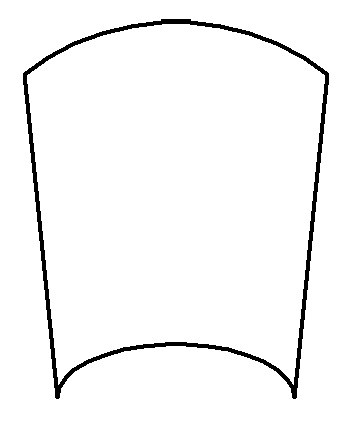
상기 브리지부(300)는 상기 브리지홈(190)에 일부 삽입되며 직육면체 형상의 두께 1 ~10mm를 갖는 제1완충판재(310)와, 상기 제1완충판재(310)의 하부에 위치되며 "
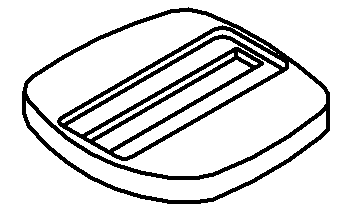
도5는 본 발명의 브리지부의 다양한 예, "


도6 및 도7은 본 발명의 중족지지대는 정단면에서 보았을 때 "


사용자의 발 형태에 따라, 선택적으로 사용할 수 있으며, 이때에는 의사의 정확한 처방을 받아 실시할 수 있다.According to the shape of the foot of the user, it can be selectively used, in this case can be carried out by receiving the correct prescription of the doctor.
Claims (6)
상부 중앙의 중족골부와 중족부에 설치되며 평면에서 보았 을 때 "

In the midsole that distributes the pressure of the midfoot and metatarsal bone,
Installed in the midfoot and midfoot of the upper middle,


The method of claim 1, wherein the metatarsal support is viewed from the front end "
The midsole of claim 1, wherein the lower portion of the bridge groove comprises a bridge portion installed to penetrate the sole through-hole of the sole.

The method according to claim 3, wherein the bridge portion is partially inserted into the lower midsole groove is located in the first buffer plate of the rectangular shape and the lower portion of the first buffer plate and "


The method of claim 3, wherein the bridge portion "
Priority Applications (2)
| Application Number | Priority Date | Filing Date | Title |
|---|---|---|---|
| EP14854450.5A EP3058838A4 (en) | 2013-10-14 | 2014-10-14 | Midsole for dispersing pressure of mesopodium and metatarsal bones, and shoe having same |
| US15/348,295 US10433615B2 (en) | 2013-10-14 | 2016-11-10 | Sole for dispersing pressure of midfoot and metatarsal bones and shoe having same |
Applications Claiming Priority (2)
| Application Number | Priority Date | Filing Date | Title |
|---|---|---|---|
| KR10-2013-0121700 | 2013-10-14 | ||
| KR1020130121700A KR101514680B1 (en) | 2013-10-14 | 2013-10-14 | Mesopodium and Of metatarsal and to distribute the pressure of Midsole and Shoes this fulfill |
Related Child Applications (1)
| Application Number | Title | Priority Date | Filing Date |
|---|---|---|---|
| US201615090780A Continuation | 2013-10-14 | 2016-04-05 |
Publications (1)
| Publication Number | Publication Date |
|---|---|
| WO2015056958A1 true WO2015056958A1 (en) | 2015-04-23 |
Family
ID=52828339
Family Applications (1)
| Application Number | Title | Priority Date | Filing Date |
|---|---|---|---|
| PCT/KR2014/009638 Ceased WO2015056958A1 (en) | 2013-10-14 | 2014-10-14 | Midsole for dispersing pressure of mesopodium and metatarsal bones, and shoe having same |
Country Status (4)
| Country | Link |
|---|---|
| US (1) | US10433615B2 (en) |
| EP (1) | EP3058838A4 (en) |
| KR (1) | KR101514680B1 (en) |
| WO (1) | WO2015056958A1 (en) |
Cited By (1)
| Publication number | Priority date | Publication date | Assignee | Title |
|---|---|---|---|---|
| WO2017065669A1 (en) * | 2015-10-13 | 2017-04-20 | Stinaa & J Fashion Ab | Insole for high-heeled footwear |
Families Citing this family (9)
| Publication number | Priority date | Publication date | Assignee | Title |
|---|---|---|---|---|
| WO2017155220A1 (en) * | 2016-03-10 | 2017-09-14 | 박경우 | Functional insole and method of manufacturing functional insole |
| KR101672477B1 (en) * | 2016-03-10 | 2016-11-03 | 박경우 | Functional insole |
| JP6598384B2 (en) * | 2017-03-28 | 2019-10-30 | 美津濃株式会社 | Footwear sole structure |
| KR102049077B1 (en) * | 2019-04-04 | 2019-11-26 | 원종칠 | Shoes insole for correcting unblanced posture of the body |
| US11369165B2 (en) * | 2019-05-09 | 2022-06-28 | P J Philip Morrison | Shoe attachment for preventing toe walking |
| KR102226475B1 (en) * | 2020-09-02 | 2021-03-10 | 부진후 | Padded shoes for body balance adjustment by body type |
| EP4493015A4 (en) * | 2022-03-14 | 2025-11-26 | Hbn Shoe Llc | STOLLEN SHOE |
| JP2024124926A (en) * | 2023-03-03 | 2024-09-13 | 株式会社アシックス | Sole and shoes equipped with same |
| KR102692078B1 (en) | 2023-12-19 | 2024-08-05 | 조휘준 | An functional insole for preventing of turtle neck symdrome and fall-down |
Citations (8)
| Publication number | Priority date | Publication date | Assignee | Title |
|---|---|---|---|---|
| KR20000036859A (en) | 2000-03-30 | 2000-07-05 | 임성조 | molding method for manufacturing base plate of shoe having different hardness midsole and thereby apparatus |
| KR20100042863A (en) | 2008-10-17 | 2010-04-27 | 찬 국 권 | Health Promotion Functional Shoes |
| KR20100119986A (en) | 2009-05-04 | 2010-11-12 | 박인식 | Outsole of shose having forefoot rocker and shose having the same |
| KR200454043Y1 (en) | 2010-05-18 | 2011-06-14 | 주식회사 엘에스네트웍스 | Shoes with a bridge structure |
| KR101073810B1 (en) * | 2010-12-07 | 2011-10-17 | (주)지원에프알에스 | Propulsive soles for impact dispersion and cloud walking |
| KR20110127058A (en) * | 2010-05-18 | 2011-11-24 | 주식회사 학산 | Shoe insole with customizable balance pad |
| KR20130025050A (en) * | 2011-09-01 | 2013-03-11 | (주)지원에프알에스 | Sole |
| KR200468144Y1 (en) | 2011-04-15 | 2013-07-26 | 주식회사 엘에스네트웍스 | Shoes having function for preventing an pronation |
Family Cites Families (31)
| Publication number | Priority date | Publication date | Assignee | Title |
|---|---|---|---|---|
| US1189329A (en) * | 1916-01-29 | 1916-07-04 | Daniel E Winagle | Shoe-protector. |
| US1633324A (en) * | 1925-03-18 | 1927-06-21 | Leonard F Hartung | Detachable cushion heel |
| US2095488A (en) * | 1936-08-10 | 1937-10-12 | George W Cobb | Arch rest for footwear |
| US2311925A (en) * | 1940-08-03 | 1943-02-23 | Walk Easy Foot Rest Mfg Compan | Orthopedic appliance |
| US2510654A (en) * | 1945-11-26 | 1950-06-06 | Wilfred A Pepin | Foot correction appliance |
| US2884717A (en) * | 1957-12-13 | 1959-05-05 | Howard M Goldberg | Orthopedic shoe |
| US3198192A (en) * | 1963-03-07 | 1965-08-03 | Helen T O'brien | Slipper cast |
| US3494355A (en) * | 1967-12-07 | 1970-02-10 | M P W Associates Inc | Leg cast with means for adjusting the amount of weight supported by the patient's foot during walking |
| US3744487A (en) * | 1969-08-07 | 1973-07-10 | H Lipson | Glide assembly |
| US3680550A (en) * | 1970-09-04 | 1972-08-01 | Don M Tunstall | Sole for walking cast |
| US3916538A (en) * | 1975-02-20 | 1975-11-04 | Herbert S Loseff | Walking heel |
| US4262433A (en) * | 1978-08-08 | 1981-04-21 | Hagg Vernon A | Sole body for footwear |
| US4316333A (en) * | 1979-11-28 | 1982-02-23 | Featherspring International Corporation | Separable fastener for removable foot supports |
| US4360011A (en) * | 1980-10-06 | 1982-11-23 | Lewis Jr Royce C | Adjustable walking iron for leg casts |
| US4372059A (en) * | 1981-03-04 | 1983-02-08 | Frank Ambrose | Sole body for shoes with upwardly deformable arch-supporting segment |
| US4821432A (en) * | 1988-03-25 | 1989-04-18 | Reiber M Andrew | Walking adapter for postsurgical shoes |
| US5170574A (en) * | 1989-06-07 | 1992-12-15 | Weisbrich Alfred L | Footwear sole-to-surface connector for on-demand omnidirectional disengagement means |
| US5070867A (en) * | 1990-05-03 | 1991-12-10 | March John P | Foot therapy apparatus and method |
| US5921009A (en) * | 1997-06-20 | 1999-07-13 | Pivotal Image, Inc. | Foot leverage system and method |
| CA2262944A1 (en) * | 1997-06-20 | 2000-08-24 | Gilbert A. Hice | Foot leverage system and method |
| KR100239854B1 (en) * | 1998-02-26 | 2000-01-15 | 박문환 | Healthful footwear |
| US6311416B1 (en) * | 1999-11-26 | 2001-11-06 | Shimi-Shoe Walking Technologies Ltd. | Therapeutic shoe |
| US7392604B2 (en) * | 2002-05-14 | 2008-07-01 | Nike, Inc. | System for modifying properties of an article of footwear |
| CA102269S (en) * | 2002-10-24 | 2004-03-22 | Francois Girbaud | Shoe sole |
| US20050235526A1 (en) * | 2004-04-05 | 2005-10-27 | Kiyong Kim | Arch support reinforcement device |
| US7500324B1 (en) * | 2005-11-30 | 2009-03-10 | Kyle Power | Convertible therapeutic sandals |
| KR200416582Y1 (en) * | 2006-03-07 | 2006-05-19 | 김정배 | Shoes with stretching function |
| US8458930B2 (en) * | 2006-08-11 | 2013-06-11 | Shin Kyung Co., Ltd. | Footwear outsole |
| US20110289798A1 (en) * | 2009-01-23 | 2011-12-01 | Foot Balance Co., Ltd. | Functional shoe |
| KR100926192B1 (en) * | 2009-03-18 | 2009-11-09 | 류정현 | Triplex Walking and Walking Correction Sole |
| US20110126422A1 (en) * | 2009-12-02 | 2011-06-02 | Brown Shoe Company, Inc. | Shoe sole with compressible protruding element |
-
2013
- 2013-10-14 KR KR1020130121700A patent/KR101514680B1/en active Active
-
2014
- 2014-10-14 WO PCT/KR2014/009638 patent/WO2015056958A1/en not_active Ceased
- 2014-10-14 EP EP14854450.5A patent/EP3058838A4/en not_active Withdrawn
-
2016
- 2016-11-10 US US15/348,295 patent/US10433615B2/en active Active
Patent Citations (9)
| Publication number | Priority date | Publication date | Assignee | Title |
|---|---|---|---|---|
| KR20000036859A (en) | 2000-03-30 | 2000-07-05 | 임성조 | molding method for manufacturing base plate of shoe having different hardness midsole and thereby apparatus |
| KR20100042863A (en) | 2008-10-17 | 2010-04-27 | 찬 국 권 | Health Promotion Functional Shoes |
| KR20100119986A (en) | 2009-05-04 | 2010-11-12 | 박인식 | Outsole of shose having forefoot rocker and shose having the same |
| KR200454043Y1 (en) | 2010-05-18 | 2011-06-14 | 주식회사 엘에스네트웍스 | Shoes with a bridge structure |
| KR20110127058A (en) * | 2010-05-18 | 2011-11-24 | 주식회사 학산 | Shoe insole with customizable balance pad |
| KR20110127087A (en) * | 2010-05-18 | 2011-11-24 | 주식회사 학산 | Shoe insole with customizable balance pad |
| KR101073810B1 (en) * | 2010-12-07 | 2011-10-17 | (주)지원에프알에스 | Propulsive soles for impact dispersion and cloud walking |
| KR200468144Y1 (en) | 2011-04-15 | 2013-07-26 | 주식회사 엘에스네트웍스 | Shoes having function for preventing an pronation |
| KR20130025050A (en) * | 2011-09-01 | 2013-03-11 | (주)지원에프알에스 | Sole |
Non-Patent Citations (1)
| Title |
|---|
| See also references of EP3058838A4 |
Cited By (2)
| Publication number | Priority date | Publication date | Assignee | Title |
|---|---|---|---|---|
| WO2017065669A1 (en) * | 2015-10-13 | 2017-04-20 | Stinaa & J Fashion Ab | Insole for high-heeled footwear |
| US10595589B2 (en) | 2015-10-13 | 2020-03-24 | Stinaa & J Fashion Ab | Insole for high-heeled footwear |
Also Published As
| Publication number | Publication date |
|---|---|
| US10433615B2 (en) | 2019-10-08 |
| US20170055635A1 (en) | 2017-03-02 |
| KR20150042924A (en) | 2015-04-22 |
| EP3058838A4 (en) | 2016-11-09 |
| KR101514680B1 (en) | 2015-04-23 |
| EP3058838A1 (en) | 2016-08-24 |
Similar Documents
| Publication | Publication Date | Title |
|---|---|---|
| WO2015056958A1 (en) | Midsole for dispersing pressure of mesopodium and metatarsal bones, and shoe having same | |
| JP2791658B1 (en) | Shoe soles and shoes and sandals containing them | |
| US20160021976A1 (en) | Footwear with Dynamic Arch System | |
| US11564444B2 (en) | Footwear with dynamic arch system | |
| CN105722421A (en) | Triathlon insole | |
| EP2454959A1 (en) | A multicomponent sole support assembly for sports footwear | |
| JP2009101139A (en) | Functional sockliner for high-heeled shoe | |
| US9392842B2 (en) | Footwear with dynamic arch system | |
| CN108289524B (en) | Midsole or insole, in particular for a shoe | |
| EP2399475A2 (en) | Footwear with Rocker Sole | |
| EP2906065B1 (en) | Sole structure for biomechanical control | |
| KR100995491B1 (en) | Shoe sole having an overhang and shoe with same | |
| US20080178495A1 (en) | Foot Clip | |
| KR200467057Y1 (en) | Insole of shoes | |
| JP5970423B2 (en) | Foot pads | |
| KR100952153B1 (en) | Functional shoes | |
| KR101693773B1 (en) | The shoes considering the peculiarity of walking | |
| KR101116323B1 (en) | base of footwear for reinforcing working impetus and shoes having the same | |
| TWM488219U (en) | Device for shoes | |
| KR101435757B1 (en) | insole | |
| CN102429758B (en) | Correcting insole and correcting shoe for handicapped person using same | |
| KR102146576B1 (en) | A Functional Shoe Insert | |
| KR101007606B1 (en) | Women's Shoe Midsole, Sole With Tooth And Shoe For Sole Pressure Dispersion | |
| KR101848900B1 (en) | Middlesole For Correction | |
| KR100763138B1 (en) | Arc-shaped shoe sole corresponding to sliding |
Legal Events
| Date | Code | Title | Description |
|---|---|---|---|
| 121 | Ep: the epo has been informed by wipo that ep was designated in this application |
Ref document number: 14854450 Country of ref document: EP Kind code of ref document: A1 |
|
| REEP | Request for entry into the european phase |
Ref document number: 2014854450 Country of ref document: EP |
|
| WWE | Wipo information: entry into national phase |
Ref document number: 2014854450 Country of ref document: EP |
|
| NENP | Non-entry into the national phase |
Ref country code: DE |