WO2014110372A1 - Triazine based radiopharmaceuticals and radioimaging agents - Google Patents
Triazine based radiopharmaceuticals and radioimaging agents Download PDFInfo
- Publication number
- WO2014110372A1 WO2014110372A1 PCT/US2014/011047 US2014011047W WO2014110372A1 WO 2014110372 A1 WO2014110372 A1 WO 2014110372A1 US 2014011047 W US2014011047 W US 2014011047W WO 2014110372 A1 WO2014110372 A1 WO 2014110372A1
- Authority
- WO
- WIPO (PCT)
- Prior art keywords
- cio
- alkyl
- alkylene
- cancer
- compound
- Prior art date
- Legal status (The legal status is an assumption and is not a legal conclusion. Google has not performed a legal analysis and makes no representation as to the accuracy of the status listed.)
- Ceased
Links
- 0 CC(C1IC)*1=NCCI Chemical compound CC(C1IC)*1=NCCI 0.000 description 11
Classifications
-
- A—HUMAN NECESSITIES
- A61—MEDICAL OR VETERINARY SCIENCE; HYGIENE
- A61K—PREPARATIONS FOR MEDICAL, DENTAL OR TOILETRY PURPOSES
- A61K51/00—Preparations containing radioactive substances for use in therapy or testing in vivo
- A61K51/02—Preparations containing radioactive substances for use in therapy or testing in vivo characterised by the carrier, i.e. characterised by the agent or material covalently linked or complexing the radioactive nucleus
- A61K51/04—Organic compounds
- A61K51/0497—Organic compounds conjugates with a carrier being an organic compounds
-
- A—HUMAN NECESSITIES
- A61—MEDICAL OR VETERINARY SCIENCE; HYGIENE
- A61B—DIAGNOSIS; SURGERY; IDENTIFICATION
- A61B6/00—Apparatus or devices for radiation diagnosis; Apparatus or devices for radiation diagnosis combined with radiation therapy equipment
- A61B6/48—Diagnostic techniques
- A61B6/481—Diagnostic techniques involving the use of contrast agents
-
- A—HUMAN NECESSITIES
- A61—MEDICAL OR VETERINARY SCIENCE; HYGIENE
- A61B—DIAGNOSIS; SURGERY; IDENTIFICATION
- A61B6/00—Apparatus or devices for radiation diagnosis; Apparatus or devices for radiation diagnosis combined with radiation therapy equipment
- A61B6/50—Apparatus or devices for radiation diagnosis; Apparatus or devices for radiation diagnosis combined with radiation therapy equipment specially adapted for specific body parts; specially adapted for specific clinical applications
-
- A—HUMAN NECESSITIES
- A61—MEDICAL OR VETERINARY SCIENCE; HYGIENE
- A61P—SPECIFIC THERAPEUTIC ACTIVITY OF CHEMICAL COMPOUNDS OR MEDICINAL PREPARATIONS
- A61P1/00—Drugs for disorders of the alimentary tract or the digestive system
- A61P1/04—Drugs for disorders of the alimentary tract or the digestive system for ulcers, gastritis or reflux esophagitis, e.g. antacids, inhibitors of acid secretion, mucosal protectants
-
- A—HUMAN NECESSITIES
- A61—MEDICAL OR VETERINARY SCIENCE; HYGIENE
- A61P—SPECIFIC THERAPEUTIC ACTIVITY OF CHEMICAL COMPOUNDS OR MEDICINAL PREPARATIONS
- A61P1/00—Drugs for disorders of the alimentary tract or the digestive system
- A61P1/16—Drugs for disorders of the alimentary tract or the digestive system for liver or gallbladder disorders, e.g. hepatoprotective agents, cholagogues, litholytics
-
- A—HUMAN NECESSITIES
- A61—MEDICAL OR VETERINARY SCIENCE; HYGIENE
- A61P—SPECIFIC THERAPEUTIC ACTIVITY OF CHEMICAL COMPOUNDS OR MEDICINAL PREPARATIONS
- A61P1/00—Drugs for disorders of the alimentary tract or the digestive system
- A61P1/18—Drugs for disorders of the alimentary tract or the digestive system for pancreatic disorders, e.g. pancreatic enzymes
-
- A—HUMAN NECESSITIES
- A61—MEDICAL OR VETERINARY SCIENCE; HYGIENE
- A61P—SPECIFIC THERAPEUTIC ACTIVITY OF CHEMICAL COMPOUNDS OR MEDICINAL PREPARATIONS
- A61P11/00—Drugs for disorders of the respiratory system
-
- A—HUMAN NECESSITIES
- A61—MEDICAL OR VETERINARY SCIENCE; HYGIENE
- A61P—SPECIFIC THERAPEUTIC ACTIVITY OF CHEMICAL COMPOUNDS OR MEDICINAL PREPARATIONS
- A61P13/00—Drugs for disorders of the urinary system
- A61P13/08—Drugs for disorders of the urinary system of the prostate
-
- A—HUMAN NECESSITIES
- A61—MEDICAL OR VETERINARY SCIENCE; HYGIENE
- A61P—SPECIFIC THERAPEUTIC ACTIVITY OF CHEMICAL COMPOUNDS OR MEDICINAL PREPARATIONS
- A61P13/00—Drugs for disorders of the urinary system
- A61P13/10—Drugs for disorders of the urinary system of the bladder
-
- A—HUMAN NECESSITIES
- A61—MEDICAL OR VETERINARY SCIENCE; HYGIENE
- A61P—SPECIFIC THERAPEUTIC ACTIVITY OF CHEMICAL COMPOUNDS OR MEDICINAL PREPARATIONS
- A61P13/00—Drugs for disorders of the urinary system
- A61P13/12—Drugs for disorders of the urinary system of the kidneys
-
- A—HUMAN NECESSITIES
- A61—MEDICAL OR VETERINARY SCIENCE; HYGIENE
- A61P—SPECIFIC THERAPEUTIC ACTIVITY OF CHEMICAL COMPOUNDS OR MEDICINAL PREPARATIONS
- A61P15/00—Drugs for genital or sexual disorders; Contraceptives
-
- A—HUMAN NECESSITIES
- A61—MEDICAL OR VETERINARY SCIENCE; HYGIENE
- A61P—SPECIFIC THERAPEUTIC ACTIVITY OF CHEMICAL COMPOUNDS OR MEDICINAL PREPARATIONS
- A61P17/00—Drugs for dermatological disorders
-
- A—HUMAN NECESSITIES
- A61—MEDICAL OR VETERINARY SCIENCE; HYGIENE
- A61P—SPECIFIC THERAPEUTIC ACTIVITY OF CHEMICAL COMPOUNDS OR MEDICINAL PREPARATIONS
- A61P19/00—Drugs for skeletal disorders
-
- A—HUMAN NECESSITIES
- A61—MEDICAL OR VETERINARY SCIENCE; HYGIENE
- A61P—SPECIFIC THERAPEUTIC ACTIVITY OF CHEMICAL COMPOUNDS OR MEDICINAL PREPARATIONS
- A61P25/00—Drugs for disorders of the nervous system
-
- A—HUMAN NECESSITIES
- A61—MEDICAL OR VETERINARY SCIENCE; HYGIENE
- A61P—SPECIFIC THERAPEUTIC ACTIVITY OF CHEMICAL COMPOUNDS OR MEDICINAL PREPARATIONS
- A61P35/00—Antineoplastic agents
-
- A—HUMAN NECESSITIES
- A61—MEDICAL OR VETERINARY SCIENCE; HYGIENE
- A61P—SPECIFIC THERAPEUTIC ACTIVITY OF CHEMICAL COMPOUNDS OR MEDICINAL PREPARATIONS
- A61P43/00—Drugs for specific purposes, not provided for in groups A61P1/00-A61P41/00
-
- C—CHEMISTRY; METALLURGY
- C07—ORGANIC CHEMISTRY
- C07D—HETEROCYCLIC COMPOUNDS
- C07D401/00—Heterocyclic compounds containing two or more hetero rings, having nitrogen atoms as the only ring hetero atoms, at least one ring being a six-membered ring with only one nitrogen atom
- C07D401/14—Heterocyclic compounds containing two or more hetero rings, having nitrogen atoms as the only ring hetero atoms, at least one ring being a six-membered ring with only one nitrogen atom containing three or more hetero rings
-
- C—CHEMISTRY; METALLURGY
- C07—ORGANIC CHEMISTRY
- C07D—HETEROCYCLIC COMPOUNDS
- C07D403/00—Heterocyclic compounds containing two or more hetero rings, having nitrogen atoms as the only ring hetero atoms, not provided for by group C07D401/00
- C07D403/14—Heterocyclic compounds containing two or more hetero rings, having nitrogen atoms as the only ring hetero atoms, not provided for by group C07D401/00 containing three or more hetero rings
-
- C—CHEMISTRY; METALLURGY
- C07—ORGANIC CHEMISTRY
- C07D—HETEROCYCLIC COMPOUNDS
- C07D413/00—Heterocyclic compounds containing two or more hetero rings, at least one ring having nitrogen and oxygen atoms as the only ring hetero atoms
- C07D413/14—Heterocyclic compounds containing two or more hetero rings, at least one ring having nitrogen and oxygen atoms as the only ring hetero atoms containing three or more hetero rings
-
- C—CHEMISTRY; METALLURGY
- C07—ORGANIC CHEMISTRY
- C07F—ACYCLIC, CARBOCYCLIC OR HETEROCYCLIC COMPOUNDS CONTAINING ELEMENTS OTHER THAN CARBON, HYDROGEN, HALOGEN, OXYGEN, NITROGEN, SULFUR, SELENIUM OR TELLURIUM
- C07F5/00—Compounds containing elements of Groups 3 or 13 of the Periodic Table
- C07F5/003—Compounds containing elements of Groups 3 or 13 of the Periodic Table without C-Metal linkages
Definitions
- the present technology relates generally to the field of radiopharmaceuticals and their use in nuclear medicine as tracers, imaging agents and for the treatment of various disease states.
- Radioactive molecules that selectively bind to specific tumor cell surface proteins provide an attractive route for imaging and treating tumors under non-invasive conditions.
- the present invention provides radiolabeled ligands that specifically bind the prostate-specific membrane antigen (PSMA) protein, over expressed on many cancer ceils, as agents for imaging or radiation based therapy of PS A-expressing cancer ceils.
- PSMA prostate-specific membrane antigen
- PSMA prostate-specific membrane antigen
- FOLH 1 folate hydrolase 1
- PSMA is a trans-membrane, 750 amino acid type II glycoprotein which is primarily expressed in the epithelium of norma! human prostate tissue, but is upregulated in prostate cancer, including metastatic disease
- PSMA is a unique exopeptidase with reactivity toward po!y-gamma-glutamated folates, capable of sequentially removing the poty-gamma- glutamyl termini. Since PSMA. is expressed by virtually all prostate cancers and its expression is further increased in poorly differentiated, metastatic and hormone-refractory carcinomas, it is a very attractive target for prostate imaging and therapy. Developing jjgands that interact with PSMA and carry appropriate radionuclides, therefore, may provide a promising and novel approach for the detection, treatment and management of prostate cancer.
- mAb 7E1 1 known as the PROSTASCINT scan
- PROSTASCINT scan is currently being used to diagnose prostate cancer metastasis and recurrence.
- monoclonal antibodies that bind to the extracellular domain of PSMA and have a radionuclide were shown to accumulate in PSMA-positive prostate tumor models in animals.
- diagnosis and tumor detection using monoclonal antibodies has been limited by the low permeability of the monoclonal antibody in solid tumor. Tumor detection using low molecular weight radiopharmaceutical compounds, therefore, hold promise and are being explored as potential diagnostic and radiotherapeutic alternatives to radioconjugates of monoclonal antibodies.
- the present inventors found that the avidity of the GUL-radionuclide conjugate and GUG-radionuclide conjugate depends at least in part on the chemical nature and size of the linker or spacer joining the GUL or GUG group to the radionuclide complex.
- the present invention focuses on GUL-radiocomplexes or GUG- radiocomplexes that have a one or more optionally substituted triazene groups as part of a linker conjugating the GUL or GUG groups to the radiocornplex. More specifically, the present invention explores the structure-function activity of such triazine-based linkers, for instance by exploring the relationship between binding affinity and linker length as well as the relationship between binding affinity and the position of the optionally substituted triazine moiety such as a piperazinyl ⁇ triazine- ?-aminobenzyl group within the linker. Also described are methods for synthesizing the triazine based radiopharmaceuticals, as well as methods for characterization and for using the inventive GUL-radionueiide and GUG-radionuciide conjugates for the diagnosis and treatment of cancer.
- the present invention relates to compounds having a PSMA targeting moiety linked to a radionuclide chelating group as well as radionuclide complexes of the inventive compounds. More specifically, the present technology is focued on the synthesis and use of compounds that conform to the general structure [PSMA recognition motif]-iinker- [radionucltde chelating group] and radionuclide complexes of the inventive compounds. As further described below, the inventive compounds and their radionuclide complexes comprise a 1 .3,5-triazine moiety within the linker.
- the incorporation of the 1 ,3,5-triazine group has advantages since it provides three sites of attachments for the PSMA recognition motif and radionuclide chelating group and also improves the pharmacokinetic properties of the inventive compounds and their radionuclide complexes.
- the invention also provides pharmaceutically acceptable formulations of the inventive compounds and their radionuclide complexes.
- Such formulations are suitable for treating a variety of disease conditions including without limitation prostate cancer, breast cancer, colorectal cancer, brain cancer, lung cancer, liver cancer, endometrial cancer, bone cancer, ovarian cancer, testicular cancer, skin cancer, pancreatic cancer, uterine cancer, cervical cancer, bladder cancer, esophageal cancer, gastric cancer, head and neck cancers, or kidney cancer,
- A is (CHR or C(O) and W is selected from the group consisting of -C(OHCH z )p"; -C(0)[-CH 2 -CH 2 -0] n -, -[CH 2 -CH 2 -0] n -(CH 2 )2-, ⁇ C(0)- [CH(R ) t ] q -, -(CH 2 ) m -0-(CH 3 ) n -, -(CH 2 ), rule-S-(CH 2 ) n -, -(CH 2 ) m -S(0)-(CH 2 ) R -, -(CH 2 ) m -S(C)) 2 - -,and -(CH 2 ) objection,-NR a -(CH 2 ) n -.
- Substituent Y is selected from -Ni l-, ⁇ NR 2 -, or while X in Formula I is selected from ⁇ (C i -C i o)alky lene-(C 3 -C j o)ary lene, -(C3-
- R s and R 2 in Formula 1 can each independently selected from H, -(C i -
- Cio)a!kyl -C(0)-(C j -C 5 o)alkyl, benzyl, -(C3-C
- R " and R° are each independently selected from the group consisting of 11, -OH, -(C i -C io)alkyl, -[CH 2 -CH 2 -0] n -(CH 2 ) 2 -T, -C(0)-(C ( -C !0 )alkyl, ⁇ (C , -C f o)alky!ene-C(O)-, - (C j -C i o)alkyiene-C(0)-Z, benzyl, -(C 3 -C !
- substituent R L can be selected from -OH, -O(Ci-C 10 )a!ky!, -Obenzyl, -O(C3-C !0 )cycloalkyl, -0(C 3 -Cio)aryl, -O- Cio)alky ⁇ ene-(C3-Cio)aryi, or -0-(Ci ⁇ C o)alkylene--(C3-C ! o)cycloalkyl.
- R J is selected from H, halogen, -OH, -N ! 1 . ⁇ . -
- substituent T is selected from -H, -OH, -COOH, or - NR/i ' " and R d and R e are each independently selected from H, bond, -OH, -(CrCto)alky!, or - (C3-C io)heteroary l-(C 1 -C 1 o)alkylene.
- Subscripts m, n, p, q, t and r in Formula I are each i
- any alkyl, alkylene, aryl, arylene, heteroaryl, heteroarylene, cycloaikyl, cycloalkylene, heterocycioalkyl, or heterocycloaikylene in Formula I is optionally substituted with 1 , 2, or 3 subslituent groups selected from the group consisting of -(Ci-Cio)alkyl, -(Cj- Cio)haloalkyl, -(C
- the present invention also provides compounds that conform to Formula SI, to stereoisomers, tautomers, prodrugs, and pharmaceutically acceptable salts or esters thereof, and to their pharmaceutically acceptable formulations as therapeutics for treating various disesase states associated uncontrolled proliferation of cells.
- A is (CHR') m or C(O) and substituent W is selected from the group consisting of ⁇ C(OHCH 2 ) P -; ..Ci ( )j
- Group Y in Formula ⁇ is selected from -NH-, ⁇ NR * ⁇ , or while variables R' and R are each independently selected from H, ⁇ (C; ⁇ Cio)alkyl, -C(0)-(C l -C i o)aikyl, benzyl, -(C3-C s o)cycloalky!, or -(C3-Cio)aryl.
- R a and R b are each independently selected from the group consisting of H, -OH, -(C,-C
- R a and R b together with the nitrogen to which they are bonded form a (C 3 -C6)-heteroaryl or (Cs-CeVheterocycloalkyl that can further comprise one or more heteroatoms selected from N, S, or O, -OH, -O(C r -C, 0 )aikyL
- R " is selected from H, halogen, -OH, ⁇ NH 2 , -
- T is selected from -H, -OH, -COOH, or -NR d R e and each of R d and R e are independently selected from H, bond, -OH, -(CrCio)alkyl, or -(C 3 - Cio)heteroaryl-(C]-Cio)alkylene.
- Any alkyl, alkylene, aryl, arylene, heteroaryl, heteroarylene, cycloalkyl, cycloalkylene, heterocycloalkyl, or heterocycloalkylene in Formula 11 can be optionally substituted with 1 , 2, or 3 substituent groups selected from the group consisting of-(C
- A is (CH 2 ) 2
- W is -CfO)-(CH 2 ) 7 - or -C(O)-
- R a and R b together with the nitrogen to which they are bonded form a (Cj-CeJ-heterocycloalkyl, for example, a group selected from piperidine, piperazine, morpholine, thiomorpholine, isothiazoiidine, isoxazolidine, pyrrolidine, immidazolidine, ihiazofidine, oxazolidine, or 4-(piperidin-4-yi)butanoic acid.
- R a is ⁇ H and R J is
- radionuclide used is selected from the group consisting of 1 1 1 In, ⁇ V,** Ga, 64 Cu l 5j Gd. l Gd, l j 'Gd, 5 Fe, "5 Ac, 2 i2 BL 2i3 Bi, 5 Co, 67 Cu, S 5 Dy, Ho, m lr, ;2?
- the present invention also provides a pharmaceutically acceptable salt, stereoisomer, tautomer, or prodrug of a Formula ⁇ or a Formula 11 compound as well as the radionuclide complexes of Formula 1 or Formula 1.1 compounds.
- Radionuclide complexes of Formula 1 or II compounds and their pharmaceutical formulations are useful for obtaining radiographic images or for treating a number of diseases and conditions, including but not limited to prostate cancer, breast cancer, colon cancer, brain cancer, lung cancer, liver cancer, endometrial cancer, bone cancer, ovarian cancer, or kidney cancer.
- the invention provides a method of obtaining a radiographic image of one or more tissues that express prostate-specific membrane antigen (PSMA) by (a) contacting one or more tissues that express PSMA with a metal complex comprising a radionuclide and a compound according to Formula HI
- variable G in Formula HI is
- L is selected from - ⁇ NH ⁇ (C, -
- the invention provides a radionuclide complex of Formula I or Formula II compounds as therapeutics for treating a subject diagnosed with cancer for instance prostate cancer.
- Treatment according to the inventive methodology is effected by administering to a subject a therapeutically effective amount of a prostate-specific membrane antigen (PS A) binding complex comprising a trsazinylene linker and capable of being retained in a PS MA --expressing tumor tissue for a longer interval of time than non-PSMA expressing tissue.
- PS A prostate-specific membrane antigen
- Figure 1 illustrates tissue biodistribution of the ! 77 Lu-complex of (2S)-2-(3-( l - carboxy-5-( 1 1 -(4-(4-((2-(2-(2-carboxyethoxy)ethoxy)ethyl)arnino)-6-((4-(( 1 ,4,7, 10- tetrakis(carboxymethyl)-t , ,7,1.0 etraazacyclododecan-2-yl)methyl)phenyl)amino)-l , 3,5- triazin ⁇ 2 ⁇ yi)piperazin- i -y!undecanamido)pentyl)ureido)pentanedioic acid according to the present invention in LNCap Xenograft mice.
- Figure 2 illustrates tissue biodistribution of the ' "Lu-comp!ex of (28) ⁇ 2-(3-
- Figure 3 illustrates tissue biodistribution of the 1 "Lu-complex of (2 I S, 25S)-
- Figure 4 illustrates tissue biodistribution of the ' " ' ' 'Lu-complex of (28) ⁇ 2-(3 ⁇
- Figure 5 illustrates in vivo inhibition of LNCaP tumor growth by l 77 Lu- complex of (2S)-2-(3-(( 1 S)- f -carboxy-5-(l I -(4-(4-(dimethylamino)-6-((4-(( 1 ,4,7, 10- telrakis(carboxymethyl)-l ,4,7,10 etraazacyclododecan-2-yi)methyl)phenyl)arntno)-l ,3,5- triazin-2-yl)piperazin- l -yl)undecanamido)peniyl)ureido)pentanedioic acid,
- Figure 6 illustrates a radiographic image obtained by administering to a subject having prostate cancer a 68 Ga complex of (2S)-2-(3-((l S)-l-carboxy-5-(l l -(4-(4- (dimethy!amino)-6-((4-(( 1 ,4,7, 10-tetrakis(carboxymethyl)- 1 ,4,7, 10-tetraazacyclododecan-2- yl)metbyi)pheny])amino)- l ,3,5-triazin-2-yl)piperazin-l -yl)undecanamido)peniyl)iireido) pentanedioic acid.
- radiopharmaceuticals There are two categories of radiopharmaceuticals: (i) those with biological distribution determ ined strictly by blood flow, or perfusion, and targeting high capacity systems such as glomerular filtration, phagocytosis, hepatocyte clearance and bone absorption and (ii) those with distribution determined by specific enzymatic or receptor binding interactions, which are low-capacity sites.
- the radiopharmaceuticals according to Formula I or Formula II belong to the second category and are synthesized by conjugating the radionuclide coordination complex to a biologically active molecule selective for PS A protein using a linker that has a traizine moiety.
- linker refers to a group that spans the distance between two other identified groups, or which "spaces” them apart.
- the linker or spacer may be a bond, an organic group, or an inorganic group or atom.
- the linker or spacer is an optionally substituted ( €. ⁇
- substituent groups include without limitation car boxy i groups, carboxylate, hydroxy! groups, and amino ( R: ! R 1' ) groups.
- substituent groups include without limitation car boxy i groups, carboxylate, hydroxy! groups, and amino ( R: ! R 1' ) groups.
- the (C) -Ci 5)alkylene group in the linker described above can be replaced by a (C] -Ci5)polyol, for example, a polyethylene glycol (PEG) moiety.
- Exemplary linker or spacer groups are illustrated without limitation throughout the specification and working examples.
- lipophilic group and “lipophilic moiety” as used herein refer to a group, moiety or substituent that has a greater affinity for non-polar or non-aqueous environments versus polar or aqueous environments.
- lipophilic as “having an affinity for lipids (as fats).”
- Illustrative lipophilic moieties include aliphatic hydrocarbon radicals, e.g. , alky] radicals, aromatic hydrocarbon radicals, and long-chain acyl radicals: all of them have increasing !ipophilicity as the number of constituent carbons increases.
- a lipoph ilic moiety to a particular compound will increase the compound's affinity for octanol in the standard octanol/water partition-coefficient-determinatjon protocol ; th is protocol may be used to gauge a compound ' s relative hydrophobicity (lipophi iicity) and hydrophilicity.
- ligand refers to a species that interacts in some fashion with another species.
- a ligand may be a Lewis base that is capable of forming a coordinate bond with a Lewis Acid
- a ligand is a species, often organic, that forms a coordination complex with a metal ion.
- a ligand is a substance (usually a small molecule), that forms a complex with a biomoiecu!e to serve a biological purpose, !n a narrower sense, a ligand is a signal triggering molecu le, binding to a site on a target protein. The binding occurs by interraoiecular forces, such as ionic bonds, hydrogen bonds and van der Waals forces.
- the term '"chelating agent refers to a molecule, often an organic one. and often a Lewis base, having two or more unshared electron pairs available for donation to a metal ion.
- the metal ion is usually coord inated by two or more electron pairs to the chelating agent.
- the terms, "bidentate chelating agent “ , “tridentate chelating agent”, and “tetradentate chelating agent” are art-recognized and refer to chelating agents having, respectively, two, three, and four electron pairs readily available for simultaneous donation to a metal ion coordinated by the chelating agent.
- the electron pairs of a chelating agent forms coord inate bonds with a single metal ion: however, in certain examples, a chelating agent may form coordinate bonds with more than one metal ion, with a variety of binding modes being possible.
- coordination refers to an interaction in which one multi-electron pair donor eoordinatively bonds (is ' " coordinated") to one metal ion.
- radionuclide refers to an atom with an unstable nucleus, which is a nucleus characterized by excess energy available to be imparted either to a newly created radiation particle within the nucleus or to an atomic electron.
- the radionuclide can undergo radioactive decay and in the process emit subatomic ionizing particles.
- Illustrative of subatomic ionizing particles without limitation are alpha (a.) particles, beta ( ⁇ ) particle and gamma (y) rays.
- Exemplary radionuclides include w ithout limitation elements belonging to the lanthanide series, actinide series as well as radioisotpes of transition metals.
- Illustrative radionuclides may include, but are not limited to" ' In, l'' Y, 68 Ga, o4 Cu l 53 Gd, l 5s Gd, 1 >7 Gd, 59 Fe, 225 Ac, 2!2 Bi, 21 Bi, 5S Co, 67 Cu, 165 Dy, i 66 Ho, i 92 lr, 23 Ra, , 86 Re, , S8 Re, ,05 Rh, 2!2 Pb, 2, 3 Pb, H9 Tb, 27 Th, , 53 Sm, 89 Sr, 1 ! 7m Sn, ,6 Yb, 90 Y, 86 Y, 89 Zr and ] 77 Lu.
- the term is not limited to these four radionuc!ides,
- Fmoc is an abbreviation for the chemical group; fluorenylrnethyloxycarbonyl.
- phrases "effective amount” or “therapeuttcally-e f fective amount” as used herein means that amount of a compound, material, or composition comprising a compound of the invention, or other active ingredient which is effective for producing some desired therapeutic effect in at leas a sub-population of cells in an animal at a reasonable benefit/risk ratio applicable to any medical treatment.
- a therapeutically effective amount with respect to a compound of the invention means that amount of therapeutic agent alone, or in combination with other therapies, that provides a therapeutic benefit in the treatment or prevention of a disease. Used in connection with a compound of the invention, the term can encompass an amount that improves overall therapy, reduces or avoids symptoms or causes of disease, or enhances the therapeutic efficacy of or synergies with another therapeutic agent.
- treating or “treatment” is intended to encompass also diagnosis, prophylaxis, therapy and cure.
- the patient receiving this treatment is any animal in need, including primates, in particular humans, and other mammals such as equines, cattle, swine and sheep; and poultry and pets in general.
- phrases "pharmaceutically acceptable” is employed herein to refer to those compounds, materials, compositions, and/or dosage forms which are, within the scope of sound medical judgment, suitable for use in contact with the tissues of human beings and animals without excessive toxicity, irritation, allergic response, or other problem or complication, commensurate with a reasonable benefit/risk ratio.
- pharmaceuticalaUy-acceptable carrier means a pharmaceutical ly-acceptable material, composition or vehicle, such as a liquid or solid filler, diluent, excipient, or solvent encapsulating material, involved in carrying or transporting the subject compound from one organ, or portion of the body, to another organ, or portion of the body.
- Each carrier must be “acceptable” in the sense of being compatible with the other ingredients of the formulation and not in jurious to the patient.
- materials which can serve as pharmaceuttcally-acceptable carriers include: ( 1 ) sugars, such as lactose, glucose and sucrose; (2) starches, such as corn starch and potato starch; (3) cellulose, and its derivatives, such as sodium carboxymethy!
- a ''pharmaceutically acceptable salt is a pharmaceutically acceptable, organic or inorganic acid or base salt of a compound of the invention.
- salts include, e.g., alkali metal salts, alkali earth salts, ammonium salts, water-soluble and water-insoluble salts, such as the acetate, amsonate (4,4- diaminostiibene-2, 2 -disulfonate), benzenesulfonate, benzonate, bicarbonate, bisulfate, bitartrate, borate, bromide, butyrate, calcium, calcium edetate, camsyiate, carbonate, chloride, citrate, clavulariate, dihydrochloride, edetate, edisylate, estolate, esylate, fumarate, gluceptate, gluconate, glutamate, glycoUy larsani late, hexafluorophosphate, hexyiresorcinate, hvdrabamine, hydrobromide, hydrochloride, hydroxynapbthoate, iodide, isothionat
- a pharmaceutically acceptable salt can have more than one charged atom in its structure.
- the pharmaceutically acceptable salt can have multiple counterions.
- a pharmaceutically acceptable salt can have one or more charged atoms and/or one or more counterions.
- parenteral administration and “administered parenterally” as used herein me s modes of administration other than enteral and topical administration, usually by injection, and includes, without limitation, intravenous, intramuscular, intraarterial, intrathecal, intracapsular, intraorbital, intracardiac, intradermal, intraperitoneal transtracheal, subcutaneous, subcuticular, intraarticuiare, subcapsular, subarachnoid, intraspinal and intrasternal injection and infusion.
- peripheral administration' * and “administered peripherally” as used herein mean the administration of a compound, drug or other material other than directly into the central nervous system, such that it enters the patient's system and, thus, is subject to metabolism an: other like processes, for example, subcutaneous administration.
- a "patient” includes an animal, such as a human, cow, horse, sheep, lamb, p t chicken, turkey, quail, cat, dog, mouse, rat, rabbit or guinea pig.
- the animal can be a mammal such as a non-primate and a primate (e.g. , monkey and human).
- a primate e.g. , monkey and human.
- a patient is a human, such as a human infant, child, adolescent or adult.
- prodrug refers to a precursor of a drug that is a compound which upon administration to a patient, must undergo chemical conversion by metabolic processes before becoming an active pharmacological agent
- illustrative prodrugs of compounds in accordance with Formula I are esters, preferably alkyl esters or fatty acid esters.
- heteroatom refers to an atom of any element other than carbon or hydrogen.
- Illustrative heteroatoms include boron, nitrogen, oxygen, phosphorus, sulfur and selenium.
- substituted refers to an alkyl, alkylene, alkenyl, alkenylene, alkyne. a!kyny!ene, aryl, arylene, cycloalkyf, or cycloaJkylene group, as defined below in which one or more bonds to a hydrogen atom contained therein are replaced by a bond to non-hydrogen or non-carbon atoms.
- Substituted groups also include groups in which one or more bonds to a carbon(s) or hydrogen(s) atom are replaced by one or more bonds, including double or triple bonds, to a heteroatom. Thus, a substituted group will be substituted with one or more substituents, unless otherwise specified.
- a substituted group is substituted with ⁇ , 2, 3, 4, 5, or 6 substituents.
- substitucnt groups include: halogens (i.e., F, CI, Br, and I); hydroxy!s; aikoxy, alkenoxy, alkynoxy, aryloxy, aralkyfoxy, heterocyclyioxy, and heterocycfylafkoxy groups: carbonyls (oxo); carbox ls; esters; urethanes; o iraes; hydroxylarnines; alkoxyamines; aralkoxyarnines; thiols; sulfides; sulfoxides; sulfones: suifonyis; sulfonamides; amines: -oxides; hydrazines; hydrazides; hydrazones; azides; amides; ureas; amidines; guanidines; enamines; imides
- a lky! groups include straight chain and branched chain alkyl groups having from I to 12 carbon atoms, and typically from 1 to 10 carbons or, in some embodiments, from ! to 8, 1 to 6, or 1 to 4 carbon atoms.
- straight chain alkyl groups include groups such as methyl, ethyl, n-propyl, n-butyl, n-pentyl, n-hexyl, n-heptyl, and n-octyl groups.
- Examples of branched alkyl groups include, but are not limited to, isopropyl, iso- butyl, sec-butyl, tert-butyl, neopentyl, isopentyl.
- Alkyl groups may be substituted or unsubstituted. Unless the number of carbons is otherwise specified, “lower alkyl * ' refers to an alkyl group, as defined above, but having from one to about ten carbons, alternatively from one to about six carbon atoms in its backbone structure. Likewise, “lower alkenyl” and “lower alkyn J” have similar chain lengths.
- alkylene and “substituted alkylene” refer to divalent alkyl and divalent substituted alkyl, respectively.
- alkylene include without limitation, ethylene (-CH 2 -CH 2 -).
- Optionally substituted alkylene refers to alkylene or substituted alkylene.
- alkylcarbonyl or "aik lenecarbonyl” denote a -(C. -Cg)alkyl-C(O)- or -C(0)-(Ci ⁇ Cg)alkyI- groups in which at least one of the methylenes in the CVC* alkyl group is replaced with a C(O) group.
- Representative examples include, but are not limited to, acetyl, propionyl, and CHbiCHihQ )- group, or -- H2(CH?j 2 €(0)-.
- cyclic alkyl or “cycioalkyl” refers to a saturated or partially saturated non-aromatic cyclic alkyl groups of from 3 to 14 carbon atoms and no ring heteroaloms and having a single ring or multiple rings including fused and bridged ring systems. Cycioalkyl groups may be substituted or unsubstituted. Cycloa!kyl or cyclic a!kyl groups include mono-, bi- or tricyclic alky 1 groups having from 3 to 14 carbon atoms in the ring(s), or, in some embodiments, 3 to 12, 3 to 10, 3 to 8, or 3 to 4, 5, 6 or 7 carbon atoms.
- Illustrative monocyclic cycioalkyl groups include, but not limited to, cyclopropyl, cyclobutyl, cyc!opentyl, cyclohexyl, cyclobeptyl, and cyclooctyl groups.
- Bi- and tricyclic ring systems include both bridged cycioalkyl groups and fused rings, such as, but not limited to, bicycio[2. 1 .1 ]hexane. adamantyl, decalinyL and the like.
- a "eycloalkyiene” is a divalent saturated or partially saturated non-aromatic cyclo alkyl groups having 3 to 14 carbon atoms and no ring heteroatoms.
- Aikenyl groups include straight and branched chain and cycioalkyl groups as defined above, except that at least one double bond exists between two carbon atoms.
- aikenyl groups have from 2 to about 12 carbon atoms in some embodiments, from 2 to 10 carbon atoms in other embodiments, and from 2 to 8 carbon atoms in other embodiments. Examples include, but are not limited to vinyl, ailyl, -Ci 1 ( 1 i;O h ;. -CI I ⁇ ⁇ ⁇ ;
- Aikenyl groups may be substituted or unsubstituted. Representative substituted aikenyl groups may be mono-substituted or substituted more than once, such as, but not limited to, mono-, di- or tri- substituted with substituents such as those listed above.
- alkenylene refers to divalent alkene.
- Substituted alkenylene refers to divalent substituted alkene.
- Optionally substituted alkenylene refers to alkenylene or substituted alkenylene.
- Alkyoe or “alkynyl” refers to straight and branched chain unsaturated hydrocarbon having the indicated number of carbon atoms and at least one triple bond.
- Examples of a (C 2 -C 8 )alkynyl group include, but are not limited to, acetylene, propyne, 1 - butyne, 2-butyne, 1 -pentyne, 2-pentyne, ⁇ -hexyne, 2-hexyne, 3-hexyne, 1 -heptyne, 2- heptyne, 3-heptyne, 1 -octyne, 2-octyne, 3-octyne and 4-octyne.
- An alkynyl group can be unsubstituted or optionally substituted with one or more substituents as described herein below.
- alkynylene refers to divalent alkyne.
- alkynylene include without limitation, eihynylene, propynylene.
- Substituted alkynylene refers to divalent substituted a!kyne.
- Aryl groups are cyclic aromatic hydrocarbons that do not contain heteroatoms.
- Aryl groups include monocyclic, bicyclic and polycyclic ring systems.
- aryl groups include, but are not. limited to, phenyl, azulenyl, heptalenyl, biphenyienyf, indacenyl, fluorenyl, phenanthrenyl, triphenyteny!, pyrenyl, naphthacenyl, chrysenyl, biphenyl, anthracenyl, indenyl, indanyl, pentalenyl, and naphthyl groups, in some embodiments, aryl groups contain 6- 14 carbons, and in others from 3 to 12 or even 3-10 carbon atoms in the ring portions of the groups.
- Aryl group includes both substituted and unsubstituted aryl groups.
- Substituted aryl groups may be mono-substituted or substituted more than once.
- monosubstituted aryl groups include, but are not limited to, 2-, 3-, 4-, 5-, or 6- substituted phenyl or naphthyl groups, which may be substituted with substituent groups such as those listed above.
- arylene denotes divalent aryl
- substituted arylene refers to divalent substituted aryl
- Optionally substituted arylene refers to arylene or substituted arylene. Illustrative of the arylene group is phenylene.
- Heterocycloalkyl means a saturated or unsaturated non-aromatic monocyclic, bicyclic, tricyclic or polycyclic ring system that has from 5 to 14 atoms in which from 1 to 3 carbon atoms in the ring are replaced by heteroatoms of O, S or N.
- heterocycloalkyl is optionally fused with benzo or heteroaryi of 5-6 ring members, and includes oxidized S or N, such as sulfinyl, sulfonyl and N-oxide of a tertiary ring nitrogen.
- the point of attachment of the heterocycloalkyl ring is at a carbon or heteroatom such that a stable ring is retained.
- heterocycloalkyl groups include without limitation morpholmo, tetrahydrofuranyk dihydropyridinyl, piperidinyl, pyrrolidinyl, piperazinyl, dihydrobenzol ryl, and dihydroindolyl.
- Optionally substituted heterocycloalkyl' * denotes heterocycloalkyl that is substituted with 3 to 3 substituents, e.g., 1 , 2 or 3 substiiuents, attached at any available atom to produce a stable compound, wherein the substituents are as described herein.
- the term "cyeloalkyl” refer to monocyclic, bicyeiie, tricyclic, or polycyclic, 3- to 14-memhered ring systems, which are either saturated, unsaturated or aromatic. The cyeloalkyl group may be attached via any atom .
- Cye loalkyl a lso contemplates fused rings wherein the cyeloalkyl is fused to an aryl or hetroaryi ring as defined above.
- Representative examples of cyeloalkyl include, but are not limited to cyclopropyl, cyclobutyl, cyclopentyl, and cyclohexyl.
- a cye loalkyl group can be unsubstituted or optionally substituted with one or more subst ituents as described herein below.
- cycloalkylene refers to divalent cyeloalkyl.
- Optionally substituted cycloalkylene refers to cycloalkylene that is substituted with 1 to 3 substituents, e.g. , 1 , 2 or 3 substituents, attached at any available atom to produce a stable compound, wherein the substituents are as descri bed herein.
- (C . r-C i 4)aj-yl-(Ci -C 6 )alkylene refers to a divalent alkylene wherein one or more hydrogen atoms in the C j -C 0 alkylene group is replaced by a (C3 ⁇ Ci 4 )aryl group.
- Examples of (C3-Ci 4 )aryl-(Ci -C,i)alkylene groups include without limitation 1 - pheny Ibutylene, phenyl-2-buty !ene, 1 -phenyl-2-methylpropylene, phen Imethylene, phenyipropyiene, and naphthylethylene.
- o)alkylene-(C3-Ci 4 )arylene refers to a divalent arylene in which one or more hydrogen atoms in the C ⁇ arylene is replaced by a (Ci-Cso)alkyl group and wherein one of the hydrogens of the a iky I group is replaced by another group.
- Examples of "(C j -C I o)al kylene-(C3-C 1 4 )ary lene groups include without limitation butylene-4- phenyiene, propylene-2-phen lene, and l -[2-methyipropylene] phenylene.
- (C3-C !4 )ary lene-(C i -C j o)alky lene refers to a divalent alkylene in which one or more hydrogen atoms in the Ci -Cjo alkylene is replaced by a divalent (CV Ci 4 )arylene group.
- Exemplary of "(C3-C 1 4 )ary lene-(C i -C 1 o)alky lene group include without limitation pheny lene-4-butyIene, phenylene-2-butylene, and phenylene- 1 -j 2- methyipropylene].
- Aralkyl groups are afkyl groups as defined above in w hich a hydrogen or carbon bond of an aSkyl group is replaced with a bond to an aryl group as defined above, in some embodiments, aralkyl groups contain 7 to 20 carbon atoms, 7 to 14 carbon atoms or 7 to 10 carbon atoms.
- Heterocyclyl or heterocycloalkyl refers to non-aromatic ring compounds containing 3 or more ring members, of which one or more ring carbon atoms are replaced with a heteroatom such as, but not limited to, N, ( ) . arsd S.
- heterocyclyl groups include 3 to 20 ring members, whereas other such groups have 3 to 6, 3 to 10, 3 to 12, or 3 to 1 5 ring members.
- Heterocyclyl groups encompass unsaturated, partially saturated and saturated ring systems, such as, for example, imidazolyi, imidazolinyl and imidazolidiny! groups. Heterocyclyl groups may be substituted or un substituted.
- Heterocyclyl groups include, but are not limited to, aziridinyl, azetidinyl, pyrrolidinyl, imidazolidiny!, pyrazolidinyl, thiazolidinyl, tetrahydrothiophenyl, tetrahydrofuranyl, dioxolyi, furanyl, thiophenyl, pyrrolyl, pyrrolinyl, imidazolyi, imidazolinyl, pyrazolyl, pyrazoisnyl, triazolyl, tetrazo!yl, oxazolyl, isoxazolyl, thiazolyl, thiazolinyl, isothiazoiyl, thiadiazoiyl, oxadiazolyl, piperidyl, piperazinyl, morpholinvL thiomorpholinyl,
- dihydrodithionyl dihydrodithionyl, homopiperazinyl, quinuclidyl, indolyl, indoiinyl, isoindolyS.azaindolyl (pyrrolopyridyl), indazolyl, indolizinyl, benzotriazolyl, benzimidazolyl, benzofuranyl, benzothiophenyl, benzthiazolyl, berrzoxadiazolyl, benzoxazinyl, benzodithiinyl,
- Heterocyclyl groups may be substituted or unsubstituted.
- Representative substituted heterocyclyl groups may be mono-substituted or substituted more than once, such as, but not limited to, pyridyl or morphoHnyl groups, which are 2-, 3-, 4-, 5-, or 6-substituted, or disubstituted with various substituents such as those listed above,
- Heteroaryi groups are aromatic ring compounds containing 5 or more ring members, of which, one or more ring carbon atoms are replaced with heteroatom such as, but not limited to. N, O, and S. Heteroaryl groups may be substituted or unsubstituted,
- Heteroaryl groups include, but are not limited to, groups such as pyrrolyl, pyrazolyl, triazolyi, tetrazo!yl.
- oxazolyi isoxazolyl, thiazolyl, pyridyi, pyridaziny!, pyrimidinyl, pyrazinyl, thiopheny!, benzothiophenyl, furanyl, benzofuranyl, tndo!y!, azaindolyl (pyrrolopyridyl), indazolyl, benzimidazoly!, imidazopyridyl (azabenzimidazolyl), pyrazolopyridyi, triazolopyridyl benzotriazoly!, benzoxazolyi. benzoihiazolyl, benzothiadiazolyl,
- imidazopyridyl isoxazolopyridyi, thianaphthalenyi, purinyi, xanthinyl, adeninyl, guaninyl, quinolinyl, isoquinolinyi, tetrahydroquinolinyl, quinoxalinyl, and quinazolinyl groups.
- alkoxy refers to an -O-alkyl group having the indicated number of carbon atoms.
- a (C! -Cio)alkoxy group includes -O-methyl (methoxy), -O-ethyl (ethoxy), -O-propyl (propoxy), -O-isopropyl (isopropoxy), -O-butyl (butoxy), -O-.v ⁇ obuty!
- Alkoxy groups may be substituted or unsubstituted.
- 'carbocycle refers to an aromatic or non-aromatic ring in which each atom of the ring is carbon.
- nitro refers to -NO .
- halogen is art-recognized and refers to -F, -CI, -Br or -1; the term
- amine or amino refers to an -N d R e group wherein R d and R each independently refer to a hydrogen, (C
- R d and R When R d and R are attached to the same nitrogen atom, they can be combined with the nitrogen atom to form a 5-, 6-, or 7-raembered ring.
- -NR d R B is meant to include i -pyrroiidinyL pyridinyl or a 4-morphoIinyl ring.
- amido is art recognized as an amino-substituted earborsyi and includes a moiety that may be represented by the genera! formula, -C(0)T ⁇ R d R c group wherein R d and R e are as defined above,
- 'nitriSe or cyano can be used interchangeably and refer to a -CN group which is bound to a carbon atom of a heteroaryl ring, aryi ring and a heterocycloalkyl ring,
- aminoaikyi refers to an (Cj-Cio)alkyl group wherein one or more hydrogen atoms in the (Ci-Cio)alkyl group is replaced with a ⁇ NR d R c group, where R d and R c can be the same or different, for example, R d and R e each independently refer to a hydrogen, (Ci-Cg)alkyl, aryi, heteroaryl, heterocycloalkyl, (Ci-Cg)haloalkyl, and (Cj -Cso)hydroxya3kyl group.
- aminoalkyl groups include, but are not limited to, aminomethyl, aminoethyl, 4-aminobutyl and 3-aminobutylyl.
- haloaikoxy refers to an -0-(Cj-Cs)alkyl group wherein one or more hydrogen atoms in the Cj-Cg alky] group is replaced with a halogen atom, which can be the same or different.
- haloalkyl groups include, but are not limited to, difiuoromethocy, trifluoromethoxy, 2,2,2-trifluoroethoxy, 4-chlorobutoxy, 3- bromopropyioxy. pentachioroethoxy, and 1 , 1 , 1 rifluoro-2-bromo-2-chloroethoxy.
- hydroxyalkyl refers to an alkyl group having the indicated number of carbon atoms wherein one or more of the alkyl group's hydrogen atoms is replaced with an -OH group.
- hydroxyalkyl groups include, but are not limited to, -CH 2 OH, - CH 2 CH 2 OH, -CH 2 CH 2 CH 2 OH, -CH 2 CH 2 CH 2 CH 2 OH, -CH 2 CH 2 CH 2 CH 2 CH 2 OH, - ⁇ i 1 ;: ⁇ ⁇ ! C ' i l EC ! H >H. and branched versions thereof.
- a “hydroxyS” or “hydroxy” refers to an -OH group.
- E is a bond or represents O or S
- R* and R f individually is H, alkyl, alkenyl, aryi, or a pharmaceutically acceptable salt.
- E is O
- R is as defined above
- the moiety is referred to herein as a carboxyl group, and particularly when R 1 is a hydrogen, the formula represents a "carboxylic acid”.
- the formula represents a "thiocarbonyi" group.
- the substiiuerst -CC1 ⁇ 2H may be repiaced with bioisosteric replacements such as:
- R has the same definition as R' and R" as defined herein. See, e.g., THE PRACTICE OF MEDICINAL CHEMISTRY (Academic Press: New York, 1 996), at page 203.
- alkoxyl refers to an alky! group, as defined above, having an oxygen radical attached thereto.
- Representative alkoxyl groups include methoxy, ethoxy, propoxy, butyoxy, feri-butoxy and the like.
- An "ether” is two hydrocarbons covendingiy linked by an oxygen.
- Ether also encompasses polyethers where more than one ether group, or linkage, may be present in a given group.
- (C 5 -C 1 )aryl-(C i -Cj o)alky lene refers to a divalent alkytene wherein one or more hydrogen atoms in the Ci-C f o alkylene group is replaced by a (C3-Cj 4 )aryl group.
- Examples of (C 3 -Ci 4)aryl-(Cj -C]o)alkylene groups include without limitation 1 - phenylhuty!ene, phenyl-2-butyiene, 1 -phenyl-2-methyipropylene, phenylmethyiene, phenylpropyiene, and naphthyiethylene.
- (Cs-C j 4 )heteroary 1-(C j -C 3 ⁇ 4 o)alky 1 ene refers to a divalent alkylene wherein one or more hydrogen atoms in the Ci-Cio alkylene group is replaced a (C 3 - Cj 4 )heteroaryl group.
- Examples of (C3-C 14)heteroary!-(C 1 -C 1 o)alky lene groups include without limitation 1 -pyridylbuty!ene, quinoiinyl-2-butylene and 1 -pyridyl-2- methyipropyiene.
- a halogen refers to chlorine, bromine, fluorine, or iodine.
- triflyl, tosyl, mesyl, and nonaflyl refer to trifiuoromethanesuifonyl
- compositions may exist in particular geometric or stereoisomeric forms, in addition, compounds may also be optically active.
- the compounds may also include cis- and trans-isomers, R- and S'-enantiomers,
- asymmetric carbon atoms may be present in a substituent such as an alky! group, if, for instance, a particular enantiomer of compound is desired, it may be prepared by asymmetric synthesis, or by derivation with a chiral auxiliary, where the resulting
- diastereorneric mixture is separated and the auxiliary group cleaved to provide the pure desired enantiomers.
- diastereorneric salts are formed with an appropriate optically-active acid or base, followed by resolution of the diastereomers thus formed by fractional crystallization or chromatographic means well known in the art, and subsequent recovery of the pure enantiomers.
- protecting group means temporary substituents which protect a potentially reactive functional group from undesired chemical
- protecting groups include esters of carboxylic acids, sslyl ethers of alcohols, and acetals and ketals of aldehydes and ketones, respectively.
- the field of protecting group chemistry has been reviewed (Greene, T.W.; Wuts, P.G.M. Protective Groups in Organic Synthesis, 3 rd ed.; Wiley: New York, 1999).
- stereoisomer means one stereoisomer of a compound that is substantially free of other stereoisomers of that compound.
- a stereornericaily pure compound having one chiral center will be substantially free of the opposite enantiomer of the compound.
- a stereornericaily pure compound having two chiral centers will be substantially free of other diastereomers of the compound.
- a typical stereornericaily pure compound comprises greater than about 80% by weight of one stereoisomer of the compound and less than about 20% by weight of other stereoisomers of the compound, for example greater than about 90% by weight of one stereoisomer of the compound and less than about 10% by weight of the other stereoisomers of the compound, or greater than about 95% by weight of one stereoisomer of the compound and less than about 5% by weight of the other stereoisomers of the compound, or greater than about 97% by weight of one stereoisomer of the compound and less than about 3% by weight of the other stereoisomers of the compound. [03 1 0] If there is a discrepancy between a depicted structure and a name given that structure, then the depicted structure controls. Additionally, if the stereochemistry of a structure or a portion o f a structure is not indicated with, for example, bold or dashed lines, the structure or portion of the structure is to be interpreted as encompassing all stereoisomers of it,
- variable A is (CFIR ) m or C(O) and W is selected from the group consisting of ⁇ C(0) ⁇ (CH 2 ) p -; -C(0)[-CH 2 -CH 2 -0] flesh-, -[CH 2 -CH 2 -0] n -(CH 2 ) 2 -, -C(0)-[CH(R 3 ) t ] q -, -(CH 2 ) m -0-(CH 2 ) n -, -(CH 2 ) m -S-(CH 2 ) n -, -(CH 2 ) m -S(0)-(CH 2 ) n -, -(CH 2 ) ra - S(0) 2 -(CH 2 ) n -,and -(CH 2 ) m -NR a -(CH 2 ) n -. i-N N -5
- Variable Y in Formula ⁇ is selected from -NH-, -NR% or ' " 5 and X is group selected from -(C i -C
- X is a -(C3-Cio)arylene, such as a phenylene group.
- Substituent groups R 1 and R 2 in Formula ⁇ are each independently selected from Ft, ⁇ (C
- substituent R ' is selected from -OH, -
- R J is selected from H, halogen, - OH, -NH 2 , -(CH 2 )p-COOH, or-(CH 2 ) p - NH 2 .
- T is selected from -H, -OH, -COOH, or -NR d R e and when T is - R d R e , substituent groups R d a.nd R e are each independently selected from H, bond, -OH, - (C i -C 1 0 )alkyl, or -(C 3 -C ⁇ , o)heteroaryl-(C ⁇ -C
- Subscripts m, n, p, q, t and r are each independently 0, I, 2, 3, 4, 5, 6, 7, 89, or
- any alkyi, alkylene, aryl, arylene, heteroaryi, hcteroarylene, cycloalkyl, cycloalkylene, heterocyeioalkyl, or heterocycloaikylene is optionally substituted with 1, 2, or 3 substituent groups selected from the group consisting -(C ,-C, f i)aikyl, -(C, -Cio)ha]oalkyl, -(C C, 0 ) aminoalkyi, -(C, -C, 0 )alkylene-COOH, -(C C i 0 )hydroxyalkyl, -OH, halogen, -NH:, -COOH, -C(O)-(CrC i 0 )a]kyL -(C !
- A is (CHR') m with R 1 being a hydrogen and m is 2.
- R a and R b together with the nitrogen to which they are bonded form a (C 5 -C 6 )-heterocycioa!ky! selected from piperidine, pipcrazine, morphoiine, thiomorpholine, isothiazolidine, isoxazolidine, pyrrolidine, immidazolidine, thtazoiidine or oxazolidine.
- R" is ⁇ H and R 'J is HOOC" ⁇ " NR D R E with R u and R e each independently i o)heteroary i-(C ! -C i o)ai ky lene.
- R' and R' are independently i o)heteroary i-(C ! -C i o)ai ky lene.
- R E are each independently
- exemplary Formula I or Formula II compounds include without limitation compounds mentioned in ⁇ able 1 below. While some exemplary compounds are depicted with stereochemistry, it should be understood that the invention includes all possible stereoisomers, such as diastereomers, of the compounds.
- the chelator group for example, the DOT A group is not complexed with a radionuclide.
- the carboxylic acid groups of the DOTA group can be in the form of a free acid, or in the form of a salt.
- the free carboxylic acid groups can also be esters fied to obtain the prodrug form of Formula 1 or Formula 11 compounds.
- Suitable ester prodrugs include various alky! esters, including saturated and unsaturated Cg to C ⁇ z fatty acids.
- the inventive compounds are giutamate-urea-lysine (GUL-) or glutamate- urea-glutamate (GUG) analogs in which a chelator group is conjugated to the GIJL- or GUG- moiety via a linker,
- radionuclide complexes of Formula 1 or Formula II compounds having a pjperaztne- triazinyl-7-aminobenzyl-DOTA moiety within the linker were observed to concentrate to a greater extent in tumor tissue than non-tumor tissue, such as blood, heart, lungs, liver, spleen, stomach, large and small intestines, testes, skeletal muscle, bone, brain, and adipose tissue.
- the concentration of the inventive compounds in tumor did not change as a function of time.
- the tumor concentration of Formula 1 or Formula 11 compounds at 4 hours post administration is similar to their tumor concentration at 24 hours and 96 hours post administration.
- different radionuclides are coniplexed to the compounds.
- radionuclides are those selected from the actinide series, lanthanide series and radionuclides of transition metals, for example, " ⁇ , ⁇ ,* 8 Ga, c Cu i53 Gd, 555 Gd, i57 Gd, 5 Fe, 225 Ac, i3 BL 2,3 Bi, 55 Co, 67 Cu, i65 Dy, !66 Ho, 192 lr, 223 Ra, ,86 Re, ,88 Re, !05 Rh, 2!2 Pb, 2,3 Pb, i49 Tb, 227 Th, i53 Sm, 9 Sr, ⁇ ,7 " > Sn, m Yb, 90 Y, S6 Y, S9 Zr and ,77 Lu.
- Figure i and Figure 2 illustrate results of a bio-distribution study of a GUL-
- complexes (A), (B) and (C) concentrate in kidneys and tumor to a greater extent than other tissues. In fact, at 4 hours post administration, the observed concentration for each complex (A), (B) and (C) was greater in kidneys than in tumor. As illustrated by Figures 1-3, however, at 24 hours and 96 hours post adniinistraiion the concentration of the inventive GUL- [piperazine-triazinyl ⁇ p- aminobenzy!j-DOTA- 1 '' Lu complexes (A) and (B) in LNCap tumor cells remained unchanged while the concentration of complex (C) used as a control decreases in LNCAP tumor cells at these longer intervals of time.
- the inventive complex concentrates to a greater extent in kidneys and tumor than other tissues at shorter time intervals post administration. For instance, there is a gradual increase in the concentration of complex (D) in kidneys and tumor as a function of time over the first eight hours post administration. At longer time intervals, for example between 24 hours to 96 hours however, the concentration of complex (D) in kidney decreases while there is no observable change in the concentration of complex (D) in tumor,
- tissue analysis indicates a decrease in the intratumora! concentration of complex (D), However, the decrease in the concentration of the inventive complex in tumor is less compared to the decrease in the intrarenal
- Formula I and Formula SI compounds are candidate therapeutic or imaging agents for selectively imaging L Cap tumor cells.
- L CaP human prostate cancer cells were obtained from American
- LNCaP cells were maintained in RPMI- 1640 medium supplemented with 10% fetal bovine serum (FBS). Binding of the radiolabeled compound and competition with cold derivatives to LNCaP cells was performed according to published methods. Cells were plated in ! 2 ⁇ weli plates at approximately 4 x 10 3 cells/well and incubated for 48 hours in a humidified incubator at 37 °C/5% carbon dioxide prior to addition of compound. Solutions of the Formula 1 or Formula II compounds were prepared and diluted in serum-free ceil culture medium containing 0.5% bovine serum album in (BSA) in combination with 3nM ' Ani Tc-MIP-] 405 (known inhibitor).
- BSA bovine serum album
- 3nM ' Ani Tc-MIP-] 405 known inhibitor.
- Formula 1 and Formula II compounds of the invention bind to PSMA expressed on the surface of prostate cancer cells with IC 5 0 values in the nanomolar range.
- the inventive compounds therefore, are candidate radiotherapeutic agents for inhibiting the growth of prostate cancer tumor.
- Figure 5 illustrates the in vivo efficacy of an exemplary iutetium complex of the invention to inhibit the growth of LNCaP tumors in mice, Arrest of tumor growth was determined by administering 450 ⁇ €1 of the Iutetium complex of (2S)-2-(3-((l S)-l -carboxy- 5-( 1 1 -(4-(4-(dsmethylamino)-6-((4-(( 1 ,4,7, 10-tetrakis(carboxymeihyi)-lA7,10- tetraazacyc4ododecan-2-yI)methyl)phenyi)amino)-l ,3,5-triazin-2-yl)pjperazin-l - y!undecanamido)penty!ureido)pentanedioic acid to each mouse in the study group.
- mice in the contro group were administered saline. Tumor volumes in the test and control group of mice were measured twice weekly . Tumor volumes of mice receiving the Iutetium complex according to the invention, were significantly lower than the tumor volumes of mice in the control group. [0140] In fact, as illustrated in Figure 5, LNCaP tumor volumes of mice in the test group were observed to decrease to values lower than the tumor volume at the start of the study upon administration of the inventive complex. In contrast, there was an increase in the volume of LNCaP tumors in mice receiving saline. These observations indicate that radionuclide complexes of the inventive Formula 1 and Formula 11 compounds are effective at arresting the growth of prostate cancer in vivo.
- Formula 1 and Formula li compounds were used for imaging prostate cancer and
- bS Ga was complexed to (2S)-2-(3-((l S)-l - carbox -5-( 1 1 -(4-(4-(dimethy lamino)-6-((4-(( 3 ,4,7, 1 Q-tetrakis(carboxymethyi)- 1 ,4,7, 10- tetraazacyclododecan-2-yi)methyl)phenyl)amino)-l ,3,5-triazin-2-yl)piperaz;tn-l - y j)undecanam ido)pentyl)ureido) pentanedioic acid and the resultant complex was administered to a subject having prostate cancer.
- the subject was then imaged at 1 hour and 3 hours post administration of the inventive oa Ga complex using, for example, a o8 Ga-PSMA PET/CT scanner.
- PSMA specific lesions were detected in the lymph nodes and bone, in addition to the prostate tissue itself.
- Some imaging agent was also visible in the subject's bladder at hour 1 , which was cleared by the 3-hour scan.
- the radiographic image in Figure 6 further indicates that the inventive complex accumulates in the lacrimal and salivary glands, kidney, liver, and urinary bladder.
- this imaging study supports the use of radiometal complexes of the inventive compounds as suitable agents for radioimaging of cancers, such as prostate cancer.
- radinuciide complexes of Formula 1 or Formula II compounds may contain one or more radionuclides which are suitable for use as radio-imaging agents or as radio-therapeutics for the treatment of diseases associated with the uncontrolled and rapid proliferation of cells, for example, PSMA expressing prostate cancer cells.
- a pharmaceutical composition including a complex that includes a metal and a compound of Formula ⁇ or Formula 11, a salt, solvate, stereoisomer, or tautomer thereof, and a pharmaceutically acceptable carrier.
- metal complexes of a Formula 1 or a Formula II compound or pharmaceutical compositions thereof may be administered orally, or via a parenteral route, usually by Injection.
- Parenteral routes include, but are not limited to, intravenous, intramuscular, intraarterial, intrathecal, intracapsular, intraorbital, intracardiac, intradermal, intraperitoneal, transtracheal, subcutaneous, subcuticular, intraarticulare, subcapsular, subarachnoid, intraspinal and intrasternal injection and infusion, in some embodiments, the compound, or pharmaceutical composition thereof, is administered orally.
- Parenteral routes include, but are not limited to, intravenous, intramuscular, intraarterial, intrathecal, intracapsular, intraorbital, intracardiac, intradermal, intraperitoneal, transtracheal, subcutaneous, subcuticular, intraarticulare, subcapsular, subarachnoid, intraspinal and intrasternal injection and infusion, in some embodiments, the compound,
- compositions may take the form of tablets, pills, capsules, semisolids, powders, solutions, suspensions, elixirs, aerosols, or any other appropriate compositions.
- a pharmaceutical composition which is suitable for in vivo imaging and radiotherapy.
- Suitable pharmaceutical compositions may contain a radio imaging agent, or a radiotherapcutic agent that has a radionuclide either as an element, i.e. radioactive iodine, or a radioactive metal chelate complex of the compound of Formula I or Formula ⁇ in an amount sufficient for imaging, together with a radio imaging agent, or a radiotherapcutic agent that has a radionuclide either as an element, i.e. radioactive iodine, or a radioactive metal chelate complex of the compound of Formula I or Formula ⁇ in an amount sufficient for imaging, together with a
- radiological vehicle should be suitable for injection or aspiration, such as human serum albumin; aqueous buffer solutions, e.g. , tris(bydromethyl) aminomethane (and its salts), phosphate, citrate, bicarbonate, etc; sterile water; physiological saline; and balanced ionic solutions containing chloride and or dicarbonate salts or normal blood plasma cations such as calcium, potassium, sodium, and magnesium,
- the concentration of the imaging agent or the therapeutic agent in the radiological vehicle should be sufficient to provide satisfactory imaging.
- the dosage is about 1.0 to 50 millicuries.
- the actual dose administered to a patient for imaging or therapeutic purposes is determined by the physician administering treatment.
- the imaging agent or therapeutic agent should be administered so as to remain in the patient for about I to 24 hours, although both longer and shorter time periods are acceptable. Therefore, convenient ampoules containing i to 1 0 ml. of aqueous solution may be prepared.
- Imaging may be carried out in the normal manner, for example by injecting a sufficient amount of the imaging composition to provide adequate imaging and then scanning with a suitable machine, such as a gamma camera, in certain embodiments, a method of imaging a region in a patient, for example, imaging one or more tissues that express prostate- specifsc membrane antigen (PSMA) includes the steps of: (i) administering to a patient a diagnosticaily effective amount of a Formula i, Formula ⁇ or Formula M l compound cornplexed with a radionuclide so as to contact the one or more tissues expressing PSMA with a radionuclide complex of a Formula I, Formula 11 or Formula 111 compound; and (ii) recording a radiographicimage of the one or more tissues.
- a suitable machine such as a gamma camera
- the tissue imaged is a prostate tissue or a prostate cancer tissue.
- imaging can be carried out by administering to a patient a diagnosticaily effective amount of a Formula 1 compound cornplexed to a radionuclide, a Formula 11 compound cornplexed to a radionuclide or a Formula ill eompoundeomplexed to a radionuclide, or a pharmaceutically acceptable salt or solvate of the inventive complexes.
- imaging is carried out using a radionuclide complex of a Formula il l compound.
- Z in Formula IS! is selected from -OH, -0(C r C ! U )alkyl.
- n is an integer selected from 0, 1 , 2, 3, 4, 5, 6, 7, 8 9, or 10.
- cycioalkylene, heteroeycloalkyl or hetcrocycloalkylenc is optionally substituted with 1 , 2, or 3 substiiuent groups selected from the group consisting of -(C i-C;o)alkyl, ⁇ (Cr- Cio)haloalkyl, -(C ( -Cio) aminoalkyl, -(C r Cio)alkylene-COOH, - (C f -C 1 0 )hydrox alky 1, -NFF, -COOH. -C(0)-(Ci-Cio)alkyl, -(C C, )alkylene-C(O)-, -(C C !
- the metal used to form the complex is a radionuclide selected from ! i l In,
- the amount of a Formula ⁇ , Formula 11 or Formula ill compound, or a formulation comprising a complex of a radiometal and a compound according to Formula I or Formula II, or its salt, solvate, stereoisomer, or tautomer that is administered to a patient depends on several physiological factors that are routinely used by the physician, including the nature of imaging to be carried out, tissue to be targeted for imaging and the body weight and medical history of the patient to be imaged.
- a method for treating a patient diagnosed with cancer by administering to such a patient a therapeutically effective amount of a prostate-specific membrane antigen (PSFvfA) binding complex comprising a triazinylene linker.
- PSFvfA prostate-specific membrane antigen
- the prostate-specific membrane antigen (PSMA) binding complex comprising a triazinylene linker is a Formula I, Formula 11 or Formula IIS compound compiexed to a radionuclide, or a pharmaceutically acceptable salt or solvate of the complex.
- Radionuclide complexes of Formula 1, Formula 11 and Formula H I compounds, as described above, are preferentially retained in PS A-expressing tumor tissue than non-PSMA expressing tissues such as kidney, liver, spleen, heart, blood, lungs, muscle, bone, large intestine, small intestine, brain , or fat.
- non-PSMA expressing tissues such as kidney, liver, spleen, heart, blood, lungs, muscle, bone, large intestine, small intestine, brain , or fat.
- radionuclide complexes of Formula I or Formula ⁇ compounds are also candidate therapeutics for treating breast cancer, colon cancer, brain cancer, Sung cancer, liver cancer or kidney cancer.
- LNCaP cells were maintained in RPMi- 1640 medium supplemented with 10% fetal bovine serum (Hyclone). 4 mM L-giutamine, 1 rnM sodium pyruvate, 1 0 mM hepes, 2.5 mg mL D-glucose, and 50 .g/mL gentamicin in a humidified incubator at 37 °C/5% C0 2 . Cells were removed from flasks lor passage, inoculation of mice or for transfer to 12-we!l assay plates by incubating them with 0.25% trypsin/F.DTA.
- LNCaP cells (4 x 10 s cells/well in 12-well plates in triplicate) were incubated for 1 hour with 3nM of the 99m Tc- compiex in RPM1 medium containing 0.5% BSA in the presence of 1 - 1 0,000 nM test compounds. Cells were removed to Eppendorf tubes by gently pipetting, washed twice with RPMl + 0.5% B SA and counted.
- mice were housed under standard conditions in approved facilities with 1 2 hour !ight/dark cycles and given food and water ad libitum, Male athyrnic NCr-nu/nu mice were purchased from Taconic. For inoculation in mice, LNCaP cells were resuspended at 10' cells/ml in a 1 : 1 mixture of cell culture medium :Matrigel (BD Biosciences). Each mouse was injected in the right flank with 0.25 ml of the cel l suspension. Mice were used for tissue distribution studies when the tumors reached approximately 100-400 mm 3 .
- Tissues for example, blood, heart, lungs, liver, spleen, kidneys, stomach, large and small intestines (with contents), testes, skeletal muscle, bone, brain, adipose, and tumor were dissected, excised, weighed wet, and counted in an automated ⁇ -counter. Tissue time-radioactivity levels were expressed as percent injected dose per gram of tissue (%lD/g). In Vivo Efficacy
- Mice in the control group were admi istered saline while mice in the test group received 450 ⁇ € ⁇ ⁇ ⁇ «6 of ! "Lu-complex of the inventive Formula 1 or Formula 11 compound.
- Each animal was administered the test article intravenously in a volume of 0.05 niL.
- Tumor dimensions were measured twice weekly with digital calipers and tumor volumes were calculated using the formuia (4/3 x. ⁇ x width x iength)/6. Measurements were made until tumor volumes in the vehicle group reached the maximum allowed by iACUC
- the lutetium complexes of Formula 1 compounds were conveniently isolated from the reaction* that involve contacting commercially available LuClj with a compound according to Formula 1. Briefly, a 10 "b M -10 "4 M solution of the desired Formula 1 or Formuia 11 compound in an equal volume mixture of 1:1 acetonitriie and phosphate buffer was contacted with LuCFj in a sealed via!. The reaction mixture was heated at 100 °C for 30 to 45 minutes. Upon coo!ing, the reaction was analyzed for completion and purity by reverse-phase high pressure liquid chromatography (RP-HPLC) and if required was purified using RP-HPLC or a C I 8 Sep Pak column. The overall average yield of the lutetium cornplexed product following purification was in the range from about 20% to about 99%. The radiochemical purity (RCP), after HPLC purification, however, was consistently > 95%.
- RRP-HPLC reverse-phase high pressure liquid chromatography
- the introduction of a radionuclide can be made either prior to deprotection of a Formula 1 or Formula II compound, or after deprotecting a Formula 3 compound.
- Formula I compounds Briefly, jo-aminobenzyl DOTA is contacted with cyanuric chloride followed by reaction of the resultant product with an amine. The product thus formed is then contacted with a GUG- or GUL-linker-piperazine moiety to obtain a Formula ⁇ compound.
- Step I ( 18S,22S)-tri-ierr-butyl l -(9H-fluoren-9-yl)-3, 12 s 20-trioxo-
- Step 3 (2S)-2-(3-((l S)-l -carboxy-5-(8-(4-(dimethylamino)-6-(4-((l ,4,7, 10- tetrakis(carboxymethyl)-l ,4,7,10-teLraa?:acyclododecan-2-yl)rnethyl)phenylamino)-l ,3,5- triazin-2-ylamino)octanatnido)pentyl)ureido)pentanediotc acid.
- reaction mixture was lyophilized to afford the crude triazine intermediate.
- the crude product was deprotected by the addition of TFA (4.0 mL) and DCM ( 1 .0 mL) and stirring the reaction mixture at room temperature for 4 hours.
- Step 1 (2S)-2-(3-((S)-l-carboxy-5-(8-(4-(piperidin-l -yl)-6-(4-(( 1 ,4,7, ! 0- tetrakis(carboxymethyi)- 1 ,4,7. 10-tetraazacyclododecan-2-yl)methyI)phenylamino)- 1 ,3,5- triazin-2-ylamino)octanamido)pentyi)ureido)pentanedioic acid.
- reaction mixture was stirred at room temperature for an additional 14 hrs and then lyophilized to afford a triazine intermediate, which was deprotecled by the addition of TFA (2,0 mL) in DCM ( 1 .0 mL).
- Deprotectson was carried out by stirring the reaction mixture at room temperature for 4 hours.
- Step 2 (2S)-2-(3-((S)- 1 -carboxy-5-(8-(4-(piperidin- ! -yl)-6-(4-(( 1 ,4,7, 10- tetrakis(carbox>'methyl)-l,4,7,10-tetraazacyclododecan-2-yl)methyl)phenylamino)-l,3,5- triazin-2-ySamino)octana3i3ido)pentyl)ureido)pentanedioic acidlutetium complex.
- Example 3 (2S)-2-(3-(( 1 S)- 1 -carboxy-5-(8-(4-morpholino-6-(4-(( 3 ,4,7, 10- tetrakis(carboxymethyl)- 1 ,4,7, 10-tetraazacyclododecan-2-yl)methyi)phenylamino)- 1.3,5- triazin-2-ylamino)octanamido)pentyl)ureido)pentanedioic acid luted um complex.
- reaction mixture was lyophilized to afford a triazine intermediate to which was added TFA (2.0 mL) and DCM (1 .0 mL). This mixture was stirred at room temperature for 4 hours to effect deprotection following which the solvent was removed using a stream of nitrogen to give a residue of the crude product.
- Step 2 (2S)-2-(3-(( i S)- l -earboxy-5-(8-(4-morpholino-6-(4 » (( ] ,4,7, 10- tetrakis(carboxymethyl)-3 ,4,7,10-tetraazacyclododecan-2-yl)methyl)phenylamino)-l,3,5- triazin-2-ylamino)octanamido)penty ⁇ )ureido)pentanedtoic acid lutetium complex.
- Step 1 (2S)-2-(3-((l S)-l -carboxy-5-(8-(4-(4-((4-carboxy-l ,7,30- tris(carboxymethyl)- 1 ,4,7, 30-tetraazacyclododecan-2-yl)methyl)pheny!amino)-6-(piperazin- l -yl)-l ,3,5-triazin-2-ylamino)octanaraido)pentyl)ureido)pentanedioic acid.
- Step 1 (2S)-2-(3-((l S)-l-carboxy-5-(8-(4-(4-(.3-carboxypropyl)piperidin- 1 ⁇ yl)-6-(4-(( ! ,4,7, 10-tetrakis(carboxymethyl)-l ,4,7, 10-tetraazacyclododecan-2- yl)methyi)phenylamino)-l ,3,5-triazin-2-yjamino)octanamido) pentyl)ureido)penlancdioie acid.
- Step 2 (2S)-2-(3-(( 1 S)-l -carboxy-5-(8-(4-(4-(3-carboxypropyl)piperidin- 1 - yl)-6-(4-((l ,4,7, i O-tetrakis(carboxymeihyl)- i ,4,7, ! 0-tetraazacyclododecan-2- yi)methyl)phenylamino)- 1 ,3,5-triazin-2-yiaraino)octanamido) pentyl)ureido)pentanedioic acid lutetium complex,
- Step 3 ((2S,2'S)-2,2'-((((( 1 S, 1 'S)-((8,8'-((6-(i4-(( 1 ,4,7, 10- tetrakis(carboxymethyl)- 1 ,4,7, 10-tetraazacyclododecan-2-yl)methyl)pheny l)amino)- 1 ,3.5- triaz!ne-2,4-djyi)bi.s(azanediyi))bis(ocianoyi))bis(azaned
- Step 2 ((2S,2'S)-2,2 ((((l SJ 'S)-((8,8H(6-((4-(a ,4 s 7, 10- tetrakis(carboxymethy ! ⁇ 1 ,4,7, 10-tetraazacyclododecan-2-yl)methyl)phenyl)amino)- 1 ,3,5- triazine-2,4-dtyl)bi.siazanediyl))bis(octanoyl))bis(azanediyl))bis( 1 -carboxypentane-5, 1 - diyi))bis(azanediyl))bis(carbonyi))bis(azanediyi))dipentanedioic acid lutetium complex.
- 2-yl)ureido)pe-ntanedioate (1.023 g, 2,097 mmol), 1 l -(4 ⁇ ((benzyloxy)carbonyl)piperazin-l - y undecanoic acid (0.77 g, 1.9059 mmol), EDCI (0.40 g, 2.097 mmol), HOBt (0.27 g, 2.097 mmol) and DIPEA ( 1 .0 mL) in dichioroethane (DCE; 25 mL) was stirred at room
- Step 2 (S)-di-tert-butyl 2-(3-((S)-l -(tert-butoxy)-l -oxo-6-(l l-(piperazin-l- yl.)undecanamido)hexan-2-yl)ureido)pentanedioate.
- Step i ((2S)-2-(3 -(( l S)- l -carboxy-5-( l l -(4-(4-(piperidin- l -yI)-6-((4.
- Step 1 (2S)-2-(3-(( l S)- l -carboxy-5-( H -(4-(4-((2-(2-(2- carboxyethoxy)ethoxy)ethyI)arntno)-6-((4-(( i ,4,7, 1 0-tetrakis(carboxymethyl)- 1 ,4,7, 10- tetraazacyc!ododecan-2-yi)methyl)phenyl)amino)- l - i)undecaJl amido)pentyl) ⁇ reido)pentanedi ic acid.
- Step 2 (2S)-2-(3-(( ! S)-l -carboxy-5-(l I -(4-(4-((2-(2-(2- carboxyethoxy)ethoxy)ethyl)amino)-6-((4-(( 1 ,4,7, 10-tetrakis(carboxymethyl)- 1 ,4,7, 10- tetraazacyclododecan-2-yl)methyl)phenyl)amino)- l ,3.5-triazin-2-yj)pipera2in-l - y!undecanamido)pentyl)urcido)pentanedioie acid lutetiuin complex.
- Example 1 2S-2-(3-(( 1 S)-5-(l 1 -(4-(4-(((S)-5-(bis((l-(carboxymethyl) ⁇ 1 H- imidazol ⁇ 2-yi)methy])amino)- 1 -carboxypeniyl)amino)-6-((4-(( 1 ,4,7, 1 0- tetrakis(carboxymethyl)- 1 , 4,7, 104etraazacyclododecan-2-yl)methyi)phenyl)amino)- l ,3,5- triaz!n-2-yi)piperazin- l -yl)undecanarnido)-l -carboxypentyl)ureido)pentanedioic acid lutetium complex .
- Step 1 (2S)-2-(3-((l S)-5-(l ⁇ ⁇ (4-(4-(((S)-5-(bis(( l -(carboxymethyi)- ] H- imidazol-2-y l)methy l)amino)- 1 -carboxypentyl)arn ino)-6-((4-(( i ,4,7, i 0- tetrakis(carboxymeihyl)- 1.4,7, 10-tetraazacycIododecan-2-yl)raethyl)phenyi)amino)- 1 ,3,5- triazin-2-yl)piperazin- 1 -y!undecanamido)- l-carboxypentyl)ureido)pentanedioic acid.
- Step 2 (2S)-2-(3-((1 S)-5-( l l-(4-(4-(((S)-5-(bis((l -(carboxymethyi)-l H- imidazol-2-y [)methyi)amino)- l -carboxypenty])amino)-6-((4-((l , 4,7, 10- tetrakis(carboxymethyl)-l , 4,7,10-tetraaxacyclododecan-2-yl)methy!)phenyl)am ino)-i,3,5- triaxin-2-yl)piperazin-l -yl)iindecanainido)-l -carboxypentyl)ureido)pentanedioic acid lutetiurn complex.
- LuCb (0.89 mL of a 0.0103 mmol/mL, 0.00915 mmol) as added to solid reagent of (2S) ⁇ 2-(3-(( I S)-5-(l 1 -(4-(4-(bis(carboxymethyl)amino)-6-((4-(( 1 ,4,7, 10- tetrakis(carboxymethyl)- 1 ,4, 7, 10-teiraazacyclododecan-2-yi)metbyI)phenyl)amino)- i ,3,5- triazin-2- i)p iperazin- 3 -yl)undecanamido)- 1 -carboxypentyi)ureido)pentanedioic acid ( 1 1.8 mg, 0.00915 mmol).
- Step 1 (2S)-2-(3-(( l S)- l -carboxy-5-(l 1 -(4-(4-(methylamino)-6-((4-((l ,4,7, 10- teirakis( ' carboxyme(hyn- j .4.7J 0-tetraa ⁇
- Step 1 (2S)-2-(3-(( i S)-5-( 1 1 -(4-(4-(4-(3-aminoprop l)piperazin- 1 -yl)-6-((4-)
- Step 1 (2S)-2-(3-(( 1 S)-1 -carboxy-5-( 1 1 -(4-(4-(4-(carboxymethy l)piperazin- yl)-6-((4-((l ,4,7, ! O-tetrakis(carboxymethyi)- 1 ,4,7, 10-tetraazacyelododecan-2- yi)methy!)phenyl)amino)-l ,3,5-triazin ⁇ 2 ⁇ yl)piperazin-l - yi)undecanamtdo)pentyl)ureido)pentanedioic acid.
- Step 2 (2S)-2-(3-(( ! S)-l -earboxy-5-( 1 1 -(4-(4-(4-(carboxymethyl)piperazin- 1 - yl)-6-((4-(( 1 ,4,7, 1 -tetrakis(carboxymethyl)- 1 ,4,7. 10 etraazacyclododecan-2- yl)methyl)phenyi)an->ino)-l ,3,5-trtazin-2 ⁇ yl)piperazin-l- yl)undecanamido)pcntyi)ureido)pentanedioic acid lutetium complex,
- Step i (2S)-2-(3-((l S)-l -carboxy-5-(l i-( ' 4-(4-(4-(3-carboxypropyI)piperidin- l -yl)-6-((4-(( 1 ,4,7, 10-tetrak is( carboxymethy!)-l ,4,7.10-tetraazacyclododecan-2- ⁇ -! )n;eihy!
- the suspension formed was stirred at room temperature for 2 hrs and 4-(piperidin-4- yi)butanoic acid ( 160 mg) was then added to the suspension. After continuous stirring at room temperature for 72 hrs, the reaction was stopped by lyophilizatio to afford the protected triazine compound.
- [025 a, was synthesized using a gallium-68 generator (IDB Holland).
- a ⁇ mL fraction of the generator eluate (eluted using 0.6 M HCS suprapure) containing the highest o8 Ga activity was mixed with the reaction mixture that containing 2 ,uL of the target compound ( 10 mM solution in DMSO) and 10 ⁇ of ascorbic acid (20% in water).
- the pH of the reaction mixture was adjusted to be in the pH range of 3.6 - 3.9 by the addition of approximately 290 ⁇ , of an aqueous solution of sodium acetate (2.5 M in water).
- the mixture was heated at 90 °C for 10 minutes with stirring.
- a test sample of the reaction mixture was analyzed by HPLC to confirm complete cornplexation.
- the reaction mixture was then diluted with 2 ml saHne (0.9% sodium chloride) and loaded onto a pre-conditioned Plexa Cartridge (60 rng, Varian, Bond E!ut Plexa).
- the cartridge was rinsed with 2 mL saline prior to ehition of the desired complex using 0.5 mL ethanoi.
- the eluent was passed through a sterile filter (Millipore. Millex-GV) fitted to a syringe followed by washing of the filter by passing 5 mL of saline and 200 ⁇ , of phosphate buffer.
- ail language such as “up to,” “at least.” “greater than,” “less than,” and the like include the number recited and refer to ranges which can be subsequently broken down into subranges as discussed above, finally, as will be understood by one skilled in the art, a range includes each individual member, including the first and last number listed for the range.
Landscapes
- Health & Medical Sciences (AREA)
- Chemical & Material Sciences (AREA)
- Organic Chemistry (AREA)
- Life Sciences & Earth Sciences (AREA)
- General Health & Medical Sciences (AREA)
- Veterinary Medicine (AREA)
- Public Health (AREA)
- Animal Behavior & Ethology (AREA)
- Engineering & Computer Science (AREA)
- Nuclear Medicine, Radiotherapy & Molecular Imaging (AREA)
- Pharmacology & Pharmacy (AREA)
- Medicinal Chemistry (AREA)
- Chemical Kinetics & Catalysis (AREA)
- General Chemical & Material Sciences (AREA)
- Bioinformatics & Cheminformatics (AREA)
- Medical Informatics (AREA)
- Optics & Photonics (AREA)
- Physics & Mathematics (AREA)
- Biomedical Technology (AREA)
- Urology & Nephrology (AREA)
- High Energy & Nuclear Physics (AREA)
- Surgery (AREA)
- Molecular Biology (AREA)
- Heart & Thoracic Surgery (AREA)
- Radiology & Medical Imaging (AREA)
- Pathology (AREA)
- Biophysics (AREA)
- Epidemiology (AREA)
- Proteomics, Peptides & Aminoacids (AREA)
- Dentistry (AREA)
- Oral & Maxillofacial Surgery (AREA)
- Dermatology (AREA)
- Reproductive Health (AREA)
- Endocrinology (AREA)
- Neurosurgery (AREA)
- Neurology (AREA)
- Gastroenterology & Hepatology (AREA)
- Pulmonology (AREA)
- Physical Education & Sports Medicine (AREA)
- Pharmaceuticals Containing Other Organic And Inorganic Compounds (AREA)
Abstract
Description


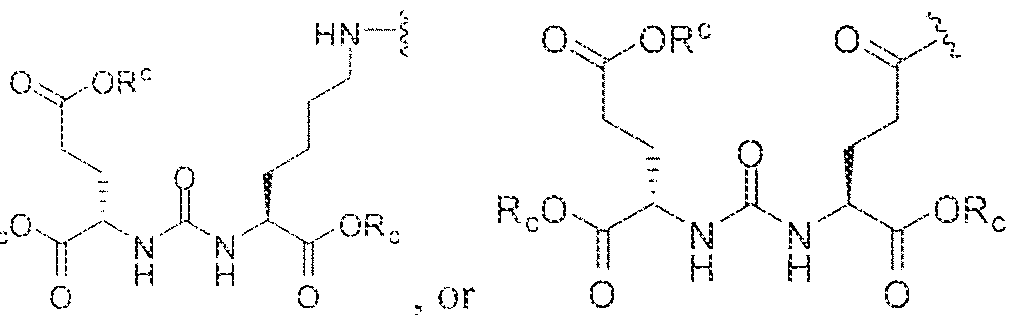

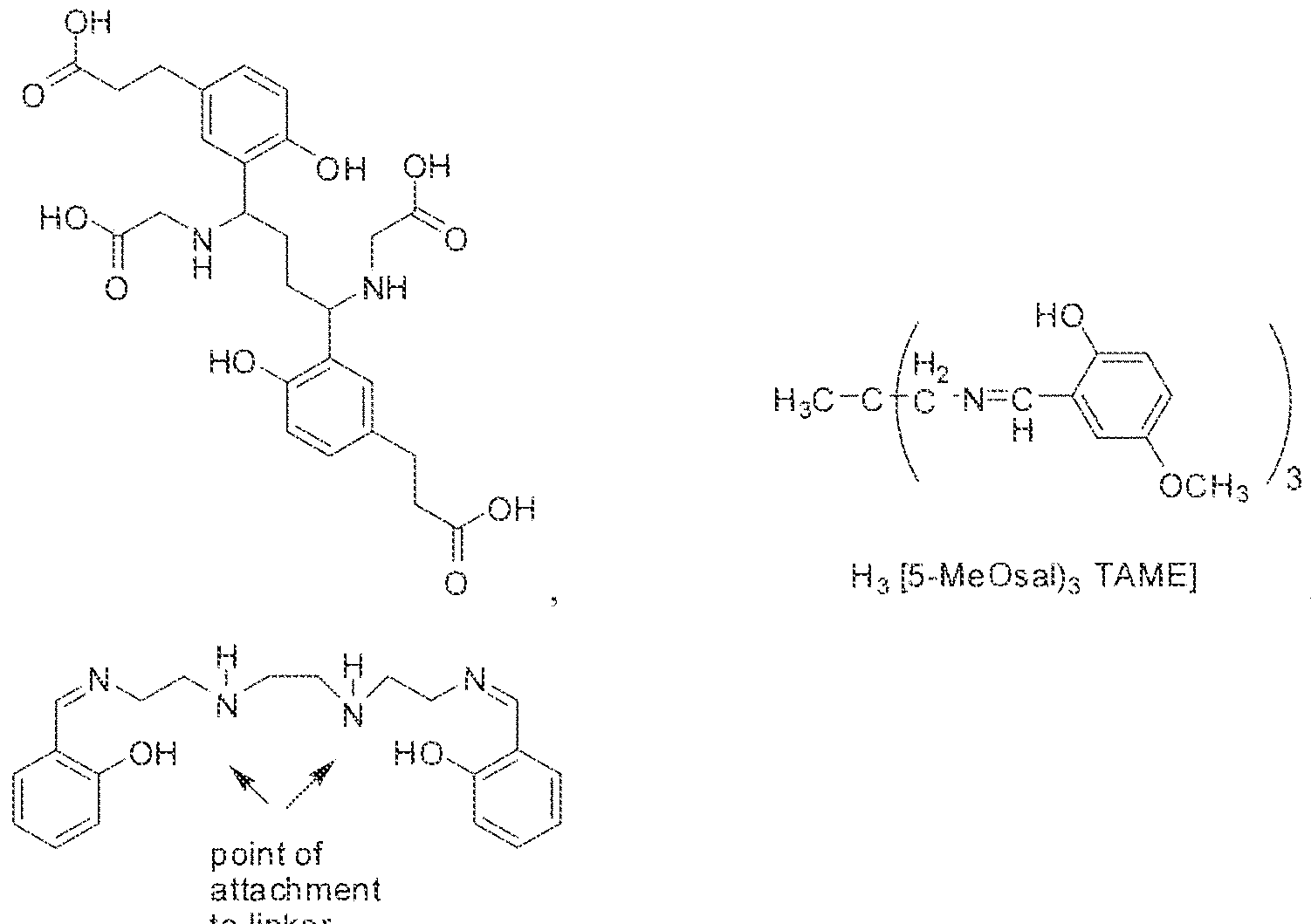
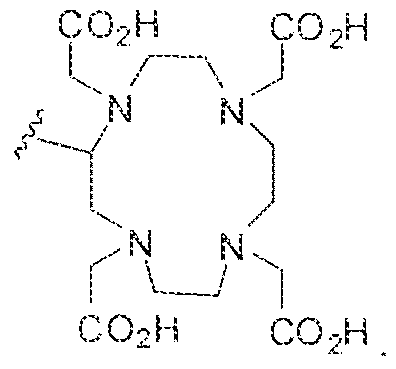
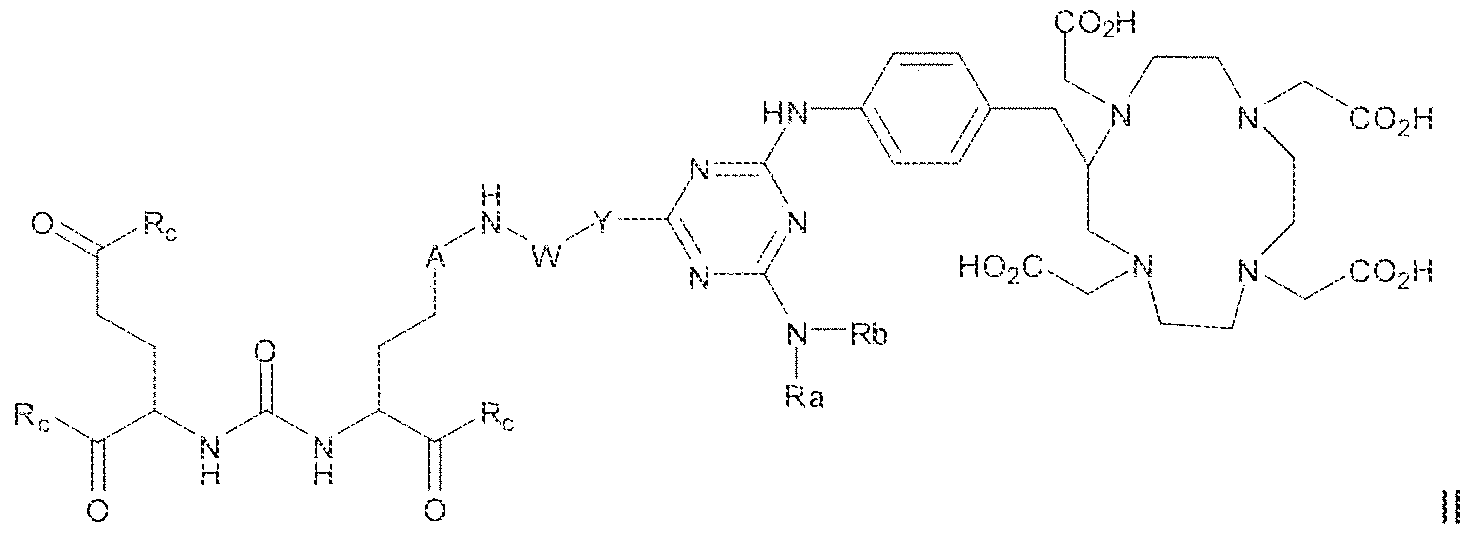

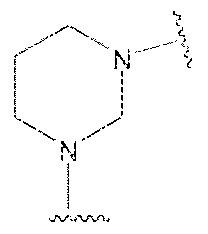
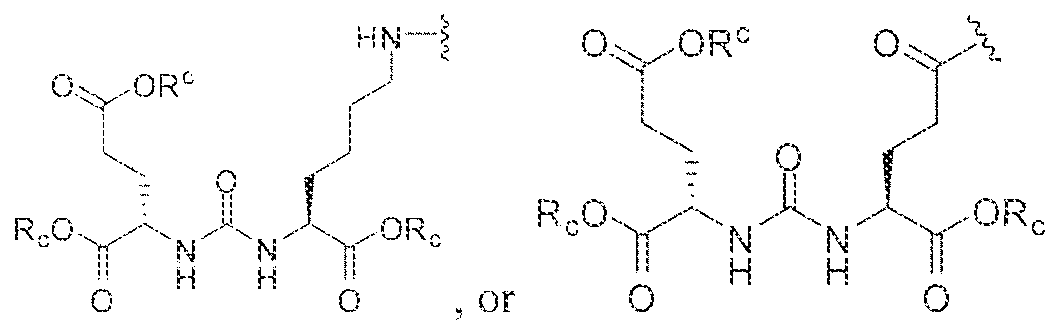
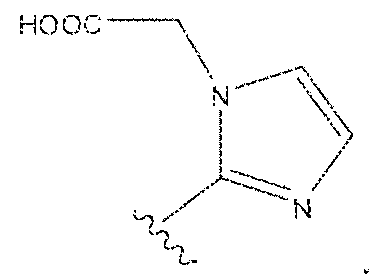
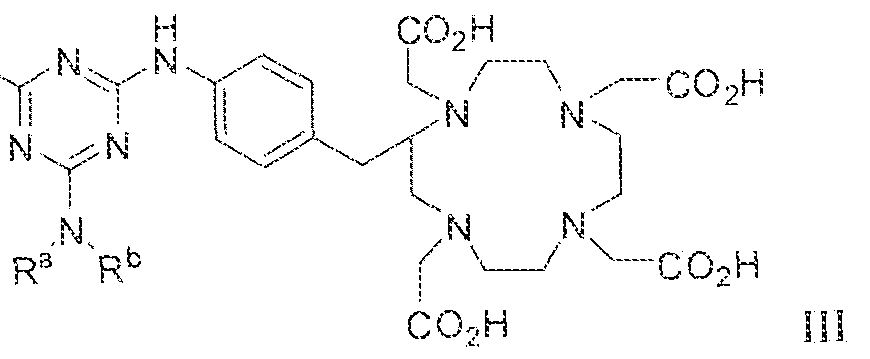




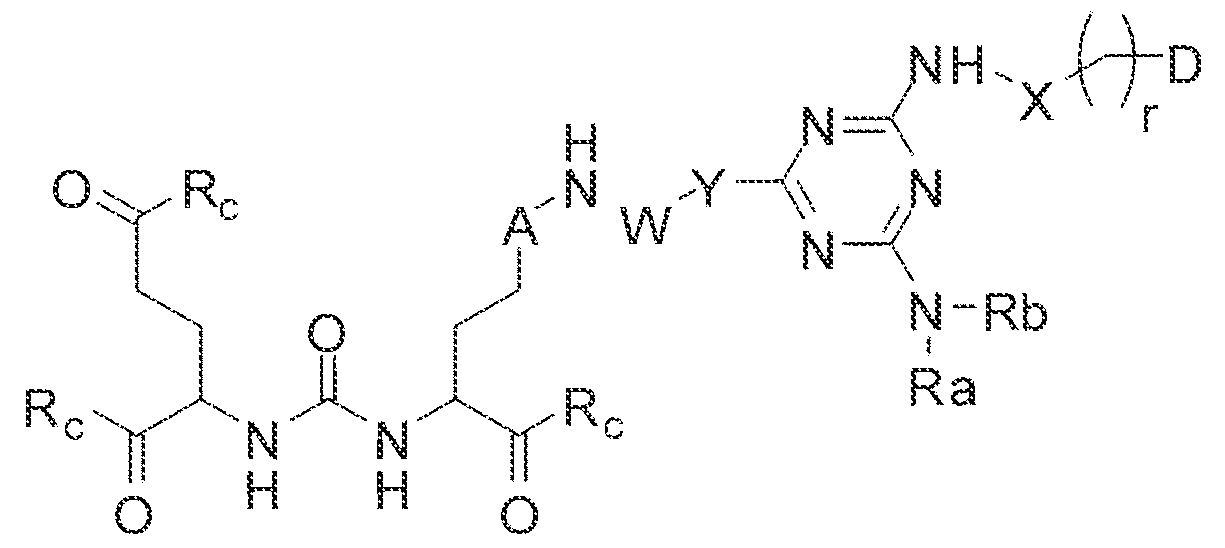
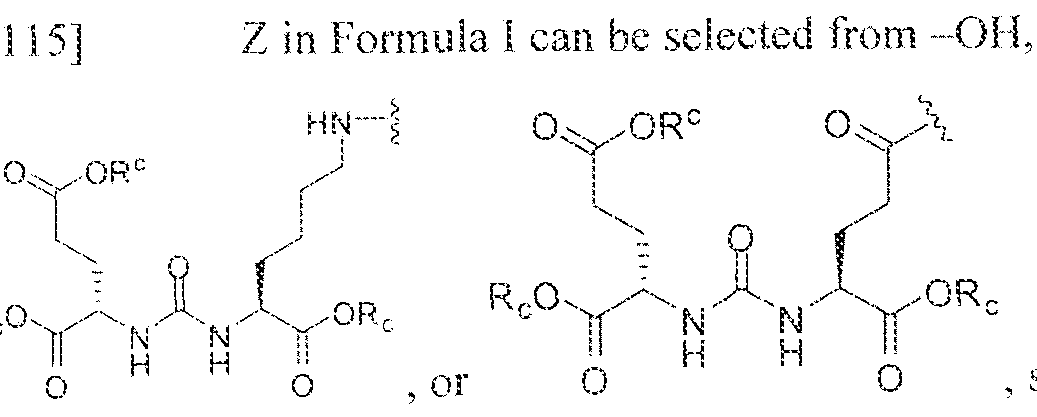
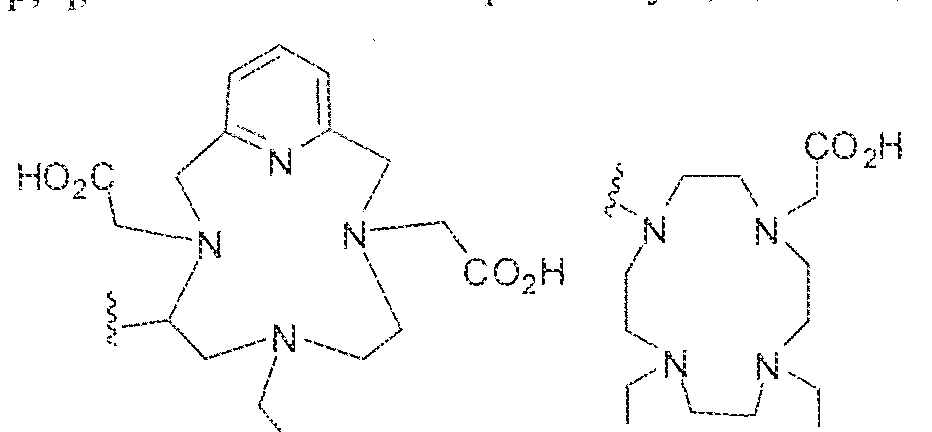
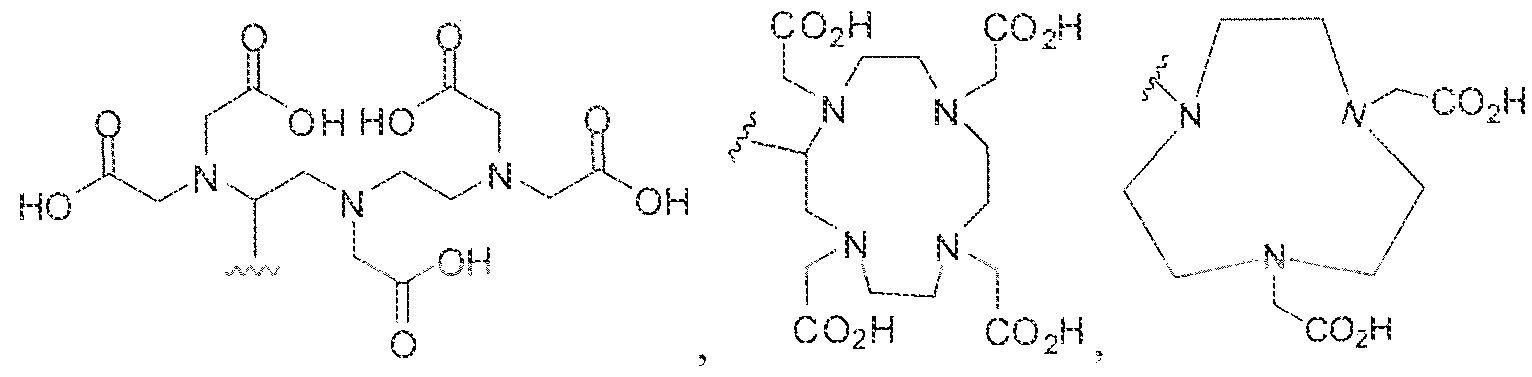
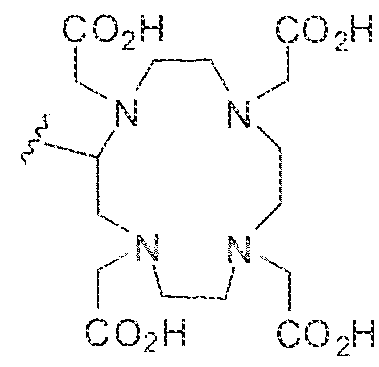
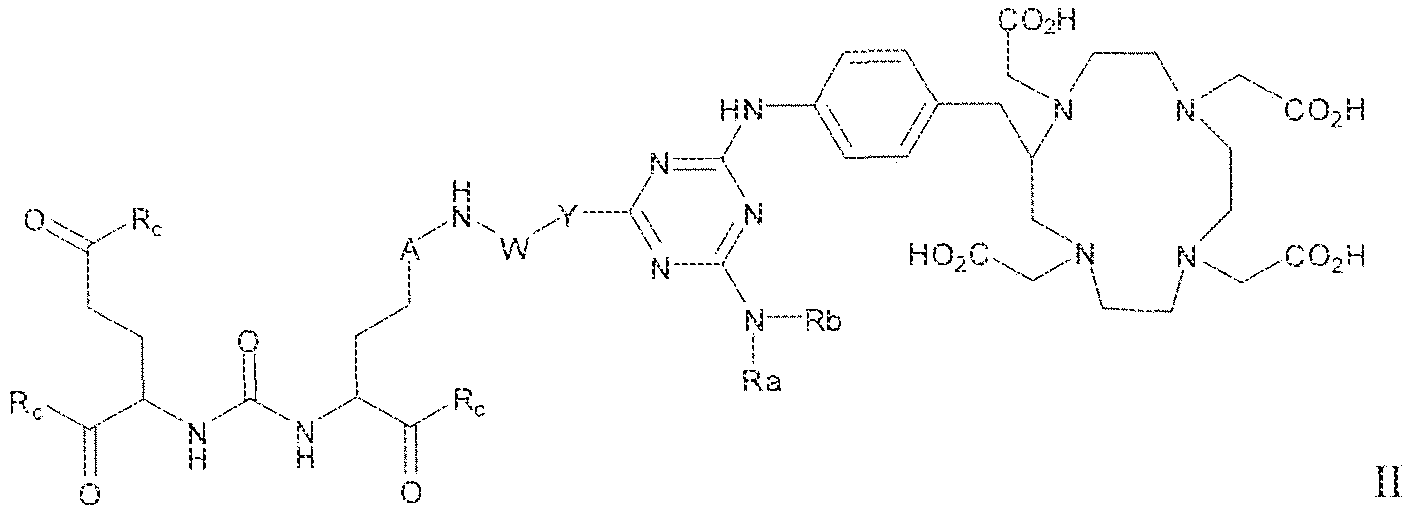
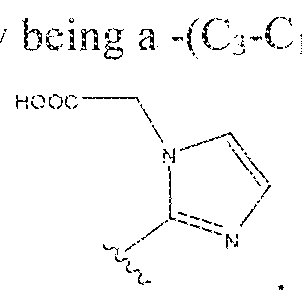
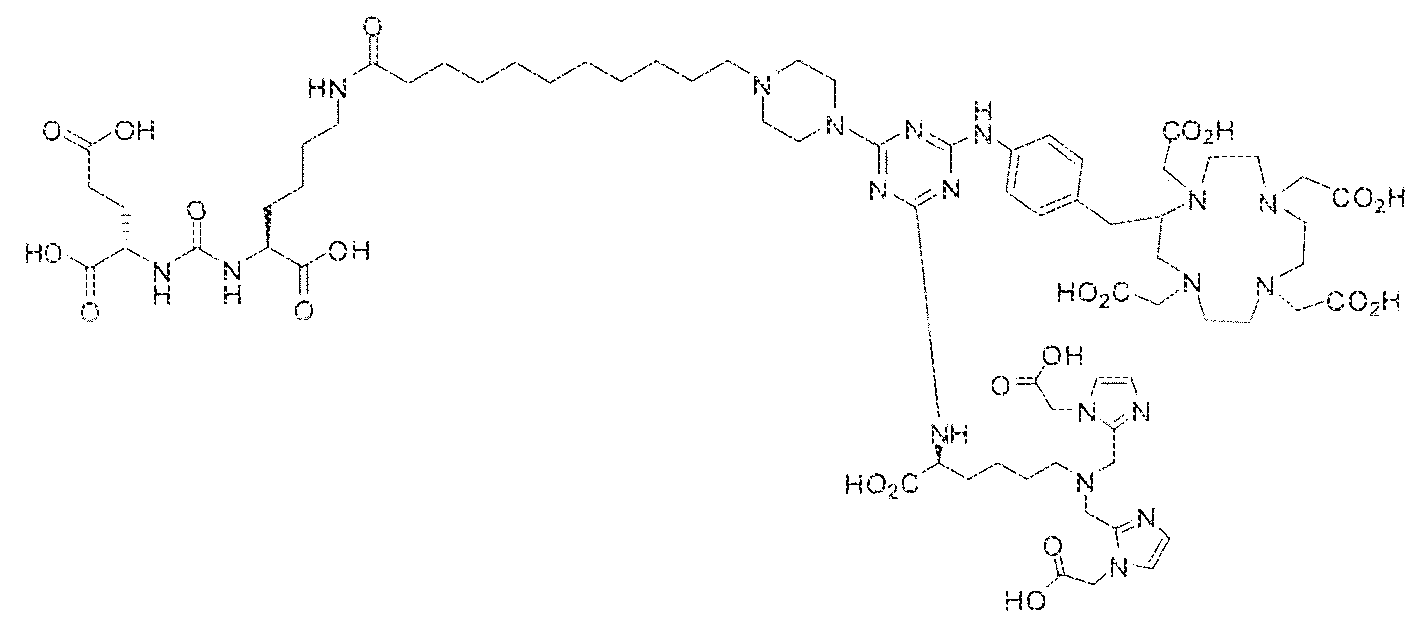

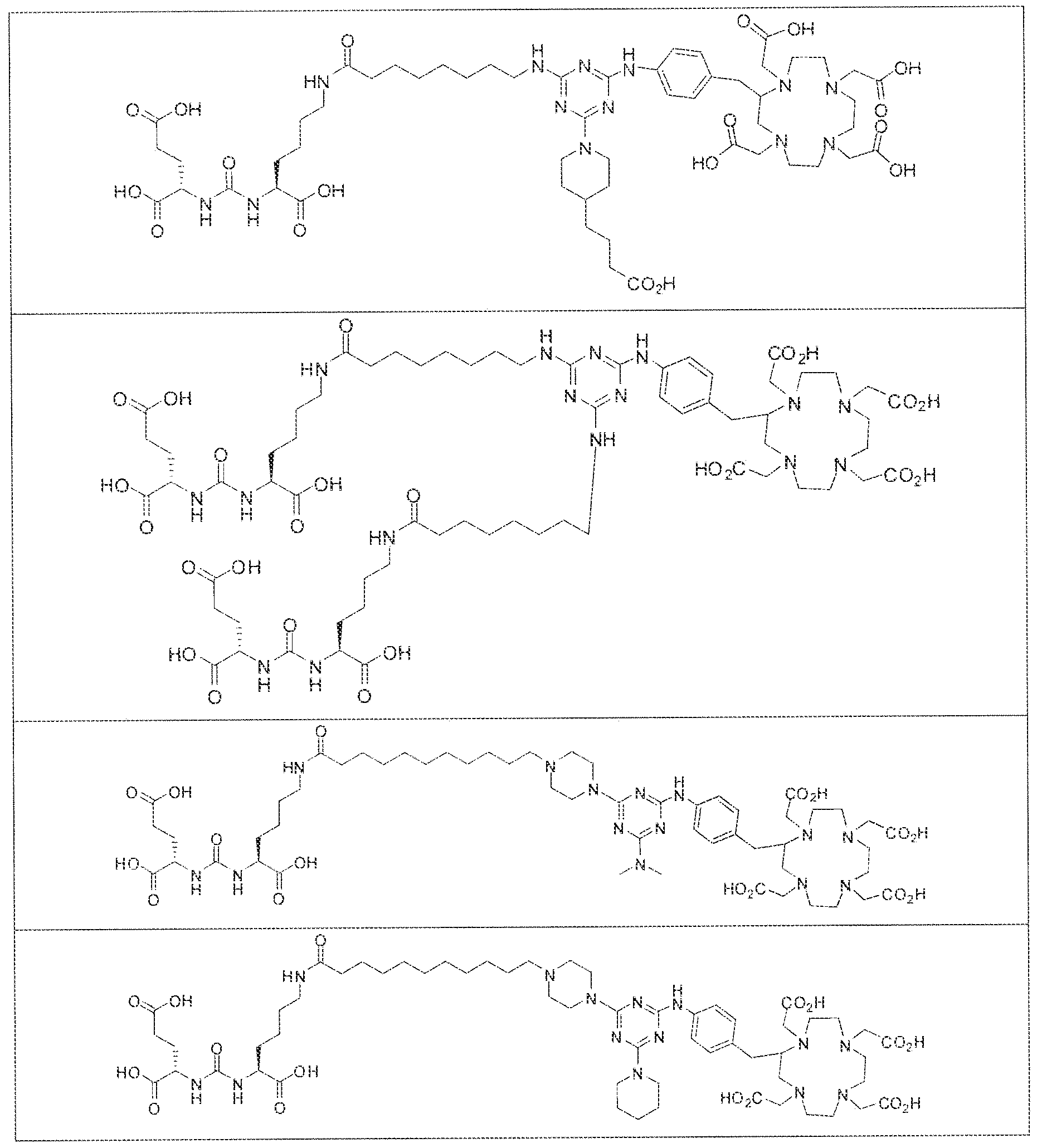
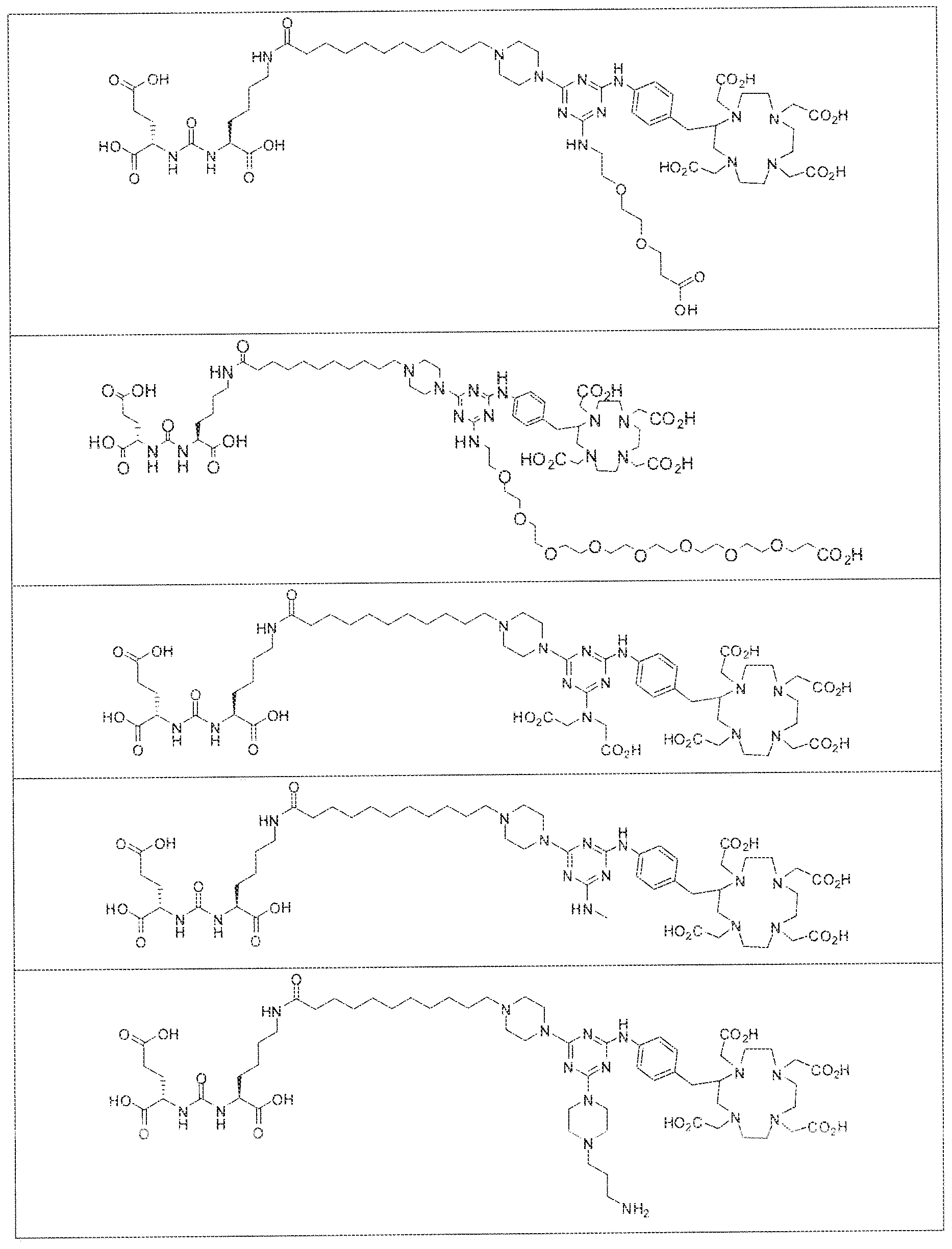
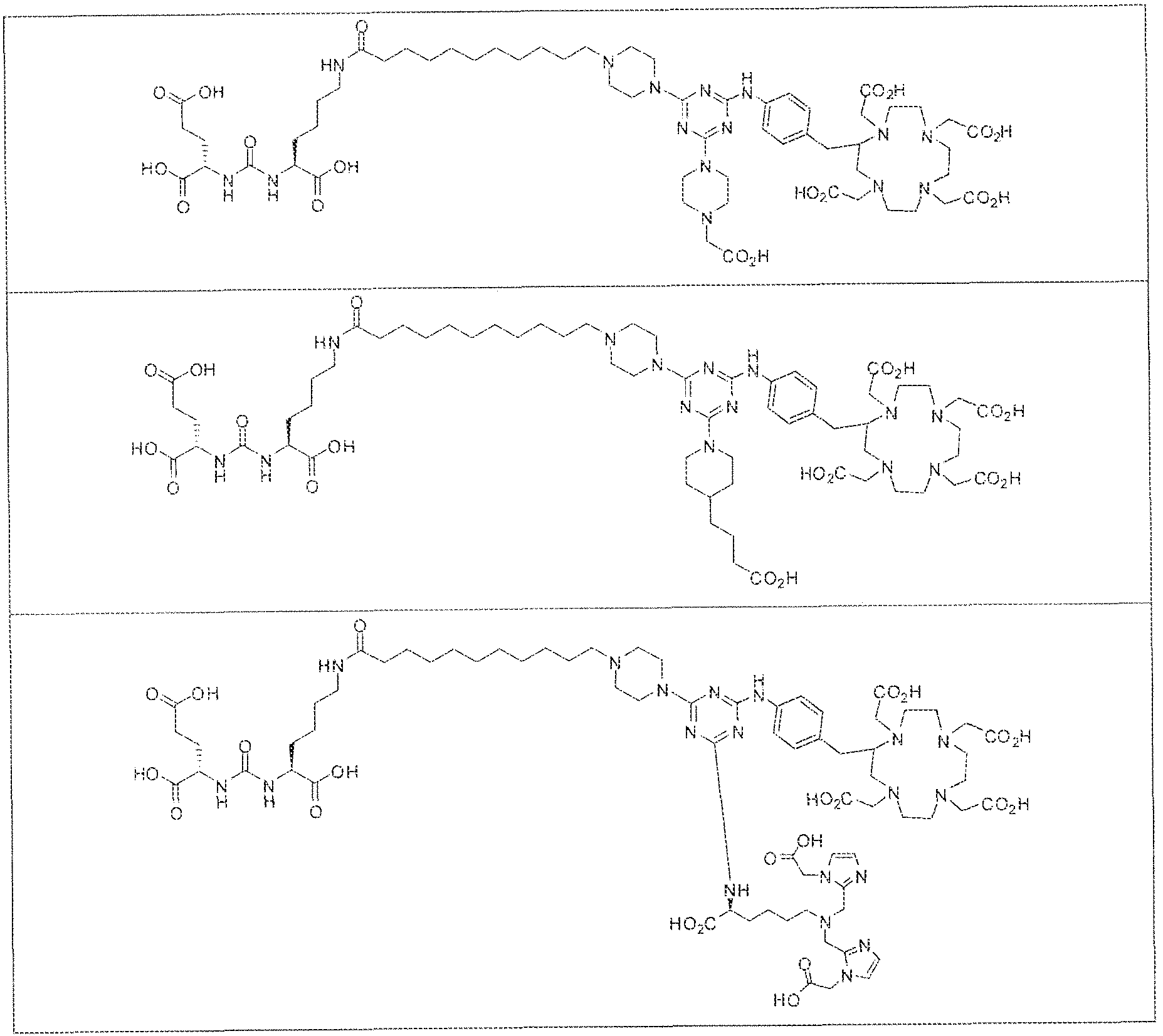
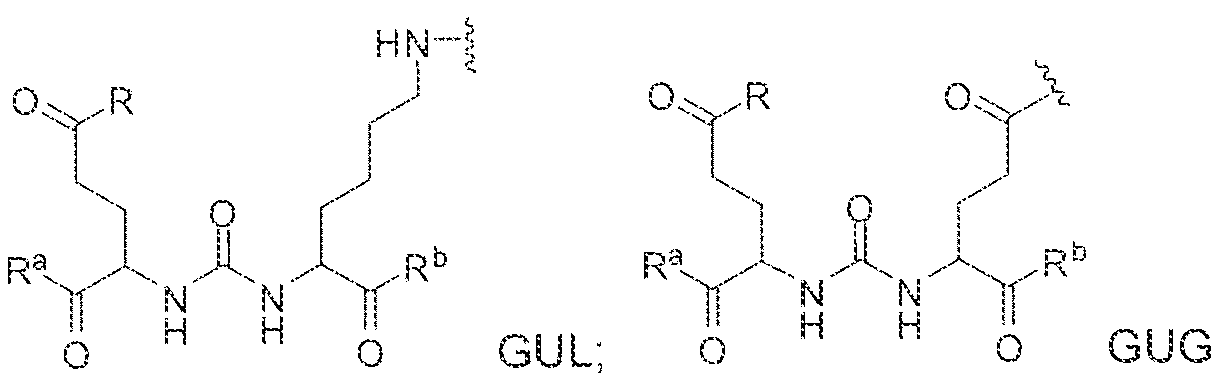
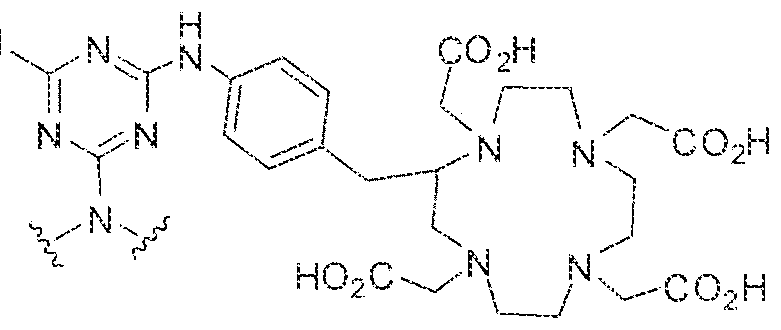
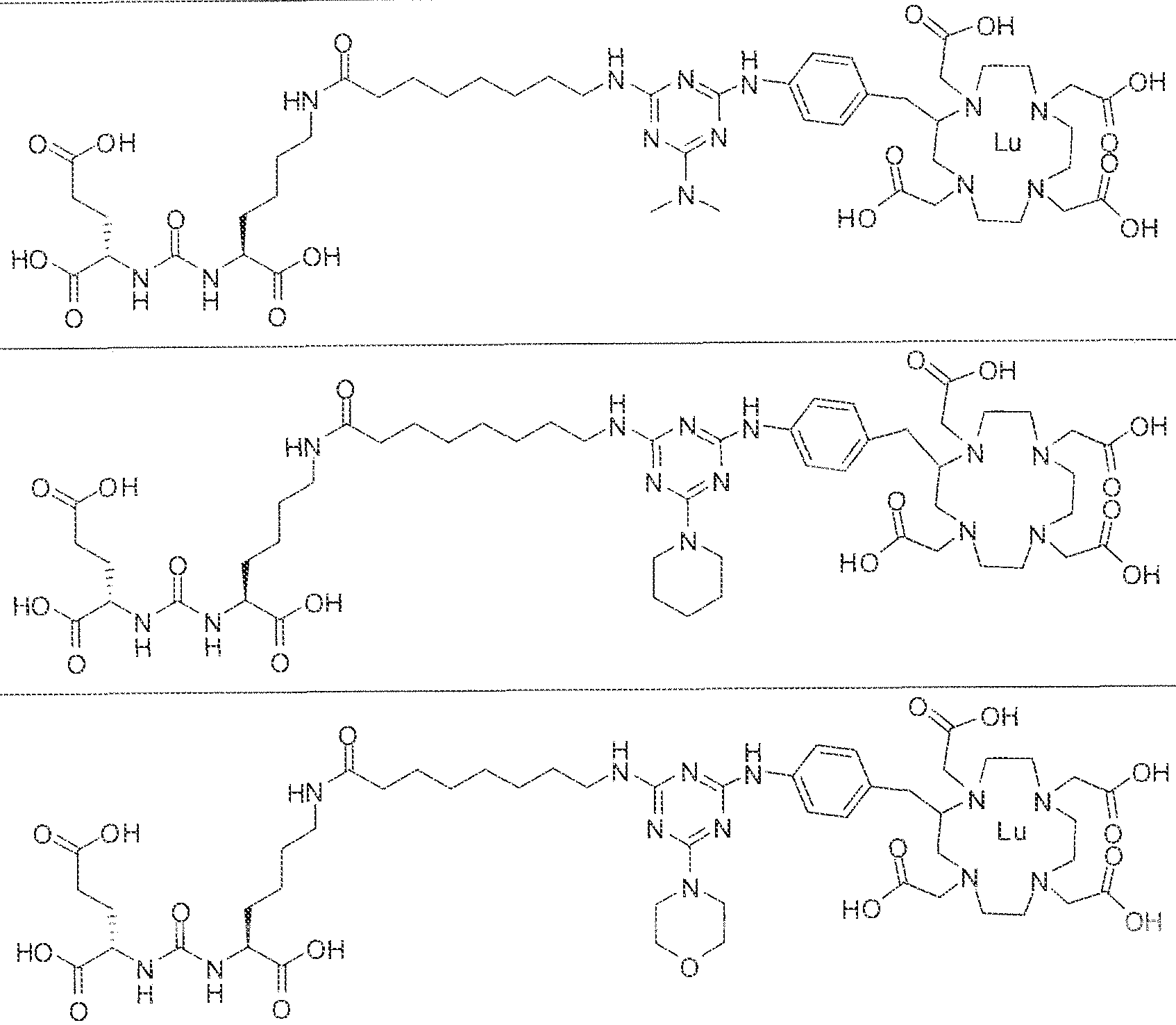
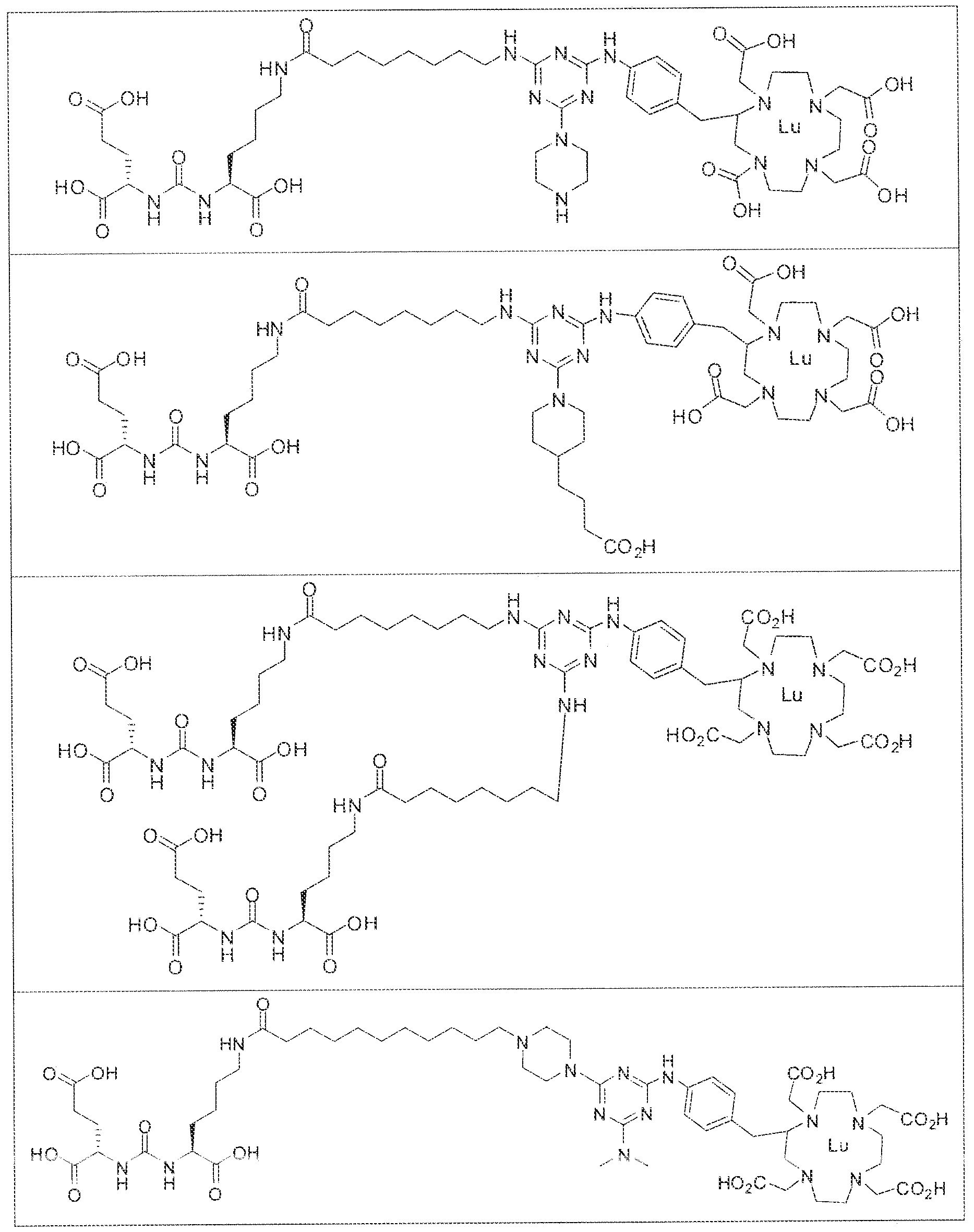
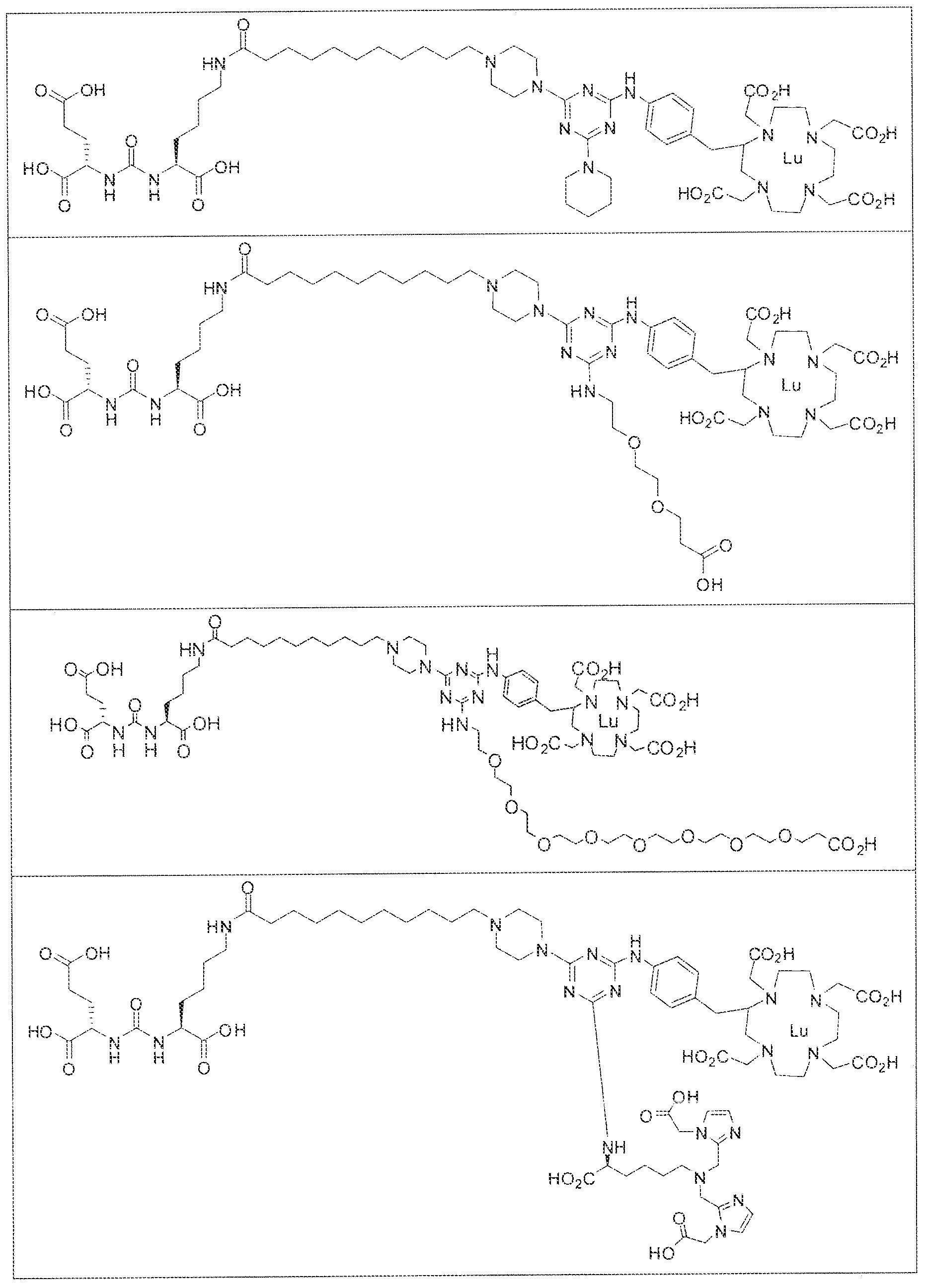
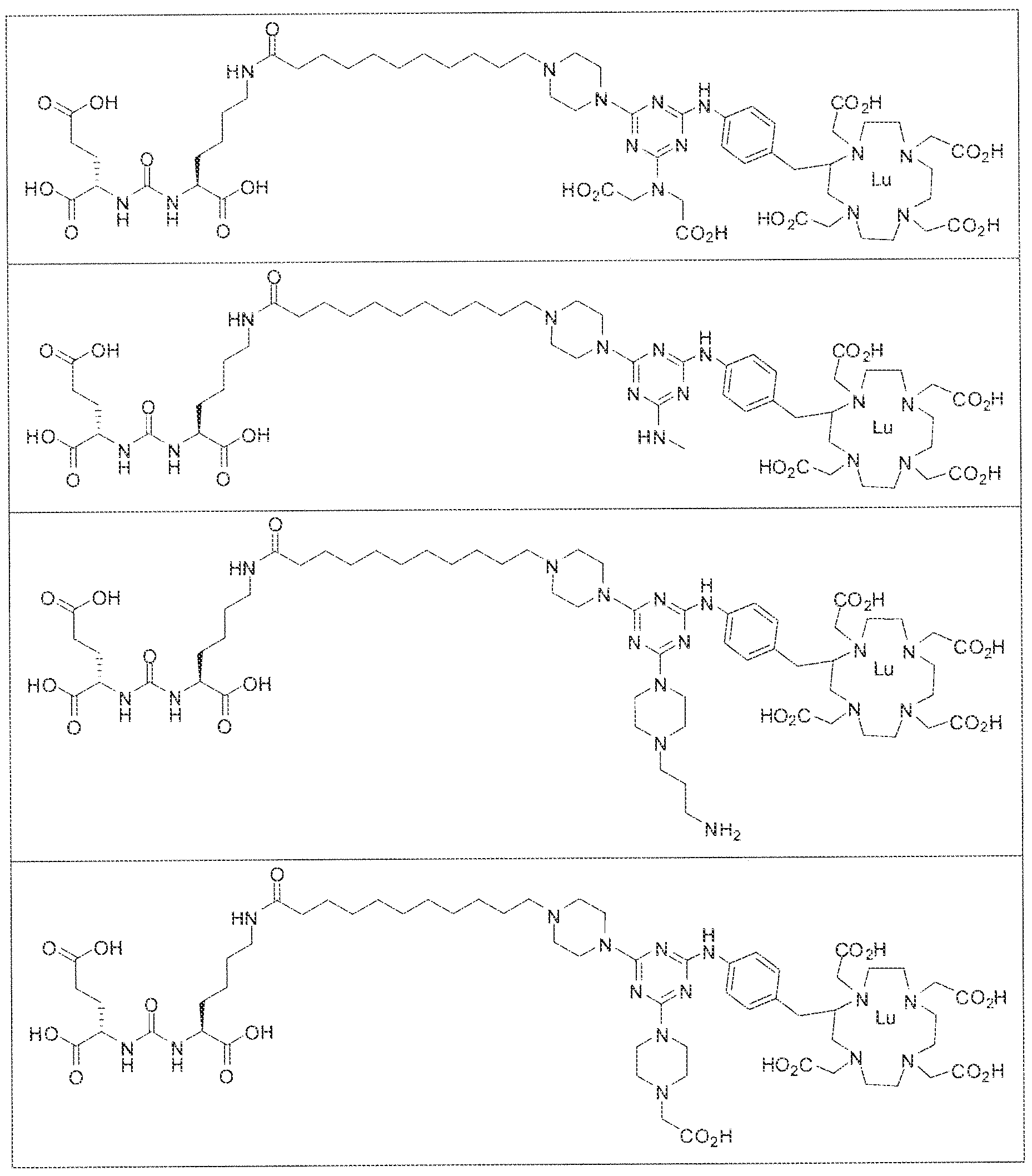
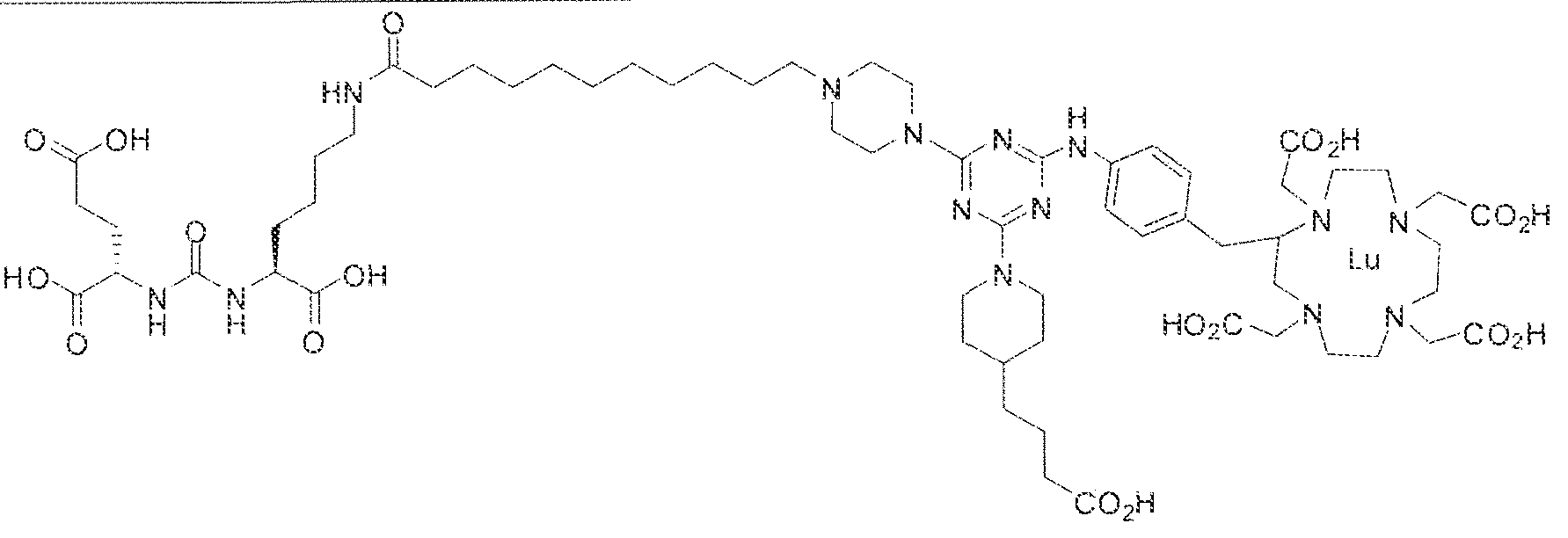


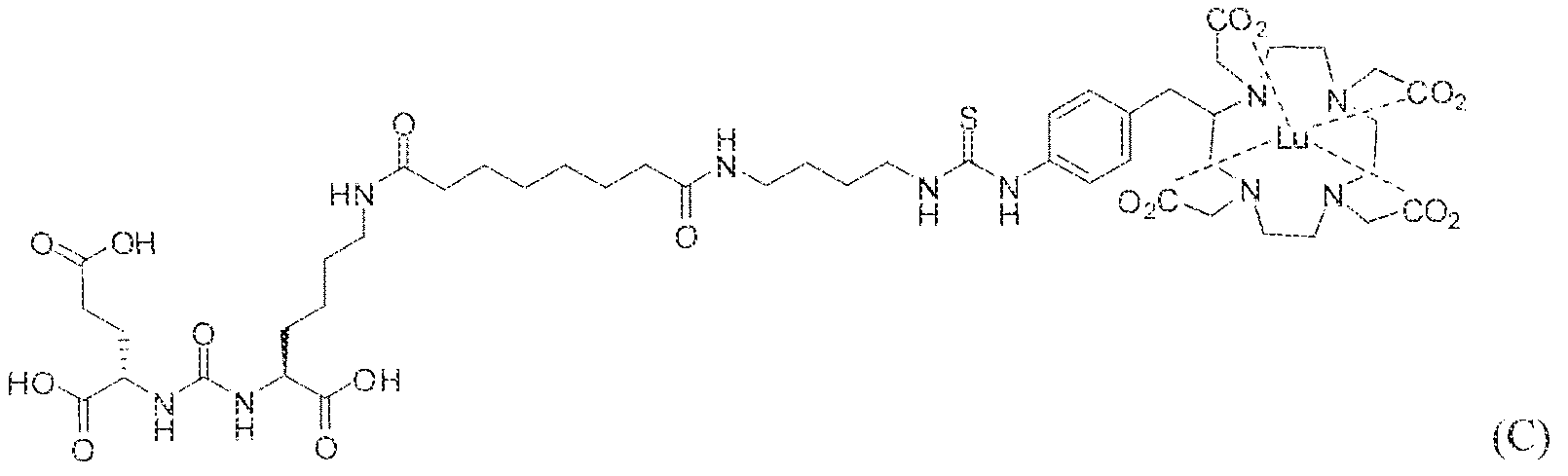
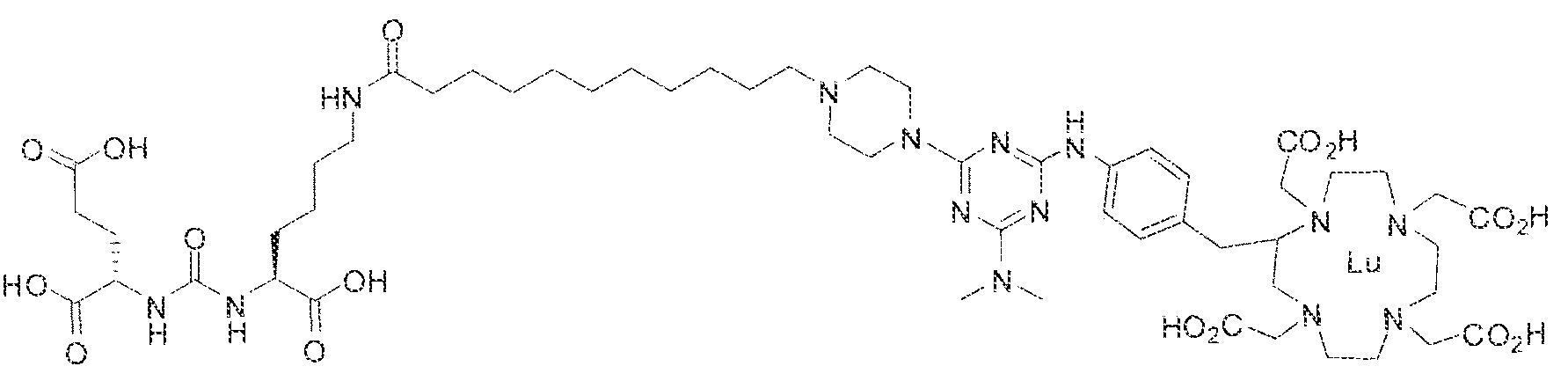
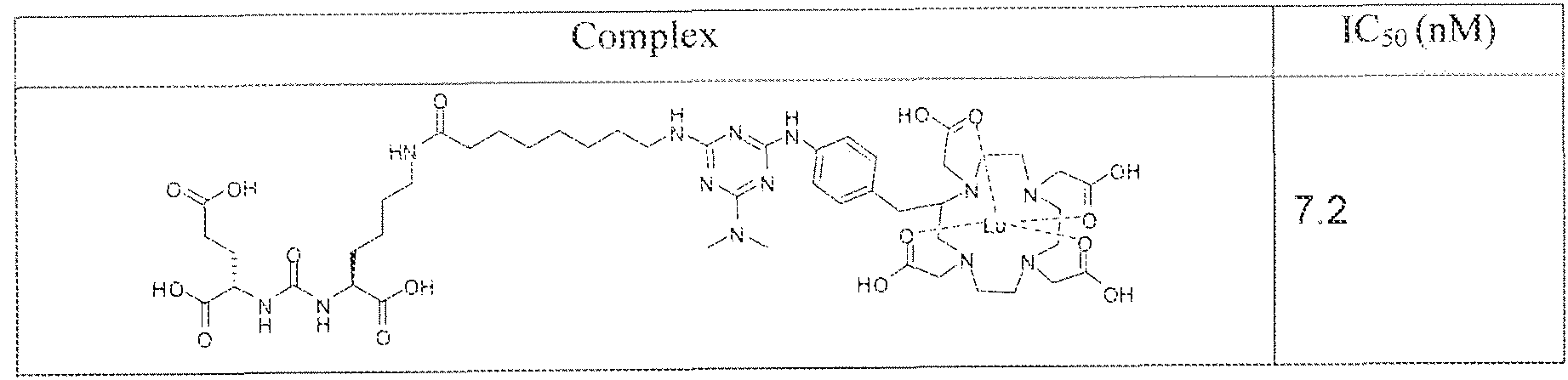
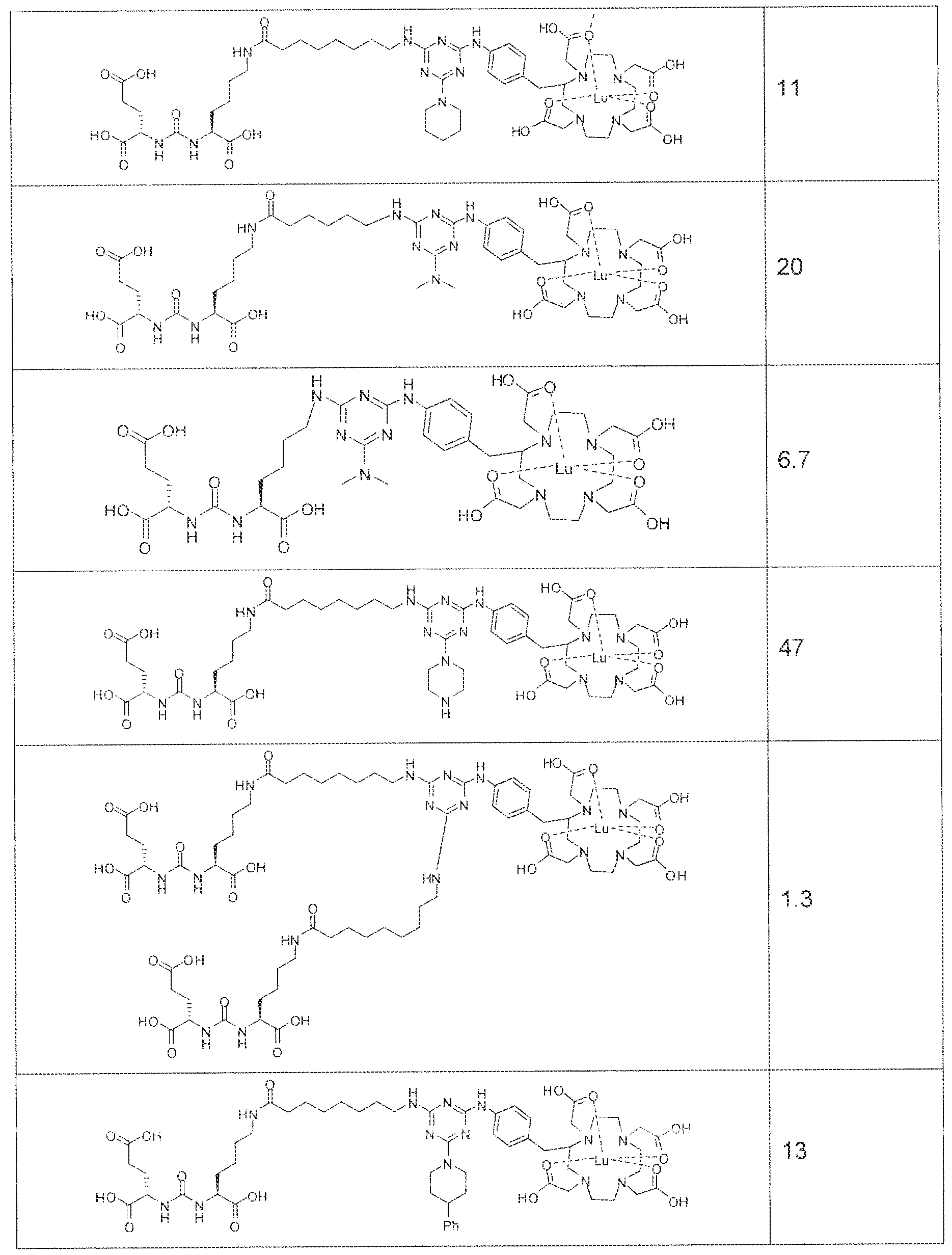
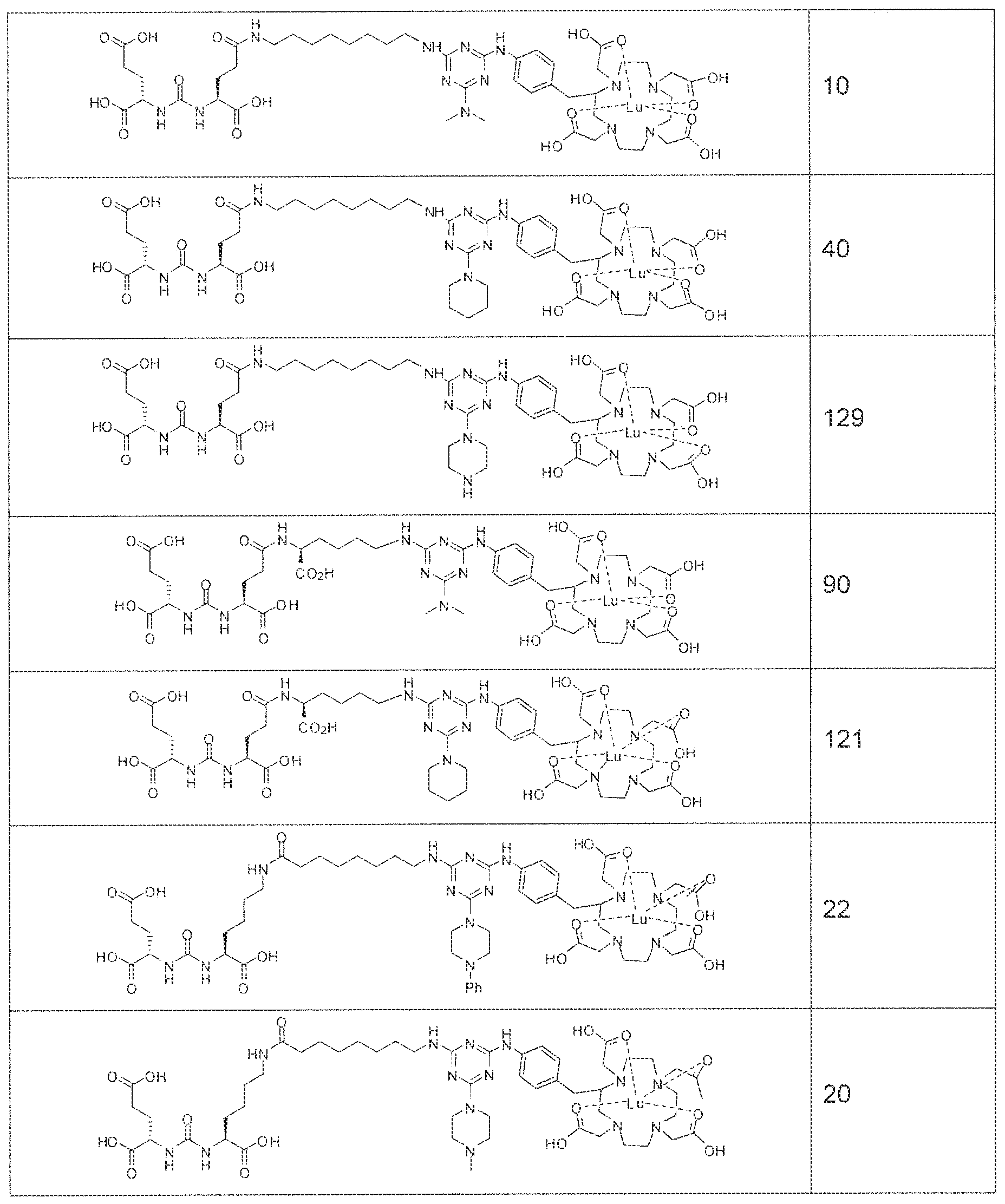

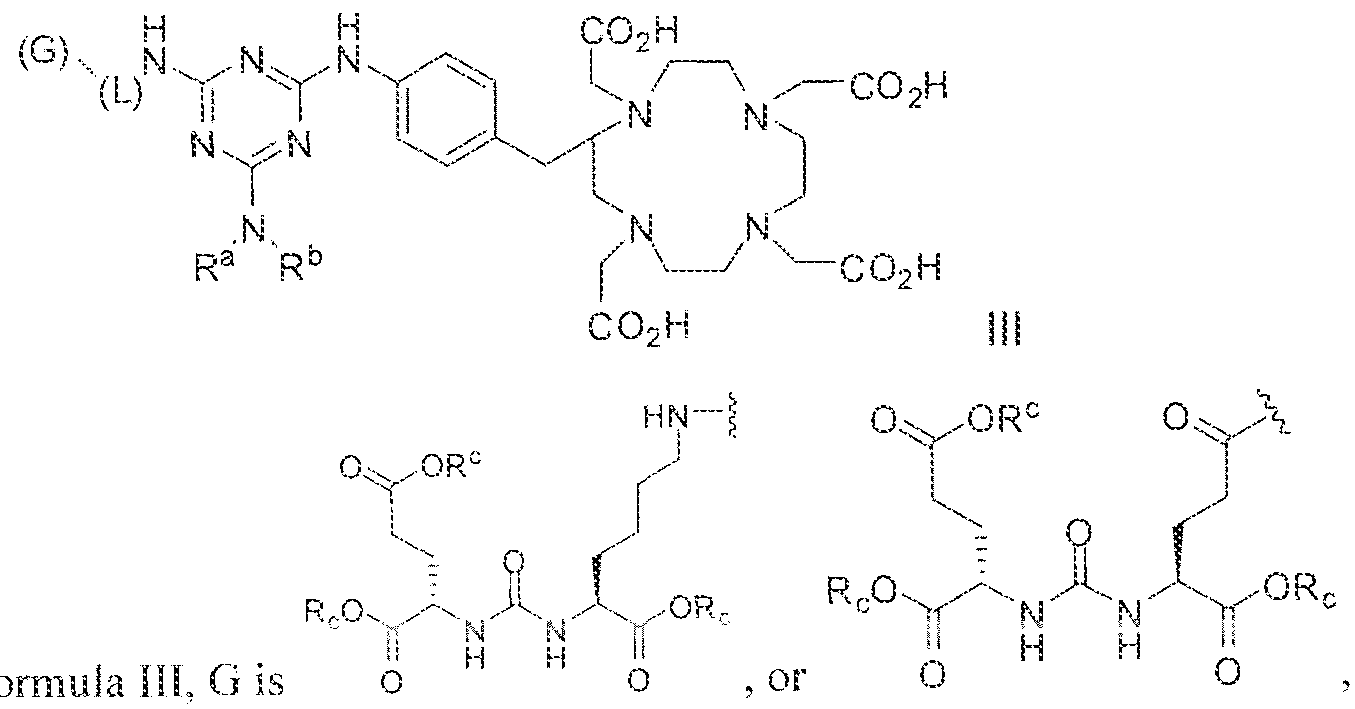


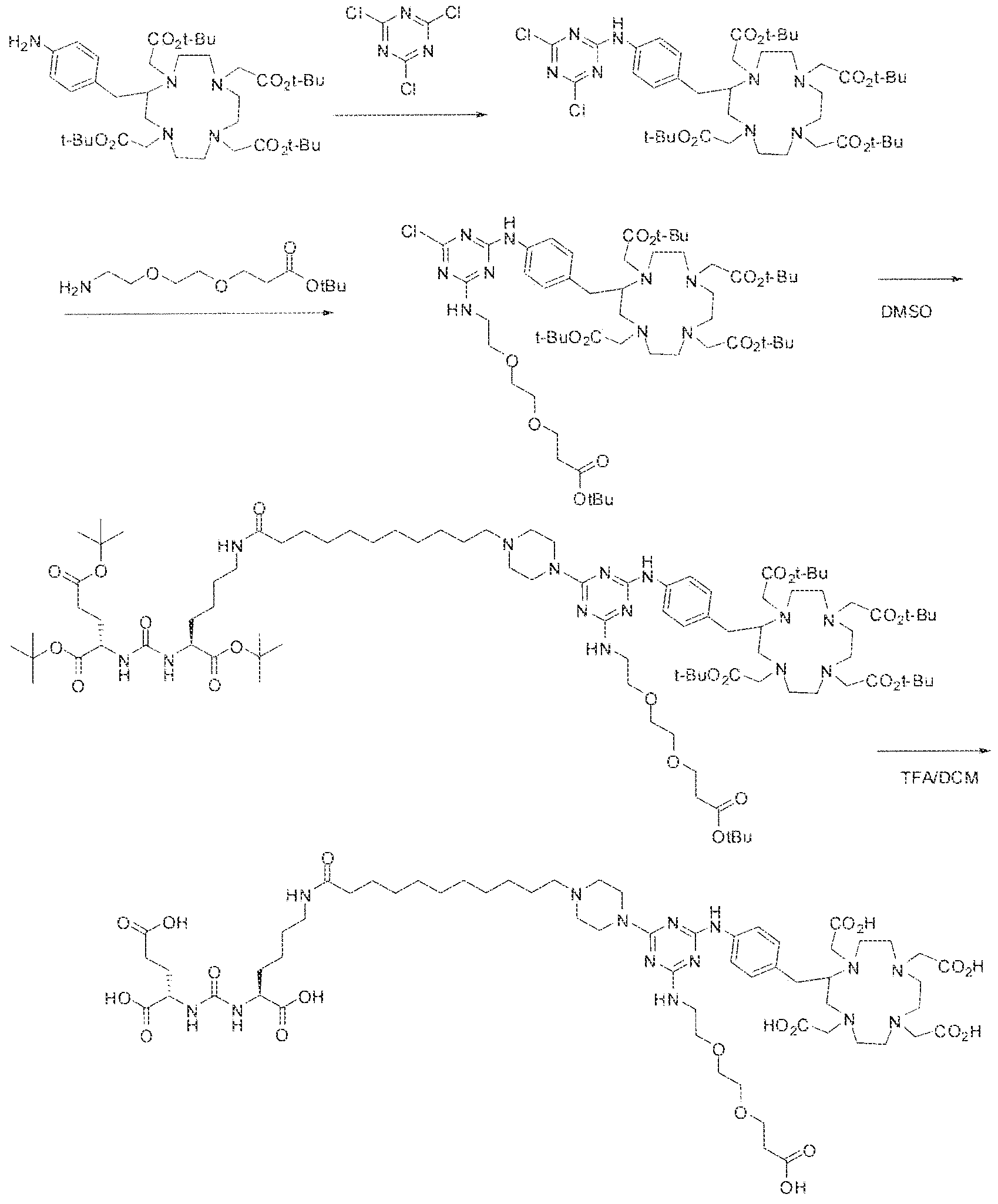
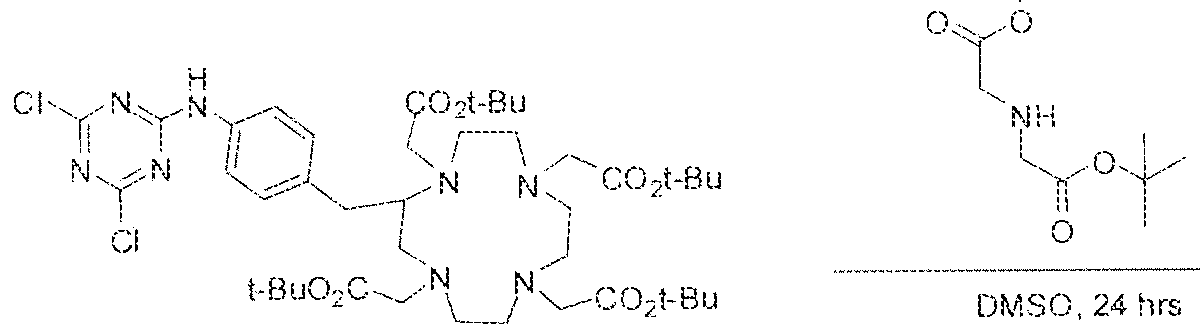
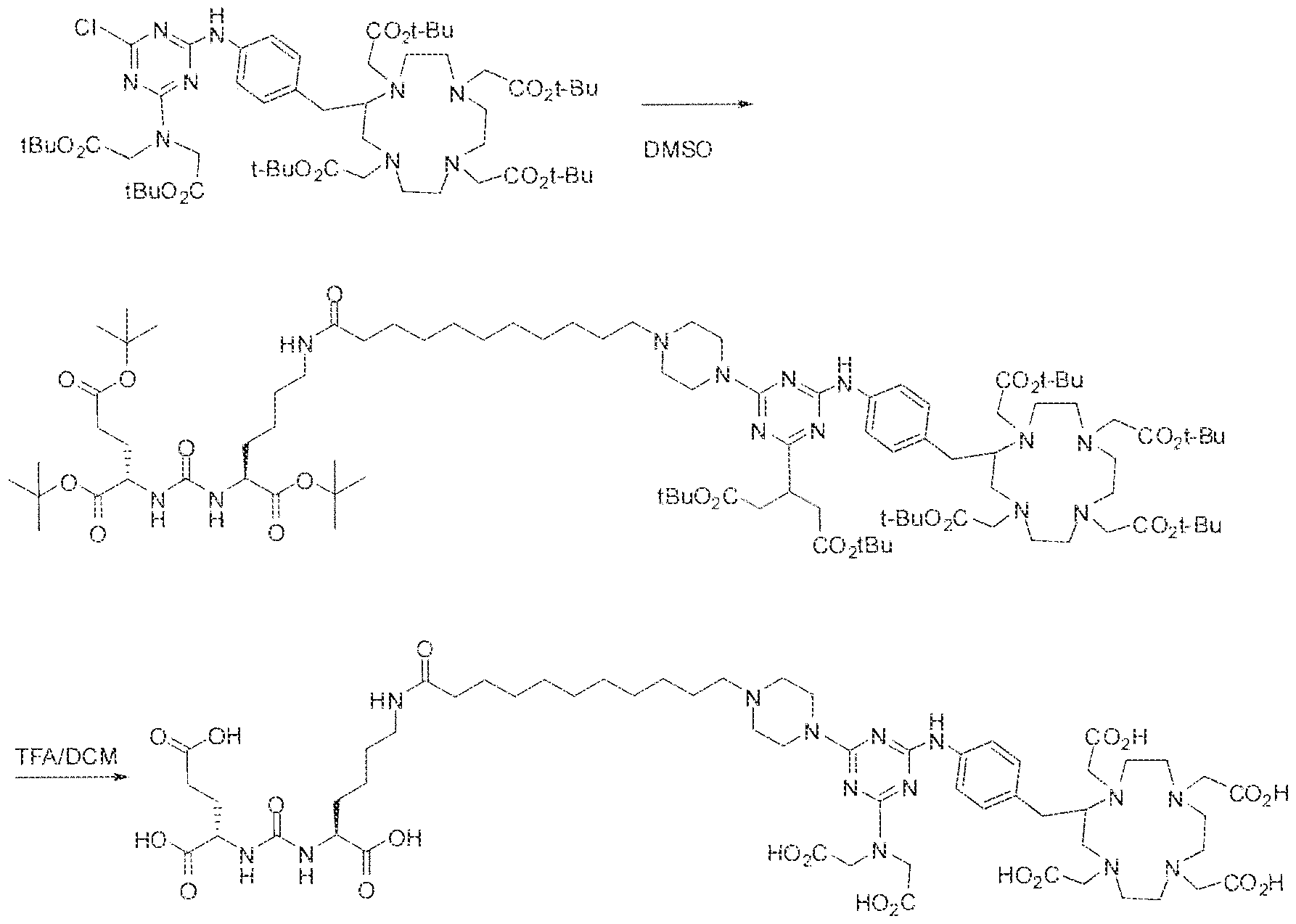
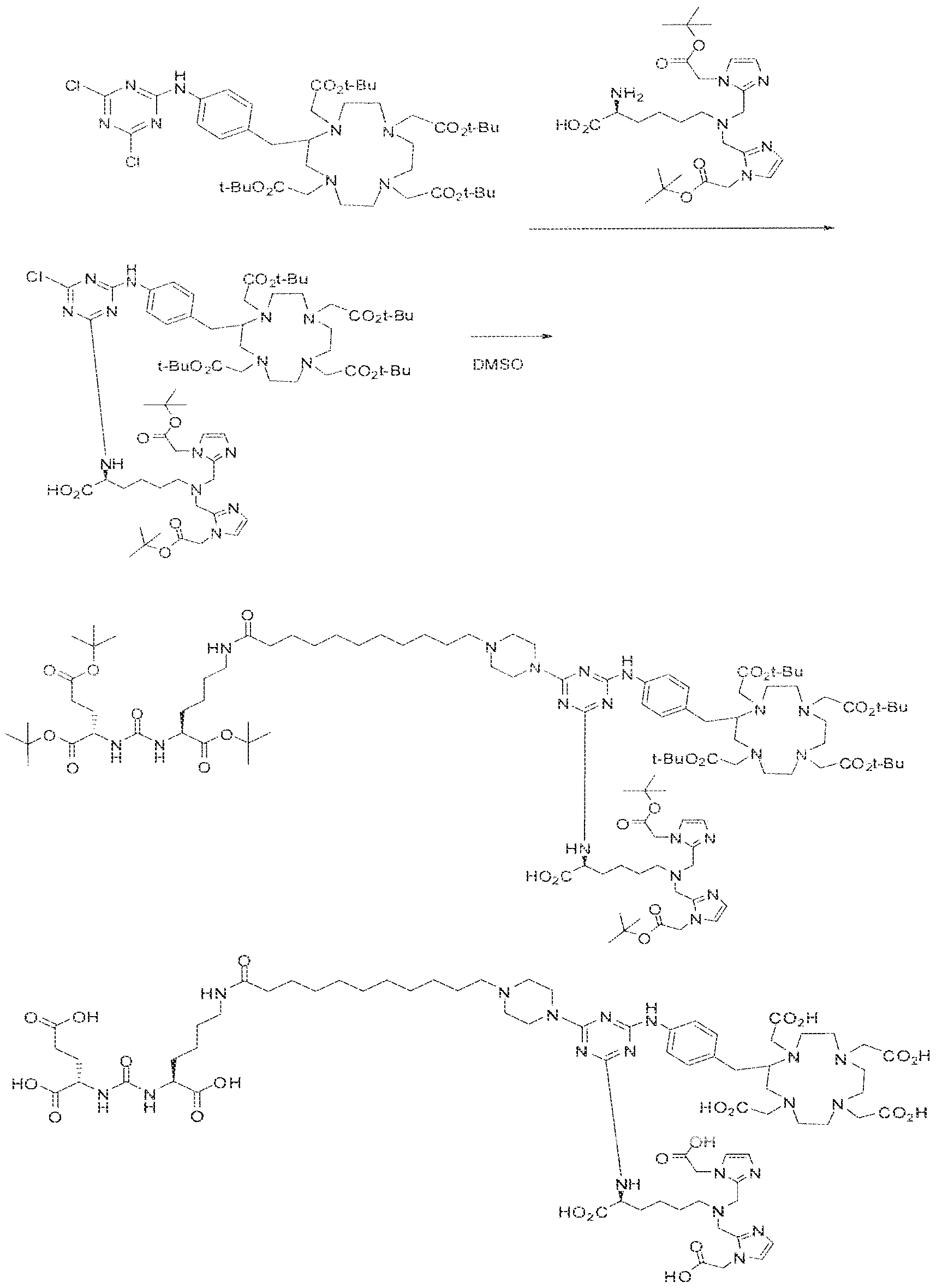

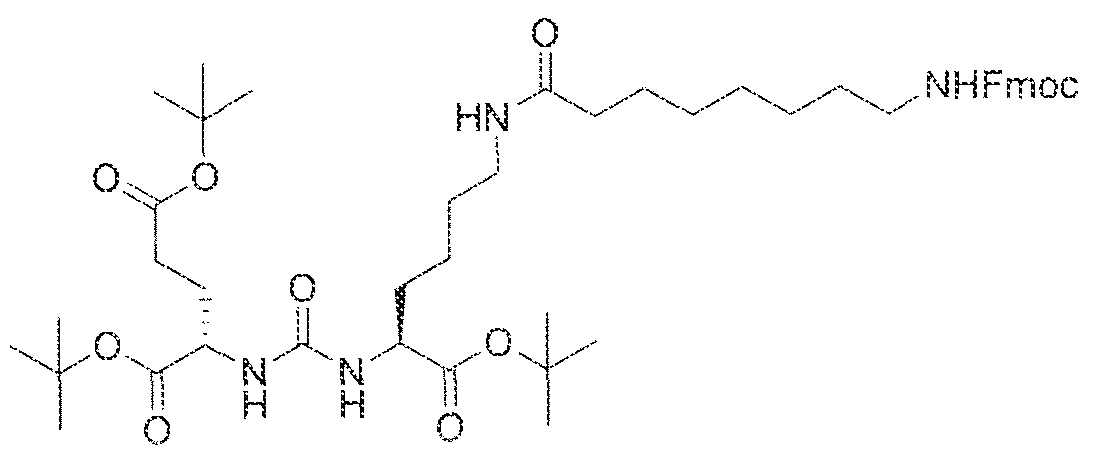
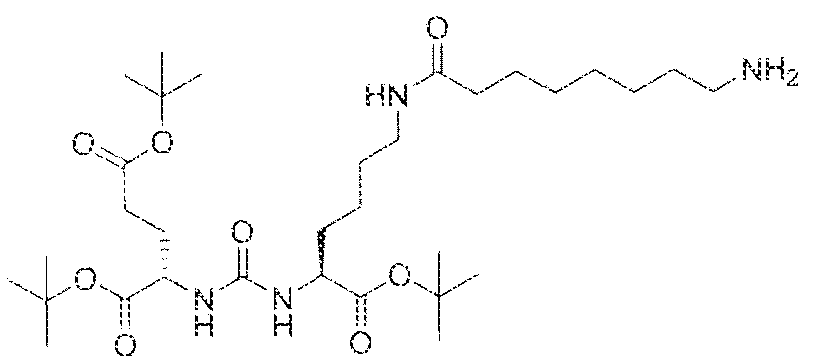
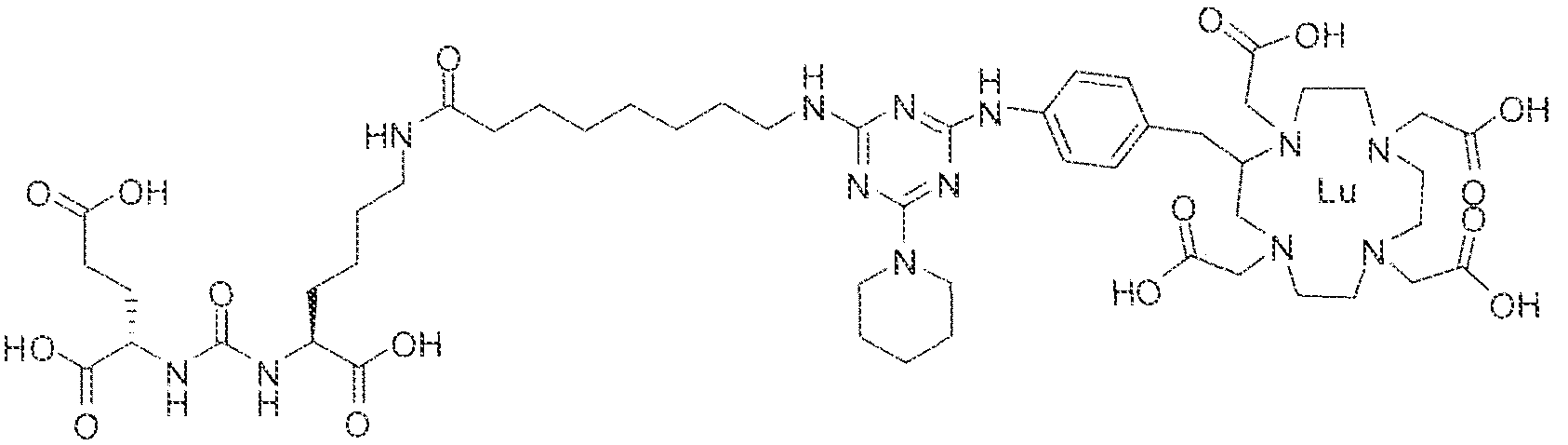

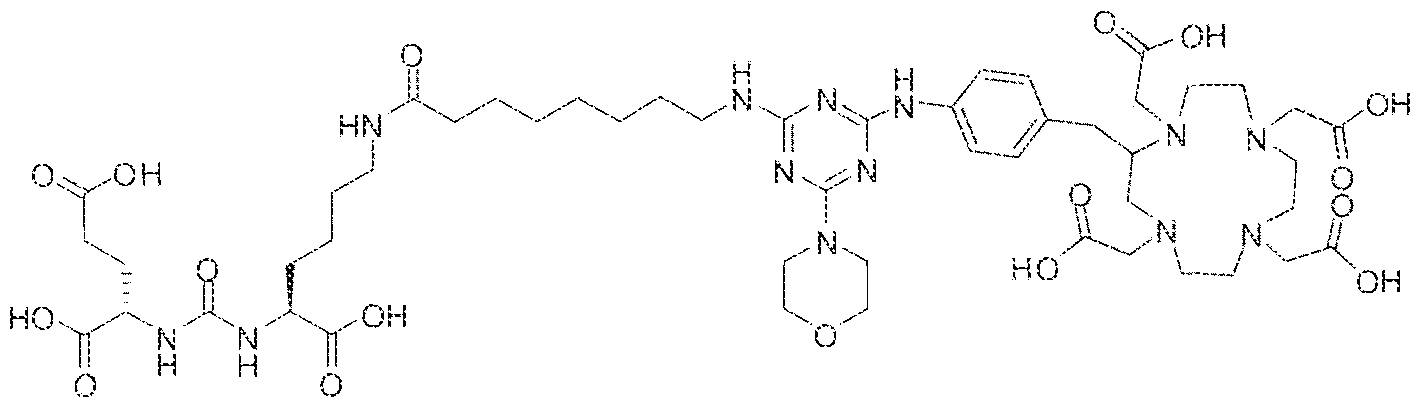
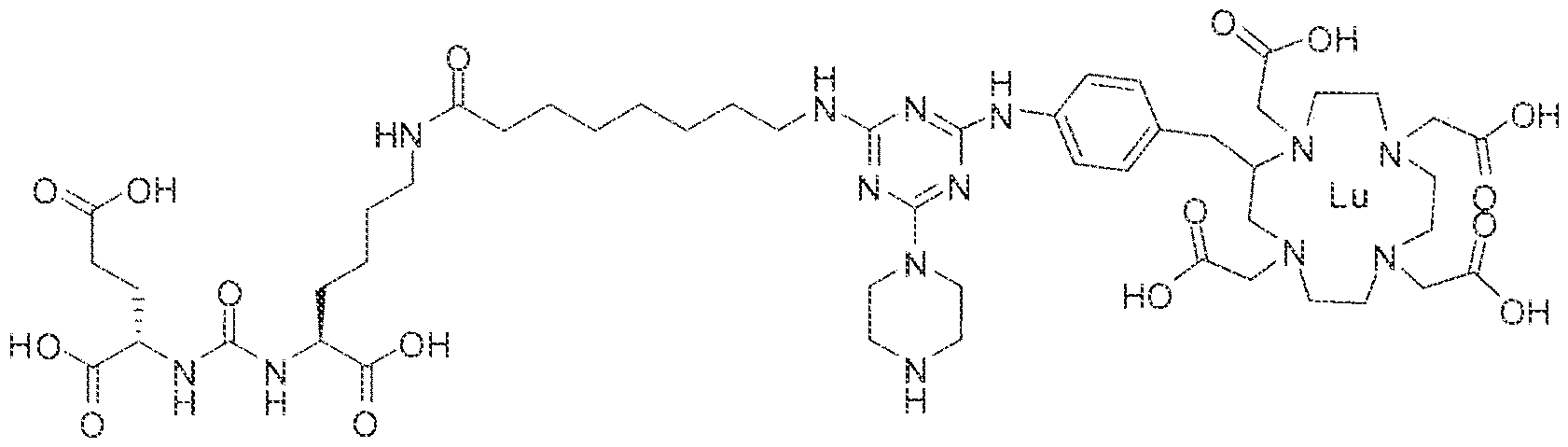
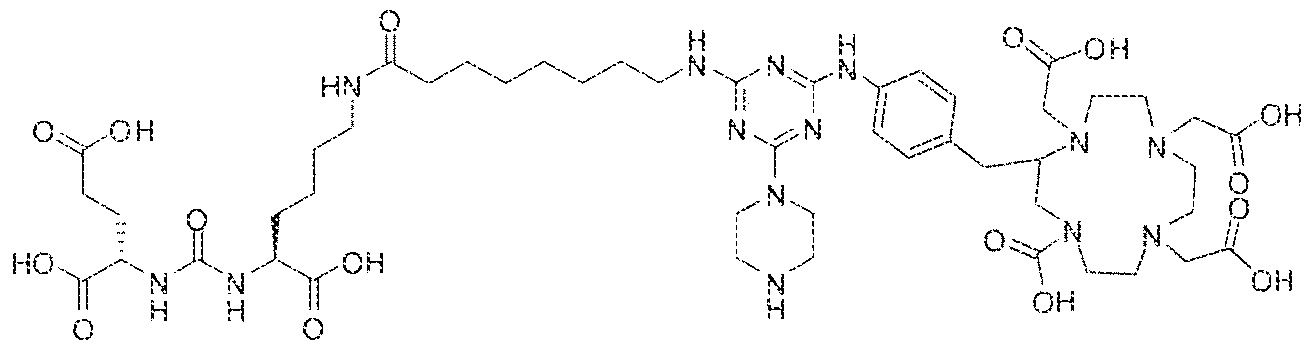
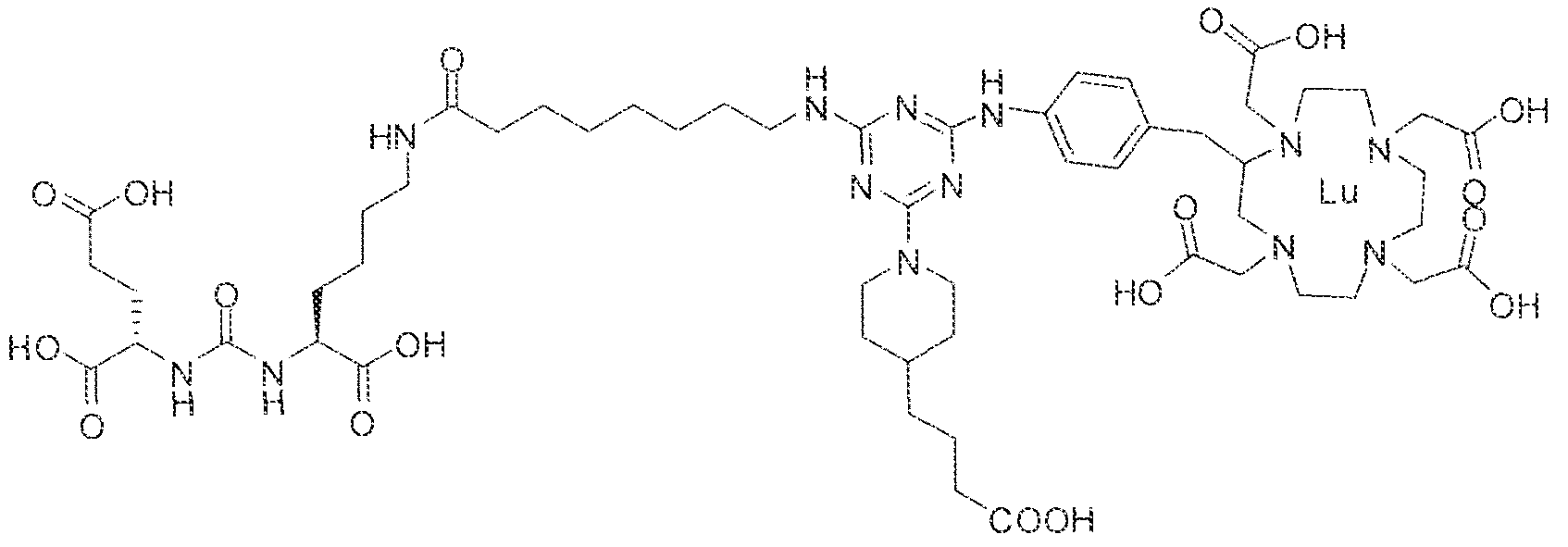
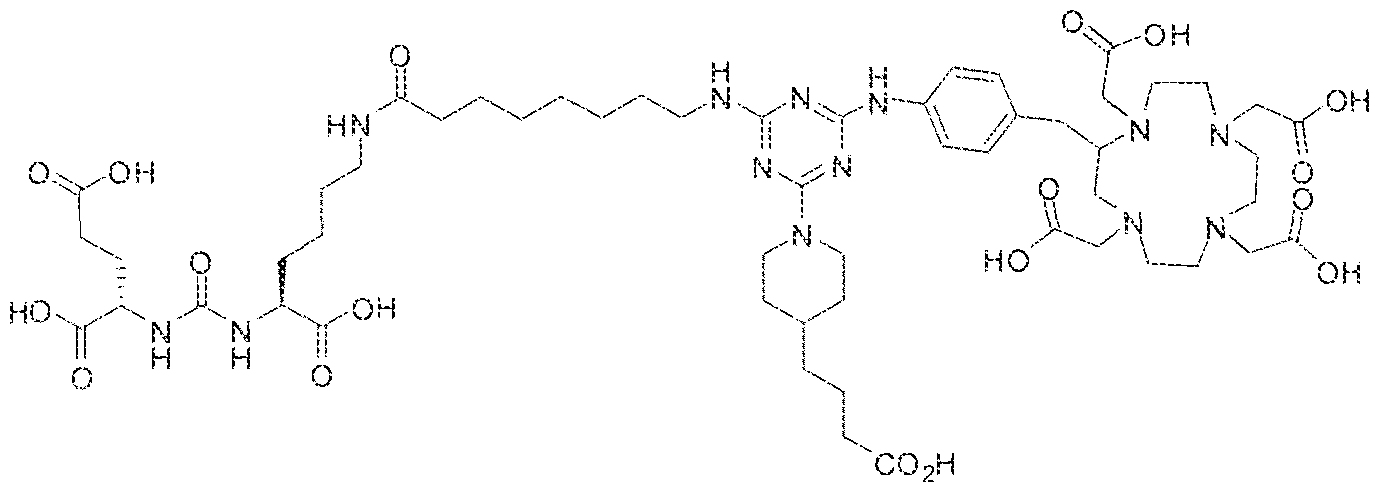

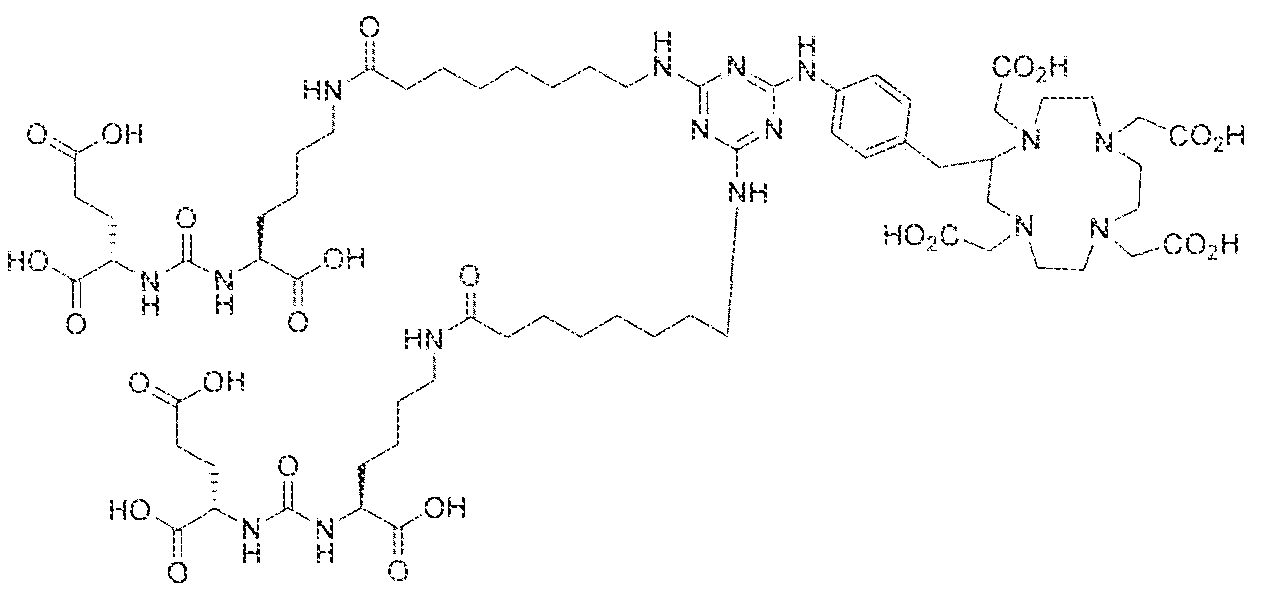
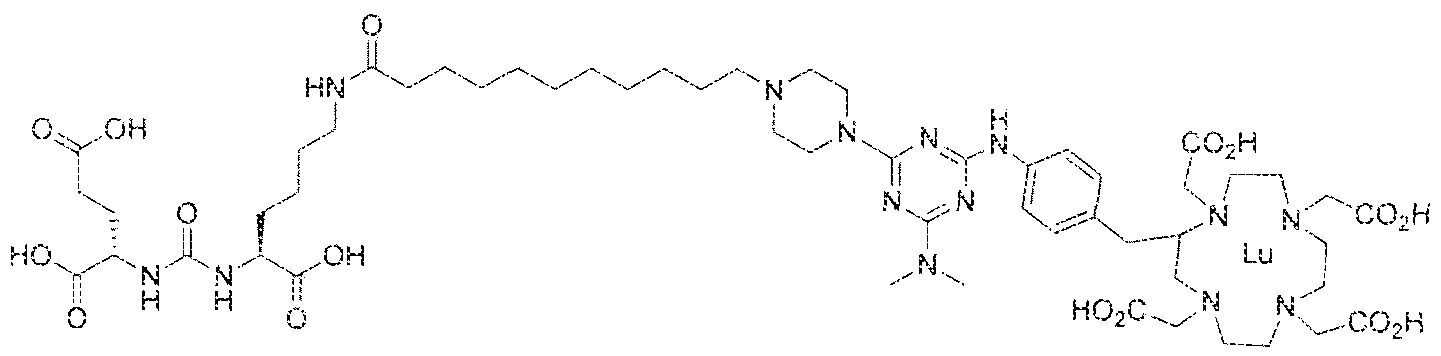
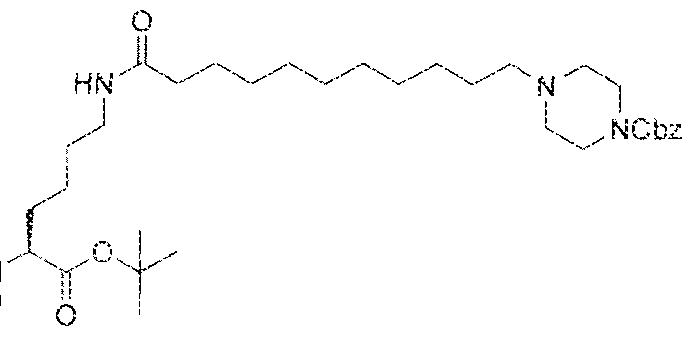
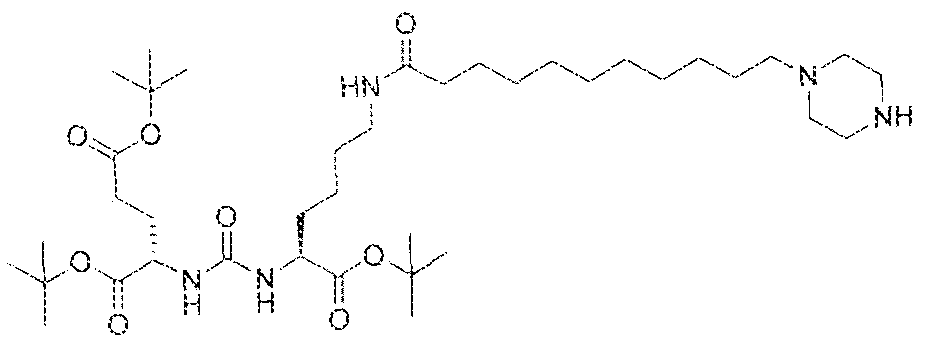
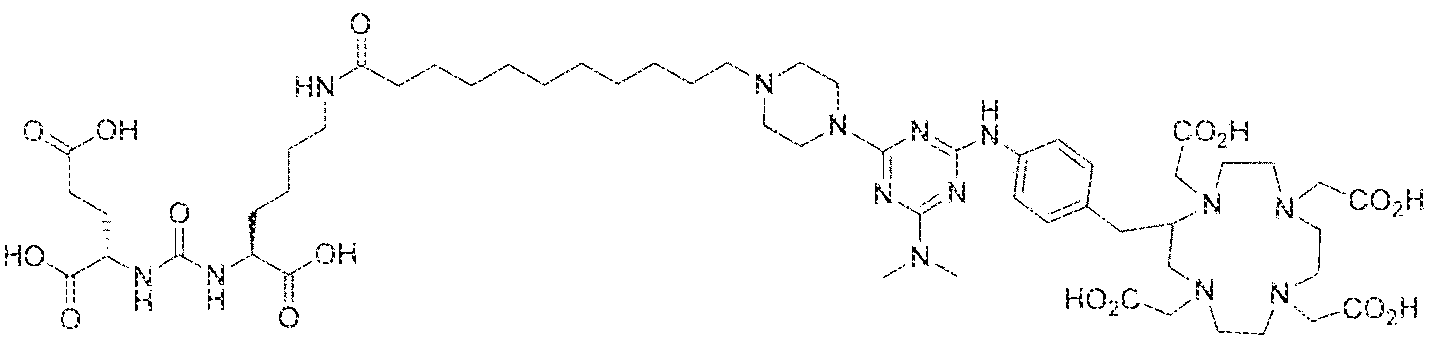
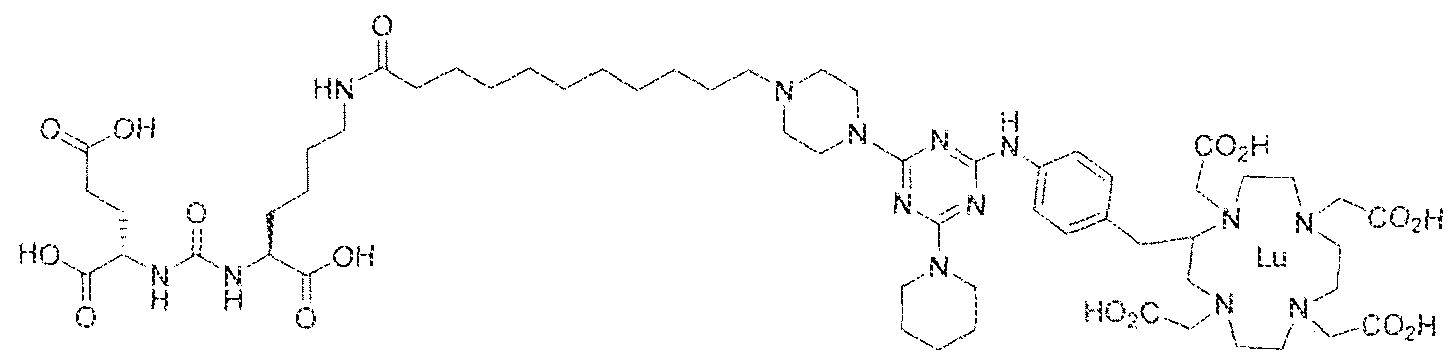
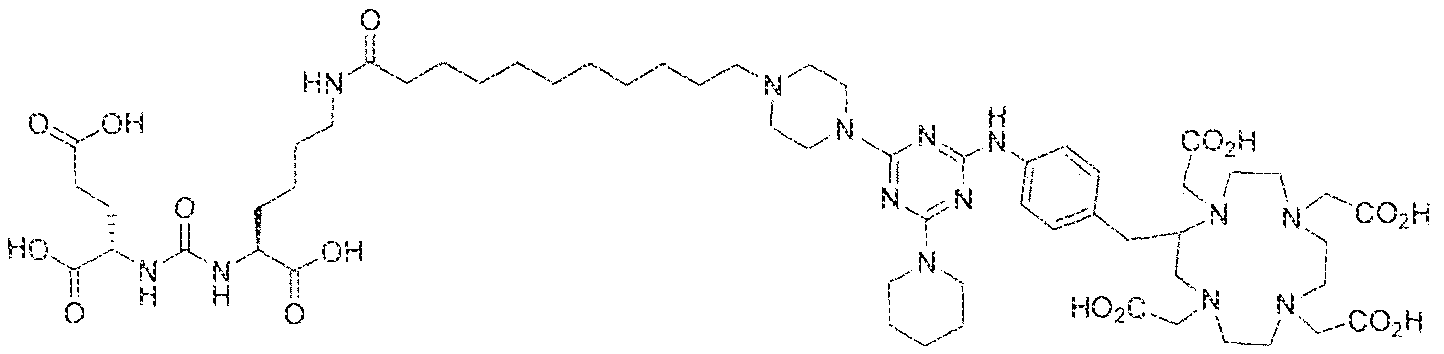
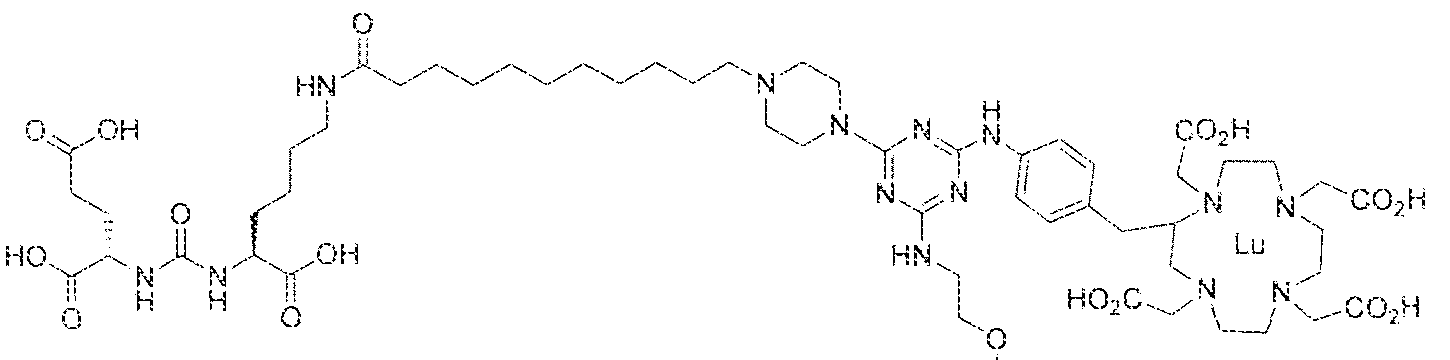


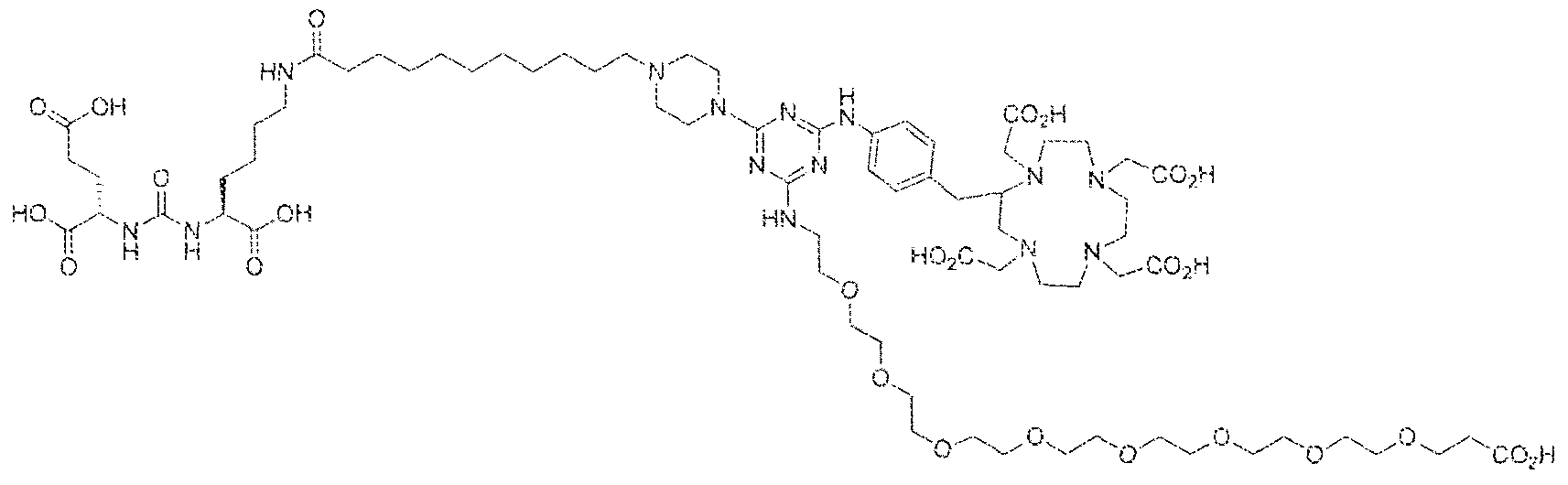

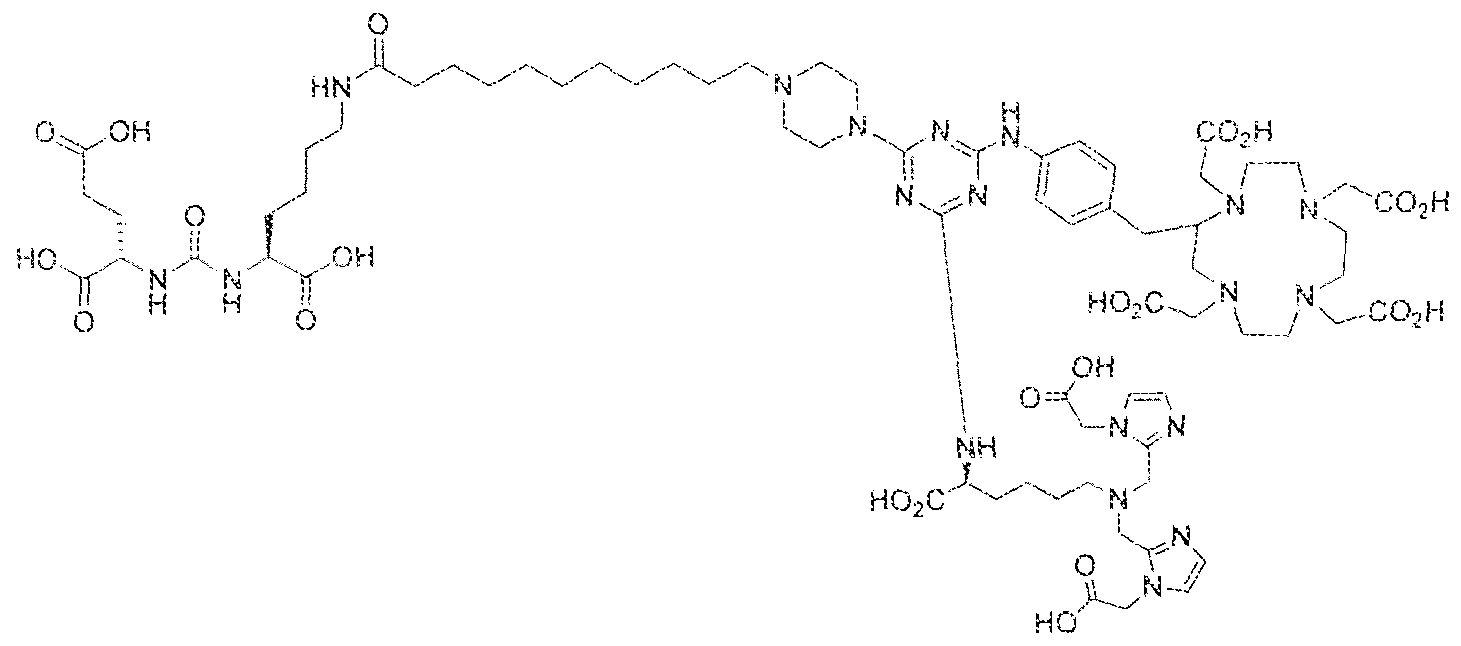
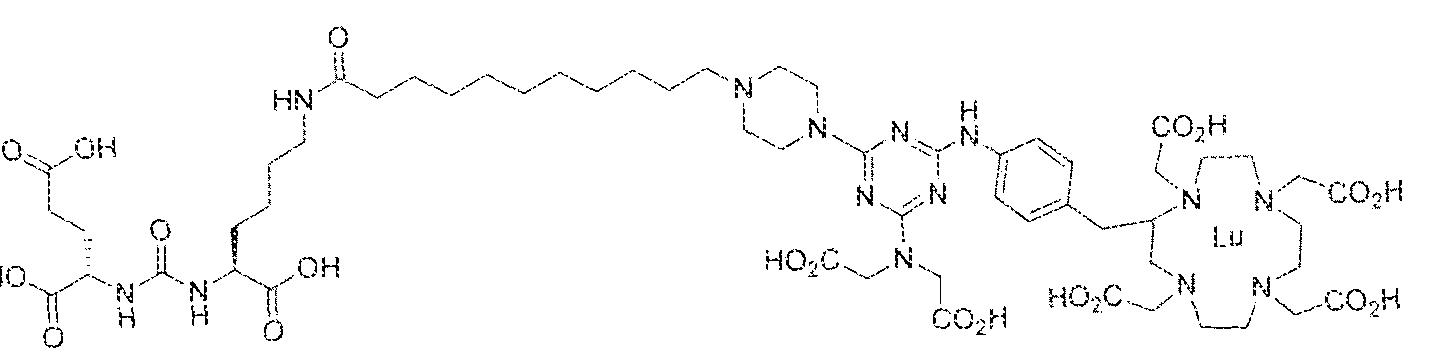
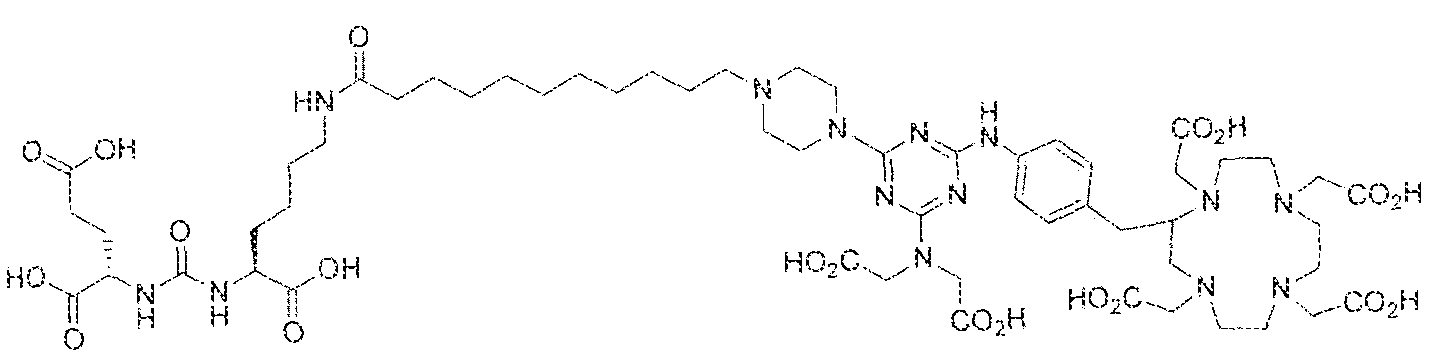
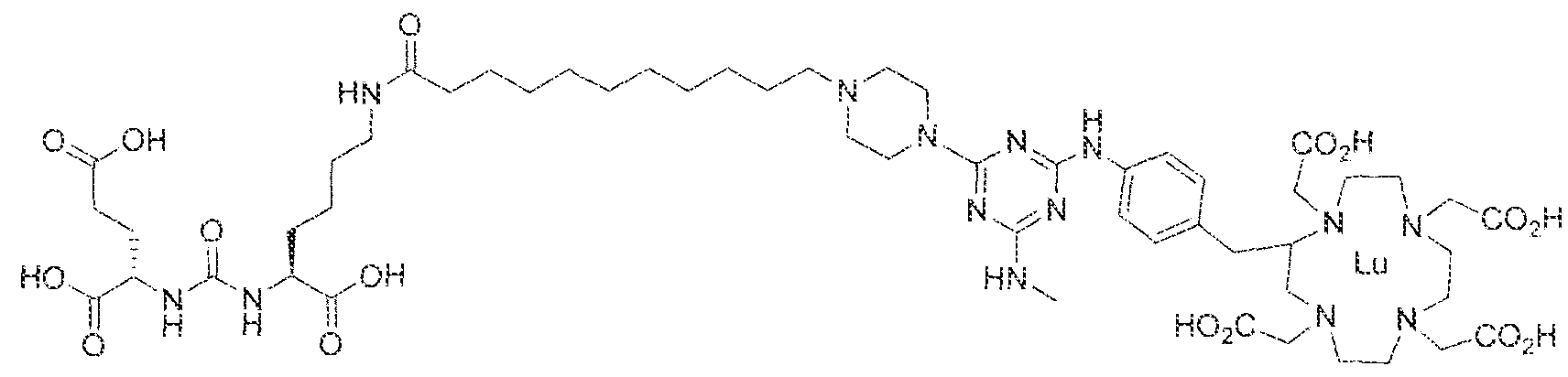
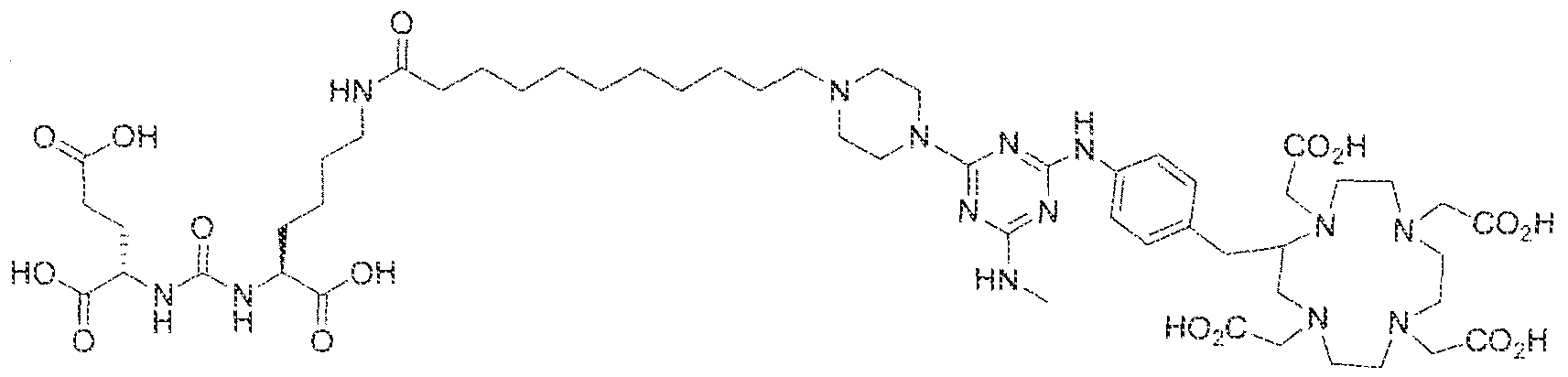

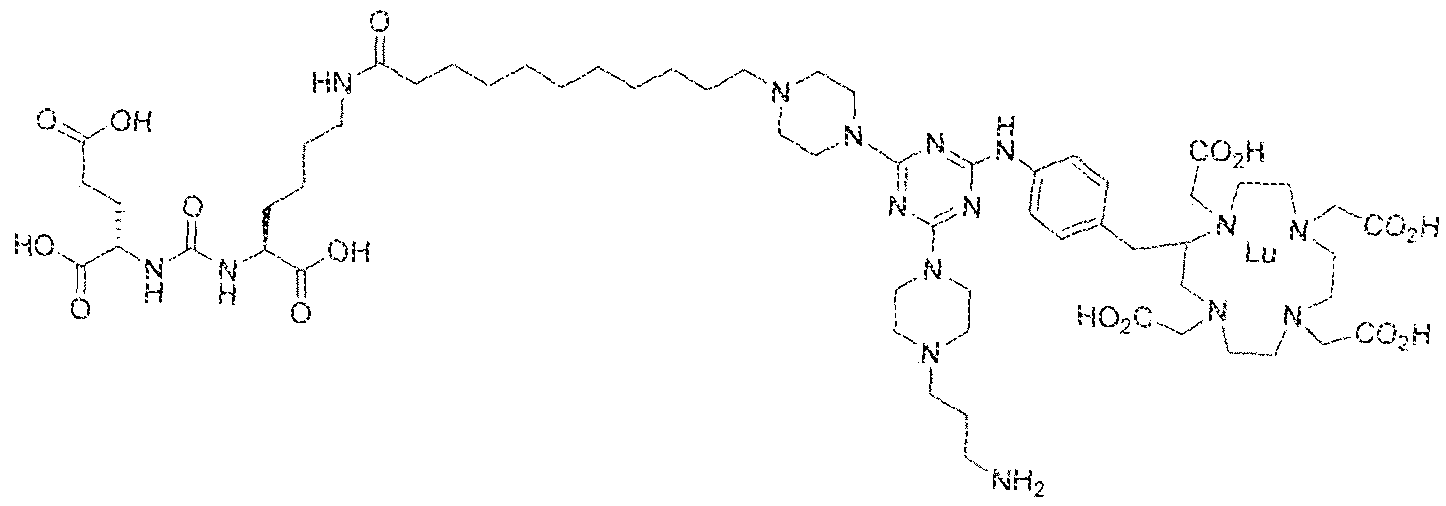
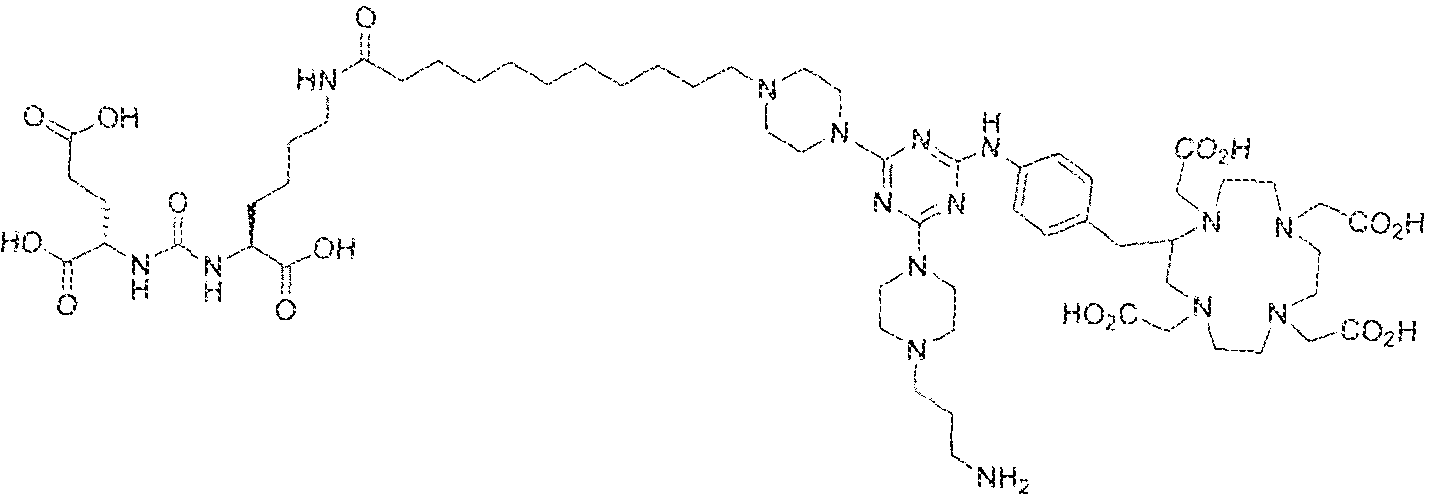
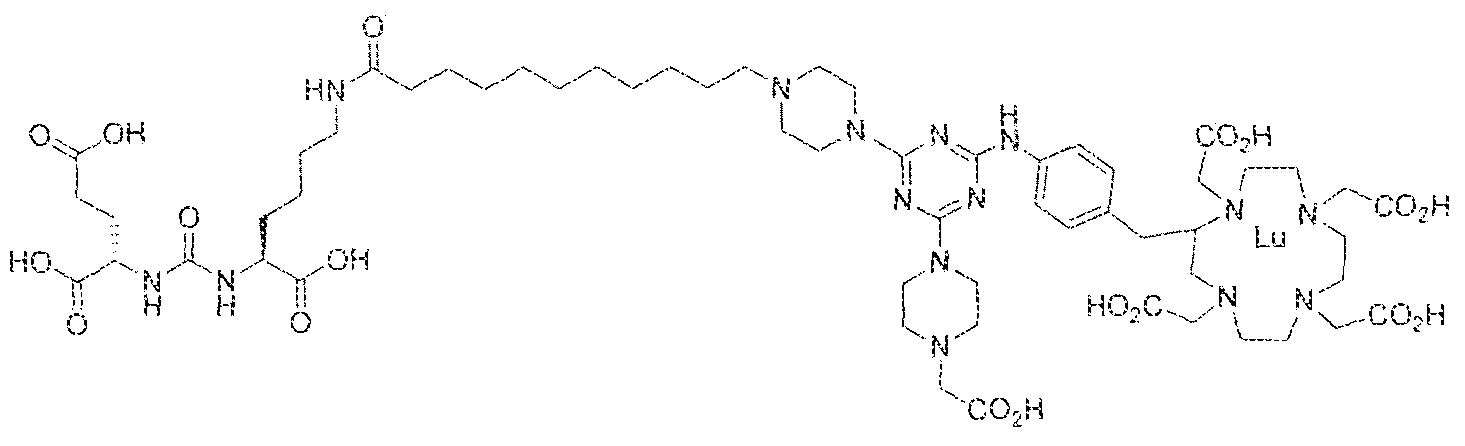


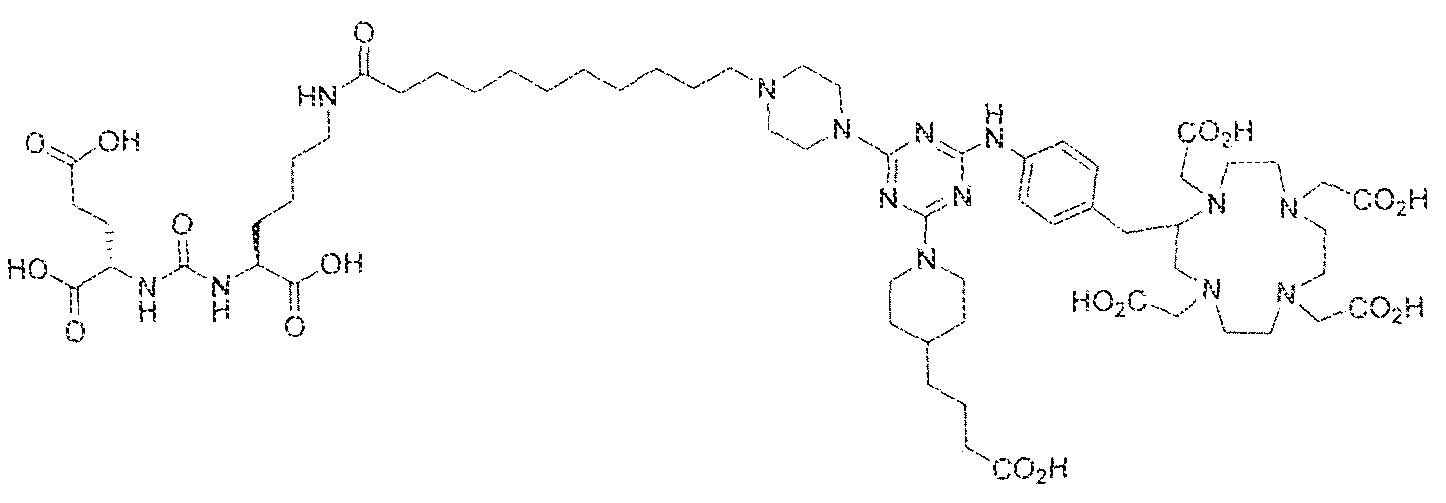
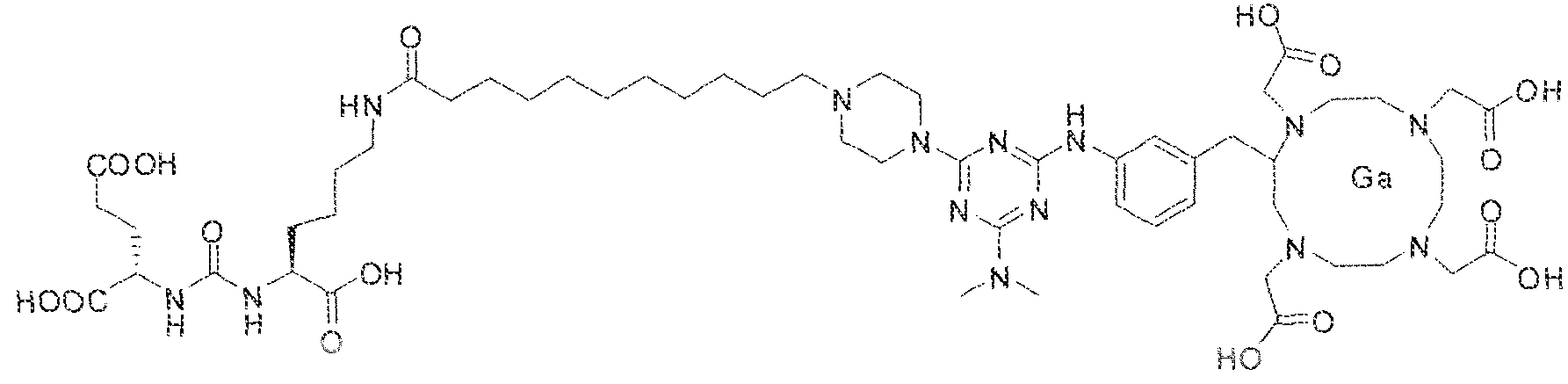
Claims


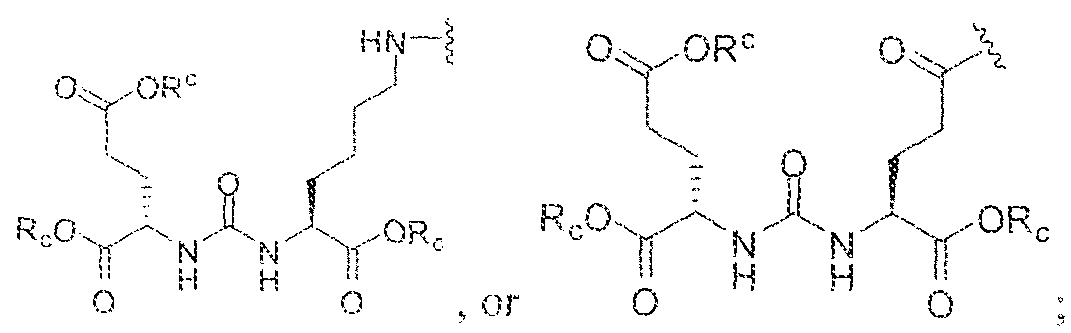
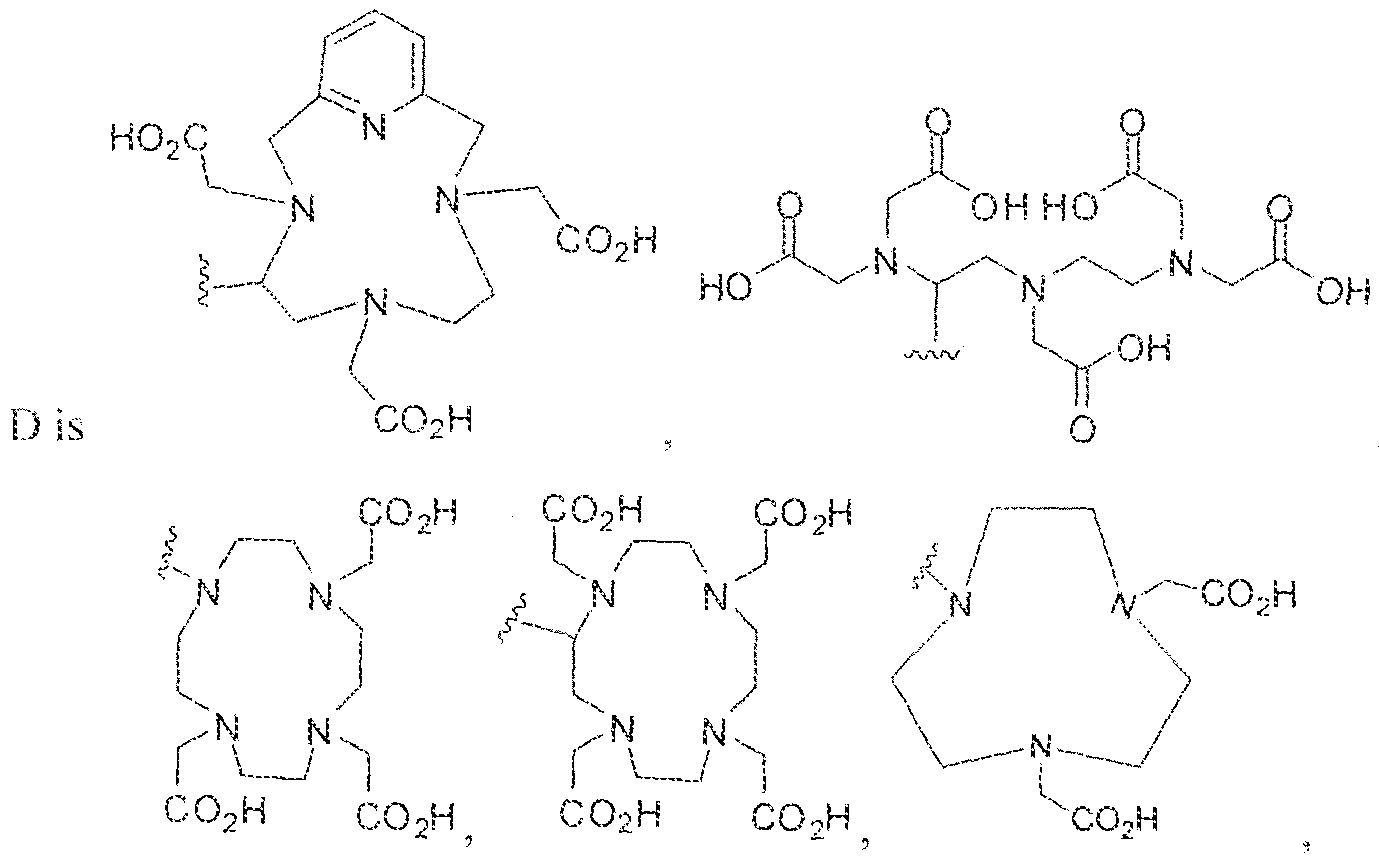
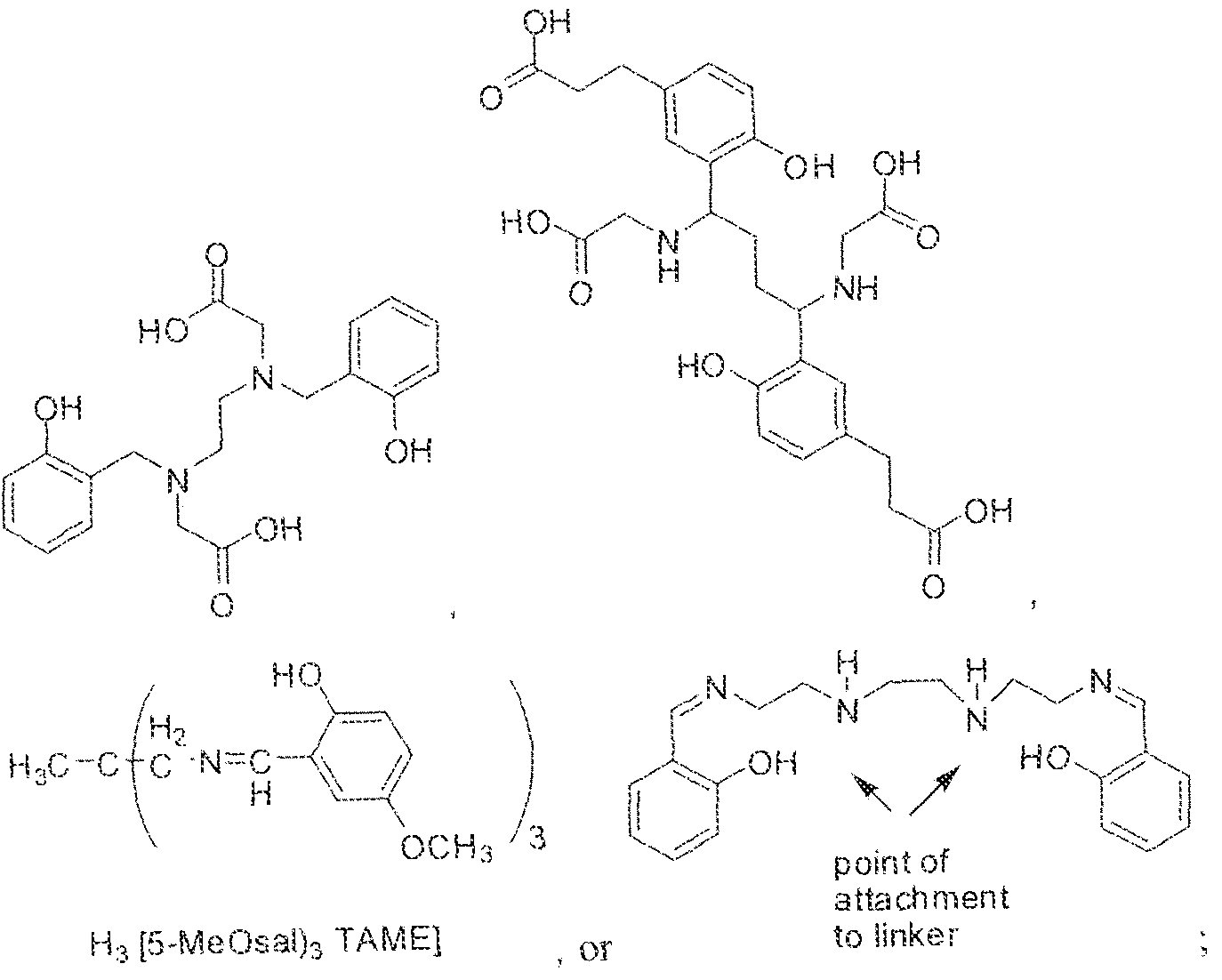
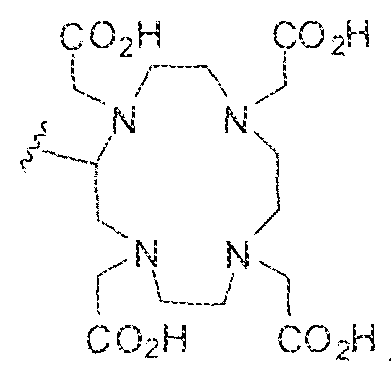


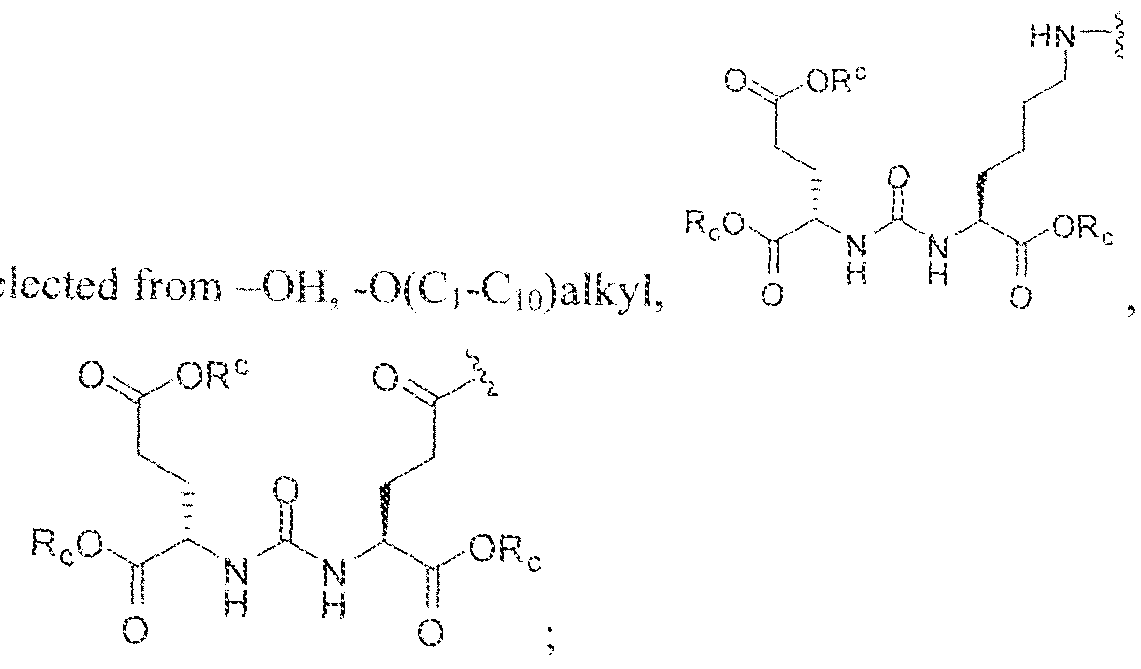


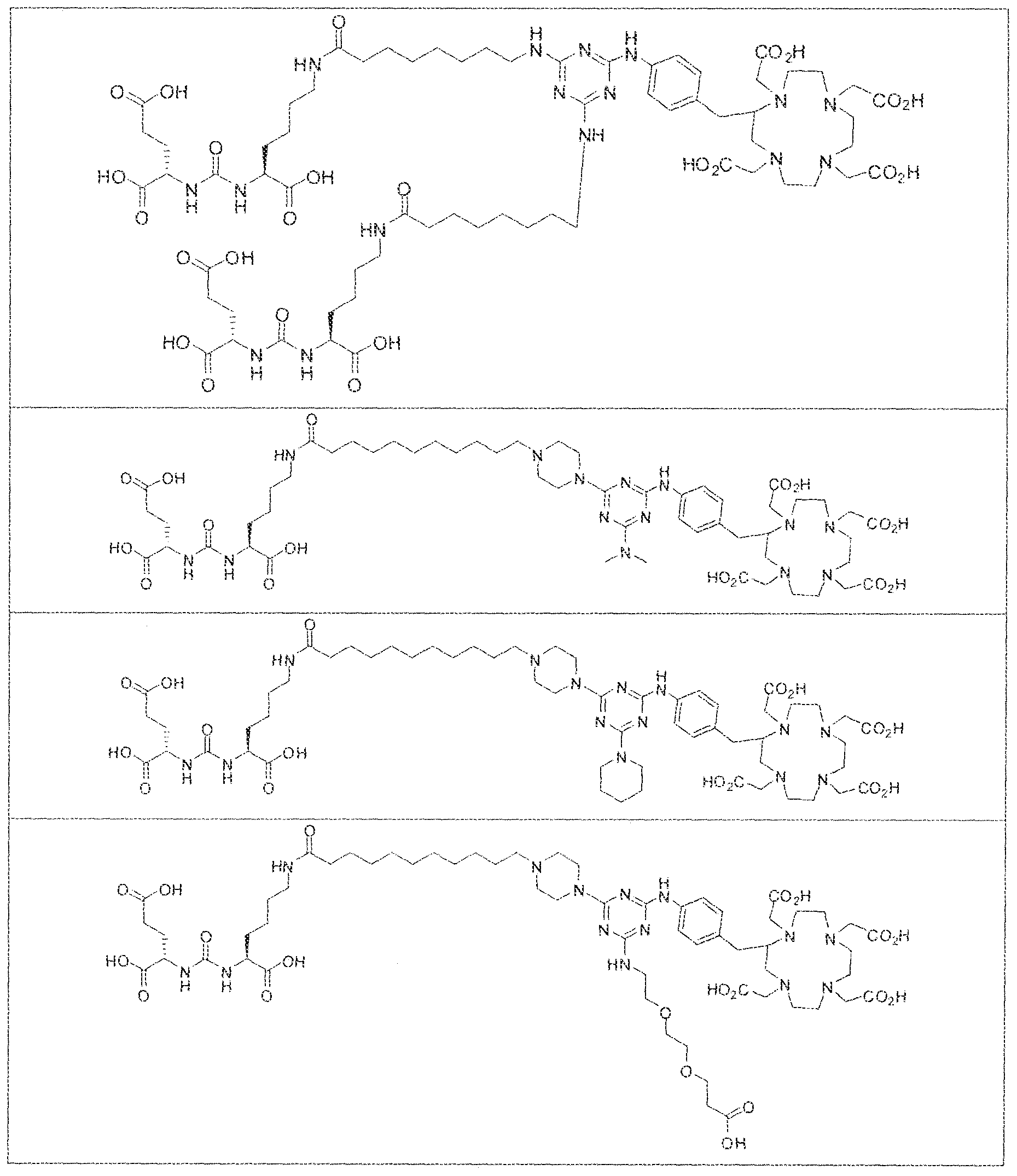
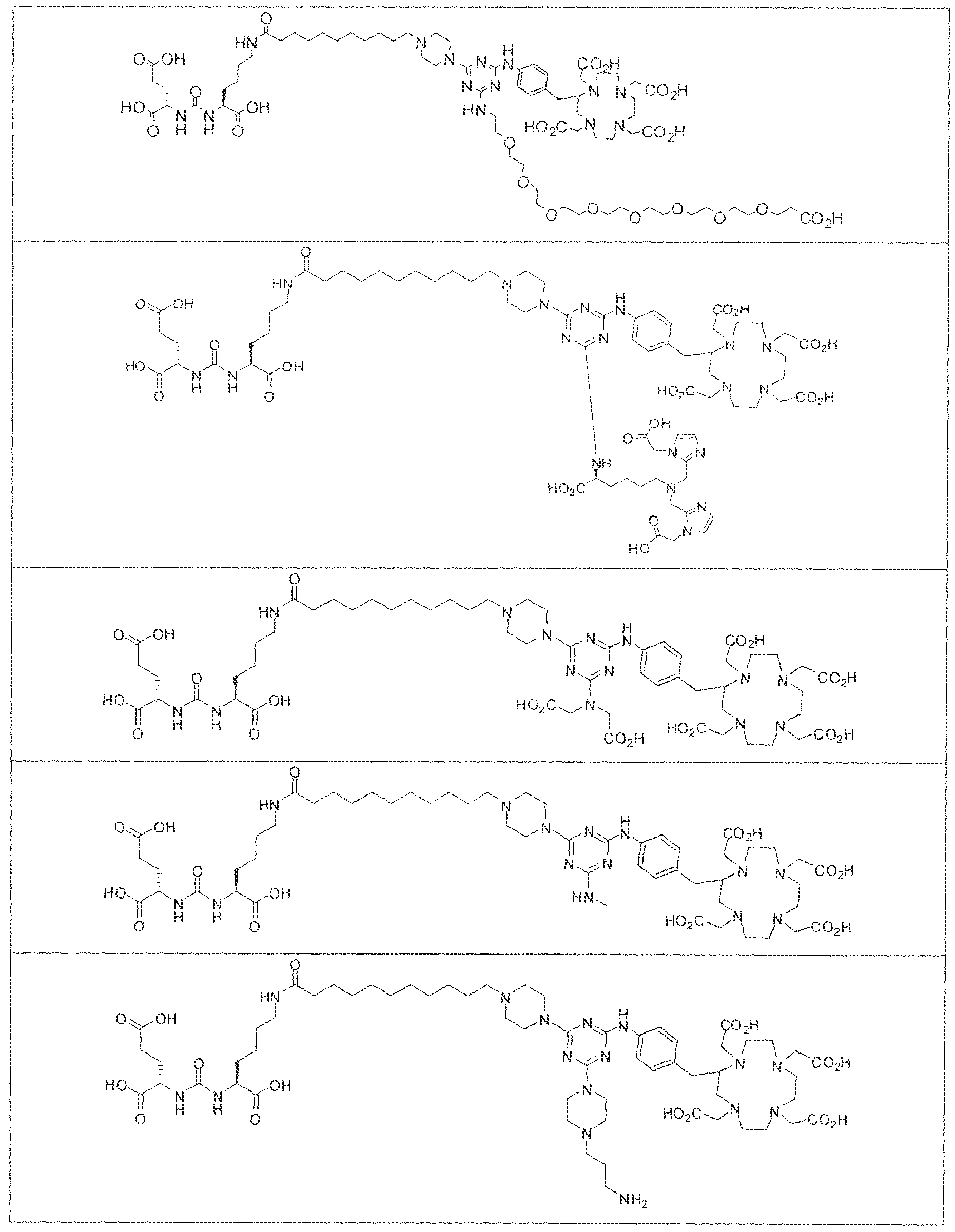

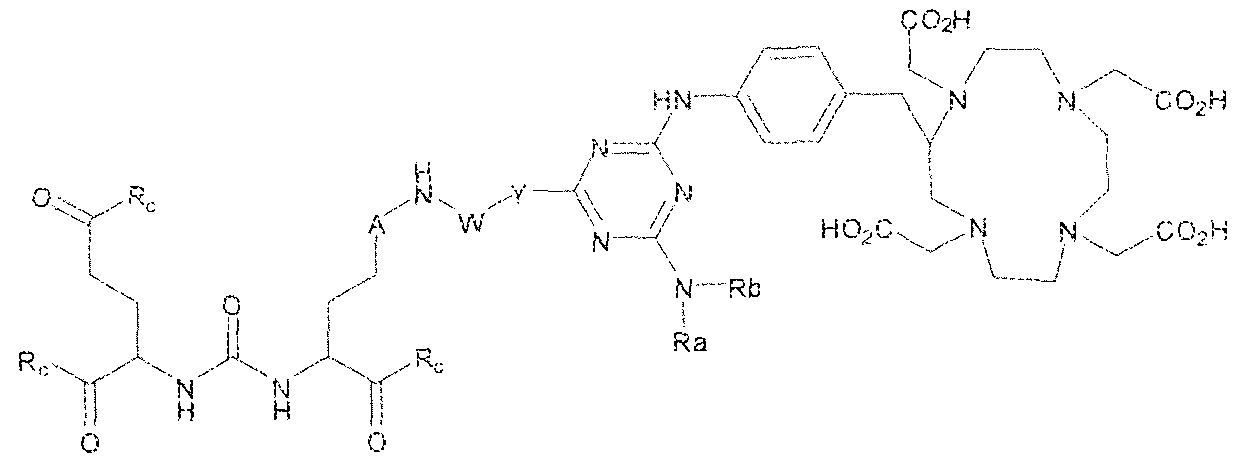
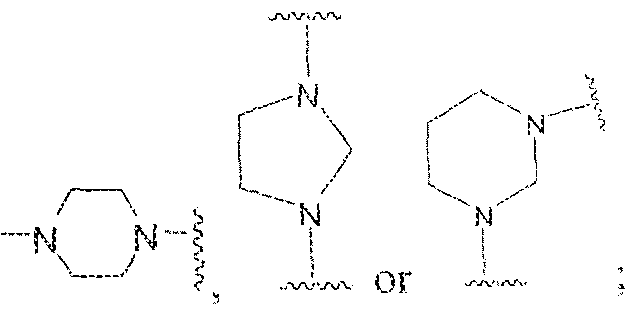
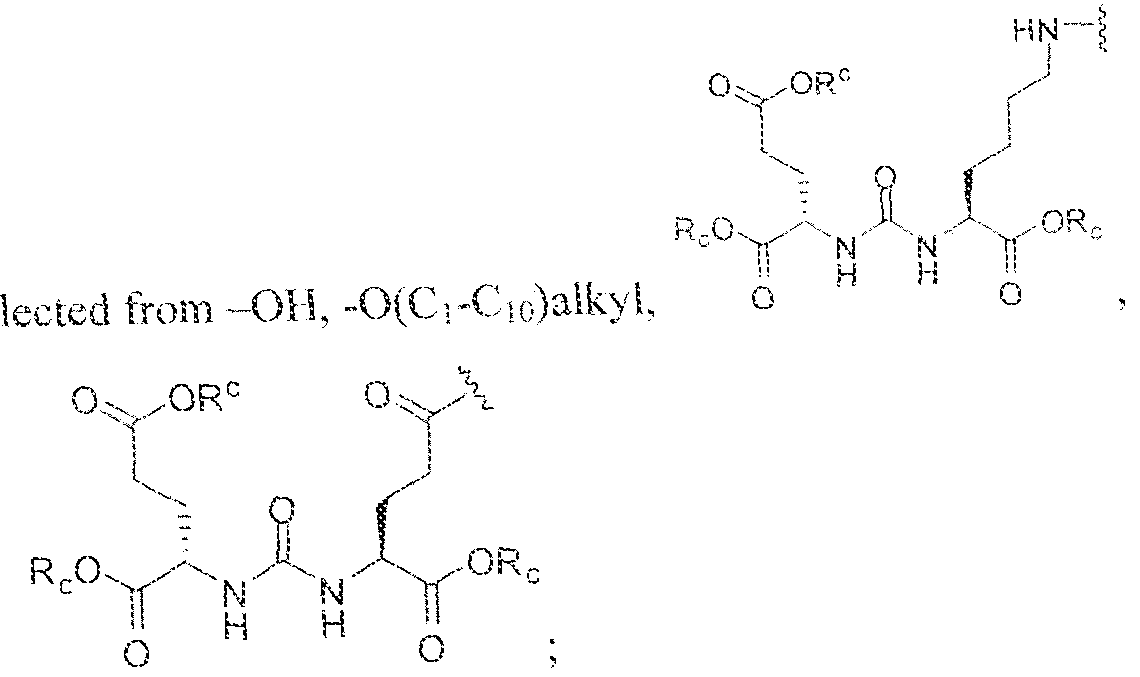
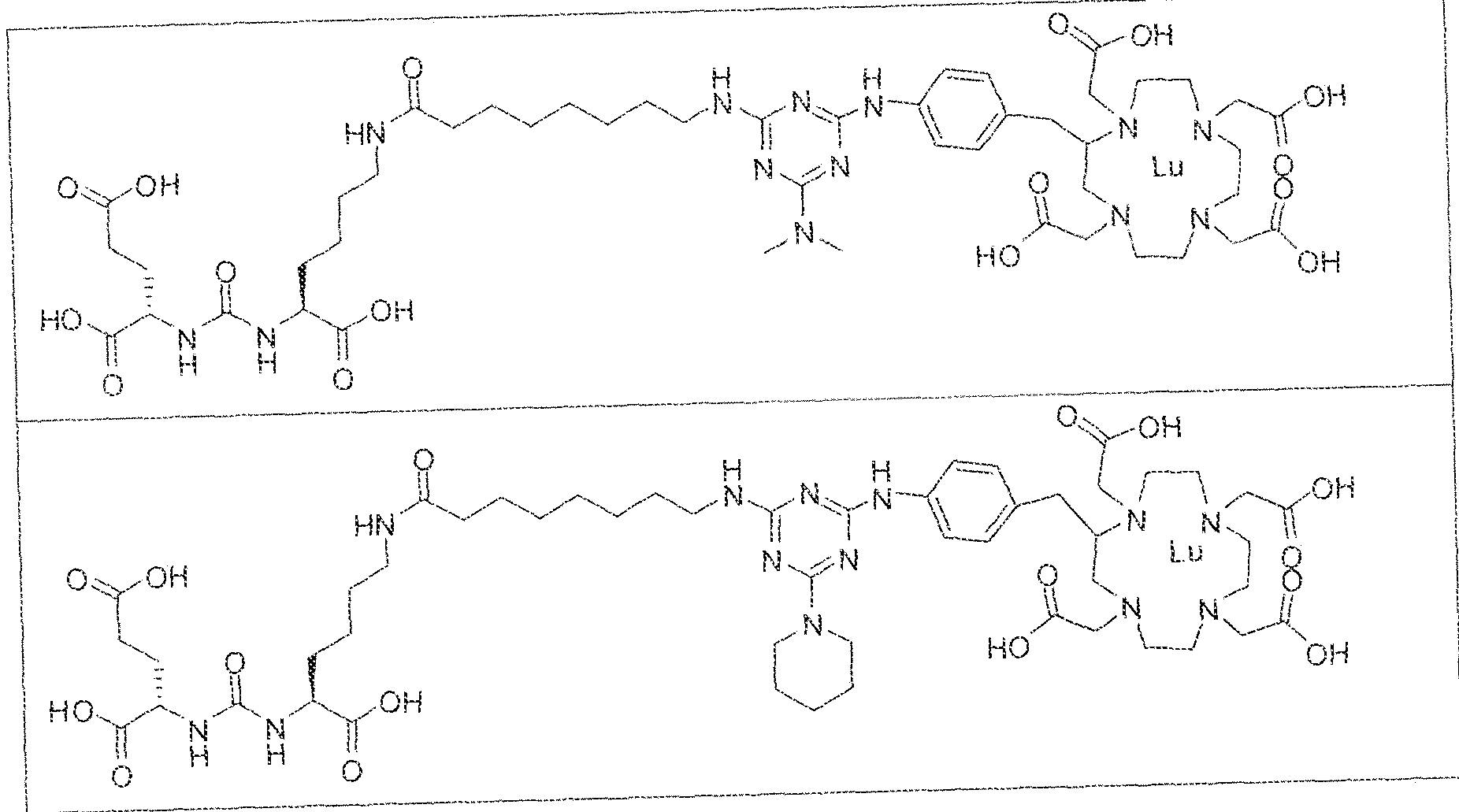

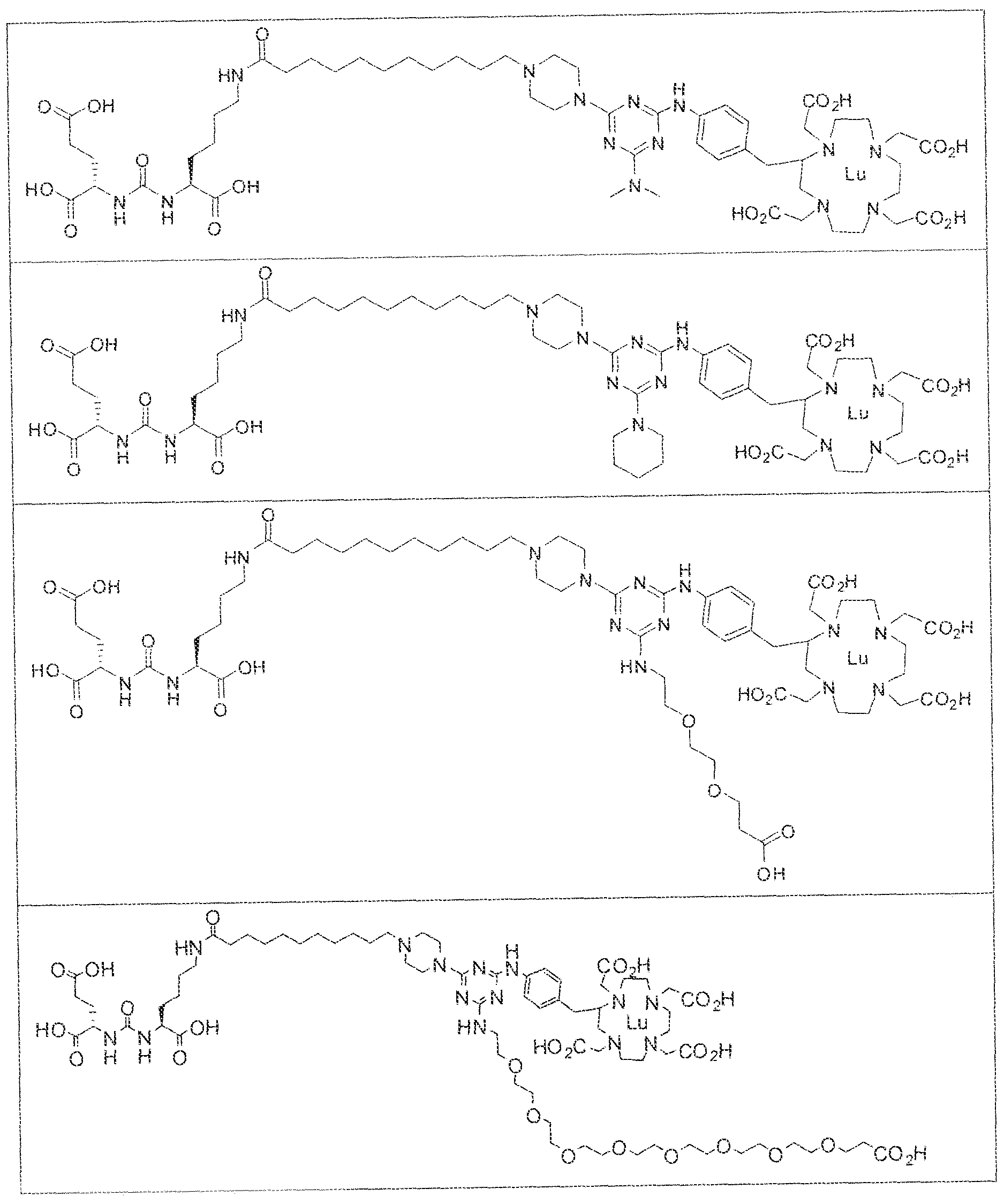
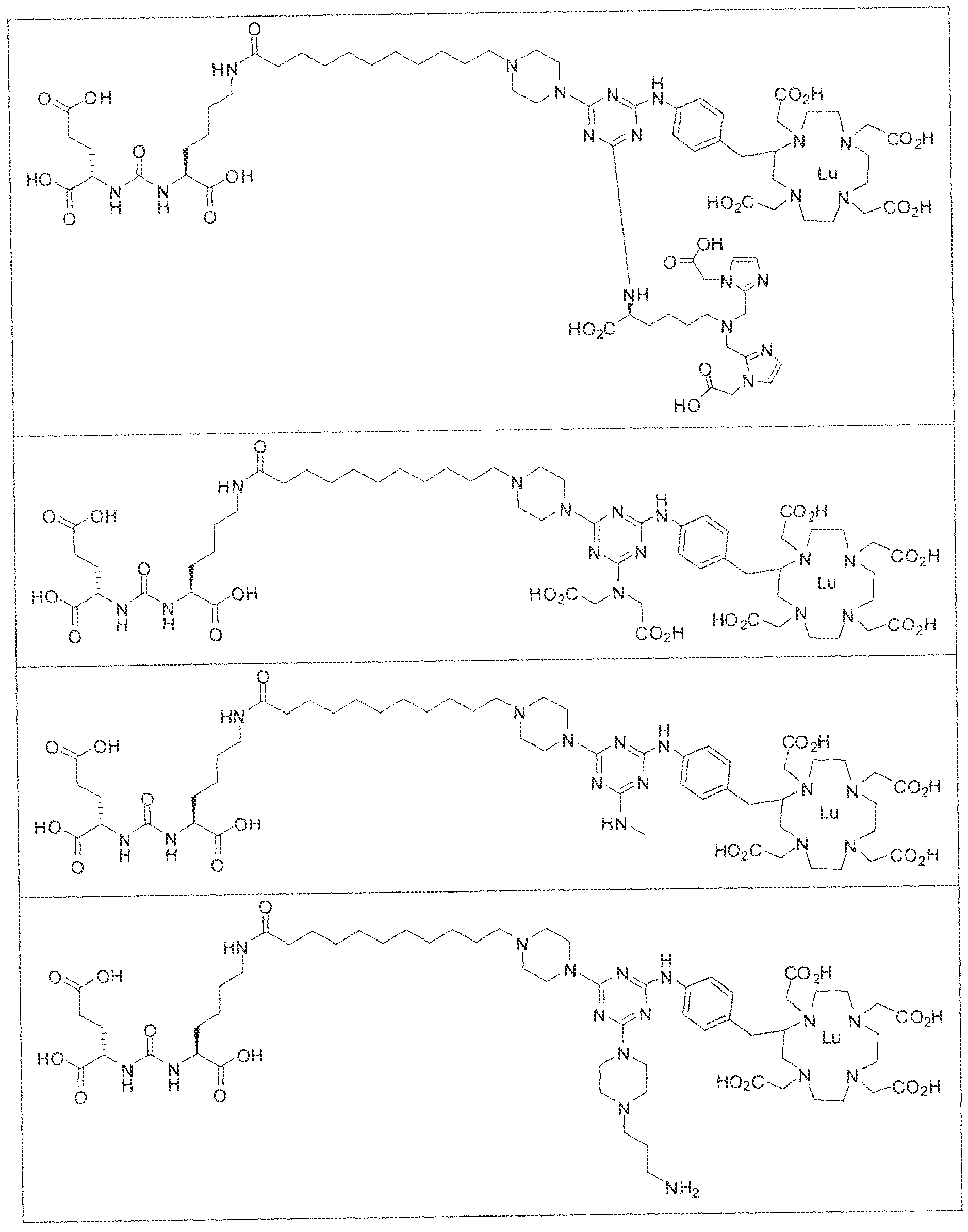
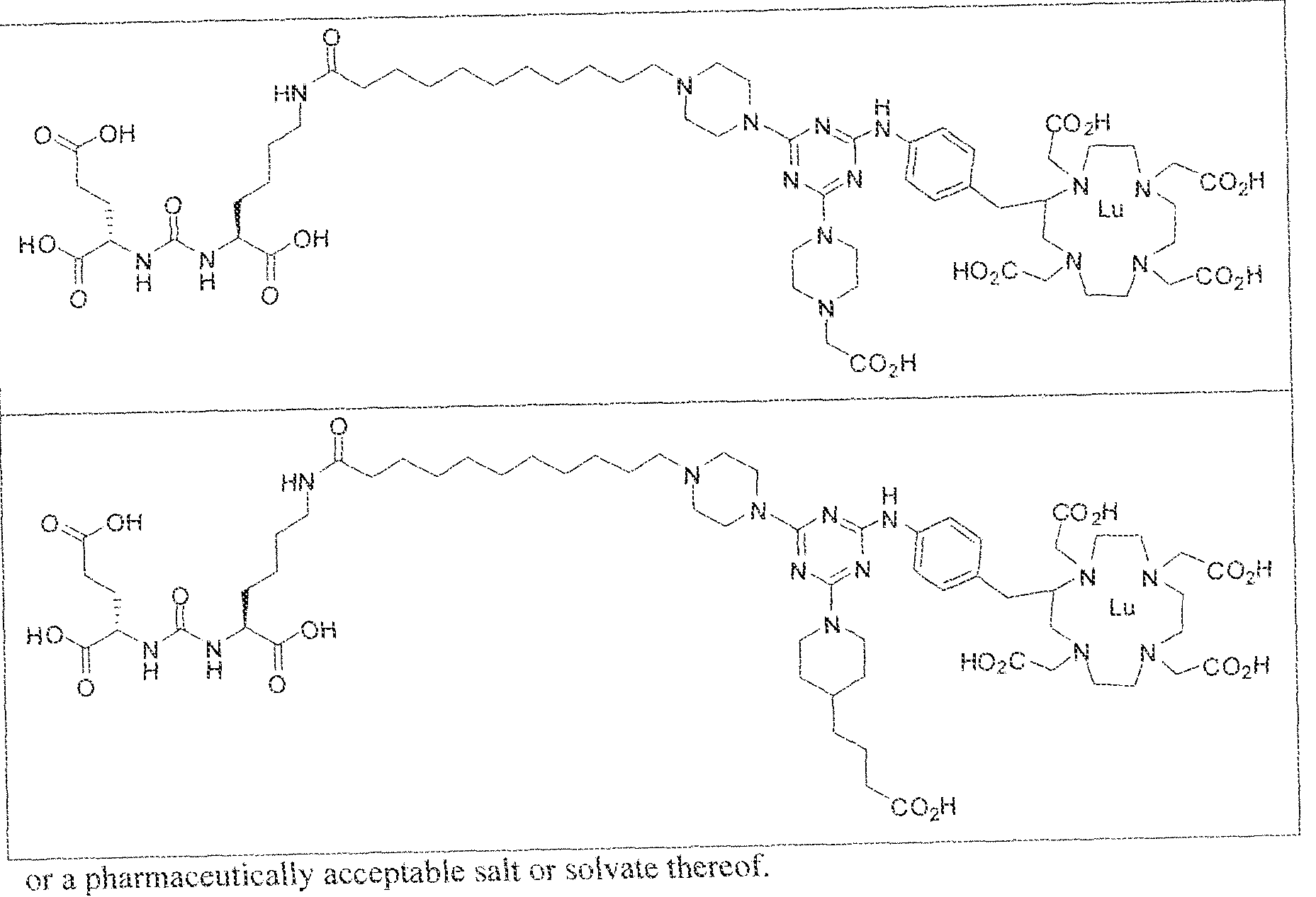
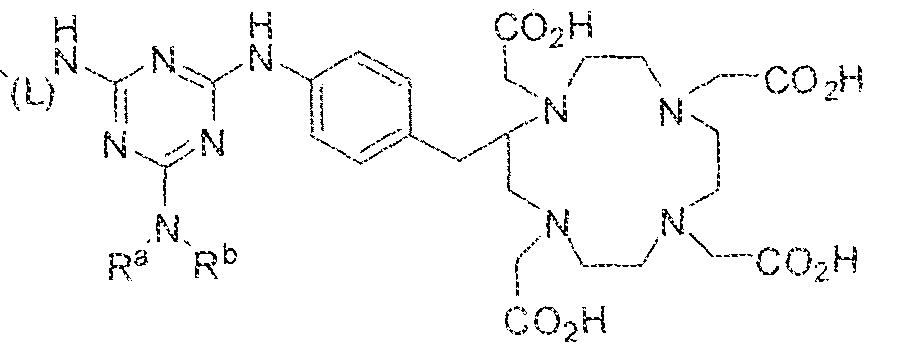
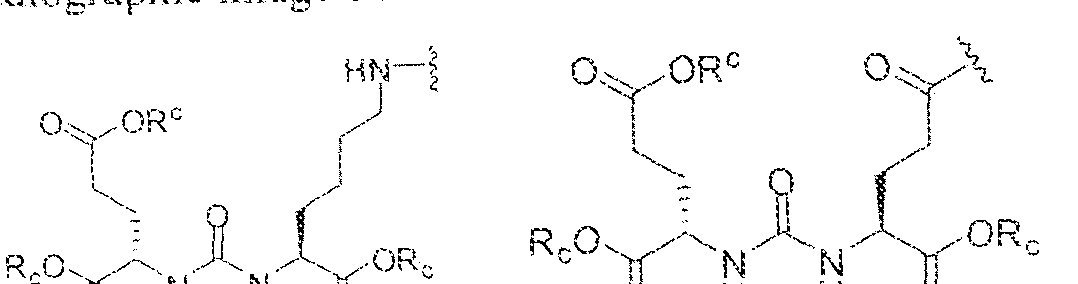

Priority Applications (16)
| Application Number | Priority Date | Filing Date | Title |
|---|---|---|---|
| HK16100926.1A HK1212908B (en) | 2013-01-14 | 2014-01-10 | Triazine based radiopharmaceuticals and radioimaging agents |
| BR112015016585-0A BR112015016585B1 (en) | 2013-01-14 | 2014-01-10 | radiopharmaceutical compounds based on triazine, metal complexes and pharmaceutical composition comprising said complexes |
| EP17187271.6A EP3300746B1 (en) | 2013-01-14 | 2014-01-10 | Triazine based radiopharmaceuticals and radioimaging agents |
| PL14738117T PL2943227T3 (en) | 2013-01-14 | 2014-01-10 | Triazine based radiopharmaceuticals and radioimaging agents |
| EP14738117.2A EP2943227B8 (en) | 2013-01-14 | 2014-01-10 | Triazine based radiopharmaceuticals and radioimaging agents |
| JP2015552805A JP6468602B2 (en) | 2013-01-14 | 2014-01-10 | Triazine-based radiopharmaceuticals and radiocontrast agents |
| AU2014205304A AU2014205304B2 (en) | 2013-01-14 | 2014-01-10 | Triazine based radiopharmaceuticals and radioimaging agents |
| EP21190931.2A EP3939972A1 (en) | 2013-01-14 | 2014-01-10 | Triazine based radiopharmaceuticals and radioimaging agents |
| PL17187271T PL3300746T3 (en) | 2013-01-14 | 2014-01-10 | Triazine based radiopharmaceuticals and radioimaging agents |
| KR1020157021666A KR102187940B1 (en) | 2013-01-14 | 2014-01-10 | Triazine based radiopharmaceuticals and radioimaging agents |
| SG11201505477TA SG11201505477TA (en) | 2013-01-14 | 2014-01-10 | Triazine based radiopharmaceuticals and radioimaging agents |
| CA2897437A CA2897437C (en) | 2013-01-14 | 2014-01-10 | Triazine based radiopharmaceuticals and radioimaging agents |
| MX2015008993A MX378439B (en) | 2013-01-14 | 2014-01-10 | TRIAZINE-BASED RADIOPHARMACEUTICALS AND RADIO-IMAGING AGENTS. |
| CN201480011222.1A CN105025933B (en) | 2013-01-14 | 2014-01-10 | Triazine Radiopharmaceuticals and Radioimaging Agents |
| EP19174044.8A EP3545978B1 (en) | 2013-01-14 | 2014-01-10 | Triazine based radiopharmaceuticals and radioimaging agents |
| ES14738117.2T ES2648096T3 (en) | 2013-01-14 | 2014-01-10 | Triazine-based radiopharmaceuticals and imaging radioforming agents |
Applications Claiming Priority (4)
| Application Number | Priority Date | Filing Date | Title |
|---|---|---|---|
| US201361752350P | 2013-01-14 | 2013-01-14 | |
| US61/752,350 | 2013-01-14 | ||
| US201361785788P | 2013-03-14 | 2013-03-14 | |
| US61/785,788 | 2013-03-14 |
Publications (1)
| Publication Number | Publication Date |
|---|---|
| WO2014110372A1 true WO2014110372A1 (en) | 2014-07-17 |
Family
ID=51167394
Family Applications (1)
| Application Number | Title | Priority Date | Filing Date |
|---|---|---|---|
| PCT/US2014/011047 Ceased WO2014110372A1 (en) | 2013-01-14 | 2014-01-10 | Triazine based radiopharmaceuticals and radioimaging agents |
Country Status (14)
| Country | Link |
|---|---|
| US (5) | US9447121B2 (en) |
| EP (4) | EP3300746B1 (en) |
| JP (2) | JP6468602B2 (en) |
| KR (1) | KR102187940B1 (en) |
| CN (1) | CN105025933B (en) |
| AU (1) | AU2014205304B2 (en) |
| BR (1) | BR112015016585B1 (en) |
| CA (1) | CA2897437C (en) |
| ES (2) | ES2738474T3 (en) |
| HU (2) | HUE044552T2 (en) |
| MX (1) | MX378439B (en) |
| PL (2) | PL2943227T3 (en) |
| SG (1) | SG11201505477TA (en) |
| WO (1) | WO2014110372A1 (en) |
Cited By (8)
| Publication number | Priority date | Publication date | Assignee | Title |
|---|---|---|---|---|
| WO2016040179A1 (en) | 2014-09-08 | 2016-03-17 | Molecular Insight Pharmaceuticals, Inc. | Organ protection in psma-targeted radionuclide therapy of prostate cancer |
| JP2017518971A (en) * | 2014-05-06 | 2017-07-13 | ザ ジョンズ ホプキンズ ユニヴァーシティー | Metal / radiometallic labeled PSMA inhibitors for imaging and radiotherapy targeting PSMA |
| US10137209B2 (en) | 2015-06-04 | 2018-11-27 | Bayer Pharma Aktiengesellschaft | Gadolinium chelate compounds for use in magnetic resonance imaging |
| JP2019508374A (en) * | 2015-12-31 | 2019-03-28 | ファイブ イレブン ファーマ インコーポレイテッド | Urea-based prostate specific membrane antigen (PSMA) inhibitors for imaging and therapy |
| US10870629B2 (en) | 2017-06-19 | 2020-12-22 | Futurechem Co., Ltd. | 18F-labelled compound for prostate cancer diagnosis, and use thereof |
| WO2023092184A1 (en) * | 2021-11-24 | 2023-06-01 | Clarity Pharmaceuticals Ltd | Compounds and compositions thereof for the treatment of cancer |
| US11814369B2 (en) | 2016-11-28 | 2023-11-14 | Bayer Pharma Aktiengesellschaft | High relaxivity gadolinium chelate compounds for use in magnetic resonance imaging |
| US11944690B2 (en) | 2018-11-23 | 2024-04-02 | Bayer Aktiengesellschaft | Formulation of contrast media and process of preparation thereof |
Families Citing this family (9)
| Publication number | Priority date | Publication date | Assignee | Title |
|---|---|---|---|---|
| CN105025933B (en) * | 2013-01-14 | 2019-03-26 | 分子制药洞察公司 | Triazine Radiopharmaceuticals and Radioimaging Agents |
| EP3415489A1 (en) | 2013-10-18 | 2018-12-19 | Deutsches Krebsforschungszentrum | Labeled inhibitors of prostate specific membrane antigen (psma), their use as imaging agents and pharmaceutical agents for the treatment of prostate cancer |
| DK3925952T3 (en) * | 2016-03-22 | 2024-02-05 | Univ Johns Hopkins | Prostate-Specific Membrane Antigen Targeted High-Affinity Agents For Endoradiotherapy Of Prostate Cancer / Prostate-Specific Membrane Antigen Targeted High-Affinity Agents For Endoradiotherapy Of Prostate Cancer |
| US10340046B2 (en) * | 2016-10-27 | 2019-07-02 | Progenics Pharmaceuticals, Inc. | Network for medical image analysis, decision support system, and related graphical user interface (GUI) applications |
| CN111032632B (en) * | 2017-05-30 | 2024-04-12 | 约翰霍普金斯大学 | High affinity agents for prostate specific membrane antigen targeting for intracavity radiation therapy of prostate cancer |
| WO2018236115A1 (en) * | 2017-06-19 | 2018-12-27 | (주)퓨쳐켐 | 18F-labeled compounds and their uses for the diagnosis of prostate cancer |
| HRP20230604T1 (en) | 2018-03-30 | 2023-09-29 | Futurechem Co., Ltd. | Psma-targeted radiopharmaceutical for diagnosing and treating prostate cancer |
| MX2021013055A (en) * | 2019-04-26 | 2021-12-10 | Five Eleven Pharma Inc | Prostate-specific membrane antigen (psma) inhibitors as diagnostic and radionuclide therapeutic agents. |
| CN116199736B (en) * | 2023-03-01 | 2025-03-18 | 西南医科大学附属医院 | A DOTA-Te-PSMA compound and its application |
Citations (5)
| Publication number | Priority date | Publication date | Assignee | Title |
|---|---|---|---|---|
| US5514505A (en) * | 1995-05-15 | 1996-05-07 | Xerox Corporation | Method for obtaining improved image contrast in migration imaging members |
| WO2010065902A2 (en) * | 2008-12-05 | 2010-06-10 | Molecular Insight Pharmaceuticals, Inc. | Technetium- and rhenium-bis(heteroaryl) complexes and methods of use thereof for inhibiting psma |
| US20110183954A1 (en) * | 2008-06-11 | 2011-07-28 | Astrazeneca Ab | Tricyclic 2,4-diamino-l,3,5-triazine derivatives useful for the treatment of cancer and myeloproliferative disorders |
| US20120009121A1 (en) * | 2009-03-19 | 2012-01-12 | The Johns Hopkins University | Psma-targeting compounds and uses thereof |
| WO2012074840A2 (en) * | 2010-11-22 | 2012-06-07 | The General Hospital Corporation | Compositions and methods for in vivo imaging |
Family Cites Families (76)
| Publication number | Priority date | Publication date | Assignee | Title |
|---|---|---|---|---|
| US2730456A (en) | 1953-06-30 | 1956-01-10 | Ncr Co | Manifold record material |
| US2800457A (en) | 1953-06-30 | 1957-07-23 | Ncr Co | Oil-containing microscopic capsules and method of making them |
| US2730457A (en) | 1953-06-30 | 1956-01-10 | Ncr Co | Pressure responsive record materials |
| US3527789A (en) | 1967-10-06 | 1970-09-08 | Shell Oil Co | Production of poly(lower)alkyl alkenepolycarboxylates |
| US3625214A (en) | 1970-05-18 | 1971-12-07 | Alza Corp | Drug-delivery device |
| JPS5220203B2 (en) | 1973-03-05 | 1977-06-02 | ||
| US4272398A (en) | 1978-08-17 | 1981-06-09 | The United States Of America As Represented By The Secretary Of Agriculture | Microencapsulation process |
| US4906474A (en) | 1983-03-22 | 1990-03-06 | Massachusetts Institute Of Technology | Bioerodible polyanhydrides for controlled drug delivery |
| JPS6131056A (en) | 1984-07-25 | 1986-02-13 | K Baiorojikaru Sci Lab:Kk | Preparation of processed soybean food |
| US4885363A (en) | 1987-04-24 | 1989-12-05 | E. R. Squibb & Sons, Inc. | 1-substituted-1,4,7-triscarboxymethyl-1,4,7,10-tetraazacyclododecane and analogs |
| WO1988001213A1 (en) | 1986-08-18 | 1988-02-25 | Clinical Technologies Associates, Inc. | Delivery systems for pharmacological agents |
| JP2608550B2 (en) | 1986-10-17 | 1997-05-07 | 株式会社 片山化学工業研究所 | Corrosion protection method for soft water boiler |
| US4888136A (en) | 1988-05-02 | 1989-12-19 | Witco Corporation | New flame retardant compositions of matter and cellulosic products containing same |
| TW353663B (en) | 1991-04-06 | 1999-03-01 | Hoechst Ag | Process for the preparation of phosphorus-containing L-amino acids, their derivatives and intermediates for this process |
| JP3051497B2 (en) | 1991-05-17 | 2000-06-12 | 株式会社第一ラジオアイソトープ研究所 | Radiodiagnostic agent using technetium complex of sulfanilamide derivative |
| US6359120B1 (en) | 1991-10-29 | 2002-03-19 | Bracco International B.V. | Rhenium and technetium complexes containing a hypoxia-localizing moiety |
| IL103353A (en) | 1991-10-29 | 1999-01-26 | Bracco Int Bv | Ligand metal complexes thereof diagnostic composition and processes for their preparation |
| IT1270260B (en) | 1994-06-21 | 1997-04-29 | Zambon Spa | PHOSPHONIC ACID DERIVATIVES FOR METALLOPEPTIDASE INHIBITIVE ACTIVITIES |
| US6011021A (en) | 1996-06-17 | 2000-01-04 | Guilford Pharmaceuticals Inc. | Methods of cancer treatment using naaladase inhibitors |
| JP2856098B2 (en) | 1995-04-11 | 1999-02-10 | 日本製紙株式会社 | Thermal recording sheet |
| US5795877A (en) | 1996-12-31 | 1998-08-18 | Guilford Pharmaceuticals Inc. | Inhibitors of NAALADase enzyme activity |
| US6071965A (en) | 1996-06-17 | 2000-06-06 | Guilford Pharmaceuticals Inc. | Phosphinic alkanoic acid derivatives |
| US6025344A (en) | 1996-06-17 | 2000-02-15 | Guilford Pharmaceuticals Inc. | Certain dioic acid derivatives useful as NAALADase inhibitors |
| US5824662A (en) | 1996-09-27 | 1998-10-20 | Guilford Pharmaceuticals Inc. | Treatment of global and focal ischemia using naaladase inhibitors |
| US5902817A (en) | 1997-04-09 | 1999-05-11 | Guilford Pharmaceuticals Inc. | Certain sulfoxide and sulfone derivatives |
| US6046180A (en) | 1996-06-17 | 2000-04-04 | Guilford Pharmaceuticals Inc. | NAALADase inhibitors |
| US5672592A (en) | 1996-06-17 | 1997-09-30 | Guilford Pharmaceuticals Inc. | Certain phosphonomethyl-pentanedioic acid derivatives thereof |
| US5962521A (en) | 1997-04-04 | 1999-10-05 | Guilford Pharmaceuticals Inc. | Hydroxamic acid derivatives |
| EP1005348A1 (en) | 1996-09-27 | 2000-06-07 | Guilford Pharmaceuticals Inc. | Naaladase compositions and methods for treating glutamate abnormality and effecting neuronal activity in animals |
| ZA983930B (en) | 1997-05-14 | 1999-11-08 | Lilly Co Eli | Excitatory amino acid receptor modulators. |
| DE69904576T2 (en) | 1998-03-19 | 2003-07-10 | Pharmacia & Upjohn Co., Kalamazoo | 1,3,4-THIADIAZOLES SUITABLE FOR TREATING CMV INFECTIONS |
| US6479470B1 (en) | 1999-04-28 | 2002-11-12 | Georgetown University | Ligands for metabotropic glutamate receptors and inhibitors of NAALAdase |
| US6528499B1 (en) | 2000-04-27 | 2003-03-04 | Georgetown University | Ligands for metabotropic glutamate receptors and inhibitors of NAALADase |
| US6228888B1 (en) | 1999-07-01 | 2001-05-08 | Guilford Pharmaceuticals Inc. | Methods for treating anxiety, anxiety disorders and memory impairment using naaladase inhibitors |
| CN1630517A (en) | 2001-05-24 | 2005-06-22 | 吴羽化学工业株式会社 | CXCR4-antagonistic drugs composed of nitrogen-containing compound |
| DE10135355C1 (en) | 2001-07-20 | 2003-04-17 | Schering Ag | Conjugates of macrocyclic metal complexes with biomolecules and their use in the preparation of NMR and radiodiagnostic agents and radiotherapy |
| US20030100594A1 (en) | 2001-08-10 | 2003-05-29 | Pharmacia Corporation | Carbonic anhydrase inhibitor |
| WO2003053932A1 (en) | 2001-12-21 | 2003-07-03 | Tohru Koike | Zinc complexes capable of scavenging substances bearing anionic substituents |
| CA2473289C (en) | 2002-01-10 | 2014-07-29 | The Johns Hopkins University | Asymmetric urea compounds useful as naaladase and psma imaging agents |
| US7381399B2 (en) | 2002-03-11 | 2008-06-03 | Molecular Insight Pharmaceuticals, Inc. | Technetium-dipyridine complexes, and methods of use thereof |
| US7176227B2 (en) | 2002-09-11 | 2007-02-13 | Kureha Corporation | Amine compounds and use thereof |
| US7833734B2 (en) | 2002-11-26 | 2010-11-16 | Institute Of Virology Of The Slovak Academy Of Sciences | CA IX-specific inhibitors |
| HUE028349T2 (en) | 2002-11-26 | 2016-12-28 | Inst Virology | Ca ix-specific inhibitors |
| EP1613613B1 (en) | 2003-04-11 | 2021-06-02 | Genzyme Corporation | Cxcr4 chemokine receptor binding compounds |
| US7682601B2 (en) | 2003-04-15 | 2010-03-23 | Mallinckrodt Inc. | Bifunctional tridentate pyrazolyl containing ligands for re and tc tricarbonyl complexes |
| WO2005056520A1 (en) | 2003-12-12 | 2005-06-23 | Oy Juvantia Pharma Ltd | Somatostatin receptor subtype 1 (sstr1) active compounds and their use in therapy |
| AU2005215510A1 (en) | 2004-02-12 | 2005-09-01 | Molecular Insight Pharmaceuticals, Inc. | Technetium-and rhenium-bis(heteroaryl) complexes, and methods of use thereof |
| GB0421308D0 (en) | 2004-09-24 | 2004-10-27 | Amersham Plc | Enzyme inhibitor imaging agents |
| WO2006080993A1 (en) | 2004-12-08 | 2006-08-03 | Purdue Research Foundation | Novel cationic metal complex radiopharmaceuticals |
| US20060155021A1 (en) | 2005-01-13 | 2006-07-13 | Lenges Christian P | Coating compositions containing rheology control agents |
| US7741510B2 (en) | 2005-01-13 | 2010-06-22 | E. I. Du Pont De Nemours And Company | Rheology control agents |
| WO2006093991A1 (en) | 2005-03-02 | 2006-09-08 | The Cleveland Clinic Foundation | Compounds which bind psma and uses thereof |
| ATE527542T1 (en) | 2005-04-27 | 2011-10-15 | Siemens Medical Solutions | METHOD FOR MAKING IMAGING PROBE USING CLICK CHEMISTRY |
| WO2007008848A2 (en) | 2005-07-07 | 2007-01-18 | Seattle Genetics, Inc. | Monomethylvaline compounds having phenylalanine carboxy modifications at the c-terminus |
| FR2890657B1 (en) | 2005-09-15 | 2007-11-09 | Commissariat Energie Atomique | PROCESS FOR OBTAINING COMPLEXES OF HIGHLY LUMINESCENT LANTHANIDES |
| JP5368099B2 (en) | 2005-10-07 | 2013-12-18 | ゲルベ | A compound comprising a moiety for recognition of a biological target coupled to a signal moiety capable of complexing with gallium |
| WO2007058322A1 (en) | 2005-11-18 | 2007-05-24 | Ono Pharmaceutical Co., Ltd. | Basic group-containing compound and use thereof |
| US20090044345A1 (en) | 2006-02-06 | 2009-02-19 | Gunther Schlingloff | Use of Metal Complex Compounds as Oxidation Catalysts |
| US8618122B2 (en) | 2006-05-16 | 2013-12-31 | Ono Pharmaceutical Co., Ltd. | Compound having acidic group which may be protected, and use thereof |
| PT2030971E (en) | 2006-06-20 | 2011-12-15 | Ishihara Sangyo Kaisha | Pest control agent containing novel pyridyl-methanamine derivative or salt thereof |
| WO2008016006A1 (en) | 2006-07-31 | 2008-02-07 | Ono Pharmaceutical Co., Ltd. | Compound having cyclic group bound thereto through spiro binding and use thereof |
| CA2661979A1 (en) | 2006-08-29 | 2008-03-06 | Molecular Insight Pharmaceuticals, Inc. | Radioimaging moieties coupled to peptidase-binding moieties for imaging tissues and organs that express peptidases |
| ES2547481T3 (en) | 2006-11-08 | 2015-10-06 | Molecular Insight Pharmaceuticals, Inc. | Heterodimers of glutamic acid |
| US8610075B2 (en) | 2006-11-13 | 2013-12-17 | Biosensors International Group Ltd. | Radioimaging applications of and novel formulations of teboroxime |
| KR20120003499A (en) | 2007-04-05 | 2012-01-10 | 지멘스 메디컬 솔루션즈 유에스에이, 인크. | Preparation of Molecular Imaging Probes for Carbonic Anhydrase-ⅠⅩ Using Click Chemistry |
| WO2009076434A1 (en) | 2007-12-12 | 2009-06-18 | Molecular Insight Pharmaceuticals, Inc. | Inhibitors of integrin vla-4 |
| CN102083427B (en) | 2008-01-09 | 2014-12-10 | 分子洞察制药公司 | Inhibitors of carbonic anhydrase IX |
| JP2012503670A (en) | 2008-09-25 | 2012-02-09 | モレキュラ インサイト ファーマシューティカルズ インコーポレイテッド | Selective seprase inhibitor |
| US8211402B2 (en) | 2008-12-05 | 2012-07-03 | Molecular Insight Pharmaceuticals, Inc. | CA-IX specific radiopharmaceuticals for the treatment and imaging of cancer |
| WO2010065899A2 (en) | 2008-12-05 | 2010-06-10 | Molecular Insight Pharmaceuticals, Inc. | Technetium-and rhenium-bis(heteroaryl)complexes and methods of use thereof |
| US10517969B2 (en) | 2009-02-17 | 2019-12-31 | Cornell University | Methods and kits for diagnosis of cancer and prediction of therapeutic value |
| GB201002508D0 (en) * | 2010-02-12 | 2010-03-31 | Algeta As | Product |
| ES2675320T3 (en) | 2010-12-06 | 2018-07-10 | Molecular Insight Pharmaceuticals, Inc. | Dendrimers addressed to PSMA |
| AU2012294639B2 (en) * | 2011-08-05 | 2017-10-26 | Molecular Insight Pharmaceuticals, Inc. | Radiolabeled prostate specific membrane antigen inhibitors |
| WO2013166110A1 (en) * | 2012-05-02 | 2013-11-07 | Yale University | Tlr-agonist-conjugated antibody recruiting molecules (tlr_arms) |
| CN105025933B (en) | 2013-01-14 | 2019-03-26 | 分子制药洞察公司 | Triazine Radiopharmaceuticals and Radioimaging Agents |
-
2014
- 2014-01-10 CN CN201480011222.1A patent/CN105025933B/en active Active
- 2014-01-10 PL PL14738117T patent/PL2943227T3/en unknown
- 2014-01-10 WO PCT/US2014/011047 patent/WO2014110372A1/en not_active Ceased
- 2014-01-10 PL PL17187271T patent/PL3300746T3/en unknown
- 2014-01-10 KR KR1020157021666A patent/KR102187940B1/en active Active
- 2014-01-10 ES ES17187271T patent/ES2738474T3/en active Active
- 2014-01-10 MX MX2015008993A patent/MX378439B/en unknown
- 2014-01-10 CA CA2897437A patent/CA2897437C/en active Active
- 2014-01-10 AU AU2014205304A patent/AU2014205304B2/en active Active
- 2014-01-10 ES ES14738117.2T patent/ES2648096T3/en active Active
- 2014-01-10 HU HUE17187271 patent/HUE044552T2/en unknown
- 2014-01-10 SG SG11201505477TA patent/SG11201505477TA/en unknown
- 2014-01-10 EP EP17187271.6A patent/EP3300746B1/en active Active
- 2014-01-10 BR BR112015016585-0A patent/BR112015016585B1/en active IP Right Grant
- 2014-01-10 EP EP14738117.2A patent/EP2943227B8/en active Active
- 2014-01-10 US US14/152,864 patent/US9447121B2/en active Active
- 2014-01-10 JP JP2015552805A patent/JP6468602B2/en active Active
- 2014-01-10 EP EP21190931.2A patent/EP3939972A1/en not_active Withdrawn
- 2014-01-10 EP EP19174044.8A patent/EP3545978B1/en active Active
- 2014-01-10 HU HUE14738117A patent/HUE035739T2/en unknown
-
2016
- 2016-08-10 US US15/233,096 patent/US10201624B2/en active Active
-
2017
- 2017-04-20 US US15/492,933 patent/US10086096B2/en active Active
-
2018
- 2018-12-21 US US16/231,153 patent/US10898598B2/en active Active
-
2019
- 2019-01-10 JP JP2019002515A patent/JP6707677B2/en active Active
-
2020
- 2020-12-21 US US17/129,825 patent/US11712485B2/en active Active
Patent Citations (5)
| Publication number | Priority date | Publication date | Assignee | Title |
|---|---|---|---|---|
| US5514505A (en) * | 1995-05-15 | 1996-05-07 | Xerox Corporation | Method for obtaining improved image contrast in migration imaging members |
| US20110183954A1 (en) * | 2008-06-11 | 2011-07-28 | Astrazeneca Ab | Tricyclic 2,4-diamino-l,3,5-triazine derivatives useful for the treatment of cancer and myeloproliferative disorders |
| WO2010065902A2 (en) * | 2008-12-05 | 2010-06-10 | Molecular Insight Pharmaceuticals, Inc. | Technetium- and rhenium-bis(heteroaryl) complexes and methods of use thereof for inhibiting psma |
| US20120009121A1 (en) * | 2009-03-19 | 2012-01-12 | The Johns Hopkins University | Psma-targeting compounds and uses thereof |
| WO2012074840A2 (en) * | 2010-11-22 | 2012-06-07 | The General Hospital Corporation | Compositions and methods for in vivo imaging |
Non-Patent Citations (1)
| Title |
|---|
| See also references of EP2943227A4 * |
Cited By (22)
| Publication number | Priority date | Publication date | Assignee | Title |
|---|---|---|---|---|
| JP2017518971A (en) * | 2014-05-06 | 2017-07-13 | ザ ジョンズ ホプキンズ ユニヴァーシティー | Metal / radiometallic labeled PSMA inhibitors for imaging and radiotherapy targeting PSMA |
| EP3140282A4 (en) * | 2014-05-06 | 2018-04-11 | The Johns Hopkins University | Metal/radiometal-labeled psma inhibitors for psma-targeted imaging and radiotherapy |
| JP2025081334A (en) * | 2014-05-06 | 2025-05-27 | ザ ジョンズ ホプキンズ ユニヴァーシティー | Metal/radiometal-labeled psma inhibitors for psma-targeted imaging and radiotherapy |
| JP7304588B2 (en) | 2014-05-06 | 2023-07-07 | ザ ジョンズ ホプキンズ ユニヴァーシティー | Metal/radiometal-labeled PSMA inhibitors for PSMA-targeted imaging and radiotherapy |
| EP3536345A1 (en) * | 2014-05-06 | 2019-09-11 | The Johns Hopkins University | Metal/radiometal-labeled psma inhibitors for psma-targeted imaging and radiotherapy |
| US10683272B2 (en) | 2014-05-06 | 2020-06-16 | The Johns Hopkins University | Metal/radiometal-labeled PSMA inhibitors for PSMA-targeted imaging and radiotherapy |
| JP2022031664A (en) * | 2014-05-06 | 2022-02-22 | ザ ジョンズ ホプキンズ ユニヴァーシティー | Metal / Radiometal Labeled PSMA Inhibitors for PSMA-Targeted Imaging and Radiation Therapy |
| US11167049B2 (en) | 2014-09-08 | 2021-11-09 | Molecular Insight Pharmaceuticals, Inc. | Organ protection in PSMA-targeted radionuclide therapy of prostate cancer |
| JP2017530109A (en) * | 2014-09-08 | 2017-10-12 | モレキュラ インサイト ファーマシューティカルズ インコーポレイテッド | Organ protection during radionuclide therapy targeting PSMA for prostate cancer |
| US9956305B2 (en) | 2014-09-08 | 2018-05-01 | Molecular Insight Pharmaceuticals, Inc. | Organ protection in PSMA-targeted radionuclide therapy of prostate cancer |
| US10668174B2 (en) | 2014-09-08 | 2020-06-02 | Molecular Insight Pharmaceuticals, Inc. | Organ protection in PSMA-targeted radionuclide therapy of prostate cancer |
| WO2016040179A1 (en) | 2014-09-08 | 2016-03-17 | Molecular Insight Pharmaceuticals, Inc. | Organ protection in psma-targeted radionuclide therapy of prostate cancer |
| US10722601B2 (en) | 2015-06-04 | 2020-07-28 | Bayer Pharma Aktiengesellschaft | Gadolinium chelate compounds for use in magnetic resonance imaging |
| US11491245B2 (en) | 2015-06-04 | 2022-11-08 | Bayer Pharma Aktiengesellschaft | Gadolinium chelate compounds for use in magnetic resonance imaging |
| US10137209B2 (en) | 2015-06-04 | 2018-11-27 | Bayer Pharma Aktiengesellschaft | Gadolinium chelate compounds for use in magnetic resonance imaging |
| US12478696B2 (en) | 2015-06-04 | 2025-11-25 | Bayer Pharma Aktiengesellschaft | Gadolinium chelate compounds for use in magnetic resonance imaging |
| JP2019508374A (en) * | 2015-12-31 | 2019-03-28 | ファイブ イレブン ファーマ インコーポレイテッド | Urea-based prostate specific membrane antigen (PSMA) inhibitors for imaging and therapy |
| US11814369B2 (en) | 2016-11-28 | 2023-11-14 | Bayer Pharma Aktiengesellschaft | High relaxivity gadolinium chelate compounds for use in magnetic resonance imaging |
| US10870629B2 (en) | 2017-06-19 | 2020-12-22 | Futurechem Co., Ltd. | 18F-labelled compound for prostate cancer diagnosis, and use thereof |
| US11944690B2 (en) | 2018-11-23 | 2024-04-02 | Bayer Aktiengesellschaft | Formulation of contrast media and process of preparation thereof |
| US12303573B2 (en) | 2018-11-23 | 2025-05-20 | Bayer Aktiengesellschaft | Formulation of contrast media and process of preparation thereof |
| WO2023092184A1 (en) * | 2021-11-24 | 2023-06-01 | Clarity Pharmaceuticals Ltd | Compounds and compositions thereof for the treatment of cancer |
Also Published As
Similar Documents
| Publication | Publication Date | Title |
|---|---|---|
| US11712485B2 (en) | Triazine based radiopharmaceuticals and radioimaging agents | |
| CA2844151C (en) | Radiolabeled prostate specific membrane antigen inhibitors | |
| US8211402B2 (en) | CA-IX specific radiopharmaceuticals for the treatment and imaging of cancer | |
| EP2759535A1 (en) | CA-IX specific radiopharmaceuticals for the treatment and imaging of cancer | |
| HK1212908B (en) | Triazine based radiopharmaceuticals and radioimaging agents |
Legal Events
| Date | Code | Title | Description |
|---|---|---|---|
| WWE | Wipo information: entry into national phase |
Ref document number: 201480011222.1 Country of ref document: CN |
|
| 121 | Ep: the epo has been informed by wipo that ep was designated in this application |
Ref document number: 14738117 Country of ref document: EP Kind code of ref document: A1 |
|
| ENP | Entry into the national phase |
Ref document number: 2897437 Country of ref document: CA |
|
| WWE | Wipo information: entry into national phase |
Ref document number: MX/A/2015/008993 Country of ref document: MX |
|
| ENP | Entry into the national phase |
Ref document number: 2015552805 Country of ref document: JP Kind code of ref document: A |
|
| NENP | Non-entry into the national phase |
Ref country code: DE |
|
| REG | Reference to national code |
Ref country code: BR Ref legal event code: B01A Ref document number: 112015016585 Country of ref document: BR |
|
| REEP | Request for entry into the european phase |
Ref document number: 2014738117 Country of ref document: EP |
|
| WWE | Wipo information: entry into national phase |
Ref document number: 2014738117 Country of ref document: EP |
|
| ENP | Entry into the national phase |
Ref document number: 20157021666 Country of ref document: KR Kind code of ref document: A |
|
| ENP | Entry into the national phase |
Ref document number: 2014205304 Country of ref document: AU Date of ref document: 20140110 Kind code of ref document: A |
|
| ENP | Entry into the national phase |
Ref document number: 112015016585 Country of ref document: BR Kind code of ref document: A2 Effective date: 20150710 |