US20050119130A1 - Pyrrolcarboxamides and pyrrolcarbothioamides and their agrochemical uses - Google Patents
Pyrrolcarboxamides and pyrrolcarbothioamides and their agrochemical uses Download PDFInfo
- Publication number
- US20050119130A1 US20050119130A1 US10/416,219 US41621903A US2005119130A1 US 20050119130 A1 US20050119130 A1 US 20050119130A1 US 41621903 A US41621903 A US 41621903A US 2005119130 A1 US2005119130 A1 US 2005119130A1
- Authority
- US
- United States
- Prior art keywords
- methyl
- formula
- substituted
- hydrogen
- unsubstituted
- Prior art date
- Legal status (The legal status is an assumption and is not a legal conclusion. Google has not performed a legal analysis and makes no representation as to the accuracy of the status listed.)
- Granted
Links
- 0 [1*]C1=C([H])N([2*])C([3*])=C1C(=C)N([H])C Chemical compound [1*]C1=C([H])N([2*])C([3*])=C1C(=C)N([H])C 0.000 description 84
- KWSARSUDWPZTFF-UHFFFAOYSA-N [H]C1(C)CC2CCC1C2 Chemical compound [H]C1(C)CC2CCC1C2 KWSARSUDWPZTFF-UHFFFAOYSA-N 0.000 description 16
- WNPVIRUJGYEGOJ-UHFFFAOYSA-N [H]C1(C)CC2CCC1CC2 Chemical compound [H]C1(C)CC2CCC1CC2 WNPVIRUJGYEGOJ-UHFFFAOYSA-N 0.000 description 16
- PCBPVYHMZBWMAZ-UHFFFAOYSA-N [H]C1(C)CC2C=CC1C2 Chemical compound [H]C1(C)CC2C=CC1C2 PCBPVYHMZBWMAZ-UHFFFAOYSA-N 0.000 description 6
- UBBJBJCUABFEBM-UHFFFAOYSA-N [H]C(CC(C)C)(C1=C(N)C=CC=C1)C(F)(F)F Chemical compound [H]C(CC(C)C)(C1=C(N)C=CC=C1)C(F)(F)F UBBJBJCUABFEBM-UHFFFAOYSA-N 0.000 description 4
- XOGBWGJGWDPLQZ-UHFFFAOYSA-N [H]C1(C)CC2C=CC1CC2 Chemical compound [H]C1(C)CC2C=CC1CC2 XOGBWGJGWDPLQZ-UHFFFAOYSA-N 0.000 description 4
- OGJJVYFQXFXJKU-UHFFFAOYSA-N CC1=CC2C=CC1C2 Chemical compound CC1=CC2C=CC1C2 OGJJVYFQXFXJKU-UHFFFAOYSA-N 0.000 description 2
- YINNPBHVXXAMBG-UHFFFAOYSA-N CC1=CC2C=CC1CC2 Chemical compound CC1=CC2C=CC1CC2 YINNPBHVXXAMBG-UHFFFAOYSA-N 0.000 description 2
- HTENSGOZPYEMCG-UHFFFAOYSA-N CC1=CC2CCC1C2 Chemical compound CC1=CC2CCC1C2 HTENSGOZPYEMCG-UHFFFAOYSA-N 0.000 description 2
- FMFQACYAOAGSEB-UHFFFAOYSA-N CC1=CC2CCC1CC2 Chemical compound CC1=CC2CCC1CC2 FMFQACYAOAGSEB-UHFFFAOYSA-N 0.000 description 2
- YCUHOJMJYPHEPL-YFHOEESVSA-N [H]/C(=C(\C1=C([N+](=O)[O-])C=CC=C1)C(F)(F)F)C(C)C Chemical compound [H]/C(=C(\C1=C([N+](=O)[O-])C=CC=C1)C(F)(F)F)C(C)C YCUHOJMJYPHEPL-YFHOEESVSA-N 0.000 description 2
- PSXLBKQSOJKBBU-UHFFFAOYSA-N [H]C(C)(CC1CC1)C1=C(N)C=CC=C1 Chemical compound [H]C(C)(CC1CC1)C1=C(N)C=CC=C1 PSXLBKQSOJKBBU-UHFFFAOYSA-N 0.000 description 2
- CKDOCTFBFTVPSN-UHFFFAOYSA-N [H]C1(C)CC2CCC1(C)C2(C)C Chemical compound [H]C1(C)CC2CCC1(C)C2(C)C CKDOCTFBFTVPSN-UHFFFAOYSA-N 0.000 description 2
- GBRBQXSYVXGFBU-MNYXATJNSA-L C.C.CN.CN.N[W][Y].[3H]N.[V]I.[V]I Chemical compound C.C.CN.CN.N[W][Y].[3H]N.[V]I.[V]I GBRBQXSYVXGFBU-MNYXATJNSA-L 0.000 description 1
- RRJDRIYYZHAOBS-UHFFFAOYSA-L C.CC.CC.CC.CC.CC.NC1=CC=CC=C1C1(O)CC2CCC1C2.NC1=CC=CC=C1C1=CC2CCC1C2.O=C1CC2CCC1C2.O=CNC1=C(C2(O)CC3CCC2C3)C=CC=C1.O=CNC1=CC=CC=C1Br.[H]C1(C2=C(N)C=CC=C2)CC2CCC1C2.[V]I.[V]I Chemical compound C.CC.CC.CC.CC.CC.NC1=CC=CC=C1C1(O)CC2CCC1C2.NC1=CC=CC=C1C1=CC2CCC1C2.O=C1CC2CCC1C2.O=CNC1=C(C2(O)CC3CCC2C3)C=CC=C1.O=CNC1=CC=CC=C1Br.[H]C1(C2=C(N)C=CC=C2)CC2CCC1C2.[V]I.[V]I RRJDRIYYZHAOBS-UHFFFAOYSA-L 0.000 description 1
- ODWPYOYNOOXBMY-UHFFFAOYSA-M C.[V]I Chemical compound C.[V]I ODWPYOYNOOXBMY-UHFFFAOYSA-M 0.000 description 1
- LXHISIABZKQQTO-UHFFFAOYSA-N CC(C)/S=C(\C(F)(F)F)/c(cccc1)c1N Chemical compound CC(C)/S=C(\C(F)(F)F)/c(cccc1)c1N LXHISIABZKQQTO-UHFFFAOYSA-N 0.000 description 1
- LCHZTMWHEADXLW-UHFFFAOYSA-N CC(C)CC(O)(C1=C(N)C=CC=C1)C(F)(F)F Chemical compound CC(C)CC(O)(C1=C(N)C=CC=C1)C(F)(F)F LCHZTMWHEADXLW-UHFFFAOYSA-N 0.000 description 1
- ICZPCKPBKLIGJQ-UHFFFAOYSA-N CC(C)CC(O)(C1=C([N+](=O)[O-])C=CC=C1)C(F)(F)F Chemical compound CC(C)CC(O)(C1=C([N+](=O)[O-])C=CC=C1)C(F)(F)F ICZPCKPBKLIGJQ-UHFFFAOYSA-N 0.000 description 1
- JUBUPVXEOVZWKF-UHFFFAOYSA-N CC(CC(NC)[Rn+])N Chemical compound CC(CC(NC)[Rn+])N JUBUPVXEOVZWKF-UHFFFAOYSA-N 0.000 description 1
- FSAAOVCPBUXNEN-UHFFFAOYSA-N CC(O)(CC1CC1)C1=C(N)C=CC=C1 Chemical compound CC(O)(CC1CC1)C1=C(N)C=CC=C1 FSAAOVCPBUXNEN-UHFFFAOYSA-N 0.000 description 1
- USXDOLFAHXRJQJ-UHFFFAOYSA-N CC1=CN(C)C(F)=C1C(=O)O Chemical compound CC1=CN(C)C(F)=C1C(=O)O USXDOLFAHXRJQJ-UHFFFAOYSA-N 0.000 description 1
- LYOHODXPAOUIOF-UHFFFAOYSA-N CC1=CN(C)C=C1C(=O)NC1=C(C(C)CC(C)C)C=CC=C1 Chemical compound CC1=CN(C)C=C1C(=O)NC1=C(C(C)CC(C)C)C=CC=C1 LYOHODXPAOUIOF-UHFFFAOYSA-N 0.000 description 1
- NJDXADXBXMYSLF-UHFFFAOYSA-N CC1=CN(C)C=C1C(=S)NC1=C(C(C)CC(C)C)C=CC=C1 Chemical compound CC1=CN(C)C=C1C(=S)NC1=C(C(C)CC(C)C)C=CC=C1 NJDXADXBXMYSLF-UHFFFAOYSA-N 0.000 description 1
- XUFCWOYRBMJRMQ-UHFFFAOYSA-N CCC(O)(CC1CC1)C1=C(N)C=CC=C1 Chemical compound CCC(O)(CC1CC1)C1=C(N)C=CC=C1 XUFCWOYRBMJRMQ-UHFFFAOYSA-N 0.000 description 1
- FGWVYCOEJRWEPS-UHFFFAOYSA-F CN.C[N+](=O)[O-].I[V](I)I.I[V]I.O=[N+]([O-])[W].O=[N+]([O-])[W][Y].[V]I Chemical compound CN.C[N+](=O)[O-].I[V](I)I.I[V]I.O=[N+]([O-])[W].O=[N+]([O-])[W][Y].[V]I FGWVYCOEJRWEPS-UHFFFAOYSA-F 0.000 description 1
- BKZVHAAMYWSQGR-UHFFFAOYSA-J CN.N[W][Y].O=CN[W].O=CN[W][Y].[V]I.[V]I Chemical compound CN.N[W][Y].O=CN[W].O=CN[W][Y].[V]I.[V]I BKZVHAAMYWSQGR-UHFFFAOYSA-J 0.000 description 1
- QNWUJWOCUCMVLU-YFHOEESVSA-N [H]/C(=C(\C1=C(N)C=CC=C1)C(F)(F)F)C(C)C Chemical compound [H]/C(=C(\C1=C(N)C=CC=C1)C(F)(F)F)C(C)C QNWUJWOCUCMVLU-YFHOEESVSA-N 0.000 description 1
- QNWUJWOCUCMVLU-UHFFFAOYSA-N [H]C(=C(C1=C(N)C=CC=C1)C(F)(F)F)C(C)C Chemical compound [H]C(=C(C1=C(N)C=CC=C1)C(F)(F)F)C(C)C QNWUJWOCUCMVLU-UHFFFAOYSA-N 0.000 description 1
- GMMLRDDSCDUOPI-UHFFFAOYSA-N [H]C(CC)(CC1CC1)C1=C(N)C=CC=C1 Chemical compound [H]C(CC)(CC1CC1)C1=C(N)C=CC=C1 GMMLRDDSCDUOPI-UHFFFAOYSA-N 0.000 description 1
Classifications
-
- C—CHEMISTRY; METALLURGY
- C07—ORGANIC CHEMISTRY
- C07D—HETEROCYCLIC COMPOUNDS
- C07D207/00—Heterocyclic compounds containing five-membered rings not condensed with other rings, with one nitrogen atom as the only ring hetero atom
- C07D207/02—Heterocyclic compounds containing five-membered rings not condensed with other rings, with one nitrogen atom as the only ring hetero atom with only hydrogen or carbon atoms directly attached to the ring nitrogen atom
- C07D207/30—Heterocyclic compounds containing five-membered rings not condensed with other rings, with one nitrogen atom as the only ring hetero atom with only hydrogen or carbon atoms directly attached to the ring nitrogen atom having two double bonds between ring members or between ring members and non-ring members
- C07D207/34—Heterocyclic compounds containing five-membered rings not condensed with other rings, with one nitrogen atom as the only ring hetero atom with only hydrogen or carbon atoms directly attached to the ring nitrogen atom having two double bonds between ring members or between ring members and non-ring members with hetero atoms or with carbon atoms having three bonds to hetero atoms with at the most one bond to halogen, e.g. ester or nitrile radicals, directly attached to ring carbon atoms
-
- A—HUMAN NECESSITIES
- A01—AGRICULTURE; FORESTRY; ANIMAL HUSBANDRY; HUNTING; TRAPPING; FISHING
- A01N—PRESERVATION OF BODIES OF HUMANS OR ANIMALS OR PLANTS OR PARTS THEREOF; BIOCIDES, e.g. AS DISINFECTANTS, AS PESTICIDES OR AS HERBICIDES; PEST REPELLANTS OR ATTRACTANTS; PLANT GROWTH REGULATORS
- A01N43/00—Biocides, pest repellants or attractants, or plant growth regulators containing heterocyclic compounds
- A01N43/34—Biocides, pest repellants or attractants, or plant growth regulators containing heterocyclic compounds having rings with one nitrogen atom as the only ring hetero atom
- A01N43/36—Biocides, pest repellants or attractants, or plant growth regulators containing heterocyclic compounds having rings with one nitrogen atom as the only ring hetero atom five-membered rings
-
- C—CHEMISTRY; METALLURGY
- C07—ORGANIC CHEMISTRY
- C07C—ACYCLIC OR CARBOCYCLIC COMPOUNDS
- C07C211/00—Compounds containing amino groups bound to a carbon skeleton
- C07C211/43—Compounds containing amino groups bound to a carbon skeleton having amino groups bound to carbon atoms of six-membered aromatic rings of the carbon skeleton
- C07C211/44—Compounds containing amino groups bound to a carbon skeleton having amino groups bound to carbon atoms of six-membered aromatic rings of the carbon skeleton having amino groups bound to only one six-membered aromatic ring
- C07C211/45—Monoamines
-
- C—CHEMISTRY; METALLURGY
- C07—ORGANIC CHEMISTRY
- C07C—ACYCLIC OR CARBOCYCLIC COMPOUNDS
- C07C215/00—Compounds containing amino and hydroxy groups bound to the same carbon skeleton
- C07C215/68—Compounds containing amino and hydroxy groups bound to the same carbon skeleton having amino groups bound to carbon atoms of six-membered aromatic rings and hydroxy groups bound to acyclic carbon atoms or to carbon atoms of rings other than six-membered aromatic rings of the same carbon skeleton
-
- C—CHEMISTRY; METALLURGY
- C07—ORGANIC CHEMISTRY
- C07C—ACYCLIC OR CARBOCYCLIC COMPOUNDS
- C07C215/00—Compounds containing amino and hydroxy groups bound to the same carbon skeleton
- C07C215/68—Compounds containing amino and hydroxy groups bound to the same carbon skeleton having amino groups bound to carbon atoms of six-membered aromatic rings and hydroxy groups bound to acyclic carbon atoms or to carbon atoms of rings other than six-membered aromatic rings of the same carbon skeleton
- C07C215/70—Compounds containing amino and hydroxy groups bound to the same carbon skeleton having amino groups bound to carbon atoms of six-membered aromatic rings and hydroxy groups bound to acyclic carbon atoms or to carbon atoms of rings other than six-membered aromatic rings of the same carbon skeleton with rings other than six-membered aromatic rings being part of the carbon skeleton
-
- C—CHEMISTRY; METALLURGY
- C07—ORGANIC CHEMISTRY
- C07C—ACYCLIC OR CARBOCYCLIC COMPOUNDS
- C07C2601/00—Systems containing only non-condensed rings
- C07C2601/02—Systems containing only non-condensed rings with a three-membered ring
-
- C—CHEMISTRY; METALLURGY
- C07—ORGANIC CHEMISTRY
- C07C—ACYCLIC OR CARBOCYCLIC COMPOUNDS
- C07C2602/00—Systems containing two condensed rings
- C07C2602/36—Systems containing two condensed rings the rings having more than two atoms in common
- C07C2602/44—Systems containing two condensed rings the rings having more than two atoms in common the bicyclo ring system containing eight carbon atoms
Definitions
- the present invention relates to novel pyrrolecarboxylic acid amides and pyrrolecarbothioic acid amides which have microbiocidal activity, in particular fungicidal activity.
- the invention also relates to the preparation of these substances, to agrochemical compositions which comprise at least one of the novel compounds as active ingredient, to the preparation of the compositions mentioned and to the use of the active ingredients or compositions in agriculture and horticulture for controlling or preventing infestation of plants by phytopathogenic microorganisms, preferably fungi.
- 3-pyrrolecarboxylic acid amides and 3-pyrrolecarbothioic acid amides of the present invention have the general formulae I wherein
- the invention relates to the pure isomers, such as enantiomers and diastereomers, as well as to all possible mixtures of isomers, e.g. mixtures of diastereomers, racemates or mixture of racemates.
- alkyl denotes methyl, ethyl, n-propyl and isopropyl. Non-branched alkyl is preferred.
- Alkyl as part of other radicals such as alkoxy, haloalkyl, etc. is understood in an analogous way.
- Halogen will be understood generally as meaning fluoro, chloro, bromo or iodo. Fluoro, chloro or bromo are preferred meanings.
- Halogen as part of other radicals such as haloalkyl, haloalkoxy, etc. is understood in an analogous way.
- Bicycloalkyl is, depending on the ring size, bicyclo[2.1.1]hexane, bicyclo[2.2.1]heptane, bicyclo[2.2.2]octane, bicyclo[3.2.1]octane, bicyclo[3.2.23nonane, bicyclo[4.2.2]decane, bicyclo[4.3.2]undecane, adamantane and the like.
- Bicycloalkenyl is bicyclo[2.1.1]hex-4-ene, bicyclo[2.2.1 ]hept-2-ene, bicyclo[2.2.2]oct-2-ene and the like.
- Bicycloalkadienyl is bicyclo[2.2.1]hepta-2,5-diene, bicyclo[2.2.2]octa-2,5-diene, and the like.
- One specific subgroup of the compounds of formula I is the group wherein X is oxygen.
- Another specific subgroup of the compounds of formula I is the group wherein X is sulfur.
- Preferred individual compounds are:
- the synthesis of the pyrrole carboxylic acids II may also be conducted according to the Schemes 2C or 2D.
- the amine intermediates NH 2 -Q of formula IV may be prepared according to the following reactions as outlined in Scheme 3. wherein Q, R 5 , R 6 , R 7 , R 8 , R 9 , R 10 , R 11 and n are as described for the compounds of formula I, Hal is Br or I; strong base is n-BuLi, sec.-BuLi, tert.-BuLi, PhLi; and
- R 5 and R 6 are hydrogen and R 7 , R 8 and R 9 are as defined for formula I may be obtained according to-Scheme 3B (Route b). (other syntheses of ortho-alkylsubstituted anilines are also described in EP-824099) or in a one step hydrogenation of the OH-group of compounds of formula VI
- the present invention also relates to novel ketones of formula IX.
- novel compounds of formula I have, for practical purposes, a very advantageous spectrum of activities for protecting plants against diseases that are caused by fungi as well as by bacteria and viruses.
- the compounds of formula I can be used in the agricultural sector and related fields of use as active ingredients for controlling plant pests.
- the novel compounds are distinguished by excellent activity at low rates of application, by being well tolerated by plants and by being environmentally safe. They have very useful curative, preventive and systemic properties and are used for protecting numerous cultivated plants.
- the compounds of formula I can be used to inhibit or destroy the pests that occur on plants or parts of plants (fruit, blossoms, leaves, stems, tubers, roots) of different crops of useful plants, while at the same time protecting also those parts of the plants that grow later e.g. from phytopathogenic micro-organisms.
- compounds of formula I as dressing agents for the treatment of plant propagation material, in particular of seeds (fruit, tubers, grains) and plant cuttings (e.g. rice), for the protection against fungal infections as well as against phytopathogenic fungi occurring in the soil.
- the compounds I are, for example, effective against the phytopathogenic fungi of the following classes: Fungi imperfecti (e.g. Botrytis, Pyricularia, Helminthosporium, Fusarium, Septoria, Cercospora and Altemaria) and Basidiomycetes (e.g. Rhizoctonia, Hemileia, Puccinia). Additionally, they are also effective against the Ascomycetes classes (e.g. Venturia and Erysiphe, Podosphaera, Monilinia, Uncinula) and of the Oomycetes classes (e.g. Phytophthora, Pythium, Plasmopara).
- Fungi imperfecti e.g. Botrytis, Pyricularia, Helminthosporium, Fusarium, Septoria, Cercospora and Altemaria
- Basidiomycetes e.g. Rhizoctonia, Hemileia, Puccinia
- Ascomycetes classes
- novel compounds of formula I are effective against phytopathogenic bacteria and viruses (e.g. against Xanthomonas spp, Pseudomonas spp, Erwinia amylovora as well as against the tobacco mosaic virus).
- target crops to be protected typically comprise the following species of plants: cereal (wheat, barley, rye, oat, rice, maize, sorghum and related species); beet (sugar beet and fodder beet); pomes, drupes and soft fruit (apples, pears, plums, peaches, almonds, cherries, strawberries, raspberries and blackberries); leguminous plants (beans, lentils, peas, soybeans); oil plants (rape, mustard, poppy, olives, sunflowers, coconut, castor oil plants, cocoa beans, groundnuts); cucumber plants (pumpkins, cucumbers, melons); fibre plants (cotton, flax, hemp, jute); citrus fruit (oranges, lemons, grapefruit, mandarins); vegetables (spinach, lettuce, asparagus, cabbages, carrots, onions, tomatoes, potatoes, paprika); lauraceae (avocado, cinnamomum, camphor) or plants such as tobacco
- the compounds of formula I are used in unmodified form or, preferably, together with the adjuvants conventionally employed in the art of formulation. To this end they are conveniently formulated in known manner to emulsifiable concentrates, coatable pastes, directly sprayable or dilutable solutions, dilute emulsions, wettable powders, soluble powders, dusts, granulates, and also encapsulations e.g. in polymeric substances.
- the methods of application such as spraying, atomizing, dusting, scattering, coating or pouring, are chosen in accordance with the intended objectives and the prevailing circumstances.
- the compositions may also contain further adjuvants such as stabilizers, antifoams, viscosity regulators, binders or tackifiers as well as fertilizers, micronutrient donors or other formulations for obtaining special effects.
- Suitable carriers and adjuvants can be solid or liquid and are substances useful in formulation technology, e.g. natural or regenerated mineral substances, solvents, dispersants, wetting agents, tackifiers, thickeners, binders or fertilizers. Such carriers are for example described in WO 97/33890.
- the compounds of formula I are normally used in the form of compositions and can be applied to the crop area or plant to be treated, simultaneously or in succession with further compounds.
- These further compounds can be e.g. fertilizers or micronutrient donors or other preparations which influence the growth of plants. They can also be selective herbicides as well as insecticides, fungicides, bactericides, nematicides, molluscicides or mixtures of several of these preparations, if desired together with further carriers, surfactants or application promoting adjuvants customarily employed in the art of formulation.
- the compounds of formula I can be mixed with other fungicides, resulting in some cases in unexpected synergistic activities.
- azoles such as azaconazole, bitertanol, propiconazole, difenoconazole, diniconazole, cyproconazole, epoxiconazole, fluquinconazole, flusilazole, flutriafol, hexaconazole, imazalil, imibenconazole, ipconazole, tebuconazole, tetraconazole, fenbuconazole, metconazole, myclobutanil, perfurazoate, penconazole, bromuconazole, pyrifenox, prochloraz, triadimefon, triadimenol, triflumizole or triticonazole; pyrimidinyl carbinoles such as ancymidol, fenarimol or nuarimol; 2-amino-pyrimidine such as bupirimate, dimethirimol or ethiri
- a preferred method of applying a compound of formula I, or an agrochemical composition which contains at least one of said compounds, is foliar application.
- the frequency of application and the rate of application will depend on the risk of infestation by the corresponding pathogen.
- the compounds of formula I can also penetrate the plant through the roots via the soil (systemic action) by drenching the locus of the plant with a liquid formulation, or by applying the compounds in solid form to the soil, e.g. in granular form (soil application). In crops of water rice such granulates can be applied to the flooded rice field.
- the compounds of formula I may also be applied to seeds (coating) by impregnating the seeds or tubers either with a liquid formulation of the fungicide or coating them with a solid formulation.
- compositions containing the compound of formula I and, if desired, a solid or liquid adjuvant are prepared in known manner, typically by intimately mixing and/or grinding the compound with extenders, e.g. solvents, solid carriers and, optionally, surface active compounds (surfactants).
- extenders e.g. solvents, solid carriers and, optionally, surface active compounds (surfactants).
- the agrochemical formulations will usually contain from 0.1 to 99% by weight, preferably from 0.1 to 95% by weight, of the compound of formula 1, 99.9 to 1% by weight, preferably 99.8 to 5% by weight, of a solid or liquid adjuvaht, and from 0 to 25% by weight, preferably from 0.1 to 25% by weight, of a surfactant.
- Advantageous rates of application are normally from 5 g to 2 kg of active ingredient (a.i.) per hectare (ha), preferably from 10 g to 1 kg a.i./ha, most preferably from 20 g to 600 g a.i./ha.
- convenient dosages are from 10 mg to 1 g of active substance per kg of seeds.
- a solution of 1.25g (11 mmol) lithiumdiisopropylamide (LDA) a 95% in 20 ml absolute THF is dropwise added to a solution of 1.0 g (5.2 mmol) 1-methyl-4-trifluormethyl-1H-pyrrole-3-carboxylic acid in 60 ml THF in such a manner that the temperature remains constant at ⁇ 75° C.
- a solution of 1.95 g (6.2 mmol) N-fluoro-bis(phenylsulfonyl)amine in 20 ml absolute THF is added in ca. 30 minutes at a constant temperature of ⁇ 75° C.
- 2-Chloro-1-methyl-4-trifluoromethyl-1H-pyrrole-3-carboxylic acid can be obtained in analogous manner using for example N-chlorosuccinimide as halogenation agent in the reaction described above, m.p. 197-1 98° C.
- a solution of 0.5 g (2.6 mmol) 1-methyl-4-trifuoromethylpyrrole-3-carboxylic acid and 0.37 g (2.85 mmol) oxalylchloride in 20 ml methylene chloride is stirred for 3 hours at room temperature in the presence of a catalytic amount of DMF. Then the acid chloride solution is slowly added to a solution of 0.46 g (2.6 mmol) 2-(1,3-dimethylbutyl)phenylamine, 0.33 g (3.4 mmol) triethylamine and 15 ml methylene chloride. The resulting mixture is then stirred for 16 hours at room temperature.
- Botrytis cinerea/ Apple Botrytis on Apple Fruits
- Botrytis cinerea/ Tomato Botrytis on Tomatoes
Landscapes
- Chemical & Material Sciences (AREA)
- Organic Chemistry (AREA)
- Life Sciences & Earth Sciences (AREA)
- Dentistry (AREA)
- Wood Science & Technology (AREA)
- Plant Pathology (AREA)
- Health & Medical Sciences (AREA)
- Engineering & Computer Science (AREA)
- Agronomy & Crop Science (AREA)
- General Health & Medical Sciences (AREA)
- Pest Control & Pesticides (AREA)
- Zoology (AREA)
- Environmental Sciences (AREA)
- Agricultural Chemicals And Associated Chemicals (AREA)
- Pyrrole Compounds (AREA)
- Organic Low-Molecular-Weight Compounds And Preparation Thereof (AREA)
- Nitrogen Condensed Heterocyclic Rings (AREA)
- Nitrogen And Oxygen Or Sulfur-Condensed Heterocyclic Ring Systems (AREA)
- Plural Heterocyclic Compounds (AREA)
Abstract
The invention relates to novel pesticidal pyrrolcarboxamide of the formula (I), wherein X is oxygen or sulfur; R1 is CF3, CF2H or CFH2; R2 is C1-C3alkyl, C1-C3haloalkyl, C1-C3alkoxy-C1-C3alkyl or C1-C3haloalkoxy-C1-C3alkyl; R3 is hydrogen methyl, CF3 or fluoro; Q is (Q1), (Q2), (Q3), (Q4); R4 is C6-C14bicycloalkyl unsubstituted or substituted by methyl, ethyl or CF3; C6-C14bicycloalkenyl unsubstituted or substituted by methyl, ethyl or CF3; C6-C14bicycloalkadienyl unsubstituted or substituted by methyl, ethyl or CF3; a group of the form (a) wherein R7, R8, R9 are independently of each other C1-C3alkyl or C1-C3haloalkyl; or a group (b) wherein R10 and R11 are independently of each other hydrogen or halogen and n=1 or 2; and R5 and R6 are independently of each other hydrogen or halogen. The novel compounds have plant-protecting properties and are suitable for protecting plants against infestation by phytopathogenic microorganisms.
Description
- The present invention relates to novel pyrrolecarboxylic acid amides and pyrrolecarbothioic acid amides which have microbiocidal activity, in particular fungicidal activity. The invention also relates to the preparation of these substances, to agrochemical compositions which comprise at least one of the novel compounds as active ingredient, to the preparation of the compositions mentioned and to the use of the active ingredients or compositions in agriculture and horticulture for controlling or preventing infestation of plants by phytopathogenic microorganisms, preferably fungi.
- The 3-pyrrolecarboxylic acid amides and 3-pyrrolecarbothioic acid amides of the present invention have the general formulae I

wherein -
- X is oxygen or sulfur;
- R1 is CF3, CF2H or CFH2;
- R2 is C1-C3alkyl, C1-C3haloalkyl, C1-C3alkoxy-C1-C3alkyl or C1-C3haloalkoxy-C1-C3alkyl;
- R3 is hydrogen, methyl, CF3 or fluoro;
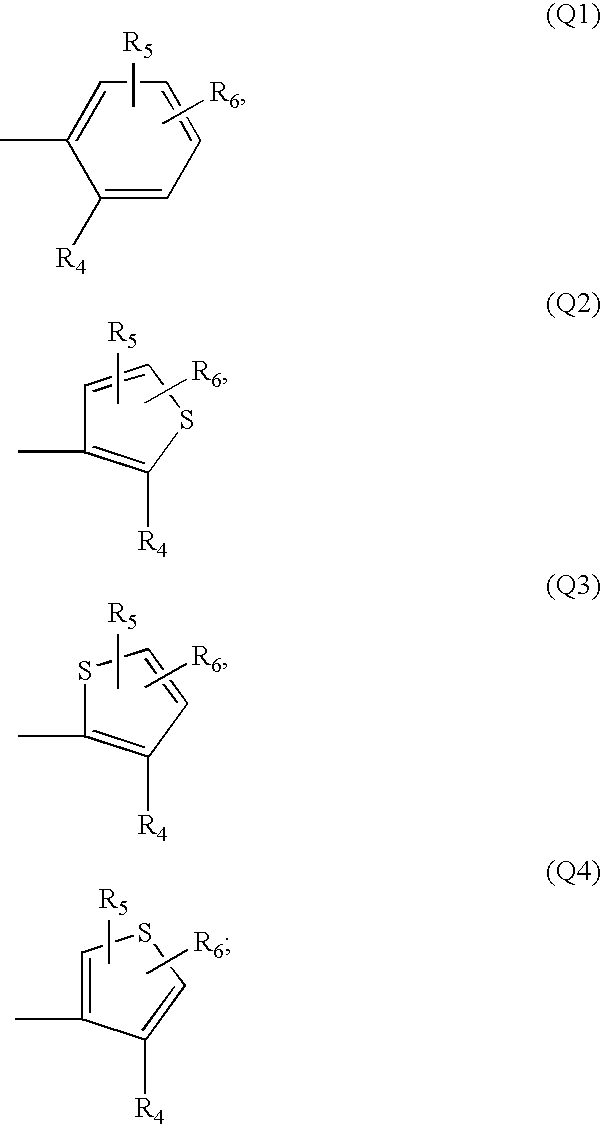
Q is - R4 is C6-C14bicycloalkyl unsubstituted or substituted by methyl, ethyl or CF3;
- C6-C14bicycloalkenyl unsubstituted or substituted by methyl, ethyl or CF3;
- C6-C14bicycloalkadienyl unsubstituted or substituted by methyl, ethyl or CF3; or a group of the form

wherein R7, R8 and R9 are independently of each other C1-C3alkyl or C1-C3haloalkyl; or a group
wherein R10 and R11 are independently of each other hydrogen or halogen and n=1 or 2; and - R5 and R6 are independently of each other hydrogen or halogen.
- Surprisingly, it has now been found that the compounds of formula I exhibit improved biological properties which render them more suitable for the practical use in agriculture and horticulture.
- Where asymmetrical carbon atoms are present in the compounds of formula I, these compounds are in optically active form. The invention relates to the pure isomers, such as enantiomers and diastereomers, as well as to all possible mixtures of isomers, e.g. mixtures of diastereomers, racemates or mixture of racemates.
- Within the present specification alkyl denotes methyl, ethyl, n-propyl and isopropyl. Non-branched alkyl is preferred. Alkyl as part of other radicals such as alkoxy, haloalkyl, etc. is understood in an analogous way. Halogen will be understood generally as meaning fluoro, chloro, bromo or iodo. Fluoro, chloro or bromo are preferred meanings. Halogen as part of other radicals such as haloalkyl, haloalkoxy, etc. is understood in an analogous way.
- Bicycloalkyl is, depending on the ring size, bicyclo[2.1.1]hexane, bicyclo[2.2.1]heptane, bicyclo[2.2.2]octane, bicyclo[3.2.1]octane, bicyclo[3.2.23nonane, bicyclo[4.2.2]decane, bicyclo[4.3.2]undecane, adamantane and the like.
- Bicycloalkenyl is bicyclo[2.1.1]hex-4-ene, bicyclo[2.2.1 ]hept-2-ene, bicyclo[2.2.2]oct-2-ene and the like.
- Bicycloalkadienyl is bicyclo[2.2.1]hepta-2,5-diene, bicyclo[2.2.2]octa-2,5-diene, and the like.
- One specific subgroup of the compounds of formula I is the group wherein X is oxygen.
- Another specific subgroup of the compounds of formula I is the group wherein X is sulfur.
- Preferred subgroups of compounds of formula I are those wherein
-
- X is oxygen; or
- X is sulfur; or
- R1 is CF3; or
- R1 is CF2H; or
- R1 is CFH2; or
- R2 is C1-C3alkyl; or
- R2 is C1-C3haloalkyl; or
- R2 is C1-C3alkoxy-C1-C3alkyl; or
- R2 is C1-C3haloalkoxy-C1-C3alkyl; or
- R2 is C1-C3alkyl or C1-C3haloalkyl; or
- R2 is C1-C3alkyl, C1-C3haloalkyl or C1-C3alkoxy-C1-C3alkyl; or
- R2 is methyl or CH2OCH3; or
- R2 is methyl; or
- R3 is hydrogen; or
- R3 is methyl; or
- R3 is CF3; or
- R3 is fluoro; or
- R3 is hydrogen or fluoro; or
- Q is Q1; or
- Q is Q2, Q3 or Q4; or
- Q is Q2; or
- Q is Q3;or
- Q is Q4; or
- R4 is C6-C10bicycloalkyl unsubstituted or substituted by methyl, ethyl or CF3; or
- C6-C10bicycloalkenyl unsubstituted or substituted by methyl, ethyl or CF3; or
- C6-C10bicycloalkadienyl unsubstituted or substituted by methyl, ethyl or CF3; or a group of the form

wherein R7, R8 and R9 are independently of each other C1-C3alkyl or - C1-C3haloalkyl; or a group

wherein R10 and R11 are independently of each other hydrogen or
halogen and n=1 or 2; or - R4 is C8-C10bicycloalkyl unsubstituted or substituted by methyl, ethyl or CF3,
- C6-C10bicycloalkenyl unsubstituted or substituted by methyl, ethyl or CF3,
- C6-C10bicycloalkadienyl unsubstituted or substituted by methyl, ethyl or CF3 , or a group of the form

wherein R7, R8 and R9 are independently of each other C1-C3alkyl or - C1-C3haloalkyl; and
- R5 and R6 are independently of each other hydrogen, chloro, bromo or fluoro; or
- R5 and R6 are independently of each other hydrogen, chloro or fluoro; or
- R5 is hydrogen and R6 is chloro or fluoro.
- Further preferred subgroups are those wherein
-
- a) X is oxygen;
- R1 is CF3;
- R2 is C1-C3alkyl or C1-C3alkoxy-C1-C3alkyl;
- R3 is hydrogen or fluoro;
- Q is Q1;
- R4 is C6-C10bicycloalkyl unsubstituted or substituted by methyl, ethyl or CF3; or
- C6-C10bicycloalkenyl unsubstituted or substituted by methyl, ethyl or CF3; or
- C6-C10bicycloalkadienyl unsubstituted or substituted by methyl, ethyl or CF3; or a group of the form

wherein R7, R8 and R9 are independently of each other C1-C3alkyl or - C1-C3haloalkyl; or a group

wherein R10 and R11 are independently of each other hydrogen or
halogen and n=1 or 2; and - R5 and R6 are independently of each other hydrogen, fluoro, chloro or bromo; or
- b) X is oxygen;
- R1 is CF3;
- R2 is C1-C3alkyl or C1-C3haloalkyl;
- R3 is hydrogen or fluoro;
- Q is Q2, Q3 or Q4;
- R4 is C6-C10bicycloalkyl unsubstituted or substituted by methyl, ethyl or CF3; or
- C6-C10bicycloalkenyl unsubstituted or substituted by methyl, ethyl or CF3; or
- C6-C10bicycloalkadienyl unsubstituted or substituted by methyl, ethyl or CF3; or a group of the form

wherein R7, R8 and R9 are independently of each other C1-C3alkyl or - C1-C3haloalkyl; or a group

wherein R10 and R11 are independently of each other hydrogen or
halogen and n=1 or 2; and - R5 and R6 are independently of each other hydrogen, fluoro, chloro or bromo; and among this subgroup Q=Q2 is preferred; or
- ab) X is oxygen;
- R1 is CF3;
- R2 is methyl or CH2OCH3;
- R3 is hydrogen or fluoro;
- Q is Q1;
- R4 is a group of the form

wherein R7, R8 and R9 are independently of each other C1-C3alkyl or - C1-C3haloalkyl; and
- R5 and R6 are independently of each other hydrogen, fluoro, chloro or bromo; or
- c) X is oxygen;
- R1 is CF3;
- R2 is methyl;
- R3 is hydrogen or fluoro;
- Q is Q1;
- R4 is a group of the form

wherein R7, R8 and R9 are independently of each other CF3, methyl or - ethyl, preferably methyl; and
- R5 and R6 are independently of each other hydrogen, fluoro or chloro; or
- d) X is oxygen;
- R1 is CF3;
- R2 is methyl;
- R3 is hydrogen;
- Q is Q1;
- R4 is a group of the form

wherein R7, R8 and R9 are independently of each other methyl or ethyl, - preferably methyl; and
- R5 and R6 are independently of each other hydrogen, fluoro or chloro; or
- e) X is oxygen;
- R1 is CF3;
- R2 is methyl;
- R3 is fluoro;
- Q is Q1;
- R4 is a group of the form

wherein R7, R8 and R9 are independently of each other methyl or ethyl, - preferably methyl; and
- R5 and R6 are independently of each other hydrogen, fluoro or chloro.
- Other preferred subgroups are those wherein
-
- f) X is sulfur,
- R1 is CF3;
- R2 is C1-C3alkyl or C1-C3haloalkyl;
- R3 is hydrogen or fluoro;
- Q is Q1;
- R4 is C6-C10bicycloalkyl unsubstituted or substituted by methyl, ethyl or CF3; or
- C6-C10bicycloalkenyl unsubstituted or substituted by methyl, ethyl or CF3; or
- C6-C10bicycloalkadienyl unsubstituted or substituted by methyl, ethyl or CF3; or a group of the form

R7, R8 and R9 are independently of each other C1-C3alkyl or - C1-C3haloalkyl; or a group

wherein R10 and R11 are independently of each other hydrogen or
halogen and n=1 or 2; and - R5 and R6 are independently of each other hydrogen, fluoro, chloro or bromo; or
- g) X is sulfur;
- R1 is CF3;
- R2 is C1-C3alkyl or C1-C3haloalkyl;
- R3 is hydrogen or fluoro;
- Q is Q2, Q3 or Q4;
- R4 is C6-C10bicycloalkyl unsubstituted or substituted by methyl, ethyl or CF3; or
- C6-C10bicycloalkenyl unsubstituted or substituted by methyl, ethyl or CF3; or
- C6-C10bicycloalkadienyl unsubstituted or substituted by methyl, ethyl or CF3; or a group of the form

wherein R7, R8 and R9 are independently of each other C1-C3alkyl or - C1-C3haloalkyl; or a group

wherein R10 and R11 are independently of each other hydrogen or
halogen and n=1 or 2; and - R5 and R6 are independently of each other hydrogen, fluoro, chloro or bromo.
- Other subgroups of compounds of formula I are those wherein
-
- h) X is oxygen or sulfur;
- R1 is CF3;
- R2 is C1-C3alkyl, C1-C3haloalkyl or C1-C3alkoxy-C1-C3alkyl;
- R3 is hydrogen or fluoro;
- Q is Q1;
- R4 is C6-C10bicycloalkyl unsubstituted or substituted by methyl, ethyl or CF3;
- C6-C10bicycloalkenyl unsubstituted or substituted by methyl, ethyl or CF3;
- C6-C10bicycloalkadienyl unsubstituted or substituted by methyl, ethyl or CF3; a group of the form

wherein R7, R8 and R9 are independently of each other C1-C3alkyl or - C1-C3haloalkyl; and
- R5 and R6 are independently of each other hydrogen, chloro or fluoro; or
- i) X is oxygen or sulfur;
- R1 is CF3;
- R2 is C1-C3alkyl, C1-C3haloalkyl or C1-C3alkoxy-C1-C3alkyl;
- R3 is hydrogen or fluoro;
- Q is Q1;
- R4 is a group of the form

wherein R7, R8 and R9 are independently of each other C1-C3alkyl or - C1-C3haloalkyl; and
- R5 and R6 are independently of each other hydrogen, chloro or fluoro; or
- j) X is oxygen or sulfur;
- R1 is CF3;
- R2 is C1-C3alkyl, C1-C3haloalkyl or C1-C3alkoxy-C1-C3alkyl;
- R3 is hydrogen or fluoro;
- Q is Q2, Q3 or Q4;
- R4 is C6-C10bicycloalkyl unsubstituted or substituted by methyl, ethyl or CF3;
- C6-C10bicycloalkenyl unsubstituted or substituted by methyl, ethyl or CF3;
- C6-C10bicycloalkadienyl unsubstituted or substituted by methyl, ethyl or CF3; a group of the form

wherein R7, R8 and R9 are independently of each other C1-C3alkyl or - C1-C3haloalkyl; and
- R5 and R6 are independently of each other hydrogen, chloro or fluoro; or
- k) X is oxygen or sulfur;
- R1 is CF3;
- R2 is C1-C3alkyl, C1-C3haloalkyl or C1-C3alkoxy-C1-C3alkyl;
- R3 is hydrogen or fluoro;
- Q is Q2;
- R4 is C6-C10bicycloalkyl unsubstituted or substituted by methyl, ethyl or CF3;
- C6-C10bicycloalkenyl unsubstituted or substituted by methyl, ethyl or CF3;
- C6-C10bicycloalkadienyl unsubstituted or substituted by methyl, ethyl or CF3; a group of the form

wherein R7, R8 and R9 are independently of each other C1-C3alkyl or - C1-C3haloalkyl; and
- R5 and R6 are independently of each other hydrogen, chloro or fluoro; or
- I) X is oxygen or sulfur;
- R1 is CH2F or CF2H;
- R2 is C1-C3alkyl, C1-C3haloalkyl or C1-C3alkoxy-C1-C3alkyl;
- R3 is hydrogen or fluoro;
- Q is Q1;
- R4 is C6-C10bicycloalkyl unsubstituted or substituted by methyl, ethyl or CF3;
- C6-C10bicycloalkenyl unsubstituted or substituted by methyl, ethyl or CF3;
- C6-C10bicycloalkadienyl unsubstituted or substituted by methyl, ethyl or CF3; a group of the form

wherein R7, R8 and R9 are independently of each other C1-C3alkyl or - C1-C3haloalkyl; and
- R5 and R6 are independently of each other hydrogen, chloro or fluoro; or
- m) X is oxygen;
- R1 is CH2F or CF2H;
- R2 is methyl or CH2OCH3;
- R3 is hydrogen or fluoro;
- Q is Q1;
- R4 is a group of the form

wherein R7, R8 and R9 are independently of each other C1-C3alkyl or - C1-C3haloalkyl; and
- R5 and R6 are independently of each other hydrogen, chloro or fluoro; or
- n) X is oxygen or sulfur;
- R1 is CH2F or CF2H;
- R2 is C1-C3alkyl, C1-C3haloalkyl or C1-C3alkoxy-C1-C3alkyl;
- R3 is hydrogen or fluoro;
- Q is Q2, Q3 or Q4;
- R4 is C6-C10bicycloalkyl unsubstituted or substituted by methyl, ethyl or CF3;
- C6-C10bicycloalkenyl unsubstituted or substituted by methyl, ethyl or CF3; C6-C10bicycloalkadienyl unsubstituted or substituted by methyl, ethyl or CF3; a group of the form

wherein R7, R8 and R9 are independently of each other C1-C3alkyl or - C1-C3haloalkyl; and
- R5 and R6 are independently of each other hydrogen, chloro or fluoro; or
- o) X is oxygen;
- R1 is CH2F or CF2H;
- R2 is methyl or CH2OCH3;
- R3 is hydrogen or fluoro;
- Q is Q2, Q3 or Q4;
- R4 is a group of the form

wherein R7, R8 and R9 are independently of each other C1-C3alkyl or - C1-C3haloalkyl; and
- R5 and R6 are independently of each other hydrogen, chloro or fluoro.
- Preferred individual compounds are:
-
- 1-methyl-4-trifluoromethyl-1H-pyrrole-3-carboxylic acid [2-(1,3-dimethylbutyl)phenyl]amide;
- 1-methoxymethyl-4-trifluoromethyl-1H-pyrrole-3-carboxylic acid [2-(1,3-dimethylbutyl)phenyl]amide;
- 1-methyl-2-fluoro-4-trifluoromethyl-1H-pyrrole-3-carboxylic acid [2-(1,3-dimethylbutyl)phenyl]amide;
- 1-methoxymethyl-2-fluoro-4-trifluoromethyl-1H-pyrrole-3-carboxylic acid [2-(1,3-dimethylbutyl)phenyl]amide;
- 1-methyl-4-trifluoromethyl-1H-pyrrole-3-carbothioic acid [2-(1,3-dimethylbutyl)phenyl]amide.
- The compounds according to formula I wherein X is oxygen may be prepared according to the following reaction Scheme 1A.
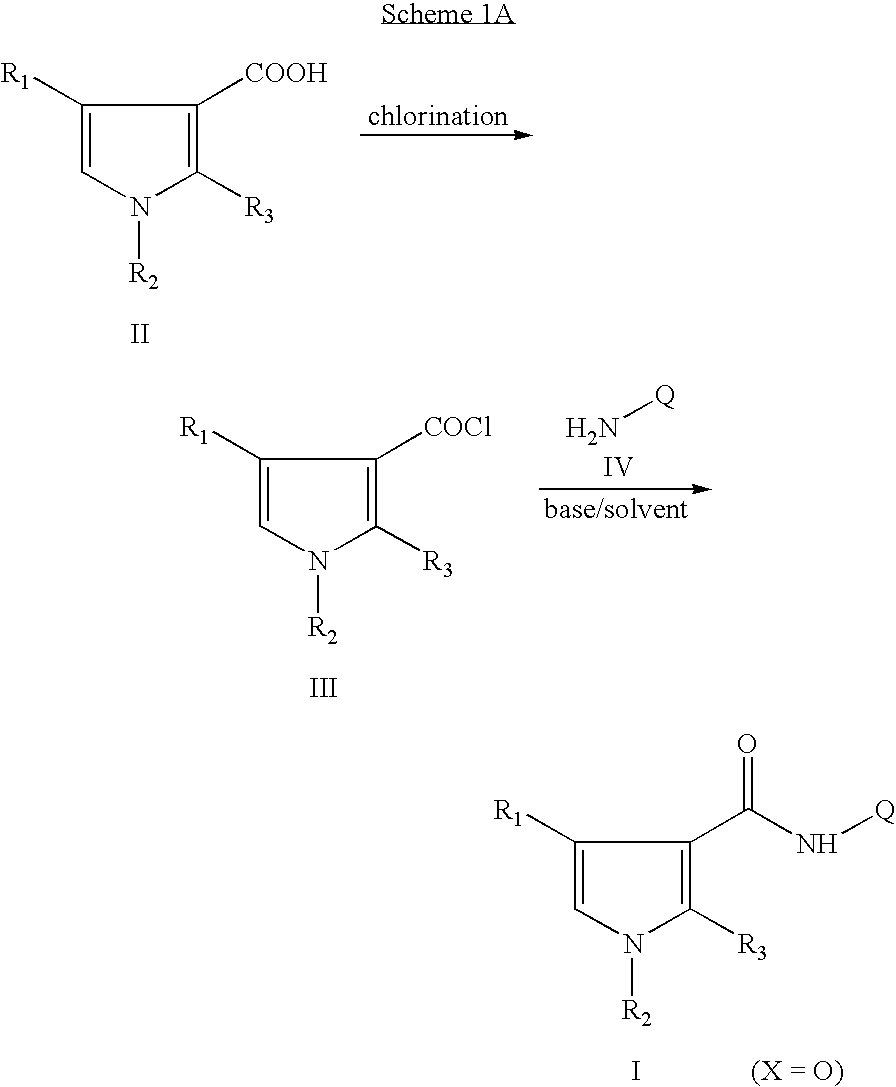
- The compounds of the formula I wherein X is oxygen may also be prepared from the corresponding esters according to reaction Scheme 1B.

- A further method for the synthesis of compounds of the formula I is outlined in Scheme 1C.

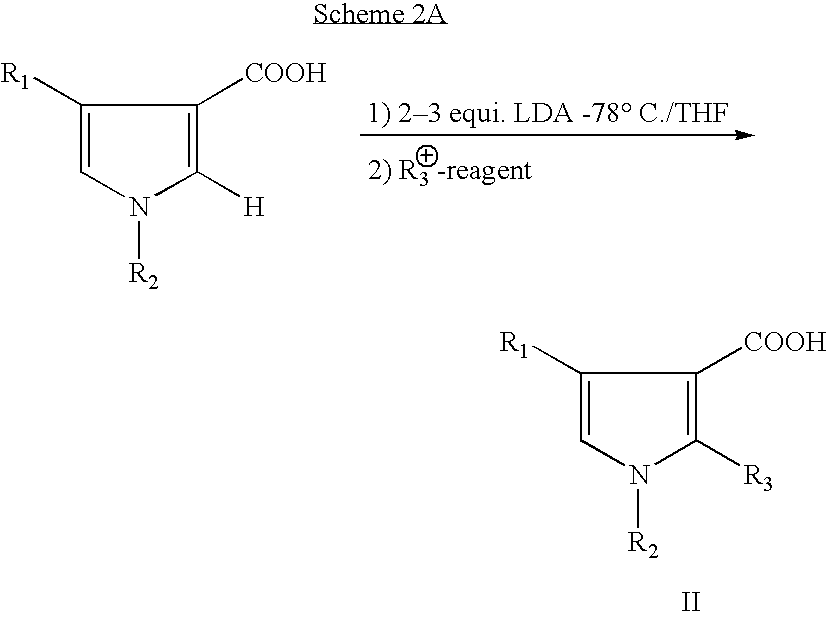
- The synthesis of the pyrrole carboxylic acids of formula II wherein R3 is not hydrogen may be conducted according to Scheme 2A.
-
- R3 ⊕-reagents: F⊕=N-fluoro-bis(phenylsulfonyl)amine, N-fluoro-N-methyl-toluene-4-sulfonamide, 2-fluoro-3,3-dimethyl-2,3-dihydro-1,2-benzisothiazole-1,1-dioxide, 1-fluoro-sym.-collidiniumtetrafluoroborate
- Me⊕-Mel, MeBr, DMS (dimethylsulfate)
- Cl⊕=NCS, Cl2, hexachloroethane
- LDA=lithiumdiisopropylamide
- R3 ⊕-reagents: F⊕=N-fluoro-bis(phenylsulfonyl)amine, N-fluoro-N-methyl-toluene-4-sulfonamide, 2-fluoro-3,3-dimethyl-2,3-dihydro-1,2-benzisothiazole-1,1-dioxide, 1-fluoro-sym.-collidiniumtetrafluoroborate
- The synthesis of the pyrrole carboxylic acids of formula II wherein R3═H is described in WO-00/09482.
- Alternatively the pyrrole carboxylic acid fluorides wherein R3 is fluoro may be obtained as outlined in Scheme 2B.

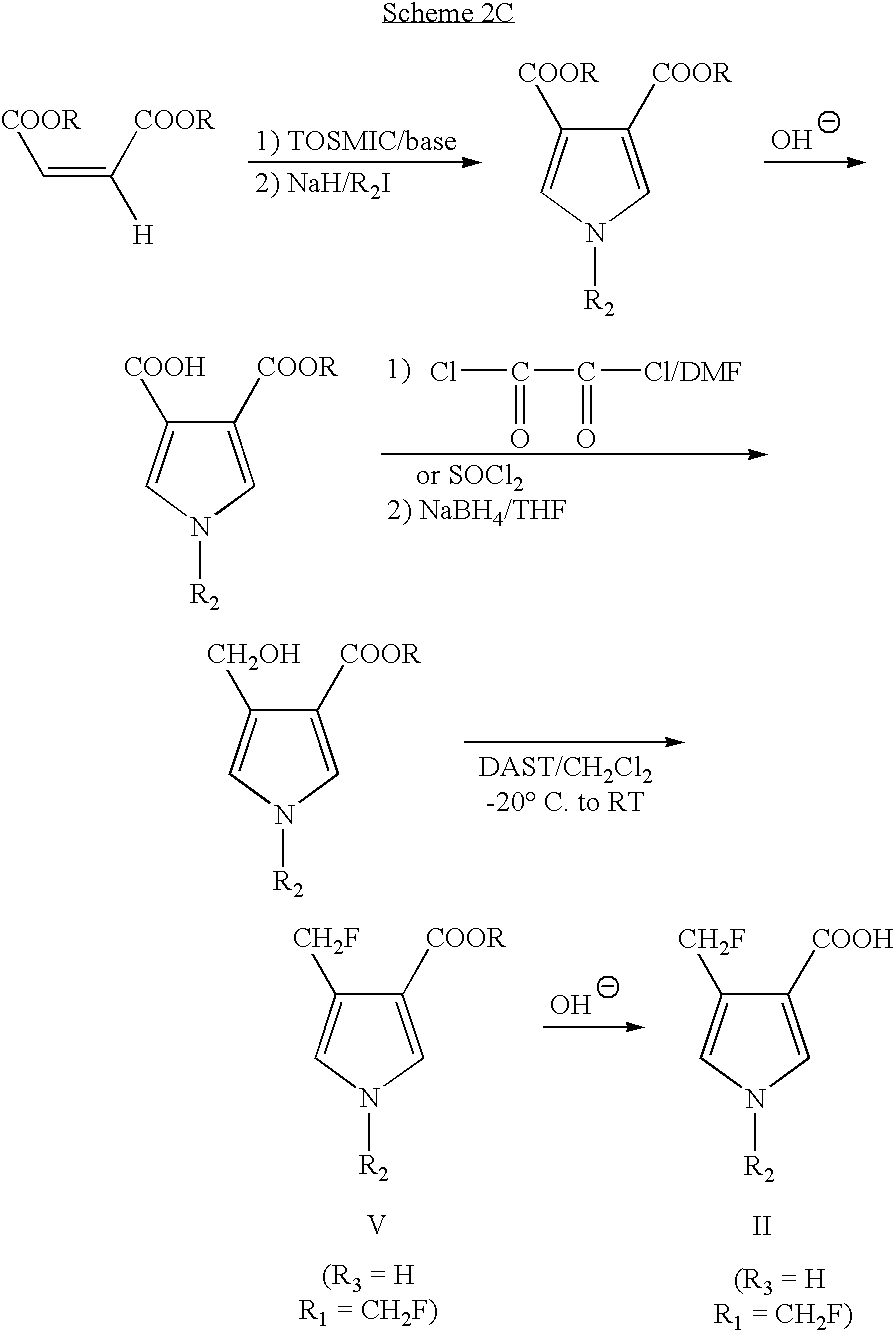
- The synthesis of the pyrrole carboxylic acids II may also be conducted according to the Schemes 2C or 2D.

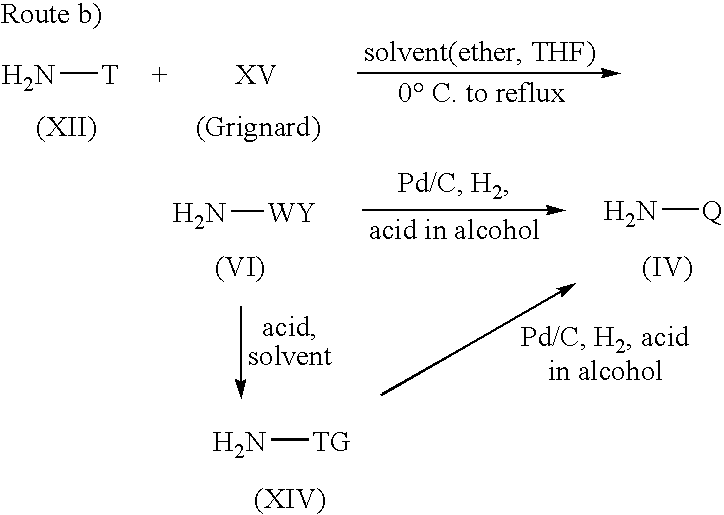
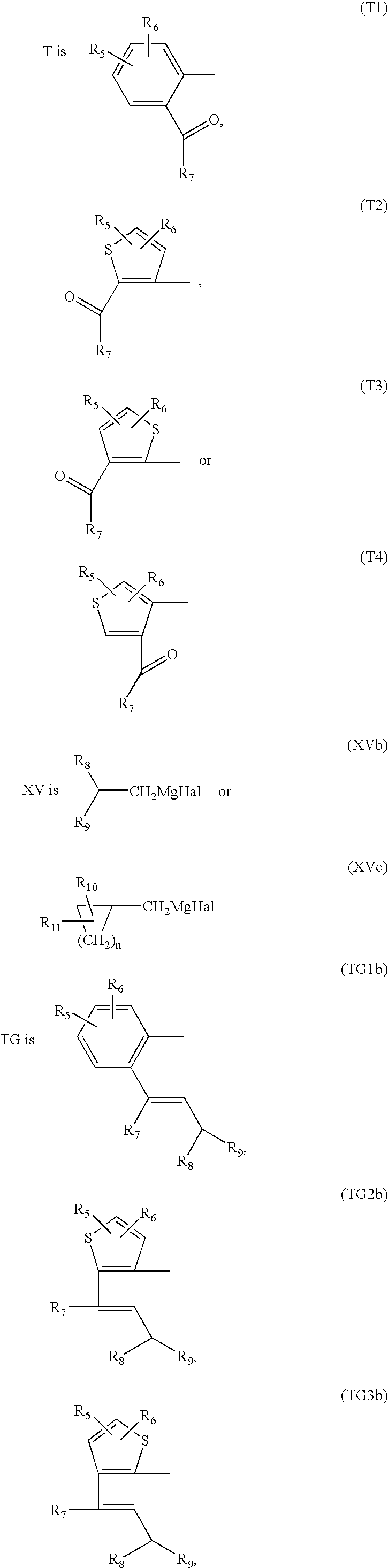
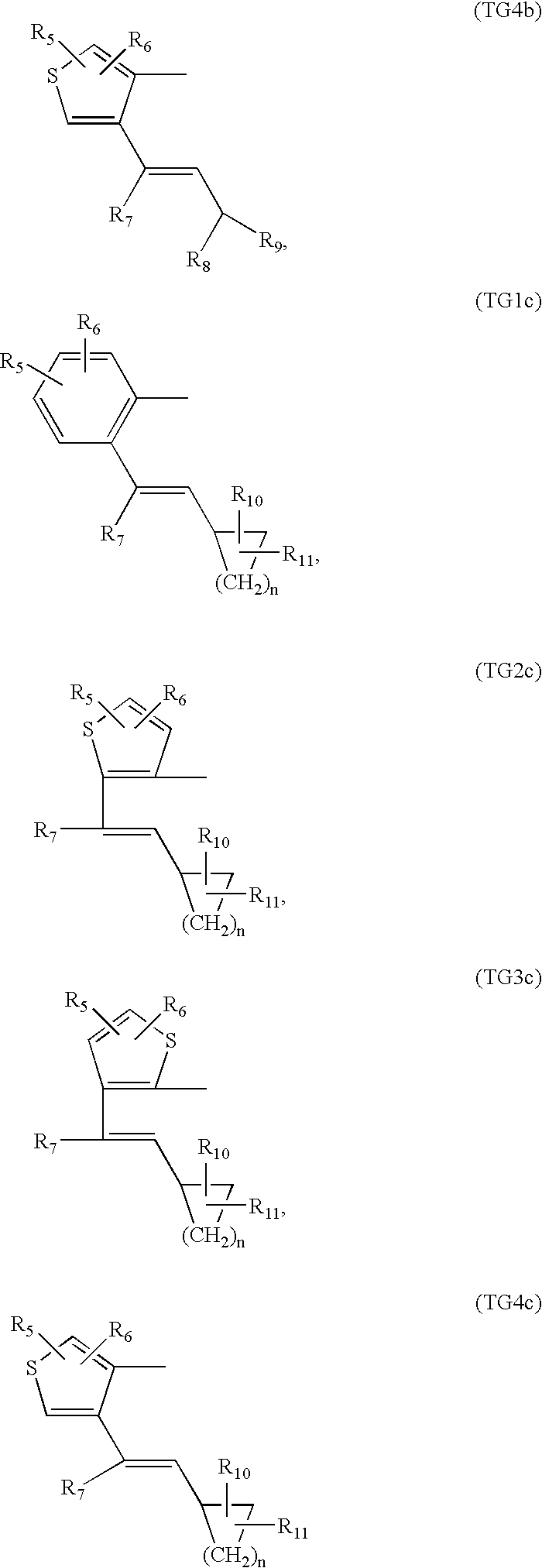
- The amine intermediates NH2-Q of formula IV may be prepared according to the following reactions as outlined in Scheme 3.

wherein Q, R5, R6, R7, R8, R9, R10, R11 and n are as described for the compounds of formula I, Hal is Br or I; strong base is n-BuLi, sec.-BuLi, tert.-BuLi, PhLi; and -
- wherein
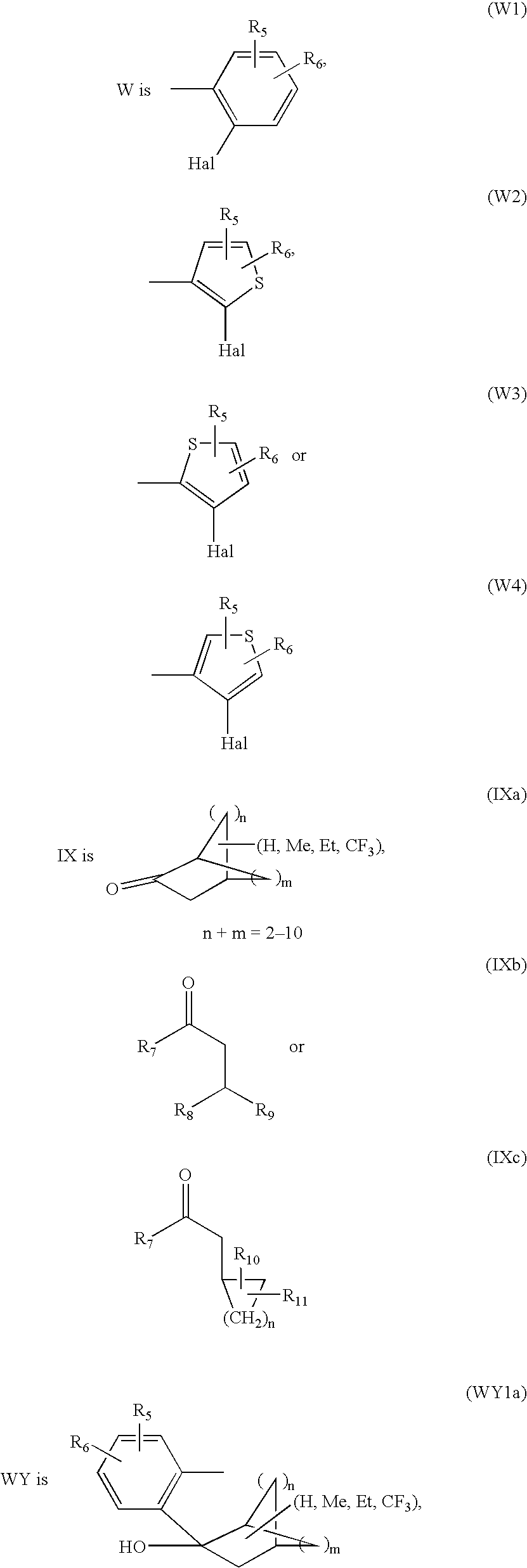
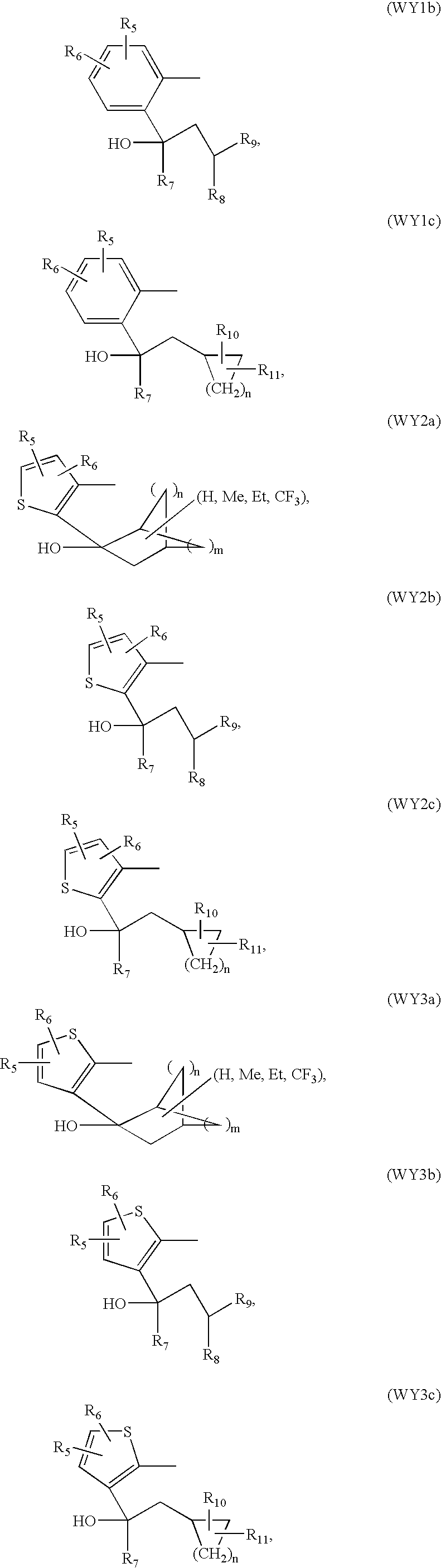
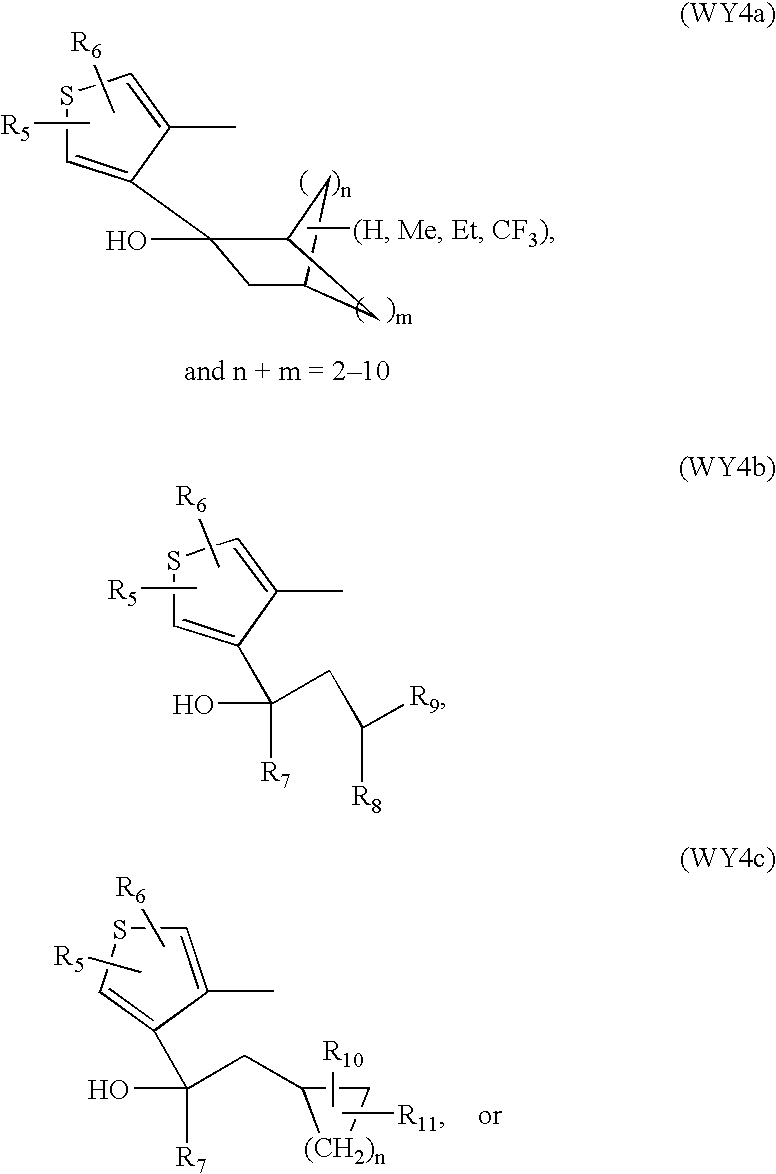
- wherein
and wherein isomeric mixtures are possible at the double bond - or Route c)
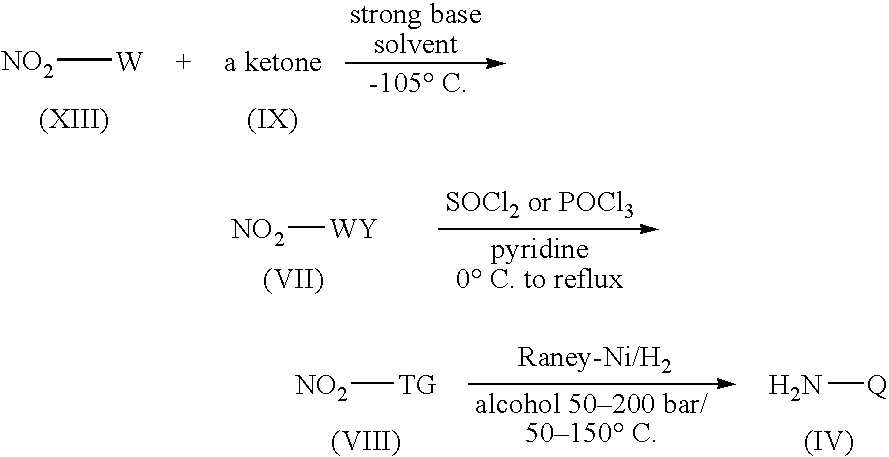
- wherein
- Specific amines of the formula IV can be prepared as follows:
- The amines H2N-Q of formula IV, wherein Q=Q1 as defined in formula I and R4 is bicycloalkyl, bicycloalkenyl or bicycloalkadienyl and R5 and R6 are hydrogen may be obtained according to Scheme 3A (Route a).
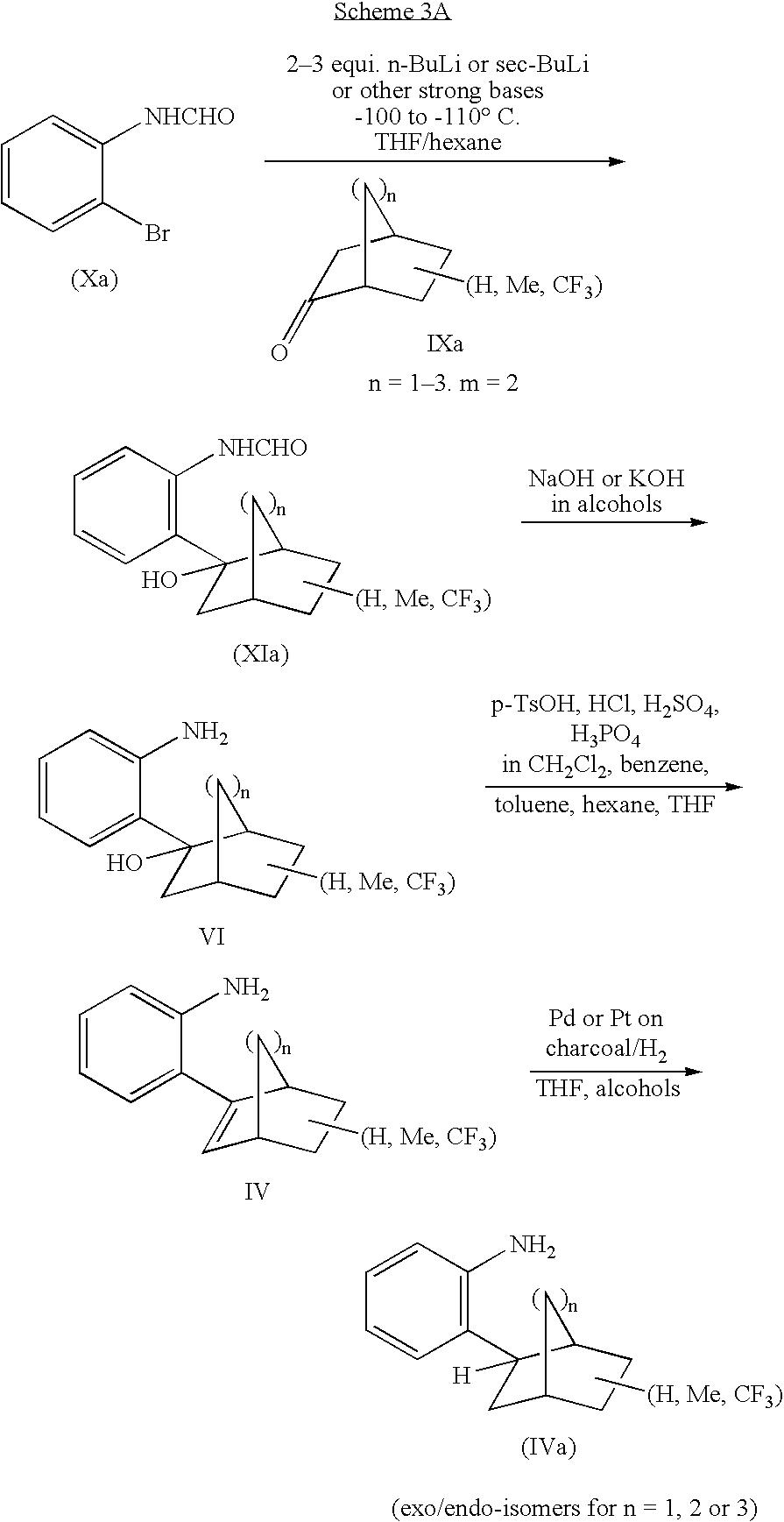
- For the synthesis of 2-bicyclo[2.2.1]hept-2-yl phenylamine and other bicyclosystems see for example EP-116044.
- According to Scheme 3A the following compounds are also available:

wherein R5 and R6 are hydrogen and R7, R10, R11 and n are as defined for formula I. - The amines H2N-Q wherein Q is Q1 and R4 is a group of the form

- R5 and R6 are hydrogen and R7, R8 and R9 are as defined for formula I may be obtained according to-Scheme 3B (Route b).

(other syntheses of ortho-alkylsubstituted anilines are also described in EP-824099) or in a one step hydrogenation of the OH-group of compounds of formula VI
- Another synthesis of the amine intermediates is outlined in Scheme 3C (Route c).
- Scheme 3C for compounds of formula IVb1
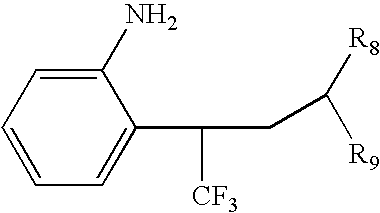
wherein R7 is CF3, R5 and R6 are hydrogen and R8 and R9 are as defined for formula I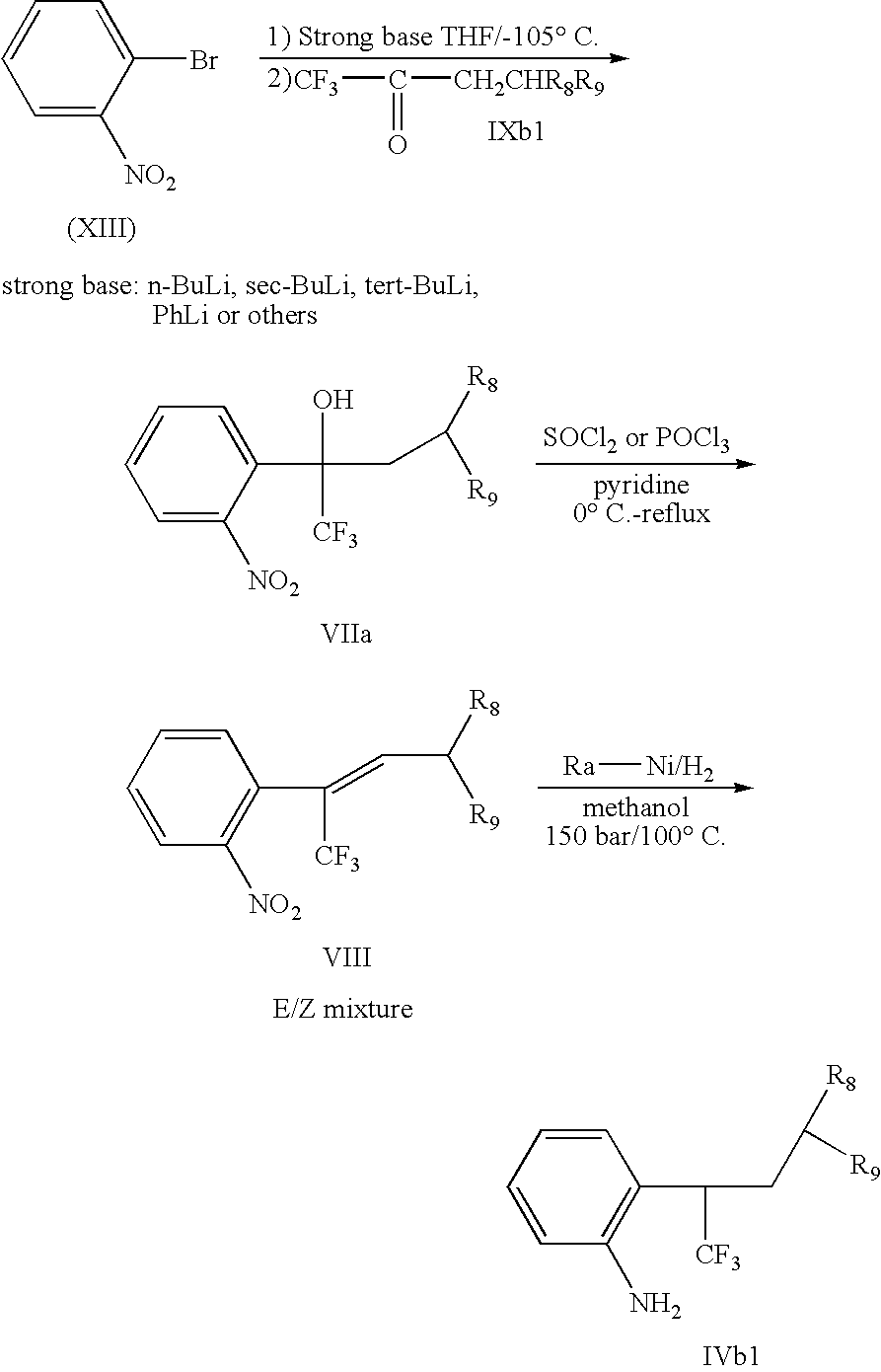
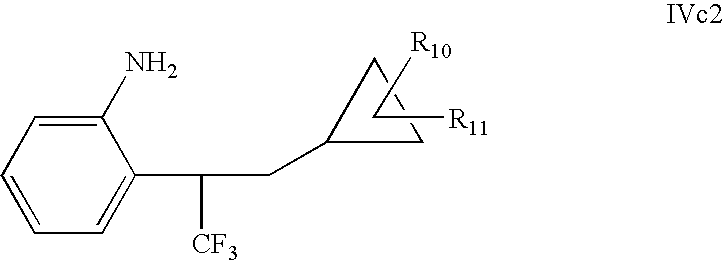
- Using the reaction sequence outlined in Scheme 3C the compounds of formula IVc2 wherein R5 and R6 are hydrogen, R7 is CF3, n=1 and R10 and R11 are as defined for formula I are also available
- The synthesis of the amines IV wherein Q is Q2, Q3 or Q4, R5 and R6 are hydrogen and R4 is bicycloalkyl, bicycloalkenyl, bicycloalkadienyl or a group of the form

and wherein R7, R8 and R9 are as defined for formula I may be obtained according to scheme 3A) or 3B) starting from the following corresponding thienyl derivatives
and reacting either with the ketone IXa or IXb
or the Grignard-reagent XVb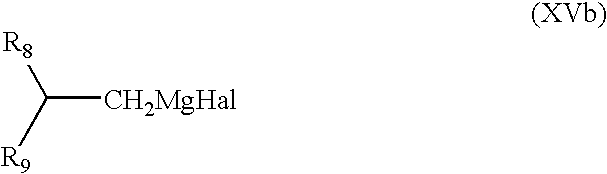
- The present invention also relates to novel ketones of formula IX.
- The carbothioic acid amides of formula I, wherein X═S may be obtained from the compounds of formula I wherein X═O according to Scheme 4.

- The following phenylamine derivatives of formula IV are new and part of the invention:
-
- 2-bicyclo[2.2.2]oct-2-yl-phenylamine;
- 2-bicyclo[2.2.2]oct-2-en-2-yl-phenylamine;
- 2-bicyclo[2.2.2]octa-2,5-dien-2-yl-phenylamine;
- 2-(2-aminophenyl)-1,1,1-trifluoromethyl-4-methyl-pentan-2-ol;
- 2-(2-aminophenyl)-1-cyclopropyl-propan-2-ol;
- 2-(2-aminophenyl)-1-cyclopropyl-butan-2-ol;
- 2-(3-methyl-1-trifluoromethyl-but-1-enyl)-phenylamine;
- 2-(3-methyl-1-trifluoromethyl-butyl)phenylamine;
- 2-(2-cyclopropyl-1-methyl-ethyl)phenylamine; and
- 2-(1-cyclopropylmethyl-propyl)phenylamine.
- Surprisingly, it has now been found that the novel compounds of formula I have, for practical purposes, a very advantageous spectrum of activities for protecting plants against diseases that are caused by fungi as well as by bacteria and viruses.
- The compounds of formula I can be used in the agricultural sector and related fields of use as active ingredients for controlling plant pests. The novel compounds are distinguished by excellent activity at low rates of application, by being well tolerated by plants and by being environmentally safe. They have very useful curative, preventive and systemic properties and are used for protecting numerous cultivated plants. The compounds of formula I can be used to inhibit or destroy the pests that occur on plants or parts of plants (fruit, blossoms, leaves, stems, tubers, roots) of different crops of useful plants, while at the same time protecting also those parts of the plants that grow later e.g. from phytopathogenic micro-organisms.
- It is also possible to use compounds of formula I as dressing agents for the treatment of plant propagation material, in particular of seeds (fruit, tubers, grains) and plant cuttings (e.g. rice), for the protection against fungal infections as well as against phytopathogenic fungi occurring in the soil.
- The compounds I are, for example, effective against the phytopathogenic fungi of the following classes: Fungi imperfecti (e.g. Botrytis, Pyricularia, Helminthosporium, Fusarium, Septoria, Cercospora and Altemaria) and Basidiomycetes (e.g. Rhizoctonia, Hemileia, Puccinia). Additionally, they are also effective against the Ascomycetes classes (e.g. Venturia and Erysiphe, Podosphaera, Monilinia, Uncinula) and of the Oomycetes classes (e.g. Phytophthora, Pythium, Plasmopara). Outstanding activity has been observed against powdery mildew (Erysiphe spp.). Furthermore, the novel compounds of formula I are effective against phytopathogenic bacteria and viruses (e.g. against Xanthomonas spp, Pseudomonas spp, Erwinia amylovora as well as against the tobacco mosaic virus).
- Within the scope of present invention, target crops to be protected typically comprise the following species of plants: cereal (wheat, barley, rye, oat, rice, maize, sorghum and related species); beet (sugar beet and fodder beet); pomes, drupes and soft fruit (apples, pears, plums, peaches, almonds, cherries, strawberries, raspberries and blackberries); leguminous plants (beans, lentils, peas, soybeans); oil plants (rape, mustard, poppy, olives, sunflowers, coconut, castor oil plants, cocoa beans, groundnuts); cucumber plants (pumpkins, cucumbers, melons); fibre plants (cotton, flax, hemp, jute); citrus fruit (oranges, lemons, grapefruit, mandarins); vegetables (spinach, lettuce, asparagus, cabbages, carrots, onions, tomatoes, potatoes, paprika); lauraceae (avocado, cinnamomum, camphor) or plants such as tobacco, nuts, coffee, eggplants, sugar cane, tea, pepper, vines, hops, bananas and natural rubber plants, as well as ornamentals.
- The compounds of formula I are used in unmodified form or, preferably, together with the adjuvants conventionally employed in the art of formulation. To this end they are conveniently formulated in known manner to emulsifiable concentrates, coatable pastes, directly sprayable or dilutable solutions, dilute emulsions, wettable powders, soluble powders, dusts, granulates, and also encapsulations e.g. in polymeric substances. As with the type of the compositions, the methods of application, such as spraying, atomizing, dusting, scattering, coating or pouring, are chosen in accordance with the intended objectives and the prevailing circumstances. The compositions may also contain further adjuvants such as stabilizers, antifoams, viscosity regulators, binders or tackifiers as well as fertilizers, micronutrient donors or other formulations for obtaining special effects.
- Suitable carriers and adjuvants can be solid or liquid and are substances useful in formulation technology, e.g. natural or regenerated mineral substances, solvents, dispersants, wetting agents, tackifiers, thickeners, binders or fertilizers. Such carriers are for example described in WO 97/33890.
- The compounds of formula I are normally used in the form of compositions and can be applied to the crop area or plant to be treated, simultaneously or in succession with further compounds. These further compounds can be e.g. fertilizers or micronutrient donors or other preparations which influence the growth of plants. They can also be selective herbicides as well as insecticides, fungicides, bactericides, nematicides, molluscicides or mixtures of several of these preparations, if desired together with further carriers, surfactants or application promoting adjuvants customarily employed in the art of formulation. The compounds of formula I can be mixed with other fungicides, resulting in some cases in unexpected synergistic activities.
- Mixing components which are particularly preferred are azoles such as azaconazole, bitertanol, propiconazole, difenoconazole, diniconazole, cyproconazole, epoxiconazole, fluquinconazole, flusilazole, flutriafol, hexaconazole, imazalil, imibenconazole, ipconazole, tebuconazole, tetraconazole, fenbuconazole, metconazole, myclobutanil, perfurazoate, penconazole, bromuconazole, pyrifenox, prochloraz, triadimefon, triadimenol, triflumizole or triticonazole; pyrimidinyl carbinoles such as ancymidol, fenarimol or nuarimol; 2-amino-pyrimidine such as bupirimate, dimethirimol or ethirimol; morpholines such as dodemorph, fenpropidin, fenpropimorph, spiroxamin or tridemorph; anilinopyrimidines such as cyprodinil, pyrimethanil or mepanipyrim; pyrroles such as fenpiclonil or fludioxonil; phenylamides such as benalaxyl, furalaxyl, metalaxyl, R-metalaxyl, ofurace or oxadixyl; benzimidazoles such as benomyl, carbendazim, debacarb, fuberidazole or thiabendazole; dicarboximides such as chlozolinate, dichlozoline, iprodine, myclozoline, procymidone or vinclozolin; carboxamides such as carboxin, fenfuram, flutolanil, mepronil, oxycarboxin or thifluzamide; guanidines such as guazatine, dodine or iminoctadine; strobilurines such as azoxystrobin, kresoxim-methyl, metominostrobin, SSF-129, methyl 2-[(2-trifluoromethyl)-pyrid-6-yloxymethyl]-3-methoxyacrylate or 2-[α{[(α-methyl-3-trifluoromethyl-benzyl)imino]-oxy}-o-tolyl]-glyoxylic acid-methylester-O-methyloxime (trifloxystrobin); dithiocarbamates such as ferbam, mancozeb, maneb, metiram, propineb, thiram, zineb or ziram; N-halomethylthio-dicarboximides such as captafol, captan, dichlofluanid, fluoromide, folpet or tolyfluanid; copper compounds such as Bordeaux mixture, copper hydroxide, copper oxychloride, copper sulfate, cuprous oxide, mancopper or oxine-copper; nitrophenol derivatives such as dinocap or nitrothal-isopropyl; organo phosphorous derivatives such as edifenphos, iprobenphos, isoprothiolane, phosdiphen, pyrazophos or toclofos-methyl; and other compounds of diverse structures such as acibenzolar-S-methyl, anilazine, blasticidin-S, chinomethionat, chloroneb, chlorothalonil, cymoxanil, dichlone, diclomezine, dicloran, diethofencarb, dimethomorph, dithianon, etridiazole, famoxadone, fenamidone, fentin, ferimzone, fluazinam, flusulfamide, fenhexamid, fosetyl-aluminium, hymexazol, kasugamycin, methasulfocarb, pencycuron, phthalide, polyoxins, probenazole, propamocarb, pyroquilon, quinoxyfen, quintozene, sulfur, triazoxide, tricyclazole, triforine, validamycin, (S)-5-methyl-2-methylthio-5-phenyl-3-phenyl-amino-3,5-dihydroimidazol-4-one (RPA 407213), 3,5-dichloro-N-(3-chloro-1-ethyl-1-methy(-2-oxopropyl)-4-methylbenzamide (RH-7281), N-allyl-4,5-dimethyl-2-trimethylsilylthiophene-3-carboxamide (MON 65500), 4-chloro-4-cyano-N,N-dimethyl-5-p-tolylimidazole-1-sulfon-amide (IKF-916), N-(1-cyano-1,2-dimethyl-propyl)-2-(2,4-dichlorophenoxy)-propionamide (AC 382042), or iprovalicarb (SZX 722).
- A preferred method of applying a compound of formula I, or an agrochemical composition which contains at least one of said compounds, is foliar application. The frequency of application and the rate of application will depend on the risk of infestation by the corresponding pathogen. However, the compounds of formula I can also penetrate the plant through the roots via the soil (systemic action) by drenching the locus of the plant with a liquid formulation, or by applying the compounds in solid form to the soil, e.g. in granular form (soil application). In crops of water rice such granulates can be applied to the flooded rice field. The compounds of formula I may also be applied to seeds (coating) by impregnating the seeds or tubers either with a liquid formulation of the fungicide or coating them with a solid formulation.
- The formulation, i.e. the compositions containing the compound of formula I and, if desired, a solid or liquid adjuvant, are prepared in known manner, typically by intimately mixing and/or grinding the compound with extenders, e.g. solvents, solid carriers and, optionally, surface active compounds (surfactants).
- The agrochemical formulations will usually contain from 0.1 to 99% by weight, preferably from 0.1 to 95% by weight, of the compound of formula 1, 99.9 to 1% by weight, preferably 99.8 to 5% by weight, of a solid or liquid adjuvaht, and from 0 to 25% by weight, preferably from 0.1 to 25% by weight, of a surfactant.
- Advantageous rates of application are normally from 5 g to 2 kg of active ingredient (a.i.) per hectare (ha), preferably from 10 g to 1 kg a.i./ha, most preferably from 20 g to 600 g a.i./ha. When used as seed drenching agent, convenient dosages are from 10 mg to 1 g of active substance per kg of seeds.
- Whereas it is preferred to formulate commercial products as concentrates, the end user will normally use dilute formulations.
- The following non-limiting examples illustrate the above-described invention in more detail. Temperatures are given in degrees Celsius. The following abbreviations are used: m.p.=melting point; b.p.=boiling point. “NMR” means nuclear magnetic resonance spectrum. MS stands for mass spectrum. “%” is percent by weight, unless corresponding concentrations are indicated in other units.
-
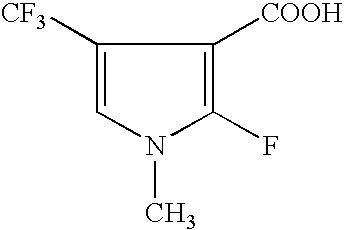
- A solution of 1.25g (11 mmol) lithiumdiisopropylamide (LDA) a 95% in 20 ml absolute THF is dropwise added to a solution of 1.0 g (5.2 mmol) 1-methyl-4-trifluormethyl-1H-pyrrole-3-carboxylic acid in 60 ml THF in such a manner that the temperature remains constant at −75° C. After 3 hours stirring at −75° C., a solution of 1.95 g (6.2 mmol) N-fluoro-bis(phenylsulfonyl)amine in 20 ml absolute THF is added in ca. 30 minutes at a constant temperature of −75° C. Then the cooling is stopped and the reaction mixture is stirred for 16 hours, thereby slowly warming up to room temperature. Then the solvent is removed in a water jet vacuum and the residue is solved in water. After addition of 1 N hydrochloric acid (pH=1) ethylacetate is added and the organic phase extracted twice with additional water.
- After separation of the organic phase, drying over sodium sulfate and evaporation of the solvent in a water jet vacuum the raw material is obtained. The crude product is purified by column chromatography over silica-gel (eluant: hexane/ethylacetate=1:1). Yield: 0.65 g 2-Fluoro-1-methyl-4-trifluoromethyl-1H-pyrrole-3-carboxylic acid in the form of white crystals; m.p. : 190-191° C.
- 2-Chloro-1-methyl-4-trifluoromethyl-1H-pyrrole-3-carboxylic acid can be obtained in analogous manner using for example N-chlorosuccinimide as halogenation agent in the reaction described above, m.p. 197-1 98° C.
-
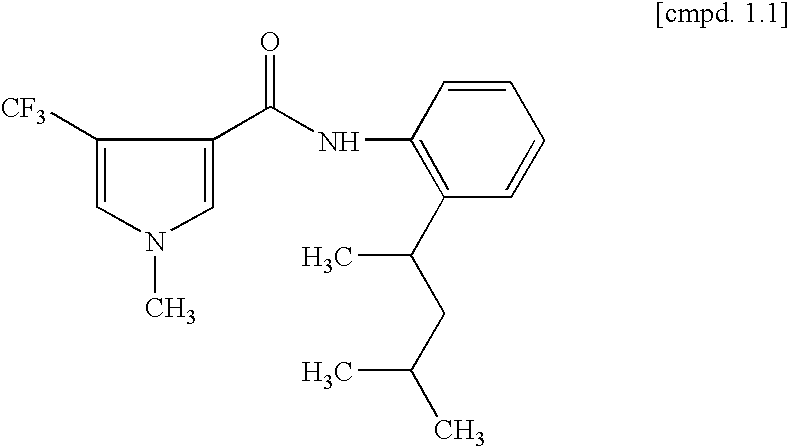
- A solution of 0.5 g (2.6 mmol) 1-methyl-4-trifuoromethylpyrrole-3-carboxylic acid and 0.37 g (2.85 mmol) oxalylchloride in 20 ml methylene chloride is stirred for 3 hours at room temperature in the presence of a catalytic amount of DMF. Then the acid chloride solution is slowly added to a solution of 0.46 g (2.6 mmol) 2-(1,3-dimethylbutyl)phenylamine, 0.33 g (3.4 mmol) triethylamine and 15 ml methylene chloride. The resulting mixture is then stirred for 16 hours at room temperature. After removal of the solvent in a water jet vacuum, the raw material is taken up in ethylacetate. The ethylacetate phase is washed twice with water and then the organic phase is dried over sodium sulfate. After evaporation of the solvent in a water jet vacuum, the obtained residue is purified by column chromatography over silica-gel (eluant: hexane/ethylacetate=3:1). Yield: 0.45 g 1-Methyl-4-trifluoromethyl-1H-pyrrole-3-carboxylic acid[2-(1,3-dimethylbutyl)phenyl]amide in the form of brownish crystals; m.p.: 83-85° C.
-

- In a sulfonation flask a mixture of 0.6 g 1-Methyl-4-trifluoromethyl-1H-pyrrole-3-carboxylic acid[2-(1,3-dimethylbutyl)phenyl]amide, 0.45 g P2S5 and 30 ml dioxane is heated at 70-75° C. for 3 hours. After filtration, the solvent is removed in a water jet vacuum and the residue taken up in ethylacetate. The organic phase is washed twice with water and ethylacetate is removed in a water jet vacuum. The crude material is purified by column chromatography over silica gel (eluant: ethylacetate/n-hexane=1:1). Yield: 0.53 g 1-Methyl-4-trifluoromethyl-1H-pyrrole-3-carbothioic acid [2-(1,3-dimethylbutyl)phenyl]amide in the form of a reddish resin (1H-NMR).
-
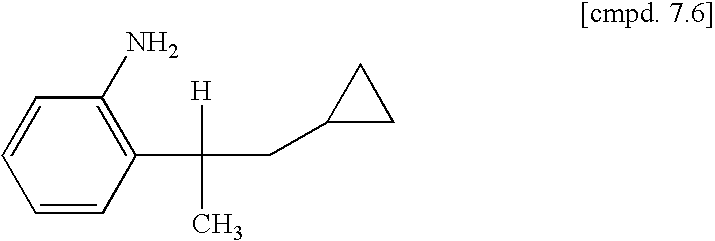
- To a solution of 2.96 g (15.5 mmol) of 2-(2-aminophenyl)-1-cyclopropyl-propan-2-ol in 70 ml methanol is added 4.43 g (43.4 mmol) conc. sulfuric acid (96%). The resulting mixture is hydrogenated over 600 mg Pd/C(10%) for 20 hours at 30-35° C. After that time no more hydrogen uptake is detected. The catalyst is filtered off and the solvent removed in a water-jet vacuum. The residue is taken up in ethylacetate/water and the water phase is neutralised by the addition of sodium carbonate. The water phase is extracted twice with ethylacetate, then the combined organic phase is dried over sodium sulfate. After removal of the solvent in a water-jet vacuum, the crude amine is obtained. The obtained raw material is purified by column chromagraphy over silica gel (eluant: hexane/ether=5:1). Yield: 2.1 g 2-(2-cyclopropyl-1-methyl-ethyl)phenylamine in the form of a brown oil (1H-NMR).
-

- A solution of 1.14 g (4.4 mmol) 1-(3-methyl-1-trifluoromethyl-but-1 -enyl)-2-nitrobenzene in 20 ml methanol is hydrogenated over 10% Pd/C (230 mg) at room temperature for 20 minutes. Then the catalyst is filtered off and the solvent removed in a water-jet vacuum. The crude product is purified by column chromatography over silica gel (eluant: methylenechloride/hexane=2:1). Yield: 0.6 g((sum E+Z isomer) 2-(3-methyl-1-trifluoromethyl-but-1-enyl)phenylamine in the form of a brown oil. After column chromatography both isomers are obtained in pure form (1H-NMR).
-
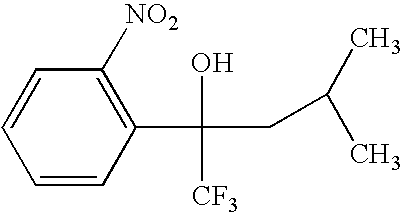
- To a solution of 20.2 g (0.1 mol) 2-bromonitrobenzene in 300 ml abs. tetrahydrofurane is added 81 ml of sec. BuLi (0.105 mol) over a period of 30 minutes in such a manner that the internal temperature remains constant at −103 to −107° C. After stirring for 70 minutes at −103 to −107° C. a solution of 20.0 g (0.13 mol) of trifluoromethylisobutylketone in 150 ml abs. tetrahydrofurane is added over a period of 20 minutes in such a manner that the temperature remains constant at −105° C. (±2° C.). After stirring for 4 hours at −105° C. the temperature is raised to −20° C. and a solution of 150 ml of saturated ammoniumchloride solution is added. Then 1 l of ethylacetate is added and the organic phase is washed 3 times with water. After drying the organic phase over sodium sulfate and distilling off the solvent in a water-jet vacuum the raw-material is obtained. Purification is achieved by column chromatography over silica gel (eluant: hexane/ethylacetate=5:1). Yield: 8.2 g 1,1,1-trifluoromethyl-4-methyl-2-(2-nitrophenyl)pentan-2-ol in the form of a brownish powder; m.p.: 103-105° C.
-
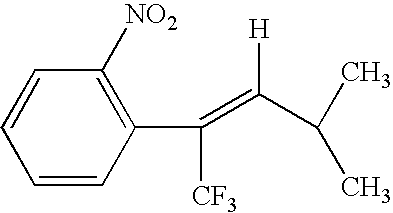
- To a solution of 10.8 g (39 mmol) 1,1,1-trifluoromethyl-4-methyl-2-(2-nitrophenyl)pentan-2-ol in 110 ml of abs. pyridine is added slowly 13.9 g (117 mmol) thionylchloride at a temperature of 0-5° C. Then the mixture is heated at 90-95° C. for 1 hour. After cooling the reaction mixture is added to ice water. The resulting solution is extracted carefully with ethylacetate and after drying of the organic phase over sodium sulfate and distilling off the solvent in a water-jet vacuum, the crude product is obtained. Purification is achieved by column chromatography over silica gel (eluant: methylene chloride/hexane=1:1). Yield: 5.2 g 1-(3-methyl-1-trifluoromethyl-but-1-enyl)-2-nitrobenzene in the form of a brownish oil (1H-NMR).
-
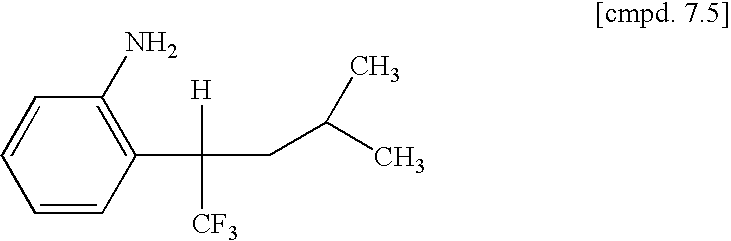
- A solution of 2.98 g (12.9 mmol) 1-(3-methyl-1-trifluoromethyl-but-1-enyl)-2-nitrobenzene in 30 ml methanol is hydrogenated over Raney-Nickel (ethanol) at 100° C. and 150 bar for 10 hours. Then the catalyst is filtered off and the solvent removed in a water-jet vacuum. The obtained crude product is purified by column chromatography over silica gel (eluant: hexane/methylene chloride=1:2). Yield: 1.9 g 2-(3-methyl-1-trifluoromethyl-butyl)phenylamine in the form of a brown oil (1H-NMR).
TABLE 1 Ia 
(md = mixture of diastereoisomers) Cmpd. phys. data no. R1 R2 R3 R5 R6 R7 R8 R9 m.p. ° C. 1.1 CF3 Me H H H Me Me Me 83-85 1.2 CF3 CH2OMe H H H Me Me Me 75-77 1.3 CF3 Me H H H CF3 Me Me 98-100 1.4 CF3 Me H H H Me CF3 CF3 1.5 CF3 Me H H H Me Me Et 93-97 (md) 1.6 CF3 CH2OMe H H H Me Me Et 1.7 CF3 Me H 6′-F H Me Me Me 1.8 CF3 Me H 5′-F H Me Me Me 1.9 CF3 Me H H H Me Et Et 84-86 1.10 CF3 Me F H H Me Me Me 1.11 CF3 CH2OMe F H H Me Me Me 1.12 CF3 Me F H H Me Me Et resin; 1H-NMR, MS 1.13 CF3 Me F H H CF3 Me Me resin; 1H-NMR, MS 1.14 CF3 Me F H H CF3 Me Et 1.15 CF2H Me H H H Me Me Me 1.16 CF2H Me H H H Me Me Et 1.17 CF2H Me H H H CF3 Me Me Resin 1.18 CF2H Me H H H Me CF3 CF3 1.19 CF2H Me H H H CF2H Me Me 1.20 CF2H CH2OMe H H H Me Me Me 1.21 CF2H CH2OMe H H H Me Me Et 1.22 CF2H Me F H H Me Me Me 1.23 CF2H Me F H H Me Me Et 1.24 CFH2 Me H H H Me Me Me 1.25 CFH2 Me H H H Me Me Et 1.26 CFH2 Me F H H Me Me Me 1.27 CFH2 Me F H H Me Me Et 1.28 CF3 Me H H H Et Me Me Resin; 1H-NMR, M+ = 366 1.29 CF3 Me H H H Et Me Et oil; M+ = 380 1.30 CF3 Me F H H Et Me Me 1.31 CF3 Me F H H Et Me Et 1.32 CF2H Me H H H Et Me Me 1.33 CF2H Me H H H Et Me Et 1.34 CF2H Me F H H Et Me Me 1.35 CFH2 Me H H H Et Me Me -
TABLE 2 Ib 
Cmpd. Phys. data no. R1 R2 R3 R4 R5 R6 m.p. ° C. 2.1 CF3 Me H 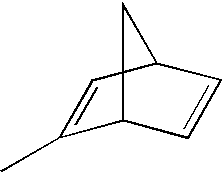
H H 2.2 CF3 Me H 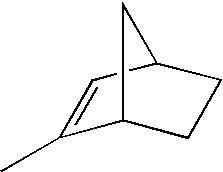
H H Resin (1H-NMR, MS) 2.3 CF3 Me H 
H H 2.4 CF3 Me H 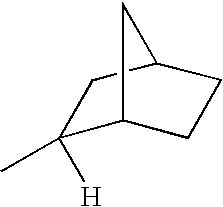
H H 136-137 2.5 CF3 Me H 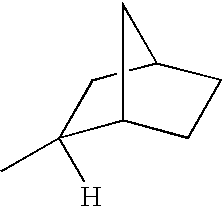
6′-F H 2.6 CF3 Me H 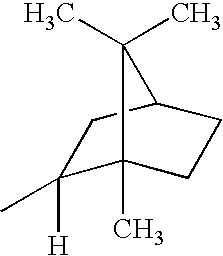
H H 2.7 CF3 CH2OMe H 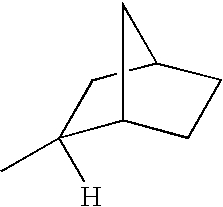
H H 2.8 CF2H Me H 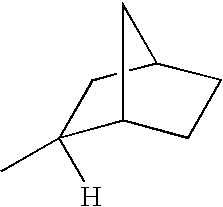
H H 2.9 CF2H Me H 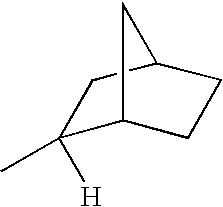
H H 2.10 CF3 Me H 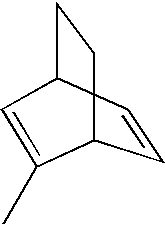
H H 105-107 2.11 CF3 Me H 
H H 110-112 2.12 CF3 Me H 
H H 2.13 CF3 Me H 
H H 127-129 2.14 CF3 CH2OMe H 
H H 2.15 CF3 Me H 
4′-F H 2.16 CF3 CH2OMe H 
4′-F H 2.17 CF2H Me H 
H H 2.18 CF3 Me F 
H H 2.19 CF3 Me F 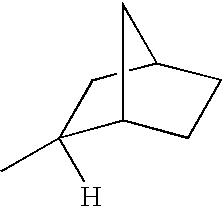
H H 2.20 CF3 CH2OMe F 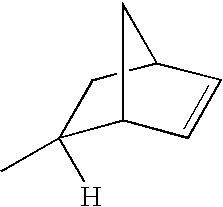
H H 2.21 CF3 CH2OMe F 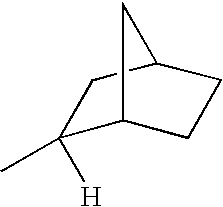
H H 2.22 CF3 Me F 
H H 2.23 CF3 Me F 
H H 176-178 2.24 CF3 CH2OMe F 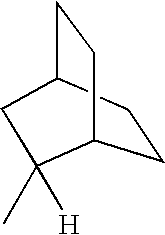
H H 2.25 CF3 Me Me 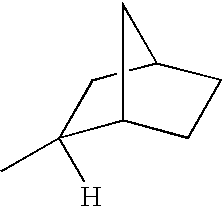
H H 2.26 CF3 Me Me 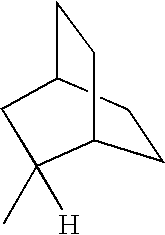
H H -
TABLE 3 Ic 
Phys. data Cmpd. m.p. no. R1 R2 R3 R5 R6 R7 R8 R9 ° C. 3.1 CF3 Me H H H Me Me Me 92- 93 3.2 CF3 CH2OMe H H H Me Me Me 3.3 CF3 Me H H H CF3 Me Me 3.4 CF3 Me H H H Me CF3 CF3 3.5 CF3 Me H H H Me Me Et 3.6 CF3 CH2OMe H H H Me Me Et 3.7 CF3 Me H 6′-F H Me Me Me 3.8 CF3 Me H 5′-F H Me Me Me 3.9 CF3 Me H H H Me Et Et 3.10 CF3 Me F H H Me Me Me Oil 3.11 CF3 CH3OMe F H H Me Me Me 3.12 CF3 Me F H H Me Me Et 3.13 CF3 Me F H H CF3 Me Me 3.14 CF3 Me F H H CF3 Me Et 3.15 CF2H Me H H H Me Me Me Oil 3.16 CF2H Me H H H Me Me Et 3.17 CF2H Me H H H CF3 Me Me 3.18 CF2H Me H H H Me Me Me 3.19 CFH2 Me H H H Me Me Me 3.20 CFH2 Me H H H Me Me Et 3.21 CFH2 Me H H H CF3 Me Me 3.22 CFH2 Me H H H Me Me Me -
TABLE 4 Id 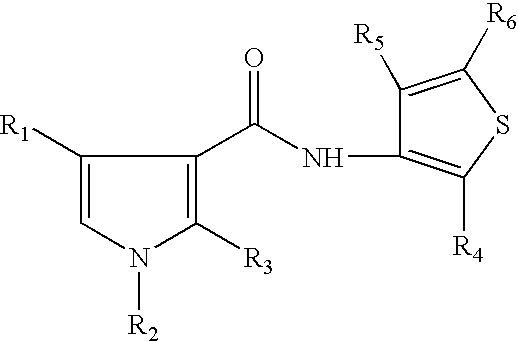
Phys. data Cmpd. m.p. no. R1 R2 R3 R4 R5 R6 ° C. 4.1 CF3 Me H 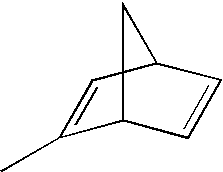
H H 4.2 CF3 Me H 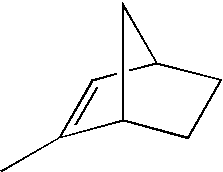
H H Resin 4.3 CF3 Me H 
H H 4.4 CF3 Me H 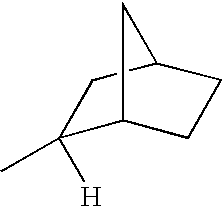
H H Resin 4.5 CF3 Me H 
6′-F H 4.6 CF3 Me H 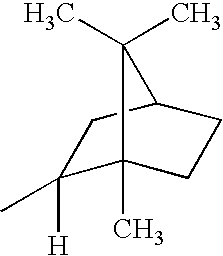
H H 4.7 CF3 CH2OMe H 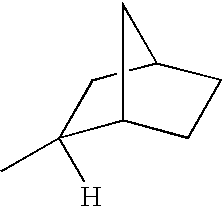
H H 4.8 CF2H Me H 
H H 4.9 CF2H Me H 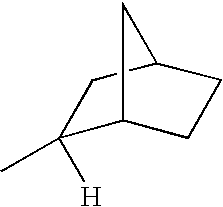
H H 4.10 CF3 Me H 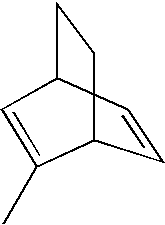
H H 4.11 CF3 Me H 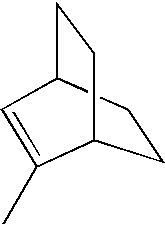
H H 4.12 CF3 Me H 
H H 4.13 CF3 Me H 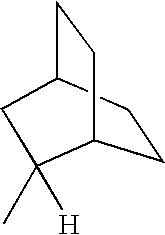
H H 4.14 CF3 CH2OMe H 
H H 4.15 CF3 Me H 
4′-F H 4.16 CF3 CH2OMe H 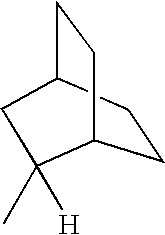
4′-F H 4.17 CF2H Me H 
H H 4.18 CF3 Me F 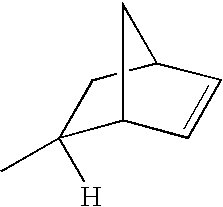
H H 4.19 CF3 Me F 
H H 4.20 CF3 CH2OMe F 
H H 4.21 CF3 CH2OMe F 
H H 4.22 CF3 Me F 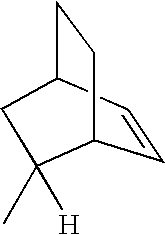
H H 4.23 CF3 Me F 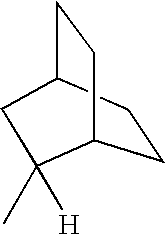
H H 4.24 CF3 CH2OMe F 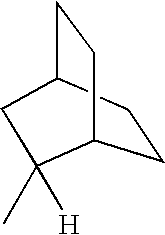
H H 4.25 CF3 Me Me 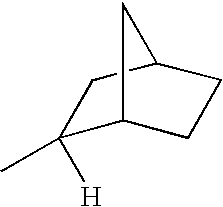
H H 4.26 CF3 Me Me 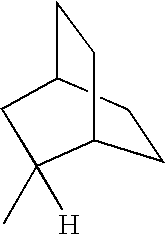
H H -
TABLE 5 Id 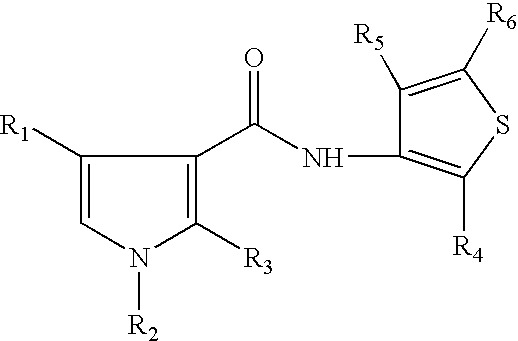
phys. data Cmpd. m.p. no. R1 R2 R3 R5 R6 R7 R10 R11 ° C. 5.1 CF3 Me H H H Me H H 109- 110 5.2 CF3 CH2OMe H H H Me H H 5.3 CF3 Me H H H CF3 H H 5.4 CF3 Me H H H Me Cl Cl 5.5 CF3 CH2OMe H H H CF3 H H 5.6 CF3 Me F H H Me H H 5.7 CF3 CH2OMe F H H Me H H 5.8 CF3 Me F H H CF3 H H 5.9 CF3 CH2OMe F H H Me H H 5.10 CF3 CH2OMe F H H CF3 H H 5.11 CF3 Me F H H Me Cl Cl 5.12 CF2H Me H H H Me H H 5.13 CF2H Me H H H CF3 H H 5.14 CF2H CH2OMe H H H Me H H 5.15 CF2H CH2OMe H H H CF3 H H 5.16 CF2H Me F H H Me H H 5.17 CF2H Me F H H CF3 H H 5.18 CF2H CH2OMe F H H Me H H 5.19 CF2H CH2OMe F H H CF3 H H 5.20 CF2H Me H H H Me Cl Cl 5.21 CF2H CH2OMe H H H Me Cl Cl 5.22 CFH2 Me H H H Me H H 5.23 CFH2 Me H H H Et H H 5.24 CF2H Me F H H Me H H 5.25 CF3 Me H H H Et H H 59-61 5.26 CF3 Me F H H Et H H 5.27 CF2H Me H H H Et H H 5.28 CF2H Me F H H Et H H -
TABLE 6 Ie 
(md = mixture of diastereoisomers) Cmpd. Phys. Data no. R1 R2 R3 R7 R8 R9 m.p. ° C. 6.1 CF3 Me H Me Me Me resin; 1H-NMR; M+ = 368 6.2 CF3 CH2OMe H Me Me Me 6.3 CF3 Me H CF3 Me Me 6.4 CF3 Me H Me CF3 CF3 6.5 CF3 Me H Me Me Et md; resin; 1H-NMR; M+ = 382 6.6 CF3 CH2OMe H Me Me Et 6.7 CF3 Me H Me Et Et 6.8 CF3 Me F Me Me Me Resin; M+ = 386 6.9 CF3 CH2OMe F Me Me Me 6.10 CF3 Me F Me Me Et 6.11 CF3 Me F CF3 Me Me 6.12 CF3 Me F CF3 Me Et 6.13 CF2H Me H Me Me Me 6.14 CF2H Me H Me Me Et 6.15 CF2H Me H CF3 Me Me 6.16 CF2H Me H Me Me Me -
TABLE 7 Amine-Intermediates Phys. data Cmpd. No. (m.p. ° C. or NMR) 7.1 
84-86 7.2 
Oil; 1H-NMR 7.3 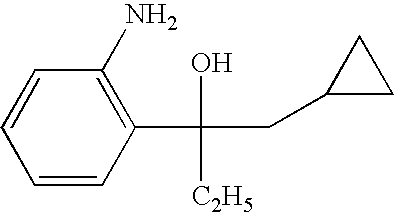
Oil; 1H-NMR 7.4 7.4.1:E-isomer 7.4.2: Z- isomer 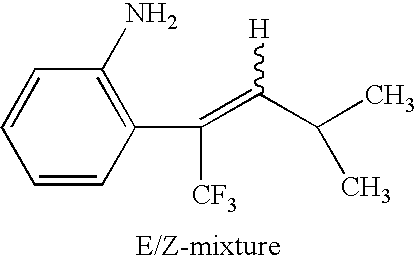
Oil; 1H-NMR 7.5 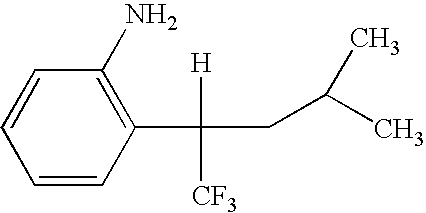
Oil; 1H-NMR 7.6 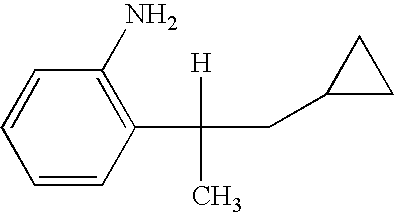
Oil; 1H-NMR 7.7 
Oil; 1H-NMR
1H-NMR Table - Compd. 1H-NMR-data (ppm/multiplicity/number of protons; solvent CDCl3) No.
- 6.1 0.82/2×d/6H; 1.19/d/3H; 1.35-1.60/m/1H; 3.70/s/3H; 6.99/d/1H; 7.2-7.4/m/4H; 7.61/d/1 H; 8.70/s(broad)/1H
- 6.5 0.75-0.88/m/12H; 1.0-1.65/m/6H; 1.18/d/3H; 1.20/d/3H; 3.0/m/2H; 3.70/s/6H; 7.0/d/2H; 7.2-7.4/m/8H; 7.61/d/2H; 8.7/s/2H
- 7.2 0.1/m/2H; 0.45/m/2H; 0.65/m/1H; 1.69/s/3H; 1.80/m/1H; 2.0/m/1H; 3.7/s(broad)/3H(OH+NH2); 6.60-6.70/m/2H; 6.98-7.11/m/2H
- 7.3 0.01//m/2H; 0.35/m/2H; 0.55/m/2H; 0.75//t/3H; 1.51/m/1H; 1.8-2.05/m/3H; 3.72/s(broad)/3H(OH+NH2); 6.47-6.59/m/2H; 6.91/m/2H
- 7.4.1 1.09/d/6H; 3.02/m/1H; 3.60/s(broad)/2H(NH2); 5.81/d/1H; 6.72/m/2H; (E-isomer) 6.99/d×d/1H; 7.15/t×d/1H
- 7.4.2 0.91/d/3H; 1.03/d/3H; 2.25/m/1H; 3.58/s(broad)/2H; 6.36/d×d/1H; (Z-isomer) 6.78/m/2H; 6.99/d×d/1H; 7.18/t×d/1H
- 7.5 0.83/d/3H; 0.87/d/3H; 1.40/m/1H; 1.69/m/1H; 1.991m/1H; 3.6/m/3H(NH2+H-benzylic); 6.75/d×d/1H; 6.85/t/1H; 7.09-7.2/m/2H
- 7.6 0.05/m/2H; 0.4/m/2H; 0.69/m/1H; 1.29/d/3H; 1.351m/1H; 1.60/m/1H; 2.88/m/1H; 3.65/s(broad)/2H(NH2); 6.68/d/1H; 6.85/t/1H; 7.0/t×d/1H; 7.1/d×d/1H
- 7.7 0.01/m/2H; 0.38/m/2H; 0.60/m/1H; 0.82/t/3H; 1.32/m/1H; 1.52-1.80/m/3H; 2.68/m/1H; 3.65/s(broad)/2H(NH2); 6.69/d/1H; 6.78/t/1H; 7.0/t×d/1H; 7.08/d×d/1H
- 1.28 0.78-0.85/t+d/9H; 1.35-1.69/m/5H; 2.85/m/1H; 3.70/s/3H; 7.0/d/1H; 7.20/m/3H; 7.37/d/1H; 7.58/s(broad)/1H; 7.7/m/1H
- Formulation Examples for Compounds of Formula I
- Working procedures for preparing formulations of the compounds of formula I such as Emulsifiable concentrates, Solutions, Granulates, Dusts and Wettable powders are described in WO 97/33890.
- Biological Examples: Fungicidal Actions
- 1 week old wheat plants cv. Arina are treated with the formulated test compound (0.02% active ingredient) in a spray chamber. One day after application wheat plants are inoculated by spraying a spore suspension (1×10⁵ uredospores/ml) on the test plants. After an incubation period of 2 days at 20° C. and 95% r. h. plants are kept in a greenhouse for 8 days at 20° C. and 60% r.h. The disease incidence is assessed 10 days after inoculation.
- Compounds of Tables 1 to 6 show good activity in these tests (<20% infestation).
- 5 week old apple seedlings cv. McIntosh are treated with the formulated test compound (0.002% active ingredient) in a spray chamber. One day after application apple plants are inoculated by shaking plants infected with apple powdery mildew above the test plants. After an incubation period of 12 days at 22° C. and 60% r. h. under a light regime of 14/10 h (light/dark) the disease incidence is assessed.
- Compounds of Tables 1 to 6 show good activity in this test.
- 4 week old apple seedlings cv. Mcintosh are treated with the formulated test compound (0.02% active ingredient) in a spray chamber. One day after application apple plants are inoculated by spraying a spore suspension (4×10⁵ conidia/ml) on the test plants. After an incubation period of 4 days at 21° C. and 95% r. h. the plants are placed for 4 days at 21° C. and 60% r. h. in a greenhouse. After another 4 day incubation period at 21° C. and 95% r. h. the disease incidence is assessed.
- Compounds of Tables 1 to 6 show good activity in this test.
- 1 week old barley plants cv. Express are treated with the formulated test compound (0.02% active ingredient) in a spray chamber. One day after application barley plants are inoculated by shaking powdery mildew infected plants above the test plants. After an incubation period of 6 days at 20° C./18° C. (day/night) and 60% r. h. in a greenhouse the disease incidence is assessed.
- Compounds of Tables 1 to 6 show good activity in this test.
- In an apple fruit cv. Golden Delicious 3 holes are drilled and each filled with 30 μl droplets of the formulated test compound (0.002% active ingredient). Two hours after application 50 μl of a spore suspension of B. cinerea (4×10⁵ conidia/ml) are pipetted on the application sites. After an incubation period of 7 days at 22° C. in a growth chamber the disease incidence is assessed.
- Compounds of Tables 1 to 6 show good activity in this test.
- 5 week old grape seedlings cv. Gutedel are treated with the formulated test compound (0.002% active ingredient) in a spray chamber. Two days after application grape plants are inoculated by spraying a spore suspension (1×10⁶ conidia/ml) on the test plants. After an incubation period of 4 days at 21° C. and 95% r. h. in a greenhouse the disease incidence is assessed.
- Compounds of Tables 1 to 6 show good activity in this test.
- 4 week old tomato plants cv. Roter Gnom are treated with the formulated test compound (0.002% active ingredient) in a spray chamber. Two days after application tomato plants are inoculated by spraying a spore suspension (1×10⁵ conidia/ml) on the test plants. After an incubation period of 4 days at 20° C. and 95% r. h. in a growth chamber the disease incidence is assessed.
- Compounds of Tables 1 to 6 show good activity in this test.
- 1 week old barley plants cv. Express are treated with the formulated test compound (0.002% active ingredient) in a spray chamber. Two days after application barley plants are inoculated by spraying a spore suspension (3×10⁴ conidia/mi) on the test plants. After an incubation period of 2 days at 20° C. and 95% r. h. plants are kept for 2 days at 20° C. and 60% r.h. in a greenhouse. The disease incidence is assessed 4 days after inoculation.
- Compounds of Tables 1 to 6 show good activity in this test.
- 1 week old wheat plants cv. Arina are treated with the formulated test compound (0.02% active ingredient) in a spray chamber. One day after application wheat plants are inoculated by spraying a spore suspension (5×10⁵ conidia/ml) on the test plants. After an incubation period of 1 day at 20° C. and 95% r. h. plants are kept for 10 days at 20° C. and 60% r.h. in a greenhouse. The disease incidence is assessed 11 days after inoculation. Compounds of Tables 1 to 6 show good activity in this test.
Claims (30)
1. A pyrrolecarboxylic acid amide or pyrrolecarbothioic acid amide of the formula I

wherein
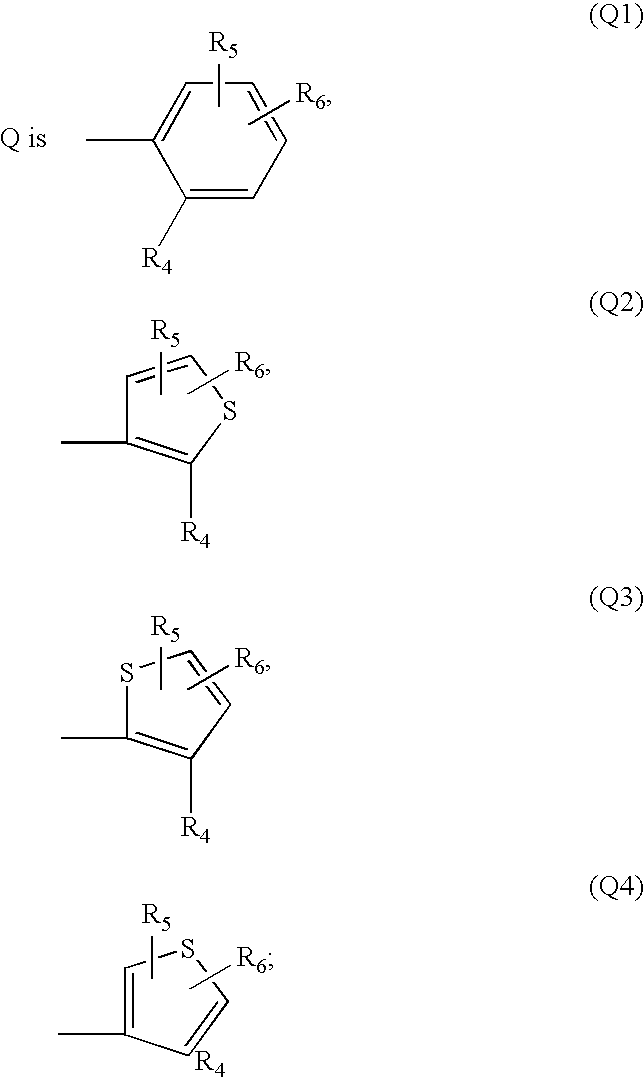


X is oxygen or sulfur;
R1 is CF3, CF2H or CFH2;
R2 is C1-C3alkyl, C1-C3haloalkyl, C1-C3alkoxy-C1-C3alkyl or C1-C3haloalkoxy-C1-C3alkyl;
R3 is hydrogen, methyl, CF3 or fluoro;
R4 is C6-C14bicycloalkyl unsubstituted or substituted by methyl, ethyl or CF3;
C6-C14bicycloalkenyl unsubstituted or substituted by methyl, ethyl or CF3;
C6-C14bicycloalkadienyl unsubstituted or substituted by methyl, ethyl or CF3; a group of the form
C1-C3haloalkyl; or a group
wherein R10 and R11 are independently of each other hydrogen or
halogen and n=1 or 2; and
R5 and R6 are independently of each other hydrogen or halogen:
2. A compound of formula I according to claim 1 , wherein
X is oxygen.
3. A compound of formula I according to claim 1 , wherein
X is sulfur.
4. A compound of formula I according to claim 1 , wherein

R1 is CF3;
R2 is C1-C3alkyl, C1-C3haloalkyl or C1-C3alkoxy-C1-C3alkyl;
R3 is hydrogen or fluoro;
Q is Q1;
R4 is C6-C10bicycloalkyl unsubstituted or substituted by methyl, ethyl or CF3;
C6-C10bicycloalkenyl unsubstituted or substituted by methyl, ethyl or CF3;
C6-C10bicycloalkadienyl unsubstituted or substituted by methyl, ethyl or CF3; a group of the form
wherein R7, R8 and R9 are independently of each other C1-C3alkyl or
C1-C3haloalkyl; and
R5 and R6 are independently of each other hydrogen, chloro or fluoro.
5. A compound of formula I according to claim 4 , wherein

R4 is a group of the form
wherein R7, R8 and R9 are independently of each other C1-C3alkyl or
C1-C3haloalkyl.
6. A compound of formula I according to claim 1 , wherein

R1 is CF3;
R2 is C1-C3alkyl, C1-C3haloalkyl or C1-C3alkoxy-C1-C3alkyl;
R3 is hydrogen or fluoro;
Q is Q2, Q3 or Q4;
R4 is C6-C10bicycloalkyl unsubstituted or substituted by methyl, ethyl or CF3;
C6-C10bicycloalkenyl unsubstituted or substituted by methyl, ethyl or CF3;
C6-C10bicycloalkadienyl unsubstituted or substituted by methyl, ethyl or CF3; a group of the form
wherein R7, R8 and R9 are independently of each other C1-C3alkyl or
C1-C3haloalkyl; and
R5 and R6 are independently of each other hydrogen, chloro or fluoro.
7. A compound of formula I according to claim 6 , wherein
Q is Q2.
8. A compound of formula I according to claim 2 , wherein


R1 is CF3;
R2 is C1-C3alkyl or C1-C3alkoxy-C1-C3alkyl;
R3 is hydrogen or fluoro;
Q is Q1;
R4 is C6-C10bicycloalkyl unsubstituted or substituted by methyl, ethyl or CF3;
C6-C10bicycloalkenyl unsubstituted or substituted by methyl, ethyl or CF3;
C6-C10bicycloalkadienyl unsubstituted or substituted by methyl, ethyl or CF3; a group of the form
wherein R7, R8 and R9 are independently of each other C1-C3alkyl or
C1-C3haloalkyl; or a group
wherein R10 and R11 are independently of each other hydrogen or
halogen and n=1 or 2; and
R5 and R6 are independently of each other hydrogen, chloro or fluoro.
9. A compound of formula I according to claim 8 , wherein

R2 is methyl or CH2OCH3;
R4 is a group of the form
wherein R7, R8 and R9 are independently of each other CF3, methyl or
ethyl, preferably methyl; and
R5 and R6 are independently of each other hydrogen, fluoro or chloro.
10. A compound of formula I according to claim 9 , wherein
R2 is methyl.
11. A compound of formula I according to claim 9 , wherein

R2 is methyl;
R3 is hydrogen;
R4 is a group of the form
wherein R7, R8 and R9 are independently of each other methyl or ethyl,
preferably methyl; and
R5 and R6 are independently of each other hydrogen, fluoro or chloro.
12. A compound of formula I according to claim 9 , wherein

R2 is methyl;
R3 is fluoro;
R4 is a group of the form
wherein R7, R8 and R9 are independently of each other methyl or ethyl,
preferably methyl; and
R5 and R6 are independently of each other hydrogen, fluoro or chloro.
13. A compound of formula I according to claim 1 , wherein

R1 is CF2H or CFH2;
R2 is C1-C3alkyl, C1-C3haloalkyl or C1-C3alkoxy-C1-C3alkyl;
R3 is hydrogen or fluoro;
Q is Q1;
R4 is C6-C10bicycloalkyl unsubstituted or substituted by methyl, ethyl or CF3;
C6-C10bicycloalkenyl unsubstituted or substituted by methyl, ethyl or CF3;
C6-C10bicycloalkadienyl unsubstituted or substituted by methyl, ethyl or CF3; a group of the form
wherein R7, R8 and R9 are independently of each other C1-C3alkyl or
C1-C3haloalkyl; and
R5 and R6 are independently of each other hydrogen, chloro or fluoro.
14. A compound of formula I according to claim 13 , wherein

X is oxygen;
R2 is methyl or CH2OCH3;
R4 is a group of the form
wherein R7, R8 and R9 are independently of each other C1-C3alkyl or
C1-C3haloalkyl.
15. A compound of formula I according to claim 1 , wherein

R1 is CF2H or CFH2;
R2 is C1-C3alkyl, C1-C3haloalkyl or C1-C3alkoxy-C1-C3alkyl;
R3 is hydrogen or fluoro;
Q is Q2, Q3 or Q4;
R4 is C6-C10bicycloalkyl unsubstituted or substituted by methyl, ethyl or CF3;
C6-C10bicycloalkenyl unsubstituted or substituted by methyl, ethyl or CF3;
C6-C10bicycloalkadienyl unsubstituted or substituted by methyl, ethyl or CF3; a group of the form
wherein R7, R8 and R9 are independently of each other C1-C3alkyl or
C1-C3haloalkyl; and
R5 and R6 are independently of each other hydrogen, chloro or fluoro.
16. A compound of formula I according to claim 15 , wherein

X is oxygen;
R2 is methyl or CH2OCH3;
R4 is a group of the form
wherein R7, R8 and R9 are independently of each other C1-C3alkyl or
C1-C3haloalkyl.
17. A compound of formula I according to claim 1 selected from
1-methyl-4-trifluoromethyl-1H-pyrrole-3-carboxylic acid [2-(1,3-dimethylbutyl)phenyl]amide;
1-methoxymethyl-4-trifluoromethyl-1H-pyrrole-3-carboxylic acid [2-(1,3-dimethylbutyl)phenyl]amide;
1-methyl-2-fluoro-4-trifluoromethyl-1H-pyrrole-3-carboxylic acid [2-(1,3-dimethylbutyl)phenyl]amide;
1-methoxymethyl-2-fluoro-4-trifluoromethyl-1H-pyrrole-3-carboxylic acid [2-(1,3-dimethylbutyl)phenyl]amide;
1-methyl-4-trifluoromethyl-1H-pyrrole-3-carbothioic acid [2-(1,3-dimethylbutyl)phenyl]amide.
18. A process for the preparation of compounds of formula I, which comprises in a first step preparing the compounds of formula I wherein X═O by converting the pyrrolecarboxylic acid II
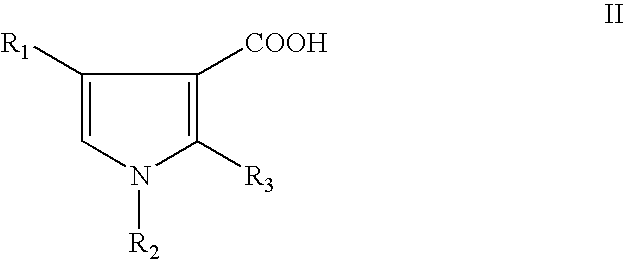
to the acid chloride III

and by reacting the pyrrole acid chloride III with the amine IV H2N-Q IV


to the compounds of formula I
a
and optionally converting these compounds to the compounds of formula I wherein X═S by reacting with Lawesson-Reagent or P2S5 in dioxane, tetrahydrofurane or toluene at a temperature of 0°-reflux to
and wherein R1, R2, R3 and Q are as defined for formula I in claim 1 .
19. A composition for controlling microorganisms and preventing attack and infestation of plants, wherein the active ingredient is a compound as claimed in claim 1 together with a suitable carrier.
20. Use of a compound of formula I according to claim 1 for protecting plants against infestation by phytopathogenic microorganisms.
21. A method of controlling or preventing infestation of cultivated plants by phytopathogenic microorganisms by application of a compound of formula I as claimed in claim 1 to plants, to parts thereof or the locus thereof.
22. The amine intermediates of formula IV H2N-Q wherein Q and R4, R5, R6, R7, R8, R9, R10 and R11 are as defined in claim 1 .
23. A compound of formula IV according to claim 22 selected from
2-bicyclo[2.2.2]oct-2-yl-phenylamine;
2-bicyclo[2.2.2]oct-2-en-2-yl-phenylamine;
2-bicyclo[2.2.2]octa-2,5-dien-2-yl-phenylamine;
2-(2-aminophenyl)-1,1,1-trifluoromethyl-4-methyl-pentan-2-ol;
2-(2-aminophenyl)-1-cyclopropyl-propan-2-ol;
2-(2-aminophenyl)-1-cyclopropyl-butan-2-ol;
2-(3-methyl-1-trifluoromethyl-but-1-enyl)-phenylamine;
2-(3-methyl-1-trifluoromethyl-butyl)phenylamine;
2-(2-cyclopropyl-1-methyl-ethyl)phenylamine; and
2-(1-cyclopropylmethyl-propyl)phenylamine.
24. A process for the preparation of compounds of the formula IV according to claim 22 , characterized by
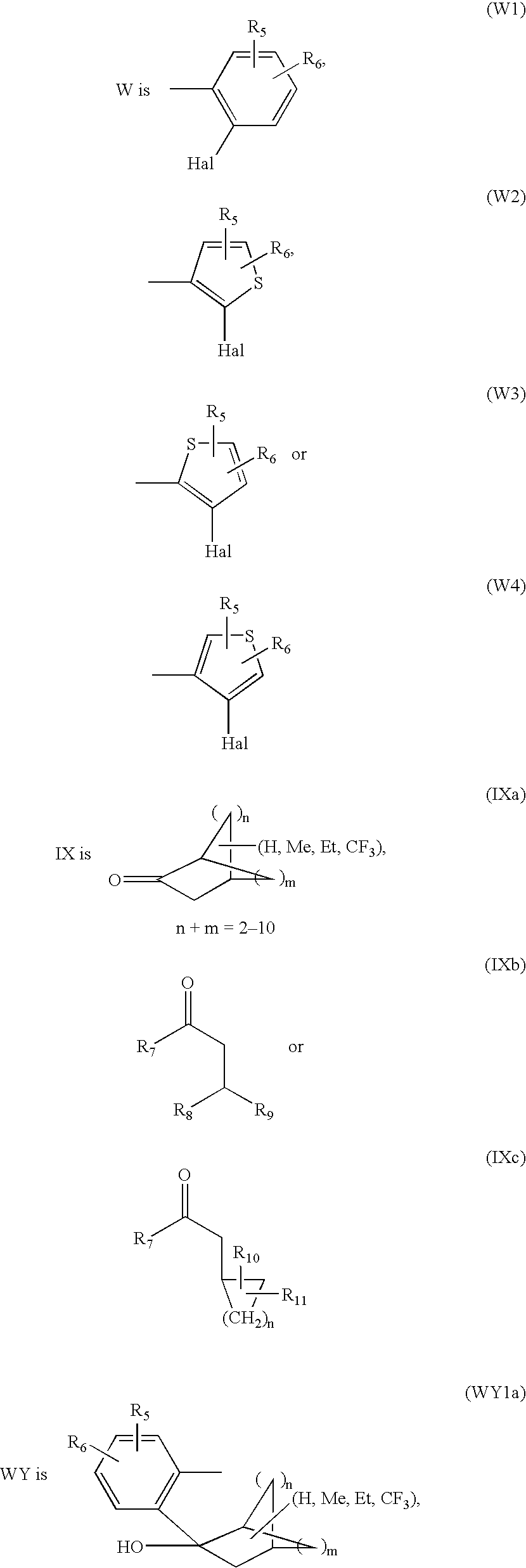
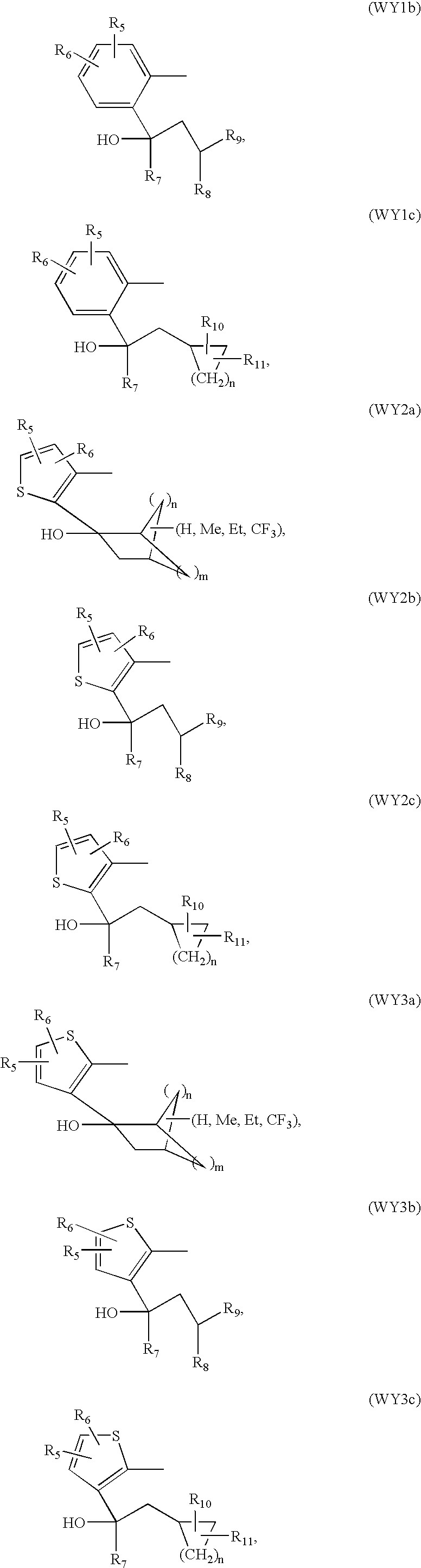
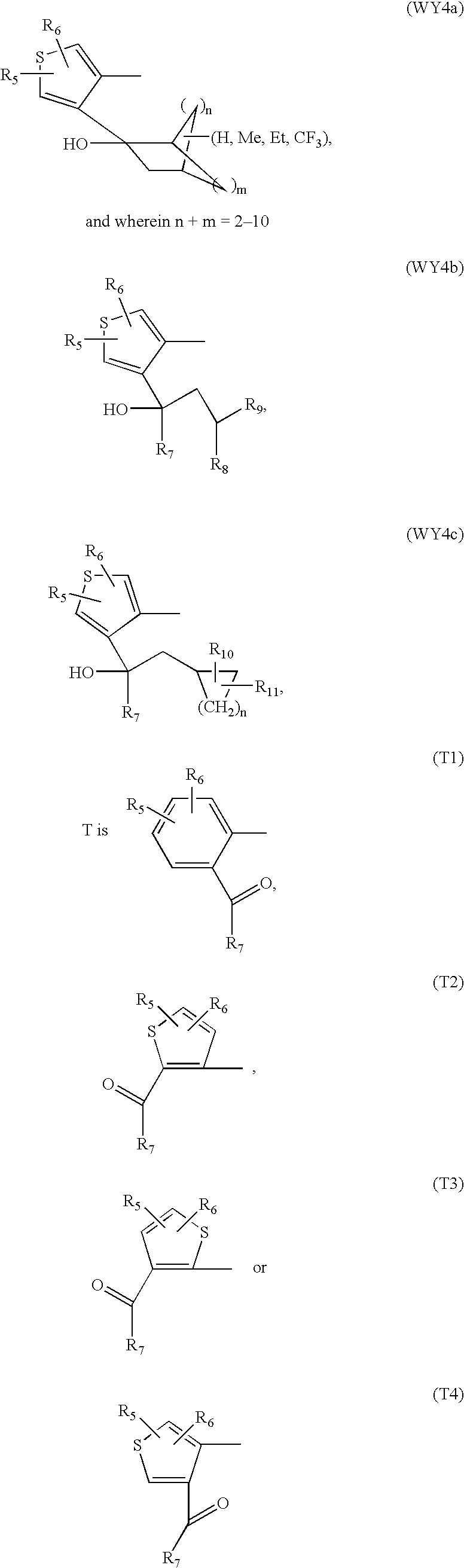


Route a) reacting the formyl derivate W—NHCHO of formula X with a ketone of formula IX in the presence of 2-3 equivalents of n-BuLi or sec-BuLi or another strong base in a solvent at a temperature of −100 to −110° C. providing the compounds of formula XI (WY—NHCHO); converting the formyl derivative of formula XI to the amine compounds of formula VI (H2N—WY) in a basic hydrolysis by reacting with NaOH or KOH in alcohols; and hydrogenation the amine VI to the compounds IV (H2N-Q) with Pd/charcoal in the presence of a strong acid (f.e. sulfuric acid) or alternatively elimination of water and than hydrogenation; or
Route b) reacting the amine of formula XII (H2N-T) with an excess of the Grignard reagent of formula XV in a solvent like THF or ether at a temperature 0° C. to reflux to the amine of formula VI; and converting the amine VI to the amine XIV (H2N-TG) by elimination of water; the hydrogenation of XIV with Pd or Pt on charcoal in a solvent like THF or alcohols at temperatures of 0° C. to reflux provides the compounds of formula IV; or directly the compounds of formula VI by hydrogenation with Pd on charcoal in the presence of sulfuric acid in a solvent like an alcohol provides the amines IV; or
Route c) reacting the nitro derivative NO2—W (formula XIII) with a ketone of formula IX providing the nitro derivative NO2—WY of formula VII;
transforming the compound of formula VII by reaction with SOCl2 or POCl3 in pyridine at a temperature of 0° C. to reflux to the derivative VIII (NO2-TG); and
hydrogenation of the compound of formula VIII with Raney-Ni in alcohol at a pressure of 50-200 bar and a temperature of 50-150° C. to the compound of formula IV;
wherein Q, R5, R6, R7, R8, R8, R10, R11 are as defined in claim 1 for compounds of the formula I, Hal is Br or I and
wherein
25. A process according to claim 24 , Route a), for compounds of formula IV wherein Q is Q1; and

R4 is C7-C9bicycloalkyl unsubstituted or substituted by methyl or CF3;
C7-C9bicycloalkenyl unsubstituted or substituted by methyl or CF3;
C7-C9bicycloalkadienyl unsubstituted or substituted by methyl or CF3; or a group
R5 and R6 are hydrogen; and wherein R7, R10, R11 and n are as defined in claim 1 .
26. A process according to claim 24 , Route a), wherein

Q is Q2, Q3 or Q4; and
R4 is C7-C10bicycloalkyl unsubstituted or substituted by methyl or CF3;
C7-C10bicycloalkenyl unsubstituted or substituted by methyl or CF3;
C7-C10bicycloalkadienyl unsubstituted or substituted by methyl or CF3; or a group
R5 and R6 are hydrogen; and wherein R7, R8, R9 and n are as defined in claim 1 .
27. A process according to claim 24 , Route b), wherein

Q is Q1; and
R4 is C7-C10bicycloalkyl unsubstituted or substituted by methyl or CF3;
C7-C10bicycloalkenyl unsubstituted or substituted by methyl or CF3;
C7-C10bicycloalkadienyl unsubstituted or substituted by methyl or CF3; or a group ;
R5 and R6 are hydrogen; and wherein R7, R8, R9 and n are as defined in claim 1 .
28. A process according to claim 24; Route b), wherein

Q is Q2, Q3 or Q4; and
R4 is C7-C10bicycloalkyl unsubstituted or substituted by methyl or CF3;
C7-C10bicycloalkenyl unsubstituted or substituted by methyl or CF3;
C7-C10bicycloalkadienyl unsubstituted or substituted by methyl or CF3; or a group
R5 and R6 are hydrogen; and wherein R7, R8, R9 and n are as defined in claim 1 .
29. A process according to claim 24 , Route c), wherein

Q is Q1; and
R4 is a group
R5 and R6 are hydrogen;
R7 is CF3; and wherein R8, R9 and n are as described in claim 1 .
30. A process according to claim 24 , Route c), wherein

Q is Q1;
R4 is a group
R5 and R6 are hydrogen;
n is 1;
R7 is CF3; and wherein R10 and R11 are as defined in claim 1.
Priority Applications (1)
| Application Number | Priority Date | Filing Date | Title |
|---|---|---|---|
| US11/380,735 US7652059B2 (en) | 2000-11-08 | 2006-04-28 | Pyrrolcarboxamides and pyrrolcarbothioamides |
Applications Claiming Priority (5)
| Application Number | Priority Date | Filing Date | Title |
|---|---|---|---|
| GB0027284A GB0027284D0 (en) | 2000-11-08 | 2000-11-08 | Organic compounds |
| GB0030268.7 | 2000-12-12 | ||
| GB0030268A GB0030268D0 (en) | 2000-12-12 | 2000-12-12 | Organic compounds |
| PCT/EP2001/012830 WO2002038542A1 (en) | 2000-11-08 | 2001-11-06 | Pyrrolcarboxamides and pyrrolcarbothioamides and their agrochemical uses |
| GB0027284.9 | 2001-11-08 |
Related Child Applications (1)
| Application Number | Title | Priority Date | Filing Date |
|---|---|---|---|
| US11/380,735 Division US7652059B2 (en) | 2000-11-08 | 2006-04-28 | Pyrrolcarboxamides and pyrrolcarbothioamides |
Publications (2)
| Publication Number | Publication Date |
|---|---|
| US20050119130A1 true US20050119130A1 (en) | 2005-06-02 |
| US7105565B2 US7105565B2 (en) | 2006-09-12 |
Family
ID=26245257
Family Applications (2)
| Application Number | Title | Priority Date | Filing Date |
|---|---|---|---|
| US10/416,219 Expired - Fee Related US7105565B2 (en) | 2000-11-08 | 2001-11-06 | Pyrrolcarboxamides and pyrrolcarbothioamides and their agrochemical uses |
| US11/380,735 Expired - Fee Related US7652059B2 (en) | 2000-11-08 | 2006-04-28 | Pyrrolcarboxamides and pyrrolcarbothioamides |
Family Applications After (1)
| Application Number | Title | Priority Date | Filing Date |
|---|---|---|---|
| US11/380,735 Expired - Fee Related US7652059B2 (en) | 2000-11-08 | 2006-04-28 | Pyrrolcarboxamides and pyrrolcarbothioamides |
Country Status (21)
| Country | Link |
|---|---|
| US (2) | US7105565B2 (en) |
| EP (1) | EP1341757B1 (en) |
| JP (1) | JP4284064B2 (en) |
| KR (1) | KR20040011427A (en) |
| CN (1) | CN1221532C (en) |
| AR (1) | AR031295A1 (en) |
| AT (1) | ATE340158T1 (en) |
| AU (1) | AU2002223668A1 (en) |
| BR (1) | BR0115200B1 (en) |
| CA (1) | CA2426033A1 (en) |
| CR (1) | CR6959A (en) |
| DE (1) | DE60123274T2 (en) |
| EG (1) | EG23122A (en) |
| ES (1) | ES2271109T3 (en) |
| HU (1) | HUP0302471A3 (en) |
| IL (1) | IL155623A0 (en) |
| MX (1) | MXPA03004016A (en) |
| PL (1) | PL362930A1 (en) |
| PT (1) | PT1341757E (en) |
| RU (1) | RU2294925C2 (en) |
| WO (1) | WO2002038542A1 (en) |
Cited By (12)
| Publication number | Priority date | Publication date | Assignee | Title |
|---|---|---|---|---|
| US20040171490A1 (en) * | 1999-12-29 | 2004-09-02 | Harald Walter | Trifluoromethylpyrrolecarboxamides and Trifluoromethylpyrrolethioamides as fungicides |
| US20060178513A1 (en) * | 2003-07-10 | 2006-08-10 | Ralf Dunkel | Pyridinylanilides |
| US20070004921A1 (en) * | 2003-10-23 | 2007-01-04 | Ralf Dunkel | Isopentyl carboxanilides for combating undesired micro-organisms |
| US20070196406A1 (en) * | 2003-10-23 | 2007-08-23 | Ralf Dunkel | 1,3-Dimethylbutyl carboxanilides for controlling undesirable micro-organisms |
| US20080139389A1 (en) * | 2004-06-21 | 2008-06-12 | Geoff Kneen | Seed Dressing for Controlling Phytopathogenic Fungi |
| US20090280981A1 (en) * | 2006-05-18 | 2009-11-12 | Peter Jeschke | Synergistic active ingredient combinations |
| US20090286681A1 (en) * | 2005-07-28 | 2009-11-19 | Bayer Cropscience Ag | Synergistic Fungicidal Active Compounde Combinations Containing a Carboxamide, an Azole, a Second Azole or a Strobilurin |
| US7687531B2 (en) | 2003-05-21 | 2010-03-30 | Bayer Cropscience Ag | Iodopyrazolyl carboxanilides |
| US7732375B2 (en) | 2003-10-23 | 2010-06-08 | Bayer Cropscience Ag | Hexyl carboxanilides and their use for controlling fungi |
| US7847108B2 (en) | 2003-02-14 | 2010-12-07 | Bayer Cropscience Ag | Oxathiin carboxamides |
| US8987470B2 (en) | 2010-10-27 | 2015-03-24 | Solvay Sa | Process for the preparation of pyrazole-4-carboxamides |
| US20150349128A1 (en) * | 2014-05-27 | 2015-12-03 | Semiconductor Energy Laboratory Co., Ltd. | Semiconductor device and method for manufacturing the same |
Families Citing this family (40)
| Publication number | Priority date | Publication date | Assignee | Title |
|---|---|---|---|---|
| KR20040011427A (en) * | 2000-11-08 | 2004-02-05 | 신젠타 파티서페이션즈 아게 | Pyrrolcarboxamides and pyrrolcarbothioamides and their agrochemical uses |
| US8329924B2 (en) * | 2001-06-11 | 2012-12-11 | Vertex Pharmaceuticals (Canada) Incorporated | Compounds and methods for the treatment or prevention of Flavivirus infections |
| AP1753A (en) * | 2001-06-11 | 2007-07-18 | Shire Biochem Inc | Thiophene derivatives as antiviral agents for flavvivirus infection |
| DE10229595A1 (en) * | 2002-07-02 | 2004-01-15 | Bayer Cropscience Ag | phenylbenzamides |
| CN100413861C (en) | 2002-12-10 | 2008-08-27 | 维勒凯姆制药股份有限公司 | Compounds for use in the treatment or prevention of flavivirus infections |
| DE10347090A1 (en) | 2003-10-10 | 2005-05-04 | Bayer Cropscience Ag | Synergistic fungicidal drug combinations |
| DE10349501A1 (en) * | 2003-10-23 | 2005-05-25 | Bayer Cropscience Ag | Synergistic fungicidal drug combinations |
| DE10352067A1 (en) * | 2003-10-23 | 2005-05-25 | Bayer Cropscience Ag | Isopentylcarboxanilide |
| MXPA06006744A (en) * | 2003-12-18 | 2006-08-18 | Bayer Cropscience Ag | Optically active carboxamides and use thereof to combat undesirable microorganisms. |
| DE102004005317A1 (en) * | 2003-12-18 | 2005-07-21 | Bayer Cropscience Ag | Optically active carboxamides |
| DE102004005785A1 (en) | 2004-02-06 | 2005-08-25 | Bayer Cropscience Ag | 2-Halogenfuryl / thienyl-3-carboxamide |
| DE102004005786A1 (en) * | 2004-02-06 | 2005-08-25 | Bayer Cropscience Ag | Haloalkylcarboxamide |
| DE102004059725A1 (en) * | 2004-12-11 | 2006-06-22 | Bayer Cropscience Ag | 2-alkyl-cycloalk (en) yl-carboxamide |
| DE102005015850A1 (en) | 2005-04-07 | 2006-10-12 | Bayer Cropscience Ag | Synergistic fungicidal drug combinations |
| ES2415742T3 (en) | 2005-05-13 | 2013-07-26 | Vertex Pharmaceuticals (Canada) Incorporated | Compounds and procedures for the treatment or prevention of flavivirus infections |
| DE102005026482A1 (en) | 2005-06-09 | 2006-12-14 | Bayer Cropscience Ag | Active substance combination, useful e.g. for combating unwanted phytopathogenic fungus, comprises herbicides e.g. glyphosate and active substances e.g. strobilurin, triazoles, valinamide and carboxamide |
| EA201270781A1 (en) | 2005-06-09 | 2013-09-30 | Байер Кропсайенс Аг | COMBINATION OF BIOLOGICALLY ACTIVE SUBSTANCES |
| JP5003014B2 (en) | 2005-07-14 | 2012-08-15 | 住友化学株式会社 | Carboxamide compounds and their use for controlling plant diseases |
| JP5034293B2 (en) | 2005-07-14 | 2012-09-26 | 住友化学株式会社 | Carboxamide compound and plant disease control agent containing the same |
| DE102005060466A1 (en) * | 2005-12-17 | 2007-06-28 | Bayer Cropscience Ag | carboxamides |
| BRPI0713025A2 (en) | 2006-06-16 | 2012-04-17 | Syngenta Participations Ag | ethenyl carboxamide-derived compounds useful as microbiocides, method of controlling or preventing plant infestation useful by phytopathogenic microorganisms and composition for controlling and preventing said microorganisms |
| AP2579A (en) | 2006-11-15 | 2013-01-29 | Virochem Pharma Inc | Thiophene analogues for the treatment or prevention of flavivirus infections |
| PT2132987E (en) * | 2007-04-12 | 2016-06-07 | Nihon Nohyaku Co Ltd | Nematicidal agent composition and method of using the same |
| WO2009029383A1 (en) | 2007-08-30 | 2009-03-05 | Albermarle Corporation | Preparation of 2-(1,3-dimethylbutyl)aniline and other branched alkyl-substituted-anilines |
| DE102007045920B4 (en) | 2007-09-26 | 2018-07-05 | Bayer Intellectual Property Gmbh | Synergistic drug combinations |
| UA104887C2 (en) | 2009-03-25 | 2014-03-25 | Баєр Кропсаєнс Аг | Synergic combinations of active ingredients |
| WO2011006603A2 (en) | 2009-07-16 | 2011-01-20 | Bayer Cropscience Ag | Synergistic active substance combinations containing phenyl triazoles |
| ES2475737T3 (en) | 2009-10-16 | 2014-07-11 | Syngenta Participations Ag | New microbiocides |
| MX355972B (en) | 2009-11-19 | 2018-05-07 | Yissum Res Dev Co Of Hebrew Univ Jerusalem Ltd | Novel arylated camphenes, processes for their preparation and uses thereof. |
| WO2012012473A1 (en) | 2010-07-19 | 2012-01-26 | The United States Of America, As Represented By The Secretary, Department Of Health And Human Services | Use of delta tocopherol for the treatment of lysosomal storage disorders |
| WO2012065947A1 (en) | 2010-11-15 | 2012-05-24 | Bayer Cropscience Ag | 5-halogenopyrazolecarboxamides |
| CN102786458B (en) * | 2012-06-04 | 2014-02-12 | 天津渤海职业技术学院 | Pyrrole formamide derivative, and preparation method and application thereof |
| WO2014078573A2 (en) | 2012-11-16 | 2014-05-22 | The United States Of America, As Represented By The Secretary, Department Of Health And Human Services | Tocopherol and tocopheryl quinone derivatives as correctors of lysosomal storage disorders |
| AR101820A1 (en) | 2014-06-25 | 2017-01-18 | Bayer Cropscience Ag | DIFLUOROMETIL-INDANIL-CARBOXAMIDAS NICOTÍNICAS |
| CN104304251B (en) * | 2014-10-29 | 2016-04-13 | 四川农业大学 | A kind of azoles is for the preparation of the purposes of disinfectant use in agriculture |
| EP2910126A1 (en) | 2015-05-05 | 2015-08-26 | Bayer CropScience AG | Active compound combinations having insecticidal properties |
| TW201738200A (en) | 2016-02-03 | 2017-11-01 | 拜耳作物科學股份有限公司 | Method for preparing substituted 4-aminoindane derivatives |
| US20210198180A1 (en) | 2018-05-23 | 2021-07-01 | Bayer Aktiengesellschaft | Process for producing substituted 4-aminoindane derivatives from 2-(hydroxyalkyl)-anilines |
| KR20220055171A (en) * | 2020-10-26 | 2022-05-03 | 주식회사 아이비스바이오 | Processes for selective synthesis of 3,6'-ditiopomalidomide from pomalidomide |
| CN116283741B (en) * | 2023-05-10 | 2023-09-05 | 江苏欣诺科催化剂股份有限公司 | Bisimine ligand, preparation method and application thereof |
Citations (1)
| Publication number | Priority date | Publication date | Assignee | Title |
|---|---|---|---|---|
| US4883807A (en) * | 1986-12-16 | 1989-11-28 | Imperial Chemical Industries Plc | 1,2,5,6-tetrahydropyridyl triazoles and tetrazoles useful as fungicides |
Family Cites Families (19)
| Publication number | Priority date | Publication date | Assignee | Title |
|---|---|---|---|---|
| GB8823040D0 (en) * | 1988-09-30 | 1988-11-09 | Lilly Sa | Organic compounds & their use as pharmaceuticals |
| US5045554A (en) | 1988-11-29 | 1991-09-03 | Monsanto Company | Substituted thiazoles and their use as fungicides |
| JPH0725736B2 (en) | 1991-02-27 | 1995-03-22 | ファイザー・インコーポレーテッド | Process for producing trans-piperidine-2,5-dicarboxylate |
| IL103614A (en) | 1991-11-22 | 1998-09-24 | Basf Ag | Carboxamides for controlling botrytis and certain novel such compounds |
| US5223526A (en) | 1991-12-06 | 1993-06-29 | Monsanto Company | Pyrazole carboxanilide fungicides and use |
| EP0566138B1 (en) | 1992-04-17 | 1998-11-18 | Hodogaya Chemical Co., Ltd. | Amino thiazole derivatives and their use as fungicides |
| DE4231517A1 (en) | 1992-09-21 | 1994-03-24 | Basf Ag | Carboxylic acid anilides, process for their preparation and compositions containing them for controlling harmful fungi |
| US5492925A (en) * | 1993-08-31 | 1996-02-20 | American Cyanamid Company | Thienyl-and furylpyrrole insecticidal and acaricidal agents |
| DE69618370T2 (en) * | 1995-04-11 | 2002-09-26 | Mitsui Chemicals, Inc. | Substituted thiophene derivatives and fungicides containing them as an active ingredient for agriculture and horticulture |
| DE19531813A1 (en) | 1995-08-30 | 1997-03-06 | Basf Ag | Bisphenylamides |
| DE19539113A1 (en) | 1995-10-20 | 1997-04-24 | Bayer Ag | Process for the preparation of (bi) cycloalkylanilines |
| US5869427A (en) | 1996-06-11 | 1999-02-09 | Mitsui Chemicals, Inc. | Substituted thiophene derivative and plant disease control agent comprising the same as active ingredient |
| DE19629825A1 (en) | 1996-07-24 | 1998-01-29 | Bayer Ag | Dihydrofuran carboxamides |
| JP3982879B2 (en) * | 1996-08-15 | 2007-09-26 | 三井化学株式会社 | Substituted carboxylic acid anilide derivatives and plant disease control agents comprising the same as active ingredients |
| GB9817548D0 (en) * | 1998-08-12 | 1998-10-07 | Novartis Ag | Organic compounds |
| IL134788A0 (en) | 1999-03-16 | 2001-04-30 | Mitsui Chemicals Inc | A process for preparing 2-alkyl-3-aminothiophene derivatives |
| GB9930750D0 (en) * | 1999-12-29 | 2000-02-16 | Novartis Ag | Organic compounds |
| GB0001447D0 (en) * | 2000-01-21 | 2000-03-08 | Novartis Ag | Organic compounds |
| KR20040011427A (en) * | 2000-11-08 | 2004-02-05 | 신젠타 파티서페이션즈 아게 | Pyrrolcarboxamides and pyrrolcarbothioamides and their agrochemical uses |
-
2001
- 2001-11-06 KR KR10-2003-7006218A patent/KR20040011427A/en not_active Ceased
- 2001-11-06 JP JP2002541078A patent/JP4284064B2/en not_active Expired - Fee Related
- 2001-11-06 US US10/416,219 patent/US7105565B2/en not_active Expired - Fee Related
- 2001-11-06 EP EP01993599A patent/EP1341757B1/en not_active Expired - Lifetime
- 2001-11-06 AT AT01993599T patent/ATE340158T1/en not_active IP Right Cessation
- 2001-11-06 MX MXPA03004016A patent/MXPA03004016A/en unknown
- 2001-11-06 EG EG20011173A patent/EG23122A/en active
- 2001-11-06 AU AU2002223668A patent/AU2002223668A1/en not_active Abandoned
- 2001-11-06 HU HU0302471A patent/HUP0302471A3/en unknown
- 2001-11-06 DE DE60123274T patent/DE60123274T2/en not_active Expired - Lifetime
- 2001-11-06 CA CA002426033A patent/CA2426033A1/en not_active Abandoned
- 2001-11-06 PT PT01993599T patent/PT1341757E/en unknown
- 2001-11-06 IL IL15562301A patent/IL155623A0/en unknown
- 2001-11-06 BR BRPI0115200-9A patent/BR0115200B1/en not_active IP Right Cessation
- 2001-11-06 ES ES01993599T patent/ES2271109T3/en not_active Expired - Lifetime
- 2001-11-06 AR ARP010105195A patent/AR031295A1/en not_active Application Discontinuation
- 2001-11-06 WO PCT/EP2001/012830 patent/WO2002038542A1/en not_active Ceased
- 2001-11-06 CN CNB018217753A patent/CN1221532C/en not_active Expired - Fee Related
- 2001-11-06 RU RU2003117030/04A patent/RU2294925C2/en not_active IP Right Cessation
- 2001-11-06 PL PL01362930A patent/PL362930A1/en not_active Application Discontinuation
-
2003
- 2003-04-23 CR CR6959A patent/CR6959A/en unknown
-
2006
- 2006-04-28 US US11/380,735 patent/US7652059B2/en not_active Expired - Fee Related
Patent Citations (1)
| Publication number | Priority date | Publication date | Assignee | Title |
|---|---|---|---|---|
| US4883807A (en) * | 1986-12-16 | 1989-11-28 | Imperial Chemical Industries Plc | 1,2,5,6-tetrahydropyridyl triazoles and tetrazoles useful as fungicides |
Cited By (21)
| Publication number | Priority date | Publication date | Assignee | Title |
|---|---|---|---|---|
| US7109150B2 (en) * | 1999-12-29 | 2006-09-19 | Syngenta Crop Protection, Inc. | Trifluoromethylpyrrolecarboxamides and trifluoromethylpyrrolethioamides as fungicides |
| US20040171490A1 (en) * | 1999-12-29 | 2004-09-02 | Harald Walter | Trifluoromethylpyrrolecarboxamides and Trifluoromethylpyrrolethioamides as fungicides |
| US7847108B2 (en) | 2003-02-14 | 2010-12-07 | Bayer Cropscience Ag | Oxathiin carboxamides |
| US20100152266A1 (en) * | 2003-05-21 | 2010-06-17 | Ralf Dunkel | Iodopyrazolyl Carboxanilides |
| US7906656B2 (en) | 2003-05-21 | 2011-03-15 | Bayer Cropscience Ag | Iodopyrazolyl carboxanilides |
| US8119682B2 (en) | 2003-05-21 | 2012-02-21 | Bayer Cropscience Ag | Iodopyrazolyl carboxanilides |
| US20110124698A1 (en) * | 2003-05-21 | 2011-05-26 | Ralf Dunkel | Iodopyrazolyl Carboxanilides |
| US7687531B2 (en) | 2003-05-21 | 2010-03-30 | Bayer Cropscience Ag | Iodopyrazolyl carboxanilides |
| US20060178513A1 (en) * | 2003-07-10 | 2006-08-10 | Ralf Dunkel | Pyridinylanilides |
| US20070004921A1 (en) * | 2003-10-23 | 2007-01-04 | Ralf Dunkel | Isopentyl carboxanilides for combating undesired micro-organisms |
| US7732375B2 (en) | 2003-10-23 | 2010-06-08 | Bayer Cropscience Ag | Hexyl carboxanilides and their use for controlling fungi |
| US20070196406A1 (en) * | 2003-10-23 | 2007-08-23 | Ralf Dunkel | 1,3-Dimethylbutyl carboxanilides for controlling undesirable micro-organisms |
| US7879760B2 (en) | 2003-10-23 | 2011-02-01 | Bayer Cropscience Ag | Isopentyl carboxanilides for combating undesired micro-organisms |
| US20080139389A1 (en) * | 2004-06-21 | 2008-06-12 | Geoff Kneen | Seed Dressing for Controlling Phytopathogenic Fungi |
| US20090286681A1 (en) * | 2005-07-28 | 2009-11-19 | Bayer Cropscience Ag | Synergistic Fungicidal Active Compounde Combinations Containing a Carboxamide, an Azole, a Second Azole or a Strobilurin |
| US20110218100A1 (en) * | 2005-07-28 | 2011-09-08 | Bayer Cropscience Ag | Synergistic Fungicidal Active Compound Combinations Containing a Carboxamide, an Azole, a Second Azole or a Strobilurin |
| US8765636B2 (en) | 2005-07-28 | 2014-07-01 | Bayer Intellectual Property Gmbh | Synergistic fungicidal active compound combinations containing a carboxamide, an azole, a second azole or a strobilurin |
| US20090280981A1 (en) * | 2006-05-18 | 2009-11-12 | Peter Jeschke | Synergistic active ingredient combinations |
| US8324130B2 (en) | 2006-05-18 | 2012-12-04 | Bayer Cropscience Ag | Synergistic active ingredient combinations |
| US8987470B2 (en) | 2010-10-27 | 2015-03-24 | Solvay Sa | Process for the preparation of pyrazole-4-carboxamides |
| US20150349128A1 (en) * | 2014-05-27 | 2015-12-03 | Semiconductor Energy Laboratory Co., Ltd. | Semiconductor device and method for manufacturing the same |
Also Published As
| Publication number | Publication date |
|---|---|
| IL155623A0 (en) | 2003-11-23 |
| CN1221532C (en) | 2005-10-05 |
| ES2271109T3 (en) | 2007-04-16 |
| AU2002223668A1 (en) | 2002-05-21 |
| CR6959A (en) | 2008-01-21 |
| EP1341757A1 (en) | 2003-09-10 |
| HUP0302471A2 (en) | 2003-11-28 |
| AR031295A1 (en) | 2003-09-17 |
| EG23122A (en) | 2004-04-28 |
| HUP0302471A3 (en) | 2006-01-30 |
| WO2002038542A1 (en) | 2002-05-16 |
| RU2294925C2 (en) | 2007-03-10 |
| DE60123274D1 (en) | 2006-11-02 |
| BR0115200A (en) | 2004-02-17 |
| ATE340158T1 (en) | 2006-10-15 |
| DE60123274T2 (en) | 2007-05-10 |
| EP1341757B1 (en) | 2006-09-20 |
| PT1341757E (en) | 2006-12-29 |
| MXPA03004016A (en) | 2004-02-12 |
| US20060189676A1 (en) | 2006-08-24 |
| CA2426033A1 (en) | 2002-05-16 |
| US7105565B2 (en) | 2006-09-12 |
| CN1484637A (en) | 2004-03-24 |
| PL362930A1 (en) | 2004-11-02 |
| KR20040011427A (en) | 2004-02-05 |
| BR0115200B1 (en) | 2012-08-07 |
| JP4284064B2 (en) | 2009-06-24 |
| JP2004513163A (en) | 2004-04-30 |
| US7652059B2 (en) | 2010-01-26 |
Similar Documents
| Publication | Publication Date | Title |
|---|---|---|
| US7105565B2 (en) | Pyrrolcarboxamides and pyrrolcarbothioamides and their agrochemical uses | |
| US7173055B1 (en) | Pyrazolecarboxamide and pyrazolethioamide as fungicide | |
| US7109150B2 (en) | Trifluoromethylpyrrolecarboxamides and trifluoromethylpyrrolethioamides as fungicides | |
| US7087638B2 (en) | Pyrrolecarboxamides and pyrrolethioamides as fungicides | |
| US6365620B2 (en) | Trifluoromethylpyrrolcarboxamides | |
| US7994093B2 (en) | Heterocyclocarboxamide derivatives | |
| US6384040B1 (en) | Condensed 4-thioxopyrimidine derivatives as microbicides | |
| US20040082477A1 (en) | Pyrrolecarboxamides for the use as fungicdes | |
| JP4463991B2 (en) | α-Sulphine and α-sulfone amino acid amides | |
| ZA200303012B (en) | Pyrrolcarboxamides and pyrrolcarbothioamides and their agrochemical uses. | |
| US6525092B1 (en) | Pesticidal bis-oxime compounds | |
| AU2002250905A1 (en) | Pyrrolecarboxamides for the use as fungicides |
Legal Events
| Date | Code | Title | Description |
|---|---|---|---|
| AS | Assignment |
Owner name: SYNGENTA CROP PROTECTION, INC., NORTH CAROLINA Free format text: ASSIGNMENT OF ASSIGNORS INTEREST;ASSIGNOR:WALTER, HARALD;REEL/FRAME:016969/0006 Effective date: 20030605 |
|
| CC | Certificate of correction | ||
| FPAY | Fee payment |
Year of fee payment: 4 |
|
| REMI | Maintenance fee reminder mailed | ||
| LAPS | Lapse for failure to pay maintenance fees | ||
| STCH | Information on status: patent discontinuation |
Free format text: PATENT EXPIRED DUE TO NONPAYMENT OF MAINTENANCE FEES UNDER 37 CFR 1.362 |
|
| STCH | Information on status: patent discontinuation |
Free format text: PATENT EXPIRED DUE TO NONPAYMENT OF MAINTENANCE FEES UNDER 37 CFR 1.362 |
|
| FP | Lapsed due to failure to pay maintenance fee |
Effective date: 20140912 |