KR20210029300A - Heterocyclic amide compound - Google Patents
Heterocyclic amide compound Download PDFInfo
- Publication number
- KR20210029300A KR20210029300A KR1020217006800A KR20217006800A KR20210029300A KR 20210029300 A KR20210029300 A KR 20210029300A KR 1020217006800 A KR1020217006800 A KR 1020217006800A KR 20217006800 A KR20217006800 A KR 20217006800A KR 20210029300 A KR20210029300 A KR 20210029300A
- Authority
- KR
- South Korea
- Prior art keywords
- alkyl
- optionally substituted
- phenyl
- cycloalkyl
- hydrogen atom
- Prior art date
- Legal status (The legal status is an assumption and is not a legal conclusion. Google has not performed a legal analysis and makes no representation as to the accuracy of the status listed.)
- Granted
Links
Classifications
-
- C—CHEMISTRY; METALLURGY
- C07—ORGANIC CHEMISTRY
- C07D—HETEROCYCLIC COMPOUNDS
- C07D471/00—Heterocyclic compounds containing nitrogen atoms as the only ring hetero atoms in the condensed system, at least one ring being a six-membered ring with one nitrogen atom, not provided for by groups C07D451/00 - C07D463/00
- C07D471/02—Heterocyclic compounds containing nitrogen atoms as the only ring hetero atoms in the condensed system, at least one ring being a six-membered ring with one nitrogen atom, not provided for by groups C07D451/00 - C07D463/00 in which the condensed system contains two hetero rings
- C07D471/04—Ortho-condensed systems
-
- A—HUMAN NECESSITIES
- A01—AGRICULTURE; FORESTRY; ANIMAL HUSBANDRY; HUNTING; TRAPPING; FISHING
- A01N—PRESERVATION OF BODIES OF HUMANS OR ANIMALS OR PLANTS OR PARTS THEREOF; BIOCIDES, e.g. AS DISINFECTANTS, AS PESTICIDES OR AS HERBICIDES; PEST REPELLANTS OR ATTRACTANTS; PLANT GROWTH REGULATORS
- A01N43/00—Biocides, pest repellants or attractants, or plant growth regulators containing heterocyclic compounds
- A01N43/64—Biocides, pest repellants or attractants, or plant growth regulators containing heterocyclic compounds having rings with three nitrogen atoms as the only ring hetero atoms
-
- A—HUMAN NECESSITIES
- A01—AGRICULTURE; FORESTRY; ANIMAL HUSBANDRY; HUNTING; TRAPPING; FISHING
- A01N—PRESERVATION OF BODIES OF HUMANS OR ANIMALS OR PLANTS OR PARTS THEREOF; BIOCIDES, e.g. AS DISINFECTANTS, AS PESTICIDES OR AS HERBICIDES; PEST REPELLANTS OR ATTRACTANTS; PLANT GROWTH REGULATORS
- A01N43/00—Biocides, pest repellants or attractants, or plant growth regulators containing heterocyclic compounds
- A01N43/90—Biocides, pest repellants or attractants, or plant growth regulators containing heterocyclic compounds having two or more relevant hetero rings, condensed among themselves or with a common carbocyclic ring system
-
- C—CHEMISTRY; METALLURGY
- C07—ORGANIC CHEMISTRY
- C07D—HETEROCYCLIC COMPOUNDS
- C07D271/00—Heterocyclic compounds containing five-membered rings having two nitrogen atoms and one oxygen atom as the only ring hetero atoms
- C07D271/02—Heterocyclic compounds containing five-membered rings having two nitrogen atoms and one oxygen atom as the only ring hetero atoms not condensed with other rings
- C07D271/10—1,3,4-Oxadiazoles; Hydrogenated 1,3,4-oxadiazoles
Landscapes
- Organic Chemistry (AREA)
- Chemical & Material Sciences (AREA)
- Life Sciences & Earth Sciences (AREA)
- Health & Medical Sciences (AREA)
- Environmental Sciences (AREA)
- Engineering & Computer Science (AREA)
- Dentistry (AREA)
- General Health & Medical Sciences (AREA)
- Wood Science & Technology (AREA)
- Zoology (AREA)
- Plant Pathology (AREA)
- Pest Control & Pesticides (AREA)
- Agronomy & Crop Science (AREA)
- Plural Heterocyclic Compounds (AREA)
- Nitrogen Condensed Heterocyclic Rings (AREA)
- Agricultural Chemicals And Associated Chemicals (AREA)
- Pharmaceuticals Containing Other Organic And Inorganic Compounds (AREA)
- Nitrogen And Oxygen Or Sulfur-Condensed Heterocyclic Ring Systems (AREA)
Abstract
본 발명은, 식(1):
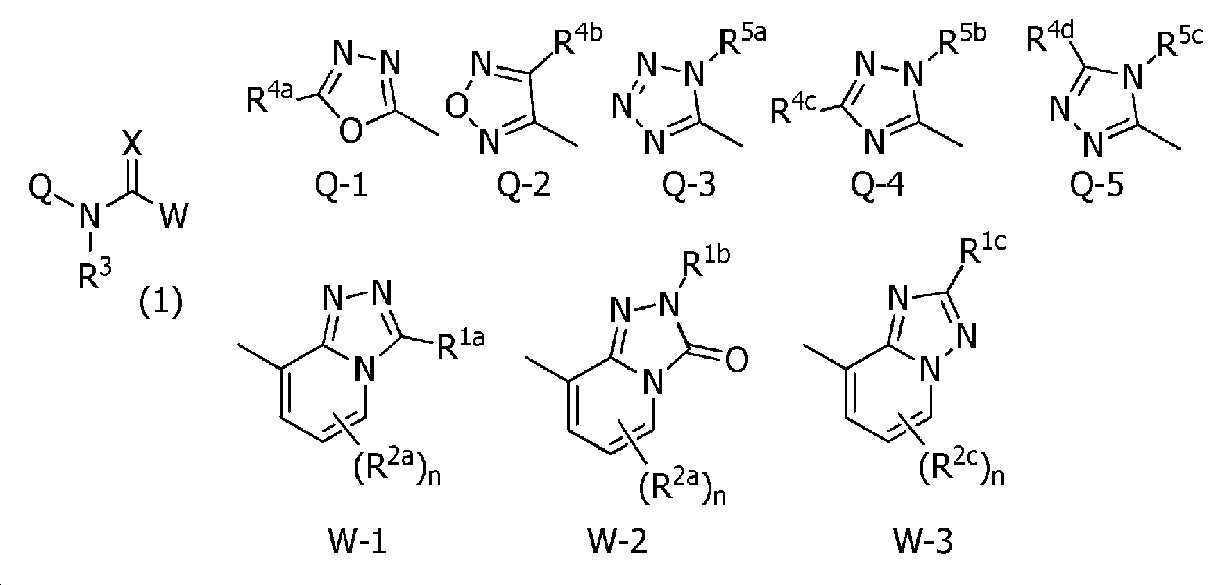
[식 중, Q는 Q-1 내지 Q-5 중 어느 하나로 나타나는 방향족 복소환, W는 W-1, W-2 또는 W-3으로 나타나는 방향족 복소환, X는 산소원자 등, R1a는 수소원자, 할로겐원자 또는 C1~C6알킬 등, R1b는 수소원자 등, R1c는 C1~C6알킬, R2a는 할로겐원자 또는 C1~C6알킬 등, R2c는 C1~C6할로알킬, R3은 수소원자 등, R4a는 수소원자 또는 C1~C6알킬 등, R4b는 수소원자 또는 C1~C6알킬 등, R4c는 수소원자 또는 C1~C6알킬 등, R4d는 수소원자 또는 C1~C6알킬 등, R5a 및 R5b는 각각 독립적으로 수소원자 또는 C1~C6알킬 등, R5c는 수소원자 또는 C1~C6알킬 등, 그리고, n은 0,1,2 또는 3의 정수를 나타낸다.]로 표시되는 복소환 아미드 화합물 및 이들을 함유하는 농약, 특히 제초제를 제공한다.The present invention, formula (1):
[In the formula, Q is an aromatic heterocycle represented by any one of Q-1 to Q-5, W is an aromatic heterocycle represented by W-1, W-2 or W-3, X is an oxygen atom, etc., R 1a is hydrogen Atom, halogen atom or C 1 ~ C 6 alkyl, R 1b is a hydrogen atom, R 1c is C 1 ~ C 6 alkyl, R 2a is a halogen atom or C 1 ~ C 6 alkyl, R 2c is C 1 ~ C 6 haloalkyl, R 3 is a hydrogen atom, R 4a is a hydrogen atom or C 1 to C 6 alkyl, etc., R 4b is a hydrogen atom or C 1 to C 6 alkyl, etc., R 4c is a hydrogen atom or C 1 to C 6 alkyl, etc., R 4d is a hydrogen atom or C 1 to C 6 alkyl, etc., R 5a and R 5b are each independently a hydrogen atom or C 1 to C 6 alkyl, etc., R 5c is a hydrogen atom or C 1 to C 6 alkyl And the like, and n represents an integer of 0, 1, 2 or 3.] and a heterocyclic amide compound containing them, and a pesticide containing them, particularly a herbicide.
Description
본 발명은, 신규 복소환 아미드 화합물 및 그의 염, 그리고 이 복소환 아미드 화합물 및 그 염을 유효성분으로서 함유하는 농약, 특히 제초제에 관한 것이다. 또한, 본 발명에 있어서의 농약이란, 농원예 분야에 있어서의 살충·살진드기제, 살선충제, 제초제 및 살균제 등을 의미한다.The present invention relates to novel heterocyclic amide compounds and salts thereof, and pesticides, particularly herbicides, which contain the heterocyclic amide compounds and salts thereof as active ingredients. In addition, the pesticide in this invention means an insecticide, acaricide, a nematocide, a herbicide, a fungicide, etc. in the field of agricultural and horticulture.
예를 들어, 특허문헌 1 내지 6에는, 어느 한 종류의 복소환 아미드 화합물이 개시되어 있으나, 본 발명에 따른 복소환 아미드 화합물에 관해서는 전혀 개시되어 있지 않다.For example, in Patent Documents 1 to 6, any type of heterocyclic amide compound is disclosed, but no heterocyclic amide compound according to the present invention is disclosed.
본 발명의 목적은, 보다 저약량으로 각종 잡초에 대하여 효과를 확실히 나타내며, 또한, 토양오염이나 후작물에 대한 영향 등의 문제가 경감된, 안전성이 높고, 제초제의 유효성분으로서 유용한 화학물질을 제공하는 것이다.It is an object of the present invention to provide a chemical substance that has high safety and is useful as an active ingredient of a herbicide, which clearly shows an effect against various weeds in a lower dose, and also reduces problems such as soil pollution and effects on fruit crops. It is to do.
본 발명자들은, 상기 과제 해결을 목표로 예의연구를 거듭한 결과, 본 발명에 따른 하기 식(1)로 표시되는 신규 복소환 아미드 화합물이 제초제로서 우수한 제초활성 그리고 대상이 되는 작물에 대한 높은 안전성을 나타내며, 또한, 포유동물, 어류 및 익충 등의 비표적 생물에 대하여 거의 악영향이 없는, 매우 유용한 화합물인 것을 발견하여, 본 발명을 완성하였다.The present inventors, as a result of repeated intensive research aiming at solving the above problems, show that the novel heterocyclic amide compound represented by the following formula (1) according to the present invention has excellent herbicidal activity as a herbicide and high safety for target crops. In addition, the present invention was completed by discovering that it is a very useful compound that has little adverse effect on non-target organisms such as mammals, fish, and benthic insects.
즉, 본 발명은 하기 〔1〕~〔115〕에 관한 것이다.That is, the present invention relates to the following [1] to [115].
〔1〕〔One〕
식(1):Equation (1):
[화학식 1] [Formula 1]
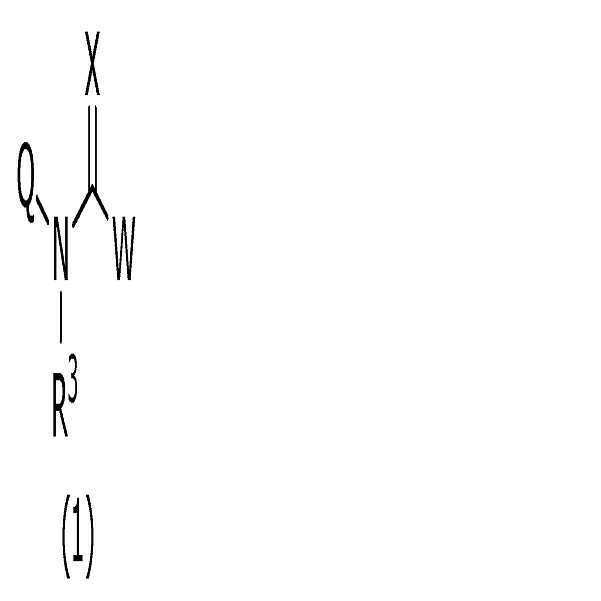
[식 중, Q는, Q-1 내지 Q-5 중 어느 하나로 나타나는 방향족 복소환을 나타내고,[In the formula, Q represents an aromatic heterocycle represented by any one of Q-1 to Q-5,
[화학식 2] [Formula 2]

W는, W-1, W-2 또는 W-3으로 나타나는 방향족 복소환을 나타내고,W represents an aromatic heterocycle represented by W-1, W-2 or W-3,
[화학식 3] [Formula 3]

X는, 산소원자 또는 황원자를 나타내고,X represents an oxygen atom or a sulfur atom,
R1a는, 수소원자, 할로겐원자, C1~C6알킬, R6에 의해 임의로 치환된 (C1~C6)알킬, C3~C6시클로알킬, R6에 의해 임의로 치환된 (C3~C6)시클로알킬, C2~C6알케닐, C2~C6알키닐, C3~C6시클로알케닐, -C(O)R8, -C(O)OR16, 시아노, -OR9, -S(O)m1R10, -N(R11)R12, -C(=NR12b)R8b, 페닐, (R7)p에 의해 치환된 페닐, 나프틸 또는 U-1 내지 U-25 중 어느 하나의 기를 나타내고,R 1a is a hydrogen atom, a halogen atom, C 1 ~ C 6 alkyl, R a by 6 optionally substituted (C 1 ~ C 6) alkyl, C 3 ~ C 6 cycloalkyl, by an R 6 is optionally substituted (C 3 ~C 6 )cycloalkyl, C 2 ~C 6 alkenyl, C 2 ~C 6 alkynyl, C 3 ~C 6 cycloalkenyl, -C(O)R 8 , -C(O)OR 16 , cyanide No, -OR 9 , -S(O) m1 R 10 , -N(R 11 )R 12 , -C(=NR 12b )R 8b , phenyl, phenyl, naphthyl or substituted by (R 7 ) p Represents a group in any one of U-1 to U-25,
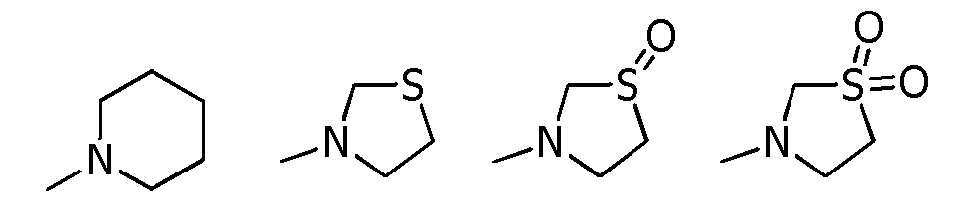
R1b는, 수소원자, C1~C6알킬, R6에 의해 임의로 치환된 (C1~C6)알킬, C3~C6시클로알킬, R6에 의해 임의로 치환된 (C3~C6)시클로알킬, C2~C6알케닐, C2~C6알키닐, 페닐, (R7)p에 의해 치환된 페닐, 나프틸, 5-6원 헤테로아릴, (R28 및 R28a에 의해 임의로 치환된) 5-6원 헤테로아릴, 3-7원 헤테로시크릴 또는 (R28 및 R28a에 의해 임의로 치환된) 3-7원 헤테로시크릴을 나타내고,R 1b is a hydrogen atom, C 1 ~ C 6 alkyl, R a by 6 optionally substituted (C 1 ~ C 6) alkyl, C 3 ~ C 6, an by cycloalkyl, R 6 is optionally substituted (C 3 ~ C 6 ) Cycloalkyl, C 2 to C 6 alkenyl, C 2 to C 6 alkynyl, phenyl, phenyl substituted by (R 7 ) p , naphthyl, 5-6 membered heteroaryl, (R 28 and R 28a 5-6 membered heteroaryl, 3-7 membered heterocyclyl or 3-7 membered heterocyclyl (optionally substituted by R 28 and R 28a ),
R1c는, C1~C6알킬을 나타내고,R 1c represents C 1 to C 6 alkyl,
R2a는, 할로겐원자, C1~C6알킬, C1~C6할로알킬, -C(O)R18, -C(O)OR24, 시아노, 니트로, -OR19, -S(O)m3R20, -N(R21)R22, 페닐 또는 (R7)p에 의해 치환된 페닐을 나타내고, n이 2 이상의 정수를 나타낼 때, 각각의 R2a는 서로 동일할 수도 또는 서로 상이할 수도 있고, 나아가, 2개의 R2a가 인접하는 경우에는, 인접하는 2개의 R2a는, -CH=CH-CH=CH-를 형성함으로써, 각각의 R2a가 결합하는 탄소원자와 함께 6원환을 형성할 수도 있고,R 2a is a halogen atom, C 1 to C 6 alkyl, C 1 to C 6 haloalkyl, -C(O)R 18 , -C(O)OR 24 , cyano, nitro, -OR 19 , -S( O) m3 R 20 , -N (R 21 ) R 22 , phenyl or (R 7 ) represents phenyl substituted by p , and when n represents an integer of 2 or more, each R 2a may be the same as each other or It may be different, and further, when two R 2a are adjacent, two adjacent R 2a form -CH=CH-CH=CH-, so that each R 2a is 6 together with the carbon atom to which it is bonded. Can form a torus,
R2c는, C1~C6할로알킬을 나타내고,R 2c represents C 1 to C 6 haloalkyl,
R3은, 수소원자, C1~C6알킬, R27에 의해 임의로 치환된 (C1~C6)알킬, C3~C6시클로알킬, C3~C6할로시클로알킬, C2~C6알케닐, C2~C6할로알케닐, C2~C6알키닐, C2~C6할로알키닐, -C(O)R25 또는 -C(O)OR26을 나타내고,R 3 is a hydrogen atom, C 1 ~C 6 alkyl, (C 1 ~C 6 )alkyl optionally substituted by R 27 , C 3 ~C 6 cycloalkyl, C 3 ~C 6 halocycloalkyl, C 2 ~ C 6 alkenyl, C 2 to C 6 haloalkenyl, C 2 to C 6 alkynyl, C 2 to C 6 haloalkynyl, -C(O)R 25 or -C(O)OR 26 ,
R4a는, 수소원자, 할로겐원자, C1~C6알킬, R27에 의해 임의로 치환된 (C1~C6)알킬, C3~C6시클로알킬, R27에 의해 임의로 치환된 (C3~C6)시클로알킬, C2~C6알케닐, C2~C6할로알케닐, C2~C6알키닐, C2~C6할로알키닐, C3~C6시클로알케닐, -NH2, C1~C6알킬아미노, 디(C1~C6알킬)아미노, -NHC(O)R8, 페닐, (R28)r에 의해 치환된 페닐, 5-6원 헤테로아릴, (R28 및 R28a에 의해 임의로 치환된) 5-6원 헤테로아릴, 3-7원 헤테로시크릴 또는 (R28 및 R28a에 의해 임의로 치환된) 3-7원 헤테로시크릴을 나타내고,R 4a is a hydrogen atom, a halogen atom, C 1 ~ C 6 alkyl, by R 27 is optionally substituted (C 1 ~ C 6) alkyl, C 3 ~ C 6 cycloalkyl, by R 27 is optionally substituted (C 3 ~C 6 )cycloalkyl, C 2 ~C 6 alkenyl, C 2 ~C 6 haloalkenyl, C 2 ~C 6 alkynyl, C 2 ~C 6 haloalkynyl, C 3 ~C 6 cycloalkenyl , -NH 2 , C 1 ~C 6 alkylamino, di(C 1 ~C 6 alkyl)amino, -NHC(O)R 8 , phenyl, phenyl substituted by (R 28 ) r , 5-6 membered hetero Aryl, 5-6 membered heteroaryl (optionally substituted by R 28 and R 28a ), 3-7 membered heterocyclyl or 3-7 membered heterocyclyl (optionally substituted by R 28 and R 28a) ,
R4b는, 수소원자, 할로겐원자, 시아노, 니트로, C1~C6알킬, R27에 의해 임의로 치환된 (C1~C6)알킬, C3~C6시클로알킬, R27에 의해 임의로 치환된 (C3~C6)시클로알킬, C2~C6알케닐, C2~C6할로알케닐, C2~C6알키닐, C2~C6할로알키닐, C3~C6시클로알케닐, -C(O)OR16, -OR38, -S(O)m3R20, -NH2, C1~C6알킬아미노, 디(C1~C6알킬)아미노, -NHC(O)R8, 페닐, (R28)r에 의해 치환된 페닐, 5-6원 헤테로아릴, (R28 및 R28a에 의해 임의로 치환된) 5-6원 헤테로아릴, 3-7원 헤테로시크릴 또는 (R28 및 R28a에 의해 임의로 치환된) 3-7원 헤테로시크릴을 나타내고,R 4b is by a hydrogen atom, a halogen atom, cyano, nitro, C 1 ~C 6 alkyl, (C 1 ~C 6 )alkyl optionally substituted by R 27 , C 3 ~C 6 cycloalkyl, R 27 Optionally substituted (C 3 ~C 6 )cycloalkyl, C 2 ~C 6 alkenyl, C 2 ~C 6 haloalkenyl, C 2 ~C 6 alkynyl, C 2 ~C 6 haloalkynyl, C 3 ~ C 6 cycloalkenyl, -C(O)OR 16 , -OR 38 , -S(O) m3 R 20 , -NH 2 , C 1 ~C 6 alkylamino, di(C 1 ~C 6 alkyl)amino, -NHC(O)R 8 , phenyl, (R 28 ) phenyl substituted by r , 5-6 membered heteroaryl, 5-6 membered heteroaryl (optionally substituted by R 28 and R 28a), 3-7 Represents a membered heterocyclyl or a 3-7 membered heterocyclyl (optionally substituted by R 28 and R 28a ),
R4c는, 수소원자, 할로겐원자, C1~C6알킬, R27에 의해 임의로 치환된 (C1~C6)알킬, C3~C6시클로알킬, R27에 의해 임의로 치환된 (C3~C6)시클로알킬, 페닐, (R28)r에 의해 치환된 페닐, 5-6원 헤테로아릴, (R28 및 R28a에 의해 임의로 치환된) 5-6원 헤테로아릴, 3-7원 헤테로시크릴 또는 (R28 및 R28a에 의해 임의로 치환된) 3-7원 헤테로시크릴을 나타내고,R 4c is a hydrogen atom, a halogen atom, C 1 ~ C 6 alkyl, by R 27 is optionally substituted (C 1 ~ C 6) alkyl, C 3 ~ C 6 cycloalkyl, by R 27 is optionally substituted (C 3 ~ C 6 )cycloalkyl, phenyl, (R 28 ) phenyl substituted by r , 5-6 membered heteroaryl, 5-6 membered heteroaryl (optionally substituted by R 28 and R 28a), 3-7 Represents a membered heterocyclyl or a 3-7 membered heterocyclyl (optionally substituted by R 28 and R 28a ),
R4d는, 수소원자, C1~C6알킬 또는 R35에 의해 임의로 치환된 (C1~C6)알킬을 나타내고,R 4d represents a hydrogen atom, C 1 to C 6 alkyl or (C 1 to C 6 )alkyl optionally substituted by R 35,
U-1 내지 U-6, U-6a, U-7 내지 U-10, U-10a, U-11, U-11a, U-12, U-12a, U-13, U-13a, U-14 내지 U-22, U-22a, U-23, U-24, U-25, U-26은, 각각 이하의 구조로 표시되는 복소환을 나타내고,U-1 to U-6, U-6a, U-7 to U-10, U-10a, U-11, U-11a, U-12, U-12a, U-13, U-13a, U- 14 to U-22, U-22a, U-23, U-24, U-25, U-26 each represent a heterocycle represented by the following structures,
[화학식 4] [Formula 4]

R5a 및 R5b는, 각각 독립적으로 수소원자, C1~C6알킬, R27에 의해 임의로 치환된 (C1~C6)알킬, C3~C6시클로알킬, C3~C6할로시클로알킬, C2~C6알케닐, C2~C6할로알케닐, C2~C6알키닐, C2~C6할로알키닐, C3~C6시클로알케닐, 페닐 또는 (R28)r에 의해 치환된 페닐을 나타내고,R 5a and R 5b are each independently a hydrogen atom, C 1 to C 6 alkyl, (C 1 to C 6 )alkyl optionally substituted by R 27 , C 3 to C 6 cycloalkyl, C 3 to C 6 halo Cycloalkyl, C 2 to C 6 alkenyl, C 2 to C 6 haloalkenyl, C 2 to C 6 alkynyl, C 2 to C 6 haloalkynyl, C 3 to C 6 cycloalkenyl, phenyl or (R 28 ) represents phenyl substituted by r,
R5c는, 수소원자, C1~C6알킬 또는 R36에 의해 임의로 치환된 (C1~C6)알킬을 나타내거나, 혹은 R5c는, R4d와 -(CH2)4- 또는 -CH=CH-CH=CH-를 형성함으로써, R5c가 결합하는 질소원자 및 R4d가 결합하는 탄소원자와 함께 6원환을 형성할 수도 있고,R 5c represents a hydrogen atom, C 1 to C 6 alkyl or (C 1 to C 6 )alkyl optionally substituted by R 36 , or R 5c is R 4d and -(CH 2 ) 4 -or- By forming CH=CH-CH=CH-, a 6-membered ring may be formed with the nitrogen atom to which R 5c is bonded and the carbon atom to which R 4d is bonded,
R6은, 할로겐원자, 시아노, C3~C6시클로알킬, -C(O)R8, -C(O)OR16, -OR13, -S(O)m2R14, 페닐 또는 (R7)p에 의해 치환된 페닐을 나타내고,R 6 is a halogen atom, cyano, C 3 to C 6 cycloalkyl, -C(O)R 8 , -C(O)OR 16 , -OR 13 , -S(O) m2 R 14 , phenyl or ( R 7 ) represents phenyl substituted by p,
R7은, 할로겐원자, 시아노, 니트로, C1~C6알킬, R27에 의해 임의로 치환된 (C1~C6)알킬, C3~C6시클로알킬, C3~C6할로시클로알킬, C2~C6알케닐, C2~C6할로알케닐, C2~C6알키닐, C2~C6할로알키닐, C3~C6시클로알케닐, C1~C6알킬카르보닐, C3~C6시클로알킬카르보닐, C1~C6할로알킬카르보닐, C3~C6할로시클로알킬카르보닐, C1~C6알콕시카르보닐, C1~C6할로알콕시카르보닐, C1~C6알킬아미노카르보닐, C1~C6할로알킬아미노카르보닐, 디(C1~C6알킬아미노)카르보닐, -OR15, -S(O)m3R20, C1~C6알킬아미노설포닐, 디(C1~C6알킬)아미노설포닐, -NH2, C1~C6알킬아미노, 디(C1~C6알킬)아미노, 5-6원 헤테로아릴, (R28 및 R28a에 의해 임의로 치환된) 5-6원 헤테로아릴, 3-7원 헤테로시크릴 또는 (R28 및 R28a에 의해 임의로 치환된) 3-7원 헤테로시크릴을 나타내고,R 7 is a halogen atom, cyano, nitro, C 1 to C 6 alkyl, (C 1 to C 6 )alkyl optionally substituted by R 27 , C 3 to C 6 cycloalkyl, C 3 to C 6 halocyclo Alkyl, C 2 ~C 6 alkenyl, C 2 ~C 6 haloalkenyl, C 2 ~C 6 alkynyl, C 2 ~C 6 haloalkynyl, C 3 ~C 6 cycloalkenyl, C 1 ~C 6 Alkylcarbonyl, C 3 ~C 6 cycloalkylcarbonyl, C 1 ~C 6 haloalkylcarbonyl, C 3 ~C 6 halocycloalkylcarbonyl, C 1 ~C 6 alkoxycarbonyl, C 1 ~C 6 halo Alkoxycarbonyl, C 1 ~C 6 alkylaminocarbonyl, C 1 ~C 6 haloalkylaminocarbonyl, di(C 1 ~C 6 alkylamino)carbonyl, -OR 15 , -S(O) m3 R 20 , C 1 ~C 6 alkylaminosulfonyl, di(C 1 ~C 6 alkyl)aminosulfonyl, -NH 2 , C 1 ~C 6 alkylamino, di(C 1 ~C 6 alkyl)amino, 5-6 Membered heteroaryl, 5-6 membered heteroaryl (optionally substituted by R 28 and R 28a ), 3-7 membered heterocyclyl, or 3-7 membered heterocyclyl (optionally substituted by R 28 and R 28a) Represents,
R8은, 수소원자, C1~C6알킬 또는 -N(R11a)R12a를 나타내고,R 8 represents a hydrogen atom, C 1 to C 6 alkyl or -N(R 11a )R 12a ,
R8b는, 수소원자 또는 C1~C6알킬을 나타내고,R 8b represents a hydrogen atom or C 1 to C 6 alkyl,
R9는, 수소원자, C1~C6알킬 또는 페닐을 나타내고,R 9 represents a hydrogen atom, C 1 to C 6 alkyl or phenyl,
R10은, 수소원자, C1~C6알킬, R34에 의해 임의로 치환된 (C1~C6)알킬, C3~C6시클로알킬, C3~C6할로시클로알킬, C2~C6알케닐, C2~C6할로알케닐, C2~C6알키닐 또는 C2~C6할로알키닐을 나타내고,R 10 is a hydrogen atom, C 1 ~C 6 alkyl, (C 1 ~C 6 )alkyl optionally substituted by R 34 , C 3 ~C 6 cycloalkyl, C 3 ~C 6 halocycloalkyl, C 2 ~ C 6 alkenyl, C 2 to C 6 haloalkenyl, C 2 to C 6 alkynyl or C 2 to C 6 haloalkynyl,
R11 및 R12는, 각각 독립적으로 수소원자, C1~C6알킬, R34에 의해 임의로 치환된 (C1~C6)알킬, C3~C6시클로알킬, C2~C6알케닐, C2~C6할로알케닐, C2~C6알키닐, C2~C6할로알키닐, 페닐설포닐, 페닐, (R7)p에 의해 치환된 페닐, U-7, U-8, U-9 또는 U-14 내지 U-19를 나타내거나, 혹은, R11은 R12와 하나가 되어 C2~C6알킬렌쇄를 형성함으로써, R11 및 R12가 결합하는 질소원자와 함께 3~7원환을 형성할 수도 있음을 나타내고, 이때 이 알킬렌쇄는 O, S, S(O), S(O)2 또는 N(R33)을 1개 포함할 수도 있고, 또한 옥소기 또는 티옥소기에 의해 치환되어 있을 수도 있고,R 11 and R 12 are each independently a hydrogen atom, C 1 ~C 6 alkyl, (C 1 ~C 6 )alkyl optionally substituted by R 34 , C 3 ~C 6 cycloalkyl, C 2 ~C 6 Al Kenyl, C 2 to C 6 haloalkenyl, C 2 to C 6 alkynyl, C 2 to C 6 haloalkynyl, phenylsulfonyl, phenyl, phenyl substituted by (R 7 ) p , U-7, U -8, U-9, or U-14 to U-19, or R 11 becomes one with R 12 to form a C 2 to C 6 alkylene chain, whereby R 11 and R 12 are bonded to each other. It represents that it may form a 3 to 7 membered ring together with, at this time, this alkylene chain may contain one O, S, S(O), S(O) 2 or N(R 33 ), and also an oxo group Or it may be substituted by a thioxo group,
R11a 및 R12a는, 각각 독립적으로 수소원자, C1~C6알킬 또는 페닐을 나타내거나, 혹은, R11a는 R12a와 하나가 되어 C2~C6알킬렌쇄를 형성함으로써, R11a 및 R12a가 결합하는 질소원자와 함께 3~7원환을 형성할 수도 있음을 나타내고, 이때 이 알킬렌쇄는 O, S, S(O), S(O)2 또는 N(R33)을 1개 포함할 수도 있고, 또한 옥소기 또는 티옥소기에 의해 치환되어 있을 수도 있고,R 11a and R 12a each independently represent a hydrogen atom, C 1 to C 6 alkyl or phenyl, or R 11a is one with R 12a to form a C 2 to C 6 alkylene chain, whereby R 11a and It indicates that R 12a may form a 3 to 7 membered ring with the nitrogen atom to which it is bound, and this alkylene chain contains one O, S, S(O), S(O) 2 or N(R 33 ) May be used, or may be substituted with an oxo group or a thioxo group,
R12b는, -OR19b를 나타내고,R 12b represents -OR 19b,
R13은, 수소원자, C1~C6알킬, R34에 의해 임의로 치환된 (C1~C6)알킬, C2~C6알케닐, C2~C6할로알케닐, C2~C6알키닐, C2~C6할로알키닐, -C(O)R8 또는 페닐을 나타내고,R 13 is a hydrogen atom, C 1 ~C 6 alkyl, (C 1 ~C 6 )alkyl optionally substituted by R 34 , C 2 ~C 6 alkenyl, C 2 ~C 6 haloalkenyl, C 2 ~ C 6 alkynyl, C 2 to C 6 haloalkynyl, -C(O)R 8 or phenyl,
R14는, 수소원자, C1~C6알킬, R34에 의해 임의로 치환된 (C1~C6)알킬, C2~C6알케닐, C2~C6할로알케닐, C2~C6알키닐, C2~C6할로알키닐 또는 페닐을 나타내고,R 14 is a hydrogen atom, C 1 ~C 6 alkyl, (C 1 ~C 6 )alkyl optionally substituted by R 34 , C 2 ~C 6 alkenyl, C 2 ~C 6 haloalkenyl, C 2 ~ C 6 alkynyl, C 2 ~ C 6 represents haloalkynyl or phenyl,
R15는, 수소원자, C1~C6알킬, R27에 의해 임의로 치환된 (C1~C6)알킬, C3~C6시클로알킬, C3~C6할로시클로알킬, C2~C6알케닐, C2~C6할로알케닐, C2~C6알키닐, C2~C6할로알키닐 또는 C3~C6시클로알케닐을 나타내고,R 15 is a hydrogen atom, C 1 ~C 6 alkyl, (C 1 ~C 6 )alkyl optionally substituted by R 27 , C 3 ~C 6 cycloalkyl, C 3 ~C 6 halocycloalkyl, C 2 ~ C 6 alkenyl, C 2 to C 6 haloalkenyl, C 2 to C 6 alkynyl, C 2 to C 6 haloalkynyl or C 3 to C 6 cycloalkenyl,
R16은, 수소원자, C1~C6알킬 또는 R37에 의해 임의로 치환된 (C1~C6)알킬을 나타내고,R 16 represents a hydrogen atom, C 1 to C 6 alkyl or (C 1 to C 6 )alkyl optionally substituted by R 37,
R18은, 수소원자 또는 C1~C6알킬을 나타내고,R 18 represents a hydrogen atom or C 1 to C 6 alkyl,
R19는, 수소원자, C1~C6알킬 또는 페닐을 나타내고,R 19 represents a hydrogen atom, C 1 to C 6 alkyl or phenyl,
R19b는, 수소원자 또는 C1~C6알킬을 나타내고,R 19b represents a hydrogen atom or C 1 to C 6 alkyl,
R20은, C1~C6알킬, C1~C6할로알킬, C3~C6시클로알킬, C2~C6알케닐, C2~C6할로알케닐, C2~C6알키닐, C2~C6할로알키닐 또는 C3~C6시클로알케닐을 나타내고,R 20 is C 1 ~C 6 alkyl, C 1 ~C 6 haloalkyl, C 3 ~C 6 cycloalkyl, C 2 ~C 6 alkenyl, C 2 ~C 6 haloalkenyl, C 2 ~C 6 alky Nyl, C 2 to C 6 haloalkynyl or C 3 to C 6 cycloalkenyl,
R21 및 R22는, 각각 독립적으로 수소원자, C1~C6알킬 또는 페닐을 나타내거나, 혹은, R21은 R22와 하나가 되어 C2~C6알킬렌쇄를 형성함으로써, R21 및 R22가 결합하는 질소원자와 함께 3~7원환을 형성할 수도 있음을 나타내고, 이때 이 알킬렌쇄는 O, S, S(O), S(O)2 또는 N(R39)를 1개 포함할 수도 있고, 또한 옥소기 또는 티옥소기에 의해 치환되어 있을 수도 있고,R 21 and R 22 each independently represent a hydrogen atom, C 1 to C 6 alkyl or phenyl, or R 21 is one with R 22 to form a C 2 to C 6 alkylene chain, whereby R 21 and It indicates that R 22 may form a 3 to 7 membered ring with the nitrogen atom to which it is bound, and this alkylene chain contains one O, S, S(O), S(O) 2 or N(R 39 ) May be used, or may be substituted with an oxo group or a thioxo group,
R24는, 수소원자 또는 C1~C6알킬을 나타내고,R 24 represents a hydrogen atom or C 1 to C 6 alkyl,
R25 및 R26은, 각각 독립적으로는, 수소원자, C1~C6알킬, C1~C6할로알킬, C3~C6시클로알킬, C3~C6할로시클로알킬, C2~C6알케닐, C2~C6할로알케닐, C2~C6알키닐, C2~C6할로알키닐, C3~C6시클로알케닐 또는 페닐을 나타내고,R 25 and R 26 are each independently a hydrogen atom, C 1 to C 6 alkyl, C 1 to C 6 haloalkyl, C 3 to C 6 cycloalkyl, C 3 to C 6 halocycloalkyl, C 2 to C 6 alkenyl, C 2 to C 6 haloalkenyl, C 2 to C 6 alkynyl, C 2 to C 6 haloalkynyl, C 3 to C 6 cycloalkenyl or phenyl,
R27은, 할로겐원자, 시아노, 니트로, 페닐, (R28)r에 의해 치환된 페닐, -C(O)OR16, -OR29, -S(O)m4R30, 5-6원 헤테로아릴, (R28 및 R28a에 의해 임의로 치환된) 5-6원 헤테로아릴, 3-7원 헤테로시크릴 또는 (R28 및 R28a에 의해 임의로 치환된) 3-7원 헤테로시크릴을 나타내고,R 27 is a halogen atom, cyano, nitro, phenyl, (R 28 ) phenyl substituted by r , -C(O)OR 16 , -OR 29 , -S(O) m4 R 30 , 5-6 members Heteroaryl, 5-6 membered heteroaryl (optionally substituted by R 28 and R 28a ), 3-7 membered heterocyclyl or 3-7 membered heterocyclyl (optionally substituted by R 28 and R 28a) Indicate,
R28은, 할로겐원자, 시아노, 니트로, C1~C6알킬, C1~C6할로알킬, C3~C6시클로알킬, C3~C6할로시클로알킬, C2~C6알케닐, C2~C6할로알케닐, C2~C6알키닐, C2~C6할로알키닐, (C1~C6알콕시)C1~C6알킬, -OR31 또는 -S(O)m4R30을 나타내고, t2, t3, t4, t5, t7, t8 또는 t9가 2 이상의 정수를 나타낼 때, 각각의 R28은 서로 동일할 수도 또는 서로 상이할 수도 있고, 나아가 2개의 R28이 인접하는 경우에는, 인접하는 2개의 R28은 하나가 되어 -CH=CH-CH=CH-를 형성함으로써, 각각의 R28이 결합하는 탄소원자와 함께 6원환을 형성할 수도 있고,R 28 is a halogen atom, cyano, nitro, C 1 ~C 6 alkyl, C 1 ~C 6 haloalkyl, C 3 ~C 6 cycloalkyl, C 3 ~C 6 halocycloalkyl, C 2 ~C 6 Al Kenyl, C 2 ~C 6 haloalkenyl, C 2 ~C 6 alkynyl, C 2 ~C 6 haloalkynyl, (C 1 ~C 6 alkoxy)C 1 ~C 6 alkyl, -OR 31 or -S( O) m4 R 30 is represented, and when t2, t3, t4, t5, t7, t8 or t9 represents an integer of 2 or more, each of R 28 may be the same as or different from each other, and further two R 28 In the case of adjoining, two adjacent R 28s become one to form -CH=CH-CH=CH-, thereby forming a 6-membered ring together with the carbon atom to which each R 28 is bonded,
R28a는, C1~C6알킬, C1~C6할로알킬, (C1~C6알콕시)C1~C6알킬 또는 (C1~C6알킬티오)C1~C6알킬을 나타내고,R 28a is C 1 ~C 6 alkyl, C 1 ~C 6 haloalkyl, (C 1 ~C 6 alkoxy)C 1 ~C 6 alkyl or (C 1 ~C 6 alkylthio)C 1 ~C 6 alkyl Indicate,
R29, R30 및 R31은, 각각 독립적으로, 수소원자, C1~C6알킬, C1~C6할로알킬, C3~C6시클로알킬, C3~C6할로시클로알킬, C2~C6알케닐, C2~C6할로알케닐, C2~C6알키닐, C2~C6할로알키닐, C3~C6시클로알케닐 또는 페닐을 나타내고,R 29 , R 30 and R 31 are each independently a hydrogen atom, C 1 to C 6 alkyl, C 1 to C 6 haloalkyl, C 3 to C 6 cycloalkyl, C 3 to C 6 halocycloalkyl, C 2 to C 6 alkenyl, C 2 to C 6 haloalkenyl, C 2 to C 6 alkynyl, C 2 to C 6 haloalkynyl, C 3 to C 6 cycloalkenyl or phenyl,
R33은, 수소원자, C1~C6알킬을 나타내고,R 33 represents a hydrogen atom, C 1 to C 6 alkyl,
R34는, 할로겐원자, 시아노, C3~C6시클로알킬, -C(O)R8, -C(O)OR16, -OR33, -S(O)m6R33, 페닐, (R7)p에 의해 치환된 페닐, U-1, U-3, U-7, U-8, U-9 또는 U-14 내지 U-25를 나타내고,R 34 is a halogen atom, cyano, C 3 to C 6 cycloalkyl, -C(O)R 8 , -C(O)OR 16 , -OR 33 , -S(O) m6 R 33 , phenyl, ( R 7 ) represents phenyl substituted by p , U-1, U-3, U-7, U-8, U-9 or U-14 to U-25,
R35는, 할로겐원자 또는 C1~C6알콕시를 나타내고,R 35 represents a halogen atom or C 1 to C 6 alkoxy,
R36은, 할로겐원자 또는 C1~C6알콕시를 나타내고,R 36 represents a halogen atom or C 1 to C 6 alkoxy,
R37은, C1~C6알콕시를 나타내고,R 37 represents C 1 to C 6 alkoxy,
R38은, C1~C6알킬, R34에 의해 임의로 치환된 (C1~C6)알킬, C3~C6시클로알킬, C3~C6할로시클로알킬, C2~C6알케닐, C2~C6할로알케닐, C2~C6알키닐, C2~C6할로알키닐, C3~C6시클로알케닐 또는 페닐을 나타내고,R 38 is C 1 ~C 6 alkyl, (C 1 ~C 6 )alkyl optionally substituted by R 34 , C 3 ~C 6 cycloalkyl, C 3 ~C 6 halocycloalkyl, C 2 ~C 6 Al Kenyl, C 2 to C 6 haloalkenyl, C 2 to C 6 alkynyl, C 2 to C 6 haloalkynyl, C 3 to C 6 cycloalkenyl or phenyl,
R39는, 수소원자 또는 C1~C6알킬을 나타내고,R 39 represents a hydrogen atom or C 1 to C 6 alkyl,
t1은, 0 또는 1의 정수를 나타내고,t1 represents an integer of 0 or 1,
m1, m2, m3, m4, m6 및 t2는, 각각 독립적으로 0, 1 또는 2의 정수를 나타내고,m1, m2, m3, m4, m6 and t2 each independently represent an integer of 0, 1 or 2,
n 및 t3은, 각각 독립적으로 0, 1, 2 또는 3의 정수를 나타내고,n and t3 each independently represent an integer of 0, 1, 2 or 3,
p 및 r은, 각각 독립적으로 1, 2, 3, 4 또는 5의 정수를 나타내고,p and r each independently represent an integer of 1, 2, 3, 4 or 5,
t4는, 0, 1, 2, 3 또는 4의 정수를 나타내고,t4 represents an integer of 0, 1, 2, 3 or 4,
t5는, 0, 1, 2, 3, 4 또는 5의 정수를 나타내고,t5 represents an integer of 0, 1, 2, 3, 4 or 5,
t7은, 0, 1, 2, 3, 4, 5, 6 또는 7의 정수를 나타내고,t7 represents an integer of 0, 1, 2, 3, 4, 5, 6 or 7,
t8은, 0, 1, 2, 3, 4, 5, 6, 7 또는 8의 정수를 나타내고,t8 represents an integer of 0, 1, 2, 3, 4, 5, 6, 7 or 8,
t9는, 0, 1, 2, 3, 4, 5, 6, 7, 8 또는 9의 정수를 나타낸다.]로 표시되는 복소환 아미드 화합물 또는 그의 염.t9 represents an integer of 0, 1, 2, 3, 4, 5, 6, 7, 8, or 9.] The heterocyclic amide compound or a salt thereof.
〔2〕〔2〕
W는, W-1 또는 W-2로 나타나는 방향족 복소환을 나타내고,W represents an aromatic heterocycle represented by W-1 or W-2,
R2a는, 할로겐원자, C1~C6알킬, C1~C6할로알킬, -C(O)R18, -C(O)OR24, 시아노, 니트로, -OR19 또는 -S(O)m3R20을 나타내고, n이 2 이상의 정수를 나타낼 때, 각각의 R2a는 서로 동일할 수도 또는 서로 상이할 수도 있는 상기 〔1〕에 기재된 복소환 아미드 화합물 또는 그의 염.R 2a is a halogen atom, C 1 to C 6 alkyl, C 1 to C 6 haloalkyl, -C(O)R 18 , -C(O)OR 24 , cyano, nitro, -OR 19 or -S( O) R 20 represents a m3, and when n is an integer equal to or greater than two represent, each R 2a may be the same or heterocyclic amide compound or its salt according to the above [1], which may be different from one another.
〔3〕 (3)
R1b는, 수소원자, C1~C6알킬, R6에 의해 임의로 치환된 (C1~C6)알킬, C3~C6시클로알킬, R6에 의해 임의로 치환된 (C3~C6)시클로알킬, C2~C6알케닐, C2~C6알키닐, 페닐, (R7)p에 의해 치환된 페닐, 나프틸 또는 U-1 내지 U-25 중 어느 하나의 기를 나타내고,R 1b is a hydrogen atom, C 1 ~ C 6 alkyl, R a by 6 optionally substituted (C 1 ~ C 6) alkyl, C 3 ~ C 6, an by cycloalkyl, R 6 is optionally substituted (C 3 ~ C 6 ) Cycloalkyl, C 2 to C 6 alkenyl, C 2 to C 6 alkynyl, phenyl, (R 7 ) phenyl substituted by p , naphthyl or any one of U-1 to U-25 ,
R4a는, 수소원자, 할로겐원자, C1~C6알킬, R27에 의해 임의로 치환된 (C1~C6)알킬, C3~C6시클로알킬, R27에 의해 임의로 치환된 (C3~C6)시클로알킬, C2~C6알케닐, C2~C6할로알케닐, C2~C6알키닐, C2~C6할로알키닐, C3~C6시클로알케닐, -NH2, C1~C6알킬아미노, 디(C1~C6알킬)아미노, -NHC(O)R8, 페닐, (R28)r에 의해 치환된 페닐 또는 U-1 내지 U-26 중 어느 하나의 기를 나타내고,R 4a is a hydrogen atom, a halogen atom, C 1 ~ C 6 alkyl, by R 27 is optionally substituted (C 1 ~ C 6) alkyl, C 3 ~ C 6 cycloalkyl, by R 27 is optionally substituted (C 3 ~C 6 )cycloalkyl, C 2 ~C 6 alkenyl, C 2 ~C 6 haloalkenyl, C 2 ~C 6 alkynyl, C 2 ~C 6 haloalkynyl, C 3 ~C 6 cycloalkenyl , -NH 2 , C 1 to C 6 alkylamino, di(C 1 to C 6 alkyl) amino, -NHC(O)R 8 , phenyl, phenyl substituted by (R 28 ) r or U-1 to U Represents the group of any one of -26,
R7은, 할로겐원자, 시아노, 니트로, C1~C6알킬, R27에 의해 임의로 치환된 (C1~C6)알킬, C3~C6시클로알킬, C3~C6할로시클로알킬, C2~C6알케닐, C2~C6할로알케닐, C2~C6알키닐, C2~C6할로알키닐, C3~C6시클로알케닐, C1~C6알킬카르보닐, C3~C6시클로알킬카르보닐, C1~C6할로알킬카르보닐, C3~C6할로시클로알킬카르보닐, C1~C6알콕시카르보닐, C1~C6할로알콕시카르보닐, C1~C6알킬아미노카르보닐, C1~C6할로알킬아미노카르보닐, 디(C1~C6알킬아미노)카르보닐, -OR15, -S(O)m3R20, C1~C6알킬아미노설포닐, 디(C1~C6알킬)아미노설포닐, -NH2, C1~C6알킬아미노, 디(C1~C6알킬)아미노 또는 U-1 내지 U-26 중 어느 하나의 기를 나타내고,R 7 is a halogen atom, cyano, nitro, C 1 to C 6 alkyl, (C 1 to C 6 )alkyl optionally substituted by R 27 , C 3 to C 6 cycloalkyl, C 3 to C 6 halocyclo Alkyl, C 2 ~C 6 alkenyl, C 2 ~C 6 haloalkenyl, C 2 ~C 6 alkynyl, C 2 ~C 6 haloalkynyl, C 3 ~C 6 cycloalkenyl, C 1 ~C 6 Alkylcarbonyl, C 3 ~C 6 cycloalkylcarbonyl, C 1 ~C 6 haloalkylcarbonyl, C 3 ~C 6 halocycloalkylcarbonyl, C 1 ~C 6 alkoxycarbonyl, C 1 ~C 6 halo Alkoxycarbonyl, C 1 ~C 6 alkylaminocarbonyl, C 1 ~C 6 haloalkylaminocarbonyl, di(C 1 ~C 6 alkylamino)carbonyl, -OR 15 , -S(O) m3 R 20 , C 1 ~C 6 alkylaminosulfonyl, di(C 1 ~C 6 alkyl)aminosulfonyl, -NH 2 , C 1 ~C 6 alkylamino, di(C 1 ~C 6 alkyl)amino or U-1 To U-26,
R27은, 할로겐원자, 시아노, 니트로, 페닐, (R28)r에 의해 치환된 페닐, -C(O)OR16, -OR29, -S(O)m4R30 또는 U-1 내지 U-26 중 어느 하나의 기를 나타내는 상기 〔2〕에 기재된 복소환 아미드 화합물 또는 그의 염.R 27 is a halogen atom, cyano, nitro, phenyl, (R 28 ) phenyl substituted by r , -C(O)OR 16 , -OR 29 , -S(O) m4 R 30 or U-1 to The heterocyclic amide compound according to [2] or a salt thereof, which represents the group in any one of U-26.
〔4〕〔4〕
R1a는, 수소원자, 할로겐원자, C1~C6알킬, R6에 의해 임의로 치환된 (C1~C6)알킬, C3~C6시클로알킬, R6에 의해 임의로 치환된 (C3~C6)시클로알킬, C2~C6알케닐, C2~C6알키닐, C3~C6시클로알케닐, -C(O)R8, -OR9, -S(O)m1R10, -N(R11)R12, -C(=NR12b)R8b, 페닐, (R7)p에 의해 치환된 페닐, U-3, U-5a, U-6a, U-7, U-8, U-10a, U-11a, U-12a, 또는 U-13a를 나타내고,R 1a is a hydrogen atom, a halogen atom, C 1 ~ C 6 alkyl, R a by 6 optionally substituted (C 1 ~ C 6) alkyl, C 3 ~ C 6 cycloalkyl, by an R 6 is optionally substituted (C 3 ~C 6 )cycloalkyl, C 2 ~C 6 alkenyl, C 2 ~C 6 alkynyl, C 3 ~C 6 cycloalkenyl, -C(O)R 8 , -OR 9 , -S(O) m1 R 10 , -N(R 11 )R 12 , -C(=NR 12b )R 8b , phenyl, phenyl substituted by (R 7 ) p , U-3, U-5a, U-6a, U- 7, U-8, U-10a, U-11a, U-12a, or U-13a,
R1b는, C1~C6알킬 또는 R6에 의해 임의로 치환된 (C1~C6)알킬을 나타내고,R 1b represents C 1 ~C 6 alkyl or (C 1 ~C 6 )alkyl optionally substituted by R 6,
R2a는, 할로겐원자, C1~C6알킬, C1~C6할로알킬, -S(O)m3R20, n이 2 이상의 정수를 나타낼 때, 각각의 R2a는 서로 동일할 수도 또는 서로 상이할 수도 있고,R 2a is a halogen atom, C 1 to C 6 alkyl, C 1 to C 6 haloalkyl, -S(O) m3 R 20 , When n represents an integer of 2 or more, each of R 2a may be the same as each other or May be different from each other,
R3은, 수소원자 또는 C1~C6알킬을 나타내고,R 3 represents a hydrogen atom or C 1 to C 6 alkyl,
R4a는, 수소원자, C1~C6알킬, R27에 의해 임의로 치환된 (C1~C6)알킬, C3~C6시클로알킬, 페닐, (R28)r에 의해 치환된 페닐, U-1, U-2, U-7, U-10a 또는 U-26으로 표시되는 복소환을 나타내고,R 4a is a hydrogen atom, C 1 to C 6 alkyl, (C 1 to C 6 )alkyl optionally substituted by R 27 , C 3 to C 6 cycloalkyl, phenyl, (R 28 ) phenyl substituted by r , U-1, U-2, U-7, U-10a or U-26 represents a heterocycle,
R4b는, C1~C6알킬을 나타내고,R 4b represents C 1 to C 6 alkyl,
R4c는, 수소원자를 나타내고,R 4c represents a hydrogen atom,
R4d는, C1~C6알킬을 나타내고,R 4d represents C 1 to C 6 alkyl,
R5a는, 수소원자, C1~C6알킬, R27에 의해 임의로 치환된 (C1~C6)알킬, C2~C6알케닐 또는 페닐을 나타내고,R 5a represents a hydrogen atom, C 1 to C 6 alkyl, (C 1 to C 6 )alkyl optionally substituted by R 27 , C 2 to C 6 alkenyl or phenyl,
R5b는, 수소원자 또는 C1~C6알킬을 나타내고,R 5b represents a hydrogen atom or C 1 to C 6 alkyl,
R5c는, C1~C6알킬을 나타내거나, 혹은 R5c는, R4d와 -(CH2)4- 또는 -CH=CH-CH=CH-를 형성함으로써, R5c가 결합하는 질소원자 및 R4d가 결합하는 탄소원자와 함께 6원환을 형성할 수도 있고,R 5c represents C 1 to C 6 alkyl, or R 5c is a nitrogen atom to which R 5c is bonded by forming R 4d and -(CH 2 ) 4 -or -CH=CH-CH=CH- And R 4d may form a 6-membered ring together with the carbon atom to which it is bonded,
R7은, 할로겐원자, C1~C6알킬, R27에 의해 임의로 치환된 (C1~C6)알킬 또는 -OR15를 나타내고,R 7 represents a halogen atom, C 1 to C 6 alkyl, (C 1 to C 6 )alkyl or -OR 15 optionally substituted by R 27 ,
R8b는, 수소원자를 나타내고,R 8b represents a hydrogen atom,
R9는, C1~C6알킬을 나타내고,R 9 represents C 1 to C 6 alkyl,
R10은, C1~C6알킬, R34에 의해 임의로 치환된 (C1~C6)알킬, C3~C6시클로알킬, C2~C6알케닐 또는 C2~C6알키닐을 나타내고,R 10 is C 1 ~C 6 alkyl, (C 1 ~C 6 )alkyl optionally substituted by R 34 , C 3 ~C 6 cycloalkyl, C 2 ~C 6 alkenyl or C 2 ~C 6 alkynyl Represents,
R11은, C1~C6알킬, R34에 의해 임의로 치환된 (C1~C6)알킬, C3~C6시클로알킬, C2~C6알케닐, C2~C6알키닐, 페닐설포닐, 페닐, (R7)p에 의해 치환된 페닐 또는 U-7을 나타내고,R 11 is C 1 ~C 6 alkyl, (C 1 ~C 6 )alkyl optionally substituted by R 34 , C 3 ~C 6 cycloalkyl, C 2 ~C 6 alkenyl, C 2 ~C 6 alkynyl , Phenylsulfonyl, phenyl, (R 7 ) represents phenyl or U-7 substituted by p,
R12는, 수소원자 또는 C1~C6알킬을 나타내고,R 12 represents a hydrogen atom or C 1 to C 6 alkyl,
R11은 R12와 하나가 되어 C4~C5알킬렌쇄를 형성함으로써, R11 및 R12가 결합하는 질소원자와 함께 5~6원환을 형성할 수도 있음을 나타내고, 이때 이 알킬렌쇄는 O, S, S(O) 또는 S(O)2를 1개 포함할 수도 있고,R 11 is one with R 12 to form a C 4 to C 5 alkylene chain, indicating that R 11 and R 12 may form a 5 to 6 membered ring together with the nitrogen atom to which they are bonded, and at this time, the alkylene chain is O , S, S(O) or S(O) 2 may be included in one,
R11a는, C1~C6알킬을 나타내고,R 11a represents C 1 to C 6 alkyl,
R12a는, 수소원자를 나타내고,R 12a represents a hydrogen atom,
R13은, 수소원자, C1~C6알킬, R34에 의해 임의로 치환된 (C1~C6)알킬, -C(O)R8 또는 페닐을 나타내고,R 13 represents a hydrogen atom, C 1 to C 6 alkyl, (C 1 to C 6 )alkyl optionally substituted by R 34 , -C(O)R 8 or phenyl,
R14는, C1~C6알킬 또는 R34에 의해 임의로 치환된 (C1~C6)알킬을 나타내고,R 14 represents C 1 ~C 6 alkyl or (C 1 ~C 6 )alkyl optionally substituted by R 34,
R15는, C1~C6알킬을 나타내고,R 15 represents C 1 to C 6 alkyl,
R19b는, C1~C6알킬을 나타내고,R 19b represents C 1 to C 6 alkyl,
R20은, C1~C6알킬을 나타내고,R 20 represents C 1 to C 6 alkyl,
R27은, 할로겐원자, 페닐, (R28)r에 의해 치환된 페닐, -OR29, -C(O)OR16 또는 -S(O)m4R30을 나타내고,R 27 represents a halogen atom, phenyl, phenyl substituted by (R 28 ) r , -OR 29 , -C(O)OR 16 or -S(O) m4 R 30 ,
R28은, 할로겐원자, C1~C6알킬 또는 -OR31을 나타내고, t2, t3, t4, t5 또는 t7이 2 이상의 정수를 나타낼 때, 각각의 R28은 서로 동일할 수도 또는 서로 상이할 수도 있고, 나아가 2개의 R28이 인접하는 경우에는, 인접하는 2개의 R28은 하나가 되어 -CH=CH-CH=CH-를 형성함으로써, 각각의 R28이 결합하는 탄소원자와 함께 6원환을 형성할 수도 있고,R 28 represents a halogen atom, C 1 to C 6 alkyl, or -OR 31 , and when t2, t3, t4, t5 or t7 represents an integer of 2 or more, each of R 28 may be the same or different from each other. Alternatively, furthermore, when two R 28 are adjacent to each other, two adjacent R 28s become one to form -CH=CH-CH=CH-, thereby forming a 6-membered ring together with the carbon atom to which each R 28 is bonded. Can also form
R29는, C1~C6알킬을 나타내고,R 29 represents C 1 to C 6 alkyl,
R30은, C1~C6알킬을 나타내고,R 30 represents C 1 to C 6 alkyl,
R31은, C1~C6알킬을 나타내고,R 31 represents C 1 to C 6 alkyl,
R33은, C1~C6알킬을 나타내고,R 33 represents C 1 to C 6 alkyl,
R34는, 할로겐원자, 시아노, C3~C6시클로알킬, -C(O)R8, -C(O)OR16, -OR33, -S(O)m6R33, 페닐, (R7)p에 의해 치환된 페닐, U-1, U-8 또는 U-22a를 나타내는 상기 〔3〕에 기재된 복소환 아미드 화합물 또는 그의 염.R 34 is a halogen atom, cyano, C 3 to C 6 cycloalkyl, -C(O)R 8 , -C(O)OR 16 , -OR 33 , -S(O) m6 R 33 , phenyl, ( R 7 ) The heterocyclic amide compound according to [3] or a salt thereof, representing phenyl substituted by p, U-1, U-8 or U-22a.
〔5〕[5]
Q는, Q-1로 나타나는 방향족 복소환을 나타내고,Q represents an aromatic heterocycle represented by Q-1,
W는, W-1로 나타나는 방향족 복소환을 나타내는 상기 〔4〕에 기재된 복소환 아미드 화합물 또는 그의 염.W is the heterocyclic amide compound according to [4] or a salt thereof, which represents an aromatic heterocycle represented by W-1.
〔6〕(6)
X는, 산소원자를 나타내고,X represents an oxygen atom,
R1a는, 수소원자, 할로겐원자, C1~C6알킬, R6에 의해 임의로 치환된 (C1~C6)알킬, C3~C6시클로알킬, R6에 의해 임의로 치환된 (C3~C6)시클로알킬, C2~C6알케닐, C2~C6알키닐, C3~C6시클로알케닐, -C(O)R8, -OR9, -S(O)m1R10, -N(R11)R12, -C(=NR12b)R8b, 페닐, (R7)p에 의해 치환된 페닐, U-5a, U-6a, U-7, U-8, U-10a, U-11a, U-12a, 또는 U-13a를 나타내고,R 1a is a hydrogen atom, a halogen atom, C 1 ~ C 6 alkyl, R a by 6 optionally substituted (C 1 ~ C 6) alkyl, C 3 ~ C 6 cycloalkyl, by an R 6 is optionally substituted (C 3 ~C 6 )cycloalkyl, C 2 ~C 6 alkenyl, C 2 ~C 6 alkynyl, C 3 ~C 6 cycloalkenyl, -C(O)R 8 , -OR 9 , -S(O) m1 R 10 , -N(R 11 )R 12 , -C(=NR 12b )R 8b , phenyl, phenyl substituted by (R 7 ) p , U-5a, U-6a, U-7, U- 8, U-10a, U-11a, U-12a, or U-13a,
R2a는, C1~C6알킬, C1~C6할로알킬, -S(O)m3R20, n이 2 이상의 정수를 나타낼 때, 각각의 R2a는 서로 동일할 수도 또는 서로 상이할 수도 있고,R 2a is, C 1 to C 6 alkyl, C 1 to C 6 haloalkyl, -S(O) m3 R 20 , When n represents an integer of 2 or more, each R 2a may be the same or different from each other. May be,
R6은, 할로겐원자, 시아노, C3~C6시클로알킬, -C(O)R8, -C(O)OR16, -OR13, -S(O)m2R14 또는 (R7)p에 의해 치환된 페닐을 나타내고,R 6 is a halogen atom, cyano, C 3 to C 6 cycloalkyl, -C(O)R 8 , -C(O)OR 16 , -OR 13 , -S(O) m2 R 14 or (R 7 ) represents phenyl substituted by p,
R27은, 할로겐원자, 페닐, -OR29 또는 -S(O)m4R30을 나타내는 상기 〔5〕에 기재된 복소환 아미드 화합물 또는 그의 염.R 27 is the heterocyclic amide compound according to [5] or a salt thereof, representing a halogen atom, phenyl, -OR 29 or -S(O) m4 R 30.
〔7〕(7)
R4a는, 수소원자, C1~C6알킬, R27에 의해 임의로 치환된 (C1~C6)알킬, C3~C6시클로알킬을 나타내고,R 4a represents a hydrogen atom, C 1 to C 6 alkyl, (C 1 to C 6 )alkyl optionally substituted by R 27 , C 3 to C 6 cycloalkyl,
R27은, 할로겐원자, -OR29를 나타내는 상기 〔6〕에 기재된 복소환 아미드 화합물 또는 그의 염.R 27 is a halogen atom, -OR 29 , the heterocyclic amide compound according to [6] or a salt thereof.
〔8〕〔8〕
Q는, Q-3으로 나타나는 방향족 복소환을 나타내고,Q represents an aromatic heterocycle represented by Q-3,
W는, W-1로 나타나는 방향족 복소환을 나타내는 상기 〔4〕에 기재된 복소환 아미드 화합물 또는 그의 염.W is the heterocyclic amide compound according to [4] or a salt thereof, which represents an aromatic heterocycle represented by W-1.
〔9〕(9)
R1a는, 수소원자, 할로겐원자, C1~C6알킬, R6에 의해 임의로 치환된 (C1~C6)알킬, C3~C6시클로알킬, R6에 의해 임의로 치환된 (C3~C6)시클로알킬, C2~C6알케닐, C2~C6알키닐, -C(O)R8, -S(O)m1R10, -N(R11)R12, 페닐, (R7)p에 의해 치환된 페닐, U-3, U-5a, U-6a, U-8, U-10a, 또는 U-13a를 나타내고,R 1a is a hydrogen atom, a halogen atom, C 1 ~ C 6 alkyl, R a by 6 optionally substituted (C 1 ~ C 6) alkyl, C 3 ~ C 6 cycloalkyl, by an R 6 is optionally substituted (C 3 ~C 6 )cycloalkyl, C 2 ~C 6 alkenyl, C 2 ~C 6 alkynyl, -C(O)R 8 , -S(O) m1 R 10 , -N(R 11 )R 12 , Phenyl, (R 7 ) represents phenyl substituted by p , U-3, U-5a, U-6a, U-8, U-10a, or U-13a,
R2a는, 할로겐원자, C1~C6알킬, C1~C6할로알킬을 나타내고, n이 2 이상의 정수를 나타낼 때, 각각의 R2a는 서로 동일할 수도 또는 서로 상이할 수도 있고,R 2a represents a halogen atom, C 1 to C 6 alkyl, C 1 to C 6 haloalkyl, and when n represents an integer of 2 or more, each R 2a may be the same as or different from each other,
R6은, 할로겐원자, -C(O)OR16, -OR13, -S(O)m2R14 또는 (R7)p에 의해 치환된 페닐을 나타내고,R 6 represents a halogen atom, -C(O)OR 16 , -OR 13 , -S(O) m2 R 14 or phenyl substituted by (R 7 ) p,
R7은, 할로겐원자, C1~C6알킬 또는 -OR15를 나타내고,R 7 represents a halogen atom, C 1 to C 6 alkyl or -OR 15 ,
R8은, 수소원자 또는 C1~C6알킬을 나타내고,R 8 represents a hydrogen atom or C 1 to C 6 alkyl,
R11은, C1~C6알킬, R34에 의해 임의로 치환된 (C1~C6)알킬, C3~C6시클로알킬, C2~C6알케닐, C2~C6알키닐, 페닐 또는 (R7)p에 의해 치환된 페닐을 나타내고,R 11 is C 1 ~C 6 alkyl, (C 1 ~C 6 )alkyl optionally substituted by R 34 , C 3 ~C 6 cycloalkyl, C 2 ~C 6 alkenyl, C 2 ~C 6 alkynyl , Phenyl or (R 7 ) represents phenyl substituted by p,
R11은 R12와 하나가 되어 C5알킬렌쇄를 형성함으로써, R11 및 R12가 결합하는 질소원자와 함께 6원환을 형성할 수도 있음을 나타내고, 이때 이 알킬렌쇄는 O, S, S(O) 또는 S(O)2를 1개 포함할 수도 있고,R 11 is one with R 12 to form a C 5 alkylene chain, indicating that R 11 and R 12 may form a 6-membered ring together with the nitrogen atom to which they are bonded, and this alkylene chain is O, S, S( O) or may contain one S(O) 2,
R16은, 수소원자 또는 C1~C6알킬을 나타내고,R 16 represents a hydrogen atom or C 1 to C 6 alkyl,
R27은, (R28)r에 의해 치환된 페닐, -OR29, -C(O)OR16 또는 -S(O)m4R30을 나타내고,R 27 represents (R 28 ) phenyl substituted by r , -OR 29 , -C(O)OR 16 or -S(O) m4 R 30 ,
R28은, 할로겐원자 또는 C1~C6알킬을 나타내고,R 28 represents a halogen atom or C 1 to C 6 alkyl,
R34는, 할로겐원자, 시아노, C3~C6시클로알킬, -OR33, -S(O)m6R33, 페닐, (R7)p에 의해 치환된 페닐, U-1 또는 U-8을 나타내는 상기 〔8〕에 기재된 복소환 아미드 화합물 또는 그의 염.R 34 is a halogen atom, cyano, C 3 to C 6 cycloalkyl, -OR 33 , -S(O) m6 R 33 , phenyl, phenyl substituted by (R 7 ) p , U-1 or U- The heterocyclic amide compound according to the above [8] showing 8.
〔10〕[10]
R5a는, C1~C6알킬, R27에 의해 임의로 치환된 (C1~C6)알킬 또는 C2~C6알케닐을 나타내고,R 5a represents C 1 to C 6 alkyl, (C 1 to C 6 )alkyl or C 2 to C 6 alkenyl optionally substituted by R 27,
R27은, -OR29 또는 -S(O)m4R30을 나타내는 상기 〔9〕에 기재된 복소환 아미드 화합물 또는 그의 염.R 27 is the heterocyclic amide compound according to [9] or a salt thereof, representing -OR 29 or -S(O) m4 R 30.
〔11〕(11)
X는, 산소원자를 나타내는 상기 〔1〕~〔10〕 중 어느 하나에 기재된 복소환 아미드 화합물 또는 그의 염.X is the heterocyclic amide compound according to any one of [1] to [10], or a salt thereof, representing an oxygen atom.
〔12〕(12)
X는, 황원자를 나타내는 상기 〔1〕~〔10〕 중 어느 하나에 기재된 복소환 아미드 화합물 또는 그의 염.X is the heterocyclic amide compound according to any one of the above [1] to [10] representing a sulfur atom, or a salt thereof.
〔13〕(13)
R3은, 수소원자를 나타내는 상기 〔1〕~〔12〕 중 어느 하나에 기재된 복소환 아미드 화합물 또는 그의 염.R 3 represents a hydrogen atom, the heterocyclic amide compound according to any one of [1] to [12] or a salt thereof.
〔14〕(14)
R3은, C1~C6알킬을 나타내는 상기 〔1〕~〔12〕 중 어느 하나에 기재된 복소환 아미드 화합물 또는 그의 염.R 3 is the heterocyclic amide compound according to any one of [1] to [12], which represents C 1 to C 6 alkyl, or a salt thereof.
〔15〕(15)
R2a는, C1~C6할로알킬을 나타내는 상기 〔1〕~〔14〕 중 어느 하나에 기재된 복소환 아미드 화합물 또는 그의 염.R 2a is the heterocyclic amide compound according to any one of [1] to [14], or a salt thereof, representing C 1 to C 6 haloalkyl.
〔16〕(16)
R2a는, 할로겐원자를 나타내는 상기 〔1〕~〔14〕 중 어느 하나에 기재된 복소환 아미드 화합물 또는 그의 염.R 2a is the heterocyclic amide compound according to any one of [1] to [14], or a salt thereof, which represents a halogen atom.
〔17〕(17)
R2a는, -S(O)m3R20을 나타내고,R 2a represents -S(O) m3 R 20 ,
R20은, C1~C6알킬을 나타내는 상기 〔1〕~〔14〕 중 어느 하나에 기재된 복소환 아미드 화합물 또는 그의 염.R 20 is the heterocyclic amide compound according to any one of [1] to [14], which represents C 1 to C 6 alkyl, or a salt thereof.
〔18〕(18)
R2a는, 트리플루오로메틸을 나타내는 상기 〔1〕~〔14〕 중 어느 하나에 기재된 복소환 아미드 화합물 또는 그의 염.R 2a is the heterocyclic amide compound according to any one of [1] to [14], or a salt thereof, representing trifluoromethyl.
〔19〕(19)
n은, 1, 2 또는 3의 정수를 나타내는 상기 〔1〕~〔18〕 중 어느 하나에 기재된 복소환 아미드 화합물 또는 그의 염.n is the heterocyclic amide compound according to any one of [1] to [18], or a salt thereof, representing an integer of 1, 2 or 3;
〔20〕(20)
n은, 1의 정수를 나타내는 상기 〔1〕~〔18〕 중 어느 하나에 기재된 복소환 아미드 화합물 또는 그의 염.n is the heterocyclic amide compound according to any one of [1] to [18], or a salt thereof, representing an integer of 1.
〔21〕(21)
Q는, Q-2로 나타나는 방향족 복소환을 나타내고,Q represents an aromatic heterocycle represented by Q-2,
W는, W-1로 나타나는 방향족 복소환을 나타내는 상기 〔1〕~〔20〕 중 어느 하나에 기재된 복소환 아미드 화합물 또는 그의 염.W is the heterocyclic amide compound according to any one of [1] to [20], or a salt thereof, which represents an aromatic heterocycle represented by W-1.
〔22〕(22)
Q는, Q-4로 나타나는 방향족 복소환을 나타내고,Q represents an aromatic heterocycle represented by Q-4,
W는, W-1로 나타나는 방향족 복소환을 나타내는 상기 〔1〕~〔20〕 중 어느 하나에 기재된 복소환 아미드 화합물 또는 그의 염.W is the heterocyclic amide compound according to any one of [1] to [20], or a salt thereof, which represents an aromatic heterocycle represented by W-1.
〔23〕(23)
Q는, Q-5로 나타나는 방향족 복소환을 나타내고,Q represents an aromatic heterocycle represented by Q-5,
W는, W-1로 나타나는 방향족 복소환을 나타내는 상기 〔1〕~〔20〕 중 어느 하나에 기재된 복소환 아미드 화합물 또는 그의 염.W is the heterocyclic amide compound according to any one of [1] to [20], or a salt thereof, which represents an aromatic heterocycle represented by W-1.
〔24〕(24)
Q는, Q-1로 나타나는 방향족 복소환을 나타내고,Q represents an aromatic heterocycle represented by Q-1,
W는, W-2로 나타나는 방향족 복소환을 나타내는 상기 〔1〕~〔20〕 중 어느 하나에 기재된 복소환 아미드 화합물 또는 그의 염.W is the heterocyclic amide compound according to any one of [1] to [20], or a salt thereof, which represents an aromatic heterocycle represented by W-2.
〔25〕(25)
Q는, Q-2로 나타나는 방향족 복소환을 나타내고,Q represents an aromatic heterocycle represented by Q-2,
W는, W-2로 나타나는 방향족 복소환을 나타내는 상기 〔1〕~〔20〕 중 어느 하나에 기재된 복소환 아미드 화합물 또는 그의 염.W is the heterocyclic amide compound according to any one of [1] to [20], or a salt thereof, which represents an aromatic heterocycle represented by W-2.
〔26〕(26)
Q는, Q-3으로 나타나는 방향족 복소환을 나타내고,Q represents an aromatic heterocycle represented by Q-3,
W는, W-2로 나타나는 방향족 복소환을 나타내는 상기 〔1〕~〔20〕 중 어느 하나에 기재된 복소환 아미드 화합물 또는 그의 염.W is the heterocyclic amide compound according to any one of [1] to [20], or a salt thereof, which represents an aromatic heterocycle represented by W-2.
〔27〕(27)
Q는, Q-4로 나타나는 방향족 복소환을 나타내고,Q represents an aromatic heterocycle represented by Q-4,
W는, W-2로 나타나는 방향족 복소환을 나타내는 상기 〔1〕~〔20〕 중 어느 하나에 기재된 복소환 아미드 화합물 또는 그의 염.W is the heterocyclic amide compound according to any one of [1] to [20], or a salt thereof, which represents an aromatic heterocycle represented by W-2.
〔28〕(28)
Q는, Q-5로 나타나는 방향족 복소환을 나타내고,Q represents an aromatic heterocycle represented by Q-5,
W는, W-2로 나타나는 방향족 복소환을 나타내는 상기 〔1〕~〔20〕 중 어느 하나에 기재된 복소환 아미드 화합물 또는 그의 염.W is the heterocyclic amide compound according to any one of [1] to [20], or a salt thereof, which represents an aromatic heterocycle represented by W-2.
〔29〕(29)
Q는, Q-1로 나타나는 방향족 복소환을 나타내고,Q represents an aromatic heterocycle represented by Q-1,
W는, W-3으로 나타나는 방향족 복소환을 나타내는 상기 〔1〕~〔20〕 중 어느 하나에 기재된 복소환 아미드 화합물 또는 그의 염.W is the heterocyclic amide compound according to any one of [1] to [20], or a salt thereof, which represents an aromatic heterocycle represented by W-3.
〔30〕(30)
Q는, Q-2로 나타나는 방향족 복소환을 나타내고,Q represents an aromatic heterocycle represented by Q-2,
W는, W-3으로 나타나는 방향족 복소환을 나타내는 상기 〔1〕~〔20〕 중 어느 하나에 기재된 복소환 아미드 화합물 또는 그의 염.W is the heterocyclic amide compound according to any one of [1] to [20], or a salt thereof, which represents an aromatic heterocycle represented by W-3.
〔31〕(31)
Q는, Q-3으로 나타나는 방향족 복소환을 나타내고,Q represents an aromatic heterocycle represented by Q-3,
W는, W-3으로 나타나는 방향족 복소환을 나타내는 상기 〔1〕~〔20〕 중 어느 하나에 기재된 복소환 아미드 화합물 또는 그의 염.W is the heterocyclic amide compound according to any one of [1] to [20], or a salt thereof, which represents an aromatic heterocycle represented by W-3.
〔32〕(32)
Q는, Q-4로 나타나는 방향족 복소환을 나타내고,Q represents an aromatic heterocycle represented by Q-4,
W는, W-3으로 나타나는 방향족 복소환을 나타내는 상기 〔1〕~〔20〕 중 어느 하나에 기재된 복소환 아미드 화합물 또는 그의 염.W is the heterocyclic amide compound according to any one of [1] to [20], or a salt thereof, which represents an aromatic heterocycle represented by W-3.
〔33〕(33)
Q는, Q-5로 나타나는 방향족 복소환을 나타내고,Q represents an aromatic heterocycle represented by Q-5,
W는, W-3으로 나타나는 방향족 복소환을 나타내는 상기 〔1〕~〔20〕 중 어느 하나에 기재된 복소환 아미드 화합물 또는 그의 염.W is the heterocyclic amide compound according to any one of [1] to [20], or a salt thereof, which represents an aromatic heterocycle represented by W-3.
〔34〕(34)
R4a는, 수소원자를 나타내는 상기 〔1〕~〔33〕 중 어느 하나에 기재된 복소환 아미드 화합물 또는 그의 염.R 4a is the heterocyclic amide compound according to any one of [1] to [33], or a salt thereof, which represents a hydrogen atom.
〔35〕(35)
R4a는, 수소원자 또는 C1~C6알킬을 나타내는 상기 〔1〕~〔33〕 중 어느 하나에 기재된 복소환 아미드 화합물 또는 그의 염.R 4a is the heterocyclic amide compound according to any one of [1] to [33] above, which represents a hydrogen atom or C 1 to C 6 alkyl, or a salt thereof.
〔36〕(36)
R4a는, C1~C6알킬을 나타내는 상기 〔1〕~〔33〕 중 어느 하나에 기재된 복소환 아미드 화합물 또는 그의 염.R 4a is the heterocyclic amide compound according to any one of [1] to [33], which represents C 1 to C 6 alkyl, or a salt thereof.
〔37〕(37)
R4a는, C1~C3알킬을 나타내는 상기 〔1〕~〔33〕 중 어느 하나에 기재된 복소환 아미드 화합물 또는 그의 염.R 4a is the heterocyclic amide compound according to any one of [1] to [33], which represents C 1 to C 3 alkyl, or a salt thereof.
〔38〕(38)
R4a는, 메틸을 나타내는 상기 〔1〕~〔33〕 중 어느 하나에 기재된 복소환 아미드 화합물 또는 그의 염.R 4a is the heterocyclic amide compound according to any one of [1] to [33], which represents methyl, or a salt thereof.
〔39〕(39)
R4a는, 에틸을 나타내는 상기 〔1〕~〔33〕 중 어느 하나에 기재된 복소환 아미드 화합물 또는 그의 염.R 4a is the heterocyclic amide compound according to any one of [1] to [33] above, representing ethyl, or a salt thereof.
〔40〕(40)
R4a는, C3~C6시클로알킬을 나타내는 상기 〔1〕~〔33〕 중 어느 하나에 기재된 복소환 아미드 화합물 또는 그의 염.R 4a is the heterocyclic amide compound according to any one of [1] to [33], or a salt thereof, representing C 3 to C 6 cycloalkyl.
〔41〕(41)
R4a는, C1~C3할로알킬을 나타내는 상기 〔1〕~〔33〕 중 어느 하나에 기재된 복소환 아미드 화합물 또는 그의 염.R 4a is the heterocyclic amide compound according to any one of [1] to [33], or a salt thereof, representing C 1 to C 3 haloalkyl.
〔42〕(42)
R5a는, 수소원자를 나타내는 상기 〔1〕~〔41〕 중 어느 하나에 기재된 복소환 아미드 화합물 또는 그의 염.R 5a is the heterocyclic amide compound according to any one of [1] to [41], or a salt thereof, representing a hydrogen atom.
〔43〕(43)
R5a는, C1~C6알킬을 나타내는 상기 〔1〕~〔41〕 중 어느 하나에 기재된 복소환 아미드 화합물 또는 그의 염.R 5a is the heterocyclic amide compound according to any one of [1] to [41], or a salt thereof, representing C 1 to C 6 alkyl.
〔44〕(44)
R5a는, C1~C3알킬을 나타내는 상기 〔1〕~〔41〕 중 어느 하나에 기재된 복소환 아미드 화합물 또는 그의 염.R 5a is the heterocyclic amide compound according to any one of the above [1] to [41] representing C 1 to C 3 alkyl, or a salt thereof.
〔45〕(45)
R5a는, 메틸을 나타내는 상기 〔1〕~〔41〕 중 어느 하나에 기재된 복소환 아미드 화합물 또는 그의 염.R 5a is the heterocyclic amide compound according to any one of [1] to [41], which represents methyl, or a salt thereof.
〔46〕(46)
R5a는, 에틸을 나타내는 상기 〔1〕~〔41〕 중 어느 하나에 기재된 복소환 아미드 화합물 또는 그의 염.R 5a is the heterocyclic amide compound according to any one of [1] to [41], which represents ethyl, or a salt thereof.
〔47〕(47)
R5a는, R27에 의해 임의로 치환된 (C1~C6)알킬을 나타내고,R 5a represents (C 1 ~C 6 )alkyl optionally substituted by R 27,
R27은, -OR29 또는 -S(O)m4R30을 나타내고,R 27 represents -OR 29 or -S(O) m4 R 30 ,
R29는, C1~C6알킬을 나타내고,R 29 represents C 1 to C 6 alkyl,
R30은, C1~C6알킬을 나타내는 상기 〔1〕~〔41〕 중 어느 하나에 기재된 복소환 아미드 화합물 또는 그의 염.R 30 is the heterocyclic amide compound according to any one of [1] to [41], which represents C 1 to C 6 alkyl, or a salt thereof.
〔48〕 (48)
R5a는, C2~C6알케닐을 나타내는 상기 〔1〕~〔41〕 중 어느 하나에 기재된 복소환 아미드 화합물 또는 그의 염.R 5a is the heterocyclic amide compound according to any one of [1] to [41], or a salt thereof, representing C 2 to C 6 alkenyl.
〔49〕(49)
R1a는, C1~C6알킬, R6에 의해 임의로 치환된 (C1~C6)알킬, C3~C6시클로알킬, R6에 의해 임의로 치환된 (C3~C6)시클로알킬, C2~C6알케닐, -CHO, -S(O)m1R10, -N(R11)R12, 페닐, (R7)p에 의해 치환된 페닐, U-3, U-5a, U-6a, U-7, U-8, U-10a, U-11a, U-12a, 또는 U-13a를 나타내고,R 1a is, C 1 ~ C 6 alkyl, R a by 6 optionally substituted (C 1 ~ C 6) alkyl, C 3 ~ C 6 cycloalkyl, by an R 6 is optionally substituted (C 3 ~ C 6) cycloalkyl Alkyl, C 2 ~ C 6 alkenyl, -CHO, -S(O) m1 R 10 , -N(R 11 )R 12 , phenyl, phenyl substituted by (R 7 ) p , U-3, U- 5a, U-6a, U-7, U-8, U-10a, U-11a, U-12a, or U-13a,
R6은, 할로겐원자, 시아노, C3~C6시클로알킬, -C(O)OR16, -OR13, -S(O)m2R14, 페닐 또는 (R7)p에 의해 치환된 페닐을 나타내고,R 6 is substituted with a halogen atom, cyano, C 3 to C 6 cycloalkyl, -C(O)OR 16 , -OR 13 , -S(O) m2 R 14 , phenyl or (R 7 ) p Represents phenyl,
R8은, C1~C6알킬을 나타내고,R 8 represents C 1 to C 6 alkyl,
R10은, C1~C6알킬, R34에 의해 임의로 치환된 (C1~C6)알킬, C3~C6시클로알킬 또는 C2~C6알케닐을 나타내고,R 10 represents C 1 to C 6 alkyl, (C 1 to C 6 )alkyl optionally substituted by R 34 , C 3 to C 6 cycloalkyl or C 2 to C 6 alkenyl,
R11은, C1~C6알킬, R34에 의해 임의로 치환된 (C1~C6)알킬, C3~C6시클로알킬, C2~C6알케닐, 페닐, (R7)p에 의해 치환된 페닐 또는 U-7을 나타내고,R 11 is C 1 ~C 6 alkyl, (C 1 ~C 6 )alkyl optionally substituted by R 34 , C 3 ~C 6 cycloalkyl, C 2 ~C 6 alkenyl, phenyl, (R 7 ) p Represents phenyl or U-7 substituted by
R12는, 수소원자 또는 C1~C6알킬을 나타내고,R 12 represents a hydrogen atom or C 1 to C 6 alkyl,
R11은 R12와 하나가 되어 C4~C5알킬렌쇄를 형성함으로써, R11 및 R12가 결합하는 질소원자와 함께 5~6원환을 형성할 수도 있음을 나타내고, 이때 이 알킬렌쇄는 O, S, S(O) 또는 S(O)2를 1개 포함할 수도 있고,R 11 is one with R 12 to form a C 4 to C 5 alkylene chain, indicating that R 11 and R 12 may form a 5 to 6 membered ring together with the nitrogen atom to which they are bonded, and at this time, the alkylene chain is O , S, S(O) or S(O) 2 may be included in one,
R13은, 수소원자, C1~C6알킬 또는 R34에 의해 임의로 치환된 (C1~C6)알킬을 나타내고,R 13 represents a hydrogen atom, C 1 to C 6 alkyl or (C 1 to C 6 )alkyl optionally substituted with R 34,
R14는, C1~C6알킬 또는 R34에 의해 임의로 치환된 (C1~C6)알킬을 나타내고,R 14 represents C 1 ~C 6 alkyl or (C 1 ~C 6 )alkyl optionally substituted by R 34,
R16은, 수소원자, C1~C6알킬 또는 R37에 의해 임의로 치환된 (C1~C6)알킬을 나타내고,R 16 represents a hydrogen atom, C 1 to C 6 alkyl or (C 1 to C 6 )alkyl optionally substituted by R 37,
R34는, 시아노, C3~C6시클로알킬, -C(O)R8, -C(O)OR16, -OR33, -S(O)m6R33 또는 U-1을 나타내는 상기 〔1〕~〔48〕 중 어느 하나에 기재된 복소환 아미드 화합물 또는 그의 염.R 34 is cyano, C 3 ~C 6 cycloalkyl, -C(O)R 8 , -C(O)OR 16 , -OR 33 , -S(O) m6 R 33 or U-1. The heterocyclic amide compound according to any one of [1] to [48], or a salt thereof.
〔50〕(50)
R1a은, C1~C6알킬, C3~C6시클로알킬, C2~C6알케닐, -CHO를 나타내는 상기 〔1〕~〔48〕 중 어느 하나에 기재된 복소환 아미드 화합물 또는 그의 염.R 1a is the heterocyclic amide compound according to any one of [1] to [48] above representing C 1 to C 6 alkyl, C 3 to C 6 cycloalkyl, C 2 to C 6 alkenyl, -CHO, or salt.
〔51〕(51)
R1a는, C1~C6알킬, C3~C6시클로알킬을 나타내는 상기 〔1〕~〔48〕 중 어느 하나에 기재된 복소환 아미드 화합물 또는 그의 염.R 1a is the heterocyclic amide compound according to any one of [1] to [48], or a salt thereof, representing C 1 to C 6 alkyl or C 3 to C 6 cycloalkyl.
〔52〕(52)
R1a는, C1~C6알킬을 나타내는 상기 〔1〕~〔48〕 중 어느 하나에 기재된 복소환 아미드 화합물 또는 그의 염.R 1a is the heterocyclic amide compound according to any one of [1] to [48], which represents C 1 to C 6 alkyl, or a salt thereof.
〔53〕(53)
R1a는, C3~C6시클로알킬을 나타내는 상기 〔1〕~〔48〕 중 어느 하나에 기재된 복소환 아미드 화합물 또는 그의 염.R 1a is the heterocyclic amide compound according to any one of [1] to [48] above, which represents C 3 to C 6 cycloalkyl, or a salt thereof.
〔54〕(54)
R1a는, R6에 의해 임의로 치환된 (C1~C6)알킬을 나타내고,R 1a represents (C 1 ~C 6 )alkyl optionally substituted by R 6,
R6은, 할로겐원자를 나타내는 상기 〔1〕~〔48〕 중 어느 하나에 기재된 복소환 아미드 화합물 또는 그의 염.R 6 is the heterocyclic amide compound according to any one of [1] to [48], or a salt thereof, which represents a halogen atom.
〔55〕(55)
R1a는, R6에 의해 임의로 치환된 (C1~C6)알킬을 나타내고,R 1a represents (C 1 ~C 6 )alkyl optionally substituted by R 6,
R6은, 시아노를 나타내는 상기 〔1〕~〔48〕 중 어느 하나에 기재된 복소환 아미드 화합물 또는 그의 염.R 6 is the heterocyclic amide compound according to any one of the above [1] to [48] representing cyano, or a salt thereof.
〔56〕(56)
R1a는, R6에 의해 임의로 치환된 (C1~C6)알킬을 나타내고,R 1a represents (C 1 ~C 6 )alkyl optionally substituted by R 6,
R6은, C3~C6시클로알킬을 나타내는 상기 〔1〕~〔48〕 중 어느 하나에 기재된 복소환 아미드 화합물 또는 그의 염.R 6 is the heterocyclic amide compound according to any one of [1] to [48], or a salt thereof, representing C 3 to C 6 cycloalkyl.
〔57〕(57)
R1a는, R6에 의해 임의로 치환된 (C1~C6)알킬을 나타내고,R 1a represents (C 1 ~C 6 )alkyl optionally substituted by R 6,
R6은, -C(O)OR16을 나타내는 상기 〔1〕~〔48〕 중 어느 하나에 기재된 복소환 아미드 화합물 또는 그의 염.R 6 is the heterocyclic amide compound according to any one of [1] to [48], or a salt thereof, representing -C(O)OR 16.
〔58〕(58)
R1a는, R6에 의해 임의로 치환된 (C1~C6)알킬을 나타내고,R 1a represents (C 1 ~C 6 )alkyl optionally substituted by R 6,
R6은, -OR13을 나타내고,R 6 represents -OR 13,
R13은, C1~C6알킬을 나타내는 상기 〔1〕~〔48〕 중 어느 하나에 기재된 복소환 아미드 화합물 또는 그의 염.R 13 is the heterocyclic amide compound according to any one of [1] to [48], which represents C 1 to C 6 alkyl, or a salt thereof.
〔59〕(59)
R1a는, R6에 의해 임의로 치환된 (C1~C6)알킬을 나타내고,R 1a represents (C 1 ~C 6 )alkyl optionally substituted by R 6,
R6은, -OR13을 나타내고,R 6 represents -OR 13,
R13은, R34에 의해 임의로 치환된 (C1~C6)알킬을 나타내고,R 13 represents (C 1 ~C 6 )alkyl optionally substituted by R 34,
R34는, -OR33을 나타내고,R 34 represents -OR 33,
R33은, C1~C6알킬을 나타내는 상기 〔1〕~〔48〕 중 어느 하나에 기재된 복소환 아미드 화합물 또는 그의 염.R 33 is the heterocyclic amide compound according to any one of [1] to [48], which represents C 1 to C 6 alkyl, or a salt thereof.
〔60〕(60)
R1a는, R6에 의해 임의로 치환된 (C1~C6)알킬을 나타내고,R 1a represents (C 1 ~C 6 )alkyl optionally substituted by R 6,
R6은, -S(O)m2R14를 나타내고,R 6 represents -S(O) m2 R 14 ,
R14는, C1~C6알킬 또는 R34에 의해 임의로 치환된 (C1~C6)알킬을 나타내고,R 14 represents C 1 ~C 6 alkyl or (C 1 ~C 6 )alkyl optionally substituted by R 34,
R34는, 할로겐원자 또는 -OR33을 나타내고,R 34 represents a halogen atom or -OR 33 ,
R33은, C1~C6알킬을 나타내는 상기 〔1〕~〔48〕 중 어느 하나에 기재된 복소환 아미드 화합물 또는 그의 염.R 33 is the heterocyclic amide compound according to any one of [1] to [48], which represents C 1 to C 6 alkyl, or a salt thereof.
〔61〕(61)
R1a는, R6에 의해 임의로 치환된 (C1~C6)알킬을 나타내고,R 1a represents (C 1 ~C 6 )alkyl optionally substituted by R 6,
R6은, -S(O)m2R14를 나타내고,R 6 represents -S(O) m2 R 14 ,
R8은, C1~C6알킬을 나타내고,R 8 represents C 1 to C 6 alkyl,
R14는, R34에 의해 임의로 치환된 (C1~C6)알킬을 나타내고,R 14 represents (C 1 ~C 6 )alkyl optionally substituted by R 34,
R16은, C1~C6알킬을 나타내고,R 16 represents C 1 to C 6 alkyl,
R34는, 시아노, C3~C6시클로알킬, -C(O)R8, -C(O)OR16, -OR33 또는 -S(O)m6R33을 나타내고,R 34 represents cyano, C 3 to C 6 cycloalkyl, -C(O)R 8 , -C(O)OR 16 , -OR 33 or -S(O) m6 R 33 ,
R33은, C1~C6알킬을 나타내는 상기 〔1〕~〔48〕 중 어느 하나에 기재된 복소환 아미드 화합물 또는 그의 염.R 33 is the heterocyclic amide compound according to any one of [1] to [48], which represents C 1 to C 6 alkyl, or a salt thereof.
〔62〕(62)
R1a는, R6에 의해 임의로 치환된 (C1~C6)알킬을 나타내고,R 1a represents (C 1 ~C 6 )alkyl optionally substituted by R 6,
R6은, -S(O)m2R14를 나타내고,R 6 represents -S(O) m2 R 14 ,
R14는, C2~C6알케닐, C2~C6할로알케닐, C2~C6알키닐 또는 C2~C6할로알키닐을 나타내는 상기 〔1〕~〔48〕 중 어느 하나에 기재된 복소환 아미드 화합물 또는 그의 염.R 14 is any one of the above [1] to [48] representing C 2 to C 6 alkenyl, C 2 to C 6 haloalkenyl, C 2 to C 6 alkynyl or C 2 to C 6 haloalkynyl The heterocyclic amide compound according to or a salt thereof.
〔63〕(63)
R1a는, R6에 의해 임의로 치환된 (C3~C6)시클로알킬을 나타내고,R 1a represents (C 3 ~C 6 )cycloalkyl optionally substituted by R 6,
R6은, 할로겐원자를 나타내는 상기 〔1〕~〔48〕 중 어느 하나에 기재된 복소환 아미드 화합물 또는 그의 염.R 6 is the heterocyclic amide compound according to any one of [1] to [48], or a salt thereof, which represents a halogen atom.
〔64〕(64)
R1a는, R6에 의해 임의로 치환된 (C3~C6)시클로알킬을 나타내고,R 1a represents (C 3 ~C 6 )cycloalkyl optionally substituted by R 6,
R6은, -OR13을 나타내고,R 6 represents -OR 13,
R13은, C1~C6알킬을 나타내는 상기 〔1〕~〔48〕 중 어느 하나에 기재된 복소환 아미드 화합물 또는 그의 염.R 13 is the heterocyclic amide compound according to any one of [1] to [48], which represents C 1 to C 6 alkyl, or a salt thereof.
〔65〕(65)
R1a는, -S(O)m1R10을 나타내는 상기 〔1〕~〔48〕 중 어느 하나에 기재된 복소환 아미드 화합물 또는 그의 염.R 1a is the heterocyclic amide compound according to any one of [1] to [48], or a salt thereof, representing -S(O) m1 R 10.
〔66〕(66)
R1a는, -S(O)m1R10을 나타내고,R 1a represents -S(O) m1 R 10 ,
R10은, C1~C6알킬, R34에 의해 임의로 치환된 (C1~C6)알킬, C3~C6시클로알킬 또는 C2~C6알케닐을 나타내고,R 10 represents C 1 to C 6 alkyl, (C 1 to C 6 )alkyl optionally substituted by R 34 , C 3 to C 6 cycloalkyl or C 2 to C 6 alkenyl,
R34는, 할로겐원자, 시아노, C3~C6시클로알킬, -C(O)R8, -C(O)OR16, -OR33을 나타내고,R 34 represents a halogen atom, cyano, C 3 to C 6 cycloalkyl, -C(O)R 8 , -C(O)OR 16 , -OR 33 ,
R8은, C1~C6알킬을 나타내고,R 8 represents C 1 to C 6 alkyl,
R16은, C1~C6알킬을 나타내고,R 16 represents C 1 to C 6 alkyl,
R33은, C1~C6알킬을 나타내는 상기 〔1〕~〔48〕 중 어느 하나에 기재된 복소환 아미드 화합물 또는 그의 염.R 33 is the heterocyclic amide compound according to any one of [1] to [48], which represents C 1 to C 6 alkyl, or a salt thereof.
〔67〕(67)
R1a는, -S(O)m1R10을 나타내고,R 1a represents -S(O) m1 R 10 ,
R10은, C1~C6알킬을 나타내는 상기 〔1〕~〔48〕 중 어느 하나에 기재된 복소환 아미드 화합물 또는 그의 염.R 10 is the heterocyclic amide compound according to any one of [1] to [48], which represents C 1 to C 6 alkyl, or a salt thereof.
〔68〕(68)
R1a는, -S(O)m1R10을 나타내고,R 1a represents -S(O) m1 R 10 ,
R10은, C3~C6시클로알킬을 나타내는 상기 〔1〕~〔48〕 중 어느 하나에 기재된 복소환 아미드 화합물 또는 그의 염.R 10 is the heterocyclic amide compound according to any one of [1] to [48] above, which represents a C 3 to C 6 cycloalkyl, or a salt thereof.
〔69〕(69)
R1a는, -S(O)m1R10을 나타내고,R 1a represents -S(O) m1 R 10 ,
R10은, C2~C6알케닐을 나타내는 상기 〔1〕~〔48〕 중 어느 하나에 기재된 복소환 아미드 화합물 또는 그의 염.R 10 is the heterocyclic amide compound according to any one of [1] to [48], or a salt thereof, representing C 2 to C 6 alkenyl.
〔70〕(70)
R1a는, -S(O)m1R10을 나타내고,R 1a represents -S(O) m1 R 10 ,
R10은, C2~C6알키닐을 나타내는 상기 〔1〕~〔48〕 중 어느 하나에 기재된 복소환 아미드 화합물 또는 그의 염.R 10 is the heterocyclic amide compound according to any one of [1] to [48], or a salt thereof, which represents C 2 to C 6 alkynyl.
〔71〕(71)
R1a는, -S(O)m1R10을 나타내고,R 1a represents -S(O) m1 R 10 ,
R10은, R34에 의해 임의로 치환된 (C1~C6)알킬을 나타내고,R 10 represents (C 1 ~C 6 )alkyl optionally substituted by R 34,
R34는, 할로겐원자를 나타내는 상기 〔1〕~〔48〕 중 어느 하나에 기재된 복소환 아미드 화합물 또는 그의 염.R 34 is the heterocyclic amide compound according to any one of [1] to [48], or a salt thereof, representing a halogen atom.
〔72〕(72)
R1a는, -S(O)m1R10을 나타내고,R 1a represents -S(O) m1 R 10 ,
R10은, R34에 의해 임의로 치환된 (C1~C6)알킬을 나타내고,R 10 represents (C 1 ~C 6 )alkyl optionally substituted by R 34,
R34는, 시아노를 나타내는 상기 〔1〕~〔48〕 중 어느 하나에 기재된 복소환 아미드 화합물 또는 그의 염.R 34 is the heterocyclic amide compound according to any one of the above [1] to [48] representing cyano, or a salt thereof.
〔73〕(73)
R1a는, -S(O)m1R10을 나타내고,R 1a represents -S(O) m1 R 10 ,
R10은, R34에 의해 임의로 치환된 (C1~C6)알킬을 나타내고,R 10 represents (C 1 ~C 6 )alkyl optionally substituted by R 34,
R34는, C3~C6시클로알킬을 나타내는 상기 〔1〕~〔48〕 중 어느 하나에 기재된 복소환 아미드 화합물 또는 그의 염.R 34 is the heterocyclic amide compound according to any one of [1] to [48], or a salt thereof, representing C 3 to C 6 cycloalkyl.
〔74〕(74)
R1a는, -S(O)m1R10을 나타내고,R 1a represents -S(O) m1 R 10 ,
R10은, R34에 의해 임의로 치환된 (C1~C6)알킬을 나타내고,R 10 represents (C 1 ~C 6 )alkyl optionally substituted by R 34,
R34는, -C(O)R8, -C(O)OR16을 나타내고,R 34 represents -C(O)R 8 , -C(O)OR 16 ,
R8은, C1~C6알킬을 나타내고,R 8 represents C 1 to C 6 alkyl,
R16은, C1~C6알킬을 나타내는 상기 〔1〕~〔48〕 중 어느 하나에 기재된 복소환 아미드 화합물 또는 그의 염.R 16 is the heterocyclic amide compound according to any one of [1] to [48], which represents C 1 to C 6 alkyl, or a salt thereof.
〔75〕(75)
R1a는, -S(O)m1R10을 나타내고,R 1a represents -S(O) m1 R 10 ,
R10은, R34에 의해 임의로 치환된 (C1~C6)알킬을 나타내고,R 10 represents (C 1 ~C 6 )alkyl optionally substituted by R 34,
R34는, -OR33을 나타내고,R 34 represents -OR 33,
R33은, C1~C6알킬을 나타내는 상기 〔1〕~〔48〕 중 어느 하나에 기재된 복소환 아미드 화합물 또는 그의 염.R 33 is the heterocyclic amide compound according to any one of [1] to [48], which represents C 1 to C 6 alkyl, or a salt thereof.
〔76〕(76)
R1a는, -S(O)m1R10을 나타내고,R 1a represents -S(O) m1 R 10 ,
R10은, R34에 의해 임의로 치환된 (C1~C6)알킬을 나타내고,R 10 represents (C 1 ~C 6 )alkyl optionally substituted by R 34,
R34는, -S(O)m6R33을 나타내고,R 34 represents -S(O) m6 R 33 ,
R33은, C1~C6알킬을 나타내는 상기 〔1〕~〔48〕 중 어느 하나에 기재된 복소환 아미드 화합물 또는 그의 염.R 33 is the heterocyclic amide compound according to any one of [1] to [48], which represents C 1 to C 6 alkyl, or a salt thereof.
〔77〕(77)
R1a는, -N(R11)R12를 나타내는 상기 〔1〕~〔48〕 중 어느 하나에 기재된 복소환 아미드 화합물 또는 그의 염.R 1a is the heterocyclic amide compound according to any one of [1] to [48], or a salt thereof, representing -N(R 11 )R 12.
〔78〕(78)
R1a는, -N(R11)R12를 나타내고,R 1a represents -N(R 11 )R 12 ,
R11은, C1~C6알킬을 나타내고,R 11 represents C 1 to C 6 alkyl,
R12는, 수소원자 또는 C1~C6알킬을 나타내는 상기 〔1〕~〔48〕 중 어느 하나에 기재된 복소환 아미드 화합물 또는 그의 염.R 12 is the heterocyclic amide compound according to any one of [1] to [48], or a salt thereof, representing a hydrogen atom or C 1 to C 6 alkyl.
〔79〕(79)
R1a는, -N(R11)R12를 나타내고,R 1a represents -N(R 11 )R 12 ,
R11은, R34에 의해 임의로 치환된 (C1~C6)알킬, C3~C6시클로알킬, C2~C6알케닐을 나타내고,R 11 represents (C 1 ~C 6 )alkyl optionally substituted by R 34 , C 3 ~C 6 cycloalkyl, C 2 ~C 6 alkenyl,
R12는, 수소원자 또는 C1~C6알킬을 나타내고,R 12 represents a hydrogen atom or C 1 to C 6 alkyl,
R34는, 할로겐원자, 시아노, -S(O)m6R33을 나타내고,R 34 represents a halogen atom, cyano, -S(O) m6 R 33 ,
R33은, C1~C6알킬을 나타내는 상기 〔1〕~〔48〕 중 어느 하나에 기재된 복소환 아미드 화합물 또는 그의 염.R 33 is the heterocyclic amide compound according to any one of [1] to [48], which represents C 1 to C 6 alkyl, or a salt thereof.
〔80〕(80)
R1a는, -N(R11)R12를 나타내고,R 1a represents -N(R 11 )R 12 ,
R11은, R34에 의해 임의로 치환된 (C1~C6)알킬을 나타내고,R 11 represents (C 1 ~C 6 )alkyl optionally substituted by R 34,
R12는, 수소원자 또는 C1~C6알킬을 나타내고,R 12 represents a hydrogen atom or C 1 to C 6 alkyl,
R34는, -OR33을 나타내고,R 34 represents -OR 33,
R33은, C1~C6알킬을 나타내는 상기 〔1〕~〔48〕 중 어느 하나에 기재된 복소환 아미드 화합물 또는 그의 염.R 33 is the heterocyclic amide compound according to any one of [1] to [48], which represents C 1 to C 6 alkyl, or a salt thereof.
〔81〕(81)
R1a는, -N(R11)R12를 나타내고,R 1a represents -N(R 11 )R 12 ,
R11은 R12와 하나가 되어 C4~C5알킬렌쇄를 형성함으로써, R11 및 R12가 결합하는 질소원자와 함께 5~6원환을 형성하고, 이때 이 알킬렌쇄는 O, S, S(O) 또는 S(O)2를 1개 포함할 수 있는 상기 〔1〕~〔48〕 중 어느 하나에 기재된 복소환 아미드 화합물 또는 그의 염.R 11 becomes one with R 12 to form a C 4 to C 5 alkylene chain, thereby forming a 5 to 6 membered ring together with the nitrogen atom to which R 11 and R 12 are bonded, wherein the alkylene chain is O, S, S The heterocyclic amide compound according to any one of [1] to [48] above, which may contain one (O) or S(O) 2, or a salt thereof.
〔82〕(82)
R1a는, 이하의 구조식으로 표시되는 치환기를 나타내는 상기 〔1〕~〔48〕 중 어느 하나에 기재된 복소환 아미드 화합물 또는 그의 염.R 1a is the heterocyclic amide compound according to any one of [1] to [48], or a salt thereof, representing a substituent represented by the following structural formula.
[화학식 5] [Formula 5]

〔83〕(83)
R1a는, 이하의 구조식으로 표시되는 치환기를 나타내는 상기 〔1〕~〔48〕 중 어느 하나에 기재된 복소환 아미드 화합물 또는 그의 염.R 1a is the heterocyclic amide compound according to any one of [1] to [48], or a salt thereof, representing a substituent represented by the following structural formula.
[화학식 6] [Formula 6]
〔84〕(84)
R1a는, 페닐 또는 (R7)p에 의해 치환된 페닐을 나타내는 상기 〔1〕~〔48〕 중 어느 하나에 기재된 복소환 아미드 화합물 또는 그의 염.R 1a is the heterocyclic amide compound according to any one of [1] to [48], or a salt thereof, which represents phenyl or phenyl substituted with (R 7 ) p.
〔85〕(85)
R1a는, R6에 의해 임의로 치환된 (C1~C6)알킬을 나타내고,R 1a represents (C 1 ~C 6 )alkyl optionally substituted by R 6,
R6은, 페닐 또는 (R7)p에 의해 치환된 페닐을 나타내는 상기 〔1〕~〔48〕 중 어느 하나에 기재된 복소환 아미드 화합물 또는 그의 염.R 6 is the heterocyclic amide compound according to any one of [1] to [48], or a salt thereof, which represents phenyl or phenyl substituted with (R 7 ) p.
〔86〕(86)
R1a는, R6에 의해 임의로 치환된 (C1~C6)알킬을 나타내고,R 1a represents (C 1 ~C 6 )alkyl optionally substituted by R 6,
R6은, -OR13을 나타내고,R 6 represents -OR 13,
R13은, R34에 의해 임의로 치환된 (C1~C6)알킬을 나타내고,R 13 represents (C 1 ~C 6 )alkyl optionally substituted by R 34,
R34는, 페닐 또는 (R7)p에 의해 치환된 페닐을 나타내는 상기 〔1〕~〔48〕 중 어느 하나에 기재된 복소환 아미드 화합물 또는 그의 염.R 34 is the heterocyclic amide compound according to any one of [1] to [48], or a salt thereof, which represents phenyl or phenyl substituted with (R 7 ) p.
〔87〕(87)
R1a는, R6에 의해 임의로 치환된 (C1~C6)알킬을 나타내고,R 1a represents (C 1 ~C 6 )alkyl optionally substituted by R 6,
R6은, -S(O)m2R14를 나타내고,R 6 represents -S(O) m2 R 14 ,
R14는, R34에 의해 임의로 치환된 (C1~C6)알킬을 나타내고,R 14 represents (C 1 ~C 6 )alkyl optionally substituted by R 34,
R34는, 페닐 또는 (R7)p에 의해 치환된 페닐을 나타내는 상기 〔1〕~〔48〕 중 어느 하나에 기재된 복소환 아미드 화합물 또는 그의 염.R 34 is the heterocyclic amide compound according to any one of [1] to [48], or a salt thereof, which represents phenyl or phenyl substituted with (R 7 ) p.
〔88〕(88)
R1a는, -S(O)m1R10을 나타내고,R 1a represents -S(O) m1 R 10 ,
R10은, R34에 의해 임의로 치환된 (C1~C6)알킬을 나타내고,R 10 represents (C 1 ~C 6 )alkyl optionally substituted by R 34,
R34는, 페닐 또는 (R7)p에 의해 치환된 페닐을 나타내는 상기 〔1〕~〔48〕 중 어느 하나에 기재된 복소환 아미드 화합물 또는 그의 염.R 34 is the heterocyclic amide compound according to any one of [1] to [48], or a salt thereof, which represents phenyl or phenyl substituted with (R 7 ) p.
〔89〕(89)
R1a는, -N(R11)R12를 나타내고,R 1a represents -N(R 11 )R 12 ,
R11은, R34에 의해 임의로 치환된 (C1~C6)알킬을 나타내고,R 11 represents (C 1 ~C 6 )alkyl optionally substituted by R 34,
R12는, 수소원자 또는 C1~C6알킬을 나타내고,R 12 represents a hydrogen atom or C 1 to C 6 alkyl,
R34는, 페닐, (R7)p에 의해 치환된 페닐을 나타내는 상기 〔1〕~〔48〕 중 어느 하나에 기재된 복소환 아미드 화합물 또는 그의 염.R 34 is the heterocyclic amide compound according to any one of [1] to [48], or a salt thereof, which represents phenyl or phenyl substituted with (R 7 ) p.
〔90〕(90)
R1a는, -N(R11)R12를 나타내고,R 1a represents -N(R 11 )R 12 ,
R11은, 페닐, (R7)p에 의해 치환된 페닐을 나타내고,R 11 represents phenyl, phenyl substituted by (R 7 ) p,
R12는, 수소원자 또는 C1~C6알킬을 나타내는 상기 〔1〕~〔48〕 중 어느 하나에 기재된 복소환 아미드 화합물 또는 그의 염.R 12 is the heterocyclic amide compound according to any one of [1] to [48], or a salt thereof, representing a hydrogen atom or C 1 to C 6 alkyl.
〔91〕(91)
R7은, 할로겐원자, C1~C6알킬, R27에 의해 임의로 치환된 (C1~C6)알킬 또는 -OR15를 나타내고,R 7 represents a halogen atom, C 1 to C 6 alkyl, (C 1 to C 6 )alkyl or -OR 15 optionally substituted by R 27 ,
R15는, C1~C6알킬을 나타내고,R 15 represents C 1 to C 6 alkyl,
R27은, 할로겐원자, -OR29 또는 -S(O)m4R30을 나타내고,R 27 represents a halogen atom, -OR 29 or -S(O) m4 R 30 ,
R29 및 R30은, 각각 독립적으로 C1~C6알킬을 나타내는 상기 〔84〕~〔90〕 중 어느 하나에 기재된 복소환 아미드 화합물 또는 그의 염.R 29 and R 30 are the heterocyclic amide compound according to any one of the above [84] to [90] or a salt thereof, each independently representing C 1 to C 6 alkyl.
〔92〕(92)
R7은, 할로겐원자, C1~C6알킬, R27에 의해 임의로 치환된 (C1~C6)알킬 또는 -OR15를 나타내고,R 7 represents a halogen atom, C 1 to C 6 alkyl, (C 1 to C 6 )alkyl or -OR 15 optionally substituted by R 27 ,
R15는, C1~C6알킬을 나타내고,R 15 represents C 1 to C 6 alkyl,
R27은, 할로겐원자를 나타내는 상기 〔84〕~〔90〕 중 어느 하나에 기재된 복소환 아미드 화합물 또는 그의 염.R 27 is the heterocyclic amide compound according to any one of [84] to [90], or a salt thereof, representing a halogen atom.
〔93〕(93)
R1a는, U-1 내지 U-25 중 어느 하나의 복소환을 나타내는 상기 〔1〕~〔48〕 중 어느 하나에 기재된 복소환 아미드 화합물 또는 그의 염.R 1a is the heterocyclic amide compound according to any one of [1] to [48], or a salt thereof, representing a heterocycle of any one of U-1 to U-25.
〔94〕(94)
R1a는, U-3, U-5a, U-6a, U-7, U-8, U-10a, U-11a, U-12a, 또는 U-13a를 나타내는 상기 〔1〕~〔48〕 중 어느 하나에 기재된 복소환 아미드 화합물 또는 그의 염.R 1a is the above [1] to [48] representing U-3, U-5a, U-6a, U-7, U-8, U-10a, U-11a, U-12a, or U-13a. The heterocyclic amide compound according to any one of or a salt thereof.
〔95〕(95)
R1a는, -N(R11)R12를 나타내고,R 1a represents -N(R 11 )R 12 ,
R11은, U-7, U-8, U-9 또는 U-14 내지 U-19를 나타내고,R 11 represents U-7, U-8, U-9 or U-14 to U-19,
R12는, 수소원자 또는 C1~C6알킬을 나타내는 상기 〔1〕~〔48〕 중 어느 하나에 기재된 복소환 아미드 화합물 또는 그의 염.R 12 is the heterocyclic amide compound according to any one of [1] to [48], or a salt thereof, representing a hydrogen atom or C 1 to C 6 alkyl.
〔96〕(96)
R1a는, -N(R11)R12를 나타내고,R 1a represents -N(R 11 )R 12 ,
R11은, U-7을 나타내고,R 11 represents U-7,
R12는, 수소원자 또는 C1~C6알킬을 나타내는 상기 〔1〕~〔48〕 중 어느 하나에 기재된 복소환 아미드 화합물 또는 그의 염.R 12 is the heterocyclic amide compound according to any one of [1] to [48], or a salt thereof, representing a hydrogen atom or C 1 to C 6 alkyl.
〔97〕(97)
R1a는, -S(O)m1R10을 나타내고,R 1a represents -S(O) m1 R 10 ,
R10은, R34에 의해 임의로 치환된 (C1~C6)알킬을 나타내고,R 10 represents (C 1 ~C 6 )alkyl optionally substituted by R 34,
R34는, U-7, U-8, U-9 또는 U-14 내지 U-19를 나타내는 상기 〔1〕~〔48〕 중 어느 하나에 기재된 복소환 아미드 화합물 또는 그의 염.R 34 is the heterocyclic amide compound according to any one of [1] to [48], or a salt thereof, representing U-7, U-8, U-9, or U-14 to U-19.
〔98〕(98)
R1a는, -S(O)m1R10을 나타내고,R 1a represents -S(O) m1 R 10 ,
R10은, R34에 의해 임의로 치환된 (C1~C6)알킬을 나타내고,R 10 represents (C 1 ~C 6 )alkyl optionally substituted by R 34,
R34는, U-1, U-3 또는 U-20 내지 U-25를 나타내는 상기 〔1〕~〔48〕 중 어느 하나에 기재된 복소환 아미드 화합물 또는 그의 염.R 34 is the heterocyclic amide compound according to any one of [1] to [48], or a salt thereof, representing U-1, U-3, or U-20 to U-25.
〔99〕(99)
R1a는, -S(O)m1R10을 나타내고,R 1a represents -S(O) m1 R 10 ,
R10은, R34에 의해 임의로 치환된 (C1~C6)알킬을 나타내고,R 10 represents (C 1 ~C 6 )alkyl optionally substituted by R 34,
R34는, U-1, U-3 또는 U-22a를 나타내는 상기 〔1〕~〔48〕 중 어느 하나에 기재된 복소환 아미드 화합물 또는 그의 염.R 34 is the heterocyclic amide compound according to any one of [1] to [48], or a salt thereof, representing U-1, U-3, or U-22a.
〔100〕(100)
R1a는, -N(R11)R12를 나타내고,R 1a represents -N(R 11 )R 12 ,
R11은, R34에 의해 임의로 치환된 (C1~C6)알킬을 나타내고,R 11 represents (C 1 ~C 6 )alkyl optionally substituted by R 34,
R12는, 수소원자 또는 C1~C6알킬을 나타내고,R 12 represents a hydrogen atom or C 1 to C 6 alkyl,
R34는, U-7, U-8, U-9 또는 U-14 내지 U-19를 나타내는 상기 〔1〕~〔48〕 중 어느 하나에 기재된 복소환 아미드 화합물 또는 그의 염.R 34 is the heterocyclic amide compound according to any one of [1] to [48], or a salt thereof, representing U-7, U-8, U-9, or U-14 to U-19.
〔101〕(101)
R1a는, -N(R11)R12를 나타내고,R 1a represents -N(R 11 )R 12 ,
R11은, R34에 의해 임의로 치환된 (C1~C6)알킬을 나타내고,R 11 represents (C 1 ~C 6 )alkyl optionally substituted by R 34,
R12는, 수소원자 또는 C1~C6알킬을 나타내고,R 12 represents a hydrogen atom or C 1 to C 6 alkyl,
R34는, U-1, U-3 또는 U-20 내지 U-25를 나타내는 상기 〔1〕~〔48〕 중 어느 하나에 기재된 복소환 아미드 화합물 또는 그의 염.R 34 is the heterocyclic amide compound according to any one of [1] to [48], or a salt thereof, representing U-1, U-3, or U-20 to U-25.
〔102〕(102)
R1a는, -N(R11)R12를 나타내고,R 1a represents -N(R 11 )R 12 ,
R11은, R34에 의해 임의로 치환된 (C1~C6)알킬을 나타내고,R 11 represents (C 1 ~C 6 )alkyl optionally substituted by R 34,
R12는, 수소원자 또는 C1~C6알킬을 나타내고,R 12 represents a hydrogen atom or C 1 to C 6 alkyl,
R34는, U-1, U-3 또는 U-22a를 나타내는 상기 〔1〕~〔48〕 중 어느 하나에 기재된 복소환 아미드 화합물 또는 그의 염.R 34 is the heterocyclic amide compound according to any one of [1] to [48], or a salt thereof, representing U-1, U-3, or U-22a.
〔103〕(103)
R1a는, R6에 의해 임의로 치환된 (C1~C6)알킬을 나타내고,R 1a represents (C 1 ~C 6 )alkyl optionally substituted by R 6,
R6은, -OR13을 나타내고,R 6 represents -OR 13,
R13은, R34에 의해 임의로 치환된 (C1~C6)알킬을 나타내고,R 13 represents (C 1 ~C 6 )alkyl optionally substituted by R 34,
R34는, U-7, U-8, U-9 또는 U-14 내지 U-19를 나타내는 상기 〔1〕~〔48〕 중 어느 하나에 기재된 복소환 아미드 화합물 또는 그의 염.R 34 is the heterocyclic amide compound according to any one of [1] to [48], or a salt thereof, representing U-7, U-8, U-9, or U-14 to U-19.
〔104〕(104)
R1a는, R6에 의해 임의로 치환된 (C1~C6)알킬을 나타내고,R 1a represents (C 1 ~C 6 )alkyl optionally substituted by R 6,
R6은, -OR13을 나타내고,R 6 represents -OR 13,
R13은, R34에 의해 임의로 치환된 (C1~C6)알킬을 나타내고,R 13 represents (C 1 ~C 6 )alkyl optionally substituted by R 34,
R34는, U-1, U-3 또는 U-20 내지 U-25를 나타내는 상기 〔1〕~〔48〕 중 어느 하나에 기재된 복소환 아미드 화합물 또는 그의 염.R 34 is the heterocyclic amide compound according to any one of [1] to [48], or a salt thereof, representing U-1, U-3, or U-20 to U-25.
〔105〕(105)
R1a는, R6에 의해 임의로 치환된 (C1~C6)알킬을 나타내고,R 1a represents (C 1 ~C 6 )alkyl optionally substituted by R 6,
R6은, -OR13을 나타내고,R 6 represents -OR 13,
R13은, R34에 의해 임의로 치환된 (C1~C6)알킬을 나타내고,R 13 represents (C 1 ~C 6 )alkyl optionally substituted by R 34,
R34는, U-1, U-3 또는 U-22a를 나타내는 상기 〔1〕~〔48〕 중 어느 하나에 기재된 복소환 아미드 화합물 또는 그의 염.R 34 is the heterocyclic amide compound according to any one of [1] to [48], or a salt thereof, representing U-1, U-3, or U-22a.
〔106〕(106)
R1a는, R6에 의해 임의로 치환된 (C1~C6)알킬을 나타내고,R 1a represents (C 1 ~C 6 )alkyl optionally substituted by R 6,
R6은, -S(O)m2R14를 나타내고,R 6 represents -S(O) m2 R 14 ,
R14는, R34에 의해 임의로 치환된 (C1~C6)알킬을 나타내고,R 14 represents (C 1 ~C 6 )alkyl optionally substituted by R 34,
R34는, U-7, U-8, U-9 또는 U-14 내지 U-19를 나타내는 상기 〔1〕~〔48〕 중 어느 하나에 기재된 복소환 아미드 화합물 또는 그의 염.R 34 is the heterocyclic amide compound according to any one of [1] to [48], or a salt thereof, representing U-7, U-8, U-9, or U-14 to U-19.
〔107〕(107)
R1a는, R6에 의해 임의로 치환된 (C1~C6)알킬을 나타내고,R 1a represents (C 1 ~C 6 )alkyl optionally substituted by R 6,
R6은, -S(O)m2R14를 나타내고,R 6 represents -S(O) m2 R 14 ,
R14는, R34에 의해 임의로 치환된 (C1~C6)알킬을 나타내고,R 14 represents (C 1 ~C 6 )alkyl optionally substituted by R 34,
R34는, U-1, U-3 또는 U-20 내지 U-25를 나타내는 상기 〔1〕~〔48〕 중 어느 하나에 기재된 복소환 아미드 화합물 또는 그의 염.R 34 is the heterocyclic amide compound according to any one of [1] to [48], or a salt thereof, representing U-1, U-3, or U-20 to U-25.
〔108〕(108)
R1a는, R6에 의해 임의로 치환된 (C1~C6)알킬을 나타내고,R 1a represents (C 1 ~C 6 )alkyl optionally substituted by R 6,
R6은, -S(O)m2R14를 나타내고,R 6 represents -S(O) m2 R 14 ,
R14는, R34에 의해 임의로 치환된 (C1~C6)알킬을 나타내고,R 14 represents (C 1 ~C 6 )alkyl optionally substituted by R 34,
R34는, U-1, U-3 또는 U-22a를 나타내는 상기 〔1〕~〔48〕 중 어느 하나에 기재된 복소환 아미드 화합물 또는 그의 염.R 34 is the heterocyclic amide compound according to any one of [1] to [48], or a salt thereof, representing U-1, U-3, or U-22a.
〔109〕(109)
t1, t2, t3, t4, t5, t7, t8 및 t9는, 각각 독립적으로 0의 정수를 나타내는 상기 〔93〕~〔108〕 중 어느 하나에 기재된 복소환 아미드 화합물 또는 그의 염.t1, t2, t3, t4, t5, t7, t8 and t9 each independently represent an integer of 0, the heterocyclic amide compound according to any one of the above [93] to [108] or a salt thereof.
〔110〕(110)
R28은, 할로겐원자, 시아노, C1~C6알킬, C1~C6할로알킬, C3~C6시클로알킬, (C1~C6알콕시)C1~C6알킬, -OR31 또는 -S(O)m4R30을 나타내는 상기 〔93〕~〔108〕 중 어느 하나에 기재된 복소환 아미드 화합물 또는 그의 염.R 28 is a halogen atom, cyano, C 1 ~C 6 alkyl, C 1 ~C 6 haloalkyl, C 3 ~C 6 cycloalkyl, (C 1 ~C 6 alkoxy)C 1 ~C 6 alkyl, -OR The heterocyclic amide compound according to any one of the above [93] to [108], or a salt thereof, representing 31 or -S(O) m4 R 30.
〔111〕(111)
R28은, 할로겐원자를 나타내는 상기 〔93〕~〔108〕 중 어느 하나에 기재된 복소환 아미드 화합물 또는 그의 염.R 28 is the heterocyclic amide compound according to any one of [93] to [108], or a salt thereof, representing a halogen atom.
〔112〕(112)
R28은, C1~C6알킬을 나타내는 상기 〔93〕~〔108〕 중 어느 하나에 기재된 복소환 아미드 화합물 또는 그의 염.R 28 is the heterocyclic amide compound according to any one of [93] to [108], which represents C 1 to C 6 alkyl, or a salt thereof.
〔113〕(113)
R28은, C1~C6알콕시를 나타내는 상기 〔93〕~〔108〕 중 어느 하나에 기재된 복소환 아미드 화합물 또는 그의 염.R 28 is the heterocyclic amide compound according to any one of [93] to [108], which represents C 1 to C 6 alkoxy, or a salt thereof.
〔114〕(114)
상기 〔1〕~〔113〕 중 어느 하나에 기재된 복소환 아미드 화합물 및 그의 염으로부터 선택되는 1종 또는 2종 이상을 유효성분으로서 함유하는 농약.An agricultural chemical comprising, as an active ingredient, one or more selected from the heterocyclic amide compound according to any one of the above [1] to [113] and a salt thereof.
〔115〕(115)
상기 〔1〕~〔113〕 중 어느 하나에 기재된 복소환 아미드 화합물 및 그의 염으로부터 선택되는 1종 또는 2종 이상을 유효성분으로서 함유하는 제초제.A herbicide comprising, as an active ingredient, one or two or more selected from the heterocyclic amide compound according to any one of the above [1] to [113] and a salt thereof.
본 발명 화합물은, 각종 잡초에 대하여 우수한 제초활성을 가지며, 또한, 대상이 되는 작물에 대해서는 높은 안전성을 갖는다. 또한, 포유동물, 어류 및 익충 등의 비표적 생물에 대하여 거의 악영향을 미치지 않으며, 저잔류성이고 환경에 대한 부하도 가볍다.The compound of the present invention has excellent herbicidal activity against various weeds, and also has high safety against target crops. In addition, it has almost no adverse effect on non-target organisms such as mammals, fish, and benthic insects, and has low persistence and a light load on the environment.
따라서, 본 발명은 수전, 전지(畑地;밭) 및 과수원 등의 농원예 분야에 있어서 유용한 제초제를 제공할 수 있다.Accordingly, the present invention can provide a herbicide useful in agricultural and horticultural fields such as water fields, fields, and orchards.
본 발명에 포함되는 화합물에는, 치환기의 종류에 따라서는 E-체 및 Z-체의 기하이성체가 존재하는 경우가 있으나, 본 발명은 이들 E-체, Z-체 또는 E-체 및 Z-체를 임의의 비율로 포함하는 혼합물을 포함하는 것이다. 또한, 본 발명에 포함되는 화합물은, 1개 또는 2개 이상의 비대칭 탄소원자의 존재에 기인하는 광학활성체가 존재하는데, 본 발명은 모든 광학활성체 또는 라세미체를 포함한다.In the compounds included in the present invention, depending on the type of substituent, geometric isomers of the E-form and Z-form may be present, but the present invention relates to these E-forms, Z-forms, or E-forms and Z-forms. It includes a mixture containing in an arbitrary ratio. In addition, the compounds included in the present invention include optically active substances resulting from the presence of one or two or more asymmetric carbon atoms, and the present invention includes all optically active substances or racemates.
또한, 본 발명에 포함되는 화합물에는, 치환기의 종류에 따라 호변이성체가 존재하는 경우가 있으나, 본 발명은 모든 호변이성체 또는 임의의 비율로 포함하는 호변이성체의 혼합물을 포함하는 것이다. 예를 들어 일반식(1)[식 중, W는 W-1을 나타내고, R1a는 하이드록시기를 나타내고, n, Q, R2a, R3, X는 상기와 동일한 의미를 나타낸다.]로 표시되는 화합물의 경우, 다음과 같은 호변이성체를 포함하는 것이다.In addition, in the compounds included in the present invention, tautomers may exist depending on the type of substituent, but the present invention includes all tautomers or a mixture of tautomers included in an arbitrary ratio. For example, represented by general formula (1) [in the formula, W represents W-1, R 1a represents a hydroxy group, and n, Q, R 2a , R 3 and X represent the same meaning as above.] In the case of a compound that becomes, it includes the following tautomers.
[화학식 7] [Formula 7]
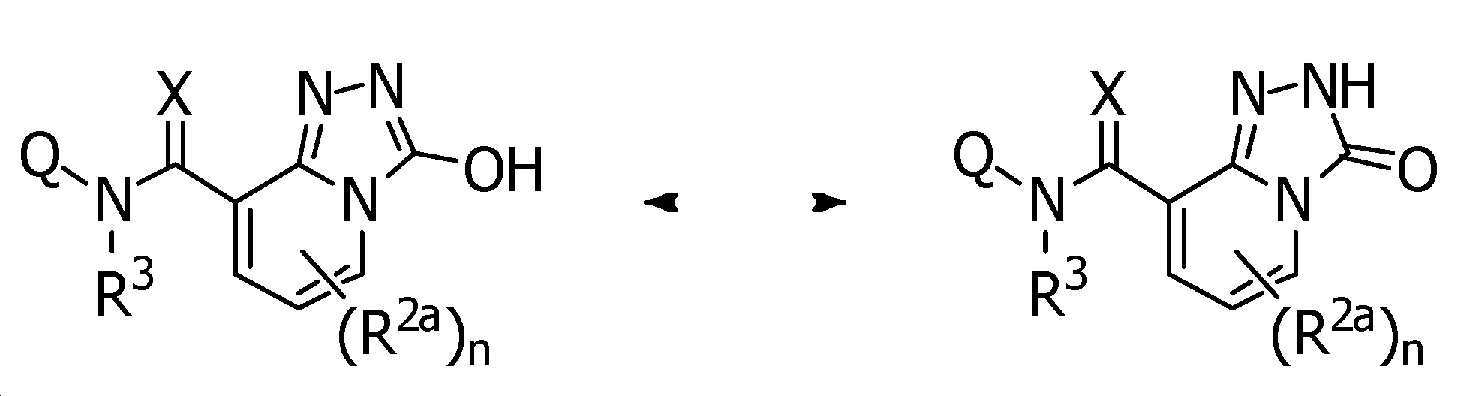
마찬가지로, 예를 들어 일반식(1)[식 중, W는 W-1을 나타내고, R1a는 -SH기를 나타내고, n, Q, R2a, R3, X는 상기와 동일한 의미를 나타낸다.]로 표시되는 화합물의 경우, 다음과 같은 호변이성체를 포함하는 것이다.Likewise, for example, general formula (1) [in the formula, W represents W-1, R 1a represents a -SH group, and n, Q, R 2a , R 3 and X represent the same meaning as described above.] In the case of the compound represented by, it contains the following tautomers.
[화학식 8] [Formula 8]

본 발명에 포함되는 화합물 중에서, 상법에 따라 산부가염으로 할 수 있는 것은, 예를 들어, 불화수소산, 염산, 브롬화수소산, 요오드화수소산 등의 할로겐화수소산의 염, 질산, 황산, 인산, 염소산, 과염소산 등의 무기산의 염, 메탄설폰산, 에탄설폰산, 트리플루오로메탄설폰산, 벤젠설폰산, p-톨루엔설폰산 등의 설폰산의 염, 포름산, 아세트산, 프로피온산, 트리플루오로아세트산, 푸마르산, 주석산, 옥살산, 말레산, 사과산, 석신산, 안식향산, 만델산, 아스코르브산, 유산, 글루콘산, 구연산 등의 카르본산의 염 또는 글루탐산, 아스파르트산 등의 아미노산의 염으로 할 수 있다.Among the compounds included in the present invention, those that can be used as acid addition salts according to a conventional method are, for example, salts of hydrohalic acids such as hydrofluoric acid, hydrochloric acid, hydrobromic acid, and hydroiodic acid, nitric acid, sulfuric acid, phosphoric acid, chloric acid, perchloric acid, etc. Salts of inorganic acids, methanesulfonic acid, ethanesulfonic acid, trifluoromethanesulfonic acid, benzenesulfonic acid, salts of sulfonic acids such as p-toluenesulfonic acid, formic acid, acetic acid, propionic acid, trifluoroacetic acid, fumaric acid, tartaric acid , Oxalic acid, maleic acid, malic acid, succinic acid, benzoic acid, mandelic acid, ascorbic acid, lactic acid, gluconic acid, salts of carboxylic acids such as citric acid, or salts of amino acids such as glutamic acid and aspartic acid.
혹은, 본 발명에 포함되는 화합물 중에서, 상법에 따라 금속염으로 할 수 있는 것은, 예를 들어, 리튬, 나트륨, 칼륨과 같은 알칼리금속의 염, 칼슘, 바륨, 마그네슘과 같은 알칼리토류금속의 염 또는 알루미늄의 염으로 할 수 있다.Alternatively, among the compounds included in the present invention, those that can be used as metal salts according to a conventional method are, for example, salts of alkali metals such as lithium, sodium, and potassium, salts of alkaline earth metals such as calcium, barium, and magnesium, or aluminum. It can be done with the salt of.
다음에, 본 명세서에서 나타낸 각 치환기의 구체예를 이하에 나타낸다. 여기서, n-은 노말, i-는 이소, s-는 세컨더리 및 tert-는 터셔리를 각각 의미하고, Ph는 페닐을 의미한다.Next, specific examples of each substituent shown in the present specification are shown below. Here, n- is normal, i- is iso, s- is secondary and tert- is tertary, respectively, and Ph is phenyl.
본 명세서에 있어서의 할로겐원자로는, 불소원자, 염소원자, 브롬원자 및 요오드원자를 들 수 있다. 한편, 본 명세서 중 「할로」의 표기도 이들 할로겐원자를 나타낸다.Examples of the halogen atom in the present specification include a fluorine atom, a chlorine atom, a bromine atom, and an iodine atom. In addition, the notation of "halo" in this specification also represents these halogen atoms.
본 명세서에 있어서의 Ca~Cb알킬의 표기는, 탄소원자수가 a~b개로 이루어진 직쇄상 또는 분지쇄상의 탄화수소기를 나타내고, 예를 들어 메틸기, 에틸기, n-프로필기, i-프로필기, n-부틸기, i-부틸기, s-부틸기, tert-부틸기, n-펜틸기, 1,1-디메틸프로필기, n-헥실기 등을 구체예로서 들 수 있고, 각각의 지정 탄소원자수의 범위에서 선택된다.The notation of C a to C b alkyl in the present specification represents a linear or branched hydrocarbon group consisting of a to b carbon atoms, and, for example, a methyl group, an ethyl group, an n-propyl group, an i-propyl group, Specific examples include n-butyl group, i-butyl group, s-butyl group, tert-butyl group, n-pentyl group, 1,1-dimethylpropyl group, and n-hexyl group, and each designated carbon source Choose from a range of embroidery.
본 명세서에 있어서의 Ca~Cb시클로알킬의 표기는, 탄소원자수가 a~b개로 이루어진 환상의 탄화수소기를 나타내고, 3원환부터 6원환까지의 단환 또는 복합환구조를 형성할 수 있다. 또한, 각각의 환은 지정 탄소원자수의 범위에서 알킬기에 의해 임의로 치환되어 있을 수도 있다. 예를 들어 시클로프로필기, 1-메틸시클로프로필기, 2-메틸시클로프로필기, 2,2-디메틸시클로프로필기, 시클로부틸기, 시클로펜틸기, 시클로헥실기 등을 구체예로서 들 수 있고, 각각의 지정 탄소원자수의 범위에서 선택된다. The notation of C a to C b cycloalkyl in the present specification represents a cyclic hydrocarbon group consisting of a to b carbon atoms, and can form a monocyclic or complex cyclic structure from a 3-membered ring to a 6-membered ring. In addition, each ring may be optionally substituted with an alkyl group within the range of the specified number of carbon atoms. For example, cyclopropyl group, 1-methylcyclopropyl group, 2-methylcyclopropyl group, 2,2-dimethylcyclopropyl group, cyclobutyl group, cyclopentyl group, cyclohexyl group, etc. are mentioned as specific examples, Each designated number of carbon atoms is selected from a range.
본 명세서에 있어서의 Ca~Cb할로시클로알킬의 표기는, 탄소원자에 결합한 수소원자가 할로겐원자에 의해 임의로 치환된, 탄소원자수가 a~b개로 이루어진 환상의 탄화수소기를 나타내고, 3원환부터 10원환까지의 단환 또는 복합환구조를 형성할 수 있다. 또한, 각각의 환은 지정 탄소원자수의 범위에서 알킬기에 의해 임의로 치환되어 있을 수도 있고, 할로겐원자에 의한 치환은 환구조부분일 수도, 측쇄부분일 수도, 혹은 이들 양방일 수도 있고, 나아가, 2개 이상의 할로겐원자에 의해 치환되어 있는 경우, 이들 할로겐원자는 서로 동일할 수도, 또는 서로 상이할 수도 있다. 예를 들어 2,2-디플루오로시클로프로필기, 2,2-디클로로시클로프로필기, 2,2-디브로모시클로프로필기, 2,2-디플루오로-1-메틸시클로프로필기, 2,2-디클로로-1-메틸시클로프로필기, 2,2-디브로모-1-메틸시클로프로필기, 2,2,3,3-테트라플루오로시클로부틸기 등을 구체예로서 들 수 있고, 각각의 지정 탄소원자수의 범위에서 선택된다.In the present specification, the notation of C a to C b halocycloalkyl represents a cyclic hydrocarbon group consisting of a to b carbon atoms in which a hydrogen atom bonded to a carbon atom is optionally substituted by a halogen atom, and a 3-membered ring to a 10-membered ring It can form a monocyclic or complex ring structure up to. In addition, each ring may be optionally substituted with an alkyl group within the range of the specified number of carbon atoms, and the substitution by a halogen atom may be a cyclic structural moiety, a side chain moiety, or both, furthermore, two or more When substituted by a halogen atom, these halogen atoms may be the same or different from each other. For example, 2,2-difluorocyclopropyl group, 2,2-dichlorocyclopropyl group, 2,2-dibromocyclopropyl group, 2,2-difluoro-1-methylcyclopropyl group, 2 ,2-dichloro-1-methylcyclopropyl group, 2,2-dibromo-1-methylcyclopropyl group, 2,2,3,3-tetrafluorocyclobutyl group, etc. are mentioned as specific examples, Each designated number of carbon atoms is selected from a range.
본 명세서에 있어서의 Ca~Cb알케닐의 표기는, 탄소원자수가 a~b개로 이루어진 직쇄상 또는 분지쇄상이며, 또한 분자 내에 1개 또는 2개 이상의 이중결합을 갖는 불포화탄화수소기를 나타내고, 예를 들어 비닐기, 1-프로페닐기, 2-프로페닐기, 1-메틸에테닐기, 2-부테닐기, 2-메틸-2-프로페닐기, 3-메틸-2-부테닐기, 1,1-디메틸-2-프로페닐기 등을 구체예로서 들 수 있고, 각각의 지정 탄소원자수의 범위에서 선택된다.In the present specification, the notation of C a to C b alkenyl is a straight or branched chain consisting of a to b carbon atoms, and represents an unsaturated hydrocarbon group having one or two or more double bonds in the molecule, eg For example, vinyl group, 1-propenyl group, 2-propenyl group, 1-methylethenyl group, 2-butenyl group, 2-methyl-2-propenyl group, 3-methyl-2-butenyl group, 1,1-dimethyl The -2-propenyl group etc. can be mentioned as a specific example, and it is selected from the range of the number of each designated carbon atom.
본 명세서에 있어서의 Ca~Cb할로알케닐의 표기는, 탄소원자에 결합한 수소원자가, 할로겐원자에 의해 임의로 치환된, 탄소원자수가 a~b개로 이루어진 직쇄상 또는 분지쇄상이며, 또한 분자 내에 1개 또는 2개 이상의 이중결합을 갖는 불포화탄화수소기를 나타낸다. 이때, 2개 이상의 할로겐원자에 의해 치환되어 있는 경우, 이들 할로겐원자는 서로 동일할 수도, 또는 서로 상이할 수도 있다. 예를 들어 2,2-디클로로비닐기, 2-플루오로-2-프로페닐기, 2-클로로-2-프로페닐기, 3-클로로-2-프로페닐기, 2-브로모-2-프로페닐기, 3,3-디플루오로-2-프로페닐기, 2,3-디클로로-2-프로페닐기, 3,3-디클로로-2-프로페닐기, 2,3,3-트리플루오로-2-프로페닐기, 2,3,3-트리클로로-2-프로페닐기, 1-(트리플루오로메틸)에테닐기, 4,4-디플루오로-3-부테닐기, 3,4,4-트리플루오로-3-부테닐기, 3-클로로-4,4,4-트리플루오로-2-부테닐기 등을 구체예로서 들 수 있고, 각각의 지정 탄소원자수의 범위에서 선택된다.In the present specification, the notation of C a to C b haloalkenyl is a linear or branched chain consisting of a to b carbon atoms, wherein the hydrogen atom bonded to the carbon atom is optionally substituted by a halogen atom, and Represents an unsaturated hydrocarbon group having one or two or more double bonds. At this time, when substituted by two or more halogen atoms, these halogen atoms may be the same or different from each other. For example, 2,2-dichlorovinyl group, 2-fluoro-2-propenyl group, 2-chloro-2-propenyl group, 3-chloro-2-propenyl group, 2-bromo-2-propenyl group, 3 ,3-difluoro-2-propenyl group, 2,3-dichloro-2-propenyl group, 3,3-dichloro-2-propenyl group, 2,3,3-trifluoro-2-propenyl group, 2 ,3,3-trichloro-2-propenyl group, 1-(trifluoromethyl)ethenyl group, 4,4-difluoro-3-butenyl group, 3,4,4-trifluoro-3-bute Specific examples include a nil group and a 3-chloro-4,4,4-trifluoro-2-butenyl group, and are selected from the range of the number of carbon atoms specified for each.
본 명세서에 있어서의 Ca~Cb시클로알케닐의 표기는, 탄소원자수가 a~b개로 이루어진 환상의, 또한 1개 또는 2개 이상의 이중결합을 갖는 불포화탄화수소기를 나타내고, 3원환부터 6원환까지의 단환 또는 복합환구조를 형성할 수 있다. 또한, 각각의 환은 지정 탄소원자수의 범위에서 알킬기에 의해 임의로 치환되어 있을 수도 있고, 나아가, 이중결합은 endo- 또는 exo- 중 어느 형식일 수도 있다. 예를 들어 1-시클로펜텐-1-일기, 2-시클로펜텐-1-일기, 1-시클로헥센-1-일기, 2-시클로헥센-1-일기 등을 구체예로서 들 수 있고, 각각의 지정 탄소원자수의 범위에서 선택된다. The notation of C a to C b cycloalkenyl in the present specification refers to a cyclic, unsaturated hydrocarbon group having one or two or more double bonds consisting of a to b carbon atoms, and from a three-membered ring to a six-membered ring. A monocyclic or complex ring structure of can be formed. In addition, each ring may be optionally substituted with an alkyl group within the range of the number of carbon atoms specified, and further, the double bond may be of either endo- or exo-. For example, 1-cyclopenten-1-yl group, 2-cyclopenten-1-yl group, 1-cyclohexen-1-yl group, 2-cyclohexen-1-yl group, etc. are mentioned as specific examples, and each designation It is selected from the range of the number of carbon atoms.
본 명세서에 있어서의 Ca~Cb알키닐의 표기는, 탄소원자수가 a~b개로 이루어진 직쇄상 또는 분지쇄상이며, 또한 분자 내에 1개 또는 2개 이상의 삼중결합을 갖는 불포화탄화수소기를 나타내고, 예를 들어 에티닐기, 1-프로피닐기, 2-프로피닐기, 1-부티닐기, 2-부티닐기, 3-부티닐기, 1,1-디메틸-2-프로피닐기 등을 구체예로서 들 수 있으며, 각각의 지정 탄소원자수의 범위에서 선택된다.In the present specification, the notation of C a to C b alkynyl is a straight or branched chain consisting of a to b carbon atoms, and represents an unsaturated hydrocarbon group having one or two or more triple bonds in the molecule. For example, ethynyl group, 1-propynyl group, 2-propynyl group, 1-butynyl group, 2-butynyl group, 3-butynyl group, 1,1-dimethyl-2-propynyl group, etc. are mentioned as specific examples, respectively It is selected from the range of the designated number of carbon atoms.
본 명세서에 있어서의 Ca~Cb할로알키닐의 표기는, 탄소원자에 결합한 수소원자가, 할로겐원자에 의해 임의로 치환된, 탄소원자수가 a~b개로 이루어진 직쇄상 또는 분지쇄상이며, 또한 분자 내에 1개 또는 2개 이상의 삼중결합을 갖는 불포화탄화수소기를 나타낸다. 이때, 2개 이상의 할로겐원자에 의해 치환되어 있는 경우, 이들 할로겐원자는 서로 동일할 수도, 또는 서로 상이할 수도 있다. 예를 들어 2-클로로에티닐기, 2-브로모에티닐기, 2-요오드에티닐기, 3-클로로-2-프로피닐기, 3-브로모-2-프로피닐기, 3-요오드-2-프로피닐기 등을 구체예로서 들 수 있으며, 각각의 지정 탄소원자수의 범위에서 선택된다. The notation of C a to C b haloalkynyl in the present specification is a linear or branched chain consisting of a to b carbon atoms, wherein the hydrogen atom bonded to the carbon atom is optionally substituted by a halogen atom, and Represents an unsaturated hydrocarbon group having one or two or more triple bonds. At this time, when substituted by two or more halogen atoms, these halogen atoms may be the same or different from each other. For example, 2-chloroethynyl group, 2-bromoethynyl group, 2-iodoethynyl group, 3-chloro-2-propynyl group, 3-bromo-2-propynyl group, 3-iodo-2-propy Specific examples include a nil group and the like, and each is selected from the range of the number of designated carbon atoms.
본 명세서에 있어서의 Ca~Cb할로알킬의 표기는, 탄소원자에 결합한 수소원자가, 할로겐원자에 의해 임의로 치환된, 탄소원자수가 a~b개로 이루어진 직쇄상 또는 분지쇄상의 탄화수소기를 나타내고, 이때, 2개 이상의 할로겐원자에 의해 치환되어 있는 경우, 이들 할로겐원자는 서로 동일할 수도, 또는 서로 상이할 수도 있다. 예를 들어 플루오로메틸기, 클로로메틸기, 브로모메틸기, 요오드메틸기, 디플루오로메틸기, 디클로로메틸기, 트리플루오로메틸기, 클로로디플루오로메틸기, 트리클로로메틸기, 브로모디플루오로메틸기, 2-플루오로에틸기, 2-클로로에틸기, 2-브로모에틸기, 2,2-디플루오로에틸기, 2,2,2-트리플루오로에틸기, 2-클로로-2,2-디플루오로에틸기, 2,2,2-트리클로로에틸기, 1,1,2,2-테트라플루오로에틸기, 2-클로로-1,1,2-트리플루오로에틸기, 펜타플루오로에틸기, 3,3,3-트리플루오로프로필기, 2,2,3,3,3-펜타플루오로프로필기, 1,1,2,3,3,3-헥사플루오로프로필기, 헵타플루오로프로필기, 2,2,2-트리플루오로-1-(트리플루오로메틸)에틸기, 1,2,2,2-테트라플루오로-1-(트리플루오로메틸)에틸기, 2,2,3,3,4,4,4-헵타플루오로부틸기, 노나플루오로부틸기 등을 구체예로서 들 수 있고, 각각의 지정 탄소원자수의 범위에서 선택된다.In the present specification, the notation of C a to C b haloalkyl refers to a linear or branched hydrocarbon group consisting of a to b carbon atoms in which a hydrogen atom bonded to a carbon atom is optionally substituted by a halogen atom, and at this time , When substituted by two or more halogen atoms, these halogen atoms may be the same or different from each other. For example, fluoromethyl group, chloromethyl group, bromomethyl group, iodomethyl group, difluoromethyl group, dichloromethyl group, trifluoromethyl group, chlorodifluoromethyl group, trichloromethyl group, bromodifluoromethyl group, 2-fluoro Ethyl group, 2-chloroethyl group, 2-bromoethyl group, 2,2-difluoroethyl group, 2,2,2-trifluoroethyl group, 2-chloro-2,2-difluoroethyl group, 2,2, 2-trichloroethyl group, 1,1,2,2-tetrafluoroethyl group, 2-chloro-1,1,2-trifluoroethyl group, pentafluoroethyl group, 3,3,3-trifluoropropyl group , 2,2,3,3,3-pentafluoropropyl group, 1,1,2,3,3,3-hexafluoropropyl group, heptafluoropropyl group, 2,2,2-trifluoro -1-(trifluoromethyl)ethyl group, 1,2,2,2-tetrafluoro-1-(trifluoromethyl)ethyl group, 2,2,3,3,4,4,4-heptafluoro Specific examples include a butyl group, a nonafluorobutyl group, and the like, and each is selected from the range of the number of designated carbon atoms.
본 명세서에 있어서의 Ca~Cb알콕시의 표기는, 탄소원자수가 a~b개로 이루어진 상기 의미인 알킬-O-기를 나타내고, 예를 들어 메톡시기, 에톡시기, n-프로필옥시기, i-프로필옥시기, n-부틸옥시기, i-부틸옥시기, s-부틸옥시기, tert-부틸옥시기 등을 구체예로서 들 수 있으며, 각각의 지정 탄소원자수의 범위에서 선택된다.In the present specification, the notation of C a to C b alkoxy represents an alkyl-O- group which is the above meaning consisting of a to b carbon atoms, for example, a methoxy group, an ethoxy group, an n-propyloxy group, and i- Specific examples include propyloxy group, n-butyloxy group, i-butyloxy group, s-butyloxy group, and tert-butyloxy group, and are selected from the range of the number of carbon atoms specified for each.
본 명세서에 있어서의 Ca~Cb알킬티오의 표기는, 탄소원자수가 a~b개로 이루어진 상기 의미인 알킬-S-기를 나타내고, 예를 들어 메틸티오기, 에틸티오기, n-프로필티오기, i-프로필티오기, n-부틸티오기, i-부틸티오기, s-부틸티오기, tert-부틸티오기 등을 구체예로서 들 수 있으며, 각각의 지정 탄소원자수의 범위에서 선택된다.In the present specification, the notation of C a to C b alkylthio represents an alkyl-S- group which is the above meaning consisting of a to b carbon atoms, for example, a methylthio group, an ethylthio group, or an n-propylthio group , i-propylthio group, n-butylthio group, i-butylthio group, s-butylthio group, tert-butylthio group, and the like can be exemplified as specific examples, and each is selected from the range of the number of designated carbon atoms.
본 명세서에 있어서의 Ca~Cb알킬카르보닐의 표기는, 탄소원자수가 a~b개로 이루어진 상기 의미인 알킬-C(O)-기를 나타내고, 예를 들어 아세틸기, 프로피오닐기, 부티릴기, 이소부티릴기, 발레릴기, 이소발레릴기, 2-메틸부타노일기, 피발로일기, 헥사노일기, 헵타노일기 등을 구체예로서 들 수 있으며, 각각의 지정 탄소원자수의 범위에서 선택된다.In the present specification, the notation of C a to C b alkylcarbonyl refers to an alkyl-C(O)-group which is the above meaning consisting of a to b carbon atoms, for example, an acetyl group, a propionyl group, and a butyryl group. , Isobutyryl group, valeryl group, isovaleryl group, 2-methylbutanoyl group, pivaloyl group, hexanoyl group, heptanoyl group and the like are exemplified as specific examples, and each is selected from the range of the number of designated carbon atoms.
본 명세서에 있어서의 Ca~Cb할로알킬카르보닐의 표기는, 탄소원자수가 a~b개로 이루어진 상기 의미인 할로알킬-C(O)-기를 나타내고, 예를 들어 플루오로아세틸기, 클로로아세틸기, 디플루오로아세틸기, 디클로로아세틸기, 트리플루오로아세틸기, 클로로디플루오로아세틸기, 브로모디플루오로아세틸기, 트리클로로아세틸기, 펜타플루오로프로피오닐기, 헵타플루오로부타노일기, 3-클로로-2,2-디메틸프로파노일기 등을 구체예로서 들 수 있으며, 각각의 지정 탄소원자수의 범위에서 선택된다.In the present specification, the notation of C a to C b haloalkylcarbonyl refers to a haloalkyl-C(O)-group which is the above meaning consisting of a to b carbon atoms, for example, a fluoroacetyl group or a chloroacetyl group. Group, difluoroacetyl group, dichloroacetyl group, trifluoroacetyl group, chlorodifluoroacetyl group, bromodifluoroacetyl group, trichloroacetyl group, pentafluoropropionyl group, heptafluorobutanoyl group, Specific examples include 3-chloro-2,2-dimethylpropanoyl and the like, and are selected from the range of the number of carbon atoms specified for each.
본 명세서에 있어서의 Ca~Cb시클로알킬카르보닐의 표기는, 탄소원자수가 a~b개로 이루어진 상기 의미인 시클로알킬-C(O)-기를 나타내고, 예를 들어 시클로프로필카르보닐기, 2-메틸시클로프로필카르보닐기, 시클로부틸카르보닐기 등을 구체예로서 들 수 있으며, 각각의 지정 탄소원자수의 범위에서 선택된다.In the present specification, the notation of C a to C b cycloalkylcarbonyl refers to a cycloalkyl-C(O)-group, which is the meaning of the above, consisting of a to b carbon atoms, for example, cyclopropylcarbonyl group, 2-methyl Specific examples include a cyclopropylcarbonyl group, a cyclobutylcarbonyl group, and the like, and each is selected from the range of the number of designated carbon atoms.
본 명세서에 있어서의 Ca~Cb할로시클로알킬카르보닐의 표기는, 탄소원자수가 a~b개로 이루어진 상기 의미인 할로시클로알킬-C(O)-기를 나타내고, 예를 들어 2,2-디클로로시클로프로필카르보닐기, 2,2-디클로로-1-메틸시클로프로필카르보닐기 등을 구체예로서 들 수 있으며, 각각의 지정 탄소원자수의 범위에서 선택된다.In the present specification, the notation of C a to C b halocycloalkylcarbonyl refers to a halocycloalkyl-C(O)-group which is the above meaning consisting of a to b carbon atoms, for example 2,2-dichloro Specific examples include a cyclopropylcarbonyl group and a 2,2-dichloro-1-methylcyclopropylcarbonyl group, and are selected from the range of the number of carbon atoms specified for each.
본 명세서에 있어서의 Ca~Cb알콕시카르보닐의 표기는, 탄소원자수가 a~b개로 이루어진 상기 의미인 알킬-O-C(O)-기를 나타내고, 예를 들어 메톡시카르보닐기, 에톡시카르보닐기, n-프로필옥시카르보닐기, i-프로필옥시카르보닐기, n-부톡시카르보닐기, i-부톡시카르보닐기, tert-부톡시카르보닐기 등을 구체예로서 들 수 있으며, 각각의 지정 탄소원자수의 범위에서 선택된다.In the present specification, the notation of C a to C b alkoxycarbonyl refers to an alkyl-OC(O)-group which is the above meaning consisting of a to b carbon atoms, for example, a methoxycarbonyl group, an ethoxycarbonyl group, and n -Propyloxycarbonyl group, i-propyloxycarbonyl group, n-butoxycarbonyl group, i-butoxycarbonyl group, tert-butoxycarbonyl group, and the like can be exemplified as specific examples, and each is selected from the range of the number of designated carbon atoms.
본 명세서에 있어서의 Ca~Cb할로알콕시카르보닐의 표기는, 탄소원자수가 a~b개로 이루어진 상기 의미인 할로알킬-O-C(O)-기를 나타내고, 예를 들어 클로로메톡시카르보닐기, 2-클로로에톡시카르보닐기, 2,2-디플루오로에톡시카르보닐기, 2,2,2-트리플루오로에톡시카르보닐기, 2,2,2-트리클로로에톡시카르보닐기 등을 구체예로서 들 수 있으며, 각각의 지정 탄소원자수의 범위에서 선택된다.In the present specification, the notation of C a to C b haloalkoxycarbonyl refers to a haloalkyl-OC(O)-group, which is the meaning of the above, consisting of a to b carbon atoms, and, for example, a chloromethoxycarbonyl group, 2- Specific examples include a chloroethoxycarbonyl group, a 2,2-difluoroethoxycarbonyl group, a 2,2,2-trifluoroethoxycarbonyl group, and a 2,2,2-trichloroethoxycarbonyl group, respectively. It is selected from the range of the designated number of carbon atoms.
본 명세서에 있어서의 Ca~Cb알킬아미노카르보닐의 표기는, 수소원자의 일방이 탄소원자수가 a~b개로 이루어진 상기 의미인 알킬기에 의해 치환된 카바모일기를 나타내고, 예를 들어 메틸카바모일기, 에틸카바모일기, n-프로필카바모일기, i-프로필카바모일기, n-부틸카바모일기, i-부틸카바모일기, s-부틸카바모일기, tert-부틸카바모일기 등을 구체예로서 들 수 있으며, 각각의 지정 탄소원자수의 범위에서 선택된다.In the present specification, the notation of C a to C b alkylaminocarbonyl refers to a carbamoyl group in which one of the hydrogen atoms is substituted by an alkyl group having a to b carbon atoms, for example, methyl carba Moyl group, ethyl carbamoyl group, n-propyl carbamoyl group, i-propyl carbamoyl group, n-butyl carbamoyl group, i-butyl carbamoyl group, s-butyl carbamoyl group, tert-butyl carbamoyl group, etc. As a specific example, it is selected from the range of the number of each designated carbon atom.
본 명세서에 있어서의 Ca~Cb할로알킬아미노카르보닐의 표기는, 수소원자의 일방이 탄소원자수 a~b개로 이루어진 상기 의미인 할로알킬기에 의해 치환된 카바모일기를 나타내고, 예를 들어 2-플루오로에틸카바모일기, 2-클로로에틸카바모일기, 2,2-디플루오로에틸카바모일기, 2,2,2-트리플루오로에틸카바모일기 등을 구체예로서 들 수 있으며, 각각의 지정 탄소원자수의 범위에서 선택된다.In the present specification, the notation of C a to C b haloalkylaminocarbonyl represents a carbamoyl group substituted with a haloalkyl group in the meaning of the above, in which one of the hydrogen atoms is composed of a to b carbon atoms, for example 2 -Fluoroethylcarbamoyl group, 2-chloroethylcarbamoyl group, 2,2-difluoroethylcarbamoyl group, 2,2,2-trifluoroethylcarbamoyl group, etc. are mentioned as specific examples, Each designated number of carbon atoms is selected from a range.
본 명세서에 있어서의 디(Ca~Cb알킬)아미노카르보닐의 표기는, 수소원자가 양방 모두, 각각 동일할 수도 또는 서로 상이할 수도 있는 탄소원자수가 a~b개로 이루어진 상기 의미인 알킬기에 의해 치환된 카바모일기를 나타내고, 예를 들어 N,N-디메틸카바모일기, N-에틸-N-메틸카바모일기, N,N-디에틸카바모일기, N,N-디(n-프로필)카바모일기, N,N-디(n-부틸)카바모일기 등을 구체예로서 들 수 있으며, 각각의 지정 탄소원자수의 범위에서 선택된다.In the present specification, the notation of di(C a ~C b alkyl)aminocarbonyl is an alkyl group in the meaning of the above meaning consisting of a to b carbon atoms in which both hydrogen atoms may be the same or different from each other. Represents a substituted carbamoyl group, for example N,N-dimethylcarbamoyl group, N-ethyl-N-methylcarbamoyl group, N,N-diethylcarbamoyl group, N,N-di(n-propyl ) Carbamoyl group, N,N-di(n-butyl) carbamoyl group, etc. can be mentioned as specific examples, and each is selected from the range of the number of designated carbon atoms.
본 명세서에 있어서의 Ca~Cb알킬아미노설포닐의 표기는, 수소원자의 일방이 탄소원자수가 a~b개로 이루어진 상기 의미인 알킬기에 의해 치환된 설파모일기를 나타내고, 예를 들어 메틸설파모일기, 에틸설파모일기, n-프로필설파모일기, i-프로필설파모일기, n-부틸설파모일기, i-부틸설파모일기, s-부틸설파모일기, tert-부틸설파모일기 등을 구체예로서 들 수 있으며, 각각의 지정 탄소원자수의 범위에서 선택된다.In the present specification, the notation of C a to C b alkylaminosulfonyl represents a sulfamoyl group in which one of the hydrogen atoms is substituted by an alkyl group having a to b carbon atoms, for example, methylsulfa Moyl group, ethylsulfamoyl group, n-propylsulfamoyl group, i-propylsulfamoyl group, n-butylsulfamoyl group, i-butylsulfamoyl group, s-butylsulfamoyl group, tert-butylsulfamoyl group, etc. As a specific example, it is selected from the range of the number of each designated carbon atom.
본 명세서에 있어서의 디(Ca~Cb알킬)아미노설포닐의 표기는, 수소원자가 양방 모두, 각각 동일할 수도 또는 서로 상이할 수도 있는 탄소원자수가 a~b개로 이루어진 상기 의미인 알킬기에 의해 치환된 설파모일기를 나타내고, 예를 들어 N,N-디메틸설파모일기, N-에틸-N-메틸설파모일기, N,N-디에틸설파모일기, N,N-디(n-프로필)설파모일기, N,N-디(n-부틸)설파모일기 등을 구체예로서 들 수 있으며, 각각의 지정 탄소원자수의 범위에서 선택된다.In the present specification, the notation of di(C a ~C b alkyl)aminosulfonyl refers to an alkyl group in the meaning of a to b number of carbon atoms, which may be the same or different from each other in both hydrogen atoms. Represents a substituted sulfamoyl group, for example, N,N-dimethylsulfamoyl group, N-ethyl-N-methylsulfamoyl group, N,N-diethylsulfamoyl group, N,N-di(n-propyl ) Sulfamoyl group, N,N-di(n-butyl) sulfamoyl group, etc. are mentioned as specific examples, and each is selected from the range of the number of designated carbon atoms.
본 명세서에 있어서의 Ca~Cb알킬아미노의 표기는, 수소원자의 일방이 탄소원자수가 a~b개로 이루어진 상기 의미인 알킬기에 의해 치환된 아미노기를 나타내고, 예를 들어 메틸아미노기, 에틸아미노기, n-프로필아미노기, i-프로필아미노기, n-부틸아미노기, i-부틸아미노기, tert-부틸아미노기 등을 구체예로서 들 수 있고, 각각의 지정 탄소원자수의 범위에서 선택된다.In the present specification, the notation of C a to C b alkylamino refers to an amino group in which one of the hydrogen atoms is substituted with an alkyl group in the meaning of a to b carbon atoms, for example, a methylamino group, an ethylamino group, Specific examples include n-propylamino group, i-propylamino group, n-butylamino group, i-butylamino group, tert-butylamino group, and the like, and are selected from the range of the number of carbon atoms specified for each.
본 명세서에 있어서의 디(Ca~Cb알킬)아미노의 표기는, 수소원자가 양방 모두, 각각 동일할 수도 또는 서로 상이할 수도 있는 탄소원자수가 a~b개로 이루어진 상기 의미인 알킬기에 의해 치환된 아미노기를 나타내고, 예를 들어 디메틸아미노기, 에틸(메틸)아미노기, 디에틸아미노기, n-프로필(메틸)아미노기, i-프로필(메틸)아미노기, 디(n-프로필)아미노기, 디(n-부틸)아미노기 등을 구체예로서 들 수 있고, 각각의 지정 탄소원자수의 범위에서 선택된다.In the present specification, the notation of di(C a ~C b alkyl) amino is substituted by an alkyl group in the meaning of a to b number of carbon atoms, which may be the same or different from each other in both hydrogen atoms. Represents an amino group, for example, dimethylamino group, ethyl (methyl) amino group, diethylamino group, n-propyl (methyl) amino group, i-propyl (methyl) amino group, di(n-propyl) amino group, di(n-butyl) An amino group etc. can be mentioned as a specific example, and it is selected from the range of the number of each designated carbon atom.
본 명세서에 있어서의 R6에 의해 임의로 치환된 (Ca~Cb)알킬, R27에 의해 임의로 치환된 (Ca~Cb)알킬, R34에 의해 임의로 치환된 (Ca~Cb)알킬, R35에 의해 임의로 치환된 (Ca~Cb)알킬 또는 R36에 의해 임의로 치환된 (Ca~Cb)알킬 등의 표기는, 임의의 R6, R27, R34, R35 또는 R36에 의해, 탄소원자에 결합한 수소원자가 임의로 치환된 탄소원자수가 a~b개로 이루어진 상기 의미인 알킬기를 나타내고, 각각의 지정 탄소원자수의 범위에서 선택된다. 이때, 각각의 (Ca~Cb)알킬기 상의 치환기 R6, R27, R34, R35 또는 R36이 2개 이상 존재할 때, 각각의 R6, R27, R34, R35 또는 R36은 서로 동일할 수도 상이할 수도 있다.The by R 6 in the present specification, optionally substituted (C a ~ C b) alkyl, by R 27 is optionally substituted (C a ~ C b) alkyl, by R 34 is optionally substituted (C a ~ C b ) alkyl, by R 35 is optionally substituted (C a ~ C b) the alkyl or R 36 is optionally substituted (C a ~ C b), the title such as alkyl is, any R 6, R 27, R 34, By R 35 or R 36 , a hydrogen atom bonded to a carbon atom represents an alkyl group in the meaning of a to b carbon atoms in which the number of carbon atoms is optionally substituted, and is selected from the range of each designated number of carbon atoms. At this time, when two or more substituents R 6 , R 27 , R 34 , R 35 or R 36 on each (C a ~C b ) alkyl group are present, each of R 6 , R 27 , R 34 , R 35 or R 36 may be the same or different from each other.
본 명세서에 있어서의 R6에 의해 임의로 치환된 (Ca~Cb)시클로알킬 또는 R27에 의해 임의로 치환된 (Ca~Cb)시클로알킬 등의 표기는, 임의의 R6 또는 R27에 의해, 탄소원자에 결합한 수소원자가 임의로 치환된 탄소원자수가 a~b개로 이루어진 상기 의미인 시클로알킬기를 나타내고, 각각의 지정 탄소원자수의 범위에서 선택된다. 이때, 각각의 (Ca~Cb)시클로알킬기 상의 치환기 R6 또는 R27이 2개 이상 존재할 때, 각각의 R6 또는 R27은 서로 동일할 수도 상이할 수도 있으며, 또한 치환위치는 환구조부분일 수도, 측쇄부분일 수도, 혹은 이들 양방에 있을 수도 있다.Notation, such as the cost by R 6 in the specification, optionally substituted (C a ~ C b) a by-cycloalkyl, or R 27 is optionally substituted (C a ~ C b) cycloalkyl is, any of R 6 or R 27 By, the hydrogen atom bonded to the carbon atom represents a cycloalkyl group in the meaning of a to b carbon atoms in which the number of carbon atoms is optionally substituted, and is selected from the range of each designated number of carbon atoms. At this time, when two or more substituents R 6 or R 27 on each (C a ~ C b ) cycloalkyl group are present, each R 6 or R 27 may be the same or different from each other, and the substitution position is a cyclic structure It may be a part, a side chain part, or both of these.
본 명세서에 있어서의 「R11은 R12와 하나가 되어 C2~C6알킬렌쇄를 형성함으로써, R11 및 R12가 결합하는 질소원자와 함께 3~7원환을 형성할 수도 있음을 나타내고, 이때 이 알킬렌쇄는 O, S, S(O), S(O)2 또는 N(R33)을 1개 포함할 수도 있고, 또한 옥소기 또는 티옥소기에 의해 치환되어 있을 수도 있고」, 「R11a는 R12a와 하나가 되어 C2~C6알킬렌쇄를 형성함으로써, R11a 및 R12a가 결합하는 질소원자와 함께 3~7원환을 형성할 수도 있음을 나타내고, 이때 이 알킬렌쇄는 O, S, S(O), S(O)2 또는 N(R33)을 1개 포함할 수도 있고, 또한 옥소기 또는 티옥소기에 의해 치환되어 있을 수도 있고」 및 「R21은 R22와 하나가 되어 C2~C6알킬렌쇄를 형성함으로써, R21 및 R22가 결합하는 질소원자와 함께 3~7원환을 형성할 수도 있음을 나타내고, 이때 이 알킬렌쇄는 O, S, S(O), S(O)2 또는 N(R39)를 1개 포함할 수도 있고, 또한 옥소기 또는 티옥소기에 의해 치환되어 있을 수도 있고」의 표기의 구체예로는, 예를 들어 아지리딘, 아제티딘, 아제티딘-2-온, 피롤리딘, 피롤리딘-2-온, 옥사졸리딘, 옥사졸리딘-2-온, 옥사졸리딘-2-티온, 티아졸리딘, 티아졸리딘-2-온, 티아졸리딘-2-티온, 이미다졸리딘, 이미다졸리딘-2-온, 이미다졸리딘-2-티온, 피페리딘, 피페리딘-2-온, 피페리딘-2-티온, 2H-3,4,5,6-테트라하이드로-1,3-옥사진-2-온, 2H-3,4,5,6-테트라하이드로-1,3-옥사진-2-티온, 모르폴린, 2H-3,4,5,6-테트라하이드로-1,3-티아진-2-온, 2H-3,4,5,6-테트라하이드로-1,3-티아진-2-티온, 티오모르폴린, 티오모르폴린-1-옥사이드, 티오모르폴린-1,1-디옥사이드, 퍼하이드로피리미딘-2-온, 피페라진, 호모피페리딘, 호모피페리딘-2-온, 헵타메틸렌이민 등을 들 수 있고, 각각의 지정 원자수의 범위에서 선택된다.In the present specification, "R 11 is one with R 12 to form a C 2 to C 6 alkylene chain, thereby indicating that a 3 to 7 membered ring may be formed together with the nitrogen atom to which R 11 and R 12 are bonded, At this time, this alkylene chain may contain one O, S, S(O), S(O) 2 or N(R 33 ), and may also be substituted by an oxo group or a thioxo group", and "R 11a represents that R 12a and R 12a may form a C 2 to C 6 alkylene chain, thereby forming a 3 to 7 membered ring together with the nitrogen atom to which R 11a and R 12a are bonded, wherein the alkylene chain is O, It may contain one S, S(O), S(O) 2 or N(R 33 ), and may be substituted by an oxo group or a thioxo group" and "R 21 is one of R 22 and To form a C 2 to C 6 alkylene chain, indicating that R 21 and R 22 may form a 3 to 7 membered ring together with the nitrogen atom to which they are bonded, and this alkylene chain is O, S, S(O), It may contain one S(O) 2 or N(R 39 ), and may be substituted by an oxo group or a thioxo group”, for example, aziridine, azetidine, Azetidine-2-one, pyrrolidine, pyrrolidin-2-one, oxazolidine, oxazolidin-2-one, oxazolidin-2-thione, thiazolidine, thiazolidine-2-one , Thiazolidine-2-thione, imidazolidine, imidazolidin-2-one, imidazolidin-2-thione, piperidine, piperidin-2-one, piperidin-2- Thione, 2H-3,4,5,6-tetrahydro-1,3-oxazin-2-one, 2H-3,4,5,6-tetrahydro-1,3-oxazine-2-thione, Morpholine, 2H-3,4,5,6-tetrahydro-1,3-thiazin-2-one, 2H-3,4,5,6-tetrahydro-1,3-thiazin-2-thione , Thiomorpholine, thiomorpholine-1-oxide, thiomorpholine-1,1-dioxide, perhydropyrimidin-2-one, piperazine, homopiperidine, homopiperidin-2-one, hepta Methyleneimine, etc., and each It is selected from the range of the specified number of atoms
본 명세서에 있어서의 (Ca~Cb알콕시)Cd~Ce알킬 또는 (Ca~Cb알킬티오)Cd~Ce알킬 등의 표기는, 각각 상기 의미인 임의의 Ca~Cb알콕시기 또는 Ca~Cb알킬티오기에 의해, 탄소원자에 결합한 수소원자가 임의로 치환된 탄소원자수가 d~e개로 이루어진 직쇄상 또는 분지쇄상의 탄화수소기를 나타내고, 각각의 지정 탄소원자수의 범위에서 선택된다.A (C a ~ C b alkoxy) in the present specification C d ~ C e alkyl or a (C a ~ C b alkylthio) C d ~ C e notation such as alkyl is, in any of the C a ~ C and each of the means b represents a linear or branched hydrocarbon group consisting of d to e carbon atoms in which a hydrogen atom bonded to a carbon atom is optionally substituted by an alkoxy group or a C a to C b alkylthio group, and within the range of each designated number of carbon atoms Is selected.
본 명세서에 있어서의 「5-6원 방향족 복소환」이란, 환을 구성하는 원자수가 5 내지 6개이고, 환을 구성하는 원자 중에 1 내지 5개의 헤테로원자(이 헤테로원자는, 질소원자, 산소원자 또는 황원자를 의미한다.)를 함유하는 단환의 방향족 복소환인 것을 의미하고, 구체예로는, 예를 들어 피롤, 피라졸, 이미다졸, 트리아졸, 테트라졸, 피리딘, 피리다진, 피리미딘, 피라진, 트리아진, 퓨란, 티오펜, 티아졸, 이소티아졸, 옥사졸, 이소옥사졸, 옥사디아졸, 티아디아졸 등을 들 수 있다.The term "5-6 membered aromatic heterocycle" in the present specification means 5 to 6 atoms constituting the ring, and 1 to 5 heteroatoms among the atoms constituting the ring (the heteroatom is a nitrogen atom, an oxygen atom). Or it means a sulfur atom.) containing a monocyclic aromatic heterocycle, and specific examples include, for example, pyrrole, pyrazole, imidazole, triazole, tetrazole, pyridine, pyridazine, pyrimidine, Pyrazine, triazine, furan, thiophene, thiazole, isothiazole, oxazole, isoxazole, oxadiazole, thiadiazole, etc. are mentioned.
또한, 이 「5-6원 방향족 복소환」이 C=N이중결합을 갖는 경우에는 그 질소원자는 N-옥사이드일 수도 있다.In addition, when this "5-6 membered aromatic heterocycle" has a C=N double bond, the nitrogen atom may be an N-oxide.
본 명세서에 있어서의 「5-6원 헤테로아릴」이란, 상기 정의「5-6원 방향족 복소환」에서 임의의 위치의 수소원자를 1개 제거한 1가의 치환기를 의미한다. 한편, 이들의 결합위치는 특별히 한정되지 않고, 원하는 위치에서 결합하고 있을 수도 있다.The term "5-6 membered heteroaryl" in the present specification means a monovalent substituent from which one hydrogen atom at an arbitrary position has been removed from the definition "5-6 membered aromatic heterocycle". On the other hand, the bonding positions of these are not particularly limited, and may be combined at a desired position.
본 명세서에 있어서의 「3-7원 비방향족 복소환」이란,"3-7 membered non-aromatic heterocycle" in this specification is,
1) 환을 구성하는 원자수가 3 내지 7개이고,1) the number of atoms constituting the ring is 3 to 7,
2) 환을 구성하는 원자 중에 1 내지 3개의 헤테로원자(이 헤테로원자는, 질소원자, 산소원자 또는 황원자를 의미한다.)를 함유하고,2) contains 1 to 3 heteroatoms (this heteroatom means a nitrogen atom, an oxygen atom or a sulfur atom) among the atoms constituting the ring,
3) 환 중에 카르보닐기, 티오카르보닐기, 이중결합 또는 삼중결합을 포함하고 있을 수도 있고,3) The ring may contain a carbonyl group, a thiocarbonyl group, a double bond or a triple bond,
4) 환을 구성하는 원자 중에 황원자가 포함되는 경우, 그 황원자는 설피닐기 또는 설포닐기일 수도 있는,4) When a sulfur atom is included in the atoms constituting the ring, the sulfur atom may be a sulfinyl group or a sulfonyl group,
단환의 비방향족성의 복소환을 의미하고, 구체예로는, 예를 들어 아제티딘, 피롤리딘, 피롤리디논, 옥사졸리딘, 이소옥사졸리딘, 티아졸리딘, 이소티아졸리딘, 피페라진, 피페라지논, 피페리딘, 피레리디논, 모르폴린, 티오모르폴린, 아제핀, 디아제핀, 옥세탄, 테트라하이드로퓨란, 1,3-디옥솔란, 테트라하이드로피란, 1,4-디옥산, 옥세판, 호모모르폴린 등을 들 수 있다.It means a monocyclic non-aromatic heterocycle, and specific examples include, for example, azetidine, pyrrolidine, pyrrolidinone, oxazolidine, isoxazolidine, thiazolidine, isothiazolidine, piperazine , Piperazinone, piperidine, pyreridine, morpholine, thiomorpholine, azepine, diazepine, oxetane, tetrahydrofuran, 1,3-dioxolane, tetrahydropyran, 1,4-dioxane , Oxephan, homomorpholine, etc. are mentioned.
본 명세서에 있어서의 「3-7원 헤테로시크릴」이란, 상기 정의「3-7원 비방향족 복소환」에서 임의의 위치의 수소원자를 1개 제거한 1가의 치환기를 의미한다. 한편, 이들의 결합위치는 특별히 한정되지 않고, 원하는 위치에서 결합하고 있을 수도 있다.The term "3-7 membered heterocyclyl" in the present specification means a monovalent substituent from which one hydrogen atom at an arbitrary position has been removed from the definition "3-7 membered non-aromatic heterocycle". On the other hand, the bonding positions of these are not particularly limited, and may be combined at a desired position.
본 명세서에 있어서의 「R28 및 R28a에 의해 임의로 치환된 5-6원 헤테로아릴」이란, 「5-6원 헤테로아릴」의 환을 구성하는 탄소원자 상의 수소원자가, 존재하는 수소의 수의 범위에서 임의의 R28에 의해 탄소원자 상에서 임의로 치환된 「5-6원 헤테로아릴」을 나타내고, 이때, 「5-6원 헤테로아릴」의 환을 구성하는 원자에 질소가 존재하고, 또한 그 질소원자가 NH구조를 취할 수 있는 경우에는, 그 질소원자 상의 수소원자가, 존재하는 수소의 수의 범위에서 임의의 R28a에 의해 질소원자 상에서 임의로 치환될 수도 있는 「5-6원 헤테로아릴」을 나타낸다. 이때, 각각의 「5-6원 헤테로아릴」의 환을 구성하는 탄소원자 상의 치환기 R28 및 환을 구성하는 NH구조를 취할 수 있는 질소원자에 치환되는 치환기 R28a가 각각 독립적으로 2개 이상 존재할 때, 각각의 R28 및 R28a는 서로 동일할 수도 상이할 수도 있고, 나아가 2개의 R28이 인접하는 경우에는, 인접하는 2개의 R28은 하나가 되어 -CH=CH-CH=CH-를 형성함으로써, 각각의 R28이 결합하는 탄소원자와 함께 6원환을 형성할 수도 있다.In the present specification , "5-6 membered heteroaryl optionally substituted by R 28 and R 28a " means the number of hydrogens present on the carbon atom constituting the ring of "5-6 membered heteroaryl". Represents a "5-6 membered heteroaryl" optionally substituted on a carbon atom by any R 28 in the range, and at this time, nitrogen is present in an atom constituting the ring of "5-6 membered heteroaryl", and the nitrogen source When an autologous NH structure can be taken, a "5-6 membered heteroaryl" in which the hydrogen atom on the nitrogen atom may be optionally substituted on the nitrogen atom by any R 28a within the range of the number of hydrogens present is represented. At this time, two or more substituents R 28a substituted on a nitrogen atom capable of taking the NH structure constituting the ring and the substituent R 28 on the carbon atom constituting the ring of each “5-6 membered heteroaryl” each independently exist. At this time, each of R 28 and R 28a may be the same or different from each other, and further, when two R 28 are adjacent, two adjacent R 28 become one and -CH=CH-CH=CH- By forming, it is also possible to form a 6-membered ring together with the carbon atom to which each R 28 is bonded.
본 명세서에 있어서의 「R28 및 R28a에 의해 임의로 치환된 3-7원 헤테로시크릴」이란, 「3-7원 헤테로시크릴」의 환을 구성하는 탄소원자 상의 수소원자가, 존재하는 수소의 수의 범위에서 임의의 R28에 의해 탄소원자 상에서 임의로 치환된 「3-7원 헤테로시크릴」을 나타내고, 이때, 「3-7원 헤테로시크릴」의 환을 구성하는 원자에 질소가 존재하고, 또한 그 질소원자가 NH구조를 취할 수 있는 경우에는, 그 질소원자 상의 수소원자가, 존재하는 수소의 수의 범위에서 임의의 R28a에 의해 질소원자 상에서 임의로 치환될 수도 있는 「3-7원 헤테로시크릴」을 나타낸다. 이때, 각각의 「3-7원 헤테로시크릴」의 환을 구성하는 탄소원자 상의 치환기 R28 및 환을 구성하는 NH구조를 취할 수 있는 질소원자에 치환되는 치환기 R28a가 각각 독립적으로 2개 이상 존재할 때, 각각의 R28 및 R28a는 서로 동일할 수도 상이할 수도 있고, 나아가 2개의 R28이 인접하는 경우에는, 인접하는 2개의 R28은 하나가 되어 -CH=CH-CH=CH-를 형성함으로써, 각각의 R28이 결합하는 탄소원자와 함께 6원환을 형성할 수도 있다.In the present specification, " 3-7 membered heterocyclyl optionally substituted by R 28 and R 28a " means that the hydrogen atom on the carbon atom constituting the ring of "3-7 membered heterocyclyl" is Represents "3-7 membered heterocyclyl" optionally substituted on a carbon atom by any R 28 within a range of numbers, at this time, nitrogen is present in an atom constituting the ring of "3-7 membered heterocyclyl" In addition, if the nitrogen atom can take the NH structure, the hydrogen atom on the nitrogen atom may be optionally substituted on the nitrogen atom by any R 28a within the range of the number of hydrogens present. Krill". At this time, the substituent R 28 on the carbon atom constituting the ring of each "3-7 membered heterocyclyl" and the substituent R 28a substituted on the nitrogen atom which may take the NH structure constituting the ring are each independently two or more When present, each of R 28 and R 28a may be the same or different from each other, and further, when two R 28 are adjacent, two adjacent R 28 become one -CH=CH-CH=CH- By forming R 28 together with the carbon atom to which each R 28 is bonded, a 6-membered ring can also be formed.
다음에, 본 발명 화합물의 제조법을 이하에 설명한다.Next, a method for producing the compound of the present invention will be described below.
제조법 ARecipe A
식(1)로 표시되는 복소환 아미드 화합물은, 예를 들어, 식(2)로 표시되는 화합물과 식(3a)로 표시되는 화합물을 반응시킴으로써 제조할 수 있다.The heterocyclic amide compound represented by formula (1) can be produced, for example, by reacting a compound represented by formula (2) with a compound represented by formula (3a).
[화학식 9] [Formula 9]
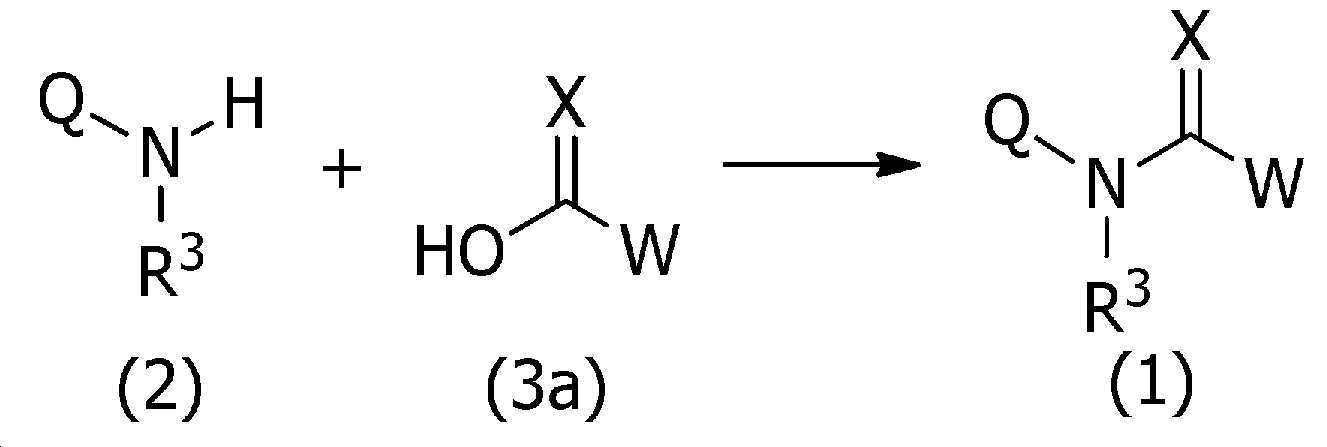
식(2)[식 중, Q 및 R3은 상기와 동일한 의미를 나타낸다.]로 표시되는 화합물 또는 그의 염과, 식(3a)[식 중, W 및 X는 상기와 동일한 의미를 나타낸다.]로 표시되는 화합물 또는 그의 염을 용매 중, 또는 무용매에서, 필요하다면 염기, 필요하다면 축합제, 필요하다면 촉매를 사용하고, 필요하다면 첨가물을 첨가하여 반응시킴으로써 식(1)[식 중, Q, R3, W 및 X는 상기와 동일한 의미를 나타낸다.]로 표시되는 본 발명 화합물을 제조할 수 있다.A compound represented by formula (2) [in the formula, Q and R 3 have the same meaning as described above] or a salt thereof, and a formula (3a) [in the formula, W and X represent the same meaning as described above.] Formula (1) [wherein, Q, by reacting the compound represented by or a salt thereof in a solvent or without a solvent, using a base if necessary, a condensing agent if necessary, and a catalyst if necessary, and adding an additive if necessary, R 3 , W and X have the same meaning as above.].
본 반응에서는 식(2)로 표시되는 화합물 1당량에 대하여, 식(3a)로 표시되는 화합물은, 0.1 내지 100당량의 범위에서 이용할 수 있다.In this reaction, with respect to 1 equivalent of the compound represented by formula (2), the compound represented by formula (3a) can be used in the range of 0.1 to 100 equivalents.
용매를 이용하는 경우, 이용되는 용매로는, 반응에 불활성이면 되고, 예를 들어, N,N-디메틸포름아미드, N,N-디메틸아세트아미드, 아세토니트릴, 디메틸설폭사이드, 1,3-디메틸-2-이미다졸리논 등의 극성용매, 디에틸에테르, 테트라하이드로퓨란, 1,4-디옥산, 1,2-디메톡시에탄, 디페닐에테르 등의 에테르류, 벤젠, 톨루엔, 자일렌 등의 방향족 탄화수소류, 염화메틸렌, 클로로포름, 사염화탄소, 1,2-디클로로에탄 등의 할로겐화탄화수소류, n-펜탄, n-헥산 등의 지방족 탄화수소류를 들 수 있다. 이들 용매는 단독으로 이용할 수도, 이들 중 2종류 이상을 혼합하여 이용할 수도 있다.In the case of using a solvent, the solvent used may be inert to the reaction. For example, N,N-dimethylformamide, N,N-dimethylacetamide, acetonitrile, dimethyl sulfoxide, 1,3-dimethyl- Polar solvents such as 2-imidazolinone, ethers such as diethyl ether, tetrahydrofuran, 1,4-dioxane, 1,2-dimethoxyethane, diphenyl ether, benzene, toluene, xylene, etc. Aromatic hydrocarbons, methylene chloride, chloroform, carbon tetrachloride, halogenated hydrocarbons such as 1,2-dichloroethane, and aliphatic hydrocarbons such as n-pentane and n-hexane. These solvents may be used alone, or two or more of them may be mixed and used.
염기를 이용하는 경우, 이용되는 염기로는, 트리에틸아민, 피리딘, 4-(디메틸아미노)피리딘 등의 유기염기, 탄산칼륨, 탄산나트륨 등의 무기염기를 사용할 수 있고, 식(2)로 표시되는 화합물 1당량에 대하여 0.1 내지 50당량의 범위에서 이용할 수 있다.In the case of using a base, as the base to be used, an organic base such as triethylamine, pyridine, and 4-(dimethylamino)pyridine, an inorganic base such as potassium carbonate and sodium carbonate may be used, and the compound represented by formula (2) It can be used in the range of 0.1 to 50 equivalents per 1 equivalent.
축합제를 이용하는 경우, 이용되는 축합제로는, 1H-벤조트리아졸-1-일옥시트리스(디메틸아미노)포스포늄헥사플루오로포스페이트, N,N'-디시클로헥실카르보디이미드, 1-(3-디메틸아미노프로필)-3-에틸카르보디이미드염산염, 2-클로로-1-메틸피리디늄아이오다이드 등을 들 수 있고, 식(2)로 표시되는 화합물 1당량에 대하여, 0.1 내지 50당량의 범위에서 이용할 수 있다.When using a condensing agent, the condensing agent used is 1H-benzotriazol-1-yloxytris(dimethylamino)phosphoniumhexafluorophosphate, N,N'-dicyclohexylcarbodiimide, 1-(3 -Dimethylaminopropyl)-3-ethylcarbodiimide hydrochloride, 2-chloro-1-methylpyridinium iodide, and the like. Based on 1 equivalent of the compound represented by formula (2), 0.1 to 50 equivalents Available in a range.
첨가물을 이용하는 경우, 이용되는 첨가물로는, 3H-[1,2,3]트리아졸로[4,5-b]피리딘-3-올, 1-하이드록시벤조트리아졸 등을 들 수 있고, 식(2)로 표시되는 화합물 1당량에 대하여, 0.1 내지 50당량의 범위에서 이용할 수 있다.In the case of using an additive, examples of the additive to be used include 3H-[1,2,3]triazolo[4,5-b]pyridin-3-ol, 1-hydroxybenzotriazole, and the like, and the formula ( With respect to 1 equivalent of the compound represented by 2), it can be used in the range of 0.1 to 50 equivalents.
반응온도는, -78℃에서부터 반응혼합물의 환류온도까지의 임의의 온도를 설정할 수 있고, 반응시간은, 반응기질의 농도, 반응온도에 따라 변하는데, 통상 5분 내지 100시간의 범위에서 임의로 설정할 수 있다.The reaction temperature can be set to an arbitrary temperature from -78°C to the reflux temperature of the reaction mixture, and the reaction time varies depending on the concentration of the reactor quality and the reaction temperature, but is usually set arbitrarily in the range of 5 minutes to 100 hours. I can.
식(2)로 표시되는 화합물 중 어떠한 것은 공지 화합물이고, 일부는 시판품으로서 입수할 수 있다.Some of the compounds represented by formula (2) are known compounds, and some can be obtained as commercial products.
식(3a)로 표시되는 화합물 중 어떠한 것은 공지 화합물이고, 문헌 기재의 공지의 방법에 준한 방법에 의해 합성할 수 있다. 문헌 기재의 공지의 방법이란, 예를 들어, 국제공개 제2008/006540호에 기재된 방법을 들 수 있다.Some of the compounds represented by formula (3a) are known compounds, and can be synthesized by a method according to a known method described in the literature. The known method of document description includes, for example, the method described in International Publication No. 2008/006540.
제조법 BRecipe B
식(1)로 표시되는 복소환 아미드 화합물은, 예를 들어, 식(2)로 표시되는 화합물과 식(3b)로 표시되는 화합물을 반응시킴으로써 제조할 수 있다.The heterocyclic amide compound represented by formula (1) can be produced, for example, by reacting a compound represented by formula (2) with a compound represented by formula (3b).
[화학식 10] [Formula 10]
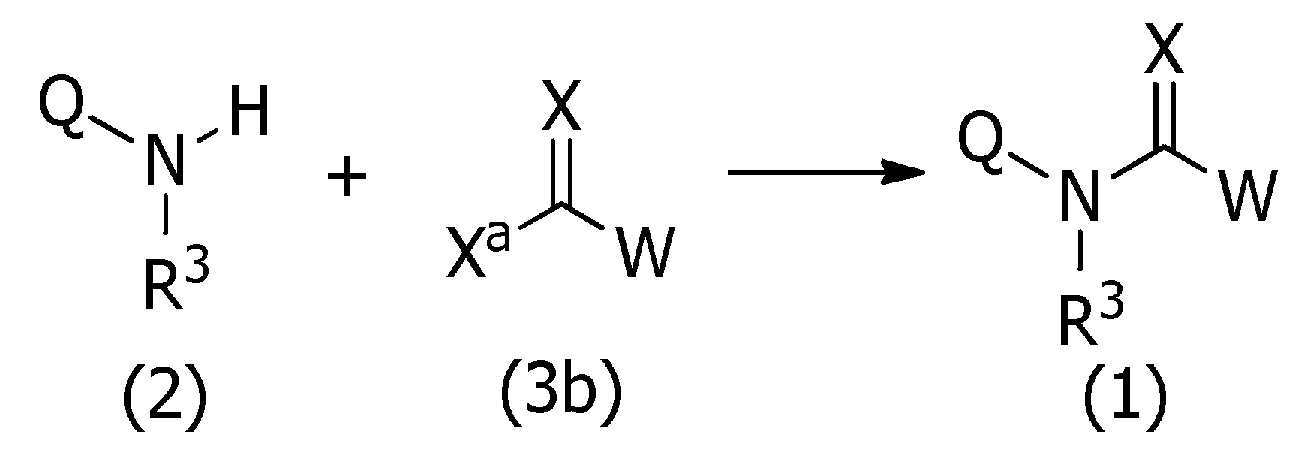
식(2)[식 중, Q 및 R3은 상기와 동일한 의미를 나타낸다.]로 표시되는 화합물 또는 그의 염과, 식(3b)[식 중, W 및 X는 상기와 동일한 의미를 나타내고, Xa는 할로겐원자 등의 탈리기를 나타낸다.]로 표시되는 화합물 또는 그의 염을 용매 중, 또는 무용매에서, 필요하다면 염기를 사용하여 반응시킴으로써 식(1)[식 중, Q, R3, W 및 X는 상기와 동일한 의미를 나타낸다.]로 표시되는 본 발명 화합물을 제조할 수 있다.A compound represented by formula (2) [in the formula, Q and R 3 have the same meaning as described above] or a salt thereof, and a compound represented by formula (3b) [in the formula, W and X have the same meaning as above, and X a represents a leaving group such as a halogen atom.] or a salt thereof is reacted in a solvent or in a non-solvent, if necessary, using a base, whereby the formula (1) [wherein Q, R 3 , W and X represents the same meaning as above.] can prepare the compound of the present invention.
본 반응에서는 식(2)로 표시되는 화합물 1당량에 대하여, 식(3b)로 표시되는 화합물은, 0.1 내지 100당량의 범위에서 이용할 수 있다.In this reaction, with respect to 1 equivalent of the compound represented by formula (2), the compound represented by formula (3b) can be used in the range of 0.1 to 100 equivalents.
용매를 이용하는 경우, 이용되는 용매로는, 반응에 불활성이면 되고, 예를 들어, N,N-디메틸포름아미드, N,N-디메틸아세트아미드, 아세토니트릴, 디메틸설폭사이드, 1,3-디메틸-2-이미다졸리논 등의 극성용매, 디에틸에테르, 테트라하이드로퓨란, 1,4-디옥산, 1,2-디메톡시에탄, 디페닐에테르 등의 에테르류, 벤젠, 톨루엔, 자일렌 등의 방향족 탄화수소류, 염화메틸렌, 클로로포름, 사염화탄소, 1,2-디클로로에탄 등의 할로겐화탄화수소류, n-펜탄, n-헥산 등의 지방족 탄화수소류를 들 수 있다. 이들 용매는 단독으로 이용할 수도, 이들 중 2종류 이상을 혼합하여 이용할 수도 있다.In the case of using a solvent, the solvent used may be inert to the reaction. For example, N,N-dimethylformamide, N,N-dimethylacetamide, acetonitrile, dimethyl sulfoxide, 1,3-dimethyl- Polar solvents such as 2-imidazolinone, ethers such as diethyl ether, tetrahydrofuran, 1,4-dioxane, 1,2-dimethoxyethane, diphenyl ether, benzene, toluene, xylene, etc. Aromatic hydrocarbons, methylene chloride, chloroform, carbon tetrachloride, halogenated hydrocarbons such as 1,2-dichloroethane, and aliphatic hydrocarbons such as n-pentane and n-hexane. These solvents may be used alone, or two or more of them may be mixed and used.
염기를 이용하는 경우, 이용되는 염기로는, 트리에틸아민, 피리딘, 4-(디메틸아미노)피리딘 등의 유기염기, 탄산칼륨, 탄산나트륨, 탄산수소칼륨, 탄산수소나트륨, 수소화나트륨 등의 무기염기를 사용할 수 있고, 식(2)로 표시되는 화합물 1당량에 대하여 0.1 내지 50당량의 범위에서 이용할 수 있다. 이들 염기는 단독으로 이용할 수도, 이들 중 2종류 이상을 혼합하여 이용할 수도 있다.When using a base, as the base to be used, an organic base such as triethylamine, pyridine, and 4-(dimethylamino)pyridine, an inorganic base such as potassium carbonate, sodium carbonate, potassium hydrogen carbonate, sodium hydrogen carbonate, and sodium hydride may be used. And can be used in the range of 0.1 to 50 equivalents based on 1 equivalent of the compound represented by formula (2). These bases may be used alone, or two or more of them may be used in combination.
반응온도는, -78℃에서부터 반응혼합물의 환류온도까지의 임의의 온도를 설정할 수 있고, 반응시간은, 반응기질의 농도, 반응온도에 따라 변하는데, 통상 5분 내지 100시간의 범위에서 임의로 설정할 수 있다.The reaction temperature can be set to an arbitrary temperature from -78°C to the reflux temperature of the reaction mixture, and the reaction time varies depending on the concentration of the reactor quality and the reaction temperature, but is usually set arbitrarily in the range of 5 minutes to 100 hours. I can.
제조법 CRecipe C
식(1-2)[식 중, W, Q 및 R3은 상기와 동일한 의미를 나타낸다.]로 표시되는 본 발명 화합물은, 예를 들어, 식(1-1)[식 중, W, Q 및 R3은 상기와 동일한 의미를 나타낸다.]로 표시되는 본 발명 화합물과 오황화이인, 오황화이인-HMDO(헥사메틸디실록산), Lawesson 시약(Lawesson’s Reagent; 2,4-비스(4-메톡시페닐)-1,3,2,4-디티아디포스페탄-2,4-디설파이드) 등의 황화제를 반응시킴으로써 제조할 수 있다.The compound of the present invention represented by formula (1-2) [wherein W, Q, and R 3 have the same meaning as described above] is, for example, formula (1-1) [in the formula, W, Q And R 3 represents the same meaning as above.] and phosphorus pentasulfide, phosphorus pentasulfide-HMDO (hexamethyldisiloxane), and Lawesson's reagent (Lawesson's Reagent; 2,4-bis(4-mer). It can be produced by reacting a sulfurizing agent such as oxyphenyl)-1,3,2,4-dithiadiphosphethane-2,4-disulfide).
[화학식 11] [Formula 11]
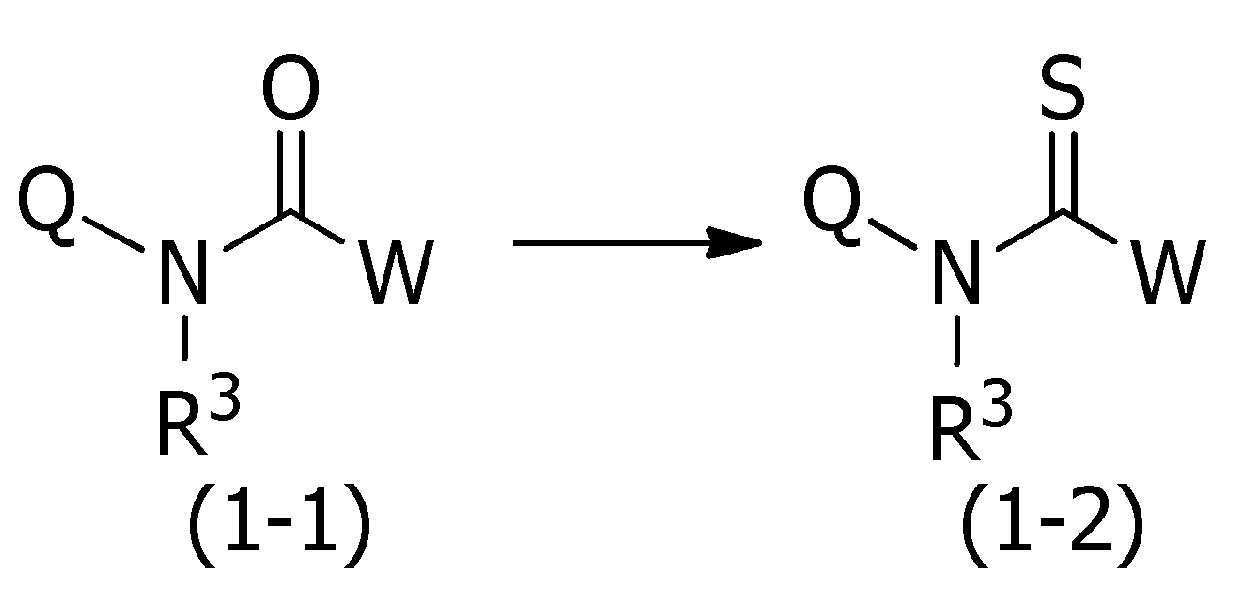
본 반응에서 이용하는 황화제는, 식(1-1)로 표시되는 화합물 1당량에 대하여 0.5~50당량의 범위에서 이용할 수 있다.The sulfiding agent used in this reaction can be used in the range of 0.5 to 50 equivalents per 1 equivalent of the compound represented by formula (1-1).
필요하다면, 탄산칼륨, 트리에틸아민, 피리딘, 4-(디메틸아미노)피리딘 등의 염기를 사용할 수 있다.If necessary, a base such as potassium carbonate, triethylamine, pyridine, or 4-(dimethylamino)pyridine can be used.
본 반응은, 무용매에서도 실시할 수 있으나, 용매를 이용할 수도 있다. 예를 들어, N,N-디메틸포름아미드, N,N-디메틸아세트아미드, 아세토니트릴, 디메틸설폭사이드, 1,3-디메틸-2-이미다졸리논, 물 등의 극성용매, 메탄올, 에탄올, 프로판올, 2-프로판올, 에틸렌글리콜 등의 알코올류, 디에틸에테르, 테트라하이드로퓨란, 디페닐에테르 등의 에테르류, 벤젠, 톨루엔, 자일렌 등의 방향족 탄화수소류, 염화메틸렌, 클로로포름, 사염화탄소 등의 할로겐화탄화수소류, 펜탄, n-헥산 등의 지방족 탄화수소류를 들 수 있다. 이들 용매는 단독으로 이용할 수도, 이들 중 2종류 이상을 혼합하여 이용할 수도 있다.This reaction can be carried out even without a solvent, but a solvent can also be used. For example, N,N-dimethylformamide, N,N-dimethylacetamide, acetonitrile, dimethyl sulfoxide, 1,3-dimethyl-2-imidazolinone, polar solvents such as water, methanol, ethanol, Alcohols such as propanol, 2-propanol, ethylene glycol, ethers such as diethyl ether, tetrahydrofuran, and diphenyl ether, aromatic hydrocarbons such as benzene, toluene, and xylene, halogenation of methylene chloride, chloroform, carbon tetrachloride, etc. And aliphatic hydrocarbons such as hydrocarbons, pentane and n-hexane. These solvents may be used alone, or two or more of them may be mixed and used.
반응온도는, -60℃에서부터 반응혼합물의 환류온도까지의 임의의 온도를 설정할 수 있고, 반응시간은, 반응기질의 농도, 반응온도에 따라 변하는데, 통상 5분 내지 100시간의 범위에서 임의로 설정할 수 있다.The reaction temperature can be set to an arbitrary temperature from -60°C to the reflux temperature of the reaction mixture, and the reaction time varies depending on the concentration of the reactor quality and the reaction temperature, but is usually set arbitrarily in the range of 5 minutes to 100 hours. I can.
제조법 A~제조법 C에 있어서, 반응종료 후의 반응혼합물은, 직접 농축, 또는 유기용매에 용해하고, 수세 후 농축, 또는 빙수에 투입, 유기용매 추출 후 농축과 같은 통상의 후처리를 행하여, 본 발명 화합물을 얻을 수 있다. 또한, 정제의 필요가 생겼을 때에는, 재결정, 컬럼 크로마토그래프, 박층 크로마토그래프, 액체 크로마토그래프 분취 등 임의의 정제방법에 의해 분리, 정제할 수 있다.In Preparation Method A to Preparation Method C, the reaction mixture after completion of the reaction is directly concentrated or dissolved in an organic solvent, washed with water, concentrated, or added to ice water, and subjected to a conventional post-treatment such as concentration after extraction of an organic solvent. Compounds can be obtained. In addition, when the need for purification arises, it can be separated and purified by any purification method such as recrystallization, column chromatography, thin layer chromatography, and liquid chromatograph fractionation.
식(3b)로 표시되는 화합물 중 어떠한 것은, 이하에 나타내는 반응식 1에 의해 합성할 수 있다.Any of the compounds represented by formula (3b) can be synthesized by Scheme 1 shown below.
제조법 DRecipe D
식(1-1)로 표시되는 복소환 아미드 화합물은, 예를 들어, 식(1-3)[식 중, W 및 Q는 상기와 동일한 의미를 나타낸다.]으로 표시되는 화합물과 식(4)[식 중, R3은 상기와 동일한 의미를 나타내고, J는 할로겐원자, -OH, -OSO2Me, -OSO2CF3 등의 탈리기를 나타낸다.]로 표시되는 화합물을 반응시킴으로써 제조할 수 있다.The heterocyclic amide compound represented by formula (1-1) is, for example, a compound represented by formula (1-3) [in the formula, W and Q represent the same meaning as described above.] and formula (4) [In the formula, R 3 represents the same meaning as above, and J represents a halogen atom, a leaving group such as -OH, -OSO 2 Me, -OSO 2 CF 3 .] .
[화학식 12] [Formula 12]
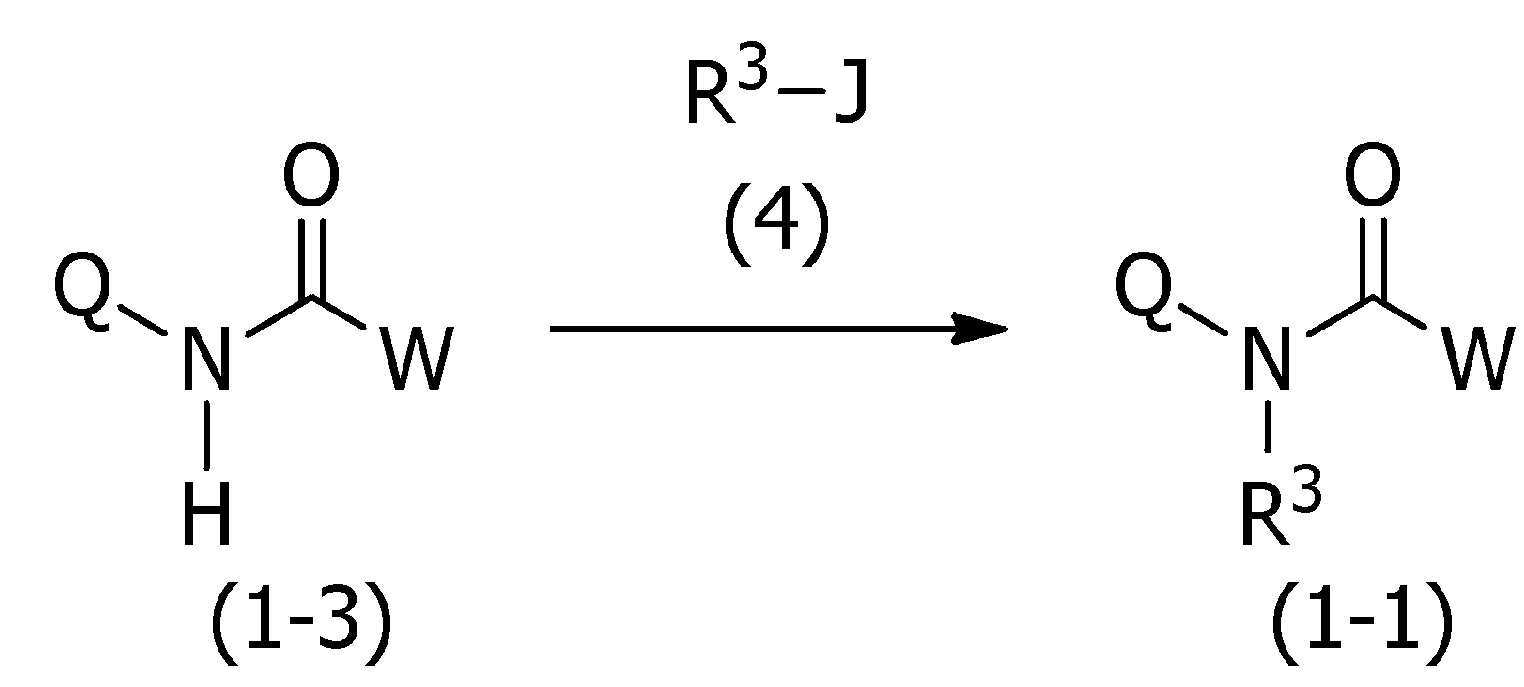
본 반응은, 식(1-3)으로 표시되는 화합물 1당량에 대하여, 식(4)로 표시되는 화합물을, 0.5~50당량의 범위에서 이용할 수 있다. 필요하다면 염산, 황산, p-톨루엔설폰산 등의 산, 탄산칼륨, 트리에틸아민, 피리딘, 4-(디메틸아미노)피리딘, 수소화나트륨, 수산화나트륨, 수산화칼륨 등의 염기를, 또는, 디에틸아조디카르복실레이트 및 트리페닐포스핀 등을 사용하는 광연(光延)반응(Mitsunobu reaction)을 사용할 수 있다.In this reaction, the compound represented by the formula (4) can be used in the range of 0.5 to 50 equivalents per 1 equivalent of the compound represented by the formula (1-3). If necessary, use an acid such as hydrochloric acid, sulfuric acid, p-toluenesulfonic acid, potassium carbonate, triethylamine, pyridine, 4-(dimethylamino)pyridine, sodium hydride, sodium hydroxide, potassium hydroxide, or a base such as diethylazo. Mitsunobu reaction using dicarboxylate and triphenylphosphine may be used.
본 반응은, 무용매에서도 실시할 수 있으나, 용매를 이용할 수도 있다. 예를 들어, N,N-디메틸포름아미드, N,N-디메틸아세트아미드, 아세토니트릴, 디메틸설폭사이드, 1,3-디메틸-2-이미다졸리논, 물 등의 극성용매, 메탄올, 에탄올, 프로판올, 2-프로판올, 에틸렌글리콜 등의 알코올류, 디에틸에테르, 테트라하이드로퓨란, 디페닐에테르 등의 에테르류, 벤젠, 톨루엔, 자일렌 등의 방향족 탄화수소류, 염화메틸렌, 클로로포름, 사염화탄소 등의 할로겐화탄화수소류, 펜탄, n-헥산 등의 지방족 탄화수소류를 들 수 있다. 이들 용매는 단독으로 이용할 수도, 이들 중 2종류 이상을 혼합하여 이용할 수도 있다.This reaction can be carried out even without a solvent, but a solvent can also be used. For example, N,N-dimethylformamide, N,N-dimethylacetamide, acetonitrile, dimethyl sulfoxide, 1,3-dimethyl-2-imidazolinone, polar solvents such as water, methanol, ethanol, Alcohols such as propanol, 2-propanol, ethylene glycol, ethers such as diethyl ether, tetrahydrofuran, and diphenyl ether, aromatic hydrocarbons such as benzene, toluene, and xylene, halogenation of methylene chloride, chloroform, carbon tetrachloride, etc. And aliphatic hydrocarbons such as hydrocarbons, pentane and n-hexane. These solvents may be used alone, or two or more of them may be mixed and used.
반응온도는, -60℃에서부터 반응혼합물의 환류온도까지의 임의의 온도를 설정할 수 있고, 반응시간은, 반응기질의 농도, 반응온도에 따라 변하는데, 통상 5분 내지 100시간의 범위에서 임의로 설정할 수 있다.The reaction temperature can be set to an arbitrary temperature from -60°C to the reflux temperature of the reaction mixture, and the reaction time varies depending on the concentration of the reactor quality and the reaction temperature, but is usually set arbitrarily in the range of 5 minutes to 100 hours. I can.
식(4)로 표시되는 화합물 중 어떠한 것은 공지 화합물이고, 일부는 시판품으로서 입수할 수 있다. 또한, 그 이외의 것도 문헌 기재의 공지의 방법에 준하여 합성할 수 있다.Some of the compounds represented by formula (4) are known compounds, and some can be obtained as commercial products. In addition, anything other than that can be synthesized according to a known method described in the literature.
반응식 1Scheme 1
식(3b)로 표시되는 화합물은, 예를 들어, 식(3a)로 표시되는 화합물과 할로겐화제를 반응시킴으로써 제조할 수 있다.The compound represented by formula (3b) can be produced, for example, by reacting a compound represented by formula (3a) with a halogenating agent.
[화학식 13] [Formula 13]
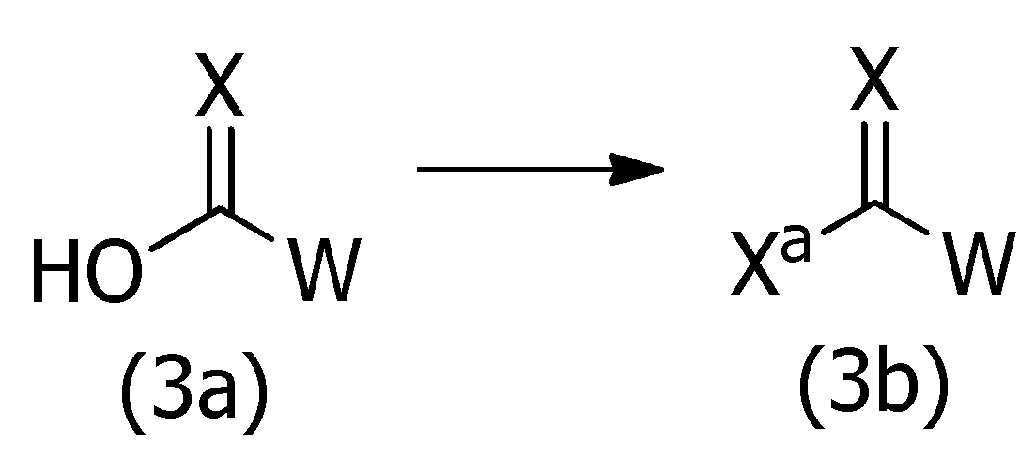
식(3a)[식 중, W 및 X는 상기와 동일한 의미를 나타낸다.]로 표시되는 화합물 또는 그의 염과, 할로겐화제를 용매 중, 또는 무용매에서, 필요하다면 염기를 사용하여 반응시킴으로써 식(3b)[식 중, W, X 및 Xa는 상기와 동일한 의미를 나타낸다.]로 표시되는 화합물을 제조할 수 있다.Formula (3a) [in the formula, W and X represent the same meaning as above.] by reacting a compound represented by the above or a salt thereof and a halogenating agent in a solvent or without a solvent, if necessary, using a base ( 3b) [In the formula, W, X, and X a represent the same meaning as above.] can be prepared.
할로겐화제로는, 예를 들어 염화티오닐, 염화옥살릴, 염화포스포릴 등을 들 수 있다. 할로겐화제의 당량으로는, 식(3a)로 표시되는 화합물 1당량에 대하여, 0.1 내지 100당량의 범위에서 이용할 수 있다.Examples of the halogenating agent include thionyl chloride, oxalyl chloride, and phosphoryl chloride. As the equivalent of the halogenating agent, it can be used in the range of 0.1 to 100 equivalents per 1 equivalent of the compound represented by formula (3a).
용매를 이용하는 경우, 이용되는 용매로는, 반응에 불활성이면 되고, 예를 들어, N,N-디메틸포름아미드, N,N-디메틸아세트아미드, 아세토니트릴, 디메틸설폭사이드, 1,3-디메틸-2-이미다졸리논 등의 극성용매, 디에틸에테르, 테트라하이드로퓨란, 1,4-디옥산, 1,2-디메톡시에탄, 디페닐에테르 등의 에테르류, 벤젠, 톨루엔, 자일렌 등의 방향족 탄화수소류, 염화메틸렌, 클로로포름, 사염화탄소, 1,2-디클로로에탄 등의 할로겐화탄화수소류, n-펜탄, n-헥산 등의 지방족 탄화수소류를 들 수 있다. 이들 용매는 단독으로 이용할 수도, 이들 중 2종류 이상을 혼합하여 이용할 수도 있다.In the case of using a solvent, the solvent used may be inert to the reaction. For example, N,N-dimethylformamide, N,N-dimethylacetamide, acetonitrile, dimethyl sulfoxide, 1,3-dimethyl- Polar solvents such as 2-imidazolinone, ethers such as diethyl ether, tetrahydrofuran, 1,4-dioxane, 1,2-dimethoxyethane, diphenyl ether, benzene, toluene, xylene, etc. Aromatic hydrocarbons, methylene chloride, chloroform, carbon tetrachloride, halogenated hydrocarbons such as 1,2-dichloroethane, and aliphatic hydrocarbons such as n-pentane and n-hexane. These solvents may be used alone, or two or more of them may be mixed and used.
염기를 이용하는 경우, 이용되는 염기로는, 트리에틸아민, 피리딘, 4-(디메틸아미노)피리딘 등의 유기염기, 탄산칼륨, 탄산나트륨, 탄산수소칼륨, 탄산수소나트륨, 수소화나트륨 등의 무기염기를 사용할 수 있고, 식(3a)로 표시되는 화합물 1당량에 대하여 0.1 내지 50당량의 범위에서 이용할 수 있다. 이들 염기는 단독으로 이용할 수도, 이들 중 2종류 이상을 혼합하여 이용할 수도 있다.When using a base, as the base to be used, an organic base such as triethylamine, pyridine, and 4-(dimethylamino)pyridine, an inorganic base such as potassium carbonate, sodium carbonate, potassium hydrogen carbonate, sodium hydrogen carbonate, and sodium hydride may be used. And can be used in the range of 0.1 to 50 equivalents based on 1 equivalent of the compound represented by formula (3a). These bases may be used alone, or two or more of them may be used in combination.
반응온도는, -78℃에서부터 반응혼합물의 환류온도까지의 임의의 온도를 설정할 수 있고, 반응시간은, 반응기질의 농도, 반응온도에 따라 변하는데, 통상 5분 내지 100시간의 범위에서 임의로 설정할 수 있다.The reaction temperature can be set to an arbitrary temperature from -78°C to the reflux temperature of the reaction mixture, and the reaction time varies depending on the concentration of the reactor quality and the reaction temperature, but is usually set arbitrarily in the range of 5 minutes to 100 hours. I can.
반응종료 후, 통상의 후처리를 행함으로써 제조법 B의 원료화합물이 되는 제조중간체를 얻을 수 있다.After completion of the reaction, a production intermediate serving as the raw material compound of Production Method B can be obtained by performing a normal post treatment.
또한, 이 방법에 의해 제조된 제조중간체는, 단리·정제하지 않고, 그대로 다음 공정의 반응에 이용할 수도 있다.In addition, the production intermediate produced by this method can be used as it is for the reaction of the next step without isolation and purification.
본 발명에 포함되는 활성 화합물로는, 구체적으로 예를 들어 제1표 내지 제3표에 나타내는 화합물을 들 수 있다. 단, 제1표 내지 제3표의 화합물은 예시를 위한 것으로, 본 발명은 이것들로 한정되는 것은 아니다. 한편, 표 중, Me라 기재되는 치환기는 메틸기를 나타내고, 이하, Et라는 기재는 에틸기를 나타내고, n-Pr 및 Pr-n은 노말프로필기를, i-Pr 및 Pr-i는 이소프로필기를, c-Pr 및 Pr-c는 시클로프로필기를, n-Bu 및 Bu-n은 노말부틸기를, s-Bu 및 Bu-s는 세컨더리부틸기를, i-Bu 및 Bu-i는 이소부틸기를, t-Bu 및 Bu-t는 터셔리부틸기를, c-Bu 및 Bu-c는 시클로부틸기를, n-Pen 및 Pen-n은 노말펜틸기를, i-Pen 및 Pen-i는 이소펜틸기를, s-Pen 및 Pen-s는 세컨더리펜틸기를, t-Pen 및 Pen-t는 터셔리펜틸기를, c-Pen 및 Pen-c는 시클로펜틸기를, 3-Pen은 -CH(Et)2기를, n-Hex 및 Hex-n은 노말헥실기를, c-Hex 및 Hex-c는 시클로헥실기를, Ph는 페닐기를 각각 나타낸다.Specific examples of the active compounds contained in the present invention include compounds shown in Tables 1 to 3. However, the compounds of Tables 1 to 3 are for illustration only, and the present invention is not limited thereto. On the other hand, in the table, the substituent described as Me represents a methyl group, hereinafter, the description Et represents an ethyl group, n-Pr and Pr-n represent a normal propyl group, i-Pr and Pr-i represent an isopropyl group, c -Pr and Pr-c are cyclopropyl groups, n-Bu and Bu-n are normal butyl groups, s-Bu and Bu-s are secondary butyl groups, i-Bu and Bu-i are isobutyl groups, t-Bu And Bu-t is a tertiary butyl group, c-Bu and Bu-c is a cyclobutyl group, n-Pen and Pen-n is a normalpentyl group, i-Pen and Pen-i is an isopentyl group, s-Pen and Pen-s is a secondary pentyl group, t-Pen and Pen-t is a tertiarypentyl group, c-Pen and Pen-c is a cyclopentyl group, 3-Pen is a -CH(Et) 2 group, n-Hex and Hex -n represents a normalhexyl group, c-Hex and Hex-c represents a cyclohexyl group, and Ph represents a phenyl group.
표 중, D-3, D-3a, D-4, D-4a, D-4b, D-8, D-8a, D-8b, D-8c, D-8d, D-8e, D-8f, D-8g, D-8h, D-9, D-9a, D-9b, D-9c, D-9d, D-9e, D-9f, D-9g, D-9h, D-9i, D-9j, D-9k, D-9m, D-10a, D-11, D-12, D-13a, D-14, D-15, D-16, D-16a, D-16b, D-16c, D-16d, D-16e, D-16f, D-16g, D-16h, D-16i, D-16j, D-16k, D-16m, D-16n, D-16p, D-17, D-17a, D-17b, D-18, D-19, D-21, D-24a, D-24b, D-24c, D-24d, D-24e 및 D-24f로 나타나는 구조는 하기의 구조를 나타낸다.In the table, D-3, D-3a, D-4, D-4a, D-4b, D-8, D-8a, D-8b, D-8c, D-8d, D-8e, D-8f , D-8g, D-8h, D-9, D-9a, D-9b, D-9c, D-9d, D-9e, D-9f, D-9g, D-9h, D-9i, D -9j, D-9k, D-9m, D-10a, D-11, D-12, D-13a, D-14, D-15, D-16, D-16a, D-16b, D-16c , D-16d, D-16e, D-16f, D-16g, D-16h, D-16i, D-16j, D-16k, D-16m, D-16n, D-16p, D-17, D The structures represented by -17a, D-17b, D-18, D-19, D-21, D-24a, D-24b, D-24c, D-24d, D-24e and D-24f have the following structures. Show.
[화학식 14] [Formula 14]
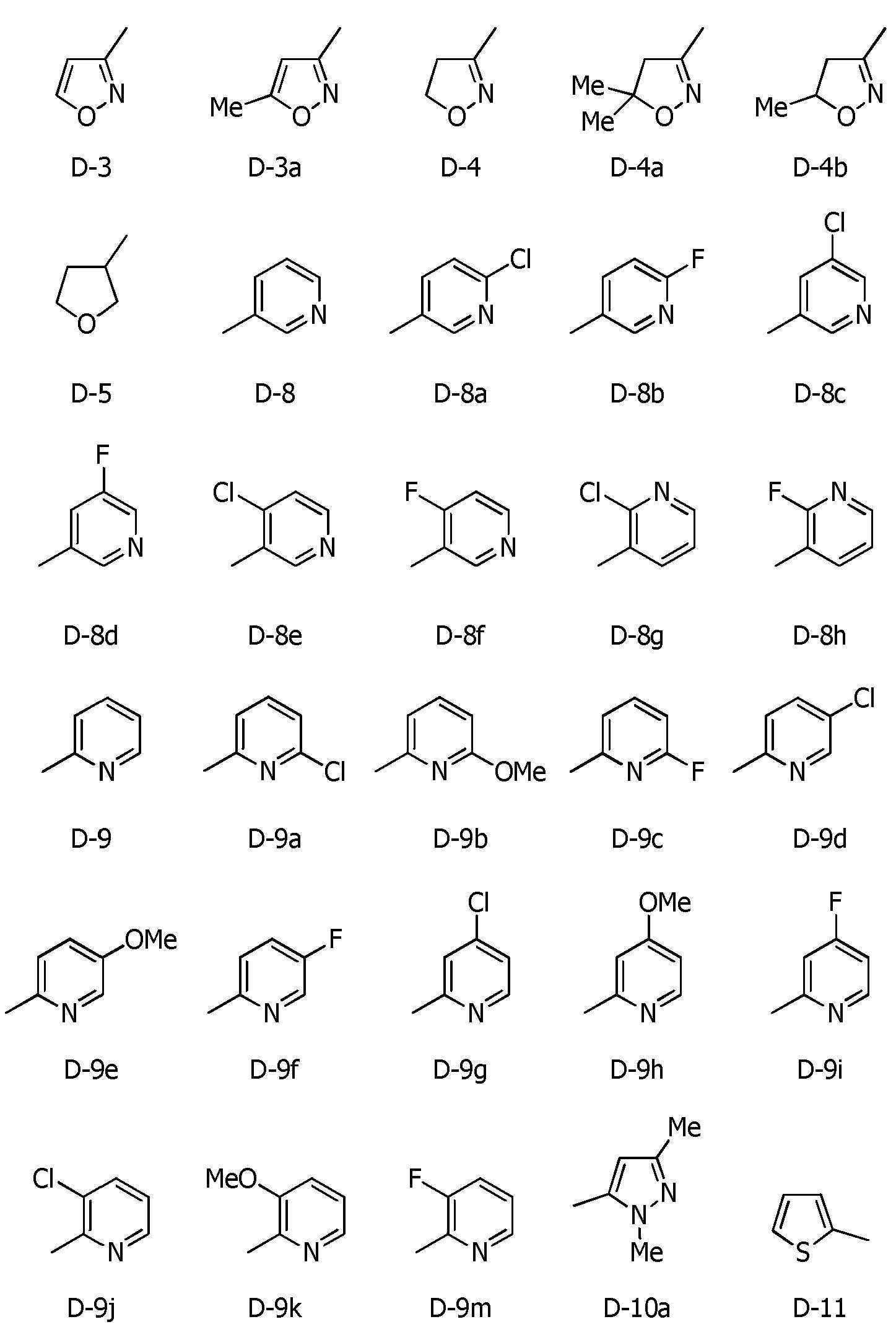
[화학식 15] [Formula 15]
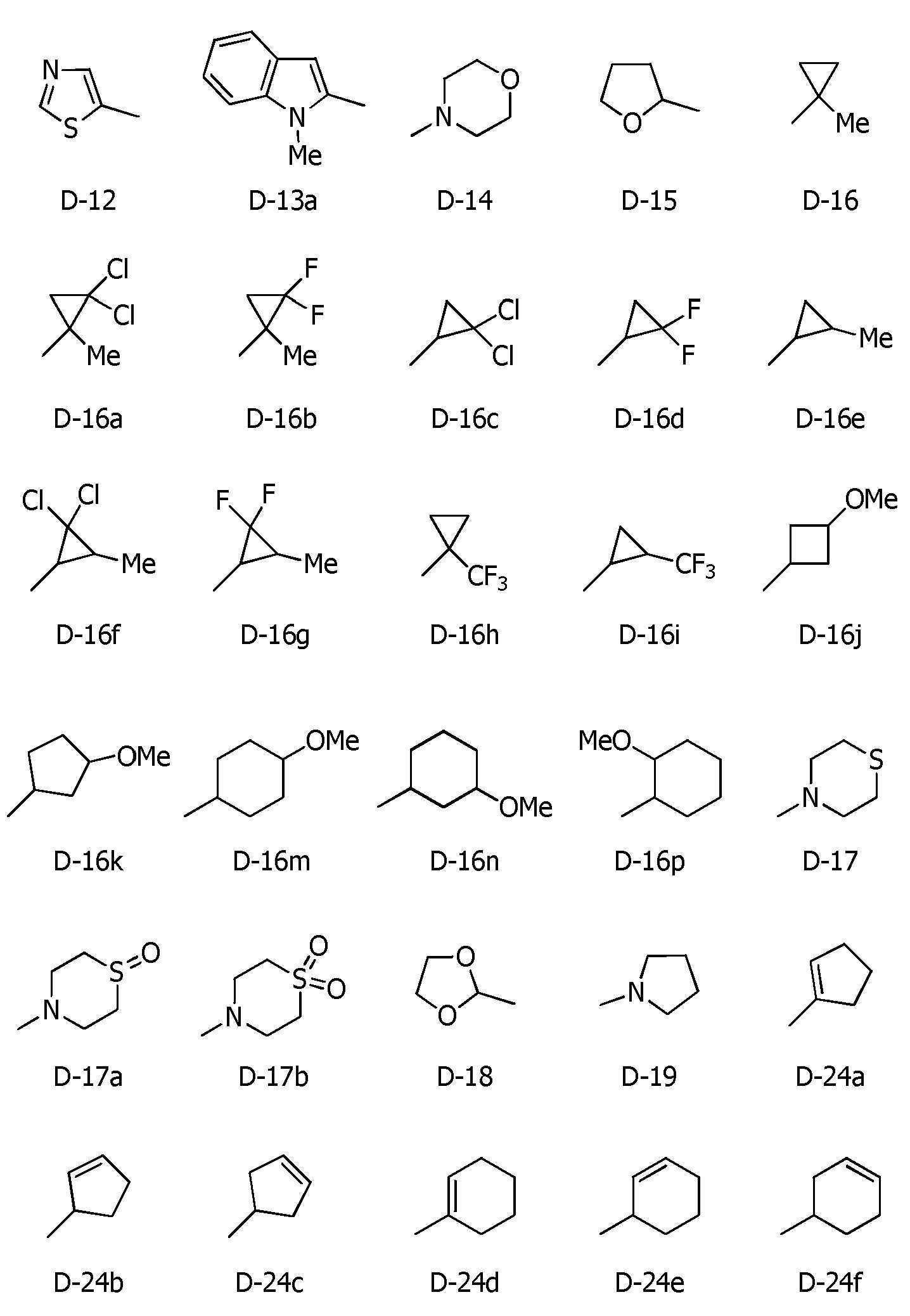
〔제1표〕〔Table 1〕
[화학식 16] [Formula 16]

[화학식 17] [Formula 17]
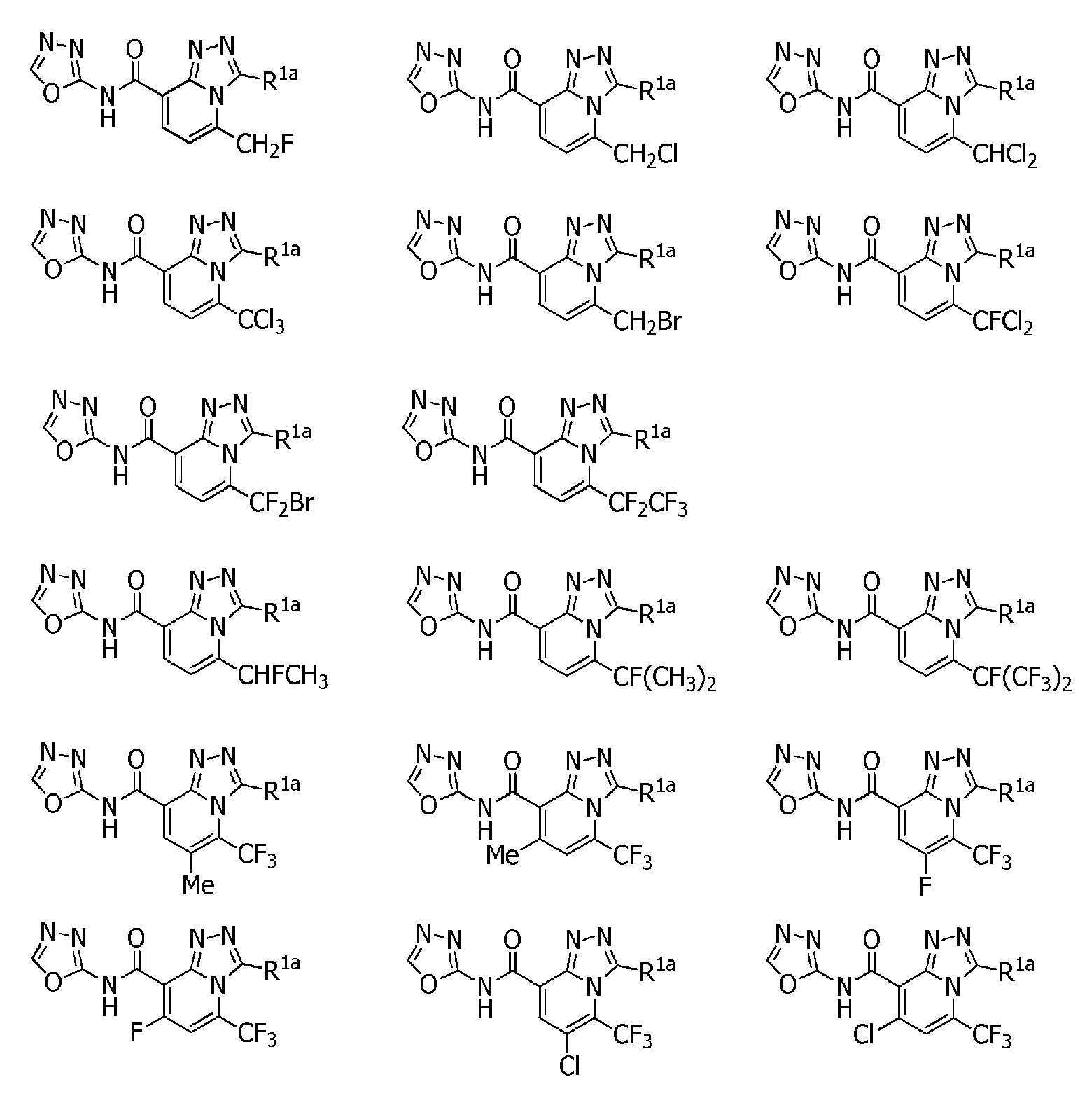
[화학식 18] [Formula 18]
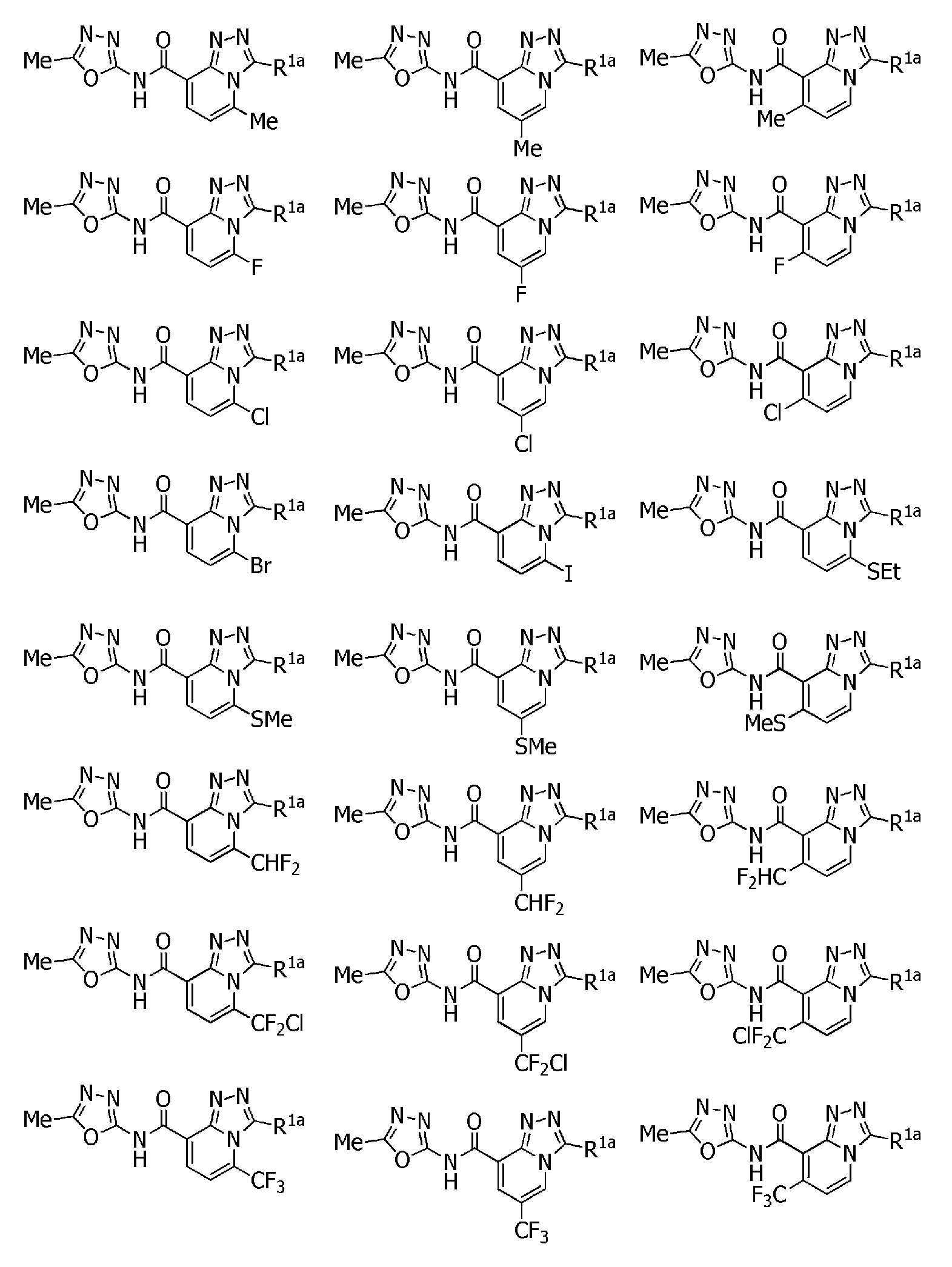
[화학식 19] [Formula 19]
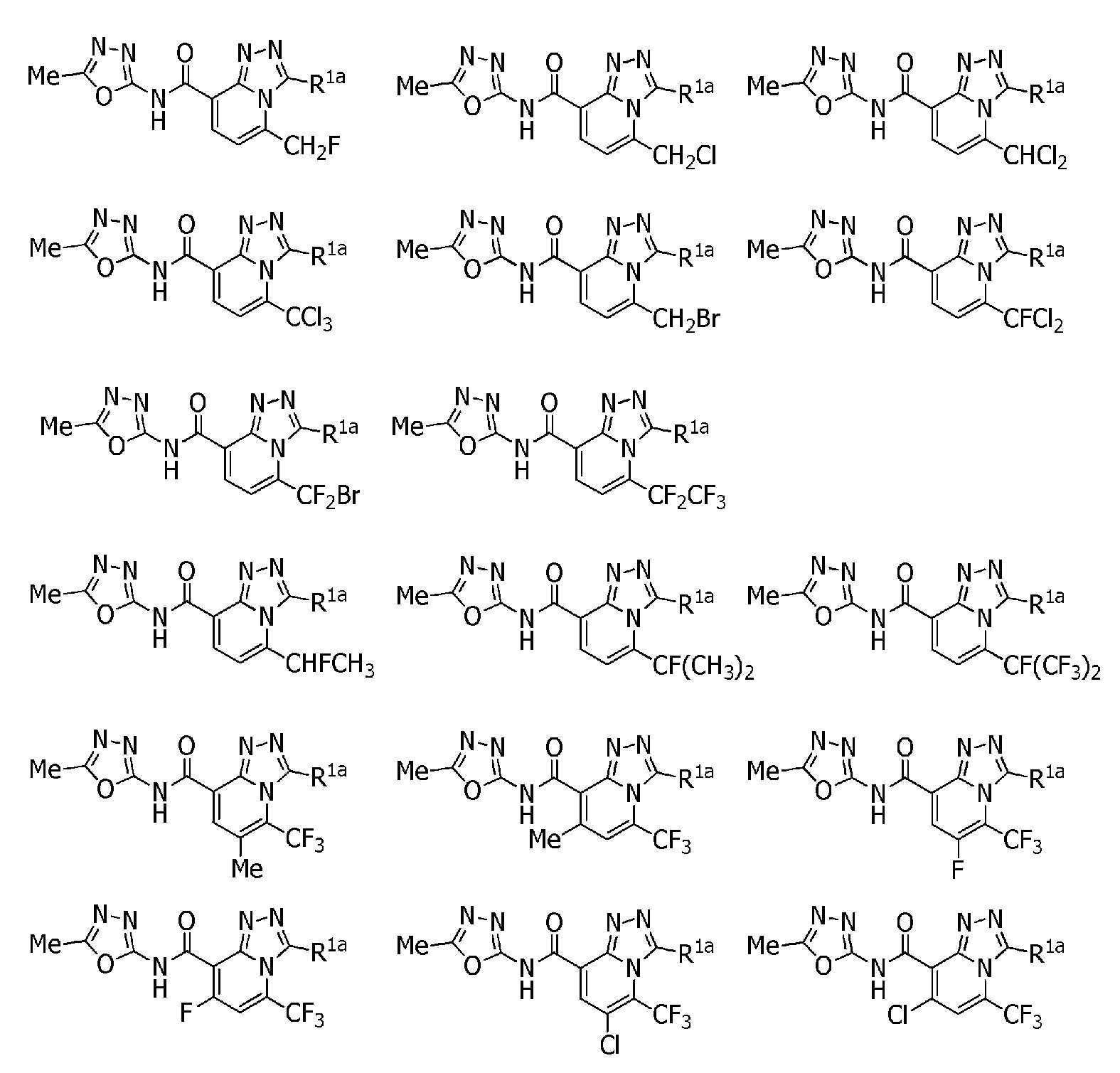
[화학식 20] [Formula 20]

[화학식 21] [Formula 21]
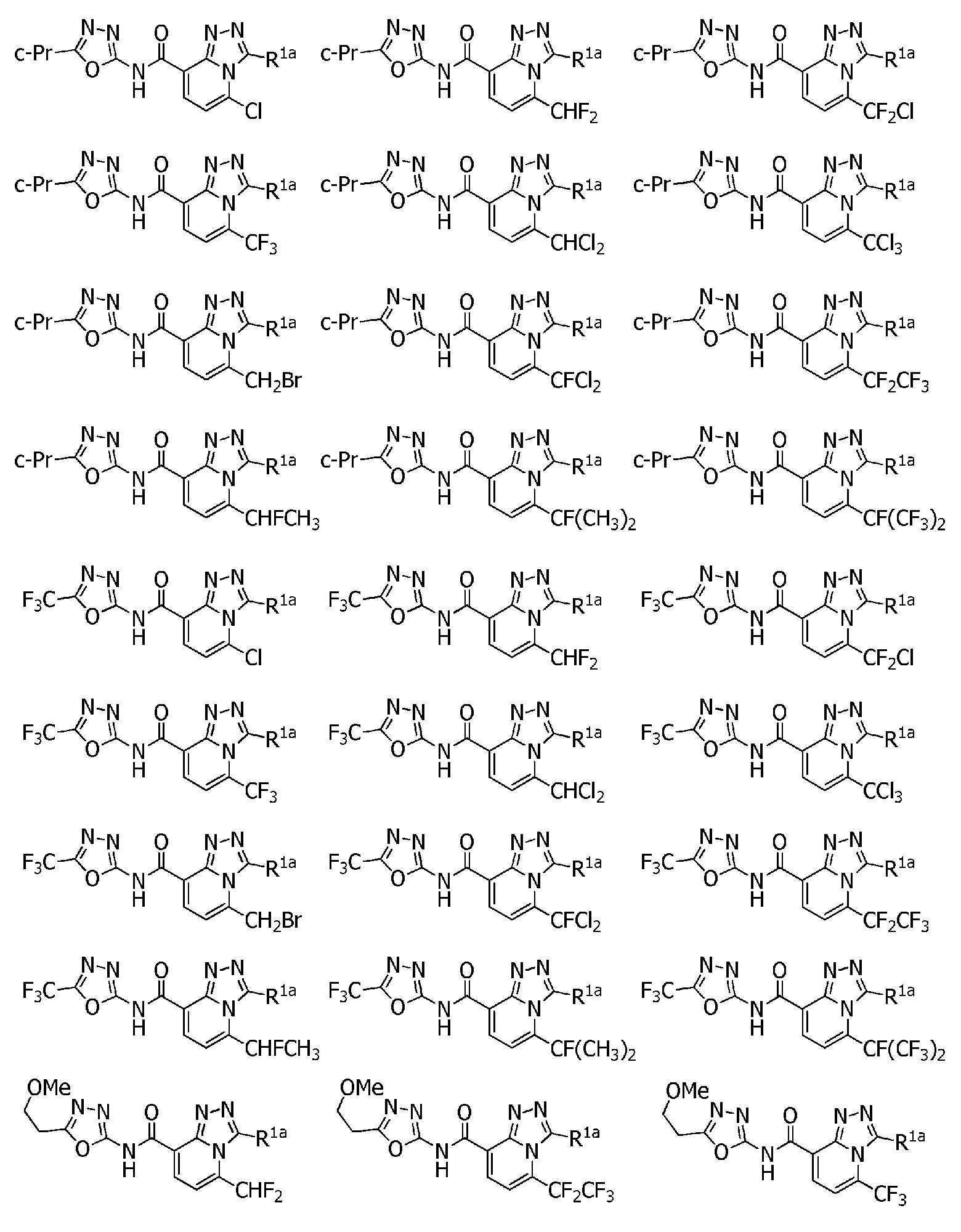
[화학식 22] [Formula 22]
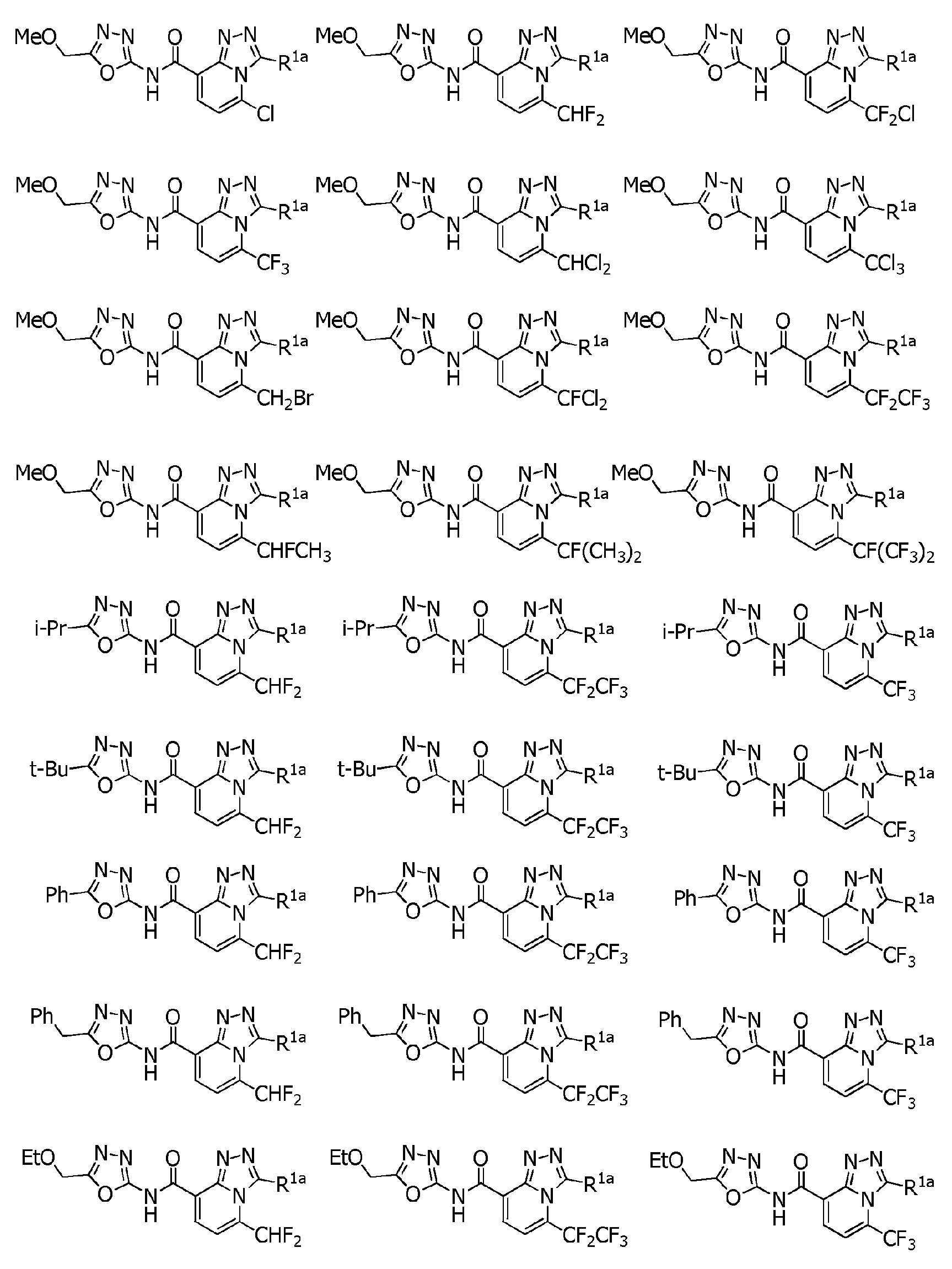
[화학식 23] [Formula 23]
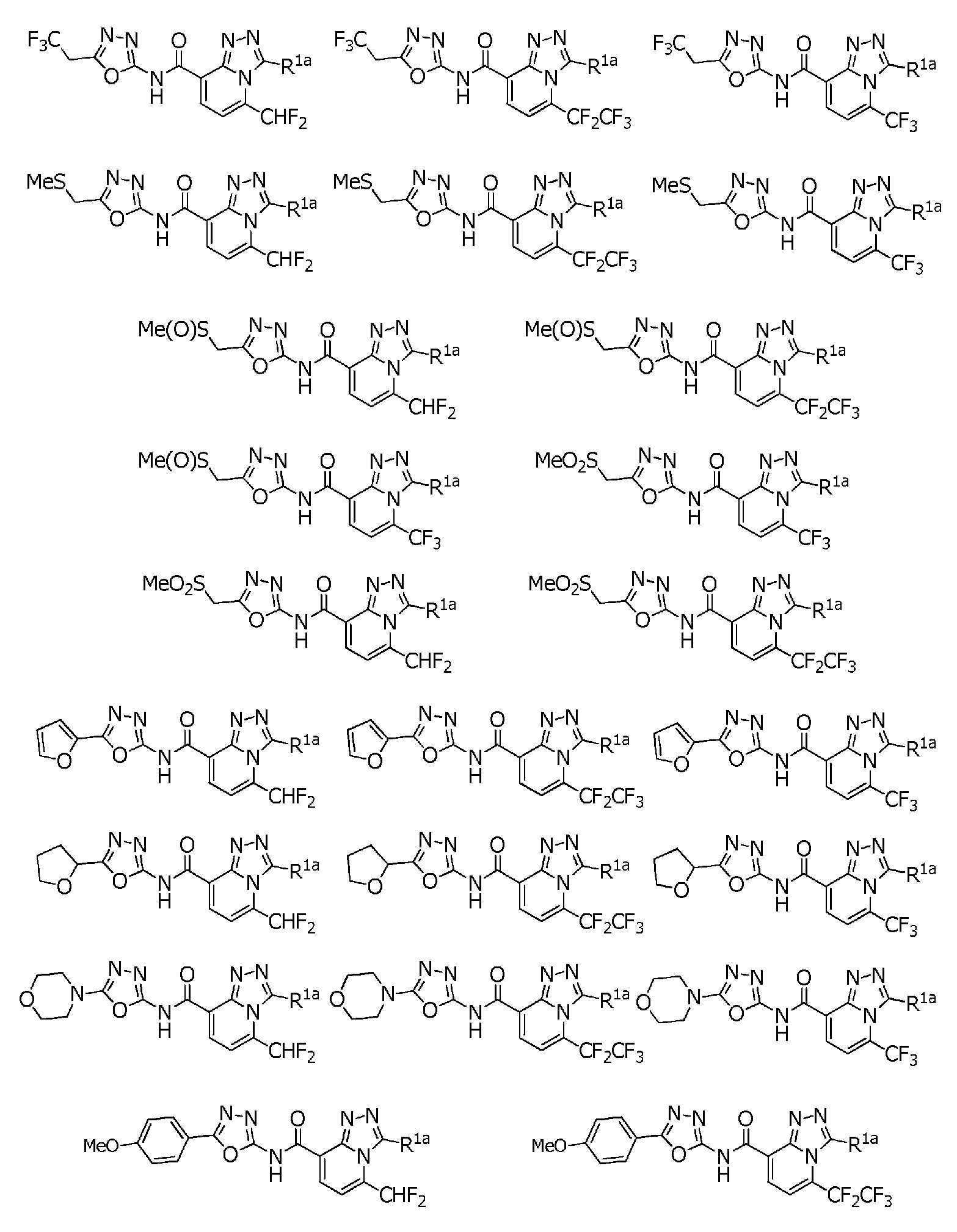
[화학식 24] [Formula 24]
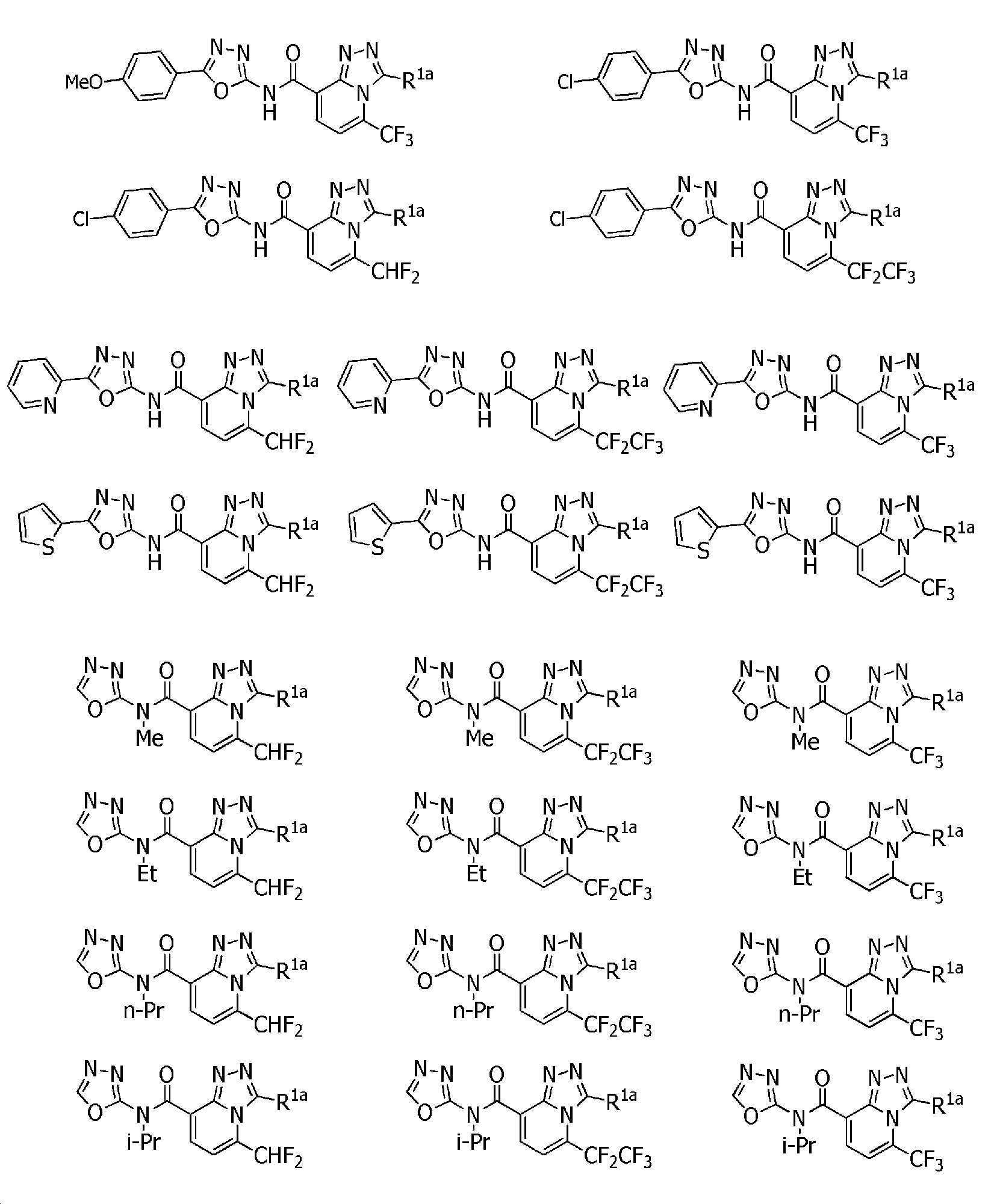
[화학식 25] [Formula 25]
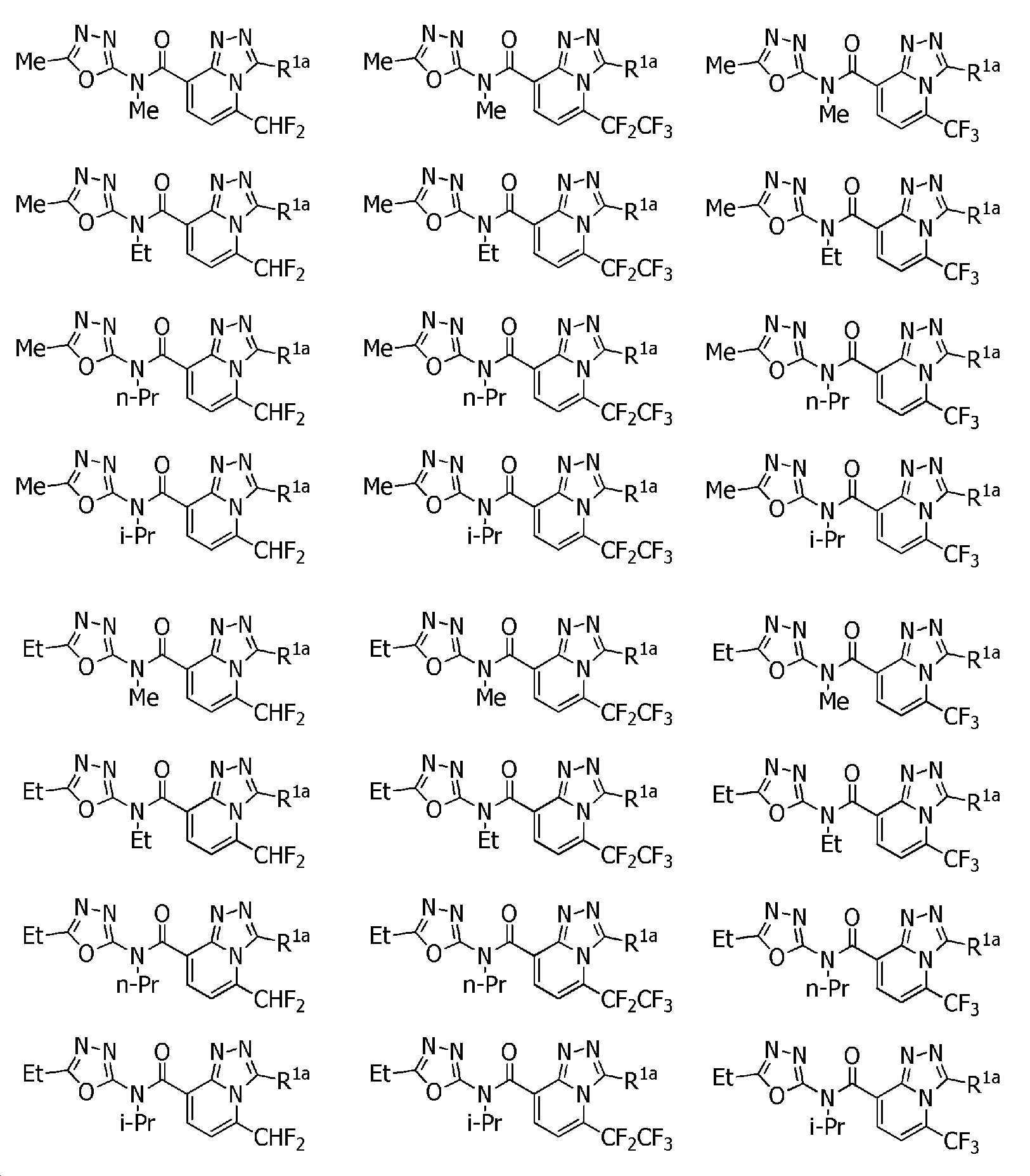
[화학식 26] [Formula 26]

[화학식 27] [Formula 27]

[화학식 28] [Formula 28]

[화학식 29] [Formula 29]

[화학식 30] [Formula 30]
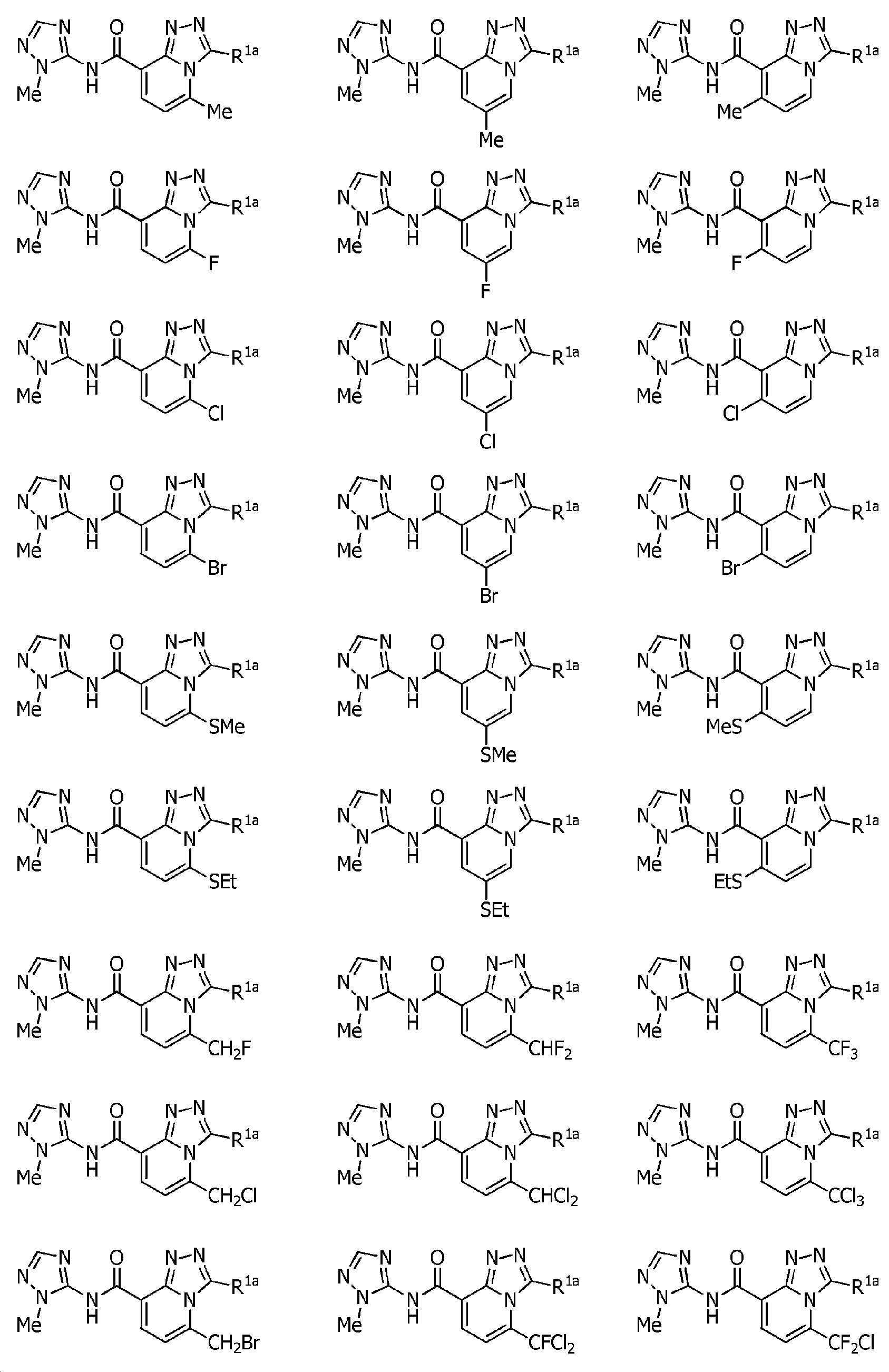
[화학식 31] [Chemical Formula 31]
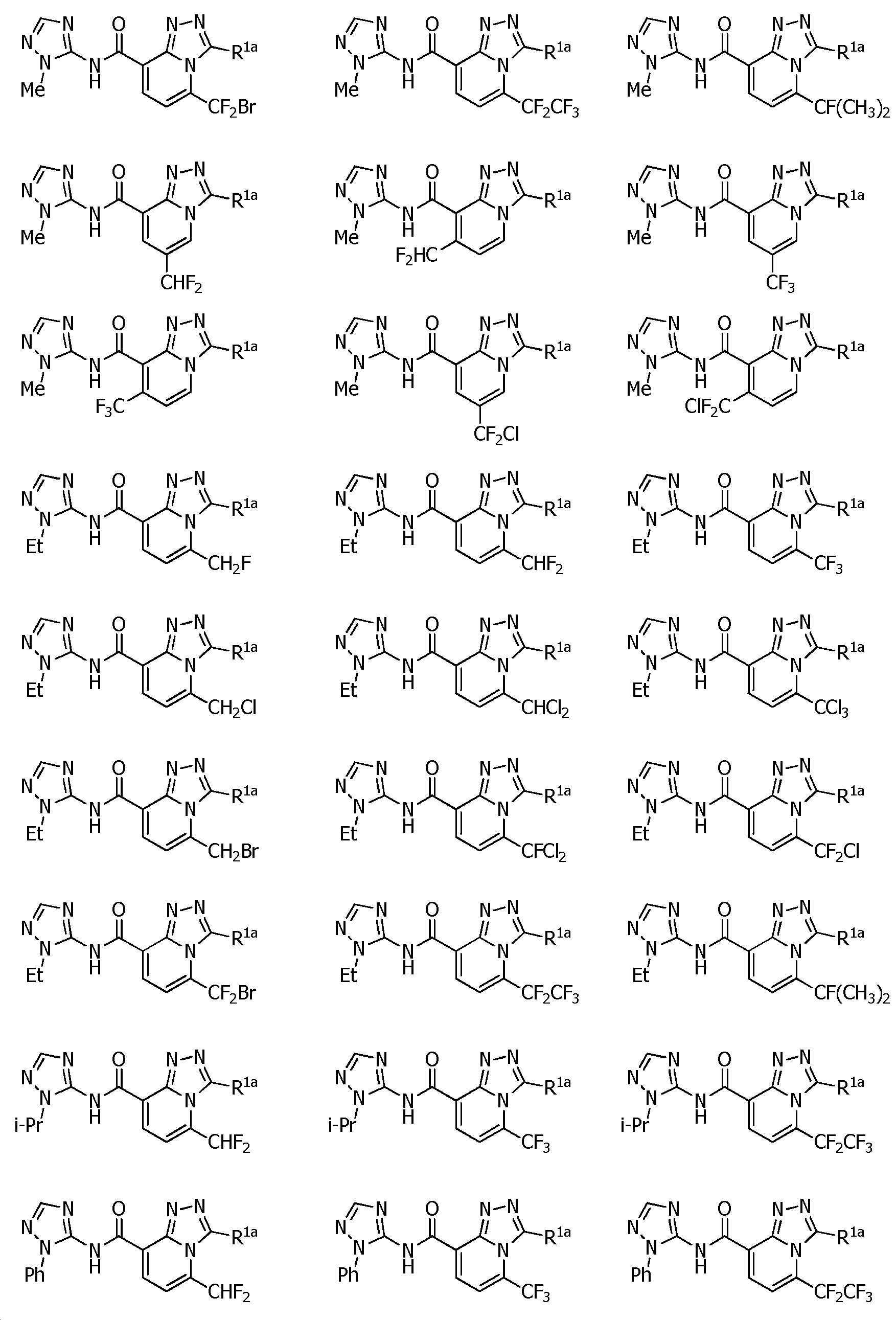
[화학식 32] [Formula 32]
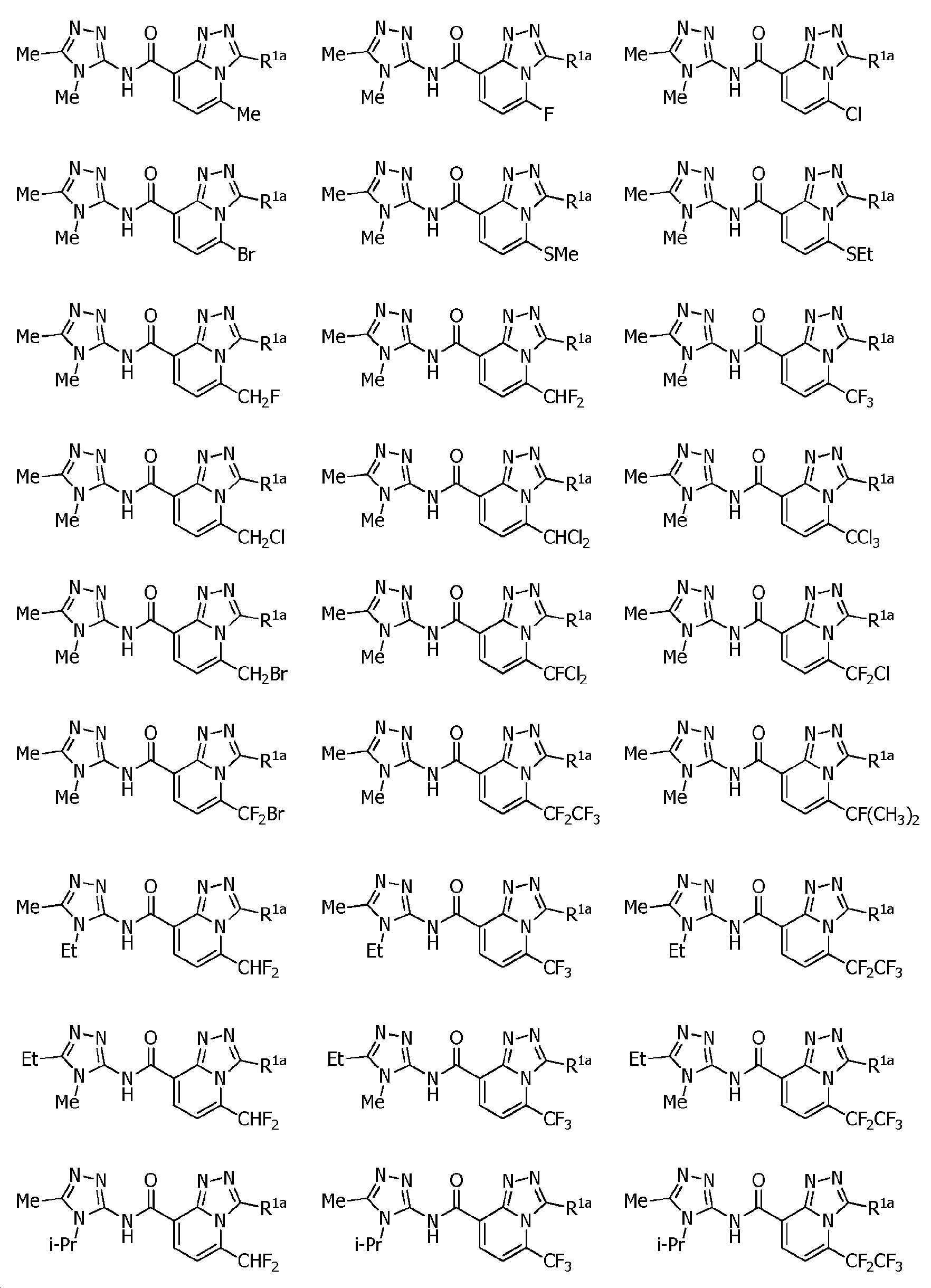
[표 1] [Table 1]
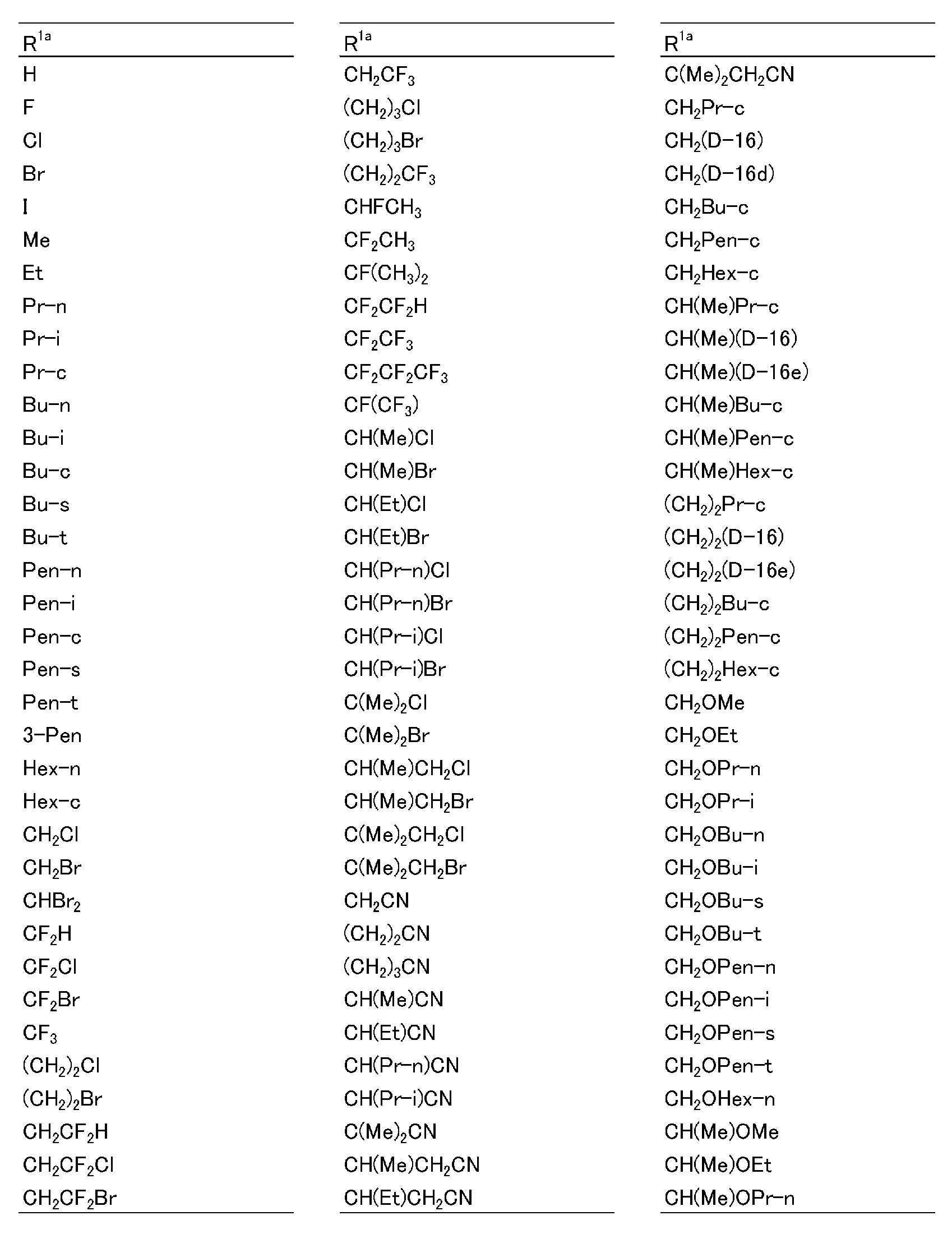
[표 2] [Table 2]
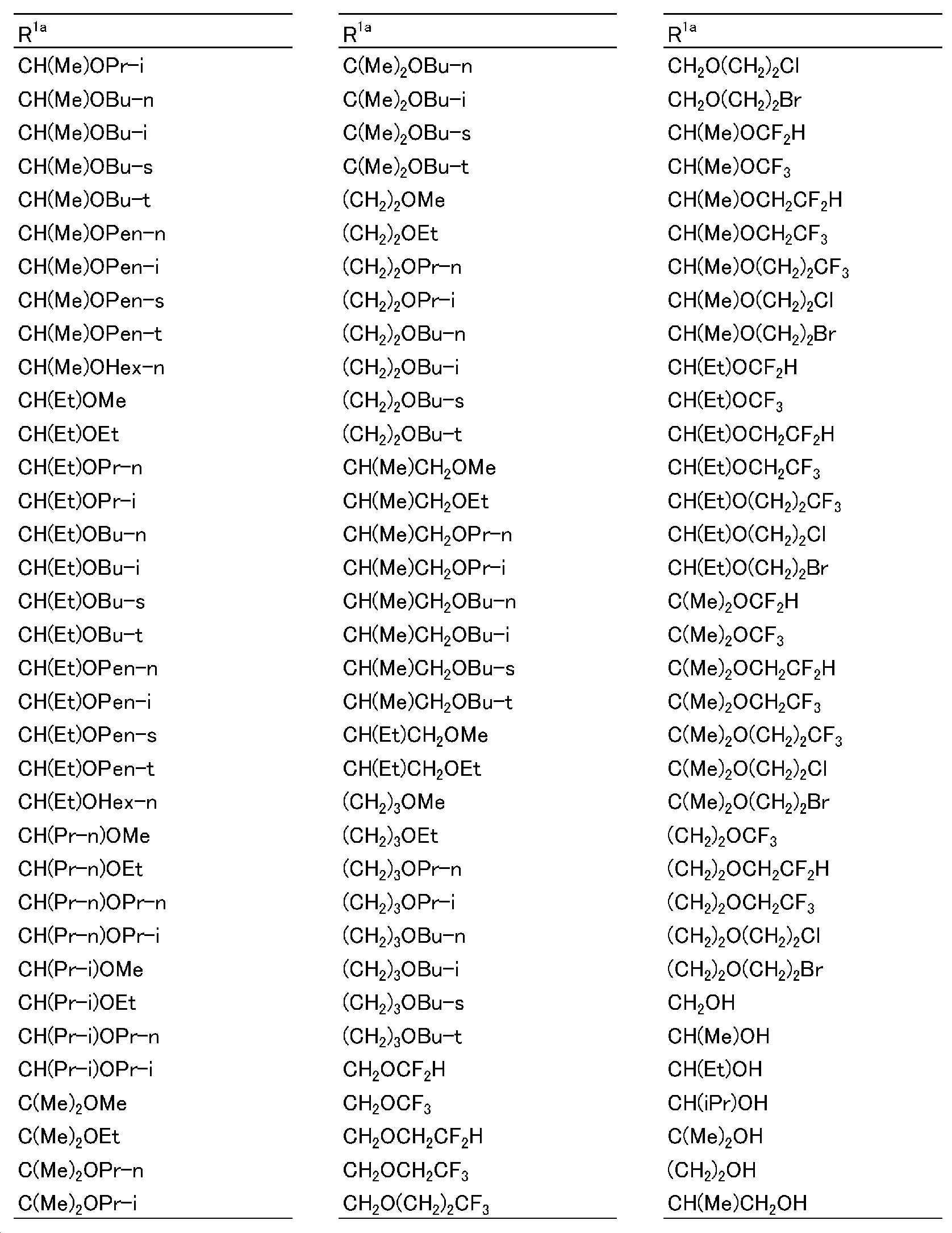
[표 3] [Table 3]
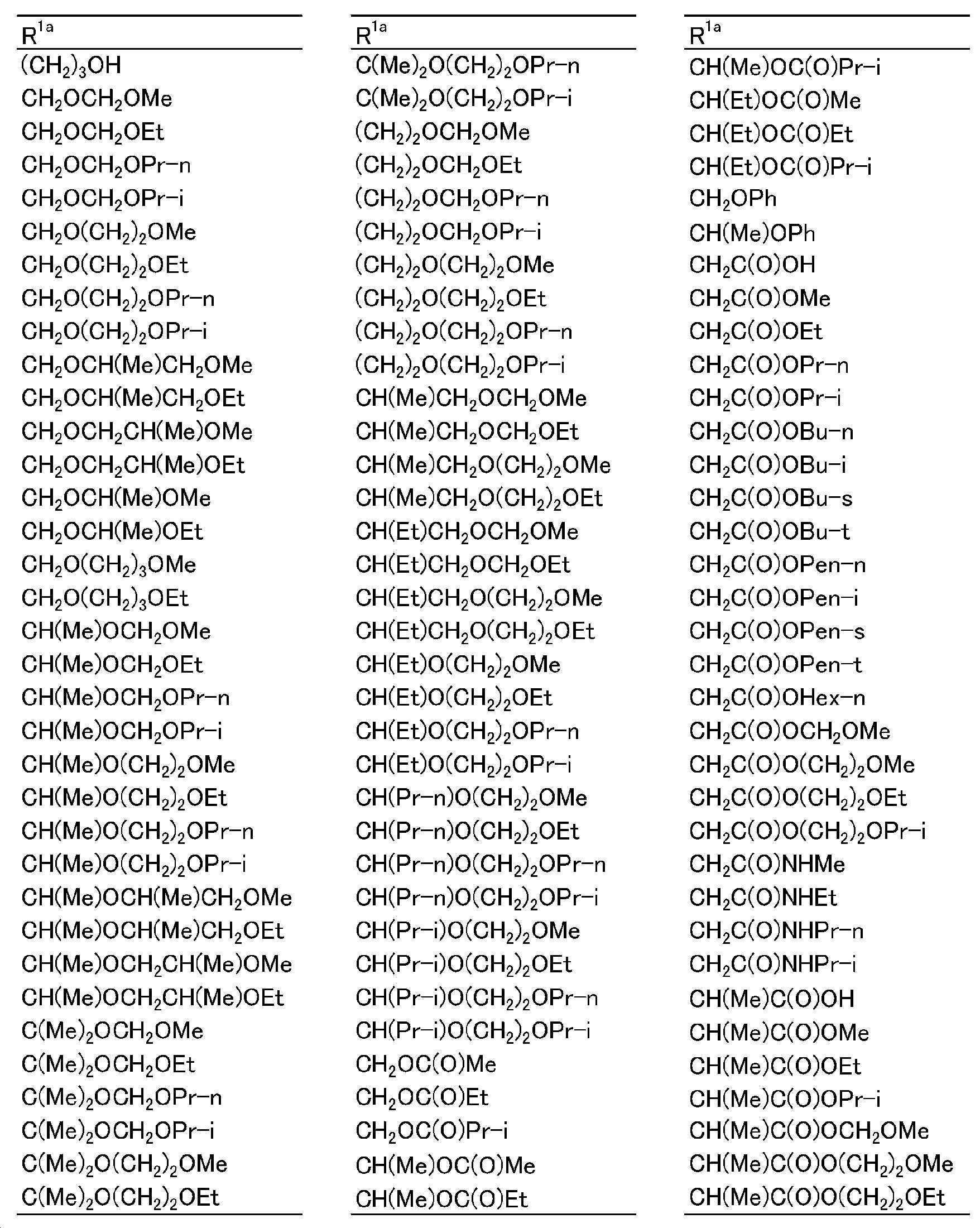
[표 4] [Table 4]
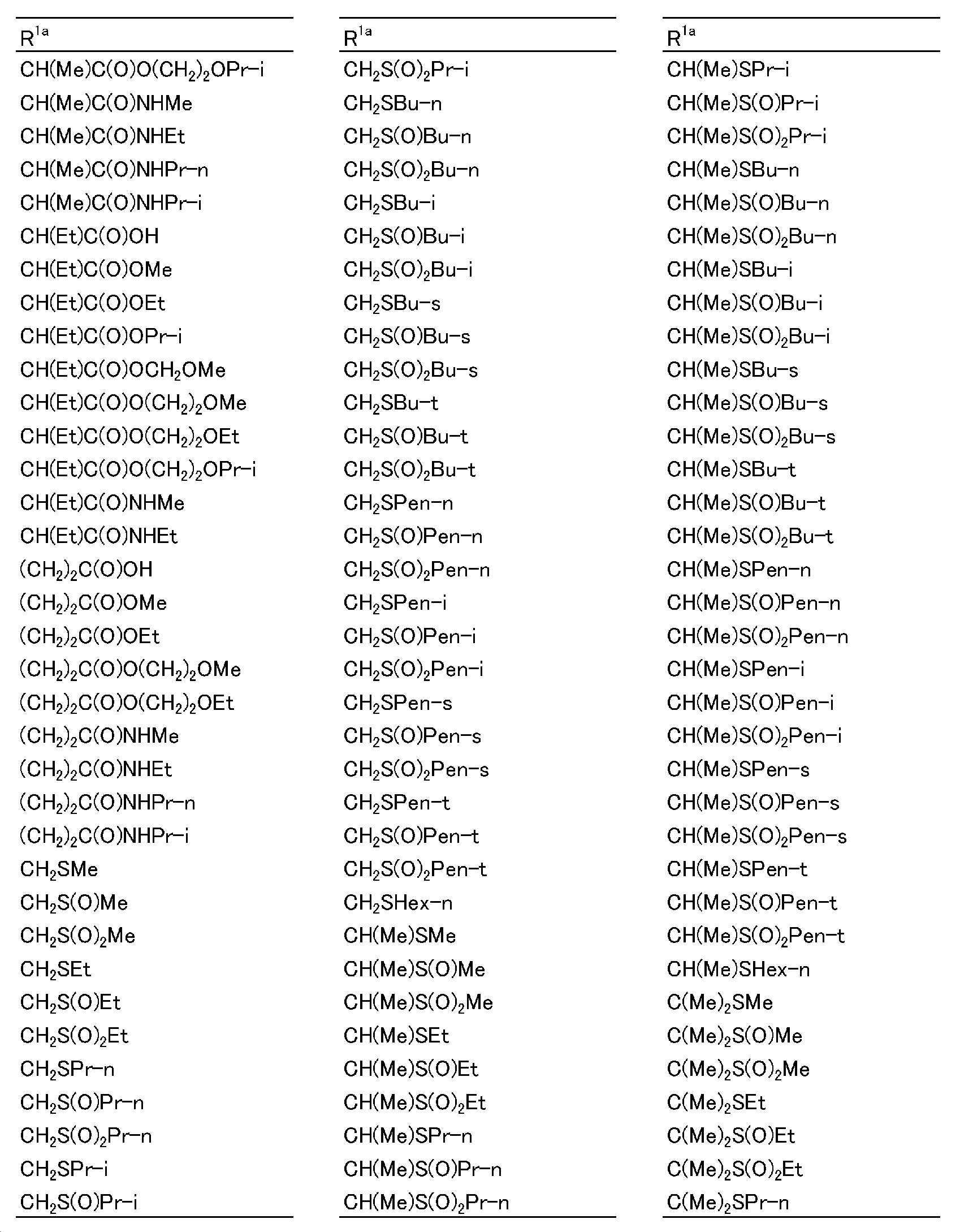
[표 5] [Table 5]
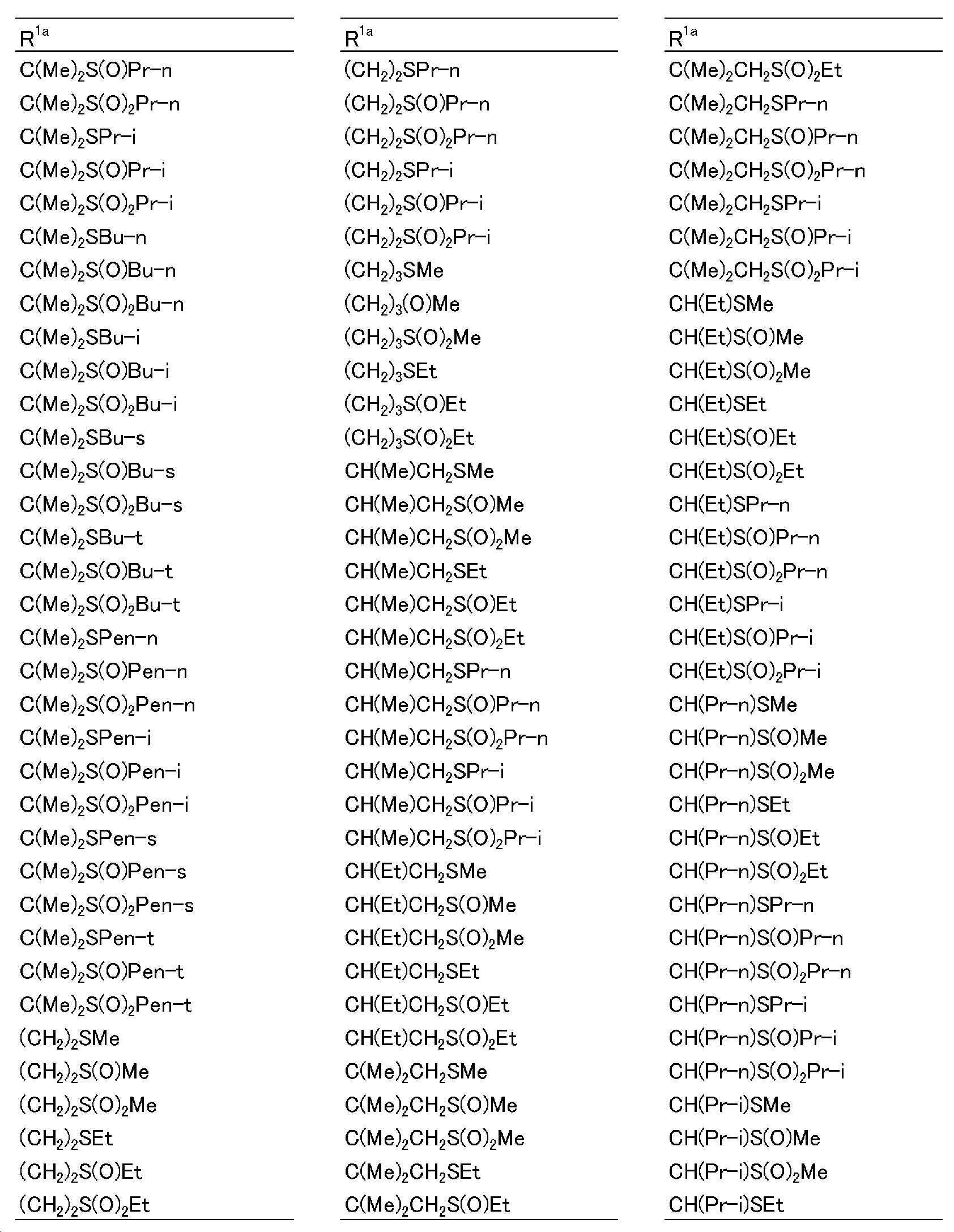
[표 6] [Table 6]
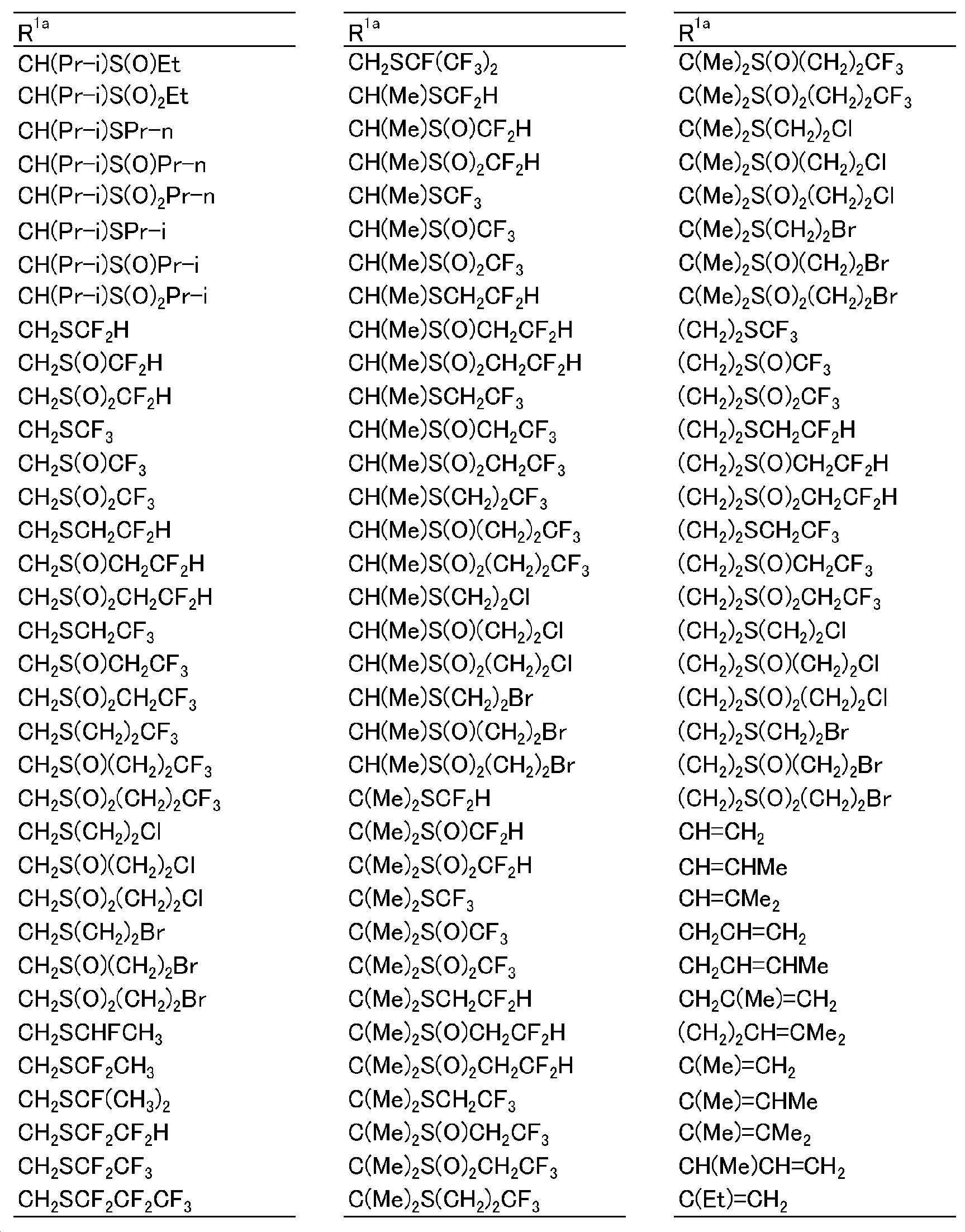
[표 7] [Table 7]
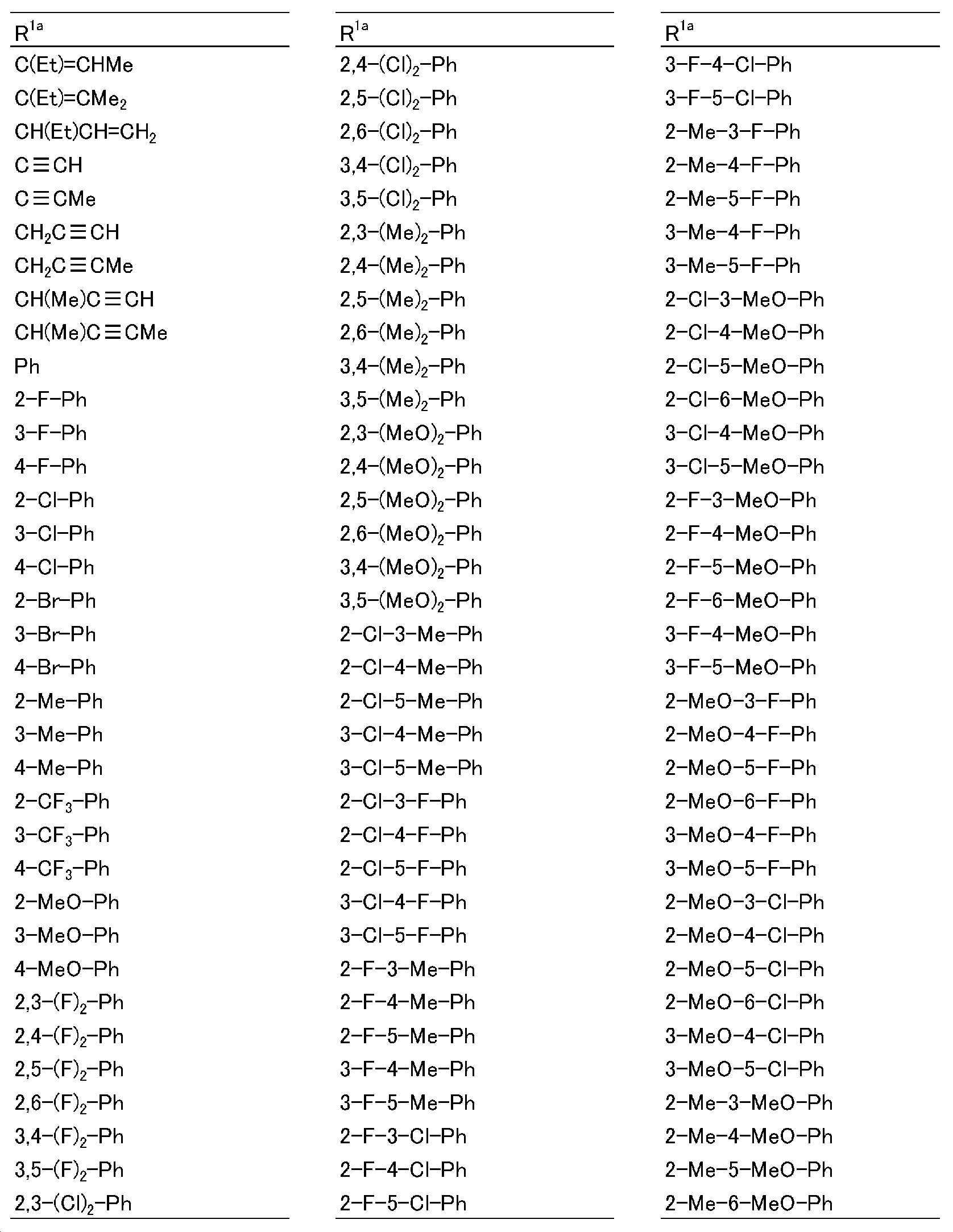
[표 8] [Table 8]
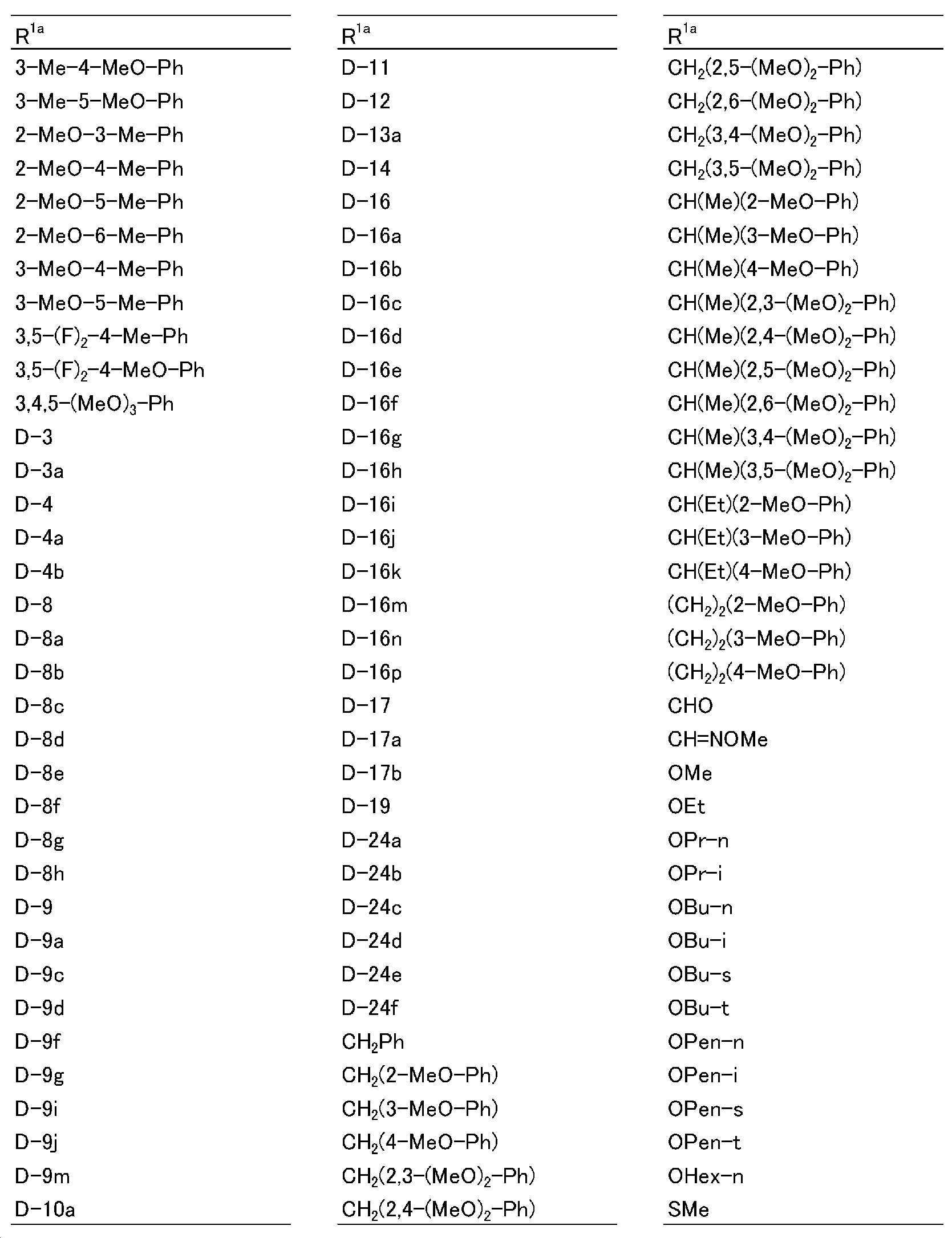
[표 9] [Table 9]

[표 10] [Table 10]

[표 11] [Table 11]
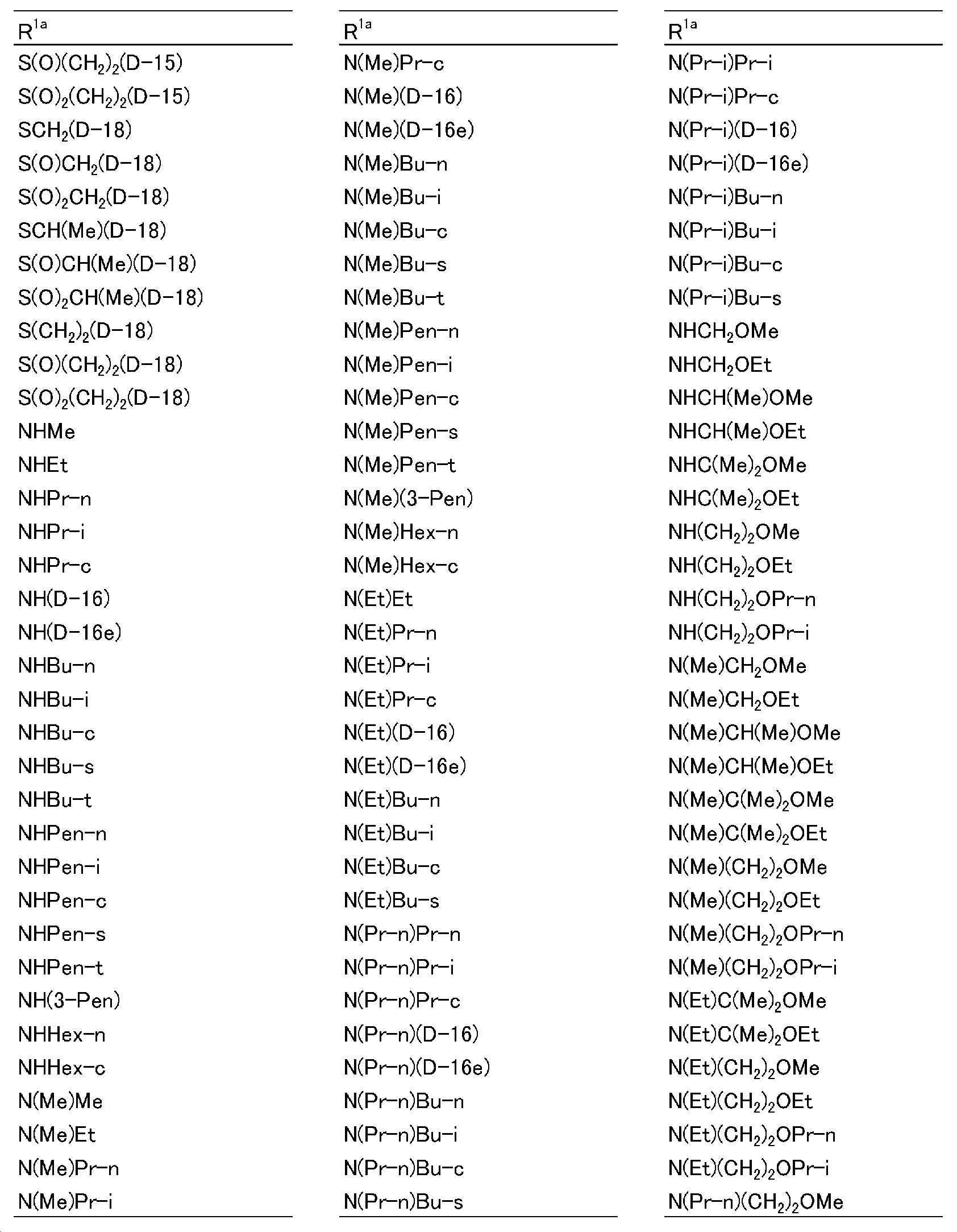
[표 12] [Table 12]
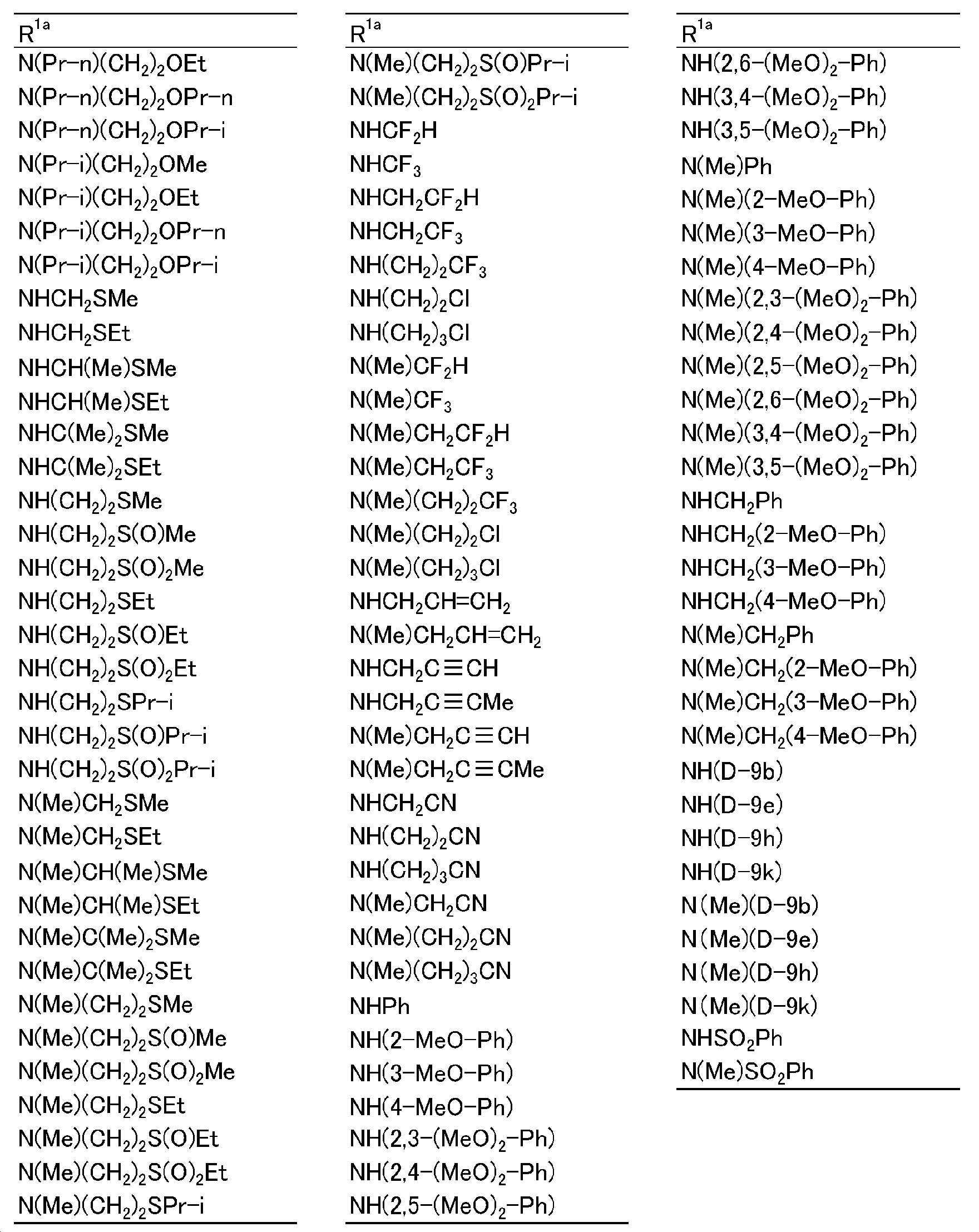
〔제2표〕〔Table 2〕
[화학식 33] [Formula 33]

[화학식 34] [Formula 34]
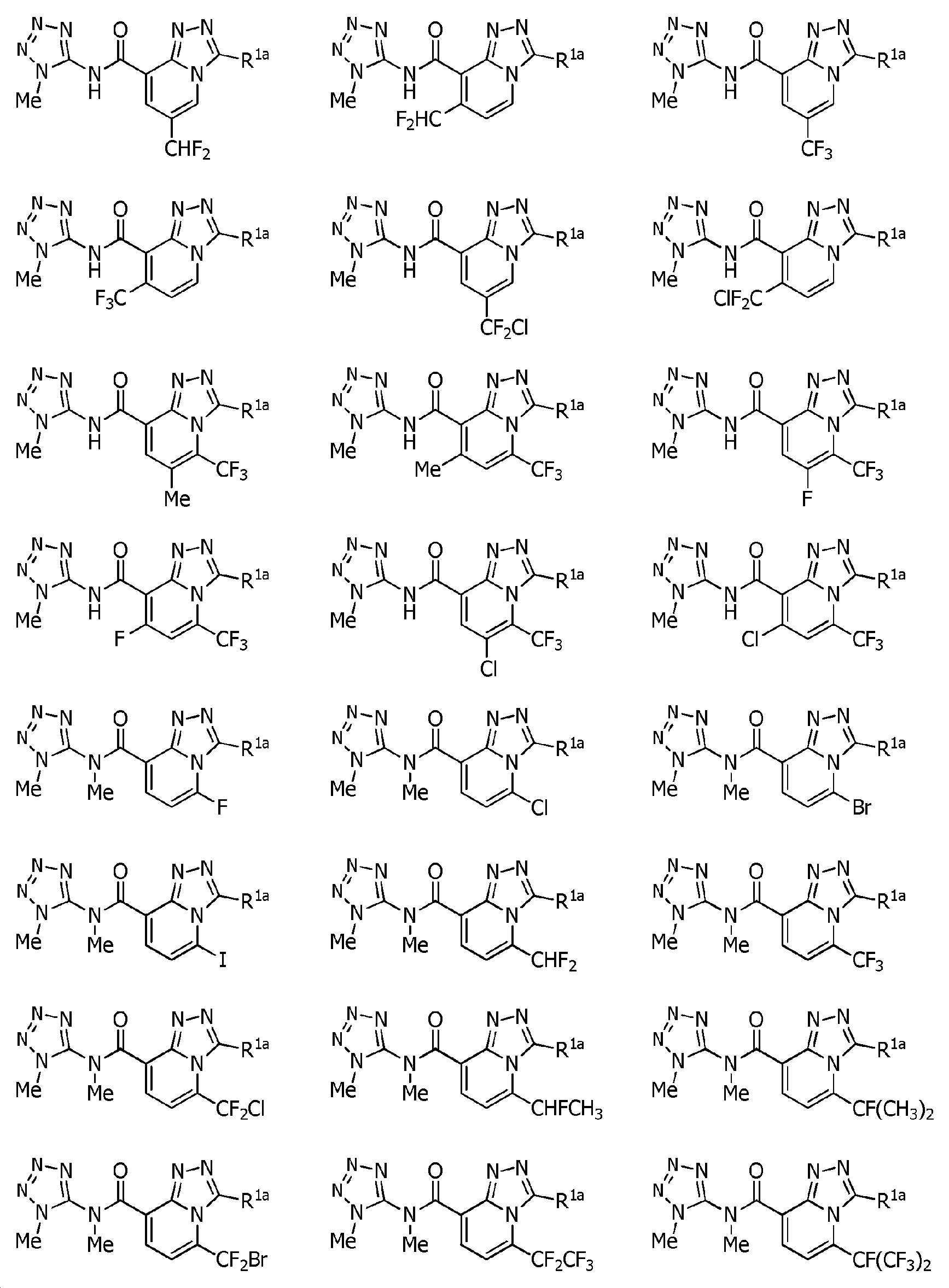
[화학식 35] [Formula 35]

[화학식 36] [Chemical Formula 36]
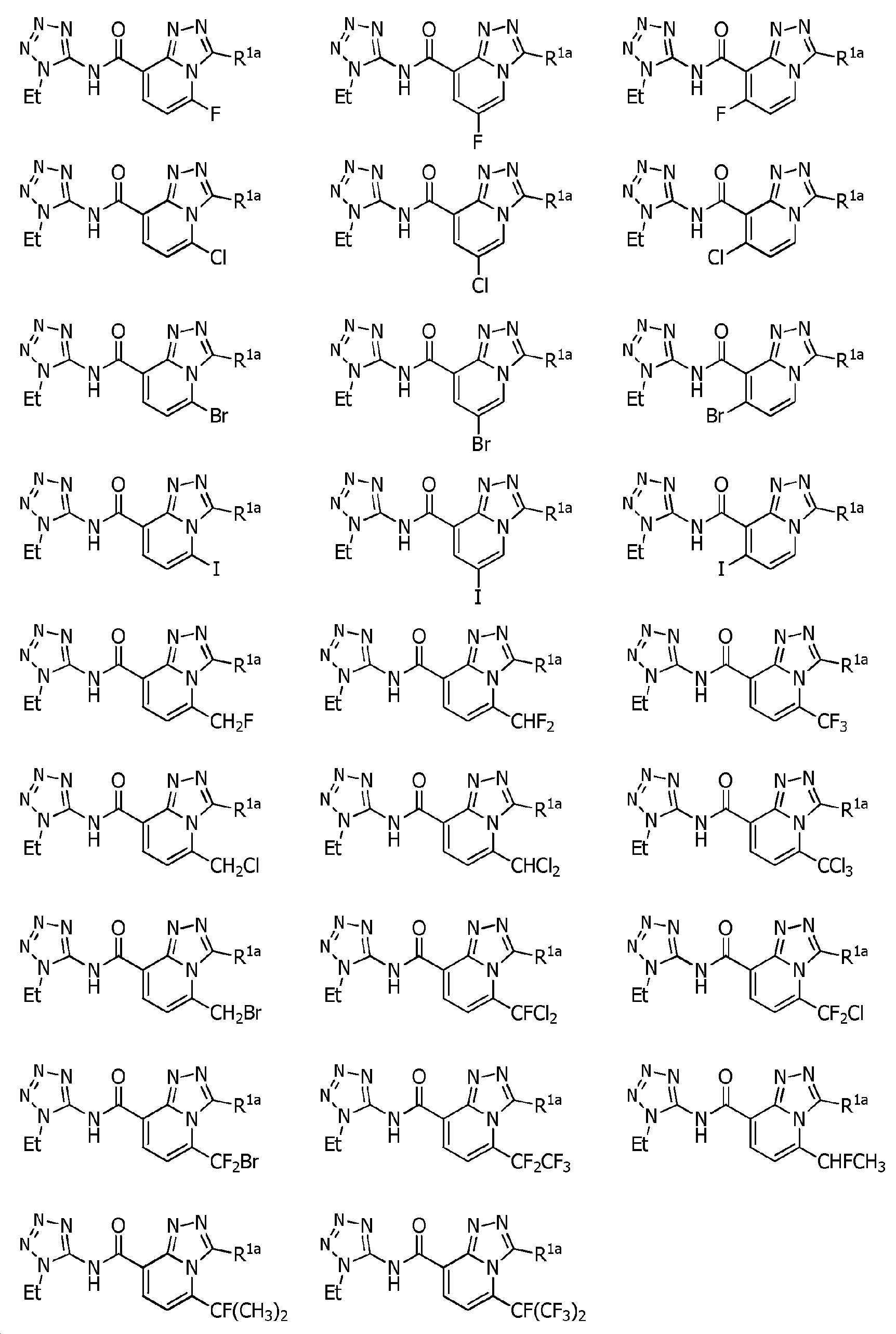
[화학식 37] [Chemical Formula 37]

[화학식 38] [Formula 38]
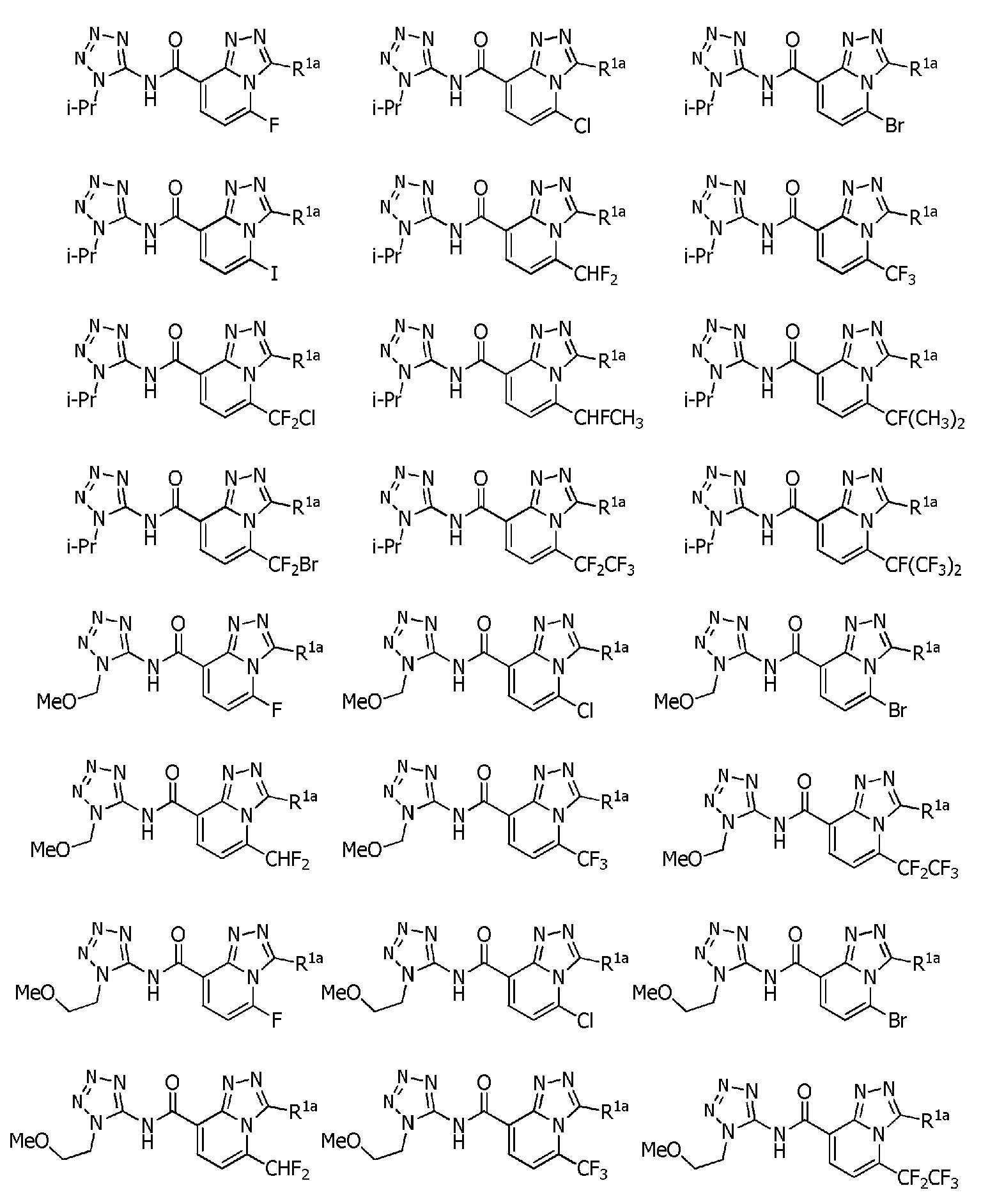
[화학식 39] [Chemical Formula 39]
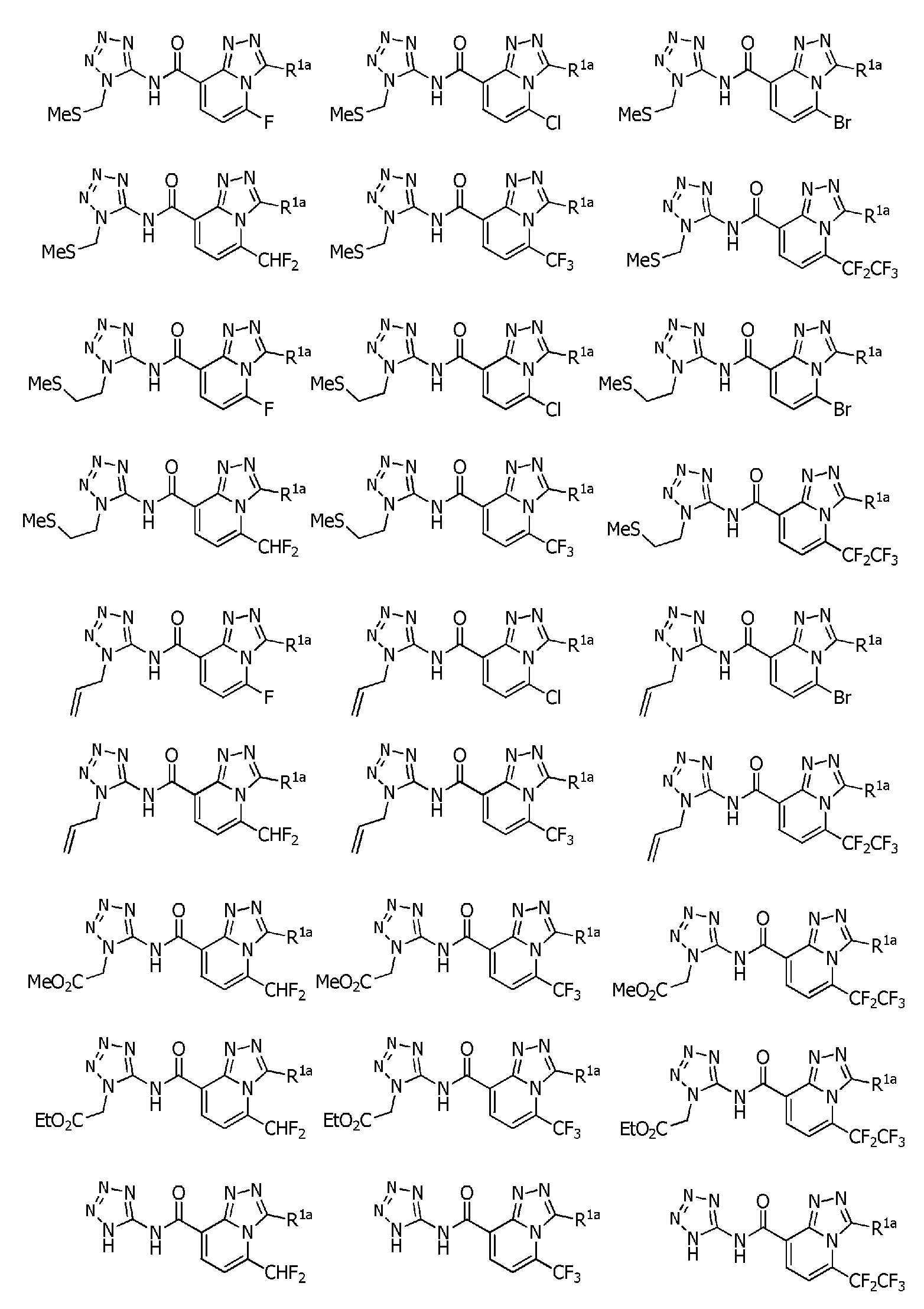
[화학식 40] [Formula 40]
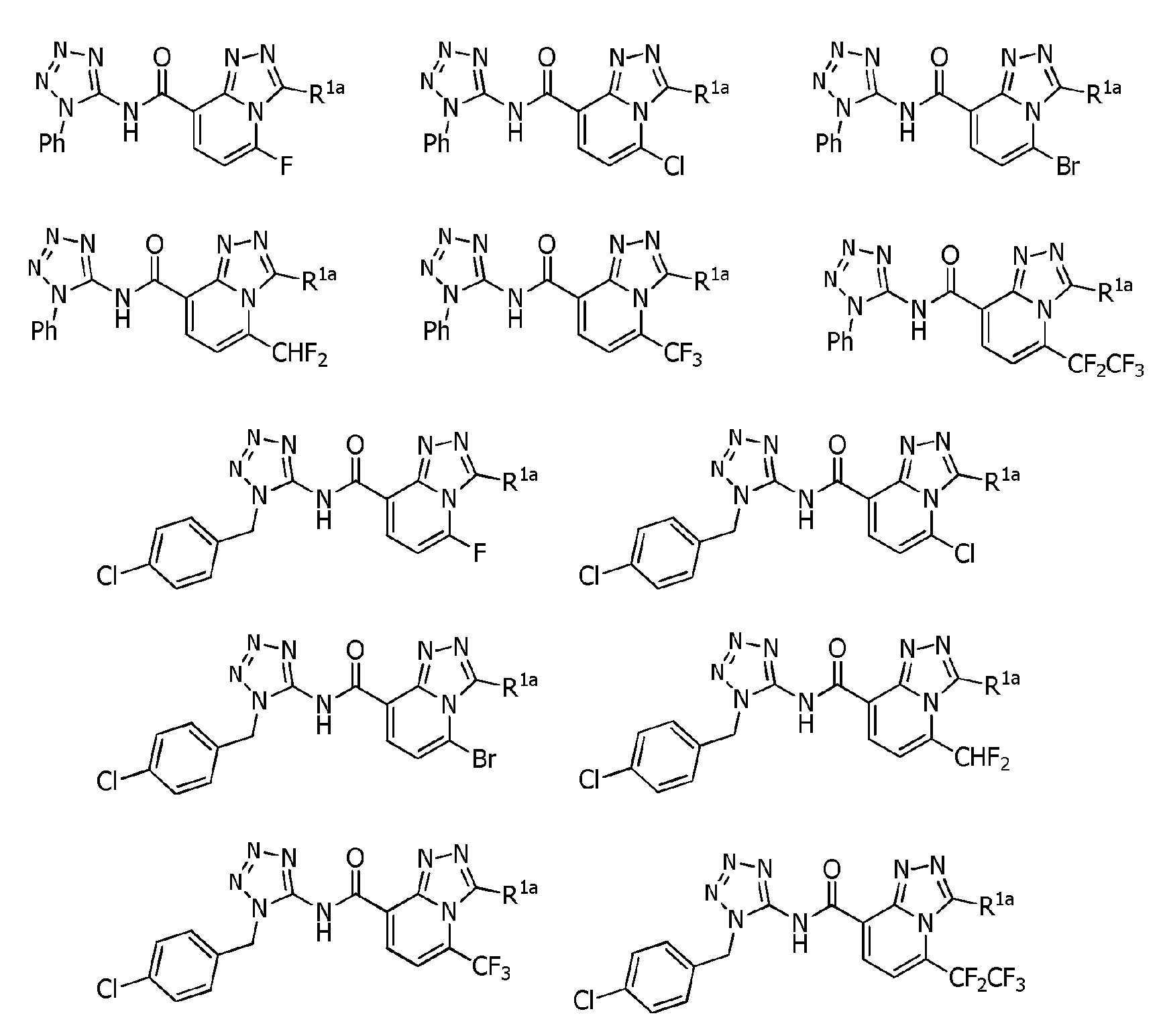
[표 13] [Table 13]
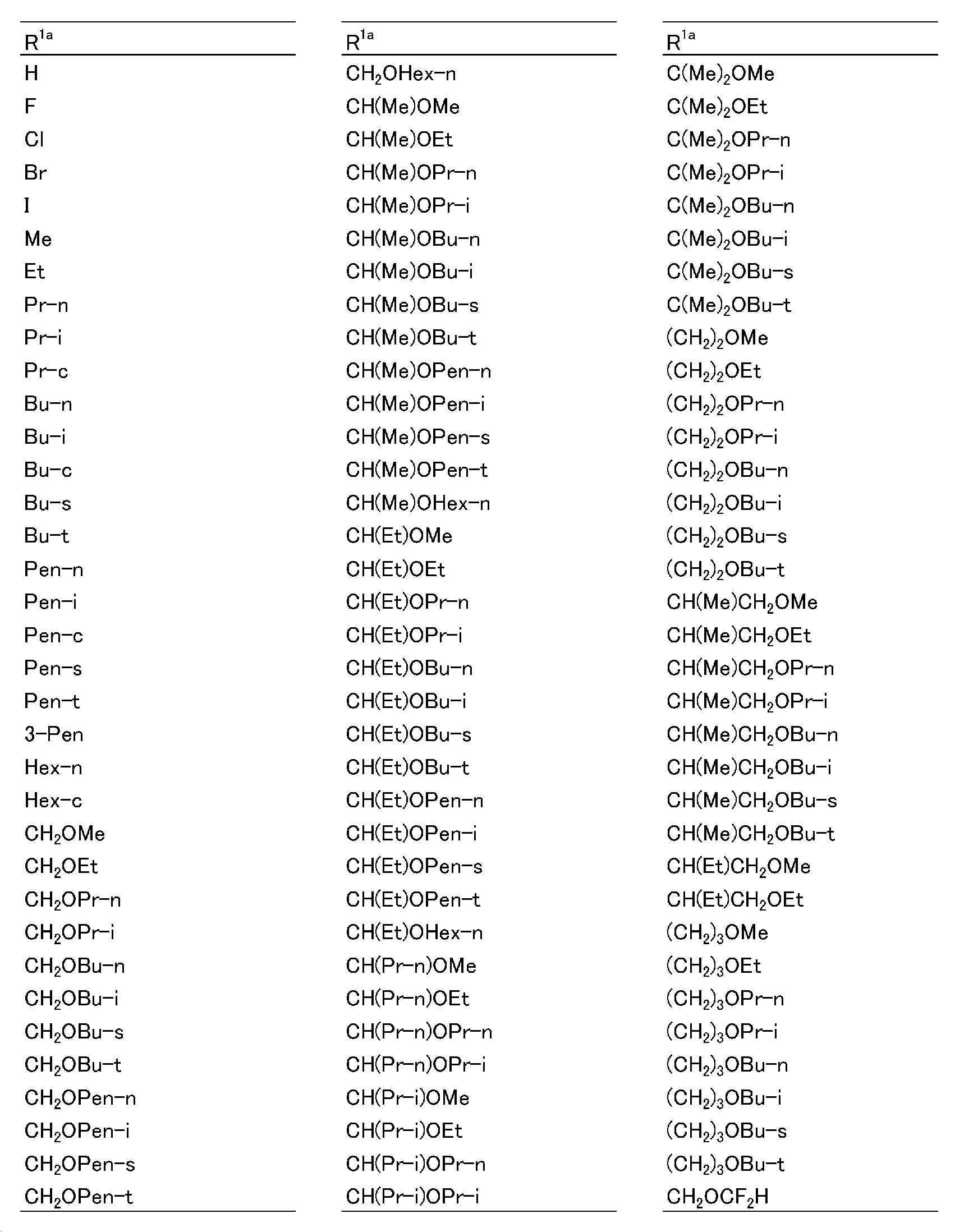
[표 14] [Table 14]
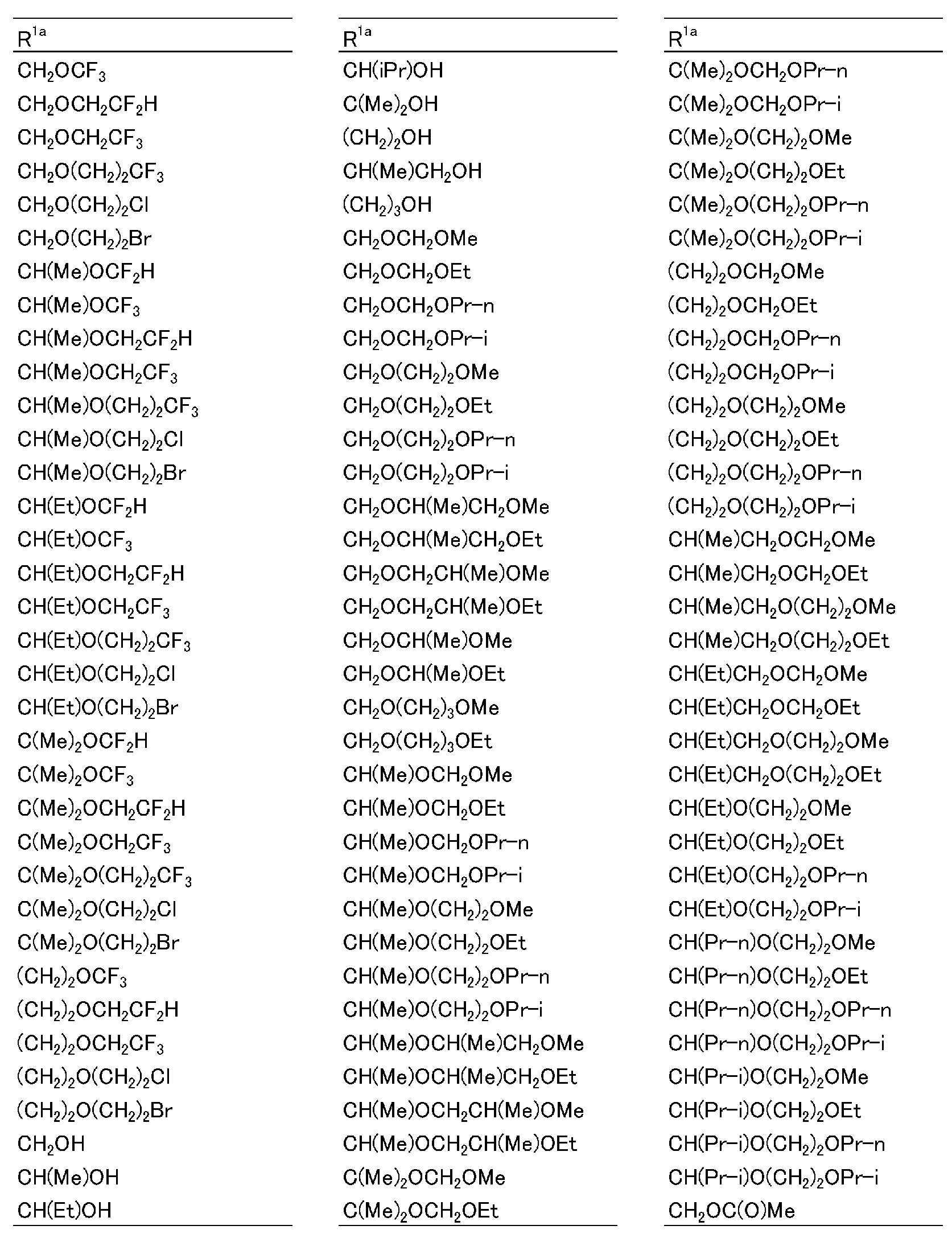
[표 15] [Table 15]
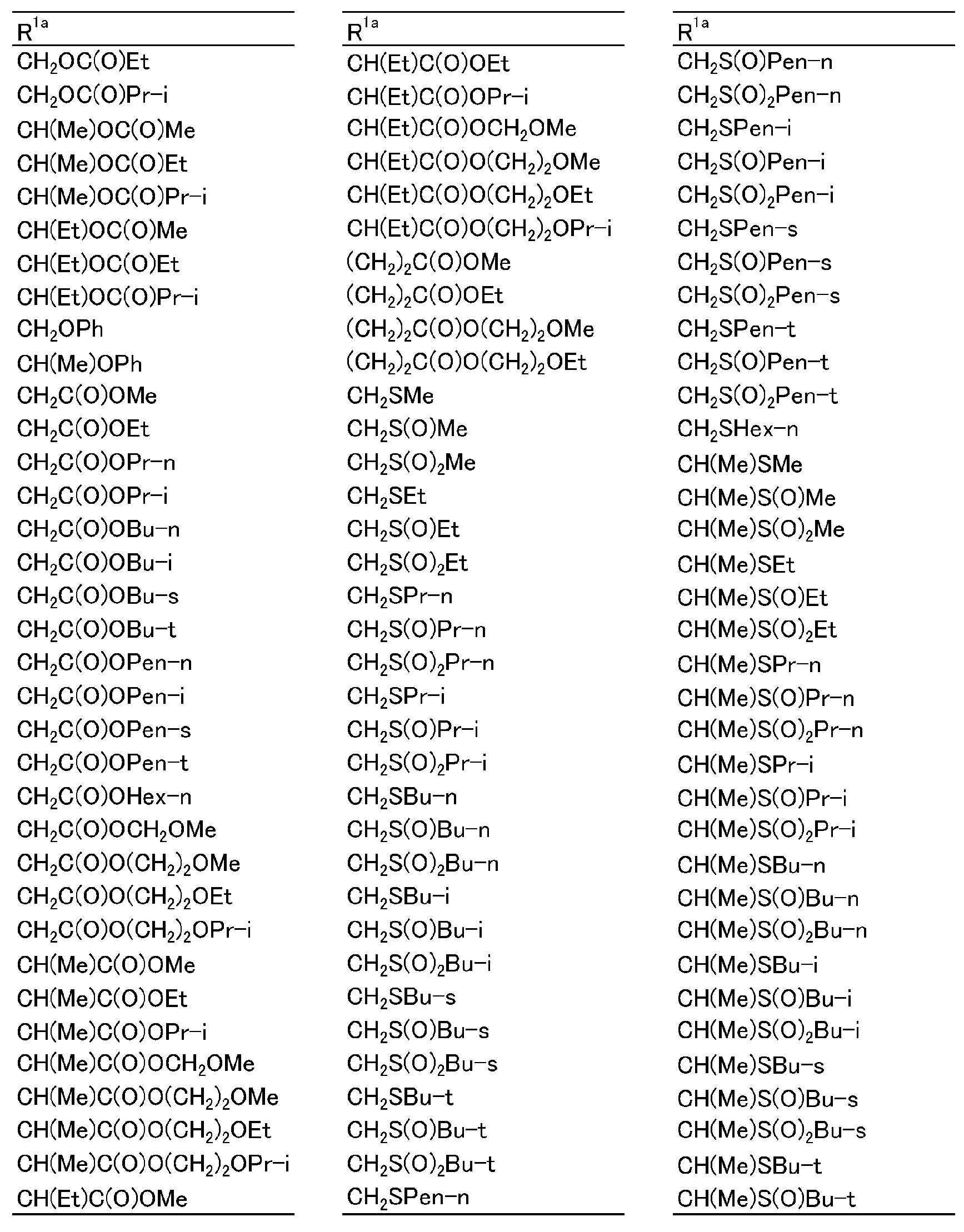
[표 16] [Table 16]
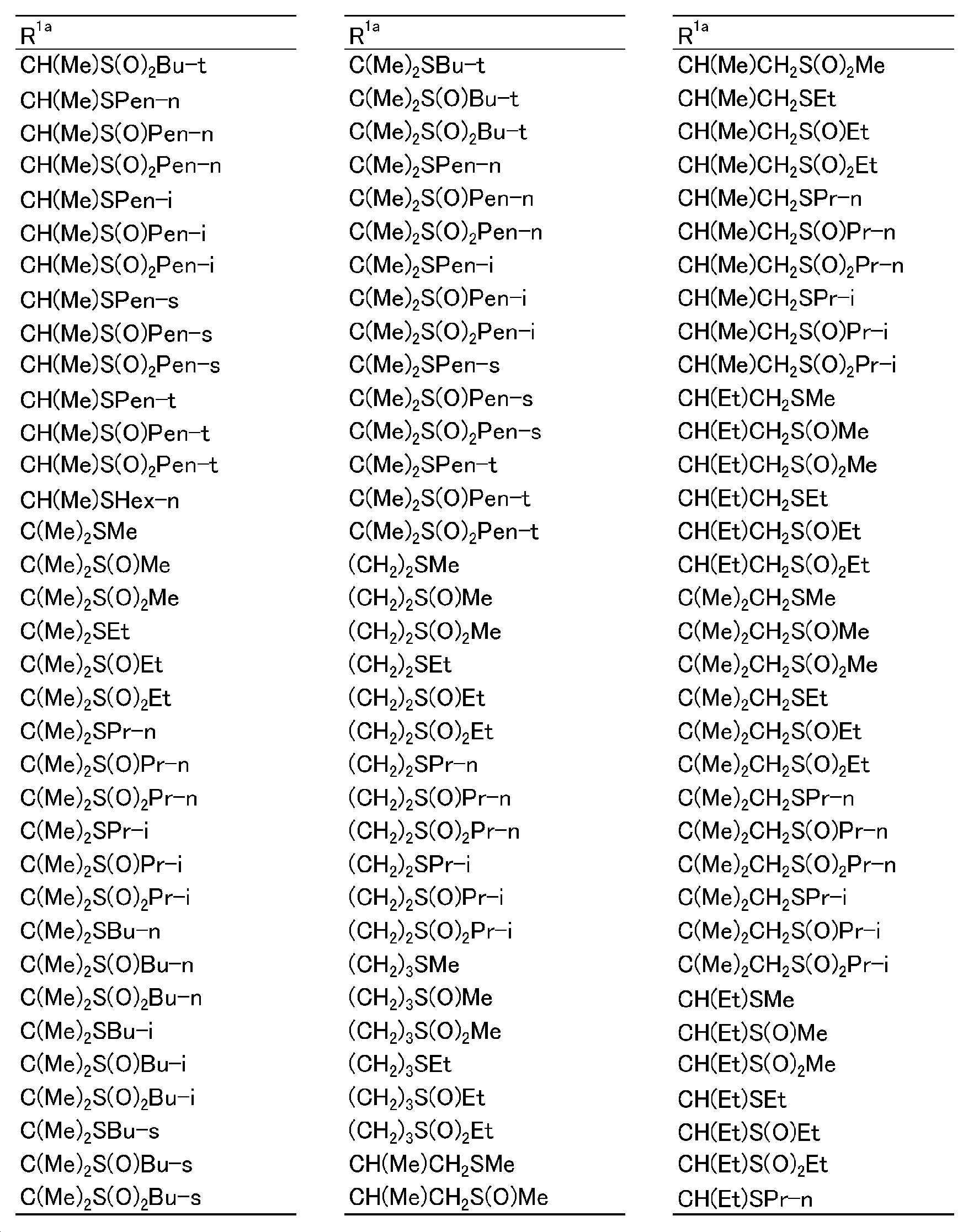
[표 17] [Table 17]
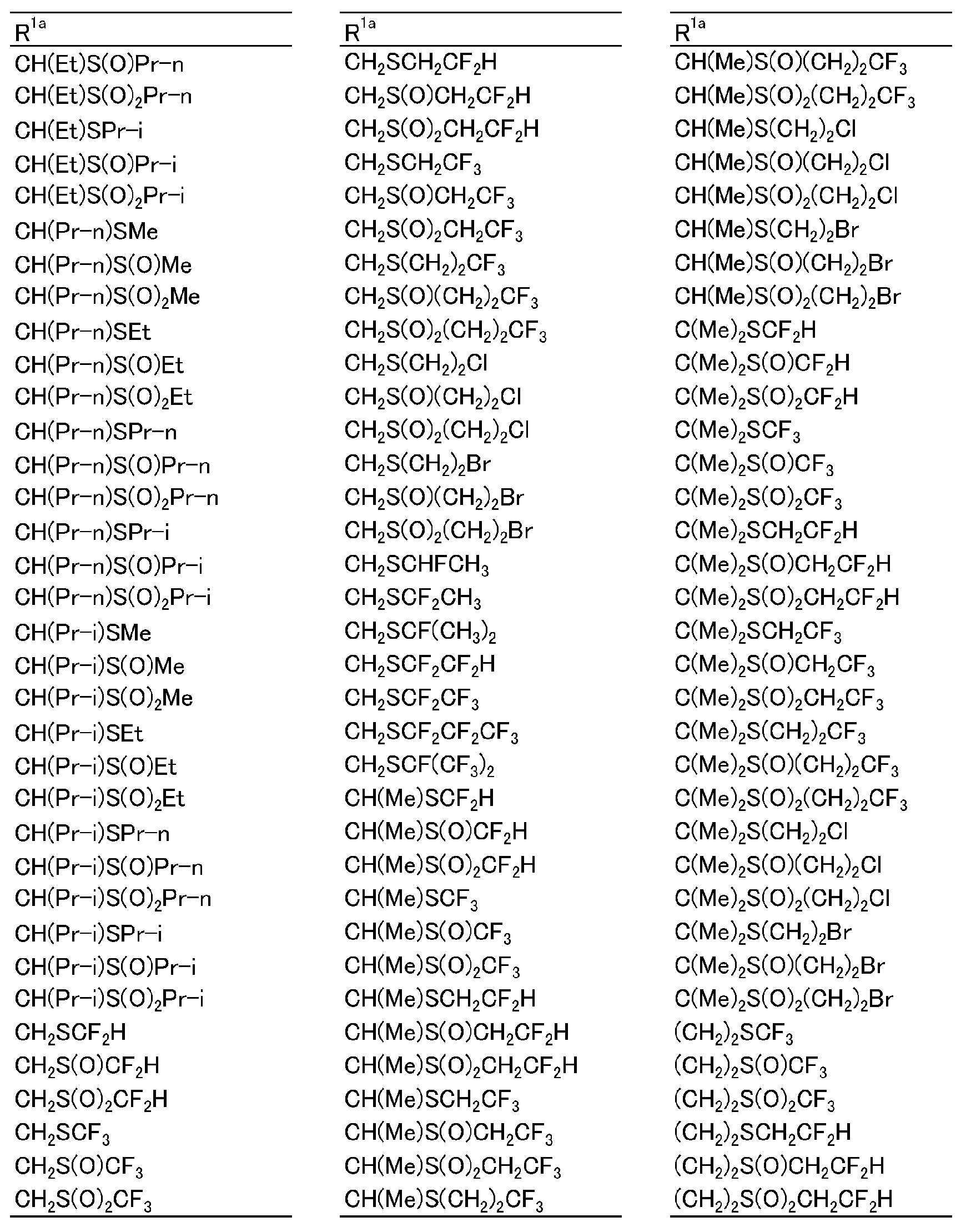
[표 18] [Table 18]

[표 19] [Table 19]
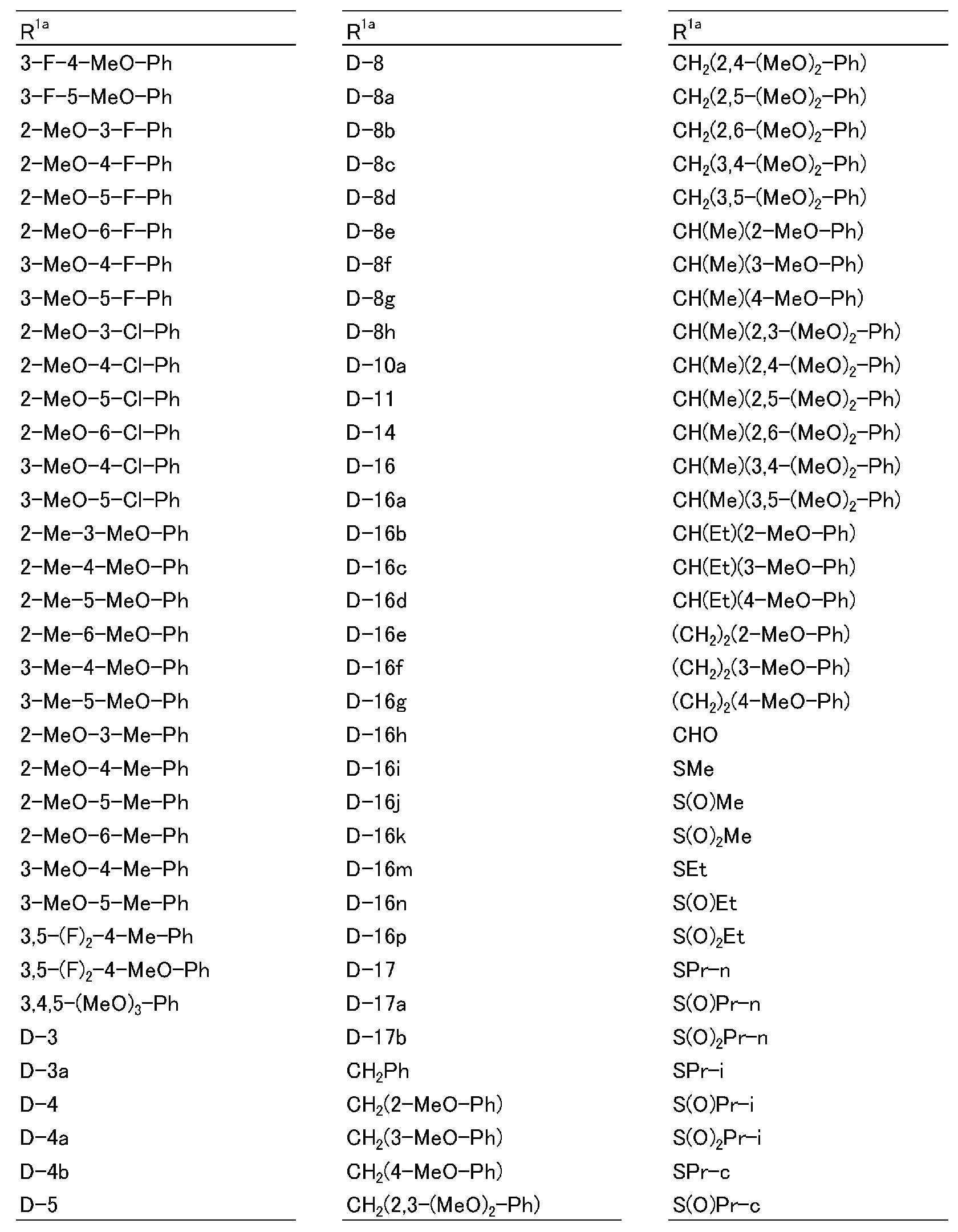
[표 20] [Table 20]

[표 21] [Table 21]
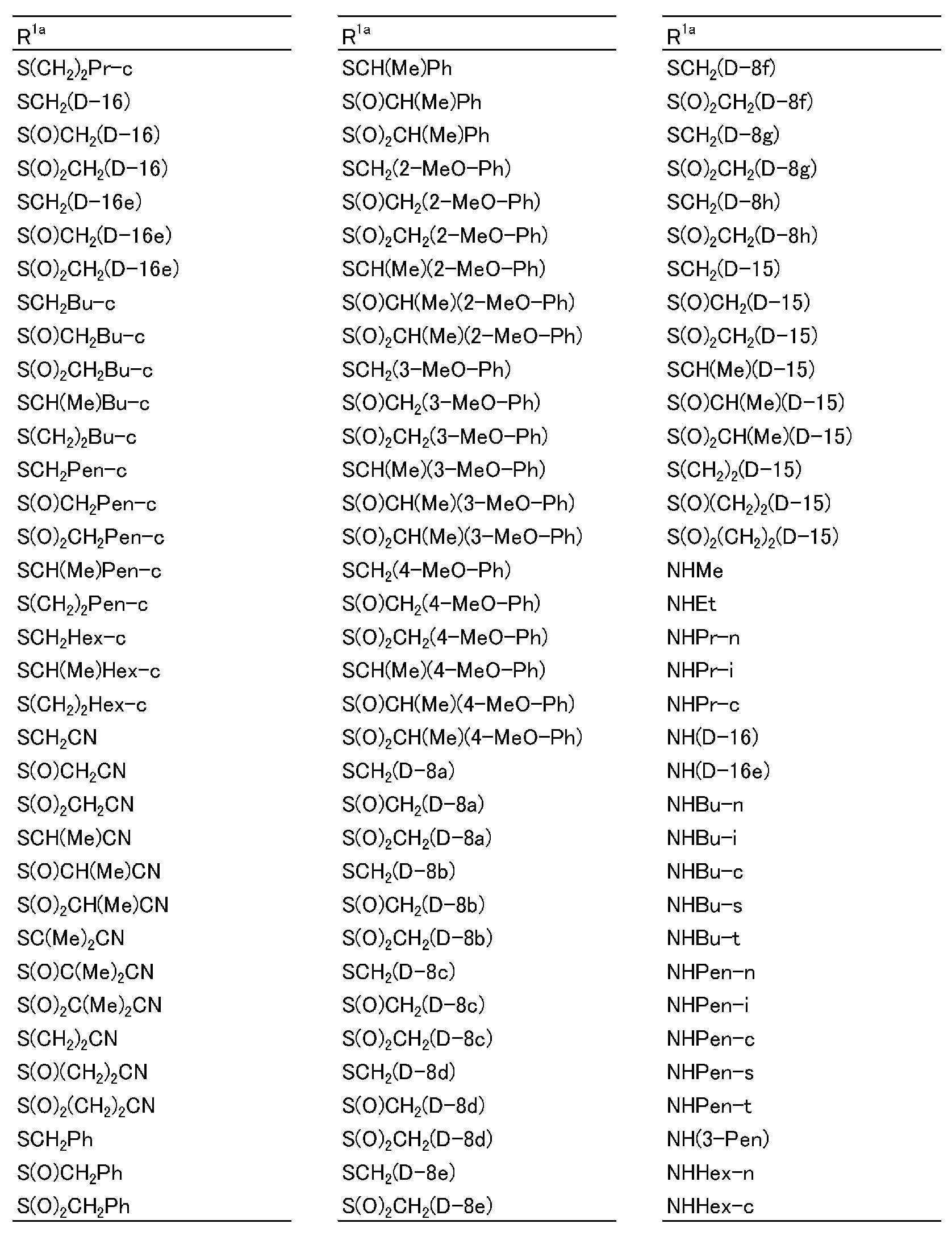
[표 22] [Table 22]
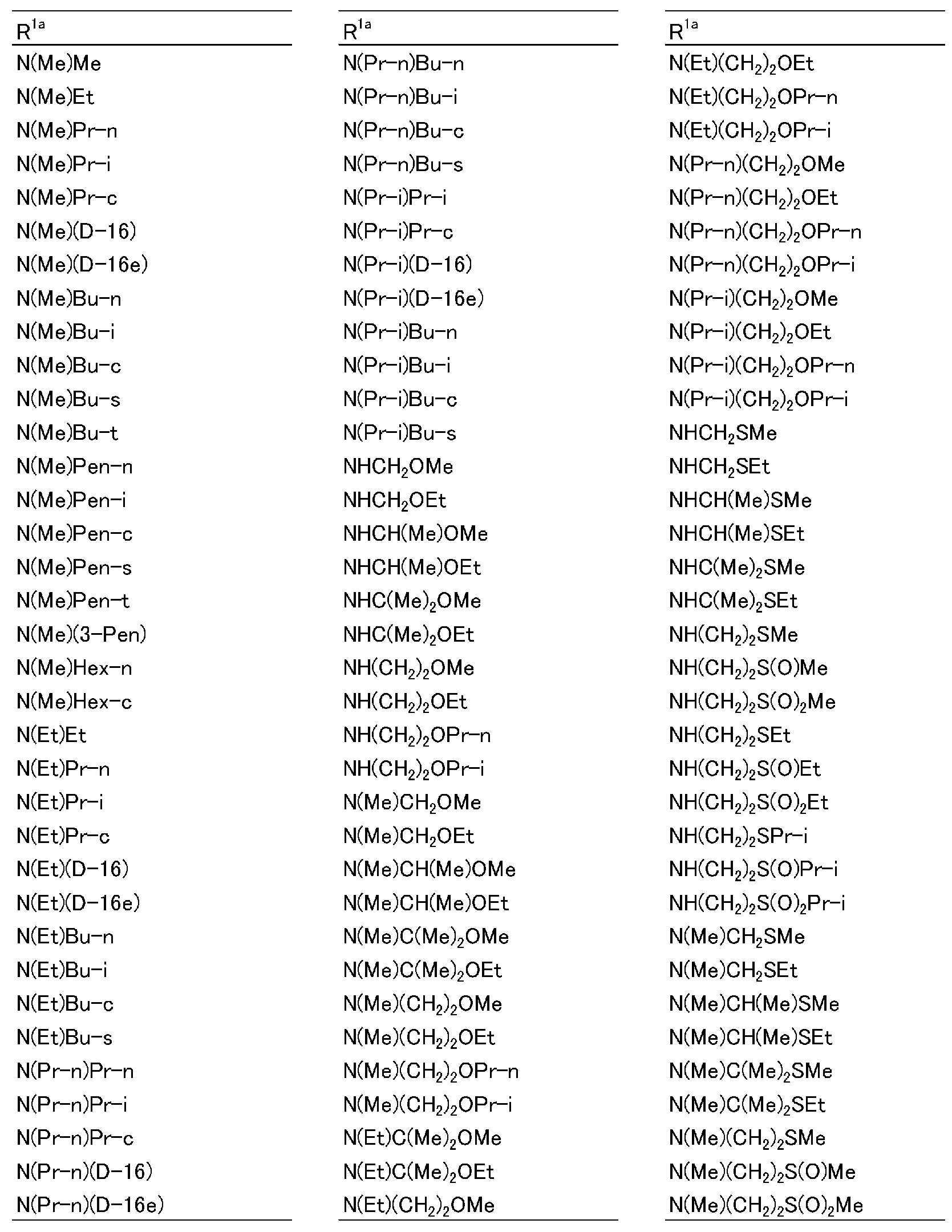
[표 23] [Table 23]
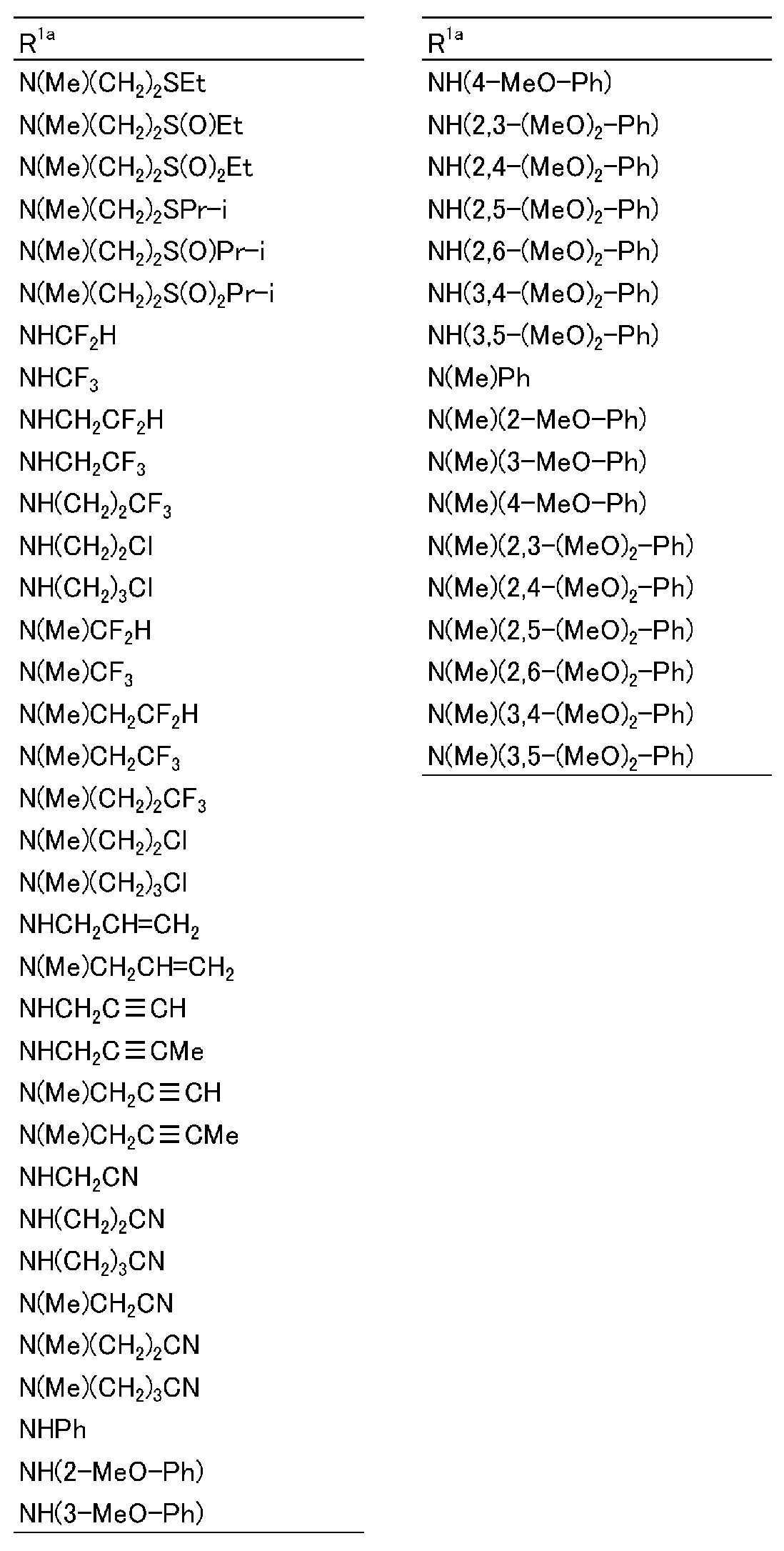
〔제3표〕〔Table 3〕
[화학식 41] [Formula 41]

[화학식 42] [Formula 42]

[표 24] [Table 24]
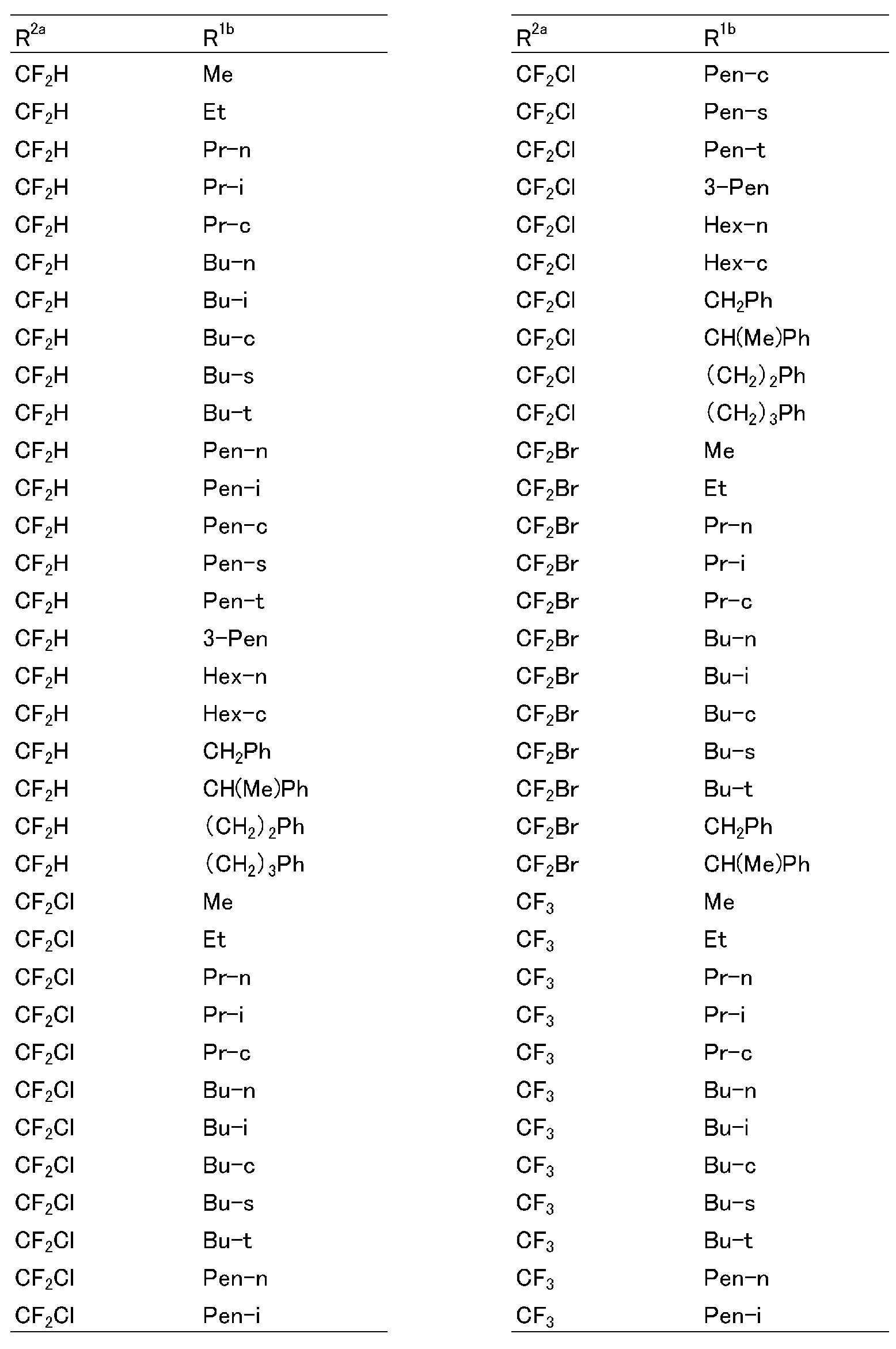
[표 25] [Table 25]
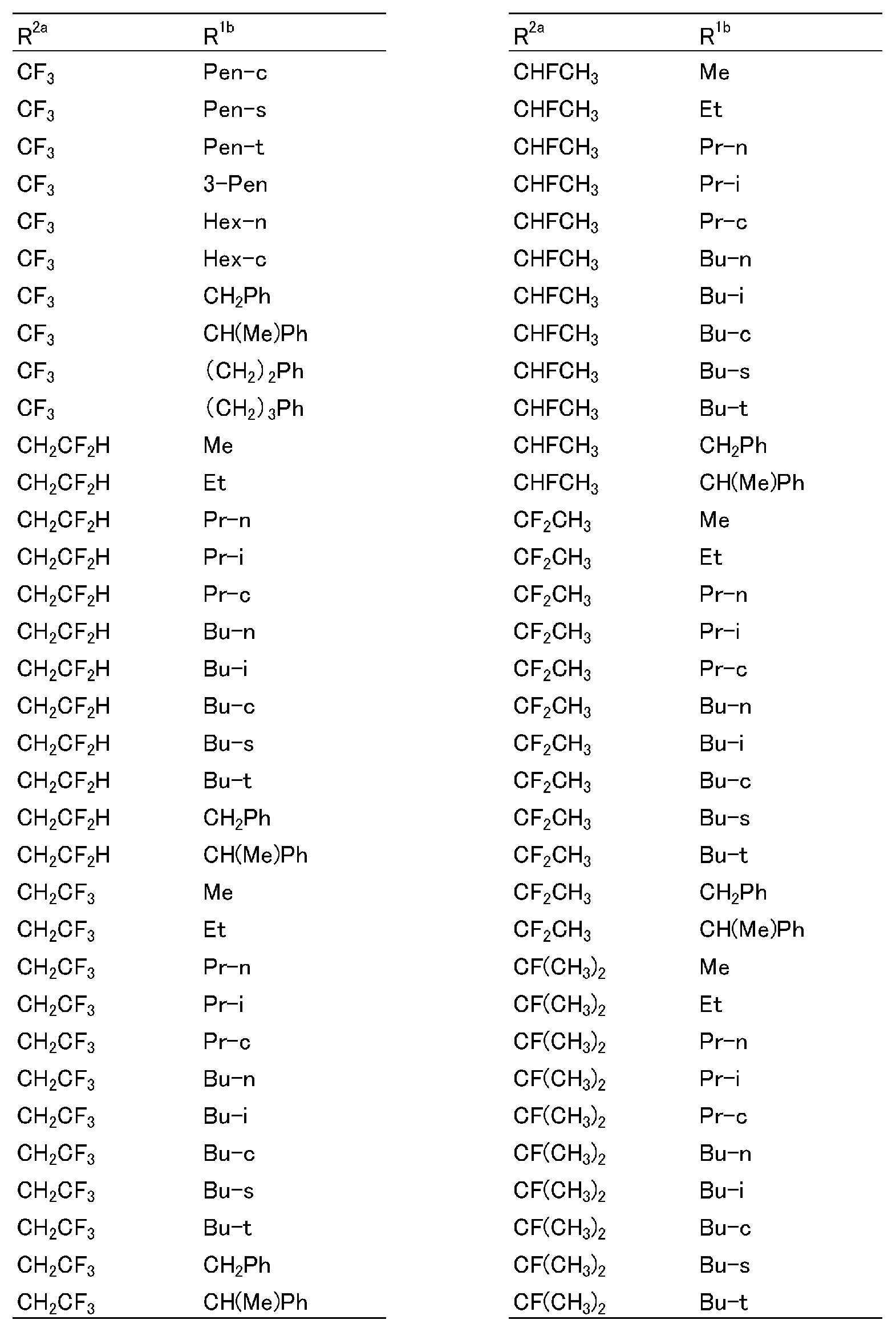
[표 26] [Table 26]

본 발명 화합물은 수전용 제초제로서, 담수하의 토양처리 및 경엽처리의 어떠한 처리방법에 있어서도 사용할 수 있다. 수전잡초로는, 예를 들어, 가래(Potamogeton distinctus) 등으로 대표되는 가래과(Potamogetonaceae)잡초, 질경이택사(Alisma canaliculatum), 올미(Sagittaria pygmaea) 및 택사(Sagittaria trifolia) 등으로 대표되는 택사과(Alismataceae)잡초, 드렁새(Leptochloa chinensis), 돌피(Echinochloa crus-galli), 강피(Echinochloa oryzicola), 가도(Homalocenchrus japonocus) 및 털물참새피(Paspalum distichum) 등으로 대표되는 벼과(Gramineae)잡초, 올방개(Eleocharis kuroguwai), 올챙이고랭이(Scirpus juncoides), 물고랭이(Scirpus nipponicus), 너도방동사니(Cyperus serotinus), 알방동사니(Cyperus difformis) 및 병아리방동사니(Cyperus hakonensis) 등으로 대표되는 사초과(Cyperaceae)잡초, 개구리밥(Spirodela polyrhiza) 및 좀개구리밥(Lemna paucicostata) 등으로 대표되는 개구리밥과(Lemnaceae)잡초, 사마귀풀(Murdannia keisak) 등으로 대표되는 닭의장풀과(Commelinaceae)잡초, 물옥잠(Monochoria korsakowii) 및 물달개비(Monochoria vaginalis) 등으로 대표되는 물옥잠과(Pontederiaceae)잡초, 물별(Elatine triandra) 등으로 대표되는 물별과(Elatinaceae)잡초, 좀부처꽃(Ammannia multiflora) 및 마디꽃(Rotala indica) 등으로 대표되는 부처꽃과(Lythraceae)잡초, 여뀌바늘(Lidwigia epilobioides) 등으로 대표되는 바늘꽃과(Oenotheraceae)잡초, 등에풀(Dopatrium junceum), 큰고추풀(Gratiola japonica), 구와말(Limnophila sessilifolia), 밭뚝외풀(Lindernia pyxidaria) 및 미국외풀(Lindernia dubia) 등으로 대표되는 현삼과(Scrophulariaceae)잡초, 자귀풀(Aeschynomene indica) 등으로 대표되는 콩과(Leguminosae)잡초, 그리고 미국가막사리(Bidens frondosa) 및 가막사리(Bidens tripartita) 등으로 대표되는 국화과(Compositae)잡초 등을 들 수 있다.The compound of the present invention can be used in any treatment method of soil treatment and foliage treatment under fresh water as a herbicide for water supply. For example, as the sputum weed, the sputum (Potamogetonaceae) weed represented by the sputum (Potamogeton distinctus), the plantain yitaeksa (Alisma canaliculatum), the olmi (Sagittaria pygmaea) and the taxa (Sagittaria trifolia), etc. ) Weeds, Drungsae (Leptochloa chinensis), Echinochloa crus-galli, Echinochloa oryzicola, Gado (Homalocenchrus japonocus) and Paspalum distichum, etc. kuroguwai), Scirpus juncoides, Scirpus nipponicus, Cyperus serotinus, Cyperus difformis, Cyperus hakonensis, etc. Spirodela polyrhiza) and Lemnaceae weeds such as Lemna paucicostata, Commelinaceae weeds such as Murdannia keisak, Monochoria korsakowii and Monochoria vaginalis Weeds of the Lythraceae family, represented by Pontederiaceae weeds, Elatinaceae weeds, Ammannia multiflora, Rotala indica, etc., represented by Elatine triandra, etc. , Lidwigia epilobioides, weeds of the Oenotheraceae family, Dopatrium junceum, and Gratiola japonica , Scrophulariaceae weeds represented by Limnophila sessilifolia, Lindernia pyxidaria and Lindernia dubia, Leguminosae weeds represented by Aeschynomene indica, etc. (Bidens frondosa) and the Asteraceae (Compositae) weeds represented by the Gamaksari (Bidens tripartita), etc. are mentioned.
또한, 본 발명 화합물은, 전지 및 과수원용 제초제로서, 토양처리, 토양혼화처리 및 경엽처리의 어떠한 처리방법에 있어서도 사용할 수 있다. 전지잡초로는, 예를 들어, 까마중(Solanum nigrum) 및 독말풀(Datura stramonium) 등으로 대표되는 가짓과(Solanaceae)잡초, 미국쥐손이(Granium carolinianum) 등으로 대표되는 쥐손이풀과(Geraniaceae)잡초, 어저귀(Abutilon theophrasti) 및 공단풀(Sida spinosa) 등으로 대표되는 아욱과(Malvaceae)잡초, 둥근잎나팔꽃(Ipomoea purpurea) 등의 나팔꽃류(Ipomoea spps.) 및 메꽃류(Calystegia spps.) 등으로 대표되는 메꽃과(Convolvulaceae)잡초, 개비름(Amaranthus lividus) 및 털비름(Amaranthus retroflexus) 등으로 대표되는 비름과(Amaranthaceae)잡초, 도꼬마리(xanthium pensylvanicum), 돼지풀(Ambrosia artemisiaefolia), 해바라기(Helianthus annuus), 털별꽃아재비(Galinsoga ciliata), 엉컹퀴(Cirsium arvense), 개쑥갓(Senecio vulgaris) 및 개망초(Erigeron annus) 등으로 대표되는 국화과(Compositae)잡초, 개갓냉이(Rorippa indica), 들갓(Sinapis arvensis) 및 냉이(Capsella Bursapastoris) 등으로 대표되는 겨자과(Cruciferae)잡초, 개여뀌(Polygonum Blumei) 및 덩굴메밀(Polygonum convolvulus) 등으로 대표되는 마디풀과(Polygonaceae)잡초, 쇠비름(Portulaca oleracea) 등으로 대표되는 쇠비름과(Portulacaceae)잡초, 명아주(Chenopodium album), 좀명아주(Chenopodium ficifolium) 및 대싸리(Kochia scoparia) 등으로 대표되는 명아주과(Chenopodiaceae)잡초, 별꽃(Stellaria media) 등으로 대표되는 석죽과(Caryophyllaceae)잡초, 큰개불알풀(Veronica persica) 등으로 대표되는 현삼과(Scrophulariaceae)잡초, 닭의장풀(Commelina communis) 등으로 대표되는 닭의장풀과(Commelinaceae)잡초, 광대나물(Lamium amplexicaule) 및 자주광대나물(Lamium purpureum) 등으로 대표되는 꿀풀과(Labiatae)잡초, 애기땅빈대(Euphorbia supina) 및 큰땅빈대(Euphorbia maculata) 등으로 대표되는 대극과(Euphorbiaceae)잡초, 갈퀴덩굴(Galium spurium) 및 꼭두서니(Rubia akane) 등으로 대표되는 꼭두서니과(Rubiaceae)잡초, 제비꽃(Viola mandshurica) 등으로 대표되는 제비꽃과(Violaceae)잡초 그리고 세스바니아 엑살타타(Sesbania exaltata) 및 결명자꽃(Cassia obtusifolia) 등으로 대표되는 콩과(Leguminosae)잡초, 괭이밥(Oxsalis courniculata)으로 대표되는 괭이밥과(Oxsaldaseae) 등의 광엽잡초(Broad-leaved weeds). 야생수수(Sorgham bicolor), 미국개기장(Panicum dichotomiflorum), 무망시리아수수새(Sorghum halepense), 돌피(Echinochloa crus-galli var. crus-galli), 일년생돌피(Echinochloa crus-galli var. praticola), 재배피(Echinochloa utilis), 바랭이(Digitaria ciliaris), 메귀리(Avena fatua), 쥐꼬리뚝새풀(Alopecurus myosuroides), 왕바랭이(Eleusine indica), 강아지풀(Setaria viridis), 가을강아지풀(Setaria faberi) 및 뚝새풀(Alopecurus aegualis) 등으로 대표되는 벼과잡초(Graminaceous weeds) 그리고 향부자(Cyperus rotundus, Cyperus esculentus) 등으로 대표되는 사초과잡초(Cyperaceous weeds) 등을 들 수 있다.Further, the compound of the present invention can be used in any treatment method of soil treatment, soil mixing treatment and foliage treatment as a herbicide for batteries and orchards. As the whole weeds, for example, Solanaceae weeds represented by Solanum nigrum and Datura stramonium, and Geraniaceae weeds represented by Granium carolinianum, etc. Abutilon theophrasti) and Sida spinosa, such as Malvaceae weeds, round leaf morning glory (Ipomoea purpurea) such as morning glory (Ipomoea spps.) and convolvulus (Calystegia spps.). Amaranthaceae weeds represented by Convolvulaceae weeds, Amaranthus lividus and Amaranthus retroflexus, etc., xanthium pensylvanicum, ragweed (Ambrosia artemisiaefolia), sunflower (Helianthus annuus), hairy star flower Compositae weed, Rorippa indica, Sinapis arvense, and Capsella, represented by Garinsoga ciliata, Cirsium arvense, Senecio vulgaris, and Erigeron annus. Bursapastoris) and the like mustard (Cruciferae) weed, polygonum (Polygonum Blumei) and buckwheat (Polygonum convolvulus), such as Polygonaceae weed, Purslane (Portulaca oleracea), etc. , Chenopodium album, Chenopodium ficifolium, and Kochia scoparia. Yophyllaceae) weeds, Scrophulariaceae weeds such as Veronica persica, Commelina communis weeds, Lamium amplexicaule and Lamium purpureum), Labiatae weeds, Euphorbia supina, Euphorbia maculata, etc., and Euphorbiaceae weeds, Gallium spurium, and Rubia akane. Violaceae weeds, such as Rubiaceae weeds, Viola mandshurica, etc., and Leguminosae, such as Sesbania exaltata and Cassia obtusifolia, etc. Broad-leaved weeds such as Oxsaldaseae, represented by weeds and hoebap (Oxsalis courniculata). Sorgham bicolor, Panicum dichotomiflorum, Sorghum halepense, Echinochloa crus-galli var. crus-galli, Echinochloa crus-galli var. praticola, cultivation Echinochloa utilis, Digitaria ciliaris, Avena fatua, Alopecurus myosuroides, Eleusine indica, Setaria viridis, Setaria faberi and Alopecurus aegualis ), etc., and Cyperaceous weeds, represented by Cyperus rotundus, Cyperus esculentus, and the like.
또한, 본 발명 화합물은, 수전, 전지 및 과수원 등의 농원예 분야 이외에 잔디밭, 운동장, 공지, 도로변, 및 선로단 등 비농경지에 있어서, 토양처리, 토양혼화처리 및 경엽처리의 어떠한 처리방법에 있어서도 사용할 수 있다. 그 잡초로는, 전지 및 과수원용 잡초에서 언급한 것에 더하여, 새포아풀(Poa annua), 서양민들레(Taraxacum officinale), 큰망초(Conyza sumatrensis), 황새냉이(Cardamine flexuosa), 토끼풀(Trifolium repens), 피막이풀(Hydrocotyle sibthorpioides), 질경이(Plantago asiatica), 파대가리(Cyperus brevifolius, Kyllinga brevifolia), 쇠뜨기(Equisetum arvense) 등을 들 수 있다.In addition, the compounds of the present invention can be used in any treatment method of soil treatment, soil mixing treatment and foliage treatment in non-farm areas such as lawns, playgrounds, public areas, roadsides, and track ends, in addition to agricultural and horticultural fields such as water fields, fields, and orchards. Can be used. The weeds include, in addition to those mentioned in field and orchard weeds, Poa annua, Taraxacum officinale, Conyza sumatrensis, Cardamine flexuosa, Trifolium repens, Hydrocotyle sibthorpioides, Plantago asiatica, Cyperus brevifolius, Kyllinga brevifolia, and Equisetum arvense.
본 발명 화합물을 제초제로서 시용하는데 있어서는, 통상 적당한 고체 담체 또는 액체 담체와 혼합하고, 추가로 필요에 따라 계면활성제, 침투제, 전착제, 증점제, 동결방지제, 결합제, 고결방지제, 붕괴제 및 분해방지제 등을 첨가하여, 수화제, 유제, 플로에이블(flowable; 유동성)제, 드라이플로에이블제, 액제, 분제, 입제 또는 겔제 등 임의의 제형의 제제로 실용에 제공할 수 있다. 또한, 생력화 및 안전성 향상의 관점으로부터, 상기 임의의 제형의 제제를 수용성 포장체에 봉입하여 제공할 수도 있다.In applying the compound of the present invention as a herbicide, it is usually mixed with an appropriate solid carrier or liquid carrier, and additionally, if necessary, a surfactant, a penetrating agent, an electrodeposition agent, a thickener, an antifreeze agent, a binder, an anti-caking agent, a disintegrating agent and an anti-decomposition agent, etc. In addition, it can be provided in practical use as a formulation of any formulation such as a wettable powder, an emulsion, a flowable (flowable) agent, a dry flowable agent, a liquid agent, a powder, a granule, or a gel. In addition, from the viewpoint of viability and safety improvement, the formulation of any of the above formulations may be provided by encapsulating it in a water-soluble package.
고체 담체로는, 예를 들어 석영, 카올리나이트, 파이로필라이트, 세리사이트, 탈크, 벤토나이트, 산성백토, 아타펄자이트, 제올라이트 및 규조토 등의 천연광물질류, 탄산칼슘, 황산암모늄, 황산나트륨 및 염화칼륨 등의 무기염류, 합성규산 그리고 합성규산염을 들 수 있다.As a solid carrier, for example, natural minerals such as quartz, kaolinite, pyrophyllite, sericite, talc, bentonite, acid clay, attapulgite, zeolite and diatomaceous earth, calcium carbonate, ammonium sulfate, sodium sulfate and potassium chloride Inorganic salts such as, synthetic silicic acid, and synthetic silicate.
액체 담체로는, 예를 들어 에틸렌글리콜, 프로필렌글리콜 및 이소프로판올 등의 알코올류, 자일렌, 알킬벤젠 및 알킬나프탈렌 등의 방향족 탄화수소류, 부틸셀로솔브 등의 에테르류, 시클로헥사논 등의 케톤류, γ-부티로락톤 등의 에스테르류, N-메틸피롤리돈, N-옥틸피롤리돈 등의 산아미드류, 대두유, 채종유, 면실유 및 피마자유 등의 식물유 그리고 물을 들 수 있다.As a liquid carrier, for example, alcohols such as ethylene glycol, propylene glycol and isopropanol, aromatic hydrocarbons such as xylene, alkylbenzene and alkyl naphthalene, ethers such as butyl cellosolve, ketones such as cyclohexanone, esters such as γ-butyrolactone, acid amides such as N-methylpyrrolidone and N-octylpyrrolidone, vegetable oils such as soybean oil, rapeseed oil, cottonseed oil and castor oil, and water.
이들 고체 및 액체 담체는, 단독으로 이용할 수도 2종 이상을 병용할 수도 있다.These solid and liquid carriers may be used alone or in combination of two or more.
계면활성제로는, 예를 들어 폴리옥시에틸렌알킬에테르, 폴리옥시에틸렌알킬아릴에테르, 폴리옥시에틸렌스티릴페닐에테르, 폴리옥시에틸렌폴리옥시프로필렌 블록코폴리머, 폴리옥시에틸렌지방산에스테르, 솔비탄지방산에스테르 및 폴리옥시에틸렌솔비탄지방산에스테르 등의 비이온성 계면활성제, 알킬황산염, 알킬벤젠설폰산염, 리그닌설폰산염, 알킬설포석신산염, 나프탈렌설폰산염, 알킬나프탈렌설폰산염, 나프탈렌설폰산의 포르말린축합물의 염, 알킬나프탈렌설폰산의 포르말린축합물의 염, 폴리옥시에틸렌알킬아릴에테르황산 및 인산염, 폴리옥시에틸렌스티릴페닐에테르황산 및 인산염, 폴리카르본산염 및 폴리스티렌설폰산염 등의 음이온성 계면활성제, 알킬아민염 및 알킬4급암모늄염 등의 양이온성 계면활성제 그리고 아미노산형 및 베타인형 등의 양성 계면활성제를 들 수 있다.As surfactants, for example, polyoxyethylene alkyl ether, polyoxyethylene alkyl aryl ether, polyoxyethylene styrylphenyl ether, polyoxyethylene polyoxypropylene block copolymer, polyoxyethylene fatty acid ester, sorbitan fatty acid ester, and Nonionic surfactants such as polyoxyethylene sorbitan fatty acid ester, alkyl sulfates, alkylbenzene sulfonates, lignin sulfonates, alkyl sulfosuccinates, naphthalene sulfonic acid salts, alkyl naphthalene sulfonic acid salts, salts of formalin condensates of naphthalene sulfonic acid, Anionic surfactants such as salts of formalin condensates of alkylnaphthalenesulfonic acid, polyoxyethylene alkylaryl ether sulfuric acid and phosphate, polyoxyethylene styrylphenyl ether sulfuric acid and phosphate, polycarboxylic acid salt and polystyrene sulfonate, alkylamine salts, and And cationic surfactants such as alkyl quaternary ammonium salts, and amphoteric surfactants such as amino acid type and betaine type.
이들 계면활성제의 함유량은, 특별히 한정되는 것은 아니지만, 본 발명의 제제 100중량부에 대하여, 통상 0.05 내지 20중량부의 범위가 바람직하다. 또한, 이들 계면활성제는, 단독으로 이용할 수도 2종 이상을 병용할 수도 있다.The content of these surfactants is not particularly limited, but is usually preferably in the range of 0.05 to 20 parts by weight based on 100 parts by weight of the formulation of the present invention. In addition, these surfactants may be used alone or in combination of two or more.
본 발명 화합물은 필요에 따라 제제 또는 산포시에 다른 종류의 제초제, 각종 살충제, 살균제, 식물생장조절제 또는 공력제 등과 혼합시용할 수도 있다.The compounds of the present invention may be mixed with other types of herbicides, various insecticides, fungicides, plant growth regulators or aerodynamic agents, etc., as needed, upon preparation or dispersion.
특히, 다른 제초제와 혼합시용함으로써, 시용약량의 감소에 따른 저비용화, 혼합약제의 상승작용에 따른 살초 스펙트럼의 확대나, 더 높은 살초효과를 기대할 수 있다. 이때, 동시에 복수의 공지제초제와의 조합도 가능하다.In particular, by mixing it with other herbicides, cost reduction due to a decrease in the amount of the drug to be applied, expansion of the herbicidal spectrum due to the synergistic action of the mixed drug, and a higher herbicidal effect can be expected. At this time, it is also possible to combine with a plurality of known herbicides at the same time.
본 발명 화합물과 혼합사용되는데 바람직한 제초제로는, 예를 들어, 아세토클로르(acetochlor/일반명), 아시플루오르펜(acifluorfen/일반명), 아클로니펜(aclonifen/일반명), 알라클로르(alachlor/일반명), 알록시딤(alloxydim/일반명), 알록시딤나트륨(alloxydim-sodium/일반명), 아메트린(ametryn/일반명), 아미카르바존(amicarbazone/일반명), 아미도설푸론(amidosulfuron/일반명), 아미노시클로피라클로르(aminocyclopirachlor/일반명), 아미노시클로피라클로르의 염 및 에스테르(aminocyclopirachlor-salts and esters), 아미노피랄리드(aminopyralid/일반명), 아미노피랄리드의 염 및 에스테르(aminopyralid-salts and esters), 아미프로포스메틸(amiprophos-methyl/일반명), 아미트롤(amitrol/일반명), 아닐로포스(anilofos/일반명), 아슐람(asulam/일반명), 아트라진(atrazine/일반명), 아자페니딘(azafenidin/일반명), 아짐설퓨론(azimsulfuron/일반명), 베플루부타미드(beflubutamid/일반명), 베나졸린에틸(benazolin-ethyl/일반명), 벤카바존(bencarbazone/일반명), 벤플루랄린(benfluralin, benefin/일반명), 벤퓨레세이트(benfuresate/일반명), 벤설푸론메틸(bensulfuron-methyl/일반명), 벤술리드(bensulide/일반명), 벤타존(bentazone/일반명), 벤타존나트륨(bentazone-sodium/일반명), 벤타존의 염(bentazone-salts), 벤티카브(benthiocarb/일반명), 벤즈펜디존(benzfendizone/일반명), 벤조비시클론(benzobicyclon/일반명), 벤조페나프(benzofenap/일반명), 비알라포스(bialaphos/일반명), 비알라포스나트륨(bialaphos-sodium/일반명), 비시클로피론(bicyclopyrone/일반명), 비페녹스(bifenox/일반명), 비스피리박(bispyribac/일반명), 비스피리박나트륨(bispyribac-sodium/일반명), 브로마실(bromacil/일반명), 브로모부타이드(bromobutide/일반명), 브로모페녹심(bromofenoxim/일반명), 브로목시닐(bromoxynil/일반명), 브로목시닐의 염 및 에스테르(bromoxynil-salts and esters), 부타클로르(butachlor/일반명), 부타페나실(butafenacil/일반명), 부타미포스(butamifos/일반명), 부테나클로르(butenachlor/일반명), 부트랄린(butralin/일반명), 부트록시딤(butroxydim/일반명), 부틸레이트(butylate/일반명), 카펜스트롤(cafenstrole/일반명), 카르베타마이드(carbetamide/일반명), 카르펜트라존에틸(carfentrazone-ethyl), 클로메톡시펜(chlomethoxyfen/일반명), 클로메톡시닐(chlomethoxynil/일반명), 클로람벤(chloramben/일반명), 클로람벤의 염 및 에스테르(chloramben-salts and esters), 클로람술람메틸(chloransulam-methyl/일반명), 클로르플루레놀메틸(chlorflurenol-methyl/일반명), 클로리다존(chloridazon/일반명), 클로리무론에틸(chlorimuron-ethyl/일반명), 클로로브로무론(chlorobromuron/일반명), 클로로톨루론(chlorotoluron/일반명), 클로록수론(chloroxuron/일반명), 클로르프탈림(chlorphtalim/일반명), 클로르프로팜(chlorpropham/일반명), 클로로IPC(chlorpropham/일반명), 클로르설푸론(chlorsulfuron/일반명), 클로르탈디메틸(chlorthal-dimethyl/일반명), 클로르티아미드(chlorthiamid/일반명), 시니돈에틸(cinidon-ethyl/일반명), 신메틸린(cinmethylin/일반명), 시노설푸론(cinosulfuron/일반명), 클레소딤(clethodim/일반명), 클로디나포프(clodinafop/일반명), 클로디나포프프로파르길(clodinafop-propargyl/일반명), 클로마존(clomazone/일반명), 클로메프로프(clomeprop/일반명), 클로피랄리드(clopyralid/일반명), 클로피랄리드의 염 및 에스테르(clopyralid-salts and esters), CNP(일반명), 쿠밀루론(cumyluron/일반명), 시아나진(cyanazin/일반명), 시클로에이트(cycloate/일반명), 시클로피리모레이트(cyclopyrimorate/일반명, SW-065/시험명), 시클로설파무론(cyclosulfamuron/일반명), 시클록시딤(cycloxydim/일반명), 시할로포프부틸(cyhalofop-butyl/일반명), DAH-500(시험명), 달라폰(dalapon/일반명), 다조멧(dazomet/일반명), 데스메디팜(desmedipham/일반명), 데스메트린(desmetryn/일반명), 디캄바(dicamba/일반명), 디캄바의 염 및 에스테르(dicamba-salts and esters), 디클로베닐(dichlobenil/일반명), 디클로포프(diclofop/일반명), 디클로포프메틸(diclofop-methyl/일반명), 디클로르프로프(dichlorprop/일반명), 디클로르프로프의 염 및 에스테르(dichlorprop-salts and esters), P디클로르프로프(dichlorprop-P/일반명), P디클로르프로프의 염 및 에스테르(dichlorprop-P-salts and esters), 디클로술람(diclosulam/일반명), 디펜조쿠아트(difenzoquat/일반명), 디플루페니칸(diflufenican/일반명), 디플루펜조피르(diflufenzopyr/일반명), 디플루펜조피르나트륨(diflufenzopyr-sodium/일반명), 디메피페레이트(dimepiperate/일반명), 디메타메트린(dimethametryn/일반명), 디메타클로르(dimethachlor/일반명), 디메텐아미드(dimethenamid/일반명), P디메텐아미드(dimethenamid-p/일반명), 디메시핀(dimethipin/일반명), 디니트로아민(dinitramine/일반명), 디노셉(dinoseb/일반명), 디노테르브(dinoterb/일반명), DNOC/일반명, 디페나미드(diphenamid/일반명), 디쿠아트(diquat)(diquqt/일반명), 디티오피르(dithiopyl/일반명), 디우론(diuron/일반명), DSMA/일반명, 딤론(dymron/일반명), 엔도탈(endothal/일반명), EPTC/일반명, 에스프로카브(esprocarb/일반명), 에탈플루랄린(ethalfluralin/일반명), 에타메트설푸론메틸(ethametsulfuron-methyl/일반명), 에토푸메세이트(ethofumesate/일반명), 에토벤자니드(etobenzanid/일반명), 에톡시설푸론(ethoxysulfuron/일반명), 플라자설푸론(flazasulfuron/일반명), 페녹사프로프(fenoxaprop/일반명), 페녹사프로프에틸(fenoxaprop-ethyl/일반명), 페녹사설폰(fenoxasulfone/일반명), 펜퀴노트리온(fenquionotrion/일반명), 펜트라자마이드(fentrazamide/일반명), 플람프로프(flamprop/일반명), 플라자설푸론(flazasulfuron/일반명), 플로라술람(florasulam/일반명), 플루아지포프(fluazifop/일반명), 플루아지포프부틸(fluazifop-butyl/일반명), 플루아졸레이트(fluazolate/일반명), 플루카바존나트륨(flucarbazone-sodium/일반명), 플루세토설푸론(flucetosulfuron/일반명), 플루클로랄린(flucloralin/일반명), 플루페나세트(flufenacet/일반명), 플루펜필에틸(flufenpyl-ethyl/일반명), 플루멧술람(flumetsulam/일반명), 플루미클로락펜틸(flumiclorac-pentyl/일반명), 플루미옥사진(flumioxazin/일반명), 플루오메투론(fluometuron/일반명), 플루오로글리코펜에틸(fluoroglycofen-ethyl/일반명), 플루피르설푸론(flupyrsulfuron/일반명), 플루폭삼(flupoxam/일반명), 플루레놀(flurenol/일반명), 플루리돈(fluridone/일반명), 플루로클로리돈(flurochloridone/일반명), 플루록시피르(fluroxypyr/일반명), 플루록시피르의 에스테르(fluroxypyr-esters), 플루르프리미돌(flurprimidol/일반명), 플루르타몬(flurtamone/일반명), 플루티아세트메틸(fluthiacet-methyl/일반명), 포메사펜(fomesafen/일반명), 포람설푸론(foramsulfuron/일반명), 포사민(fosamine/일반명), 글루포시네이트(glufosinate/일반명), 글루포시네이트암모늄(glufosinate-ammonium/일반명), 글리포세이트(glyphosate/일반명), 글리포세이트암모늄(glyphosate-ammonium/일반명), 글리포세이트이소프로필아민(glyphosate-iso-propylammonium/일반명), 글리포세이트칼륨(glyphosate-potassium/일반명), 글리포세이트나트륨(glyphosate-sodium/일반명), 글리포세이트트리메시움(glyphosate-trimesium/일반명), 할로욱시펜(halauxifen/일반명), 할로욱시펜의 염 및 에스테르(halauxifen-salts and esters), 할로사펜(halosafen/일반명), 할로설푸론(halosulfuron/일반명), 할로설푸론메틸(halosulfuron-methyl/일반명), 할록시포프(haloxyfop/일반명), 할록시포프메틸(haloxyfop-methyl/일반명), 헥사지논(hexazinone/일반명), 이마자메타벤즈메틸(imazamethabenz-methyl/일반명), 이자마목스(imazamox/일반명), 이마자픽(imazapic/일반명), 이마자피르(imazapyr/일반명), 이마제타피르(imazethapyr/일반명), 이마자퀸(imazaquin/일반명), 이마조설푸론(imazosulfuron/일반명), 인다노판(indanofan/일반명), 인다지플람(indaziflam/일반명), 요오도설푸론메틸나트륨(iodosulfuron-methyl-sodium/일반명), 이옥시닐(ioxynil octanoate/일반명), 이옥시닐의 염 및 에스테르(ioxynil-salts and esters), 입펜카바존(ipfencarbazone/일반명), 이소프로투론(isoproturon/일반명), 이소우론(isouron/일반명), 이속사벤(isoxaben/일반명), 이속사플루톨(isoxaflutole/일반명), 카부틸레이트(karbutilate/일반명), 락토펜(lactofen/일반명), 레나실(lenacil/일반명), 리누론(linuron/일반명), 말레산하이드라지드(maleic hydrazide/일반명), MCPA(일반명), MCPA의 염 및 에스테르(MCPA-salts and esters), MCPB(일반명), MCPB의 염 및 에스테르(MCPB-salts and esters), 메코프로프(mecoprop, MCPP/일반명), 메코프로프의 염 및 에스테르(mecoprop-salts and esters), P메코프로프(mecoprop-P, MCPP-P/일반명), P메코프로프의 염 및 에스테르(mecoprop-P-salts and esters), 메페나셋트(mefenacet/일반명), 메플루이디드(mefluidide/일반명), 메소설푸론메틸(mesosulfuron-methyl/일반명), 메소트리온(mesotrione/일반명), 메탐(metam/일반명), 메타미포프(metamifop/일반명), 메타미트론(metamitron/일반명), 메타자클로르(metazachlor/일반명), 메타벤즈티아주론(methabenzthiazuron/일반명), 메타조설푸론(metazosulfuron/일반명), 메티오졸린(methiozolin/일반명), 메틸아지드(methyl azide/일반명), 브롬화메틸(methyl bromide/일반명), 메틸딤론(methyl dymron/일반명), 요오드화메틸(methyl iodide/일반명), 메토벤주론(metobenzuron/일반명), 메톨라클로르(metolachlor/일반명), S메톨라클로르(metolachlor-S/일반명), 메토술람(metosulam/일반명), 메트리부진(metribuzin/일반명), 메트설푸론메틸(metsulfuron-methyl/일반명), 메톡수론(metoxuron/일반명), 몰리네이트(molinate/일반명), 모노리누론(monolinuron/일반명), 모노설푸론(monosulfuron/일반명), 모노설푸론메틸(monosulfuron-methyl/일반명), MSMA/일반명, 나프로아닐리드(naproanilide/일반명), 나프로파미드(napropamide/일반명), 나프탈람(naptalam/일반명), 나프탈람나트륨(naptalam-sodium/일반명), 네부론(neburon/일반명), 니코설푸론(nicosulfuron/일반명), 노르플루라존(norflurazon/일반명), OK-701(시험명), 올레산(oleic acid/일반명), 오르벤카브(orbencarb/일반명), 오르토설파무론(orthosulfamuron/일반명), 오리잘린(oryzalin/일반명), 옥사디아르길(oxadiargyl/일반명), 옥사디아존(oxadiazon/일반명), 옥사설푸론(oxasulfuron/일반명), 옥사지클로메폰(oxaziclomefone/일반명), 옥시플루오르펜(oxyfluorfen/일반명), 파라쿼트(paraquat/일반명), 펠라르곤산(pelargonicacid/일반명), 펜디메탈린(pendimethalin/일반명), 페녹술람(penoxsulam/일반명), 펜타노클로르(pentanochlor/일반명), 펜톡사존(pentoxazone/일반명), 페톡사미드(pethoxamid/일반명), 펜메디팜에틸(phenmedipham-ethyl/일반명), 피클로람(picloram/일반명), 피클로람의 염 및 에스테르(picloram-salts and esters), 피콜리나펜(picolinafen/일반명), 피녹사덴(pinoxaden/일반명), 피페로포스(piperophos/일반명), 프레틸라클로르(pretilachlor/일반명), 프리미설푸론메틸(primisulfuron-methyl/일반명), 프로디아민(prodiamine/일반명), 프로플루아졸(profluazol/일반명), 프로폭시딤(profoxydim/일반명), 프로메톤(prometon/일반명), 프로메트린(prometryn/일반명), 프로파클로르(propachlor/일반명), 프로파길(propanil/일반명), 프로파퀴자포프(propaquizafop/일반명), 프로파진(propazin/일반명), 프로팜(propham/일반명), 프로피소클로르(propisochlor/일반명), 프로폭시카바존나트륨(propoxycarbazone-sodium/일반명), 프로피리설푸론(propyrisulfuron/일반명), 프로피자마이드(propyzamide/일반명), 프로설포카브(prosulfocarb/일반명), 프로설푸론(prosulfuron/일반명), 피라클로닐(pyraclonil/일반명), 피라플루펜에틸(pyraflufen-ethyl/일반명), 피라술포톨(pyrasulfotole/일반명), 피라졸리네이트(pyrazolynate/일반명), 피라조설푸론(pyrazosulfuron/일반명), 피라조설푸론에틸(pyrazosulfuron-ethyl/일반명), 피라족시펜(pyrazoxyfen/일반명), 피리벤족심(pyribenzoxim/일반명), 피리부티카브(pyributicarb/일반명), 피리다폴(pyridafol/일반명), 피리데이트(pyridate/일반명), 피리프탈리드(pyriftalid/일반명), 피리미노바크메틸(pyriminobac-methyl/일반명), 피리미설판(pyrimisulfan/일반명), 피리티오바크나트륨(pyrithiobac-sodium/일반명), 피록사설폰(pyroxasulfone/일반명), 피록사술람(pyroxsulam/일반명), 퀸클로락(quinclorac/일반명), 퀸메라크(quinmerac/일반명), 퀴노클라민(quinoclamine/일반명), 퀴잘로포프(quizalofop/일반명), 퀴잘로포프에틸(quizalofop-ethyl/일반명), 퀴잘로포프테프릴(quizalofop-tefuryl/일반명), P퀴잘로포프(quizalofop-P/일반명), P퀴잘로포프에틸(quizalofop-P-ethyl/일반명), P퀴잘로포프테프릴(quizalofop-P-tefuryl/일반명), 림설푸론(rimsulfuron/일반명), 사플루페나실(saflufenacil/일반명), 세톡시딤(sethoxydim/일반명), 시두론(siduron/일반명), 시마진(simazine/일반명), 시메트린(simetryn/일반명), SL-261(시험명), 술코트리온(sulcotrione/일반명), 설펜트라존(sulfentrazone/일반명), 설포메투론메틸(sulfometuron-methyl/일반명), 설포설푸론(sulfosulfuron/일반명), TCBA(2,3,6-TBA/일반명), TCBA의 염 및 에스테르(2,3,6-TBA-salts and esters), TCTP(chlorthal-dimethyl,tetorachlorothiophene/일반명), 테부탐(tebutam/일반명), 테부티우론(tebuthiuron/일반명), 테프릴트리온(tefuryltrione/일반명), 템보트리온(tembotrione/일반명), 테프랄록시딤(tepraloxydim/일반명), 테르바실(terbacil/일반명), 테르부메톤(terbumeton/일반명), 테르부틸라진(terbuthylazine/일반명), 테르부트린(terbutryn/일반명), 테트라피온(tetrapion/flupropanate/일반명), 테닐클로르(thenylchlor/일반명), 티아자플루론(thiazafluron/일반명), 티아조피르(thiazopyr/일반명), 티디아지민(thidiazimin/일반명), 티디아주론(thidiazuron/일반명), 티엔카바존메틸(thiencarbazone-methyl/일반명), 티펜설푸론메틸(thifensulfuron-methyl/일반명), 톨피랄레이트(tolpyralate/일반명), 토프라메존(topramezon/일반명), 트랄콕시딤(tralkoxydim/일반명), 트리아파몬(triafamone/일반명), 트리알레이트(triallate/일반명), 트리아설푸론(triasulfuron/일반명), 트리아지플람(triaziflam/일반명), 트리베누론메틸(tribenuron-methyl/일반명), 트리클로피르(triclopyr/일반명), 트리클로피르의 염 및 에스테르(triclopyr-salts and esters), 트리디팬(tridiphane/일반명), 트리에타진(trietazine/일반명), 트리플루딤옥사딘(trifludimoxadin/일반명), 트리플로옥시설푸론(trifloxysulfuron/일반명), 트리플루랄린(trifluralin/일반명), 트리플루설푸론메틸(triflusulfuron-methyl/일반명), 트리토설푸론(tritosulfuron/일반명), 2,4-PA(일반명), 2,4-PA의 염 및 에스테르(2,4-PA-salts and esters), 2,4-DB(일반명), 2,4-DB의 염 및 에스테르(2,4-DB-salts and esters) 등을 들 수 있다. 이들 성분은 단독으로 또한 2종 이상 혼합하여 사용할 수 있고, 혼합하는 경우의 비도 자유롭게 선택할 수 있다.Preferred herbicides used in combination with the compounds of the present invention include, for example, acetochlor (common name), acifluorfen (common name), aclonifen (aclonifen/common name), and alachlor/ Common name), alloxydim (common name), alloxydim-sodium (common name), amethrin (ametryn/common name), amicarbazone (common name), amidosulfuron ( amidosulfuron/common name), aminocyclopirachlor (common name), aminocyclopirachlor-salts and esters, aminopyralid (common name), aminopyralid salts and esters (aminopyralid-salts and esters), amiprophos-methyl (common name), amitrol (common name), anilofos (common name), asulam (common name), atrazine (atrazine/common name), azafenidine (azafenidin/common name), azimsulfuron (common name), beflubutamid (common name), benazolin-ethyl (common name), Bencarbazone (common name), benfluralin (benefin/common name), benfuresate (common name), bensulfuron-methyl (common name), bensulide (general name) Name), bentazone (common name), bentazone-sodium (common name), bentazone-salts, benthiocarb (common name), benzfendizone/ Common name), benzobicyclon (common name), benzofenap (common name), bialaphos (common name), bialaphos-sodium /Common name), bicyclopyrone (common name), bifenox (common name), bispyribac (common name), bispyribac-sodium (common name), bromasyl ( bromacil/common name), bromobutide (common name), bromofenoxim (common name), bromoxynil (common name), bromoxynil-salts and esters (bromoxynil-salts and esters), butachlor (common name), butafenacil (common name), butamifos (common name), butenachlor (common name), butralin (common name) , Butroxydim (common name), butyrate (butylate/common name), carfenstrole (cafenstrole/common name), carbetamide (common name), carfentrazone-ethyl, Chlomethoxyfen (common name), chloromethoxynil (common name), chloramben (common name), chloramben-salts and esters, chloramsulammethyl ( chloransulam-methyl/common name), chlorflurenol-methyl (common name), chloridazon (common name), chlorimuron-ethyl (common name), chlorobromuron/ Common name), chlorotoluron (common name), chloroxuron (common name), chlorphtalim (common name), chlorpropham (common name), chloroIPC (chlorpropham/ common name) Name), chlorsulfuron (common name), chlorthal-dimethyl (common name), chlorthiamid (chlorthiamid/common name), cinidonethyl (cinidon-eth) yl/common name), cinmethylin (common name), cinosulfuron (common name), clethodim (common name), clodinafop (common name), clodinafoppropar Gil (clodinafop-propargyl/common name), clomazone (common name), clomeprop (common name), clopyralid (common name), salts and esters of clopyralid (clopyralid- salts and esters), CNP (common name), cumyluron (common name), cyanazine (cyanazin/common name), cycloate (common name), cyclopyrimorate (common name, SW- 065/test name), cyclosulfamuron (common name), cycloxydim (common name), cyhalofop-butyl (common name), DAH-500 (test name), Dalafon (dalapon/common name), dazomet (common name), desmedipham (common name), desmetryn (common name), dicamba (common name), salts of dicamba and Esters (dicamba-salts and esters), diclobenil (common name), diclofop (common name), diclofop-methyl (common name), dichlorprop (common name) Name), dichlorprop-salts and esters, P dichlorprop (dichlorprop-P/common name), dichlorprop-P-salts and esters ), diclosulam (common name), difenzoquat (common name), diflufenican (common name), diflufenzopyr (common name), diflufenzopyr sodium ( diflufenzopyr-sodium/common name), dimepipera te/common name), dimethametryn (common name), dimethachlor (dimethachlor/common name), dimethenamid (dimethenamid/common name), P-dimethenamid-p/common name), Dimethipin (common name), dinitroamine (dinitramine/common name), dinoseb (common name), dinoterb (common name), DNOC/common name, diphenamid/ Common name), diquat (diquqt/common name), dithiopyl (common name), diuron (common name), DSMA/common name, dymron/common name, endotal (endothal/common name), EPTC/common name, esprocarb (common name), etalfluralin (common name), ethametsulfuron-methyl (common name), etofumesate ( ethofumesate/common name), etobenzanid (common name), ethoxysulfuron (common name), plazasulfuron (common name), fenoxaprop (common name), fenoxapro Fenoxaprop-ethyl (common name), fenoxasulfone (common name), fenquionotrion (common name), pentrazamide (fentrazamide/common name), flamprop (common name) , Plazasulfuron (common name), florasulam (common name), fluazifop (common name), fluazifop-butyl (common name), fluazolate (common name) Name), flucarbazone-sodium (common name), flucetosulfuron (common name), flucloralin (common name), flufenacet (common name), flufenfilethyl (flufenpyl-ethyl/common name), flumetsulam/ Common name), flumiclorac-pentyl (common name), flumioxazin (common name), fluometuron (common name), fluoroglycofen-ethyl (common name) ), flupyrsulfuron (common name), flupoxam (common name), flurenol (common name), fluridone (common name), flurochloridone (common name) ), fluroxypyr (common name), fluroxypyr-esters, flurprimidol (common name), flurtamone (common name), fluthiacetmethyl -methyl/common name), fomesafen (fomesafen/common name), foramsulfuron (common name), fosamine (fosamine/common name), glufosinate (common name), glufosinate ammonium ( glufosinate-ammonium/common name), glyphosate (common name), glyphosate-ammonium (common name), glyphosate-iso-propylammonium (common name), glyphosate Glyphosate-potassium (common name), glyphosate-sodium (common name), glyphosate-trimesium (common name), halouxifen (common name), Haloxifen-salts and esters, halosafen (common name), halosulfuron (common name), halosulfuron-methyl (common name), haloxy Haloxyfop (common name), haloxyfop-methyl (common name), hexazinone (common name), imazamethabenz-methyl (common name), Imazamox (common name), imazapic (common name), imazapyr (common name), imazethapyr (common name), imazaquin (common name), imazosulfuron (imazosulfuron/common name), indanofan (common name), indaziflam (common name), iodosulfuron-methyl-sodium (common name), ioxynil octanoate (common name) Name), ioxynil-salts and esters, ipfencarbazone (common name), isoproturon (common name), isouron (common name), isoxaben ( isoxaben/common name), isoxaflutole (common name), carbutilate (common name), lactofene (lactofen/common name), lenacil (common name), linuron/ Common name), maleic hydrazide (common name), MCPA (common name), MCPA-salts and esters, MCPB (common name), salts and esters of MCPB (MCPB-salts) and esters), mecoprop (MCPP/common name), mecoprop-salts and esters, mecoprop-P (MCPP-P/common name), P Salts and esters of coprop (mecoprop-P-salts and esters), mefenacet (common name), mefluidide (common name), mesosulfuron-methyl (common name), meso Trion (mesotrione/common name), metam (metam/common name), metamifop (metamifop/common name), metamitron (metamitron/common name), metazachlor (common name), metabenztia Juron (methabenzthiazuron/common name), metazool Furon (metazosulfuron/common name), methiozolin (common name), methyl azide (methyl azide/common name), methyl bromide (common name), methyl dymron (common name), iodide Methyl (methyl iodide/common name), metobenzuron (common name), metolachlor (metolachlor/common name), metolachlor-S (common name), metosulam (common name) , Metribuzin (common name), metsulfuron-methyl (common name), metoxuron (common name), molinate (common name), monolinuron (common name) ), monosulfuron (monosulfuron/common name), monosulfuron-methyl (monosulfuron-methyl/common name), MSMA/common name, naproanilide (naproanilide/common name), napropamide (common name) , Naphthalam (common name), naphthalam sodium (naptalam-sodium/common name), neburon (common name), nicosulfuron (common name), norflurazon (common name) , OK-701 (test name), oleic acid (common name), orbencarb (common name), orthosulfamuron (common name), oryzalin (common name), oxadiar Gil (oxadiargyl/common name), oxadiazon (common name), oxasulfuron (common name), oxaziclomefone (common name), oxyfluorfen (common name), paraquat (paraquat/common name), pelargonic acid (common name), pendimethalin (pendimethalin/common name), penoxsulam (common name), pentanochlor (common name), pentoxazone /Common name), petoxamide (pethoxa mid/common name), phenmedipham-ethyl (common name), picloram (common name), picloram-salts and esters, picolinafen Common name), pinoxaden (common name), piperophos (common name), pretilachlor (pretilachlor/common name), primisulfuron-methyl (common name), prodiamine /Common name), profluazol (common name), propoxydim (common name), prometon (common name), prometryn (common name), propachlor/ Common name), propanil (common name), propaquizafop (common name), propazin (common name), propham (common name), propisochlor (common name) ), propoxycarbazone-sodium (common name), propyrisulfuron (common name), propyzamide (propyzamide/common name), prosulfocarb (common name), Prosulfocarb Furon (common name), pyraclonil (common name), pyraflufen-ethyl (common name), pyrasulfotole (common name), pyrazolinate (pyrazolynate/common name) , Pyrazosulfuron (common name), pyrazosulfuron-ethyl (common name), pyrazoxyfen (common name), pyribenzoxim (common name), pyributicab (pyributicarb) /Common name), pyridafol (common name), pyridate (pyridate/common name), pyriftalid (common name), pyriminobac-methyl (common name), pyrimisulfan (pyrimisulfan/common name ), pyrithiobac-sodium (common name), pyroxasulfone (common name), pyroxsulam (common name), quinclorac (common name), quinmerac/ Common name), quinoclamine (common name), quizalofop (common name), quizalofop-ethyl (common name), quizalofop-tefuryl (common name) , Pquizalofop-P (common name), Pquizalofop-P-ethyl (common name), Pquizalofop-tefuryl (quizalofop-P-tefuryl/common name), rimsulfuron ( rimsulfuron/common name), saflufenacil (common name), cetoxydim (common name), siduron (common name), simazine (common name), simetryn/ Common name), SL-261 (test name), sulcotrione (common name), sulfentrazone (common name), sulfometuron-methyl (common name), sulfosulfuron /Common name), TCBA (2,3,6-TBA/common name), TCBA salts and esters (2,3,6-TBA-salts and esters), TCTP (chlorthal-dimethyl,tetorachlorothiophene/common name), Tebutam (common name), tebuthiuron (common name), tefuryltrione (common name), tembotrione (common name), tepraloxydim (common name) , Terbacil (common name), terbumeton (common name), terbuthylazine (common name), terbutryn (common name), tetrapion (tetrapion/flupropanate/common name) , Tenylchlor (common name), thiazafluron/day Half), thiazopyr (common name), thidiazimin (common name), thidiazuron (common name), thiencarbazone-methyl (common name), thifensulfuron methyl (thifensulfuron-methyl/common name), tolpyralate (common name), topramezon (common name), tralkoxydim (common name), triafamone (common name), Triallate (common name), triasulfuron (common name), triaziflam (common name), tribenuron-methyl (common name), trilopyr (common name) ), triclopyr-salts and esters, tridiphane (common name), trietazine (trietazine/common name), trifludimoxadin (common name), trifludimoxadin Furon (trifloxysulfuron/common name), trifluralin (common name), triflusulfuron-methyl (common name), tritosulfuron (common name), 2,4-PA (common name) , Salts and esters of 2,4-PA (2,4-PA-salts and esters), 2,4-DB (common name), salts and esters of 2,4-DB (2,4-DB-salts and esters) and the like. These components can be used alone or in combination of two or more, and the ratio in the case of mixing can also be freely selected.
약해경감제(약으로 인한 피해 경감제)로는, 예를 들어, AD-67, 베녹사코어(benoxacor/일반명), 클로퀸토셋멕실(cloquintocet-mexyl/일반명), 시오메리닐(cyomerinil/일반명), 디클로르미드(dichlormid/일반명), 디시클로논(dicyclonone/일반명), 시프로설파미드(cyprosulfamide/일반명), 디에토레이트(diethorate/일반명), DKA-24, 딤론(dymron/일반명), 펜클로라졸에틸(fenclorazole-ethyl/일반명), 펜클로림(fenclorim/일반명), 헥심(HEXIM/일반명), 플루라졸(flurazole/일반명), 플룩소페님(fluxofenim/일반명), 푸릴아졸(furilazole/일반명), 이속사디펜(isoxadifen/일반명), 이속사디펜에틸(isoxadifen-ethyl/일반명), MCPA, 메코프로프(mecoprop/일반명), 메펜피르(mefenpyr/일반명), 메펜피르에틸(mefenpyr-ethyl/일반명), 메펜피르디에틸(mefenpyr-diethyl/일반명), 메페네이트(mephenate/일반명), MG-191, NA(Naphthalic anhydride), OM(Octamethylene-diamine), 옥사베트리닐(oxabetrinil/일반명), PPG-1292, R-29148 등을 들 수 있다.Examples of alleviating agents (mitigating agents for damage caused by drugs) include AD-67, benoxacor (common name), cloquintocet-mexyl (common name), and cyomerinil (cyomerinil/ Common name), dichlormid (common name), dicyclonone (common name), cyprosulfamide (common name), dietorate (diethorate/common name), DKA-24, dimron (dymron/common name), fenclorazole-ethyl (common name), fenclorim (common name), hexim (HEXIM/common name), flurazole (common name), fluxofe Neem (fluxofenim/common name), furilazole (common name), isoxadifen (common name), isoxadifen-ethyl (common name), MCPA, mecoprop (common name) ), mefenpyr (mefenpyr/common name), mefenpyr-ethyl (common name), mefenpyr-diethyl (common name), mephenate (mephenate/common name), MG-191, NA (Naphthalic anhydride), OM (Octamethylene-diamine), oxabetrinil (common name), PPG-1292, R-29148, and the like.
이들 농약활성성분은 단독으로 또는 2종 이상 혼합하여 사용할 수 있고, 혼합하는 경우의 비도 자유롭게 선택할 수 있다.These agrochemical active ingredients can be used alone or in combination of two or more, and the ratio in the case of mixing can also be freely selected.
본 발명 화합물의 시용약량은 적용장소(場面), 시용시기, 시용방법, 재배작물 등에 따라 차이는 있으나 일반적으로는 유효성분량으로서 헥타르(ha)당 0.005 내지 50kg 정도가 적당하다.The amount of the application drug of the compound of the present invention varies depending on the application location, application time, application method, and cultivation crops, but generally, about 0.005 to 50 kg per hectare (ha) is suitable as an effective amount.
다음에 본 발명 화합물을 이용하는 경우의 제제의 배합예를 나타낸다. 단 본 발명의 배합예는, 이것들로 한정되는 것은 아니다. 한편, 이하의 배합예에서 「부」는 중량부를 의미한다.Next, an example of the formulation of the formulation in the case of using the compound of the present invention is shown. However, the compounding example of this invention is not limited to these. On the other hand, in the following blending examples, "parts" mean parts by weight.
수화제Hydration
본 발명 화합물 0.1~80부0.1 to 80 parts of the compound of the present invention
고체 담체 5~98.9부5 to 98.9 parts of solid carrier
계면활성제 1~10부1-10 parts of surfactant
기타 0~ 5부Other 0~5 copies
기타로서, 예를 들어 고결방지제, 분해방지제 등을 들 수 있다.As others, for example, an anti-caking agent, an anti-decomposition agent, and the like can be mentioned.
유제emulsion
본 발명 화합물 0.1~30부0.1 to 30 parts of the compound of the present invention
액체 담체 45~95부45 to 95 parts of liquid carrier
계면활성제 4.9~15부4.9-15 parts of surfactant
기타 0~10부Other 0~10 copies
기타로서, 예를 들어 전착제, 분해방지제 등을 들 수 있다. As others, an electrodeposition agent, an antidecomposition agent, etc. are mentioned, for example.
플로에이블(flowable)제Flowable
본 발명 화합물 0.1~70부0.1 to 70 parts of the compound of the present invention
액체 담체 15~98.89부15 to 98.89 parts of liquid carrier
계면활성제 1~12부1 to 12 parts of surfactant
기타 0.01~30부Other 0.01~30 copies
기타로서, 예를 들어 동결방지제, 증점제 등을 들 수 있다.As others, for example, an antifreeze agent, a thickener, etc. are mentioned.
드라이플로에이블(dry flowable)제Dry flowable agent
본 발명 화합물 0.1~90부0.1 to 90 parts of the compound of the present invention
고체 담체 0~98.9부0 to 98.9 parts of solid carrier
계면활성제 1~20부1 to 20 parts of surfactant
기타 0~10부Other 0~10 copies
기타로서, 예를 들어 결합제, 분해방지제 등을 들 수 있다.As others, for example, a binder, an anti-decomposition agent, etc. are mentioned.
액제Liquid
본 발명 화합물 0.01~70부0.01 to 70 parts of the compound of the present invention
액체 담체 20~99.99부20 to 99.99 parts of liquid carrier
기타 0~10부Other 0~10 copies
기타로서, 예를 들어 동결방지제, 전착제 등을 들 수 있다.As others, for example, an antifreeze agent, an electrodeposition agent, etc. are mentioned.
입제Granule
본 발명 화합물 0.01~80부0.01 to 80 parts of the compound of the present invention
고체 담체 10~99.99부10 to 99.99 parts of solid carrier
기타 0~10부Other 0~10 copies
기타로서, 예를 들어 결합제, 분해방지제 등을 들 수 있다.As others, for example, a binder, an anti-decomposition agent, etc. are mentioned.
분제Powder
본 발명 화합물 0.01~30부0.01 to 30 parts of the compound of the present invention
고체 담체 65~99.99부65 to 99.99 parts of solid carrier
기타 0~10부Other 0~10 copies
기타로서, 예를 들어 드리프트방지제, 분해방지제 등을 들 수 있다.As others, for example, an anti-drift agent, an anti-decomposition agent, etc. are mentioned.
사용시에는 상기 제제를 그대로, 또는 물로 1~10000배로 희석하여 산포한다.In use, the formulation is dispersed as it is or diluted 1 to 10000 times with water.
제제예Formulation example
다음에 구체적으로 본 발명 화합물을 유효성분으로 하는 농약제제예를 나타내는데 이것들로 한정되는 것은 아니다. 한편, 이하의 배합예에서 「부」는 중량부를 의미한다.Next, specific examples of agrochemical formulations using the compounds of the present invention as an active ingredient are shown, but the present invention is not limited thereto. On the other hand, in the following blending examples, "parts" mean parts by weight.
〔배합예 1〕 수화제[Composition Example 1] Hydrating agent
본 발명 화합물 No.1-001 20부Invention compound No.1-001 20 parts
파이로필라이트 76부76 parts of pyrophilite
SORPOL 5039 2부SORPOL 5039 Part 2
(음이온성 계면활성제: TOHO Chemical Industry Co., Ltd. 상품명)(Anionic surfactant: TOHO Chemical Industry Co., Ltd. brand name)
Carplex #80 2부Carplex #80 part 2
(합성 함수규산: Shionogi & Co., Ltd. 상품명)(Synthetic hydrous silicate: Shionogi & Co., Ltd. trade name)
이상을 균일하게 혼합분쇄하여 수화제로 한다.Mix and pulverize the above uniformly to make a hydrating agent.
〔배합예 2〕 유제[Formulation Example 2] Emulsion
본 발명 화합물 No.1-001 5부Invention Compound No.1-001 5 parts
자일렌 75부75 parts xylene
N-메틸피롤리돈 15부15 parts of N-methylpyrrolidone
SORPOL 2680 5부SORPOL 2680 Part 5
(음이온성 계면활성제: TOHO Chemical Industry Co., Ltd. 상품명)(Anionic surfactant: TOHO Chemical Industry Co., Ltd. brand name)
이상을 균일하게 혼합하여 유제로 한다.Mix the above evenly to make an emulsion.
〔배합예 3〕 플로에이블제[Combination Example 3] Flowable agent
본 발명 화합물 No.1-001 25부Invention compound No.1-001 25 parts
AGRISOL S-710 10부AGRISOL S-710 part 10
(비이온성 계면활성제: Kao Corporation 상품명)(Nonionic surfactant: Kao Corporation brand name)
Lennox 1000C 0.5부Lennox 1000C 0.5 part
(음이온성 계면활성제: TOHO Chemical Industry Co., Ltd. 상품명)(Anionic surfactant: TOHO Chemical Industry Co., Ltd. brand name)
잔탄검 0.02부Xanthan gum 0.02 parts
물 64.48부64.48 parts of water
이상을 균일하게 혼합한 후, 습식분쇄하여 플로에이블제로 한다.After uniformly mixing the above, it is wet-pulverized to make a flowable agent.
〔배합예 4〕 드라이플로에이블제[Combination Example 4] Dry flowable agent
본 발명 화합물 No.1-001 75부75 parts of compounds of the present invention No.1-001
HITENOL NE-15 5부HITENOL NE-15 Part 5
(음이온성 계면활성제: DKS Co. Ltd. 상품명)(Anionic surfactant: DKS Co. Ltd. brand name)
VANILLEX N 10부10 copies of VANILLEX N
(음이온성 계면활성제: Nippon Paper Industries Co., Ltd. 상품명)(Anionic surfactant: Nippon Paper Industries Co., Ltd. trade name)
Carplex #80 10부Carplex #80 10 copies
(합성 함수규산: Shionogi & Co., Ltd. 상품명)(Synthetic hydrous silicate: Shionogi & Co., Ltd. trade name)
이상을 균일하게 혼합분쇄한 후, 소량의 물을 첨가하여 교반혼합날화(捏和)하고, 압출식 조립기(造粒機:pelletizer)로 조립하고, 건조하여 드라이플로에이블제로 한다.After uniformly mixing and pulverizing the above, a small amount of water is added to make a stirring and mixing blade, assemble with an extruder pelletizer, and dry to make a dry flowable agent.
〔배합예 5〕 입제[Combination Example 5] Granule
본 발명 화합물 No.1-001 1부Invention compound No.1-001 1 part
벤토나이트 55부Bentonite 55 parts
탈크 44부44 parts of talc
이상을 균일하게 혼합분쇄한 후, 소량의 물을 첨가하여 교반혼합날화하고, 압출식 조립기로 조립하고, 건조하여 입제로 한다.After uniformly mixing and pulverizing the above, a small amount of water is added to form a stirring and mixing blade, granulated with an extrusion granulator, and dried to prepare granules.
실시예Example
이하에 본 발명에 있어서, 식(1)로 표시되는 복소환 아미드 화합물의 합성예, 시험예를 실시예로서 구체적으로 언급하여, 본 발명을 더욱 자세하게 설명하나, 본 발명은 이것들로 한정되는 것은 아니다.In the following, in the present invention, the synthesis examples and test examples of the heterocyclic amide compound represented by formula (1) are specifically referred to as examples, and the present invention is described in more detail, but the present invention is not limited thereto. .
합성예 및 참고예에 기재한 중압분취 액체 크로마토그래피는, Yamazen Corporation 중압분취장치; YFLC-Wprep(유속 18ml/min, 실리카겔 40μm의 컬럼)를 사용하였다.Medium pressure fractionation liquid chromatography described in Synthesis Examples and Reference Examples includes Yamazen Corporation medium pressure fractionation apparatus; YFLC-Wprep (flow rate 18 ml/min, silica gel 40 μm column) was used.
또한, 실시예의 프로톤 핵자기공명 케미칼시프트값은, 기준물질로서 Me4Si(테트라메틸실란)을 이용하여, 300MHz로 측정하였다. 또한 측정에 사용한 용매를 이하의 합성예에 기재한다. 또한, 실시예의 프로톤 핵자기공명 케미칼시프트값에 있어서의 기호는, 하기의 의미를 나타낸다.In addition, the proton nuclear magnetic resonance chemical shift value of the example was measured at 300 MHz using Me 4 Si (tetramethylsilane) as a reference material. In addition, the solvent used for the measurement is described in the following synthesis examples. In addition, the symbol in the proton nuclear magnetic resonance chemical shift value of an Example shows the following meaning.
s: singlet, d: doublet, t: triplet, m: multiplet, q: quartet, br: broads: singlet, d: doublet, t: triplet, m: multiplet, q: quartet, br: broad
합성예Synthesis example
〔합성예 1〕[Synthesis Example 1]
3-이소프로필-5-메틸-N-(5-메틸-1,3,4-옥사디아졸-2-일)-[1,2,4]트리아졸로[4,3-a]피리딘-8-카르복스아미드(화합물 No.1-003)3-Isopropyl-5-methyl-N-(5-methyl-1,3,4-oxadiazol-2-yl)-[1,2,4]triazolo[4,3-a]pyridin-8 -Carboxamide (Compound No.1-003)
공정 1; 2-하이드라지닐-6-메틸니코틴산메틸의 합성Step 1; Synthesis of 2-hydrazinyl-6-methylmethylnicotinate
2-클로로-6-메틸니코틴산메틸 3.0g(16.2mmol) 및 디옥산 30ml의 혼합용액에, 실온에서 하이드라진·일수화물 1.62g(32.3mmol)을 첨가하였다. 첨가종료 후, 이 반응혼합물을 60℃에서 4시간, 계속해서 80℃에서 6시간 교반하였다. 교반종료 후, 물을 첨가하여 반응을 정지시키고, 이 반응액을 아세트산에틸로 추출(150ml×2회)하였다. 얻어진 유기층을 포화중조수로 세정한 후, 포화식염수, 이어서 무수황산나트륨 순으로 탈수·건조하고, 감압하에서 용매를 유거하였다. 석출한 고체를 헥산으로 세정하고, 여과하여 취함으로써 목적물 1.60g을 등색 고체로 얻었다.To a mixed solution of 3.0 g (16.2 mmol) of methyl 2-chloro-6-methylnicotinate and 30 ml of dioxane, 1.62 g (32.3 mmol) of hydrazine monohydrate was added at room temperature. After completion of the addition, the reaction mixture was stirred at 60°C for 4 hours and then at 80°C for 6 hours. After completion of the stirring, water was added to stop the reaction, and the reaction solution was extracted with ethyl acetate (150 ml×2 times). The obtained organic layer was washed with saturated sodium chloride water, then dehydrated and dried with saturated saline, then anhydrous sodium sulfate, and the solvent was distilled off under reduced pressure. The precipitated solid was washed with hexane and filtered to obtain 1.60 g of the target substance as an orange solid.
융점: 90~91℃Melting point: 90~91℃
공정 2; 2-(2-이소부티릴하이드라지닐)-6-메틸니코틴산메틸의 합성Step 2; Synthesis of 2-(2-isobutyrylhydrazinyl)-6-methylmethylnicotinate
2-하이드라지닐-6-메틸니코틴산메틸 1.5g(8.28mmol), 트리에틸아민 838mg(8.28mmol) 및 테트라하이드로퓨란 20ml의 혼합용액에, 빙냉하에서 이소부티릴클로라이드 882mg(8.28mmol)을 첨가하였다. 첨가종료 후, 이 반응혼합물을 빙냉하에서 30분간 교반하였다. 교반종료 후, 물을 첨가하여 반응을 정지시키고, 이 반응액을 아세트산에틸로 추출(100ml×1회)하였다. 얻어진 유기층을 수세 후, 포화식염수, 이어서 무수황산나트륨 순으로 탈수·건조하고, 감압하에서 용매를 유거하였다. 석출한 고체를 헥산 및 디이소프로필에테르로 세정하고, 여과하여 취함으로써 목적물 1.68g을 살색(肌色)고체로 얻었다.To a mixed solution of 2-hydrazinyl-6-methyl nicotinate 1.5 g (8.28 mmol), triethylamine 838 mg (8.28 mmol) and tetrahydrofuran 20 ml, isobutyryl chloride 882 mg (8.28 mmol) was added under ice cooling. . After completion of the addition, the reaction mixture was stirred for 30 minutes under ice cooling. After completion of the stirring, water was added to stop the reaction, and the reaction solution was extracted with ethyl acetate (100 ml×1 time). The obtained organic layer was washed with water, then dehydrated and dried with saturated saline, then anhydrous sodium sulfate, and the solvent was distilled off under reduced pressure. The precipitated solid was washed with hexane and diisopropyl ether, and filtered to obtain 1.68 g of the target product as a flesh-colored solid.
융점: 99~101℃Melting point: 99~101℃
공정 3; 3-이소프로필-5-메틸-[1,2,4]트리아졸로[4,3-a]피리딘-8-카르본산메틸의 합성Step 3; Synthesis of 3-isopropyl-5-methyl-[1,2,4]triazolo[4,3-a]pyridine-8-methyl carboxylic acid
2-(2-이소부티릴하이드라지닐)-6-메틸니코틴산메틸 1.6g(63.7mmol) 및 톨루엔 10ml의 혼합용액에, 실온에서 염화포스포릴 3ml를 첨가하였다. 첨가종료 후, 이 반응혼합물을 가열환류하에서 5시간 교반하였다. 교반종료 후, 이 반응혼합물을 빙수에 첨가하여 반응을 정지시키고, 이 반응액을 아세트산에틸로 세정(50ml×1회)하였다. 얻어진 수층에 빙냉하에서 탄산칼륨을 첨가하여 pH를 8~9로 하고, 이 반응액을 아세트산에틸로 추출(100ml×2회)하였다. 얻어진 유기층을 무수황산나트륨으로 건조하고, 감압하에서 용매를 유거하였다. 석출한 고체를 디이소프로필에테르로 세정하고, 여과하여 취함으로써 목적물 490mg을 담황색 고체로 얻었다.To a mixed solution of 1.6 g (63.7 mmol) of 2-(2-isobutyrylhydrazinyl)-6-methyl nicotinate and 10 ml of toluene, 3 ml of phosphoryl chloride was added at room temperature. After the addition was completed, the reaction mixture was stirred for 5 hours under heating and refluxing. After completion of the stirring, the reaction mixture was added to ice water to stop the reaction, and the reaction solution was washed with ethyl acetate (50 ml×1 time). Potassium carbonate was added to the obtained aqueous layer under ice-cooling to set the pH to 8 to 9, and the reaction solution was extracted with ethyl acetate (100 ml×2 times). The obtained organic layer was dried over anhydrous sodium sulfate, and the solvent was distilled off under reduced pressure. The precipitated solid was washed with diisopropyl ether and filtered to obtain 490 mg of the target product as a pale yellow solid.
융점: 138~140℃Melting point: 138~140℃
공정 4; 3-이소프로필-5-메틸-[1,2,4]트리아졸로[4,3-a]피리딘-8-카르본산의 합성Step 4; Synthesis of 3-isopropyl-5-methyl-[1,2,4]triazolo[4,3-a]pyridin-8-carboxylic acid
3-이소프로필-5-메틸-[1,2,4]트리아졸로[4,3-a]피리딘-8-카르본산메틸 450mg(1.93mmol) 및 메탄올 4ml의 혼합용액에, 실온에서 1M 수산화나트륨수용액 2ml를 첨가하였다. 첨가종료 후, 이 반응혼합물을 실온에서 2시간 교반하였다. 교반종료 후, 1M 염산을 첨가하여, pH를 2~3으로 하였다. 이 반응액 중의 용매를 감압하에서 유거한 후, 석출한 고체를 수세하고, 여과하여 취함으로써, 목적물 250mg을 담황색 고체로 얻었다.In a mixed solution of 450 mg (1.93 mmol) of 3-isopropyl-5-methyl-[1,2,4]triazolo[4,3-a]pyridine-8-methyl carboxylic acid and 4 ml of methanol, 1 M sodium hydroxide at room temperature 2 ml of aqueous solution was added. After the addition was completed, the reaction mixture was stirred at room temperature for 2 hours. After completion of the stirring, 1M hydrochloric acid was added to adjust the pH to 2-3. After distilling off the solvent in the reaction solution under reduced pressure, the precipitated solid was washed with water and filtered to obtain 250 mg of the target product as a pale yellow solid.
융점: 194~195℃Melting point: 194~195℃
공정 5; 3-이소프로필-5-메틸-N-(5-메틸-1,3,4-옥사디아졸-2-일)-[1,2,4]트리아졸로[4,3-a]피리딘-8-카르복스아미드의 합성Step 5; 3-Isopropyl-5-methyl-N-(5-methyl-1,3,4-oxadiazol-2-yl)-[1,2,4]triazolo[4,3-a]pyridin-8 -Synthesis of carboxamide
3-이소프로필-5-메틸-[1,2,4]트리아졸로[4,3-a]피리딘-8-카르본산 400mg(1.95mmol), N,N-디메틸포름아미드 0.1ml 및 염화메틸렌 3ml의 혼합용매에, 염화옥살릴 463mg(3.91mmol)을 실온에서 첨가하였다. 첨가종료 후, 이 반응혼합물을 실온에서 1시간 교반하였다. 교반종료 후, 이 반응혼합물 중의 용매를 감압하에서 유거하여, 조(粗)3-이소프로필-5-메틸-[1,2,4]트리아졸로[4,3-a]피리딘-8-카르본산클로라이드·염산염을 얻었다. 얻어진 조3-이소프로필-5-메틸-[1,2,4]트리아졸로[4,3-a]피리딘-8-카르본산클로라이드·염산염 540mg(1.95mmol), 5-메틸-1,3,4-옥사디아졸-2-아민 180mg(1.82mmol) 및 염화메틸렌 5ml의 혼합용액에, 빙냉하에서 트리에틸아민 368mg(3.91mmol)을 첨가하였다. 첨가종료 후, 이 반응혼합물을 실온에서 20시간 교반하였다. 교반종료 후, 이 반응혼합물에 피리딘 5ml 및 4-(디메틸아미노)피리딘 10mg을 첨가한 후, 이 반응혼합물을 60℃에서 10시간 교반하였다. 교반종료 후, 물을 첨가하여 반응을 정지시키고, 이 반응액을 아세트산에틸로 추출(20ml×1회)하였다. 얻어진 유기층을 수세 후, 포화식염수, 이어서 무수황산나트륨으로 탈수·건조하고, 감압하에서 용매를 유거하였다. 석출한 고체를 디이소프로필에테르 및 아세트산에틸로 세정하고, 여과하여 취함으로써 목적물 60mg을 다갈색 고체로 얻었다.3-isopropyl-5-methyl-[1,2,4]triazolo[4,3-a]pyridine-8-carboxylic acid 400mg (1.95mmol), N,N-dimethylformamide 0.1ml and methylene chloride 3ml To the mixed solvent of, oxalyl chloride 463mg (3.91mmol) was added at room temperature. After the addition was completed, the reaction mixture was stirred at room temperature for 1 hour. After completion of the stirring, the solvent in the reaction mixture was distilled off under reduced pressure, and crude 3-isopropyl-5-methyl-[1,2,4]triazolo[4,3-a]pyridine-8-carboxylic acid Chloride hydrochloride was obtained. Obtained crude 3-isopropyl-5-methyl-[1,2,4]triazolo[4,3-a]pyridine-8-carboxylic acid chloride·hydrochloride 540 mg (1.95 mmol), 5-methyl-1,3, To a mixed solution of 180 mg (1.82 mmol) of 4-oxadiazole-2-amine and 5 ml of methylene chloride, 368 mg (3.91 mmol) of triethylamine was added under ice cooling. After the addition was complete, the reaction mixture was stirred at room temperature for 20 hours. After completion of the stirring, 5 ml of pyridine and 10 mg of 4-(dimethylamino) pyridine were added to the reaction mixture, and the reaction mixture was stirred at 60° C. for 10 hours. After completion of the stirring, water was added to stop the reaction, and the reaction solution was extracted with ethyl acetate (20 ml×1 time). The obtained organic layer was washed with water, then dehydrated and dried with saturated brine, then anhydrous sodium sulfate, and the solvent was distilled off under reduced pressure. The precipitated solid was washed with diisopropyl ether and ethyl acetate, and filtered to obtain 60 mg of the target product as a dark brown solid.
〔합성예 2〕[Synthesis Example 2]
3-이소프로필-N-(5-메틸-1,3,4-옥사디아졸-2-일)-5-(트리플루오로메틸)-[1,2,4]트리아졸로[4,3-a]피리딘-8-카르복스아미드(화합물 No.1-004)3-Isopropyl-N-(5-methyl-1,3,4-oxadiazol-2-yl)-5-(trifluoromethyl)-[1,2,4]triazolo[4,3- a]pyridine-8-carboxamide (Compound No.1-004)
3-이소프로필-5-(트리플루오로메틸)-[1,2,4]트리아졸로[4,3-a]피리딘-8-카르본산 160mg(0.59mmol), 5-메틸-1,3,4-옥사디아졸-2-아민 70mg(0.71mmol) 및 N,N-디메틸포름아미드 5ml의 혼합용액에, 실온에서 1-에틸-3-(3-디메틸아미노프로필)카르보디이미드염산염 135mg(0.71mmol) 및 1-하이드록시-7-아자벤조트리아졸 96mg(0.71mmol)을 첨가하였다. 첨가종료 후, 이 반응혼합물을 실온에서 24시간 교반하였다. 교반종료 후, 물을 첨가하여 반응을 정지시키고, 이 반응액을 클로로포름으로 추출(10ml×1회)하였다. 얻어진 유기층을 수세 후, 무수황산나트륨으로 건조하고, 감압하에서 용매를 유거하였다. 얻어진 잔사를 실리카겔 크로마토그래피{n-헥산:아세트산에틸=1:1~0:1(체적비, 이하동일)}로 정제하여, 목적물 90mg을 백색 고체로 얻었다.3-isopropyl-5-(trifluoromethyl)-[1,2,4]triazolo[4,3-a]pyridin-8-carboxylic acid 160 mg (0.59 mmol), 5-methyl-1,3, To a mixed solution of 70 mg (0.71 mmol) of 4-oxadiazole-2-amine and 5 ml of N,N-dimethylformamide, 135 mg (0.71 of 1-ethyl-3-(3-dimethylaminopropyl) carbodiimide hydrochloride) at room temperature mmol) and 1-hydroxy-7-azabenzotriazole 96mg (0.71mmol) were added. After the addition was complete, the reaction mixture was stirred at room temperature for 24 hours. After completion of the stirring, water was added to stop the reaction, and the reaction solution was extracted with chloroform (10 ml×1 time). The obtained organic layer was washed with water, dried over anhydrous sodium sulfate, and the solvent was distilled off under reduced pressure. The obtained residue was purified by silica gel chromatography {n-hexane: ethyl acetate = 1: 1 to 0: 1 (volume ratio, hereinafter the same)} to obtain 90 mg of the target product as a white solid.
융점: 176~178℃Melting Point: 176~178℃
〔합성예 3〕[Synthesis Example 3]
3-이소프로필-N-(5-메틸-1,3,4-옥사디아졸-2-일)-5-(메틸티오)-[1,2,4]트리아졸로[4,3-a]피리딘-8-카르복스아미드(화합물 No.1-009)3-isopropyl-N-(5-methyl-1,3,4-oxadiazol-2-yl)-5-(methylthio)-[1,2,4]triazolo[4,3-a] Pyridine-8-carboxamide (Compound No.1-009)
공정 1; 2-하이드라지닐-6-클로로니코틴산메틸의 합성Step 1; Synthesis of 2-hydrazinyl-6-methylchloronicotinate
2,6-디클로로니코틴산메틸 11.5g(55.8mmol) 및 디옥산 150ml의 혼합용액에, 실온에서 하이드라진·일수화물 5.58g(111mmol)을 첨가하였다. 첨가종료 후, 이 반응혼합물을 실온에서 18시간 교반하였다. 교반종료 후, 물을 첨가하여 반응을 정지시키고, 이 반응액 중의 용매를 감압하에서 유거하였다. 석출한 고체를 수세하고, 여과하여 취함으로써 목적물 10.7g을 황색 고체로 얻었다.To a mixed solution of 11.5 g (55.8 mmol) of methyl 2,6-dichloronicotinate and 150 ml of dioxane, 5.58 g (111 mmol) of hydrazine monohydrate was added at room temperature. After the addition was complete, the reaction mixture was stirred at room temperature for 18 hours. After completion of the stirring, water was added to stop the reaction, and the solvent in the reaction solution was distilled off under reduced pressure. The precipitated solid was washed with water and filtered to obtain 10.7 g of the target substance as a yellow solid.
융점: 82~83℃Melting point: 82~83℃
공정 2; 2-(2-이소부티릴하이드라지닐)-6-클로로니코틴산메틸의 합성Step 2; Synthesis of 2-(2-isobutyrylhydrazinyl)-6-methyl chloronicotinate
2-하이드라지닐-6-클로로니코틴산메틸 5.0g(24.8mmol), 트리에틸아민 2.5g(24.8mmol) 및 테트라하이드로퓨란 20ml의 혼합용액에, 빙냉하에서 이소부티릴클로라이드 2.64g(24.8mmol)을 첨가하였다. 첨가종료 후, 이 반응혼합물을 빙냉하에서 2시간 교반하였다. 교반종료 후, 물을 첨가하여 반응을 정지시키고, 이 반응액을 아세트산에틸로 추출(150ml×1회)하였다. 얻어진 유기층을 수세 후, 포화식염수, 이어서 무수황산나트륨 순으로 탈수·건조하고, 감압하에서 용매를 유거하였다. 석출한 고체를 디이소프로필에테르 및 헥산으로 세정하고, 여과하여 취함으로써 목적물 5.90g을 백색 고체로 얻었다.To a mixed solution of 2-hydrazinyl-6-methylchloronicotinate 5.0 g (24.8 mmol), triethylamine 2.5 g (24.8 mmol) and tetrahydrofuran 20 ml, 2.64 g (24.8 mmol) of isobutyryl chloride was added under ice cooling. Added. After the addition was completed, the reaction mixture was stirred for 2 hours under ice cooling. After completion of the stirring, water was added to stop the reaction, and the reaction solution was extracted with ethyl acetate (150 ml×1 time). The obtained organic layer was washed with water, then dehydrated and dried with saturated saline, then anhydrous sodium sulfate, and the solvent was distilled off under reduced pressure. The precipitated solid was washed with diisopropyl ether and hexane, and filtered to obtain 5.90 g of the target product as a white solid.
융점: 147~148℃Melting point: 147~148℃
공정 3; 3-이소프로필-5-클로로-[1,2,4]트리아졸로[4,3-a]피리딘-8-카르본산메틸의 합성Step 3; Synthesis of 3-isopropyl-5-chloro-[1,2,4]triazolo[4,3-a]pyridine-8-methyl carboxylic acid
2-(2-이소부티릴하이드라지닐)-6-클로로니코틴산메틸 5.9g(21.7mmol) 및 염화포스포릴 20ml를 실온에서 혼합한 후, 이 반응혼합물을 가열환류하에서 5시간 교반하였다. 교반종료 후, 이 반응혼합물을 빙수에 첨가하여 반응을 정지시키고, 이 반응액을 아세트산에틸로 세정(50ml×1회)하였다. 얻어진 수층에 빙냉하에서 탄산칼륨을 첨가하여 pH를 8~9로 하고, 이 반응액을 아세트산에틸로 추출(200ml×2회)하였다. 얻어진 유기층을 무수황산나트륨으로 건조하고, 감압하에서 용매를 유거하였다. 석출한 고체를 디이소프로필에테르로 세정하고, 여과하여 취함으로써 목적물 4.75g을 다색담황색 고체로 얻었다.After mixing 5.9 g (21.7 mmol) of methyl 2-(2-isobutyrylhydrazinyl)-6-chloronicotinate and 20 ml of phosphoryl chloride at room temperature, the reaction mixture was stirred under heating and reflux for 5 hours. After completion of the stirring, the reaction mixture was added to ice water to stop the reaction, and the reaction solution was washed with ethyl acetate (50 ml×1 time). Potassium carbonate was added to the obtained aqueous layer under ice-cooling to set the pH to 8 to 9, and the reaction solution was extracted with ethyl acetate (200 ml×2 times). The obtained organic layer was dried over anhydrous sodium sulfate, and the solvent was distilled off under reduced pressure. The precipitated solid was washed with diisopropyl ether and filtered to obtain 4.75 g of the target product as a multicolored pale yellow solid.
융점: 105~107℃Melting point: 105~107℃
공정 4; 3-이소프로필-5-(메틸티오)-[1,2,4]트리아졸로[4,3-a]피리딘-8-카르본산메틸의 합성Step 4; Synthesis of 3-isopropyl-5-(methylthio)-[1,2,4]triazolo[4,3-a]pyridine-8-methyl carboxylic acid
3-이소프로필-5-클로로-[1,2,4]트리아졸로[4,3-a]피리딘-8-카르본산메틸 420mg(1.66mmol) 및 N,N-디메틸포름아미드 3ml의 혼합용액에, 빙냉하에서 나트륨티오메톡사이드 140mg(1.99mmol)을 첨가하였다. 첨가종료 후, 이 반응혼합물을 빙냉하에서 45분간 교반하였다. 교반종료 후, 물을 첨가하여 반응을 정지시키고, 이 반응액을 아세트산에틸로 추출(30ml×3회)하였다. 얻어진 유기층을 포화식염수, 이어서 무수황산나트륨 순으로 탈수·건조하고, 감압하에서 용매를 유거하였다. 석출한 고체를 디이소프로필에테르로 세정하고, 여과하여 취함으로써 목적물 280mg을 다색 고체로 얻었다.To a mixed solution of 420 mg (1.66 mmol) of 3-isopropyl-5-chloro-[1,2,4]triazolo[4,3-a]pyridine-8-methyl carboxylic acid and 3 ml of N,N-dimethylformamide , Sodium thiomethoxide 140mg (1.99mmol) was added under ice-cooling. After completion of the addition, the reaction mixture was stirred for 45 minutes under ice cooling. After completion of the stirring, water was added to stop the reaction, and the reaction solution was extracted with ethyl acetate (30 ml x 3 times). The obtained organic layer was dehydrated and dried with saturated brine, then anhydrous sodium sulfate, and the solvent was distilled off under reduced pressure. The precipitated solid was washed with diisopropyl ether and filtered to obtain 280 mg of the target product as a multicolored solid.
융점: 142~145℃Melting point: 142~145℃
공정 5; 3-이소프로필-N-(5-메틸-1,3,4-옥사디아졸-2-일)-5-(메틸티오)-[1,2,4]트리아졸로[4,3-a]피리딘-8-카르복스아미드의 합성Step 5; 3-isopropyl-N-(5-methyl-1,3,4-oxadiazol-2-yl)-5-(methylthio)-[1,2,4]triazolo[4,3-a] Synthesis of pyridine-8-carboxamide
3-이소프로필-5-(메틸티오)-[1,2,4]트리아졸로[4,3-a]피리딘-8-카르본산메틸 140mg(0.53mmol), 메탄올 3ml 및 물 1ml의 혼합용액에, 1M 수산화나트륨수용액 0.6ml를 실온하에서 첨가하였다. 첨가종료 후, 이 반응혼합물을 실온에서 17시간 교반하였다. 교반종료 후, 1M 염산 1ml를 첨가하여 반응을 정지시켰다. 이 반응액 중의 용매를 감압하에서 유거하여, 조3-이소프로필-5-(메틸티오)-[1,2,4]트리아졸로[4,3-a]피리딘-8-카르본산을 얻었다. 얻어진 조3-이소프로필-5-(메틸티오)-[1,2,4]트리아졸로[4,3-a]피리딘-8-카르본산 190mg(0.53mmol), 5-메틸-1,3,4-옥사디아졸-2-아민 104mg(1.06mmol) 및 피리딘 3ml의 혼합용액에, 실온에서 염화티오닐 126mg(1.06mmol)을 첨가하였다. 첨가종료 후, 이 반응혼합물을 60℃에서 5시간 교반하였다. 교반종료 후, 물을 첨가하여 반응을 정지시키고, 감압하에서 용매를 유거하였다. 석출한 고체를 디이소프로필에테르 및 클로로포름으로 세정하고, 여과하여 취함으로써 목적물 57mg을 황토색 고체로 얻었다.To a mixed solution of 140 mg (0.53 mmol) of 3-isopropyl-5-(methylthio)-[1,2,4]triazolo[4,3-a]pyridine-8-methyl carboxylic acid, 3 ml of methanol and 1 ml of water , 0.6 ml of 1M aqueous sodium hydroxide solution was added under room temperature. After the addition was completed, the reaction mixture was stirred at room temperature for 17 hours. After completion of the stirring, 1 ml of 1M hydrochloric acid was added to stop the reaction. The solvent in this reaction solution was distilled off under reduced pressure to obtain crude 3-isopropyl-5-(methylthio)-[1,2,4]triazolo[4,3-a]pyridin-8-carboxylic acid. The obtained crude 3-isopropyl-5-(methylthio)-[1,2,4]triazolo[4,3-a]pyridine-8-carboxylic acid 190 mg (0.53 mmol), 5-methyl-1,3, To a mixed solution of 104 mg (1.06 mmol) of 4-oxadiazole-2-amine and 3 ml of pyridine, 126 mg (1.06 mmol) of thionyl chloride was added at room temperature. After the addition was completed, the reaction mixture was stirred at 60°C for 5 hours. After completion of the stirring, water was added to stop the reaction, and the solvent was distilled off under reduced pressure. The precipitated solid was washed with diisopropyl ether and chloroform, and filtered to obtain 57 mg of the target product as an ocher solid.
〔합성예 4〕[Synthesis Example 4]
3-클로로-N-(5-메틸-1,3,4-옥사디아졸-2-일)-5-(트리플루오로메틸)-[1,2,4]트리아졸로[4,3-a]피리딘-8-카르복스아미드(화합물 No.1-013)3-Chloro-N-(5-methyl-1,3,4-oxadiazol-2-yl)-5-(trifluoromethyl)-[1,2,4]triazolo[4,3-a ]Pyridine-8-carboxamide (Compound No.1-013)
공정 1; 3-클로로-5-(트리플루오로메틸)-[1,2,4]트리아졸로[4,3-a]피리딘-8-카르본산의 합성Step 1; Synthesis of 3-chloro-5-(trifluoromethyl)-[1,2,4]triazolo[4,3-a]pyridine-8-carboxylic acid
5-(트리플루오로메틸)-[1,2,4]트리아졸로[4,3-a]피리딘-8-카르본산 300mg(1.30mmol) 및 N,N-디메틸포름아미드 6ml의 혼합용액에, N-클로로석신이미드 347mg(2.60mmol)을 실온에서 첨가하였다. 첨가종료 후, 이 반응혼합물을 60℃에서 4시간 교반하였다. 교반종료 후, 물을 첨가하여 반응을 정지시키고, 이 반응액을 아세트산에틸로 추출(50ml×2회)하였다. 얻어진 유기층을 포화식염수, 이어서 무수황산나트륨 순으로 탈수·건조하고, 감압하에서 용매를 유거하였다. 석출한 고체를 디이소프로필에테르로 세정하고, 여과하여 취함으로써 목적물 210mg을 다색 고체로 얻었다.To a mixed solution of 300 mg (1.30 mmol) of 5-(trifluoromethyl)-[1,2,4]triazolo[4,3-a]pyridine-8-carboxylic acid and 6 ml of N,N-dimethylformamide, 347mg (2.60mmol) of N-chlorosuccinimide was added at room temperature. After the addition was completed, the reaction mixture was stirred at 60°C for 4 hours. After completion of the stirring, water was added to stop the reaction, and the reaction solution was extracted with ethyl acetate (50 ml×2 times). The obtained organic layer was dehydrated and dried with saturated brine, then anhydrous sodium sulfate, and the solvent was distilled off under reduced pressure. The precipitated solid was washed with diisopropyl ether and filtered to obtain 210 mg of the target product as a multicolored solid.
공정 2; 3-클로로-N-(5-메틸-1,3,4-옥사디아졸-2-일)-5-(트리플루오로메틸)-[1,2,4]트리아졸로[4,3-a]피리딘-8-카르복스아미드의 합성Step 2; 3-Chloro-N-(5-methyl-1,3,4-oxadiazol-2-yl)-5-(trifluoromethyl)-[1,2,4]triazolo[4,3-a ]Pyridine-8-carboxamide synthesis
3-클로로-5-(트리플루오로메틸)-[1,2,4]트리아졸로[4,3-a]피리딘-8-카르본산 70mg(0.26mmol), 5-메틸-1,3,4-옥사디아졸-2-아민 52mg(0.53mmol), 4-(디메틸아미노)피리딘 10mg(0.03mmol) 및 피리딘 5ml의 혼합용액에, 염화티오닐 63mg(0.53mmol)을 실온에서 첨가하였다. 이 반응혼합물을 실온에서 1시간 교반하였다. 교반종료 후, 물을 첨가하여 반응을 정지시키고, 이 반응액을 클로로포름으로 추출(15ml×3회)하였다. 얻어진 유기층을 포화식염수, 이어서 무수황산나트륨 순으로 탈수·건조하고, 감압하에서 용매를 유거하였다. 석출한 고체를 디이소프로필에테르로 세정하고, 여과하여 취함으로써 목적물 52mg을 담황색 고체로 얻었다.3-chloro-5-(trifluoromethyl)-[1,2,4]triazolo[4,3-a]pyridin-8-carboxylic acid 70mg (0.26mmol), 5-methyl-1,3,4 -To a mixed solution of 52 mg (0.53 mmol) of oxadiazole-2-amine, 10 mg (0.03 mmol) of 4-(dimethylamino) pyridine and 5 ml of pyridine, 63 mg (0.53 mmol) of thionyl chloride was added at room temperature. The reaction mixture was stirred at room temperature for 1 hour. After completion of the stirring, water was added to stop the reaction, and the reaction solution was extracted with chloroform (15 ml x 3 times). The obtained organic layer was dehydrated and dried with saturated brine, then anhydrous sodium sulfate, and the solvent was distilled off under reduced pressure. The precipitated solid was washed with diisopropyl ether and filtered to obtain 52 mg of the target product as a pale yellow solid.
융점: 238~241℃Melting point: 238~241℃
〔합성예 5〕[Synthesis Example 5]
3-이소프로필-N-(4-메틸-1,2,5-옥사디아졸-3-일)-5-(트리플루오로메틸)-[1,2,4]트리아졸로[4,3-a]피리딘-8-카르복스아미드(화합물 No.3-001)3-Isopropyl-N-(4-methyl-1,2,5-oxadiazol-3-yl)-5-(trifluoromethyl)-[1,2,4]triazolo[4,3- a]pyridine-8-carboxamide (Compound No.3-001)
3-이소프로필-5-(트리플루오로메틸)-[1,2,4]트리아졸로[4,3-a]피리딘-8-카르본산 165mg(0.60mmol), N,N-디메틸포름아미드 0.1ml 및 염화메틸렌 5ml의 혼합용액에, 실온에서 염화옥살릴 83mg(0.66mmol)을 첨가하였다. 첨가종료 후, 이 반응혼합물을 실온에서 20분간 교반하였다. 교반종료 후, 4-메틸-1,2,5-옥사디아졸-3-아민 119mg(1.21mmol), 트리에틸아민 122mg(1.21mmol) 및 염화메틸렌 3ml의 혼합용액을 첨가하였다. 첨가종료 후, 이 반응혼합물을 실온에서 1시간 교반하였다. 교반종료 후, 감압하에서 용매를 유거하였다. 얻어진 잔사를 실리카겔 크로마토그래피(n-헥산:아세트산에틸=9:1~2:1)로 정제하여, 목적물 168mg을 백색 고체로 얻었다.3-isopropyl-5-(trifluoromethyl)-[1,2,4]triazolo[4,3-a]pyridin-8-carboxylic acid 165mg (0.60mmol), N,N-dimethylformamide 0.1 ml and 5 ml of methylene chloride were added to 83 mg (0.66 mmol) of oxalyl chloride at room temperature. After the addition was complete, the reaction mixture was stirred at room temperature for 20 minutes. After the stirring was completed, a mixed solution of 119 mg (1.21 mmol) of 4-methyl-1,2,5-oxadiazole-3-amine, 122 mg (1.21 mmol) of triethylamine, and 3 ml of methylene chloride was added. After the addition was completed, the reaction mixture was stirred at room temperature for 1 hour. After completion of the stirring, the solvent was distilled off under reduced pressure. The obtained residue was purified by silica gel chromatography (n-hexane: ethyl acetate = 9: 1 to 2: 1) to obtain 168 mg of the target product as a white solid.
융점: 185~186℃Melting Point: 185~186℃
〔합성예 6〕[Synthesis Example 6]
5-클로로-3-이소프로필-N-(1-메틸-1H-테트라졸-5-일)-[1,2,4]트리아졸로[4,3-a]피리딘-8-카르복스아미드(화합물 No.2-004)5-Chloro-3-isopropyl-N-(1-methyl-1H-tetrazol-5-yl)-[1,2,4]triazolo[4,3-a]pyridine-8-carboxamide ( Compound No.2-004)
5-클로로-3-이소프로필-[1,2,4]트리아졸로[4,3-a]피리딘-8-카르본산메틸 500mg(1.97mmol), 메탄올 3ml 및 물 1ml의 혼합용액에, 빙냉하에서 1M 수산화나트륨수용액 2ml를 첨가하였다. 첨가종료 후, 이 반응혼합물을 실온에서 1시간 교반하였다. 교반종료 후, 1M 염산 2.5ml를 첨가하여 반응을 정지시켰다. 이 반응액 중의 용매를 감압하에서 유거하여, 조5-클로로-3-이소프로필-[1,2,4]트리아졸로[4,3-a]피리딘-8-카르본산을 얻었다. 얻어진 조5-클로로-3-이소프로필-[1,2,4]트리아졸로[4,3-a]피리딘-8-카르본산 500mg(1.97mmol), 1-메틸-1H-테트라졸-5-아민 390mg(3.94mmol), 4-(디메틸아미노)피리딘 24mg(0.19mmol) 및 피리딘 5ml의 혼합용액에, 실온에서 염화티오닐 469mg(3.94mmol)을 첨가하였다. 첨가종료 후, 이 반응혼합물을 실온에서 2일간 교반하였다. 교반종료 후, 물을 첨가하여 반응을 정지시키고, 이 반응액을 아세트산에틸로 추출(50ml×2회)하였다. 얻어진 유기층을 포화식염수, 이어서 무수황산나트륨 순으로 탈수·건조하고, 감압하에서 용매를 유거하였다. 얻어진 잔사를 실리카겔 크로마토그래피(n-헥산:아세트산에틸=4:1~1:1)로 정제하여, 목적물 140mg을 담황색 고체로 얻었다.To a mixed solution of 5-chloro-3-isopropyl-[1,2,4]triazolo[4,3-a]pyridine-8-methyl carboxylic acid 500 mg (1.97 mmol), 3 ml of methanol and 1 ml of water, under ice-cooling 2 ml of 1M aqueous sodium hydroxide solution was added. After the addition was completed, the reaction mixture was stirred at room temperature for 1 hour. After completion of the stirring, 2.5 ml of 1M hydrochloric acid was added to stop the reaction. The solvent in this reaction solution was distilled off under reduced pressure to obtain crude 5-chloro-3-isopropyl-[1,2,4]triazolo[4,3-a]pyridin-8-carboxylic acid. Obtained crude 5-chloro-3-isopropyl-[1,2,4]triazolo[4,3-a]pyridin-8-carboxylic acid 500 mg (1.97 mmol), 1-methyl-1H-tetrazole-5- To a mixed solution of 390mg (3.94mmol) of amine, 24mg (0.19mmol) of 4-(dimethylamino)pyridine and 5ml of pyridine, thionyl chloride 469mg (3.94mmol) was added at room temperature. After the addition was complete, the reaction mixture was stirred at room temperature for 2 days. After completion of the stirring, water was added to stop the reaction, and the reaction solution was extracted with ethyl acetate (50 ml×2 times). The obtained organic layer was dehydrated and dried with saturated brine, then anhydrous sodium sulfate, and the solvent was distilled off under reduced pressure. The obtained residue was purified by silica gel chromatography (n-hexane: ethyl acetate = 4: 1 to 1: 1) to obtain 140 mg of the target product as a pale yellow solid.
융점: 189~190℃Melting point: 189~190℃
〔합성예 7〕[Synthesis Example 7]
3-(메톡시메틸)-N-(1-메틸-1H-테트라졸-5-일)-5-(트리플루오로메틸)-[1,2,4]트리아졸로[4,3-a]피리딘-8-카르복스아미드(화합물 No.2-010)3-(methoxymethyl)-N-(1-methyl-1H-tetrazol-5-yl)-5-(trifluoromethyl)-[1,2,4]triazolo[4,3-a] Pyridine-8-carboxamide (Compound No.2-010)
공정 1; 2-(2-(2-메톡시아세틸)하이드라지닐)-6-(트리플루오로메틸)니코틴산메틸의 합성(화합물 No.A1-05a)Step 1; Synthesis of 2-(2-(2-methoxyacetyl)hydrazinyl)-6-(trifluoromethyl)methyl nicotinate (Compound No.A1-05a)
2-하이드라지닐-6-(트리플루오로메틸)니코틴산메틸 1.0g(4.25mmol), 트리에틸아민 473mg(4.68mmol) 및 테트라하이드로퓨란 20ml의 혼합용액에, 빙냉하에서 메톡시아세틸클로라이드 508mg(4.68mmol)의 테트라하이드로퓨란 2ml용액을 첨가하였다. 첨가종료 후, 이 반응용액을 빙냉하에서 30분간 교반하였다. 반응종료 후, 이 반응용액 중의 용매를 감압하에서 유거하고, 물 15ml를 첨가한 후, 클로로포름으로 추출(30ml×1회, 10ml×2회)하였다. 얻어진 유기층을 포화식염수, 이어서 무수황산나트륨 순으로 탈수·건조하고, 감압하에서 용매를 유거하였다. 석출한 고체를 디이소프로필에테르로 세정하고, 여과하여 취함으로써 목적물 1.16g을 백색 고체로 얻었다.To a mixed solution of 2-hydrazinyl-6-(trifluoromethyl) methyl nicotinate 1.0 g (4.25 mmol), triethylamine 473 mg (4.68 mmol), and tetrahydrofuran 20 ml, under ice-cooling, methoxyacetyl chloride 508 mg (4.68) mmol) tetrahydrofuran 2 ml solution was added. After the addition was complete, the reaction solution was stirred for 30 minutes under ice cooling. After completion of the reaction, the solvent in the reaction solution was distilled off under reduced pressure, 15 ml of water was added, and extraction was performed with chloroform (30 ml×1 time, 10 ml×2 times). The obtained organic layer was dehydrated and dried with saturated brine, then anhydrous sodium sulfate, and the solvent was distilled off under reduced pressure. The precipitated solid was washed with diisopropyl ether and filtered to obtain 1.16 g of the target product as a white solid.
융점: 76~77℃Melting point: 76~77℃
공정 2; 3-(메톡시메틸)-5-(트리플루오로메틸)-[1,2,4]트리아졸로[4,3-a]피리딘-8-카르본산메틸의 합성(화합물 No.B1-05a)Step 2; Synthesis of 3-(methoxymethyl)-5-(trifluoromethyl)-[1,2,4]triazolo[4,3-a]pyridine-8-methyl carboxylate (Compound No.B1-05a)
2-(2-(2-메톡시아세틸)하이드라지닐)-6-(트리플루오로메틸)니코틴산메틸 1.16g(3.78mmol) 및 톨루엔 17ml의 혼합용액에, 실온에서 염화포스포릴 1.74g(11.3mmol)을 첨가하였다. 첨가종료 후, 이 반응용액을 가열환류하에서 5시간 교반하였다. 반응종료 후, 이 반응용액을 별도 준비한 물 20ml에 붓고, 탄산수소나트륨수용액을 첨가하여 pH를 8~9로 한 후, 아세트산에틸로 추출(30ml×1회, 15ml×3회)하였다. 합한 유기층을 포화식염수, 이어서 무수황산나트륨 순으로 탈수·건조하고, 감압하에서 용매를 유거하였다. 석출한 고체를 디이소프로필에테르로 세정하고, 여과하여 취함으로써 목적물 721mg을 황색 고체로 얻었다.To a mixed solution of 2-(2-(2-methoxyacetyl)hydrazinyl)-6-(trifluoromethyl)methyl nicotinate 1.16 g (3.78 mmol) and 17 ml of toluene, phosphoryl chloride 1.74 g (11.3) at room temperature. mmol) was added. After the addition was completed, the reaction solution was stirred for 5 hours under heating and refluxing. After completion of the reaction, the reaction solution was poured into 20 ml of separately prepared water, and an aqueous sodium hydrogen carbonate solution was added to adjust the pH to 8 to 9, followed by extraction with ethyl acetate (30 ml × 1 time, 15 ml × 3 times). The combined organic layers were dehydrated and dried with saturated brine, then anhydrous sodium sulfate, and the solvent was distilled off under reduced pressure. The precipitated solid was washed with diisopropyl ether and filtered to obtain 721 mg of the target product as a yellow solid.
융점: 95~97℃Melting point: 95~97℃
공정 3; 3-(메톡시메틸)-5-(트리플루오로메틸)-[1,2,4]트리아졸로[4,3-a]피리딘-8-카르본산의 합성(화합물 No.C1-05)Step 3; Synthesis of 3-(methoxymethyl)-5-(trifluoromethyl)-[1,2,4]triazolo[4,3-a]pyridin-8-carboxylic acid (Compound No.C1-05)
3-(메톡시메틸)-5-(트리플루오로메틸)-[1,2,4]트리아졸로[4,3-a]피리딘-8-카르본산메틸 693mg(2.39mmol) 및 에탄올 7ml의 혼합용액에, 빙냉하에서 수산화나트륨 115mg(2.87mmol)의 수용액 7ml를 첨가하였다. 첨가종료 후, 이 반응용액을 빙냉하에서 30분간 교반하였다. 반응종료 후, 이 반응용액에 1M 염산을 첨가하여, pH를 2~3으로 한 후, 클로로포름으로 추출(30ml×1회, 15ml×3회)하였다. 얻어진 유기층을 포화식염수, 무수황산나트륨 순으로 탈수·건조하고, 감압하에서 용매를 유거하였다. 석출한 고체를 디이소프로필에테르로 세정하고, 여과하여 취함으로써 목적물 553mg을 황색 고체로 얻었다.Mixture of 693 mg (2.39 mmol) of 3-(methoxymethyl)-5-(trifluoromethyl)-[1,2,4]triazolo[4,3-a]pyridine-8-methyl carboxylate and 7 ml of ethanol To the solution, 7 ml of an aqueous solution of 115 mg (2.87 mmol) sodium hydroxide was added under ice cooling. After the addition was complete, the reaction solution was stirred for 30 minutes under ice cooling. After completion of the reaction, 1M hydrochloric acid was added to the reaction solution, the pH was adjusted to 2 to 3, followed by extraction with chloroform (30 ml × 1 time, 15 ml × 3 times). The obtained organic layer was dehydrated and dried in that order with saturated brine and anhydrous sodium sulfate, and the solvent was distilled off under reduced pressure. The precipitated solid was washed with diisopropyl ether and filtered to obtain 553 mg of the target product as a yellow solid.
융점: 111~112℃Melting point: 111~112℃
공정 4; 3-(메톡시메틸)-N-(1-메틸-1H-테트라졸-5-일)-5-(트리플루오로메틸)-[1,2,4]트리아졸로[4,3-a]피리딘-8-카르복스아미드의 합성Step 4; 3-(methoxymethyl)-N-(1-methyl-1H-tetrazol-5-yl)-5-(trifluoromethyl)-[1,2,4]triazolo[4,3-a] Synthesis of pyridine-8-carboxamide
3-(메톡시메틸)-5-(트리플루오로메틸)-[1,2,4]트리아졸로[4,3-a]피리딘-8-카르본산 100mg(0.36mmol), 1-메틸-1H-테트라졸-5-아민 72mg(0.73mmol), 4-디메틸아미노피리딘 5mg 및 피리딘 2ml의 혼합용액에, 염화티오닐 87mg(0.73mmol)을 실온에서 첨가하였다. 첨가종료 후, 이 반응용액을 실온에서 30분간 교반하였다. 반응종료 후, 이 반응용액 중의 용매를 감압하에서 유거하였다. 얻어진 잔사에 1mol/L 염산을 첨가하여, pH를 2~3으로 한 후, 클로로포름으로 추출(15ml×3회)하였다. 얻어진 유기층을 포화식염수, 무수황산나트륨 순으로 탈수·건조하고, 감압하에서 용매를 유거하였다. 석출한 고체를 디이소프로필에테르로 세정하고, 여과하여 취함으로써 목적물 76mg을 백색 고체로 얻었다.3-(methoxymethyl)-5-(trifluoromethyl)-[1,2,4]triazolo[4,3-a]pyridine-8-carboxylic acid 100mg (0.36mmol), 1-methyl-1H -To a mixed solution of tetrazol-5-amine 72 mg (0.73 mmol), 4-dimethylaminopyridine 5 mg and pyridine 2 ml, thionyl chloride 87 mg (0.73 mmol) was added at room temperature. After the addition was complete, the reaction solution was stirred at room temperature for 30 minutes. After completion of the reaction, the solvent in this reaction solution was distilled off under reduced pressure. 1 mol/L hydrochloric acid was added to the obtained residue, the pH was adjusted to 2-3, and then extracted with chloroform (15 ml x 3 times). The obtained organic layer was dehydrated and dried in that order with saturated brine and anhydrous sodium sulfate, and the solvent was distilled off under reduced pressure. The precipitated solid was washed with diisopropyl ether and filtered to obtain 76 mg of the target product as a white solid.
융점: 205~209℃Melting Point: 205~209℃
〔합성예 8〕[Synthesis Example 8]
N-(5-메틸-1,3,4-옥사디아졸-2-일)-3-(메틸티오)-5-(트리플루오로메틸)-[1,2,4]트리아졸로[4,3-a]피리딘-8-카르복스아미드(화합물 No.1-018)N-(5-methyl-1,3,4-oxadiazol-2-yl)-3-(methylthio)-5-(trifluoromethyl)-[1,2,4]triazolo[4, 3-a]pyridine-8-carboxamide (Compound No.1-018)
공정 1; 3-티옥소-5-(트리플루오로메틸)-2,3-디하이드로-[1,2,4]트리아졸로[4,3-a]피리딘-8-카르본산메틸의 합성Step 1; Synthesis of 3-thioxo-5-(trifluoromethyl)-2,3-dihydro-[1,2,4]triazolo[4,3-a]pyridine-8-methyl carboxylate
2-하이드라지닐-6-(트리플루오로메틸)니코틴산메틸 1.0g(4.25mmol), 1,1’-티오카르보닐디이미다졸 795mg(4.46mmol) 및 N,N-디메틸포름아미드 10ml의 혼합용액을, 60℃에서 3시간 교반하였다. 반응종료 후, 이 반응용액 중의 용매를 감압하에서 유거하였다. 석출한 고체를 디이소프로필에테르로 세정하고, 여과하여 취함으로써 목적물과 이미다졸의 혼합물 534mg을 적색 고체로 얻었다.Mixing of 2-hydrazinyl-6-(trifluoromethyl) methyl nicotinate 1.0 g (4.25 mmol), 1,1'-thiocarbonyldiimidazole 795 mg (4.46 mmol) and 10 ml of N,N-dimethylformamide The solution was stirred at 60° C. for 3 hours. After completion of the reaction, the solvent in this reaction solution was distilled off under reduced pressure. The precipitated solid was washed with diisopropyl ether and filtered to obtain 534 mg of a mixture of the target substance and imidazole as a red solid.
공정 2; 3-(메틸티오)-5-(트리플루오로메틸)-[1,2,4]트리아졸로[4,3-a]피리딘-8-카르본산메틸의 합성Step 2; Synthesis of 3-(methylthio)-5-(trifluoromethyl)-[1,2,4]triazolo[4,3-a]pyridine-8-methyl carboxylate
공정 1에서 얻어진 이미다졸을 포함하는 3-티옥소-5-(트리플루오로메틸)-2,3-디하이드로-[1,2,4]트리아졸로[4,3-a]피리딘-8-카르본산메틸 534mg의 N,N-디메틸포름아미드 10ml용액에, 요오드화메틸 402mg을 실온에서 첨가하였다. 첨가종료 후, 이 반응용액을 실온에서 1.5시간 교반하였다. 반응종료 후, 이 반응용액 중의 용매를 감압하에서 유거하였다. 얻어진 잔사에 물 15ml를 첨가하고, 클로로포름으로 추출(15ml×3회)하였다. 얻어진 유기층을 포화식염수, 무수황산나트륨 순으로 탈수·건조하고, 감압하에서 용매를 유거하였다. 석출한 고체를 디이소프로필에테르로 세정하고, 여과하여 취함으로써 목적물 336mg을 황색 고체로 얻었다.3-thioxo-5-(trifluoromethyl)-2,3-dihydro-[1,2,4]triazolo[4,3-a]pyridine-8- containing imidazole obtained in step 1 To a 10 ml solution of N,N-dimethylformamide of 534 mg of methyl carboxylate, 402 mg of methyl iodide was added at room temperature. After the addition was complete, the reaction solution was stirred at room temperature for 1.5 hours. After completion of the reaction, the solvent in this reaction solution was distilled off under reduced pressure. 15 ml of water was added to the obtained residue, followed by extraction with chloroform (15 ml x 3 times). The obtained organic layer was dehydrated and dried in that order with saturated brine and anhydrous sodium sulfate, and the solvent was distilled off under reduced pressure. The precipitated solid was washed with diisopropyl ether and filtered to obtain 336 mg of the target product as a yellow solid.
융점: 163~167℃Melting point: 163~167℃
공정 3; 3-(메틸티오)-5-(트리플루오로메틸)-[1,2,4]트리아졸로[4,3-a]피리딘-8-카르본산의 합성Step 3; Synthesis of 3-(methylthio)-5-(trifluoromethyl)-[1,2,4]triazolo[4,3-a]pyridin-8-carboxylic acid
3-(메틸티오)-5-(트리플루오로메틸)-[1,2,4]트리아졸로[4,3-a]피리딘-8-카르본산메틸 332mg(1.14mmol) 및 메탄올 3ml의 혼합용액에, 빙냉하에서 0.5mol/L의 수산화나트륨수용액 2.8ml(1.4mmol)을 첨가하였다. 첨가종료 후, 이 반응용액을 빙냉하에서 1시간 교반하였다. 반응종료 후, 이 반응용액에 1mol/L 염산을 첨가하여, pH를 2~3으로 하였다. 석출한 고체를 여과하여 취하고, 1mol/L 염산, 물, 디이소프로필에테르로 세정함으로써 목적물 228mg을 황색 고체로 얻었다.A mixed solution of 332 mg (1.14 mmol) of 3-(methylthio)-5-(trifluoromethyl)-[1,2,4]triazolo[4,3-a]pyridine-8-methyl carboxylate and 3 ml of methanol Then, 2.8 ml (1.4 mmol) of a 0.5 mol/L aqueous sodium hydroxide solution was added under ice-cooling. After the addition was complete, the reaction solution was stirred for 1 hour under ice cooling. After completion of the reaction, 1 mol/L hydrochloric acid was added to the reaction solution, and the pH was set to 2 to 3. The precipitated solid was collected by filtration and washed with 1 mol/L hydrochloric acid, water and diisopropyl ether to obtain 228 mg of the target product as a yellow solid.
융점: 158~162℃Melting point: 158~162℃
공정 4; N-(5-메틸-1,3,4-옥사디아졸-2-일)-3-(메틸티오)-5-(트리플루오로메틸)-[1,2,4]트리아졸로[4,3-a]피리딘-8-카르복스아미드의 합성Step 4; N-(5-methyl-1,3,4-oxadiazol-2-yl)-3-(methylthio)-5-(trifluoromethyl)-[1,2,4]triazolo[4, Synthesis of 3-a]pyridine-8-carboxamide
3-(메틸티오)-5-(트리플루오로메틸)-[1,2,4]트리아졸로[4,3-a]피리딘-8-카르본산 100mg(0.36mmol), 5-메틸-1,3,4-옥사디아졸-2-아민 71mg(0.72mmol), 4-디메틸아미노피리딘 4mg 및 피리딘 2ml의 혼합용액에, 염화티오닐 129mg(1.08mmol)을 빙냉하에서 첨가하였다. 첨가종료 후, 이 반응용액을 실온에서 20분간 교반하였다. 반응종료 후, 이 반응용액 중의 용매를 감압하에서 유거하였다. 얻어진 잔사에 1mol/L 염산을 첨가하여, pH를 2~3으로 하고, 클로로포름으로 추출(15ml×3회)하였다. 얻어진 유기층을 포화식염수, 무수황산나트륨 순으로 탈수·건조하고, 감압하에서 용매를 유거하였다. 석출한 고체를 디이소프로필에테르로 세정하고, 여과하여 취함으로써 목적물 100mg을 황색 고체로 얻었다.3-(methylthio)-5-(trifluoromethyl)-[1,2,4]triazolo[4,3-a]pyridin-8-carboxylic acid 100mg (0.36mmol), 5-methyl-1, To a mixed solution of 3,4-oxadiazole-2-amine 71 mg (0.72 mmol), 4-dimethylaminopyridine 4 mg and pyridine 2 ml, thionyl chloride 129 mg (1.08 mmol) was added under ice cooling. After the addition was complete, the reaction solution was stirred at room temperature for 20 minutes. After completion of the reaction, the solvent in this reaction solution was distilled off under reduced pressure. 1 mol/L hydrochloric acid was added to the obtained residue, the pH was set to 2-3, and extracted with chloroform (15 ml x 3 times). The obtained organic layer was dehydrated and dried in that order with saturated brine and anhydrous sodium sulfate, and the solvent was distilled off under reduced pressure. The precipitated solid was washed with diisopropyl ether and filtered to obtain 100 mg of the target product as a yellow solid.
융점: 230~233℃Melting point: 230~233℃
〔합성예 9〕[Synthesis Example 9]
3-이소프로필-N-(1-메틸-1H-테트라졸-5-일)-5-(트리플루오로메틸)-[1,2,4]트리아졸로[4,3-a]피리딘-8-카르보티오아미드(화합물 No.2-039)3-isopropyl-N-(1-methyl-1H-tetrazol-5-yl)-5-(trifluoromethyl)-[1,2,4]triazolo[4,3-a]pyridin-8 -Carbothioamide (Compound No.2-039)
3-이소프로필-N-(1-메틸-1H-테트라졸-5-일)-5-(트리플루오로메틸)-[1,2,4]트리아졸로[4,3-a]피리딘-8-카르복스아미드 100mg(0.28mmol), Lawesson시약[Lawesson’s Reagent; 2,4-비스(4-메톡시페닐)-1,3,2,4-디티아디포스페탄-2,4-디설파이드] 114mg(0.28mmol) 및 톨루엔 3ml의 혼합용액을, 110℃에서 5시간 교반하였다. 교반종료 후, 이 반응용액에 Lawesson시약 114mg(0.28mmol)을 첨가하고, 110℃에서 3시간 교반을 계속하였다. 반응종료 후, 이 반응용액에 0.1규정 염산 5ml를 첨가하고, 아세트산에틸(15ml×1)로 추출하였다. 얻어진 유기층을 포화식염수, 무수황산나트륨 순으로 탈수·건조하고, 감압하에서 용매를 유거하였다. 얻어진 잔사를 n-헥산-아세트산에틸(4:1~3:7의 그라디언트)로 용출하는 중압분취 액체 크로마토그래피로 정제하여, 목적물 66mg을 황색 고체로 얻었다.3-isopropyl-N-(1-methyl-1H-tetrazol-5-yl)-5-(trifluoromethyl)-[1,2,4]triazolo[4,3-a]pyridin-8 -Carboxamide 100mg (0.28mmol), Lawesson reagent [Lawesson's Reagent; 2,4-bis(4-methoxyphenyl)-1,3,2,4-dithiadiphosphethane-2,4-disulfide] A mixed solution of 114 mg (0.28 mmol) and 3 ml of toluene was prepared at 110° C. for 5 hours. Stirred. After completion of the stirring, 114 mg (0.28 mmol) of Lawesson's reagent was added to the reaction solution, and stirring was continued at 110° C. for 3 hours. After completion of the reaction, 5 ml of 0.1 N hydrochloric acid was added to the reaction solution, followed by extraction with ethyl acetate (15 ml×1). The obtained organic layer was dehydrated and dried in that order with saturated brine and anhydrous sodium sulfate, and the solvent was distilled off under reduced pressure. The obtained residue was purified by medium pressure preparative liquid chromatography eluting with n-hexane-ethyl acetate (4:1 to 3:7 gradient) to obtain 66 mg of the target product as a yellow solid.
융점: 198~200℃Melting point: 198~200℃
〔합성예 10〕[Synthesis Example 10]
3-알릴-N-(5-메틸-1,3,4-옥사디아졸-2-일)-5-(트리플루오로메틸)-[1,2,4]트리아졸로[4,3-a]피리딘-8-카르복스아미드 및 N-(5-메틸-1,3,4-옥사디아졸-2-일)-3-(프로프-1-엔-1-일)-5-(트리플루오로메틸)-[1,2,4]트리아졸로[4,3-a]피리딘-8-카르복스아미드(화합물 No.1-159 및 화합물 No.1-159*)3-allyl-N-(5-methyl-1,3,4-oxadiazol-2-yl)-5-(trifluoromethyl)-[1,2,4]triazolo[4,3-a ]Pyridine-8-carboxamide and N-(5-methyl-1,3,4-oxadiazol-2-yl)-3-(prop-1-en-1-yl)-5-(tri Fluoromethyl)-[1,2,4]triazolo[4,3-a]pyridine-8-carboxamide (Compound No.1-159 and Compound No.1-159*)
공정 1; 3-알릴-5-(트리플루오로메틸)-[1,2,4]트리아졸로[4,3-a]피리딘-8-카르본산메틸 및 3-(프로프-1-엔-1-일)-5-(트리플루오로메틸)-[1,2,4]트리아졸로[4,3-a]피리딘-8-카르본산메틸의 합성Step 1; 3-allyl-5-(trifluoromethyl)-[1,2,4]triazolo[4,3-a]pyridin-8-methyl carboxylic acid and 3-(prop-1-en-1-yl Synthesis of )-5-(trifluoromethyl)-[1,2,4]triazolo[4,3-a]pyridine-8-methyl carboxylic acid
합성예 7의 공정 1과 동일한 방법으로 합성한 2-(2-(부티-3-에노일)하이드라지닐)-6-(트리플루오로메틸)니코틴산메틸 1.20g(3.96mmol) 및 톨루엔 18ml의 혼합용액에, 실온에서 염화포스포릴 1.82g(11.9mmol)을 첨가하였다. 첨가종료 후, 이 반응용액을 가열환류하에서 1.5시간 교반하였다. 반응종료 후, 이 반응용액을 별도 준비한 물 20ml에 붓고, 탄산수소나트륨수용액을 첨가하여 pH를 8~9로 한 후, 아세트산에틸로 추출(30ml×1회, 15ml×3회)하였다. 합한 유기층을 포화식염수, 이어서 무수황산나트륨 순으로 탈수·건조하고, 감압하에서 용매를 유거하였다. 얻어진 잔사를 n-헥산-아세트산에틸(7:3~0:1의 그라디언트)로 용출하는 중압분취 액체 크로마토그래피로 정제하여, 목적물 730mg을 백색 고체로 얻었다[3-알릴-5-(트리플루오로메틸)-[1,2,4]트리아졸로[4,3-a]피리딘-8-카르본산메틸/3-(프로프-1-엔-1-일)-5-(트리플루오로메틸)-[1,2,4]트리아졸로[4,3-a]피리딘-8-카르본산메틸=4/1].2-(2-(buty-3-enoyl)hydrazinyl)-6-(trifluoromethyl) methyl nicotinate 1.20 g (3.96 mmol) synthesized in the same manner as in Step 1 of Synthesis Example 7 and 18 ml of toluene To the mixed solution, 1.82 g (11.9 mmol) of phosphoryl chloride was added at room temperature. After the addition was completed, the reaction solution was stirred for 1.5 hours under reflux. After completion of the reaction, the reaction solution was poured into 20 ml of separately prepared water, and an aqueous sodium hydrogen carbonate solution was added to adjust the pH to 8 to 9, followed by extraction with ethyl acetate (30 ml × 1 time, 15 ml × 3 times). The combined organic layers were dehydrated and dried with saturated brine, then anhydrous sodium sulfate, and the solvent was distilled off under reduced pressure. The obtained residue was purified by medium pressure preparative liquid chromatography eluting with n-hexane-ethyl acetate (7:3 to 0:1 gradient) to obtain 730 mg of the target product as a white solid [3-allyl-5-(trifluoro Methyl)-[1,2,4]triazolo[4,3-a]pyridin-8-methyl carboxylic acid/3-(prop-1-en-1-yl)-5-(trifluoromethyl) -[1,2,4]triazolo[4,3-a]pyridine-8-methyl carboxylate=4/1].
3-알릴-5-(트리플루오로메틸)-[1,2,4]트리아졸로[4,3-a]피리딘-8-카르본산메틸의 1H NMR (CDCl3, Me4Si, 300MHz) δ7.97 (d, 1H, J=7.2Hz), 7.44 (d, 1H, J=7.2Hz), 6.31-6.20 (m, 1H), 5.26-5.12 (m, 2H), 4.10 (s, 3H), 4.00 (dd, 2H, J=6.3Hz, 1.2Hz). 1 H NMR of 3-allyl-5-(trifluoromethyl)-[1,2,4]triazolo[4,3-a]pyridine-8-methyl carboxylic acid (CDCl 3 , Me 4 Si, 300 MHz) δ7.97 (d, 1H, J=7.2Hz), 7.44 (d, 1H, J=7.2Hz), 6.31-6.20 (m, 1H), 5.26-5.12 (m, 2H), 4.10 (s, 3H) , 4.00 (dd, 2H, J=6.3Hz, 1.2Hz).
3-(프로프-1-엔-1-일)-5-(트리플루오로메틸)-[1,2,4]트리아졸로[4,3-a]피리딘-8-카르본산메틸의 1H NMR (CDCl3, Me4Si, 300MHz) δ7.94 (d, 1H, J=6.0Hz), 7.42 (d, 1H, J=6.0Hz), 7.00-6.90 (m, 1H), 6.66-6.58 (m, 1H), 4.10 (s, 3H), 2.04 (dd, 3H, J=6.6Hz, 1.8Hz).3- (prop-1-en-1-yl) -5- (trifluoromethyl) - [l, 2,4] triazolo [4,3-a] pyridine-8-carboxylic acid methyl 1 H in NMR (CDCl 3 , Me 4 Si, 300MHz) δ7.94 (d, 1H, J=6.0Hz), 7.42 (d, 1H, J=6.0Hz), 7.00-6.90 (m, 1H), 6.66-6.58 ( m, 1H), 4.10 (s, 3H), 2.04 (dd, 3H, J=6.6Hz, 1.8Hz).
융점: 121~123℃Melting point: 121~123℃
공정 2; 3-알릴-5-(트리플루오로메틸)-[1,2,4]트리아졸로[4,3-a]피리딘-8-카르본산 및 3-(프로프-1-엔-1-일)-5-(트리플루오로메틸)-[1,2,4]트리아졸로[4,3-a]피리딘-8-카르본산의 합성Step 2; 3-allyl-5-(trifluoromethyl)-[1,2,4]triazolo[4,3-a]pyridin-8-carboxylic acid and 3-(prop-1-en-1-yl) Synthesis of -5-(trifluoromethyl)-[1,2,4]triazolo[4,3-a]pyridine-8-carboxylic acid
3-알릴-5-(트리플루오로메틸)-[1,2,4]트리아졸로[4,3-a]피리딘-8-카르본산메틸 및 3-(프로프-1-엔-1-일)-5-(트리플루오로메틸)-[1,2,4]트리아졸로[4,3-a]피리딘-8-카르본산메틸의 혼합물 720mg(2.65mmol) 및 에탄올 10ml의 혼합용액에, 빙냉하에서 0.5mol/L의 수산화나트륨수용액 7.0ml(3.5mmol)을 첨가하였다. 첨가종료 후, 이 반응용액을 빙냉하에서 30분간 교반하였다. 반응종료 후, 이 반응용액에 1M 염산을 첨가하여, pH를 2~3으로 한 후, 아세트산에틸로 추출(15ml×2회)하였다. 얻어진 유기층을 포화식염수, 무수황산나트륨 순으로 탈수·건조하고, 감압하에서 용매를 유거하여, 목적물 467mg을 백색 고체로 얻었다[3-알릴-5-(트리플루오로메틸)-[1,2,4]트리아졸로[4,3-a]피리딘-8-카르본산/3-(프로프-1-엔-1-일)-5-(트리플루오로메틸)-[1,2,4]트리아졸로[4,3-a]피리딘-8-카르본산=4/1].3-allyl-5-(trifluoromethyl)-[1,2,4]triazolo[4,3-a]pyridin-8-methyl carboxylic acid and 3-(prop-1-en-1-yl In a mixed solution of 720 mg (2.65 mmol) of a mixture of )-5-(trifluoromethyl)-[1,2,4]triazolo[4,3-a]pyridine-8-methyl carboxylate and 10 ml of ethanol, ice-cooled Under 0.5 mol/L sodium hydroxide aqueous solution 7.0 ml (3.5 mmol) was added. After the addition was complete, the reaction solution was stirred for 30 minutes under ice cooling. After completion of the reaction, 1M hydrochloric acid was added to the reaction solution, the pH was adjusted to 2 to 3, followed by extraction with ethyl acetate (15 ml×2 times). The obtained organic layer was dehydrated and dried in the order of saturated brine and anhydrous sodium sulfate, and the solvent was distilled off under reduced pressure to obtain 467 mg of the target product as a white solid [3-allyl-5-(trifluoromethyl)-[1,2,4] Triazolo[4,3-a]pyridin-8-carboxylic acid/3-(prop-1-en-1-yl)-5-(trifluoromethyl)-[1,2,4]triazolo[ 4,3-a]pyridine-8-carboxylic acid=4/1].
3-알릴-5-(트리플루오로메틸)-[1,2,4]트리아졸로[4,3-a]피리딘-8-카르본산의 1H NMR (CDCl3, Me4Si, 300MHz) δ8.25 (d, 1H, J=7.5Hz), 7.61 (d, 1H, 7.5Hz), 6.34-6.20 (m, 1H), 5.35-5.22 (m, 2H), 4.00 (dd, 2H, J=6.3Hz, 1.2Hz). (CO2H의 프로톤 피크는 관측되지 않았다.) 1 H NMR of 3-allyl-5-(trifluoromethyl)-[1,2,4]triazolo[4,3-a]pyridin-8-carboxylic acid (CDCl 3 , Me 4 Si, 300 MHz) δ8 .25 (d, 1H, J=7.5Hz), 7.61 (d, 1H, 7.5Hz), 6.34-6.20 (m, 1H), 5.35-5.22 (m, 2H), 4.00 (dd, 2H, J=6.3 Hz, 1.2 Hz). ( The proton peak of CO 2 H was not observed.)
3-(프로프-1-엔-1-일)-5-(트리플루오로메틸)-[1,2,4]트리아졸로[4,3-a]피리딘-8-카르본산의 1H NMR (CDCl3, Me4Si, 300MHz) δ8.22 (d, 1H, J=8.1Hz), 7.58 (d, 1H, J=8.1Hz), 7.12-7.00 (m, 1H), 6.67-6.60 (m, 1H), 2.07 (dd, 3H, J=6.9Hz, 1.8Hz). (CO2H의 프로톤 피크는 관측되지 않았다.) 1 H NMR of 3-(prop-1-en-1-yl)-5-(trifluoromethyl)-[1,2,4]triazolo[4,3-a]pyridin-8-carboxylic acid (CDCl 3 , Me 4 Si, 300MHz) δ8.22 (d, 1H, J=8.1Hz), 7.58 (d, 1H, J=8.1Hz), 7.12-7.00 (m, 1H), 6.67-6.60 (m) , 1H), 2.07 (dd, 3H, J=6.9Hz, 1.8Hz). ( The proton peak of CO 2 H was not observed.)
융점: 103~104℃Melting point: 103~104℃
공정 3; 3-알릴-N-(5-메틸-1,3,4-옥사디아졸-2-일)-5-(트리플루오로메틸)-[1,2,4]트리아졸로[4,3-a]피리딘-8-카르복스아미드 및 N-(5-메틸-1,3,4-옥사디아졸-2-일)-3-(프로프-1-엔-1-일)-5-(트리플루오로메틸)-[1,2,4]트리아졸로[4,3-a]피리딘-8-카르복스아미드의 합성Step 3; 3-allyl-N-(5-methyl-1,3,4-oxadiazol-2-yl)-5-(trifluoromethyl)-[1,2,4]triazolo[4,3-a ]Pyridine-8-carboxamide and N-(5-methyl-1,3,4-oxadiazol-2-yl)-3-(prop-1-en-1-yl)-5-(tri Synthesis of fluoromethyl)-[1,2,4]triazolo[4,3-a]pyridine-8-carboxamide
3-알릴-5-(트리플루오로메틸)-[1,2,4]트리아졸로[4,3-a]피리딘-8-카르본산 및 3-(프로프-1-엔-1-일)-5-(트리플루오로메틸)-[1,2,4]트리아졸로[4,3-a]피리딘-8-카르본산의 혼합물 100mg(0.37mmol), 5-메틸-1,3,4-옥사디아졸-2-아민 55mg(0.55mmol), 1-하이드록시-7-아자벤조트리아졸 5mg(0.04mmol) 및 N,N-디메틸포름아미드 2ml의 혼합용액에, 실온에서 1-에틸-3-(3-디메틸아미노프로필)카르보디이미드염산염 106mg(0.55mmol)을 첨가하였다. 첨가종료 후, 이 반응혼합물을 실온에서 1시간 교반하였다. 교반종료 후, 1mol/l 염산 3ml를 첨가하고, 이 반응액을 아세트산에틸로 추출(10ml×2회)하였다. 얻어진 유기층을 수세 후, 무수황산나트륨으로 건조하고, 감압하에서 용매를 유거하였다. 얻어진 고체를 아세트산에틸로부터 재결정으로 정제하여, 목적물 67mg을 담황색 고체로 얻었다[3-알릴-N-(5-메틸-1,3,4-옥사디아졸-2-일)-5-(트리플루오로메틸)-[1,2,4]트리아졸로[4,3-a]피리딘-8-카르복스아미드/N-(5-메틸-1,3,4-옥사디아졸-2-일)-3-(프로프-1-엔-1-일)-5-(트리플루오로메틸)-[1,2,4]트리아졸로[4,3-a]피리딘-8-카르복스아미드=4/1].3-allyl-5-(trifluoromethyl)-[1,2,4]triazolo[4,3-a]pyridin-8-carboxylic acid and 3-(prop-1-en-1-yl) -5-(trifluoromethyl)-[1,2,4]triazolo[4,3-a]pyridine-8-carboxylic acid mixture 100mg (0.37mmol), 5-methyl-1,3,4- To a mixed solution of oxadiazole-2-amine 55 mg (0.55 mmol), 1-hydroxy-7-azabenzotriazole 5 mg (0.04 mmol) and 2 ml of N,N-dimethylformamide, 1-ethyl-3 at room temperature 106 mg (0.55 mmol) of -(3-dimethylaminopropyl)carbodiimide hydrochloride was added. After the addition was completed, the reaction mixture was stirred at room temperature for 1 hour. After completion of the stirring, 3 ml of 1 mol/l hydrochloric acid was added, and the reaction solution was extracted with ethyl acetate (10 ml×2 times). The obtained organic layer was washed with water, dried over anhydrous sodium sulfate, and the solvent was distilled off under reduced pressure. The obtained solid was purified by recrystallization from ethyl acetate, and 67 mg of the target product was obtained as a pale yellow solid [3-allyl-N-(5-methyl-1,3,4-oxadiazol-2-yl)-5-(trifluoro Romethyl)-[1,2,4]triazolo[4,3-a]pyridine-8-carboxamide/N-(5-methyl-1,3,4-oxadiazol-2-yl)- 3-(prop-1-en-1-yl)-5-(trifluoromethyl)-[1,2,4]triazolo[4,3-a]pyridine-8-carboxamide=4/ One].
3-알릴-N-(5-메틸-1,3,4-옥사디아졸-2-일)-5-(트리플루오로메틸)-[1,2,4]트리아졸로[4,3-a]피리딘-8-카르복스아미드의 1H NMR (CDCl3, Me4Si, 300MHz) δ12.9 (brs, 1H), 8.42 (d, 1H, J=7.5Hz), 7.63 (d, 1H, J=7.5Hz), 6.38-6.24 (m, 1H), 5.36-5.23 (m, 2H), 4.03 (dd, 2H, J=6.9Hz, 1.2Hz), 2.59 (s, 3H).3-allyl-N-(5-methyl-1,3,4-oxadiazol-2-yl)-5-(trifluoromethyl)-[1,2,4]triazolo[4,3-a ] 1 H NMR of pyridine-8-carboxamide (CDCl 3 , Me 4 Si, 300MHz) δ 12.9 (brs, 1H), 8.42 (d, 1H, J=7.5Hz), 7.63 (d, 1H, J =7.5Hz), 6.38-6.24 (m, 1H), 5.36-5.23 (m, 2H), 4.03 (dd, 2H, J=6.9Hz, 1.2Hz), 2.59 (s, 3H).
N-(5-메틸-1,3,4-옥사디아졸-2-일)-3-(프로프-1-엔-1-일)-5-(트리플루오로메틸)-[1,2,4]트리아졸로[4,3-a]피리딘-8-카르복스아미드의 1H NMR (CDCl3, Me4Si, 300MHz) δ12.9 (brs, 1H), 8.38 (d, 1H, J=6.9Hz), 7.60 (d, 1H, J=6.9Hz), 7.12-7.00 (m, 1H), 6.69-6.62 (m, 1H), 2.60 (s, 3H), 2.09 (dd, 3H, J=6.6Hz, 1.8Hz).N-(5-methyl-1,3,4-oxadiazol-2-yl)-3-(prop-1-en-1-yl)-5-(trifluoromethyl)-[1,2 ,4] 1 H NMR of triazolo[4,3-a]pyridine-8-carboxamide (CDCl 3 , Me 4 Si, 300 MHz) δ 12.9 (brs, 1H), 8.38 (d, 1H, J= 6.9Hz), 7.60 (d, 1H, J=6.9Hz), 7.12-7.00 (m, 1H), 6.69-6.62 (m, 1H), 2.60 (s, 3H), 2.09 (dd, 3H, J=6.6 Hz, 1.8 Hz).
융점: 159~161℃Melting point: 159~161℃
〔합성예 11〕[Synthesis Example 11]
3-알릴-N-(1-메틸-1H-테트라졸-5-일)-5-(트리플루오로메틸)-[1,2,4]트리아졸로[4,3-a]피리딘-8-카르복스아미드 및 N-(1-메틸-1H-테트라졸-5-일)-3-(프로프-1-엔-1-일)-5-(트리플루오로메틸)-[1,2,4]트리아졸로[4,3-a]피리딘-8-카르복스아미드(화합물 No.2-105 및 화합물 No.2-105*)3-Allyl-N-(1-methyl-1H-tetrazol-5-yl)-5-(trifluoromethyl)-[1,2,4]triazolo[4,3-a]pyridin-8- Carboxamide and N-(1-methyl-1H-tetrazol-5-yl)-3-(prop-1-en-1-yl)-5-(trifluoromethyl)-[1,2, 4]triazolo[4,3-a]pyridine-8-carboxamide (Compound No.2-105 and Compound No.2-105*)
합성예 7의 공정 2에서 합성한 3-알릴-5-(트리플루오로메틸)-[1,2,4]트리아졸로[4,3-a]피리딘-8-카르본산 및 3-(프로프-1-엔-1-일)-5-(트리플루오로메틸)-[1,2,4]트리아졸로[4,3-a]피리딘-8-카르본산의 혼합물 100mg(0.37mmol), 1-메틸-1H-테트라졸-5-아민 56mg(0.57mmol) 및 피리딘 2ml의 혼합용액에, 염화티오닐 66mg(0.55mmol)을 15℃ 이하의 온도에서 첨가하였다. 첨가종료 후, 이 반응용액을 15℃ 이하로 유지하여 1.5시간 교반하였다. 반응종료 후, 이 반응용액 중의 용매를 감압하에서 유거하였다. 얻어진 잔사에 아세토니트릴 1.5ml 및 1mol/L 염산 2ml를 첨가하고, 아세트산에틸로 추출(10ml×2회)하였다. 얻어진 유기층을 포화식염수, 무수황산나트륨 순으로 탈수·건조하고, 감압하에서 용매를 유거하였다. 석출한 고체를 아세트산에틸로 세정하고, 여과하여 취함으로써 목적물 27mg을 연다색 고체로 얻었다[3-알릴-N-(1-메틸-1H-테트라졸-5-일)-5-(트리플루오로메틸)-[1,2,4]트리아졸로[4,3-a]피리딘-8-카르복스아미드/N-(1-메틸-1H-테트라졸-5-일)-3-(프로프-1-엔-1-일)-5-(트리플루오로메틸)-[1,2,4]트리아졸로[4,3-a]피리딘-8-카르복스아미드=3/1].3-allyl-5-(trifluoromethyl)-[1,2,4]triazolo[4,3-a]pyridine-8-carboxylic acid and 3-(prop) synthesized in step 2 of Synthesis Example 7 -1-en-1-yl)-5-(trifluoromethyl)-[1,2,4]triazolo[4,3-a]pyridine-8-carboxylic acid mixture 100mg (0.37mmol), 1 To a mixed solution of 56 mg (0.57 mmol) of methyl-1H-tetrazol-5-amine and 2 ml of pyridine, 66 mg (0.55 mmol) of thionyl chloride was added at a temperature of 15°C or lower. After the addition was completed, the reaction solution was kept at 15°C or lower and stirred for 1.5 hours. After completion of the reaction, the solvent in this reaction solution was distilled off under reduced pressure. To the obtained residue, 1.5 ml of acetonitrile and 2 ml of 1 mol/L hydrochloric acid were added, followed by extraction with ethyl acetate (10 ml×2 times). The obtained organic layer was dehydrated and dried in that order with saturated brine and anhydrous sodium sulfate, and the solvent was distilled off under reduced pressure. The precipitated solid was washed with ethyl acetate and filtered to obtain 27 mg of the target product as a pale yellow solid [3-allyl-N-(1-methyl-1H-tetrazol-5-yl)-5-(trifluoro Methyl)-[1,2,4]triazolo[4,3-a]pyridin-8-carboxamide/N-(1-methyl-1H-tetrazol-5-yl)-3-(prop- 1-en-1-yl)-5-(trifluoromethyl)-[1,2,4]triazolo[4,3-a]pyridine-8-carboxamide=3/1].
3-알릴-N-(1-메틸-1H-테트라졸-5-일)-5-(트리플루오로메틸)-[1,2,4]트리아졸로[4,3-a]피리딘-8-카르복스아미드의 1H NMR (CDCl3, Me4Si, 300MHz) δ12.5 (brs, 1H), 8.40 (d, 1H, J=7.5Hz), 7.65 (d, 1H, J=7.5Hz), 6.37-6.24 (m, 1H), 5.37-5.24 (m, 2H), 4.13 (s, 3H), 4.06 (dd, 2H, J=6.6Hz, 1.2Hz).3-Allyl-N-(1-methyl-1H-tetrazol-5-yl)-5-(trifluoromethyl)-[1,2,4]triazolo[4,3-a]pyridin-8- 1 H NMR of carboxamide (CDCl 3 , Me 4 Si, 300 MHz) δ 12.5 (brs, 1H), 8.40 (d, 1H, J=7.5Hz), 7.65 (d, 1H, J=7.5Hz), 6.37-6.24 (m, 1H), 5.37-5.24 (m, 2H), 4.13 (s, 3H), 4.06 (dd, 2H, J=6.6Hz, 1.2Hz).
N-(1-메틸-1H-테트라졸-5-일)-3-(프로프-1-엔-1-일)-5-(트리플루오로메틸)-[1,2,4]트리아졸로[4,3-a]피리딘-8-카르복스아미드의 1H NMR (CDCl3, Me4Si, 300MHz) δ12.5 (brs, 1H),8.36 (d, 1H, J=7.2Hz), 7.62 (d, 1H, J=7.2Hz), 7.13-7.01 (m, 1H), 6.70-6.62 (m, 1H), 4.13 (s, 3H), 2.10 (dd, 3H, J=6.6Hz, 1.5Hz).N-(1-methyl-1H-tetrazol-5-yl)-3-(prop-1-en-1-yl)-5-(trifluoromethyl)-[1,2,4]triazolo 1 H NMR of [4,3-a]pyridine-8-carboxamide (CDCl 3 , Me 4 Si, 300MHz) δ 12.5 (brs, 1H), 8.36 (d, 1H, J=7.2Hz), 7.62 (d, 1H, J=7.2Hz), 7.13-7.01 (m, 1H), 6.70-6.62 (m, 1H), 4.13 (s, 3H), 2.10 (dd, 3H, J=6.6Hz, 1.5Hz) .
융점: 164~167℃Melting point: 164~167℃
〔합성예 12〕[Synthesis Example 12]
3-(2,2-디클로로-1-메틸시클로프로필)-N-에틸-N-(5-메틸-1,3,4-옥사디아졸-2-일)-5-(트리플루오로메틸)-[1,2,4]트리아졸로[4,3-a]피리딘-8-카르복스아미드(화합물 No.1-174)3-(2,2-dichloro-1-methylcyclopropyl)-N-ethyl-N-(5-methyl-1,3,4-oxadiazol-2-yl)-5-(trifluoromethyl) -[1,2,4]triazolo[4,3-a]pyridine-8-carboxamide (Compound No.1-174)
3-(2,2-디클로로-1-메틸시클로프로필)-N-(5-메틸-1,3,4-옥사디아졸-2-일)-5-(트리플루오로메틸)-[1,2,4]트리아졸로[4,3-a]피리딘-8-카르복스아미드 67mg의 N,N-디메틸포름아미드 1ml용액에, 탄산칼륨 31mg 및 요오드화에틸 48mg을 실온에서 첨가하였다. 첨가종료 후, 이 반응혼합물을 55℃에서 30분간 교반하였다. 반응종료 후, 물 2ml를 첨가하고, 아세트산에틸(3ml×2)로 추출하였다. 얻어진 유기층을 포화식염수, 무수황산마그네슘 순으로 탈수·건조하고, 감압하에서 용매를 유거하였다. 얻어진 잔사를 n-헥산-아세트산에틸(2:1~0:1의 그라디언트)로 용출하는 중압분취 액체 크로마토그래피로 정제하여, 목적물 21mg을 무색수지상 물질로 얻었다.3-(2,2-dichloro-1-methylcyclopropyl)-N-(5-methyl-1,3,4-oxadiazol-2-yl)-5-(trifluoromethyl)-[1, To a solution of 67 mg of 2,4]triazolo[4,3-a]pyridine-8-carboxamide in 1 ml of N,N-dimethylformamide, 31 mg of potassium carbonate and 48 mg of ethyl iodide were added at room temperature. After completion of the addition, the reaction mixture was stirred at 55°C for 30 minutes. After completion of the reaction, 2 ml of water was added, followed by extraction with ethyl acetate (3 ml×2). The obtained organic layer was dehydrated and dried in the order of saturated brine and anhydrous magnesium sulfate, and the solvent was distilled off under reduced pressure. The obtained residue was purified by medium pressure preparative liquid chromatography eluting with n-hexane-ethyl acetate (2:1 to 0:1 gradient) to obtain 21 mg of the target product as a colorless resinous substance.
1H NMR (CDCl3, Me4Si, 300MHz) δ7.72 (d, 1H, J=7.8Hz), 7.53 (d, 1H, J=7.8Hz), 4.15 (q, 2H, J=7.2Hz), 2.78 (d, 1H, J=7.8Hz), 2.38 (s, 3H), 1.83 (d, 1H, J=7.8Hz), 1.80 (s, 3H), 1.43 (t, 3H, J=7.2Hz). 1 H NMR (CDCl 3 , Me 4 Si, 300MHz) δ7.72 (d, 1H, J=7.8Hz), 7.53 (d, 1H, J=7.8Hz), 4.15 (q, 2H, J=7.2Hz) , 2.78 (d, 1H, J=7.8Hz), 2.38 (s, 3H), 1.83 (d, 1H, J=7.8Hz), 1.80 (s, 3H), 1.43 (t, 3H, J=7.2Hz) .
본 발명 화합물은, 상기 합성예에 준하여 합성할 수 있다. 합성예 1 내지 합성예 9와 동일하게 제조한 본 발명 화합물의 예를 제4표 내지 제10표에 나타내는데, 본 발명은 이것들로 한정되는 것은 아니다. 한편, 표 중 Me라는 기재는 메틸기를 나타내고, 이하 동일하게 Et는 에틸기를, Pr은 프로필기를, Pen은 펜틸기를, Hex는 헥실기를, Ph는 페닐기를, Bn은 벤질기를, i-는 이소를, c-는 시클로 및 t-는 터셔리를 각각 의미한다.The compound of the present invention can be synthesized according to the above synthesis example. Examples of the compounds of the present invention prepared in the same manner as in Synthesis Examples 1 to 9 are shown in Tables 4 to 10, but the present invention is not limited thereto. Meanwhile, the description of Me in the table represents a methyl group, and in the same manner below, Et is an ethyl group, Pr is a propyl group, Pen is a pentyl group, Hex is a hexyl group, Ph is a phenyl group, Bn is a benzyl group, and i- is , C- means cyclo and t- means tertiary, respectively.
또한, 표 중 D-2, D-3a, D-4a, D-5, D-6a, D-7a, D-8a, D-9, D-9a, D-9b, D-10a, D-11, D-12, D-13a, D-14, D-15, D-16a, D-16m, D-17, D-17a, D-17b, D-18, D-19, D-20a, D-23a, D-24f로 표시되는 치환기는, 이하의 구조를 나타낸다.In addition, in the table D-2, D-3a, D-4a, D-5, D-6a, D-7a, D-8a, D-9, D-9a, D-9b, D-10a, D- 11, D-12, D-13a, D-14, D-15, D-16a, D-16m, D-17, D-17a, D-17b, D-18, D-19, D-20a, The substituents represented by D-23a and D-24f show the following structures.
[화학식 43] [Formula 43]

한편, 표 중, 「*1」은 「수지상」을 나타낸다. 「*2」는 융점 측정시에 분해가 보였던 것을 의미한다. 「*3」은 구조가 상이한 이성체인 본 발명 화합물 1-158와 1-158*의 혼합물이고, 그 비율은 1-158/1-158*=9/1이다. 「*4」는 합성예 10에 기재된 바와 같이, 구조가 상이한 이성체인 본 발명 화합물 1-159와 1-159*의 혼합물이고, 그 비율은 1-159/1-159*=4/1이다. 「*5」는 합성예 11에 기재된 바와 같이, 구조가 상이한 이성체인 본 발명 화합물 2-105와 2-105*의 혼합물이고, 그 비율은 2-105/2-105*=3/1이다.In addition, in the table, "*1" represents a "resin phase". "*2" means that decomposition was observed when measuring the melting point. "*3" is a mixture of compounds 1-158 and 1-158* of the present invention, which are isomers having different structures, and the ratio is 1-158/1-158*=9/1. "*4" is a mixture of compounds 1-159 and 1-159* of the present invention, which are isomers having different structures, as described in Synthesis Example 10, and the ratio is 1-159/1-159*=4/1. "*5" is a mixture of compounds 2-105 and 2-105* of the present invention, which are isomers having different structures, as described in Synthesis Example 11, and the ratio is 2-105/2-105*=3/1.
〔제4표〕〔Table 4〕
[화학식 44] [Formula 44]
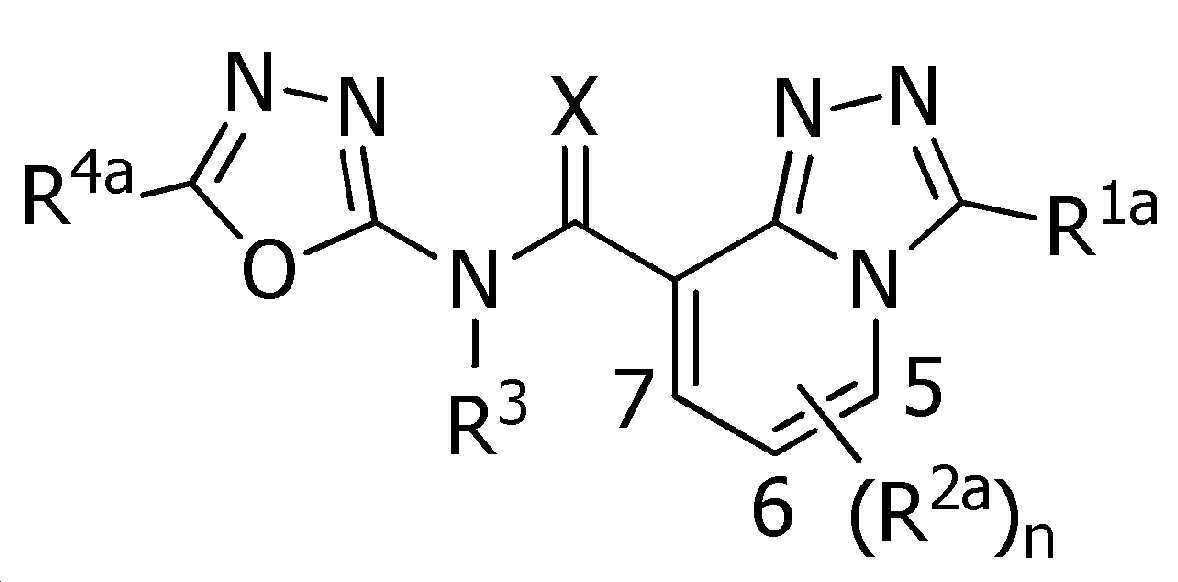
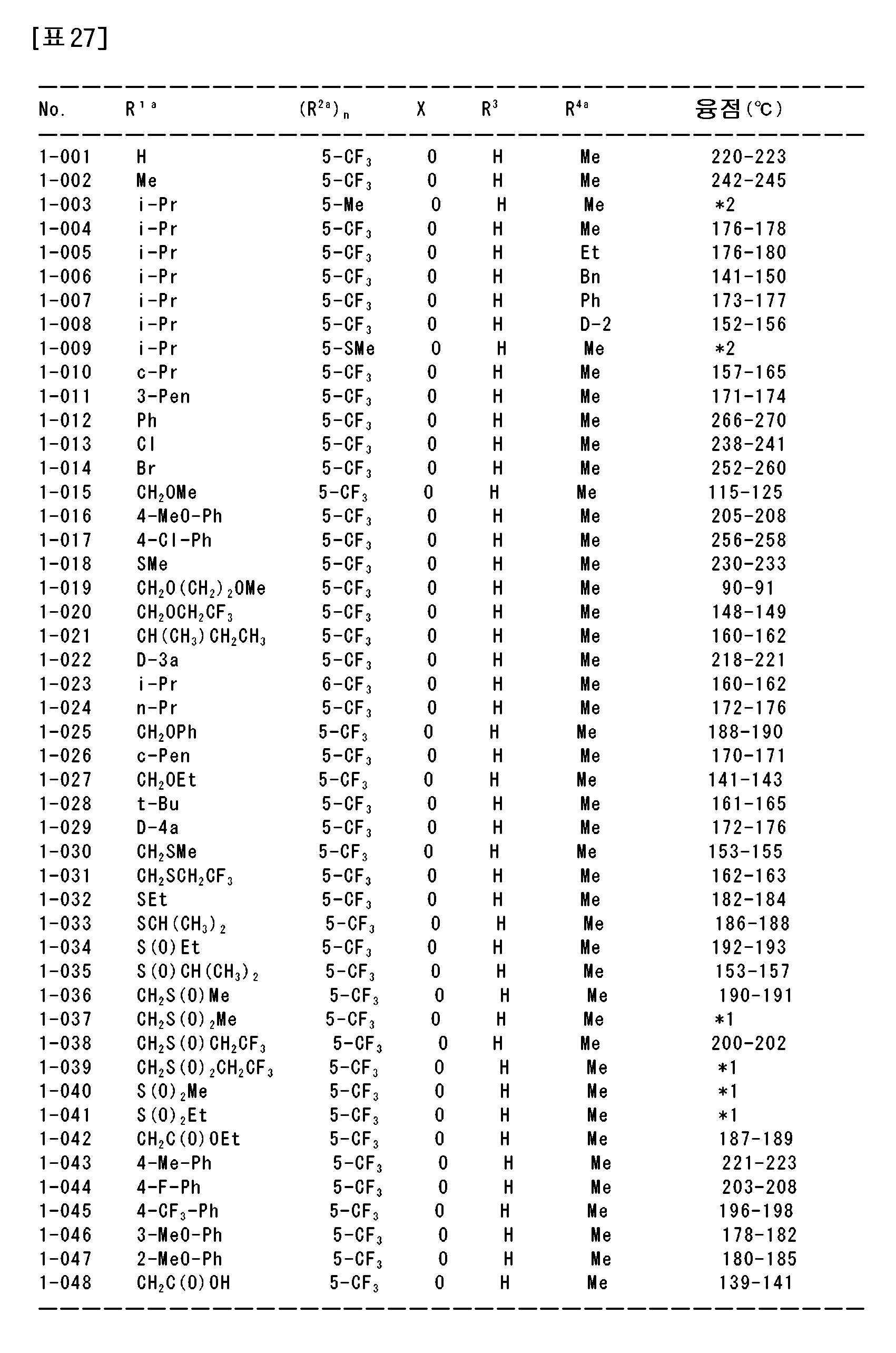

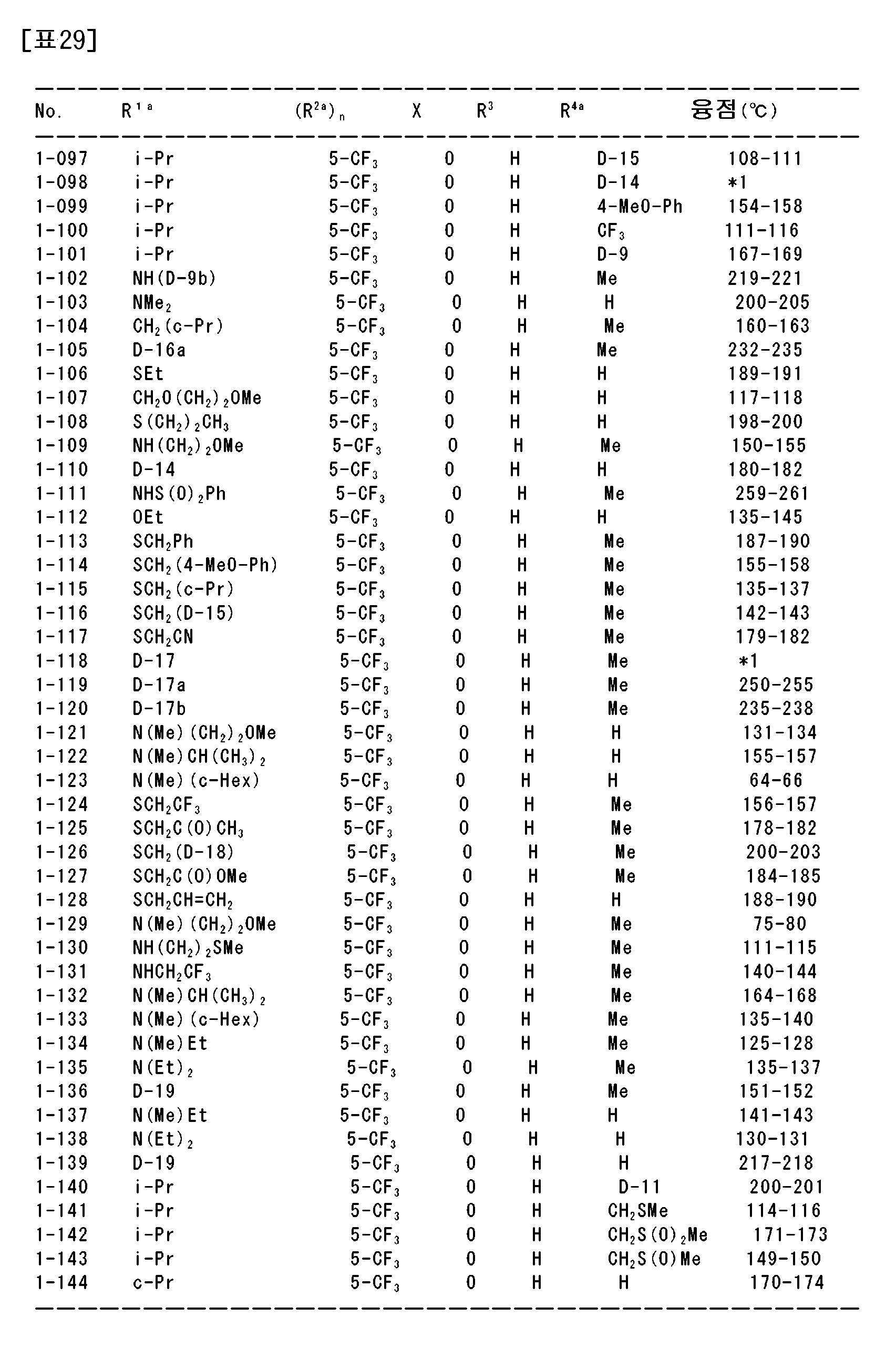
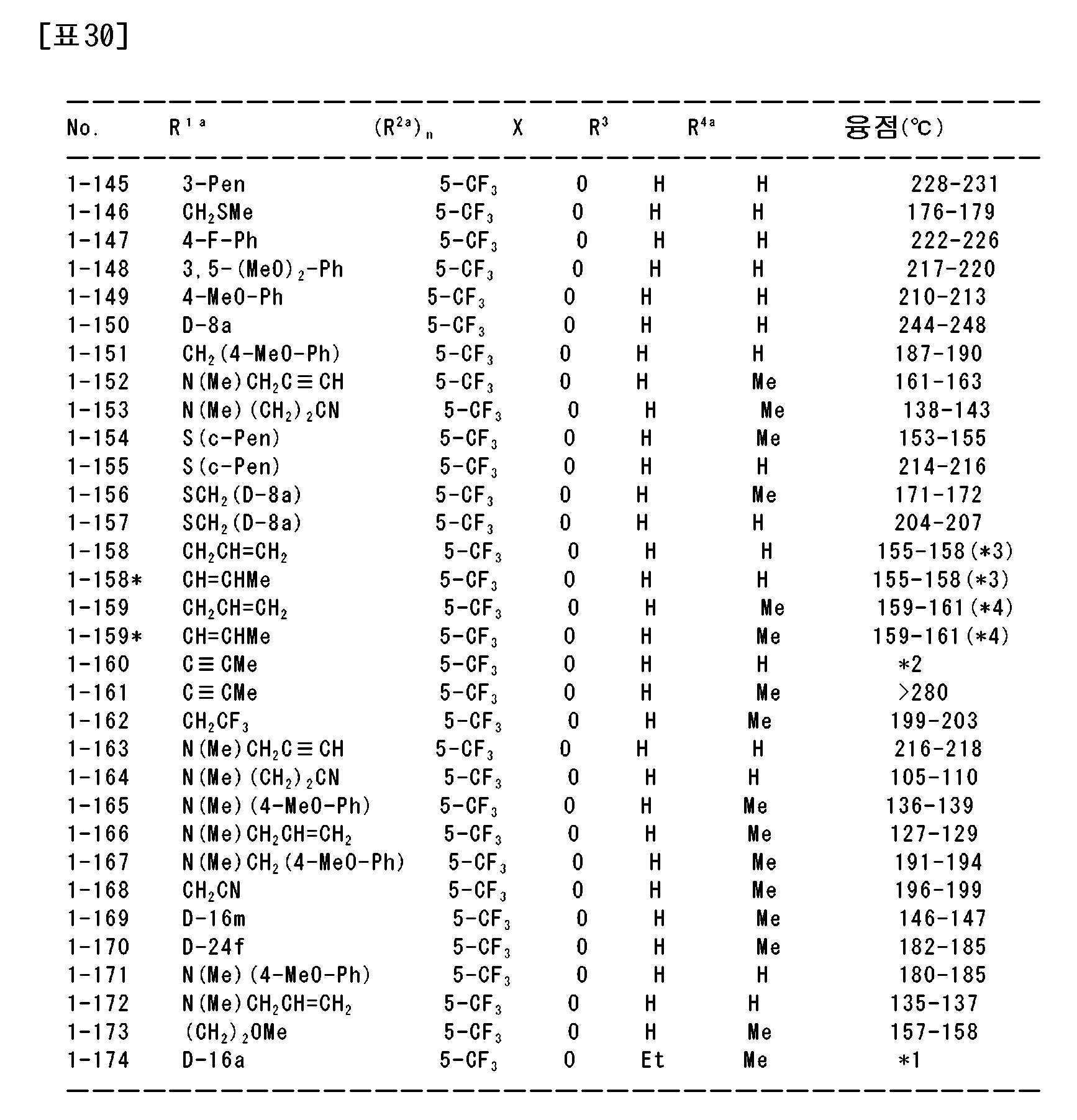
〔제5표〕〔Table 5〕
[화학식 45] [Formula 45]
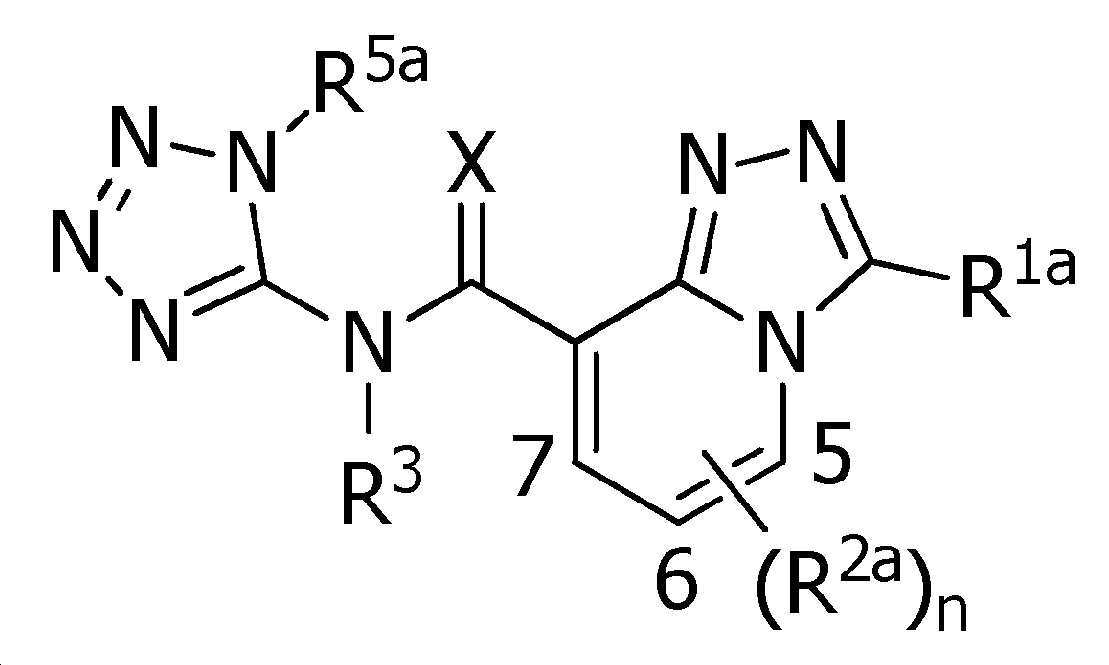
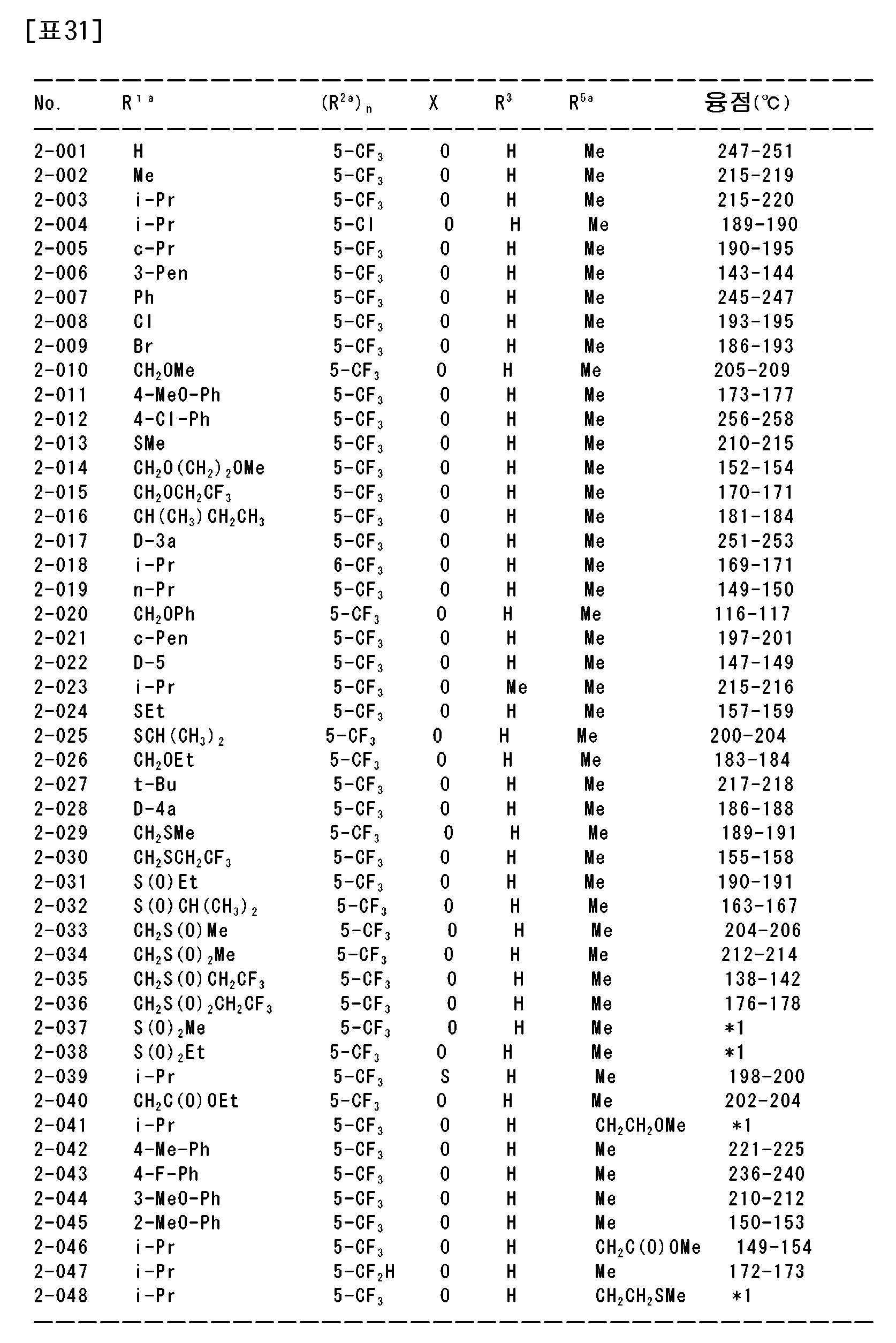
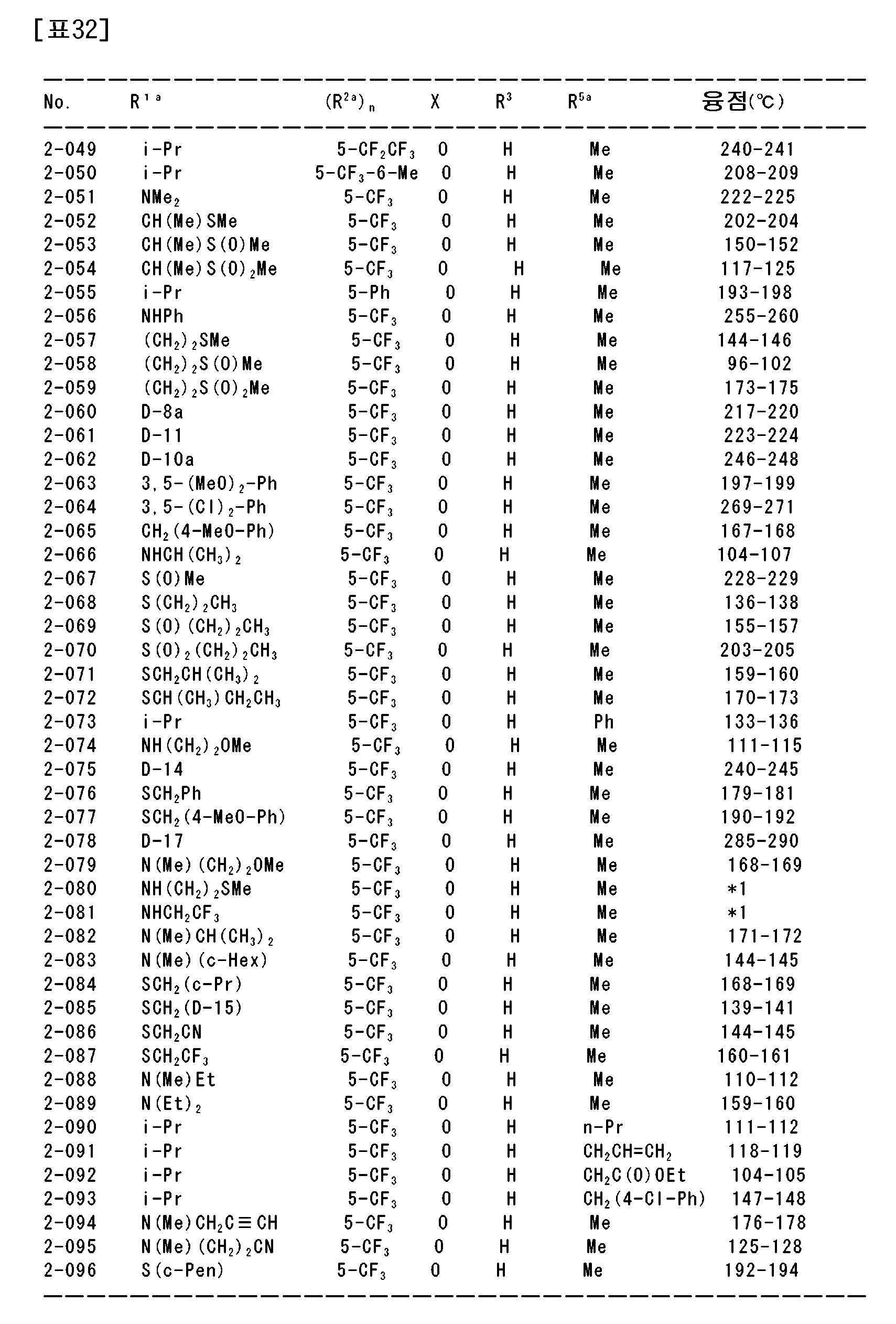
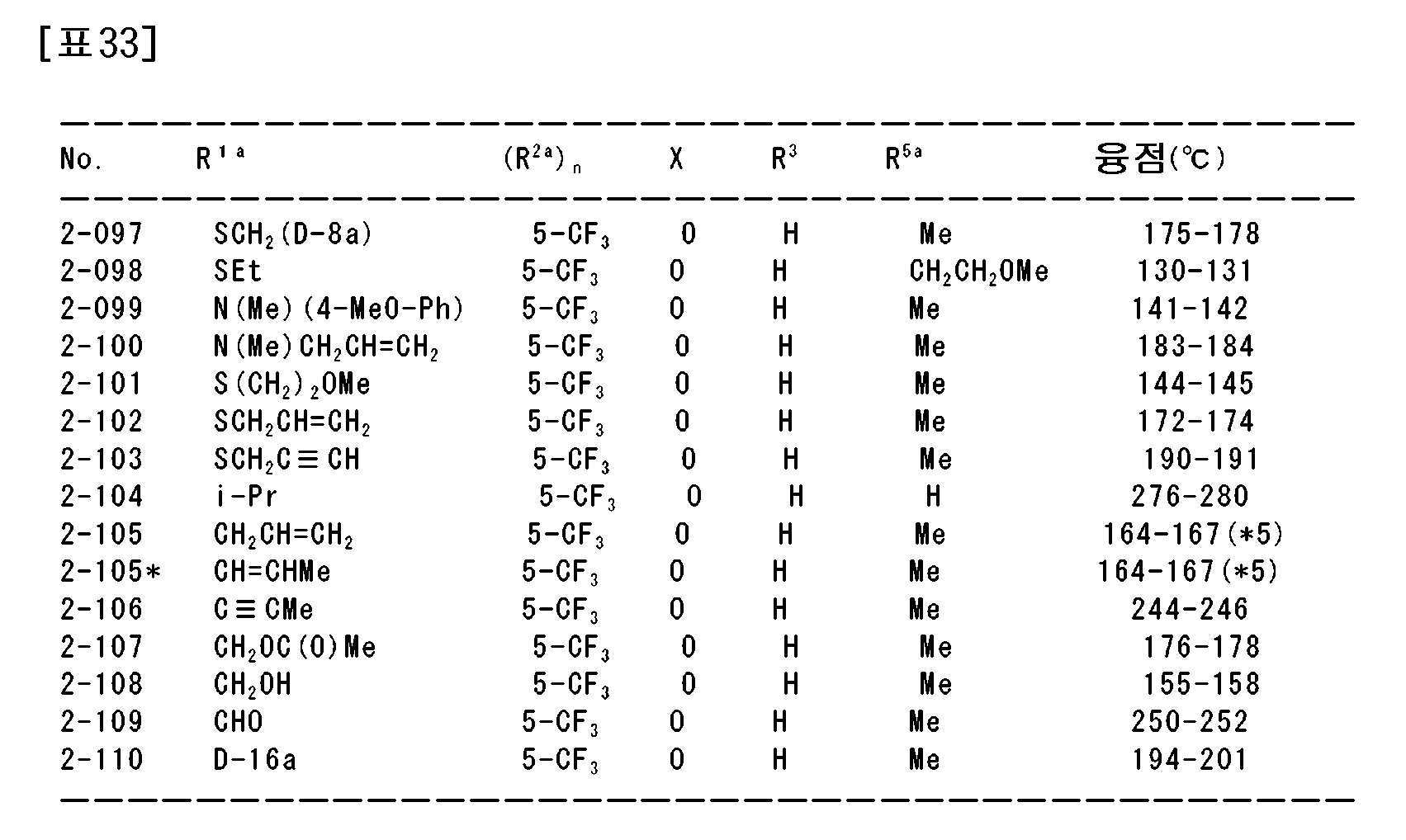
〔제6표〕〔Table 6〕
[화학식 46] [Formula 46]


〔제7표〕〔Table 7〕
[화학식 47] [Chemical Formula 47]
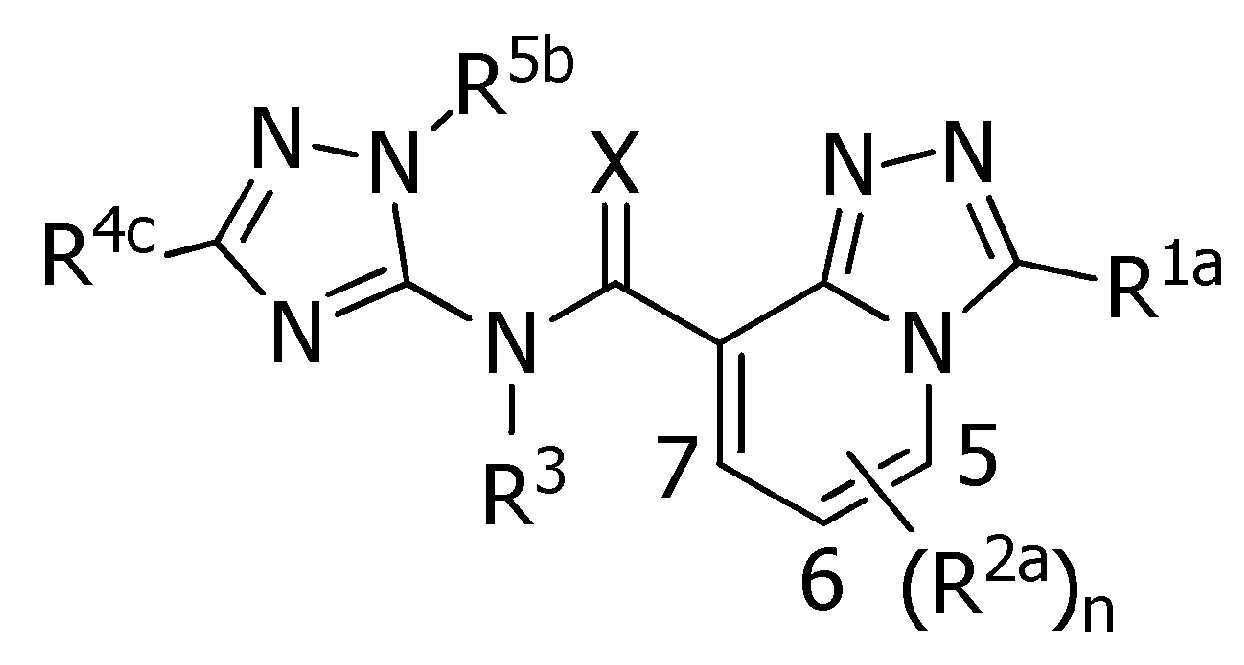

〔제8표〕〔Table 8〕
[화학식 48] [Formula 48]
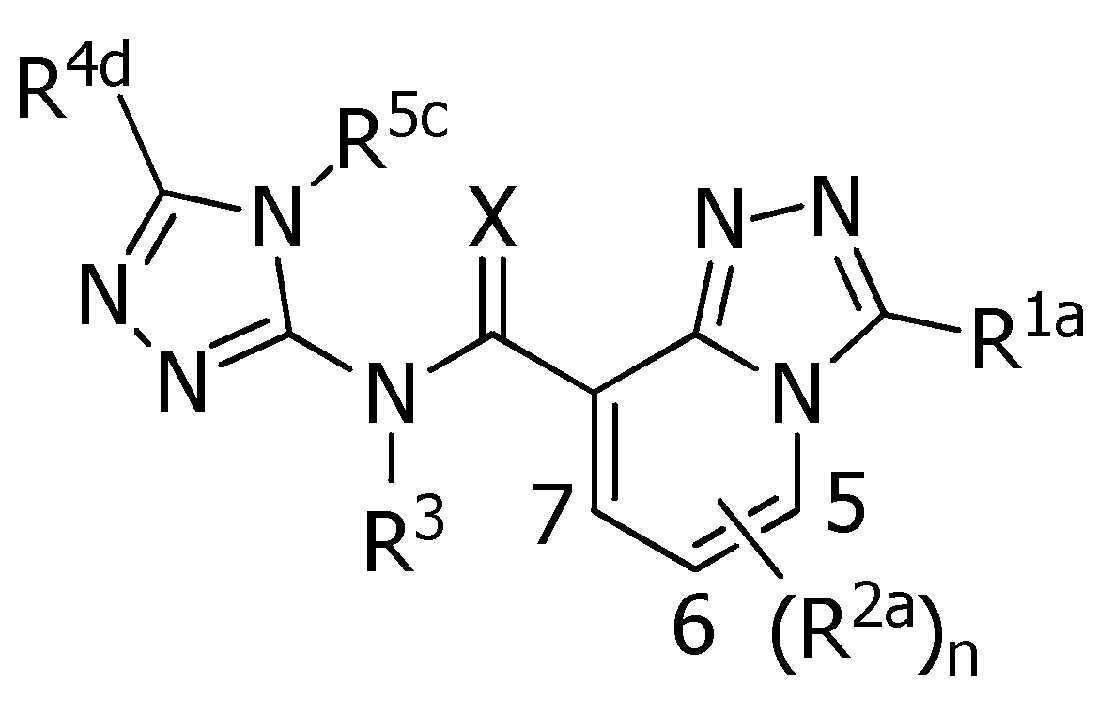

〔제9표〕〔Table 9〕
[화학식 49] [Formula 49]


〔제10표〕〔Table 10〕
[화학식 50] [Formula 50]
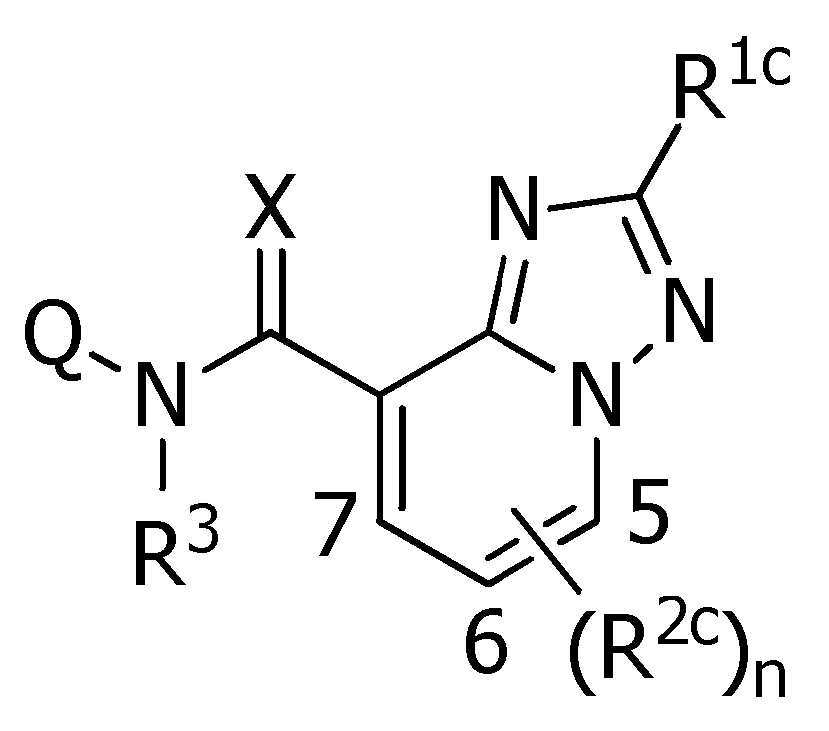
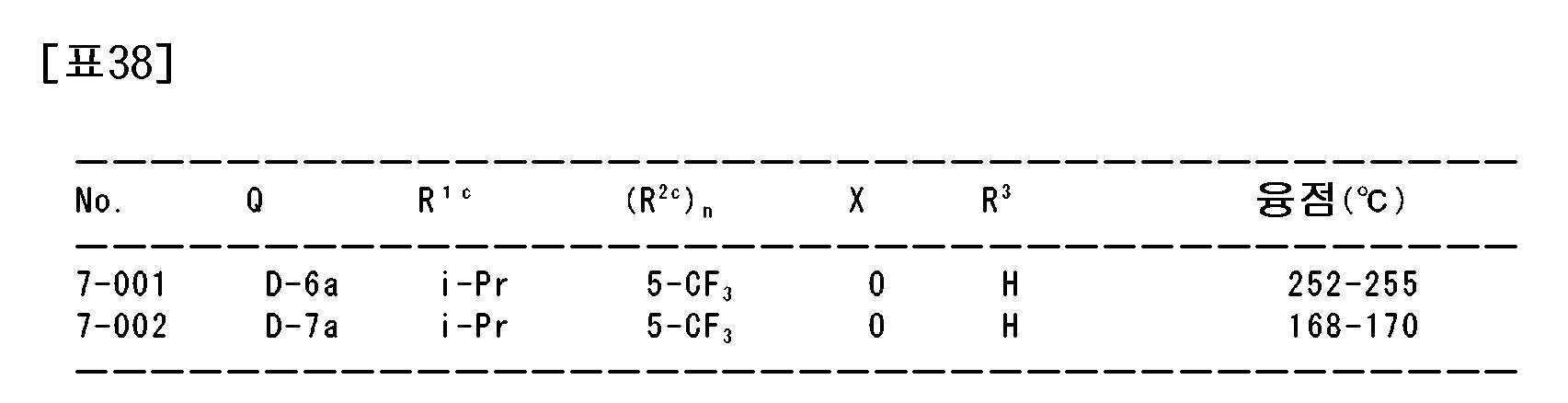
본 발명 화합물 중, 융점의 기재가 없는 화합물 및 「*3」, 「*4」 및 「*5」 기재의 이성체 혼합물의 1H-NMR 데이터를 제11표에 나타낸다. Among the compounds of the present invention, 1 H-NMR data of a compound without a melting point description and an isomer mixture described in "*3", "*4" and "*5" are shown in Table 11.
한편, 프로톤 핵자기공명 케미칼시프트값은, 기준물질로서 Me4Si(테트라메틸실란)을 이용하여, 중클로로포름용매 중에서, 300MHz로 측정하였다. 또한, 제4표의 기호는 하기의 의미를 나타낸다. s: singlet, brs: broad singlet, d: doublet, dd: double doublet, t: triplet, q: quartet, m: multiplet.Meanwhile, the proton nuclear magnetic resonance chemical shift value was measured at 300 MHz in a heavy chloroform solvent using Me 4 Si (tetramethylsilane) as a reference material. In addition, the symbols in Table 4 indicate the following meanings. s: singlet, brs: broad singlet, d: doublet, dd: double doublet, t: triplet, q: quartet, m: multiplet.
〔제11표〕〔Table 11〕
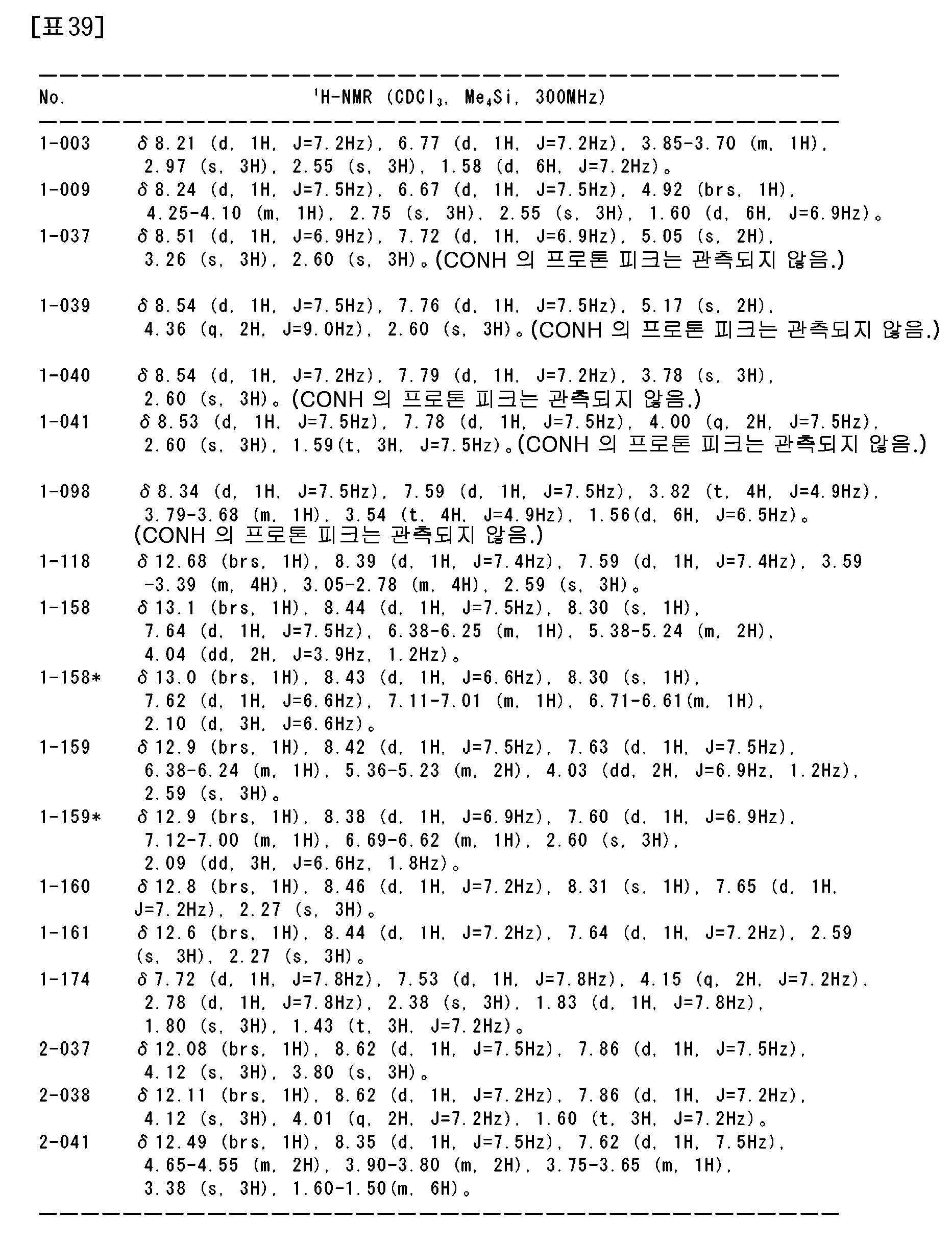

참고예Reference example
〔참고예 1〕[Reference Example 1]
합성예 7의 공정 1과 동일한 방법으로, 제12표에 나타내는 화합물을 합성하였다. 한편, 표 중 Me라는 기재는 메틸기를 나타내고, 이하 동일하게 Et는 에틸기를, Pr은 프로필기를, Pen은 펜틸기를, Ph는 페닐기를, Bn은 벤질기를, n-는 노말을, i-는 이소를, c-는 시클로 및 t-는 터셔리를 각각 의미한다.In the same manner as in Step 1 of Synthesis Example 7, the compounds shown in Table 12 were synthesized. Meanwhile, the description of Me in the table represents a methyl group, and in the same manner below, Et is an ethyl group, Pr is a propyl group, Pen is a pentyl group, Ph is a phenyl group, Bn is a benzyl group, n- is a normal, and i- is iso. , C- means cyclo and t- means tertiary, respectively.
또한, 표 중 D-3a, D-4a, D-5, D-8a, D-9a, D-10a, D-11, D-12, D-13a, D-14, D-16a 및 D-16m로 표시되는 치환기는, 이하의 구조를 나타낸다.In addition, in the table D-3a, D-4a, D-5, D-8a, D-9a, D-10a, D-11, D-12, D-13a, D-14, D-16a and D- The substituent represented by 16m shows the following structures.
[화학식 51] [Formula 51]

한편, 표 중, 「*1」은 「수지상」을 나타낸다. 융점의 기재가 없는 화합물의 1H-NMR 데이터를 제16표에 나타낸다. 한편, 제16표에 있어서의 프로톤 핵자기공명 케미칼시프트값은, 기준물질로서 Me4Si(테트라메틸실란)을 이용하여, 중클로로포름용매 중에서, 300MHz로 측정하였다. 또한, 제16표의 기호는 하기의 의미를 나타낸다. s: singlet, brs: broad singlet, d: doublet, dd: double doublet, t: triplet, q: quartet, m: multiplet.In addition, in the table, "*1" represents a "resin phase". Table 16 shows 1 H-NMR data of the compound without a description of the melting point. On the other hand, the proton nuclear magnetic resonance chemical shift value in Table 16 was measured at 300 MHz in a heavy chloroform solvent using Me 4 Si (tetramethylsilane) as a reference material. In addition, the symbols in Table 16 indicate the following meanings. s: singlet, brs: broad singlet, d: doublet, dd: double doublet, t: triplet, q: quartet, m: multiplet.
〔제12표〕〔Table 12〕
[화학식 52] [Formula 52]
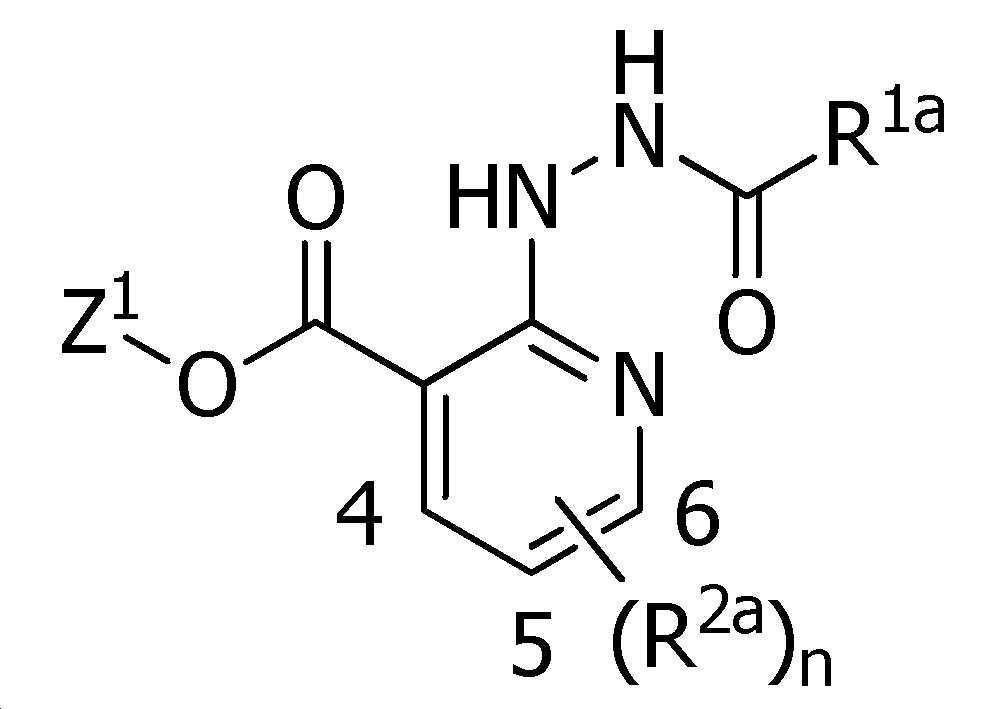


〔참고예 2〕[Reference Example 2]
합성예 7의 공정 2와 동일한 방법으로, 제13표에 나타내는 화합물을 합성하였다. 한편, 표 중 Me라는 기재는 메틸기를 나타내고, 이하 동일하게 Et는 에틸기를, Pr은 프로필기를, Pen은 펜틸기를, Ph는 페닐기를, Bn은 벤질기를, n-는 노말을, i-는 이소를, c-는 시클로 및 t-는 터셔리를 각각 의미한다.Compounds shown in Table 13 were synthesized in the same manner as in Step 2 of Synthesis Example 7. Meanwhile, the description of Me in the table represents a methyl group, and in the same manner below, Et is an ethyl group, Pr is a propyl group, Pen is a pentyl group, Ph is a phenyl group, Bn is a benzyl group, n- is a normal, and i- is iso. , C- means cyclo and t- means tertiary, respectively.
또한, 표 중 D-3a, D-4a, D-5, D-8a, D-9a, D-10a, D-11, D-12, D-13a, D-14, D-16a, D-16m 및 D-24f로 표시되는 치환기는, 이하의 구조를 나타낸다.In addition, in the table D-3a, D-4a, D-5, D-8a, D-9a, D-10a, D-11, D-12, D-13a, D-14, D-16a, D- The substituents represented by 16m and D-24f show the following structures.
[화학식 53] [Chemical Formula 53]
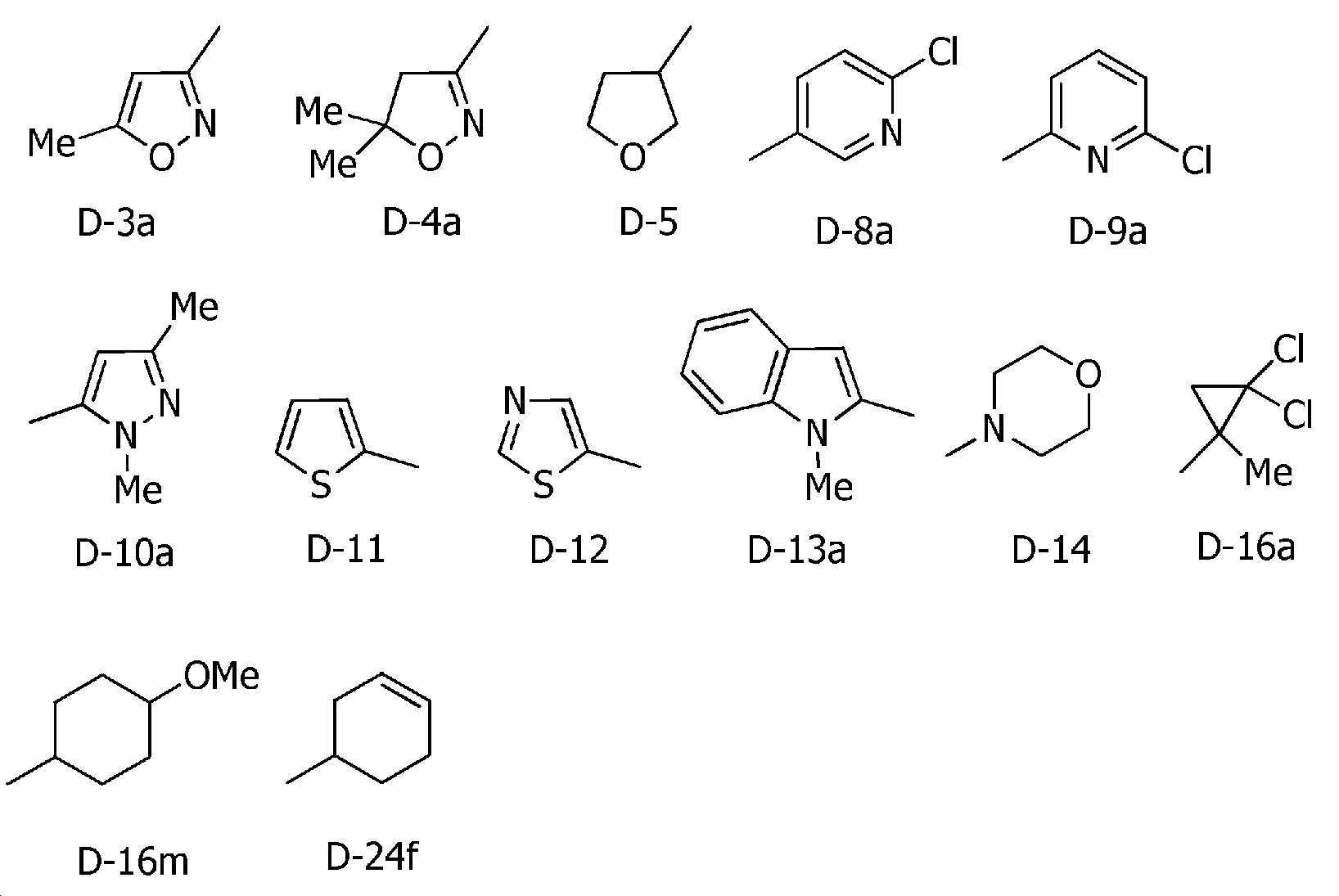
한편, 표 중, 「*1」은 「수지상」을 나타낸다. 융점의 기재가 없는 화합물의 1H-NMR 데이터를 제16표에 나타낸다.In addition, in the table, "*1" represents a "resin phase". Table 16 shows 1 H-NMR data of the compound without a description of the melting point.
〔제13표〕〔Table 13〕
[화학식 54] [Chemical Formula 54]
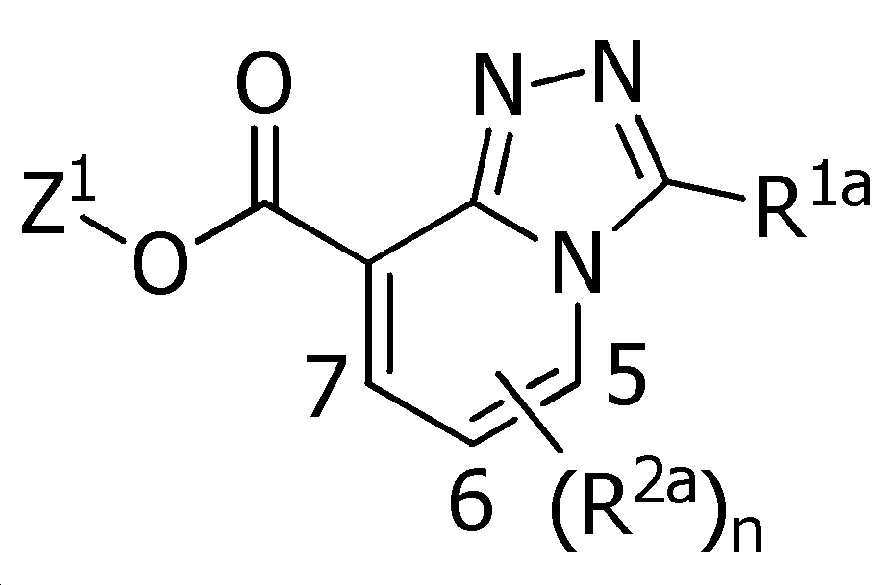
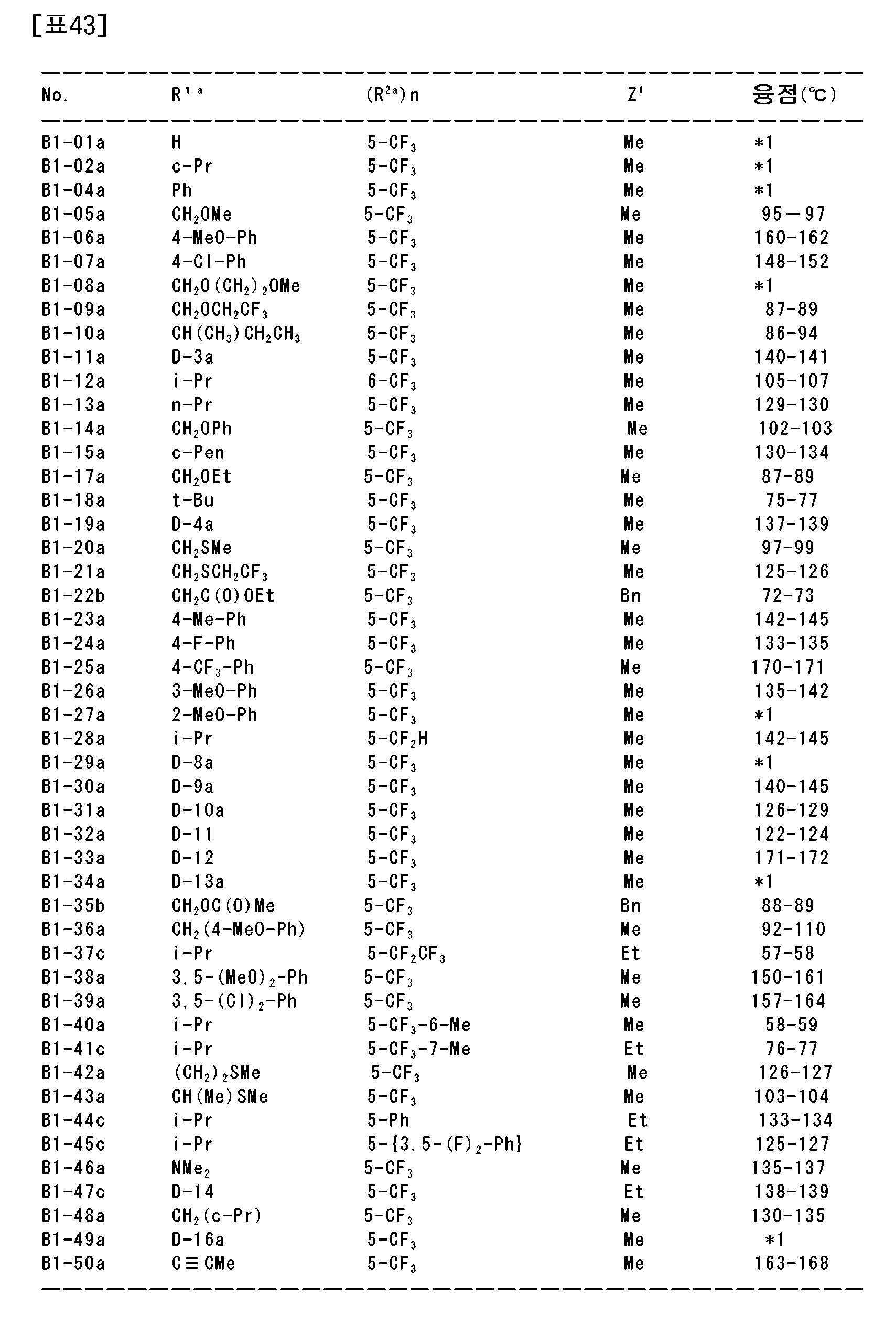
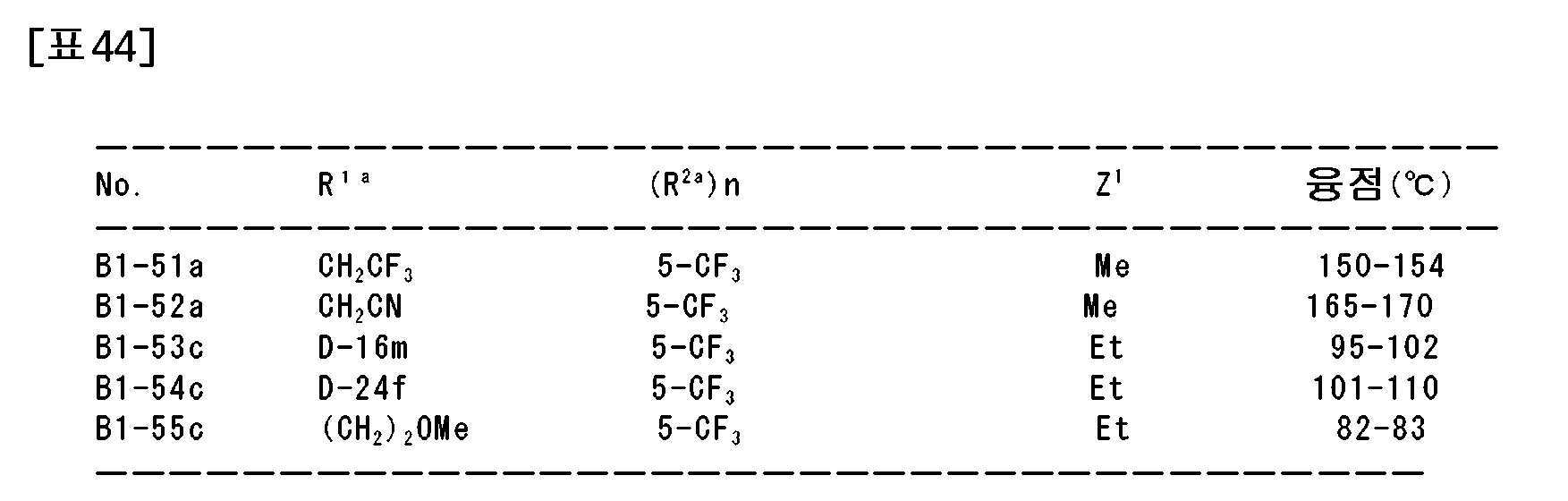
〔참고예 3〕[Reference Example 3]
합성예 7의 공정 3과 동일한 방법으로, 제14표에 나타내는 화합물을 합성하였다. 한편, 표 중 Me라는 기재는 메틸기를 나타내고, 이하 동일하게 Et는 에틸기를, Pr은 프로필기를, Pen은 펜틸기를, Ph는 페닐기를, Bn은 벤질기를, n-는 노말을, i-는 이소를, c-는 시클로 및 t-는 터셔리를 각각 의미한다.Compounds shown in Table 14 were synthesized in the same manner as in Step 3 of Synthesis Example 7. Meanwhile, the description of Me in the table represents a methyl group, and in the same manner below, Et is an ethyl group, Pr is a propyl group, Pen is a pentyl group, Ph is a phenyl group, Bn is a benzyl group, n- is a normal, and i- is iso. , C- means cyclo and t- means tertiary, respectively.
또한, 표 중 D-3a, D-4a, D-5, D-8a, D-9a, D-10a, D-11, D-12, D-13a, D-14, D-16a, D-16m 및 D-24f로 표시되는 치환기는, 이하의 구조를 나타낸다.In addition, in the table D-3a, D-4a, D-5, D-8a, D-9a, D-10a, D-11, D-12, D-13a, D-14, D-16a, D- The substituents represented by 16m and D-24f show the following structures.
[화학식 55] [Chemical Formula 55]

한편, 표 중, 「*1」은 「수지상」을 나타낸다. 융점의 기재가 없는 화합물의 1H-NMR 데이터를 제16표에 나타낸다.In addition, in the table, "*1" represents a "resin phase". Table 16 shows 1 H-NMR data of the compound without a description of the melting point.
〔제14표〕〔Table 14〕
[화학식 56] [Chemical Formula 56]

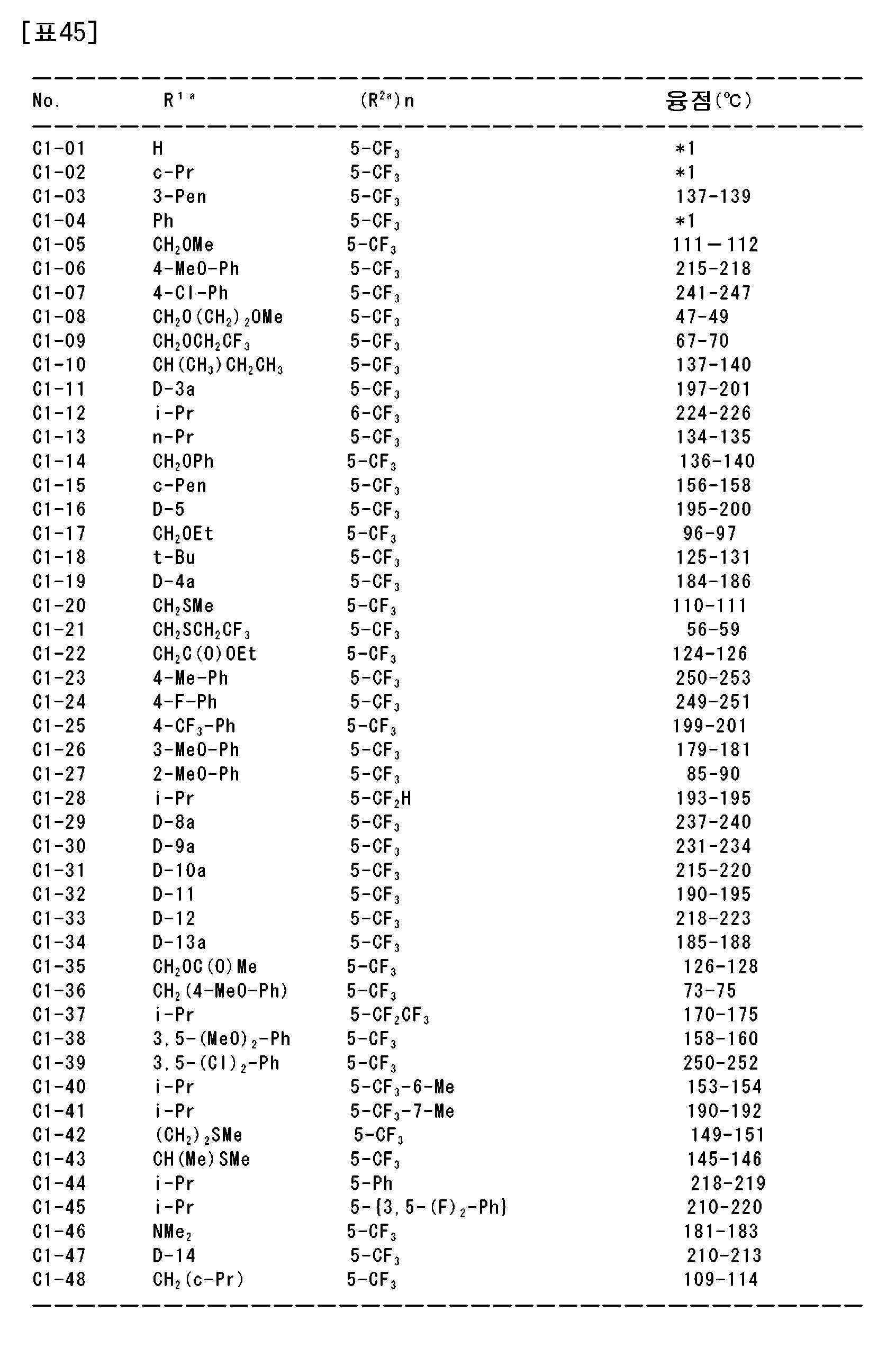
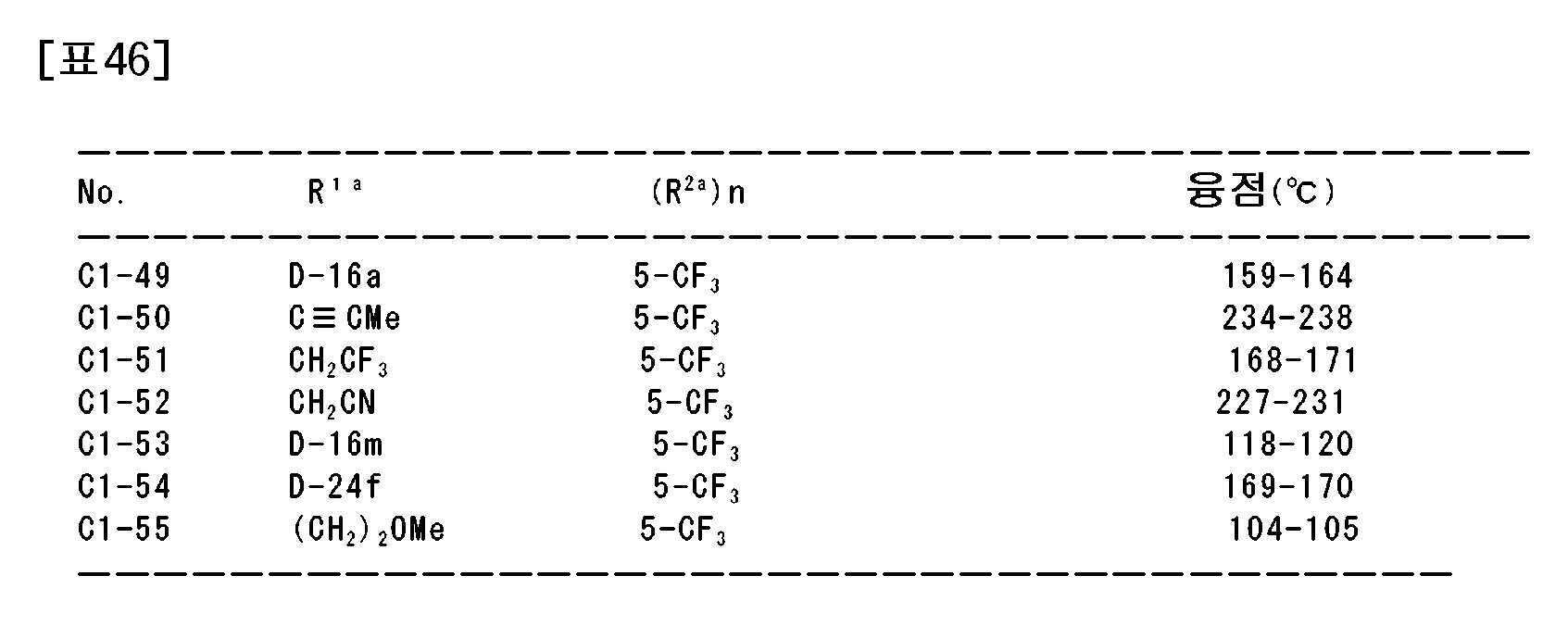
〔참고예 4〕[Reference Example 4]
3-(에틸티오)-5-(트리플루오로메틸)-[1,2,4]트리아졸로[4,3-a]피리딘-8-카르본산3-(ethylthio)-5-(trifluoromethyl)-[1,2,4]triazolo[4,3-a]pyridine-8-carboxylic acid
공정 1; 3-(티옥소)-5-(트리플루오로메틸)-2,3-디하이드로-[1,2,4]트리아졸로[4,3-a]피리딘-8-카르본산의 합성Step 1; Synthesis of 3-(thioxo)-5-(trifluoromethyl)-2,3-dihydro-[1,2,4]triazolo[4,3-a]pyridine-8-carboxylic acid
합성예 8의 공정 1과 동일하게 하여 합성한 이미다졸을 포함하는 3-티옥소-5-(트리플루오로메틸)-2,3-디하이드로-[1,2,4]트리아졸로[4,3-a]피리딘-8-카르본산메틸 2.0g의 메탄올 20ml용액에, 0.5mol/L의 수산화나트륨수용액을 빙냉하에서 17ml 첨가하였다. 첨가종료 후, 이 반응용액을 실온에서 3.5시간 교반하였다. 반응종료 후, 이 반응용액에 1mol/L 염산 20ml를 첨가하고, 이 반응용액 중에 석출한 고체를 여별하였다. 얻어진 고체를 1mol/L 염산, 물, 디이소프로필에테르 순으로 세정하고, 여과하여 취함으로써 목적물 1.1g을 황색 고체로 얻었다.3-thioxo-5-(trifluoromethyl)-2,3-dihydro-[1,2,4]triazolo[4, containing imidazole synthesized in the same manner as in Step 1 of Synthesis Example 8] To 20 ml of methanol 20 ml solution of 2.0 g of 3-a] pyridine-8-methyl carboxylate, 17 ml of 0.5 mol/L aqueous sodium hydroxide solution was added under ice cooling. After the addition was complete, the reaction solution was stirred at room temperature for 3.5 hours. After completion of the reaction, 20 ml of 1 mol/L hydrochloric acid was added to the reaction solution, and the solid precipitated in the reaction solution was filtered off. The obtained solid was washed with 1 mol/L hydrochloric acid, water, and diisopropyl ether in that order, followed by filtration to obtain 1.1 g of the target product as a yellow solid.
융점: 235~240℃Melting point: 235~240℃
공정 2; 3-(에틸티오)-5-(트리플루오로메틸)-[1,2,4]트리아졸로[4,3-a]피리딘-8-카르본산의 합성Step 2; Synthesis of 3-(ethylthio)-5-(trifluoromethyl)-[1,2,4]triazolo[4,3-a]pyridin-8-carboxylic acid
3-(티옥소)-5-(트리플루오로메틸)-2,3-디하이드로-[1,2,4]트리아졸로[4,3-a]피리딘-8-카르본산 700mg(2.66mmol)의 N,N-디메틸포름아미드 10ml용액에, 실온에서 요오드화에틸 898mg(5.76mmol)을 첨가하였다. 첨가종료 후, 이 반응용액을 실온에서 4일간 교반하였다. 반응종료 후, 이 반응용액 중의 용매를 감압하에서 유거하였다. 얻어진 잔사에, 물 5ml, 1mol/l 염산 5ml를 첨가하고, 석출한 고체를 여별하였다. 얻어진 고체를 물, 디이소프로필에테르 순으로 세정함으로써, 목적물 486mg을 황색 고체로 얻었다.700mg (2.66mmol) 3-(thioxo)-5-(trifluoromethyl)-2,3-dihydro-[1,2,4]triazolo[4,3-a]pyridine-8-carboxylic acid To a 10 ml solution of N,N-dimethylformamide, 898 mg (5.76 mmol) of ethyl iodide was added at room temperature. After the addition was complete, the reaction solution was stirred at room temperature for 4 days. After completion of the reaction, the solvent in this reaction solution was distilled off under reduced pressure. To the obtained residue, 5 ml of water and 5 ml of 1 mol/l hydrochloric acid were added, and the precipitated solid was filtered off. The obtained solid was washed with water and diisopropyl ether in that order to obtain 486 mg of the target product as a yellow solid.
융점: 113~114℃Melting point: 113~114℃
〔참고예 5〕[Reference Example 5]
합성예 8의 공정 2 및 공정 3, 또한 참고예 4와 동일한 방법으로 이하의 화합물을 합성하였다.The following compounds were synthesized in the same manner as in Steps 2 and 3 of Synthesis Example 8 and Reference Example 4.
3-(이소프로필티오)-5-(트리플루오로메틸)-[1,2,4]트리아졸로[4,3-a]피리딘-8-카르본산메틸3-(isopropylthio)-5-(trifluoromethyl)-[1,2,4]triazolo[4,3-a]pyridine-8-methyl carboxylic acid
융점: 120~122℃Melting point: 120~122℃
3-(이소프로필티오)-5-(트리플루오로메틸)-[1,2,4]트리아졸로[4,3-a]피리딘-8-카르본산3-(isopropylthio)-5-(trifluoromethyl)-[1,2,4]triazolo[4,3-a]pyridine-8-carboxylic acid
융점: 135~136℃Melting point: 135~136℃
3-((2-메톡시에틸)티오)-5-(트리플루오로메틸)-[1,2,4]트리아졸로[4,3-a]피리딘-8-카르본산3-((2-methoxyethyl)thio)-5-(trifluoromethyl)-[1,2,4]triazolo[4,3-a]pyridine-8-carboxylic acid
융점: 106~111℃Melting point: 106~111℃
3-(알릴티오)-5-(트리플루오로메틸)-[1,2,4]트리아졸로[4,3-a]피리딘-8-카르본산3-(allylthio)-5-(trifluoromethyl)-[1,2,4]triazolo[4,3-a]pyridine-8-carboxylic acid
융점: 96~99℃Melting point: 96~99℃
3-(프로프-2-인-1-일티오)-5-(트리플루오로메틸)-[1,2,4]트리아졸로[4,3-a]피리딘-8-카르본산3-(Prop-2-yn-1-ylthio)-5-(trifluoromethyl)-[1,2,4]triazolo[4,3-a]pyridine-8-carboxylic acid
융점: 179~181℃Melting point: 179~181℃
3-(n-프로필티오)-5-(트리플루오로메틸)-[1,2,4]트리아졸로[4,3-a]피리딘-8-카르본산메틸3-(n-propylthio)-5-(trifluoromethyl)-[1,2,4]triazolo[4,3-a]pyridine-8-methyl carboxylic acid
융점: 87~88℃Melting point: 87~88℃
3-(n-프로필티오)-5-(트리플루오로메틸)-[1,2,4]트리아졸로[4,3-a]피리딘-8-카르본산3-(n-propylthio)-5-(trifluoromethyl)-[1,2,4]triazolo[4,3-a]pyridine-8-carboxylic acid
융점: 106~108℃Melting point: 106~108℃
3-(이소부틸티오)-5-(트리플루오로메틸)-[1,2,4]트리아졸로[4,3-a]피리딘-8-카르본산메틸3-(isobutylthio)-5-(trifluoromethyl)-[1,2,4]triazolo[4,3-a]pyridine-8-methyl carboxylic acid
융점: 105~106℃Melting point: 105~106℃
3-(이소부틸티오)-5-(트리플루오로메틸)-[1,2,4]트리아졸로[4,3-a]피리딘-8-카르본산3-(isobutylthio)-5-(trifluoromethyl)-[1,2,4]triazolo[4,3-a]pyridine-8-carboxylic acid
융점: 110~112℃Melting point: 110~112℃
3-(s-부틸티오)-5-(트리플루오로메틸)-[1,2,4]트리아졸로[4,3-a]피리딘-8-카르본산메틸3-(s-butylthio)-5-(trifluoromethyl)-[1,2,4]triazolo[4,3-a]pyridine-8-methyl carboxylic acid
융점: 88~90℃Melting point: 88~90℃
3-(s-부틸티오)-5-(트리플루오로메틸)-[1,2,4]트리아졸로[4,3-a]피리딘-8-카르본산3-(s-butylthio)-5-(trifluoromethyl)-[1,2,4]triazolo[4,3-a]pyridin-8-carboxylic acid
융점: 107~109℃Melting point: 107~109℃
3-(벤질티오)-5-(트리플루오로메틸)-[1,2,4]트리아졸로[4,3-a]피리딘-8-카르본산메틸3-(Benzylthio)-5-(trifluoromethyl)-[1,2,4]triazolo[4,3-a]pyridine-8-methyl carboxylic acid
융점: 130~135℃Melting point: 130~135℃
3-(벤질티오)-5-(트리플루오로메틸)-[1,2,4]트리아졸로[4,3-a]피리딘-8-카르본산3-(Benzylthio)-5-(trifluoromethyl)-[1,2,4]triazolo[4,3-a]pyridine-8-carboxylic acid
융점: 153~156℃Melting point: 153~156℃
3-((4-메톡시벤질)티오)-5-(트리플루오로메틸)-[1,2,4]트리아졸로[4,3-a]피리딘-8-카르본산메틸3-((4-methoxybenzyl)thio)-5-(trifluoromethyl)-[1,2,4]triazolo[4,3-a]pyridine-8-methyl carboxylic acid
융점: 119~121℃Melting point: 119~121℃
3-((4-메톡시벤질)티오)-5-(트리플루오로메틸)-[1,2,4]트리아졸로[4,3-a]피리딘-8-카르본산3-((4-methoxybenzyl)thio)-5-(trifluoromethyl)-[1,2,4]triazolo[4,3-a]pyridine-8-carboxylic acid
융점: 180~182℃Melting point: 180~182℃
3-((시클로프로필메틸)티오)-5-(트리플루오로메틸)-[1,2,4]트리아졸로[4,3-a]피리딘-8-카르본산메틸3-((cyclopropylmethyl)thio)-5-(trifluoromethyl)-[1,2,4]triazolo[4,3-a]pyridine-8-methyl carboxylic acid
융점: 122~123℃Melting point: 122~123℃
3-((시클로프로필메틸)티오)-5-(트리플루오로메틸)-[1,2,4]트리아졸로[4,3-a]피리딘-8-카르본산3-((cyclopropylmethyl)thio)-5-(trifluoromethyl)-[1,2,4]triazolo[4,3-a]pyridine-8-carboxylic acid
융점: 127~129℃Melting point: 127~129℃
3-(((테트라하이드로퓨란-2-일)메틸)티오)-5-(트리플루오로메틸)-[1,2,4]트리아졸로[4,3-a]피리딘-8-카르본산메틸3-(((tetrahydrofuran-2-yl)methyl)thio)-5-(trifluoromethyl)-[1,2,4]triazolo[4,3-a]pyridine-8-methyl carboxylic acid
1H NMR (CDCl3, Me4Si, 300MHz) δ7.95 (d, 1H, J=7.2Hz), 7.42 (d, 1H, J=7.2Hz), 4.34-4.25 (m, 1H), 4.09 (s, 3H), 3.92-3.84 (m, 1H), 3.79-3.68 (m, 2H), 3.56-3.49 (m, 1H), 2.17-2.06 (m, 1H), 1.99-1.87 (m, 2H), 1.76-1.68 (m, 1H). 1 H NMR (CDCl 3 , Me 4 Si, 300MHz) δ7.95 (d, 1H, J=7.2Hz), 7.42 (d, 1H, J=7.2Hz), 4.34-4.25 (m, 1H), 4.09 ( s, 3H), 3.92-3.84 (m, 1H), 3.79-3.68 (m, 2H), 3.56-3.49 (m, 1H), 2.17-2.06 (m, 1H), 1.99-1.87 (m, 2H), 1.76-1.68 (m, 1H).
3-(((테트라하이드로퓨란-2-일)메틸)티오)-5-(트리플루오로메틸)-[1,2,4]트리아졸로[4,3-a]피리딘-8-카르본산3-(((tetrahydrofuran-2-yl)methyl)thio)-5-(trifluoromethyl)-[1,2,4]triazolo[4,3-a]pyridin-8-carboxylic acid
융점: 108~112℃Melting point: 108~112℃
3-((시아노메틸)티오)-5-(트리플루오로메틸)-[1,2,4]트리아졸로[4,3-a]피리딘-8-카르본산메틸3-((cyanomethyl)thio)-5-(trifluoromethyl)-[1,2,4]triazolo[4,3-a]pyridine-8-methyl carboxylic acid
융점: 146~148℃Melting point: 146~148℃
3-((시아노메틸)티오)-5-(트리플루오로메틸)-[1,2,4]트리아졸로[4,3-a]피리딘-8-카르본산3-((cyanomethyl)thio)-5-(trifluoromethyl)-[1,2,4]triazolo[4,3-a]pyridine-8-carboxylic acid
융점: 138~140℃Melting point: 138~140℃
3-((2-옥소프로필)티오)-5-(트리플루오로메틸)-[1,2,4]트리아졸로[4,3-a]피리딘-8-카르본산메틸3-((2-oxopropyl)thio)-5-(trifluoromethyl)-[1,2,4]triazolo[4,3-a]pyridine-8-methyl carboxylic acid
융점: 84~87℃Melting point: 84~87℃
3-((2-옥소프로필)티오)-5-(트리플루오로메틸)-[1,2,4]트리아졸로[4,3-a]피리딘-8-카르본산3-((2-oxopropyl)thio)-5-(trifluoromethyl)-[1,2,4]triazolo[4,3-a]pyridine-8-carboxylic acid
융점: 121~124℃Melting point: 121~124℃
3-(((1,3-디옥솔란-2-일)메틸)티오)-5-(트리플루오로메틸)-[1,2,4]트리아졸로[4,3-a]피리딘-8-카르본산메틸3-(((1,3-dioxolan-2-yl)methyl)thio)-5-(trifluoromethyl)-[1,2,4]triazolo[4,3-a]pyridin-8- Methyl carboxylate
융점: 99~102℃Melting point: 99~102℃
3-(((1,3-디옥솔란-2-일)메틸)티오)-5-(트리플루오로메틸)-[1,2,4]트리아졸로[4,3-a]피리딘-8-카르본산3-(((1,3-dioxolan-2-yl)methyl)thio)-5-(trifluoromethyl)-[1,2,4]triazolo[4,3-a]pyridin-8- Carboxylic acid
융점: 110~112℃Melting point: 110~112℃
3-((2,2,2-트리플루오로에틸)티오)-5-(트리플루오로메틸)-[1,2,4]트리아졸로[4,3-a]피리딘-8-카르본산3-((2,2,2-trifluoroethyl)thio)-5-(trifluoromethyl)-[1,2,4]triazolo[4,3-a]pyridine-8-carboxylic acid
융점: 150~151℃Melting point: 150~151℃
3-((2-메톡시-2-옥소에틸)티오)-5-(트리플루오로메틸)-[1,2,4]트리아졸로[4,3-a]피리딘-8-카르본산3-((2-methoxy-2-oxoethyl)thio)-5-(trifluoromethyl)-[1,2,4]triazolo[4,3-a]pyridine-8-carboxylic acid
융점: 143~144℃Melting point: 143~144℃
3-(시클로펜틸티오)-5-(트리플루오로메틸)-[1,2,4]트리아졸로[4,3-a]피리딘-8-카르본산메틸3-(cyclopentylthio)-5-(trifluoromethyl)-[1,2,4]triazolo[4,3-a]pyridine-8-methyl carboxylic acid
융점: 92~94℃Melting point: 92~94℃
3-(시클로펜틸티오)-5-(트리플루오로메틸)-[1,2,4]트리아졸로[4,3-a]피리딘-8-카르본산3-(cyclopentylthio)-5-(trifluoromethyl)-[1,2,4]triazolo[4,3-a]pyridine-8-carboxylic acid
융점: 143~146℃Melting point: 143~146℃
3-(((6-클로로피리딘-3-일)메틸)티오)-5-(트리플루오로메틸)-[1,2,4]트리아졸로[4,3-a]피리딘-8-카르본산메틸3-(((6-chloropyridin-3-yl)methyl)thio)-5-(trifluoromethyl)-[1,2,4]triazolo[4,3-a]pyridin-8-carboxylic acid methyl
융점: 99~100℃Melting point: 99~100℃
3-(((6-클로로피리딘-3-일)메틸)티오)-5-(트리플루오로메틸)-[1,2,4]트리아졸로[4,3-a]피리딘-8-카르본산3-(((6-chloropyridin-3-yl)methyl)thio)-5-(trifluoromethyl)-[1,2,4]triazolo[4,3-a]pyridin-8-carboxylic acid
융점: 159~160℃Melting point: 159~160℃
〔참고예 6〕[Reference Example 6]
2-메틸-3-옥소-5-(트리플루오로메틸)-2,3-디하이드로-[1,2,4]트리아졸로[4,3-a]피리딘-8-카르본산메틸의 합성Synthesis of 2-methyl-3-oxo-5-(trifluoromethyl)-2,3-dihydro-[1,2,4]triazolo[4,3-a]pyridine-8-methyl carboxylic acid
3-옥소-5-(트리플루오로메틸)-2,3-디하이드로-[1,2,4]트리아졸로[4,3-a]피리딘-8-카르본산메틸 500mg(1.91mmol), 탄산칼륨 525mg(3.82mmol) 및 아세토니트릴 10ml의 혼합물에, 실온에서 요오드화메틸 298mg(2.10mmol)을 첨가하였다. 첨가종료 후, 이 반응용액을 실온에서 5시간 교반하였다. 반응종료 후, 이 반응용액에 클로로포름 20ml를 첨가한 후, 석출한 고체를 여별하였다. 여별에 의해 얻어진 용액을 감압하에서 용매를 유거하였다. 용매를 유거한 후에 얻어진 잔사를 n-헥산-아세트산에틸(17:3~2:3의 그라디언트)로 용출하는 중압분취 액체 크로마토그래피로 정제하여, 목적물 312mg을 황색 고체로 얻었다.3-oxo-5-(trifluoromethyl)-2,3-dihydro-[1,2,4]triazolo[4,3-a]pyridine-8-methyl carboxylate 500mg (1.91mmol), carbonic acid To a mixture of 525 mg (3.82 mmol) of potassium and 10 ml of acetonitrile, 298 mg (2.10 mmol) of methyl iodide was added at room temperature. After the addition was completed, the reaction solution was stirred at room temperature for 5 hours. After completion of the reaction, 20 ml of chloroform was added to the reaction solution, and the precipitated solid was filtered off. The solvent was distilled off from the solution obtained by filtration under reduced pressure. The residue obtained after distilling off the solvent was purified by medium pressure preparative liquid chromatography eluting with n-hexane-ethyl acetate (17:3 to 2:3 gradient) to obtain 312 mg of the target product as a yellow solid.
융점: 189~190℃Melting point: 189~190℃
동일한 방법으로 이하의 화합물을 합성하였다.The following compounds were synthesized in the same manner.
2-에틸-3-옥소-5-(트리플루오로메틸)-2,3-디하이드로-[1,2,4]트리아졸로[4,3-a]피리딘-8-카르본산메틸2-ethyl-3-oxo-5-(trifluoromethyl)-2,3-dihydro-[1,2,4]triazolo[4,3-a]pyridine-8-methyl carboxylic acid
융점: 135~137℃Melting point: 135~137℃
2-이소프로필-3-옥소-5-(트리플루오로메틸)-2,3-디하이드로-[1,2,4]트리아졸로[4,3-a]피리딘-8-카르본산메틸2-Isopropyl-3-oxo-5-(trifluoromethyl)-2,3-dihydro-[1,2,4]triazolo[4,3-a]pyridine-8-methyl carboxylic acid
융점: 124~125℃Melting point: 124~125℃
2-벤질-3-옥소-5-(트리플루오로메틸)-2,3-디하이드로-[1,2,4]트리아졸로[4,3-a]피리딘-8-카르본산메틸2-Benzyl-3-oxo-5-(trifluoromethyl)-2,3-dihydro-[1,2,4]triazolo[4,3-a]pyridine-8-methyl carboxylic acid
융점: 99~100℃Melting point: 99~100℃
〔참고예 7〕[Reference Example 7]
2-메틸-3-옥소-5-(트리플루오로메틸)-2,3-디하이드로-[1,2,4]트리아졸로[4,3-a]피리딘-8-카르본산의 합성Synthesis of 2-methyl-3-oxo-5-(trifluoromethyl)-2,3-dihydro-[1,2,4]triazolo[4,3-a]pyridine-8-carboxylic acid
2-메틸-3-옥소-5-(트리플루오로메틸)-2,3-디하이드로-[1,2,4]트리아졸로[4,3-a]피리딘-8-카르본산메틸 312mg(1.13mmol)의 에탄올 3ml용액에, 수산화나트륨 50mg(1.25mmol)의 3ml수용액을 빙냉하에서 첨가하였다. 첨가종료 후, 이 반응용액을 동일온도에서 1시간 교반하였다. 반응종료 후, 1mol/L 염산 3ml를 첨가하고, 디클로로메탄으로 추출(10ml×3회)하였다. 얻어진 유기층을 포화식염수, 무수황산나트륨 순으로 탈수·건조하고, 감압하에서 용매를 유거하였다. 석출한 고체를 디이소프로필에테르로 세정함으로써, 목적물 250mg을 황색 고체로 얻었다.2-Methyl-3-oxo-5-(trifluoromethyl)-2,3-dihydro-[1,2,4]triazolo[4,3-a]pyridine-8-methyl carboxylic acid 312 mg (1.13 mmol) to a 3 ml solution of ethanol, a 3 ml aqueous solution of 50 mg (1.25 mmol) sodium hydroxide was added under ice-cooling. After the addition was completed, the reaction solution was stirred at the same temperature for 1 hour. After completion of the reaction, 3 ml of 1 mol/L hydrochloric acid was added, followed by extraction with dichloromethane (10 ml×3 times). The obtained organic layer was dehydrated and dried in that order with saturated brine and anhydrous sodium sulfate, and the solvent was distilled off under reduced pressure. 250 mg of the target product was obtained as a yellow solid by washing the precipitated solid with diisopropyl ether.
융점: 155~160℃Melting point: 155~160℃
동일한 방법으로 이하의 화합물을 합성하였다.The following compounds were synthesized in the same manner.
2-에틸-3-옥소-5-(트리플루오로메틸)-2,3-디하이드로-[1,2,4]트리아졸로[4,3-a]피리딘-8-카르본산2-Ethyl-3-oxo-5-(trifluoromethyl)-2,3-dihydro-[1,2,4]triazolo[4,3-a]pyridine-8-carboxylic acid
융점: 160~163℃Melting point: 160~163℃
2-이소프로필-3-옥소-5-(트리플루오로메틸)-2,3-디하이드로-[1,2,4]트리아졸로[4,3-a]피리딘-8-카르본산2-Isopropyl-3-oxo-5-(trifluoromethyl)-2,3-dihydro-[1,2,4]triazolo[4,3-a]pyridin-8-carboxylic acid
융점: 160~162℃Melting point: 160~162℃
2-벤질-3-옥소-5-(트리플루오로메틸)-2,3-디하이드로-[1,2,4]트리아졸로[4,3-a]피리딘-8-카르본산2-Benzyl-3-oxo-5-(trifluoromethyl)-2,3-dihydro-[1,2,4]triazolo[4,3-a]pyridin-8-carboxylic acid
융점: 84~86℃Melting point: 84~86℃
〔참고예 8〕[Reference Example 8]
3-티옥소-5-(트리플루오로메틸)-2,3-디하이드로-[1,2,4]트리아졸로[4,3-a]피리딘-8-카르본산메틸의 합성Synthesis of 3-thioxo-5-(trifluoromethyl)-2,3-dihydro-[1,2,4]triazolo[4,3-a]pyridine-8-methyl carboxylate
합성예 8의 공정 1에 기재된 방법으로 합성한 3-티옥소-5-(트리플루오로메틸)-2,3-디하이드로-[1,2,4]트리아졸로[4,3-a]피리딘-8-카르본산메틸과 이미다졸의 혼합물 100mg을 아세트산에틸 50ml에 녹이고, 1mol/L 염산 20ml로 세정하였다. 얻어진 유기층을 무수황산나트륨으로 건조하고, 감압하에서 용매를 유거함으로써, 목적물 63mg을 등황색 고체로 얻었다.3-thioxo-5-(trifluoromethyl)-2,3-dihydro-[1,2,4]triazolo[4,3-a]pyridine synthesized by the method described in step 1 of Synthesis Example 8 100 mg of a mixture of -8-methyl carboxylate and imidazole was dissolved in 50 ml of ethyl acetate, and washed with 20 ml of 1 mol/L hydrochloric acid. The obtained organic layer was dried over anhydrous sodium sulfate, and the solvent was distilled off under reduced pressure to obtain 63 mg of the target substance as an orange-yellow solid.
융점: 218~220℃Melting point: 218~220℃
〔참고예 9〕[Reference Example 9]
3-(페닐아미노)-5-(트리플루오로메틸)-[1,2,4]트리아졸로[4,3-a]피리딘-8-카르본산3-(phenylamino)-5-(trifluoromethyl)-[1,2,4]triazolo[4,3-a]pyridin-8-carboxylic acid
공정 1; 2-(2-(페닐카바모일)하이드라지닐)-6-(트리플루오로메틸)니코틴산메틸의 합성Step 1; Synthesis of 2-(2-(phenylcarbamoyl)hydrazinyl)-6-(trifluoromethyl)methyl nicotinate
2-하이드라지닐-6-(트리플루오로메틸)니코틴산메틸 500mg(2.13mmol)의 테트라하이드로퓨란 13ml용액에, 이소시안산페닐 255mg(2.14mmol)을 빙냉하에서 첨가하였다. 첨가종료 후, 이 반응용액을 동일온도에서 14시간 교반하였다. 반응종료 후, 이 반응용액 중의 용매를 감압하에서 유거하였다. 얻어진 고체를 디이소프로필에테르로 세정함으로써, 목적물 740mg을 백색 고체로 얻었다.To a 13 ml solution of 2-hydrazinyl-6-(trifluoromethyl) methyl nicotinate 500 mg (2.13 mmol) in tetrahydrofuran, 255 mg (2.14 mmol) of phenyl isocyanate was added under ice cooling. After the addition was completed, the reaction solution was stirred at the same temperature for 14 hours. After completion of the reaction, the solvent in this reaction solution was distilled off under reduced pressure. By washing the obtained solid with diisopropyl ether, 740 mg of the target product was obtained as a white solid.
융점: 190~195℃Melting point: 190~195℃
공정 2; 3-(페닐아미노)-5-(트리플루오로메틸)-[1,2,4]트리아졸로[4,3-a]피리딘-8-카르본산메틸의 합성Step 2; Synthesis of 3-(phenylamino)-5-(trifluoromethyl)-[1,2,4]triazolo[4,3-a]pyridine-8-methyl carboxylate
2-(2-(페닐카바모일)하이드라지닐)-6-(트리플루오로메틸)니코틴산메틸 730mg(2.06mmol) 및 톨루엔 15ml의 혼합용액에, 실온에서 염화포스포릴 940mg(6.11mmol)을 첨가하였다. 첨가종료 후, 이 반응혼합물을 가열환류하에서 3시간 교반하였다. 교반종료 후, 이 반응혼합물을 실온까지 냉각한 후, 빙수에 첨가하여 반응을 정지시키고, 이 반응액을 아세트산에틸로 추출(30ml×2회)하였다. 얻어진 유기층을 무수황산나트륨으로 건조하고, 감압하에서 용매를 유거하였다. 얻어진 잔사를 n-헥산-아세트산에틸-메탄올(90:10:0~0:100:0~0:90:10의 그라디언트)로 용출하는 중압분취 액체 크로마토그래피로 정제하여, 목적물 480mg을 황색 고체로 얻었다.To a mixed solution of 2-(2-(phenylcarbamoyl)hydrazinyl)-6-(trifluoromethyl)methyl nicotinate 730 mg (2.06 mmol) and 15 ml of toluene, phosphoryl chloride 940 mg (6.11 mmol) was added at room temperature. I did. After completion of the addition, the reaction mixture was stirred under heating and reflux for 3 hours. After completion of the stirring, the reaction mixture was cooled to room temperature, added to ice water to stop the reaction, and the reaction solution was extracted with ethyl acetate (30 ml×2 times). The obtained organic layer was dried over anhydrous sodium sulfate, and the solvent was distilled off under reduced pressure. The obtained residue was purified by medium pressure preparative liquid chromatography eluting with n-hexane-ethyl acetate-methanol (90:10:0 to 0:100:0 to 0:90:10 gradient), and 480 mg of the target product was converted to a yellow solid. Got it.
융점: 225~230℃Melting point: 225~230℃
공정 3; 3-(페닐아미노)-5-(트리플루오로메틸)-[1,2,4]트리아졸로[4,3-a]피리딘-8-카르본산의 합성Step 3; Synthesis of 3-(phenylamino)-5-(trifluoromethyl)-[1,2,4]triazolo[4,3-a]pyridin-8-carboxylic acid
3-(페닐아미노)-5-(트리플루오로메틸)-[1,2,4]트리아졸로[4,3-a]피리딘-8-카르본산메틸 470mg(1.40mmol) 및 메탄올 10ml의 혼합용액에, 빙냉하에서 1mol/L의 수산화나트륨수용액 8.0ml(8.0mmol)을 첨가하였다. 첨가종료 후, 이 반응용액을 빙냉하에서 3시간 교반하였다. 반응종료 후, 이 반응용액 중의 용매를 감압하에서 유거한 후, 1N 염산을 첨가하여, pH를 5~6으로 하였다. 이 반응혼합액을 아세트산에틸로 추출(30ml×2회)하고, 얻어진 유기층을 무수황산나트륨으로 건조하고, 감압하에서 용매를 유거하였다. 석출한 고체를 디이소프로필에테르로 세정함으로써, 목적물 250mg을 등색 고체로 얻었다.A mixed solution of 470 mg (1.40 mmol) of 3-(phenylamino)-5-(trifluoromethyl)-[1,2,4]triazolo[4,3-a]pyridine-8-methyl carboxylic acid and 10 ml of methanol and 10 ml of methanol. Then, 8.0 ml (8.0 mmol) of a 1 mol/L aqueous sodium hydroxide solution was added under ice-cooling. After the addition was complete, the reaction solution was stirred for 3 hours under ice cooling. After completion of the reaction, the solvent in this reaction solution was distilled off under reduced pressure, and then 1N hydrochloric acid was added to adjust the pH to 5-6. The reaction mixture was extracted with ethyl acetate (30 ml x 2 times), the obtained organic layer was dried over anhydrous sodium sulfate, and the solvent was distilled off under reduced pressure. 250 mg of the target product was obtained as an orange solid by washing the precipitated solid with diisopropyl ether.
융점: 125~130℃Melting point: 125~130℃
〔참고예 10〕[Reference Example 10]
3-((2-메톡시에틸)(메틸)아미노)-5-(트리플루오로메틸)-[1,2,4]트리아졸로[4,3-a]피리딘-8-카르본산3-((2-methoxyethyl)(methyl)amino)-5-(trifluoromethyl)-[1,2,4]triazolo[4,3-a]pyridin-8-carboxylic acid
공정 1; 2-(2-((2-메톡시에틸)(메틸)카바모일)하이드라지닐)-6-(트리플루오로메틸)니코틴산에틸의 합성Step 1; Synthesis of 2-(2-((2-methoxyethyl)(methyl)carbamoyl)hydrazinyl)-6-(trifluoromethyl)ethyl nicotinate
3-옥소-5-(트리플루오로메틸)-2,3-디하이드로-[1,2,4]트리아졸로[4,3-a]피리딘-8-카르본산에틸 500mg(1.82mmol), N-(2-메톡시에틸)메틸아민 320mg(3.59mmol) 및 테트라하이드로퓨란 10ml의 혼합물을 가열환류하에서 3시간 교반하였다. 반응종료 후, 이 반응용액 중의 용매를 감압하에서 유거하였다. 얻어진 잔사를 n-헥산-아세트산에틸(90:10~0:100의 그라디언트)로 용출하는 중압분취 액체 크로마토그래피로 정제하여, 목적물 610mg을 담황색 고체로 얻었다.3-oxo-5-(trifluoromethyl)-2,3-dihydro-[1,2,4]triazolo[4,3-a]pyridine-8-ethyl carboxylic acid 500mg (1.82mmol), N A mixture of 320 mg (3.59 mmol) of -(2-methoxyethyl) methylamine and 10 ml of tetrahydrofuran was stirred under heating and reflux for 3 hours. After completion of the reaction, the solvent in this reaction solution was distilled off under reduced pressure. The obtained residue was purified by medium pressure preparative liquid chromatography eluting with n-hexane-ethyl acetate (90:10 to 0:100 gradient) to obtain 610 mg of the target product as a pale yellow solid.
융점: 65~66℃Melting point: 65~66℃
공정 2; 3-((2-메톡시에틸)(메틸)아미노)-5-(트리플루오로메틸)-[1,2,4]트리아졸로[4,3-a]피리딘-8-카르본산에틸의 합성Step 2; Synthesis of 3-((2-methoxyethyl)(methyl)amino)-5-(trifluoromethyl)-[1,2,4]triazolo[4,3-a]pyridine-8-ethyl carboxylic acid
2-(2-((2-메톡시에틸)(메틸)카바모일)하이드라지닐)-6-(트리플루오로메틸)니코틴산에틸 595mg(1.63mmol) 및 톨루엔 10ml의 혼합용액에, 실온에서 염화포스포릴 750mg(4.94mmol)을 첨가하였다. 첨가종료 후, 이 반응혼합물을 가열환류하에서 1.5시간 교반하였다. 교반종료 후, 이 반응혼합물을 실온까지 냉각한 후, 빙수에 첨가하여 반응을 정지시키고, 탄산수소나트륨수용액을 첨가하여 pH를 8~9로 한 후, 아세트산에틸로 추출(30ml×2회)하였다. 얻어진 유기층을 무수황산나트륨으로 건조하고, 감압하에서 용매를 유거하였다. 얻어진 잔사를 n-헥산-아세트산에틸(90:10~0:100의 그라디언트)로 용출하는 중압분취 액체 크로마토그래피로 정제하여, 목적물 520mg을 등색액체로 얻었다.To a mixed solution of 2-(2-((2-methoxyethyl)(methyl)carbamoyl)hydrazinyl)-6-(trifluoromethyl)ethyl nicotinate 595mg (1.63mmol) and toluene 10ml, chlorinated at room temperature Phosphoryl 750mg (4.94mmol) was added. After the addition was completed, the reaction mixture was stirred for 1.5 hours under heating and reflux. After the stirring was completed, the reaction mixture was cooled to room temperature, added to ice water to stop the reaction, and an aqueous sodium hydrogen carbonate solution was added to adjust the pH to 8-9, followed by extraction with ethyl acetate (30 ml×2 times). . The obtained organic layer was dried over anhydrous sodium sulfate, and the solvent was distilled off under reduced pressure. The obtained residue was purified by medium pressure preparative liquid chromatography eluting with n-hexane-ethyl acetate (90:10 to 0:100 gradient) to obtain 520 mg of the target product as an orange liquid.
1H NMR (CDCl3, Me4Si, 300MHz) δ7.91 (d, 1H, J=7.2Hz), 7.80 (d, 1H, J=7.2Hz), 4.55 (q, 2H, J=6.9Hz), 3.75-3.41 (m, 4H), 3.27 (s, 3H), 2.87 (s, 3H), 1.48 (t, 3H, J=6.9Hz). 1 H NMR (CDCl 3 , Me 4 Si, 300MHz) δ7.91 (d, 1H, J=7.2Hz), 7.80 (d, 1H, J=7.2Hz), 4.55 (q, 2H, J=6.9Hz) , 3.75-3.41 (m, 4H), 3.27 (s, 3H), 2.87 (s, 3H), 1.48 (t, 3H, J=6.9 Hz).
공정 3; 3-((2-메톡시에틸)(메틸)아미노)-5-(트리플루오로메틸)-[1,2,4]트리아졸로[4,3-a]피리딘-8-카르본산의 합성Step 3; Synthesis of 3-((2-methoxyethyl)(methyl)amino)-5-(trifluoromethyl)-[1,2,4]triazolo[4,3-a]pyridin-8-carboxylic acid
3-((2-메톡시에틸)(메틸)아미노)-5-(트리플루오로메틸)-[1,2,4]트리아졸로[4,3-a]피리딘-8-카르본산에틸 500mg(1.44mmol) 및 에탄올 10ml의 혼합용액에, 빙냉하에서 1mol/L의 수산화나트륨수용액 4.5ml(4.5mmol)을 첨가하였다. 첨가종료 후, 이 반응용액을 빙냉하에서 1시간 교반하였다. 반응종료 후, 이 반응용액 중의 용매를 감압하에서 유거한 후, 1mol/L 염산을 첨가하여, pH를 4로 하였다. 이 반응혼합액을 아세트산에틸로 추출(30ml×2회)하고, 얻어진 유기층을 무수황산나트륨으로 건조하고, 감압하에서 용매를 유거함으로써, 목적물 470mg을 담황색 고체로 얻었다.3-((2-methoxyethyl)(methyl)amino)-5-(trifluoromethyl)-[1,2,4]triazolo[4,3-a]pyridine-8-ethyl carboxylic acid 500mg ( 1.44 mmol) and 10 ml of ethanol were added 4.5 ml (4.5 mmol) of a 1 mol/L aqueous sodium hydroxide solution under ice cooling. After the addition was complete, the reaction solution was stirred for 1 hour under ice cooling. After completion of the reaction, the solvent in this reaction solution was distilled off under reduced pressure, and then 1 mol/L hydrochloric acid was added to set the pH to 4. The reaction mixture was extracted with ethyl acetate (30 ml x 2 times), and the obtained organic layer was dried over anhydrous sodium sulfate, and the solvent was distilled off under reduced pressure to obtain 470 mg of the target product as a pale yellow solid.
융점: 115~120℃Melting point: 115~120℃
〔참고예 11〕[Reference Example 11]
참고예 9 또는 참고예 10과 동일한 방법으로, 제15표에 나타내는 화합물을 합성하였다. 한편, 표 중 Me라는 기재는 메틸기를 나타내고, 이하 동일하게 Et는 에틸기를, Ph는 페닐기 및 -c는 시클로를 각각 의미한다.In the same manner as in Reference Example 9 or Reference Example 10, the compounds shown in Table 15 were synthesized. On the other hand, the description of Me in the table represents a methyl group, and in the same manner hereinafter, Et represents an ethyl group, Ph represents a phenyl group, and -c represents a cyclo.
또한, 표 중 D-9b, D-14, D-17 및 D-19로 표시되는 치환기는, 이하의 구조를 나타낸다.In addition, the substituents represented by D-9b, D-14, D-17, and D-19 in the table represent the following structures.
[화학식 57] [Chemical Formula 57]

〔제15표〕〔Table 15〕
[화학식 58] [Chemical Formula 58]
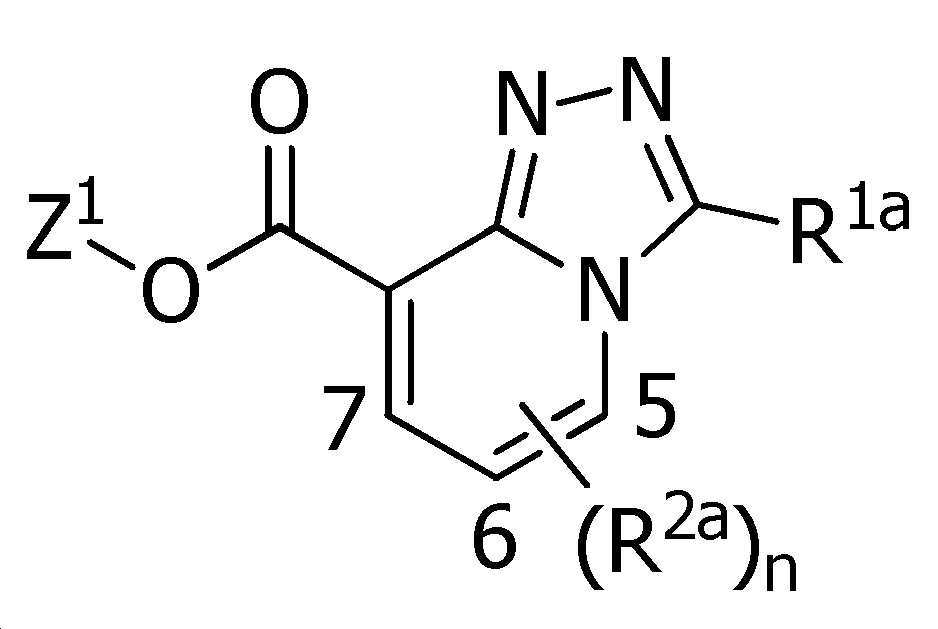

〔제16표〕〔Table 16〕

시험예Test example
다음에, 본 발명 화합물의 제초제로서의 유용성에 대하여, 이하의 시험예에서 구체적으로 설명하나, 본 발명은 이것들로 한정되는 것은 아니다.Next, the usefulness of the compound of the present invention as a herbicide is specifically described in the following test examples, but the present invention is not limited thereto.
〔시험예 1〕 담수조건에 있어서의 잡초 발생전처리에 의한 제초효과시험[Test Example 1] Herbicidal effect test by pretreatment of weed generation under freshwater conditions
1/10000아르의 바그너 포트에 충적토양을 넣은 후, 물을 넣어 혼화하고, 수심 4cm의 담수조건으로 하였다. 피(ノビエ), 올챙이고랭이 및 물달개비의 종자를 상기 컵에 혼파한 후, 2.5엽기의 볏모를 이식하였다. 파종당일, 배합예 2에 준하여 조제한 본 발명 화합물의 유제를 소정의 약량이 되도록 물로 희석하고, 수면에 처리하였다. 컵을 25 내지 30℃의 온실내에 놓고 식물을 육성하고, 약제처리 3주간 후에, 각종 식물에 대한 영향을 하기의 판정기준에 따라 조사하였다. 결과를 제17표에 나타낸다.After putting alluvial soil in a 1/10000 are of Wagner pot, water was added to mix, and a fresh water condition of 4 cm depth was established. After mixing the seeds of blood (Nobie), tadpoles, and water dalgaebi into the cup, 2.5 leafy crests were transplanted. On the day of sowing, the emulsion of the compound of the present invention prepared in accordance with Formulation Example 2 was diluted with water to a predetermined amount and treated on a water surface. The cup was placed in a greenhouse at 25 to 30°C, and the plants were grown, and after 3 weeks of treatment with the drug, the influence on various plants was investigated according to the following criteria. The results are shown in Table 17.
판정기준Criteria
5 ··· 살초율 90% 이상 (거의 완전고사)5 ··· More than 90% killing rate (almost complete test)
4 ··· 살초율 70% 이상 90% 미만4 ··· killing rate of 70% or more and less than 90%
3 ··· 살초율 40% 이상 70% 미만3 ··· killing rate of 40% or more and less than 70%
2 ··· 살초율 20% 이상 40% 미만2 ··· Killing rate of 20% or more and less than 40%
1 ··· 살초율 5% 이상 20% 미만1 ··· killing rate of 5% or more and less than 20%
0 ··· 살초율 5% 이하 (거의 효력없음)0 ··· killing rate less than 5% (nearly ineffective)
〔시험예 2〕 담수조건에 있어서의 잡초 생육기처리에 의한 제초효과시험[Test Example 2] Herbicidal effect test by weed growth period treatment under freshwater conditions
1/10000아르의 바그너 포트에 충적토양을 넣은 후, 물을 넣어 혼화하고, 수심 4cm의 담수조건으로 하였다. 피, 올챙이고랭이 및 물달개비의 종자를 상기 컵에 혼파하고, 25 내지 30℃의 온실내에 놓고 식물을 육성하였다. 피, 올챙이고랭이 및 물달개비가 1 내지 2엽기에 이르렀을 때, 배합예 2에 준하여 조제한 본 발명 화합물의 유제를 소정의 약량이 되도록 물로 희석하고, 수면에 처리하였다. 약제처리 3주간 후에, 각종 식물에 대한 영향을 시험예 1의 판정기준에 따라 조사하였다. 결과를 제18표에 나타낸다.After putting alluvial soil in a 1/10000 are of Wagner pot, water was added to mix, and the freshwater condition was 4 cm deep. Seeds of blood, tadpoles and water dalgaebi were mixed in the cup, and placed in a greenhouse at 25 to 30°C to grow plants. When the blood, tadpoles, and water larva reached the 1st to 2nd leaf stage, the emulsion of the compound of the present invention prepared according to Formulation Example 2 was diluted with water to a predetermined amount, and treated on the water surface. After 3 weeks of drug treatment, the effects on various plants were investigated according to the criteria of Test Example 1. The results are shown in Table 18.
〔시험예 3〕 경엽처리에 의한 제초효과시험[Test Example 3] Herbicidal effect test by foliage treatment
1/10000아르의 바그너 포트에 충적토양을 넣은 후, 물을 넣어 혼화하고, 수심 0.1 내지 0.5cm의 조건으로 하였다. 돌피, 드렁새, 알방동사니 및 벼의 종자를 파종하고, 25 내지 30℃의 온실내에 놓고 식물을 육성하였다. 14일간 육성한 후, 배합예 2에 준하여 조제한 본 발명 화합물의 유제를 소정의 약량이 되도록 물로 희석하고, 경엽부에 소형 스프레이로 균일하게 처리하였다. 약제처리 3주간 후에, 각종 식물에 대한 영향을 시험예 1의 판정기준에 따라 조사하였다. 결과를 제19표에 나타낸다.After putting alluvial soil in a 1/10000 are of Wagner pot, water was added to mix, and the conditions were set to a water depth of 0.1 to 0.5 cm. Seeds of Dolphidae, Drunksae, algae and rice were sown, and they were placed in a greenhouse at 25 to 30°C to cultivate plants. After cultivation for 14 days, the emulsion of the compound of the present invention prepared according to Formulation Example 2 was diluted with water to a predetermined amount, and the foliage was uniformly treated with a small spray. After 3 weeks of drug treatment, the effects on various plants were investigated according to the criteria of Test Example 1. The results are shown in Table 19.
〔시험예 4〕 경엽처리에 의한 제초효과시험[Test Example 4] Herbicidal effect test by foliage treatment
세로 21cm, 가로 13cm, 깊이 7cm의 플라스틱제 상자에 살균한 홍적토양을 넣고, 바랭이, 강아지풀, 돌피, 메귀리, 쥐꼬리뚝새풀, 이탈리아라이그래스, 아페라스피카벤티, 어저귀, 털비름, 명아주, 별꽃, 갈퀴덩굴, 큰개불알풀, 옥수수, 대두, 벼, 밀, 비트 및 채종의 종자를 각각 스팟상으로 파종하고, 약 1.5cm 복토한 후, 25 내지 30℃의 온실내에서 식물을 육성하였다. 14일간 육성한 후, 배합예 2에 준하여 조제한 본 발명 화합물의 유제를 소정의 약량이 되도록 물로 희석하고, 경엽부에 소형 스프레이로 균일하게 처리하였다. 약제처리 3주간 후에, 각종 식물에 대한 영향을 시험예 1의 판정기준에 따라 조사하였다. 결과를 제20표에 나타낸다.Put sterilized red red soil in a plastic box of 21cm long, 13cm wide, and 7cm deep, and put the sterilized red red soil in the plastic box. Seeds of vines, larvae, corn, soybean, rice, wheat, beet, and rapeseed were sown in the form of spots, respectively, covered with about 1.5 cm, and then the plants were grown in a greenhouse at 25 to 30°C. After cultivation for 14 days, the emulsion of the compound of the present invention prepared according to Formulation Example 2 was diluted with water to a predetermined amount, and the foliage was uniformly treated with a small spray. After 3 weeks of drug treatment, the effects on various plants were investigated according to the criteria of Test Example 1. The results are shown in Table 20.
한편, 제17표 내지 제20표 중의 기호는 이하의 의미를 나타낸다.In addition, symbols in Tables 17 to 20 show the following meanings.
A: 피, B: 올챙이고랭이, C: 물달개비, D: 드렁새, E: 알방동사니, F: 바랭이, G: 강아지풀, H: 돌피, I: 메귀리, J: 쥐꼬리뚝새풀, K: 이탈리아라이그래스, L: 아페라스피카벤티, M: 어저귀, N: 털비름, O: 명아주, P: 별꽃, Q: 갈퀴덩굴, R: 큰개불알풀, a: 이식벼, b: 직파벼, c: 옥수수, d: 대두, e: 밀, f: 비트, g: 채종A: Blood, B: Tadpole, C: Waterfinch, D: Drunken Bird, E: Prickly Pear, F: Redfish, G: Puppy Grass, H: Dolphi, I: Swordfish, J: Rattail, K: Italian Rai Grass, L: aperas picaventi, M: diaper, N: hairy stalk, O: Myeongaju, P: Chickweed, Q: rake, R: gorilla, a: transplanted rice, b: direct-cut rice, c: corn, d: soybean, e: wheat, f: beet, g: rapeseed
또한 처리약량(g/ha)이란, 1헥타르(1ha)당으로 환산했을 때에, 기재한 수치의 그램(g)수만큼 처리되도록 농도를 조정한 것을 나타낸다.In addition, the treatment dose (g/ha) indicates that the concentration was adjusted so as to be treated by the number of grams (g) of the stated value when converted into per 1 hectare (1 ha).
〔제17표〕〔Table 17〕
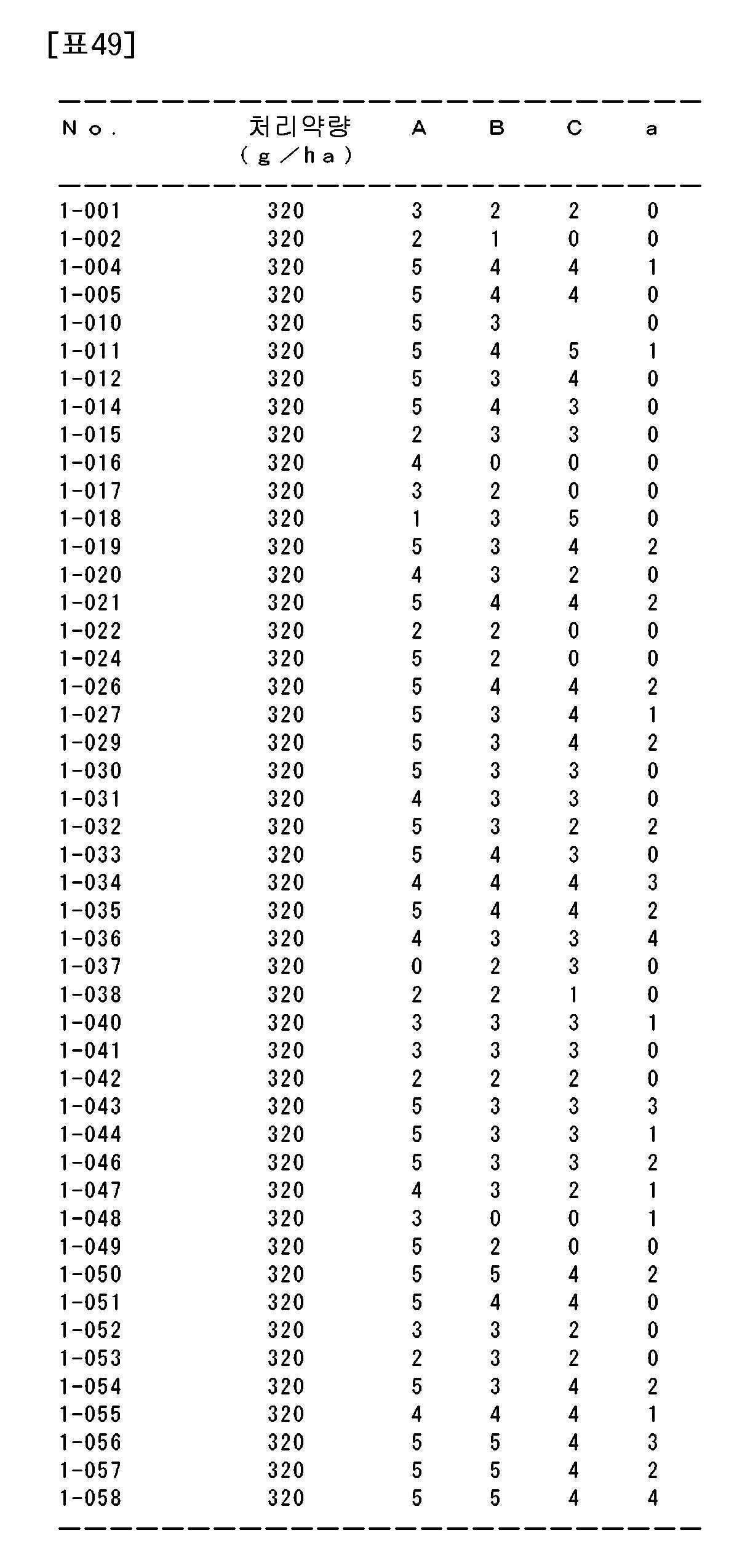
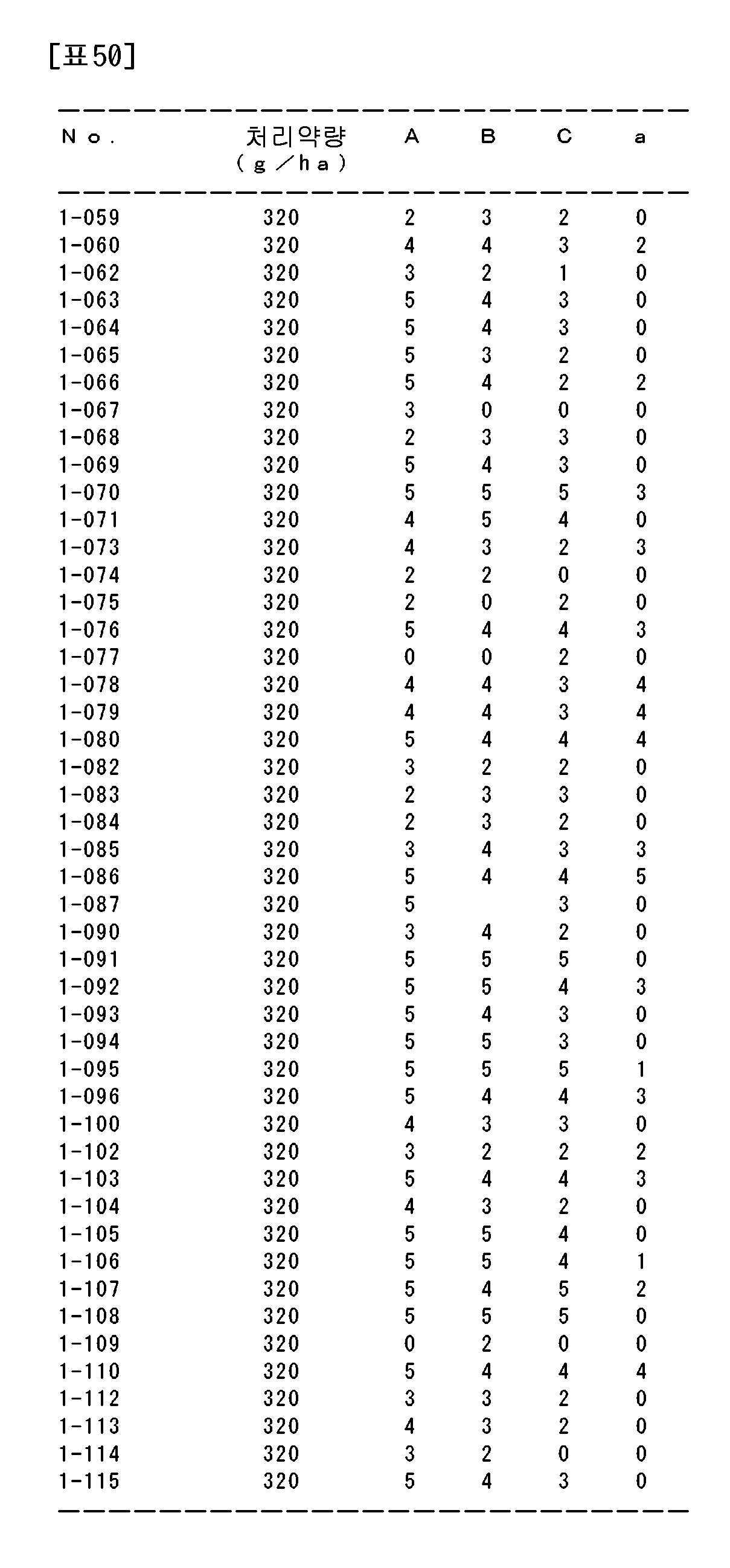

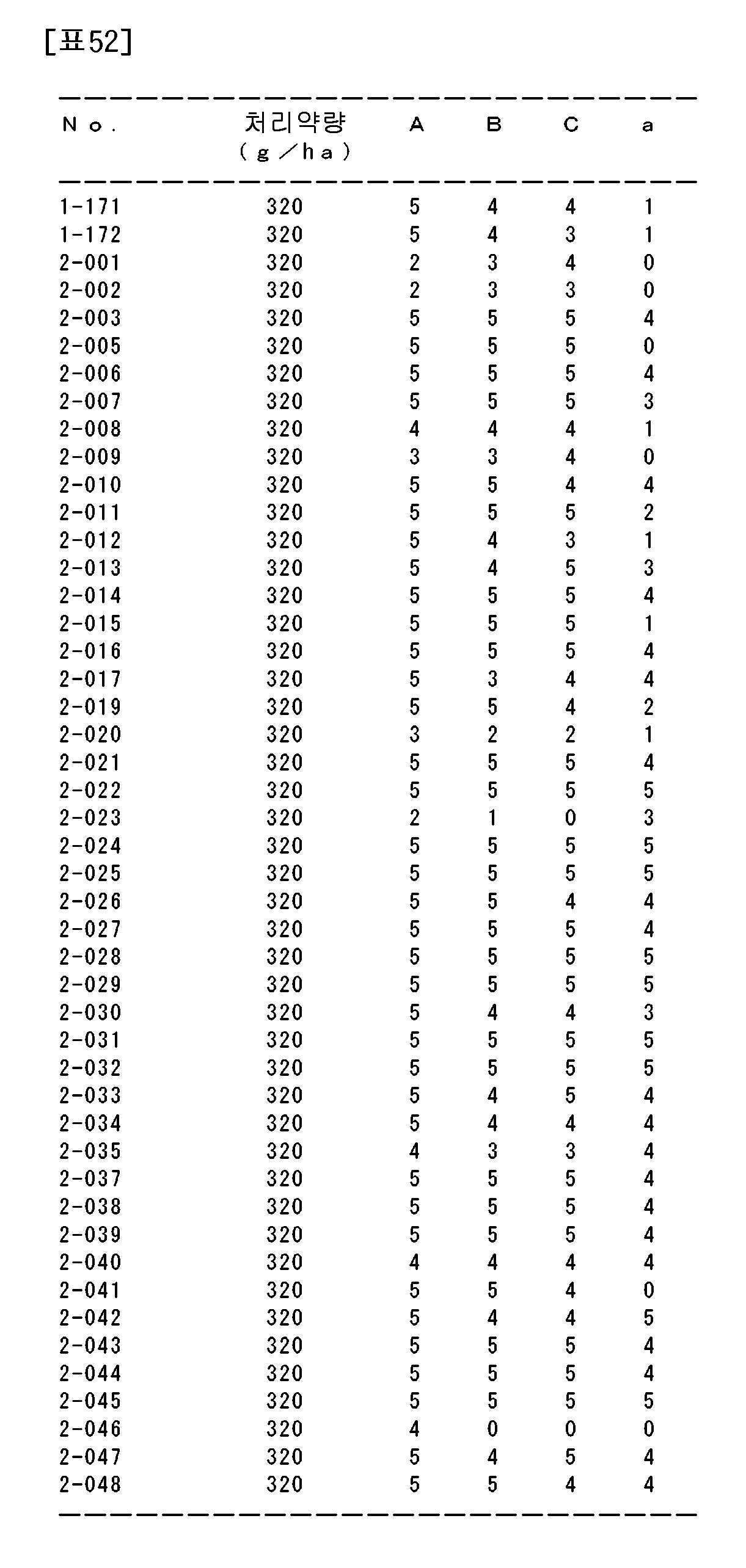
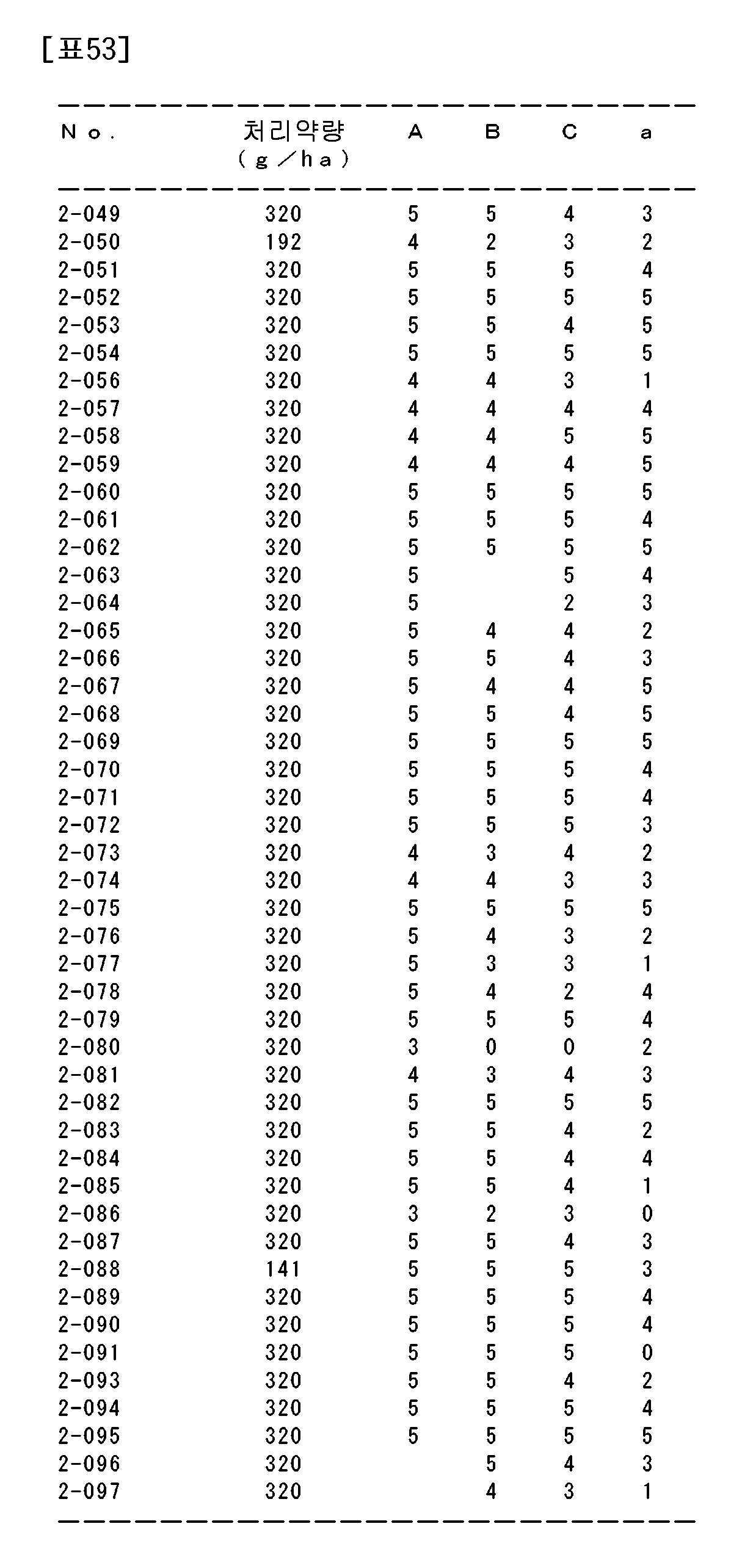
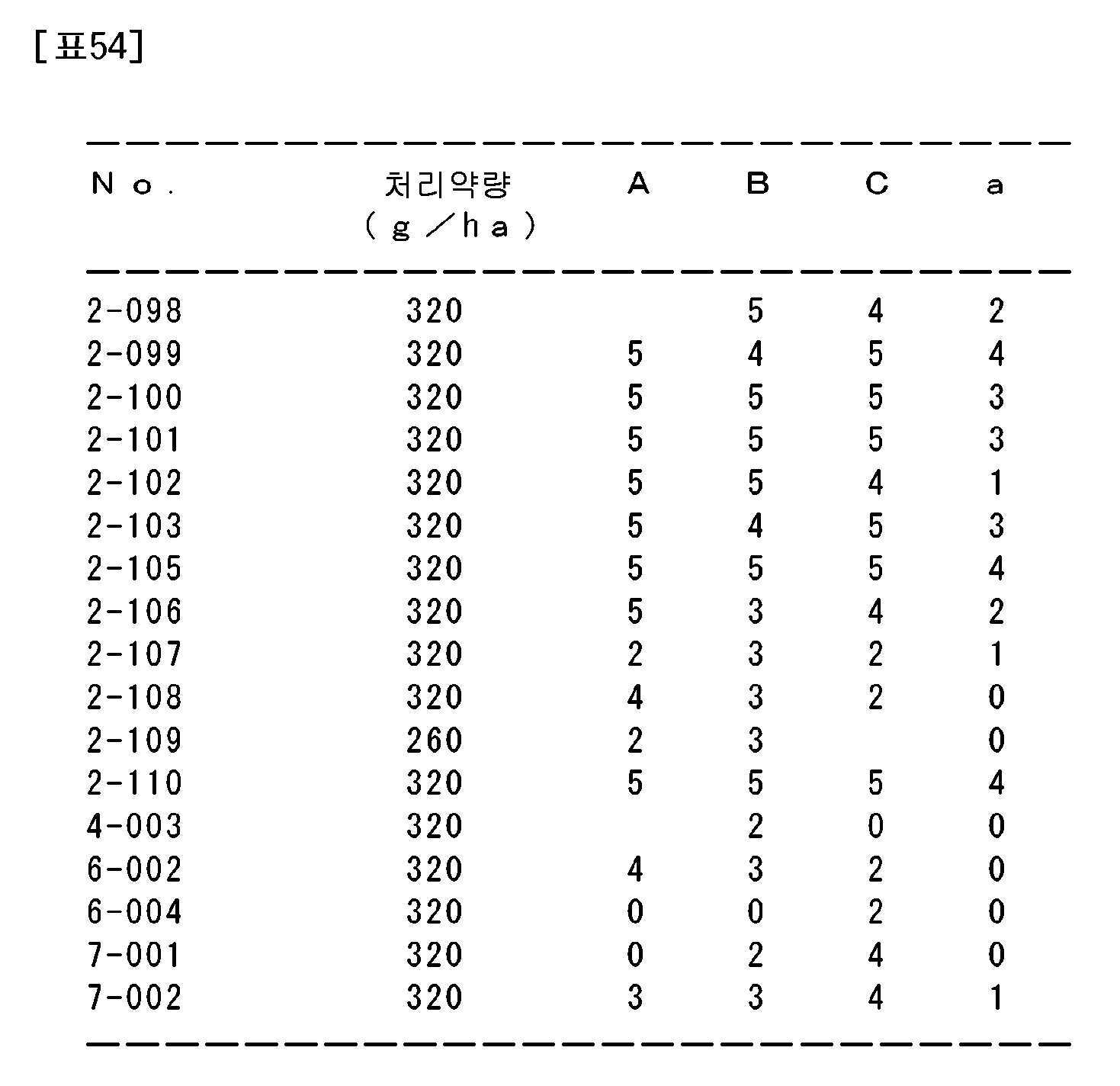
〔제18표〕〔Table 18〕
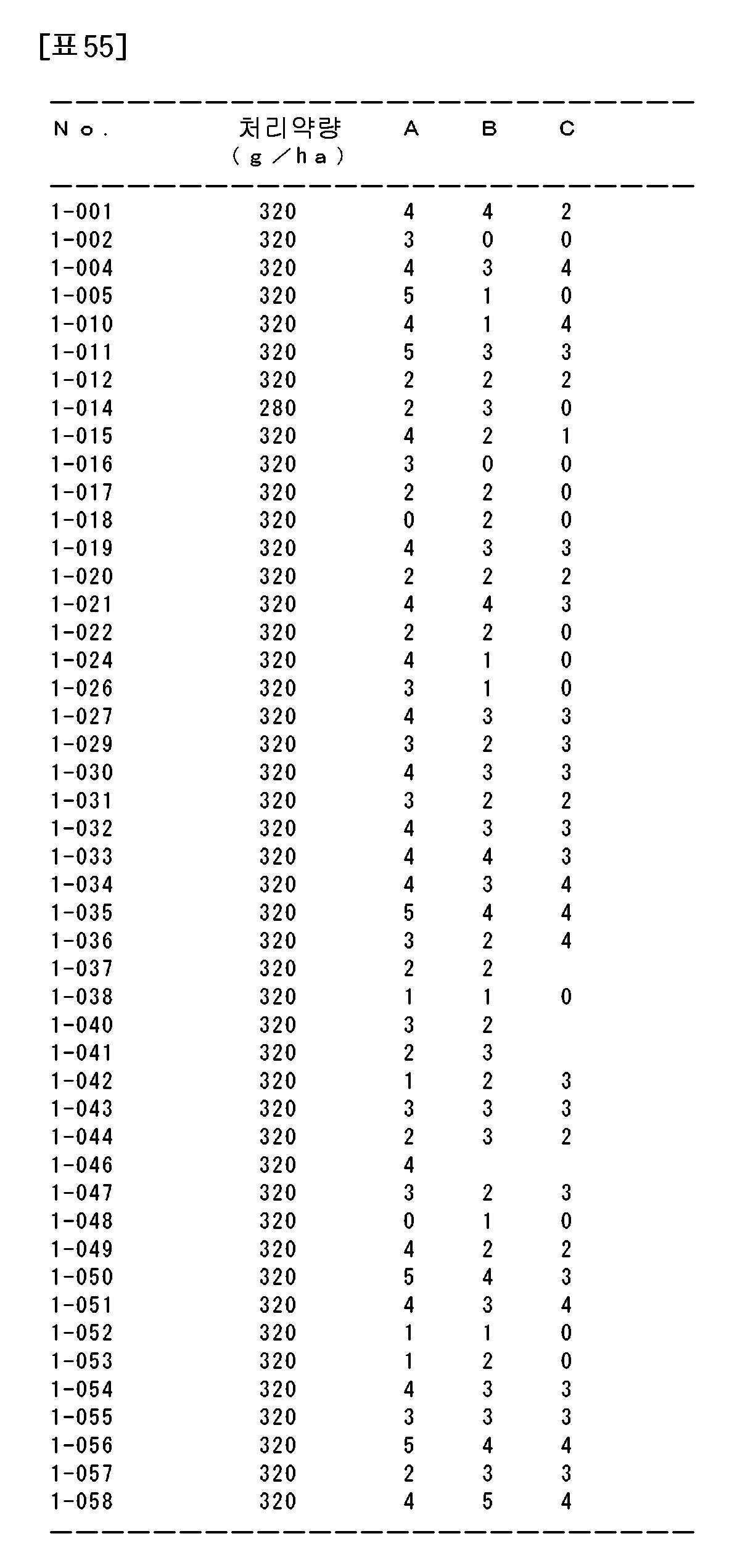
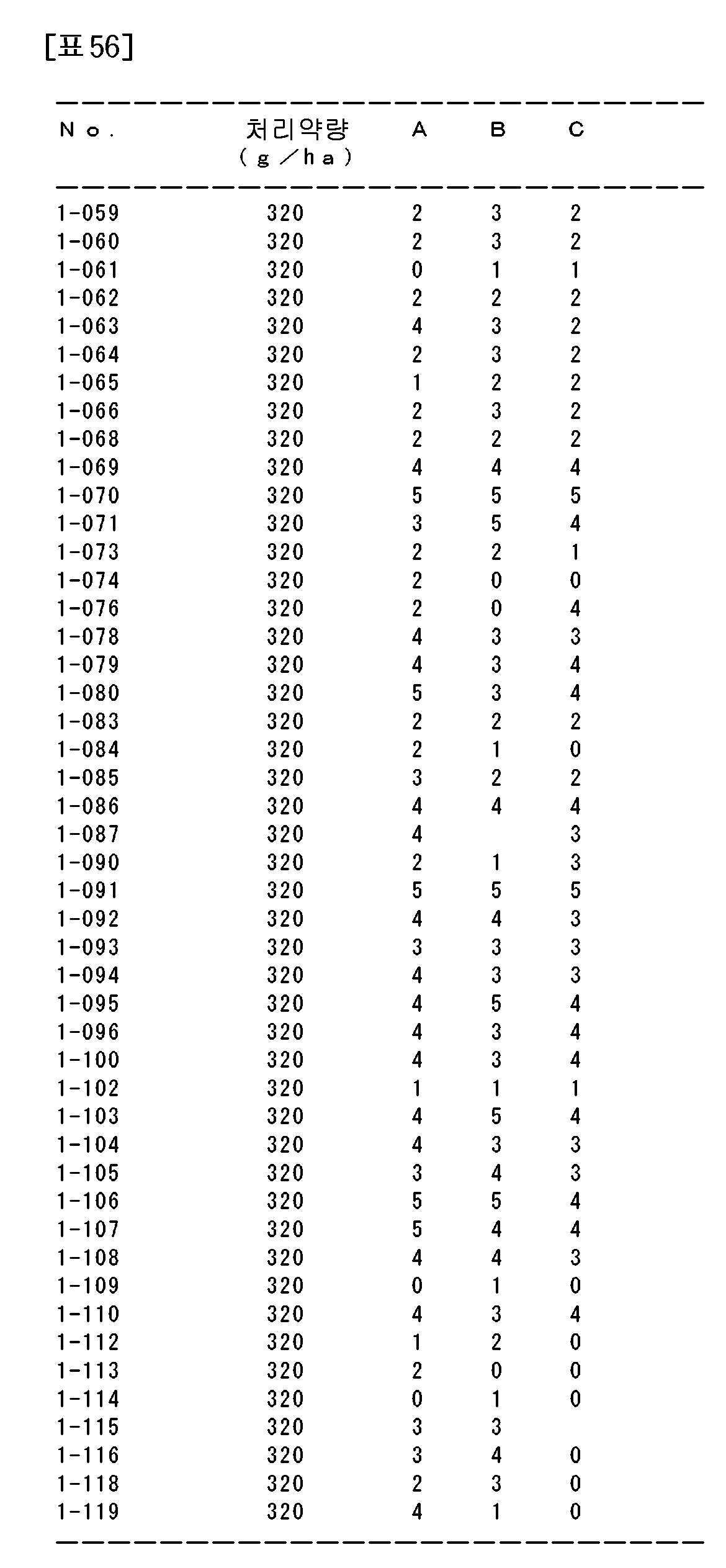


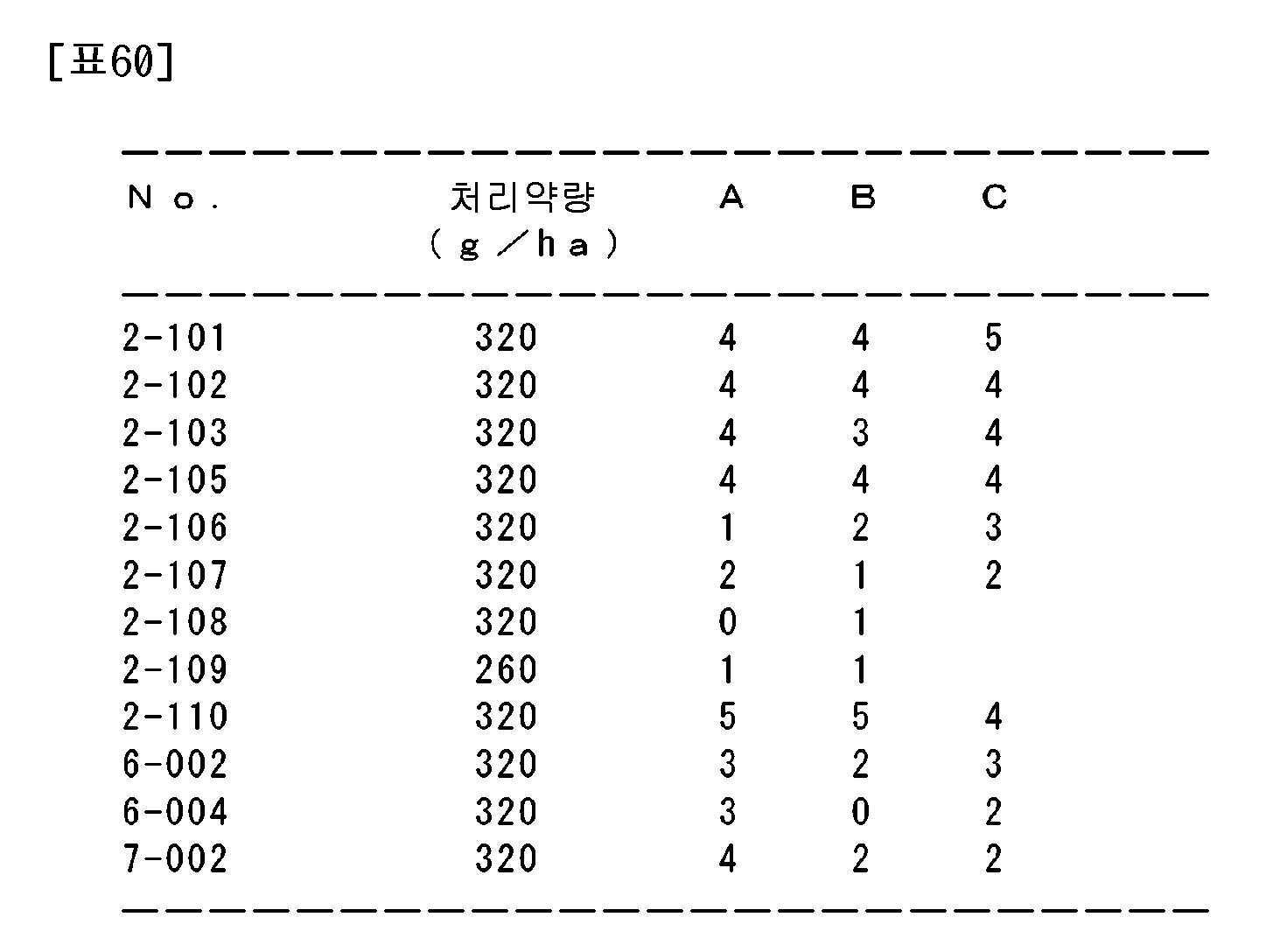
〔제19표〕〔Table 19〕
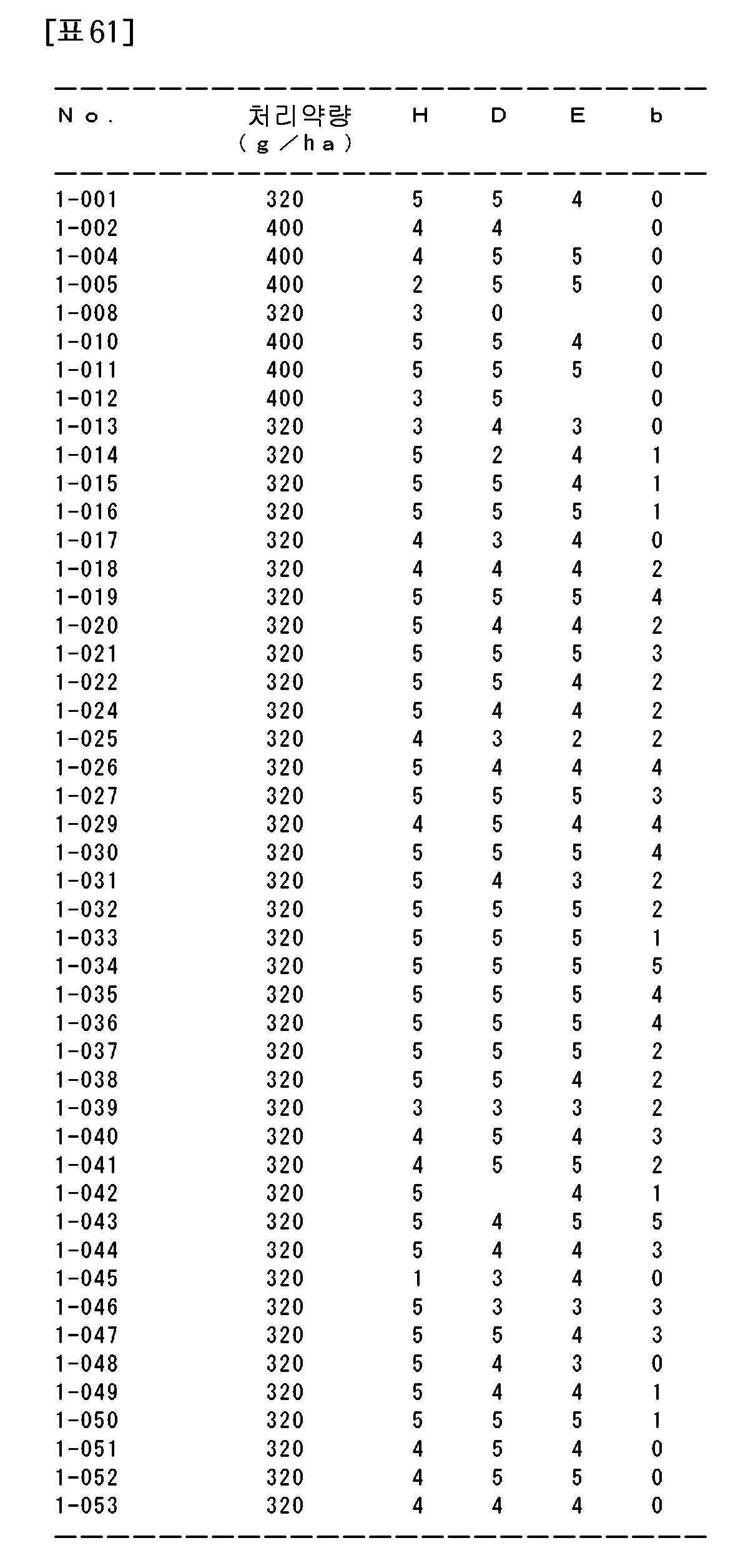
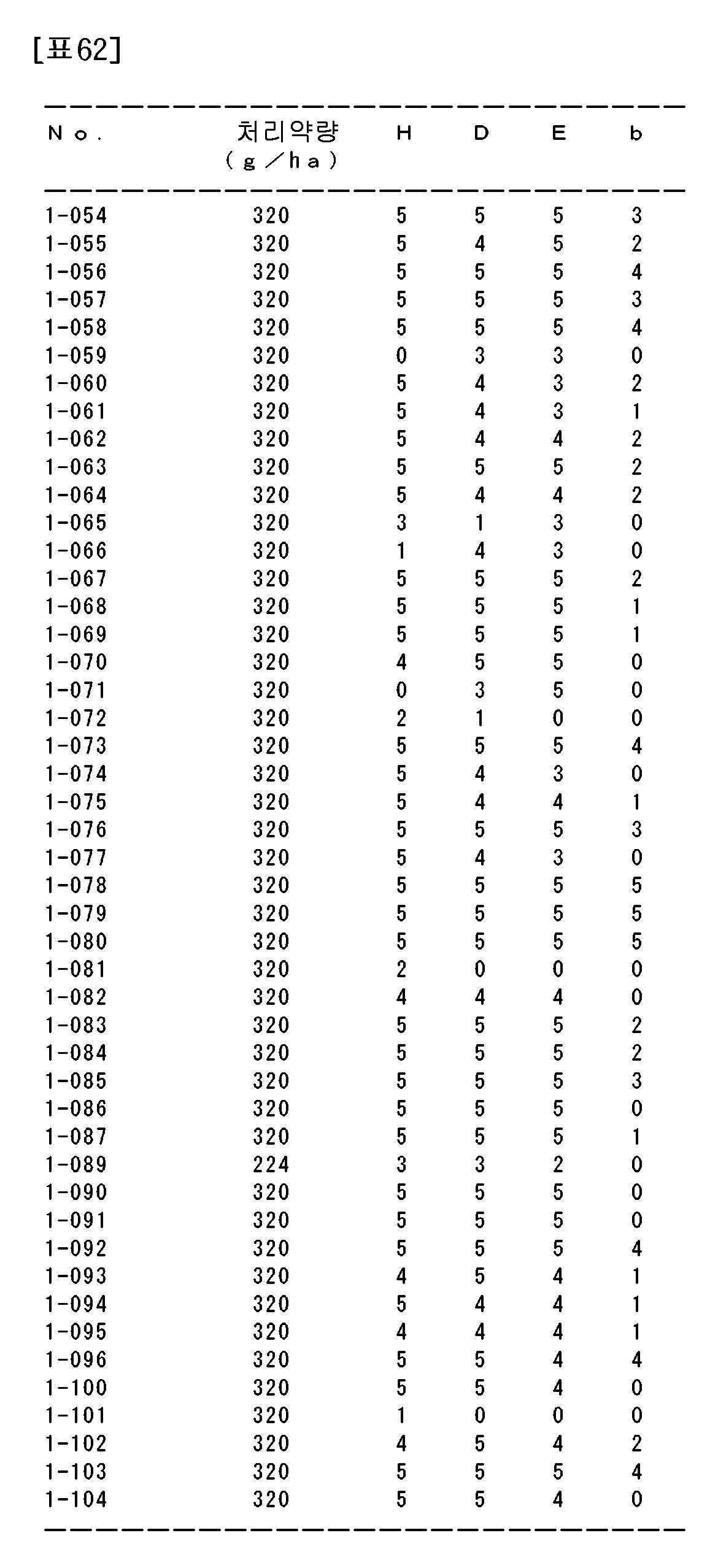

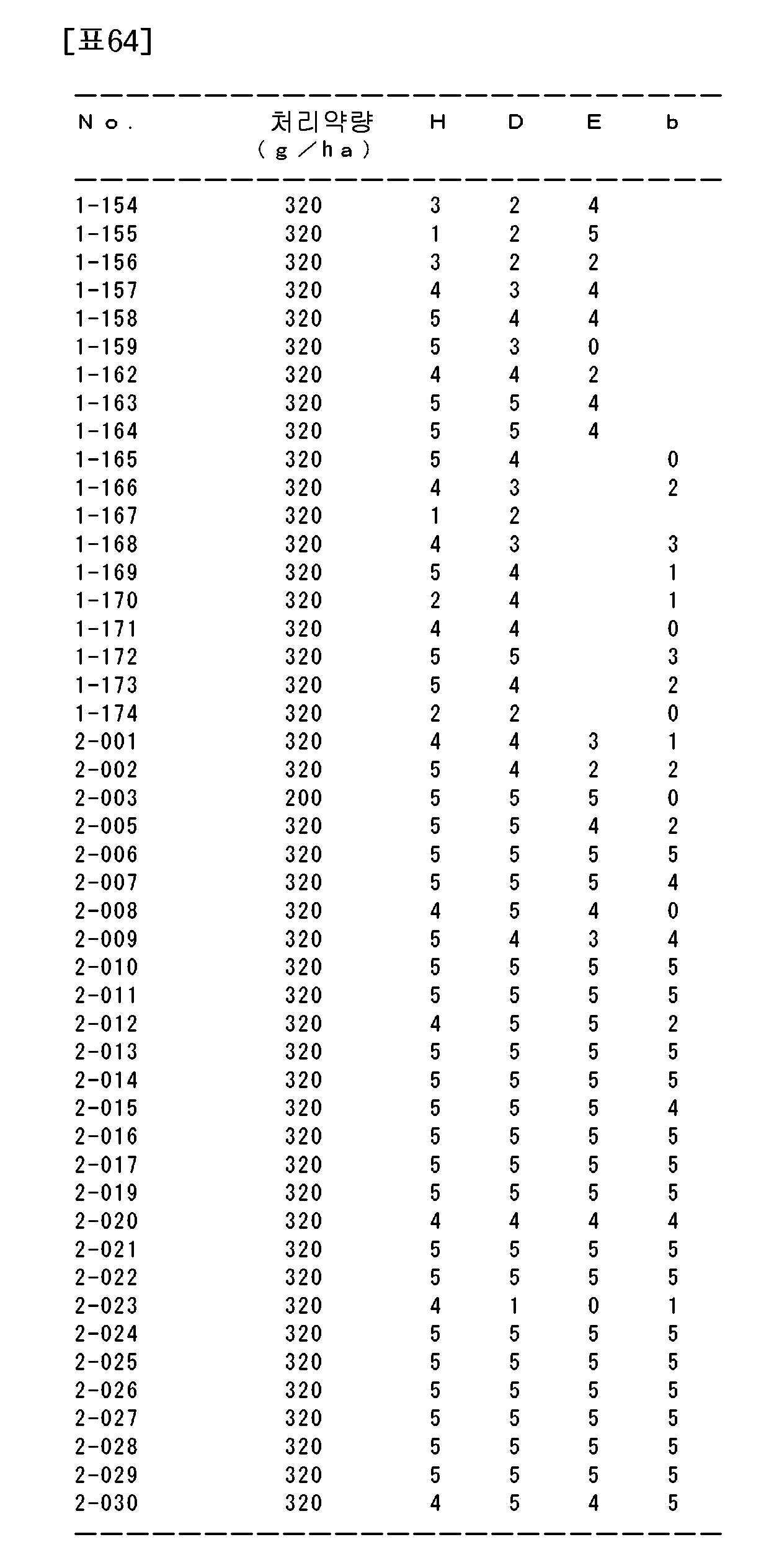
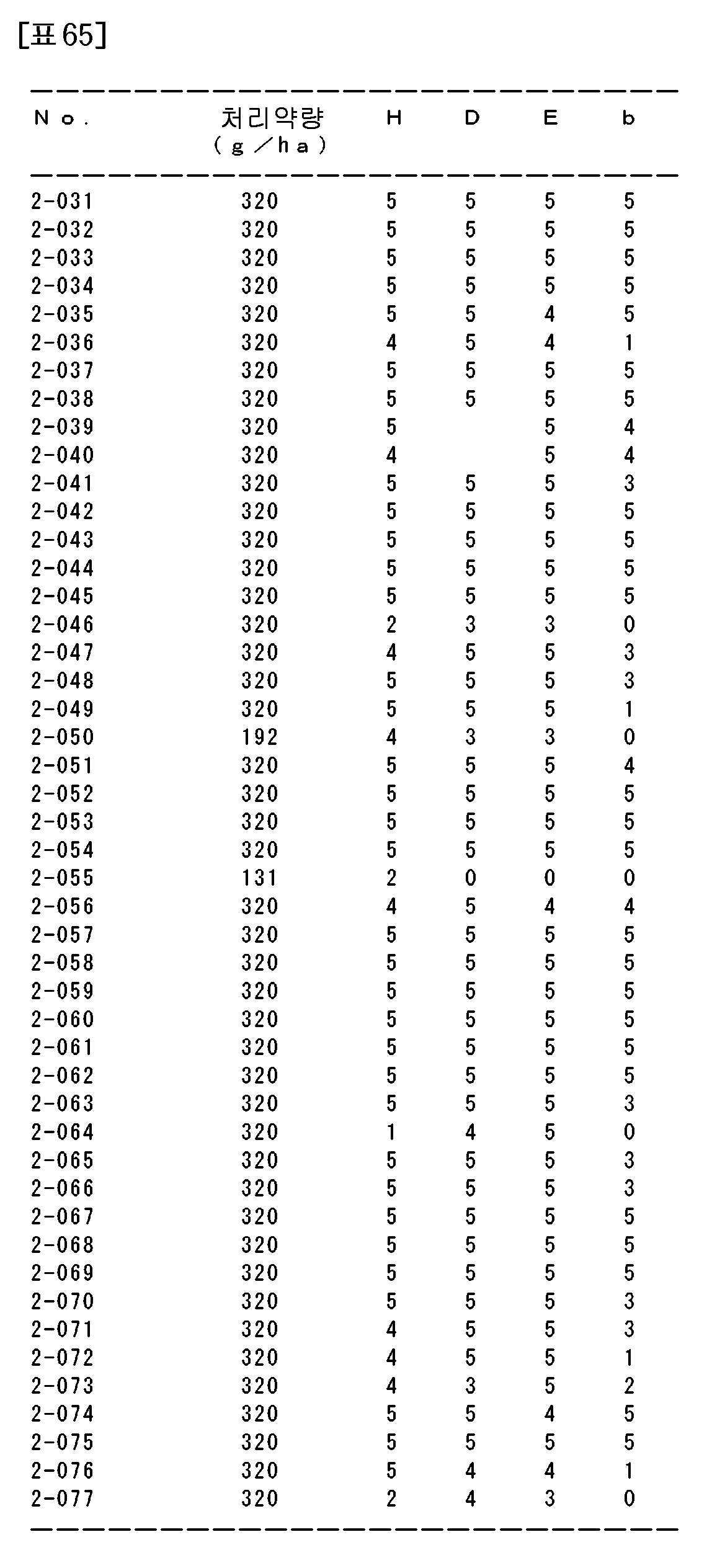

〔제20표〕〔Table 20〕
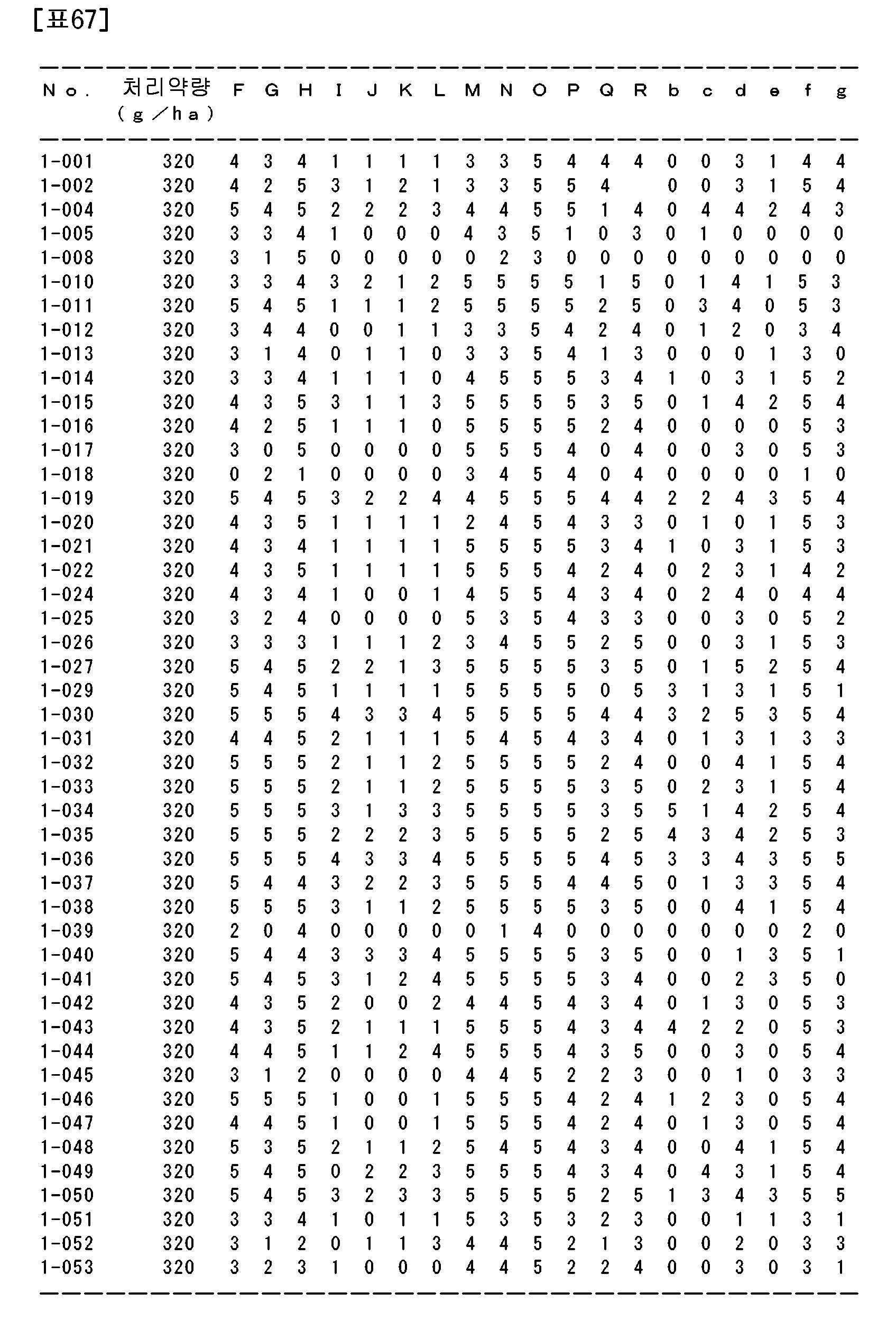
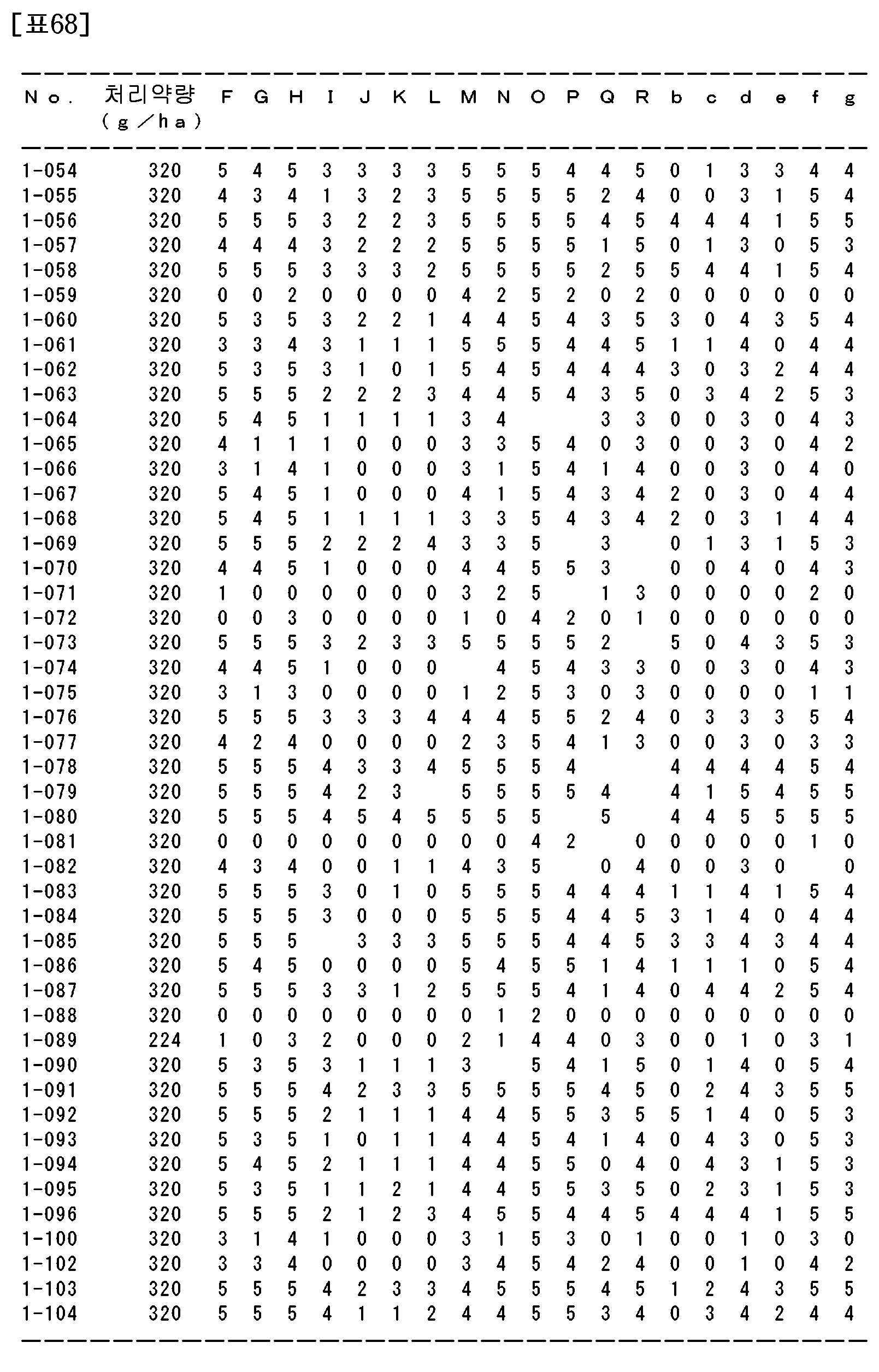

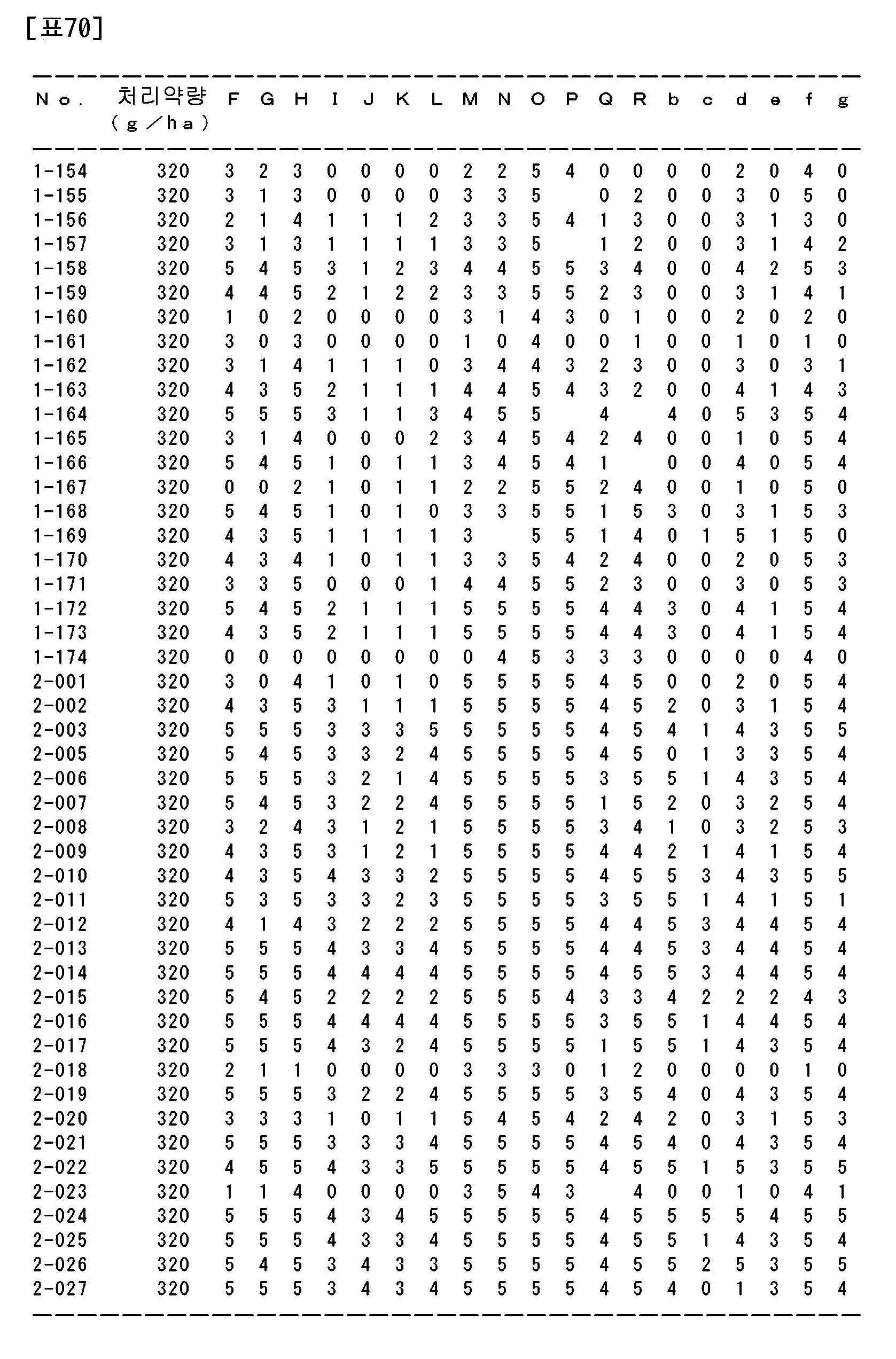


산업상 이용가능성Industrial applicability
본 발명의 복소환 아미드 화합물은 신규 화합물이고, 벼용, 옥수수용, 대두용, 보리용, 비트용 및 채종용의 선택성 제초제로서 유용하다.The heterocyclic amide compound of the present invention is a novel compound, and is useful as a selective herbicide for rice, corn, soybean, barley, beet and rapeseed.
Claims (12)
[화학식 1]

[식 중, Q는, Q-1 내지 Q-5 중 어느 하나로 나타나는 방향족 복소환을 나타내고,
[화학식 2]
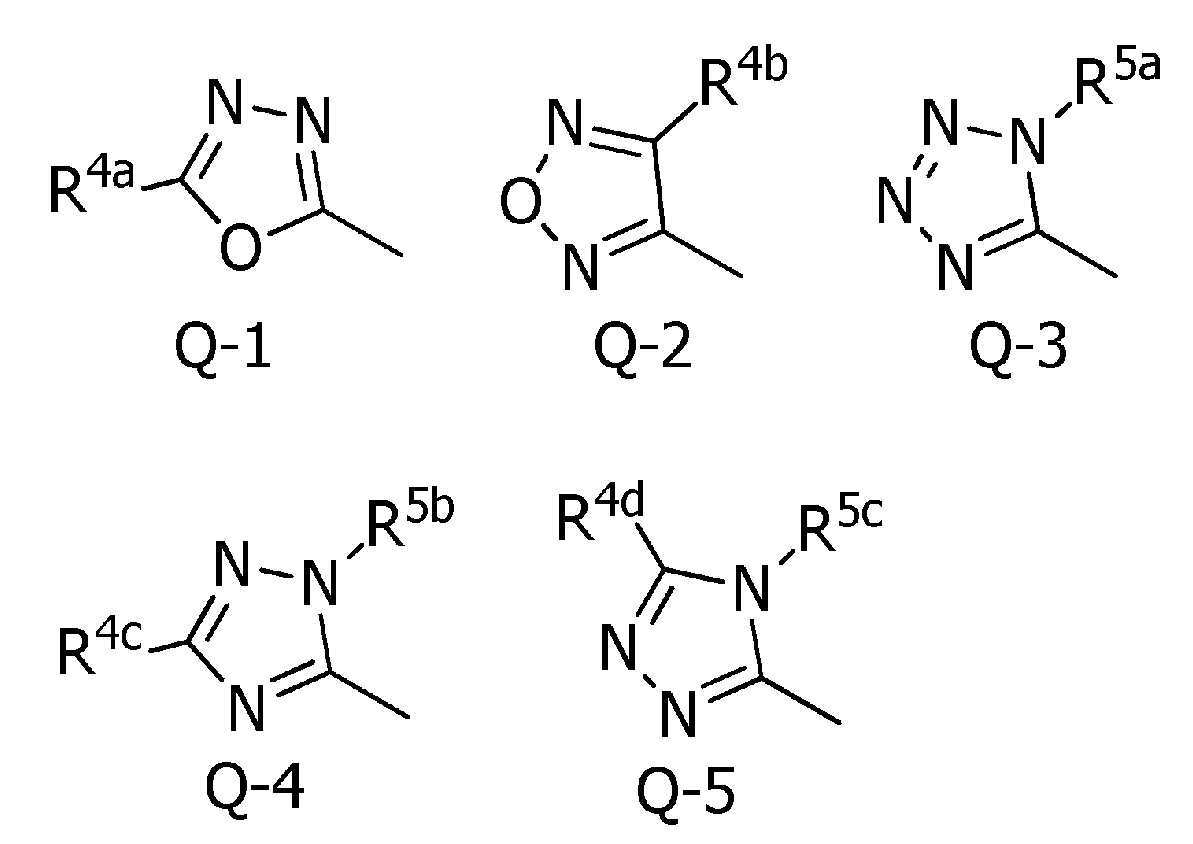
W는, W-1, W-2 또는 W-3으로 나타나는 방향족 복소환을 나타내고,
[화학식 3]

X는, 산소원자 또는 황원자를 나타내고,
R1a는, 수소원자, 할로겐원자, C1~C6알킬, R6에 의해 임의로 치환된 (C1~C6)알킬, C3~C6시클로알킬, R6에 의해 임의로 치환된 (C3~C6)시클로알킬, C2~C6알케닐, C2~C6알키닐, C3~C6시클로알케닐, -C(O)R8, -C(O)OR16, 시아노, -OR9, -S(O)m1R10, -N(R11)R12, -C(=NR12b)R8b, 페닐, (R7)p에 의해 치환된 페닐, 나프틸 또는 U-1 내지 U-25 중 어느 하나의 기를 나타내고,
R1b는, 수소원자, C1~C6알킬, R6에 의해 임의로 치환된 (C1~C6)알킬, C3~C6시클로알킬, R6에 의해 임의로 치환된 (C3~C6)시클로알킬, C2~C6알케닐, C2~C6알키닐, 페닐, (R7)p에 의해 치환된 페닐, 나프틸, 5-6원 헤테로아릴, (R28 및 R28a에 의해 임의로 치환된) 5-6원 헤테로아릴, 3-7원 헤테로시크릴 또는 (R28 및 R28a에 의해 임의로 치환된) 3-7원 헤테로시크릴을 나타내고,
R1c는, C1~C6알킬을 나타내고,
R2a는, 할로겐원자, C1~C6알킬, C1~C6할로알킬, -C(O)R18, -C(O)OR24, 시아노, 니트로, -OR19, -S(O)m3R20, -N(R21)R22, 페닐 또는 (R7)p에 의해 치환된 페닐을 나타내고, n이 2 이상의 정수를 나타낼 때, 각각의 R2a는 서로 동일할 수도 또는 서로 상이할 수도 있고, 나아가, 2개의 R2a가 인접하는 경우에는, 인접하는 2개의 R2a는, -CH=CH-CH=CH-를 형성함으로써, 각각의 R2a가 결합하는 탄소원자와 함께 6원환을 형성할 수도 있고,
R2c는, C1~C6할로알킬을 나타내고,
R3은, 수소원자, C1~C6알킬, R27에 의해 임의로 치환된 (C1~C6)알킬, C3~C6시클로알킬, C3~C6할로시클로알킬, C2~C6알케닐, C2~C6할로알케닐, C2~C6알키닐, C2~C6할로알키닐, -C(O)R25 또는 -C(O)OR26을 나타내고,
R4a는, 수소원자, 할로겐원자, C1~C6알킬, R27에 의해 임의로 치환된 (C1~C6)알킬, C3~C6시클로알킬, R27에 의해 임의로 치환된 (C3~C6)시클로알킬, C2~C6알케닐, C2~C6할로알케닐, C2~C6알키닐, C2~C6할로알키닐, C3~C6시클로알케닐, -NH2, C1~C6알킬아미노, 디(C1~C6알킬)아미노, -NHC(O)R8, 페닐, (R28)r에 의해 치환된 페닐, 5-6원 헤테로아릴, (R28 및 R28a에 의해 임의로 치환된) 5-6원 헤테로아릴, 3-7원 헤테로시크릴 또는 (R28 및 R28a에 의해 임의로 치환된) 3-7원 헤테로시크릴을 나타내고,
R4b는, 수소원자, 할로겐원자, 시아노, 니트로, C1~C6알킬, R27에 의해 임의로 치환된 (C1~C6)알킬, C3~C6시클로알킬, R27에 의해 임의로 치환된 (C3~C6)시클로알킬, C2~C6알케닐, C2~C6할로알케닐, C2~C6알키닐, C2~C6할로알키닐, C3~C6시클로알케닐, -C(O)OR16, -OR38, -S(O)m3R20, -NH2, C1~C6알킬아미노, 디(C1~C6알킬)아미노, -NHC(O)R8, 페닐, (R28)r에 의해 치환된 페닐, 5-6원 헤테로아릴, (R28 및 R28a에 의해 임의로 치환된) 5-6원 헤테로아릴, 3-7원 헤테로시크릴 또는 (R28 및 R28a에 의해 임의로 치환된) 3-7원 헤테로시크릴을 나타내고,
R4c는, 수소원자, 할로겐원자, C1~C6알킬, R27에 의해 임의로 치환된 (C1~C6)알킬, C3~C6시클로알킬, R27에 의해 임의로 치환된 (C3~C6)시클로알킬, 페닐, (R28)r에 의해 치환된 페닐, 5-6원 헤테로아릴, (R28 및 R28a에 의해 임의로 치환된) 5-6원 헤테로아릴, 3-7원 헤테로시크릴 또는 (R28 및 R28a에 의해 임의로 치환된) 3-7원 헤테로시크릴을 나타내고,
R4d는, 수소원자, C1~C6알킬 또는 R35에 의해 임의로 치환된 (C1~C6)알킬을 나타내고,
U-1 내지 U-6, U-6a, U-7 내지 U-10, U-10a, U-11, U-11a, U-12, U-12a, U-13, U-13a, U-14 내지 U-22, U-22a, U-23, U-24, U-25, U-26은, 각각 이하의 구조로 표시되는 복소환을 나타내고,
[화학식 4]
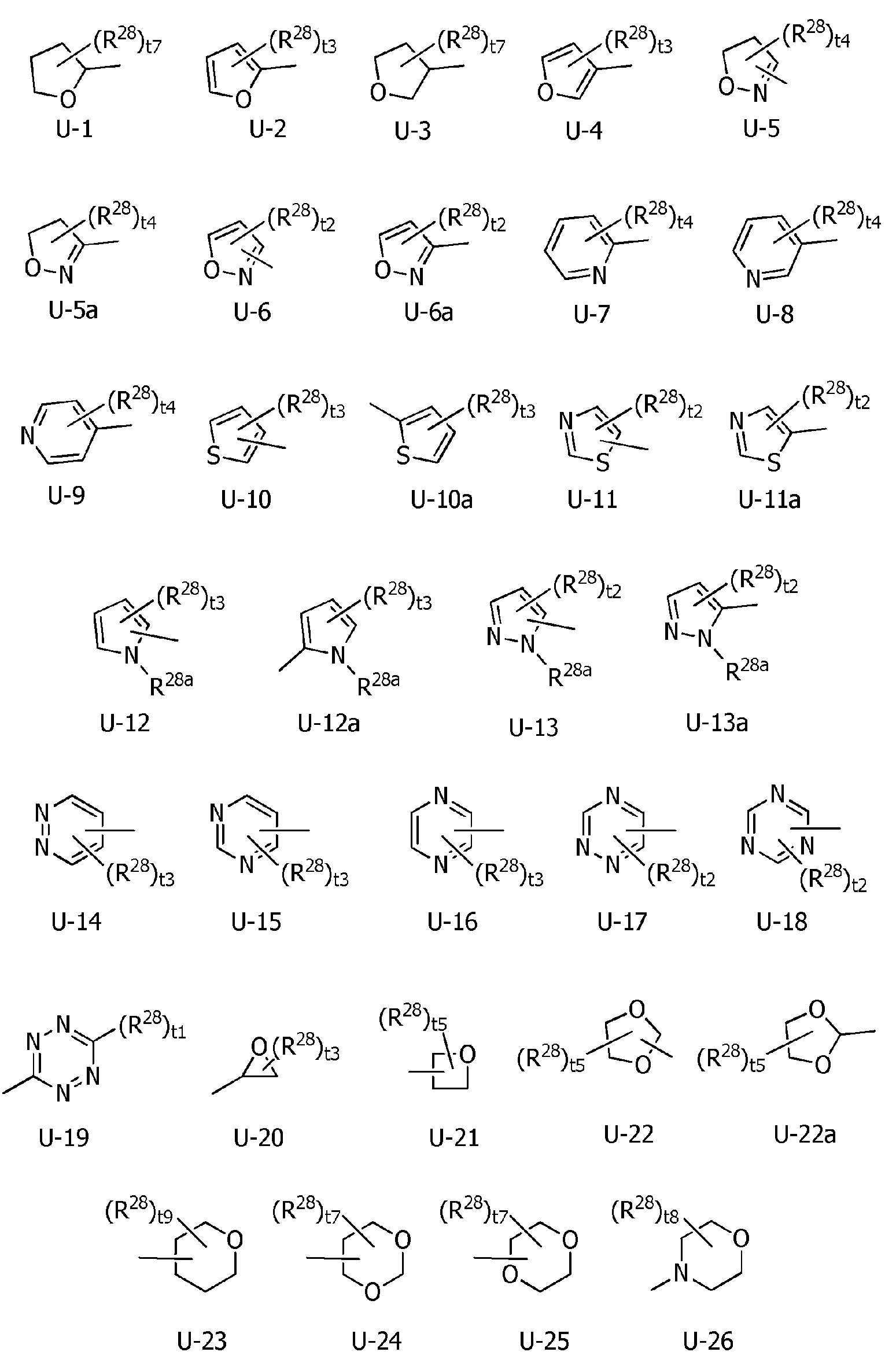
R5a 및 R5b는, 각각 독립적으로 수소원자, C1~C6알킬, R27에 의해 임의로 치환된 (C1~C6)알킬, C3~C6시클로알킬, C3~C6할로시클로알킬, C2~C6알케닐, C2~C6할로알케닐, C2~C6알키닐, C2~C6할로알키닐, C3~C6시클로알케닐, 페닐 또는 (R28)r에 의해 치환된 페닐을 나타내고,
R5c는, 수소원자, C1~C6알킬 또는 R36에 의해 임의로 치환된 (C1~C6)알킬을 나타내거나, 혹은 R5c는, R4d와 -(CH2)4- 또는 -CH=CH-CH=CH-를 형성함으로써, R5c가 결합하는 질소원자 및 R4d가 결합하는 탄소원자와 함께 6원환을 형성할 수도 있고,
R6은, 할로겐원자, 시아노, C3~C6시클로알킬, -C(O)R8, -C(O)OR16, -OR13, -S(O)m2R14, 페닐 또는 (R7)p에 의해 치환된 페닐을 나타내고,
R7은, 할로겐원자, 시아노, 니트로, C1~C6알킬, R27에 의해 임의로 치환된 (C1~C6)알킬, C3~C6시클로알킬, C3~C6할로시클로알킬, C2~C6알케닐, C2~C6할로알케닐, C2~C6알키닐, C2~C6할로알키닐, C3~C6시클로알케닐, C1~C6알킬카르보닐, C3~C6시클로알킬카르보닐, C1~C6할로알킬카르보닐, C3~C6할로시클로알킬카르보닐, C1~C6알콕시카르보닐, C1~C6할로알콕시카르보닐, C1~C6알킬아미노카르보닐, C1~C6할로알킬아미노카르보닐, 디(C1~C6알킬아미노)카르보닐, -OR15, -S(O)m3R20, C1~C6알킬아미노설포닐, 디(C1~C6알킬)아미노설포닐, -NH2, C1~C6알킬아미노, 디(C1~C6알킬)아미노, 5-6원 헤테로아릴, (R28 및 R28a에 의해 임의로 치환된) 5-6원 헤테로아릴, 3-7원 헤테로시크릴 또는 (R28 및 R28a에 의해 임의로 치환된) 3-7원 헤테로시크릴을 나타내고,
R8은, 수소원자, C1~C6알킬 또는 -N(R11a)R12a를 나타내고,
R8b는, 수소원자 또는 C1~C6알킬을 나타내고,
R9는, 수소원자, C1~C6알킬 또는 페닐을 나타내고,
R10은, 수소원자, C1~C6알킬, R34에 의해 임의로 치환된 (C1~C6)알킬, C3~C6시클로알킬, C3~C6할로시클로알킬, C2~C6알케닐, C2~C6할로알케닐, C2~C6알키닐 또는 C2~C6할로알키닐을 나타내고,
R11 및 R12는, 각각 독립적으로 수소원자, C1~C6알킬, R34에 의해 임의로 치환된 (C1~C6)알킬, C3~C6시클로알킬, C2~C6알케닐, C2~C6할로알케닐, C2~C6알키닐, C2~C6할로알키닐, 페닐설포닐, 페닐, (R7)p에 의해 치환된 페닐, U-7, U-8, U-9 또는 U-14 내지 U-19를 나타내거나, 혹은, R11은 R12와 하나가 되어 C2~C6알킬렌쇄를 형성함으로써, R11 및 R12가 결합하는 질소원자와 함께 3~7원환을 형성할 수도 있음을 나타내고, 이때 이 알킬렌쇄는 O, S, S(O), S(O)2 또는 N(R33)을 1개 포함할 수도 있고, 또한 옥소기 또는 티옥소기에 의해 치환되어 있을 수도 있고,
R11a 및 R12a는, 각각 독립적으로 수소원자, C1~C6알킬 또는 페닐을 나타내거나, 혹은, R11a는 R12a와 하나가 되어 C2~C6알킬렌쇄를 형성함으로써, R11a 및 R12a가 결합하는 질소원자와 함께 3~7원환을 형성할 수도 있음을 나타내고, 이때 이 알킬렌쇄는 O, S, S(O), S(O)2 또는 N(R33)을 1개 포함할 수도 있고, 또한 옥소기 또는 티옥소기에 의해 치환되어 있을 수도 있고,
R12b는, -OR19b를 나타내고,
R13은, 수소원자, C1~C6알킬, R34에 의해 임의로 치환된 (C1~C6)알킬, C2~C6알케닐, C2~C6할로알케닐, C2~C6알키닐, C2~C6할로알키닐, -C(O)R8 또는 페닐을 나타내고,
R14는, 수소원자, C1~C6알킬, R34에 의해 임의로 치환된 (C1~C6)알킬, C2~C6알케닐, C2~C6할로알케닐, C2~C6알키닐, C2~C6할로알키닐 또는 페닐을 나타내고,
R15는, 수소원자, C1~C6알킬, R27에 의해 임의로 치환된 (C1~C6)알킬, C3~C6시클로알킬, C3~C6할로시클로알킬, C2~C6알케닐, C2~C6할로알케닐, C2~C6알키닐, C2~C6할로알키닐 또는 C3~C6시클로알케닐을 나타내고,
R16은, 수소원자, C1~C6알킬 또는 R37에 의해 임의로 치환된 (C1~C6)알킬을 나타내고,
R18은, 수소원자 또는 C1~C6알킬을 나타내고,
R19는, 수소원자, C1~C6알킬 또는 페닐을 나타내고,
R19b는, 수소원자 또는 C1~C6알킬을 나타내고,
R20은, C1~C6알킬, C1~C6할로알킬, C3~C6시클로알킬, C2~C6알케닐, C2~C6할로알케닐, C2~C6알키닐, C2~C6할로알키닐 또는 C3~C6시클로알케닐을 나타내고,
R21 및 R22는, 각각 독립적으로 수소원자, C1~C6알킬 또는 페닐을 나타내거나, 혹은, R21은 R22와 하나가 되어 C2~C6알킬렌쇄를 형성함으로써, R21 및 R22가 결합하는 질소원자와 함께 3~7원환을 형성할 수도 있음을 나타내고, 이때 이 알킬렌쇄는 O, S, S(O), S(O)2 또는 N(R39)를 1개 포함할 수도 있고, 또한 옥소기 또는 티옥소기에 의해 치환되어 있을 수도 있고,
R24는, 수소원자 또는 C1~C6알킬을 나타내고,
R25 및 R26은, 각각 독립적으로는, 수소원자, C1~C6알킬, C1~C6할로알킬, C3~C6시클로알킬, C3~C6할로시클로알킬, C2~C6알케닐, C2~C6할로알케닐, C2~C6알키닐, C2~C6할로알키닐, C3~C6시클로알케닐 또는 페닐을 나타내고,
R27은, 할로겐원자, 시아노, 니트로, 페닐, (R28)r에 의해 치환된 페닐, -C(O)OR16, -OR29, -S(O)m4R30, 5-6원 헤테로아릴, (R28 및 R28a에 의해 임의로 치환된) 5-6원 헤테로아릴, 3-7원 헤테로시크릴 또는 (R28 및 R28a에 의해 임의로 치환된) 3-7원 헤테로시크릴을 나타내고,
R28은, 할로겐원자, 시아노, 니트로, C1~C6알킬, C1~C6할로알킬, C3~C6시클로알킬, C3~C6할로시클로알킬, C2~C6알케닐, C2~C6할로알케닐, C2~C6알키닐, C2~C6할로알키닐, (C1~C6알콕시)C1~C6알킬, -OR31 또는 -S(O)m4R30을 나타내고, t2, t3, t4, t5, t7, t8 또는 t9가 2 이상의 정수를 나타낼 때, 각각의 R28은 서로 동일할 수도 또는 서로 상이할 수도 있고, 나아가 2개의 R28이 인접하는 경우에는, 인접하는 2개의 R28은 하나가 되어 -CH=CH-CH=CH-를 형성함으로써, 각각의 R28이 결합하는 탄소원자와 함께 6원환을 형성할 수도 있고,
R28a는, C1~C6알킬, C1~C6할로알킬, (C1~C6알콕시)C1~C6알킬 또는 (C1~C6알킬티오)C1~C6알킬을 나타내고,
R29, R30 및 R31은, 각각 독립적으로, 수소원자, C1~C6알킬, C1~C6할로알킬, C3~C6시클로알킬, C3~C6할로시클로알킬, C2~C6알케닐, C2~C6할로알케닐, C2~C6알키닐, C2~C6할로알키닐, C3~C6시클로알케닐 또는 페닐을 나타내고,
R33은, 수소원자, C1~C6알킬을 나타내고,
R34는, 할로겐원자, 시아노, C3~C6시클로알킬, -C(O)R8, -C(O)OR16, -OR33, -S(O)m6R33, 페닐, (R7)p에 의해 치환된 페닐, U-1, U-3, U-7, U-8, U-9 또는 U-14 내지 U-25를 나타내고,
R35는, 할로겐원자 또는 C1~C6알콕시를 나타내고,
R36은, 할로겐원자 또는 C1~C6알콕시를 나타내고,
R37은, C1~C6알콕시를 나타내고,
R38은, C1~C6알킬, R34에 의해 임의로 치환된 (C1~C6)알킬, C3~C6시클로알킬, C3~C6할로시클로알킬, C2~C6알케닐, C2~C6할로알케닐, C2~C6알키닐, C2~C6할로알키닐, C3~C6시클로알케닐 또는 페닐을 나타내고,
R39는, 수소원자 또는 C1~C6알킬을 나타내고,
t1은, 0 또는 1의 정수를 나타내고,
m1, m2, m3, m4, m6 및 t2는, 각각 독립적으로 0, 1 또는 2의 정수를 나타내고,
n 및 t3은, 각각 독립적으로 0, 1, 2 또는 3의 정수를 나타내고,
p 및 r은, 각각 독립적으로 1, 2, 3, 4 또는 5의 정수를 나타내고,
t4는, 0, 1, 2, 3 또는 4의 정수를 나타내고,
t5는, 0, 1, 2, 3, 4 또는 5의 정수를 나타내고,
t7은, 0, 1, 2, 3, 4, 5, 6 또는 7의 정수를 나타내고,
t8은, 0, 1, 2, 3, 4, 5, 6, 7 또는 8의 정수를 나타내고,
t9는, 0, 1, 2, 3, 4, 5, 6, 7, 8 또는 9의 정수를 나타낸다.]로 표시되는 복소환 아미드 화합물 또는 그의 염.
Equation (1):
[Formula 1]
[In the formula, Q represents an aromatic heterocycle represented by any one of Q-1 to Q-5,
[Formula 2]
W represents an aromatic heterocycle represented by W-1, W-2 or W-3,
[Formula 3]
X represents an oxygen atom or a sulfur atom,
R 1a is a hydrogen atom, a halogen atom, C 1 ~ C 6 alkyl, R a by 6 optionally substituted (C 1 ~ C 6) alkyl, C 3 ~ C 6 cycloalkyl, by an R 6 is optionally substituted (C 3 ~C 6 )cycloalkyl, C 2 ~C 6 alkenyl, C 2 ~C 6 alkynyl, C 3 ~C 6 cycloalkenyl, -C(O)R 8 , -C(O)OR 16 , cyanide No, -OR 9 , -S(O) m1 R 10 , -N(R 11 )R 12 , -C(=NR 12b )R 8b , phenyl, phenyl, naphthyl or substituted by (R 7 ) p Represents a group in any one of U-1 to U-25,
R 1b is a hydrogen atom, C 1 ~ C 6 alkyl, R a by 6 optionally substituted (C 1 ~ C 6) alkyl, C 3 ~ C 6, an by cycloalkyl, R 6 is optionally substituted (C 3 ~ C 6 ) Cycloalkyl, C 2 to C 6 alkenyl, C 2 to C 6 alkynyl, phenyl, phenyl substituted by (R 7 ) p , naphthyl, 5-6 membered heteroaryl, (R 28 and R 28a 5-6 membered heteroaryl, 3-7 membered heterocyclyl or 3-7 membered heterocyclyl (optionally substituted by R 28 and R 28a ),
R 1c represents C 1 to C 6 alkyl,
R 2a is a halogen atom, C 1 to C 6 alkyl, C 1 to C 6 haloalkyl, -C(O)R 18 , -C(O)OR 24 , cyano, nitro, -OR 19 , -S( O) m3 R 20 , -N (R 21 ) R 22 , phenyl or (R 7 ) represents phenyl substituted by p , and when n represents an integer of 2 or more, each R 2a may be the same as each other or It may be different, and further, when two R 2a are adjacent, two adjacent R 2a form -CH=CH-CH=CH-, so that each R 2a is 6 together with the carbon atom to which it is bonded. Can form a torus,
R 2c represents C 1 to C 6 haloalkyl,
R 3 is a hydrogen atom, C 1 ~C 6 alkyl, (C 1 ~C 6 )alkyl optionally substituted by R 27 , C 3 ~C 6 cycloalkyl, C 3 ~C 6 halocycloalkyl, C 2 ~ C 6 alkenyl, C 2 to C 6 haloalkenyl, C 2 to C 6 alkynyl, C 2 to C 6 haloalkynyl, -C(O)R 25 or -C(O)OR 26 ,
R 4a is a hydrogen atom, a halogen atom, C 1 ~ C 6 alkyl, by R 27 is optionally substituted (C 1 ~ C 6) alkyl, C 3 ~ C 6 cycloalkyl, by R 27 is optionally substituted (C 3 ~C 6 )cycloalkyl, C 2 ~C 6 alkenyl, C 2 ~C 6 haloalkenyl, C 2 ~C 6 alkynyl, C 2 ~C 6 haloalkynyl, C 3 ~C 6 cycloalkenyl , -NH 2 , C 1 ~C 6 alkylamino, di(C 1 ~C 6 alkyl)amino, -NHC(O)R 8 , phenyl, phenyl substituted by (R 28 ) r , 5-6 membered hetero Aryl, 5-6 membered heteroaryl (optionally substituted by R 28 and R 28a ), 3-7 membered heterocyclyl or 3-7 membered heterocyclyl (optionally substituted by R 28 and R 28a) ,
R 4b is by a hydrogen atom, a halogen atom, cyano, nitro, C 1 ~C 6 alkyl, (C 1 ~C 6 )alkyl optionally substituted by R 27 , C 3 ~C 6 cycloalkyl, R 27 Optionally substituted (C 3 ~C 6 )cycloalkyl, C 2 ~C 6 alkenyl, C 2 ~C 6 haloalkenyl, C 2 ~C 6 alkynyl, C 2 ~C 6 haloalkynyl, C 3 ~ C 6 cycloalkenyl, -C(O)OR 16 , -OR 38 , -S(O) m3 R 20 , -NH 2 , C 1 ~C 6 alkylamino, di(C 1 ~C 6 alkyl)amino, -NHC(O)R 8 , phenyl, (R 28 ) phenyl substituted by r , 5-6 membered heteroaryl, 5-6 membered heteroaryl (optionally substituted by R 28 and R 28a), 3-7 Represents a membered heterocyclyl or a 3-7 membered heterocyclyl (optionally substituted by R 28 and R 28a ),
R 4c is a hydrogen atom, a halogen atom, C 1 ~ C 6 alkyl, by R 27 is optionally substituted (C 1 ~ C 6) alkyl, C 3 ~ C 6 cycloalkyl, by R 27 is optionally substituted (C 3 ~ C 6 )cycloalkyl, phenyl, (R 28 ) phenyl substituted by r , 5-6 membered heteroaryl, 5-6 membered heteroaryl (optionally substituted by R 28 and R 28a), 3-7 Represents a membered heterocyclyl or a 3-7 membered heterocyclyl (optionally substituted by R 28 and R 28a ),
R 4d represents a hydrogen atom, C 1 to C 6 alkyl or (C 1 to C 6 )alkyl optionally substituted by R 35,
U-1 to U-6, U-6a, U-7 to U-10, U-10a, U-11, U-11a, U-12, U-12a, U-13, U-13a, U- 14 to U-22, U-22a, U-23, U-24, U-25, U-26 each represent a heterocycle represented by the following structures,
[Formula 4]
R 5a and R 5b are each independently a hydrogen atom, C 1 to C 6 alkyl, (C 1 to C 6 )alkyl optionally substituted by R 27 , C 3 to C 6 cycloalkyl, C 3 to C 6 halo Cycloalkyl, C 2 to C 6 alkenyl, C 2 to C 6 haloalkenyl, C 2 to C 6 alkynyl, C 2 to C 6 haloalkynyl, C 3 to C 6 cycloalkenyl, phenyl or (R 28 ) represents phenyl substituted by r,
R 5c represents a hydrogen atom, C 1 to C 6 alkyl or (C 1 to C 6 )alkyl optionally substituted by R 36 , or R 5c is R 4d and -(CH 2 ) 4 -or- By forming CH=CH-CH=CH-, a 6-membered ring may be formed with the nitrogen atom to which R 5c is bonded and the carbon atom to which R 4d is bonded,
R 6 is a halogen atom, cyano, C 3 to C 6 cycloalkyl, -C(O)R 8 , -C(O)OR 16 , -OR 13 , -S(O) m2 R 14 , phenyl or ( R 7 ) represents phenyl substituted by p,
R 7 is a halogen atom, cyano, nitro, C 1 to C 6 alkyl, (C 1 to C 6 )alkyl optionally substituted by R 27 , C 3 to C 6 cycloalkyl, C 3 to C 6 halocyclo Alkyl, C 2 ~C 6 alkenyl, C 2 ~C 6 haloalkenyl, C 2 ~C 6 alkynyl, C 2 ~C 6 haloalkynyl, C 3 ~C 6 cycloalkenyl, C 1 ~C 6 Alkylcarbonyl, C 3 ~C 6 cycloalkylcarbonyl, C 1 ~C 6 haloalkylcarbonyl, C 3 ~C 6 halocycloalkylcarbonyl, C 1 ~C 6 alkoxycarbonyl, C 1 ~C 6 halo Alkoxycarbonyl, C 1 ~C 6 alkylaminocarbonyl, C 1 ~C 6 haloalkylaminocarbonyl, di(C 1 ~C 6 alkylamino)carbonyl, -OR 15 , -S(O) m3 R 20 , C 1 ~C 6 alkylaminosulfonyl, di(C 1 ~C 6 alkyl)aminosulfonyl, -NH 2 , C 1 ~C 6 alkylamino, di(C 1 ~C 6 alkyl)amino, 5-6 Membered heteroaryl, 5-6 membered heteroaryl (optionally substituted by R 28 and R 28a ), 3-7 membered heterocyclyl, or 3-7 membered heterocyclyl (optionally substituted by R 28 and R 28a) Represents,
R 8 represents a hydrogen atom, C 1 to C 6 alkyl or -N(R 11a )R 12a ,
R 8b represents a hydrogen atom or C 1 to C 6 alkyl,
R 9 represents a hydrogen atom, C 1 to C 6 alkyl or phenyl,
R 10 is a hydrogen atom, C 1 ~C 6 alkyl, (C 1 ~C 6 )alkyl optionally substituted by R 34 , C 3 ~C 6 cycloalkyl, C 3 ~C 6 halocycloalkyl, C 2 ~ C 6 alkenyl, C 2 to C 6 haloalkenyl, C 2 to C 6 alkynyl or C 2 to C 6 haloalkynyl,
R 11 and R 12 are each independently a hydrogen atom, C 1 ~C 6 alkyl, (C 1 ~C 6 )alkyl optionally substituted by R 34 , C 3 ~C 6 cycloalkyl, C 2 ~C 6 Al Kenyl, C 2 to C 6 haloalkenyl, C 2 to C 6 alkynyl, C 2 to C 6 haloalkynyl, phenylsulfonyl, phenyl, phenyl substituted by (R 7 ) p , U-7, U -8, U-9, or U-14 to U-19, or R 11 becomes one with R 12 to form a C 2 to C 6 alkylene chain, whereby R 11 and R 12 are bonded to each other. It represents that it may form a 3 to 7 membered ring together with, at this time, this alkylene chain may contain one O, S, S(O), S(O) 2 or N(R 33 ), and also an oxo group Or it may be substituted by a thioxo group,
R 11a and R 12a each independently represent a hydrogen atom, C 1 to C 6 alkyl or phenyl, or R 11a is one with R 12a to form a C 2 to C 6 alkylene chain, whereby R 11a and It indicates that R 12a may form a 3 to 7 membered ring with the nitrogen atom to which it is bound, and this alkylene chain contains one O, S, S(O), S(O) 2 or N(R 33 ) May be used, or may be substituted with an oxo group or a thioxo group,
R 12b represents -OR 19b,
R 13 is a hydrogen atom, C 1 ~C 6 alkyl, (C 1 ~C 6 )alkyl optionally substituted by R 34 , C 2 ~C 6 alkenyl, C 2 ~C 6 haloalkenyl, C 2 ~ C 6 alkynyl, C 2 to C 6 haloalkynyl, -C(O)R 8 or phenyl,
R 14 is a hydrogen atom, C 1 ~C 6 alkyl, (C 1 ~C 6 )alkyl optionally substituted by R 34 , C 2 ~C 6 alkenyl, C 2 ~C 6 haloalkenyl, C 2 ~ C 6 alkynyl, C 2 ~ C 6 represents haloalkynyl or phenyl,
R 15 is a hydrogen atom, C 1 ~C 6 alkyl, (C 1 ~C 6 )alkyl optionally substituted by R 27 , C 3 ~C 6 cycloalkyl, C 3 ~C 6 halocycloalkyl, C 2 ~ C 6 alkenyl, C 2 to C 6 haloalkenyl, C 2 to C 6 alkynyl, C 2 to C 6 haloalkynyl or C 3 to C 6 cycloalkenyl,
R 16 represents a hydrogen atom, C 1 to C 6 alkyl or (C 1 to C 6 )alkyl optionally substituted by R 37,
R 18 represents a hydrogen atom or C 1 to C 6 alkyl,
R 19 represents a hydrogen atom, C 1 to C 6 alkyl or phenyl,
R 19b represents a hydrogen atom or C 1 to C 6 alkyl,
R 20 is C 1 ~C 6 alkyl, C 1 ~C 6 haloalkyl, C 3 ~C 6 cycloalkyl, C 2 ~C 6 alkenyl, C 2 ~C 6 haloalkenyl, C 2 ~C 6 alky Nyl, C 2 to C 6 haloalkynyl or C 3 to C 6 cycloalkenyl,
R 21 and R 22 each independently represent a hydrogen atom, C 1 to C 6 alkyl or phenyl, or R 21 is one with R 22 to form a C 2 to C 6 alkylene chain, whereby R 21 and It indicates that R 22 may form a 3 to 7 membered ring with the nitrogen atom to which it is bound, and this alkylene chain contains one O, S, S(O), S(O) 2 or N(R 39 ) May be used, or may be substituted with an oxo group or a thioxo group,
R 24 represents a hydrogen atom or C 1 to C 6 alkyl,
R 25 and R 26 are each independently a hydrogen atom, C 1 to C 6 alkyl, C 1 to C 6 haloalkyl, C 3 to C 6 cycloalkyl, C 3 to C 6 halocycloalkyl, C 2 to C 6 alkenyl, C 2 to C 6 haloalkenyl, C 2 to C 6 alkynyl, C 2 to C 6 haloalkynyl, C 3 to C 6 cycloalkenyl or phenyl,
R 27 is a halogen atom, cyano, nitro, phenyl, (R 28 ) phenyl substituted by r , -C(O)OR 16 , -OR 29 , -S(O) m4 R 30 , 5-6 members Heteroaryl, 5-6 membered heteroaryl (optionally substituted by R 28 and R 28a ), 3-7 membered heterocyclyl or 3-7 membered heterocyclyl (optionally substituted by R 28 and R 28a) Indicate,
R 28 is a halogen atom, cyano, nitro, C 1 ~C 6 alkyl, C 1 ~C 6 haloalkyl, C 3 ~C 6 cycloalkyl, C 3 ~C 6 halocycloalkyl, C 2 ~C 6 Al Kenyl, C 2 ~C 6 haloalkenyl, C 2 ~C 6 alkynyl, C 2 ~C 6 haloalkynyl, (C 1 ~C 6 alkoxy)C 1 ~C 6 alkyl, -OR 31 or -S( O) m4 R 30 is represented, and when t2, t3, t4, t5, t7, t8 or t9 represents an integer of 2 or more, each of R 28 may be the same as or different from each other, and further two R 28 In the case of adjoining, two adjacent R 28s become one to form -CH=CH-CH=CH-, thereby forming a 6-membered ring together with the carbon atom to which each R 28 is bonded,
R 28a is C 1 ~C 6 alkyl, C 1 ~C 6 haloalkyl, (C 1 ~C 6 alkoxy)C 1 ~C 6 alkyl or (C 1 ~C 6 alkylthio)C 1 ~C 6 alkyl Indicate,
R 29 , R 30 and R 31 are each independently a hydrogen atom, C 1 to C 6 alkyl, C 1 to C 6 haloalkyl, C 3 to C 6 cycloalkyl, C 3 to C 6 halocycloalkyl, C 2 to C 6 alkenyl, C 2 to C 6 haloalkenyl, C 2 to C 6 alkynyl, C 2 to C 6 haloalkynyl, C 3 to C 6 cycloalkenyl or phenyl,
R 33 represents a hydrogen atom, C 1 to C 6 alkyl,
R 34 is a halogen atom, cyano, C 3 to C 6 cycloalkyl, -C(O)R 8 , -C(O)OR 16 , -OR 33 , -S(O) m6 R 33 , phenyl, ( R 7 ) represents phenyl substituted by p , U-1, U-3, U-7, U-8, U-9 or U-14 to U-25,
R 35 represents a halogen atom or C 1 to C 6 alkoxy,
R 36 represents a halogen atom or C 1 to C 6 alkoxy,
R 37 represents C 1 to C 6 alkoxy,
R 38 is C 1 ~C 6 alkyl, (C 1 ~C 6 )alkyl optionally substituted by R 34 , C 3 ~C 6 cycloalkyl, C 3 ~C 6 halocycloalkyl, C 2 ~C 6 Al Kenyl, C 2 to C 6 haloalkenyl, C 2 to C 6 alkynyl, C 2 to C 6 haloalkynyl, C 3 to C 6 cycloalkenyl or phenyl,
R 39 represents a hydrogen atom or C 1 to C 6 alkyl,
t1 represents an integer of 0 or 1,
m1, m2, m3, m4, m6 and t2 each independently represent an integer of 0, 1 or 2,
n and t3 each independently represent an integer of 0, 1, 2 or 3,
p and r each independently represent an integer of 1, 2, 3, 4 or 5,
t4 represents an integer of 0, 1, 2, 3 or 4,
t5 represents an integer of 0, 1, 2, 3, 4 or 5,
t7 represents an integer of 0, 1, 2, 3, 4, 5, 6 or 7,
t8 represents an integer of 0, 1, 2, 3, 4, 5, 6, 7 or 8,
t9 represents an integer of 0, 1, 2, 3, 4, 5, 6, 7, 8, or 9.] The heterocyclic amide compound or a salt thereof.
W는, W-1 또는 W-2로 나타나는 방향족 복소환을 나타내고,
R2a는, 할로겐원자, C1~C6알킬, C1~C6할로알킬, -C(O)R18, -C(O)OR24, 시아노, 니트로, -OR19 또는 -S(O)m3R20을 나타내고, n이 2 이상의 정수를 나타낼 때, 각각의 R2a는 서로 동일할 수도 또는 서로 상이할 수도 있는 복소환 아미드 화합물 또는 그의 염.
The method of claim 1,
W represents an aromatic heterocycle represented by W-1 or W-2,
R 2a is a halogen atom, C 1 to C 6 alkyl, C 1 to C 6 haloalkyl, -C(O)R 18 , -C(O)OR 24 , cyano, nitro, -OR 19 or -S( O) When m3 R 20 is represented and n represents an integer of 2 or more, each R 2a may be the same as or different from each other, or a heterocyclic amide compound or a salt thereof.
R1b는, 수소원자, C1~C6알킬, R6에 의해 임의로 치환된 (C1~C6)알킬, C3~C6시클로알킬, R6에 의해 임의로 치환된 (C3~C6)시클로알킬, C2~C6알케닐, C2~C6알키닐, 페닐, (R7)p에 의해 치환된 페닐, 나프틸 또는 U-1 내지 U-25 중 어느 하나의 기를 나타내고,
R4a는, 수소원자, 할로겐원자, C1~C6알킬, R27에 의해 임의로 치환된 (C1~C6)알킬, C3~C6시클로알킬, R27에 의해 임의로 치환된 (C3~C6)시클로알킬, C2~C6알케닐, C2~C6할로알케닐, C2~C6알키닐, C2~C6할로알키닐, C3~C6시클로알케닐, -NH2, C1~C6알킬아미노, 디(C1~C6알킬)아미노, -NHC(O)R8, 페닐, (R28)r에 의해 치환된 페닐 또는 U-1 내지 U-26 중 어느 하나의 기를 나타내고,
R7은, 할로겐원자, 시아노, 니트로, C1~C6알킬, R27에 의해 임의로 치환된 (C1~C6)알킬, C3~C6시클로알킬, C3~C6할로시클로알킬, C2~C6알케닐, C2~C6할로알케닐, C2~C6알키닐, C2~C6할로알키닐, C3~C6시클로알케닐, C1~C6알킬카르보닐, C3~C6시클로알킬카르보닐, C1~C6할로알킬카르보닐, C3~C6할로시클로알킬카르보닐, C1~C6알콕시카르보닐, C1~C6할로알콕시카르보닐, C1~C6알킬아미노카르보닐, C1~C6할로알킬아미노카르보닐, 디(C1~C6알킬아미노)카르보닐, -OR15, -S(O)m3R20, C1~C6알킬아미노설포닐, 디(C1~C6알킬)아미노설포닐, -NH2, C1~C6알킬아미노, 디(C1~C6알킬)아미노 또는 U-1 내지 U-26 중 어느 하나의 기를 나타내고,
R27은, 할로겐원자, 시아노, 니트로, 페닐, (R28)r에 의해 치환된 페닐, -C(O)OR16, -OR29, -S(O)m4R30 또는 U-1 내지 U-26 중 어느 하나의 기를 나타내는 복소환 아미드 화합물 또는 그의 염.
The method of claim 2,
R 1b is a hydrogen atom, C 1 ~ C 6 alkyl, R a by 6 optionally substituted (C 1 ~ C 6) alkyl, C 3 ~ C 6, an by cycloalkyl, R 6 is optionally substituted (C 3 ~ C 6 ) Cycloalkyl, C 2 to C 6 alkenyl, C 2 to C 6 alkynyl, phenyl, (R 7 ) phenyl substituted by p , naphthyl or any one of U-1 to U-25 ,
R 4a is a hydrogen atom, a halogen atom, C 1 ~ C 6 alkyl, by R 27 is optionally substituted (C 1 ~ C 6) alkyl, C 3 ~ C 6 cycloalkyl, by R 27 is optionally substituted (C 3 ~C 6 )cycloalkyl, C 2 ~C 6 alkenyl, C 2 ~C 6 haloalkenyl, C 2 ~C 6 alkynyl, C 2 ~C 6 haloalkynyl, C 3 ~C 6 cycloalkenyl , -NH 2 , C 1 to C 6 alkylamino, di(C 1 to C 6 alkyl) amino, -NHC(O)R 8 , phenyl, phenyl substituted by (R 28 ) r or U-1 to U Represents the group of any one of -26,
R 7 is a halogen atom, cyano, nitro, C 1 to C 6 alkyl, (C 1 to C 6 )alkyl optionally substituted by R 27 , C 3 to C 6 cycloalkyl, C 3 to C 6 halocyclo Alkyl, C 2 ~C 6 alkenyl, C 2 ~C 6 haloalkenyl, C 2 ~C 6 alkynyl, C 2 ~C 6 haloalkynyl, C 3 ~C 6 cycloalkenyl, C 1 ~C 6 Alkylcarbonyl, C 3 ~C 6 cycloalkylcarbonyl, C 1 ~C 6 haloalkylcarbonyl, C 3 ~C 6 halocycloalkylcarbonyl, C 1 ~C 6 alkoxycarbonyl, C 1 ~C 6 halo Alkoxycarbonyl, C 1 ~C 6 alkylaminocarbonyl, C 1 ~C 6 haloalkylaminocarbonyl, di(C 1 ~C 6 alkylamino)carbonyl, -OR 15 , -S(O) m3 R 20 , C 1 ~C 6 alkylaminosulfonyl, di(C 1 ~C 6 alkyl)aminosulfonyl, -NH 2 , C 1 ~C 6 alkylamino, di(C 1 ~C 6 alkyl)amino or U-1 To U-26,
R 27 is a halogen atom, cyano, nitro, phenyl, (R 28 ) phenyl substituted by r , -C(O)OR 16 , -OR 29 , -S(O) m4 R 30 or U-1 to A heterocyclic amide compound representing any one of U-26, or a salt thereof.
R1a는, 수소원자, 할로겐원자, C1~C6알킬, R6에 의해 임의로 치환된 (C1~C6)알킬, C3~C6시클로알킬, R6에 의해 임의로 치환된 (C3~C6)시클로알킬, C2~C6알케닐, C2~C6알키닐, C3~C6시클로알케닐, -C(O)R8, -OR9, -S(O)m1R10, -N(R11)R12, -C(=NR12b)R8b, 페닐, (R7)p에 의해 치환된 페닐, U-3, U-5a, U-6a, U-7, U-8, U-10a, U-11a, U-12a, 또는 U-13a를 나타내고,
R1b는, C1~C6알킬 또는 R6에 의해 임의로 치환된 (C1~C6)알킬을 나타내고,
R2a는, 할로겐원자, C1~C6알킬, C1~C6할로알킬, -S(O)m3R20, n이 2 이상의 정수를 나타낼 때, 각각의 R2a는 서로 동일할 수도 또는 서로 상이할 수도 있고,
R3은, 수소원자 또는 C1~C6알킬을 나타내고,
R4a는, 수소원자, C1~C6알킬, R27에 의해 임의로 치환된 (C1~C6)알킬, C3~C6시클로알킬, 페닐, (R28)r에 의해 치환된 페닐, U-1, U-2, U-7, U-10a 또는 U-26으로 표시되는 복소환을 나타내고,
R4b는, C1~C6알킬을 나타내고,
R4c는, 수소원자를 나타내고,
R4d는, C1~C6알킬을 나타내고,
R5a는, 수소원자, C1~C6알킬, R27에 의해 임의로 치환된 (C1~C6)알킬, C2~C6알케닐 또는 페닐을 나타내고,
R5b는, 수소원자 또는 C1~C6알킬을 나타내고,
R5c는, C1~C6알킬을 나타내거나, 혹은 R5c는, R4d와 -(CH2)4- 또는 -CH=CH-CH=CH-를 형성함으로써, R5c가 결합하는 질소원자 및 R4d가 결합하는 탄소원자와 함께 6원환을 형성할 수도 있고,
R7은, 할로겐원자, C1~C6알킬, R27에 의해 임의로 치환된 (C1~C6)알킬 또는 -OR15를 나타내고,
R8b는, 수소원자를 나타내고,
R9는, C1~C6알킬을 나타내고,
R10은, C1~C6알킬, R34에 의해 임의로 치환된 (C1~C6)알킬, C3~C6시클로알킬, C2~C6알케닐 또는 C2~C6알키닐을 나타내고,
R11은, C1~C6알킬, R34에 의해 임의로 치환된 (C1~C6)알킬, C3~C6시클로알킬, C2~C6알케닐, C2~C6알키닐, 페닐설포닐, 페닐, (R7)p에 의해 치환된 페닐 또는 U-7을 나타내고,
R12는, 수소원자 또는 C1~C6알킬을 나타내고,
R11은 R12와 하나가 되어 C4~C5알킬렌쇄를 형성함으로써, R11 및 R12가 결합하는 질소원자와 함께 5~6원환을 형성할 수도 있음을 나타내고, 이때 이 알킬렌쇄는 O, S, S(O) 또는 S(O)2를 1개 포함할 수도 있고,
R11a는, C1~C6알킬을 나타내고,
R12a는, 수소원자를 나타내고,
R13은, 수소원자, C1~C6알킬, R34에 의해 임의로 치환된 (C1~C6)알킬, -C(O)R8 또는 페닐을 나타내고,
R14는, C1~C6알킬 또는 R34에 의해 임의로 치환된 (C1~C6)알킬을 나타내고,
R15는, C1~C6알킬을 나타내고,
R19b는, C1~C6알킬을 나타내고,
R20은, C1~C6알킬을 나타내고,
R27은, 할로겐원자, 페닐, (R28)r에 의해 치환된 페닐, -OR29, -C(O)OR16 또는 -S(O)m4R30을 나타내고,
R28은, 할로겐원자, C1~C6알킬 또는 -OR31을 나타내고, t2, t3, t4, t5 또는 t7이 2 이상의 정수를 나타낼 때, 각각의 R28은 서로 동일할 수도 또는 서로 상이할 수도 있고, 나아가 2개의 R28이 인접하는 경우에는, 인접하는 2개의 R28은 하나가 되어 -CH=CH-CH=CH-를 형성함으로써, 각각의 R28이 결합하는 탄소원자와 함께 6원환을 형성할 수도 있고,
R29는, C1~C6알킬을 나타내고,
R30은, C1~C6알킬을 나타내고,
R31은, C1~C6알킬을 나타내고,
R33은, C1~C6알킬을 나타내고,
R34는, 할로겐원자, 시아노, C3~C6시클로알킬, -C(O)R8, -C(O)OR16, -OR33, -S(O)m6R33, 페닐, (R7)p에 의해 치환된 페닐, U-1, U-8 또는 U-22a를 나타내는 복소환 아미드 화합물 또는 그의 염.
The method of claim 3,
R 1a is a hydrogen atom, a halogen atom, C 1 ~ C 6 alkyl, R a by 6 optionally substituted (C 1 ~ C 6) alkyl, C 3 ~ C 6 cycloalkyl, by an R 6 is optionally substituted (C 3 ~C 6 )cycloalkyl, C 2 ~C 6 alkenyl, C 2 ~C 6 alkynyl, C 3 ~C 6 cycloalkenyl, -C(O)R 8 , -OR 9 , -S(O) m1 R 10 , -N(R 11 )R 12 , -C(=NR 12b )R 8b , phenyl, phenyl substituted by (R 7 ) p , U-3, U-5a, U-6a, U- 7, U-8, U-10a, U-11a, U-12a, or U-13a,
R 1b represents C 1 ~C 6 alkyl or (C 1 ~C 6 )alkyl optionally substituted by R 6,
R 2a is a halogen atom, C 1 to C 6 alkyl, C 1 to C 6 haloalkyl, -S(O) m3 R 20 , When n represents an integer of 2 or more, each of R 2a may be the same as each other or May be different from each other,
R 3 represents a hydrogen atom or C 1 to C 6 alkyl,
R 4a is a hydrogen atom, C 1 to C 6 alkyl, (C 1 to C 6 )alkyl optionally substituted by R 27 , C 3 to C 6 cycloalkyl, phenyl, (R 28 ) phenyl substituted by r , U-1, U-2, U-7, U-10a or U-26 represents a heterocycle,
R 4b represents C 1 to C 6 alkyl,
R 4c represents a hydrogen atom,
R 4d represents C 1 to C 6 alkyl,
R 5a represents a hydrogen atom, C 1 to C 6 alkyl, (C 1 to C 6 )alkyl optionally substituted by R 27 , C 2 to C 6 alkenyl or phenyl,
R 5b represents a hydrogen atom or C 1 to C 6 alkyl,
R 5c represents C 1 to C 6 alkyl, or R 5c is a nitrogen atom to which R 5c is bonded by forming R 4d and -(CH 2 ) 4 -or -CH=CH-CH=CH- And R 4d may form a 6-membered ring together with the carbon atom to which it is bonded,
R 7 represents a halogen atom, C 1 to C 6 alkyl, (C 1 to C 6 )alkyl or -OR 15 optionally substituted by R 27 ,
R 8b represents a hydrogen atom,
R 9 represents C 1 to C 6 alkyl,
R 10 is C 1 ~C 6 alkyl, (C 1 ~C 6 )alkyl optionally substituted by R 34 , C 3 ~C 6 cycloalkyl, C 2 ~C 6 alkenyl or C 2 ~C 6 alkynyl Represents,
R 11 is C 1 ~C 6 alkyl, (C 1 ~C 6 )alkyl optionally substituted by R 34 , C 3 ~C 6 cycloalkyl, C 2 ~C 6 alkenyl, C 2 ~C 6 alkynyl , Phenylsulfonyl, phenyl, (R 7 ) represents phenyl or U-7 substituted by p,
R 12 represents a hydrogen atom or C 1 to C 6 alkyl,
R 11 is one with R 12 to form a C 4 to C 5 alkylene chain, indicating that R 11 and R 12 may form a 5 to 6 membered ring together with the nitrogen atom to which they are bonded, and at this time, the alkylene chain is O , S, S(O) or S(O) 2 may be included in one,
R 11a represents C 1 to C 6 alkyl,
R 12a represents a hydrogen atom,
R 13 represents a hydrogen atom, C 1 to C 6 alkyl, (C 1 to C 6 )alkyl optionally substituted by R 34 , -C(O)R 8 or phenyl,
R 14 represents C 1 ~C 6 alkyl or (C 1 ~C 6 )alkyl optionally substituted by R 34,
R 15 represents C 1 to C 6 alkyl,
R 19b represents C 1 to C 6 alkyl,
R 20 represents C 1 to C 6 alkyl,
R 27 represents a halogen atom, phenyl, phenyl substituted by (R 28 ) r , -OR 29 , -C(O)OR 16 or -S(O) m4 R 30 ,
R 28 represents a halogen atom, C 1 to C 6 alkyl, or -OR 31 , and when t2, t3, t4, t5 or t7 represents an integer of 2 or more, each of R 28 may be the same or different from each other. Alternatively, furthermore, when two R 28 are adjacent to each other, two adjacent R 28s become one to form -CH=CH-CH=CH-, thereby forming a 6-membered ring together with the carbon atom to which each R 28 is bonded. Can also form
R 29 represents C 1 to C 6 alkyl,
R 30 represents C 1 to C 6 alkyl,
R 31 represents C 1 to C 6 alkyl,
R 33 represents C 1 to C 6 alkyl,
R 34 is a halogen atom, cyano, C 3 to C 6 cycloalkyl, -C(O)R 8 , -C(O)OR 16 , -OR 33 , -S(O) m6 R 33 , phenyl, ( R 7 ) phenyl substituted by p , a heterocyclic amide compound representing U-1, U-8 or U-22a, or a salt thereof.
Q는, Q-1로 나타나는 방향족 복소환을 나타내고,
W는, W-1로 나타나는 방향족 복소환을 나타내는 복소환 아미드 화합물 또는 그의 염.
The method of claim 4,
Q represents an aromatic heterocycle represented by Q-1,
W is a heterocyclic amide compound or a salt thereof representing an aromatic heterocycle represented by W-1.
X는, 산소원자를 나타내고,
R1a는, 수소원자, 할로겐원자, C1~C6알킬, R6에 의해 임의로 치환된 (C1~C6)알킬, C3~C6시클로알킬, R6에 의해 임의로 치환된 (C3~C6)시클로알킬, C2~C6알케닐, C2~C6알키닐, C3~C6시클로알케닐, -C(O)R8, -OR9, -S(O)m1R10, -N(R11)R12, -C(=NR12b)R8b, 페닐, (R7)p에 의해 치환된 페닐, U-5a, U-6a, U-7, U-8, U-10a, U-11a, U-12a, 또는 U-13a를 나타내고,
R2a는, C1~C6알킬, C1~C6할로알킬, -S(O)m3R20, n이 2 이상의 정수를 나타낼 때, 각각의 R2a는 서로 동일할 수도 또는 서로 상이할 수도 있고,
R6은, 할로겐원자, 시아노, C3~C6시클로알킬, -C(O)R8, -C(O)OR16, -OR13, -S(O)m2R14 또는 (R7)p에 의해 치환된 페닐을 나타내고,
R27은, 할로겐원자, 페닐, -OR29 또는 -S(O)m4R30을 나타내는 복소환 아미드 화합물 또는 그의 염.
The method of claim 5,
X represents an oxygen atom,
R 1a is a hydrogen atom, a halogen atom, C 1 ~ C 6 alkyl, R a by 6 optionally substituted (C 1 ~ C 6) alkyl, C 3 ~ C 6 cycloalkyl, by an R 6 is optionally substituted (C 3 ~C 6 )cycloalkyl, C 2 ~C 6 alkenyl, C 2 ~C 6 alkynyl, C 3 ~C 6 cycloalkenyl, -C(O)R 8 , -OR 9 , -S(O) m1 R 10 , -N(R 11 )R 12 , -C(=NR 12b )R 8b , phenyl, phenyl substituted by (R 7 ) p , U-5a, U-6a, U-7, U- 8, U-10a, U-11a, U-12a, or U-13a,
R 2a is, C 1 to C 6 alkyl, C 1 to C 6 haloalkyl, -S(O) m3 R 20 , When n represents an integer of 2 or more, each R 2a may be the same or different from each other. May be,
R 6 is a halogen atom, cyano, C 3 to C 6 cycloalkyl, -C(O)R 8 , -C(O)OR 16 , -OR 13 , -S(O) m2 R 14 or (R 7 ) represents phenyl substituted by p,
R 27 is a halogen atom, a phenyl, -OR 29 or -S(O) m4 Heterocyclic amide compound representing R 30 or a salt thereof.
R4a는, 수소원자, C1~C6알킬, R27에 의해 임의로 치환된 (C1~C6)알킬, C3~C6시클로알킬을 나타내고,
R27은, 할로겐원자, -OR29를 나타내는 복소환 아미드 화합물 또는 그의 염.
The method of claim 6,
R 4a represents a hydrogen atom, C 1 to C 6 alkyl, (C 1 to C 6 )alkyl optionally substituted by R 27 , C 3 to C 6 cycloalkyl,
R 27 is a halogen atom, a heterocyclic amide compound representing -OR 29 or a salt thereof.
Q는, Q-3으로 나타나는 방향족 복소환을 나타내고,
W는, W-1로 나타나는 방향족 복소환을 나타내는 복소환 아미드 화합물 또는 그의 염.
The method of claim 4,
Q represents an aromatic heterocycle represented by Q-3,
W is a heterocyclic amide compound or a salt thereof representing an aromatic heterocycle represented by W-1.
R1a는, 수소원자, 할로겐원자, C1~C6알킬, R6에 의해 임의로 치환된 (C1~C6)알킬, C3~C6시클로알킬, R6에 의해 임의로 치환된 (C3~C6)시클로알킬, C2~C6알케닐, C2~C6알키닐, -C(O)R8, -S(O)m1R10, -N(R11)R12, 페닐, (R7)p에 의해 치환된 페닐, U-3, U-5a, U-6a, U-8, U-10a, 또는 U-13a를 나타내고,
R2a는, 할로겐원자, C1~C6알킬, C1~C6할로알킬을 나타내고, n이 2 이상의 정수를 나타낼 때, 각각의 R2a는 서로 동일할 수도 또는 서로 상이할 수도 있고,
R6은, 할로겐원자, -C(O)OR16, -OR13, -S(O)m2R14 또는 (R7)p에 의해 치환된 페닐을 나타내고,
R7은, 할로겐원자, C1~C6알킬 또는 -OR15를 나타내고,
R8은, 수소원자 또는 C1~C6알킬을 나타내고,
R11은, C1~C6알킬, R34에 의해 임의로 치환된 (C1~C6)알킬, C3~C6시클로알킬, C2~C6알케닐, C2~C6알키닐, 페닐 또는 (R7)p에 의해 치환된 페닐을 나타내고,
R11은 R12와 하나가 되어 C5알킬렌쇄를 형성함으로써, R11 및 R12가 결합하는 질소원자와 함께 6원환을 형성할 수도 있음을 나타내고, 이때 이 알킬렌쇄는 O, S, S(O) 또는 S(O)2를 1개 포함할 수도 있고,
R16은, 수소원자 또는 C1~C6알킬을 나타내고,
R27은, (R28)r에 의해 치환된 페닐, -OR29, -C(O)OR16 또는 -S(O)m4R30을 나타내고,
R28은, 할로겐원자 또는 C1~C6알킬을 나타내고,
R34는, 할로겐원자, 시아노, C3~C6시클로알킬, -OR33, -S(O)m6R33, 페닐, (R7)p에 의해 치환된 페닐, U-1 또는 U-8을 나타내는 복소환 아미드 화합물 또는 그의 염.
The method of claim 8,
R 1a is a hydrogen atom, a halogen atom, C 1 ~ C 6 alkyl, R a by 6 optionally substituted (C 1 ~ C 6) alkyl, C 3 ~ C 6 cycloalkyl, by an R 6 is optionally substituted (C 3 ~C 6 )cycloalkyl, C 2 ~C 6 alkenyl, C 2 ~C 6 alkynyl, -C(O)R 8 , -S(O) m1 R 10 , -N(R 11 )R 12 , Phenyl, (R 7 ) represents phenyl substituted by p , U-3, U-5a, U-6a, U-8, U-10a, or U-13a,
R 2a represents a halogen atom, C 1 to C 6 alkyl, C 1 to C 6 haloalkyl, and when n represents an integer of 2 or more, each R 2a may be the same as or different from each other,
R 6 represents a halogen atom, -C(O)OR 16 , -OR 13 , -S(O) m2 R 14 or phenyl substituted by (R 7 ) p,
R 7 represents a halogen atom, C 1 to C 6 alkyl or -OR 15 ,
R 8 represents a hydrogen atom or C 1 to C 6 alkyl,
R 11 is C 1 ~C 6 alkyl, (C 1 ~C 6 )alkyl optionally substituted by R 34 , C 3 ~C 6 cycloalkyl, C 2 ~C 6 alkenyl, C 2 ~C 6 alkynyl , Phenyl or (R 7 ) represents phenyl substituted by p,
R 11 is one with R 12 to form a C 5 alkylene chain, indicating that R 11 and R 12 may form a 6-membered ring together with the nitrogen atom to which they are bonded, and this alkylene chain is O, S, S( O) or may contain one S(O) 2,
R 16 represents a hydrogen atom or C 1 to C 6 alkyl,
R 27 represents (R 28 ) phenyl substituted by r , -OR 29 , -C(O)OR 16 or -S(O) m4 R 30 ,
R 28 represents a halogen atom or C 1 to C 6 alkyl,
R 34 is a halogen atom, cyano, C 3 to C 6 cycloalkyl, -OR 33 , -S(O) m6 R 33 , phenyl, phenyl substituted by (R 7 ) p , U-1 or U- A heterocyclic amide compound represented by 8 or a salt thereof.
R5a는, C1~C6알킬, R27에 의해 임의로 치환된 (C1~C6)알킬 또는 C2~C6알케닐을 나타내고,
R27은, -OR29 또는 -S(O)m4R30을 나타내는 복소환 아미드 화합물 또는 그의 염.
The method of claim 9,
R 5a represents C 1 to C 6 alkyl, (C 1 to C 6 )alkyl or C 2 to C 6 alkenyl optionally substituted by R 27,
R 27 is a heterocyclic amide compound or a salt thereof representing -OR 29 or -S(O) m4 R 30.
An agricultural chemical containing as an active ingredient one or two or more selected from the heterocyclic amide compound according to claim 1 and a salt thereof.
Applications Claiming Priority (10)
| Application Number | Priority Date | Filing Date | Title |
|---|---|---|---|
| JP2013115196 | 2013-05-31 | ||
| JPJP-P-2013-115196 | 2013-05-31 | ||
| JP2013217697 | 2013-10-18 | ||
| JPJP-P-2013-217697 | 2013-10-18 | ||
| JP2014013999 | 2014-01-29 | ||
| JPJP-P-2014-013999 | 2014-01-29 | ||
| JPJP-P-2014-072736 | 2014-03-31 | ||
| JP2014072736 | 2014-03-31 | ||
| PCT/JP2014/064492 WO2014192936A1 (en) | 2013-05-31 | 2014-05-30 | Heterocyclic amide compound |
| KR1020157032668A KR20160015211A (en) | 2013-05-31 | 2014-05-30 | Heterocyclic amide compound |
Related Parent Applications (1)
| Application Number | Title | Priority Date | Filing Date |
|---|---|---|---|
| KR1020157032668A Division KR20160015211A (en) | 2013-05-31 | 2014-05-30 | Heterocyclic amide compound |
Publications (2)
| Publication Number | Publication Date |
|---|---|
| KR20210029300A true KR20210029300A (en) | 2021-03-15 |
| KR102275759B1 KR102275759B1 (en) | 2021-07-09 |
Family
ID=51988954
Family Applications (2)
| Application Number | Title | Priority Date | Filing Date |
|---|---|---|---|
| KR1020217006800A Active KR102275759B1 (en) | 2013-05-31 | 2014-05-30 | Heterocyclic amide compound |
| KR1020157032668A Withdrawn KR20160015211A (en) | 2013-05-31 | 2014-05-30 | Heterocyclic amide compound |
Family Applications After (1)
| Application Number | Title | Priority Date | Filing Date |
|---|---|---|---|
| KR1020157032668A Withdrawn KR20160015211A (en) | 2013-05-31 | 2014-05-30 | Heterocyclic amide compound |
Country Status (13)
| Country | Link |
|---|---|
| US (1) | US9708314B2 (en) |
| EP (1) | EP3006444B1 (en) |
| JP (1) | JP6327483B2 (en) |
| KR (2) | KR102275759B1 (en) |
| CN (1) | CN105229005B (en) |
| AU (1) | AU2014271662B2 (en) |
| BR (1) | BR112015029899B1 (en) |
| ES (1) | ES2651491T3 (en) |
| IL (1) | IL242865B (en) |
| MY (1) | MY172600A (en) |
| PH (1) | PH12015502671B1 (en) |
| RU (1) | RU2681941C2 (en) |
| WO (1) | WO2014192936A1 (en) |
Families Citing this family (11)
| Publication number | Priority date | Publication date | Assignee | Title |
|---|---|---|---|---|
| AU2016319093B2 (en) | 2015-09-11 | 2022-11-03 | BASF Agricultural Solutions Seed US LLC | HPPD variants and methods of use |
| EP3356334B1 (en) * | 2015-09-28 | 2019-12-18 | Bayer CropScience Aktiengesellschaft | Acylated n-(1,2,5-oxadiazol-3-yl)-, n-(1,3,4-oxadiazol-2-yl)-, n-(tetrazol-5-yl)- and n-(triazol-5-yl)-arylcarbonic acid amides and their use as herbicides |
| GB201614408D0 (en) * | 2016-08-24 | 2016-10-05 | Syngenta Participations Ag | Improvements in or relating to organic compounds |
| US11180770B2 (en) | 2017-03-07 | 2021-11-23 | BASF Agricultural Solutions Seed US LLC | HPPD variants and methods of use |
| CN108218848B (en) * | 2018-01-22 | 2020-12-18 | 贵州大学 | A kind of trifluoromethylpyridine bioxadiazole (ether) derivatives and application thereof |
| CN110870481A (en) * | 2018-09-04 | 2020-03-10 | 青岛清原化合物有限公司 | Herbicidal composition containing heterocyclic amide compound and application thereof |
| BR112021018256A2 (en) | 2019-03-15 | 2021-11-23 | Nissan Chemical Corp | Heterocyclic starch compound crystal and method for producing the same |
| JP2023513047A (en) * | 2020-01-30 | 2023-03-30 | シンジェンタ クロップ プロテクション アクチェンゲゼルシャフト | Pesticidal effective condensed bicyclic aromatic heterocyclic amino compounds |
| CN117295401A (en) | 2021-05-10 | 2023-12-26 | 先正达农作物保护股份公司 | Herbicidal composition |
| WO2023208866A1 (en) | 2022-04-25 | 2023-11-02 | Syngenta Crop Protection Ag | Herbicidal compositions |
| WO2025237868A1 (en) | 2024-05-15 | 2025-11-20 | Bayer Aktiengesellschaft | Aqueous suspension |
Citations (8)
| Publication number | Priority date | Publication date | Assignee | Title |
|---|---|---|---|---|
| KR20110019385A (en) * | 2008-05-29 | 2011-02-25 | 서트리스 파마슈티컬즈, 인코포레이티드 | Imidazopyridine and related analogs as sirtuin modulators |
| WO2012028579A1 (en) | 2010-09-01 | 2012-03-08 | Bayer Cropscience Ag | N-(tetrazol-5-yl)- and n-(triazol-5-yl)arylcarboxamides and use thereof as herbicides |
| KR20120087936A (en) * | 2009-10-06 | 2012-08-07 | 선에시스 파마슈티컬스 인코포레이티드 | Heterocyclic compounds useful as pdk1 inhibitors |
| WO2012123416A1 (en) | 2011-03-15 | 2012-09-20 | Bayer Cropscience Ag | N-(1,2,5-oxadiazol-3-yl)pyridinecarboxamides and use thereof as herbicides |
| WO2012123409A1 (en) | 2011-03-15 | 2012-09-20 | Bayer Cropscience Ag | N-(1,2,5-oxadiazol-3-yl)-, n-(tetrazol-5-yl)- and n-(triazol-5-yl)bicycloarylcarboxamides and their use as herbicides |
| WO2012126932A1 (en) | 2011-03-22 | 2012-09-27 | Bayer Cropscience Ag | N-(1,3,4-oxadiazol-2-yl)arylcarboxamides and use thereof as herbicides |
| WO2013017559A1 (en) | 2011-08-03 | 2013-02-07 | Bayer Intellectual Property Gmbh | N-(tetrazol-5-yl)- and n-(triazol-5-yl)arylcarboxamides and use thereof as herbicides |
| WO2013064457A1 (en) | 2011-11-03 | 2013-05-10 | Bayer Intellectual Property Gmbh | 5-phenyl-substituted n-(tetrazol-5-yl) aryl carboxylic acid amides and n-(triazol-5-yl) aryl carboxylic acid amides, and use thereof as herbicides |
Family Cites Families (40)
| Publication number | Priority date | Publication date | Assignee | Title |
|---|---|---|---|---|
| IT1196237B (en) | 1984-08-29 | 1988-11-16 | Enichimica Secondaria | HEROCICLIC COMPOUNDS WITH HERBICIDE ACTIVITY |
| KR100614486B1 (en) * | 2001-10-08 | 2006-08-22 | 에프. 호프만-라 로슈 아게 | 8-amino- [1,2,4] triazolo [1,5-a] pyridine-6-carboxylic acid amide |
| JP3456702B1 (en) * | 2001-11-21 | 2003-10-14 | 三共アグロ株式会社 | N-heteroarylnicotinamide derivative and method for producing the same |
| CN100425609C (en) * | 2001-11-21 | 2008-10-15 | 三共农业株式会社 | N-Heteroaryl Nicotinamide Derivatives |
| AU2002366027B2 (en) * | 2001-11-21 | 2007-10-25 | Sankyo Agro Company, Limited | N-heteroarylnicotinamide derivatives |
| WO2005030774A1 (en) | 2003-09-26 | 2005-04-07 | Rigel Pharmaceuticals, Inc. | Hcv inhibitors and methods of using them |
| WO2008006540A1 (en) | 2006-07-12 | 2008-01-17 | Syngenta Participations Ag | Triazolopyridine derivatives as herbicides |
| MX2012003377A (en) | 2009-09-25 | 2012-05-08 | Bayer Cropscience Ag | N-(1,2,5-oxadiazol-3-yl) benzamides and the use thereof as herbicides. |
| US8349824B2 (en) * | 2010-12-07 | 2013-01-08 | Hoffmann-La Roche Inc. | Triazolopyridine compounds |
| US8455657B2 (en) | 2010-12-28 | 2013-06-04 | Bayer Cropscience Ag | Process for the preparation of 3-alkylsulfinylbenzoyl derivatives |
| WO2012123420A1 (en) | 2011-03-15 | 2012-09-20 | Bayer Cropscience Ag | Herbicide safener compositions |
| EA201391302A1 (en) | 2011-03-25 | 2014-04-30 | Байер Интеллектуэль Проперти Гмбх | APPLICATION OF N- (1,2,5-OXADIAZOL-3-IL) BENZAMIDES FOR COMBATING UNDESIRABLE PLANTS IN THE AREAS OF GROWTH OF TRANSGENIC CULTURAL PLANTS SUSTAINABLE TO HERBICIDAMS |
| PL2688406T3 (en) | 2011-03-25 | 2015-10-30 | Bayer Ip Gmbh | Use of n-(tetrazol-4-yl)- or n-(triazol-3-yl)arylcarboxamides or their salts for controlling unwanted plants in areas of transgenic crop plants being tolerant to hppd inhibitor herbicides |
| EP2562174A1 (en) * | 2011-08-24 | 2013-02-27 | Bayer Cropscience AG | Herbicidal 6-Oxo-1,6-dihydropyrimidin-5-carboxamides and 2-Oxo-1,2-dihydropyridin-3-carboxamides |
| EP2589293A1 (en) | 2011-11-03 | 2013-05-08 | Bayer CropScience AG | Herbicide safener compounds containing N-(Tetrazol-5-yl)- and N-(Triazol-5-yl)aryl carboxylic acid amides |
| JP5982004B2 (en) | 2011-11-03 | 2016-08-31 | バイエル・インテレクチュアル・プロパティ・ゲゼルシャフト・ミット・ベシュレンクテル・ハフツングBayer Intellectual Property GmbH | Oxime-ether-substituted benzoylamides having herbicidal activity |
| AR088857A1 (en) | 2011-11-14 | 2014-07-10 | Basf Se | 1,2,5-OXADIAZOL SUBSTITUTED COMPOUNDS AND ITS USE AS HERBICIDES |
| KR20140098140A (en) | 2011-11-16 | 2014-08-07 | 바스프 에스이 | Substituted 1,2,5-oxadiazole compounds and their use as herbicides ii |
| AR090397A1 (en) | 2011-11-18 | 2014-11-12 | Basf Se | COMPOUNDS OF REPLACED 1,2,5-OXADIAZOL AND ITS USE AS HERBICIDES III |
| UA116532C2 (en) | 2011-12-13 | 2018-04-10 | Байєр Інтеллектуал Проперті Гмбх | N-(1,2,5-oxadiazol-3-yl)-, n-(1,3,4-oxadiazol-2-yl)-, n-(tetrazol-5-yl)- und n-(triazol-5-yl)-arylcarbonsaureamide und ihre verwendung als herbizide |
| PL2793589T3 (en) | 2011-12-21 | 2018-05-30 | Syngenta Limited | Herbicidal compounds |
| HK1201270A1 (en) | 2012-01-11 | 2015-08-28 | Bayer Intellectual Property Gmbh | Tetrazol-5-yl- and triazol-5-yl-aryl compounds and use thereof as herbicides |
| ES2566024T3 (en) | 2012-02-21 | 2016-04-08 | Bayer Intellectual Property Gmbh | Sulfinilaminobenzamides effective as herbicides |
| JP6110881B2 (en) | 2012-02-21 | 2017-04-05 | バイエル・インテレクチュアル・プロパティ・ゲゼルシャフト・ミット・ベシュレンクテル・ハフツングBayer Intellectual Property GmbH | Herbicidal 3- (sulfin- / sulfonimidoyl) -benzamide |
| WO2013139760A1 (en) | 2012-03-20 | 2013-09-26 | Syngenta Limited | Herbicidal compounds |
| GB201205657D0 (en) | 2012-03-29 | 2012-05-16 | Syngenta Ltd | Herbicidal compounds |
| GB201205654D0 (en) | 2012-03-29 | 2012-05-16 | Syngenta Ltd | Herbicidal compounds |
| US20150111750A1 (en) | 2012-04-27 | 2015-04-23 | Basf Se | Substituted N-(tetrazol-5-yl)- and N-(triazol-5-yl)hetarylcarboxamide compounds and their use as herbicides |
| EP2855446A2 (en) | 2012-04-27 | 2015-04-08 | Basf Se | Substituted n-(tetrazol-5-yl)- and n-(triazol-5-yl)arylcarboxamide compounds and their use as herbicides |
| UA116348C2 (en) | 2012-04-27 | 2018-03-12 | Басф Се | Substituted n-(tetrazol-5-yl)- and n-(triazol-5-yl)arylcarboxamide compounds and their use as herbicides |
| BR112014026791A2 (en) | 2012-04-27 | 2017-06-27 | Basf Se | substituted n- (tetrazol-5-yl) and n- (triazol-5-yl) pyridin-3-yl-carboxamide compounds and their use as herbicides. |
| EA201401203A1 (en) | 2012-05-03 | 2015-04-30 | Байер Кропсайенс Аг | 6-PYRIDON-2-CARBAMOILAZOLES AND THEIR APPLICATION AS HERBICIDES |
| KR20150003784A (en) | 2012-05-03 | 2015-01-09 | 바이엘 크롭사이언스 아게 | N-(Tetrazol-5-yl)- and N-(triazol-5-yl)arylcarboxamide salts and use thereof as herbicides |
| JP6212110B2 (en) | 2012-05-24 | 2017-10-11 | バイエル・クロップサイエンス・アクチェンゲゼルシャフト | N- (tetrazol-5-yl)-and N- (triazol-5-yl) arylcarboxylic acid thioamides and their use as herbicides |
| HUE032666T2 (en) | 2012-05-24 | 2017-10-30 | Bayer Cropscience Ag | Herbicide compositions containing n-(tetrazol-5-yl)aryl carboxylic acid amides |
| JP2015528459A (en) | 2012-09-05 | 2015-09-28 | バイエル・クロップサイエンス・アクチェンゲゼルシャフト | Bicycloarylcarboxylic amides exhibiting herbicidal activity |
| EP2903981B1 (en) | 2012-10-04 | 2016-05-11 | Bayer CropScience AG | 1,2,4-triazin-3,5-dion-6-carboxamide derivatives and their use as herbicides |
| UA117816C2 (en) | 2012-11-06 | 2018-10-10 | Байєр Кропсайєнс Акцієнгезелльшафт | Herbicidal combinations for tolerant soybean cultures |
| JP2016108336A (en) * | 2014-12-02 | 2016-06-20 | 日産化学工業株式会社 | Salt of heterocycle amide compound |
| JP2016117714A (en) * | 2014-12-02 | 2016-06-30 | 日産化学工業株式会社 | Heterocyclic amide compound |
-
2014
- 2014-05-30 ES ES14805163.4T patent/ES2651491T3/en active Active
- 2014-05-30 BR BR112015029899-0A patent/BR112015029899B1/en active IP Right Grant
- 2014-05-30 AU AU2014271662A patent/AU2014271662B2/en active Active
- 2014-05-30 EP EP14805163.4A patent/EP3006444B1/en active Active
- 2014-05-30 CN CN201480029334.XA patent/CN105229005B/en active Active
- 2014-05-30 RU RU2015155289A patent/RU2681941C2/en active
- 2014-05-30 KR KR1020217006800A patent/KR102275759B1/en active Active
- 2014-05-30 JP JP2015519971A patent/JP6327483B2/en active Active
- 2014-05-30 WO PCT/JP2014/064492 patent/WO2014192936A1/en not_active Ceased
- 2014-05-30 MY MYPI2015704361A patent/MY172600A/en unknown
- 2014-05-30 KR KR1020157032668A patent/KR20160015211A/en not_active Withdrawn
- 2014-05-30 US US14/894,817 patent/US9708314B2/en active Active
-
2015
- 2015-11-27 PH PH12015502671A patent/PH12015502671B1/en unknown
- 2015-11-30 IL IL242865A patent/IL242865B/en active IP Right Grant
Patent Citations (8)
| Publication number | Priority date | Publication date | Assignee | Title |
|---|---|---|---|---|
| KR20110019385A (en) * | 2008-05-29 | 2011-02-25 | 서트리스 파마슈티컬즈, 인코포레이티드 | Imidazopyridine and related analogs as sirtuin modulators |
| KR20120087936A (en) * | 2009-10-06 | 2012-08-07 | 선에시스 파마슈티컬스 인코포레이티드 | Heterocyclic compounds useful as pdk1 inhibitors |
| WO2012028579A1 (en) | 2010-09-01 | 2012-03-08 | Bayer Cropscience Ag | N-(tetrazol-5-yl)- and n-(triazol-5-yl)arylcarboxamides and use thereof as herbicides |
| WO2012123416A1 (en) | 2011-03-15 | 2012-09-20 | Bayer Cropscience Ag | N-(1,2,5-oxadiazol-3-yl)pyridinecarboxamides and use thereof as herbicides |
| WO2012123409A1 (en) | 2011-03-15 | 2012-09-20 | Bayer Cropscience Ag | N-(1,2,5-oxadiazol-3-yl)-, n-(tetrazol-5-yl)- and n-(triazol-5-yl)bicycloarylcarboxamides and their use as herbicides |
| WO2012126932A1 (en) | 2011-03-22 | 2012-09-27 | Bayer Cropscience Ag | N-(1,3,4-oxadiazol-2-yl)arylcarboxamides and use thereof as herbicides |
| WO2013017559A1 (en) | 2011-08-03 | 2013-02-07 | Bayer Intellectual Property Gmbh | N-(tetrazol-5-yl)- and n-(triazol-5-yl)arylcarboxamides and use thereof as herbicides |
| WO2013064457A1 (en) | 2011-11-03 | 2013-05-10 | Bayer Intellectual Property Gmbh | 5-phenyl-substituted n-(tetrazol-5-yl) aryl carboxylic acid amides and n-(triazol-5-yl) aryl carboxylic acid amides, and use thereof as herbicides |
Also Published As
| Publication number | Publication date |
|---|---|
| CN105229005B (en) | 2018-01-02 |
| KR20160015211A (en) | 2016-02-12 |
| KR102275759B1 (en) | 2021-07-09 |
| BR112015029899B1 (en) | 2020-07-21 |
| CN105229005A (en) | 2016-01-06 |
| EP3006444A4 (en) | 2016-11-09 |
| AU2014271662B2 (en) | 2018-03-01 |
| US9708314B2 (en) | 2017-07-18 |
| BR112015029899A2 (en) | 2017-07-25 |
| WO2014192936A1 (en) | 2014-12-04 |
| AU2014271662A1 (en) | 2015-12-17 |
| RU2681941C2 (en) | 2019-03-14 |
| EP3006444A1 (en) | 2016-04-13 |
| JPWO2014192936A1 (en) | 2017-02-23 |
| US20160108037A1 (en) | 2016-04-21 |
| IL242865B (en) | 2018-08-30 |
| RU2015155289A (en) | 2017-06-30 |
| MY172600A (en) | 2019-12-05 |
| RU2015155289A3 (en) | 2018-03-29 |
| PH12015502671B1 (en) | 2018-08-22 |
| ES2651491T3 (en) | 2018-01-26 |
| EP3006444B1 (en) | 2017-09-27 |
| PH12015502671A1 (en) | 2016-03-07 |
| JP6327483B2 (en) | 2018-05-23 |
Similar Documents
| Publication | Publication Date | Title |
|---|---|---|
| KR102275759B1 (en) | Heterocyclic amide compound | |
| WO2015097071A1 (en) | Herbicidal haloalkylsulphonamide derivatives | |
| BR112016005355B1 (en) | composed of heterocyclic amide, pesticide and herbicide | |
| JP2020073502A (en) | Ketone or oxime compound, and herbicide | |
| EP4035528B1 (en) | 7-oxa-3,4-diazabicyclo[4.1.0]hept-4-en-2-one compound and herbicide | |
| US20240172752A1 (en) | 7-oxa-3,4-diazabicyclo[4.1.0]hept-4-en-2-one compound and herbicide | |
| JP2016108336A (en) | Salt of heterocycle amide compound | |
| JP2017025059A (en) | Heterocyclic amide compound | |
| US20230148602A1 (en) | Benzamide compound and herbicide | |
| JP2016117714A (en) | Heterocyclic amide compound | |
| US20220220099A1 (en) | Benzamide compound, and herbicide | |
| JP2017025060A (en) | Heterocyclic amide compound | |
| JP2020037515A (en) | Ketone or oxime compound and herbicide | |
| JP2018177771A (en) | Herbicide composition | |
| JP2018087185A (en) | Oxime compound and herbicide | |
| WO2018131690A1 (en) | Ketone or oxime compound and herbicide |
Legal Events
| Date | Code | Title | Description |
|---|---|---|---|
| A107 | Divisional application of patent | ||
| PA0104 | Divisional application for international application |
Comment text: Divisional Application for International Patent Patent event code: PA01041R01D Patent event date: 20210305 Application number text: 1020157032668 Filing date: 20151113 |
|
| PA0201 | Request for examination | ||
| PG1501 | Laying open of application | ||
| E701 | Decision to grant or registration of patent right | ||
| PE0701 | Decision of registration |
Patent event code: PE07011S01D Comment text: Decision to Grant Registration Patent event date: 20210527 |
|
| GRNT | Written decision to grant | ||
| PR0701 | Registration of establishment |
Comment text: Registration of Establishment Patent event date: 20210705 Patent event code: PR07011E01D |
|
| PR1002 | Payment of registration fee |
Payment date: 20210706 End annual number: 3 Start annual number: 1 |
|
| PG1601 | Publication of registration | ||
| PR1001 | Payment of annual fee |
Payment date: 20250529 Start annual number: 5 End annual number: 5 |