KR20200130696A - Anti-NGF antibodies and methods thereof - Google Patents
Anti-NGF antibodies and methods thereof Download PDFInfo
- Publication number
- KR20200130696A KR20200130696A KR1020207026441A KR20207026441A KR20200130696A KR 20200130696 A KR20200130696 A KR 20200130696A KR 1020207026441 A KR1020207026441 A KR 1020207026441A KR 20207026441 A KR20207026441 A KR 20207026441A KR 20200130696 A KR20200130696 A KR 20200130696A
- Authority
- KR
- South Korea
- Prior art keywords
- pain
- seq
- amino acid
- antibody
- ngf
- Prior art date
- Legal status (The legal status is an assumption and is not a legal conclusion. Google has not performed a legal analysis and makes no representation as to the accuracy of the status listed.)
- Pending
Links
Images


Classifications
-
- C—CHEMISTRY; METALLURGY
- C07—ORGANIC CHEMISTRY
- C07K—PEPTIDES
- C07K16/00—Immunoglobulins [IGs], e.g. monoclonal or polyclonal antibodies
- C07K16/18—Immunoglobulins [IGs], e.g. monoclonal or polyclonal antibodies against material from animals or humans
- C07K16/28—Immunoglobulins [IGs], e.g. monoclonal or polyclonal antibodies against material from animals or humans against receptors, cell surface antigens or cell surface determinants
- C07K16/2875—Immunoglobulins [IGs], e.g. monoclonal or polyclonal antibodies against material from animals or humans against receptors, cell surface antigens or cell surface determinants against the NGF/TNF superfamily, e.g. CD70, CD95L, CD153, CD154
-
- C—CHEMISTRY; METALLURGY
- C07—ORGANIC CHEMISTRY
- C07K—PEPTIDES
- C07K16/00—Immunoglobulins [IGs], e.g. monoclonal or polyclonal antibodies
- C07K16/18—Immunoglobulins [IGs], e.g. monoclonal or polyclonal antibodies against material from animals or humans
- C07K16/22—Immunoglobulins [IGs], e.g. monoclonal or polyclonal antibodies against material from animals or humans against growth factors ; against growth regulators
-
- A—HUMAN NECESSITIES
- A61—MEDICAL OR VETERINARY SCIENCE; HYGIENE
- A61K—PREPARATIONS FOR MEDICAL, DENTAL OR TOILETRY PURPOSES
- A61K31/00—Medicinal preparations containing organic active ingredients
- A61K31/70—Carbohydrates; Sugars; Derivatives thereof
- A61K31/7088—Compounds having three or more nucleosides or nucleotides
- A61K31/713—Double-stranded nucleic acids or oligonucleotides
-
- A—HUMAN NECESSITIES
- A61—MEDICAL OR VETERINARY SCIENCE; HYGIENE
- A61K—PREPARATIONS FOR MEDICAL, DENTAL OR TOILETRY PURPOSES
- A61K39/00—Medicinal preparations containing antigens or antibodies
- A61K39/395—Antibodies; Immunoglobulins; Immune serum, e.g. antilymphocytic serum
- A61K39/39533—Antibodies; Immunoglobulins; Immune serum, e.g. antilymphocytic serum against materials from animals
-
- A—HUMAN NECESSITIES
- A61—MEDICAL OR VETERINARY SCIENCE; HYGIENE
- A61P—SPECIFIC THERAPEUTIC ACTIVITY OF CHEMICAL COMPOUNDS OR MEDICINAL PREPARATIONS
- A61P29/00—Non-central analgesic, antipyretic or antiinflammatory agents, e.g. antirheumatic agents; Non-steroidal antiinflammatory drugs [NSAID]
-
- A—HUMAN NECESSITIES
- A61—MEDICAL OR VETERINARY SCIENCE; HYGIENE
- A61P—SPECIFIC THERAPEUTIC ACTIVITY OF CHEMICAL COMPOUNDS OR MEDICINAL PREPARATIONS
- A61P29/00—Non-central analgesic, antipyretic or antiinflammatory agents, e.g. antirheumatic agents; Non-steroidal antiinflammatory drugs [NSAID]
- A61P29/02—Non-central analgesic, antipyretic or antiinflammatory agents, e.g. antirheumatic agents; Non-steroidal antiinflammatory drugs [NSAID] without antiinflammatory effect
-
- A—HUMAN NECESSITIES
- A61—MEDICAL OR VETERINARY SCIENCE; HYGIENE
- A61P—SPECIFIC THERAPEUTIC ACTIVITY OF CHEMICAL COMPOUNDS OR MEDICINAL PREPARATIONS
- A61P3/00—Drugs for disorders of the metabolism
- A61P3/04—Anorexiants; Antiobesity agents
-
- A—HUMAN NECESSITIES
- A61—MEDICAL OR VETERINARY SCIENCE; HYGIENE
- A61P—SPECIFIC THERAPEUTIC ACTIVITY OF CHEMICAL COMPOUNDS OR MEDICINAL PREPARATIONS
- A61P3/00—Drugs for disorders of the metabolism
- A61P3/08—Drugs for disorders of the metabolism for glucose homeostasis
- A61P3/10—Drugs for disorders of the metabolism for glucose homeostasis for hyperglycaemia, e.g. antidiabetics
-
- A—HUMAN NECESSITIES
- A61—MEDICAL OR VETERINARY SCIENCE; HYGIENE
- A61P—SPECIFIC THERAPEUTIC ACTIVITY OF CHEMICAL COMPOUNDS OR MEDICINAL PREPARATIONS
- A61P9/00—Drugs for disorders of the cardiovascular system
-
- A—HUMAN NECESSITIES
- A61—MEDICAL OR VETERINARY SCIENCE; HYGIENE
- A61P—SPECIFIC THERAPEUTIC ACTIVITY OF CHEMICAL COMPOUNDS OR MEDICINAL PREPARATIONS
- A61P9/00—Drugs for disorders of the cardiovascular system
- A61P9/10—Drugs for disorders of the cardiovascular system for treating ischaemic or atherosclerotic diseases, e.g. antianginal drugs, coronary vasodilators, drugs for myocardial infarction, retinopathy, cerebrovascula insufficiency, renal arteriosclerosis
-
- C—CHEMISTRY; METALLURGY
- C12—BIOCHEMISTRY; BEER; SPIRITS; WINE; VINEGAR; MICROBIOLOGY; ENZYMOLOGY; MUTATION OR GENETIC ENGINEERING
- C12N—MICROORGANISMS OR ENZYMES; COMPOSITIONS THEREOF; PROPAGATING, PRESERVING, OR MAINTAINING MICROORGANISMS; MUTATION OR GENETIC ENGINEERING; CULTURE MEDIA
- C12N15/00—Mutation or genetic engineering; DNA or RNA concerning genetic engineering, vectors, e.g. plasmids, or their isolation, preparation or purification; Use of hosts therefor
- C12N15/09—Recombinant DNA-technology
- C12N15/11—DNA or RNA fragments; Modified forms thereof; Non-coding nucleic acids having a biological activity
-
- C—CHEMISTRY; METALLURGY
- C12—BIOCHEMISTRY; BEER; SPIRITS; WINE; VINEGAR; MICROBIOLOGY; ENZYMOLOGY; MUTATION OR GENETIC ENGINEERING
- C12N—MICROORGANISMS OR ENZYMES; COMPOSITIONS THEREOF; PROPAGATING, PRESERVING, OR MAINTAINING MICROORGANISMS; MUTATION OR GENETIC ENGINEERING; CULTURE MEDIA
- C12N15/00—Mutation or genetic engineering; DNA or RNA concerning genetic engineering, vectors, e.g. plasmids, or their isolation, preparation or purification; Use of hosts therefor
- C12N15/09—Recombinant DNA-technology
- C12N15/63—Introduction of foreign genetic material using vectors; Vectors; Use of hosts therefor; Regulation of expression
-
- A—HUMAN NECESSITIES
- A61—MEDICAL OR VETERINARY SCIENCE; HYGIENE
- A61K—PREPARATIONS FOR MEDICAL, DENTAL OR TOILETRY PURPOSES
- A61K39/00—Medicinal preparations containing antigens or antibodies
- A61K2039/505—Medicinal preparations containing antigens or antibodies comprising antibodies
-
- A—HUMAN NECESSITIES
- A61—MEDICAL OR VETERINARY SCIENCE; HYGIENE
- A61K—PREPARATIONS FOR MEDICAL, DENTAL OR TOILETRY PURPOSES
- A61K38/00—Medicinal preparations containing peptides
-
- C—CHEMISTRY; METALLURGY
- C07—ORGANIC CHEMISTRY
- C07K—PEPTIDES
- C07K2317/00—Immunoglobulins specific features
- C07K2317/20—Immunoglobulins specific features characterized by taxonomic origin
- C07K2317/21—Immunoglobulins specific features characterized by taxonomic origin from primates, e.g. man
-
- C—CHEMISTRY; METALLURGY
- C07—ORGANIC CHEMISTRY
- C07K—PEPTIDES
- C07K2317/00—Immunoglobulins specific features
- C07K2317/20—Immunoglobulins specific features characterized by taxonomic origin
- C07K2317/24—Immunoglobulins specific features characterized by taxonomic origin containing regions, domains or residues from different species, e.g. chimeric, humanized or veneered
-
- C—CHEMISTRY; METALLURGY
- C07—ORGANIC CHEMISTRY
- C07K—PEPTIDES
- C07K2317/00—Immunoglobulins specific features
- C07K2317/30—Immunoglobulins specific features characterized by aspects of specificity or valency
-
- C—CHEMISTRY; METALLURGY
- C07—ORGANIC CHEMISTRY
- C07K—PEPTIDES
- C07K2317/00—Immunoglobulins specific features
- C07K2317/50—Immunoglobulins specific features characterized by immunoglobulin fragments
- C07K2317/56—Immunoglobulins specific features characterized by immunoglobulin fragments variable (Fv) region, i.e. VH and/or VL
-
- C—CHEMISTRY; METALLURGY
- C07—ORGANIC CHEMISTRY
- C07K—PEPTIDES
- C07K2317/00—Immunoglobulins specific features
- C07K2317/50—Immunoglobulins specific features characterized by immunoglobulin fragments
- C07K2317/56—Immunoglobulins specific features characterized by immunoglobulin fragments variable (Fv) region, i.e. VH and/or VL
- C07K2317/565—Complementarity determining region [CDR]
-
- C—CHEMISTRY; METALLURGY
- C07—ORGANIC CHEMISTRY
- C07K—PEPTIDES
- C07K2317/00—Immunoglobulins specific features
- C07K2317/70—Immunoglobulins specific features characterized by effect upon binding to a cell or to an antigen
- C07K2317/76—Antagonist effect on antigen, e.g. neutralization or inhibition of binding
-
- C—CHEMISTRY; METALLURGY
- C07—ORGANIC CHEMISTRY
- C07K—PEPTIDES
- C07K2317/00—Immunoglobulins specific features
- C07K2317/90—Immunoglobulins specific features characterized by (pharmaco)kinetic aspects or by stability of the immunoglobulin
- C07K2317/92—Affinity (KD), association rate (Ka), dissociation rate (Kd) or EC50 value
Landscapes
- Health & Medical Sciences (AREA)
- Chemical & Material Sciences (AREA)
- Life Sciences & Earth Sciences (AREA)
- Organic Chemistry (AREA)
- General Health & Medical Sciences (AREA)
- Medicinal Chemistry (AREA)
- Engineering & Computer Science (AREA)
- Bioinformatics & Cheminformatics (AREA)
- Genetics & Genomics (AREA)
- Public Health (AREA)
- Animal Behavior & Ethology (AREA)
- Veterinary Medicine (AREA)
- Pharmacology & Pharmacy (AREA)
- Diabetes (AREA)
- Nuclear Medicine, Radiotherapy & Molecular Imaging (AREA)
- General Chemical & Material Sciences (AREA)
- Chemical Kinetics & Catalysis (AREA)
- Molecular Biology (AREA)
- Biochemistry (AREA)
- Immunology (AREA)
- Biophysics (AREA)
- Biomedical Technology (AREA)
- Obesity (AREA)
- Hematology (AREA)
- Biotechnology (AREA)
- Zoology (AREA)
- Wood Science & Technology (AREA)
- Proteomics, Peptides & Aminoacids (AREA)
- General Engineering & Computer Science (AREA)
- Microbiology (AREA)
- Epidemiology (AREA)
- Cardiology (AREA)
- Heart & Thoracic Surgery (AREA)
- Rheumatology (AREA)
- Pain & Pain Management (AREA)
- Child & Adolescent Psychology (AREA)
- Emergency Medicine (AREA)
- Endocrinology (AREA)
- Plant Pathology (AREA)
- Physics & Mathematics (AREA)
Abstract
본 개시는 신규 항-NGF 항체, 항원 결합 단백질 및 이를 인코딩하는 폴리뉴클레오타이드를 포괄한다. 본 개시는 NGF 관련 장애의 치료 및/또는 방지를 위한, 특히 통증 관리에서의, 본 발명의 신규 항체, 항원 결합 단백질 및/또는 뉴클레오타이드의 용도를 추가로 제공한다.The present disclosure encompasses novel anti-NGF antibodies, antigen binding proteins and polynucleotides encoding them. The present disclosure further provides for the use of the novel antibodies, antigen binding proteins and/or nucleotides of the invention for the treatment and/or prevention of NGF-related disorders, particularly in pain management.
Description
본 발명은 면역학 분야에 관한 것이다. 보다 구체적으로, 본 발명은 관심 종에서 비-면역원성이 되도록 변형된, NGF에 특이적으로 결합하는 항-NGF 항원 결합 단백질에 관한 것이다. 본 발명은 추가로 NGF 관련 장애, 특히 통증의 치료 및/또는 방지에서 이러한 항원 결합 단백질의 용도에 관한 것이다.The present invention relates to the field of immunology. More specifically, the present invention relates to anti-NGF antigen binding proteins that specifically bind to NGF, modified to be non-immunogenic in the species of interest. The invention further relates to the use of such antigen binding proteins in the treatment and/or prevention of NGF-related disorders, in particular pain.
신경 성장 인자(NGF)는 동정된 최초의 뉴트로핀이었으며, 말초 및 중추 뉴런 모두의 발생 및 생존에서의 그 역할은 잘 특성규명되어 있다. NGF는 말초 교감 및 배아 감각 뉴런 그리고 기저 앞뇌 콜린성 뉴런의 발생에서 중추적인 생존 및 유지 인자로 나타났다(Smeyne, et al., Nature 368:246-249 (1994) 및 Crowley, et al., Cell 76: 1001-101 I (1994)). NGF는 감각 뉴런에서 뉴로펩타이드의 발현을 상향조절하며(Lindsay, et al, Nature 337:362-364 (1989)), 그 활성은 종양 괴사 인자 수용체 패밀리의 다른 구성원과 구조적으로 관련된(Chao, et al., Science 232:518-521 (1986)) 2개의 상이한 막-결합 수용체인 TrkA 티로신 키나제 수용체 및 p75 공통 뉴로트로핀 수용체(때때로, "고친화도" 및 "저친화도" NGF 수용체로 각각 불림)을 통해 매개된다.Nerve growth factor (NGF) was the first neurotrophin to be identified, and its role in the development and survival of both peripheral and central neurons is well characterized. NGF has been shown to be a pivotal survival and maintenance factor in the development of peripheral sympathetic and embryonic sensory neurons and basal forebrain cholinergic neurons (Smeyne, et al., Nature 368:246-249 (1994) and Crowley, et al., Cell 76: 1001-101 I (1994)). NGF upregulates the expression of neuropeptides in sensory neurons (Lindsay, et al, Nature 337:362-364 (1989)), and its activity is structurally related to other members of the tumor necrosis factor receptor family (Chao, et al. ., Science 232:518-521 (1986)) Two different membrane-bound receptors, the TrkA tyrosine kinase receptor and the p75 common neurotrophin receptor (sometimes referred to as "high affinity" and "low affinity" NGF receptors, respectively). Is mediated through
신경계에서의 그 효과에 부가하여, NGF는 신경계 외부 공정에도 더욱더 연루되어왔다. 예를 들어, NGF는 혈관 투과도를 증강하고(Otten, et al., Eur J Pharmacol. 106: 199-201 (1984)), T- 및 B-세포 면역 반응을 증강하고(Otten, et al., Proc. Natl. Acad. Sci. USA 86:10059-10063 (1989)), 림프구 분화 및 비만 세포 증식을 유도하고 비만 세포로부터 가용성 생물학적 신호의 방출을 야기하는 것으로 나타났다(Matsuda, et al., Proc. Natl. Acad. Sci. USA 85:6508-6512 (1988); Pearce, et al., J. Physiol. 372:379-393 (1986); Bischoff, et al., Blood 79:2662-2669 (1992); Horigome, et al., J. Bioi. Chem. 268:14881-14887 (1993)).In addition to its effects on the nervous system, NGF has been increasingly implicated in processes outside the nervous system. For example, NGF enhances vascular permeability (Otten, et al., Eur J Pharmacol. 106: 199-201 (1984)), enhances T- and B-cell immune responses (Otten, et al., Proc. Natl. Acad. Sci. USA 86:10059-10063 (1989)), has been shown to induce lymphocyte differentiation and mast cell proliferation and cause the release of soluble biological signals from mast cells (Matsuda, et al., Proc. ... Natl Acad Sci USA 85 : 6508-6512 (1988); Pearce, et al, J. Physiol 372:... 379-393 (1986); Bischoff, et al, Blood 79: 2662-2669 (1992) ; Horigome, et al., J. Bioi. Chem. 268:14881-14887 (1993)).
NGF는 비만 세포(Leon, et al., Proc. Natl. Acad. Sci. USA 91:3739-3743 (1994)), B-림프구(Torcia, et al., Cell 85:345-356 (1996), 각질세포(Di Marco, et al., J. Biol. Chem. 268: 22838-22846)), 평활근 세포(Ueyama, et al., J. Hypertens. 11: 1061-1065 (1993)), 섬유아세포(Lindholm, et al., Eur. J. Neurosci. 2:795-801 (1990)), 기관지 상피 세포(Kassel, et al., Clin, Exp. Allergy 31:1432-40 (2001)), 신장 혈관사이 세포(Steiner, et al., Am. J. Physiol. 261: F792-798 (1991)) 및 평활근 근관(Schwartz, et al., J Photochem. Photobiol. B66: 195-200 (2002))을 포함하는 몇몇 세포 유형에 의해 생산된다. NGF 수용체는 신경계 밖의 다양한 세포 유형에서 확인되었다. 예를 들어, TrkA는 인간 단핵구, T- 및 B-림프구 그리고 비만 세포에서 확인되었다.NGF is mast cells (Leon, et al., Proc. Natl. Acad. Sci. USA 91:3739-3743 (1994)), B-lymphocytes (Torcia, et al., Cell 85:345-356 (1996), Keratinocytes (Di Marco, et al., J. Biol. Chem. 268: 22838-22846)), smooth muscle cells (Ueyama, et al., J. Hypertens. 11: 1061-1065 (1993)), fibroblasts ( Lindholm, et al., Eur. J. Neurosci. 2:795-801 (1990)), bronchial epithelial cells (Kassel, et al., Clin, Exp. Allergy 31:1432-40 (2001)), renal intervascular Cells (Steiner, et al., Am. J. Physiol. 261: F792-798 (1991)) and smooth muscle root canals (Schwartz, et al., J Photochem. Photobiol. B66: 195-200 (2002)). Produced by several cell types. The NGF receptor has been identified in a variety of cell types outside the nervous system. For example, TrkA has been identified in human monocytes, T- and B-lymphocytes, and mast cells.
증가한 NGF 수준 및 다양한 염증성 상태 간 연관성이 몇몇 동물 모델에서뿐만 아니라 인간 환자에서도 관찰되었다. 이들에는 전신 홍반성 루푸스(Bracci-Laudiero, et al., Neuroreport 4:563-565 (1993)), 다발성 경화증(BracciLaudiero, et al, Neurosci. Lett. 147:9-12 (1992)), 건선(Raychaudhuri, et al., Acta Derm. l'enereol. 78:84-86 (1998)), 관절염(Falcim, et al., Ann. Rheum. Dis. 55:745-748 (1996)), 사이질 방광염(Okragly, et al., J. Urology 161: 438-441 (1999)) 및 천식(Braun, et al., Eur. J Immunol. 28:3240-3251 (1998))이 포함된다. 말초 조직에서 일관되게 상승한 수준의 NGF는 통각과민 및 염증과 연관되며 몇몇 형태의 관절염에서 관찰되었다. 류마티스성 관절염을 겪는 환자의 윤활막은 고수준의 NGF를 발현하는 반면, 비염증 윤활막에서는 NGF가 검출 불가능한 것으로 보고되었다(Aloe, et al., Arch. Rheum. 35:351-355 (1992)). 유사한 결과가 실험적으로 유도된 류마티스성 관절염을 갖는 래트에서 나타났다(Aloe, et al., Clin. Exp. Rheumatol. 10:203-204 (1992)). 트랜스제닉 관절염 마우스에서 상승한 수준의 NGF가 비만 세포의 수 증가와 더불어 보고되었다(Aloe, et al., Int. J. Tissue Reactions-Exp. Clin. Aspects 15:139-143 (1993)).An association between increased NGF levels and various inflammatory conditions has been observed in human patients as well as in several animal models. These include systemic lupus erythematosus (Bracci-Laudiero, et al., Neuroreport 4:563-565 (1993)), multiple sclerosis (BracciLaudiero, et al, Neurosci. Lett. 147:9-12 (1992)), psoriasis (1992)). Raychaudhuri, et al., Acta Derm. l'enereol. 78:84-86 (1998)), arthritis (Falcim, et al., Ann. Rheum. Dis. 55:745-748 (1996)), interstitial cystitis (Okragly, et al., J. Urology 161: 438-441 (1999)) and asthma (Braun, et al., Eur. J Immunol. 28:3240-3251 (1998)). Consistently elevated levels of NGF in peripheral tissues are associated with hyperalgesia and inflammation and have been observed in some forms of arthritis. It has been reported that the synovial membrane of patients suffering from rheumatoid arthritis expresses high levels of NGF, whereas NGF is undetectable in the non-inflammatory synovial membrane (Aloe, et al., Arch. Rheum. 35:351-355 (1992)). Similar results were seen in rats with experimentally induced rheumatoid arthritis (Aloe, et al., Clin. Exp. Rheumatol. 10:203-204 (1992)). Elevated levels of NGF in transgenic arthritis mice have been reported with an increase in the number of mast cells (Aloe, et al., Int. J. Tissue Reactions-Exp. Clin. Aspects 15:139-143 (1993)).
골관절염(OA)은 1세 이상 개 집단의 20%에 영향을 미치는, 개에서 가장 일반적인 만성 근골격 질환 중 하나이다. OA의 발생은 주로 외상, 관절 불안정성, 및 엉덩이 형성이상과 같은 질환에 이차적이다. 골관절염은 전체 관절의 질환 상태이며, 모든 관절 구조의 염증성 및 퇴행성 변화는 모두 장애 그리고 절뚝거림 및 통증의 임상적 징후를 일으킨다. 통증은 개 OA의 가장 중요한 임상적 발현이며 구조적 관절 변화, 생화학적 및 분자적 변경뿐만 아니라 말초 및 중추 통증-처리 기전 간의 복잡한 상호작용의 결과이다. 상기 네트워크 내에서, 염증성 및 통각과민 매개체(예컨대 사이토카인, 프로스타글란딘 및 신경매개체)에 의한 말초 통각수용체의 활성화 및 감작은 관절 통증에 관여하는 주요 말초 기전 중 하나이다. 개에서의 전통적 통증 치료에서보다 더 장시간 동안 완화를 제공할 비-약학적 약제에 의한 개의 통증 치료에 대한 필요성은 명확히 충족되지 못했다.Osteoarthritis (OA) is one of the most common chronic musculoskeletal disorders in dogs, affecting 20% of the population of dogs older than 1 year. The occurrence of OA is primarily secondary to diseases such as trauma, joint instability, and hip dysplasia. Osteoarthritis is a disease state of the entire joint, and inflammatory and degenerative changes in all joint structures cause disability and clinical signs of lameness and pain. Pain is the most important clinical manifestation of canine OA and is the result of complex interactions between structural joint changes, biochemical and molecular alterations, as well as peripheral and central pain-treatment mechanisms. Within this network, activation and sensitization of peripheral nociceptors by inflammatory and hyperalgesia mediators (such as cytokines, prostaglandins and neuromediates) is one of the major peripheral mechanisms involved in joint pain. The need for pain treatment in dogs with non-pharmaceutical agents that will provide relief for a longer period of time than in traditional pain treatment in dogs has not been clearly met.
미국 내에서만 대략 1450만 마리의 개가 OA를 겪는다(2010년 시장 연구). 비-스테로이드성 항-염증 약물(NSAID)은 수의사에 의해 처방되는 가장 일반적인 약물 분류이지만, 이의 유효성 및 관용성에 의해 제한된다. 시장 연구에서는 대략 9백만 마리의 개가 미국 내에서 NSAID로 치료받음을 시사한다. 코르티코스테로이드는 거의 사용되지 않으며 전형적으로 단시간 동안만 그리고 마지막 수단으로서만 사용된다. OA를 갖는 개를 효과적으로 치료하는 편리하고 안전한 제품에 대한 필요성은 명확히 충족되지 않은 채 남아 있다.Approximately 14.5 million dogs in the United States alone suffer from OA (market study 2010). Non-steroidal anti-inflammatory drugs (NSAIDs) are the most common class of drugs prescribed by veterinarians, but are limited by their effectiveness and tolerance. Market research suggests that approximately 9 million dogs are treated with NSAIDs in the United States. Corticosteroids are rarely used and are typically used only for a short time and only as a last resort. The need for convenient and safe products that effectively treat dogs with OA remains clearly unmet.
고양이에서, OA는 관절 연골의 열화, 뼈곁돌기 형성, 뼈 리모델링, 연조직 변화 및 저등급 비-화농성 염증을 특징으로 하는 가동 윤활막 관절의 병리적 변화이다. 고양이 OA의 방사선학적 특성은 잘 설명되었지만, 질환의 임상적 징후는 잘 보고되지 않았고 진단받지 못한 채 지나갈 수 있다. 고양이에서 절뚝거림 평가의 어려움은 이의 작은 크기 및 이들 보상을 허용하는 자연적 민첩성에서 비롯된다. 그러나, 고양이 OA의 임상적 징후에는 체중 감소, 식욕부진, 우울, 비정상적 제거 습관, 불량한 그루밍, 공격적 행동 및 점진적인 점프력 감소부터 명백한 절뚝거림까지가 포함된다고 여겨진다. 오진에 기반하여, 고양이 OA는 일반적으로 치료받지 않은 채 유지되고 수의학적 의약 필요성은 충족되지 않고 있다.In cats, OA is a pathological change of the movable synovial joint characterized by deterioration of the articular cartilage, formation of bony processes, bone remodeling, soft tissue changes, and low-grade non-purulent inflammation. Although the radiologic properties of cat OA have been well documented, clinical signs of the disease have not been well reported and can pass undiagnosed. The difficulty of assessing limp in cats stems from their small size and the natural agility that allows them to compensate. However, clinical signs of cat OA are thought to include weight loss, loss of appetite, depression, abnormal elimination habits, poor grooming, aggressive behavior, and gradual decline in jumping power to overt limp. Based on misdiagnosis, cat OA generally remains untreated and veterinary medicine needs are not being met.
본 발명은 신규 항-NGF 항원 결합 단백질(본원에 정의된 바와 같으며 상호 교환적으로 사용되는 항체, 항체 단편, 항원 결합 단편, 항원 결합부, 길항제 항체 등), 및 이를 인코딩하는 폴리뉴클레오타이드를 제공한다. 본 발명은 대상체에서 NGF 관련 장애, 특히 통증의 치료 및/또는 방지에서 상기 항원 결합 단백질 및/또는 뉴클레오타이드를 제조하고 사용하는 방법을 추가로 제공한다. 본 발명은 대상체에서 NGF 관련 장애, 특히 통증의 치료를 위한 약학 조성물 및 용도를 추가로 제공한다.The present invention provides novel anti-NGF antigen-binding proteins (antibodies, antibody fragments, antigen-binding fragments, antigen-binding portions, antagonist antibodies, etc. as defined herein and used interchangeably), and polynucleotides encoding the same. do. The invention further provides methods of making and using such antigen binding proteins and/or nucleotides in the treatment and/or prevention of NGF-related disorders, particularly pain, in a subject. The present invention further provides pharmaceutical compositions and uses for the treatment of NGF-related disorders, particularly pain, in a subject.
하나의 양태에서 본 발명은 서열번호 1 또는 서열번호 21과 적어도 90% 서열 동일성을 갖는 아미노산 서열을 포함하는 상보성 결정 영역 1(CDR1); 서열번호 2 또는 서열번호 22와 적어도 90% 서열 동일성을 갖는 아미노산 서열을 포함하는 상보성 결정 영역 1(CDR2); 서열번호 3 또는 서열번호 23과 적어도 90% 서열 동일성을 갖는 아미노산 서열을 포함하는 상보성 결정 영역 1(CDR3)을 포함하는 가변 경쇄(VL); 및 서열번호 4 또는 서열번호 24와 적어도 90% 서열 동일성을 갖는 아미노산 서열을 포함하는 상보성 결정 영역 1(CDR1); 서열번호 5 또는 서열번호 25와 적어도 90% 서열 동일성을 갖는 아미노산 서열을 포함하는 상보성 결정 영역 1(CDR2); 및 서열번호 6 또는 서열번호 26과 적어도 90% 서열 동일성을 갖는 아미노산 서열을 포함하는 상보성 결정 영역 1(CDR3)을 포함하는 가변 중쇄(VH)를 포함하는, 신경 성장 인자(NGF)에 특이적으로 결합하는 재조합 항원 결합 단백질; 및 상기 항원 결합 단백질의 임의의 가변 경쇄 또는 가변 중쇄 영역 내의 CDR1, CDR2 또는 CDR3 중 적어도 하나에 하나 이상의 보존적 아미노산 치환을 갖는 이의 임의의 변이체를 제공한다.In one embodiment, the present invention provides a complementarity determining region 1 (CDR1) comprising an amino acid sequence having at least 90% sequence identity with SEQ ID NO: 1 or SEQ ID NO: 21; Complementarity determining region 1 (CDR2) comprising an amino acid sequence having at least 90% sequence identity to SEQ ID NO: 2 or SEQ ID NO: 22; A variable light chain (VL) comprising a complementarity determining region 1 (CDR3) comprising an amino acid sequence having at least 90% sequence identity to SEQ ID NO: 3 or SEQ ID NO: 23; And a complementarity determining region 1 (CDR1) comprising an amino acid sequence having at least 90% sequence identity to SEQ ID NO: 4 or SEQ ID NO: 24; Complementarity determining region 1 (CDR2) comprising an amino acid sequence having at least 90% sequence identity to SEQ ID NO: 5 or SEQ ID NO: 25; And a variable heavy chain (VH) comprising a complementarity determining region 1 (CDR3) comprising an amino acid sequence having at least 90% sequence identity with SEQ ID NO: 6 or SEQ ID NO: 26, specifically for nerve growth factor (NGF) A recombinant antigen binding protein that binds; And any variant thereof having one or more conservative amino acid substitutions in at least one of CDR1, CDR2 or CDR3 in any variable light chain or variable heavy chain region of the antigen binding protein.
하나의 구현예에서 본 발명은 서열번호 1을 포함하는 아미노산 서열과 적어도 약 90% 서열 동일성을 갖는 아미노산 서열을 포함하는 상보성 결정 영역 1(CDR1); 서열번호 2를 포함하는 아미노산 서열과 적어도 약 90% 서열 동일성을 갖는 아미노산 서열을 포함하는 상보성 결정 영역 2(CDR2); 서열번호 3을 포함하는 아미노산 서열과 적어도 약 90% 서열 동일성을 갖는 아미노산 서열을 포함하는 상보성 결정 영역 3(CDR3)을 포함하는 경쇄 가변 영역(VL); 및 서열번호 4를 포함하는 아미노산 서열과 적어도 약 90% 서열 동일성을 갖는 아미노산 서열을 포함하는 상보성 결정 영역 1(CDR1); 서열번호 5를 포함하는 아미노산 서열과 적어도 약 90% 서열 동일성을 갖는 아미노산 서열을 포함하는 상보성 결정 영역 2(CDR2); 서열번호 6을 포함하는 아미노산 서열과 적어도 약 90% 서열 동일성을 갖는 아미노산 서열을 포함하는 상보성 결정 영역 3(CDR3)을 포함하는 중쇄 가변 영역(VH)을 포함하는 항원 결합 단백질, 및 상기 항원 결합 단백질의 임의의 가변 경쇄 또는 가변 중쇄 영역 내의 CDR1, CDR2 또는 CDR3 중 적어도 하나에 하나 이상의 보존적 아미노산 치환을 갖는 이의 임의의 변이체를 제공한다.In one embodiment, the present invention provides a complementarity determining region 1 (CDR1) comprising an amino acid sequence having at least about 90% sequence identity to an amino acid sequence comprising SEQ ID NO: 1; Complementarity determining region 2 (CDR2) comprising an amino acid sequence having at least about 90% sequence identity to an amino acid sequence comprising SEQ ID NO: 2; A light chain variable region (VL) comprising a complementarity determining region 3 (CDR3) comprising an amino acid sequence having at least about 90% sequence identity to an amino acid sequence comprising SEQ ID NO: 3; And a complementarity determining region 1 (CDR1) comprising an amino acid sequence having at least about 90% sequence identity to an amino acid sequence comprising SEQ ID NO: 4; Complementarity determining region 2 (CDR2) comprising an amino acid sequence having at least about 90% sequence identity to an amino acid sequence comprising SEQ ID NO: 5; An antigen-binding protein comprising a heavy chain variable region (VH) comprising a complementarity determining region 3 (CDR3) comprising an amino acid sequence having at least about 90% sequence identity with an amino acid sequence comprising SEQ ID NO: 6, and the antigen-binding protein Any variant thereof having one or more conservative amino acid substitutions in at least one of CDR1, CDR2 or CDR3 in any variable light chain or variable heavy chain region of is provided.
하나의 구현예에서 본 발명은 서열번호 21을 포함하는 아미노산 서열과 적어도 약 90% 서열 동일성을 갖는 아미노산 서열을 포함하는 상보성 결정 영역 1(CDR1); 서열번호 22를 포함하는 아미노산 서열과 적어도 약 90% 서열 동일성을 갖는 아미노산 서열을 포함하는 상보성 결정 영역 2(CDR2); 서열번호 23을 포함하는 아미노산 서열과 적어도 약 90% 서열 동일성을 갖는 아미노산 서열을 포함하는 상보성 결정 영역 3(CDR3)을 포함하는 경쇄 가변 영역(VL) 및 서열번호 24를 포함하는 아미노산 서열과 적어도 약 90% 서열 동일성을 갖는 아미노산 서열을 포함하는 상보성 결정 영역 1(CDR1); 서열번호 25를 포함하는 아미노산 서열과 적어도 약 90% 서열 동일성을 갖는 아미노산 서열을 포함하는 상보성 결정 영역 2(CDR2); 서열번호 26을 포함하는 아미노산 서열과 적어도 약 90% 서열 동일성을 갖는 아미노산 서열을 포함하는 상보성 결정 영역 3(CDR3)을 포함하는 중쇄 가변 영역(VH)을 포함하는 본 발명의 항원 결합 단백질, 및 상기 항원 결합 단백질의 임의의 가변 경쇄 또는 가변 중쇄 영역 내의 CDR1, CDR2 또는 CDR3 중 적어도 하나에 하나 이상의 보존적 아미노산 치환을 갖는 이의 임의의 변이체를 제공한다.In one embodiment, the present invention provides a complementarity determining region 1 (CDR1) comprising an amino acid sequence having at least about 90% sequence identity to an amino acid sequence comprising SEQ ID NO: 21; Complementarity determining region 2 (CDR2) comprising an amino acid sequence having at least about 90% sequence identity to an amino acid sequence comprising SEQ ID NO: 22; A light chain variable region (VL) comprising a complementarity determining region 3 (CDR3) comprising an amino acid sequence having at least about 90% sequence identity to an amino acid sequence comprising SEQ ID NO: 23 and an amino acid sequence comprising SEQ ID NO: 24 at least about Complementarity determining region 1 (CDR1) comprising an amino acid sequence with 90% sequence identity; Complementarity determining region 2 (CDR2) comprising an amino acid sequence having at least about 90% sequence identity to an amino acid sequence comprising SEQ ID NO: 25; An antigen binding protein of the present invention comprising a heavy chain variable region (VH) comprising a complementarity determining region 3 (CDR3) comprising an amino acid sequence having at least about 90% sequence identity to an amino acid sequence comprising SEQ ID NO: 26, and said Any variant thereof having one or more conservative amino acid substitutions in at least one of CDR1, CDR2 or CDR3 within any variable light or variable heavy chain region of the antigen binding protein is provided.
하나의 양태에서 본 발명은 서열번호 7; 서열번호 9; 서열번호 27; 서열번호 29; 서열번호 55; 서열번호 71; 서열번호 73; 서열번호 83; 서열번호 85; 서열번호 87; 서열번호 89; 및 서열번호 91로 구성되는 군으로부터 선택되는 아미노산 서열과 적어도 90% 서열 동일성을 갖는 아미노산 서열을 포함하는 가변 경쇄; 및 서열번호 8; 서열번호 10; 서열번호 28; 서열번호 30; 서열번호 56; 서열번호 67; 서열번호 69; 서열번호 75; 서열번호 77; 서열번호 79 및 서열번호 81로 구성되는 군으로부터 선택되는 아미노산 서열과 적어도 90% 서열 동일성을 갖는 아미노산 서열을 포함하는 가변 중쇄를 포함하는, 신경 성장 인자(NGF)에 특이적으로 결합하는 재조합 항원 결합 단백질; 및 상기 항원 결합 단백질의 임의의 가변 경쇄 또는 가변 중쇄 영역 내에 하나 이상의 보존적 아미노산 치환을 갖는 이의 임의의 변이체를 제공한다.In one embodiment the present invention is SEQ ID NO: 7; SEQ ID NO: 9; SEQ ID NO: 27; SEQ ID NO: 29; SEQ ID NO: 55; SEQ ID NO: 71; SEQ ID NO: 73; SEQ ID NO: 83; SEQ ID NO: 85; SEQ ID NO: 87; SEQ ID NO: 89; And a variable light chain comprising an amino acid sequence having at least 90% sequence identity to an amino acid sequence selected from the group consisting of SEQ ID NO: 91; And SEQ ID NO: 8; SEQ ID NO: 10; SEQ ID NO: 28; SEQ ID NO: 30; SEQ ID NO: 56; SEQ ID NO: 67; SEQ ID NO: 69; SEQ ID NO: 75; SEQ ID NO: 77; Recombinant antigen binding specifically binding to nerve growth factor (NGF) comprising a variable heavy chain comprising an amino acid sequence having at least 90% sequence identity to an amino acid sequence selected from the group consisting of SEQ ID NO: 79 and SEQ ID NO: 81 protein; And any variant thereof having one or more conservative amino acid substitutions within any variable light or variable heavy chain region of the antigen binding protein.
하나의 구현예에서 본 발명은 서열번호 7과 적어도 90% 서열 동일성을 갖는 아미노산 서열을 포함하는 가변 경쇄 및 서열번호 8과 적어도 90% 서열 동일성을 갖는 아미노산 서열을 포함하는 가변 중쇄를 포함하는 본 발명의 재조합 항원 결합 단백질, 및 상기 항원 결합 단백질의 임의의 가변 경쇄 또는 가변 중쇄 영역 내에 하나 이상의 보존적 아미노산 치환을 갖는 이의 임의의 변이체를 제공한다. 하나의 구현예에서, 본 발명은 서열번호 27과 적어도 90% 서열 동일성을 갖는 아미노산 서열을 포함하는 가변 경쇄 및 서열번호 28과 적어도 90% 서열 동일성을 갖는 아미노산 서열을 포함하는 가변 중쇄를 포함하는 항원 결합 단백질, 및 상기 항원 결합 단백질의 임의의 가변 경쇄 또는 가변 중쇄 영역 내에 하나 이상의 보존적 아미노산 치환을 갖는 이의 임의의 변이체를 제공한다.In one embodiment the present invention comprises a variable light chain comprising an amino acid sequence having at least 90% sequence identity to SEQ ID NO: 7 and a variable heavy chain comprising an amino acid sequence having at least 90% sequence identity to SEQ ID NO: 8 And any variant thereof having one or more conservative amino acid substitutions within any variable light or variable heavy chain region of the antigen binding protein. In one embodiment, the present invention provides an antigen comprising a variable light chain comprising an amino acid sequence having at least 90% sequence identity to SEQ ID NO: 27 and a variable heavy chain comprising an amino acid sequence having at least 90% sequence identity to SEQ ID NO: 28 Binding proteins and any variants thereof having one or more conservative amino acid substitutions within any variable light or variable heavy chain region of the antigen binding protein are provided.
하나의 구현예에서 본 발명은 서열번호 9와 적어도 90% 서열 동일성을 갖는 아미노산 서열을 포함하는 가변 경쇄 및 서열번호 10과 적어도 90% 서열 동일성을 갖는 아미노산 서열을 포함하는 가변 중쇄를 포함하는 본 발명의 재조합 항원 결합 단백질, 및 상기 항원 결합 단백질의 임의의 가변 경쇄 또는 가변 중쇄 영역 내에 하나 이상의 보존적 아미노산 치환을 갖는 이의 임의의 변이체를 제공한다. 하나의 구현예에서 본 발명은 서열번호 29와 적어도 90% 서열 동일성을 갖는 아미노산 서열을 포함하는 가변 경쇄 및 서열번호 30과 적어도 90% 서열 동일성을 갖는 아미노산 서열을 포함하는 가변 중쇄를 포함하는 본 발명의 재조합 항원 결합 단백질, 및 상기 항원 결합 단백질의 임의의 가변 경쇄 또는 가변 중쇄 영역 내에 하나 이상의 보존적 아미노산 치환을 갖는 이의 임의의 변이체를 제공한다.In one embodiment the present invention comprises a variable light chain comprising an amino acid sequence having at least 90% sequence identity to SEQ ID NO: 9 and a variable heavy chain comprising an amino acid sequence having at least 90% sequence identity to SEQ ID NO: 10 And any variant thereof having one or more conservative amino acid substitutions within any variable light or variable heavy chain region of the antigen binding protein. In one embodiment the present invention comprises a variable light chain comprising an amino acid sequence having at least 90% sequence identity to SEQ ID NO: 29 and a variable heavy chain comprising an amino acid sequence having at least 90% sequence identity to SEQ ID NO: 30 And any variant thereof having one or more conservative amino acid substitutions within any variable light or variable heavy chain region of the antigen binding protein.
하나의 구현예에서 본 발명은 서열번호 55와 적어도 90% 서열 동일성을 갖는 아미노산 서열을 포함하는 가변 경쇄 및 서열번호 56과 적어도 90% 서열 동일성을 갖는 아미노산 서열을 포함하는 가변 중쇄를 포함하는 본 발명의 재조합 항원 결합 단백질, 및 상기 항원 결합 단백질의 임의의 가변 경쇄 또는 가변 중쇄 영역 내에 하나 이상의 보존적 아미노산 치환을 갖는 이의 임의의 변이체를 제공한다.In one embodiment the present invention comprises a variable light chain comprising an amino acid sequence having at least 90% sequence identity to SEQ ID NO: 55 and a variable heavy chain comprising an amino acid sequence having at least 90% sequence identity to SEQ ID NO: 56 And any variant thereof having one or more conservative amino acid substitutions within any variable light or variable heavy chain region of the antigen binding protein.
하나의 구현예에서 본 발명은 서열번호 91과 적어도 90% 서열 동일성을 갖는 아미노산 서열을 포함하는 가변 경쇄 및 서열번호 79와 적어도 90% 서열 동일성을 갖는 아미노산 서열을 포함하는 가변 중쇄를 포함하는 본 발명의 재조합 항원 결합 단백질, 및 상기 항원 결합 단백질의 임의의 가변 경쇄 또는 가변 중쇄 영역 내에 하나 이상의 보존적 아미노산 치환을 갖는 이의 임의의 변이체를 제공한다. 하나의 구현예에서 본 발명은 서열번호 87과 적어도 90% 서열 동일성을 갖는 아미노산 서열을 포함하는 가변 경쇄 및 서열번호 79와 적어도 90% 서열 동일성을 갖는 아미노산 서열을 포함하는 가변 중쇄를 포함하는 본 발명의 재조합 항원 결합 단백질, 및 상기 항원 결합 단백질의 임의의 가변 경쇄 또는 가변 중쇄 영역 내에 하나 이상의 보존적 아미노산 치환을 갖는 이의 임의의 변이체를 제공한다. 하나의 구현예에서 본 발명은 서열번호 91과 적어도 90% 서열 동일성을 갖는 아미노산 서열을 포함하는 가변 경쇄 및 서열번호 75와 적어도 90% 서열 동일성을 갖는 아미노산 서열을 포함하는 가변 중쇄를 포함하는 본 발명의 재조합 항원 결합 단백질, 및 상기 항원 결합 단백질의 임의의 가변 경쇄 또는 가변 중쇄 영역 내에 하나 이상의 보존적 아미노산 치환을 갖는 이의 임의의 변이체를 제공한다. 하나의 구현예에서 본 발명은 서열번호 87과 적어도 90% 서열 동일성을 갖는 아미노산 서열을 포함하는 가변 경쇄 및 서열번호 89와 적어도 90% 서열 동일성을 갖는 아미노산 서열을 포함하는 가변 중쇄를 포함하는 본 발명의 재조합 항원 결합 단백질, 및 상기 항원 결합 단백질의 임의의 가변 경쇄 또는 가변 중쇄 영역 내에 하나 이상의 보존적 아미노산 치환을 갖는 이의 임의의 변이체를 제공한다. 하나의 구현예에서 본 발명은 서열번호 91과 적어도 90% 서열 동일성을 갖는 아미노산 서열을 포함하는 가변 경쇄 및 서열번호 75와 적어도 90% 서열 동일성을 갖는 아미노산 서열을 포함하는 가변 중쇄를 포함하는 본 발명의 재조합 항원 결합 단백질, 및 상기 항원 결합 단백질의 임의의 가변 경쇄 또는 가변 중쇄 영역 내에 하나 이상의 보존적 아미노산 치환을 갖는 이의 임의의 변이체를 제공한다. 하나의 구현예에서, 본 발명은 서열번호 41 또는 43으로부터 선택되는 아미노산을 포함하는 불변 영역을 추가로 포함하는, 신경 성장 인자(NGF)에 특이적으로 결합하는 재조합 항원 결합 단백질을 제공한다. 하나의 구현예에서 본 발명은 서열번호 42 또는 서열번호 44로 구성되는 군으로부터 선택되는 불변 영역을 코딩하는 뉴클레오타이드 서열을 제공한다. 하나의 구현예에서, 본 발명의 항원 결합 단백질의 불변 영역에는 효과기 기능이 없다. 하나의 구현예에서 본 발명의 항원 결합 단백질의 불변 영역에 대한 변경은 항원 결합 단백질의 분해를 방지한다.In one embodiment the invention comprises a variable light chain comprising an amino acid sequence having at least 90% sequence identity to SEQ ID NO: 91 and a variable heavy chain comprising an amino acid sequence having at least 90% sequence identity to SEQ ID NO: 79 And any variant thereof having one or more conservative amino acid substitutions within any variable light or variable heavy chain region of the antigen binding protein. In one embodiment the present invention comprises a variable light chain comprising an amino acid sequence having at least 90% sequence identity to SEQ ID NO: 87 and a variable heavy chain comprising an amino acid sequence having at least 90% sequence identity to SEQ ID NO: 79 And any variant thereof having one or more conservative amino acid substitutions within any variable light or variable heavy chain region of the antigen binding protein. In one embodiment the present invention comprises a variable light chain comprising an amino acid sequence having at least 90% sequence identity to SEQ ID NO: 91 and a variable heavy chain comprising an amino acid sequence having at least 90% sequence identity to SEQ ID NO: 75 And any variant thereof having one or more conservative amino acid substitutions within any variable light or variable heavy chain region of the antigen binding protein. In one embodiment the present invention comprises a variable light chain comprising an amino acid sequence having at least 90% sequence identity to SEQ ID NO: 87 and a variable heavy chain comprising an amino acid sequence having at least 90% sequence identity to SEQ ID NO: 89 And any variant thereof having one or more conservative amino acid substitutions within any variable light or variable heavy chain region of the antigen binding protein. In one embodiment the present invention comprises a variable light chain comprising an amino acid sequence having at least 90% sequence identity to SEQ ID NO: 91 and a variable heavy chain comprising an amino acid sequence having at least 90% sequence identity to SEQ ID NO: 75 And any variant thereof having one or more conservative amino acid substitutions within any variable light or variable heavy chain region of the antigen binding protein. In one embodiment, the present invention provides a recombinant antigen binding protein that specifically binds to nerve growth factor (NGF), further comprising a constant region comprising an amino acid selected from SEQ ID NO: 41 or 43. In one embodiment, the present invention provides a nucleotide sequence encoding a constant region selected from the group consisting of SEQ ID NO: 42 or SEQ ID NO: 44. In one embodiment, there is no effector function in the constant region of the antigen binding protein of the invention. In one embodiment, alteration of the constant region of the antigen binding protein of the present invention prevents degradation of the antigen binding protein.
하나의 구현예에서, 본 발명은 서열번호 62를 포함하는 아미노산 서열을 포함하는 불변 영역을 추가로 포함하는, NGF에 특이적으로 결합하는 재조합 항원 결합 단백질을 제공한다. 하나의 구현예에서, 본 발명은 서열번호 63을 포함하는 불변 영역을 코딩하는 뉴클레오타이드 서열을 제공한다. 하나의 구현예에서, 본 발명의 항원 결합 단백질의 불변 영역에는 효과기 기능이 없다. 하나의 구현예에서 본 발명의 항원 결합 단백질의 불변 영역에 대한 변경은 항원 결합 단백질의 분해를 방지한다.In one embodiment, the present invention provides a recombinant antigen binding protein that specifically binds to NGF, further comprising a constant region comprising an amino acid sequence comprising SEQ ID NO: 62. In one embodiment, the invention provides a nucleotide sequence encoding the constant region comprising SEQ ID NO: 63. In one embodiment, there is no effector function in the constant region of the antigen binding protein of the invention. In one embodiment, alteration of the constant region of the antigen binding protein of the present invention prevents degradation of the antigen binding protein.
하나의 양태에서 본 발명은 서열번호 11 또는 서열번호 31과 적어도 90% 서열 동일성을 갖는 상보성 결정 영역 1(CDR1) 핵산 서열; 서열번호 12 또는 서열번호 32와 적어도 90% 서열 동일성을 갖는 뉴클레오타이드 서열을 포함하는 상보성 결정 영역 1(CDR2); 서열번호 13 또는 서열번호 33과 적어도 90% 서열 동일성을 갖는 뉴클레오타이드 서열을 포함하는 상보성 결정 영역 1(CDR3)을 포함하는 가변 경쇄(VL); 및 서열번호 14 또는 서열번호 34와 적어도 90% 서열 동일성을 갖는 뉴클레오타이드 서열을 포함하는 상보성 결정 영역 1(CDR1); 서열번호 15 또는 서열번호 35와 적어도 90% 서열 동일성을 갖는 뉴클레오타이드 서열을 포함하는 상보성 결정 영역 1(CDR2); 및 서열번호 15 또는 서열번호 36과 적어도 90% 서열 동일성을 갖는 아미노산 서열을 포함하는 상보성 결정 영역 1(CDR3)을 포함하는 가변 중쇄(VH)를 포함하는, 신경 성장 인자(NGF)에 특이적으로 결합하는 본 발명의 재조합 항원 결합 단백질을 코딩하는 뉴클레오타이드 서열; 및 상기 항원 결합 단백질의 임의의 가변 경쇄 또는 가변 중쇄 영역 내에 CDR1, CDR2 또는 CDR3 중 적어도 하나에서 유전 코드의 축퇴에 기반하여 하나 이상의 핵산 치환을 갖는 이의 임의의 변이체를 제공한다.In one embodiment the invention provides a complementarity determining region 1 (CDR1) nucleic acid sequence having at least 90% sequence identity with SEQ ID NO: 11 or SEQ ID NO: 31; Complementarity determining region 1 (CDR2) comprising a nucleotide sequence having at least 90% sequence identity to SEQ ID NO: 12 or SEQ ID NO: 32; A variable light chain (VL) comprising a complementarity determining region 1 (CDR3) comprising a nucleotide sequence having at least 90% sequence identity to SEQ ID NO: 13 or SEQ ID NO: 33; And a complementarity determining region 1 (CDR1) comprising a nucleotide sequence having at least 90% sequence identity to SEQ ID NO: 14 or SEQ ID NO: 34; Complementarity determining region 1 (CDR2) comprising a nucleotide sequence having at least 90% sequence identity to SEQ ID NO: 15 or SEQ ID NO: 35; And a variable heavy chain (VH) comprising a complementarity determining region 1 (CDR3) comprising an amino acid sequence having at least 90% sequence identity with SEQ ID NO: 15 or SEQ ID NO: 36, specifically for nerve growth factor (NGF) Nucleotide sequence encoding the recombinant antigen binding protein of the present invention to which it binds; And any variant thereof having one or more nucleic acid substitutions based on a degeneration of the genetic code in at least one of CDR1, CDR2 or CDR3 within any variable light or variable heavy chain region of the antigen binding protein.
하나의 구현예에서 본 발명은 서열번호 11을 포함하는 뉴클레오타이드 서열과 적어도 약 90% 서열 동일성을 갖는 뉴클레오타이드 서열을 포함하는 상보성 결정 영역 1(CDR1); 서열번호 12를 포함하는 뉴클레오타이드 서열과 적어도 약 90% 서열 동일성을 갖는 뉴클레오타이드 서열을 포함하는 상보성 결정 영역 2(CDR2); 서열번호 13을 포함하는 뉴클레오타이드 서열과 적어도 약 90% 서열 동일성을 갖는 뉴클레오타이드 서열을 포함하는 상보성 결정 영역 3(CDR3)을 포함하는 경쇄 가변 영역(VL) 및 서열번호 14를 포함하는 뉴클레오타이드 서열과 적어도 약 90% 서열 동일성을 갖는 뉴클레오타이드 서열을 포함하는 상보성 결정 영역 1(CDR1); 서열번호 15를 포함하는 뉴클레오타이드 서열과 적어도 약 90% 서열 동일성을 갖는 뉴클레오타이드 서열을 포함하는 상보성 결정 영역 2(CDR2); 서열번호 16을 포함하는 핵산 서열과 적어도 약 90% 서열 동일성을 갖는 뉴클레오타이드 서열을 포함하는 상보성 결정 영역 3(CDR3)을 포함하는 중쇄 가변 영역(VH)을 포함하는 본 발명의 항원 결합 단백질을 코딩하는 뉴클레오타이드 서열 및 상기 항원 결합 단백질의 임의의 가변 경쇄 또는 가변 중쇄 영역 내에 CDR1, CDR2 또는 CDR3 중 적어도 하나에서 유전 코드의 축퇴에 기반하여 하나 이상의 핵산 치환을 갖는 이의 임의의 변이체를 제공한다.In one embodiment, the present invention provides a complementarity determining region 1 (CDR1) comprising a nucleotide sequence having at least about 90% sequence identity with a nucleotide sequence comprising SEQ ID NO: 11; Complementarity determining region 2 (CDR2) comprising a nucleotide sequence having at least about 90% sequence identity to a nucleotide sequence comprising SEQ ID NO: 12; A light chain variable region (VL) comprising a complementarity determining region 3 (CDR3) comprising a nucleotide sequence having at least about 90% sequence identity with a nucleotide sequence comprising SEQ ID NO: 13 and a nucleotide sequence comprising SEQ ID NO: 14 at least about Complementarity determining region 1 (CDR1) comprising a nucleotide sequence having 90% sequence identity; Complementarity determining region 2 (CDR2) comprising a nucleotide sequence having at least about 90% sequence identity to a nucleotide sequence comprising SEQ ID NO: 15; Encoding an antigen binding protein of the invention comprising a heavy chain variable region (VH) comprising a complementarity determining region 3 (CDR3) comprising a nucleotide sequence having at least about 90% sequence identity to a nucleic acid sequence comprising SEQ ID NO: 16 Any variant thereof having one or more nucleic acid substitutions based on a degeneration of the genetic code in at least one of CDR1, CDR2 or CDR3 within the nucleotide sequence and any variable light or variable heavy chain region of the antigen binding protein is provided.
하나의 구현예에서 본 발명은 본 발명의 항원 결합 단백질을 코딩하며 서열번호 31을 포함하는 뉴클레오타이드 서열과 적어도 약 90% 서열 동일성을 갖는 뉴클레오타이드 서열을 포함하는 상보성 결정 영역 1(CDR1); 서열번호 32를 포함하는 뉴클레오타이드 서열과 적어도 약 90% 서열 동일성을 갖는 뉴클레오타이드 서열을 포함하는 상보성 결정 영역 2(CDR2); 서열번호 33을 포함하는 뉴클레오타이드 서열과 적어도 약 90% 서열 동일성을 갖는 뉴클레오타이드 서열을 포함하는 상보성 결정 영역 3(CDR3)을 포함하는 경쇄 가변 영역(VL)을 코딩하는 뉴클레오타이드 및 서열번호 34를 포함하는 뉴클레오타이드 서열과 적어도 약 90% 서열 동일성을 갖는 뉴클레오타이드 서열을 포함하는 상보성 결정 영역 1(CDR1); 서열번호 35를 포함하는 뉴클레오타이드 서열과 적어도 약 90% 서열 동일성을 갖는 뉴클레오타이드 서열을 포함하는 상보성 결정 영역 2(CDR2); 서열번호 36을 포함하는 뉴클레오타이드 서열과 적어도 약 90% 서열 동일성을 갖는 뉴클레오타이드 서열을 포함하는 상보성 결정 영역 3(CDR3)을 포함하는 중쇄 가변 영역(VH)을 코딩하는 뉴클레오타이드 서열을 포함하는 뉴클레오타이드 서열 및 상기 항원 결합 단백질의 임의의 가변 경쇄 또는 가변 중쇄 영역 내에 CDR1, CDR2 또는 CDR3 중 적어도 하나에서 유전 코드의 축퇴에 기반하여 하나 이상의 핵산 치환을 갖는 이의 임의의 변이체를 포함한다.In one embodiment, the present invention provides a complementarity determining region 1 (CDR1) comprising a nucleotide sequence encoding an antigen binding protein of the present invention and having at least about 90% sequence identity with a nucleotide sequence comprising SEQ ID NO: 31; Complementarity determining region 2 (CDR2) comprising a nucleotide sequence having at least about 90% sequence identity to a nucleotide sequence comprising SEQ ID NO: 32; A nucleotide encoding a light chain variable region (VL) comprising a complementarity determining region 3 (CDR3) comprising a nucleotide sequence having at least about 90% sequence identity to a nucleotide sequence comprising SEQ ID NO: 33 and a nucleotide comprising SEQ ID NO: 34 Complementarity determining region 1 (CDR1) comprising a nucleotide sequence having at least about 90% sequence identity with the sequence; Complementarity determining region 2 (CDR2) comprising a nucleotide sequence having at least about 90% sequence identity to a nucleotide sequence comprising SEQ ID NO: 35; A nucleotide sequence comprising a nucleotide sequence encoding a heavy chain variable region (VH) comprising a complementarity determining region 3 (CDR3) comprising a nucleotide sequence having at least about 90% sequence identity with a nucleotide sequence comprising SEQ ID NO: 36, and wherein And any variant thereof having one or more nucleic acid substitutions based on a degeneracy of the genetic code in at least one of CDR1, CDR2 or CDR3 within any variable light or variable heavy chain region of the antigen binding protein.
하나의 양태에서 본 발명은 서열번호 17; 서열번호 19; 서열번호 37; 서열번호 39; 서열번호 57; 서열번호 88; 서열번호 90; 및 서열번호 92로 구성되는 군으로부터 선택되는 뉴클레오타이드 서열과 적어도 90% 서열 동일성을 갖는 뉴클레오타이드 서열 단백질을 포함하는 가변 경쇄를 코딩하는 뉴클레오타이드: 및 서열번호 18; 서열번호 20; 서열번호 38; 서열번호 40; 서열번호 58; 서열번호 76; 및 서열번호 80으로 구성되는 군으로부터 선택되는 뉴클레오타이드 서열과 적어도 90% 서열 동일성을 갖는 뉴클레오타이드 서열을 포함하는 가변 중쇄를 코딩하는 뉴클레오타이드를 포함하는, 신경 성장 인자(NGF)에 특이적으로 결합하는 본 발명의 재조합 항원 결합 단백질을 코딩하는 뉴클레오타이드 서열, 및 상기 항원 결합 단백질의 임의의 가변 경쇄 또는 가변 중쇄 영역 내에 유전 코드의 축퇴에 기반하여 하나 이상의 핵산 치환을 갖는 이의 임의의 변이체를 제공한다.In one embodiment the present invention provides SEQ ID NO. SEQ ID NO: 19; SEQ ID NO: 37; SEQ ID NO: 39; SEQ ID NO: 57; SEQ ID NO: 88; SEQ ID NO: 90; And a nucleotide encoding a variable light chain comprising a nucleotide sequence protein having at least 90% sequence identity with a nucleotide sequence selected from the group consisting of SEQ ID NO: 92: and SEQ ID NO: 18; SEQ ID NO: 20; SEQ ID NO: 38; SEQ ID NO: 40; SEQ ID NO: 58; SEQ ID NO: 76; The present invention specifically binding to nerve growth factor (NGF) comprising a nucleotide encoding a variable heavy chain comprising a nucleotide sequence having at least 90% sequence identity with a nucleotide sequence selected from the group consisting of SEQ ID NO: 80 The nucleotide sequence encoding the recombinant antigen binding protein of, and any variant thereof having one or more nucleic acid substitutions based on degeneration of the genetic code within any variable light or variable heavy chain region of the antigen binding protein.
하나의 구현예에서, 본 발명은 서열번호 17과 적어도 90% 서열 동일성을 갖는 뉴클레오타이드 서열을 포함하는 가변 경쇄를 코딩하는 뉴클레오타이드 서열, 및 서열번호 18과 적어도 90% 서열 동일성을 갖는 뉴클레오타이드 서열을 포함하는 가변 중쇄를 코딩하는 뉴클레오타이드 서열을 포함하는 본 발명의 재조합 항원 결합 단백질을 코딩하는 뉴클레오타이드 서열, 및 상기 항원 결합 단백질의 임의의 가변 경쇄 또는 가변 중쇄 영역 내에 유전 코드의 축퇴에 기반하여 하나 이상의 핵산 치환을 갖는 이의 임의의 변이체를 제공한다. 하나의 구현예에서 본 발명은 서열번호 37과 적어도 90% 서열 동일성을 갖는 뉴클레오타이드 서열을 포함하는 가변 경쇄를 코딩하는 뉴클레오타이드 서열, 및 서열번호 38과 적어도 90% 서열 동일성을 갖는 뉴클레오타이드 서열을 포함하는 가변 중쇄를 코딩하는 뉴클레오타이드 서열을 포함하는 본 발명의 항원 결합 단백질을 코딩하는 뉴클레오타이드 서열 및 상기 항원 결합 단백질의 임의의 가변 경쇄 또는 가변 중쇄 영역 내에 유전 코드의 축퇴에 기반하여 하나 이상의 핵산 치환을 갖는 이의 임의의 변이체를 제공한다.In one embodiment, the invention comprises a nucleotide sequence encoding a variable light chain comprising a nucleotide sequence having at least 90% sequence identity to SEQ ID NO: 17, and a nucleotide sequence having at least 90% sequence identity to SEQ ID NO: 18. A nucleotide sequence encoding a recombinant antigen-binding protein of the present invention comprising a nucleotide sequence encoding a variable heavy chain, and one or more nucleic acid substitutions based on degeneration of the genetic code within any variable light chain or variable heavy chain region of the antigen binding protein. Any variant thereof having. In one embodiment, the present invention provides a variable comprising a nucleotide sequence encoding a variable light chain comprising a nucleotide sequence having at least 90% sequence identity to SEQ ID NO: 37, and a nucleotide sequence having at least 90% sequence identity to SEQ ID NO: 38. A nucleotide sequence encoding an antigen-binding protein of the invention comprising a nucleotide sequence encoding a heavy chain and any variable light or variable heavy chain region of the antigen-binding protein having one or more nucleic acid substitutions based on degeneration of the genetic code. Provides a variant of.
하나의 구현예에서, 본 발명은 서열번호 19와 적어도 90% 서열 동일성을 갖는 뉴클레오타이드 서열을 포함하는 가변 경쇄를 코딩하는 뉴클레오타이드 서열 및 서열번호 20과 적어도 90% 서열 동일성을 갖는 뉴클레오타이드 서열을 포함하는 가변 중쇄를 코딩하는 뉴클레오타이드 서열을 포함하는, 본 발명의 재조합 항원 결합 단백질을 코딩하는 뉴클레오타이드 서열, 및 상기 항원 결합 단백질의 임의의 가변 경쇄 또는 가변 중쇄 영역 내에 유전 코드의 축퇴에 기반하여 하나 이상의 핵산 치환을 갖는 이의 임의의 변이체를 제공한다. 하나의 구현예에서 본 발명은 서열번호 39와 적어도 90% 서열 동일성을 갖는 뉴클레오타이드 서열을 포함하는 가변 경쇄를 코딩하는 뉴클레오타이드 서열 및 서열번호 40과 적어도 90% 서열 동일성을 갖는 뉴클레오타이드 서열을 포함하는 가변 중쇄를 코딩하는 뉴클레오타이드 서열을 포함하는, 본 발명의 항원 결합 단백질을 코딩하는 뉴클레오타이드 서열, 및 상기 항원 결합 단백질의 임의의 가변 경쇄 또는 가변 중쇄 영역 내에 유전 코드의 축퇴에 기반하여 하나 이상의 핵산 치환을 갖는 이의 임의의 변이체를 제공한다.In one embodiment, the present invention provides a variable comprising a nucleotide sequence encoding a variable light chain comprising a nucleotide sequence having at least 90% sequence identity to SEQ ID NO: 19 and a nucleotide sequence having at least 90% sequence identity to SEQ ID NO: 20. A nucleotide sequence encoding a recombinant antigen binding protein of the present invention, including a nucleotide sequence encoding a heavy chain, and one or more nucleic acid substitutions based on degeneration of the genetic code within any variable light chain or variable heavy chain region of the antigen binding protein. Any variant thereof having. In one embodiment, the present invention provides a variable heavy chain comprising a nucleotide sequence encoding a variable light chain comprising a nucleotide sequence having at least 90% sequence identity to SEQ ID NO: 39 and a nucleotide sequence having at least 90% sequence identity to SEQ ID NO: 40 The nucleotide sequence encoding the antigen-binding protein of the invention, including the nucleotide sequence encoding the antigen-binding protein, and its having one or more nucleic acid substitutions based on degeneration of the genetic code in any variable light or variable heavy chain region of the antigen-binding protein. Any variant is provided.
하나의 구현예에서, 본 발명은 서열번호 57과 적어도 90% 서열 동일성을 갖는 뉴클레오타이드 서열을 포함하는 가변 경쇄를 코딩하는 뉴클레오타이드 서열 및 서열번호 58과 적어도 90% 서열 동일성을 갖는 뉴클레오타이드 서열을 포함하는 가변 중쇄를 코딩하는 뉴클레오타이드 서열을 포함하는, 본 발명의 재조합 항원 결합 단백질을 코딩하는 뉴클레오타이드 서열, 및 상기 항원 결합 단백질의 임의의 가변 경쇄 또는 가변 중쇄 영역 내에 유전 코드의 축퇴에 기반하여 하나 이상의 핵산 치환을 갖는 이의 임의의 변이체를 제공한다.In one embodiment, the present invention provides a variable comprising a nucleotide sequence encoding a variable light chain comprising a nucleotide sequence having at least 90% sequence identity to SEQ ID NO: 57 and a nucleotide sequence having at least 90% sequence identity to SEQ ID NO: 58. A nucleotide sequence encoding a recombinant antigen binding protein of the present invention, including a nucleotide sequence encoding a heavy chain, and one or more nucleic acid substitutions based on degeneration of the genetic code within any variable light chain or variable heavy chain region of the antigen binding protein. Any variant thereof having.
하나의 구현예에서, 본 발명은 서열번호 92와 적어도 90% 서열 동일성을 갖는 뉴클레오타이드 서열을 포함하는 가변 경쇄를 코딩하는 뉴클레오타이드 서열 및 서열번호 80과 적어도 90% 서열 동일성을 갖는 뉴클레오타이드 서열을 포함하는 가변 중쇄를 코딩하는 뉴클레오타이드 서열을 포함하는, 본 발명의 항원 결합 단백질을 코딩하는 뉴클레오타이드 서열, 및 상기 항원 결합 단백질의 임의의 가변 경쇄 또는 가변 중쇄 영역 내에 유전 코드의 축퇴에 기반하여 하나 이상의 핵산 치환을 갖는 이의 임의의 변이체를 제공한다. 하나의 구현예에서 본 발명은 서열번호 88과 적어도 90% 서열 동일성을 갖는 뉴클레오타이드 서열을 포함하는 가변 경쇄를 코딩하는 뉴클레오타이드 서열 및 서열번호 80과 적어도 90% 서열 동일성을 갖는 뉴클레오타이드 서열을 포함하는 가변 중쇄를 코딩하는 뉴클레오타이드 서열을 포함하는, 본 발명의 재조합 항원 결합 단백질을 코딩하는 뉴클레오타이드 서열, 및 상기 항원 결합 단백질의 임의의 가변 경쇄 또는 가변 중쇄 영역 내에 유전 코드의 축퇴에 기반하여 하나 이상의 핵산 치환을 갖는 이의 임의의 변이체를 제공한다. 하나의 구현예에서, 본 발명은 서열번호 92와 적어도 90% 서열 동일성을 갖는 뉴클레오타이드 서열을 포함하는 가변 경쇄를 코딩하는 뉴클레오타이드 서열 및 서열번호 76과 적어도 90% 서열 동일성을 갖는 뉴클레오타이드 서열을 포함하는 가변 중쇄를 코딩하는 뉴클레오타이드 서열을 포함하는, 본 발명의 항원 결합 단백질을 코딩하는 뉴클레오타이드 서열, 및 상기 항원 결합 단백질의 임의의 가변 경쇄 또는 가변 중쇄 영역 내에 유전 코드의 축퇴에 기반하여 하나 이상의 핵산 치환을 갖는 이의 임의의 변이체를 제공한다. 하나의 구현예에서 본 발명은 서열번호 88과 적어도 90% 서열 동일성을 갖는 뉴클레오타이드 서열을 포함하는 가변 경쇄를 코딩하는 뉴클레오타이드 서열 및 서열번호 76과 적어도 90% 서열 동일성을 갖는 뉴클레오타이드 서열을 포함하는 가변 중쇄를 코딩하는 뉴클레오타이드 서열을 포함하는, 본 발명의 재조합 항원 결합 단백질을 코딩하는 뉴클레오타이드 서열, 및 상기 항원 결합 단백질의 임의의 가변 경쇄 또는 가변 중쇄 영역 내에 유전 코드의 축퇴에 기반하여 하나 이상의 핵산 치환을 갖는 이의 임의의 변이체를 제공한다. 하나의 구현예에서, 본 발명은 서열번호 90과 적어도 90% 서열 동일성을 갖는 뉴클레오타이드 서열을 포함하는 가변 경쇄를 코딩하는 뉴클레오타이드 서열 및 서열번호 76과 적어도 90% 서열 동일성을 갖는 뉴클레오타이드 서열을 포함하는 가변 중쇄를 코딩하는 뉴클레오타이드 서열을 포함하는, 본 발명의 재조합 항원 결합 단백질을 코딩하는 뉴클레오타이드 서열, 및 상기 항원 결합 단백질의 임의의 가변 경쇄 또는 가변 중쇄 영역 내에 유전 코드의 축퇴에 기반하여 하나 이상의 핵산 치환을 갖는 이의 임의의 변이체를 제공한다.In one embodiment, the present invention provides a variable comprising a nucleotide sequence encoding a variable light chain comprising a nucleotide sequence having at least 90% sequence identity to SEQ ID NO: 92 and a nucleotide sequence having at least 90% sequence identity to SEQ ID NO: 80. A nucleotide sequence encoding an antigen binding protein of the present invention, including a nucleotide sequence encoding a heavy chain, and one or more nucleic acid substitutions based on degeneration of the genetic code within any variable light chain or variable heavy chain region of the antigen binding protein. Any variant thereof is provided. In one embodiment, the present invention provides a variable heavy chain comprising a nucleotide sequence encoding a variable light chain comprising a nucleotide sequence having at least 90% sequence identity to SEQ ID NO: 88 and a nucleotide sequence having at least 90% sequence identity to SEQ ID NO: 80 A nucleotide sequence encoding a recombinant antigen-binding protein of the present invention, including a nucleotide sequence encoding, and having one or more nucleic acid substitutions based on degeneration of the genetic code in any variable light chain or variable heavy chain region of the antigen-binding protein. Any variant thereof is provided. In one embodiment, the present invention provides a variable comprising a nucleotide sequence encoding a variable light chain comprising a nucleotide sequence having at least 90% sequence identity to SEQ ID NO: 92 and a nucleotide sequence having at least 90% sequence identity to SEQ ID NO: 76. A nucleotide sequence encoding an antigen binding protein of the present invention, including a nucleotide sequence encoding a heavy chain, and one or more nucleic acid substitutions based on degeneration of the genetic code within any variable light chain or variable heavy chain region of the antigen binding protein. Any variant thereof is provided. In one embodiment, the present invention provides a variable heavy chain comprising a nucleotide sequence encoding a variable light chain comprising a nucleotide sequence having at least 90% sequence identity to SEQ ID NO: 88 and a nucleotide sequence having at least 90% sequence identity to SEQ ID NO: 76 A nucleotide sequence encoding a recombinant antigen-binding protein of the present invention, including a nucleotide sequence encoding, and having one or more nucleic acid substitutions based on degeneration of the genetic code in any variable light chain or variable heavy chain region of the antigen-binding protein. Any variant thereof is provided. In one embodiment, the invention provides a variable comprising a nucleotide sequence encoding a variable light chain comprising a nucleotide sequence having at least 90% sequence identity to SEQ ID NO: 90 and a nucleotide sequence having at least 90% sequence identity to SEQ ID NO: 76. A nucleotide sequence encoding a recombinant antigen binding protein of the present invention, including a nucleotide sequence encoding a heavy chain, and one or more nucleic acid substitutions based on degeneration of the genetic code within any variable light chain or variable heavy chain region of the antigen binding protein. Any variant thereof having.
하나 이상의 구현예에서, 본 발명의 항원 결합 단백질은 TrkA 수용체에 대한 NGF의 결합을 억제한다. 하나 이상의 구현예에서, 본 발명의 항원 결합 단백질은 TrkA 수용체에 대한 NGF의 결합과 연관된 생물학적 기능을 억제한다. 하나 이상의 구현예에서, 본 발명의 항원 결합 단백질은 두 TrkA 수용체 모두에 대한 NGF의 결합을 억제한다. 하나 이상의 구현예에서, 항원 결합 단백질은 TrkA 수용체에 대한 NGF의 결합과 연관된 신호 전달 및 경로의 차단을 포함하는, p75 수용체를 포함하거나 포함하지 않고 TrkA에 대한 NGF의 결합과 연관된 생물학적 기능을 억제한다.In one or more embodiments, the antigen binding proteins of the invention inhibit the binding of NGF to the TrkA receptor. In one or more embodiments, the antigen binding proteins of the invention inhibit a biological function associated with binding of NGF to the TrkA receptor. In one or more embodiments, the antigen binding proteins of the invention inhibit the binding of NGF to both TrkA receptors. In one or more embodiments, the antigen binding protein inhibits a biological function associated with binding of NGF to TrkA with or without p75 receptor, including blocking signaling and pathways associated with binding of NGF to the TrkA receptor. .
하나 이상의 구현예에서, 본 발명의 항원 결합 단백질은 TrkA 및 p75 수용체에 대한 NGF의 결합과 연관된 신호를 손상시켜 NGF 관련 장애를 감소시키거나 제거한다. 하나 이상의 구현예에서, NGF-관련 장애는 심혈관 질환, 죽상경화, 비만, 2형 당뇨병, 대사 증후군, 통증 및 염증으로 구성되는 군으로부터 선택된다. 하나의 구현예에서, NGF-관련 장애는 통증이다. 하나의 구현예에서 상기 NGF-관련 장애는 통증 장애이며 하기: 골관절염 통증, 류마티스성 관절염 통증, 수술 및 수술 후 통증, 절개 통증, 일반 염증성 통증, 암 통증, 외상으로부터의 통증, 신경병 통증, 신경통, 당뇨 신경병 통증, 류마티스성 질환과 연관된 통증, 근골격 질환과 연관된 통증, 내장 통증, 및 위장관 통증으로 구성되는 군으로부터 선택된다. 하나의 구현예에서, NGF-관련 장애는 골관절염 통증을 포함한다. 하나의 구현예에서, NGF-관련 장애는 수술 및 수술 후 통증을 포함한다. 하나의 구현예에서, NGF-관련 장애는 암 통증을 포함한다.In one or more embodiments, the antigen binding proteins of the invention reduce or eliminate NGF-related disorders by impairing the signals associated with binding of NGF to TrkA and p75 receptors. In one or more embodiments, the NGF-related disorder is selected from the group consisting of cardiovascular disease, atherosclerosis, obesity,
하나 이상의 양태에서 본 발명의 항원 결합 단백질은 모노클로날 항체; 키메라 항체, 단일쇄 항체, 사량체 항체, 4가 항체, 다중특이적 항체, 도메인-특이적 항체, 도메인-결실 항체, 융합 단백질, ScFc 융합 단백질, Fab 단편, Fab' 단편, F(ab')2 단편, Fv 단편, ScFv 단편, Fd 단편, 단일 도메인 항체, dAb 단편, 소형 모듈식 면역약제(SMIP) 나노바디, 및 IgNAR 분자로 구성되는 군으로부터 선택된다. 하나의 구현예에서, 항원 결합 단백질은 모노클로날 항체이다. 하나의 구현예에서, 항원 결합 단백질은 키메라 항체이다.In one or more embodiments, the antigen binding protein of the invention comprises a monoclonal antibody; Chimeric antibody, single chain antibody, tetrameric antibody, tetravalent antibody, multispecific antibody, domain-specific antibody, domain-deletion antibody, fusion protein, ScFc fusion protein, Fab fragment, Fab' fragment, F(ab') 2 fragments, Fv fragments, ScFv fragments, Fd fragments, single domain antibodies, dAb fragments, small modular immunopharmaceutical (SMIP) nanobodies, and IgNAR molecules. In one embodiment, the antigen binding protein is a monoclonal antibody. In one embodiment, the antigen binding protein is a chimeric antibody.
하나의 구현예에서, 본 발명의 항원 결합 단백질은 개 또는 개화 모노클로날 항체, 고양이화 모노클로날 항체, 말화 모노클로날 항체 또는 인간화 모노클로날 항체로부터 선택된다. 하나의 구현예에서, 항원 결합 단백질은 개 또는 개화 항체로부터 선택된다. 하나의 구현예에서, 본 발명의 항원 결합 단백질은 고양이화 항체이다. 하나의 구현예에서, 본 발명의 항원 결합 단백질은 말화 항체이다. 하나의 구현예에서, 본 발명의 항원 결합 단백질은 인간화 항체이다.In one embodiment, the antigen binding protein of the invention is selected from canine or canine monoclonal antibodies, feline monoclonal antibodies, equine monoclonal antibodies, or humanized monoclonal antibodies. In one embodiment, the antigen binding protein is selected from canine or canine antibodies. In one embodiment, the antigen binding protein of the invention is a feline antibody. In one embodiment, the antigen binding protein of the invention is an equilibrated antibody. In one embodiment, the antigen binding protein of the invention is a humanized antibody.
하나 이상의 양태에서, 본 발명은 치료 유효량의 항원 결합 단백질 및 약학적으로 허용 가능한 담체를 포함하는 약학 조성물을 제공한다. 하나의 구현예에서, 본 발명은 치료 유효량의 항원 결합 단백질 및 약학적으로 허용 가능한 담체를 포함하는 수의학 조성물을 제공한다. 하나의 구현예에서, 본 발명은 치료 유효량의 항원 결합 단백질 및 약학적으로 허용 가능한 담체를 포함하는 약학 또는 수의학 조성물을 제공한다. 하나의 구현예에서, 본 발명의 약학 조성물은 NGF 관련 장애의 치료에서 사용된다. 하나의 구현예에서, NGF 관련 장애는 심혈관 질환, 죽상경화, 비만, 2형 당뇨병, 대사 증후군, 통증 및 염증으로 구성되는 군으로부터 선택된다. 하나의 구현예에서, NGF 관련 장애는 통증을 포함한다. 하나의 구현예에서, 약학 조성물은 통증의 치료에서 사용된다. 하나의 구현예에서, 약학 조성물은 통증의 치료를 위해 사용되며 통증의 유형은 골관절염 통증, 류마티스성 관절염 통증, 수술 및 수술 후 통증, 절개 통증, 일반 염증성 통증, 암 통증, 외상으로부터의 통증, 신경병 통증, 신경통, 당뇨 신경병 통증, 류마티스성 질환과 연관된 통증, 근골격 질환과 연관된 통증, 내장 통증, 및 위장관 통증으로부터 선택된다. 하나의 구현예에서, 통증은 골관절염 통증을 포함한다. 하나의 구현예에서, 통증은 수술 및 수술-후 통증을 포함한다. 하나의 구현예에서, 통증은 암 통증을 포함한다. 하나 이상의 구현예에서, 본 발명의 약학 조성물은 개에서 사용하기 위한 것이다. 하나 이상의 구현예에서, 본 발명의 약학 조성물은 고양이에서 사용하기 위한 것이다. 하나 이상의 구현예에서, 본 발명의 약학 조성물은 말에서 사용하기 위한 것이다. 하나 이상의 구현예에서, 본 발명의 약학 조성물은 인간에서 사용하기 위한 것이다.In one or more embodiments, the invention provides a pharmaceutical composition comprising a therapeutically effective amount of an antigen binding protein and a pharmaceutically acceptable carrier. In one embodiment, the present invention provides a veterinary composition comprising a therapeutically effective amount of an antigen binding protein and a pharmaceutically acceptable carrier. In one embodiment, the present invention provides a pharmaceutical or veterinary composition comprising a therapeutically effective amount of an antigen binding protein and a pharmaceutically acceptable carrier. In one embodiment, the pharmaceutical composition of the present invention is used in the treatment of NGF related disorders. In one embodiment, the NGF related disorder is selected from the group consisting of cardiovascular disease, atherosclerosis, obesity,
하나 이상의 구현예에서, 본 발명의 약학 조성물은 개의 면역계에 대해 유의미한 유해 효과를 갖지 않는다. 하나의 구현예에서, 본 발명의 조성물은 고양이의 면역계에 대해 유의미한 유해 효과를 갖지 않는다. 하나 이상의 구현예에서, 본 발명의 조성물은 말의 면역계에 대해 유의미한 유해 효과를 갖지 않는다. 하나의 구현예에서, 본 발명의 조성물은 인간의 면역계에 대해 유의미한 유해 효과를 갖지 않는다. 하나의 구현예에서, 약학 조성물은 수의학 조성물이다.In one or more embodiments, the pharmaceutical compositions of the present invention do not have a significant adverse effect on the dog's immune system. In one embodiment, the compositions of the invention do not have a significant adverse effect on the cat's immune system. In one or more embodiments, the compositions of the present invention do not have a significant adverse effect on the immune system of the horse. In one embodiment, the compositions of the present invention do not have a significant adverse effect on the human immune system. In one embodiment, the pharmaceutical composition is a veterinary composition.
하나 이상의 구현예에서, 본 발명은 임의의 하나의 본 발명의 항원 결합 단백질을 생산하는 숙주 세포를 제공한다.In one or more embodiments, the invention provides host cells that produce any one antigen binding protein of the invention.
하나 이상의 구현예에서, 본 발명은 임의의 하나의 본 발명의 핵산을 포함하는 벡터를 제공한다.In one or more embodiments, the invention provides a vector comprising any one nucleic acid of the invention.
하나 이상의 구현예에서, 본 발명은 임의의 하나의 본 발명의 핵산을 포함하는 숙주 세포를 제공한다.In one or more embodiments, the invention provides a host cell comprising any one nucleic acid of the invention.
하나 이상의 구현예에서, 본 발명은 어느 하나 이상의 본 발명의 핵산을 포함하는 벡터를 포함하는 숙주 세포를 제공한다.In one or more embodiments, the invention provides a host cell comprising a vector comprising any one or more nucleic acids of the invention.
하나 이상의 구현예에서, 본 발명은 어느 하나 이상의 본 발명의 핵산을 포함하는 숙주 세포를 제공한다.In one or more embodiments, the invention provides a host cell comprising any one or more nucleic acids of the invention.
하나 이상의 양태에서, 본 발명은 항원 결합 단백질의 생산을 일으키는 조건하에 본 발명의 숙주 세포를 배양하는 단계 및 이후 숙주 세포 또는 숙주 세포의 배양 배지로부터 항원 결합 단백질을 단리하는 단계에 의해 본 발명의 항원 결합 단백질을 생산하는 방법을 제공한다.In one or more embodiments, the present invention provides an antigen of the invention by culturing a host cell of the invention under conditions that cause the production of an antigen binding protein, followed by isolating the antigen binding protein from the host cell or the culture medium of the host cell. It provides a method of producing a binding protein.
하나 이상의 양태에서, 본 발명은 NGF-관련 장애에 대해 대상체를 치료하는 방법으로서, 상기 대상체에 치료 유효량의 본 발명의 약학 또는 수의학 조성물을 투여하는 단계를 포함하는 방법을 제공한다. 하나의 구현예에서, 본 발명은 심혈관 질환, 죽상경화, 비만, 2형 당뇨병, 대사 증후군, 통증 및 염증으로 구성되는 군으로부터 선택되는 NGF-관련 장애를 제공한다. 하나의 구현예에서, NGF 관련 장애는 통증을 포함한다. 하나의 구현예에서, NGF-관련 장애는 통증 장애이며 하기: 골관절염 통증, 류마티스성 관절염 통증, 수술 및 수술 후 통증, 절개 통증, 일반 염증성 통증, 암 통증, 외상으로부터의 통증, 신경병 통증, 신경통, 당뇨 신경병 통증, 류마티스성 질환과 연관된 통증, 근골격 질환과 연관된 통증, 내장 통증, 및 위장관 통증으로 구성되는 군으로부터 선택된다. 하나의 구현예에서, NGF 관련 장애는 골관절염 통증을 포함한다. 하나의 구현예에서, NGF 관련 장애는 수술 및 수술-후 통증을 포함한다. 하나의 구현예에서, NGF 장애는 암 통증이다. 하나의 구현예에서, 대상체는 개, 고양이, 인간 및 말로 구성되는 군으로부터 선택된다. 하나의 구현예에서, 대상체는 개를 포함한다. 하나의 구현예에서, 대상체는 고양이를 포함한다. 하나의 구현예에서, 대상체는 말을 포함한다. 하나의 구현예에서, 대상체는 인간을 포함한다.In one or more embodiments, the invention provides a method of treating a subject for an NGF-related disorder comprising administering to the subject a therapeutically effective amount of a pharmaceutical or veterinary composition of the invention. In one embodiment, the present invention provides an NGF-related disorder selected from the group consisting of cardiovascular disease, atherosclerosis, obesity,
하나 이상의 구현예에서, 본 발명은 생물학적 샘플에서 NGF 수준을 검출하거나 정량하는 방법을 제공하며, 방법은 하기:In one or more embodiments, the invention provides a method for detecting or quantifying NGF levels in a biological sample, the method comprising:
(a) 임의의 하나의 본 발명의 항원 결합 단백질의 존재하에 NGF를 함유하는 임상적 또는 생물학적 샘플을 인큐베이션하는 단계; 및(a) incubating a clinical or biological sample containing NGF in the presence of any one antigen binding protein of the invention; And
(b) 샘플에서 NGF에 결합된 항원 결합 단백질을 검출하는 단계(b) detecting the antigen binding protein bound to NGF in the sample
를 포함한다.Includes.
일부 구현예에서, 본 발명의 항원 결합 단백질은 검출 가능하게 표지된다. 일부 구현예에서, 항원 결합 단백질은 표지되지 않으며 검출 가능하게 표지된 제2의 항원 결합 단백질 또는 단편과의 조합으로 사용된다. 하나의 구현예에서, 본 발명은 본 발명의 항원 결합 단백질을 포함하는 키트를 포함한다.In some embodiments, the antigen binding proteins of the invention are detectably labeled. In some embodiments, the antigen binding protein is not labeled and is used in combination with a detectably labeled second antigen binding protein or fragment. In one embodiment, the present invention includes a kit comprising the antigen binding protein of the present invention.
도 1 : 항원 결합 부위를 강조하는 마우스 면역글로불린 G(IgG) 분자의 일반 구조의 도식적 표시이다.
도 2 : 마우스/개 키메라 IgG의 일반 구조의 도식적 표시이다.
도 3 : 마우스 CDR이 개 프레임워크 상에 그래프팅되는, 마우스 IgG의 종화 또는 "개화"를 나타내는 예시이다. 상기 도면은 또한 본원에 정의된 바와 같은 고양이화, 말화, 인간화 및 다른 종화를 나타낸다.
도 4 는 키메라 경쇄가 완전 개화 중쇄와 페어링하는 "헤테로키메라" 모노클로날 항체의 예시이다.
도 5 는 불변 영역에 대한 프라이머 및 마우스 가변 영역에 대한 축퇴성 프라이머를 나타내는 항체 가변쇄의 예시이다.
도 6 은 caTrkA-CHO 세포에서 개 NGF 유도 pERK-1/2 신호전달에 대한 항-NGF mAb ZTS-841 및 ZTS-842의 효과의 표시이다.
도 7 은 caTrkA-CHO 세포에서 개 NGF 유도 pERK-1/2 신호전달에 대한 aD11 mAb의 개화 버전, 음성 대조군 및 13L11 mAb의 표시이다.
도 8 은 ZTS-841 및 ZTS-842 mAb의 개 NGF 유도 TF-1 세포 증식에 대한 항-NGF mAb의 표시이다.
도 9 는 48L2 키메라, fel48L2VH1.1 및 fel48L2VH1.2 mAb를 사용하는 개 NGF 유도 TF-1 증식에 대한 항-NGF mAb의 표시이다.
도 10 은 약동학 연구를 위해 2.0 ㎎/㎏으로 SC/SC/IV 투여된 항-NGF mAb ZTS 841의 표시이다.
도 11 은 약동학 연구를 위해 2.0 ㎎/㎏으로 SC/SC/IV 투여된 항-NGF mAb ZTS 842의 표시이다.
도 12 는 래트 MIA 검정의 도식적 표시이다.
도 13 은 래트 MIA 검정에서 0.1~2 ㎎/㎏ 범위의 용량에서의 mAb 841의 도식적 표시이다.
도 14 는 래트 MIA 검정에서 0.01~2.0 ㎎/㎏ 범위의 용량에서의 mAb 841의 도식적 표시이다.
도 15 는 래트 MIA 검정에서 0.5 및 2 ㎎/㎏ 용량에서의 mAb 842의 도식적 표시이다.
도 16 은 LPS 활막염 모델에서 활막염 유도 후 3시간 및 5시간째에 처리군에 대한 mAb 841 절뚝거림 VAS의 도식적 표시이다. Figure 1 : Schematic representation of the general structure of a mouse immunoglobulin G (IgG) molecule highlighting the antigen binding site.
Figure 2 : Schematic representation of the general structure of mouse/dog chimeric IgG.
Figure 3 : An illustration showing the species or "flowering" of mouse IgG, in which mouse CDRs are grafted onto the canine framework. The figure also shows feline, equine, humanized and other species as defined herein.
4 is an illustration of a "heterochimeric" monoclonal antibody in which a chimeric light chain is paired with a fully flowering heavy chain.
5 is an illustration of an antibody variable chain showing a primer for a constant region and a degenerate primer for a mouse variable region.
6 is an indication of the effect of anti-NGF mAb ZTS-841 and ZTS-842 on canine NGF-induced pERK-1/2 signaling in caTrkA-CHO cells.
7 is a representation of a flowering version of aD11 mAb, negative control and 13L11 mAb for canine NGF-induced pERK-1/2 signaling in caTrkA-CHO cells.
8 is a representation of anti-NGF mAb against canine NGF-induced TF-1 cell proliferation of ZTS-841 and ZTS-842 mAb.
9 is a representation of anti-NGF mAb against canine NGF-induced TF-1 proliferation using 48L2 chimera, fel48L2VH1.1 and fel48L2VH1.2 mAb.
10 is a representation of
11 is a representation of
12 is a schematic representation of the rat MIA assay.
13 is a schematic representation of
14 is a schematic representation of
15 is a schematic representation of
FIG. 16 is a schematic representation of
서열의 간략한 설명Brief description of the sequence


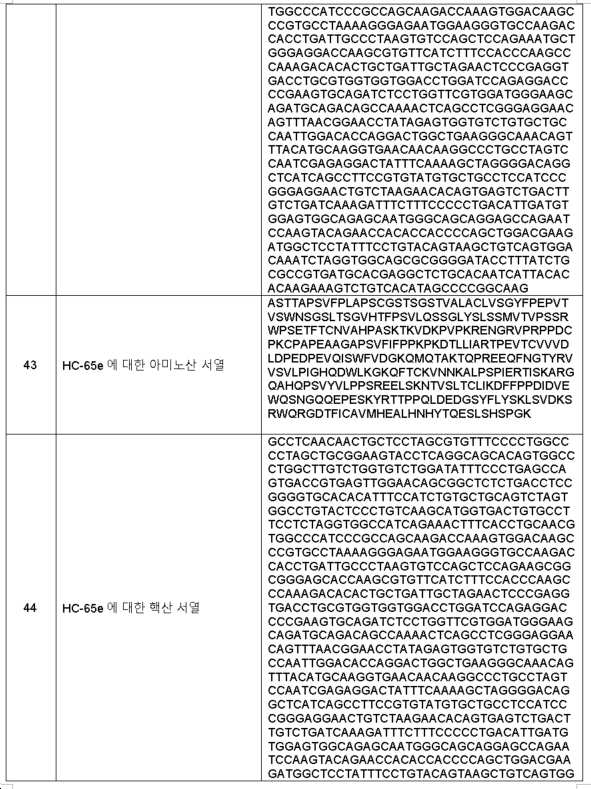


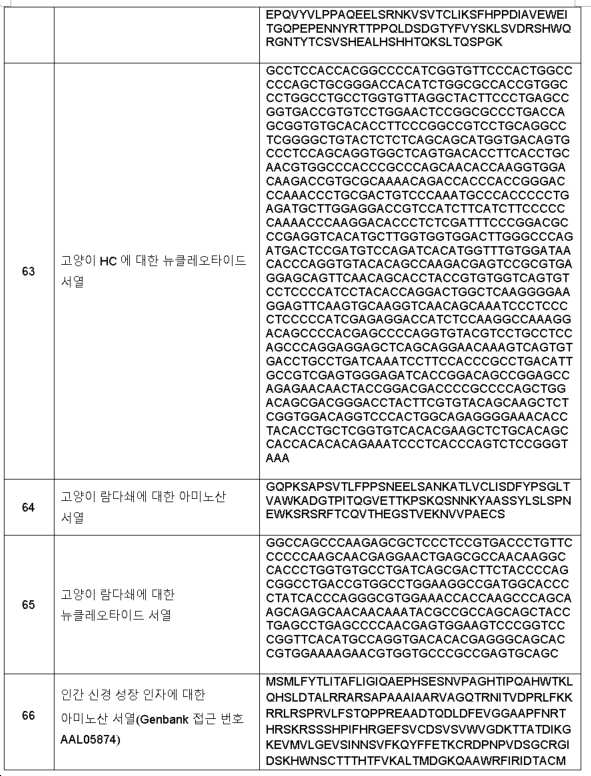


본 발명의 상세한 설명Detailed description of the invention
본원에 개시되는 발명은 높은 친화도로 NGF에 결합하는 항-NGF 항원 결합 단백질을 제공한다. 본 발명은 항원 결합 단백질 및 상기 항원 결합 단백질의 변이체인, 또한 NGF에 결합하는 폴리펩타이드뿐만 아니라 이들 항원 결합 단백질을 제조하고 사용하는 방법을 추가로 제공한다. 일부 구현예에서, 본 발명은 또한 상기 항원 결합 단백질 및/또는 폴리펩타이드를 인코딩하는 폴리뉴클레오타이드를 제공한다. 본원에 개시되는 본 발명은 또한 치료 유효량의 본 발명의 항-NGF 항원 결합 단백질의 투여에 의해 통증을 방지하고/하거나 치료하는 방법을 제공한다.The invention disclosed herein provides anti-NGF antigen binding proteins that bind to NGF with high affinity. The present invention further provides an antigen-binding protein and a variant of the antigen-binding protein, as well as a polypeptide that binds to NGF, as well as a method for preparing and using these antigen-binding proteins. In some embodiments, the invention also provides polynucleotides encoding the antigen binding proteins and/or polypeptides. The invention disclosed herein also provides a method of preventing and/or treating pain by administration of a therapeutically effective amount of an anti-NGF antigen binding protein of the invention.
일반 기법General technique
본 발명이 본원에 기재되는 특정 방법론, 프로토콜, 및 시약 등에 제한되지 않으며 이와 같이 변할 수 있음이 이해되어야 한다. 본원에서 사용되는 용어는 단지 특정 구현예를 설명하려는 목적을 위한 것이며, 본 발명의 범위를 제한하려는 것이 아니고, 이는 청구범위에 의해서만 정의된다.It is to be understood that the present invention is not limited to the specific methodology, protocols, and reagents described herein, and may vary as such. The terms used herein are for the purpose of describing specific embodiments only, and are not intended to limit the scope of the invention, which are defined only by the claims.
달리 정의되지 않는 한, 본원에 기재되는 항원 결합 단백질에 관해 사용되는 과학적 및 기술적 용어는 당업자에 의해 일반적으로 이해되는 의미를 가질 것이다. 또한, 맥락에 의해 달리 요구되지 않는 한, 단수 용어에는 복수가 포함되며 복수 용어에는 단수가 포함된다. 일반적으로, 본원에 기재되는 세포 및 조직 배양, 분자 생물학, 그리고 단백질 및 올리고- 또는 폴리뉴클레오타이드 화학 및 혼성화에 관해 이용되는 명명법 및 기술은 당분야에 잘 알려졌고 일반적으로 사용되는 것이며 하나의 설명으로 제한되지 않는다. 상이한 기법이 기재되는 것을 치환할 수 있음이 당분야에 잘 알려져 있다.Unless otherwise defined, scientific and technical terms used with respect to the antigen binding proteins described herein will have the meanings commonly understood by one of skill in the art. Also, unless otherwise required by context, singular terms include pluralities and plural terms include the singular. In general, the nomenclature and techniques used for cell and tissue culture, molecular biology, and protein and oligo- or polynucleotide chemistry and hybridization described herein are well known and commonly used in the art and are not limited to one description. Does not. It is well known in the art that different techniques may be substituted for those described.
확인되는 모든 특허 및 다른 문헌은, 예를 들어 본 발명에 관해 사용될 수 있는 이러한 문헌에 기재된 방법론을 설명하고 개시하는 목적을 위해 명시적으로 본원에 참조로 포함된다. 이들 문헌은 본 출원의 출원일 전의 이의 개시에 대해서만 제공된다.All identified patents and other documents are expressly incorporated herein by reference for the purpose of describing and disclosing the methodology described in these documents, which may be used with respect to the invention, for example. These documents are provided only for their disclosure prior to the filing date of this application.
재조합 DNA, 올리고뉴클레오타이드 합성, 및 조직 배양 그리고 전달감염에 대한 표준 기법(예컨대, 전기천공, 리포펙션)이 사용된다. 효소적 반응 및 정제 기법은 제조업체의 사양에 따라 또는 당분야에서 일반적으로 달성되는 바와 같이 또는 본원에 기재되는 바와 같이 수행된다. 상기 기법 및 절차는 일반적으로 당분야에 잘 알려진 통상적 방법에 따라 그리고 비제한적으로 본 명세서를 통해 인용되고 논의되는 다양한 일반적인 그리고 보다 구체적인 참고문헌에 기재된 바와 같이 수행된다. 예컨대 문헌[Sambrook et al. MOLECULAR CLONING: LAB. MANUAL (3rd ed., Cold Spring Harbor Lab. Press, Cold Spring Harbor, N.Y., 2001) 및 Ausubel et al. Current Protocols in Molecular Biology (New York: Greene Publishing Association J Wiley Interscience), Oligonucleotide Synthesis (M. J. Gait, ed.,1984); Methods in Molecular Biology, Humana Press; Cell Biology: A Laboratory Notebook (J. E. Cellis, ed., 1998) Academic Press; Animal Cell Culture (R. 1. Freshney, ed.1987); Introduction to Cell and Tissue Culture (1. P. Mather and P. E. Roberts, 1998) Plenum Press; Cell and Tissue Culture: Laboratory Procedures (A. Doyle, J. B. Griffiths, and D. G. Newell, eds., 1993-1998) J. Wiley and Sons; Methods in Enzymology (Academic Press, Inc.); Handbook of Experimental Immunology (D. M. Weir and C. C. Blackwell, eds.); Gene Transfer Vectors for Mammalian Cells (J. M. Miller and M. P. Calos, eds., 1987); Current Protocols in Molecular Biology (F. M. Ausubel et al., eds., 1987); PCR: The Polymerase Chain Reaction, (Mullis et al., eds., 1994); Current Protocols in Immunology (E. Coligan et al., eds., 1991); Short Protocols in Molecular Biology (Wiley and Sons, 1999); Immunobiology (C. A. Janeway and P. Travers, 1997); Antibodies (P. Finch, 1997); Antibodies: a practical approach (D. Catty., ed., IRL Press, 1988-1989); Monoclonal antibodies: a practical approach (P. Shepherd and C. Dean, eds., Oxford University Press, 2000); Using antibodies: a laboratory manual (E. Harlow and D. Lane (Cold Spring Harbor Laboratory Press, 1999); The Antibodies (M. Zanetti and J. D. Capra, eds., Harwood Academic Publishers, 1995); 및 Cancer: Principles and Practice of Oncology (Y. T. DeVita et al., eds., J.B. Lippincott Company, 1993)]을 참고한다.Standard techniques (eg electroporation, lipofection) for recombinant DNA, oligonucleotide synthesis, and tissue culture and transfection are used. Enzymatic reactions and purification techniques are performed according to the manufacturer's specifications or as commonly achieved in the art or as described herein. The techniques and procedures are generally performed according to conventional methods well known in the art and as described in the various general and more specific references cited and discussed throughout this specification, without limitation. See, eg, Sambrook et al. MOLECULAR CLONING: LAB. MANUAL (3 rd ed., Cold Spring Harbor Lab. Press, Cold Spring Harbor, NY, 2001) and Ausubel et al. Current Protocols in Molecular Biology (New York: Greene Publishing Association J Wiley Interscience), Oligonucleotide Synthesis (MJ Gait, ed., 1984); Methods in Molecular Biology, Humana Press; Cell Biology: A Laboratory Notebook (JE Cellis, ed., 1998) Academic Press; Animal Cell Culture (R. 1. Freshney, ed. 1987); Introduction to Cell and Tissue Culture (1. P. Mather and PE Roberts, 1998) Plenum Press; Cell and Tissue Culture: Laboratory Procedures (A. Doyle, JB Griffiths, and D. G. Newell, eds., 1993-1998) J. Wiley and Sons; Methods in Enzymology (Academic Press, Inc.); Handbook of Experimental Immunology (DM Weir and CC Blackwell, eds.); Gene Transfer Vectors for Mammalian Cells (JM Miller and MP Calos, eds., 1987); Current Protocols in Molecular Biology (FM Ausubel et al., eds., 1987); PCR: The Polymerase Chain Reaction, (Mullis et al., eds., 1994); Current Protocols in Immunology (E. Coligan et al., eds., 1991); Short Protocols in Molecular Biology (Wiley and Sons, 1999); Immunobiology (CA Janeway and P. Travers, 1997); Antibodies (P. Finch, 1997); Antibodies : a practical approach (D. Catty., ed., IRL Press, 1988-1989); Monoclonal antibodies: a practical approach (P. Shepherd and C. Dean, eds., Oxford University Press, 2000); Using antibodies: a laboratory manual (E. Harlow and D. Lane (Cold Spring Harbor Laboratory Press, 1999); The Antibodies (M. Zanetti and JD Capra, eds., Harwood Academic Publishers, 1995); And Cancer: Principles and Practice of Oncology (YT DeVita et al., eds., JB Lippincott Company, 1993).
작동 실시예에서와 다르게, 또는 달리 나타내는 경우, 본원에서 사용된 성분의 양 또는 반응 조건을 표현하는 모든 수는 모든 경우 용어 "약"에 의해 수식되는 것으로 이해되어야 한다.Unlike in the operating examples, or where otherwise indicated, it is to be understood that all numbers expressing amounts of ingredients or reaction conditions used herein are modified in all instances by the term “about”.
정의Justice
본 발명을 상세히 설명하기 전에, 본 발명의 맥락에서 사용되는 몇몇 용어가 정의될 것이다. 이들 용어에 부가하여, 다른 것들은 필요에 따라 명세서에서 다른 곳에 정의된다. 달리 본원에서 명시적으로 정의되지 않는 한, 본 명세서에서 사용되는 당분야의 용어는 이의 당분야에서 인식되는 의미를 가질 것이다.Before describing the present invention in detail, several terms used in the context of the present invention will be defined. In addition to these terms, others are defined elsewhere in the specification as needed. Unless otherwise explicitly defined herein, terms of the art used herein will have their art-recognized meaning.
명세서 및 청구범위에서 사용되는 단수 형태에는 맥락상 명확히 달리 나타내지 않는 한, 복수의 참조물이 포함된다. 예를 들어, "항체"에 대한 언급에는 복수의 이러한 항체가 포함된다.The singular forms used in the specification and claims include plural references unless the context clearly indicates otherwise. For example, reference to “antibody” includes a plurality of such antibodies.
본원에서 사용되는 용어 "포함하는"은 조성물 및 방법에 열거된 요소가 포함됨을 그러나 다른 것을 배제하지 않음을 의미하려는 것이다.The term “comprising” as used herein is intended to mean that the elements listed in the compositions and methods are included, but not excluded.
본원에서 사용되는 용어 "신경 성장 인자" 및 "NGF"는 신경 성장 인자 및 NGF의 생물학적 활성의 적어도 일부를 보유하는 이의 변이체를 나타낸다.As used herein, the terms “nerve growth factor” and “NGF” refer to neuronal growth factor and variants thereof that retain at least a portion of the biological activity of NGF.
"NGF 수용체"는 NGF에 의해 결합되거나 활성화되는 폴리펩타이드를 나타낸다. NGF 수용체에는 TrkA 수용체 및 더 적은 정도로 개 p75 수용체가 포함된다.“NGF receptor” refers to a polypeptide that is bound or activated by NGF. NGF receptors include the TrkA receptor and to a lesser extent the canine p75 receptor.
NGF의 "생물학적 활성"은 일반적으로 NGF 수용체에 결합하고/하거나 NGF 수용체 신호전달 경로를 활성화하는 능력을 나타낸다. 비제한적으로, 생물학적 활성에는 하기 중 어느 하나 이상이 포함된다: (TrkA 및/또는 p75와 같은) NGF 수용체에 결합하는 능력; TrkA 수용체 이량체화 및/또는 자가인산화를 촉진하는 능력; NGF 수용체 신호전달 경로를 활성화하는 능력; (말초 및 중추 뉴런을 포함하여, 뉴런의 경우) 뉴런 형태, 시냅스형성, 시냅스 기능, 뉴로트랜스미터 및/또는 뉴로펩타이드 방출 및 손상 후 재생에서의 변화를 포함하는, 세포 분화, 증식, 생존, 성장 및 세포 생리에서의 다른 변화를 촉진하는 능력; 마우스 E13.5 삼차 뉴런의 생존을 촉진하는 능력; 및 수술 후 통증을 포함하는, 통증을 매개하는 능력.The "biological activity" of NGF generally refers to its ability to bind to the NGF receptor and/or activate the NGF receptor signaling pathway. Without limitation, biological activity includes any one or more of the following: the ability to bind to the NGF receptor (such as TrkA and/or p75); The ability to promote TrkA receptor dimerization and/or autophosphorylation; The ability to activate the NGF receptor signaling pathway; Cell differentiation, proliferation, survival, growth, including changes in neuron morphology, synaptic formation, synaptic function, neurotransmitter and/or neuropeptide release and regeneration after injury (for neurons, including peripheral and central neurons) The ability to promote other changes in cellular physiology; Ability to promote survival of mouse E13.5 tertiary neurons; And the ability to mediate pain, including postoperative pain.
본원에서 사용되는 "항-NGF 항원 결합 단백질"("항-NGF 항체" 및 "항-NGF 길항제 항체", "항원 결합 단편", " 항원 결합부" 등과 상호 교환적으로 명명됨)은 NGF에 결합하고 NGF 생물학적 활성 및/또는 NGF 신호전달에 의해 매개되는 하류 경로(들)를 억제할 수 있는 항원 결합 단백질을 나타낸다. 항-NGF 항원 결합 단백질은 NGF 신호전달에 의해 매개되는 하류 경로를 포함하는, NGF 생물학적 활성을 (유의미하게를 포함하여) 차단하거나, 길항하거나, 저해하거나, 감소시키는 및/또는 수용체 결합 및/또는 NGF에 대한 세포 반응의 유발과 같이 NGF가 그 수용체 trkA에 결합하는 것을 억제하는 결합 단백질 및 항체를 포괄한다. 본 발명의 목적을 위해, 용어 "항-NGF 항원 결합 단백질" 또는 "항-NGF-길항제 항체"는 NGF 자체, (비제한적으로 골관절염 통증, 염증성 통증, 수술-후 통증, 암 통증 등의 임의의 양태를 매개하는 그 능력을 포함하는) NGF 생물학적 활성, 또는 생물학적 활성의 결과가 실질적으로 무효화되거나, 감소되거나, 임의의 유의미한 정도로 중화되는, 모든 이전에 확인된 용어, 제목, 및 기능적 상태 그리고 특징을 포괄함이 명시적으로 이해될 것이다. 일부 구현예에서, 항-NGF 길항제 항체는 NGF에 결합하고 NGF 이량체화 및/또는 (TrkA 및/또는 p75와 같은) NGF 수용체에 대한 결합을 방지한다. 다른 구현예에서, 항-NGF 항원 결합 단백질은 NGF에 결합하고 TrkA 수용체 이량체화 및/또는 TrkA 자가인산화를 방지한다. 항-NGF 길항제 항체의 예가 본원에 제공된다.As used herein, “anti-NGF antigen binding protein” (referred to interchangeably as “anti-NGF antibody” and “anti-NGF antagonist antibody”, “antigen binding fragment”, “antigen binding site”, etc.) refers to NGF. It refers to an antigen binding protein capable of binding and inhibiting the downstream pathway(s) mediated by NGF biological activity and/or NGF signaling. Anti-NGF antigen binding proteins block (including significantly), antagonize, inhibit, reduce and/or receptor binding and/or NGF biological activity, including downstream pathways mediated by NGF signaling. It encompasses binding proteins and antibodies that inhibit the binding of NGF to its receptor trkA, such as inducing a cellular response to NGF. For the purposes of the present invention, the term “anti-NGF antigen binding protein” or “anti-NGF-antagonist antibody” refers to NGF itself, (but not limited to osteoarthritis pain, inflammatory pain, post-surgical pain, cancer pain, etc.). NGF biological activity, including its ability to mediate modality), or all previously identified terms, titles, and functional states and features in which the outcome of the biological activity is substantially nullified, reduced, or neutralized to any significant extent. Inclusiveness will be explicitly understood. In some embodiments, the anti-NGF antagonist antibody binds to NGF and prevents NGF dimerization and/or binding to NGF receptors (such as TrkA and/or p75). In another embodiment, the anti-NGF antigen binding protein binds to NGF and prevents TrkA receptor dimerization and/or TrkA autophosphorylation. Examples of anti-NGF antagonist antibodies are provided herein.
상호 교환적으로 사용될 수 있는 본원에서 사용되는 용어 "항원 결합 단백질", "항체", "항원 결합 단백질" 등은 항원 결합 부위를 포함하는 폴리펩타이드, 또는 이의 단편을 나타낸다. 본 발명의 하나의 구현예에서 본 발명의 항원 결합 단백질은 면역글로불린 분자의 하나 이상의 가변 영역에 위치하는 적어도 하나의 항원 인식 부위를 통해, 탄수화물, 폴리뉴클레오타이드, 지질, 폴리펩타이드 등과 같은 표적에 특이적으로 결합할 수 있는 면역글로불린을 추가로 제공한다. 일부 구현예에서, 항체는 2개의 경쇄 및 2개의 중쇄를 갖는다. 따라서, 단리된 온전한 항체는 폴리클로날 항체, 모노클로날 항체, 합성 항체, 재조합 항체, 키메라 항체, 헤테로키메라 항체 또는 본원에서 정의된 바와 같이 종화된 것으로 간주되는 항체의 풀로부터 단리될 수 있다. 일부 구현예에서, 용어 "항원 결합 단백질", "항체", "길항제 항체" 등은 바람직하게는 NGF 단백질 및 이의 단편에 결합할 수 있는 모노클로날 항체 및 이의 단편, 그리고 이의 면역학적 결합 동등물을 나타낸다. 본원에서 사용되는 용어는 (표준 정의에 의하면 2개의 중쇄 및 2개의 경쇄를 의미하는) 전장 폴리클로날 또는 모노클로날 항체뿐만 아니라 이의 단편도 포괄한다. 본 발명의 목적을 위해, "항체" 및 "항원 결합 단백질"에는 달리 언급되지 않는 한, 항체 단편이 또한 포함된다. 예시적인 항체 단편에는 Fab, Fab', F(ab')2, Fv, scFv, Fd, dAb, 디아바디, 이의 항원-인식 단편, 소형 모듈식 면역약제(SMIP) 나노바디, IgNAR 분자 및 당업자에 의해 항원 결합 단백질 또는 항체 단편으로 인식되는 동등물 및 임의의 상기 언급된 단편 및 이의 화학적으로 또는 유전적으로 조작된 대응물뿐만 아니라, 다른 항체 단편 및 이의 돌연변이체, 항체 부분을 포함하는 융합 단백질, 및 항원 인식 부위를 포함하는 면역글로불린 분자의 임의의 다른 변형된 배치가 포함된다. 항체 및 항원 결합 단백질은, 예를 들어, 전통적 하이브리도마 기법(Kohler et al., Nature 256:495-499 (1975)), 재조합 DNA 방법(미국 특허 번호 4,816,567), 또는 항체 라이브러리를 사용하는 파지 디스플레이 기법(Clackson et al., Nature 352:624-628 (1991); Marks et al., J. Mol. Biol. 222:581-597 (1991))을 통해 제조될 수 있다. 다양한 다른 항체 생산 기법에 대해서는, 문헌[Antibodies: A Laboratory Manual, eds. Harlow et al., Cold Spring Harbor Laboratory, 1988]뿐만 아니라 당업자에게 잘 알려져 있는 다른 기법을 참고한다.The terms “antigen binding protein”, “antibody”, “antigen binding protein” and the like as used herein, which can be used interchangeably, refer to a polypeptide comprising an antigen binding site, or a fragment thereof. In one embodiment of the present invention, the antigen binding protein of the present invention is specific to a target such as a carbohydrate, polynucleotide, lipid, polypeptide, etc. through at least one antigen recognition site located in one or more variable regions of an immunoglobulin molecule. It further provides an immunoglobulin capable of binding by. In some embodiments, the antibody has 2 light chains and 2 heavy chains. Thus, an isolated intact antibody can be isolated from a pool of polyclonal antibodies, monoclonal antibodies, synthetic antibodies, recombinant antibodies, chimeric antibodies, heterochimeric antibodies, or antibodies that are considered to be specified as defined herein. In some embodiments, the terms “antigen binding protein”, “antibody”, “antagonist antibody”, etc. are preferably monoclonal antibodies and fragments thereof capable of binding to NGF protein and fragments thereof, and immunological binding equivalents thereof. Represents. The term, as used herein, encompasses full-length polyclonal or monoclonal antibodies (meaning two heavy chains and two light chains by standard definition) as well as fragments thereof. For the purposes of the present invention, "antibody" and "antigen binding protein" also include antibody fragments, unless otherwise stated. Exemplary antibody fragments include Fab, Fab', F(ab')2, Fv, scFv, Fd, dAb, diabodies, antigen-recognizing fragments thereof, small modular immunopharmaceutical (SMIP) nanobodies, IgNAR molecules and those skilled in the art. Fusion proteins, including other antibody fragments and mutants thereof, antibody portions, as well as equivalents and any of the aforementioned fragments and chemically or genetically engineered counterparts thereof recognized as antigen binding proteins or antibody fragments by Any other modified configuration of immunoglobulin molecules comprising an antigen recognition site is included. Antibodies and antigen binding proteins are, for example, traditional hybridoma techniques (Kohler et al., Nature 256:495-499 (1975)), recombinant DNA methods (US Pat. No. 4,816,567), or phage using antibody libraries. Display techniques (Clackson et al., Nature 352:624-628 (1991); Marks et al., J. Mol. Biol. 222:581-597 (1991)). For a variety of other antibody production techniques, see Antibodies: A Laboratory Manual, eds. Harlow et al., Cold Spring Harbor Laboratory, 1988], as well as other techniques well known to those skilled in the art.
본원에서 정의된 바와 같은 "모노클로날 항체"는 단일 클론의 세포(구체적으로, 단일 클론의 하이브리도마 세포)에 의해 생산되는 항체이며, 이에 따라 하나의 순수한 균일한 유형의 항체이다. 동일한 클론으로부터 생산되는 모든 모노클로날 항체는 동일하며 동일한 항원 특이성을 갖는다. 모노클로날 항체는 균일한 항체 집단이며 여기서 모노클로날 항체는 항원의 선택적 결합에 관여하는 (자연 발생 및 비-자연 발생) 아미노산으로 이루어진다. 모노클로날 항체 집단은 하나의 항원성 부위에 대해 유도되며, 고도로 특이적이다. 용어 "모노클로날 항체"는 온전한 모노클로날 항체 및 전장 모노클로날 항체뿐만 아니라 이의 단편(Fab, Fab', F(ab')2, Fv, scFv, Fd, dAb, 디아바디, 이의 항원-인식 단편, 소형 모듈식 면역약제(SMIP) 나노바디, IgNAR 분자 등), 이의 돌연변이체, 항체 부분을 포함하는 융합 단백질, 및 요구되는 특이성 및 항원에 결합하는 능력을 갖는 항원 인식 부위를 포함하는 면역글로불린 분자의 임의의 다른 변형된 배치를 포괄한다. 이는 항체의 원천 또는 이것이 (예컨대, 하이브리도마, 파지 선택, 재조합 발현, 트랜스제닉 동물 등에 의해) 제조되는 방식에 제한되는 것이 아니다.A “monoclonal antibody” as defined herein is an antibody produced by cells of a monoclonal (specifically, hybridoma cells of a monoclonal) and thus is an antibody of one pure homogeneous type. All monoclonal antibodies produced from the same clone are identical and have the same antigen specificity. Monoclonal antibodies are a homogeneous population of antibodies, where monoclonal antibodies consist of amino acids (naturally occurring and non-naturally occurring) that are involved in the selective binding of antigens. The monoclonal antibody population is directed against one antigenic site and is highly specific. The term "monoclonal antibody" refers to intact monoclonal antibodies and full-length monoclonal antibodies, as well as fragments thereof (Fab, Fab', F(ab')2, Fv, scFv, Fd, dAb, diabodies, antigens thereof- Recognition fragment, small modular immunopharmaceutical (SMIP) nanobody, IgNAR molecule, etc.), mutants thereof, fusion proteins comprising antibody moieties, and immunity comprising antigen recognition sites having the required specificity and ability to bind antigen It encompasses any other modified configuration of globulin molecules. It is not limited to the source of the antibody or the manner in which it is produced (eg, by hybridomas, phage selection, recombinant expression, transgenic animals, etc.).
본원에서 모노클로날 항체에는 구체적으로 중쇄 및/또는 경쇄의 일부가 특정 종으로부터 유래되는 항체에서의 대응 서열과 동일하거나 상동성인 반면 쇄(들)의 나머지는 또 다른 종으로부터 유래되는 항체에서의 대응 서열과 동일하거나 상동성인 "키메라" 항체(면역글로불린)뿐만 아니라, 이들이 요망되는 생물학적 활성을 나타내는 한, 이러한 항체의 단편도 포함된다. 전형적으로, 키메라 항체는 그 경쇄 및 중쇄 유전자가 상이한 종에 속하는 항체 가변 및 불변 영역 유전자로부터, 전형적으로 유전 조작에 의해 구축된 항체이다. 예를 들어, 마우스 모노클로날 항체로부터의 유전자의 가변 절편이 개 불변 절편에 연결될 수 있다. 도 2는 마우스:개 IgG의 하나의 구현예의 일반 구조의 도식적 표시이다. 상기 구현예에서, 항원 결합 부위는 마우스로부터 유래되는 반면 Fc 부분은 개에서 유래된다.The monoclonal antibody herein specifically includes a portion of the heavy chain and/or light chain that is identical or homologous to the corresponding sequence in an antibody derived from a particular species, whereas the remainder of the chain(s) is corresponding in an antibody derived from another species. Included are "chimeric" antibodies (immunoglobulins) that are identical or homologous to the sequence, as well as fragments of such antibodies so long as they exhibit the desired biological activity. Typically, chimeric antibodies are antibodies constructed from antibody variable and constant region genes whose light and heavy chain genes belong to different species, typically by genetic engineering. For example, a variable segment of a gene from a mouse monoclonal antibody can be linked to a canine constant segment. 2 is a schematic representation of the general structure of one embodiment of mouse:canine IgG. In this embodiment, the antigen binding site is derived from a mouse while the Fc portion is derived from a dog.
본원에서 정의되는 용어 "헤테로키메라"는 항체쇄(중쇄 또는 경쇄) 중 하나는 개화된 반면 다른 하나는 키메라인 항체를 나타낸다. 도 4는 헤테로키메라 분자의 하나의 구현예를 도시한다. 상기 구현예에서, (모든 CDR이 마우스 유래이고 모든 FR이 개 유래인) 개화 가변 중쇄는 (모든 CDR이 마우스 유래이고 모든 FR이 마우스 유래인) 키메라 가변 경쇄와 페어링된다. 상기 구현예에서, 가변 중쇄 및 가변 경쇄는 둘 다 개 불변 영역에 융합된다.The term “heterochimera” as defined herein refers to an antibody in which one of the antibody chains (heavy or light) is canified while the other is a chimeric antibody. 4 shows one embodiment of a heterochimeric molecule. In this embodiment, a flowering variable heavy chain (all CDRs are mouse-derived and all FRs are dog-derived) is paired with a chimeric variable light chain (all CDRs are mouse-derived and all FRs are mouse-derived). In this embodiment, both the variable heavy chain and variable light chain are fused to the canine constant region.
간단히 하기 위해, 하기에 "개화" 항체를 설명하지만, 이는 고양이화, 말화, 인간화 또는 임의의 다른 "종화" 항원 결합 단백질에 적용될 수 있다. 일례로서, "개화"는 공여체 항체로부터의 비-개 항원-결합 정보를 면역원성이 더 적은 개 항체 수신체로 전달하여 개에서 치료제로서 유용한 치료를 생성하는 방법으로 정의된다. 개화 항체는 수신체의 고가변 영역 잔기가 마우스, 래트, 토끼, 고양이, 개, 염소, 닭, 소, 말, 라마, 낙타, 단봉낙타, 상어, 비-인간 영장류, 인간, 인간화, 재조합 서열, 또는 요망되는 특성, 특이성, 친화도, 및 능력을 갖는 조작된 서열과 같은, 비-개 종(공여체 항체)으로부터의 고가변 영역 잔기로 대체되는 개 항체 서열이다. 또한, 개화 항체에는 수신체 항체 또는 공여체 항체에서 확인되지 않는 잔기가 포함될 수 있다. 이들 변형은 항체 성능을 추가 정련하기 위해 제조된다. 본원에 기재된 바와 같은 고가변 영역 및/또는 프레임워크 영역에 대한 변형은 당업자에게 알려진 실험에 기반하여 각각의 별도 조작된 종화(개화) 항체에 대해 결정되지만 아직 상기 실험 전에 예측될 수 없다. 개화 항체는 선택적으로 면역글로불린 불변 영역(Fc), 전형적으로 개 면역글로불린의 전체, 또는 적어도 일부 영역을 포함할 수 있다. 도 3은 마우스 IgG의 종화 또는 개화를 나타내는 하나의 구현예의 예시이다. 항원 결합 단백질의 개화 및 개화 항원 결합 단백질의 모든 설명은, 이것이 개화이든, 고양이화이든, 말화이든, 인간화이든 간에, 개념 상 임의의 종화 항체로 적용될 수 있다.For simplicity, “flowering” antibodies are described below, but this can be applied to feline, equine, humanized, or any other “specified” antigen binding protein. As an example, “canine” is defined as a method of transferring non-canine antigen-binding information from a donor antibody to a less immunogenic canine antibody recipient to produce a treatment useful as a therapeutic agent in a dog. In flowering antibodies, the high variable region residues of the recipient are mouse, rat, rabbit, cat, dog, goat, chicken, cow, horse, llama, camel, dromedary, shark, non-human primate, human, humanized, recombinant sequence, Or a canine antibody sequence that is replaced by a high variable region residue from a non-canine species (donor antibody), such as an engineered sequence with the desired properties, specificity, affinity, and ability. In addition, the flowering antibody may contain residues that are not identified in the recipient antibody or the donor antibody. These modifications are made to further refine antibody performance. Modifications to the hypervariable regions and/or framework regions as described herein are determined for each separately engineered seeding (flowering) antibody based on experiments known to those skilled in the art, but cannot yet be predicted prior to the experiment. The caninized antibody may optionally comprise an immunoglobulin constant region (Fc), typically all or at least a portion of a canine immunoglobulin. 3 is an illustration of one embodiment showing the species or flowering of mouse IgG. Flowering and Flowering of Antigen Binding Proteins All descriptions of antigen binding proteins can be applied conceptually to any species of species, whether it is canine, feline, equine, or humanized.
어구 "재조합 개 항체", "재조합 고양이 항체", "재조합 말 항체", "재조합 인간 항체" 등에는 모두 숙주 세포 내로 전달감염된 재조합 발현 벡터를 사용하여 발현된 항체, 재조합, 조합 개(또는 고양이, 인간 등) 항체 라이브러리로부터 단리된 항체, 개 면역글로불린 유전자에 대해 트랜스제닉인 동물(예컨대 마우스)로부터 단리된 항체와 같이, 재조합 수단에 의해 제조되거나, 발현되거나, 생성되거나, 단리된 종화 항체(예컨대 문헌[Taylor, L. D., et al. (1992) Nucl. Acids Res. 20:6287-6295] 참고) 또는 개(또는 고양이, 인간 등) 면역글로불린 유전자 서열의 다른 DNA 서열로의 스플라이싱이 관여하는 임의의 다른 수단에 의해 제조되거나, 발현되거나, 생성되거나, 단리된 항체가 포함된다.The phrases "recombinant dog antibody", "recombinant feline antibody", "recombinant equine antibody", "recombinant human antibody", etc. all include antibodies, recombinant, combined dog (or cat, Human, etc.)antibodies isolated from antibody libraries, antibodies isolated from animals (e.g. mice) transgenic for canine immunoglobulin genes, such as those produced, expressed, produced, or isolated by recombinant means (e.g. See Taylor, LD, et al. (1992) Nucl. Acids Res. 20:6287-6295) or dog (or cat, human, etc.) immunoglobulin gene sequence to other DNA sequences involved in splicing Antibodies made, expressed, produced, or isolated by any other means are included.
본원에서 사용되는 용어 "개 항체", "고양이 항체", "말 항체", "인간 항체" 등은 표적에 대해 생성된 항체(항원 결합 단백질) 및 표적 종 내로부터의 림프구에서 단리된 항체를 나타낸다. 본원에 기재된 바와 같은 이들 항체는 표적 종의 특정 불변 영역을 포함하도록 시험관내 재조합적으로 변형되었다. 추가적으로, 본원에 기재된 바와 같은 항체는 항체 불변 영역을 변경하기 위해 동정되고, 단리되고, 변형된 후 당업자에 의해 알려지고 일상적으로 사용되는 시험관내 세포 배양 시스템으로부터 발현되고 단리되었다.As used herein, the terms “dog antibody”, “cat antibody”, “horse antibody”, “human antibody”, etc. refer to antibodies generated against a target (antigen binding protein) and antibodies isolated from lymphocytes from within the target species . These antibodies as described herein have been recombinantly modified in vitro to contain specific constant regions of the target species. Additionally, antibodies as described herein have been identified, isolated, modified to alter antibody constant regions and then expressed and isolated from in vitro cell culture systems known and routinely used by those of skill in the art.
"고유(Native) 항체" 및 "고유 면역글로불린"은 보통 2개의 동일한 경쇄(l) 및 2개의 동일한 중쇄(H)로 이루어진, 약 150,000달톤의 이종사량체 당단백질이다. 각각의 경쇄는 하나의 공유 디설파이드 결합에 의해 중쇄에 연결되는 반면, 디설파이드 결합의 수는 상이한 면역글로불린 이소형의 중쇄에 따라 변한다. 각각의 중쇄 및 경쇄는 또한 규칙적으로 배치된 사슬내 디설파이드 가교를 갖는다. 각각의 중쇄는 하나의 말단에 가변 도메인(VH)에 이어 여러 불변 도메인을 갖는다. 각각의 경쇄는 하나의 말단에 가변 도메인(VL)을 그리고 그 다른 말단에 불변 도메인을 갖는다; 경쇄의 불변 도메인은 중쇄의 제1 불변 도메인과 정렬되며, 경쇄 가변 도메인은 중쇄의 가변 도메인과 정렬된다. 특정 아미노산 잔기가 경쇄 및 중쇄 가변 도메인 간 계면을 형성하는 것으로 여겨진다. 도 1은 항원 결합 부위를 강조하는, 고유 마우스 면역글로불린 G(IgG)의 일반 구조의 일례이다."Native antibodies" and "native immunoglobulins" are heterotetrameric glycoproteins of about 150,000 Daltons, usually consisting of two identical light chains (1) and two identical heavy chains (H). Each light chain is linked to the heavy chain by one covalent disulfide bond, while the number of disulfide bonds varies with the heavy chain of different immunoglobulin isotypes. Each heavy and light chain also has regularly arranged intra-chain disulfide bridges. Each heavy chain has a variable domain (VH) at one end followed by several constant domains. Each light chain has a variable domain (VL) at one end and a constant domain at the other end; The constant domain of the light chain is aligned with the first constant domain of the heavy chain, and the light chain variable domain is aligned with the variable domain of the heavy chain. It is believed that certain amino acid residues form the interface between the light and heavy chain variable domains. 1 is an example of the general structure of native mouse immunoglobulin G (IgG), highlighting the antigen binding site.
본원에서 "모체" 항체는 변이체의 제조를 위해 사용되는 아미노산 서열에 의해 인코딩되는 것이다. 바람직하게는, 모체 항체는 개 프레임워크 영역을 가지며, 존재하는 경우, 개 항체 불변 영역(들)을 갖는다. 예를 들어, 모체 항체는 개화 또는 개 항체일 수 있다.A "parent" antibody herein is one that is encoded by the amino acid sequence used for the production of variants. Preferably, the parental antibody has canine framework regions and, if present, canine antibody constant region(s). For example, the parental antibody can be a canine or canine antibody.
항체 중쇄의 불변 도메인의 아미노산 서열에 따라, 면역글로불린은 상이한 클래스로 할당될 수 있다. 현재 면역글로불린에는 5개의 주요 클래스: IgA, IgD, IgE, IgG, 및 IgM이 존재하며, 이들 중 몇몇은 IgG1, IgG2, IgG3, IgG4, IgA, 및 IgA2(마우스 및 인간 명명에 의해 정의된 바와 같음)와 같은 서브클래스(이소형)로 세분될 수 있다. 면역글로불린의 상이한 클래스에 대응하는 중쇄 불변 도메인은 각각 알파, 델타, 엡실론, 감마, 및 뮤로 불린다. 상이한 클래스의 면역글로불린의 서브유닛 구조 및 3차원 배치는 여러 종에서 잘 알려져 있다. 개별 이소형의 우세성 및 이들 불변 도메인과 연관된 기능적 활성은 종-특이적이며 실험적으로 정의되어야 한다.Depending on the amino acid sequence of the constant domain of the antibody heavy chain, immunoglobulins can be assigned to different classes. Currently, there are five major classes of immunoglobulins: IgA, IgD, IgE, IgG, and IgM, some of which are IgG 1 , IgG 2 , IgG 3 , IgG 4 , IgA, and IgA 2 (in mouse and human nomenclature). Can be subdivided into subclasses (isotypes) such as). The heavy chain constant domains corresponding to different classes of immunoglobulins are called alpha, delta, epsilon, gamma, and mu, respectively. The subunit structure and three-dimensional arrangement of different classes of immunoglobulins are well known in several species. The dominance of individual isotypes and the functional activities associated with these constant domains are species-specific and should be defined experimentally.
임의의 척추동물 종으로부터의 항체(면역글로불린)의 "경쇄"는 이의 불변 도메인의 아미노산 서열에 기반하여, 카파(K) 및 람다(λ)로 불리는, 2개의 명확히 구별되는 유형 중 하나로 할당될 수 있다.The "light chain" of an antibody (immunoglobulin) from any vertebrate species can be assigned one of two clearly distinct types, called kappa (K) and lambda (λ), based on the amino acid sequence of its constant domain. have.
항체의 "가변 영역"은 단독으로 또는 조합으로, 항체 경쇄의 가변 영역 또는 항체 중쇄의 가변 영역을 나타낸다. 중쇄 및 경쇄 각각의 가변 영역은 고가변 영역으로도 알려져 있는 3개의 상보성 결정 영역(CDR)에 의해 연결된 4개 프레임워크 영역(FR)으로 구성된다. 각각의 쇄에서의 CDR은 FR에 의해 그리고 다른 쇄로부터의 CDR로 가까운 인근에 함께 유지되어, 항체의 항원-결합 부위의 형성에 기여한다. CDR을 결정하기 위해 적어도 2개의 기법이 존재한다: (1) 교차-종 서열 변동성에 기반한 접근(즉, Kabat et al. Sequences of Proteins of Immunological Interest, (5th ed., 1991, National Institutes of Health, Bethesda Md.)); 및 (2) 항원-항체 복합체의 결정학적 연구에 기반한 접근(Chothia et al. (1989) Nature 342:877; AI-Iazikani et al (1997) J. Molec. Bioi. 273:927-948)). 본원에서 사용된 바와 같이, CDR은 어느 한 접근에 의해 또는 두 접근 모두의 조합에 의해 정의되는 CDR을 나타낼 수 있다.The “variable region” of an antibody, alone or in combination, refers to the variable region of an antibody light chain or of an antibody heavy chain. The variable regions of each of the heavy and light chains are composed of four framework regions (FR) linked by three complementarity determining regions (CDRs), also known as hypervariable regions. The CDRs in each chain are held together by the FR and in close proximity to the CDRs from the other chains, contributing to the formation of the antigen-binding site of the antibody. There are at least two techniques to determine the CDRs: (1) an approach based on cross-species sequence variability (i.e. Kabat et al. Sequences of Proteins of Immunological Interest, (5th ed., 1991, National Institutes of Health, Bethesda Md.)); And (2) an approach based on crystallographic studies of antigen-antibody complexes (Chothia et al. (1989) Nature 342:877; AI-Iazikani et al (1997) J. Molec. Bioi. 273:927-948)). As used herein, a CDR may refer to a CDR defined by either approach or a combination of both approaches.
본원에서 사용되는 경우 용어 "고가변 영역"은 항원 결합에 관여하는 항체의 아미노산 잔기를 나타낸다. 고가변 영역은 "상보성 결정 영역" 또는 "CDR"로부터의 아미노산 잔기(Kabat, et al. (1991), 상기) 및/또는 "고가변 루프"로부터의 잔기(Chothia and Lesk J. Mol. Biol. 196:901-917 (1987))를 포함한다. "프레임워크" 또는 "FR" 잔기는 본원에서 정의된 바와 같은 고가변 영역 잔기 이외의 가변 도메인 잔기이다.The term "hypervariable region" as used herein refers to the amino acid residues of an antibody that are involved in antigen binding. Hypervariable regions are amino acid residues from “complementarity determining regions” or “CDR” (Kabat, et al. (1991), supra) and/or residues from “hypervariable loops” (Chothia and Lesk J. Mol. Biol. 196:901-917 (1987)). “Framework” or “FR” residues are variable domain residues other than hypervariable region residues as defined herein.
본원에서 사용되는 용어 "항원 결합 영역"은 항원과 상호작용하고 항체 상에 항원에 대한 그 특이성 및 친화도를 부여하는 아미노산 잔기를 함유하는 항체 분자의 일부를 나타낸다. 항체 결합 영역에는 항원-결합 잔기의 적절한 입체형태를 유지하기 위해 필요한 "프레임워크" 아미노산 잔기가 포함된다.The term “antigen binding region” as used herein refers to a portion of an antibody molecule that contains amino acid residues that interact with an antigen and confer its specificity and affinity for the antigen on the antibody. The antibody binding region contains the "framework" amino acid residues necessary to maintain the appropriate conformation of the antigen-binding residue.
"기능적 Fc 영역"은 고유 서열 Fc 영역의 적어도 하나의 효과기 기능을 보유한다. 예시적인 "효과기 기능"에는 C1q 결합; 보체 의존적 세포독성(CDC); Fc 수용체 결합; 신생아 수용체 결합; 항체-의존적 세포-매개 세포독성(ADCC); 식균작용; 세포 표면 수용체(예컨대, B 세포 수용체; BCR)의 하향-조절 등이 포함된다. 이러한 효과기 기능은 일반적으로 Fc 영역이 결합 도메인(예컨대, 항체 가변 도메인)과 조합되는 것을 필요로 하며, 이러한 항체 효과기 기능을 평가하기 위해 당분야에 알려져 있는 다양한 검정을 사용하여 평가될 수 있다.A “functional Fc region” retains at least one effector function of the native sequence Fc region. Exemplary “effector functions” include C1q binding; Complement dependent cytotoxicity (CDC); Fc receptor binding; Neonatal receptor binding; Antibody-dependent cell-mediated cytotoxicity (ADCC); Phagocytosis; Down-regulation of cell surface receptors (eg, B cell receptors; BCR), and the like. Such effector function generally requires the Fc region to be combined with a binding domain (e.g., antibody variable domain), and can be evaluated using a variety of assays known in the art to assess such antibody effector function.
"고유 서열 Fc 영역"은 자연에서 확인된 Fc 영역의 아미노산 서열과 동일한 아미노산 서열을 포함한다. "변이체 Fc 영역" 또는 "돌연변이된" 또는 "돌연변이체" Fc 영역은 적어도 하나의 아미노산 변형에 의해 고유 서열 Fc 영역의 서열과 상이한 아미노산 서열을 포함하며, 고유 서열 Fc 영역의 적어도 하나의 효과기 기능을 보유할 수도 보유하지 않을 수도 있다. 바람직하게는, 변이체 Fc 영역은 고유 서열 Fc 영역 또는 모체 폴리펩타이드의 Fc 영역 대비 적어도 하나의 아미노산 치환을, 예컨대 약 1개 내지 약 10개 아미노산 치환을, 바람직하게는 고유 서열 Fc 영역 또는 모체 폴리펩타이드의 Fc 영역에 약 1개 내지 약 5개 아미노산 치환을 갖는다. 본원에서 변이체 Fc 영역은 바람직하게는 고유 서열 Fc 영역 및/또는 모체 폴리펩타이드의 Fc 영역과 적어도 약 80% 서열 동일성을, 가장 바람직하게는 이와 적어도 약 90% 서열 동일성을, 보다 바람직하게는 이와 적어도 약 95% 서열 동일성을 보유할 것이다. 변이체 또는 돌연변이된 Fc 영역은 또한 항체의 Fc 기능의 기능을 본질적으로 제거할 수 있다. 예를 들어, Fc 영역 돌연변이는 항체의 효과기 기능을 제거할 수 있다. 본 발명의 하나의 구현예에서 본 발명의 항체는 돌연변이된 Fc 영역을 포함한다.A “native sequence Fc region” includes an amino acid sequence identical to that of an Fc region identified in nature. The “variant Fc region” or “mutant” or “mutant” Fc region comprises an amino acid sequence that is different from the sequence of the native sequence Fc region by at least one amino acid modification, and has at least one effector function of the native sequence Fc region. You may or may not have it. Preferably, the variant Fc region comprises at least one amino acid substitution, such as about 1 to about 10 amino acid substitutions, relative to the native sequence Fc region or the parental polypeptide Fc region, preferably the native sequence Fc region or parental polypeptide. Has about 1 to about 5 amino acid substitutions in the Fc region of. The variant Fc region herein preferably has at least about 80% sequence identity, most preferably at least about 90% sequence identity with the native sequence Fc region and/or the Fc region of the parent polypeptide, and more preferably at least therewith. It will retain about 95% sequence identity. Variant or mutated Fc regions can also essentially eliminate the function of the Fc function of the antibody. For example, mutations in the Fc region can eliminate the effector function of the antibody. In one embodiment of the invention the antibody of the invention comprises a mutated Fc region.
본원에서 사용되는 "Fc 수용체" 및 "FcR"은 항체의 Fc 영역에 결합하는 수용체를 설명한다. 바람직한 FcR은 고유 서열 FcR이다. 또한, 바람직한 FcR은 IgG 항체(감마 수용체)에 결합하는 것이며 이들 수용체의 대립유전자 변이체 및 대안적으로 스플라이싱된 형태를 포함하는, FcyRI, FcyRII, 및 FcyRIII 서브클래스의 수용체가 포함된다. FcyRII 수용체에는 FcyRIIA("활성화 수용체") 및 FcyRIIB("억제 수용체")가 포함되며, 이는 주로 이의 세포질 도메인이 상이한, 유사한 아미노산 서열을 갖는다. FcR은 문헌[Ravetch and Kinet, 1991, Ann. Rev. Immunol., 9:457-92; Capel et al., 1994, Immunomethods, 4:25-34; 및 de Haas et al., 1995, J. Lab. Clin. Med., 126:330-41]에서 리뷰로 다뤄진다. "FcR"에는 또한 모체 IgG의 태아로의 전달에 관여하는 신생아 수용체, FcRn이 포함된다(Guyer et al., 1976, J. Immunol., 117:587; 및 Kim et al., 1994, J. Immunol., 24:249).As used herein, “Fc receptor” and “FcR” describe a receptor that binds to the Fc region of an antibody. A preferred FcR is the native sequence FcR. In addition, preferred FcRs are those that bind IgG antibodies (gamma receptors) and include receptors of the FcyRI, FcyRII, and FcyRIII subclasses, including allelic variants and alternatively spliced forms of these receptors. FcyRII receptors include FcyRIIA (“activating receptor”) and FcyRIIB (“inhibiting receptor”), which have similar amino acid sequences, mainly differing in their cytoplasmic domains. FcR is described in Ravetch and Kinet, 1991, Ann. Rev. Immunol., 9:457-92; Capel et al., 1994, Immunomethods, 4:25-34; And de Haas et al., 1995, J. Lab. Clin. Med., 126:330-41]. “FcR” also includes a neonatal receptor, FcRn, which is involved in the delivery of maternal IgG to the fetus (Guyer et al., 1976, J. Immunol., 117:587; and Kim et al., 1994, J. Immunol. ., 24:249 ).
본원에서 사용되는 "항체-의존적 세포-매개 세포독성" 및 "ADCC"는 Fc 수용체(FcR)를 발현하는 비특이적 세포독성 세포(예컨대 자연 살해(NK) 세포, 호중구, 및 대식구)가 표적 세포 상의 결합된 항체를 인식한 후 표적 세포의 용해를 유도하는 세포-매개 반응을 나타낸다. 관심 분자의 ADCC 활성은 미국 특허 번호 5,500,362 또는 5,821,337에 기재된 바와 같은, 시험관내 ADCC 검정을 사용하여 평가될 수 있다. 이러한 검정에 유용한 효과기 세포에는 말초혈 단핵구(PBMC) 및 NK 세포가 포함된다. 대안적으로 또는 추가적으로, 관심 분자의 ADCC 활성은 생체내, 예를 들어 문헌[Clynes et al., 1998, PNAS (USA), 95:652-656]에 개시된 것과 같은 동물 모델에서 평가될 수 있다.As used herein, "antibody-dependent cell-mediated cytotoxicity" and "ADCC" refer to non-specific cytotoxic cells (such as natural killer (NK) cells, neutrophils, and macrophages) expressing an Fc receptor (FcR) binding on target cells. After recognizing the resulting antibody, it shows a cell-mediated reaction that induces lysis of the target cell. ADCC activity of a molecule of interest can be assessed using an in vitro ADCC assay, as described in US Pat. Nos. 5,500,362 or 5,821,337. Useful effector cells for this assay include peripheral blood mononuclear cells (PBMC) and NK cells. Alternatively or additionally, ADCC activity of a molecule of interest can be assessed in vivo, for example in an animal model such as disclosed in Clynes et al., 1998, PNAS (USA), 95:652-656.
"보체 의존적 세포독성" 및 "CDC"는 보체의 존재 하의 표적 용해를 나타낸다. 보체 활성화 경로는 인지체 항원과 복합체화된 분자(예컨대 항체)에 대한 보체 시스템의 제1 성분(C1q)의 결합에 의해 개시된다. 보체 활성화를 평가하기 위해, 문헌[Gazzano-Santoro et al., J. Immunol. Methods, 202: 163 (1996)]에 기재된 바와 같은 CDC 검정이 수행될 수 있다.“Complement dependent cytotoxicity” and “CDC” refer to target lysis in the presence of complement. The complement activation pathway is initiated by the binding of the first component (C1q) of the complement system to a molecule (such as an antibody) complexed with a receptor antigen. To assess complement activation, see Gazzano-Santoro et al., J. Immunol. Methods, 202: 163 (1996)] can be performed.
항체의 파파인 소화는 각각 하나의 항원-결합 부위, 및 그 이름이 쉽게 결정화하는 그 능력을 반영하는, 잔여 "Fc" 단편을 갖는, "Fab" 단편으로 불리는 2개의 동일한 항원-결합 단편을 생성한다. 펩신 처리는 2개의 항원-조합 부위를 가지며 여전히 항원을 가교시킬 수 있는 F(ab')2 단편을 산출한다.Papain digestion of an antibody produces two identical antigen-binding fragments called "Fab" fragments, each with one antigen-binding site, and a residual "Fc" fragment whose name reflects its ability to readily crystallize. . Pepsin treatment yields an F(ab') 2 fragment that has two antigen-binding sites and is still capable of crosslinking antigens.
Fab 단편은 또한 경쇄의 불변 도메인 및 중쇄의 제1 불변 도메인(CH1)을 함유한다. Fab' 단편은 항체 힌지 영역으로부터의 하나 이상의 시스테인(들)을 포함하는 중쇄 CH1 도메인의 카복실 말단에서 소수의 잔기 부가에 의해 Fab 단편과 상이하다. Fab'-SH는 불변 도메인의 시스테인 잔기(들)가 자유 티올기를 보유하는 Fab'에 대한 본원에서의 명명이다. F(ab') 2 항체 단편은 원래 이들 사이에 힌지 시스테인을 갖는 Fab' 단편의 페어로서 생산되었다. 항체 단편의 다른 화학적 커플링도 알려져 있다.The Fab fragment also contains the constant domain of the light chain and the first constant domain (CH1) of the heavy chain. Fab' fragments differ from Fab fragments by the addition of a few residues at the carboxyl terminus of the heavy chain CH1 domain comprising one or more cysteine(s) from the antibody hinge region. Fab'-SH is the designation herein for a Fab' in which the cysteine residue(s) of the constant domain bear a free thiol group. F(ab') 2 antibody fragments were originally produced as pairs of Fab' fragments with hinge cysteines between them. Other chemical couplings of antibody fragments are also known.
"Fv'는 전체 항원-인식 및 결합 부위를 함유하는 최소 항체 단편이다. 상기 영역은 조밀하고, 비-공유 연합된 하나의 중쇄 및 하나의 경쇄 가변 도메인의 이량체로 구성된다. 상기 배치에서 각각의 가변 도메인의 3개의 고가변 영역은 상호작용하여 VH-VL 이량체 표면 상에서 항원-결합 부위를 정의한다. 종합적으로, 6개 고가변 영역은 항체에 항원-결합 특이성을 부여한다. 그러나, 단일 가변 도메인(또는 항원에 특이적인 3개의 고가변 영역만을 포함하는 Fv의 절반)이라도 전체 결합 부위보다 낮은 친화도이기는 하지만, 항원을 인식하고 이에 결합하는 능력을 갖는다.“Fv' is the smallest antibody fragment containing the entire antigen-recognition and binding site. This region is composed of dense, non-covalently associated dimers of one heavy and one light chain variable domain. Each in the above configuration The three hypervariable regions of the variable domain interact to define the antigen-binding site on the surface of the V H -V L dimer Overall, the six hypervariable regions confer antigen-binding specificity to the antibody. Even a single variable domain (or half of the Fv containing only three antigen-specific hypervariable regions) has a lower affinity than the entire binding site, but has the ability to recognize and bind to the antigen.
본원에서 사용되는 "항원"은 본원에서 기재된 바와 같은 항원 결합 단백질 또는 항체의 CDR에 의해 인식되는 항원 결정기를 나타낸다. 달리 말하면, 에피토프는 항체에 의해 인식되고 결합될 수 있는 임의의 분자 부분을 나타낸다. 달리 나타내지 않는 한, 본원에서 사용되는 용어 "에피토프"는 항-NGF 항원 결합 단백질/항체/제제가 결합하는 NGF의 영역을 나타낸다.As used herein, “antigen” refers to an antigenic determinant recognized by the CDRs of an antigen binding protein or antibody as described herein. In other words, an epitope refers to any part of a molecule that can be recognized and bound by an antibody. Unless otherwise indicated, the term “epitope” as used herein refers to the region of NGF to which an anti-NGF antigen binding protein/antibody/agent binds.
용어 "항원 결합 도메인", "항체의 활성 단편" 등은 항원의 일부 또는 전부에 특이적으로 결합하거나 상보적인 영역을 포함하는 항체 또는 항원 결합 단백질의 부분을 나타낸다. 항원이 큰 경우, 항체는 항원의 특정 부분에만 결합할 수 있다. "에피토프", "에피토프의 활성 단편", 또는 "항원 결정기" 등은 항체의 항원 결합 도메인과의 특이적 상호작용에 관여하는 항원 분자의 부분이다. 항원 결합 도메인은 하나 이상의 항체 가변 도메인(예를 들어 VH 도메인으로 구성되는 소위 Fd 항체 단편)에 의해 제공될 수 있다. 항원 결합 도메인은 항체 경쇄 가변 도메인(VL) 및 항체 중쇄 가변 도메인(VH)을 포함할 수 있다(미국 특허 번호 5,565,332).The terms “antigen binding domain”, “active fragment of an antibody” and the like refer to portions of an antibody or antigen binding protein comprising a region that specifically binds or is complementary to some or all of an antigen. When the antigen is large, the antibody can only bind to a specific portion of the antigen. “Epitope”, “active fragment of an epitope”, or “antigen determinant” and the like are portions of an antigenic molecule that are involved in specific interactions with the antigen binding domain of an antibody. The antigen binding domain may be provided by one or more antibody variable domains (eg, so-called Fd antibody fragments composed of VH domains). The antigen binding domain may include an antibody light chain variable domain (VL) and an antibody heavy chain variable domain (VH) (US Pat. No. 5,565,332).
항체(또는 "항체 부분") 또는 항원-결합 폴리펩타이드 등의 "결합부"라는 용어에는 하나 이상의 전체 도메인, 예를 들어, 전체 도메인의 페어뿐만 아니라 항원, 예를 들어, NGF에 특이적으로 결합하는 능력을 보유하는 항체의 단편이 포함된다. 항체의 결합 기능은 전장 항체의 단편에 의해 수행될 수 있는 것으로 나타났다. 결합 단편은 재조합 DNA 기법에 의해, 또는 온전한 면역글로불린의 효소적 또는 화학적 절단에 의해 생산된다. 결합 단편에는 Fab, Fab', F(ab')2, F(abc), Fd, dAb, Fv, 단일쇄, 단일쇄 항체, 예를 들어, scFv, 및 단일 도메인 항체(Muyldermans et al., 2001, 26:230-5), 그리고 단리된 상보성 결정 영역(CDR)이 포함된다. Fab 단편은 VL, VH, CL 및 CH1 도메인으로 구성되는 1가 단편이다. F(ab')2 단편은 힌지 영역에서 디설파이드 가교에 의해 연결된 2개의 Fab 단편을 포함하는 2가 단편이다. Fd 단편은 VH 및 CH1 도메인으로 구성되며, Fv 단편은 항체의 단일 암(arm)의 VL 및 VH 도메인으로 구성된다. dAb 단편은 VH 도메인으로 구성된다(Ward et al., (1989) Nature 341:544-546). Fv 단편의 2개 도메인, VL 및 VH는 별도 유전자에 의해 코딩되지만, 이들은 재조합 방법을 사용하여, 이들을 VL 및 VH 영역이 페어링하여 1가 분자(단일쇄 Fv(scFv)로 알려져 있음)를 형성하는 단일 단백질쇄로 제조될 수 있도록 하는 합성 링커에 의해 연결될 수 있다[(Bird et al., 1988, Science 242:423-426)]. 이러한 단일쇄 항체도 항체의 "결합부"라는 용어 내에 포괄되는 것이다. 디아바디와 같은 다른 형태의 단일쇄 항체도 포괄된다. 디아바디는 VH 및 VL 도메인이 단일 폴리펩타이드쇄 상에서 발현되지만, 동일한 쇄 상의 2개 도메인 간 페어링을 허용하기에는 너무 짧은 링커를 사용하여, 도메인들이 다른 쇄의 상보적 도메인과 페어링하도록 만들고 2개의 항원 결합 부위를 생성하는 2가, 이중특이적 항체이다(예를 들어, 문헌[Holliger, et al., 1993, Proc. Natl. Acad. Sci. USA 90:6444-6448] 참고). 항체 또는 이의 결합부도 항체 또는 항체 부분과 하나 이상의 다른 단백질 또는 펩타이드의 공유 또는 비-공유 연합에 의해 형성되는 더 큰 면역접착 분자의 일부일 수 있다. 이러한 면역접착 분자의 예에는 사량체 scFv 분자를 제조하기 위한 스트렙타비딘 코어 영역의 사용(Kipriyanov, S. M., et al. (1995) Human Antibodies and Hybridomas 6:93-101) 그리고 2가 및 바이오틴화 scFv 분자를 제조하기 위한 시스테인 잔기, 마커 펩타이드 및 C-말단 폴리히스티딘 태그의 사용(Kipriyanov, S. M., et al. (1994) Mol. Immunol. 31:1047-1058)이 포함된다. Fab 및 F(ab')2 단편과 같은 결합 단편은 각각 전체 항체의 파파인 또는 펩신 소화와 같은 통상적 기법을 사용하여 전체 항체로부터 제조될 수 있다. 또한, 항체, 항체 부분 및 면역접착 분자는 본원에서 기재된 바와 같이 그리고 당분야에 알려진 바와 같이, 표준 재조합 DNA 기법을 사용하여 수득될 수 있다. "이중특이적" 또는 "2작용성" 항체 외에, 항체는 그 결합 부위가 각각 동일한 것으로 이해된다. "이중특이적" 또는 "2작용성 항체"는 2개의 상이한 중쇄/경쇄 페어 및 2개의 상이한 결합 부위를 갖는 인공 하이브리드 항체이다. 이중특이적 항체에는 또한 개재 불변 영역을 갖는 2개의 항원 결합 영역이 포함될 수 있다. 이중특이적 항체는 하이브리도마의 융합 또는 Fab' 단편의 연결을 포함하는 다양한 방법에 의해 생산될 수 있다. 예를 들어, 문헌[Songsivilai et al., Clin. Exp. Immunol. 79:315-321, 1990.; Kostelny et al., 1992, J. Immunol. 148, 1547-1553]을 참고한다.The term "binding portion", such as an antibody (or "antibody portion") or antigen-binding polypeptide, refers to one or more whole domains, eg, a pair of entire domains, as well as specifically binding to an antigen, eg, NGF. Fragments of antibodies that retain the ability to perform are included. It has been shown that the binding function of antibodies can be performed by fragments of full-length antibodies. Binding fragments are produced by recombinant DNA techniques or by enzymatic or chemical cleavage of intact immunoglobulins. Binding fragments include Fab, Fab', F(ab')2, F(abc), Fd, dAb, Fv, single chain, single chain antibodies, such as scFv, and single domain antibodies (Muyldermans et al., 2001 , 26:230-5), and an isolated complementarity determining region (CDR). Fab fragments are monovalent fragments consisting of the VL, VH, CL and CH1 domains. The F(ab') 2 fragment is a divalent fragment comprising two Fab fragments linked by disulfide bridges in the hinge region. The Fd fragment consists of the VH and CH1 domains, and the Fv fragment consists of the VL and VH domains of the single arm of the antibody. The dAb fragment consists of the VH domain (Ward et al., (1989) Nature 341:544-546). The two domains of the Fv fragment, VL and VH, are encoded by separate genes, but they use a recombinant method to pair them with the VL and VH regions to form a monovalent molecule (known as single-chain Fv (scFv)). It can be linked by a synthetic linker that allows it to be made into a single protein chain [(Bird et al., 1988, Science 242:423-426)]. Such single chain antibodies are also encompassed within the term "binding portion" of the antibody. Other forms of single chain antibodies such as diabodies are also covered. Diabodies use a linker where the VH and VL domains are expressed on a single polypeptide chain, but are too short to allow pairing between the two domains on the same chain, making the domains pair with the complementary domains of the other chain and binding the two antigens It is a bivalent, bispecific antibody that produces a site (see, eg, Holliger, et al., 1993, Proc. Natl. Acad. Sci. USA 90:6444-6448). The antibody or binding portion thereof may also be part of a larger immunoadhesive molecule formed by covalent or non-covalent association of the antibody or antibody portion with one or more other proteins or peptides. Examples of such immunoadhesive molecules include the use of the streptavidin core region to prepare tetrameric scFv molecules (Kipriyanov, SM, et al. (1995) Human Antibodies and Hybridomas 6:93-101) and divalent and biotinylated scFv. The use of cysteine residues, marker peptides and C-terminal polyhistidine tags to prepare molecules (Kipriyanov, SM, et al. (1994) Mol. Immunol. 31:1047-1058) are included. Binding fragments such as Fab and F(ab')2 fragments can be prepared from whole antibodies using conventional techniques such as papain or pepsin digestion of whole antibodies, respectively. In addition, antibodies, antibody portions and immunoadhesive molecules can be obtained using standard recombinant DNA techniques, as described herein and as known in the art. In addition to “bispecific” or “bifunctional” antibodies, it is understood that antibodies have the same binding site, respectively. A “bispecific” or “bifunctional antibody” is an artificial hybrid antibody having two different heavy/light chain pairs and two different binding sites. Bispecific antibodies may also contain two antigen binding regions with intervening constant regions. Bispecific antibodies can be produced by a variety of methods including fusion of hybridomas or ligation of Fab' fragments. See, eg, Songsivilai et al., Clin. Exp. Immunol. 79:315-321, 1990.; Kostelny et al., 1992, J. Immunol. 148, 1547-1553].
용어 "역돌연변이"는 개 항체의 체세포 돌연변이된 아미노산의 일부 또는 전부가 상동성 생식계열 항체 서열로부터의 대응하는 생식계열 잔기로 대체되는 공정을 나타낸다. 본 발명의 개 항체의 중쇄 및 경쇄 서열은 가장 높은 상동성을 갖는 서열을 동정하기 위해 별도로 생식계열 서열과 정렬된다. 본 발명의 개 항체에서의 차이는 이러한 상이한 아미노산을 인코딩하는 정의된 뉴클레오타이드 위치를 돌연변이시켜 생식계열 서열로 복귀된다. 역돌연변이에 대한 후보로서 이렇게 동정된 각각의 아미노산의 역할이 항원 결합에서의 직접적 또는 간접적 역할에 대해 조사되어야 하며, 돌연변이 후 개 항체의 임의의 요망되는 특징에 영향을 미치는 것으로 동정된 임의의 아미노산이 최종적인 개 항체에 포함되어서는 안 된다; 일례로서, 선택적 돌연변이화 접근에 의해 확인된 활성 증강 아미노산은 역돌연변이를 거치지 않을 것이다. 역돌연변이를 거치는 아미노산의 수를 최소화하기 위해, 제2 생식계열 서열이 본 발명의 개 항체의 서열과 동일하고 함께 선형화되는 한, 가장 가까운 생식계열 서열과 상이하지만 제2 생식계열 서열에서 대응하는 아미노산과 동일한 것으로 확인된 아미노산 위치는 유지될 수 있다. 대응하는 공여체 잔기에 대한 선택된 표적 프레임워크 잔기의 역돌연변이는 친화도를 복원하고/하거나 개선하기 위해 요구될 수 있다.The term “reverse mutation” refers to a process in which some or all of the somatic mutated amino acids of a canine antibody are replaced with corresponding germline residues from a homologous germline antibody sequence. The heavy and light chain sequences of the canine antibodies of the present invention are separately aligned with the germline sequence to identify the sequence with the highest homology. Differences in the canine antibodies of the invention are reverted to the germline sequence by mutating the defined nucleotide positions encoding these different amino acids. The role of each amino acid thus identified as a candidate for reverse mutation should be investigated for its direct or indirect role in antigen binding, and any amino acid identified as affecting any desired characteristic of the canine antibody after mutation Should not be included in the final canine antibody; As an example, an active enhancing amino acid identified by a selective mutagenesis approach will not undergo reverse mutation. In order to minimize the number of amino acids undergoing reverse mutation, the second germline sequence is identical to the sequence of the dog antibody of the present invention and is linearized together, so long as it is different from the nearest germline sequence, but the corresponding amino acid Amino acid positions identified as being identical to can be maintained. Reverse mutations of selected target framework residues for corresponding donor residues may be required to restore and/or improve affinity.
본원에서 사용되는 항체의 "면역특이적" 결합은 항체의 항원-조합 부위 및 항체에 의해 인식되는 특이적 항원 간에 일어나는 항원 특이적 결합 상호작용을 나타낸다(즉, 항체가 ELISA 또는 다른 면역검정에서 단백질과 반응하며, 관련되지 않은 단백질과는 검출 가능하게 반응하지 않음). 항체 또는 폴리펩타이드에 "특이적으로 결합하는" 또는 "우선적으로 결합하는"(본원에서 상호 교환적으로 사용됨) 에피토프는 당분야에서 잘 이해되는 용어이며, 이러한 특이적 또는 우선적 결합을 결정하는 방법도 당분야에 잘 알려져 있다. 분자는 이것이 대안적인 세포 또는 성분과의 경우에서보다 특정 세포 또는 성분과 더 빈번하게, 더 신속하게, 더 긴 기간 동안 및/또는 더 큰 친화도로 반응하거나 연합하는 경우, "특이적 결합" 또는 "우선적 결합"을 나타내는 것으로 언급된다. 항체는 이것이 다른 성분에 결합하는 것보다 큰 친화도로, 결합력으로, 보다 쉽게 및/또는 더 긴 기간 동안 결합하는 경우, 표적에 "특이적으로 결합"하거나 "우선적으로 결합"한다. 예를 들어, NGF 에피토프에 특이적으로 또는 우선적으로 결합하는 항체는 이것이 다른 NGF 에피토프 또는 비-NGF 에피토프에 결합하는 것보다 큰 친화도로, 결합력으로, 보다 쉽게 및/또는 더 긴 기간 동안 결합하는 항체이다. 또한 상기 정의를 읽어서, 예를 들어 제1 표적에 특이적으로 또는 우선적으로 결합하는 항체(또는 모이어티 또는 에피토프)가 제2 표적에 특이적으로 또는 우선적으로 결합할 수 있을 수도 있고 또는 결합할 수 없을 수도 있음이 이해된다. 이와 같이, "특이적 결합" 또는 "우선적 결합"이 반드시 배타적 결합을 필요로 하는 것은 아니다(그러나 이를 포함할 수 있다). 반드시는 아니지만 일반적으로, 결합에 대한 언급은 우선적 결합을 의미한다.“Immune specific” binding of an antibody as used herein refers to an antigen-specific binding interaction that occurs between the antigen-combining site of the antibody and the specific antigen recognized by the antibody (ie, the antibody is a protein in an ELISA or other immunoassay. Reacts with and does not detectably react with unrelated proteins). An epitope that “specifically binds” or “preferably binds” (used interchangeably herein) to an antibody or polypeptide is a term well understood in the art, and methods for determining such specific or preferential binding are also It is well known in the art. A molecule is "specific binding" or "if it reacts or associates with a particular cell or component more frequently, faster, for a longer period of time and/or with a greater affinity than in the case of an alternative cell or component. It is said to indicate "preferential binding". An antibody “specifically binds” or “preferentially binds” to a target when it binds with greater affinity, avidity, more readily and/or for a longer period of time than it binds to other components. For example, an antibody that specifically or preferentially binds to an NGF epitope is an antibody that binds with greater affinity, avidity, more easily and/or for a longer period of time than it binds to other NGF epitopes or non-NGF epitopes. to be. Also, by reading the above definition, for example, an antibody (or moiety or epitope) that specifically or preferentially binds to a first target may or may not specifically or preferentially bind to a second target. It is understood that there may be no. As such, "specific binding" or "preferential binding" does not necessarily require (but may include) exclusive binding. In general, but not necessarily, reference to a bond means a preferential combination.
항체 결합의 맥락에서 용어 "특이적으로"는 특이적 항원, 즉 폴리펩타이드, 또는 에피토프에 대한 항체의 고결합력 및/또는 고친화도 결합을 나타낸다. 항원에 특이적으로 결합하는 항체는 다른 항원에 대한 동일한 항체의 결합보다 강하다. 폴리펩타이드에 특이적으로 결합하는 항체는 약하지만, 검출 가능한 수준(예를 들어, 관심 폴리펩타이드에 대해 나타낸 결합의 10% 이하)으로 다른 폴리펩타이드에 결합할 수 있다. 이러한 약한 결합, 또는 배경 결합은 적절한 대조군의 사용에 의한 것과 같이, 대상 폴리펩타이드에 대한 특이적 항체 결합과 쉽게 식별 가능하다. 일반적으로, 특이적 항체는 10-7 M 이하, 10-8 M 이하 10-9 M 이하, 10-10 M 이하, 10-11 M 이하, 10-12 M 이하, 또는 10-13 M 이하 등의 Kd를 갖는 결합 친화도로 항원에 결합한다.The term “specifically” in the context of antibody binding refers to high avidity and/or high affinity binding of an antibody to a specific antigen, ie a polypeptide, or epitope. Antibodies that specifically bind to an antigen are stronger than that of the same antibody to other antigens. Antibodies that specifically bind to a polypeptide are weak, but are capable of binding to other polypeptides at detectable levels (eg, 10% or less of the binding shown to the polypeptide of interest). Such weak binding, or background binding, is readily discernible from specific antibody binding to the polypeptide of interest, such as by use of an appropriate control. Generally, such as a specific antibody is less than 10 -7 M, 10 -8 M or less than 10 -9 M, 10 -10 M or less, 10 -11 M or less, 10 -12 M or less, or 10 -13 M or less It binds to the antigen with a binding affinity with K d .
본원에서 사용되는 용어 "친화도"는 단일 항원-조합 부위와 항원 결정기의 결합 강도를 나타낸다. 친화도는 항체 또는 항원 결합 단백질 조합 부위 및 항원 결정기 간 입체화학적 피팅의 근접함, 이들 사이의 접촉 면적의 크기, 하전된 및 소수성 기의 분포 등에 의존한다. 항체 친화도는 평형 분석에 의해 또는 표면 플라즈몬 공명 "SPR" 방법(예를 들어 BIACORE™)에 의해 측정될 수 있다. SPR 방법은 표면 플라즈몬 공명(SPR) 현상에 의존하며, 이는 표면 플라즈몬파가 금속/액체 계면에서 여기되는 경우 일어난다. 빛은 샘플과 접촉해있지 않은 표면쪽으로 보내지고 이로부터 반사되며, SPR은 특정 조합의 각도 및 파장에서 반사된 빛의 세기 감소를 유도한다. 2분자 결합 이벤트는 표면층에서 굴절율 변화를 유도하며, 이는 SPR 신호에서의 변화로서 검출된다.The term "affinity" as used herein refers to the strength of binding of a single antigen-binding site to an antigenic determinant. The affinity depends on the proximity of the stereochemical fit between the antibody or antigen binding protein combination site and the antigenic determinant, the size of the contact area between them, the distribution of charged and hydrophobic groups, and the like. Antibody affinity can be measured by equilibrium analysis or by surface plasmon resonance “SPR” method (eg BIACORE™). The SPR method relies on the phenomenon of surface plasmon resonance (SPR), which occurs when surface plasmon waves are excited at the metal/liquid interface. Light is directed towards and reflected off a surface that is not in contact with the sample, and SPR induces a decrease in the intensity of the reflected light at a certain combination of angles and wavelengths. The bimolecular binding event induces a refractive index change in the surface layer, which is detected as a change in the SPR signal.
본원에서 사용되는 용어 "KD"는 항체-항원 상호작용의 해리 상수를 나타내려는 것이다. 해리 상수, KD, 및 연합 상수, Ka는 친화도의 정량적 척도이다. 평형에서, 자유 항원(Ag) 및 자유 항체(Ab)는 항원-항체 복합체(Ag-Ab)와 평형을 이루며, 속도 상수, ka 및 kd는 개별 반응의 속도를 정량한다. 평형에서, ka [Ab][Ag]=kd [Ag-Ab]이다. 해리 상수, Kd는 Kd=kd/ka=[Ag][Ab]/[Ag-Ab]로 주어진다. KD는 농도, 가장 전형적으로 M, mM, μM, nM, pM 등의 단위를 갖는다. KD로 표현되는 항체 친화도를 비교하는 경우, NGF에 대한 더 큰 친화도는 더 낮은 값으로 나타난다. 연합 상수, Ka는 Ka=ka/kd=[Ag-Ab]/[Ag][Ab]로 주어진다. Ka는 농도의 역수, 가장 전형적으로 M-1, mM-1, μ.M-1, nM-1, pM-1 등의 단위를 갖는다. 본원에서 사용되는 용어 "결합력"은 가역적 복합체의 형성 후 항원-항체 결합의 강도를 나타낸다. 항-NGF 항체는 "약 (하한 KD 값) 내지 약 (상한 KD 값) 범위의 해리 상수(KD)를 갖는" 결합으로서, NGF 단백질에 대한 이의 결합에 대해 KD의 관점에서 특성규명될 수 있다.As used herein, the term “K D ”is intended to refer to the dissociation constant of an antibody-antigen interaction. The dissociation constant, K D , and the association constant, K a, are quantitative measures of affinity. In equilibrium, the free antigen (Ag) and free antibody (Ab) are in equilibrium with the antigen-antibody complex (Ag-Ab), and the rate constants, k a and k d , quantify the rate of individual reactions. In equilibrium, ka [Ab][Ag]=kd [Ag-Ab]. The dissociation constant, K d, is given by Kd=kd/ka=[Ag][Ab]/[Ag-Ab]. K D has units of concentration, most typically M, mM, μM, nM, pM, etc. When comparing the antibody affinity expressed by K D , a greater affinity for NGF appears as a lower value. The association constant, K a, is given by Ka=ka/kd=[Ag-Ab]/[Ag][Ab]. K a has the reciprocal of concentration, most typically M -1 , mM -1 , μ.M -1 , nM -1 , pM -1, etc. The term "avidity" as used herein refers to the strength of antigen-antibody binding after formation of a reversible complex. Anti-NGF antibodies are characterized as "with a dissociation constant (K D ) ranging from about (lower K D value) to about (upper K D value)" in terms of K D for their binding to NGF protein Can be.
용어 "폴리펩타이드", "올리고펩타이드", "펩타이드" 및 "단백질"은 본원에서 상호 교환적으로 사용되어 임의의 길이의 아미노산 중합체를 나타낸다. 중합체는 선형 또는 분기형일 수 있고, 이는 변형된 아미노산을 포함할 수 있고, 비-아미노산에 의해 단속될 수 있다. 용어는 또한 자연적으로 또는 개재; 예를 들어 다이설파이드 결합 형성, 글리코실화, 지질화, 아세틸화, 인산화, 또는 임의의 다른 조작 또는 표지화 성분과의 콘주게이션과 같은 변형에 의해 변형된 아미노산 중합체를 포괄한다. 또한, 정의 내에는, 예를 들어, (예를 들어, 비천연 아미노산 등을 포함하는) 하나 이상의 아미노산 유사체뿐만 아니라 당분야에 알려진 다른 변형을 함유하는 폴리펩타이드가 포함된다. 본 발명의 폴리펩타이드는 항체에 기반하므로, 폴리펩타이드가 단일쇄 또는 연합된 쇄로서 나타날 수 있음이 이해된다.The terms “polypeptide”, “oligopeptide”, “peptide” and “protein” are used interchangeably herein to refer to polymers of amino acids of any length. Polymers can be linear or branched, which can contain modified amino acids and can be interrupted by non-amino acids. The term can also be naturally or intervening; It encompasses amino acid polymers modified by modifications such as, for example, disulfide bond formation, glycosylation, lipidation, acetylation, phosphorylation, or conjugation with any other manipulation or labeling component. Also included within the definition are, for example, polypeptides containing one or more amino acid analogs (including, for example, unnatural amino acids, etc.) as well as other modifications known in the art. Since the polypeptides of the invention are based on antibodies, it is understood that the polypeptides may appear as single chains or as associated chains.
용어 '보존적 아미노산 치환"은 주어진 아미노산 잔기에 대한 임의의 아미노산 치환을 나타내며, 여기서 치환 잔기는 주어진 잔기와 화학적으로 매우 유사하여 폴리펩타이드 기능(예를 들어, 효소 활성)의 실질적 감소가 일어나지 않는다. 보존적 아미노산 치환은 당분야에 일반적으로 알려져 있고, 이의 예는, 예컨대 미국 특허 번호 6,790,639, 6,774,107, 6,194,167, 또는 5,350,576에 기재되어 있다. 바람직한 구현예에서, 보존적 아미노산 치환은 하기 6개 군 중 하나에서 일어나는 임의의 것일 것이다:The term “conservative amino acid substitution” refers to any amino acid substitution for a given amino acid residue, wherein the substitution residue is chemically very similar to a given residue such that no substantial decrease in polypeptide function (eg, enzymatic activity) occurs. Conservative amino acid substitutions are generally known in the art, examples of which are described, for example, in US Pat. Nos. 6,790,639, 6,774,107, 6,194,167, or 5,350,576. In a preferred embodiment, conservative amino acid substitutions are one of six groups below. Would be anything that happens in:
소형 지방족, 실질적으로 무극성 잔기: Ala, Gly, Pro, Ser, 및 Thr;Small aliphatic, substantially non-polar residues: Ala, Gly, Pro, Ser, and Thr;
대형 지방족, 무극성 잔기: lie, Leu, 및 Val; Met;Large aliphatic, nonpolar residues: lie, Leu, and Val; Met;
극성, 음으로 하전된 잔기 및 이의 아미드: Asp 및 Glu;Polar, negatively charged moieties and amides thereof: Asp and Glu;
극성, 음으로 하전된 잔기의 아미드: Asn 및 Gin; His;Amides of polar, negatively charged residues: Asn and Gin; His;
극성, 양으로 하전된 잔기: Arg 및 Lys; His; 및Polar, positively charged residues: Arg and Lys; His; And
대형 방향족 잔기: Trp 및 Tyr; Phe.Large aromatic residues: Trp and Tyr; Phe.
바람직한 구현예에서, 보존적 아미노산 치환은 고유 잔기(보존적 치환) 페어로서 기재되는, 하기 중 어느 하나일 것이다: Ala(Ser); Arg(Lys); Asn(Gin; His); Asp(Glu); Gin(Asn); Glu(Asp); Gly(Pro); His(Asn; Gln); Ile(Leu; Val); Leu(Ile; Val); Lys(Arg; Gin; Glu); Met(Leu; Ile); Phe(Met; Leu; Tyr); Ser(Thr); Thr(Ser); Trp(Tyr); Tyr(Trp; Phe); 및 Val(Ile; Leu).In a preferred embodiment, the conservative amino acid substitution will be any of the following, described as a unique residue (conservative substitution) pair: Ala(Ser); Arg(Lys); Asn (Gin; His); Asp(Glu); Gin (Asn); Glu(Asp); Gly(Pro); His (Asn; Gin); Ile (Leu; Val); Leu (Ile; Val); Lys (Arg; Gin; Glu); Met (Leu; Ile); Phe (Met; Leu; Tyr); Ser(Thr); Thr(Ser); Trp(Tyr); Tyr (Trp; Phe); And Val (Ile; Leu).
용어 "핵산", "폴리뉴클레오타이드", "핵산 분자" 등은 본원에서 상호 교환적으로 사용되며 DNA 및 RNA에서 뉴클레오타이드 염기("뉴클레오타이드"로도 불림) 시리즈를 나타낼 수 있다. 핵산은 데옥시리보뉴클레오타이드, 리보뉴클레오타이드, 및/또는 이의 유사체를 함유할 수 있다. 용어 "핵산"에는, 예를 들어, 단일-가닥 및 이중-가닥 분자가 포함된다. 핵산은, 예를 들어, 유전자 또는 유전자 단편, 엑손, 인트론, DNA 분자(예컨대, cDNA), RNA 분자(예컨대, mRNA), 재조합 핵산, 플라스미드, 및 다른 벡터, 프라이머 및 탐침일 수 있다. 5'에서 3'으로의(센스) 및 3'에서 5'으로의(안티센스) 폴리뉴클레오타이드가 모두 포함된다. 뉴클레오타이드는 데옥시리보뉴클레오타이드, 리보뉴클레오타이드, 변형된 뉴클레오타이드 또는 염기, 및/또는 이의 유사체, 또는 DNA 또는 RNA 폴리머라제에 의해 중합체 내로 혼입될 수 있는 임의의 기질일 수 있다. 폴리-뉴클레오타이드는 메틸화된 뉴클레오타이드와 같은 변형된 뉴클레오타이드 및 이의 유사체를 포함할 수 있다. 존재하는 경우, 뉴클레오타이드 구조에 대한 변형은 중합체의 어셈블리 전에 또는 후에 부여될 수 있다. 뉴클레오타이드의 서열은 비-뉴클레오타이드 성분에 의해 단속될 수 있다. 폴리뉴클레오타이드는 표지화 성분과의 콘주게이션에 의한 것과 같이, 중합화 후 추가 변형될 수 있다. 다른 유형의 변형에는, 예를 들어, "캡", 하나 이상의 자연 발생 뉴클레오티드의 유사체로의 치환, 뉴클레오타이드간 변형, 예를 들어, 미하전 결합을 갖는 것(예를 들어, 메틸 포스포네이트, 포스포트리에스테르, 포스포아미데이트, 카바메이트 등) 및 하전된 결합을 갖는 것(예컨대, 포스포로티오에이트, 포스포로디티오에이트 등), 돌출형 모이어티를 함유하는 것, 예를 들어 단백질(예컨대, 뉴클레아제, 독소, 항체, 신호 펩타이드, 폴리-L-라이신 등), 삽입제를 갖는 것(예컨대, 아크리딘, 소랄렌 등), 킬레이터를 함유하는 것(예컨대, 금속, 방사활성 금속, 붕소, 산화적 금속 등), 알킬화제를 함유하는 것, 변형된 결합을 갖는 것(예컨대, 알파 아노머 핵산 등)뿐만 아니라 변형되지 않은 형태의 폴리뉴클레오타이드(들)가 포함된다. 또한, 당에 보통 존재하는 임의의 하이드록실기가, 예를 들어 포스포네이트기, 포스페이트기에 의해 대체되거나, 표준 보호기에 의해 보호되거나, 활성화되어 추가 뉴클레오타이드에 대한 추가 결합을 제공하거나, 고체 지지체에 콘주게이션될 수 있다. 5' 및 3' 말단 OH는 인산화되거나 1 내지 20개 탄소 원자의 유기 캡핑기 모이어티 또는 아민으로 치환될 수 있다. 다른 하이드록실도 표준 보호기로 유도체화될 수 있다. 폴리뉴클레오타이드는 또한, 예를 들어, 2'-O-메틸-, 2'-O-알릴, 2'-플루오로- 또는 2'-아지도-리보스, 카보사이클릭 당 유사체, 아노머 당, 아라비노스, 자일로스 또는 릭소스와 같은 에피머 당, 피라노스 당, 푸라노스 당, 세도헵툴로스, 비고리형 유사체 및 메틸 리보사이드와 같은 비염기성 뉴클레오사이드 유사체를 포함하는, 당분야에 일반적으로 알려져 있는 리보스 또는 데옥시리보스 당의 유사 형태를 함유할 수 있다. 하나 이상의 포스포디에스테르 결합은 대안적인 연결기에 의해 대체될 수 있다. 이들 대안적 연결기에는 비제한적으로 포스페이트가 P(O)S("티오에이트"), P(S)S("디티오에이트"),"(O)NR2("아미데이트"), P(O)R, P(O)OR', CO 또는 CH2("포름아세탈")에 의해 대체되는 구현예가 포함되며, 여기서 각각의 R 또는 R'은 독립적으로 H 또는 선택적으로 에테르(-O-) 결합을 함유하는 치환 또는 비치환 알킬(1~20 C), 아릴, 알케닐, 사이클로알킬, 사이클로알케닐 또는 아랄딜이다. 폴리뉴클레오타이드 내의 모든 결합이 동일할 필요는 없다. 선행 설명은 RNA 및 DNA를 포함하는, 본원에서 언급되는 모든 폴리뉴클레오타이드에 적용된다.The terms “nucleic acid”, “polynucleotide”, “nucleic acid molecule” and the like are used interchangeably herein and may refer to a series of nucleotide bases (also referred to as “nucleotides”) in DNA and RNA. Nucleic acids may contain deoxyribonucleotides, ribonucleotides, and/or analogs thereof. The term “nucleic acid” includes, for example, single-stranded and double-stranded molecules. Nucleic acids can be, for example, genes or gene fragments, exons, introns, DNA molecules (eg, cDNA), RNA molecules (eg, mRNA), recombinant nucleic acids, plasmids, and other vectors, primers and probes. Both 5'to 3'(sense) and 3'to 5'(antisense) polynucleotides are included. The nucleotides can be deoxyribonucleotides, ribonucleotides, modified nucleotides or bases, and/or analogs thereof, or any substrate that can be incorporated into the polymer by DNA or RNA polymerase. Poly-nucleotides may include modified nucleotides such as methylated nucleotides and analogs thereof. If present, modifications to the nucleotide structure may be imparted before or after assembly of the polymer. The sequence of nucleotides can be interrupted by non-nucleotide components. Polynucleotides can be further modified after polymerization, such as by conjugation with a labeling component. Other types of modifications include, for example, "caps", substitutions of one or more naturally occurring nucleotides with analogues, internucleotide modifications, such as those with uncharged bonds (eg, methyl phosphonate, phosphonate Photoesters, phosphoramidates, carbamates, etc.) and those with charged bonds (e.g., phosphorothioates, phosphorodithioates, etc.), those containing protruding moieties, e.g. proteins (e.g. , Nucleases, toxins, antibodies, signal peptides, poly-L-lysine, etc.), those with intercalating agents (e.g., acridine, psoralen, etc.), those containing chelators (e.g., metals, radioactive Metals, boron, oxidative metals, etc.), those containing alkylating agents, those having modified bonds (eg, alpha anomer nucleic acids, etc.), as well as polynucleotide(s) in unmodified form. In addition, any hydroxyl groups normally present in the sugar are replaced by, for example, phosphonate groups, phosphate groups, protected by standard protecting groups, or activated to provide additional binding to additional nucleotides, or to a solid support. Can be conjugated. The 5'and 3'terminal OH may be phosphorylated or substituted with amines or organic capping moieties of 1 to 20 carbon atoms. Other hydroxyls can also be derivatized with standard protecting groups. Polynucleotides can also be used, for example, 2'-O-methyl-, 2'-O-allyl, 2'-fluoro- or 2'-azido-ribose, carbocyclic sugar analogs, anomer sugars, arabic It is generally known in the art, including epimeric sugars such as nos, xylose or lyxos, pyranose sugars, furanose sugars, cedoheptulose, acyclic analogs and non-basic nucleoside analogs such as methyl riboside. May contain ribose or similar forms of deoxyribose sugars. One or more phosphodiester linkages may be replaced by alternative linking groups. These alternative linking groups include, but are not limited to, P(O)S("thioate"), P(S)S("dithioate"),"(O)NR2("amidate"), P(O ) R, P(O)OR', CO or CH2 ("formacetal") replaces embodiments, wherein each R or R'is independently H or optionally an ether (-O-) bond. Containing substituted or unsubstituted alkyl (1-20 C), aryl, alkenyl, cycloalkyl, cycloalkenyl or araldyl, not all bonds within a polynucleotide need to be identical The prior description includes RNA and DNA. Which applies to all polynucleotides referred to herein.
본원에서 사용되는 "벡터"는 하나 이상의 관심 유전자(들) 또는 서열(들)을 숙주 세포에 전달하고, 바람직하게는 여기서 발현할 수 있는 작제물을 의미한다. 벡터의 예에는 비제한적으로 바이러스 벡터, 네이키드 DNA 또는 RNA 발현 벡터, 플라스미드, 코스미드 또는 파지 벡터, 양이온성 축합제와 연합된 DNA 또는 RNA 발현 벡터, 리포좀, 및 생산체 세포와 같은 특정 진핵세포에 캡슐화된 DNA 또는 RNA 발현 벡터가 포함된다. 본원에서 기재된 바와 같은 벡터는 핵산의 전사를 지시하는 핵산 서열을 의미하는 발현 제어 서열을 갖는다. 발현 제어 서열은 구성적 또는 유도성 프로모터와 같은 프로모터, 또는 인핸서일 수 있다. 발현 제어 서열은 전사될 핵산 서열에 '작동 가능하게 연결된다'. 핵산은 이것이 또 다른 핵산 서열과 기능적 상관관계에 놓이는 경우 "작동 가능하게 연결된다". 예를 들어, 프리-서열 또는 분비 리더를 위한 DNA는 이것이 폴리펩타이드의 분비에 참여하는 프리-단백질로서 발현되는 경우, 폴리펩타이드에 대한 DNA에 작동 가능하게 연결되거나; 프로모터 또는 인핸서는 이것이 서열의 전사에 영향을 미치는 경우 코딩 서열에 작동 가능하게 연결되거나; 리보솜 결합 부위는 이것이 번역을 촉진하도록 배치되는 경우 코딩 서열에 작동 가능하게 연결된다. 일반적으로, "작동 가능하게 연결된"은 연결된 DNA 서열이 인접하며, 분비 리더인 경우, 인접하고 해독상에 있음을 의미한다. 그러나, 인핸서는 인접할 필요가 없다. 연결은 편리한 제한효소 부위에서의 결찰에 의해 달성된다. 이러한 부위가 존재하지 않는 경우, 합성 올리고뉴클레오타이드 어댑터 또는 링커가 통상적 관례에 따라 사용된다.As used herein, “vector” refers to a construct capable of delivering, and preferably expressing, one or more gene(s) or sequence(s) of interest to a host cell. Examples of vectors include, but are not limited to, viral vectors, naked DNA or RNA expression vectors, plasmids, cosmids or phage vectors, DNA or RNA expression vectors associated with cationic condensing agents, liposomes, and certain eukaryotic cells such as producer cells. DNA or RNA expression vectors encapsulated in are included. Vectors as described herein have an expression control sequence meaning a nucleic acid sequence that directs the transcription of the nucleic acid. The expression control sequence may be a promoter, such as a constitutive or inducible promoter, or an enhancer. The expression control sequence is'operably linked' to the nucleic acid sequence to be transcribed. A nucleic acid is "operably linked" when it is subjected to a functional correlation with another nucleic acid sequence. For example, the DNA for a pre-sequence or secretory leader is operably linked to the DNA for the polypeptide when it is expressed as a pre-protein that participates in the secretion of the polypeptide; The promoter or enhancer is operably linked to the coding sequence if it affects the transcription of the sequence; The ribosome binding site is operably linked to the coding sequence when it is arranged to facilitate translation. In general, "operably linked" means that the linked DNA sequences are contiguous and, if the secretory leader, contiguous and translatable. However, enhancers need not be contiguous. Linkage is achieved by ligation at a convenient restriction site. In the absence of such sites, synthetic oligonucleotide adapters or linkers are used according to conventional practice.
폴리펩타이드가 보존적 아미노산 치환(들)을 함유할 수 있는 것과 같이, 이의 폴리뉴클레오타이드는 보존적 코돈 치환(들)을 함유할 수 있다. 코돈 치환은, 발현되었을 때 상술된 바와 같은 보존적 아미노산 치환을 생성하는 경우, 보존적으로 간주된다. 아미노산 치환을 일으키지 않는 축퇴성 코돈 치환도 본 발명에 따른 폴리뉴클레오타이드에서 유용하다. 따라서, 예를 들어, 본 발명의 구현예에서 유용한 선택된 폴리펩타이드를 인코딩하는 폴리뉴클레오타이드는 이로 형질전환될 발현 숙주 세포에 의해 나타나는 코돈 이용 빈도에 근사하기 위해, 또는 다르게는 이의 발현을 개선하기 위해 축퇴성 코돈 치환에 의해 돌연변이될 수 있다.Just as a polypeptide may contain conservative amino acid substitution(s), its polynucleotide may contain conservative codon substitution(s). Codon substitutions are considered conservative if they produce conservative amino acid substitutions as described above when expressed. Degenerate codon substitutions that do not result in amino acid substitutions are also useful in the polynucleotides according to the present invention. Thus, for example, a polynucleotide encoding a selected polypeptide useful in an embodiment of the present invention is condensed to approximate the frequency of codon utilization exhibited by the expression host cell to be transformed with it, or otherwise improve its expression. It can be mutated by degenerate codon substitution.
"변이체" 항-NGF 항원 결합 단백질은 본원에서 모체 항체 서열에서의 하나 이상의 아미노산 잔기(들)의 부가, 결실, 및/또는 치환에 의해 "모체" 항-NGF 항체 아미노산 서열로부터의 아미노산 서열과 상이하며 모체 항-NGF-항체의 적어도 하나의 요망되는 활성을 보유하는 분자를 나타낸다. 변이체 항-NGF는 본원에 기재된 바와 같이, 항체의 고가변 영역에 보존적 아미노산 치환을 포함할 수 있다. 요망되는 활성에는 항원에 특이적으로 결합하는 능력, 동물에서 NGF 활성을 감소시키거나, 억제하거나, 중화하는 능력이 포함될 수 있다. 하나의 구현예에서, 변이체는 모체 항체의 하나 이상의 고가변 및/또는 프레임워크 영역(들)에 하나 이상의 아미노산 치환(들)을 포함한다. 예를 들어, 변이체는 모체 항체의 하나 이상의 고가변 및/또는 프레임워크 영역에 적어도 1개, 예컨대 약 1개 내지 약 10개, 바람직하게는 약 2개 내지 약 5개의 치환을 포함할 수 있다. 보통, 변이체는 모체 항체 중쇄 또는 경쇄 가변 도메인 서열과 적어도 50% 아미노산 서열 동일성, 보다 바람직하게는 적어도 약 60%, 65%, 70%, 75%, 80% 85% 90% 95% 서열 동일성을 갖는 아미노산 서열을 가질 것이다. 상기 서열에 관한 동일성 또는 상동성은 최대 서열 동일성 퍼센트를 달성하기 위해, 서열을 정렬하고 필요한 경우 갭을 도입한 후, 모체 항체 잔기와 동일한 후보 서열에서의 아미노산 잔기의 백분율로서 본원에서 정의된다. 항체 서열 내로의 N-말단, C-말단, 또는 내부적 연장, 결실, 또는 삽입 중 어느 것도 서열 동일성 또는 상동성에 영향을 미치는 것으로 간주되지 않는다. 변이체는 NGF에 결합하는 능력을 보유하며 바람직하게는 모체 항체의 활성과 동등 이상인 요망되는 활성을 갖는다. 예를 들어, 변이체는 더 강한 결합 친화도, 동물에서 NGF 활성을 감소시키거나 억제하거나 중화하는 증강된 능력, 및/또는 TrkA 및 p75에 대한 NGF 결합을 억제하는 증강된 능력을 가질 수 있다.A “variant” anti-NGF antigen binding protein herein differs from an amino acid sequence from a “parent” anti-NGF antibody amino acid sequence by addition, deletion, and/or substitution of one or more amino acid residue(s) in the parent antibody sequence. And represents a molecule that retains at least one desired activity of the parental anti-NGF-antibody. Variant anti-NGFs may contain conservative amino acid substitutions in the high variable region of the antibody, as described herein. Desired activities may include the ability to specifically bind to an antigen, to reduce, inhibit, or neutralize NGF activity in animals. In one embodiment, the variant comprises one or more amino acid substitution(s) in one or more highly variable and/or framework region(s) of the parent antibody. For example, the variant may comprise at least 1, such as about 1 to about 10, preferably about 2 to about 5 substitutions, in one or more highly variable and/or framework regions of the parent antibody. Usually, the variant has at least 50% amino acid sequence identity, more preferably at least about 60%, 65%, 70%, 75%, 80% 85% 90% 95% sequence identity with the parent antibody heavy or light chain variable domain sequence. Will have an amino acid sequence. Identity or homology with respect to the sequence is defined herein as the percentage of amino acid residues in the candidate sequence that are identical to the parental antibody residues after aligning the sequences and introducing gaps if necessary to achieve the maximum percent sequence identity. Neither N-terminus, C-terminus, or internal extension, deletion, or insertion into the antibody sequence is considered to affect sequence identity or homology. The variant retains the ability to bind NGF and preferably has a desired activity that is equal to or greater than that of the parent antibody. For example, a variant may have a stronger binding affinity, an enhanced ability to reduce, inhibit or neutralize NGF activity in animals, and/or an enhanced ability to inhibit NGF binding to TrkA and p75.
고친화도 NGF 수용체로 여겨지는 TrkA는 신경영양 티로신 키나제 수용체(NTKR) 패밀리의 구성원이다. 상기 키나제는 뉴로트로핀 결합 시, 자체 인산화되는(자가인산화) 막-결합 수용체이며 MAPK 경로의 구성원이다. 상기 키나제의 존재는 세포 분화를 야기하며 감각 뉴런 서브타입의 특화에서 역할을 담당할 수 있다. p75 수용체는 저친화도 NGF 수용체로 여겨진다.TrkA, considered a high affinity NGF receptor, is a member of the neurotrophic tyrosine kinase receptor (NTKR) family. The kinase is a membrane-bound receptor that is self-phosphorylated (autophosphorylated) upon neurotrophin binding and is a member of the MAPK pathway. The presence of these kinases causes cell differentiation and may play a role in the specialization of sensory neuronal subtypes. The p75 receptor is considered a low affinity NGF receptor.
"변이체" 핵산은 본원에서 "모체" 핵산과 서열이 상이한 분자를 나타낸다. 폴리뉴클레오타이드 서열 개산은 하나 이상의 뉴클레오타이드의 결실, 치환, 또는 부가와 같은 돌연변이 변화로부터 일어날 수 있다. 이들 변화는 각각 단독으로 또는 조합되어, 주어진 서열에서 1회 이상 일어날 수 있다.A “variant” nucleic acid refers herein to a molecule that differs in sequence from a “parent” nucleic acid. Polynucleotide sequence estimates can arise from mutational changes such as deletion, substitution, or addition of one or more nucleotides. Each of these changes, alone or in combination, can occur more than once in a given sequence.
용어 "단리된"은 물질(예를 들어, 본원에 기재된 바와 같은 항원 결합 단백질 또는 핵산)이 그 천연 환경 성분으로부터 분리되고/되거나 회수됨을 의미한다. 그 천연 환경의 오염 성분은 물질에 대한 진단적 또는 치료적 사용을 방해할 물질이며, 효소, 호르몬 및 다른 단백질성 또는 비-단백질성 용질이 포함될 수 있다. 핵산에 대해, 단리된 핵산에는 이것이 염색체에서 보통 연합되어 있는 5'에서 3'으로의 서열과 분리된 것이 포함될 수 있다. 바람직한 구현예에서, 물질은 물질의 95중량% 초과로, 가장 바람직하게는 99중량% 초과로 정제될 것이다. 물질의 천연 환경의 적어도 하나의 성분이 존재하지 않을 것이므로, 재조합 세포 내에서의 원 위치 물질이 단리된 물질에 포함된다. 그러나 보통, 단리된 물질은 적어도 하나의 정제 단계에 의해 제조될 것이다.The term “isolated” means that a substance (eg, an antigen binding protein or nucleic acid as described herein) is separated and/or recovered from its natural environmental component. Contaminants of their natural environment are substances that will interfere with the diagnostic or therapeutic use of the substance, and may include enzymes, hormones and other proteinaceous or non-proteinaceous solutes. For nucleic acids, an isolated nucleic acid may include those separated from the 5'to 3'sequence to which it is usually associated on the chromosome. In a preferred embodiment, the material will be purified to more than 95% by weight, most preferably more than 99% by weight of the material. Since at least one component of the material's natural environment will not be present, the in situ material within the recombinant cell is included in the isolated material. Usually, however, the isolated material will be prepared by at least one purification step.
본원에서 사용되는 용어 "세포", "세포주", 및 "세포 배양"은 상호 교환적으로 사용될 수 있다. 이들 용어에는 또한 이의 자손이 포함되며, 이들은 모두 후속 세대이다. 의도적인 또는 우발적인 돌연변이로 인해 모든 자손이 동일하지 않을 수 있음이 이해된다. 이종성 핵산 서열을 발현하는 맥락에서, "숙주 세포"는 시험관내 있건 생체내 있건, 원핵생물 또는 진핵생물 세포(예를 들어, 박테리아 세포, 효모 세포, 포유류 세포, 및 곤충 세포)를 나타낸다. 예를 들어, 숙주 세포는 트랜스제닉 동물에 있을 수 있다. 숙주 세포는 벡터에 대한 수신체로서 사용될 수 있고 벡터를 복제할 수 있고/있거나 벡터에 의해 인코딩되는 이종성 핵산을 발현할 수 있는 임의의 형질전환 가능한 유기체가 포함될 수 있다.As used herein, the terms “cell”, “cell line”, and “cell culture” may be used interchangeably. These terms also include their descendants, all of which are subsequent generations. It is understood that not all offspring may be identical due to intentional or accidental mutations. In the context of expressing a heterologous nucleic acid sequence, “host cell” refers to prokaryotic or eukaryotic cells (eg, bacterial cells, yeast cells, mammalian cells, and insect cells), whether in vitro or in vivo. For example, the host cell can be in a transgenic animal. The host cell may be used as a recipient for the vector and may include any transformable organism capable of replicating the vector and/or expressing a heterologous nucleic acid encoded by the vector.
본원에서 사용되는 단어 "표지"는 항체 또는 핵산에 직접적으로 또는 간접적으로 콘주게이션되는 검출 가능한 화합물 또는 조성물을 나타낸다. 표지는 스스로 자체 검출 가능할 수도 있고(예를 들어, 방사선동위원소 표지 또는 형광 표지), 또는 효소적 표지의 경우, 검출 가능한 기질 화합물 또는 조성물의 화학적 변경을 촉매할 수도 있다.The word “label” as used herein refers to a detectable compound or composition that is directly or indirectly conjugated to an antibody or nucleic acid. Labels may be self-detectable (eg, radioisotope labels or fluorescent labels), or, in the case of enzymatic labels, may catalyze chemical alterations of the detectable substrate compound or composition.
"대상체" 또는 "환자"는 본 발명의 분자에 의해 영향받을 수 있는 치료를 필요로 하는 동물을 나타낸다. 본 발명에 따라 치료받을 수 있는 동물에는 척추동물이 포함되며, 개와 같은 포유류가 특히 바람직한 예이다.“Subject” or “patient” refers to an animal in need of treatment that may be affected by the molecules of the invention. Animals that can be treated according to the present invention include vertebrates, and mammals such as dogs are particularly preferred examples.
"조성물"은 화학적 조성물이건, 생물학적 조성물이건 또는 생물치료제(특히 본원에 기재된 바와 같은 항원 결합 단백질)이건, 활성 제제, 및 불활성일 수 있는(예를 들어, 표지) 또는 아주반트와 같이 활성일 수 있는 또 다른 화합물 또는 조성물의 조합을 의미하려는 것이다.“Composition”, whether in a chemical composition, a biological composition, or a biotherapeutic agent (especially an antigen binding protein as described herein), can be an active agent, and can be inactive (eg, a label) or active like an adjuvant. Is intended to mean another compound or combination of compositions.
본원에서 정의된 바와 같은, 본 발명에서 사용하기 적합한 "약학적으로 허용 가능한 담체"는 당업자에게 잘 알려져 있다. 이러한 담체에는 비제한적으로 물, 식염수, 완충 식염수, 인산염 완충액, 알코올 용액/수용액, 에멀젼 또는 현탁액이 포함된다. 다른 통상적으로 채택되는 희석제, 아주반트 및 부형제는 통상적 기법에 따라 첨가될 수 있다. 이러한 담체에는 에탄올, 폴리올, 및 이의 적합한 혼합물, 식물성 오일, 및 주사 가능한 유기 에스테르가 포함될 수 있다. 완충액 및 pH 조정제가 또한 채택될 수 있다. 완충액에는 비제한적으로, 유기 산 또는 염기로부터 제조된 염이 포함된다. 대표적 완충액에는 비제한적으로 시트르산의 염, 시트레이트, 아스코르브산, 글루콘산, 히스티딘-Hel, 카본산, 타르타르산, 숙신산, 아세트산, 또는 프탈산과 같은 유기 산 염, 트리스, 트리메탄민 하이드로클로라이드, 또는 인산염 완충액이 포함된다. 비경구 담체에는 나트륨 클로라이드 용액, 링거 덱스트로스, 덱스트로스, 트레할로스, 수크로스, 및 나트륨 클로라이드, 락테이트화 링거 또는 신전유가 포함될 수 있다. 정맥내 담체에는 링거 덱스트로스 등에 기반한 것들과 같은 유체 및 영양 보충제, 전해질 보충제가 포함될 수 있다. 예를 들어 항균제, 항산화제, 킬레이트화제(예컨대 EDTA), 불활성 기체 등과 같은 보존제 및 다른 첨가제도 약학 담체에 제공될 수 있다. 본 발명은 담체의 선택에 의해 제한되지 않는다. 적절한 pH 등장성, 안정성 및 다른 통상적인 특징을 갖는, 상술된 성분으로부터의 이들 약학적으로 허용 가능한 조성물의 제조는 당분야의 기술 범위 내에 있다. 예를 들어, 문헌[Remington: The Science and Practice of Pharmacy, 20th ed, Lippincott Williams & Wilkins, publ., 2000; 및 The Handbook of Pharmaceutical Excipients, 4.sup.th edit., eds. R. C. Rowe et al, APhA Publications, 2003]과 같은 텍스트를 참고한다."Pharmaceutically acceptable carriers" suitable for use in the present invention, as defined herein, are well known to those skilled in the art. Such carriers include, but are not limited to, water, saline, buffered saline, phosphate buffer, alcohol solution/aqueous solution, emulsion or suspension. Other commonly employed diluents, adjuvants and excipients may be added according to conventional techniques. Such carriers may include ethanol, polyols, and suitable mixtures thereof, vegetable oils, and injectable organic esters. Buffers and pH adjusters may also be employed. Buffers include, but are not limited to, salts prepared from organic acids or bases. Representative buffers include, but are not limited to, salts of citric acid, citrate, ascorbic acid, gluconic acid, histidine-Hel, carbonic acid, tartaric acid, succinic acid, acetic acid, or organic acid salts such as phthalic acid, tris, trimethanamine hydrochloride, or phosphate. Buffer is included. Parenteral carriers may include sodium chloride solution, Ringer's dextrose, dextrose, trehalose, sucrose, and sodium chloride, lactated Ringer's or extender oil. Intravenous carriers may include fluid and nutritional supplements, electrolyte supplements such as those based on Ringer's dextrose and the like. Preservatives and other additives such as, for example, antimicrobial agents, antioxidants, chelating agents (such as EDTA), inert gases, and the like may also be provided in the pharmaceutical carrier. The present invention is not limited by the choice of carrier. The preparation of these pharmaceutically acceptable compositions from the above-described ingredients, having appropriate pH isotonicity, stability and other conventional characteristics, is within the skill of the art. See, eg, Remington: The Science and Practice of Pharmacy, 20th ed, Lippincott Williams & Wilkins, publ., 2000; And The Handbook of Pharmaceutical Excipients, 4.sup.th edit., eds. R. C. Rowe et al, APhA Publications, 2003].
"치료 유효량"(또는 "유효량")은 대상체 또는 환자에게 투여되는 경우 유익하거나 요망되는 결과를 일으키기 충분한 활성 성분, 예를 들어 본 발명에 따른 제제의 양을 나타낸다. 유효량은 하나 이상의 투여, 적용 또는 투여량으로 투여될 수 있다. 치료 유효량의 본 발명에 따른 조성물은 당업자에 의해 쉽게 결정될 수 있다. 본 발명의 맥락에서, "치료 유효량"은 통증 감각의 경감 또는 감소와 같은 임상적 결과를 포함하는 유익하거나 요망되는 결과를 일으키기 충분한 NGF 관련 상태와 연관된 하나 이상의 파라미터에서의 객관적으로 측정되는 변화를 생성하는 것이다. 유효량은 1회 이상의 투여로 투여될 수 있다. 본 발명의 목적을 위해, 약물, 화합물, 또는 약학 조성물의 유효량은 수술-후 통증, 류마티스성 관절염 통증, 및/또는 골관절염 통증을 포함하는 통증의 완화, 세기 감소 및/또는 방지에 충분한 양이다. 일부 구현예에서, "유효량"은 휴지 시 통증(휴지 통증) 또는 (움직임 후 통증을 포함하는) 기계적으로 유도된 통증 또는 둘 다를 감소시킬 수 있고, 통증성 자극 전에, 동안, 또는 후에 투여될 수 있다. 임상적 맥락에서 이해되는 바와 같이, 약물, 화합물, 또는 약학 조성물의 유효량은 또 다른 약물, 화합물, 또는 약학 조성물과 함께 달성될 수도 있고 또는 달성되지 않을 수도 있다. 따라서, "유효량"은 하나 이상의 치료제를 투여하는 맥락에서 고려될 수 있고, 단일 제제는 하나 이상의 다른 제제와 함께, 요망되는 효과가 달성될 수 있거나 달성되는 경우, 유효량으로 제공되는 것으로 고려될 수 있다. 당연히, 치료 유효량은 특정 대상체 및 치료받는 상태, 대상체의 체중 및 연령, 상태의 중증도, 선택된 특정 화합물, 따라야 하는 투여 요법, 투여 시점, 투여 방식 등에 따라 변할 것이며, 이는 모두 당업자에 의해 쉽게 결정될 수 있다."Therapeutically effective amount" (or "effective amount") refers to an amount of an active ingredient, for example an agent according to the invention, sufficient to produce beneficial or desired results when administered to a subject or patient. An effective amount can be administered in one or more administrations, applications or dosages. A therapeutically effective amount of a composition according to the invention can be readily determined by one of skill in the art. In the context of the present invention, a "therapeutically effective amount" produces an objectively measured change in one or more parameters associated with an NGF-related condition sufficient to produce beneficial or desired outcomes, including clinical outcomes, such as relief or reduction in pain sensation. Is to do. An effective amount may be administered in one or more administrations. For the purposes of the present invention, an effective amount of a drug, compound, or pharmaceutical composition is an amount sufficient to alleviate, reduce and/or prevent pain, including post-operative pain, rheumatoid arthritis pain, and/or osteoarthritis pain. In some embodiments, an “effective amount” may reduce pain at rest (rest pain) or mechanically induced pain (including post-motion pain) or both, and may be administered before, during, or after a painful stimulus. have. As understood in the clinical context, an effective amount of a drug, compound, or pharmaceutical composition may or may not be achieved with another drug, compound, or pharmaceutical composition. Thus, an “effective amount” may be considered in the context of administering more than one therapeutic agent, and a single agent may be considered to be provided in an effective amount in combination with one or more other agents in which the desired effect can or is achieved. . Naturally, the therapeutically effective amount will vary depending on the particular subject and the condition being treated, the weight and age of the subject, the severity of the condition, the particular compound selected, the dosage regimen to be followed, the timing of administration, the mode of administration, etc., all of which can be readily determined by those skilled in the art .
본원에서 사용되는 용어 "치료"는 질환, 병태 또는 장애에 대한 치료의 전체 스펙트럼을 포괄한다. 본 발명의 "치료"제는 위험에 처한 것으로 확인될 수 있는(약물유전학) 동물을 표적화하기 위해 설계된 절차를 포함하는 것을 포함하는, 예방적 또는 방지적 방식으로; 또는 자연에서 완화적이거나 근치적인 방식으로 작용할 수 있거나; 치료받고 있는 질환 또는 장애의 적어도 하나의 증상의 진행 속도 또는 정도를 늦추기 위해 작용할 수 있다.The term “treatment” as used herein encompasses the entire spectrum of treatment for a disease, condition or disorder. "Therapeutic" agents of the present invention in a prophylactic or preventative manner, including including procedures designed to target animals that may be identified as at risk (pharmacogenetics); Or may act in a palliative or curative manner in nature; It may act to slow the rate or extent of progression of at least one symptom of the disease or disorder being treated.
추가 양태에서, 본 발명은 본 발명의 항체가 치료 또는 예방 용도를 위해 제공되는 수의학적 조성물을 특징으로 한다. 본 발명은 특정 항원을 갖는 개 대상체, 예를 들어 질환 또는 상태와 연관된 대상체를 치료하는 방법을 특징으로 한다. 방법에는 본원에 기재되는 재조합 항체로, 특정 항원에 대해 특이적인 치료 유효량의 재조합 항체를 투여하는 단계가 포함된다.In a further aspect, the invention features a veterinary composition in which the antibody of the invention is provided for therapeutic or prophylactic use. The invention features a method of treating a canine subject having a specific antigen, eg, a subject associated with a disease or condition. Methods include administering a therapeutically effective amount of a recombinant antibody specific for a particular antigen with the recombinant antibody described herein.
치료 효과를 생성하는 데 유용한 항체의 양은 당업자에게 잘 알려진 표준 기법에 의해 결정될 수 있다. 항체는 일반적으로 약학적으로 허용 가능한 완충액 내에서 표준 기법에 의해 제공될 것이며, 임의의 요망되는 경로에 의해 투여될 수 있다. 본 발명의 항체 또는 항원-결합 모이어티의 투여 경로는 경구, 비경구, 흡입, 또는 국소일 수 있다. 바람직한 구현예에서, 투여 경로는 비경구이다. 본원에서 사용되는 용어 비경구에는 정맥내, 근육내, 피하, 직장, 질 또는 복강내 투여가 포함된다.The amount of antibody useful to produce a therapeutic effect can be determined by standard techniques well known to those of skill in the art. Antibodies will generally be provided by standard techniques in pharmaceutically acceptable buffers and can be administered by any desired route. The route of administration of the antibody or antigen-binding moiety of the present invention may be oral, parenteral, inhalation, or topical. In a preferred embodiment, the route of administration is parenteral. The term parenteral as used herein includes intravenous, intramuscular, subcutaneous, rectal, vaginal or intraperitoneal administration.
본원에서 사용된 바와 같은 "통증"은 급성 및 만성 통증을 포함하는 임의의 병인의 통증, 및 염증성 성분을 갖는 임의의 통증을 나타낸다. 통증의 예에는 염증성 통증, 수술-후 절개 통증, 신경병 통증, 골절 통증, 골다공증 골절 통증, 헤르페스-후 신경통, 암 통증, 범스(bums)로 야기된 통증, 화상 또는 상처와 연관된 통증, (외상성 두부 손상을 포함하는) 외상과 연관된 통증, 신경병 통증, 류마티스성 관절염, 골관절염, 강직성 척추염, 혈청음성(비-류마티스성) 관절병증, 비-관절 류마티즘 및 관절 주변 장애와 같은, 근골격 장애와 연관된 통증, 및 ("뼈-관통 통증" 및 말기 암과 연관된 통증을 포함하는) 암과 연관된 통증, 말초 신경병증 및 헤르페스-후 신경통이 포함된다.“Pain” as used herein refers to pain of any etiology, including acute and chronic pain, and any pain with an inflammatory component. Examples of pain include inflammatory pain, post-surgical incision pain, neuropathic pain, fracture pain, osteoporotic fracture pain, post-herpes neuralgia, cancer pain, pain caused by bumps, pain associated with burns or wounds, (traumatic head Pain associated with trauma, including injury), pain associated with musculoskeletal disorders, such as neuropathic pain, rheumatoid arthritis, osteoarthritis, ankylosing spondylitis, seronegative (non-rheumatic) arthropathies, non-joint rheumatism and periarticular disorders And pain associated with cancer (including “bone-penetrating pain” and pain associated with terminal cancer), peripheral neuropathy, and post-herpes neuralgia.
본원에서 사용되는 "치료"는 유익하거나 요망되는 임상 결과를 수득하기 위한 접근이다. 본 발명의 목적을 위해, 유익하거나 요망되는 임상 결과에는 비제한적으로 하기 중 하나 이상이 포함된다: 급성, 만성, 염증성, 신경병, 수술-후 통증, 류마티스성 관절염 통증, 또는 골관절염 통증을 포함하는, 임의의 양태의 통증의 개선 또는 경감. 본 발명의 목적을 위해, 유익하거나 요망되는 임상 결과에는 비제한적으로 하기 중 하나 이상이 포함된다: 중증도 약화, 임의의 양태의 통증을 포함하는 통증과 연관된 하나 이상의 증상의 경감(예컨대 통증의 기간 단축, 통증 중증도 또는 감각의 감소).As used herein, “treatment” is an approach to obtaining beneficial or desired clinical outcomes. For the purposes of the present invention, beneficial or desired clinical outcomes include, but are not limited to, one or more of the following: acute, chronic, inflammatory, neuropathy, post-surgical pain, rheumatoid arthritis pain, or osteoarthritis pain, Improvement or alleviation of pain in any aspect. For the purposes of the present invention, beneficial or desired clinical outcomes include, but are not limited to, one or more of the following: reduction in severity, relief of one or more symptoms associated with pain, including pain in any aspect (e.g., shortening the duration of pain. , A decrease in pain severity or sensation).
본원에 기재된 바와 같은 NGF 관련 장애는 심혈관 질환, 죽상경화, 비만, 2형 당뇨병, 대사 증후군, 통증 및 염증을 포함하는 장애를 나타낸다. 본 발명의 일부 구현예에서 NGF 관련 장애는 통증, 특히 만성 통증, 염증성 통증, 수술-후 절개 통증, 신경병 통증, 골절 통증, 골다공증 골절 통증, 헤르페스-후 신경통, 암 통증, 범스(bums)로 야기된 통증, 화상 또는 상처와 연관된 통증, (외상성 두부 손상을 포함하는) 외상과 연관된 통증, 신경병 통증, 류마티스성 관절염, 골관절염, 강직성 척추염, 혈청음성(비-류마티스성) 관절병증, 비-관절 류마티즘 및 관절 주변 장애와 같은, 근골격 장애와 연관된 통증, 및 ("뼈-관통 통증" 및 말기 암과 연관된 통증을 포함하는) 암과 연관된 통증, 말초 신경병증 및 헤르페스-후 신경통을 나타낸다.NGF related disorders as described herein refer to disorders including cardiovascular disease, atherosclerosis, obesity,
통증의 "발생률 감소"는 중증도(예를 들어 오피에이트를 포함하여, 상기 상태에 대해 일반적으로 사용되는 다른 약물 및/또는 치료법에 대한 필요성 및/또는 (예컨대 노출) 양의 감소가 포함될 수 있음), 기간, 및/또는 (예를 들어, 개체에서 수술-후 통증까지의 시간 지연 또는 증가를 포함하는) 빈도의 감소 중 임의의 것을 의미한다. 당업자에 의해 이해되는 바와 같이, 개체는 치료에 대한 이의 반응의 관점에서, 예를 들어 이러한 투여가 특정 개체에서 이러한 발생률 감소를 유도할 수 있는 합리적인 예상에 기반하여 "개체에서 류마티스성 관절염 통증 또는 골관절염 통증의 발생율을 감소시키는 방법"이 항-NGF 길항제 항체의 투여를 반영하는 바와 같이 변할 수 있다.“Reduced incidence” of pain may include a reduction in the severity (eg, the need for other drugs and/or treatments commonly used for the condition, including opiates, and/or (eg exposure)) , Duration, and/or a decrease in frequency (including, for example, a delay or increase in time to post-surgery pain in a subject). As will be understood by one of skill in the art, an individual may have "rheumatoid arthritis pain or osteoarthritis in an individual" based on a reasonable expectation that such administration may lead to such a decrease in incidence in a particular individual in terms of their response to treatment, for example The method of reducing the incidence of pain can be varied as reflecting administration of the anti-NGF antagonist antibody.
통증 또는 통증(예컨대 류마티스성 관절염 통증 또는 골관절염 통증)의 하나 이상의 증상의 "완화"는 항-NGF 길항제 항체를 투여하지 않은 것에 대비한 통증의 하나 이상의 증상의 약화 또는 개선을 의미한다. "완화"에는 또한 증상의 기간 단축 또는 감소가 포함된다."Relief" of one or more symptoms of pain or pain (such as rheumatoid arthritis pain or osteoarthritis pain) refers to attenuation or amelioration of one or more symptoms of pain compared to not administering an anti-NGF antagonist antibody. "Relief" also includes shortening or reducing the duration of symptoms.
통증 또는 통증(예컨대 류마티스성 관절염 통증 또는 골관절염 통증)의 하나 이상의 증상의 "일시적 억제"는 본 발명에 따른 항-NGF 길항제 항체로 치료받은 개체 또는 개체 집단에서 수술-후 통증의 하나 이상의 요망되지 않는 임상적 발현 정도의 약화를 의미한다."Temporary inhibition" of one or more symptoms of pain or pain (such as rheumatoid arthritis pain or osteoarthritis pain) is one or more undesirable of post-surgical pain in an individual or population of individuals treated with an anti-NGF antagonist antibody according to the invention. It means a weakening of the degree of clinical manifestation.
본원에서 사용되는 통증의 발생 "지연"은 수술-후 통증, 류마티스성 관절염 통증, 또는 골관절염 통증과 같은 통증의 유예, 방해, 완화, 저하, 안정화 및/또는 진행 연기를 의미한다. 상기 지연은 치료받고 있는 질환 및/또는 개체의 이력에 따라, 다양한 시기일 수 있다. 당업자에게 자명한 바와 같이, 충분하거나 유의미한 지연은 실제로, 개체에서 통증이 발생하지 않는다는 점에서 방지를 포괄할 수 있다. 증상의 발생을 "지연하는" 방법은 방법을 사용하지 않는 것과 비교되는 경우, 주어진 시간 프레임 내에 증상의 발생 확률을 감소시키고/시키거나 주어진 시간 프레임 내에 증상의 정도를 감소시키는 방법이다. 이러한 비교는 통계적으로 유의미한 수의 대상체를 사용하여, 전형적으로 임상 연구에 기반한다.As used herein, “delayed” on the occurrence of pain refers to post-operative pain, rheumatoid arthritis pain, or post-operative pain, such as osteoarthritis pain, or prolongation, interference, alleviation, reduction, stabilization and/or delay of progression of pain. The delay may be at various times depending on the history of the disease and/or individual being treated. As will be apparent to one of skill in the art, a sufficient or significant delay may, in fact, encompass prevention in that the subject does not develop pain. A method of “delaying” the onset of a symptom is a method of reducing the probability of occurrence of a symptom within a given time frame and/or reducing the severity of a symptom within a given time frame when compared to not using the method. These comparisons are typically based on clinical studies, using a statistically significant number of subjects.
"수술-후 통증"("절개-후" 또는 "외상 후 통증"과 상호 교환적으로 명명됨)은 (침습적이건 비침습적이건, 모든 수술 절차로부터 발생하는 것을 포함하는) 개체의 조직 내로의 절단, 천공, 절개, 찢어짐, 또는 상처와 같은 외부적인 외상으로부터 발생하거나 야기되는 통증을 나타낸다. 본원에서 사용된 바와 같이, 수술-후 통증에는 외부적인 신체 외상 없이 생기는(발생하거나 유래되는) 통증이 포함되지 않는다. 일부 구현예에서, 수술-후 통증은 내부적이거나 (말초를 포함하는) 외부적인 통증이며, 상처, 절단, 외상, 찢어짐 또는 절개는 (외상성 상처에서와 같이) 우연히 또는 (수술적 절개에서와 같이) 의도적으로 생길 수 있다. 본원에서 사용된 바와 같은 "통증"에는 통각 및 통증 감각이 포함되며, 통증은 통증 스코어 및 당분야에 잘 알려져 있는 다른 방법을 사용하여, 객관적으로 그리고 주관적으로 평가될 수 있다. 본원에서 사용된 바와 같은 수술-후 통증에는 이질통증(즉, 보통 비-유해한 자극에 대해 증가된 반응) 및 통각과민(즉, 보통 유해하거나 불쾌한 자극에 대해 증가된 반응)이 포함되며, 이는 다시, 성질 상 열적이거나 기계적(촉각성)일 수 있다. 일부 구현예에서, 통증은 열적 감수성, 기계적 감수성 및/또는 휴지 통증을 특징으로 한다. 일부 구현예에서, 수술-후 통증은 기계적으로 유도된 통증 또는 휴지 통증을 포함한다. 다른 구현예에서, 수술-후 통증은 휴지 통증을 포함한다. 통증은 당분야에 잘 알려진 바와 같이, 일차적이거나 이차적인 통증일 수 있다.“Post-surgical pain” (termed interchangeably with “post-incision” or “post-traumatic pain”) is a cut into the tissue of an individual (including those arising from any surgical procedure, whether invasive or non-invasive). , Punctures, incisions, tears, or pain resulting from external trauma such as wounds. As used herein, post-surgical pain does not include pain that occurs (occurs or originates) without external body trauma. In some embodiments, the post-surgical pain is internal (including peripheral) or external pain, and the wound, amputation, trauma, tear, or incision is accidental (as in a traumatic wound) or (as in a surgical incision). It can happen intentionally. "Pain" as used herein includes nociception and pain sensations, and pain can be assessed objectively and subjectively, using pain scores and other methods well known in the art. Post-surgical pain as used herein includes allodynia (i.e., increased response to usually non-harmful stimuli) and hyperalgesia (i.e., increased response to usually noxious or unpleasant stimuli), which in turn , In nature, it may be thermal or mechanical (touch). In some embodiments, the pain is characterized by thermal sensitivity, mechanical sensitivity, and/or rest pain. In some embodiments, post-surgical pain includes mechanically induced pain or rest pain. In other embodiments, post-surgical pain includes rest pain. Pain can be primary or secondary, as is well known in the art.
본 발명이 설명되기 전에, 기재된 특정 방법 및 실험 조건이 변할 수 있으므로, 본 발명이 이러한 방법 및 조건에 제한되지 않음이 이해되어야 한다. 또한 본 발명의 범위는 첨부되는 청구범위에 의해서만 제한될 것이므로, 본원에서 사용되는 용어는 단지 특정 구현예를 설명하려는 목적을 위한 것이며, 제한되는 것이 아님이 이해되어야 한다.Before the present invention is described, it should be understood that the invention is not limited to these methods and conditions, as the specific methods and experimental conditions described may vary. In addition, since the scope of the present invention will be limited only by the appended claims, it is to be understood that the terms used herein are for the purpose of describing specific embodiments only and are not limiting.
달리 정의되지 않는 한, 본원에서 사용된 모든 기술적 및 과학적 용어는 본 발명이 속하는 분야의 당업자에 의해 일반적으로 이해되는 바와 동일한 의미를 갖는다. 본원에 기재된 것들과 유사하거나 동등한 임의의 방법 및 물질이 본 발명의 실시 또는 평가에서 사용될 수 있지만, 이제 바람직한 방법 및 물질이 기재된다. 본원에서 언급된 모든 문헌은 이의 전문이 본원에 참조로 포함된다.Unless otherwise defined, all technical and scientific terms used herein have the same meaning as commonly understood by one of ordinary skill in the art to which this invention belongs. While any methods and materials similar or equivalent to those described herein may be used in the practice or evaluation of the present invention, preferred methods and materials are now described. All documents mentioned herein are incorporated herein by reference in their entirety.
본원에서 개시된 발명은 신경 성장 인자(NGF)에 특이적으로 결합하는 항원 결합 단백질(본원에 기재된 바와 같이, 용어 "항체", "길항제 항체", "항체 단편" 등과 상호 교환적으로 사용됨), 그리고 특히 개, 고양이, 말, 쥣과, 소, 인간 또는 임의의 다른 종 항체이건, 개화, 고양이화, 소화, 말화, 인간화, 또는 재조합 방법, 하이브리도마 기술 또는 파지 디스플레이 기술에 의해 생성된 임의의 다른 종화 항체이건, 또는 완전 "개화"(종화) 모노클로날 항체이건, NGF에 특이적으로 결합하여 NGF가 개 TrkA에 그리고 더 작은 정도로 개 p75 수용체에 결합하는 것을 방지함으로써 신호전달 경로가 NGF에 의해 활성화되는 것을 방지한다는 점에서 길항제로 작용하는 항체에 관한 것이다.The invention disclosed herein is an antigen binding protein that specifically binds to nerve growth factor (NGF) (as described herein, the terms “antibody”, “antagonist antibody”, “antibody fragment” and the like are used interchangeably), and In particular, any antibody produced by canine, feline, equine, murine, bovine, human or any other species antibody, by rehabilitation, feline, digestion, equilibrium, humanization, or recombinant methods, hybridoma technology or phage display technology. The signaling pathway is directed to NGF by specifically binding to NGF to prevent NGF from binding to canine TrkA and, to a lesser extent, canine p75 receptor, whether it is another species of antibody, or a fully "flowering" (species) monoclonal antibody. It relates to an antibody that acts as an antagonist in that it prevents it from being activated by.
NGF는 최초로 동정된 뉴로트로핀이었으며, 말초 및 중추 뉴런 둘 다의 발생 및 생존에서의 그 역할은 잘 특성규명되었다. NGF는 말초 교감 및 배아 감각 뉴런 그리고 기저 앞뇌 콜린성 뉴런의 발생에서 중추적인 생존 및 유지 인자로 나타났다(Smeyne et al. (1994) Nature 368:246-249; Crowley et al. (1994) Cell 76:1001-1011). NGF는 감각 뉴런에서 뉴로펩타이드의 발현을 상향조절하며(Lindsay et al. (1989) Nature 337:362-364) 그 활성은 2개의 상이한 막-결합 수용체인 TrkA 수용체 및 저친화도 p75 공통 뉴로트로핀 수용체로 여겨지는 수용체를 통해 매개된다.NGF was the first neurotrophin identified, and its role in the development and survival of both peripheral and central neurons has been well characterized. NGF has been shown to be a pivotal survival and maintenance factor in the development of peripheral sympathetic and embryonic sensory neurons and basal forebrain cholinergic neurons (Smeyne et al. (1994) Nature 368:246-249; Crowley et al. (1994) Cell 76:1001 -1011). NGF upregulates the expression of neuropeptides in sensory neurons (Lindsay et al. (1989) Nature 337:362-364) and its activity is the TrkA receptor, two different membrane-bound receptors, and the low-affinity p75 common neurotrophin. It is mediated through a receptor that is thought to be a receptor.
NGF는 상승된 양의 NGF가 부상을 입은 또는 이환 조직에 존재하는 NGF 관련 장애에서 상승된 것으로 나타났다. NGF 관련 장애는 부상을 입은, 이환 또는 손상된 조직에서 NGF의 상승으로 인한 통증 증가로서 정의될 수 있다. 본원에서 사용된 바와 같은 통증은 본원에서 기재된 바와 같이 정의되어, 만성 통증, 염증성 통증, 수술-후 절개 통증, 신경병 통증, 골절 통증, 골다공증 골절 통증, 헤르페스-후 신경통, 암 통증, 범스(bums)로 야기된 통증, 화상 또는 상처와 연관된 통증, (외상성 두부 손상을 포함하는) 외상과 연관된 통증, 신경병 통증, 만성 통증, 류마티스성 관절염, 골관절염, 강직성 척추염, 혈청음성(비-류마티스성) 관절병증, 비-관절 류마티즘 및 관절 주변 장애와 같은, 근골격 장애와 연관된 통증, 및 ("뼈-관통 통증" 및 말기 암과 연관된 통증을 포함하는) 암과 연관된 통증, 말초 신경병증 및 헤르페스-후 신경통을 포함하는 장애를 나타낸다.NGF has been shown to be elevated in NGF-related disorders in which elevated amounts of NGF are present in injured or affected tissue. NGF related disorders can be defined as increased pain due to elevated NGF in injured, affected or damaged tissue. Pain as used herein is defined as described herein, chronic pain, inflammatory pain, post-surgical incision pain, neuropathic pain, fracture pain, osteoporotic fracture pain, post-herpetic neuralgia, cancer pain, bumps Pain caused by, pain associated with burns or wounds, pain associated with trauma (including traumatic head injury), neuropathic pain, chronic pain, rheumatoid arthritis, osteoarthritis, ankylosing spondylitis, seronegative (non-rheumatic) arthrosis , Pain associated with musculoskeletal disorders, such as non-articular rheumatism and periarticular disorders, and pain associated with cancer (including “bone-penetrating pain” and pain associated with end-stage cancer), peripheral neuropathy and post-herpes neuralgia. Indicate the disorder that contains
본 발명의 하나의 구현예에서, NGF 장애는 대상체(개, 고양이, 말, 인간 등)에서 골관절염으로서 정의된다. 골관절염(OA)은 개에서 관절 연골의 손실 및 연골 하 뼈의 후속 노출을 특징으로 하는 느리게-진행되는 퇴행성 관절 질환이다. 이는 궁극적으로 관절 통증을 특징으로 하는 자가-지속 잠행성 장애를 일으킨다. 새로운 뼈 형성은 움직임 및 통증을 모두 제한하려는 시도로 만성 염증 및 국소 조직 손상에 반응하여 일어난다. 거시적으로, 관절 연골의 손실, 관절 공간의 협소화, 연골하 뼈의 경화, 그리고 관절 뼈곁돌기의 생성이 존재한다(Veterinary Focus: Vol 17 No 3; 2007).In one embodiment of the invention, the NGF disorder is defined as osteoarthritis in a subject (dog, cat, horse, human, etc.). Osteoarthritis (OA) is a slow-progressing degenerative joint disease characterized by loss of articular cartilage and subsequent exposure of subchondral bone in dogs. This ultimately leads to a self-sustaining insidious disorder characterized by joint pain. New bone formation occurs in response to chronic inflammation and local tissue damage in an attempt to limit both movement and pain. Macroscopically, loss of joint cartilage, narrowing of joint space, hardening of subchondral bone, and formation of joint bony processes exist (Veterinary Focus: Vol 17
개, 고양이, 말 등과 같은 상이한 종에서, 일차 OA의 개시는 품종에 의존한다. 예를 들어, 개에 있어서, 개시 평균 연령은 예를 들어 로드와일러에서 3.5세 및 푸들에서 9.5세로, 다른 품종뿐만 아니라 잡종 품종에 있어서 광범위한 개시를 갖는다. 발생학적 정형외과적 질환 및 연관된 골관절염은 개에서 가장 일반적인 관절 질환으로, 이들은 관절 질환 및 부속 골격 내의 관련된 문제에 대한 병원 방문의 일부 70%를 차지한다. 케이스의 22%가 1세 이하의 개였다. OA의 발생율은 외상뿐만 아니라 비만, 노화 및 유전적 이상에 의해 증가된다. 특히, 연령은 OA 발생율에서 하나의 요인일 수 있고, 여기서 관절염 케이스의 50% 초과가 8~13세 연령의 개에서 관찰된다. 근골격 질환은 노인병 환자에서 매우 일반적이며, 거의 20%의 고령 개가 정형외과적 장애를 나타낸다. 8세 초과 연령의 래브라도 레트리버에서는, 몇몇 관절(팔꿈치, 어깨, 엉덩이, 무릎)에서의 OA가 전형적이다. 또한, 개의 체격도 OA 개시에서 역할을 담당한다. 관절염을 갖는 개의 45%가 대형 품종 개이다. 이들 중, 50% 초과가 거대한 품종의 개인 반면, 28%만이 중형 품종 개이고, 27%는 소형 품종 개이다. 개에서 OA 통증의 경감을 위한 약학적 개입의 필요성은 매우 높다.In different species such as dogs, cats, horses, etc., the onset of primary OA is breed dependent. For example, for dogs, the onset mean age is, for example, 3.5 years for rodweilers and 9.5 years for poodles, with broad onset for other breeds as well as hybrid breeds. Embryologic orthopedic diseases and associated osteoarthritis are the most common joint diseases in dogs, accounting for some 70% of hospital visits for joint disease and related problems within the appendages. 22% of cases were dogs under 1 year old. The incidence of OA is increased not only by trauma, but also by obesity, aging and genetic abnormalities. In particular, age may be a factor in OA incidence, where more than 50% of arthritis cases are observed in dogs aged 8 to 13 years. Musculoskeletal disorders are very common in geriatric patients, and nearly 20% of older dogs exhibit orthopedic disorders. In Labrador retrievers older than 8 years old, OA at some joints (elbow, shoulder, hip, knee) is typical. In addition, the dog's physique also plays a role in OA initiation. 45% of dogs with arthritis are large breed dogs. Of these, more than 50% are large breed dogs, while only 28% are medium breed dogs and 27% are small breed dogs. The need for pharmaceutical intervention to alleviate OA pain in dogs is very high.
본원에서 언급된 바와 같이, 상승된 수준의 NGF는 NGF 관련 장애, 특히 OA를 시사한다. 상승된 수준의 NGF가 비만 세포의 수 증가와 더불어 트랜스제닉 관절염 마우스에서 보고되었다(Aloe, et al., Int. J. Tissue Reactions-Exp. Clin. Aspects 15:139-143 (1993)). PCT 공개 번호 WO 02/096458은 염증성 상태(예를 들어, 류마티스성 관절염)와 같은 다양한 NGF 관련 장애의 치료에서 특정 특성을 갖는 항 NGF 항체의 용도를 개시한다. 인간 종양 괴사 인자 유전자를 운반하는 관절염 트랜스제닉 마우스 내로 주사된 정제된 항-NGF 항체는 비만 세포의 수 감소뿐만 아니라 관절염 마우스의 윤활막 내에서 히스타민 및 성분 P 수준의 감소를 유도한 것으로 보고되었다(Aloe et al., Rheumatol. Int. 14: 249-252 (1995)). NGF 항체의 외인성 투여는 관절염 마우스에서 일어나는, 증강된 수준의 TNFα를 감소시킨 것으로 나타났다(Marmi et al., Rheumatol. Int. 18: 97-102 (1998)). 설치류 항-NGF 길항제 항체가 보고되었다. 예컨대, 문헌[Hongo et al., Hybridoma (2000) 19(3): 215-227; Ruberti et al. (1993) Cell. Molec. Neurobiol. 13(5): 559-568]을 참고한다. 그러나, 설치류 항체가 비-설치류인 포유류에서 치료적으로 사용되는 경우, 상당한 수의 치료받은 개체에서 항-쥣과 항체 반응이 발생한다. 따라서, 개에서의 사용을 위한, 특히 OA 치료에서 사용하기 위한 본 발명의 항-NGF 길항제 항체를 포함하는, 항-NGF 길항제 항원 결합 단백질에 대한 심각한 필요성이 존재한다.As mentioned herein, elevated levels of NGF suggest NGF-related disorders, especially OA. Elevated levels of NGF have been reported in transgenic arthritis mice with an increase in the number of mast cells (Aloe, et al., Int. J. Tissue Reactions-Exp. Clin. Aspects 15:139-143 (1993)). PCT Publication No. WO 02/096458 discloses the use of anti-NGF antibodies with certain properties in the treatment of various NGF related disorders such as inflammatory conditions (eg rheumatoid arthritis). Purified anti-NGF antibodies injected into arthritis transgenic mice carrying the human tumor necrosis factor gene have been reported to induce a decrease in the number of mast cells as well as a decrease in histamine and component P levels in the synovial membrane of arthritic mice (Aloe et al., Rheumatol. Int. 14: 249-252 (1995)). Exogenous administration of NGF antibodies has been shown to reduce enhanced levels of TNFα occurring in arthritic mice (Marmi et al., Rheumatol. Int. 18: 97-102 (1998)). Rodent anti-NGF antagonist antibodies have been reported. See, eg, Hongo et al., Hybridoma (2000) 19(3): 215-227; Ruberti et al. (1993) Cell. Molec. Neurobiol. 13(5): 559-568]. However, when rodent antibodies are used therapeutically in non-rodent mammals, anti-murine antibody responses occur in a significant number of treated individuals. Thus, there is a serious need for anti-NGF antagonist antigen binding proteins, including anti-NGF antagonist antibodies of the invention for use in dogs, particularly for use in OA treatment.
항체의 특성은 이들을 매우 매력적인 치료제로 만드는 반면, 여러 한계가 존재한다. 매우 많은 모노클로날 항체(mAb)는 앞서 주지된 바와 같이 설치류 기원이다. 이러한 항체가 상이한 종에 투여되는 경우, 환자는 이러한 이종 항체에 대해 자신의 고유 항체 반응을 일으킬 수 있다. 이러한 반응은 항체의 궁극적 중화 및 제거를 야기할 수 있다. 전술된 바와 같이, 마우스가 모노클로날 항체의 생산에서 널리 사용된다. 특정 종에 의해, 일반적으로 처음에 마우스에서 생산된 항체를 사용하는 하나의 문제는 상기 항체로 치료받고 있는 비-쥣과 대상체가 이들이 외래 성분인 것과 마찬가지로 마우스 항체와 반응하여 마우스 항체에 대해 새로운 세트의 항체를 생성한다는 것이다. 마우스 항체는 비-쥣과, 예를 들어 개의 면역계에 의해 외래인 것으로 "보여지고", 이후 대상체는 분자에 대한 면역 반응을 일으킨다. 당업자는 대상체를 항원 특이적 항체로 치료할 수 있는 필요성을 인식하지만, 그 항체는 종 특이적이다. 교차 종 항체 투여로부터, 예를 들어 개에 투여되고 있는 마우스 모노클로날 항체로부터 생성되는 반응의 일부는 발진과 같은 온화한 형태부터 신부전과 같은 보다 심각하고 생명을 위협하는 반응까지의 범위일 수 있다. 상기 면역 반응은 치료의 효율성을 감소시키거나, 대상체에 마우스 항체를 함유하는 후속 치료가 제공되는 경우 향후 반응을 생성할 수 있다. 따라서, 본 발명자들은 항체의 "개화"에 의해 상기 단점을 극복하도록 설정한다. 특히, 상기 공정은 면역글로불린 가변 도메인의 프레임워크 영역에 초점을 맞추지만, 가변 도메인의 상보성 결정 영역(CDR)도 포함될 수 있다. 상기 공정에 대한 구현 단계 및 실시까지의 절감이 본 개시에 기재되어 있다.While the properties of antibodies make them very attractive therapeutics, several limitations exist. A large number of monoclonal antibodies (mAbs) are of rodent origin, as noted above. When these antibodies are administered to different species, patients can elicit their own antibody responses to these heterologous antibodies. This reaction can lead to the ultimate neutralization and elimination of the antibody. As described above, mice are widely used in the production of monoclonal antibodies. Depending on the particular species, one problem with using antibodies that are usually initially produced in mice is that non-murine subjects being treated with these antibodies react with mouse antibodies just as they are foreign components, resulting in a new set of mouse antibodies. It produces an antibody of. The mouse antibody is “shown” as foreign by the immune system of a non-murine, eg, a dog, and then the subject elicits an immune response to the molecule. Those of skill in the art recognize the need to be able to treat subjects with antigen specific antibodies, but the antibodies are species specific. Some of the responses resulting from cross-species antibody administration, for example from mouse monoclonal antibodies being administered to dogs, can range from mild forms such as rash to more severe and life-threatening reactions such as kidney failure. The immune response may reduce the effectiveness of the treatment, or may generate a future response if the subject is given a subsequent treatment containing a mouse antibody. Thus, we set up to overcome this shortcoming by "blooming" the antibody. In particular, the above process focuses on the framework region of the immunoglobulin variable domain, but the complementarity determining region (CDR) of the variable domain may also be included. The implementation steps and savings to implementation for the process are described in this disclosure.
종에 대한 치료 투여에 대해 면역원성을 더 적게 만들도록 동물로부터의 모노클로날 항체(본원에 기재된 바와 같으며 상호 교환적으로 사용되는 용어인 항원 결합 단백질, 길항제 항체 등)를 변형하는 공정이 공격적으로 추구되었고, 여러 문헌에 기재되었다(예컨대 Antibody Engineering: A practical Guide. Carl A. K. Borrebaeck ed. W.H. Freeman and Company, 1992). 그러나, 상기 공정은 최근까지 비-인간, 특히 개에 대한 치료제 또는 진단제의 개발을 위해 적용되지 않았다. 사실 상, 개 가변 도메인에 관해서는 거의 공개되지 않았다. 문헌[Wasserman and Capra, Biochem. 6, 3160 (1977)]에서는 개 IgM 및 개 IgA 중쇄 둘 다의 가변 영역의 아미노산 서열을 결정하였다. 문헌[Wasserman and Capra, Immunochem. 15, 303 (1978)]에서는 개 IgA로부터의 K 경쇄의 아미노산 서열을 결정하였다. 문헌[McCumber and Capra, Mol. Immunol. 16, 565 (1979)]에서는 개 뮤쇄의 전체 아미노산 서열을 개시한다. 문헌[Tang et al., Vet. Immunology Immunopathology 80, 259 (2001)]에서는 하나의 개 IgG-A y쇄 cDNA 및 4개의 개 IgG-A y쇄 단백질 서열을 개시한다. 이는 인간, 마우스, 돼지, 및 소 IgG의 보존된 영역으로부터 설계된 축퇴성 올리고뉴클레오타이드 프라이머를 이용한 개 비장 cDNA 라이브러리의 PCR 증폭을 기재한다. 개 항체 상에서 이용 가능한 정보의 부족은 개 질환의 치료를 위한 치료제로서의 이의 개발을 방지하였다.The process of modifying monoclonal antibodies from animals (such as antigen binding proteins, antagonist antibodies, as described herein and used interchangeably) to make them less immunogenic for therapeutic administration to the species is aggressive. And has been described in several literatures (eg Antibody Engineering: A practical Guide. Carl AK Borrebaeck ed. WH Freeman and Company, 1992). However, this process has not until recently been applied for the development of therapeutic or diagnostic agents for non-humans, especially dogs. In fact, little has been published regarding canine variable domains. Wasserman and Capra, Biochem. 6, 3160 (1977)] determined the amino acid sequences of the variable regions of both canine IgM and canine IgA heavy chains. Wasserman and Capra, Immunochem. 15, 303 (1978)], the amino acid sequence of the K light chain from canine IgA was determined. See McCumber and Capra, Mol. Immunol. 16, 565 (1979)] discloses the entire amino acid sequence of the dog mu chain. Tang et al., Vet. Immunology Immunopathology 80, 259 (2001)] discloses one canine IgG-A y chain cDNA and four canine IgG-A y chain protein sequences. It describes PCR amplification of a canine spleen cDNA library using degenerate oligonucleotide primers designed from conserved regions of human, mouse, pig, and bovine IgG. The lack of information available on canine antibodies has prevented its development as a therapeutic agent for the treatment of canine diseases.
이러한 주지된 한계는 "종화"로 알려진 조작 기술의 개발을 고무시켰고 치료 항체의 "인간화" 관점에서 당업자에게 잘 알려져 있다. 종화 분자의 일례로서의 개화 항체는 비-개 면역글로불린으로부터 유래되는 최소 서열을 함유하는 키메라 항체 또는 이의 단편으로서 생성될 수 있다. 대부분에 있어서, 개화 항체는 개 항체(즉 "수신체 항체" 또는 "표적 종 항체")이며 여기서 수신체의 상보성 결정 영역(CDR)으로부터의 잔기는 특이성, 친화도, 및 역가와 같이 요망되는 특성을 갖는, 마우스와 같은 비-개 종(즉, "공여체 항체" 또는 "기원 종 항체")의 CDR로부터의 잔기에 의해 대체된다. 일부 경우에서, 개 면역글로불린의 프레임워크 영역(FR) 잔기는 대응하는 비-개 잔기에 의해 대체된다. 상기 개화 전략은 "CDR 그래프팅"으로 언급된다. 선택된 표적 프레임워크 잔기의 대응하는 공여체 잔기로의 역돌연변이가 친화도를 복원하거나 개선하기 위해 요구될 수 있다. 구조-기반 방법이 또한 US 7,261,890에 기재된 바와 같이, 개화 및 친화도 성숙을 위해 채택될 수 있다.These known limitations have prompted the development of an engineering technique known as "species" and are well known to those of skill in the art in terms of "humanization" of therapeutic antibodies. As an example of a speciation molecule, a canine antibody can be generated as a chimeric antibody or fragment thereof containing a minimal sequence derived from a non-canine immunoglobulin. In most cases, a canine antibody is a canine antibody (ie, a “recipient antibody” or “target species antibody”), wherein the residues from the complementarity determining region (CDR) of the recipient are desired properties such as specificity, affinity, and titer. Is replaced by a residue from the CDR of a non-canine species, such as a mouse (ie, “donor antibody” or “native species antibody”). In some cases, framework region (FR) residues of the canine immunoglobulin are replaced by corresponding non-canine residues. This flowering strategy is referred to as "CDR grafting". Reverse mutations of selected target framework residues to corresponding donor residues may be required to restore or improve affinity. Structure-based methods can also be employed for flowering and affinity maturation, as described in US 7,261,890.
상술된 접근은 본질적으로 공여체 종으로부터 CDR을 수신하기 위해 조작되는 표적 종의 하나 이상의 항체 가변 중쇄 또는 가변 경쇄로부터의 전체 프레임워크 영역을 이용한다. 상기 접근은 또한 개화에서와 동일한 방식으로, 항체를 고양화하여 이를 고양이에 투여된 경우 항원성이 더 적게 만들기 위해 이용된다. 일부 경우에서, 가변 영역에서의 선택된 잔기의 역돌연변이가 CDR의 제시를 증강시키기 위해 사용된다. 항체의 항원 결합 영역을 유효성을 유지하기에 충분히 보존하는 동시에 항체에서의 비-고유 서열에 대해 대상체에서의 면역원성 반응을 최소화하는 항체의 설계는 난제인 것으로 증명되었다.The approach described above essentially utilizes the entire framework region from one or more antibody variable heavy or variable light chains of the target species that are engineered to receive CDRs from the donor species. This approach is also used to enhance the antibody in the same manner as in flowering, making it less antigenic when administered to cats. In some cases, reverse mutations of selected residues in the variable region are used to enhance the presentation of the CDRs. The design of an antibody that minimizes the immunogenic response in a subject to a non-native sequence in the antibody while sufficiently conserving the antigen binding region of the antibody to maintain its effectiveness has proven to be a challenge.
단백질을 표적화하는 치료 항체의 개발에 대한 또 다른 난제는 상이한 종에서 상동성 단백질 상의 에피토프가 빈번하게 상이하며, 다른 단백질과의 교차-반응성에 대한 가능성도 상이하다는 것이다. 결과적으로, 치료받을 특정 종에서 특이적 표적에 대해 항체가 제조되고, 평가되고, 개발되어야 한다.Another challenge to the development of therapeutic antibodies targeting proteins is that the epitopes on homologous proteins are frequently different in different species, and the likelihood of cross-reactivity with other proteins is also different. Consequently, antibodies must be prepared, evaluated and developed against specific targets in the specific species to be treated.
항체는 항체 분자의 가변 영역과의 상호작용에 의해 항원 상의 특이적 에피토프의 그 결합을 통해 항원을 표적화한다. 또한, 항체는 다양한 생물학적 활성을 매개, 억제(본 발명의 길항성 항-NGF 항원 결합 단백질의 경우에서와 같이) 및/또는 개시하는 능력을 갖는다. 치료 항체에 있어서 광범위한 기능이 존재하며, 예를 들어, 항체는 작용제 또는 길항제로서 수용체-리간드 상호작용을 조절할 수 있다. 항체 결합은 세포내 신호전달을 개시하여 세포 성장, 사이토카인 생산, 또는 아폽토시스를 자극할 수 있다. 항체는 Fc 영역에 결합된 제제를 특정 부위로 전달할 수 있다. 항체는 또한 항체-매개 세포독성(ADCC), 보체-매개 세포독성(CDC), 및 식균작용을 유발한다. ADCC, CDC, C1q 결합 및 식균작용 기능이 제거된, 변경된 항체가 또한 존재한다. 본 발명의 하나의 구현예에서 본 발명의 항체는 상기 항체의 효과기 기능을 변경하는 항체의 Fc 영역 내 변경을 포함한다.Antibodies target antigens through their binding of specific epitopes on the antigen by interaction with the variable regions of the antibody molecule. In addition, antibodies have the ability to mediate, inhibit (as in the case of the antagonistic anti-NGF antigen binding proteins of the invention) and/or initiate a variety of biological activities. A wide range of functions exist for therapeutic antibodies, for example, antibodies can modulate receptor-ligand interactions as agonists or antagonists. Antibody binding can initiate intracellular signaling to stimulate cell growth, cytokine production, or apoptosis. Antibodies can deliver agents bound to the Fc region to specific sites. Antibodies also induce antibody-mediated cytotoxicity (ADCC), complement-mediated cytotoxicity (CDC), and phagocytosis. There are also altered antibodies with ADCC, CDC, Clq binding and phagocytosis functions removed. In one embodiment of the present invention, the antibody of the present invention comprises an alteration in the Fc region of the antibody that alters the effector function of the antibody.
개화 및 고양이화Blooming and catening
본원에서 사용된 바와 같이, "개화 항체"는 개에 의해 생산되고/되거나 당분야에 알려지거나 본원에서 개시된 임의의 기법을 사용하여 제조된 항체에 대응하는 아미노산 서열을 갖는 항체를 의미한다. 동일한 공정이 고양이화 공정을 위해 채택되며 본원에서의 기재에 적용되어야 한다. 단순성을 위해 개화가 일차적으로 예로서 사용될 것이지만, 이들 예는 개에만 제한되지 않는다. 동일한 개념 및 설계가 다른 항원 결합 단백질, 예를 들어 고양이, 말, 인간 등의 종화에 적용된다). 개화 항체의 상기 정의에는 적어도 하나의 개 중쇄 폴리펩타이드 또는 적어도 하나의 개 경쇄 폴리펩타이드를 포함하는 항체가 포함된다. 항체의 "종화" 자체, 특히 항체의 인간화는 당업자에게 잘 알려진 연구 분야이다. 최근까지 인간화를 넘어선 항체의 종화가 임의의 다른 종에서 유효할 수 있는 치료 항체를 산출할 것인지 여부는 알려지지 않았다. 본 발명은 개 및 고양이에서 각각 치료 용도를 위한 항-NGF 항원 결합 단백질의 개화 및 고양이화를 예시한다.As used herein, “caninized antibody” refers to an antibody having an amino acid sequence corresponding to an antibody produced by a dog and/or known in the art or prepared using any of the techniques disclosed herein. The same process is adopted for the catification process and should be applied to the description herein. For simplicity, flowering will be used primarily as an example, but these examples are not limited to dogs only. The same concept and design applies to species of different antigen binding proteins such as cats, horses, humans, etc.). The definition of a canine antibody includes antibodies comprising at least one canine heavy chain polypeptide or at least one canine light chain polypeptide. The "species" of antibodies per se, in particular humanization of antibodies, is a well-known field of research to those skilled in the art. Until recently, it was not known whether speciation of antibodies beyond humanization would yield therapeutic antibodies that could be effective in any other species. The present invention illustrates the flowering and felineization of anti-NGF antigen binding proteins for therapeutic use in dogs and cats, respectively.
키메라 항체는 적어도 2개의 상이한 종으로부터의 서열을 포함한다. 일례로서, 재조합 클로닝 기법이 가변 영역을 포함시키기 위해 사용될 수 있고, 이는 비-수신체 항체(즉, 항원으로 면역화된 공여체 종에서 제조된 항체)로부터의 항원-결합 부위, 및 수신체 면역글로불린으로부터 유래되는 불변 영역을 함유한다.Chimeric antibodies comprise sequences from at least two different species. As an example, recombinant cloning techniques can be used to include variable regions, which are antigen-binding sites from non-recipient antibodies (i.e., antibodies made from donor species immunized with antigen), and from recipient immunoglobulins. It contains the derived constant region.
종화(개화, 고양이화 등) 항체는 항원 결합에 관여하는 가변 영역 잔기(즉, 상보성 결정 영역, 단축된 상보성 결정 영역의 잔기, 또는 항원 결합에 참여하는 임의의 다른 잔기)가 비-개(또는 비-고양이) 종으로부터 유래되는 반면, 나머지 가변 영역 잔기(즉, 프레임워크 영역의 잔기) 및 불변 영역은 적어도 부분적으로 개(또는 고양이) 항체 서열로부터 유래되는 키메라 항체의 한 유형이다. 종화 항체의 프레임워크 영역 잔기 및 불변 영역 잔기의 하위세트는 비-개(또는 고양이) 원천으로부터 유래될 수 있다. 종화 항체의 가변 영역도 종화로 기재된다(즉, 종화 경쇄 또는 중쇄 가변 영역). 비-종화 종은 전형적으로 마우스, 래트, 토끼, 비-인간 영장류, 또는 다른 비-개 또는 비-고양이 포유류 종과 같은 항원으로의 면역화를 위해 사용되는 것이다.Species (flowering, feline, etc.) antibodies are non-dog (or any other residue that participates in antigen binding) variable region residues (i.e., complementarity determining regions, shortened complementarity determining regions, or While derived from non-cat) species, the remaining variable region residues (ie residues of the framework region) and constant regions are a type of chimeric antibody derived at least in part from a canine (or cat) antibody sequence. The framework region residues and a subset of constant region residues of the speculative antibody can be derived from non-canine (or cat) sources. The variable region of a seeding antibody is also described as a seeding (ie, a seeding light or heavy chain variable region). Non-specified species are those typically used for immunization with antigens such as mice, rats, rabbits, non-human primates, or other non-canine or non-cat mammalian species.
상보성 결정 영역(CDR)은 항원 결합에 참여하는 항체 가변 영역의 잔기이다. CDR을 동정하기 위해 몇몇 넘버링 시스템이 일반적으로 사용된다. Kabat 정의는 서열 변동성에 기반하며, Clothia 정의는 구조적 루프 영역의 위치에 기반한다. AbM 정의는 Kabat 및 Clothia 정의 간 절충이다. 본 발명의 종화 항체는 하나 이상의 CDR을 포함하도록 작제될 수 있다. 또한, CDR은 별도로 또는 SMIP 및 소형 항체 모사체와 같은 합성 분자에서 조합되어 사용될 수 있다.The complementarity determining region (CDR) is a residue of an antibody variable region that participates in antigen binding. Several numbering systems are commonly used to identify CDRs. The Kabat definition is based on sequence variability, and the Clothia definition is based on the location of the structural loop regions. The AbM definition is a compromise between the Kabat and Clothia definitions. Specified antibodies of the invention can be constructed to include one or more CDRs. In addition, CDRs can be used separately or in combination in synthetic molecules such as SMIP and small antibody mimetics.
프레임워크 잔기는 고가변 또는 CDR 잔기 이외의 항체 가변 영역의 잔기이다. 프레임워크 잔기는 본 발명의 항체의 프레임워크 영역과 실질적으로 유사한 개 프레임워크와 같은, 자연 발생 개(예를 들어, 그러나 고양이, 말, 인간 등과 같은 다른 종과 개념에 있어서 적용 가능함. 단순성을 위해 개가 대표종으로 사용될 것이지만, 예가 개로만 제한되지 않음) 항체로부터 유래될 수 있다. 개별 서열 간 공통 서열을 나타내는 인공적 프레임워크 서열이 또한 사용될 수 있다. 개화를 위한 프레임워크 영역을 선택하는 경우, 개에서 널리 나타나는 서열이 덜 많은 서열에 비해 바람직할 수 있다. 항원 접촉에 관여하는 것으로 여겨지는 쥣과 잔기 및/또는 항원-결합 부위의 구조적 온전성에 관여하는 잔기를 복원하기 위해, 또는 항체 발현을 개선하기 위해 개 프레임워크 수신체 서열의 추가 돌연변이가 제조될 수 있다.Framework residues are those of antibody variable regions other than highly variable or CDR residues. Framework residues are applicable to other species and concepts such as dog frameworks that are substantially similar to the framework regions of the antibodies of the invention, such as dog frameworks (eg, but cats, horses, humans, etc. For simplicity) Dogs will be used as representative species, but examples are not limited to dogs only). Artificial framework sequences that represent consensus sequences between individual sequences can also be used. When selecting framework regions for flowering, sequences that are prevalent in dogs may be preferred over less common sequences. Additional mutations of the canine framework recipient sequence can be made to restore murine residues that are believed to be involved in antigen contact and/or residues that are involved in the structural integrity of the antigen-binding site, or to improve antibody expression. have.
CDR의 그래프팅은 수신체 항체(예컨대 개화 항체 또는 요망되는 프레임워크 잔기를 포함하는 다른 항체)의 하나 이상의 CDR을 공여체 항체(예컨대, 비-개 항체)의 CDR로 대체하여 수행된다. 수신체 항체는 후보 수신체 항체 및 공여체 항체 간 프레임워크 잔기의 유사성에 기반하여 선택될 수 있다. 예를 들어, 개 프레임워크 영역은 관련 비-개 항체의 각각의 프레임워크 영역과 상당한 서열 상동성을 갖는 것으로 확인되며, 비-개 항체의 CDR은 상이한 개 프레임워크 영역의 복합물 상에 그래프팅된다.The grafting of the CDRs is performed by replacing one or more CDRs of the recipient antibody (eg, a canine antibody or other antibody comprising the desired framework residues) with the CDRs of a donor antibody (eg, a non-canine antibody). Recipient antibodies can be selected based on the similarity of framework residues between the candidate recipient antibody and the donor antibody. For example, the canine framework regions are identified as having significant sequence homology with each framework region of the relevant non-canine antibody, and the CDRs of the non-canine antibody are grafted onto a complex of different canine framework regions. .
이용 가능한 아미노산 서열 데이터의 분석과 조합된, 항체-항원 복합체의 3차원 구조 분석이 CDR 내의 각 위치에서 생기는 아미노산 잔기의 구조적 비유사성에 기반하여 서열 변동성을 모델링하기 위해 사용될 수 있다. 본 발명의 CDR은 소형 항체 모사체에서 또한 이용될 수 있고, 이는 2개의 CDR 영역 및 프레임워크 영역을 포함한다(Qui et al. Nature Biotechnology Vol 25;921-929; August 2007).Three-dimensional structural analysis of antibody-antigen complexes, combined with analysis of available amino acid sequence data, can be used to model sequence variability based on the structural dissimilarity of amino acid residues occurring at each position within the CDR. The CDRs of the present invention can also be used in small antibody mimetics, which include two CDR regions and a framework region (Qui et al.
CDR 그래프팅 또는 단축된 CDR을 위한 수신체 프레임워크는 요망되는 잔기를 도입하기 위해 추가 변형될 수 있다. 예를 들어, 수신체 프레임워크는 선택적으로 하나 이상의 위치에서 비-개 공여체 잔기와 함께, 개 공통 서열의 중쇄 가변 영역을 포함할 수 있다. 그래프팅 후, 항체 결합 및 기능성을 최적화하기 위해 공여체 및/또는 수신체 서열에서 추가적인 변화가 제조될 수 있다. 예컨대, 국제 공개 번호 WO 91/09967을 참고한다.The recipient framework for CDR grafting or shortened CDRs can be further modified to introduce the desired residues. For example, the recipient framework may comprise a heavy chain variable region of a canine consensus sequence, optionally with non-canine donor residues at one or more positions. After grafting, additional changes can be made in the donor and/or recipient sequences to optimize antibody binding and functionality. See, for example, International Publication No. WO 91/09967.
본 발명은 본 발명의 항체를 발현하는 세포 및 세포주를 추가로 제공한다. 대표적인 숙주 세포에는 CHO 세포, HEK-293 세포, HeLa 세포, CV-1 세포, 및 COS 세포와 같은 박테리아, 효모, 포유류 및 인간 세포가 포함된다. 숙주 세포 내로 이종성 작제물의 형질전환 후 안정한 세포주를 생성하는 방법은 당분야에 알려져 있다. 대표적인 비-포유류 숙주 세포에는 곤충 세포가 포함된다(Potter et al. (1993) Int. Rev. Immunol. 10(2-3):103-112). 항체는 또한 트랜스제닉 동물(Houdebine (2002) Curr. Opin. Biotechnol. 13(6):625-629) 및 트랜스제닉 식물(Schillberg et al. (2003) Cell Mol. Life Sci. 60(3):433-45)에서 생산될 수 있다.The present invention further provides cells and cell lines expressing the antibodies of the present invention. Representative host cells include bacteria, yeast, mammalian and human cells such as CHO cells, HEK-293 cells, HeLa cells, CV-1 cells, and COS cells. Methods for generating stable cell lines after transformation of heterologous constructs into host cells are known in the art. Representative non-mammalian host cells include insect cells (Potter et al. (1993) Int. Rev. Immunol. 10(2-3):103-112). Antibodies also include transgenic animals (Houdebine (2002) Curr. Opin. Biotechnol. 13(6):625-629) and transgenic plants (Schillberg et al. (2003) Cell Mol. Life Sci. 60(3):433 -45) can be produced.
상기 논의된 바와 같이, 예를 들어 불변 영역과 같은 항체의 다른 부분의 결실, 부가 또는 치환에 의해 변형된, 모노클로날, 키메라, 종 특이적 및 종화 항체도 본 발명의 범위 내에 있다. 예를 들어, 항체는 하기와 같이 변형될 수 있다: (i) 불변 영역의 결실에 의해; (ii) 항체의 반감기, 안정성 또는 친화도를 증가시키기 위한 불변 영역, 또는 또 다른 종 또는 항체 클래스로부터의 불변 영역과 같은 또 다른 불변 영역을 이용한 불변 영역의 대체에 의해; 또는 (iii) 특히, 예를 들어 글리코실화 부위의 수, 효과기 세포 기능, Fc 수용체(FcR) 결합, 보체 고정을 변경하기 위한 불변 영역 내 하나 이상의 아미노산의 변형에 의해. 본 발명의 하나의 구현예에서 본 발명의 항체는 항체의 효과기 기능을 변경하는 변경된 Fc 영역을 포함한다. 본 발명의 일부 구현예에서 본 발명의 항원 결합 단백질의 Fc 영역은 대체되었거나, 변형되었거나, 제거되었다.As discussed above, monoclonal, chimeric, species-specific and species-specific and species-specific antibodies, which have been modified, for example by deletion, addition or substitution of other portions of the antibody such as constant regions, are also within the scope of the present invention. For example, an antibody can be modified as follows: (i) by deletion of the constant region; (ii) by replacement of the constant region with another constant region, such as a constant region to increase the half-life, stability or affinity of the antibody, or a constant region from another species or antibody class; Or (iii) by modification of one or more amino acids in the constant region, in particular, for example to alter the number of glycosylation sites, effector cell function, Fc receptor (FcR) binding, complement fixation. In one embodiment of the invention the antibody of the invention comprises an altered Fc region that alters the effector function of the antibody. In some embodiments of the present invention, the Fc region of the antigen binding protein of the present invention has been replaced, modified, or removed.
항체 불변 영역을 변경하는 방법은 당분야에 알려져 있다. 세포 상의 FcR 또는 보체의 C1 성분과 같은, 효과기 리간드에 대해 변경된 친화도와 같은 변형된 기능을 갖는 항체는 항체의 불변 부분에서 적어도 하나의 아미노산 잔기를 상이한 잔기로 대체하여 생산될 수 있다(예컨대, 그 전체 내용이 본원에 참조로 포함되는, EP 388,151 A1, 미국 특허 번호 5,624,821 및 미국 특허 번호 5,648,260을 참고한다).Methods of altering antibody constant regions are known in the art. Antibodies with a modified function, such as an altered affinity for an effector ligand, such as the FcR on a cell or the C1 component of complement, can be produced by replacing at least one amino acid residue with a different residue in the constant portion of the antibody (e.g., its See EP 388,151 A1, US Pat. No. 5,624,821 and US Pat. No. 5,648,260, the entire contents of which are incorporated herein by reference).
예를 들어, 특정된 잔기(들)를 그 측쇄 상에 적절한 작용부를 갖는 잔기(들)로 대체하여, 또는 글루타메이트 또는 아스파르테이트와 같은 하전된 작용기, 또는 가능하게는 페닐알라닌, 티로신, 트립토판 또는 알라닌과 같은 방향족 무극성 잔기를 도입하여(예컨대 미국 특허 번호 5,624,821 참고), FcR(예컨대 Fc.감마 R1)에 대한 또는 C1q 결합에 대한 항체의 Fc 영역의 친화도를 변경할 수 있다. 항체 또는 이의 결합 단편은 세포독소, 치료제, 또는 방사활성 금속 이온과 콘주게이션될 수 있다. 하나의 구현예에서, 콘주게이션되는 단백질은 항체 또는 이의 단편이다. 세포독소 또는 세포독성제에는 세포에 해로운 임의의 제제가 포함된다. 비제한적 예에는 칼리케아미신, 탁솔, 사이토칼라신 B, 그라미시딘 D, 에티듐 브로마이드, 에메틴, 미토마이신, 에토포시드, 테노포시드, 빈크리스틴, 빈블라스틴, 콜키친, 독소루비신, 다우노루비신, 디하이드록시 안트라신 디온, 미톡산트론, 미트라마이신, 액티노마이신 D, 1-데하이드로테스토스테론, 글루코코르티코이드, 프로카인, 테트라카인, 리도카인, 프로프라놀올, 퓨로마이신, 및 이의 유사체, 또는 상동체가 포함된다. 치료제에는 비제한적으로 항대사물질(예컨대, 메토트렉세이트, 6-메르캅토퓨린, 6-티오구아닌, 시타라빈, 및 5-플루오로우라실 데카르바진), 알킬화제(예컨대, 메클로르에타민, 티오에파 클로람부실, 멜팔란, 카르무스틴(BSNU) 및 로무스틴(CCNU), 사이클로토스파미드, 부설판, 디브로모만니톨, 스트렙토조토신, 미토마이신 C, 및 시스-디클로로디아민 백금(II)(DDP), 시스플라틴), 안트라사이클린(예컨대, 다우노루비신 및 독소루비신), 항생제(예컨대, 닥티노마이신, 블레오마이신, 미트라마이신, 및 안트라마이신), 및 항-유사분열 제제(예컨대, 빈크리스틴 및 빈블라스틴)가 포함된다. 단백질에 대해 이러한 모이어티를 콘주게이션하는 기법은 당분야에 잘 알려져 있다.For example, by replacing a specified residue(s) with a residue(s) having an appropriate functional moiety on its side chain, or a charged functional group such as glutamate or aspartate, or possibly phenylalanine, tyrosine, tryptophan or alanine. The affinity of the Fc region of the antibody for FcR (eg Fc.gamma R1) or for C1q binding can be altered by introducing an aromatic nonpolar residue such as (see, eg, US Pat. No. 5,624,821). Antibodies or binding fragments thereof may be conjugated with cytotoxins, therapeutic agents, or radioactive metal ions. In one embodiment, the protein to be conjugated is an antibody or fragment thereof. Cytotoxic or cytotoxic agents include any agent that is detrimental to cells. Non-limiting examples include calicheamicin, taxol, cytocalacin B, gramicidin D, ethidium bromide, emetine, mitomycin, etoposide, tenofoside, vincristine, vinblastine, colkitine, doxorubicin, dow Norubicin, dihydroxy anthracene dione, mitoxantrone, mithramycin, actinomycin D, 1-dehydrotestosterone, glucocorticoid, procaine, tetracaine, lidocaine, propranolol, puromycin, and analogs thereof, Or homologues are included. Therapies include, but are not limited to, antimetabolites (e.g., methotrexate, 6-mercaptopurine, 6-thioguanine, cytarabine, and 5-fluorouracil decarbazine), alkylating agents (e.g., mechlorethamine, thioepahchloro). Rambusil, melphalan, carmustine (BSNU) and lomustine (CCNU), cyclotosphamide, busulfan, dibromomannitol, streptozotocin, mitomycin C, and cis-dichlorodiamine platinum (II) ( DDP), cisplatin), anthracyclines (e.g., daunorubicin and doxorubicin), antibiotics (e.g., dactinomycin, bleomycin, mithramycin, and anthramycin), and anti-mitotic agents (e.g., vincristine and vin Blastine). Techniques for conjugating such moieties to proteins are well known in the art.
조성물, 유도된 조성물, 및 조성물을 제조하는 방법Compositions, derived compositions, and methods of making compositions
상기 조성물은 항원 결합 단백질(본원에서 상호 교환적으로 사용되는 바와 같은 "항체", "항체 단편", "길항제 항체" 등), 폴리펩타이드 및 본 발명의 항원 결합 단백질 또는 폴리펩타이드를 인코딩하는 서열을 포함하는 폴리뉴클레오타이드를 포함하는 약학 조성물을 포함하는 조성물을 포괄한다.The composition comprises an antigen binding protein ("antibody", "antibody fragment", "antagonist antibody", etc. as used herein interchangeably), a polypeptide and a sequence encoding the antigen binding protein or polypeptide of the present invention. It encompasses a composition comprising a pharmaceutical composition comprising the containing polynucleotide.
본원에서 사용된 바와 같은 조성물은 NGF에 결합하는 하나 이상의 항체, 항원 결합 단백질 또는 폴리펩타이드(항체일 수도 있고 또는 항체가 아닐 수도 있음), 및/또는 NGF에 결합하는 하나 이상의 항체 또는 폴리펩타이드를 인코딩하는 서열을 포함하는 하나 이상의 폴리뉴클레오타이드를 포함한다. 이들 조성물은 당분야에 잘 알려져 있는, 완충액을 포함하는 약학적으로/수의학적으로 허용 가능한 부형제와 같은 적합한 부형제를 추가로 포함할 수 있다. 본 발명은 또한 단리된 항체, 폴리펩타이드 및 폴리뉴클레오타이드 구현예를 포괄한다. 본 발명은 또한 실질적으로 순수한 항체, 폴리펩타이드 및 폴리뉴클레오타이드 구현예를 포괄한다.Compositions as used herein encode one or more antibodies, antigen binding proteins or polypeptides (which may or may not be antibodies) that bind to NGF, and/or one or more antibodies or polypeptides that bind to NGF. It comprises one or more polynucleotides comprising a sequence of. These compositions may further contain suitable excipients, such as pharmaceutically/veterinarily acceptable excipients, including buffers, which are well known in the art. The invention also encompasses isolated antibody, polypeptide and polynucleotide embodiments. The invention also encompasses substantially pure antibody, polypeptide and polynucleotide embodiments.
하나 이상의 구현예에서, 본 발명은 NGF에 특이적으로 결합하는 신규 항원 결합 단백질을 제공한다. 하나 이상의 구현예에서, 항원 결합 단백질은 항체 또는 항체 단편으로서 정의된다. 하나 이상의 구현예에서, 항원 결합 단백질은 완전 개, 완전 고양이, 고양이 소, 완전 말, 완전 인간, 개화, 고양이화, 말화 또는 인간화단백질이다. 하나 이상의 구현예에서, 본 발명의 항원 결합 단백질은 개, 고양이, 말 또는 인간 NGF에 결합한다. 하나의 구현예에서, 항원 결합 단백질은 모노클로날 항체이다. 하나의 구현예에서, 본 발명의 모노클로날 항체는 NGF에 결합하며, 그 수용체 Trk A 및 더 적은 정도로 p75로의 그 결합, 및 이의 활성화를 방지하여, 본원에서 기재된 바와 같은 신호전달 캐스케이드를 방지한다. 본 발명의 항원 결합 단백질은 본원에서 ZTS-841로 확인된다.In one or more embodiments, the invention provides novel antigen binding proteins that specifically bind to NGF. In one or more embodiments, the antigen binding protein is defined as an antibody or antibody fragment. In one or more embodiments, the antigen binding protein is a complete canine, complete cat, feline bovine, complete equine, fully human, flowering, feline, equine, or humanized protein. In one or more embodiments, the antigen binding proteins of the invention bind canine, cat, horse or human NGF. In one embodiment, the antigen binding protein is a monoclonal antibody. In one embodiment, the monoclonal antibody of the invention binds to NGF and prevents its binding to its receptor Trk A and to a lesser extent p75, and its activation, thereby preventing a signaling cascade as described herein. . The antigen binding protein of the present invention is identified herein as ZTS-841.
하나 이상의 구현예에서, 본 발명은 단리된 재조합 항원 결합 단백질, "ZTS-841로서, 여기서 가변 중쇄는 서열번호 4("0ZTS-841" VH CDR1)를 포함하는 아미노산 서열과 적어도 약 85%, 86%, 87%, 88%, 89%, 90%, 91%, 92%, 93%, 94%, 95%, 96%, 97%, 98% 또는 99% 서열 동일성을 갖는 아미노산 서열, 서열번호 5("ZTS-841" VH CDR3)와 적어도 약 85%, 86%, 87%, 88%, 89%, 90%, 91%, 92%, 93%, 94%, 95%, 96%, 97%, 98% 또는 99% 서열 동일성을 갖는 아미노산 서열, 서열번호 6("ZTS-841" VH CDR3)을 포함하는 아미노산 서열과 적어도 약 85%, 86%, 87%, 88%, 89%, 90%, 91%, 92%, 93%, 94%, 95%, 96%, 97%, 98% 또는 99% 서열 동일성을 갖는 아미노산 서열을 포함하며; 가변 경쇄는 서열번호 1("ZTS-841" VL CDR1)을 포함하는 아미노산 서열과 적어도 약 85%, 86%, 87%, 88%, 89%, 90%, 91%, 92%, 93%, 94%, 95%, 96%, 97%, 98% 또는 99% 서열 동일성을 갖는 아미노산 서열, 서열번호 2("ZTS-841" VL CDR2)를 포함하는 아미노산 서열과 적어도 약 85%, 86%, 87%, 88%, 89%, 90%, 91%, 92%, 93%, 94%, 95%, 96%, 97%, 98% 또는 99% 서열 동일성을 갖는 아미노산 서열, 및 서열번호 3("ZTS-841" VL CDR3)을 포함하는 아미노산 서열과 적어도 약 85%, 86%, 87%, 88%, 89%, 90%, 91%, 92%, 93%, 94%, 95%, 96%, 97%, 98% 또는 99% 서열 동일성을 갖는 아미노산 서열을 포함하는 단리된 재조합 항원 결합 단백질; 및 상기 항원 결합 단백질의 임의의 가변 경쇄 또는 가변 중쇄 내의 CDR1, CDR2 또는 CDR3 중 적어도 하나에 하나 이상의 보존적 아미노산 치환을 갖는 이의 임의의 변이체를 제공한다.In one or more embodiments, the invention provides an isolated recombinant antigen binding protein, “ZTS-841, wherein the variable heavy chain is at least about 85%, 86 with an amino acid sequence comprising SEQ ID NO: 4 (“0ZTS-841” VH CDR1). Amino acid sequence with %, 87%, 88%, 89%, 90%, 91%, 92%, 93%, 94%, 95%, 96%, 97%, 98% or 99% sequence identity, SEQ ID NO: 5 (“ZTS-841” VH CDR3) and at least about 85%, 86%, 87%, 88%, 89%, 90%, 91%, 92%, 93%, 94%, 95%, 96%, 97% , An amino acid sequence having 98% or 99% sequence identity, at least about 85%, 86%, 87%, 88%, 89%, 90% with an amino acid sequence comprising SEQ ID NO: 6 (“ZTS-841” VH CDR3) , 91%, 92%, 93%, 94%, 95%, 96%, 97%, 98% or 99% comprising an amino acid sequence having sequence identity; the variable light chain is SEQ ID NO: 1 ("ZTS-841" VL CDR1) and at least about 85%, 86%, 87%, 88%, 89%, 90%, 91%, 92%, 93%, 94%, 95%, 96%, 97%, 98 Amino acid sequence with% or 99% sequence identity, at least about 85%, 86%, 87%, 88%, 89%, 90%, 91 with an amino acid sequence comprising SEQ ID NO: 2 (“ZTS-841” VL CDR2) %, 92%, 93%, 94%, 95%, 96%, 97%, 98% or 99% sequence identity with an amino acid sequence, and an amino acid sequence comprising SEQ ID NO: 3 ("ZTS-841" VL CDR3) At least about 85%, 86%, 87%, 88%, 89%, 90%, 91%, 92%, 93%, 94%, 95%, 96%, 97%, 98% or 99% sequence identity with An isolated recombinant antigen binding protein comprising an amino acid sequence having; And CDR1, CDR2 or CD in any variable light or variable heavy chain of the antigen binding protein. Provided are any variant thereof having one or more conservative amino acid substitutions in at least one of R3.
하나 이상의 구현예에서, 본 발명은 단리된 재조합 항원 결합 단백질, "ZTS-842로서, 여기서 가변 중쇄는 서열번호 24("0ZTS-842" VH CDR1)를 포함하는 아미노산 서열과 적어도 약 85%, 86%, 87%, 88%, 89%, 90%, 91%, 92%, 93%, 94%, 95%, 96%, 97%, 98% 또는 99% 서열 동일성을 갖는 아미노산 서열, 서열번호 25("ZTS-842" VH CDR2)를 포함하는 아미노산 서열과 적어도 약 85%, 86%, 87%, 88%, 89%, 90%, 91%, 92%, 93%, 94%, 95%, 96%, 97%, 98% 또는 99% 서열 동일성을 갖는 아미노산 서열, 서열번호 26("ZTS-842" VH CDR3)을 포함하는 아미노산 서열과 적어도 약 85%, 86%, 87%, 88%, 89%, 90%, 91%, 92%, 93%, 94%, 95%, 96%, 97%, 98% 또는 99% 서열 동일성을 갖는 아미노산 서열을 포함하며; 가변 경쇄는 서열번호 21 1("ZTS-842" VL CDR1)을 포함하는 아미노산 서열과 적어도 약 85%, 86%, 87%, 88%, 89%, 90%, 91%, 92%, 93%, 94%, 95%, 96%, 97%, 98% 또는 99% 서열 동일성을 갖는 아미노산 서열, 서열번호 22("ZTS-842" VL CDR2)를 포함하는 아미노산 서열과 적어도 약 85%, 86%, 87%, 88%, 89%, 90%, 91%, 92%, 93%, 94%, 95%, 96%, 97%, 98% 또는 99% 서열 동일성을 갖는 아미노산 서열, 및 서열번호 23("ZTS-842" VL CDR3)을 포함하는 아미노산 서열과 적어도 약 85%, 86%, 87%, 88%, 89%, 90%, 91%, 92%, 93%, 94%, 95%, 96%, 97%, 98% 또는 99% 서열 동일성을 갖는 아미노산 서열을 포함하는 단리된 재조합 항원 결합 단백질; 상기 항원 결합 단백질의 임의의 가변 경쇄 또는 가변 중쇄 내의 CDR1, CDR2 또는 CDR3 중 적어도 하나에 하나 이상의 보존적 아미노산 치환을 갖는 이의 임의의 변이체를 제공한다.In one or more embodiments, the invention provides an isolated recombinant antigen binding protein, “ZTS-842, wherein the variable heavy chain is at least about 85%, 86 with an amino acid sequence comprising SEQ ID NO: 24 (“0ZTS-842” VH CDR1). Amino acid sequence with %, 87%, 88%, 89%, 90%, 91%, 92%, 93%, 94%, 95%, 96%, 97%, 98% or 99% sequence identity, SEQ ID NO: 25 (“ZTS-842” VH CDR2) with at least about 85%, 86%, 87%, 88%, 89%, 90%, 91%, 92%, 93%, 94%, 95%, An amino acid sequence having 96%, 97%, 98% or 99% sequence identity, at least about 85%, 86%, 87%, 88% with an amino acid sequence comprising SEQ ID NO: 26 ("ZTS-842" VH CDR3), 89%, 90%, 91%, 92%, 93%, 94%, 95%, 96%, 97%, 98% or 99% comprises an amino acid sequence having sequence identity; the variable light chain is SEQ ID NO: 21 1 ( "ZTS-842" VL CDR1) and at least about 85%, 86%, 87%, 88%, 89%, 90%, 91%, 92%, 93%, 94%, 95%, 96 %, 97%, 98% or 99% sequence identity with an amino acid sequence comprising SEQ ID NO: 22 (“ZTS-842” VL CDR2) and at least about 85%, 86%, 87%, 88%, 89 %, 90%, 91%, 92%, 93%, 94%, 95%, 96%, 97%, 98% or 99% amino acid sequence with sequence identity, and SEQ ID NO: 23 ("ZTS-842" VL CDR3 ) And at least about 85%, 86%, 87%, 88%, 89%, 90%, 91%, 92%, 93%, 94%, 95%, 96%, 97%, 98% Or an isolated recombinant antigen binding protein comprising an amino acid sequence having 99% sequence identity; any variable light chain or variable heavy chain of the antigen binding protein Any variant thereof having one or more conservative amino acid substitutions in at least one of CDR1, CDR2 or CDR3 within is provided.
본 발명은 재조합 항원 결합 단백질, 본원에서 기재된 일부 구현예에서, 모노클로날 항체, 및 항체 단편 그리고 임상적 투여 및 진단 절차를 포함하는 과학적 절차에서의 이의 용도를 제공한다. 분자 생물학 방법 및 재조합 기술의 사용으로, 재조합 수단에 의해 항체 및 항체-유사 분자를 생산하고 이에 의해 항체의 폴리펩타이드 구조에서 확인되는 특정 아미노산 서열을 코딩하는 유전자 서열을 생성할 수 있다. 이러한 항체는 상기 항체의 폴리펩타이드쇄를 인코딩하는 유전자 서열의 클로닝에 의해 또는 상기 폴리펩타이드쇄의 직접적 합성에 의해, 합성된 쇄의 조립으로 특이적 에피토프 및 항원 결정기에 대한 친화도를 갖는 활성 사량체(H2L2) 구조를 형성하여 생산될 수 있다. 이는 상이한 종 및 원천으로부터 중화 항체의 서열 특징을 갖는 항체의 용이한 생산을 허용하였다.The present invention provides recombinant antigen binding proteins, in some embodiments described herein, monoclonal antibodies, and antibody fragments, and their use in scientific procedures, including clinical administration and diagnostic procedures. With the use of molecular biology methods and recombinant techniques, it is possible to produce antibodies and antibody-like molecules by recombinant means, thereby generating gene sequences encoding specific amino acid sequences identified in the polypeptide structure of the antibody. Such an antibody is an active tetramer having an affinity for a specific epitope and an antigenic determinant by cloning of the gene sequence encoding the polypeptide chain of the antibody or by direct synthesis of the polypeptide chain, by assembling the synthesized chain. It can be produced by forming a (H2L2) structure. This allowed the easy production of antibodies with sequence characteristics of neutralizing antibodies from different species and sources.
항체의 원천, 이들이 어떻게 재조합적으로 작제되는지, 또는 이들이 어떻게 합성되는지, 시험관내 또는 생체내, 트랜스제닉 동물의 사용, 실험실 또는 상업적 규모의 대규모 세포 배양, 트랜스제닉 식물의 사용, 또는 임의의 공정 단계에 살아있는 유기체를 채택하지 않는 직접적인 화학적 합성에 의해서인지와 무관하게, 모든 항체는 유사한 전반적 3-차원 구조를 갖는다. 상기 구조는 종종 H2L2로 제공되며 항체가 일반적으로 2개의 경쇄(L) 아미노산 및 2개의 중쇄(H) 아미노산을 포함한다는 사실을 나타낸다. 두 쇄는 모두 구조적으로 상보적인 항원성 표적과 상호작용할 수 있는 영역을 갖는다. 표적과 상호작용하는 영역은 "가변" 또는 'V" 영역으로 언급되며 상이한 항원 특이성을 갖는 항체와의 아미노산 서열 차이를 특징으로 한다. H 또는 L쇄의 가변 영역은 항원성 표적에 특이적으로 결합할 수 있는 아미노산 서열을 함유한다.Sources of antibodies, how they are constructed recombinantly, or how they are synthesized, in vitro or in vivo, use of transgenic animals, large-scale cell cultures on a laboratory or commercial scale, use of transgenic plants, or any process step Regardless of whether by direct chemical synthesis, which does not adopt living organisms, all antibodies have a similar overall three-dimensional structure. This structure is often provided as H2L2 and indicates the fact that the antibody generally contains two light (L) amino acids and two heavy (H) amino acids. Both chains have regions capable of interacting with structurally complementary antigenic targets. The region that interacts with the target is referred to as the “variable” or “V” region and is characterized by a difference in amino acid sequence from antibodies with different antigen specificities. The variable regions of the H or L chain specifically bind to the antigenic target. It contains an amino acid sequence capable of.
본원에서 사용되는 용어 "항원 결합 영역"은 항원과 상호작용하고 항체 상에 항원에 대한 그 특이성 및 친화도를 부여하는 아미노산 잔기를 함유하는 항체 분자의 부분을 나타낸다. 항체 결합 영역에는 항원-결합 잔기의 적절한 입체형태를 유지하기 위해 필요한 "프레임워크" 아미노산 잔기가 포함된다. 항원 결합 영역을 위해 제공하는 H 또는 L쇄의 가변 영역 내에는 상이한 특이성의 항체 사이에서 이의 극심한 변동성으로 인해 더 작은 서열 더빙된 "고가변" 영역이 있다. 이러한 고가변 영역은 또한 "상보성 결정 영역" 또는 "CDR" 영역으로 언급된다. 이들 CDR 영역은 특정 항원 결정기 구조에 대한 항체의 기본적 특이성을 설명한다.The term “antigen binding region” as used herein refers to a portion of an antibody molecule containing amino acid residues that interact with an antigen and confer its specificity and affinity for the antigen on the antibody. The antibody binding region contains the "framework" amino acid residues necessary to maintain the appropriate conformation of the antigen-binding residue. Within the variable regions of the H or L chain that provide for the antigen binding region are smaller sequence dubbed “hypervariable” regions due to their extreme variability among antibodies of different specificities. These highly variable regions are also referred to as "complementarity determining regions" or "CDR" regions. These CDR regions describe the basic specificity of the antibody for a particular epitope structure.
CDR은 가변 영역 내 아미노산의 비-인접 신장부를 나타내지만, 종과 무관하게, 가변 중쇄 및 경쇄 영역 내의 이러한 중추적 아미노산 서열의 위치 배치는 가변쇄의 아미노산 서열 내에서 유사한 위치를 갖는 것으로 확인되었다. 모든 항체의 가변 중쇄 및 경쇄는 각각 3개의 CDR 영역을 가지며, 각각 다른 것과 인접하지 않는다. 모든 포유류 종에서, 항체 펩타이드는 불변(즉, 고도 보존) 및 가변 영역을 함유하며, 가변 영역 내에는 CDR 그리고 중쇄 또는 경쇄의 가변 영역 내지만 CDR의 외부인 아미노산으로 이루어진 소위 "프레임워크 영역"이 존재한다.The CDRs represent non-contiguous extensions of amino acids in the variable region, but regardless of the species, the positioning of these pivotal amino acid sequences in the variable heavy and light chain regions was found to have similar positions within the amino acid sequence of the variable chain. The variable heavy and light chains of all antibodies each have three CDR regions, each of which is not adjacent to the other. In all mammalian species, antibody peptides contain constant (i.e., highly conserved) and variable regions, and within the variable regions are the so-called "framework regions" consisting of the CDRs and the variable regions of the heavy or light chain or amino acids outside the CDRs. do.
본 발명은 상술된 핵산 중 적어도 하나를 포함하는 벡터를 추가로 제공한다. 유전 코드는 축퇴성이므로, 하나를 초과하는 코돈이 특정 아미노산을 인코딩하기 위해 사용될 수 있다. 유전 코드를 사용하여, 하나 이상의 상이한 뉴클레오타이드 서열이 확인될 수 있고, 이 각각이 아미노산을 인코딩할 수 있을 것이다. 특정 올리고뉴클레오타이드가 사실 상 실제 인코딩 서열을 구성할 확률은 비정상 염기쌍 형성 상관관계 및 특성 코돈이 항-NGF 항체 또는 부분을 발현하는 진핵생물 또는 원핵생물 세포에서 실제로 사용되는(특정 아미노산을 인코딩할) 빈도를 고려하여 추정될 수 있다. 이러한 "코돈 이용 규칙"은 문헌[Lathe, et al., 183 J. Molec. Biol. 1-12 (1985)]에 개시된다. Lathe의 "코돈 이용 규칙"을 사용하여, 항-NGF 서열을 인코딩할 수 있는 이론적으로 "가장 확률이 높은" 뉴클레오타이드 서열을 함유하는 단일 뉴클레오타이드 서열, 또는 뉴클레오타이드 서열 세트가 확인될 수 있다. 이는 또한 본 발명에서 사용하기 위한 항체 코딩 영역이 또한 본원에서 기재된 항체 및 펩타이드의 변이체(작용제)를 생성하는 표준 분자 생물학 기법을 사용하여 기존 항체 유전자를 변경함으로써 제공될 수 있는 것으로 의도된다. 이러한 변이체에는 비제한적으로 항-NGF 항체 또는 펩타이드의 아미노산 서열에서의 결실, 부가 및 치환이 포함된다.The present invention further provides a vector comprising at least one of the nucleic acids described above. Since the genetic code is degenerate, more than one codon can be used to encode a particular amino acid. Using the genetic code, one or more different nucleotide sequences may be identified, each of which may encode an amino acid. The probability that a particular oligonucleotide in fact constitutes the actual encoding sequence is determined by the frequency with which the abnormal base pairing correlation and characteristic codons are actually used (encoded for a specific amino acid) in eukaryotic or prokaryotic cells expressing the anti-NGF antibody or portion. Can be estimated by taking into account. These “codon usage rules” are described in Lathe, et al., 183 J. Molec. Biol. 1-12 (1985). Using Lathe's “codon usage rules”, a single nucleotide sequence, or set of nucleotide sequences, can be identified that contains the theoretically “most likely” nucleotide sequence capable of encoding an anti-NGF sequence. It is also intended that antibody coding regions for use in the present invention may also be provided by altering existing antibody genes using standard molecular biology techniques to generate variants (agents) of the antibodies and peptides described herein. Such variants include, but are not limited to, deletions, additions and substitutions in the amino acid sequence of an anti-NGF antibody or peptide.
예를 들어, 치환의 하나의 클래스는 보존적 아미노산 치환이다. 이러한 치환은 항-NGF 항체 펩타이드에서의 주어진 아미노산을 유사한 특징의 또 다른 아미노산에 의해 치환하는 것들이다. 전형적으로 보존적 치환으로 나타나는 것은 지방족 아미노산 Ala, Val, Leu, 및 lie 간 서로의 대체; 하이드록실 잔기 Ser 및 Thr의 상호교환, 산성 잔기 Asp 및 Glu의 교환, 아미드 잔기 Asn 및 Gin 간 치환, 염기성 잔기 Lys 및 Arg 간 교환, 방향족 잔기 Phe, Tyr 간의 대체 등이다. 어느 아미노산 변화가 표현형에적으로 침묵할 수 있을지에 관한 지침은 문헌[Bowie et al., 247 Science 1306-10 (1990)]에서 확인된다.For example, one class of substitutions are conservative amino acid substitutions. These substitutions are those that replace a given amino acid in an anti-NGF antibody peptide by another amino acid of similar character. Typically represented by conservative substitutions, replacement of the aliphatic amino acids Ala, Val, Leu, and lie with each other; Exchange of hydroxyl residues Ser and Thr, exchange of acidic residues Asp and Glu, substitution between amide residues Asn and Gin, exchange between basic residues Lys and Arg, substitution between aromatic residues Phe, Tyr, and the like. Guidance on which amino acid changes may be phenotypically silent is found in Bowie et al., 247 Science 1306-10 (1990).
변이체 항-NGF 항원 결합 단백질 또는 항체 단편은 완전 기능적일 수도 있고 또는 하나 이상의 활성에서 기능이 부재할 수도 있다. 완전 기능적인 변이체는 전형적으로 보존적 변이 또는 비-중추적 잔기 또는 비-중추적 영역에서의 변이만을 함유한다. 기능적 변이체는 또한 전하를 생성하지 않거나 기능에 있어서 유의미하지 않은 변화를 일으키는 유사한 아미노산의 치환을 함유할 수 있다. 대안적으로, 이러한 치환은 기능에 어느 정도 긍정적으로 또는 부정적으로 영향을 미칠 수 있다. 비-기능적 변이체는 전형적으로 비-보존적 아미노산 치환, 결실, 삽입, 전위, 또는 절단 또는 중추적 잔기 또는 중추적 영역에서의 치환, 삽입, 전위, 또는 결실을 함유한다.The variant anti-NGF antigen binding protein or antibody fragment may be fully functional or may be absent in one or more activities. Fully functional variants typically contain only conservative variations or variations in non-central residues or non-central regions. Functional variants may also contain substitutions of similar amino acids that do not generate charge or cause insignificant changes in function. Alternatively, these substitutions may have a positive or negative effect on function to some extent. Non-functional variants typically contain non-conservative amino acid substitutions, deletions, insertions, translocations, or truncations or substitutions, insertions, translocations, or deletions in a pivotal residue or pivotal region.
기능을 위해 필수적인 아미노산은 당분야에 알려진 방법, 예컨대 부위-지정 돌연변이화 또는 알라닌-스캐닝 돌연변이화에 의해 동정될 수 있다[Cunningham et al., 244 Science 1081-85 (1989)]. 후자의 절차는 분자 내의 모든 잔기에 하나의 알라닌 돌연변이를 도입한다. 이어서 생성 돌연변이체 분자는 에피토프 결합 또는 시험관내 ADCC 활성과 같은 생물학적 활성에 대해 평가된다. 리간드-수용체 결합을 위해 중추적인 부위는 또한 결정측정학, 핵 자기 공명, 또는 광친화도 표지화와 같은 구조적 분석에 의해 결정될 수 있다[Smith et al., 224 J. Mol. BioI. 899-904 (1992); de Vos et al., 255 Science 306-12 (1992)].Amino acids essential for function can be identified by methods known in the art, such as site-directed mutagenesis or alanine-scanning mutagenesis [Cunningham et al., 244 Science 1081-85 (1989)]. The latter procedure introduces one alanine mutation at every residue in the molecule. The resulting mutant molecule is then evaluated for biological activity such as epitope binding or ADCC activity in vitro. Sites pivotal for ligand-receptor binding can also be determined by structural analysis such as crystallography, nuclear magnetic resonance, or photoaffinity labeling [Smith et al., 224 J. Mol. BioI. 899-904 (1992); de Vos et al., 255 Science 306-12 (1992)].
또한, 폴리펩타이드는 종종 20개의 "자연 발생" 아미노산 이외의 아미노산을 함유한다. 또한, 말단 아미노산을 포함하는 여러 아미노산은 가공 및 다른 번역-후 변형과 같은 자연적 공정에 의해, 또는 당분야에 잘 알려진 화학적 변형 기법에 의해 변형될 수 있다. 알려진 변형에는 비제한적으로 아세틸화, 아실화, ADP-리보실화, 아미드화, 플라빈의 공유 부착, 헴 모이어티의 공유 부착, 뉴클레오타이드 또는 뉴클레오타이드 유도체의 공유 부착, 지질 또는 지질 유도체의 공유 부착, 포스포티딜이노시톨의 공유 부착, 가교, 고리화, 디설파이드 결합 형성, 탈메틸화, 공유 가교의 형성, 시스틴의 형성, 피로글루타메이트의 형성, 포르밀화, 감마 카복실화, 글리코실화, GPI 부착 형성, 하이드록실화, 요오드화, 메틸화, 미리스토일화, 산화, 단백분해 가공, 인산화, 프레닐화, 라세미화, 셀레노일화, 설페이트화, 아르기닐화와 같은 단백질에 대한 아미노산의 전달-RNA 매개 부가, 및 유비퀴틴화가 포함된다. 이러한 변형은 당업자에게 잘 알려져 있고 과학 문헌에 매우 상세히 기재되었다. 몇몇 특히 일반적인 변형, 예를 들어, 글리코실화, 지질 부착, 설페이트화, 글루탐산 잔기의 감마-카복실화, 하이드록실화 및 ADP 리보실화는 문헌[Proteins-Structure and Molecular Properties (2nd ed., T. E. Creighton, W.H. Freeman & Co., NY, 1993)]과 같은 대부분의 기본 교과서에 기재되어 있다. 상기 주제에 대해 문헌[Wold, Posttranslational Covalent Modification of proteins, 1-12 (Johnson, ed., Academic Press, NY, 1983); Seifter et al. 182 Meth. Enzymol. 626-46 (1990); 및 Rattan et al. 663 Ann. NY Acad. Sci. 48-62 (1992)]과 같은 여러 상세 리뷰가 이용 가능하다.In addition, polypeptides often contain amino acids other than 20 "naturally occurring" amino acids. In addition, several amino acids, including terminal amino acids, can be modified by natural processes such as processing and other post-translational modifications, or by chemical modification techniques well known in the art. Known modifications include, but are not limited to, acetylation, acylation, ADP-ribosylation, amidation, covalent attachment of flavins, covalent attachment of heme moieties, covalent attachment of nucleotides or nucleotide derivatives, covalent attachment of lipids or lipid derivatives, phos Fortidylinositol covalent attachment, crosslinking, cyclization, disulfide bond formation, demethylation, covalent crosslinking, cystine formation, pyroglutamate formation, formylation, gamma carboxylation, glycosylation, GPI attachment formation, hydroxylation , Iodination, methylation, myristoylation, oxidation, proteolytic processing, phosphorylation, prenylation, racemization, selenoylation, sulfates, arginylation of amino acids to proteins such as transfer-RNA mediated addition, and ubiquitination. do. These modifications are well known to those skilled in the art and have been described in great detail in the scientific literature. Some particularly common modifications, such as glycosylation, lipid attachment, sulfateation, gamma-carboxylation, hydroxylation and ADP ribosylation of glutamic acid residues are described in Proteins-Structure and Molecular Properties (2nd ed., TE Creighton, WH Freeman & Co., NY, 1993)] in most basic textbooks. Wold, Posttranslational Covalent Modification of proteins, 1-12 (Johnson, ed., Academic Press, NY, 1983) on this subject; Seifter et al. 182 Meth. Enzymol. 626-46 (1990); And Rattan et al. 663 Ann. NY Acad. Sci. 48-62 (1992)], and several detailed reviews are available.
따라서, 본 발명의 항체 및 펩타이드는 또한 치환된 아미노산 잔기가 유전 코드에 의해 인코딩되는 것이 아닌 유도체 또는 유사체를 포괄한다. 유사하게, 아미노산 서열에서의 부가 및 치환뿐만 아니라 방금 기재된 변이, 및 변형이 NGF 항원 및/또는 이의 에피토프 또는 펩타이드의 아미노산 서열에 동일하게 적용 가능할 수 있고, 이에 따라 본 발명에 의해 포괄된다. 상기 언급된 바와 같이, 본 발명에 따른 모노클로날 항체를 인코딩하는 유전자는 NGF의 인식에 있어서 특히 효과적이다.Thus, the antibodies and peptides of the invention also encompass derivatives or analogs in which the substituted amino acid residue is not encoded by the genetic code. Similarly, additions and substitutions in the amino acid sequence, as well as the mutations and modifications just described, may be equally applicable to the amino acid sequence of the NGF antigen and/or its epitope or peptide, and are thus encompassed by the present invention. As mentioned above, the gene encoding the monoclonal antibody according to the present invention is particularly effective in the recognition of NGF.
항체 유도체Antibody derivative
항체 유도체가 본 발명의 범위 내에 포함된다. 항체의 "유도체"는 보통 단백질의 일부가 아닌 추가적인 화학적 모이이터를 함유한다. 단백질의 공유 변형이 본 발명의 범위 내에 포함된다. 이러한 변형은 항체의 표적화된 아미노산 잔기를 선택된 측쇄 또는 말단 잔기와 반응할 수 있는 유기 유도체화제와 반응시켜 분자 내로 도입될 수 있다. 예를 들어, 당분야에 잘 알려져 있는 2기능적 제제로의 유도체화는 항체 또는 단편을 수불용성 지지체 매트릭스 또는 다른 거대분자 담체에 가교하는 데 유용하다.Antibody derivatives are included within the scope of the present invention. The “derivative” of an antibody usually contains additional chemical moieties that are not part of the protein. Covalent modifications of proteins are included within the scope of the present invention. Such modifications can be introduced into the molecule by reacting the targeted amino acid residues of the antibody with an organic derivatizing agent capable of reacting with a selected side chain or terminal residue. For example, derivatization into bifunctional agents well known in the art is useful for crosslinking antibodies or fragments to a water-insoluble support matrix or other macromolecular carrier.
유도체에는 또한, 예를 들어, 방사활성 요오드(251,1311), 탄소(4C), 황(35S), 인듐, 트리튬(H3) 등으로 표지된 방사활성 표지 모노클로날 항체; 바이오틴 또는 아비딘과, 홀스래디쉬 퍼옥시다제, 알칼린 포스파타제, 베타-D-갈락토시다제, 글루코스 옥시다제, 글루코아밀라제, 카복실산 안하이드라제, 아세틸콜린 에스터라제, 라이소자임, 말레이트 탈수소효소 또는 글루코스 6-포스페이트 탈수소효소와 같은 효소와 모노클로날 항체의 콘주게이트; 그리고 또한 생물발광제(예컨대 루시퍼라제), 화학발광제(예컨대 아크리딘 에스테르) 또는 형광 제제(예컨대 피코빌리단백질)와 모노클로날 항체의 콘주게이트가 포함된다.Derivatives also include, for example, radioactive labeled monoclonal antibodies labeled with radioactive iodine (251,1311), carbon (4C), sulfur (35S), indium, tritium (H 3 ), and the like; Biotin or avidin, horseradish peroxidase, alkaline phosphatase, beta-D-galactosidase, glucose oxidase, glucoamylase, carboxylic acid anhydrase, acetylcholine esterase, lysozyme, maleate dehydrogenase Or a conjugate of a monoclonal antibody with an enzyme such as glucose 6-phosphate dehydrogenase; Also included are conjugates of a bioluminescent agent (such as luciferase), a chemiluminescent agent (such as acridine ester) or a fluorescent agent (such as phycobiliprotein) and a monoclonal antibody.
본 발명의 또 다른 유도체 2기능적 항체는 2개의 상이한 항원기를 인식하는 2개의 별도 항체 부분을 조합하여 생성된, 이중특이적 항체이다. 이는 가교 또는 재조합 기법에 의해 달성될 수 있다. 추가적으로, 생체내 반감기를 증가시키기 위해 (예컨대, 혈류로부터 제거까지의 시간을 연장하여) 항체 또는 이의 부분에 모이어티가 부가될 수 있다. 이러한 기법에는, 예를 들어, PEG 모이어티 부가(페길화(pegilation)로도 명명됨)가 포함되며, 당분야에 잘 알려져 있다. 미국 특허 출원 공개 번호 20030031671을 참고한다.Another derivative bifunctional antibody of the present invention is a bispecific antibody, produced by combining two separate antibody portions that recognize two different antigenic groups. This can be achieved by crosslinking or recombinant techniques. Additionally, moieties may be added to the antibody or portion thereof (eg, by extending the time from blood flow to clearance) to increase half-life in vivo. Such techniques include, for example, the addition of PEG moieties (also termed pegilation) and are well known in the art. See US Patent Application Publication No. 20030031671.
항체의 재조합 발현Recombinant expression of antibodies
일부 구현예에서, 대상 모노클로날 항체를 인코딩하는 핵산은 숙주 세포 내로 직접 도입되며, 세포는 인코딩된 항체의 발현을 유도하기 충분한 조건 하에 인큐베이션된다. 대상 항체가 세포 내로 도입된 후, 세포는 항체의 발현을 허용하기 위해, 약 1~24시간의 기간 동안, 때때로 선택 하에, 보통 37℃에서, 전형적으로 인큐베이션된다. 하나의 구현예에서, 항체는 세포가 성장 중인 배지의 상청액 내로 분비된다. 전통적으로, 모노클로날 항체는 쥣과 하이브리도마 세포주에서 고유 분자로서 생산되었다. 그 기술에 첨가하여, 본 발명은 모노클로날 항체의 재조합 DNA 발현을 제공한다. 이는 개화 항체뿐만 아니라, 선택 숙주 종에서의 항체 유도체 및 융합 단백질 스펙트럼의 생산을 허용한다.In some embodiments, the nucleic acid encoding the monoclonal antibody of interest is introduced directly into a host cell, and the cell is incubated under conditions sufficient to induce expression of the encoded antibody. After the antibody of interest has been introduced into the cell, the cells are incubated for a period of about 1 to 24 hours, sometimes under selection, usually at 37° C., typically to allow expression of the antibody. In one embodiment, the antibody is secreted into the supernatant of the medium in which the cells are growing. Traditionally, monoclonal antibodies have been produced as native molecules in murine hybridoma cell lines. In addition to that technique, the present invention provides recombinant DNA expression of monoclonal antibodies. This allows the production of caninized antibodies as well as antibody derivatives and fusion protein spectra in selected host species.
본 발명의 적어도 하나의 항-NGF 항체, 부분 또는 폴리펩타이드를 인코딩하는 핵산 서열은 결찰을 위한 무딘(blunt)-말단부 또는 엇갈린-말단부 말단, 적절한 말단을 제공하기 위한 제한 효소 소화, 적절한 바에 따른 응집성 말단 채움, 요망되지 않는 연결을 배제하기 위한 알칼린 포스파타제 처리, 및 적절한 리가제로의 결찰을 포함하는 통상적 기법에 따라 벡터 DNA와 재조합될 수 있다. 이러한 조작을 위한 기법은, 예컨대 문헌[Maniatis et al., MOLECULAR CLONING, LAB. MANUAL, (Cold Spring Harbor Lab. Press, NY, 1982 and 1989), 및 Ausubel et al. 1993 상기 문헌]에 개시되며, 모노클로날 항체 분자 또는 이의 항원 결합 영역을 인코딩하는 핵산 서열을 작제하기 위해 사용될 수 있다.Nucleic acid sequence encoding at least one anti-NGF antibody, portion or polypeptide of the present invention is blunt-terminal or staggered-terminal end for ligation, restriction enzyme digestion to provide an appropriate end, and cohesiveness as appropriate. It can be recombined with the vector DNA according to conventional techniques including end-filling, alkaline phosphatase treatment to exclude undesired linkages, and ligation with an appropriate ligase. Techniques for this manipulation are described, for example, in Maniatis et al., MOLECULAR CLONING, LAB. MANUAL, (Cold Spring Harbor Lab. Press, NY, 1982 and 1989), and Ausubel et al. 1993 supra], It can be used to construct a nucleic acid sequence encoding a monoclonal antibody molecule or antigen binding region thereof.
DNA와 같은 핵산 분자는 전사 및 번역 조절 정보를 함유하는 뉴클레오타이드 서열을 함유하고 이러한 서열이 폴리펩타이드를 인코딩하는 뉴클레오타이드 서열에 "작동 가능하게 연결된" 경우, 폴리펩타이드를 "발현할 수 있는" 것으로 언급된다. 작동 가능한 결합은 조절 DNA 서열 및 발현하려는 DNA 서열이 회수 가능한 양으로 항-NGF 펩타이드 또는 항체 부분으로서 유전자 발현을 허용하는 방식으로 연결되는 결합이다. 유전자 발현을 위해 필요한 조절 영역의 정확한 성질은 유사한 분야에서 잘 알려져 있는 바와 같이, 유기체별로 변할 수 있다. 예컨대 문헌[Sambrook et al., 2001 상기 문헌; Ausubel et al., 1993 상기 문헌]을 참고한다. Nucleic acid molecules, such as DNA, are said to contain nucleotide sequences containing transcriptional and translational control information and are "able to express" a polypeptide if such sequence is "operably linked" to a nucleotide sequence encoding the polypeptide. . An operable linkage is a linkage in which the regulatory DNA sequence and the DNA sequence to be expressed are linked in a manner that allows gene expression as an anti-NGF peptide or antibody portion in a recoverable amount. The exact nature of the regulatory regions required for gene expression can vary from organism to organism, as is well known in the similar art. See, eg, Sambrook et al., 2001 supra ; See Ausubel et al., 1993 supra .
따라서 본 발명은 원핵생물 또는 진핵생물 세포에서의 항-NGF 항체 또는 펩타이드의 발현을 포괄한다. 적합한 숙주에는 생체내 또는 원 위치의 박테리아, 효모, 곤충, 진균, 조류 및 포유류 세포를 포함하는 박테리아 또는 진핵생물 숙주, 또는 포유류, 곤충, 조류 또는 효모 기원의 숙주 세포가 포함된다. 포유류 세포 또는 조직은 인간, 영장류, 햄스터, 토끼, 설치류, 소, 돼지, 양, 말, 염소, 개 또는 고양이 기원일 수 있지만, 임의의 다른 포유류 세포가 사용될 수 있다.Thus, the present invention encompasses the expression of anti-NGF antibodies or peptides in prokaryotic or eukaryotic cells. Suitable hosts include bacterial or eukaryotic hosts, including bacterial, yeast, insect, fungal, avian and mammalian cells in vivo or in situ, or host cells of mammalian, insect, avian or yeast origin. Mammalian cells or tissues may be of human, primate, hamster, rabbit, rodent, cow, pig, sheep, horse, goat, dog or cat origin, although any other mammalian cell may be used.
하나의 구현예에서, 본 발명의 뉴클레오타이드 서열은 수신체 숙주에서 자율 복제할 수 있는 플라스미드 또는 바이러스 벡터 내로 혼입될 수 있다. 임의의 매우 다양한 벡터가 상기 목적을 위해 채택될 수 있다. 예를 들어, 문헌[Ausubel et al., 1993 상기 문헌]을 참고한다. 특정 플라스미드 또는 바이러스 벡터를 선택하는 데 있어서 중요한 요인에는 벡터를 함유하는 수신체 세포가 인식되고 벡터를 함유하지 않는 수신체 세포로부터 선택되는 용이성; 특정 숙주에서 요망되는 벡터의 카피 수; 및 상이한 종의 숙주 세포 간 벡터를 "셔틀"할 수 있는 것이 요망되는지 여부가 포함된다.In one embodiment, the nucleotide sequence of the invention can be incorporated into a plasmid or viral vector capable of autonomous replication in a recipient host. Any of a wide variety of vectors can be employed for this purpose. See, for example, Ausubel et al., 1993 supra . Important factors in selecting a particular plasmid or viral vector include the ease in which recipient cells containing the vector are recognized and selected from recipient cells that do not contain the vector; The number of copies of the vector desired in the particular host; And whether it is desired to be able to “shuttle” a vector between host cells of different species.
당분야에 알려져 있는 원핵생물 벡터의 예에는 대장균에서 복제할 수 있는 것들과 같은 플라스미드(예를 들어, 비제한적으로 pBR322, ColE1, pSC101, pACYC 184 등)가 포함된다. 이러한 플라스미드는, 예를 들어 문헌[Maniatis et al., 1989 상기 문헌; Ausubel et al, 1993 상기 문헌]에서 개시된다. 바실러스 플라스미드에는 pC194, pC221, pT127 등이 포함된다. 이러한 플라스미드는 문헌[Gryczan, in THE MOLEC. BIO. OF THE BACILLI 307-329 (Academic Press, NY, 1982)]에서 개시된다. 적합한 스트렙토마이세스 플라스미드에는 plJ101(Kendall et al., 169 J. Bacteriol. 4177-83 (1987), 및 스트렙토마이세스 박테로오파지, 예컨대 phLC31(Chater et al., in SIXTH INT'L SYMPOSIUM ON ACTINOMYCETALES BIO. 45-54 (Akademiai Kaido, Budapest, Hungary 1986)이 포함된다. 슈도모나스 플라스미드는 문헌[John et al., 8 Rev. Infect. Dis. 693-704 (1986); lzaki, 33 Jpn. J. Bacteriol. 729-42 (1978); 및 Ausubel et al., 1993 상기 문헌]에서 리뷰로 다뤄진다. Examples of prokaryotic vectors known in the art include plasmids such as those capable of replicating in E. coli (eg, but not limited to pBR322, ColE1, pSC101, pACYC 184, etc.). Such plasmids are described, for example, in Maniatis et al., 1989 supra; Ausubel et al, 1993 supra] . Bacillus plasmids include pC194, pC221, pT127, and the like. Such plasmids are described in Gryczan, in THE MOLEC. BIO. OF THE BACILLI 307-329 (Academic Press, NY, 1982). Suitable Streptomyces plasmids include plJ101 (Kendall et al., 169 J. Bacteriol. 4177-83 (1987), and Streptomyces bacteriophage, such as phLC31 (Chater et al., in SIXTH INT'L SYMPOSIUM ON ACTINOMYCETALES). BIO. 45-54 (Akademiai Kaido, Budapest, Hungary 1986) The Pseudomonas plasmid is described by John et al., 8 Rev. Infect. Dis. 693-704 (1986); lzaki, 33 Jpn. J. Bacteriol 729-42 (1978); and Ausubel et al., 1993 supra] .
대안적으로, 항-NGF 항체 또는 펩타이드를 인코딩하는 cDNA의 발현에 유용한 유전자 발현 요소에는 비제한적으로 (a) SV40 조기 프로모터와 같은 바이러스 전사 프로모터 및 이의 인핸서 요소(Okayama et al., 3 Mol. Cell. Biol. 280 (1983), 라우스 육종 바이러스 LTR(Gorman et al., 79 Proc. Natl. Acad. Sci., USA 6777 (1982), 및 몰로니 쥣과 백혈병 바이러스 LTR(Grosschedl et al., 41 Cell 885 (1985); (b) SV40 후기 영역으로부터 유래된 것들과 같은 스플라이스 영역 및 폴리아데닐화 부위(Okayarea et al., 1983), 및 (c) SV40에서와 같은 폴리아데닐화 부위(Okayama et al., 1983)가 포함된다.Alternatively, gene expression elements useful for the expression of cDNA encoding anti-NGF antibodies or peptides include, but are not limited to (a) viral transcriptional promoters such as the SV40 early promoter and enhancer elements thereof (Okayama et al., 3 Mol.Cell. Biol. 280 (1983), Rous' sarcoma virus LTR (Gorman et al., 79 Proc. Natl. Acad. Sci., USA 6777 (1982), and Moloney murine leukemia virus LTR (Grosschedl et al., 41 Cell). 885 (1985); (b) splice regions and polyadenylation sites such as those derived from SV40 late regions (Okayarea et al., 1983), and (c) polyadenylation sites as in SV40 (Okayama et al. ., 1983).
면역글로불린 cDNA 유전자는 발현 요소로서 SV40 조기 프로모터 및 그 인핸서, 마우스 면역글로불린 H쇄 프로모터 인핸서, SV40 후기 영역 mRNA 스플라이싱, 토끼 S-글로빈 개재 서열, 면역글로불린 및 토끼 S-글로빈 폴리아데닐화 부위, 및 SV40 폴리아데닐화 요소를 사용하여 문헌[Weidle et al., 51 Gene 21 (1987)]에 기재된 바와 같이 발현될 수 있다. 일부 cDNA, 일부 게놈 DNA로 이루어진 면역글로불린 유전자에 있어서(Whittle et al., 1 Protein Engin. 499 (1987≫, 전사 프로모터는 인간 사이토메갈로바이러스일 수 있고, 프로모터 인핸서는 사이토메갈로바이러스 및 마우스/인간 면역글로불린일 수 있고, mRNA 스플라이싱 및 폴리아데닐화 영역은 고유 염색체 면역글로불린 서열일 수 있다.The immunoglobulin cDNA gene is an expression element, SV40 early promoter and enhancer, mouse immunoglobulin H chain promoter enhancer, SV40 late region mRNA splicing, rabbit S-globin intervening sequence, immunoglobulin and rabbit S-globin polyadenylation site, And SV40 polyadenylation elements can be used as described in Weidle et al., 51 Gene 21 (1987). In the immunoglobulin gene consisting of some cDNA and some genomic DNA (Whittle et al., 1 Protein Engin. 499 (1987 >>, the transcriptional promoter may be a human cytomegalovirus, and the promoter enhancer is cytomegalovirus and mouse/human immunity). It can be a globulin, and the mRNA splicing and polyadenylation region can be a native chromosomal immunoglobulin sequence.
하나의 구현예에서, 설치류 세포에서 cDNA 유전자의 발현을 위해, 전사 프로모터는 바이러스 LTR 서열이며, 전사 프로모터 인핸서는 마우스 면역글로불린 중쇄 인핸서 및 바이러스 LTR 인핸서 중 어느 하나 또는 둘 다이며, 스플라이스 영역은 31 bp 초과의 인트론을 함유하고, 폴리아데닐화 및 전사 종결 영역은 합성되는 면역글로불린쇄에 대응하는 고유 염색체 서열로부터 유래된다. 다른 구현예에서, 다른 단백질을 인코딩하는 cDNA 서열은 포유류 세포에서 단백질의 발현을 달성하기 위해 상기-인용된 발현 요소와 조합된다.In one embodiment, for expression of the cDNA gene in rodent cells, the transcriptional promoter is a viral LTR sequence, the transcriptional promoter enhancer is either or both of a mouse immunoglobulin heavy chain enhancer and a viral LTR enhancer, and the splice region is 31 Containing more than bp introns, the polyadenylation and transcription termination regions are derived from native chromosomal sequences corresponding to the immunoglobulin chains being synthesized. In other embodiments, cDNA sequences encoding other proteins are combined with above-cited expression elements to achieve expression of the protein in mammalian cells.
각각의 융합된 유전자는 발현 벡터 내에서 조립되거나 발현 벡터 내로 삽입될 수 있다. 이어서 키메라 면역글로불린쇄 유전자를 발현할 수 있는 수신체 세포는 항-NGF 펩타이드 또는 키메라 H 또는 키메라 L쇄-인코딩 유전자로 단독 전달감염되거나, 키메라 H 및 키메라 L쇄 유전자로 공동-전달감염된다. 전달감염된 수신체 세포는 혼입된 유전자의 발현을 허용하는 조건 하에 배양되고 발현된 면역글로불린쇄 또는 온전한 항체 또는 단편이 배양으로부터 회수된다.Each fused gene can be assembled within an expression vector or inserted into an expression vector. Subsequently, recipient cells capable of expressing the chimeric immunoglobulin chain gene are transfected alone with an anti-NGF peptide or chimeric H or chimeric L chain-encoding gene, or co-transfected with chimeric H and chimeric L chain genes. Transfected recipient cells are cultured under conditions that allow expression of the incorporated gene, and the expressed immunoglobulin chain or intact antibody or fragment is recovered from the culture.
하나의 구현예에서, 항-NGF 펩타이드 또는 키메라 H 및 L쇄, 또는 이의 일부를 인코딩하는 융합된 유전자는 별도의 발현 벡터에서 조립된 후 수신체 세포를 공동-전달감염시키기 위해 사용된다. 대안적으로, 키메라 H 및 L쇄를 인코딩하는 융합된 유전자는 동일한 발현 벡터 상에서 조립될 수 있다. 발현 벡터의 전달감염 및 키메라 항체의 생산을 위해, 수신체 세포주는 골수종 세포일 수 있다. 골수종 세포는 전달감염된 면역글로불린 유전자에 의해 인코딩되는 면역글로불린을 합성하고, 조립하고, 분비할 수 있으며, 면역글로불린의 글리코실화를 위한 기전을 보유한다. 골수종 세포는 배양에서 또는 마우스의 복강에서 성장시킬 수 있으며, 분비된 면역글로불린은 복수로부터 수득될 수 있다. 다른 적합한 수신체 세포에는 인간 또는 비인간 기원의 B 림프구와 같은 림프구 세포, 인간 또는 비인간 기원의 하이브리도마 세포, 또는 종간 헤테로하이브리도마 세포가 포함된다.In one embodiment, the fused gene encoding the anti-NGF peptide or chimeric H and L chains, or portions thereof, is assembled in separate expression vectors and then used to co-transfect recipient cells. Alternatively, the fused genes encoding chimeric H and L chains can be assembled on the same expression vector. For transfection of the expression vector and production of chimeric antibodies, the recipient cell line may be a myeloma cell. Myeloma cells are capable of synthesizing, assembling, and secreting immunoglobulins encoded by transfected immunoglobulin genes, and possesses a mechanism for glycosylation of immunoglobulins. Myeloma cells can be grown in culture or in the peritoneal cavity of mice, and secreted immunoglobulins can be obtained from ascites. Other suitable recipient cells include lymphocyte cells such as B lymphocytes of human or non-human origin, hybridoma cells of human or non-human origin, or interspecies heterohybridoma cells.
본 발명의 키메라, 개화 항체 작제물 또는 항-NGF 폴리펩타이드를 운반하는 발현 벡터는 형질전환, 전달감염, 콘주게이션, 원형질체 융합, 칼슘 포스페이트-침전, 및 디에틸아미노에틸(DEAE) 덱스트란과 같은 다중양이온의 적용과 같은 생화학적 수단, 및 전기천공, 직접적 미세주사, 및 미세발사 충격과 같은 기계적 수단을 포함하는 임의의 다양한 적합한 수단에 의해 적절한 숙주 세포 내로 도입될 수 있다[Johnston et at, 240 Science 1538 (1988)].Expression vectors carrying chimeric, flowering antibody constructs or anti-NGF polypeptides of the invention can be transformed, transfected, conjugated, protoplast fusion, calcium phosphate-precipitated, and diethylaminoethyl (DEAE) dextran. It can be introduced into a suitable host cell by any of a variety of suitable means, including biochemical means such as the application of polycations, and mechanical means such as electroporation, direct microinjection, and microprojectile impact [Johnston et at, 240. Science 1538 (1988)].
효모는 면역글로불린 H 및 L쇄의 생산을 위해 박테리아에 비해 상당한 장점을 제공할 수 있다. 효모는 글리코실화를 포함하는 번역-후 펩타이드 변형을 수행한다. 현재 효모에서 요망되는 단백질의 생산을 위해 사용될 수 있는 강력한 프로모터 서열 및 고카피수 플라스미드를 이용하는 몇몇 재조합 DNA 전략이 존재한다. 효모는 클로닝된 포유류 유전자 산물의 리더 서열을 인식하며 리더 서열을 보유하는 펩타이드(즉, 프리-펩타이드)를 분비한다[Hitzman et al., 11th Int'l Conference on Yeast, Genetics & Molec. BioI. (Montpelier, France, 1982)].Yeast can provide significant advantages over bacteria for the production of immunoglobulin H and L chains. Yeast undergoes post-translational peptide modifications including glycosylation. There are currently several recombinant DNA strategies that utilize high copy number plasmids and strong promoter sequences that can be used for the production of the desired protein in yeast. Yeast recognizes the leader sequence of the cloned mammalian gene product and secretes a peptide (ie, pre-peptide) bearing the leader sequence [Hitzman et al., 11th Int'l Conference on Yeast, Genetics & Molec. BioI. (Montpelier, France, 1982)].
효모 유전자 발현 시스템은 항-NGF 펩타이드, 항체 및 조립된 쥣과 및 키메라, 헤테로키메라, 개화 항체, 이의 단편 및 영역의 생산, 분비 및 안정성 수준에 대해 일상적으로 평가될 수 있다. 효모를 글루코스가 풍부한 배지 중에 성장시키는 경우 다량 생산되는 당분해 효소를 코딩하는 능동적으로 발현되는 유전자로부터의 프로모터 및 종결 요소를 혼입하는 임의의 효모 유전자 발현 시스템 시리즈가 이용될 수 있다. 알려진 당분해 유전자가 또한 효율적인 전사 제어 신호를 제공할 수 있다. 예를 들어, 포스포글리세레이트 키나제(PGK) 유전자의 프로모터 및 종결인자 신호가 이용될 수 있다. 효모에서 클로닝된 면역글로불린 cDNA의 발현을 위한 최적 발현 플라스미드를 평가하기 위해 몇몇 접근이 취해질 수 있다. 예컨대 문헌[Vol. II DNA Cloning, 45-66, (Glover, ed.,) IRL Press, Oxford, UK 1985)]을 참고한다.Yeast gene expression systems can be routinely evaluated for the level of production, secretion and stability of anti-NGF peptides, antibodies and assembled murine and chimeras, heterochimeras, flowering antibodies, fragments and regions thereof. When yeast is grown in a glucose-rich medium, any series of yeast gene expression systems incorporating promoters and terminator elements from actively expressed genes encoding glycolytic enzymes produced in large quantities can be used. Known glycolytic genes can also provide efficient transcriptional control signals. For example, the promoter and terminator signals of the phosphoglycerate kinase (PGK) gene can be used. Several approaches can be taken to evaluate the optimal expression plasmid for expression of the immunoglobulin cDNA cloned in yeast. See, eg, Vol. II DNA Cloning, 45-66, (Glover, ed.,) IRL Press, Oxford, UK 1985).
박테리아 균주도 본 발명에 의해 기재된 항체 분자 또는 펩타이드를 생산하기 위한 숙주로서 이용될 수 있다. 숙주 세포와 상용성인 종으로부터 유래되는 레플리콘 및 제어 서열을 함유하는 플라스미드 벡터가 이들 박테리아 숙주와 함께 사용된다. 벡터는 복제 부위뿐만 아니라 형질전환된 세포에서 표현형 선택을 제공할 수 있는 특정 유전자를 운반한다. 박테리아에서 클로닝된 면역글로불린 cDNA에 의해 인코딩된 쥣과, 키메라, 헤테로키메라, 개화 항체, 단편 및 영역 또는 항체쇄의 생산을 위한 발현 플라스미드를 평가하기 위해 여러 접근이 취해질 수 있다(Glover, 1985 상기 문헌; Ausubel, 1993 상기 문헌; Sambrook, 2001 상기 문헌; Colligan et al., eds. Current Protocols in Immunology, John Wiley & Sons, NY, NY (1994-2001); Colligan et al., eds. Current Protocols in Protein Science, John Wiley & Sons, NY, NY (1997-2001) 참고.Bacterial strains can also be used as a host for producing the antibody molecules or peptides described by the present invention. Plasmid vectors containing replicon and control sequences derived from species compatible with the host cell are used with these bacterial hosts. The vector carries a replication site as well as specific genes that can provide phenotypic selection in transformed cells. Several approaches can be taken to evaluate expression plasmids for the production of murine, chimeric, heterochimeric, flowering antibodies, fragments and regions or antibody chains encoded by immunoglobulin cDNA cloned in bacteria (Glover, 1985 supra. ; Ausubel, 1993 supra; Sambrook, 2001 supra; Colligan et al., eds. Current Protocols in Immunology, John Wiley & Sons, NY, NY (1994-2001); Colligan et al., eds. See Current Protocols in Protein Science, John Wiley & Sons, NY, NY (1997-2001).
숙주 포유류 세포는 시험관내 또는 생체내 성장시킬 수 있다. 포유류 세포는 리더 펩타이드 제거, H 및 L쇄의 폴딩 및 조립, 항체 분자의 글리코실화, 및 기능적 항체 단백질의 분비를 포함하는 면역글로불린 단백질 분자에 대한 번역 후 변형을 제공한다. 상술된 림프구 기원의 세포에 부가하여, 항체 단백질의 생산을 위한 숙주로서 유용할 수 있는 포유류 세포에는 Vero(ATCC CRL 81) 또는 CHO-K1(ATCC CRL 61) 세포와 같은, 섬유아세포 기원의 세포가 포함된다. 여러 벡터 시스템이 포유류 세포에서 클로닝된 항-NGF 펩타이드 H 및 L쇄 유전자의 발현을 위해 이용 가능하다(Glover, 1985 상기 문헌 참고). 전체 H2L2 항체를 수득하기 위해 상이한 접근을 따를 수 있다. H 및 L쇄의 전체 사량체 H2L2 항체 및/또는 항-NGF 펩타이드로의 세포내 연합 및 결합을 달성하기 위해 동일한 세포에서 H 및 L쇄를 공동 발현할 수 있다. 공동-발현은 동일한 숙주에서 동일하거나 상이한 플라스미드를 사용하여 일어날 수 있다. H 및 L쇄 및/또는 항-NGF 펩타이드 모두에 대한 유전자가 동일한 플라스미드 내로 배치될 수 있고, 이어서 세포 내로 전달감염되어 두 쇄를 모두 발현하는 세포에 대해 직접 선택할 수 있다. 대안적으로, 세포는 하나의 쇄, 예를 들어 L쇄를 인코딩하는 플라스미드로 먼저 전달감염된 후 생성 세포주를 제2 선별 마커를 함유하는 H쇄 플라스미드로 전달감염될 수 있다. 어느 하나의 경로를 통해 항-NGF 펩타이드 및/또는 H2L2 분자를 생산하는 세포주는 조립된 H2L2 항체 분자의 더 많은 생산 또는 전달감염된 세포주의 증강된 안정성과 같은 증강된 특성을 갖는 세포주를 생성하기 위해 추가적인 선별 마커와 함께, 추가 카피의 펩타이드, H, L, 또는 H와 L쇄를 인코딩하는 플라스미드로 전달감염될 수 있다.Host mammalian cells can be grown in vitro or in vivo. Mammalian cells provide for post-translational modifications to immunoglobulin protein molecules, including leader peptide removal, folding and assembly of H and L chains, glycosylation of antibody molecules, and secretion of functional antibody proteins. In addition to the cells of lymphocyte origin described above, mammalian cells that may be useful as a host for the production of antibody proteins include cells of fibroblast origin, such as Vero (ATCC CRL 81) or CHO-K1 (ATCC CRL 61) cells. Included. Several vector systems are available for the expression of cloned anti-NGF peptide H and L chain genes in mammalian cells (Glover, 1985 supra) . Different approaches can be followed to obtain the total H2L2 antibody. The H and L chains can be co-expressed in the same cell to achieve intracellular association and binding of the H and L chains to the total tetrameric H2L2 antibody and/or anti-NGF peptide. Co-expression can occur using the same or different plasmids in the same host. Genes for both H and L chains and/or anti-NGF peptides can be placed into the same plasmid, and then transfected into cells and can be directly selected for cells expressing both chains. Alternatively, cells can be transfected first with a plasmid encoding one chain, for example an L chain, followed by transfection of the resulting cell line with an H chain plasmid containing a second selectable marker. Cell lines that produce anti-NGF peptides and/or H2L2 molecules through either pathway are additionally added to generate cell lines with enhanced properties, such as greater production of assembled H2L2 antibody molecules or enhanced stability of transfected cell lines. Along with the selectable marker, additional copies of the peptide, H, L, or plasmids encoding H and L chains can be transfected.
재조합 항체의 장기, 고수율 생산을 위해, 안정한 발현이 사용될 수 있다. 예를 들어, 항체 분자를 안정적으로 발현하는 세포주가 조작될 수 있다. 바이러스 복제 기원을 함유하는 발현 벡터를 사용하는 대신, 숙주 세포는 면역글로불린 발현 카세트 및 선별 마커로 형질전환될 수 있다. 외래 DNA의 도입 후, 조작된 세포는 농축된 배지에서 1~2일 동안 성장하도록 둔 후 선택 배지로 전환될 수 있다. 재조합 플라스미드에서의 선별 마커는 선택에 대한 내성을 부여하며 세포가 플라스미드를 염색체 내로 안정적으로 통합하고 성장하여 초점부를 형성하도록 허용하고, 이는 다시 세포주 내로 클로닝되고 증폭될 수 있다. 이러한 조작된 세포주는 항체 분자와 직접적으로 또는 간접적으로 상호작용하는 화합물/성분의 스크리닝 및 평가에서 특히 유용할 수 있다.For long-term, high-yield production of recombinant antibodies, stable expression can be used. For example, cell lines stably expressing antibody molecules can be engineered. Instead of using an expression vector containing a viral origin of replication, host cells can be transformed with immunoglobulin expression cassettes and selectable markers. After introduction of the foreign DNA, the engineered cells can be allowed to grow for 1-2 days in a concentrated medium and then converted to a selective medium. Selection markers in recombinant plasmids confer resistance to selection and allow cells to stably integrate the plasmid into the chromosome and grow to form foci, which can be cloned and amplified back into cell lines. Such engineered cell lines may be particularly useful in the screening and evaluation of compounds/components that directly or indirectly interact with antibody molecules.
일단 본 발명의 항체가 생산되면, 이는 예를 들어, 크로마토그래피(예컨대, 이온 교환, 친화도, 특히 단백질 A 후 특이적 항원에 대한 친화도, 및 사이징 칼럼 크로마토그래피), 원심분리, 분별 용해도에 의해, 또는 단백질의 정제를 위한 임의의 다른 표준 기법에 의해, 면역글로불린 분자의 정제를 위해 당분야에 알려진 임의의 방법에 의해 정제될 수 있다. 여러 구현예에서, 항체는 세포로부터 배양 배지 내로 분비되고 배양 배지로부터 수확된다.Once the antibody of the invention has been produced, it can be subjected to, for example, chromatography (e.g., ion exchange, affinity, particularly affinity for a specific antigen after Protein A, and sizing column chromatography), centrifugation, fractional solubility. By, or by any other standard technique for purification of proteins, by any method known in the art for purification of immunoglobulin molecules. In several embodiments, the antibody is secreted from the cells into the culture medium and harvested from the culture medium.
약학적 및 수의학적 적용Pharmaceutical and veterinary applications
본 발명의 본원에서 기재된 바와 같은 항-NGF 항원 결합 단백질 또는 항체 단편은, 예를 들어 개 및 고양이에서 NGF 관련 장애의 치료에서 사용될 수 있다. 보다 구체적으로, 본 발명은 약학적으로 허용 가능한 담체 또는 희석제, 그리고 활성 성분으로서, 본 발명에 따른 항체 또는 항체 단편을 포함하는 약학 조성물을 추가로 제공한다. 항체는 키메라, 헤테로키메라, 개화, 고양이화, 말화, 인간화 또는 상이한 종을 수용하기 위한 종화 항체일 수 있다. 온전한 면역글로불린 또는 Fab와 같은 이의 결합 단편도 고려된다. 본 발명의 항체 및 이의 약학 조성물은 비경구 투여, 예컨대 피하, 근육내 또는 정맥내 투여에 유용하다.Anti-NGF antigen binding proteins or antibody fragments as described herein of the present invention can be used, for example, in the treatment of NGF related disorders in dogs and cats. More specifically, the present invention further provides a pharmaceutical composition comprising the antibody or antibody fragment according to the present invention as a pharmaceutically acceptable carrier or diluent, and as an active ingredient. Antibodies can be chimeric, heterochimeric, canine, feline, equine, humanized, or species-specific antibodies to accommodate different species. Intact immunoglobulins or binding fragments thereof such as Fab are also contemplated. The antibodies and pharmaceutical compositions thereof of the present invention are useful for parenteral administration, such as subcutaneous, intramuscular or intravenous administration.
본 발명의 항-NGF 항체 및/또는 펩타이드는 개별 치료제로서 또는 다른 치료제와의 조합으로 투여될 수 있다. 이들은 단독 투여될 수 있지만, 일반적으로 선택된 투여 경로 및 표준 약학 관례에 기반하여 선택되는 약학 담체와 함께 투여된다. 본원에서 개시된 항체의 투여는 비경구 주사(예컨대 복강내, 피하, 또는 근육내 주사), 경구, 또는 항체의 기도 표면으로의 국소 투여(전형적으로 약학 제형으로 수행됨)에 의한 것을 포함하는 임의의 적합한 수단에 의해 수행될 수 있다. 기도 표면으로의 국소 투여는 비강내 투여에 의해(예컨대, 점적기, 면봉, 또는 흡입기의 사용에 의해) 수행될 수 있다. 기도 표면으로의 항체의 국소 투여는 또한 에어로졸 현탁액으로서 항체를 함유하는 (고체 및 액체 입자를 모두 포함하는) 약학 제형의 호흡 가능한 입자를 생성한 후 대상체가 호흡 가능한 입자를 흡입하도록 유도하는 것과 같은 흡입 투여에 의해 수행될 수 있다. 약학 제형의 호흡 가능한 입자를 투여하는 방법 및 장치는 잘 알려져 있고, 임의의 통상적인 기법이 채택될 수 있다.The anti-NGF antibodies and/or peptides of the present invention can be administered as individual therapeutic agents or in combination with other therapeutic agents. They may be administered alone, but are generally administered with a pharmaceutical carrier selected based on the chosen route of administration and standard pharmaceutical practice. Administration of the antibodies disclosed herein may be any suitable, including parenteral injection (such as intraperitoneal, subcutaneous, or intramuscular injection), oral, or by topical administration of the antibody to the airway surface (typically performed in a pharmaceutical formulation). It can be done by means. Local administration to the airway surface can be performed by intranasal administration (eg, by use of a dropper, swab, or inhaler). Topical administration of the antibody to the airway surface can also result in respirable particles of a pharmaceutical formulation containing the antibody (including both solid and liquid particles) as an aerosol suspension followed by inhalation, such as inducing the subject to inhale the respirable particles It can be carried out by administration. Methods and devices for administering respirable particles of pharmaceutical formulations are well known and any conventional technique may be employed.
일부 요망되는 구현예에서, 항체는 비경구 주사에 의해 투여된다. 비경구 투여를 위해, 항-NGF 항체 또는 펩타이드는 약학적으로 허용 가능한 비경구 비히클과의 연합으로 용액, 현탁액, 에멀젼 또는 동결건조된 분말로서 제형화될 수 있다. 예를 들어, 비히클은 수성 담체와 같은 허용 가능한 담체 중에 용해된 항체 용액 또는 이의 칵테일일 수 있고 이러한 비히클은 물, 식염수, 링거 용액, 덱스트로스 용액, 트레할로스 또는 수크로스 용액, 또는 5% 혈청 알부민, 0.4% 식염수, 0.3% 글리신 등이다. 리포좀 및 신전유와 같은 비수성 비히클이 또한 사용될 수 있다. 이들 용액은 멸균이며 일반적으로 미립자 물질이 없다. 이들 조성물은 통상적인, 잘 알려진 멸균화 기법에 의해 멸균화될 수 있다. 조성물은 pH 조정제 및 완충액, 독성 조정제 등, 예를 들어 나트륨 아세테이트, 나트륨 클로라이드, 칼륨 클로라이드, 칼슘 클로라이드, 나트륨 락테이트 등과 같이 적절한 생리적 상태를 위해 요구되는 약학적으로 허용 가능한 보조 성분을 함유할 수 있다. 이들 제형에서 항체의 농도는, 예를 들어 약 0.5중량% 미만, 보통 약 또는 적어도 약 1중량%부터 15중량% 또는 20중량%만큼 크게 변할 수 있고, 선택되는 특정 투여 방식에 따라, 일차적으로 유체 부피, 점도 등에 기반하여 선택될 것이다. 비히클 또는 동결건조된 분말은 등장성을 유지하는 첨가제(예컨대, 나트륨 클로라이드, 만니톨) 및 화학적 안정성을 유지하는 첨가제(예컨대, 완충액 및 보존제)를 함유할 수 있다. 제형은 일반적으로 사용되는 기법에 의해 멸균화된다. 비경구로 투여 가능한 조성물을 제조하는 실제 방법은 당업자에게 알려져 있거나 자명할 것이며, 예를 들어 문헌[REMINGTON'S PHARMA. SCI. (15th ed., Mack Pub. Co., Easton, Pa., 1980)]에 보다 상세히 기재되어 있다.In some desired embodiments, the antibody is administered by parenteral injection. For parenteral administration, anti-NGF antibodies or peptides can be formulated as solutions, suspensions, emulsions or lyophilized powders in association with pharmaceutically acceptable parenteral vehicles. For example, the vehicle may be an antibody solution or a cocktail thereof dissolved in an acceptable carrier such as an aqueous carrier, such vehicle being water, saline, Ringer's solution, dextrose solution, trehalose or sucrose solution, or 5% serum albumin, 0.4% saline, 0.3% glycine, etc. Non-aqueous vehicles such as liposomes and extender oil can also be used. These solutions are sterile and generally free of particulate matter. These compositions can be sterilized by conventional, well-known sterilization techniques. The composition may contain a pH adjuster and buffer, a toxicity modifier, etc., pharmaceutically acceptable auxiliary ingredients required for an appropriate physiological condition such as sodium acetate, sodium chloride, potassium chloride, calcium chloride, sodium lactate, and the like. . The concentration of the antibody in these formulations can vary as large as, for example, less than about 0.5% by weight, usually from about or at least about 1% to 15% or 20% by weight, and depending on the particular mode of administration chosen, primarily fluid It will be selected based on volume, viscosity, etc. The vehicle or lyophilized powder may contain additives that maintain isotonicity (eg, sodium chloride, mannitol) and additives that maintain chemical stability (eg, buffers and preservatives). The formulation is sterilized by commonly used techniques. Practical methods for preparing parenterally administrable compositions are known or will be apparent to those of skill in the art, for example REMINGTON'S PHARMA. SCI. (15th ed., Mack Pub. Co., Easton, Pa., 1980).
본 발명의 항체는 보관을 위해 동결건조되고 사용 전에 적합한 담체 중에 재구성될 수 있다. 상기 기법은 통상적인 면역글로불린에 효과적인 것으로 나타났다. 임의의 적합한 동결건조 및 재구성 기법이 채택될 수 있다. 당업자에게는 동결건조 및 재구성이 다양한 정도의 항체 활성 손실을 야기할 수 있고 보상하기 위해 사용 수준이 조정되어야 할 수 있음이 이해될 것이다. 본 발명의 항체를 함유하는 조성물 또는 이의 칵테일은 기존 질환에 대한 재발 방지 및/또는 치료적 처치를 위해 투여될 수 있다. 적합한 약학 담체는 당분야에서의 표준 참조 교과서[REMINGTON'S PHARMACEUTICAL SCIENCES]의 가장 최근 판본에 기재되어 있다. 치료적 적용에서, 조성물은 질환 및 그 합병증을 근치시키거나 적어도 부분적으로 정지시키거나 경감시키기 충분한 양으로, 이미 질환을 겪는 대상체에 투여된다. 이를 달성하기 적절한 양은 "치료 유효 용량" 또는 "치료 유효량"으로 정의된다. 상기 용도를 위해 효과적인 양은 질환의 중증도 및 대상체 자신의 면역계의 일반 상태에 의존할 것이지만, 일반적으로 항체 약 0.1 ㎎/체중 ㎏ 내지 항체 약 10 ㎎/체중 ㎏, 바람직하게는 항체 약 0.3 ㎎/체중 ㎏ 내지 항체 약 5 ㎎/체중 ㎏ 범위이다. 외부 성분의 최소화 및 본 발명의 개-유사 항체에 의해 달성되는 "외래 성분" 거부 확률을 낮추는 관점에서, 실질적으로 과량의 이러한 항체를 투여할 수 있다.Antibodies of the invention can be lyophilized for storage and reconstituted in a suitable carrier prior to use. This technique has been shown to be effective against conventional immunoglobulins. Any suitable lyophilization and reconstitution technique may be employed. It will be appreciated by those of skill in the art that lyophilization and reconstitution can cause varying degrees of loss of antibody activity and that the level of use may have to be adjusted to compensate. Compositions containing the antibodies of the present invention or cocktails thereof can be administered to prevent recurrence and/or therapeutic treatment of an existing disease. Suitable pharmaceutical carriers are described in the most recent edition of the standard reference textbook in the art [REMINGTON'S PHARMACEUTICAL SCIENCES]. In therapeutic applications, the composition is administered to a subject already suffering from the disease in an amount sufficient to cure, at least partially arrest or alleviate the disease and its complications. An amount suitable to achieve this is defined as a "therapeutically effective dose" or "therapeutically effective amount". The amount effective for this use will depend on the severity of the disease and the general state of the subject's own immune system, but generally from about 0.1 mg/kg of antibody to about 10 mg/kg of antibody, preferably about 0.3 mg/kg of antibody. To about 5 mg/kg body weight of antibody. In view of the minimization of external components and lowering the probability of rejection of the “foreign component” achieved by the canine-like antibodies of the invention, it is possible to administer a substantially excess of these antibodies.
투여되는 투여량은, 당연히, 특정 제제의 약력학적 특징, 및 그 투여 방식 및 경로; 수신체의 연령, 건강, 및 체중; 증상의 성질 및 정도 동시적 치료의 종류, 치료 빈도, 및 요망되는 효과와 같은 알려져 있는 요인에 따라 변할 것이다.The dosage to be administered, of course, will depend on the pharmacodynamic characteristics of the particular agent and the mode and route of administration thereof; The age, health, and weight of the recipient; The nature and extent of symptoms will depend on known factors such as the type of concurrent treatment, frequency of treatment, and desired effect.
비제한적인 예로서, 개 및 고양이에서 NGF-관련 병태의 치료는 필요에 따른 투여량 범위로 본 발명의 항-NGF 항체의 격주 또는 월별 투여량으로 제공될 수 있다. 개의 치료적 용도를 위한 예시적 항체는 본 발명에 따른 강력한 생체내 항-NGF 활성을 갖는 고친화도(이들은 또한 고결합력일 수 있음) 항체, 및 이의 단편, 영역 및 유도체이다. 조성물의 단회 또는 다회 투여는 치료 수의사에 의해 선택되는 용량 수준 및 패턴으로 수행될 수 있다. 어느 경우라도, 약학 제형은 대상체를 효과적으로 치료하기 충분한 양의 본 발명의 항체(들)를 제공해야 한다.As a non-limiting example, treatment of NGF-related conditions in dogs and cats can be given as a biweekly or monthly dose of an anti-NGF antibody of the invention in a range of dosages as needed. Exemplary antibodies for therapeutic use in dogs are high affinity (they may also be high avidity) antibodies with strong in vivo anti-NGF activity according to the invention, and fragments, regions and derivatives thereof. Single or multiple administrations of the composition can be carried out at dosage levels and patterns selected by the treating veterinarian. In either case, the pharmaceutical formulation should provide an amount of the antibody(s) of the invention sufficient to effectively treat the subject.
진단적 적용Diagnostic application
본 발명은 또한 NGF 관련 장애인 것으로 알려져 있거나 이를 갖는 것으로 추정되는 종, 특히 개 및 고양이에서 NGF를 검출하기 위한 진단 방법에서 사용하기 위한 상기 항-NGF 항체 및 펩타이드를 제공한다. 본 발명의 하나의 구현예에서, NGF 관련 장애는 통증이다. 또 다른 구현예에서, NGF 관련 장애는 골관절염이다. 본 발명의 항-NGF 항체 및/또는 펩타이드는 샘플에서 NGF, 또는 항-NGF 항체를 검출하거나 정량하는 면역검정에 유용하다. NGF에 대한 면역검정은 전형적으로 NGF에 선택적으로 결합할 수 있는 본 발명의 검출 가능하게 표지된 고친화도(또는 고결합력) 항-NGF 항체 또는 폴리펩타이드의 존재 하에 임상적 또는 생물학적 샘플을 인큐베이션하는 단계, 및 샘플에서 결합되어 있는 표지된 펩타이드 또는 항체를 검출하는 단계를 포함한다. 다양한 임상 검정 절차가 당분야에 잘 알려져 있다. 예컨대, 문헌[IMMUNOASSAYS FOR THE 80'S (Voller et al., eds., Univ. Park, 1981)]을 참고한다. 이러한 샘플에는 조직 생검, 혈액, 혈청 및 대변 샘플, 또는 동물 대상체로부터 수집되고 후술된 바와 같이 ELISA 분석을 거치는 액체가 포함된다. 따라서, 항-NGF 항체 또는 폴리펩타이드는 니트로셀룰로스, 또는 세포, 세포 입자 또는 가용성 단백질을 고정화할 수 있는 또 다른 고체 지지체에 고정될 수 있다. 이어서 지지체는 적합한 완충액으로 세척된 후 검출 가능하게 표지된 NGF 특이적 펩타이드, 항체 또는 항원 결합 단백질로 처리될 수 있다. 그 후 고상 지지체는 두 번째로 완충액으로 세척되어 미결합 펩타이드 또는 항체를 제거할 수 있다. 이어서, 고체 지지체 상의 결합된 표지의 양이 알려진 방법 단계에 의해 검출될 수 있다.The present invention also provides such anti-NGF antibodies and peptides for use in diagnostic methods for detecting NGF in species known to or suspected of having NGF-related disorders, particularly dogs and cats. In one embodiment of the invention, the NGF related disorder is pain. In another embodiment, the NGF related disorder is osteoarthritis. The anti-NGF antibodies and/or peptides of the present invention are useful in immunoassays for detecting or quantifying NGF, or anti-NGF antibodies in a sample. Immunoassay for NGF typically involves incubating a clinical or biological sample in the presence of a detectably labeled high affinity (or high avidity) anti-NGF antibody or polypeptide of the invention capable of selectively binding NGF. , And detecting the labeled peptide or antibody bound in the sample. Various clinical assay procedures are well known in the art. See, eg, IMMUNOASSAYS FOR THE 80'S (Voller et al., eds., Univ. Park, 1981). Such samples include tissue biopsies, blood, serum and fecal samples, or liquids collected from animal subjects and subjected to ELISA analysis as described below. Thus, anti-NGF antibodies or polypeptides can be immobilized on nitrocellulose, or another solid support capable of immobilizing cells, cellular particles or soluble proteins. The support can then be washed with a suitable buffer and then treated with a detectably labeled NGF specific peptide, antibody or antigen binding protein. Thereafter, the solid support can be washed with a buffer solution a second time to remove unbound peptides or antibodies. The amount of bound label on the solid support can then be detected by known method steps.
"고상 지지체" 또는 "담체"는 펩타이드, 항원, 또는 항체에 결합할 수 있는 임의의 지지체를 나타낸다. 잘 알려진 지지체 또는 담체에는 유리, 폴리스티렌, 폴리프로필렌, 폴리에틸렌, 폴리비닐리덴플루오라이드(PVDF), 덱스트란, 나일론, 아밀라제, 천연 및 변형된 셀룰로스, 폴리아크릴아미드, 아가로스, 및 자철광이 포함된다. 담체의 성질은 본 발명의 목적을 위해 어느 정도 가용성이거나 불용성일 수 있다. 지지체 물질은 커플링된 분자가 NGF 또는 항-NGF 항체에 결합할 수 있는 한 실질적으로 모든 가능한 구조적 배치를 가질 수 있다. 따라서, 지지체 배치는 비드에서와 같이 구형, 또는 시험관의 내부 표면, 또는 막대의 외부 표면에서와 같이 실린더형일 수 있다. 대안적으로, 표면은 시트, 배양 디쉬, 시험 스트립 등과 같이 평탄할 수 있다. 예를 들어, 지지체에는 폴리스티렌 비드가 포함될 수 있다. 당업자는 결합 항체, 펩타이드 또는 항원에 대한 여러 다른 적합한 담체를 알 것이거나, 일상적 실험에 의해 이를 확인할 수 있다. 잘 알려진 방법 단계로 주어진 로트의 항-NGF 펩타이드 및/또는 항체 또는 항원 결합 단백질의 결합 활성을 결정할 수 있다. 당업자는 일상적 실험에 의해 동작하며 최적인 검정 조건을 결정할 수 있다.“Solid support” or “carrier” refers to any support capable of binding a peptide, antigen, or antibody. Well-known supports or carriers include glass, polystyrene, polypropylene, polyethylene, polyvinylidenefluoride (PVDF), dextran, nylon, amylase, natural and modified cellulose, polyacrylamide, agarose, and magnetite. The nature of the carrier may be soluble or insoluble to some extent for the purposes of the present invention. The support material can have substantially all possible structural configurations as long as the coupled molecule is capable of binding NGF or anti-NGF antibodies. Thus, the support arrangement may be spherical, as in a bead, or cylindrical, as in the inner surface of a test tube, or an outer surface of a rod. Alternatively, the surface may be flat, such as a sheet, culture dish, test strip, or the like. For example, the support may include polystyrene beads. One of skill in the art will know of several other suitable carriers for binding antibodies, peptides or antigens, or can ascertain them by routine experimentation. Well-known method steps can determine the binding activity of a given lot of anti-NGF peptides and/or antibodies or antigen binding proteins. One of skill in the art can operate by routine experimentation and determine the optimal assay conditions.
NGF-특이적 펩타이드 및/또는 항체의 검출 가능한 표지화는 효소 면역검정(EIA), 또는 효소-연관 면역흡착 검정(ELISA)에서 사용하기 위한 효소에 연결하여 달성될 수 있다. 연결된 효소는 노출된 기질과 반응하여, 예를 들어, 분광측정, 형광측정에 의해 또는 시각적 수단에 의해 검출될 수 있는 화학적 모이어티를 생성한다. 본 발명의 NGF-특이적 항체를 검출 가능하게 표지하기 위해 사용될 수 있는 효소에는 비제한적으로 말레이트 탈수소효소, 스타필로코커스 뉴클레아제, 델타5-스테로이드 이소머라제, 효모 알코올 탈수소효소, 알파-글리세로포스페이트 탈수소효소, 트리오스 포스페이트 이소머라제, 홀스래디쉬 퍼옥시다제, 알칼린 포스파타제, 아스파라기나제, 글루코스 옥시다제, 베타-갈락토시다제, 리보뉴클레아제, 우레아제, 카탈라제, 글루코스-6-포스페이트 탈수소효소, 글루코아밀라제 및 아세틸콜린에스터라제가 포함된다. NGF-특이적 항체를 방사활성적으로 표지함으로써, 방사면역검정(RIA)의 사용을 통해 NGF를 검출할 수 있다. 문헌[Work et al., LAB. TECHNIQUES & BIOCHEM. IN MOLEC. BIO (No. Holland Pub. Co., NY, 1978)]을 참고한다. 방사활성 동위원소는 감마 카운터 또는 신틸레이션 카운터의 사용과 같은 수단에 의해 또는 자가조직방사선촬영에 의해 검출될 수 있다. 본 발명의 목적을 위해 특히 유용한 동위원소에는 3H, 125I, 131I, 35S 및 14C가 포함된다.Detectable labeling of NGF-specific peptides and/or antibodies can be achieved by linking to enzymes for use in enzyme immunoassays (EIA), or enzyme-linked immunosorbent assays (ELISA). The linked enzyme reacts with the exposed substrate to produce a chemical moiety that can be detected, for example, by spectrometry, fluorescence or by visual means. Enzymes that can be used to detectably label the NGF-specific antibody of the present invention include, but are not limited to, maleate dehydrogenase, Staphylococcus nuclease, delta5-steroid isomerase, yeast alcohol dehydrogenase, alpha- Glycerophosphate dehydrogenase, trios phosphate isomerase, horseradish peroxidase, alkaline phosphatase, asparaginase, glucose oxidase, beta-galactosidase, ribonuclease, urease, catalase, glucose- 6-phosphate dehydrogenase, glucoamylase and acetylcholinesterase. By radioactively labeling NGF-specific antibodies, NGF can be detected through the use of radioimmunoassay (RIA). Work et al., LAB. TECHNIQUES & BIOCHEM. IN MOLEC. BIO (No. Holland Pub. Co., NY, 1978). Radioactive isotopes can be detected by means such as the use of a gamma counter or scintillation counter or by autologous radiography. Particularly useful isotopes for the purposes of the present invention include 3 H, 125 I, 131 I, 35 S and 14 C.
또한 형광 화합물로 NGF-특이적 항체를 표지할 수 있다. 형광 표지된 항체가 적절한 파장의 빛에 노출되는 경우, 그 존재가 형광으로 인해 검출될 수 있다. 가장 일반적으로 사용되는 형광 표지 화합물 중에는 플루오레신 이소티오시아네이트, 로다민, 피코에리트린, 피코시아닌, 알로피코시아닌, o-프탈데하이드 및 플루오레스카민이 있다. NGF-특이적 항체 또는 항원 결합 단백질은 또한 125Eu, 또는 란탄계열의 다른 금속과 같은 형광-방출 금속을 사용하여 검출 가능하게 표지될 수 있다. 이들 금속은 디에틸렌트리아민펜타아세트산(DTPA) 또는 에틸렌디아민-테트라아세트산(EDTA)과 같은 금속 킬레이트화기를 사용하여 NGF 특이적 항체에 부착될 수 있다.In addition, NGF-specific antibodies can be labeled with a fluorescent compound. When a fluorescently labeled antibody is exposed to light of an appropriate wavelength, its presence can be detected due to fluorescence. Among the most commonly used fluorescently labeled compounds are fluorescein isothiocyanate, rhodamine, phycoerythrin, phycocyanine, allophycocyanin, o-phthaldehyde and fluorescarmine. The NGF-specific antibody or antigen binding protein can also be detectably labeled using a fluorescence-emitting metal such as 125 Eu, or another metal of the lanthanide series. These metals can be attached to NGF specific antibodies using metal chelating groups such as diethylenetriaminepentaacetic acid (DTPA) or ethylenediamine-tetraacetic acid (EDTA).
NGF-특이적 항체는 또한 화학발광 화합물으로의 커플링에 의해 검출 가능하게 표지될 수 있다. 이어서 화학발광으로 표지된 항체의 존재가 화학 반응의 과정 동안 발생하는 발광의 존재를 검출하여 결정된다. 유용한 화학발광 표지화 화합물의 예는 루미놀, 이소루미놀, 테로마틱(theromatic) 아크리디늄 에스테르, 이미다졸, 아크리디늄 염 및 옥살레이트 에스테르이다.NGF-specific antibodies can also be detectably labeled by coupling to a chemiluminescent compound. The presence of the antibody labeled with chemiluminescence is then determined by detecting the presence of luminescence occurring during the course of the chemical reaction. Examples of useful chemiluminescent labeling compounds are luminol, isoluminol, theromatic acridinium ester, imidazole, acridinium salt and oxalate ester.
마찬가지로, 생물발광 화합물이 본 발명의 NGF-특이적 항체, 부분, 단편, 폴리펩타이드, 또는 유도체를 표지하기 위해 사용될 수 있다. 생물발광은 촉매성 단백질이 화학발광 반응의 효율을 증가시키는 생물학적 시스템에서 확인되는 유형의 화학발광이다. 생물발광 단백질의 존재는 발광의 존재를 검출하여 결정된다. 표지화 목적을 위해 중요한 생물발광 화합물은 루시페린, 루시퍼라제 및 애쿠오린이다.Likewise, bioluminescent compounds can be used to label NGF-specific antibodies, moieties, fragments, polypeptides, or derivatives of the present invention. Bioluminescence is the type of chemiluminescence found in biological systems in which catalytic proteins increase the efficiency of chemiluminescent reactions. The presence of a bioluminescent protein is determined by detecting the presence of luminescence. Important bioluminescent compounds for labeling purposes are luciferin, luciferase and aquorin.
NGF-특이적 항체, 부분, 단편, 폴리펩타이드, 또는 유도체의 검출은, 예를 들어, 검출 가능한 표지가 방사활성 감마 방출체인 경우 신틸레이션 카운터에 의해, 또는 예를 들어 표지가 형광 물질인 경우 형광측정계에 의해 달성될 수 있다. 효소 표지의 경우, 검출은 효소에 대한 기질을 채택하는 비색측정 방법에 의해 달성될 수 있다. 검출은 또한 유사하게 제조된 표준물질 대비 기질의 효소 반응 정도의 시각적 비교에 의해 달성될 수 있다.Detection of NGF-specific antibodies, moieties, fragments, polypeptides, or derivatives, for example, by a scintillation counter when the detectable label is a radioactive gamma emitter, or by a fluorometer, for example when the label is a fluorescent substance. Can be achieved by In the case of enzyme labeling, detection can be achieved by a colorimetric method employing a substrate for the enzyme. Detection can also be achieved by visual comparison of the degree of enzymatic reaction of the substrate to a standard prepared similarly.
본 발명의 목적을 위해, 상기 검정에 의해 검출되는 NGF는 생물학적 샘플에 존재할 수 있다. NGF를 함유하는 임의의 샘플이 사용될 수 있다. 예를 들어, 샘플은, 예를 들어 혈액, 혈청, 림프, 소변, 대변, 염증성 삼출액, 뇌척수액, 양수, 조직 추출물 또는 균질화물 등과 같은 생물학적 유체이다. 그러나 본 발명은 이들 샘플만을 사용하는 검정으로 제한되지 않으며, 당업자는 본 명세서의 견지에서, 다른 샘플의 사용을 허용하는 적합한 조건을 결정할 수 있다.For the purposes of the present invention, the NGF detected by the assay may be present in a biological sample. Any sample containing NGF can be used. For example, the sample is, for example, a biological fluid such as blood, serum, lymph, urine, feces, inflammatory exudate, cerebrospinal fluid, amniotic fluid, tissue extract or homogenate, and the like. However, the present invention is not limited to assays using only these samples, and those skilled in the art, in view of the present specification, can determine suitable conditions that allow the use of other samples.
원 위치 검출은 동물 대상체로부터 조직학적 시편을 제거하고, 이러한 시편에 대한 본 발명의 표지된 항체의 조합을 제공하여 달성될 수 있다. 항체(또는 이의 부분)는 생물학적 샘플에 표지된 항체(또는 부분)를 적용하여 또는 적층하여 제공될 수 있다. 이러한 절차의 사용을 통해, NGF의 존재뿐만 아니라 검사된 조직에서 NGF의 분포를 결정할 수 있다. 본 발명을 사용하여, 당업자는 임의의 매우 다양한 조직학적 방법(예컨대 염색 절차)이 이러한 원 위치 검출을 달성하기 위해 변형될 수 있음을 쉽게 인지할 것이다.In situ detection can be achieved by removing the histological specimen from the animal subject and providing a combination of the labeled antibodies of the invention against such specimens. Antibodies (or portions thereof) may be provided by applying or laminating labeled antibodies (or portions) to biological samples. Through the use of this procedure, it is possible to determine the presence of NGF as well as the distribution of NGF in the tissue examined. Using the present invention, one of ordinary skill in the art will readily appreciate that any of a wide variety of histological methods (such as staining procedures) can be modified to achieve such in situ detection.
본 발명의 항체, 단편 또는 유도체는 "2-부위" 또는 "샌드위치" 검정으로도 알려져 있는 면역계측 검정에서의 이용을 위해 적용될 수 있다. 전형적인 면역계측 검정에서, 미표지 항체(또는 항체의 단편)의 양은 평가되는 유체에서 불용성인 고체 지지체에 결합되며 검출 가능하게 표지된 가용성 항체의 양이 첨가되어 고상 항체, 항원, 및 표지된 항체 간에 형성되는 삼원 복합체의 검출 및/또는 정량을 허용한다.Antibodies, fragments or derivatives of the invention can be applied for use in immunological assays, also known as "two-site" or "sandwich" assays. In a typical immunoassay assay, the amount of unlabeled antibody (or fragment of the antibody) is bound to a solid support that is insoluble in the fluid being evaluated and the amount of detectably labeled soluble antibody is added to between the solid antibody, antigen, and labeled antibody. It allows detection and/or quantification of the ternary complexes formed.
항체는 샘플에서 NGF를 정량적으로 또는 정성적으로 검출하거나 NGF를 발현하는 세포의 존재를 검출하기 위해 사용될 수 있다. 이는 형광 현미경, 유세포 계측, 또는 형광계측 검출과 커플링된 형광으로 표지된 항체(아래 참고)를 채택하는 면역형광 기법에 의해 달성될 수 있다. 진단 목적을 위해, 항체는 표지되거나 미표지될 수 있다. 미표지 항체는 개 면역글로불린 불변 영역에 특이적인 항체와 같은 항체와 반응성인 다른 표지된 항체(제2 항체)와의 조합으로 사용될 수 있다. 대안적으로, 항체는 직접 표지될 수 있다. 방사선핵종, 플루오르, 효소, 효소 기질, 효소 보조인자, 효소 억제제, 리간드(특히 합텐) 등과 같은 매우 다양한 표지가 채택될 수 있다. 이전에 논의된 것들과 같은 여러 유형의 면역검정이 이용 가능하며 당업자에게 잘 알려져 있다. 중요하게는, 본 발명의 항체는 개에서 NGF 관련 장애의 진단에 도움을 줄 수 있다. 보다 구체적으로, 본 발명의 항체는 동반 동물에서 NGF의 과발현을 확인할 수 있다. 따라서, 본 발명의 항체는 중요한 면역조직화학 도구를 제공할 수 있다. 본 발명의 항체는 유전자 발현 프로필을 측정하는 데 매우 적합한, 항체 어레이 상에서 사용될 수 있다.Antibodies can be used to quantitatively or qualitatively detect NGF in a sample or to detect the presence of cells expressing NGF. This can be achieved by fluorescence microscopy, flow cytometry, or immunofluorescence techniques employing fluorescently labeled antibodies (see below) coupled with fluorometric detection. For diagnostic purposes, antibodies can be labeled or unlabeled. The unlabeled antibody can be used in combination with another labeled antibody (second antibody) that is reactive with an antibody, such as an antibody specific for a canine immunoglobulin constant region. Alternatively, antibodies can be directly labeled. A wide variety of labels can be employed, such as radionuclides, fluorine, enzymes, enzyme substrates, enzyme cofactors, enzyme inhibitors, ligands (especially haptens). Several types of immunoassays, such as those previously discussed, are available and are well known to those of skill in the art. Importantly, the antibodies of the present invention can aid in the diagnosis of NGF-related disorders in dogs. More specifically, the antibody of the present invention can confirm the overexpression of NGF in companion animals. Thus, the antibodies of the present invention can provide an important immunohistochemistry tool. The antibodies of the present invention can be used on antibody arrays, which are well suited for measuring gene expression profiles.
키트Kit
대상 방법을 실시하기 위한 키트가 또한 본 발명의 범위 내에 포함된다. 키트에는 적어도 본 발명의 항체, 이를 인코딩하는 핵산, 또는 이를 함유하는 세포 중 하나 이상의 포함된다. 본 발명의 항체는, 보통 용기에서 동결건조된 형태로 제공될 수 있다. 표지 또는 독소에 콘주게이션될 수 있는 또는 콘주게이션되지 않을 수 있는 항체는 전형적으로 트리스, 포스페이트, 카보네이트 등과 같은 완충액, 안정화제, 살생물제, 혈청 알부민과 같은 불활성 단백질 등과 함께 키트에 포함된다. 일반적으로, 이들 물질은 활성 항체의 양을 기준으로 5% wt. 미만으로 존재할 것이며, 보통은, 역시 항체 농도를 기준으로 적어도 약 0.001% wt.의 총량으로 존재할 것이다. 빈번하게, 활성 성분을 희석하기 위해 불활성 증량제 또는 부형제를 포함하는 것이 요망될 것이며, 여기서 부형제는 총 조성물의 약,1% 내지 99% wt.로 존재할 수 있다. 일차 항체에 결합할 수 있는 이차 항체가 검정에서 채택되는 경우, 이는 보통 별도 바이알에 존재할 것이다. 이차 항체는 전형적으로 표지에 콘주게이션되고 상술된 항체 제형과 유사한 방식으로 제형화된다. 키트에는 또한 일반적으로 사용 지침 세트가 포함될 것이다.Kits for carrying out the subject methods are also included within the scope of the present invention. The kit includes at least one or more of an antibody of the present invention, a nucleic acid encoding the same, or a cell containing the same. The antibody of the present invention may be provided in a lyophilized form in an ordinary container. Antibodies that may or may not be conjugated to a label or toxin are typically included in a kit with buffers such as tris, phosphate, carbonate, etc., stabilizers, biocides, inactive proteins such as serum albumin, and the like. Typically, these substances are based on the amount of active antibody by 5% wt. Less than, usually, also in a total amount of at least about 0.001% wt. based on the antibody concentration. Frequently, it will be desirable to include an inert bulking agent or excipient to dilute the active ingredient, wherein the excipient may be present at about 1% to 99% wt. of the total composition. If a secondary antibody capable of binding the primary antibody is adopted in the assay, it will usually be present in a separate vial. Secondary antibodies are typically conjugated to a label and formulated in a manner similar to the antibody formulation described above. The kit will also generally include a set of instructions for use.
본 발명은 이제 아래의 비제한적 실시예로 추가 설명될 것이다.The invention will now be further illustrated by the following non-limiting examples.
실시예Example
본 발명은 하기 실시예에 의해 추가로 예시되고 뒷받침된다. 그러나, 이들 실시예는 어떠한 방식으로든 본 발명의 범위를 추가 제한하는 것으로 간주되어서는 안 된다. 반대로, 당업자는 본 발명의 정신 및/또는 첨부되는 청구범위의 범위에서 벗어나지 않는 본 발명의 다른 구현예, 변형, 및 균등부가 존재함을 쉽게 이해할 것이다.The invention is further illustrated and supported by the following examples. However, these examples should not be considered as further limiting the scope of the invention in any way. Conversely, those skilled in the art will readily appreciate that there are other embodiments, modifications, and equivalents of the invention that do not depart from the spirit of the invention and/or the scope of the appended claims.
실시예 1Example 1
개 NGF(cNGF)의 합성 및 정제Synthesis and purification of canine NGF (cNGF)
개 프리-프로-ß-NGF(서열번호: 59)를 증폭하기 위한 적절한 제한효소 부위를 갖도록 PCR 프라이머를 설계하였다. ß-NGF 유전자를 EcoRV/KpnI 부위를 통해 플라스미드 pCTV927(Chromos 표적화 플라스미드) 내로 클로닝하였다. pCTV927/ß-NGF 플라스미드를 Chromos 시스템 인테그라제를 인코딩하는 플라스미드 pSIO343과 함께, 리포펙타민 2000 전달감염 시약을 사용하여 CHOK1SV 세포 내로 공동-전달감염시켰다. 안정한 개별 클론을 발현에 대해 분석하고 고발현 클론을 후속 정제를 위한 증폭 및 발현을 위해 선택하였다. 이들 전달감염으로부터 생산된 개 ß-NGF(cNGF)를 이온 교환 크로마토그래피를 사용하여 정제하였다. Q 세파로스 FF(GE Healthcare #17-0510-01)상에서 플로우-쓰루 배치 모드로 최초 클린업을 수행하였다. 청정화된 상청액을 물로 1:1 희석하고 1 M 트리스로 pH를 8.5로 조정하였다. 희석된 샘플을 150:1의 비로 Q 세파로스 FF와 1.5시간 초과 동안 혼합하였다. 수지가 침강하도록 두고, 미결합 부분을 수집하였다. cNGF를 양이온 교환 크로마토그래피에 의해 추가 정제하였다; 이를 다시 물로 1:1 희석하고 20 mM 트리스, pH 8.5로 사전-평형화된 SP-세파로스 FF(GE Healthcare #17-0729-01) 상에 로딩하였다. 로딩 후, 칼럼을 세척한 후 20 칼럼 부피에 걸쳐 0 내지 210 mM NaCl(각각 20 mM 트리스, pH 8.5 중)의 선형 구배를 통해 용출하였다. SDS-PAGE에 의해 분획을 분석하고, 풀링하고, 4℃에서 PBS에 대해 투석하였다(3.5K mwco). 투석물을 수집하고, 멸균 여과하여, 280 nm에서의 흡광도를 통해 농도를 측정하였다(1 ㎎/㎖ = 1.48 A280).PCR primers were designed to have an appropriate restriction site for amplifying canine pre-pro-ß-NGF (SEQ ID NO: 59). The ß-NGF gene was cloned through the EcoRV/KpnI site into plasmid pCTV927 (Chromos targeting plasmid). The pCTV927/ß-NGF plasmid was co-transfected into CHOK1SV cells using the Lipofectamine 2000 transfection reagent, along with the plasmid pSIO343 encoding the Chromos system integrase. Stable individual clones were analyzed for expression and high expressing clones were selected for amplification and expression for subsequent purification. Dog ß-NGF (cNGF) produced from these transfections was purified using ion exchange chromatography. Initial cleanup was performed in flow-through batch mode on Q Sepharose FF (GE Healthcare #17-0510-01). The clarified supernatant was diluted 1:1 with water and the pH was adjusted to 8.5 with 1 M Tris. The diluted sample was mixed with Q Sepharose FF at a ratio of 150:1 for more than 1.5 hours. The resin was allowed to settle and the unbonded portion was collected. cNGF was further purified by cation exchange chromatography; It was again diluted 1:1 with water and loaded onto SP-Sepharose FF (GE Healthcare #17-0729-01) pre-equilibrated with 20 mM Tris, pH 8.5. After loading, the column was washed and eluted through a linear gradient of 0 to 210 mM NaCl (in 20 mM Tris, pH 8.5, respectively) over 20 column volumes. Fractions were analyzed by SDS-PAGE, pooled and dialyzed against PBS at 4°C (3.5K mwco). The dialysate was collected, sterile filtered, and the concentration was measured by absorbance at 280 nm (1 mg/ml = 1.48 A 280 ).
실시예 2Example 2
개 면역화Dog immunization
개의 면역화는 당분야에 알려진 방법에 의해 수행할 수 있고 어느 하나의 방법으로 제한되지 않는다. 하나의 실시예에서, (실시예 1에서 기재된 바와 같은) 개 NGF를 아주반트와 함께 개 내로 직접 투여하여 면역 반응을 자극한다. 최적 항-항원 반응을 수득하기 위해, 개에 부스팅 주사를 투여하고 혈청 샘플을 정기적으로 수집하였다. 면역화된 개로부터의 항체 면역 반응을 모니터링하고 당업자에게 잘 알려져 있고 후술된 바와 같이, 표준 항원 직접 결합 효소 연관 면역흡착 검정(ELISA) 방법을 사용하여 결정하였다.Immunization of dogs can be performed by methods known in the art and is not limited to any one method. In one embodiment, canine NGF (as described in Example 1) is administered directly into the dog with an adjuvant to stimulate an immune response. To obtain an optimal anti-antigen response, dogs were administered boosting injections and serum samples were collected regularly. Antibody immune responses from immunized dogs were monitored and determined using standard antigen direct binding enzyme associated immunosorbent assay (ELISA) methods, as well known to those of skill in the art and described below.
실시예 3Example 3
일차 항원 결합 및 B-세포 활성화Primary antigen binding and B-cell activation
개 항-NGF 항체의 역가를 평가하기 위해 100 ㎕의 재조합 개 NGF(10 ㎍/㎖)를 4℃에서 Immunolon 2Hb 플레이트에 하룻밤 동안 코팅하였다. 웰을 PBS-T(PBS+0.1% Tween)로 3회 세척하고 실온에서 1시간 동안 인큐베이션된 200 ㎕의 PBS + 5% 무지방 탈지유를 사용하여 비-특이적 결합을 차단하였다. 300 ㎕ PBD-T로 3회 플레이트 세척 후 개 혈청의 연속 희석액과 1시간 동안 인큐베이션하였다. 개 항-NGF IgG의 결합을 0.2 ㎍/㎖의 베틸(Bethyl) 항-개 IgG1(A40-120P) 및 항-Dog IgG2(A40-121P)의 100 ㎕ 칵테일을 사용하여 검출하였다. 발색 기질(SureBlue Reserve TMB 1-성분 마이크로웰 퍼옥시다제 기질, KPL 53-00-01) 첨가 및 RT에서 10분 인큐베이션 후, 100 ㎕ 0.1 N HCl을 첨가하여 반응을 정지시켰다. 각각의 웰의 흡광도를 450 nm의 광학 밀도(OD)에서 결정하였다.To evaluate the titer of canine anti-NGF antibodies, 100 μl of recombinant canine NGF (10 μg/ml) was coated on Immunolon 2Hb plates at 4° C. overnight. The wells were washed 3 times with PBS-T (PBS+0.1% Tween) and non-specific binding was blocked using 200 μl of PBS + 5% fat-free skim milk incubated for 1 hour at room temperature. After washing the plate three times with 300 µl PBD-T, it was incubated with serial dilutions of dog serum for 1 hour. Binding of canine anti-NGF IgG was detected using a 100 μl cocktail of 0.2 μg/ml Bethyl anti-dog IgG1 (A40-120P) and anti-Dog IgG2 (A40-121P). After addition of a chromogenic substrate (SureBlue Reserve TMB 1-component microwell peroxidase substrate, KPL 53-00-01) and incubation for 10 minutes at RT, 100 µl 0.1 N HCl was added to stop the reaction. The absorbance of each well was determined at an optical density (OD) of 450 nm.
개 메모리 B 세포에 대한 활성화 프로토콜Activation protocol for canine memory B cells
말초혈 단핵 세포(PBMC)를 원심분리에 의해 Ficoll™ 구배 분리를 사용하여 단리하였다. 샘플로부터의 PBMC의 단리 후, 당업자에게 잘 알려져 있고 본원에 참조로 포함되는 US 2014/0287402 및 문헌[Callard and Kotowicz "Cytokine Cell Biology: A practical approach" Oxford University Press, 2000, pg 17-31]에 기재된 바와 같은 특이적 항체 세포 표면 마커의 발현에 기반하여 항체 분비 세포의 특이적 선택을 수행하였다. 정렬 칩 상에 B 세포를 침착하기 전에, 세포를 시험관내 활성화하였다. 단리 및 냉동 후, 세포(PBMC, 대략 107 세포/바이알)를 액체 질소로부터 꺼내어 수조에서 급속 해동하였다. 세포를 15 ㎖ 원심분리 튜브로 옮기고 12 ㎖의 완전 배지를 적가하였다. 세포를 10분 동안 1000 rpm에서 원심분리한 후, 펠렛을 10 ㎖의 완전 배지 중에 재현탁하고 10분 동안 1000 rpm에서 다시 원심분리하였다. 마지막으로, 세포를 4 ㎖의 배지 중에 재현탁하였다.Peripheral blood mononuclear cells (PBMC) were isolated using Ficoll™ gradient separation by centrifugation. After isolation of PBMCs from samples, in US 2014/0287402 and Callard and Kotowicz "Cytokine Cell Biology: A practical approach" Oxford University Press, 2000, pg 17-31, which are well known to those of skill in the art and are incorporated herein by reference. Specific selection of antibody secreting cells was performed based on the expression of specific antibody cell surface markers as described. Cells were activated in vitro prior to depositing B cells on the sorting chip. After isolation and freezing, cells (PBMC, approximately 10 7 cells/vial) were taken out of liquid nitrogen and rapidly thawed in a water bath. Cells were transferred to a 15 ml centrifuge tube and 12 ml of complete medium was added dropwise. After the cells were centrifuged at 1000 rpm for 10 minutes, the pellet was resuspended in 10 ml of complete medium and centrifuged again at 1000 rpm for 10 minutes. Finally, the cells were resuspended in 4 ml of medium.
실시예 4Example 4
9L12(ZTS-841), 48L2(ZTS-842) 및 13L11 항체를 인코딩하는 DNA 서열DNA sequences encoding 9L12 (ZTS-841), 48L2 (ZTS-842) and 13L11 antibodies
관심 단세포를 마이크로조작에 의해 마이크로어레이로부터 회수하고 용해 완충액 및 mRNA 포착용 자기 비드를 함유하는 마이크로튜브 내로 침착시켰다. 감마 HC, 카파 LC 및 람다 LC의 조기 불변 도메인에 혼성화하는 유전자 특이적 프라이머 혼합물로 전체 RNA로부터 cDNA를 제조하였다. 말단 데옥시뉴클레오티딜 트랜스퍼라제(TdT) 효소를 제1 가닥 cDNA 산물의 3' 말단 꼬리형성을 위해 사용하였다. 후속 제1 PCR을 위해, 유전자 특이적 후방 프라이머 및 범용 프라이머 전방 프라이머의 혼합물을 사용한다. 이후, 네스티드(nested) PCR을 각각의 VH 및 VL쇄에 대해 별도 수행하여 항체 가변 영역을 증폭하였다. 이를 위해 사용된 후방 프라이머를 범용 전방 프라이머와 함께 HC 또는 LC 불변 도메인에 배치한다. PCR로부터 증폭된 단편을 아가로스 겔 상의 겔 전기영동에 의해 분리하였다. 단세포로부터 단리된 전장 VH 및 VL 앰플리콘을 대응하는 HC 또는 LC의 불변 부분을 함유하는 발현 벡터 내로 클로닝하였다. 개 가변 도메인 서열은 하기와 같았다: 9L12(841) 가변 경쇄(서열번호: 7), 대응하는 뉴클레오타이드 서열(서열번호: 17); 9L12(841) 가변 중쇄(서열번호: 8), 대응하는 뉴클레오타이드 서열(서열번호: 18); 48L2(842) 가변 경쇄(서열번호: 27), 대응하는 뉴클레오타이드 서열(서열번호: 36); 48L2(842) 가변 중쇄(서열번호: 28), 대응하는 뉴클레오타이드 서열(서열번호: 38); 13L11 가변 경쇄(서열번호: 51), 대응하는 뉴클레오타이드 서열(서열번호: 53); 13L11 가변 중쇄(서열번호: 52), 대응하는 뉴클레오타이드 서열(서열번호: 54).Single cells of interest were recovered from the microarray by micromanipulation and deposited into microtubes containing lysis buffer and magnetic beads for mRNA capture. CDNA was prepared from total RNA with a gene-specific primer mixture that hybridizes to the early constant domains of gamma HC, kappa LC and lambda LC. Terminal deoxynucleotidyl transferase (TdT) enzyme was used for the 3'terminal tail formation of the first strand cDNA product. For subsequent first PCR, a mixture of gene specific back primer and universal primer forward primer is used. Thereafter, nested PCR was performed separately for each of the VH and VL chains to amplify the antibody variable region. The rear primer used for this is placed in the HC or LC constant domain together with the universal forward primer. Fragments amplified from PCR were separated by gel electrophoresis on an agarose gel. Full-length VH and VL amplicons isolated from single cells were cloned into expression vectors containing the corresponding constant portions of HC or LC. The canine variable domain sequences were as follows: 9L12(841) variable light chain (SEQ ID NO: 7), corresponding nucleotide sequence (SEQ ID NO: 17); 9L12(841) variable heavy chain (SEQ ID NO: 8), corresponding nucleotide sequence (SEQ ID NO: 18); 48L2(842) variable light chain (SEQ ID NO: 27), corresponding nucleotide sequence (SEQ ID NO: 36); 48L2(842) variable heavy chain (SEQ ID NO: 28), corresponding nucleotide sequence (SEQ ID NO: 38); 13L11 variable light chain (SEQ ID NO: 51), corresponding nucleotide sequence (SEQ ID NO: 53); 13L11 variable heavy chain (SEQ ID NO: 52), corresponding nucleotide sequence (SEQ ID NO: 54).
상술된 바와 같이 단리된 항체의 불변 영역은 본 발명의 항체의 후속 작제에서 사용하지 않았다. 본 발명의 재조합 항체의 Fc 영역은 변형된 버전의 개 IgGB(Bergeron et al., Vet Immunol Immunopathol 2014 Jan 15:157 (1-2): 31-41)를 포함하며 그 반감기, 생물리적 특성 및 효과기 기능의 부재로 인해 선택되었다. 문헌[Bergeron 등]에서 보고된 바와 같이, 개 IgGB는 개 FcRn에 대한 우수한 친화도 및 하류 가공에 적합한 생물리적 특성을 갖는다. 개 Fc 영역에서만 수행된 시차 주사 열량측정(DSC)은 불변 영역의 열 안정성이 대략 70℃ 및 83℃임을 시사하였다. 이들 용융 온도는 시판된 인간화 mAb에 대해 보고된 용융 온도와 유사하거나 그 초과이다.The constant region of the antibody isolated as described above was not used in the subsequent construction of the antibody of the present invention. The Fc region of the recombinant antibody of the present invention contains a modified version of canine IgGB ( Bergeron et al., Vet Immunol Immunopathol 2014 Jan 15:157 (1-2): 31-41), and its half-life, biophysical properties and effector It was chosen due to its lack of function. As reported in Bergeron et al., canine IgGB has good affinity for canine FcRn and biophysical properties suitable for downstream processing. Differential scanning calorimetry (DSC) performed only in the canine Fc region suggested that the thermal stability of the constant region was approximately 70°C and 83°C. These melting temperatures are similar to or above the reported melting temperatures for commercially available humanized mAbs.
ADCC 및 CDC 활성을 제거하기 위해 개 IgGB의 CH2 도메인에 3개의 점 돌연변이를 제조하였다. 돌연변이된 Fc는 본원에서 IgGB(e-)(서열번호 43)로 나타낸다. NGF는 가용성 표적이지만, 임의의 잠재적인 비-특이적 표적 또는 효과기-기능 연관 유해 효과에 대해 보호하기 위해 항-NGF 항체로부터 효과기 기능을 제거하였다. 이들 돌연변이는 상기 mAb의 면역원성에 영향을 미치지 않는 것으로 나타났다. 추가적으로, 효과기 기능을 제거하기 위한 Fc 영역에 대한 돌연변이는 FcRn 또는 단백질 A 결합에 영향을 미치지 않았다. 개 FcγRI 및 FcγRIII로의 결합 감소뿐만 아니라 ADCC 활성 감소가 관찰되었다. C1q 단백질은 보체 캐스케이드에서의 첫 번째 단백질이며 세포가 보체 의존적 세포독성(CDC)을 거치기 위해 요구된다. IgGB(e-)는 C1q 단백질로의 결합 부재를 나타내었다. 상술된 바와 같이, 개 불변 HC-65의 아미노산 서열은 서열번호: 41로 나타내며, 그 대응하는 뉴클레오타이드 서열은 서열번호: 42로 나타낸다. 개 불변 람다의 아미노산 서열은 서열번호: 60으로 나타내며, 그 대응하는 뉴클레오타이드 서열은 SE ID NO: 61로 나타낸다.Three point mutations were made in the CH2 domain of dog IgGB to eliminate ADCC and CDC activity. The mutated Fc is referred to herein as IgGB(e-) (SEQ ID NO: 43). NGF is a soluble target, but effector function has been removed from anti-NGF antibodies to protect against any potential non-specific target or effector-function associated adverse effects. These mutations have not been shown to affect the immunogenicity of the mAb. Additionally, mutations to the Fc region to eliminate effector function did not affect FcRn or Protein A binding. Decreased binding to canine FcγRI and FcγRIII as well as decreased ADCC activity was observed. The C1q protein is the first protein in the complement cascade and is required for cells to undergo complement dependent cytotoxicity (CDC). IgGB(e-) showed the absence of binding to the C1q protein. As described above, the amino acid sequence of the canine constant HC-65 is represented by SEQ ID NO: 41, and the corresponding nucleotide sequence is represented by SEQ ID NO: 42. The amino acid sequence of the canine constant lambda is represented by SEQ ID NO: 60, and the corresponding nucleotide sequence is represented by SE ID NO: 61.
실시예 5Example 5
항원 결합 친화도 결정Determination of antigen binding affinity
개 NGF에 대한 항체의 항체 결합 친화도를 Biacore 시스템(Biocore Life Sciences (GE Healthcare), Uppsala, Sweden) 상에서 표면 플라즈몬 공명(SPR)에 의해 결정하였다. N-하이드록시숙신이미드(NHS)/1-에틸-3-(3-디메틸아미노프로필) 카보디이미드(EDC) 화학을 사용하여 5 ㎍/㎖ NGF의 아민 커플링에 의해 개 및 래트 NGF를 고정화하였다. 칩을 에탄올아민으로 켄칭하고 고정화된 NGF에 결합된 모든 후보 mAb와의 친화도를 평가하였다. 항체의 항원에 대한 연합 및 형성된 복합체의 해리를 실시간으로 모니터링하면서 다양한 농도의 개 및 고양이화 항-NGF 항체를 NGF 표면에 걸쳐 주입하였다. 동역학 분석을 수행하여 평형 해리 상수(KD)를 수득하였다. 결과를 아래의 표 1에 나타낸다.Antibody binding affinity of antibodies to canine NGF was determined by surface plasmon resonance (SPR) on a Biacore system (Biocore Life Sciences (GE Healthcare), Uppsala, Sweden). Dog and rat NGF by amine coupling of 5 μg/ml NGF using N-hydroxysuccinimide (NHS)/1-ethyl-3-(3-dimethylaminopropyl) carbodiimide (EDC) chemistry. Immobilized. The chip was quenched with ethanolamine and affinity with all candidate mAbs bound to immobilized NGF was evaluated. Various concentrations of canine and feline anti-NGF antibodies were injected across the NGF surface while monitoring in real time the association of the antibody to the antigen and dissociation of the formed complex. Kinetic analysis was performed to obtain the equilibrium dissociation constant (KD). The results are shown in Table 1 below.

실시예 6Example 6
9L12(841) 및 48L2(842) 키메라 항체의 작제Construction of 9L12 (841) and 48L2 (842) chimeric antibodies
항체 가변 도메인은 항원 결합에 관여한다. 항체는 2개의 이종이량체성 단백질의 동종이량체 페어링으로 구성된다. 이종이량체의 각각의 단백질쇄(중쇄 1개 및 경쇄 1개)은 가변 도메인 및 불변 도메인으로 구성된다. 각각의 가변 도메인은 항원 결합에 기여하는 3개의 상보성 결정 영역(CDR)을 함유한다. CDR은 항체 상의 결합 부위의 적절한 공간적 제시를 위한 스캐폴드를 제공하는 프레임워크 영역에 의해 가변 도메인에서 분리되어 있다. CDR 및 프레임워크 영역은 함께 그 인지체 항원에 결합하는 항체 능력에 기여한다. 각각의 불변 영역 상으로의 전체 가변 도메인의 그래프팅은 NGF에 결합하는 항체의 능력에 대한 영향을 거의 또는 전혀 갖지 않을 것으로 예상된다. 중쇄 및 경쇄 가변 영역의 정확한 서열이 동정되었고 균일한 물질을 생산함을 동시에 확인하기 위해, 포유류 발현 시스템에서 재조합 키메라 또는 개 항체를 생산하기 위한 발현 벡터를 설계하였다. 본원에 기재된 키메라 항체는 개 IgG 분자의 각각의 중쇄 및 경쇄 불변 영역 상에 그래프팅된 숙주 종 항체로부터의 가변 서열(CDR 및 프레임워크 둘 다)로 구성된다. 본원에 기재된 키메라 항체는 고양이 IgG 분자의 각각의 중쇄 및 경쇄 불변 영역 상에 그래프팅된 개 분자로부터의 가변 절편(CDR 및 프레임워크 둘 다)으로 구성된다. 가변 도메인이 항원 결합에 관여하므로, 고양이 불변 도메인 상으로의 전체 개 가변 도메인의 그래프팅은 NGF에 결합하는 항체의 능력에 대한 영향을 거의 또는 전혀 갖지 않을 것으로 예상된다. 키메라 가변 도메인 서열은 하기와 같았다: canfel_키메라 9L12(841) 가변 경쇄(서열번호: 9), 대응하는 뉴클레오타이드 서열(서열번호: 19); canfel_키메라 9L12(841) 가변 중쇄(서열번호: 10), 대응하는 뉴클레오타이드 서열(서열번호: 21); canfel_키메라 48L2(842) 가변 경쇄(서열번호: 29), 대응하는 뉴클레오타이드 서열(서열번호: 39); canfel_키메라 48L2(842) 중쇄(서열번호: 30), 대응하는 뉴클레오타이드 서열(서열번호: 40). 각각의 가변 절편을 고양이 IgG 중쇄 또는 경쇄를 함유하는 포유류 발현 플라스미드 내로 클로닝하였다. 고양이 중쇄 불변 영역의 아미노산 서열을 서열번호: 62로 나타내며 그 대응하는 뉴클레오타이드 서열을 서열번호: 63으로 나타낸다. 고양이 경쇄 불변의 아미노산 서열을 서열번호: 64로 나타내며, 그 대응하는 뉴클레오타이드 서열을 서열번호: 65로 나타낸다. Antibody variable domains are involved in antigen binding. An antibody consists of a homodimeric pairing of two heterodimeric proteins. Each protein chain (1 heavy chain and 1 light chain) of the heterodimer is composed of a variable domain and a constant domain. Each variable domain contains three complementarity determining regions (CDRs) that contribute to antigen binding. CDRs are separated from the variable domains by framework regions that provide a scaffold for the appropriate spatial presentation of the binding site on the antibody. Together, the CDR and framework regions contribute to the antibody's ability to bind its receptor antigen. It is expected that grafting of the entire variable domain onto each constant region will have little or no effect on the ability of the antibody to bind to NGF. In order to simultaneously confirm that the correct sequences of the heavy and light chain variable regions were identified and produce a homogeneous material, an expression vector was designed to produce recombinant chimeric or canine antibodies in a mammalian expression system. The chimeric antibodies described herein are composed of variable sequences (both CDR and framework) from host species antibodies grafted onto the respective heavy and light chain constant regions of a canine IgG molecule. The chimeric antibodies described herein are composed of variable fragments (both CDR and framework) from canine molecules grafted onto each heavy and light chain constant region of a feline IgG molecule. As the variable domains are involved in antigen binding, grafting of the entire canine variable domain onto the feline constant domain is expected to have little or no effect on the ability of the antibody to bind to NGF. The chimeric variable domain sequence was as follows: canfel_chimeric 9L12(841) variable light chain (SEQ ID NO: 9), corresponding nucleotide sequence (SEQ ID NO: 19); canfel_chimera 9L12(841) variable heavy chain (SEQ ID NO: 10), corresponding nucleotide sequence (SEQ ID NO: 21); canfel_chimeric 48L2(842) variable light chain (SEQ ID NO: 29), corresponding nucleotide sequence (SEQ ID NO: 39); canfel_chimeric 48L2(842) heavy chain (SEQ ID NO: 30), corresponding nucleotide sequence (SEQ ID NO: 40). Each variable segment was cloned into a mammalian expression plasmid containing a feline IgG heavy or light chain. The amino acid sequence of the feline heavy chain constant region is shown in SEQ ID NO: 62, and the corresponding nucleotide sequence is shown in SEQ ID NO: 63. The constant amino acid sequence of the feline light chain is shown in SEQ ID NO: 64, and the corresponding nucleotide sequence is shown in SEQ ID NO: 65.
실시예 7Example 7
48L2 및 9L12 항체의 고양이화Catification of 48L2 and 9L12 antibodies
항-약물 항체(ADA)의 생성은 모노클로날 항체를 포함하는 임의의 생물치료 단백질에 대한 유효성 손실과 연관될 수 있다. 문헌의 통합 평가는 mAb가 면역원성이 되는 경향성을 모노클로날 항체의 종화가 감소시킬 수 있음을 나타내었다. 본원에 제공된 개 항-NGF 모노클로날 항체에 대한 ADA 형성과 연관된 위험을 저감하는 것을 돕기 위해, 고양이에서 항체의 궁극적 사용을 위해 고양이화 전략을 채택하였다. 상기 고양이화 전략은 CDR 그래프팅을 위해 사용될 가장 적절한 고양이 생식계열 항체 서열의 동정에 기반한다. 중쇄 및 경쇄 둘 다에 대해 이용 가능한 모든 고양이 생식계열 서열의 광범위한 분석 후, 개 mAb에 대한 이의 상동성에 기반하여 생식계열 후보를 선택하고, 개 선조 절편으로부터의 CDR을 사용해서 고유 고양이 CDR을 대체하였다. 고양이화 mAb를 발현하고 NGF에 결합하는 이의 능력에 대해 특성규명하였다. 목적은 생체내 면역원성 가능성을 최소화하기 위해 고양이 항체 프레임워크를 사용하여 고친화도 및 세포-기반 활성을 보유하는 것이었다. 서열번호 21~26을 사용하여 mAb 48L2(ZTS-842) 및 서열번호 1~6을 사용하여 9L12(ZTS-841)의 고양이화 가변 중쇄 및 경쇄를 나타내는 합성 작제물을 제조하였다. 고양이 불변 중쇄(서열번호: 62) 및 고양이 불변 경쇄(서열번호: 64) 영역을 함유하는 플라스미드 내로의 각각의 가변쇄의 서브클로닝 후, 플라스미드를 HEK293 세포에서의 항체 발현을 위해 공동-전달감염시켰다. mAb 48L2 및 9L12의 키메라, 헤테로키메라 및 고양이화 버전을 발현하고 SPR을 통해 NGF에 결합하는 이의 능력에 대해 특성규명하였다.The production of anti-drug antibodies (ADA) can be associated with loss of effectiveness for any biotherapeutic protein, including monoclonal antibodies. An integrated evaluation of the literature has shown that the tendency of mAb to become immunogenic can be reduced by the speciation of monoclonal antibodies. To help reduce the risk associated with ADA formation against canine anti-NGF monoclonal antibodies provided herein, a feline strategy was adopted for ultimate use of the antibody in cats. The feline strategy is based on the identification of the most appropriate feline germline antibody sequences to be used for CDR grafting. After extensive analysis of all feline germline sequences available for both heavy and light chains, germline candidates were selected based on their homology to canine mAbs, and the native feline CDRs were replaced using CDRs from canine progenitor segments. . The feline mAb was expressed and characterized for its ability to bind to NGF. The objective was to retain high affinity and cell-based activity using the feline antibody framework to minimize the potential for immunogenicity in vivo. Using SEQ ID NOs: 21 to 26, mAb 48L2 (ZTS-842) and SEQ ID NOs: 1 to 6 were used to prepare synthetic constructs showing the categorized variable heavy and light chains of 9L12 (ZTS-841). After subcloning of each variable chain into a plasmid containing the feline constant heavy chain (SEQ ID NO: 62) and feline constant light chain (SEQ ID NO: 64) regions, the plasmid was co-transfected for antibody expression in HEK293 cells. . The chimeric, heterochimeric and felined versions of mAb 48L2 and 9L12 were expressed and characterized for their ability to bind to NGF via SPR.
실시예 8Example 8
글루타민 합성효소(GS) 플라스미드로부터의 항체 생산Antibody production from glutamine synthase (GS) plasmid
본원에 기재된 바와 같은, 개 및 고양이화 9L12 및 48L2(각각 ZTS-841 및 ZTS-842), 및 고양이화 9L12 중쇄 및 경쇄를 인코딩하는 유전자를 당업자에게 잘 알려져 있는 표준 분자 생물학 기법에 따라 GS 플라스미드 pEE 6.4 및 pEE 12.4(Lonza, Basel, Switzerland) 내로 클로닝하였다. 생성된 개별 플라스미드를 제조업체의 프로토콜에 따라 소화시키고 함께 결찰하여 단일 포유류 발현 플라스미드를 형성하였다. 각 항체의 일시적 생산을 실증하기 위해, 각각의 플라스미드를 사용하여 HEK 293 세포를 전달감염시키고 다양한 크기의 배양에서 발현을 수행하였다. 단백질을 표준 단백질 정제 방법에 따라 단백질 A 친화도 크로마토그래피를 사용하여 컨디셔닝된 HEK 배지로부터 단리하였다. 배지를 크로마토그래피 수지 상으로 로딩하고 pH 변화에 의해 용출하였다. 용출된 단백질을 pH 조정하고, 투석하고, 멸균 여과한 후 사용하였다. 항체를 친화도 및 역가에 대해 평가하였다.Genes encoding canine and feline 9L12 and 48L2 (ZTS-841 and ZTS-842, respectively), and feline 9L12 heavy and light chains, as described herein, were prepared in GS plasmid pEE according to standard molecular biology techniques well known to those skilled in the art. 6.4 and pEE 12.4 (Lonza, Basel, Switzerland). The resulting individual plasmids were digested according to the manufacturer's protocol and ligated together to form a single mammalian expression plasmid. To demonstrate the transient production of each antibody, HEK 293 cells were transfected using each plasmid and expression was performed in cultures of various sizes. Proteins were isolated from HEK medium conditioned using Protein A affinity chromatography according to standard protein purification methods. The medium was loaded onto the chromatography resin and eluted by pH change. The eluted protein was pH-adjusted, dialyzed, and sterile filtered before use. Antibodies were evaluated for affinity and titer.
후보 항체를 생산하는 안정한 세포주의 생성을 위해, 플라스미드 골격 내 단일 부위를 절단하는 제한 효소, PvuI로 전달감염 전에 GS 플라스미드를 선형화하였다. GS-CHOK1SV(클론 144E12) 세포를 전기천공을 통해 선형화된 플라스미드 DNA로 전달감염시켰다. 전달감염 후, 안정한 풀을 생성하기 위해 세포를 48웰 플레이트(48WP)에 접종하였다. 풀이 48WP에서 적어도 50% 융합성이 되었을 때, ForteBio Octet 및 단백질 A 바이오센서(Pall ForteBio, Fremont, CA)를 사용하여 100 ㎕의 상청액을 IgG 발현에 대해 분석하였다. 최고 발현 클론을 6웰-플레이트(6 WP)에 이어 125 ㎖ 진탕 플라스크(SF) 내로 스케일-업하였다. 세포가 125 ㎖ 플라스크 내 현탁 배양에 적응하면, 각각의 세포주 풀의 2개 바이알을 LN 보관을 위해 뱅크처리하였다. 제조 세포주는 클론성이어야 하므로, 상위 3개의 최고 발현 풀을 96웰 배양 플레이트에서 제한 희석에 의해 서브클로닝하였다. 클론성을 증명하고, 두 번째 라운드의 제한 희석을 배제하기 위해, 단세포 및 이의 후속 성장 이미지를 포착하는 Molecular Devices Clone-Select Imager(CSI)(Molecular Devices LLC, San Jose, CA)를 사용하여 96-웰 플레이트를 이미지화하였다. 96WP에서의 성공적인 CSI 이미지, 성장, 및 생산에 기반하여 클론을 선택하였다.For the generation of stable cell lines producing candidate antibodies, the GS plasmid was linearized before transfection with PvuI, a restriction enzyme that cleaves a single site in the plasmid backbone. GS-CHOK1SV (clone 144E12) cells were transfected with linearized plasmid DNA via electroporation. After transfection, cells were seeded into 48 well plates (48WP) to generate a stable pool. When the pool was at least 50% confluent at 48WP, 100 μl of supernatant was analyzed for IgG expression using ForteBio Octet and Protein A biosensor (Pall ForteBio, Fremont, CA). The highest expressing clone was scaled up into a 6 well-plate (6 WP) followed by a 125 ml shake flask (SF). When the cells were adapted to suspension culture in 125 ml flasks, two vials of each cell line pool were banked for LN storage. Since the production cell line should be clonal, the top three highest expression pools were subcloned by limiting dilution in 96 well culture plates. To demonstrate clonality and rule out the limiting dilution of the second round, 96- using Molecular Devices Clone-Select Imager (CSI) (Molecular Devices LLC, San Jose, CA) to capture single cells and their subsequent growth images. Well plates were imaged. Clones were selected based on successful CSI image, growth, and production at 96WP.
세포 배양 성장 및 생산성을 평가하기 위해, 상위 발현 풀을 125 ㎖ SF 내 14일 공급 배치에서 추가 평가하였다. 세포를 플랫폼 배지, 및 Life Technologies의 CD CHO와 4개 아미노산, 전용 공급물 CDF v6.2, 및 10% 글루코스로 구성되는 공급물에 씨드 접종하였다. 14-일 공급-배치 후, 풀을 원심분리하고, 0.20 ㎛ 폴리에테르설폰(PES) 막을 통해 상청액을 여과하여 CD CHO 생산 mAb를 단리한 후 정제하였다.To assess cell culture growth and productivity, the top expression pool was further evaluated in a 14 day feed batch in 125 ml SF. Cells were seeded in platform medium and a feed consisting of Life Technologies' CD CHO and 4 amino acids, dedicated feed CDF v6.2, and 10% glucose. After 14-day feed-batch, the pool was centrifuged, and the supernatant was filtered through a 0.20 μm polyethersulfone (PES) membrane to isolate CD CHO producing mAb and then purified.
전형적인 정제는 235 ㎖ MabSelect 칼럼(GE healthcare, cat #17-5199-02) 상에 로딩된 2 ℓ의 컨디셔닝된 배지(CHO 세포 배양으로부터, 0.2 ㎛ 여과됨)로 구성된다. 칼럼을 PBS로 사전-평형화하였다. 샘플을 2.5분을 초과하는 체류 시간으로 로딩하였다. 로딩 후, 칼럼을 PBS로 다시 세척한 후 25 mM 나트륨 아세테이트(대략 중성 pH)로 세척하였다. 칼럼을 25 mM 아세트산, pH 3.6으로 용출한 후, 250 mM 아세트산, 250 mM 나트륨 클로라이드, pH 약 2.2로 스트리핑하였다. 용출 및 스트리핑 단계 동안 분획(50 ㎖)을 수집하였다. A280에서의 UV 흡광도를 계속 모니터링하였다. 피크 분획을 풀링하고, 20 mM 나트륨 아세테이트를 첨가하여 pH를 약 5.5로 조정한 후 완충액을 3회 교환하며 투석하였다. 투석물을 수집하고, 멸균 여과하고, 4℃에서 보관하였다.A typical purification consists of 2 L of conditioned medium (0.2 μm filtered from CHO cell culture) loaded on a 235 ml MabSelect column (GE healthcare, cat #17-5199-02). The column was pre-equilibrated with PBS. Samples were loaded with retention times greater than 2.5 minutes. After loading, the column was washed again with PBS followed by 25 mM sodium acetate (approximately neutral pH). The column was eluted with 25 mM acetic acid, pH 3.6, and then stripped with 250 mM acetic acid, 250 mM sodium chloride, pH about 2.2. Fractions (50 ml) were collected during the elution and stripping steps. The UV absorbance at A280 was continuously monitored. The peak fractions were pooled, and the pH was adjusted to about 5.5 by adding 20 mM sodium acetate, and then dialyzed with exchange of
실시예 9Example 9
시험관내 개 NGF 생물학적 활성의 중화Neutralization of canine NGF biological activity in vitro
개 NGF에 대한 개 및 고양이화 항-NGF 항체 각각의 친화도를 실시예 5에 기재된 바와 같이 Biacore 시스템(Biocore Life Sciences (GE Healthcare), Uppsala, Sweden) 상에서 SPR(표면 플라즈몬 공명)을 사용하여 측정하였다. 또한, 기능적 시험관내 검정을 개발하여 TrkA에 대한 NGF의 결합을 억제하는 mAb 능력에 대한 억제 상수를 측정하였다. 본 발명의 항-NGF mAb가 TrkA에 대한 NGF 결합의 억제 결과 하류 세포내 신호전달을 차단하였는지를 결정하기 위해, 정제된 항체를 세포외 신호-조절 키나제 1 및 2(pERK 1/2)의 개 NGF-유도 인산화를 측정하는 검정에서 평가하였다. 검정에서 사용된 세포는 가습된 5% CO2, 95% 공기 인큐베이터 내에서 37℃에서 10% 투석 FBS, 20 mM HEPES, 500 ㎍/㎖ 제네티신, 및 1x 항생제-항진균제 ㎍/㎖(Life Technologies)이 보충된 DMEM/F12 + GlutaMAX™-1 배지(Life technologies)에서 성장시킨 개 TrkA를 발현하는 CHO-K1(Life Technologies)이었다. pERK 1/2 검정을 위해, 세포를 96웰 조직 배양 플레이트(Costar)에서 웰 당 5.0 × 10⁴ 세포로 씨드접종하고 37℃에서 하룻밤 동안 인큐베이션하여 부착하도록 두었다. 이어서 세포를 칼슘 및 마그네슘 클로라이드 함유 HBSS(Life Technologies) 중에서 2시간 동안 혈청-제거하였다. 항-NGF 항체를 HBSS 중에 연속 희석하고, 1시간 동안 실온에서 HBSS/0.1% BSA 중 희석된 재조합 개 NGF와 사전-인큐베이션한 후 세포에 첨가하였다. 검정에서 개 NGF 및 BSA의 최종 농도는 각각 15 ng/㎖(EC90) 및 0.025%였다. 세포를 37℃에서 10분 동안 자극한 후 검정 혼합물을 제거하고 pERK 1/2 AlphaLISA® SureFire® Ultra 검정 키트(PerkinElmer)와 함께 제공되는 100 ㎕의 세포 용해 완충액을 첨가하였다. 이어서 세포 용해액을 제조업체의 지침에 따라 가공하고 플레이트를 EnSpire® 플레이트 판독기(PerkinElmer) 상에서 판독하였다. 검정에서 최대 반응은 개 NGF만의 존재(mAb 부재) 하에 측정된 ERK 1/2 인산화로 정의된다. 최소 반응은 ERK 1/2 인산화의 기저 수준(자극 없음)으로 정의된다. 항-NGF 항체에 대해 계산된 억제값은 최소 및 최대 반응의 백분율로 표현한다. 생성된 억제 퍼센트 데이터를 IC50 결정을 위해 GraphPad Prism 5로 도시하였다(4-파라미터 곡선 피팅). 도 6~7을 참조한다.The affinity of each of the canine and feline anti-NGF antibodies to canine NGF was measured using SPR (surface plasmon resonance) on a Biacore system (Biocore Life Sciences (GE Healthcare), Uppsala, Sweden) as described in Example 5. I did. In addition, a functional in vitro assay was developed to determine the inhibitory constant for the mAb ability to inhibit the binding of NGF to TrkA. In order to determine whether the anti-NGF mAb of the present invention blocked downstream intracellular signaling as a result of inhibition of NGF binding to TrkA, the purified antibodies were used for canine NGF of extracellular signal-regulating
TF-1 세포 증식 검정TF-1 cell proliferation assay
TF-1 세포(ATCC)를 10% FBS 및 2 ng/㎖ 재조합 인간 GM-CSF(R & D Systems Inc.)가 보충된 ATCC 변형 RPMI 1640 배지(Life Technologies) 중에서 일상적으로 성장시켰다. TF-1 증식 검정 배지는 10% BIT 9500(Stemcell Technologies) 및 10 ㎍/㎖ 겐타마이신이 보충된 RPMI 1640이었다. 웰 당 15,000 세포를 나타낸 농도의 개 및 고양이화 항-NGF 항체 및 2 ng/㎖ 재조합 개 NGF와 함께 인큐베이션하여 TF-1 증식을 96웰 마이크로플레이트(Costar)에서 수행하였다. 65시간의 배양 기간 후, CellTiter-GLO 발광 검정 키트(Promega)를 채택하여 개 NGF 유도 세포 증식에 대한 항-NGF 항체의 효과를 평가하였다. 검정에서의 최대 반응은 개 NGF만의 존재(항체 부재) 하의 증식으로 정의된다. 최소 반응은 개 NGF가 없이 측정된 증식으로 정의된다. 항-NGF 항체에 대해 계산된 억제(NGF 중화)값은 최소 및 최대 반응의 백분율로 표현한다. 생성된 억제 퍼센트 데이터를 IC50 결정을 위해 GraphPad Prism 5로 도시하였다(4-파라미터 곡선 피팅). 도 8~9를 참조한다.TF-1 cells (ATCC) were routinely grown in ATCC modified RPMI 1640 medium (Life Technologies) supplemented with 10% FBS and 2 ng/ml recombinant human GM-CSF (R & D Systems Inc.). The TF-1 proliferation assay medium was RPMI 1640 supplemented with 10% BIT 9500 (Stemcell Technologies) and 10 μg/ml gentamicin. TF-1 proliferation was performed in 96 well microplates (Costar) by incubation with canine and feline anti-NGF antibodies and 2 ng/ml recombinant canine NGF at a concentration indicating 15,000 cells per well. After a 65-hour incubation period, the CellTiter-GLO luminescence assay kit (Promega) was adopted to evaluate the effect of anti-NGF antibodies on canine NGF-induced cell proliferation. The maximal response in the assay is defined as proliferation in the presence of canine NGF only (no antibody). Minimal response is defined as proliferation measured in the absence of canine NGF. Inhibition (NGF neutralization) values calculated for anti-NGF antibodies are expressed as percentages of minimum and maximum responses. The resulting percent inhibition data was plotted as GraphPad Prism 5 for IC50 determination (4-parameter curve fitting). See Figures 8-9.
실시예 10Example 10
약동학Pharmacokinetics
개 항-NGF mAb 48L2(ZTS-842) 및 9L12(ZTS-841) 둘 다의 약동학(PK). 28일 간격으로 투여된 2.0 ㎎/㎏의 2개의 피하(SC) 및 1개의 정맥내(IV) 용량 후 개에서 연구를 수행하였다. IV 데이터는 반감기가 13.3 ± 3.4일(평균 ± 표준 편차)이고 제거율이 3.9 ± 0.2 ㎖/일/㎏으로 느림을 실증하였다. SC 투여 후, 피크 혈청 농도는 투여 후 1~7일차에 관찰되었다. SC 절대 생체이용률은 평균 88% ± 41%였다. 고민감성 전체 NGF(자유 + NGF-mAb 복합체) 검정을 사용하여 NGF에 대한 생체내 결합을 확인하였다. 48L2(ZTS-842) 투여 전에, NGF 농도는 정량 하한인 10 pg/㎖ 미만이었다. 48L2(ZTS-842) 투여 후, 전체 NGF 농도가 모든 동물에서 증가하여, 연구 84일차에 평균 1300 ± 500 pg/㎖이었다. 48L2(ZTS-842) 농도는 연구에 걸쳐 매우 과량으로, 최종 투여 28일 후인 84일차에 평균 7.8 ± 1.3 ㎍/㎖이어서, 더 작은 용량이라도 투여 후 적어도 1개월 동안 내인성 NGF를 포착하는 데 적절할 것임을 제시하였다. 면역원성은 직접 평가하지 않았지만, 48L2(ZTS-842) 농도-시간 데이터로부터 3개 용량, 84일 연구 동안 4마리 개에서 임의의 항-약물 항체가 유도됨이 시사되지 않았다. 도 11을 참조한다. 추가로, ZTS-841을 또한 상술된 바와 동일한 파라미터를 사용하여 연구하였다; 20 ㎎/㎏으로 28일 간격을 두고 투여된 SC/SC/IV로, 11.8+4.1일의 반감기를 나타내었다. SC 생체이용률은 94% + 12%. 도 10~11을 참조한다.Pharmacokinetics (PK) of both canine anti-NGF mAb 48L2 (ZTS-842) and 9L12 (ZTS-841). The study was conducted in dogs after 2 subcutaneous (SC) and 1 intravenous (IV) doses of 2.0 mg/kg administered at 28 day intervals. IV data demonstrated that the half-life was 13.3 ± 3.4 days (mean ± standard deviation) and the removal rate was slow, 3.9 ± 0.2 ml/day/kg. After SC administration, peak serum concentration was observed on days 1-7 after administration. The SC absolute bioavailability was on average 88% ± 41%. In vivo binding to NGF was confirmed using a highly sensitive total NGF (free + NGF-mAb complex) assay. Before 48L2 (ZTS-842) administration, the NGF concentration was less than the lower limit of quantitation, 10 pg/ml. After 48L2 (ZTS-842) administration, the total NGF concentration increased in all animals, averaging 1300 ± 500 pg/ml on
28일 간격으로 투여된 1.5 ㎎/㎏의 2개의 피하(SC) 및 1개의 정맥내(IV) 용량 후 3마리 수컷 및 3마리 암컷 고양이에서 고양이화 항-NGF mAb fel48L21.1(ZTS-205)의 PK를 연구하였다. IV 데이터는 반감기가 10.8 ± 2.5일(평균 ± 표준 편차)이며 제거율이 3.0 ± 1.0 ㎖/일/㎏으로 느림을 실증하였다. SC 투여 후, 피크 혈청 농도는 투여 후 2~7일차에 관찰되었다. SC 절대 생체이용률은 평균 88% ± 17%였다. fel48L21.1(ZTS-205) 농도는 최종 투여 28일 후인 84일차에 평균 7.2 ± 4.0 ㎍/㎖로 연구에 걸쳐 높아서, 더 작은 용량이라도 투여 후 적어도 1개월 동안 내인성 NGF를 포착하는 데 적절할 것임을 제시하였다. 면역원성은 직접 평가하지 않았지만, ZTS-842 농도-시간 데이터로부터 3개 용량, 84일 연구 동안 6마리 고양이에서 임의의 항-약물 항체가 유도됨이 시사되지 않았다.Felineized anti-NGF mAb fel48L21.1 (ZTS-205) in 3 male and 3 female cats after 2 subcutaneous (SC) and 1 intravenous (IV) doses of 1.5 mg/kg administered at 28 day intervals The PK of was studied. IV data demonstrated that the half-life was 10.8 ± 2.5 days (mean ± standard deviation) and the removal rate was slow at 3.0 ± 1.0 ml/day/kg. After SC administration, peak serum concentrations were observed on days 2-7 after administration. The SC absolute bioavailability was on average 88% ± 17%. The fel48L21.1 (ZTS-205) concentration was high throughout the study with an average of 7.2 ± 4.0 µg/ml on
생물분석 검정 방법론Bioanalytical assay methodology
스트렙타비딘 Gyrolab™ 디스크 상에서 바이오틴화된 개 NGF에 의한 자유 mAb의 포착 및 AlexaFluor™-표지 쥣과 항-개 IgG 모노클로날 항체의 첨가 후 형광 검출에 기반하여 자유 48L2(ZTS-842) 리간드 결합 검정을 개발하였다. 스트렙타비딘 Gyrolab™ 디스크 상에서 바이오틴화된 개 NGF에 의한 자유 mAb의 포착 및 AlexaFluor™-표지 염소 항-고양이 IgG 모노클로날 항체의 첨가 후 형광 검출에 기반하여 자유 fel48L21.1(ZTS-205) 리간드 결합 검정을 개발하였다.Free 48L2 (ZTS-842) ligand binding based on detection of free mAb by biotinylated canine NGF on streptavidin Gyrolab™ discs and fluorescence detection after addition of AlexaFluor™-labeled murine anti-canine IgG monoclonal antibody The assay was developed. Free fel48L21.1 (ZTS-205) ligand based on capture of free mAb by biotinylated canine NGF on streptavidin Gyrolab™ discs and fluorescence detection after addition of AlexaFluor™-labeled goat anti-cat IgG monoclonal antibody Binding assay was developed.
실시예 11Example 11
래트 MIA 모델에서 개 및 고양이화 항-NGF 항체의 평가Evaluation of canine and feline anti-NGF antibodies in the rat MIA model
골관절염(OA)은 관절 통증 및 관절 연골의 진행성 손실을 특징으로 하는 퇴행성 관절 질환이다. MIA의 관절내 주사는 OA를 모사하는 연골하 뼈 병소의 진행과 함께 관절 연골의 손실을 유도한다. 상기 모델은 설치류 종에서 OA-유사 병소를 재현하기 위한 신속한 최소 침습적인 방법을 제공한다.Osteoarthritis (OA) is a degenerative joint disease characterized by joint pain and progressive loss of joint cartilage. Intraarticular injection of MIA induces loss of articular cartilage with progression of subchondral bone lesions that mimic OA. The model provides a rapid, minimally invasive method for reproducing OA-like lesions in rodent species.
연구 7일 및 연구 14일차에 연구 동안 모노클로날 항체 ZTS-841, ZTS-842를 별도 투여하여 골관절염의 래트 MIA 모델에서 MIA의 1회 투여 시 종화(예컨대 개화, 고양이화 등) 항-NGF 항체의 진통 효과를 실증하였다. 진통측정계(Ugo Basile)를 사용하여 지속 통증에 대해 중량 견딤 평가 및 기계적 통각과민 평가를 위해 관절 압축(랜달 셀리토(Randall Selitto)) 평가를 사용하여 통증을 평가하였다. 뒷발에 압력을 가하여 평가를 수행하였다. 모터에 의해 활성화된 페달을 누름으로써, 힘은 선형 척도 상에서 일정한 비율로 증가하였다. 발의 철회로 통증을 나타냈거나 발성이 주지되는 경우, 페달을 즉시 풀고 통각 역치를 척도 상에서 판독하였다. 부상 가능성을 배제하기 위해 400 g 컷오프를 사용하였다. 연구 -1일(기준선), 20일 및 28일차에 랜달-셀리토 평가를 수행하였다. 래트 MIA 절차의 모식도에 대해서는 도 12를 참고한다.On
대사 억제제인 모노요오도아세테이트(MIA)의 투여를 통해 연골 손실을 유도한다. 래트를 이소플루란(100% O2 중 3~5%)으로 마취하였다. 동물이 완전 마취되면, 식염수 1 ㎖ 당 40 ㎎ MIA의 50 ㎕ 주사를 27G 바늘에 피팅된 1 cc 주사기를 사용하여 뒷다리 무릎의 관절내 공간으로 주사한다. 동물을 이소플루란과 분리하여 완전 회복되도록 한 후 이의 홈 우리로 복귀시켰다.Cartilage loss is induced through administration of the metabolic inhibitor monoiodoacetate (MIA). Rats were anesthetized with isoflurane (3-5% in 100% O2). When the animal is completely anesthetized, a 50 μl injection of 40 mg MIA per ml of saline is injected into the intraarticular space of the hind limb knee using a 1 cc syringe fitted with a 27G needle. Animals were separated from isoflurane and allowed to recover completely before returning to their home cages.
이들 동물에서 본 발명의 항-NGF mAb의 효과를 평가하기 위해, 동물을 인카패시턴스(Incapacitance) 평가장치를 사용하여 중량 견딤에 대해 평가하였다. 동물을 아크릴계 평가실에 배치하고, 정확한 위치에 놓이면 힘의 평가를 수행한다. 매 시점마다 3회 평가를 수행한다. 중량 견딤 스코어(WBS) 퍼센트를 하기 식을 사용하여 각 평가에 대해 계산한다: In order to evaluate the effect of the anti-NGF mAb of the present invention in these animals, the animals were evaluated for weight tolerance using an Incapacitance evaluation device. The animal is placed in an acrylic evaluation chamber, and when placed in the correct position, force evaluation is performed. Three evaluations are performed at each time point. The percent weight bearing score (WBS) is calculated for each evaluation using the following formula:

3회 WBS의 평균을 그 시점에서의 WBS로 취했다. -21일차에, MIA 유도 전에 WBS를 계산하고, MIA를 2 ㎎/0.05 ㎖의 용량으로 왼쪽 무릎 내로 주입하였다. 무작위화를 위해 -1일차에 WBS를 측정하였다. 0일차에, 항-NGF mAb 또는 위약을 투여한 후 7, 14, 21 및 28일차에 중량 견딤를 평가하였다. 중량 견딤 평가일에 매주 체중을 기록하였다.The average of the three WBS was taken as the WBS at that point. On day -21, WBS was calculated prior to MIA induction and MIA was injected into the left knee at a dose of 2 mg/0.05 ml. WBS was measured on day -1 for randomization. On
혈청 샘플을 말기 심장 천공을 통해 투여 후 28일차에 수집하였다. CO2 질식을 통한 안락사 후, 전혈을 심장 천공으로부터 수집하여 혈청 분리장치 튜브 내에 배치하고, 실온에서 응고하도록 둔 후 원심분리하고(3500 rpm, 15분), 아래 표에 기재된 바와 같이 각각 300 ㎕의 2개 당량으로 96웰 플레이트 내로 옮겼다. 샘플을 분석 전까지 -10℃ 이하에서 냉동하였다. 래트 MIA 검정에서 평가된 바와 같은 ZTS-841 및 ZTS-842의 도식적 표시에 대해서는 도 13~15를 참조한다.Serum samples were collected on
실시예 12Example 12
절뚝거림에 대한 효과: 개 활막염 모델에서 개화 항체의 평가Effect on lameness: evaluation of flowering antibodies in canine synovitis model
연조직에서의 염증 공정은 골관절염의 하나의 중요 성분으로 잘 인식되어 있다. 활막염 통증 모델에서, 박테리아 지질다당류(LPS)의 관절내 주사를 통해 하나의 무릎에서 윤활막의 일시적 염증을 유도한다. 활막염 유도 2 h 내에 정량 가능한 절뚝거림이 일어나며, 3~4 h에 피크를 이루고, 6 h 경 감쇠하여, 24 h 후 완전 해소된다. 상기 모델은 통증 제어를 위한 표적을 연구하기 위해 일상적으로 사용되어 왔다.The inflammatory process in soft tissue is well recognized as an important component of osteoarthritis. In the synovitis pain model, transient inflammation of the synovial membrane in one knee is induced through intraarticular injection of bacterial lipopolysaccharide (LPS). Quantifiable limp occurs within 2 h of induction of synovitis, peaks at 3-4 h, attenuates around 6 h, and is completely resolved after 24 h. This model has been routinely used to study targets for pain control.
온전한 수컷 비글에게 1회 투여된 정맥내 주사에 의한 5 ㎎/㎏ 용량의 ZTS-841은 개의 LPS 활막염 모델에서, 식염수 위약에 비해 절뚝거림을 감소시켰다. 아래의 표 2에서 알 수 있듯이, ZTS-841은 LPS 활막염 유도 후 3시간째에 유효성을 실증하였다.ZTS-841 at a dose of 5 mg/kg by intravenous injection administered once to intact male beagles reduced limp compared to saline placebo in the dog LPS synovitis model. As can be seen in Table 2 below, ZTS-841 demonstrated
표 2 및 도 16은 활막염 유도 후 3, 및 5시간째에 처리군에 대한 절뚝거림 VAS에 대한 (표준 오차를 포함하는) 최소 자승 평균을 나타낸다. 5 ㎎/㎏ ZTS-841 및 위약 간 차이는 통계적으로 유의미하였다.Tables 2 and 16 show the least squares mean (including standard error) for lame VAS for the treatment group at 3 and 5 hours after induction of synovitis. The difference between 5 mg/kg ZTS-841 and placebo was statistically significant.

실시예 13Example 13
항체 48L2(ZTS-842) 및 9L12(ZTS-841)의 인간화Humanization of antibodies 48L2 (ZTS-842) and 9L12 (ZTS-841)
기재되고 당업자에게 잘 알려진 고양이화 전략과 유사하게, mAb 48L2 및 9L12로부터 CDR 그래프팅을 위해 이용 가능한 모든 인간 서열로부터 적절한 생식계열 항체 서열을 동정하였다. 가변 경쇄 및 가변 중쇄는 이의 각각의 개 프레임워크와 가장 높은 상동성에 기반하여 선택하였다. 고유 인간 절편의 CDR을 제거하고 모체 개 CDR로 대체하였다. 이의 각각의 개 불변 중쇄 IgG쇄 서열에 연결된 선택된 가변 영역을 사용하여 재조합 인간화 48L2 및 9L12를 생산하였다. 항체를 HEK 세포로부터 생산하고, 전술된 바와 같이 정제한 후, 아래의 표 3에 나타낸 바와 같이 인간 NGF에 결합하는 이의 능력에 대해 평가하였다. mAb 48L2(ZTS-842) 및 9L12(ZTS-841)의 인간화 가변 중쇄 및 경쇄를 나타내는 합성 작제물을 작제하였다. 두 세트 내에서 가변 중쇄 및 경쇄의 상이한 조합을 합성하고 결합에 대해 검정하였다(아래 참고). 작제 동안 CDR 서열은 변화시키지 않았고, 프레임워크 서열만 변화시켰다.Similar to the feline strategies described and well known to those of skill in the art, suitable germline antibody sequences were identified from all human sequences available for CDR grafting from mAb 48L2 and 9L12. The variable light chain and variable heavy chain were selected based on their highest homology with their respective canine frameworks. The CDRs of the native human fragment were removed and replaced with the parental dog CDR. Recombinant humanized 48L2 and 9L12 were produced using selected variable regions linked to their respective canine constant heavy IgG chain sequences. Antibodies were produced from HEK cells, purified as described above, and then evaluated for their ability to bind human NGF as shown in Table 3 below. Synthetic constructs were constructed showing humanized variable heavy and light chains of mAb 48L2 (ZTS-842) and 9L12 (ZTS-841). Different combinations of variable heavy and light chains within the two sets were synthesized and assayed for binding (see below). During construction, the CDR sequence was not changed, only the framework sequence was changed.
인간 NGF(서열번호: 66)에 대한 항체의 항체 결합 친화도를 표면 플라즈몬 공명(SPR)에 의해 결정하였다. 인간 NGF를 직접적 아민 커플링에 의해 BIACORE 칩의 표면 상에 고정화하였다. 항원에 대한 항체의 연합 및 형성된 복합체의 해리를 실시간으로 모니터링하면서 다양한 농도의 기재된 인간화 항-NGF 항체를 인간 NGF 표면에 걸쳐 주입하였다. 동역학 분석을 수행하여 평형 해리 상수(KD)를 수득하였다. 결과를 아래의 표 3에 나타낸다.The antibody binding affinity of the antibody to human NGF (SEQ ID NO: 66) was determined by surface plasmon resonance (SPR). Human NGF was immobilized on the surface of the BIACORE chip by direct amine coupling. Various concentrations of the described humanized anti-NGF antibodies were injected across the human NGF surface while monitoring in real time the association of antibodies to the antigen and dissociation of the formed complexes. Kinetic analysis was performed to obtain the equilibrium dissociation constant (KD). The results are shown in Table 3 below.

실시예 14Example 14
항체 48L2 9L12(ZTS-841) 및 48L2(ZTS-842)의 파라토프 스캐닝 돌연변이화Paratope scanning mutagenesis of antibodies 48L2 9L12 (ZTS-841) and 48L2 (ZTS-842)
항원 인식에 관여하는 항체 영역이 파라토프를 나타낸다. 파라토프는 중쇄 및 경쇄 가변 영역 둘 다의 상보성 결정 영역(CDR) 내 아미노산 조합에 의해 생성된다. 항체 및 항원 간 결합은 종종 항원의 탄수화물 모이어티 또는 측쇄와 CDR 잔기의 측쇄에 의해 매개된다. 항체 인식에 관여하는 중추적 측쇄를 정의하는 것을 돕기 위해, 중쇄 및 경쇄 둘 다에서 각각의 CDR 잔기 상에서 문헌[Cunningham and Wells (1989) Science, Vol. 244, Issue 4908, pp. 1081 - 1085]에 기재된 바와 같은 기법인 알라닌 주사 돌연변이화를 수행하였다. 이어서 이들 돌연변이체를 Biacore를 사용하여 NGF에 대한 능력에 대해 개별적으로 평가하였다. 상기 실시예 5 및 9에 기재된 바와 동일한 프로토콜에 의해 인간 NGF(아래의 hN), 개 NGF(아래의 cN) 및 래트 NGF(아래의 rN)에 대한 결합 친화도를 측정하고 KD 값을 생성하였다. 이어서 값을 야생형 항체와 비교하였고 야생형 결합의 퍼센트로서 표에 나타낸다. 아래의 표 4 및 5에 나타낸 데이터는 야생형 대비 "유사성 스코어 퍼센트"로 나타낸다.Antibody regions involved in antigen recognition represent paratopes. Paratopes are produced by the combination of amino acids in the complementarity determining regions (CDRs) of both the heavy and light chain variable regions. The binding between the antibody and antigen is often mediated by the carbohydrate moiety or side chain of the antigen and the side chain of the CDR residues. To help define the central side chains involved in antibody recognition, on each CDR residue in both the heavy and light chains, see Cunningham and Wells (1989) Science, Vol. 244, Issue 4908, pp. 1081-1085], alanine injection mutagenesis, a technique as described. These mutants were then individually evaluated for their ability to NGF using Biacore. Binding affinity for human NGF (lower hN), dog NGF (lower cN) and rat NGF (lower rN) was measured and KD values were generated by the same protocol as described in Examples 5 and 9 above. The values were then compared to wild type antibody and presented in the table as percent of wild type binding. The data shown in Tables 4 and 5 below are expressed as "percent similarity score" compared to wild type.
모체 mAb 대비 알라닌 스캐닝 돌연변이체 mAb의 상대 친화도를 결정하기 위해 NGF 코팅된 칩에 대한 결합 프로필을 Biacore T200을 사용하여 100 nM에서 결정하였다. 모체 mAb +/- 3 표준 오차의 4개 반복물의 평균 반응 단위를 사용하여 온- 및 오프-율 항체 결합을 모두 포함하는 반응 단위의 역치를 정의하기 위한 파라미터를 생성하였다. 이어서 상기 역치 내에 속하는 각각의 돌연변이체에 대한 데이터 포인트의 백분율을 사용하여 "유사성 스코어%"를 정의하였다. 중쇄 및 경쇄에 대해 ZTS-841 및 ZTS-842의 각각의 중쇄 및 경쇄 CDR 위치에서 알라닌의 치환으로 생성된 유사성 스코어를 각각 표 4 및 5에 "모체 대비 억제 퍼센트"로 나타낸다. 각각의 CDR 위치에서 알라닌 치환으로부터의 결과To determine the relative affinity of the alanine scanning mutant mAb versus the parental mAb, the binding profile for the NGF coated chip was determined at 100 nM using a Biacore T200. Parameters for defining the threshold of response units including both on- and off-rate antibody binding were generated using the mean response units of 4 replicates of maternal mAb +/- 3 standard error. The "% similarity score" was then defined using the percentage of data points for each mutant falling within this threshold. The similarity scores generated by substitution of alanine at the respective heavy and light chain CDR positions of ZTS-841 and ZTS-842 for the heavy and light chains are shown in Tables 4 and 5 as "percent inhibition compared to parent", respectively. Results from alanine substitutions at each CDR position
표 4에서의 서열은 ZTS-841(9L12)의 가변 중쇄 및 가변 경쇄 CDR 아미노산 서열의 알라닌 돌연변이화에 대한 것이다. 표 5는 ZTS-842(48L2)의 가변 중쇄 및 경쇄 CDR 아미노산 서열의 알라닌 치환에 대한 것이다. 돌연변이된 아미노산은 전술되고 아래에 포함된 바와 같이 가변 중쇄 및 가변 경쇄 서열 모두의 야생형 넘버링에 따라 표에 기재된다. 아미노산 위치 1, 25, 50, 75 및 100은 아래에 표시된다. "샘플 명칭" 칼럼에는 넘버링된 아미노산 위치에 알라닌 치환을 갖는 중쇄 또는 경쇄 가변 서열이 기재된다.The sequences in Table 4 are for alanine mutagenesis of the variable heavy and variable light chain CDR amino acid sequences of ZTS-841 (9L12). Table 5 is for alanine substitutions of the variable heavy and light chain CDR amino acid sequences of ZTS-842 (48L2). The mutated amino acids are listed in the table according to the wild-type numbering of both the variable heavy and variable light chain sequences as described above and included below.
ZTS-841 VH: 서열번호 8:ZTS-841 VH: SEQ ID NO: 8:

ZTS-841 VL: 서열번호 7:ZTS-841 VL: SEQ ID NO 7:


표 5에 있어서:In Table 5:
ZTS-842 VH: 서열번호 28ZTS-842 VH: SEQ ID NO: 28

ZTS-842 VL: 서열번호 27ZTS-842 VL: SEQ ID NO: 27


50% 미만의 유사성 퍼센트를 갖는 표 4 및 5에서 생성된 값은 NGF에 대한 항체 파라토프의 결합에 필수적인 아미노산 위치를 제시한다. NGF에 대해 감소된, 또는 전반적으로 부재하는 결합을 야기하는, 주지된 위치에 알라닌을 갖는 야생형 아미노산의 돌연변이는 어느 아미노산이 결합을 위해 필요한지 그리고 어느 아미노산이 최소의, 보존적 아미노산 치환으로 치환될 수 있는지를 제시한다.The values generated in Tables 4 and 5 with a percent similarity of less than 50% indicate the amino acid positions essential for binding of the antibody paratope to NGF. Mutation of a wild-type amino acid with an alanine at a well-known position, resulting in reduced, or wholly absent binding to NGF, indicates which amino acids are required for binding and which amino acids can be replaced with minimal, conservative amino acid substitutions. Present whether or not.
SEQUENCE LISTING <110> Zoetis Services LLC <120> ANTI-NGF ANTIBODIES AND METHODS THEREOF <130> ZP000167 <140> PCT/US2019/014113 <141> 2019-01-18 <150> US 62/641,538 <151> 2018-03-12 <160> 92 <170> PatentIn version 3.5 <210> 1 <211> 8 <212> PRT <213> Canis familiaris <400> 1 Thr Asn Asn Ile Gly Ile Leu Gly 1 5 <210> 2 <211> 3 <212> PRT <213> Canis familiaris <400> 2 Gly Asn Gly 1 <210> 3 <211> 11 <212> PRT <213> Canis familiaris <400> 3 Gln Ser Phe Asp Thr Thr Leu Gly Ala His Val 1 5 10 <210> 4 <211> 8 <212> PRT <213> Canis familiaris <400> 4 Gly Phe Thr Phe Ser Ser His Gly 1 5 <210> 5 <211> 8 <212> PRT <213> Canis familiaris <400> 5 Ile Asn Ser Gly Gly Ser Ser Thr 1 5 <210> 6 <211> 18 <212> PRT <213> Canis familiaris <400> 6 Ala Lys Glu Ser Val Gly Gly Trp Glu Gln Leu Val Gly Pro His Phe 1 5 10 15 Asp Tyr <210> 7 <211> 110 <212> PRT <213> Canis familiaris <400> 7 Gln Ser Val Leu Thr Gln Pro Thr Ser Val Ser Gly Ser Leu Gly Gln 1 5 10 15 Arg Val Thr Ile Ser Cys Ser Gly Ser Thr Asn Asn Ile Gly Ile Leu 20 25 30 Gly Ala Ser Trp Tyr Gln Leu Phe Pro Gly Lys Ala Pro Lys Leu Leu 35 40 45 Val Tyr Gly Asn Gly Asn Arg Pro Ser Gly Val Pro Asp Arg Phe Ser 50 55 60 Gly Ala Asp Ser Gly Asp Ser Val Thr Leu Thr Ile Thr Gly Leu Gln 65 70 75 80 Ala Glu Asp Glu Ala Asp Tyr Tyr Cys Gln Ser Phe Asp Thr Thr Leu 85 90 95 Gly Ala His Val Phe Gly Gly Gly Thr His Leu Thr Val Leu 100 105 110 <210> 8 <211> 125 <212> PRT <213> Canis familiaris <400> 8 Glu Val Gln Leu Val Glu Ser Gly Gly Asp Leu Val Lys Pro Gly Gly 1 5 10 15 Ser Leu Arg Leu Ser Cys Val Ala Ser Gly Phe Thr Phe Ser Ser His 20 25 30 Gly Met His Trp Val Arg Gln Ser Pro Gly Lys Gly Leu Gln Trp Val 35 40 45 Ala Val Ile Asn Ser Gly Gly Ser Ser Thr Tyr Tyr Thr Asp Ala Val 50 55 60 Lys Gly Arg Phe Thr Ile Ser Arg Asp Asn Ala Lys Asn Thr Val Tyr 65 70 75 80 Leu Gln Met Asn Ser Leu Arg Ala Glu Asp Thr Ala Met Tyr Tyr Cys 85 90 95 Ala Lys Glu Ser Val Gly Gly Trp Glu Gln Leu Val Gly Pro His Phe 100 105 110 Asp Tyr Trp Gly Gln Gly Thr Leu Val Ile Val Ser Ser 115 120 125 <210> 9 <211> 110 <212> PRT <213> Canis familiaris <400> 9 Gln Ser Val Leu Thr Gln Pro Thr Ser Val Ser Gly Ser Leu Gly Gln 1 5 10 15 Arg Val Thr Ile Ser Cys Ser Gly Ser Thr Asn Asn Ile Gly Ile Leu 20 25 30 Gly Ala Ser Trp Tyr Gln Leu Phe Pro Gly Lys Ala Pro Lys Leu Leu 35 40 45 Val Tyr Gly Asn Gly Asn Arg Pro Ser Gly Val Pro Asp Arg Phe Ser 50 55 60 Gly Ala Asp Ser Gly Asp Ser Val Thr Leu Thr Ile Thr Gly Leu Gln 65 70 75 80 Ala Glu Asp Glu Ala Asp Tyr Tyr Cys Gln Ser Phe Asp Thr Thr Leu 85 90 95 Gly Ala His Val Phe Gly Gly Gly Thr His Leu Thr Val Leu 100 105 110 <210> 10 <211> 125 <212> PRT <213> Canis familiaris <400> 10 Glu Val Gln Leu Val Glu Ser Gly Gly Asp Leu Val Lys Pro Gly Gly 1 5 10 15 Ser Leu Arg Leu Ser Cys Val Ala Ser Gly Phe Thr Phe Ser Ser His 20 25 30 Gly Met His Trp Val Arg Gln Ser Pro Gly Lys Gly Leu Gln Trp Val 35 40 45 Ala Val Ile Asn Ser Gly Gly Ser Ser Thr Tyr Tyr Thr Asp Ala Val 50 55 60 Lys Gly Arg Phe Thr Ile Ser Arg Asp Asn Ala Lys Asn Thr Val Tyr 65 70 75 80 Leu Gln Met Asn Ser Leu Arg Ala Glu Asp Thr Ala Met Tyr Tyr Cys 85 90 95 Ala Lys Glu Ser Val Gly Gly Trp Glu Gln Leu Val Gly Pro His Phe 100 105 110 Asp Tyr Trp Gly Gln Gly Thr Leu Val Ile Val Ser Ser 115 120 125 <210> 11 <211> 24 <212> DNA <213> Canis familiaris <400> 11 acgaacaaca tcggtattct tggt 24 <210> 12 <211> 9 <212> DNA <213> Canis familiaris <400> 12 ggtaatggg 9 <210> 13 <211> 36 <212> DNA <213> Canis familiaris <400> 13 cagtcctttg ataccacgct tggtgctcat gtgttc 36 <210> 14 <211> 24 <212> DNA <213> Canis familiaris <400> 14 ggattcacct tcagtagcca cggc 24 <210> 15 <211> 24 <212> DNA <213> Canis familiaris <400> 15 attaacagcg gtggaagtag caca 24 <210> 16 <211> 54 <212> DNA <213> Canis familiaris <400> 16 gcaaaggagt ccgtcggggg gtgggagcaa ctggtcggac ctcattttga ctac 54 <210> 17 <211> 330 <212> DNA <213> Canis familiaris <400> 17 cagtctgtgc tgactcagcc gacctcagtg tcagggtccc ttggccagag ggtcaccatc 60 tcctgctctg gaagcacgaa caacatcggt attcttggtg cgagctggta ccaactgttc 120 ccaggaaagg cccctaaact cctcgtgtac ggtaatggga atcgaccgtc aggggtccct 180 gaccggtttt ccggcgccga ctctggcgac tcagtcaccc tgaccatcac tgggcttcag 240 gctgaggacg aggctgatta ttactgccag tcctttgata ccacgcttgg tgctcatgtg 300 ttcggcggag gcacccacct gaccgtcctt 330 <210> 18 <211> 375 <212> DNA <213> Canis familiaris <400> 18 gaggtgcagc tggtggagtc tgggggagat ttggtgaagc ctggggggtc cttgagactg 60 tcctgtgtgg cctctggatt caccttcagt agccacggca tgcactgggt ccgtcagtct 120 ccagggaagg gactgcagtg ggtcgcagtt attaacagcg gtggaagtag cacatactac 180 acagacgctg tgaagggccg attcaccatc tccagagaca acgccaagaa cacagtgtat 240 ctacagatga acagcctgag agccgaggac acggccatgt attactgtgc aaaggagtcc 300 gtcggggggt gggagcaact ggtcggacct cattttgact actggggcca gggaaccctg 360 gtcatcgtct cgagc 375 <210> 19 <211> 333 <212> DNA <213> Canis familiaris <400> 19 caggcggtgc tgaaccagcc ggcgagcgtg agcggcgcgc tgggccagaa agtgaccatt 60 agctgcagcg gcagcaccat ggatattgat atttttggcg tgagctggta tcagcagctg 120 ccgggcaaag cgccgaaact gctggtggat agcgatggcg atcgcccgag cggcattccg 180 gatcgcttta gcggcagccg cagcggcaac agcggcaccc tgaccattac cggcctgcag 240 gcggaagatg aagcggatta tcattgccag agcggcgata gcaccctggg cgcgctggcg 300 atttttggcg gcggcaccca tgtgaccgtg ctg 333 <210> 20 <211> 375 <212> DNA <213> Canis familiaris <400> 20 gaagtgcagc tggtggaaag cggcggcgat ctggtgaaac cgggcggcag cctgcgcctg 60 agctgcgtgg cgagcggctt tacctttagc agccatggca tgcattgggt gcgccagagc 120 ccgggcaaag gcctgcagtg ggtggcggtg attaacagcg gcggcagcag cacctattat 180 accgatgcgg tgaaaggccg ctttaccatt agccgcgata acgcgaaaaa caccgtgtat 240 ctgcagatga acagcctgcg cgcggaagat accgcgatgt attattgcgc gaaagaaagc 300 gtgggcggct gggaacagct ggtgggcccg cattttgatt attggggcca gggcaccctg 360 gtgattgtct cgagc 375 <210> 21 <211> 8 <212> PRT <213> Canis familiaris <400> 21 Thr Met Asp Ile Asp Ile Phe Gly 1 5 <210> 22 <211> 3 <212> PRT <213> Canis familiaris <400> 22 Ser Asp Gly 1 <210> 23 <211> 12 <212> PRT <213> Canis familiaris <400> 23 Gln Ser Gly Asp Ser Thr Leu Gly Ala Leu Ala Ile 1 5 10 <210> 24 <211> 8 <212> PRT <213> Canis familiaris <400> 24 Gly Phe Thr Phe Ser Thr Tyr Gly 1 5 <210> 25 <211> 8 <212> PRT <213> Canis familiaris <400> 25 Ile Ser Ser Gly Gly Ser Ser Thr 1 5 <210> 26 <211> 17 <212> PRT <213> Canis familiaris <400> 26 Ala Gly Ser Arg Tyr Thr Tyr Ala Tyr Gly Gly Gly Tyr Glu Phe His 1 5 10 15 Phe <210> 27 <211> 111 <212> PRT <213> Canis familiaris <400> 27 Gln Ala Val Leu Asn Gln Pro Ala Ser Val Ser Gly Ala Leu Gly Gln 1 5 10 15 Lys Val Thr Ile Ser Cys Ser Gly Ser Thr Met Asp Ile Asp Ile Phe 20 25 30 Gly Val Ser Trp Tyr Gln Gln Leu Pro Gly Lys Ala Pro Lys Leu Leu 35 40 45 Val Asp Ser Asp Gly Asp Arg Pro Ser Gly Ile Pro Asp Arg Phe Ser 50 55 60 Gly Ser Arg Ser Gly Asn Ser Gly Thr Leu Thr Ile Thr Gly Leu Gln 65 70 75 80 Ala Glu Asp Glu Ala Asp Tyr His Cys Gln Ser Gly Asp Ser Thr Leu 85 90 95 Gly Ala Leu Ala Ile Phe Gly Gly Gly Thr His Val Thr Val Leu 100 105 110 <210> 28 <211> 124 <212> PRT <213> Canis familiaris <400> 28 Glu Val Gln Leu Val Glu Ser Gly Gly Asp Leu Val Lys Pro Gly Gly 1 5 10 15 Ser Leu Arg Leu Ser Cys Val Ala Ser Gly Phe Thr Phe Ser Thr Tyr 20 25 30 Gly Ile Asn Trp Val Arg Gln Ala Pro Gly Lys Gly Leu Gln Trp Val 35 40 45 Ala Tyr Ile Ser Ser Gly Gly Ser Ser Thr Tyr Tyr Ala Asp Pro Val 50 55 60 Lys Gly Arg Phe Thr Ile Ser Arg Asp Asp Ala Lys Asn Met Leu Tyr 65 70 75 80 Leu Gln Met Asn Ser Leu Arg Ala Glu Asp Thr Ala Ile Tyr Tyr Cys 85 90 95 Ala Gly Ser Arg Tyr Thr Tyr Ala Tyr Gly Gly Gly Tyr Glu Phe His 100 105 110 Phe Trp Gly Gln Gly Thr Leu Val Thr Val Ser Ser 115 120 <210> 29 <211> 110 <212> PRT <213> Canis familiaris <400> 29 Gln Ser Val Leu Thr Gln Pro Thr Ser Val Ser Gly Ser Leu Gly Gln 1 5 10 15 Arg Val Thr Ile Ser Cys Ser Gly Ser Thr Asn Asn Ile Gly Ile Leu 20 25 30 Gly Ala Ser Trp Tyr Gln Leu Phe Pro Gly Lys Ala Pro Lys Leu Leu 35 40 45 Val Tyr Gly Asn Gly Asn Arg Pro Ser Gly Val Pro Asp Arg Phe Ser 50 55 60 Gly Ala Asp Ser Gly Asp Ser Val Thr Leu Thr Ile Thr Gly Leu Gln 65 70 75 80 Ala Glu Asp Glu Ala Asp Tyr Tyr Cys Gln Ser Phe Asp Thr Thr Leu 85 90 95 Gly Ala His Val Phe Gly Gly Gly Thr His Leu Thr Val Leu 100 105 110 <210> 30 <211> 124 <212> PRT <213> Canis familiaris <400> 30 Glu Val Gln Leu Val Glu Ser Gly Gly Asp Leu Val Lys Pro Gly Gly 1 5 10 15 Ser Leu Arg Leu Ser Cys Val Ala Ser Gly Phe Thr Phe Ser Thr Tyr 20 25 30 Gly Ile Asn Trp Val Arg Gln Ala Pro Gly Lys Gly Leu Gln Trp Val 35 40 45 Ala Tyr Ile Ser Ser Gly Gly Ser Ser Thr Tyr Tyr Ala Asp Pro Val 50 55 60 Lys Gly Arg Phe Thr Ile Ser Arg Asp Asp Ala Lys Asn Met Leu Tyr 65 70 75 80 Leu Gln Met Asn Ser Leu Arg Ala Glu Asp Thr Ala Ile Tyr Tyr Cys 85 90 95 Ala Gly Ser Arg Tyr Thr Tyr Ala Tyr Gly Gly Gly Tyr Glu Phe His 100 105 110 Phe Trp Gly Gln Gly Thr Leu Val Thr Val Ser Ser 115 120 <210> 31 <211> 24 <212> DNA <213> Canis familiaris <400> 31 acaatggaca ttgatatatt tggt 24 <210> 32 <211> 9 <212> DNA <213> Canis familiaris <400> 32 agtgatggg 9 <210> 33 <211> 36 <212> DNA <213> Canis familiaris <400> 33 cagtctggtg attccacgct tggtgccctt gctatt 36 <210> 34 <211> 24 <212> DNA <213> Canis familiaris <400> 34 ggattcacct tcagtaccta tggc 24 <210> 35 <211> 24 <212> DNA <213> Canis familiaris <400> 35 attagtagtg gtggaagtag caca 24 <210> 36 <211> 51 <212> DNA <213> Canis familiaris <400> 36 gcgggtagta gatatacata tgcatacgga ggaggatatg agtttcactt c 51 <210> 37 <211> 333 <212> DNA <213> Canis familiaris <400> 37 caggctgtgc tgaatcagcc ggcctcagtg tctggggccc tgggccagaa ggtcaccatc 60 tcctgctctg gaagcacaat ggacattgat atatttggtg tgagctggta ccaacagctc 120 ccaggaaagg cccctaaact cctcgtggac agtgatgggg atcgaccctc agggatccct 180 gacagatttt ctggctccag gtctggcaac tcaggcaccc tgaccatcac tgggctccag 240 gctgaggacg aggctgatta tcactgtcag tctggtgatt ccacgcttgg tgcccttgct 300 attttcggcg gaggcaccca tgtgaccgtc ctt 333 <210> 38 <211> 372 <212> DNA <213> Canis familiaris <400> 38 gaggtacaac tggtggaatc tgggggagac ctggtgaagc ctgggggatc cctgagactc 60 tcctgtgtgg cctctggatt caccttcagt acctatggca tcaactgggt ccgccaggct 120 ccagggaagg ggctgcagtg ggtcgcatac attagtagtg gtggaagtag cacatactat 180 gcagatcctg tgaagggccg gttcaccatc tccagagacg acgccaagaa catgctgtat 240 cttcagatga acagcctgag agccgaggac acggccatat attactgtgc gggtagtaga 300 tatacatatg catacggagg aggatatgag tttcacttct ggggccaggg aaccctggtc 360 accgtctcga gc 372 <210> 39 <211> 333 <212> DNA <213> Canis familiaris <400> 39 caggcggtgc tgaaccagcc ggcgagcgtg agcggcgcgc tgggccagaa agtgaccatt 60 agctgcagcg gcagcaccat ggatattgat atttttggcg tgagctggta tcagcagctg 120 ccgggcaaag cgccgaaact gctggtggat agcgatggcg atcgcccgag cggcattccg 180 gatcgcttta gcggcagccg cagcggcaac agcggcaccc tgaccattac cggcctgcag 240 gcggaagatg aagcggatta tcattgccag agcggcgata gcaccctggg cgcgctggcg 300 atttttggcg gcggcaccca tgtgaccgtg ctg 333 <210> 40 <211> 372 <212> DNA <213> Canis familiaris <400> 40 gaagtgcagc tggtggaaag cggcggcgat ctggtgaaac cgggcggcag cctgcgcctg 60 agctgcgtgg cgagcggctt tacctttagc acctatggca ttaactgggt gcgccaggcg 120 ccgggcaaag gcctgcagtg ggtggcgtat attagcagcg gcggcagcag cacctattat 180 gcggatccgg tgaaaggccg ctttaccatt agccgcgatg atgcgaaaaa catgctgtat 240 ctgcagatga acagcctgcg cgcggaagat accgcgattt attattgcgc gggcagccgc 300 tatacctatg cgtatggcgg cggctatgaa tttcattttt ggggccaggg caccctggtg 360 accgtctcga gc 372 <210> 41 <211> 335 <212> PRT <213> Canis familiaris <400> 41 Ala Ser Thr Thr Ala Pro Ser Val Phe Pro Leu Ala Pro Ser Cys Gly 1 5 10 15 Ser Thr Ser Gly Ser Thr Val Ala Leu Ala Cys Leu Val Ser Gly Tyr 20 25 30 Phe Pro Glu Pro Val Thr Val Ser Trp Asn Ser Gly Ser Leu Thr Ser 35 40 45 Gly Val His Thr Phe Pro Ser Val Leu Gln Ser Ser Gly Leu Tyr Ser 50 55 60 Leu Ser Ser Met Val Thr Val Pro Ser Ser Arg Trp Pro Ser Glu Thr 65 70 75 80 Phe Thr Cys Asn Val Ala His Pro Ala Ser Lys Thr Lys Val Asp Lys 85 90 95 Pro Val Pro Lys Arg Glu Asn Gly Arg Val Pro Arg Pro Pro Asp Cys 100 105 110 Pro Lys Cys Pro Ala Pro Glu Met Leu Gly Gly Pro Ser Val Phe Ile 115 120 125 Phe Pro Pro Lys Pro Lys Asp Thr Leu Leu Ile Ala Arg Thr Pro Glu 130 135 140 Val Thr Cys Val Val Val Asp Leu Asp Pro Glu Asp Pro Glu Val Gln 145 150 155 160 Ile Ser Trp Phe Val Asp Gly Lys Gln Met Gln Thr Ala Lys Thr Gln 165 170 175 Pro Arg Glu Glu Gln Phe Asn Gly Thr Tyr Arg Val Val Ser Val Leu 180 185 190 Pro Ile Gly His Gln Asp Trp Leu Lys Gly Lys Gln Phe Thr Cys Lys 195 200 205 Val Asn Asn Lys Ala Leu Pro Ser Pro Ile Glu Arg Thr Ile Ser Lys 210 215 220 Ala Arg Gly Gln Ala His Gln Pro Ser Val Tyr Val Leu Pro Pro Ser 225 230 235 240 Arg Glu Glu Leu Ser Lys Asn Thr Val Ser Leu Thr Cys Leu Ile Lys 245 250 255 Asp Phe Phe Pro Pro Asp Ile Asp Val Glu Trp Gln Ser Asn Gly Gln 260 265 270 Gln Glu Pro Glu Ser Lys Tyr Arg Thr Thr Pro Pro Gln Leu Asp Glu 275 280 285 Asp Gly Ser Tyr Phe Leu Tyr Ser Lys Leu Ser Val Asp Lys Ser Arg 290 295 300 Trp Gln Arg Gly Asp Thr Phe Ile Cys Ala Val Met His Glu Ala Leu 305 310 315 320 His Asn His Tyr Thr Gln Glu Ser Leu Ser His Ser Pro Gly Lys 325 330 335 <210> 42 <211> 1005 <212> DNA <213> Canis familiaris <400> 42 gcctcaacaa ctgctcctag cgtgtttccc ctggccccta gctgcggaag tacctcaggc 60 agcacagtgg ccctggcttg tctggtgtct ggatatttcc ctgagccagt gaccgtgagt 120 tggaacagcg gctctctgac ctccggggtg cacacatttc catctgtgct gcagtctagt 180 ggcctgtact ccctgtcaag catggtgact gtgccttcct ctaggtggcc atcagaaact 240 ttcacctgca acgtggccca tcccgccagc aagaccaaag tggacaagcc cgtgcctaaa 300 agggagaatg gaagggtgcc aagaccacct gattgcccta agtgtccagc tccagaaatg 360 ctgggaggac caagcgtgtt catctttcca cccaagccca aagacacact gctgattgct 420 agaactcccg aggtgacctg cgtggtggtg gacctggatc cagaggaccc cgaagtgcag 480 atctcctggt tcgtggatgg gaagcagatg cagacagcca aaactcagcc tcgggaggaa 540 cagtttaacg gaacctatag agtggtgtct gtgctgccaa ttggacacca ggactggctg 600 aagggcaaac agtttacatg caaggtgaac aacaaggccc tgcctagtcc aatcgagagg 660 actatttcaa aagctagggg acaggctcat cagccttccg tgtatgtgct gcctccatcc 720 cgggaggaac tgtctaagaa cacagtgagt ctgacttgtc tgatcaaaga tttctttccc 780 cctgacattg atgtggagtg gcagagcaat gggcagcagg agccagaatc caagtacaga 840 accacaccac cccagctgga cgaagatggc tcctatttcc tgtacagtaa gctgtcagtg 900 gacaaatcta ggtggcagcg cggggatacc tttatctgcg ccgtgatgca cgaggctctg 960 cacaatcatt acacacaaga aagtctgtca catagccccg gcaag 1005 <210> 43 <211> 335 <212> PRT <213> Canis familiaris <400> 43 Ala Ser Thr Thr Ala Pro Ser Val Phe Pro Leu Ala Pro Ser Cys Gly 1 5 10 15 Ser Thr Ser Gly Ser Thr Val Ala Leu Ala Cys Leu Val Ser Gly Tyr 20 25 30 Phe Pro Glu Pro Val Thr Val Ser Trp Asn Ser Gly Ser Leu Thr Ser 35 40 45 Gly Val His Thr Phe Pro Ser Val Leu Gln Ser Ser Gly Leu Tyr Ser 50 55 60 Leu Ser Ser Met Val Thr Val Pro Ser Ser Arg Trp Pro Ser Glu Thr 65 70 75 80 Phe Thr Cys Asn Val Ala His Pro Ala Ser Lys Thr Lys Val Asp Lys 85 90 95 Pro Val Pro Lys Arg Glu Asn Gly Arg Val Pro Arg Pro Pro Asp Cys 100 105 110 Pro Lys Cys Pro Ala Pro Glu Ala Ala Gly Ala Pro Ser Val Phe Ile 115 120 125 Phe Pro Pro Lys Pro Lys Asp Thr Leu Leu Ile Ala Arg Thr Pro Glu 130 135 140 Val Thr Cys Val Val Val Asp Leu Asp Pro Glu Asp Pro Glu Val Gln 145 150 155 160 Ile Ser Trp Phe Val Asp Gly Lys Gln Met Gln Thr Ala Lys Thr Gln 165 170 175 Pro Arg Glu Glu Gln Phe Asn Gly Thr Tyr Arg Val Val Ser Val Leu 180 185 190 Pro Ile Gly His Gln Asp Trp Leu Lys Gly Lys Gln Phe Thr Cys Lys 195 200 205 Val Asn Asn Lys Ala Leu Pro Ser Pro Ile Glu Arg Thr Ile Ser Lys 210 215 220 Ala Arg Gly Gln Ala His Gln Pro Ser Val Tyr Val Leu Pro Pro Ser 225 230 235 240 Arg Glu Glu Leu Ser Lys Asn Thr Val Ser Leu Thr Cys Leu Ile Lys 245 250 255 Asp Phe Phe Pro Pro Asp Ile Asp Val Glu Trp Gln Ser Asn Gly Gln 260 265 270 Gln Glu Pro Glu Ser Lys Tyr Arg Thr Thr Pro Pro Gln Leu Asp Glu 275 280 285 Asp Gly Ser Tyr Phe Leu Tyr Ser Lys Leu Ser Val Asp Lys Ser Arg 290 295 300 Trp Gln Arg Gly Asp Thr Phe Ile Cys Ala Val Met His Glu Ala Leu 305 310 315 320 His Asn His Tyr Thr Gln Glu Ser Leu Ser His Ser Pro Gly Lys 325 330 335 <210> 44 <211> 1005 <212> DNA <213> Canis familiaris <400> 44 gcctcaacaa ctgctcctag cgtgtttccc ctggccccta gctgcggaag tacctcaggc 60 agcacagtgg ccctggcttg tctggtgtct ggatatttcc ctgagccagt gaccgtgagt 120 tggaacagcg gctctctgac ctccggggtg cacacatttc catctgtgct gcagtctagt 180 ggcctgtact ccctgtcaag catggtgact gtgccttcct ctaggtggcc atcagaaact 240 ttcacctgca acgtggccca tcccgccagc aagaccaaag tggacaagcc cgtgcctaaa 300 agggagaatg gaagggtgcc aagaccacct gattgcccta agtgtccagc tccagaagcg 360 gcgggagcac caagcgtgtt catctttcca cccaagccca aagacacact gctgattgct 420 agaactcccg aggtgacctg cgtggtggtg gacctggatc cagaggaccc cgaagtgcag 480 atctcctggt tcgtggatgg gaagcagatg cagacagcca aaactcagcc tcgggaggaa 540 cagtttaacg gaacctatag agtggtgtct gtgctgccaa ttggacacca ggactggctg 600 aagggcaaac agtttacatg caaggtgaac aacaaggccc tgcctagtcc aatcgagagg 660 actatttcaa aagctagggg acaggctcat cagccttccg tgtatgtgct gcctccatcc 720 cgggaggaac tgtctaagaa cacagtgagt ctgacttgtc tgatcaaaga tttctttccc 780 cctgacattg atgtggagtg gcagagcaat gggcagcagg agccagaatc caagtacaga 840 accacaccac cccagctgga cgaagatggc tcctatttcc tgtacagtaa gctgtcagtg 900 gacaaatcta ggtggcagcg cggggatacc tttatctgcg ccgtgatgca cgaggctctg 960 cacaatcatt acacacaaga aagtctgtca catagccccg gcaag 1005 <210> 45 <211> 6 <212> PRT <213> Canis familiaris <400> 45 Asn Ile Gly Ser Lys Asp 1 5 <210> 46 <211> 3 <212> PRT <213> Canis familiaris <400> 46 Ser Asp Ser 1 <210> 47 <211> 11 <212> PRT <213> Canis familiaris <400> 47 Gln Val Trp Asp Ile Ser Ala Asp Ala Ile Val 1 5 10 <210> 48 <211> 8 <212> PRT <213> Canis familiaris <400> 48 Gly Tyr Thr Phe Thr Asp Tyr Tyr 1 5 <210> 49 <211> 8 <212> PRT <213> Canis familiaris <400> 49 Ile Asp Pro Gly Asn Gly Ala Thr 1 5 <210> 50 <211> 13 <212> PRT <213> Canis familiaris <400> 50 Ala Pro Leu Gly Tyr Val Pro Ala Ser Thr Ser Glu Tyr 1 5 10 <210> 51 <211> 108 <212> PRT <213> Canis familiaris <400> 51 Ser Tyr Val Leu Thr Gln Pro Pro Ser Val Thr Val Thr Leu Arg Gln 1 5 10 15 Thr Ala His Ile Thr Cys Gly Gly Asp Asn Ile Gly Ser Lys Asp Val 20 25 30 Tyr Trp Tyr Gln Gln Lys Pro Gly Gln Ala Pro Val Leu Ile Ile Tyr 35 40 45 Ser Asp Ser Lys Arg Pro Thr Gly Ile Pro Glu Arg Phe Ser Gly Ser 50 55 60 Asn Ser Gly Asn Met Ala Thr Leu Thr Ile Ser Gly Ala Leu Ala Glu 65 70 75 80 Asp Glu Ala Asp Tyr Tyr Cys Gln Val Trp Asp Ile Ser Ala Asp Ala 85 90 95 Ile Val Phe Gly Gly Gly Thr His Leu Thr Val Leu 100 105 <210> 52 <211> 120 <212> PRT <213> Canis familiaris <400> 52 Glu Val Gln Leu Val Gln Ser Ala Ala Glu Val Lys Lys Pro Gly Ala 1 5 10 15 Ser Val Lys Val Ser Cys Lys Thr Ser Gly Tyr Thr Phe Thr Asp Tyr 20 25 30 Tyr Met His Trp Val Gln Gln Ala Pro Gly Ala Gly Leu Asn Trp Met 35 40 45 Gly Arg Ile Asp Pro Gly Asn Gly Ala Thr Arg Tyr Ala Gln Lys Phe 50 55 60 Gln Gly Arg Leu Thr Leu Thr Ala Asp Thr Ser Thr Ser Thr Ala Tyr 65 70 75 80 Met Glu Leu Ser Gly Leu Arg Ala Glu Asp Thr Ala Val Tyr Tyr Cys 85 90 95 Ala Pro Leu Gly Tyr Val Pro Ala Ser Thr Ser Glu Tyr Trp Gly Gln 100 105 110 Gly Thr Leu Val Ser Val Ser Ser 115 120 <210> 53 <211> 324 <212> DNA <213> Canis familiaris <400> 53 tcctatgtgc tgacccagcc accatcagtg actgtgaccc tgaggcagac ggcccacatc 60 acctgtgggg gagacaacat tggaagtaaa gatgtttatt ggtaccagca gaagccgggc 120 caggcccccg tgttgattat ctatagtgat agcaagaggc cgacagggat ccctgagcga 180 ttctccggct ccaactcggg gaacatggcc accctgacca tcagtggggc cttggcggag 240 gatgaggctg actattactg ccaggtatgg gacatcagtg ctgatgctat tgtgttcggc 300 ggaggcaccc atctgaccgt cctt 324 <210> 54 <211> 360 <212> DNA <213> Canis familiaris <400> 54 gaggtccagc tggtgcagtc tgcagctgag gttaagaagc caggggcatc tgtaaaggtc 60 tcctgcaaga cctctggata caccttcact gactactata tgcactgggt acaacaggct 120 ccaggagcag ggctcaattg gatgggacgg attgatcctg gaaatggtgc cacaaggtat 180 gcacagaagt tccagggcag actcaccctg acggcagaca catccacaag cacagcctac 240 atggagctga gcggtctgag agctgaggac acagctgtgt actactgtgc gcccctaggg 300 tacgtgcctg catcaacatc tgagtactgg ggccagggca ccctggtcag cgtctcgagc 360 <210> 55 <211> 111 <212> PRT <213> Felis catus <400> 55 Gln Ala Val Leu Asn Gln Pro Ser Ser Val Ser Gly Ala Leu Gly Gln 1 5 10 15 Arg Val Thr Ile Ser Cys Ser Gly Ser Thr Met Asp Ile Asp Ile Phe 20 25 30 Gly Val Ser Trp Tyr Gln Gln Ile Pro Gly Met Ala Pro Lys Thr Ile 35 40 45 Ile Asp Ser Asp Gly Asp Arg Pro Ser Gly Val Pro Asp Arg Phe Ser 50 55 60 Gly Ser Lys Ser Gly Ser Thr Gly Thr Leu Thr Ile Thr Gly Leu Gln 65 70 75 80 Ala Glu Asp Glu Ala Asp Tyr Tyr Cys Gln Ser Gly Asp Ser Thr Leu 85 90 95 Gly Ala Leu Ala Ile Phe Gly Gly Gly Thr His Val Thr Val Leu 100 105 110 <210> 56 <211> 124 <212> PRT <213> Felis catus <400> 56 Asp Val Gln Leu Val Glu Ser Gly Gly Asp Leu Val Lys Pro Gly Gly 1 5 10 15 Ser Leu Arg Leu Thr Cys Val Ala Ser Gly Phe Thr Phe Ser Thr Tyr 20 25 30 Gly Ile Asn Trp Val Arg Gln Ala Pro Gly Lys Gly Leu Gln Trp Val 35 40 45 Ala Tyr Ile Ser Ser Gly Gly Ser Ser Thr Tyr Tyr Ala Asp Pro Val 50 55 60 Lys Gly Arg Phe Thr Ile Ser Arg Asp Asn Ala Lys Asn Met Leu Tyr 65 70 75 80 Leu Gln Met Asn Asn Leu Lys Thr Glu Asp Thr Ala Thr Tyr Tyr Cys 85 90 95 Ala Gly Ser Arg Tyr Thr Tyr Ala Tyr Gly Gly Gly Tyr Glu Phe His 100 105 110 Phe Trp Gly Gln Gly Thr Leu Val Thr Val Ser Ser 115 120 <210> 57 <211> 333 <212> DNA <213> Felis catus <400> 57 caggcggtgc tgaaccagcc gagcagcgtg agcggcgcgc tgggccagcg cgtgaccatt 60 agctgcagcg gcagcaccat ggatattgat atttttggcg tgagctggta tcagcagatt 120 ccgggcatgg cgccgaaaac cattattgat agcgatggcg atcgcccgag cggcgtgccg 180 gatcgcttta gcggcagcaa aagcggcagc accggcaccc tgaccattac cggcctgcag 240 gcggaagatg aagcggatta ttattgccag agcggcgata gcaccctggg cgcgctggcg 300 atttttggcg gcggcaccca tgtgaccgtg ctg 333 <210> 58 <211> 372 <212> DNA <213> Felis catus <400> 58 gaggtacaac tggtggaatc tgggggagac ctggtgaagc ctgggggatc cctgagactc 60 tcctgtgtgg cctctggatt caccttcagt acctatggca tcaactgggt ccgccaggct 120 ccagggaagg ggctgcagtg ggtcgcatac attagtagtg gtggaagtag cacatactat 180 gcagatcctg tgaagggccg gttcaccatc tccagagacg acgccaagaa catgctgtat 240 cttcagatga acagcctgag agccgaggac acggccatat attactgtgc gggtagtaga 300 tatacatatg catacggagg aggatatgag tttcacttct ggggccaggg aaccctggtc 360 accgtctcga gc 372 <210> 59 <211> 201 <212> PRT <213> Canis familiaris <400> 59 Gln His Ser Leu Asp Thr Ala Leu Arg Arg Ala Arg Ser Ala Pro Ala 1 5 10 15 Gly Ala Ile Ala Ala Arg Val Thr Gly Gln Thr Arg Asn Ile Thr Val 20 25 30 Asp Pro Lys Leu Phe Lys Lys Arg Arg Leu Arg Ser Pro Arg Val Leu 35 40 45 Phe Ser Thr His Pro Pro Pro Val Ala Ala Asp Ala Gln Asp Leu Asp 50 55 60 Leu Glu Ala Gly Ser Thr Ala Ser Val Asn Arg Thr His Arg Ser Lys 65 70 75 80 Arg Ser Ser Pro His Pro Val Phe His Arg Gly Glu Phe Ser Val Cys 85 90 95 Asp Ser Val Ser Val Trp Val Gly Asp Lys Thr Thr Ala Thr Asp Ile 100 105 110 Lys Gly Lys Glu Val Met Val Leu Gly Glu Val Asn Ile Asn Asn Ser 115 120 125 Val Phe Lys Gln Tyr Phe Phe Glu Thr Lys Cys Arg Asp Pro Thr Pro 130 135 140 Val Asp Ser Gly Cys Arg Gly Ile Asp Ser Lys His Trp Asn Ser Tyr 145 150 155 160 Cys Thr Thr Thr His Thr Phe Val Lys Ala Leu Thr Met Asp Gly Lys 165 170 175 Gln Ala Ala Trp Arg Phe Ile Arg Ile Asp Thr Ala Cys Val Cys Val 180 185 190 Leu Ser Arg Lys Ala Gly Arg Arg Ala 195 200 <210> 60 <211> 106 <212> PRT <213> Canis familiaris <400> 60 Gly Gln Pro Lys Ala Ser Pro Ser Val Thr Leu Phe Pro Pro Ser Ser 1 5 10 15 Glu Glu Leu Gly Ala Asn Lys Ala Thr Leu Val Cys Leu Ile Ser Asp 20 25 30 Phe Tyr Pro Ser Gly Val Thr Val Ala Trp Lys Ala Asp Gly Ser Pro 35 40 45 Val Thr Gln Gly Val Glu Thr Thr Lys Pro Ser Lys Gln Ser Asn Asn 50 55 60 Lys Tyr Ala Ala Ser Ser Tyr Leu Ser Leu Thr Pro Asp Lys Trp Lys 65 70 75 80 Ser His Ser Ser Phe Ser Cys Leu Val Thr His Glu Gly Ser Thr Val 85 90 95 Glu Lys Lys Val Ala Pro Ala Glu Cys Ser 100 105 <210> 61 <211> 318 <212> DNA <213> Canis familiaris <400> 61 ggacaaccga aggcctcccc ctcggtcaca ctcttcccgc cctcctctga ggagctcggc 60 gccaacaagg ccaccctggt gtgcctcatc agcgacttct accccagcgg cgtgacggtg 120 gcctggaagg cagacggcag ccccgtcacc cagggcgtgg agaccaccaa gccctccaag 180 cagagcaaca acaagtacgc ggccagcagc tacctgagcc tgacgcctga caagtggaaa 240 tctcacagca gcttcagctg cctggtcacg cacgagggga gcaccgtgga gaagaaggtg 300 gcccccgcag agtgctct 318 <210> 62 <211> 335 <212> PRT <213> Felis catus <400> 62 Ala Ser Thr Thr Ala Pro Ser Val Phe Pro Leu Ala Pro Ser Cys Gly 1 5 10 15 Thr Thr Ser Gly Ala Thr Val Ala Leu Ala Cys Leu Val Leu Gly Tyr 20 25 30 Phe Pro Glu Pro Val Thr Val Ser Trp Asn Ser Gly Ala Leu Thr Ser 35 40 45 Gly Val His Thr Phe Pro Ala Val Leu Gln Ala Ser Gly Leu Tyr Ser 50 55 60 Leu Ser Ser Met Val Thr Val Pro Ser Ser Arg Trp Leu Ser Asp Thr 65 70 75 80 Phe Thr Cys Asn Val Ala His Pro Pro Ser Asn Thr Lys Val Asp Lys 85 90 95 Thr Val Arg Lys Thr Asp His Pro Pro Gly Pro Lys Pro Cys Asp Cys 100 105 110 Pro Lys Cys Pro Pro Pro Glu Met Leu Gly Gly Pro Ser Ile Phe Ile 115 120 125 Phe Pro Pro Lys Pro Lys Asp Thr Leu Ser Ile Ser Arg Thr Pro Glu 130 135 140 Val Thr Cys Leu Val Val Asp Leu Gly Pro Asp Asp Ser Asp Val Gln 145 150 155 160 Ile Thr Trp Phe Val Asp Asn Thr Gln Val Tyr Thr Ala Lys Thr Ser 165 170 175 Pro Arg Glu Glu Gln Phe Asn Ser Thr Tyr Arg Val Val Ser Val Leu 180 185 190 Pro Ile Leu His Gln Asp Trp Leu Lys Gly Lys Glu Phe Lys Cys Lys 195 200 205 Val Asn Ser Lys Ser Leu Pro Ser Pro Ile Glu Arg Thr Ile Ser Lys 210 215 220 Ala Lys Gly Gln Pro His Glu Pro Gln Val Tyr Val Leu Pro Pro Ala 225 230 235 240 Gln Glu Glu Leu Ser Arg Asn Lys Val Ser Val Thr Cys Leu Ile Lys 245 250 255 Ser Phe His Pro Pro Asp Ile Ala Val Glu Trp Glu Ile Thr Gly Gln 260 265 270 Pro Glu Pro Glu Asn Asn Tyr Arg Thr Thr Pro Pro Gln Leu Asp Ser 275 280 285 Asp Gly Thr Tyr Phe Val Tyr Ser Lys Leu Ser Val Asp Arg Ser His 290 295 300 Trp Gln Arg Gly Asn Thr Tyr Thr Cys Ser Val Ser His Glu Ala Leu 305 310 315 320 His Ser His His Thr Gln Lys Ser Leu Thr Gln Ser Pro Gly Lys 325 330 335 <210> 63 <211> 1005 <212> DNA <213> Felis catus <400> 63 gcctccacca cggccccatc ggtgttccca ctggccccca gctgcgggac cacatctggc 60 gccaccgtgg ccctggcctg cctggtgtta ggctacttcc ctgagccggt gaccgtgtcc 120 tggaactccg gcgccctgac cagcggtgtg cacaccttcc cggccgtcct gcaggcctcg 180 gggctgtact ctctcagcag catggtgaca gtgccctcca gcaggtggct cagtgacacc 240 ttcacctgca acgtggccca cccgcccagc aacaccaagg tggacaagac cgtgcgcaaa 300 acagaccacc caccgggacc caaaccctgc gactgtccca aatgcccacc ccctgagatg 360 cttggaggac cgtccatctt catcttcccc ccaaaaccca aggacaccct ctcgatttcc 420 cggacgcccg aggtcacatg cttggtggtg gacttgggcc cagatgactc cgatgtccag 480 atcacatggt ttgtggataa cacccaggtg tacacagcca agacgagtcc gcgtgaggag 540 cagttcaaca gcacctaccg tgtggtcagt gtcctcccca tcctacacca ggactggctc 600 aaggggaagg agttcaagtg caaggtcaac agcaaatccc tcccctcccc catcgagagg 660 accatctcca aggccaaagg acagccccac gagccccagg tgtacgtcct gcctccagcc 720 caggaggagc tcagcaggaa caaagtcagt gtgacctgcc tgatcaaatc cttccacccg 780 cctgacattg ccgtcgagtg ggagatcacc ggacagccgg agccagagaa caactaccgg 840 acgaccccgc cccagctgga cagcgacggg acctacttcg tgtacagcaa gctctcggtg 900 gacaggtccc actggcagag gggaaacacc tacacctgct cggtgtcaca cgaagctctg 960 cacagccacc acacacagaa atccctcacc cagtctccgg gtaaa 1005 <210> 64 <211> 106 <212> PRT <213> Felis catus <400> 64 Gly Gln Pro Lys Ser Ala Pro Ser Val Thr Leu Phe Pro Pro Ser Asn 1 5 10 15 Glu Glu Leu Ser Ala Asn Lys Ala Thr Leu Val Cys Leu Ile Ser Asp 20 25 30 Phe Tyr Pro Ser Gly Leu Thr Val Ala Trp Lys Ala Asp Gly Thr Pro 35 40 45 Ile Thr Gln Gly Val Glu Thr Thr Lys Pro Ser Lys Gln Ser Asn Asn 50 55 60 Lys Tyr Ala Ala Ser Ser Tyr Leu Ser Leu Ser Pro Asn Glu Trp Lys 65 70 75 80 Ser Arg Ser Arg Phe Thr Cys Gln Val Thr His Glu Gly Ser Thr Val 85 90 95 Glu Lys Asn Val Val Pro Ala Glu Cys Ser 100 105 <210> 65 <211> 318 <212> DNA <213> Felis catus <400> 65 ggccagccca agagcgctcc ctccgtgacc ctgttccccc caagcaacga ggaactgagc 60 gccaacaagg ccaccctggt gtgcctgatc agcgacttct accccagcgg cctgaccgtg 120 gcctggaagg ccgatggcac ccctatcacc cagggcgtgg aaaccaccaa gcccagcaag 180 cagagcaaca acaaatacgc cgccagcagc tacctgagcc tgagccccaa cgagtggaag 240 tcccggtccc ggttcacatg ccaggtgaca cacgagggca gcaccgtgga aaagaacgtg 300 gtgcccgccg agtgcagc 318 <210> 66 <211> 240 <212> PRT <213> Homo sapiens <400> 66 Met Ser Met Leu Phe Tyr Thr Leu Ile Thr Ala Phe Leu Ile Gly Ile 1 5 10 15 Gln Ala Glu Pro His Ser Glu Ser Asn Val Pro Ala Gly His Thr Ile 20 25 30 Pro Gln Ala His Trp Thr Lys Leu Gln His Ser Leu Asp Thr Ala Leu 35 40 45 Arg Arg Ala Arg Ser Ala Pro Ala Ala Ala Ile Ala Ala Arg Val Ala 50 55 60 Gly Gln Thr Arg Asn Ile Thr Val Asp Pro Arg Leu Phe Lys Lys Arg 65 70 75 80 Arg Leu Arg Ser Pro Arg Val Leu Phe Ser Thr Gln Pro Pro Arg Glu 85 90 95 Ala Ala Asp Thr Gln Asp Leu Asp Phe Glu Val Gly Gly Ala Ala Pro 100 105 110 Phe Asn Arg Thr His Arg Ser Lys Arg Ser Ser Ser His Pro Ile Phe 115 120 125 His Arg Gly Glu Phe Ser Val Cys Asp Ser Val Ser Val Trp Val Gly 130 135 140 Asp Lys Thr Thr Ala Thr Asp Ile Lys Gly Lys Glu Val Met Val Leu 145 150 155 160 Gly Glu Val Ser Ile Asn Asn Ser Val Phe Lys Gln Tyr Phe Phe Glu 165 170 175 Thr Lys Cys Arg Asp Pro Asn Pro Val Asp Ser Gly Cys Arg Gly Ile 180 185 190 Asp Ser Lys His Trp Asn Ser Cys Thr Thr Thr His Thr Phe Val Lys 195 200 205 Ala Leu Thr Met Asp Gly Lys Gln Ala Ala Trp Arg Phe Ile Arg Ile 210 215 220 Asp Thr Ala Cys Met Cys Val Leu Ser Arg Lys Ala Val Arg Arg Ala 225 230 235 240 <210> 67 <211> 125 <212> PRT <213> Homo sapiens <400> 67 Glu Val Gln Leu Val Glu Ser Gly Gly Gly Leu Val Gln Pro Gly Gly 1 5 10 15 Ser Leu Arg Leu Ser Cys Ala Ala Ser Gly Phe Thr Phe Ser Ser His 20 25 30 Gly Met Ser Trp Val Arg Gln Ala Pro Gly Lys Gly Leu Glu Trp Val 35 40 45 Ser Val Ile Asn Ser Gly Gly Ser Ser Thr Tyr Tyr Ala Asp Ser Val 50 55 60 Lys Gly Arg Phe Thr Ile Ser Arg Asp Asn Ser Lys Asn Thr Leu Tyr 65 70 75 80 Leu Gln Met Asn Ser Leu Arg Ala Glu Asp Thr Ala Val Tyr Tyr Cys 85 90 95 Ala Lys Glu Ser Val Gly Gly Trp Glu Gln Leu Val Gly Pro His Phe 100 105 110 Asp Tyr Trp Gly Gln Gly Thr Leu Val Ile Val Ser Ser 115 120 125 <210> 68 <211> 375 <212> DNA <213> Homo sapiens <400> 68 gaagtgcagc tggtggaaag cggcggcggc ctggtgcagc cgggcggcag cctgcgcctg 60 agctgcgcgg cgagcggctt tacctttagc agccatggca tgagctgggt gcgccaggcg 120 ccgggcaaag gcctggaatg ggtgagcgtg attaacagcg gcggcagcag cacctattat 180 gcggatagcg tgaaaggccg ctttaccatt agccgcgata acagcaaaaa caccctgtat 240 ctgcagatga acagcctgcg cgcggaagat accgcggtgt attattgcgc gaaagaaagc 300 gtgggcggct gggaacagct ggtgggcccg cattttgatt attggggcca gggcaccctg 360 gtgattgtct cgagc 375 <210> 69 <211> 125 <212> PRT <213> Homo sapiens <400> 69 Gln Val Gln Leu Val Glu Ser Gly Gly Gly Val Val Gln Pro Gly Gly 1 5 10 15 Ser Leu Arg Leu Ser Cys Ala Ala Ser Gly Phe Thr Phe Ser Ser His 20 25 30 Gly Met His Trp Val Arg Gln Ala Pro Gly Lys Gly Leu Glu Trp Val 35 40 45 Ser Val Ile Asn Ser Gly Gly Ser Ser Thr Tyr Tyr Ala Asp Ser Val 50 55 60 Lys Gly Arg Phe Thr Ile Ser Arg Asp Asn Ser Lys Asn Thr Leu Tyr 65 70 75 80 Leu Gln Met Asn Ser Leu Arg Ala Glu Asp Thr Ala Val Tyr Tyr Cys 85 90 95 Ala Lys Glu Ser Val Gly Gly Trp Glu Gln Leu Val Gly Pro His Phe 100 105 110 Asp Tyr Trp Gly Gln Gly Thr Leu Val Ile Val Ser Ser 115 120 125 <210> 70 <211> 375 <212> DNA <213> Homo sapiens <400> 70 caggtgcagc tggtggaaag cggcggcggc gtggtgcagc cgggcggcag cctgcgcctg 60 agctgcgcgg cgagcggctt tacctttagc agccatggca tgcattgggt gcgccaggcg 120 ccgggcaaag gcctggaatg ggtgagcgtg attaacagcg gcggcagcag cacctattat 180 gcggatagcg tgaaaggccg ctttaccatt agccgcgata acagcaaaaa caccctgtat 240 ctgcagatga acagcctgcg cgcggaagat accgcggtgt attattgcgc gaaagaaagc 300 gtgggcggct gggaacagct ggtgggcccg cattttgatt attggggcca gggcaccctg 360 gtgattgtct cgagc 375 <210> 71 <211> 110 <212> PRT <213> Homo sapiens <400> 71 Gln Ser Val Leu Thr Gln Pro Pro Ser Val Ser Gly Ala Pro Gly Gln 1 5 10 15 Arg Val Thr Ile Ser Cys Thr Gly Ser Thr Asn Asn Ile Gly Ile Leu 20 25 30 Gly Val His Trp Tyr Gln Gln Leu Pro Gly Thr Ala Pro Lys Leu Leu 35 40 45 Ile Tyr Gly Asn Gly Asn Arg Pro Ser Gly Val Pro Asp Arg Phe Ser 50 55 60 Gly Ser Lys Ser Gly Thr Ser Ala Ser Leu Ala Ile Thr Gly Leu Gln 65 70 75 80 Ala Glu Asp Glu Ala Asp Tyr Tyr Cys Gln Ser Phe Asp Thr Thr Leu 85 90 95 Gly Ala His Val Phe Gly Gly Gly Thr His Leu Thr Val Leu 100 105 110 <210> 72 <211> 330 <212> DNA <213> Homo sapiens <400> 72 cagagcgtgc tgacccagcc gccgagcgtg agcggcgcgc cgggccagcg cgtgaccatt 60 agctgcaccg gcagcaccaa caacattggc attctgggcg tgcattggta tcagcagctg 120 ccgggcaccg cgccgaaact gctgatttat ggcaacggca accgcccgag cggcgtgccg 180 gatcgcttta gcggcagcaa aagcggcacc agcgcgagcc tggcgattac cggcctgcag 240 gcggaagatg aagcggatta ttattgccag agctttgata ccaccctggg cgcgcatgtg 300 tttggcggcg gcacccatct gaccgtgctg 330 <210> 73 <211> 110 <212> PRT <213> Homo sapiens <400> 73 Gln Ser Val Leu Thr Gln Pro Thr Ser Val Ser Gly Ala Pro Gly Gln 1 5 10 15 Arg Val Thr Ile Ser Cys Thr Gly Ser Thr Asn Asn Ile Gly Ile Leu 20 25 30 Gly Val His Trp Tyr Gln Gln Leu Pro Gly Thr Ala Pro Lys Leu Leu 35 40 45 Ile Tyr Gly Asn Gly Asn Arg Pro Ser Gly Val Pro Asp Arg Phe Ser 50 55 60 Gly Ala Asp Ser Gly Asp Ser Val Ser Leu Ala Ile Thr Gly Leu Gln 65 70 75 80 Ala Glu Asp Glu Ala Asp Tyr Tyr Cys Gln Ser Phe Asp Thr Thr Leu 85 90 95 Gly Ala His Val Phe Gly Gly Gly Thr His Leu Thr Val Leu 100 105 110 <210> 74 <211> 330 <212> DNA <213> Homo sapiens <400> 74 cagagcgtgc tgacccagcc gaccagcgtg agcggcgcgc cgggccagcg cgtgaccatt 60 agctgcaccg gcagcaccaa caacattggc attctgggcg tgcattggta tcagcagctg 120 ccgggcaccg cgccgaaact gctgatttat ggcaacggca accgcccgag cggcgtgccg 180 gatcgcttta gcggcgcgga tagcggcgat agcgtgagcc tggcgattac cggcctgcag 240 gcggaagatg aagcggatta ttattgccag agctttgata ccaccctggg cgcgcatgtg 300 tttggcggcg gcacccatct gaccgtgctg 330 <210> 75 <211> 124 <212> PRT <213> Homo sapiens <400> 75 Glu Val Gln Leu Val Glu Ser Gly Gly Gly Leu Val Gln Pro Gly Gly 1 5 10 15 Ser Leu Arg Leu Ser Cys Ala Ala Ser Gly Phe Thr Phe Ser Thr Tyr 20 25 30 Gly Met Asn Trp Val Arg Gln Ala Pro Gly Lys Gly Leu Glu Trp Val 35 40 45 Ser Tyr Ile Ser Ser Gly Gly Ser Ser Ile Tyr Tyr Ala Asp Ser Val 50 55 60 Lys Gly Arg Phe Thr Ile Ser Arg Asp Asn Ala Lys Asn Ser Leu Tyr 65 70 75 80 Leu Gln Met Asn Ser Leu Arg Ala Glu Asp Thr Ala Val Tyr Tyr Cys 85 90 95 Ala Gly Ser Arg Tyr Thr Tyr Ala Tyr Gly Gly Gly Tyr Glu Phe His 100 105 110 Phe Trp Gly Gln Gly Thr Leu Val Thr Val Ser Ser 115 120 <210> 76 <211> 372 <212> DNA <213> Homo sapiens <400> 76 gaagtgcagc tggtggaaag cggcggcggc ctggtgcagc cgggcggcag cctgcgcctg 60 agctgcgcgg cgagcggctt tacctttagc acctatggca tgaactgggt gcgccaggcg 120 ccgggcaaag gcctggaatg ggtgagctat attagcagcg gcggcagcag catttattat 180 gcggatagcg tgaaaggccg ctttaccatt agccgcgata acgcgaaaaa cagcctgtat 240 ctgcagatga acagcctgcg cgcggaagat accgcggtgt attattgcgc gggcagccgc 300 tatacctatg cgtatggcgg cggctatgaa tttcattttt ggggccaggg caccctggtg 360 attgtctcga gc 372 <210> 77 <211> 124 <212> PRT <213> Homo sapiens <400> 77 Glu Val Gln Leu Val Glu Ser Gly Gly Gly Leu Val Gln Pro Gly Gly 1 5 10 15 Ser Leu Arg Leu Ser Cys Ala Ala Ser Gly Phe Thr Phe Ser Thr Tyr 20 25 30 Gly Met Asn Trp Val Arg Gln Ala Pro Gly Lys Gly Leu Gln Trp Val 35 40 45 Ser Tyr Ile Ser Ser Gly Gly Ser Ser Ile Tyr Tyr Ala Asp Ser Val 50 55 60 Lys Gly Arg Phe Thr Ile Ser Arg Asp Asn Ala Lys Asn Ser Leu Tyr 65 70 75 80 Leu Gln Met Asn Ser Leu Arg Ala Glu Asp Thr Ala Val Tyr Tyr Cys 85 90 95 Ala Gly Ser Arg Tyr Thr Tyr Ala Tyr Gly Gly Gly Tyr Glu Phe His 100 105 110 Phe Trp Gly Gln Gly Thr Leu Val Thr Val Ser Ser 115 120 <210> 78 <211> 372 <212> DNA <213> Homo sapiens <400> 78 gaagtgcagc tggtggaaag cggcggcggc ctggtgcagc cgggcggcag cctgcgcctg 60 agctgcgcgg cgagcggctt tacctttagc acctatggca tgaactgggt gcgccaggcg 120 ccgggcaaag gcctgcagtg ggtgagctat attagcagcg gcggcagcag catttattat 180 gcggatagcg tgaaaggccg ctttaccatt agccgcgata acgcgaaaaa cagcctgtat 240 ctgcagatga acagcctgcg cgcggaagat accgcggtgt attattgcgc gggcagccgc 300 tatacctatg cgtatggcgg cggctatgaa tttcattttt ggggccaggg caccctggtg 360 attgtctcga gc 372 <210> 79 <211> 124 <212> PRT <213> Homo sapiens <400> 79 Glu Val Gln Leu Val Glu Ser Gly Gly Gly Leu Val Lys Pro Gly Gly 1 5 10 15 Ser Leu Arg Leu Ser Cys Ala Ala Ser Gly Phe Thr Phe Ser Thr Tyr 20 25 30 Gly Ile Asn Trp Val Arg Gln Ala Pro Gly Lys Gly Leu Glu Trp Val 35 40 45 Ser Tyr Ile Ser Ser Gly Gly Ser Ser Thr Tyr Tyr Ala Asp Ser Val 50 55 60 Lys Gly Arg Phe Thr Ile Ser Arg Asp Asn Ala Lys Asn Ser Leu Tyr 65 70 75 80 Leu Gln Met Asn Ser Leu Arg Ala Glu Asp Thr Ala Val Tyr Tyr Cys 85 90 95 Ala Gly Ser Arg Tyr Thr Tyr Ala Tyr Gly Gly Gly Tyr Glu Phe His 100 105 110 Phe Trp Gly Gln Gly Thr Leu Val Thr Val Ser Ser 115 120 <210> 80 <211> 372 <212> DNA <213> Homo sapiens <400> 80 gaagtgcagc tggtggaaag cggcggcggc ctggtgaaac cgggcggcag cctgcgcctg 60 agctgcgcgg cgagcggctt tacctttagc acctatggca ttaactgggt gcgccaggcg 120 ccgggcaaag gcctggaatg ggtgagctat attagcagcg gcggcagcag cacctattat 180 gcggatagcg tgaaaggccg ctttaccatt agccgcgata acgcgaaaaa cagcctgtat 240 ctgcagatga acagcctgcg cgcggaagat accgcggtgt attattgcgc gggcagccgc 300 tatacctatg cgtatggcgg cggctatgaa tttcattttt ggggccaggg caccctggtg 360 attgtctcga gc 372 <210> 81 <211> 124 <212> PRT <213> Homo sapiens <400> 81 Glu Val Gln Leu Val Glu Ser Gly Gly Gly Leu Val Lys Pro Gly Gly 1 5 10 15 Ser Leu Arg Leu Ser Cys Ala Ala Ser Gly Phe Thr Phe Ser Thr Tyr 20 25 30 Gly Ile Asn Trp Val Arg Gln Ala Pro Gly Lys Gly Leu Gln Trp Val 35 40 45 Ser Tyr Ile Ser Ser Gly Gly Ser Ser Thr Tyr Tyr Ala Asp Ser Val 50 55 60 Lys Gly Arg Phe Thr Ile Ser Arg Asp Asn Ala Lys Asn Ser Leu Tyr 65 70 75 80 Leu Gln Met Asn Ser Leu Arg Ala Glu Asp Thr Ala Val Tyr Tyr Cys 85 90 95 Ala Gly Ser Arg Tyr Thr Tyr Ala Tyr Gly Gly Gly Tyr Glu Phe His 100 105 110 Phe Trp Gly Gln Gly Thr Leu Val Thr Val Ser Ser 115 120 <210> 82 <211> 372 <212> DNA <213> Homo sapiens <400> 82 gaagtgcagc tggtggaaag cggcggcggc ctggtgaaac cgggcggcag cctgcgcctg 60 agctgcgcgg cgagcggctt tacctttagc acctatggca ttaactgggt gcgccaggcg 120 ccgggcaaag gcctgcagtg ggtgagctat attagcagcg gcggcagcag cacctattat 180 gcggatagcg tgaaaggccg ctttaccatt agccgcgata acgcgaaaaa cagcctgtat 240 ctgcagatga acagcctgcg cgcggaagat accgcggtgt attattgcgc gggcagccgc 300 tatacctatg cgtatggcgg cggctatgaa tttcattttt ggggccaggg caccctggtg 360 attgtctcga gc 372 <210> 83 <211> 110 <212> PRT <213> Homo sapiens <400> 83 Gln Ser Val Leu Thr Gln Pro Ala Ser Ala Ser Gly Thr Pro Gly Gln 1 5 10 15 Arg Val Thr Ile Ser Cys Ser Gly Ser Thr Met Asp Ile Asp Ile Phe 20 25 30 Gly Val Asn Trp Tyr Gln Gln Leu Pro Gly Thr Ala Pro Lys Leu Leu 35 40 45 Ile Tyr Ser Asp Gly Asp Arg Pro Ser Gly Val Pro Asp Arg Phe Ser 50 55 60 Gly Ser Lys Ser Gly Thr Ser Ala Ser Leu Ala Ile Ser Gly Leu Gln 65 70 75 80 Ser Glu Asp Glu Ala Asp Tyr His Cys Gln Ser Gly Asp Ser Thr Leu 85 90 95 Gly Ala Leu Ala Ile Phe Gly Gly Gly Thr His Val Thr Val 100 105 110 <210> 84 <211> 333 <212> DNA <213> Homo sapiens <400> 84 cagagcgtgc tgacccagcc ggcgagcgcg agcggcaccc cgggccagcg cgtgaccatt 60 agctgcagcg gcagcaccat ggatattgat atttttggcg tgaactggta tcagcagctg 120 ccgggcaccg cgccgaaact gctgatttat agcgatggcg atcgcccgag cggcgtgccg 180 gatcgcttta gcggcagcaa aagcggcacc agcgcgagcc tggcgattag cggcctgcag 240 agcgaagatg aagcggatta tcattgccag agcggcgata gcaccctggg cgcgctggcg 300 atttttggcg gcggcaccca tgtgaccgtg ctg 333 <210> 85 <211> 111 <212> PRT <213> Homo sapiens <400> 85 Gln Ser Val Leu Thr Gln Pro Pro Ser Ala Ser Gly Thr Leu Gly Gln 1 5 10 15 Arg Val Thr Ile Ser Cys Ser Gly Ser Thr Met Asp Ile Asp Ile Phe 20 25 30 Gly Val Asn Trp Tyr Gln Gln Leu Pro Gly Thr Ala Pro Lys Leu Leu 35 40 45 Ile Tyr Ser Asp Gly Asp Arg Pro Ser Gly Val Pro Asp Arg Phe Ser 50 55 60 Gly Ser Lys Ser Gly Thr Ser Ala Ser Leu Ala Ile Ser Gly Leu Gln 65 70 75 80 Ser Glu Asp Glu Ala Asp Tyr His Cys Gln Ser Gly Asp Ser Thr Leu 85 90 95 Gly Ala Leu Ala Ile Phe Gly Gly Gly Thr His Val Thr Val Leu 100 105 110 <210> 86 <211> 333 <212> DNA <213> Homo sapiens <400> 86 cagagcgtgc tgacccagcc gccgagcgcg agcggcaccc tgggccagcg cgtgaccatt 60 agctgcagcg gcagcaccat ggatattgat atttttggcg tgaactggta tcagcagctg 120 ccgggcaccg cgccgaaact gctgatttat agcgatggcg atcgcccgag cggcgtgccg 180 gatcgcttta gcggcagcaa aagcggcacc agcgcgagcc tggcgattag cggcctgcag 240 agcgaagatg aagcggatta tcattgccag agcggcgata gcaccctggg cgcgctggcg 300 atttttggcg gcggcaccca tgtgaccgtg ctg 333 <210> 87 <211> 111 <212> PRT <213> Homo sapiens <400> 87 Gln Ser Val Val Thr Gln Pro Ala Ser Val Ser Gly Ala Pro Gly Gln 1 5 10 15 Arg Val Thr Ile Ser Cys Thr Gly Ser Thr Met Asp Ile Asp Ile Phe 20 25 30 Gly Val Ser Trp Tyr Gln Gln Leu Pro Gly Thr Ala Pro Lys Leu Leu 35 40 45 Ile Tyr Gly Asp Gly Asp Arg Pro Ser Gly Val Pro Asp Arg Phe Ser 50 55 60 Gly Ser Lys Ser Gly Ala Ser Ala Ser Leu Ala Ile Thr Gly Leu Gln 65 70 75 80 Ala Glu Asp Glu Ala Asp Tyr His Cys Gln Ser Gly Asp Ser Thr Leu 85 90 95 Gly Ala Leu Ala Ile Phe Gly Gly Gly Thr His Val Thr Val Leu 100 105 110 <210> 88 <211> 333 <212> DNA <213> Homo sapiens <400> 88 cagagcgtgg tgacccagcc ggcgagcgtg agcggcgcgc cgggccagcg cgtgaccatt 60 agctgcaccg gcagcaccat ggatattgat atttttggcg tgagctggta tcagcagctg 120 ccgggcaccg cgccgaaact gctgatttat ggcgatggcg atcgcccgag cggcgtgccg 180 gatcgcttta gcggcagcaa aagcggcgcg agcgcgagcc tggcgattac cggcctgcag 240 gcggaagatg aagcggatta tcattgccag agcggcgata gcaccctggg cgcgctggcg 300 atttttggcg gcggcaccca tgtgaccgtg ctg 333 <210> 89 <211> 111 <212> PRT <213> Homo sapiens <400> 89 Gln Ser Val Val Thr Gln Pro Pro Ser Val Ser Gly Ala Leu Gly Gln 1 5 10 15 Arg Val Thr Ile Ser Cys Thr Gly Ser Thr Met Asp Ile Asp Ile Phe 20 25 30 Gly Val Ser Trp Tyr Gln Gln Leu Pro Gly Thr Ala Pro Lys Leu Leu 35 40 45 Ile Tyr Gly Asp Gly Asp Arg Pro Ser Gly Val Pro Asp Arg Phe Ser 50 55 60 Gly Ser Lys Ser Gly Ala Ser Ala Ser Leu Ala Ile Thr Gly Leu Gln 65 70 75 80 Ala Glu Asp Glu Ala Asp Tyr His Cys Gln Ser Gly Asp Ser Thr Leu 85 90 95 Gly Ala Leu Ala Ile Phe Gly Gly Gly Thr His Val Thr Val Leu 100 105 110 <210> 90 <211> 333 <212> DNA <213> Homo sapiens <400> 90 cagagcgtgg tgacccagcc gccgagcgtg agcggcgcgc tgggccagcg cgtgaccatt 60 agctgcaccg gcagcaccat ggatattgat atttttggcg tgagctggta tcagcagctg 120 ccgggcaccg cgccgaaact gctgatttat ggcgatggcg atcgcccgag cggcgtgccg 180 gatcgcttta gcggcagcaa aagcggcgcg agcgcgagcc tggcgattac cggcctgcag 240 gcggaagatg aagcggatta tcattgccag agcggcgata gcaccctggg cgcgctggcg 300 atttttggcg gcggcaccca tgtgaccgtg ctg 333 <210> 91 <211> 111 <212> PRT <213> Canis familiaris <400> 91 Gln Ser Val Val Thr Gln Pro Pro Ser Val Ser Gly Ala Pro Gly Gln 1 5 10 15 Arg Val Thr Ile Ser Cys Thr Gly Ser Thr Met Asp Ile Asp Ile Phe 20 25 30 Gly Val Ser Trp Tyr Gln Gln Leu Pro Gly Thr Ala Pro Lys Leu Leu 35 40 45 Ile Tyr Gly Asp Gly Asp Arg Pro Ser Gly Val Pro Asp Arg Phe Ser 50 55 60 Gly Ser Lys Ser Gly Ala Ser Ala Ser Leu Ala Ile Thr Gly Leu Gln 65 70 75 80 Ala Glu Asp Glu Ala Asp Tyr His Cys Gln Ser Gly Asp Ser Thr Leu 85 90 95 Gly Ala Leu Ala Ile Phe Gly Gly Gly Thr His Val Thr Val Leu 100 105 110 <210> 92 <211> 333 <212> DNA <213> Canis familiaris <400> 92 cagagcgtgg tgacccagcc gccgagcgtg agcggcgcgc cgggccagcg cgtgaccatt 60 agctgcaccg gcagcaccat ggatattgat atttttggcg tgagctggta tcagcagctg 120 ccgggcaccg cgccgaaact gctgatttat ggcgatggcg atcgcccgag cggcgtgccg 180 gatcgcttta gcggcagcaa aagcggcgcg agcgcgagcc tggcgattac cggcctgcag 240 gcggaagatg aagcggatta tcattgccag agcggcgata gcaccctggg cgcgctggcg 300 atttttggcg gcggcaccca tgtgaccgtg ctg 333 SEQUENCE LISTING <110> Zoetis Services LLC <120> ANTI-NGF ANTIBODIES AND METHODS THEREOF <130> ZP000167 <140> PCT/US2019/014113 <141> 2019-01-18 <150> US 62/641,538 <151> 2018-03-12 <160> 92 <170> PatentIn version 3.5 <210> 1 <211> 8 <212> PRT <213> Canis familiaris <400> 1 Thr Asn Asn Ile Gly Ile Leu Gly 1 5 <210> 2 <211> 3 <212> PRT <213> Canis familiaris <400> 2 Gly Asn Gly One <210> 3 <211> 11 <212> PRT <213> Canis familiaris <400> 3 Gln Ser Phe Asp Thr Thr Leu Gly Ala His Val 1 5 10 <210> 4 <211> 8 <212> PRT <213> Canis familiaris <400> 4 Gly Phe Thr Phe Ser Ser His Gly 1 5 <210> 5 <211> 8 <212> PRT <213> Canis familiaris <400> 5 Ile Asn Ser Gly Gly Ser Ser Thr 1 5 <210> 6 <211> 18 <212> PRT <213> Canis familiaris <400> 6 Ala Lys Glu Ser Val Gly Gly Trp Glu Gln Leu Val Gly Pro His Phe 1 5 10 15 Asp Tyr <210> 7 <211> 110 <212> PRT <213> Canis familiaris <400> 7 Gln Ser Val Leu Thr Gln Pro Thr Ser Val Ser Gly Ser Leu Gly Gln 1 5 10 15 Arg Val Thr Ile Ser Cys Ser Gly Ser Thr Asn Asn Ile Gly Ile Leu 20 25 30 Gly Ala Ser Trp Tyr Gln Leu Phe Pro Gly Lys Ala Pro Lys Leu Leu 35 40 45 Val Tyr Gly Asn Gly Asn Arg Pro Ser Gly Val Pro Asp Arg Phe Ser 50 55 60 Gly Ala Asp Ser Gly Asp Ser Val Thr Leu Thr Ile Thr Gly Leu Gln 65 70 75 80 Ala Glu Asp Glu Ala Asp Tyr Tyr Cys Gln Ser Phe Asp Thr Thr Leu 85 90 95 Gly Ala His Val Phe Gly Gly Gly Thr His Leu Thr Val Leu 100 105 110 <210> 8 <211> 125 <212> PRT <213> Canis familiaris <400> 8 Glu Val Gln Leu Val Glu Ser Gly Gly Asp Leu Val Lys Pro Gly Gly 1 5 10 15 Ser Leu Arg Leu Ser Cys Val Ala Ser Gly Phe Thr Phe Ser Ser His 20 25 30 Gly Met His Trp Val Arg Gln Ser Pro Gly Lys Gly Leu Gln Trp Val 35 40 45 Ala Val Ile Asn Ser Gly Gly Ser Ser Thr Tyr Tyr Thr Asp Ala Val 50 55 60 Lys Gly Arg Phe Thr Ile Ser Arg Asp Asn Ala Lys Asn Thr Val Tyr 65 70 75 80 Leu Gln Met Asn Ser Leu Arg Ala Glu Asp Thr Ala Met Tyr Tyr Cys 85 90 95 Ala Lys Glu Ser Val Gly Gly Trp Glu Gln Leu Val Gly Pro His Phe 100 105 110 Asp Tyr Trp Gly Gln Gly Thr Leu Val Ile Val Ser Ser 115 120 125 <210> 9 <211> 110 <212> PRT <213> Canis familiaris <400> 9 Gln Ser Val Leu Thr Gln Pro Thr Ser Val Ser Gly Ser Leu Gly Gln 1 5 10 15 Arg Val Thr Ile Ser Cys Ser Gly Ser Thr Asn Asn Ile Gly Ile Leu 20 25 30 Gly Ala Ser Trp Tyr Gln Leu Phe Pro Gly Lys Ala Pro Lys Leu Leu 35 40 45 Val Tyr Gly Asn Gly Asn Arg Pro Ser Gly Val Pro Asp Arg Phe Ser 50 55 60 Gly Ala Asp Ser Gly Asp Ser Val Thr Leu Thr Ile Thr Gly Leu Gln 65 70 75 80 Ala Glu Asp Glu Ala Asp Tyr Tyr Cys Gln Ser Phe Asp Thr Thr Leu 85 90 95 Gly Ala His Val Phe Gly Gly Gly Thr His Leu Thr Val Leu 100 105 110 <210> 10 <211> 125 <212> PRT <213> Canis familiaris <400> 10 Glu Val Gln Leu Val Glu Ser Gly Gly Asp Leu Val Lys Pro Gly Gly 1 5 10 15 Ser Leu Arg Leu Ser Cys Val Ala Ser Gly Phe Thr Phe Ser Ser His 20 25 30 Gly Met His Trp Val Arg Gln Ser Pro Gly Lys Gly Leu Gln Trp Val 35 40 45 Ala Val Ile Asn Ser Gly Gly Ser Ser Thr Tyr Tyr Thr Asp Ala Val 50 55 60 Lys Gly Arg Phe Thr Ile Ser Arg Asp Asn Ala Lys Asn Thr Val Tyr 65 70 75 80 Leu Gln Met Asn Ser Leu Arg Ala Glu Asp Thr Ala Met Tyr Tyr Cys 85 90 95 Ala Lys Glu Ser Val Gly Gly Trp Glu Gln Leu Val Gly Pro His Phe 100 105 110 Asp Tyr Trp Gly Gln Gly Thr Leu Val Ile Val Ser Ser 115 120 125 <210> 11 <211> 24 <212> DNA <213> Canis familiaris <400> 11 acgaacaaca tcggtattct tggt 24 <210> 12 <211> 9 <212> DNA <213> Canis familiaris <400> 12 ggtaatggg 9 <210> 13 <211> 36 <212> DNA <213> Canis familiaris <400> 13 cagtcctttg ataccacgct tggtgctcat gtgttc 36 <210> 14 <211> 24 <212> DNA <213> Canis familiaris <400> 14 ggattcacct tcagtagcca cggc 24 <210> 15 <211> 24 <212> DNA <213> Canis familiaris <400> 15 attaacagcg gtggaagtag caca 24 <210> 16 <211> 54 <212> DNA <213> Canis familiaris <400> 16 gcaaaggagt ccgtcggggg gtgggagcaa ctggtcggac ctcattttga ctac 54 <210> 17 <211> 330 <212> DNA <213> Canis familiaris <400> 17 cagtctgtgc tgactcagcc gacctcagtg tcagggtccc ttggccagag ggtcaccatc 60 tcctgctctg gaagcacgaa caacatcggt attcttggtg cgagctggta ccaactgttc 120 ccaggaaagg cccctaaact cctcgtgtac ggtaatggga atcgaccgtc aggggtccct 180 gaccggtttt ccggcgccga ctctggcgac tcagtcaccc tgaccatcac tgggcttcag 240 gctgaggacg aggctgatta ttactgccag tcctttgata ccacgcttgg tgctcatgtg 300 ttcggcggag gcacccacct gaccgtcctt 330 <210> 18 <211> 375 <212> DNA <213> Canis familiaris <400> 18 gaggtgcagc tggtggagtc tgggggagat ttggtgaagc ctggggggtc cttgagactg 60 tcctgtgtgg cctctggatt caccttcagt agccacggca tgcactgggt ccgtcagtct 120 ccagggaagg gactgcagtg ggtcgcagtt attaacagcg gtggaagtag cacatactac 180 acagacgctg tgaagggccg attcaccatc tccagagaca acgccaagaa cacagtgtat 240 ctacagatga acagcctgag agccgaggac acggccatgt attactgtgc aaaggagtcc 300 gtcggggggt gggagcaact ggtcggacct cattttgact actggggcca gggaaccctg 360 gtcatcgtct cgagc 375 <210> 19 <211> 333 <212> DNA <213> Canis familiaris <400> 19 caggcggtgc tgaaccagcc ggcgagcgtg agcggcgcgc tgggccagaa agtgaccatt 60 agctgcagcg gcagcaccat ggatattgat atttttggcg tgagctggta tcagcagctg 120 ccgggcaaag cgccgaaact gctggtggat agcgatggcg atcgcccgag cggcattccg 180 gatcgcttta gcggcagccg cagcggcaac agcggcaccc tgaccattac cggcctgcag 240 gcggaagatg aagcggatta tcattgccag agcggcgata gcaccctggg cgcgctggcg 300 atttttggcg gcggcaccca tgtgaccgtg ctg 333 <210> 20 <211> 375 <212> DNA <213> Canis familiaris <400> 20 gaagtgcagc tggtggaaag cggcggcgat ctggtgaaac cgggcggcag cctgcgcctg 60 agctgcgtgg cgagcggctt tacctttagc agccatggca tgcattgggt gcgccagagc 120 ccgggcaaag gcctgcagtg ggtggcggtg attaacagcg gcggcagcag cacctattat 180 accgatgcgg tgaaaggccg ctttaccatt agccgcgata acgcgaaaaa caccgtgtat 240 ctgcagatga acagcctgcg cgcggaagat accgcgatgt attattgcgc gaaagaaagc 300 gtgggcggct gggaacagct ggtgggcccg cattttgatt attggggcca gggcaccctg 360 gtgattgtct cgagc 375 <210> 21 <211> 8 <212> PRT <213> Canis familiaris <400> 21 Thr Met Asp Ile Asp Ile Phe Gly 1 5 <210> 22 <211> 3 <212> PRT <213> Canis familiaris <400> 22 Ser Asp Gly One <210> 23 <211> 12 <212> PRT <213> Canis familiaris <400> 23 Gln Ser Gly Asp Ser Thr Leu Gly Ala Leu Ala Ile 1 5 10 <210> 24 <211> 8 <212> PRT <213> Canis familiaris <400> 24 Gly Phe Thr Phe Ser Thr Tyr Gly 1 5 <210> 25 <211> 8 <212> PRT <213> Canis familiaris <400> 25 Ile Ser Ser Gly Gly Ser Ser Thr 1 5 <210> 26 <211> 17 <212> PRT <213> Canis familiaris <400> 26 Ala Gly Ser Arg Tyr Thr Tyr Ala Tyr Gly Gly Gly Tyr Glu Phe His 1 5 10 15 Phe <210> 27 <211> 111 <212> PRT <213> Canis familiaris <400> 27 Gln Ala Val Leu Asn Gln Pro Ala Ser Val Ser Gly Ala Leu Gly Gln 1 5 10 15 Lys Val Thr Ile Ser Cys Ser Gly Ser Thr Met Asp Ile Asp Ile Phe 20 25 30 Gly Val Ser Trp Tyr Gln Gln Leu Pro Gly Lys Ala Pro Lys Leu Leu 35 40 45 Val Asp Ser Asp Gly Asp Arg Pro Ser Gly Ile Pro Asp Arg Phe Ser 50 55 60 Gly Ser Arg Ser Gly Asn Ser Gly Thr Leu Thr Ile Thr Gly Leu Gln 65 70 75 80 Ala Glu Asp Glu Ala Asp Tyr His Cys Gln Ser Gly Asp Ser Thr Leu 85 90 95 Gly Ala Leu Ala Ile Phe Gly Gly Gly Thr His Val Thr Val Leu 100 105 110 <210> 28 <211> 124 <212> PRT <213> Canis familiaris <400> 28 Glu Val Gln Leu Val Glu Ser Gly Gly Asp Leu Val Lys Pro Gly Gly 1 5 10 15 Ser Leu Arg Leu Ser Cys Val Ala Ser Gly Phe Thr Phe Ser Thr Tyr 20 25 30 Gly Ile Asn Trp Val Arg Gln Ala Pro Gly Lys Gly Leu Gln Trp Val 35 40 45 Ala Tyr Ile Ser Ser Gly Gly Ser Ser Thr Tyr Tyr Ala Asp Pro Val 50 55 60 Lys Gly Arg Phe Thr Ile Ser Arg Asp Asp Ala Lys Asn Met Leu Tyr 65 70 75 80 Leu Gln Met Asn Ser Leu Arg Ala Glu Asp Thr Ala Ile Tyr Tyr Cys 85 90 95 Ala Gly Ser Arg Tyr Thr Tyr Ala Tyr Gly Gly Gly Tyr Glu Phe His 100 105 110 Phe Trp Gly Gln Gly Thr Leu Val Thr Val Ser Ser 115 120 <210> 29 <211> 110 <212> PRT <213> Canis familiaris <400> 29 Gln Ser Val Leu Thr Gln Pro Thr Ser Val Ser Gly Ser Leu Gly Gln 1 5 10 15 Arg Val Thr Ile Ser Cys Ser Gly Ser Thr Asn Asn Ile Gly Ile Leu 20 25 30 Gly Ala Ser Trp Tyr Gln Leu Phe Pro Gly Lys Ala Pro Lys Leu Leu 35 40 45 Val Tyr Gly Asn Gly Asn Arg Pro Ser Gly Val Pro Asp Arg Phe Ser 50 55 60 Gly Ala Asp Ser Gly Asp Ser Val Thr Leu Thr Ile Thr Gly Leu Gln 65 70 75 80 Ala Glu Asp Glu Ala Asp Tyr Tyr Cys Gln Ser Phe Asp Thr Thr Leu 85 90 95 Gly Ala His Val Phe Gly Gly Gly Thr His Leu Thr Val Leu 100 105 110 <210> 30 <211> 124 <212> PRT <213> Canis familiaris <400> 30 Glu Val Gln Leu Val Glu Ser Gly Gly Asp Leu Val Lys Pro Gly Gly 1 5 10 15 Ser Leu Arg Leu Ser Cys Val Ala Ser Gly Phe Thr Phe Ser Thr Tyr 20 25 30 Gly Ile Asn Trp Val Arg Gln Ala Pro Gly Lys Gly Leu Gln Trp Val 35 40 45 Ala Tyr Ile Ser Ser Gly Gly Ser Ser Thr Tyr Tyr Ala Asp Pro Val 50 55 60 Lys Gly Arg Phe Thr Ile Ser Arg Asp Asp Ala Lys Asn Met Leu Tyr 65 70 75 80 Leu Gln Met Asn Ser Leu Arg Ala Glu Asp Thr Ala Ile Tyr Tyr Cys 85 90 95 Ala Gly Ser Arg Tyr Thr Tyr Ala Tyr Gly Gly Gly Tyr Glu Phe His 100 105 110 Phe Trp Gly Gln Gly Thr Leu Val Thr Val Ser Ser 115 120 <210> 31 <211> 24 <212> DNA <213> Canis familiaris <400> 31 acaatggaca ttgatatatt tggt 24 <210> 32 <211> 9 <212> DNA <213> Canis familiaris <400> 32 agtgatggg 9 <210> 33 <211> 36 <212> DNA <213> Canis familiaris <400> 33 cagtctggtg attccacgct tggtgccctt gctatt 36 <210> 34 <211> 24 <212> DNA <213> Canis familiaris <400> 34 ggattcacct tcagtaccta tggc 24 <210> 35 <211> 24 <212> DNA <213> Canis familiaris <400> 35 attagtagtg gtggaagtag caca 24 <210> 36 <211> 51 <212> DNA <213> Canis familiaris <400> 36 gcgggtagta gatatacata tgcatacgga ggaggatatg agtttcactt c 51 <210> 37 <211> 333 <212> DNA <213> Canis familiaris <400> 37 caggctgtgc tgaatcagcc ggcctcagtg tctggggccc tgggccagaa ggtcaccatc 60 tcctgctctg gaagcacaat ggacattgat atatttggtg tgagctggta ccaacagctc 120 ccaggaaagg cccctaaact cctcgtggac agtgatgggg atcgaccctc agggatccct 180 gacagatttt ctggctccag gtctggcaac tcaggcaccc tgaccatcac tgggctccag 240 gctgaggacg aggctgatta tcactgtcag tctggtgatt ccacgcttgg tgcccttgct 300 attttcggcg gaggcaccca tgtgaccgtc ctt 333 <210> 38 <211> 372 <212> DNA <213> Canis familiaris <400> 38 gaggtacaac tggtggaatc tgggggagac ctggtgaagc ctgggggatc cctgagactc 60 tcctgtgtgg cctctggatt caccttcagt acctatggca tcaactgggt ccgccaggct 120 ccagggaagg ggctgcagtg ggtcgcatac attagtagtg gtggaagtag cacatactat 180 gcagatcctg tgaagggccg gttcaccatc tccagagacg acgccaagaa catgctgtat 240 cttcagatga acagcctgag agccgaggac acggccatat attactgtgc gggtagtaga 300 tatacatatg catacggagg aggatatgag tttcacttct ggggccaggg aaccctggtc 360 accgtctcga gc 372 <210> 39 <211> 333 <212> DNA <213> Canis familiaris <400> 39 caggcggtgc tgaaccagcc ggcgagcgtg agcggcgcgc tgggccagaa agtgaccatt 60 agctgcagcg gcagcaccat ggatattgat atttttggcg tgagctggta tcagcagctg 120 ccgggcaaag cgccgaaact gctggtggat agcgatggcg atcgcccgag cggcattccg 180 gatcgcttta gcggcagccg cagcggcaac agcggcaccc tgaccattac cggcctgcag 240 gcggaagatg aagcggatta tcattgccag agcggcgata gcaccctggg cgcgctggcg 300 atttttggcg gcggcaccca tgtgaccgtg ctg 333 <210> 40 <211> 372 <212> DNA <213> Canis familiaris <400> 40 gaagtgcagc tggtggaaag cggcggcgat ctggtgaaac cgggcggcag cctgcgcctg 60 agctgcgtgg cgagcggctt tacctttagc acctatggca ttaactgggt gcgccaggcg 120 ccgggcaaag gcctgcagtg ggtggcgtat attagcagcg gcggcagcag cacctattat 180 gcggatccgg tgaaaggccg ctttaccatt agccgcgatg atgcgaaaaa catgctgtat 240 ctgcagatga acagcctgcg cgcggaagat accgcgattt attattgcgc gggcagccgc 300 tatacctatg cgtatggcgg cggctatgaa tttcattttt ggggccaggg caccctggtg 360 accgtctcga gc 372 <210> 41 <211> 335 <212> PRT <213> Canis familiaris <400> 41 Ala Ser Thr Thr Ala Pro Ser Val Phe Pro Leu Ala Pro Ser Cys Gly 1 5 10 15 Ser Thr Ser Gly Ser Thr Val Ala Leu Ala Cys Leu Val Ser Gly Tyr 20 25 30 Phe Pro Glu Pro Val Thr Val Ser Trp Asn Ser Gly Ser Leu Thr Ser 35 40 45 Gly Val His Thr Phe Pro Ser Val Leu Gln Ser Ser Gly Leu Tyr Ser 50 55 60 Leu Ser Ser Met Val Thr Val Pro Ser Ser Arg Trp Pro Ser Glu Thr 65 70 75 80 Phe Thr Cys Asn Val Ala His Pro Ala Ser Lys Thr Lys Val Asp Lys 85 90 95 Pro Val Pro Lys Arg Glu Asn Gly Arg Val Pro Arg Pro Pro Asp Cys 100 105 110 Pro Lys Cys Pro Ala Pro Glu Met Leu Gly Gly Pro Ser Val Phe Ile 115 120 125 Phe Pro Pro Lys Pro Lys Asp Thr Leu Leu Ile Ala Arg Thr Pro Glu 130 135 140 Val Thr Cys Val Val Val Asp Leu Asp Pro Glu Asp Pro Glu Val Gln 145 150 155 160 Ile Ser Trp Phe Val Asp Gly Lys Gln Met Gln Thr Ala Lys Thr Gln 165 170 175 Pro Arg Glu Glu Gln Phe Asn Gly Thr Tyr Arg Val Val Ser Val Leu 180 185 190 Pro Ile Gly His Gln Asp Trp Leu Lys Gly Lys Gln Phe Thr Cys Lys 195 200 205 Val Asn Asn Lys Ala Leu Pro Ser Pro Ile Glu Arg Thr Ile Ser Lys 210 215 220 Ala Arg Gly Gln Ala His Gln Pro Ser Val Tyr Val Leu Pro Pro Ser 225 230 235 240 Arg Glu Glu Leu Ser Lys Asn Thr Val Ser Leu Thr Cys Leu Ile Lys 245 250 255 Asp Phe Phe Pro Pro Asp Ile Asp Val Glu Trp Gln Ser Asn Gly Gln 260 265 270 Gln Glu Pro Glu Ser Lys Tyr Arg Thr Thr Pro Pro Gln Leu Asp Glu 275 280 285 Asp Gly Ser Tyr Phe Leu Tyr Ser Lys Leu Ser Val Asp Lys Ser Arg 290 295 300 Trp Gln Arg Gly Asp Thr Phe Ile Cys Ala Val Met His Glu Ala Leu 305 310 315 320 His Asn His Tyr Thr Gln Glu Ser Leu Ser His Ser Pro Gly Lys 325 330 335 <210> 42 <211> 1005 <212> DNA <213> Canis familiaris <400> 42 gcctcaacaa ctgctcctag cgtgtttccc ctggccccta gctgcggaag tacctcaggc 60 agcacagtgg ccctggcttg tctggtgtct ggatatttcc ctgagccagt gaccgtgagt 120 tggaacagcg gctctctgac ctccggggtg cacacatttc catctgtgct gcagtctagt 180 ggcctgtact ccctgtcaag catggtgact gtgccttcct ctaggtggcc atcagaaact 240 ttcacctgca acgtggccca tcccgccagc aagaccaaag tggacaagcc cgtgcctaaa 300 agggagaatg gaagggtgcc aagaccacct gattgcccta agtgtccagc tccagaaatg 360 ctgggaggac caagcgtgtt catctttcca cccaagccca aagacacact gctgattgct 420 agaactcccg aggtgacctg cgtggtggtg gacctggatc cagaggaccc cgaagtgcag 480 atctcctggt tcgtggatgg gaagcagatg cagacagcca aaactcagcc tcgggaggaa 540 cagtttaacg gaacctatag agtggtgtct gtgctgccaa ttggacacca ggactggctg 600 aagggcaaac agtttacatg caaggtgaac aacaaggccc tgcctagtcc aatcgagagg 660 actatttcaa aagctagggg acaggctcat cagccttccg tgtatgtgct gcctccatcc 720 cgggaggaac tgtctaagaa cacagtgagt ctgacttgtc tgatcaaaga tttctttccc 780 cctgacattg atgtggagtg gcagagcaat gggcagcagg agccagaatc caagtacaga 840 accacaccac cccagctgga cgaagatggc tcctatttcc tgtacagtaa gctgtcagtg 900 gacaaatcta ggtggcagcg cggggatacc tttatctgcg ccgtgatgca cgaggctctg 960 cacaatcatt acacacaaga aagtctgtca catagccccg gcaag 1005 <210> 43 <211> 335 <212> PRT <213> Canis familiaris <400> 43 Ala Ser Thr Thr Ala Pro Ser Val Phe Pro Leu Ala Pro Ser Cys Gly 1 5 10 15 Ser Thr Ser Gly Ser Thr Val Ala Leu Ala Cys Leu Val Ser Gly Tyr 20 25 30 Phe Pro Glu Pro Val Thr Val Ser Trp Asn Ser Gly Ser Leu Thr Ser 35 40 45 Gly Val His Thr Phe Pro Ser Val Leu Gln Ser Ser Gly Leu Tyr Ser 50 55 60 Leu Ser Ser Met Val Thr Val Pro Ser Ser Arg Trp Pro Ser Glu Thr 65 70 75 80 Phe Thr Cys Asn Val Ala His Pro Ala Ser Lys Thr Lys Val Asp Lys 85 90 95 Pro Val Pro Lys Arg Glu Asn Gly Arg Val Pro Arg Pro Pro Asp Cys 100 105 110 Pro Lys Cys Pro Ala Pro Glu Ala Ala Gly Ala Pro Ser Val Phe Ile 115 120 125 Phe Pro Pro Lys Pro Lys Asp Thr Leu Leu Ile Ala Arg Thr Pro Glu 130 135 140 Val Thr Cys Val Val Val Asp Leu Asp Pro Glu Asp Pro Glu Val Gln 145 150 155 160 Ile Ser Trp Phe Val Asp Gly Lys Gln Met Gln Thr Ala Lys Thr Gln 165 170 175 Pro Arg Glu Glu Gln Phe Asn Gly Thr Tyr Arg Val Val Ser Val Leu 180 185 190 Pro Ile Gly His Gln Asp Trp Leu Lys Gly Lys Gln Phe Thr Cys Lys 195 200 205 Val Asn Asn Lys Ala Leu Pro Ser Pro Ile Glu Arg Thr Ile Ser Lys 210 215 220 Ala Arg Gly Gln Ala His Gln Pro Ser Val Tyr Val Leu Pro Pro Ser 225 230 235 240 Arg Glu Glu Leu Ser Lys Asn Thr Val Ser Leu Thr Cys Leu Ile Lys 245 250 255 Asp Phe Phe Pro Pro Asp Ile Asp Val Glu Trp Gln Ser Asn Gly Gln 260 265 270 Gln Glu Pro Glu Ser Lys Tyr Arg Thr Thr Pro Pro Gln Leu Asp Glu 275 280 285 Asp Gly Ser Tyr Phe Leu Tyr Ser Lys Leu Ser Val Asp Lys Ser Arg 290 295 300 Trp Gln Arg Gly Asp Thr Phe Ile Cys Ala Val Met His Glu Ala Leu 305 310 315 320 His Asn His Tyr Thr Gln Glu Ser Leu Ser His Ser Pro Gly Lys 325 330 335 <210> 44 <211> 1005 <212> DNA <213> Canis familiaris <400> 44 gcctcaacaa ctgctcctag cgtgtttccc ctggccccta gctgcggaag tacctcaggc 60 agcacagtgg ccctggcttg tctggtgtct ggatatttcc ctgagccagt gaccgtgagt 120 tggaacagcg gctctctgac ctccggggtg cacacatttc catctgtgct gcagtctagt 180 ggcctgtact ccctgtcaag catggtgact gtgccttcct ctaggtggcc atcagaaact 240 ttcacctgca acgtggccca tcccgccagc aagaccaaag tggacaagcc cgtgcctaaa 300 agggagaatg gaagggtgcc aagaccacct gattgcccta agtgtccagc tccagaagcg 360 gcgggagcac caagcgtgtt catctttcca cccaagccca aagacacact gctgattgct 420 agaactcccg aggtgacctg cgtggtggtg gacctggatc cagaggaccc cgaagtgcag 480 atctcctggt tcgtggatgg gaagcagatg cagacagcca aaactcagcc tcgggaggaa 540 cagtttaacg gaacctatag agtggtgtct gtgctgccaa ttggacacca ggactggctg 600 aagggcaaac agtttacatg caaggtgaac aacaaggccc tgcctagtcc aatcgagagg 660 actatttcaa aagctagggg acaggctcat cagccttccg tgtatgtgct gcctccatcc 720 cgggaggaac tgtctaagaa cacagtgagt ctgacttgtc tgatcaaaga tttctttccc 780 cctgacattg atgtggagtg gcagagcaat gggcagcagg agccagaatc caagtacaga 840 accacaccac cccagctgga cgaagatggc tcctatttcc tgtacagtaa gctgtcagtg 900 gacaaatcta ggtggcagcg cggggatacc tttatctgcg ccgtgatgca cgaggctctg 960 cacaatcatt acacacaaga aagtctgtca catagccccg gcaag 1005 <210> 45 <211> 6 <212> PRT <213> Canis familiaris <400> 45 Asn Ile Gly Ser Lys Asp 1 5 <210> 46 <211> 3 <212> PRT <213> Canis familiaris <400> 46 Ser Asp Ser One <210> 47 <211> 11 <212> PRT <213> Canis familiaris <400> 47 Gln Val Trp Asp Ile Ser Ala Asp Ala Ile Val 1 5 10 <210> 48 <211> 8 <212> PRT <213> Canis familiaris <400> 48 Gly Tyr Thr Phe Thr Asp Tyr Tyr 1 5 <210> 49 <211> 8 <212> PRT <213> Canis familiaris <400> 49 Ile Asp Pro Gly Asn Gly Ala Thr 1 5 <210> 50 <211> 13 <212> PRT <213> Canis familiaris <400> 50 Ala Pro Leu Gly Tyr Val Pro Ala Ser Thr Ser Glu Tyr 1 5 10 <210> 51 <211> 108 <212> PRT <213> Canis familiaris <400> 51 Ser Tyr Val Leu Thr Gln Pro Pro Ser Val Thr Val Thr Leu Arg Gln 1 5 10 15 Thr Ala His Ile Thr Cys Gly Gly Asp Asn Ile Gly Ser Lys Asp Val 20 25 30 Tyr Trp Tyr Gln Gln Lys Pro Gly Gln Ala Pro Val Leu Ile Ile Tyr 35 40 45 Ser Asp Ser Lys Arg Pro Thr Gly Ile Pro Glu Arg Phe Ser Gly Ser 50 55 60 Asn Ser Gly Asn Met Ala Thr Leu Thr Ile Ser Gly Ala Leu Ala Glu 65 70 75 80 Asp Glu Ala Asp Tyr Tyr Cys Gln Val Trp Asp Ile Ser Ala Asp Ala 85 90 95 Ile Val Phe Gly Gly Gly Thr His Leu Thr Val Leu 100 105 <210> 52 <211> 120 <212> PRT <213> Canis familiaris <400> 52 Glu Val Gln Leu Val Gln Ser Ala Ala Glu Val Lys Lys Pro Gly Ala 1 5 10 15 Ser Val Lys Val Ser Cys Lys Thr Ser Gly Tyr Thr Phe Thr Asp Tyr 20 25 30 Tyr Met His Trp Val Gln Gln Ala Pro Gly Ala Gly Leu Asn Trp Met 35 40 45 Gly Arg Ile Asp Pro Gly Asn Gly Ala Thr Arg Tyr Ala Gln Lys Phe 50 55 60 Gln Gly Arg Leu Thr Leu Thr Ala Asp Thr Ser Thr Ser Thr Ala Tyr 65 70 75 80 Met Glu Leu Ser Gly Leu Arg Ala Glu Asp Thr Ala Val Tyr Tyr Cys 85 90 95 Ala Pro Leu Gly Tyr Val Pro Ala Ser Thr Ser Glu Tyr Trp Gly Gln 100 105 110 Gly Thr Leu Val Ser Val Ser Ser 115 120 <210> 53 <211> 324 <212> DNA <213> Canis familiaris <400> 53 tcctatgtgc tgacccagcc accatcagtg actgtgaccc tgaggcagac ggcccacatc 60 acctgtgggg gagacaacat tggaagtaaa gatgtttatt ggtaccagca gaagccgggc 120 caggcccccg tgttgattat ctatagtgat agcaagaggc cgacagggat ccctgagcga 180 ttctccggct ccaactcggg gaacatggcc accctgacca tcagtggggc cttggcggag 240 gatgaggctg actattactg ccaggtatgg gacatcagtg ctgatgctat tgtgttcggc 300 ggaggcaccc atctgaccgt cctt 324 <210> 54 <211> 360 <212> DNA <213> Canis familiaris <400> 54 gaggtccagc tggtgcagtc tgcagctgag gttaagaagc caggggcatc tgtaaaggtc 60 tcctgcaaga cctctggata caccttcact gactactata tgcactgggt acaacaggct 120 ccaggagcag ggctcaattg gatgggacgg attgatcctg gaaatggtgc cacaaggtat 180 gcacagaagt tccagggcag actcaccctg acggcagaca catccacaag cacagcctac 240 atggagctga gcggtctgag agctgaggac acagctgtgt actactgtgc gcccctaggg 300 tacgtgcctg catcaacatc tgagtactgg ggccagggca ccctggtcag cgtctcgagc 360 <210> 55 <211> 111 <212> PRT <213> Felis catus <400> 55 Gln Ala Val Leu Asn Gln Pro Ser Ser Val Ser Gly Ala Leu Gly Gln 1 5 10 15 Arg Val Thr Ile Ser Cys Ser Gly Ser Thr Met Asp Ile Asp Ile Phe 20 25 30 Gly Val Ser Trp Tyr Gln Gln Ile Pro Gly Met Ala Pro Lys Thr Ile 35 40 45 Ile Asp Ser Asp Gly Asp Arg Pro Ser Gly Val Pro Asp Arg Phe Ser 50 55 60 Gly Ser Lys Ser Gly Ser Thr Gly Thr Leu Thr Ile Thr Gly Leu Gln 65 70 75 80 Ala Glu Asp Glu Ala Asp Tyr Tyr Cys Gln Ser Gly Asp Ser Thr Leu 85 90 95 Gly Ala Leu Ala Ile Phe Gly Gly Gly Thr His Val Thr Val Leu 100 105 110 <210> 56 <211> 124 <212> PRT <213> Felis catus <400> 56 Asp Val Gln Leu Val Glu Ser Gly Gly Asp Leu Val Lys Pro Gly Gly 1 5 10 15 Ser Leu Arg Leu Thr Cys Val Ala Ser Gly Phe Thr Phe Ser Thr Tyr 20 25 30 Gly Ile Asn Trp Val Arg Gln Ala Pro Gly Lys Gly Leu Gln Trp Val 35 40 45 Ala Tyr Ile Ser Ser Gly Gly Ser Ser Thr Tyr Tyr Ala Asp Pro Val 50 55 60 Lys Gly Arg Phe Thr Ile Ser Arg Asp Asn Ala Lys Asn Met Leu Tyr 65 70 75 80 Leu Gln Met Asn Asn Leu Lys Thr Glu Asp Thr Ala Thr Tyr Tyr Cys 85 90 95 Ala Gly Ser Arg Tyr Thr Tyr Ala Tyr Gly Gly Gly Tyr Glu Phe His 100 105 110 Phe Trp Gly Gln Gly Thr Leu Val Thr Val Ser Ser 115 120 <210> 57 <211> 333 <212> DNA <213> Felis catus <400> 57 caggcggtgc tgaaccagcc gagcagcgtg agcggcgcgc tgggccagcg cgtgaccatt 60 agctgcagcg gcagcaccat ggatattgat atttttggcg tgagctggta tcagcagatt 120 ccgggcatgg cgccgaaaac cattattgat agcgatggcg atcgcccgag cggcgtgccg 180 gatcgcttta gcggcagcaa aagcggcagc accggcaccc tgaccattac cggcctgcag 240 gcggaagatg aagcggatta ttattgccag agcggcgata gcaccctggg cgcgctggcg 300 atttttggcg gcggcaccca tgtgaccgtg ctg 333 <210> 58 <211> 372 <212> DNA <213> Felis catus <400> 58 gaggtacaac tggtggaatc tgggggagac ctggtgaagc ctgggggatc cctgagactc 60 tcctgtgtgg cctctggatt caccttcagt acctatggca tcaactgggt ccgccaggct 120 ccagggaagg ggctgcagtg ggtcgcatac attagtagtg gtggaagtag cacatactat 180 gcagatcctg tgaagggccg gttcaccatc tccagagacg acgccaagaa catgctgtat 240 cttcagatga acagcctgag agccgaggac acggccatat attactgtgc gggtagtaga 300 tatacatatg catacggagg aggatatgag tttcacttct ggggccaggg aaccctggtc 360 accgtctcga gc 372 <210> 59 <211> 201 <212> PRT <213> Canis familiaris <400> 59 Gln His Ser Leu Asp Thr Ala Leu Arg Arg Ala Arg Ser Ala Pro Ala 1 5 10 15 Gly Ala Ile Ala Ala Arg Val Thr Gly Gln Thr Arg Asn Ile Thr Val 20 25 30 Asp Pro Lys Leu Phe Lys Lys Arg Arg Leu Arg Ser Pro Arg Val Leu 35 40 45 Phe Ser Thr His Pro Pro Pro Val Ala Ala Asp Ala Gln Asp Leu Asp 50 55 60 Leu Glu Ala Gly Ser Thr Ala Ser Val Asn Arg Thr His Arg Ser Lys 65 70 75 80 Arg Ser Ser Pro His Pro Val Phe His Arg Gly Glu Phe Ser Val Cys 85 90 95 Asp Ser Val Ser Val Trp Val Gly Asp Lys Thr Thr Ala Thr Asp Ile 100 105 110 Lys Gly Lys Glu Val Met Val Leu Gly Glu Val Asn Ile Asn Asn Ser 115 120 125 Val Phe Lys Gln Tyr Phe Phe Glu Thr Lys Cys Arg Asp Pro Thr Pro 130 135 140 Val Asp Ser Gly Cys Arg Gly Ile Asp Ser Lys His Trp Asn Ser Tyr 145 150 155 160 Cys Thr Thr Thr His Thr Phe Val Lys Ala Leu Thr Met Asp Gly Lys 165 170 175 Gln Ala Ala Trp Arg Phe Ile Arg Ile Asp Thr Ala Cys Val Cys Val 180 185 190 Leu Ser Arg Lys Ala Gly Arg Arg Ala 195 200 <210> 60 <211> 106 <212> PRT <213> Canis familiaris <400> 60 Gly Gln Pro Lys Ala Ser Pro Ser Val Thr Leu Phe Pro Pro Ser Ser 1 5 10 15 Glu Glu Leu Gly Ala Asn Lys Ala Thr Leu Val Cys Leu Ile Ser Asp 20 25 30 Phe Tyr Pro Ser Gly Val Thr Val Ala Trp Lys Ala Asp Gly Ser Pro 35 40 45 Val Thr Gln Gly Val Glu Thr Thr Lys Pro Ser Lys Gln Ser Asn Asn 50 55 60 Lys Tyr Ala Ala Ser Ser Tyr Leu Ser Leu Thr Pro Asp Lys Trp Lys 65 70 75 80 Ser His Ser Ser Phe Ser Cys Leu Val Thr His Glu Gly Ser Thr Val 85 90 95 Glu Lys Lys Val Ala Pro Ala Glu Cys Ser 100 105 <210> 61 <211> 318 <212> DNA <213> Canis familiaris <400> 61 ggacaaccga aggcctcccc ctcggtcaca ctcttcccgc cctcctctga ggagctcggc 60 gccaacaagg ccaccctggt gtgcctcatc agcgacttct accccagcgg cgtgacggtg 120 gcctggaagg cagacggcag ccccgtcacc cagggcgtgg agaccaccaa gccctccaag 180 cagagcaaca acaagtacgc ggccagcagc tacctgagcc tgacgcctga caagtggaaa 240 tctcacagca gcttcagctg cctggtcacg cacgagggga gcaccgtgga gaagaaggtg 300 gcccccgcag agtgctct 318 <210> 62 <211> 335 <212> PRT <213> Felis catus <400> 62 Ala Ser Thr Thr Ala Pro Ser Val Phe Pro Leu Ala Pro Ser Cys Gly 1 5 10 15 Thr Thr Ser Gly Ala Thr Val Ala Leu Ala Cys Leu Val Leu Gly Tyr 20 25 30 Phe Pro Glu Pro Val Thr Val Ser Trp Asn Ser Gly Ala Leu Thr Ser 35 40 45 Gly Val His Thr Phe Pro Ala Val Leu Gln Ala Ser Gly Leu Tyr Ser 50 55 60 Leu Ser Ser Met Val Thr Val Pro Ser Ser Arg Trp Leu Ser Asp Thr 65 70 75 80 Phe Thr Cys Asn Val Ala His Pro Pro Ser Asn Thr Lys Val Asp Lys 85 90 95 Thr Val Arg Lys Thr Asp His Pro Pro Gly Pro Lys Pro Cys Asp Cys 100 105 110 Pro Lys Cys Pro Pro Pro Glu Met Leu Gly Gly Pro Ser Ile Phe Ile 115 120 125 Phe Pro Pro Lys Pro Lys Asp Thr Leu Ser Ile Ser Arg Thr Pro Glu 130 135 140 Val Thr Cys Leu Val Val Asp Leu Gly Pro Asp Asp Ser Asp Val Gln 145 150 155 160 Ile Thr Trp Phe Val Asp Asn Thr Gln Val Tyr Thr Ala Lys Thr Ser 165 170 175 Pro Arg Glu Glu Gln Phe Asn Ser Thr Tyr Arg Val Val Ser Val Leu 180 185 190 Pro Ile Leu His Gln Asp Trp Leu Lys Gly Lys Glu Phe Lys Cys Lys 195 200 205 Val Asn Ser Lys Ser Leu Pro Ser Pro Ile Glu Arg Thr Ile Ser Lys 210 215 220 Ala Lys Gly Gln Pro His Glu Pro Gln Val Tyr Val Leu Pro Pro Ala 225 230 235 240 Gln Glu Glu Leu Ser Arg Asn Lys Val Ser Val Thr Cys Leu Ile Lys 245 250 255 Ser Phe His Pro Pro Asp Ile Ala Val Glu Trp Glu Ile Thr Gly Gln 260 265 270 Pro Glu Pro Glu Asn Asn Tyr Arg Thr Thr Pro Pro Gln Leu Asp Ser 275 280 285 Asp Gly Thr Tyr Phe Val Tyr Ser Lys Leu Ser Val Asp Arg Ser His 290 295 300 Trp Gln Arg Gly Asn Thr Tyr Thr Cys Ser Val Ser His Glu Ala Leu 305 310 315 320 His Ser His His Thr Gln Lys Ser Leu Thr Gln Ser Pro Gly Lys 325 330 335 <210> 63 <211> 1005 <212> DNA <213> Felis catus <400> 63 gcctccacca cggccccatc ggtgttccca ctggccccca gctgcgggac cacatctggc 60 gccaccgtgg ccctggcctg cctggtgtta ggctacttcc ctgagccggt gaccgtgtcc 120 tggaactccg gcgccctgac cagcggtgtg cacaccttcc cggccgtcct gcaggcctcg 180 gggctgtact ctctcagcag catggtgaca gtgccctcca gcaggtggct cagtgacacc 240 ttcacctgca acgtggccca cccgcccagc aacaccaagg tggacaagac cgtgcgcaaa 300 acagaccacc caccgggacc caaaccctgc gactgtccca aatgcccacc ccctgagatg 360 cttggaggac cgtccatctt catcttcccc ccaaaaccca aggacaccct ctcgatttcc 420 cggacgcccg aggtcacatg cttggtggtg gacttgggcc cagatgactc cgatgtccag 480 atcacatggt ttgtggataa cacccaggtg tacacagcca agacgagtcc gcgtgaggag 540 cagttcaaca gcacctaccg tgtggtcagt gtcctcccca tcctacacca ggactggctc 600 aaggggaagg agttcaagtg caaggtcaac agcaaatccc tcccctcccc catcgagagg 660 accatctcca aggccaaagg acagccccac gagccccagg tgtacgtcct gcctccagcc 720 caggaggagc tcagcaggaa caaagtcagt gtgacctgcc tgatcaaatc cttccacccg 780 cctgacattg ccgtcgagtg ggagatcacc ggacagccgg agccagagaa caactaccgg 840 acgaccccgc cccagctgga cagcgacggg acctacttcg tgtacagcaa gctctcggtg 900 gacaggtccc actggcagag gggaaacacc tacacctgct cggtgtcaca cgaagctctg 960 cacagccacc acacacagaa atccctcacc cagtctccgg gtaaa 1005 <210> 64 <211> 106 <212> PRT <213> Felis catus <400> 64 Gly Gln Pro Lys Ser Ala Pro Ser Val Thr Leu Phe Pro Pro Ser Asn 1 5 10 15 Glu Glu Leu Ser Ala Asn Lys Ala Thr Leu Val Cys Leu Ile Ser Asp 20 25 30 Phe Tyr Pro Ser Gly Leu Thr Val Ala Trp Lys Ala Asp Gly Thr Pro 35 40 45 Ile Thr Gln Gly Val Glu Thr Thr Lys Pro Ser Lys Gln Ser Asn Asn 50 55 60 Lys Tyr Ala Ala Ser Ser Tyr Leu Ser Leu Ser Pro Asn Glu Trp Lys 65 70 75 80 Ser Arg Ser Arg Phe Thr Cys Gln Val Thr His Glu Gly Ser Thr Val 85 90 95 Glu Lys Asn Val Val Pro Ala Glu Cys Ser 100 105 <210> 65 <211> 318 <212> DNA <213> Felis catus <400> 65 ggccagccca agagcgctcc ctccgtgacc ctgttccccc caagcaacga ggaactgagc 60 gccaacaagg ccaccctggt gtgcctgatc agcgacttct accccagcgg cctgaccgtg 120 gcctggaagg ccgatggcac ccctatcacc cagggcgtgg aaaccaccaa gcccagcaag 180 cagagcaaca acaaatacgc cgccagcagc tacctgagcc tgagccccaa cgagtggaag 240 tcccggtccc ggttcacatg ccaggtgaca cacgagggca gcaccgtgga aaagaacgtg 300 gtgcccgccg agtgcagc 318 <210> 66 <211> 240 <212> PRT <213> Homo sapiens <400> 66 Met Ser Met Leu Phe Tyr Thr Leu Ile Thr Ala Phe Leu Ile Gly Ile 1 5 10 15 Gln Ala Glu Pro His Ser Glu Ser Asn Val Pro Ala Gly His Thr Ile 20 25 30 Pro Gln Ala His Trp Thr Lys Leu Gln His Ser Leu Asp Thr Ala Leu 35 40 45 Arg Arg Ala Arg Ser Ala Pro Ala Ala Ala Ile Ala Ala Arg Val Ala 50 55 60 Gly Gln Thr Arg Asn Ile Thr Val Asp Pro Arg Leu Phe Lys Lys Arg 65 70 75 80 Arg Leu Arg Ser Pro Arg Val Leu Phe Ser Thr Gln Pro Pro Arg Glu 85 90 95 Ala Ala Asp Thr Gln Asp Leu Asp Phe Glu Val Gly Gly Ala Ala Pro 100 105 110 Phe Asn Arg Thr His Arg Ser Lys Arg Ser Ser Ser His Pro Ile Phe 115 120 125 His Arg Gly Glu Phe Ser Val Cys Asp Ser Val Ser Val Trp Val Gly 130 135 140 Asp Lys Thr Thr Ala Thr Asp Ile Lys Gly Lys Glu Val Met Val Leu 145 150 155 160 Gly Glu Val Ser Ile Asn Asn Ser Val Phe Lys Gln Tyr Phe Phe Glu 165 170 175 Thr Lys Cys Arg Asp Pro Asn Pro Val Asp Ser Gly Cys Arg Gly Ile 180 185 190 Asp Ser Lys His Trp Asn Ser Cys Thr Thr Thr His Thr Phe Val Lys 195 200 205 Ala Leu Thr Met Asp Gly Lys Gln Ala Ala Trp Arg Phe Ile Arg Ile 210 215 220 Asp Thr Ala Cys Met Cys Val Leu Ser Arg Lys Ala Val Arg Arg Ala 225 230 235 240 <210> 67 <211> 125 <212> PRT <213> Homo sapiens <400> 67 Glu Val Gln Leu Val Glu Ser Gly Gly Gly Leu Val Gln Pro Gly Gly 1 5 10 15 Ser Leu Arg Leu Ser Cys Ala Ala Ser Gly Phe Thr Phe Ser Ser His 20 25 30 Gly Met Ser Trp Val Arg Gln Ala Pro Gly Lys Gly Leu Glu Trp Val 35 40 45 Ser Val Ile Asn Ser Gly Gly Ser Ser Thr Tyr Tyr Ala Asp Ser Val 50 55 60 Lys Gly Arg Phe Thr Ile Ser Arg Asp Asn Ser Lys Asn Thr Leu Tyr 65 70 75 80 Leu Gln Met Asn Ser Leu Arg Ala Glu Asp Thr Ala Val Tyr Tyr Cys 85 90 95 Ala Lys Glu Ser Val Gly Gly Trp Glu Gln Leu Val Gly Pro His Phe 100 105 110 Asp Tyr Trp Gly Gln Gly Thr Leu Val Ile Val Ser Ser 115 120 125 <210> 68 <211> 375 <212> DNA <213> Homo sapiens <400> 68 gaagtgcagc tggtggaaag cggcggcggc ctggtgcagc cgggcggcag cctgcgcctg 60 agctgcgcgg cgagcggctt tacctttagc agccatggca tgagctgggt gcgccaggcg 120 ccgggcaaag gcctggaatg ggtgagcgtg attaacagcg gcggcagcag cacctattat 180 gcggatagcg tgaaaggccg ctttaccatt agccgcgata acagcaaaaa caccctgtat 240 ctgcagatga acagcctgcg cgcggaagat accgcggtgt attattgcgc gaaagaaagc 300 gtgggcggct gggaacagct ggtgggcccg cattttgatt attggggcca gggcaccctg 360 gtgattgtct cgagc 375 <210> 69 <211> 125 <212> PRT <213> Homo sapiens <400> 69 Gln Val Gln Leu Val Glu Ser Gly Gly Gly Val Val Gln Pro Gly Gly 1 5 10 15 Ser Leu Arg Leu Ser Cys Ala Ala Ser Gly Phe Thr Phe Ser Ser His 20 25 30 Gly Met His Trp Val Arg Gln Ala Pro Gly Lys Gly Leu Glu Trp Val 35 40 45 Ser Val Ile Asn Ser Gly Gly Ser Ser Thr Tyr Tyr Ala Asp Ser Val 50 55 60 Lys Gly Arg Phe Thr Ile Ser Arg Asp Asn Ser Lys Asn Thr Leu Tyr 65 70 75 80 Leu Gln Met Asn Ser Leu Arg Ala Glu Asp Thr Ala Val Tyr Tyr Cys 85 90 95 Ala Lys Glu Ser Val Gly Gly Trp Glu Gln Leu Val Gly Pro His Phe 100 105 110 Asp Tyr Trp Gly Gln Gly Thr Leu Val Ile Val Ser Ser 115 120 125 <210> 70 <211> 375 <212> DNA <213> Homo sapiens <400> 70 caggtgcagc tggtggaaag cggcggcggc gtggtgcagc cgggcggcag cctgcgcctg 60 agctgcgcgg cgagcggctt tacctttagc agccatggca tgcattgggt gcgccaggcg 120 ccgggcaaag gcctggaatg ggtgagcgtg attaacagcg gcggcagcag cacctattat 180 gcggatagcg tgaaaggccg ctttaccatt agccgcgata acagcaaaaa caccctgtat 240 ctgcagatga acagcctgcg cgcggaagat accgcggtgt attattgcgc gaaagaaagc 300 gtgggcggct gggaacagct ggtgggcccg cattttgatt attggggcca gggcaccctg 360 gtgattgtct cgagc 375 <210> 71 <211> 110 <212> PRT <213> Homo sapiens <400> 71 Gln Ser Val Leu Thr Gln Pro Pro Ser Val Ser Gly Ala Pro Gly Gln 1 5 10 15 Arg Val Thr Ile Ser Cys Thr Gly Ser Thr Asn Asn Ile Gly Ile Leu 20 25 30 Gly Val His Trp Tyr Gln Gln Leu Pro Gly Thr Ala Pro Lys Leu Leu 35 40 45 Ile Tyr Gly Asn Gly Asn Arg Pro Ser Gly Val Pro Asp Arg Phe Ser 50 55 60 Gly Ser Lys Ser Gly Thr Ser Ala Ser Leu Ala Ile Thr Gly Leu Gln 65 70 75 80 Ala Glu Asp Glu Ala Asp Tyr Tyr Cys Gln Ser Phe Asp Thr Thr Leu 85 90 95 Gly Ala His Val Phe Gly Gly Gly Thr His Leu Thr Val Leu 100 105 110 <210> 72 <211> 330 <212> DNA <213> Homo sapiens <400> 72 cagagcgtgc tgacccagcc gccgagcgtg agcggcgcgc cgggccagcg cgtgaccatt 60 agctgcaccg gcagcaccaa caacattggc attctgggcg tgcattggta tcagcagctg 120 ccgggcaccg cgccgaaact gctgatttat ggcaacggca accgcccgag cggcgtgccg 180 gatcgcttta gcggcagcaa aagcggcacc agcgcgagcc tggcgattac cggcctgcag 240 gcggaagatg aagcggatta ttattgccag agctttgata ccaccctggg cgcgcatgtg 300 tttggcggcg gcacccatct gaccgtgctg 330 <210> 73 <211> 110 <212> PRT <213> Homo sapiens <400> 73 Gln Ser Val Leu Thr Gln Pro Thr Ser Val Ser Gly Ala Pro Gly Gln 1 5 10 15 Arg Val Thr Ile Ser Cys Thr Gly Ser Thr Asn Asn Ile Gly Ile Leu 20 25 30 Gly Val His Trp Tyr Gln Gln Leu Pro Gly Thr Ala Pro Lys Leu Leu 35 40 45 Ile Tyr Gly Asn Gly Asn Arg Pro Ser Gly Val Pro Asp Arg Phe Ser 50 55 60 Gly Ala Asp Ser Gly Asp Ser Val Ser Leu Ala Ile Thr Gly Leu Gln 65 70 75 80 Ala Glu Asp Glu Ala Asp Tyr Tyr Cys Gln Ser Phe Asp Thr Thr Leu 85 90 95 Gly Ala His Val Phe Gly Gly Gly Thr His Leu Thr Val Leu 100 105 110 <210> 74 <211> 330 <212> DNA <213> Homo sapiens <400> 74 cagagcgtgc tgacccagcc gaccagcgtg agcggcgcgc cgggccagcg cgtgaccatt 60 agctgcaccg gcagcaccaa caacattggc attctgggcg tgcattggta tcagcagctg 120 ccgggcaccg cgccgaaact gctgatttat ggcaacggca accgcccgag cggcgtgccg 180 gatcgcttta gcggcgcgga tagcggcgat agcgtgagcc tggcgattac cggcctgcag 240 gcggaagatg aagcggatta ttattgccag agctttgata ccaccctggg cgcgcatgtg 300 tttggcggcg gcacccatct gaccgtgctg 330 <210> 75 <211> 124 <212> PRT <213> Homo sapiens <400> 75 Glu Val Gln Leu Val Glu Ser Gly Gly Gly Leu Val Gln Pro Gly Gly 1 5 10 15 Ser Leu Arg Leu Ser Cys Ala Ala Ser Gly Phe Thr Phe Ser Thr Tyr 20 25 30 Gly Met Asn Trp Val Arg Gln Ala Pro Gly Lys Gly Leu Glu Trp Val 35 40 45 Ser Tyr Ile Ser Ser Gly Gly Ser Ser Ile Tyr Tyr Ala Asp Ser Val 50 55 60 Lys Gly Arg Phe Thr Ile Ser Arg Asp Asn Ala Lys Asn Ser Leu Tyr 65 70 75 80 Leu Gln Met Asn Ser Leu Arg Ala Glu Asp Thr Ala Val Tyr Tyr Cys 85 90 95 Ala Gly Ser Arg Tyr Thr Tyr Ala Tyr Gly Gly Gly Tyr Glu Phe His 100 105 110 Phe Trp Gly Gln Gly Thr Leu Val Thr Val Ser Ser 115 120 <210> 76 <211> 372 <212> DNA <213> Homo sapiens <400> 76 gaagtgcagc tggtggaaag cggcggcggc ctggtgcagc cgggcggcag cctgcgcctg 60 agctgcgcgg cgagcggctt tacctttagc acctatggca tgaactgggt gcgccaggcg 120 ccgggcaaag gcctggaatg ggtgagctat attagcagcg gcggcagcag catttattat 180 gcggatagcg tgaaaggccg ctttaccatt agccgcgata acgcgaaaaa cagcctgtat 240 ctgcagatga acagcctgcg cgcggaagat accgcggtgt attattgcgc gggcagccgc 300 tatacctatg cgtatggcgg cggctatgaa tttcattttt ggggccaggg caccctggtg 360 attgtctcga gc 372 <210> 77 <211> 124 <212> PRT <213> Homo sapiens <400> 77 Glu Val Gln Leu Val Glu Ser Gly Gly Gly Leu Val Gln Pro Gly Gly 1 5 10 15 Ser Leu Arg Leu Ser Cys Ala Ala Ser Gly Phe Thr Phe Ser Thr Tyr 20 25 30 Gly Met Asn Trp Val Arg Gln Ala Pro Gly Lys Gly Leu Gln Trp Val 35 40 45 Ser Tyr Ile Ser Ser Gly Gly Ser Ser Ile Tyr Tyr Ala Asp Ser Val 50 55 60 Lys Gly Arg Phe Thr Ile Ser Arg Asp Asn Ala Lys Asn Ser Leu Tyr 65 70 75 80 Leu Gln Met Asn Ser Leu Arg Ala Glu Asp Thr Ala Val Tyr Tyr Cys 85 90 95 Ala Gly Ser Arg Tyr Thr Tyr Ala Tyr Gly Gly Gly Tyr Glu Phe His 100 105 110 Phe Trp Gly Gln Gly Thr Leu Val Thr Val Ser Ser 115 120 <210> 78 <211> 372 <212> DNA <213> Homo sapiens <400> 78 gaagtgcagc tggtggaaag cggcggcggc ctggtgcagc cgggcggcag cctgcgcctg 60 agctgcgcgg cgagcggctt tacctttagc acctatggca tgaactgggt gcgccaggcg 120 ccgggcaaag gcctgcagtg ggtgagctat attagcagcg gcggcagcag catttattat 180 gcggatagcg tgaaaggccg ctttaccatt agccgcgata acgcgaaaaa cagcctgtat 240 ctgcagatga acagcctgcg cgcggaagat accgcggtgt attattgcgc gggcagccgc 300 tatacctatg cgtatggcgg cggctatgaa tttcattttt ggggccaggg caccctggtg 360 attgtctcga gc 372 <210> 79 <211> 124 <212> PRT <213> Homo sapiens <400> 79 Glu Val Gln Leu Val Glu Ser Gly Gly Gly Leu Val Lys Pro Gly Gly 1 5 10 15 Ser Leu Arg Leu Ser Cys Ala Ala Ser Gly Phe Thr Phe Ser Thr Tyr 20 25 30 Gly Ile Asn Trp Val Arg Gln Ala Pro Gly Lys Gly Leu Glu Trp Val 35 40 45 Ser Tyr Ile Ser Ser Gly Gly Ser Ser Thr Tyr Tyr Ala Asp Ser Val 50 55 60 Lys Gly Arg Phe Thr Ile Ser Arg Asp Asn Ala Lys Asn Ser Leu Tyr 65 70 75 80 Leu Gln Met Asn Ser Leu Arg Ala Glu Asp Thr Ala Val Tyr Tyr Cys 85 90 95 Ala Gly Ser Arg Tyr Thr Tyr Ala Tyr Gly Gly Gly Tyr Glu Phe His 100 105 110 Phe Trp Gly Gln Gly Thr Leu Val Thr Val Ser Ser 115 120 <210> 80 <211> 372 <212> DNA <213> Homo sapiens <400> 80 gaagtgcagc tggtggaaag cggcggcggc ctggtgaaac cgggcggcag cctgcgcctg 60 agctgcgcgg cgagcggctt tacctttagc acctatggca ttaactgggt gcgccaggcg 120 ccgggcaaag gcctggaatg ggtgagctat attagcagcg gcggcagcag cacctattat 180 gcggatagcg tgaaaggccg ctttaccatt agccgcgata acgcgaaaaa cagcctgtat 240 ctgcagatga acagcctgcg cgcggaagat accgcggtgt attattgcgc gggcagccgc 300 tatacctatg cgtatggcgg cggctatgaa tttcattttt ggggccaggg caccctggtg 360 attgtctcga gc 372 <210> 81 <211> 124 <212> PRT <213> Homo sapiens <400> 81 Glu Val Gln Leu Val Glu Ser Gly Gly Gly Leu Val Lys Pro Gly Gly 1 5 10 15 Ser Leu Arg Leu Ser Cys Ala Ala Ser Gly Phe Thr Phe Ser Thr Tyr 20 25 30 Gly Ile Asn Trp Val Arg Gln Ala Pro Gly Lys Gly Leu Gln Trp Val 35 40 45 Ser Tyr Ile Ser Ser Gly Gly Ser Ser Thr Tyr Tyr Ala Asp Ser Val 50 55 60 Lys Gly Arg Phe Thr Ile Ser Arg Asp Asn Ala Lys Asn Ser Leu Tyr 65 70 75 80 Leu Gln Met Asn Ser Leu Arg Ala Glu Asp Thr Ala Val Tyr Tyr Cys 85 90 95 Ala Gly Ser Arg Tyr Thr Tyr Ala Tyr Gly Gly Gly Tyr Glu Phe His 100 105 110 Phe Trp Gly Gln Gly Thr Leu Val Thr Val Ser Ser 115 120 <210> 82 <211> 372 <212> DNA <213> Homo sapiens <400> 82 gaagtgcagc tggtggaaag cggcggcggc ctggtgaaac cgggcggcag cctgcgcctg 60 agctgcgcgg cgagcggctt tacctttagc acctatggca ttaactgggt gcgccaggcg 120 ccgggcaaag gcctgcagtg ggtgagctat attagcagcg gcggcagcag cacctattat 180 gcggatagcg tgaaaggccg ctttaccatt agccgcgata acgcgaaaaa cagcctgtat 240 ctgcagatga acagcctgcg cgcggaagat accgcggtgt attattgcgc gggcagccgc 300 tatacctatg cgtatggcgg cggctatgaa tttcattttt ggggccaggg caccctggtg 360 attgtctcga gc 372 <210> 83 <211> 110 <212> PRT <213> Homo sapiens <400> 83 Gln Ser Val Leu Thr Gln Pro Ala Ser Ala Ser Gly Thr Pro Gly Gln 1 5 10 15 Arg Val Thr Ile Ser Cys Ser Gly Ser Thr Met Asp Ile Asp Ile Phe 20 25 30 Gly Val Asn Trp Tyr Gln Gln Leu Pro Gly Thr Ala Pro Lys Leu Leu 35 40 45 Ile Tyr Ser Asp Gly Asp Arg Pro Ser Gly Val Pro Asp Arg Phe Ser 50 55 60 Gly Ser Lys Ser Gly Thr Ser Ala Ser Leu Ala Ile Ser Gly Leu Gln 65 70 75 80 Ser Glu Asp Glu Ala Asp Tyr His Cys Gln Ser Gly Asp Ser Thr Leu 85 90 95 Gly Ala Leu Ala Ile Phe Gly Gly Gly Thr His Val Thr Val 100 105 110 <210> 84 <211> 333 <212> DNA <213> Homo sapiens <400> 84 cagagcgtgc tgacccagcc ggcgagcgcg agcggcaccc cgggccagcg cgtgaccatt 60 agctgcagcg gcagcaccat ggatattgat atttttggcg tgaactggta tcagcagctg 120 ccgggcaccg cgccgaaact gctgatttat agcgatggcg atcgcccgag cggcgtgccg 180 gatcgcttta gcggcagcaa aagcggcacc agcgcgagcc tggcgattag cggcctgcag 240 agcgaagatg aagcggatta tcattgccag agcggcgata gcaccctggg cgcgctggcg 300 atttttggcg gcggcaccca tgtgaccgtg ctg 333 <210> 85 <211> 111 <212> PRT <213> Homo sapiens <400> 85 Gln Ser Val Leu Thr Gln Pro Pro Ser Ala Ser Gly Thr Leu Gly Gln 1 5 10 15 Arg Val Thr Ile Ser Cys Ser Gly Ser Thr Met Asp Ile Asp Ile Phe 20 25 30 Gly Val Asn Trp Tyr Gln Gln Leu Pro Gly Thr Ala Pro Lys Leu Leu 35 40 45 Ile Tyr Ser Asp Gly Asp Arg Pro Ser Gly Val Pro Asp Arg Phe Ser 50 55 60 Gly Ser Lys Ser Gly Thr Ser Ala Ser Leu Ala Ile Ser Gly Leu Gln 65 70 75 80 Ser Glu Asp Glu Ala Asp Tyr His Cys Gln Ser Gly Asp Ser Thr Leu 85 90 95 Gly Ala Leu Ala Ile Phe Gly Gly Gly Thr His Val Thr Val Leu 100 105 110 <210> 86 <211> 333 <212> DNA <213> Homo sapiens <400> 86 cagagcgtgc tgacccagcc gccgagcgcg agcggcaccc tgggccagcg cgtgaccatt 60 agctgcagcg gcagcaccat ggatattgat atttttggcg tgaactggta tcagcagctg 120 ccgggcaccg cgccgaaact gctgatttat agcgatggcg atcgcccgag cggcgtgccg 180 gatcgcttta gcggcagcaa aagcggcacc agcgcgagcc tggcgattag cggcctgcag 240 agcgaagatg aagcggatta tcattgccag agcggcgata gcaccctggg cgcgctggcg 300 atttttggcg gcggcaccca tgtgaccgtg ctg 333 <210> 87 <211> 111 <212> PRT <213> Homo sapiens <400> 87 Gln Ser Val Val Thr Gln Pro Ala Ser Val Ser Gly Ala Pro Gly Gln 1 5 10 15 Arg Val Thr Ile Ser Cys Thr Gly Ser Thr Met Asp Ile Asp Ile Phe 20 25 30 Gly Val Ser Trp Tyr Gln Gln Leu Pro Gly Thr Ala Pro Lys Leu Leu 35 40 45 Ile Tyr Gly Asp Gly Asp Arg Pro Ser Gly Val Pro Asp Arg Phe Ser 50 55 60 Gly Ser Lys Ser Gly Ala Ser Ala Ser Leu Ala Ile Thr Gly Leu Gln 65 70 75 80 Ala Glu Asp Glu Ala Asp Tyr His Cys Gln Ser Gly Asp Ser Thr Leu 85 90 95 Gly Ala Leu Ala Ile Phe Gly Gly Gly Thr His Val Thr Val Leu 100 105 110 <210> 88 <211> 333 <212> DNA <213> Homo sapiens <400> 88 cagagcgtgg tgacccagcc ggcgagcgtg agcggcgcgc cgggccagcg cgtgaccatt 60 agctgcaccg gcagcaccat ggatattgat atttttggcg tgagctggta tcagcagctg 120 ccgggcaccg cgccgaaact gctgatttat ggcgatggcg atcgcccgag cggcgtgccg 180 gatcgcttta gcggcagcaa aagcggcgcg agcgcgagcc tggcgattac cggcctgcag 240 gcggaagatg aagcggatta tcattgccag agcggcgata gcaccctggg cgcgctggcg 300 atttttggcg gcggcaccca tgtgaccgtg ctg 333 <210> 89 <211> 111 <212> PRT <213> Homo sapiens <400> 89 Gln Ser Val Val Thr Gln Pro Pro Ser Val Ser Gly Ala Leu Gly Gln 1 5 10 15 Arg Val Thr Ile Ser Cys Thr Gly Ser Thr Met Asp Ile Asp Ile Phe 20 25 30 Gly Val Ser Trp Tyr Gln Gln Leu Pro Gly Thr Ala Pro Lys Leu Leu 35 40 45 Ile Tyr Gly Asp Gly Asp Arg Pro Ser Gly Val Pro Asp Arg Phe Ser 50 55 60 Gly Ser Lys Ser Gly Ala Ser Ala Ser Leu Ala Ile Thr Gly Leu Gln 65 70 75 80 Ala Glu Asp Glu Ala Asp Tyr His Cys Gln Ser Gly Asp Ser Thr Leu 85 90 95 Gly Ala Leu Ala Ile Phe Gly Gly Gly Thr His Val Thr Val Leu 100 105 110 <210> 90 <211> 333 <212> DNA <213> Homo sapiens <400> 90 cagagcgtgg tgacccagcc gccgagcgtg agcggcgcgc tgggccagcg cgtgaccatt 60 agctgcaccg gcagcaccat ggatattgat atttttggcg tgagctggta tcagcagctg 120 ccgggcaccg cgccgaaact gctgatttat ggcgatggcg atcgcccgag cggcgtgccg 180 gatcgcttta gcggcagcaa aagcggcgcg agcgcgagcc tggcgattac cggcctgcag 240 gcggaagatg aagcggatta tcattgccag agcggcgata gcaccctggg cgcgctggcg 300 atttttggcg gcggcaccca tgtgaccgtg ctg 333 <210> 91 <211> 111 <212> PRT <213> Canis familiaris <400> 91 Gln Ser Val Val Thr Gln Pro Pro Ser Val Ser Gly Ala Pro Gly Gln 1 5 10 15 Arg Val Thr Ile Ser Cys Thr Gly Ser Thr Met Asp Ile Asp Ile Phe 20 25 30 Gly Val Ser Trp Tyr Gln Gln Leu Pro Gly Thr Ala Pro Lys Leu Leu 35 40 45 Ile Tyr Gly Asp Gly Asp Arg Pro Ser Gly Val Pro Asp Arg Phe Ser 50 55 60 Gly Ser Lys Ser Gly Ala Ser Ala Ser Leu Ala Ile Thr Gly Leu Gln 65 70 75 80 Ala Glu Asp Glu Ala Asp Tyr His Cys Gln Ser Gly Asp Ser Thr Leu 85 90 95 Gly Ala Leu Ala Ile Phe Gly Gly Gly Thr His Val Thr Val Leu 100 105 110 <210> 92 <211> 333 <212> DNA <213> Canis familiaris <400> 92 cagagcgtgg tgacccagcc gccgagcgtg agcggcgcgc cgggccagcg cgtgaccatt 60 agctgcaccg gcagcaccat ggatattgat atttttggcg tgagctggta tcagcagctg 120 ccgggcaccg cgccgaaact gctgatttat ggcgatggcg atcgcccgag cggcgtgccg 180 gatcgcttta gcggcagcaa aagcggcgcg agcgcgagcc tggcgattac cggcctgcag 240 gcggaagatg aagcggatta tcattgccag agcggcgata gcaccctggg cgcgctggcg 300 atttttggcg gcggcaccca tgtgaccgtg ctg 333
Claims (42)
a. 하기를 포함하는 가변 경쇄(VL):
i. 서열번호 1 또는 서열번호 21과 적어도 90% 서열 동일성을 갖는 아미노산 서열을 포함하는 상보성 결정 영역 1(CDR1);
ii. 서열번호 2 또는 서열번호 22와 적어도 90% 서열 동일성을 갖는 아미노산 서열을 포함하는 상보성 결정 영역 2(CDR2);
iii. 서열번호 3 또는 서열번호 23과 적어도 90% 서열 동일성을 갖는 아미노산 서열을 포함하는 상보성 결정 영역 3(CDR3); 및
b. 하기를 포함하는 가변 중쇄(VH):
i. 서열번호 4 또는 서열번호 24와 적어도 90% 서열 동일성을 갖는 아미노산 서열을 포함하는 상보성 결정 영역 1(CDR1);
ii. 서열번호 5 또는 서열번호 25와 적어도 90% 서열 동일성을 갖는 아미노산 서열을 포함하는 상보성 결정 영역 2(CDR2);
iii. 서열번호 6 또는 서열번호 26과 적어도 90% 서열 동일성을 갖는 아미노산 서열을 포함하는 상보성 결정 영역 3(CDR3).A recombinant antigen binding protein specifically binding to nerve growth factor (NGF), comprising at least one complementarity determining region (CDR) selected from the group consisting of the following a and b, or any variable of the antigen binding protein Any variant thereof having one or more conservative amino acid substitutions in at least one of CDR1, CDR2 or CDR3 in the light or variable heavy chain region:
a. Variable light chain (VL) comprising:
i. Complementarity determining region 1 (CDR1) comprising an amino acid sequence having at least 90% sequence identity to SEQ ID NO: 1 or SEQ ID NO: 21;
ii. Complementarity determining region 2 (CDR2) comprising an amino acid sequence having at least 90% sequence identity to SEQ ID NO: 2 or SEQ ID NO: 22;
iii. Complementarity determining region 3 (CDR3) comprising an amino acid sequence having at least 90% sequence identity to SEQ ID NO: 3 or SEQ ID NO: 23; And
b. Variable heavy chains (VH) comprising:
i. Complementarity determining region 1 (CDR1) comprising an amino acid sequence having at least 90% sequence identity to SEQ ID NO: 4 or SEQ ID NO: 24;
ii. Complementarity determining region 2 (CDR2) comprising an amino acid sequence having at least 90% sequence identity to SEQ ID NO: 5 or SEQ ID NO: 25;
iii. Complementarity determining region 3 (CDR3) comprising an amino acid sequence having at least 90% sequence identity to SEQ ID NO: 6 or SEQ ID NO: 26.
a. 하기를 포함하는 경쇄 가변 영역(VL):
i. 서열번호 1을 포함하는 아미노산 서열과 적어도 약 90% 서열 동일성을 갖는 아미노산 서열을 포함하는 상보성 결정 영역 1(CDR1);
ii. 서열번호 2를 포함하는 아미노산 서열과 적어도 약 90% 서열 동일성을 갖는 아미노산 서열을 포함하는 상보성 결정 영역 2(CDR2);
iii. 서열번호 3을 포함하는 아미노산 서열과 적어도 약 90% 서열 동일성을 갖는 아미노산 서열을 포함하는 상보성 결정 영역 3(CDR3); 및
b. 하기를 포함하는 중쇄 가변 영역(VH):
i. 서열번호 4를 포함하는 아미노산 서열과 적어도 약 90% 서열 동일성을 갖는 아미노산 서열을 포함하는 상보성 결정 영역 1(CDR1);
ii. 서열번호 5를 포함하는 아미노산 서열과 적어도 약 90% 서열 동일성을 갖는 아미노산 서열을 포함하는 상보성 결정 영역 2(CDR2);
iii. 서열번호 6을 포함하는 아미노산 서열과 적어도 약 90% 서열 동일성을 갖는 아미노산 서열을 포함하는 상보성 결정 영역 3(CDR3).The antigen binding protein of claim 1, or any variant thereof having one or more conservative amino acid substitutions in at least one of CDR1, CDR2 or CDR3 in any variable light or variable heavy chain region of the antigen binding protein:
a. A light chain variable region (VL) comprising:
i. Complementarity determining region 1 (CDR1) comprising an amino acid sequence having at least about 90% sequence identity to an amino acid sequence comprising SEQ ID NO: 1;
ii. Complementarity determining region 2 (CDR2) comprising an amino acid sequence having at least about 90% sequence identity to an amino acid sequence comprising SEQ ID NO: 2;
iii. Complementarity determining region 3 (CDR3) comprising an amino acid sequence having at least about 90% sequence identity to an amino acid sequence comprising SEQ ID NO: 3; And
b. A heavy chain variable region (VH) comprising:
i. Complementarity determining region 1 (CDR1) comprising an amino acid sequence having at least about 90% sequence identity to an amino acid sequence comprising SEQ ID NO: 4;
ii. Complementarity determining region 2 (CDR2) comprising an amino acid sequence having at least about 90% sequence identity to an amino acid sequence comprising SEQ ID NO: 5;
iii. Complementarity determining region 3 (CDR3) comprising an amino acid sequence having at least about 90% sequence identity to an amino acid sequence comprising SEQ ID NO: 6.
c. 하기를 포함하는 경쇄 가변 영역(VL):
i. 서열번호 21을 포함하는 아미노산 서열과 적어도 약 90% 서열 동일성을 갖는 아미노산 서열을 포함하는 상보성 결정 영역 1(CDR1);
ii. 서열번호 22를 포함하는 아미노산 서열과 적어도 약 90% 서열 동일성을 갖는 아미노산 서열을 포함하는 상보성 결정 영역 2(CDR2);
iii. 서열번호 23을 포함하는 아미노산 서열과 적어도 약 90% 서열 동일성을 갖는 아미노산 서열을 포함하는 상보성 결정 영역 3(CDR3); 및
d. 하기를 포함하는 중쇄 가변 영역(VH):
i. 서열번호 24를 포함하는 아미노산 서열과 적어도 약 90% 서열 동일성을 갖는 아미노산 서열을 포함하는 상보성 결정 영역 1(CDR1);
ii. 서열번호 25를 포함하는 아미노산 서열과 적어도 약 90% 서열 동일성을 갖는 아미노산 서열을 포함하는 상보성 결정 영역 2(CDR2);
iii. 서열번호 26을 포함하는 아미노산 서열과 적어도 약 90% 서열 동일성을 갖는 아미노산 서열을 포함하는 상보성 결정 영역 3(CDR3).The antigen binding protein of claim 1, or any variant thereof having one or more conservative amino acid substitutions in at least one of CDR1, CDR2 or CDR3 in any variable light or variable heavy chain region of the antigen binding protein:
c. A light chain variable region (VL) comprising:
i. Complementarity determining region 1 (CDR1) comprising an amino acid sequence having at least about 90% sequence identity to an amino acid sequence comprising SEQ ID NO: 21;
ii. Complementarity determining region 2 (CDR2) comprising an amino acid sequence having at least about 90% sequence identity to an amino acid sequence comprising SEQ ID NO: 22;
iii. Complementarity determining region 3 (CDR3) comprising an amino acid sequence having at least about 90% sequence identity to an amino acid sequence comprising SEQ ID NO: 23; And
d. A heavy chain variable region (VH) comprising:
i. Complementarity determining region 1 (CDR1) comprising an amino acid sequence having at least about 90% sequence identity to an amino acid sequence comprising SEQ ID NO: 24;
ii. Complementarity determining region 2 (CDR2) comprising an amino acid sequence having at least about 90% sequence identity to an amino acid sequence comprising SEQ ID NO: 25;
iii. Complementarity determining region 3 (CDR3) comprising an amino acid sequence having at least about 90% sequence identity to an amino acid sequence comprising SEQ ID NO: 26.
a. 서열번호 7; 서열번호 9; 서열번호 27; 서열번호 29; 서열번호 55; 서열번호 71; 서열번호 73; 서열번호 83; 서열번호 85; 서열번호 87; 서열번호 89; 및 서열번호 91로 구성되는 군으로부터 선택되는 아미노산 서열과 적어도 90% 서열 동일성을 갖는 아미노산 서열을 포함하는 가변 경쇄; 및
b. 서열번호 8; 서열번호 10; 서열번호 28; 서열번호 30; 서열번호 56; 서열번호 67; 서열번호 69; 서열번호 75; 서열번호 77; 서열번호 79 및 서열번호 81로 구성되는 군으로부터 선택되는 아미노산 서열과 적어도 90% 서열 동일성을 갖는 아미노산 서열을 포함하는 가변 중쇄.A recombinant antigen binding protein that specifically binds to nerve growth factor (NGF), comprising a and b below, or any variable light or variable heavy chain region thereof having one or more conservative amino acid substitutions in the antigen binding protein. Variants of:
a. SEQ ID NO: 7; SEQ ID NO: 9; SEQ ID NO: 27; SEQ ID NO: 29; SEQ ID NO: 55; SEQ ID NO: 71; SEQ ID NO: 73; SEQ ID NO: 83; SEQ ID NO: 85; SEQ ID NO: 87; SEQ ID NO: 89; And a variable light chain comprising an amino acid sequence having at least 90% sequence identity with an amino acid sequence selected from the group consisting of SEQ ID NO: 91; And
b. SEQ ID NO: 8; SEQ ID NO: 10; SEQ ID NO: 28; SEQ ID NO: 30; SEQ ID NO: 56; SEQ ID NO: 67; SEQ ID NO: 69; SEQ ID NO: 75; SEQ ID NO: 77; A variable heavy chain comprising an amino acid sequence having at least 90% sequence identity to an amino acid sequence selected from the group consisting of SEQ ID NO: 79 and SEQ ID NO: 81.
Applications Claiming Priority (3)
| Application Number | Priority Date | Filing Date | Title |
|---|---|---|---|
| US201862641538P | 2018-03-12 | 2018-03-12 | |
| US62/641,538 | 2018-03-12 | ||
| PCT/US2019/014113 WO2019177690A1 (en) | 2018-03-12 | 2019-01-18 | Anti-ngf antibodies and methods thereof |
Publications (1)
| Publication Number | Publication Date |
|---|---|
| KR20200130696A true KR20200130696A (en) | 2020-11-19 |
Family
ID=65409489
Family Applications (1)
| Application Number | Title | Priority Date | Filing Date |
|---|---|---|---|
| KR1020207026441A Pending KR20200130696A (en) | 2018-03-12 | 2019-01-18 | Anti-NGF antibodies and methods thereof |
Country Status (12)
| Country | Link |
|---|---|
| US (13) | US10982002B2 (en) |
| EP (1) | EP3765499A1 (en) |
| JP (2) | JP2021517461A (en) |
| KR (1) | KR20200130696A (en) |
| CN (1) | CN111819197B (en) |
| AU (1) | AU2019234213B2 (en) |
| BR (1) | BR112020017701A2 (en) |
| CA (1) | CA3093772C (en) |
| MX (1) | MX2020009526A (en) |
| PH (1) | PH12020500643A1 (en) |
| WO (1) | WO2019177690A1 (en) |
| ZA (1) | ZA202005189B (en) |
Families Citing this family (21)
| Publication number | Priority date | Publication date | Assignee | Title |
|---|---|---|---|---|
| KR20200130696A (en) | 2018-03-12 | 2020-11-19 | 조에티스 서비시즈 엘엘씨 | Anti-NGF antibodies and methods thereof |
| BR112021012513A2 (en) | 2019-01-03 | 2021-09-14 | Invetx Inc. | COMPOSITIONS TO INCREASE THE HALF-LIFE OF A THERAPEUTIC AGENT IN CANINEES AND METHODS OF USE |
| EP4107179A1 (en) * | 2020-02-19 | 2022-12-28 | adivo GmbH | Modified fc regions |
| CN113527482B (en) * | 2020-04-17 | 2023-07-21 | 珠海泰诺麦博制药股份有限公司 | Antibody against human nerve growth factor |
| WO2021231464A1 (en) | 2020-05-11 | 2021-11-18 | Invetx Inc. | Compositions for increasing half-life of a therapeutic agent in canines and methods of use |
| CN113993900B (en) * | 2020-05-27 | 2023-08-04 | 舒泰神(北京)生物制药股份有限公司 | Antibodies specifically recognizing nerve growth factor and uses thereof |
| WO2022010652A1 (en) | 2020-07-10 | 2022-01-13 | Invetx Inc. | Compositions for increasing half-life of a therapeutic agent in felines and methods of use |
| CN112625128B (en) * | 2020-08-06 | 2022-11-08 | 熙源安健医药(上海)有限公司 | Anti-NGF antibody and antigen-binding fragment thereof, preparation method and application thereof |
| CN116568708A (en) * | 2020-10-07 | 2023-08-08 | 硕腾服务有限责任公司 | Anti-NGF antibodies and methods of use thereof |
| US20230391862A1 (en) * | 2020-10-22 | 2023-12-07 | Scout Bio, Inc. | Method of suppressing immune response to vector-delivered therapeutic protein |
| EP4396237A4 (en) * | 2021-08-31 | 2025-11-19 | Scout Bio Inc | ANTIGEN-BINDING MOLECULES AND THEM USES |
| KR20240049832A (en) * | 2021-09-27 | 2024-04-17 | 조에티스 서비시즈 엘엘씨 | Anti-TGFβ1,2,3 antibodies and therapeutic uses thereof |
| WO2023067358A1 (en) | 2021-10-21 | 2023-04-27 | Petmedix Ltd | Proteins comprising the extracellular domain of p75ntr |
| WO2023111153A1 (en) * | 2021-12-16 | 2023-06-22 | Intervet International B.V. | Caninized antibodies to human ngf |
| WO2024067810A1 (en) * | 2022-09-29 | 2024-04-04 | Nanjing Immunophage Biotech Co., Ltd | Anti-gpr183 antibodies and uses thereof |
| CN120712279A (en) | 2022-12-27 | 2025-09-26 | 因外泰克斯公司 | Polypeptides with altered binding to neonatal Fc receptor (FcRn) and methods of use |
| WO2024155982A2 (en) | 2023-01-20 | 2024-07-25 | Invetx, Inc. | Bispecific binding agents for use in companion animals |
| EP4662226A1 (en) | 2023-02-09 | 2025-12-17 | Zoetis Services UK Limited | Therapeutic molecules comprising variants of the extracellular domain of p75 neurotrophin receptor (p75ntr) |
| WO2024172083A1 (en) * | 2023-02-17 | 2024-08-22 | 富士フイルム株式会社 | Method for producing cell, method for producing multispecific antibody, vector set, mammalian cell, cho cell, and method for producing cell pool |
| CN118994389B (en) * | 2024-08-28 | 2025-09-12 | 武汉爱博泰克生物科技有限公司 | Antibodies and antibody pairs against mouse TNF-α protein and their applications |
| CN119224316B (en) * | 2024-11-13 | 2025-05-16 | 兰州生物技术开发有限公司 | A detection method for botulinum neurotoxin type B and its application |
Family Cites Families (182)
| Publication number | Priority date | Publication date | Assignee | Title |
|---|---|---|---|---|
| US4230691A (en) | 1978-05-23 | 1980-10-28 | The Massachusetts General Hospital | Nerve growth factor antibody and process |
| US4554101A (en) | 1981-01-09 | 1985-11-19 | New York Blood Center, Inc. | Identification and preparation of epitopes on antigens and allergens on the basis of hydrophilicity |
| ATE37983T1 (en) | 1982-04-22 | 1988-11-15 | Ici Plc | DELAYED RELEASE AGENT. |
| US4816567A (en) | 1983-04-08 | 1989-03-28 | Genentech, Inc. | Recombinant immunoglobin preparations |
| US5807715A (en) | 1984-08-27 | 1998-09-15 | The Board Of Trustees Of The Leland Stanford Junior University | Methods and transformed mammalian lymphocyte cells for producing functional antigen-binding protein including chimeric immunoglobulin |
| US5128326A (en) | 1984-12-06 | 1992-07-07 | Biomatrix, Inc. | Drug delivery systems based on hyaluronans derivatives thereof and their salts and methods of producing same |
| WO1986005803A1 (en) | 1985-03-30 | 1986-10-09 | Marc Ballivet | Method for obtaining dna, rna, peptides, polypeptides or proteins by means of a dna recombinant technique |
| US6492107B1 (en) | 1986-11-20 | 2002-12-10 | Stuart Kauffman | Process for obtaining DNA, RNA, peptides, polypeptides, or protein, by recombinant DNA technique |
| US4980286A (en) | 1985-07-05 | 1990-12-25 | Whitehead Institute For Biomedical Research | In vivo introduction and expression of foreign genetic material in epithelial cells |
| US4676980A (en) | 1985-09-23 | 1987-06-30 | The United States Of America As Represented By The Secretary Of The Department Of Health And Human Services | Target specific cross-linked heteroantibodies |
| US5618920A (en) | 1985-11-01 | 1997-04-08 | Xoma Corporation | Modular assembly of antibody genes, antibodies prepared thereby and use |
| US5225539A (en) | 1986-03-27 | 1993-07-06 | Medical Research Council | Recombinant altered antibodies and methods of making altered antibodies |
| US6548640B1 (en) | 1986-03-27 | 2003-04-15 | Btg International Limited | Altered antibodies |
| US4946778A (en) | 1987-09-21 | 1990-08-07 | Genex Corporation | Single polypeptide chain binding molecules |
| IL85035A0 (en) | 1987-01-08 | 1988-06-30 | Int Genetic Eng | Polynucleotide molecule,a chimeric antibody with specificity for human b cell surface antigen,a process for the preparation and methods utilizing the same |
| WO1988007089A1 (en) | 1987-03-18 | 1988-09-22 | Medical Research Council | Altered antibodies |
| US5258498A (en) | 1987-05-21 | 1993-11-02 | Creative Biomolecules, Inc. | Polypeptide linkers for production of biosynthetic proteins |
| AU3418389A (en) | 1988-03-28 | 1989-10-16 | Regents Of The University Of California, The | Nerve growth factor peptides |
| US5223409A (en) | 1988-09-02 | 1993-06-29 | Protein Engineering Corp. | Directed evolution of novel binding proteins |
| DE768377T1 (en) | 1988-09-02 | 1998-01-02 | Dyax Corp | Production and selection of recombinant proteins with different binding sites |
| GB8823869D0 (en) | 1988-10-12 | 1988-11-16 | Medical Res Council | Production of antibodies |
| US5530101A (en) | 1988-12-28 | 1996-06-25 | Protein Design Labs, Inc. | Humanized immunoglobulins |
| GB8905669D0 (en) | 1989-03-13 | 1989-04-26 | Celltech Ltd | Modified antibodies |
| EP0478627A4 (en) | 1989-05-16 | 1992-08-19 | William D. Huse | Co-expression of heteromeric receptors |
| CA2016841C (en) | 1989-05-16 | 1999-09-21 | William D. Huse | A method for producing polymers having a preselected activity |
| AU640397B2 (en) | 1989-08-25 | 1993-08-26 | Juridical Foundation The Chemo-Sero-Therapeutic Research Institute | Dog-mouse heterohybridoma and gene fragment coding for constant region of canine immunoglobulin |
| US5656435A (en) | 1989-08-28 | 1997-08-12 | Takeda Chemical Industries, Ltd. | Antibodies to peptides having NGF-like activity, said antibodies having no substantial cross-reactivity with NGF, and use thereof |
| WO1991005548A1 (en) | 1989-10-10 | 1991-05-02 | Pitman-Moore, Inc. | Sustained release composition for macromolecular proteins |
| EP0550436A1 (en) | 1989-11-06 | 1993-07-14 | Alkermes Controlled Therapeutics, Inc. | Protein microspheres and methods of using them |
| GB8928874D0 (en) | 1989-12-21 | 1990-02-28 | Celltech Ltd | Humanised antibodies |
| US5780225A (en) | 1990-01-12 | 1998-07-14 | Stratagene | Method for generating libaries of antibody genes comprising amplification of diverse antibody DNAs and methods for using these libraries for the production of diverse antigen combining molecules |
| AU7247191A (en) | 1990-01-11 | 1991-08-05 | Molecular Affinities Corporation | Production of antibodies using gene libraries |
| DK0463151T3 (en) | 1990-01-12 | 1996-07-01 | Cell Genesys Inc | Generation of xenogenic antibodies |
| US6075181A (en) | 1990-01-12 | 2000-06-13 | Abgenix, Inc. | Human antibodies derived from immunized xenomice |
| US5242937A (en) | 1990-03-19 | 1993-09-07 | Research Corporation Technologies, Inc. | Topically active ocular thiadiazole sulfonamide carbonic anhydrase inhibitors |
| US5427908A (en) | 1990-05-01 | 1995-06-27 | Affymax Technologies N.V. | Recombinant library screening methods |
| GB9015198D0 (en) | 1990-07-10 | 1990-08-29 | Brien Caroline J O | Binding substance |
| ATE185601T1 (en) | 1990-07-10 | 1999-10-15 | Cambridge Antibody Tech | METHOD FOR PRODUCING SPECIFIC BONDING PAIRS |
| CA2090126C (en) | 1990-08-02 | 2002-10-22 | John W. Schrader | Methods for the production of proteins with a desired function |
| WO1992003461A1 (en) | 1990-08-24 | 1992-03-05 | Ixsys, Inc. | Methods of synthesizing oligonucleotides with random codons |
| US5545806A (en) | 1990-08-29 | 1996-08-13 | Genpharm International, Inc. | Ransgenic non-human animals for producing heterologous antibodies |
| US5625126A (en) | 1990-08-29 | 1997-04-29 | Genpharm International, Inc. | Transgenic non-human animals for producing heterologous antibodies |
| US5633425A (en) | 1990-08-29 | 1997-05-27 | Genpharm International, Inc. | Transgenic non-human animals capable of producing heterologous antibodies |
| JP2938569B2 (en) | 1990-08-29 | 1999-08-23 | ジェンファーム インターナショナル,インコーポレイティド | Method for producing xenogeneic immunoglobulin and transgenic mouse |
| US5698426A (en) | 1990-09-28 | 1997-12-16 | Ixsys, Incorporated | Surface expression libraries of heteromeric receptors |
| US5147294A (en) | 1990-10-01 | 1992-09-15 | Trustees Of Boston University | Therapeutic method for reducing chronic pain in a living subject |
| FR2669336B1 (en) | 1990-11-20 | 1993-01-22 | Adir | NOVEL OXAZOLO PYRIDINES DERIVATIVES, PROCESSES FOR THEIR PREPARATION AND THE PHARMACEUTICAL COMPOSITIONS CONTAINING THEM. |
| JPH06503722A (en) | 1990-11-30 | 1994-04-28 | アボット・ラボラトリーズ | Immunoassays and monoclonal antibodies useful for detecting terminally deleted nerve growth factor receptors |
| DE69129154T2 (en) | 1990-12-03 | 1998-08-20 | Genentech, Inc., South San Francisco, Calif. | METHOD FOR ENRICHING PROTEIN VARIANTS WITH CHANGED BINDING PROPERTIES |
| AU9166691A (en) | 1990-12-20 | 1992-07-22 | Ixsys, Inc. | Optimization of binding proteins |
| DK1279731T3 (en) | 1991-03-01 | 2007-09-24 | Dyax Corp | Process for the development of binding mini-proteins |
| ATE269401T1 (en) | 1991-04-10 | 2004-07-15 | Scripps Research Inst | LIBRARIES OF HETERODIMERIC RECEPTORS USING PHAGEMIDS |
| DE69232706T2 (en) | 1991-05-01 | 2002-11-28 | Henry M. Jackson Foundation For The Advancement Of Military Medicine, Rockville | METHOD FOR TREATING INFECTIOUS RESPIRATORY DISEASES |
| US6797492B2 (en) | 1991-05-17 | 2004-09-28 | Merck & Co., Inc. | Method for reducing the immunogenicity of antibody variable domains |
| WO1994004679A1 (en) | 1991-06-14 | 1994-03-03 | Genentech, Inc. | Method for making humanized antibodies |
| JP4124480B2 (en) | 1991-06-14 | 2008-07-23 | ジェネンテック・インコーポレーテッド | Immunoglobulin variants |
| EP0590067A1 (en) | 1991-06-14 | 1994-04-06 | Xoma Corporation | Microbially-produced antibody fragments and their conjugates |
| DE4122599C2 (en) | 1991-07-08 | 1993-11-11 | Deutsches Krebsforsch | Phagemid for screening antibodies |
| US5350576A (en) | 1991-09-13 | 1994-09-27 | Mycogen Corporation | Bacillus thuringiensis isolates for controlling acarides |
| CA2078539C (en) | 1991-09-18 | 2005-08-02 | Kenya Shitara | Process for producing humanized chimera antibody |
| ES2136092T3 (en) | 1991-09-23 | 1999-11-16 | Medical Res Council | PROCEDURES FOR THE PRODUCTION OF HUMANIZED ANTIBODIES. |
| WO1993006213A1 (en) | 1991-09-23 | 1993-04-01 | Medical Research Council | Production of chimeric antibodies - a combinatorial approach |
| DE69233782D1 (en) | 1991-12-02 | 2010-05-20 | Medical Res Council | Preparation of Autoantibodies on Phage Surfaces Starting from Antibody Segment Libraries |
| CA2507749C (en) | 1991-12-13 | 2010-08-24 | Xoma Corporation | Methods and materials for preparation of modified antibody variable domains and therapeutic uses thereof |
| US5714350A (en) | 1992-03-09 | 1998-02-03 | Protein Design Labs, Inc. | Increasing antibody affinity by altering glycosylation in the immunoglobulin variable region |
| US5733743A (en) | 1992-03-24 | 1998-03-31 | Cambridge Antibody Technology Limited | Methods for producing members of specific binding pairs |
| US5342942A (en) | 1992-06-09 | 1994-08-30 | Warner-Lambert Company | Pyrazoloquinazolone derivatives as neurotrophic agents |
| EP0652950B1 (en) | 1992-07-24 | 2007-12-19 | Amgen Fremont Inc. | Generation of xenogeneic antibodies |
| US5604260A (en) | 1992-12-11 | 1997-02-18 | Merck Frosst Canada Inc. | 5-methanesulfonamido-1-indanones as an inhibitor of cyclooxygenase-2 |
| US5934272A (en) | 1993-01-29 | 1999-08-10 | Aradigm Corporation | Device and method of creating aerosolized mist of respiratory drug |
| AU6132994A (en) | 1993-02-02 | 1994-08-29 | Scripps Research Institute, The | Methods for producing antibody libraries using universal or randomized immunoglobulin light chains |
| US5409944A (en) | 1993-03-12 | 1995-04-25 | Merck Frosst Canada, Inc. | Alkanesulfonamido-1-indanone derivatives as inhibitors of cyclooxygenase |
| US6180377B1 (en) | 1993-06-16 | 2001-01-30 | Celltech Therapeutics Limited | Humanized antibodies |
| US5436265A (en) | 1993-11-12 | 1995-07-25 | Merck Frosst Canada, Inc. | 1-aroyl-3-indolyl alkanoic acids and derivatives thereof useful as anti-inflammatory agents |
| US5474995A (en) | 1993-06-24 | 1995-12-12 | Merck Frosst Canada, Inc. | Phenyl heterocycles as cox-2 inhibitors |
| US5753225A (en) | 1993-12-03 | 1998-05-19 | The Regents Of The University Of California | Antibodies that mimic actions of neurotrophins |
| AU696293B2 (en) | 1993-12-08 | 1998-09-03 | Genzyme Corporation | Process for generating specific antibodies |
| PT1231268E (en) | 1994-01-31 | 2005-11-30 | Univ Boston | BANKS OF POLYCLONE ANTIBODIES |
| GB9402331D0 (en) | 1994-02-07 | 1994-03-30 | Univ Mcgill | Nerve growth factor structural analogs and their uses |
| US5877016A (en) | 1994-03-18 | 1999-03-02 | Genentech, Inc. | Human trk receptors and neurotrophic factor inhibitors |
| US5844092A (en) | 1994-03-18 | 1998-12-01 | Genentech, Inc. | Human TRK receptors and neurotrophic factor inhibitors |
| US6291247B1 (en) | 1994-05-11 | 2001-09-18 | Queen's University At Kingston | Methods of screening for factors that disrupt neurotrophin conformation and reduce neurotrophin biological activity |
| US5516637A (en) | 1994-06-10 | 1996-05-14 | Dade International Inc. | Method involving display of protein binding pairs on the surface of bacterial pili and bacteriophage |
| GB9514160D0 (en) | 1994-07-25 | 1995-09-13 | Zeneca Ltd | Aromatic compounds |
| US5616601A (en) | 1994-07-28 | 1997-04-01 | Gd Searle & Co | 1,2-aryl and heteroaryl substituted imidazolyl compounds for the treatment of inflammation |
| US5593994A (en) | 1994-09-29 | 1997-01-14 | The Dupont Merck Pharmaceutical Company | Prostaglandin synthase inhibitors |
| DE69630514D1 (en) | 1995-01-05 | 2003-12-04 | Univ Michigan | SURFACE-MODIFIED NANOPARTICLES AND METHOD FOR THEIR PRODUCTION AND USE |
| US5552422A (en) | 1995-01-11 | 1996-09-03 | Merck Frosst Canada, Inc. | Aryl substituted 5,5 fused aromatic nitrogen compounds as anti-inflammatory agents |
| US6091001A (en) | 1995-03-29 | 2000-07-18 | Abgenix, Inc. | Production of antibodies using Cre-mediated site-specific recombination |
| US6130364A (en) | 1995-03-29 | 2000-10-10 | Abgenix, Inc. | Production of antibodies using Cre-mediated site-specific recombination |
| US6019968A (en) | 1995-04-14 | 2000-02-01 | Inhale Therapeutic Systems, Inc. | Dispersible antibody compositions and methods for their preparation and use |
| CA2218489A1 (en) | 1995-04-21 | 1996-10-24 | Aya Jakobovits | Generation of large genomic dna deletions |
| DE69637481T2 (en) | 1995-04-27 | 2009-04-09 | Amgen Fremont Inc. | Human antibodies to IL-8 derived from immunized Xenomae |
| AU2466895A (en) | 1995-04-28 | 1996-11-18 | Abgenix, Inc. | Human antibodies derived from immunized xenomice |
| US5510368A (en) | 1995-05-22 | 1996-04-23 | Merck Frosst Canada, Inc. | N-benzyl-3-indoleacetic acids as antiinflammatory drugs |
| US5639780A (en) | 1995-05-22 | 1997-06-17 | Merck Frosst Canada, Inc. | N-benzyl indol-3-yl butanoic acid derivatives as cyclooxygenase inhibitors |
| US5604253A (en) | 1995-05-22 | 1997-02-18 | Merck Frosst Canada, Inc. | N-benzylindol-3-yl propanoic acid derivatives as cyclooxygenase inhibitors |
| US6265150B1 (en) | 1995-06-07 | 2001-07-24 | Becton Dickinson & Company | Phage antibodies |
| AU710347B2 (en) | 1995-08-31 | 1999-09-16 | Alkermes Controlled Therapeutics, Inc. | Composition for sustained release of an agent |
| AU3695295A (en) | 1995-10-25 | 1997-05-15 | Queen's University At Kingston | Neurotrophin antagonists |
| US6331431B1 (en) | 1995-11-28 | 2001-12-18 | Ixsys, Inc. | Vacuum device and method for isolating periplasmic fraction from cells |
| GB9525180D0 (en) | 1995-12-08 | 1996-02-07 | Univ Mcgill | Design of hormone-like antibodies with agonistic and antagonistic fuctions |
| US6258562B1 (en) | 1996-02-09 | 2001-07-10 | Basf Aktiengesellschaft | Human antibodies that bind human TNFα |
| AU2063197A (en) | 1996-03-04 | 1997-09-22 | Massachusetts Institute Of Technology | Materials and methods for enhancing cellular internalization |
| US5714352A (en) | 1996-03-20 | 1998-02-03 | Xenotech Incorporated | Directed switch-mediated DNA recombination |
| US5855913A (en) | 1997-01-16 | 1999-01-05 | Massachusetts Instite Of Technology | Particles incorporating surfactants for pulmonary drug delivery |
| US5874064A (en) | 1996-05-24 | 1999-02-23 | Massachusetts Institute Of Technology | Aerodynamically light particles for pulmonary drug delivery |
| US5985309A (en) | 1996-05-24 | 1999-11-16 | Massachusetts Institute Of Technology | Preparation of particles for inhalation |
| US6699658B1 (en) | 1996-05-31 | 2004-03-02 | Board Of Trustees Of The University Of Illinois | Yeast cell surface display of proteins and uses thereof |
| GB9616105D0 (en) | 1996-07-31 | 1996-09-11 | Univ Kingston | TrkA binding site of NGF |
| US5916771A (en) | 1996-10-11 | 1999-06-29 | Abgenix, Inc. | Production of a multimeric protein by cell fusion method |
| NZ335291A (en) | 1996-10-21 | 2001-02-23 | Allelix Biopharma | Neurotrophin antagonist compositions |
| US6284794B1 (en) | 1996-11-05 | 2001-09-04 | Head Explorer Aps | Method for treating tension-type headache with inhibitors of nitric oxide and nitric oxide synthase |
| CA2273194C (en) | 1996-12-03 | 2011-02-01 | Abgenix, Inc. | Transgenic mammals having human ig loci including plural vh and vk regions and antibodies produced therefrom |
| CA2277801C (en) | 1997-01-16 | 2002-10-15 | Massachusetts Institute Of Technology | Preparation of particles for inhalation |
| RU2233878C2 (en) | 1997-01-21 | 2004-08-10 | Дзе Дженерал Хоспитал Корпорейшн | Method for selection of desirable protein and nucleic acid, agents for its realization |
| US6194167B1 (en) | 1997-02-18 | 2001-02-27 | Washington State University Research Foundation | ω-3 fatty acid desaturase |
| US6235883B1 (en) | 1997-05-05 | 2001-05-22 | Abgenix, Inc. | Human monoclonal antibodies to epidermal growth factor receptor |
| AU8691398A (en) | 1997-08-04 | 1999-02-22 | Ixsys, Incorporated | Methods for identifying ligand specific binding molecules |
| US5989463A (en) | 1997-09-24 | 1999-11-23 | Alkermes Controlled Therapeutics, Inc. | Methods for fabricating polymer-based controlled release devices |
| SE512663C2 (en) | 1997-10-23 | 2000-04-17 | Biogram Ab | Active substance encapsulation process in a biodegradable polymer |
| KR20010034554A (en) | 1998-03-03 | 2001-04-25 | 레이몬드, 엠. 위티 | Cd147 binding molecules as therapeutics |
| GB9807781D0 (en) | 1998-04-09 | 1998-06-10 | Univ Bristol | Therapeutic agent |
| US20020029391A1 (en) | 1998-04-15 | 2002-03-07 | Claude Geoffrey Davis | Epitope-driven human antibody production and gene expression profiling |
| GB9809951D0 (en) | 1998-05-08 | 1998-07-08 | Univ Cambridge Tech | Binding molecules |
| JP2002518432A (en) | 1998-06-24 | 2002-06-25 | アドバンスト インハレーション リサーチ,インコーポレイテッド | Large porous particles released from an inhaler |
| AU770555B2 (en) | 1998-08-17 | 2004-02-26 | Abgenix, Inc. | Generation of modified molecules with increased serum half-lives |
| CA2356215C (en) | 1998-12-23 | 2015-11-24 | Pfizer Inc. | Human monoclonal antibodies to ctla-4 |
| PL200384B1 (en) | 1999-03-18 | 2008-12-31 | Merck Patent Gmbh | Protein for blocking platelet adhesion |
| DK2168984T3 (en) | 1999-03-25 | 2012-12-10 | Abbott Gmbh & Co Kg | Human antibodies that bind human IL-12 and methods for its production |
| US6492380B1 (en) | 1999-05-17 | 2002-12-10 | Queen's University At Kingston | Method of inhibiting neurotrophin-receptor binding |
| IT1306704B1 (en) | 1999-05-26 | 2001-10-02 | Sirs Societa Italiana Per La R | MONOCLONAL ANTIBODIES AND ITS SYNTHETIC OR BIOTECHNOLOGICAL DERIVATIVES ENABLE TO ACT AS ANTAGONIST MOLECULES FOR NGF. |
| US6399780B1 (en) | 1999-08-20 | 2002-06-04 | Cephalon, Inc. | Isomeric fused pyrrolocarbazoles and isoindolones |
| EP1130098A3 (en) | 2000-02-29 | 2003-09-10 | Pfizer Products Inc. | Mammalian osteoregulins |
| US6548062B2 (en) | 2000-02-29 | 2003-04-15 | Cephalon, Inc. | Method of treating cancer with anti-neurotrophin agents |
| WO2001077332A2 (en) | 2000-04-07 | 2001-10-18 | Heska Corporation | Compositions and methods related to canine igg and canine il-13 receptors |
| FR2807660A1 (en) | 2000-04-13 | 2001-10-19 | Warner Lambert Co | Use of a nerve growth factor antagonist for the manufacture of a medicament for the prevention or treatment of chronic visceral pain |
| EP1278778A2 (en) | 2000-05-03 | 2003-01-29 | Amgen Inc., | Modified peptides, comprising an fc domain, as therapeutic agents |
| US7022484B2 (en) | 2000-06-08 | 2006-04-04 | Board Of Regents, The University Of Texas System | Methods for treating neuropathological states and neurogenic inflammatory states and methods for identifying compounds useful therein |
| US7220840B2 (en) | 2000-06-16 | 2007-05-22 | Human Genome Sciences, Inc. | Antibodies that immunospecifically bind to B lymphocyte stimulator protein |
| US7449308B2 (en) | 2000-06-28 | 2008-11-11 | Glycofi, Inc. | Combinatorial DNA library for producing modified N-glycans in lower eukaryotes |
| JP2004501642A (en) | 2000-06-28 | 2004-01-22 | グライコフィ, インコーポレイテッド | Methods for producing modified glycoproteins |
| AU2002256971B2 (en) | 2000-12-28 | 2008-04-03 | Altus Pharmaceuticals Inc. | Crystals of whole antibodies and fragments thereof and methods for making and using them |
| US7117096B2 (en) | 2001-04-17 | 2006-10-03 | Abmaxis, Inc. | Structure-based selection and affinity maturation of antibody library |
| BR0210231A (en) | 2001-05-30 | 2004-09-14 | Genentech Inc | Method of controlling nerve growth factor (ngf) related dysfunction, pharmaceutical composition, manufactured article and use of anti-ngf monoclonal antibody |
| US20030008807A1 (en) | 2001-06-14 | 2003-01-09 | The Regents Of The University Of California | Novel signaling pathway for the production of inflammatory pain and neuropathy |
| US20030031671A1 (en) | 2001-08-01 | 2003-02-13 | Sydney Welt | Methods of treating colon cancer utilizing tumor-specific antibodies |
| US7288246B2 (en) | 2001-09-13 | 2007-10-30 | The Board Of Regents Of The University Of Oklahoma | Method of alleviating chronic pain via peripheral glutaminase regulation |
| DE60232672D1 (en) | 2001-10-01 | 2009-07-30 | Dyax Corp | MULTILACKED EUKARYONTIC DISPLAY VECTORS AND THEIR USES |
| US7393648B2 (en) | 2001-12-03 | 2008-07-01 | Alexion Pharmaceuticals, Inc. | Hybrid antibodies |
| US7261890B2 (en) | 2001-12-21 | 2007-08-28 | Idexx Laboratories, Inc. | Methods for using canine immunoglobulin variable domains and caninized antibodies |
| US20060078533A1 (en) | 2004-10-12 | 2006-04-13 | Omoigui Osemwota S | Method of prevention and treatment of aging and age-related disorders including atherosclerosis, peripheral vascular disease, coronary artery disease, osteoporosis, arthritis, type 2 diabetes, dementia, alzheimer's disease and cancer |
| US6919426B2 (en) | 2002-09-19 | 2005-07-19 | Amgen Inc. | Peptides and related molecules that modulate nerve growth factor activity |
| EP1545615A4 (en) | 2002-10-04 | 2006-03-01 | Rinat Neuroscience Corp | Methods for treating cardiac arrhythmia and preventing death due to cardiac arrhythmia using ngf antagonists |
| UA80447C2 (en) | 2002-10-08 | 2007-09-25 | Methods for treating pain by administering nerve growth factor antagonist and opioid analgesic | |
| WO2005000194A2 (en) | 2002-10-08 | 2005-01-06 | Rinat Neuroscience Corp. | Methods for treating post-surgical pain by administering an anti-nerve growth factor antagonist antibody and compositions containing the same |
| US7252822B2 (en) | 2002-10-08 | 2007-08-07 | Rinat Neuroscience Corp. | Methods for treating post-surgical pain by administering an anti-nerve growth factor antagonist |
| ES2380055T3 (en) | 2002-12-20 | 2012-05-08 | H. Lundbeck A/S | Modulation of neurotrophin activity; scrutiny method |
| EP3539569A1 (en) | 2002-12-24 | 2019-09-18 | Rinat Neuroscience Corp. | Anti-ngf antibodies and methods using the same in treating pain associated with musculo-skeletal disorders |
| US7569364B2 (en) | 2002-12-24 | 2009-08-04 | Pfizer Inc. | Anti-NGF antibodies and methods using same |
| WO2004065560A2 (en) | 2003-01-18 | 2004-08-05 | Rinat Neuroscience Corp. | Methods of screening for modulators of nerve growth factor |
| WO2004073653A2 (en) | 2003-02-19 | 2004-09-02 | Rinat Neuroscience Corp. | Methods for treating pain by administering a nerve growth factor antagonist and an nsaid and compositions containing the same |
| GEP20104887B (en) | 2003-07-15 | 2010-02-10 | Medarex Inc | Human anti-ngf neutralizing antibodies as selective ngf pathway inhibitors |
| CA2537055A1 (en) | 2003-08-22 | 2005-04-21 | Medimmune, Inc. | Humanization of antibodies |
| ITRM20030601A1 (en) | 2003-12-24 | 2005-06-25 | Lay Line Genomics Spa | METHOD FOR THE HUMANIZATION OF HUMANIZED ANTIBODIES AND ANTIBODIES WITH IT OBTAINED. |
| NZ549990A (en) | 2004-04-07 | 2009-08-28 | Rinat Neuroscience Copr | Methods for treating bone cancer pain by administering a nerve growth factor antagonist |
| JP5096167B2 (en) | 2005-01-24 | 2012-12-12 | メドイミューン リミテッド | Specific binding member for NGF |
| ITRM20050290A1 (en) | 2005-06-07 | 2006-12-08 | Lay Line Genomics Spa | USE OF MOLECULES ABLE TO INHIBIT THE BOND BETWEEN NGF AND ITS TRKA RECEPTOR AS AN EXTENDED EFFECT ANALGESICS. |
| US7612181B2 (en) | 2005-08-19 | 2009-11-03 | Abbott Laboratories | Dual variable domain immunoglobulin and uses thereof |
| SG175622A1 (en) | 2006-10-13 | 2011-11-28 | Centocor Ortho Biotech Inc | Enhancement of hybridoma fusion efficiencies through cell synchronization |
| AU2008287037B2 (en) | 2007-08-10 | 2013-10-10 | Regeneron Pharmaceuticals, Inc. | High affinity human antibodies to human nerve growth factor |
| AU2008337100B2 (en) | 2007-12-17 | 2013-02-28 | Pfizer Limited | Treatment of interstitial cystitis |
| WO2009091972A2 (en) | 2008-01-18 | 2009-07-23 | Alnylam Pharmaceuticals, Inc. | Chemically modified oligonucleotides and small molecules for use in reducing micro rna activity levels and uses thereof |
| WO2009150623A1 (en) | 2008-06-13 | 2009-12-17 | Pfizer Inc | Treatment of chronic prostatitis |
| US8337842B2 (en) | 2008-09-04 | 2012-12-25 | Vet Therapeutics, Inc. | Monoclonal antibodies |
| LT3333188T (en) * | 2010-08-19 | 2022-06-10 | Zoetis Belgium S.A. | Anti-ngf antibodies and their use |
| GB201114858D0 (en) | 2011-08-29 | 2011-10-12 | Nvip Pty Ltd | Anti-nerve growth factor antibodies and methods of using the same |
| CA2835094C (en) * | 2011-05-06 | 2020-12-22 | David Gearing | Anti-nerve growth factor antibodies and methods of preparing and using the same |
| ES2704037T3 (en) * | 2011-05-06 | 2019-03-13 | Nexvet Australia Pty Ltd | Antifactor antibodies for nerve growth and procedures for preparing and using them |
| US20140287402A1 (en) | 2011-06-27 | 2014-09-25 | Valneva | Method for screening cells |
| EP2859018B1 (en) | 2012-06-06 | 2021-09-22 | Zoetis Services LLC | Caninized anti-ngf antibodies and methods thereof |
| KR20200130696A (en) | 2018-03-12 | 2020-11-19 | 조에티스 서비시즈 엘엘씨 | Anti-NGF antibodies and methods thereof |
-
2019
- 2019-01-18 KR KR1020207026441A patent/KR20200130696A/en active Pending
- 2019-01-18 JP JP2020548794A patent/JP2021517461A/en active Pending
- 2019-01-18 EP EP19704914.1A patent/EP3765499A1/en active Pending
- 2019-01-18 CN CN201980018267.4A patent/CN111819197B/en active Active
- 2019-01-18 WO PCT/US2019/014113 patent/WO2019177690A1/en not_active Ceased
- 2019-01-18 US US16/251,293 patent/US10982002B2/en active Active
- 2019-01-18 MX MX2020009526A patent/MX2020009526A/en unknown
- 2019-01-18 BR BR112020017701-6A patent/BR112020017701A2/en unknown
- 2019-01-18 CA CA3093772A patent/CA3093772C/en active Active
- 2019-01-18 AU AU2019234213A patent/AU2019234213B2/en active Active
-
2020
- 2020-08-20 ZA ZA2020/05189A patent/ZA202005189B/en unknown
- 2020-08-26 PH PH12020500643A patent/PH12020500643A1/en unknown
-
2021
- 2021-03-03 US US17/190,618 patent/US12084506B2/en active Active
- 2021-03-04 US US17/192,368 patent/US12049507B2/en active Active
- 2021-03-04 US US17/191,972 patent/US12497459B2/en active Active
- 2021-03-05 US US17/193,442 patent/US12049508B2/en active Active
- 2021-03-05 US US17/193,544 patent/US20210221899A1/en not_active Abandoned
- 2021-03-09 US US17/196,135 patent/US12049509B2/en active Active
- 2021-03-10 US US17/197,358 patent/US12084507B2/en active Active
- 2021-03-12 US US17/199,732 patent/US20210253722A1/en active Pending
-
2024
- 2024-01-26 JP JP2024010060A patent/JP7769019B2/en active Active
- 2024-06-12 US US18/740,632 patent/US20250154271A1/en active Pending
- 2024-06-13 US US18/742,473 patent/US20250115672A1/en active Pending
- 2024-08-07 US US18/796,374 patent/US20250206831A1/en active Pending
- 2024-08-07 US US18/797,182 patent/US20250206832A1/en active Pending
Also Published As
Similar Documents
| Publication | Publication Date | Title |
|---|---|---|
| US12049509B2 (en) | Nucleic acids encoding a canine antibody which binds nerve growth factor and vectors and host cells thereof | |
| AU2018201858B2 (en) | Caninized anti-ngf antibodies and methods thereof | |
| KR20250026872A (en) | Interleukin-31 monoclonal antibodies for veterinary use | |
| US20220106391A1 (en) | Anti-ngf antibodies and methods of use thereof | |
| RU2838175C2 (en) | Ngf antibodies and related methods |
Legal Events
| Date | Code | Title | Description |
|---|---|---|---|
| PA0105 | International application |
St.27 status event code: A-0-1-A10-A15-nap-PA0105 |
|
| PG1501 | Laying open of application |
St.27 status event code: A-1-1-Q10-Q12-nap-PG1501 |
|
| P11-X000 | Amendment of application requested |
St.27 status event code: A-2-2-P10-P11-nap-X000 |
|
| P13-X000 | Application amended |
St.27 status event code: A-2-2-P10-P13-nap-X000 |
|
| PA0201 | Request for examination |
St.27 status event code: A-1-2-D10-D11-exm-PA0201 |
|
| E902 | Notification of reason for refusal | ||
| PE0902 | Notice of grounds for rejection |
St.27 status event code: A-1-2-D10-D21-exm-PE0902 |
|
| T11-X000 | Administrative time limit extension requested |
St.27 status event code: U-3-3-T10-T11-oth-X000 |
|
| T11-X000 | Administrative time limit extension requested |
St.27 status event code: U-3-3-T10-T11-oth-X000 |
|
| T11-X000 | Administrative time limit extension requested |
St.27 status event code: U-3-3-T10-T11-oth-X000 |
|
| T11-X000 | Administrative time limit extension requested |
St.27 status event code: U-3-3-T10-T11-oth-X000 |
|
| E13-X000 | Pre-grant limitation requested |
St.27 status event code: A-2-3-E10-E13-lim-X000 |
|
| P11-X000 | Amendment of application requested |
St.27 status event code: A-2-2-P10-P11-nap-X000 |
|
| D21 | Rejection of application intended |
Free format text: ST27 STATUS EVENT CODE: A-1-2-D10-D21-EXM-PE0902 (AS PROVIDED BY THE NATIONAL OFFICE) |
|
| PE0902 | Notice of grounds for rejection |
St.27 status event code: A-1-2-D10-D21-exm-PE0902 |
|
| T11 | Administrative time limit extension requested |
Free format text: ST27 STATUS EVENT CODE: U-3-3-T10-T11-OTH-X000 (AS PROVIDED BY THE NATIONAL OFFICE) |
|
| T11-X000 | Administrative time limit extension requested |
St.27 status event code: U-3-3-T10-T11-oth-X000 |
|
| P11 | Amendment of application requested |
Free format text: ST27 STATUS EVENT CODE: A-2-2-P10-P11-NAP-X000 (AS PROVIDED BY THE NATIONAL OFFICE) |
|
| P11-X000 | Amendment of application requested |
St.27 status event code: A-2-2-P10-P11-nap-X000 |