JPWO2008156174A1 - Pyrazineamide compound - Google Patents
Pyrazineamide compound Download PDFInfo
- Publication number
- JPWO2008156174A1 JPWO2008156174A1 JP2009520563A JP2009520563A JPWO2008156174A1 JP WO2008156174 A1 JPWO2008156174 A1 JP WO2008156174A1 JP 2009520563 A JP2009520563 A JP 2009520563A JP 2009520563 A JP2009520563 A JP 2009520563A JP WO2008156174 A1 JPWO2008156174 A1 JP WO2008156174A1
- Authority
- JP
- Japan
- Prior art keywords
- group
- sulfanyl
- pyrazine
- methyl
- triazol
- Prior art date
- Legal status (The legal status is an assumption and is not a legal conclusion. Google has not performed a legal analysis and makes no representation as to the accuracy of the status listed.)
- Abandoned
Links
- 0 CC(*C1NCC*)C(CO)*C1[Zn] Chemical compound CC(*C1NCC*)C(CO)*C1[Zn] 0.000 description 7
Classifications
-
- C—CHEMISTRY; METALLURGY
- C07—ORGANIC CHEMISTRY
- C07D—HETEROCYCLIC COMPOUNDS
- C07D401/00—Heterocyclic compounds containing two or more hetero rings, having nitrogen atoms as the only ring hetero atoms, at least one ring being a six-membered ring with only one nitrogen atom
- C07D401/14—Heterocyclic compounds containing two or more hetero rings, having nitrogen atoms as the only ring hetero atoms, at least one ring being a six-membered ring with only one nitrogen atom containing three or more hetero rings
-
- A—HUMAN NECESSITIES
- A61—MEDICAL OR VETERINARY SCIENCE; HYGIENE
- A61P—SPECIFIC THERAPEUTIC ACTIVITY OF CHEMICAL COMPOUNDS OR MEDICINAL PREPARATIONS
- A61P3/00—Drugs for disorders of the metabolism
- A61P3/04—Anorexiants; Antiobesity agents
-
- A—HUMAN NECESSITIES
- A61—MEDICAL OR VETERINARY SCIENCE; HYGIENE
- A61P—SPECIFIC THERAPEUTIC ACTIVITY OF CHEMICAL COMPOUNDS OR MEDICINAL PREPARATIONS
- A61P3/00—Drugs for disorders of the metabolism
- A61P3/08—Drugs for disorders of the metabolism for glucose homeostasis
- A61P3/10—Drugs for disorders of the metabolism for glucose homeostasis for hyperglycaemia, e.g. antidiabetics
-
- A—HUMAN NECESSITIES
- A61—MEDICAL OR VETERINARY SCIENCE; HYGIENE
- A61P—SPECIFIC THERAPEUTIC ACTIVITY OF CHEMICAL COMPOUNDS OR MEDICINAL PREPARATIONS
- A61P43/00—Drugs for specific purposes, not provided for in groups A61P1/00-A61P41/00
-
- C—CHEMISTRY; METALLURGY
- C07—ORGANIC CHEMISTRY
- C07D—HETEROCYCLIC COMPOUNDS
- C07D403/00—Heterocyclic compounds containing two or more hetero rings, having nitrogen atoms as the only ring hetero atoms, not provided for by group C07D401/00
- C07D403/02—Heterocyclic compounds containing two or more hetero rings, having nitrogen atoms as the only ring hetero atoms, not provided for by group C07D401/00 containing two hetero rings
- C07D403/12—Heterocyclic compounds containing two or more hetero rings, having nitrogen atoms as the only ring hetero atoms, not provided for by group C07D401/00 containing two hetero rings linked by a chain containing hetero atoms as chain links
-
- C—CHEMISTRY; METALLURGY
- C07—ORGANIC CHEMISTRY
- C07D—HETEROCYCLIC COMPOUNDS
- C07D403/00—Heterocyclic compounds containing two or more hetero rings, having nitrogen atoms as the only ring hetero atoms, not provided for by group C07D401/00
- C07D403/14—Heterocyclic compounds containing two or more hetero rings, having nitrogen atoms as the only ring hetero atoms, not provided for by group C07D401/00 containing three or more hetero rings
-
- C—CHEMISTRY; METALLURGY
- C07—ORGANIC CHEMISTRY
- C07D—HETEROCYCLIC COMPOUNDS
- C07D413/00—Heterocyclic compounds containing two or more hetero rings, at least one ring having nitrogen and oxygen atoms as the only ring hetero atoms
- C07D413/14—Heterocyclic compounds containing two or more hetero rings, at least one ring having nitrogen and oxygen atoms as the only ring hetero atoms containing three or more hetero rings
-
- C—CHEMISTRY; METALLURGY
- C07—ORGANIC CHEMISTRY
- C07D—HETEROCYCLIC COMPOUNDS
- C07D417/00—Heterocyclic compounds containing two or more hetero rings, at least one ring having nitrogen and sulfur atoms as the only ring hetero atoms, not provided for by group C07D415/00
- C07D417/14—Heterocyclic compounds containing two or more hetero rings, at least one ring having nitrogen and sulfur atoms as the only ring hetero atoms, not provided for by group C07D415/00 containing three or more hetero rings
Landscapes
- Organic Chemistry (AREA)
- Chemical & Material Sciences (AREA)
- Health & Medical Sciences (AREA)
- Diabetes (AREA)
- General Chemical & Material Sciences (AREA)
- Public Health (AREA)
- Medicinal Chemistry (AREA)
- Nuclear Medicine, Radiotherapy & Molecular Imaging (AREA)
- Chemical Kinetics & Catalysis (AREA)
- Pharmacology & Pharmacy (AREA)
- Life Sciences & Earth Sciences (AREA)
- Animal Behavior & Ethology (AREA)
- General Health & Medical Sciences (AREA)
- Engineering & Computer Science (AREA)
- Veterinary Medicine (AREA)
- Bioinformatics & Cheminformatics (AREA)
- Hematology (AREA)
- Obesity (AREA)
- Emergency Medicine (AREA)
- Endocrinology (AREA)
- Child & Adolescent Psychology (AREA)
- Pharmaceuticals Containing Other Organic And Inorganic Compounds (AREA)
- Plural Heterocyclic Compounds (AREA)
Abstract
式(1)(式(1)中、R1は水素、C1−8アルキル基、C3−8シクロアルキル基、C2−9ヘテロシクリル基、フェニル基、C1−9ヘテロアリール基、又はC7−14アリールアルキル基等を示し、R2はC1−8アルキル基、C2−9ヘテロシクリル基、フェニル基、又はC1−9ヘテロアリール基等を示し、Arは、式(2)で示される単環系又は縮合多環系C1−9ヘテロアリール基、又はC2−9ヘテロシクリル基を示し、Yは−S−、−O−、又は−NH−を示し、Zは−S−、−O−、又は−CH2−を示す。)で表されるピラジンアミド化合物、該化合物の互変異性体、立体異性体、若しくはその薬学的に許容される塩又はそれらの溶媒和物は、優れたGK活性化作用を有し医薬品として有用である。Formula (1) (wherein R1 is hydrogen, C1-8 alkyl group, C3-8 cycloalkyl group, C2-9 heterocyclyl group, phenyl group, C1-9 heteroaryl group, or C7-14 arylalkyl. R2 represents a C1-8 alkyl group, a C2-9 heterocyclyl group, a phenyl group, a C1-9 heteroaryl group, or the like, and Ar represents a monocyclic or condensed polycycle represented by the formula (2) Represents a system C1-9 heteroaryl group or C2-9 heterocyclyl group, Y represents -S-, -O-, or -NH-, and Z represents -S-, -O-, or -CH2-. )), A tautomer, a stereoisomer, or a pharmaceutically acceptable salt of the compound, or a solvate thereof has an excellent GK activation action as a pharmaceutical product. Useful.
Description
本発明は、グルコキナーゼ(glucokinase)活性化作用を有する新規ピラジンアミド化合物およびそれらを有効成分として含有する医薬に関する。 The present invention relates to a novel pyrazine amide compound having a glucokinase activating action and a medicine containing them as an active ingredient.
グルコキナーゼ(glucokinase:以下GKと記載する)はヘキソキナーゼファミリーに属し、膵ベータ細胞や肝細胞などで、細胞内に取り込まれたグルコースのリン酸化を触媒する。肝臓と膵臓ベータ細胞のGKは、それぞれスプライシングの違いによりN末15アミノ酸の配列が異なっているが、酵素学的には同一である。GKは、グルコースに対する親和性S0.5が10mM前後と高く、かつ、生成物であるグルコース6リン酸の抑制は受けないため、その反応速度は血糖値の生理的な変動域に敏感に反応する。膵ベータ細胞ではグルコース依存的なインスリン分泌を調節し、一方、肝臓では、解糖系あるいはグリコーゲン合成を調節し、血糖値を維持・調節している。このため、GKは、血糖値恒常性維持のためのグルコースセンサーとして機能していると考えられている(非特許文献1参照)。
GKが生体内グルコースセンサーとして機能するという仮説は、遺伝子操作マウスやヒトの遺伝子変異の発見によって支持されている。GKホモ欠損マウスは、生後まもなく高血糖を呈して死亡し、またヘテロ欠損マウスでは、高血糖、耐糖能不全が観察されている(非特許文献2参照)。一方、GK過剰発現マウスでは、血糖低下が確認されている(非特許文献3参照)。さらに、GK遺伝子変異が認められるヒトMODY2(maturity onset diabetes of the young)では若年から糖尿病を発症する(非特許文献4参照)。この遺伝子変異では、GKの活性低下が確認されている。一方、GK活性を亢進させる遺伝子変異を有する家系も報告されている(非特許文献5参照)。この遺伝子変異では、GKのグルコースに対する親和性が亢進し、血中インスリン濃度上昇を伴う絶食時低血糖症状が認められる。
このように、GKは、ヒトを含む哺乳類においてグルコースセンサーとして機能することが示されている。Glucokinase (hereinafter referred to as GK) belongs to the hexokinase family, and catalyzes phosphorylation of glucose taken into cells in pancreatic beta cells and hepatocytes. GK of liver and pancreatic beta cells are identical in terms of enzyme, although their N-terminal 15 amino acid sequences differ due to differences in splicing. GK has a high affinity S 0.5 is a longitudinal 10mM for glucose and for glucose 6 Inhibition of phosphoric acid is not subjected the product, the reaction rate is sensitive to physiological variation range of the blood glucose level To do. Pancreatic beta cells regulate glucose-dependent insulin secretion, while the liver regulates glycolysis or glycogen synthesis to maintain and regulate blood glucose levels. For this reason, GK is considered to function as a glucose sensor for maintaining blood glucose level homeostasis (see Non-Patent Document 1).
The hypothesis that GK functions as an in vivo glucose sensor is supported by the discovery of genetically engineered mice and human genetic mutations. GK homo-deficient mice exhibit hyperglycemia soon after birth and die, and in hetero-deficient mice, hyperglycemia and impaired glucose tolerance have been observed (see Non-Patent Document 2). On the other hand, a decrease in blood glucose has been confirmed in GK overexpressing mice (see Non-Patent Document 3). Furthermore, diabetes occurs from a young age in human MODY2 (maturity onset diabetics of the young) in which a GK gene mutation is observed (see Non-Patent Document 4). This gene mutation has been confirmed to reduce GK activity. On the other hand, a family having a gene mutation that enhances GK activity has also been reported (see Non-Patent Document 5). In this gene mutation, the affinity of GK for glucose is enhanced, and a fasting hypoglycemia symptom accompanied by an increase in blood insulin concentration is observed.
Thus, GK has been shown to function as a glucose sensor in mammals including humans.
GK活性を増大させる物質(以下GK活性化物質と記載する)は、肝臓での糖代謝やグリコーゲン合成、膵ベータ細胞からのグルコース誘導性インスリン分泌を増大させることで、高血糖を是正することが可能と考えられる。高血糖是正により、網膜症、腎症、神経症、虚血性心疾患、動脈硬化などの糖尿病性慢性合併症の治療および予防、さらには肥満症、高脂血症、高血圧症、メタボリックシンドロームなどの糖尿病関連疾患の治療および予防につながることも期待できる。よってGK機能を増大させる化合物は、有効な糖尿病治療薬となることが期待される。 Substances that increase GK activity (hereinafter referred to as GK activators) can correct hyperglycemia by increasing glucose metabolism in the liver, glycogen synthesis, and glucose-induced insulin secretion from pancreatic beta cells. It seems possible. Treatment and prevention of diabetic chronic complications such as retinopathy, nephropathy, neurosis, ischemic heart disease, arteriosclerosis, and obesity, hyperlipidemia, hypertension, metabolic syndrome, etc. It can also be expected to lead to the treatment and prevention of diabetes related diseases. Therefore, a compound that increases GK function is expected to be an effective therapeutic agent for diabetes.
一方、GKは、膵臓や肝臓だけでなく、摂食中枢にも発現し、かつグルコースによる摂食抑制作用において重要な機能を有していることが報告されている(非特許文献6参照)。従って、GK活性化物質は、摂食中枢に作用し、摂食抑制作用を有することも考えられ、糖尿病治療だけではなく、肥満治療薬としても期待できる。
従来、GK活性化物質として、ある種のプロピオンアミド化合物、ピコリン酸アミド化合物、ベンズアミド化合物、ベンズイミダゾール化合物が報告されているが、本発明の化合物の開示はない(特許文献1,2,3及び4参照)。また、構造的に類似したピラジンアミド化合物が報告されているが、本発明化合物の開示は無く、それぞれ用途を統合失調症治療薬、除草剤としている点で本発明化合物の用途とは異なる(特許文献5及び6参照)。On the other hand, it has been reported that GK is expressed not only in the pancreas and liver but also in the feeding center and has an important function in the feeding-suppressing action by glucose (see Non-Patent Document 6). Therefore, it is considered that the GK activator acts on the feeding center and has a feeding-suppressing action, and can be expected not only as a treatment for diabetes but also as a therapeutic agent for obesity.
Conventionally, certain propionamide compounds, picolinic acid amide compounds, benzamide compounds, and benzimidazole compounds have been reported as GK activators, but there is no disclosure of the compounds of the present invention (Patent Documents 1, 2, 3 and 4). Although structurally similar pyrazine amide compounds have been reported, there is no disclosure of the compounds of the present invention, and they differ from the uses of the compounds of the present invention in that they are used as schizophrenia drugs and herbicides, respectively (patents) (Ref. 5 and 6).
本発明の目的は、優れたGK活性化作用を有し医薬品として有用な化合物を提供することにある。 An object of the present invention is to provide a compound having an excellent GK activation action and useful as a pharmaceutical product.
本発明者らは、GK活性化作用を有する化合物を見出すべく鋭意研究を進めた結果、一般式(1)で表されるピラジンアミド化合物又はその薬学的に許容される塩がこの目的を達成することを見出し、本発明を完成した。 As a result of intensive studies to find a compound having a GK activating action, the present inventors have achieved this object by the pyrazine amide compound represented by the general formula (1) or a pharmaceutically acceptable salt thereof. As a result, the present invention has been completed.
すなわち、本発明は、
(I)式(1)
R1は水素原子、C1−8アルキル基、C3−8シクロアルキル基(該C3−8シクロアルキル基は置換されていないか、又は1個のヒドロキシ基で置換されている。)、C2−9ヘテロシクリル基(該C2−9ヘテロシクリル基は置換されていないか、又はC1−6アルキル基、及びオキソ基からなる群より同一若しくは異なって選ばれる1から3個の基で置換されている。)、フェニル基(該フェニル基は置換されていないか、又はハロゲン原子、ヒドロキシ基、トリフルオロメチル基、C1−6アルキル基、ヒドロキシC1−8アルキル基、C1−6アルコキシ基、C1−6アルキルチオ基、C1−6アルキルスルホニル基、カルボキシ基、及びC2−6アルコキシカルボニル基からなる群より同一若しくは異なって選ばれる1から3個の基で置換されている。)、C1−9ヘテロアリール基(該C1−9ヘテロアリール基は置換されていないか、又はハロゲン原子、C1−6アルキル基、及びヒドロキシC1−8アルキル基からなる群より同一若しくは異なって選ばれる1から3個の基で置換されている。)、又はC7−14アリールアルキル基(該C7−14アリールアルキル基は置換されていないか、又はハロゲン原子、C1−6アルキル基、ヒドロキシ基、及びC1−6アルコキシ基からなる群より同一若しくは異なって選ばれる1から3個の基で置換されている。)を示し、
R2はC1−8アルキル基(該C1−8アルキル基は置換されていないか、又はハロゲン原子、ヒドロキシ基、及びC1−6アルコキシ基からなる群より同一若しくは異なって選ばれる1から3個の基で置換されている。)、C2−9ヘテロシクリル基(該C2−9ヘテロシクリル基は置換されていないか、又は1から2個のオキソ基で置換されている。)、フェニル基(該フェニル基は置換されていないか、又は1から3個のハロゲン原子で置換されている。)、又はC1−9ヘテロアリール基(該C1−9ヘテロアリール基は置換されていないか、又はヒドロキシ基、アミノ基、及びC1−6アルキル基からなる群より同一若しくは異なって選ばれる1から3個の基で置換されている。)を示し、
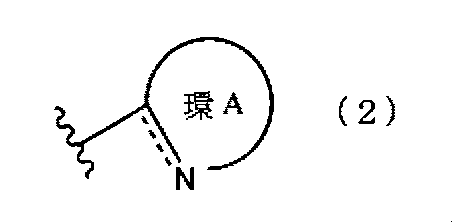
Arは、式(2)
Yは−S−、−O−、又は−NH−を示し、
Zは−S−、−O−、又は−CH2−を示す。)
で表されるピラジンアミド化合物、該化合物の互変異性体、立体異性体、若しくはその薬学的に許容される塩又はそれらの溶媒和物を提供することである。
(II)本発明の他の態様としては、式(1)
R1は水素原子、C1−8アルキル基、C3−8シクロアルキル基、C2−9ヘテロシクリル基(該C2−9ヘテロシクリル基は置換されていないか、又は1個のC1−6アルキル基で置換されている。)、フェニル基(該フェニル基は置換されていないか、又はハロゲン原子、ヒドロキシ基、トリフルオロメチル基、C1−6アルキル基、C1−6アルコキシ基、C1−6アルキルチオ基、及びC1−6アルキルスルホニル基からなる群より同一若しくは異なって選ばれる1から2個の基で置換されている。)、C1−9ヘテロアリール基、又はC7−14アリールアルキル基(該C7−14アリールアルキル基は置換されていないか、又は1個のC1−6アルキル基で置換されている。)を示し、
R2はC2−9ヘテロシクリル基(該C2−9ヘテロシクリル基は置換されていないか、又は1個のオキソ基で置換されている。)、フェニル基(該フェニル基は置換されていないか、又は1個のハロゲン原子で置換されている。)、又はC1−9ヘテロアリール基(該C1−9ヘテロアリール基は置換されていないか、又はヒドロキシ基、アミノ基、及びC1−6アルキル基からなる群より選ばれる1個の基で置換されている。)を示し、
Arは、式(2)
Yは−S−、−O−、又は−NH−を示し、
Zは−S−、又は−CH2−を示す。)
で表される(I)に記載のピラジンアミド化合物、該化合物の互変異性体、立体異性体、若しくはその薬学的に許容される塩又はそれらの溶媒和物を提供することである。
(III)本発明の他の態様としては、式(1)
R1はC1−8アルキル基、C3−8シクロアルキル基、C2−9ヘテロシクリル基(該C2−9ヘテロシクリル基は置換されていないか、又は1個のC1−6アルキル基で置換されている。)、フェニル基(該フェニル基は置換されていないか、又はハロゲン原子、ヒドロキシ基、トリフルオロメチル基、C1−6アルキル基、C1−6アルコキシ基、C1−6アルキルチオ基、及びC1−6アルキルスルホニル基からなる群より同一若しくは異なって選ばれる1から2個の基で置換されている。)、C1−9ヘテロアリール基(該C1−9ヘテロアリール基は置換されていないか、又は1個のC1−6アルキル基で置換されている。)、又はC7−14アリールアルキル基(該C7−14アリールアルキル基は置換されていないか、又は1個のC1−6アルキル基で置換されている。)を示し、
R2はC2−9ヘテロシクリル基(該C2−9ヘテロシクリル基は置換されていないか、又は1個のオキソ基で置換されている。)、フェニル基(該フェニル基は置換されていないか、又は1個のハロゲン原子で置換されている。)、又はC1−9ヘテロアリール基(該C1−9ヘテロアリール基は置換されていないか、又はヒドロキシ基、アミノ基、及びC1−6アルキル基からなる群より選ばれる1個の基で置換されている。)を示し、
Arは、式(2)
Yは−S−、又は−O−を示し、
Zは−S−、又は−CH2−を示す、
但し、Zが−CH2−を示すとき、式(2)で示される単環系C1−6ヘテロアリール基にピリジン−2−イル基は含まれない。)
で表される(I)に記載のピラジンアミド化合物、該化合物の互変異性体、立体異性体、若しくはその薬学的に許容される塩又はそれらの溶媒和物を提供することである。
(IV)本発明の他の態様としては、式(1)において、
R2がC1−9ヘテロアリール基(該C1−9ヘテロアリール基は置換されていないか、又はヒドロキシ基、アミノ基、及びC1−6アルキル基からなる群より選ばれる1個の基で置換されている。)であり、Zが−S−である(II)に記載のピラジンアミド化合物、該化合物の互変異性体、立体異性体、若しくはその薬学的に許容される塩又はそれらの溶媒和物を提供することである。
(V)本発明の他の態様としては、式(1)において、
R2がC1−9ヘテロアリール基(該C1−9ヘテロアリール基は置換されていないか、又はヒドロキシ基、アミノ基、及びC1−6アルキル基からなる群より選ばれる1個の基で置換されている。)であり、Zが−S−である(III)に記載のピラジンアミド化合物、該化合物の互変異性体、立体異性体、若しくはその薬学的に許容される塩又はそれらの溶媒和物を提供することである。
(VI)本発明の他の態様としては、式(1)において、
R2がトリアゾリル基(該トリアゾリル基は置換されていないか、又はアミノ基、及びC1−6アルキル基からなる群より選ばれる1個の基で置換されている。)である(IV)に記載のピラジンアミド化合物、該化合物の互変異性体、立体異性体、若しくはその薬学的に許容される塩又はそれらの溶媒和物を提供することである。
(VII)本発明の他の態様としては、式(1)において、
R2がトリアゾリル基(該トリアゾリル基は置換されていないか、又はアミノ基、及びC1−6アルキル基からなる群より選ばれる1個の基で置換されている。)である(V)に記載のピラジンアミド化合物、該化合物の互変異性体、立体異性体、若しくはその薬学的に許容される塩又はそれらの溶媒和物を提供することである。
(VIII)本発明の他の態様としては、式(1)において、
R2が1,6−ジヒドロピリダジニル基(該1,6−ジヒドロピリダジニル基は1個のオキソ基で置換されている。)であり、Zが−CH2−である(II)に記載のピラジンアミド化合物、該化合物の互変異性体、立体異性体、若しくはその薬学的に許容される塩又はそれらの溶媒和物を提供することである。
(IX)本発明の他の態様としては、式(1)において、
R2が1,6−ジヒドロピリダジニル基(該1,6−ジヒドロピリダジニル基は1個のオキソ基で置換されている。)であり、Zが−CH2−である(III)に記載のピラジンアミド化合物、該化合物の互変異性体、立体異性体、若しくはその薬学的に許容される塩又はそれらの溶媒和物を提供することである。
(X)本発明の他の態様としては、式(1)において、
R1がC1−8アルキル基、C3−8シクロアルキル基、C2−9ヘテロシクリル基、フェニル基(該フェニル基は置換されていないか、又はハロゲン原子、ヒドロキシ基、トリフルオロメチル基、C1−6アルキル基、C1−6アルコキシ基、C1−6アルキルチオ基、及びC1−6アルキルスルホニル基からなる群より同一若しくは異なって選ばれる1から2個の基で置換されている。)、C1−9ヘテロアリール基、又はC7−14アリールアルキル基(該C7−14アリールアルキル基は置換されていないか、又は1個のC1−6アルキル基で置換されている。)であり、
Yが−S−又は−NH−である(II)、(IV)、(VI)又は(VIII)のいずれか1つに記載のピラジンアミド化合物、該化合物の互変異性体、立体異性体、若しくはその薬学的に許容される塩又はそれらの溶媒和物を提供することである。
(XI)本発明の他の態様としては、式(1)において、
R1がC1−8アルキル基、C3−8シクロアルキル基、C2−9ヘテロシクリル基、フェニル基(該フェニル基は置換されていないか、又はハロゲン原子、ヒドロキシ基、トリフルオロメチル基、C1−6アルキル基、C1−6アルコキシ基、C1−6アルキルチオ基、及びC1−6アルキルスルホニル基からなる群より同一若しくは異なって選ばれる1から2個の基で置換されている。)、C1−9ヘテロアリール基(該C1−9ヘテロアリール基は置換されていないか、又は1個のC1−6アルキル基で置換されている。)、又はC7−14アリールアルキル基(該C7−14アリールアルキル基は置換されていないか、又は1個のC1−6アルキル基で置換されている。)であり、
Yが−S−である(III)、(V)、(VII)又は(IX)のいずれか1つに記載のピラジンアミド化合物、該化合物の互変異性体、立体異性体、若しくはその薬学的に許容される塩又はそれらの溶媒和物を提供することである。
(XII)本発明の他の態様としては、式(1)において、
Yが−S−である(X)に記載のピラジンアミド化合物、該化合物の互変異性体、立体異性体、若しくはその薬学的に許容される塩又はそれらの溶媒和物を提供することである。
(XIII)本発明の他の態様としては、式(1)において、
Arが、式(2)
(XIV)本発明の他の態様としては、式(1)において、
Arが1H−ピラゾール−3−イル基、1,3−チアゾール−2−イル基、ピリジン−2−イル基、ピラジン−2−イル基、イソオキサゾール−3−イル基(該1H−ピラゾール−3−イル基、1,3−チアゾール−2−イル基、ピリジン−2−イル基、ピラジン−2−イル基及びイソオキサゾール−3−イル基は置換されていないか、又はC1−6アルキル基、カルボキシ基、カルボキシC1−6アルキル基、カルバモイル基、ヒドロキシC1−8アルキル基、C1−6アルコキシC1−8アルキル基、ハロゲン原子、C2−6アルコキシカルボニル基、及びC2−6アルコキシカルボニルC1−6アルキル基からなる群より選ばれる1個の基で置換されている。)、又は4,5−ジヒドロ−1,3−チアゾール−2−イル基である、(XIII)に記載のピラジンアミド化合物、該化合物の互変異性体、立体異性体、若しくはその薬学的に許容される塩又はそれらの溶媒和物を提供することである。
(XV)本発明の他の態様としては、
以下に記載のピラジンアミド化合物、該化合物の互変異性体、立体異性体、若しくはその薬学的に許容される塩又はそれらの溶媒和物、
3−[(4−フルオロフェニル)スルファニル]−N−(1−メチル−1H−ピラゾール−3−イル)−6−(4H−1,2,4−トリアゾール−3−イルスルファニル)ピラジン−2−カルボキシアミド
3−[(4−フルオロフェニル)スルファニル]−N−(5−メチル−1,3−チアゾール−2−イル)−6−(4H−1,2,4−トリアゾール−3−イルスルファニル)ピラジン−2−カルボキシアミド
3−[(1−メチルエチル)スルファニル]−N−(1−メチル−1H−ピラゾール−3−イル)−6−(4H−1,2,4−トリアゾール−3−イルスルファニル)ピラジン−2−カルボキシアミド
3−(シクロヘキシルスルファニル)−N−(1−メチル−1H−ピラゾール−3−イル)−6−(4H−1,2,4−トリアゾール−3−イルスルファニル)ピラジン−2−カルボキシアミド
3−[(4−メチルフェニル)スルファニル]−N−(1−メチル−1H−ピラゾール−3−イル)−6−(4H−1,2,4−トリアゾール−3−イルスルファニル)ピラジン−2−カルボキシアミド
3−[(4−メトキシフェニル)スルファニル]−N−(1−メチル−1H−ピラゾール−3−イル)−6−(4H−1,2,4−トリアゾール−3−イルスルファニル)ピラジン−2−カルボキシアミド
N−(1−メチル−1H−ピラゾール−3−イル)−3−{[4−(メチルスルファニル)フェニル]スルファニル}−6−(4H−1,2,4−トリアゾール−3−イルスルファニル)ピラジン−2−カルボキシアミド
3−(ベンジルスルファニル)−N−(1−メチル−1H−ピラゾール−3−イル)−6−(4H−1,2,4−トリアゾール−3−イルスルファニル)ピラジン−2−カルボキシアミド
N−(1−メチル−1H−ピラゾール−3−イル)−3−{[4−(メチルスルホニル)フェニル]スルファニル}−6−(4H−1,2,4−トリアゾール−3−イルスルファニル)ピラジン−2−カルボキシアミド
3−{[(1S)−1−メチル−2−フェニルエチル]スルファニル}−N−(1−メチル−1H−ピラゾール−3−イル)−6−(4H−1,2,4−トリアゾール−3−イルスルファニル)ピラジン−2−カルボキシアミド
6−[({3−[(4−フルオロフェニル)スルファニル]−6−(4H−1,2,4−トリアゾール−3−イルスルファニル)ピラジン−2−イル}カルボニル)アミノ]ピリジン−3−カルボン酸メチルエステル
{3−[({3−[(4−フルオロフェニル)スルファニル]−6−(4H−1,2,4−トリアゾール−3−イルスルファニル)ピラジン−2−イル}カルボニル)アミノ]−1H−ピラゾール−1−イル}酢酸エチルエステル
3−[(4−フルオロフェニル)スルファニル]−N−[1−(2−ヒドロキシエチル)−1H−ピラゾール−3−イル]−6−(4H−1,2,4−トリアゾール−3−イルスルファニル)ピラジン−2−カルボキシアミド
3−[(4−フルオロフェニル)スルファニル]−N−[1−(2−メトキシエチル)−1H−ピラゾール−3−イル]−6−(4H−1,2,4−トリアゾール−3−イルスルファニル)ピラジン−2−カルボキシアミド
N−(1,5−ジメチル−1H−ピラゾール−3−イル)−3−[(4−フルオロフェニル)スルファニル]−6−(4H−1,2,4−トリアゾール−3−イルスルファニル)ピラジン−2−カルボキシアミド
N−(1−メチル−1H−ピラゾール−3−イル)−6−(4H−1,2,4−トリアゾール−3−イルスルファニル)−3−{[4−(トリフルオロメチル)フェニル]スルファニル}ピラジン−2−カルボキシアミド
N−(1−メチル−1H−ピラゾール−3−イル)−3−(テトラヒドロ−2H−ピラン−4−イルスルファニル)−6−(4H−1,2,4−トリアゾール−3−イルスルファニル)ピラジン−2−カルボキシアミド
3−[(3,4−ジメトキシフェニル)スルファニル]−N−(1−メチル−1H−ピラゾール−3−イル)−6−(4H−1,2,4−トリアゾール−3−イルスルファニル)ピラジン−2−カルボキシアミド
3−[(3−メトキシフェニル)スルファニル]−N−(1−メチル−1H−ピラゾール−3−イル)−6−(4H−1,2,4−トリアゾール−3−イルスルファニル)ピラジン−2−カルボキシアミド
3−[(2−メトキシフェニル)スルファニル]−N−(1−メチル−1H−ピラゾール−3−イル)−6−(4H−1,2,4−トリアゾール−3−イルスルファニル)ピラジン−2−カルボキシアミド
N−(1−メチル−1H−ピラゾール−3−イル)−3−[(6−メチルピリジン−3−イル)スルファニル]−6−(4H−1,2,4−トリアゾール−3−イルスルファニル)ピラジン−2−カルボキシアミド
N−(1−メチル−1H−ピラゾール−3−イル)−3−(ピリジン−4−イルスルファニル)−6−(4H−1,2,4−トリアゾール−3−イルスルファニル)ピラジン−2−カルボキシアミド
N−(4,5−ジヒドロ−1,3−チアゾール−2−イル)−3−[(4−フルオロフェニル)スルファニル]−6−(4H−1,2,4−トリアゾール−3−イルスルファニル)ピラジン−2−カルボキシアミド
N−(5−クロロ−1,3−チアゾール−2−イル)−3−[(4−フルオロフェニル)スルファニル]−6−(4H−1,2,4−トリアゾール−3−イルスルファニル)ピラジン−2−カルボキシアミド
3−[(4−フルオロフェニル)スルファニル]−N−(5−メチルイソオキサゾール−3−イル)−6−(4H−1,2,4−トリアゾール−3−イルスルファニル)ピラジン−2−カルボキシアミド
N−(5−カルバモイルピリジン−2−イル)−3−[(4−フルオロフェニル)スルファニル]−6−(4H−1,2,4−トリアゾール−3−イルスルファニル)ピラジン−2−カルボキシアミド
3−[(4−フルオロフェニル)スルファニル]−N−(ピラジン−2−イル)−6−(4H−1,2,4−トリアゾール−3−イルスルファニル)ピラジン−2−カルボキシアミド
3−[(4−フルオロフェニル)スルファニル]−N−[1−(2−メトキシエチル)−1H−ピラゾール−3−イル]−6−[(5−メチル−4H−1,2,4−トリアゾール−3−イル)スルファニル]ピラジン−2−カルボキシアミド
3−[(4−メトキシフェニル)スルファニル]−N−(5−メチル−1,3−チアゾール−2−イル)−6−(4H−1,2,4−トリアゾール−3−イルスルファニル)ピラジン−2−カルボキシアミド
3−[(4−ヒドロキシフェニル)スルファニル]−N−(5−メチル−1,3−チアゾール−2−イル)−6−(4H−1,2,4−トリアゾール−3−イルスルファニル)ピラジン−2−カルボキシアミド
6−[({3−[(4−フルオロフェニル)スルファニル]−6−(4H−1,2,4−トリアゾール−3−イルスルファニル)ピラジン−2−イル}カルボニル)アミノ]ピリジン−3−カルボン酸
{3−[({3−[(4−フルオロフェニル)スルファニル]−6−(4H−1,2,4−トリアゾール−3−イルスルファニル)ピラジン−2−イル}カルボニル)アミノ]−1H−ピラゾール−1−イル}酢酸
3−[(4−フルオロフェニル)スルファニル]−N−(1−メチル−1H−ピラゾール−3−イル)−6−[(4−メチル−4H−1,2,4−トリアゾール−3−イル)スルファニル]ピラジン−2−カルボキシアミド
3−[(4−フルオロフェニル)スルファニル]−N−(1−メチル−1H−ピラゾール−3−イル)−6−[(5−メチル−4H−1,2,4−トリアゾール−3−イル)スルファニル]ピラジン−2−カルボキシアミド
3−[(4−フルオロフェニル)スルファニル]−6−[(5−ヒドロキシ−4H−1,2,4−トリアゾール−3−イル)スルファニル]−N−(1−メチル−1H−ピラゾール−3−イル)ピラジン−2−カルボキシアミド
6−[(5−アミノ−4H−1,2,4−トリアゾール−3−イル)スルファニル]−3−[(4−フルオロフェニル)スルファニル]−N−(1−メチル−1H−ピラゾール−3−イル)ピラジン−2−カルボキシアミド
3−[(4−フルオロフェニル)スルファニル]−N−(1−メチル−1H−ピラゾール−3−イル)−6−(1,3,4−チアジアゾール−2−イルスルファニル)ピラジン−2−カルボキシアミド
3−[(4−フルオロフェニル)スルファニル]−N−(1−メチル−1H−ピラゾール−3−イル)−6−(ピリジン−2−イルスルファニル)ピラジン−2−カルボキシアミド
3−[(4−メトキシフェニル)スルファニル]−N−(1−メチル−1H−ピラゾール−3−イル)−6−[(5−メチル−4H−1,2,4−トリアゾール−3−イル)スルファニル]ピラジン−2−カルボキシアミド
6−[(5−エチル−4H−1,2,4−トリアゾール−3−イル)スルファニル]−3−[(4−メトキシフェニル)スルファニル]−N−(1−メチル−1H−ピラゾール−3−イル)ピラジン−2−カルボキシアミド
6−[(5−アミノ−4H−1,2,4−トリアゾール−3−イル)スルファニル]−3−[(4−メトキシフェニル)スルファニル]−N−(1−メチル−1H−ピラゾール−3−イル)ピラジン−2−カルボキシアミド
3−[(4−メトキシフェニル)スルファニル]−N−ピラジン−2−イル−6−(4H−1,2,4−トリアゾール−3−イルスルファニル)ピラジン−2−カルボキシアミド
3−[(4−メトキシフェニル)スルファニル]−6−[(5−メチル−4H−1,2,4−トリアゾール−3−イル)スルファニル]−N−ピラジン−2−イルピラジン−2−カルボキシアミド
6−[(5−アミノ−4H−1,2,4−トリアゾール−3−イル)スルファニル]−3−[(4−メトキシフェニル)スルファニル]−N−ピラジン−2−イルピラジン−2−カルボキシアミド
3−{[4−(メチルスルファニル)フェニル]スルファニル}−N−ピラジン−2−イル−6−(4H−1,2,4−トリアゾール−3−イルスルファニル)ピラジン−2−カルボキシアミド
3−{[4−(メチルスルファニル)フェニル]スルファニル}−6−[(5−メチル−4H−1,2,4−トリアゾール−3−イル)スルファニル]−N−ピラジン−2−イルピラジン−2−カルボキシアミド
6−[(5−アミノ−4H−1,2,4−トリアゾール−3−イル)スルファニル]−3−{[4−(メチルスルファニル)フェニル]スルファニル}−N−ピラジン−2−イルピラジン−2−カルボキシアミド
N−(1−メチル−1H−ピラゾール−3−イル)−3−{[4−(メチルスルホニル)フェニル]スルファニル}−6−[(5−メチル−4H−1,2,4−トリアゾール−3−イル)スルファニル]ピラジン−2−カルボキシアミド
6−[(5−アミノ−4H−1,2,4−トリアゾール−3−イル)スルファニル]−N−(1−メチル−1H−ピラゾール−3−イル)−3−{[4−(メチルスルホニル)フェニル]スルファニル}ピラジン−2−カルボキシアミド
N−(1−メチル−1H−ピラゾール−3−イル)−6−[(5−メチル−4H−1,2,4−トリアゾール−3−イル)スルファニル]−3−(ピリジン−4−イルスルファニル)ピラジン−2−カルボキシアミド
6−[(5−アミノ−4H−1,2,4−トリアゾール−3−イル)スルファニル]−N−(1−メチル−1H−ピラゾール−3−イル)−3−(ピリジン−4−イルスルファニル)ピラジン−2−カルボキシアミド
3−(4−フルオロフェノキシ)−N−(1−メチル−1H−ピラゾール−3−イル)−6−(4H−1,2,4−トリアゾール−3−イルスルファニル)ピラジン−2−カルボキシアミド
3−[(4−フルオロフェニル)アミノ]−N−(1−メチル−1H−ピラゾール−3−イル)−6−(4H−1,2,4−トリアゾール−3−イルスルファニル)ピラジン−2−カルボキシアミド
3−[(4−フルオロフェニル)スルファニル]−N−(5−メチル−1,3−チアゾール−2−イル)−6−[(6−オキソピリダジン−1(6H)−イル)メチル]ピラジン−2−カルボキシアミド
3−[(4−フルオロフェニル)スルファニル]−N−(1−メチル−1H−ピラゾール−3−イル)−6−[(6−オキソピリダジン−1(6H)−イル)メチル]ピラジン−2−カルボキシアミド
3−[(4−フルオロフェニル)スルファニル]−N−(1−メチル−1H−ピラゾール−3−イル)−6−(1H−1,2,4−トリアゾール−1−イルメチル)ピラジン−2−カルボキシアミド
を提供することである。
(XVI)本発明の他の態様としては、(I)から(XV)のいずれかに記載のピラジンアミド化合物、該化合物の互変異性体、立体異性体、若しくはその薬学的に許容される塩又はそれらの溶媒和物を有効成分として含有する医薬を提供することである。
(XVII)本発明の他の態様としては、グルコキナーゼ活性化作用により改善しうる疾患又は状態を予防若しくは治療するための(XVI)に記載の医薬を提供することである。
(XVIII)本発明の他の態様としては、糖尿病または肥満の予防・治療薬である(XVII)に記載の医薬を提供することである。That is, the present invention
(I) Formula (1)
R 1 Is a hydrogen atom, C 1-8 Alkyl group, C 3-8 A cycloalkyl group (the C 3-8 Cycloalkyl groups are unsubstituted or substituted with one hydroxy group. ), C 2-9 Heterocyclyl group (the C 2-9 The heterocyclyl group is unsubstituted or C 1-6 It is substituted with 1 to 3 groups selected from the group consisting of an alkyl group and an oxo group, the same or different. ), A phenyl group (the phenyl group is not substituted or is a halogen atom, a hydroxy group, a trifluoromethyl group, C 1-6 Alkyl group, hydroxy C 1-8 Alkyl group, C 1-6 Alkoxy group, C 1-6 Alkylthio group, C 1-6 Alkylsulfonyl group, carboxy group, and C 2-6 Substitution is made with 1 to 3 groups which are the same or different from the group consisting of alkoxycarbonyl groups. ), C 1-9 Heteroaryl group (the C 1-9 A heteroaryl group is unsubstituted or halogen, C 1-6 Alkyl groups and hydroxy C 1-8 It is substituted with 1 to 3 groups selected from the group consisting of alkyl groups, which are the same or different. ) Or C 7-14 An arylalkyl group (the C 7-14 The arylalkyl group is unsubstituted or is a halogen atom, C 1-6 Alkyl group, hydroxy group, and C 1-6 Substitution is made with 1 to 3 groups selected from the group consisting of alkoxy groups, the same or different. )
R 2 Is C 1-8 An alkyl group (the C 1-8 Alkyl groups are unsubstituted or halogen atoms, hydroxy groups, and C 1-6 Substitution is made with 1 to 3 groups selected from the group consisting of alkoxy groups, the same or different. ), C 2-9 Heterocyclyl group (the C 2-9 A heterocyclyl group is unsubstituted or substituted with 1 to 2 oxo groups. ), A phenyl group (the phenyl group is unsubstituted or substituted with 1 to 3 halogen atoms), or C 1-9 Heteroaryl group (the C 1-9 Heteroaryl groups are unsubstituted or hydroxy, amino, and C 1-6 It is substituted with 1 to 3 groups selected from the group consisting of alkyl groups, which are the same or different. )
Ar is the formula (2)
Y represents -S-, -O-, or -NH-,
Z is -S-, -O-, or -CH 2 -Is shown. )
Or a tautomer, stereoisomer, or pharmaceutically acceptable salt of the compound, or a solvate thereof.
(II) As another aspect of the present invention, the compound represented by formula (1)
R 1 Is a hydrogen atom, C 1-8 Alkyl group, C 3-8 A cycloalkyl group, C 2-9 Heterocyclyl group (the C 2-9 The heterocyclyl group is unsubstituted or is one C 1-6 Substituted with an alkyl group. ), A phenyl group (the phenyl group is not substituted or is a halogen atom, a hydroxy group, a trifluoromethyl group, C 1-6 Alkyl group, C 1-6 Alkoxy group, C 1-6 Alkylthio group and C 1-6 Substitution is made with 1 to 2 groups selected from the group consisting of alkylsulfonyl groups, the same or different. ), C 1-9 Heteroaryl group or C 7-14 An arylalkyl group (the C 7-14 The arylalkyl group is unsubstituted or has one C 1-6 Substituted with an alkyl group. )
R 2 Is C 2-9 Heterocyclyl group (the C 2-9 A heterocyclyl group is unsubstituted or substituted with one oxo group. ), A phenyl group (the phenyl group is unsubstituted or substituted with one halogen atom), or C 1-9 Heteroaryl group (the C 1-9 Heteroaryl groups are unsubstituted or hydroxy, amino, and C 1-6 Substitution with one group selected from the group consisting of alkyl groups. )
Ar is the formula (2)
Y represents -S-, -O-, or -NH-,
Z is -S- or -CH 2 -Is shown. )
(I), a tautomer, a stereoisomer, or a pharmaceutically acceptable salt of the compound, or a solvate thereof.
(III) In another embodiment of the present invention, the compound represented by formula (1)
R 1 Is C 1-8 Alkyl group, C 3-8 A cycloalkyl group, C 2-9 Heterocyclyl group (the C 2-9 The heterocyclyl group is unsubstituted or is one C 1-6 Substituted with an alkyl group. ), A phenyl group (the phenyl group is not substituted or is a halogen atom, a hydroxy group, a trifluoromethyl group, C 1-6 Alkyl group, C 1-6 Alkoxy group, C 1-6 Alkylthio group and C 1-6 Substitution is made with 1 to 2 groups selected from the group consisting of alkylsulfonyl groups, the same or different. ), C 1-9 Heteroaryl group (the C 1-9 A heteroaryl group is unsubstituted or has one C 1-6 Substituted with an alkyl group. ) Or C 7-14 An arylalkyl group (the C 7-14 The arylalkyl group is unsubstituted or has one C 1-6 Substituted with an alkyl group. )
R 2 Is C 2-9 Heterocyclyl group (the C 2-9 A heterocyclyl group is unsubstituted or substituted with one oxo group. ), A phenyl group (the phenyl group is unsubstituted or substituted with one halogen atom), or C 1-9 Heteroaryl group (the C 1-9 Heteroaryl groups are unsubstituted or hydroxy, amino, and C 1-6 Substitution with one group selected from the group consisting of alkyl groups. )
Ar is the formula (2)
Y represents -S- or -O-;
Z is -S- or -CH 2 -
However, Z is -CH 2 -Represents a monocyclic system C represented by the formula (2) 1-6 A heteroaryl group does not include a pyridin-2-yl group. )
(I), a tautomer, a stereoisomer, or a pharmaceutically acceptable salt of the compound, or a solvate thereof.
(IV) As another aspect of the present invention, in the formula (1),
R 2 Is C 1-9 Heteroaryl group (the C 1-9 Heteroaryl groups are unsubstituted or hydroxy, amino, and C 1-6 Substitution with one group selected from the group consisting of alkyl groups. And a pyrazine amide compound according to (II), wherein Z is -S-, a tautomer, stereoisomer, or pharmaceutically acceptable salt of the compound or a solvate thereof It is to be.
(V) As another aspect of the present invention, in the formula (1),
R 2 Is C 1-9 Heteroaryl group (the C 1-9 Heteroaryl groups are unsubstituted or hydroxy, amino, and C 1-6 Substitution with one group selected from the group consisting of alkyl groups. And a pyrazine amide compound according to (III), wherein Z is -S-, a tautomer, stereoisomer, or pharmaceutically acceptable salt of the compound or a solvate thereof It is to be.
(VI) As another aspect of the present invention, in the formula (1),
R 2 Is a triazolyl group (the triazolyl group is unsubstituted or an amino group, and C 1-6 Substitution with one group selected from the group consisting of alkyl groups. The pyrazine amide compound according to (IV), a tautomer, a stereoisomer, or a pharmaceutically acceptable salt thereof, or a solvate thereof.
(VII) As another aspect of the present invention, in the formula (1),
R 2 Is a triazolyl group (the triazolyl group is unsubstituted or an amino group, and C 1-6 Substitution with one group selected from the group consisting of alkyl groups. The pyrazine amide compound according to (V), a tautomer, a stereoisomer, or a pharmaceutically acceptable salt thereof, or a solvate thereof.
(VIII) As another aspect of the present invention, in the formula (1),
R 2 Is a 1,6-dihydropyridazinyl group (the 1,6-dihydropyridazinyl group is substituted with one oxo group) and Z is —CH 2 It is to provide a pyrazine amide compound according to (II), a tautomer, a stereoisomer, or a pharmaceutically acceptable salt thereof, or a solvate thereof.
(IX) As another aspect of the present invention, in the formula (1),
R 2 Is a 1,6-dihydropyridazinyl group (the 1,6-dihydropyridazinyl group is substituted with one oxo group) and Z is —CH 2 It is to provide a pyrazine amide compound according to (III), a tautomer, a stereoisomer, or a pharmaceutically acceptable salt thereof, or a solvate thereof.
(X) As another aspect of the present invention, in the formula (1),
R 1 Is C 1-8 Alkyl group, C 3-8 A cycloalkyl group, C 2-9 Heterocyclyl group, phenyl group (the phenyl group is not substituted or is a halogen atom, a hydroxy group, a trifluoromethyl group, C 1-6 Alkyl group, C 1-6 Alkoxy group, C 1-6 Alkylthio group and C 1-6 Substitution is made with 1 to 2 groups selected from the group consisting of alkylsulfonyl groups, the same or different. ), C 1-9 Heteroaryl group or C 7-14 An arylalkyl group (the C 7-14 The arylalkyl group is unsubstituted or has one C 1-6 Substituted with an alkyl group. ) And
The pyrazine amide compound according to any one of (II), (IV), (VI) or (VIII), wherein Y is -S- or -NH-, a tautomer, stereoisomer of the compound, Or providing a pharmaceutically acceptable salt thereof or a solvate thereof.
(XI) As another aspect of the present invention, in the formula (1),
R 1 Is C 1-8 Alkyl group, C 3-8 A cycloalkyl group, C 2-9 Heterocyclyl group, phenyl group (the phenyl group is not substituted or is a halogen atom, a hydroxy group, a trifluoromethyl group, C 1-6 Alkyl group, C 1-6 Alkoxy group, C 1-6 Alkylthio group and C 1-6 Substitution is made with 1 to 2 groups selected from the group consisting of alkylsulfonyl groups, the same or different. ), C 1-9 Heteroaryl group (the C 1-9 A heteroaryl group is unsubstituted or has one C 1-6 Substituted with an alkyl group. ) Or C 7-14 An arylalkyl group (the C 7-14 The arylalkyl group is unsubstituted or has one C 1-6 Substituted with an alkyl group. ) And
The pyrazine amide compound according to any one of (III), (V), (VII) or (IX), wherein Y is -S-, a tautomer, stereoisomer, or pharmaceutical thereof Or a solvate thereof.
(XII) As another aspect of the present invention, in the formula (1),
It is to provide a pyrazine amide compound according to (X), wherein Y is -S-, a tautomer, stereoisomer or pharmaceutically acceptable salt of the compound or a solvate thereof. .
(XIII) As another aspect of the present invention, in the formula (1),
Ar is the formula (2)
(XIV) As another aspect of the present invention, in the formula (1),
Ar is 1H-pyrazol-3-yl group, 1,3-thiazol-2-yl group, pyridin-2-yl group, pyrazin-2-yl group, isoxazol-3-yl group (the 1H-pyrazol-3 -Yl group, 1,3-thiazol-2-yl group, pyridin-2-yl group, pyrazin-2-yl group and isoxazol-3-yl group are unsubstituted or C 1-6 Alkyl group, carboxy group, carboxy C 1-6 Alkyl group, carbamoyl group, hydroxy C 1-8 Alkyl group, C 1-6 Alkoxy C 1-8 Alkyl group, halogen atom, C 2-6 An alkoxycarbonyl group and C 2-6 Alkoxycarbonyl C 1-6 Substitution with one group selected from the group consisting of alkyl groups. ), Or a 4,5-dihydro-1,3-thiazol-2-yl group, a pyrazine amide compound according to (XIII), a tautomer, stereoisomer or pharmaceutically acceptable salt thereof Or a solvate thereof.
(XV) As another aspect of the present invention,
A pyrazine amide compound described below, a tautomer, stereoisomer, or pharmaceutically acceptable salt of the compound, or a solvate thereof,
3-[(4-Fluorophenyl) sulfanyl] -N- (1-methyl-1H-pyrazol-3-yl) -6- (4H-1,2,4-triazol-3-ylsulfanyl) pyrazine-2- Carboxamide
3-[(4-Fluorophenyl) sulfanyl] -N- (5-methyl-1,3-thiazol-2-yl) -6- (4H-1,2,4-triazol-3-ylsulfanyl) pyrazine- 2-Carboxamide
3-[(1-Methylethyl) sulfanyl] -N- (1-methyl-1H-pyrazol-3-yl) -6- (4H-1,2,4-triazol-3-ylsulfanyl) pyrazine-2- Carboxamide
3- (Cyclohexylsulfanyl) -N- (1-methyl-1H-pyrazol-3-yl) -6- (4H-1,2,4-triazol-3-ylsulfanyl) pyrazine-2-carboxamide
3-[(4-Methylphenyl) sulfanyl] -N- (1-methyl-1H-pyrazol-3-yl) -6- (4H-1,2,4-triazol-3-ylsulfanyl) pyrazine-2- Carboxamide
3-[(4-Methoxyphenyl) sulfanyl] -N- (1-methyl-1H-pyrazol-3-yl) -6- (4H-1,2,4-triazol-3-ylsulfanyl) pyrazine-2- Carboxamide
N- (1-methyl-1H-pyrazol-3-yl) -3-{[4- (methylsulfanyl) phenyl] sulfanyl} -6- (4H-1,2,4-triazol-3-ylsulfanyl) pyrazine -2-Carboxamide
3- (Benzylsulfanyl) -N- (1-methyl-1H-pyrazol-3-yl) -6- (4H-1,2,4-triazol-3-ylsulfanyl) pyrazine-2-carboxamide
N- (1-methyl-1H-pyrazol-3-yl) -3-{[4- (methylsulfonyl) phenyl] sulfanyl} -6- (4H-1,2,4-triazol-3-ylsulfanyl) pyrazine -2-Carboxamide
3-{[(1S) -1-methyl-2-phenylethyl] sulfanyl} -N- (1-methyl-1H-pyrazol-3-yl) -6- (4H-1,2,4-triazole-3 -Ilsulfanyl) pyrazine-2-carboxamide
6-[({3-[(4-Fluorophenyl) sulfanyl] -6- (4H-1,2,4-triazol-3-ylsulfanyl) pyrazin-2-yl} carbonyl) amino] pyridine-3-carboxylic Acid methyl ester
{3-[({3-[(4-Fluorophenyl) sulfanyl] -6- (4H-1,2,4-triazol-3-ylsulfanyl) pyrazin-2-yl} carbonyl) amino] -1H-pyrazole -1-yl} acetic acid ethyl ester
3-[(4-Fluorophenyl) sulfanyl] -N- [1- (2-hydroxyethyl) -1H-pyrazol-3-yl] -6- (4H-1,2,4-triazol-3-ylsulfanyl) ) Pyrazine-2-carboxamide
3-[(4-Fluorophenyl) sulfanyl] -N- [1- (2-methoxyethyl) -1H-pyrazol-3-yl] -6- (4H-1,2,4-triazol-3-ylsulfanyl) ) Pyrazine-2-carboxamide
N- (1,5-dimethyl-1H-pyrazol-3-yl) -3-[(4-fluorophenyl) sulfanyl] -6- (4H-1,2,4-triazol-3-ylsulfanyl) pyrazine- 2-Carboxamide
N- (1-methyl-1H-pyrazol-3-yl) -6- (4H-1,2,4-triazol-3-ylsulfanyl) -3-{[4- (trifluoromethyl) phenyl] sulfanyl} Pyrazine-2-carboxamide
N- (1-methyl-1H-pyrazol-3-yl) -3- (tetrahydro-2H-pyran-4-ylsulfanyl) -6- (4H-1,2,4-triazol-3-ylsulfanyl) pyrazine -2-Carboxamide
3-[(3,4-Dimethoxyphenyl) sulfanyl] -N- (1-methyl-1H-pyrazol-3-yl) -6- (4H-1,2,4-triazol-3-ylsulfanyl) pyrazine- 2-Carboxamide
3-[(3-Methoxyphenyl) sulfanyl] -N- (1-methyl-1H-pyrazol-3-yl) -6- (4H-1,2,4-triazol-3-ylsulfanyl) pyrazine-2- Carboxamide
3-[(2-Methoxyphenyl) sulfanyl] -N- (1-methyl-1H-pyrazol-3-yl) -6- (4H-1,2,4-triazol-3-ylsulfanyl) pyrazine-2- Carboxamide
N- (1-methyl-1H-pyrazol-3-yl) -3-[(6-methylpyridin-3-yl) sulfanyl] -6- (4H-1,2,4-triazol-3-ylsulfanyl) Pyrazine-2-carboxamide
N- (1-methyl-1H-pyrazol-3-yl) -3- (pyridin-4-ylsulfanyl) -6- (4H-1,2,4-triazol-3-ylsulfanyl) pyrazin-2-carboxy Amide
N- (4,5-dihydro-1,3-thiazol-2-yl) -3-[(4-fluorophenyl) sulfanyl] -6- (4H-1,2,4-triazol-3-ylsulfanyl) Pyrazine-2-carboxamide
N- (5-chloro-1,3-thiazol-2-yl) -3-[(4-fluorophenyl) sulfanyl] -6- (4H-1,2,4-triazol-3-ylsulfanyl) pyrazine- 2-Carboxamide
3-[(4-Fluorophenyl) sulfanyl] -N- (5-methylisoxazol-3-yl) -6- (4H-1,2,4-triazol-3-ylsulfanyl) pyrazine-2-carboxamide
N- (5-carbamoylpyridin-2-yl) -3-[(4-fluorophenyl) sulfanyl] -6- (4H-1,2,4-triazol-3-ylsulfanyl) pyrazine-2-carboxamide
3-[(4-Fluorophenyl) sulfanyl] -N- (pyrazin-2-yl) -6- (4H-1,2,4-triazol-3-ylsulfanyl) pyrazine-2-carboxamide
3-[(4-Fluorophenyl) sulfanyl] -N- [1- (2-methoxyethyl) -1H-pyrazol-3-yl] -6-[(5-methyl-4H-1,2,4-triazole -3-yl) sulfanyl] pyrazine-2-carboxamide
3-[(4-Methoxyphenyl) sulfanyl] -N- (5-methyl-1,3-thiazol-2-yl) -6- (4H-1,2,4-triazol-3-ylsulfanyl) pyrazine- 2-Carboxamide
3-[(4-Hydroxyphenyl) sulfanyl] -N- (5-methyl-1,3-thiazol-2-yl) -6- (4H-1,2,4-triazol-3-ylsulfanyl) pyrazine- 2-Carboxamide
6-[({3-[(4-Fluorophenyl) sulfanyl] -6- (4H-1,2,4-triazol-3-ylsulfanyl) pyrazin-2-yl} carbonyl) amino] pyridine-3-carboxylic acid
{3-[({3-[(4-Fluorophenyl) sulfanyl] -6- (4H-1,2,4-triazol-3-ylsulfanyl) pyrazin-2-yl} carbonyl) amino] -1H-pyrazole -1-yl} acetic acid
3-[(4-Fluorophenyl) sulfanyl] -N- (1-methyl-1H-pyrazol-3-yl) -6-[(4-methyl-4H-1,2,4-triazol-3-yl) Sulfanyl] pyrazine-2-carboxamide
3-[(4-Fluorophenyl) sulfanyl] -N- (1-methyl-1H-pyrazol-3-yl) -6-[(5-methyl-4H-1,2,4-triazol-3-yl) Sulfanyl] pyrazine-2-carboxamide
3-[(4-Fluorophenyl) sulfanyl] -6-[(5-hydroxy-4H-1,2,4-triazol-3-yl) sulfanyl] -N- (1-methyl-1H-pyrazole-3- Yl) pyrazine-2-carboxamide
6-[(5-Amino-4H-1,2,4-triazol-3-yl) sulfanyl] -3-[(4-fluorophenyl) sulfanyl] -N- (1-methyl-1H-pyrazole-3- Yl) pyrazine-2-carboxamide
3-[(4-Fluorophenyl) sulfanyl] -N- (1-methyl-1H-pyrazol-3-yl) -6- (1,3,4-thiadiazol-2-ylsulfanyl) pyrazine-2-carboxamide
3-[(4-Fluorophenyl) sulfanyl] -N- (1-methyl-1H-pyrazol-3-yl) -6- (pyridin-2-ylsulfanyl) pyrazine-2-carboxamide
3-[(4-Methoxyphenyl) sulfanyl] -N- (1-methyl-1H-pyrazol-3-yl) -6-[(5-methyl-4H-1,2,4-triazol-3-yl) Sulfanyl] pyrazine-2-carboxamide
6-[(5-Ethyl-4H-1,2,4-triazol-3-yl) sulfanyl] -3-[(4-methoxyphenyl) sulfanyl] -N- (1-methyl-1H-pyrazole-3- Yl) pyrazine-2-carboxamide
6-[(5-Amino-4H-1,2,4-triazol-3-yl) sulfanyl] -3-[(4-methoxyphenyl) sulfanyl] -N- (1-methyl-1H-pyrazole-3- Yl) pyrazine-2-carboxamide
3-[(4-Methoxyphenyl) sulfanyl] -N-pyrazin-2-yl-6- (4H-1,2,4-triazol-3-ylsulfanyl) pyrazine-2-carboxamide
3-[(4-Methoxyphenyl) sulfanyl] -6-[(5-methyl-4H-1,2,4-triazol-3-yl) sulfanyl] -N-pyrazin-2-ylpyrazine-2-carboxamide
6-[(5-Amino-4H-1,2,4-triazol-3-yl) sulfanyl] -3-[(4-methoxyphenyl) sulfanyl] -N-pyrazin-2-ylpyrazine-2-carboxamide
3-{[4- (Methylsulfanyl) phenyl] sulfanyl} -N-pyrazin-2-yl-6- (4H-1,2,4-triazol-3-ylsulfanyl) pyrazine-2-carboxamide
3-{[4- (Methylsulfanyl) phenyl] sulfanyl} -6-[(5-methyl-4H-1,2,4-triazol-3-yl) sulfanyl] -N-pyrazin-2-ylpyrazin-2- Carboxamide
6-[(5-Amino-4H-1,2,4-triazol-3-yl) sulfanyl] -3-{[4- (methylsulfanyl) phenyl] sulfanyl} -N-pyrazin-2-ylpyrazin-2- Carboxamide
N- (1-methyl-1H-pyrazol-3-yl) -3-{[4- (methylsulfonyl) phenyl] sulfanyl} -6-[(5-methyl-4H-1,2,4-triazole-3 -Yl) sulfanyl] pyrazine-2-carboxamide
6-[(5-Amino-4H-1,2,4-triazol-3-yl) sulfanyl] -N- (1-methyl-1H-pyrazol-3-yl) -3-{[4- (methylsulfonyl) ) Phenyl] sulfanyl} pyrazine-2-carboxamide
N- (1-methyl-1H-pyrazol-3-yl) -6-[(5-methyl-4H-1,2,4-triazol-3-yl) sulfanyl] -3- (pyridin-4-ylsulfanyl) ) Pyrazine-2-carboxamide
6-[(5-Amino-4H-1,2,4-triazol-3-yl) sulfanyl] -N- (1-methyl-1H-pyrazol-3-yl) -3- (pyridin-4-ylsulfanyl) ) Pyrazine-2-carboxamide
3- (4-Fluorophenoxy) -N- (1-methyl-1H-pyrazol-3-yl) -6- (4H-1,2,4-triazol-3-ylsulfanyl) pyrazine-2-carboxamide
3-[(4-Fluorophenyl) amino] -N- (1-methyl-1H-pyrazol-3-yl) -6- (4H-1,2,4-triazol-3-ylsulfanyl) pyrazine-2- Carboxamide
3-[(4-Fluorophenyl) sulfanyl] -N- (5-methyl-1,3-thiazol-2-yl) -6-[(6-oxopyridazin-1 (6H) -yl) methyl] pyrazine- 2-Carboxamide
3-[(4-Fluorophenyl) sulfanyl] -N- (1-methyl-1H-pyrazol-3-yl) -6-[(6-oxopyridazin-1 (6H) -yl) methyl] pyrazine-2- Carboxamide
3-[(4-Fluorophenyl) sulfanyl] -N- (1-methyl-1H-pyrazol-3-yl) -6- (1H-1,2,4-triazol-1-ylmethyl) pyrazine-2-carboxy Amide
Is to provide.
(XVI) As another aspect of the present invention, the pyrazine amide compound according to any one of (I) to (XV), a tautomer, stereoisomer, or pharmaceutically acceptable salt thereof Or it is providing the pharmaceutical which contains those solvates as an active ingredient.
(XVII) Another aspect of the present invention is to provide a medicament according to (XVI) for preventing or treating a disease or condition that can be improved by activating action of glucokinase.
(XVIII) Another aspect of the present invention is to provide a medicament according to (XVII), which is a prophylactic / therapeutic agent for diabetes or obesity.
本発明により、優れたGK活性化作用を有する化合物を提供することができた。 According to the present invention, a compound having an excellent GK activation action could be provided.
以下に、本発明について詳細に説明するが、例示されたものに特に限定されない。
本発明において、「n」はノルマルを、「i」はイソを、「s」はセカンダリーを、「t」はターシャリーを、「c」はシクロを、「o」はオルトを、「m」はメタを、「p」はパラを示す。
「C1−6アルキル基」とは、炭素原子を1から6個有する直鎖状又は分岐状のアルキル基を示し、例えばメチル基、エチル基、n−プロピル基、n−ブチル基、n−ペンチル基、n−ヘキシル基、i−プロピル基、i−ブチル基、t−ブチル基、s−ブチル基、i−ペンチル基、ネオペンチル基、t−ペンチル基を挙げることができ、メチル基、エチル基がより好ましい。
「C1−8アルキル基」とは、炭素原子を1から8個有する直鎖状又は分岐状のアルキル基を示し、例えばメチル基、エチル基、n−プロピル基、n−ブチル基、n−ペンチル基、n−ヘキシル基、n−ヘプチル基、n−オクチル基、i−プロピル基、i−ブチル基、t−ブチル基、s−ブチル基、i−ペンチル基、ネオペンチル基、t−ペンチル基を挙げることができ、メチル基、エチル基、i−プロピル基がより好ましい。
「ヒドロキシC1−8アルキル基」とは、ヒドロキシ基を置換基として有する「C1−8アルキル基」を示し、例えばヒドロキシメチル基、2−ヒドロキシエチル基、3−ヒドロキシ−n−プロピル基、2−ヒドロキシ−n−プロピル基、4−ヒドロキシ−n−ブチル基、2−ヒドロキシ−i−プロピル基を挙げることができ、2−ヒドロキシエチル基がより好ましい。
「ハロゲン原子」とは、フッ素原子、塩素原子、臭素原子、又はヨウ素原子であり、フッ素原子、塩素原子がより好ましい。
「C3−8シクロアルキル基」とは、炭素原子を3から8個有するシクロアルキル基を示し、例えばc−プロピル基、c−ブチル基、c−ペンチル基、c−ヘキシル基、c−ヘプチル基、c−オクチル基を挙げることができ、c−ヘキシル基がより好ましい。
「C1−6アルコキシ基」とは、炭素原子を1から6個有する直鎖状又は分岐鎖状のアルコキシ基を示し、例えばメトキシ基、エトキシ基、n−プロポキシ基、i−プロポキシ基、n−ブトキシ基、i−ブトキシ基、s-ブトキシ基、t-ブトキシ基、n−ペンチルオキシ基、i−ペンチルオキシ基、n−ヘキシルオキシ基を挙げることができ、メトキシ基がより好ましい。
「C1−6アルコキシC1−8アルキル基」とは、「C1−6アルコキシ基」を置換基として有する「C1−8アルキル基」を示し、例えば2−メトキシエチル基、2−エトキシエチル基、2−i−プロポキシ−2−メチル−n−プロピル基を挙げることができ、2−メトキシエチル基がより好ましい。
「C2−6アルコキシカルボニル基」とは、炭素原子を1から5個有する直鎖状又は分岐鎖状のアルコキシ基を有するカルボニル基を示し、例えばメトキシカルボニル基、エトキシカルボニル基、i−プロポキシカルボニル基を挙げることができ、メトキシカルボニル基がより好ましい。Hereinafter, the present invention will be described in detail, but the present invention is not particularly limited thereto.
In the present invention, “n” is normal, “i” is iso, “s” is secondary, “t” is tertiary, “c” is cyclo, “o” is ortho, “m” Indicates meta, and “p” indicates para.
The “C 1-6 alkyl group” refers to a linear or branched alkyl group having 1 to 6 carbon atoms, such as a methyl group, an ethyl group, an n-propyl group, an n-butyl group, an n— Examples include pentyl group, n-hexyl group, i-propyl group, i-butyl group, t-butyl group, s-butyl group, i-pentyl group, neopentyl group, t-pentyl group, methyl group, ethyl group Groups are more preferred.
The “C 1-8 alkyl group” refers to a linear or branched alkyl group having 1 to 8 carbon atoms, such as a methyl group, an ethyl group, an n-propyl group, an n-butyl group, an n— Pentyl group, n-hexyl group, n-heptyl group, n-octyl group, i-propyl group, i-butyl group, t-butyl group, s-butyl group, i-pentyl group, neopentyl group, t-pentyl group And a methyl group, an ethyl group, and an i-propyl group are more preferable.
“Hydroxy C 1-8 alkyl group” refers to a “C 1-8 alkyl group” having a hydroxy group as a substituent, such as a hydroxymethyl group, a 2-hydroxyethyl group, a 3-hydroxy-n-propyl group, A 2-hydroxy-n-propyl group, a 4-hydroxy-n-butyl group, and a 2-hydroxy-i-propyl group can be exemplified, and a 2-hydroxyethyl group is more preferable.
The “halogen atom” is a fluorine atom, a chlorine atom, a bromine atom or an iodine atom, more preferably a fluorine atom or a chlorine atom.
“C 3-8 cycloalkyl group” refers to a cycloalkyl group having 3 to 8 carbon atoms, for example, c-propyl group, c-butyl group, c-pentyl group, c-hexyl group, c-heptyl group. Group, c-octyl group, and c-hexyl group is more preferable.
The “C 1-6 alkoxy group” refers to a linear or branched alkoxy group having 1 to 6 carbon atoms, such as a methoxy group, an ethoxy group, an n-propoxy group, an i-propoxy group, n -Butoxy group, i-butoxy group, s-butoxy group, t-butoxy group, n-pentyloxy group, i-pentyloxy group, n-hexyloxy group can be mentioned, and methoxy group is more preferable.
The “C 1-6 alkoxy C 1-8 alkyl group” refers to a “C 1-8 alkyl group” having a “C 1-6 alkoxy group” as a substituent, such as a 2-methoxyethyl group, 2-ethoxy Examples thereof include an ethyl group and a 2-i-propoxy-2-methyl-n-propyl group, and a 2-methoxyethyl group is more preferable.
The “C 2-6 alkoxycarbonyl group” refers to a carbonyl group having a linear or branched alkoxy group having 1 to 5 carbon atoms, such as a methoxycarbonyl group, an ethoxycarbonyl group, or i-propoxycarbonyl. A methoxycarbonyl group is more preferable.
「C1−6アルキルチオ基」とは、炭素原子を1から6個有する直鎖状又は分岐鎖状のアルキルチオ基を示し、たとえばメチルチオ基、エチルチオ基、n−プロピルチオ基、i−プロピルチオ基、n−ブチルチオ基、i−ブチルチオ基、s−ブチルチオ基、t−ブチルチオ基を挙げることができ、メチルチオ基がより好ましい。
「C1−6アルキルスルホニル基」とは、炭素原子を1から6個有する直鎖状又は分岐鎖状のアルキルスルホニル基を示し、例えばメチルスルホニル基、n−プロピルスルホニル基、i−ブチルスルホニル基、n−ヘキシルスルホニル基を挙げることができ、メチルスルホニル基がより好ましい。
「C2−9ヘテロシクリル基」とは、酸素原子、硫黄原子及び窒素原子からなる群から選ばれる1つ以上の原子と2から9個の炭素原子からなる、5から7員環の単環系複素環基又は10から14の原子から構成される縮合多環系複素環基を示し、例えばテトラヒドロフラニル基、テトラヒドロピラニル基、イソチアゾリジニル基、ピロリジニル基、イミダゾリジニル基、ピラゾリニル基、ピペリジル基、ピペラジニル基、モルホリニル基、1,3−オキサゾリジニル基、1,6−ジヒドロピリダジニル基、チアゾリジニル基、インドリニル基、1,6−ジヒドロピリミジニル基、1,2,3,4−テトラヒドロピリミジニル基、4,5−ジヒドロ−1,3−チアゾール−2−イル基を挙げることができ、テトラヒドロピラニル基、1,6−ジヒドロピリダジニル基、4,5−ジヒドロ−1,3−チアゾール−2−イル基がより好ましい。The “C 1-6 alkylthio group” refers to a linear or branched alkylthio group having 1 to 6 carbon atoms, such as a methylthio group, an ethylthio group, an n-propylthio group, an i-propylthio group, n -Butylthio group, i-butylthio group, s-butylthio group, t-butylthio group can be mentioned, and methylthio group is more preferable.
“C 1-6 alkylsulfonyl group” refers to a linear or branched alkylsulfonyl group having 1 to 6 carbon atoms, such as a methylsulfonyl group, an n-propylsulfonyl group, an i-butylsulfonyl group. , N-hexylsulfonyl group can be mentioned, and methylsulfonyl group is more preferable.
The “C 2-9 heterocyclyl group” is a 5- to 7-membered monocyclic system composed of one or more atoms selected from the group consisting of an oxygen atom, a sulfur atom and a nitrogen atom and 2 to 9 carbon atoms. A heterocyclic group or a condensed polycyclic heterocyclic group composed of 10 to 14 atoms, such as tetrahydrofuranyl group, tetrahydropyranyl group, isothiazolidinyl group, pyrrolidinyl group, imidazolidinyl group, pyrazolinyl group, piperidyl group Piperazinyl group, morpholinyl group, 1,3-oxazolidinyl group, 1,6-dihydropyridazinyl group, thiazolidinyl group, indolinyl group, 1,6-dihydropyrimidinyl group, 1,2,3,4-tetrahydropyrimidinyl group 4,5-dihydro-1,3-thiazol-2-yl group, tetrahydropyranyl group, 1,6- Hydro pyridazinyl group, 4,5-dihydro-1,3-thiazol-2-yl group is more preferable.
「C7−14アリールアルキル基」とは、単環式もしくは多環式の芳香族炭化水素基を置換基として有する直鎖状もしくは分岐状の総炭素原子数が7から14個であるアルキル基、又は単環式もしくは多環式の芳香族炭化水素基と直鎖状もしくは分岐状のアルキル基が縮環した、総炭素原子数が7から14個である基を示し、例えばベンジル基、フェネチル基、フェニルプロピル基、ナフチルメチル基、インダニル基、(2H)−インデニル基、テトラヒドロナフチル基を挙げることができ、ベンジル基、フェネチル基がより好ましい。
「C1−9ヘテロアリール基」とは、酸素原子、硫黄原子及び窒素原子からなる群から選ばれる1つ以上の原子と1から9個の炭素原子からなる、5から7員環の単環系芳香族複素環基又は10から14の原子から構成される縮合多環系芳香族複素環基を示し、例えばイミダゾリル基、ピラゾリル基、チアゾリル基、オキサゾリル基、イソオキサゾリル基、ピロリル基、トリアゾリル基、ピリジル基、ピリミジニル基、ピラジニル基、インドリル基、キノリル基、チアジアゾリル基を挙げることができ、ピラゾリル基、チアゾリル基、トリアゾリル基、ピリジル基、イソオキサゾリル基、ピラジニル基、チアジアゾリル基がより好ましい。
「カルボキシC1−6アルキル基」とは、カルボキシ基を置換基として有する「C1−6アルキル基」を示し、例えばカルボキシメチル基、2−カルボキシエチル基、3−カルボキシ−n−プロピル基、2−カルボキシ−n−プロピル基、2−カルボキシ−i−プロピル基、4−カルボキシ−n−ブチル基を挙げることができ、カルボキシメチル基がより好ましい。
「C2−6アルコキシカルボニルC1−6アルキル基」とは、「C2−6アルコキシカルボニル基」を置換基として有する「C1−6アルキル基」を示し、例えばメトキシカルボニルメチル基、2−(メトキシカルボニル)エチル基、3−(メトキシカルボニル)−n−プロピル基、2−(メトキシカルボニル)−n−プロピル基、2−(メトキシカルボニル)−i−プロピル基、エトキシカルボニルメチル基、2−(エトキシカルボニル)エチル基を挙げることができ、エトキシカルボニルメチル基がより好ましい。
「カルバモイルC1−6アルキル基」とは、カルバモイル基を置換基として有する「C1−6アルキル基」を示し、例えばカルバモイルメチル基、2−カルバモイルエチル基、3−カルバモイル−n−プロピル基、2−カルバモイル−n−プロピル基、2−カルバモイル−i−プロピル基、4−カルバモイル−n−ブチル基を挙げることができ、カルバモイルメチル基がより好ましい。
「ジ(C1−6アルキル)アミノ基」とは、同一又は異なる2個の「C1−6アルキル基」を置換基として有するアミノ基を示し、例えばジメチルアミノ基、ジエチルアミノ基、ジ−n−プロピルアミノ基、ジ−i−プロピルアミノ基、ジ−i−ブチルアミノ基、ジ−s−ブチルアミノ基、ジ−t−ブチルアミノ基、エチル(メチル)アミノ基、メチル(n−プロピル)アミノ基を挙げることができる。
「ジ(C1−6アルキル)アミノC1−8アルキル基」とは、「ジ(C1−6アルキル)アミノ基」を置換基として有する「C1−8アルキル基」を示し、例えば(ジメチルアミノ)メチル基、2−(ジメチルアミノ)エチル基、2−{ジ(n−プロピル)アミノ}エチル基、ジ(i−プロピル)アミノメチル基、2−(エチルメチルアミノ)エチル基、2−{(メチル)−(n−プロピル)アミノ}エチル基を挙げることができ、2−(ジメチルアミノ)エチル基がより好ましい。
式(2)
式(2)
式(2)
The “C 1-9 heteroaryl group” is a 5- to 7-membered monocyclic ring composed of one or more atoms selected from the group consisting of an oxygen atom, a sulfur atom and a nitrogen atom and 1 to 9 carbon atoms. An aromatic heterocyclic group or a condensed polycyclic aromatic heterocyclic group composed of 10 to 14 atoms, such as an imidazolyl group, a pyrazolyl group, a thiazolyl group, an oxazolyl group, an isoxazolyl group, a pyrrolyl group, a triazolyl group, Examples thereof include a pyridyl group, a pyrimidinyl group, a pyrazinyl group, an indolyl group, a quinolyl group, and a thiadiazolyl group, and a pyrazolyl group, a thiazolyl group, a triazolyl group, a pyridyl group, an isoxazolyl group, a pyrazinyl group, and a thiadiazolyl group are more preferable.
The “carboxy C 1-6 alkyl group” refers to a “C 1-6 alkyl group” having a carboxy group as a substituent, such as a carboxymethyl group, a 2-carboxyethyl group, a 3-carboxy-n-propyl group, A 2-carboxy-n-propyl group, a 2-carboxy-i-propyl group, and a 4-carboxy-n-butyl group can be exemplified, and a carboxymethyl group is more preferable.
The "C 2-6 alkoxycarbonyl C 1-6 alkyl group" refers to "C 1-6 alkyl group" having as a substituent "C 2-6 alkoxycarbonyl group", for example, methoxycarbonylmethyl group, 2- (Methoxycarbonyl) ethyl group, 3- (methoxycarbonyl) -n-propyl group, 2- (methoxycarbonyl) -n-propyl group, 2- (methoxycarbonyl) -i-propyl group, ethoxycarbonylmethyl group, 2- (Ethoxycarbonyl) ethyl group can be mentioned, and an ethoxycarbonylmethyl group is more preferable.
The “carbamoyl C 1-6 alkyl group” refers to a “C 1-6 alkyl group” having a carbamoyl group as a substituent, such as a carbamoylmethyl group, a 2-carbamoylethyl group, a 3-carbamoyl-n-propyl group, A 2-carbamoyl-n-propyl group, a 2-carbamoyl-i-propyl group, and a 4-carbamoyl-n-butyl group can be exemplified, and a carbamoylmethyl group is more preferable.
“Di (C 1-6 alkyl) amino group” means an amino group having two identical or different “C 1-6 alkyl groups” as substituents, such as dimethylamino group, diethylamino group, di-n. -Propylamino group, di-i-propylamino group, di-i-butylamino group, di-s-butylamino group, di-t-butylamino group, ethyl (methyl) amino group, methyl (n-propyl) Mention may be made of amino groups.
“Di (C 1-6 alkyl) amino C 1-8 alkyl group” refers to a “C 1-8 alkyl group” having “di (C 1-6 alkyl) amino group” as a substituent. Dimethylamino) methyl group, 2- (dimethylamino) ethyl group, 2- {di (n-propyl) amino} ethyl group, di (i-propyl) aminomethyl group, 2- (ethylmethylamino) ethyl group, 2 A-{(methyl)-(n-propyl) amino} ethyl group can be mentioned, and a 2- (dimethylamino) ethyl group is more preferable.
Formula (2)
Formula (2)
Formula (2)
本発明化合物の好ましい形態は以下の通りである。
すなわち、好ましいR1は、水素原子、C1−8アルキル基、C3−8シクロアルキル基、C2−9ヘテロシクリル基(該C2−9ヘテロシクリル基は置換されていないか、又は1個のC1−6アルキル基で置換されている。)、フェニル基(該フェニル基は置換されていないか、又はハロゲン原子、ヒドロキシ基、トリフルオロメチル基、C1−6アルキル基、C1−6アルコキシ基、C1−6アルキルチオ基、及びC1−6アルキルスルホニル基からなる群より同一若しくは異なって選ばれる1から2個の基で置換されている。)、C1−9ヘテロアリール基(該C1−9ヘテロアリール基は置換されていないか、又は1個のC1−6アルキル基で置換されている。)、又はC7−14アリールアルキル基(該C7−14アリールアルキル基は置換されていないか、又は1個のC1−6アルキル基で置換されている。)であり、さらに好ましいR1は、C1−8アルキル基、C3−8シクロアルキル基、C2−9ヘテロシクリル基、フェニル基(該フェニル基は置換されていないか、又はハロゲン原子、ヒドロキシ基、トリフルオロメチル基、C1−6アルキル基、C1−6アルコキシ基、C1−6アルキルチオ基、及びC1−6アルキルスルホニル基からなる群より同一若しくは異なって選ばれる1個の基で置換されている。)、又はC1−9ヘテロアリール基(該C1−9ヘテロアリール基は置換されていないか、又は1個のC1−6アルキル基で置換されている。)である。
好ましいR2は、フェニル基(該フェニル基は置換されていないか、又は1個のハロゲン原子で置換されている。)、又はC1−9ヘテロアリール基(該C1−9ヘテロアリール基は置換されていないか、又はヒドロキシ基、アミノ基、及びC1−6アルキル基からなる群より選ばれる1個の基で置換されている。)であり、さらに好ましいR2は、C1−9ヘテロアリール基(該C1−9ヘテロアリール基は置換されていないか、又はヒドロキシ基、アミノ基、及びC1−6アルキル基からなる群より選ばれる1個の基で置換されている。)であり、さらに好ましいR2は、トリアゾリル基(該トリアゾリル基は置換されていないか、又はアミノ基、及びC1−6アルキル基からなる群より選ばれる1個の基で置換されている。)、又はチアジアゾリル基である。
他の好ましいR2は、C2−9ヘテロシクリル基(該C2−9ヘテロシクリル基は置換されていないか、又は1個のオキソ基で置換されている。)であり、さらに好ましくは1,6−ジヒドロピリダジニル基(該1,6−ジヒドロピリダジニル基は1個のオキソ基で置換されている。)である。
好ましいArは、式(2)で表される単環系C1−6ヘテロアリール基(該式(2)中、環Aは置換されていないか、又はC1−6アルキル基、カルボキシ基、カルボキシC1−6アルキル基、カルバモイル基、ヒドロキシC1−8アルキル基、C1−6アルコキシC1−8アルキル基、ハロゲン原子、C2−6アルコキシカルボニル基、C2−6アルコキシカルボニルC1−6アルキル基、及びジ(C1−6アルキル)アミノC1−8アルキル基からなる群より同一若しくは異なって選ばれる1から2個の基で置換されている。)であり、さらに好ましいArは、式(2)で表される単環系C1−6ヘテロアリール基(該式(2)中、環Aは置換されていないか、又はC1−6アルキル基、カルボキシ基、カルボキシC1−6アルキル基、カルバモイル基、ヒドロキシC1−8アルキル基、C1−6アルコキシC1−8アルキル基、ハロゲン原子、C2−6アルコキシカルボニル基、及びC2−6アルコキシカルボニルC1−6アルキル基からなる群より選ばれる1個の基で置換されている。)であり、さらに好ましいArは、1H−ピラゾール−3−イル基、1,3−チアゾール−2−イル基、ピリジン−2−イル基、ピラジン−2−イル基、イソオキサゾール−3−イル基(該1H−ピラゾール−3−イル基、1,3−チアゾール−2−イル基、ピリジン−2−イル基、ピラジン−2−イル基及びイソオキサゾール−3−イル基は置換されていないか、又はC1−6アルキル基、カルボキシ基、カルボキシC1−6アルキル基、カルバモイル基、ヒドロキシC1−8アルキル基、C1−6アルコキシC1−8アルキル基、ハロゲン原子、C2−6アルコキシカルボニル基、及びC2−6アルコキシカルボニルC1−6アルキル基からなる群より選ばれる1個の基で置換されている。)である。
他の好ましいArは、C2−9ヘテロシクリル基であり、さらに好ましくは4,5−ジヒドロ−1,3−チアゾール−2−イル基である。
好ましいYは−NH−、又は−S−であり、さらに好ましくは−S−であり
好ましいZは−CH2−又は−S−であり、さらに好ましくは−S−である。Preferred forms of the compound of the present invention are as follows.
That is, preferable R 1 is a hydrogen atom, a C 1-8 alkyl group, a C 3-8 cycloalkyl group, a C 2-9 heterocyclyl group (the C 2-9 heterocyclyl group is not substituted or one Substituted with a C 1-6 alkyl group), a phenyl group (the phenyl group is not substituted, or a halogen atom, a hydroxy group, a trifluoromethyl group, a C 1-6 alkyl group, a C 1-6 Substituted with 1 to 2 groups selected from the group consisting of an alkoxy group, a C 1-6 alkylthio group, and a C 1-6 alkylsulfonyl group, the same or different.), A C 1-9 heteroaryl group ( the C 1-9 heteroaryl group is substituted with unsubstituted or substituted, or one C 1-6 alkyl group.), or C 7-14 arylalkyl group (the C 7-14 arylene The alkyl group is unsubstituted or substituted with one C 1-6 alkyl group.), More preferred R 1 is a C 1-8 alkyl group, a C 3-8 cycloalkyl group, C 2-9 heterocyclyl group, phenyl group (the phenyl group is unsubstituted or halogen atom, hydroxy group, trifluoromethyl group, C 1-6 alkyl group, C 1-6 alkoxy group, C 1-6 Substituted with one group selected from the group consisting of an alkylthio group and a C 1-6 alkylsulfonyl group, which is the same or different from each other.), Or a C 1-9 heteroaryl group (the C 1-9 heteroaryl group) Is unsubstituted or substituted with one C 1-6 alkyl group.
Preferred R 2 is a phenyl group (the phenyl group is unsubstituted or substituted with one halogen atom), or a C 1-9 heteroaryl group (the C 1-9 heteroaryl group is R 1 is unsubstituted or substituted with one group selected from the group consisting of a hydroxy group, an amino group, and a C 1-6 alkyl group.), And more preferably R 2 is C 1-9. A heteroaryl group (the C 1-9 heteroaryl group is unsubstituted or substituted with one group selected from the group consisting of a hydroxy group, an amino group, and a C 1-6 alkyl group); R 2 is more preferably a triazolyl group (the triazolyl group is unsubstituted or substituted with one group selected from the group consisting of an amino group and a C 1-6 alkyl group). , Or a thiadiazolyl group.
Another preferred R 2 is a C 2-9 heterocyclyl group (the C 2-9 heterocyclyl group is unsubstituted or substituted with one oxo group), more preferably 1,6 -Dihydropyridazinyl group (the 1,6-dihydropyridazinyl group is substituted by one oxo group).
Preferred Ar is a monocyclic C 1-6 heteroaryl group represented by the formula (2) (in the formula (2), the ring A is not substituted, or a C 1-6 alkyl group, a carboxy group, Carboxy C 1-6 alkyl group, carbamoyl group, hydroxy C 1-8 alkyl group, C 1-6 alkoxy C 1-8 alkyl group, halogen atom, C 2-6 alkoxycarbonyl group, C 2-6 alkoxycarbonyl C 1 Substituted with 1 to 2 groups selected from the same or different groups from the group consisting of a -6 alkyl group and a di (C 1-6 alkyl) amino C 1-8 alkyl group. Is a monocyclic C 1-6 heteroaryl group represented by the formula (2) (in the formula (2), the ring A is not substituted or is a C 1-6 alkyl group, a carboxy group, a carboxy C 1-6 A Kill group, a carbamoyl group, hydroxy C 1-8 alkyl group, C 1-6 alkoxy C 1-8 alkyl group, a halogen atom, C 2-6 alkoxycarbonyl group, and C 2-6 alkoxycarbonyl C 1-6 alkyl group And more preferably Ar is a 1H-pyrazol-3-yl group, a 1,3-thiazol-2-yl group, or pyridin-2-yl. Group, pyrazin-2-yl group, isoxazol-3-yl group (the 1H-pyrazol-3-yl group, 1,3-thiazol-2-yl group, pyridin-2-yl group, pyrazin-2-yl group) Group and isoxazol-3-yl group are unsubstituted or C 1-6 alkyl group, carboxy group, carboxy C 1-6 alkyl group, carbamoyl group, hydroxy C 1 selected from the group consisting of a 1-8 alkyl group, a C 1-6 alkoxy C 1-8 alkyl group, a halogen atom, a C 2-6 alkoxycarbonyl group, and a C 2-6 alkoxycarbonyl C 1-6 alkyl group Substituted with a group of
Another preferable Ar is a C 2-9 heterocyclyl group, and more preferably a 4,5-dihydro-1,3-thiazol-2-yl group.
Preferred Y is —NH— or —S—, more preferably —S—, and preferred Z is —CH 2 — or —S—, more preferably —S—.
本発明において、薬学的に許容される塩とは、例えば、塩酸塩、臭化水素酸塩、ヨウ化水素酸塩、リン酸塩、硫酸塩、硝酸塩のような鉱酸塩;メタンスルホン酸塩、エタンスルホン酸塩、ベンゼンスルホン酸塩、p-トルエンスルホン酸塩のようなスルホン酸塩;シュウ酸塩、酒石酸塩、クエン酸塩、マレイン酸塩、コハク酸塩、酢酸塩、安息香酸塩、マンデル酸塩、アスコルビン酸塩、乳酸塩、グルコン酸塩、リンゴ酸塩のようなカルボン酸塩;グリシン塩、リジン塩、アルギニン塩、オルニチン塩、グルタミン酸塩、アスパラギン酸塩のようなアミノ酸塩;あるいはリチウム塩、ナトリウム塩、カリウム塩、カルシウム塩、マグネシウム塩のような無機塩又はアンモニウム塩、トリエチルアミン塩、ジイソプロピルアミン塩、シクロヘキシルアミン塩のような有機塩基との塩であり、好適には塩酸塩、臭化水素酸塩、リン酸塩、硫酸塩、メタンスルホン酸塩、p-トルエンスルホン酸塩、シュウ酸塩、酒石酸塩、クエン酸塩、酢酸塩、乳酸塩、グルタミン酸塩、アスパラギン酸塩、ナトリウム塩、カリウム塩、アンモニウム塩又はトリエチルアミン塩があげられる。
本発明における溶媒和物とは、本発明の化合物又はその塩の医薬上許容される溶媒和物である。本発明の化合物及びその塩は、大気にさらされ、又は再結晶することなどにより、水分を吸収し、吸着水が付く場合や水和物となる場合がある。本発明における化合物には、そのような水和物も含む。
本発明の化合物は、不斉中心を持つことがあり、その場合種々の光学異性体が存在する。したがって、本発明の化合物は、(+)体(単体)、(−)体(単体)、ラセミ体又は両光学活性体を任意の割合で含む(±)混合物として存在し得る。また、不斉中心を2個以上持つ化合物の場合には、さらにそれぞれの光学異性によるジアステレオマーも存在する。本発明の化合物は、これらすべての型を、任意の割合で含んだものも含む。たとえば、ジアステレオマーは当業者によく知られた方法、たとえば分別結晶法等によって分離することができ、また、光学活性体はこの目的のためによく知られた有機化学的手法によって得ることができる。また、本発明の化合物は、シス体、トランス体などの幾何異性体が存在することがある。本発明の化合物は、それらの異性体、及びそれらの異性体を任意の割合で含んだものも含む。
本発明のピラジンアミド化合物は、その薬学的に許容される塩でも良く、又はそれらの溶媒和物であっても良い。以下、本発明のピラジンアミド化合物、該化合物の互変異性体、立体異性体、若しくはその薬学的に許容される塩又はそれらの溶媒和物を含めて、「本発明化合物」という。
また、化学的または代謝的に分解できる基を有し、加溶媒分解により又は生理的条件下のin vivoにおいて薬理学的に活性な本発明化合物を形成する化合物、通常プロドラッグと呼ばれる化合物についても「本発明化合物」に含む。In the present invention, the pharmaceutically acceptable salt is, for example, a mineral salt such as hydrochloride, hydrobromide, hydroiodide, phosphate, sulfate, nitrate; methanesulfonate Sulfonates such as ethanesulfonate, benzenesulfonate, p-toluenesulfonate; oxalate, tartrate, citrate, maleate, succinate, acetate, benzoate, Carboxylates such as mandelate, ascorbate, lactate, gluconate, malate; amino acid salts such as glycine, lysine, arginine, ornithine, glutamate, aspartate; or Inorganic or ammonium salts such as lithium salt, sodium salt, potassium salt, calcium salt, magnesium salt, triethylamine salt, diisopropylamine salt, cyclohexyl Salts with organic bases such as amine salts, preferably hydrochloride, hydrobromide, phosphate, sulfate, methanesulfonate, p-toluenesulfonate, oxalate, tartrate Citrate, acetate, lactate, glutamate, aspartate, sodium salt, potassium salt, ammonium salt or triethylamine salt.
The solvate in the present invention is a pharmaceutically acceptable solvate of the compound of the present invention or a salt thereof. The compound of the present invention and its salt may absorb moisture or be adsorbed water or become a hydrate by exposure to the atmosphere or recrystallization. The compound in the present invention includes such a hydrate.
The compounds of the present invention may have asymmetric centers, in which case various optical isomers exist. Therefore, the compound of the present invention may exist as a (+) isomer (single), a (-) isomer (single), a racemate, or a (±) mixture containing both optically active substances in an arbitrary ratio. In addition, in the case of a compound having two or more asymmetric centers, diastereomers by respective optical isomerism also exist. The compounds of the present invention also include those containing all these types in any proportion. For example, diastereomers can be separated by methods well known to those skilled in the art, such as fractional crystallization, and optically active forms can be obtained by organic chemistry techniques well known for this purpose. it can. Further, the compound of the present invention may have geometric isomers such as cis isomer and trans isomer. The compound of the present invention includes those isomers and those containing these isomers in an arbitrary ratio.
The pyrazine amide compound of the present invention may be a pharmaceutically acceptable salt thereof or a solvate thereof. Hereinafter, the pyrazine amide compound of the present invention, tautomers, stereoisomers, or pharmaceutically acceptable salts of the compounds, or solvates thereof will be referred to as “the compound of the present invention”.
Also, a compound that has a group that can be chemically or metabolically decomposed and forms a pharmacologically active compound of the present invention by solvolysis or in vivo under physiological conditions, usually a compound called a prodrug It is included in “the present compound”.
本発明化合物は、GK活性化作用を有する。よって、本発明化合物は、肝臓での糖代謝やグリコーゲン合成、膵ベータ細胞からのグルコース誘導性インスリン分泌を増大させることで、高血糖を是正することができる。従って、既存の糖尿病治療薬とは作用機序の異なる新たな薬物療法として利用できる。糖尿病とは、I型糖尿病、II型糖尿病、特定の原因によるその他の糖尿病を包含する。さらに、本発明化合物は、ケトアシドーシス、細小血管症(網膜症、腎症)、動脈硬化症(アテローム性動脈硬化症、心筋梗塞、脳梗塞、末梢動脈閉塞など)、神経障害(感覚神経、運動神経、自律神経など)、足壊疽、感染症などの糖尿病性合併症の治療および予防にも有効である。
さらには肥満症、高脂血症、高血圧症、メタボリックシンドローム、浮腫、高尿酸血症、痛風などの糖尿病関連疾患の治療および予防にも利用可能である。
また、本発明化合物は、GK活性化作用以外の異なった作用機序の糖尿病治療薬、糖尿病合併症治療薬、高脂血症治療薬、高血圧症治療薬などと併用して使用することもできる。本発明の化合物とその他の薬剤を組み合わせることによって、上記疾患においてそれぞれ単剤で得られる効果よりも併用した場合に相加的な効果が期待できる。
併用可能な糖尿病治療薬、糖尿病合併症治療薬としては、例えばインスリン製剤、インスリン抵抗性改善薬(PPARγアゴニスト、PPARα/γアゴニスト、PPARδアゴニスト、PPARα/γ/δアゴニスト等)(例、ピオグリタゾン、ロシグリタゾン、GW−501516、GW−590735、ABT−335、AZD−6610、AVE−8133)、αグルコシダーゼ阻害薬(例、ボグリボース、アカルボース、ミグリトール)、ビグアナイド薬(例、メトホルミン、ブホルミン、フェンホルミン)、インスリン分泌促進薬(例、グリベンクラミド、グリメピリド、レパグリニド、ナテグリニド、ミチグリニド)、インスリン製剤、グルカゴン受容体アンタゴニスト、インスリン受容体キナーゼ促進薬、ジペプチジルペプチダーゼIV阻害薬(例、ビルダグリプチン、TS-021、シタグリプチン、BMS−477118)、SGLT阻害薬(例、サーグリフロジン、ダパグリフロジン、KGT−1681、YM543、TS−033、AVE−2268、)、PTP1b阻害薬(例、バナジン酸ナトリウム)、グルコース6ホスファターゼ阻害薬、グリコーゲンホスホリラーゼ阻害薬(例、PSN−357、FR−258900)、FBPase阻害薬(例、MB−07803)、PEPCK阻害薬、ピルビン酸デヒドロゲナーゼキナーゼ阻害薬、D−カイロイノシトール、GSK3阻害薬、GLP−1アゴニスト(例、リラグルチド)、アミリンアゴニスト(例、プラムリンチド)、グルココルチコイド受容体アンタゴニスト、11ベータHSD1阻害薬(例、AMG−221、INCB−13739)、プロテインキナーゼC阻害薬(例、ルボキシスタウリン)、ベータ3アドレナリン受容体アゴニスト(例、AJ−9677)、フォスファチジルイノシトールキナーゼ阻害薬、フォスファチジルイノシトールホスファターゼ阻害薬、ACC阻害薬、GPR40受容体アゴニスト、GPR119受容体アゴニスト(例、APD−668)、TGR5受容体アゴニスト、AMPK活性化薬(例、DRL−16536)、アルドース還元酵素阻害薬、AGE阻害薬などが挙げられる。
また併用可能な糖尿病関連疾患の薬剤としては、HMG−CoA還元酵素阻害薬、スクアレン合成酵素阻害薬、胆汁酸吸着剤、IBAT阻害薬、CETP阻害薬、CPT阻害薬、フィブラート系薬剤、ACAT阻害薬、MGAT阻害薬、DGAT阻害薬、コレステロール吸収阻害薬、膵リパーゼ阻害薬、MTP阻害薬、ニコチン酸誘導体、LXRアゴニスト、LDL受容体促進薬、アンジオテンシン変換酵素阻害薬、アンジオテンシンIIアンタゴニスト、利尿薬、カルシウム拮抗薬、エンドセリン変換酵素阻害薬、エンドセリン受容体アンタゴニスト、食欲抑制薬、尿酸生成阻害薬、尿酸排泄促進薬などが挙げられる。
本発明化合物は、単独又は薬学的あるいは薬剤学的に許容される担体又は希釈剤と共に投与することができる。本発明化合物をGK活性化物質などとして使用する場合は、本発明化合物をそのまま経口投与、又は非経口投与してもよい。また、本発明化合物を有効成分として含む剤として経口投与、又は非経口投与してもよい。非経口投与としては、静脈内投与、経鼻投与、経皮投与、皮下投与、筋肉内投与、舌下投与があげられる。
本発明化合物の投与量は、投与対象、投与ルート、対象疾患、症状などによっても異なるが、例えば、成人の糖尿病患者に経口投与する場合、通常1回量として約0.01〜100mg/kg体重、好ましくは0.05〜30mg/kg体重、さらに好ましくは0.1〜10mg/kg体重であり、この量を1日1回−3回投与するのが望ましい。The compound of the present invention has a GK activation action. Therefore, the compound of the present invention can correct hyperglycemia by increasing glucose metabolism in the liver, glycogen synthesis, and glucose-induced insulin secretion from pancreatic beta cells. Therefore, it can be used as a new drug therapy having a different mechanism of action from existing anti-diabetic drugs. Diabetes includes type I diabetes, type II diabetes, and other diabetes due to specific causes. Furthermore, the compound of the present invention can be used for ketoacidosis, microangiopathy (retinopathy, nephropathy), arteriosclerosis (atherosclerosis, myocardial infarction, cerebral infarction, peripheral arterial occlusion, etc.), neuropathy (sensory nerve, motor Nerves, autonomic nerves, etc.), foot gangrene, infection and other diabetic complications.
Furthermore, it can also be used for the treatment and prevention of diabetes-related diseases such as obesity, hyperlipidemia, hypertension, metabolic syndrome, edema, hyperuricemia, and gout.
The compound of the present invention can also be used in combination with a therapeutic agent for diabetes, a therapeutic agent for diabetic complications, a therapeutic agent for hyperlipidemia, a therapeutic agent for hypertension and the like having a different mechanism of action other than GK activation. . By combining the compound of the present invention with other drugs, an additive effect can be expected when used in combination with the above diseases, rather than the effect obtained with a single agent.
Examples of the therapeutic agents for diabetes and diabetic complications that can be used in combination include insulin preparations, insulin resistance improving agents (PPARγ agonists, PPARα / γ agonists, PPARδ agonists, PPARα / γ / δ agonists, etc.) (eg, pioglitazone, rosi Glitazone, GW-501516, GW-590735, ABT-335, AZD-6610, AVE-8133), α-glucosidase inhibitor (eg, voglibose, acarbose, miglitol), biguanide drug (eg, metformin, buformin, phenformin), Insulin secretagogues (eg, glibenclamide, glimepiride, repaglinide, nateglinide, mitiglinide), insulin preparations, glucagon receptor antagonists, insulin receptor kinase promoters, dipeptidyl peptidase I V inhibitor (eg, vildagliptin, TS-021, sitagliptin, BMS-477118), SGLT inhibitor (eg, sagliflozin, dapagliflozin, KGT-1681, YM543, TS-033, AVE-2268), PTP1b inhibitor (Eg, sodium vanadate), glucose 6 phosphatase inhibitor, glycogen phosphorylase inhibitor (eg, PSN-357, FR-258900), FBPase inhibitor (eg, MB-07803), PEPCK inhibitor, pyruvate dehydrogenase kinase inhibitor Drugs, D-chileunositol, GSK3 inhibitors, GLP-1 agonists (eg, liraglutide), amylin agonists (eg, pramlintide), glucocorticoid receptor antagonists, 11 beta HSD1 inhibitors (eg, AMG) -221, INCB-13739), protein kinase C inhibitors (eg, ruboxistaurin), beta 3 adrenergic receptor agonists (eg, AJ-9777), phosphatidylinositol kinase inhibitors, phosphatidylinositol phosphatase inhibitors Drugs, ACC inhibitors, GPR40 receptor agonists, GPR119 receptor agonists (eg, APD-668), TGR5 receptor agonists, AMPK activators (eg, DRL-16536), aldose reductase inhibitors, AGE inhibitors, etc. Is mentioned.
Examples of the drugs for diabetes-related diseases that can be used in combination include HMG-CoA reductase inhibitors, squalene synthetase inhibitors, bile acid adsorbents, IBAT inhibitors, CETP inhibitors, CPT inhibitors, fibrate drugs, ACAT inhibitors MGAT inhibitor, DGAT inhibitor, cholesterol absorption inhibitor, pancreatic lipase inhibitor, MTP inhibitor, nicotinic acid derivative, LXR agonist, LDL receptor promoter, angiotensin converting enzyme inhibitor, angiotensin II antagonist, diuretic, calcium Examples include antagonists, endothelin converting enzyme inhibitors, endothelin receptor antagonists, appetite suppressants, uric acid production inhibitors, uric acid excretion promoters, and the like.
The compound of the present invention can be administered alone or in combination with a pharmaceutically or pharmaceutically acceptable carrier or diluent. When the compound of the present invention is used as a GK activator, the compound of the present invention may be administered orally or parenterally as it is. Moreover, you may administer orally or parenterally as an agent which contains this invention compound as an active ingredient. Parenteral administration includes intravenous administration, nasal administration, transdermal administration, subcutaneous administration, intramuscular administration, and sublingual administration.
The dose of the compound of the present invention varies depending on the administration subject, administration route, target disease, symptom, and the like. For example, when administered orally to an adult diabetic patient, it is usually about 0.01 to 100 mg / kg body weight as a single dose. It is preferably 0.05 to 30 mg / kg body weight, more preferably 0.1 to 10 mg / kg body weight, and it is desirable to administer this amount once to three times a day.
本発明化合物は、以下に示す方法によって合成することができるが、下記製造法は一般的製造法例を示すものであり、製造法を限定するものではない。 The compound of the present invention can be synthesized by the method shown below, but the following production method is an example of a general production method and does not limit the production method.
スキーム1:化合物(1−a)から化合物(1−e)の製造方法
工程(1−1):Yが−O−、または−S−の場合、溶媒中、化合物(1−a)と式R1−Y−Hで表される化合物を、炭酸カリウム、水素化ナトリウムなどの塩基存在下反応させることにより化合物(1−b)を製造することができる。Yが−NH−の場合は、化合物(1−a)を式R1−NH2で表される化合物を溶媒として用いると同時に反応させることにより、化合物(1−b)を製造することができる。
工程(1−2):溶媒中、化合物(1−b)と式R2−Z−Hで表される化合物を、炭酸カリウムなどの塩基存在下反応させることにより化合物(1−c)を製造することができる。
工程(1−3):溶媒中、化合物(1−c)を、水酸化ナトリウム水溶液などの塩基を用いて加水分解することにより化合物(1−d)を製造することができる。
工程(1−4):溶媒中、化合物(1−d)と式Ar−NH2で表される化合物を、ジシクロヘキシルカルボジイミド、1−(3−ジメチルアミノプロピル)−3−エチルカルボジイミドハイドロクロライド、1−ヒドロキシベンゾトリアゾールなどの縮合剤存在下、トリエチルアミン、ジイソプロピルエチルアミンなどの塩基の存在下又は非存在下、反応させることにより本発明化合物(1−e)を製造することができる。
ここで、Ar部分にC2−6アルコキシカルボニル基が存在する場合は、水酸化ナトリウム水溶液などの塩基を用いて加水分解することにより、カルボキシ基へと変換することができ、R1部分にC1−6アルコキシ基が存在する場合は、三臭化ホウ素などのルイス酸を用いて反応させることで、ヒドロキシ基へ変換することができる。
工程(1−5):溶媒中、化合物(1−b)を、水酸化ナトリウム水溶液などの塩基を用いて加水分解することにより化合物(1−f)を製造することができる。
工程(1−6):溶媒中、化合物(1−f)と式Ar−NH2で表される化合物を、ジシクロヘキシルカルボジイミド、1−(3−ジメチルアミノプロピル)−3−エチルカルボジイミドハイドロクロライド、1−ヒドロキシベンゾトリアゾールなどの縮合剤存在下、トリエチルアミン、ジイソプロピルエチルアミンなどの塩基の存在下又は非存在下、反応させることにより化合物(1−g)を製造することができる。
工程(1−7):溶媒中、化合物(1−g)と式R2−Z−Hで表される化合物を、炭酸カリウムなどの塩基存在下反応させることにより本発明化合物(1−e)を製造することができる。Scheme 1: Method for producing compound (1-e) from compound (1-a)
Step (1-1): When Y is —O— or —S—, compound (1-a) and the compound represented by the formula R 1 —Y—H are combined with potassium carbonate, sodium hydride in a solvent. Compound (1-b) can be produced by reacting in the presence of a base such as If Y is -NH-, a compound represented the compound (1-a) in the formula R 1 -NH 2 by reacting simultaneously used as a solvent, it is possible to produce the compound (1-b) .
Step (1-2): Compound (1-c) is produced by reacting compound (1-b) with a compound represented by the formula R 2 —ZH in the presence of a base such as potassium carbonate in a solvent. can do.
Step (1-3): Compound (1-d) can be produced by hydrolyzing compound (1-c) in a solvent using a base such as an aqueous sodium hydroxide solution.
Step (1-4): Compound (1-d) and a compound represented by the formula Ar—NH 2 are mixed with dicyclohexylcarbodiimide, 1- (3-dimethylaminopropyl) -3-ethylcarbodiimide hydrochloride, 1 -The compound (1-e) of the present invention can be produced by reacting in the presence or absence of a base such as triethylamine or diisopropylethylamine in the presence of a condensing agent such as hydroxybenzotriazole.
Here, when a C 2-6 alkoxycarbonyl group is present in the Ar moiety, it can be converted to a carboxy group by hydrolysis using a base such as an aqueous sodium hydroxide solution, and a C 1 moiety in the R 1 moiety. When a 1-6 alkoxy group is present, it can be converted to a hydroxy group by reacting with a Lewis acid such as boron tribromide.
Step (1-5): Compound (1-f) can be produced by hydrolyzing compound (1-b) in a solvent using a base such as an aqueous sodium hydroxide solution.
Step (1-6): In a solvent, compound (1-f) and a compound represented by the formula Ar—NH 2 are mixed with dicyclohexylcarbodiimide, 1- (3-dimethylaminopropyl) -3-ethylcarbodiimide hydrochloride, 1 -Compound (1-g) can be produced by reacting in the presence of a condensing agent such as hydroxybenzotriazole and in the presence or absence of a base such as triethylamine or diisopropylethylamine.
Step (1-7): Compound (1-e) of the present invention by reacting compound (1-g) with a compound represented by the formula R 2 —ZH in the presence of a base such as potassium carbonate. Can be manufactured.
スキーム2:化合物(2−a)から化合物(2−g)の製造方法
工程(2−1):溶媒中、化合物(2−a)を、三塩化リンと反応させることにより化合物(2−b)を製造することができる。
工程(2−2):溶媒中、化合物(2−b)と式D−Hで表される化合物を、炭酸カリウム、水素化ナトリウムなどの塩基存在下反応させることにより化合物(2−c)を製造することができる。
工程(2−3):溶媒中、臭化水素酸などの酸存在下、化合物(2−c)と亜硝酸ナトリウムを反応させ、続いて臭素と反応させることにより化合物(2−d)を製造することができる。
あるいは、溶媒中、酸非存在下、化合物(2−c)と亜硝酸t−ブチルなどの亜硝酸化合物を反応させ、続いて臭化第2銅などの臭素化剤と反応させることにより化合物(2−d)を製造することができる。
工程(2−4):溶媒中、化合物(2−d)と式R1−SHで表される化合物を、炭酸カリウムなどの塩基存在下反応させることにより化合物(2−e)を製造することができる。
工程(2−5):溶媒中、化合物(2−e)を、水酸化ナトリウム水溶液などの塩基を用いて加水分解することにより化合物(2−f)を製造することができる。
工程(2−6):溶媒中、化合物(2−f)と式Ar−NH2で表される化合物を、ジシクロヘキシルカルボジイミド、1−(3−ジメチルアミノプロピル)−3−エチルカルボジイミドハイドロクロライド、1−ヒドロキシベンゾトリアゾールなどの縮合剤存在下、トリエチルアミン、ジイソプロピルエチルアミンなどの塩基の存在下又は非存在下、反応させることにより本発明化合物(2−g)を製造することができる。Step (2-1): Compound (2-b) can be produced by reacting compound (2-a) with phosphorus trichloride in a solvent.
Step (2-2): Compound (2-c) is reacted with a compound represented by Formula DH in a solvent in the presence of a base such as potassium carbonate or sodium hydride. Can be manufactured.
Step (2-3): Compound (2-d) is produced by reacting compound (2-c) with sodium nitrite in a solvent in the presence of an acid such as hydrobromic acid, followed by reaction with bromine. can do.
Alternatively, the compound (2-c) is reacted with a nitrite compound such as t-butyl nitrite in a solvent in the absence of an acid, and then reacted with a brominating agent such as cupric bromide. 2-d) can be produced.
Step (2-4): The compound (2-e) is produced by reacting the compound (2-d) with a compound represented by the formula R 1 —SH in a solvent in the presence of a base such as potassium carbonate. Can do.
Step (2-5): Compound (2-f) can be produced by hydrolyzing compound (2-e) in a solvent using a base such as an aqueous sodium hydroxide solution.
Step (2-6): In a solvent, compound (2-f) and the compound represented by the formula Ar—NH 2 are mixed with dicyclohexylcarbodiimide, 1- (3-dimethylaminopropyl) -3-ethylcarbodiimide hydrochloride, 1 The compound (2-g) of the present invention can be produced by reacting in the presence or absence of a base such as triethylamine or diisopropylethylamine in the presence of a condensing agent such as hydroxybenzotriazole.
スキーム3:化合物(2−c)から化合物(3−b)の製造方法
工程(3−1):溶媒中、化合物(2−c)を、水酸化ナトリウム水溶液などの塩基を用いて加水分解することにより化合物(3−a)を製造することができる。
工程(3−2):溶媒中、化合物(3−a)と式Ar−NH2で表される化合物を、ジシクロヘキシルカルボジイミド、1−(3−ジメチルアミノプロピル)−3−エチルカルボジイミドハイドロクロライド、1−ヒドロキシベンゾトリアゾールなどの縮合剤存在下、トリエチルアミン、ジイソプロピルエチルアミンなどの塩基の存在下又は非存在下、反応させることにより本発明化合物(3−b)を製造することができる。Scheme 3: Method for producing compound (3-b) from compound (2-c)
Step (3-1): Compound (3-a) can be produced by hydrolyzing compound (2-c) in a solvent using a base such as an aqueous sodium hydroxide solution.
Step (3-2): In a solvent, compound (3-a) and a compound represented by the formula Ar—NH 2 are mixed with dicyclohexylcarbodiimide, 1- (3-dimethylaminopropyl) -3-ethylcarbodiimide hydrochloride, 1 -The compound (3-b) of the present invention can be produced by reacting in the presence or absence of a base such as triethylamine or diisopropylethylamine in the presence of a condensing agent such as hydroxybenzotriazole.
スキーム4:化合物(4−a)から化合物(4−d)の製造方法
工程(4−1):溶媒中、化合物(4−a)を、水酸化ナトリウム水溶液などの塩基を用いて加水分解することにより化合物(4−b)を製造することができる。
工程(4−2):溶媒中、化合物(4−b)と式Ar−NH2で表される化合物を、ジシクロヘキシルカルボジイミド、1−(3−ジメチルアミノプロピル)−3−エチルカルボジイミドハイドロクロライド、1−ヒドロキシベンゾトリアゾールなどの縮合剤存在下、トリエチルアミン、ジイソプロピルエチルアミンなどの塩基の存在下又は非存在下、反応させることにより化合物(4−c)を製造することができる。
工程(4−3):溶媒中、化合物(4−c)と式R2−Z−Hで表される化合物を、炭酸カリウムなどの塩基存在下、トリスジベンジリデンアセトンパラジウムなどのパラジウム試薬、及び4,5−ビス(ジフェニルホスフィノ)−9,9−ジメチルキサンテンなどのホスフィンリガンドを用いて反応させることにより本発明化合物(4−d)を製造することができる。Scheme 4: Method for producing compound (4-d) from compound (4-a)
Step (4-1): Compound (4-b) can be produced by hydrolyzing compound (4-a) in a solvent using a base such as an aqueous sodium hydroxide solution.
Step (4-2): In a solvent, compound (4-b) and the compound represented by the formula Ar—NH 2 are mixed with dicyclohexylcarbodiimide, 1- (3-dimethylaminopropyl) -3-ethylcarbodiimide hydrochloride, 1 -Compound (4-c) can be produced by reacting in the presence of a condensing agent such as hydroxybenzotriazole and in the presence or absence of a base such as triethylamine or diisopropylethylamine.
Step (4-3): In a solvent, a compound represented by the compound (4-c) and the formula R 2 —ZH in the presence of a base such as potassium carbonate, a palladium reagent such as trisdibenzylideneacetone palladium, and The compound (4-d) of the present invention can be produced by reacting with a phosphine ligand such as 4,5-bis (diphenylphosphino) -9,9-dimethylxanthene.
スキーム5:化合物(5−a)から化合物(5−e)の製造方法
工程(5−1):溶媒中、化合物(5−a)と、トリフェニルホスフィン、トリブチルホスフィンなどのホスフィン試薬、及びジエチルアゾジカルボキシレート、ジイソプロピルアゾジカルボキシレートなどのアゾ試薬を反応させ、続いて式R1−OHで表される化合物を用いて光延反応を行うことにより化合物(5−b)を製造することができる。
工程(5−2):溶媒中、化合物(5−b)を、水酸化ナトリウム水溶液などの塩基を用いて加水分解することにより化合物(5−c)を製造することができる。
工程(5−3):溶媒中、化合物(5−c)と式Ar−NH2で表される化合物を、ジシクロヘキシルカルボジイミド、1−(3−ジメチルアミノプロピル)−3−エチルカルボジイミドハイドロクロライド、1−ヒドロキシベンゾトリアゾールなどの縮合剤存在下、トリエチルアミン、ジイソプロピルエチルアミンなどの塩基の存在下又は非存在下、反応させることにより化合物(5−d)を製造することができる。
工程(5−4):溶媒中、化合物(5−d)と式R2−Z−Hで表される化合物を、炭酸カリウムなどの塩基存在下反応させることにより本発明化合物(5−e)を製造することができる。
本発明化合物における薬学的に許容される塩の一般的製造方法としては、酸付加塩を形成する化合物については、化合物を適当な溶媒に溶解し、塩酸、シュウ酸などの酸を直接又は溶解した状態で混合し、その後の析出物または貧溶媒を添加した際の析出物を目的物として濾取することにより、対応する酸付加塩を製造することができる。また、本発明化合物で塩基付加塩を形成する化合物については、化合物を適当な溶媒に溶解し、水酸化ナトリウム、水酸化カリウム、アルギニンなどの塩基を直接又は溶解した状態で混合し、その後の析出物または貧溶媒を添加した際の析出物を目的物として濾取することにより、対応する塩基付加塩を製造することができる。Scheme 5: Method for producing compound (5-e) from compound (5-a)
Step (5-1): In a solvent, react the compound (5-a) with a phosphine reagent such as triphenylphosphine and tributylphosphine, and an azo reagent such as diethyl azodicarboxylate and diisopropyl azodicarboxylate, Compound (5-b) can be produced by carrying out Mitsunobu reaction using a compound represented by the formula R 1 —OH.
Step (5-2): Compound (5-c) can be produced by hydrolyzing compound (5-b) in a solvent using a base such as an aqueous sodium hydroxide solution.
Step (5-3): In a solvent, compound (5-c) and the compound represented by the formula Ar—NH 2 are mixed with dicyclohexylcarbodiimide, 1- (3-dimethylaminopropyl) -3-ethylcarbodiimide hydrochloride, 1 -Compound (5-d) can be produced by reacting in the presence or absence of a base such as triethylamine or diisopropylethylamine in the presence of a condensing agent such as hydroxybenzotriazole.
Step (5-4): Compound (5-e) of the present invention by reacting compound (5-d) with a compound represented by the formula R 2 —ZH in the presence of a base such as potassium carbonate. Can be manufactured.
As a general method for producing a pharmaceutically acceptable salt of the compound of the present invention, for a compound forming an acid addition salt, the compound is dissolved in an appropriate solvent, and an acid such as hydrochloric acid or oxalic acid is directly or dissolved. The corresponding acid addition salt can be manufactured by mixing in the state and filtering the subsequent precipitation or the precipitation at the time of adding a poor solvent as a target object. For compounds that form base addition salts with the compounds of the present invention, the compound is dissolved in a suitable solvent, and mixed with a base such as sodium hydroxide, potassium hydroxide, arginine directly or dissolved, and then precipitated. The corresponding base addition salt can be produced by filtering the precipitate when the product or the poor solvent is added as a target product.
本発明化合物の一般的な製造方法の記載における塩基としては、例えば、炭酸ナトリウム、炭酸カリウム、炭酸セシウム、炭酸水素ナトリウム、炭酸水素カリウム、水酸化ナトリウム、水素化ナトリウム、水素化リチウム、ナトリウムアミド、t−ブトキシカリウム、n−ブチルリチウム、リチウムジイソプロピルアミドなどのアルカリ金属塩類、トリエチルアミン、ジイソプロピルエチルアミン、ピロリジン、ピペリジンなどのアミン類、酢酸ナトリウム、酢酸カリウムが挙げられる。
本発明化合物の一般的な製造方法の記載における溶媒とは、当該反応条件下にて安定であり、かつ、不活性で反応を妨げないものであれば特に制限はなく、例えば、水、メタノール、エタノール、i−プロピルアルコール、n−ブタノール、t−ブチルアルコールなどのアルコール類、ジオキサン、テトラヒドロフランなどのエーテル類、ジメチルホルムアミド、ジメチルアセトアミド、ジメチルスルホキシド、ピリジン、酢酸エチル、塩化メチレン、クロロホルム、アセトン、酢酸、ベンゼン、トルエン及びこれらの混合溶媒が挙げられる。
本発明化合物の一般的な製造方法における反応温度は、−78℃から反応に用いる溶媒の沸点の範囲で適切な温度を選択することができ、本製造方法は常圧下、加圧下、マイクロウエーブ照射下等で実施することができる。Examples of the base in the description of the general production method of the compound of the present invention include sodium carbonate, potassium carbonate, cesium carbonate, sodium hydrogen carbonate, potassium hydrogen carbonate, sodium hydroxide, sodium hydride, lithium hydride, sodium amide, Examples include alkali metal salts such as t-butoxypotassium, n-butyllithium and lithium diisopropylamide, amines such as triethylamine, diisopropylethylamine, pyrrolidine and piperidine, sodium acetate and potassium acetate.
The solvent in the description of the general production method of the compound of the present invention is not particularly limited as long as it is stable under the reaction conditions and is inert and does not interfere with the reaction. For example, water, methanol, Alcohols such as ethanol, i-propyl alcohol, n-butanol and t-butyl alcohol, ethers such as dioxane and tetrahydrofuran, dimethylformamide, dimethylacetamide, dimethyl sulfoxide, pyridine, ethyl acetate, methylene chloride, chloroform, acetone, acetic acid , Benzene, toluene, and mixed solvents thereof.
The reaction temperature in the general production method of the compound of the present invention can be selected from an appropriate temperature in the range of −78 ° C. to the boiling point of the solvent used in the reaction. This production method is conducted under atmospheric pressure, under pressure, and microwave irradiation. It can be carried out under the following conditions.
以下に、本発明化合物を更に詳細に示すため、実施例及び試験例を示すが、例示に限定はされない。 In order to show the compound of the present invention in more detail below, examples and test examples are shown, but the examples are not limited.
(参考合成例1)
3−ブロモ−6−ヨードピラジン−2−カルボン酸メチルエステルおよび3−ヒドロキシ−6−ヨードピラジン−2−カルボン酸メチルエステルの製造
50℃に昇温した臭化第2銅(19.2g、86.0mmol)のジメチルホルムアミド(60ml)懸濁液に、亜硝酸t−ブチル(5.7ml、43.0mmol)を添加し、次いで、3−アミノ−6−ヨードピラジン−2−カルボン酸メチルエステル(特許文献:WO2006/015124参照)(12.0g、43.0mmol)のジメチルホルムアミド(60ml)懸濁液を滴下し、1時間攪拌した。反応混合物に亜硝酸t−ブチル(11.4ml、86.0mmol)を添加し、外温50℃にてさらに30分攪拌した。反応液を、氷冷したスルファミン酸(7.6g)の3M塩酸水溶液(60ml)溶液に注ぎ、酢酸エチルで抽出後、乾燥(無水硫酸マグネシウム)、濾過、濃縮して得られた残渣をシリカゲルカラムクロマトグラフィー[展開溶媒:ヘキサン:酢酸エチル=5:1から1:1]で精製し、得られた低極性生成物をヘキサン−酢酸エチルで洗浄することにより白色固体状の3−ブロモ−6−ヨードピラジン−2−カルボン酸メチルエステル(6.38g)を得た。高極性生成物を酢酸エチルで洗浄することにより黄色固体状の3−ヒドロキシ−6−ヨードピラジン−2−カルボン酸メチルエステル(2.70g)を得た。
3−ブロモ−6−ヨードピラジン−2−カルボン酸メチルエステル
MS (ESI): 342 (M+1)
1H NMR (300 MHz, CDCl3) δ ppm 4.02 (d, J=0.55 Hz, 3 H) 8.72 (s, 1 H)
3−ヒドロキシ−6−ヨードピラジン−2−カルボン酸メチルエステル
MS (ESI): (ES+) 281 (ES-) 279
1H NMR (300 MHz, DMSO) δ ppm 3.82 (s, 2.53 H) 3.84 (s, 0.47 H) 8.35 (s, 0.78 H) 8.39 (s, 0.22 H) 12.69 - 13.03 (br, 1 H)(Reference Synthesis Example 1)
Preparation of 3-bromo-6-iodopyrazine-2-carboxylic acid methyl ester and 3-hydroxy-6-iodopyrazine-2-carboxylic acid methyl ester cupric bromide heated to 50 ° C. (19.2 g, 86 0.0 mmol) to a suspension of dimethylformamide (60 ml) was added t-butyl nitrite (5.7 ml, 43.0 mmol) and then 3-amino-6-iodopyrazine-2-carboxylic acid methyl ester ( Patent Document: WO 2006/015124) (12.0 g, 43.0 mmol) in dimethylformamide (60 ml) was added dropwise and stirred for 1 hour. To the reaction mixture was added t-butyl nitrite (11.4 ml, 86.0 mmol), and the mixture was further stirred at an external temperature of 50 ° C. for 30 minutes. The reaction solution was poured into an ice-cooled sulfamic acid (7.6 g) solution in 3M aqueous hydrochloric acid (60 ml), extracted with ethyl acetate, dried (anhydrous magnesium sulfate), filtered, and concentrated to obtain a residue. The product was purified by chromatography [developing solvent: hexane: ethyl acetate = 5: 1 to 1: 1], and the obtained low polarity product was washed with hexane-ethyl acetate to give 3-bromo-6-6 as a white solid. Iodopyrazine-2-carboxylic acid methyl ester (6.38 g) was obtained. The highly polar product was washed with ethyl acetate to obtain 3-hydroxy-6-iodopyrazine-2-carboxylic acid methyl ester (2.70 g) as a yellow solid.
3-Bromo-6-iodopyrazine-2-carboxylic acid methyl ester
MS (ESI): 342 (M + 1)
1H NMR (300 MHz, CDCl3) δ ppm 4.02 (d, J = 0.55 Hz, 3 H) 8.72 (s, 1 H)
3-hydroxy-6-iodopyrazine-2-carboxylic acid methyl ester
MS (ESI): (ES +) 281 (ES-) 279
1H NMR (300 MHz, DMSO) δ ppm 3.82 (s, 2.53 H) 3.84 (s, 0.47 H) 8.35 (s, 0.78 H) 8.39 (s, 0.22 H) 12.69-13.03 (br, 1 H)
(実施例1)
6−[(4−フルオロフェニル)スルファニル]−N−(5−メチル−1,3−チアゾール−2−イル)−3−(4H−1,2,4−トリアゾール−3−イルスルファニル)ピラジン−2−カルボキシアミド(化合物番号1)の製造
(1)3,6−ジブロモピラジン−2−カルボン酸メチルエステル(特許文献:BE662507参照)(780mg、2.64mmol)のジメチルホルムアミド(15ml)溶液に室温で炭酸カリウム(364mg、2.64mmol)、4−フルオロチオフェノール(0.253ml、2.37mmol)を順次加え、室温下、1時間攪拌した。反応液に水を加え、クロロホルムで抽出後、乾燥(無水硫酸マグネシウム)、濾過、濃縮して得られた残渣をシリカゲルカラムクロマトグラフィー[展開溶媒;クロロホルム:ヘキサン=1:2からクロロホルムのみ]及び、リサイクル分取HPLC(日本分析工業株式会社 LC−908型)[展開溶媒;クロロホルム]で精製することにより、淡黄色固体状の6−ブロモ−3−[(4−フルオロフェニル)スルファニル]ピラジン−2−カルボン酸メチルエステルと3−ブロモ−6−[(4−フルオロフェニル)スルファニル]ピラジン−2−カルボン酸メチルエステルの混合物(940mg)を得た。
(2)上記6−ブロモ−3−[(4−フルオロフェニル)スルファニル]ピラジン−2−カルボン酸メチルエステルと3−ブロモ−6−[(4−フルオロフェニル)スルファニル]ピラジン−2−カルボン酸メチルエステルの混合物(406mg、1.18mmol)のジメチルホルムアミド(8ml)溶液に室温で炭酸カリウム(326mg、2.36mmol)、3−メルカプト−4H−1,2,4−トリアゾール、(238mg、2.36mmol)を順次加え、外温50℃にて2.5時間攪拌した。反応液を濾過し炭酸カリウムを除去し、濾液を濃縮して得られた残渣にクロロホルムを加え、水で2回抽出後、水相を濃縮することにより、未精製の6−[(4−フルオロフェニル)スルファニル]−3−(4H−1,2,4−トリアゾール−3−イルスルファニル)ピラジン−2−カルボン酸を得た。
(3)上記6−[(4−フルオロフェニル)スルファニル]−3−(4H−1,2,4−トリアゾール−3−イルスルファニル)ピラジン−2−カルボン酸のジメチルホルムアミド(11.4ml)溶液に1−(3−ジメチルアミノプロピル)−3−エチルカルボジイミドハイドロクロライド(469mg、2.45mmol)、1−ヒドロキシベンゾトリアゾール(331mg、2.45mmol)、2−アミノ−5−メチルチアゾール(280mg、2.45mmol)を順次加え、外温100℃にて30分攪拌した。反応液に水を加え、クロロホルムで抽出後、乾燥(無水硫酸マグネシウム)、濾過、濃縮して得られた残渣にクロロホルムを加え、1M塩酸水溶液及び飽和炭酸水素ナトリウム水溶液で洗浄後、乾燥(無水硫酸マグネシウム)、濾過、濃縮して得られた残渣をシリカゲルカラムクロマトグラフィー[展開溶媒;クロロホルム:メタノール=10:1]で精製し、得られた固体を更にクロロホルムで洗浄することにより、黄色固体状の6−[(4−フルオロフェニル)スルファニル]−N−(5−メチル−1,3−チアゾール−2−イル)−3−(4H−1,2,4−トリアゾール−3−イルスルファニル)ピラジン−2−カルボキシアミド(63.4mg)を得た。Example 1
6-[(4-Fluorophenyl) sulfanyl] -N- (5-methyl-1,3-thiazol-2-yl) -3- (4H-1,2,4-triazol-3-ylsulfanyl) pyrazine- Preparation of 2- Carboxamide (Compound No. 1) (1) 3,6-Dibromopyrazine-2-carboxylic acid methyl ester (see Patent Document: BE662507) (780 mg, 2.64 mmol) in dimethylformamide (15 ml) at room temperature Then, potassium carbonate (364 mg, 2.64 mmol) and 4-fluorothiophenol (0.253 ml, 2.37 mmol) were sequentially added, and the mixture was stirred at room temperature for 1 hour. Water was added to the reaction solution, extracted with chloroform, dried (anhydrous magnesium sulfate), filtered, and concentrated, and the resulting residue was subjected to silica gel column chromatography [developing solvent; chloroform: hexane = 1: 2 to chloroform only] and 6-bromo-3-[(4-fluorophenyl) sulfanyl] pyrazine-2 in the form of a pale yellow solid by purification with recycle preparative HPLC (Nippon Analytical Industrial Co., Ltd. LC-908 type) [developing solvent; chloroform] A mixture (940 mg) of -carboxylic acid methyl ester and 3-bromo-6-[(4-fluorophenyl) sulfanyl] pyrazine-2-carboxylic acid methyl ester was obtained.
(2) 6-bromo-3-[(4-fluorophenyl) sulfanyl] pyrazine-2-carboxylic acid methyl ester and methyl 3-bromo-6-[(4-fluorophenyl) sulfanyl] pyrazine-2-carboxylic acid Potassium carbonate (326 mg, 2.36 mmol), 3-mercapto-4H-1,2,4-triazole, (238 mg, 2.36 mmol) in a solution of a mixture of esters (406 mg, 1.18 mmol) in dimethylformamide (8 ml) at room temperature. ) Were sequentially added and stirred at an external temperature of 50 ° C. for 2.5 hours. The reaction solution was filtered to remove potassium carbonate, and the filtrate was concentrated. Chloroform was added to the resulting residue, followed by extraction twice with water, and then the aqueous phase was concentrated to obtain unpurified 6-[(4-fluoro Phenyl) sulfanyl] -3- (4H-1,2,4-triazol-3-ylsulfanyl) pyrazine-2-carboxylic acid was obtained.
(3) In a solution of 6-[(4-fluorophenyl) sulfanyl] -3- (4H-1,2,4-triazol-3-ylsulfanyl) pyrazine-2-carboxylic acid in dimethylformamide (11.4 ml) 1- (3-Dimethylaminopropyl) -3-ethylcarbodiimide hydrochloride (469 mg, 2.45 mmol), 1-hydroxybenzotriazole (331 mg, 2.45 mmol), 2-amino-5-methylthiazole (280 mg, 2.45 mg). 45 mmol) was sequentially added, and the mixture was stirred at an external temperature of 100 ° C. for 30 minutes. Water was added to the reaction solution, extracted with chloroform, dried (anhydrous magnesium sulfate), filtered and concentrated. Chloroform was added to the resulting residue, washed with 1M aqueous hydrochloric acid and saturated aqueous sodium hydrogen carbonate, and dried (anhydrous sulfuric acid). Magnesium), filtration and concentration, the residue obtained is purified by silica gel column chromatography [developing solvent; chloroform: methanol = 10: 1], and the resulting solid is further washed with chloroform to give a yellow solid. 6-[(4-Fluorophenyl) sulfanyl] -N- (5-methyl-1,3-thiazol-2-yl) -3- (4H-1,2,4-triazol-3-ylsulfanyl) pyrazine- 2-Carboxamide (63.4 mg) was obtained.
(実施例2)
3−[(4−フルオロフェニル)スルファニル]−N−(1−メチル−1H−ピラゾール−3−イル)−6−(4H−1,2,4−トリアゾール−3−イルスルファニル)ピラジン−2−カルボキシアミド(化合物番号2)の製造
(1)3,6−ジブロモピラジン−2−カルボン酸メチルエステル(7.47g、25.2mmol)のジメチルホルムアミド(300ml)溶液に室温で炭酸カリウム(3.48g、25.2mmol)、4−フルオロチオフェノール(2.42ml、22.7mmol)を順次加え、室温下、30分攪拌した。反応液に水を加え、酢酸エチルで抽出後、洗浄(水、飽和食塩水の順)した。水相を一緒にしてクロロホルムで再抽出し、有機相を一緒にして乾燥(無水硫酸マグネシウム)、濾過、濃縮して得られた残渣をシリカゲルカラムクロマトグラフィー[展開溶媒;ヘキサン:酢酸エチル=25:1から10:1]で精製することにより、6−ブロモ−3−[(4−フルオロフェニル)スルファニル]ピラジン−2−カルボン酸メチルエステル、3−ブロモ−6−[(4−フルオロフェニル)スルファニル]ピラジン−2−カルボン酸メチルエステルおよび、3,6−ビス[(4−フルオロフェニル)スルファニル]ピラジン−2−カルボン酸メチルエステルの混合物(9.29g)を得た。
(2)上記混合物(9.29g)のジメチルホルムアミド(180ml)溶液に室温で炭酸カリウム(3.13g、22.7mmol)、3−メルカプト−4H−1,2,4−トリアゾール(2.29g、22.7mmol)を順次加え、外温50℃にて3.5時間攪拌した。反応液に水を加え、クロロホルムで抽出後、洗浄(飽和食塩水)した。水相をクロロホルムで再抽出し、有機相を一緒にして乾燥(無水硫酸マグネシウム)、濾過、濃縮して得られた残渣をシリカゲルカラムクロマトグラフィー[展開溶媒;クロロホルムのみからクロロホルム:メタノール=20:1]で精製し、ヘキサン−酢酸エチル(2:1)で洗浄することにより、淡黄色固体状の3−[(4−フルオロフェニル)スルファニル]−6−(4H−1,2,4−トリアゾール−3−イルスルファニル)ピラジン−2−カルボン酸メチルエステル(3.06g)を得た。
MS (ESI): 364 (M+1), 362 (M-1)
1H NMR (300 MHz, DMSO-D6) δ ppm 3.94 (s, 3H) 7.30 (t, J=9.1 Hz, 2 H) 7.55 - 7.60 (m, 2 H) 8.35 (s, 1 H), 8.63 - 8.78 (br, 1 H)
(3)3−[(4−フルオロフェニル)スルファニル]−6−(4H−1,2,4−トリアゾール−3−イルスルファニル)ピラジン−2−カルボン酸メチルエステル(3.06g、8.42mmol)のエタノール(30ml)溶液に室温で1M水酸化ナトリウム水溶液(16.8ml)を加え、室温下、1時間攪拌した。反応液に1M塩酸水溶液(16.8ml)を加え、析出した固体を濾過しエタノールおよび水で洗浄することにより黄色固体状の3−[(4−フルオロフェニル)スルファニル]−6−(4H−1,2,4−トリアゾール−3−イルスルファニル)ピラジン−2−カルボン酸(2.41g)を得た。濾液を留去し、クロロホルムで抽出後、乾燥(無水硫酸マグネシウム)、濾過、濃縮することにより、黄色固体状の3−[(4−フルオロフェニル)スルファニル]−6−(4H−1,2,4−トリアゾール−3−イルスルファニル)ピラジン−2−カルボン酸(0.22g)を得た。
MS (ESI): 350 (M+1), 348 (M-1)
1H NMR (300 MHz, DMSO-D6) δ ppm 7.29 (t, J=9.0 Hz, 2 H) 7.54 - 7.59 (m, 2 H) 8.32 (s, 1 H) 8.56 - 8.83 (br, 1 H) 13.89 - 14.30 (br, 1 H), 14.42 - 14.70 (br, 1 H)
(4)3−[(4−フルオロフェニル)スルファニル]−6−(4H−1,2,4−トリアゾール−3−イルスルファニル)ピラジン−2−カルボン酸(2.63g、7.53mmol)のジメチルホルムアミド(26ml)溶液に、1−(3−ジメチルアミノプロピル)−3−エチルカルボジイミドハイドロクロライド(2.17g、11.3mmol)、1−ヒドロキシベンゾトリアゾール(1.53g、11.3mmol)、3−アミノ−1−メチルピラゾール塩酸塩(1.51g、11.3mmol)、トリエチルアミン(1.9ml、13.6mmol)を順次加え、室温下、1時間攪拌した。反応液に水を加え、酢酸エチルで抽出後、洗浄(飽和塩化アンモニウム水溶液)、水相を一緒にしてクロロホルムで抽出、有機相を一緒にして乾燥(無水硫酸マグネシウム)、濾過、濃縮して得られた残渣をシリカゲルカラムクロマトグラフィー[展開溶媒;クロロホルム:メタノール=50:1]で精製し、エタノール(160ml)に加熱溶解し、80℃で水(160ml)を加え、室温に戻し、析出した固体を濾過し、エタノール−水(1:1)で洗浄することにより黄色固体状の3−[(4−フルオロフェニル)スルファニル]−N−(1−メチル−1H−ピラゾール−3−イル)−6−(4H−1,2,4−トリアゾール−3−イルスルファニル)ピラジン−2−カルボキシアミド(3.00g)を得た。(Example 2)
3-[(4-Fluorophenyl) sulfanyl] -N- (1-methyl-1H-pyrazol-3-yl) -6- (4H-1,2,4-triazol-3-ylsulfanyl) pyrazine-2- Preparation of Carboxamide (Compound No. 2) (1) Potassium carbonate (3.48 g) was added to a solution of 3,6-dibromopyrazine-2-carboxylic acid methyl ester (7.47 g, 25.2 mmol) in dimethylformamide (300 ml) at room temperature. , 25.2 mmol) and 4-fluorothiophenol (2.42 ml, 22.7 mmol) were sequentially added, and the mixture was stirred at room temperature for 30 minutes. Water was added to the reaction mixture, and the mixture was extracted with ethyl acetate and washed (in order of water and saturated brine). The aqueous phases were combined and re-extracted with chloroform, and the organic phases were combined, dried (anhydrous magnesium sulfate), filtered, and concentrated. The resulting residue was subjected to silica gel column chromatography [developing solvent; hexane: ethyl acetate = 25: 1 to 10: 1] to give 6-bromo-3-[(4-fluorophenyl) sulfanyl] pyrazine-2-carboxylic acid methyl ester, 3-bromo-6-[(4-fluorophenyl) sulfanyl Pyrazine-2-carboxylic acid methyl ester and 3,6-bis [(4-fluorophenyl) sulfanyl] pyrazine-2-carboxylic acid methyl ester mixture (9.29 g) were obtained.
(2) A solution of the above mixture (9.29 g) in dimethylformamide (180 ml) at room temperature with potassium carbonate (3.13 g, 22.7 mmol), 3-mercapto-4H-1,2,4-triazole (2.29 g, 22.7 mmol) was sequentially added, and the mixture was stirred at an external temperature of 50 ° C. for 3.5 hours. Water was added to the reaction mixture, and the mixture was extracted with chloroform and washed (saturated brine). The aqueous phase was re-extracted with chloroform, the organic phases were combined, dried (anhydrous magnesium sulfate), filtered and concentrated, and the resulting residue was subjected to silica gel column chromatography [developing solvent; chloroform alone to chloroform: methanol = 20: 1. ] And washed with hexane-ethyl acetate (2: 1) to give 3-[(4-fluorophenyl) sulfanyl] -6- (4H-1,2,4-triazole- 3-ylsulfanyl) pyrazine-2-carboxylic acid methyl ester (3.06 g) was obtained.
MS (ESI): 364 (M + 1), 362 (M-1)
1H NMR (300 MHz, DMSO-D6) δ ppm 3.94 (s, 3H) 7.30 (t, J = 9.1 Hz, 2 H) 7.55-7.60 (m, 2 H) 8.35 (s, 1 H), 8.63-8.78 (br, 1 H)
(3) 3-[(4-Fluorophenyl) sulfanyl] -6- (4H-1,2,4-triazol-3-ylsulfanyl) pyrazine-2-carboxylic acid methyl ester (3.06 g, 8.42 mmol) To an ethanol (30 ml) solution was added 1M aqueous sodium hydroxide solution (16.8 ml) at room temperature, and the mixture was stirred at room temperature for 1 hour. A 1M aqueous hydrochloric acid solution (16.8 ml) was added to the reaction solution, and the precipitated solid was filtered and washed with ethanol and water to give 3-[(4-fluorophenyl) sulfanyl] -6- (4H-1) as a yellow solid. , 2,4-Triazol-3-ylsulfanyl) pyrazine-2-carboxylic acid (2.41 g) was obtained. The filtrate was evaporated, extracted with chloroform, dried (anhydrous magnesium sulfate), filtered and concentrated to give 3-[(4-fluorophenyl) sulfanyl] -6- (4H-1,2, 4-Triazol-3-ylsulfanyl) pyrazine-2-carboxylic acid (0.22 g) was obtained.
MS (ESI): 350 (M + 1), 348 (M-1)
1H NMR (300 MHz, DMSO-D6) δ ppm 7.29 (t, J = 9.0 Hz, 2 H) 7.54-7.59 (m, 2 H) 8.32 (s, 1 H) 8.56-8.83 (br, 1 H) 13.89 -14.30 (br, 1 H), 14.42-14.70 (br, 1 H)
(4) 3-[(4-Fluorophenyl) sulfanyl] -6- (4H-1,2,4-triazol-3-ylsulfanyl) pyrazine-2-carboxylic acid (2.63 g, 7.53 mmol) in dimethyl To a formamide (26 ml) solution was added 1- (3-dimethylaminopropyl) -3-ethylcarbodiimide hydrochloride (2.17 g, 11.3 mmol), 1-hydroxybenzotriazole (1.53 g, 11.3 mmol), 3- Amino-1-methylpyrazole hydrochloride (1.51 g, 11.3 mmol) and triethylamine (1.9 ml, 13.6 mmol) were sequentially added, and the mixture was stirred at room temperature for 1 hour. Water is added to the reaction solution, extracted with ethyl acetate, washed (saturated ammonium chloride aqueous solution), combined with aqueous phase and extracted with chloroform, combined with organic phase, dried (anhydrous magnesium sulfate), filtered and concentrated. The obtained residue was purified by silica gel column chromatography [developing solvent; chloroform: methanol = 50: 1], dissolved by heating in ethanol (160 ml), added with water (160 ml) at 80 ° C., returned to room temperature, and precipitated solid Is filtered and washed with ethanol-water (1: 1) to give 3-[(4-fluorophenyl) sulfanyl] -N- (1-methyl-1H-pyrazol-3-yl) -6 as a yellow solid -(4H-1,2,4-triazol-3-ylsulfanyl) pyrazine-2-carboxamide (3.00 g) was obtained.
(実施例3)
実施例2の製造法に準拠し、3,6−ジブロモピラジン−2−カルボン酸メチルエステルを用いるか、あるいは代わりに3−ブロモ−6−ヨードピラジン−2−カルボン酸メチルエステルを用い、3−アミノ−1−メチルピラゾールを用いるか、あるいは代わりに、2−アミノ−5−メチルチアゾール、6−アミノニコチン酸メチルエステル、2−(3−アミノ−1H−ピラゾール−1−イル)酢酸エチルエステル、3−アミノ−1−(2−ヒドロキシエチル)ピラゾール、3−アミノ−1−[2−(ジメチルアミノ)エチル]ピラゾール、3−アミノ−1−(2−メトキシエチル)ピラゾール、3−アミノ−1,5−ジメチルピラゾール、2−アミノ−2−チアゾリン、2−アミノ−5−クロロチアゾール、3−アミノ−5−メチル−イソオキサゾール、6−アミノニコチンアミド、アミノピラジンを用い、4−フルオロチオフェノールを用いるか、あるいは代わりに、2−プロパンチオール、シクロヘキサンチオール、4−メチルチオフェノール、4−メトキシチオフェノール、4−(メチルスルファニル)チオフェノール、ベンジルメルカプタン、4−(メチルスルホニル)チオフェノール、(S)−1−フェニルプロパン−2−チオール、4−(トリフルオロメチル)チオフェノール、テトラヒドロ−2H−ピラン−4−チオール、3,4−ジメトキシチオフェノール、3−メトキシチオフェノール、2−メトキシチオフェノール、3−メルカプト−6−メチルピリジン、4−メルカプトピリジンを用い、3−メルカプト−4H−1,2,4−トリアゾールを用いるか、あるいは代わりに、3−メルカプト−5−メチル−4H−1,2,4−トリアゾール、4−フルオロチオフェノール、4−メルカプトピリジンを用いることにより、以下の本発明の化合物を得た。
3−[(4−フルオロフェニル)スルファニル]−N−(5−メチル−1,3−チアゾール−2−イル)−6−(4H−1,2,4−トリアゾール−3−イルスルファニル)ピラジン−2−カルボキシアミド(化合物番号3)
3−[(1−メチルエチル)スルファニル]−N−(1−メチル−1H−ピラゾール−3−イル)−6−(4H−1,2,4−トリアゾール−3−イルスルファニル)ピラジン−2−カルボキシアミド(化合物番号4)
3−(シクロヘキシルスルファニル)−N−(1−メチル−1H−ピラゾール−3−イル)−6−(4H−1,2,4−トリアゾール−3−イルスルファニル)ピラジン−2−カルボキシアミド(化合物番号5)
3−[(4−メチルフェニル)スルファニル]−N−(1−メチル−1H−ピラゾール−3−イル)−6−(4H−1,2,4−トリアゾール−3−イルスルファニル)ピラジン−2−カルボキシアミド(化合物番号6)
3−[(4−メトキシフェニル)スルファニル]−N−(1−メチル−1H−ピラゾール−3−イル)−6−(4H−1,2,4−トリアゾール−3−イルスルファニル)ピラジン−2−カルボキシアミド(化合物番号7)
N−(1−メチル−1H−ピラゾール−3−イル)−3−{[4−(メチルスルファニル)フェニル]スルファニル}−6−(4H−1,2,4−トリアゾール−3−イルスルファニル)ピラジン−2−カルボキシアミド(化合物番号8)
3−(ベンジルスルファニル)−N−(1−メチル−1H−ピラゾール−3−イル)−6−(4H−1,2,4−トリアゾール−3−イルスルファニル)ピラジン−2−カルボキシアミド(化合物番号9)
N−(1−メチル−1H−ピラゾール−3−イル)−3−{[4−(メチルスルホニル)フェニル]スルファニル}−6−(4H−1,2,4−トリアゾール−3−イルスルファニル)ピラジン−2−カルボキシアミド(化合物番号10)
3−{[(1S)−1−メチル−2−フェニルエチル]スルファニル}−N−(1−メチル−1H−ピラゾール−3−イル)−6−(4H−1,2,4−トリアゾール−3−イルスルファニル)ピラジン−2−カルボキシアミド(化合物番号11)
6−[({3−[(4−フルオロフェニル)スルファニル]−6−(4H−1,2,4−トリアゾール−3−イルスルファニル)ピラジン−2−イル}カルボニル)アミノ]ピリジン−3−カルボン酸メチルエステル(化合物番号12)
{3−[({3−[(4−フルオロフェニル)スルファニル]−6−(4H−1,2,4−トリアゾール−3−イルスルファニル)ピラジン−2−イル}カルボニル)アミノ]−1H−ピラゾール−1−イル}酢酸エチルエステル(化合物番号13)
3−[(4−フルオロフェニル)スルファニル]−N−[1−(2−ヒドロキシエチル)−1H−ピラゾール−3−イル]−6−(4H−1,2,4−トリアゾール−3−イルスルファニル)ピラジン−2−カルボキシアミド(化合物番号14)
N−{1−[2−(ジメチルアミノ)エチル]−1H−ピラゾール−3−イル}−3−[(4−フルオロフェニル)スルファニル]−6−(4H−1,2,4−トリアゾール−3−イルスルファニル)ピラジン−2−カルボキシアミド(化合物番号15)
3−[(4−フルオロフェニル)スルファニル]−N−[1−(2−メトキシエチル)−1H−ピラゾール−3−イル]−6−(4H−1,2,4−トリアゾール−3−イルスルファニル)ピラジン−2−カルボキシアミド(化合物番号16)
N−(1,5−ジメチル−1H−ピラゾール−3−イル)−3−[(4−フルオロフェニル)スルファニル]−6−(4H−1,2,4−トリアゾール−3−イルスルファニル)ピラジン−2−カルボキシアミド(化合物番号17)
N−(1−メチル−1H−ピラゾール−3−イル)−6−(4H−1,2,4−トリアゾール−3−イルスルファニル)−3−{[4−(トリフルオロメチル)フェニル]スルファニル}ピラジン−2−カルボキシアミド(化合物番号18)
N−(1−メチル−1H−ピラゾール−3−イル)−3−(テトラヒドロ−2H−ピラン−4−イルスルファニル)−6−(4H−1,2,4−トリアゾール−3−イルスルファニル)ピラジン−2−カルボキシアミド(化合物番号19)
3−[(3,4−ジメトキシフェニル)スルファニル]−N−(1−メチル−1H−ピラゾール−3−イル)−6−(4H−1,2,4−トリアゾール−3−イルスルファニル)ピラジン−2−カルボキシアミド(化合物番号20)
3−[(3−メトキシフェニル)スルファニル]−N−(1−メチル−1H−ピラゾール−3−イル)−6−(4H−1,2,4−トリアゾール−3−イルスルファニル)ピラジン−2−カルボキシアミド(化合物番号21)
3−[(2−メトキシフェニル)スルファニル]−N−(1−メチル−1H−ピラゾール−3−イル)−6−(4H−1,2,4−トリアゾール−3−イルスルファニル)ピラジン−2−カルボキシアミド(化合物番号22)
N−(1−メチル−1H−ピラゾール−3−イル)−3−[(6−メチルピリジン−3−イル)スルファニル]−6−(4H−1,2,4−トリアゾール−3−イルスルファニル)ピラジン−2−カルボキシアミド(化合物番号23)
N−(1−メチル−1H−ピラゾール−3−イル)−3−(ピリジン−4−イルスルファニル)−6−(4H−1,2,4−トリアゾール−3−イルスルファニル)ピラジン−2−カルボキシアミド(化合物番号24)
N−(4,5−ジヒドロ−1,3−チアゾール−2−イル)−3−[(4−フルオロフェニル)スルファニル]−6−(4H−1,2,4−トリアゾール−3−イルスルファニル)ピラジン−2−カルボキシアミド(化合物番号25)
N−(5−クロロ−1,3−チアゾール−2−イル)−3−[(4−フルオロフェニル)スルファニル]−6−(4H−1,2,4−トリアゾール−3−イルスルファニル)ピラジン−2−カルボキシアミド(化合物番号26)
3−[(4−フルオロフェニル)スルファニル]−N−(5−メチルイソオキサゾール−3−イル)−6−(4H−1,2,4−トリアゾール−3−イルスルファニル)ピラジン−2−カルボキシアミド(化合物番号27)
N−(5−カルバモイルピリジン−2−イル)−3−[(4−フルオロフェニル)スルファニル]−6−(4H−1,2,4−トリアゾール−3−イルスルファニル)ピラジン−2−カルボキシアミド(化合物番号28)
3−[(4−フルオロフェニル)スルファニル]−N−(ピラジン−2−イル)−6−(4H−1,2,4−トリアゾール−3−イルスルファニル)ピラジン−2−カルボキシアミド(化合物番号29)
3−[(4−フルオロフェニル)スルファニル]−N−[1−(2−メトキシエチル)−1H−ピラゾール−3−イル]−6−[(5−メチル−4H−1,2,4−トリアゾール−3−イル)スルファニル]ピラジン−2−カルボキシアミド(化合物番号30)
3,6−ビス[(4−フルオロフェニル)スルファニル]−N−(1−メチル−1H−ピラゾール−3−イル)ピラジン−2−カルボキシアミド(化合物番号31)
3−[(4−メトキシフェニル)スルファニル]−N−(5−メチル−1,3−チアゾール−2−イル)−6−(4H−1,2,4−トリアゾール−3−イルスルファニル)ピラジン−2−カルボキシアミド(化合物番号32)
N−(1−メチル−1H−ピラゾール−3−イル)−3,6−ビス(ピリジン−4−イルスルファニル)ピラジン−2−カルボキシアミド(化合物番号33)(Example 3)
In accordance with the production method of Example 2, 3,6-dibromopyrazine-2-carboxylic acid methyl ester was used, or 3-bromo-6-iodopyrazine-2-carboxylic acid methyl ester was used instead. Amino-1-methylpyrazole is used or alternatively 2-amino-5-methylthiazole, 6-aminonicotinic acid methyl ester, 2- (3-amino-1H-pyrazol-1-yl) acetic acid ethyl ester, 3-amino-1- (2-hydroxyethyl) pyrazole, 3-amino-1- [2- (dimethylamino) ethyl] pyrazole, 3-amino-1- (2-methoxyethyl) pyrazole, 3-amino-1 , 5-dimethylpyrazole, 2-amino-2-thiazoline, 2-amino-5-chlorothiazole, 3-amino-5-methyl-iso Use xazole, 6-aminonicotinamide, aminopyrazine and 4-fluorothiophenol, or alternatively 2-propanethiol, cyclohexanethiol, 4-methylthiophenol, 4-methoxythiophenol, 4- (methylsulfanyl) ) Thiophenol, benzyl mercaptan, 4- (methylsulfonyl) thiophenol, (S) -1-phenylpropane-2-thiol, 4- (trifluoromethyl) thiophenol, tetrahydro-2H-pyran-4-thiol, 3 , 4-Dimethoxythiophenol, 3-methoxythiophenol, 2-methoxythiophenol, 3-mercapto-6-methylpyridine, 4-mercaptopyridine and 3-mercapto-4H-1,2,4-triazole Or There is an alternative, 3-mercapto-5-methyl-4H-1,2,4-triazole, 4-fluorothiophenol, by using 4-mercaptopyridine to give the following compounds of the present invention.
3-[(4-Fluorophenyl) sulfanyl] -N- (5-methyl-1,3-thiazol-2-yl) -6- (4H-1,2,4-triazol-3-ylsulfanyl) pyrazine- 2-Carboxamide (Compound No. 3)
3-[(1-Methylethyl) sulfanyl] -N- (1-methyl-1H-pyrazol-3-yl) -6- (4H-1,2,4-triazol-3-ylsulfanyl) pyrazine-2- Carboxamide (Compound No. 4)
3- (Cyclohexylsulfanyl) -N- (1-methyl-1H-pyrazol-3-yl) -6- (4H-1,2,4-triazol-3-ylsulfanyl) pyrazine-2-carboxamide (Compound No. 5)
3-[(4-Methylphenyl) sulfanyl] -N- (1-methyl-1H-pyrazol-3-yl) -6- (4H-1,2,4-triazol-3-ylsulfanyl) pyrazine-2- Carboxamide (Compound No. 6)
3-[(4-Methoxyphenyl) sulfanyl] -N- (1-methyl-1H-pyrazol-3-yl) -6- (4H-1,2,4-triazol-3-ylsulfanyl) pyrazine-2- Carboxamide (Compound No. 7)
N- (1-methyl-1H-pyrazol-3-yl) -3-{[4- (methylsulfanyl) phenyl] sulfanyl} -6- (4H-1,2,4-triazol-3-ylsulfanyl) pyrazine -2-Carboxamide (Compound No. 8)
3- (Benzylsulfanyl) -N- (1-methyl-1H-pyrazol-3-yl) -6- (4H-1,2,4-triazol-3-ylsulfanyl) pyrazine-2-carboxamide (Compound No. 9)
N- (1-methyl-1H-pyrazol-3-yl) -3-{[4- (methylsulfonyl) phenyl] sulfanyl} -6- (4H-1,2,4-triazol-3-ylsulfanyl) pyrazine -2-Carboxamide (Compound No. 10)
3-{[(1S) -1-methyl-2-phenylethyl] sulfanyl} -N- (1-methyl-1H-pyrazol-3-yl) -6- (4H-1,2,4-triazole-3 -Ylsulfanyl) pyrazine-2-carboxamide (Compound No. 11)
6-[({3-[(4-Fluorophenyl) sulfanyl] -6- (4H-1,2,4-triazol-3-ylsulfanyl) pyrazin-2-yl} carbonyl) amino] pyridine-3-carboxylic Acid methyl ester (Compound No. 12)
{3-[({3-[(4-Fluorophenyl) sulfanyl] -6- (4H-1,2,4-triazol-3-ylsulfanyl) pyrazin-2-yl} carbonyl) amino] -1H-pyrazole -1-yl} acetic acid ethyl ester (Compound No. 13)
3-[(4-Fluorophenyl) sulfanyl] -N- [1- (2-hydroxyethyl) -1H-pyrazol-3-yl] -6- (4H-1,2,4-triazol-3-ylsulfanyl) ) Pyrazine-2-carboxamide (Compound No. 14)
N- {1- [2- (dimethylamino) ethyl] -1H-pyrazol-3-yl} -3-[(4-fluorophenyl) sulfanyl] -6- (4H-1,2,4-triazole-3 -Ylsulfanyl) pyrazine-2-carboxamide (Compound No. 15)
3-[(4-Fluorophenyl) sulfanyl] -N- [1- (2-methoxyethyl) -1H-pyrazol-3-yl] -6- (4H-1,2,4-triazol-3-ylsulfanyl) ) Pyrazine-2-carboxamide (Compound No. 16)
N- (1,5-dimethyl-1H-pyrazol-3-yl) -3-[(4-fluorophenyl) sulfanyl] -6- (4H-1,2,4-triazol-3-ylsulfanyl) pyrazine- 2-Carboxamide (Compound No. 17)
N- (1-methyl-1H-pyrazol-3-yl) -6- (4H-1,2,4-triazol-3-ylsulfanyl) -3-{[4- (trifluoromethyl) phenyl] sulfanyl} Pyrazine-2-carboxamide (Compound No. 18)
N- (1-methyl-1H-pyrazol-3-yl) -3- (tetrahydro-2H-pyran-4-ylsulfanyl) -6- (4H-1,2,4-triazol-3-ylsulfanyl) pyrazine -2-Carboxamide (Compound No. 19)
3-[(3,4-Dimethoxyphenyl) sulfanyl] -N- (1-methyl-1H-pyrazol-3-yl) -6- (4H-1,2,4-triazol-3-ylsulfanyl) pyrazine- 2-Carboxamide (Compound No. 20)
3-[(3-Methoxyphenyl) sulfanyl] -N- (1-methyl-1H-pyrazol-3-yl) -6- (4H-1,2,4-triazol-3-ylsulfanyl) pyrazine-2- Carboxamide (Compound No. 21)
3-[(2-Methoxyphenyl) sulfanyl] -N- (1-methyl-1H-pyrazol-3-yl) -6- (4H-1,2,4-triazol-3-ylsulfanyl) pyrazine-2- Carboxamide (Compound No. 22)
N- (1-methyl-1H-pyrazol-3-yl) -3-[(6-methylpyridin-3-yl) sulfanyl] -6- (4H-1,2,4-triazol-3-ylsulfanyl) Pyrazine-2-carboxamide (Compound No. 23)
N- (1-methyl-1H-pyrazol-3-yl) -3- (pyridin-4-ylsulfanyl) -6- (4H-1,2,4-triazol-3-ylsulfanyl) pyrazin-2-carboxy Amide (Compound No. 24)
N- (4,5-dihydro-1,3-thiazol-2-yl) -3-[(4-fluorophenyl) sulfanyl] -6- (4H-1,2,4-triazol-3-ylsulfanyl) Pyrazine-2-carboxamide (Compound No. 25)
N- (5-chloro-1,3-thiazol-2-yl) -3-[(4-fluorophenyl) sulfanyl] -6- (4H-1,2,4-triazol-3-ylsulfanyl) pyrazine- 2-Carboxamide (Compound No. 26)
3-[(4-Fluorophenyl) sulfanyl] -N- (5-methylisoxazol-3-yl) -6- (4H-1,2,4-triazol-3-ylsulfanyl) pyrazine-2-carboxamide (Compound No. 27)
N- (5-carbamoylpyridin-2-yl) -3-[(4-fluorophenyl) sulfanyl] -6- (4H-1,2,4-triazol-3-ylsulfanyl) pyrazine-2-carboxamide ( Compound No. 28)
3-[(4-Fluorophenyl) sulfanyl] -N- (pyrazin-2-yl) -6- (4H-1,2,4-triazol-3-ylsulfanyl) pyrazine-2-carboxamide (Compound No. 29 )
3-[(4-Fluorophenyl) sulfanyl] -N- [1- (2-methoxyethyl) -1H-pyrazol-3-yl] -6-[(5-methyl-4H-1,2,4-triazole -3-yl) sulfanyl] pyrazine-2-carboxamide (Compound No. 30)
3,6-bis [(4-fluorophenyl) sulfanyl] -N- (1-methyl-1H-pyrazol-3-yl) pyrazine-2-carboxamide (Compound No. 31)
3-[(4-Methoxyphenyl) sulfanyl] -N- (5-methyl-1,3-thiazol-2-yl) -6- (4H-1,2,4-triazol-3-ylsulfanyl) pyrazine- 2-Carboxamide (Compound No. 32)
N- (1-Methyl-1H-pyrazol-3-yl) -3,6-bis (pyridin-4-ylsulfanyl) pyrazine-2-carboxamide (Compound No. 33)
(実施例4)
3−[(4−ヒドロキシフェニル)スルファニル]−N−(5−メチル−1,3−チアゾール−2−イル)−6−(4H−1,2,4−トリアゾール−3−イルスルファニル)ピラジン−2−カルボキシアミド(化合物番号34)の製造
実施例3で得られた3−[(4−メトキシフェニル)スルファニル]−N−(5−メチル−1,3−チアゾール−2−イル)−6−(4H−1,2,4−トリアゾール−3−イルスルファニル)ピラジン−2−カルボキシアミド(100mg、0.22mmol)のジクロロメタン(4ml)溶液に−78℃で1M三臭化ホウ素ジクロロメタン溶液(0.33ml)を加え、室温下、1時間20分攪拌した。−78℃でさらに1M三臭化ホウ素ジクロロメタン溶液(0.66ml)を加え、室温下、2時間攪拌した。−78℃でさらに1M三臭化ホウ素ジクロロメタン溶液(0.66ml)を加え、室温下、2時間攪拌した。メタノールを加えた後、溶媒を留去して得られた残渣を酢酸エチル、クロロホルム、メタノールで順次洗浄することにより、3−[(4−ヒドロキシフェニル)スルファニル]−N−(5−メチル−1,3−チアゾール−2−イル)−6−(4H−1,2,4−トリアゾール−3−イルスルファニル)ピラジン−2−カルボキシアミド(68.5mg)を得た。Example 4
3-[(4-Hydroxyphenyl) sulfanyl] -N- (5-methyl-1,3-thiazol-2-yl) -6- (4H-1,2,4-triazol-3-ylsulfanyl) pyrazine- Preparation of 2-carboxamide (Compound No. 34) 3-[(4-Methoxyphenyl) sulfanyl] -N- (5-methyl-1,3-thiazol-2-yl) -6 obtained in Example 3 A solution of (4H-1,2,4-triazol-3-ylsulfanyl) pyrazine-2-carboxamide (100 mg, 0.22 mmol) in dichloromethane (4 ml) at −78 ° C. with 1M boron tribromide dichloromethane solution (0. 33 ml) was added, and the mixture was stirred at room temperature for 1 hour and 20 minutes. A 1M boron tribromide dichloromethane solution (0.66 ml) was further added at −78 ° C., and the mixture was stirred at room temperature for 2 hours. A 1M boron tribromide dichloromethane solution (0.66 ml) was further added at −78 ° C., and the mixture was stirred at room temperature for 2 hours. After adding methanol, the solvent was distilled off, and the resulting residue was washed successively with ethyl acetate, chloroform and methanol to give 3-[(4-hydroxyphenyl) sulfanyl] -N- (5-methyl-1 , 3-thiazol-2-yl) -6- (4H-1,2,4-triazol-3-ylsulfanyl) pyrazine-2-carboxamide (68.5 mg) was obtained.
(実施例5)
6−[({3−[(4−フルオロフェニル)スルファニル]−6−(4H−1,2,4−トリアゾール−3−イルスルファニル)ピラジン−2−イル}カルボニル)アミノ]ピリジン−3−カルボン酸(化合物番号35)の製造
実施例3で得られた6−[({3−[(4−フルオロフェニル)スルファニル]−6−(4H−1,2,4−トリアゾール−3−イルスルファニル)ピラジン−2−イル}カルボニル)アミノ]ピリジン−3−カルボン酸メチルエステル(81.1mg、0.17mmol)のメタノール(3ml)及びテトラヒドロフラン(3ml)の溶液に室温で1M水酸化ナトリウム水溶液(0.37ml)を加え、室温下、1時間、外温50℃にてさらに2時間攪拌した。反応液に1M塩酸水溶液(0.37ml)を加え、クロロホルムで抽出後、1日放置して析出した固体を濾過し、さらにメタノールで洗浄することにより黄色固体状の6−[({3−[(4−フルオロフェニル)スルファニル]−6−(4H−1,2,4−トリアゾール−3−イルスルファニル)ピラジン−2−イル}カルボニル)アミノ]ピリジン−3−カルボン酸(9.4mg)を得た。(Example 5)
6-[({3-[(4-Fluorophenyl) sulfanyl] -6- (4H-1,2,4-triazol-3-ylsulfanyl) pyrazin-2-yl} carbonyl) amino] pyridine-3-carboxylic Preparation of acid (Compound No. 35) 6-[({3-[(4-fluorophenyl) sulfanyl] -6- (4H-1,2,4-triazol-3-ylsulfanyl) obtained in Example 3] Pyrazin-2-yl} carbonyl) amino] pyridine-3-carboxylic acid methyl ester (81.1 mg, 0.17 mmol) in methanol (3 ml) and tetrahydrofuran (3 ml) at room temperature in 1M aqueous sodium hydroxide (0. 37 ml) was added, and the mixture was further stirred at room temperature for 1 hour and at an external temperature of 50 ° C. for 2 hours. A 1M aqueous hydrochloric acid solution (0.37 ml) was added to the reaction mixture, and the mixture was extracted with chloroform and allowed to stand for 1 day. The precipitated solid was filtered, and further washed with methanol to give a yellow solid 6-[({3- [ (4-Fluorophenyl) sulfanyl] -6- (4H-1,2,4-triazol-3-ylsulfanyl) pyrazin-2-yl} carbonyl) amino] pyridine-3-carboxylic acid (9.4 mg) was obtained. It was.
(実施例6)
実施例5の製造法に準拠し、6−[({3−[(4−フルオロフェニル)スルファニル]−6−(4H−1,2,4−トリアゾール−3−イルスルファニル)ピラジン−2−イル}カルボニル)アミノ]ピリジン−3−カルボン酸メチルエステルの代わりに{3−[({3−[(4−フルオロフェニル)スルファニル]−6−(4H−1,2,4−トリアゾール−3−イルスルファニル)ピラジン−2−イル}カルボニル)アミノ]−1H−ピラゾール−1−イル}酢酸エチルエステルを用いることにより、以下の本発明の化合物を得た。
{3−[({3−[(4−フルオロフェニル)スルファニル]−6−(4H−1,2,4−トリアゾール−3−イルスルファニル)ピラジン−2−イル}カルボニル)アミノ]−1H−ピラゾール−1−イル}酢酸(化合物番号36)(Example 6)
According to the production method of Example 5, 6-[({3-[(4-fluorophenyl) sulfanyl] -6- (4H-1,2,4-triazol-3-ylsulfanyl) pyrazin-2-yl } Carbonyl) amino] pyridine-3-carboxylic acid methyl ester instead of {3-[({3-[(4-fluorophenyl) sulfanyl] -6- (4H-1,2,4-triazol-3-yl By using sulfanyl) pyrazin-2-yl} carbonyl) amino] -1H-pyrazol-1-yl} acetic acid ethyl ester, the following compounds of the present invention were obtained.
{3-[({3-[(4-Fluorophenyl) sulfanyl] -6- (4H-1,2,4-triazol-3-ylsulfanyl) pyrazin-2-yl} carbonyl) amino] -1H-pyrazole -1-yl} acetic acid (Compound No. 36)
(実施例7)
3−[(4−フルオロフェニル)スルファニル]−N−(1−メチル−1H−ピラゾール−3−イル)−6−[(4−メチル−4H−1,2,4−トリアゾール−3−イル)スルファニル]ピラジン−2−カルボキシアミド(化合物番号37)の製造
(1)3,6−ジブロモピラジン−2−カルボン酸メチルエステル(4.0g、13.5mmol)のジメチルホルムアミド(160ml)溶液に、4−フルオロチオフェノール(1.36ml、12.8mmol)及び炭酸カリウム(1.86g、13.5mmol)を加え、室温にて2時間攪拌した。反応液を水にあけ酢酸エチルで抽出後、洗浄(水、飽和食塩水の順)、乾燥(無水硫酸マグネシウム)、濾過、濃縮して得られた残渣をシリカゲルカラムクロマトグラフィー[展開溶媒;ヘキサン:酢酸エチル=20:1から10:1]で精製することにより、無色粉末状の6−ブロモ−3−[(4−フルオロフェニル)スルファニル]ピラジン−2−カルボン酸メチルエステル(1.62g)を得た。
MS (ESI/APCI Dual): 343 (M+1)
1H NMR (300 MHz, CDCl3) δ ppm 4.06 (s, 3 H) 6.99 - 7.25 (m, 2 H) 7.41 - 7.59 (m, 2 H) 8.43 (s, 1 H)
(2)6−ブロモ−3−[(4−フルオロフェニル)スルファニル]ピラジン−2−カルボン酸メチルエステル(700mg、2.03mmol)のメタノール(7ml)及びテトラヒドロフラン(7ml)の溶液に氷冷下、1M水酸化ナトリウム水溶液(4.06ml)を加え、氷冷下2時間攪拌した。反応液に1M塩酸水溶液を加え酸性にし、クロロホルムで抽出後、洗浄(水、飽和食塩水の順)、乾燥(無水硫酸マグネシウム)、濾過、濃縮することにより、未精製の6−ブロモ−3−[(4−フルオロフェニル)スルファニル]ピラジン−2−カルボン酸を得た。
(3)上記6−ブロモ−3−[(4−フルオロフェニル)スルファニル]ピラジン−2−カルボン酸のジメチルホルムアミド(15ml)溶液に、1−(3−ジメチルアミノプロピル)−3−エチルカルボジイミドハイドロクロライド(583mg、3.045mmol)、1−ヒドロキシベンゾトリアゾール(420mg、3.045mmol)、3−アミノ−1−メチルピラゾール塩酸塩(406mg、3.045mmol)、トリエチルアミン(0.425ml、3.045mmol)を順次加え、室温下、15時間攪拌した。反応液に水を加え、酢酸エチルで抽出後、洗浄(水、飽和食塩水の順)、乾燥(無水硫酸マグネシウム)、濾過、濃縮して得られた残渣をシリカゲルカラムクロマトグラフィー[展開溶媒;ヘキサン:酢酸エチル=9:1から1:1]で精製することにより、無色粉末状の6−ブロモ−3−[(4−フルオロフェニル)スルファニル]−N−(1−メチル−1H−ピラゾール−3−イル)ピラジン−2−カルボキシアミド(788mg)を得た。
MS (ESI/APCI Dual): 408 (M+1)
1H NMR (300 MHz, CDCl3) δ ppm 3.87 (s, 3 H) 6.91 (d, J=2.3 Hz, 1 H) 7.09 - 7.18 (m, 2 H) 7.33 (d, J=2.3 Hz, 1 H) 7.47 - 7.58 (m, 2 H) 8.43 (s, 1 H) 9.97 - 9.98 (br, 1 H)
(4)6−ブロモ−3−[(4−フルオロフェニル)スルファニル]−N−(1−メチル−1H−ピラゾール−3−イル)ピラジン−2−カルボキシアミド(300mg、0.734mmol)、3−メルカプト−4−メチル−4H−1,2,4−トリアゾール(169mg、1.47mmol)、炭酸カリウム(152mg、1.10mmol)のジメチルホルムアミド(6ml)懸濁液を外温50℃にて2時間攪拌した。反応液を水にあけ酢酸エチルで抽出後、洗浄(水、飽和食塩水の順)、乾燥(無水硫酸マグネシウム)、濾過、濃縮して得られた残渣をシリカゲルカラムクロマトグラフィー[展開溶媒;クロロホルム:メタノール=100:1から10:1]で精製することにより、淡黄色粉末状の3−[(4−フルオロフェニル)スルファニル]−N−(1−メチル−1H−ピラゾール−3−イル)−6−[(4−メチル−4H−1,2,4−トリアゾール−3−イル)スルファニル]ピラジン−2−カルボキシアミド(193mg)を得た。(Example 7)
3-[(4-Fluorophenyl) sulfanyl] -N- (1-methyl-1H-pyrazol-3-yl) -6-[(4-methyl-4H-1,2,4-triazol-3-yl) Preparation of Sulfanyl ] pyrazine-2-carboxamide (Compound No. 37) (1) To a solution of 3,6-dibromopyrazine-2-carboxylic acid methyl ester (4.0 g, 13.5 mmol) in dimethylformamide (160 ml), 4 -Fluorothiophenol (1.36 ml, 12.8 mmol) and potassium carbonate (1.86 g, 13.5 mmol) were added, and the mixture was stirred at room temperature for 2 hours. The reaction mixture is poured into water, extracted with ethyl acetate, washed (in order of water and saturated brine), dried (anhydrous magnesium sulfate), filtered and concentrated. The residue obtained is subjected to silica gel column chromatography [developing solvent; hexane: By purifying with ethyl acetate = 20: 1 to 10: 1], colorless powdery 6-bromo-3-[(4-fluorophenyl) sulfanyl] pyrazine-2-carboxylic acid methyl ester (1.62 g) was obtained. Obtained.
MS (ESI / APCI Dual): 343 (M + 1)
1H NMR (300 MHz, CDCl3) δ ppm 4.06 (s, 3 H) 6.99-7.25 (m, 2 H) 7.41-7.59 (m, 2 H) 8.43 (s, 1 H)
(2) A solution of 6-bromo-3-[(4-fluorophenyl) sulfanyl] pyrazine-2-carboxylic acid methyl ester (700 mg, 2.03 mmol) in methanol (7 ml) and tetrahydrofuran (7 ml) under ice-cooling, A 1 M aqueous sodium hydroxide solution (4.06 ml) was added, and the mixture was stirred for 2 hours under ice cooling. The reaction mixture is acidified with 1M aqueous hydrochloric acid, extracted with chloroform, washed (in order of water and saturated brine), dried (anhydrous magnesium sulfate), filtered and concentrated to give unpurified 6-bromo-3- [(4-Fluorophenyl) sulfanyl] pyrazine-2-carboxylic acid was obtained.
(3) To a solution of 6-bromo-3-[(4-fluorophenyl) sulfanyl] pyrazine-2-carboxylic acid in dimethylformamide (15 ml), 1- (3-dimethylaminopropyl) -3-ethylcarbodiimide hydrochloride (583 mg, 3.045 mmol), 1-hydroxybenzotriazole (420 mg, 3.045 mmol), 3-amino-1-methylpyrazole hydrochloride (406 mg, 3.045 mmol), triethylamine (0.425 ml, 3.045 mmol). Sequentially added and stirred at room temperature for 15 hours. Water was added to the reaction mixture, and the mixture was extracted with ethyl acetate, washed (in that order, water and saturated brine), dried (anhydrous magnesium sulfate), filtered, and concentrated, and the resulting residue was subjected to silica gel column chromatography [developing solvent; : Ethyl acetate = 9: 1 to 1: 1] to give colorless powdery 6-bromo-3-[(4-fluorophenyl) sulfanyl] -N- (1-methyl-1H-pyrazole-3 -Yl) pyrazine-2-carboxamide (788 mg) was obtained.
MS (ESI / APCI Dual): 408 (M + 1)
1H NMR (300 MHz, CDCl3) δ ppm 3.87 (s, 3 H) 6.91 (d, J = 2.3 Hz, 1 H) 7.09-7.18 (m, 2 H) 7.33 (d, J = 2.3 Hz, 1 H) 7.47-7.58 (m, 2 H) 8.43 (s, 1 H) 9.97-9.98 (br, 1 H)
(4) 6-bromo-3-[(4-fluorophenyl) sulfanyl] -N- (1-methyl-1H-pyrazol-3-yl) pyrazine-2-carboxamide (300 mg, 0.734 mmol), 3- A suspension of mercapto-4-methyl-4H-1,2,4-triazole (169 mg, 1.47 mmol) and potassium carbonate (152 mg, 1.10 mmol) in dimethylformamide (6 ml) at an external temperature of 50 ° C. for 2 hours. Stir. The reaction mixture was poured into water, extracted with ethyl acetate, washed (in order of water and saturated brine), dried (anhydrous magnesium sulfate), filtered, and concentrated, and the resulting residue was subjected to silica gel column chromatography [developing solvent; chloroform: By purification with methanol = 100: 1 to 10: 1], 3-[(4-fluorophenyl) sulfanyl] -N- (1-methyl-1H-pyrazol-3-yl) -6 in the form of pale yellow powder -[(4-Methyl-4H-1,2,4-triazol-3-yl) sulfanyl] pyrazine-2-carboxamide (193 mg) was obtained.
(実施例8)
実施例7の製造法に準拠し、3,6−ジブロモピラジン−2−カルボン酸メチルエステルを用いるか、あるいは代わりに3−ブロモ−6−ヨードピラジン−2−カルボン酸メチルエステルを用い、3−アミノ−1−メチルピラゾールを用いるか、あるいは代わりに、アミノピラジンを用い、3−メルカプト−4−メチル−4H−1,2,4−トリアゾールの代わりに、3−メルカプト−4H−1,2,4−トリアゾール、3−メルカプト−5−メチル−4H−1,2,4−トリアゾール、5−エチル−3−メルカプト−4H−1,2,4−トリアゾール、5−ヒドロキシ−4H−1,2,4−トリアゾール−3−チオール、5−アミノ−3−メルカプト−4H−1,2,4−トリアゾール、2−メルカプト−1,3,4−チアジアゾール、2−メルカプトピリジン、(S)−2−メトキシ−1−メチルエタノールを用い、4−フルオロチオフェノールを用いるか、あるいは代わりに、4−メトキシチオフェノール、4−(メチルスルファニル)チオフェノール、4−(メチルスルホニル)チオフェノール、4−メルカプトピリジン、4−フルオロフェノール、4−フルオロアニリンを用いることにより、以下の本発明の化合物を得た。
3−[(4−フルオロフェニル)スルファニル]−N−(1−メチル−1H−ピラゾール−3−イル)−6−[(5−メチル−4H−1,2,4−トリアゾール−3−イル)スルファニル]ピラジン−2−カルボキシアミド(化合物番号38)
3−[(4−フルオロフェニル)スルファニル]−6−[(5−ヒドロキシ−4H−1,2,4−トリアゾール−3−イル)スルファニル]−N−(1−メチル−1H−ピラゾール−3−イル)ピラジン−2−カルボキシアミド(化合物番号39)
6−[(5−アミノ−4H−1,2,4−トリアゾール−3−イル)スルファニル]−3−[(4−フルオロフェニル)スルファニル]−N−(1−メチル−1H−ピラゾール−3−イル)ピラジン−2−カルボキシアミド(化合物番号40)
3−[(4−フルオロフェニル)スルファニル]−N−(1−メチル−1H−ピラゾール−3−イル)−6−(1,3,4−チアジアゾール−2−イルスルファニル)ピラジン−2−カルボキシアミド(化合物番号41)
3−[(4−フルオロフェニル)スルファニル]−N−(1−メチル−1H−ピラゾール−3−イル)−6−(ピリジン−2−イルスルファニル)ピラジン−2−カルボキシアミド(化合物番号42)
3−[(4−メトキシフェニル)スルファニル]−N−(1−メチル−1H−ピラゾール−3−イル)−6−[(5−メチル−4H−1,2,4−トリアゾール−3−イル)スルファニル]ピラジン−2−カルボキシアミド(化合物番号43)
6−[(5−エチル−4H−1,2,4−トリアゾール−3−イル)スルファニル]−3−[(4−メトキシフェニル)スルファニル]−N−(1−メチル−1H−ピラゾール−3−イル)ピラジン−2−カルボキシアミド(化合物番号44)
6−[(5−アミノ−4H−1,2,4−トリアゾール−3−イル)スルファニル]−3−[(4−メトキシフェニル)スルファニル]−N−(1−メチル−1H−ピラゾール−3−イル)ピラジン−2−カルボキシアミド(化合物番号45)
3−[(4−メトキシフェニル)スルファニル]−N−ピラジン−2−イル−6−(4H−1,2,4−トリアゾール−3−イルスルファニル)ピラジン−2−カルボキシアミド(化合物番号46)
3−[(4−メトキシフェニル)スルファニル]−6−[(5−メチル−4H−1,2,4−トリアゾール−3−イル)スルファニル]−N−ピラジン−2−イルピラジン−2−カルボキシアミド(化合物番号47)
6−[(5−アミノ−4H−1,2,4−トリアゾール−3−イル)スルファニル]−3−[(4−メトキシフェニル)スルファニル]−N−ピラジン−2−イルピラジン−2−カルボキシアミド(化合物番号48)
3−{[4−(メチルスルファニル)フェニル]スルファニル}−N−ピラジン−2−イル−6−(4H−1,2,4−トリアゾール−3−イルスルファニル)ピラジン−2−カルボキシアミド(化合物番号49)
3−{[4−(メチルスルファニル)フェニル]スルファニル}−6−[(5−メチル−4H−1,2,4−トリアゾール−3−イル)スルファニル]−N−ピラジン−2−イルピラジン−2−カルボキシアミド(化合物番号50)
6−[(5−アミノ−4H−1,2,4−トリアゾール−3−イル)スルファニル]−3−{[4−(メチルスルファニル)フェニル]スルファニル}−N−ピラジン−2−イルピラジン−2−カルボキシアミド(化合物番号51)
N−(1−メチル−1H−ピラゾール−3−イル)−3−{[4−(メチルスルホニル)フェニル]スルファニル}−6−[(5−メチル−4H−1,2,4−トリアゾール−3−イル)スルファニル]ピラジン−2−カルボキシアミド(化合物番号52)
6−[(5−アミノ−4H−1,2,4−トリアゾール−3−イル)スルファニル]−N−(1−メチル−1H−ピラゾール−3−イル)−3−{[4−(メチルスルホニル)フェニル]スルファニル}ピラジン−2−カルボキシアミド(化合物番号53)
6−[(1S)−2−メトキシ−1−メチルエトキシ]−N−(1−メチル−1H−ピラゾール−3−イル)−3−{[4−(メチルスルホニル)フェニル]スルファニル}ピラジン−2−カルボキシアミド(化合物番号54)
N−(1−メチル−1H−ピラゾール−3−イル)−6−[(5−メチル−4H−1,2,4−トリアゾール−3−イル)スルファニル]−3−(ピリジン−4−イルスルファニル)ピラジン−2−カルボキシアミド(化合物番号55)
6−[(5−アミノ−4H−1,2,4−トリアゾール−3−イル)スルファニル]−N−(1−メチル−1H−ピラゾール−3−イル)−3−(ピリジン−4−イルスルファニル)ピラジン−2−カルボキシアミド(化合物番号56)
3−(4−フルオロフェノキシ)−N−(1−メチル−1H−ピラゾール−3−イル)−6−(4H−1,2,4−トリアゾール−3−イルスルファニル)ピラジン−2−カルボキシアミド(化合物番号57)
3−[(4−フルオロフェニル)アミノ]−N−(1−メチル−1H−ピラゾール−3−イル)−6−(4H−1,2,4−トリアゾール−3−イルスルファニル)ピラジン−2−カルボキシアミド(化合物番号58)(Example 8)
In accordance with the production method of Example 7, 3,6-dibromopyrazine-2-carboxylic acid methyl ester was used, or 3-bromo-6-iodopyrazine-2-carboxylic acid methyl ester was used instead. Amino-1-methylpyrazole is used, or aminopyrazine is used instead, and 3-mercapto-4H-1,2,4-triazole is used instead of 3-mercapto-4-methyl-4H-1,2,4-triazole 4-triazole, 3-mercapto-5-methyl-4H-1,2,4-triazole, 5-ethyl-3-mercapto-4H-1,2,4-triazole, 5-hydroxy-4H-1,2, 4-triazole-3-thiol, 5-amino-3-mercapto-4H-1,2,4-triazole, 2-mercapto-1,3,4-thiadiazole, 2 Mercaptopyridine, (S) -2-methoxy-1-methylethanol, 4-fluorothiophenol, or 4-methoxythiophenol, 4- (methylsulfanyl) thiophenol, 4- (methyl The following compounds of the present invention were obtained by using (sulfonyl) thiophenol, 4-mercaptopyridine, 4-fluorophenol, 4-fluoroaniline.
3-[(4-Fluorophenyl) sulfanyl] -N- (1-methyl-1H-pyrazol-3-yl) -6-[(5-methyl-4H-1,2,4-triazol-3-yl) Sulfanyl] pyrazine-2-carboxamide (Compound No. 38)
3-[(4-Fluorophenyl) sulfanyl] -6-[(5-hydroxy-4H-1,2,4-triazol-3-yl) sulfanyl] -N- (1-methyl-1H-pyrazole-3- Yl) pyrazine-2-carboxamide (Compound No. 39)
6-[(5-Amino-4H-1,2,4-triazol-3-yl) sulfanyl] -3-[(4-fluorophenyl) sulfanyl] -N- (1-methyl-1H-pyrazole-3- Yl) pyrazine-2-carboxamide (Compound No. 40)
3-[(4-Fluorophenyl) sulfanyl] -N- (1-methyl-1H-pyrazol-3-yl) -6- (1,3,4-thiadiazol-2-ylsulfanyl) pyrazine-2-carboxamide (Compound No. 41)
3-[(4-Fluorophenyl) sulfanyl] -N- (1-methyl-1H-pyrazol-3-yl) -6- (pyridin-2-ylsulfanyl) pyrazine-2-carboxamide (Compound No. 42)
3-[(4-Methoxyphenyl) sulfanyl] -N- (1-methyl-1H-pyrazol-3-yl) -6-[(5-methyl-4H-1,2,4-triazol-3-yl) Sulfanyl] pyrazine-2-carboxamide (Compound No. 43)
6-[(5-Ethyl-4H-1,2,4-triazol-3-yl) sulfanyl] -3-[(4-methoxyphenyl) sulfanyl] -N- (1-methyl-1H-pyrazole-3- Yl) pyrazine-2-carboxamide (Compound No. 44)
6-[(5-Amino-4H-1,2,4-triazol-3-yl) sulfanyl] -3-[(4-methoxyphenyl) sulfanyl] -N- (1-methyl-1H-pyrazole-3- Yl) pyrazine-2-carboxamide (Compound No. 45)
3-[(4-Methoxyphenyl) sulfanyl] -N-pyrazin-2-yl-6- (4H-1,2,4-triazol-3-ylsulfanyl) pyrazine-2-carboxamide (Compound No. 46)
3-[(4-Methoxyphenyl) sulfanyl] -6-[(5-methyl-4H-1,2,4-triazol-3-yl) sulfanyl] -N-pyrazin-2-ylpyrazine-2-carboxamide ( Compound No. 47)
6-[(5-Amino-4H-1,2,4-triazol-3-yl) sulfanyl] -3-[(4-methoxyphenyl) sulfanyl] -N-pyrazin-2-ylpyrazine-2-carboxamide ( Compound No. 48)
3-{[4- (methylsulfanyl) phenyl] sulfanyl} -N-pyrazin-2-yl-6- (4H-1,2,4-triazol-3-ylsulfanyl) pyrazine-2-carboxamide (Compound No. 49)
3-{[4- (Methylsulfanyl) phenyl] sulfanyl} -6-[(5-methyl-4H-1,2,4-triazol-3-yl) sulfanyl] -N-pyrazin-2-ylpyrazin-2- Carboxamide (Compound No. 50)
6-[(5-Amino-4H-1,2,4-triazol-3-yl) sulfanyl] -3-{[4- (methylsulfanyl) phenyl] sulfanyl} -N-pyrazin-2-ylpyrazin-2- Carboxamide (Compound No. 51)
N- (1-methyl-1H-pyrazol-3-yl) -3-{[4- (methylsulfonyl) phenyl] sulfanyl} -6-[(5-methyl-4H-1,2,4-triazole-3 -Yl) sulfanyl] pyrazine-2-carboxamide (Compound No. 52)
6-[(5-Amino-4H-1,2,4-triazol-3-yl) sulfanyl] -N- (1-methyl-1H-pyrazol-3-yl) -3-{[4- (methylsulfonyl) ) Phenyl] sulfanyl} pyrazine-2-carboxamide (Compound No. 53)
6-[(1S) -2-methoxy-1-methylethoxy] -N- (1-methyl-1H-pyrazol-3-yl) -3-{[4- (methylsulfonyl) phenyl] sulfanyl} pyrazine-2 -Carboxamide (Compound No. 54)
N- (1-methyl-1H-pyrazol-3-yl) -6-[(5-methyl-4H-1,2,4-triazol-3-yl) sulfanyl] -3- (pyridin-4-ylsulfanyl) ) Pyrazine-2-carboxamide (Compound No. 55)
6-[(5-Amino-4H-1,2,4-triazol-3-yl) sulfanyl] -N- (1-methyl-1H-pyrazol-3-yl) -3- (pyridin-4-ylsulfanyl) ) Pyrazine-2-carboxamide (Compound No. 56)
3- (4-Fluorophenoxy) -N- (1-methyl-1H-pyrazol-3-yl) -6- (4H-1,2,4-triazol-3-ylsulfanyl) pyrazine-2-carboxamide ( Compound No. 57)
3-[(4-Fluorophenyl) amino] -N- (1-methyl-1H-pyrazol-3-yl) -6- (4H-1,2,4-triazol-3-ylsulfanyl) pyrazine-2- Carboxamide (Compound No. 58)
(実施例9)
3−[(4−フルオロフェニル)スルファニル]−N−(5−メチル−1,3−チアゾール−2−イル)−6−[(6−オキソピリダジン−1(6H)−イル)メチル]ピラジン−2−カルボキシアミド(化合物番号59)の製造
(1)3−アミノ−6−クロロメチル−2−ピラジンカルボニトリル−4−オキシド(5.0g、27.1mmol)のテトラヒドロフラン(200ml)溶液に、氷冷下、三塩化リン(4.73ml、54.1mmol)を加え、室温下、40分攪拌した。反応液を約20ml程度まで留去し、氷冷下、水を滴下し、析出した固体を濾過後、水で洗浄することにより、淡褐色固体状の3−アミノ−6−クロロメチル−2−ピラジンカルボニトリル(3.65g)を得た。
MS (ESI): 169 (M+1)
1H NMR (300 MHz, CDCl3) δ ppm 4.59 (s, 2 H) 5.23 - 5.48 (br, 2 H) 8.37 (s, 1 H)
(2)窒素気流下、3(2H)−ピリダジノン(684mg、7.12mmol)のジメチルホルムアミド(20ml)溶液に、氷冷下、水素化ナトリウム(流動パラフィン45%添加)(311mg、7.12mmol)、3−アミノ−6−クロロメチル−2−ピラジンカルボニトリル(1g、5.93mmol)を順次加え、室温下、10分攪拌した。反応液に水およびクロロホルムを加えセライト濾過し、クロロホルムで5回抽出後、乾燥(無水硫酸マグネシウム)、濾過、濃縮して得られた固体をクロロホルムで洗浄することにより、黄色固体状の3−アミノ−6−[(6−オキソピリダジン−1(6H)−イル)メチル]ピラジン−2−カルボニトリル(627mg)を得た。
MS (ESI): 229 (M+1)
1H NMR (300 MHz, CDCl3) δ ppm 5.19 (s, 2 H) 6.93 - 6.97 (m, 1 H) 7.32 (s, 2 H) 7.39 - 7.44 (m, 1 H) 7.90 - 7.92 (m, 1 H) 8.30 (s, 1 H)
(3)3−アミノ−6−[(6−オキソピリダジン−1(6H)−イル)メチル]ピラジン−2−カルボニトリル(600mg、2.63mmol)の酢酸(6.6ml)溶液に、氷冷下、48%臭化水素酸水溶液(4.2ml)、臭素(0.3ml)の酢酸(0.6ml)溶液、亜硝酸ナトリウム(545.1mg、7.9mmol)の水(1.2ml)溶液を順次加え、室温下、1.5時間攪拌した。反応液に20%亜硫酸水素カリウム水溶液(10ml)、20%水酸化ナトリウム水溶液(20ml)を加え、クロロホルムで抽出後、乾燥(無水硫酸マグネシウム)、濾過、濃縮して得られた残渣をシリカゲルカラムクロマトグラフィー[展開溶媒;ヘキサン:酢酸エチル=2:1から1:1]で精製することにより、白色アモルファス状の3−ブロモ−6−[(6−オキソピリダジン−1(6H)−イル)メチル]ピラジン−2−カルボニトリル(314.4mg)を得た。
MS (ESI): 292 (M+1)
1H NMR (300 MHz, CDCl3) δ ppm 5.48 (s, 2 H) 6.99 (dd, J=1.7, 9.4 Hz, 1 H) 7.28 (dd, J=3.9, 9.4 Hz, 1 H) 7.85 (dd, J=1.7, 3.8 Hz, 1H ) 8.62 (s, 1 H)
(4)3−ブロモ−6−[(6−オキソピリダジン−1(6H)−イル)メチル]ピラジン−2−カルボニトリル(314.4mg、1,08mmol)のジメチルホルムアミド(7ml)溶液に室温で炭酸カリウム(223.9mg、1.62mmol)、4−フルオロチオフェノール(0.173ml、1.62mmol)を順次加え、室温下、30分攪拌した。反応液に水および飽和塩化ナトリウム水溶液を加え、クロロホルムで抽出後、乾燥(無水硫酸マグネシウム)、濾過、濃縮して得られた残渣をシリカゲルカラムクロマトグラフィー[展開溶媒;クロロホルムのみからクロロホルム:酢酸エチル=4:1]で精製することにより、黄色アモルファス状の3−[(4−フルオロフェニル)スルファニル]−6−[(6−オキソピリダジン−1(6H)−イル)メチル]ピラジン−2−カルボニトリル(300mg)を得た。
MS (ESI): 340 (M+1), 338 (M-1)
1H NMR (300 MHz, CDCl3) δ ppm 5.42 (s, 2 H) 6.95 (dd, J=1.7, 9.4 Hz, 1 H) 7.12 - 7.25 (m, 3 H) 7.50 - 7.57 (m, 2 H) 7.81 (dd, J=1.7, 3.9 Hz, 1 H) 8.45 (s, 1 H)
(5)3−[(4−フルオロフェニル)スルファニル]−6−[(6−オキソピリダジン−1(6H)−イル)メチル]ピラジン−2−カルボニトリル(326mg、0.96mmol)のエタノール(1.6ml)溶液に室温で1M水酸化ナトリウム水溶液(4.8ml)を加え、外温90℃にて4時間攪拌した。反応液に1M塩酸水溶液(4.8ml)を加え、クロロホルムで抽出後、乾燥(無水硫酸マグネシウム)、濾過、濃縮することにより、未精製の3−[(4−フルオロフェニル)スルファニル]−6−[(6−オキソピリダジン−1(6H)−イル)メチル]ピラジン−2−カルボン酸(237mg)を得た。
(6)上記3−[(4−フルオロフェニル)スルファニル]−6−[(6−オキソピリダジン−1(6H)−イル)メチル]ピラジン−2−カルボン酸(37mg)のジメチルホルムアミド(1ml)溶液に室温で1−(3−ジメチルアミノプロピル)−3−エチルカルボジイミドハイドロクロライド(23.0mg、0.12mmol)、1−ヒドロキシベンゾトリアゾール(16.2mg、0.12mmol)、2−アミノ−5−メチルチアゾール(13.7mg、0.12mmol)を順次加え、室温下、1時間攪拌した。反応液に水を加え、クロロホルムで抽出後、乾燥(無水硫酸マグネシウム)、濾過、濃縮して得られた残渣をシリカゲルカラムクロマトグラフィー[展開溶媒;クロロホルム:メタノール=50:1]で精製した。得られた固体をクロロホルムに溶解し、メタノールを添加して再結晶し、得られた固体をメタノールで洗浄することにより、白色固体状の3−[(4−フルオロフェニル)スルファニル]−N−(5−メチル−1,3−チアゾール−2−イル)−6−[(6−オキソピリダジン−1(6H)−イル)メチル]ピラジン−2−カルボキシアミド(9.0mg)を得た。Example 9
3-[(4-Fluorophenyl) sulfanyl] -N- (5-methyl-1,3-thiazol-2-yl) -6-[(6-oxopyridazin-1 (6H) -yl) methyl] pyrazine- Preparation of 2-carboxamide (Compound No. 59) (1) To a solution of 3-amino-6-chloromethyl-2-pyrazinecarbonitrile-4-oxide (5.0 g, 27.1 mmol) in tetrahydrofuran (200 ml) was added ice. Under cooling, phosphorus trichloride (4.73 ml, 54.1 mmol) was added, and the mixture was stirred at room temperature for 40 minutes. The reaction solution was distilled off to about 20 ml, water was added dropwise under ice cooling, and the precipitated solid was filtered and washed with water to give a light brown solid 3-amino-6-chloromethyl-2- Pyrazinecarbonitrile (3.65 g) was obtained.
MS (ESI): 169 (M + 1)
1H NMR (300 MHz, CDCl3) δ ppm 4.59 (s, 2 H) 5.23-5.48 (br, 2 H) 8.37 (s, 1 H)
(2) Sodium hydride (45% liquid paraffin added) (311 mg, 7.12 mmol) in a dimethylformamide (20 ml) solution of 3 (2H) -pyridazinone (684 mg, 7.12 mmol) under nitrogen flow 3-amino-6-chloromethyl-2-pyrazinecarbonitrile (1 g, 5.93 mmol) was sequentially added, and the mixture was stirred at room temperature for 10 minutes. Water and chloroform were added to the reaction mixture, and the mixture was filtered through Celite, extracted 5 times with chloroform, dried (anhydrous magnesium sulfate), filtered and concentrated. The solid obtained by washing with chloroform was washed with chloroform to give 3-amino acid as a yellow solid. -6-[(6-oxopyridazin-1 (6H) -yl) methyl] pyrazine-2-carbonitrile (627 mg) was obtained.
MS (ESI): 229 (M + 1)
1H NMR (300 MHz, CDCl3) δ ppm 5.19 (s, 2 H) 6.93-6.97 (m, 1 H) 7.32 (s, 2 H) 7.39-7.44 (m, 1 H) 7.90-7.92 (m, 1 H ) 8.30 (s, 1 H)
(3) A solution of 3-amino-6-[(6-oxopyridazin-1 (6H) -yl) methyl] pyrazine-2-carbonitrile (600 mg, 2.63 mmol) in acetic acid (6.6 ml) was cooled on ice. A 48% aqueous solution of hydrobromic acid (4.2 ml), a solution of bromine (0.3 ml) in acetic acid (0.6 ml), a solution of sodium nitrite (545.1 mg, 7.9 mmol) in water (1.2 ml) Were sequentially added and stirred at room temperature for 1.5 hours. A 20% aqueous potassium hydrogen sulfite solution (10 ml) and a 20% aqueous sodium hydroxide solution (20 ml) were added to the reaction solution, extracted with chloroform, dried (anhydrous magnesium sulfate), filtered, and concentrated, and the resulting residue was subjected to silica gel column chromatography. Purification by chromatography [developing solvent; hexane: ethyl acetate = 2: 1 to 1: 1] to give white amorphous 3-bromo-6-[(6-oxopyridazin-1 (6H) -yl) methyl] Pyrazine-2-carbonitrile (314.4 mg) was obtained.
MS (ESI): 292 (M + 1)
1H NMR (300 MHz, CDCl3) δ ppm 5.48 (s, 2 H) 6.99 (dd, J = 1.7, 9.4 Hz, 1 H) 7.28 (dd, J = 3.9, 9.4 Hz, 1 H) 7.85 (dd, J = 1.7, 3.8 Hz, 1H) 8.62 (s, 1 H)
(4) 3-Bromo-6-[(6-oxopyridazin-1 (6H) -yl) methyl] pyrazine-2-carbonitrile (314.4 mg, 1,08 mmol) in dimethylformamide (7 ml) at room temperature. Potassium carbonate (223.9 mg, 1.62 mmol) and 4-fluorothiophenol (0.173 ml, 1.62 mmol) were sequentially added, and the mixture was stirred at room temperature for 30 minutes. Water and a saturated aqueous solution of sodium chloride were added to the reaction solution, and the residue obtained by extraction with chloroform, drying (anhydrous magnesium sulfate), filtration, and concentration was subjected to silica gel column chromatography [developing solvent; chloroform alone to chloroform: ethyl acetate = 4: 1] to give yellow amorphous 3-[(4-fluorophenyl) sulfanyl] -6-[(6-oxopyridazin-1 (6H) -yl) methyl] pyrazine-2-carbonitrile (300 mg) was obtained.
MS (ESI): 340 (M + 1), 338 (M-1)
1H NMR (300 MHz, CDCl3) δ ppm 5.42 (s, 2 H) 6.95 (dd, J = 1.7, 9.4 Hz, 1 H) 7.12-7.25 (m, 3 H) 7.50-7.57 (m, 2 H) 7.81 (dd, J = 1.7, 3.9 Hz, 1 H) 8.45 (s, 1 H)
(5) 3-[(4-Fluorophenyl) sulfanyl] -6-[(6-oxopyridazin-1 (6H) -yl) methyl] pyrazine-2-carbonitrile (326 mg, 0.96 mmol) in ethanol (1 1.6 ml), 1M aqueous sodium hydroxide solution (4.8 ml) was added to the solution at room temperature, followed by stirring at an external temperature of 90 ° C. for 4 hours. To the reaction solution was added 1M aqueous hydrochloric acid solution (4.8 ml), extracted with chloroform, dried (anhydrous magnesium sulfate), filtered and concentrated to give unpurified 3-[(4-fluorophenyl) sulfanyl] -6- [(6-Oxopyridazin-1 (6H) -yl) methyl] pyrazine-2-carboxylic acid (237 mg) was obtained.
(6) A solution of the above 3-[(4-fluorophenyl) sulfanyl] -6-[(6-oxopyridazin-1 (6H) -yl) methyl] pyrazine-2-carboxylic acid (37 mg) in dimethylformamide (1 ml) 1- (3-dimethylaminopropyl) -3-ethylcarbodiimide hydrochloride (23.0 mg, 0.12 mmol), 1-hydroxybenzotriazole (16.2 mg, 0.12 mmol), 2-amino-5- Methylthiazole (13.7 mg, 0.12 mmol) was sequentially added, and the mixture was stirred at room temperature for 1 hour. Water was added to the reaction solution, extracted with chloroform, dried (anhydrous magnesium sulfate), filtered, and concentrated, and the resulting residue was purified by silica gel column chromatography [developing solvent; chloroform: methanol = 50: 1]. The obtained solid was dissolved in chloroform, recrystallized by adding methanol, and the obtained solid was washed with methanol to give 3-[(4-fluorophenyl) sulfanyl] -N- ( 5-Methyl-1,3-thiazol-2-yl) -6-[(6-oxopyridazin-1 (6H) -yl) methyl] pyrazine-2-carboxamide (9.0 mg) was obtained.
(実施例10)
実施例9の製造法に準拠し、3(2H)−ピリダジノンを用いるか、あるいは代わりに、1,2,4−トリアゾール用い、2−アミノ−5−メチル−チアゾールの代わりに、3−アミノ−1−メチルピラゾールを用いることにより、以下の本発明の化合物を得た。
3−[(4−フルオロフェニル)スルファニル]−N−(1−メチル−1H−ピラゾール−3−イル)−6−[(6−オキソピリダジン−1(6H)−イル)メチル]ピラジン−2−カルボキシアミド(化合物番号60)
3−[(4−フルオロフェニル)スルファニル]−N−(1−メチル−1H−ピラゾール−3−イル)−6−(1H−1,2,4−トリアゾール−1−イルメチル)ピラジン−2−カルボキシアミド(化合物番号61)(Example 10)
In accordance with the production method of Example 9, 3 (2H) -pyridazinone is used or, instead, 1,2,4-triazole is used, instead of 2-amino-5-methyl-thiazole, 3-amino- The following compounds of the present invention were obtained by using 1-methylpyrazole.
3-[(4-Fluorophenyl) sulfanyl] -N- (1-methyl-1H-pyrazol-3-yl) -6-[(6-oxopyridazin-1 (6H) -yl) methyl] pyrazine-2- Carboxamide (Compound No. 60)
3-[(4-Fluorophenyl) sulfanyl] -N- (1-methyl-1H-pyrazol-3-yl) -6- (1H-1,2,4-triazol-1-ylmethyl) pyrazine-2-carboxy Amide (Compound No. 61)
(実施例11)
3−アミノ−N−(5−メチル−1,3−チアゾール−2−イル)−6−[(6−オキソピリダジン−1(6H)−イル)メチル]ピラジン−2−カルボキシアミド(化合物番号62)の製造
(1)3−アミノ−6−[(6−オキソピリダジン−1(6H)−イル)メチル]ピラジン−2−カルボニトリル(431mg、1.89mmol)のエタノール(4.3ml)溶液に室温で1M水酸化ナトリウム水溶液(9.5ml)を加え、外温90℃にて3時間攪拌した。反応液に1M塩酸水溶液(10ml)を加え、酢酸エチルで抽出後、洗浄(飽和食塩水)、乾燥(無水硫酸ナトリウム)、濾過、濃縮することにより、未精製の3−アミノ−6−[(6−オキソピリダジン−1(6H)−イル)メチル]ピラジン−2−カルボン酸(381mg)を得た。
(2)上記3−アミノ−6−[(6−オキソピリダジン−1(6H)−イル)メチル]ピラジン−2−カルボン酸(50mg、0.20mmol)のジメチルホルムアミド(1ml)溶液に室温で1−(3−ジメチルアミノプロピル)−3−エチルカルボジイミドハイドロクロライド(46.5mg、0.24mmol)、1−ヒドロキシベンゾトリアゾール(32.8mg、0.24mmol)、2−アミノ−5−メチルチアゾール(27.7mg、0.24mmol)を順次加え、室温下、1時間攪拌した。反応液に水を加え、酢酸エチルで抽出後、洗浄(飽和食塩水)、乾燥(無水硫酸マグネシウム)、濾過、濃縮して得られた残渣をクロロホルム、メタノールで洗浄することにより、黄色固体状の3−アミノ−N−(5−メチル−1,3−チアゾール−2−イル)−6−[(6−オキソピリダジン−1(6H)−イル)メチル]ピラジン−2−カルボキシアミド(27.8mg)を得た。(Example 11)
3-Amino-N- (5-methyl-1,3-thiazol-2-yl) -6-[(6-oxopyridazin-1 (6H) -yl) methyl] pyrazine-2-carboxamide (Compound No. 62 preparation of) (1) 3-amino-6 - [(6-oxo-pyridazin -1 (6H) - yl) methyl] pyrazine-2-carbonitrile (431 mg, in ethanol (4.3 ml) solution of 1.89 mmol) A 1M aqueous sodium hydroxide solution (9.5 ml) was added at room temperature, and the mixture was stirred at an external temperature of 90 ° C. for 3 hours. A 1M aqueous hydrochloric acid solution (10 ml) was added to the reaction mixture, and the mixture was extracted with ethyl acetate, washed (saturated brine), dried (anhydrous sodium sulfate), filtered and concentrated to give crude 3-amino-6-[( 6-Oxopyridazin-1 (6H) -yl) methyl] pyrazine-2-carboxylic acid (381 mg) was obtained.
(2) A solution of 3-amino-6-[(6-oxopyridazin-1 (6H) -yl) methyl] pyrazine-2-carboxylic acid (50 mg, 0.20 mmol) in dimethylformamide (1 ml) at room temperature -(3-Dimethylaminopropyl) -3-ethylcarbodiimide hydrochloride (46.5 mg, 0.24 mmol), 1-hydroxybenzotriazole (32.8 mg, 0.24 mmol), 2-amino-5-methylthiazole (27 0.7 mg, 0.24 mmol) was sequentially added, and the mixture was stirred at room temperature for 1 hour. Water was added to the reaction mixture, and the mixture was extracted with ethyl acetate, washed (saturated brine), dried (anhydrous magnesium sulfate), filtered and concentrated. The residue obtained was washed with chloroform and methanol to give a yellow solid. 3-Amino-N- (5-methyl-1,3-thiazol-2-yl) -6-[(6-oxopyridazin-1 (6H) -yl) methyl] pyrazine-2-carboxamide (27.8 mg )
(実施例12)
3−アミノ−N−(1−メチル−1H−ピラゾール−3−イル)−6−(4H−1,2,4−トリアゾール−3−イルスルファニル)ピラジン−2−カルボキシアミド(化合物番号63)の製造
(1)3−アミノ−6−ヨードピラジン−2−カルボン酸メチルエステル(特許文献:WO2006/015124参照)(2.0g、7.16mmol)のメタノール(10ml)及びテトラヒドロフラン(10ml)の溶液に氷冷下、1M水酸化ナトリウム水溶液(14.3ml)を加え、氷冷下2時間攪拌した。反応液に1M塩酸水溶液を加え酸性にし、濃縮することにより、未精製の3−アミノ−6−ヨードピラジン−2−カルボン酸を得た。
(2)上記3−アミノ−6−ヨードピラジン−2−カルボン酸のジメチルホルムアミド(20ml)溶液に、1−(3−ジメチルアミノプロピル)−3−エチルカルボジイミドハイドロクロライド(2.05g、10.74mmol)、1−ヒドロキシベンゾトリアゾール(1.48g、10.74mmol)、3−アミノ−1−メチルピラゾール塩酸塩(1.43g、10.74mmol)、トリエチルアミン(1.99ml、14.32mmol)を順次加え、室温下、15時間攪拌した。反応液に水を加え、酢酸エチルで抽出後、洗浄(水、飽和食塩水の順)、乾燥(無水硫酸マグネシウム)、濾過、濃縮して得られた残渣をシリカゲルカラムクロマトグラフィー[展開溶媒;クロロホルム:酢酸エチル=9:1から2:1]で精製することにより、淡黄色粉末状の3−アミノ−6−ヨード−N−(1−メチル−1H−ピラゾール−3−イル)ピラジン−2−カルボキシアミド(1.05g)を得た。
MS (ESI/APCI Dual): 344 (M+1)
1H NMR (300 MHz, DMSO-D6) δ ppm 3.78 (s, 3 H) 6.55 (d, J=2.3 Hz, 1 H) 7.47 - 7.85 (m, 3 H) 8.48 (s, 1 H) 9.92 - 10.24 (br, 1 H)
(3)3−アミノ−6−ヨード−N−(1−メチル−1H−ピラゾール−3−イル)ピラジン−2−カルボキシアミド(200mg、0.581mmol)の1,4−ジオキサン(3ml)溶液に3−メルカプト−4H−1,2,4−トリアゾール(117mg、1.162mmol)、トリスジベンジリデンアセトンパラジウム(12.8mg、0.014mmol)、4,5−ビス(ジフェニルホスフィノ)−9,9−ジメチルキサンテン(16mg、0.029mmol)、炭酸セシウム(378mg、1.162mmol)を順次加え、外温100℃にて5時間攪拌した。反応液にクロロホルムを加え、セライト濾過し、濾液を濃縮して得られた残渣をシリカゲルカラムクロマトグラフィー[展開溶媒;クロロホルム:メタノール=50:1から10:1]で精製することにより、淡黄色粉末状の3−アミノ−N−(1−メチル−1H−ピラゾール−3−イル)−6−(4H−1,2,4−トリアゾール−3−イルスルファニル)ピラジン−2−カルボキシアミド(35mg)を得た。(Example 12)
3-amino-N- (1-methyl-1H-pyrazol-3-yl) -6- (4H-1,2,4-triazol-3-ylsulfanyl) pyrazine-2-carboxamide (Compound No. 63) Production (1) 3-Amino-6-iodopyrazine-2-carboxylic acid methyl ester (patent document: see WO2006 / 015124) (2.0 g, 7.16 mmol) in a solution of methanol (10 ml) and tetrahydrofuran (10 ml) Under ice-cooling, 1M aqueous sodium hydroxide solution (14.3 ml) was added, and the mixture was stirred under ice-cooling for 2 hours. The reaction mixture was acidified with 1M aqueous hydrochloric acid and concentrated to give crude 3-amino-6-iodopyrazine-2-carboxylic acid.
(2) To a solution of 3-amino-6-iodopyrazine-2-carboxylic acid in dimethylformamide (20 ml), 1- (3-dimethylaminopropyl) -3-ethylcarbodiimide hydrochloride (2.05 g, 10.74 mmol) ), 1-hydroxybenzotriazole (1.48 g, 10.74 mmol), 3-amino-1-methylpyrazole hydrochloride (1.43 g, 10.74 mmol), triethylamine (1.99 ml, 14.32 mmol) were sequentially added. The mixture was stirred at room temperature for 15 hours. Water was added to the reaction mixture, and the mixture was extracted with ethyl acetate, washed (in that order, water, saturated brine), dried (anhydrous magnesium sulfate), filtered, and concentrated. : Ethyl acetate = 9: 1 to 2: 1] to give 3-amino-6-iodo-N- (1-methyl-1H-pyrazol-3-yl) pyrazin-2- Carboxamide (1.05 g) was obtained.
MS (ESI / APCI Dual): 344 (M + 1)
1H NMR (300 MHz, DMSO-D6) δ ppm 3.78 (s, 3 H) 6.55 (d, J = 2.3 Hz, 1 H) 7.47-7.85 (m, 3 H) 8.48 (s, 1 H) 9.92-10.24 (br, 1 H)
(3) To a solution of 3-amino-6-iodo-N- (1-methyl-1H-pyrazol-3-yl) pyrazine-2-carboxamide (200 mg, 0.581 mmol) in 1,4-dioxane (3 ml) 3-mercapto-4H-1,2,4-triazole (117 mg, 1.162 mmol), trisdibenzylideneacetone palladium (12.8 mg, 0.014 mmol), 4,5-bis (diphenylphosphino) -9,9 -Dimethylxanthene (16 mg, 0.029 mmol) and cesium carbonate (378 mg, 1.162 mmol) were sequentially added, and the mixture was stirred at an external temperature of 100 ° C for 5 hours. Chloroform was added to the reaction solution, filtered through Celite, and the residue obtained by concentrating the filtrate was purified by silica gel column chromatography [developing solvent; chloroform: methanol = 50: 1 to 10: 1] to give a pale yellow powder. 3-amino-N- (1-methyl-1H-pyrazol-3-yl) -6- (4H-1,2,4-triazol-3-ylsulfanyl) pyrazine-2-carboxamide (35 mg) Obtained.
(実施例13)
3−[(1−メチルピペリジン−4−イル)オキシ]−N−(1−メチル−1H−ピラゾール−3−イル)−6−(4H−1,2,4−トリアゾール−3−イルスルファニル)ピラジン−2−カルボキシアミド(化合物番号64)の製造
(1)3−ヒドロキシ−6−ヨードピラジン−2−カルボン酸メチルエステル(1.0g、3.57mmol)、4−ヒドロキシ−1−メチルピペリジン(822.3mg、7.14mmol)、トリフェニルホスフィン(1.87g、7.14mmol)のテトラヒドロフラン(20ml)の溶液に室温で1.9Mジイソプロピルアゾジカルボキシレートトルエン溶液(3.76ml、7.14mmol)を加え、室温下、4時間攪拌した。反応液を濃縮し、エタノール(20ml)に溶解し、室温で1M水酸化ナトリウム水溶液(7.2ml)を加え、室温下、1時間攪拌した。反応液に水を加え、酢酸エチルで抽出後、水相に1M塩酸水溶液(7.2ml)を加え、濃縮した。残渣にメタノール−テトラヒドロフラン(1:1)を加え、不溶物を濾過し、濾液を濃縮することにより、未精製の6−ヨード−3−[(1−メチルピペリジン−4−イル)オキシ]ピラジン−2−カルボン酸を得た。
(2)上記6−ヨード−3−[(1−メチルピペリジン−4−イル)オキシ]ピラジン−2−カルボン酸のジメチルホルムアミド(24ml)溶液に、室温で1−(3−ジメチルアミノプロピル)−3−エチルカルボジイミドハイドロクロライド(1.37g、7.14mmol)、1−ヒドロキシベンゾトリアゾール(965mg、7.14mmol)、3−アミノ−1−メチルピラゾール塩酸塩(954mg、7.14mmol)、トリエチルアミン(0.995ml、7.14mmol)を順次加え、室温下、1時間攪拌した。反応液を留去し、残渣を酢酸エチルで洗浄し、得られた固体をエタノールで再結晶することにより、白色固体状の6−ヨード−3−[(1−メチルピペリジン−4−イル)オキシ]−N−(1−メチル−1H−ピラゾール−3−イル)ピラジン−2−カルボキシアミド塩酸塩(395.3mg)を得た。
MS (ESI): 443 (M+1)
1H NMR (300 MHz, CDCl3) δ ppm 2.15 - 2.21 (m, 2 H) 2.65 - 2.73 (m, 2 H) 2.85 (d, J=3.7 Hz, 3 H) 3.34 - 3.49 (m, 4 H) 3.87 (s, 3 H) 5.60 (s, 1 H) 6.75 (d, J=2.5 Hz, 1 H) 7.33 (d, J=2.0 Hz, 1 H) 8.41 (s, 1 H) 9.81 (s, 1 H) 12.35 - 12.53 (br, 1 H)
(3)6−ヨード−3−[(1−メチルピペリジン−4−イル)オキシ]−N−(1−メチル−1H−ピラゾール−3−イル)ピラジン−2−カルボキシアミド塩酸塩(150mg、0.31mmol)のジメチルホルムアミド(3ml)溶液に室温で炭酸カリウム(70.4mg、0.51mmol)、3−メルカプト−4H−1,2,4−トリアゾール(51.6mg、0.51mmol)を順次加え、外温150℃にて7時間攪拌した。反応液を濾過し炭酸カリウムを除去し、濾液を濃縮して得られた残渣をNH−シリカゲルカラムクロマトグラフィー[展開溶媒;クロロホルム:メタノール=5:1]で精製することにより、白色固体状の3−[(1−メチルピペリジン−4−イル)オキシ]−N−(1−メチル−1H−ピラゾール−3−イル)−6−(4H−1,2,4−トリアゾール−3−イルスルファニル)ピラジン−2−カルボキシアミド(63.8mg)を得た。(Example 13)
3-[(1-Methylpiperidin-4-yl) oxy] -N- (1-methyl-1H-pyrazol-3-yl) -6- (4H-1,2,4-triazol-3-ylsulfanyl) Preparation of pyrazine-2-carboxamide (Compound No. 64) (1) 3-hydroxy-6-iodopyrazine-2-carboxylic acid methyl ester (1.0 g, 3.57 mmol), 4-hydroxy-1-methylpiperidine ( 822.3 mg, 7.14 mmol), triphenylphosphine (1.87 g, 7.14 mmol) in tetrahydrofuran (20 ml) at room temperature with 1.9 M diisopropyl azodicarboxylate toluene solution (3.76 ml, 7.14 mmol). And stirred at room temperature for 4 hours. The reaction mixture was concentrated, dissolved in ethanol (20 ml), 1M aqueous sodium hydroxide solution (7.2 ml) was added at room temperature, and the mixture was stirred at room temperature for 1 hr. Water was added to the reaction mixture, and the mixture was extracted with ethyl acetate. To the aqueous phase was added 1M aqueous hydrochloric acid solution (7.2 ml), and the mixture was concentrated. Methanol-tetrahydrofuran (1: 1) was added to the residue, insoluble matter was filtered off, and the filtrate was concentrated to give crude 6-iodo-3-[(1-methylpiperidin-4-yl) oxy] pyrazine- 2-carboxylic acid was obtained.
(2) Into a dimethylformamide (24 ml) solution of 6-iodo-3-[(1-methylpiperidin-4-yl) oxy] pyrazine-2-carboxylic acid, 1- (3-dimethylaminopropyl)- 3-ethylcarbodiimide hydrochloride (1.37 g, 7.14 mmol), 1-hydroxybenzotriazole (965 mg, 7.14 mmol), 3-amino-1-methylpyrazole hydrochloride (954 mg, 7.14 mmol), triethylamine (0 , 995 ml, 7.14 mmol) was added successively, and the mixture was stirred at room temperature for 1 hour. The reaction solution was distilled off, the residue was washed with ethyl acetate, and the resulting solid was recrystallized from ethanol to give white solid 6-iodo-3-[(1-methylpiperidin-4-yl) oxy. ] -N- (1-Methyl-1H-pyrazol-3-yl) pyrazine-2-carboxamide hydrochloride (395.3 mg) was obtained.
MS (ESI): 443 (M + 1)
1H NMR (300 MHz, CDCl3) δ ppm 2.15-2.21 (m, 2 H) 2.65-2.73 (m, 2 H) 2.85 (d, J = 3.7 Hz, 3 H) 3.34-3.49 (m, 4 H) 3.87 (s, 3 H) 5.60 (s, 1 H) 6.75 (d, J = 2.5 Hz, 1 H) 7.33 (d, J = 2.0 Hz, 1 H) 8.41 (s, 1 H) 9.81 (s, 1 H ) 12.35-12.53 (br, 1 H)
(3) 6-iodo-3-[(1-methylpiperidin-4-yl) oxy] -N- (1-methyl-1H-pyrazol-3-yl) pyrazine-2-carboxamide hydrochloride (150 mg, 0 .31 mmol) in dimethylformamide (3 ml) at room temperature was added potassium carbonate (70.4 mg, 0.51 mmol) and 3-mercapto-4H-1,2,4-triazole (51.6 mg, 0.51 mmol) sequentially. The mixture was stirred at an external temperature of 150 ° C. for 7 hours. The reaction solution was filtered to remove potassium carbonate, and the residue obtained by concentrating the filtrate was purified by NH-silica gel column chromatography [developing solvent; chloroform: methanol = 5: 1] to give a white solid 3 -[(1-Methylpiperidin-4-yl) oxy] -N- (1-methyl-1H-pyrazol-3-yl) -6- (4H-1,2,4-triazol-3-ylsulfanyl) pyrazine -2-Carboxamide (63.8 mg) was obtained.
(実施例14)
N−(1−メチル−1H−ピラゾール−3−イル)−3−[(6−メチルピリジン−3−イル)スルファニル]−6−(4H−1,2,4−トリアゾール−3−イルスルファニル)ピラジン−2−カルボキシアミド 塩酸塩(化合物番号65)の製造
実施例3で得られた、N−(1−メチル−1H−ピラゾール−3−イル)−3−[(6−メチルピリジン−3−イル)スルファニル]−6−(4H−1,2,4−トリアゾール−3−イルスルファニル)ピラジン−2−カルボキシアミド(526mg、1.24mmol)のエタノール(10ml)溶液に4M塩酸酢酸エチル溶液(465μl)、水(2ml)を加え、100℃で攪拌した。熱時濾過を行い、濾液を冷却した。生じた結晶を濾取し、冷エタノールで洗浄、減圧乾燥することにより、黄色粉末のN−(1−メチル−1H−ピラゾール−3−イル)−3−[(6−メチルピリジン−3−イル)スルファニル]−6−(4H−1,2,4−トリアゾール−3−イルスルファニル)ピラジン−2−カルボキシアミド 塩酸塩(434mg)を得た。(Example 14)
N- (1-methyl-1H-pyrazol-3-yl) -3-[(6-methylpyridin-3-yl) sulfanyl] -6- (4H-1,2,4-triazol-3-ylsulfanyl) Preparation of pyrazine-2-carboxamide hydrochloride (Compound No. 65) N- (1-methyl-1H-pyrazol-3-yl) -3-[(6-methyl) obtained in Example 3 Pyridin-3-yl) sulfanyl] -6- (4H-1,2,4-triazol-3-ylsulfanyl) pyrazine-2-carboxamide (526 mg, 1.24 mmol) in ethanol (10 ml) in 4 M hydrochloric acid An ethyl solution (465 μl) and water (2 ml) were added, and the mixture was stirred at 100 ° C. Filtration was performed hot and the filtrate was cooled. The resulting crystals were collected by filtration, washed with cold ethanol, and dried under reduced pressure to give N- (1-methyl-1H-pyrazol-3-yl) -3-[(6-methylpyridin-3-yl) as a yellow powder. ) Sulfanyl] -6- (4H-1,2,4-triazol-3-ylsulfanyl) pyrazine-2-carboxamide hydrochloride (434 mg) was obtained.
(実施例15)
3−[(4−フルオロフェニル)スルファニル]−N−(1−メチル−1H−ピラゾール−3−イル)−6−[(4H−1,2,4−トリアゾール−3−イル)スルファニル]ピラジン−2−カルボキシアミド カリウム塩(化合物番号66)の製造
実施例2で得られた、3−[(4−フルオロフェニル)スルファニル]−N−(1−メチル−1H−ピラゾール−3−イル)−6−[(4H−1,2,4−トリアゾール−3−イル)スルファニル]ピラジン−2−カルボキシアミド(128mg、0.3mmol)のエタノール(3ml)懸濁液に、室温にて1M水酸化カリウムメタノール溶液(0.3ml)を徐々に加え、2時間攪拌した。反応液にジイソプロピルエーテル(6ml)を加え、析出した結晶を濾取し、エタノール:ジイソプロピルエーテル、1:2混合液で洗浄することにより、黄色固体状の3−[(4−フルオロフェニル)スルファニル]−N−(1−メチル−1H−ピラゾール−3−イル)−6−[(4H−1,2,4−トリアゾール−3−イル)スルファニル]ピラジン−2−カルボキシアミド カリウム塩(109mg)を得た。(Example 15)
3-[(4-Fluorophenyl) sulfanyl] -N- (1-methyl-1H-pyrazol-3-yl) -6-[(4H-1,2,4-triazol-3-yl) sulfanyl] pyrazine- Preparation of 2-carboxyamide potassium salt (Compound No. 66) 3-[(4-Fluorophenyl) sulfanyl] -N- (1-methyl-1H-pyrazole-3-) obtained in Example 2 Yl) -6-[(4H-1,2,4-triazol-3-yl) sulfanyl] pyrazine-2-carboxamide (128 mg, 0.3 mmol) in ethanol (3 ml) suspension at room temperature with 1M Potassium hydroxide methanol solution (0.3 ml) was gradually added and stirred for 2 hours. Diisopropyl ether (6 ml) was added to the reaction solution, and the precipitated crystals were collected by filtration and washed with a mixture of ethanol: diisopropyl ether and 1: 2 to give 3-[(4-fluorophenyl) sulfanyl] as a yellow solid. -N- (1-methyl-1H-pyrazol-3-yl) -6-[(4H-1,2,4-triazol-3-yl) sulfanyl] pyrazine-2-carboxamide potassium salt (109 mg) was obtained. It was.
(実施例16)
実施例15の製造法に準拠し、3−[(4−フルオロフェニル)スルファニル]−N−(1−メチル−1H−ピラゾール−3−イル)−6−[(4H−1,2,4−トリアゾール−3−イル)スルファニル]ピラジン−2−カルボキシアミドの代わりに、3−[(4−フルオロフェニル)スルファニル]−N−(1−メチル−1H−ピラゾール−3−イル)−6−[(5−メチル−4H−1,2,4−トリアゾール−3−イル)スルファニル]ピラジン−2−カルボキシアミド、3−[(4−メトキシフェニル)スルファニル]−N−(1−メチル−1H−ピラゾール−3−イル)−6−(4H−1,2,4−トリアゾール−3−イルスルファニル)ピラジン−2−カルボキシアミドを用いることにより、以下の本発明の化合物を得た。
3−[(4−フルオロフェニル)スルファニル]−N−(1−メチル−1H−ピラゾール−3−イル)−6−[(5−メチル−4H−1,2,4−トリアゾール−3−イル)スルファニル]ピラジン−2−カルボキシアミド カリウム塩(化合物番号67)
3−[(4−メトキシフェニル)スルファニル]−N−(1−メチル−1H−ピラゾール−3−イル)−6−(4H−1,2,4−トリアゾール−3−イルスルファニル)ピラジン−2−カルボキシアミド カリウム塩(化合物番号68)(Example 16)
According to the production method of Example 15, 3-[(4-fluorophenyl) sulfanyl] -N- (1-methyl-1H-pyrazol-3-yl) -6-[(4H-1,2,4- Instead of triazol-3-yl) sulfanyl] pyrazine-2-carboxamide, 3-[(4-fluorophenyl) sulfanyl] -N- (1-methyl-1H-pyrazol-3-yl) -6-[( 5-methyl-4H-1,2,4-triazol-3-yl) sulfanyl] pyrazine-2-carboxamide, 3-[(4-methoxyphenyl) sulfanyl] -N- (1-methyl-1H-pyrazole- By using 3-yl) -6- (4H-1,2,4-triazol-3-ylsulfanyl) pyrazine-2-carboxamide, the following compounds of the present invention were obtained.
3-[(4-Fluorophenyl) sulfanyl] -N- (1-methyl-1H-pyrazol-3-yl) -6-[(5-methyl-4H-1,2,4-triazol-3-yl) Sulfanyl] pyrazine-2-carboxamide potassium salt (Compound No. 67)
3-[(4-Methoxyphenyl) sulfanyl] -N- (1-methyl-1H-pyrazol-3-yl) -6- (4H-1,2,4-triazol-3-ylsulfanyl) pyrazine-2- Carboxamide potassium salt (Compound No. 68)
実施例で得られた化合物の構造、NMRデータ、及びMSデータを表1−1から1−6に示す。 Tables 1-1 to 1-6 show the structures, NMR data, and MS data of the compounds obtained in the examples.
本発明化合物のGK活性化作用を、以下の試験例に記載した方法を用いて測定した。 The GK activation action of the compound of the present invention was measured using the method described in the following test examples.
(試験例1.) −GK活性化試験−
試験化合物のGK活性化試験は、Irwin A.Roseらの方法(J.Biol.Chem.1964 Jan;239:12−7)を一部改変して実施した。
本アッセイで使用する酵素源ヒト肝臓型GKは、アミノ末端にGST(Glutathione S−transferase)を付加した融合タンパク質として大腸菌に発現させ、Glutathione Sepharose 4B(アマシャムバイオサイエンス社)を用いて精製した。
試験は平底の96ウェルプレート(住友ベークライト社)を用いて行った。プレートの各ウェルに試験化合物のジメチルスルホキシド(DMSO)溶液ならびに、コントロールとしてDMSOを、DMSO終濃度1%になるように添加した。さらに、それぞれ終濃度、25mM Hepes−KOH(pH=7.1)、25mM KCl、2mM MgCl2、2mM ATP、4mM 14C標識グルコース(アマシャムファルマシア)、1mM DTT(ジチオスレイトール)を添加した。最後に、ヒト肝臓型GKをウェルあたり0.24マイクログラムになるように添加して、反応開始した。反応は室温で行った。
20分後、25mM Hepes−KOH(pH=7.1)で懸濁したAG1−X4樹脂(BioRad社)を添加し、反応生成物である標識グルコース6リン酸を結合させた。全量をマルチスクリーンプレート(ミリポア社)に移して、水で樹脂を洗浄した。その後、0.5M NaCl溶液で、樹脂と結合した標識グルコース6リン酸を溶出した。溶出した標識グルコース6リン酸の標識活性を測定することで、GK活性の指標とした。
DMSOのみを添加したウェル(対照群)のGK活性を100%として、試験化合物によって最大に活性化されたGK活性を最大活性化能Emax値として表記した。さらに、最大活性化能の50%を活性化するのに必要な試験化合物濃度をEC50値として表記した。
結果を以下の表2に示す。(Test Example 1.) -GK activation test-
The GK activation test of the test compound was carried out by Irwin A. et al. The method of Rose et al. (J. Biol. Chem. 1964 Jan; 239: 12-7) was performed with some modifications.
The enzyme source human liver type GK used in this assay was expressed in Escherichia coli as a fusion protein in which GST (Glutathione S-transferase) was added to the amino terminus, and purified using Glutathione Sepharose 4B (Amersham Bioscience).
The test was conducted using a flat bottom 96-well plate (Sumitomo Bakelite). A dimethyl sulfoxide (DMSO) solution of the test compound and DMSO as a control were added to each well of the plate to a final DMSO concentration of 1%. Further, final concentrations of 25 mM Hepes-KOH (pH = 7.1), 25 mM KCl, 2 mM MgCl 2 , 2 mM ATP, 4 mM 14 C-labeled glucose (Amersham Pharmacia), and 1 mM DTT (dithiothreitol) were added. Finally, human liver type GK was added at 0.24 microgram per well to initiate the reaction. The reaction was performed at room temperature.
After 20 minutes, AG1-X4 resin (BioRad) suspended in 25 mM Hepes-KOH (pH = 7.1) was added to bind labeled glucose 6-phosphate as a reaction product. The whole amount was transferred to a multi-screen plate (Millipore), and the resin was washed with water. Thereafter, the labeled glucose 6-phosphate bound to the resin was eluted with a 0.5 M NaCl solution. By measuring the labeling activity of the eluted labeled glucose 6-phosphate, it was used as an index of GK activity.
GK activity of the wells to which DMSO alone was added (control group) was defined as 100%, and GK activity that was most activated by the test compound was expressed as the maximum activation ability Emax value. Furthermore, the test compound concentration required to activate 50% of the maximum activation ability was expressed as an EC 50 value.
The results are shown in Table 2 below.
(試験例2.) −血糖低下作用−
本発明化合物の血糖低下作用を、SDラットを用いて検討した。
自由摂食で飼育した8週齢のSDラットの尾静脈から血液を採取した。遠心分離によって得た血漿を用いて、グルコースCIIテストワコーにより血糖値の測定を行い、各群間での血糖値の平均値に差がないように、6匹ずつ群分けを行った。薬物投与群のラットには、0.5%メチルセルロース水溶液に懸濁した化合物を経口投与し、一方、対照群には0.5%メチルセルロース水溶液を経口投与した。投与後30分、60分、120分、240分、360分、480分に、それぞれのラットの尾静脈から血液を採取し、遠心分離によって血漿を回収し、グルコースCIIテストワコーを用いて血糖値を、また、超高感度ラットインスリン測定キット(森永生化学研究所)を用いて、血漿中インスリン濃度を測定した。各時間での血糖値から、血糖推移をグラフ化した。
0.5%メチルセルロース投与群の血糖値を100%として、化合物番号2の化合物の投与によるSDラットの血糖値は、3mg/kg投与では、1時間値で59%、2時間値で71%、4時間値で76%であり、10mg/kg投与においては、1時間値で53%、2時間値で68%、4時間値で75%であった。
本発明化合物の製剤例を以下に示す。
製剤例1
以下の成分を含有する顆粒剤を製造する。
成分 式(1)で表される化合物 10mg
乳糖 700mg
コーンスターチ 274mg
HPC−L 16mg
1000mg
式(1)で表される化合物と乳糖を60メッシュのふるいに通す。コーンスターチを120メッシュのふるいに通す。これらをV型混合機にて混合する。混合末に低粘度ヒドロキシプロピルセルロース(HPC−L)水溶液を添加し、練合、造粒(押し出し造粒 孔径0.5〜1mm)した後、乾燥する。得られた乾燥顆粒を振動ふるい(12/60メッシュ)で篩過し顆粒剤を得る。
製剤例2
以下の成分を含有するカプセル充填用散剤を製造する。
成分 式(1)で表される化合物 10mg
乳糖 79mg
コーンスターチ 10mg
ステアリン酸マグネシウム 1mg
100mg
式(1)で表される化合物と乳糖を60メッシュのふるいに通す。コーンスターチを120メッシュのふるいに通す。これらとステアリン酸マグネシウムをV型混合機にて混合する。10倍散100mgを5号硬ゼラチンカプセルに充填する。
製剤例3
以下の成分を含有するカプセル充填用顆粒剤を製造する。
成分 式(1)で表される化合物 15mg
乳糖 90mg
コーンスターチ 42mg
HPC−L 3mg
150mg
式(1)で表される化合物と乳糖を60メッシュのふるいに通す。コーンスターチを120メッシュのふるいに通す。これらをV型混合機にて混合する。混合末に低粘度ヒドロキシプロピルセルロース(HPC−L)水溶液を添加し、練合、造粒した後、乾燥する。得られた乾燥顆粒を振動ふるい(12/60メッシュ)で篩過し整粒し、その150mgを4号硬ゼラチンカプセルに充填する。
製剤例4
以下の成分を含有する錠剤を製造する。
成分 式(1)で表される化合物 10mg
乳糖 90mg
微結晶セルロース 30mg
ステアリン酸マグネシウム 5mg
CMC-Na 15mg
150mg
式(1)で表される化合物と乳糖と微結晶セルロース、CMC−Na(カルボキシメチルセルロース ナトリウム塩)を60メッシュのふるいに通し、混合する。混合末にステアリン酸マグネシウムを添加し、製剤用混合末を得る。本混合末を直打し150mgの錠剤を得る。
製剤例5
静脈用製剤は次のように製造する。
式(1)で表される化合物 100mg
飽和脂肪酸グリセリド 1000ml
上記成分の溶液は通常、1分間に1mlの速度で患者に静脈内投与される。(Test Example 2.)-Blood glucose lowering action-
The hypoglycemic effect of the compound of the present invention was examined using SD rats.
Blood was collected from the tail vein of 8 week old SD rats fed on free feeding. Using blood plasma obtained by centrifugation, blood glucose levels were measured by Glucose CII Test Wako, and groups of 6 animals were divided so that there was no difference in the average value of blood glucose levels between groups. Rats in the drug administration group were orally administered a compound suspended in a 0.5% aqueous methylcellulose solution, while the control group was orally administered a 0.5% aqueous methylcellulose solution. At 30 minutes, 60 minutes, 120 minutes, 240 minutes, 360 minutes, and 480 minutes after administration, blood was collected from the tail vein of each rat, plasma was collected by centrifugation, and blood glucose level was measured using a glucose CII test Wako. In addition, the insulin concentration in plasma was measured using an ultrasensitive rat insulin measurement kit (Morinaga Biochemical Laboratories). The blood glucose transition was graphed from the blood glucose level at each time.
Assuming that the blood glucose level of the 0.5% methylcellulose administration group is 100%, the blood glucose level of SD rats by administration of the compound of Compound No. 2 is 59% at 1 hour and 71% at 2 hours when administered at 3 mg / kg, The 4-hour value was 76%, and at 10 mg / kg, the 1-hour value was 53%, the 2-hour value was 68%, and the 4-hour value was 75%.
Formulation examples of the compound of the present invention are shown below.
Formulation Example 1
A granule containing the following ingredients is produced.
Component Compound represented by formula (1) 10mg
Lactose 700mg
Corn starch 274mg
HPC-L 16mg
1000mg
The compound represented by formula (1) and lactose are passed through a 60 mesh sieve. Pass corn starch through a 120 mesh sieve. These are mixed in a V-type mixer. A low-viscosity hydroxypropylcellulose (HPC-L) aqueous solution is added to the powder mixture, kneaded and granulated (extruded granulation, pore diameter: 0.5 to 1 mm), and then dried. The obtained dried granules are sieved with a vibrating sieve (12/60 mesh) to obtain granules.
Formulation Example 2
A powder for capsule filling containing the following components is produced.
Component Compound represented by formula (1) 10mg
Lactose 79mg
Corn starch 10mg
Magnesium stearate 1mg
100mg
The compound represented by formula (1) and lactose are passed through a 60 mesh sieve. Pass corn starch through a 120 mesh sieve. These and magnesium stearate are mixed in a V-type mixer. 100 mg of 10 times powder is filled into a No. 5 hard gelatin capsule.
Formulation Example 3
A capsule filling granule containing the following ingredients is produced.
Ingredients Compound represented by formula (1) 15mg
Lactose 90mg
Cornstarch 42mg
HPC-L 3mg
150mg
The compound represented by formula (1) and lactose are passed through a 60 mesh sieve. Pass corn starch through a 120 mesh sieve. These are mixed in a V-type mixer. A low-viscosity hydroxypropylcellulose (HPC-L) aqueous solution is added to the mixed powder, kneaded and granulated, and then dried. The obtained dried granules are sieved with a vibrating sieve (12/60 mesh) and sized, and 150 mg thereof is filled into a No. 4 hard gelatin capsule.
Formulation Example 4
A tablet containing the following ingredients is produced.
Component Compound represented by formula (1) 10mg
Lactose 90mg
Microcrystalline cellulose 30mg
Magnesium stearate 5mg
CMC-Na 15mg
150mg
The compound represented by formula (1), lactose, microcrystalline cellulose, and CMC-Na (carboxymethylcellulose sodium salt) are passed through a 60-mesh sieve and mixed. Magnesium stearate is added to the mixed powder to obtain a mixed powder for preparation. The mixed powder is directly hit to obtain a 150 mg tablet.
Formulation Example 5
The intravenous formulation is produced as follows.
100 mg of the compound represented by the formula (1)
Saturated fatty acid glyceride 1000ml
Solutions of the above components are usually administered intravenously to the patient at a rate of 1 ml per minute.
本発明化合物は、優れたGK活性化作用を有し、糖尿病治療だけでなく、肥満治療、高脂血症などの糖尿病関連疾患、又は網膜症、腎症、動脈硬化などの糖尿病性慢性合併症の治療及び予防薬を提供することができる。 The compound of the present invention has an excellent GK activation action, and not only diabetes treatment but also diabetes-related diseases such as obesity treatment and hyperlipidemia, or diabetic chronic complications such as retinopathy, nephropathy and arteriosclerosis Therapeutic and preventive drugs can be provided.
Claims (19)
R1は水素原子、C1−8アルキル基、C3−8シクロアルキル基(該C3−8シクロアルキル基は置換されていないか、又は1個のヒドロキシ基で置換されている。)、C2−9ヘテロシクリル基(該C2−9ヘテロシクリル基は置換されていないか、又はC1−6アルキル基、及びオキソ基からなる群より同一若しくは異なって選ばれる1から3個の基で置換されている。)、フェニル基(該フェニル基は置換されていないか、又はハロゲン原子、ヒドロキシ基、トリフルオロメチル基、C1−6アルキル基、ヒドロキシC1−8アルキル基、C1−6アルコキシ基、C1−6アルキルチオ基、C1−6アルキルスルホニル基、カルボキシ基、及びC2−6アルコキシカルボニル基からなる群より同一若しくは異なって選ばれる1から3個の基で置換されている。)、C1−9ヘテロアリール基(該C1−9ヘテロアリール基は置換されていないか、又はハロゲン原子、C1−6アルキル基、及びヒドロキシC1−8アルキル基からなる群より同一若しくは異なって選ばれる1から3個の基で置換されている。)、又はC7−14アリールアルキル基(該C7−14アリールアルキル基は置換されていないか、又はハロゲン原子、C1−6アルキル基、ヒドロキシ基、及びC1−6アルコキシ基からなる群より同一若しくは異なって選ばれる1から3個の基で置換されている。)を示し、
R2はC1−8アルキル基(該C1−8アルキル基は置換されていないか、又はハロゲン原子、ヒドロキシ基、及びC1−6アルコキシ基からなる群より同一若しくは異なって選ばれる1から3個の基で置換されている。)、C2−9ヘテロシクリル基(該C2−9ヘテロシクリル基は置換されていないか、又は1から2個のオキソ基で置換されている。)、フェニル基(該フェニル基は置換されていないか、又は1から3個のハロゲン原子で置換されている。)、又はC1−9ヘテロアリール基(該C1−9ヘテロアリール基は置換されていないか、又はヒドロキシ基、アミノ基、及びC1−6アルキル基からなる群より同一若しくは異なって選ばれる1から3個の基で置換されている。)を示し、
Arは、式(2)
Yは−S−、−O−、又は−NH−を示し、
Zは−S−、−O−、又は−CH2−を示す。)
で表されるピラジンアミド化合物、該化合物の互変異性体、立体異性体、若しくはその薬学的に許容される塩又はそれらの溶媒和物。Formula (1)
R 1 is a hydrogen atom, a C 1-8 alkyl group, a C 3-8 cycloalkyl group (the C 3-8 cycloalkyl group is unsubstituted or substituted with one hydroxy group), A C 2-9 heterocyclyl group (the C 2-9 heterocyclyl group is unsubstituted or substituted with 1 to 3 groups selected from the group consisting of a C 1-6 alkyl group and an oxo group, which are the same or different) A phenyl group (the phenyl group is not substituted or is a halogen atom, a hydroxy group, a trifluoromethyl group, a C 1-6 alkyl group, a hydroxy C 1-8 alkyl group, a C 1-6 Identical or different from the group consisting of an alkoxy group, a C 1-6 alkylthio group, a C 1-6 alkylsulfonyl group, a carboxy group, and a C 2-6 alkoxycarbonyl group Substituted with 1 to 3 groups), a C 1-9 heteroaryl group (the C 1-9 heteroaryl group is unsubstituted or substituted with a halogen atom, a C 1-6 alkyl group, and a hydroxy group) Substituted with 1 to 3 groups selected from the same or different from the group consisting of C 1-8 alkyl groups), or a C 7-14 arylalkyl group (the C 7-14 arylalkyl group is substituted). Or substituted with 1 to 3 groups selected from the group consisting of a halogen atom, a C 1-6 alkyl group, a hydroxy group, and a C 1-6 alkoxy group. ,
R 2 is a C 1-8 alkyl group (the C 1-8 alkyl group is unsubstituted or selected from the same or different from the group consisting of a halogen atom, a hydroxy group, and a C 1-6 alkoxy group) Substituted with 3 groups), a C 2-9 heterocyclyl group (the C 2-9 heterocyclyl group is unsubstituted or substituted with 1 to 2 oxo groups), phenyl A group (the phenyl group is unsubstituted or substituted with 1 to 3 halogen atoms), or a C 1-9 heteroaryl group (the C 1-9 heteroaryl group is unsubstituted) Or 1 to 3 groups selected from the group consisting of a hydroxy group, an amino group, and a C 1-6 alkyl group, which are the same or different from each other.
Ar is the formula (2)
Y represents -S-, -O-, or -NH-,
Z is -S -, - O-, or -CH 2 - shows a. )
Or a tautomer, stereoisomer, or pharmaceutically acceptable salt of the compound or a solvate thereof.
R1は水素原子、C1−8アルキル基、C3−8シクロアルキル基、C2−9ヘテロシクリル基(該C2−9ヘテロシクリル基は置換されていないか、又は1個のC1−6アルキル基で置換されている。)、フェニル基(該フェニル基は置換されていないか、又はハロゲン原子、ヒドロキシ基、トリフルオロメチル基、C1−6アルキル基、C1−6アルコキシ基、C1−6アルキルチオ基、及びC1−6アルキルスルホニル基からなる群より同一若しくは異なって選ばれる1から2個の基で置換されている。)、C1−9ヘテロアリール基、又はC7−14アリールアルキル基(該C7−14アリールアルキル基は置換されていないか、又は1個のC1−6アルキル基で置換されている。)を示し、
R2はC2−9ヘテロシクリル基(該C2−9ヘテロシクリル基は置換されていないか、又は1個のオキソ基で置換されている。)、フェニル基(該フェニル基は置換されていないか、又は1個のハロゲン原子で置換されている。)、又はC1−9ヘテロアリール基(該C1−9ヘテロアリール基は置換されていないか、又はヒドロキシ基、アミノ基、及びC1−6アルキル基からなる群より選ばれる1個の基で置換されている。)を示し、
Arは、式(2)
Yは−S−、−O−、又は−NH−を示し、
Zは−S−、又は−CH2−を示す。)
で表される請求項1に記載のピラジンアミド化合物、該化合物の互変異性体、立体異性体、若しくはその薬学的に許容される塩又はそれらの溶媒和物。Formula (1)
R 1 is a hydrogen atom, a C 1-8 alkyl group, a C 3-8 cycloalkyl group, a C 2-9 heterocyclyl group (the C 2-9 heterocyclyl group is not substituted, or one C 1-6 Substituted with an alkyl group), a phenyl group (the phenyl group is not substituted, or a halogen atom, a hydroxy group, a trifluoromethyl group, a C 1-6 alkyl group, a C 1-6 alkoxy group, C Substituted with 1 to 2 groups selected from the group consisting of 1-6 alkylthio group and C 1-6 alkylsulfonyl group, which are the same or different from each other.), C 1-9 heteroaryl group, or C 7- A 14 arylalkyl group, wherein the C 7-14 arylalkyl group is unsubstituted or substituted with one C 1-6 alkyl group;
R 2 is a C 2-9 heterocyclyl group (the C 2-9 heterocyclyl group is unsubstituted or substituted with one oxo group), a phenyl group (the phenyl group is not substituted) Or substituted with one halogen atom), or a C 1-9 heteroaryl group (the C 1-9 heteroaryl group is unsubstituted or substituted with a hydroxy group, an amino group, and C 1- Substituted with one group selected from the group consisting of 6 alkyl groups).
Ar is the formula (2)
Y represents -S-, -O-, or -NH-,
Z is -S-, or -CH 2 - shows a. )
The pyrazine amide compound of Claim 1 represented by these, the tautomer, stereoisomer of this compound, its pharmaceutically acceptable salt, or those solvates.
R1はC1−8アルキル基、C3−8シクロアルキル基、C2−9ヘテロシクリル基(該C2−9ヘテロシクリル基は置換されていないか、又は1個のC1−6アルキル基で置換されている。)、フェニル基(該フェニル基は置換されていないか、又はハロゲン原子、ヒドロキシ基、トリフルオロメチル基、C1−6アルキル基、C1−6アルコキシ基、C1−6アルキルチオ基、及びC1−6アルキルスルホニル基からなる群より同一若しくは異なって選ばれる1から2個の基で置換されている。)、C1−9ヘテロアリール基(該C1−9ヘテロアリール基は置換されていないか、又は1個のC1−6アルキル基で置換されている。)、又はC7−14アリールアルキル基(該C7−14アリールアルキル基は置換されていないか、又は1個のC1−6アルキル基で置換されている。)を示し、
R2はC2−9ヘテロシクリル基(該C2−9ヘテロシクリル基は置換されていないか、又は1個のオキソ基で置換されている。)、フェニル基(該フェニル基は置換されていないか、又は1個のハロゲン原子で置換されている。)、又はC1−9ヘテロアリール基(該C1−9ヘテロアリール基は置換されていないか、又はヒドロキシ基、アミノ基、及びC1−6アルキル基からなる群より選ばれる1個の基で置換されている。)を示し、
Arは、式(2)
Yは−S−、又は−O−を示し、
Zは−S−、又は−CH2−を示す、
但し、Zが−CH2−を示すとき、式(2)で示される単環系C1−6ヘテロアリール基にピリジン−2−イル基は含まれない。)
で表される請求項1に記載のピラジンアミド化合物、該化合物の互変異性体、立体異性体、若しくはその薬学的に許容される塩又はそれらの溶媒和物。Formula (1)
R 1 represents a C 1-8 alkyl group, a C 3-8 cycloalkyl group, a C 2-9 heterocyclyl group (the C 2-9 heterocyclyl group is not substituted or is a C 1-6 alkyl group). Substituted), a phenyl group (the phenyl group is not substituted, or a halogen atom, a hydroxy group, a trifluoromethyl group, a C 1-6 alkyl group, a C 1-6 alkoxy group, a C 1-6 alkylthio, and C 1-6 is substituted with from 1 to the same or different and are selected from the group consisting of an alkylsulfonyl group in two groups.), C 1-9 heteroaryl group (the C 1-9 heteroaryl The group is unsubstituted or substituted with one C 1-6 alkyl group), or a C 7-14 arylalkyl group (the C 7-14 arylalkyl group is not substituted) Or is substituted with one C 1-6 alkyl group).
R 2 is a C 2-9 heterocyclyl group (the C 2-9 heterocyclyl group is unsubstituted or substituted with one oxo group), a phenyl group (the phenyl group is not substituted) Or substituted with one halogen atom), or a C 1-9 heteroaryl group (the C 1-9 heteroaryl group is unsubstituted or substituted with a hydroxy group, an amino group, and C 1- Substituted with one group selected from the group consisting of 6 alkyl groups).
Ar is the formula (2)
Y represents -S- or -O-;
Z is -S-, or -CH 2 - shows a
However, when Z represents —CH 2 —, the monocyclic C 1-6 heteroaryl group represented by the formula (2) does not include a pyridin-2-yl group. )
The pyrazine amide compound of Claim 1 represented by these, the tautomer, stereoisomer of this compound, its pharmaceutically acceptable salt, or those solvates.
Yが−S−又は−NH−である請求項2、4、6又は8のいずれか1項に記載のピラジンアミド化合物、該化合物の互変異性体、立体異性体、若しくはその薬学的に許容される塩又はそれらの溶媒和物。R 1 is a C 1-8 alkyl group, a C 3-8 cycloalkyl group, a C 2-9 heterocyclyl group, a phenyl group (the phenyl group is not substituted or is a halogen atom, a hydroxy group, a trifluoromethyl group, Substituted with 1 to 2 groups selected from the group consisting of a C 1-6 alkyl group, a C 1-6 alkoxy group, a C 1-6 alkylthio group, and a C 1-6 alkylsulfonyl group. ), A C 1-9 heteroaryl group, or a C 7-14 arylalkyl group (the C 7-14 arylalkyl group is unsubstituted or substituted with one C 1-6 alkyl group) .) And
Y is -S- or -NH-, The pyrazine amide compound according to any one of claims 2, 4, 6 or 8, a tautomer, stereoisomer, or pharmaceutically acceptable salt thereof. Salts or solvates thereof.
Yが−S−である請求項3、5、7又は9のいずれか1項に記載のピラジンアミド化合物、該化合物の互変異性体、立体異性体、若しくはその薬学的に許容される塩又はそれらの溶媒和物。R 1 is a C 1-8 alkyl group, a C 3-8 cycloalkyl group, a C 2-9 heterocyclyl group, a phenyl group (the phenyl group is not substituted or is a halogen atom, a hydroxy group, a trifluoromethyl group, Substituted with 1 to 2 groups selected from the group consisting of a C 1-6 alkyl group, a C 1-6 alkoxy group, a C 1-6 alkylthio group, and a C 1-6 alkylsulfonyl group. ), A C 1-9 heteroaryl group (the C 1-9 heteroaryl group is unsubstituted or substituted with one C 1-6 alkyl group), or C 7-14 aryl An alkyl group (the C 7-14 arylalkyl group is unsubstituted or substituted with one C 1-6 alkyl group);
Y is -S-, The pyrazine amide compound according to any one of claims 3, 5, 7, or 9, a tautomer, stereoisomer, or pharmaceutically acceptable salt thereof, or Their solvates.
3−[(4−フルオロフェニル)スルファニル]−N−(1−メチル−1H−ピラゾール−3−イル)−6−(4H−1,2,4−トリアゾール−3−イルスルファニル)ピラジン−2−カルボキシアミド
3−[(4−フルオロフェニル)スルファニル]−N−(5−メチル−1,3−チアゾール−2−イル)−6−(4H−1,2,4−トリアゾール−3−イルスルファニル)ピラジン−2−カルボキシアミド
3−[(1−メチルエチル)スルファニル]−N−(1−メチル−1H−ピラゾール−3−イル)−6−(4H−1,2,4−トリアゾール−3−イルスルファニル)ピラジン−2−カルボキシアミド
3−(シクロヘキシルスルファニル)−N−(1−メチル−1H−ピラゾール−3−イル)−6−(4H−1,2,4−トリアゾール−3−イルスルファニル)ピラジン−2−カルボキシアミド
3−[(4−メチルフェニル)スルファニル]−N−(1−メチル−1H−ピラゾール−3−イル)−6−(4H−1,2,4−トリアゾール−3−イルスルファニル)ピラジン−2−カルボキシアミド
3−[(4−メトキシフェニル)スルファニル]−N−(1−メチル−1H−ピラゾール−3−イル)−6−(4H−1,2,4−トリアゾール−3−イルスルファニル)ピラジン−2−カルボキシアミド
N−(1−メチル−1H−ピラゾール−3−イル)−3−{[4−(メチルスルファニル)フェニル]スルファニル}−6−(4H−1,2,4−トリアゾール−3−イルスルファニル)ピラジン−2−カルボキシアミド
3−(ベンジルスルファニル)−N−(1−メチル−1H−ピラゾール−3−イル)−6−(4H−1,2,4−トリアゾール−3−イルスルファニル)ピラジン−2−カルボキシアミド
N−(1−メチル−1H−ピラゾール−3−イル)−3−{[4−(メチルスルホニル)フェニル]スルファニル}−6−(4H−1,2,4−トリアゾール−3−イルスルファニル)ピラジン−2−カルボキシアミド
3−{[(1S)−1−メチル−2−フェニルエチル]スルファニル}−N−(1−メチル−1H−ピラゾール−3−イル)−6−(4H−1,2,4−トリアゾール−3−イルスルファニル)ピラジン−2−カルボキシアミド
6−[({3−[(4−フルオロフェニル)スルファニル]−6−(4H−1,2,4−トリアゾール−3−イルスルファニル)ピラジン−2−イル}カルボニル)アミノ]ピリジン−3−カルボン酸メチルエステル
{3−[({3−[(4−フルオロフェニル)スルファニル]−6−(4H−1,2,4−トリアゾール−3−イルスルファニル)ピラジン−2−イル}カルボニル)アミノ]−1H−ピラゾール−1−イル}酢酸エチルエステル
3−[(4−フルオロフェニル)スルファニル]−N−[1−(2−ヒドロキシエチル)−1H−ピラゾール−3−イル]−6−(4H−1,2,4−トリアゾール−3−イルスルファニル)ピラジン−2−カルボキシアミド
3−[(4−フルオロフェニル)スルファニル]−N−[1−(2−メトキシエチル)−1H−ピラゾール−3−イル]−6−(4H−1,2,4−トリアゾール−3−イルスルファニル)ピラジン−2−カルボキシアミド
N−(1,5−ジメチル−1H−ピラゾール−3−イル)−3−[(4−フルオロフェニル)スルファニル]−6−(4H−1,2,4−トリアゾール−3−イルスルファニル)ピラジン−2−カルボキシアミド
N−(1−メチル−1H−ピラゾール−3−イル)−6−(4H−1,2,4−トリアゾール−3−イルスルファニル)−3−{[4−(トリフルオロメチル)フェニル]スルファニル}ピラジン−2−カルボキシアミド
N−(1−メチル−1H−ピラゾール−3−イル)−3−(テトラヒドロ−2H−ピラン−4−イルスルファニル)−6−(4H−1,2,4−トリアゾール−3−イルスルファニル)ピラジン−2−カルボキシアミド
3−[(3,4−ジメトキシフェニル)スルファニル]−N−(1−メチル−1H−ピラゾール−3−イル)−6−(4H−1,2,4−トリアゾール−3−イルスルファニル)ピラジン−2−カルボキシアミド
3−[(3−メトキシフェニル)スルファニル]−N−(1−メチル−1H−ピラゾール−3−イル)−6−(4H−1,2,4−トリアゾール−3−イルスルファニル)ピラジン−2−カルボキシアミド
3−[(2−メトキシフェニル)スルファニル]−N−(1−メチル−1H−ピラゾール−3−イル)−6−(4H−1,2,4−トリアゾール−3−イルスルファニル)ピラジン−2−カルボキシアミド
N−(1−メチル−1H−ピラゾール−3−イル)−3−[(6−メチルピリジン−3−イル)スルファニル]−6−(4H−1,2,4−トリアゾール−3−イルスルファニル)ピラジン−2−カルボキシアミド
N−(1−メチル−1H−ピラゾール−3−イル)−3−(ピリジン−4−イルスルファニル)−6−(4H−1,2,4−トリアゾール−3−イルスルファニル)ピラジン−2−カルボキシアミド
N−(4,5−ジヒドロ−1,3−チアゾール−2−イル)−3−[(4−フルオロフェニル)スルファニル]−6−(4H−1,2,4−トリアゾール−3−イルスルファニル)ピラジン−2−カルボキシアミド
N−(5−クロロ−1,3−チアゾール−2−イル)−3−[(4−フルオロフェニル)スルファニル]−6−(4H−1,2,4−トリアゾール−3−イルスルファニル)ピラジン−2−カルボキシアミド
3−[(4−フルオロフェニル)スルファニル]−N−(5−メチルイソオキサゾール−3−イル)−6−(4H−1,2,4−トリアゾール−3−イルスルファニル)ピラジン−2−カルボキシアミド
N−(5−カルバモイルピリジン−2−イル)−3−[(4−フルオロフェニル)スルファニル]−6−(4H−1,2,4−トリアゾール−3−イルスルファニル)ピラジン−2−カルボキシアミド
3−[(4−フルオロフェニル)スルファニル]−N−(ピラジン−2−イル)−6−(4H−1,2,4−トリアゾール−3−イルスルファニル)ピラジン−2−カルボキシアミド
3−[(4−フルオロフェニル)スルファニル]−N−[1−(2−メトキシエチル)−1H−ピラゾール−3−イル]−6−[(5−メチル−4H−1,2,4−トリアゾール−3−イル)スルファニル]ピラジン−2−カルボキシアミド
3−[(4−メトキシフェニル)スルファニル]−N−(5−メチル−1,3−チアゾール−2−イル)−6−(4H−1,2,4−トリアゾール−3−イルスルファニル)ピラジン−2−カルボキシアミド
3−[(4−ヒドロキシフェニル)スルファニル]−N−(5−メチル−1,3−チアゾール−2−イル)−6−(4H−1,2,4−トリアゾール−3−イルスルファニル)ピラジン−2−カルボキシアミド
6−[({3−[(4−フルオロフェニル)スルファニル]−6−(4H−1,2,4−トリアゾール−3−イルスルファニル)ピラジン−2−イル}カルボニル)アミノ]ピリジン−3−カルボン酸
{3−[({3−[(4−フルオロフェニル)スルファニル]−6−(4H−1,2,4−トリアゾール−3−イルスルファニル)ピラジン−2−イル}カルボニル)アミノ]−1H−ピラゾール−1−イル}酢酸
3−[(4−フルオロフェニル)スルファニル]−N−(1−メチル−1H−ピラゾール−3−イル)−6−[(4−メチル−4H−1,2,4−トリアゾール−3−イル)スルファニル]ピラジン−2−カルボキシアミド
3−[(4−フルオロフェニル)スルファニル]−N−(1−メチル−1H−ピラゾール−3−イル)−6−[(5−メチル−4H−1,2,4−トリアゾール−3−イル)スルファニル]ピラジン−2−カルボキシアミド
3−[(4−フルオロフェニル)スルファニル]−6−[(5−ヒドロキシ−4H−1,2,4−トリアゾール−3−イル)スルファニル]−N−(1−メチル−1H−ピラゾール−3−イル)ピラジン−2−カルボキシアミド
6−[(5−アミノ−4H−1,2,4−トリアゾール−3−イル)スルファニル]−3−[(4−フルオロフェニル)スルファニル]−N−(1−メチル−1H−ピラゾール−3−イル)ピラジン−2−カルボキシアミド
3−[(4−フルオロフェニル)スルファニル]−N−(1−メチル−1H−ピラゾール−3−イル)−6−(1,3,4−チアジアゾール−2−イルスルファニル)ピラジン−2−カルボキシアミド
3−[(4−フルオロフェニル)スルファニル]−N−(1−メチル−1H−ピラゾール−3−イル)−6−(ピリジン−2−イルスルファニル)ピラジン−2−カルボキシアミド
3−[(4−メトキシフェニル)スルファニル]−N−(1−メチル−1H−ピラゾール−3−イル)−6−[(5−メチル−4H−1,2,4−トリアゾール−3−イル)スルファニル]ピラジン−2−カルボキシアミド
6−[(5−エチル−4H−1,2,4−トリアゾール−3−イル)スルファニル]−3−[(4−メトキシフェニル)スルファニル]−N−(1−メチル−1H−ピラゾール−3−イル)ピラジン−2−カルボキシアミド
6−[(5−アミノ−4H−1,2,4−トリアゾール−3−イル)スルファニル]−3−[(4−メトキシフェニル)スルファニル]−N−(1−メチル−1H−ピラゾール−3−イル)ピラジン−2−カルボキシアミド
3−[(4−メトキシフェニル)スルファニル]−N−ピラジン−2−イル−6−(4H−1,2,4−トリアゾール−3−イルスルファニル)ピラジン−2−カルボキシアミド
3−[(4−メトキシフェニル)スルファニル]−6−[(5−メチル−4H−1,2,4−トリアゾール−3−イル)スルファニル]−N−ピラジン−2−イルピラジン−2−カルボキシアミド
6−[(5−アミノ−4H−1,2,4−トリアゾール−3−イル)スルファニル]−3−[(4−メトキシフェニル)スルファニル]−N−ピラジン−2−イルピラジン−2−カルボキシアミド
3−{[4−(メチルスルファニル)フェニル]スルファニル}−N−ピラジン−2−イル−6−(4H−1,2,4−トリアゾール−3−イルスルファニル)ピラジン−2−カルボキシアミド
3−{[4−(メチルスルファニル)フェニル]スルファニル}−6−[(5−メチル−4H−1,2,4−トリアゾール−3−イル)スルファニル]−N−ピラジン−2−イルピラジン−2−カルボキシアミド
6−[(5−アミノ−4H−1,2,4−トリアゾール−3−イル)スルファニル]−3−{[4−(メチルスルファニル)フェニル]スルファニル}−N−ピラジン−2−イルピラジン−2−カルボキシアミド
N−(1−メチル−1H−ピラゾール−3−イル)−3−{[4−(メチルスルホニル)フェニル]スルファニル}−6−[(5−メチル−4H−1,2,4−トリアゾール−3−イル)スルファニル]ピラジン−2−カルボキシアミド
6−[(5−アミノ−4H−1,2,4−トリアゾール−3−イル)スルファニル]−N−(1−メチル−1H−ピラゾール−3−イル)−3−{[4−(メチルスルホニル)フェニル]スルファニル}ピラジン−2−カルボキシアミド
N−(1−メチル−1H−ピラゾール−3−イル)−6−[(5−メチル−4H−1,2,4−トリアゾール−3−イル)スルファニル]−3−(ピリジン−4−イルスルファニル)ピラジン−2−カルボキシアミド
6−[(5−アミノ−4H−1,2,4−トリアゾール−3−イル)スルファニル]−N−(1−メチル−1H−ピラゾール−3−イル)−3−(ピリジン−4−イルスルファニル)ピラジン−2−カルボキシアミド
3−(4−フルオロフェノキシ)−N−(1−メチル−1H−ピラゾール−3−イル)−6−(4H−1,2,4−トリアゾール−3−イルスルファニル)ピラジン−2−カルボキシアミド
3−[(4−フルオロフェニル)アミノ]−N−(1−メチル−1H−ピラゾール−3−イル)−6−(4H−1,2,4−トリアゾール−3−イルスルファニル)ピラジン−2−カルボキシアミド
3−[(4−フルオロフェニル)スルファニル]−N−(5−メチル−1,3−チアゾール−2−イル)−6−[(6−オキソピリダジン−1(6H)−イル)メチル]ピラジン−2−カルボキシアミド
3−[(4−フルオロフェニル)スルファニル]−N−(1−メチル−1H−ピラゾール−3−イル)−6−[(6−オキソピリダジン−1(6H)−イル)メチル]ピラジン−2−カルボキシアミド
3−[(4−フルオロフェニル)スルファニル]−N−(1−メチル−1H−ピラゾール−3−イル)−6−(1H−1,2,4−トリアゾール−1−イルメチル)ピラジン−2−カルボキシアミドThe pyrazine amide compounds described below, tautomers, stereoisomers, or pharmaceutically acceptable salts of the compounds, or solvates thereof.
3-[(4-Fluorophenyl) sulfanyl] -N- (1-methyl-1H-pyrazol-3-yl) -6- (4H-1,2,4-triazol-3-ylsulfanyl) pyrazine-2- Carboxamide 3-[(4-fluorophenyl) sulfanyl] -N- (5-methyl-1,3-thiazol-2-yl) -6- (4H-1,2,4-triazol-3-ylsulfanyl) Pyrazine-2-carboxamide 3-[(1-methylethyl) sulfanyl] -N- (1-methyl-1H-pyrazol-3-yl) -6- (4H-1,2,4-triazol-3-yl Sulfanyl) pyrazine-2-carboxamide 3- (cyclohexylsulfanyl) -N- (1-methyl-1H-pyrazol-3-yl) -6- (4H-1,2,4-triazol) -3-ylsulfanyl) pyrazine-2-carboxamide 3-[(4-methylphenyl) sulfanyl] -N- (1-methyl-1H-pyrazol-3-yl) -6- (4H-1,2,4 -Triazol-3-ylsulfanyl) pyrazine-2-carboxamide 3-[(4-methoxyphenyl) sulfanyl] -N- (1-methyl-1H-pyrazol-3-yl) -6- (4H-1,2, , 4-Triazol-3-ylsulfanyl) pyrazin-2-carboxamide N- (1-methyl-1H-pyrazol-3-yl) -3-{[4- (methylsulfanyl) phenyl] sulfanyl} -6- ( 4H-1,2,4-triazol-3-ylsulfanyl) pyrazine-2-carboxamide 3- (benzylsulfanyl) -N- (1-methyl- 1H-pyrazol-3-yl) -6- (4H-1,2,4-triazol-3-ylsulfanyl) pyrazin-2-carboxamide N- (1-methyl-1H-pyrazol-3-yl) -3 -{[4- (methylsulfonyl) phenyl] sulfanyl} -6- (4H-1,2,4-triazol-3-ylsulfanyl) pyrazine-2-carboxamide 3-{[(1S) -1-methyl- 2-Phenylethyl] sulfanyl} -N- (1-methyl-1H-pyrazol-3-yl) -6- (4H-1,2,4-triazol-3-ylsulfanyl) pyrazine-2-carboxamide 6- [({3-[(4-Fluorophenyl) sulfanyl] -6- (4H-1,2,4-triazol-3-ylsulfanyl) pyrazin-2-yl} carbonyl Amino] pyridine-3-carboxylic acid methyl ester {3-[({3-[(4-fluorophenyl) sulfanyl] -6- (4H-1,2,4-triazol-3-ylsulfanyl) pyrazine-2- Yl} carbonyl) amino] -1H-pyrazol-1-yl} acetic acid ethyl ester 3-[(4-fluorophenyl) sulfanyl] -N- [1- (2-hydroxyethyl) -1H-pyrazol-3-yl] -6- (4H-1,2,4-triazol-3-ylsulfanyl) pyrazine-2-carboxamide 3-[(4-fluorophenyl) sulfanyl] -N- [1- (2-methoxyethyl) -1H -Pyrazol-3-yl] -6- (4H-1,2,4-triazol-3-ylsulfanyl) pyrazine-2-carboxamide N- (1, -Dimethyl-1H-pyrazol-3-yl) -3-[(4-fluorophenyl) sulfanyl] -6- (4H-1,2,4-triazol-3-ylsulfanyl) pyrazin-2-carboxamide N- (1-Methyl-1H-pyrazol-3-yl) -6- (4H-1,2,4-triazol-3-ylsulfanyl) -3-{[4- (trifluoromethyl) phenyl] sulfanyl} pyrazine- 2-Carboxamide N- (1-methyl-1H-pyrazol-3-yl) -3- (tetrahydro-2H-pyran-4-ylsulfanyl) -6- (4H-1,2,4-triazole-3- Ylsulfanyl) pyrazine-2-carboxamide 3-[(3,4-dimethoxyphenyl) sulfanyl] -N- (1-methyl-1H-pyrazol-3-i ) -6- (4H-1,2,4-triazol-3-ylsulfanyl) pyrazine-2-carboxamide 3-[(3-methoxyphenyl) sulfanyl] -N- (1-methyl-1H-pyrazole- 3-yl) -6- (4H-1,2,4-triazol-3-ylsulfanyl) pyrazine-2-carboxamide 3-[(2-methoxyphenyl) sulfanyl] -N- (1-methyl-1H- Pyrazol-3-yl) -6- (4H-1,2,4-triazol-3-ylsulfanyl) pyrazin-2-carboxamide N- (1-methyl-1H-pyrazol-3-yl) -3- [ (6-Methylpyridin-3-yl) sulfanyl] -6- (4H-1,2,4-triazol-3-ylsulfanyl) pyrazine-2-carboxamide N- (1- Tyl-1H-pyrazol-3-yl) -3- (pyridin-4-ylsulfanyl) -6- (4H-1,2,4-triazol-3-ylsulfanyl) pyrazine-2-carboxamide N- (4 , 5-Dihydro-1,3-thiazol-2-yl) -3-[(4-fluorophenyl) sulfanyl] -6- (4H-1,2,4-triazol-3-ylsulfanyl) pyrazin-2- Carboxamide N- (5-chloro-1,3-thiazol-2-yl) -3-[(4-fluorophenyl) sulfanyl] -6- (4H-1,2,4-triazol-3-ylsulfanyl) Pyrazine-2-carboxamide 3-[(4-fluorophenyl) sulfanyl] -N- (5-methylisoxazol-3-yl) -6- (4H-1,2,4-tri Zol-3-ylsulfanyl) pyrazin-2-carboxamide N- (5-carbamoylpyridin-2-yl) -3-[(4-fluorophenyl) sulfanyl] -6- (4H-1,2,4-triazole -3-ylsulfanyl) pyrazin-2-carboxamide 3-[(4-fluorophenyl) sulfanyl] -N- (pyrazin-2-yl) -6- (4H-1,2,4-triazol-3-yl Sulfanyl) pyrazine-2-carboxamide 3-[(4-fluorophenyl) sulfanyl] -N- [1- (2-methoxyethyl) -1H-pyrazol-3-yl] -6-[(5-methyl-4H -1,2,4-triazol-3-yl) sulfanyl] pyrazine-2-carboxamide 3-[(4-methoxyphenyl) sulfanyl]- N- (5-methyl-1,3-thiazol-2-yl) -6- (4H-1,2,4-triazol-3-ylsulfanyl) pyrazine-2-carboxamide 3-[(4-hydroxyphenyl ) Sulfanyl] -N- (5-methyl-1,3-thiazol-2-yl) -6- (4H-1,2,4-triazol-3-ylsulfanyl) pyrazine-2-carboxamide 6-[( {3-[(4-Fluorophenyl) sulfanyl] -6- (4H-1,2,4-triazol-3-ylsulfanyl) pyrazin-2-yl} carbonyl) amino] pyridine-3-carboxylic acid {3- [({3-[(4-Fluorophenyl) sulfanyl] -6- (4H-1,2,4-triazol-3-ylsulfanyl) pyrazin-2-yl} carbonyl) amino] 1H-pyrazol-1-yl} acetic acid 3-[(4-fluorophenyl) sulfanyl] -N- (1-methyl-1H-pyrazol-3-yl) -6-[(4-methyl-4H-1,2 , 4-Triazol-3-yl) sulfanyl] pyrazine-2-carboxamide 3-[(4-fluorophenyl) sulfanyl] -N- (1-methyl-1H-pyrazol-3-yl) -6-[(5 -Methyl-4H-1,2,4-triazol-3-yl) sulfanyl] pyrazine-2-carboxamide 3-[(4-fluorophenyl) sulfanyl] -6-[(5-hydroxy-4H-1,2 , 4-Triazol-3-yl) sulfanyl] -N- (1-methyl-1H-pyrazol-3-yl) pyrazine-2-carboxamide 6-[(5-amino-4H-1) 2,4-triazol-3-yl) sulfanyl] -3-[(4-fluorophenyl) sulfanyl] -N- (1-methyl-1H-pyrazol-3-yl) pyrazine-2-carboxamide 3-[( 4-fluorophenyl) sulfanyl] -N- (1-methyl-1H-pyrazol-3-yl) -6- (1,3,4-thiadiazol-2-ylsulfanyl) pyrazine-2-carboxamide 3-[( 4-Fluorophenyl) sulfanyl] -N- (1-methyl-1H-pyrazol-3-yl) -6- (pyridin-2-ylsulfanyl) pyrazine-2-carboxamide 3-[(4-methoxyphenyl) sulfanyl ] -N- (1-Methyl-1H-pyrazol-3-yl) -6-[(5-methyl-4H-1,2,4-triazol-3-yl) ) Sulfanyl] pyrazine-2-carboxamide 6-[(5-ethyl-4H-1,2,4-triazol-3-yl) sulfanyl] -3-[(4-methoxyphenyl) sulfanyl] -N- (1 -Methyl-1H-pyrazol-3-yl) pyrazine-2-carboxamido 6-[(5-amino-4H-1,2,4-triazol-3-yl) sulfanyl] -3-[(4-methoxyphenyl) ) Sulfanyl] -N- (1-methyl-1H-pyrazol-3-yl) pyrazin-2-carboxamide 3-[(4-methoxyphenyl) sulfanyl] -N-pyrazin-2-yl-6- (4H- 1,2,4-triazol-3-ylsulfanyl) pyrazine-2-carboxamide 3-[(4-methoxyphenyl) sulfanyl] -6-[(5-me 4H-1,2,4-triazol-3-yl) sulfanyl] -N-pyrazin-2-ylpyrazine-2-carboxamide 6-[(5-amino-4H-1,2,4-triazole-3) -Yl) sulfanyl] -3-[(4-methoxyphenyl) sulfanyl] -N-pyrazin-2-ylpyrazine-2-carboxamide 3-{[4- (methylsulfanyl) phenyl] sulfanyl} -N-pyrazine-2 -Yl-6- (4H-1,2,4-triazol-3-ylsulfanyl) pyrazine-2-carboxamide 3-{[4- (methylsulfanyl) phenyl] sulfanyl} -6-[(5-methyl- 4H-1,2,4-triazol-3-yl) sulfanyl] -N-pyrazin-2-ylpyrazine-2-carboxamide 6-[(5 Amino-4H-1,2,4-triazol-3-yl) sulfanyl] -3-{[4- (methylsulfanyl) phenyl] sulfanyl} -N-pyrazin-2-ylpyrazine-2-carboxamide N- (1 -Methyl-1H-pyrazol-3-yl) -3-{[4- (methylsulfonyl) phenyl] sulfanyl} -6-[(5-methyl-4H-1,2,4-triazol-3-yl) sulfanyl Pyrazine-2-carboxamido 6-[(5-amino-4H-1,2,4-triazol-3-yl) sulfanyl] -N- (1-methyl-1H-pyrazol-3-yl) -3- {[4- (Methylsulfonyl) phenyl] sulfanyl} pyrazine-2-carboxamide N- (1-methyl-1H-pyrazol-3-yl) -6-[(5-methyl) 4H-1,2,4-triazol-3-yl) sulfanyl] -3- (pyridin-4-ylsulfanyl) pyrazine-2-carboxamide 6-[(5-amino-4H-1,2,4) -Triazol-3-yl) sulfanyl] -N- (1-methyl-1H-pyrazol-3-yl) -3- (pyridin-4-ylsulfanyl) pyrazin-2-carboxamide 3- (4-fluorophenoxy) —N- (1-methyl-1H-pyrazol-3-yl) -6- (4H-1,2,4-triazol-3-ylsulfanyl) pyrazine-2-carboxamide 3-[(4-fluorophenyl) Amino] -N- (1-methyl-1H-pyrazol-3-yl) -6- (4H-1,2,4-triazol-3-ylsulfanyl) pyrazine-2-carboxy Mido 3-[(4-fluorophenyl) sulfanyl] -N- (5-methyl-1,3-thiazol-2-yl) -6-[(6-oxopyridazin-1 (6H) -yl) methyl] pyrazine 2-Carboxamido 3-[(4-Fluorophenyl) sulfanyl] -N- (1-methyl-1H-pyrazol-3-yl) -6-[(6-oxopyridazin-1 (6H) -yl) methyl Pyrazine-2-carboxamide 3-[(4-fluorophenyl) sulfanyl] -N- (1-methyl-1H-pyrazol-3-yl) -6- (1H-1,2,4-triazole-1- Ylmethyl) pyrazine-2-carboxamide
3−[(4−フルオロフェニル)スルファニル]−N−(1−メチル−1H−ピラゾール−3−イル)−6−(4H−1,2,4−トリアゾール−3−イルスルファニル)ピラジン−2−カルボキシアミド
3−[(4−フルオロフェニル)スルファニル]−N−(5−メチル−1,3−チアゾール−2−イル)−6−(4H−1,2,4−トリアゾール−3−イルスルファニル)ピラジン−2−カルボキシアミド
3−[(1−メチルエチル)スルファニル]−N−(1−メチル−1H−ピラゾール−3−イル)−6−(4H−1,2,4−トリアゾール−3−イルスルファニル)ピラジン−2−カルボキシアミド
3−(シクロヘキシルスルファニル)−N−(1−メチル−1H−ピラゾール−3−イル)−6−(4H−1,2,4−トリアゾール−3−イルスルファニル)ピラジン−2−カルボキシアミド
3−[(4−メチルフェニル)スルファニル]−N−(1−メチル−1H−ピラゾール−3−イル)−6−(4H−1,2,4−トリアゾール−3−イルスルファニル)ピラジン−2−カルボキシアミド
3−[(4−メトキシフェニル)スルファニル]−N−(1−メチル−1H−ピラゾール−3−イル)−6−(4H−1,2,4−トリアゾール−3−イルスルファニル)ピラジン−2−カルボキシアミド
N−(1−メチル−1H−ピラゾール−3−イル)−3−{[4−(メチルスルファニル)フェニル]スルファニル}−6−(4H−1,2,4−トリアゾール−3−イルスルファニル)ピラジン−2−カルボキシアミド
3−(ベンジルスルファニル)−N−(1−メチル−1H−ピラゾール−3−イル)−6−(4H−1,2,4−トリアゾール−3−イルスルファニル)ピラジン−2−カルボキシアミド
N−(1−メチル−1H−ピラゾール−3−イル)−3−{[4−(メチルスルホニル)フェニル]スルファニル}−6−(4H−1,2,4−トリアゾール−3−イルスルファニル)ピラジン−2−カルボキシアミド
3−{[(1S)−1−メチル−2−フェニルエチル]スルファニル}−N−(1−メチル−1H−ピラゾール−3−イル)−6−(4H−1,2,4−トリアゾール−3−イルスルファニル)ピラジン−2−カルボキシアミド
6−[({3−[(4−フルオロフェニル)スルファニル]−6−(4H−1,2,4−トリアゾール−3−イルスルファニル)ピラジン−2−イル}カルボニル)アミノ]ピリジン−3−カルボン酸メチルエステル
{3−[({3−[(4−フルオロフェニル)スルファニル]−6−(4H−1,2,4−トリアゾール−3−イルスルファニル)ピラジン−2−イル}カルボニル)アミノ]−1H−ピラゾール−1−イル}酢酸エチルエステル
3−[(4−フルオロフェニル)スルファニル]−N−[1−(2−ヒドロキシエチル)−1H−ピラゾール−3−イル]−6−(4H−1,2,4−トリアゾール−3−イルスルファニル)ピラジン−2−カルボキシアミド
3−[(4−フルオロフェニル)スルファニル]−N−[1−(2−メトキシエチル)−1H−ピラゾール−3−イル]−6−(4H−1,2,4−トリアゾール−3−イルスルファニル)ピラジン−2−カルボキシアミド
N−(1,5−ジメチル−1H−ピラゾール−3−イル)−3−[(4−フルオロフェニル)スルファニル]−6−(4H−1,2,4−トリアゾール−3−イルスルファニル)ピラジン−2−カルボキシアミド
N−(1−メチル−1H−ピラゾール−3−イル)−6−(4H−1,2,4−トリアゾール−3−イルスルファニル)−3−{[4−(トリフルオロメチル)フェニル]スルファニル}ピラジン−2−カルボキシアミド
N−(1−メチル−1H−ピラゾール−3−イル)−3−(テトラヒドロ−2H−ピラン−4−イルスルファニル)−6−(4H−1,2,4−トリアゾール−3−イルスルファニル)ピラジン−2−カルボキシアミド
3−[(3,4−ジメトキシフェニル)スルファニル]−N−(1−メチル−1H−ピラゾール−3−イル)−6−(4H−1,2,4−トリアゾール−3−イルスルファニル)ピラジン−2−カルボキシアミド
3−[(3−メトキシフェニル)スルファニル]−N−(1−メチル−1H−ピラゾール−3−イル)−6−(4H−1,2,4−トリアゾール−3−イルスルファニル)ピラジン−2−カルボキシアミド
3−[(2−メトキシフェニル)スルファニル]−N−(1−メチル−1H−ピラゾール−3−イル)−6−(4H−1,2,4−トリアゾール−3−イルスルファニル)ピラジン−2−カルボキシアミド
N−(1−メチル−1H−ピラゾール−3−イル)−3−(ピリジン−4−イルスルファニル)−6−(4H−1,2,4−トリアゾール−3−イルスルファニル)ピラジン−2−カルボキシアミド
N−(4,5−ジヒドロ−1,3−チアゾール−2−イル)−3−[(4−フルオロフェニル)スルファニル]−6−(4H−1,2,4−トリアゾール−3−イルスルファニル)ピラジン−2−カルボキシアミド
N−(5−クロロ−1,3−チアゾール−2−イル)−3−[(4−フルオロフェニル)スルファニル]−6−(4H−1,2,4−トリアゾール−3−イルスルファニル)ピラジン−2−カルボキシアミド
3−[(4−フルオロフェニル)スルファニル]−N−(5−メチルイソオキサゾール−3−イル)−6−(4H−1,2,4−トリアゾール−3−イルスルファニル)ピラジン−2−カルボキシアミド
N−(5−カルバモイルピリジン−2−イル)−3−[(4−フルオロフェニル)スルファニル]−6−(4H−1,2,4−トリアゾール−3−イルスルファニル)ピラジン−2−カルボキシアミド
3−[(4−フルオロフェニル)スルファニル]−N−(ピラジン−2−イル)−6−(4H−1,2,4−トリアゾール−3−イルスルファニル)ピラジン−2−カルボキシアミド
3−[(4−メトキシフェニル)スルファニル]−N−(5−メチル−1,3−チアゾール−2−イル)−6−(4H−1,2,4−トリアゾール−3−イルスルファニル)ピラジン−2−カルボキシアミド
3−[(4−ヒドロキシフェニル)スルファニル]−N−(5−メチル−1,3−チアゾール−2−イル)−6−(4H−1,2,4−トリアゾール−3−イルスルファニル)ピラジン−2−カルボキシアミド
6−[({3−[(4−フルオロフェニル)スルファニル]−6−(4H−1,2,4−トリアゾール−3−イルスルファニル)ピラジン−2−イル}カルボニル)アミノ]ピリジン−3−カルボン酸
{3−[({3−[(4−フルオロフェニル)スルファニル]−6−(4H−1,2,4−トリアゾール−3−イルスルファニル)ピラジン−2−イル}カルボニル)アミノ]−1H−ピラゾール−1−イル}酢酸
3−[(4−フルオロフェニル)スルファニル]−N−(1−メチル−1H−ピラゾール−3−イル)−6−[(4−メチル−4H−1,2,4−トリアゾール−3−イル)スルファニル]ピラジン−2−カルボキシアミド
3−[(4−フルオロフェニル)スルファニル]−N−(1−メチル−1H−ピラゾール−3−イル)−6−[(5−メチル−4H−1,2,4−トリアゾール−3−イル)スルファニル]ピラジン−2−カルボキシアミド
3−[(4−フルオロフェニル)スルファニル]−6−[(5−ヒドロキシ−4H−1,2,4−トリアゾール−3−イル)スルファニル]−N−(1−メチル−1H−ピラゾール−3−イル)ピラジン−2−カルボキシアミド
6−[(5−アミノ−4H−1,2,4−トリアゾール−3−イル)スルファニル]−3−[(4−フルオロフェニル)スルファニル]−N−(1−メチル−1H−ピラゾール−3−イル)ピラジン−2−カルボキシアミド
3−[(4−フルオロフェニル)スルファニル]−N−(1−メチル−1H−ピラゾール−3−イル)−6−(ピリジン−2−イルスルファニル)ピラジン−2−カルボキシアミド
3−(4−フルオロフェノキシ)−N−(1−メチル−1H−ピラゾール−3−イル)−6−(4H−1,2,4−トリアゾール−3−イルスルファニル)ピラジン−2−カルボキシアミド
3−[(4−フルオロフェニル)アミノ]−N−(1−メチル−1H−ピラゾール−3−イル)−6−(4H−1,2,4−トリアゾール−3−イルスルファニル)ピラジン−2−カルボキシアミド
3−[(4−フルオロフェニル)スルファニル]−N−(5−メチル−1,3−チアゾール−2−イル)−6−[(6−オキソピリダジン−1(6H)−イル)メチル]ピラジン−2−カルボキシアミド
3−[(4−フルオロフェニル)スルファニル]−N−(1−メチル−1H−ピラゾール−3−イル)−6−[(6−オキソピリダジン−1(6H)−イル)メチル]ピラジン−2−カルボキシアミド
3−[(4−フルオロフェニル)スルファニル]−N−(1−メチル−1H−ピラゾール−3−イル)−6−(1H−1,2,4−トリアゾール−1−イルメチル)ピラジン−2−カルボキシアミドThe pyrazine amide compounds described below, tautomers, stereoisomers, or pharmaceutically acceptable salts of the compounds, or solvates thereof.
3-[(4-Fluorophenyl) sulfanyl] -N- (1-methyl-1H-pyrazol-3-yl) -6- (4H-1,2,4-triazol-3-ylsulfanyl) pyrazine-2- Carboxamide 3-[(4-fluorophenyl) sulfanyl] -N- (5-methyl-1,3-thiazol-2-yl) -6- (4H-1,2,4-triazol-3-ylsulfanyl) Pyrazine-2-carboxamide 3-[(1-methylethyl) sulfanyl] -N- (1-methyl-1H-pyrazol-3-yl) -6- (4H-1,2,4-triazol-3-yl Sulfanyl) pyrazine-2-carboxamide 3- (cyclohexylsulfanyl) -N- (1-methyl-1H-pyrazol-3-yl) -6- (4H-1,2,4-triazol) -3-ylsulfanyl) pyrazine-2-carboxamide 3-[(4-methylphenyl) sulfanyl] -N- (1-methyl-1H-pyrazol-3-yl) -6- (4H-1,2,4 -Triazol-3-ylsulfanyl) pyrazine-2-carboxamide 3-[(4-methoxyphenyl) sulfanyl] -N- (1-methyl-1H-pyrazol-3-yl) -6- (4H-1,2, , 4-Triazol-3-ylsulfanyl) pyrazin-2-carboxamide N- (1-methyl-1H-pyrazol-3-yl) -3-{[4- (methylsulfanyl) phenyl] sulfanyl} -6- ( 4H-1,2,4-triazol-3-ylsulfanyl) pyrazine-2-carboxamide 3- (benzylsulfanyl) -N- (1-methyl- 1H-pyrazol-3-yl) -6- (4H-1,2,4-triazol-3-ylsulfanyl) pyrazin-2-carboxamide N- (1-methyl-1H-pyrazol-3-yl) -3 -{[4- (methylsulfonyl) phenyl] sulfanyl} -6- (4H-1,2,4-triazol-3-ylsulfanyl) pyrazine-2-carboxamide 3-{[(1S) -1-methyl- 2-Phenylethyl] sulfanyl} -N- (1-methyl-1H-pyrazol-3-yl) -6- (4H-1,2,4-triazol-3-ylsulfanyl) pyrazine-2-carboxamide 6- [({3-[(4-Fluorophenyl) sulfanyl] -6- (4H-1,2,4-triazol-3-ylsulfanyl) pyrazin-2-yl} carbonyl Amino] pyridine-3-carboxylic acid methyl ester {3-[({3-[(4-fluorophenyl) sulfanyl] -6- (4H-1,2,4-triazol-3-ylsulfanyl) pyrazine-2- Yl} carbonyl) amino] -1H-pyrazol-1-yl} acetic acid ethyl ester 3-[(4-fluorophenyl) sulfanyl] -N- [1- (2-hydroxyethyl) -1H-pyrazol-3-yl] -6- (4H-1,2,4-triazol-3-ylsulfanyl) pyrazine-2-carboxamide 3-[(4-fluorophenyl) sulfanyl] -N- [1- (2-methoxyethyl) -1H -Pyrazol-3-yl] -6- (4H-1,2,4-triazol-3-ylsulfanyl) pyrazine-2-carboxamide N- (1, -Dimethyl-1H-pyrazol-3-yl) -3-[(4-fluorophenyl) sulfanyl] -6- (4H-1,2,4-triazol-3-ylsulfanyl) pyrazin-2-carboxamide N- (1-Methyl-1H-pyrazol-3-yl) -6- (4H-1,2,4-triazol-3-ylsulfanyl) -3-{[4- (trifluoromethyl) phenyl] sulfanyl} pyrazine- 2-Carboxamide N- (1-methyl-1H-pyrazol-3-yl) -3- (tetrahydro-2H-pyran-4-ylsulfanyl) -6- (4H-1,2,4-triazole-3- Ylsulfanyl) pyrazine-2-carboxamide 3-[(3,4-dimethoxyphenyl) sulfanyl] -N- (1-methyl-1H-pyrazol-3-i ) -6- (4H-1,2,4-triazol-3-ylsulfanyl) pyrazine-2-carboxamide 3-[(3-methoxyphenyl) sulfanyl] -N- (1-methyl-1H-pyrazole- 3-yl) -6- (4H-1,2,4-triazol-3-ylsulfanyl) pyrazine-2-carboxamide 3-[(2-methoxyphenyl) sulfanyl] -N- (1-methyl-1H- Pyrazol-3-yl) -6- (4H-1,2,4-triazol-3-ylsulfanyl) pyrazin-2-carboxamide N- (1-methyl-1H-pyrazol-3-yl) -3- ( Pyridin-4-ylsulfanyl) -6- (4H-1,2,4-triazol-3-ylsulfanyl) pyrazine-2-carboxamide N- (4,5-dihydro- , 3-thiazol-2-yl) -3-[(4-fluorophenyl) sulfanyl] -6- (4H-1,2,4-triazol-3-ylsulfanyl) pyrazin-2-carboxamide N- (5 -Chloro-1,3-thiazol-2-yl) -3-[(4-fluorophenyl) sulfanyl] -6- (4H-1,2,4-triazol-3-ylsulfanyl) pyrazin-2-carboxamide 3-[(4-Fluorophenyl) sulfanyl] -N- (5-methylisoxazol-3-yl) -6- (4H-1,2,4-triazol-3-ylsulfanyl) pyrazine-2-carboxamide N- (5-carbamoylpyridin-2-yl) -3-[(4-fluorophenyl) sulfanyl] -6- (4H-1,2,4-triazole-3 Ylsulfanyl) pyrazin-2-carboxamide 3-[(4-fluorophenyl) sulfanyl] -N- (pyrazin-2-yl) -6- (4H-1,2,4-triazol-3-ylsulfanyl) pyrazine 2-Carboxamide 3-[(4-methoxyphenyl) sulfanyl] -N- (5-methyl-1,3-thiazol-2-yl) -6- (4H-1,2,4-triazole-3- Ylsulfanyl) pyrazine-2-carboxamide 3-[(4-hydroxyphenyl) sulfanyl] -N- (5-methyl-1,3-thiazol-2-yl) -6- (4H-1,2,4- Triazol-3-ylsulfanyl) pyrazine-2-carboxamide 6-[({3-[(4-fluorophenyl) sulfanyl] -6- (4H-1,2,4- Triazol-3-ylsulfanyl) pyrazin-2-yl} carbonyl) amino] pyridine-3-carboxylic acid {3-[({3-[(4-fluorophenyl) sulfanyl] -6- (4H-1,2, 4-triazol-3-ylsulfanyl) pyrazin-2-yl} carbonyl) amino] -1H-pyrazol-1-yl} acetic acid 3-[(4-fluorophenyl) sulfanyl] -N- (1-methyl-1H- Pyrazol-3-yl) -6-[(4-methyl-4H-1,2,4-triazol-3-yl) sulfanyl] pyrazine-2-carboxamido 3-[(4-fluorophenyl) sulfanyl] -N -(1-Methyl-1H-pyrazol-3-yl) -6-[(5-methyl-4H-1,2,4-triazol-3-yl) sulfanyl] pyra 2-carboxyamide 3-[(4-fluorophenyl) sulfanyl] -6-[(5-hydroxy-4H-1,2,4-triazol-3-yl) sulfanyl] -N- (1-methyl- 1H-pyrazol-3-yl) pyrazine-2-carboxamido 6-[(5-amino-4H-1,2,4-triazol-3-yl) sulfanyl] -3-[(4-fluorophenyl) sulfanyl] -N- (1-methyl-1H-pyrazol-3-yl) pyrazine-2-carboxamide 3-[(4-fluorophenyl) sulfanyl] -N- (1-methyl-1H-pyrazol-3-yl)- 6- (Pyridin-2-ylsulfanyl) pyrazine-2-carboxamide 3- (4-fluorophenoxy) -N- (1-methyl-1H-pyrazol-3-i ) -6- (4H-1,2,4-triazol-3-ylsulfanyl) pyrazine-2-carboxamide 3-[(4-fluorophenyl) amino] -N- (1-methyl-1H-pyrazole-3) -Yl) -6- (4H-1,2,4-triazol-3-ylsulfanyl) pyrazine-2-carboxamide 3-[(4-fluorophenyl) sulfanyl] -N- (5-methyl-1,3 -Thiazol-2-yl) -6-[(6-oxopyridazin-1 (6H) -yl) methyl] pyrazine-2-carboxamido 3-[(4-fluorophenyl) sulfanyl] -N- (1-methyl -1H-pyrazol-3-yl) -6-[(6-oxopyridazin-1 (6H) -yl) methyl] pyrazine-2-carboxamide 3-[(4-fluorophenyl) Ruphanyl] -N- (1-methyl-1H-pyrazol-3-yl) -6- (1H-1,2,4-triazol-1-ylmethyl) pyrazine-2-carboxamide
Applications Claiming Priority (3)
| Application Number | Priority Date | Filing Date | Title |
|---|---|---|---|
| JP2007163860 | 2007-06-21 | ||
| JP2007163860 | 2007-06-21 | ||
| PCT/JP2008/061355 WO2008156174A1 (en) | 2007-06-21 | 2008-06-20 | Pyrazinamide compound |
Publications (1)
| Publication Number | Publication Date |
|---|---|
| JPWO2008156174A1 true JPWO2008156174A1 (en) | 2010-08-26 |
Family
ID=40156333
Family Applications (1)
| Application Number | Title | Priority Date | Filing Date |
|---|---|---|---|
| JP2009520563A Abandoned JPWO2008156174A1 (en) | 2007-06-21 | 2008-06-20 | Pyrazineamide compound |
Country Status (4)
| Country | Link |
|---|---|
| US (1) | US20100190980A1 (en) |
| EP (1) | EP2157090A4 (en) |
| JP (1) | JPWO2008156174A1 (en) |
| WO (1) | WO2008156174A1 (en) |
Families Citing this family (55)
| Publication number | Priority date | Publication date | Assignee | Title |
|---|---|---|---|---|
| ES2546502T3 (en) | 2008-04-16 | 2015-09-24 | Portola Pharmaceuticals, Inc. | 2,6-Diamino-pyrimidin-5-yl-carboxamides as inhibitors of syk or JAK kinases |
| US8138339B2 (en) | 2008-04-16 | 2012-03-20 | Portola Pharmaceuticals, Inc. | Inhibitors of protein kinases |
| WO2010054398A1 (en) | 2008-11-10 | 2010-05-14 | Vertex Pharmaceuticals Incorporated | Compounds useful as inhibitors of atr kinase |
| CA3013000C (en) | 2008-12-19 | 2022-12-13 | Vertex Pharmaceuticals Incorporated | Pyrazine derivatives useful as inhibitors of atr kinase |
| JP2011006366A (en) * | 2009-06-26 | 2011-01-13 | Sanwa Kagaku Kenkyusho Co Ltd | New thiophene carboxamide derivative and medical use thereof |
| WO2011107494A1 (en) | 2010-03-03 | 2011-09-09 | Sanofi | Novel aromatic glycoside derivatives, medicaments containing said compounds, and the use thereof |
| NZ603478A (en) | 2010-05-12 | 2014-09-26 | Vertex Pharma | 2 -aminopyridine derivatives useful as inhibitors of atr kinase |
| EP2569286B1 (en) | 2010-05-12 | 2014-08-20 | Vertex Pharmaceuticals Inc. | Compounds useful as inhibitors of atr kinase |
| JP2013526538A (en) | 2010-05-12 | 2013-06-24 | バーテックス ファーマシューティカルズ インコーポレイテッド | Compounds useful as ATR kinase inhibitors |
| EP2569289A1 (en) * | 2010-05-12 | 2013-03-20 | Vertex Pharmaceuticals Incorporated | Pyrazines useful as inhibitors of atr kinase |
| US9334244B2 (en) | 2010-05-12 | 2016-05-10 | Vertex Pharmaceuticals Incorporated | Compounds useful as inhibitors of ATR kinase |
| NZ603477A (en) | 2010-05-12 | 2014-09-26 | Vertex Pharma | Compounds useful as inhibitors of atr kinase |
| US8530413B2 (en) | 2010-06-21 | 2013-09-10 | Sanofi | Heterocyclically substituted methoxyphenyl derivatives with an oxo group, processes for preparation thereof and use thereof as medicaments |
| WO2011163527A1 (en) | 2010-06-23 | 2011-12-29 | Vertex Pharmaceuticals Incorporated | Pyrrolo- pyrazine derivatives useful as inhibitors of atr kinase |
| TW201215388A (en) | 2010-07-05 | 2012-04-16 | Sanofi Sa | (2-aryloxyacetylamino)phenylpropionic acid derivatives, processes for preparation thereof and use thereof as medicaments |
| TW201215387A (en) | 2010-07-05 | 2012-04-16 | Sanofi Aventis | Spirocyclically substituted 1,3-propane dioxide derivatives, processes for preparation thereof and use thereof as a medicament |
| TW201221505A (en) | 2010-07-05 | 2012-06-01 | Sanofi Sa | Aryloxyalkylene-substituted hydroxyphenylhexynoic acids, process for preparation thereof and use thereof as a medicament |
| KR20140027974A (en) | 2011-04-05 | 2014-03-07 | 버텍스 파마슈티칼스 인코포레이티드 | Aminopyrazine compounds useful as inhibitors of tra kinase |
| WO2012178123A1 (en) | 2011-06-22 | 2012-12-27 | Vertex Pharmaceuticals Incorporated | Compounds useful as inhibitors of atr kinase |
| WO2012178124A1 (en) | 2011-06-22 | 2012-12-27 | Vertex Pharmaceuticals Incorporated | Compounds useful as inhibitors of atr kinase |
| US9309250B2 (en) | 2011-06-22 | 2016-04-12 | Vertex Pharmaceuticals Incorporated | Substituted pyrrolo[2,3-b]pyrazines as ATR kinase inhibitors |
| WO2013037390A1 (en) | 2011-09-12 | 2013-03-21 | Sanofi | 6-(4-hydroxy-phenyl)-3-styryl-1h-pyrazolo[3,4-b]pyridine-4-carboxylic acid amide derivatives as kinase inhibitors |
| EP2760862B1 (en) | 2011-09-27 | 2015-10-21 | Sanofi | 6-(4-hydroxy-phenyl)-3-alkyl-1h-pyrazolo[3,4-b]pyridine-4-carboxylic acid amide derivatives as kinase inhibitors |
| EP3878851A1 (en) | 2011-09-30 | 2021-09-15 | Vertex Pharmaceuticals Incorporated | Process for making compounds useful as inhibitors of atr kinase |
| EP2751088B1 (en) | 2011-09-30 | 2016-04-13 | Vertex Pharmaceuticals Incorporated | Compounds useful as inhibitors of atr kinase |
| CN103957917A (en) | 2011-09-30 | 2014-07-30 | 沃泰克斯药物股份有限公司 | Treatment of pancreatic cancer and non-small cell lung cancer with ATR inhibitors |
| US8853217B2 (en) | 2011-09-30 | 2014-10-07 | Vertex Pharmaceuticals Incorporated | Compounds useful as inhibitors of ATR kinase |
| KR20140084112A (en) | 2011-09-30 | 2014-07-04 | 버텍스 파마슈티칼스 인코포레이티드 | Compounds useful as inhibitors of atr kinase |
| WO2013071094A1 (en) | 2011-11-09 | 2013-05-16 | Vertex Pharmaceuticals Incorporated | Compounds useful as inhibitors of atr kinase |
| EP2776419B1 (en) | 2011-11-09 | 2016-05-11 | Vertex Pharmaceuticals Incorporated | Pyrazine compounds useful as inhibitors of atr kinase |
| WO2013071088A1 (en) | 2011-11-09 | 2013-05-16 | Vertex Pharmaceuticals Incorporated | Compounds useful as inhibitors of atr kinase |
| EP2776420A1 (en) | 2011-11-09 | 2014-09-17 | Vertex Pharmaceuticals Incorporated | Pyrazine compounds useful as inhibitors of atr kinase |
| WO2013071090A1 (en) | 2011-11-09 | 2013-05-16 | Vertex Pharmaceuticals Incorporated | Compounds useful as inhibitors of atr kinase |
| CA2856301C (en) * | 2011-11-23 | 2020-10-06 | Portola Pharmaceuticals, Inc. | Pyrazine kinase inhibitors |
| HK1205028A1 (en) | 2012-04-05 | 2015-12-11 | 沃泰克斯药物股份有限公司 | Compounds useful as inhibitors of atr kinase and combination therapies thereof |
| EP2904406B1 (en) | 2012-10-04 | 2018-03-21 | Vertex Pharmaceuticals Incorporated | Method for measuring atr inhibition mediated increases in dna damage |
| WO2014062604A1 (en) | 2012-10-16 | 2014-04-24 | Vertex Pharmaceuticals Incorporated | Compounds useful as inhibitors of atr kinase |
| HRP20180859T1 (en) | 2012-12-07 | 2018-07-13 | Vertex Pharmaceuticals Incorporated | 2-Amino-6-fluoro-N- (5-fluoro-4- (4- (4- (3-oxetanyl-yl) piperazine-1-carbonyl) piperidin-1-yl) pyridin-3-yl) pyrazolo [ 1,5ALFA] PIRIMIDINE-3-CARBOXAMIDE AS ATR KINASE INHIBITOR |
| US9527838B2 (en) * | 2012-12-17 | 2016-12-27 | Merck Sharp & Dohme Corp. | 2-pyridinecarboxamide derivatives, compositions containing such compounds, and methods of treatment |
| EP2970286A1 (en) | 2013-03-15 | 2016-01-20 | Vertex Pharmaceuticals Inc. | Fused pyrazolopyrimidine derivatives useful as inhibitors of atr kinase |
| HRP20192183T1 (en) | 2013-12-06 | 2020-02-21 | Vertex Pharmaceuticals Inc. | COMPOUND 2-AMINO-6-FLUORO-N- [5-FLUORO-PYRIDIN-3-YL] PYRAZOLO [1,5-A] PYRIMIDINE-3-CARBOXAMIDE USEFUL AS AN ATR KINASE INHIBITOR, ITS PREPARATION, VARIOUS DIFFERENT MARKED DERIVATIVES |
| EP3152212B9 (en) | 2014-06-05 | 2020-05-27 | Vertex Pharmaceuticals Inc. | Radiolabelled derivatives of a 2-amino-6-fluoro-n-[5-fluoro-pyridin-3-yl]- pyrazolo[1,5-a]pyrimidin-3-carboxamide compound useful as atr kinase inhibitor, the preparation of said compound and different solid forms thereof |
| EP3157566B1 (en) | 2014-06-17 | 2019-05-01 | Vertex Pharmaceuticals Incorporated | Method for treating cancer using a combination of chk1 and atr inhibitors |
| WO2016207345A1 (en) * | 2015-06-24 | 2016-12-29 | Pierre Fabre Medicament | 3-amino-pyrazin-2-yl carboxamide and 2-amino-pyridin-3-yl carboxamide derivatives as polo-like kinase 1 (plk-1) inhibitors for the treatment of cancer |
| HK1258570A1 (en) | 2015-09-30 | 2019-11-15 | Vertex Pharmaceuticals Inc. | Method for treating cancer using a combination of dna damaging agents and atr inhibitors |
| TWI806832B (en) | 2016-07-12 | 2023-07-01 | 美商銳新醫藥公司 | 2,5-disubstituted 3-methyl pyrazines and 2,5,6-trisubstituted 3-methyl pyrazines as allosteric shp2 inhibitors |
| AU2018210770B2 (en) | 2017-01-23 | 2022-03-24 | Revolution Medicines, Inc. | Bicyclic compounds as allosteric SHP2 inhibitors |
| BR112019014527A2 (en) | 2017-01-23 | 2020-02-27 | Revolution Medicines, Inc. | PYRIDINE COMPOUNDS AS ALLOSTIC SHP2 INHIBITORS |
| SG11202001282UA (en) | 2017-09-07 | 2020-03-30 | Revolution Medicines Inc | Shp2 inhibitor compositions and methods for treating cancer |
| BR112020007058A2 (en) | 2017-10-12 | 2020-10-06 | Revolution Medicines, Inc. | pyridine, pyrazine, and triazine compounds as allosteric shp2 inhibitors |
| WO2019118909A1 (en) | 2017-12-15 | 2019-06-20 | Revolution Medicines, Inc. | Polycyclic compounds as allosteric shp2 inhibitors |
| MX2020011564A (en) | 2018-05-01 | 2021-01-29 | Revolution Medicines Inc | RAPAMYCIN ANALOGUES BINDED TO C26 AS MTOR INHIBITORS. |
| CN118978535A (en) | 2018-05-01 | 2024-11-19 | 锐新医药公司 | C40-, C28- and C-32-linked rapamycin analogs as mTOR inhibitors |
| US20230416227A1 (en) * | 2020-09-10 | 2023-12-28 | Merck Sharp & Dohme Llc | Plasma kallikrein inhibitors |
| CA3256390A1 (en) | 2022-05-25 | 2023-11-30 | Revolution Medicines, Inc. | Methods of treating cancer with an mtor inhibitor |
Family Cites Families (13)
| Publication number | Priority date | Publication date | Assignee | Title |
|---|---|---|---|---|
| US3240780A (en) | 1963-12-23 | 1966-03-15 | Merck & Co Inc | Amino-pyrazinoyl guanidines |
| BR9406630A (en) | 1993-05-27 | 1996-02-06 | Shell Int Research | Herbicidal compounds |
| PT1283830E (en) | 2000-05-08 | 2008-08-18 | Hoffmann La Roche | Para-amine substituted phenylamide glucokinase activators |
| SE0102438D0 (en) * | 2001-07-05 | 2001-07-05 | Astrazeneca Ab | New compounds |
| JP4419571B2 (en) * | 2002-03-26 | 2010-02-24 | 萬有製薬株式会社 | New aminobenzamide derivatives |
| SE0203752D0 (en) * | 2002-12-17 | 2002-12-17 | Astrazeneca Ab | New compounds |
| SE0203754D0 (en) * | 2002-12-17 | 2002-12-17 | Astrazeneca Ab | New compounds |
| AR045414A1 (en) * | 2003-02-13 | 2005-10-26 | Banyu Pharma Co Ltd | DERIVATIVES OF 2 - PIRIDINCARBOXAMIDA AND PHARMACEUTICAL COMPOSITIONS THAT CONTAIN THEM. |
| GB0325402D0 (en) | 2003-10-31 | 2003-12-03 | Astrazeneca Ab | Compounds |
| JP2007524682A (en) | 2004-02-12 | 2007-08-30 | メルク エンド カムパニー インコーポレーテッド | Bipyridylamide as a regulator of metabotropic glutamate receptor-5 |
| EP1778687A2 (en) | 2004-07-27 | 2007-05-02 | SGX Pharmaceuticals, Inc. | Fused ring heterocycle kinase modulators |
| US20060199828A1 (en) * | 2005-03-04 | 2006-09-07 | Georg Jaeschke | Pyrazine-2-carboxyamide derivatives |
| WO2007007910A1 (en) | 2005-07-13 | 2007-01-18 | Banyu Pharmaceutical Co., Ltd. | Heterocycle-substituted benzimidazole derivative |
-
2008
- 2008-06-20 JP JP2009520563A patent/JPWO2008156174A1/en not_active Abandoned
- 2008-06-20 EP EP08765775A patent/EP2157090A4/en not_active Withdrawn
- 2008-06-20 US US12/665,626 patent/US20100190980A1/en not_active Abandoned
- 2008-06-20 WO PCT/JP2008/061355 patent/WO2008156174A1/en not_active Ceased
Also Published As
| Publication number | Publication date |
|---|---|
| WO2008156174A1 (en) | 2008-12-24 |
| EP2157090A4 (en) | 2011-09-07 |
| US20100190980A1 (en) | 2010-07-29 |
| EP2157090A1 (en) | 2010-02-24 |
Similar Documents
| Publication | Publication Date | Title |
|---|---|---|
| JPWO2008156174A1 (en) | Pyrazineamide compound | |
| JP7592784B2 (en) | PIPERIDIN-4-YLAZETIDYL DERIVATIVES AS JAK1 INHIBITORS - Patent application | |
| JP5572388B2 (en) | Imidazotriazines and imidazopyrimidines as kinase inhibitors | |
| US12325698B2 (en) | Pyrimidine compounds and pharmaceutical compositions for preventing or treating cancers including the same | |
| EP1756076B1 (en) | Hetroaryl benzamide derivatives for use as glk activators in the treatment of diabetes | |
| KR101553418B1 (en) | Pyridazinone derivates | |
| CN102264727B (en) | Pyridazinone derivatives | |
| JP6433509B2 (en) | Aminopyrazine derivatives as phosphatidylinositol 3-kinase inhibitors | |
| KR101606945B1 (en) | 2-benzylpyridazinone derivatives as met kinase inhibitors | |
| AU2020295006B2 (en) | Cycloalkyl and heterocycloalkyl benzisoxazole sulfonamide derivatives | |
| KR101661777B1 (en) | 3-(3-pyrimidin-2-yl-benzyl)-[1,2,4]triazolo[4,3-b]pyridazine derivatives as met kinase inhibitors | |
| JP2010138073A (en) | Picolinic acid amide compound | |
| CN102123710A (en) | Bicyclic triazole derivatives for treating tumors | |
| US10870639B2 (en) | Pyrimidine compounds and pharmaceutical compositions for preventing or treating cancers including the same | |
| US20250206722A1 (en) | Small molecule inhibitors of tea domain family members | |
| JPWO2009081782A1 (en) | N-pyrazole-2-pyridinecarboxamide derivatives | |
| RU2662157C2 (en) | 2-pyridone compound | |
| TW202102504A (en) | Isochromene derivatives as phosphoinositide 3-kinases inhibitors | |
| RU2807277C2 (en) | Pyrimidine compounds and pharmaceutical compositions containing them for the prevention or treatment of cancer | |
| EP4263521A1 (en) | Pyrazole derivatives as c-abl inhibitors | |
| WO2022188792A1 (en) | Heterocyclic compound having protein kinase inhibitory activity, pharmaceutical composition comprising same, preparation method therefor, and use thereof | |
| EA047337B1 (en) | SUBSTITUTED BICYCLIC COMPOUNDS AS MODULATORS OF THE FARNEZOID X RECEPTOR | |
| HK1102091B (en) | Hetroaryl benzamide derivatives for use as glk activators in the treatment of diabetes | |
| HK1159989B (en) | Bicyclic triazole derivatives for treating tumors |
Legal Events
| Date | Code | Title | Description |
|---|---|---|---|
| A621 | Written request for application examination |
Free format text: JAPANESE INTERMEDIATE CODE: A621 Effective date: 20110610 |
|
| A762 | Written abandonment of application |
Free format text: JAPANESE INTERMEDIATE CODE: A762 Effective date: 20111004 |