JP2022522940A - Polymersomes functionalized with multiple ligands - Google Patents
Polymersomes functionalized with multiple ligands Download PDFInfo
- Publication number
- JP2022522940A JP2022522940A JP2021539397A JP2021539397A JP2022522940A JP 2022522940 A JP2022522940 A JP 2022522940A JP 2021539397 A JP2021539397 A JP 2021539397A JP 2021539397 A JP2021539397 A JP 2021539397A JP 2022522940 A JP2022522940 A JP 2022522940A
- Authority
- JP
- Japan
- Prior art keywords
- nanoparticles
- microparticles
- ligand
- receptor
- species
- Prior art date
- Legal status (The legal status is an assumption and is not a legal conclusion. Google has not performed a legal analysis and makes no representation as to the accuracy of the status listed.)
- Granted
Links
Images


Classifications
-
- A—HUMAN NECESSITIES
- A61—MEDICAL OR VETERINARY SCIENCE; HYGIENE
- A61K—PREPARATIONS FOR MEDICAL, DENTAL OR TOILETRY PURPOSES
- A61K9/00—Medicinal preparations characterised by special physical form
- A61K9/10—Dispersions; Emulsions
- A61K9/127—Synthetic bilayered vehicles, e.g. liposomes or liposomes with cholesterol as the only non-phosphatidyl surfactant
- A61K9/1271—Non-conventional liposomes, e.g. PEGylated liposomes or liposomes coated or grafted with polymers
- A61K9/1273—Polymersomes; Liposomes with polymerisable or polymerised bilayer-forming substances
-
- A—HUMAN NECESSITIES
- A61—MEDICAL OR VETERINARY SCIENCE; HYGIENE
- A61K—PREPARATIONS FOR MEDICAL, DENTAL OR TOILETRY PURPOSES
- A61K39/00—Medicinal preparations containing antigens or antibodies
-
- A—HUMAN NECESSITIES
- A61—MEDICAL OR VETERINARY SCIENCE; HYGIENE
- A61K—PREPARATIONS FOR MEDICAL, DENTAL OR TOILETRY PURPOSES
- A61K47/00—Medicinal preparations characterised by the non-active ingredients used, e.g. carriers or inert additives; Targeting or modifying agents chemically bound to the active ingredient
- A61K47/50—Medicinal preparations characterised by the non-active ingredients used, e.g. carriers or inert additives; Targeting or modifying agents chemically bound to the active ingredient the non-active ingredient being chemically bound to the active ingredient, e.g. polymer-drug conjugates
- A61K47/51—Medicinal preparations characterised by the non-active ingredients used, e.g. carriers or inert additives; Targeting or modifying agents chemically bound to the active ingredient the non-active ingredient being chemically bound to the active ingredient, e.g. polymer-drug conjugates the non-active ingredient being a modifying agent
- A61K47/62—Medicinal preparations characterised by the non-active ingredients used, e.g. carriers or inert additives; Targeting or modifying agents chemically bound to the active ingredient the non-active ingredient being chemically bound to the active ingredient, e.g. polymer-drug conjugates the non-active ingredient being a modifying agent the modifying agent being a protein, peptide or polyamino acid
-
- A—HUMAN NECESSITIES
- A61—MEDICAL OR VETERINARY SCIENCE; HYGIENE
- A61K—PREPARATIONS FOR MEDICAL, DENTAL OR TOILETRY PURPOSES
- A61K47/00—Medicinal preparations characterised by the non-active ingredients used, e.g. carriers or inert additives; Targeting or modifying agents chemically bound to the active ingredient
- A61K47/50—Medicinal preparations characterised by the non-active ingredients used, e.g. carriers or inert additives; Targeting or modifying agents chemically bound to the active ingredient the non-active ingredient being chemically bound to the active ingredient, e.g. polymer-drug conjugates
- A61K47/69—Medicinal preparations characterised by the non-active ingredients used, e.g. carriers or inert additives; Targeting or modifying agents chemically bound to the active ingredient the non-active ingredient being chemically bound to the active ingredient, e.g. polymer-drug conjugates the conjugate being characterised by physical or galenical forms, e.g. emulsion, particle, inclusion complex, stent or kit
- A61K47/6905—Medicinal preparations characterised by the non-active ingredients used, e.g. carriers or inert additives; Targeting or modifying agents chemically bound to the active ingredient the non-active ingredient being chemically bound to the active ingredient, e.g. polymer-drug conjugates the conjugate being characterised by physical or galenical forms, e.g. emulsion, particle, inclusion complex, stent or kit the form being a colloid or an emulsion
- A61K47/6907—Medicinal preparations characterised by the non-active ingredients used, e.g. carriers or inert additives; Targeting or modifying agents chemically bound to the active ingredient the non-active ingredient being chemically bound to the active ingredient, e.g. polymer-drug conjugates the conjugate being characterised by physical or galenical forms, e.g. emulsion, particle, inclusion complex, stent or kit the form being a colloid or an emulsion the form being a microemulsion, nanoemulsion or micelle
-
- A—HUMAN NECESSITIES
- A61—MEDICAL OR VETERINARY SCIENCE; HYGIENE
- A61K—PREPARATIONS FOR MEDICAL, DENTAL OR TOILETRY PURPOSES
- A61K47/00—Medicinal preparations characterised by the non-active ingredients used, e.g. carriers or inert additives; Targeting or modifying agents chemically bound to the active ingredient
- A61K47/50—Medicinal preparations characterised by the non-active ingredients used, e.g. carriers or inert additives; Targeting or modifying agents chemically bound to the active ingredient the non-active ingredient being chemically bound to the active ingredient, e.g. polymer-drug conjugates
- A61K47/69—Medicinal preparations characterised by the non-active ingredients used, e.g. carriers or inert additives; Targeting or modifying agents chemically bound to the active ingredient the non-active ingredient being chemically bound to the active ingredient, e.g. polymer-drug conjugates the conjugate being characterised by physical or galenical forms, e.g. emulsion, particle, inclusion complex, stent or kit
- A61K47/6905—Medicinal preparations characterised by the non-active ingredients used, e.g. carriers or inert additives; Targeting or modifying agents chemically bound to the active ingredient the non-active ingredient being chemically bound to the active ingredient, e.g. polymer-drug conjugates the conjugate being characterised by physical or galenical forms, e.g. emulsion, particle, inclusion complex, stent or kit the form being a colloid or an emulsion
- A61K47/6911—Medicinal preparations characterised by the non-active ingredients used, e.g. carriers or inert additives; Targeting or modifying agents chemically bound to the active ingredient the non-active ingredient being chemically bound to the active ingredient, e.g. polymer-drug conjugates the conjugate being characterised by physical or galenical forms, e.g. emulsion, particle, inclusion complex, stent or kit the form being a colloid or an emulsion the form being a liposome
- A61K47/6915—Medicinal preparations characterised by the non-active ingredients used, e.g. carriers or inert additives; Targeting or modifying agents chemically bound to the active ingredient the non-active ingredient being chemically bound to the active ingredient, e.g. polymer-drug conjugates the conjugate being characterised by physical or galenical forms, e.g. emulsion, particle, inclusion complex, stent or kit the form being a colloid or an emulsion the form being a liposome the form being a liposome with polymerisable or polymerized bilayer-forming substances, e.g. polymersomes
-
- A—HUMAN NECESSITIES
- A61—MEDICAL OR VETERINARY SCIENCE; HYGIENE
- A61K—PREPARATIONS FOR MEDICAL, DENTAL OR TOILETRY PURPOSES
- A61K9/00—Medicinal preparations characterised by special physical form
- A61K9/10—Dispersions; Emulsions
- A61K9/107—Emulsions ; Emulsion preconcentrates; Micelles
- A61K9/1075—Microemulsions or submicron emulsions; Preconcentrates or solids thereof; Micelles, e.g. made of phospholipids or block copolymers
-
- A—HUMAN NECESSITIES
- A61—MEDICAL OR VETERINARY SCIENCE; HYGIENE
- A61P—SPECIFIC THERAPEUTIC ACTIVITY OF CHEMICAL COMPOUNDS OR MEDICINAL PREPARATIONS
- A61P35/00—Antineoplastic agents
Landscapes
- Health & Medical Sciences (AREA)
- Chemical & Material Sciences (AREA)
- Life Sciences & Earth Sciences (AREA)
- Medicinal Chemistry (AREA)
- Pharmacology & Pharmacy (AREA)
- Animal Behavior & Ethology (AREA)
- General Health & Medical Sciences (AREA)
- Public Health (AREA)
- Veterinary Medicine (AREA)
- Epidemiology (AREA)
- Dispersion Chemistry (AREA)
- Engineering & Computer Science (AREA)
- Bioinformatics & Cheminformatics (AREA)
- Nanotechnology (AREA)
- Organic Chemistry (AREA)
- Chemical Kinetics & Catalysis (AREA)
- General Chemical & Material Sciences (AREA)
- Nuclear Medicine, Radiotherapy & Molecular Imaging (AREA)
- Proteomics, Peptides & Aminoacids (AREA)
- Immunology (AREA)
- Microbiology (AREA)
- Mycology (AREA)
- Biophysics (AREA)
- Molecular Biology (AREA)
- Medicinal Preparation (AREA)
- Medicines That Contain Protein Lipid Enzymes And Other Medicines (AREA)
Abstract
本発明は、細胞表面に結合するためのナノ粒子またはマイクロ粒子に関し、該ナノ粒子またはマイクロ粒子は、(i)前記細胞表面上の異なる各受容体種に結合することができる、その外面上の複数の異なるリガンド種、および(ii)その外面上のポリマーブラシを含む。本発明は、さらに本発明の複数のナノ粒子またはマイクロ粒子を含む医薬組成物、そのようなナノ粒子またはマイクロ粒子の医学的使用、およびそのようなナノ粒子またはマイクロ粒子を含むワクチンに関する。【選択図】図1(a)The present invention relates to nanoparticles or microparticles for binding to a cell surface, wherein the nanoparticles or microparticles can (i) bind to different receptor species on the cell surface, on their outer surface. Includes a number of different ligand species, and (ii) a polymer brush on its outer surface. The invention further relates to pharmaceutical compositions comprising a plurality of nanoparticles or microparticles of the invention, medical use of such nanoparticles or microparticles, and vaccines comprising such nanoparticles or microparticles. [Selection diagram] FIG. 1 (a)
Description
発明の分野
本発明は、細胞表面に結合するためのナノ粒子またはマイクロ粒子に関し、該ナノ粒子またはマイクロ粒子は、(i)前記細胞表面上の異なる各受容体種に結合することができる、その外面上の複数の異なるリガンド種、および(ii)その外面上のポリマーブラシを含む。本発明は、さらに本発明の複数のナノ粒子またはマイクロ粒子を含む医薬組成物、そのようなナノ粒子またはマイクロ粒子の医学的使用、およびそのようなナノ粒子またはマイクロ粒子を含むワクチンに関する。
Field of Invention The present invention relates to nanoparticles or microparticles for binding to a cell surface, wherein the nanoparticles or microparticles can (i) bind to different receptor species on the cell surface. Includes a number of different ligand species on the outer surface, and (ii) a polymer brush on the outer surface. The invention further relates to pharmaceutical compositions comprising a plurality of nanoparticles or microparticles of the invention, medical use of such nanoparticles or microparticles, and vaccines comprising such nanoparticles or microparticles.
発明の背景
効果的な小分子療法の重要な特徴は、薬物がその生物学的標的と可能な限り選択的に相互作用する能力であり、実際、ほとんどの薬物発見ツールは、最高の親和性で結合する分子を特定するように改良されている。現在の薬物発見は非常に洗練されており、「-omic」テクノロジー(ゲノミクス、トランスクリプトミクス、プロテオミクスおよびメタボロミクスなど)の出現が、個別化された療法の可能性につながっている(Aronson and Rehm, Nature, 2015, 526 (7573), 336-342)。インビボでそれらの作用部位に薬物を効果的に送達する能力も、近年著しく改善された。それゆえ活性分子の高い選択性は、現在、生物学的環境をナビゲートするために必要な特性を備えた、ナノ粒子やマイクロ粒子などの分子工学的キャリアと組み合わせることができる(Cheng et al., Science, 2012, 338 (6109), 903-910)。そのようなナノ医療の取り組みの重要な要素は、生物学的障壁を越えてキャリアを導くためのターゲティングおよび選択性を可能にするリガンドの導入である。この技術は、細胞内(Akinc and Battaglia, Cold Harb Spring Perspect Biol, 2013, 5(11), a016980)または中枢神経(Fullstone et al., Int Rev Neurobiol, 2016, 130, 41-72)などの、単純な受動拡散ではアクセスできない標的生体高分子に薬物を送達する可能性を有する。
Background of the Invention An important feature of effective small molecule therapy is the ability of a drug to interact as selectively as possible with its biological target, and in fact most drug discovery tools have the highest affinity. It has been modified to identify the molecule to which it binds. Current drug discovery is so sophisticated that the advent of "-omic" technologies (genomics, transcriptomics, proteomics and metabolomics, etc.) has led to the possibility of personalized therapy (Aronson and Rehm,). Nature, 2015, 526 (7573), 336-342). The ability to effectively deliver drugs to their sites of action in vivo has also been significantly improved in recent years. Therefore, the high selectivity of active molecules can now be combined with molecular engineering carriers such as nanoparticles and microparticles that have the properties necessary to navigate the biological environment (Cheng et al. , Science, 2012, 338 (6109), 903-910). An important element of such nanomedical efforts is the introduction of ligands that enable targeting and selectivity to guide carriers across biological barriers. This technique can be used intracellularly (Akinc and Battaglia, Cold Harb Spring Perspect Biol, 2013, 5 (11), a016980) or central nervous system (Fullstone et al., Int Rev Neurobiol, 2016, 130, 41-72). It has the potential to deliver drugs to target biopolymers that are inaccessible by simple passive diffusion.
今日、投薬または単なる標的化を目的とするかどうかにかかわらず、リガンドを作製する我々の能力は非常に進歩しており、ほとんどあらゆる生物学的ユニットに拡張することができる。しかし、ほとんどの疾患(癌が最も典型的なもの)では、機能不全が、内因性である受容体に関連しており、そのため、健康な細胞および病気の細胞の両方によって発現される。そのような乱雑が、多くの薬物が望ましくない副作用に関連し、臨床開発パイプラインを進められない主な理由である。これは、しばしば、薬物キャリアが必要な作用部位に薬物を送達できず、代わりに免疫系に吸着される理由でもある。そのような状況では、薬物を目的の標的部位に向ける能力を向上させる必要がある。 Today, our ability to make ligands, whether for dosing or mere targeting purposes, is highly advanced and can be extended to almost any biological unit. However, in most diseases (cancer is most typical), dysfunction is associated with endogenous receptors and is therefore expressed by both healthy and diseased cells. Such messiness is the main reason why many drugs are associated with unwanted side effects and are unable to advance the clinical development pipeline. This is also the reason why drug carriers are often unable to deliver the drug to the required site of action and instead are adsorbed by the immune system. In such situations, the ability to direct the drug to the target site of interest needs to be improved.
それゆえ、治療薬をより効果的に目的の遺伝子座に送達し、特に非特異的相互作用を克服することが困難である非常に混雑した環境内の一つの特定の標的部位に対して高い選択性を可能にする医薬を提供することが望ましい。これは、より少ない投与量の医薬を使用する場合に同じまたはより良い治療結果を達成すること、および/または望ましくない副作用の低減を可能にするであろう。本発明は、これらの課題に対処し、意図された作用部位への活性剤の治療的送達のための改善された医薬を提供する。 Therefore, the therapeutic agent is more effectively delivered to the locus of interest, and is particularly highly selective for one particular target site in a highly congested environment where it is difficult to overcome non-specific interactions. It is desirable to provide medicines that enable sex. This will allow the same or better treatment results to be achieved when using lower doses of the drug and / or reduction of unwanted side effects. The present invention addresses these challenges and provides improved pharmaceuticals for the therapeutic delivery of active agents to intended sites of action.
発明の概要
本発明は、細胞表面に結合するための多重ナノ粒子またはマイクロ粒子、即ち、(i)前記細胞表面上の異なる各受容体種に結合することができる、その外面上の複数の異なるリガンド種、および(ii)その外面上のポリマーブラシを含むナノ粒子またはマイクロ粒子の提供を介してこれらの問題に取り組む。驚くべきことに、本発明者らは、複数の異なるリガンド種を介したナノ粒子またはマイクロ粒子-細胞の結合が、ナノ粒子またはマイクロ粒子内で運ばれる薬物カーゴ(drug cargo)の送達における選択性の向上をもたらし、望ましくないオフターゲット結合を低減することを見出した。本発明のさらなる利点は、多重ナノ粒子またはマイクロ粒子を使用することによって、標的細胞(例えば、癌細胞)上の細胞表面受容体が、時間の経過とともに、ナノ粒子またはマイクロ粒子の効果的な結合を妨げるような方法で容易に突然変異できないことである。いくつかの病気の治療経過はかなりの時間(即ち、数ヶ月または数年)続くので、これは特に有益である。さらに、ナノ粒子またはマイクロ粒子の表面上の異なる各リガンド種の最適な数を予測して、標的細胞表面への最適な結合を可能にすることができる。
Outline of the Invention The present invention relates to multiple nanoparticles or microparticles for binding to the cell surface, i.e., (i) a plurality of different on the outer surface thereof capable of binding to different receptor species on the cell surface. Address these issues through the provision of nanoparticles or nanoparticles, including ligand species, and (ii) polymer brushes on their outer surface. Surprisingly, we have the selectivity in delivery of a drug cargo in which nanoparticles or microparticle-cell bindings via multiple different ligand species are carried within the nanoparticles or microparticles. We have found that it brings about improvements and reduces unwanted off-target binding. A further advantage of the invention is that by using multiple nanoparticles or microparticles, cell surface receptors on target cells (eg, cancer cells) are effectively bound to nanoparticles or microparticles over time. It cannot be easily mutated in a way that prevents it. This is especially beneficial as the course of treatment for some illnesses lasts for a considerable amount of time (ie months or years). In addition, the optimal number of different ligand species on the surface of nanoparticles or microparticles can be predicted to allow optimal binding to the target cell surface.
従って一側面において本発明は、細胞表面に結合するためのナノ粒子またはマイクロ粒子を提供し、該ナノ粒子またはマイクロ粒子は、その外面上に少なくとも第1のリガンド種およびその外面上に少なくとも第2のリガンド種を含み、前記第1のリガンド種は、前記細胞表面上の第1の受容体種に結合することができ、前記第2のリガンド種は、前記細胞表面上の第2の受容体種に結合することができ、さらに、該ナノ粒子またはマイクロ粒子は、2~1000個の第1のリガンド種、および2~1000個の第2のリガンド種を含む。ナノ粒子またはマイクロ粒子は、典型的には、ポリマーソーム、リポソーム、シントソーム(synthosome)またはミセルであり、典型的には、その外面上にポリマーブラシを含む。 Thus, in one aspect, the invention provides nanoparticles or microparticles for binding to the cell surface, wherein the nanoparticles or microparticles are at least a first ligand species on its outer surface and at least a second on its outer surface. The first ligand species can bind to the first receptor species on the cell surface and the second ligand species is the second receptor on the cell surface. It is capable of binding to a species and further comprises 2 to 1000 first ligand species and 2 to 1000 second ligand species. Nanoparticles or microparticles are typically polymersomes, liposomes, synthosomes or micelles, typically comprising a polymer brush on their outer surface.
さらなる側面において本発明は、本発明の複数のナノ粒子またはマイクロ粒子、および一つまたはそれ以上の薬学的に許容される賦形剤または希釈剤を含む医薬組成物を提供する。 In a further aspect, the invention provides a pharmaceutical composition comprising a plurality of nanoparticles or microparticles of the invention and one or more pharmaceutically acceptable excipients or diluents.
さらに別の側面において本発明は、疾患(例えば、癌)の治療に使用するための、本発明のナノ粒子またはマイクロ粒子、或いは本発明の医薬組成物を提供する。 In yet another aspect, the invention provides nanoparticles or microparticles of the invention, or pharmaceutical compositions of the invention, for use in the treatment of diseases (eg, cancer).
さらに別の側面において本発明は、ヒト患者の癌を治療する方法を提供し、前記方法は、本発明のナノ粒子またはマイクロ粒子、或いは本発明の医薬組成物の必要とする患者への投与を含む。 In yet another aspect, the invention provides a method of treating cancer in a human patient, wherein the method provides administration to a patient in need of the nanoparticles or microparticles of the invention, or the pharmaceutical composition of the invention. include.
さらに別の側面において本発明は、患者の癌を治療するための医薬を製造するための、本発明のナノ粒子またはマイクロ粒子、或いは本発明の医薬組成物の使用を提供する。 In yet another aspect, the invention provides the use of nanoparticles or microparticles of the invention, or pharmaceutical compositions of the invention, for producing a pharmaceutical for treating a patient's cancer.
さらに別の側面において本発明は、本発明のナノ粒子またはマイクロ粒子および抗原を含むワクチンを提供する。 In yet another aspect, the invention provides a vaccine comprising the nanoparticles or microparticles of the invention and an antigen.
詳細な説明
ナノ粒子およびマイクロ粒子
本発明のナノ粒子およびマイクロ粒子は、インビボでの標的作用部位への薬物カーゴの送達に適した、あらゆるナノ粒子またはマイクロ粒子であり得る。本明細書で定義される「ナノ粒子」は、サイズが1~100nmの間のあらゆる粒子である。本明細書で定義される「マイクロ粒子」は、サイズが0.1~100μmの間のあらゆる粒子である。本発明で使用するために適したナノ粒子またはマイクロ粒子は、上述のサイズ範囲内にある、ポリマーソーム、リポソーム、シントソーム、ラテックス、ミセル、ナノ結晶、量子ドット、金属ナノ粒子、酸化物ナノ粒子、シリカナノ粒子、タンパク質ケージ、ナノおよびマイクロゲル、デンドリマー、ウイルス様粒子、タンパク質、ポリマー、またはあらゆる他のコロイド材料を含む。しかし、典型的には、本発明で使用するためのナノ粒子またはマイクロ粒子は、ポリマーソーム、リポソーム、シントソームまたはミセルである。 典型的には、ナノ粒子またはマイクロ粒子は、自己組織化構造物である。
Detailed Description Nanoparticles and Microparticles The nanoparticles and microparticles of the invention can be any nanoparticles or microparticles suitable for delivery of drug cargo to a target site of action in vivo. A "nanoparticle" as defined herein is any particle having a size between 1 and 100 nm. A "microparticle" as defined herein is any particle having a size between 0.1 and 100 μm. Nanoparticles or nanoparticles suitable for use in the present invention include polymers, liposomes, syntosomes, latex, micelles, nanoparticles, quantum dots, metal nanoparticles, oxide nanoparticles, within the size ranges described above. Includes silica nanoparticles, protein cages, nano and microgels, dendrimers, virus-like particles, proteins, polymers, or any other colloidal material. However, typically, the nanoparticles or microparticles for use in the present invention are polymersomes, liposomes, syntosomes or micelles. Typically, nanoparticles or microparticles are self-assembled structures.
本発明のナノ粒子およびマイクロ粒子は、あらゆる実行可能な形状、例えば、実質的に球形、楕円形、円筒形、または二重層の形態であり得るが、典型的には、それらは実質的に球形である。本発明のナノ粒子またはマイクロ粒子の典型的な(最大の)直径は、50~5000nmの範囲内である。より典型的には、直径は、50~1000nmの範囲内である。典型的には、本発明のナノ粒子またはマイクロ粒子は、300nm未満、好ましくは250nm未満、最も好ましくは200nmまたは150nm未満の数平均直径を有する。一側面において本発明のナノ粒子またはマイクロ粒子は、ナノ粒子である。代わりに、本発明のナノ粒子またはマイクロ粒子は、マイクロ粒子である。典型的には、粒度は透過型電子顕微鏡(TEM)を使用して測定される。典型的には、粒度分布は動的光散乱(DLS)を使用して測定される。 The nanoparticles and microparticles of the invention can be in any feasible shape, eg, substantially spherical, elliptical, cylindrical, or double layered, but typically they are substantially spherical. Is. Typical (maximum) diameters of nanoparticles or microparticles of the invention are in the range of 50-5000 nm. More typically, the diameter is in the range of 50-1000 nm. Typically, the nanoparticles or microparticles of the invention have a number average diameter of less than 300 nm, preferably less than 250 nm, most preferably less than 200 nm or 150 nm. In one aspect, the nanoparticles or microparticles of the invention are nanoparticles. Instead, the nanoparticles or nanoparticles of the invention are nanoparticles. Typically, the particle size is measured using a transmission electron microscope (TEM). Typically, the particle size distribution is measured using dynamic light scattering (DLS).
好ましくは、本発明のナノ粒子またはマイクロ粒子はポリマーソームである。ポリマーソームは、両親媒性ブロックコポリマーから形成された合成ベシクルである。ポリマーソームの例は、US 2010/0003336 A1、WO 2017/144849、WO 2017/158382、WO 2017/199023およびWO 2017/191444(これらの各内容は、参照によりその全体が本明細書に組み込まれる)に記載されている。過去15年間、それらは、コロイド安定性、調整可能な膜特性、および他の分子をカプセル化または統合する能力のために、多用途のキャリアとして大きな研究の注目を集めてきた(一つの代表的なレビュー論文について、J Control Release 2012 161(2) 473-83 参照、その内容は、参照によりその全体が本明細書に組み込まれる)。 Preferably, the nanoparticles or microparticles of the invention are polymersomes. Polymersomes are synthetic vesicles formed from amphipathic block copolymers. Examples of polymersomes are US 2010/0003336 A1, WO 2017/144894, WO 2017/158382, WO 2017/199023 and WO 2017/191444 (each of which is incorporated herein by reference in its entirety). It is described in. Over the last 15 years, they have received significant research attention as versatile carriers due to their colloidal stability, adjustable membrane properties, and the ability to encapsulate or integrate other molecules (one representative). For review papers, see J Control Release 2012 161 (2) 473-83, the contents of which are incorporated herein by reference in their entirety).
ポリマーソームは、典型的には、自己組織化構造物である。ポリマーソームは、典型的には、両親媒性ブロックコポリマー、即ち、親水性ブロックおよび疎水性ブロックを含むブロックコポリマーを含む。例えば、ポリマーソームは、互いに異なる少なくとも二つのそのような両親媒性ブロックコポリマーを含み得る。 Polymersomes are typically self-assembled structures. Polymersomes typically include amphipathic block copolymers, ie block copolymers containing hydrophilic and hydrophobic blocks. For example, polymersomes may contain at least two such amphipathic block copolymers that differ from each other.
そのようなコポリマーは、生物学的リン脂質を模倣することができる。これらのポリマーの分子量は、天然起源のリン脂質系界面活性剤よりもはるかに高いため、それらはより絡み合った膜に集合することができ(J. Am. Chem. Soc. 2005, 127, 8757、その内容は、参照によりその全体が本明細書に組み込まれる)、改善された機械的特性およびコロイド安定性を備えた最終構造を提供する。さらに、コポリマー合成の柔軟な性質により、広範囲の分子量にわたる異なる組成および機能の適用、並びにその結果として膜厚の適用が可能になる。従って、これらのブロックコポリマーを、送達ビヒクルとして使用することは、重要な利点を提供する。 Such copolymers can mimic biological phospholipids. The molecular weights of these polymers are much higher than those of naturally occurring phospholipid surfactants, so they can aggregate into more intertwined membranes (J. Am. Chem. Soc. 2005, 127, 8757, Its contents are incorporated herein by reference in its entirety), providing a final structure with improved mechanical properties and colloidal stability. In addition, the flexible nature of copolymer synthesis allows the application of different compositions and functions over a wide range of molecular weights, and as a result the application of film thickness. Therefore, using these block copolymers as delivery vehicles provides significant advantages.
ポリマーソームは、しばしば実質的に球形である。ポリマーソームは、典型的には、両親媒性膜を含む。膜は、一般的に両親媒性分子の二つの単層から形成され、それらは整列して絡み合い、コアおよびベシクルの外部に面する親水性ヘッド基と、膜の内部を形成する親水性テール基とで、囲まれたコアを形成する。 Polymersomes are often substantially spherical. Polymersomes typically include amphipathic membranes. Membranes are generally formed from two monolayers of amphipathic molecules, which are aligned and intertwined, with a hydrophilic head group facing the outside of the core and vesicles and a hydrophilic tail group forming the inside of the membrane. To form an enclosed core.
二重層の厚さは、一般的に2~100nmの間であり、より典型的には2~50nmの間(例えば、5~20nmの間)である。これらの寸法は、例えば、透過型電子顕微鏡法(TEM)および/またはX線小角散乱(SAXS)を使用することによって、ルーチン的に測定することができる(例えば J. Am. Chem. Soc. 2005, 127, 8757 参照、その内容は、参照によりその全体が本明細書に組み込まれる)。 The thickness of the double layer is generally between 2 and 100 nm, more typically between 2 and 50 nm (eg, between 5 and 20 nm). These dimensions can be measured routinely, for example, by using transmission electron microscopy (TEM) and / or small-angle X-ray scattering (SAXS) (eg, J. Am. Chem. Soc. 2005). , 127, 8757, the contents of which are incorporated herein by reference in their entirety).
ポリマーソームが、一つより多い異なる種類のコポリマーから形成される場合、ポリマーソームの異なる領域は、典型的には、異なる二重層の厚さを有する。例えば、ポリマーソームが二つの異なる種類のコポリマーから形成される場合、第1の領域のポリマーソーム二重層の厚さは、好ましくは1~10nm、より好ましくは2~5nmである。第2の領域のポリマーソーム二重層の厚さは、好ましくは5~50nm、例えば10~40nmである。第2の領域のポリマーソーム二重層の厚さは、より好ましくは5~20nmである。好ましくは、第1の領域のポリマーソーム二重層の厚さは、第2の領域のポリマーソーム二重層の厚さよりも薄い。代わりに、コポリマーは同じ厚さであるが、異なる化学組成を有することができ、それは二つの異なる透過性を作り出し、一つのコポリマーが、他のものよりも透過性が低い二重層を形成する。 When polymersomes are formed from more than one different type of copolymer, different regions of the polymersome typically have different bilayer thicknesses. For example, when the polymersome is formed from two different types of copolymers, the thickness of the polymersome bilayer in the first region is preferably 1-10 nm, more preferably 2-5 nm. The thickness of the polymersome bilayer in the second region is preferably 5 to 50 nm, for example 10 to 40 nm. The thickness of the polymersome double layer in the second region is more preferably 5 to 20 nm. Preferably, the thickness of the polymersome double layer in the first region is thinner than the thickness of the polymersome double layer in the second region. Instead, the copolymers are the same thickness but can have different chemical compositions, which creates two different permeability, one copolymer forming a double layer that is less permeable than the other.
水溶液では、通常、例えばポリマーソームおよびミセルの間など、異なる種類の構造物の間に平衡が存在する。少なくとも80重量%、より好ましくは少なくとも90重量%または95重量%、最も好ましくは溶液中の全ての構造物がポリマーソームとして存在することが好ましい。これは、本明細書で概説されている方法を使用して達成することができる。 In aqueous solutions, there is usually an equilibrium between different types of structures, such as between polymersomes and micelles. It is preferred that at least 80% by weight, more preferably at least 90% by weight or 95% by weight, and most preferably all structures in solution are present as polymersomes. This can be achieved using the methods outlined herein.
二つの異なるポリマーソーム形成コポリマーが混合されて、ハイブリッドベシクルを形成する場合、それらは相分離し、そうして個別のコポリマーに対応する個別の領域を含有するポリマーソームが生じることが知られている。例えば、この現象は、ACS NANO, 5(3), 1775-1784 2011(その内容は、参照によりその全体が本明細書に組み込まれる)に詳細に記載されている。ポリマーソームは、これらの既知の合成原理を適用することによって容易に製造することができる。 It is known that when two different polymersome-forming copolymers are mixed to form a hybrid vesicle, they are phase-separated, thus resulting in polymersomes containing individual regions corresponding to the individual copolymers. .. For example, this phenomenon is described in detail in ACS NANO, 5 (3), 1775-1784 2011, the contents of which are incorporated herein by reference in their entirety. Polymersomes can be readily produced by applying these known synthetic principles.
ポリマーソームは、好ましくは、カプセル化された薬物が目的組織(即ち、標的組織)に到達すると、それを解離および放出することができる。非限定的で例示的な目的組織は、後でより詳細に議論され、血液脳関門を越える細胞(例えば、CNS細胞)、免疫細胞、および癌細胞を含む。好ましくは、ポリマーソームは、エンドサイトーシスを介して標的細胞(例えば、CNS細胞、免疫細胞、または癌細胞)内に取り込まれた後、カプセル化された薬物を解離および放出することができる。 Polymersomes are preferably capable of dissociating and releasing the encapsulated drug upon reaching the target tissue (ie, target tissue). Non-limiting and exemplary target tissues are discussed in more detail later and include cells that cross the blood-brain barrier (eg, CNS cells), immune cells, and cancer cells. Preferably, the polymersome can dissociate and release the encapsulated drug after being taken up into the target cell (eg, CNS cell, immune cell, or cancer cell) via endocytosis.
解離は、ブロックコポリマーのpH感受性、ブロックコポリマーの熱感受性、加水分解(即ち、ブロックコポリマーの水感受性)および/またはブロックコポリマーのレドックス感受性などの様々なメカニズムによって促進され得る。 Dissociation can be facilitated by various mechanisms such as block copolymer pH sensitivity, block copolymer thermal sensitivity, hydrolysis (ie, block copolymer water sensitivity) and / or block copolymer redox sensitivity.
ポリマーソームに含まれるコポリマーの疎水性ブロックは、ペンダントのカチオン化可能な部分もペンダント基として含み得る。カチオン化可能な部分は、例えば3~6.9の範囲の値よりも低いpHでプロトン化することができる、第1級、第2級または第3級アミン、およびイミダゾール基である。代わりに、その基は、ホスフィンであり得る。 The hydrophobic block of the copolymer contained in the polymersome may also contain a cationizable portion of the pendant as a pendant group. Cationic moieties are primary, secondary or tertiary amines, and imidazole groups that can be protonated at pH lower than, for example, values in the range 3-6.9. Instead, the group can be phosphine.
ポリマーソームの疎水性ブロックは、好ましくは少なくとも50、より好ましくは少なくとも70の重合度を有する。疎水性ブロックの重合度は、好ましくは250以下、さらにより好ましくは200以下である。親水性ブロックの重合度は、典型的には少なくとも10、好ましくは少なくとも15、より好ましくは少なくとも20である。(親水性)対(疎水性)ブロックの重合度の比は、1:2.5~1:8の範囲内であることが好ましい。これらの限定は全て、ミセル形成ではなく、ポリマーソームを促進する。 The hydrophobic block of the polymersome preferably has a degree of polymerization of at least 50, more preferably at least 70. The degree of polymerization of the hydrophobic block is preferably 250 or less, and even more preferably 200 or less. The degree of polymerization of the hydrophilic block is typically at least 10, preferably at least 15, and more preferably at least 20. The ratio of the degree of polymerization of the (hydrophilic) to (hydrophobic) block is preferably in the range of 1: 2.5 to 1: 8. All of these limitations promote polymersomes, not micelle formation.
親水性ブロックは、ポリエステル、ポリアミド、ポリ無水物、ポリウレタン、ポリエーテル(ポリアルキレングリコール、特にポリエチレングリコール(PEG)を含む)、ポリイミン、ポリペプチド、ポリペプトイド、ポリ尿素、ポリアセタールおよび多糖類などの縮合ポリマーに基づくものであり得る。好ましくは、親水性ブロックは、ポリ(アルキレングリコール)、ポリ(ビニルピロリドン)(PVP)、ポリ(2-メタクリロイルオキシエチルホスホリルコリン)(PMPC)、ポリ(グリセロール)、ポリ(アミノ酸)、ポリサルコシン、ポリ(2-オキサゾリン)、ポリ[オリゴ(エチレングリコール)メチルメタクリレート]およびポリ(N-(2-ヒドロキシプロピル)メタクリルアミド)から選ばれるポリマーに基づくものである。最も好ましくは、親水性ブロックは、PEG、ポリ(プロピレングリコール)またはポリ[オリゴ(エチレングリコール)メチルメタクリレート]に基づくものである。親水性ブロックは、両性イオン性ペンダント基を有することができ、その場合、両性イオン性ペンダント基は、モノマー中に存在することができ、そして重合プロセスにおいて変化しないままであり得る。代わりに重合後に、モノマーのペンダント官能基を誘導体化して、両性イオン性にすることができる。 Hydrophilic blocks are condensed polymers such as polyesters, polyamides, polyanhydrides, polyurethanes, polyethers (including polyalkylene glycols, especially polyethylene glycol (PEG)), polyimines, polypeptides, polypeptoids, polyureas, polyacetals and polysaccharides. Can be based on. Preferably, the hydrophilic block is poly (alkylene glycol), poly (vinylpyrrolidone) (PVP), poly (2-methacryloyloxyethyl phosphorylcholine) (PMPC), poly (glycerol), poly (amino acid), polysarcosine, poly. It is based on a polymer selected from (2-oxazolin), poly [oligo (ethylene glycol) methylmethacrylate] and poly (N- (2-hydroxypropyl) methacrylamide). Most preferably, the hydrophilic block is based on PEG, poly (propylene glycol) or poly [oligo (ethylene glycol) methyl methacrylate]. The hydrophilic block can have a zwitterionic pendant group, in which case the zwitterionic pendant group can be present in the monomer and can remain unchanged during the polymerization process. Alternatively, after polymerization, the pendant functional group of the monomer can be derivatized to be zwitterionic.
本発明のポリマーソームは、WO 2017/144849、WO 2017/158382、WO 2017/199023、およびWO 2017/191444(これらの各内容は、参照によりその全体が本明細書に組み込まれる)のいずれかに記載されている、ポリマーソームの構造的および/または機能的特徴のいずれかを含むことができる。 The polymersomes of the invention are in any of WO 2017/144894, WO 2017/158382, WO 2017/199023, and WO 2017/191444, each of which is incorporated herein by reference in its entirety. It can include any of the structural and / or functional features of polymersomes described.
本発明の一態様において疎水性ブロックを形成するモノマーは、2-(ジイソプロピルアミノ)エチルメタクリレート(DPA)または2-(ジエチルアミノ)エチルメタクリレート(DEA)である。 The monomer forming the hydrophobic block in one embodiment of the present invention is 2- (diisopropylamino) ethyl methacrylate (DPA) or 2- (diethylamino) ethyl methacrylate (DEA).
別の態様において、疎水性ブロックは、2-(ジイソプロピルアミノ)エチルメタクリレート(DPA)または2-(ジエチルアミノ)エチルメタクリレート(DEA)から形成され、親水性ブロックは、ポリエステル、ポリアミド、ポリ無水物、ポリウレタン、ポリエーテル、ポリイミン、ポリペプチド、ポリペプトイド、ポリ尿素、ポリアセタールまたは多糖類に基づくものである。好ましくは、疎水性ブロックは、2-(ジイソプロピルアミノ)エチルメタクリレート(DPA)または2-(ジエチルアミノ)エチルメタクリレート(DEA)から形成され、親水性ブロックは、PEG、ポリ(プロピレングリコール)またはポリオリゴ(エチレングリコール)メチルメタクリレート]に基づくものである。より好ましくは、本発明のポリマーソームは、ジブロックPEG-PDPAを含む(ここでPEGは、ポリ(エチレングリコール)であり、PDPAは、ポリ(2-(ジイソプロピルアミノ)エチルメタクリレート)である)。代わりに、本発明のポリマーソームは、ジブロックPOEGMA-PDPAを含む(ここで、POEGMAは、ポリ[オリゴ(エチレングリコール)メチルメタクリレート]であり、PDPAは、ポリ(2-(ジイソプロピルアミノ)エチルメタクリレート)である)。特に好ましいジブロックコポリマーは(P[(OEG)10MA20]-PDPA100)である。これらのコポリマーは、水またはPBS中で自己組織化し、薬物を詰め込むことができる水性内腔を持つベシクルを作製する能力を有する。PEG官能性は、タンパク質のオプソニン化を回避しながら(ポリマーソームに長い循環時間を与え、非特異的結合を低くしながら)、(以下で議論するように)リガンドでのポリマーの容易な/信頼性の高い機能化のハンドルとして機能する、ペンダントヒドロキシル基を提供する。一方、PDPAは、初期段階のエンドサイトーシス中の典型的なpHである6.4未満のpH値でポリマーソームの分解を引き起こすpH感受性ブロックである。pH感受性により、細胞内へのポリマーソームの内部移行で、薬物ペイロードが細胞質ゾルに放出される。 In another embodiment, the hydrophobic block is formed from 2- (diisopropylamino) ethyl methacrylate (DPA) or 2- (diethylamino) ethyl methacrylate (DEA) and the hydrophilic block is polyester, polyamide, polyanhydrous, polyurethane. , Polyether, Polyimine, Polypeptide, Polypeptoid, Polyurea, Polyacetal or Polysaccharides. Preferably, the hydrophobic block is formed from 2- (diisopropylamino) ethyl methacrylate (DPA) or 2- (diethylamino) ethyl methacrylate (DEA) and the hydrophilic block is PEG, poly (propylene glycol) or polyoligo (ethylene). Glycol) Methyl Methacrylate] is based on. More preferably, the polymersome of the invention comprises diblock PEG-PDPA (where PEG is poly (ethylene glycol) and PDPA is poly (2- (diisopropylamino) ethyl methacrylate)). Instead, the polymersomes of the invention comprise diblock POEGMA-PDPA (where POEGMA is poly [oligo (ethylene glycol) methyl methacrylate] and PDPA is poly (2- (diisopropylamino) ethyl methacrylate). ). A particularly preferred diblock copolymer is (P [(OEG) 10 MA 20 ] -PDPA 100 ). These copolymers have the ability to self-assemble in water or PBS to create vesicles with aqueous lumens capable of packing drugs. PEG functionality allows easy / confidence of the polymer at the ligand (as discussed below) while avoiding opsonization of the protein (giving the polymersome a long circulation time and lowering non-specific binding). Provided is a pendant hydroxyl group that functions as a handle for highly functionalization. PDPA, on the other hand, is a pH-sensitive block that causes degradation of polymersomes at pH values below 6.4, which is typical pH during early-stage endocytosis. Due to pH sensitivity, the intracellular migration of polymersomes into the cell releases the drug payload into the cytosol.
ブロックコポリマーは、単純なABブロックコポリマーでもよく、またはABA若しくはBABブロック線状トリブロックコポリマー、または(A)2B若しくはA(B)2スターコポリマーでもよい(ここで、Aは親水性ブロックであり、Bは疎水性ブロックである)。それは、A-B-C、A-C-B若しくはB-A-Cブロック線形トリブロックコポリマー、またはABCスターコポリマー(同じ末端によって一緒に連結されたブロック)でもよい(ここで、Cは異なるタイプのブロックである)。Cブロックは、例えば官能基、例えば新規組成物においてコポリマーの反応を可能にするための架橋性またはイオン性基を含んでいてもよい。特にA-C-B型コポリマーの架橋反応は、ポリマーソームに有用な安定性を与え得る。本質的に、架橋は共有結合でもよく、時おり静電的でもよい。架橋は、二つのアミノ基を連結するために二官能アルキル化剤を使用するなど、官能基を連結するための別個の試薬の添加を含み得る。ブロックコポリマーは、代わりに、親水性または疎水性コアを有する星型分子でもよく、または親水性主鎖(ブロック)および疎水性ペンダントブロックを有するくし型ポリマーでもよく、またはその逆でもよい。そのようなポリマーは、例えば、モノ不飽和マクロマーおよびモノマーのランダム共重合によって形成することができる。 The block copolymer may be a simple AB block copolymer, or an ABA or BAB block linear triblock copolymer, or (A) 2B or A (B) 2 star copolymer (where A is a hydrophilic block). , B is a hydrophobic block). It may be ABC, ABC or BAC block linear triblock copolymers, or ABC star copolymers (blocks linked together by the same end) (where C is a different type). It is a block of). The C block may contain, for example, a functional group, eg, a crosslinkable or ionic group to allow the copolymer to react in a novel composition. In particular, the cross-linking reaction of the AC-B type copolymer may provide useful stability to the polymersome. In essence, the crosslinks may be covalent or sometimes electrostatic. Cross-linking may involve the addition of a separate reagent for linking the functional groups, such as using a bifunctional alkylating agent to link the two amino groups. The block copolymer may instead be a star molecule with a hydrophilic or hydrophobic core, or a comb polymer with a hydrophilic backbone (block) and a hydrophobic pendant block, or vice versa. Such polymers can be formed, for example, by random copolymerization of monounsaturated macromers and monomers.
モノマーを重合するための適したプロセスのさらなる詳細は、WO 03/074090(その内容は、参照によりその全体が本明細書に組み込まれる)に見出される。 Further details of a suitable process for polymerizing a monomer are found in WO 03/0749090, the contents of which are incorporated herein by reference in their entirety.
モノマーの重合に使用できる例示的な方法は、原子移動ラジカル重合(ATRP)(例えば、Journal of the American Chemical Society 127, 17982-17983 に記載の例示的な方法を参照)、リビングラジカル重合法、効率的な後重合修飾および開環重合(ROP)を伴う機能的NCA(N-カルボキシ無水物)重合である。リビングラジカル重合は、ゲル浸透クロマトグラフィーによって判断されるように、1.5未満の(分子量の)多分散度を有するモノマーのポリマーを提供することが見出されている。該または各ブロックに対して1.2~1.4の範囲の多分散度が好ましい。ポリマーソームは、pH変化システム、エレクトロポレーションまたはフィルム水和を使用して装填することができる。pH変化システムプロセスでは、ポリマーはイオン化された形で水性液体に分散され、ポリマーソームを形成することなく、比較的高濃度で可溶化する。続いて、イオン化された基の一部または全部が脱プロトン化されて、それらが非イオン性の形態になるように、pHを変化させる。第2のpHでは、ブロックの疎水性が増加し、ポリマーソームが自発的に形成される。 Exemplary methods that can be used to polymerize monomers include atom transfer radical polymerization (ATRP) (see, eg, the exemplary method described in the Journal of the American Chemical Society 127, 17982-17983), living radical polymerization methods, efficiency. It is a functional NCA (N-carboxyan anhydride) polymerization accompanied by post-polymerization modification and ring-opening polymerization (ROP). Living radical polymerization has been found to provide polymers of monomers with a polydispersity of less than 1.5 (molecular weight), as determined by gel permeation chromatography. A polydispersity in the range of 1.2 to 1.4 is preferred for the or each block. Polymersomes can be loaded using a pH change system, electroporation or film hydration. In the pH change system process, the polymer is dispersed in an aqueous liquid in an ionized form and solubilizes at a relatively high concentration without forming polymersomes. Subsequently, some or all of the ionized groups are deprotonated to change the pH so that they are in a nonionic form. At the second pH, the hydrophobicity of the block increases and polymersomes are spontaneously formed.
コア中にカプセル化された材料(例えば、カプセル化された薬物)を有するポリマーソームを形成する方法は、以下の工程を含み得る:(i)両親媒性コポリマーを水性媒体に分散させる;(ii)工程(i)で形成された組成物を酸性化する;(iii)カプセル化される材料を、酸性化された組成物に加える;および(iv)pHを中性付近まで上げて、材料をカプセル化する。 Methods of forming polymersomes with encapsulated material (eg, encapsulated drug) in the core may include the following steps: (i) Disperse the amphipathic copolymer in an aqueous medium; (ii). ) Acidify the composition formed in step (i); (iii) add the encapsulated material to the acidified composition; and (iv) raise the pH to near neutral to raise the material. Encapsulate.
この方法は、好ましくは、両親媒性コポリマーを反応容器内の有機溶媒に分散させ、次いで溶媒を蒸発させて、反応容器の内側に膜を形成する予備工程を含む。 The method preferably comprises a preliminary step of dispersing the amphipathic copolymer in an organic solvent in the reaction vessel and then evaporating the solvent to form a membrane inside the reaction vessel.
組成物を酸性化する工程(ii)は、典型的にはpHを、ペンダント基のpKa未満の値まで下げる。 The step (ii) of acidifying the composition typically lowers the pH to less than the pKa of the pendant group.
コア中にカプセル化された材料を有するポリマーソームを形成する別の方法は、以下の工程を含み得る:(i)両親媒性コポリマー、および必要に応じてカプセル化される材料を、反応容器内の有機溶媒(例えば、2:1のクロロホルム:メタノール混合物)に分散させる;(ii)溶媒を蒸発させて、反応容器の内側に膜を形成する;並びに(iii)カプセル化される可溶化材料を含んでいてもよい水溶液で、フィルムを再水和する。 Another method of forming polymersomes with encapsulated material in the core may include the following steps: (i) amphipathic copolymer and optionally encapsulated material in the reaction vessel. Disperse in an organic solvent (eg, a 2: 1 chloroform: methanol mixture); (ii) evaporate the solvent to form a film inside the reaction vessel; and (iii) encapsulate the solubilizing material. The film is rehydrated with an aqueous solution that may contain it.
コア中にカプセル化された材料を有するポリマーソームを形成する別の方法は、以下の工程を含み得る:(i)両親媒性コポリマー、および必要に応じてカプセル化される材料を、反応容器内の有機溶媒に分散させる;(ii)水性溶媒を添加して、溶媒変換および反応容器の内部でのポリマーソームの形成を可能にする;並びに(iii)任意に、得られたポリマーソームのエレクトロポレーションを行い、水溶性の生理活性分子のカプセル化を可能にする。 Another method of forming polymersomes with encapsulated material in the core may include the following steps: (i) amphipathic copolymer and optionally encapsulated material in the reaction vessel. Disperse in an organic solvent of the The rations allow encapsulation of water-soluble bioactive molecules.
UV分光法およびHPLCクロマトグラフィーは、該分野で周知の技術を使用して、カプセル化効率を計算するために使用することができる。カプセル化された材料を有するポリマーソームを形成するための代替方法は、水中での材料およびポリマーベシクルの単純なエレクトロポレーションを含み得る。例えば薬物を、固体形態でポリマーベシクルの水性分散液、およびポリマーソーム膜上に細孔を形成するための電場と接触させてもよい。次いで可溶化された材料分子は、細孔を通ってポリマーソームベシクルに入ることができる。これに続いて、ポリマーソーム内に材料分子が連続的に閉じ込められる、膜の自己修復プロセスが行われる。 UV spectroscopy and HPLC chromatography can be used to calculate encapsulation efficiency using techniques well known in the art. Alternative methods for forming polymersomes with encapsulated material may include simple electroporation of the material and polymer vesicles in water. For example, the drug may be contacted in solid form with an aqueous dispersion of polymer vesicles and an electric field to form pores on the polymersome membrane. The solubilized material molecules can then enter the polymersome vesicle through the pores. This is followed by a membrane self-healing process in which material molecules are continuously trapped within the polymersome.
代わりに、有機溶媒に溶解した材料を、ポリマーベシクルの水性分散液に乳化させて、それによって溶媒および材料をベシクルのコアに組み込み、続いて系から溶媒を留去し得る。 Alternatively, the material dissolved in the organic solvent may be emulsified into an aqueous dispersion of the polymer vesicle, thereby incorporating the solvent and material into the core of the vesicle and subsequently distilling off the solvent from the system.
本発明で使用されるポリマーソームは、二つまたはそれ以上の異なるブロックコポリマーから形成され得る。この態様では、ポリマーソームを形成する方法において、二つまたはそれ以上のブロックコポリマーの混合物が使用される。 The polymersomes used in the present invention can be formed from two or more different block copolymers. In this embodiment, a mixture of two or more block copolymers is used in the method of forming polymersomes.
例えば、0.01%~10%(w/w)のカプセル化される材料が、上記の方法でコポリマーと混合される。 For example, 0.01% to 10% (w / w) of encapsulated material is mixed with the copolymer by the method described above.
代わりに、本発明のナノ粒子またはマイクロ粒子はリポソームであり得る。リポソームは、少なくとも一つの脂質二重層を有する球状ベシクルである。典型的には、リポソームは、リン脂質、例えば、ホスファチジルコリンを含むが、脂質二重層構造と適合性がある限り、卵ホスファチジルエタノールアミンなどの他の脂質も含み得る。リポソームの主な種類は、多層ベシクル(MLV、複数のラメラ相脂質二重層を有する)、小型単層リポソームベシクル(SUV、一つの脂質二重層を有する)、大型単層ベシクル(LUV)、および渦巻型ベシクルを含む。 Alternatively, the nanoparticles or microparticles of the invention can be liposomes. Liposomes are spherical vesicles with at least one lipid bilayer. Typically, liposomes contain phospholipids such as phosphatidylcholine, but may also contain other lipids such as egg phosphatidylethanolamine as long as they are compatible with the lipid bilayer structure. The main types of liposomes are multilayer vesicles (MLV, with multiple lamellar lipid bilayers), small monolayer liposome vesicles (SUVs, with one lipid bilayer), large monolayer vesicles (LUVs), and swirls. Includes mold vesicles.
典型的には、リポソームは融合性リポソームである。これは、それらが、膜、例えば標的細胞の細胞表面膜、または細胞内のエンドソームの膜と融合することができることを意味する。融合性リポソームの二重層と細胞表面膜との融合は、リポソーム二重層の細胞表面膜への組込み、およびリソソーム(lysosome)内に含まれる薬物カーゴの細胞サイトゾルへの放出をもたらす。代わりに、リポソームは、エンドサイトーシスを介して標的細胞内に取り込まれ、リポソーム内に運ばれた薬物カーゴは、リポソーム二重層がエンドソーム膜と融合した後に放出される。エンドソーム内のpHは少し酸性であり、それゆえリポソームがpH感受性であることが有利であり、例えばリポソーム構造の安定性が、より低いpHで低下し、エンドソーム膜との融合を促進する。低pH(例えば、腫瘍または炎症部位に見られる低pH)を有する他の環境も、そのようなリポソームの融合を引き起こし得る。 Typically, the liposome is a fusion liposome. This means that they can fuse with membranes, such as the cell surface membranes of target cells, or the membranes of intracellular endosomes. Fusion of the bilayer of the fusion liposome to the cell surface membrane results in the integration of the liposome bilayer into the cell surface membrane and the release of the drug cargo contained within the lysosome into the cytosol. Instead, the liposomes are taken up into the target cells via endocytosis, and the drug cargo carried into the liposomes is released after the liposome bilayer fuses with the endosome membrane. The pH within the endosome is slightly acidic, therefore it is advantageous for the liposome to be pH sensitive, for example the stability of the liposome structure is reduced at lower pH and promotes fusion with the endosome membrane. Other environments with low pH (eg, low pH found in tumors or inflamed areas) can also cause fusion of such liposomes.
リポソームは、両性イオン性構造であり得る。代わりに、リポソームは両性リポソームであり得る。これは、リポソームが等電点を有し、より高いpH値で負に帯電し、より低いpH値で正に帯電することを意味する。pH感受性リポソームの典型的なpH応答性要素は、コレステロールヘミスクシナート(CHEMS)、パルミトイルホモシステイン、ジオレオイルグリセロールヘミスクシナート(DOG-Succ)等を含む。 Liposomes can be zwitterionic structures. Alternatively, the liposome can be an amphoteric liposome. This means that the liposomes have an isoelectric point, are negatively charged at higher pH values, and are positively charged at lower pH values. Typical pH-responsive elements of pH-sensitive liposomes include cholesterol hemiscusinato (CHEMS), palmitoyl homocysteine, dioleoylglycerol hemiscuscinato (DOG-Succ) and the like.
代わりに、本発明のナノ粒子またはマイクロ粒子はシントソームであり得る。シントソームは、特定の化学物質が膜を通過してベシクルに出入りすることを選択的に可能にするチャネル(膜貫通タンパク質)を含むように設計された特定の種類のポリマーソームである。 Alternatively, the nanoparticles or microparticles of the invention can be syntosomes. Sintsomes are specific types of polymersomes designed to contain channels (transmembrane proteins) that allow specific chemicals to selectively enter and exit the vesicle through the membrane.
代わりに、本発明のナノ粒子またはマイクロ粒子はミセルであり得る。ミセルは、親水性および疎水性領域の両方を有する分子の凝集体(または超分子集合体)であり、液中に分散している。典型的には水溶液中で、凝集したミセルは、分子の疎水性領域がミセルの中心に隔離され、一方で分子の親水性領域がミセルの外面上に存在し、水性溶媒と接触するように配置される。典型的には、ミセルは実質的に球形であるが、楕円形、円筒形、円環形、円板形などの他の形状も可能である。 Alternatively, the nanoparticles or microparticles of the invention can be micelles. Micelle is an aggregate (or supramolecular assembly) of molecules having both hydrophilic and hydrophobic regions and is dispersed in a liquid. Typically in aqueous solution, aggregated micelles are arranged so that the hydrophobic region of the molecule is isolated in the center of the micelle, while the hydrophilic region of the molecule is on the outer surface of the micelle and is in contact with the aqueous solvent. Will be done. Typically, micelles are substantially spherical, but other shapes such as elliptical, cylindrical, annular, and disc-shaped are also possible.
代わりに、本発明のナノ粒子またはマイクロ粒子は、抗癌剤、タンパク質、ペプチド(天然または非天然)、抗体、抗体のフラグメント、色素などの、あらゆる種類の生理活性分子をカプセル化および/または接合することができる、あらゆる物であり得る。 Instead, the nanoparticles or microparticles of the invention encapsulate and / or conjugate all kinds of bioactive molecules such as anti-cancer agents, proteins, peptides (natural or non-natural), antibodies, antibody fragments, dyes, etc. Can be anything that can be done.
カプセル化された薬物
本発明のナノ粒子またはマイクロ粒子は、ナノ粒子またはマイクロ粒子内にカプセル化された薬物を含み得る。疑問を避けるために、単一のナノ粒子またはマイクロ粒子内に複数の異なる薬物をカプセル化すること、またはそれぞれが特定のカプセル化された薬物を含む複数のナノ粒子またはマイクロ粒子を提供することも可能である。
Encapsulated Drugs The nanoparticles or microparticles of the invention may include nanoparticles or drugs encapsulated within the nanoparticles. To avoid doubt, it is also possible to encapsulate multiple different drugs within a single nanoparticle or microparticle, or to provide multiple nanoparticles or microparticles each containing a particular encapsulated drug. It is possible.
容易に理解されるように、カプセル化された薬物は、治療される障害に従って選択される。そのような障害の非限定的な例は、この開示の他の箇所に記載されている。 As will be readily understood, the encapsulated drug is selected according to the disorder being treated. Non-limiting examples of such disorders are described elsewhere in this disclosure.
薬物の非限定的な例には、脳障害の治療または予防に有効な薬物;免疫および/または炎症性の障害の治療または予防に有効な薬物;並びに癌の治療または予防に有効な薬物が含まれる。薬物のアイデンティティーに特に限定はなく、あらゆる所与の態様における目的の障害の治療または予防のために、該分野で知られているものから薬物を選択することができる。 Non-limiting examples of drugs include drugs that are effective in treating or preventing brain disorders; drugs that are effective in treating or preventing immune and / or inflammatory disorders; and drugs that are effective in treating or preventing cancer. Is done. The identity of the drug is not particularly limited and the drug can be selected from those known in the art for the treatment or prevention of the disorder of interest in any given aspect.
薬物の非限定的な例には、神経保護薬、免疫調節薬(「免疫調節剤」)、非ステロイド性抗炎症薬(NSAIDs)、コルチコステロイド、疾患修飾性抗リウマチ薬(DMARDs)、免疫抑制薬、TNF-アルファ阻害剤および抗癌剤が含まれる。 Non-limiting examples of drugs include neuroprotective drugs, immunomodulators (“immunosuppressants”), nonsteroidal anti-inflammatory drugs (NSAIDs), corticosteroids, disease-modifying antirheumatic drugs (DMARDs), and immunity. Includes inhibitors, TNF-alpha inhibitors and anti-cancer agents.
カプセル化され得る特定の薬物の説明的および非限定的な例には、フマル酸塩およびフマル酸エステル、グルタミン酸拮抗薬(例えばエストロゲン、ジンセノサイドRd、プロゲステロン、シンバスタチン、メマンチン)、抗酸化剤(例えばアセチルシステイン、クロシン、魚油、ミノサイクリン、ピロロキノリンキノン(PQQ)、レスベラトロール、ビンポセチン、ビタミンE)、興奮剤(例えばセレギリン、ニコチン、カフェイン)、カスパーゼ阻害剤、栄養因子(例えばCNTF、IGF-1、VEGF、およびBDNF)、タンパク質凝集抑制剤(Anti protein aggregation agents)(例えば4-フェニル酪酸ナトリウム、トレハロース、およびポリQ結合ペプチド)、エリスロポエチン、リチウム、カルノシン、アジア酸、フラボノイド類(例えばキサントフモール、ナリンゲニン、ガランギン、フィセチンおよびバイカリン)、カンナビノイド類(例えばWIN55,212-2、JWH-133およびTAK-937)、シチコリン、ミノサイクリン、セレブロリシン、ジンセノソイド-Rd(ginsenosoid-Rd)、顆粒球-コロニー刺激因子、Tat-NR2B9c、マグネシウム、アルブミン、パラセタモール、アスピリン、コリンおよびサリチル酸マグネシウム、セレコキシブ、ジクロフェナック(例えばジクロフェナックカリウム、ジクロフェナックナトリウム)、ジフルニサル、エトドラク、フェノプロフェン、フルルビプロフェン、イブプロフェン、インドメタシン、ケトプロフェン、メクロフェナメート、メフェナム酸、メロキシカム、ナブメトン、ナプロキセン(ナプロキセンナトリウムを含む)、オキサプロジン、ピロキシカム、ロフェコキシブ、サルサラート、サリチル酸ナトリウム、スリンダク、トルメチン、バルデコキシブ、コルチコステロイド、アレムツズマブ、インターフェロンベータ-1b、フィンゴリモド、グラチラマー酢酸塩、ナタリズマブ、プレグリディ(plegridy)、ペグインターフェロンベータ1a、テリフルノミド、メソトレキセート、スルファサラジン、レフルノミド、アダリムマブ、エタナーセプト、ゴリムマブ、ウステキヌマブ、アザチオプリン、シクロスポリン、インフリキシマブ、ゴリムマブ、セルトリズマブ、ヒドロキシクロロキン、メソトレキセート、アザチオプリン、ミコフェノレート(mycophenolate)、アシトレチン、ハイドレア、イソトレチノイン、ミコフェノール酸モフェチル、スルファサラジン、6-チオグアニン、カルシポトリオール、カルシトリオール、タカルシトール、タクロリムス、ピメクロリムス、ジトラノール、エンダムスチン(endamustine)、ベンダムスチン、カルムスチン、クロラムブシル、サイクロフォスファミド、ダカルバジン、イフォスファミド、メルファラン、プロカルバジン、ストレプトゾシン、テモゾロミド、カペシタビン、5-フルオロウラシル、フルダラビン、ゲムシタビン、メソトレキセート、ペメトレキセド、ラルチトレキセド、アクチノマイシンD、ブレオマイシン、ドキソルビシン、エピルビシン、マイトマイシン、ミトキサントロン、エトポキシド、ドセタクセル、イリノテカン、パクリタキセル、トポテカン、ビンブラスチン、ビンクリスチン、ビノレルビン、エリブリン、カルボプラチン、シスプラチン、オキサリプラチン、アファチニブ、アフリベルセプト、BCG、ベバシズマブ、ブレンツキシマブ、セツキシマブ、クリゾチニブ、デノスマブ、エルロチニブ、ゲフィチニブ、イマチニブ、インターフェロン、イピリムマブ、ラパチニブ、パニツムマブ、ペルツズマブ、リツキシマブ、スニチニブ、ソラフェニブ、トラスツズマブエムタンシン、テムシロリムス、トラスツズマブ、ベムラフェニブ、クロドロネート、イバンドロン酸、パミドロネート、ゾレンドロン酸(Zolendronic acid)、アナストロゾール、アビラテロン、ベキサロテン、ビカルタミド、ブセレリン、シプロテロン、デガレリクス、エキセメスタン、フルタミド、フォリン酸、フルベストラント、ゴセレリン、ランレオチド、レナリドミド、レトロゾール、リュープロレリン、メドロキシプロゲステロン、メゲストロール、メスナ、オクトレオチド、スチルベストロール、タモキシフェンおよびサリドマイドが含まれる。 Descriptive and non-limiting examples of certain drugs that can be encapsulated include fumarates and fumaric acid esters, glutamate antagonists (eg estrogen, ginsenoside Rd, progesteron, simbatatin, methotrexate), antioxidants (eg acetyl). cysteine, crocin, fish oil, minocycline, pyrroloquinoline quinone (PQQ), resveratrol, vinpocetine, vitamin E), stimulants (eg selegiline, nicotine, caffeine), caspase inhibitors, trophic factors (for example CNTF, IGF-1 , VEGF, and BDNF), Anti protein aggregation agents (eg, 4-phenylbutyrate sodium, trehalose, and polyQ-binding peptides), erythropoetin, lithium, carnosin, Asian acids, flavonoids (eg, xanthofmol). , Naringenin, galangin, fisetin and bicarin), cannabinoids (eg WIN55,212-2, JWH-133 and TAK-937), citicoline, minocycline, celebrolysin, ginsenosoid-Rd (ginsenosoid-Rd), granulocyte-colony stimulation Factors, Tat-NR2B9c, magnesium, albumin, parasetamol, aspirin, choline and magnesium salicylate, selecoxib, diclophenac (eg diclofenac potassium, diclofenac sodium), diflunisal, etodrac, phenoprofen, flurubiprofen, ibprofen, indomethacin, ketoprofen, Meclophenamate, mephenamic acid, meroxycam, nabmeton, naproxen (including sodium naproxene), oxaprodine, pyrroxycam, lofecoxib, salsalate, sodium salicylate, slindac, tolmethin, valdecoxyb, corticosteroid, alemtuzumab, interferon beta-1b, interferon beta-1b. Gratillamer acetate, Natalizumab, plegridy, peginterferon beta 1a, teriflunomide, methotrexate, sulfasalazine, reflunomide, adalimmab, etanercept, gorimmab, ustecinumab, azathiopurine, cyclosporin, infliximab, azathiopurine, cyclosporin, infliximab Mycophenolate, acitretin, hydrea, isotretinoin, mycophenolate mofetil, sulfasalazine, 6-thioguanine, carcipotriol, carcitriol, tacalcitol, tachlorimus, pimechlorimus, ditranol, endamustine, bendamustine, carmustin, chloramustine Phosphamide, dacarbazine, ifosphamide, melfaran, procarbazine, streptozosine, temozolomid, capesitabin, 5-fluorouracil, fludalabine, gemcitabine, methotrexate, pemethrexed, lartitrexed, actinomycin D, bleomycin, doxormycin, epi Etopoxide, docetaxel, irinotecan, paclitaxel, topotecan, binbrastine, bincristine, binorelbin, elibrin, carboplatin, cisplatin, oxaliplatin, afatinib, afribercept, BCG, bebasizumab, brentuzumab, brentuzumab, cetuximab, brentuzumab, cetuximab , Interferon, ipilimumab, lapatinib, panitummab, pertuzumab, rituximab, snitinib, sorafenib, trastuzumab emtancin, temsirolimus, trastuzumab, bemurafenib, clodronate, ibandronic acid, pamidronate , Buserelin, cyproterone, degarelix, exemestane, flutamid, folinic acid, fluvestrant, gocerelin, lanleotide, renalidemid, retrozol, leuprorelin, medroxyprogesterone, megestrol, mesna, octreotide, stillbestrol, tamoxyphene and salidomid Is included.
ターゲティングリガンド
ナノ粒子またはマイクロ粒子は、その外面上に少なくとも二つの異なるリガンド種を含む。「リガンド」を、本明細書で「ターゲティング部分」と称することもある。「その外面上」とは、(例えば、ナノ粒子またはマイクロ粒子内にカプセル化されることによって、標的との相互作用を妨げるアクセスできない位置に配置されるのとは対照的に)各リガンドがその標的と相互作用し得るように配置されることを意味する。
Targeting Ligand Nanoparticles or microparticles contain at least two different ligand species on their outer surface. The "ligand" may also be referred to herein as a "targeting moiety". "On its outer surface" means that each ligand (as opposed to being placed in an inaccessible position that interferes with its interaction with the target, for example by being encapsulated within nanoparticles or microparticles). It means that it is arranged so that it can interact with the target.
典型的には、本発明のナノ粒子またはマイクロ粒子は、細胞表面に結合するためのものであり、その外面上に少なくとも第1のリガンド種およびその外面上に少なくとも第2のリガンド種を含み、前記第1のリガンド種は、前記細胞表面上の第1の受容体種に結合することができ、前記第2のリガンド種は、前記細胞表面上の第2の受容体種に結合することができる。典型的には、本発明のナノ粒子またはマイクロ粒子は、その外面上に二つ~七つの異なるリガンド種を含み、それらのそれぞれは、細胞表面上の相補的受容体種に結合することができる。好ましくは、本発明のナノ粒子またはマイクロ粒子は、その外面上に二つ~六つの異なるリガンド種、より好ましくは三つ~五つの異なるリガンド種、最も好ましくは四つの異なるリガンド種を含む。 Typically, the nanoparticles or microparticles of the invention are intended to bind to a cell surface and contain at least a first ligand species on its outer surface and at least a second ligand species on its outer surface. The first ligand species can bind to the first receptor species on the cell surface and the second ligand species can bind to the second receptor species on the cell surface. can. Typically, the nanoparticles or microparticles of the invention contain two to seven different ligand species on their outer surface, each of which can bind to complementary receptor species on the cell surface. .. Preferably, the nanoparticles or microparticles of the invention contain two to six different ligand species, more preferably three to five different ligand species, most preferably four different ligand species on their outer surface.
特定の理論に拘束されることを望まないが、この方法でのナノ粒子またはマイクロ粒子の表面上のリガンドの多重化は、標的細胞のための「超選択性」の特性を与えると考えられる。 Although not bound by a particular theory, multiplexing of ligands on the surface of nanoparticles or microparticles in this way is believed to provide "superselectivity" properties for target cells.
図1bに示すように、1価リガンドについての、受容体を飽和させる確率(即ち、結合粒子画分、θ=1、図1bの右側)は、細胞膜に発現する受容体の数(ρ)とともに線形的に増加する。これは、リガンド-受容体結合の親和性が強いほど、リガンドの会合が強くなることを意味する。しかし、これは、リガンドがその標的受容体に対して低い親和性を有する場合、標的(即ち、罹患した)細胞において応答を生じるために非常に高用量のリガンドが必要とされ得ることを意味する。逆に、リガンドがその標的受容体に対して高い親和性を有する場合、大部分のリガンドは、より少ない数の標的受容体を発現するあらゆる細胞に結合し得る(即ち、望ましくないオフターゲット効果が存在し得る)。 As shown in FIG. 1b, the probability of receptor saturation for a monovalent ligand (ie, bound particle fraction, θ = 1, right side of FIG. 1b) is along with the number of receptors expressed on the cell membrane (ρ). It increases linearly. This means that the stronger the affinity of the ligand-receptor bond, the stronger the ligand association. However, this means that if the ligand has a low affinity for its target receptor, a very high dose of ligand may be required to elicit a response in the target (ie, affected) cell. .. Conversely, if a ligand has a high affinity for its target receptor, most ligands can bind to any cell that expresses a smaller number of target receptors (ie, an unwanted off-target effect). Can exist).
しかし、同じ種類の複数のリガンドがポリマーソームなどのナノスコピック足場に閉じ込められている場合、結合はシグモイド関数に従って受容体密度とともに非線形的に増加する(図1b、緑色の線)。これは「オン-オフ」会合に対応し、結合は、特定の開始受容体密度(onset receptor density)より上でのみ発生する。このような超選択的会合により、目的の細胞集団をより特異的に標的とするナノスコピックまたはマイクロスコピックな多重ポリマーソームの作製が可能になる。しかし、これらの足場でさえ、いくつかのオフターゲット効果に悩まされており、標的細胞表面で中レベルから高レベルの受容体発現を必要とする。さらに、単一の標的受容体のみへの結合に頼ることは、標的細胞表面上の受容体(例えば、腫瘍細胞のもの)が、ナノ粒子/マイクロ粒子への結合を回避するように経時的に突然変異し得る可能性を残す。本発明のナノ粒子およびマイクロ粒子は、足場の表面上のリガンドの多重化(即ち、複数の異なるリガンド種が足場の表面に存在すること)を通じて、これらの課題を克服する。この戦略は、標的細胞に対するナノ粒子/マイクロ粒子の選択性をさらに高め、非常に特異的な細胞集団(即ち、罹患細胞)のみを標的とし、他の(健康な)細胞をそのままにしておくと考えられる。 However, when multiple ligands of the same type are confined to nanoscopic scaffolds such as polymersomes, binding increases non-linearly with receptor density according to the sigmoid function (Fig. 1b, green line). This corresponds to an "on-off" association, where binding occurs only above a particular onset receptor density. Such hyperselective associations enable the production of nanoscopic or microscopic multipolymersomes that more specifically target the cell population of interest. However, even these scaffolds suffer from some off-target effects and require medium to high levels of receptor expression on the surface of the target cells. Furthermore, relying on binding to only a single target receptor over time so that receptors on the surface of the target cell (eg, those of tumor cells) avoid binding to nanoparticles / microparticles. Leaves the possibility of mutation. The nanoparticles and microparticles of the invention overcome these challenges through ligand multiplexing on the surface of the scaffold (ie, the presence of multiple different ligand species on the surface of the scaffold). This strategy further enhances the selectivity of nanoparticles / microparticles for target cells, targeting only highly specific cell populations (ie, affected cells) and leaving other (healthy) cells in place. Conceivable.
ナノ粒子およびマイクロ粒子との関連で観察される超選択的相互作用については、各リガンドが、その標的受容体に対して非常に低い結合親和性を個々に有することも有利である。実際上、標的受容体へのそのような低い結合エネルギーを有する選択的リガンドは、容易に入手できない。本発明者らは、ナノ粒子またはマイクロ粒子の表面に、ポリマーブラシなどの、標的細胞の表面との障害立体ポテンシャル(interference steric potential)を作り出す部分を提供することによっても、この課題を克服できることを発見した。典型的には、ポリマーブラシは、ポリペプチドまたは多糖類などの天然起源のポリマー、または上記の両親媒性ブロックコポリマーのいずれかなどの合成ポリマーを含み得る。グリカン、糖タンパク質、糖脂質(「糖衣」と総称される)などの標的細胞の外面上の成分も、この反発立体ポテンシャルに寄与すると考えられる。ポリマーブラシの好ましいポリマー成分には、ポリ(エチレングリコール)(PEG)、ポリ(ビニルピロリドン)(PVP)、ポリ(2-メタクリロイルオキシエチルホスホリルコリン)(PMPC)、ポリ(グリセロール)、ポリ(スルホベタイン)、ポリ(カルボキシベタイン)、ポリ(アミノ酸)、ポリサルコシン、ポリ(2-オキサゾリン)、ポリ(N-(2-ヒドロキシプロピル)メタクリルアミド)、ポリグリコール、ヘパリン、デキストラン、ポリ(エチレングリコール)-ポリ(2-(ジイソプロピルアミノ))エチルメタクリレート)および/またはポリ(オリゴ(エチレングリコール)メチルエーテルメタクリレート)(POEGMA)が含まれる。図2は、細胞表面上(a)およびナノ粒子の外面上(b)のポリマーブラシのいくつかの例を示す。 For the hyperselective interactions observed in the context of nanoparticles and microparticles, it is also advantageous that each ligand individually has a very low binding affinity for its target receptor. In practice, selective ligands with such low binding energies to target receptors are not readily available. The present inventors can also overcome this problem by providing a portion on the surface of nanoparticles or microparticles, such as a polymer brush, that creates an interference steric potential with the surface of the target cell. discovered. Typically, the polymer brush may include a naturally occurring polymer such as a polypeptide or polysaccharide, or a synthetic polymer such as any of the amphipathic block copolymers described above. External components of target cells such as glycans, glycoproteins, and glycolipids (collectively referred to as "sugar coatings") are also thought to contribute to this repulsive steric potential. Preferred polymer components of the polymer brush are poly (ethylene glycol) (PEG), poly (vinylpyrrolidone) (PVP), poly (2-methacryloyloxyethyl phosphorylcholine) (PMPC), poly (glycerol), poly (sulfobetaine). , Poly (carboxybetaine), Poly (amino acid), Polysarcosine, Poly (2-oxazolin), Poly (N- (2-hydroxypropyl) methacrylicamide), Polyglycol, Heparin, Dextran, Poly (ethylene glycol) -Poly (2- (Diisopropylamino)) ethyl methacrylate) and / or poly (oligo (ethylene glycol) methyl ether methacrylate) (POEGMA) are included. FIG. 2 shows some examples of polymer brushes on the cell surface (a) and on the outer surface of the nanoparticles (b).
ポリマーブラシは、好ましくは少なくとも5、より好ましくは少なくとも10の重合度を有する。ポリマーブラシの重合度は、好ましくは500以下、例えば300以下、または200以下である。ポリマーブラシは、好ましくは1.5~350nm、より好ましくは3~210nmの長さを有する。 The polymer brush preferably has a degree of polymerization of at least 5, more preferably at least 10. The degree of polymerization of the polymer brush is preferably 500 or less, for example, 300 or less, or 200 or less. The polymer brush has a length of preferably 1.5 to 350 nm, more preferably 3 to 210 nm.
従って、それぞれが標的受容体に対して比較的低い親和性を有する、二つまたはそれ以上のリガンド種で機能化されたポリマーソームは、望ましくない細胞を標的にすることを回避できるが、それでも薬物送達のために標的細胞に効果的に結合すると考えられる。さらに、細胞表面受容体の突然変異が、ナノ粒子またはマイクロ粒子による検出の回避につながる可能性が低くなるだろう。本発明で用いられるリガンド結合戦略の概略図を図1aに示す。 Thus, polymersomes functionalized with two or more ligand species, each with a relatively low affinity for the target receptor, can avoid targeting unwanted cells, but still the drug. It is believed to effectively bind to target cells for delivery. In addition, mutations in cell surface receptors will be less likely to lead to avoidance of detection by nanoparticles or microparticles. A schematic diagram of the ligand binding strategy used in the present invention is shown in FIG. 1a.
ナノ粒子またはマイクロ粒子の外面上にあるリガンドの各種類の数は、ナノ粒子/マイクロ粒子の設計における重要なパラメーターである。本発明者らは、リガンド-受容体系の特定の物理パラメーターが分かれば、各リガンド種のリガンドの最適な数を非常にシンプルな方法で計算できることを発見した。これらの関連パラメーターは、当業者によって容易に決定することができる。具体的には、ナノ粒子またはマイクロ粒子の外面上の第iの(ith)リガンド種(li)のリガンドの最適な数は、以下の式(1)に従って定められる: The number of each type of ligand or ligand on the outer surface of the nanoparticles is an important parameter in the design of nanoparticles / nanoparticles. We have found that the optimal number of ligands for each ligand species can be calculated in a very simple way once the specific physical parameters of the ligand-acceptance system are known. These related parameters can be easily determined by those skilled in the art. Specifically, the optimum number of ligands for the th ( i th ) ligand species (li) on the outer surface of the nanoparticles or microparticles is determined according to equation (1) below:

(式中:
aは、ナノ粒子またはマイクロ粒子の活性であり、a=[P]VPNA(式中、[P]は、バルク溶液中のナノ粒子またはマイクロ粒子のモル濃度であり、NAは、アボガドロ定数であり、およびVPは、幾何学的体積である)として計算され;
kBは、ボルツマン定数であり;
Tは、絶対温度であり;
EB(i)は、第iのリガンド-受容体ペアの結合の全エネルギーであり、(a)リガンド/受容体結合親和性kBTlnKD(i)(式中、KD(i)は、第iの受容体/リガンドカップルの解離定数である)および(b)ナノ粒子またはマイクロ粒子と細胞表面との間の立体障害Esの合計によって与えられ;並びに
riは、細胞表面の種iの受容体の密度である。)
(During the ceremony:
a is the activity of the nanoparticles or microparticles, a = [ P ] VPNA (in the formula, [P] is the molar concentration of the nanoparticles or microparticles in the bulk solution, NA is It is an Avogadro constant, and VP is a geometric volume);
k B is the Boltzmann constant;
T is absolute temperature;
EB (i) is the total energy of the binding of the i-th ligand-receptor pair, and (a) the ligand / receptor binding affinity k B TlnK D (i) (in the formula, KD (i) is , Is the dissociation constant of the i-th receptor / ligand couple) and (b) given by the sum of the steric damage Es between the nanoparticles or microparticles and the cell surface ; and ri is the cell surface species. The density of i's receptors. )
この式は、それゆえ、本発明のナノ粒子またはマイクロ粒子の外面上の各リガンド種の最適な数を決定するための有用で新規な経験的ツールを提供する。 This formula therefore provides a useful and novel empirical tool for determining the optimal number of each ligand species on the outer surface of the nanoparticles or microparticles of the invention.
球形(または実質的に球形)粒子の場合、パラメーターaは、a=[P]NA(π/3)[3(R+d)3-2R3)](式中、Rは、ナノ粒子またはマイクロ粒子の半径であり、dは、リガンドテザー(ligand tether)長さである)として計算できる。 For spherical (or substantially spherical) particles, the parameter a is a = [P] NA ( π / 3 ) [ 3 (R + d) 3-2R 3 ) ] (in the equation, R is a nanoparticle or micro. It is the radius of the particle, where d is the length of the ligand tether).
ポリマーソームの外面上の各種のリガンドの数(および密度)は、典型的には、ポリマーソームの合成中に、リガンド結合コポリマーおよび「元の」コポリマー(即ち、リガンドが結合していないジブロックコポリマー)の比率を変えることによって制御することができる。あらゆる所与の系について、ポリマーソームあたりのリガンドの数は、(ポリマーの分子量および詰込み率に関連する)コポリマーの自己組織化パラメーター、およびポリマーソームのサイズによって与えられる。ポリマーソームの外面上にある各種のリガンドの数(従って、受容体の密度)は、典型的には、質量分析を使用して確認できる。 The number (and density) of the various ligands on the outer surface of the polymersome is typically a ligand-bound copolymer and an "original" copolymer (ie, a diblock copolymer without a ligand bound) during the synthesis of the polymersome. ) Can be controlled by changing the ratio. For any given system, the number of ligands per polymersome is given by the self-assembling parameters of the copolymer (related to the molecular weight and packing ratio of the polymer), and the size of the polymersome. The number of various ligands on the outer surface of the polymersome (and thus the density of the receptors) can typically be determined using mass spectrometry.
典型的には、リガンドは、ナノ粒子またはマイクロ粒子の外面上のポリマー成分に付着している。ポリマーソームの場合、リガンドは、典型的には、両親媒性ジブロックコポリマーの親水性ブロックに付着している。従って、リガンドのテザー長さdは、親水性ブロックの分子量によって与えられる。典型的にはd=0.3N nm(式中、Nは親水性ブロックの重合度である)。 Typically, the ligand is attached to a polymer component on the outer surface of the nanoparticles or microparticles. In the case of polymersomes, the ligand is typically attached to the hydrophilic block of the amphipathic diblock copolymer. Therefore, the tether length d of the ligand is given by the molecular weight of the hydrophilic block. Typically d = 0.3N nm (in the formula, N is the degree of polymerization of the hydrophilic block).
全立体ポテンシャルEsは、細胞表面の糖衣ブラシから生じる立体ポテンシャルと、ナノ粒子を被覆するポリマーブラシから生じる立体ポテンシャルとの合計である。両方の大きさは、リガンドおよび受容体がどれだけアクセスできるかに依存する。これは、順に:(i)細胞表面のグリカン/糖タンパク質/糖脂質などの鎖に対する受容体の相対的な高さ(δGhG、ここでhGは、グリカン/糖タンパク質/糖脂質の長さであり、およびδGは、0~1の間であり、受容体が糖衣にどの程度埋め込まれているかの尺度である)、および(ii)ナノ粒子の外面上のブラシのポリマー鎖の長さに対するリガンドのテザー長さ(δPhP、ここでhPはポリマーの鎖長であり、およびδPは、0~1の間であり、リガンドがポリマーブラシにどれだけ埋まっているかの尺度である)に依存する。これらのパラメーターは、あらゆる所与の系について、該分野で知られている構造生物学データベースから容易に得ることができる。 The total steric potential Es is the sum of the steric potential generated from the sugar-coated brush on the cell surface and the steric potential generated from the polymer brush covering the nanoparticles. Both sizes depend on how accessible the ligands and receptors are. This is in order: (i) the relative height of the receptor to chains such as glycans / glycoproteins / glycolipides on the cell surface (δ G h G , where h G is the glycans / glycoproteins / glycolipids). The length, and δ G , is between 0 and 1 and is a measure of how much the receptor is embedded in the glycoprotein), and (ii) the polymer chain of the brush on the outer surface of the nanoparticles. The tether length of the ligand to length (δ P h P , where h P is the chain length of the polymer, and δ P is between 0 and 1 and how much the ligand is buried in the polymer brush. It depends on the scale). These parameters can be easily obtained from structural biology databases known in the art for any given system.
典型的には、ナノ粒子またはマイクロ粒子は、第1のリガンド種の2~1000個のリガンドを含む。ナノ粒子またはマイクロ粒子は、好ましくは第1のリガンド種の5~1000個のリガンド、より好ましくは第1のリガンド種の10~500個のリガンド、さらにより好ましくは第1のリガンド種の20~200個のリガンド、最も好ましくは第1のリガンド種の50~100個のリガンドを含む。 Typically, nanoparticles or microparticles contain 2 to 1000 ligands of the first ligand species. The nanoparticles or microparticles are preferably 5 to 1000 ligands of the first ligand species, more preferably 10 to 500 ligands of the first ligand species, and even more preferably 20 to 20 of the first ligand species. It contains 200 ligands, most preferably 50-100 ligands of the first ligand species.
典型的には、ナノ粒子またはマイクロ粒子は、第2のリガンド種の2~1000個のリガンドを含む。ナノ粒子またはマイクロ粒子は、好ましくは第2のリガンド種の5~1000個のリガンド、より好ましくは第2のリガンド種の10~500個のリガンド、さらにより好ましくは第2のリガンド種の20~200個のリガンド、最も好ましくは第2のリガンド種の50~100個のリガンドを含む。 Typically, nanoparticles or microparticles contain 2 to 1000 ligands of the second ligand species. The nanoparticles or microparticles are preferably 5 to 1000 ligands of the second ligand species, more preferably 10 to 500 ligands of the second ligand species, and even more preferably 20 to 20 of the second ligand species. It contains 200 ligands, most preferably 50-100 ligands of the second ligand species.
典型的には、ナノ粒子またはマイクロ粒子は、後続の(即ち、第3またはそれ以上の)リガンド種の2~1000個のリガンドを含む。好ましくは、ナノ粒子またはマイクロ粒子は、後続のリガンド種の5~1000個のリガンド、より好ましくは後続のリガンド種の10~500個のリガンド、さらにより好ましくはの後続のリガンド種の20~200個リガンド、最も好ましくは後続のリガンド種の50~100個のリガンドを含む。 Typically, the nanoparticles or microparticles contain 2 to 1000 ligands of the subsequent (ie, third or higher) ligand species. Preferably, the nanoparticles or microparticles are 5 to 1000 ligands of the subsequent ligand species, more preferably 10 to 500 ligands of the subsequent ligand species, and even more preferably 20 to 200 of the subsequent ligand species. Includes individual ligands, most preferably 50-100 ligands of subsequent ligand species.
典型的には、ナノ粒子またはマイクロ粒子の表面でのリガンドの組合せは、8kBT~30kBT(式中、kBは、ボルツマン定数であり、Tは温度である)の全結合エネルギーをもたらす。これは、ナノ粒子またはマイクロ粒子のオン-オフ会合プロファイルをもたらし、その中で受容体は、所与の開始受容体密度を超えてのみ飽和し、一方、ナノ粒子またはマイクロ粒子は、より低い受容体密度ではまったく結合しない。 Typically, the ligand combination on the surface of the nanoparticles or microparticles has a total binding energy of 8 kBT to 30 kBT (where k B is the Boltzmann constant and T is the temperature). Bring. This results in an on-off association profile of the nanoparticles or microparticles, in which the receptors are saturated only above a given initiation receptor density, while the nanoparticles or microparticles have lower receptors. It does not bind at all at body density.
各リガンド種は、ナノ粒子またはマイクロ粒子が標的に結合できるように適合されている。典型的には、リガンドは、標的に選択的に結合する。標的は、目的の組織上またはその近くにある化学物質である(そうして、ナノ粒子またはマイクロ粒子が、他の部位よりも目的の組織に特異的に蓄積することを可能にする)。標的は、好ましくは受容体、例えば、目的の標的組織に特に大量に存在する受容体である。最も好ましくは、標的は、細胞表面膜上またはその中の受容体である。 Each ligand species is adapted to allow nanoparticles or microparticles to bind to the target. Typically, the ligand selectively binds to the target. The target is a chemical that is on or near the tissue of interest (thus allowing nanoparticles or microparticles to accumulate more specifically in the tissue of interest than at other sites). The target is preferably a receptor, eg, a receptor that is particularly abundant in the target tissue of interest. Most preferably, the target is a receptor on or within the cell surface membrane.
各リガンド種は、標的に特異的に結合する、あらゆるリガンドであり得る。該分野で周知であるように、例えばバイオコンジュゲート(bioconjugates)の十分に開発された分野から、広範囲の物質を、リガンドとして、例えば受容体を標的にするために使用することができる。 Each ligand species can be any ligand that specifically binds to the target. As is well known in the art, a wide range of substances, such as from well-developed fields of bioconjugates, can be used as ligands, eg, to target receptors.
一態様では、各リガンドは、ナノ粒子またはマイクロ粒子の外面上に付着している部分である。適したリガンドの例には、抗体、抗体フラグメント、アプタマー、オリゴヌクレオチド、小分子、ペプチドおよび炭水化物が含まれる。ペプチド、タンパク質、抗体および抗体フラグメントリガンドが特に好ましい。しかし、あらゆるそのような部分を、本発明におけるリガンドとして使用することができる。あらゆる所与の受容体を標的とする、あらゆる所与の部分の適性は、受容体に特異的に結合する部分の能力についての試験を含む、ルーチン的なアッセイ法を使用して決定することができる。 In one aspect, each ligand is a portion attached to the outer surface of the nanoparticles or microparticles. Examples of suitable ligands include antibodies, antibody fragments, aptamers, oligonucleotides, small molecules, peptides and carbohydrates. Peptides, proteins, antibodies and antibody fragment ligands are particularly preferred. However, any such moiety can be used as a ligand in the present invention. The suitability of any given part, targeting any given receptor, can be determined using routine assays, including testing for the ability of the part to specifically bind to the receptor. can.
リガンドの一例は、ナノ粒子またはマイクロ粒子が血液脳関門(BBB)を通過できるように適合されたリガンドである。リガンドのこの特性は、血液脳関門で標的(例えば、受容体)に結合するリガンドの能力を通じて生じ、その中で標的(例えば、受容体)は、血液脳関門を横切るトランスサイトーシスを媒介する。 An example of a ligand is a ligand adapted to allow nanoparticles or microparticles to cross the blood-brain barrier (BBB). This property of the ligand arises through the ability of the ligand to bind to a target (eg, a receptor) at the blood-brain barrier, in which the target (eg, a receptor) mediates transcytosis across the blood-brain barrier.
血液脳関門を形成する内皮細胞で高度に発現する受容体媒介性トランスサイトーシスの受容体の例には、低密度リポタンパク質受容体関連タンパク質1(LRP-1)、スカベンジャー受容体クラスB,メンバー1(SCARB1)、インスリン受容体(IR)およびトランスフェリン受容体1(TFRC)が含まれ、これらはすべて、ターゲティング部分のために適した標的である。 Examples of receptors for receptor-mediated transcytosis that are highly expressed in the endothelial cells that form the blood-brain barrier include low-density lipoprotein receptor-related protein 1 (LRP-1), scavenger receptor class B, members. 1 (SCARB1), insulin receptor (IR) and transferase receptor 1 (TFRC) are included, all of which are suitable targets for the targeting moiety.
一態様では、少なくとも一つのリガンド種、好ましくは一つのリガンド種が、LRP-1受容体を標的とする。LRP-1は、LDL受容体ファミリーのメンバーであり、リポタンパク質代謝、プロテアーゼの分解、リソソーム酵素の活性化、並びに細菌毒素およびウイルスの細胞移入を含む、様々な生物学的プロセスで多様な役割を果たす。LRP-1遺伝子の欠失は、マウスの致死につながり、発達において重要であるが、未だ不明確な役割を明らかにする。組織特異的な遺伝子欠失の研究は、血管系、中枢神経系、マクロファージ、および脂肪細胞におけるLRP-1の重要な寄与を明らかにする。LRP-1の三つの重要な特性は、生理学におけるその多様な役割を決定する:第1に、30個を超える異なるリガンドを認識する能力;第2に、リン酸化-特異的方法で、細胞質ドメインに位置する決定要因を介して多数の細胞質アダプタータンパク質に結合する能力;および第3に、インテグリンおよび受容体型チロシンキナーゼなどの他の膜貫通型受容体と会合して、その活性を調節する能力。 In one aspect, at least one ligand species, preferably one ligand species, targets the LRP-1 receptor. LRP-1 is a member of the LDL receptor family and plays a variety of roles in a variety of biological processes, including lipoprotein metabolism, protease degradation, lysosomal enzyme activation, and cell transfer of bacterial toxins and viruses. Fulfill. Deletion of the LRP-1 gene leads to lethality in mice and reveals an important but still unclear role in development. Studies of tissue-specific gene deletions reveal a significant contribution of LRP-1 to the vascular system, central nervous system, macrophages, and adipocytes. Three important properties of LRP-1 determine its diverse role in physiology: first, the ability to recognize more than 30 different ligands; second, phosphorylation-in a specific way, the cytoplasmic domain. The ability to bind to multiple cytoplasmic adapter proteins via determinants located in; and third, the ability to associate with other transmembrane receptors such as integrins and receptor tyrosine kinases to regulate their activity.
LRP-1受容体を標的とするリガンドを特徴とするナノ粒子またはマイクロ粒子の提供は、ナノ粒子またはマイクロ粒子がBBBを通過し、カプセル化された薬物をCNS実質およびCNS細胞の両方に有効に送達することを可能にすることが見出された。特に、内皮トランスサイトーシスメカニズムは、膜輸送オルガネラにおけるナノ粒子またはマイクロ粒子の酸性化を含まないことが見出されており、これは、ポリマーソームの早期分解およびカプセル化された薬物の同時放出を回避するために重要である。さらに、LRP-1受容体は、CNS細胞の従来のエンドサイトーシスに関連しており、BBBを通過した後、サイトゾル内での薬物の送達を(ナノ粒子またはマイクロ粒子の崩壊を介して)助ける。特に、LRP-1受容体を標的とするリガンドを提供することにより、ナノ粒子またはマイクロ粒子が脳卒中の治療において有効な神経保護効果を達成できることを見出した。 The provision of nanoparticles or nanoparticles featuring a ligand that targets the LRP-1 receptor allows the nanoparticles or nanoparticles to cross the BBB and effectively apply the encapsulated drug to both CNS parenchyma and CNS cells. It has been found to be possible to deliver. In particular, the endothelial transcytosis mechanism has been found to be free of nanoparticle or microparticle acidification in membrane transport organelles, which results in premature degradation of polymersomes and simultaneous release of encapsulated drugs. Important to avoid. In addition, the LRP-1 receptor is associated with conventional endocytosis of CNS cells and, after passing through the BBB, delivers the drug within the cytosol (via the disintegration of nanoparticles or microparticles). help. In particular, they have found that nanoparticles or microparticles can achieve effective neuroprotective effects in the treatment of stroke by providing ligands that target the LRP-1 receptor.
受容体LRP-1に結合するペプチドは、該分野で知られている。例えば、Angiochem(モントリオール、カナダ)は、LRP-1を介した経路を利用して、薬物カーゴに接合したときに血液脳関門を通過するペプチドを開発した。本発明での使用に適したペプチドの一例は、配列TFFYGGSRGKRNNFKTEEYを有するペプチドであるAngiopep-2である。適したターゲティング部分のさらなる例は、WO2013/078562に開示されており、その内容は、参照によりその全体が本明細書に組み込まれる(具体的には、開示されるリガンドペプチドが、参照により本明細書に組み込まれる)。 Peptides that bind to the receptor LRP-1 are known in the art. For example, Angiochem (Montreal, Canada) has developed a peptide that crosses the blood-brain barrier when conjugated to a drug cargo using an LRP-1 mediated pathway. An example of a peptide suitable for use in the present invention is Angiopep-2, which is a peptide having the sequence TFFYGGSRGKRNNFKTEEY. Further examples of suitable targeting moieties are disclosed in WO2013 / 078562, the contents of which are incorporated herein by reference in their entirety (specifically, the disclosed ligand peptides are described herein by reference. Incorporated into the book).
一態様では、少なくとも一つのリガンド種、好ましくは一つのリガンド種が、SCARB1受容体を標的とする。この遺伝子によってコードされるタンパク質は、高密度リポタンパク質コレステロール(HDL)の原形質膜受容体である。コードされるタンパク質は、HDLからHDLへのコレステロール移動を仲介する。さらに、このタンパク質は、C型肝炎ウイルス糖タンパク質E2の受容体である。 In one aspect, at least one ligand species, preferably one ligand species, targets the SCARB1 receptor. The protein encoded by this gene is the plasma membrane receptor for high-density lipoprotein cholesterol (HDL). The encoded protein mediates the transfer of cholesterol from HDL to HDL. In addition, this protein is a receptor for hepatitis C viral glycoprotein E2.
悪性腫瘍は、同じ組織部位でさえ、遺伝的背景が別である異なる種類の細胞が見いだされる程度まで、顕著な不均一性を示す。対照的に、比較的一貫性のあるマーカーであるスカベンジャー受容体タイプB1(SR-B1)は、ほとんどの腫瘍細胞によって一貫して過剰発現していることが分かっている。スカベンジャー受容体クラスBタイプI(SR-BI)は、循環リポタンパク質からのコレステロールエステルの取り込みを促進する高密度リポタンパク質(HDL)受容体である。追加の発見は、コレステロール代謝、シグナル伝達、運動性、および癌細胞の増殖におけるSR-BIの重要な役割、そうして発癌および転移における可能性のある主要な影響を示唆する。最近の発見は、SR-BI発現のレベルが乳癌と前立腺癌の攻撃性および低い生存と相関することを示す。さらに、ゲノムデータは、癌の種類に応じて、SR-BIの高発現または低発現が低い生存を促進し得ることを示す。SR-BIは、癌の発生、進行、および生存に対する、このタンパク質の寄与を解明するのに役立つ、癌の診断および予後の指標と考えられる。 Malignant tumors show marked heterogeneity, even in the same tissue site, to the extent that different types of cells with different genetic backgrounds are found. In contrast, a relatively consistent marker, scavenger receptor type B1 (SR-B1), has been found to be consistently overexpressed by most tumor cells. Scavenger receptor class B type I (SR-BI) is a high density lipoprotein (HDL) receptor that promotes the uptake of cholesterol esters from circulating lipoproteins. Additional findings suggest an important role of SR-BI in cholesterol metabolism, signal transduction, motility, and cancer cell proliferation, and thus potential major effects in carcinogenesis and metastasis. Recent findings indicate that levels of SR-BI expression correlate with aggression and poor survival of breast and prostate cancer. In addition, genomic data show that high or low expression of SR-BI can promote low survival, depending on the type of cancer. SR-BI is considered to be an indicator of cancer diagnosis and prognosis that helps to elucidate the contribution of this protein to the development, progression, and survival of cancer.
SCARB1に結合するリガンドは、該分野で知られている。そのようなリガンドの一つは、ポリ(2-(メタクリロイルオキシ)エチルホスホリルコリン)(PMPC)である。 Ligsands that bind to SCARB1 are known in the art. One such ligand is poly (2- (methacryloyloxy) ethylphosphorylcholine) (PMPC).
好ましくは、ナノ粒子またはマイクロ粒子足場上の一つのリガンド種は、LRP-1を標的とし、足場上の別のリガンド種は、SCARB1を標的とする。 Preferably, one ligand species on the nanoparticle or microparticle scaffold targets LRP-1, and another ligand species on the scaffold targets SCARB1.
別の態様では、少なくとも一つのリガンド種、好ましくは一つのリガンド種は、ナノ粒子またはマイクロ粒子が癌細胞に結合することを可能にするように適合されたリガンドである。癌細胞は、典型的には、高密度の膜受容体を有する。そのようなターゲティング部分の説明的および非限定的な例には、タンパク質(主に抗体およびそれらのフラグメント)、ペプチド、核酸(アプタマー)、小分子、ビタミンおよび炭水化物が含まれる。 In another aspect, at least one ligand species, preferably one ligand species, is a ligand adapted to allow nanoparticles or microparticles to bind to cancer cells. Cancer cells typically have high density membrane receptors. Descriptive and non-limiting examples of such targeting moieties include proteins (mainly antibodies and fragments thereof), peptides, nucleic acids (aptamers), small molecules, vitamins and carbohydrates.
腫瘍細胞で高度に発現する受容体介在性トランスサイトーシスのための受容体の例には、LRP-1、SCARB1、TFRC、葉酸受容体1(FOLR1)および上皮増殖因子受容体(EGFR)が含まれる。例えばSCARB1は、HeLa細胞(子宮頸癌)およびFaDu細胞(下咽頭の扁平上皮癌)で高度に発現する。 Examples of receptors for receptor-mediated transcytosis that are highly expressed in tumor cells include LRP-1, SCARB1, TFRC, folate receptor 1 (FOLR1) and epidermal growth factor receptor (EGFR). Is done. For example, SCARB1 is highly expressed in HeLa cells (cervical cancer) and FaDu cells (squamous cell carcinoma of the hypopharynx).
一態様では、少なくとも一つのリガンド種、好ましくは一つのリガンド種が、LRP-1を標的とする。別の態様では、少なくとも一つのリガンド種、好ましくは一つのリガンド種が、SCARB1を標的とする。別の態様では、少なくとも一つのリガンド種、好ましくは一つのリガンド種が、TFRCを標的とする。別の態様では、少なくとも一つのリガンド種、好ましくは一つのリガンド種が、FOLR1を標的とする。別の態様では、少なくとも一つのリガンド種、好ましくは一つのリガンド種が、EGFRを標的とする。 In one aspect, at least one ligand species, preferably one ligand species, targets LRP-1. In another aspect, at least one ligand species, preferably one ligand species, targets SCARB1. In another aspect, at least one ligand species, preferably one ligand species, targets the TFRC. In another aspect, at least one ligand species, preferably one ligand species, targets FOLR1. In another aspect, at least one ligand species, preferably one ligand species, targets EGFR.
一態様では、少なくとも一つのリガンド種、好ましくは一つのリガンド種が、TFRC受容体を標的とする。この遺伝子は、受容体介在性エンドサイトーシスのプロセスによる細胞の鉄の取り込みに必要な細胞表面受容体をコードする。この受容体は、赤血球生成および神経学的発達に必要である。 In one aspect, at least one ligand species, preferably one ligand species, targets the TFRC receptor. This gene encodes a cell surface receptor required for cellular iron uptake by the process of receptor-mediated endocytosis. This receptor is required for erythropoiesis and neurological development.
重要な元素としての鉄は、様々な生理学的および病理学的プロセスにおいて重要な役割を果たす。鉄代謝は、通常バランスの取れた状態にある全身および細胞の二つのレベルで動作する。鉄代謝バランスの障害は、アルツハイマー病、骨粗しょう症、および様々な癌を含む多くの種類の疾患に関連する。ヘプシジン-フェロポーチン軸によって調節される全身の鉄代謝では、血漿鉄は、第二鉄に対して二つの高親和性結合部位を有するトランスフェリン(TF)と結合する。一般的な細胞の鉄代謝は、鉄の摂取、利用および流出からなる。一般的な細胞での鉄摂取プロセス中、トランスフェリン受容体(TFRs)は、最も重要な受容体介在性コントロールとして機能する。TFR1およびTFR2は、TFRの二つのサブタイプであり、鉄-トランスフェリン複合体と結合して鉄の細胞への移行を促進する。TFR1は、一般的な細胞の表面で遍在的に発現し、TFR2は、肝臓細胞で特異的に発現する。TFR1は、無脊椎動物および脊椎動物の両方で多様な機能を有することにより、TFR2よりも注目を集めている。最近の報告では、TFR1が、貧血、神経変性疾患、癌を含む多くの種類の疾患に関与していることが示された。最も重要なことには、TFR1が、様々な癌で異常に発現することが確認されている。従って、TFR1は、癌療法の診断および治療のための可能性のある分子標的として仮定されている。 Iron as an important element plays an important role in various physiological and pathological processes. Iron metabolism operates at two levels, systemic and cellular, which are normally in a balanced state. Impaired iron metabolism balance is associated with many types of diseases, including Alzheimer's disease, osteoporosis, and various cancers. In systemic iron metabolism regulated by the hepcidin-ferroportin axis, plasma iron binds transferrin (TF), which has two high-affinity binding sites for ferric iron. Typical cellular iron metabolism consists of iron uptake, utilization and outflow. During the iron uptake process in common cells, transferrin receptors (TFRs) serve as the most important receptor-mediated control. TFR1 and TFR2 are two subtypes of TFR that bind to the iron-transferrin complex and promote the transfer of iron to cells. TFR1 is ubiquitously expressed on the surface of common cells and TFR2 is specifically expressed on liver cells. TFR1 has received more attention than TFR2 due to its diverse functions in both invertebrates and vertebrates. Recent reports have shown that TFR1 is involved in many types of diseases, including anemia, neurodegenerative diseases, and cancer. Most importantly, TFR1 has been confirmed to be abnormally expressed in various cancers. Therefore, TFR1 is hypothesized as a potential molecular target for the diagnosis and treatment of cancer therapy.
一態様では、少なくとも一つのリガンド種、好ましくは一つのリガンド種が、葉酸受容体1(FOLR1)を標的とする。この遺伝子によってコードされるタンパク質は、葉酸受容体ファミリーのメンバーである。この遺伝子ファミリーのメンバーは、葉酸およびその還元誘導体に結合し、5-メチルテトラヒドロ葉酸を細胞に輸送する。この遺伝子産物は、グリコシル-ホスファチジルイノシトール結合を介して膜に固定されるか、または可溶形で存在する分泌タンパク質である。この遺伝子の突然変異は、脳の葉酸輸送不全による神経変性に関連する。 In one aspect, at least one ligand species, preferably one ligand species, targets folate receptor 1 (FOLR1). The protein encoded by this gene is a member of the folic acid receptor family. Members of this gene family bind to folic acid and its reduced derivatives and transport 5-methyltetrahydrofolic acid to cells. This gene product is a secretory protein that is immobilized on the membrane via a glycosylphosphatidylinositol bond or is present in a soluble form. Mutations in this gene are associated with neurodegeneration due to folic acid transport deficiency in the brain.
葉酸サイクルは、重要な代謝反応を維持し、急速に成長する細胞に必須である。生理学的条件下では、外因性の還元型葉酸(水溶性ビタミンB群)は、主に、低親和性で、高容量の、遍在的に発現する還元型葉酸キャリア(RFC;双方向アニオン交換メカニズム)を介して細胞に輸送される。細胞内に入ると、葉酸は、プリンおよびチミジンの生合成に必須の役割を果たし、次にこれらは、DNA合成、メチル化および修復に必要とされる。葉酸も高親和性FRsによって輸送される。ヒトでは、FRの四つのアイソフォーム(FRα、FRβ、FRγ、およびFRδ)がある。FRα、FRβおよびFRδは、グリコシルホスファチジルイノシトールアンカーによって細胞表面に付着し、一方、FRγは分泌タンパク質である。FRαは、腫瘍特異的方法で細胞表面で発現するため、腫瘍の局在化だけでなく、悪性組織への治療薬の選択的送達を可能にし、二次的な毒性の副作用を最小限にする可能性を提供する。 The folic acid cycle maintains important metabolic responses and is essential for rapidly growing cells. Under physiological conditions, exogenous reduced folic acid (water-soluble B vitamins) is predominantly low-affinity, high-volume, ubiquitously expressed reduced folic acid carrier (RFC; bidirectional anion exchange). It is transported to cells via the mechanism). Once inside the cell, folic acid plays an essential role in the biosynthesis of purines and thymidines, which are then required for DNA synthesis, methylation and repair. Folic acid is also transported by high affinity FRs. In humans, there are four isoforms of FR (FRα, FRβ, FRγ, and FRδ). FRα, FRβ and FRδ are attached to the cell surface by glycosylphosphatidylinositol anchors, while FRγ is a secretory protein. Since FRα is expressed on the cell surface in a tumor-specific manner, it enables not only tumor localization but also selective delivery of therapeutic agents to malignant tissues, minimizing secondary toxic side effects. Offer the potential.
診断および治療の標的としてFRを利用することには多くのユニークな利点がある。第1に、FRαは、ほとんどの増殖している非腫瘍組織の上皮細胞の管腔表面に位置しており、循環にアクセスできない。対照的に、FRαは、悪性組織中の細胞全体に発現しており、循環を介してアクセスできる。第2に、FRは、葉酸(固形腫瘍に急速に浸透することができ、他の分子との化学的接合に従う比較的無害な小分子)と結合する能力を有する。葉酸接合体がFRと結合すると、それは細胞中に取り込まれ、FRαは、FR介在性エンドサイトーシス経路を介して、細胞表面に急速に再利用される。これらの要因はすべて、特異的な腫瘍種の診断および治療におけるFRαの可能性のある役割を強調する。 There are many unique advantages to using FR as a diagnostic and therapeutic target. First, FRα is located on the luminal surface of epithelial cells of most proliferating non-tumor tissues and has no access to circulation. In contrast, FRα is expressed throughout cells in malignant tissues and is accessible via the circulation. Second, FR has the ability to bind to folic acid, a relatively harmless small molecule that can rapidly penetrate solid tumors and follow chemical bonds with other molecules. When the folate conjugate binds to FR, it is taken up into the cell and FRα is rapidly reused on the cell surface via the FR-mediated endocytosis pathway. All of these factors underscore the potential role of FRα in the diagnosis and treatment of specific tumor types.
一態様では、少なくとも一つのリガンド種、好ましくは一つのリガンド種が、上皮増殖因子受容体(EGFR)を標的とする。この遺伝子によってコードされるタンパク質は、プロテインキナーゼスーパーファミリーのメンバーである膜貫通型糖タンパク質である。このタンパク質は、上皮増殖因子ファミリーのメンバーの受容体である。EGFRは、上皮増殖因子と結合する細胞表面タンパク質である。タンパク質のリガンドへの結合は、受容体の二量体化およびチロシンの自己リン酸化を誘導し、細胞増殖につながる。 In one aspect, at least one ligand species, preferably one ligand species, targets the epidermal growth factor receptor (EGFR). The protein encoded by this gene is a transmembrane glycoprotein that is a member of the protein kinase superfamily. This protein is a receptor for members of the epidermal growth factor family. EGFR is a cell surface protein that binds to epidermal growth factor. Binding of proteins to ligands induces receptor dimerization and tyrosine autophosphorylation, leading to cell proliferation.
上皮増殖因子受容体(EGFRs)は、乳房、肺、食道、頭頸部を含む、いくつかの種類の癌で発現する受容体型チロシンキナーゼ(TK)の大きなファミリーである。EGFRおよびそのファミリーメンバーは、癌細胞の増殖、シグナル伝達、分化、接着、移動、生存を調節する複雑なシグナル伝達カスケードの主要な要因である。EGFRはその同族のリガンドEGFと結合し、チロシンリン酸化および他のファミリーメンバーとの受容体の二量体化をさらに誘導し、高められた無制御の増殖につながる。癌の進行におけるそれらの多面的な役割のために、EGFRおよびそのファミリーは、抗癌療法の魅力的な候補として浮上してきた。具体的には、EGFRの異常な活性は、腫瘍細胞の発生および増殖に重要な役割を果たすことを示し、その中で、それは、増殖およびアポトーシスを含む多数の細胞応答に関与する。上皮増殖因子受容体(EGFR)シグナル伝達経路はまた、多くの呼吸器疾患の臨床転帰の開始および決定の両方のための強力な候補である。異常なEGFRシグナル伝達を引き起こすEGFR経路の解除は、肺線維症、癌、およびCOPD、喘息、嚢胞性線維症を含む多数の気道分泌過剰疾患の初期段階の病因に関連する。 Epidermal Growth Factor Receptors (EGFRs) are a large family of receptor tyrosine kinases (TK) expressed in several types of cancer, including the breast, lungs, esophagus, and head and neck. EGFR and its family members are key factors in a complex signaling cascade that regulates cancer cell proliferation, signaling, differentiation, adhesion, migration, and survival. EGFR binds to its cognate ligand, EGF, further induces tyrosine phosphorylation and receptor dimerization with other family members, leading to enhanced uncontrolled proliferation. Due to their multifaceted role in cancer progression, EGFR and its families have emerged as attractive candidates for anticancer therapies. Specifically, the aberrant activity of EGFR has been shown to play an important role in the development and proliferation of tumor cells, in which it is involved in numerous cellular responses, including proliferation and apoptosis. The epidermal growth factor receptor (EGFR) signaling pathway is also a strong candidate for both initiation and determination of clinical outcomes for many respiratory diseases. Elimination of the EGFR pathway, which causes aberrant EGFR signaling, is associated with early-stage etiology of pulmonary fibrosis, cancer, and numerous airway hypersecretion disorders, including COPD, asthma, and cystic fibrosis.
これらの受容体のそれぞれと結合するためのリガンドは、該分野で周知である。LRP-1およびSCARB1のためのリガンド例は上述している。TFRCs、例えばTFR1のためのリガンド例は、トランスフェリンおよびトランスフェリンミミックペプチドである。FOLR1のためのリガンド例は、葉酸である。EGFRのためのリガンド例は、ペプチドYHWYGYTPQNVIペプチドである。 Ligand for binding to each of these receptors is well known in the art. Examples of ligands for LRP-1 and SCARB1 are described above. Examples of ligands for TFRCs, such as TFR1, are transferrin and transferrin mimic peptides. An example ligand for FOLR1 is folic acid. An example ligand for EGFR is the peptide YHWYGYTPQNVI peptide.
リガンドのさらなる例は、ナノ粒子またはマイクロ粒子が免疫細胞と結合できるように適合されたリガンドである。そのようなリガンドの説明的および非限定的な例には、ホスホリルコリン(以下でより詳細に議論される)、ペプチドグリカン、リポタンパク質、糖脂質、リポ多糖、リポペプチド、ロキソリビンおよびブロピリミンなどの合成化合物、ペプチドグリカン、アセチル化/マレイル化(malelylated)タンパク質、変性低密度リポタンパク質、ポリアニオン性リガンド、硫酸化糖、マンノース変性多糖類、フコース変性多糖類、ガラクトース変性多糖類、タンパク質およびβ-グルカンが含まれる。免疫系細胞のターゲティングにおいて、特異的および正確なターゲティングは、特に高レベルの識別/精度を必要とし、これは、本発明のナノ粒子およびマイクロ粒子によって提供され得る。 A further example of a ligand is a ligand adapted so that nanoparticles or microparticles can bind to immune cells. Descriptive and non-limiting examples of such ligands include synthetic compounds such as peptidoglycan (discussed in more detail below), peptidoglycan, lipoproteins, glycolipids, lipopolysaccharides, lipopeptides, loxolibin and bropyrimin. Includes peptidoglycan, acetylated / maleylated protein, modified low density lipoprotein, polyanionic ligand, sulfated sugar, mannose-modified polysaccharide, fucose-modified polysaccharide, galactose-modified polysaccharide, protein and β-glucan. In targeting immune system cells, specific and accurate targeting requires a particularly high level of discrimination / accuracy, which can be provided by the nanoparticles and microparticles of the invention.
免疫細胞のターゲティングは、自己免疫疾患および移植片拒絶などの免疫関連疾患の治療、並びに予防/治療ワクチンの改善のために重要であると考えられる。細胞膜は、適切な量の親和性およびマルチコンビナトリアル結合での進化を通して選択された何百もの異なるリガンド-受容体相互作用のおかげで、複雑な生物学的相互作用の時空制御の注目すべき例を提供する。 Targeting of immune cells appears to be important for the treatment of immune-related diseases such as autoimmune diseases and transplant rejection, as well as for the improvement of prophylactic / therapeutic vaccines. Cell membranes are a notable example of the spatiotemporal control of complex biological interactions, thanks to hundreds of different ligand-receptor interactions selected through evolution with appropriate amounts of affinity and multicombinative binding. offer.
抗原およびアジュバントをポリマーソームなどのビヒクルに詰め込むことは、大きな利点を示し得る。このアプローチは、ワクチンキャリアの内容物が、可能性のある分解から保護され、核酸とスカベンジャー受容体などの早期の望ましくない受容体の相互作用から遮断されることを可能にする。ポリマーソームは、将来のワクチン製剤のための良好な選択と見なされている。ポリマー粒子は、リポソームの一般的な安定性の課題を克服し、そしてウイルス様粒子とは対照的に、非免疫原性ビヒクルを構成することができ、これにより、可能性のあるプライムブースト養生法を可能にし得る。同じファゴソーム内での抗原および刺激物の共局在化(co-localisation)の結果としての改善された抗原プロセシングおよび提示は、抗原およびアジュバントの同時送達(co-delivering)がT細胞応答を改善する理由を説明することができる。同時に、このアプローチは、抗原に出会った細胞の活性化を確保し、これは、有効なCD8+T細胞のプライミングに不可欠である。抗原およびアジュバントの同時ターゲティング(co-targeting)を支持する主な議論は、より制御されたワクチンの適用、および自己免疫反応、耐性の誘導、または望ましくない全身性サイトカイン放出などの副作用のリスクの低減にある。 Packing antigens and adjuvants into vehicles such as polymersomes can show great advantages. This approach allows the contents of the vaccine carrier to be protected from possible degradation and blocked from early unwanted receptor interactions such as nucleic acids and scavenger receptors. Polymersomes are considered a good choice for future vaccine formulations. Polymer particles can overcome the general stability challenges of liposomes and, in contrast to virus-like particles, form non-immunogenic vehicles, which allows for possible prime boost cures. Can be made possible. Improved antigen processing and presentation as a result of co-localization of antigens and stimulants within the same phagosome, co-delivering of antigens and adjuvants improves T cell response. I can explain the reason. At the same time, this approach ensures activation of cells that encounter the antigen, which is essential for effective CD8 + T cell priming. The main argument in favor of co-targeting of antigens and adjuvants is the application of more controlled vaccines and the reduction of the risk of side effects such as autoimmune reactions, induction of resistance, or unwanted systemic cytokine release. It is in.
この概念は、いくつかの異なる病理、例えば、抗癌ワクチンへの適用を伴うAPC細胞を標的とするためのターゲティングリガンドの組み込みに適用できる。リガンドのさらなる例は、ナノ粒子またはマイクロ粒子が好中球と結合することを可能にするように適合されたリガンドである。好中球は、炎症の重要なエフェクター細胞であり、侵入する病原体を中和するのに重要な役割を果たす。炎症の消散中に、好中球は、マクロファージによって除去される前に、アポトーシスを経験するが、アポトーシスが遅れると、好中球は、広範な組織損傷および慢性疾患を引き起こし得る。好中球アポトーシスの促進は、持続性炎症を治療するための可能性のある治療アプローチであるが、好中球は、操作することが難しい細胞であることが実験的に証明されている。 This concept can be applied to the integration of targeting ligands for targeting APC cells with several different pathologies, eg, application to anti-cancer vaccines. A further example of a ligand is a ligand adapted to allow nanoparticles or microparticles to bind to neutrophils. Neutrophils are important effector cells of inflammation and play an important role in neutralizing invading pathogens. During the resolution of inflammation, neutrophils undergo apoptosis before they are eliminated by macrophages, but if apoptosis is delayed, neutrophils can cause extensive tissue damage and chronic disease. Promoting neutrophil apoptosis is a potential therapeutic approach for treating persistent inflammation, but neutrophils have been experimentally proven to be difficult-to-manipulate cells.
好中球および好中球関連エフェクターなどの防御システムの構成要素を標的とする治療法は、抗生物質の有効性を改善するための、即ち、結核治療において、並びに治療時間および長期の病理学的後遺症の両方を短縮するための、補助的な宿主指向療法のために有望である。 Therapies that target components of the defense system, such as neutrophils and neutrophil-related effectors, to improve the efficacy of antibiotics, ie in the treatment of tuberculosis, as well as the duration and long-term pathology. It is promising for adjunctive host-oriented therapy to reduce both sequelae.
しかし、好中球は操作が非常に難しい細胞であることが証明されており、本発明者らが知る限り、生存能力および活性化状態を損なうことなく、短い寿命内でカーゴの有効な細胞内送達を可能にする市販のベクターは存在しない。 However, neutrophils have proven to be very difficult cells to manipulate, and as far as we know, they are the effective intracellular of cargo within a short lifetime without compromising viability and activation status. There are no commercially available vectors that allow delivery.
好中球を含む免疫細胞の高レベルの発現は、いくつかの固形腫瘍の有害な結果と関連しており、それらの存在および活性を低下させるための新しい戦略が、現在、臨床開発中である。従って、好中球は、本発明のナノ粒子およびマイクロ粒子の望ましい標的である。 High levels of expression of immune cells, including neutrophils, have been associated with adverse consequences for some solid tumors, and new strategies for reducing their presence and activity are currently under clinical development. .. Therefore, neutrophils are the preferred targets for the nanoparticles and microparticles of the invention.
リガンドは、ルーチン的な技術を使用して、例えば、リガンドを、ポリマー、薬物、核酸、抗体および他の物質に付着させるための周知の方法を適合させることによって、ナノ粒子またはマイクロ粒子の外面上に付着させることができる。付着は、非共有結合(例えば、静電)または共有結合であり得るが、それは好ましくは共有結合である。例えば、ナノ粒子またはマイクロ粒子がポリマーソームである場合、ターゲティング部分は、ターゲティング部分上の適した官能基(アミン基、カルボキシル基およびチオール基を含むが、これらに限定されない)を、ポリマーソームを形成する、または形成するであろう少なくとも一つのコポリマー上の対応する官能基と反応させることによって、付着させることができる。付着は、ポリマーソーム構造物がコポリマーから形成される前、またはポリマーソームが形成された後に、行うことができる。 The ligand is on the outer surface of the nanoparticles or microparticles, for example by adapting a well-known method for attaching the ligand to polymers, drugs, nucleic acids, antibodies and other substances using routine techniques. Can be attached to. Adhesion can be non-covalent (eg, electrostatic) or covalent, but is preferably covalent. For example, if the nanoparticles or microparticles are polymersomes, the targeting moiety forms polymersomes with suitable functional groups (including, but not limited to, amine, carboxyl and thiol groups) on the targeting moiety. It can be attached by reacting with the corresponding functional group on at least one polymer that will or will form. Adhesion can be performed before the polymersome structure is formed from the copolymer or after the polymersome is formed.
特に好ましい態様では、ナノ粒子またはマイクロ粒子は、その外面上に、ポリ(エチレングリコール)-ポリ(2-(ジイソプロピルアミノ)エチルメタクリレート)および各リガンド種を含むポリマーブラシを含むポリマーソームである。従って、リガンドは、典型的には溶媒スイッチ法を使用することによって、ポリ(エチレングリコール)-ポリ(2-(ジイソプロピルアミノ)エチルメタクリレート)から作られたポリマーソームのポリマーブラシ中に挿入される。典型的には、ブラシ内のリガンドの密度を変えることもできる。 In a particularly preferred embodiment, the nanoparticles or microparticles are polymersomes comprising a polymer brush comprising poly (ethylene glycol) -poly (2- (diisopropylamino) ethyl methacrylate) and each ligand species on its outer surface. Thus, the ligand is inserted into a polymer brush of polymersomes made from poly (ethylene glycol) -poly (2- (diisopropylamino) ethyl methacrylate), typically by using the solvent switch method. Typically, the density of ligands in the brush can also be varied.
リガンドおよびコポリマーのいずれかまたは両方を、最初に化学的に活性化することによって、コポリマーへのリガンドの付着を提供することも可能である。例えば、ペプチドリガンドは、システイン部分(そのチオール基が、広く使用されているマレイミド部分などの官能基と容易に反応することは周知である)などの、その末端の一つに反応性種を加えることによって、活性化され得る。同様に、コポリマーは、それを反応性種(例えば、ターゲティング部分がチオール基を有する場合のマレイミド部分)で官能化することによって、活性化され得る。コポリマー自体の官能化によって、またはコポリマーを形成する重合前の適切なモノマーを提供することによって、または重合のための適切な開始剤を提供することによって、コポリマーに、そのような反応性種を提供し得る。 It is also possible to provide attachment of the ligand to the copolymer by first chemically activating either or both of the ligand and the copolymer. For example, a peptide ligand adds a reactive species to one of its ends, such as a cysteine moiety (it is well known that its thiol group reacts easily with functional groups such as the widely used maleimide moiety). By doing so, it can be activated. Similarly, the copolymer can be activated by functionalizing it with a reactive species (eg, the maleimide moiety if the targeting moiety has a thiol group). Providing such reactive species to the copolymer by functionalizing the copolymer itself, or by providing a suitable prepolymerized monomer to form the copolymer, or by providing a suitable initiator for the polymerization. Can be done.
特に好ましい態様では、ナノ粒子またはマイクロ粒子は、ポリマーソームの外面上の一つまたはそれ以上のリガンドが、ポリ(エチレングリコール)分子に共有結合しているポリマーソームである。このようにしてリガンドを異なる鎖長のPEG分子につなぐことは、ポリマーブラシ内へのリガンド挿入の深さの制御を可能にする。これは、次に、リガンドと標的細胞表面受容体との間の立体反発ポテンシャルEsに影響を及ぼす。上述のように、この立体ポテンシャルは、特定の細胞種に結合するためのナノ粒子またはマイクロ粒子の表面上のリガンドの最適な数を決定する上で重要なファクターである。 In a particularly preferred embodiment, the nanoparticles or microparticles are polymersomes in which one or more ligands on the outer surface of the polymersome are covalently attached to a poly (ethylene glycol) molecule. Connecting the ligand to PEG molecules of different chain lengths in this way allows control of the depth of ligand insertion into the polymer brush. This in turn affects the steric repulsion potential Es between the ligand and the target cell surface receptor. As mentioned above, this steric potential is an important factor in determining the optimal number of ligands on the surface of nanoparticles or microparticles to bind to a particular cell type.
リガンドは、ナノ粒子またはマイクロ粒子の外面上に直接付着させることができ、または代わりに化学スペーサーを介して付着させることができる。 The ligand can be attached directly onto the outer surface of the nanoparticles or microparticles, or instead via a chemical spacer.
ナノ粒子またはマイクロ粒子がポリマーソームである場合、リガンドは、ポリマーソームに含まれるポリマー(即ち、ポリマーソーム自体を形成するコポリマーの少なくとも一つ)のペンダント基でもよい。明らかに、この態様では、リガンドをコポリマーまたは得られるポリマーソームに付着させるための別の合成工程を行う必要がない。 When the nanoparticles or microparticles are polymersomes, the ligand may be a pendant group of the polymer contained in the polymersome (ie, at least one of the copolymers forming the polymersome itself). Obviously, this embodiment does not require a separate synthetic step to attach the ligand to the copolymer or the resulting polymersome.
適したペンダント基は、一般的に、本明細書の他の箇所で定義されるようなリガンドに対応する、あらゆる基を含む。一つの説明に役立つ態様において、ターゲティング部分は、ホスホリルコリン部分、即ち、式: Suitable pendant groups generally include any group corresponding to a ligand as defined elsewhere herein. In one exemplary embodiment, the targeting moiety is the phosphorylcholine moiety, i.e., the formula:

を有する基である。
ホスホリルコリン部分は、ポリマーソームに含まれるコポリマーを形成する一つまたはそれ以上のモノマー中のペンダント基を構成することができる両性イオン性部分である。
It is a group having.
The phosphorylcholine moiety is an amphoteric ionic moiety that can constitute a pendant group in one or more monomers that form the copolymer contained in the polymersome.
ホスホリルコリン部分は、マクロファージおよび他の免疫細胞によって過剰発現するスカベンジャー受容体クラスB,メンバー1(SCARB1)を選択的に標的とし;特にそれは、ホスホリルコリン部分を特徴とするポリマーソームが、そのような細胞に入ることを可能にする。従って、ホスホリルコリンターゲティング部分を特徴とするポリマーソームは、炎症性および/または免疫障害の治療における使用に特に適している。 The phosphorylcholine moiety selectively targets scavenger receptor class B, member 1 (SCARB1), which is overexpressed by macrophages and other immune cells; in particular, it is the polymersome characterized by the phosphorylcholine moiety in such cells. Allows you to enter. Therefore, polymersomes characterized by phosphorylcholine targeting moieties are particularly suitable for use in the treatment of inflammatory and / or immune disorders.
医薬組成物
本発明のナノ粒子またはマイクロ粒子は、該分野で知られているルーチン的な技術を使用して医薬組成物として処方することができる。例えば、ポリマーソームまたは薬物含有リポソームなどのナノ粒子またはマイクロ粒子の製剤化に既に利用されている医薬組成物。
Pharmaceutical Compositions The nanoparticles or microparticles of the invention can be formulated as pharmaceutical compositions using routine techniques known in the art. Pharmaceutical compositions already utilized for the formulation of nanoparticles or microparticles, such as polymersomes or drug-containing liposomes.
医薬組成物は、複数の本発明のナノ粒子またはマイクロ粒子を含む。それは、一つまたはそれ以上の薬学的に許容される賦形剤または希釈剤を含む。一つまたはそれ以上の薬学的に許容される賦形剤または希釈剤は、あらゆる適切な賦形剤または希釈剤であり得る。医薬組成物は、典型的には水性である、即ち、それは水(特に滅菌水)を含む。 The pharmaceutical composition comprises a plurality of nanoparticles or microparticles of the present invention. It contains one or more pharmaceutically acceptable excipients or diluents. One or more pharmaceutically acceptable excipients or diluents can be any suitable excipient or diluent. The pharmaceutical composition is typically aqueous, i.e. it contains water, especially sterile water.
水性医薬組成物の典型的なpHは、7.0~7.6、好ましくは7.2~7.4である。薬学的に許容される緩衝剤を、必要なpHを達成するために使用し得る。医薬組成物は、無菌の等張性の食塩水溶液の形態であり得る。 The typical pH of an aqueous pharmaceutical composition is 7.0 to 7.6, preferably 7.2 to 7.4. A pharmaceutically acceptable buffer can be used to achieve the required pH. The pharmaceutical composition can be in the form of a sterile isotonic aqueous saline solution.
典型的には、医薬組成物は注射可能な組成物であり、例えば、それは静脈内送達に適しており、例えば、それは注入に適している。 Typically, the pharmaceutical composition is an injectable composition, for example it is suitable for intravenous delivery, for example it is suitable for infusion.
ナノ粒子またはマイクロ粒子の医学的使用
本発明のナノ粒子またはマイクロ粒子は、血液脳関門を越えた細胞(例えば、CNS細胞)、免疫細胞および癌細胞を含むが、これらに限定されない組織を標的とし、標的に局在化すると薬物を放出することができる。上述したように、ターゲティングにおける高効率は、少なくとも部分的に、ナノ粒子またはマイクロ粒子の外面上の(例えば、ポリマー自体の一部として、またはそれに付着する別の部分としての)複数の異なるリガンド種(即ち、ターゲティング部分)の存在を通して現れる。
Medical Use of Nanoparticles or Microparticles The nanoparticles or microparticles of the invention target tissues that include, but are not limited to, cells across the blood-brain barrier (eg, CNS cells), immune cells and cancer cells. When localized to a target, the drug can be released. As mentioned above, high efficiency in targeting is at least in part a plurality of different ligand species on the outer surface of the nanoparticles or microparticles (eg, as part of the polymer itself or as another part attached to it). It appears through the presence of (ie, the targeting part).
従って、本発明のナノ粒子またはマイクロ粒子は、疾患および他の病的状態の改善された標的治療のための方法に使用することができる。 Thus, the nanoparticles or microparticles of the invention can be used in methods for improved targeted treatment of diseases and other pathological conditions.
容易に理解されるように、リガンドおよびカプセル化された薬物は、治療される疾患に従って選択される。例えば、障害が脳障害である場合、リガンドは、ナノ粒子またはマイクロ粒子がBBBを通過し、典型的にはBBBを越えてCNS細胞などの細胞に入ることができるように適合されたリガンドであり、一方で、薬物は、脳障害の治療または予防に有効な薬物である。障害が免疫および/または炎症性障害である場合、リガンドは、ナノ粒子またはマイクロ粒子が免疫細胞に結合し(および典型的には入る)ことを可能にするように適合されたリガンドであり得、一方、薬物は、免疫および/または炎症性障害の治療または予防に有効な薬物である。障害が癌である場合、リガンドは、ナノ粒子またはマイクロ粒子が癌細胞に結合し(および典型的には入る)ことを可能にするように適合されたリガンドであり得、一方、薬物は、癌の治療または予防に有効な薬物である。 As will be readily understood, ligands and encapsulated drugs are selected according to the disease to be treated. For example, if the disorder is a brain disorder, the ligand is a ligand adapted to allow nanoparticles or microparticles to cross the BBB and typically cross the BBB into cells such as CNS cells. On the other hand, drugs are effective drugs for the treatment or prevention of brain disorders. If the disorder is an immune and / or inflammatory disorder, the ligand can be a ligand adapted to allow nanoparticles or microparticles to bind (and typically enter) immune cells. On the other hand, the drug is an effective drug for the treatment or prevention of immune and / or inflammatory disorders. If the disorder is cancer, the ligand can be a ligand adapted to allow nanoparticles or microparticles to bind (and typically enter) cancer cells, while the drug is cancer. It is an effective drug for the treatment or prevention of cancer.
脳障害の例には、脳卒中、神経変性疾患、外傷性脳損傷(TBS)、脊髄損傷、および神経毒の消費(例えば、メタンフェタミンの過剰摂取)が含まれる。神経変性疾患には、筋萎縮性側索硬化症、パーキンソン病、アルツハイマー病、およびハンチントン病などの状態が含まれる。脳卒中は、虚血性脳卒中または出血性脳卒中であり得る。 Examples of brain disorders include stroke, neurodegenerative diseases, traumatic brain injury (TBS), spinal cord injury, and consumption of neurotoxins (eg, overdose of methamphetamine). Neurodegenerative diseases include conditions such as amyotrophic lateral sclerosis, Parkinson's disease, Alzheimer's disease, and Huntington's disease. The stroke can be an ischemic stroke or a hemorrhagic stroke.
免疫および/または炎症性障害の例には、多発性硬化症、乾癬性関節炎、関節リウマチ、エリテマトーデスおよび乾癬が含まれる。 Examples of immune and / or inflammatory disorders include polysclerosis, psoriatic arthritis, rheumatoid arthritis, lupus erythematosus and psoriasis.
癌の例には:黒色腫などの皮膚の癌;リンパ節;乳房;頸部;子宮;消化管;肺;卵巣;前立腺;結腸;直腸;口;脳;頭頸部;喉;精巣;甲状腺;腎臓;膵臓;骨;脾臓;肝臓;膀胱;喉頭;鼻腔;エイズ関連の癌;多発性骨髄腫および急性および慢性白血病などの血液および骨髄の癌、例えば、リンパ芽球性、骨髄性、リンパ球性、および骨髄性の白血病;進行性悪性腫瘍、アミロイドーシス、神経芽細胞腫、髄膜腫、血管周囲細胞腫、多発性脳転移(multiple brain metastase)、多形性神経膠芽腫(glioblastoma multiforms)、神経膠芽腫、脳幹神経膠腫、予後不良悪性脳腫瘍、悪性神経膠腫、再発性悪性神経膠腫、悪性星状細胞腫、退形成乏突起膠腫、神経内分泌腫瘍、直腸腺癌、デュークスC&D結腸直腸癌(Dukes C & D colorectal cancer)、切除不能な結腸直腸癌、転移性肝細胞癌、カポジ肉腫、カロタイプ急性骨髄芽球性白血病(karotype acute myeloblastic leukemia)、慢性リンパ球性白血病(CLL)、ホジキンリンパ腫、非ホジキンリンパ腫、皮膚T細胞リンパ腫、皮膚B細胞リンパ腫、びまん性大細胞型B細胞リンパ腫、低悪性度の濾胞性リンパ腫、転移性黒色腫(眼内黒色腫を含むが、これに限定されない限局性の黒色腫)、悪性中皮腫、悪性の胸水中皮腫症候群(malignant pleural effusion mesothelioma syndrome)、腹膜癌、漿液性乳頭状癌、婦人科肉腫(gynecologic sarcoma)、軟部組織肉腫、強皮症、皮膚血管炎、ランゲルハンス細胞組織球症、エイオミオサルコーマ(eiomyosarcoma)、進行性骨化性線維異形成症(fibrodysplasia ossificans progressive)、ホルモン不応性前立腺癌、切除された高リスク軟部組織肉腫、切除不能な肝細胞癌、ワルデンシュトレームマクログロブリン血症、くすぶり型骨髄腫、無痛性の骨髄腫、卵管癌、アンドロゲン非依存性前立腺癌、アンドロゲン依存性ステージIV非転移性前立腺癌、ホルモン非感受性の前立腺癌、化学療法非感受性の前立腺癌、甲状腺乳頭癌、濾胞癌、甲状腺髄様癌、および平滑筋腫が含まれる。 Examples of cancer are: skin cancers such as melanoma; lymph nodes; breasts; neck; uterus; digestive tract; lungs; ovaries; prostate; colon; rectal; mouth; brain; head and neck; throat; testis; thyroid; Kidney; pancreas; bone; spleen; liver; bladder; laryngeal; nasal cavity; AIDS-related cancers; blood and bone marrow cancers such as multiple myeloma and acute and chronic leukemia, eg, lymphoblastic, myeloid, lymphocytes Sexual and myeloid leukemia; advanced malignant tumor, amyloidosis, neuroblastoma, meningitis, perivascular cell tumor, multiple brain metastase, glioblastoma multiforms , Neuroglioblastoma, Brain stem glioma, Poor prognosis Malignant brain tumor, Malignant glioma, Recurrent malignant glioma, Malignant stellate cell tumor, Degenerative oligodendroglioma, Neuroendocrine tumor, Rectal adenocarcinoma, Dukes Dukes C & D colorectal cancer, unresectable colorectal cancer, metastatic hepatocellular carcinoma, caposic sarcoma, karotype acute myeloblastic leukemia, chronic lymphocytic leukemia (CLL) ), Hodgkin's lymphoma, non-Hodgkin's lymphoma, cutaneous T-cell lymphoma, cutaneous B-cell lymphoma, diffuse large-cell B-cell lymphoma, low-grade follicular lymphoma, metastatic melanoma (including intraocular melanoma, but this) Localized melanoma), malignant mesotheloma, malignant pleural effusion mesothelioma syndrome, peritoneal cancer, serous papillary carcinoma, gynecologic sarcoma, soft tissue sarcoma , Sclerosis, cutaneous vasculitis, Langerhans cell histocytosis, eiomyosarcoma, fibrodysplasia ossificans progressive, hormone-refractory prostate cancer, resected high-risk soft tissue Tissue sarcoma, unresectable hepatocellular carcinoma, Waldenstrem macroglobulinemia, smoldering myeloma, painless myeloma, oviduct cancer, androgen-independent prostate cancer, androgen-dependent stage IV non-metastatic prostate Includes cancer, hormone-insensitive prostate cancer, chemotherapy-insensitive prostate cancer, papillary thyroid cancer, follicular cancer, medullary thyroid cancer, and smooth myoma.
本発明のナノ粒子またはマイクロ粒子による治療または予防の影響を受け得るさらなる障害には、HIV、アテローム性動脈硬化症、虚血性心疾患、および閉塞性睡眠時無呼吸症候群が含まれる。 Further disorders that may be affected by treatment or prevention with nanoparticles or microparticles of the invention include HIV, atherosclerosis, ischemic heart disease, and obstructive sleep apnea syndrome.
医学的使用および治療方法は、当然、治療上有効な量のナノ粒子またはマイクロ粒子の投与を伴う。治療上有効な量のナノ粒子またはマイクロ粒子が、患者に投与される。典型的な用量は、特定の薬物の活性、治療される対象の年齢、体重および状態、疾患の種類および重症度、並びに投与の頻度および経路に応じて、薬物の重量として測定される0.001~1000mgである。好ましくは、1日の投与量レベルは0.001mg~4000mgである。 Medical use and treatment methods, of course, involve administration of therapeutically effective amounts of nanoparticles or microparticles. A therapeutically effective amount of nanoparticles or microparticles is administered to the patient. A typical dose is 0.001 as measured as the weight of the drug, depending on the activity of the particular drug, the age, weight and condition of the subject being treated, the type and severity of the disease, and the frequency and route of administration. ~ 1000 mg. Preferably, the daily dose level is 0.001 mg to 4000 mg.
本発明は、治療上有効な量の本発明のナノ粒子またはマイクロ粒子を、それを必要とする患者に投与することを含む、障害を治療または予防する方法をさらに提供する。例えば、本発明は、この開示で特定される、あらゆる障害から選択される障害を治療または予防する方法を提供し、薬物は、脳障害、免疫および/または炎症性障害、または癌などの前記障害を治療または予防することができる薬物である。本発明は、上記で特定された障害を治療または予防する方法で使用するための医薬の製造における本発明のナノ粒子またはマイクロ粒子の使用をさらに提供する。 The present invention further provides a method of treating or preventing a disorder, comprising administering a therapeutically effective amount of the nanoparticles or microparticles of the invention to a patient in need thereof. For example, the invention provides a method of treating or preventing a disorder selected from all disorders identified in this disclosure, wherein the drug is said disorder such as a brain disorder, immune and / or inflammatory disorder, or cancer. Is a drug that can treat or prevent. The invention further provides the use of nanoparticles or microparticles of the invention in the manufacture of a pharmaceutical for use in a method of treating or preventing the disorders identified above.
本発明は、本発明のナノ粒子またはマイクロ粒子および抗原を含むワクチンをさらに提供する。抗原は、動物の体の免疫系に免疫応答を生じさせるあらゆる剤、例えば、バクテリア、ウイルスまたは花粉である。典型的には、ワクチンは、ワクチンに含まれる特定の抗原に対する適応免疫系の記憶機能を誘導するために、ヒトまたは動物のレシピエントに投与される。好ましくは、ワクチン中のナノ粒子またはマイクロ粒子は、樹状細胞に選択的に結合する。さらに好ましくは、ワクチンは癌ワクチンである。 The present invention further provides vaccines comprising the nanoparticles or microparticles of the invention and antigens. The antigen is any agent that causes an immune response in the body's immune system, such as bacteria, viruses or pollen. Vaccines are typically administered to human or animal recipients to induce the memory function of the adaptive immune system against specific antigens contained in the vaccine. Preferably, the nanoparticles or microparticles in the vaccine selectively bind to dendritic cells. More preferably, the vaccine is a cancer vaccine.
実施例
本発明が、以下の実施例によって説明される。しかし、これらの実施例は本発明の範囲を限定しない。
Examples The present invention will be described by the following examples. However, these examples do not limit the scope of the invention.
実施例1:ポリマーソームの調製
合成ベシクルは、疎水性ブロックとしてポリ(エチレングリコール)(PEG)を、および親水性ブロックとしてポリ(2-(ジイソプロピルアミノ)エチルメタクリレート)(PDPA)を使用して作製した両親媒性コポリマーを使用して作製した。
Example 1: Preparation of Polymersomes Synthetic vesicles are made using poly (ethylene glycol) (PEG) as a hydrophobic block and poly (2- (diisopropylamino) ethyl methacrylate) (PDPA) as a hydrophilic block. Made using amphipathic copolymers.
P[(OEG)10MA]20-PDPA100、Cy5-P[(OEG)10MA]20-PDPA100、Angiopep-P[(OEG)10MA]20-PDPA100およびPMPC25-PDPA70コポリマーは、Tian et al., Sci Rep, 2015, 5, 11990(その内容は、参照によりその全体が本明細書に組み込まれる)に報告されているように合成した。 P [(OEG) 10 MA] 20 -PDPA 100 , Cy5-P [(OEG) 10 MA] 20 -PDPA 100 , Angiopep-P [(OEG) 10 MA] 20 -PDPA 100 and PMPC 25 -PDPA 70 copolymers , Tian et al., Sci Rep, 2015, 5, 11990 (whose content is incorporated herein by reference in its entirety).
ポリマーソームの表面にあるAngiopep-2ペプチドはLRP1受容体を標的とし、PMPCリガンドはSCARB1受容体を標的とする。POEGMA-PDPA鎖の約5%をCy5色素でラベル付けして、蛍光定量化を可能にした。AngiopepペプチドをPOEGMA-PDPAコポリマーに接合させ、これらを異なる濃度で元のPOEGMA-PDPAと混合した。得られたペプチドの配列は、表面に発現し、δp=0.8の平均障害パラメーターでオリゴエチレンオキシド鎖(Np=10)に浸された。PMPC鎖は、DPAと共重合されて、PMPC24-PDPA70を形成し、これらは異なる濃度で元のPOEGMA-PDPA鎖と混合された。 The Angiopep-2 peptide on the surface of the polymersome targets the LRP1 receptor and the PMPC ligand targets the SCARB1 receptor. Approximately 5% of the POEGMA-PDPA chain was labeled with Cy5 dye to allow fluorescence quantification. The Angiopep peptide was conjugated to the POEGMA-PDPA copolymer and mixed with the original POEGMA-PDPA at different concentrations. The resulting peptide sequence was surface-expressed and immersed in an oligoethylene oxide chain (N p = 10) with a mean failure parameter of δ p = 0.8. The PMPC chains were copolymerized with DPA to form PMPC 24 -PDPA 70 , which were mixed with the original POEGMA-PDPA chains at different concentrations.
10mg/mLのポリマーソームを作製するために、コポリマーの量を秤量し、pH 2のPBSを使用して溶解させた。フィルムが溶解すると、pHは5.0に上昇した。次いで、酸性分解を回避するために、ペプチド機能化コポリマーを添加した。pHは、徐々にpH 6.8~7.0に上昇し、最終的にpH 7.4~7.5で停止した。ポリマーソームは、pH6.8~7.0での長時間の撹拌中に形成された。次いで、ポリマーソームを4℃で15~30分超音波処理した。最終的にポリマーソームの精製は、セファロース4B(Sigma Aldrich)を充填したゲル浸透クロマトグラフィーカラムを通過させることによって行った。長期保存のために、ポリマーソームは4℃に保つことができ、色素と接合すると光から保護される。ペプチド機能化ポリマーソームは、使用直前に新たに作製された。この点、POEGMA-PDPAおよびPMPC-PDPA鎖は相分離を経て、まだら状のポリマーソームを形成し得るが(LoPresti et al., ACS Nano, 2011, 5(3), 1775-1784 参照)、細胞実験は調製直後に行われたため、分離するのに充分な時間(3~5日)が与えられなかったことに留意することが重要である。
To make 10 mg / mL polymersomes, the amount of copolymer was weighed and dissolved using PBS at
ポリマーソームの粒度分布は、動的光散乱(DLS)によって測定された(図3a~3cを参照)。全ての製剤の平均半径は50nm(+/-10nm)であり、TEMおよびDLSの両方で確認されたように、リガンドの付加は、最終構造を変化させなかった。ポリマーソームを、さらに、染色剤としてリンタングステン酸(phosphotungstenic acid)を使用する透過型電子顕微鏡法(FEI Tecnai G2)および動的光散乱法(Malvern Nanosizer)によって特性評価した(図3dおよび3e参照)。 The particle size distribution of polymersomes was measured by dynamic light scattering (DLS) (see Figures 3a-3c). The average radius of all formulations was 50 nm (+/- 10 nm), and addition of ligand did not change the final structure, as confirmed by both TEM and DLS. Polymersomes were further characterized by transmission electron microscopy (FEI Tecnai G2) and dynamic light scattering (Malvern Nanosizer) using phosphortungstenic acid as a stain (see Figures 3d and 3e). ..
実施例2:脳内皮細胞へのポリマーソームの結合
DMEM培地(ダルベッコ改変イーグル培地-高グルコース、D5671-Sigma)で維持され、2mMLのグルタミン、100IU/mLのペニシリン、100mg/mlのストレプトマイシン、および10%のウシ胎児血清(FCS)を補足したラット尾コラーゲンタイプI(Sigma Aldrich、C3867)プレコートT-75フラスコに、脳内皮bEND.3細胞(ATCC CRL-2299)を播種した。培養物は、5%CO2および95%空気の雰囲気中で37℃に維持され、100%コンフルエンスに達すると、ルーチン的に0.02%(w/v)のEDTAトリプシン(5mL、5分、37℃、5%CO2インキュベーション)を使用して継代培養した。LADMACマクロファージは、the American Type Culture Collection(マナサス(Manassas)、VA、USA)から購入し、10%(v/v)のFCSおよび2mMLのグルタミンを補足したイーグル最小必須培地(EMEM)で培養した。
Example 2: Binding of Polymer Somes to Brain Endothelial Cells Maintained in DMEM medium (Dalbeco Modified Eagle's Medium-High Glucose, D5671-Sigma), 2 mM L glutamine, 100 IU / mL penicillin, 100 mg / ml streptomycin, and 10 In a rat tail collagen type I (Sigma Aldrich, C3867) precoated T-75 flask supplemented with% fetal bovine serum (FCS), brain endothelial bEND. Three cells (ATCC CRL-2299) were seeded. Cultures are maintained at 37 ° C. in an atmosphere of 5% CO 2 and 95% air, and upon reaching 100% confluence, routinely 0.02% (w / v) EDTA trypsin (5 mL, 5 minutes, Subculture using 37 ° C. (5% CO 2 incubation). LADMAC macrophages were purchased from the American Type Culture Collection (Manassas, VA, USA) and cultured in Eagle's Minimal Essential Medium (EMEM) supplemented with 10% (v / v) FCS and 2 mM L glutamine.
細胞を、画像読み取り底部プラスチックを備えた96ウェルプレートに置き、異なるポリマーソーム製剤で1時間処理した。その後、それらの培地を補充した。ナノ粒子/細胞の相互作用が結合によって速度論的に制御され、およびエンドサイトーシスが起こり得るが、短いインキュベーション時間を選択して、これが全プロセスの無視し得る要素にしか占めないことを確保した。細胞を、ZEISS 温度制御ユニット37-2およびCO2コントローラーに接続されたインキュベーション室を備えた共焦点レーザー走査顕微鏡法を使用して画像化した(温度およびCO2濃度の安定化を、実験の1~2時間前に行った。)。共焦点レーザー走査顕微鏡法は、以下のレーザーを備えたZEISS LSM 510 顕微鏡で行った:Arレーザー、30mW;HeNeレーザー、1mW、およびHeNeレーザー、5mW。使用したレーザー励起波長は、405nm(DAPI)および548nm(Cy5-ポリマーソーム)であった。蛍光強度の定量化は、製剤ごとに30枚の顕微鏡写真で3回行った。画像は、核の周りにアドホックな目的領域を作り(DAPIで事前に染色)、Cy5チャネルの強度を測定することにより、ImageJ によって分析した。 Cells were placed on 96-well plates with image reading bottom plastic and treated with different polymersome formulations for 1 hour. Then, those media were replenished. Nanoparticle / cell interactions are kinetic controlled by binding, and endocytosis can occur, but a short incubation time was chosen to ensure that this is only a negligible component of the entire process. .. Cells were imaged using confocal laser scanning microscopy with an incubation chamber connected to a ZEISS temperature control unit 37-2 and a CO 2 controller (stabilization of temperature and CO 2 concentration in Experiment 1). I went there ~ 2 hours ago.) Confocal laser scanning microscopy was performed with a ZEISS LSM 510 microscope equipped with the following lasers: Ar laser, 30 mW; HeNe laser, 1 mW, and HeNe laser, 5 mW. The laser excitation wavelengths used were 405 nm (DAPI) and 548 nm (Cy5-polymersome). Quantification of fluorescence intensity was performed 3 times with 30 micrographs for each preparation. Images were analyzed by ImageJ by creating an ad hoc target area around the nucleus (pre-stained with DAPI) and measuring the intensity of Cy5 channels.
結果を図4に示す。図4aでは、定量化のために使用した顕微鏡写真の例を、脳内皮細胞へのリガンド修飾ポリマーソームの効果的な結合を説明するために示す。一方、図4bおよび4cは、脳内皮細胞、マクロファージ、およびリンパ球との1時間のインキュベーション後に測定された細胞あたりの平均蛍光を示す。ポリマーソームが、所与の細胞表現型を選択的に標的とする能力を評価するために、選択指数、sとして知られるパラメーターを: The results are shown in FIG. In FIG. 4a, an example of a photomicrograph used for quantification is shown to illustrate the effective binding of ligand-modified polymersomes to brain endothelial cells. On the other hand, FIGS. 4b and 4c show average fluorescence per cell measured after 1 hour incubation with brain endothelial cells, macrophages, and lymphocytes. To assess the ability of polymersomes to selectively target a given cell phenotype, a parameter known as the selection index, s:

(式中、FBEは、脳内皮細胞(即ち、標的細胞)中の細胞あたりの平均蛍光であり、FSは、リンパ球またはマクロファージ細胞(ここではセンチネル細胞と見なされる)中の細胞あたりの平均蛍光である)として定義することができる。s>1の製剤は、センチネル細胞よりも標的細胞と優先的に相互作用し、一方でs<0の製剤は、センチネル細胞と優先的に相互作用し、1≧s≧0の製剤は無差別であり、標的またはセンチネル細胞のいずれにも高い選択性で結合しない。 (In the formula, FBE is the average fluorescence per cell in brain endothelial cells (ie, target cells) and FS is per cell in lymphocytes or macrophage cells (considered here as sentinel cells). It can be defined as (mean fluorescence). The s> 1 preparation interacts preferentially with the target cells over the sentinel cells, while the s <0 preparation interacts preferentially with the sentinel cells, and the 1 ≧ s ≧ 0 preparation is indiscriminate. And does not bind to either the target or sentinel cells with high selectivity.
図4bに示すように、Angiopep装飾ポリマーソームは、二つのセンチネル細胞種と比べて脳内皮細胞と優先的に相互作用し、選択性は、約30個のリガンドが存在する場合に2.5でピークに達する。予想されるように、より多いリガンド数では、選択性は失われ、ポリマーソームは、全ての細胞集団と等しく相互作用する。 As shown in FIG. 4b, Angiopep-decorated polymersomes interact preferentially with brain endothelial cells compared to two sentinel cell types, with selectivity of 2.5 in the presence of approximately 30 ligands. Reach the peak. As expected, at higher ligand numbers, selectivity is lost and polymersomes interact equally with all cell populations.
非常に異なる結果が、PMPC装飾鎖で観察され、これについて、(脳内皮細胞の蛍光出力は、Angiopepポリマーソームで観察されたものと同様の大きさであるが)、マクロファージが最高の取り込みを示し、リンパ球、最後に脳内皮細胞が、これに続く。ここで、選択性は、脳内皮細胞に関して負である。 Very different results were observed with PMPC-decorated chains, for which macrophages showed the highest uptake (although the fluorescence output of brain endothelial cells was similar to that observed with Angiopep polymersomes). , Lymphocytes, and finally brain endothelial cells, followed. Here, selectivity is negative with respect to brain endothelial cells.
AngiopepおよびPMPCの両方のリガンドが発現している三つのPEG-PDPAポリマーソームも合成し、脳内皮細胞とインキュベートした。結果を図5にプロットする。この特定の系に対する式(1)の使用は、Angiopepリガンドの最適数が20~30であり、PMPCリガンドの最適数が400~600である(室温、25℃)
ことを示唆するように、これらは、予測的な経験式(1)および実験データの間の良好な相関関係を示す。この特定の系に対して、式(1)に適用するための重要なパラメーターは、次のとおりである。
Three PEG-PDPA polymersomes expressing both Angiopep and PMPC ligands were also synthesized and incubated with brain endothelial cells. The results are plotted in FIG. The use of formula (1) for this particular system has an optimal number of Angiopep ligands of 20-30 and an optimal number of PMPC ligands of 400-600 (room temperature, 25 ° C.).
As suggested, they show a good correlation between the predictive empirical formula (1) and the experimental data. The important parameters to be applied to Eq. (1) for this particular system are:
PMPCパラメーター:
[P]=2nM
R=50nm
d=10nm
N(PEO)=10
密度 PEO=0.5nm2
密度 糖衣=5nm2
δP=0.6
δG=0.2
KD(PMPC)=5×10⁻⁸M
<SRB1>密度=脳内皮細胞について34um-2
<SRB1>密度=センチネル細胞(白血球)について24um-2
PMPC parameters:
[P] = 2nM
R = 50nm
d = 10 nm
N (PEO) = 10
Density PEO = 0.5nm 2
Density Sugar coating = 5nm 2
δ P = 0.6
δ G = 0.2
KD (PMPC) = 5 × 10⁻⁸ M
<SRB1> Density = 34 um -2 for brain endothelial cells
<SRB1> Density = 24um -2 for sentinel cells (white blood cells)
Angiopepパラメーター:
[P]=2nM
R=50nm
d=10nm
N(PEO)=10
密度 PEO=0.5nm2
密度 糖衣=5nm2
δP=0.65
δG=0.95
KD(Angiopep)=3.13×10⁻⁷M
<LRP1>密度=脳内皮細胞について14um-2
<LRP1>密度=センチネル細胞(白血球)について28um-2
Angiopep parameter:
[P] = 2nM
R = 50nm
d = 10 nm
N (PEO) = 10
Density PEO = 0.5nm 2
Density Sugar coating = 5nm 2
δ P = 0.65
δ G = 0.95
KD (Angiopep) = 3.13 × 10⁻⁷ M
<LRP1> Density = 14 um -2 for brain endothelial cells
<LRP1> Density = 28um -2 for sentinel cells (white blood cells)
ポリマーソーム半径R、並びに挿入パラメーターδGおよびδPの関数としての立体ポテンシャルEsの計算を、図6に示す。図6aは、いくつかのAngiopepリガンドで装飾されたポリマーソームを示し、図6bは、PMPC鎖で装飾されたポリマーソームを示す。図6cは、一緒に組み合わされた二つのリガンドを示す。全ての三つのシナリオで、EPポリマーソームは、脳内皮細胞の糖衣中に分散したLRP1(図6d)および/またはSRB1受容体(図6e)と相互作用し、これは、シンデカン4、100の重合度を有する四つのヘパランスルフェート鎖を含む糖タンパク質を含む。ポリマーソーム上のポリエチレンオキシドブラシに挿入するLRP1で発揮される立体障害、Usteric、および糖衣に挿入するポリマーソームで発揮される立体障害、Ustericは、それぞれ、図6fおよび6gにRおよびδPまたはδGの関数として数学的にモデル化されている。Esは、PEOブラシに挿入するLRP1で発揮されるUstericおよび糖衣に挿入するポリマーソームで発揮されるUstericの合計である。
The calculation of the polymersome radius R and the steric potential Es as a function of the insertion parameters δ G and δ P is shown in FIG. FIG. 6a shows polymersomes decorated with several Angiopep ligands, and FIG. 6b shows polymersomes decorated with PMPC chains. FIG. 6c shows two ligands combined together. In all three scenarios, EP polymersomes interact with LRP1 (FIG. 6d) and / or SRB1 receptors (FIG. 6e) dispersed in the sugar coating of brain endothelial cells, which is the polymerization of
興味深いことに実験結果は、二つのリガンドが相乗的に作用し、単独では相互作用に対応しないリガンド数を使用したターゲティングを可能にすることを示す。有効なリガンド数に対するこれらの下限も、経験式(1)によって正確に予測される。これは、リガンド多重化戦略を、標的薬物送達のためのナノ粒子またはマイクロ粒子を設計するための非常に有効な方法として立証する。 Interestingly, experimental results show that the two ligands act synergistically, allowing targeting with a number of ligands that do not correspond to the interaction alone. These lower limits for the number of effective ligands are also accurately predicted by empirical formula (1). This demonstrates the ligand multiplexing strategy as a very effective method for designing nanoparticles or microparticles for targeted drug delivery.
実施例3:抗原提示細胞へのポリマーソームの結合
ここでは、抗癌ワクチンへの適用を伴うAPC細胞を標的とするためのターゲティングリガンドの組み込みを例示する。
Example 3: Binding of Polymersomes to Antigen Presenting Cells Here we illustrate the integration of targeting ligands to target APC cells with application to anti-cancer vaccines.
the human protein atlas からのデータを使用して、抗原提示細胞で発現する交差マッチング受容体に対して、生物情報学の検索を行った。結果を図7のスパイダープロットに示し、これは、健康な組織および腫瘍組織中のスカベンジャー受容体B1(SRB1)、トランスフェリン(TFRC)、リポタンパク質受容体関連タンパク質1(LRP1)、およびマンノース受容体の発現を示す。データは、腫瘍組織のみが三つの受容体全てを高レベルで発現し、一方、健康な組織が一つまたは二つの受容体のみを高レベルで発現することを示す。 Data from the human protein atlas were used to perform bioinformatics searches for cross-matching receptors expressed in antigen-presenting cells. The results are shown in the spider plot of FIG. 7, which shows the scavenger receptor B1 (SRB1), transferrin (TFRC), lipoprotein receptor-related protein 1 (LRP1), and mannose receptor in healthy and tumor tissues. Shows expression. The data show that only tumor tissue expresses all three receptors at high levels, while healthy tissue expresses only one or two receptors at high levels.
これらの受容体は、ポリマーソームの表面に付着した臨床的に承認されたリガンドを使用して標的化され、望ましい超選択性効果を作り出すであろう。 These receptors will be targeted using clinically approved ligands attached to the surface of polymersomes to produce the desired hyperselective effect.
実施例4:好中球へのポリマーソームの結合
the human protein atlas からのデータを使用して、抗原提示細胞で発現する交差マッチング受容体に対して、生物情報学の検索を行った。図8は、スパイダープロットを示し、これは、健康な組織および炎症組織中のSRB1、FCAR、およびSLFN12L受容体の発現を示す。データは、炎症組織中のSRB1およびSLFN12Lの特に高レベルの発現を示す。
Example 4: Binding of Polymersomes to Neutrophils
Data from the human protein atlas were used to perform bioinformatics searches for cross-matching receptors expressed in antigen-presenting cells. FIG. 8 shows a spider plot, which shows the expression of SRB1, FCAR, and SLFN12L receptors in healthy and inflamed tissues. The data show particularly high levels of expression of SRB1 and SLFN12L in inflamed tissue.
これらの受容体は、ポリマーソームの表面に付着した臨床的に承認されたリガンドを使用して標的化され、所望の超選択性効果を作り出すであろう。 These receptors will be targeted using clinically approved ligands attached to the surface of polymersomes to produce the desired hyperselective effect.
実施例5:腫瘍細胞へのポリマーソームの結合
癌性腹膜炎(PC)は、腹腔内および腹腔内臓器内の裏層への腫瘍細胞の転移性侵入である。PCは、まれな原発腫瘍であり、胃の60%、卵巣の40%、結腸の悪性腫瘍の35%に発生する。生存期間中央値は1~3か月である。化学療法および免疫調節のバランスの取れた組合せで腫瘍を治療した後、腫瘍転移を攻撃するための「ファインド・アン・ド・キルミー(find and kill-me)」シグナルで免疫系を刺激することが提案されている。
Example 5: Binding of Polymersomes to Tumor Cells Cancerous peritonitis (PC) is a metastatic invasion of tumor cells into the back layer within the abdominal cavity and intra-abdominal organs. PC is a rare primary tumor that occurs in 60% of the stomach, 40% of the ovaries, and 35% of malignant tumors of the colon. Median survival is 1-3 months. After treating a tumor with a balanced combination of chemotherapy and immune regulation, the immune system can be stimulated with a "find and kill-me" signal to attack tumor metastases. Proposed.
組み合わせて、腫瘍組織、スカベンジャー受容体B1(SRB1)、トランスフェリン(TFRC)および上皮増殖因子(EGFR)によって過剰発現する三つの異なる受容体を同定した。図9のスパイダープロットは、健康な腹膜組織(肝臓、結腸、女性生殖器)中、並びに最も一般的な三つのPC関連腫瘍、胃、結腸直腸、および卵巣中の、これらの受容体の発現を示す。データは、腫瘍組織のみが三つの受容体全てを高レベルで発現し、一方、健康な組織が一つまたは二つの受容体のみを高レベルで発現することを示す。 Combined, we identified three different receptors that are overexpressed by tumor tissue, scavenger receptor B1 (SRB1), transferrin (TFRC) and epidermal growth factor (EGFR). The spider plot in FIG. 9 shows the expression of these receptors in healthy peritoneal tissue (liver, colon, female reproductive organs), as well as in the three most common PC-related tumors, stomach, colonic rectum, and ovary. .. The data show that only tumor tissue expresses all three receptors at high levels, while healthy tissue expresses only one or two receptors at high levels.
これらの受容体は、本発明の粒子(ポリナウツ(polyNauts)粒子)の表面に付着した臨床的に承認されたリガンドを使用して標的化され、望ましい超選択性効果を作り出すであろう。これらは、SRB1に対してはポリ(2-メタクリロイルオキシエチルホスホリルコリン)(PMPC)、FOLR1に対しては葉酸、およびEGFRに対してはセツキシマブである。PMPCは、ステント、コンタクトレンズおよびカテーテルのコーティングのために承認されており、10年間臨床で使用されている。葉酸は、ビタミンB9としても知られ、FDAが承認した一般的な栄養補助食品であり、また、いくつかの抗癌療法で使用されるリガンドである。最後に、セツキシマブは、野生型KRASによる結腸癌の治療に承認されたモノクローナル抗体であり、他のいくつかの悪性腫瘍について臨床評価中である。 These receptors will be targeted using clinically approved ligands attached to the surface of the particles of the invention (polyNauts particles) and will produce the desired hyperselective effect. These are poly (2-methacryloyloxyethyl phosphorylcholine) (PMPC) for SRB1, folic acid for FOLR1, and cetuximab for EGFR. PMPC has been approved for the coating of stents, contact lenses and catheters and has been used clinically for 10 years. Folic acid, also known as vitamin B9, is a common dietary supplement approved by the FDA and is a ligand used in some anti-cancer therapies. Finally, cetuximab is a monoclonal antibody approved for the treatment of colon cancer with wild-type KRAS and is under clinical evaluation for several other malignancies.
実施例6:グリオーマ細胞へのポリマーソームの結合
不充分および非効率な薬物送達は、小児脳腫瘍の治療失敗の主な理由である。血液脳関門(BBB)の完全性が、一部の小児腫瘍(例えば、びまん性正中グリオーマ)に、薬物療法に対する完全な耐性を与える可能性があり、BBB(例えば、髄芽腫および上衣腫)が部分的に破壊されている場合も同様である。高用量の全身化学療法も必要であり、その結果、重大および用量制限の副作用が生ずる。それゆえ、腫瘍特異的な方法でBBBを通過する薬物輸送の改善の結果、改善された生存および減少した全身毒性の減少の両方が生ずる可能性がある。
Example 6: Insufficient and inefficient drug delivery of polymersomes to glioma cells is a major reason for treatment failure in pediatric brain tumors. The completeness of the blood-brain barrier (BBB) may confer complete resistance to drug therapy to some childhood tumors (eg, diffuse midline glioma), BBB (eg, medulloblastoma and ependymoma). The same applies when is partially destroyed. High-dose systemic chemotherapy is also required, resulting in serious and dose-limited side effects. Therefore, improved drug transport through the BBB in a tumor-specific manner can result in both improved survival and reduced systemic toxicity.
BBBを通過し、脳腫瘍に侵入する標的製剤を作製するというチャレンジは、可能性のある受容体の選択を制限する。the human protein atlas からのデータを使用して、脳内皮細胞およびグリオーマ細胞の両方で高レベルで発現し、他の組織では一緒に発現しない交差マッチング受容体に対して、生物情報学の検索を行った。図10aおよび10bに示すデータは、BBBマーカー低密度リポタンパク質受容体関連タンパク質1(LRP1)およびグルコーストランスポーター(GLUT1)も、グリオーマ細胞で発現することを立証する。LRP1は、確立された成人癌関連マーカー、上皮増殖因子受容体(EGFR)の発現レベルと一致する。同様に、小児腫瘍マーカー血小板由来増殖因子受容体アルファ(PDGFR-α)は、BECで高レベルに発現する。これらのデータは、両方のクラスの細胞のみを標的とするために必要な結合プロファイルを作製することが可能であることを示唆する。図10cのスパイダープロットに示すように、このデータは、超選択性設計を通じて、(式(1)で記載される経験的モデルを使用する)ポリマーソーム表面への正しいリガンド組成の調節につながり、これらの細胞の選択的ターゲティングを実現できる。 The challenge of creating targeted formulations that cross the BBB and invade brain tumors limits the selection of potential receptors. Data from the human protein atlas are used to perform bioinformatics searches for cross-matching receptors that are expressed at high levels in both brain endothelial and glioma cells but not together in other tissues. rice field. The data shown in FIGS. 10a and 10b demonstrate that the BBB marker low density lipoprotein receptor-related protein 1 (LRP1) and glucose transporter (GLUT1) are also expressed in glioma cells. LRP1 is consistent with the expression level of the established adult cancer-related marker, epidermal growth factor receptor (EGFR). Similarly, the pediatric tumor marker platelet-derived growth factor receptor alpha (PDGFR-α) is expressed at high levels in BEC. These data suggest that it is possible to generate the binding profile required to target only both classes of cells. As shown in the spider plot of FIG. 10c, this data leads to the regulation of the correct ligand composition on the polymersome surface (using the empirical model described in formula (1)) through superselective design, which Can achieve selective targeting of cells.
実施例7:ポリマーソーム表面上のリガンドの最適数の決定
標的細胞への吸着の程度に対するポリマーソーム表面上のAngiopep-2リガンドの密度の効果を決定するために実験を行った。この実験の結果を、理論モデルで予測された傾向と比較し、図11に示す。
Example 7: Determining the Optimal Number of Ligands on the Polymersome Surface Experiments were performed to determine the effect of the density of Angiopep-2 ligand on the polymersome surface on the degree of adsorption to the target cells. The results of this experiment are shown in FIG. 11 in comparison with the trends predicted by the theoretical model.
A.理論モデル
以前に示されたように(例えば、Martinez-Veracoeachea and Frenkel, PNAS, 2011, 108(27), 10963-10968 および Angioletti-Urberti, Phys Rev Lett, 2017, 118(6):068001 参照)、細胞表面へのナノ粒子の結合についての吸着確率θは、ラングミュア型の式で記載することができる:
A. Theoretical model As previously shown (see, for example, Martinez-Veracoeachea and Frenkel, PNAS, 2011, 108 (27), 10963-10968 and Angioletti-Urberti, Phys Rev Lett, 2017, 118 (6): 06801). The adsorption probability θ for the binding of nanoparticles to the cell surface can be described by the Langmuir-type equation:

ここで、Nx=L,Rは、それぞれリガンドおよび受容体の数であり、ΔGは、結合自由エネルギーである(この実施例全体を通して、エネルギーは、常に熱エネルギーkBTによって計られると見なされ、ここで、kBはボルツマン定数であり、Tは温度)。< >は、ポアソン分布の平均を示す。この平均は、受容体および/またはリガンドの空間分布の不均一性を考慮に入れ、これは、グラフト化手順または表面上のバインダー移動度のいずれかに関連し得る。zは、バルク溶液中のナノ粒子の活性であり、均一に被覆されたナノ粒子および希薄溶液に対して、それらの数密度と等しくすることができる(Martinez-Veracoeachea and Frenkel, PNAS, 2011, 108(27), 10963-10968) 参照)。 Here, N x = L, R are the numbers of ligands and receptors, respectively, and ΔG is the binding free energy (throughout this embodiment, the energy is always seen to be measured by the thermal energy kBT . Here, k B is the Boltzmann constant and T is the temperature). <> Indicates the average of the Poisson distribution. This average takes into account the heterogeneity of the spatial distribution of receptors and / or ligands, which may be related to either the grafting procedure or the binder mobility on the surface. z is the activity of nanoparticles in bulk solution and can be equal to their number density for uniformly coated nanoparticles and dilute solutions (Martinez-Veracoeachea and Frenkel, PNAS, 2011, 108). (27), 10963-10968)).
式(2)の中心的なパラメーターは、q、結合状態のナノ粒子の分配関数であり、これは、結合に利用できるリガンドおよび受容体の数、並びにそれらの結合の強さに依存する。この分配関数は、q=vbindexp(-Ftot)と書くことができ、ここで、vbind=π(Rnp)2Lは吸収サイトの結合体積であり、Rnpはナノ粒子のサイズであり、Lは粒子が結合できる距離の範囲であり、これは、リガンドのテザーの回転半径に近似することができる。Ftotは、吸着の自由エネルギーであり、これは、Fatt(リガンド-受容体結合の形成によって生ずる引力の寄与)およびFrep(結合領域の混雑した環境内における、ナノ粒子の異なる成分と標的細胞との間の立体反発による反発の寄与、例えば、ナノ粒子表面上のポリマーブラシとの受容体の相互作用、および細胞糖衣とのリガンドの相互作用)の合計に等しい。 The central parameter of equation (2) is q, the partition function of the bound nanoparticles, which depends on the number of ligands and receptors available for binding and the strength of their binding. This partition function can be written as q = v bind exp (-F tot ), where v bind = π (R np ) 2 L is the bound volume of the absorption site and R np is the size of the nanoparticles. L is the range of distances that the particles can bind to, which can be approximated to the radius of gyration of the ligand tether. F tot is the free energy of adsorption, which is the Fatt (contribution of attractive force generated by the formation of a ligand-receptor bond) and Frep (different components and targets of nanoparticles in a congested environment of the binding region). It is equal to the sum of the contributions of repulsion due to steric repulsion with the cell, eg, the interaction of the receptor with the polymer brush on the surface of the nanoparticles, and the interaction of the ligand with the cell sugar coating.
ポリマーソームのその標的受容体への吸着の自由エネルギーへの引力の寄与Fattが、リガンドと受容体との間の結合形成によって支配されると仮定すると、我々は: Assuming that the gravitational contribution of the polymersome to its free energy of adsorption to its target receptor, Fatt , is governed by the formation of a bond between the ligand and the receptor, we:

と書くことができ、ここで該合計は、Nφ結合数を有する全ての構成φにわたる。ΔGは(選択される特定のリガンド-受容体ペアに依存する)単結合のエネルギーであり、Ω(φ)は特定の数の結合を有する構成の数である。この量を計算するために、特定の結合シナリオを選択しなければならない。異なる結合シナリオは、許可される構成の数Ω(φ)(これは、S=kBln(Ω)を介して結合活性エントロピーを測定する)によって異なる。最も弱い可能な結合の寄与は、(Kitov and Bundle, J Am Chem Soc, 2003, 125(52), 16271-16284 に記載されているように)「中立結合(indifferent binding)」に対するものである。この場合、一度に単一のリガンドのみが受容体に結合でき、我々はΩ(φ)=NRNLを有し、ここで、NRは細胞表面での受容体の数であり、NLはポリマーソーム表面でのリガンドの数であり、Nφ=1であり、Fatt=-ln(NR)-ln(NL)+ΔGとなる。代わりに、放射状結合の場合では、全てのリガンドが全ての受容体に結合でき、(しかし、各構成では、単一のリガンドのみが特定の受容体に結合することができ、逆もまた同様であり): Can be written, where the sum spans all configurations φ with N φ bonds. ΔG is the energy of a single bond (depending on the particular ligand-receptor pair selected) and Ω (φ) is the number of configurations with a particular number of bonds. To calculate this amount, a specific join scenario must be selected. Different binding scenarios depend on the number of configurations allowed Ω (φ), which measures the binding activity entropy via S = kB ln (Ω). The weakest possible binding contribution is to "indifferent binding" (as described in Kitov and Bundle, J Am Chem Soc, 2003, 125 (52), 16271-16284). In this case, only a single ligand can bind to the receptor at a time, we have Ω (φ) = NR N L , where NR is the number of receptors on the cell surface, N L is the number of ligands on the surface of the polymersome, Nφ = 1, and Fat = −ln ( NR ) −ln ( NL ) + ΔG. Instead, in the case of radial binding, all ligands can bind to all receptors (but in each configuration, only a single ligand can bind to a particular receptor and vice versa. can be):

となり、(3)中の合計は、0からmin(NL,NR)まで拡張される。この分配関数は、厳密な形式で書くことができず、それを腕力で計算することは、計算的に効率が良くない。しかし、Angioletti-Uberti らによって示されているように(J Chem Phys, 2013, 138, 21102-21106)、あらゆる可能な結合シナリオにおけるリガンド-受容体媒介エネルギー(リガンドおよび受容体の両方の数が同時に1である場合を除く;Tito and Angioletti-Uberti, J Chem Phys, 2016, 144(16), 161101 参照)は、放射状の場合を含めて、結合式のセットによってkBTの正確さの部分内で近似することができる: Then, the total in (3) is expanded from 0 to min ( NL , NR ). This partition function cannot be written in a strict form, and it is not computationally efficient to calculate it with strength. However, as shown by Angioletti-Uberti et al. (J Chem Phys, 2013, 138, 21102-21106), ligand-receptor mediated energies (both ligand and receptor numbers at the same time) in all possible binding scenarios. Except when 1; see Tito and Angioletti-Uberti, J Chem Phys, 2016, 144 (16), 161101 ), within the part of the accuracy of kBT by the set of binding equations, including the radial case. Can be approximated by:


ここで、χ=exp(-ΔG)は単結合の強度として解釈でき(Angioletti-Uberti, Phys Rev Lett, 2017, 118(6):068001 参照)、これはΔGの値が低いほど増加する。(6)中では、インデックスiは系中のあらゆるリガンドまたは受容体を指し、その合計はiの全ての結合パートナーjに拡張される。従って、解くべきNL+NR結合式がある。放射状結合のシナリオでは、各リガンドまたは受容体が同じ数の隣接物を有し(リガンドの場合はNRまたは受容体の場合はNL)、そうして前の式は、二つの結合式のみに減少する: Here, χ = exp (−ΔG) can be interpreted as the strength of a single bond (see Angioletti-Uberti, Phys Rev Lett, 2017, 118 (6): 06801), which increases as the value of ΔG decreases. In (6), index i refers to any ligand or receptor in the system, the sum of which is extended to all binding partners j of i. Therefore, there is an N L + N R coupling equation to be solved. In the radial binding scenario, each ligand or receptor has the same number of adjacencies (NR for ligands or N L for receptors ) , so the previous equation has only two binding equations. Decreases to:
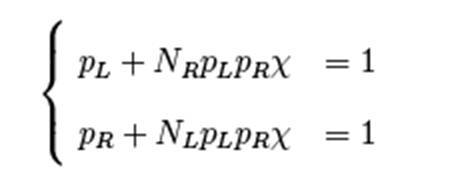
その連立解は、 The simultaneous solution is


(およびpRについてのペディセス(pedices)L、Rを変更する対称式)を導き、これは、放射状結合シナリオのための図11の曲線をプロットするために使用される。 (And a symmetric polynomial that modifies pedices L, R for p R ), which is used to plot the curve in FIG. 11 for the radial coupling scenario.
Frepに関しては、Halperin(Langmuir, 1999, 15(7), 2525-2533)および Zhulina(Eur Phys J E: Soft Matter Biol Phys, 2006, 20(3), 243-256 および Macromolecules, 2012, 45(11), 4429-4440)による以前の結果を組み合わせることによってモデルを構築し、曲面上のポリマーブラシにオブジェクトを挿入するための反発自由エネルギーを計算することができる。このモデル内で、以下を導くことができる: Regarding Frep, Halperin (Langmuir, 1999, 15 (7), 2525-2533 ) and Zhulina (Eur Phys JE: Soft Matter Biol Phys, 2006, 20 (3), 243-256 and Macromolecules, 2012, 45 (11). ), 4429-4440) can be combined to build a model and calculate the repulsive free energy for inserting an object into a polymer brush on a curved surface. Within this model, we can derive:
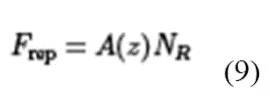

ここで、VRは受容体の体積であり、σはポリマー鎖あたりの平均面積、δ=(z/h0)∈[0,1]は、ナノ粒子と、平面にグラフトした場合の平均ブラシ高さh0=N(νa 2/3σ)1/3によって計った表面ものとの間の距離、Nは重合度、ν=a3はサイズaのモノマーの体積、最後にγは、ブラシの高さに対するナノ粒子コアの半径Rに依存するパラメーターであり、およびh0/R>(√3-1)ではγ=3、それ以外はγ=(1+h0/R)2である。 Here, VR is the volume of the acceptor, σ is the average area per polymer chain, and δ = (z / h 0 ) ∈ [0,1] is the nanoparticle and the average brush when grafted on a plane. Height h 0 = N (ν a 2 / 3σ) Distance from the surface measured by 1/3 , N is the degree of polymerization, ν = a 3 is the volume of the size a monomer, and finally γ is the brush It is a parameter that depends on the radius R of the nanoparticle core with respect to the height of, and γ = 3 for h 0 / R> (√3-1) and γ = (1 + h 0 / R) 2 otherwise.
B.実験データのフィッティング
図4の理論曲線は、上記式(2)~(10)の式を使用して実験データをフィッティングすることによって得られ、ここで、ポリマーソームの機能化における不均一性を考慮に入れるために、サイトあたりの受容体の数と、相互作用するリガンドの数との両方に対し、二重ポアソン平均が取られた。引力の寄与を計算するために、放射状の結合シナリオが想定された。結合距離Lは、リガンドをナノ粒子にグラフトするために使用されるテザーの最も可能性の高い端から端までの距離であると近似され、これは、ガウス鎖として処理された場合、テスト実験系でL=2RG=6nmを与える(下記参照)。さらに、R=Rnp+h、h=8nmは、Zhulina モデルを使用して保護PEOコーティングの重合度およびそのグラフト密度から推定されるブラシの高さであり(Eur Phys J E: Soft Matter Biol Phys, 2006, 20(3), 243-256 参照)、Rnp=50nmは、動的光散乱およびcryoTEM実験によって実験的に決定されるナノ粒子のサイズである。
B. Fitting of experimental data The theoretical curve of FIG. 4 is obtained by fitting the experimental data using the above equations (2) to (10), where the heterogeneity in the functionalization of the polymersome is taken into account. Double Poisson averages were taken for both the number of receptors per site and the number of ligands that interact with each other. A radial coupling scenario was envisioned to calculate the gravitational contribution. The bond length L is approximated to be the most likely end-to-end distance of the tether used to graft the ligand to the nanoparticles, which, when treated as a Gaussian chain, is a test experimental system. L = 2RG = 6 nm is given (see below). Furthermore, R = R mp + h, h = 8 nm is the brush height estimated from the degree of polymerization of the protective PEO coating and its graft density using the Zhulina model (Eur Phys JE: Soft Matter Biol Phys, 2006). , 20 (3), 243-256), R mp = 50 nm is the size of nanoparticles experimentally determined by dynamic light scattering and cryoTEM experiments.
これらの数値はまた、(10)中におけるδ=0.75、および(10)を介した受容体による反発寄与の推定に対してγ=(1+h0/R)を与え、このために、既知の構造データから推定されるようにAngiopep受容体に対してVP=188nm3(Xiaohe Tian et al., 2019, Sci Adv 参照)。これは、三つのフィッティングパラメーターを残す:表面上のリガンドの参照グラフト密度σL(絶対値ではなく、異なるポリマーソーム間のリガンド数の比率のみが知られている、以下を参照);受容体の平均グラフト密度およびリガンドあたりの反発寄与、このため(9)と同様に、単純な式Frep=ANLが適用され、ここで、Aは、細胞の糖衣を記述する未知のパラメーターの全ての複合効果、並びにリガンドおよび細胞表面の間の全ての排除体積の相互作用を含む。これらの式を考慮すると、実験データは、モンテカルロアニーリングを使用して適合させて、量を最小限に抑えることができる。 These numbers also give δ = 0.75 in (10) and γ = (1 + h 0 / R) for the estimation of the repulsive contribution by the receptor via (10), and are therefore known. VP = 188 nm 3 for the Angiopep receptor as inferred from the structural data of (see Xiaohe Tian et al., 2019, Sci Adv). This leaves three fitting parameters: ligand reference graft density σ L on the surface (only the ratio of the number of ligands between different polymersomes is known, not the absolute value, see below); Average graft density and repulsive contribution per ligand, thus the simple formula Frep = AN L is applied, where A is a complex of all unknown parameters describing the cell sugar coating. Includes effects, as well as the interaction of all excluded volumes between the ligand and the cell surface. Considering these equations, the experimental data can be adapted using Monte Carlo annealing to minimize the amount.

ここで、wiは、各実験データθi,exp、異なるグラフト密度の全てのポリマーソーム間の最大値によって正規化された実験的に測定された吸着の、m.s.r.d.の逆数と見なすことができる。手順は、有効温度1で始まり、温度が10-7の値に達するまで、100MCスイープごとに0.95の係数で温度をスケーリングし、その時点で、系はもう展開することを止める。全体的な手順は、σL=1.88 10-3/nm2のフィッティングパラメーター、または結合部位と接触している(参照ポリマーソームに対する)ポリマーソーム領域内で約7個の相互作用リガンド、ρR=4.3×10-5/nm2、または吸着部位あたり平均0.32個の受容体、およびA=0.62kBTの反発パラメーターを生成した。 Here, wi is the experimentally measured adsorption of each experimental data θ i , exp , normalized by the maximum value between all polymersomes of different graft densities, m. s. r. d. Can be regarded as the reciprocal of. The procedure starts with an effective temperature of 1 and scales the temperature by a factor of 0.95 for every 100 MC sweep until the temperature reaches a value of 10-7 , at which point the system stops expanding anymore. The overall procedure is a fitting parameter of σ L = 1.88 10 -3 / nm 2 , or about 7 interacting ligands within the polymersome region (relative to the reference polymersome) in contact with the binding site, ρ. Repulsion parameters were generated with R = 4.3 × 10⁻⁵ / nm 2 , or an average of 0.32 receptors per adsorption site, and A = 0.62 kBT.
C.ポリマーソームの調製
PEO-b-PDPAおよびN3-PEO-b-PDPAコポリマーは、以前に報告されたように、原子移動ラジカル重合法によって合成した(Blanazs et al., Adv Functional Mat, 2009, 19(18), 2906-2914 および Gaitzsch et al., Polymer Chem, 2016, 7(17), 3046-3055 参照)。蛍光標識(Cy5-PEG113-PDPA100)およびリガンド接合(Angiopep2-PEG68-PDPA90)のために、1当量のN3-PEO-b-PDPAを最初に、(Contini et al., IScience, 2018, 7, 132-144 に記載されているように)pHスイッチ手順によってPBS中で組み立てた。次いで自己組織化ポリマーの溶液を、撹拌下で、超音波処理および不活性ガス流によって脱気した。脱気した溶液を1.2当量の対応するリガンドと混合した。ペプチド接合(AP-アルキン)のために、ペプチドを、脱気したPBS pH7.4に溶かし、Cy5-アルキンなどの水不溶性リガンドを、脱気したジメチルスルホキシド(DMSO)に加え、最終のDMSO:PBS比を10:1にした。次いで、アスコルビン酸ナトリウム(5当量)を加え、混合物を少なくとも30分間さらに脱気した。最後に、1当量のCuSO4を不活性雰囲気下で添加し、40℃で72時間、光から保護して反応させた。標識ポリマーの透析を、DMSOに対して、次いで水に対して行い、それらを精製した(MWCOは、ペプチド精製のために少なくとも5KDa、色素精製のために3.5KD)。標識ポリマーを、凍結乾燥後に回収した。リガンドの量を増やしてポリマーソームを調製するために、コポリマーPEG113-PDPA80を、Angiopep2-PEG68-PDPA90(0~10mol%)およびCy5-PEG113-PDPA100(10mol%)と混合し、混合物を、テトラヒドロフラン:ジメチルスルホキシド(90:10)に20mg/mLの最終の全ポリマー濃度で溶かした。2.3mLのPBS pH7.4(水相)を、自動シリンジポンプを使用して、2L/minで有機溶液に注入した。水相の添加は、40℃で連続的な撹拌下で行った。注入後、追加量のPBS(pH7.4)(3.7mL)を手動で添加した。残存する有機溶媒を除去するために、ポリマーソーム溶液を、セルロース半透膜(3.5kDaカットオフ)に移し、PBS(pH7.4)で室温で24時間以上透析した。サンプルを、1000r.c.fで10分間遠心分離し、4℃で20分間超音波処理し、セファロース4Bを充填したサイズ排除クロマトグラフィー(SEC)カラムで精製した。全てのサンプルは4℃で保存し、さらに使用するまで光から保護した。ポリマーソームの平均サイズおよび形態は、動的光散乱(DLS)および透過型電子顕微鏡(TEM)によって特性評価した。DLS測定は、He-Ne 4mW 633nmレーザーを備えた Malvern Zeta sizer を使用し、使い捨てのポリスチレンキュベットでポリマーソーム溶液をPBS(pH7.4)で希釈して行った。TEM分析では、ポリマーソームをグロー放電カーボンコートされた銅グリッド上に1分間堆積させ、次いで0.5%(w/v)のPTA溶液で2秒間染色した。
C. Preparation of Polymersomes PEO-b-PDPA and N3-PEO-b-PDPA copolymers were synthesized by atom transfer radical polymerization as previously reported ( Blanazs et al., Adv Functional Mat, 2009, 19). (18), 2906-2914 and Gaitzsch et al., Polymer Chem, 2016, 7 (17), 3046-3055). For fluorescent labeling (Cy 5 -PEG 113 -PDPA 100 ) and ligand bonding (Angiopep 2 -PEG 68 -PDPA 90 ), 1 equivalent of N 3 -PEO-b-PDPA was first applied (Contini et al.,, Assembled in PBS by pH switch procedure (as described in IScience, 2018, 7, 132-144). The solution of the self-assembled polymer was then degassed under stirring by sonication and a stream of inert gas. The degassed solution was mixed with 1.2 equivalents of the corresponding ligand. For peptide conjugation (AP-alkyne), the peptide was dissolved in degassed PBS pH 7.4 and a water-insoluble ligand such as Cy5 - alkyne was added to degassed dimethyl sulfoxide (DMSO) to final DMSO :. The PBS ratio was 10: 1. Sodium ascorbate (5 eq) was then added and the mixture was further degassed for at least 30 minutes. Finally, 1 equivalent of CuSO 4 was added under an inert atmosphere and reacted at 40 ° C. for 72 hours, protected from light. The labeled polymers were dialyzed against DMSO and then against water to purify them (MWCO is at least 5KDa for peptide purification and 3.5KD for dye purification). The labeled polymer was recovered after lyophilization. To increase the amount of ligand to prepare polymersomes, copolymers PEG 113 -PDPA 80 with Angiopep 2 -PEG 68 -PDPA 90 (0-10 mol%) and Cy 5 -PEG 113 -PDPA 100 (10 mol%). The mixture was mixed and the mixture was dissolved in tetrahydrofuran: dimethyl sulfoxide (90:10) at a final total polymer concentration of 20 mg / mL. 2.3 mL of PBS pH 7.4 (aqueous phase) was injected into the organic solution at 2 L / min using an automatic syringe pump. The addition of the aqueous phase was carried out at 40 ° C. under continuous stirring. After infusion, an additional amount of PBS (pH 7.4) (3.7 mL) was manually added. To remove the residual organic solvent, the polymersome solution was transferred to a cellulose semipermeable membrane (3.5 kDa cutoff) and dialyzed against PBS (pH 7.4) at room temperature for 24 hours or longer. Samples were prepared in 1000r. c. Centrifugated at f for 10 minutes, sonicated at 4 ° C. for 20 minutes and purified on a size exclusion chromatography (SEC) column packed with Sepharose 4B. All samples were stored at 4 ° C and protected from light until further use. The average size and morphology of polymersomes was characterized by dynamic light scattering (DLS) and transmission electron microscopy (TEM). DLS measurements were performed using a Malvern Zeta sizer equipped with a He-Ne 4mW 633nm laser and the polymersome solution diluted with PBS (pH 7.4) in a disposable polystyrene cuvette. In TEM analysis, polymersomes were deposited on a glow discharge carbon coated copper grid for 1 minute and then stained with 0.5% (w / v) PTA solution for 2 seconds.
D.吸着確率の測定
FaDu細胞(ATCC HTB-43)を8ウェルチャンバースライド(iBidi)に、ウェルあたり20,000個の細胞密度で播種し、10%ウシ胎児血清および1%ペニシリン/ストレプトマイシンを補ったMEME(最小必須培地イーグルM5650-Sigma)で、37℃、5%CO2中で維持した。24時間後、培地を除去し、細胞をダルベッコリン酸緩衝生理食塩水(DPBS)で3回洗浄し、3.7%のパラホルムアルデヒド(DPBS中のv/v)で室温で10分間固定した。固定した細胞を、PBS(pH7.4)中のCy5標識-およびAngiopep2装飾-ポリマーソーム(0.15mg/mL)とともに、37℃で1時間インキュベートした。1時間後、ポリマーソーム溶液を除去し、細胞をDPBSで3回洗浄し、CellMask Green (DPBS中で1:1000)で室温で5分間処理した。細胞をライブイメージングソリューション(Live Imaging Solution)に残し、細胞膜へのポリマーソームの吸着を、63X油浸レンズを備えたLeica SP8 共焦点レーザー走査型顕微鏡で分析した。Cy5標識ポリマーソームの全発光蛍光は、633nmの励起波長を使用して650~700nmの範囲で測定し、30枚の画像のzスタックを使用して収集した。画像データは、ImageJ ソフトウェアを使用して調査および処理されたAngiopep2の各割合に対して50個の細胞で取得した。全ての実験は3回行った。
D. Measurement of adsorption probability MEME in which FaDu cells (ATCC HTB-43) were seeded in 8-well chamber slides (iBidi) at a cell density of 20,000 cells per well and supplemented with 10% fetal bovine serum and 1% penicillin / streptomycin. (Minimum essential medium Eagle M5650-Sigma) maintained at 37 ° C. in 5% CO 2 . After 24 hours, the medium was removed, cells were washed 3 times with Dulbeccoline buffered saline (DPBS) and fixed with 3.7% paraformaldehyde (v / v in DPBS) for 10 minutes at room temperature. The immobilized cells were incubated with Cy5 - labeled in PBS (pH 7.4) and Angiopep 2 decoration-polymersomes (0.15 mg / mL) at 37 ° C. for 1 hour. After 1 hour, the polymersome solution was removed, cells were washed 3 times with DPBS and treated with CellMask Green (1: 1000 in DPBS) at room temperature for 5 minutes. The cells were left in the Live Imaging Solution and the adsorption of polymersomes on the cell membrane was analyzed with a Leica SP8 confocal laser scanning microscope equipped with a 63X oil-immersed lens. Total emission fluorescence of Cy5 - labeled polymersomes was measured in the range of 650-700 nm using an excitation wavelength of 633 nm and collected using a z-stack of 30 images. Image data was acquired in 50 cells for each proportion of Angiopep 2 investigated and processed using ImageJ software. All experiments were performed 3 times.
Claims (24)

(式中:
aは、ナノ粒子またはマイクロ粒子の活性であり、a=[P]VPNA(式中、[P]は、バルク溶液中のナノ粒子またはマイクロ粒子のモル濃度であり、NAは、アボガドロ定数であり、およびVPは、ナノ粒子またはマイクロ粒子の幾何学的体積である)として計算され;
kBは、ボルツマン定数であり;
Tは、絶対温度であり;
EB(i)は、第iのリガンド-受容体ペアの結合の全エネルギーであり、(a)リガンド/受容体結合親和性kBTlnKD(i)(式中、KD(i)は、第iの受容体/リガンドカップルの解離定数である)および(b)ナノ粒子またはマイクロ粒子と細胞表面との間の立体障害Esの合計によって与えられ;
riは、細胞表面の種iの受容体の密度であり;並びに
iは、1および/または2である)
に従って定められる請求項1~9のいずれか一項に記載のナノ粒子またはマイクロ粒子。 The number of ligands of the i -th ligand species (li) on the outer surface of the nanoparticles or microparticles is as follows:
(During the ceremony:
a is the activity of the nanoparticles or microparticles, a = [ P ] VPNA (in the formula, [P] is the molar concentration of the nanoparticles or microparticles in the bulk solution, NA is It is the Avogadro constant, and VP is the geometric volume of the nanoparticles or microparticles).
k B is the Boltzmann constant;
T is absolute temperature;
EB (i) is the total energy of the binding of the i-th ligand-receptor pair, and (a) the ligand / receptor binding affinity k B TlnK D (i) (in the formula, KD (i) is , Is the dissociation constant of the i-th receptor / ligand couple) and (b) given by the sum of the steric hindrance Es between the nanoparticles or microparticles and the cell surface;
r i is the density of receptors for species i on the cell surface; and i is 1 and / or 2)
The nanoparticles or microparticles according to any one of claims 1 to 9, which are defined in accordance with the above.
Applications Claiming Priority (3)
| Application Number | Priority Date | Filing Date | Title |
|---|---|---|---|
| GB201900185 | 2019-01-07 | ||
| GB1900185.8 | 2019-01-07 | ||
| PCT/GB2020/050026 WO2020144467A1 (en) | 2019-01-07 | 2020-01-07 | Polymersomes functionalised with multiple ligands |
Publications (2)
| Publication Number | Publication Date |
|---|---|
| JP2022522940A true JP2022522940A (en) | 2022-04-21 |
| JP7803714B2 JP7803714B2 (en) | 2026-01-21 |
Family
ID=65685827
Family Applications (1)
| Application Number | Title | Priority Date | Filing Date |
|---|---|---|---|
| JP2021539397A Active JP7803714B2 (en) | 2019-01-07 | 2020-01-07 | Polymersomes functionalized with multiple ligands |
Country Status (8)
| Country | Link |
|---|---|
| US (1) | US12257344B2 (en) |
| EP (1) | EP3908325A1 (en) |
| JP (1) | JP7803714B2 (en) |
| KR (1) | KR20210113291A (en) |
| CN (1) | CN113646003A (en) |
| AU (1) | AU2020205473B2 (en) |
| CA (1) | CA3123747A1 (en) |
| WO (1) | WO2020144467A1 (en) |
Cited By (1)
| Publication number | Priority date | Publication date | Assignee | Title |
|---|---|---|---|---|
| WO2025142861A1 (en) * | 2023-12-28 | 2025-07-03 | 一丸ファルコス株式会社 | Composition |
Families Citing this family (3)
| Publication number | Priority date | Publication date | Assignee | Title |
|---|---|---|---|---|
| WO2023094810A1 (en) | 2021-11-24 | 2023-06-01 | Ucl Business Ltd | Polymersomes for clearance of amyloid beta and/or tau proteins |
| WO2023133529A2 (en) * | 2022-01-07 | 2023-07-13 | Puretech Lyt, Inc. | Glycocalyx vesicles having surface modification of lectins for delivery of cargo to gastrointestinal tract |
| EP4646189A1 (en) | 2023-01-06 | 2025-11-12 | Vianautis Bio Limited | Polymersomes for delivery of nucleic acid cargoes |
Citations (7)
| Publication number | Priority date | Publication date | Assignee | Title |
|---|---|---|---|---|
| WO2000061114A1 (en) * | 1999-04-08 | 2000-10-19 | Mitsubishi Chemical Corporation | Fine particles targeting cells and process for producing the same |
| US20030223938A1 (en) * | 2000-10-13 | 2003-12-04 | Nagy John O. | Polyvalent nanoparticles |
| JP2004525858A (en) * | 2000-04-25 | 2004-08-26 | ザ・リージェンツ・オブ・ザ・ユニバーシティー・オブ・カリフォルニア | Non-invasive gene targeting to the brain |
| WO2015158382A1 (en) * | 2014-04-16 | 2015-10-22 | Bic-Violex Sa | Handles for shavers to be releasably connected to shaving cartridges |
| JP2017512840A (en) * | 2014-04-01 | 2017-05-25 | チルドレンズ ホスピタル ロサンゼルス | Targeted polymerized nanoparticles for cancer treatment |
| WO2017144849A1 (en) * | 2016-02-25 | 2017-08-31 | Ucl Business Plc | Chemotactic, drug-containing polymersomes |
| WO2018200951A1 (en) * | 2017-04-28 | 2018-11-01 | Tran David T | Multi-targeted multi-valent ligand-drug particles for the treatment and prevention of diseases and conditions |
Family Cites Families (48)
| Publication number | Priority date | Publication date | Assignee | Title |
|---|---|---|---|---|
| JPS59199696A (en) | 1983-04-28 | 1984-11-12 | Oki Electric Ind Co Ltd | Compound having lipid-like structure and polymer and their preparation |
| RU2167886C2 (en) | 1991-07-05 | 2001-05-27 | Биокомпэтиблз Лимитед. | Polymer, method of preparation thereof, coated surface, and method for coating surface |
| GB9301701D0 (en) | 1993-01-28 | 1993-03-17 | Biocompatibles Ltd | New zwitterionic materials |
| GB9415926D0 (en) | 1994-08-04 | 1994-09-28 | Biocompatibles Ltd | New materials |
| DE60034045T2 (en) | 1999-04-16 | 2007-11-22 | WM. Marsh Rice University, Houston | Biodegradable polypropylene fumarate networks crosslinked with polypropylene fumarate diacrylate macromers |
| EP2223931A1 (en) | 1999-07-15 | 2010-09-01 | Japan Science and Technology Agency | Novel nucleic acid base pair |
| US20080181939A1 (en) | 1999-12-14 | 2008-07-31 | Trustees Of The University Of Pennsylvania | Polymersomes and related encapsulating membranes |
| DE60129148T2 (en) | 2000-10-06 | 2008-02-28 | Biocompatibles Uk Ltd., Farnham | TWITTER POLYMERS |
| AU2003217009A1 (en) | 2002-03-07 | 2003-09-16 | Biocompatibles Uk Limited | Compositions of polymers |
| DE10217314A1 (en) | 2002-04-18 | 2003-11-13 | Fumapharm Ag Muri | Carbocyclic and oxacarboncyclic fumaric acid oligomers |
| US7229973B2 (en) | 2002-05-19 | 2007-06-12 | You Han Bae | pH-sensitive polymeric micelles for drug delivery |
| WO2006080849A2 (en) | 2005-01-31 | 2006-08-03 | Nederlandse Organisatie Van Wetenschappelijk Onderzoek | Polyisocyanide polymersomes |
| AU2006293410B2 (en) * | 2005-09-20 | 2012-10-04 | Yissum Research Development Company Of The Hebrew University Of Jerusalem Ltd | Nanoparticles for targeted delivery of active agents |
| WO2008070571A2 (en) | 2006-12-01 | 2008-06-12 | The Regents Of The University Of California | Vesicles of self-assembling block copolymers and methods for making and using the same |
| US20080279764A1 (en) | 2007-03-09 | 2008-11-13 | Anthony Manganaro | Method and composition for treating cancer |
| US20080312581A1 (en) | 2007-06-06 | 2008-12-18 | Biovaluation & Analysis, Inc. | Peptosomes for Use in Acoustically Mediated Intracellular Drug Delivery in vivo |
| US8394391B2 (en) | 2007-08-31 | 2013-03-12 | University Of Utah Research Foundation | Drug delivery vehicle that mimics viral properties |
| WO2009061473A2 (en) | 2007-11-07 | 2009-05-14 | Mallinckrodt Inc. | Photonic shell-core cross linked and functionalized nanostructures for biological applications |
| US9732142B2 (en) | 2008-05-15 | 2017-08-15 | Biocompatibles Uk Limited | Intracellular antibody delivery |
| EP2291198B1 (en) | 2008-05-15 | 2014-09-24 | Biocompatibles Uk Ltd. | Vesicles comprising an amphiphilic block copolymer for use in epithelial delivery |
| US9254258B2 (en) | 2008-05-15 | 2016-02-09 | Biocompatibles Uk Limited | Amphiphilic block copolymers for nucleic acid delivery |
| ES2333087B2 (en) | 2008-07-31 | 2010-09-23 | Universidade De Santiago De Compostela | POLYMERIC DENDRITIC MICELLS SENSITIVE TO PH. |
| US8668919B2 (en) | 2009-03-03 | 2014-03-11 | Abbott Cardiovascular Systems Inc. | Polymer for creating hemocompatible surface |
| US9532956B2 (en) | 2009-04-18 | 2017-01-03 | Massachusetts Institute Of Technology | PH sensitive biodegradable polymeric particles for drug delivery |
| GB0907251D0 (en) | 2009-04-28 | 2009-06-10 | Univ Leiden | Coplymers |
| US8926946B2 (en) | 2009-06-05 | 2015-01-06 | University Of Maryland, College Park | Peptides for transport of therapeutics and their carriers in mouse models and humans |
| US20100310660A1 (en) | 2009-06-08 | 2010-12-09 | Taipei Medical University | Dry powder microparticles for pulmonary delivery |
| CN102573814B (en) | 2009-06-26 | 2014-07-09 | 上海交通大学 | Polymer vesicles of asymmetric membrane |
| WO2011005098A1 (en) | 2009-07-10 | 2011-01-13 | Abbott Healthcare Products B.V. | Peptide ligands for targeting to the blood-brain barrier |
| US20110027347A1 (en) | 2009-07-28 | 2011-02-03 | You Han Bae | Polymersomes and methods of making and using thereof |
| EP2464974A1 (en) * | 2009-08-10 | 2012-06-20 | UCL Business PLC | Functionalisation of solid substrates |
| BR112012016879A2 (en) | 2010-01-08 | 2015-09-01 | Catabasis Pharmaceuticals Inc | Fatty acid fumarate derivatives and their uses |
| SG184059A1 (en) | 2010-03-16 | 2012-10-30 | Titan Pharmaceuticals Inc | Heterogeneous implantable devices for drug delivery |
| EP3417934B1 (en) | 2010-05-21 | 2023-12-27 | Japan Science And Technology Agency | Substance-encapsulating vesicle and process for producing the same |
| KR101255337B1 (en) | 2010-10-04 | 2013-04-16 | 한국과학기술연구원 | Nitric oxide delivery system using thermosensitive synthetic polymers |
| RU2014126482A (en) | 2011-12-01 | 2016-01-27 | Ангиочем Инк. | AIMED COMPOUNDS OF ENZYMES AND THEIR APPLICATION |
| ES2995333T3 (en) | 2013-02-05 | 2025-02-10 | Tpcera Ltd | Phosphorylcholine conjugates and uses thereof |
| US20150079180A1 (en) | 2013-09-18 | 2015-03-19 | Xenoport, Inc. | Nanoparticle compositions of dimethyl fumarate |
| GB201318787D0 (en) | 2013-10-24 | 2013-12-11 | Univ Leiden | Upconverting vehicles and uses |
| WO2016015005A1 (en) | 2014-07-25 | 2016-01-28 | University Of Maryland, Baltimore | Protein-repellent dental materials and use thereof in dental applications |
| EP3226890A4 (en) | 2014-12-05 | 2018-07-25 | Vindico Nanobiotechnology, LLC. | Compositions and methods for inducing nanoparticle-mediated microvascular embolization of tumors |
| KR101891715B1 (en) | 2016-01-15 | 2018-08-27 | 연세대학교 산학협력단 | Nanoparticle sensitive to bioenvironment comprising poly(amino acid) for treatment of virus infection |
| GB201604553D0 (en) * | 2016-03-17 | 2016-05-04 | Ucl Business Plc | Fumarate polymersomes |
| GB201607865D0 (en) | 2016-05-05 | 2016-06-22 | Ucl Business Plc | Anti-tuberculous polymersomes |
| GB201608737D0 (en) | 2016-05-18 | 2016-06-29 | Ucl Business Plc | Polymersomes |
| CA3027960C (en) | 2016-06-15 | 2022-06-14 | Yale University | Antibody-mediated autocatalytic, targeted delivery of nanocarriers to tumors |
| CN107617108A (en) * | 2017-09-14 | 2018-01-23 | 天津工业大学 | A kind of core crosslinking nano grain of double targetings and pH/ redox sensitives and its preparation method and application |
| GB201806095D0 (en) | 2018-04-13 | 2018-05-30 | Ucl Business Plc | Metabolisable pH sensitive polymersomes |
-
2020
- 2020-01-07 EP EP20700757.6A patent/EP3908325A1/en active Pending
- 2020-01-07 CA CA3123747A patent/CA3123747A1/en active Pending
- 2020-01-07 WO PCT/GB2020/050026 patent/WO2020144467A1/en not_active Ceased
- 2020-01-07 AU AU2020205473A patent/AU2020205473B2/en active Active
- 2020-01-07 CN CN202080019482.9A patent/CN113646003A/en active Pending
- 2020-01-07 US US17/419,937 patent/US12257344B2/en active Active
- 2020-01-07 JP JP2021539397A patent/JP7803714B2/en active Active
- 2020-01-07 KR KR1020217024922A patent/KR20210113291A/en not_active Ceased
Patent Citations (7)
| Publication number | Priority date | Publication date | Assignee | Title |
|---|---|---|---|---|
| WO2000061114A1 (en) * | 1999-04-08 | 2000-10-19 | Mitsubishi Chemical Corporation | Fine particles targeting cells and process for producing the same |
| JP2004525858A (en) * | 2000-04-25 | 2004-08-26 | ザ・リージェンツ・オブ・ザ・ユニバーシティー・オブ・カリフォルニア | Non-invasive gene targeting to the brain |
| US20030223938A1 (en) * | 2000-10-13 | 2003-12-04 | Nagy John O. | Polyvalent nanoparticles |
| JP2017512840A (en) * | 2014-04-01 | 2017-05-25 | チルドレンズ ホスピタル ロサンゼルス | Targeted polymerized nanoparticles for cancer treatment |
| WO2015158382A1 (en) * | 2014-04-16 | 2015-10-22 | Bic-Violex Sa | Handles for shavers to be releasably connected to shaving cartridges |
| WO2017144849A1 (en) * | 2016-02-25 | 2017-08-31 | Ucl Business Plc | Chemotactic, drug-containing polymersomes |
| WO2018200951A1 (en) * | 2017-04-28 | 2018-11-01 | Tran David T | Multi-targeted multi-valent ligand-drug particles for the treatment and prevention of diseases and conditions |
Non-Patent Citations (3)
| Title |
|---|
| BIOMATERIALS, vol. 35, JPN6024004441, 2014, pages 4066 - 4081, ISSN: 0005608414 * |
| GIUSEPPE BATTAGLIA ET AL.: ""Design principles for precision targeting"", CHEMRXIV [ONLINE], vol. Version 2, JPN6024004439, 19 February 2018 (2018-02-19), pages 1 - 8, ISSN: 0005608415 * |
| SCIENTIFIC REPORTS, vol. 5, JPN6024035078, 2015, pages 11990, ISSN: 0005608416 * |
Cited By (2)
| Publication number | Priority date | Publication date | Assignee | Title |
|---|---|---|---|---|
| WO2025142861A1 (en) * | 2023-12-28 | 2025-07-03 | 一丸ファルコス株式会社 | Composition |
| JP7713129B1 (en) * | 2023-12-28 | 2025-07-24 | 一丸ファルコス株式会社 | composition |
Also Published As
| Publication number | Publication date |
|---|---|
| US12257344B2 (en) | 2025-03-25 |
| AU2020205473A1 (en) | 2021-07-08 |
| KR20210113291A (en) | 2021-09-15 |
| CA3123747A1 (en) | 2020-07-16 |
| AU2020205473B2 (en) | 2025-03-13 |
| US20220096382A1 (en) | 2022-03-31 |
| JP7803714B2 (en) | 2026-01-21 |
| CN113646003A (en) | 2021-11-12 |
| WO2020144467A1 (en) | 2020-07-16 |
| EP3908325A1 (en) | 2021-11-17 |
Similar Documents
| Publication | Publication Date | Title |
|---|---|---|
| Zhang et al. | Cancer cell membrane-camouflaged nanorods with endoplasmic reticulum targeting for improved antitumor therapy | |
| Tang et al. | Soft materials as biological and artificial membranes | |
| Jiang et al. | Recent advances in nanotechnology approaches for non-viral gene therapy | |
| Messerschmidt et al. | Targeted lipid-coated nanoparticles: delivery of tumor necrosis factor-functionalized particles to tumor cells | |
| Babu et al. | Nanodrug delivery systems: a promising technology for detection, diagnosis, and treatment of cancer | |
| US8926994B2 (en) | Mesoporous silicon particles for the presentation of tumor antigens and adjuvant for anti-cancer immunity | |
| JP2022101548A (en) | Hybridosome, compositions comprising same, production methods and uses thereof | |
| Xu et al. | Biodistribution and pharmacokinetics of EGFR-targeted thiolated gelatin nanoparticles following systemic administration in pancreatic tumor-bearing mice | |
| Musacchio et al. | PEG-PE micelles loaded with paclitaxel and surface-modified by a PBR-ligand: synergistic anticancer effect | |
| JP7803714B2 (en) | Polymersomes functionalized with multiple ligands | |
| CN1812766A (en) | Method and system for systemic delivery of growth arresting, lipid-derived bioactive compounds | |
| Guo et al. | Rational nanocarrier design towards clinical translation of cancer nanotherapy | |
| Sinsinbar et al. | Amphiphilic block copolymer nanostructures as a tunable delivery platform: perspective and framework for the future drug product development | |
| Son et al. | Recent progress in nanomedicine-mediated cytosolic delivery | |
| Awang Saman et al. | Nanotechnology-based drug delivery systems: Past, present and future | |
| TWI472341B (en) | Oligomeric nanoparticle complex release system | |
| Riaz et al. | Surface engineering: Incorporation of bioactive compound | |
| Zhao et al. | Macromolecular therapeutics: development and delivery engineering | |
| US20250000999A1 (en) | Polymersomes for clearance of amyloid beta and/or tau proteins | |
| EP2832373B1 (en) | Liposome for blocking site-specifically chemokine-related inflammatory processes in vascular diseases and metastasis | |
| Liu et al. | Tumor-targeted Strategies | |
| Alhefzi | Design and Optimization of Functional Polymer-Modified Liposome Formulations for Enhanced Delivery of Therapeutics for Cancer and Depression | |
| Haque et al. | Nanomedicines for brain targeting: A patent review | |
| Banerjee | Nanoparticles in cancer therapy | |
| De Braganca | A Study of the Immune Responses to Therapeutic Inhaled Nanoparticles by Lung Alveolar Macrophages |
Legal Events
| Date | Code | Title | Description |
|---|---|---|---|
| A621 | Written request for application examination |
Free format text: JAPANESE INTERMEDIATE CODE: A621 Effective date: 20221213 |
|
| A131 | Notification of reasons for refusal |
Free format text: JAPANESE INTERMEDIATE CODE: A131 Effective date: 20240206 |
|
| A521 | Request for written amendment filed |
Free format text: JAPANESE INTERMEDIATE CODE: A523 Effective date: 20240502 |
|
| A131 | Notification of reasons for refusal |
Free format text: JAPANESE INTERMEDIATE CODE: A131 Effective date: 20240903 |
|
| A601 | Written request for extension of time |
Free format text: JAPANESE INTERMEDIATE CODE: A601 Effective date: 20241114 |
|
| A521 | Request for written amendment filed |
Free format text: JAPANESE INTERMEDIATE CODE: A523 Effective date: 20250228 |
|
| A131 | Notification of reasons for refusal |
Free format text: JAPANESE INTERMEDIATE CODE: A131 Effective date: 20250603 |
|
| A521 | Request for written amendment filed |
Free format text: JAPANESE INTERMEDIATE CODE: A523 Effective date: 20250825 |
|
| TRDD | Decision of grant or rejection written | ||
| A01 | Written decision to grant a patent or to grant a registration (utility model) |
Free format text: JAPANESE INTERMEDIATE CODE: A01 Effective date: 20251125 |
|
| A601 | Written request for extension of time |
Free format text: JAPANESE INTERMEDIATE CODE: A601 Effective date: 20251202 |
|
| A61 | First payment of annual fees (during grant procedure) |
Free format text: JAPANESE INTERMEDIATE CODE: A61 Effective date: 20260108 |
|
| R150 | Certificate of patent or registration of utility model |
Ref document number: 7803714 Country of ref document: JP Free format text: JAPANESE INTERMEDIATE CODE: R150 |