JP2014529265A - Method and system for selecting a thermal optimal uplink for a portable computing device - Google Patents
Method and system for selecting a thermal optimal uplink for a portable computing device Download PDFInfo
- Publication number
- JP2014529265A JP2014529265A JP2014531844A JP2014531844A JP2014529265A JP 2014529265 A JP2014529265 A JP 2014529265A JP 2014531844 A JP2014531844 A JP 2014531844A JP 2014531844 A JP2014531844 A JP 2014531844A JP 2014529265 A JP2014529265 A JP 2014529265A
- Authority
- JP
- Japan
- Prior art keywords
- data
- communication
- computing device
- portable computing
- air
- Prior art date
- Legal status (The legal status is an assumption and is not a legal conclusion. Google has not performed a legal analysis and makes no representation as to the accuracy of the status listed.)
- Granted
Links
- 238000000034 method Methods 0.000 title claims abstract description 79
- 238000012544 monitoring process Methods 0.000 claims abstract description 13
- 238000004891 communication Methods 0.000 claims description 78
- 230000005540 biological transmission Effects 0.000 claims description 40
- 238000004590 computer program Methods 0.000 claims description 13
- 241001465754 Metazoa Species 0.000 claims description 8
- 238000005516 engineering process Methods 0.000 claims description 7
- 230000007774 longterm Effects 0.000 claims description 6
- 238000010295 mobile communication Methods 0.000 claims description 6
- 238000010586 diagram Methods 0.000 description 14
- 239000000872 buffer Substances 0.000 description 12
- 230000001413 cellular effect Effects 0.000 description 11
- 230000008569 process Effects 0.000 description 10
- 238000012545 processing Methods 0.000 description 10
- 238000001514 detection method Methods 0.000 description 9
- 230000006870 function Effects 0.000 description 9
- 238000010187 selection method Methods 0.000 description 8
- 238000004422 calculation algorithm Methods 0.000 description 7
- 238000012546 transfer Methods 0.000 description 6
- 230000009471 action Effects 0.000 description 5
- 230000002411 adverse Effects 0.000 description 5
- 238000007726 management method Methods 0.000 description 5
- 238000007796 conventional method Methods 0.000 description 4
- 230000003287 optical effect Effects 0.000 description 4
- 230000004044 response Effects 0.000 description 4
- 241000282412 Homo Species 0.000 description 3
- 230000002452 interceptive effect Effects 0.000 description 3
- 230000000116 mitigating effect Effects 0.000 description 3
- 239000004065 semiconductor Substances 0.000 description 3
- 230000003213 activating effect Effects 0.000 description 2
- 230000036760 body temperature Effects 0.000 description 2
- 230000008859 change Effects 0.000 description 2
- 230000000295 complement effect Effects 0.000 description 2
- 238000001816 cooling Methods 0.000 description 2
- 230000001627 detrimental effect Effects 0.000 description 2
- 238000005538 encapsulation Methods 0.000 description 2
- 210000003414 extremity Anatomy 0.000 description 2
- 238000005259 measurement Methods 0.000 description 2
- 229910044991 metal oxide Inorganic materials 0.000 description 2
- 150000004706 metal oxides Chemical class 0.000 description 2
- 229920001690 polydopamine Polymers 0.000 description 2
- 238000013515 script Methods 0.000 description 2
- 238000010200 validation analysis Methods 0.000 description 2
- 241000282326 Felis catus Species 0.000 description 1
- 238000007476 Maximum Likelihood Methods 0.000 description 1
- 238000010521 absorption reaction Methods 0.000 description 1
- 230000006978 adaptation Effects 0.000 description 1
- 238000004458 analytical method Methods 0.000 description 1
- 238000013459 approach Methods 0.000 description 1
- 238000005311 autocorrelation function Methods 0.000 description 1
- 238000010009 beating Methods 0.000 description 1
- 230000008901 benefit Effects 0.000 description 1
- 239000008280 blood Substances 0.000 description 1
- 210000004369 blood Anatomy 0.000 description 1
- 230000036772 blood pressure Effects 0.000 description 1
- 238000004364 calculation method Methods 0.000 description 1
- 230000008878 coupling Effects 0.000 description 1
- 238000010168 coupling process Methods 0.000 description 1
- 238000005859 coupling reaction Methods 0.000 description 1
- 125000004122 cyclic group Chemical group 0.000 description 1
- 230000007423 decrease Effects 0.000 description 1
- 238000002405 diagnostic procedure Methods 0.000 description 1
- 239000003814 drug Substances 0.000 description 1
- 229940079593 drug Drugs 0.000 description 1
- 230000009977 dual effect Effects 0.000 description 1
- 230000000694 effects Effects 0.000 description 1
- 238000005265 energy consumption Methods 0.000 description 1
- 230000007613 environmental effect Effects 0.000 description 1
- 230000006872 improvement Effects 0.000 description 1
- 230000000977 initiatory effect Effects 0.000 description 1
- 230000010354 integration Effects 0.000 description 1
- 230000000670 limiting effect Effects 0.000 description 1
- 238000012986 modification Methods 0.000 description 1
- 230000004048 modification Effects 0.000 description 1
- 230000006855 networking Effects 0.000 description 1
- 239000013307 optical fiber Substances 0.000 description 1
- 238000006213 oxygenation reaction Methods 0.000 description 1
- 230000036961 partial effect Effects 0.000 description 1
- 230000036387 respiratory rate Effects 0.000 description 1
- 230000002441 reversible effect Effects 0.000 description 1
- 238000012552 review Methods 0.000 description 1
- 230000001932 seasonal effect Effects 0.000 description 1
- 238000000926 separation method Methods 0.000 description 1
- 238000006467 substitution reaction Methods 0.000 description 1
- 230000002459 sustained effect Effects 0.000 description 1
- 210000000707 wrist Anatomy 0.000 description 1
Images




Classifications
-
- H—ELECTRICITY
- H04—ELECTRIC COMMUNICATION TECHNIQUE
- H04B—TRANSMISSION
- H04B1/00—Details of transmission systems, not covered by a single one of groups H04B3/00 - H04B13/00; Details of transmission systems not characterised by the medium used for transmission
- H04B1/02—Transmitters
- H04B1/03—Constructional details, e.g. casings, housings
- H04B1/036—Cooling arrangements
-
- H—ELECTRICITY
- H04—ELECTRIC COMMUNICATION TECHNIQUE
- H04B—TRANSMISSION
- H04B1/00—Details of transmission systems, not covered by a single one of groups H04B3/00 - H04B13/00; Details of transmission systems not characterised by the medium used for transmission
- H04B1/005—Details of transmission systems, not covered by a single one of groups H04B3/00 - H04B13/00; Details of transmission systems not characterised by the medium used for transmission adapting radio receivers, transmitters andtransceivers for operation on two or more bands, i.e. frequency ranges
-
- H—ELECTRICITY
- H04—ELECTRIC COMMUNICATION TECHNIQUE
- H04W—WIRELESS COMMUNICATION NETWORKS
- H04W52/00—Power management, e.g. Transmission Power Control [TPC] or power classes
- H04W52/02—Power saving arrangements
- H04W52/0209—Power saving arrangements in terminal devices
- H04W52/0251—Power saving arrangements in terminal devices using monitoring of local events, e.g. events related to user activity
- H04W52/0258—Power saving arrangements in terminal devices using monitoring of local events, e.g. events related to user activity controlling an operation mode according to history or models of usage information, e.g. activity schedule or time of day
-
- Y—GENERAL TAGGING OF NEW TECHNOLOGICAL DEVELOPMENTS; GENERAL TAGGING OF CROSS-SECTIONAL TECHNOLOGIES SPANNING OVER SEVERAL SECTIONS OF THE IPC; TECHNICAL SUBJECTS COVERED BY FORMER USPC CROSS-REFERENCE ART COLLECTIONS [XRACs] AND DIGESTS
- Y02—TECHNOLOGIES OR APPLICATIONS FOR MITIGATION OR ADAPTATION AGAINST CLIMATE CHANGE
- Y02D—CLIMATE CHANGE MITIGATION TECHNOLOGIES IN INFORMATION AND COMMUNICATION TECHNOLOGIES [ICT], I.E. INFORMATION AND COMMUNICATION TECHNOLOGIES AIMING AT THE REDUCTION OF THEIR OWN ENERGY USE
- Y02D30/00—Reducing energy consumption in communication networks
- Y02D30/70—Reducing energy consumption in communication networks in wireless communication networks
Landscapes
- Engineering & Computer Science (AREA)
- Computer Networks & Wireless Communication (AREA)
- Signal Processing (AREA)
- Telephone Function (AREA)
- Mobile Radio Communication Systems (AREA)
Abstract
ポータブルコンピューティングデバイスのための熱的最適エアリンクを選択するための方法およびシステムは、ポータブルコンピューティングデバイスの温度を監視するステップと、ポータブルコンピューティングデバイスが閾値温度範囲に達したかどうか判定するステップとを含む。次に、1つまたは複数のエアリンクを使うデータについての推定継続時間を判定するのに加え、1つまたは複数のエアリンクを介して送られるべきデータの推定ボリュームを算出することができる。1つまたは複数のエアリンクに関連して、データに必要とされるサービス品質が判定され得る。この推定データを用いて、送信されるべきデータ用の1つまたは複数の利用可能エアリンクを比較することができる。この比較の後、推定ボリューム、推定データレート、および推定継続時間に基づいて、1つまたは複数の熱的最適エアリンクを選択すればよい。エアリンクを検討するとき、ポータブルコンピューティングデバイスが操作者に近接しているかどうかの判定を利用することができる。A method and system for selecting a thermal optimal air link for a portable computing device includes monitoring a temperature of the portable computing device and determining whether the portable computing device has reached a threshold temperature range. Including. Next, in addition to determining an estimated duration for data using one or more air links, an estimated volume of data to be sent over the one or more air links can be calculated. In connection with one or more air links, the quality of service required for the data may be determined. This estimated data can be used to compare one or more available air links for the data to be transmitted. After this comparison, one or more thermal optimal air links may be selected based on the estimated volume, estimated data rate, and estimated duration. When considering an air link, the determination of whether the portable computing device is in close proximity to the operator can be utilized.
Description
関連出願に関する記述
本特許出願は、2011年9月22日に出願された、「Method and system for selecting a thermally optimal uplink for a portable computing device」という表題の米国特許仮出願第61/537,915号の米国特許法第119条(e)に基づく優先権を主張するものであり、上記出願の内容全体が参照により本明細書に組み込まれる。
DESCRIPTION OF RELATED APPLICATIONS This patent application is a U.S. patent provisional application 61 / 537,915 filed September 22, 2011 entitled "Method and system for selecting a suitably optimal uplink for a portable computing device". Claims priority under 35 USC 119 (e), the entire contents of which are hereby incorporated by reference.
「ポータブルコンピューティングデバイス」(「PCD」)という用語は、本明細書で使用される場合、無線周波数(RF)送信によってワイヤレスネットワークとデータを通信できる、ポータブルデバイスまたはモバイルデバイスである。PCDは、セルラー電話、携帯情報端末(「PDA」)、ポータブルゲームコンソール、ラップトップコンピュータ、タブレットパーソナルコンピュータ(「PC」)、パームトップコンピュータ、医学情報送信機またはペットタグなど、人間または動物に埋め込まれたデバイス、および他のポータブル電子デバイスを含み得る。 The term “portable computing device” (“PCD”), as used herein, is a portable or mobile device that can communicate data with a wireless network by radio frequency (RF) transmission. PCDs are embedded in humans or animals, such as cellular phones, personal digital assistants (“PDAs”), portable game consoles, laptop computers, tablet personal computers (“PCs”), palmtop computers, medical information transmitters or pet tags Devices, and other portable electronic devices.
PCDは、そのうちの1つがエアインターフェースまたはエアリンクサブシステムである、多数の電子サブシステムを含む。「エアインターフェース」または「エアリンク」という用語は、特定の規格またはプロトコルに従って、ワイヤレスに、すなわち無線を通じて確立される、別のシステムとの通信リンクを指す。そのようなエアリンクの例には、広帯域符号分割多元接続(「WCDMA(登録商標)」)、Evolution Data-Only(「EVDO」)、Global System for Mobile Communications(「GSM(登録商標)」)およびそのデータサービス拡張、たとえばGSM進化型高速データレート(「EDGE」)および汎用パケット無線サービス(「GPRS」)、ロングタームエボリューション(「LTE」)、IEEE802.11ワイヤレスLAN(「WLAN」)システムのワイヤレスフィデリティ(「Wi-Fi」(商標))ブランド、固有オープンワイヤレスシステムのBLUETOOTH(登録商標)ブランド、高速パケットアクセス(「HSPA」)、データ専用(data only)(「DO」)、one-times radio transmission technology(「1xRTT」)もしくは(「1x」)または場合によっては「CDMA200 1x」として知られるもの、ZigBee(登録商標)ブランドIEEE802規格パーソナルエリアネットワーク、ならびに他の同様のワイヤレスシステムがあるが、それらに限定されない。 The PCD includes a number of electronic subsystems, one of which is an air interface or air link subsystem. The term “air interface” or “air link” refers to a communication link with another system that is established wirelessly, ie, over the air, according to a particular standard or protocol. Examples of such air links include wideband code division multiple access (“WCDMA®”), Evolution Data-Only (“EVDO”), Global System for Mobile Communications (“GSM®”), and Its data service extensions, such as GSM Evolved High Speed Data Rate (“EDGE”) and General Packet Radio Service (“GPRS”), Long Term Evolution (“LTE”), Wireless for IEEE 802.11 Wireless LAN (“WLAN”) systems Fidelity (“Wi-Fi” (trademark)) brand, BLUETOOTH (registered trademark) brand of unique open wireless system, high-speed packet access (“HSPA”), data only (“DO”), one-times radio transmission technology (“1xRTT”) or (“1x”) or sometimes known as “CDMA200 1x”, ZigBee® brand IEEE 802 standard personal area network, and other similar wireless System, but not limited to them.
「アップリンク」という用語は、エアリンクなどのワイヤレス通信リンクを指し、このようなリンクでは、PCDが、ワイヤレス通信を生起し、通信ネットワークにデータをアップロードしている。異なるエアリンクは、別のエアリンクとは互換性がない。つまり、PCDおよび基地局は、両方が同じエアリンクのために構成されていない限り、通信できない。 The term “uplink” refers to a wireless communication link, such as an air link, in which the PCD initiates wireless communication and uploads data to the communication network. A different air link is not compatible with another air link. That is, the PCD and the base station cannot communicate unless both are configured for the same air link.
エアリンクサブシステムは、RFトランシーバ回路および信号処理回路を含む。信号処理回路は、RF信号の無線周波数へのアップコンバートおよび無線周波数からのダウンコンバート、ならびに、RF信号を一緒に特徴付ける、信号の変調、復調、および符号化の制御のような処理を実施する。信号処理の一部は通常アナログ領域で実施され、他の部分はデジタル領域で(たとえば、ソフトウェアまたはファームウェアの制御下にあるプログラム可能プロセッサによって)実施される。 The air link subsystem includes an RF transceiver circuit and a signal processing circuit. The signal processing circuit performs processes such as up-converting and down-converting the RF signal to and from the radio frequency and controlling the modulation, demodulation, and encoding of the signal that characterize the RF signal together. Some of the signal processing is typically performed in the analog domain and the other is performed in the digital domain (eg, by a programmable processor under software or firmware control).
本明細書で使用される「マルチモードPCD」という用語は、エアリンクがPCDの動作中に変更されることを可能にする、再構成可能な処理要素(ハードウェア、ソフトウェア、またはこれらの組合せを含み得る)をエアリンクサブシステム中に含むPCDを指す。つまり、PCDは、ある時はあるエアリンクを介して通信でき、他の時は異なるエアリンクを介して通信できる。エアリンクは、変化する動作条件に応答して、プロセッサによって切り替えられ得る。たとえば、マルチモードPCDは、それらの中で単一のエアリンクがサービスプロバイダを通じて利用可能ではない、2つの地理的領域の間の移動を支援することができる。 As used herein, the term “multimode PCD” refers to a reconfigurable processing element (hardware, software, or combination thereof) that allows the airlink to be changed during PCD operation. PCD) in the air link subsystem. That is, the PCD can communicate over some air links at some times and can communicate over different air links at other times. The air link may be switched by the processor in response to changing operating conditions. For example, a multi-mode PCD can assist in moving between two geographic regions in which a single air link is not available through a service provider.
したがって、マルチモードPCDが第1のそのような領域で動作している場合、マルチモードPCDは第1のエアリンクを介して通信し、マルチモードPCDが第2のそのような領域で動作している場合、マルチモードPCDは第2のエアリンクを介して通信する。たとえば、WCDMA(登録商標)エアリンクサービスが第1の地理的領域で提供されるが、LTEエアリンクサービスはその第1の領域で提供されず、一方LTEエアリンクサービスが第2の地理的領域で提供されるが、WCDMA(登録商標)エアリンクサービスはその第2の地理的領域で提供されない例を考える。WCDMA(登録商標)モードとLTEモードを切り替えることができるデュアルモードPCDは、PCDが第1の領域中を移動しているときはWCDMA(登録商標)モードに切り替え、PCDが第2の領域中を移動しているときはLTEモードに切り替えることができる。「エアリンク」、「モード」、および「エアリンクモード」という用語は、本明細書では同義に使用される。 Therefore, if the multi-mode PCD is operating in the first such area, the multi-mode PCD communicates via the first air link and the multi-mode PCD is operating in the second such area If so, the multi-mode PCD communicates via the second air link. For example, a WCDMA® air link service is provided in a first geographic area, but an LTE air link service is not provided in that first area, while an LTE air link service is provided in a second geographical area. Consider an example where the WCDMA® air link service is not provided in that second geographic region. Dual mode PCD, which can switch between WCDMA (registered trademark) mode and LTE mode, switches to WCDMA (registered trademark) mode when PCD is moving in the first area, and PCD is in the second area. When moving, you can switch to LTE mode. The terms “air link”, “mode”, and “air link mode” are used interchangeably herein.
一部のエアリンクは、PCDにおいて動的に変更され得る動作パラメータを特徴とする。たとえば、一部のエアリンクは、PCDが情報を送信する速度を、ワイヤレスデバイスが変更することを可能にする。EDGEおよびGPRSのようなデータサービスの改善は、無線チャネルの品質、およびしたがってビットレートとデータ送信の安定性とに従って変調方式および符号化方式を適合させる、速度適合アルゴリズムを特徴とする。したがって、チャネル品質が高いとプロセッサが判定すると、プロセッサは、変調方式および符号化方式または他の動作パラメータを調整して、情報のスループットを最大化するように高いチャネル品質を利用することができる。 Some air links are characterized by operating parameters that can be changed dynamically in the PCD. For example, some air links allow a wireless device to change the speed at which the PCD transmits information. Data service improvements such as EDGE and GPRS feature rate adaptation algorithms that adapt the modulation and coding schemes according to the quality of the radio channel, and thus the bit rate and the stability of the data transmission. Thus, if the processor determines that the channel quality is high, the processor can adjust the modulation and coding schemes or other operating parameters to take advantage of the high channel quality to maximize information throughput.
逆に、チャネル品質が低いとプロセッサが判定すると、プロセッサは、変調方式および符号化方式または他の動作パラメータを調整して、情報の完全性を最大化することができる。そのような調整は、サービス品質(QoS)調整と呼ばれることがある。電力を節減する目的で、エアリンクの動作パラメータを調整することも提案されている。 Conversely, if the processor determines that the channel quality is low, the processor can adjust the modulation and coding schemes or other operating parameters to maximize the integrity of the information. Such an adjustment may be referred to as a quality of service (QoS) adjustment. It has also been proposed to adjust the operating parameters of the air link in order to save power.
動作時に、PCD内の電子回路が熱を発生させ、これは過度のレベルでは回路に有害であり得る。発生する熱量は、動作条件に応じて異なり得る。たとえば、高出力レベルで継続した期間データを送信するPCDは、大量の熱を発生させ得る。一部のPCDは、電子回路が損傷し得るある閾値または臨界温度にPCDが達したかどうかを判定するためにプロセッサが監視し得る、熱センサを含む。PCDがそのような閾値温度に達したことを熱センサの測定値が示す場合、プロセッサが、発生する熱の量を減らそうとしてエアリンクの動作パラメータを調整できることが、提案されている。 In operation, electronic circuitry in the PCD generates heat, which can be harmful to the circuitry at excessive levels. The amount of heat generated can vary depending on the operating conditions. For example, a PCD that transmits data for a sustained period at a high power level can generate a large amount of heat. Some PCDs include a thermal sensor that the processor can monitor to determine whether the PCD has reached a certain threshold or critical temperature that can damage the electronic circuitry. It has been proposed that if the thermal sensor reading indicates that the PCD has reached such a threshold temperature, the processor can adjust the operating parameters of the air link in an attempt to reduce the amount of heat generated.
当該分野における1つの問題は、PCDが通常、他のエアリンクが利用可能であるかどうかにかかわらず、現在オープンであるとともに熱的観点からより効率的であり得るアップリンクを介してデータを送信することである。PCDについての別の問題は、PCDが一般に、ファンなどのような、いかなる能動冷却デバイスももたないことである。 One problem in the field is that the PCD typically transmits data over the uplink, which is now open and may be more efficient from a thermal perspective, regardless of whether other air links are available. It is to be. Another problem with PCD is that PCD generally does not have any active cooling devices, such as fans.
したがって、当該分野において、PCDにとってより熱的に効率的であり得るエアリンクまたはアップリンクの間で切り替わることができるPCDが必要とされている。 Therefore, there is a need in the art for a PCD that can switch between an air link or uplink that can be more thermally efficient for the PCD.
ポータブルコンピューティングデバイスのための熱的最適エアリンクを選択するための方法およびシステムは、ポータブルコンピューティングデバイスの温度を監視するステップと、ポータブルコンピューティングデバイスが閾値温度範囲に達したかどうか判定するステップとを含む。次に、1つまたは複数のエアリンクを使うデータについての推定継続時間を判定するのに加え、1つまたは複数のエアリンクを介して送られるべきデータの推定ボリュームを算出することができる。1つまたは複数のエアリンクに関連して、データに必要とされるサービス品質が判定され得る。この推定データを用いて、送信されるべきデータ用の1つまたは複数の利用可能エアリンクを比較することができる。この比較の後、推定ボリューム、推定データレート、および推定継続時間に基づいて、1つまたは複数の熱的最適エアリンクを選択すればよい。エアリンクを検討するとき、ポータブルコンピューティングデバイスが操作者に近接しているかどうかの判定を利用することができる。 A method and system for selecting a thermal optimal air link for a portable computing device includes monitoring a temperature of the portable computing device and determining whether the portable computing device has reached a threshold temperature range. Including. Next, in addition to determining an estimated duration for data using one or more air links, an estimated volume of data to be sent over the one or more air links can be calculated. In connection with one or more air links, the quality of service required for the data may be determined. This estimated data can be used to compare one or more available air links for the data to be transmitted. After this comparison, one or more thermal optimal air links may be selected based on the estimated volume, estimated data rate, and estimated duration. When considering an air link, the determination of whether the portable computing device is in close proximity to the operator can be utilized.
ポータブルコンピューティングデバイスが操作者に近接している場合、選択されたエアリンクの出力電力は、操作者に対して安全なレベルでポータブルコンピューティングデバイスが放射するように調節され得る。本システムおよび方法は、既存のエアリンクを現在使っているアプリケーションプログラムに対して、エアリンクオーバーライド条件が存在するかどうか判定することができる。本方法およびシステムは、現在のエアリンクから、識別された1つまたは複数の熱的最適エアリンクへの切替えをさらに含んでよく、1つまたは複数の熱的最適エアリンクは、データについての所望のサービス品質を維持したまま、ポータブルコンピューティングデバイスの熱負荷を低下させる。 When the portable computing device is in close proximity to the operator, the output power of the selected air link can be adjusted so that the portable computing device radiates at a level that is safe for the operator. The system and method can determine whether an air link override condition exists for an application program that is currently using an existing air link. The method and system may further include a switch from the current air link to the identified one or more thermal optimum air links, where the one or more thermal optimum air links are desired for the data. Reduce the thermal load of portable computing devices while maintaining the quality of service.
図中、別段に規定されていない限り、同様の参照番号は、様々な図の全体を通じて、同様の部分を指す。「102A」または「102B」のような文字指定を伴う参照番号について、文字指定は、同じ図に存在する2つの同様の部分または要素を区別し得る。参照番号の文字指定は、参照番号が、すべての図において同じ参照番号を有するすべての部分を包含することが意図される場合には、省略されることがある。 In the drawings, like reference numerals refer to like parts throughout the various figures unless otherwise specified. For reference numbers with a letter designation such as “102A” or “102B”, the letter designation may distinguish between two similar parts or elements present in the same figure. Character designation of reference numbers may be omitted if the reference number is intended to encompass all parts having the same reference number in all figures.
「例示的な(exemplary)」または「例示的(illustrative)」という語は、「例、実例、または例示としての役割を果たすこと」を意味するように本明細書において使用される。「例示的な(exemplary)」または「例示的(illustrative)」であるものとして本明細書で説明されるいかなる態様も、必ずしも他の態様よりも好ましい、または有利であると解釈されるべきではない。 The terms “exemplary” or “illustrative” are used herein to mean “serving as an example, instance, or illustration”. Any aspect described herein as being "exemplary" or "illustrative" is not necessarily to be construed as preferred or advantageous over other aspects. .
本明細書では、「通信デバイス」、「PCD」、「ワイヤレス電話」、「ワイヤレス通信デバイス」、および「ワイヤレスハンドセット」という用語は交換可能に用いられる。3Gおよび4Gワイヤレス技術が出現したことによって、利用可能な帯域幅が拡大されたので、より多様なワイヤレス機能を備えたより多くのポータブルコンピューティングデバイスが利用可能になっている。したがって、PCDは、セルラー電話、スマートフォン、衛星電話、ページャ、携帯情報端末(「PDA」)、ナビゲーションデバイス、スマートブックもしくはリーダ、メディアプレーヤ、埋め込み型医療デバイス、人に装着することができる医療デバイス、またはワイヤレス接続を有するコンピュータであってよい。 As used herein, the terms “communication device”, “PCD”, “wireless telephone”, “wireless communication device”, and “wireless handset” are used interchangeably. With the advent of 3G and 4G wireless technologies, the available bandwidth has been expanded so that more portable computing devices with more diverse wireless capabilities are available. Thus, PCDs are cellular phones, smartphones, satellite phones, pagers, personal digital assistants ("PDAs"), navigation devices, smart books or readers, media players, implantable medical devices, medical devices that can be worn on people, Or it may be a computer with a wireless connection.
本明細書では、ソフトウェアの文脈における「アプリケーション」という用語は、オブジェクトコード、スクリプト、バイトコード、マークアップ言語ファイルおよびパッチのような、実行可能コンテンツを有するファイルも含み得る。加えて、本明細書で言及される「アプリケーション」は、開かれる必要があり得るドキュメント、またはアクセスされる必要がある他のデータファイルのような、本質的に実行可能ではないファイルも含み得る。 As used herein, the term “application” in the context of software may also include files with executable content, such as object code, scripts, bytecodes, markup language files and patches. In addition, an “application” as referred to herein may also include files that are not inherently executable, such as documents that may need to be opened, or other data files that need to be accessed.
「コンテンツ」という用語は、オブジェクトコード、スクリプト、バイトコード、マークアップ言語ファイル、およびパッチのような、実行可能なコンテンツを有するファイルも含み得る。加えて、本明細書で言及される「コンテンツ」は、開かれる必要があり得るドキュメント、またはアクセスされる必要がある他のデータファイルのような、本質的に実行可能ではないファイルも含み得る。 The term “content” may also include files with executable content, such as object code, scripts, bytecodes, markup language files, and patches. In addition, “content” as referred to herein may also include files that are not inherently executable, such as documents that may need to be opened or other data files that need to be accessed.
本明細書で使用される場合、「コンポーネント」、「データベース」、「モジュール」、「システム」などの用語は、ハードウェア、ファームウェア、ハードウェアとソフトウェアの組合せ、ソフトウェア、または実行中のソフトウェアを問わず、コンピュータ関連のエンティティまたは要素を指すことが意図されている。たとえば、コンポーネントは、プロセッサ、プロセッサ上で稼動しているプロセス、オブジェクト、実行ファイル、実行スレッド、プログラム、および/またはコンピュータであり得るが、これらに限定されない。例として、コンピューティングデバイス上で作動しているアプリケーションとコンピューティングデバイスの両方がコンポーネントであり得る。1つまたは複数のコンポーネントは、プロセスおよび/または実行スレッド内に存在してよく、1つのコンポーネントは、1つのコンピュータに局在してよく、かつ/または2つ以上のコンピュータに分散してよい。加えて、これらのコンポーネントは、様々なデータ構造を記憶している様々なコンピュータ可読媒体から実行することができる。コンポーネントは、1つまたは複数のデータパケット(たとえば、信号によって、ローカルシステム、分散システムにおいて別のコンポーネントと対話し、かつ/またはインターネットのようなネットワークにわたって他のシステムと対話する、1つのコンポーネントからのデータ)を有する信号に従うなどして、ローカルプロセスおよび/またはリモートプロセスにより通信することができる。 As used herein, the terms “component”, “database”, “module”, “system”, etc., refer to hardware, firmware, a combination of hardware and software, software, or running software. Rather, it is intended to refer to a computer-related entity or element. For example, a component can be, but is not limited to being, a processor, a process running on a processor, an object, an executable, a thread of execution, a program, and / or a computer. By way of illustration, both an application running on a computing device and the computing device can be a component. One or more components may reside within a process and / or thread of execution, and one component may be localized on one computer and / or distributed across two or more computers. In addition, these components can execute from various computer readable media having various data structures stored thereon. A component is one or more data packets (e.g., from one component that interacts with another component in a local system, distributed system and / or interacts with other systems across a network such as the Internet, via a signal. Can be communicated by a local process and / or a remote process, such as according to a signal having data).
図1Aには、温度に応じたエアリンクの選択のための方法およびシステムが実施される、ワイヤレス電話またはハンドセットの形の例示的なマルチモードPCD100Aが、例示的で非限定的な機能ブロック図によって示されている。図1AのPCD100Aは、ファンなどのような、いかなる能動冷却デバイスももたない。
FIG. 1A illustrates an exemplary
示されるように、マルチモードPCD100Aは、互いに結合されたマルチコア中央処理装置(「CPU」)110およびアナログ信号プロセッサ126を含むオンチップシステム102を含む。CPU110は、1つまたは複数のコア222、224、230などを含み得る。コア222、224、230などは、単一の集積回路ダイに集積されてよく、または他の実施形態では、複数回路のパッケージにおいて別個のダイに集積または結合されてもよい。コア222、224、230などは、1つまたは複数の共有キャッシュを介して結合されてよく、これらのコアは、バス、リング、メッシュおよびクロスバートポロジのようなネットワークトポロジを介したメッセージまたは命令の伝達(passing)を実施することができる。当業者によって理解されるように、他の実施形態では、CPU110Aの代わりに、デジタル信号プロセッサ(「DSP」)も利用され得る。
As shown,
当業者によって理解されるように、上で説明された電子素子および他のものは、動作中に熱を発生させる。過剰な熱は、マルチモードPCD100Aの電子素子に有害となり得る。マルチモードPCD100は、2つ以上のエアリンクモードの任意の選択された1つで、動作することが可能である。一部のエアリンクモードでの動作は、他のエアリンクモードでの動作よりも熱を発生させる。たとえば、マルチモードPCD100Aは、ある時にはWCDMA(登録商標)モードで動作し、他の時にはLTEモードで動作することが可能であってよく、マルチモードPCD100AがLTEモードで動作しているときにCPU110が実施するより強力な計算処理(たとえば、符号化)が原因で、LTEモードでの動作は平均すると、WCDMA(登録商標)モードでの動作よりも多くの熱を発生させることが知られている。
As will be appreciated by those skilled in the art, the electronic elements described above and others generate heat during operation. Excessive heat can be detrimental to the electronic devices of the multimode PCD100A. The
マルチモードPCD100Aが発生させる熱の量は、マルチモードPCD100Aが消費する電力量に関連する。したがって、「より電力消費の多い」という語句(または等価的に、「より電力効率が低い」)は、より電力消費の少ないモードの場合より多くの熱をマルチモードPCD100が発生させるモードを表すために、本明細書では使用され得る。一部のモードでの動作は、他のモードよりも送信ビット当たりのエネルギーが少ない情報の送信をもたらし得るが、マルチモードPCD100Aまたはその一部を熱くさせるのは、必ずしもビット当たりのエネルギーではなく、通常の送信時間間隔にわたってマルチモードPCD100Aにより消費される合計のエネルギーであることに、留意されたい。つまり、送信されるべき所与のデータの量に対して、マルチモードPCD100Aの温度は、マルチモードPCD100Aがより電力消費の少ないモードよりもより電力消費の多いモードでデータを送信する場合、高くなる。
The amount of heat generated by the
CPU110は、1つまたは複数の内部のオンチップ熱センサ157A、ならびに1つまたは複数の外部のオフチップ熱センサ157B(まとめてセンサ157と呼ばれる)にも結合され得る。オンチップ熱センサ157Aは、垂直のPNP構造に基づき、通常は相補型金属酸化膜半導体(「CMOS」)超大規模集積(「VLSI」)回路専用である、絶対温度に比例する(「PTAT」)1つまたは複数の温度センサを含み得る。
オフチップ熱センサ157Bは、1つまたは複数のサーミスタを含み得る。熱センサ157は、アナログデジタル変換器コントローラ(図示せず)でデジタル信号に変換される電圧降下を発生させ得る。しかしながら、PCD100Aの範囲から逸脱することなく、他のタイプの熱センサ157が利用され得る。熱センサ157は、様々な電子回路素子によって放出される熱を感知することができるように、オンチップシステム102全体にわたって分布し得る。
Off-chip
熱センサ157は、1つまたは複数の熱ポリシーマネージャモジュール101によって制御され、監視され得る。1つまたは複数の熱ポリシーマネージャモジュールは、CPU110によって実行されるソフトウェアを含み得る。しかしながら、PCD100Aの範囲から逸脱することなく、熱ポリシーマネージャモジュール101はまた、ハードウェアおよび/またはファームウェアから形成されてもよい。
Thermal sensor 157 may be controlled and monitored by one or more thermal
一般に、熱ポリシーマネージャモジュール101は、マルチモードPCD100Aが、熱条件および/または熱負荷を管理し、高水準の機能を維持しつつ、たとえば臨界温度に達するなどの不都合な熱条件を受けるのを回避するのを助け得る、1つまたは複数のモード選択方法を含む、熱ポリシーを監視し適用することを担い得る。
In general, the thermal
図1Aは、マルチモードPCD100Aが監視モジュール114を含み得ることも示している。監視モジュール114は、熱センサ157のうちの1つまたは複数、CPU110、ならびに熱ポリシーマネージャモジュール101と通信する。以下でさらに詳細に説明されるように、熱ポリシーマネージャモジュール101は、監視モジュール114とともに動作して、不都合な熱条件を識別し、1つまたは複数のモード選択熱軽減方法を含む熱ポリシーを適用することができる。マルチモードPCD100Aは、RFトランシーバ168に結合されたアナログ信号プロセッサ126によって実行されるモデムアプリケーションモジュール277をさらに含み得る。モデムアプリケーションモジュール277は、後でより詳しく説明するように、エアリンクの間の切替えを担い得る。マルチモードPCD100Aは、PCT100Aのコンディションを分析して、より熱的に効率的なエアリンクへの切替えが行われるべきかどうか判定する、メモリ112内に常駐するアップリンクアナライザモジュール292も含む。
FIG. 1A also shows that the
本明細書で説明される方法ステップは、1つまたは複数の熱ポリシーマネージャモジュール101、モデムアプリケーションモジュール277、およびアップリンクアナライザモジュール292を形成する、メモリ112に記憶された実行可能命令によって、全体的にまたは部分的に実施され得る。熱ポリシーマネージャモジュール101、モデムアプリケーションモジュール277、およびアップリンクアナライザモジュール292を形成するこれらの命令は、本明細書で説明される方法を実施するために、CPU110、アナログ信号プロセッサ126、または別のプロセッサもしくは回路素子によって実行され得る。さらに、プロセッサ110および126、メモリ112、メモリ112に記憶された命令、またはそれらの組合せは、本明細書で説明される方法ステップのうちの1つまたは複数を実施するための手段としての役割を果たすことができる。
The method steps described herein are generally performed by executable instructions stored in
図1Aに示されるように、マルチモードPCD100Aは、デジタル信号プロセッサ110に結合されるディスプレイコントローラ128およびタッチスクリーンコントローラ130をさらに含む。オンチップシステム102の外部にあるタッチスクリーンディスプレイ132が、ディスプレイコントローラ128およびタッチスクリーンコントローラ130に結合される。マルチモードPCD100Aは、ビデオデコーダ134、ビデオ増幅器136およびビデオポート138も含む。ビデオデコーダ134が、CPU110に結合される。ビデオ増幅器136が、ビデオデコーダ134およびタッチスクリーンディスプレイ132に結合される。ビデオポート138が、ビデオ増幅器136に結合される。
As shown in FIG. 1A, the
ユニバーサルシリアルバス(「USB」)コントローラ140も、CPU110に結合される。また、USBポート142が、USBコントローラ140に結合される。メモリ112および加入者識別モジュール(SIM)カード146も、CPU110に結合され得る。
A universal serial bus (“USB”)
さらに、図1Aに示されるように、デジタルカメラ148がCPU110に結合され得る。例示的な態様では、デジタルカメラ148は、電荷結合デバイス(「CCD」)カメラまたは相補型金属酸化膜半導体(「CMOS」)カメラである。
Further, as shown in FIG. 1A, a
図1Aにさらに示されるように、ステレオオーディオコーデック(「CODEC」)150がアナログ信号プロセッサ126に結合され得る。さらに、オーディオ増幅器152が、ステレオオーディオコーデック150に結合され得る。例示的な態様では、第1のステレオスピーカ154および第2のステレオスピーカ156が、オーディオ増幅器152に結合される。図1Aは、マイクロフォン増幅器158もステレオオーディオコーデック150に結合され得ることを示す。加えて、マイクロフォン160が、マイクロフォン増幅器158に結合され得る。特定の態様では、周波数変調(「FM」)無線チューナ162がステレオオーディオコーデック150に結合され得る。また、FMアンテナ164がFM無線チューナ162に結合される。さらに、ステレオヘッドフォン166がステレオオーディオコーデック150に結合され得る。
As further shown in FIG. 1A, a stereo audio codec (“CODEC”) 150 may be coupled to the
図1Aにさらに示されるように、無線周波数(「RF」)トランシーバ168はアナログ信号プロセッサ126に結合され得る。RFスイッチ170がRFトランシーバ168およびRFアンテナ172に結合され得る。図1Aに示されるように、キーパッド174がアナログ信号プロセッサ126に結合され得る。また、マイクロフォンを備えたモノヘッドセット176がアナログ信号プロセッサ126に結合され得る。さらに、バイブレータデバイス178が、アナログ信号プロセッサ126に結合され得る。
As further shown in FIG. 1A, a radio frequency (“RF”)
図1Aは、電源180、たとえばバッテリがオンチップシステム102に結合されることも示す。特定の態様では、電源は、充電式直流(「DC」)バッテリ、またはAC電源に接続された交流(「AC」)-DC変換器から導かれるDC電源を含む。
FIG. 1A also shows that a
タッチスクリーンディスプレイ132、ビデオポート138、USBポート142、カメラ148、第1のステレオスピーカ154、第2のステレオスピーカ156、マイクロフォン160、FMアンテナ164、ステレオヘッドフォン166、RFスイッチ170、RFアンテナ172、キーパッド174、モノヘッドセット176、バイブレータ178、熱センサ157B、および電源180は、図1Aに示される例示的な実施形態におけるオンチップシステム102の外部にある。しかしながら、監視モジュール114は、マルチモードPCD100Aにおいて動作可能なリソースのリアルタイムの管理を援助するために、アナログ信号プロセッサ126およびCPU110によって、これらの外部デバイスのうちの1つまたは複数から1つまたは複数の指示または信号を受信することもできることを理解されたい。
マルチモードPCD100Aは、近接センサモジュール199をさらに含む。ワイヤレスローカルエリアネットワーク(「WLAN」)信号およびセルラー電話ネットワーク信号などの無線周波数(「RF」)信号を送信することができる多くのPCDは、米国連邦通信委員会(「FCC」)のような政府機関によって、PCD100Aの横にいる可能性がある操作者へのRF信号の比吸収率(「SAR」)を追跡するハードウェアおよび/またはソフトウェアを有することが義務づけられている。
The
このハードウェアおよび/またはソフトウェアは一般に、操作者の極近接にPCD100Aが位置づけられているかどうか、たとえば、操作者の頭の横にあり、または操作者の膝の上など、操作者の脚の横にあるかどうか検出する。このSARハードウェア/ソフトウェア(これ以降、概して「モジュール」199と呼ばれる)は、PCD100AのRF出力を調節するのに使うことができるが、PCD100Aによって、人間が接触するための許容温度範囲を越えてPCD100Aを加熱せず、かつ人間を傷つける恐れのある電力レベルのRF信号を送信しない適切なエアリンクを選択するのに使うこともできる。
This hardware and / or software generally determines whether the
上述したように、温度制限は、PCD100Aの外部で行われ得る。また、内部デバイス温度制限も、本発明のシステムで検討することができる。当業者には明らかなように、PCD100Aの温度制約は、環境によって悪影響および/または影響を受ける場合がある。PCD100Aの動作に悪影響を与え得る環境の2つの具体例は、(A)人間が接触するための許容温度を超えない装着式PCD100Aまたは医療アプリケーション用の内部埋め込み型デバイスの安全性、および(B)送信中に明らかなホットスポットを作成することによって、IRカメラ検出を防止するために一定量だけ周辺温度を超えない、軍事アプリケーション用の低赤外線(「IR」)可観測性を含むが、それに限定されない。そのような例示的な実施形態は、兵士によって装着され、または車両に搭載される軍事無線として機能するPCD100Aを含む。たとえば、PCD100Aを有する遠隔ステルス観察無人機は、低い可観測性を依然として維持したまま、周辺温度環境(砂漠の太陽対寒い夜)に依存して、送信エアリンクを知的に選択することができる。
As described above, the temperature limitation can be performed outside the
本明細書で説明されるエアリンクモード切替えによる熱管理方法は、熱ポリシーマネージャモジュール101によって、または、代替的にもしくはそれに加えて、CPU110によるソフトウェアの実行によって行うことができる。感知された熱に関連付けられたハードウェア要素が識別され得るように、様々な熱センサ157は、たとえば、CPU110、RFトランシーバ168、およびRFスイッチ170のような、マルチモードPCD100Aの様々なハードウェア要素に十分に隣接してかつ十分に熱的に接続して、配置され得る。
The thermal management method by air link mode switching described herein can be performed by the thermal
図1Bは、人体250の中に埋め込み(PCD100B)、またはストラップ215によってサポートされて人体に装着する(PCD100C)ことができる医学的用途のためのPCD100B、Cを示す。この例示的な実施形態のPCD100B、Cは、たとえば鼓動、呼吸数、血流中の酸素化レベル、血圧、体温、および人体の中に解放され、存在する薬のレベルなど、人体のコンディションを監視するように設計することができる。これらのPCD100B、Cは、これらの人体コンディションを検知する追加センサ(図示せず)を備えてよい。PCD100B、Cは、この情報を、医院または病院に配置することができる基地局またはベースハブにアップリンクで中継するために、メモリ112に記憶することができる。これらのPCD100B、Cは、人体250との関連で示してあるが、当業者には理解されるように、たとえば犬、猫など、どの動物用にも容易に設計することができる。
FIG. 1B shows a PCD 100B, C for medical use that can be embedded in a human body 250 (PCD100B) or supported by a strap 215 (PCD100C). The PCD 100B, C in this exemplary embodiment monitors the condition of the human body, such as beating, respiratory rate, blood oxygenation level, blood pressure, body temperature, and the level of drugs that are released into the human body. Can be designed to These PCDs 100B and C may include an additional sensor (not shown) for detecting these human body conditions. The PCDs 100B, C can store this information in the
図1Cは、操作者の腕または手首など、人体の肢部に装着される腕輪の形をした、医学的用途のためのPCD100Dを示す。PCD100Dは、操作者が選択するための様々な選択肢を提供する対話型ディスプレイ132を備え得る。たとえば、対話型ディスプレイ132は、アラート条件を活動化するためのアラートボタン305Aと、医学情報の現在の状況を取得するための医学データボタン305Bと、利用可能エアリンクを介した医学情報の転送を開始するための転送ボタン305Cと、追加選択肢を列挙するためのメニューボタン305Dと、オーディオ通信を活動化するためのプッシュツートークボタンと、押された特定の瞬間に機能を活動化するための開始ボタン305Fと、押された特定の瞬間に機能を停止するための停止ボタン305Gとを備え得る。
FIG. 1C shows a
図1Dは、ネックレスまたはひもの形をした、人体に装着することができるユニットの形の医学的用途のためのPCD100Eを示す。PCD100Eは、操作者の首の回りにPCD100Eを装着できるようにする柔軟なコード部材333に結合されてよい。
FIG. 1D shows a
図2Aに示されるように、CPU110はバス211を介してメモリ112に結合される。CPU110は、ハードウェア、ソフトウェアまたはそれらの組合せで具現化され得る熱ポリシーマネージャモジュール101からコマンドを受け取ることができる。熱ポリシーマネージャモジュール101を具現化するソフトウェアは、CPU110によって実行される命令を含み得る。CPU110によるそのような命令の実行によって定義されるプロセスは、CPU110によって実行されている他のプロセスもしくはアプリケーションプログラムへ、または他のコアもしくはプロセッサへコマンドを発行させることができる。
As shown in FIG. 2A,
RFトランシーバ168は、バス213を介してメモリ112に結合される。RFトランシーバ168は、1つまたは複数のプロセッサ(図示せず)を含み得る。CPU110は、バス213を介したメモリ112からRFトランシーバ168へのデジタル形式での情報の転送を調整する。転送される情報の一部は、RFトランシーバ168を介してワイヤレスに送信される情報を表す。
当技術分野で知られているように、バス211および213の各々は、1つまたは複数の有線接続またはワイヤレス接続を介した複数の通信経路を含み得る。バス211および213は、通信を可能にするために、コントローラ、バッファ(キャッシュ)、ドライバ、リピータ、および受信機のような追加の要素を有し得るが、これらはわかりやすくするために示されていない。さらに、バス211およびバス213は、上記のコンポーネントの間の適切な通信を可能にするために、アドレス、制御、および/またはデータ接続を含み得る。
As is known in the art, each of
メモリ112は一般に、データおよびプログラミングコードなどのソフトウェア要素がCPU110によって操作されるタイプのものである。従来のコンピューティング原理によれば、CPU110は、オペレーティングシステムコードおよびアプリケーションプログラムコードのようなプログラミングコードの制御下で動作する。例示的な実施形態では、そのようなプログラミングコード、すなわち、ソフトウェア要素は、開始論理250、管理論理260、ソケット189(図示せず)を有する1つまたは複数のアプリケーションモジュール280、熱条件検出論理290、およびアップリンクアナライザモジュール292を含む。
一方、RRCモジュール137とPHYモジュール141とを含むモデムアプリケーションモジュール277は、メモリ112に常駐することも、アナログ信号プロセッサ126によって記憶し、または取り出すこともできる。RRCモジュール137は、図2Aに関連して以下で説明するように、限定はしないが、高速ダウンリンクパケットアクセス(「HSDPA」)範疇情報、拡張アップリンク層(「EUL」)範疇情報、および不連続受信/送信(「DRX/DTX」)構成(「Config」)情報のようなエアリンク情報の追跡を担い得る。
On the other hand, the
PHYモジュール141は、限定はしないが、高速トランスポートブロックサイズ(「HS-TBS」)、変調、チャネル品質指示(「CQI」)、ブロック誤り率(「BLER」)測定値、多入力/多出力(「MIMO」)、受信機(「Rx」)自動利得制御(「AGC」)、ならびに等化器集積回路(「EQ/IC」)受信機(「Rx」)ダイバーシチ(「D」)のようなダウンリンク(「DL」)情報の追跡を担い得る。物理層141は、限定はしないが、BLER、変調、および送信機(「Tx」)自動利得制御(「AGC」)のようなアップリンク(「UL」)情報を伝達してもよい。
これらのソフトウェア要素は、例示を目的として、メモリ112に記憶されるものまたはメモリ112に常駐するものとして概念的に示されているが、そのようなソフトウェア要素は同時にまたはその全体がメモリ112に常駐しなくてよく、むしろ、必要に応じてCPU110を介して部分的に、たとえば、コードセグメント、ファイル、命令ごとに、または任意の他の適切な単位で、熱ポリシーマネージャモジュール101のような、図1に示されるソフトウェアまたはファームウェアの他のソースのいずれかから取り出されてよいことを理解されたい。
Although these software elements are conceptually illustrated as being stored in
上記のソフトウェア要素またはその部分によってプログラムされた通り、CPU110、アナログ信号プロセッサ126、メモリ112(あるいはソフトウェア要素が記憶されるまたは常駐する他の1つまたは複数の要素)、および任意の関連する要素の組合せは一般に、プログラムされたプロセッサシステムを定義することに留意されたい。ソフトウェア要素と、ソフトウェア要素が記憶されるまたはソフトウェア要素が常駐するコンピュータ使用可能媒体の組合せは一般に、特許用語集において「コンピュータプログラム製品」と呼ばれるものを構成することにも留意されたい。
メモリ112は例示的なコンピュータ使用可能媒体またはコンピュータ可読媒体を表すが、より一般的には、コンピュータ可読媒体は、コンピュータ関連のシステムもしくは方法によって、またはそれと関連して使用するためのコンピュータプログラムおよびデータを含みまたは記憶することができる、電子式、磁気式、光学式、電磁式、または半導体のシステム、装置、デバイスまたは他の物理デバイスもしくは手段である。
Although
図2Aに示される様々な論理素子および他のそのような論理素子は、コンピュータベースのシステム、プロセッサを含むシステム、または、命令実行システム、装置、もしくはデバイスから命令をフェッチし、命令を実行することができる他のシステムのような、命令実行システム、装置、またはデバイスによって、またはそれと関連して使用するための任意のコンピュータ可読媒体で具現化され得る。この文書の文脈では、コンピュータ可読媒体は、命令実行システム、装置、またはデバイスによって、またはそれと関連して使用するための情報を記憶、通信、伝搬、または伝送することができる任意の手段を含み得る。 The various logic elements shown in FIG. 2A and other such logic elements fetch and execute instructions from a computer-based system, a system that includes a processor, or an instruction execution system, apparatus, or device. It can be embodied in any computer readable medium for use by or in connection with an instruction execution system, apparatus, or device, such as other systems capable of doing so. In the context of this document, a computer-readable medium may include any means that can store, communicate, propagate, or transmit information for use by or in connection with an instruction execution system, apparatus, or device. .
コンピュータ可読媒体の例(すなわち、非網羅的なリスト)は、1つまたは複数の配線を有する電気的接続(電子式)、ポータブルコンピュータディスケット(磁気式)、ランダムアクセスメモリ(RAM)(電子式)、読取り専用メモリ(ROM)(電子式)、消去可能プログラマブル読取り専用メモリ(EPROM、EEPROM、またはフラッシュメモリ)(電子式)、光ファイバ(光学式)、およびポータブルコンパクトディスク読取り専用メモリ(CD-ROM)(光学式)を含む。プログラムは、たとえば紙または他の媒体の光学走査を介して、電子的にキャプチャされ、次いで、コンパイルされ、解釈され、または場合によっては、必要に応じて適切な方法で処理され、次いでコンピュータメモリに記憶され得るので、コンピュータ可読媒体は、プログラムが印刷される紙または別の適切な媒体でさえあり得ることに留意されたい。 Examples of computer readable media (i.e. non-exhaustive list) are electrical connections with one or more wires (electronic), portable computer diskette (magnetic), random access memory (RAM) (electronic) Read-only memory (ROM) (electronic), erasable programmable read-only memory (EPROM, EEPROM, or flash memory) (electronic), optical fiber (optical), and portable compact disc read-only memory (CD-ROM) ) (Optical). The program is electronically captured, for example, via optical scanning of paper or other media, and then compiled, interpreted, or in some cases processed as appropriate, and then stored in computer memory. Note that since readable, the computer readable medium can be paper on which the program is printed or even another suitable medium.
例示的な実施形態では、開始論理250、管理論理260、アプリケーションモジュール280、熱条件検出論理290、アップリンクアナライザモジュール292、RRCモジュール137、およびPHYモジュール141はソフトウェア要素であるが、他の実施形態では、これらの論理は、各々当技術分野でよく知られている以下の技術、すなわち、データ信号に論理機能を実装するための論理ゲートを有する個別の論理回路、特定用途向け集積回路(ASIC)における組合せ論理、プログラマブルゲートアレイ(PGA)、フィールドプログラマブルゲートアレイ(FPGA)などのうちのいずれかまたはその組合せによって実装され得る。
In the exemplary embodiment,
アップリンクアナライザモジュール292の制御下で、CPU110は、マルチモードPCD100が動作しているエアリンクモードを別のエアリンクモードへと切り替え、そうでなければエアリンクモードを選択することができる。アップリンクアナライザモジュール292は、本明細書で説明されるモード選択熱軽減方法に関連する部分を含み得るだけではなく、エアリンクモードを選択するための従来の方法に関連する従来の部分も含み得る。当業者によってよく理解されるように、そのような従来のモード選択方法は、2つ以上のエアリンクモードのセットの中から、基地局または他のデバイスと通信している最高品質のRF信号リンクを提供するエアリンクモードを選択するステップを含み得る。そのような従来のエアリンク選択方法はまた、ユーザによって指定されるエアリンクモードで、もしくはユーザによって指定されるエアリンクモードのセット内で動作するように、または逆に、ユーザによって指定された1つまたは複数のエアリンクモードで動作するのを控えるように、マルチモードPCD100にユーザが指示する、手動の選択方法を含み得る。
Under the control of the
たとえば、ユーザは、LTEモードで動作するのを控えるように(たとえば、バッテリの電力を節減する目的で)マルチモードPCD100に指示することができる。より典型的には、従来のエアリンク選択モードは、階層的な選好の方式に従ってモードを自動的に選択する。たとえば、マルチモードPCD100が、十分に高品質なRF信号リンクが基地局と確立され得る地理的領域で移動している場合、マルチモードPCD100は、LTEモードが提供できるデータ送信スループットのレートほど高いレートを提供できない他のモードよりも優先して、LTEモードを選択することができる。
For example, the user can instruct the
しかしながら、マルチモードPCD100が、LTEモードを提供する基地局が存在しない地理的領域、または、LTEモードでは許容できないほど低品質なRF信号リンクしか基地局と確立されない可能性のある地理的領域で移動している場合、マルチモードPCD100は、さほど高いデータ送信スループットのレートを提供できない可能性のある、代替的なモードを選択することができる。そのような従来のモード選択方法は当業者によってよく理解され、本明細書ではさらに詳しく説明されない。
However, the multi-mode PCD100 moves in a geographical area where there is no base station providing LTE mode, or where only an RF signal link that is unacceptably low quality can be established with the base station in LTE mode. If so, the
本明細書で説明されるモード選択熱軽減方法に関連するアップリンクアナライザ292の複数の部分は、上で言及された熱条件検出論理290に応答するものである。つまり、モード制御論理292と熱条件検出論理290の両方に従って動作するCPU 100は、危機的な閾値を超え得るマルチモードPCD100内の1つまたは複数の温度のような、有害である可能性のある熱条件を軽減するのを助けることができるエアリンクモードを、2つ以上の選択可能なエアリンクモードのセットの中から選択することができる。
The portions of the
上で説明されたように、いくつかのエアリンクモードでマルチモードPCD100を動作させることで、マルチモードPCD100またはその一部が、マルチモードPCD100を他のモードで動作させた場合よりも多くの熱を発生させるようになることが知られている。したがって、有害な可能性のある熱条件を軽減するのを助けるために、マルチモードPCD100は、より電力消費の多いモードからより電力消費の少ないモードへと切り替えられ得る。マルチモードPCD100内の1つまたは複数の温度は、上で説明された様々な熱センサ157によって感知または監視され得ることに留意されたい。
As explained above, operating the multi-mode PCD100 in some air link modes allows the multi-mode PCD100 or part of it to generate more heat than if the multimode PCD100 was operated in other modes. It is known that it will generate. Thus, to help alleviate potentially harmful thermal conditions, the
図2Aにおいて、アップリンクアナライザモジュール292は、アプリケーションモジュール280と、RRCモジュール137と、PHYモジュール141とに結合されている。PHYモジュール141は、アップリンクアナライザ292とPHYモジュール141との間のこの接続が、PCD100が標準TCP/IP通信プロトコルを使用せず、固有プロトコルを使用するときにのみ存在することを示すように破線で示されている。図1B〜図1Dの医療用PCD100B〜100Dの場合など、固有通信プロトコルを使用するPCD100のための例示的な実施形態において、アップリンクアナライザ292とRRCモジュール137との間の接続は、存在しない可能性がある。
In FIG. 2A,
図2Bは、図2Aのアプリケーションモジュール280およびモデムアプリケーションモジュール277のさらなる詳細を示すブロック図である。アプリケーションモジュール280は、中央処理装置110(図2Aを参照)によって実行され、クライアントモジュール109を稼動することができるモバイルウェブブラウザアプリケーション210を含み得る。
FIG. 2B is a block diagram illustrating further details of
モバイルウェブブラウザアプリケーションまたはモジュール210は、当業者に理解され以下に説明するようにインターネットプロトコル(「IP」)層129の上方に存在する伝送制御プロトコル(「TCP」)モジュール127と通信してもよい。
The mobile web browser application or
TCPモジュール127は、当業者には理解されるように、セキュアソケット層(「SSL」)またはトランスポート層セキュリティ(「TSL」)を確立するためのソケットモジュール189をさらに備え得る。TSLおよびSSLは、インターネットを介した通信セキュリティを提供する暗号プロトコルを備える。TLSおよびSSLは、プライバシーのための非対称暗号技術と、メッセージ信頼性のための鍵付きメッセージ認証コードとを使って、トランスポート層の上部でのネットワーク接続のセグメントを暗号化する。
The
一方、当業者によって理解されるように、IP層129は、ネットワークバッファ層131と通信する。IP層129は、モデムサブシステム133と通信し、モデムサブシステム133は、第2の中央演算処理装置またはアナログシグナルプロセッサ126(図1A参照)によって実行される。
On the other hand, the
モバイルウェブブラウザモジュール210は、ブラウザ/クライアントモジュール109、HTTPスタック111およびドメイン名サーバモジュール113を含む。ウェブブラウザモジュール210内に含まれるように示されているが、さらなる代替の例示的な実施形態(図示せず)では、クライアントモジュール109は、ウェブブラウザ210に対する個別のモジュールとして常駐し得る。
The mobile
ウェブブラウザモジュール210内で稼動するクライアントモジュール109は、PCD100のための最適品質を保証するために、PCD100の次にどのようなファイルセグメントがダウンロードされるべきかについて、ウェブブラウザ210の制御または命令を担うことができる。
The client module 109 running within the
ウェブブラウザモジュール210のDNSモジュール113は、当業者に理解されるように、テキストベースのドメイン名を数値のインターネットプロトコル(IP)アドレスに変換する役割を果たしてもよい。DNSモジュール113は、IPアドレスをまたHTTPスタック111に伝達してもよく、HTTPスタック111がIPアドレスをTCP接続モジュール127に中継する。
The
HTTPスタック111がTCP接続モジュール127からメタオブジェクトを戻すとき、HTTPスタックモジュール111は、このメタオブジェクトをクライアントモジュール109に中継すればよい。httpスタックモジュール111は、クライアントモジュール109に何らかのステータス情報を提供することもできる。ステータス情報には、限定はしないが、高速スケジュール制御チャネル(「HS-SCCH」)、有効ステータス、高速トランスポートブロックサイズ(「HS-TBS」)、レイヤ1ブロック誤り率(「L1 BLER」)、無線リンク制御プロトコルデータ単位(「RLC PDU」)サイズ、無線リンク制御ダウンリンクサービスデータ単位(「RLC DL SDU」)バイト受信(「Rx」)、高速ダウンリンクパケットアクセス(「HSDPA」)、ユーザ端末(「UE」)範疇、媒体アクセス制御アップリンクバッファステータス報告(「MAC UL BSR」)、拡張アップリンク送信時間間隔(「EUL TTI」)、拡張トランスポートフォーマット組合せ識別子(「ETFCI」)テーブルインデックス、ETCFI、新規送信数(「Tx」)、無線リンク制御アップリンクサービスデータ単位(「RLC UL SDU」)バイト送信(「Tx」)、ダイバーシチ送信/ダイバーシチ受信(「DTX/DRX」)モード、拡張アップリンクユーザ端末(「EUL UE」)範疇、媒体アクセス制御送信層トランスポートブロックサイズ(「MAC TL TBS」)、パケットデータコンバージェンスプロトコルダウンリンクサービスデータ単位(「PDCP DL SDU」)バイト受信(「Rx」)、媒体アクセス制御アップリンクトランスポートブロックサイズ(「MAC UL TBS」)、パケットデータコンバージェンスプロトコルアップリンクサービスデータ単位(「PDCP UL SDU」)バイト送信(「Tx」)、およびユーザ端末範疇(「UE Category」)を含めてもよい。
When the
クライアントモジュール109は、メタオブジェクトの解析および/またはレビューと、どのファイルセグメントが次のダウンロードに適しているかの決定とを担うことができる。 The client module 109 can be responsible for parsing and / or reviewing the meta-object and determining which file segments are suitable for the next download.
伝送制御プロトコル(「TCP」)接続モジュール127は、当業者に理解されるように、一般的なネットワーキングの開放型システム間相互接続(OSI)モデルのトランスポート層内で動作する。TCP接続モジュール127は、アプリケーションデータブロックを宛先ホストに送信できるようにネットワークインフラストラクチャに転送するのに適したデータ単位(データグラム、セグメント)としてカプセル化するか、あるいはネットワークデータグラムを抽象化しそのペイロードをモバイルウェブブラウザ210に送出することによってリバーストランザクションを管理する役割を果たす。
The Transmission Control Protocol (“TCP”)
TCP接続モジュール127は、限定はしないが、再送タイムアウト(「RTO」)、受信ウィンドウ広告(「Rx Window」)、送信-受信スループット(Tx/Rxスループット)、パケット統計、TCP接続の総数、推定往復時間(「RTT」)、受信バイト数、シーケンス内パケット数、およびTCP送信ウィンドウサイズを含む情報を提供してもよい。
インターネットプロトコル(「IP」)モジュール129は、TCP接続モジュール127およびネットワークバッファ層131と通信する。IPモジュール129は、識別されたプロトコルデータグラム(パケット)をそのアドレスに基づいてモバイルウェブブラウザからサーバ210に送出する役割を果たす。IPモジュール129は、アドレス指定方法およびデータグラムカプセル化の構造を定義する。IPモジュール129は、インターネットプロトコルバージョン4(「IPv4」)ならびに本明細書を作成している時点で積極的に使用されているインターネットプロトコルバージョン6(「IPv6」)を利用してもよい。しかしながら、まだ開発されていない将来のバージョンを含む、インターネットプロトコルの他のバージョンが本発明の範囲内に含まれる。
An internet protocol (“IP”)
ネットワークバッファ層131は、IPモジュール129およびモデムサブシステム133と通信する。ネットワークバッファ層131は、イーサネット(登録商標)および他のIEEE802カプセル化方式のようなハードウェア特有のすべてのインターフェース方法を含んでもよい。ネットワークバッファ層131は、通信ネットワーク206のようなローカルネットワークのトポロジーを調査してもよい。ネットワークバッファ層131は、ルータおよび近傍のホストを発見してもよく、かつリンク上の他のノードを発見する役割を果たしてもよい。ネットワークバッファ層131は、他のノードのリンクレイヤアドレスを判定し、利用可能なルータを見つけ、他の近傍のアクティブノードへのパスに関する到達可能性情報を維持してもよい。
The
クライアントモジュール109は、1つまたは複数のセンサ125とも通信し得る。センサ125には、限定はしないが、歩数計125A、加速度計125B、コンパス125D、および周辺光センサ125Eを含めてもよい。歩数計125Aは、PCD100が、歩いているとともにGPSアプリケーションモジュールを備え得るクライアントモジュール109によって判定され得る人によって使用中であることを示す信号を与えることができる。
Client module 109 may also communicate with one or
加速度計125Bは、PCD100が自動車などの電動車両に配置されていることを示す信号を生成してもよい。近接センサ199は、上述したように、PCD100が、通話を行うために、人の顔の隣に位置づけられているかどうかを示すことができ、アップリンクアナライザモジュール292に直接結合されてよい。コンパス125Dは、PCD100が走行している特定の方向を示す信号を生成してもよい。周辺光センサ125Eは、PCD100が明るい環境それとも暗い環境で使用中であるかを示すための信号を与えることができる。
アップリンクアナライザモジュール292は、ソケット189の出力を監視する。アップリンクアナライザ292は、この出力を収集し、さらにレビューするために記憶することができる。たとえば、アップリンクアナライザモジュール292は、エアリンクを介して現在送付中のデータのボリュームに関するレベルを記憶することができる。アップリンクアナライザモジュール292はさらに、エアリンクがオープン(または「オン」であり、PCD100の電力を消費する)に保たれる継続時間と、各ソケット189を介して送信中である現在のデータのサービス品質(「QoS」)とを追跡することができる。これらのパラメータならびにアップリンクアナライザモジュール292が熱条件検出論理290(およびセンサ157)から受信し得る任意の温度データに基づいて、アップリンクアナライザモジュール292は、PCD100によって使われるべき、最も熱的に最適なエアリンクを判定することができる。アップリンクアナライザモジュール292は、モデムアプリケーションモジュール277のRRCモジュール137に、モジュール292がその算出から判定した熱的最適エアリンクを選択するよう命令すればよい。
アップリンクアナライザモジュール292は、信号対雑音比が高いまま、および/またはBLERが連続的に低いままとなるまで、クライアントモジュール109が低いビットレートを維持または使用しなければならない所定の期間を計算することができる。アップリンクアナライザモジュール292は、理想的なネットワークステータスの間、たとえばPCD100が静止しているとき、またはPCD100が比較的低速状態で動作しているとき、たとえば操作者がPCD100を持って歩いているとき、電力を最小限に抑えるために、モデムアプリケーションモジュール277において、任意のタイプの受信ダイバーシチ機能を「オン」または「オフ」にすることもできる。
アップリンクアナライザモジュール292の第2の例示的な実施形態が、図2Bに破線で示されており、この図において、モジュール292は、MAC層139およびPHY層141に結合されている。アップリンクアナライザモジュール292のこの例示的な実施形態は、当業者には理解されるように、ハードウェアから形成することができる。そのような例示的な実施形態において、アナライザモジュール292は、MAC層139およびPHY層141からのデータを記憶し分析するための1つまたは複数のメモリバッファをさらに備え得る。
A second exemplary embodiment of
モデムアプリケーションモジュール277は、無線リンク制御(「RLC」)層135、媒体アクセス制御(「MAC」)層139、物理(「PHY」)層141、無線-中継制御(「RRC」)モジュール137、および全地球測位システム(「GPS」)143を備えてもよい。モデムサブシステム133のこれらの要素は、図1Aに示すようなRFトランシーバ168などの通信ハードウェアと通信する役割を果たしてもよい。
The
上述したように、RRCモジュール137は、限定はしないが、高速ダウンリンクパケットアクセス(「HSDPA」)範疇情報、拡張アップリンク層(「EUL」)範疇情報、および不連続受信/送信(「DRX/DTX」)構成(「Config」)情報のようなエアリンク情報を、アップリンクアナライザモジュール292まで追跡してもよい。RRCモジュール137は、アップリンクアナライザモジュール292から、選択された、または熱的最適エアリンクも受信することができる。
As described above, the
前述のように、RLCモジュール135は、スループットならびに無線リンク制御(「RLC」)プロトコルデータ単位(「PDU」)サイズを伝達してもよい。MAC層139は、限定はしないが、バッファステータス報告(「BSR」)情報および拡張専用チャネル(「EDCH」)トランスポートフォーマット(「TF」)情報のようなアップリンク(「UL」)情報を伝達してもよい。物理層141は、限定はしないが、高速トランスポートブロックサイズ(「HS-TBS」)、変調、チャネル品質指示(「CQI」)、ブロック誤り率(「BLER」)測定値、多入力/多出力(「MIMO」)、受信機(「Rx」)自動利得制御(「AGC」)、ならびに等化器集積回路(「EQ/IC」)受信機(「Rx」)ダイバーシチ(「D」)のようなダウンリンク(「DL」)情報を伝達してもよい。物理層141は、限定はしないが、BLER、変調、および送信機(「Tx」)自動利得制御(「AGC」)のようなアップリンク(「UL」)情報を伝達してもよい。
As described above, the
RRCモジュール137、RLCモジュール135、MACモジュール139、およびPHYモジュール141は、当業者に理解されるように、進化型高速パケットアクセスシステム(「HSPA」)を形成してもよい。一方、GPSモジュール143は、それだけには限定されないが、たとえばPCD100の位置、および速さまたは速度などの情報を提供することができる。
図3Aに示されるように、マルチモードPCD100内の監視された温度の1つまたは複数が閾値を超える例示的な場合は、マルチモードPCD100のエアリンクモードの切替えを指示する熱条件を明らかにすることができる。(図3Aでは過剰な熱は、説明のために、マルチモードPCD100から放射するように見える線によって概念的に示されるが、熱は、CPU110のようなマルチモードPCD100の回路の一部の中に、集中または局在することがあり、さらに、任意の知覚可能な量でマルチモードPCD100から放射されることもされないこともあることを、当業者は理解する。)
As shown in FIG. 3A, in the exemplary case where one or more of the monitored temperatures in the
図3Bに示されるように、そのような熱条件に応答して、マルチモードPCD100は、より電力消費の多いモードからより電力消費の少ないモードへと切り替えることができる。第1の基地局305が、より電力消費の多いエアリンクモードを介してマルチモードPCD100とワイヤレスに通信でき、第2の基地局310が、より電力消費の少ないモードを介してマルチモードPCD100とワイヤレスに通信できることを、図3A〜図3Bは示すが、他の例では、単一の基地局(図示せず)が、複数のエアリンクシステムを含んでよく、したがって、マルチモードPCD100がマルチモード動作可能であるのと同様に、単一の基地局はマルチモード動作が可能であり得ることに留意されたい。また、モード切替えまたはモード選択の方法は、わかりやすくするために、判定された熱条件に応答するものとして本明細書では説明されるが、モード切替えまたはモード選択の方法は、熱条件であってもなくてもよい、追加の条件に応答することがある。たとえば、熱条件以外の条件は、RF信号リンク品質を含み得る。以下でさらに説明されるように、そのような熱条件以外の条件は、エアリンクモードを切り替えるべきかどうかの判定における、別の要因または入力となり得る。
As shown in FIG. 3B, in response to such thermal conditions, the
図4Aに示されるように、マルチモードPCD100内の監視された温度の1つまたは複数が閾値を超えない例示的な場合は、マルチモードPCD100のエアリンクモードの切替えを指示しない熱条件を明らかにすることができる。そのような例では、温度は、マルチモードPCD100の回路に有害である可能性があるほど、十分に高くはない可能性がある。したがって、図4Bに示されるように、エアリンクは、RF信号リンク品質に応答するなどして、従来の方法に従って、第1のエアリンク(説明のために第1の基地局405との通信に関与するものとして図4Aに示される)から第2のエアリンク(説明のために第2の基地局410との通信に関与するものとして図4Bに示される)に切り替えられ得る。
As shown in Figure 4A, the illustrative case where one or more of the monitored temperatures in the multimode PCD100 does not exceed the threshold reveals a thermal condition that does not direct the airlink mode switch of the multimode PCD100 can do. In such an example, the temperature may not be high enough to be detrimental to the
図5Aに示されるように、熱条件とRF信号リンク品質(すなわち、熱条件以外の条件)の両方が、モード切替え方法に関与し得る。マルチモードPCD100内の監視される温度の1つまたは複数が閾値を超える例示的な場合、および、低いRF信号リンク品質がエアリンクモードの切替えを指示する例示的な場合では、モード切替えはさらに、熱条件を考慮することができるので、温度に応じた方法と従来の信号品質に基づく方法との組合せとなる。たとえば、選択されることになる、または切替え先となる、信号品質に基づく判定が指示するモードが、マルチモードPCD100が現在動作しているモードよりも電力消費が多い場合、より電力消費の多いモードに切り替えることは、さらに温度を上げる可能性があることによって、熱条件を悪化させ得る。
As shown in FIG. 5A, both thermal conditions and RF signal link quality (ie, conditions other than thermal conditions) may be involved in the mode switching method. In the exemplary case where one or more of the monitored temperatures in the
RF信号リンク品質は、マルチモードPCD100が、(たとえば、より遠い基地局505との)高品質のRF信号リンクを達成しようとして高出力で送信しているにもかかわらず、低いことがあることに留意されたい。高い送信出力は、監視される温度の1つまたは複数が閾値を超えるのに寄与し得る。そのような例では、モード切替えは、たとえば、過剰な熱が放散する時間をもたらすために、または、RF信号リンク品質が改善する時間をもたらすために、短期間、モード切替えを延期しまたは遅延させることによって、従来の方法から修正され得る。したがって、たとえば、熱条件が改善すると、すなわち温度が低下すると、エアリンクは、より電力消費の少ないモード(説明のために第1の基地局505との通信に関与するものとして図4Aに示される)から、より電力消費の多いモード(説明のために第2の基地局510との通信に関与するものとして図4Bに示される)に切り替えられ得る。
The RF signal link quality may be low even though the
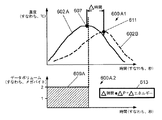
図6Aは、2つのグラフ、すなわち2つの異なるエアリンク602A、602Bについての時間対温度の理論値をプロットする第1のグラフ600A1、および推定時間対データボリューム609Aをプロットする第2のグラフ600A2を含む図である。理想としては、アップリンクアナライザモジュール292は、データボリュームの推定値、アップリンク継続時間の推定値、推定サービス品質パラメータを、各アプリケーションモジュール280から直接受信するはずである。ただし、これを書いている時点で、多くのアプリケーションモジュール280は、アップリンクアナライザモジュール292にこれらのパラメータを提供しない可能性がある。
FIG. 6A shows two graphs, a first graph 600A1 plotting theoretical values of time versus temperature for two
したがって、アップリンクアナライザモジュール292は、図2Bに示したソケット189など、各アプリケーションモジュール280からの出力を分析することになる。ソケット189から、アップリンクアナライザモジュール292は、図8に関連して後でさらに詳しく記載するように、異なる様々な予測モデルを利用して、これらのパラメータを推定することができる。
Accordingly, the
アップリンクアナライザモジュール292が、データボリュームの推定値を入手すると、アップリンク継続時間、およびサービス品質、アナライザモジュール292は、図6Aに示したように、エアリンクの利用可能理論値を互いと比較することができる。図6Aは、第1のエアリンク602Aおよび第2のエアリンク602Bを示す。
Once the
第1のエアリンク602Aは、第2のエアリンク602Bと比較して、より激しい熱的特性をもち、このことは、PCD100の温度が、時間経過に伴う、第2のエアリンク602Bについての温度の上昇率に比較してはるかに速く上昇することを意味する。ただし、グラフ600Aには示さないが、第1のエアリンク602Aは、第2のエアリンク602Bに比較して、より速いデータアップロードおよびより良好なサービス品質を可能にし得る。このことは、第2のエアリンク602Bが、第1のエアリンク602Aに比較して、より遅いデータアップロードおよびより低いサービス品質をもたらし得ることも意味する。
The
これらの2つのエアリンク602A、602Bが、第2のグラフ600A2に示されるデータ609Aをどのように扱うかの違いは、第1のエアリンク曲線602A上の第1の点607および第2のエアリンク602B上の第2の点611によって実証される。
The difference between how these two
第1のエアリンク曲線602A上の第1の点607は、第2のグラフ600A2のデータ609Aの送信についての理論的終点である。一方、第2のエアリンク曲線602B上の第2の点611は、第2のグラフ600A2のデータ600Aの送信についての理論的終点である。第1のエアリンク曲線602A上の第1の終点607は、第2のグラフ600A2のデータ609Aが、第2のエアリンク曲線602B上の第2の終点611と比較して、より短い時間量(デルタT)で送信されたことを実証するが、第1のエアリンク曲線602A上の第1の終点607は、第2のエアリンク曲線602B上の第2の終点611と比較して、はるかに高い温度にある。
The
アップリンクアナライザモジュール292は、図6Aにおいて参照番号613で標示された式を使って、複数の異なるエアリンクの間のエネルギー消費(節約されるエネルギー)における差分を判定することができる。
式1:デルタ時間×デルタ電力=節約されるデルタ熱エネルギー Equation 1: Delta time x Delta power = Delta heat energy saved
上式で、デルタ時間は、それぞれのエアリンクペアの間の送信終了時間または継続時間の間の差分であり、デルタ電力は、各それぞれのエアリンク用に要求される電力の量の間の差分である。 Where delta time is the difference between the transmission end time or duration between each air link pair and delta power is the difference between the amount of power required for each respective air link It is.
アップリンクアナライザモジュール292は、上述したパラメータに基づいて選択するべき、単一の、最も熱的に最適なエアリンクを判定することができるが、アップリンクアナライザ292は、PCD100の熱効率を増すために選択するべきエアリンクの組合せも推奨し得る。PCD100の熱効率を増すために選択するべきエアリンクの組合せのそのような推奨を、図6Bに示す。
図6Bは、2つのグラフ、すなわち2つの別個のエアリンク602A、602Bについての時間対温度の理論値をプロットする第1のグラフ600B1、および推定時間対データボリューム609Bをプロットする第2のグラフを含む図である。この例示的な実施形態によると、データボリューム609Bは、グラフ600A2のデータボリューム609Aと比較して、より少ないデータを送信するのに、より長い期間を費やす。データボリュームおよび継続時間のそのような変化は、図6Bの第1のグラフ600B1に示したように、それぞれの第1および第2のエアリンク602A、602Bの性能に逆効果を与える。
FIG.6B shows two graphs, a first graph 600B1 plotting theoretical values of time versus temperature for two
図6Bの第1のグラフ600B1に示すように、第1のエアリンク602Aは、第2のエアリンク602Bの温度傾斜と比較的同様の温度傾斜を有する。ただし、第1のエアリンク602Aは、より高い温度で安定し、第2のエアリンク602Bの安定状態と比較して、はるかに後である。
As shown in the first graph 600B1 of FIG. 6B, the
したがって、アップリンクアナライザ292は、第1のエアリンク602Aが、点615で印付けられた特定の温度まで使われることを推奨してよい。点615において、アップリンクアナライザは次いで、PCD100が第1のエアリンク602Aから第2のエアリンク602Bに切り替えることを推奨してよい。PCD100は、点617から終点619まで、第2のエアリンク602Bを使うことになる。
Accordingly, the
第2のエアリンク602B上でのデータボリューム609Bの送信が終了する終点619は、第1のエアリンク602Aについての理論的終点621と比較して、起こるのにより長くかかるが、温度保存または熱効率における差分は、第2のエアリンク602B上の終点619で大幅に大きくなる。前述したように、アップリンクアナライザ292は、データボリューム609の送信をサポートするために、エアリンクの組合せを選択することができる。アップリンクアナライザ292は、データボリューム609の特定の送信をサポートするために、単一の熱的最適エアリンクを選択することもできる。アップリンクアナライザ292は一般に、エアリンクを介してデータボリューム609が送られるべきレートならびにエアリンクについての使用の継続時間に加え、使うべき特定のエアリンクを、RRCモジュール137に指示する。
The
図7は、医学的コンテキストにおいて使われるPCD100用のアップリンクを選択するのに有用であり得る異なる電力特性をもつ複数の異なるエアリンク602A〜602D用のデータハブに、PCD100を結合するための必要電力に対する、データハブからの距離をプロットするグラフ700である。このグラフ700は、人間(図1B〜図1Dに示したように)またはペットなど、動物の体の近くまたは近接して装着することができる、埋め込み型PCD100BならびにPCD100C〜Eによって使用することができる。
FIG. 7 shows the need for coupling PCD100 to a data hub for multiple
第1のエアリンク602Aは、高品質のデータサービスを提供する第1のセルラー電話エアリンクを備えることができ、第2のエアリンク602Bは、第1のエアリンク602Aと比較して、より低いデータサービス品質を提供する第2のセルラー電話エアリンクを備えることができる。第3のエアリンク602Cは、BLUETOOTH(登録商標)などのパーソナルエリアネットワークタイプエアリンクを備えることができ、第4のエアリンクは、WIFI(商標)のようなワイヤレスLANタイプエアリンクを備える。
The
グラフ700が示すように、第1の、より高品質なセルラー電話エアリンク602Aは、他のエアリンク602B〜Dと比較して、最も高い量の電力を要求し得る。より低品質なセルラー電話エアリンク602Bは、より高品質なセルラー電話エアリンク602Aと比較して、より少ない電力を要求し得る。
As
データハブの場所に対するいくつかの距離において、第3のエアリンク602Cは、第1および第2のセルラー電話エアリンク602A〜Bの両方よりも少ない電力を要求し得る。同様に、データハブの場所に対するいくつかの距離では、第4のエアリンク602Dは、残りの3つのエアリンク602A〜Cと比較して、より少ない電力を要求し得る。
At some distance to the data hub location, the
したがって、特定の瞬間に送られるべきデータのボリューム、アップリンクの継続時間、および特定の瞬間における要求サービス品質に応じて、アップリンクアナライザ292は、医学情報を中継するとともに人間などの動物に近接し得るPCD100のために利用されるべき異なるエアリンク602の組合せを推奨してよい。図7に示す例示的な実施形態では、第1の距離704Aにおいて、アップリンクアナライザ292は、所与のデータブロック用に第4のエアリンク602Dが使われることを推奨してよく、第2の距離において、アップリンクアナライザ292は、所与のデータブロック用に第3のエアリンク602Cが使われることを推奨してよい。
Thus, depending on the volume of data to be sent at a particular moment, the duration of the uplink, and the required quality of service at a particular moment, the
同様に、第3の距離704Cでは、アップリンクアナライザ292は、第4のエアリンク602Dに切り替え復帰することを推奨してもよい。次いで、第4の距離704Dでは、アップリンクアナライザ292は、特定のデータブロックについてのいくつかの品質条件を満たすために、第2のセルラー電話エアリンク602Bに切り替えることを推奨してもよい。最後に、データハブに対する第5の距離704Eでは、アップリンクアナライザ292は、最も高いサービス品質を有する第1のセルラー電話エアリンク602Aが所与のデータブロック用に使われることを推奨してもよい。
Similarly, at the
図8は、秒などの様々な時間セグメントにわたるデータボリュームを推定する複数の予測テーブル800A〜800Cを含む図である。前述したように、アップリンクアナライザモジュール292が、データボリューム、アップリンク継続時間、および/またはサービス品質パラメータのどの推定値も各アプリケーションモジュール280から受信しなかった場合、アップリンクアナライザモジュール292は、図2Bに示した各アプリケーションモジュール280用のソケット189を監視するために、これらのパラメータを予測または推定する必要がある。
FIG. 8 is a diagram including a plurality of prediction tables 800A-800C that estimate data volume over various time segments such as seconds. As described above, if the
いくつかの予測モデルのうちのどの1つも、アップリンクアナライザモジュール292によって、データボリューム、アップリンク継続時間、および/またはサービス品質パラメータを推定するのに使うことができる。たとえば、各TCPソケット189に対して、ソケット189からの履歴データの分析に基づく履歴予測方法を利用してよい。あるいは、時系列モデルを使ってもよい。
Any one of several prediction models can be used by the
時間モデルはしばしば、時間に伴ってとられるデータ点が、明らかにされるべき内部構造(自己相関、傾向または季節変化など)を有し得ることを説明する。結果として、時系列データに標準回帰技法を適用することはできず、系列の傾向、季節および循環的成分を分解するための方法論が開発されている。変数の動的パスのモデル化により、系列の予測可能成分を今後に投影することができるので、予想値を改善することができる。 Time models often explain that data points taken over time can have internal structures to be revealed (such as autocorrelation, trends or seasonal changes). As a result, standard regression techniques cannot be applied to time series data, and methodologies have been developed to decompose series trends, seasons and cyclic components. By modeling the dynamic path of the variable, the predictable component of the sequence can be projected in the future, thus improving the predicted value.
時系列モデルは、統計的成分を含む差分方程式を推定することができる。これらのモデルのうち、2つの一般に使われる形には、自己回帰モデル(「AR」)および移動平均(「MA」)モデルがある。利用することができる1つの時系列モデルは、George BoxおよびG.M.Jenkinsによって開発されたボックス-ジェンキンス方法論(1976)である。この時系列モデルは、ARおよびMAモデルを組み合わせて、ARMA(「自己回帰移動平均」)モデルを生じる。利用することができる別の時系列モデルは、非定常時系列を記述するのに使うことができるARIMA(「自己回帰和分移動平均」)モデルである。 The time series model can estimate a difference equation including a statistical component. Of these models, two commonly used forms are the autoregressive model (“AR”) and the moving average (“MA”) model. One time series model that can be utilized is the Box-Jenkins methodology (1976) developed by George Box and G.M.Jenkins. This time series model combines the AR and MA models to yield an ARMA (“autoregressive moving average”) model. Another time series model that can be used is the ARIMA ("Autoregressive Integrated Moving Average") model that can be used to describe non-stationary time series.
ボックス-ジェンキンス方法論は、モデル識別、推定および検証を含む3段階方法論を含む。識別段階は、系列、自己相関および部分的自己相関関数のプロットを調べることによって、系列が定常であるかどうかの、および季節性の存在の識別を伴う。推定段階において、非線形時系列または最大尤度推定手順を使ってモデルが推定される。最後に、検証段階は、線外値およびモデル適合の証拠を検出するための、剰余のプロットなどの診断検査を伴う。 The Box-Jenkins methodology includes a three-step methodology that includes model identification, estimation and validation. The identification phase involves identifying whether the series is stationary and the presence of seasonality by examining plots of the series, autocorrelation and partial autocorrelation functions. In the estimation phase, the model is estimated using a non-linear time series or maximum likelihood estimation procedure. Finally, the validation phase involves diagnostic tests such as residue plots to detect outliers and evidence of model fit.
別の予測方法は、図8に示す予測または信頼性テーブル800A〜Cの生成を含む。図8に示す各テーブル800A、B、Cは、図2Bに示した特定の単一のソケット189に対応し得る。各テーブル800の行は、特定のエアリンクに使うことができる特定のデータレートを定義させる。図8に示す例示的な実施形態において、各テーブル800中の第1の行は、毎秒約2キロビット(「kb」)のデータレートを参照する。各テーブル800では、毎秒約5kbのデータレートを参照する。第3の行は、毎秒約10kbのデータレートを参照する。示すものよりも大きいまたは低い他の規模も、PCD100のシステムの、十分に範囲内であることを当業者は認識されたい。
Another prediction method includes the generation of the prediction or reliability tables 800A-C shown in FIG. Each table 800A, B, C shown in FIG. 8 may correspond to a particular single socket 189 shown in FIG. 2B. Each table 800 row allows a specific data rate to be used for a specific air link. In the exemplary embodiment shown in FIG. 8, the first row in each table 800 refers to a data rate of about 2 kilobits per second (“kb”). Each table 800 references a data rate of about 5 kb per second. The third line refers to a data rate of about 10 kb per second. Those skilled in the art will recognize that other scales larger or lower than those shown are well within the scope of the
各テーブル800の各第1の列は、特定のタイムスロットを参照する。タイムスロットは、ミリ秒および秒のオーダーなど、異なる数の増分のうちのどの1つを使って定義してもよい。図8に示す例示的な実施形態では、各タイムスロットが、1秒の時間を表す。 Each first column of each table 800 refers to a particular time slot. A time slot may be defined using any one of a different number of increments, such as the order of milliseconds and seconds. In the exemplary embodiment shown in FIG. 8, each time slot represents a time of 1 second.
各テーブル800の各列は、テーブル800の各セルが、データが特定の瞬間に特定のレートで動いている見込みの割合または確率を表すので、100%まで増す。したがってたとえば、第1のテーブル800Aおよび第1の列において、アップリンクアナライザモジュール292は、その最初の1秒の送信中に所与のソケットについて、データレートが毎秒ほぼ2kbになる見込みがほぼ10%であると判定済みである。その同じ第1のタイムスロットに対してデータレートが毎秒ほぼ5kbになる見込みは、ほぼ60%である。また、その第1のタイムスロットに対してデータレートが毎秒約10kbになる見込みは、ほぼ20%である。
Each column in each table 800 increases to 100% because each cell in table 800 represents the percentage or probability that the data is moving at a specific rate at a specific moment. Thus, for example, in the first table 800A and the first column, the
確率についてこれらの3つの推定値が与えられると、アップリンクアナライザモジュール292は、テーブル800の第1の列中の第2のセルによって支配される60%の可能性に基づいて、第1のテーブル800Aによって特徴付けられる特定のソケット189についての第1のタイムスロットが、毎秒5キロビットのデータレートを有する可能性があると想定する可能性がある。
Given these three estimates of probabilities, the
テーブル800Aは、アップリンクアナライザモジュール292がソケット189の各々からの履歴データを監視し記録した後、絶えずアップデートされ得る。アップリンクアナライザモジュール292は、特定のソケット189によって送られることになるデータのボリュームを推定するための予測テーブルならびに特定のソケット189からの履歴に基づいて必要とされるサービス品質を推定するための予測テーブルを生成する。アップリンクアナライザモジュール292は、アップリンクの継続時間を推定するための予測テーブルも生成する。上述したように、3つのソケット189についてのデータレートの予測推定値のみを図8に示す。同様の予測テーブルが、アップリンクアナライザモジュール292によって、アップリンクのデータボリューム、サービス品質、継続時間の他のパラメータ、およびPCD用の熱的最適エアリンクを選択するのに有用な他の同様のパラメータについて生成される。
The table 800A may be continuously updated after the
第3の予測テーブル800Cは概して、図6Bに示した第2のデータボリューム609Bと対応し得る。第2のデータボリューム609Bは、長い期間にわたって絶えず送出されるデータを含む。第3の予測テーブル800Cおよび第2のデータボリューム609Bは、当業者には理解されるように、オーディオをストリーミングし、またはビデオをストリーミングするのに使われるものなど、かなり一定したレートを有するエアリンクを介して送られるデータを表す。 The third prediction table 800C may generally correspond to the second data volume 609B shown in FIG. 6B. The second data volume 609B contains data that is constantly transmitted over a long period of time. The third prediction table 800C and the second data volume 609B are air links having a fairly constant rate, such as those used to stream audio or video, as will be appreciated by those skilled in the art. Represents data sent via.
ほとんどのPCD100において、熱条件は、ほぼ2分と7分の時間の間で劇的に変化し得る。したがって、アップリンクアナライザモジュール292によって利用されるどの予測モデルも概して、今後に対してほぼ1〜2分のデータを予測するとともに、少なくともほぼ1〜2分のデータを記憶するべきである。
In most PCD100s, the thermal conditions can change dramatically between times of approximately 2 and 7 minutes. Accordingly, any prediction model utilized by the
エアリンク選択は、送信されるべきデータの量(たとえば、送信バースト中のバイト数を表す「B」)についての確率を示すテーブルを使って、システムによって行われ得る。たとえば、テーブル(図示せず)が、ソケットを介した最終「送信バースト」セットのサイズ(「B」)についての移動平均および標準偏差を記録することができる。「送信バースト」は、時間的に互いに対して十分に近くで送信されるデータパケットの集合体であってよい(時間「T_inter_burst」よりも大きい各時間分離が、新規バーストを線引きする)。したがって、テーブルは、典型的な送信バーストサイズ(「B」)を学習することができる。次いで、新規送信バーストの開始に先立って、または開始すると、エアリンク選択アルゴリズムは、第1のエアリンクについてのB/帯域幅1(「BW1」)および第2のエアリンクについてのB/帯域幅2(「BW2」)の算出を実施して、第1のエアリンクについての投影される第1の温度(「T1」)、および第2のエアリンクについての第2の温度(「T2」)を計算することができる。アルゴリズムは、今後も温度閾値を超えないエアリンクを選択することができる。 Airlink selection may be performed by the system using a table that indicates the probability for the amount of data to be transmitted (eg, “B” representing the number of bytes in a transmission burst). For example, a table (not shown) may record the moving average and standard deviation for the size of the final “transmit burst” set over the socket (“B”). A “transmission burst” may be a collection of data packets transmitted sufficiently close to each other in time (each time separation greater than time “T_inter_burst” delineates a new burst). Thus, the table can learn a typical transmission burst size (“B”). Then, prior to or upon the start of a new transmission burst, the air link selection algorithm performs B / bandwidth 1 (“BW1”) for the first air link and B / bandwidth for the second air link. 2 (`` BW2 '') is calculated, the projected first temperature for the first air link (`` T1 ''), and the second temperature for the second air link (`` T2 '') Can be calculated. The algorithm can select an air link that will not exceed the temperature threshold in the future.
上述した予測テーブルは、TCPソケットごとに、または複数のソケットにわたっても適用することができる。たとえば、ソケットのオープン、送信、およびソケットのクローズは、上述した「送信バースト」と見なすことができる。これは、(インターネットウェブブラウザのような)各データごとにソケットをオープンおよびクローズするデバイスにはより適切であり得る。 The prediction table described above can be applied to each TCP socket or across multiple sockets. For example, socket opening, transmission, and socket closing may be considered the “transmission burst” described above. This may be more appropriate for devices that open and close sockets for each piece of data (such as an Internet web browser).
他のマルチモードPCD100における温度に応じたエアリンクの選択のための例示的な方法が、図9の流れ図を参照して以下で説明される。本明細書で説明される方法または処理の流れにおけるいくつかのステップまたは作用は、本発明の例示的な実施形態では、説明されるように機能するように、他のステップまたは作用に対して自然に先行するが、本発明は、ステップまたは作用の順序または順番が本発明の機能を変えない実施形態では、説明されるステップまたは作用の順序には限定されない。すなわち、他の実施形態では、本発明の範囲および趣旨から逸脱することなく、あるステップを他のステップの前に実施しても、後に実施しても、または並行して(すなわち、実質的に同時に)実施してもよいことを認識されたい。他の実施形態では、いくつかのステップは、本発明から逸脱することなく、省略されてもよく、または実施されなくてもよい。
An exemplary method for air link selection as a function of temperature in another
また、「その後」、「次いで」、「次に」などの語は、ステップの順序を限定することを意図していない。むしろ、これらの語は、単に例示的な方法の説明を通じて読者を導くために使用されている。同様に、あるステップまたは作用は、方法において最初に行われるものとして説明され得るが、方法は任意の時点で開始してよい。方法または方法の一部分は、一度しか説明されないことがあっても、繰り返し、またはループのような方式でも行われ得る。例示的な方法900は、マルチモードPCD100の動作中の任意の適切な時に実施され得るまたは行われ得る。たとえば、方法は本質的に、音声およびデータを表す情報のワイヤレス送信および受信と並行して行われ得る。
Also, terms such as “after”, “next”, “next” are not intended to limit the order of the steps. Rather, these terms are only used to guide the reader through the description of exemplary methods. Similarly, a step or action may be described as being performed first in the method, but the method may begin at any point in time. A method or portion of a method may be described only once, may be repeated, or may be performed in a loop-like manner. The
本明細書におけるこれらの流れ図および関連する説明に基づいて、当業者は、開示される発明を容易に具現化するために、適切なソフトウェアコードもしくは類似の論理を作成、場合によっては提供でき、または、適切なハードウェアもしくは類似の論理を作成、場合によっては提供できることを理解されたい。本明細書で説明される例示的な実施形態では、そのような論理は、熱条件検出論理290およびモード制御論理292(図2)に含まれ得ることに留意されたい。
Based on these flowcharts and associated descriptions herein, one of ordinary skill in the art can create, optionally provide, appropriate software code or similar logic to readily embody the disclosed invention, or It should be understood that suitable hardware or similar logic can be created and possibly provided. Note that in the exemplary embodiments described herein, such logic may be included in thermal
そのような論理は、1つまたは複数の監視された温度に応答して、マルチモードPCD100のエアリンクモードを切り替えるかどうかを指示する熱条件を判定するための手段と、そのような熱条件に応答して、第1のエアリンクモードから第2のエアリンクモードにマルチモードPCD100を切り替えるための手段とを提供することができる。例示的な方法は、本明細書ではわかりやすくするために個々に説明されるが、方法は、全体または一部が互いに組み合わされてよいことに留意されたい。
Such logic is responsive to one or more monitored temperatures and means for determining a thermal condition that indicates whether to switch the air link mode of the
図9は、図1のマルチモードPCD用の熱的最適エアリンク602を選択するための例示的な方法900を示す流れ図である。方法900の第1のステップは、ブロック905を含む。ブロック905で、図2Aの監視モジュール114は、図1Aに示した1つまたは複数の熱センサ157で、PCD100Aの温度を監視してよい。
FIG. 9 is a flow diagram illustrating an
次に、判定ブロック910において、熱ポリシーマネージャモジュール101が、アップリンクアナライザモジュール292を活動化または初期化するための温度閾値に達したかどうか判定すればよい。ブロック910は、この決定ブロック910が、いくつかの例示的な実施形態におけるアップリンクアナライザモジュール292が、現在の熱的状態または温度にかかわらず、PCD100A内の熱的最適エアリンク602を算出することができるという点で任意選択であることを示すように、破線で示されている。
Next, at
熱ポリシーマネージャモジュール101(当業者には理解されるように、アップリンクアナライザモジュール292内に統合することができる)によって実行することができる決定ブロック910が存在する例示的な実施形態において、決定ブロック910への照会が否定である場合、「No」分岐に続き、方法はブロック905に戻り、ここでPCD100Aの温度が監視される。
In an exemplary embodiment where there is a
決定ブロック910への照会が肯定である場合、「yes」の分岐が決定ブロック915に至る。決定ブロック915で、アップリンクアナライザモジュール292は、エアリンクによる条件のオーバーライドが存在するかどうか判定する。例示的なエアリンクオーバーライド条件は、送信され得るデータの性質により、アプリケーションプログラムモジュール280がエアリンクモードを排他的に制御するときに存在する。たとえば、PCD100Aが、欧州の一部など、GSM(登録商標)エアリンクのみをサポートする地理的な場所で、モバイル電話アプリケーションプログラム280を操作中である場合、モバイル電話アプリケーションプログラム280は、GSM(登録商標)エアリンクを排他的に制御し、アップリンクアナライザモジュール292が別のエアリンクへの切替えを試みるのを防止する。このことは、判定ブロック915への照会が肯定的であれば、ブロック905への「YES」の分岐に進むことを意味する。
If the inquiry to decision block 910 is affirmative, a “yes” branch leads to
決定ブロック915への照会が、データを送信中である特定のアプリケーションプログラム280用に、複数のエアリンクまたは異なるエアリンクを選択することができることを意味する否定である場合、「NO」分岐から決定ブロック920に続き、ここでアップリンクアナライザモジュール292は、PCD100が操作者に近接しているかどうか判定すればよい。この決定ブロック920で、アップリンクアナライザモジュール292は、上述したように1つまたは複数の近接センサ199からデータを取り出すことができる。
If the query to decision block 915 is negative, meaning that multiple airlinks or different airlinks can be selected for the
決定ブロック920への照会が肯定である場合、ブロック925への「YES」の分岐に進む。判定ブロック920への照会が否定的であれば、副方法またはルーチン930への「NO」の分岐に進む。 If the inquiry to decision block 920 is affirmative, proceed to the “YES” branch to block 925. If the query to decision block 920 is negative, proceed to the “NO” branch to the submethod or routine 930.
ブロック925で、アップリンクアナライザモジュールは、フラグまたは変数を、PCD100が操作者に近接していることを表すための値に等しくセットする。このフラグがセットされると、生じられるRF信号の強度および適切な電力レベルが、PCD100の横にいる操作者を傷つけないようにするために、アップリンクアナライザモジュール292によって選択される。
At
副方法またはルーチン930において、アップリンクアナライザモジュール292は、アップリンクを介して送られることを意図されるデータのボリュームを判定する。アップリンクアナライザモジュール292は、このデータをアプリケーションプログラム280から直接受信するか、または図8に関連して上述したように予測モデルを使うことができる。
In the secondary method or routine 930, the
次に、副方法またはルーチン935において、アップリンクアナライザモジュール292は、選択されるべきアップリンクの継続時間を判定する。この副方法またはルーチン935において、アップリンクアナライザモジュール292は、このデータをアプリケーションプログラム280から直接受信するか、または図8に関連して上述したように予測モデルを使うことができる。
Next, in a sub-method or routine 935, the
続いて、副方法またはルーチン940において、アップリンクアナライザモジュールは、送信されるべきデータに関連付けられたアップリンクに必要とされ、かつ/または要求されるサービス品質を判定する。この副方法またはルーチン940において、アップリンクアナライザモジュールは、このデータをアプリケーションプログラム280から直接受信するか、または図8に関連して上述した予測モデルを使うことができる。
Subsequently, in a sub-method or routine 940, the uplink analyzer module determines the quality of service required and / or required for the uplink associated with the data to be transmitted. In this sub-method or routine 940, the uplink analyzer module can receive this data directly from the
また、副方法またはルーチン945において、アップリンクアナライザモジュール292は、アップリンクに利用可能であり得るとともに、データ送信のための所望のサービス品質を維持したままPCD100の熱負荷を低下させ得る1つまたは複数の代替エアリンク602を比較する。副方法またはルーチン945は概して、図6A〜図6Bに関連して上述したエアリンク選択方法およびステップに対応する。近接フラグがブロック925でセットされた場合、アップリンクアナライザ292は、エアリンクを選択するときを考慮して(すなわち、より多くの電力およびより強いRF信号などを要求する他のタイプのエアリンクにわたる、より少ない電力を有するいくつかのエアリンクに重み付けすることによって)、操作者に近づく。アップリンクアナライザ292は概して、PCD100が操作者に極く近接して動作する予定であることを表すフラグがブロック925でセットされたとき、より少ない電力を使うエアリンクを選択する。
Also, in the sub-method or routine 945, the
次に、ブロック950で、アップリンクアナライザモジュール292は、上述したブロック945での比較に基づいて、1つまたは複数のエアリンクのうち、1つまたは複数の確固として最適なエアリンク、データレート、および継続時間を識別することができる。例示的なエアリンクには、広帯域符号分割多元接続(「WCDMA(登録商標)」)、Evolution Data-Only(「EVDO」)と、Global System for Mobile Communications(「GSM(登録商標)」)およびそのデータサービス拡張、たとえばGSM進化型高速データレート(「EDGE」)および汎用パケット無線サービス(「GPRS」)、ロングタームエボリューション(「LTE」)、IEEE802.11ワイヤレスLAN(「WLAN」)システムのワイヤレスフィデリティ(「Wi-Fi」(商標))ブランド、固有オープンワイヤレスシステムのBLUETOOTH(登録商標)ブランド、高速パケットアクセス(「HSPA」)、データ専用(「DO」)、one-times radio transmission technology(「1xRTT」)もしくは(「1x」)または場合によっては「CDMA200 1x」として知られるもの、ZigBee(登録商標)ブランドIEEE802規格パーソナルエリアネットワーク、および他の同様のワイヤレスシステムがあるが、それらに限定されない。ブロック955で、アップリンクアナライザモジュール292は、RRCモジュール137に、ブロック960で算出されたエアリンクに切り替えるよう命令すればよい。
Next, at
続いて、アプリケーションプログラム280は、そのデータを、ブロック950で算出されたデータレートおよび継続時間を使って、熱的最適エアリンクを介して送信する。次いで方法900は、ブロック905に戻る。
Subsequently,
別の例示的な実施形態によると、エアリンク選択アルゴリズムは、どの現在の温度閾値も超えない場合に動作し得る(図9のブロック910で概説したように)。そうではなく、アルゴリズムは、今後どの温度閾値も超えるのを回避することを目指してもよい(そのような閾値は、人体温度のような環境制約を含み得るが、それに限定されず、デバイス特有でなくてもよい)。
According to another exemplary embodiment, the air link selection algorithm may operate if no current temperature threshold is exceeded (as outlined in
たとえば、あるボリュームのデータバイトが送信される(「B」)べきであることがわかり、第1および第2のエアリンク1および2(「P1およびP2」)についての推定電力出力、帯域幅(「BW1およびBW2」)として特徴付けられる各エアリンクについての2つのデータレートがあると、アルゴリズムは、エアリンク1がB/BW1継続時間にP1電力を適用し、プロセス中に温度T1に達すると算出することができる。対照的に、エアリンク2がB/BW2継続時間にP2電力を適用し、プロセス中に温度T2に達すると判定することができる。アルゴリズムは、簡略化したデバイス熱的モデル熱伝達方程式により、T1およびT2を予測することができる。周辺/環境温度がわかっているので、PCD100に電力/熱が加えられると、デバイス温度を定常状態まで高めることができる。T1は所望の温度閾値を超える場合があり、T2はその閾値を下回る場合があることが明らかになり得るので、後者のケースでは、エアリンク2を送信用に選択すればよい。
For example, it can be seen that a volume of data bytes should be transmitted (`` B ''), the estimated power output for the first and
選択された態様が詳細に示され説明されてきたが、以下の特許請求の範囲によって定義されるような本発明の趣旨および範囲から逸脱することなく、本明細書において様々な置換および改変を実施できることが理解されよう。 Although selected embodiments have been shown and described in detail, various substitutions and modifications may be made herein without departing from the spirit and scope of the invention as defined by the following claims. It will be understood that it can be done.
100 マルチモードPCD
100A マルチモードPCD、PCD
100B PCD
100C PCD
100D PCD
100E PCD
101 熱ポリシーマネージャモジュール
102 オンチップシステム
109 ブラウザ/クライアントモジュール
110 マルチコア中央処理装置(CPU)、プロセッサ
111 HTTPスタック、HTTPスタックモジュール、httpスタックモジュール
112 メモリ
113 ドメイン名サーバモジュール
114 監視モジュール
125 センサ
125A 歩数計
125B 加速度計
125D コンパス
125E 周辺光センサ
126 アナログ信号プロセッサ、プロセッサ
127 伝送制御プロトコル(TCP)モジュール、TCP接続モジュール
128 ディスプレイコントローラ
129 インターネットプロトコル(IP)層、インターネットプロトコル(IP)モジュール
130 タッチスクリーンコントローラ
131 ネットワークバッファ層
132 タッチスクリーンディスプレイ、対話型ディスプレイ
133 モデムサブシステム
134 ビデオデコーダ
135 無線リンク制御(RLC)層、RLCモジュール
136 ビデオ増幅器
137 RRCモジュール、無線中継制御モジュール
138 ビデオポート
139 MAC層、媒体アクセス制御層、MACモジュール
140 ユニバーサルシリアルバス(USB)コントローラ
141 PHYモジュール、PHY層、物理層
142 USBポート
143 全地球測位システム(GPS)、GPSモジュール
146 加入者識別モジュール(SIM)カード
148 デジタルカメラ、カメラ
150 ステレオオーディオコーデック(CODEC)
152 オーディオ増幅器
154 第1のステレオスピーカ
156 第2のステレオスピーカ
158 マイクロフォン増幅器
157 センサ、熱センサ
157A オンチップ熱センサ
157B オフチップ熱センサ、熱センサ
160 マイクロフォン
162 周波数変調(FM)無線チューナ
164 FMアンテナ
166 ステレオヘッドフォン
168 RFトランシーバ
170 RFスイッチ
172 RFアンテナ
174 キーパッド
176 モノヘッドセット
178 バイブレータデバイス
180 電源
189 ソケット、ソケットモジュール
199 近接センサモジュール、モジュール
206 通信ネットワーク
210 モバイルウェブブラウザアプリケーション、モジュール、サーバ
211 バス
213 バス
222 コア
224 コア
230 コア
250 開始論理
260 管理論理
277 モデムアプリケーションモジュール
280 アプリケーションモジュール
290 熱条件検出論理、条件検出論理
292 アップリンクアナライザモジュール、アップリンクアナライザ、モジュール、アナライザモジュール
305 第1の基地局
305A アラートボタン
305B 医学データボタン
305C 転送ボタン
305D メニューボタン
305F 開始ボタン
305G 停止ボタン
310 第2の基地局
405 第1の基地局
410 第2の基地局
505 第1の基地局
510 第2の基地局
602 エアリンク
602A 第1のエアリンク、エアリンク
602B 第2のエアリンク、エアリンク
602C エアリンク、第3のエアリンク
602D エアリンク、第4のエアリンク
100 multimode PCD
100A multi-mode PCD, PCD
100B PCD
100C PCD
100D PCD
100E PCD
101 Thermal Policy Manager module
102 On-chip system
109 Browser / Client module
110 Multi-core central processing unit (CPU), processor
111 HTTP stack, HTTP stack module, http stack module
112 memory
113 Domain name server module
114 monitoring module
125 sensors
125A pedometer
125B accelerometer
125D compass
125E ambient light sensor
126 Analog signal processors, processors
127 Transmission Control Protocol (TCP) module, TCP connection module
128 display controller
129 Internet Protocol (IP) layer, Internet Protocol (IP) module
130 Touch screen controller
131 Network buffer layer
132 Touch screen display, interactive display
133 Modem subsystem
134 Video decoder
135 Radio Link Control (RLC) layer, RLC module
136 Video amplifier
137 RRC module, wireless relay control module
138 video port
139 MAC layer, medium access control layer, MAC module
140 Universal Serial Bus (USB) controller
141 PHY module, PHY layer, physical layer
142 USB port
143 Global Positioning System (GPS), GPS module
146 Subscriber Identification Module (SIM) card
148 Digital camera, camera
150 Stereo Audio Codec (CODEC)
152 audio amplifier
154 First stereo speaker
156 Second stereo speaker
158 Microphone amplifier
157 Sensor, thermal sensor
157A on-chip thermal sensor
157B off-chip thermal sensor, thermal sensor
160 microphone
162 Frequency modulation (FM) radio tuner
164 FM antenna
166 Stereo headphones
168 RF transceiver
170 RF switch
172 RF antenna
174 keypad
176 mono headset
178 Vibrator device
180 power supply
189 Sockets, socket modules
199 Proximity sensor module, module
206 Communication network
210 Mobile web browser applications, modules, servers
211 Bus
213 bus
222 core
224 core
230 cores
250 start logic
260 Management logic
277 Modem application module
280 Application Module
290 Thermal condition detection logic, condition detection logic
292 Uplink Analyzer Module, Uplink Analyzer, Module, Analyzer Module
305 1st base station
305A Alert button
305B Medical data button
305C Transfer button
305D Menu button
305F start button
305G stop button
310 Second base station
405 1st base station
410 2nd base station
505 1st base station
510 2nd base station
602 Airlink
602A First air link, air link
602B Second air link, air link
602C air link, third air link
602D air link, fourth air link
Claims (40)
前記ポータブルコンピューティングデバイスの温度を監視するステップと、
前記ポータブルコンピューティングデバイスが閾値温度範囲に達したかどうか判定するステップと、
1つまたは複数のエアリンクを介して送られるべきデータの推定ボリュームを判定するステップと、
1つまたは複数のエアリンクを使う前記送られるべきデータについての推定継続時間を判定するステップと、
前記送られるべきデータに必要とされるサービス品質を判定するステップと、
前記ポータブルコンピューティングデバイスによって、前記データを通信するための複数の異なる利用可能エアリンクを比較するステップであって、前記複数の異なるエアリンクの各々が、別のエアリンクに対して異なる通信プロトコルを備える、前記比較するステップと、
前記ポータブルコンピューティングデバイスの通信をサポートするとともに、前記推定ボリューム、推定データレート、および推定継続時間に基づいて前記ポータブルコンピューティングデバイスの熱出力を削減するのを助ける1つまたは複数の熱的最適エアリンクを、前記ポータブルコンピューティングデバイスによって、前記複数の異なる利用可能エアリンクの中から識別するステップとを含む方法。 A method for selecting a thermal optimal air link for a portable computing device comprising:
Monitoring the temperature of the portable computing device;
Determining whether the portable computing device has reached a threshold temperature range;
Determining an estimated volume of data to be sent over one or more air links;
Determining an estimated duration for the data to be sent using one or more air links;
Determining the quality of service required for the data to be sent;
Comparing a plurality of different available air links for communicating the data by the portable computing device, each of the plurality of different air links having a different communication protocol relative to another air link. Comprising the step of comparing;
One or more thermally optimal air that supports communication of the portable computing device and helps reduce the thermal output of the portable computing device based on the estimated volume, estimated data rate, and estimated duration Identifying a link from among the plurality of different available air links by the portable computing device.
プロセッサを備え、前記プロセッサが、
前記ポータブルコンピューティングデバイスの温度を監視し、
前記ポータブルコンピューティングデバイスが閾値温度範囲に達したかどうか判定し、
1つまたは複数のエアリンクを介して送られるべきデータの推定ボリュームを判定し、
1つまたは複数のエアリンクを使う前記送られるべきデータについての推定継続時間を判定し、
前記送られるべきデータに必要とされるサービス品質を判定し、
前記データを通信するための複数の異なる利用可能エアリンクを比較し、ただし前記複数の異なるエアリンクの各々が、別のエアリンクに対して異なる通信プロトコルを備え、
前記ポータブルコンピューティングデバイスの通信をサポートするとともに、前記推定ボリューム、推定データレート、および推定継続時間に基づいて前記ポータブルコンピューティングデバイスの熱出力を削減するのを助ける1つまたは複数の熱的最適エアリンクを、前記複数の異なる利用可能エアリンクの中から識別するために動作可能であるシステム。 A system for selecting a thermal optimal air link for a portable computing device, comprising:
A processor, the processor comprising:
Monitoring the temperature of the portable computing device;
Determining whether the portable computing device has reached a threshold temperature range;
Determine an estimated volume of data to be sent over one or more air links,
Determining an estimated duration for the data to be sent using one or more air links;
Determine the quality of service required for the data to be sent,
Comparing a plurality of different available air links for communicating the data, wherein each of the plurality of different air links comprises a different communication protocol with respect to another air link;
One or more thermally optimal air that supports communication of the portable computing device and helps reduce the thermal output of the portable computing device based on the estimated volume, estimated data rate, and estimated duration A system operable to identify a link from among the plurality of different available air links.
前記ポータブルコンピューティングデバイスの温度を監視するための手段と、
前記ポータブルコンピューティングデバイスが閾値温度範囲に達したかどうか判定するための手段と、
1つまたは複数のエアリンクを介して送られるべきデータの推定ボリュームを判定するための手段と、
1つまたは複数のエアリンクを使う前記送られるべきデータについての推定継続時間を判定するための手段と、
前記送られるべきデータに必要とされるサービス品質を判定するための手段と、
前記データを通信するための複数の異なる利用可能エアリンクを比較するための手段であって、前記複数の異なるエアリンクの各々が、別のエアリンクに対して異なる通信プロトコルを備える、前記比較するための手段と、
前記ポータブルコンピューティングデバイスの通信をサポートするとともに、前記推定ボリューム、推定データレート、および推定継続時間に基づいて前記ポータブルコンピューティングデバイスの熱出力を削減するのを助ける1つまたは複数の熱的最適エアリンクを、前記複数の異なる利用可能エアリンクの中から識別するための手段とを備えるシステム。 A system for selecting a thermal optimal air link for a portable computing device, comprising:
Means for monitoring the temperature of the portable computing device;
Means for determining whether the portable computing device has reached a threshold temperature range;
Means for determining an estimated volume of data to be sent over one or more air links;
Means for determining an estimated duration for the data to be sent using one or more air links;
Means for determining the quality of service required for the data to be sent;
Means for comparing a plurality of different available air links for communicating the data, wherein each of the plurality of different air links comprises a different communication protocol for another air link. Means for
One or more thermally optimal air that supports communication of the portable computing device and helps reduce the thermal output of the portable computing device based on the estimated volume, estimated data rate, and estimated duration Means for identifying a link from among the plurality of different available air links.
前記ポータブルコンピューティングデバイスの温度を監視するステップと、
前記ポータブルコンピューティングデバイスが閾値温度範囲に達したかどうか判定するステップと、
1つまたは複数のエアリンクを介して送られるべきデータの推定ボリュームを判定するステップと、
1つまたは複数のエアリンクを使う前記送られるべきデータについての推定継続時間を判定するステップと、
前記送られるべきデータに必要とされるサービス品質を判定するステップと、
前記データを通信するための複数の異なる利用可能エアリンクを比較するステップであって、前記複数の異なるエアリンクの各々が、別のエアリンクに対して異なる通信プロトコルを備える、前記比較するステップと、
前記ポータブルコンピューティングデバイスの通信をサポートするとともに、前記推定ボリューム、推定データレート、および推定継続時間に基づいて前記ポータブルコンピューティングデバイスの熱出力を削減するのを助ける1つまたは複数の熱的最適エアリンクを、前記複数の異なる利用可能エアリンクの中から識別するステップとを含むコンピュータプログラム。 A computer program comprising computer readable program code, said computer readable program code being adapted to be executed to implement a method for selecting a thermal optimal air link for a portable computing device, said method But,
Monitoring the temperature of the portable computing device;
Determining whether the portable computing device has reached a threshold temperature range;
Determining an estimated volume of data to be sent over one or more air links;
Determining an estimated duration for the data to be sent using one or more air links;
Determining the quality of service required for the data to be sent;
Comparing a plurality of different available air links for communicating the data, wherein each of the plurality of different air links comprises a different communication protocol for another air link; ,
One or more thermally optimal air that supports communication of the portable computing device and helps reduce the thermal output of the portable computing device based on the estimated volume, estimated data rate, and estimated duration Identifying a link from among the plurality of different available air links.
前記ポータブルコンピューティングデバイスが操作者に近接しているかどうか判定することをさらに含む、請求項31に記載のコンピュータプログラム。 The computer readable program code for performing the method comprises:
The computer program product of claim 31, further comprising determining whether the portable computing device is in proximity to an operator.
前記ポータブルコンピューティングデバイスが前記操作者に近接している場合、前記ポータブルコンピューティングデバイスが前記操作者に対して安全なレベルで放射するように、選択されたエアリンクの出力電力を調節することをさらに含む、請求項32に記載のコンピュータプログラム。 The computer readable program code for performing the method comprises:
Adjusting the output power of the selected air link such that when the portable computing device is in proximity to the operator, the portable computing device radiates at a safe level for the operator; The computer program according to claim 32, further comprising:
既存のエアリンクを現在使っているアプリケーションプログラムについてエアリンクオーバーライド条件が存在するかどうか判定することをさらに含む、請求項31に記載のコンピュータプログラム。 The computer readable program code for performing the method comprises:
32. The computer program of claim 31, further comprising determining whether an air link override condition exists for an application program that is currently using an existing air link.
現在のエアリンクから、前記識別された1つまたは複数の熱的最適エアリンクに切り替えることをさらに含み、前記1つまたは複数の熱的最適エアリンクが、前記データについての所望のサービス品質を維持したまま、前記ポータブルコンピューティングデバイスの熱負荷を低下させる、請求項31に記載のコンピュータプログラム。 The computer readable program code for performing the method comprises:
Further comprising switching from a current air link to the identified one or more thermal optimum air links, wherein the one or more thermal optimum air links maintain a desired quality of service for the data. 32. The computer program of claim 31, wherein the computer program reduces the thermal load of the portable computing device while remaining.
Applications Claiming Priority (5)
| Application Number | Priority Date | Filing Date | Title |
|---|---|---|---|
| US201161537915P | 2011-09-22 | 2011-09-22 | |
| US61/537,915 | 2011-09-22 | ||
| US13/313,787 | 2011-12-07 | ||
| US13/313,787 US8452323B2 (en) | 2011-09-22 | 2011-12-07 | Method and system for selecting a thermally optimal uplink for a portable computing device |
| PCT/US2012/053348 WO2013043351A1 (en) | 2011-09-22 | 2012-08-31 | Method and system for selecting a thermally optimal uplink for a portable computing device |
Publications (2)
| Publication Number | Publication Date |
|---|---|
| JP2014529265A true JP2014529265A (en) | 2014-10-30 |
| JP5866021B2 JP5866021B2 (en) | 2016-02-17 |
Family
ID=47911816
Family Applications (1)
| Application Number | Title | Priority Date | Filing Date |
|---|---|---|---|
| JP2014531844A Expired - Fee Related JP5866021B2 (en) | 2011-09-22 | 2012-08-31 | Method and system for selecting a thermal optimal uplink for a portable computing device |
Country Status (6)
| Country | Link |
|---|---|
| US (1) | US8452323B2 (en) |
| EP (1) | EP2759063B1 (en) |
| JP (1) | JP5866021B2 (en) |
| KR (1) | KR101598311B1 (en) |
| CN (1) | CN103828246B (en) |
| WO (1) | WO2013043351A1 (en) |
Families Citing this family (24)
| Publication number | Priority date | Publication date | Assignee | Title |
|---|---|---|---|---|
| US8675615B2 (en) * | 2011-05-03 | 2014-03-18 | Qualcomm Incorporated | Temperature-driven airlink selection in a multi-mode wireless device |
| US9323296B2 (en) * | 2013-01-16 | 2016-04-26 | Qualcomm Incorporated | Thermal mitigation in dual SIM dual active devices |
| JP6217169B2 (en) * | 2013-06-21 | 2017-10-25 | 富士通株式会社 | Portable terminal device, terminal control program, and terminal control method |
| EP2819481A1 (en) | 2013-06-28 | 2014-12-31 | Gemalto M2M GmbH | Configuring and reconfiguring a radio link in view of an operating temperature of a user equipment without call interruption |
| EP2840840A1 (en) * | 2013-08-20 | 2015-02-25 | Gemalto M2M GmbH | Method for Inter-RAT reselection decision based on unbalanced radio conditions and device for executing said method |
| US10555436B1 (en) * | 2014-09-02 | 2020-02-04 | Apple Inc. | Electronic device with thermal management system |
| US10063922B2 (en) * | 2014-09-15 | 2018-08-28 | Vasona Networks Inc. | Performance metrics for downloads of encrypted video |
| US11165680B2 (en) * | 2014-09-15 | 2021-11-02 | Vasona Networks, Inc. | Bit-rate extraction for encrypted video |
| KR20160061821A (en) | 2014-11-24 | 2016-06-01 | 엘지전자 주식회사 | Mobile terminal and method for controlling the same |
| US10582266B2 (en) | 2015-10-07 | 2020-03-03 | Vasona Networks Inc. | Rating video-download quality |
| KR102567007B1 (en) | 2017-02-24 | 2023-08-16 | 마시모 코오퍼레이션 | Medical monitoring data display system |
| US11024064B2 (en) * | 2017-02-24 | 2021-06-01 | Masimo Corporation | Augmented reality system for displaying patient data |
| WO2018208616A1 (en) | 2017-05-08 | 2018-11-15 | Masimo Corporation | System for pairing a medical system to a network controller by use of a dongle |
| US11122480B2 (en) * | 2017-06-02 | 2021-09-14 | Qualcomm Incorporated | Multimedia session continuity and domain selection based on user equipment learning and history |
| ES2948118T3 (en) * | 2017-08-09 | 2023-08-31 | Beijing Xiaomi Mobile Software Co Ltd | Method and device for overheating protection of user equipment, user equipment and base station |
| US10193602B1 (en) * | 2017-08-31 | 2019-01-29 | Qualcomm Incorporated | Thermal throttling using RF diversity |
| KR102402639B1 (en) | 2017-11-24 | 2022-05-26 | 삼성전자주식회사 | Electronic device and method for communicating thereof |
| EP3517912A1 (en) | 2018-01-25 | 2019-07-31 | Vestel Elektronik Sanayi ve Ticaret A.S. | Method, device and computer program for obtaining a measure of the temperature of a wireless adapter |
| JP2020129439A (en) * | 2019-02-07 | 2020-08-27 | 株式会社日立製作所 | Information processing system and information processing method |
| WO2021049794A1 (en) * | 2019-09-10 | 2021-03-18 | 삼성전자 주식회사 | Method for implementing power and/or heat generation control and electronic device therefor |
| WO2021066424A1 (en) * | 2019-10-01 | 2021-04-08 | Samsung Electronics Co., Ltd. | Method for mitigating temperature of electronic device |
| CN114731593A (en) * | 2019-11-18 | 2022-07-08 | 索尼集团公司 | Beam pair management in wireless communications |
| US12488889B2 (en) * | 2021-08-20 | 2025-12-02 | Smart Wave Technologies, Inc. | Systems and methods for monitoring sharps levels in secured sharps containers |
| CN117767996B (en) * | 2023-10-18 | 2024-11-22 | 中国卫通集团股份有限公司 | A method and system for sensing oil and gas pipeline environment based on high-throughput satellite |
Citations (4)
| Publication number | Priority date | Publication date | Assignee | Title |
|---|---|---|---|---|
| JP2003179670A (en) * | 2001-09-28 | 2003-06-27 | Agere Systems Inc | Proximity regulation system for use with portable cell phone and method of operation thereof |
| JP2008244603A (en) * | 2007-03-26 | 2008-10-09 | Sony Ericsson Mobilecommunications Japan Inc | Radio communication terminal and radio communication method |
| JP2011114503A (en) * | 2009-11-25 | 2011-06-09 | Nec Corp | Terminal for data communication, operation control method and control program of terminal |
| JP2011155353A (en) * | 2010-01-26 | 2011-08-11 | Fujitsu Toshiba Mobile Communications Ltd | Portable terminal |
Family Cites Families (19)
| Publication number | Priority date | Publication date | Assignee | Title |
|---|---|---|---|---|
| US20010044588A1 (en) | 1996-02-22 | 2001-11-22 | Mault James R. | Monitoring system |
| US6928559B1 (en) * | 1997-06-27 | 2005-08-09 | Broadcom Corporation | Battery powered device with dynamic power and performance management |
| US6760311B1 (en) * | 1998-11-20 | 2004-07-06 | Ericsson Inc. | Thermal transmission control of wireless data modem |
| US6622251B1 (en) * | 1999-04-07 | 2003-09-16 | Telefonaktiebolaget Lm Ericsson (Publ) | Method to put a mobile terminal into sleep when a frame control channel containing a location of slow broadcast channel does not include wakeup information |
| US7146176B2 (en) * | 2000-06-13 | 2006-12-05 | Shared Spectrum Company | System and method for reuse of communications spectrum for fixed and mobile applications with efficient method to mitigate interference |
| CN1481080A (en) * | 2002-09-02 | 2004-03-10 | 耀登科技股份有限公司 | Method for reducing human body electromagnetic energy absorptivity of wireless communication equipment |
| US7155249B2 (en) * | 2003-01-10 | 2006-12-26 | Qualcomm Incorporated | Modified power control for hybrid ARQ on the reverse link |
| CA2775734C (en) * | 2004-03-10 | 2014-01-07 | Qualcomm Incorporated | High data rate interface apparatus and method |
| EP1782551B1 (en) * | 2004-07-30 | 2016-10-05 | CommScope Technologies LLC | Power control in a local network node (lnn) |
| JP4633592B2 (en) * | 2005-09-28 | 2011-02-16 | 京セラ株式会社 | Wireless communication terminal |
| JP4563291B2 (en) * | 2005-09-29 | 2010-10-13 | 京セラ株式会社 | Wireless communication terminal |
| US7378954B2 (en) | 2005-10-21 | 2008-05-27 | Barry Myron Wendt | Safety indicator and method |
| US20080025341A1 (en) * | 2006-07-31 | 2008-01-31 | Motorola, Inc. | Method and system for granting of channel slots |
| US20080150698A1 (en) | 2006-12-26 | 2008-06-26 | G2 Microsystems, Inc. | Radio frequency identification tag with passive and active features |
| US20090069642A1 (en) | 2007-09-11 | 2009-03-12 | Aid Networks, Llc | Wearable Wireless Electronic Patient Data Communications and Physiological Monitoring Device |
| US8620235B2 (en) * | 2008-05-23 | 2013-12-31 | Qualcomm Incorporated | Thermal management for data modules |
| US8170606B2 (en) * | 2008-10-15 | 2012-05-01 | Apple Inc. | Dynamic thermal control for wireless transceivers |
| US9826409B2 (en) * | 2008-10-24 | 2017-11-21 | Qualcomm Incorporated | Adaptive semi-static interference avoidance in cellular networks |
| US8695008B2 (en) * | 2011-04-05 | 2014-04-08 | Qualcomm Incorporated | Method and system for dynamically controlling power to multiple cores in a multicore processor of a portable computing device |
-
2011
- 2011-12-07 US US13/313,787 patent/US8452323B2/en not_active Expired - Fee Related
-
2012
- 2012-08-31 KR KR1020147010507A patent/KR101598311B1/en not_active Expired - Fee Related
- 2012-08-31 JP JP2014531844A patent/JP5866021B2/en not_active Expired - Fee Related
- 2012-08-31 EP EP12759576.7A patent/EP2759063B1/en not_active Not-in-force
- 2012-08-31 WO PCT/US2012/053348 patent/WO2013043351A1/en not_active Ceased
- 2012-08-31 CN CN201280046496.5A patent/CN103828246B/en not_active Expired - Fee Related
Patent Citations (4)
| Publication number | Priority date | Publication date | Assignee | Title |
|---|---|---|---|---|
| JP2003179670A (en) * | 2001-09-28 | 2003-06-27 | Agere Systems Inc | Proximity regulation system for use with portable cell phone and method of operation thereof |
| JP2008244603A (en) * | 2007-03-26 | 2008-10-09 | Sony Ericsson Mobilecommunications Japan Inc | Radio communication terminal and radio communication method |
| JP2011114503A (en) * | 2009-11-25 | 2011-06-09 | Nec Corp | Terminal for data communication, operation control method and control program of terminal |
| JP2011155353A (en) * | 2010-01-26 | 2011-08-11 | Fujitsu Toshiba Mobile Communications Ltd | Portable terminal |
Also Published As
| Publication number | Publication date |
|---|---|
| KR20140077929A (en) | 2014-06-24 |
| US20130078977A1 (en) | 2013-03-28 |
| KR101598311B1 (en) | 2016-02-26 |
| WO2013043351A1 (en) | 2013-03-28 |
| CN103828246A (en) | 2014-05-28 |
| JP5866021B2 (en) | 2016-02-17 |
| EP2759063B1 (en) | 2017-10-11 |
| CN103828246B (en) | 2016-03-02 |
| US8452323B2 (en) | 2013-05-28 |
| EP2759063A1 (en) | 2014-07-30 |
Similar Documents
| Publication | Publication Date | Title |
|---|---|---|
| JP5866021B2 (en) | Method and system for selecting a thermal optimal uplink for a portable computing device | |
| KR102161193B1 (en) | System and method for waking up the wireless communication module of the device | |
| US12081254B2 (en) | Wireless device performance optimization using dynamic power control | |
| US20240196272A1 (en) | Methods for Predicting and Signaling Traffic Status and Migration | |
| US8675615B2 (en) | Temperature-driven airlink selection in a multi-mode wireless device | |
| CN103688575B (en) | Intelligent Radio Frequency Power Control | |
| KR20150020080A (en) | Method for communicating data and electronic device thereof | |
| EP3155848B1 (en) | Wake up message transmission rate | |
| US11226663B2 (en) | Methods, systems, articles of manufacture and apparatus to reduce temperature of a networked device | |
| CN107318095A (en) | The resource management of optimization in multi-radio access technology device | |
| CN114071434B (en) | Networking method, networking system, and electronic equipment | |
| CN105119844A (en) | Method and device for controlling working mode of built-in WIFI module | |
| JP2015521824A5 (en) | ||
| US20180374562A1 (en) | Method and apparatus for facilitating network access sharing by patient gateways | |
| JP2024524005A (en) | Battery life extension for wireless devices using message energy prediction | |
| CN107787031B (en) | Power consumption control method and communication device | |
| Mohammadi et al. | Channel-adaptive MAC frame length in wireless body area networks | |
| US20250380331A1 (en) | Technologies for semi-static, automated, paired configuration of discontinuous reception | |
| WO2025093352A1 (en) | Data transfer between lwm2m client and lwm2m server | |
| US11166213B2 (en) | Optimizing the consumption and coverage of a local area network | |
| WO2021183014A1 (en) | First node, second node, third node, and methods performed thereby for handling retransmissions of messages | |
| WO2016169053A1 (en) | Transmission method and device for wireless data | |
| JP2014093607A (en) | Communication system, communication device, transmission power control method, and control program |
Legal Events
| Date | Code | Title | Description |
|---|---|---|---|
| A977 | Report on retrieval |
Free format text: JAPANESE INTERMEDIATE CODE: A971007 Effective date: 20150227 |
|
| A131 | Notification of reasons for refusal |
Free format text: JAPANESE INTERMEDIATE CODE: A131 Effective date: 20150309 |
|
| A521 | Request for written amendment filed |
Free format text: JAPANESE INTERMEDIATE CODE: A523 Effective date: 20150519 |
|
| TRDD | Decision of grant or rejection written | ||
| A01 | Written decision to grant a patent or to grant a registration (utility model) |
Free format text: JAPANESE INTERMEDIATE CODE: A01 Effective date: 20151207 |
|
| A61 | First payment of annual fees (during grant procedure) |
Free format text: JAPANESE INTERMEDIATE CODE: A61 Effective date: 20151228 |
|
| R150 | Certificate of patent or registration of utility model |
Ref document number: 5866021 Country of ref document: JP Free format text: JAPANESE INTERMEDIATE CODE: R150 |
|
| R250 | Receipt of annual fees |
Free format text: JAPANESE INTERMEDIATE CODE: R250 |
|
| R250 | Receipt of annual fees |
Free format text: JAPANESE INTERMEDIATE CODE: R250 |
|
| LAPS | Cancellation because of no payment of annual fees |