EP1441726B1 - Derivatives of phenoxy-n-'4-(isothiazolidin-1,1-dioxid-2yl)pheny]-valerian- acid amide and other compounds as inhibitors of the coagulation factor xa in the treatment of thromboembolic diseases and tumors - Google Patents
Derivatives of phenoxy-n-'4-(isothiazolidin-1,1-dioxid-2yl)pheny]-valerian- acid amide and other compounds as inhibitors of the coagulation factor xa in the treatment of thromboembolic diseases and tumors Download PDFInfo
- Publication number
- EP1441726B1 EP1441726B1 EP02802623A EP02802623A EP1441726B1 EP 1441726 B1 EP1441726 B1 EP 1441726B1 EP 02802623 A EP02802623 A EP 02802623A EP 02802623 A EP02802623 A EP 02802623A EP 1441726 B1 EP1441726 B1 EP 1441726B1
- Authority
- EP
- European Patent Office
- Prior art keywords
- dioxoisothiazolidin
- phenyl
- formula
- denotes
- compounds
- Prior art date
- Legal status (The legal status is an assumption and is not a legal conclusion. Google has not performed a legal analysis and makes no representation as to the accuracy of the status listed.)
- Expired - Lifetime
Links
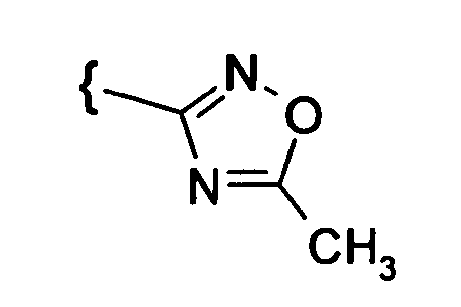
- 0 C*(C)c1n[o]c(C)n1 Chemical compound C*(C)c1n[o]c(C)n1 0.000 description 3
- BGRLVQJRTVIZPQ-UHFFFAOYSA-N Cc(cc(cc1)NC(C(c2ccccc2)OC(Nc(cc2)ccc2Cl)=O)=O)c1N(CCC1)S1(=O)=O Chemical compound Cc(cc(cc1)NC(C(c2ccccc2)OC(Nc(cc2)ccc2Cl)=O)=O)c1N(CCC1)S1(=O)=O BGRLVQJRTVIZPQ-UHFFFAOYSA-N 0.000 description 1
- TYIQKZTZDRTVKZ-UHFFFAOYSA-N Cc1cc(N)ccc1N(CCC1)S1(=O)=O Chemical compound Cc1cc(N)ccc1N(CCC1)S1(=O)=O TYIQKZTZDRTVKZ-UHFFFAOYSA-N 0.000 description 1
- IWYDHOAUDWTVEP-UHFFFAOYSA-N OC(C(O)=O)c1ccccc1 Chemical compound OC(C(O)=O)c1ccccc1 IWYDHOAUDWTVEP-UHFFFAOYSA-N 0.000 description 1
- NVYQOQYCSPFPHH-UHFFFAOYSA-N OC(C(c1ccccc1)OC(NC(CC1)=CC=C1Cl)=O)=O Chemical compound OC(C(c1ccccc1)OC(NC(CC1)=CC=C1Cl)=O)=O NVYQOQYCSPFPHH-UHFFFAOYSA-N 0.000 description 1
- VVQDMDRAUXFEND-UHFFFAOYSA-N ONc(cc1)ccc1Cl Chemical compound ONc(cc1)ccc1Cl VVQDMDRAUXFEND-UHFFFAOYSA-N 0.000 description 1
Classifications
-
- C—CHEMISTRY; METALLURGY
- C07—ORGANIC CHEMISTRY
- C07D—HETEROCYCLIC COMPOUNDS
- C07D275/00—Heterocyclic compounds containing 1,2-thiazole or hydrogenated 1,2-thiazole rings
- C07D275/02—Heterocyclic compounds containing 1,2-thiazole or hydrogenated 1,2-thiazole rings not condensed with other rings
-
- A—HUMAN NECESSITIES
- A61—MEDICAL OR VETERINARY SCIENCE; HYGIENE
- A61K—PREPARATIONS FOR MEDICAL, DENTAL OR TOILETRY PURPOSES
- A61K31/00—Medicinal preparations containing organic active ingredients
- A61K31/33—Heterocyclic compounds
- A61K31/395—Heterocyclic compounds having nitrogen as a ring hetero atom, e.g. guanethidine or rifamycins
- A61K31/41—Heterocyclic compounds having nitrogen as a ring hetero atom, e.g. guanethidine or rifamycins having five-membered rings with two or more ring hetero atoms, at least one of which being nitrogen, e.g. tetrazole
- A61K31/425—Thiazoles
-
- A—HUMAN NECESSITIES
- A61—MEDICAL OR VETERINARY SCIENCE; HYGIENE
- A61P—SPECIFIC THERAPEUTIC ACTIVITY OF CHEMICAL COMPOUNDS OR MEDICINAL PREPARATIONS
- A61P25/00—Drugs for disorders of the nervous system
-
- A—HUMAN NECESSITIES
- A61—MEDICAL OR VETERINARY SCIENCE; HYGIENE
- A61P—SPECIFIC THERAPEUTIC ACTIVITY OF CHEMICAL COMPOUNDS OR MEDICINAL PREPARATIONS
- A61P25/00—Drugs for disorders of the nervous system
- A61P25/06—Antimigraine agents
-
- A—HUMAN NECESSITIES
- A61—MEDICAL OR VETERINARY SCIENCE; HYGIENE
- A61P—SPECIFIC THERAPEUTIC ACTIVITY OF CHEMICAL COMPOUNDS OR MEDICINAL PREPARATIONS
- A61P29/00—Non-central analgesic, antipyretic or antiinflammatory agents, e.g. antirheumatic agents; Non-steroidal antiinflammatory drugs [NSAID]
-
- A—HUMAN NECESSITIES
- A61—MEDICAL OR VETERINARY SCIENCE; HYGIENE
- A61P—SPECIFIC THERAPEUTIC ACTIVITY OF CHEMICAL COMPOUNDS OR MEDICINAL PREPARATIONS
- A61P35/00—Antineoplastic agents
-
- A—HUMAN NECESSITIES
- A61—MEDICAL OR VETERINARY SCIENCE; HYGIENE
- A61P—SPECIFIC THERAPEUTIC ACTIVITY OF CHEMICAL COMPOUNDS OR MEDICINAL PREPARATIONS
- A61P35/00—Antineoplastic agents
- A61P35/04—Antineoplastic agents specific for metastasis
-
- A—HUMAN NECESSITIES
- A61—MEDICAL OR VETERINARY SCIENCE; HYGIENE
- A61P—SPECIFIC THERAPEUTIC ACTIVITY OF CHEMICAL COMPOUNDS OR MEDICINAL PREPARATIONS
- A61P43/00—Drugs for specific purposes, not provided for in groups A61P1/00-A61P41/00
-
- A—HUMAN NECESSITIES
- A61—MEDICAL OR VETERINARY SCIENCE; HYGIENE
- A61P—SPECIFIC THERAPEUTIC ACTIVITY OF CHEMICAL COMPOUNDS OR MEDICINAL PREPARATIONS
- A61P7/00—Drugs for disorders of the blood or the extracellular fluid
-
- A—HUMAN NECESSITIES
- A61—MEDICAL OR VETERINARY SCIENCE; HYGIENE
- A61P—SPECIFIC THERAPEUTIC ACTIVITY OF CHEMICAL COMPOUNDS OR MEDICINAL PREPARATIONS
- A61P7/00—Drugs for disorders of the blood or the extracellular fluid
- A61P7/02—Antithrombotic agents; Anticoagulants; Platelet aggregation inhibitors
-
- A—HUMAN NECESSITIES
- A61—MEDICAL OR VETERINARY SCIENCE; HYGIENE
- A61P—SPECIFIC THERAPEUTIC ACTIVITY OF CHEMICAL COMPOUNDS OR MEDICINAL PREPARATIONS
- A61P9/00—Drugs for disorders of the cardiovascular system
-
- A—HUMAN NECESSITIES
- A61—MEDICAL OR VETERINARY SCIENCE; HYGIENE
- A61P—SPECIFIC THERAPEUTIC ACTIVITY OF CHEMICAL COMPOUNDS OR MEDICINAL PREPARATIONS
- A61P9/00—Drugs for disorders of the cardiovascular system
- A61P9/10—Drugs for disorders of the cardiovascular system for treating ischaemic or atherosclerotic diseases, e.g. antianginal drugs, coronary vasodilators, drugs for myocardial infarction, retinopathy, cerebrovascula insufficiency, renal arteriosclerosis
-
- C—CHEMISTRY; METALLURGY
- C07—ORGANIC CHEMISTRY
- C07D—HETEROCYCLIC COMPOUNDS
- C07D417/00—Heterocyclic compounds containing two or more hetero rings, at least one ring having nitrogen and sulfur atoms as the only ring hetero atoms, not provided for by group C07D415/00
- C07D417/02—Heterocyclic compounds containing two or more hetero rings, at least one ring having nitrogen and sulfur atoms as the only ring hetero atoms, not provided for by group C07D415/00 containing two hetero rings
- C07D417/12—Heterocyclic compounds containing two or more hetero rings, at least one ring having nitrogen and sulfur atoms as the only ring hetero atoms, not provided for by group C07D415/00 containing two hetero rings linked by a chain containing hetero atoms as chain links
Definitions
- the invention had the object of finding new compounds with valuable properties, in particular those that can be used for the production of medicaments.
- the compounds of the formula I and their salts possess very valuable pharmacological properties with good compatibility.
- they show factor Xa-inhibiting properties and can therefore be used for the control and prevention of thromboembolic disorders such as thrombosis, myocardial infarction, arteriosclerosis, inflammation, apoplexy, angina pectoris, restenosis after angioplasty and intermittent claudication.
- the compounds of the formula I according to the invention can furthermore be inhibitors of the coagulation factors factor VIIa, factor IXa and thrombin of the blood coagulation cascade.
- Aromatic amidine derivatives having an antithrombotic effect are described, for example, in EP 0 540 051 B1, WO 98/28269, WO 00/71508, WO 00/71511, WO 00/71493, WO 00/71507, WO 00/71509, WO 00/71512, WO 00/71515 or WO 00/71516.
- Cyclic guanidines for the treatment of thromboembolic Diseases are described, for example, in WO 97/08165.
- Aromatic heterocycles with factor Xa inhibitory activity are known, for example, from WO 96/10022. Substituted N - [(aminoiminomethyl) -phenylalkyl] -azaheterocyclylamides as factor Xa inhibitors are described in WO 96/40679.
- WO 01/55146 A1 discloses 5-membered heterocyclic condensed benzo derivatives having an anti-thrombotic effect.
- WO 99/09027 discloses (hetero) aryl-sulfonamide derivatives as factor Xa inhibitors.
- the antithrombotic and anticoagulant effect of the compounds according to the invention is attributed to the inhibiting action against the activated coagulation protease, known by the name of factor Xa, or to the inhibition of other activated serine proteases, such as factor VIIa, factor IXa or thrombin.
- Factor Xa is one of the proteases involved in the complex process of blood clotting. Factor Xa catalyzes the conversion of prothrombin into thrombin. Thrombin splits fibrinogen into fibrin monomers, which contribute to thrombus formation after cross-linking. Activation of thrombin can lead to the occurrence of thromboembolic disorders. However, inhibition of thrombin may inhibit fibrin formation involved in thrombus formation. The measurement of the inhibition of thrombin can be carried out, for example, according to the method of GF Cousins et al. in Circulation 1996 , 94 , 1705-1712.
- Inhibition of factor Xa can thus prevent thrombin from being formed.
- the compounds of the formula 1 according to the invention and their salts intervene in the blood clotting process by inhibiting the factor Xa and thus inhibit the formation of thrombi.
- the inhibition of the factor Xa by the compounds according to the invention and the measurement of the anticoagulant and antithrombotic activity can be carried out according to customary in vitro or in vivo methods. Methods are determined. A suitable method is described, for example, by J. Hauptmann et al. in Thrombosis and Haemostasis 1990 , 63, 220-223.
- the measurement of the inhibition of factor Xa can be carried out, for example, according to the method of T. Hara et al. in Thromb. Haemostas. 1994, 71 , 314-319.
- the coagulation factor VIIa after binding to tissue factor, initiates the extrinsic part of the coagulation cascade and contributes to the activation of factor X to factor Xa. Inhibition of factor VIIa thus prevents the formation of factor Xa and thus subsequent thrombin formation.
- the inhibition of the factor VIIa by the compounds according to the invention and the measurement of the anticoagulant and antithrombotic activity can be determined by customary in vitro or in vivo methods. A common method for measuring the inhibition of factor VIIa is described, for example, by HF Ronning et al. in Thrombosis Research 1996 , 84 , 73-81.
- the coagulation factor IXa is generated in the intrinsic coagulation cascade and is also involved in the activation of factor X to factor Xa. Inhibition of factor IXa may thus otherwise prevent factor Xa from being formed.
- the inhibition of factor IXa by the compounds according to the invention and the measurement of the anticoagulant and antithrombotic activity can be determined by customary in vitro or in vivo methods. A suitable method is described, for example, by J. Chang et al. in Journal of Biological Chemistry 1998 , 273 , 12089-12094.
- the compounds of the formula I can be used as active pharmaceutical ingredients in human and veterinary medicine, in particular for the treatment and prevention of thromboembolic disorders such as thrombosis, myocardial infarction, arteriosclerosis, inflammation, apoplexy, angina pectoris, restenosis after angioplasty, intermittent claudication, venous thrombosis, pulmonary embolism, arterial thrombosis, myocardial ischemia, unstable angina, and thrombosis-based stroke.
- the compounds according to the invention are also used for the treatment or prophylaxis of atherosclerotic diseases such as coronary arterial disease, cerebral arterial disease or peripheral arterial disease.
- the compounds are also used in combination with other thrombolytic agents in myocardial infarction, prophylaxis for reocclusion after thrombolysis, percutaneous transluminal angioplasty (PTCA), and coronary artery bypass grafting.
- thromboembolic disorders such as thrombosis, my
- the compounds according to the invention are also used for the prevention of rethrombosis in microsurgery, as anticoagulants in connection with artificial organs or in hemodialysis.
- the compounds also find use in the cleaning of catheters and medical devices in patients in vivo, or as anticoagulants for the preservation of blood, plasma and other blood products in vitro.
- the compounds of the present invention are also useful in those diseases in which blood coagulation contributes significantly to the disease process or is a source of secondary pathology, such as cancer including metastasis, inflammatory diseases including arthritis, as well as diabetes.
- the compounds according to the invention are furthermore used for the treatment of migraine (F.Morales-Asin et al., Headache, 40, 2000, 45-47).
- the compounds of the invention are also used in combination with other thrombolytically active compounds, such as with the "tissue plasminogen activator" t-PA, modified t-PA, streptokinase or urokinase.
- the compounds according to the invention are added with the other substances mentioned either simultaneously or before or after. Concurrent administration with aspirin is particularly preferred to prevent reoccurrence of thrombogenesis.
- the compounds of the invention are also used in combination with platelet glycoprotein receptor (IIb / IIIa) antagonists that inhibit platelet aggregation.
- IIb / IIIa platelet glycoprotein receptor
- the invention also relates to the optically active forms (stereoisomers), the enantiomers, the racemates, the diastereomers and the hydrates and solvates of these compounds.
- Solvates of the compounds are understood to mean additions of inert solvent molecules to the compounds which form due to their mutual attraction. Solvates are e.g. Mono or dihydrate or alcoholates.
- pharmaceutically acceptable derivatives are meant, for example, the salts of the compounds of the invention as well as so-called prodrug compounds.
- prodrug Derivaien one understands with z. B. alkyl or acyl groups, sugars or oligopeptides modified compounds of formula 1, which are rapidly cleaved in the organism to the active compounds of the invention.
- biodegradable polymer derivatives of the compounds of the invention as z. In Int. J. Pharm. 115, 61-67 (1995).
- the invention also provides mixtures of the compounds of the formula I according to the invention, for example mixtures of two diastereomers, for example in a ratio of 1: 1, 1: 2, 1: 3, 1: 4, 1: 5, 1:10, 1: 100 or 1: 1000th These are particularly preferably mixtures of stereoisomeric compounds.
- radicals which occur several times such as A
- the meanings of these radicals are independent of each other.
- radicals or parameters E, W, X, Y, T have the meanings given for the formula I, unless expressly stated otherwise.
- R 1 is preferably, for example, CN, amidino, Hal, NH 2 , CH 2 NH 2 or
- R 1 most preferably means amidino, Hal, NH 2 or CH 2 NH 2 .
- E is preferably, for example, a substituted by R 1 phenyl or Isochinolinring.
- A is alkyl, is unbranched (linear) or branched, and has 1, 2, 3, 4, 5, 6, 7, 8, 9 or 10 C atoms.
- A is preferably methyl, furthermore ethyl, propyl, isopropyl, butyl, isobutyl, sec-butyl or tert-butyl, furthermore also pentyl, 1-, 2- or 3-methylbutyl, 1,1-, 1,2- or 2,2-dimethylpropyl, 1-ethylpropyl, hexyl, 1-, 2-, 3- or 4-methylpentyl, 1,1-, 1,2-, 1,3-, 2,2-, 2,3- or 3,3-dimethylbutyl, 1- or 2-ethylbutyl, 1-ethyl-1-methylpropyl, 1-ethyl-2-methylpropyl, 1,1,2- or 1,2,2-trimethylpropyl, more preferably, for example, trifluoromethyl.
- Hal is preferably F, Cl or Br, but also I.
- X means most preferably CONH.
- Y is preferably ar-diyl, particularly preferably unsubstituted or monosubstituted by A or F 1,4-phenylene.
- Y is in particular unsubstituted or monosubstituted by methyl, ethyl or propyl, 1,3- or 1,4-phenylene.
- Ar is very particularly preferably phenyl which is unsubstituted or mono- or disubstituted by Hal, A or CF 3 .
- Ar ' is very particularly preferably phenyl which is unsubstituted or mono- or disubstituted by Hal, A or CF 3 .
- T is preferably (CH 2 ) 3 .
- the compounds of formula I may possess one or more chiral centers and therefore exist in different stereoisomeric forms.
- Formula I encompasses all these forms.
- the starting materials may, if desired, also be formed in situ, so that they are not isolated from the reaction mixture, but immediately further reacted to the compounds of formula I.
- Suitable inert solvents are e.g. Hydrocarbons, such as hexane, petroleum ether, benzene, toluene or xylene; chlorinated hydrocarbons such as trichlorethylene, 1,2-dichloroethane, carbon tetrachloride, chloroform or dichloromethane; Alcohols such as methanol, ethanol, isopropanol, n-propanol, n-butanol or tert-butanol; Ethers, such as diethyl ether, diisopropyl ether, tetrahydrofuran (THF) or dioxane; Glycol ethers such as ethylene glycol monomethyl or monoethyl ether (methyl glycol or ethyl glycol), ethylene glycol dimethyl ether (diglyme); Ketones such as acetone or butanone; Amides such as acetamide, dimethylacetamide or dimethylformamide (DM
- L preferably denotes Cl, Br, I or a freely modified or reactively modified OH group, for example an activated ester, an imidazolide or alkylsulfonyloxy having 1-6C atoms (preferably methylsulfonyloxy or trifluoromethylsulfonyloxy) or arylsulfonyloxy with 6 -10C atoms (preferably phenyl or p-tolylsulfonyloxy).
- the reaction is generally carried out in an inert solvent, in the presence of an acid-binding agent, preferably an organic base such as DIPEA, triethylamine, dimethylaniline, pyridine or quinoline or an excess of the carboxy component of the formula IV.
- an acid-binding agent preferably an organic base such as DIPEA, triethylamine, dimethylaniline, pyridine or quinoline or an excess of the carboxy component of the formula IV.
- an alkali or alkaline earth metal hydroxide, carbonate or bicarbonate or other salt of a weak acid of the alkali or alkaline earth metals, preferably of potassium, sodium, calcium or cesium may be beneficial.
- the reaction time is between a few minutes and 14 days, the reaction temperature between about -30 ° and 140 °, normally between -10 ° and 90 °, in particular between about 0 ° and about 70 °.
- Suitable inert solvents are the abovementioned.
- Compounds of formula I can be further obtained by liberation of compounds of formula I from one of their functional derivatives by treatment with a solvolyzing or hydrogenolysing agent.
- Suitable solvents are the following., Specified alcohols, in particular alcohols such as methanol or ethanol, organic acids such as acetic acid or propionic acid or mixtures thereof.
- the hydrogenolysis is usually carried out at temperatures between about 0 and 100 ° and pressures between about 1 and 200 bar, preferably at 20-30 ° (room temperature) and 1-10 bar.
- the introduction of the oxadiazole group succeeds, for example, by reaction of the cyano compounds with hydroxylamine and reaction with phosgene, Dialkylacarbonate, chloroformate, N, N'-carbonyldiimidazole or acetic anhydride.
- Preferred starting materials for the solvolysis or hydrogenolysis are those which otherwise correspond to the formula I, but instead of one or more free amino and / or hydroxyl groups contain corresponding protected amino and / or hydroxyl groups, preferably those which, instead of an H atom, which is connected to an N atom, carry an amino protecting group, in particular those which carry an R'-N group instead of an HN group, in which R 'represents an amino protecting group, and / or those which instead of the H atom of a Hydroxy group carry a hydroxy protecting group, for example those which correspond to the formula I, but instead of a group -COOH carry a group -COOR "where R" represents a hydroxy protecting group.
- Preferred starting materials are also the Oxadiazolderivate, which can be converted into the corresponding Amidinotheticen.
- amino protecting group is well known and refers to groups that are capable of protecting (blocking) an amino group from chemical reactions, but which are readily removable after the desired chemical reaction has been performed elsewhere in the molecule. Typical of such groups are in particular unsubstituted or substituted acyl, aryl, aralkoxymethyl or aralkyl groups. Moreover, because the amino protecting groups are removed after the desired reaction (or reaction sequence), their type and size is not critical; however, preference is given to those having 1-20, in particular 1-8C atoms.
- acyl group is related to the present proceedings in the broadest sense.
- acyl groups derived from aliphatic, araliphatic, aromatic or heterocyclic carboxylic acids or sulfonic acids, and in particular alkoxycarbonyl, aryloxycarbonyl and especially aralkoxycarbonyl groups.
- acyl groups are alkanoyl such as acetyl, propionyl, butyryl; Aralkanoyl such as phenylacetyl; Aroyl such as benzoyl or toluyl; Aryloxyalkanoyl such as POA; Alkoxycarbonyl such as methoxycarbonyl, ethoxycarbonyl, 2,2,2-trichloroethoxycarbonyl, BOC (tert-butyloxycarbonyl), 2-iodoethoxycarbonyl; Aralkyloxycarbonyl such as CBZ ("carbobenzoxy"), 4-methoxybenzyloxycarbonyl, FMOC; Arylsulfonyl such as Mtr.
- Preferred amino protecting groups are BOC and Mtr, furthermore CBZ, Fmoc, benzyl and acetyl.
- hydroxy protecting group is also well known and refers to groups which are suitable for protecting a hydroxy group from chemical reactions, but which are readily removable after the desired chemical reaction has been carried out at other sites on the molecule. Typical of such groups are the abovementioned unsubstituted or substituted aryl, aralkyl or acyl groups, and also alkyl groups.
- the nature and size of the hydroxy protecting groups is not critical because they are removed after the desired chemical reaction or reaction sequence; preferred are groups with 1-20, in particular 1-10C atoms. Examples of hydroxy protecting groups include i.a.
- Suitable inert solvents are preferably organic, for example carboxylic acids such as acetic acid, ethers such as tetrahydrofuran or dioxane, amides such as DMF, halogenated hydrocarbons such as dichloromethane, and also alcohols such as methanol, ethanol or isopropanol, and water. Also suitable are mixtures of the abovementioned solvents. TFA is preferably used in excess without the addition of another solvent, perchloric acid in the form of a mixture of acetic acid and 70% perchloric acid in the ratio 9: 1.
- the reaction temperatures for the cleavage are suitably between about 0 and about 50 °, preferably between 15 and 30 ° (room temperature).
- the groups BOC, OBut and Mtr can z.
- B. preferably cleaved with TFA in dichloromethane or with about 3 to 5n HCl in dioxane at 15-30 °, the FMOC group with an about 5- to 50% solution of dimethylamine, diethylamine or piperidine in DMF at 15-30 °.
- Hydrogenolytically removable protective groups for example CBZ, benzyl or the release of the amidino group from its oxadiazole derivative
- a catalyst e.g., a noble metal catalyst such as palladium, conveniently on a support such as carbon.
- Suitable solvents are those given above, in particular z.
- alcohols such as methanol or ethanol or amides such as DMF.
- the hydrogenolysis is usually carried out at temperatures between about 0 and 100 ° and pressures between about 1 and 200 bar, preferably at 20-30 ° and 1-10 bar. Hydrogenolysis of the CBZ group succeeds z.
- Suitable inert solvents are e.g. Hydrocarbons, such as hexane, petroleum ether, benzene, toluene or xylene; chlorinated hydrocarbons such as trichlorethylene, 1,2-dichloroethane, carbon tetrachloride, trifluoromethylbenzene, chloroform or dichloromethane; Alcohols such as methanol, ethanol, isopropanol, n-propanol, n-butanol or tert-butanol; Ethers, such as diethyl ether, diisopropyl ether, tetrahydrofuran (THF) or dioxane; Glycol ethers such as ethylene glycol monomethyl or monoethyl ether (methyl glycol or ethyl glycol), ethylene glycol dimethyl ether (diglyme); Ketones such as acetone or butanone; Amides such as acetamide, dimethylace
- the conversion of a cyano group into an amidino group is carried out by reaction with, for example, hydroxylamine and subsequent reduction of the N-hydroxyamidine with hydrogen in the presence of a catalyst such as Pd / C.
- a catalyst such as Pd / C.
- ammonia can also be added to a nitrile.
- the addition is preferably carried out in several stages by converting in a conventional manner a) the nitrile with H 2 S in a thioamide which is converted with an alkylating agent, for example CH 3 l, in the corresponding S-alkyl-imidothioester, which in turn with NH 3 reacts to amidine, b) the nitrile is converted with an alcohol, for example ethanol in the presence of HCl into the corresponding imidoester and treated with ammonia (Pinner synthesis), or c) the nitrile with lithium bis (trimethylsilyl) - amide reacted and then hydrolyzed the product.
- an alkylating agent for example CH 3 l
- S-alkyl-imidothioester which in turn with NH 3 reacts to amidine
- b) the nitrile is converted with an alcohol, for example ethanol in the presence of HCl into the corresponding imidoester and treated with ammonia (Pin
- Esters can e.g. be saponified with acetic acid or with NaOH or KOH in water, water-THF or water-dioxane at temperatures between 0 and 100 °.
- one can acylate free amino groups in the usual manner with an acid chloride or anhydride or alkylate with an unsubstituted or substituted alkyl halide, or react with CH 3 -C ( NH) -OEt, suitably in an inert solvent such as dichloromethane or THF and / or in the presence of a base such as triethylamine or pyridine at temperatures between -60 and + 30 °.
- an inert solvent such as dichloromethane or THF
- a base such as triethylamine or pyridine at temperatures between -60 and + 30 °.
- a base of the formula I can be converted with an acid into the associated acid addition salt, for example by reaction of equivalent amounts of the base and the acid in an inert solvent such as ethanol and subsequent evaporation.
- Particularly suitable acids for this reaction are those which yield physiologically acceptable salts.
- inorganic acids can be used, for example sulfuric acid, nitric acid, hydrohalic acids such as hydrochloric acid or hydrobromic acid, phosphoric acids such as orthophosphoric acid, sulfamic acid, and also organic acids, especially aliphatic, alicyclic, araliphatic, aromatic or heterocyclic mono- or polybasic carboxylic, sulfonic or sulfuric acids, eg formic acid, acetic acid, propionic acid, pivalic acid, diethylacetic acid, malonic acid, succinic acid, pimelic acid, fumaric acid, maleic acid, lactic acid, tartaric acid, malic acid, citric acid, gluconic acid, ascorbic acid, nicotinic acid, isonicotinic acid, methane- or ethanesulfonic acid, ethanedisulfonic acid, 2-hydroxyethanesulfonic acid, benzenesulfonic acid, p-toluen
- compounds of the formula I can be converted with bases (for example sodium or potassium hydroxide or carbonate) into the corresponding metal salts, in particular alkali metal or alkaline earth metal salts, or into the corresponding ammonium salts.
- bases for example sodium or potassium hydroxide or carbonate
- physiologically acceptable organic bases such as ethanolamine can be used.
- Compounds of the formula I according to the invention may be chiral due to their molecular structure and may accordingly occur in different enantiomeric forms. They may therefore be in racemic or optically active form.
- Suitable release agents are e.g. optically active acids such as the R and S forms of tartaric acid, diacetyltartaric acid, dibenzoyltartaric acid, mandelic acid, malic acid, lactic acid, suitable N-protected amino acids (e.g., N-benzoylproline or N-benzenesulfonylproline) or the various optically active camphorsulfonic acids.
- optically active acids such as the R and S forms of tartaric acid, diacetyltartaric acid, dibenzoyltartaric acid, mandelic acid, malic acid, lactic acid, suitable N-protected amino acids (e.g., N-benzoylproline or N-benzenesulfonylproline) or the various optically active camphorsulfonic acids.
- chromatographic enantiomer separation using an optically active resolving agent e.g., dinitrobenzoylphenylglycine, cellulose triacetate or other derivatives of carbohydrates or silica gel-fixed chirally derivatized methacrylate polymers.
- optically active resolving agent e.g., dinitrobenzoylphenylglycine, cellulose triacetate or other derivatives of carbohydrates or silica gel-fixed chirally derivatized methacrylate polymers.
- Suitable eluents for this purpose are aqueous or alcoholic solvent mixtures such. Hexane / isopropanol / acetonitrile e.g. in the ratio 82: 15: 3.
- the invention furthermore relates to the use of the compounds of the formula I and / or their physiologically acceptable salts for the preparation of a medicament (pharmaceutical preparation), in particular by a non-chemical route.
- a medicament pharmaceutical preparation
- they can be brought into a suitable dosage form together with at least one solid, liquid and / or semi-liquid carrier or excipient and optionally in combination with one or more further active ingredients.
- the invention furthermore relates to medicaments comprising at least one compound of the formula I and / or pharmaceutically usable derivatives, solvates and stereoisomers thereof, including mixtures thereof in all ratios, and optionally excipients and / or adjuvants.
- Suitable carriers are organic or inorganic substances which are suitable for enteral (eg oral), parenteral or topical administration and which do not react with the new compounds, for example water, vegetable oils, benzyl alcohols, alkylene glycols, polyethylene glycols, glycerol triacetate, gelatin, carbohydrates such as lactose or starch, magnesium stearate, talc, Vaseline.
- pills, dragees, capsules, powders, granules, syrups, juices or drops for rectal use suppositories for parenteral use solutions, preferably oily or aqueous solutions, further suspensions, emulsions or implants, for topical application Ointments, creams or powders or as a nasal spray.
- parenteral use solutions preferably oily or aqueous solutions, further suspensions, emulsions or implants
- Ointments creams or powders or as a nasal spray.
- the new compounds may also be lyophilized and the resulting lyophilisates e.g. be used for the preparation of injection preparations.
- the preparations indicated may be sterilized and / or contain adjuvants such as lubricants, preservatives, stabilizers and / or wetting agents, emulsifiers, salts for influencing the osmotic pressure, buffer substances, dyes, flavorings and / or several further active ingredients, e.g. one or more vitamins.
- adjuvants such as lubricants, preservatives, stabilizers and / or wetting agents, emulsifiers, salts for influencing the osmotic pressure, buffer substances, dyes, flavorings and / or several further active ingredients, e.g. one or more vitamins.
- the compounds of the formula I and their physiologically acceptable salts can be used in the control and prevention of thromboembolic diseases such as thrombosis, myocardial infarction, arteriosclerosis, inflammation, apoplexy, angina pectoris, restenosis after angioplasty, intermittent claudication, tumors, tumor diseases and / or tumor metastases ,
- thromboembolic diseases such as thrombosis, myocardial infarction, arteriosclerosis, inflammation, apoplexy, angina pectoris, restenosis after angioplasty, intermittent claudication, tumors, tumor diseases and / or tumor metastases ,
- the substances according to the invention are preferably administered in dosages of between about 1 and 500 mg, in particular between 5 and 100 mg per dosage unit.
- the daily dosage is preferably between about 0.02 and 10 mg / kg body weight.
- the specific dose for each patient will depend on a variety of factors including, for example, the efficacy of the particular compound employed, age, body weight, general health, sex, diet, time and route of administration, rate of excretion, drug combination, and severity the particular disease to which the therapy applies. Oral administration is preferred.
- the invention furthermore relates to medicaments comprising at least one compound of the formula I and / or pharmaceutically usable salts, solvates and stereoisomers thereof, including mixtures thereof in all ratios, and at least one further active pharmaceutical ingredient.
- the kit contains suitable containers, such as boxes or boxes, individual bottles, bags or ampoules.
- suitable containers such as boxes or boxes, individual bottles, bags or ampoules.
- the kit may contain separate ampoules each containing an effective amount of a compound of formula I and / or its pharmaceutically acceptable derivatives, solvates and stereoisomers, including mixtures thereof in all proportions, and an effective amount of another drug ingredient is dissolved or in lyophilized form.
- the invention furthermore relates to the use of compounds of the formula I and / or their pharmaceutically acceptable salts, Solvates and stereoisomers, including mixtures thereof in all ratios, for the manufacture of a medicament for the treatment of thromboses, myocardial infarction, arteriosclerosis, inflammation, apoplexy, angina pectoris, restenosis after angioplasty, intermittent claudication, migraine, tumors, tumor diseases and / or tumor metastases, in combination with at least one other active pharmaceutical ingredient.
- Example 2 Analogously to Example 2, the following compounds are obtained 1- [1- (3-aminomethyl-phenyl) -piperidin-2-yl] - N - [4- (isothiazolidine-1,1-dioxide-2-yl) -phenyl] -carboxamide, ESI 429 and 1- [1- (3-Aminomethyl-phenyl) -piperidin-2-yl] -N- [4- (isothiazolidin-1,1-dioxide-2-yl) -3-methyl-phenyl] -carboxamide, ESI 443 ,
- the compounds are obtained analogously starting from (2R) -2-phenylglycine (2R) -2 - [(4-Chlorophenyl) ureido] - N - [4- (isothiazolidine-1,1-dioxide-2-yl) -3-methylphenyl] -2-phenylacetamide, ESI 513 and (2R) -2 - [(4-Chlorophenyl) ureido] - N - [4- (isothiazolidine-1,1-dioxide-2-yl) -phenyl] -2-phenylacetamide, ESI 513.
- the compounds are obtained analogously starting from (2R) -2-hydroxy-phenylacetic acid (2R) -2- [ N - (4-chlorophenyl) carbamoyloxy] - N - [4- (isothiazolidine-1,1-dioxide-2-yl) -3-methylphenyl] -2-phenylacetamide, ESI 514 and (2R) -2- [ N - (4-chlorophenyl) carbamoyloxy] - N - [4- (isothiazolidine-1,1-dioxide-2-yl) -phenyl] -2-phenyl-acetamide, ESI 500.
- Example A Injection glasses
- a solution of 100 g of an active compound of the formula I and 5 g of disodium hydrogen phosphate is adjusted to pH 6.5 in 2 l of bidistilled water with 2N hydrochloric acid, filtered sterile, filled into injection jars, lyophilized under sterile conditions and sealed sterile. Each injection jar contains 5 mg of active ingredient.
- a mixture of 20 g of an active compound of the formula I is melted with 100 g of soya lecithin and 1400 g of cocoa butter, poured into molds and allowed to cool. Each suppository contains 20 mg of active ingredient.
- a solution of 1 g of an active ingredient is prepared of the formula 1, 9.38 g of NaH 2 PO 4 ⁇ 2 H 2 O, 28.48 g Na 2 HPO 4 ⁇ 12 H 2 O and 0.1 g of benzalkonium chloride in 940 ml of double- distilled water. Adjust to pH 6.8, make up to 1 L and sterilize by irradiation. This solution can be used in the form of eye drops.
- 500 mg of an active compound of the formula I are mixed with 99.5 g of Vaseline under aseptic conditions.
- a mixture of 1 kg of active ingredient of the formula I, 4 kg of lactose, 1.2 kg of potato starch, 0.2 kg of talc and 0.1 kg of magnesium stearate is compressed in the usual way into tablets, such that each tablet contains 10 mg of active ingredient.
- Tablets are pressed analogously to Example E, which are then coated in the usual way with a coating of sucrose, potato starch, talc, tragacanth and dye.
- a solution of 1 kg of active compound of the formula I in 60 l of bidistilled water is sterile filtered, filled into ampoules, lyophilized under sterile conditions and sealed sterile. Each vial contains 10 mg of active ingredient.
Landscapes
- Health & Medical Sciences (AREA)
- Chemical & Material Sciences (AREA)
- Organic Chemistry (AREA)
- Life Sciences & Earth Sciences (AREA)
- Veterinary Medicine (AREA)
- Public Health (AREA)
- General Health & Medical Sciences (AREA)
- Medicinal Chemistry (AREA)
- Animal Behavior & Ethology (AREA)
- Pharmacology & Pharmacy (AREA)
- Nuclear Medicine, Radiotherapy & Molecular Imaging (AREA)
- General Chemical & Material Sciences (AREA)
- Chemical Kinetics & Catalysis (AREA)
- Engineering & Computer Science (AREA)
- Bioinformatics & Cheminformatics (AREA)
- Pain & Pain Management (AREA)
- Epidemiology (AREA)
- Cardiology (AREA)
- Heart & Thoracic Surgery (AREA)
- Diabetes (AREA)
- Hematology (AREA)
- Neurosurgery (AREA)
- Biomedical Technology (AREA)
- Neurology (AREA)
- Vascular Medicine (AREA)
- Urology & Nephrology (AREA)
- Oncology (AREA)
- Rheumatology (AREA)
- Pharmaceuticals Containing Other Organic And Inorganic Compounds (AREA)
- Plural Heterocyclic Compounds (AREA)
- Thiazole And Isothizaole Compounds (AREA)
Abstract
Description
Die Erfindung betrifft Verbindungen der Formel l

- E
- einfach durch R1 substituiertes Phenyl oder Isochinolyl,
- R1
- CN, Amidino, Hal, NH2, CH2NH2 oder
- W
- OCHAr', OCHA, NHCHAr', NHCHA, NHCOOCHAr', NHCONHCHAr' oder Piperidin-1,2-diyl,
- Ar'
- unsubstituiertes oder ein- oder zweifach durch Hal, A oder CF3 substituiertes Phenyl,
- A
- Alkyl mit 1, 2, 3, 4, 5, 6, 7 oder 8 C-Atomen,
- X
- CONH,
- Y
- Ar-diyl,
- T
- (CH2)3,
- Ar
- unsubstituiertes oder ein- oder zweifach durch Hal, A oder CF3 substituiertes Phenyl,
bedeuten,
sowie ihre pharmazeutisch verwendbaren Salze, Solvate und Stereoisomere, einschließlich deren Mischungen in allen Verhältnissen.The invention relates to compounds of the formula I.
- e
- R 1 -substituted phenyl or isoquinolyl,
- R 1
- CN, amidino, Hal, NH 2 , CH 2 NH 2 or
- W
- OCHAr ', OCHA, NHCHAr', NHCHA, NHCOOCHAr ', NHCONHCHAr' or piperidine-1,2-diyl,
- Ar '
- unsubstituted or mono- or disubstituted by Hal, A or CF 3 substituted phenyl,
- A
- Alkyl having 1, 2, 3, 4, 5, 6, 7 or 8 carbon atoms,
- X
- CONH,
- Y
- Ar-diyl,
- T
- (CH 2 ) 3 ,
- Ar
- unsubstituted or mono- or disubstituted by Hal, A or CF 3 substituted phenyl,
mean,
and their pharmaceutically acceptable salts, solvates and stereoisomers, including mixtures thereof in all ratios.
Der Erfindung lag die Aufgabe zugrunde, neue Verbindungen mit wertvollen Eigenschaften aufzufinden, insbesondere solche, die zur Herstellung von Arzneimitteln verwendet werden können.The invention had the object of finding new compounds with valuable properties, in particular those that can be used for the production of medicaments.
Es wurde gefunden, daß die Verbindungen der Formel I und ihre Salze bei guter Verträglichkeit sehr wertvolle pharmakologische Eigenschaften besitzen. Insbesondere zeigen sie Faktor Xa inhibierende Eigenschaften und können daher zur Bekämpfung und Verhütung von thromboembolischen Erkrankungen wie Thrombose, myocardialem Infarkt, Arteriosklerose, Entzündungen, Apoplexie, Angina pectoris, Restenose nach Angioplastie und Claudicatio intermittens eingesetzt werden.It has been found that the compounds of the formula I and their salts possess very valuable pharmacological properties with good compatibility. In particular, they show factor Xa-inhibiting properties and can therefore be used for the control and prevention of thromboembolic disorders such as thrombosis, myocardial infarction, arteriosclerosis, inflammation, apoplexy, angina pectoris, restenosis after angioplasty and intermittent claudication.
Die erfindungsgemäßen Verbindungen der Formel I können weiterhin Inhibitoren der Gerinnungsfaktoren Faktor Vlla, Faktor lXa und Thrombin der Blutgerinnungskaskade sein.The compounds of the formula I according to the invention can furthermore be inhibitors of the coagulation factors factor VIIa, factor IXa and thrombin of the blood coagulation cascade.
Aromatische Amidinderivate mit antithrombotischer Wirkung sind z.B. aus der EP 0 540 051 B1, WO 98/28269, WO 00/71508, WO 00/71511, WO 00/71493, WO 00/71507, WO 00/71509, WO 00/71512, WO 00/71515 oder WO 00/71516 bekannt. Cyclische Guanidine zur Behandlung thromboembolischer Erkrankungen sind z.B. in der WO 97/08165 beschrieben. Aromatische Heterocyclen mit Faktor Xa inhibitorischer Aktivität sind z.B. aus der WO 96/10022 bekannt. Substituierte N-[(Aminoiminomethyl)-phenylalkyl]-azaheterocyclylamide als Faktor Xa Inhibitoren sind in WO 96/40679 beschrieben.Aromatic amidine derivatives having an antithrombotic effect are described, for example, in EP 0 540 051 B1, WO 98/28269, WO 00/71508, WO 00/71511, WO 00/71493, WO 00/71507, WO 00/71509, WO 00/71512, WO 00/71515 or WO 00/71516. Cyclic guanidines for the treatment of thromboembolic Diseases are described, for example, in WO 97/08165. Aromatic heterocycles with factor Xa inhibitory activity are known, for example, from WO 96/10022. Substituted N - [(aminoiminomethyl) -phenylalkyl] -azaheterocyclylamides as factor Xa inhibitors are described in WO 96/40679.
Andere gerinnungshemmende Faktor Xa Inhibitoren kennt man aus WO 01/55146 A1. In DE 198 04 085 A1 sind 5gliedrige heterocyclische kondensierte Benzoderivate mit anti-thrombotischer Wirkung beschrieben. In der WO 99/09027 sind (Hetero)Aryl-sulfonamidderivate als Faktor Xa Inhibitoren offenbart.Other anticoagulant factor Xa inhibitors are known from WO 01/55146 A1. DE 198 04 085 A1 describes 5-membered heterocyclic condensed benzo derivatives having an anti-thrombotic effect. WO 99/09027 discloses (hetero) aryl-sulfonamide derivatives as factor Xa inhibitors.
Der antithrombotische und antikoagulierende Effekt der erfindungsgemäßen Verbindungen wird auf die inhibierende Wirkung gegenüber der aktivierten Gerinnungsprotease, bekannt unter dem Namen Faktor Xa, oder auf die Hemmung anderer aktivierter Serinproteasen wie Faktor VIIa, Faktor IXa oder Thrombin zurückgeführt.The antithrombotic and anticoagulant effect of the compounds according to the invention is attributed to the inhibiting action against the activated coagulation protease, known by the name of factor Xa, or to the inhibition of other activated serine proteases, such as factor VIIa, factor IXa or thrombin.
Faktor Xa ist eine der Proteasen, die in den komplexen Vorgang der Blutgerinnung involviert ist. Faktor Xa katalysiert die Umwandlung von Prothrombin in Thrombin. Thrombin spaltet Fibrinogen in Fibrinmonomere, die nach Quervernetzung elementar zur Thrombusbildung beitragen. Eine Aktivierung von Thrombin kann zum Auftreten von thromboembolischen Erkrankungen führen. Eine Hemmung von Thrombin kann jedoch die in die Thrombusbildung involvierte Fibrinbildung inhibieren.
Die Messung der Inhibierung von Thrombin kann z.B. nach der Methode von G. F. Cousins et al. in Circulation 1996, 94, 1705-1712 erfolgen.Factor Xa is one of the proteases involved in the complex process of blood clotting. Factor Xa catalyzes the conversion of prothrombin into thrombin. Thrombin splits fibrinogen into fibrin monomers, which contribute to thrombus formation after cross-linking. Activation of thrombin can lead to the occurrence of thromboembolic disorders. However, inhibition of thrombin may inhibit fibrin formation involved in thrombus formation.
The measurement of the inhibition of thrombin can be carried out, for example, according to the method of GF Cousins et al. in Circulation 1996 , 94 , 1705-1712.
Eine Inhibierung des Faktors Xa kann somit verhindern, daß Thrombin gebildet wird.
Die erfindungsgemäßen Verbindungen der Formel 1 sowie ihre Salze greifen durch Inhibierung des Faktors Xa in den Blutgerinnungsprozeß ein und hemmen so die Entstehung von Thromben.Inhibition of factor Xa can thus prevent thrombin from being formed.
The compounds of the formula 1 according to the invention and their salts intervene in the blood clotting process by inhibiting the factor Xa and thus inhibit the formation of thrombi.
Die Inhibierung des Faktors Xa durch die erfindungsgemäßen Verbindungen und die Messung der antikoagulierenden und antithrombotischen Aktivität kann nach üblichen in vitro- oder in vivo- Methoden ermittelt werden. Ein geeignetes Verfahren wird z.B. von J. Hauptmann et al. in Thrombosis and Haemostasis 1990, 63, 220-223 beschrieben.The inhibition of the factor Xa by the compounds according to the invention and the measurement of the anticoagulant and antithrombotic activity can be carried out according to customary in vitro or in vivo methods. Methods are determined. A suitable method is described, for example, by J. Hauptmann et al. in Thrombosis and Haemostasis 1990 , 63, 220-223.
Die Messung der Inhibierung von Faktor Xa kann z.B. nach der Methode von T. Hara et al. in Thromb. Haemostas. 1994, 71, 314-319 erfolgen.The measurement of the inhibition of factor Xa can be carried out, for example, according to the method of T. Hara et al. in Thromb. Haemostas. 1994, 71 , 314-319.
Der Gerinnungsfaktor Vlla initiiert nach Bindung an Tissue Faktor den extrinsischen Teil der Gerinnungskaskade und trägt zur Aktivierung des Faktors X zu Faktor Xa bei. Eine Inhibierung von Faktor VIIa verhindert somit die Entstehung des Faktors Xa und damit eine nachfolgende Thrombinbildung.
Die Inhibierung des Faktors Vlla, durch die erfindungsgemäßen Verbindungen und die Messung der antikoagulierenden und antithrombotischen Aktivität kann nach üblichen in vitro- oder in vivo-Methoden ermittelt werden. Ein übliches Verfahren zur Messung der Inhibierung von Faktor VIIa wird z.B. von H. F. Ronning et al. in Thrombosis Research 1996, 84, 73-81 beschrieben.The coagulation factor VIIa, after binding to tissue factor, initiates the extrinsic part of the coagulation cascade and contributes to the activation of factor X to factor Xa. Inhibition of factor VIIa thus prevents the formation of factor Xa and thus subsequent thrombin formation.
The inhibition of the factor VIIa by the compounds according to the invention and the measurement of the anticoagulant and antithrombotic activity can be determined by customary in vitro or in vivo methods. A common method for measuring the inhibition of factor VIIa is described, for example, by HF Ronning et al. in Thrombosis Research 1996 , 84 , 73-81.
Der Gerinnungsfaktor IXa wird in der intrinsischen Gerinnungskaskade generiert und ist ebenfalls an der Aktivierung von Faktor X zu Faktor Xa beteiligt. Eine Inhibierung von Faktor IXa kann daher auf andere Weise verhindern, daß Faktor Xa gebildet wird.
Die Inhibierung von Faktor IXa durch die erfindungsgemäßen Verbindungen und die Messung der antikoagulierenden und antithrombotischen Aktivität kann nach üblichen in vitro- oder in vivo-Methoden ermittelt werden. Ein geeignetes Verfahren wird z.B. von J. Chang et al. in Journal of Biological Chemistry 1998 , 273,12089-12094 beschrieben.The coagulation factor IXa is generated in the intrinsic coagulation cascade and is also involved in the activation of factor X to factor Xa. Inhibition of factor IXa may thus otherwise prevent factor Xa from being formed.
The inhibition of factor IXa by the compounds according to the invention and the measurement of the anticoagulant and antithrombotic activity can be determined by customary in vitro or in vivo methods. A suitable method is described, for example, by J. Chang et al. in Journal of Biological Chemistry 1998 , 273 , 12089-12094.
Die erfindungsgemäßen Verbindungen können weiterhin zur Behandlung von Tumoren, Tumorerkrankungen und/oder Tumormetastasen verwendet werden.
Ein Zusammenhang zwischen dem Tissuefaktor TF / Faktor VIIa und der Entwicklung verschiedener Krebsarten wurde von T.Taniguchi und N.R.Lemoine in Biomed. Health Res. (2000), 41 (Molecular Pathogenesis of Pancreatic Cancer), 57-59, aufgezeigt.
Die im nachfolgenden aufgeführten Publikationen beschreiben eine antitumorale Wirkung von TF-VH und Faktor Xa Inhibitoren bei verschiedenen Tumorarten:
- K.M. Donnelly et al. in Thromb. Haemost. 1998; 79: 1041-1047;
- E.G. Fischer et al. in J. Clin. Invest. 104: 1213-1221 (1999);
- B.M. Mueller et al. in J. Clin. Invest. 101: 1372-1378 (1998);
- M.E. Bromberg et al. in Thromb. Haemost. 1999; 82: 88-92
A correlation between the tissue factor TF / Factor VIIa and the development of various cancers was reported by T.Taniguchi and NRLemoine in Biomed. Health Res. (2000), 41 (Molecular Pathogenesis of Pancreatic Cancer), 57-59.
The publications listed below describe an antitumour effect of TF-VH and factor Xa inhibitors in various tumor types:
- KM Donnelly et al. in Thromb. Haemost. 1998; 79: 1041-1047;
- EG Fischer et al. in J. Clin. Invest. 104: 1213-1221 (1999);
- BM Mueller et al. in J. Clin. Invest. 101: 1372-1378 (1998);
- ME Bromberg et al. in Thromb. Haemost. 1999; 82: 88-92
Die Verbindungen der Formel I können als Arzneimittelwirkstoffe in der Human- und Veterinärmedizin eingesetzt werden, insbesondere zur Behandlung und Verhütung von thromboembolischen Erkrankungen wie Thrombose, myocardialem Infarkt, Arteriosklerose, Entzündungen, Apoplexie, Angina pectoris, Restenose nach Angioplastie, Claudicatio intermittens, venöse Thrombose, pulmonale Embolie, arterielle Thrombose, myocardiale Ischämie, instabile Angina und auf Thrombose basierender Schlaganfall.
Die erfindungsgemäßen Verbindungen werden auch zur Behandlung oder Prophylaxe von atherosklerotischen Erkrankungen wie koronarer arterieller Erkrankung, cerebraler arterieller Erkrankung oder peripherer arterieller Erkrankung eingesetzt.
Die Verbindungen werden auch in Kombination mit anderen Thrombolytika bei myocardialem Infarkt eingesetzt, ferner zur Prophylaxe zur Reocclusion nach Thrombolyse, percutaner transluminaler Angioplastie (PTCA) und koronaren Bypass-Operationen.The compounds of the formula I can be used as active pharmaceutical ingredients in human and veterinary medicine, in particular for the treatment and prevention of thromboembolic disorders such as thrombosis, myocardial infarction, arteriosclerosis, inflammation, apoplexy, angina pectoris, restenosis after angioplasty, intermittent claudication, venous thrombosis, pulmonary embolism, arterial thrombosis, myocardial ischemia, unstable angina, and thrombosis-based stroke.
The compounds according to the invention are also used for the treatment or prophylaxis of atherosclerotic diseases such as coronary arterial disease, cerebral arterial disease or peripheral arterial disease.
The compounds are also used in combination with other thrombolytic agents in myocardial infarction, prophylaxis for reocclusion after thrombolysis, percutaneous transluminal angioplasty (PTCA), and coronary artery bypass grafting.
Die erfindungsgemäßen Verbindungen werden ferner verwendet zur Prävention von Rethrombose in der Mikrochirurgie, ferner als Antikoagulantien im Zusammenhang mit künstlichen Organen oder in der Hämodialyse.
Die Verbindungen finden ferner Verwendung bei der Reinigung von Kathetern und medizinischen Hilfsmitteln bei Patienten in vivo, oder als Antikoagulantien zur Konservierung von Blut, Plasma und anderen Blutprodukten in vitro. Die erfindungsgemäßen Verbindungen finden weiterhin Verwendung bei solchen Erkrankungen, bei denen die Blutkoagulation entscheidend zum Erkrankungsverlauf beiträgt oder eine Quelle der sekundären Pathologie darstellt, wie z.B. bei Krebs einschließlich Metastasis, entzündlichen Erkrankungen einschließlich Arthritis, sowie Diabetes.The compounds according to the invention are also used for the prevention of rethrombosis in microsurgery, as anticoagulants in connection with artificial organs or in hemodialysis.
The compounds also find use in the cleaning of catheters and medical devices in patients in vivo, or as anticoagulants for the preservation of blood, plasma and other blood products in vitro. The compounds of the present invention are also useful in those diseases in which blood coagulation contributes significantly to the disease process or is a source of secondary pathology, such as cancer including metastasis, inflammatory diseases including arthritis, as well as diabetes.
Die erfindungsgemäßen Verbindungen finden weiterhin Verwendung zur Behandlung von Migräne (F.Morales-Asin et al., Headache, 40, 2000, 45-47).The compounds according to the invention are furthermore used for the treatment of migraine (F.Morales-Asin et al., Headache, 40, 2000, 45-47).
Bei der Behandlung der beschriebenen Erkrankungen werden die erfindungsgemäßen Verbindungen auch in Kombination mit anderen thrombolytisch wirksamen Verbindungen eingesetzt, wie z.B. mit dem "tissue plasminogen activator" t-PA, modifiziertem t-PA, Streptokinase oder Urokinase. Die erfindungsgemäßen Verbindungen werden mit den anderen genannten Substanzen entweder gleichzeitig oder vorher oder nachher gegeben.
Besonders bevorzugt ist die gleichzeitige Gabe mit Aspirin, um ein Neuauftreten der Thrombenbildung zu verhindern.
Die erfindungsgemäßen Verbindungen werden auch verwendet in Kombination mit Blutplättchen-Glycoprotein-Rezeptor (IIb/IIIa)-Antagonisten, die die Blutplättchenaggregation inhibieren.In the treatment of the described diseases, the compounds of the invention are also used in combination with other thrombolytically active compounds, such as with the "tissue plasminogen activator" t-PA, modified t-PA, streptokinase or urokinase. The compounds according to the invention are added with the other substances mentioned either simultaneously or before or after.
Concurrent administration with aspirin is particularly preferred to prevent reoccurrence of thrombogenesis.
The compounds of the invention are also used in combination with platelet glycoprotein receptor (IIb / IIIa) antagonists that inhibit platelet aggregation.
Gegenstand der Erfindung sind die Verbindungen der Formel I und ihre Salze sowie ein Verfahren zur Herstellung von Verbindungen der Formel 1 nach den Ansprüchen 1-13 sowie ihrer pharmazeutisch verwendbaren Salze, Solvate und Stereoisomere, dadurch gekennzeichnet, daß man
- a) sie aus einem ihrer funktionellen Derivate durch Behandeln mit einem solvolysierenden und/oder hydrogenolysierenden Mittel in Freiheit setzt, indem man
- i) eine Amidinogruppe aus ihrem Oxadiazolderivat oder Oxazolidinonderivat durch Hydrogenolyse oder Solvolyse freisetzt,
- ii) eine konventionelle Aminoschutzgruppe durch Behandeln mit einem solvolysierenden oder hydrogenolysierenden Mittel durch Wasserstoff ersetzt oder eine durch eine konventionelle Schutzgruppe geschützte Aminogruppe in Freiheit setzt,
- b) einen Rest E in einen anderen Rest E umwandelt, indem man
- i) eine Cyangruppe zu einer Amidinogruppe umsetzt,
- ii) eine Amidgruppe zu einer Aminoalkylgruppe reduziert,
- iii) eine Cyangruppe zu einer Aminoalkylgruppe reduziert,
- c) zur Herstellung einer Verbindung der Formel I,
worin X CONH bedeutet,
eine Verbindung der Formel IV
E-W-CO-L IV
- L
- Cl, Br, I oder eine freie oder reaktionsfähig funktionell abgewandelte OH-Gruppe bedeutet bedeutet
mit einer Verbindung der Formel V

- Z'
- NH2 bedeutet
und anschließend gegebenenfalls eine Schutzgruppe abspaltet,
und/oder
eine Base oder Säure der Formel l in eines ihrer Salze umwandelt.The invention relates to the compounds of formula I and their salts and to a process for the preparation of compounds of formula 1 according to claims 1-13 and their pharmaceutically acceptable salts, solvates and stereoisomers, characterized in that
- a) releasing them from one of their functional derivatives by treatment with a solvolysing and / or hydrogenolysing agent, by
- i) liberating an amidino group from its oxadiazole derivative or oxazolidinone derivative by hydrogenolysis or solvolysis,
- ii) replacing a conventional amino-protecting group with hydrogen by treatment with a solvolyzing or hydrogenolysing agent, or liberating an amino group protected by a conventional protecting group,
- b) converts a residue E into another residue E by
- i) converting a cyano group to an amidino group,
- ii) reducing an amide group to an aminoalkyl group,
- iii) reducing a cyano group to an aminoalkyl group,
- c) for the preparation of a compound of the formula I,
where X is CONH,
a compound of formula IV
EW-CO-L IV
- L
- Cl, Br, I or a free or reactive functionally modified OH group means
with a compound of formula V
- Z '
- NH 2 means
and then optionally splits off a protecting group,
and or
converting a base or acid of formula I into one of its salts.
Gegenstand der Erfindung sind auch die optisch aktiven Formen (Stereoisomeren), die Enantiomeren, die Racemate, die Diastereomeren sowie die Hydrate und Solvate dieser Verbindungen. Unter Solvate der Verbindungen werden Anlagerungen von inerten Lösungsmittelmolekülen an die Verbindungen verstanden, die sich aufgrund ihrer gegenseitigen Anziehungskraft ausbilden. Solvate sind z.B. Mono- oder Dihydrate oder Alkoholate.The invention also relates to the optically active forms (stereoisomers), the enantiomers, the racemates, the diastereomers and the hydrates and solvates of these compounds. Solvates of the compounds are understood to mean additions of inert solvent molecules to the compounds which form due to their mutual attraction. Solvates are e.g. Mono or dihydrate or alcoholates.
Unter pharmazeutisch verwendbaren Derivaten versteht man z.B. die Salze der erfindungsgemäßen Verbindungen als auch sogenannte Prodrug-Verbindungen.
Unter Prodrug-Derivaien versteht man mit z. B. Alkyl- oder Acylgruppen, Zuckern oder Oligopeptiden abgewandelte Verbindungen der Formel 1, die im Organismus rasch zu den wirksamen erfindungsgemäßen Verbindungen gespalten werden.
Hierzu gehören auch bioabbaubare Polymerderivate der erfindungsgemäßen Verbindungen, wie dies z. B. in Int. J. Pharm. 115, 61-67 (1995) beschrieben ist.By pharmaceutically acceptable derivatives are meant, for example, the salts of the compounds of the invention as well as so-called prodrug compounds.
Under prodrug Derivaien one understands with z. B. alkyl or acyl groups, sugars or oligopeptides modified compounds of formula 1, which are rapidly cleaved in the organism to the active compounds of the invention.
These include biodegradable polymer derivatives of the compounds of the invention, as z. In Int. J. Pharm. 115, 61-67 (1995).
Gegenstand der Erfindung sind auch Mischungen der erfindungsgemäßen Verbindungen der Formel l, z.B. Gemische zweier Diastereomerer z.B. im Verhältnis 1:1, 1:2, 1:3, 1:4, 1:5, 1:10, 1:100 oder 1:1000.
Besonders bevorzugt handelt es sich dabei um Mischungen stereoisomerer Verbindungen.The invention also provides mixtures of the compounds of the formula I according to the invention, for example mixtures of two diastereomers, for example in a ratio of 1: 1, 1: 2, 1: 3, 1: 4, 1: 5, 1:10, 1: 100 or 1: 1000th
These are particularly preferably mixtures of stereoisomeric compounds.
Für alle Reste, die mehrfach auftreten, wie z.B. A, gilt, daß deren Bedeutungen unabhängig voneinander sind.
Vor- und nachstehend haben die Reste bzw. Parameter E, W, X, Y, T die bei der Formel I angegebenen Bedeutungen, falls nicht ausdrücklich etwas anderes angegeben ist.For all radicals which occur several times, such as A, the meanings of these radicals are independent of each other.
Above and below, the radicals or parameters E, W, X, Y, T have the meanings given for the formula I, unless expressly stated otherwise.
Tritt in einer Verbindung ein- und derselbe Rest mehrfach auf, wie z.B. R2, so sind dessen Bedeutungen unabhängig voneinander.If one and the same radical occurs several times in a compound, such as R 2 , then its meanings are independent of one another.
R1 bedeutet vorzugsweise z.B. CN, Amidino, Hal, NH2, CH2NH2 oder

R1 bedeutet ganz besonders bevorzugt Amidino, Hal, NH2 oder CH2NH2.R 1 most preferably means amidino, Hal, NH 2 or CH 2 NH 2 .
E bedeutet vorzugsweise z.B. einen durch R1 substituierten Phenyl- oder Isochinolinring.E is preferably, for example, a substituted by R 1 phenyl or Isochinolinring.
A bedeutet Alkyl, ist unverzweigt (linear) oder verzweigt, und hat 1, 2, 3, 4, 5, 6, 7, 8, 9 oder 10 C-Atome. A bedeutet vorzugsweise Methyl, weiterhin Ethyl, Propyl, Isopropyl, Butyl, Isobutyl, sek.-Butyl oder tert.-Butyl, ferner auch Pentyl, 1-, 2- oder 3-Methylbutyl, 1,1- , 1,2- oder 2,2-Dimethylpropyl, 1-Ethylpropyl, Hexyl, 1- , 2- , 3- oder 4-Methylpentyl, 1,1- , 1,2- , 1,3- , 2,2-, 2,3- oder 3,3-Dimethylbutyl, 1- oder 2-Ethylbutyl, 1-Ethyl-1-methylpropyl, 1-Ethyl-2-methylpropyl, 1,1,2-oder 1,2,2-Trimethylpropyl, weiter bevorzugt z.B. Trifluormethyl.
A bedeutet ganz besonders bevorzugt Alkyl mit 1-6 C-Atomen, vorzugsweise Methyl, Ethyl, Propyl, Isopropyl, Butyl, Isobutyl, sek.-Butyl, tert.-Butyl, Pentyl, Hexyl, Trifluormethyl, Pentafluorethyl oder 1,1,1-Trifluorethyl.
Hal bedeutet vorzugsweise F, Cl oder Br, aber auch I.
X bedeutet
ganz besonders bevorzugt CONH.
Y bedeutet vorzugsweise Ar-diyl, besonders bevorzugt unsubstituiertes oder einfach durch A oder F substituiertes 1,4-Phenylen. Y bedeutet insbesondere unsubstituiertes oder einfach durch Methyl, Ethyl oder Propyl substituiertes 1,3- oder 1,4-Phenylen.
Ar bedeutet ganz besonders bevorzugt unsubstituiertes oder ein- oder zweifach durch Hal, A oder CF3 substituiertes Phenyl.
Ar' bedeutet ganz besonders bevorzugt unsubstituiertes oder ein- oder zweifach durch Hal, A oder CF3 substituiertes Phenyl.
T bedeutet vorzugsweise (CH2)3.A is alkyl, is unbranched (linear) or branched, and has 1, 2, 3, 4, 5, 6, 7, 8, 9 or 10 C atoms. A is preferably methyl, furthermore ethyl, propyl, isopropyl, butyl, isobutyl, sec-butyl or tert-butyl, furthermore also pentyl, 1-, 2- or 3-methylbutyl, 1,1-, 1,2- or 2,2-dimethylpropyl, 1-ethylpropyl, hexyl, 1-, 2-, 3- or 4-methylpentyl, 1,1-, 1,2-, 1,3-, 2,2-, 2,3- or 3,3-dimethylbutyl, 1- or 2-ethylbutyl, 1-ethyl-1-methylpropyl, 1-ethyl-2-methylpropyl, 1,1,2- or 1,2,2-trimethylpropyl, more preferably, for example, trifluoromethyl.
A very particularly preferably denotes alkyl having 1-6 C atoms, preferably methyl, ethyl, propyl, isopropyl, butyl, isobutyl, sec-butyl, tert-butyl, pentyl, hexyl, trifluoromethyl, pentafluoroethyl or 1,1,1 trifluoroethyl.
Hal is preferably F, Cl or Br, but also I.
X means
most preferably CONH.
Y is preferably ar-diyl, particularly preferably unsubstituted or monosubstituted by A or F 1,4-phenylene. Y is in particular unsubstituted or monosubstituted by methyl, ethyl or propyl, 1,3- or 1,4-phenylene.
Ar is very particularly preferably phenyl which is unsubstituted or mono- or disubstituted by Hal, A or CF 3 .
Ar 'is very particularly preferably phenyl which is unsubstituted or mono- or disubstituted by Hal, A or CF 3 .
T is preferably (CH 2 ) 3 .
Die Verbindungen der Formel I Können ein oder mehrere chirale Zentren besitzen und daher in verschiedenen stereoisomeren Formen vorkommen. Die Formel I umschließt alle diese Formen.The compounds of formula I may possess one or more chiral centers and therefore exist in different stereoisomeric forms. Formula I encompasses all these forms.
Dementsprechend sind Gegenstand der Erfindung insbesondere diejenigen Verbindungen der Formel I, in denen mindestens einer der genannten Reste eine der vorstehend angegebenen bevorzugten Bedeutungen hat. Einige bevorzugte Gruppen von Verbindungen können durch die folgenden Teilformeln la bis Ib ausgedrückt werden, die der Formel l entsprechen und worin die nicht näher bezeichneten Reste die bei der Formel I angegebene Bedeutung haben, worin jedoch
in la
- E
- einfach durch R1 substituiertes Phenyl oder Isochinolyl,
- R1
- CN, Amidino, Hal, NH2, CH2NH2 oder

- W
- OCHAr', OCHA, NHCHAr', NHCHA, NHCOOCHAr', NHCONHCHAr' oder Piperidin-1,2-diyl,
- Ar'
- unsubstituiertes oder ein- oder zweifach durch Hal, A oder CF3 substituiertes Phenyl,
- A
- Alkyl mit 1, 2, 3, 4, 5, 6, 7 oder 8 C-Atomen,
- X
- CONH,
- Y
- Ar-diyl,
- T
- (CH2)3
in lb
- E
- einfach durch R1 substituiertes Phenyl oder Isochinolyl,
- R1
- CN, Amidino, Hal, NH2, CH2NH2 oder

- W
- OCHAr', OCHA, NHCHAr', NHCHA, NHCOOCHAr', NHCONHCHAr' oder Piperidin-1 ,2-diyl,
- Ar'
- unsubstituiertes oder ein- oder zweifach durch Hal, A oder CF3 substituiertes Phenyl,
- A
- Alkyl mit 1, 2, 3, 4, 5, 6, 7 oder 8 C-Atomen,
- X
- CONH,
- Y
- Ar-diyl,
- T
- (CH2)3
- Ar
- unsubstituiertes oder ein- oder zweifach durch Hal, A oder CF3 substituiertes Phenyl
sowie ihre pharmazeutisch verwendbaren Derivate, Solvate und Stereoisomere, einschließlich deren Mischungen in allen Verhältnissen.Accordingly, the invention relates in particular to those compounds of the formula I in which at least one of the radicals mentioned has one of the preferred meanings given above. Some preferred groups of compounds can be expressed by the following partial formulas Ia to Ib, which correspond to the formula I and in which the unspecified radicals have the meaning given in the formula I, in which however
in la
- e
- R 1 -substituted phenyl or isoquinolyl,
- R 1
- CN, amidino, Hal, NH 2 , CH 2 NH 2 or
- W
- OCHAr ', OCHA, NHCHAr', NHCHA, NHCOOCHAr ', NHCONHCHAr' or piperidine-1,2-diyl,
- Ar '
- unsubstituted or mono- or disubstituted by Hal, A or CF 3 substituted phenyl,
- A
- Alkyl having 1, 2, 3, 4, 5, 6, 7 or 8 carbon atoms,
- X
- CONH,
- Y
- Ar-diyl,
- T
- (CH 2 ) 3
in lb
- e
- R 1 -substituted phenyl or isoquinolyl,
- R 1
- CN, amidino, Hal, NH 2 , CH 2 NH 2 or
- W
- OCHAr ', OCHA, NHCHAr', NHCHA, NHCOOCHAr ', NHCONHCHAr' or piperidine-1, 2-diyl,
- Ar '
- unsubstituted or mono- or disubstituted by Hal, A or CF 3 substituted phenyl,
- A
- Alkyl having 1, 2, 3, 4, 5, 6, 7 or 8 carbon atoms,
- X
- CONH,
- Y
- Ar-diyl,
- T
- (CH 2 ) 3
- Ar
- unsubstituted or mono- or disubstituted by Hal, A or CF 3 substituted phenyl
and their pharmaceutically usable derivatives, solvates and stereoisomers, including mixtures thereof in all ratios.
Die Verbindungen der Formel I und auch die Ausgangsstoffe zu ihrer Herstellung werden im übrigen nach an sich bekannten Methoden hergestellt, wie sie in der Literatur (z.B. in den Standardwerken wie Houben-Weyl, Methoden der organischen Chemie, Georg-Thieme-Verlag, Stuttgart) beschrieben sind, und zwar unter Reaktionsbedingungen, die für die genannten Umsetzungen bekannt und geeignet sind. Dabei kann man auch von an sich bekannten, hier nicht näher erwähnten Varianten Gebrauch machen.The compounds of formula I and also the starting materials for their preparation are otherwise prepared by methods known per se, as described in the literature (eg in the standard works such as Houben-Weyl, Methods of Organic Chemistry, Georg-Thieme-Verlag, Stuttgart) are described, under reaction conditions which are known and suitable for the said reactions. One can also make use of known per se, not mentioned here variants.
Die Ausgangsstoffe können, falls erwünscht, auch in situ gebildet werden, so daß man sie aus dem Reaktionsgemisch nicht isoliert, sondern sofort weiter zu den Verbindungen der Formel I umsetzt.The starting materials may, if desired, also be formed in situ, so that they are not isolated from the reaction mixture, but immediately further reacted to the compounds of formula I.
Die Ausgangsverbindungen der Formeln IV und V sind in der Regel bekannt. Sind sie neu, so können sie aber nach an sich bekannten Methoden hergestellt werden.The starting compounds of formulas IV and V are known in the rule. If they are new, they can be produced by methods known per se.
Als inerte Lösungsmittel eignen sich z.B. Kohlenwasserstoffe wie Hexan, Petrolether, Benzol, Toluol oder Xylol; chlorierte Kohlenwasserstoffe wie Trichlorethylen, 1,2-Dichlorethan,Tetrachlorkohlenstoff, Chloroform oder Dichlormethan; Alkohole wie Methanol, Ethanol, Isopropanol, n-Propanol, n-Butanol oder tert.-Butanol; Ether wie Diethylether, Diisopropylether, Tetrahydrofuran (THF) oder Dioxan; Glykolether wie Ethylenglykolmonomethyl- oder -monoethylether (Methylglykol oder Ethylglykol), Ethylenglykoldimethylether (Diglyme); Ketone wie Aceton oder Butanon; Amide wie Acetamid, Dimethylacetamid oder Dimethylformamid (DMF); Nitrile wie Acetonitril; Sulfoxide wie Dimethylsulfoxid (DMSO); Schwefelkohlenstoff; Carbonsäuren wie Ameisensäure oder Essigsäure; Nitroverbindungen wie Nitromethan oder Nitrobenzol; Ester wie Ethylacetat oder Gemische der genannten Lösungsmittel.Suitable inert solvents are e.g. Hydrocarbons, such as hexane, petroleum ether, benzene, toluene or xylene; chlorinated hydrocarbons such as trichlorethylene, 1,2-dichloroethane, carbon tetrachloride, chloroform or dichloromethane; Alcohols such as methanol, ethanol, isopropanol, n-propanol, n-butanol or tert-butanol; Ethers, such as diethyl ether, diisopropyl ether, tetrahydrofuran (THF) or dioxane; Glycol ethers such as ethylene glycol monomethyl or monoethyl ether (methyl glycol or ethyl glycol), ethylene glycol dimethyl ether (diglyme); Ketones such as acetone or butanone; Amides such as acetamide, dimethylacetamide or dimethylformamide (DMF); Nitriles such as acetonitrile; Sulfoxides such as dimethylsulfoxide (DMSO); Carbon disulphide; Carboxylic acids such as formic acid or acetic acid; Nitro compounds such as nitromethane or nitrobenzene; Esters such as ethyl acetate or mixtures of said solvents.
Verbindungen der Formel I können weiter vorzugsweise erhalten werden, indem man Verbindungen der Formel IV mit Verbindungen der Formel V umsetzt.
Die Umsetzung erfolgt in der Regel in einem inerten Lösungsmittel und unter Bedingungen wie oben angegeben.
In den Verbindungen der Formel IV bedeutet L vorzugsweise Cl, Br, I oder eine freie oder eine reaktionsfähig abgewandelte OH-Gruppe wie z.B. ein aktivierter Ester, ein Imidazolid oder Alkylsulfonyloxy mit 1-6C-Atomen (bevorzugt Methylsulfonyloxy oder Trifluormethylsulfonyloxy) oder Arylsulfonyloxy mit 6-10C-Atomen (bevorzugt Phenyl- oder p-Tolylsulfonyloxy).
Derartige Reste zur Aktivierung der Carboxygruppe in typischen Acylierungsreaktionen sind in der Literatur (z.B. in den Standardwerken wie Houben-Weyl, Methoden der organischen Chemie, Georg-Thieme-Verlag, Stuttgart;) beschrieben.
Aktivierte Ester werden zweckmäßig in situ gebildet, z. B. durch Zusatz von HOBt oder N-Hydroxysuccinimid.Compounds of the formula I can furthermore preferably be obtained by reacting compounds of the formula IV with compounds of the formula V.
The reaction is usually carried out in an inert solvent and under conditions as indicated above.
In the compounds of the formula IV, L preferably denotes Cl, Br, I or a freely modified or reactively modified OH group, for example an activated ester, an imidazolide or alkylsulfonyloxy having 1-6C atoms (preferably methylsulfonyloxy or trifluoromethylsulfonyloxy) or arylsulfonyloxy with 6 -10C atoms (preferably phenyl or p-tolylsulfonyloxy).
Such residues for activating the carboxy group in typical acylation reactions are described in the literature (eg in the standard works such as Houben-Weyl, Methods of Organic Chemistry, Georg Thieme Verlag, Stuttgart;).
Activated esters are conveniently formed in situ, e.g. B. by the addition of HOBt or N-hydroxysuccinimide.
Die Umsetzung erfolgt in der Regel in einem inerten Lösungsmittel, in Gegenwart eines säurebindenden Mittels vorzugsweise einer organischen Base wie DIPEA, Triethylamin, Dimethylanilin, Pyridin oder Chinolin oder eines Überschusses der Carboxykomponente der Formel IV.
Auch der Zusatz eines Alkali- oder Erdalkalimetall-hydroxids, -carbonats oder -bicarbonats oder eines anderen Salzes einer schwachen Säure der Alkali- oder Erdalkalimetalle, vorzugsweise des Kaliums, Natriums, Calciums oder Cäsiums kann günstig sein.
Die Reaktionszeit liegt je nach den angewendeten Bedingungen zwischen einigen Minuten und 14 Tagen, die Reaktionstemperatur zwischen etwa -30° und 140°, normalerweise zwischen -10° und 90°, insbesondere zwischen etwa 0° und etwa 70°.
Als inerte Lösungsmittel eignen sich die oben genannten.The reaction is generally carried out in an inert solvent, in the presence of an acid-binding agent, preferably an organic base such as DIPEA, triethylamine, dimethylaniline, pyridine or quinoline or an excess of the carboxy component of the formula IV.
Also, the addition of an alkali or alkaline earth metal hydroxide, carbonate or bicarbonate or other salt of a weak acid of the alkali or alkaline earth metals, preferably of potassium, sodium, calcium or cesium may be beneficial.
Depending on the conditions used, the reaction time is between a few minutes and 14 days, the reaction temperature between about -30 ° and 140 °, normally between -10 ° and 90 °, in particular between about 0 ° and about 70 °.
Suitable inert solvents are the abovementioned.
Verbindungen der Formel I können ferner erhalten werden, indem man Verbindungen der Formel I aus einem ihrer funktionellen Derivate durch Behandeln mit einem solvolysierenden oder hydrogenolysierenden Mittel in Freiheit setzt.Compounds of formula I can be further obtained by liberation of compounds of formula I from one of their functional derivatives by treatment with a solvolyzing or hydrogenolysing agent.
Die Freisetzung der Amidinogruppe aus ihrem Oxadiazolderivat kann z.B. durch Behandeln mit Wasserstoff in Gegenwart eines Katalysators (z.B.
Raney-Nickel) abgespalten werden. Als Lösungsmittel eignen sich die nachfolgend .angegebenen, insbesondere Alkohole wie Methanol oder Ethanol, organische Säuren wie Essigsäure oder Propionsäure oder Mischungen daraus. Die Hydrogenolyse wird in der Regel bei Temperaturen zwischen etwa 0 und 100° und Drucken zwischen etwa 1 und 200 bar, bevorzugt bei 20-30° (Raumtemperatur) und 1-10 bar durchgeführt.The release of the amidino group from its Oxadiazolderivat example, by treatment with hydrogen in the presence of a catalyst (eg
Raney nickel) are split off. Suitable solvents are the following., Specified alcohols, in particular alcohols such as methanol or ethanol, organic acids such as acetic acid or propionic acid or mixtures thereof. The hydrogenolysis is usually carried out at temperatures between about 0 and 100 ° and pressures between about 1 and 200 bar, preferably at 20-30 ° (room temperature) and 1-10 bar.
Die Einführung der Oxadiazolgruppe gelingt z.B. durch Umsetzung der Cyanverbindungen mit Hydroxylamin und Reaktion mit Phosgen, Dialkylacarbonat, Chlorameisensäureester, N,N'-Carbonyldiimidazol oder Acetanhydrid.The introduction of the oxadiazole group succeeds, for example, by reaction of the cyano compounds with hydroxylamine and reaction with phosgene, Dialkylacarbonate, chloroformate, N, N'-carbonyldiimidazole or acetic anhydride.
Bevorzugte Ausgangsstoffe für die Solvolyse bzw. Hydrogenolyse sind solche, die sonst der Formel I entsprechen, aber anstelle einer oder mehrerer freier Amino- und/oder Hydroxygruppen entsprechende geschützte Amino- und/oder Hydroxygruppen enthalten, vorzugsweise solche, die anstelle eines H-Atoms, das mit einem N-Atom verbunden ist, eine Aminoschutzgruppe tragen, insbesondere solche, die anstelle einer HN-Gruppe eine R'-N-Gruppe tragen, worin R' eine Aminoschutzgruppe bedeutet, und/oder solche, die anstelle des H-Atoms einer Hydroxygruppe eine Hydroxyschutzgruppe tragen, z.B. solche, die der Formel I entsprechen, jedoch anstelle einer Gruppe -COOH eine Gruppe -COOR" tragen, worin R" eine Hydroxyschutzgruppe bedeutet.
Bevorzugte Ausgangsstoffe sind auch die Oxadiazolderivate, die in die entsprechenden Amidinoverbindungen überführt werden können.Preferred starting materials for the solvolysis or hydrogenolysis are those which otherwise correspond to the formula I, but instead of one or more free amino and / or hydroxyl groups contain corresponding protected amino and / or hydroxyl groups, preferably those which, instead of an H atom, which is connected to an N atom, carry an amino protecting group, in particular those which carry an R'-N group instead of an HN group, in which R 'represents an amino protecting group, and / or those which instead of the H atom of a Hydroxy group carry a hydroxy protecting group, for example those which correspond to the formula I, but instead of a group -COOH carry a group -COOR "where R" represents a hydroxy protecting group.
Preferred starting materials are also the Oxadiazolderivate, which can be converted into the corresponding Amidinoverbindungen.
Es können auch mehrere - gleiche oder verschiedene - geschützte Amino-und/oder Hydroxygruppen im Molekül des Ausgangsstoffes vorhanden sein. Falls die vorhandenen Schutzgruppen voneinander verschieden sind, können sie in vielen Fällen selektiv abgespalten werden.There may also be several - same or different - protected amino and / or hydroxy groups present in the molecule of the starting material. If the protecting groups present are different from each other, they can be selectively cleaved in many cases.
Der Ausdruck "Aminoschutzgruppe" ist allgemein bekannt und bezieht sich auf Gruppen, die geeignet sind, eine Aminogruppe vor chemischen Umsetzungen zu schützen (zu blockieren), die aber leicht entfembar sind, nachdem die gewünschte chemische Reaktion an anderen Stellen des Moleküls durchgeführt worden ist. Typisch für solche Gruppen sind insbesondere unsubstituierte oder substituierte Acyl-, Aryl-, Aralkoxymethyl- oder Aralkylgruppen. Da die Aminoschutzgruppen nach der gewünschten Reaktion (oder Reaktionsfolge) entfernt werden, ist ihre Art und Größe im übrigen nicht kritisch; bevorzugt werden jedoch solche mit 1-20, insbesondere 1-8C-Atomen. Der Ausdruck "Acylgruppe" ist im Zusammenhang mit dem vorliegenden Verfahren in weitestem Sinne aufzufassen. Er umschließt von aliphatischen, araliphatischen, aromatischen oder heterocyclischen Carbonsäuren oder Sulfonsäuren abgeleitete Acylgruppen sowie insbesondere Alkoxycarbonyl-, Aryloxycarbonyl- und vor allem Aralkoxycarbonylgruppen. Beispiele für derartige Acylgruppen sind Alkanoyl wie Acetyl, Propionyl, Butyryl; Aralkanoyl wie Phenylacetyl; Aroyl wie Benzoyl oder Toluyl; Aryloxyalkanoyl wie POA; Alkoxycarbonyl wie Methoxycarbonyl, Ethoxycarbonyl, 2,2,2-Trichlorethoxycarbonyl, BOC (tert.-Butyloxycarbonyl), 2-lodethoxycarbonyl; Aralkyloxycarbonyl wie CBZ ("carbobenzoxy"), 4-Methoxybenzyloxycarbonyl, FMOC; Arylsulfonyl wie Mtr. Bevorzugte Aminoschutzgruppen sind BOC und Mtr, ferner CBZ, Fmoc, Benzyl und Acetyl.The term "amino protecting group" is well known and refers to groups that are capable of protecting (blocking) an amino group from chemical reactions, but which are readily removable after the desired chemical reaction has been performed elsewhere in the molecule. Typical of such groups are in particular unsubstituted or substituted acyl, aryl, aralkoxymethyl or aralkyl groups. Moreover, because the amino protecting groups are removed after the desired reaction (or reaction sequence), their type and size is not critical; however, preference is given to those having 1-20, in particular 1-8C atoms. The term "acyl group" is related to the present proceedings in the broadest sense. It encompasses acyl groups derived from aliphatic, araliphatic, aromatic or heterocyclic carboxylic acids or sulfonic acids, and in particular alkoxycarbonyl, aryloxycarbonyl and especially aralkoxycarbonyl groups. Examples of such acyl groups are alkanoyl such as acetyl, propionyl, butyryl; Aralkanoyl such as phenylacetyl; Aroyl such as benzoyl or toluyl; Aryloxyalkanoyl such as POA; Alkoxycarbonyl such as methoxycarbonyl, ethoxycarbonyl, 2,2,2-trichloroethoxycarbonyl, BOC (tert-butyloxycarbonyl), 2-iodoethoxycarbonyl; Aralkyloxycarbonyl such as CBZ ("carbobenzoxy"), 4-methoxybenzyloxycarbonyl, FMOC; Arylsulfonyl such as Mtr. Preferred amino protecting groups are BOC and Mtr, furthermore CBZ, Fmoc, benzyl and acetyl.
Der Ausdruck "Hydroxyschutzgruppe" ist ebenfalls allgemein bekannt und bezieht sich auf Gruppen, die geeignet sind, eine Hydroxygruppe vor chemischen Umsetzungen zu schützen, die aber leicht entfernbar sind, nachdem die gewünschte chemische Reaktion an anderen Stellen des Moleküls durchgeführt worden ist. Typisch für solche Gruppen sind die oben genannten unsubstituierten oder substituierten Aryl-, Aralkyl- oder Acylgruppen, ferner auch Alkylgruppen. Die Natur und Größe der Hydroxyschutzgruppen ist nicht kritisch, da sie nach der gewünschten chemischen Reaktion oder Reaktionsfolge wieder entfernt werden; bevorzugt sind Gruppen mit 1-20, insbesondere 1-10C-Atomen. Beispiele für Hydroxyschutzgruppen sind u.a. Benzyl, 4-Methoxybenzyl, p-Nitrobenzoyl, p-Toluolsulfonyl, tert.-Butyl und Acetyl, wobei Benzyl und tert.-Butyl besonders bevorzugt sind.The term "hydroxy protecting group" is also well known and refers to groups which are suitable for protecting a hydroxy group from chemical reactions, but which are readily removable after the desired chemical reaction has been carried out at other sites on the molecule. Typical of such groups are the abovementioned unsubstituted or substituted aryl, aralkyl or acyl groups, and also alkyl groups. The nature and size of the hydroxy protecting groups is not critical because they are removed after the desired chemical reaction or reaction sequence; preferred are groups with 1-20, in particular 1-10C atoms. Examples of hydroxy protecting groups include i.a. Benzyl, 4-methoxybenzyl, p-nitrobenzoyl, p-toluenesulfonyl, tert-butyl and acetyl, with benzyl and tert-butyl being particularly preferred.
Das In-Freiheit-Setzen der Verbindungen der Formel 1 aus ihren funktionellen Derivaten gelingt - je nach der benutzten Schutzgruppe - z. B. mit starken Säuren, zweckmäßig mit TFA oder Perchlorsäure, aber auch mit anderen starken anorganischen Säuren wie Salzsäure oder Schwefelsäure, starken organischen Carbonsäuren wie Trichloressigsäure oder Sulfonsäuren wie Benzol- oder p-Toluolsulfonsäure. Die Anwesenheit eines zusätzlichen inerten Lösungsmittels ist möglich, aber nicht immer erforderlich. Als inerte Lösungsmittel eignen sich vorzugsweise organische, beispielsweise Carbonsäuren wie Essigsäure, Ether wie Tetrahydrofuran oder Dioxan, Amide wie DMF, halogenierte Kohlenwasserstoffe wie Dichlormethan, ferner auch Alkohole wie Methanol, Ethanol oder Isopropanol, sowie Wasser. Ferner kommen Gemische der vorgenannten Lösungsmittel in Frage. TFA wird vorzugsweise im Überschuß ohne Zusatz eines weiteren Lösungsmittels verwendet, Perchlorsäure in Form eines Gemisches aus Essigsäure und 70 %iger Perchlorsäure im Verhältnis 9:1. Die Reaktionstemperaturen für die Spaltung liegen zweckmäßig zwischen etwa 0 und etwa 50°, vorzugsweise arbeitet man zwischen 15 und 30° (Raumtemperatur).The in-freedom setting of the compounds of formula 1 from their functional derivatives succeed - depending on the protecting group used - z. B. with strong acids, useful with TFA or perchloric acid, but also with other strong inorganic acids such as hydrochloric acid or sulfuric acid, strong organic carboxylic acids such as trichloroacetic acid or Sulfonic acids such as benzene or p-toluenesulfonic acid. The presence of an additional inert solvent is possible, but not always necessary. Suitable inert solvents are preferably organic, for example carboxylic acids such as acetic acid, ethers such as tetrahydrofuran or dioxane, amides such as DMF, halogenated hydrocarbons such as dichloromethane, and also alcohols such as methanol, ethanol or isopropanol, and water. Also suitable are mixtures of the abovementioned solvents. TFA is preferably used in excess without the addition of another solvent, perchloric acid in the form of a mixture of acetic acid and 70% perchloric acid in the ratio 9: 1. The reaction temperatures for the cleavage are suitably between about 0 and about 50 °, preferably between 15 and 30 ° (room temperature).
Die Gruppen BOC, OBut und Mtr können z. B. bevorzugt mit TFA in Dichlormethan oder mit etwa 3 bis 5n HCl in Dioxan bei 15-30° abgespalten werden, die FMOC-Gruppe mit einer etwa 5- bis 50 %igen Lösung von Dimethylamin, Diethylamin oder Piperidin in DMF bei 15-30°.The groups BOC, OBut and Mtr can z. B. preferably cleaved with TFA in dichloromethane or with about 3 to 5n HCl in dioxane at 15-30 °, the FMOC group with an about 5- to 50% solution of dimethylamine, diethylamine or piperidine in DMF at 15-30 °.
Hydrogenolytisch entfembare Schutzgruppen (z. B. CBZ, Benzyl oder die Freisetzung der Amidinogruppe aus ihrem Oxadiazolderivat)) können z. B. durch Behandeln mit Wasserstoff in Gegenwart eines Katalysators (z. B. eines Edelmetallkatalysators wie Palladium, zweckmäßig auf einem Träger wie Kohle) abgespalten werden. Als Lösungsmittel eignen sich dabei die oben angegebenen, insbesondere z. B. Alkohole wie Methanol oder Ethanol oder Amide wie DMF. Die Hydrogenolyse wird in der Regel bei Temperaturen zwischen etwa 0 und 100° und Drucken zwischen etwa 1 und 200 bar, bevorzugt bei 20-30° und 1-10 bar durchgeführt. Eine Hydrogenolyse der CBZ-Gruppe gelingt z. B. gut an 5 bis 10 %igem Pd/C in Methanol oder mit Ammomiumforrniat (anstelle von Wasserstoff) an Pd/C in Methanol/DMF bei 20-30°.Hydrogenolytically removable protective groups (for example CBZ, benzyl or the release of the amidino group from its oxadiazole derivative)) may, for example, be obtained. By cleavage with hydrogen in the presence of a catalyst (e.g., a noble metal catalyst such as palladium, conveniently on a support such as carbon). Suitable solvents are those given above, in particular z. For example, alcohols such as methanol or ethanol or amides such as DMF. The hydrogenolysis is usually carried out at temperatures between about 0 and 100 ° and pressures between about 1 and 200 bar, preferably at 20-30 ° and 1-10 bar. Hydrogenolysis of the CBZ group succeeds z. B. good at 5 to 10% Pd / C in methanol or with Ammomiumforrniat (instead of hydrogen) to Pd / C in methanol / DMF at 20-30 °.
Als inerte Lösungsmittel eignen sich z.B. Kohlenwasserstoffe wie Hexan, Petrolether, Benzol, Toluol oder Xylol; chlorierte Kohlenwasserstoffe wie Trichlorethylen, 1,2-Dichlorethan,Tetrachlorkohlenstoff, Trifluormethylbenzol, Chloroform oder Dichlormethan; Alkohole wie Methanol, Ethanol, Isopropanol, n-Propanol, n-Butanol oder tert.-Butanol; Ether wie Diethylether, Diisopropylether, Tetrahydrofuran (THF) oder Dioxan; Glykolether wie Ethylenglykolmonomethyl- oder -monoethylether (Methylglykol oder Ethylglykol), Ethylenglykoldimethylether (Diglyme); Ketone wie Aceton oder Butanon; Amide wie Acetamid, Dimethylacetamid, N-Methylpyrrolidon (NMP) oder Dimethylformamid (DMF); Nitrile wie Acetonitril; Sulfoxide wie Dimethylsulfoxid (DMSO); Schwefelkohlenstoff; Carbonsäuren wie Ameisensäure oder Essigsäure; Nitroverbindungen wie Nitromethan oder Nitrobenzol; Ester wie Ethylacetat oder Gemische der genannten Lösungsmittel.Suitable inert solvents are e.g. Hydrocarbons, such as hexane, petroleum ether, benzene, toluene or xylene; chlorinated hydrocarbons such as trichlorethylene, 1,2-dichloroethane, carbon tetrachloride, trifluoromethylbenzene, chloroform or dichloromethane; Alcohols such as methanol, ethanol, isopropanol, n-propanol, n-butanol or tert-butanol; Ethers, such as diethyl ether, diisopropyl ether, tetrahydrofuran (THF) or dioxane; Glycol ethers such as ethylene glycol monomethyl or monoethyl ether (methyl glycol or ethyl glycol), ethylene glycol dimethyl ether (diglyme); Ketones such as acetone or butanone; Amides such as acetamide, dimethylacetamide, N-methylpyrrolidone (NMP) or dimethylformamide (DMF); Nitriles such as acetonitrile; Sulfoxides such as dimethylsulfoxide (DMSO); Carbon disulphide; Carboxylic acids such as formic acid or acetic acid; Nitro compounds such as nitromethane or nitrobenzene; Esters such as ethyl acetate or mixtures of said solvents.
Die Umwandlung einer Cyangruppe in eine Amidinogruppe erfolgt durch Umsetzung mit z.B. Hydroxylamin und anschließender Reduktion des N-Hydroxyamidins mit Wasserstoff in Anwesenheit eines Katalysators wie z.B. Pd/C.
Zur Herstellung eines Amidins der Formel I kann man an ein Nitril auch Ammoniak anlagern. Die Anlagerung erfolgt bevorzugt mehrstufig, indem man in an sich bekannter Weise a) das Nitril mit H2S in ein Thioamid umwandelt, das mit einem Alkylierungsmittel, z.B. CH3l, in den entsprechenden S-Alkyl-imidothioester übergeführt wird, welcher seinerseits mit NH3 zum Amidin reagiert, b) das Nitril mit einem Alkohol, z.B. Ethanol in Gegenwart von HCl in den entsprechenden Imidoester umwandelt und diesen mit Ammoniak behandelt (Pinner-Synthese), oder c) das Nitril mit Lithium-bis-(trimethylsilyl)-amid umsetzt und das Produkt anschließend hydrolysiert.The conversion of a cyano group into an amidino group is carried out by reaction with, for example, hydroxylamine and subsequent reduction of the N-hydroxyamidine with hydrogen in the presence of a catalyst such as Pd / C.
To prepare an amidine of the formula I, ammonia can also be added to a nitrile. The addition is preferably carried out in several stages by converting in a conventional manner a) the nitrile with H 2 S in a thioamide which is converted with an alkylating agent, for example CH 3 l, in the corresponding S-alkyl-imidothioester, which in turn with NH 3 reacts to amidine, b) the nitrile is converted with an alcohol, for example ethanol in the presence of HCl into the corresponding imidoester and treated with ammonia (Pinner synthesis), or c) the nitrile with lithium bis (trimethylsilyl) - amide reacted and then hydrolyzed the product.
Ester können z.B. mit Essigsäure oder mit NaOH oder KOH in Wasser, Wasser-THF oder Wasser-Dioxan bei Temperaturen zwischen 0 und 100° verseift werden.Esters can e.g. be saponified with acetic acid or with NaOH or KOH in water, water-THF or water-dioxane at temperatures between 0 and 100 °.
Ferner kann man freie Aminogruppen in üblicher Weise mit einem Säurechlorid oder -anhydrid acylieren oder mit einem unsubstituierten oder substituierten Alkylhalogenid alkylieren, oder mit CH3-C(=NH)-OEt umsetzen, zweckmäßig in einem inerten Lösungsmittel wie Dichlormethan oder THF und /oder in Gegenwart einer Base wie Triethylamin oder Pyridin bei Temperaturen zwischen -60 und +30°.Further, one can acylate free amino groups in the usual manner with an acid chloride or anhydride or alkylate with an unsubstituted or substituted alkyl halide, or react with CH 3 -C (= NH) -OEt, suitably in an inert solvent such as dichloromethane or THF and / or in the presence of a base such as triethylamine or pyridine at temperatures between -60 and + 30 °.
Eine Base der Formel I kann mit einer Säure in das zugehörige Säureadditionssalz übergeführt werden, beispielsweise durch Umsetzung äquivalenter Mengen der Base und der Säure in einem inerten Lösungsmittel wie Ethanol und anschließendes Eindampfen. Für diese Umsetzung kommen insbesondere Säuren in Frage, die physiologisch unbedenkliche Salze liefern. So können anorganische Säuren verwendet werden, z.B. Schwefelsäure, Salpetersäure, Halogenwasserstoffsäuren wie Chlorwasserstoffsäure oder Bromwasserstoffsäure, Phosphorsäuren wie Orthophosphorsäure, Sulfaminsäure, ferner organische Säuren, insbesondere aliphatische, alicyclische, araliphatische, aromatische oder heterocyclische ein- oder mehrbasige Carbon-, Sulfon- oder Schwefelsäuren, z.B. Ameisensäure, Essigsäure, Propionsäure, Pivalinsäure, Diethylessigsäure, Malonsäure, Bernsteinsäure, Pimelinsäure, Fumarsäure, Maleinsäure, Milchsäure, Weinsäure, Äpfelsäure, Citronensäure, Gluconsäure, Ascorbinsäure, Nicotinsäure, Isonicotinsäure, Methan- oder Ethansulfonsäure, Ethandisulfonsäure, 2-Hydroxyethansulfonsäure, Benzolsulfonsäure, p-Toluolsulfonsäure, Naphthalin-mono- und -disulfonsäuren, Laurylschwefelsäure. Salze mit physiologisch nicht unbedenklichen Säuren, z.B. Pikrate, können zur Isolierung und /oder Aufreinigung der Verbindungen der Formel I verwendet werden.A base of the formula I can be converted with an acid into the associated acid addition salt, for example by reaction of equivalent amounts of the base and the acid in an inert solvent such as ethanol and subsequent evaporation. Particularly suitable acids for this reaction are those which yield physiologically acceptable salts. Thus, inorganic acids can be used, for example sulfuric acid, nitric acid, hydrohalic acids such as hydrochloric acid or hydrobromic acid, phosphoric acids such as orthophosphoric acid, sulfamic acid, and also organic acids, especially aliphatic, alicyclic, araliphatic, aromatic or heterocyclic mono- or polybasic carboxylic, sulfonic or sulfuric acids, eg formic acid, acetic acid, propionic acid, pivalic acid, diethylacetic acid, malonic acid, succinic acid, pimelic acid, fumaric acid, maleic acid, lactic acid, tartaric acid, malic acid, citric acid, gluconic acid, ascorbic acid, nicotinic acid, isonicotinic acid, methane- or ethanesulfonic acid, ethanedisulfonic acid, 2-hydroxyethanesulfonic acid, benzenesulfonic acid, p-toluenesulfonic acid, naphthalene mono- and di-sulfonic acids, laurylsulfuric acid. Salts with physiologically unacceptable acids, eg picrates, can be used to isolate and / or purify the compounds of formula I.
Andererseits können Verbindungen der Formel I mit Basen (z.B. Natrium- oder Kaliumhydroxid oder -carbonat) in die entsprechenden Metall-, insbesondere Alkalimetall- oder Erdalkalimetall-, oder in die entsprechenden Ammoniumsalze umgewandelt werden.
Auch physiologisch unbedenkliche organische Basen, wie z.B. Ethanolamin können verwendet werden.On the other hand, compounds of the formula I can be converted with bases (for example sodium or potassium hydroxide or carbonate) into the corresponding metal salts, in particular alkali metal or alkaline earth metal salts, or into the corresponding ammonium salts.
Also physiologically acceptable organic bases, such as ethanolamine can be used.
Einige der Ausgangsverbindungen sind neu. Daher sind weiterhin Gegenstand der Erfindung die Zwischenverbindungen der Formel I-I

- R1
- NO2 oder NH2
- R
- Methyl, Chlor oder Trifluormethyl
sowie deren Salze.Some of the output connections are new. Therefore, the invention further relates to the intermediates of the formula II
- R 1
- NO 2 or NH 2
- R
- Methyl, chloro or trifluoromethyl
and their salts.
Die Herstellung erfolgt wie im Reaktionsschema des Beispiels 2 angegeben.The preparation is carried out as indicated in the reaction scheme of Example 2.
Erfindungsgemäße Verbindungen der Formel I können aufgrund ihrer Molekülstruktur chiral sein und können dementsprechend in verschiedenen enantiomeren Formen auftreten. Sie können daher in racemischer oder in optisch aktiver Form vorliegen.Compounds of the formula I according to the invention may be chiral due to their molecular structure and may accordingly occur in different enantiomeric forms. They may therefore be in racemic or optically active form.
Da sich die pharmazeutische Wirksamkeit der Racemate bzw. der Stereoisomeren der erfindungsgemäßen Verbindungen unterscheiden kann, kann es wünschenswert sein, die Enantiomere zu verwenden. In diesen Fällen kann das Endprodukt oder aber bereits die Zwischenprodukte in enantiomere Verbindungen, durch dem Fachmann bekannte chemische oder physikalische Maßnahmen, aufgetrennt oder bereits als solche bei der Synthese eingesetzt werden.Since the pharmaceutical activity of the racemates or stereoisomers of the compounds of the invention may differ, it may be desirable to use the enantiomers. In these Cases, the final product or even the intermediates in enantiomeric compounds, by the skilled person known chemical or physical measures, separated or already used as such in the synthesis.
Im Falle racemischer Amine werden aus dem Gemisch durch Umsetzung mit einem optisch aktiven Trennmittel Diastereomere gebildet. Als Trennmittel eignen sich z.B. optisch aktiven Säuren, wie die R- und S-Formen von Weinsäure, Diacetylweinsäure, Dibenzoylweinsäure, Mandelsäure, Äpfelsäure, Milchsäure, geeignet N-geschützte Aminosäuren (z.B. N-Benzoylprolin oder N-Benzolsulfonylprolin) oder die verschiedenen optisch aktiven Camphersulfonsäuren. Vorteilhaft ist auch eine chromatographische Enantiomerentrennung mit Hilfe eines optisch aktiven Trennmittels (z.B. Dinitrobenzoylphenylglycin, Cellulosetriacetat oder andere Derivate von Kohlenhydraten oder auf Kieselgel fixierte chiral derivatisierte Methacrylatpolymere). Als Laufmittel eignen sich hierfür wäßrige oder alkoholische Lösungsmittelgemische wie z.B. Hexan/Isopropanol/Acetonitril z.B. im Verhältnis 82:15:3.In the case of racemic amines diastereomers are formed from the mixture by reaction with an optically active release agent. Suitable release agents are e.g. optically active acids such as the R and S forms of tartaric acid, diacetyltartaric acid, dibenzoyltartaric acid, mandelic acid, malic acid, lactic acid, suitable N-protected amino acids (e.g., N-benzoylproline or N-benzenesulfonylproline) or the various optically active camphorsulfonic acids. Also advantageous is chromatographic enantiomer separation using an optically active resolving agent (e.g., dinitrobenzoylphenylglycine, cellulose triacetate or other derivatives of carbohydrates or silica gel-fixed chirally derivatized methacrylate polymers). Suitable eluents for this purpose are aqueous or alcoholic solvent mixtures such. Hexane / isopropanol / acetonitrile e.g. in the ratio 82: 15: 3.
Gegenstand der Erfindung ist ferner die Verwendung der Verbindungen der Formel I und/oder ihrer physiologisch unbedenklichen Salze zur Herstellung eines Arzneimittels (pharmazeutische Zubereitung), insbesondere auf nicht-chemischem Wege. Hierbei können sie zusammen mit mindestens einem festen, flüssigen und/oder halbflüssigen Träger- oder Hilfsstoff und gegebenenfalls in Kombination mit einem oder mehreren weiteren Wirkstoffen in eine geeignete Dosierungsform gebracht werden.The invention furthermore relates to the use of the compounds of the formula I and / or their physiologically acceptable salts for the preparation of a medicament (pharmaceutical preparation), in particular by a non-chemical route. In this case, they can be brought into a suitable dosage form together with at least one solid, liquid and / or semi-liquid carrier or excipient and optionally in combination with one or more further active ingredients.
Gegenstand der Erfindung sind ferner Arzneimittel, enthaltend mindestens eine Verbindung der Formel I und/oder ihre pharmazeutisch verwendbaren Derivate, Solvate und Stereoisomere, einschließlich deren Mischungen in allen Verhältnissen, sowie gegebenenfalls Träger- und/oder Hilfsstoffe.The invention furthermore relates to medicaments comprising at least one compound of the formula I and / or pharmaceutically usable derivatives, solvates and stereoisomers thereof, including mixtures thereof in all ratios, and optionally excipients and / or adjuvants.
Diese Zubereitungen können als Arzneimittel in der Human- oder Veterinärmedizin verwendet werden. Als Trägerstoffe kommen organische oder anorganische Substanzen in Frage, die sich für die enterale (z.B. orale), parenterale oder topische Applikation eignen und mit den neuen Verbindungen nicht reagieren, beispielsweise Wasser, pflanzliche Öle, Benzylalkohole, Alkylenglykole, Polyethylenglykole, Glycerintriacetat, Gelatine, Kohlehydrate wie Lactose oder Stärke, Magnesiumstearat, Talk, Vaseline. Zur oralen Anwendung dienen insbesondere Tabletten, Pillen, Dragees, Kapseln, Pulver, Granulate, Sirupe, Säfte oder Tropfen, zur rektalen Anwendung Suppositorien, zur parenteralen Anwendung Lösungen, vorzugsweise ölige oder wässrige Lösungen, ferner Suspensionen, Emulsionen oder Implantate, für die topische Anwendung Salben, Cremes oder Puder oder auch als Nasenspray. Die neuen Verbindungen können auch lyophilisiert und die erhaltenen Lyophilisate z.B. zur Herstellung von Injektionspräparaten verwendet werden. Die angegebenen Zubereitungen können sterilisiert sein und/oder Hilfsstoffe wie Gleit-, Konservierungs-, Stabilisierungs- und/oder Netzmittel, Emulgatoren, Salze zur Beeinflussung des osmotischen Druckes, Puffersubstanzen, Farb-, Geschmacks- und /oder mehrere weitere Wirkstoffe enthalten, z.B. ein oder mehrere Vitamine.These preparations can be used as drugs in human or veterinary medicine. Suitable carriers are organic or inorganic substances which are suitable for enteral (eg oral), parenteral or topical administration and which do not react with the new compounds, for example water, vegetable oils, benzyl alcohols, alkylene glycols, polyethylene glycols, glycerol triacetate, gelatin, carbohydrates such as lactose or starch, magnesium stearate, talc, Vaseline. For oral administration in particular tablets, pills, dragees, capsules, powders, granules, syrups, juices or drops, for rectal use suppositories for parenteral use solutions, preferably oily or aqueous solutions, further suspensions, emulsions or implants, for topical application Ointments, creams or powders or as a nasal spray. The new compounds may also be lyophilized and the resulting lyophilisates e.g. be used for the preparation of injection preparations. The preparations indicated may be sterilized and / or contain adjuvants such as lubricants, preservatives, stabilizers and / or wetting agents, emulsifiers, salts for influencing the osmotic pressure, buffer substances, dyes, flavorings and / or several further active ingredients, e.g. one or more vitamins.
Die Verbindungen der Formel I und ihre physiologisch unbedenklichen Salze können bei der Bekämpfung und Verhütung von thromboembolischen Erkrankungen wie Thrombose, myocardialem Infarkt, Arteriosklerose, Entzündungen, Apoplexie, Angina pectoris, Restenose nach Angioplastie, Claudicatio intermittens, Tumoren, Tumorerkrankungen und/oder Tumormetastasen verwendet werden.The compounds of the formula I and their physiologically acceptable salts can be used in the control and prevention of thromboembolic diseases such as thrombosis, myocardial infarction, arteriosclerosis, inflammation, apoplexy, angina pectoris, restenosis after angioplasty, intermittent claudication, tumors, tumor diseases and / or tumor metastases ,
Dabei werden die erfindungsgemäßen Substanzen in der Regel vorzugsweise in Dosierungen zwischen etwa 1 und 500 mg, insbesondere zwischen 5 und 100 mg pro Dosierungseinheit verabreicht. Die tägliche Dosierung liegt vorzugsweise zwischen etwa 0,02 und 10 mg/kg Körpergewicht. Die spezielle Dosis für jeden Patienten hängt jedoch von den verschiedensten Faktoren ab, beispielsweise von der Wirksamkeit der eingesetzten speziellen Verbindung, vom Alter, Körpergewicht, allgemeinen Gesundheitszustand, Geschlecht, von der Kost, vom Verabreichungszeitpunkt und -weg, von der Ausscheidungsgeschwindigkeit, Arzneistoffkombination und Schwere der jeweiligen Erkrankung, welcher die Therapie gilt. Die orale Applikation ist bevorzugt.As a rule, the substances according to the invention are preferably administered in dosages of between about 1 and 500 mg, in particular between 5 and 100 mg per dosage unit. The daily dosage is preferably between about 0.02 and 10 mg / kg body weight. However, the specific dose for each patient will depend on a variety of factors including, for example, the efficacy of the particular compound employed, age, body weight, general health, sex, diet, time and route of administration, rate of excretion, drug combination, and severity the particular disease to which the therapy applies. Oral administration is preferred.
Gegenstand der Erfindung sind ferner Arzneimittel enthaltend mindestens eine Verbindung der Formel I und/oder ihre pharmazeutisch verwendbaren Salze, Solvate und Stereoisomere, einschließlich deren Mischungen in allen Verhältnissen, und mindestens einen weiteren Arzneimittelwirkstoff.The invention furthermore relates to medicaments comprising at least one compound of the formula I and / or pharmaceutically usable salts, solvates and stereoisomers thereof, including mixtures thereof in all ratios, and at least one further active pharmaceutical ingredient.
Gegenstand der Erfindung ist auch ein Set (Kit), bestehend aus getrennten Packungen von
- (a) einer wirksamen Menge an einer Verbindung der Formel I und/oder ihrer pharmazeutisch verwendbaren Salze, Solvate und Stereoisomere, einschließlich deren Mischungen in allen Verhältnissen, und
- (b) einer wirksamen Menge eines weiteren Arzneimittelwirkstoffs.
- (a) an effective amount of a compound of formula I and / or its pharmaceutically acceptable salts, solvates and stereoisomers, including mixtures thereof in all proportions, and
- (b) an effective amount of another drug.
Das Set enthält geeignete Behälter, wie Schachteln oder Kartons, individuelle Flaschen, Beutel oder Ampullen. Das Set kann z.B. separate Ampullen enthalten, in denen jeweils eine wirksame Menge an einer Verbindung der Formel I und/oder ihrer pharmazeutisch verwendbaren Derivate, Solvate und Stereoisomere, einschließlich deren Mischungen in allen Verhältnissen,
und einer wirksamen Menge eines weiteren Arzneimittelwirkstoffs gelöst oder in lyophylisierter Form vorliegt.The kit contains suitable containers, such as boxes or boxes, individual bottles, bags or ampoules. For example, the kit may contain separate ampoules each containing an effective amount of a compound of formula I and / or its pharmaceutically acceptable derivatives, solvates and stereoisomers, including mixtures thereof in all proportions,
and an effective amount of another drug ingredient is dissolved or in lyophilized form.
Gegenstand der Erfindung ist ferner die Verwendung von Verbindungen der Formel 1 und/oder ihrer pharmazeutisch verwendbaren Salze, Solvate und Stereoisomere, einschließlich deren Mischungen in allen Verhältnissen,
zur Herstellung eines Arzneimittels zur Behandlung von Thrombosen, myocardialem Infarkt, Arteriosklerose, Entzündungen, Apoplexie, Angina pectoris, Restenose nach Angioplastie, Claudicatio intermittens, Migräne, Tumoren, Tumorerkrankungen und/oder Tumormetastasen, in Kombination mit mindestens einem weiteren Arzneimittelwirkstoff.The invention furthermore relates to the use of compounds of the formula I and / or their pharmaceutically acceptable salts, Solvates and stereoisomers, including mixtures thereof in all ratios,
for the manufacture of a medicament for the treatment of thromboses, myocardial infarction, arteriosclerosis, inflammation, apoplexy, angina pectoris, restenosis after angioplasty, intermittent claudication, migraine, tumors, tumor diseases and / or tumor metastases, in combination with at least one other active pharmaceutical ingredient.
Vor- und nachstehend sind alle Temperaturen in °C angegeben. In den nachfolgenden Beispielen bedeutet "übliche Aufarbeitung": Man gibt, falls erforderlich, Wasser hinzu, stellt, falls erforderlich, je nach Konstitution des Endprodukts auf pH-Werte zwischen 2 und 10 ein, extrahiert mit Ethylacetat oder Dichlormethan, trennt ab, trocknet die organische Phase über Natriumsulfat, dampft ein und reinigt durch Chromatographie an Kieselgel und /oder durch Kristallisation. Rf-Werte an Kieselgel; Laufmittel: Ethylacetat/Methanol 9:1.
- Massenspektrometrie (MS):
- El (Elektronenstoß-lonisation) M+
FAB (Fast Atom Bombardment) (M+H)+
ESI (Electrospray lonization) (M+H)+ (wenn
nichts anderes angegeben)
- Mass spectrometry (MS):
- El (electron impact ionization) M +
FAB (Fast Atom Bombardment) (M + H) +
ESI (electrospray ionization) (M + H) + (if
nothing else stated)
Die Herstellung von 2-(3-Amidino-phenoxy)-N-[4-(isothiazolidin-1,1-dioxid-2-yl)-phenyl]-valeriansäureamid erfolgt wie in nachstehendem Schema angegeben:

Eine Lösung von 5.00 g (36.2 mmol) 4-Nitroanilin und 6.41 g (36.2 mmol) 3-Chlorpropansulfonylchlorid in 20 ml Pyridin wird über Nacht bei Raumtemperatur gerührt. Dann wird das Reaktionsgemisch auf Eis gegossen. Der dabei ausgefallene Niederschlag wird abgesaugt und getrocknet: 3-Chlorpropan-1-sulfonsäure-(4-nitro-phenyl)-amid als gelblicher Feststoff; ESI 279.A solution of 5.00 g (36.2 mmol) of 4-nitroaniline and 6.41 g (36.2 mmol) of 3-chloropropanesulfonyl chloride in 20 ml of pyridine is stirred overnight at room temperature. Then the reaction mixture is poured onto ice. The resulting precipitate is filtered off and dried: 3-chloropropane-1-sulfonic acid (4-nitro-phenyl) -amide as a yellowish solid; ESI 279.
Eine Lösung von 7.40 g (26.6 mmol) 3-Chlorpropan-1-sulfonsäure-(4-nitrophenyl)-amid in 150 ml Acetonitril wird mit 13.0 g (40.0 mmol) Caesiumcarbonat versetzt und 18 Stunden bei 70°C gerührt. Das Reaktionsgemisch wird wie üblich aufgearbeitet und das Rohprodukt an einer Kieselgelsäule mit Ethylacetat/Petrolether als Laufmittel chromatographiert: 2-(4-Nitrophenyl)-isothiazolidin-1,1-dioxid als gelblicher Feststoff; ESI 243.A solution of 7.40 g (26.6 mmol) of 3-chloropropane-1-sulfonic acid (4-nitrophenyl) -amide in 150 ml of acetonitrile is mixed with 13.0 g (40.0 mmol) of cesium carbonate and stirred at 70 ° C for 18 hours. The reaction mixture is worked up as usual and the crude product is chromatographed on a silica gel column with ethyl acetate / petroleum ether as the eluent: 2- (4-nitrophenyl) -isothiazolidine-1,1-dioxide as a yellowish solid; ESI 243.
Eine Lösung von 2.60 g (10.7 mmol) 2-(4-Nitrophenyl)-isothiazolidin-1,1-dioxid in 50 ml Tetrahydrofuran wird mit 1.0 g wasserfeuchtem Raney-Nickel versetzt und bei Raumtemperatur hydriert. Der Katalysator wird abfiltriert und das Filtrat eingedampft: 2-(4-Aminophenyl)-isothiazolidin-1,1-dioxid als bräunlicher Feststoff; ESI 213.A solution of 2.60 g (10.7 mmol) of 2- (4-nitrophenyl) isothiazolidine-1,1-dioxide in 50 ml of tetrahydrofuran is mixed with 1.0 g of water-wet Raney nickel and hydrogenated at room temperature. The catalyst is filtered off and the filtrate is evaporated: 2- (4-aminophenyl) -isothiazolidine-1,1-dioxide as a brownish solid; ESI 213.
Eine Lösung von 212 mg (1.00 mmol) 2-(4-Aminophenyl)-isothiazolidin-1,1-dioxid, 276 mg (1.00 mmol) 2-[3-(5-Methyl-[1,2,4] oxadiazol-3-yl)-phenoxy]-pentansäure, 192 mg (1.00 mmol) N-(3-Dimethylaminopropyl)-N'-ethylcarbodiimidhydrochlorid (DAPECI) und 135 mg (1.00 mmol) Hydroxybenztriazolhydrat (HOBt) in 1 ml DMF wird mit 101 µl (1.00 mmol) 4-Methylmorpholin versetzt und 24 Stunden bei Raumtemperatur gerührt. Das Reaktionsgemisch wird auf Wasser gegeben und der Niederschlag abfiltriert: 2-[3-(5-Methyl-[1,2,4]oxadiazol-3-yl)-phenoxy]-N-[4-(isothiazolidin-1,1-dioxid-2-yl)-phenyl] -valeriansäureamid als farbloser Feststoff; ESI 471.A solution of 212 mg (1.00 mmol) of 2- (4-aminophenyl) isothiazolidine-1,1-dioxide, 276 mg (1.00 mmol) of 2- [3- (5-methyl- [1,2,4] oxadiazole) 3-yl) -phenoxy] -pentanoic acid, 192 mg (1.00 mmol) N- (3-dimethylaminopropyl) - N '-ethylcarbodiimidhydrochlorid (DAPECI) and 135 mg (1.00 mmol) of hydroxybenzotriazole hydrate (HOBt) in 1 ml of DMF with 101 μ 1 (1.00 mmol) of 4-methylmorpholine and stirred for 24 hours at room temperature. The reaction mixture is added to water and the precipitate is filtered off: 2- [3- (5-methyl- [1,2,4] oxadiazol-3-yl) -phenoxy] - N- [4- (isothiazolidine-1,1- dioxide-2-yl) -phenyl] valeramide as a colorless solid; ESI 471.
Eine Lösung von 200 mg (0.425 mmol) 2-[3-(5-Methyl-[1,2,4]oxadiazol-3-yl)-phenoxy]-N-[4-(isothiazolidin-1, 1-dioxid-2-yl)-phenyl]-valeriansäureamid in 10 ml Methanol wird mit 1.5 g wasserfeuchtem Raney-Nickel, 0.5 ml Eisessig und 0.5 ml Wasser versetzt und hydriert. Das Reaktionsgemisch wird filtriert und das Filtrat eingedampft: 2-(3-Amidino-phenoxy)-N-[4-(isothiazolidin-1,1-dioxid-2-yl)-phenyl]-valeriansäureamid, Acetat ("AA") als farbloser Feststoff; ESI 431.A solution of 200 mg (0.425 mmol) of 2- [3- (5-methyl- [1,2,4] oxadiazol-3-yl) phenoxy] - N - [4- (isothiazolidine-1, 1-dioxide 2-yl) -phenyl] -Valeriansäureamid in 10 ml of methanol is mixed with 1.5 g of water-wet Raney nickel, 0.5 ml of glacial acetic acid and 0.5 ml of water and hydrogenated. The reaction mixture is filtered and the filtrate evaporated: 2- (3-amidinophenoxy) - N - [4- (isothiazolidine-1,1-dioxide-2-yl) -phenyl] valeramide, acetate ("AA") as colorless solid; ESI 431.
Analog erhält man die nachstehenden Verbindungen
2-(3-Amidino-phenoxy)-N-[4-(isothiazolidin-1,1-dioxid-2-yl)-3-methylphenyl]-valeriansäureamid, Acetat, ESI 335;
2-(3-Amidino-phenoxy)-N-[4-(isothiazolidin-1,1-dioxid-2-yl)-phenyl]-3-phenyl-propionamid.Analogously, the following compounds are obtained
2- (3-amidinophenoxy) - N - [4- (isothiazolidine-1,1-dioxide-2-yl) -3-methylphenyl] valeramide, acetate, ESI 335;
2- (3-amidinophenoxy) - N - [4- (isothiazolidine-1,1-dioxide-2-yl) -phenyl] -3-phenyl-propionamide.
Die Herstellung von 2-(3-Aminomethyf-phenylamino)-N-[4-(isothiazolidin-1,1-dioxid-2-yl)-3-methyl-phenyl]-2-phenyl-acetamid erfolgt wie in nachstehendem Schema angegeben:

Eine Lösung von 5.51 g (36.2 mmol) 2-Methyl-4-nitroanilin und 6.41 g (36.2 mmol) 3-Chlorpropansulfonylchlorid in 20 ml Pyridin wird über Nacht bei Raumtemperatur gerührt. Dann wird das Reaktionsgemisch auf Eis gegossen. Der dabei ausgefallene Niederschlag wird abgesaugt und getrocknet: 3-Chlorpropan-1-sulfonsäure-(2-methyl-4-nitrophenyl)-amid als gelblicher Feststoff; ESI 293.A solution of 5.51 g (36.2 mmol) of 2-methyl-4-nitroaniline and 6.41 g (36.2 mmol) of 3-chloropropanesulfonyl chloride in 20 ml of pyridine is stirred overnight at room temperature. Then the reaction mixture is poured onto ice. The resulting precipitate is filtered off and dried: 3-chloropropane-1-sulfonic acid (2-methyl-4-nitrophenyl) amide as a yellowish solid; ESI 293.
Eine Lösung von 6.50 g (22.2 mmol) 3-Chlorpropan-1-sulfonsäure-(2-methyl-4-nitrophenyl)-amid in 150 ml Acetonitril wird mit 11.1 g Caesiumcarbonat (34.0 mmol) versetzt und 18 Stunden bei 70°C gerührt. Das Reaktionsgemisch wird wie üblich aufgearbeitet und das Rohprodukt an einer Kieselgelsäule mit Ethylacetat/Petrolether als Laufmittel chromatographiert: 2-(2-Methyl-4-nitrophenyl)-isothiazolidin-1,1-dioxid als gelblicher Feststoff; ESI 257.A solution of 6.50 g (22.2 mmol) of 3-chloropropane-1-sulfonic acid (2-methyl-4-nitrophenyl) -amide in 150 ml of acetonitrile is treated with 11.1 g of cesium carbonate (34.0 mmol) and stirred at 70 ° C for 18 hours , The reaction mixture is worked up as usual and the crude product is chromatographed on a silica gel column with ethyl acetate / petroleum ether as eluent: 2- (2-methyl-4-nitrophenyl) isothiazolidine-1,1-dioxide as a yellowish solid; ESI 257.
Eine Lösung von 2.50 g (9.76 mmol) 2-(2-Methyl-4-nitrophenyl)-isothiazolidin-1,1-dioxid in 50 ml Tetrahydrofuran wird mit 1.0 g wasserfeuchtem Raney-Nickel versetzt und bei Raumtemperatur hydriert. Der Katalysator wird abfiltriert und das Filtrat eingedampft: 2-(2-Methyl-4-aminophenyl)-isothiazolidin-1,1-dioxid als gelblicher Feststoff; ES I 227.A solution of 2.50 g (9.76 mmol) of 2- (2-methyl-4-nitrophenyl) isothiazolidine-1,1-dioxide in 50 ml of tetrahydrofuran is mixed with 1.0 g of water-wet Raney nickel and hydrogenated at room temperature. The catalyst is filtered off and the filtrate is evaporated: 2- (2-methyl-4-aminophenyl) -isothiazolidine-1,1-dioxide as a yellowish solid; ES I 227.
Eine Lösung von 113 mg (0.500 mmol) 2-(2-Methyl-4-aminophenyl)-isothiazolidin-1,1-dioxid, 126 mg (0.500 mmol) (3-Cyano-phenylamino)-phenylessigsäure, 96.0 mg (0.500 mmol) N-(3-Dimethylaminopropyl)-N'-ethylcarbodiimidhydrochlorid (DAPECI) und 68 mg (0.500 mmol) Hydroxybenztriazolhydrat (HOBt) in 1 ml DMF wird mit 51 µl (0.500 mmol) 4-Methylmorpholin versetzt und 24 Stunden bei Raumtemperatur gerührt. Das Reaktionsgemisch wird auf Wasser gegeben und der Niederschlag abfiltriert: 2-(3-Cyano-phenylamino)-N-[4-(isothiazolidin-1,1-dioxid-2-yl)-3-methyl-phenyl]-2-phenyl-acetamid als farbloser Feststoff; ESI 461.A solution of 113 mg (0.500 mmol) of 2- (2-methyl-4-aminophenyl) -isothiazolidine-1,1-dioxide, 126 mg (0.500 mmol) of (3-cyano-phenylamino) -phenylacetic acid, 96.0 mg (0.500 mmol ) N - (3-dimethylaminopropyl) - N'-ethylcarbodiimide hydrochloride (DAPECI) and 68 mg (0.500 mmol) of hydroxybenzotriazole hydrate (HOBt) in 1 ml of DMF with 51 μ l (0.500 mmol) of 4-methylmorpholine and stirred for 24 hours at room temperature , The reaction mixture is added to water and the precipitate is filtered off: 2- (3-cyano-phenylamino) - N - [4- (isothiazolidine-1,1-dioxide-2-yl) -3-methyl-phenyl] -2-phenyl -acetamide as a colorless solid; ESI 461.
Eine Lösung von 200 mg (0.434 mmol) 2-(3-Cyano-phenylamino)-N-[4-(isothiazolidin-1,1-dioxid-2-yl)-3-methyl-phenyl]-2-phenyl-acetamid in 3 ml Methanol wird mit 200 mg wasserfeuchtem Raney-Nickel und 1.0 ml methanolischer Ammoniaklösung versetzt und bei 50°C hydriert. Das Reaktionsgemisch wird filtriert und das Filtrat eingedampft: 2-(3-Aminomethyl-phenylamino)-N [4-(isothiazolidin-1,1-dioxid-2-yl)-3-methyl-phenyl]-2-phenyl-acetamid als farbloser Feststoff; ESI 465.A solution of 200 mg (0.434 mmol) of 2- (3-cyano-phenylamino) - N - [4- (isothiazolidine-1,1-dioxide-2-yl) -3-methyl-phenyl] -2-phenyl-acetamide in 3 ml of methanol is added 200 mg of water-wet Raney nickel and 1.0 ml of methanolic ammonia solution and hydrogenated at 50 ° C. The reaction mixture is filtered and the filtrate evaporated: 2- (3-aminomethyl-phenylamino) -N- [4- (isothiazolidin-1,1-dioxide-2-yl) -3-methyl-phenyl] -2-phenyl-acetamide colorless solid; ESI 465.
137 mg (0.295 mmol) 2-(3-Aminomethyl-phenylamino)-N-[4-(isothiazolidin-1,1-dioxid-2-yl)-3-methyl-phenyl]-2-phenyl-acetamid wird in 2.95 ml (0.295 mmol) 0.1 N HCl in 2-Propanol gelöst und 2 Stunden bei Raumtemperatur stehen gelassen. Das Reaktionsgemisch wird eingedampft und anschließend lyophilisiert: 2-(3-Aminomethylphenylamino)-N-[4-(isothiazolidin-1,1-dioxid-2-yl)-3-methyl-phenyl] -2-phenyl-acetamid, Hydrochlorid ("BB") als farbloser Feststoff; ESI 465.137 mg (0.295 mmol) 2- (3-aminomethylphenylamino) - N - [4- (isothiazolidine-1,1-dioxide-2-yl) -3-methyl-phenyl] -2-phenyl-acetamide in 2.95 ml (0.295 mmol) of 0.1 N HCl dissolved in 2-propanol and allowed to stand for 2 hours at room temperature. The reaction mixture is evaporated and then lyophilised: 2- (3-aminomethylphenylamino) - N - [4- (isothiazolidin-1,1-dioxide-2-yl) -3-methylphenyl] -2-phenylacetamide, hydrochloride ( "BB") as a colorless solid; ESI 465.
Analog erhält man die nachstehenden Verbindungen
2-(3-Aminomethyl-phenylamino)-N-[4-(isothiazolidin-1,1-dioxid-2-yl)-phenyl]-2-phenyl-acetamid, Hydrochlorid, ESI 451;
2-(3-Aminomethyl-phenylamino)-N-[3-chlor-4-(isothiazolidin-1,1-dioxid-2-yl)-phenyl]-2-phenyl-acetamid,
2-(3-Aminomethyl-phenylamino)-N-[3-chlor-4-(isothiazolidin-1,1-dioxid-2-yl)-phenyl]-2-(2-fluorphenyl)-acetamid,
2-(3-Aminomethyl-phenylamino)-N-[3-trifluormethyl-4-(isothiazolidin-1,1-dioxid-2-yl)-phenyl]-2-phenyl-acetamid,
2-(3-Aminomethyl-phenylamino)-N-[3-trifluormethyl-4-(isothiazolidin-1,1-dioxid-2-yl)-phenyl]-2-(2-fluorphenyl)-acetamid,
2-(3-Aminomethyl-phenylamino)-N-[4-(isothiazolidin-1,1-dioxid-2-yl)-3-methyl-phenyl]-3-phenyl-propionamid.Analogously, the following compounds are obtained
2- (3-aminomethylphenylamino) - N - [4- (isothiazolidine-1,1-dioxide-2-yl) -phenyl] -2-phenyl-acetamide, hydrochloride, ESI 451;
2- (3-aminomethylphenylamino) - N - [3-chloro-4- (isothiazolidine-1,1-dioxide-2-yl) phenyl] -2-phenylacetamide,
2- (3-Aminomethyl-phenylamino) - N- [3-chloro-4- (isothiazolidine-1,1-dioxide-2-yl) phenyl] -2- (2-fluorophenyl) acetamide,
2- (3-aminomethylphenylamino) - N - [3-trifluoromethyl-4- (isothiazolidine-1,1-dioxide-2-yl) -phenyl] -2-phenylacetamide,
2- (3-aminomethylphenylamino) - N - [3-trifluoromethyl-4- (isothiazolidine-1,1-dioxide-2-yl) phenyl] -2- (2-fluorophenyl) acetamide,
2- (3-Aminomethylphenylamino) - N - [4- (isothiazolidine-1,1-dioxide-2-yl) -3-methyl-phenyl] -3-phenyl-propionamide.
Analog Beispiel 1 erhält man die nachstehende Verbindung
1-[1-(3-Amidino-phenyl)-piperidin-2-yl]-N-[4-(isothiazolidin-1,1-dioxid-2-yl)-phenyl]-carbonsäureamid

1- [1- (3-amidino-phenyl) -piperidin-2-yl] - N- [4- (isothiazolidine-1,1-dioxide-2-yl) phenyl] carboxamide
Analog Beispiel 2 erhält man die nachstehenden Verbindungen
1-[1-(3-Aminomethyl-phenyl)-piperidin-2-yl]-N-[4-(isothiazolidin-1,1-dioxid-2-yl)-phenyl]-carbonsäureamid, ESI 429 und
1-[1-(3-Aminomethyl-phenyl)-piperidin-2-yl]-N-[4-(isothiazolidin-1, 1-dioxid-2-yl)-3-methyl-phenyl]-carbonsäureamid, ESI 443.Analogously to Example 2, the following compounds are obtained
1- [1- (3-aminomethyl-phenyl) -piperidin-2-yl] - N - [4- (isothiazolidine-1,1-dioxide-2-yl) -phenyl] -carboxamide, ESI 429 and
1- [1- (3-Aminomethyl-phenyl) -piperidin-2-yl] -N- [4- (isothiazolidin-1,1-dioxide-2-yl) -3-methyl-phenyl] -carboxamide, ESI 443 ,
Die Herstellung von 2-(1-Amino-isochinolin-7-yloxy)-N-[4-(isothiazolidin-1,1-dioxid-2-yl)-3-methyl-phenyl]-4-methyl-valeriansäureamid erfolgt wie in nachstehendem Schema angegeben:

Analog erhält man die Verbindungen
(2S)-2-(1-Amino-isochinolin-7-yloxy)-N-[4-(isothiazolidin-1,1-dioxid-2-yl)-3-methyl-phenyl]-4-methyl-valeriansäureamid, ESI 483;
(2S)-2-(1-Amino-isochinolin-7-yloxy)-N-[4-(isothiazolidin-1,1-dioxid-2-yl)-phenyl]-4-methyl-valeriansäureamid, ESI 469.Analogously, the compounds are obtained
(2S) -2- (1-aminoisoquinolin-7-yloxy) - N - [4- (isothiazolidine-1,1-dioxide-2-yl) -3-methyl-phenyl] -4-methyl-valeric acid amide, ESI 483;
(2S) -2- (1-Amino-isoquinolin-7-yloxy) - N - [4- (isothiazolidine-1,1-dioxide-2-yl) -phenyl] -4-methyl-valeric acid amide, ESI 469.
Analog erhält man die nachstehenden Verbindungen
2-(1-Amino-isochinolin-7-yloxy)-N-[4-(isothiazolidin-1,1-dioxid-2-yl)-3-methyl-phenyl]-4-methyl-valeriansäureamid,
2-(1-Amino-isochinolin-7-yloxy)-N-[4-(isothiazolidin-1,1-dioxid-2-yl)-phenyl]-3-phenyl-propionamid.Analogously, the following compounds are obtained
2- (1-aminoisoquinolin-7-yloxy) - N - [4- (isothiazolidine-1,1-dioxide-2-yl) -3-methyl-phenyl] -4-methyl-valeric acid amide,
2- (1-Amino-isoquinolin-7-yloxy) - N - [4- (isothiazolidine-1,1-dioxide-2-yl) -phenyl] -3-phenyl-propionamide.
Die Herstellung von 2-[(4-Chlorphenyl)-ureido]-N-[4-(isothiazolidin-1,1-dioxid-2-yl)-3-methyl-phenyl]-2-phenyl-acetamid erfolgt wie in nachstehendem Schema angegeben:

Analog erhält man ausgehend von (2R)-2-Phenylglycin die Verbindungen
(2R)-2-[(4-Chlorphenyl)-ureido]-N-[4-(isothiazolidin-1,1-dioxid-2-yl)-3-methyl-phenyl]-2-phenyl-acetamid, ESI 513 und
(2R)-2-[(4-Chlorphenyl)-ureido]-N-[4-(isothiazolidin-1,1-dioxid-2-yl)-phenyl]-2-phenyl-acetamid, ESI 513.The compounds are obtained analogously starting from (2R) -2-phenylglycine
(2R) -2 - [(4-Chlorophenyl) ureido] - N - [4- (isothiazolidine-1,1-dioxide-2-yl) -3-methylphenyl] -2-phenylacetamide, ESI 513 and
(2R) -2 - [(4-Chlorophenyl) ureido] - N - [4- (isothiazolidine-1,1-dioxide-2-yl) -phenyl] -2-phenylacetamide, ESI 513.
Analog erhält man die nachstehenden Verbindungen
2-[(4-Chlorphenyl)-ureido]-N-[4-(isothiazolidin-1,1-dioxid-2-yl)-3-methyl-phenyl]-3-phenyl-propionamid,
2-[(4-Chlorphenyl)-ureido]-N-[4-(isothiazolidin-1,1-dioxid-2-yl)-3-methyl-phenyl]-valeriansäureamid.Analogously, the following compounds are obtained
2 - [(4-chlorophenyl) ureido] - N - [4- (isothiazolidine-1,1-dioxide-2-yl) -3-methylphenyl] -3-phenylpropionamide,
2 - [(4-Chlorophenyl) ureido] - N - [4- (isothiazolidine-1,1-dioxide-2-yl) -3-methyl-phenyl] valeramide.
Die Herstellung von 2-[N-(4-Chlorphenyl)-carbamoyloxy]-N-[4-(isothiazolidin-1,1-dioxid-2-yl)-3-methyl-phenyl]-2-phenyl-acetamid erfolgt wie in nachstehendem Schema angegeben:

Analog erhält man ausgehend von (2R)-2-Hydroxy-phenylessigsäure die Verbindungen
(2R)-2-[N-(4-Chlorphenyl)-carbamoyloxy]-N-[4-(isothiazolidin-1,1- dioxid-2-yl)-3-methyl-phenyl]-2-phenyl-acetamid, ESI 514 und
(2R)-2-[N-(4-Chlorphenyl)-carbamoyloxy]-N-[4-(isothiazolidin-1,1-dioxid-2-yl)-phenyl]-2-phenyl-acetamid, ESI 500.The compounds are obtained analogously starting from (2R) -2-hydroxy-phenylacetic acid
(2R) -2- [ N - (4-chlorophenyl) carbamoyloxy] - N - [4- (isothiazolidine-1,1-dioxide-2-yl) -3-methylphenyl] -2-phenylacetamide, ESI 514 and
(2R) -2- [ N - (4-chlorophenyl) carbamoyloxy] - N - [4- (isothiazolidine-1,1-dioxide-2-yl) -phenyl] -2-phenyl-acetamide, ESI 500.
Analog erhält man die nachstehenden Verbindungen
2-[N-(4-Chlorphenyl)-carbamoyloxy]-N-[4-(isothiazolidin-1,1-dioxid-2-yl)-3-methyl-phenyl]-valeriansäureamid und
2-[N-(4-Chlorphenyl)-carbamoyloxy]-N-[4-(isothiazolidin-1,1-dioxid-2-yl)-3-methyl-phenyl]-3-phenyl-propionamid.Analogously, the following compounds are obtained
2- [ N - (4-chlorophenyl) carbamoyloxy] - N - [4- (isothiazolidine-1,1-dioxide-2-yl) -3-methylphenyl] valeramide and
2- [ N- (4-chlorophenyl) carbamoyloxy] - N - [4- (isothiazolidine-1,1-dioxide-2-yl) -3-methyl-phenyl] -3-phenyl-propionamide.
Die nachfolgenden Beispiele betreffen pharmazeutische Zubereitungen:The following examples relate to pharmaceutical preparations:
Eine Lösung von 100 g eines Wirkstoffes der Formel I und 5 g Dinatriumhydrogenphosphat wird in 3 I zweifach destilliertem Wasser mit 2 n Salzsäure auf pH 6,5 eingestellt, steril filtriert, in Injektionsgläser abgefüllt, unter sterilen Bedingungen lyophilisiert und steril verschlossen. Jedes Injektionsglas enthält 5 mg Wirkstoff.A solution of 100 g of an active compound of the formula I and 5 g of disodium hydrogen phosphate is adjusted to pH 6.5 in 2 l of bidistilled water with 2N hydrochloric acid, filtered sterile, filled into injection jars, lyophilized under sterile conditions and sealed sterile. Each injection jar contains 5 mg of active ingredient.
Man schmilzt ein Gemisch von 20 g eines Wirkstoffes der Formel I mit 100 g Sojalecithin und 1400 g Kakaobutter, gießt in Formen und läßt erkalten. Jedes Suppositorium enthält 20 mg Wirkstoff.A mixture of 20 g of an active compound of the formula I is melted with 100 g of soya lecithin and 1400 g of cocoa butter, poured into molds and allowed to cool. Each suppository contains 20 mg of active ingredient.
Man bereitet eine Lösung aus 1 g eines Wirkstoffes der Formel 1, 9,38 g NaH2PO4 · 2 H2O, 28,48 g Na2HPO4 · 12 H2O und 0,1 g Benzalkoniumchlorid in 940 ml zweifach destilliertem Wasser. Man stellt auf pH 6,8 ein, füllt auf 1I auf und sterilisiert durch Bestrahlung. Diese Lösung kann in Form von Augentropfen verwendet werden.A solution of 1 g of an active ingredient is prepared of the formula 1, 9.38 g of NaH 2 PO 4 · 2 H 2 O, 28.48 g Na 2 HPO 4 · 12 H 2 O and 0.1 g of benzalkonium chloride in 940 ml of double- distilled water. Adjust to pH 6.8, make up to 1 L and sterilize by irradiation. This solution can be used in the form of eye drops.
Man mischt 500 mg eines Wirkstoffes der Formel I mit 99,5 g Vaseline unter aseptischen Bedingungen.500 mg of an active compound of the formula I are mixed with 99.5 g of Vaseline under aseptic conditions.
Ein Gemisch von 1 kg Wirkstoff der Formel I, 4 kg Lactose, 1,2 kg Kartoffelstärke, 0,2 kg Talk und 0,1 kg Magnesiumstearat wird in üblicher Weise zu Tabletten verpreßt, derart, daß jede Tablette 10 mg Wirkstoff enthält.A mixture of 1 kg of active ingredient of the formula I, 4 kg of lactose, 1.2 kg of potato starch, 0.2 kg of talc and 0.1 kg of magnesium stearate is compressed in the usual way into tablets, such that each tablet contains 10 mg of active ingredient.
Analog Beispiel E werden Tabletten gepreßt, die anschließend in üblicher Weise mit einem Überzug aus Saccharose, Kartoffelstärke, Talk, Tragant und Farbstoff überzogen werden.Tablets are pressed analogously to Example E, which are then coated in the usual way with a coating of sucrose, potato starch, talc, tragacanth and dye.
2 kg Wirkstoff der Formel 1 werden in üblicher Weise in Hartgelatinekapseln gefüllt, so daß jede Kapsel 20 mg des Wirkstoffs enthält.2 kg of active ingredient of formula 1 are filled in the usual way in hard gelatin capsules, so that each capsule contains 20 mg of the active ingredient.
Eine Lösung von 1 kg Wirkstoff der Formel I in 60 l zweifach destilliertem Wasser wird steril filtriert, in Ampullen abgefüllt, unter sterilen Bedingungen lyophilisiert und steril verschlossen. Jede Ampulle enthält 10 mg Wirkstoff.A solution of 1 kg of active compound of the formula I in 60 l of bidistilled water is sterile filtered, filled into ampoules, lyophilized under sterile conditions and sealed sterile. Each vial contains 10 mg of active ingredient.
Claims (9)
- Compounds of the formula I
 E denotes phenyl or isoquinolyl, each of which is monosubstituted by R1,R1 denotes CN, amidino, Hal, NH2, CH2NH2 or
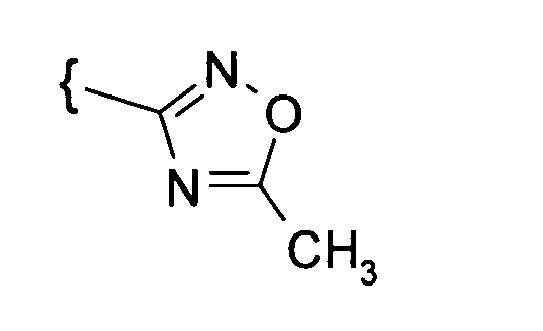 W denotes OCHAr', OCHA, NHCHAr', NHCHA, NHCOOCHAr', NHCONHCHAr' or piperidine-1 ,2-diyl,Ar' denotes phenyl which is unsubstituted or mono- or disubstituted by Hal, A or CF3,A denotes alkyl having 1, 2, 3, 4, 5, 6, 7 or 8 C atoms,X denotes CONH,Y denotes Ar-diyl,T denotes (CH2)3,Ar denotes phenyl which is unsubstituted or mono- or disubstituted by Hal, A or CF3,Hal denotes F, Cl, Br or I,and pharmaceutically usable salts, solvates and stereoisomers thereof, including mixtures thereof in all ratios.
 - Compounds according to Claim 1 selected from the group
2-(3-amidinophenoxy)-N-[4-(1,1-dioxoisothiazolidin-2-yl)phenyl]-valeramide,
2-(3-amidinophenoxy)-N-[4-(1,1-dioxoisothiazolidin-2-yl)-3-methylphenyl]valeramide,
2-(3-amidinophenoxy)-N-[4-(1,1-dioxoisothiazolidin-2-yl)phenyl]-3-phenylpropionamide,
2-(3-aminomethylphenylamino)-N-[4-(1,1-dioxoisothiazolidin-2-yl)-3-methylphenyl]-2-phenylacetamide,
2-(3-aminomethylphenylamino)-N-[4-(1, 1-dioxoisothiazolidin-2-yl)-phenyl]-2-phenylacetamide, hydrochloride,
2-(3-aminomethylphenylamino)-N-[3-chloro-4-(1,1-dioxoisothiazolidin-2-yl)phenyl]-2-phenylacetamide,
2-(3-aminomethylphenylamino)-N-[3-chloro-4-(1,1-dioxoisothiazolidin-2-yl)phenyl]-2-(2-fluorophenyl)acetamide,
2-(3-aminomethylphenylamino)-N-[3-trifluoromethyl-4-(1,1-dioxoisothiazolidin-2-yl)phenyl]-2-phenylacetamide,
2-(3-aminomethylphenylamino)-N-[3-trifluoromethyl-4-(1,1-dioxoisothiazolidin-2-yl)phenyl]-2-(2-fluorophenyl)acetamide,
2-(3-aminomethylphenylamino)-N-[4-(1,1-dioxoisothiazolidin-2-yl)-3-methylphenyl]-3-phenylpropionamide,
1-[1-(3-amidinophenyl)piperidin-2-yl]-N-[4-(1,1-dioxoisothiazolidin-2-yl)phenyl]carboxamide,
1-[1-(3-aminomethylphenyl)piperidin-2-yl]-N-[4-(1,1-dioxoisothiazolidin-2-yl)phenyl]carboxamide,
2-(1-aminoisoquinolin-7-yloxy)-N-[4-(1,1-dioxoisothiazolidin-2-yl)-phenyl]valeramide,
2-(1-aminoisoquinolin-7-yloxy)-N-[4-(1,1-dioxoisothiazolidin-2-yl)-3-methylphenyl]-4-methylvaleramide,
2-(1-aminoisoquinolin-7-yloxy)-N-[4-(1,1-dioxoisothiazolidin-2-yl)-phenyl]-3-phenylpropionamide,
2-[(4-chlorophenyl)ureido]-N-[4-(1,1-dioxoisothiazolidin-2-yl)-3-methylphenyl]-2-phenylacetamide,
2-[(4-chlorophenyl)ureido]-N-[4-(1,1-dioxoisothiazolidin-2-yl)-3-methylphenyl]-3-phenylpropionamide,
2-[(4-chlorophenyl)ureido]-N-[4-(1,1-dioxoisothiazolidin-2-yl)-3-methylphenyl]valeramide,
2-[N-(4-chlorophenyl)carbamoyloxy]-N-[4-(1,1-dioxoisothiazolidin-2-yl) -3-methylphenyl] -2-phenylacetamide,
2-[N-(4-chlorophenyl)carbamoyloxy]-N-[4-(1,1-dioxoisothiazolidin-2-yl)-3-methylphenyl]valeramide,
2-[N-(4-chlorophenyl)carbamoyloxy]-N-[4-(1,1-dioxoisothiazolidin-2-yl)-3-methylphenyl]-3-phenylpropionamide,
and pharmaceutically usable salts, solvates and stereoisomers thereof, including mixtures thereof in all ratios. - Process for the preparation of compounds of the formula I according to Claim 1 and pharmaceutically usable salts, solvates and stereoisomers thereof, characterised in thata) they are liberated from one of their functional derivatives by treatment with a solvolysing and/or hydrogenolysing agent byi) liberating an amidino group from its oxadiazole derivative or oxazolidinone derivative by hydrogenolysis or solvolysis,ii) replacing a conventional amino-protecting group with hydrogen by treatment with a solvolysing or hydrogenolysing agent, or liberating an amino group protected by a conventional protecting group,b) a radical E is converted into another radical E byi) converting a cyano group into an amidino group,ii) reducing an amide group to an aminoalkyl group,iii) reducing a cyano group to an aminoalkyl group,c) for the preparation of a compound of the formula Iand E and W have the meanings indicated in Claim 1,
in which X denotes CONH,
a compound of the formula IV
E-W-CO-L IV
in whichL denotes Cl, Br, I or a free or reactively functionally modified OH group,
with the proviso that any further OH and/or amino group present is protected,
is reacted with a compound of the formula V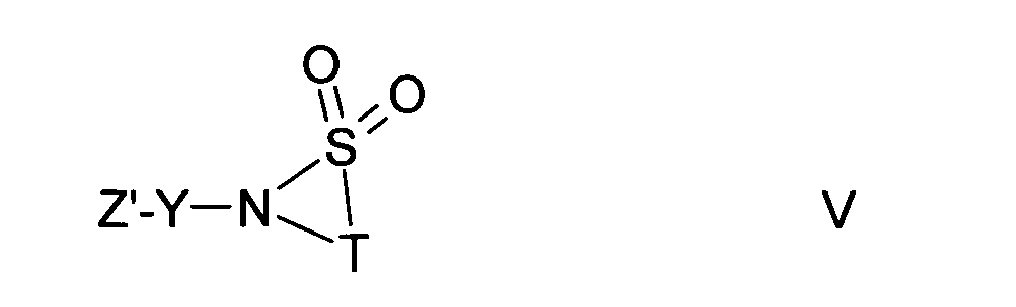
Z' denotes NH2,
and Y and T have the meanings indicated in Claim 1,
and a protecting group is optionally subsequently removed,
and/or
a base or acid of the formula I is converted into one of its salts. - Medicaments comprising at least one compound of the formula I according to Claim 1 or 2 and/or pharmaceutically usable salts, solvates and stereoisomers thereof, including mixtures thereof in all ratios, and optionally excipients and/or adjuvants.
- Medicaments comprising at least one compound of the formula I according to Claim 1 or 2 and/or pharmaceutically usable salts, solvates and stereoisomers thereof, including mixtures thereof in all ratios, and at least one further medicament active ingredient.
- Use of compounds according to Claim 1 or 2 and/or physiologically acceptable salts and solvates thereof for the preparation of a medicament for the treatment of thromboses, myocardial infarction, arteriosclerosis, inflammation, apoplexy, angina pectoris, restenosis after angioplasty, claudicatio intermittens, migraine, tumours, tumour diseases and/or tumour metastases.
- Set (kit) consisting of separate packs of(a) an effective amount of a compound of the formula I according to Claim 1 or 2 and/or pharmaceutically usable salts, solvates and stereoisomers thereof, including mixtures thereof in all ratios,
and(b) an effective amount of a further medicament active ingredient. - Use of compounds of the formula I according to Claim 1 or 2 and/or pharmaceutically usable salts, solvates and stereoisomers thereof, including mixtures thereof in all ratios,
for the preparation of a medicament for the treatment of thromboses, myocardial infarction, arteriosclerosis, inflammation, apoplexy, angina pectoris, restenosis after angioplasty, claudicatio intermittens, migraine, tumours, tumour diseases and/or tumour metastases,
in combination with at least one further medicament active ingredient. - Intermediates of the formula I-I
 R1 denotes NO2 or NH2,R denotes methyl, chlorine or trifluoromethyl,and salts thereof.
Priority Applications (1)
| Application Number | Priority Date | Filing Date | Title |
|---|---|---|---|
| SI200230488T SI1441726T1 (en) | 2001-11-09 | 2002-10-10 | Derivatives of phenoxy-n-'4-(isothiazolidin-1,1-dioxid-2yl)pheny)-valerian- acid amide and other compounds as inhibitors of the coagulation factor xa in the treatment of thromboembolic diseases and tumors |
Applications Claiming Priority (3)
| Application Number | Priority Date | Filing Date | Title |
|---|---|---|---|
| DE10155075 | 2001-11-09 | ||
| DE10155075A DE10155075A1 (en) | 2001-11-09 | 2001-11-09 | Cyclic sulfonamides |
| PCT/EP2002/011349 WO2003039543A1 (en) | 2001-11-09 | 2002-10-10 | Derivatives of phenoxy-n-'4-(isothiazolidin-1,1-dioxid-2yl)pheny!-valerian- acid amide and other compounds as inhibitors of the coagulation factor xa in the treatment of thromboembolic diseases and tumors |
Publications (2)
| Publication Number | Publication Date |
|---|---|
| EP1441726A1 EP1441726A1 (en) | 2004-08-04 |
| EP1441726B1 true EP1441726B1 (en) | 2006-12-20 |
Family
ID=7705183
Family Applications (1)
| Application Number | Title | Priority Date | Filing Date |
|---|---|---|---|
| EP02802623A Expired - Lifetime EP1441726B1 (en) | 2001-11-09 | 2002-10-10 | Derivatives of phenoxy-n-'4-(isothiazolidin-1,1-dioxid-2yl)pheny]-valerian- acid amide and other compounds as inhibitors of the coagulation factor xa in the treatment of thromboembolic diseases and tumors |
Country Status (21)
| Country | Link |
|---|---|
| US (1) | US7199133B2 (en) |
| EP (1) | EP1441726B1 (en) |
| JP (1) | JP4447909B2 (en) |
| KR (1) | KR20050035165A (en) |
| CN (1) | CN1582148A (en) |
| AR (1) | AR037342A1 (en) |
| AT (1) | ATE348611T1 (en) |
| AU (1) | AU2002363366B2 (en) |
| BR (1) | BR0213680A (en) |
| CA (1) | CA2465713A1 (en) |
| DE (2) | DE10155075A1 (en) |
| DK (1) | DK1441726T3 (en) |
| ES (1) | ES2277623T3 (en) |
| HU (1) | HUP0401983A2 (en) |
| MX (1) | MXPA04004307A (en) |
| MY (1) | MY134079A (en) |
| PL (1) | PL369737A1 (en) |
| PT (1) | PT1441726E (en) |
| RU (1) | RU2301228C2 (en) |
| WO (1) | WO2003039543A1 (en) |
| ZA (1) | ZA200404549B (en) |
Families Citing this family (9)
| Publication number | Priority date | Publication date | Assignee | Title |
|---|---|---|---|---|
| US20030187023A1 (en) * | 2000-07-17 | 2003-10-02 | Keiji Kubo | Sulfone derivatives, process for their production and use thereof |
| US20040152741A1 (en) * | 2002-09-09 | 2004-08-05 | Nps Allelix Corporation | Arylglycine derivatives and their use as glycine transport inhibitors |
| CA2507026A1 (en) * | 2002-11-22 | 2004-06-10 | Takeda Pharmaceutical Company Limited | Imidazole derivatives, their production and use |
| US7371743B2 (en) * | 2004-02-28 | 2008-05-13 | Boehringer Ingelheim International Gmbh | Carboxylic acid amides, the preparation thereof and their use as medicaments |
| TWI396686B (en) * | 2004-05-21 | 2013-05-21 | Takeda Pharmaceutical | Cyclic guanamine derivatives, as well as their products and usage |
| DE102004054847A1 (en) * | 2004-11-13 | 2006-05-24 | Sanofi-Aventis Deutschland Gmbh | Substituted benzoylguanidines, process for their preparation, their use as medicament or diagnostic agent, and medicament containing them |
| KR101009594B1 (en) * | 2007-05-09 | 2011-01-20 | 주식회사 레고켐 바이오사이언스 | FFA inhibitor having cyclic amidine at P4 position, derivative thereof, preparation method and pharmaceutical composition containing same |
| KR102069498B1 (en) * | 2007-09-28 | 2020-01-23 | 포톨라 파마슈티컬스, 인코포레이티드 | ANTIDOTES FOR FACTOR Xa INHIBITORS AND METHODS OF USING THE SAME |
| JP6293770B2 (en) * | 2012-11-05 | 2018-03-14 | ナント ホールディングス アイピー,エルエルシー | Cyclic sulfonamide-containing derivatives as hedgehog signaling pathway inhibitors |
Family Cites Families (16)
| Publication number | Priority date | Publication date | Assignee | Title |
|---|---|---|---|---|
| US5300523A (en) | 1988-07-28 | 1994-04-05 | Bayer Aktiengesellschaft | Substituted aminomethyltetralins and their heterocyclic analogues |
| DE3901814A1 (en) * | 1988-07-28 | 1990-02-01 | Bayer Ag | SUBSTITUTED AMINOMETHYLZETRALINE AND ITS HETEROCYCLIC ANALOG |
| AU4224993A (en) * | 1992-08-19 | 1994-03-15 | Pfizer Inc. | Substituted benzylamino nitrogen containing non-aromatic heterocycles |
| US5550139A (en) * | 1994-01-03 | 1996-08-27 | The Wichita State University | Serine protease inhibitors |
| GB9715895D0 (en) * | 1997-07-29 | 1997-10-01 | Zeneca Ltd | Heterocyclic compounds |
| AR016133A1 (en) | 1997-07-31 | 2001-06-20 | Wyeth Corp | CARBAMILOXI COMPOUND INHIBITING THE ADHESION OF LEUKOCYTES THROUGH VLA-4, COMPOUNDS THAT ARE DRUGS OF THESE COMPOUNDS, PHARMACEUTICAL COMPOSITION, METHOD FOR SETTING VLA-4 TO A BIOLOGICAL SAMPLE, METHOD FOR THE TREATMENT OF A TREATMENT |
| US6489300B1 (en) | 1997-07-31 | 2002-12-03 | Eugene D. Thorsett | Carbamyloxy compounds which inhibit leukocyte adhesion mediated by VLA-4 |
| DE19751949A1 (en) | 1997-11-24 | 1999-05-27 | Bayer Ag | Neuronal regeneration and neurodegenerative disease treatment with aminomethyl-chroman derivatives |
| DE19754573A1 (en) * | 1997-12-09 | 1999-06-10 | Bayer Ag | Pharmaceutical composition for the treatment of stroke and traumatic brain injury |
| US6114532A (en) | 1998-02-03 | 2000-09-05 | Boehringer Ingelheim Pharma Kg | Bicyclic heterocycles, the preparation thereof, and their use as pharmaceuticals |
| DE19804085A1 (en) * | 1998-02-03 | 1999-08-05 | Boehringer Ingelheim Pharma | 5-membered heterocyclic condensed benzo derivatives, their preparation and their use as medicaments |
| TR200103336T2 (en) | 1999-03-17 | 2002-04-22 | Astrazeneca Ab | Amide derivatives. |
| JP2003523356A (en) * | 2000-01-29 | 2003-08-05 | エルジー シーアイ リミテッド | Factor Xa inhibitors with aryl-amidines, their derivatives, and their prodrugs |
| KR100423899B1 (en) | 2000-05-10 | 2004-03-24 | 주식회사 엘지생명과학 | Indazoles substituted with 1,1-dioxoisothiazolidine useful as inhibitors of cell proliferation |
| HUP0302367A2 (en) * | 2000-10-12 | 2003-11-28 | Merck & Co., Inc. | Aza and polyaza-naphthalenyl carboxamides useful as hiv integrase inhibitors and pharmaceutical compositions containing them |
| US6488154B1 (en) * | 2000-10-16 | 2002-12-03 | Ming-Chuan Yeh | Chip tray |
-
2001
- 2001-11-09 DE DE10155075A patent/DE10155075A1/en not_active Withdrawn
-
2002
- 2002-10-10 ES ES02802623T patent/ES2277623T3/en not_active Expired - Lifetime
- 2002-10-10 WO PCT/EP2002/011349 patent/WO2003039543A1/en not_active Ceased
- 2002-10-10 EP EP02802623A patent/EP1441726B1/en not_active Expired - Lifetime
- 2002-10-10 CA CA002465713A patent/CA2465713A1/en not_active Abandoned
- 2002-10-10 JP JP2003541834A patent/JP4447909B2/en not_active Expired - Fee Related
- 2002-10-10 HU HU0401983A patent/HUP0401983A2/en unknown
- 2002-10-10 DK DK02802623T patent/DK1441726T3/en active
- 2002-10-10 CN CNA028219198A patent/CN1582148A/en active Pending
- 2002-10-10 AU AU2002363366A patent/AU2002363366B2/en not_active Ceased
- 2002-10-10 PL PL02369737A patent/PL369737A1/en unknown
- 2002-10-10 BR BR0213680-5A patent/BR0213680A/en not_active IP Right Cessation
- 2002-10-10 PT PT02802623T patent/PT1441726E/en unknown
- 2002-10-10 DE DE50209031T patent/DE50209031D1/en not_active Expired - Lifetime
- 2002-10-10 US US10/495,254 patent/US7199133B2/en not_active Expired - Fee Related
- 2002-10-10 AT AT02802623T patent/ATE348611T1/en not_active IP Right Cessation
- 2002-10-10 KR KR1020047005508A patent/KR20050035165A/en not_active Withdrawn
- 2002-10-10 MX MXPA04004307A patent/MXPA04004307A/en unknown
- 2002-10-10 RU RU2004117594/04A patent/RU2301228C2/en not_active IP Right Cessation
- 2002-11-06 MY MYPI20024148A patent/MY134079A/en unknown
- 2002-11-08 AR ARP020104288A patent/AR037342A1/en unknown
-
2004
- 2004-06-08 ZA ZA200404549A patent/ZA200404549B/en unknown
Also Published As
| Publication number | Publication date |
|---|---|
| AR037342A1 (en) | 2004-11-03 |
| ATE348611T1 (en) | 2007-01-15 |
| CN1582148A (en) | 2005-02-16 |
| KR20050035165A (en) | 2005-04-15 |
| ZA200404549B (en) | 2005-02-04 |
| BR0213680A (en) | 2004-10-26 |
| JP2005522412A (en) | 2005-07-28 |
| DE50209031D1 (en) | 2007-02-01 |
| PT1441726E (en) | 2007-03-30 |
| US20040254175A1 (en) | 2004-12-16 |
| CA2465713A1 (en) | 2003-05-15 |
| RU2301228C2 (en) | 2007-06-20 |
| US7199133B2 (en) | 2007-04-03 |
| WO2003039543A1 (en) | 2003-05-15 |
| MXPA04004307A (en) | 2004-08-11 |
| PL369737A1 (en) | 2005-05-02 |
| DE10155075A1 (en) | 2003-05-22 |
| RU2004117594A (en) | 2006-01-10 |
| MY134079A (en) | 2007-11-30 |
| HUP0401983A2 (en) | 2005-01-28 |
| AU2002363366B2 (en) | 2007-11-22 |
| ES2277623T3 (en) | 2007-07-16 |
| DK1441726T3 (en) | 2007-04-10 |
| EP1441726A1 (en) | 2004-08-04 |
| JP4447909B2 (en) | 2010-04-07 |
Similar Documents
| Publication | Publication Date | Title |
|---|---|---|
| DE60127863T2 (en) | phenyl derivatives | |
| EP1720844B1 (en) | Pyrrolidino-1,2-dicarboxy-1-(phenylamide)-2-(4-(3-oxo-morpholino-4-yl)-phenylamide) derivatives and related compounds for use as inhibitors of coagulation factor xa in the treatment of thrombo-embolic diseases | |
| EP1558247B1 (en) | Benzimidazole derivatives | |
| EP1608645B1 (en) | Pyrazolidine-1,2-dicarboxyldiphenylamide derivatives as coagulation factor xa inhibitors for the treatment of thromboses | |
| EP1633346B1 (en) | Pyrrolidin-1, 2- dicarboxylic acid- 1- (4- ethinyl- phenyl) - amid|- 2- (phenyl)- amid| derivative as inhibitors of coagulation factor xa and viia for the treatment of thrombosis | |
| DE10329457A1 (en) | New 1,2-bis-phenylaminocarbonyl-pyrrolidine derivatives, useful for treating or preventing e.g. thrombosis, myocardial infarct and arteriosclerosis, are inhibitors of coagulation factor Xa | |
| DE10112768A1 (en) | New heterocyclic-substituted phenyl compounds, are Factor Xa and Factor VIIa inhibitors useful e.g. for treating thrombosis, myocardial infarction, inflammation, restenosis or tumor diseases | |
| EP1517685A1 (en) | 2-(phenyl)-2h-pyrazole-3-carboxylic acid-n-4-(thioxo-heterocyclyl)-phenyl-amide derivatives and corresponding imino-heterocyclyl derivatives and relates compounds for use as inhibitors of the coagulation factors xa and/or viia for treating thromboses | |
| EP1562939B1 (en) | Carboxamides | |
| DE10315377A1 (en) | New carbonyl-substituted carbocyclic or heterocyclic compounds, are factor Xa and factor VIIa inhibitors useful e.g. for treating thrombosis, myocardial infarction, arteriosclerosis, inflammation or tumors | |
| EP1441726B1 (en) | Derivatives of phenoxy-n-'4-(isothiazolidin-1,1-dioxid-2yl)pheny]-valerian- acid amide and other compounds as inhibitors of the coagulation factor xa in the treatment of thromboembolic diseases and tumors | |
| EP1490056B1 (en) | N-'4-(2-imino-pyrrolidin-1-yl)phenyl)-acetamide and corresponding piperidine derivatives as factor xa inhibitors for the treatment of thrombo-embolic diseases | |
| EP1414456B1 (en) | Phenyl derivatives as factor xa inhibitors | |
| EP1585730B1 (en) | Carboxamide derivatives and their use as factor xa inhibitors | |
| DE10220048A1 (en) | Semicarbazidderivate | |
| EP1633745B1 (en) | Aroyl semicarbazide derivatives against thromboembolic diseases | |
| EP1597244B1 (en) | Ethynyl derivatives serving as factor xa inhibitors | |
| DE10336570A1 (en) | New pyrazolidine-1,2-dicarboxamide derivatives, are factor Xa and factor VIIa inhibitors useful e.g. for treating thrombosis, myocardial infarction, arteriosclerosis, inflammation or tumors | |
| DE10329295A1 (en) | Preparation of pyrrolidine-1,2-dicarboxanilide derivatives for use as factor Xa inhibiting antithrombotic agents, comprises reacting pyrrolidine-2-carboxylic acid with phenyl isocyanate then aniline derivative | |
| WO2003074479A1 (en) | Semicarbazide derivatives and their use as antithrombotics | |
| DE10327428A1 (en) | Preparation of pyrrolidine-1,2-dicarboxanilide derivatives for use as factor Xa inhibiting antithrombotic agents, comprises reacting pyrrolidine-2-carboxylic acid with phenyl isocyanate then aniline derivative | |
| DE10236868A1 (en) | New (hetero)aryl-substituted carboxamide compounds, are factor Xa and factor VIIa inhibitors useful e.g. for treating thrombosis, myocardial infarction, arteriosclerosis, inflammation or tumors | |
| DE10218974A1 (en) | New (hetero)aryl-substituted carboxamide compounds, are factor Xa and factor VIIa inhibitors useful e.g. for treating thrombosis, myocardial infarction, arteriosclerosis, inflammation or tumors | |
| EP1399449A1 (en) | Carbohydrate derivatives |
Legal Events
| Date | Code | Title | Description |
|---|---|---|---|
| PUAI | Public reference made under article 153(3) epc to a published international application that has entered the european phase |
Free format text: ORIGINAL CODE: 0009012 |
|
| 17P | Request for examination filed |
Effective date: 20040317 |
|
| AK | Designated contracting states |
Kind code of ref document: A1 Designated state(s): AT BE BG CH CY CZ DE DK EE ES FI FR GB GR IE IT LI LU MC NL PT SE SK TR |
|
| AX | Request for extension of the european patent |
Extension state: AL LT LV MK RO SI |
|
| 17Q | First examination report despatched |
Effective date: 20050307 |
|
| GRAP | Despatch of communication of intention to grant a patent |
Free format text: ORIGINAL CODE: EPIDOSNIGR1 |
|
| GRAS | Grant fee paid |
Free format text: ORIGINAL CODE: EPIDOSNIGR3 |
|
| GRAA | (expected) grant |
Free format text: ORIGINAL CODE: 0009210 |
|
| AK | Designated contracting states |
Kind code of ref document: B1 Designated state(s): AT BE BG CH CY CZ DE DK EE ES FI FR GB GR IE IT LI LU MC NL PT SE SK TR |
|
| AX | Request for extension of the european patent |
Extension state: LT LV RO SI |
|
| REG | Reference to a national code |
Ref country code: GB Ref legal event code: FG4D Free format text: NOT ENGLISH |
|
| REG | Reference to a national code |
Ref country code: CH Ref legal event code: EP |
|
| REF | Corresponds to: |
Ref document number: 50209031 Country of ref document: DE Date of ref document: 20070201 Kind code of ref document: P |
|
| REG | Reference to a national code |
Ref country code: IE Ref legal event code: FG4D Free format text: LANGUAGE OF EP DOCUMENT: GERMAN |
|
| PG25 | Lapsed in a contracting state [announced via postgrant information from national office to epo] |
Ref country code: BG Free format text: LAPSE BECAUSE OF FAILURE TO SUBMIT A TRANSLATION OF THE DESCRIPTION OR TO PAY THE FEE WITHIN THE PRESCRIBED TIME-LIMIT Effective date: 20070320 |
|
| REG | Reference to a national code |
Ref country code: PT Ref legal event code: SC4A Free format text: AVAILABILITY OF NATIONAL TRANSLATION Effective date: 20070319 |
|
| REG | Reference to a national code |
Ref country code: SE Ref legal event code: TRGR Ref country code: DK Ref legal event code: T3 |
|
| GBT | Gb: translation of ep patent filed (gb section 77(6)(a)/1977) |
Effective date: 20070316 |
|
| REG | Reference to a national code |
Ref country code: EE Ref legal event code: FG4A Ref document number: E000870 Country of ref document: EE Effective date: 20070306 |
|
| REG | Reference to a national code |
Ref country code: GR Ref legal event code: EP Ref document number: 20070400925 Country of ref document: GR |
|
| ET | Fr: translation filed | ||
| REG | Reference to a national code |
Ref country code: ES Ref legal event code: FG2A Ref document number: 2277623 Country of ref document: ES Kind code of ref document: T3 |
|
| PLBE | No opposition filed within time limit |
Free format text: ORIGINAL CODE: 0009261 |
|
| STAA | Information on the status of an ep patent application or granted ep patent |
Free format text: STATUS: NO OPPOSITION FILED WITHIN TIME LIMIT |
|
| 26N | No opposition filed |
Effective date: 20070921 |
|
| BERE | Be: lapsed |
Owner name: MERCK PATENT G.M.B.H. Effective date: 20071031 |
|
| PG25 | Lapsed in a contracting state [announced via postgrant information from national office to epo] |
Ref country code: MC Free format text: LAPSE BECAUSE OF NON-PAYMENT OF DUE FEES Effective date: 20071031 Ref country code: CZ Free format text: LAPSE BECAUSE OF NON-PAYMENT OF DUE FEES Effective date: 20071010 |
|
| REG | Reference to a national code |
Ref country code: DK Ref legal event code: EBP |
|
| REG | Reference to a national code |
Ref country code: EE Ref legal event code: MM4A Ref document number: E000870 Country of ref document: EE Effective date: 20071031 |
|
| EUG | Se: european patent has lapsed | ||
| REG | Reference to a national code |
Ref country code: CH Ref legal event code: PL |
|
| NLV4 | Nl: lapsed or anulled due to non-payment of the annual fee |
Effective date: 20080501 |
|
| REG | Reference to a national code |
Ref country code: PT Ref legal event code: MM4A Free format text: LAPSE DUE TO NON-PAYMENT OF FEES Effective date: 20080710 |
|
| PG25 | Lapsed in a contracting state [announced via postgrant information from national office to epo] |
Ref country code: EE Free format text: LAPSE BECAUSE OF NON-PAYMENT OF DUE FEES Effective date: 20071031 Ref country code: CH Free format text: LAPSE BECAUSE OF NON-PAYMENT OF DUE FEES Effective date: 20071031 Ref country code: LI Free format text: LAPSE BECAUSE OF NON-PAYMENT OF DUE FEES Effective date: 20071031 Ref country code: FI Free format text: LAPSE BECAUSE OF NON-PAYMENT OF DUE FEES Effective date: 20071010 |
|
| PG25 | Lapsed in a contracting state [announced via postgrant information from national office to epo] |
Ref country code: SK Free format text: LAPSE BECAUSE OF NON-PAYMENT OF DUE FEES Effective date: 20071010 |
|
| REG | Reference to a national code |
Ref country code: SI Ref legal event code: KO00 Effective date: 20080528 |
|
| PG25 | Lapsed in a contracting state [announced via postgrant information from national office to epo] |
Ref country code: BE Free format text: LAPSE BECAUSE OF NON-PAYMENT OF DUE FEES Effective date: 20071031 |
|
| PG25 | Lapsed in a contracting state [announced via postgrant information from national office to epo] |
Ref country code: PT Free format text: LAPSE BECAUSE OF NON-PAYMENT OF DUE FEES Effective date: 20080710 Ref country code: NL Free format text: LAPSE BECAUSE OF NON-PAYMENT OF DUE FEES Effective date: 20080501 Ref country code: IE Free format text: LAPSE BECAUSE OF NON-PAYMENT OF DUE FEES Effective date: 20071010 Ref country code: DK Free format text: LAPSE BECAUSE OF NON-PAYMENT OF DUE FEES Effective date: 20071031 Ref country code: SE Free format text: LAPSE BECAUSE OF NON-PAYMENT OF DUE FEES Effective date: 20071011 Ref country code: GR Free format text: LAPSE BECAUSE OF NON-PAYMENT OF DUE FEES Effective date: 20070321 |
|
| PG25 | Lapsed in a contracting state [announced via postgrant information from national office to epo] |
Ref country code: AT Free format text: LAPSE BECAUSE OF NON-PAYMENT OF DUE FEES Effective date: 20071010 |
|
| PG25 | Lapsed in a contracting state [announced via postgrant information from national office to epo] |
Ref country code: CY Free format text: LAPSE BECAUSE OF NON-PAYMENT OF DUE FEES Effective date: 20071010 |
|
| PG25 | Lapsed in a contracting state [announced via postgrant information from national office to epo] |
Ref country code: LU Free format text: LAPSE BECAUSE OF NON-PAYMENT OF DUE FEES Effective date: 20071010 |
|
| PG25 | Lapsed in a contracting state [announced via postgrant information from national office to epo] |
Ref country code: TR Free format text: LAPSE BECAUSE OF FAILURE TO SUBMIT A TRANSLATION OF THE DESCRIPTION OR TO PAY THE FEE WITHIN THE PRESCRIBED TIME-LIMIT Effective date: 20061220 |
|
| PGFP | Annual fee paid to national office [announced via postgrant information from national office to epo] |
Ref country code: FR Payment date: 20101020 Year of fee payment: 9 |
|
| PGFP | Annual fee paid to national office [announced via postgrant information from national office to epo] |
Ref country code: DE Payment date: 20101006 Year of fee payment: 9 |
|
| PGFP | Annual fee paid to national office [announced via postgrant information from national office to epo] |
Ref country code: GB Payment date: 20101006 Year of fee payment: 9 Ref country code: IT Payment date: 20101016 Year of fee payment: 9 |
|
| PGFP | Annual fee paid to national office [announced via postgrant information from national office to epo] |
Ref country code: ES Payment date: 20101122 Year of fee payment: 9 |
|
| GBPC | Gb: european patent ceased through non-payment of renewal fee |
Effective date: 20111010 |
|
| REG | Reference to a national code |
Ref country code: FR Ref legal event code: ST Effective date: 20120629 |
|
| PG25 | Lapsed in a contracting state [announced via postgrant information from national office to epo] |
Ref country code: DE Free format text: LAPSE BECAUSE OF NON-PAYMENT OF DUE FEES Effective date: 20120501 |
|
| REG | Reference to a national code |
Ref country code: DE Ref legal event code: R119 Ref document number: 50209031 Country of ref document: DE Effective date: 20120501 |
|
| PG25 | Lapsed in a contracting state [announced via postgrant information from national office to epo] |
Ref country code: FR Free format text: LAPSE BECAUSE OF NON-PAYMENT OF DUE FEES Effective date: 20111102 Ref country code: GB Free format text: LAPSE BECAUSE OF NON-PAYMENT OF DUE FEES Effective date: 20111010 Ref country code: IT Free format text: LAPSE BECAUSE OF NON-PAYMENT OF DUE FEES Effective date: 20111010 |
|
| REG | Reference to a national code |
Ref country code: ES Ref legal event code: FD2A Effective date: 20130417 |
|
| PG25 | Lapsed in a contracting state [announced via postgrant information from national office to epo] |
Ref country code: ES Free format text: LAPSE BECAUSE OF NON-PAYMENT OF DUE FEES Effective date: 20111011 |