EP1356820A1 - DNA vaccine combined with an inducer of tumor cell apoptosis - Google Patents
DNA vaccine combined with an inducer of tumor cell apoptosis Download PDFInfo
- Publication number
- EP1356820A1 EP1356820A1 EP02291069A EP02291069A EP1356820A1 EP 1356820 A1 EP1356820 A1 EP 1356820A1 EP 02291069 A EP02291069 A EP 02291069A EP 02291069 A EP02291069 A EP 02291069A EP 1356820 A1 EP1356820 A1 EP 1356820A1
- Authority
- EP
- European Patent Office
- Prior art keywords
- nucleic acid
- sequence
- encodes
- pml
- rarα
- Prior art date
- Legal status (The legal status is an assumption and is not a legal conclusion. Google has not performed a legal analysis and makes no representation as to the accuracy of the status listed.)
- Withdrawn
Links
- 239000000411 inducer Substances 0.000 title claims abstract description 26
- 230000006907 apoptotic process Effects 0.000 title claims abstract description 25
- 210000004881 tumor cell Anatomy 0.000 title claims abstract description 19
- 229940021995 DNA vaccine Drugs 0.000 title description 10
- 108010041986 DNA Vaccines Proteins 0.000 title description 8
- 108091007433 antigens Proteins 0.000 claims abstract description 62
- 102000036639 antigens Human genes 0.000 claims abstract description 62
- 239000000427 antigen Substances 0.000 claims abstract description 61
- 150000007523 nucleic acids Chemical class 0.000 claims abstract description 61
- 206010028980 Neoplasm Diseases 0.000 claims abstract description 57
- 102000039446 nucleic acids Human genes 0.000 claims abstract description 57
- 108020004707 nucleic acids Proteins 0.000 claims abstract description 57
- 239000000203 mixture Substances 0.000 claims abstract description 37
- 229960005486 vaccine Drugs 0.000 claims abstract description 29
- 230000001506 immunosuppresive effect Effects 0.000 claims abstract description 19
- 238000002360 preparation method Methods 0.000 claims abstract description 5
- SHGAZHPCJJPHSC-YCNIQYBTSA-N all-trans-retinoic acid Chemical compound OC(=O)\C=C(/C)\C=C\C=C(/C)\C=C\C1=C(C)CCCC1(C)C SHGAZHPCJJPHSC-YCNIQYBTSA-N 0.000 claims description 58
- 229930002330 retinoic acid Natural products 0.000 claims description 57
- 208000036762 Acute promyelocytic leukaemia Diseases 0.000 claims description 36
- 208000033826 Promyelocytic Acute Leukemia Diseases 0.000 claims description 31
- 108010006693 promyelocytic leukemia-retinoic acid receptor alpha fusion oncoprotein Proteins 0.000 claims description 29
- 108090000765 processed proteins & peptides Proteins 0.000 claims description 25
- 102000004196 processed proteins & peptides Human genes 0.000 claims description 23
- 230000028993 immune response Effects 0.000 claims description 22
- 229920001184 polypeptide Polymers 0.000 claims description 22
- 230000000694 effects Effects 0.000 claims description 14
- 239000002671 adjuvant Substances 0.000 claims description 12
- 238000011282 treatment Methods 0.000 claims description 12
- 229910052785 arsenic Inorganic materials 0.000 claims description 8
- RQNWIZPPADIBDY-UHFFFAOYSA-N arsenic atom Chemical compound [As] RQNWIZPPADIBDY-UHFFFAOYSA-N 0.000 claims description 7
- 108010044241 tetanus toxin fragment C Proteins 0.000 claims description 6
- SHGAZHPCJJPHSC-UHFFFAOYSA-N Panrexin Chemical compound OC(=O)C=C(C)C=CC=C(C)C=CC1=C(C)CCCC1(C)C SHGAZHPCJJPHSC-UHFFFAOYSA-N 0.000 claims description 5
- 230000008512 biological response Effects 0.000 claims description 4
- 201000011510 cancer Diseases 0.000 claims description 4
- 239000003814 drug Substances 0.000 claims description 4
- 239000003937 drug carrier Substances 0.000 claims description 4
- 239000008194 pharmaceutical composition Substances 0.000 claims description 4
- 101001048529 Plectranthus scutellarioides Hydroxyphenylpyruvate reductase Proteins 0.000 claims description 2
- 238000011238 DNA vaccination Methods 0.000 abstract description 12
- 238000011275 oncology therapy Methods 0.000 abstract description 3
- 239000003607 modifier Substances 0.000 abstract description 2
- 230000024245 cell differentiation Effects 0.000 abstract 1
- 241000699670 Mus sp. Species 0.000 description 52
- 210000004027 cell Anatomy 0.000 description 34
- 108020004414 DNA Proteins 0.000 description 26
- 230000004083 survival effect Effects 0.000 description 23
- 102000040430 polynucleotide Human genes 0.000 description 21
- 108091033319 polynucleotide Proteins 0.000 description 21
- 239000002157 polynucleotide Substances 0.000 description 21
- 239000000902 placebo Substances 0.000 description 17
- 229940068196 placebo Drugs 0.000 description 17
- 108091008726 retinoic acid receptors α Proteins 0.000 description 17
- 230000004927 fusion Effects 0.000 description 16
- 108090000623 proteins and genes Proteins 0.000 description 15
- 102100023606 Retinoic acid receptor alpha Human genes 0.000 description 14
- 102100036011 T-cell surface glycoprotein CD4 Human genes 0.000 description 11
- 230000004069 differentiation Effects 0.000 description 10
- 238000005516 engineering process Methods 0.000 description 10
- 239000012634 fragment Substances 0.000 description 10
- 238000002347 injection Methods 0.000 description 10
- 239000007924 injection Substances 0.000 description 10
- 241001465754 Metazoa Species 0.000 description 9
- 238000000034 method Methods 0.000 description 9
- 238000002255 vaccination Methods 0.000 description 9
- 239000013612 plasmid Substances 0.000 description 8
- 201000010099 disease Diseases 0.000 description 7
- 208000037265 diseases, disorders, signs and symptoms Diseases 0.000 description 7
- 230000014509 gene expression Effects 0.000 description 7
- 210000001744 T-lymphocyte Anatomy 0.000 description 6
- 238000002835 absorbance Methods 0.000 description 6
- 238000004458 analytical method Methods 0.000 description 6
- 230000005875 antibody response Effects 0.000 description 6
- 238000003556 assay Methods 0.000 description 6
- 125000002091 cationic group Chemical group 0.000 description 6
- 230000016784 immunoglobulin production Effects 0.000 description 6
- 239000002502 liposome Substances 0.000 description 6
- 210000000952 spleen Anatomy 0.000 description 6
- 238000002560 therapeutic procedure Methods 0.000 description 6
- 108010049048 Cholera Toxin Proteins 0.000 description 5
- 102000009016 Cholera Toxin Human genes 0.000 description 5
- 241000699666 Mus <mouse, genus> Species 0.000 description 5
- 150000001413 amino acids Chemical group 0.000 description 5
- 238000013459 approach Methods 0.000 description 5
- 150000001875 compounds Chemical class 0.000 description 5
- 210000001151 cytotoxic T lymphocyte Anatomy 0.000 description 5
- 208000032839 leukemia Diseases 0.000 description 5
- 239000003053 toxin Substances 0.000 description 5
- 231100000765 toxin Toxicity 0.000 description 5
- 108700012359 toxins Proteins 0.000 description 5
- 208000031261 Acute myeloid leukaemia Diseases 0.000 description 4
- 238000002965 ELISA Methods 0.000 description 4
- 108010081690 Pertussis Toxin Proteins 0.000 description 4
- 102100025373 Runt-related transcription factor 1 Human genes 0.000 description 4
- 108010055044 Tetanus Toxin Proteins 0.000 description 4
- 238000010171 animal model Methods 0.000 description 4
- 230000008901 benefit Effects 0.000 description 4
- 238000004820 blood count Methods 0.000 description 4
- AIYUHDOJVYHVIT-UHFFFAOYSA-M caesium chloride Chemical compound [Cl-].[Cs+] AIYUHDOJVYHVIT-UHFFFAOYSA-M 0.000 description 4
- 230000034994 death Effects 0.000 description 4
- 231100000517 death Toxicity 0.000 description 4
- 238000010790 dilution Methods 0.000 description 4
- 239000012895 dilution Substances 0.000 description 4
- 238000009472 formulation Methods 0.000 description 4
- 238000007918 intramuscular administration Methods 0.000 description 4
- 210000005259 peripheral blood Anatomy 0.000 description 4
- 239000011886 peripheral blood Substances 0.000 description 4
- -1 phosphate ester Chemical class 0.000 description 4
- 239000013641 positive control Substances 0.000 description 4
- 230000002035 prolonged effect Effects 0.000 description 4
- 102000004169 proteins and genes Human genes 0.000 description 4
- 230000004044 response Effects 0.000 description 4
- 210000002966 serum Anatomy 0.000 description 4
- 210000004989 spleen cell Anatomy 0.000 description 4
- 229940118376 tetanus toxin Drugs 0.000 description 4
- 230000001225 therapeutic effect Effects 0.000 description 4
- 238000011830 transgenic mouse model Methods 0.000 description 4
- 238000001262 western blot Methods 0.000 description 4
- KIUKXJAPPMFGSW-DNGZLQJQSA-N (2S,3S,4S,5R,6R)-6-[(2S,3R,4R,5S,6R)-3-Acetamido-2-[(2S,3S,4R,5R,6R)-6-[(2R,3R,4R,5S,6R)-3-acetamido-2,5-dihydroxy-6-(hydroxymethyl)oxan-4-yl]oxy-2-carboxy-4,5-dihydroxyoxan-3-yl]oxy-5-hydroxy-6-(hydroxymethyl)oxan-4-yl]oxy-3,4,5-trihydroxyoxane-2-carboxylic acid Chemical compound CC(=O)N[C@H]1[C@H](O)O[C@H](CO)[C@@H](O)[C@@H]1O[C@H]1[C@H](O)[C@@H](O)[C@H](O[C@H]2[C@@H]([C@@H](O[C@H]3[C@@H]([C@@H](O)[C@H](O)[C@H](O3)C(O)=O)O)[C@H](O)[C@@H](CO)O2)NC(C)=O)[C@@H](C(O)=O)O1 KIUKXJAPPMFGSW-DNGZLQJQSA-N 0.000 description 3
- 108091032973 (ribonucleotides)n+m Proteins 0.000 description 3
- 101500025651 Homo sapiens ADAM10-processed FasL form Proteins 0.000 description 3
- 241000699660 Mus musculus Species 0.000 description 3
- 108091028043 Nucleic acid sequence Proteins 0.000 description 3
- FAPWRFPIFSIZLT-UHFFFAOYSA-M Sodium chloride Chemical compound [Na+].[Cl-] FAPWRFPIFSIZLT-UHFFFAOYSA-M 0.000 description 3
- 210000003969 blast cell Anatomy 0.000 description 3
- 230000001413 cellular effect Effects 0.000 description 3
- 238000010367 cloning Methods 0.000 description 3
- 238000000684 flow cytometry Methods 0.000 description 3
- 238000001476 gene delivery Methods 0.000 description 3
- 230000012010 growth Effects 0.000 description 3
- 230000003394 haemopoietic effect Effects 0.000 description 3
- 229920002674 hyaluronan Polymers 0.000 description 3
- 229960003160 hyaluronic acid Drugs 0.000 description 3
- 239000000463 material Substances 0.000 description 3
- 230000001404 mediated effect Effects 0.000 description 3
- 239000011859 microparticle Substances 0.000 description 3
- 238000010172 mouse model Methods 0.000 description 3
- 210000003205 muscle Anatomy 0.000 description 3
- 230000007935 neutral effect Effects 0.000 description 3
- 239000008188 pellet Substances 0.000 description 3
- 239000000243 solution Substances 0.000 description 3
- PFNFFQXMRSDOHW-UHFFFAOYSA-N spermine Chemical compound NCCCNCCCCNCCCN PFNFFQXMRSDOHW-UHFFFAOYSA-N 0.000 description 3
- 238000007619 statistical method Methods 0.000 description 3
- 230000009261 transgenic effect Effects 0.000 description 3
- 239000003981 vehicle Substances 0.000 description 3
- 230000003612 virological effect Effects 0.000 description 3
- LEBVLXFERQHONN-UHFFFAOYSA-N 1-butyl-N-(2,6-dimethylphenyl)piperidine-2-carboxamide Chemical compound CCCCN1CCCCC1C(=O)NC1=C(C)C=CC=C1C LEBVLXFERQHONN-UHFFFAOYSA-N 0.000 description 2
- LDGWQMRUWMSZIU-LQDDAWAPSA-M 2,3-bis[(z)-octadec-9-enoxy]propyl-trimethylazanium;chloride Chemical compound [Cl-].CCCCCCCC\C=C/CCCCCCCCOCC(C[N+](C)(C)C)OCCCCCCCC\C=C/CCCCCCCC LDGWQMRUWMSZIU-LQDDAWAPSA-M 0.000 description 2
- QHRCVGXBBIRPTE-UHFFFAOYSA-N 5-ethyl-4-(4-methoxyphenyl)-1,3-thiazol-2-amine Chemical compound S1C(N)=NC(C=2C=CC(OC)=CC=2)=C1CC QHRCVGXBBIRPTE-UHFFFAOYSA-N 0.000 description 2
- 101000719121 Arabidopsis thaliana Protein MEI2-like 1 Proteins 0.000 description 2
- 102100026008 Breakpoint cluster region protein Human genes 0.000 description 2
- 102100032912 CD44 antigen Human genes 0.000 description 2
- 241000193163 Clostridioides difficile Species 0.000 description 2
- 108010043471 Core Binding Factor Alpha 2 Subunit Proteins 0.000 description 2
- 241000588724 Escherichia coli Species 0.000 description 2
- WSFSSNUMVMOOMR-UHFFFAOYSA-N Formaldehyde Chemical compound O=C WSFSSNUMVMOOMR-UHFFFAOYSA-N 0.000 description 2
- 101000868273 Homo sapiens CD44 antigen Proteins 0.000 description 2
- 101001000104 Homo sapiens Myosin-11 Proteins 0.000 description 2
- 101001112293 Homo sapiens Retinoic acid receptor alpha Proteins 0.000 description 2
- 101000857677 Homo sapiens Runt-related transcription factor 1 Proteins 0.000 description 2
- 241000124008 Mammalia Species 0.000 description 2
- 102100036639 Myosin-11 Human genes 0.000 description 2
- 229930182555 Penicillin Natural products 0.000 description 2
- JGSARLDLIJGVTE-MBNYWOFBSA-N Penicillin G Chemical compound N([C@H]1[C@H]2SC([C@@H](N2C1=O)C(O)=O)(C)C)C(=O)CC1=CC=CC=C1 JGSARLDLIJGVTE-MBNYWOFBSA-N 0.000 description 2
- 102000003992 Peroxidases Human genes 0.000 description 2
- NBIIXXVUZAFLBC-UHFFFAOYSA-N Phosphoric acid Chemical compound OP(O)(O)=O NBIIXXVUZAFLBC-UHFFFAOYSA-N 0.000 description 2
- 101710084578 Short neurotoxin 1 Proteins 0.000 description 2
- VYPSYNLAJGMNEJ-UHFFFAOYSA-N Silicium dioxide Chemical compound O=[Si]=O VYPSYNLAJGMNEJ-UHFFFAOYSA-N 0.000 description 2
- 229930006000 Sucrose Natural products 0.000 description 2
- CZMRCDWAGMRECN-UGDNZRGBSA-N Sucrose Chemical compound O[C@H]1[C@H](O)[C@@H](CO)O[C@@]1(CO)O[C@@H]1[C@H](O)[C@@H](O)[C@H](O)[C@@H](CO)O1 CZMRCDWAGMRECN-UGDNZRGBSA-N 0.000 description 2
- 101710182532 Toxin a Proteins 0.000 description 2
- HIHOWBSBBDRPDW-PTHRTHQKSA-N [(3s,8s,9s,10r,13r,14s,17r)-10,13-dimethyl-17-[(2r)-6-methylheptan-2-yl]-2,3,4,7,8,9,11,12,14,15,16,17-dodecahydro-1h-cyclopenta[a]phenanthren-3-yl] n-[2-(dimethylamino)ethyl]carbamate Chemical compound C1C=C2C[C@@H](OC(=O)NCCN(C)C)CC[C@]2(C)[C@@H]2[C@@H]1[C@@H]1CC[C@H]([C@H](C)CCCC(C)C)[C@@]1(C)CC2 HIHOWBSBBDRPDW-PTHRTHQKSA-N 0.000 description 2
- 230000004913 activation Effects 0.000 description 2
- 230000000735 allogeneic effect Effects 0.000 description 2
- 125000000129 anionic group Chemical group 0.000 description 2
- 239000007975 buffered saline Substances 0.000 description 2
- 229960003150 bupivacaine Drugs 0.000 description 2
- 239000003795 chemical substances by application Substances 0.000 description 2
- HVYWMOMLDIMFJA-DPAQBDIFSA-N cholesterol Chemical compound C1C=C2C[C@@H](O)CC[C@]2(C)[C@@H]2[C@@H]1[C@@H]1CC[C@H]([C@H](C)CCCC(C)C)[C@@]1(C)CC2 HVYWMOMLDIMFJA-DPAQBDIFSA-N 0.000 description 2
- 238000002648 combination therapy Methods 0.000 description 2
- 239000002299 complementary DNA Substances 0.000 description 2
- 230000002596 correlated effect Effects 0.000 description 2
- 231100000433 cytotoxic Toxicity 0.000 description 2
- 230000001472 cytotoxic effect Effects 0.000 description 2
- 238000002784 cytotoxicity assay Methods 0.000 description 2
- 239000012636 effector Substances 0.000 description 2
- ZDXPYRJPNDTMRX-UHFFFAOYSA-N glutamine Natural products OC(=O)C(N)CCC(N)=O ZDXPYRJPNDTMRX-UHFFFAOYSA-N 0.000 description 2
- PCHJSUWPFVWCPO-UHFFFAOYSA-N gold Chemical compound [Au] PCHJSUWPFVWCPO-UHFFFAOYSA-N 0.000 description 2
- 239000010931 gold Substances 0.000 description 2
- 229910052737 gold Inorganic materials 0.000 description 2
- 239000001963 growth medium Substances 0.000 description 2
- 210000000987 immune system Anatomy 0.000 description 2
- 230000036039 immunity Effects 0.000 description 2
- 230000002163 immunogen Effects 0.000 description 2
- 230000005847 immunogenicity Effects 0.000 description 2
- 150000002632 lipids Chemical class 0.000 description 2
- 239000002609 medium Substances 0.000 description 2
- 239000012528 membrane Substances 0.000 description 2
- 239000002245 particle Substances 0.000 description 2
- 229940049954 penicillin Drugs 0.000 description 2
- 108040007629 peroxidase activity proteins Proteins 0.000 description 2
- 230000001681 protective effect Effects 0.000 description 2
- 238000011160 research Methods 0.000 description 2
- 238000003757 reverse transcription PCR Methods 0.000 description 2
- 238000012163 sequencing technique Methods 0.000 description 2
- 239000011780 sodium chloride Substances 0.000 description 2
- 230000002269 spontaneous effect Effects 0.000 description 2
- UCSJYZPVAKXKNQ-HZYVHMACSA-N streptomycin Chemical compound CN[C@H]1[C@H](O)[C@@H](O)[C@H](CO)O[C@H]1O[C@@H]1[C@](C=O)(O)[C@H](C)O[C@H]1O[C@@H]1[C@@H](NC(N)=N)[C@H](O)[C@@H](NC(N)=N)[C@H](O)[C@H]1O UCSJYZPVAKXKNQ-HZYVHMACSA-N 0.000 description 2
- 239000005720 sucrose Substances 0.000 description 2
- 238000012360 testing method Methods 0.000 description 2
- 210000001519 tissue Anatomy 0.000 description 2
- 238000013519 translation Methods 0.000 description 2
- 230000004614 tumor growth Effects 0.000 description 2
- WFKWXMTUELFFGS-UHFFFAOYSA-N tungsten Chemical compound [W] WFKWXMTUELFFGS-UHFFFAOYSA-N 0.000 description 2
- 229910052721 tungsten Inorganic materials 0.000 description 2
- 239000010937 tungsten Substances 0.000 description 2
- FPIPGXGPPPQFEQ-UHFFFAOYSA-N 13-cis retinol Natural products OCC=C(C)C=CC=C(C)C=CC1=C(C)CCCC1(C)C FPIPGXGPPPQFEQ-UHFFFAOYSA-N 0.000 description 1
- NHBKXEKEPDILRR-UHFFFAOYSA-N 2,3-bis(butanoylsulfanyl)propyl butanoate Chemical compound CCCC(=O)OCC(SC(=O)CCC)CSC(=O)CCC NHBKXEKEPDILRR-UHFFFAOYSA-N 0.000 description 1
- RYOFERRMXDATKG-YEUCEMRASA-N 2,3-bis[(z)-octadec-9-enoxy]propyl-trimethylazanium Chemical compound CCCCCCCC\C=C/CCCCCCCCOCC(C[N+](C)(C)C)OCCCCCCCC\C=C/CCCCCCCC RYOFERRMXDATKG-YEUCEMRASA-N 0.000 description 1
- KSXTUUUQYQYKCR-LQDDAWAPSA-M 2,3-bis[[(z)-octadec-9-enoyl]oxy]propyl-trimethylazanium;chloride Chemical compound [Cl-].CCCCCCCC\C=C/CCCCCCCC(=O)OCC(C[N+](C)(C)C)OC(=O)CCCCCCC\C=C/CCCCCCCC KSXTUUUQYQYKCR-LQDDAWAPSA-M 0.000 description 1
- UAIUNKRWKOVEES-UHFFFAOYSA-N 3,3',5,5'-tetramethylbenzidine Chemical compound CC1=C(N)C(C)=CC(C=2C=C(C)C(N)=C(C)C=2)=C1 UAIUNKRWKOVEES-UHFFFAOYSA-N 0.000 description 1
- AKJHMTWEGVYYSE-AIRMAKDCSA-N 4-HPR Chemical compound C=1C=C(O)C=CC=1NC(=O)/C=C(\C)/C=C/C=C(C)C=CC1=C(C)CCCC1(C)C AKJHMTWEGVYYSE-AIRMAKDCSA-N 0.000 description 1
- 102000019260 B-Cell Antigen Receptors Human genes 0.000 description 1
- 108010012919 B-Cell Antigen Receptors Proteins 0.000 description 1
- 208000028564 B-cell non-Hodgkin lymphoma Diseases 0.000 description 1
- 208000032791 BCR-ABL1 positive chronic myelogenous leukemia Diseases 0.000 description 1
- 108091003079 Bovine Serum Albumin Proteins 0.000 description 1
- 210000004366 CD4-positive T-lymphocyte Anatomy 0.000 description 1
- 210000001266 CD8-positive T-lymphocyte Anatomy 0.000 description 1
- 241000282472 Canis lupus familiaris Species 0.000 description 1
- 241000283707 Capra Species 0.000 description 1
- 231100000023 Cell-mediated cytotoxicity Toxicity 0.000 description 1
- 206010057250 Cell-mediated cytotoxicity Diseases 0.000 description 1
- 208000010833 Chronic myeloid leukaemia Diseases 0.000 description 1
- 108020004638 Circular DNA Proteins 0.000 description 1
- 108020004705 Codon Proteins 0.000 description 1
- 108010062580 Concanavalin A Proteins 0.000 description 1
- 102000008147 Core Binding Factor beta Subunit Human genes 0.000 description 1
- 108010060313 Core Binding Factor beta Subunit Proteins 0.000 description 1
- 102000053602 DNA Human genes 0.000 description 1
- 108010008286 DNA nucleotidylexotransferase Proteins 0.000 description 1
- 102100033215 DNA nucleotidylexotransferase Human genes 0.000 description 1
- 206010061818 Disease progression Diseases 0.000 description 1
- 238000012286 ELISA Assay Methods 0.000 description 1
- 206010014950 Eosinophilia Diseases 0.000 description 1
- 208000034951 Genetic Translocation Diseases 0.000 description 1
- JZNWSCPGTDBMEW-UHFFFAOYSA-N Glycerophosphorylethanolamin Natural products NCCOP(O)(=O)OCC(O)CO JZNWSCPGTDBMEW-UHFFFAOYSA-N 0.000 description 1
- 102000009465 Growth Factor Receptors Human genes 0.000 description 1
- 108010009202 Growth Factor Receptors Proteins 0.000 description 1
- 239000012981 Hank's balanced salt solution Substances 0.000 description 1
- 101000573199 Homo sapiens Protein PML Proteins 0.000 description 1
- 108010001336 Horseradish Peroxidase Proteins 0.000 description 1
- 108010002350 Interleukin-2 Proteins 0.000 description 1
- 208000028018 Lymphocytic leukaemia Diseases 0.000 description 1
- 206010025323 Lymphomas Diseases 0.000 description 1
- 208000033761 Myelogenous Chronic BCR-ABL Positive Leukemia Diseases 0.000 description 1
- 208000033776 Myeloid Acute Leukemia Diseases 0.000 description 1
- 108010084498 Myosin Heavy Chains Proteins 0.000 description 1
- 102000005604 Myosin Heavy Chains Human genes 0.000 description 1
- 108091061960 Naked DNA Proteins 0.000 description 1
- 239000000020 Nitrocellulose Substances 0.000 description 1
- 229910019142 PO4 Inorganic materials 0.000 description 1
- 108090000526 Papain Proteins 0.000 description 1
- 229940122907 Phosphatase inhibitor Drugs 0.000 description 1
- 206010035226 Plasma cell myeloma Diseases 0.000 description 1
- 101150016155 Pml gene Proteins 0.000 description 1
- 239000004365 Protease Substances 0.000 description 1
- 102000015690 Proto-Oncogene Proteins c-bcr Human genes 0.000 description 1
- 108010024221 Proto-Oncogene Proteins c-bcr Proteins 0.000 description 1
- 208000007660 Residual Neoplasm Diseases 0.000 description 1
- RYYWUUFWQRZTIU-UHFFFAOYSA-N Thiophosphoric acid Chemical class OP(O)(S)=O RYYWUUFWQRZTIU-UHFFFAOYSA-N 0.000 description 1
- FPIPGXGPPPQFEQ-BOOMUCAASA-N Vitamin A Natural products OC/C=C(/C)\C=C\C=C(\C)/C=C/C1=C(C)CCCC1(C)C FPIPGXGPPPQFEQ-BOOMUCAASA-N 0.000 description 1
- 238000001793 Wilcoxon signed-rank test Methods 0.000 description 1
- HMNZFMSWFCAGGW-XPWSMXQVSA-N [3-[hydroxy(2-hydroxyethoxy)phosphoryl]oxy-2-[(e)-octadec-9-enoyl]oxypropyl] (e)-octadec-9-enoate Chemical compound CCCCCCCC\C=C\CCCCCCCC(=O)OCC(COP(O)(=O)OCCO)OC(=O)CCCCCCC\C=C\CCCCCCCC HMNZFMSWFCAGGW-XPWSMXQVSA-N 0.000 description 1
- 230000002378 acidificating effect Effects 0.000 description 1
- 230000001154 acute effect Effects 0.000 description 1
- FPIPGXGPPPQFEQ-OVSJKPMPSA-N all-trans-retinol Chemical compound OC\C=C(/C)\C=C\C=C(/C)\C=C\C1=C(C)CCCC1(C)C FPIPGXGPPPQFEQ-OVSJKPMPSA-N 0.000 description 1
- 230000004075 alteration Effects 0.000 description 1
- 229910000147 aluminium phosphate Inorganic materials 0.000 description 1
- 125000000539 amino acid group Chemical group 0.000 description 1
- 230000006023 anti-tumor response Effects 0.000 description 1
- 125000003118 aryl group Chemical group 0.000 description 1
- 238000011888 autopsy Methods 0.000 description 1
- 239000003833 bile salt Substances 0.000 description 1
- 229940093761 bile salts Drugs 0.000 description 1
- 230000033228 biological regulation Effects 0.000 description 1
- 210000004899 c-terminal region Anatomy 0.000 description 1
- 239000006143 cell culture medium Substances 0.000 description 1
- 230000030833 cell death Effects 0.000 description 1
- 239000006285 cell suspension Substances 0.000 description 1
- 230000005890 cell-mediated cytotoxicity Effects 0.000 description 1
- 230000036755 cellular response Effects 0.000 description 1
- 230000004700 cellular uptake Effects 0.000 description 1
- 238000005119 centrifugation Methods 0.000 description 1
- 230000008859 change Effects 0.000 description 1
- 238000006243 chemical reaction Methods 0.000 description 1
- 238000002038 chemiluminescence detection Methods 0.000 description 1
- 238000002512 chemotherapy Methods 0.000 description 1
- 208000018805 childhood acute lymphoblastic leukemia Diseases 0.000 description 1
- 201000011633 childhood acute lymphocytic leukemia Diseases 0.000 description 1
- 235000012000 cholesterol Nutrition 0.000 description 1
- 150000001841 cholesterols Chemical class 0.000 description 1
- 201000010902 chronic myelomonocytic leukemia Diseases 0.000 description 1
- 238000003776 cleavage reaction Methods 0.000 description 1
- 230000002301 combined effect Effects 0.000 description 1
- 238000010276 construction Methods 0.000 description 1
- 230000000875 corresponding effect Effects 0.000 description 1
- 238000012258 culturing Methods 0.000 description 1
- 230000001186 cumulative effect Effects 0.000 description 1
- 231100000263 cytotoxicity test Toxicity 0.000 description 1
- 230000003247 decreasing effect Effects 0.000 description 1
- 230000006735 deficit Effects 0.000 description 1
- 239000005549 deoxyribonucleoside Substances 0.000 description 1
- 229910003460 diamond Inorganic materials 0.000 description 1
- 239000010432 diamond Substances 0.000 description 1
- UMGXUWVIJIQANV-UHFFFAOYSA-M didecyl(dimethyl)azanium;bromide Chemical compound [Br-].CCCCCCCCCC[N+](C)(C)CCCCCCCCCC UMGXUWVIJIQANV-UHFFFAOYSA-M 0.000 description 1
- 239000003085 diluting agent Substances 0.000 description 1
- PSLWZOIUBRXAQW-UHFFFAOYSA-M dimethyl(dioctadecyl)azanium;bromide Chemical compound [Br-].CCCCCCCCCCCCCCCCCC[N+](C)(C)CCCCCCCCCCCCCCCCCC PSLWZOIUBRXAQW-UHFFFAOYSA-M 0.000 description 1
- 230000005750 disease progression Effects 0.000 description 1
- 150000004662 dithiols Chemical group 0.000 description 1
- 229940079593 drug Drugs 0.000 description 1
- 238000004520 electroporation Methods 0.000 description 1
- 238000005538 encapsulation Methods 0.000 description 1
- 238000002474 experimental method Methods 0.000 description 1
- 239000000284 extract Substances 0.000 description 1
- 229950003662 fenretinide Drugs 0.000 description 1
- 239000012894 fetal calf serum Substances 0.000 description 1
- MHMNJMPURVTYEJ-UHFFFAOYSA-N fluorescein-5-isothiocyanate Chemical compound O1C(=O)C2=CC(N=C=S)=CC=C2C21C1=CC=C(O)C=C1OC1=CC(O)=CC=C21 MHMNJMPURVTYEJ-UHFFFAOYSA-N 0.000 description 1
- 230000006870 function Effects 0.000 description 1
- 108020001507 fusion proteins Proteins 0.000 description 1
- 102000037865 fusion proteins Human genes 0.000 description 1
- 102000034356 gene-regulatory proteins Human genes 0.000 description 1
- 108091006104 gene-regulatory proteins Proteins 0.000 description 1
- 230000002068 genetic effect Effects 0.000 description 1
- ZWCXYZRRTRDGQE-SORVKSEFSA-N gramicidina Chemical compound C1=CC=C2C(C[C@H](NC(=O)[C@@H](CC(C)C)NC(=O)[C@H](CC=3C4=CC=CC=C4NC=3)NC(=O)[C@@H](CC(C)C)NC(=O)[C@H](CC=3C4=CC=CC=C4NC=3)NC(=O)[C@@H](CC(C)C)NC(=O)[C@H](CC=3C4=CC=CC=C4NC=3)NC(=O)[C@H](C(C)C)NC(=O)[C@H](C(C)C)NC(=O)[C@@H](C(C)C)NC(=O)[C@H](C)NC(=O)[C@H](NC(=O)[C@H](C)NC(=O)CNC(=O)[C@@H](NC=O)C(C)C)CC(C)C)C(=O)NCCO)=CNC2=C1 ZWCXYZRRTRDGQE-SORVKSEFSA-N 0.000 description 1
- 210000002443 helper t lymphocyte Anatomy 0.000 description 1
- 102000054896 human PML Human genes 0.000 description 1
- 230000028996 humoral immune response Effects 0.000 description 1
- 230000008348 humoral response Effects 0.000 description 1
- 229910052739 hydrogen Inorganic materials 0.000 description 1
- 239000001257 hydrogen Substances 0.000 description 1
- 230000002209 hydrophobic effect Effects 0.000 description 1
- 230000005934 immune activation Effects 0.000 description 1
- 230000007124 immune defense Effects 0.000 description 1
- 230000001900 immune effect Effects 0.000 description 1
- 230000006054 immunological memory Effects 0.000 description 1
- 238000013394 immunophenotyping Methods 0.000 description 1
- 230000001024 immunotherapeutic effect Effects 0.000 description 1
- 238000009169 immunotherapy Methods 0.000 description 1
- 238000000338 in vitro Methods 0.000 description 1
- 238000001727 in vivo Methods 0.000 description 1
- 238000011065 in-situ storage Methods 0.000 description 1
- 238000011534 incubation Methods 0.000 description 1
- 230000006698 induction Effects 0.000 description 1
- 230000001939 inductive effect Effects 0.000 description 1
- 230000009545 invasion Effects 0.000 description 1
- 238000011604 leukemia animal model Methods 0.000 description 1
- 210000000265 leukocyte Anatomy 0.000 description 1
- 230000021633 leukocyte mediated immunity Effects 0.000 description 1
- 210000004185 liver Anatomy 0.000 description 1
- 238000001325 log-rank test Methods 0.000 description 1
- 230000007774 longterm Effects 0.000 description 1
- 238000002624 low-dose chemotherapy Methods 0.000 description 1
- 210000001165 lymph node Anatomy 0.000 description 1
- 210000004698 lymphocyte Anatomy 0.000 description 1
- 208000003747 lymphoid leukemia Diseases 0.000 description 1
- 238000005259 measurement Methods 0.000 description 1
- 230000007246 mechanism Effects 0.000 description 1
- 239000002207 metabolite Substances 0.000 description 1
- 230000003278 mimic effect Effects 0.000 description 1
- 238000012544 monitoring process Methods 0.000 description 1
- 230000004660 morphological change Effects 0.000 description 1
- 229940126619 mouse monoclonal antibody Drugs 0.000 description 1
- 208000025113 myeloid leukemia Diseases 0.000 description 1
- 201000000050 myeloid neoplasm Diseases 0.000 description 1
- 229920001220 nitrocellulos Polymers 0.000 description 1
- 210000000633 nuclear envelope Anatomy 0.000 description 1
- 239000002773 nucleotide Substances 0.000 description 1
- 125000003729 nucleotide group Chemical group 0.000 description 1
- 231100000590 oncogenic Toxicity 0.000 description 1
- 230000002246 oncogenic effect Effects 0.000 description 1
- 108091008819 oncoproteins Proteins 0.000 description 1
- 102000027450 oncoproteins Human genes 0.000 description 1
- 230000003287 optical effect Effects 0.000 description 1
- 210000000056 organ Anatomy 0.000 description 1
- 229940055729 papain Drugs 0.000 description 1
- 235000019834 papain Nutrition 0.000 description 1
- 239000012188 paraffin wax Substances 0.000 description 1
- 229940023041 peptide vaccine Drugs 0.000 description 1
- 230000035699 permeability Effects 0.000 description 1
- 230000002085 persistent effect Effects 0.000 description 1
- 239000000825 pharmaceutical preparation Substances 0.000 description 1
- 229940127557 pharmaceutical product Drugs 0.000 description 1
- 239000010452 phosphate Substances 0.000 description 1
- 239000008363 phosphate buffer Substances 0.000 description 1
- 150000008104 phosphatidylethanolamines Chemical class 0.000 description 1
- 239000000047 product Substances 0.000 description 1
- XJMOSONTPMZWPB-UHFFFAOYSA-M propidium iodide Chemical compound [I-].[I-].C12=CC(N)=CC=C2C2=CC=C(N)C=C2[N+](CCC[N+](C)(CC)CC)=C1C1=CC=CC=C1 XJMOSONTPMZWPB-UHFFFAOYSA-M 0.000 description 1
- 125000001436 propyl group Chemical group [H]C([*])([H])C([H])([H])C([H])([H])[H] 0.000 description 1
- 238000003753 real-time PCR Methods 0.000 description 1
- 239000002342 ribonucleoside Substances 0.000 description 1
- 230000007017 scission Effects 0.000 description 1
- 239000000377 silicon dioxide Substances 0.000 description 1
- 239000007787 solid Substances 0.000 description 1
- 229940063675 spermine Drugs 0.000 description 1
- 238000011272 standard treatment Methods 0.000 description 1
- 230000004936 stimulating effect Effects 0.000 description 1
- 229960005322 streptomycin Drugs 0.000 description 1
- 238000007920 subcutaneous administration Methods 0.000 description 1
- 239000000126 substance Substances 0.000 description 1
- 239000006228 supernatant Substances 0.000 description 1
- 230000002195 synergetic effect Effects 0.000 description 1
- 238000012353 t test Methods 0.000 description 1
- 150000007970 thio esters Chemical class 0.000 description 1
- 238000013518 transcription Methods 0.000 description 1
- 230000035897 transcription Effects 0.000 description 1
- 238000003146 transient transfection Methods 0.000 description 1
- 230000005945 translocation Effects 0.000 description 1
- 230000001960 triggered effect Effects 0.000 description 1
- SZYJELPVAFJOGJ-UHFFFAOYSA-N trimethylamine hydrochloride Chemical compound Cl.CN(C)C SZYJELPVAFJOGJ-UHFFFAOYSA-N 0.000 description 1
- 210000003462 vein Anatomy 0.000 description 1
- 235000019155 vitamin A Nutrition 0.000 description 1
- 239000011719 vitamin A Substances 0.000 description 1
- 229940045997 vitamin a Drugs 0.000 description 1
- 238000005406 washing Methods 0.000 description 1
- NWONKYPBYAMBJT-UHFFFAOYSA-L zinc sulfate Chemical compound [Zn+2].[O-]S([O-])(=O)=O NWONKYPBYAMBJT-UHFFFAOYSA-L 0.000 description 1
Images


Classifications
-
- C—CHEMISTRY; METALLURGY
- C07—ORGANIC CHEMISTRY
- C07K—PEPTIDES
- C07K16/00—Immunoglobulins [IGs], e.g. monoclonal or polyclonal antibodies
- C07K16/18—Immunoglobulins [IGs], e.g. monoclonal or polyclonal antibodies against material from animals or humans
- C07K16/28—Immunoglobulins [IGs], e.g. monoclonal or polyclonal antibodies against material from animals or humans against receptors, cell surface antigens or cell surface determinants
- C07K16/30—Immunoglobulins [IGs], e.g. monoclonal or polyclonal antibodies against material from animals or humans against receptors, cell surface antigens or cell surface determinants from tumour cells
-
- A—HUMAN NECESSITIES
- A61—MEDICAL OR VETERINARY SCIENCE; HYGIENE
- A61K—PREPARATIONS FOR MEDICAL, DENTAL OR TOILETRY PURPOSES
- A61K38/00—Medicinal preparations containing peptides
- A61K38/16—Peptides having more than 20 amino acids; Gastrins; Somatostatins; Melanotropins; Derivatives thereof
-
- A—HUMAN NECESSITIES
- A61—MEDICAL OR VETERINARY SCIENCE; HYGIENE
- A61K—PREPARATIONS FOR MEDICAL, DENTAL OR TOILETRY PURPOSES
- A61K39/00—Medicinal preparations containing antigens or antibodies
- A61K39/0005—Vertebrate antigens
- A61K39/0011—Cancer antigens
-
- A—HUMAN NECESSITIES
- A61—MEDICAL OR VETERINARY SCIENCE; HYGIENE
- A61K—PREPARATIONS FOR MEDICAL, DENTAL OR TOILETRY PURPOSES
- A61K39/00—Medicinal preparations containing antigens or antibodies
- A61K39/39—Medicinal preparations containing antigens or antibodies characterised by the immunostimulating additives, e.g. chemical adjuvants
-
- A—HUMAN NECESSITIES
- A61—MEDICAL OR VETERINARY SCIENCE; HYGIENE
- A61K—PREPARATIONS FOR MEDICAL, DENTAL OR TOILETRY PURPOSES
- A61K40/00—Cellular immunotherapy
- A61K40/10—Cellular immunotherapy characterised by the cell type used
- A61K40/15—Natural-killer [NK] cells; Natural-killer T [NKT] cells
-
- A—HUMAN NECESSITIES
- A61—MEDICAL OR VETERINARY SCIENCE; HYGIENE
- A61K—PREPARATIONS FOR MEDICAL, DENTAL OR TOILETRY PURPOSES
- A61K40/00—Cellular immunotherapy
- A61K40/40—Cellular immunotherapy characterised by antigens that are targeted or presented by cells of the immune system
- A61K40/41—Vertebrate antigens
- A61K40/42—Cancer antigens
-
- A—HUMAN NECESSITIES
- A61—MEDICAL OR VETERINARY SCIENCE; HYGIENE
- A61K—PREPARATIONS FOR MEDICAL, DENTAL OR TOILETRY PURPOSES
- A61K45/00—Medicinal preparations containing active ingredients not provided for in groups A61K31/00 - A61K41/00
- A61K45/06—Mixtures of active ingredients without chemical characterisation, e.g. antiphlogistics and cardiaca
-
- A—HUMAN NECESSITIES
- A61—MEDICAL OR VETERINARY SCIENCE; HYGIENE
- A61P—SPECIFIC THERAPEUTIC ACTIVITY OF CHEMICAL COMPOUNDS OR MEDICINAL PREPARATIONS
- A61P35/00—Antineoplastic agents
-
- A—HUMAN NECESSITIES
- A61—MEDICAL OR VETERINARY SCIENCE; HYGIENE
- A61P—SPECIFIC THERAPEUTIC ACTIVITY OF CHEMICAL COMPOUNDS OR MEDICINAL PREPARATIONS
- A61P35/00—Antineoplastic agents
- A61P35/02—Antineoplastic agents specific for leukemia
-
- A—HUMAN NECESSITIES
- A61—MEDICAL OR VETERINARY SCIENCE; HYGIENE
- A61P—SPECIFIC THERAPEUTIC ACTIVITY OF CHEMICAL COMPOUNDS OR MEDICINAL PREPARATIONS
- A61P37/00—Drugs for immunological or allergic disorders
-
- A—HUMAN NECESSITIES
- A61—MEDICAL OR VETERINARY SCIENCE; HYGIENE
- A61K—PREPARATIONS FOR MEDICAL, DENTAL OR TOILETRY PURPOSES
- A61K39/00—Medicinal preparations containing antigens or antibodies
- A61K2039/51—Medicinal preparations containing antigens or antibodies comprising whole cells, viruses or DNA/RNA
- A61K2039/53—DNA (RNA) vaccination
Definitions
- the present invention relates to the combination of a DNA vaccination strategy that makes use of a nucleic acid encoding a tumor antigen, with a non-immunosuppressive inducer of tumor cell apoptosis, useful for cancer therapy.
- DNA delivery e.g. direct injection of gene expression cassettes into a living host, is a novel approach to vaccine and immune therapy. Expression of the delivered genes may result in the specific immune activation of the host immune defenses against the expressed antigen.
- the effectiveness of a vaccine strategy relies on the acquisition of an immune response that can be both humoral and cytotoxic.
- DNA vaccines have been shown to meet these requirements, leading to a strong and persistent cell-mediated (generation of CD8+ cytotoxic and CD4+ helper T cells) and humoral immune responses to the antigen encoded by the plasmid.
- the application of this type of vaccination to cancers was used first on B-NHL using the idiotype of the surface immunoglobulin as the antigen against which the anti-tumoral response was elicited (Stevenson, F.K. et al., 1995; Syrengelas, A.D. et al., 1996).
- the protective immunity was also observed in other mouse models of lymphoma and myeloma.
- APL Acute promyelocytic leukemia
- PML Promyelocytic Leukemia gene
- RAR ⁇ retinoic acid receptor alpha gene
- the inventors' collaborators previously developed transgenic mice expressing a human PML-RAR ⁇ cDNA that provide an accurate animal model for human APL (Brown, D. et al., 1997).
- FrC tetanus toxin fragment C
- a particular subject of the present invention is a vaccine composition that comprises a nucleic acid PML (Promyelocytic Leukemia gene) - RAR ⁇ (retinoic acid receptor alpha gene) - FrC (tetanus toxin fragment C) fusion gene and all-trans retinoic acid (ATRA) that induces protective immunity and extends lifespan in an acute promyelocytic leukemia animal model.
- PML Promyelocytic Leukemia gene
- RAR ⁇ retinoic acid receptor alpha gene
- FrC tetanus toxin fragment C
- ATRA all-trans retinoic acid
- the inventors found the ability of the DNA that contains a PML-RAR ⁇ -FrC gene to induce protection against challenge encouraging, and led them contemplate other oncogenic fusions.
- the inventors have shown indeed, for the first time, that the adjuvant property of the combination of ATRA and a strongly immunogenic DNA sequence may help maintain clinical remissions by boosting immune responses against tumor antigens generated by patients.
- the present invention thus provides a vaccine composition
- a vaccine composition comprising (i) a non-immunosuppressive inducer of tumor cell apoptosis and (ii) a nucleic acid comprising a sequence that encodes a tumor antigen, in a pharmaceutically acceptable carrier.
- Said nucleic acid comprising a polynucleotide encoding a tumor antigen is present in an amount effective to suppress or attenuate tumor growth upon administration to a mammal, in particular to a human.
- nucleic acid refers to the phosphate ester polymeric form of ribonucleosides ("RNA molecules”) or deoxyribonucleosides ("DNA molecules”), or any phosphoester analogs thereof, such as phosphorothioates and thioesters, in either single stranded form, or a double-stranded helix.
- RNA molecules ribonucleosides
- DNA molecules deoxyribonucleosides
- nucleic acid includes double-stranded DNA round, inter alia , in linear (e.g., restriction fragments) or circular DNA molecules.
- the present invention makes use of nucleic acids (or polynucleotides) that code for immunity-conferring polypeptides, such as tumor associated antigens. Such polypeptides can then act as immunogens to provoke a humoral or cellular response, or both.
- the tumor antigen polynucleotide sequences may be used in association with other polynucleotide sequences coding for regulatory proteins that control the expression of the tumor antigen sequence.
- the nucleic acid according to the invention may additionally contain recognition and promoter sequences.
- the nucleic acid is a vector, such as a plasmid.
- the nucleic acids used in the compositions of the invention can be “naked” materials.
- a “naked” nucleic acid material means that it is free from any delivery vehicle that can act to facilitate entry into the cell.
- the polynucleotide sequences are free of viral sequences, particularly any viral particles that may carry genetic information.
- a pharmaceutical product comprising naked polynucleotide for vaccination is described in EP 0465529.
- nucleic acid sequences that are "operatively linked" are placed under the control of an expression control sequence that controls and regulates the transcription and translation of both nucleic acid sequences.
- sequences that are "fused in frame” refers to sequences that form a hybrid gene thereby encoding a fusion polypeptide.
- a fusion polypeptide is one that contains a tumor antigen of the invention, fused at the N-or C-terminal end to any other polypeptide.
- a preferred example of a fusion polypeptide is one where the tumor antigen is fused to a polypeptide having adjuvant activity, such as tetanus toxin fragment C. The fusion of tetanus toxin fragment C to a tumor antigen promotes the immune response elicited by the tumor antigen.
- Fragment C is a 50kD polypeptide generated by papain cleavage of the toxin and comprises the 451 amino acids at the C-terminus.
- PML-RAR ⁇ antigen denotes a fusion protein resulting from the t(15;17) chromosomal translocation described in de Thé et al. (1990), which encompasses the most common bcr 1 breakpoint of 3 so far described.
- Examples of PML-RAR ⁇ antigens are encoded by polynucleotides comprising the sequence SEQ ID n°1 or derivative thereof, provided that the PML/RAR ⁇ junction is recognized by the immune system of the patient.
- Derivatives include sequence-conservative variants and function-conservative variants.
- Sequence-conservative variants of a polynucleotide sequence are those in which a change of one or more nucleotides in a given codon position results in no alteration in the amino acid encoded at that position.
- “Function-conservative variants” are polynucleotide sequences that code for proteins wherein at least one given amino acid residue has been changed without altering the overall conformation and function of the polypeptide, including, but not limited to, replacement of an amino acid with one having similar properties (such as, for example, polarity, hydrogen bonding potential, acidic, basic, hydrophobic, aromatic, and the like). Amino acids with similar properties are well known in the art.
- Adjuvant activity is defined herein as an effect achieved by the combination of two components that is greater than the effect of either of the two components alone. This synergistic effect is particularly apparent when the effect of DNA vaccination and ATRA alone are compared to the combined effect. ATRA or vaccine alone still result in relapse and death in all animals, whereas their combination results in effective cure in 50% of the animals treated.
- a “pharmaceutically acceptable carrier” refers to any vehicle wherein the vaccine compositions according to the invention, or nucleic acids and kits, may be formulated. It includes a saline solution such as phosphate buffer saline. In general, a diluent or carrier is selected on the basis of the mode and route of administration, and standard pharmaceutical practice.
- Apoptosis refers to a form of cell death that exhibits stereotypic morphological changes as reviewed in Raff (1998). Apoptosis can be measured, e.g., by the propidium iodide flow cytometry assay described in Dengler et al. (1995), or by the in situ terminal deoxynucleotidyl transferase and nick translation assay (TUNEL analysis) described in Gorczyca (1993).
- Arsenic related compounds denotes any compound that, just as arsenic, is a phosphatase inhibitor or is capable of creating covalent bonds by dithiol group binding.
- the vaccine compositions according to the invention comprise a nucleic acid that codes for a tumor antigen.
- PML Promyelocytic Leukemia gene
- RAR ⁇ retinoic acid receptor alpha gene
- AML1/ETO acute myeloid leukemia 1/Eight-Twenty one
- CBF beta/MYH11 core binding factor beta/muscle myosin heavy chain
- PZF-RAR promyelocytic leukemia zing finger/retinoic acid receptor alpha
- MMLL myeloid/lymphoid
- the tumor antigen is PML-RAR ⁇ .
- the polynucleotide encoding a tumor antigen of the vaccine composition may comprise sequence SEQ ID n°1 (PML-RAR ⁇ fusion point):
- nucleic acid sequence that encodes a polypeptide that enhances the immune response to the tumor antigen.
- nucleic acid sequence may be carried on different nucleic acids or on a same nucleic acid.
- the vaccine composition may thus further comprise a nucleic acid comprising a sequence that encodes a polypeptide that enhances the immune response to the tumor antigen.
- the nucleic acid that encodes a tumor antigen may further comprise a sequence that encodes a polypeptide that enhances the immune response to the tumor antigen.
- the polynucleotide sequence encoding a tumor antigen and the polynucleotide sequence encoding a polypeptide that enhances the immune response to the tumor antigen are operatively linked, preferably fused in-frame.
- the nucleic acid comprising a polynucleotide encoding a polypeptide which enhances the immune response to the tumor antigen may be advantageously selected from the group consisting of a tetanus toxin sequence, preferably the fragment C (FrC) sequence, the cholera toxin (CT) sequence, the E . coli heat-labile toxin (LT) sequence, the Clostridium difficile toxin A sequence and the pertussis toxin (PT) sequence, or fragments, homologs, derivatives, and fusions to any of these toxins are also suitable, provided that they retain adjuvant activity.
- a tetanus toxin sequence preferably the fragment C (FrC) sequence, the cholera toxin (CT) sequence, the E . coli heat-labile toxin (LT) sequence, the Clostridium difficile toxin A sequence and the pertussis toxin (PT) sequence, or fragments, homologs, derivatives, and
- the nucleic acid used in the composition of the invention comprises sequence SEQ ID n°2 (construct PML-RAR ⁇ -FrC).
- the vaccine composition of the invention advantageously comprises a non-immunosuppressive inducer of tumor cell apoptosis or a non-immunosuppressive tumor cell modifier that has adjuvant activity towards the biological response elicited by said nucleic acid encoding the tumor antigen.
- the non-immunosuppressive inducer of tumor cell apoptosis may be selected either from differentiation inducers or selected from the group consisting of arsenic and arsenic related compounds (Lallemand-bach et al., 1999), all-trans retinoic acid and other retinoid compounds which induce differentiation and apoptosis such as 9-cis RA N-(4-hydroxyphenyl)retinamide (4 HPR), 13 cis RA.
- CD437 and other differentiation and apoptosis inducers, activation of CD44 by antibodies or hyaluronic acid, hematopoietic growth and differentiation factors may also be effective.
- the vaccine composition of the invention allows the simultaneous administration of a non-immunosuppressive inducer of tumor cell apoptosis and of a nucleic acid comprising a sequence that encodes a tumor antigen.
- this combined therapy may also be achieved by simultaneously or sequentially administering a composition comprising a non-immunosuppressive inducer of tumor cell apoptosis, and a composition comprising a tumor antigen encoding nucleic acid.
- compositions may be in the form of a kit.
- the present invention thus provides a kit comprising (i) a first pharmaceutical composition that comprises a non-immunosuppressive inducer of tumor cell apoptosis and (ii) a second pharmaceutical composition that comprises a nucleic acid comprising a sequence that encodes a tumor antigen.
- the nucleic acid and the non-immunosuppressive inducer of tumor cell apoptosis are as defined above.
- the inducer has adjuvant activity towards the biological response elicited by the nucleic acid that encodes the tumor antigen. It may be selected from the group consisting of arsenic, all-trans retinoic acid, 9-cis RA, 4 HPPR, 13 cis RA, CD437 and other differentiation and apoptosis inducers, antibodies or hyaluronic acid, hematopoietic growth and differentiation factors.
- the components of the kit are preferably formulated in pharmaceutically acceptable carriers.
- the nucleic acid and the non-immunosuppressive inducer of tumor cell apoptosis may be administered concurrently, i . e . simultaneously in time, or sequentially, i . e . at different times during the course of a common treatment schedule.
- nucleic acids useful in the compositions and kits of the invention are also part of the present invention.
- a particular subject of the invention is an isolated nucleic acid that comprises (a) a sequence encoding a PML-RAR ⁇ antigen and further comprises (b) a sequence encoding a polypeptide that enhances the immune response to said PML-RAR ⁇ antigen.
- sequence encoding a PML-RAR ⁇ antigen and the sequence encoding a polypeptide that enhances the immune response to the PML-RAR ⁇ antigen are operatively linked. Still preferably, said polynucleotides are fused in-frame. Preferably the sequence of the polynucleotide that encodes a PML-RAR ⁇ antigen is SEQ ID n°1.
- the sequence that encodes a polypeptide that enhances the immune response to the PML-RAR ⁇ antigen is selected from the group consisting of a tetanus toxin sequence, preferably the fragment C (FrC) sequence, the cholera toxin (CT) sequence, the E . coli heat-labile toxin (LT) sequence, the Clostridium difficile toxin A sequence and the pertussis toxin (PT) sequence, or fragments, homologs, derivatives, and fusions to any of these toxins are also suitable, provided that they retain adjuvant activity.
- the isolated nucleic acid of the invention may thus comprise sequence SEQ ID n°2.
- nucleic acids as defined according to the invention may be administered in a naked form, free from any delivery vehicles.
- the nucleic acid is simply diluted in a physiologically acceptable solution such as sterile saline or sterile buffered saline, with or without a carrier.
- a physiologically acceptable solution such as sterile saline or sterile buffered saline, with or without a carrier.
- the carrier preferably is isotonic, hypotonic, or weakly hypertonic, and has a relatively low ionic strength, such as provided by a sucrose solution, e. g., a solution containing 20% sucrose.
- the isolated nucleic acid or the nucleic acid of the vaccine compositions or kits of the invention may be administered in association with agents that assist in cellular uptake.
- agents that assist in cellular uptake include (i) chemicals that modify cellular permeability, such as bupivacaine (see, e. g., WO 94/16737), (ii) liposomes or viral particles for encapsulation of the polynucleotide, or (iii) cationic lipids or silica, gold, or tungsten microparticles which associate themselves with the polynucleotides.
- Liposomes A Practical Approach, RPC New Ed, IRL press (1990), for a detailed description of methods for making liposomes
- Cationic lipids are also known in the art and are commonly used for gene delivery.
- Such lipids include Lipofectin Tm also known as DOTMA (N- [I- (2, 3-dioleyloxy) propyls N, N, N-trimethylammonium chloride), DOTAP (1, 2-bis (oleyloxy)-3 (trimethylammonio) propane), DDAB (dimethyldioctadecylammonium bromide), DOGS (dioctadecylamidologlycyl spermine) and cholesterol derivatives such as DC-Chol (3 beta- (N- (N', N'- dimethyl aminomethane)-carbamoyl) cholesterol).
- DOTMA N- [I- (2, 3-dioleyloxy) propyls N, N, N-trimethylammonium chloride
- DOTAP 1, 2-bis (oleyloxy)-3 (trimethylammonio) propane
- DDAB dimethyldio
- Cationic lipids for gene delivery are preferably used in association with a neutral lipid such as DOPE (dioleyl phosphatidylethanolamine), as described in WO 90/11092 as an example.
- DOPE dioleyl phosphatidylethanolamine
- Formulation containing cationic liposomes may optionally contain other transfection-facilitating compounds.
- transfection-facilitating compounds include spermine derivatives useful for facilitating the transport of DNA through the nuclear membrane (see, for example, WO 93/18759) and membrane permeabilizing compounds such as GALA, Gramicidine S, and cationic bile salts (see, for example, WO 93/19768).
- Gold or tungsten microparticles may be used for gene delivery, as described in WO 91/00359, WO 93/17706, and Tang et al., (1992).
- the microparticle-coated polynucleotide is injected via intradermal or intraepidermal routes using a needleless injection device ("gene gun"), such as those described in U. S. Patent No. 4,945,050, U. S. Patent No. 5,015,580, and WO 94/24263. Otherwise, naked DNA can be directly injected, i.e. intramuscularly.
- the amount of DNA to be used in a vaccine recipient depends, e. g. , on the strength of the promoter used in the DNA construct, the immunogenicity of the expressed tumor antigen, the condition of the mammal intended for administration ( e . g ., weight or age), the mode of administration, and the type of formulation.
- a therapeutically effective dose from about 1 ⁇ g to about 1 mg, preferably, from about 10 ⁇ g to about 800 ⁇ g and, more preferably, from about 25 ⁇ g to about 250 ⁇ g, can be administered to human adults.
- the administration can be achieved in a single dose or repeated at intervals.
- the route of administration is any conventional route used in the vaccine field.
- a nucleic acid of the invention may be administered via a parenteral route, e. g. , by an intradermal, intraepidermal, or intramuscular route.
- the choice of administration route depends on the formulation that is selected.
- a polynucleotide formulated in association with bupivacaine is advantageously administered into muscles.
- a neutral or anionic liposome or a cationic lipid, such as DOTMA or DC-Chol is used, the formulation can be advantageously injected via intramuscular or intradermal routes.
- a polynucleotide in a naked form can advantageously be administered via the intramuscular, intradermal, or subcutaneous routes.
- electroporation can be developed to improve delivery of DNA to muscle (Mir et al., 1999).
- the nucleic acid therapy is combined with administration of a non-immunosuppressive inducer of tumor cell apoptosis, such as arsenic, low dose chemotherapy or all-trans retinoic acid or other retinoic acid compounds - as 9-cis RA, 4 HPR, 13 cis RA, CD437 and other differentiation and apoptosis inducers, activation of CD44 by antibodies or hyaluronic acid, hematopoietic growth and differentiation factors.
- a non-immunosuppressive inducer of tumor cell apoptosis such as arsenic, low dose chemotherapy or all-trans retinoic acid or other retinoic acid compounds - as 9-cis RA, 4 HPR, 13 cis RA, CD437 and other differentiation and apoptosis inducers, activation of CD44 by antibodies or hyaluronic acid, hematopoietic growth and differentiation factors.
- a patient is administered with this inducer that is either present in the same vaccine composition as the nucleic acid of the invention, or is present in the form of a separate composition.
- the route of administration may be identical or different to the route of administration used for the nucleic acid. For instance, one may deliver the nucleic acid composition through intradermal or intramuscular routes, whereas the inducer is administered orally.
- the nucleic acids, kits and vaccine compositions of the invention are particularly useful for the treatment of tumor conditions, more particularly cancers.
- vaccine compositions comprising PML-RAR ⁇ as the tumor antigen are useful for the treatment of acute promyelocytic leukemia.
- antigens useful for cancer therapy include AML1/ETO for the treatment of acute myeloid leukemia (AML) type M2, CBF beta/MYH11 in AML type M4 Eosinophilia, Tel/PDGF for chronic myelomonocytic leukemia (CMML), PLZF-RAR ⁇ in variant acute promyelocytic leukemia, MLL fusions in various lymphoid or myeloid leukemia, TEL/AML-1 for childhood acute lymphoblastic leukemia and BCR/ABL for the treatment of chronic myelogenous leukemia.
- AML1/ETO for the treatment of acute myeloid leukemia (AML) type M2
- CBF beta/MYH11 in AML type M4 Eosinophilia
- Tel/PDGF chronic myelomonocytic leukemia
- PLZF-RAR ⁇ in variant acute promyelocytic leukemia
- a further subject of the invention is thus a method for treating a tumor condition, which method comprises administering to a patient in need of such treatment a therapeutically active amount of (i) a non-immunosuppressive inducer of tumor cell apoptosis and (ii) a nucleic acid comprising a sequence that encodes a tumor antigen.
- Another subject of the invention is the use of a vaccine composition, a kit, or specific nucleic acids as defined above for the preparation of a medicament useful for the treatment of a tumor condition, e.g. cancers.
- FIGURES are a diagrammatic representation of FIGURES.
- Figure 1 illustrates a representative protocol of a pre-clinical trial.
- APL acute promyelocytic leukemia
- ATBA all-trans retinoic acid
- D day
- DNA injection of DNA.
- Figure 2 represents the DNA vaccination protection against disease progression.
- 2A Kaplan Meier survival curves of mice injected with APL cells treated with placebo, with or without the PML-RAR ⁇ FrC construct.
- 2B Kaplan Meier survival curves of mice injected with APL cells treated with ATRA, with or without the PML-RARaFrC construct.
- 2C Kaplan Meier survival curves of mice injected with APL cells treated with placebo or ATRA, with the full length pCINPML-RAR ⁇ construct. Procedural deaths were censored (shown in solid diamond symbols).
- Figure 3 illustrates the cumulative survival and RAR ⁇ antibody response.
- Figure 4 shows the Western blot analysis confirming the antibody production, using anti-RAR ⁇ antibody (lane 1), control mice sera (lane 2), day 18 vaccinated mice sera (lane 3) or day 38 vaccinated mice sera (lane 4).
- Figure 5 illustrates the correlation between the increase in CD4+ (Figure 5A) and CD8+ (Figure 5B) T- cells induced by PML-RAR ⁇ sequences and mice outcome (Figure 5C).
- Example 1 Material and methods
- a transplant model was established from transgenic lines in which blast cells, isolated from spleens of the transgenic animals, were resuspended in 200 ⁇ l of buffered saline and injected into the tail vein of 6-8 week old naive syngeneic mice. Peripheral blood counts were conducted using a Hemavet counter (CDC Technologies, Oxford, CT).
- This model is reproducible in that 100% of the transplanted mice die of the disease, whereas only 30% of the transgenic animals develop leukemia.
- mice The number of cells required to successfully produce leukemia in 100% of naive syngeneic mice with a life span of 3-4 weeks has been titrated to 10 4 blast cells derived from the leukemia spleen of a transgenic mouse.
- ATRA pellets (5mg 21-day release pellets from Innovative Research, Sarasota, Florida), administered subcutaneously behind the neck, will rescue these mice from death, but as with human patients treated with ATRA alone, the mice relapse and die in 6-12 weeks post transplant.
- Cells from the spleen of two independent founders were used (lines 909 and 935) in different protocols with identical results. All procedures complied with European or national regulations on the use of animals for experimentation.
- mice transplanted with either 10 4 , 10 6 or 10 7 syngeneic APL cells were undertaken to define the best model to mimic the disease and therapy efficacy.
- One week after injection with APL cells the animals were randomized into one of four groups: placebo, placebo + DNA, ATRA, ATRA + DNA.
- DNA resuspended in HBSS was injected the day after placebo or ATRA pellet administration.
- 2 subsequent courses of injections were given intramuscularly in the quadriceps with 2 injections per mouse each time at 20-day intervals (total of 300 ⁇ g DNA for protocol). Samples for blood counts and sera preparation for antibody analyses were collected 10 days after each course of injection. The representative protocol is depicted in Figure 1. Mice were followed for active disease by measuring blood counts, immunophenotyping of myeloid populations and survival.
- Recombinant human RAR ⁇ protein (rhRAR ⁇ ) was purified from a GST-RAR ⁇ construct in pGEX2T plasmid as described in Delva et al. (1999). Antibodies against RAR ⁇ were detected by an ELISA method as described hereafter. Briefly, purified recombinant human RAR ⁇ protein (rhRAR ⁇ ) was coated in 96-well plates at 10 ⁇ g/ml overnight. After saturation and washing steps, diluted (1/50) mouse sera were added and antibodies were revealed by peroxidase-conjugated goat anti-mouse IgG and IgM (Jackson Immuno Research, PA).
- TMB substrate (BD Pharmingen, San Diego, CA) was added for the peroxidase reaction which was stopped with 1M phosphoric acid. Absorbance was measured at 450nm with a reference filter at 630nm using an optical densitometer (Dynatech). Each serum was tested in duplicate and specific absorbance was calculated as the difference between the mean absorbance in wells with rhRAR ⁇ and the mean absorbance in wells without rhRAR ⁇ . A positive control consisted of an anti-RAR ⁇ mouse monocionai antibody (9 ⁇ F) diluted from 1/1000 to 1/200000.
- CTL assays were undertaken as described in Dresser et al., (1968). Briefly, recipient mice were injected with 10 7 irradiated (25Gy) spleen cells taken from DNA treated animals on Day 40 in the hind footpads. After 3 days cell suspensions were prepared from draining lymph nodes and cells were cultured in vitro for 4 more days in the absence of any stimulating cells in culture medium containing ConA-stimulated rat spleen cell supernatant as a lymphokine source (50U IL-2/ml).
- the culture medium was MEM ⁇ -medium (Life technologies, Gaithersburg, MD) supplemented with 100U/ml penicillin (Life Technologies), 2mM glutamine (Life technologies), 5 x 10 -5 -ME (Sigma, St Louis.MO) and 10% heat-inactivated FCS (Life Technologies).
- Cell-mediated cytotoxicity assays were performed to determine whether DNA treated mice generate a CTL response against APL cells.
- Mixed lymphocyte cultures were set up co-culturing spleen cells from the DNA treated or untreated BALB/c (allogeneic control) mice with irradiated (25 Gy) APL cells.
- Cell culture medium consisted of MEM ⁇ -medium (Life Technologies, Gaithersbourg, MD) supplemented with 100U/ml penicillin (Life Technologies), 100 ⁇ g/ml streptomycin (Life Technologies), 2mM glutamine (Life Technologies), 5 x 10 -5 M 2-ME (Sigma), and 10% heat-inactivated fetal calf serum Life Technologies). After 6 days, the CTL generated in these primary bulk culture were tested in the 51 Cr-release assay.
- NK activity was evaluated by 51 Cr-release assay using YAC cell lines as target cells as described (Lust et al., 1981).
- T-cell and NK expression was measured from peripheral blood using cell surface markers CD4, CD8 and CD3 with FITC or PE conjugated antibodies that were purchased from Becton Dickinson/Pharmingen (San Jose, California). Cells were stained according to protocols provided by manufacturer's and analyzed a FACSCalibur cytometer. Flow cytometric analyses were performed at 10 day intervals after DNA injection in the pre-clinical protocol Analysis was undertaken using the Cell Quest software (Becton-Dickinson, San Jose, CA).
- the designed pre-clinical trial consisted in first transplanting cells from APL transgenic mice in syngeneic mice to establish disease. Once leukemia was established, mice were separated in two therapeutic arms (placebo versus ATRA) and subsequently assigned to either PML-RAR ⁇ FrC DNA or various plasmid controls ( Figure 1 and summarised in Table 1). Three injections at 20 day intervals were performed. The injected PML-RAR ⁇ FrC DNA consisted of a 105 bp sequence around the fusion of PML-RAR ⁇ cloned downstream of the CMV promoter and leader sequences and in frame with fragment C sequences from tetanus toxin, PML-RAR ⁇ FrC. Summary of survival of mice on the pre-clinical trial No.
- mice/total (survivors %) Day 30 Day 60 Day 120 Placebo 0/12 (0%) 0/12 (0%) 0/12 (0%) Placebo + pCINPML-RAR ⁇ 0/12 (0%) 0/12 (0%) 0/12 (0%) Placebo + PML-RAR ⁇ FrC 6/11(56%) 2/11(18%) 0/11(0%) ATRA 24/24 (100%) 5/24 (21%) 0/24 (0%) ATRA + pCINPML-RAR ⁇ 12/12 (100%) 4/12 (33%) 0/12 (0%) ATRA + PML-RAR ⁇ FrC 23/23 (100%) 11/23 (48%) 10/23 (44%)
- mice developed high leukocyte and low platelet counts, which confirmed the established disease as previously described in Dresser et al., (1968).
- Post mortem autopsies showed that in all cases the organs were enlarged.
- Examination of tissue sections showed invasion around the periportal cavities of liver and spleens with acute promyelocytic blast cells confirming that cause of death was due to APL.
- RNA extracted from the spleen cells at different time points in some mice further confirmed by RT-PCR the presence of the PML-RAR ⁇ transcript.
- mice without ATRA had significantly extended survival when treated with PML-RAR ⁇ FrC compared to mice with placebo alone.
- Figure 2A p ⁇ 0.001.
- addition of PML-RAR ⁇ FrC prolonged survival by extending survival in 50% of the animals (p ⁇ 0.02).
- ATRA+ PML-RAR ⁇ FrC treated mice had a significant enhanced survival (p ⁇ 0.002).
- mice In order to assess the mechanisms responsible for the enhanced response to the DNA vaccine protocol, we monitored mice for antibody production and cell-mediated immune response.
- An ELISA technique was set up to detect RAR ⁇ antibodies in the serum of mice at different time intervals. Significant levels of antibodies against RAR ⁇ were detected in ATRA-treated mice with or without DNA vaccine but not in mice with placebo or DNA vaccine alone (Table 2). Although this was true for both. ATRA treated arms, the level of antibody produced appeared higher with ATRA alone. However, the difference between the ATRA arms was not significant. Interestingly, in a retrospective analysis, mice which had produced antibody at least once had a survival advantage (Fig. 3, P ⁇ 0.001). We confirmed the specificity of the ELISA test by Western blot analysis (Fig. 4).
- mice treated with ATRA + PML-RAR ⁇ FrC by day 58 had increased or maintained high levels of CD4+ populations, whereas those who did not respond, had decreased levels, and mice who remained alive on protocol had increased or maintained high levels of double CD4+ CD8+ populations (Figure 5C).
- the NK population was increased in APL mice compared to the FVB/N control mice and in the mice injected with pCINPML-RAR ⁇ and with the mice injected with PML-RAR ⁇ FrC. No difference in NK activity was detected in the spleens from any immunized animals compared to normal FVB/N controls. Although we were able to confirm in an allogeneic setting, that CTLs could be generated in these FVB/N mice, we were unable to detect significantly elevated cytotoxic T cells (CTLs). This could be explained either by the usually low quantity of CTLs produced and/or the lack of competent target cells in this model.
- CTLs cytotoxic T cells
- the survival data show that the PML-RAR ⁇ FrC construct confers extended life span either alone or in combination with ATRA and that fragment C sequences are necessary for increased survival.
- the significant extended life span after vaccination suggests that anti-APL responses have been induced by the DNA vaccine route confirmed by the increase in CD4+ cells and the increase of anti-RAR ⁇ antibodies.
- anti-APL responses have been induced by the DNA vaccine route confirmed by the increase in CD4+ cells and the increase of anti-RAR ⁇ antibodies.
- irradiated APL cells alone could elicit an antibody response, this immune effect is likely to be specific, triggered by the APL cells as a source of tumor antigen.
- the ELISA assays showed an antibody response specifically against RAR ⁇ in ATRA treated mice.
- This antibody production can be correlated to the increase in CD4+ T cells which are known to be effectors of DNA vaccine using this FrC construct (King et ai., 1998 ; Bogen et al., 1996 ; Rice et al., 2001). Other DNA or peptide vaccine mouse models have reported similar results of antibody production (King et al., 1998 ; Spellerberg et al., 1997). CD4+ T cells are implicated in establishing immune memory and may explain the prolonged or retarded effect (Chen et al., 2000).
- DNA vaccination in this context may have its additional benefit in the control of minimal residual disease, where leukemia cells may be less sensitive to previously administered drugs. This is also the time where vaccination may prove most effective as the inventors have shown that the immune response and efficacy of the DNA vaccination is correlated with the tumor burden.
- the present results show that DNA vaccination should be combined with ATRA.
- the adjuvanticity of vitamin A has been well described (Dresser et al., 1968), but the present study further stresses that its active metabolite, ATRA, is a good adjuvant for boosting immune response of DNA expression.
- the pre-clinical data reported in this study show that the PML-RAR ⁇ FrC construct confers extended life span either alone or in combination with ATRA. Furthermore, this study shows for the first time that the adjuvanticity of the combination of ATRA and fragment C may help maintain clinical remissions by boosting immune responses against tumor antigens generated by diseased individuals.
Landscapes
- Health & Medical Sciences (AREA)
- Life Sciences & Earth Sciences (AREA)
- Chemical & Material Sciences (AREA)
- General Health & Medical Sciences (AREA)
- Public Health (AREA)
- Veterinary Medicine (AREA)
- Animal Behavior & Ethology (AREA)
- Medicinal Chemistry (AREA)
- Epidemiology (AREA)
- Immunology (AREA)
- Pharmacology & Pharmacy (AREA)
- Organic Chemistry (AREA)
- General Chemical & Material Sciences (AREA)
- Chemical Kinetics & Catalysis (AREA)
- Microbiology (AREA)
- Proteomics, Peptides & Aminoacids (AREA)
- Mycology (AREA)
- Oncology (AREA)
- Nuclear Medicine, Radiotherapy & Molecular Imaging (AREA)
- Bioinformatics & Cheminformatics (AREA)
- Engineering & Computer Science (AREA)
- Genetics & Genomics (AREA)
- Gastroenterology & Hepatology (AREA)
- Cell Biology (AREA)
- Molecular Biology (AREA)
- Biophysics (AREA)
- Biochemistry (AREA)
- Hematology (AREA)
- Medicines That Contain Protein Lipid Enzymes And Other Medicines (AREA)
- Medicines Containing Antibodies Or Antigens For Use As Internal Diagnostic Agents (AREA)
- Pharmaceuticals Containing Other Organic And Inorganic Compounds (AREA)
- Acyclic And Carbocyclic Compounds In Medicinal Compositions (AREA)
Abstract
The present invention relates to the combination of a DNA vaccination
strategy that makes use of a nucleic acid encoding a tumor antigen, with a non-immunosuppressive
inducer of tumor cell differentiation and/or apoptosis or a
tumor cell modifier, useful for cancer therapy. Vaccine compositions and kits
are provided, as well as specific nucleic acid constructs that are particularly
suitable for the preparation of such compositions.
Description
- The present invention relates to the combination of a DNA vaccination strategy that makes use of a nucleic acid encoding a tumor antigen, with a non-immunosuppressive inducer of tumor cell apoptosis, useful for cancer therapy.
- To date, many tumor-associated antigens have been identified and vaccination strategies to elicit immune response against these tumor antigens have been developed. Natural and recombinant cancer protein antigens contain defined immunogenic antigens at standardized levels and their efficacy depends on finding the right adjuvant and delivery system. DNA delivery, e.g. direct injection of gene expression cassettes into a living host, is a novel approach to vaccine and immune therapy. Expression of the delivered genes may result in the specific immune activation of the host immune defenses against the expressed antigen.
- The effectiveness of a vaccine strategy relies on the acquisition of an immune response that can be both humoral and cytotoxic. DNA vaccines have been shown to meet these requirements, leading to a strong and persistent cell-mediated (generation of CD8+ cytotoxic and CD4+ helper T cells) and humoral immune responses to the antigen encoded by the plasmid. The application of this type of vaccination to cancers was used first on B-NHL using the idiotype of the surface immunoglobulin as the antigen against which the anti-tumoral response was elicited (Stevenson, F.K. et al., 1995; Syrengelas, A.D. et al., 1996). The protective immunity was also observed in other mouse models of lymphoma and myeloma.
- Acute promyelocytic leukemia (APL) is characterized by a reciprocal t(15;17) translocation fusing the Promyelocytic Leukemia gene (PML) to the retinoic acid receptor alpha gene (RARα), and by an arrest of myeloid differentiation at the promyelocytic stage. All-trans retinoic acid (ATRA) mediated differentiation therapy is now the basis of standard treatment in patients with APL. However, despite prolonged survival obtained with the current trials combining ATRA with chemotherapy, around 10 to 20% of patients still relapse. Therefore, novel therapeutic strategies to eradicate residual disease are needed.
- It has been shown that PML-RARα junction peptides can be specifically recognized by CD4 T-lymphocytes (Dermime, S. et al., 1996). However, this approach was limited as no peptide specific T-cell line or clone could be generated from cells of patients with APL. This result is ascribed to the generalized impairment of the cellular immune system already reported in cancer patients. On this account, the poor immune status of APL patients is regarded as a major obstacle for immunotherapeutic approaches to APL.
- The inventors' collaborators previously developed transgenic mice expressing a human PML-RARα cDNA that provide an accurate animal model for human APL (Brown, D. et al., 1997). The inventors took advantage of this APL animal model to test the in vivo efficacy of a newly developed PML-RARα DNA based vaccine linked to tetanus toxin fragment C (FrC) sequences. Surprisingly, their results demonstrate that ATRA acts as an adjuvant with PML-RARα-FrC DNA vaccination to prolong survival. This was accompanied by an increase in CD4+ and CD8+ T-cells and RARα antibody production, suggesting the induction of relevant immune responses. Therefore, a particular subject of the present invention is a vaccine composition that comprises a nucleic acid PML (Promyelocytic Leukemia gene) - RARα (retinoic acid receptor alpha gene) - FrC (tetanus toxin fragment C) fusion gene and all-trans retinoic acid (ATRA) that induces protective immunity and extends lifespan in an acute promyelocytic leukemia animal model.
- More generally these results provide a novel targeted approach for APL therapy and may improve clinical outcome in human APL, by combining a DNA vaccination with conventional ATRA therapy.
- Furthermore, the inventors found the ability of the DNA that contains a PML-RARα-FrC gene to induce protection against challenge encouraging, and led them contemplate other oncogenic fusions. The inventors have shown indeed, for the first time, that the adjuvant property of the combination of ATRA and a strongly immunogenic DNA sequence may help maintain clinical remissions by boosting immune responses against tumor antigens generated by patients.
- The present invention thus provides a vaccine composition comprising (i) a non-immunosuppressive inducer of tumor cell apoptosis and (ii) a nucleic acid comprising a sequence that encodes a tumor antigen, in a pharmaceutically acceptable carrier. Said nucleic acid comprising a polynucleotide encoding a tumor antigen is present in an amount effective to suppress or attenuate tumor growth upon administration to a mammal, in particular to a human.
- In the context of the present invention, a "nucleic acid" refers to the phosphate ester polymeric form of ribonucleosides ("RNA molecules") or deoxyribonucleosides ("DNA molecules"), or any phosphoester analogs thereof, such as phosphorothioates and thioesters, in either single stranded form, or a double-stranded helix. The term "nucleic acid" includes double-stranded DNA round, inter alia, in linear (e.g., restriction fragments) or circular DNA molecules.
- The present invention makes use of nucleic acids (or polynucleotides) that code for immunity-conferring polypeptides, such as tumor associated antigens. Such polypeptides can then act as immunogens to provoke a humoral or cellular response, or both.
- The tumor antigen polynucleotide sequences may be used in association with other polynucleotide sequences coding for regulatory proteins that control the expression of the tumor antigen sequence. The nucleic acid according to the invention may additionally contain recognition and promoter sequences. Advantageously the nucleic acid is a vector, such as a plasmid.
- The nucleic acids used in the compositions of the invention can be "naked" materials. A "naked" nucleic acid material means that it is free from any delivery vehicle that can act to facilitate entry into the cell. For example, the polynucleotide sequences are free of viral sequences, particularly any viral particles that may carry genetic information. A pharmaceutical product comprising naked polynucleotide for vaccination is described in EP 0465529.
- As used herein, two nucleic acid sequences that are "operatively linked" are placed under the control of an expression control sequence that controls and regulates the transcription and translation of both nucleic acid sequences.
- As used herein, sequences that are "fused in frame" refers to sequences that form a hybrid gene thereby encoding a fusion polypeptide. A fusion polypeptide is one that contains a tumor antigen of the invention, fused at the N-or C-terminal end to any other polypeptide. A preferred example of a fusion polypeptide is one where the tumor antigen is fused to a polypeptide having adjuvant activity, such as tetanus toxin fragment C. The fusion of tetanus toxin fragment C to a tumor antigen promotes the immune response elicited by the tumor antigen.
- The cloning and sequencing of the structural gene for tetanus toxin have been described in Fairweather et al. (1986) and Fairweather and Lyness (1986). Fragment C (FrC) is a 50kD polypeptide generated by papain cleavage of the toxin and comprises the 451 amino acids at the C-terminus.
- A "PML-RARα antigen" denotes a fusion protein resulting from the t(15;17) chromosomal translocation described in de Thé et al. (1990), which encompasses the most
common bcr 1 breakpoint of 3 so far described. Examples of PML-RARα antigens are encoded by polynucleotides comprising the sequence SEQ ID n°1 or derivative thereof, provided that the PML/RARα junction is recognized by the immune system of the patient. - "Derivatives" include sequence-conservative variants and function-conservative variants. "Sequence-conservative variants" of a polynucleotide sequence are those in which a change of one or more nucleotides in a given codon position results in no alteration in the amino acid encoded at that position. "Function-conservative variants" are polynucleotide sequences that code for proteins wherein at least one given amino acid residue has been changed without altering the overall conformation and function of the polypeptide, including, but not limited to, replacement of an amino acid with one having similar properties (such as, for example, polarity, hydrogen bonding potential, acidic, basic, hydrophobic, aromatic, and the like). Amino acids with similar properties are well known in the art.
- "Adjuvant" activity is defined herein as an effect achieved by the combination of two components that is greater than the effect of either of the two components alone. This synergistic effect is particularly apparent when the effect of DNA vaccination and ATRA alone are compared to the combined effect. ATRA or vaccine alone still result in relapse and death in all animals, whereas their combination results in effective cure in 50% of the animals treated.
- A "pharmaceutically acceptable carrier" refers to any vehicle wherein the vaccine compositions according to the invention, or nucleic acids and kits, may be formulated. It includes a saline solution such as phosphate buffer saline. In general, a diluent or carrier is selected on the basis of the mode and route of administration, and standard pharmaceutical practice.
- "Apoptosis" refers to a form of cell death that exhibits stereotypic morphological changes as reviewed in Raff (1998). Apoptosis can be measured, e.g., by the propidium iodide flow cytometry assay described in Dengler et al. (1995), or by the in situ terminal deoxynucleotidyl transferase and nick translation assay (TUNEL analysis) described in Gorczyca (1993).
- "Arsenic related compounds" denotes any compound that, just as arsenic, is a phosphatase inhibitor or is capable of creating covalent bonds by dithiol group binding.
- The vaccine compositions according to the invention comprise a nucleic acid that codes for a tumor antigen.
- Among tumor antigens that can be advantageously used, one can cite human PML (Promyelocytic Leukemia gene)-RARα (retinoic acid receptor alpha gene),
acute myeloid leukemia 1/Eight-Twenty one (AML1/ETO), core binding factor beta/muscle myosin heavy chain (CBF beta/MYH11), ets-like gene/plaletet derived growth factor receptor beta (Tel-PDGF), promyelocytic leukemia zing finger/retinoic acid receptor alpha (PLZF-RAR), myeloid/lymphoid (MLL) fusions, of which there are 40 potential partners, ets-like gene/acute myeloid leukemia 1 (TEL/AML-1), breakpoint cluster region/Abelson (BCR/ABL) (Yun et al., 1999). In a particular aspect of the invention, the tumor antigen is PML-RARα. Accordingly, the polynucleotide encoding a tumor antigen of the vaccine composition may comprise sequence SEQ ID n°1 (PML-RARα fusion point):
- When the immunogenicity of the sole tumor antigen is not sufficient to insure efficient protection against tumor growth, it may be desired to provide a nucleic acid sequence that encodes a polypeptide that enhances the immune response to the tumor antigen. Such nucleic acid sequence may be carried on different nucleic acids or on a same nucleic acid.
- The vaccine composition may thus further comprise a nucleic acid comprising a sequence that encodes a polypeptide that enhances the immune response to the tumor antigen. Alternatively the nucleic acid that encodes a tumor antigen may further comprise a sequence that encodes a polypeptide that enhances the immune response to the tumor antigen. According to a particular embodiment, the polynucleotide sequence encoding a tumor antigen and the polynucleotide sequence encoding a polypeptide that enhances the immune response to the tumor antigen are operatively linked, preferably fused in-frame.
- The nucleic acid comprising a polynucleotide encoding a polypeptide which enhances the immune response to the tumor antigen may be advantageously selected from the group consisting of a tetanus toxin sequence, preferably the fragment C (FrC) sequence, the cholera toxin (CT) sequence, the E. coli heat-labile toxin (LT) sequence, the Clostridium difficile toxin A sequence and the pertussis toxin (PT) sequence, or fragments, homologs, derivatives, and fusions to any of these toxins are also suitable, provided that they retain adjuvant activity.
- Preferably, the nucleic acid used in the composition of the invention comprises sequence SEQ ID n°2 (construct PML-RARα-FrC).
- The vaccine composition of the invention advantageously comprises a non-immunosuppressive inducer of tumor cell apoptosis or a non-immunosuppressive tumor cell modifier that has adjuvant activity towards the biological response elicited by said nucleic acid encoding the tumor antigen.
- Preferably the non-immunosuppressive inducer of tumor cell apoptosis may be selected either from differentiation inducers or selected from the group consisting of arsenic and arsenic related compounds (Lallemand-breitenbach et al., 1999), all-trans retinoic acid and other retinoid compounds which induce differentiation and apoptosis such as 9-cis RA N-(4-hydroxyphenyl)retinamide (4 HPR), 13 cis RA. CD437 and other differentiation and apoptosis inducers, activation of CD44 by antibodies or hyaluronic acid, hematopoietic growth and differentiation factors may also be effective.
- The vaccine composition of the invention allows the simultaneous administration of a non-immunosuppressive inducer of tumor cell apoptosis and of a nucleic acid comprising a sequence that encodes a tumor antigen. However this combined therapy may also be achieved by simultaneously or sequentially administering a composition comprising a non-immunosuppressive inducer of tumor cell apoptosis, and a composition comprising a tumor antigen encoding nucleic acid.
- For that purpose the two compositions may be in the form of a kit.
- The present invention thus provides a kit comprising (i) a first pharmaceutical composition that comprises a non-immunosuppressive inducer of tumor cell apoptosis and (ii) a second pharmaceutical composition that comprises a nucleic acid comprising a sequence that encodes a tumor antigen.
- The nucleic acid and the non-immunosuppressive inducer of tumor cell apoptosis are as defined above. Preferably, the inducer has adjuvant activity towards the biological response elicited by the nucleic acid that encodes the tumor antigen. It may be selected from the group consisting of arsenic, all-trans retinoic acid, 9-cis RA, 4 HPPR, 13 cis RA, CD437 and other differentiation and apoptosis inducers, antibodies or hyaluronic acid, hematopoietic growth and differentiation factors.
- The components of the kit are preferably formulated in pharmaceutically acceptable carriers.
- The nucleic acid and the non-immunosuppressive inducer of tumor cell apoptosis may be administered concurrently, i.e. simultaneously in time, or sequentially, i.e. at different times during the course of a common treatment schedule.
- Specific isolated nucleic acids useful in the compositions and kits of the invention are also part of the present invention.
- A particular subject of the invention is an isolated nucleic acid that comprises (a) a sequence encoding a PML-RARα antigen and further comprises (b) a sequence encoding a polypeptide that enhances the immune response to said PML-RARα antigen.
- In a preferred embodiment, the sequence encoding a PML-RARα antigen and the sequence encoding a polypeptide that enhances the immune response to the PML-RARα antigen are operatively linked. Still preferably, said polynucleotides are fused in-frame. Preferably the sequence of the polynucleotide that encodes a PML-RARα antigen is SEQ ID n°1.
- Advantageously, the sequence that encodes a polypeptide that enhances the immune response to the PML-RARα antigen is selected from the group consisting of a tetanus toxin sequence, preferably the fragment C (FrC) sequence, the cholera toxin (CT) sequence, the E. coli heat-labile toxin (LT) sequence, the Clostridium difficile toxin A sequence and the pertussis toxin (PT) sequence, or fragments, homologs, derivatives, and fusions to any of these toxins are also suitable, provided that they retain adjuvant activity. The isolated nucleic acid of the invention may thus comprise sequence SEQ ID n°2.
- The nucleic acids as defined according to the invention may be administered in a naked form, free from any delivery vehicles. To this end, the nucleic acid is simply diluted in a physiologically acceptable solution such as sterile saline or sterile buffered saline, with or without a carrier. When present, the carrier preferably is isotonic, hypotonic, or weakly hypertonic, and has a relatively low ionic strength, such as provided by a sucrose solution, e. g., a solution containing 20% sucrose.
- Alternatively, the isolated nucleic acid or the nucleic acid of the vaccine compositions or kits of the invention may be administered in association with agents that assist in cellular uptake. Examples of such agents are (i) chemicals that modify cellular permeability, such as bupivacaine (see, e. g., WO 94/16737), (ii) liposomes or viral particles for encapsulation of the polynucleotide, or (iii) cationic lipids or silica, gold, or tungsten microparticles which associate themselves with the polynucleotides.
- Anionic and neutral liposomes are well-known in the art (see, e. g., Liposomes: A Practical Approach, RPC New Ed, IRL press (1990), for a detailed description of methods for making liposomes) and are useful for delivering a large range of products, including polynucleotides.
- Cationic lipids are also known in the art and are commonly used for gene delivery. Such lipids include Lipofectin Tm also known as DOTMA (N- [I- (2, 3-dioleyloxy) propyls N, N, N-trimethylammonium chloride), DOTAP (1, 2-bis (oleyloxy)-3 (trimethylammonio) propane), DDAB (dimethyldioctadecylammonium bromide), DOGS (dioctadecylamidologlycyl spermine) and cholesterol derivatives such as DC-Chol (3 beta- (N- (N', N'- dimethyl aminomethane)-carbamoyl) cholesterol). A description of these cationic lipids can be found in EP 187,702, WO 90/11092, U. S. Patent No. 5,283,185, WO 91/15501, WO 95/26356, and U. S. Patent No. 5,527,928. Cationic lipids for gene delivery are preferably used in association with a neutral lipid such as DOPE (dioleyl phosphatidylethanolamine), as described in WO 90/11092 as an example.
- Formulation containing cationic liposomes may optionally contain other transfection-facilitating compounds. A number of them are described in WO 93/18759, WO 93/19768, WO 94/25608, and WO 95/02397. They include spermine derivatives useful for facilitating the transport of DNA through the nuclear membrane (see, for example, WO 93/18759) and membrane permeabilizing compounds such as GALA, Gramicidine S, and cationic bile salts (see, for example, WO 93/19768).
- Gold or tungsten microparticles may used for gene delivery, as described in WO 91/00359, WO 93/17706, and Tang et al., (1992). The microparticle-coated polynucleotide is injected via intradermal or intraepidermal routes using a needleless injection device ("gene gun"), such as those described in U. S. Patent No. 4,945,050, U. S. Patent No. 5,015,580, and WO 94/24263. Otherwise, naked DNA can be directly injected, i.e. intramuscularly.
- The amount of DNA to be used in a vaccine recipient depends, e. g., on the strength of the promoter used in the DNA construct, the immunogenicity of the expressed tumor antigen, the condition of the mammal intended for administration (e. g., weight or age), the mode of administration, and the type of formulation. In general, a therapeutically effective dose from about 1 µg to about 1 mg, preferably, from about 10 µg to about 800 µg and, more preferably, from about 25 µg to about 250 µg, can be administered to human adults. The administration can be achieved in a single dose or repeated at intervals.
- The route of administration is any conventional route used in the vaccine field. As general guidance, a nucleic acid of the invention may be administered via a parenteral route, e. g., by an intradermal, intraepidermal, or intramuscular route. The choice of administration route depends on the formulation that is selected. A polynucleotide formulated in association with bupivacaine is advantageously administered into muscles. When a neutral or anionic liposome or a cationic lipid, such as DOTMA or DC-Chol, is used, the formulation can be advantageously injected via intramuscular or intradermal routes. A polynucleotide in a naked form can advantageously be administered via the intramuscular, intradermal, or subcutaneous routes. In addition electroporation can be developed to improve delivery of DNA to muscle (Mir et al., 1999).
- The nucleic acid therapy is combined with administration of a non-immunosuppressive inducer of tumor cell apoptosis, such as arsenic, low dose chemotherapy or all-trans retinoic acid or other retinoic acid compounds - as 9-cis RA, 4 HPR, 13 cis RA, CD437 and other differentiation and apoptosis inducers, activation of CD44 by antibodies or hyaluronic acid, hematopoietic growth and differentiation factors.
- A patient is administered with this inducer that is either present in the same vaccine composition as the nucleic acid of the invention, or is present in the form of a separate composition. In the latter, the route of administration may be identical or different to the route of administration used for the nucleic acid. For instance, one may deliver the nucleic acid composition through intradermal or intramuscular routes, whereas the inducer is administered orally.
- The nucleic acids, kits and vaccine compositions of the invention are particularly useful for the treatment of tumor conditions, more particularly cancers. In particular, vaccine compositions comprising PML-RARα as the tumor antigen are useful for the treatment of acute promyelocytic leukemia. Examples of antigens useful for cancer therapy include AML1/ETO for the treatment of acute myeloid leukemia (AML) type M2, CBF beta/MYH11 in AML type M4 Eosinophilia, Tel/PDGF for chronic myelomonocytic leukemia (CMML), PLZF-RARα in variant acute promyelocytic leukemia, MLL fusions in various lymphoid or myeloid leukemia, TEL/AML-1 for childhood acute lymphoblastic leukemia and BCR/ABL for the treatment of chronic myelogenous leukemia.
- A further subject of the invention is thus a method for treating a tumor condition, which method comprises administering to a patient in need of such treatment a therapeutically active amount of (i) a non-immunosuppressive inducer of tumor cell apoptosis and (ii) a nucleic acid comprising a sequence that encodes a tumor antigen.
- Another subject of the invention is the use of a vaccine composition, a kit, or specific nucleic acids as defined above for the preparation of a medicament useful for the treatment of a tumor condition, e.g. cancers.
- The invention will be further understood in view of the following examples and the annexed figures.
- Figure 1 illustrates a representative protocol of a pre-clinical trial. APL : acute promyelocytic leukemia, ATBA : all-trans retinoic acid, D= day, DNA=injection of DNA.
- Figure 2 represents the DNA vaccination protection against disease progression. 2A: Kaplan Meier survival curves of mice injected with APL cells treated with placebo, with or without the PML-RARαFrC construct. 2B: Kaplan Meier survival curves of mice injected with APL cells treated with ATRA, with or without the PML-RARaFrC construct. 2C: Kaplan Meier survival curves of mice injected with APL cells treated with placebo or ATRA, with the full length pCINPML-RARα construct. Procedural deaths were censored (shown in solid diamond symbols).
- Figure 3 illustrates the cumulative survival and RARα antibody response. The threshold was set at Ua=1. There were n=19 positive and n=28 negative antibody producers. This threshold was determined arbitrarily based on the dilution of the positive control, an anti-RARα mouse monoclonal antibody.
- Figure 4 shows the Western blot analysis confirming the antibody production, using anti-RARα antibody (lane 1), control mice sera (lane 2), day 18 vaccinated mice sera (lane 3) or day 38 vaccinated mice sera (lane 4).
- Figure 5 illustrates the correlation between the increase in CD4+ (Figure 5A) and CD8+ (Figure 5B) T- cells induced by PML-RARα sequences and mice outcome (Figure 5C). The different T-cell populations for individual mice, treated with ATRA or PML-RARαFrC + ATRA, are shown with their corresponding survival curves. Complete responders, defined as those who remain alive after 120 days, are shown in solid lines, partial responders, those who survived beyond 75 days, are shown in broken dashed lines and non-responders, defined as those who died (crosses) between days 40-60, are shown in dashed lines
- Transgenic mice using the human PML-RARα cDNA, cloned from a patient with a PML-
RARα bcr 1 breakpoint, was previously constructed in the FVB/N inbred strain of mice as described in Brown, D. et al (1997). This fusion contains a amino acid generated by the fusion of PML with RARα specific for the oncoprotein. A transplant model was established from transgenic lines in which blast cells, isolated from spleens of the transgenic animals, were resuspended in 200 µl of buffered saline and injected into the tail vein of 6-8 week old naive syngeneic mice. Peripheral blood counts were conducted using a Hemavet counter (CDC Technologies, Oxford, CT). Histological sections were prepared by fixing tissues in buffered formalin and embedded in paraffin blocks. RNA was extracted from the spleen of the mice by caesium chloride centrifugation as described in Chen et al., (2000). RT-PCR and real time RT-PCR with the Taqman were conducted to confirm the presence of the PML-RARα transcripts and assess the tumor load as described in Cassinat et al., (2000). This model is reproducible in that 100% of the transplanted mice die of the disease, whereas only 30% of the transgenic animals develop leukemia. The number of cells required to successfully produce leukemia in 100% of naive syngeneic mice with a life span of 3-4 weeks has been titrated to 104 blast cells derived from the leukemia spleen of a transgenic mouse. Treatment with ATRA pellets (5mg 21-day release pellets from Innovative Research, Sarasota, Florida), administered subcutaneously behind the neck, will rescue these mice from death, but as with human patients treated with ATRA alone, the mice relapse and die in 6-12 weeks post transplant. Cells from the spleen of two independent founders were used (lines 909 and 935) in different protocols with identical results. All procedures complied with European or national regulations on the use of animals for experimentation. - The directional cloning of 105bp of sequences around the PML-RARα fusion in association with a peptide signal and tetanus toxin fragment C (FrC) sequences into a pCNA3 based vector, clone YJFrC (King et al., 1998) was performed using a Seamless cloning kit (Stratagene) (called PML-RARαFrC). The primer sequences used are shown as follows:
PMLRAR YJFC
YJFC


- The construct was verified by sequencing (UCSF facility). Expression of the PML-RARα fusion and FrC was confirmed by transient transfection of plasmid DNA into COS cells. Bulk plasmid DNA preparations were purified for vaccination using the caesium chloride procedure as described in Sambrook et al. (1989). The full-length pCINPML-RARα (de Thé, H. et al., 1991) was also used.
- To determine whether vaccination improves treatment once the disease is established, a series of pre-clinical trials on mice transplanted with either 104, 106 or 107 syngeneic APL cells were undertaken to define the best model to mimic the disease and therapy efficacy. One week after injection with APL cells the animals were randomized into one of four groups: placebo, placebo + DNA, ATRA, ATRA + DNA. DNA resuspended in HBSS was injected the day after placebo or ATRA pellet administration. 2 subsequent courses of injections were given intramuscularly in the quadriceps with 2 injections per mouse each time at 20-day intervals (total of 300µg DNA for protocol). Samples for blood counts and sera preparation for antibody analyses were collected 10 days after each course of injection. The representative protocol is depicted in Figure 1. Mice were followed for active disease by measuring blood counts, immunophenotyping of myeloid populations and survival.
- Survival was analysed by the Kaplan Meier method and comparisons between groups were by Wilcoxon and log rank tests. Comparison between groups of antibody response were by students' t test.
- Recombinant human RARα protein (rhRARα) was purified from a GST-RARα construct in pGEX2T plasmid as described in Delva et al. (1999). Antibodies against RARα were detected by an ELISA method as described hereafter. Briefly, purified recombinant human RARα protein (rhRARα) was coated in 96-well plates at 10 µg/ml overnight. After saturation and washing steps, diluted (1/50) mouse sera were added and antibodies were revealed by peroxidase-conjugated goat anti-mouse IgG and IgM (Jackson Immuno Research, PA). TMB substrate (BD Pharmingen, San Diego, CA) was added for the peroxidase reaction which was stopped with 1M phosphoric acid. Absorbance was measured at 450nm with a reference filter at 630nm using an optical densitometer (Dynatech). Each serum was tested in duplicate and specific absorbance was calculated as the difference between the mean absorbance in wells with rhRARα and the mean absorbance in wells without rhRARα. A positive control consisted of an anti-RARα mouse monocionai antibody (9αF) diluted from 1/1000 to 1/200000. The specific absorbance obtained for each sample was divided to the specific absorbance of 1/200000 dilution of the positive control in order to normalize the results from all experiments and thus to obtain arbitrary units (UA : 1 UA sample i = Aspe sample i / Aspe positive control 1/200 000). A mouse serum was considered as positive for the presence of anti-RARα antibodies if UA was higher than 1.
- Western blot analysis was performed as described in Fenaux et al., (2001) using protein extracts from the NB4 cell line. Membranes were immunoprobed overnight with mice sera (1:50 dilution) or anti-RARα antibody (1:800 dilution of 115). After incubation with an anti-rabbit IgG antibody horseradish peroxidase conjugate (Boehringer-Mannheim, Meylan, Germany), immunoreactive proteins were revealed using ECL chemiluminescence detection kit (Amersham, Les Ulis, France).
- CTL assays were undertaken as described in Dresser et al., (1968). Briefly, recipient mice were injected with 107 irradiated (25Gy) spleen cells taken from DNA treated animals on
Day 40 in the hind footpads. After 3 days cell suspensions were prepared from draining lymph nodes and cells were cultured in vitro for 4 more days in the absence of any stimulating cells in culture medium containing ConA-stimulated rat spleen cell supernatant as a lymphokine source (50U IL-2/ml). The culture medium was MEM α-medium (Life technologies, Gaithersburg, MD) supplemented with 100U/ml penicillin (Life Technologies), 2mM glutamine (Life technologies), 5 x 10⁻⁵-ME (Sigma, St Louis.MO) and 10% heat-inactivated FCS (Life Technologies). - Cell-mediated cytotoxicity assays were performed to determine whether DNA treated mice generate a CTL response against APL cells. Mixed lymphocyte cultures were set up co-culturing spleen cells from the DNA treated or untreated BALB/c (allogeneic control) mice with irradiated (25 Gy) APL cells. Cell culture medium consisted of MEM α-medium (Life Technologies, Gaithersbourg, MD) supplemented with 100U/ml penicillin (Life Technologies), 100 µg/ml streptomycin (Life Technologies), 2mM glutamine (Life Technologies), 5 x 10⁻⁵ M 2-ME (Sigma), and 10% heat-inactivated fetal calf serum Life Technologies). After 6 days, the CTL generated in these primary bulk culture were tested in the 51Cr-release assay.
- Five-thousand 51Cr-labeled target cells (APL or cells from untreated mice stimulated for 48 h with 5 µg/ml Concanavalin A) were incubated with effector cells at various E:T ratios in round-bottom wells for 4 hours. The percentage of specific 51Cr release was calculated as (experimental - spontaneous release) /(maximum - spontaneous release) x 100.
- NK activity was evaluated by 51Cr-release assay using YAC cell lines as target cells as described (Lust et al., 1981).
- T-cell and NK expression was measured from peripheral blood using cell surface markers CD4, CD8 and CD3 with FITC or PE conjugated antibodies that were purchased from Becton Dickinson/Pharmingen (San Jose, California). Cells were stained according to protocols provided by manufacturer's and analyzed a FACSCalibur cytometer. Flow cytometric analyses were performed at 10 day intervals after DNA injection in the pre-clinical protocol Analysis was undertaken using the Cell Quest software (Becton-Dickinson, San Jose, CA).
- The designed pre-clinical trial consisted in first transplanting cells from APL transgenic mice in syngeneic mice to establish disease. Once leukemia was established, mice were separated in two therapeutic arms (placebo versus ATRA) and subsequently assigned to either PML-RARαFrC DNA or various plasmid controls (Figure 1 and summarised in Table 1). Three injections at 20 day intervals were performed. The injected PML-RARαFrC DNA consisted of a 105 bp sequence around the fusion of PML-RARα cloned downstream of the CMV promoter and leader sequences and in frame with fragment C sequences from tetanus toxin, PML-RARαFrC.
Summary of survival of mice on the pre-clinical trial No. mice/total (survivors %) Day 30Day 60Day 120Placebo 0/12 (0%) 0/12 (0%) 0/12 (0%) Placebo + pCINPML- RARα 0/12 (0%) 0/12 (0%) 0/12 (0%) Placebo + PML- RARαFrC 6/11(56%) 2/11(18%) 0/11(0%) ATRA 24/24 (100%) 5/24 (21%) 0/24 (0%) ATRA + pCINPML- RARα 12/12 (100%) 4/12 (33%) 0/12 (0%) ATRA + PML-RARαFrC 23/23 (100%) 11/23 (48%) 10/23 (44%) - Monitoring of peripheral blood counts showed that placebo treated mice developed high leukocyte and low platelet counts, which confirmed the established disease as previously described in Dresser et al., (1968). Post mortem autopsies showed that in all cases the organs were enlarged. Examination of tissue sections showed invasion around the periportal cavities of liver and spleens with acute promyelocytic blast cells confirming that cause of death was due to APL. RNA extracted from the spleen cells at different time points in some mice further confirmed by RT-PCR the presence of the PML-RARα transcript.
- Survival analyses show that mice without ATRA (placebo arm) had significantly extended survival when treated with PML-RARαFrC compared to mice with placebo alone. (Figure 2A, p<0.001). Likewise, in ATRA-treated mice, addition of PML-RARαFrC prolonged survival by extending survival in 50% of the animals (p<0.02). Compared to mice treated with PML-RARαFrC alone, ATRA+ PML-RARαFrC treated mice had a significant enhanced survival (p<0.002). Overall statistical analysis of the different therapeutic arms, (placebo, ATRA alone or ATRA +PML-RARαFrC), confirms the advantage of the combination therapy (ATRA + DNA vaccination, p=<0.0001). Further protocols conducted at different times confirm these results and provide several criteria for DNA vaccination efficacy in this APL transplantable model. The ATRA alone (n=24) and the ATRA + PML-RARαFrC (n=23) treated mice differ significantly (p<0.01). Furthermore, as most of the long term survival occurred in the latter part of the curve, the statistical analysis was repeated for two periods pre and post day 50 and the differences between these arms post day 50 were highly significant (p<0.001, logrank). The first criterion for DNA vaccination efficacy is tumor burden; indeed mice models created with the injection of more than 106 APL cells did not give statistically significant differences. The second criterion related to the type of plasmid construct injected (Figure 1 and Table 1). It was clearly apparent that the addition of Fragment C was crucial for enhanced survival, (from 48% survival with the PML-RARαFrC versus 33 % with the full length PML-RARα constructs at
day 60 in the ATRA arms), with the latter construct showing no significant differences from the control placebo and ATRA arms respectively. Atday 120, 44% of the mice in the former arm remain alive compared to none in the latter (Table 1). - In order to assess the mechanisms responsible for the enhanced response to the DNA vaccine protocol, we monitored mice for antibody production and cell-mediated immune response. An ELISA technique was set up to detect RARα antibodies in the serum of mice at different time intervals. Significant levels of antibodies against RARα were detected in ATRA-treated mice with or without DNA vaccine but not in mice with placebo or DNA vaccine alone (Table 2). Although this was true for both. ATRA treated arms, the level of antibody produced appeared higher with ATRA alone. However, the difference between the ATRA arms was not significant. Interestingly, in a retrospective analysis, mice which had produced antibody at least once had a survival advantage (Fig. 3, P<0.001). We confirmed the specificity of the ELISA test by Western blot analysis (Fig. 4). When the serum drawn at day 18 and day 38 of a mouse treated with ATRA + PML-RARαFrC DNA was applied to a nitrocellulose filter with proteins extracted from the PML-RARα+ NB4 cell line, it detected at least two bands, one with a molecular mass of 105 kDa (
lanes 2 and 3) and one of 50 kDa (lane 3). Compared to the same filter immunoblotted with an anti-RARα antibody (lane 1), these two bands correspond in size to PML-RARα and RARα respectively.RARα antibody production in mice increases with duration of treatment Day 18 Day 38 Day 58 Placebo Ab positive(%) 0/12 0/12 0/12 m±SD NA NA NA Median NA NA NA Placebo + Ab positive (%) 0/11 0/11 0/11 PML-RARαFrC m±SD NA NA NA Median NA NA NA ATRA Ab positive (%) 0/12 7/12 (58%) 4/5 (80%) m±SD NA 2.22±1.18 13.03±5.41 Median NA 1.95 15.09 ATRA + Ab positive (%) 1/12 (8%) 5/12 (42%) 7/7 (100%) PML-RARαFrC m±SD 1.79 2.35±1.71 3.78±3.9 Median NA 1.82 2.44 NA = Not applicable - An increase in CD4+ cells from peripheral blood was observed in mice treated with ATRA + PML-RARαFrC by day 58 (Figure 5A). However, upon examining the individual responses, mice who responded to the treatment had increased or maintained high levels of CD4+ populations, whereas those who did not respond, had decreased levels, and mice who remained alive on protocol had increased or maintained high levels of double CD4+ CD8+ populations (Figure 5C).
- The NK population was increased in APL mice compared to the FVB/N control mice and in the mice injected with pCINPML-RARα and with the mice injected with PML-RARαFrC. No difference in NK activity was detected in the spleens from any immunized animals compared to normal FVB/N controls. Although we were able to confirm in an allogeneic setting, that CTLs could be generated in these FVB/N mice, we were unable to detect significantly elevated cytotoxic T cells (CTLs). This could be explained either by the usually low quantity of CTLs produced and/or the lack of competent target cells in this model.
- The survival data show that the PML-RARαFrC construct confers extended life span either alone or in combination with ATRA and that fragment C sequences are necessary for increased survival. The significant extended life span after vaccination suggests that anti-APL responses have been induced by the DNA vaccine route confirmed by the increase in CD4+ cells and the increase of anti-RARα antibodies. As it was previously noted that irradiated APL cells alone could elicit an antibody response, this immune effect is likely to be specific, triggered by the APL cells as a source of tumor antigen. Indeed, the ELISA assays showed an antibody response specifically against RARα in ATRA treated mice. This antibody production can be correlated to the increase in CD4+ T cells which are known to be effectors of DNA vaccine using this FrC construct (King et ai., 1998 ; Bogen et al., 1996 ; Rice et al., 2001). Other DNA or peptide vaccine mouse models have reported similar results of antibody production (King et al., 1998 ; Spellerberg et al., 1997). CD4+ T cells are implicated in establishing immune memory and may explain the prolonged or retarded effect (Chen et al., 2000).
- As conventional ATRA-based APL therapy regimens are already very good in inducing complete remissions and prolonged survival in human APL, DNA vaccination in this context may have its additional benefit in the control of minimal residual disease, where leukemia cells may be less sensitive to previously administered drugs. This is also the time where vaccination may prove most effective as the inventors have shown that the immune response and efficacy of the DNA vaccination is correlated with the tumor burden. The present results show that DNA vaccination should be combined with ATRA. The adjuvanticity of vitamin A has been well described (Dresser et al., 1968), but the present study further stresses that its active metabolite, ATRA, is a good adjuvant for boosting immune response of DNA expression.
- In summary, the pre-clinical data reported in this study show that the PML-RARαFrC construct confers extended life span either alone or in combination with ATRA. Furthermore, this study shows for the first time that the adjuvanticity of the combination of ATRA and fragment C may help maintain clinical remissions by boosting immune responses against tumor antigens generated by diseased individuals.
-
- Bogen et al., (1996) Eur J Immunol 26, 2671-9.
- Brown et al., (1997) Proceedings of the National Academy of Sciences of the United States of America 94, 2551-6.
- Cassinat, B. et al. (2000) Leukemia 14, 324-328.
- Chen, S.A. et al. (2000)
Clin Cancer Res 6, 4381-8. - de Thé, H. et al. (1991) Cell 66, 675-84.
- Delva et al. (1999) Molecular & Cellular Biology, 19, 7158-67.
- Dengler et al. (1995) Anticancer Drugs. 6, 522-32.
- Dermime, S. et al. (1996)
Clinical Cancer Research 2, 593-600. - Dresser, D.W. (1968) Nature 217, 527-9.
- Fairweather and Lyness (1986) Nuc. Acid Res. 14, 7809-7812.
- Fairweather et al. (1986) J. Bacteriol. 165, 21-27.
- Fenaux et al. (2001) Seminars in Hematology 38, 13-25.
- Gambacorti-Passerini, C. et al. (1993) Blood 81, 1369-75.
- Gorczyca, (1993) Cancer Res 53, 1945-51.
- King, C.A. et al. (1998)
Nature Medicine 4, 1281-6. - Lallemand-breitenbach et al. (1999) J Exp Med 189, 1043-1052.
- Lust et al, (1981) Journal of Experimental Medicine 154, 306-17.
- Mir et al., (1999) Proc Natl Acad Sci USA 96, 4262-4267.
- Raff, M. (1998) Nature. 396, 119-122.
- Rice et al., (2001) J Immunol 167, 1558-65.
- Sambrook, (1989) Molecular Cloning. A Laboratory Manual, (Cold Spring Harbor Laboratory Press, New York.
- Spellerberg et al., (1997) Journal of Immunology 159, 1885-92.
- Stevenson, F.K. et al. (1995) Immunological Reviews 145, 211-28.
- Syrengelas et al., (1996)
Nature Medicine 2, 1038-41. - Tang et al. Nature (1992) 356, 152.
- Yun et al., (1999) Tissue Antigens 54, 153-61.

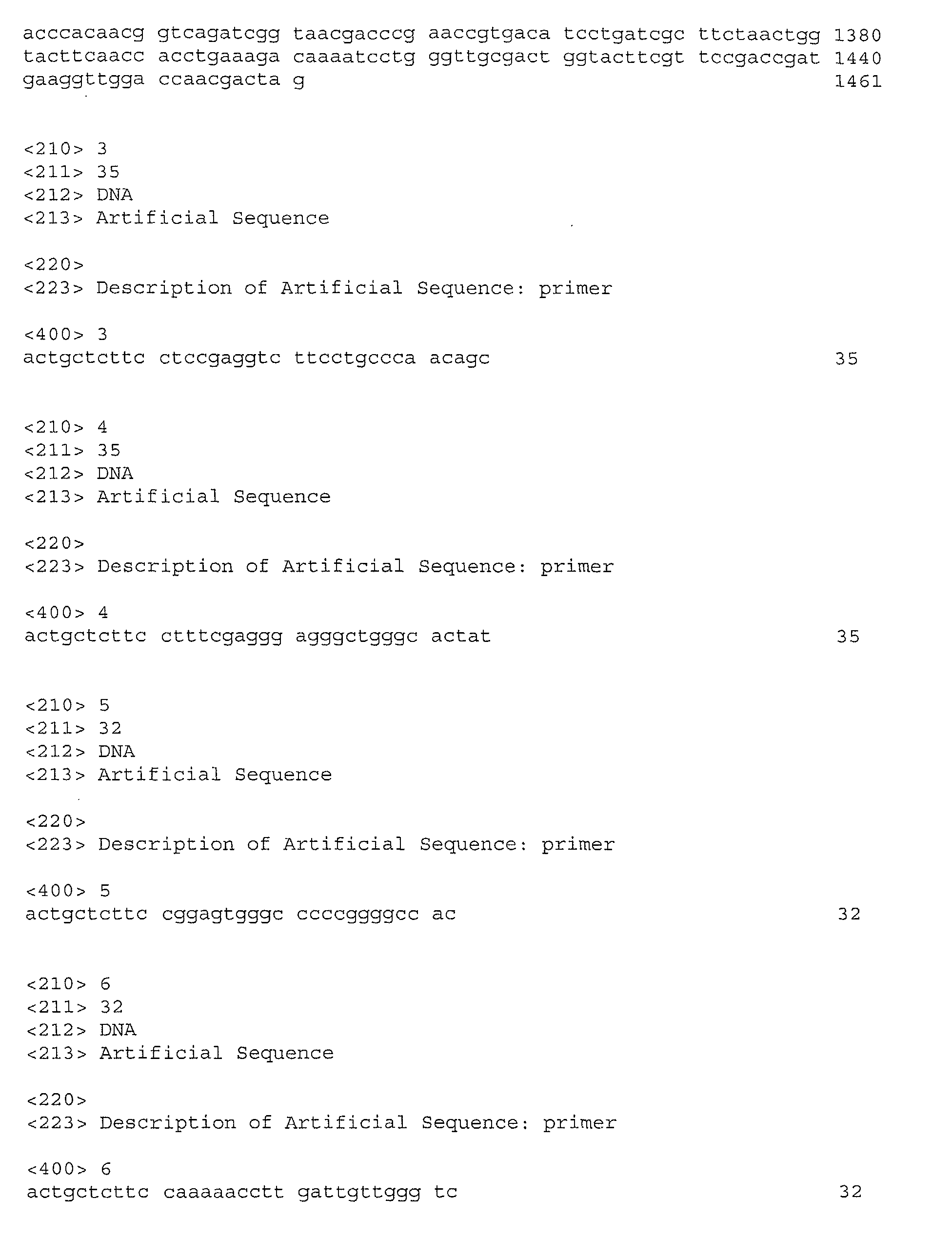
Claims (19)
- A vaccine composition comprising (i) a non-immunosuppressive inducer of tumor cell apoptosis and (ii) a nucleic acid comprising a sequence that encodes a tumor antigen, in a pharmaceutically acceptable carrier.
- The vaccine composition according to claim 1 that further comprises a nucleic acid comprising a sequence that encodes a polypeptide that enhances the immune response to the tumor antigen.
- The vaccine composition according to claim 1, wherein the nucleic acid further comprises a sequence that encodes a polypeptide that enhances the immune response to the tumor antigen.
- The vaccine composition according to any of claim 2 or 3, wherein the sequence that encodes a polypeptide that enhances the immune response to the tumor antigen comprises a tetanus toxin fragment C (FrC) sequence.
- The vaccine composition according to any of claims 1 to 4, wherein the non-immunosuppressive inducer of tumor cell apoptosis has adjuvant activity towards the biological response elicited by the nucleic acid that encodes the tumor antigen.
- The vaccine composition according to claim 5, wherein the non-immunosuppressive inducer of tumor cell apoptosis is selected from the group consisting of arsenic, all-trans retinoic acid, 9-cis RA, 4 HPPR and 13 cis RA.
- The vaccine composition according to any of claims 1 to 6, wherein the sequence that encodes the tumor antigen is SEQ ID n°1.
- The vaccine composition according to any of claims 1 to 7, comprising a nucleic acid that comprises a sequence SEQ ID n°2.
- Use of a vaccine composition according to any of claims 1 to 8 for preparation of a medicament for the treatment of cancer.
- The use of claim 9, wherein the cancer is acute promyelocytic leukemia.
- An isolated nucleic acid that comprises (a) a sequence that encodes a PML-RARα antigen and further comprises (b) a sequence that encodes a polypeptide that enhances the immune response to said PML-RARα antigen.
- The nucleic acid according to claim 11, wherein the two sequences (a) and (b) are fused in frame.
- The nucleic acid according to any of claim 11 or 12, wherein the sequence (a) that encodes the PML-RARα antigen is SEQ ID n°1.
- The nucleic acid according to any of claims 11 to 13, wherein the sequence (b) that encodes a polypeptide that enhances the immune response to the PML-RARα antigen is a FrC sequence.
- The nucleic acid according to claim 14, comprising sequence SEQ ID n°2.
- A kit comprising (i) a first pharmaceutical composition that comprises a non-immunosuppressive inducer of tumor cell apoptosis and (ii) a second pharmaceutical composition that comprises a nucleic acid comprising a sequence that encodes a tumor antigen.
- The kit according to claim 16, wherein the nucleic acid is as defined in any of claims 11 to 15.
- The kit according to claim 16 or 17, wherein said non-immunosuppressive inducer of cancerous cell apoptosis has adjuvant activity towards the biological response elicited by the nucleic acid that encodes the tumor antigen.
- The kit according to any of claims 16 to 18, wherein the non-immunosuppressive inducer of cancerous cell apoptosis is selected from the group consisting of arsenic, all-trans retinoic acid, 9-cis RA, 4 HPR, 13 cis RA.
Priority Applications (11)
| Application Number | Priority Date | Filing Date | Title |
|---|---|---|---|
| EP02291069A EP1356820A1 (en) | 2002-04-26 | 2002-04-26 | DNA vaccine combined with an inducer of tumor cell apoptosis |
| ES03717465T ES2400178T3 (en) | 2002-04-26 | 2003-04-24 | DNA vaccine combined with an inducer of tumor cell apoptosis |
| EP10185401A EP2272527A3 (en) | 2002-04-26 | 2003-04-24 | Combined DNA vaccine and biological modifiers for cancer therapy |
| JP2003587410A JP4354826B2 (en) | 2002-04-26 | 2003-04-24 | Combination of DNA vaccine and biological modifier for cancer treatment |
| EP03717465A EP1496937B1 (en) | 2002-04-26 | 2003-04-24 | Dna vaccine combined with an inducer of tumor cell apoptosis |
| EP10185509A EP2272529A3 (en) | 2002-04-26 | 2003-04-24 | DNA vaccine combined with an inducer of tumor cell apoptosis |
| PCT/IB2003/001600 WO2003090778A2 (en) | 2002-04-26 | 2003-04-24 | Dna vaccine combined with an inducer of tumor cell apoptosis |
| AU2003222378A AU2003222378A1 (en) | 2002-04-26 | 2003-04-24 | Dna vaccine combined with an inducer of tumor cell apoptosis |
| EP10185484A EP2272528A3 (en) | 2002-04-26 | 2003-04-24 | DNA vaccine combined with an inducer of tumor cell apoptosis |
| US10/512,475 US7381710B2 (en) | 2002-04-26 | 2003-04-24 | Combined DNA vaccine and biological modifiers for cancer therapy |
| US12/105,831 US8673870B2 (en) | 2002-04-26 | 2008-04-18 | Combined DNA vaccine and biological modifiers for cancer therapy |
Applications Claiming Priority (1)
| Application Number | Priority Date | Filing Date | Title |
|---|---|---|---|
| EP02291069A EP1356820A1 (en) | 2002-04-26 | 2002-04-26 | DNA vaccine combined with an inducer of tumor cell apoptosis |
Publications (1)
| Publication Number | Publication Date |
|---|---|
| EP1356820A1 true EP1356820A1 (en) | 2003-10-29 |
Family
ID=28686019
Family Applications (5)
| Application Number | Title | Priority Date | Filing Date |
|---|---|---|---|
| EP02291069A Withdrawn EP1356820A1 (en) | 2002-04-26 | 2002-04-26 | DNA vaccine combined with an inducer of tumor cell apoptosis |
| EP10185484A Withdrawn EP2272528A3 (en) | 2002-04-26 | 2003-04-24 | DNA vaccine combined with an inducer of tumor cell apoptosis |
| EP10185401A Withdrawn EP2272527A3 (en) | 2002-04-26 | 2003-04-24 | Combined DNA vaccine and biological modifiers for cancer therapy |
| EP03717465A Expired - Lifetime EP1496937B1 (en) | 2002-04-26 | 2003-04-24 | Dna vaccine combined with an inducer of tumor cell apoptosis |
| EP10185509A Withdrawn EP2272529A3 (en) | 2002-04-26 | 2003-04-24 | DNA vaccine combined with an inducer of tumor cell apoptosis |
Family Applications After (4)
| Application Number | Title | Priority Date | Filing Date |
|---|---|---|---|
| EP10185484A Withdrawn EP2272528A3 (en) | 2002-04-26 | 2003-04-24 | DNA vaccine combined with an inducer of tumor cell apoptosis |
| EP10185401A Withdrawn EP2272527A3 (en) | 2002-04-26 | 2003-04-24 | Combined DNA vaccine and biological modifiers for cancer therapy |
| EP03717465A Expired - Lifetime EP1496937B1 (en) | 2002-04-26 | 2003-04-24 | Dna vaccine combined with an inducer of tumor cell apoptosis |
| EP10185509A Withdrawn EP2272529A3 (en) | 2002-04-26 | 2003-04-24 | DNA vaccine combined with an inducer of tumor cell apoptosis |
Country Status (6)
| Country | Link |
|---|---|
| US (2) | US7381710B2 (en) |
| EP (5) | EP1356820A1 (en) |
| JP (1) | JP4354826B2 (en) |
| AU (1) | AU2003222378A1 (en) |
| ES (1) | ES2400178T3 (en) |
| WO (1) | WO2003090778A2 (en) |
Cited By (1)
| Publication number | Priority date | Publication date | Assignee | Title |
|---|---|---|---|---|
| WO2016203025A1 (en) * | 2015-06-17 | 2016-12-22 | Curevac Ag | Vaccine composition |
Families Citing this family (5)
| Publication number | Priority date | Publication date | Assignee | Title |
|---|---|---|---|---|
| EP1356820A1 (en) * | 2002-04-26 | 2003-10-29 | Institut National De La Sante Et De La Recherche Medicale (Inserm) | DNA vaccine combined with an inducer of tumor cell apoptosis |
| JP2012521749A (en) | 2009-03-27 | 2012-09-20 | アンスティテュ ナシオナル ドゥ ラ サントゥ エ ドゥ ラ ルシェルシェ メディカル(イーエヌエスエーエールエム) | Kanamycin antisense nucleic acid for the treatment of cancer |
| EP2661500A2 (en) * | 2010-12-29 | 2013-11-13 | Cangene Corporation | Clostridium difficile antigens |
| JP6836829B2 (en) * | 2014-08-04 | 2021-03-03 | 日東電工株式会社 | Immunity induction promoting composition and vaccine pharmaceutical composition containing nuclear receptor ligand |
| CN107474115B (en) * | 2016-06-08 | 2020-09-15 | 胡卓伟 | Polypeptide and application thereof in preparing medicine for treating and/or preventing tumors |
Citations (4)
| Publication number | Priority date | Publication date | Assignee | Title |
|---|---|---|---|---|
| US5716982A (en) * | 1995-06-07 | 1998-02-10 | Institute Of Materia Medica, An Institute Of The Chinese Academy Of Medical Sciences | Retinoids and methods of use of same |
| WO1999024029A1 (en) * | 1997-11-10 | 1999-05-20 | Memorial Sloan-Kettering Cancer Center | Process for producing arsenic trioxide formulations and methods for treating cancer using arsenic trioxide or melarsoprol |
| US6156316A (en) * | 1995-05-08 | 2000-12-05 | Sloan-Kettering Institute For Cancer Research | Oncogene fusion protein peptide vaccines |
| WO2001078700A2 (en) * | 2000-04-13 | 2001-10-25 | Frederic Geissmann | Compositions for use in modulating immune system function comprising at least one retrinoid and at least one cytokine |
Family Cites Families (22)
| Publication number | Priority date | Publication date | Assignee | Title |
|---|---|---|---|---|
| US4945050A (en) | 1984-11-13 | 1990-07-31 | Cornell Research Foundation, Inc. | Method for transporting substances into living cells and tissues and apparatus therefor |
| DE3669503D1 (en) | 1985-01-07 | 1990-04-19 | Syntex Inc | SURFACE-ACTIVE N- (OMEGA, OMEGA-1-DIALKOXY) - AND N- (OMEGA, OMEGA-1-DIALKENOXY) -ALK-1-YL-N, N, N-TRISUBSTITUTED AMMONIUM COMPOUNDS, THEIR PRODUCTION AND THEIR CONTAINERS. |
| US5015580A (en) | 1987-07-29 | 1991-05-14 | Agracetus | Particle-mediated transformation of soybean plants and lines |
| EP1026253B2 (en) | 1989-03-21 | 2012-12-19 | Vical Incorporated | Expression of exogenous polynucleotide sequences in a vertebrate |
| EP0431135B1 (en) | 1989-06-26 | 2003-03-26 | Powderject Vaccines, Inc. | Particle-mediated transformation of animal somatic cells |
| US5389540A (en) * | 1989-11-28 | 1995-02-14 | Evans Medical Limited | Expression of tetanus toxin fragment C in yeast |
| US5279833A (en) | 1990-04-04 | 1994-01-18 | Yale University | Liposomal transfection of nucleic acids into animal cells |
| US5283185A (en) | 1991-08-28 | 1994-02-01 | University Of Tennessee Research Corporation | Method for delivering nucleic acids into cells |
| EP0584348B1 (en) | 1992-03-11 | 2005-05-18 | Powderject Vaccines, Inc. | Genetic vaccine for immunodeficiency viruses |
| AU671450B2 (en) | 1992-03-20 | 1996-08-29 | Baylor College Of Medicine | A DNA transporter system and method of use |
| AU682308C (en) | 1992-04-03 | 2006-08-17 | Regents Of The University Of California, The | Self-assembling polynucleotide delivery system |
| CA2153593C (en) | 1993-01-26 | 2010-04-13 | David B. Weiner | Compositions and methods for delivery of genetic material |
| US5399586A (en) * | 1993-03-11 | 1995-03-21 | Allergan, Inc. | Treatment of mammals afflicted with tumors with compounds having RXR retinoid receptor agonist activity |
| TW404844B (en) | 1993-04-08 | 2000-09-11 | Oxford Biosciences Ltd | Needleless syringe |
| SG54115A1 (en) | 1993-04-27 | 1998-11-16 | Gerber Scient Products Inc | Thermal printing apparatus with improved power supply |
| ES2211882T3 (en) | 1993-07-14 | 2004-07-16 | The Regents Of The University Of California | AUTOMOTIVE POLINUCLEOTIDE ASSIGNMENT SYSTEM THAT INCLUDES DENDRIMEROS POLICATIONS. |
| ATE215124T1 (en) * | 1993-07-30 | 2002-04-15 | Medeva Holdings Bv | VACCINE COMPOSITIONS CONTAINING RECOMBINANT TETC-FUSION PROTEIN |
| US5651981A (en) | 1994-03-29 | 1997-07-29 | Northwestern University | Cationic phospholipids for transfection |
| US5527928A (en) | 1994-09-30 | 1996-06-18 | Nantz; Michael H. | Cationic transport reagents |
| AU4961996A (en) * | 1994-12-14 | 1996-07-03 | Innovir Laboratories, Inc. | Ribozyme-mediated inactivation of leukemia-associated rna |
| EP1356820A1 (en) * | 2002-04-26 | 2003-10-29 | Institut National De La Sante Et De La Recherche Medicale (Inserm) | DNA vaccine combined with an inducer of tumor cell apoptosis |
| JP2012521749A (en) * | 2009-03-27 | 2012-09-20 | アンスティテュ ナシオナル ドゥ ラ サントゥ エ ドゥ ラ ルシェルシェ メディカル(イーエヌエスエーエールエム) | Kanamycin antisense nucleic acid for the treatment of cancer |
-
2002
- 2002-04-26 EP EP02291069A patent/EP1356820A1/en not_active Withdrawn
-
2003
- 2003-04-24 EP EP10185484A patent/EP2272528A3/en not_active Withdrawn
- 2003-04-24 EP EP10185401A patent/EP2272527A3/en not_active Withdrawn
- 2003-04-24 EP EP03717465A patent/EP1496937B1/en not_active Expired - Lifetime
- 2003-04-24 AU AU2003222378A patent/AU2003222378A1/en not_active Abandoned
- 2003-04-24 US US10/512,475 patent/US7381710B2/en not_active Expired - Fee Related
- 2003-04-24 ES ES03717465T patent/ES2400178T3/en not_active Expired - Lifetime
- 2003-04-24 EP EP10185509A patent/EP2272529A3/en not_active Withdrawn
- 2003-04-24 JP JP2003587410A patent/JP4354826B2/en not_active Expired - Fee Related
- 2003-04-24 WO PCT/IB2003/001600 patent/WO2003090778A2/en not_active Ceased
-
2008
- 2008-04-18 US US12/105,831 patent/US8673870B2/en not_active Expired - Fee Related
Patent Citations (4)
| Publication number | Priority date | Publication date | Assignee | Title |
|---|---|---|---|---|
| US6156316A (en) * | 1995-05-08 | 2000-12-05 | Sloan-Kettering Institute For Cancer Research | Oncogene fusion protein peptide vaccines |
| US5716982A (en) * | 1995-06-07 | 1998-02-10 | Institute Of Materia Medica, An Institute Of The Chinese Academy Of Medical Sciences | Retinoids and methods of use of same |
| WO1999024029A1 (en) * | 1997-11-10 | 1999-05-20 | Memorial Sloan-Kettering Cancer Center | Process for producing arsenic trioxide formulations and methods for treating cancer using arsenic trioxide or melarsoprol |
| WO2001078700A2 (en) * | 2000-04-13 | 2001-10-25 | Frederic Geissmann | Compositions for use in modulating immune system function comprising at least one retrinoid and at least one cytokine |
Non-Patent Citations (2)
| Title |
|---|
| BAJ GERMANO ET AL: "Arsenic trioxide and breast cancer: Analysis of the apoptotic, differentiative and immunomodulatory effects.", BREAST CANCER RESEARCH AND TREATMENT, vol. 73, no. 1, May 2002 (2002-05-01), May, 2002, pages 61 - 73, XP008009303, ISSN: 0167-6806 * |
| SHAO W ET AL: "ARSENIC TRIOXIDE AS AN INDUCER OF APOPTOSIS AND LOSS OF PML/RARA PROTEIN IN ACUTE PROMYELOCYTIC LEUKEMIA CELLS", JOURNAL OF THE NATIONAL CANCER INSTITUTE, US DEPT. OF HEALTH, EDICATIONAND WELFARE, PUBLIC HEALTH, US, vol. 90, no. 2, 21 January 1998 (1998-01-21), pages 124 - 133, XP000901182, ISSN: 0027-8874 * |
Cited By (1)
| Publication number | Priority date | Publication date | Assignee | Title |
|---|---|---|---|---|
| WO2016203025A1 (en) * | 2015-06-17 | 2016-12-22 | Curevac Ag | Vaccine composition |
Also Published As
| Publication number | Publication date |
|---|---|
| US20060079470A1 (en) | 2006-04-13 |
| EP1496937B1 (en) | 2013-01-16 |
| AU2003222378A1 (en) | 2003-11-10 |
| JP4354826B2 (en) | 2009-10-28 |
| EP1496937A2 (en) | 2005-01-19 |
| WO2003090778A2 (en) | 2003-11-06 |
| US7381710B2 (en) | 2008-06-03 |
| EP2272528A3 (en) | 2011-07-06 |
| EP2272529A3 (en) | 2011-06-22 |
| WO2003090778A3 (en) | 2004-01-22 |
| EP2272529A2 (en) | 2011-01-12 |
| JP2005538698A (en) | 2005-12-22 |
| EP2272528A2 (en) | 2011-01-12 |
| EP2272527A3 (en) | 2011-07-06 |
| US8673870B2 (en) | 2014-03-18 |
| EP2272527A2 (en) | 2011-01-12 |
| AU2003222378A8 (en) | 2003-11-10 |
| ES2400178T3 (en) | 2013-04-08 |
| US20080213314A1 (en) | 2008-09-04 |
Similar Documents
| Publication | Publication Date | Title |
|---|---|---|
| JP4741074B2 (en) | Composition comprising OX-40 receptor binding factor or nucleic acid encoding the same and method for enhancing antigen-specific immune response | |
| US7338929B2 (en) | Cancer immunotherapy | |
| CN104284680A (en) | Methods and compositions for cancer therapy using mutant LIGHT molecules with increased affinity for receptors | |
| JP2001503014A (en) | Methods for enhancing a protective immune response | |
| JP2005529848A (en) | Modulation of immune response by non-peptide-binding stress-responsive polypeptides | |
| JP7665205B2 (en) | Nucleic Acid Vaccination with Neoepitope-Encoding Constructs | |
| US8673870B2 (en) | Combined DNA vaccine and biological modifiers for cancer therapy | |
| EA005948B1 (en) | Use cd2 binding agent for selectively modulating cd45 ro positive memory effector t-lymphocytes in a subject | |
| KR20180088458A (en) | Vaccination of the MICA / B alpha 3 domain for the treatment of cancer | |
| JP2023521722A (en) | Neoepitope immunotherapy with APC targeting units | |
| KR20020001865A (en) | Use of soluble costimulatory molecules to enhance immune responses | |
| US6911204B2 (en) | Method and composition for altering a B cell mediated pathology | |
| EP1496923A1 (en) | Cancer immunotherapy | |
| WO2002013862A2 (en) | Method and composition for altering a b cell mediated pathology | |
| AU2002211214A1 (en) | Method and composition for altering a B cell mediated pathology | |
| ES2546301T3 (en) | Composition containing Leishmania Lip2a | |
| JP2004532825A (en) | Induction of tumor immunity by a variant of folate-binding protein | |
| AU2001283304B2 (en) | Method and composition for altering a T cell mediated pathology | |
| JP2007537143A (en) | Vaccine composition comprising angiomotin or angiomotin-encoding polynucleotide and use of the vaccine composition for the treatment of diseases associated with angiogenesis | |
| JP2002504562A (en) | Tumor-associated antigen 791 Tgp72 | |
| AU2001283304A1 (en) | Method and composition for altering a T cell mediated pathology | |
| Musiani et al. | Individual Analysis of Mice Vaccinated |
Legal Events
| Date | Code | Title | Description |
|---|---|---|---|
| PUAI | Public reference made under article 153(3) epc to a published international application that has entered the european phase |
Free format text: ORIGINAL CODE: 0009012 |
|
| AK | Designated contracting states |
Kind code of ref document: A1 Designated state(s): AT BE CH CY DE DK ES FI FR GB GR IE IT LI LU MC NL PT SE TR |
|
| AX | Request for extension of the european patent |
Extension state: AL LT LV MK RO SI |
|
| AKX | Designation fees paid | ||
| REG | Reference to a national code |
Ref country code: DE Ref legal event code: 8566 |
|
| STAA | Information on the status of an ep patent application or granted ep patent |
Free format text: STATUS: THE APPLICATION IS DEEMED TO BE WITHDRAWN |
|
| 18D | Application deemed to be withdrawn |
Effective date: 20040430 |