CN115127975A - Fluorescent magnetic beads and method of making the same - Google Patents
Fluorescent magnetic beads and method of making the same Download PDFInfo
- Publication number
- CN115127975A CN115127975A CN202110315564.4A CN202110315564A CN115127975A CN 115127975 A CN115127975 A CN 115127975A CN 202110315564 A CN202110315564 A CN 202110315564A CN 115127975 A CN115127975 A CN 115127975A
- Authority
- CN
- China
- Prior art keywords
- microspheres
- soluble
- magnetic nanoparticles
- water
- magnetic
- Prior art date
- Legal status (The legal status is an assumption and is not a legal conclusion. Google has not performed a legal analysis and makes no representation as to the accuracy of the status listed.)
- Pending
Links
Images




Classifications
-
- G—PHYSICS
- G01—MEASURING; TESTING
- G01N—INVESTIGATING OR ANALYSING MATERIALS BY DETERMINING THEIR CHEMICAL OR PHYSICAL PROPERTIES
- G01N15/00—Investigating characteristics of particles; Investigating permeability, pore-volume or surface-area of porous materials
- G01N15/10—Investigating individual particles
- G01N15/14—Optical investigation techniques, e.g. flow cytometry
-
- G—PHYSICS
- G01—MEASURING; TESTING
- G01N—INVESTIGATING OR ANALYSING MATERIALS BY DETERMINING THEIR CHEMICAL OR PHYSICAL PROPERTIES
- G01N21/00—Investigating or analysing materials by the use of optical means, i.e. using sub-millimetre waves, infrared, visible or ultraviolet light
- G01N21/62—Systems in which the material investigated is excited whereby it emits light or causes a change in wavelength of the incident light
- G01N21/63—Systems in which the material investigated is excited whereby it emits light or causes a change in wavelength of the incident light optically excited
- G01N21/64—Fluorescence; Phosphorescence
- G01N21/6428—Measuring fluorescence of fluorescent products of reactions or of fluorochrome labelled reactive substances, e.g. measuring quenching effects, using measuring "optrodes"
Landscapes
- Health & Medical Sciences (AREA)
- Chemical & Material Sciences (AREA)
- Physics & Mathematics (AREA)
- Immunology (AREA)
- General Health & Medical Sciences (AREA)
- Pathology (AREA)
- General Physics & Mathematics (AREA)
- Life Sciences & Earth Sciences (AREA)
- Analytical Chemistry (AREA)
- Biochemistry (AREA)
- Chemical Kinetics & Catalysis (AREA)
- Nuclear Medicine, Radiotherapy & Molecular Imaging (AREA)
- Optics & Photonics (AREA)
- Dispersion Chemistry (AREA)
- Hard Magnetic Materials (AREA)
Abstract
本申请涉及荧光磁珠修饰技术领域,具体公开了一种荧光磁珠及其制作方法,该荧光磁珠包括:微球;水溶性磁性纳米颗粒,偶联于微球的外表面;脂溶性荧光染料,至少弥散分布于微球的内部;脂溶性磁性纳米颗粒,至少弥散分布于微球的内部。通过上述方式,在提高荧光磁珠的磁响应的同时,降低杂质带来的干扰信号,且能降低微球的自体荧光,提高检测灵敏度。

The present application relates to the technical field of fluorescent magnetic bead modification, and specifically discloses a fluorescent magnetic bead and a manufacturing method thereof. The fluorescent magnetic bead comprises: microspheres; water-soluble magnetic nanoparticles coupled to the outer surface of the microspheres; Dye, at least disperse in the interior of the microspheres; lipid-soluble magnetic nanoparticles, at least disperse and distribute in the interior of the microspheres. Through the above method, while improving the magnetic response of the fluorescent magnetic beads, the interference signal caused by impurities can be reduced, the autofluorescence of the microspheres can be reduced, and the detection sensitivity can be improved.
Description
技术领域technical field
本申请涉及荧光磁珠修饰技术领域,尤其是涉及一种荧光磁珠及其制作方法。The present application relates to the technical field of fluorescent magnetic bead modification, and in particular, to a fluorescent magnetic bead and a manufacturing method thereof.
背景技术Background technique
磁性微球是一类直径在纳米或微米级的球形复合材料,磁性微球由微球以及吸附于微球表面的磁性纳米颗粒构成,磁性微球的外围包覆有聚合物保护层。Magnetic microspheres are a kind of spherical composite materials with a diameter of nanometer or micrometer. The magnetic microspheres are composed of microspheres and magnetic nanoparticles adsorbed on the surface of the microspheres.
本申请发明人在长期研发过程中,发现若微球表面过量吸附磁性纳米颗粒,如图18所示,会导致磁性微球上的杂质增加,杂质的信号会严重干扰流式细胞仪上的目标信号,且包覆聚合物保护层的过程中需要加热,容易使微球产生较强的自体荧光,导致检测灵敏度降低。In the long-term research and development process, the inventors of the present application found that if the surface of the microspheres adsorbs magnetic nanoparticles excessively, as shown in Figure 18, the impurities on the magnetic microspheres will increase, and the signal of the impurities will seriously interfere with the target on the flow cytometer. signal, and heating is required in the process of coating the polymer protective layer, which easily causes the microspheres to generate strong autofluorescence, resulting in a decrease in detection sensitivity.
发明内容SUMMARY OF THE INVENTION
本申请旨在至少解决现有技术中存在的技术问题之一。为此,本申请的一个目的在于提出一种荧光磁珠及其制作方法,在提高荧光磁珠的磁响应的同时,降低杂质带来的干扰信号,且能降低微球的自体荧光,提高检测灵敏度。The present application aims to solve at least one of the technical problems existing in the prior art. Therefore, one purpose of the present application is to propose a fluorescent magnetic bead and a method for making the same, which can improve the magnetic response of the fluorescent magnetic bead, reduce the interference signal caused by impurities, reduce the autofluorescence of the microsphere, and improve the detection sensitivity.
本申请第一方面提供一种荧光磁珠,荧光磁珠包括:微球;水溶性磁性纳米颗粒,偶联于微球的外表面;脂溶性荧光染料,至少弥散分布于微球的内部;脂溶性磁性纳米颗粒,至少弥散分布于微球的内部。A first aspect of the present application provides a fluorescent magnetic bead, which includes: a microsphere; a water-soluble magnetic nanoparticle coupled to the outer surface of the microsphere; a lipid-soluble fluorescent dye, at least dispersed inside the microsphere; Soluble magnetic nanoparticles, at least dispersed in the interior of the microspheres.
本申请第二方面提供一种荧光磁珠的制作方法,该方法包括:采用吸附技术组合微球与水溶性磁性纳米颗粒,使得水溶性磁性纳米颗粒偶联于微球的外表面;在偶联有水溶性磁性纳米颗粒的微球的外表面上包覆凝胶层,且凝胶层包覆至少部分水溶性磁性纳米颗粒;其中,在采用吸附技术组合微球与水溶性磁性纳米颗粒,使得水溶性磁性纳米颗粒偶联于微球的外表面的步骤之前,或者,在采用吸附技术组合微球与水溶性磁性纳米颗粒,使得水溶性磁性纳米颗粒偶联于微球的外表面的步骤之后,该方法还包括:采用溶胀技术组合微球与脂溶性荧光染料,使得脂溶性荧光染料弥散分布于微球的内部和/或凝胶层的内部;其中,在采用吸附技术组合微球与水溶性磁性纳米颗粒,使得水溶性磁性纳米颗粒偶联于微球的外表面的步骤之前,或者,在采用吸附技术组合微球与水溶性磁性纳米颗粒,使得水溶性磁性纳米颗粒偶联于微球的外表面的步骤之后,或者,在采用溶胀技术组合微球与脂溶性荧光染料,使得脂溶性荧光染料弥散分布于微球的内部的同时,该方法还包括:采用溶胀技术组合微球与脂溶性磁性纳米颗粒,使得脂溶性磁性纳米颗粒弥散分布于微球的内部。A second aspect of the present application provides a method for making fluorescent magnetic beads, the method comprising: combining microspheres and water-soluble magnetic nanoparticles using adsorption technology, so that the water-soluble magnetic nanoparticles are coupled to the outer surface of the microspheres; The outer surface of the microspheres with water-soluble magnetic nanoparticles is coated with a gel layer, and the gel layer coats at least part of the water-soluble magnetic nanoparticles; wherein, the adsorption technology is used to combine the microspheres and the water-soluble magnetic nanoparticles, so that the Before the step of coupling the water-soluble magnetic nanoparticles to the outer surface of the microspheres, or, after the step of combining the microspheres and the water-soluble magnetic nanoparticles using an adsorption technique, so that the water-soluble magnetic nanoparticles are coupled to the outer surface of the microspheres , the method further includes: combining the microspheres and the fat-soluble fluorescent dye by using a swelling technology, so that the fat-soluble fluorescent dye is dispersed and distributed in the interior of the microspheres and/or the interior of the gel layer; before the step of coupling the water-soluble magnetic nanoparticles to the outer surface of the microspheres, or combining the microspheres with the water-soluble magnetic nanoparticles using adsorption techniques, so that the water-soluble magnetic nanoparticles are coupled to the microspheres After the step of forming the outer surface of the microsphere, or, using the swelling technology to combine the microsphere and the lipid-soluble fluorescent dye, so that the lipid-soluble fluorescent dye is dispersed and distributed in the interior of the microsphere, the method also includes: using the swelling technology to combine the microsphere and the lipid-soluble fluorescent dye. The soluble magnetic nanoparticles make the lipid-soluble magnetic nanoparticles dispersed in the interior of the microspheres.
区别于现有技术的情况,本申请的荧光磁珠包括:偶联于微球的外表面的水溶性磁性纳米颗粒、以及至少弥散分布于微球的内部的脂溶性荧光染料和脂溶性磁性纳米颗粒,在避免荧光微球表面过量吸附磁性纳米颗粒的前提下,通过内部弥散分布有脂溶性磁性纳米颗粒以及外部偶联有水溶性磁性纳米颗粒,能够增强荧光磁珠的磁响应信号(即主团信号),并降低杂质带来的干扰信号,且能降低微球的自体荧光,提高检测灵敏度。Different from the situation in the prior art, the fluorescent magnetic beads of the present application include: water-soluble magnetic nanoparticles coupled to the outer surface of the microspheres, and lipid-soluble fluorescent dyes and lipid-soluble magnetic nanoparticles dispersed at least in the interior of the microspheres. Under the premise of avoiding excessive adsorption of magnetic nanoparticles on the surface of fluorescent microspheres, the magnetic response signal of fluorescent magnetic beads can be enhanced by dispersing lipid-soluble magnetic nanoparticles inside and coupling water-soluble magnetic nanoparticles outside. group signal), and reduce the interference signal caused by impurities, and can reduce the autofluorescence of the microspheres, and improve the detection sensitivity.
本申请的附加方面和优点将在下面的描述中部分给出,部分将从下面的描述中变得明显,或通过本申请的实践了解到。Additional aspects and advantages of the present application will be set forth, in part, from the following description, and in part will become apparent from the following description, or may be learned by practice of the present application.
附图说明Description of drawings
本申请的上述和/或附加的方面和优点从结合下面附图对实施例的描述中将变得明显和容易理解,其中:The above and/or additional aspects and advantages of the present application will become apparent and readily understood from the following description of embodiments in conjunction with the accompanying drawings, wherein:
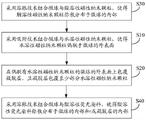
图1是本申请第一实施例提出的荧光磁珠的制作方法的流程示意图;1 is a schematic flowchart of a method for producing fluorescent magnetic beads according to the first embodiment of the present application;
图2是本申请第二实施例提出的荧光磁珠的制作方法的流程示意图;2 is a schematic flowchart of a method for manufacturing fluorescent magnetic beads according to the second embodiment of the present application;
图3是本申请第三实施例提出的荧光磁珠的制作方法的流程示意图;3 is a schematic flowchart of a method for producing fluorescent magnetic beads according to the third embodiment of the present application;
图4是本申请第四实施例提出的荧光磁珠的制作方法的流程示意图;4 is a schematic flowchart of a method for manufacturing fluorescent magnetic beads according to the fourth embodiment of the present application;
图5是本申请第五实施例提出的荧光磁珠的制作方法的流程示意图;5 is a schematic flowchart of a method for manufacturing fluorescent magnetic beads according to the fifth embodiment of the present application;
图6是本申请第六实施例提出的荧光磁珠的制作方法的流程示意图;6 is a schematic flowchart of a method for manufacturing fluorescent magnetic beads proposed in the sixth embodiment of the present application;
图7是本申请第七实施例提出的荧光磁珠的制作方法的流程示意图;7 is a schematic flowchart of a method for manufacturing fluorescent magnetic beads according to the seventh embodiment of the present application;
图8是本申请第八实施例提出的荧光磁珠的制作方法的流程示意图;8 is a schematic flowchart of a method for manufacturing fluorescent magnetic beads according to the eighth embodiment of the present application;
图9是本申请第九实施例提出的荧光磁珠的制作方法的流程示意图;9 is a schematic flowchart of a method for producing fluorescent magnetic beads according to the ninth embodiment of the present application;
图10是本申请第十实施例提出的荧光磁珠的制作方法的流程示意图;10 is a schematic flowchart of a method for manufacturing fluorescent magnetic beads according to the tenth embodiment of the present application;
图11是本申请第十一实施例提出的荧光磁珠的制作方法的流程示意图;11 is a schematic flowchart of a method for manufacturing fluorescent magnetic beads according to the eleventh embodiment of the present application;
图12是本申请第十二实施例提出的荧光磁珠的制作方法的流程示意图;12 is a schematic flowchart of a method for manufacturing fluorescent magnetic beads according to the twelfth embodiment of the present application;
图13是本申请第十三实施例提出的荧光磁珠的制作方法的流程示意图;13 is a schematic flowchart of a method for manufacturing fluorescent magnetic beads according to the thirteenth embodiment of the present application;
图14是本申请提出的荧光磁珠的结构示意图;14 is a schematic structural diagram of a fluorescent magnetic bead proposed in this application;
图15是图14中微球11的第一结构示意图;Fig. 15 is the first structural schematic diagram of the
图16是图14中微球11的第二结构示意图;Fig. 16 is the second structural schematic diagram of the
图17是图14中微球11的第三结构示意图;Fig. 17 is the third structural schematic diagram of the
图18是现有技术中微球表面过量吸附磁性纳米颗粒时的磁响应信号图;Fig. 18 is the magnetic response signal diagram when the magnetic nanoparticles are excessively adsorbed on the surface of the microsphere in the prior art;
图19是本申请荧光磁珠的磁响应信号图;Figure 19 is a graph of the magnetic response signal of the fluorescent magnetic beads of the present application;
图20是本申请提出的荧光磁珠的另一结构示意图。FIG. 20 is another schematic structural diagram of the fluorescent magnetic beads proposed in the present application.
具体实施方式Detailed ways
下面将结合本申请实施例中的附图,对本申请实施例中的技术方案进行清楚、完整地描述,显然,所描述的实施例仅仅是本申请的一部分实施例,而不是全部的实施例。基于本申请中的实施例,本领域普通技术人员在没有作出创造性劳动前提下所获得的所有其他实施例,都属于本申请保护的范围。The technical solutions in the embodiments of the present application will be clearly and completely described below with reference to the drawings in the embodiments of the present application. Obviously, the described embodiments are only a part of the embodiments of the present application, rather than all the embodiments. Based on the embodiments in the present application, all other embodiments obtained by those of ordinary skill in the art without creative work fall within the protection scope of the present application.
在整个说明书中,除非另有特别说明,本文使用的术语应理解为如本领域中通常所使用的含义。因此,除非另有定义,本文使用的所有技术和科学术语具有与本申请所属领域技术人员的一般理解相同的含义。若存在矛盾,本说明书优先。Throughout the specification, unless specifically stated otherwise, terms used herein are to be understood as commonly used in the art. Therefore, unless otherwise defined, all technical and scientific terms used herein have the same meaning as commonly understood by one of ordinary skill in the art to which this application belongs. In case of conflict, the present specification takes precedence.
需要说明的是,在本申请实施例中,术语“包括”、“包含”或者其任何其他变体意在涵盖非排他性的包含,从而使得包括一系列要素的方法或者装置不仅包括所明确记载的要素,而且还包括没有明确列出的其他要素,或者是还包括为实施方法或者装置所固有的要素。在没有更多限制的情况下,由语句“包括一个……”限定的要素,并不排除在包括该要素的方法或者装置中还存在另外的相关要素(例如方法中的步骤或者装置中的单元,这里的单元可以是部分电路、部分处理器、部分程序或软件等等)。It should be noted that, in the embodiments of the present application, the terms "comprising", "comprising" or any other variations thereof are intended to cover non-exclusive inclusion, so that a method or device including a series of elements not only includes the explicitly stated elements, but also other elements not expressly listed or inherent to the implementation of the method or apparatus. Without further limitation, an element defined by the phrase "comprising a..." does not preclude the presence of additional related elements (eg, steps in a method or elements in an apparatus) in the method or apparatus that includes the element , where a unit may be part of a circuit, part of a processor, part of a program or software, etc.).
需要说明的是,本申请实施例所涉及的术语“第一\第二\第三”仅仅是区别类似的对象,不代表针对对象的特定排序,可以理解地,“第一\第二\第三”在允许的情况下可以互换特定的顺序或先后次序。应该理解“第一\第二\第三”区分的对象在适当情况下可以互换,以使这里描述的本申请实施例能够以除了在这里图示或描述的那些以外的顺序实施。It should be noted that the term "first\second\third" involved in the embodiments of the present application is only to distinguish similar objects, and does not represent a specific ordering of objects. It is understandable that "first\second\third" "Three" may be interchanged in a particular order or sequence where permitted. It should be understood that the "first\second\third" distinctions may be interchanged under appropriate circumstances, so that the embodiments of the present application described herein can be implemented in sequences other than those illustrated or described herein.
如图1所示,本申请第一实施例提出一种荧光磁珠的制作方法,该方法包括以下步骤:As shown in FIG. 1 , the first embodiment of the present application proposes a method for manufacturing fluorescent magnetic beads, and the method includes the following steps:
S10:采用吸附技术组合微球与水溶性磁性纳米颗粒,使得水溶性磁性纳米颗粒偶联于微球的外表面。S10: Combining the microspheres and the water-soluble magnetic nanoparticles using adsorption technology, so that the water-soluble magnetic nanoparticles are coupled to the outer surface of the microspheres.
具体而言,微球与水溶性磁性纳米颗粒之间通过吸附、范德华力和/或共价结合实现偶联。Specifically, the coupling between the microspheres and the water-soluble magnetic nanoparticles is achieved by adsorption, van der Waals forces and/or covalent bonding.
可选地,微球的外表面可以通过化学手段修饰所需要的带电荷官能团,其中,带电荷官能团包括带电荷的羧基、氨基、磺酸基或巯基中的至少一种,为偶联水溶性磁性纳米颗粒提供了可能性。Optionally, the outer surface of the microspheres can be chemically modified with required charged functional groups, wherein the charged functional groups include at least one of charged carboxyl groups, amino groups, sulfonic acid groups or thiol groups, which are used for coupling water-soluble. Magnetic nanoparticles offer the possibility.
取水溶性磁性纳米颗粒溶于去离子水中,并加入微球,旋转反应使水溶性磁性纳米颗粒与微球交联,获得外表面偶联有水溶性磁性纳米颗粒的微球。Dissolving the water-soluble magnetic nanoparticles in deionized water, adding microspheres, and rotating the water-soluble magnetic nanoparticles and the microspheres to cross-link the water-soluble magnetic nanoparticles to obtain the microspheres with the outer surfaces coupled with the water-soluble magnetic nanoparticles.
S20:在偶联有水溶性磁性纳米颗粒的微球的外表面上包覆凝胶层,且凝胶层包覆至少部分水溶性磁性纳米颗粒。S20: A gel layer is coated on the outer surface of the microspheres coupled with the water-soluble magnetic nanoparticles, and the gel layer coats at least part of the water-soluble magnetic nanoparticles.
将步骤S10制备的外表面偶联有水溶性磁性纳米颗粒的微球与凝胶材料混合,加入交联剂,搅拌反应,所得产物静置后,磁分离,去除残留的凝胶材料,获得外表面包覆有凝胶层的微球。Mixing the microspheres prepared in step S10 with water-soluble magnetic nanoparticles coupled on the outer surface with the gel material, adding a cross-linking agent, stirring and reacting, after the obtained product is allowed to stand, magnetic separation is performed to remove the residual gel material to obtain an external gel material. Microspheres coated with a gel layer.
其中,凝胶材料可以为壳聚糖、海藻酸钠、聚丙烯酸、聚甲基丙烯酸、聚丙烯酰胺、聚N-聚代丙烯酰胺中的至少一种。Wherein, the gel material can be at least one of chitosan, sodium alginate, polyacrylic acid, polymethacrylic acid, polyacrylamide, and polyN-polyacrylamide.
S30:采用溶胀技术组合微球与脂溶性荧光染料,使得脂溶性荧光染料弥散分布于微球的内部和/或凝胶层的内部。S30: Combining the microspheres and the liposoluble fluorescent dye using swelling technology, so that the liposoluble fluorescent dye is dispersed and distributed in the interior of the microspheres and/or the interior of the gel layer.
具体而言,将微球分散于第一介质中,提供一含有脂溶性磁性纳米颗粒的第二介质,混合,然后进行溶胀反应(涡旋分散均匀,旋转反应预设时间),脂溶性磁性纳米颗粒包埋进微球的内部和/或凝胶层的内部,磁分离去上清液,获得内部分布有脂溶性磁性纳米颗粒的微球。其中,第一介质与第二介质均为溶胀介质,具体为既可以使脂溶性磁性纳米颗粒弥散分布,又能使微球溶胀的单一或混合溶剂,例如,氯仿、正丁醇、异丁醇、正己烷、环己烷、四氢呋喃中的一种或几种的组合,但不局限于上述几种物质。Specifically, the microspheres are dispersed in the first medium, a second medium containing lipid-soluble magnetic nanoparticles is provided, mixed, and then a swelling reaction is performed (uniform vortex dispersion, rotation reaction preset time), the lipid-soluble magnetic nanoparticles The particles are embedded in the interior of the microspheres and/or the interior of the gel layer, and the supernatant is removed by magnetic separation to obtain microspheres with lipid-soluble magnetic nanoparticles distributed inside. Wherein, the first medium and the second medium are both swelling media, specifically a single or mixed solvent that can not only disperse the fat-soluble magnetic nanoparticles, but also swell the microspheres, for example, chloroform, n-butanol, isobutanol , n-hexane, cyclohexane, tetrahydrofuran, one or more combinations, but not limited to the above-mentioned substances.
其中,微球可以为无交联微球、交联多孔微球或中空介孔微球中的至少一种。交联多孔微球和中空介孔微球具有高孔隙度和高比表面积的特征,因此,能够提升微球内的脂溶性磁性纳米颗粒的包埋容量,进而提升荧光磁珠的磁响应性。Wherein, the microspheres may be at least one of non-crosslinked microspheres, crosslinked porous microspheres or hollow mesoporous microspheres. The cross-linked porous microspheres and hollow mesoporous microspheres have the characteristics of high porosity and high specific surface area, therefore, the embedding capacity of the lipid-soluble magnetic nanoparticles in the microspheres can be improved, thereby improving the magnetic responsiveness of the fluorescent magnetic beads.
进一步地,在脂溶性荧光染料包埋进微球的内部的过程中,脂溶性荧光染料可包埋进凝胶层的内部。Further, in the process of embedding the lipid-soluble fluorescent dye into the interior of the microspheres, the lipid-soluble fluorescent dye may be embedded into the interior of the gel layer.
S40:采用溶胀技术组合微球与脂溶性磁性纳米颗粒,使得脂溶性磁性纳米颗粒弥散分布于微球的内部和/或凝胶层的内部。S40: Combining the microspheres and the liposoluble magnetic nanoparticles using swelling technology, so that the liposoluble magnetic nanoparticles are dispersed and distributed in the interior of the microspheres and/or the interior of the gel layer.
具体而言,将微球分散于第一介质中,提供一含有脂溶性荧光染料的第三介质,混合,然后进行溶胀反应(涡旋分散均匀,旋转反应预设时间),脂溶性荧光染料包埋进微球的内部和/或凝胶层的内部,磁分离去上清液,获得内部分布有脂溶性荧光染料的荧光微球。其中,第一介质与第三介质均为溶胀介质,具体为既可以使脂溶性磁性纳米颗粒弥散分布,又能使微球溶胀的单一或混合溶剂,例如,氯仿、正丁醇、异丁醇、正己烷、环己烷、四氢呋喃中的一种或几种的组合,但不局限于上述几种物质。Specifically, the microspheres are dispersed in the first medium, a third medium containing a lipid-soluble fluorescent dye is provided, mixed, and then a swelling reaction is performed (the vortex is dispersed uniformly, and the rotation reaction time is preset), and the lipid-soluble fluorescent dye is packaged Buried in the interior of the microspheres and/or the gel layer, and magnetically separated the supernatant to obtain fluorescent microspheres with lipid-soluble fluorescent dyes distributed inside. Wherein, the first medium and the third medium are both swelling media, specifically a single or mixed solvent that can not only disperse the fat-soluble magnetic nanoparticles, but also swell the microspheres, for example, chloroform, n-butanol, isobutanol , n-hexane, cyclohexane, tetrahydrofuran, one or more combinations, but not limited to the above-mentioned substances.
进一步地,在脂溶性磁性纳米颗粒包埋进微球的内部的过程中,脂溶性磁性纳米颗粒可包埋进凝胶层的内部。Further, in the process of embedding the lipid-soluble magnetic nanoparticles into the inside of the microspheres, the lipid-soluble magnetic nanoparticles can be embedded into the inside of the gel layer.
在微球为交联多孔微球或中空介孔微球时,其具有高孔隙度和高比表面积的特征,因此,能够提升微球内的脂溶性磁性纳米颗粒的包埋容量,进而提升微球的磁响应度。When the microspheres are cross-linked porous microspheres or hollow mesoporous microspheres, they have the characteristics of high porosity and high specific surface area. Therefore, the embedding capacity of the lipid-soluble magnetic nanoparticles in the microspheres can be improved, thereby improving the microspheres. Magnetic responsivity of the ball.
进一步地,可多次进行步骤S40,分别组合具有不同荧光特征的脂溶性荧光染料和微球,或者,分别组合不同浓度的脂溶性荧光染料和微球,以获得多个不同荧光强度的微球,即荧光编码微球。其中,可以将不同的脂溶性荧光染料按不同比例混合,以制备出不同的编码的微球。正是由于不同脂溶性荧光染料的不同比例,赋予了制备的荧光编码微球不同的荧光特征。Further, step S40 may be performed multiple times, respectively combining lipid-soluble fluorescent dyes and microspheres with different fluorescence characteristics, or combining lipid-soluble fluorescent dyes and microspheres with different concentrations, respectively, to obtain a plurality of microspheres with different fluorescence intensities. , namely fluorescently encoded microspheres. Wherein, different lipid-soluble fluorescent dyes can be mixed in different proportions to prepare different encoded microspheres. It is precisely because of the different ratios of different lipid-soluble fluorescent dyes that the prepared fluorescently encoded microspheres have different fluorescent characteristics.
如图2所示,本申请第二实施例提出一种荧光磁珠的制作方法,该方法包括以下步骤:As shown in FIG. 2 , a second embodiment of the present application proposes a method for manufacturing fluorescent magnetic beads, which includes the following steps:
S10:采用吸附技术组合微球与水溶性磁性纳米颗粒,使得水溶性磁性纳米颗粒偶联于微球的外表面。S10: Combining the microspheres and the water-soluble magnetic nanoparticles using adsorption technology, so that the water-soluble magnetic nanoparticles are coupled to the outer surface of the microspheres.
S20:在偶联有水溶性磁性纳米颗粒的微球的外表面上包覆凝胶层,且凝胶层包覆至少部分水溶性磁性纳米颗粒。S20: A gel layer is coated on the outer surface of the microspheres coupled with the water-soluble magnetic nanoparticles, and the gel layer coats at least part of the water-soluble magnetic nanoparticles.
S40:采用溶胀技术组合微球与脂溶性磁性纳米颗粒,使得脂溶性磁性纳米颗粒弥散分布于微球的内部和/或凝胶层的内部。S40: Combining the microspheres and the liposoluble magnetic nanoparticles using swelling technology, so that the liposoluble magnetic nanoparticles are dispersed and distributed in the interior of the microspheres and/or the interior of the gel layer.
S30:采用溶胀技术组合微球与脂溶性荧光染料,使得脂溶性荧光染料弥散分布于微球的内部和/或凝胶层的内部。S30: Combining the microspheres and the liposoluble fluorescent dye using swelling technology, so that the liposoluble fluorescent dye is dispersed and distributed in the interior of the microspheres and/or the interior of the gel layer.
如图3所示,本申请第三实施例提出一种荧光磁珠的制作方法,该方法包括以下步骤:As shown in FIG. 3 , a third embodiment of the present application proposes a method for manufacturing fluorescent magnetic beads, and the method includes the following steps:
S10:采用吸附技术组合微球与水溶性磁性纳米颗粒,使得水溶性磁性纳米颗粒偶联于微球的外表面。S10: Combining the microspheres and the water-soluble magnetic nanoparticles using adsorption technology, so that the water-soluble magnetic nanoparticles are coupled to the outer surface of the microspheres.
S20:在偶联有水溶性磁性纳米颗粒的微球的外表面上包覆凝胶层,且凝胶层包覆至少部分水溶性磁性纳米颗粒。S20: A gel layer is coated on the outer surface of the microspheres coupled with the water-soluble magnetic nanoparticles, and the gel layer coats at least part of the water-soluble magnetic nanoparticles.
S50:采用溶胀技术同时组合微球与脂溶性荧光染料、微球与脂溶性磁性纳米颗粒,使得脂溶性荧光染料、脂溶性磁性纳米颗粒弥散分布于微球的内部和/或凝胶层的内部。S50: Using swelling technology to combine microspheres with lipid-soluble fluorescent dyes, microspheres and lipid-soluble magnetic nanoparticles simultaneously, so that lipid-soluble fluorescent dyes and lipid-soluble magnetic nanoparticles are dispersed in the interior of the microspheres and/or the gel layer .
具体而言,将微球分散于第一介质中,提供一含有脂溶性磁性纳米颗粒的第二介质,提供一含有脂溶性荧光染料的第三介质,混合,然后进行溶胀反应(涡旋分散均匀,旋转反应预设时间),脂溶性磁性纳米颗粒、脂溶性荧光染料同时包埋进微球的内部,磁分离去上清液,获得内部分布有脂溶性磁性纳米颗粒和脂溶性荧光染料的荧光磁珠。Specifically, the microspheres are dispersed in the first medium, a second medium containing lipid-soluble magnetic nanoparticles is provided, a third medium containing lipid-soluble fluorescent dyes is provided, mixed, and then a swelling reaction is performed (vortex dispersion is uniform). , rotation reaction preset time), lipid-soluble magnetic nanoparticles and lipid-soluble fluorescent dyes are simultaneously embedded in the interior of the microspheres, and the supernatant liquid is removed by magnetic separation to obtain the fluorescence with lipid-soluble magnetic nanoparticles and lipid-soluble fluorescent dyes distributed inside. magnetic beads.
进一步地,可多次进行步骤S50,分别组合具有不同荧光特征的脂溶性荧光染料和微球,或者,分别组合不同浓度的脂溶性荧光染料和微球,同时组合脂溶性磁性纳米颗粒和微球,以获得多个不同荧光强度的荧光磁珠,即荧光编码荧光磁珠。其中,可以将不同的脂溶性荧光染料按不同比例混合,以制备出不同的编码的荧光磁珠。正是由于不同脂溶性荧光染料的不同比例,赋予了制备的荧光编码荧光磁珠不同的荧光特征。Further, step S50 can be performed multiple times, respectively combining lipid-soluble fluorescent dyes and microspheres with different fluorescence characteristics, or, respectively combining lipid-soluble fluorescent dyes and microspheres with different concentrations, and combining lipid-soluble magnetic nanoparticles and microspheres simultaneously. , to obtain multiple fluorescent magnetic beads with different fluorescence intensities, that is, fluorescently encoded fluorescent magnetic beads. Wherein, different liposoluble fluorescent dyes can be mixed in different proportions to prepare different encoded fluorescent magnetic beads. It is precisely because of the different ratios of different lipid-soluble fluorescent dyes that the prepared fluorescently encoded fluorescent magnetic beads have different fluorescent characteristics.
不同于第一实施例的是,第三实施例将脂溶性磁性纳米颗粒和脂溶性荧光染料通过溶胀技术同时包埋进微球中,能够简化操作步骤,并节省试剂用量。Different from the first embodiment, the third embodiment embeds the fat-soluble magnetic nanoparticles and the fat-soluble fluorescent dyes into the microspheres simultaneously by swelling technology, which can simplify the operation steps and save the amount of reagents.
如图4所示,本申请第四实施例提出一种荧光磁珠的制作方法,该方法包括以下步骤:As shown in FIG. 4 , a fourth embodiment of the present application proposes a method for manufacturing fluorescent magnetic beads, which includes the following steps:
S10:采用吸附技术组合微球与水溶性磁性纳米颗粒,使得水溶性磁性纳米颗粒偶联于微球的外表面。S10: Combining the microspheres and the water-soluble magnetic nanoparticles using adsorption technology, so that the water-soluble magnetic nanoparticles are coupled to the outer surface of the microspheres.
S30:采用溶胀技术组合微球与脂溶性荧光染料,使得脂溶性荧光染料弥散分布于微球的内部。S30: Use swelling technology to combine microspheres and lipid-soluble fluorescent dyes, so that the lipid-soluble fluorescent dyes are dispersed in the interior of the microspheres.
S40:采用溶胀技术组合微球与脂溶性磁性纳米颗粒,使得脂溶性磁性纳米颗粒弥散分布于微球的内部。S40: Using swelling technology to combine microspheres and lipid-soluble magnetic nanoparticles, the lipid-soluble magnetic nanoparticles are dispersed in the interior of the microspheres.
S20:在偶联有水溶性磁性纳米颗粒的微球的外表面上包覆凝胶层,且凝胶层包覆至少部分水溶性磁性纳米颗粒。S20: A gel layer is coated on the outer surface of the microspheres coupled with the water-soluble magnetic nanoparticles, and the gel layer coats at least part of the water-soluble magnetic nanoparticles.
不同于第一实施例的是,第四实施例磁性纳米颗粒和脂溶性荧光染料的溶胀在包覆凝胶层之前,因此,脂溶性磁性纳米颗粒和脂溶性荧光染料更易进入微球的内部,更大地提升微球内的脂溶性荧光染料和脂溶性磁性纳米颗粒的包埋容量。Different from the first embodiment, the swelling of the magnetic nanoparticles and the lipid-soluble fluorescent dyes in the fourth embodiment is before the coating of the gel layer. Therefore, the lipid-soluble magnetic nanoparticles and the lipid-soluble fluorescent dyes can more easily enter the interior of the microspheres. The embedding capacity of lipid-soluble fluorescent dyes and lipid-soluble magnetic nanoparticles in the microspheres is greatly improved.
如图5所示,本申请第五实施例提出一种荧光磁珠的制作方法,该方法包括以下步骤:As shown in FIG. 5 , a fifth embodiment of the present application proposes a method for manufacturing fluorescent magnetic beads, and the method includes the following steps:
S10:采用吸附技术组合微球与水溶性磁性纳米颗粒,使得水溶性磁性纳米颗粒偶联于微球的外表面。S10: Combining the microspheres and the water-soluble magnetic nanoparticles using adsorption technology, so that the water-soluble magnetic nanoparticles are coupled to the outer surface of the microspheres.
S40:采用溶胀技术组合微球与脂溶性磁性纳米颗粒,使得脂溶性磁性纳米颗粒弥散分布于微球的内部。S40: Using swelling technology to combine microspheres and lipid-soluble magnetic nanoparticles, the lipid-soluble magnetic nanoparticles are dispersed in the interior of the microspheres.
S30:采用溶胀技术组合微球与脂溶性荧光染料,使得脂溶性荧光染料弥散分布于微球的内部。S30: Use swelling technology to combine microspheres and lipid-soluble fluorescent dyes, so that the lipid-soluble fluorescent dyes are dispersed in the interior of the microspheres.
S20:在偶联有水溶性磁性纳米颗粒的微球的外表面上包覆凝胶层,且凝胶层包覆至少部分水溶性磁性纳米颗粒。S20: A gel layer is coated on the outer surface of the microspheres coupled with the water-soluble magnetic nanoparticles, and the gel layer coats at least part of the water-soluble magnetic nanoparticles.
不同于第一实施例的是,第五实施例磁性纳米颗粒和脂溶性荧光染料的溶胀在包覆凝胶层之前,因此,脂溶性磁性纳米颗粒和脂溶性荧光染料更易进入微球的内部,更大地提升微球内的脂溶性荧光染料和脂溶性磁性纳米颗粒的包埋容量。Different from the first embodiment, the swelling of the magnetic nanoparticles and the liposoluble fluorescent dyes in the fifth embodiment is before the coating of the gel layer. Therefore, the liposoluble magnetic nanoparticles and the liposoluble fluorescent dyes are more likely to enter the interior of the microspheres. The embedding capacity of lipid-soluble fluorescent dyes and lipid-soluble magnetic nanoparticles in the microspheres is greatly improved.
如图6所示,本申请第六实施例提出一种荧光磁珠的制作方法,该方法包括以下步骤:As shown in FIG. 6 , the sixth embodiment of the present application proposes a method for manufacturing fluorescent magnetic beads, and the method includes the following steps:
S10:采用吸附技术组合微球与水溶性磁性纳米颗粒,使得水溶性磁性纳米颗粒偶联于微球的外表面。S10: Combining the microspheres and the water-soluble magnetic nanoparticles using adsorption technology, so that the water-soluble magnetic nanoparticles are coupled to the outer surface of the microspheres.
S50:采用溶胀技术同时组合微球与脂溶性荧光染料、微球与脂溶性磁性纳米颗粒,使得脂溶性荧光染料、脂溶性磁性纳米颗粒弥散分布于微球的内部。S50: Swelling technology is used to combine microspheres with lipid-soluble fluorescent dyes, microspheres and lipid-soluble magnetic nanoparticles simultaneously, so that the lipid-soluble fluorescent dyes and lipid-soluble magnetic nanoparticles are dispersed and distributed inside the microspheres.
S20:在偶联有水溶性磁性纳米颗粒的微球的外表面上包覆凝胶层,且凝胶层包覆至少部分水溶性磁性纳米颗粒。S20: A gel layer is coated on the outer surface of the microspheres coupled with the water-soluble magnetic nanoparticles, and the gel layer coats at least part of the water-soluble magnetic nanoparticles.
不同于第一实施例的是,第六实施例的溶胀在包覆凝胶层之前,因此,脂溶性磁性纳米颗粒和脂溶性荧光染料更易进入微球的内部,更大地提升微球内的脂溶性荧光染料和脂溶性磁性纳米颗粒的包埋容量。此外,第六实施例将脂溶性磁性纳米颗粒和脂溶性荧光染料通过溶胀技术同时包埋进微球中,能够简化操作步骤,并节省试剂用量。Different from the first embodiment, the swelling of the sixth embodiment is before the coating of the gel layer. Therefore, the lipid-soluble magnetic nanoparticles and the lipid-soluble fluorescent dyes can more easily enter the interior of the microspheres, thereby enhancing the lipid content in the microspheres. Embedding capacity of soluble fluorescent dyes and liposoluble magnetic nanoparticles. In addition, in the sixth embodiment, the liposoluble magnetic nanoparticles and the liposoluble fluorescent dye are simultaneously embedded into the microspheres through the swelling technology, which can simplify the operation steps and save the amount of reagents.
如图7所示,本申请第七实施例提出一种荧光磁珠的制作方法,该方法包括以下步骤:As shown in FIG. 7 , a seventh embodiment of the present application proposes a method for manufacturing fluorescent magnetic beads, which includes the following steps:
S30:采用溶胀技术组合微球与脂溶性荧光染料,使得脂溶性荧光染料弥散分布于微球的内部。S30: Use swelling technology to combine microspheres and lipid-soluble fluorescent dyes, so that the lipid-soluble fluorescent dyes are dispersed in the interior of the microspheres.
S40:采用溶胀技术组合微球与脂溶性磁性纳米颗粒,使得脂溶性磁性纳米颗粒弥散分布于微球的内部。S40: Using swelling technology to combine microspheres and lipid-soluble magnetic nanoparticles, the lipid-soluble magnetic nanoparticles are dispersed in the interior of the microspheres.
S10:采用吸附技术组合微球与水溶性磁性纳米颗粒,使得水溶性磁性纳米颗粒偶联于微球的外表面。S10: Combining the microspheres and the water-soluble magnetic nanoparticles using adsorption technology, so that the water-soluble magnetic nanoparticles are coupled to the outer surface of the microspheres.
S20:在偶联有水溶性磁性纳米颗粒的微球的外表面上包覆凝胶层,且凝胶层包覆至少部分水溶性磁性纳米颗粒。S20: A gel layer is coated on the outer surface of the microspheres coupled with the water-soluble magnetic nanoparticles, and the gel layer coats at least part of the water-soluble magnetic nanoparticles.
不同于第一实施例的是,第七实施例脂溶性磁性纳米颗粒和脂溶性荧光染料的溶胀在包覆凝胶层之前,因此,脂溶性磁性纳米颗粒和脂溶性荧光染料更易进入微球的内部,更大地提升微球内的脂溶性荧光染料和脂溶性磁性纳米颗粒的包埋容量。Different from the first embodiment, the swelling of the lipid-soluble magnetic nanoparticles and the lipid-soluble fluorescent dyes in the seventh embodiment is before the coating of the gel layer. Therefore, the lipid-soluble magnetic nanoparticles and the lipid-soluble fluorescent dyes are more likely to enter the microspheres. Internally, the embedding capacity of lipid-soluble fluorescent dyes and lipid-soluble magnetic nanoparticles in the microspheres is greatly improved.
如图8所示,本申请第八实施例提出一种荧光磁珠的制作方法,该方法包括以下步骤:As shown in FIG. 8 , an eighth embodiment of the present application proposes a method for manufacturing fluorescent magnetic beads, which includes the following steps:
S40:采用溶胀技术组合微球与脂溶性磁性纳米颗粒,使得脂溶性磁性纳米颗粒弥散分布于微球的内部。S40: Using swelling technology to combine microspheres and lipid-soluble magnetic nanoparticles, the lipid-soluble magnetic nanoparticles are dispersed in the interior of the microspheres.
S30:采用溶胀技术组合微球与脂溶性荧光染料,使得脂溶性荧光染料弥散分布于微球的内部。S30: Use swelling technology to combine microspheres and lipid-soluble fluorescent dyes, so that the lipid-soluble fluorescent dyes are dispersed in the interior of the microspheres.
S10:采用吸附技术组合微球与水溶性磁性纳米颗粒,使得水溶性磁性纳米颗粒偶联于微球的外表面。S10: Combining the microspheres and the water-soluble magnetic nanoparticles using adsorption technology, so that the water-soluble magnetic nanoparticles are coupled to the outer surface of the microspheres.
S20:在偶联有水溶性磁性纳米颗粒的微球的外表面上包覆凝胶层,且凝胶层包覆至少部分水溶性磁性纳米颗粒。S20: A gel layer is coated on the outer surface of the microspheres coupled with the water-soluble magnetic nanoparticles, and the gel layer coats at least part of the water-soluble magnetic nanoparticles.
不同于第一实施例的是,第八实施例的溶胀在吸附水溶性磁性纳米颗粒之前,因此,可避免因水溶性磁性纳米颗粒的亲水性(即疏油性)而导致脂溶性磁性纳米颗粒和脂溶性荧光染料难以进入微球的内部,更大地提升微球内的脂溶性磁性纳米颗粒和脂溶性荧光染料的包埋容量。Different from the first embodiment, the swelling of the eighth embodiment is before the adsorption of the water-soluble magnetic nanoparticles, so that the lipid-soluble magnetic nanoparticles can be avoided due to the hydrophilicity (ie, oleophobicity) of the water-soluble magnetic nanoparticles. It is difficult for the lipid-soluble magnetic nanoparticles and lipid-soluble fluorescent dyes to enter the interior of the microspheres, which greatly improves the embedding capacity of the lipid-soluble magnetic nanoparticles and lipid-soluble fluorescent dyes in the microspheres.
如图9所示,本申请第九实施例提出一种荧光磁珠的制作方法,该方法包括以下步骤:As shown in FIG. 9 , the ninth embodiment of the present application proposes a method for manufacturing fluorescent magnetic beads, and the method includes the following steps:
S50:采用溶胀技术同时组合微球与脂溶性荧光染料、微球与脂溶性磁性纳米颗粒,使得脂溶性荧光染料、脂溶性磁性纳米颗粒弥散分布于微球的内部。S50: Swelling technology is used to combine microspheres with lipid-soluble fluorescent dyes, microspheres and lipid-soluble magnetic nanoparticles simultaneously, so that the lipid-soluble fluorescent dyes and lipid-soluble magnetic nanoparticles are dispersed and distributed inside the microspheres.
S10:采用吸附技术组合微球与水溶性磁性纳米颗粒,使得水溶性磁性纳米颗粒偶联于微球的外表面。S10: Combining the microspheres and the water-soluble magnetic nanoparticles using adsorption technology, so that the water-soluble magnetic nanoparticles are coupled to the outer surface of the microspheres.
S20:在偶联有水溶性磁性纳米颗粒的微球的外表面上包覆凝胶层,且凝胶层包覆至少部分水溶性磁性纳米颗粒。S20: A gel layer is coated on the outer surface of the microspheres coupled with the water-soluble magnetic nanoparticles, and the gel layer coats at least part of the water-soluble magnetic nanoparticles.
不同于第一实施例的是,第九实施例的溶胀在吸附水溶性磁性纳米颗粒之前,因此,可避免因水溶性磁性纳米颗粒的亲水性(即疏油性)而导致脂溶性磁性纳米颗粒和脂溶性荧光染料难以进入微球的内部,更大地提升微球内的脂溶性磁性纳米颗粒和脂溶性荧光染料的包埋容量。此外,第九实施例将脂溶性磁性纳米颗粒和脂溶性荧光染料通过溶胀技术同时包埋进微球中,能够简化操作步骤,并节省试剂用量。Different from the first embodiment, the swelling of the ninth embodiment is before the adsorption of the water-soluble magnetic nanoparticles, so that the lipid-soluble magnetic nanoparticles can be avoided due to the hydrophilicity (ie, oleophobicity) of the water-soluble magnetic nanoparticles. It is difficult for the lipid-soluble magnetic nanoparticles and lipid-soluble fluorescent dyes to enter the interior of the microspheres, which greatly improves the embedding capacity of the lipid-soluble magnetic nanoparticles and lipid-soluble fluorescent dyes in the microspheres. In addition, in the ninth embodiment, the liposoluble magnetic nanoparticles and the liposoluble fluorescent dye are simultaneously embedded into the microspheres through the swelling technology, which can simplify the operation steps and save the amount of reagents.
如图10所示,本申请第十实施例提出一种荧光磁珠的制作方法,该方法包括以下步骤:As shown in FIG. 10 , a tenth embodiment of the present application proposes a method for manufacturing fluorescent magnetic beads, and the method includes the following steps:
S30:采用溶胀技术组合微球与脂溶性荧光染料,使得脂溶性荧光染料弥散分布于微球的内部。S30: Use swelling technology to combine microspheres and lipid-soluble fluorescent dyes, so that the lipid-soluble fluorescent dyes are dispersed in the interior of the microspheres.
S10:采用吸附技术组合微球与水溶性磁性纳米颗粒,使得水溶性磁性纳米颗粒偶联于微球的外表面。S10: Combining the microspheres and the water-soluble magnetic nanoparticles using adsorption technology, so that the water-soluble magnetic nanoparticles are coupled to the outer surface of the microspheres.
S40:采用溶胀技术组合微球与脂溶性磁性纳米颗粒,使得脂溶性磁性纳米颗粒弥散分布于微球的内部。S40: Using swelling technology to combine microspheres and lipid-soluble magnetic nanoparticles, the lipid-soluble magnetic nanoparticles are dispersed in the interior of the microspheres.
S20:在偶联有水溶性磁性纳米颗粒的微球的外表面上包覆凝胶层,且凝胶层包覆至少部分水溶性磁性纳米颗粒。S20: A gel layer is coated on the outer surface of the microspheres coupled with the water-soluble magnetic nanoparticles, and the gel layer coats at least part of the water-soluble magnetic nanoparticles.
不同于第一实施例的是,第十实施例脂溶性荧光染料的溶胀在吸附水溶性磁性纳米颗粒之前,因此,可避免因水溶性磁性纳米颗粒的亲水性(即疏油性)而导致脂溶性荧光染料难以进入微球的内部,更大地提升微球内的脂溶性荧光染料的包埋容量。第九实施例脂溶性磁性纳米颗粒的溶胀在包覆凝胶层之前,因此,脂溶性磁性纳米颗粒更易进入微球的内部,更大地提升微球内的脂溶性磁性纳米颗粒的包埋容量。Different from the first embodiment, the swelling of the fat-soluble fluorescent dye in the tenth embodiment is before the adsorption of the water-soluble magnetic nanoparticles, so that the lipid caused by the hydrophilicity (ie oleophobicity) of the water-soluble magnetic nanoparticles can be avoided. It is difficult for soluble fluorescent dyes to enter the interior of the microspheres, which greatly improves the embedding capacity of the lipid-soluble fluorescent dyes in the microspheres. In the ninth embodiment, the fat-soluble magnetic nanoparticles are swollen before the gel layer is coated. Therefore, the fat-soluble magnetic nanoparticles can more easily enter the inside of the microspheres, and the embedding capacity of the fat-soluble magnetic nanoparticles in the microspheres is greatly improved.
如图11所示,本申请第十一实施例提出一种荧光磁珠的制作方法,该方法包括以下步骤:As shown in FIG. 11 , the eleventh embodiment of the present application proposes a method for manufacturing fluorescent magnetic beads, and the method includes the following steps:
S40:采用溶胀技术组合微球与脂溶性磁性纳米颗粒,使得脂溶性磁性纳米颗粒弥散分布于微球的内部。S40: Using swelling technology to combine microspheres and lipid-soluble magnetic nanoparticles, the lipid-soluble magnetic nanoparticles are dispersed in the interior of the microspheres.
S10:采用吸附技术组合微球与水溶性磁性纳米颗粒,使得水溶性磁性纳米颗粒偶联于微球的外表面。S10: Combining the microspheres and the water-soluble magnetic nanoparticles using adsorption technology, so that the water-soluble magnetic nanoparticles are coupled to the outer surface of the microspheres.
S30:采用溶胀技术组合微球与脂溶性荧光染料,使得脂溶性荧光染料弥散分布于微球的内部。S30: Use swelling technology to combine microspheres and lipid-soluble fluorescent dyes, so that the lipid-soluble fluorescent dyes are dispersed in the interior of the microspheres.
S20:在偶联有水溶性磁性纳米颗粒的微球的外表面上包覆凝胶层,且凝胶层包覆至少部分水溶性磁性纳米颗粒。S20: A gel layer is coated on the outer surface of the microspheres coupled with the water-soluble magnetic nanoparticles, and the gel layer coats at least part of the water-soluble magnetic nanoparticles.
不同于第一实施例的是,第十一实施例脂溶性磁性纳米颗粒的溶胀在吸附水溶性磁性纳米颗粒之前,因此,可避免因水溶性磁性纳米颗粒的亲水性(即疏油性)而导致脂溶性磁性纳米颗粒难以进入微球的内部,更大地提升微球内的脂溶性磁性纳米颗粒的包埋容量。第九实施例脂溶性荧光染料的溶胀在包覆凝胶层之前,因此,脂溶性荧光染料更易进入微球的内部,更大地提升微球内的脂溶性荧光染料的包埋容量。Different from the first embodiment, the swelling of the fat-soluble magnetic nanoparticles in the eleventh embodiment is before the adsorption of the water-soluble magnetic nanoparticles, so the hydrophilicity (ie oleophobicity) of the water-soluble magnetic nanoparticles can avoid As a result, it is difficult for the lipid-soluble magnetic nanoparticles to enter the interior of the microspheres, and the embedding capacity of the lipid-soluble magnetic nanoparticles in the microspheres is greatly improved. The swelling of the fat-soluble fluorescent dye in the ninth embodiment is before the coating of the gel layer. Therefore, the fat-soluble fluorescent dye can more easily enter the interior of the microspheres, and the embedding capacity of the fat-soluble fluorescent dye in the microspheres is greatly improved.
如图12所示,本申请第十二实施例提出一种荧光磁珠的制作方法,该方法包括以下步骤:As shown in FIG. 12 , the twelfth embodiment of the present application proposes a method for manufacturing fluorescent magnetic beads. The method includes the following steps:
S30:采用溶胀技术组合微球与脂溶性荧光染料,使得脂溶性荧光染料弥散分布于微球的内部。S30: Use swelling technology to combine microspheres and lipid-soluble fluorescent dyes, so that the lipid-soluble fluorescent dyes are dispersed in the interior of the microspheres.
S10:采用吸附技术组合微球与水溶性磁性纳米颗粒,使得水溶性磁性纳米颗粒偶联于微球的外表面。S10: Combining the microspheres and the water-soluble magnetic nanoparticles using adsorption technology, so that the water-soluble magnetic nanoparticles are coupled to the outer surface of the microspheres.
S20:在偶联有水溶性磁性纳米颗粒的微球的外表面上包覆凝胶层,且凝胶层包覆至少部分水溶性磁性纳米颗粒。S20: A gel layer is coated on the outer surface of the microspheres coupled with the water-soluble magnetic nanoparticles, and the gel layer coats at least part of the water-soluble magnetic nanoparticles.
S40:采用溶胀技术组合微球与脂溶性磁性纳米颗粒,使得脂溶性磁性纳米颗粒弥散分布于微球的内部和/或凝胶层的内部。S40: Combining the microspheres and the liposoluble magnetic nanoparticles using swelling technology, so that the liposoluble magnetic nanoparticles are dispersed and distributed in the interior of the microspheres and/or the interior of the gel layer.
不同于第一实施例的是,第十二实施例脂溶性荧光染料的溶胀在吸附水溶性磁性纳米颗粒之前,因此,可避免因水溶性磁性纳米颗粒的亲水性(即疏油性)而导致脂溶性荧光染料难以进入微球的内部,更大地提升微球内的脂溶性荧光染料的包埋容量。Different from the first embodiment, the swelling of the liposoluble fluorescent dye in the twelfth embodiment is before the adsorption of the water-soluble magnetic nanoparticles, so the hydrophilicity (ie oleophobicity) of the water-soluble magnetic nanoparticles can be avoided. It is difficult for the lipid-soluble fluorescent dyes to enter the interior of the microspheres, which greatly improves the embedding capacity of the lipid-soluble fluorescent dyes in the microspheres.
如图13所示,本申请第十三实施例提出一种荧光磁珠的制作方法,该方法包括以下步骤:As shown in FIG. 13 , the thirteenth embodiment of the present application proposes a method for manufacturing fluorescent magnetic beads. The method includes the following steps:
S40:采用溶胀技术组合微球与脂溶性磁性纳米颗粒,使得脂溶性磁性纳米颗粒弥散分布于微球的内部。S40: Using swelling technology to combine microspheres and lipid-soluble magnetic nanoparticles, the lipid-soluble magnetic nanoparticles are dispersed in the interior of the microspheres.
S10:采用吸附技术组合微球与水溶性磁性纳米颗粒,使得水溶性磁性纳米颗粒偶联于微球的外表面。S10: Combining the microspheres and the water-soluble magnetic nanoparticles using adsorption technology, so that the water-soluble magnetic nanoparticles are coupled to the outer surface of the microspheres.
S20:在偶联有水溶性磁性纳米颗粒的微球的外表面上包覆凝胶层,且凝胶层包覆至少部分水溶性磁性纳米颗粒。S20: A gel layer is coated on the outer surface of the microspheres coupled with the water-soluble magnetic nanoparticles, and the gel layer coats at least part of the water-soluble magnetic nanoparticles.
S30:采用溶胀技术组合微球与脂溶性荧光染料,使得脂溶性荧光染料弥散分布于微球的内部和/或凝胶层的内部。S30: Combining the microspheres and the liposoluble fluorescent dye using swelling technology, so that the liposoluble fluorescent dye is dispersed and distributed in the interior of the microspheres and/or the interior of the gel layer.
不同于第一实施例的是,第十三实施例脂溶性磁性纳米颗粒的溶胀在吸附水溶性磁性纳米颗粒之前,因此,可避免因水溶性磁性纳米颗粒的亲水性(即疏油性)而导致脂溶性磁性纳米颗粒难以进入微球的内部,更大地提升微球内的脂溶性磁性纳米颗粒的包埋容量。Different from the first embodiment, the swelling of the fat-soluble magnetic nanoparticles in the thirteenth embodiment is before the adsorption of the water-soluble magnetic nanoparticles. As a result, it is difficult for the lipid-soluble magnetic nanoparticles to enter the interior of the microspheres, and the embedding capacity of the lipid-soluble magnetic nanoparticles in the microspheres is greatly improved.
可选地,上述第一实施例至第十三实施例步骤S20中的凝胶层可替换为聚合物包覆层,聚合物包覆层的材料为聚苯乙烯、聚甲基丙烯酸甲酯、聚乙烯-甲基丙烯酸甲酯、聚丙烯腈、聚乙烯、聚丙烯、聚丙烯酸乙酯中的至少一种。Optionally, the gel layer in step S20 of the first embodiment to the thirteenth embodiment can be replaced with a polymer coating layer, and the material of the polymer coating layer is polystyrene, polymethyl methacrylate, At least one of polyethylene-methyl methacrylate, polyacrylonitrile, polyethylene, polypropylene, and polyethyl acrylate.
由此,通过上述第一实施例至第十三实施例或其替换方案制得的荧光磁珠10结构如图14所示,荧光磁珠10包括:微球11、脂溶性荧光染料12、脂溶性磁性纳米颗粒13、水溶性磁性纳米颗粒14以及包覆层15。其中,脂溶性荧光染料12、脂溶性磁性纳米颗粒13弥散分布于微球11的内部,可以理解的是,通过溶胀进入微球11的内部后,脂溶性荧光染料12、脂溶性磁性纳米颗粒13包埋在微球11的内部。水溶性磁性纳米颗粒14可偶联于所述微球11的外表面。包覆层15包覆于微球11的外表面,且包覆层15包覆至少部分水溶性磁性纳米颗粒14。可选地,包覆层15包覆全部水溶性磁性纳米颗粒14,荧光磁珠10的外表面为光滑表面。其中,上述包覆层15可以为凝胶层或聚合物包覆层。可以理解的是,脂溶性荧光染料12、脂溶性磁性纳米颗粒13可弥散分布于凝胶层的内部,而受限于聚合物包覆层的材料,脂溶性荧光染料12、脂溶性磁性纳米颗粒13不可弥散分布于聚合物包覆层的内部。Thus, the structure of the fluorescent
更进一步地,可删减上述第一实施例至第十三实施例步骤S20,由此制得的磁珠10结构如图20所示,荧光磁珠10包括:微球11、脂溶性荧光染料12、脂溶性磁性纳米颗粒13以及水溶性磁性纳米颗粒14。其中,脂溶性荧光染料12、脂溶性磁性纳米颗粒13弥散分布于微球11的内部,可以理解的是,通过溶胀进入微球11的内部后,脂溶性荧光染料12、脂溶性磁性纳米颗粒13包埋在微球11的内部。水溶性磁性纳米颗粒14可偶联于所述微球11的外表面。Further, steps S20 of the first embodiment to the thirteenth embodiment can be deleted, and the structure of the
在一些实施例中,微球11的材料为聚合物,聚合物包括聚苯乙烯、聚甲基丙烯酸甲酯、聚乙烯-甲基丙烯酸甲酯、聚丙烯腈、聚乙烯、聚丙烯、聚丙烯酸乙酯中的至少一种。微球11的外表面含有带电荷官能团,带电荷官能团包括带电荷的羧基、氨基、磺酸基或巯基中的至少一种。In some embodiments, the material of the
在一些实施例中,水溶性磁性纳米颗粒14为具有顺磁性的纳米颗粒,其中,具有顺磁性的纳米颗粒可选自四氧化三铁、三氧化二铁、含有镍或钴的合金型顺磁性磁颗粒中的至少一种。In some embodiments, the water-soluble
在一些实施例中,脂溶性磁性纳米颗粒13为具有顺磁性的纳米颗粒,其中,具有顺磁性的纳米颗粒可选自四氧化三铁或三氧化二铁中的至少一种。此外,脂溶性磁性纳米颗粒13含有不饱和脂肪酸、饱和脂肪酸、不饱和脂肪胺或饱和脂肪胺中至少一种的脂溶性配体。上述脂溶性配体能够结合脂溶性磁性纳米颗粒13的表面,从而使脂溶性磁性纳米颗粒13稳定。脂溶性配体可以包括油酸、油胺或硬脂酸中的至少一种。In some embodiments, the fat-soluble
在一些实施例中,微球11的粒径为1μm~50μm(例如1μm、5μm、10μm、20μm、50μm),脂溶性磁性纳米颗粒13的粒径为1nm~200nm(例如1nm、5nm、50nm、100nm、200nm),水溶性磁性纳米颗粒14的粒径为1nm~200nm(例如1nm、5nm、50nm、100nm、200nm)。In some embodiments, the particle size of the
进一步地,根据制备步骤顺序的不同,当微球11包覆有包覆层15时,在脂溶性磁性纳米颗粒13和/或脂溶性荧光染料12包埋进微球11的内部的过程中,脂溶性磁性纳米颗粒13和/或脂溶性荧光染料12可包埋进包覆层15的内部。Further, according to the sequence of the preparation steps, when the
在一些实施例中,微球11可以为有磁微球或无磁微球中的至少一种。In some embodiments, the
在一些实施例中,如图15所示,有磁微球11至少包括:二氧化硅核微球101、偶联于二氧化硅核微球101的外表面的水溶性磁性纳米颗粒层102、以及包覆于水溶性磁性纳米颗粒层102外表面的聚合物包覆层103。In some embodiments, as shown in FIG. 15 , the
具体而言,图15所示的有磁微球11的制作方法如下:采用吸附技术组合二氧化硅核微球101与水溶性磁性纳米颗粒,使得水溶性磁性纳米颗粒偶联于二氧化硅核微球101的外表面。在偶联有水溶性磁性纳米颗粒的二氧化硅核微球101的外表面上包覆一聚合物包覆层103,且聚合物包覆层103包覆至少部分水溶性磁性纳米颗粒。Specifically, the manufacturing method of the
进一步地,二氧化硅核微球101可以为中空介孔二氧化硅核微球101,可选地,二氧化硅核微球101的外表面可以通过化学手段修饰所需要的带电荷官能团,其中,带电荷官能团包括带电荷的羧基、氨基、磺酸基或巯基中的至少一种,为二氧化硅核微球101偶联水溶性磁性纳米颗粒提供了可能性。Further, the
在其它实施例中,可以采用可溶性二价和三价铁离子盐为原料,溶在氨水或氢氧化钠溶液中,进行反应;或采用三价铁离子盐为原料,溶在乙二醇溶液中,进行溶剂热反应制备四氧化三铁磁性纳米颗粒,然后将制得的四氧化三铁磁性纳米颗粒,采用正硅酸四乙酯在氨水的参与下合成偶联有四氧化三铁磁性纳米颗粒的二氧化硅核微球101。In other embodiments, soluble divalent and ferric ion salts can be used as raw materials, dissolved in ammonia water or sodium hydroxide solution, and react; or ferric ion salts can be used as raw materials, dissolved in ethylene glycol solution , solvothermal reaction is carried out to prepare ferric oxide magnetic nanoparticles, and then the prepared ferric oxide magnetic nanoparticles are synthesized and coupled with ferric oxide magnetic nanoparticles using tetraethyl orthosilicate with the participation of ammonia water
在一些实施例中,如图16所示,有磁微球至少包括:有磁微球11至少包括:聚合物核微球104、以及分布于聚合物核微球104内部的磁性纳米颗粒105。In some embodiments, as shown in FIG. 16 , the magnetic microspheres at least include: the
具体而言,图16所示的有磁微球11的制作方法如下:将磁性纳米颗粒105与有机单体分子混合,以形成混合流体,将混合流体制备成有磁微球11。Specifically, the manufacturing method of the
具体而言,有机单体分子可以为聚合物单体,例如苯乙烯单体、甲基丙烯酸甲酯单体、乙烯-甲基丙烯酸甲酯单体、丙烯腈单体、乙烯单体、丙烯单体、丙烯酸乙酯单体中的至少一种。将水溶性磁性纳米颗粒105或脂溶性磁性纳米颗粒105加入至有机单体分子溶液中,以形成混合流体。混合流体经聚合制得有磁微球11,其中,磁性纳米颗粒105分布于聚合物核微球104的内部。更具体地,将具有超顺磁性的磁性纳米颗粒105、苯乙烯单体、辛烷混合并超声分散得到混合流体;将可自交联的非离子型水溶性表面活性剂以及混合流体加入水中,充分混合并于0~65℃(例如0℃、25℃、30℃、50℃、65℃)下进行反应,得到磁性纳米颗粒105-聚苯乙烯核微球混合乳液。将催化剂溶液加入磁性纳米颗粒105-聚苯乙烯核微球混合乳液中,搅拌,静置析出后水洗,即得可磁性分离的有磁微球11。Specifically, the organic monomer molecule can be a polymer monomer, such as styrene monomer, methyl methacrylate monomer, ethylene-methyl methacrylate monomer, acrylonitrile monomer, ethylene monomer, propylene monomer At least one of monomer and ethyl acrylate monomer. The water-soluble
在一些实施例中,如图17所示,有磁微球11至少包括:聚合物核微球106、偶联于聚合物核微球106的外表面的水溶性磁性纳米颗粒层107、包覆于水溶性磁性纳米颗粒层107外表面的聚合物包覆层108、以及分布于聚合物核微球106内部和/或聚合物包覆层108内部的脂溶性磁性纳米颗粒109。In some embodiments, as shown in FIG. 17 , the
具体而言,图17所示的有磁微球11的制作方法如下:采用吸附技术组合聚合物核微球106与水溶性磁性纳米颗粒,使得水溶性磁性纳米颗粒偶联于聚合物核微球106的外表面。在偶联有水溶性磁性纳米颗粒的聚合物核微球106的外表面上包覆一聚合物包覆层108,且聚合物包覆层108包覆核微球的外表面以及水溶性磁性纳米颗粒层107的外表面。采用溶胀技术组合聚合物核微球106与脂溶性磁性纳米颗粒109,使得脂溶性磁性纳米颗粒109弥散分布于聚合物核微球106内部和/或聚合物包覆层108内部。Specifically, the manufacturing method of the
具体而言,上述聚合物核微球106的材料可以包括聚苯乙烯、聚甲基丙烯酸甲酯、聚乙烯-甲基丙烯酸甲酯、聚丙烯腈、聚乙烯、聚丙烯、聚丙烯酸乙酯中的至少一种。核微球的外表面含有带电荷官能团,带电荷官能团包括带电荷的羧基、氨基、磺酸基或巯基中的至少一种。聚合物包覆层108的材料可以包括聚苯乙烯、聚甲基丙烯酸甲酯、聚乙烯-甲基丙烯酸甲酯、聚丙烯腈、聚乙烯、聚丙烯、聚丙烯酸乙酯中的至少一种。Specifically, the material of the
在一些实施例中,无磁微球为交联无磁微球、无交联无磁微球或中空介孔无磁微球中的至少一种。In some embodiments, the non-magnetic microspheres are at least one of cross-linked non-magnetic microspheres, non-cross-linked non-magnetic microspheres, or hollow mesoporous non-magnetic microspheres.
在无磁微球为交联多孔无磁微球或中空介孔无磁微球时,其具有高孔隙度和高比表面积的特征,因此,能够提升微球内的脂溶性荧光染料、脂溶性磁性纳米颗粒的包埋容量,进而提升微球的荧光强度和磁响应度。When the non-magnetic microspheres are cross-linked porous non-magnetic microspheres or hollow mesoporous non-magnetic microspheres, they have the characteristics of high porosity and high specific surface area. The embedding capacity of magnetic nanoparticles increases the fluorescence intensity and magnetic responsivity of the microspheres.
区别于现有技术的情况,本申请的荧光磁珠包括:偶联于微球的外表面的水溶性磁性纳米颗粒、以及至少弥散分布于微球的内部的脂溶性荧光染料和脂溶性磁性纳米颗粒,在避免荧光微球表面过量吸附磁性纳米颗粒的前提下,如图19所示,通过内部弥散分布有脂溶性磁性纳米颗粒以及外部偶联有水溶性磁性纳米颗粒,能够增强荧光磁珠的磁响应信号(即主团信号),并降低杂质带来的干扰信号,且能降低微球的自体荧光,提高检测灵敏度。Different from the situation in the prior art, the fluorescent magnetic beads of the present application include: water-soluble magnetic nanoparticles coupled to the outer surface of the microspheres, and lipid-soluble fluorescent dyes and lipid-soluble magnetic nanoparticles dispersed at least in the interior of the microspheres. Under the premise of avoiding excessive adsorption of magnetic nanoparticles on the surface of fluorescent microspheres, as shown in Figure 19, the internal dispersion of lipid-soluble magnetic nanoparticles and the external coupling of water-soluble magnetic nanoparticles can enhance the performance of fluorescent magnetic beads. The magnetic response signal (ie the main group signal), and the interference signal caused by impurities can be reduced, the autofluorescence of the microspheres can be reduced, and the detection sensitivity can be improved.
上述实施例中,按质量百分比计,荧光磁珠包括:微球:50%~99.5%的脂溶性荧光染料、0.1%~10.0%的脂溶性磁性纳米颗粒、0.1%~49.5%的水溶性磁性纳米颗粒为。In the above embodiment, in terms of mass percentage, the fluorescent magnetic beads include: microspheres: 50% to 99.5% of fat-soluble fluorescent dyes, 0.1% to 10.0% of fat-soluble magnetic nanoparticles, and 0.1% to 49.5% of water-soluble magnetic nanoparticles. Nanoparticles are.
进一步地,上述实施例中,步骤S20具体包括以下步骤:Further, in the above embodiment, step S20 specifically includes the following steps:
S21:将偶联有水溶性磁性纳米颗粒的微球与凝胶材料混合,加入交联剂,进行交联反应,使得偶联有水溶性磁性纳米颗粒的微球的外表面上包覆凝胶层。S21: Mix the microspheres coupled with water-soluble magnetic nanoparticles and the gel material, add a cross-linking agent, and carry out a cross-linking reaction, so that the outer surface of the microspheres coupled with water-soluble magnetic nanoparticles is coated with gel Floor.
在凝胶材料为壳聚糖时,交联剂可以为戊二醛,其中,壳聚糖与微球的质量比为:0.01~20%,壳聚糖通过静电相互作用和戊二醛发生化学反应产生交联作用,在上述温度范围内,可有效避免因加热导致微球的自体荧光升高,进而提高检测灵敏度。When the gel material is chitosan, the cross-linking agent can be glutaraldehyde, wherein the mass ratio of chitosan and microspheres is: 0.01-20%, and chitosan chemically interacts with glutaraldehyde through electrostatic interaction. The reaction produces a cross-linking effect, and within the above temperature range, the autofluorescence increase of the microspheres caused by heating can be effectively avoided, thereby improving the detection sensitivity.
进一步地,上述实施例中的步骤S10的操作温度为0~100℃(例如0℃、25℃、30℃、50℃、65℃、100℃),步骤S20的操作温度为20~65℃(例如20℃、25℃、30℃、50℃、65℃),步骤S30的操作温度为0~65℃(例如0℃、25℃、30℃、50℃、65℃),步骤S30的操作温度为0~65℃(例如0℃、25℃、30℃、50℃、65℃)。Further, the operating temperature of step S10 in the above embodiment is 0-100°C (for example, 0°C, 25°C, 30°C, 50°C, 65°C, 100°C), and the operating temperature of step S20 is 20-65°C ( For example, 20°C, 25°C, 30°C, 50°C, 65°C), the operating temperature of step S30 is 0-65°C (for example, 0°C, 25°C, 30°C, 50°C, 65°C), and the operating temperature of step S30 It is 0-65 degreeC (for example, 0 degreeC, 25 degreeC, 30 degreeC, 50 degreeC, 65 degreeC).
优选地,上述实施例中的步骤S10的操作温度为0~30℃(例如0℃、15℃、30℃),步骤S20的操作温度为20~30℃(例如20℃、25℃、30℃),步骤S30的操作温度为0~30℃(例如0℃、15℃、30℃),步骤S40的操作温度为0~30℃(例如0℃、15℃、30℃)。在上述操作温度范围内,可有效避免因加热导致微球的自体荧光升高,进而提高检测灵敏度。Preferably, the operating temperature of step S10 in the above embodiment is 0-30°C (eg 0°C, 15°C, 30°C), and the operating temperature of step S20 is 20-30°C (eg 20°C, 25°C, 30°C) ), the operating temperature of step S30 is 0-30°C (eg 0°C, 15°C, 30°C), and the operating temperature of step S40 is 0-30°C (eg 0°C, 15°C, 30°C). Within the above operating temperature range, the autofluorescence increase of the microspheres caused by heating can be effectively avoided, thereby improving the detection sensitivity.
更优选地,上述实施例中的步骤S10的操作温度为室温(23℃±2℃),步骤S20的操作温度为室温(23℃±2℃),步骤S30的操作温度为室温(23℃±2℃),步骤S40的操作温度为室温(23℃±2℃)。在上述操作温度范围内,可有效避免因加热导致微球的自体荧光升高,进而提高检测灵敏度。More preferably, the operating temperature of step S10 in the above-mentioned embodiment is room temperature (23 ℃ ± 2 ℃), the operating temperature of step S20 is room temperature (23 ℃ ± 2 ℃), and the operating temperature of step S30 is room temperature (23 ℃ ± 2 ℃). 2° C.), and the operating temperature of step S40 is room temperature (23° C.±2° C.). Within the above operating temperature range, the autofluorescence increase of the microspheres caused by heating can be effectively avoided, thereby improving the detection sensitivity.
在本申请所提供的几个实施方式中,应该理解到,所揭露的方法以及设备,可以通过其它的方式实现。例如,以上所描述的设备实施方式仅仅是示意性的,例如,所述模块或单元的划分,仅仅为一种逻辑功能划分,实际实现时可以有另外的划分方式,例如多个单元或组件可以结合或者可以集成到另一个系统,或一些特征可以忽略,或不执行。In the several embodiments provided in this application, it should be understood that the disclosed method and device may be implemented in other manners. For example, the device implementations described above are only illustrative. For example, the division of the modules or units is only a logical function division. In actual implementation, there may be other divisions. For example, multiple units or components may be Incorporation may either be integrated into another system, or some features may be omitted, or not implemented.
所述作为分离部件说明的单元可以是或者也可以不是物理上分开的,作为单元显示的部件可以是或者也可以不是物理单元,即可以位于一个地方,或者也可以分布到多个网络单元上。可以根据实际的需要选择其中的部分或者全部单元来实现本实施方式方案的目的。The units described as separate components may or may not be physically separated, and components displayed as units may or may not be physical units, that is, may be located in one place, or may be distributed to multiple network units. Some or all of the units may be selected according to actual needs to achieve the purpose of the solution in this implementation manner.
另外,在本申请各个实施方式中的各功能单元可以集成在一个处理单元中,也可以是各个单元单独物理存在,也可以两个或两个以上单元集成在一个单元中。上述集成的单元既可以采用硬件的形式实现,也可以采用软件功能单元的形式实现。In addition, each functional unit in each embodiment of the present application may be integrated into one processing unit, or each unit may exist physically alone, or two or more units may be integrated into one unit. The above-mentioned integrated units may be implemented in the form of hardware, or may be implemented in the form of software functional units.
以上所述仅为本申请的实施例,并非因此限制本申请的专利范围,凡是利用本申请说明书及附图内容所作的等效结构或等效流程变换,或直接或间接运用在其他相关的技术领域,均同理包括在本申请的专利保护范围内。The above are only the embodiments of the present application, and are not intended to limit the scope of the patent of the present application. Any equivalent structure or equivalent process transformation made by using the contents of the description and drawings of the present application, or directly or indirectly applied to other related technologies Fields are similarly included within the scope of patent protection of this application.
Claims (16)
Priority Applications (1)
| Application Number | Priority Date | Filing Date | Title |
|---|---|---|---|
| CN202110315564.4A CN115127975A (en) | 2021-03-24 | 2021-03-24 | Fluorescent magnetic beads and method of making the same |
Applications Claiming Priority (1)
| Application Number | Priority Date | Filing Date | Title |
|---|---|---|---|
| CN202110315564.4A CN115127975A (en) | 2021-03-24 | 2021-03-24 | Fluorescent magnetic beads and method of making the same |
Publications (1)
| Publication Number | Publication Date |
|---|---|
| CN115127975A true CN115127975A (en) | 2022-09-30 |
Family
ID=83373743
Family Applications (1)
| Application Number | Title | Priority Date | Filing Date |
|---|---|---|---|
| CN202110315564.4A Pending CN115127975A (en) | 2021-03-24 | 2021-03-24 | Fluorescent magnetic beads and method of making the same |
Country Status (1)
| Country | Link |
|---|---|
| CN (1) | CN115127975A (en) |
Citations (17)
| Publication number | Priority date | Publication date | Assignee | Title |
|---|---|---|---|---|
| CN1468898A (en) * | 2003-07-02 | 2004-01-21 | 北京倍爱康生物技术股份有限公司 | A kind of preparation method of superparamagnetic polymer microsphere |
| WO2005015213A1 (en) * | 2003-08-08 | 2005-02-17 | Tsinghua University | Fluorescent magnetic nanoparticles and process of preparation |
| CN101012312A (en) * | 2007-02-08 | 2007-08-08 | 上海交通大学 | Method of preparing multifunctional macromolecule-inorganic composite microsphere |
| CN101044213A (en) * | 2004-10-12 | 2007-09-26 | 卢米尼克斯股份有限公司 | Methods of forming stained microspheres and populations of stained microspheres |
| CN101650998A (en) * | 2005-01-20 | 2010-02-17 | 卢米尼克斯股份有限公司 | Microspheres, populations of microspheres, and methods for forming microspheres |
| CN102302918A (en) * | 2011-06-13 | 2012-01-04 | 天津大学 | Magnetic fluorescent composite microsphere and method for preparing same |
| CN103157412A (en) * | 2013-03-25 | 2013-06-19 | 哈尔滨工业大学 | Preparation method of electromagnetic composite hollow microspheres |
| CN103242494A (en) * | 2013-05-27 | 2013-08-14 | 上海交通大学 | Preparation method of composite microgel with temperature, pH and magnetic field sensitivities |
| CN103990443A (en) * | 2014-03-27 | 2014-08-20 | 华南师范大学 | Single-stranded DNA nucleic acid modified chitosan magnetic microsphere preparation method |
| CN107245196A (en) * | 2017-06-22 | 2017-10-13 | 成都爱兴生物科技有限公司 | Multilayer assembles the preparation method of micron size polystyrene magnetic composite microsphere |
| CN107812500A (en) * | 2017-10-11 | 2018-03-20 | 广州新诚生物科技有限公司 | A kind of magnetic polymer microsphere and preparation method thereof |
| WO2018102631A1 (en) * | 2016-12-01 | 2018-06-07 | University Of Florida Research Foundation, Inc. | Polymer conjugates, methods of making polymer conjugates, and methods of using polymer conjugates |
| CN110244044A (en) * | 2019-06-13 | 2019-09-17 | 苏州百源基因技术有限公司 | A kind of rare-earths dyeing magnetic bead and its preparation and application |
| CN110343218A (en) * | 2019-06-10 | 2019-10-18 | 东莞东阳光科研发有限公司 | Immunomagnetic bead and preparation method thereof |
| CN111359551A (en) * | 2020-03-24 | 2020-07-03 | 北京唯公医疗技术有限公司 | Magnetic polymer microsphere and preparation method thereof |
| CN111426659A (en) * | 2020-03-24 | 2020-07-17 | 深圳唯公生物科技有限公司 | Magnetic fluorescent coding microsphere and preparation method thereof |
| CN111849022A (en) * | 2020-06-16 | 2020-10-30 | 湖北新纵科病毒疾病工程技术有限公司 | Carboxylated magnetic polystyrene fluorescent microsphere and preparation method thereof |
-
2021
- 2021-03-24 CN CN202110315564.4A patent/CN115127975A/en active Pending
Patent Citations (17)
| Publication number | Priority date | Publication date | Assignee | Title |
|---|---|---|---|---|
| CN1468898A (en) * | 2003-07-02 | 2004-01-21 | 北京倍爱康生物技术股份有限公司 | A kind of preparation method of superparamagnetic polymer microsphere |
| WO2005015213A1 (en) * | 2003-08-08 | 2005-02-17 | Tsinghua University | Fluorescent magnetic nanoparticles and process of preparation |
| CN101044213A (en) * | 2004-10-12 | 2007-09-26 | 卢米尼克斯股份有限公司 | Methods of forming stained microspheres and populations of stained microspheres |
| CN101650998A (en) * | 2005-01-20 | 2010-02-17 | 卢米尼克斯股份有限公司 | Microspheres, populations of microspheres, and methods for forming microspheres |
| CN101012312A (en) * | 2007-02-08 | 2007-08-08 | 上海交通大学 | Method of preparing multifunctional macromolecule-inorganic composite microsphere |
| CN102302918A (en) * | 2011-06-13 | 2012-01-04 | 天津大学 | Magnetic fluorescent composite microsphere and method for preparing same |
| CN103157412A (en) * | 2013-03-25 | 2013-06-19 | 哈尔滨工业大学 | Preparation method of electromagnetic composite hollow microspheres |
| CN103242494A (en) * | 2013-05-27 | 2013-08-14 | 上海交通大学 | Preparation method of composite microgel with temperature, pH and magnetic field sensitivities |
| CN103990443A (en) * | 2014-03-27 | 2014-08-20 | 华南师范大学 | Single-stranded DNA nucleic acid modified chitosan magnetic microsphere preparation method |
| WO2018102631A1 (en) * | 2016-12-01 | 2018-06-07 | University Of Florida Research Foundation, Inc. | Polymer conjugates, methods of making polymer conjugates, and methods of using polymer conjugates |
| CN107245196A (en) * | 2017-06-22 | 2017-10-13 | 成都爱兴生物科技有限公司 | Multilayer assembles the preparation method of micron size polystyrene magnetic composite microsphere |
| CN107812500A (en) * | 2017-10-11 | 2018-03-20 | 广州新诚生物科技有限公司 | A kind of magnetic polymer microsphere and preparation method thereof |
| CN110343218A (en) * | 2019-06-10 | 2019-10-18 | 东莞东阳光科研发有限公司 | Immunomagnetic bead and preparation method thereof |
| CN110244044A (en) * | 2019-06-13 | 2019-09-17 | 苏州百源基因技术有限公司 | A kind of rare-earths dyeing magnetic bead and its preparation and application |
| CN111359551A (en) * | 2020-03-24 | 2020-07-03 | 北京唯公医疗技术有限公司 | Magnetic polymer microsphere and preparation method thereof |
| CN111426659A (en) * | 2020-03-24 | 2020-07-17 | 深圳唯公生物科技有限公司 | Magnetic fluorescent coding microsphere and preparation method thereof |
| CN111849022A (en) * | 2020-06-16 | 2020-10-30 | 湖北新纵科病毒疾病工程技术有限公司 | Carboxylated magnetic polystyrene fluorescent microsphere and preparation method thereof |
Non-Patent Citations (3)
| Title |
|---|
| EDMOND W.K. YOUNG 等: "Assessment of enhanced autofluorescence and impact on cell microscopy for microfabricated thermoplastic devices", ANAL CHEM, 2 January 2013 (2013-01-02) * |
| 何领好等: "功能高分子材料", 31 August 2016, pages: 68 * |
| 罗成 等: "磁性微球的制备及应用", 中国科学, 31 December 2019 (2019-12-31) * |
Similar Documents
| Publication | Publication Date | Title |
|---|---|---|
| CN111375360B (en) | Preparation method of magnetic microspheres with uniform particle size | |
| CN111995720B (en) | Monodisperse superparamagnetic carboxyl silicon magnetic bead and preparation method thereof | |
| CN112666140B (en) | Poly (undecylenic acid-divinylbenzene) -coated magnetic fluorescently encoded microspheres | |
| CN103157412A (en) | Preparation method of electromagnetic composite hollow microspheres | |
| CN102861541B (en) | Preparation method of surface-modified fluorescent magnetic polymer composite microspheres | |
| CN105435753B (en) | A kind of mesoporous magnetic high-molecular composite balls and the preparation method and application thereof | |
| CN111393574A (en) | Magnetic microspheres with functional groups on the surface and preparation method and use thereof | |
| CN112175150A (en) | Novel preparation method of functionalized porous magnetic microspheres | |
| CN114093586A (en) | Polymer-coated magnetic microsphere and preparation method thereof | |
| CN110812497B (en) | Biomimetic Janus Magnetic-Mesoporous Silica Nanoparticles for Specific Capturing of CTCs and Preparation Method and Application | |
| CN115677898A (en) | A monodisperse hollow polystyrene-divinylbenzene composite microsphere, its preparation method and its application in enzyme-linked immunoassay | |
| JP2008164488A (en) | Magnetic particle, method for producing the same, and carrier for biochemistry | |
| CN115710373B (en) | A kind of preparation method of hydrogel magnetic microsphere | |
| CN115127973A (en) | Fluorescent magnetic beads and method of making the same | |
| CN100573747C (en) | The preparation method of nano-magnetic microsphere | |
| CN116041745A (en) | A kind of surface epoxy functionalized magnetic polystyrene microsphere and its preparation method | |
| CN104388079A (en) | Preparation method of composite fluorescent microspheres | |
| CN1445797A (en) | Magnetic hud fine particles possessing strong magnetic field response capability and its preparing method | |
| CN115127975A (en) | Fluorescent magnetic beads and method of making the same | |
| CN1718619A (en) | Magnetic composite microsphere with inorganic/organic core-shell structure and preparation method thereof | |
| CN101882495B (en) | Nano Fe3O4/ polystyrene-maleic anhydride magnetic hybrid material and preparation method thereof | |
| CN115127976A (en) | Fluorescent magnetic bead and manufacturing method thereof | |
| CN115127978A (en) | Fluorescent magnetic beads and method of making the same | |
| CN115127972A (en) | Magnetic beads and methods of making the same | |
| JP4548598B2 (en) | Magnetic particle, method for producing the same, and carrier for biochemistry |
Legal Events
| Date | Code | Title | Description |
|---|---|---|---|
| PB01 | Publication | ||
| PB01 | Publication | ||
| SE01 | Entry into force of request for substantive examination | ||
| SE01 | Entry into force of request for substantive examination |