CN115023441A - Heavy chain antibodies that bind to CD38 - Google Patents
Heavy chain antibodies that bind to CD38 Download PDFInfo
- Publication number
- CN115023441A CN115023441A CN202080088106.5A CN202080088106A CN115023441A CN 115023441 A CN115023441 A CN 115023441A CN 202080088106 A CN202080088106 A CN 202080088106A CN 115023441 A CN115023441 A CN 115023441A
- Authority
- CN
- China
- Prior art keywords
- seq
- antibody
- sequence
- domain
- heavy chain
- Prior art date
- Legal status (The legal status is an assumption and is not a legal conclusion. Google has not performed a legal analysis and makes no representation as to the accuracy of the status listed.)
- Pending
Links
Images






Classifications
-
- C—CHEMISTRY; METALLURGY
- C07—ORGANIC CHEMISTRY
- C07K—PEPTIDES
- C07K16/00—Immunoglobulins [IGs], e.g. monoclonal or polyclonal antibodies
- C07K16/18—Immunoglobulins [IGs], e.g. monoclonal or polyclonal antibodies against material from animals or humans
- C07K16/28—Immunoglobulins [IGs], e.g. monoclonal or polyclonal antibodies against material from animals or humans against receptors, cell surface antigens or cell surface determinants
- C07K16/2896—Immunoglobulins [IGs], e.g. monoclonal or polyclonal antibodies against material from animals or humans against receptors, cell surface antigens or cell surface determinants against molecules with a "CD"-designation, not provided for elsewhere
-
- A—HUMAN NECESSITIES
- A61—MEDICAL OR VETERINARY SCIENCE; HYGIENE
- A61K—PREPARATIONS FOR MEDICAL, DENTAL OR TOILETRY PURPOSES
- A61K31/00—Medicinal preparations containing organic active ingredients
- A61K31/70—Carbohydrates; Sugars; Derivatives thereof
- A61K31/7042—Compounds having saccharide radicals and heterocyclic rings
- A61K31/7052—Compounds having saccharide radicals and heterocyclic rings having nitrogen as a ring hetero atom, e.g. nucleosides, nucleotides
- A61K31/706—Compounds having saccharide radicals and heterocyclic rings having nitrogen as a ring hetero atom, e.g. nucleosides, nucleotides containing six-membered rings with nitrogen as a ring hetero atom
-
- A—HUMAN NECESSITIES
- A61—MEDICAL OR VETERINARY SCIENCE; HYGIENE
- A61K—PREPARATIONS FOR MEDICAL, DENTAL OR TOILETRY PURPOSES
- A61K35/00—Medicinal preparations containing materials or reaction products thereof with undetermined constitution
- A61K35/12—Materials from mammals; Compositions comprising non-specified tissues or cells; Compositions comprising non-embryonic stem cells; Genetically modified cells
- A61K35/14—Blood; Artificial blood
- A61K35/17—Lymphocytes; B-cells; T-cells; Natural killer cells; Interferon-activated or cytokine-activated lymphocytes
-
- A—HUMAN NECESSITIES
- A61—MEDICAL OR VETERINARY SCIENCE; HYGIENE
- A61K—PREPARATIONS FOR MEDICAL, DENTAL OR TOILETRY PURPOSES
- A61K38/00—Medicinal preparations containing peptides
- A61K38/16—Peptides having more than 20 amino acids; Gastrins; Somatostatins; Melanotropins; Derivatives thereof
- A61K38/17—Peptides having more than 20 amino acids; Gastrins; Somatostatins; Melanotropins; Derivatives thereof from animals; from humans
- A61K38/177—Receptors; Cell surface antigens; Cell surface determinants
- A61K38/1774—Immunoglobulin superfamily (e.g. CD2, CD4, CD8, ICAM molecules, B7 molecules, Fc-receptors, MHC-molecules)
-
- A—HUMAN NECESSITIES
- A61—MEDICAL OR VETERINARY SCIENCE; HYGIENE
- A61K—PREPARATIONS FOR MEDICAL, DENTAL OR TOILETRY PURPOSES
- A61K39/00—Medicinal preparations containing antigens or antibodies
- A61K39/395—Antibodies; Immunoglobulins; Immune serum, e.g. antilymphocytic serum
- A61K39/39533—Antibodies; Immunoglobulins; Immune serum, e.g. antilymphocytic serum against materials from animals
- A61K39/39541—Antibodies; Immunoglobulins; Immune serum, e.g. antilymphocytic serum against materials from animals against normal tissues, cells
-
- A—HUMAN NECESSITIES
- A61—MEDICAL OR VETERINARY SCIENCE; HYGIENE
- A61K—PREPARATIONS FOR MEDICAL, DENTAL OR TOILETRY PURPOSES
- A61K39/00—Medicinal preparations containing antigens or antibodies
- A61K39/395—Antibodies; Immunoglobulins; Immune serum, e.g. antilymphocytic serum
- A61K39/39533—Antibodies; Immunoglobulins; Immune serum, e.g. antilymphocytic serum against materials from animals
- A61K39/3955—Antibodies; Immunoglobulins; Immune serum, e.g. antilymphocytic serum against materials from animals against proteinaceous materials, e.g. enzymes, hormones, lymphokines
-
- A—HUMAN NECESSITIES
- A61—MEDICAL OR VETERINARY SCIENCE; HYGIENE
- A61P—SPECIFIC THERAPEUTIC ACTIVITY OF CHEMICAL COMPOUNDS OR MEDICINAL PREPARATIONS
- A61P37/00—Drugs for immunological or allergic disorders
- A61P37/02—Immunomodulators
- A61P37/06—Immunosuppressants, e.g. drugs for graft rejection
-
- C—CHEMISTRY; METALLURGY
- C07—ORGANIC CHEMISTRY
- C07K—PEPTIDES
- C07K16/00—Immunoglobulins [IGs], e.g. monoclonal or polyclonal antibodies
- C07K16/18—Immunoglobulins [IGs], e.g. monoclonal or polyclonal antibodies against material from animals or humans
- C07K16/28—Immunoglobulins [IGs], e.g. monoclonal or polyclonal antibodies against material from animals or humans against receptors, cell surface antigens or cell surface determinants
- C07K16/2803—Immunoglobulins [IGs], e.g. monoclonal or polyclonal antibodies against material from animals or humans against receptors, cell surface antigens or cell surface determinants against the immunoglobulin superfamily
- C07K16/2809—Immunoglobulins [IGs], e.g. monoclonal or polyclonal antibodies against material from animals or humans against receptors, cell surface antigens or cell surface determinants against the immunoglobulin superfamily against the T-cell receptor (TcR)-CD3 complex
-
- A—HUMAN NECESSITIES
- A61—MEDICAL OR VETERINARY SCIENCE; HYGIENE
- A61K—PREPARATIONS FOR MEDICAL, DENTAL OR TOILETRY PURPOSES
- A61K39/00—Medicinal preparations containing antigens or antibodies
- A61K2039/505—Medicinal preparations containing antigens or antibodies comprising antibodies
-
- A—HUMAN NECESSITIES
- A61—MEDICAL OR VETERINARY SCIENCE; HYGIENE
- A61K—PREPARATIONS FOR MEDICAL, DENTAL OR TOILETRY PURPOSES
- A61K39/00—Medicinal preparations containing antigens or antibodies
- A61K2039/505—Medicinal preparations containing antigens or antibodies comprising antibodies
- A61K2039/507—Comprising a combination of two or more separate antibodies
-
- A—HUMAN NECESSITIES
- A61—MEDICAL OR VETERINARY SCIENCE; HYGIENE
- A61K—PREPARATIONS FOR MEDICAL, DENTAL OR TOILETRY PURPOSES
- A61K2300/00—Mixtures or combinations of active ingredients, wherein at least one active ingredient is fully defined in groups A61K31/00 - A61K41/00
-
- C—CHEMISTRY; METALLURGY
- C07—ORGANIC CHEMISTRY
- C07K—PEPTIDES
- C07K2317/00—Immunoglobulins specific features
- C07K2317/20—Immunoglobulins specific features characterized by taxonomic origin
- C07K2317/21—Immunoglobulins specific features characterized by taxonomic origin from primates, e.g. man
-
- C—CHEMISTRY; METALLURGY
- C07—ORGANIC CHEMISTRY
- C07K—PEPTIDES
- C07K2317/00—Immunoglobulins specific features
- C07K2317/20—Immunoglobulins specific features characterized by taxonomic origin
- C07K2317/24—Immunoglobulins specific features characterized by taxonomic origin containing regions, domains or residues from different species, e.g. chimeric, humanized or veneered
-
- C—CHEMISTRY; METALLURGY
- C07—ORGANIC CHEMISTRY
- C07K—PEPTIDES
- C07K2317/00—Immunoglobulins specific features
- C07K2317/30—Immunoglobulins specific features characterized by aspects of specificity or valency
- C07K2317/31—Immunoglobulins specific features characterized by aspects of specificity or valency multispecific
-
- C—CHEMISTRY; METALLURGY
- C07—ORGANIC CHEMISTRY
- C07K—PEPTIDES
- C07K2317/00—Immunoglobulins specific features
- C07K2317/50—Immunoglobulins specific features characterized by immunoglobulin fragments
- C07K2317/56—Immunoglobulins specific features characterized by immunoglobulin fragments variable (Fv) region, i.e. VH and/or VL
- C07K2317/569—Single domain, e.g. dAb, sdAb, VHH, VNAR or nanobody®
-
- C—CHEMISTRY; METALLURGY
- C07—ORGANIC CHEMISTRY
- C07K—PEPTIDES
- C07K2317/00—Immunoglobulins specific features
- C07K2317/70—Immunoglobulins specific features characterized by effect upon binding to a cell or to an antigen
- C07K2317/73—Inducing cell death, e.g. apoptosis, necrosis or inhibition of cell proliferation
-
- C—CHEMISTRY; METALLURGY
- C07—ORGANIC CHEMISTRY
- C07K—PEPTIDES
- C07K2317/00—Immunoglobulins specific features
- C07K2317/70—Immunoglobulins specific features characterized by effect upon binding to a cell or to an antigen
- C07K2317/76—Antagonist effect on antigen, e.g. neutralization or inhibition of binding
-
- C—CHEMISTRY; METALLURGY
- C07—ORGANIC CHEMISTRY
- C07K—PEPTIDES
- C07K2317/00—Immunoglobulins specific features
- C07K2317/90—Immunoglobulins specific features characterized by (pharmaco)kinetic aspects or by stability of the immunoglobulin
- C07K2317/92—Affinity (KD), association rate (Ka), dissociation rate (Kd) or EC50 value
Landscapes
- Health & Medical Sciences (AREA)
- Life Sciences & Earth Sciences (AREA)
- Immunology (AREA)
- Chemical & Material Sciences (AREA)
- Medicinal Chemistry (AREA)
- General Health & Medical Sciences (AREA)
- Engineering & Computer Science (AREA)
- Pharmacology & Pharmacy (AREA)
- Animal Behavior & Ethology (AREA)
- Public Health (AREA)
- Veterinary Medicine (AREA)
- Organic Chemistry (AREA)
- Epidemiology (AREA)
- Bioinformatics & Cheminformatics (AREA)
- Cell Biology (AREA)
- Molecular Biology (AREA)
- Proteomics, Peptides & Aminoacids (AREA)
- Biomedical Technology (AREA)
- Biophysics (AREA)
- Genetics & Genomics (AREA)
- Biochemistry (AREA)
- Zoology (AREA)
- Virology (AREA)
- Developmental Biology & Embryology (AREA)
- Biotechnology (AREA)
- Hematology (AREA)
- Transplantation (AREA)
- Chemical Kinetics & Catalysis (AREA)
- Mycology (AREA)
- Microbiology (AREA)
- General Chemical & Material Sciences (AREA)
- Nuclear Medicine, Radiotherapy & Molecular Imaging (AREA)
- Gastroenterology & Hepatology (AREA)
- Endocrinology (AREA)
- Peptides Or Proteins (AREA)
- Medicines Containing Antibodies Or Antigens For Use As Internal Diagnostic Agents (AREA)
- Micro-Organisms Or Cultivation Processes Thereof (AREA)
- Pharmaceuticals Containing Other Organic And Inorganic Compounds (AREA)
Abstract
Binding compounds that bind to CD38, such as human heavy chain antibodies (e.g., Uniabs), are disclosed TM ) As well as methods for preparing such binding compounds, compositions, including pharmaceutical compositions, comprising such binding compounds, and various uses thereof.
Description
Cross Reference to Related Applications
This application claims priority to the benefit of filing date of U.S. provisional patent application serial No. 62/949,699, filed 2019, 12, month 18, the disclosure of which is incorporated herein by reference in its entirety. This application also claims priority from the filing date of U.S. provisional patent application serial No. 63/015,343, filed 24.4.2020, the disclosure of which is incorporated herein by reference in its entirety.
Technical Field
The present invention relates to binding compounds, such as human heavy chain antibodies (e.g., UniAbs) that bind to CD38 TM ). Aspects of the invention relate to anti-CD 38 heavy chain antibodies, combinations (including synergistic combinations) of anti-CD 38 heavy chain antibodies targeting non-overlapping epitopes on CD38, multispecific anti-CD 38 heavy chain antibodies having binding specificity for more than one non-overlapping epitope on CD38, as well as methods of making such binding compounds, compositions, including pharmaceutical compositions, comprising such binding compounds, and various uses thereof.
Background
CD38 extracellular enzyme
CD38 extracellular enzyme is a membrane protein whose catalytic site is located outside the membrane of the extracellular compartment. This cell surface protein promotes many functions and is found in a variety of cells, such as immune cells, endothelial cells, and neuronal tissue cells.
CD38, also known as ADP-ribosyl cyclase/cyclic ADP ribosyl hydrolase 1, is a single pass type II transmembrane protein with extracellular enzyme activity. The use of nad (p) as substrate catalyzes the formation of several products: cyclic ADP-ribose (cADPR); ADP-ribose (ADPR); nicotinic Acid Adenine Dinucleotide Phosphate (NAADP); nicotinic Acid (NA); ADP-ribose-2' -phosphate (ADPRP) (see, e.g., h.c. lee, mol. med.,2006,12: 317-. CD38 can also use Nicotinamide Mononucleotide (NMN) as a substrate and convert it to nicotinamide and R5P (Liu et al, "volatile and nonterminal intermediates of an NAD utilizing enzyme, human CD38," Chem Biol 15(10): 1068-78).
CD38 is expressed primarily on immune cells, including plasma cells, activated effector T cells, antigen presenting cells, smooth muscle cells in the lung, Multiple Myeloma (MM) cells, B-cell lymphomas, B-cell leukemia cells, T-cell lymphoma cells, breast cancer cells, myeloid-derived suppressor cells, B-regulatory cells, and T-regulatory cells. CD38 on immune cells interacts with CD31/PECAM-1 expressed by endothelial cells and other cell lines. This interaction promotes leukocyte proliferation, migration, T cell activation, and monocyte-derived DC maturation.
Antibodies that bind to CD38 are described, for example, in Deckert et al, in cancer res.,2014,20(17):4574-83 and U.S. Pat. No. 8,153,765; 8,263,746, No. 8,263,746; 8,362,211 No; 8,926,969 No; 9,187,565 No; 9,193,799 No; 9,249,226 No; and No. 9,676,869.
Darunavir is an antibody specific for human CD38 and was approved for the treatment of multiple myeloma in 2015 (reviewed by Shallis et al, Cancer immunol. 2017,66(6): 697-. Another anti-CD 38 antibody, ixabeuximab (Isatuximab) (SAR650984), is being tested clinically for the treatment of multiple myeloma. (see, e.g., decker et al, Clin center Res,2014,20(17): 4574-83; Martin et al, Blood,2015,126: 509; Martin et al, Blood,2017,129: 3294-. These antibodies induce potent Complement Dependent Cytotoxicity (CDC), antibody dependent cell mediated cytotoxicity (ADCC), Antibody Dependent Cellular Phagocytosis (ADCP) and indirect apoptosis of tumor cells. Ixabelmb also blocks the cyclase and hydrolase activities of CD38 and induces direct apoptosis of tumor cells.
Examples of allosteric modulation of proteins by antibodies are human growth hormone, integrin, and β -galactosidase (L.P.Roguein & L.A.Retegui,2003, Scand.J.Immunol.58(4): 387-394). These examples show the modulation of ligand-receptor interactions by a single antibody targeting different epitopes. An example of a bispecific antibody targeting two epitopes on a single molecule is anti-c-MET or Hepatocyte Growth Factor Receptor (HGFR) (DaSilva, j., Abstract 34: A MET x MET bipolar antibody at receptors degradation of reactivity inhibitors in the growth of MET-induced regulator expression Meeting 2017; 4/1-5/2017; Washington, DC).
Heavy chain antibodies
In conventional IgG antibodies, the association of the heavy and light chains is due in part to hydrophobic interactions between the light chain constant region and the heavy chain CH1 constant domain. Additional residues are present in the heavy chain framework 2(FR2) and framework 4(FR4) regions, which also contribute to this hydrophobic interaction between the heavy and light chains.
However, it is known that serum from camelids (of the order hydrangeales, including camels, dromedary and llamas) contains one major class of antibodies (heavy chain-only antibodies, heavy chain antibodies or Uniabs) consisting of only paired H chains TM ). Uniabs of the camelidae family (dromedary camels, bactrian camels, llamas, guanacos, alpacas and llamas) TM Has a unique structure, consisting of a single variable domain (VHH), a hinge region and two constant domains (CH2 and CH3), with high homology to the CH2 and CH3 domains of classical antibodies. These Uniabs TM The first domain, lacking the constant region (CH1), is present in the genome but is spliced out during mRNA processing. Deletion of the CH1 Domain explains Uniabs TM Medium light chain, since this domain is the anchor position for the constant domain of the light chain. Such Uniabs TM The antigen binding specificity and high affinity are conferred by the natural evolution of three CDRs from a conventional antibody or fragment thereof (Muylermans, 2001; J Biotechnol 74: 277-302; Revets et al, 2005; Expert Opin Biol Ther 5: 111-124). Cartilaginous fish, such as sharks, have also evolved a unique class of immunoglobulins (designated IgNAR) that lack a polypeptide light chain and are composed entirely of heavy chains. IgNAR molecules can be manipulated by Molecular engineering to produce variable domains (vNAR) of a single heavy chain polypeptide (Nuttall et al Eur. J. biochem.270,3543-3554 (2003); Nuttall et al Function and Bioinformatics 55,187-197 (2004); Dooley et al Molecular Immunology40,25-33 (2003)).
The ability of heavy chain-only antibodies lacking light chains to bind antigen was established in the 60's of the 20 th century (Jaton et al (1968) Biochemistry,7, 4185-4195). The heavy chain immunoglobulin physically separated from the light chain retained 80% of the antigen binding activity relative to the tetrameric antibody. Sitia et al (1990) Cell,60,781-790 demonstrated that removal of the CH1 domain from a rearranged mouse mu gene resulted in the production of antibodies in mammalian Cell culture that had only a heavy chain and no light chain. The antibodies produced retain VH binding specificity and effector function.
Heavy chain antibodies with high specificity and affinity for a variety of antigens can be produced by immunization (van der Linden, r.h. et al biochim.biophysis.acta.1431, 37-46(1999)), and VHH moieties can be readily cloned and expressed in yeast (Frenken, l.g.j. et al j.biotechnol.78,11-21 (2000)). Their expression level, solubility and stability are significantly higher than typical F (ab) or Fv fragments (Ghahronoudi, M.A. et al FEBS Lett.414,521-526 (1997)).
Mice in which the lambda (lambda) light (L) chain locus and/or the lambda and kappa (kappa) L chain loci have been functionally silenced and antibodies produced by such mice are described in U.S. patent nos. 7,541,513 and 8,367,888. Recombinant production of heavy chain-only antibodies in mice and rats has been reported, for example, in WO 2006008548; U.S. application publication No. 20100122358; nguyen et al, 2003, Immunology; 109, (1), 93-101; briggemann et al, crit.rev.immunol.; 2006,26(5): 377-90; and Zou et al, 2007, J Exp Med; 204(13) 3271 and 3283. Generation of knock-out rats via embryo microinjection of zinc finger nucleases is described in Geurts et al, 2009, Science,325(5939): 433. Soluble heavy chain-only antibodies and transgenic rodents comprising a heterologous heavy chain locus that produce such antibodies are described in U.S. patent nos. 8,883,150 and 9,365,655. CAR-T structures comprising single domain antibodies as binding (targeting) domains are described, for example, in Iri-Sofla et al, 2011, Experimental Cell Research 317:2630-2641 and Jamnani et al, 2014, Biochim Biophys Acta,1840:378-386.0
Disclosure of Invention
Aspects of the invention include methods of treating a disease or disorder characterized by expression of CD38, comprising administering to a subject having the disease or disorder an antibody comprising: a first polypeptide having binding affinity for a first epitope on CD 38; and a second polypeptide having binding affinity for a second non-overlapping epitope on CD38. In some embodiments, the disease or disorder is characterized by hydrolase activity of CD38, cyclase activity of CD38, or a combination thereof.
In some embodiments, the disease or disorder is a telomere shortening disease. In some embodiments, the telomere shortening disease is accelerated aging. In some embodiments, the telomere shortening disease is aplastic anemia. In some embodiments, the telomere shortening disease is congenital dyskeratosis. In some embodiments, the telomere shortening disease is fanconi's anemia. In some embodiments, the telomere shortening disease is idiopathic pulmonary fibrosis.
In some embodiments, the disease or disorder is an inflammatory disease. In some embodiments, the inflammatory disease is ulcerative colitis. In some embodiments, the inflammatory disease is graft versus host disease (GvHD). In some embodiments, GvHD is acute GvHD. In some embodiments, GvHD is chronic GvHD. In some embodiments, GvHD is graft-related GvHD. In some embodiments, the inflammatory disease is acute kidney injury.
In some embodiments, the disease or disorder is a fibrosis-associated disorder. In some embodiments, the fibrosis-associated disorder is scleroderma.
In some embodiments, the disease or disorder is metabolic syndrome. In some embodiments, the metabolic syndrome is type II diabetes (T2 DM). In some embodiments, the metabolic syndrome is obesity. In some embodiments, the metabolic syndrome is systemic inflammation.
Aspects of the invention include methods of treating a disease or disorder characterized by a reduced sirtuin (sirtuin) activity, comprising administering to a subject having the disease or disorder an antibody comprising: a first polypeptide having binding affinity for a first epitope on CD 38; and a second polypeptide having binding affinity for a second non-overlapping epitope on CD38. In some embodiments, the method further comprises administering Nicotinamide Mononucleotide (NMN) to the subject. In some embodiments, the disease or disorder is a metabolic disease or disorder. In some embodiments, the disease or disorder is a cardiovascular disease or disorder. In some embodiments, the disease or disorder is a neurodegenerative disease or disorder. In some embodiments, the disease or disorder is cancer.
In some embodiments, the antibody is administered to the subject as a pharmaceutical composition.
Aspects of the invention include methods of increasing the concentration of nicotinamide adenine dinucleotide (NAD +) in a cell, comprising contacting the cell with an antibody comprising: a first polypeptide having binding affinity for a first epitope on CD 38; and a second polypeptide having binding affinity for a second non-overlapping epitope on CD38. In some embodiments, the method further comprises contacting the cell with NMN.
Aspects of the invention include a method of increasing sirtuin activity in a cell, the method comprising contacting the cell with an antibody comprising: a first polypeptide having binding affinity for a first epitope on CD 38; and a second polypeptide having binding affinity for a second non-overlapping epitope on CD38. In some embodiments, the method further comprises contacting the cell with NMN.
In some embodiments, the first polypeptide comprises an antigen binding domain of a heavy chain antibody having binding affinity for a first epitope or a second epitope on CD38, and comprises: (i) 1-5 has two or fewer substitutions of the CDR1 sequence in any one of the amino acid sequences of SEQ ID NOs; and/or (ii) a CDR2 sequence having two or fewer substitutions in any one of the amino acid sequences of SEQ ID NOs 6-12; and/or (iii) a CDR3 sequence having two or fewer substitutions in any of the amino acid sequences of SEQ ID NOS 13-17. In some embodiments, the CDR1, CDR2, and CDR3 sequences are present in a human framework.
In some embodiments, the first polypeptide comprises: (i) a CDR1 sequence comprising any one of SEQ ID NOs 1-5; and/or (ii) a CDR2 sequence comprising any one of SEQ ID NOs 6-12; and/or (iii) comprises the CDR3 sequence of any one of SEQ ID NOs 13-17.
In some embodiments, the first polypeptide comprises: (i) a CDR1 sequence comprising any one of SEQ ID NOs 1-5; and (ii) a CDR2 sequence comprising any one of SEQ ID NOs 6-12; and (iii) a CDR3 sequence comprising any one of SEQ ID NOs 13-17.
In some embodiments, the first polypeptide comprises: the CDR1 sequence of SEQ ID NO. 1, the CDR2 sequence of SEQ ID NO. 6 and the CDR3 sequence of SEQ ID NO. 13; or the CDR1 sequence of SEQ ID NO. 3, the CDR2 sequence of SEQ ID NO. 9 and the CDR3 sequence of SEQ ID NO. 16; or the CDR1 sequence of SEQ ID NO.4, the CDR2 sequence of SEQ ID NO. 11 and the CDR3 sequence of SEQ ID NO. 17.
In some embodiments, the antibody comprises: an antigen binding domain of a heavy chain antibody having binding affinity for a first epitope on CD38, said antigen binding domain comprising the CDR1 sequence of SEQ ID No. 1, the CDR2 sequence of SEQ ID No. 6 and the CDR3 sequence of SEQ ID No. 13; and an antigen binding domain of a heavy chain antibody having binding affinity for a second epitope on CD38, said antigen binding domain comprising the CDR1 sequence of SEQ ID No. 3, the CDR2 sequence of SEQ ID No. 9 and the CDR3 sequence of SEQ ID No. 16.
In some embodiments, the antibody comprises a variable region sequence having at least 95% sequence identity to any one of the sequences SEQ ID NOs 18-28. In some embodiments, the antibody comprises a variable region sequence selected from the group consisting of SEQ ID NOs 18-28.
In some embodiments, the antibody comprises: an antigen binding domain of a heavy chain antibody having binding affinity for a first epitope on CD38, said antigen binding domain comprising the variable region sequence of SEQ ID No. 18; and an antigen binding domain of a heavy chain antibody having binding affinity for a second epitope on CD38, said antigen binding domain comprising the variable region sequence of SEQ ID No. 23.
In some embodiments, the antibody further comprises a heavy chain constant region sequence without a CH1 sequence. In some embodiments, the antibody is multispecific. In some embodiments, the antibody is bispecific. In some embodiments, the antibody has binding affinity for effector cells. In some embodiments, the antibody has binding affinity for a T cell antigen. In some embodiments, the antibody has binding affinity for CD 3. In some embodiments, the antibody is in the form of CAR-T.
In some embodiments, the antibody is a bispecific antibody comprising: (a) a first polypeptide having binding affinity for a first CD38 epitope, said first polypeptide comprising: (i) an antigen binding domain of a heavy chain antibody, the antigen binding domain comprising the CDR1 sequence of SEQ ID NO. 1, the CDR2 sequence of SEQ ID NO. 6, and the CDR3 sequence of SEQ ID NO. 13; (ii) at least a portion of a hinge region; and (iii) a CH domain comprising a CH2 domain and a CH3 domain; and (b) a second polypeptide having binding affinity for a second CD38 epitope, said second polypeptide comprising: (i) an antigen binding domain of a heavy chain antibody, the antigen binding domain comprising the CDR1 sequence of SEQ ID NO. 3, the CDR2 sequence of SEQ ID NO. 9, and the CDR3 sequence of SEQ ID NO. 16; (ii) at least a portion of a hinge region; and (iii) a CH domain comprising a CH2 domain and a CH3 domain; and (c) an asymmetric interface between the CH3 domain of the first polypeptide and the CH3 domain of the second polypeptide. In some embodiments, the antibody comprises an Fc region selected from the group consisting of: a human IgG1Fc region, a human IgG4Fc region, a silenced human IgG1Fc region, and a silenced human IgG4Fc region.
In some embodiments, the antibody is a bispecific antibody comprising: (i) a first antigen-binding domain of a heavy chain antibody having binding affinity for a first CD38 epitope, said first antigen-binding domain comprising the CDR1 sequence of SEQ ID No. 1, the CDR2 sequence of SEQ ID No. 6, and the CDR3 sequence of SEQ ID No. 13; (ii) a second antigen-binding domain of a heavy chain antibody having binding affinity for a second CD38 epitope, the second antigen-binding domain comprising the CDR1 sequence of SEQ ID No. 3, the CDR2 sequence of SEQ ID No. 9, and the CDR3 sequence of SEQ ID No. 16; (iii) at least a portion of a hinge region; and (iv) a CH domain comprising a CH2 domain and a CH3 domain. In some embodiments, the antibody comprises an Fc region selected from the group consisting of: a human IgG1Fc region, a human IgG4Fc region, a silenced human IgG1Fc region, and a silenced human IgG4Fc region.
In some embodiments, the antibody is a bispecific antibody comprising: (a) first and second heavy chain polypeptides, each of the first and second heavy chain polypeptides comprising: (i) an antigen binding domain of a heavy chain antibody having binding affinity for a first CD38 epitope, said antigen binding domain comprising the CDR1 sequence of SEQ ID No. 1, the CDR2 sequence of SEQ ID No. 6 and the CDR3 sequence of SEQ ID No. 13; (ii) at least a portion of a hinge region; and (iii) a CH domain comprising a CH1 domain, a CH2 domain, and a CH3 domain; and (b) first and second heavy chain polypeptides, each of the first and second light chain polypeptides comprising: (i) an antigen binding domain of a heavy chain antibody having binding affinity for a second CD38 epitope, said antigen binding domain comprising the CDR1 sequence of SEQ ID No. 3, the CDR2 sequence of SEQ ID No. 9 and the CDR3 sequence of SEQ ID No. 16; and (ii) a CL domain. In some embodiments, the antibody comprises an Fc region selected from the group consisting of: a human IgG1Fc region, a human IgG4Fc region, a silenced human IgG1Fc region, and a silenced human IgG4Fc region.
In some embodiments, the antibody is a bispecific antibody comprising: (a) a first polypeptide subunit comprising a heavy chain variable region comprising the CDR1 sequence of SEQ ID NO 1, the CDR2 sequence of SEQ ID NO 6, and the CDR3 sequence of SEQ ID NO 13 in a human heavy chain framework; (b) a second polypeptide subunit comprising a light chain variable region comprising the CDR1 sequence of SEQ ID NO. 49, the CDR2 sequence of SEQ ID NO. 50, and the CDR3 sequence of SEQ ID NO. 51 in a human light chain framework; wherein the first and second polypeptide subunits together have binding affinity for a first CD38 epitope; and (c) a third polypeptide subunit comprising an antigen binding domain of a heavy chain antibody, the antigen binding domain comprising the CDR1 sequence of SEQ ID NO:3, the CDR2 sequence of SEQ ID NO:9, and the CDR3 sequence of SEQ ID NO:16 in a monovalent or bivalent configuration in a human heavy chain framework; wherein the third polypeptide subunit has binding affinity for a second non-overlapping CD38 epitope. In some embodiments, the first polypeptide subunit further comprises a CH1 domain, at least a portion of a hinge region, a CH2 domain, and a CH3 domain. In some embodiments, the third polypeptide subunit further comprises a constant region sequence comprising at least a portion of a hinge region, a CH2 domain, and a CH3 domain, without the CH1 domain. In some embodiments, the human light chain framework is a human kappa light chain framework or a human lambda light chain framework. In some embodiments, the second polypeptide subunit further comprises a CL domain. In some embodiments, the antibody further comprises an Fc region selected from the group consisting of: a human IgG1Fc region, a human IgG4Fc region, a silenced human IgG1Fc region, and a silenced human IgG4Fc region. In some embodiments, the antibody comprises an asymmetric interface between the CH3 domain of the first polypeptide subunit and the CH3 domain of the third polypeptide subunit.
In some embodiments, the antibody is a bispecific antibody comprising: (a) 46 comprising a first heavy chain polypeptide comprising the sequence of SEQ ID NO; (b) a first light chain polypeptide comprising the sequence of SEQ ID NO 48; and (c) a second heavy chain polypeptide comprising the sequence of SEQ ID NO: 47.
In some embodiments, the antibody is a bispecific antibody comprising: (a) a first heavy chain polypeptide comprising the sequence of SEQ ID NO: 55; (b) a first light chain polypeptide comprising the sequence of SEQ ID NO 48; and (c) a second heavy chain polypeptide comprising the sequence of SEQ ID NO: 56.
These and other aspects will be further explained in the remainder of the disclosure including the embodiments.
Drawings
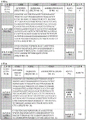
Figure 1, panels a-E provide CDR sequences, variable region sequences, V gene and J gene information, percent CD38 hydrolase inhibitory activity, and cell-bound MFI data for an anti-CD 38 binding compound in the F11 family.
FIG. 2, panels A-D, provides CDR sequences, variable region sequences, V gene and J gene information, percent CD38 hydrolase inhibitory activity, and cell-bound MFI data for anti-CD 38 binding compounds in the F12 family.
FIG. 3, panels A-B, provides CDR sequences, variable region sequences, V gene and J gene information, percent CD38 hydrolase inhibitory activity, and cell-bound MFI data for anti-CD 38 binding compounds in the F13 family.
FIG. 4 provides sequence information for other amino acid sequences in the present application.
FIG. 5 provides sequence information for other amino acid sequences in the present application.
Figure 6 shows a graph depicting the demonstrated binding compound concentration as a function of cell binding data.
FIG. 7 shows a graph depicting the illustrated binding compound concentration as a function of cell-based hydrolase activity.
FIG. 8 shows a schematic depicting bivalent Uniabs TM Graph of enzyme inhibition of hydrolase activity of CD38.
FIG. 9 shows a description of Uniabs TM Graph of the enzymatic inhibition of the hydrolase activity of CD38 by mixtures of CD38_ F13A or CD38_ F13B with ixabelmb.
Figure 10 shows a graph depicting direct cytotoxicity of Daudi cells induced with a binding compound according to embodiments of the invention.
FIG. 11 shows two bivalent (panels C and D) and two tetravalent (panels A and B) UniAb according to embodiments of the invention TM Schematic representation of the format.
FIG. 12 shows a diagram depicting tetravalent Uniabs as depicted in FIG. 11 TM Graph of enzyme inhibition of the hydrolase activity of human CD38 expressed on CHO cells.
Figure 13 shows a graph depicting the inhibition of a mixture of UniAb and ixabeitumab.
Figure 14 shows a graph depicting inhibition of hydrolase activity of CD38 by the UniAb mixture.
Figure 15 shows another graph depicting inhibition of hydrolase activity of CD38 by the UniAb mixture.
Fig. 16 shows a graph depicting cell-based hydrolase activity of two tetravalent bispecific binding compounds, according to embodiments of the invention, as depicted in fig. 11.
Figure 17 shows a graph depicting cell-based hydrolase activity of various binding compounds according to embodiments of the invention.
Figure 18 provides data in tabular form summarizing various activities of binding compounds according to embodiments of the invention.
Figure 19, panels a and B, show graphs depicting binding compound as a function of intracellular NAD + concentration for Daudi and Ramos cells, respectively.
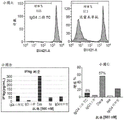
Figure 20, panels a-C, depict graphs showing results from T cell proliferation assays and IFN γ production assays.
Figure 21 shows a graph depicting CD38 cyclase activity as a function of binding compound concentration for various binding compounds according to embodiments of the present invention.
Figure 22 shows a graph depicting target cell binding activity as a function of binding compound concentration in three different cell lines.
FIG. 23 shows a graph depicting off-target cell binding activity as a function of binding compound concentration in four different cell lines.
Figure 24, panels a and B, show graphs depicting binding compound concentration as a function of percent cell survival for Daudi and Ramos cell lines, respectively. Panel C provides data in tabular form.
Figure 25, panels a and B, show graphs depicting NAD + concentration as a function of antibody construct in Daudi and Ramos cells, respectively.
Figure 26 is a graph showing sirtuin activity (measured by luminescence-based activity assay) resulting from 24 hour treatment of Ramos cells as a function of antibody concentration for the indicated antibody constructs.
Figure 27, panels a and B, show graphs depicting NAD + concentration enhanced by the presence of NMN as a function of antibody construct in Daudi and Ramos cells, respectively.
Figure 28 is a graph showing sirtuin activity (measured by luminescence-based activity assays) enhanced by the presence of NMN (resulting from 24 hour treatment of Ramos cells) as a function of antibody concentration for the indicated antibody constructs.
Figure 29 is a graph showing the synergistic effect of NMN concentration and CD38 blockade in increasing sirtuin activity in Ramos cells. In the figure, sirtuin activity is measured by luminescence-based activity assays on the indicated antibody constructs.
Figure 30 is a graph showing the percent survival of mice as a function of days post PBMC injection in GvHD disease model experiments.
Figure 31 is a graph showing the percent body weight of mice as a function of days post PBMC injection in GvHD disease model experiments.
Figure 32 is a graph showing total clinical score of mice as a function of days post PBMC injection in GvHD disease model experiments.
Detailed Description
The practice of the present invention will employ, unless otherwise indicated, conventional techniques of molecular biology (including recombinant techniques), microbiology, cell biology, biochemistry and immunology, which are within the skill of the art. Such techniques are well explained in the literature, such as "Molecular Cloning: A Laboratory Manual", second edition (Sambrook et al, 1989); "Oligonucleotide Synthesis" (edited by m.j. gate, 1984); "Animal Cell Culture" (ed. r.i. freshney, 1987); "Methods in Enzymology" (Academic Press, Inc.); "Current Protocols in Molecular Biology" (ed. F.M. Ausubel et al, 1987, and updated regularly); "PCR: The Polymerase Chain Reaction", (edited by Mullis et al, 1994); "A Practical Guide to Molecular Cloning" (Perbal Bernard V., 1988); "Phage Display: A Laboratory Manual" (Barbas et al, 2001); harlow, Lane and Harlow, Using Antibodies A Laboratory Manual: Portable Protocol No. I, Cold Spring Harbor Laboratory (1998); and Harlow and Lane, Antibodies A Laboratory Manual, Cold Spring Harbor Laboratory; (1988).
Where a range of values is provided, it is understood that each intervening value, to the tenth of the unit of the lower limit unless the context clearly dictates otherwise, between the upper and lower limit of that range and any other stated or intervening value in that stated range is encompassed within the invention. The upper and lower limits of these smaller ranges may independently be included in the smaller ranges, and are also encompassed within the invention, subject to any specifically excluded limit in the stated range. Where the stated range includes one or both of the stated limits, ranges excluding either or both of those included limits are also included in the invention.
Unless otherwise indicated, antibody residues herein are numbered according to the Kabat numbering system (e.g., Kabat et al, Sequences of Immunological interest, 5 th edition Public Health Service, National Institutes of Health, Bethesda, Md. (1991)).
In the following description, numerous specific details are set forth in order to provide a more thorough understanding of the present invention. It will be apparent, however, to one skilled in the art, that the present invention may be practiced without one or more of these specific details. In other instances, well-known features and procedures well known to those skilled in the art have not been described in order to avoid obscuring the present invention.
All references, including patent applications and publications, cited throughout this disclosure are hereby incorporated by reference in their entirety.
I.Definition of
"comprising" means that the recited elements are required in the composition/method/kit, but that other elements may be included to form the composition/method/kit, etc. within the scope of the claims.
"consisting essentially of … …" is intended to limit the scope of the described compositions or methods to the specified materials or steps that do not materially affect the basic and novel characteristics of this invention.
"consisting of … …" means that any element, step, or ingredient not specified in the claims is excluded from the composition, method, or kit.
The terms "binding compound" and "binding composition" are used interchangeably herein to refer to a molecular entity that has binding affinity for one or more binding targets. Binding compounds according to embodiments of the invention may include, but are not limited to, antibodies, antigen binding domains of antibodies, antigen binding fragments of antibodies, antibody-like molecules, heavy chain antibodies (e.g., UniAbs) TM ) Ligands, receptors, and the like.
The term "antibody" is used herein in the broadest sense and specifically covers monoclonal antibodies, polyclonal antibodies, monomers, dimers, multimers, multispecific antibodies (e.g., bispecific antibodies), heavy chain-only antibodies, triabodies, single chain fv (scfv), nanobodies, and the like, and also includes antibody fragments so long as they exhibit the desired biological activity (Miller et al (2003) journal. of Immunology 170: 4854-4861). The antibody may be murine, human, humanized, chimeric, or derived from other species.
The term antibody may refer to a full-length heavy chain, a full-length light chain, a complete immunoglobulin molecule, or an immunologically active portion of any of these polypeptides, i.e., a polypeptide or portion thereof that comprises an antigen binding site that immunospecifically binds to an antigen of a target of interest, such target including, but not limited to, a cancer cell or a cell that produces an autoimmune antibody associated with an autoimmune disease. The immunoglobulins disclosed herein can be immunoglobulin molecules of any class (e.g., IgG, IgE, IgM, IgD, and IgA), class (e.g., IgG1, IgG2, IgG3, IgG4, IgA1, and IgA2) or subclass, including engineered subclasses having altered Fc portions that provide reduced or enhanced effector cell activity. The light chain of the subject antibodies can be a kappa light chain (vk) or a lambda light chain (V λ). The immunoglobulin may be derived from any species. In one aspect, the immunoglobulins are predominantly of human origin.
Antibody residues herein are numbered according to the Kabat numbering system and the EU numbering system. When referring to residues in the variable domain (about residues 1-113 of the heavy chain), the Kabat numbering system is generally used (e.g., Kabat et al, Sequences of Immunological interest, 5 th edition Public Health Service, National Institutes of Health, Bethesda, Md. (1991)). When referring to residues in the constant region of an immunoglobulin heavy chain, the "EU numbering system" or "EU index" (e.g., the EU index reported in Kabat et al, supra) is typically used. "EU index as in Kabat" refers to the residue numbering of the human IgG1 EU antibody. Unless otherwise specified herein, reference to residue numbering in antibody variable domains means residue numbering by the Kabat numbering system. Unless otherwise specified herein, reference to residue numbering in antibody constant domains means residue numbering by the EU numbering system.
As used herein, the term "monoclonal antibody" refers to an antibody obtained from a population of substantially homogeneous antibodies, i.e., the individual antibodies comprising the population are identical except for possible naturally occurring mutations that may be present in minor amounts. Monoclonal antibodies are highly specific (to a single antigenic site). In addition, in contrast to conventional (polyclonal) antibody preparations, which typically include different antibodies directed against different determinants (epitopes), each monoclonal antibody is directed against a single determinant on the antigen. Monoclonal antibodies according to the invention can be prepared by the hybridoma method first described by Kohler et al (1975) Nature256:495, and can also be prepared, for example, via recombinant protein production methods (see, e.g., U.S. Pat. No.4,816,567).
The term "variable" in connection with an antibody means that certain portions of the antibody variable domains in an antibody differ greatly in sequence and are used for the binding and specificity of each particular antibody for its particular antigen. However, the variability is not evenly distributed throughout the variable domain of the antibody. In the light and heavy chain variable domains, they are concentrated in three segments called hypervariable regions (HVRs). The more highly conserved portions of the variable domains are called Framework Regions (FR). The variable domains of native heavy and light chains each comprise four FRs, mostly in a β -sheet configuration, connected by three hypervariable regions, which form loops connecting, and sometimes form part of, the β -sheet structure. The hypervariable regions in each chain are held together in close proximity by the FRs and together with the hypervariable regions from the other chain contribute to the formation of the antigen-binding site of the antibody (see Kabat et al, Sequences of Proteins of Immunological Interest, published Health Service, National Institutes of Health, Bethesda, Md. (1991)). The constant domains are not directly involved in binding of an antibody to an antigen, but exhibit various effector functions, such as participation of the antibody in antibody-dependent cellular cytotoxicity (ADCC).
The term "hypervariable region" when used herein refers to the amino acid residues of an antibody which are responsible for antigen binding. Hypervariable regions typically comprise amino acid residues from the "complementarity determining regions" or "CDRs" (e.g., residues 31-35(H1), 50-65(H2), and 95-102(H3) in the heavy chain variable domain; Kabat et al, Sequences of Proteins of Immunological Interest, published Health Service, National Institutes of Health, Bethesda, Md. (1991)) and/or those from "hypervariable loop" residues 26-32(H1), 53-55(H2), and 96-101(H3) in the heavy chain variable domain; chothia and Lesk J.mol.biol.196:901-917 (1987)). "framework region" or "FR" residues are those variable domain residues other than the hypervariable region residues defined herein.
Exemplary CDR names are shown herein, however, one skilled in the art will appreciate that a variety of CDR definitions are commonly used, including the Kabat definition (see "ZHAO et al A germline based calculated adaptive approach for determining anti-complementary determining regions," Mol Immunol. 2010; 47: 694-one 700), which is based on sequence variability and is most commonly used. The Chothia definition is based on the location of structural loop regions (Chothia et al, "transformations of immunoglobulin hypervariable regions," Nature.1989; 342: 877-. Alternative target CDR definitions include, but are not limited to, those disclosed by: honegger, "Yet antenna number scheme for immunoglobulin variable domains, an automatic modeling and analysis tool," J Mol biol.2001; 309: 657-; ofran et al, "Automated identification of Complementary Determining Regions (CDRs) dimensions of CDRs and B cell epitopes," J Immunol.2008; 181: 6230-6235; an Identification of differences in the specificity-determining reactions of antibodies against differences in size, an Identification for the quantitative design of antibodies against differences in "J Mol recognitions.2004; 17: 132-; and Padlan et al "Identification of specificity-determining principles in antibodies," Faseb J.1995; 9: 133-139, each of which is specifically incorporated by reference herein.
The terms "heavy chain-only antibody" and "heavy chain antibody" are used interchangeably herein and refer in the broadest sense to an antibody that lacks the light chain of a conventional antibody. The term specifically includes, but is not limited to, homodimeric antibodies comprising a VH antigen binding domain and CH2 and CH3 constant domains without the CH1 domain; functional (antigen-binding) variants of such antibodies, soluble VH variants, Ig-NAR comprising homodimers of one variable domain (V-NAR) and five C-like constant domains (C-NAR), and functional fragments thereof; and soluble single domain antibodies (sUnidabs) TM ). In one embodiment, the heavy chain-only antibody is comprised of a variable region antigen binding domain comprised of framework 1, CDR1, framework 2, CDR2, framework 3, CDR3, and framework 4. In another embodiment, the heavy chain-only antibody consists of the antigen binding domain, at least a portion of the hinge region, and the CH2 and CH3 domains, without the CH1 domain. In another embodiment, the heavy chain-only antibody consists of the antigen binding domain, at least a portion of the hinge region, and the CH2 domain. In another embodiment, the heavy chain-only antibody consists of the antigen binding domain, at least a portion of the hinge region, and the CH3 domain. Heavy chain-only antibodies in which the CH2 and/or CH3 domains are truncated are also included herein. In another embodiment, the heavy chain is comprised of an antigen binding domain and at least one CH (CH1, CH2, CH3, or CH4) domain, but lacks a hinge region. In another embodiment, the heavy chain consists of an antigen binding domain, at least one CH (CH1, CH2, CH3, or CH4) domain, and at least a portion of a hinge region. Heavy chain-only antibodies can be in the form of dimers in which two heavy chains are disulfide-linked, or otherwise covalently or non-covalently attached to each other. Heavy chain-only antibodies may belong to the IgG subclass, but antibodies belonging to other subclasses such as the IgM, IgA, IgD, and IgE subclasses are also included herein. In a particular embodiment, the heavy chain antibody has the IgG1, IgG2, IgG3 or IgG4 subtype, in particular the IgG1 or IgG4 subtype. In one embodiment, the heavy chain antibody has an IgG4 subtype in which one or more CH domains are modified to alter the effector function of the antibody. In one embodiment, the heavy chain antibody has an IgG1 subtype in which one or more CH domains are modified to alter the effector function of the antibody. Further described herein are modifications of the CH domain that alter effector function. Non-limiting examples of heavy chain antibodies are described, for example, in WO2018/039180, the disclosure of which is incorporated herein by reference in its entirety.
In one embodiment, the heavy chain-only antibody herein is used as the binding (targeting) domain of a Chimeric Antigen Receptor (CAR). The definition specifically includes the transgenic rat by human immunoglobulin (UniRat) TM ) Produced byHuman heavy chain-only antibodies, designated Uniabs TM 。UniAbs TM The variable regions (VH) of (A) are referred to as Unidabs TM And are universal building blocks that can be linked to the Fc region or serum albumin to develop novel therapeutics with multispecific, increased potency and extended half-life. Due to homodimerization of Uniabs TM Lacking the light chain and hence the VL domain, the antigen is recognized by one single domain, the variable domain of the heavy chain of a heavy chain antibody (antigen binding domain) (VH).
By "antibody-drug conjugate" (ADC) or "immunoconjugate" is meant an antibody or antigen-binding fragment thereof conjugated to a cytotoxic agent, such as a chemotherapeutic agent, a drug, a growth inhibitory agent, a toxin (e.g., an enzymatically active toxin of bacterial, fungal, plant, or animal origin, or a fragment thereof), or a radioisotope (i.e., a radioconjugate).
As used herein, an "intact antibody chain" is a chain comprising a full-length variable region and a full-length constant region (Fc). An intact "conventional" antibody comprises an intact light chain and an intact heavy chain, as well as antibodies for the light chain constant domain (CL) and the heavy chain constant domain CH1, the hinge, CH2, and CH3 (for secreted IgG). Other isotypes (e.g., IgM or IgA) may have different CH domains. The constant region can be a native sequence constant domain (e.g., a human native sequence constant domain) or an amino acid sequence variant thereof. An intact antibody may have one or more "effector functions," which refer to those biological activities attributable to the Fc constant domain (either the native sequence Fc region or the amino acid sequence variant Fc region) of the antibody. Examples of antibody effector functions include C1q binding; complement-dependent cytotoxicity; fc receptor binding; antibody-dependent cell-mediated cytotoxicity (ADCC); phagocytosis and down-regulation of cell surface receptors. Constant region variants include those that alter effector profiles, bind to Fc receptors, and the like.
Antibodies and various antigen binding proteins can be provided as distinct classes, depending on the amino acid sequence of their heavy chain Fc (constant domain). There are five main classes of heavy chain Fc regions: IgA, IgD, IgE, IgG, and IgM, and several of these classes can be further divided into "subclasses" (isotypes), such as IgG1, IgG2, IgG3, IgG4, IgA, and IgA 2. Fc constant domains corresponding to different classes of antibodies may be referred to as α, δ, ε, γ, and μ, respectively. The subunit structures and three-dimensional configurations of different classes of immunoglobulins are well known. Ig formats include hinge-modified or hingeless formats (Roux et al (1998) J.Immunol.161: 4083-4090; Lund et al (2000) Eur.J.biochem.267: 7246-7256; US 2005/0048572; US 2004/0229310). The light chain of an antibody from any vertebrate species can be assigned to one of two types, called kappa (kappa) and lambda (lambda), based on the amino acid sequence of its constant domain. Antibodies according to embodiments of the invention may comprise a kappa light chain sequence or a lambda light chain sequence.
A "functional Fc region" has the "effector functions" of a native sequence Fc region. Non-limiting examples of effector functions include C1q binding; CDC; fc receptor binding; ADCC; ADCP; down-regulation of cell surface receptors (e.g., B cell receptors), and the like. Such effector functions typically require the Fc region to interact with a receptor, such as Fc γ RI; fc γ RIIA; fc γ RIIB 1; fc γ RIIB 2; fc γ RIIIA; fc γ RIIIB receptors and low affinity FcRn receptors; and can be evaluated using various assays known in the art. A "dead" or "silent" Fc is an Fc that has been mutated to retain activity, for example, in prolonging serum half-life, but which does not activate a high affinity Fc receptor, or whose affinity for an Fc receptor is reduced.
A "native sequence Fc region" comprises an amino acid sequence that is identical to the amino acid sequence of an Fc region that occurs in nature. Native sequence human Fc regions include, for example, native sequence human IgG1Fc regions (non-a and a allotypes); native sequence human IgG2 Fc region; native sequence human IgG3 Fc region; and native sequence human IgG4Fc regions, as well as naturally occurring variants thereof.
A "variant Fc region" comprises an amino acid sequence that differs from the amino acid sequence of a native sequence Fc region by at least one amino acid modification, preferably one or more amino acid substitutions. Preferably, the variant Fc region has at least one amino acid substitution as compared to the native sequence Fc region or the Fc region of the parent polypeptide, e.g., there are about one to about ten amino acid substitutions, and preferably about one to about five amino acid substitutions in the native sequence Fc region or the Fc region of the parent polypeptide. The variant Fc region herein will preferably have at least about 80% homology with a native sequence Fc region and/or with an Fc region of a parent polypeptide, and most preferably at least about 90% homology therewith, more preferably at least about 95% homology therewith.
A variant Fc sequence may include three amino acid substitutions in the CH2 region to reduce Fc γ RI binding at EU index positions 234, 235 and 237 (see Duncan et al, (1988) Nature 332: 563). Two amino acid substitutions in the complement C1q binding site at EU index positions 330 and 331 reduced complement fixation (see Tao et al, j.exp. med.178:661(1993) and Canfield and Morrison, j.exp. med.173:1483 (1991)). Substitutions in the human IgG1 or IgG2 residues at positions 233-. The human IgG1 amino acid sequence (UniProtKB accession number P01857) is provided herein as SEQ ID NO: 43. The human IgG4 amino acid sequence (UniProtKB accession number P01861) is provided herein as SEQ ID NO: 44. Silencing IgG1 is described, for example, in Boesch, A.W. et al, "high regime catalysis of IgG Fc binding interactions," MAbs,2014.6(4): p.915-27, the disclosure of which is incorporated herein by reference in its entirety.
Other Fc variants are also possible, including but not limited to variants in which regions capable of disulfide bond formation are deleted, or in which certain amino acid residues are eliminated at the N-terminus of the native Fc, or to which methionine residues are added. Thus, in some embodiments, one or more Fc portions of a binding compound may comprise one or more mutations in the hinge region to eliminate disulfide bonds. In yet another embodiment, the hinge region of the Fc may be completely removed. In yet another embodiment, the binding compound may comprise an Fc variant.
In addition, Fc variants can be constructed to remove or substantially reduce effector function by substituting (mutating), deleting, or adding amino acid residues to achieve complement binding or Fc receptor binding. For example, but not limited to, the deletion can occur in a complement binding site, such as the C1q binding site. Techniques for preparing such sequence derivatives of immunoglobulin Fc fragments are disclosed in international patent publication nos. WO 97/34631 and WO 96/32478. In addition, the Fc domain may be modified by phosphorylation, sulfation, acylation, glycosylation, methylation, farnesylation, acetylation, amidation, and the like.
In some embodiments, the binding compound (e.g., antibody) comprises a variant human IgG4CH3 domain sequence comprising a T366W mutation, which may be optionally referred to herein as an IgG4CH3 knob sequence. In some embodiments, the binding compound (e.g., antibody) comprises a variant human IgG4CH3 domain sequence comprising a T366S mutation, an L368A mutation, and a Y407V mutation, which may be optionally referred to herein as an IgG4CH3 hole sequence. The IgG4CH3 "knob-in-holes" mutations described herein can be utilized in any suitable manner such that a "knob" is placed on a first heavy chain constant region of a first monomer of a binding compound dimer and a "hole" is placed on a second heavy chain constant region of a second monomer of a binding compound dimer, thereby promoting proper pairing (heterodimerization) of the desired heavy chain polypeptide subunit pair in the binding compound.
In some embodiments, the binding compound comprises a heavy chain polypeptide subunit comprising a variant human IgG4Fc region comprising the S228P mutation, the F234A mutation, the L235A mutation. Such a collection of mutations can be introduced into the IgG4 heavy chain sequence to reduce effector function activity of the resulting antibody or binding compound, and can be used interchangeably with knob and hole structural mutations described herein. For example, in some embodiments, the antibody comprises a heavy chain polypeptide subunit comprising a variant human IgG4Fc region comprising the S228P mutation, the F234A mutation, the L235A mutation, and the T366W mutation (knob). In some embodiments, the antibody comprises a heavy chain polypeptide subunit comprising a variant human IgG4Fc region comprising the S228P mutation, the F234A mutation, and the L235A mutation, as well as the T366S mutation, the L368A mutation, and the Y407V mutation (hole).
The term "Fc region-containing antibody" refers to an antibody comprising an Fc region. The C-terminal lysine (according to EU numbering system residue 447) of the Fc region can be removed, for example, during purification of the antibody or by recombinant engineering of the nucleic acid encoding the antibody. Thus, antibodies having an Fc region according to the invention may include antibodies with or without K447.
The Fc may be in a form having natural sugar chains, having increased sugar chains as compared to the natural form or having decreased sugar chains as compared to the natural form, or may be in a non-glycosylated or deglycosylated form. The addition, reduction, removal or other modification of the sugar chain can be achieved by methods commonly used in the art, such as chemical methods, enzymatic methods or by expression in genetically engineered production cell lines. Such cell lines may include microorganisms (e.g., pichia pastoris), as well as mammalian cell lines that naturally express glycosylases (e.g., CHO cells). Furthermore, the microorganism or cell may be engineered to express a glycosylase, or may exhibit the inability to express a glycosylase (see, e.g., Hamilton et al, Science,313:1441 (2006); Kanda et al, J.Biotechnology,130:300 (2007); Kitagawa et al, J.biol.Chem.,269(27):17872 (1994); Ujita-Lee et al, J.biol.Chem.,264(23):13848 (1989); Imai-Nishiya et al, BMC Biotechnology 7:84 (2007); and WO 07/055916). As an example of cells engineered to have altered sialylation activity, the α -2, 6-sialyltransferase 1 gene has been engineered into chinese hamster ovary cells and sf9 cells. Antibodies expressed by these engineered cells are thus sialylated by the foreign gene product. Another method for obtaining Fc molecules with modified amounts of sugar residues compared to a variety of native molecules involves separation of the variety of molecules into glycosylated and non-glycosylated fractions, e.g., using lectin affinity chromatography (see, e.g., WO 07/117505). The presence of specific glycosylation moieties has been shown to alter immunoglobulin function. For example, removal of the sugar chain from the Fc molecule results in a dramatic decrease in binding affinity to the C1q portion of the first complement component C1, as well as a decrease or loss of antibody-dependent cell-mediated cytotoxicity (ADCC) or complement-dependent cytotoxicity (CDC), such that an unwanted immune response is not induced in vivo. Other important modifications include sialylation and fucosylation: the presence of sialic acid in IgG is associated with anti-inflammatory activity (see, e.g., Kaneko et al, Science 313:760(2006)), whereas removal of fucose from IgG results in enhanced ADCC activity (see, e.g., Shoj-Hosaka et al, j. biochem.,140:777 (2006)).
In alternative embodiments, binding compounds of the invention may have Fc sequences that enhance effector function, for example, by increasing their binding capacity to fcyriiia and increasing ADCC activity. For example, fucose attached to the N-linked glycan at Asn-297 of the Fc sterically hinders the Fc interaction with Fc γ RIIIA, and removal of fucose by glycoengineering can increase binding to Fc γ RIIIA, translating into ADCC activity >50 times higher in contrast ratio than wild-type IgG 1. Protein engineering through amino acid mutations in the IgG1Fc portion has created variants that increase the affinity of Fc binding to Fc γ RIIIA. Notably, the triple alanine mutant S298A/E333A/K334A showed a 2-fold increase in binding to Fc γ RIIIA and ADCC functions. The S239D/I332E (2X) and S239D/I332E/a330L (3X) variants exhibited a significant increase in binding affinity to Fc γ RIIIA and ADCC capacity in vitro and in vivo. Other Fc variants identified by yeast display also showed improved binding to Fc γ RIIIA and enhanced tumor cell killing in the mouse xenograft model. See, for example, Liu et al (2014) JBC 289(6):3571-90, which is specifically incorporated by reference herein.
The term "Fc region-containing antibody" refers to an antibody comprising an Fc region. The C-terminal lysine (according to EU numbering system residue 447) of the Fc region may be removed, for example, during purification of the antibody or by recombinant engineering of the nucleic acid encoding the antibody. Thus, antibodies having an Fc region according to the invention may include antibodies with or without K447.
"humanized" forms of non-human (e.g., rodent) antibodies are chimeric antibodies (including single chain antibodies) that contain minimal sequences derived from non-human immunoglobulins. See, e.g., Jones et al, (1986) Nature 321: 522-525; chothia et al (1989) Nature 342: 877; riechmann et al (1992) J.mol.biol.224, 487-499; foote and Winter, (1992) J.Mol.biol.224: 487-499; presta et al (1993) J.Immunol.151, 2623-2632; werther et al (1996) J.Immunol.methods 157: 4986-; and Presta et al (2001) Thromb. Haemost.85: 379-. For more details, see U.S. Pat. nos. 5,225,539; 6,548,640 No; 6,982,321, No. 6,982,321; U.S. Pat. No. 5,585,089; nos. 5,693,761; 6,407,213, No. 6,407,213; jones et al (1986) Nature,321: 522-525; and Riechmann et al (1988) Nature 332: 323-329.
Aspects of the invention include binding compounds having a multispecific configuration, including but not limited to bispecific, trispecific, and the like. Various methods and protein configurations are known and used for bispecific monoclonal antibodies (BsMAB), trispecific antibodies, and the like.
Aspects of the invention include antibodies comprising a heavy chain variable region only in a monovalent or bivalent configuration. As used herein, the term "monovalent configuration" as used with respect to the heavy chain variable region-only domain means that there is only one heavy chain variable region-only domain, with a single binding site (see, e.g., fig. 11 panel D, right side of the depicted molecule). In contrast, the term "bivalent configuration" as used with respect to a heavy chain variable region-only domain means that there are two heavy chain variable region-only domains (each having a single binding site) and are connected by a linker sequence (see, e.g., fig. 11 panel B, either side of the depicted molecule). Non-limiting examples of linker sequences are discussed further herein and include, but are not limited to, GS linker sequences of various lengths. When the heavy chain-only variable region is in a bivalent configuration, each of the two heavy chain-only variable regions can have binding affinity for the same antigen or for different antigens (e.g., for different epitopes on the same protein; for two different proteins, etc.). However, unless otherwise specifically stated, a heavy chain-only variable region that is represented as being in a "bivalent configuration" is understood to contain two identical heavy chain-only variable regions connected by a linker sequence, wherein each of the two identical heavy chain-only variable regions has binding affinity for the same target antigen.
Various methods for making multivalent artificial antibodies have been developed by recombinantly fusing the variable domains of two or more antibodies. In some embodiments, the first and second antigen-binding domains on the polypeptide are linked by a polypeptide linker. One non-limiting example of such a polypeptide linker is a GS linker having an amino acid sequence of four glycine residues followed by one serine residue, and wherein the sequence is repeated n times, wherein n is an integer ranging from 1 to about 10, such as 2,3, 4,5, 6, 7,8, or 9. Non-limiting examples of such linkers include GGGGS (SEQ ID NO:29) (n ═ 1) and GGGGSGGGGS (SEQ ID NO:45) (n ═ 2). Other suitable linkers can also be used and are described, for example, in Chen et al, Adv Drug Deliv rev.2013, 10 months and 15 days; 65(10) 1357-69, the disclosure of which is incorporated herein by reference in its entirety.
The term "bispecific three chain antibody-like molecule" or "TCA" as used herein refers to an antibody-like molecule comprising, consisting essentially of, or consisting of 3 polypeptide subunits, two of said 3 polypeptide subunits comprising, consisting essentially of, or consisting of one heavy chain and one light chain of a monoclonal antibody, or a functional antigen-binding fragment of such an antibody chain (comprising an antigen-binding region and at least one CH domain), consisting essentially of, or consisting of one heavy chain and one light chain of a monoclonal antibody, or a functional antigen-binding fragment of such an antibody chain. This heavy/light chain pair has binding specificity for the first antigen. In some embodiments, the TCA comprises light chain polypeptide subunits comprising the CDR1 sequence of SEQ ID NO. 49, the CDR2 sequence of SEQ ID NO. 50, and the CDR3 sequence of SEQ ID NO. 51 in a human light chain framework. In some embodiments, the human light chain framework is a human kappa (vk) or human lambda (V λ) framework. In some embodiments, the TCA comprises light chain polypeptide subunits comprising a light chain variable region (VL) comprising a sequence having at least about 80%, 85%, 90%, 95%, or 99% identity to the sequence of SEQ ID NO: 52. In some embodiments, the TCA comprises a light chain polypeptide subunit comprising the sequence of SEQ ID NO 52. In some embodiments, the TCA comprises light chain polypeptide subunits comprising a light chain constant region (CL). In some embodiments, the light chain constant region is a human kappa light chain constant region or a human lambda light chain constant region. In some embodiments, the TCA comprises light chain polypeptide subunits,the light chain polypeptide subunits comprise a full-length light chain comprising a sequence having at least about 80%, 85%, 90%, 95%, or 99% identity to the sequence of SEQ ID No. 48. In some embodiments, the TCA comprises a light chain polypeptide subunit comprising the sequence of SEQ ID NO 48. The third polypeptide subunit comprises, consists essentially of, or consists of a heavy chain-only antibody comprising an Fc portion that comprises a CH2 and/or CH3 and/or CH4 domain without a CH1 domain, and an antigen-binding domain that binds to an epitope of the second antigen or a different epitope of the first antigen, wherein such binding domains are derived from or have sequence identity to the variable region of an antibody heavy or light chain. Part of such variable regions may be represented by V H And/or V L Gene segments, D and J H Gene segment or J L The gene segment encodes. Variable regions may be composed of rearranged V H DJ H 、V L DJ H 、V H J L Or V L J L The gene segment encodes.
TCA binding compounds use "heavy chain only antibodies" or "heavy chain polypeptides", which as used herein means single chain antibodies comprising the heavy chain constant regions CH2 and/or CH3 and/or CH4 but not the CH1 domain. In one embodiment, the heavy chain antibody consists of an antigen binding domain, at least a portion of a hinge region, and CH2 and CH3 domains. In another embodiment, the heavy chain antibody consists of an antigen binding domain, at least a portion of a hinge region, and a CH2 domain. In another embodiment, the heavy chain antibody consists of an antigen binding domain, at least a portion of a hinge region, and a CH3 domain. Also included herein are heavy chain antibodies wherein the CH2 and/or CH3 domains are truncated. In another embodiment, the heavy chain is comprised of an antigen binding domain and at least one CH (CH1, CH2, CH3, or CH4) domain, but lacks a hinge region. Heavy chain-only antibodies can be in the form of dimers, in which two heavy chains are disulfide-linked, or otherwise covalently or non-covalently attached to each other, and can optionally include an asymmetric interface between two or more CH domains to facilitate proper pairing between polypeptide chains. Heavy chain antibodies may belong to the IgG subclass, but antibodies belonging to other subclasses such as the IgM, IgA, IgD, and IgE subclasses are also included herein. In a particular embodiment, the heavy chain antibody has an IgG1, IgG2, IgG3 or IgG4 subtype, in particular an IgG1 subtype or an IgG4 subtype. Non-limiting examples of TCA-binding compounds are described, for example, in WO2017/223111 and WO2018/052503, the disclosures of which are incorporated herein by reference in their entirety.
Heavy chain antibodies constitute about one quarter of the IgG antibodies produced by camelids (e.g., camels and llamas) (Hamers-Casterman C. et al Nature.363,446-448 (1993)). These antibodies are formed from two heavy chains, but no light chains. Thus, the variable antigen-binding portion is referred to as the VHH domain and it represents the smallest naturally occurring complete antigen-binding site, only about 120 amino acids in length (Desmyter, a. et al j.biol.chem.276,26285-26290 (2001)). Heavy chain antibodies with high specificity and affinity for a variety of antigens can be produced by immunization (van der Linden, r.h. et al biochim.biophysis.acta.1431, 37-46(1999)), and VHH moieties can be readily cloned and expressed in yeast (Frenken, l.g.j. et al j.biotechnol.78,11-21 (2000)). Their expression level, solubility and stability are significantly higher than typical F (ab) or Fv fragments (Ghahronoudi, M.A. et al FEBS Lett.414,521-526 (1997)). Sharks have also been shown to have a single VH-like domain in their antibodies called VNARs. (Nuttall et al Eur. J. biochem.270,3543-3554 (2003); Nuttall et al Function and Bioinformatics 55,187-197 (2004); Dooley et al Molecular Immunology40,25-33 (2003)).
As used herein, the term "interface" is used to refer to a region comprising those "contact" amino acid residues (or other non-amino acid groups, such as, for example, carbohydrate groups) in the first heavy chain constant region that interact with one or more "contact" amino acid residues (or other non-amino acid groups) in the second heavy chain constant region.
The term "asymmetric interface" is used to refer to an interface (as defined above) formed between two polypeptide chains, such as between first and second heavy chain constant regions and/or a light chain to which the heavy chain constant region is mated, wherein the contact residues in the first and second chains are differently designed, comprising complementary contact residues. The asymmetric interface may be created by, for example, pestle/mortar interactions and/or salt bridge coupling (charge exchange) and/or other techniques known in the art.
A "cavity" or "hole" refers to at least one amino acid side chain that is recessed from the interface of a second polypeptide, thus accommodating a corresponding protrusion ("knob") on the adjacent interface of a first polypeptide. Cavities (pits) may be present in the original interface, or may be introduced synthetically (e.g., by altering the nucleic acid encoding the interface residue). Typically, the nucleic acid encoding the second polypeptide interface is altered to encode the cavity. To this end, the nucleic acid encoding at least one "original" amino acid residue in the second polypeptide interface is replaced by DNA encoding at least one "import" amino acid residue having a smaller side chain volume than the original amino acid residue. It will be appreciated that there may be more than one original and corresponding input residue. The upper limit on the number of original residues that are replaced is the total number of residues in the second polypeptide interface. Preferred import residues for cavity formation are typically naturally occurring amino acid residues and are preferably selected from the group consisting of alanine (a), serine (S), threonine (T), valine (V) and glycine (G). The most preferred amino acid residue is serine, alanine or threonine, most preferably alanine. In a preferred embodiment, the original residue used to form the protuberance has a large side chain volume, such as tyrosine (Y), arginine (R), phenylalanine (F), or tryptophan (W). Asymmetric interfaces are described in detail, for example, in Xu et al, "Production of bispecific antibiotics in 'nanobs-into-holes' using a cell-free expression system", MAbs.2015,7(1):231-42, the disclosure of which is incorporated herein by reference in its entirety.
As used herein, the term "CD 38" refers to a single pass type II transmembrane protein with extracellular enzyme activity, also known as ADP ribosyl cyclase/cyclic ADP ribohydrolase 1. The term "CD 38" includes CD38 protein of any human or non-human animal species, specifically including human CD38 and non-human mammalian CD38.
As used herein, the term "human CD 38" includes any variant, isoform and species homolog of human CD38(UniProt P28907), regardless of its origin or manner of preparation. Thus, "human CD 38" includes human CD38 expressed naturally by cells as well as CD38 expressed on cells transfected with the human CD38 gene.
The terms "anti-CD 38 heavy chain only antibody", "CD 38 heavy chain only antibody", "anti-CD 38 heavy chain antibody", and "CD 38 heavy chain antibody" are used interchangeably herein to refer to a heavy chain only antibody as defined above that immunospecifically binds to CD38 (including human CD38 as defined above). Definitions include, but are not limited to, human heavy chain antibodies produced by transgenic animals expressing human immunoglobulins (such as transgenic rats or transgenic mice), including UniRats as defined above TM Which produces human anti-CD 38 UniAb TM An antibody.
"percent (%) amino acid sequence identity" with respect to a reference polypeptide sequence is defined as the percentage of amino acid residues in a candidate sequence that are identical with the amino acid residues in the reference polypeptide sequence, after aligning the sequences and introducing gaps, if necessary, to achieve the maximum percentage of sequence identity, and without considering any conservative substitutions as part of the sequence identity. Alignment to determine percent amino acid sequence identity can be achieved in a variety of ways within the skill in the art, for example, using publicly available computer software such as BLAST, BLAST-2, ALIGN, or megalign (dnastar) software. One skilled in the art can determine appropriate parameters for aligning the sequences, including any algorithms necessary to achieve maximum alignment over the full length of the sequences being compared. However, for purposes herein, the sequence comparison computer program ALIGN-2 is used to generate% amino acid sequence identity values.
An "isolated" binding compound (such as an isolated antibody) is a compound that has been identified, isolated and/or recovered from a component of its natural environment. Contaminant components of their natural environment are materials that would interfere with diagnostic or therapeutic uses of the binding compounds, and may include enzymes, hormones, and other proteinaceous or nonproteinaceous solutes. In preferred embodiments, the binding compound will be purified to (1) greater than 95% by weight of binding compound (as determined by the Lowry method), and most preferably greater than 99% by weight, (2) by using a rotary cup sequencer to a degree sufficient to obtain at least 15N-terminal or internal amino acid sequence residues, or (3) by SDS-PAGE under reducing or non-reducing conditions using coomassie blue or, preferably, silver staining methods. Isolated binding compounds include binding compounds that are in situ in recombinant cells, as at least one component of the natural environment of the binding compound will not be present. However, typically, the isolated binding compound will be prepared by at least one purification step.
Binding compounds according to embodiments of the invention include multispecific binding compounds. The multispecific binding compound has more than one binding specificity. The term "multispecific" specifically includes "bispecific" and "trispecific," as well as higher order independent specific binding affinities, such as higher order polyepitopic specificities, as well as tetravalent binding compounds and antigen-binding fragments (e.g., antibodies and antibody fragments) of the binding compounds. "multispecific" binding compounds specifically include antibodies comprising a combination of different binding entities, as well as antibodies comprising more than one of the same binding entities. The terms "multispecific antibody", "multispecific heavy chain-only antibody", "multispecific heavy chain antibody", and "multispecific UniAb TM "is used herein in the broadest sense and covers all antibodies having more than one binding specificity. The multispecific heavy chain anti-CD 38 antibodies of the invention specifically include antibodies that immunospecifically bind to two or more non-overlapping epitopes on a CD38 protein, such as human CD38.
An "epitope" is a site on the surface of an antigenic molecule that binds to an antigen-binding region of a binding compound. Typically, an antigen has several or many different epitopes and reacts with many different binding compounds (e.g., many different antibodies). The term specifically includes linear epitopes and conformational epitopes.
"epitope mapping" is the process of identifying the binding site or epitope of an antibody on its target antigen. The antibody epitope may be a linear epitope or a conformational epitope. Linear epitopes are formed by contiguous sequences of amino acids in a protein. Conformational epitopes are formed by amino acids that are not contiguous in the protein sequence, but come together when the protein folds into its three-dimensional structure.
"Multi-epitope specificity" refers to the ability to specifically bind to two or more different epitopes on the same or different targets. As mentioned above, the invention specifically includes anti-CD 38 heavy chain antibodies with polyepitopic specificity, i.e., anti-CD 38 heavy chain antibodies that bind to two or more non-overlapping epitopes on a CD38 protein (such as human CD 38). The term "non-overlapping epitope" or "non-competing epitope" of an antigen is defined herein to mean an epitope that is recognized by one member but not the other of a pair of antigen-specific antibodies. Pairs of antibodies or pairs of antigen-binding regions on multispecific antibodies that recognize non-overlapping epitopes that target the same antigen do not compete for binding to the antigen and are capable of binding to the antigen simultaneously.
A binding compound binds "substantially the same epitope" as a reference binding compound (e.g., a reference antibody) when the binding compound and the reference antibody recognize the same or spatially overlapping epitopes. The most widely used and rapid method for determining whether two epitopes bind to the same or spatially overlapping epitopes is a competition assay, which can be configured in a variety of different formats using a labeled antigen or labeled antibody. Typically, the antigen is immobilized on a 96-well plate and a radioactive or enzymatic label is used to measure the ability of the unlabeled antibody to block the binding of the labeled antibody.
As used herein, the term "compete" with respect to a binding compound (e.g., an antibody) and a reference binding compound (e.g., a reference antibody) means that the binding compound results in about 15% -100% reduction in binding of the reference binding compound to the target antigen as determined by standard techniques, such as by the competitive binding assay described herein.
As used herein, the term "competition group" refers to two or more binding compounds (e.g., first and second antibodies) that bind to the same target antigen (or epitope) and compete with members of the competition group for binding to the target antigen. Members of the same competition group compete with each other for binding to the target antigen, but do not necessarily have the same functional activity.
As used herein, the term "valency" refers to the specified number of binding sites in an antibody molecule or binding compound.
A "multivalent" binding compound has two or more binding sites. Thus, the terms "divalent", "trivalent" and "tetravalent" refer to the presence of two binding sites, three binding sites and four binding sites, respectively. Thus, bispecific antibodies according to the invention are at least bivalent and may be trivalent, tetravalent, or in other cases multivalent. Various methods and protein configurations are known and used to prepare bispecific monoclonal antibodies (BsMAB), trispecific antibodies, and the like.
The term "chimeric antigen receptor" or "CAR" is used herein in the broadest sense and refers to an engineered receptor that grafts the desired binding specificity (e.g., the antigen binding region of a monoclonal antibody or other ligand) to the transmembrane and intracellular signaling domains. Typically, the receptor is used to graft the specificity of a monoclonal antibody onto a T cell to generate a Chimeric Antigen Receptor (CAR). (Dai et al, J Natl Cancer Inst, 2016; 108(7): djv 439; and Jackson et al, Nature Reviews Clinical Oncology, 2016; 13: 370-.
The term "human antibody" is used herein to include antibodies having variable and constant regions derived from human germline immunoglobulin sequences. The human antibodies herein may comprise amino acid residues not encoded by human germline immunoglobulin sequences, such as mutations introduced by random or site-specific mutagenesis in vitro or by somatic mutation in vivo. The term "human antibody" specifically includes heavy chain-only antibodies with human heavy chain variable region sequences produced by transgenic animals (such as transgenic rats or mice), in particular by UniRats as defined above TM Generated Uniabs TM 。
By "chimeric antibody" or "chimeric immunoglobulin" is meant an immunoglobulin molecule comprising amino acid sequences from at least two different Ig loci, e.g., a transgenic antibody comprising a portion encoded by a human Ig locus and a portion encoded by a rat Ig locus. Chimeric antibodies include transgenic antibodies having a non-human Fc-region or an artificial Fc-region and a human idiotype. Such immunoglobulins can be isolated from the animals of the invention that have been engineered to produce such chimeric antibodies.
As used herein, the term "effector cell" refers to an immune cell that is involved in the effector phase of an immune response (as opposed to the cognitive and activation phases of an immune response). Some effector cells express specific Fc receptors and perform specific immune functions. In some embodiments, effector cells (such as natural killer cells) are capable of inducing antibody-dependent cellular cytotoxicity (ADCC). For example, FcR expressing monocytes and macrophages are involved in specifically killing target cells and presenting antigen to other components of the immune system, or binding to antigen presenting cells. In some embodiments, the effector cell can phagocytose the target antigen or target cell.
"human effector cells" are leukocytes which express receptors (such as T cell receptors or fcrs) and perform effector functions. Preferably, the cells express at least Fc γ RIII and perform ADCC effector function. Examples of human leukocytes that mediate ADCC include Natural Killer (NK) cells, monocytes, cytotoxic T cells, and neutrophils; among them, NK cells are preferable. Effector cells may be isolated from their natural source, e.g., blood or PBMCs as described herein.
The term "immune cell" is used herein in its broadest sense, including, but not limited to, cells of myeloid or lymphoid origin, e.g., lymphocytes (such as B cells and T cells, including cytolytic T Cells (CTLs)), killer cells, Natural Killer (NK) cells, macrophages, monocytes, eosinophils, polymorphonuclear cells, such as neutrophils, granulocytes, mast cells, and basophils.
Antibody "effector functions" refer to those biological activities attributable to the Fc region of an antibody (either the native sequence Fc region or the amino acid sequence variant Fc region). Examples of antibody effector functions include C1q binding; complement-dependent cytotoxicity; fc receptor binding; antibody-dependent cell-mediated cytotoxicity (ADCC); phagocytosis; downregulation of cell surface receptors (e.g., B cell receptors; BCR), and the like.
"antibody-dependent cell-mediated cytotoxicity" and "ADCC" refer to a cell-mediated reaction in which nonspecific cytotoxic cells that express Fc receptors (fcrs) (e.g., Natural Killer (NK) cells, neutrophils, and macrophages) recognize bound antibody on a target cell and subsequently cause lysis of the target cell. The primary cells mediating ADCC (NK cells) express Fc γ RIII only, whereas monocytes express Fc γ RI, Fc γ RII and Fc γ RIII. FcR expression on hematopoietic cells is summarized in table 3 on page 464 of ravatch and Kinet, annu, rev, immunol 9:457-92 (1991). To assess ADCC activity of a target molecule, an in vitro ADCC assay, such as the assays described in U.S. Pat. No. 5,500,362 or 5,821,337, may be performed. Useful effector cells for such assays include Peripheral Blood Mononuclear Cells (PBMC) and Natural Killer (NK) cells. Alternatively or additionally, the ADCC activity of the molecule of interest may be assessed in vivo, for example in an animal model such as that disclosed in Clynes et al PNAS (USA)95: 652-.
"complement-dependent cytotoxicity" or "CDC" refers to the ability of a molecule to solubilize a target in the presence of complement. The complement activation pathway is initiated by the binding of the first component of the complement system (C1q) to a molecule (e.g., an antibody) that is complexed with a cognate antigen. To assess complement activation, CDC assays can be performed, as described, for example, in Gazzano-Santoro et al, J.Immunol. methods 202:163 (1996).
"binding affinity" refers to the strength of all non-covalent interactions between a single binding site of a molecule (e.g., an antibody) and its binding partner (e.g., an antigen). As used herein, unless otherwise indicated, "binding affinity" refers to an intrinsic binding affinity that reflects a 1:1 interaction between members of a binding pair (e.g., an antibody and an antigen). The affinity of a molecule X for its partner Y can generally be represented by the dissociation constant (Kd). Affinity can be measured by common methods known in the art. Low affinity antibodies generally bind antigen slowly and tend to dissociate quickly, while high affinity antibodies generally bind antigen more quickly and tend to remain bound.
As used herein, "Kd" or "Kd value" refers to the dissociation constant determined by biolayer interferometry in kinetic mode using an Octet QK384 instrument (Fortebio inc., Menlo Park, CA). For example, an anti-mouse Fc sensor is loaded with a mouse-Fc fusion antigen and then immersed in a well containing an antibody to measure the concentration-dependent association rate (k-association). The antibody off-rate (koff) is measured in the final step, where the sensor is immersed in a well containing buffer only. Kd is the ratio of k dissociation/k association. (for more details, see Concepcion, J et al, Comb Chem High through Screen,12(8), 791-.
The terms "treatment" and "treating" are used generically herein to mean obtaining a desired pharmacological and/or physiological effect. An effect may be prophylactic in terms of completely or partially preventing a disease or a symptom thereof, and/or therapeutic in terms of a partial or complete cure for a disease and/or adverse effects attributable to the disease. As used herein, "treatment" encompasses any treatment of a disease in a mammal and includes: (a) preventing the occurrence of a disease in a subject who may be predisposed to the disease but has not yet been diagnosed as having the disease; (b) inhibiting the disease, i.e. arresting its development; or (c) relieving the disease, i.e., causing regression of the disease. The therapeutic agent may be administered before, during or after the onset of the disease or injury. Treatment of ongoing diseases, where the treatment stabilizes or reduces the patient's undesirable clinical symptoms, is of particular interest. It is desirable to perform such treatments before the affected tissue has lost function completely. The present therapy may be administered during, and in some cases after, the symptomatic phase of the disease.
By "therapeutically effective amount" is meant the amount of active agent necessary to confer a therapeutic benefit to a subject. For example, a "therapeutically effective amount" is an amount that induces, ameliorates, or otherwise causes an improvement in a pathological condition, disease progression, or physiological condition associated with a disease or an improvement in resistance to a disorder.
"sirtuin" refers to a class of protein members having mono-ADP ribosyltransferase or deacylase activity, including deacetylase, desuccinylase, desmalonylase, demamyristoylase, and demapalmitoylase activity. Sirtuins are commonly involved in cellular processes such as senescence, transcription, apoptosis, inflammation, stress resistance, energy efficiency, and alertness in low-calorie situations. Satoh et al, The Journal of neuroscience.30(30): 10220-32 (month 7 2010). As used herein, "sirtuin" includes all subtypes of sirtuins, including but not limited to all mammalian sirtuins (SIRT1-7), which occupy different subcellular compartments: SIRT1, SIRT6, and SIRT7 were found mainly in the nucleus, SIRT2 was found in the cytoplasm, and SIRT3, SIRT4, and SIRT5 were found in mitochondria. Ye et al, Oncotarget (review), 8(1), 1845-1859 (2017, month 1).
The terms "subject," "individual," and "patient" are used interchangeably herein to refer to a mammal that is being evaluated for treatment and/or is undergoing treatment. In one embodiment, the mammal is a human. The terms "subject", "individual" and "patient" encompass, but are not limited to, individuals with cancer and/or individuals with autoimmune disease, and the like. The subject may be a human, but also includes other mammals, particularly those useful as laboratory models of human disease, e.g., mice, rats, etc.
The term "pharmaceutical formulation" refers to a formulation in a form that allows the biological activity of the active ingredient to be effective, and which does not contain other components that have unacceptable toxicity to the subject to which the formulation is to be administered. Such formulations are sterile. "pharmaceutically acceptable" excipients (vehicles, additives) are those that can be reasonably administered to a subject mammal to provide an effective dose of the active ingredient used.
As used herein, the terms "synergistic" and "synergistic" refer to a combination of two or more individual components (e.g., two or more heavy chain antibodies) that together are more effective in obtaining a particular result (e.g., reduced hydrolase activity) than the result obtained when the two or more individual components are used alone. For example, a synergistic combination of two or more hydrolase blocking heavy chain antibodies is more effective at inhibiting hydrolase activity than blocking heavy chain antibodies using either hydrolase alone. Similarly, a synergistic therapeutic combination is more effective than the effect of two or more single agents that make up the therapeutic combination. The determination of synergistic interactions between two or more single agents in a therapeutic combination may be based on results obtained from various assays known in the art. The results of these assays can be analyzed using the Chou and Talalay combination method and the dose-effect analysis of CalcuSyn software to obtain the combination index "CI" (Chou and Talalay (1984) Adv Enzyme Regul.22: 27-55). Combination therapy may provide "synergy" and prove "synergistic," i.e., the effect achieved when the active ingredients are used together is greater than the effect produced by the compounds used alone. When the active ingredients are: (1) co-formulated and administered or delivered simultaneously in a combined unit dose formulation; (2) delivered alternately as separate formulations; or (3) by some other protocol. When delivered in alternation therapy, synergy may be achieved when the compounds are administered or delivered sequentially, for example by different injections in separate syringes. Generally, during alternation therapy, the effective dose of each active ingredient is administered sequentially, i.e., sequentially over time.
A "sterile" preparation is sterile or free or substantially free of all viable microorganisms and spores thereof. A "frozen" formulation is a formulation at a temperature below 0 ℃.
A "stable" formulation is one in which the protein substantially retains its physical and/or chemical stability and/or biological activity upon storage. Preferably, the formulation substantially retains its physical and chemical stability, as well as its biological activity, upon storage. The storage period is generally selected based on the expected shelf life of the formulation. Various analytical techniques for measuring Protein stability are available in the art and are reviewed, for example, in Peptide and Protein Drug Delivery,247-301, edited by Vincent Lee, Marcel Dekker, inc., New York, n.y., Pubs. (1991) and jones.a.adv.drug Delivery rev.10:29-90) (1993). Stability may be measured at a selected temperature for a selected period of time. Stability can be assessed qualitatively and/or quantitatively in a number of different ways, including assessing aggregate formation (e.g., using size exclusion chromatography, by measuring turbidity, and/or by visual inspection); assessing charge heterogeneity by using cation exchange chromatography, image capillary isoelectric focusing (icIEF), or capillary zone electrophoresis; amino-terminal or carboxy-terminal sequence analysis; mass spectrometry analysis; SDS-PAGE analysis to compare reduced and intact antibodies; peptide mapping (e.g., trypsin or LYS-C) analysis; assessing the biological activity or antigen binding function of the antibody; and so on. Instability may involve any one or more of the following: aggregation, deamidation (e.g., Asn deamidation), oxidation (e.g., Met oxidation), isomerization (e.g., Asp isomerization), clipping/hydrolysis/fragmentation (e.g., hinge region fragmentation), succinimide formation, unpaired cysteines, N-terminal extension, C-terminal processing, glycosylation differences, and the like.
II.Detailed description of the invention
The present invention is based, at least in part, on the following findings: binding compounds such as heavy chain antibodies having binding specificity for one or more epitopes on an extracellular enzyme can be used to inhibit the enzymatic activity of a target extracellular enzyme, thereby treating various diseases or disorders characterized by extracellular enzyme activity. The present invention is also based, at least in part, on the following findings: a binding compound or combination thereof (e.g., multispecific, e.g., bispecific binding compound) having binding specificities for at least two non-overlapping epitopes on an extracellular enzyme synergistically modulates (e.g., inhibits) the enzymatic activity of the target extracellular enzyme. Thus, aspects of the invention relate to binding compounds, including but not limited to monospecific binding compounds having binding specificity for a single target (e.g., a single epitope on an extracellular enzyme), and multispecific (e.g., bispecific) binding compounds having binding specificity for at least two targets (e.g., a first and a second epitope on an extracellular enzyme). Aspects of the invention also relate to therapeutic combinations of the binding compounds described herein, and methods of making and using such binding compounds.
Extracellular enzymes
Extracellular enzymes are a diverse group of membrane proteins with catalytic sites outside the plasma membrane. Many extracellular enzymes are found on leukocytes and endothelial cells, where they play a variety of biological roles. In addition to ubiquitous extracellular catalytic activity, extracellular enzymes are a diverse class of molecules involved in different types of enzymatic reactions. Different extracellular enzymes can regulate each step of leukocyte-endothelial contact interaction, and subsequent cell migration in tissues. Extracellular enzymes include, but are not limited to, CD38, CD10, CD13, CD26, CD39, CD73, CD156b, CD156c, CD157, CD203, VAP1, ART2, and MT 1-MMP.
The extracellular enzyme CD38 belongs to the family of nucleotide metabolizing enzymes that produce, in addition to circulating nucleotides, compounds that control cellular homeostasis and metabolism. The catalytic activity of CD38 is essential for various physiological processes, including insulin secretion, muscarinic Ca in pancreatic acinar cells 2+ Signaling, neutrophil chemotaxis, dendritic cell trafficking, oxytocin secretion, and the development of diet-induced obesity. See Vaisitti et al, Laeukemia, 2015,29:356-368, and references cited therein. CD38 has bifunctional extracellular cyclase and hydrolase activities. CD38 is expressed in a variety of malignancies, including Chronic Lymphocytic Leukemia (CLL). CD38 has been shown to recognize a particularly aggressive CLL and is considered a negative prognostic marker, predicting shorter overall survival in patients with this aggressive CLL variant. See, Malavasi et al, 2011, Blood,118: 3470-.
CD38 is also expressed on solid tumors and is overexpressed on tumor cells in PD 1-refractory non-small cell lung Cancer patients (SNCLC) (Chen et al, Cancer Discov,8(9): 1156-75). CD38 may play a role in other solid tumors that are resistant to immune checkpoint blockade, such as pancreatic tumors, renal cell carcinoma, melanoma, colorectal cancer, and the like.
anti-CD 38 binding compounds
Aspects of the invention include binding compounds having binding affinity for extracellular enzymes such as CD38. Binding compounds may include, but are not limited to, various antibody-like molecules, such as those depicted in fig. 11. In some embodiments, the binding compound comprises a variable domain of an antibody having binding affinity for a particular epitope on an extracellular enzyme. In some embodiments, the binding compound comprises at least one antigen binding domain of a heavy chain antibody having binding affinity for a particular epitope. In certain embodiments, the binding compound comprises two or more antigen binding domains, wherein one antigen binding domain has binding affinity for a first epitope and one antigen binding domain has binding affinity for a second epitope. In certain embodiments, the epitopes are non-overlapping epitopes. The binding compounds described herein provide a number of benefits that contribute to their use as clinical therapeutics. Binding compounds include members having a range of binding affinities, thereby allowing selection of specific sequences having a desired binding affinity.
Aspects of the invention include heavy chain antibodies that bind to human CD38. The antibody comprises a set of CDR sequences as defined herein and shown in FIGS. 1-3 and 5, and is exemplified by the heavy chain variable region (VH) sequences of SEQ ID NOS: 18-28 shown in FIGS. 1-3. Antibodies offer a number of benefits that contribute to their use as clinical therapeutics. Antibodies include members with a range of binding affinities, thereby allowing selection of a particular sequence with a desired binding affinity.
Suitable binding compounds can be selected from those provided herein for development and therapeutic or other uses, including but not limited to use as a bispecific binding compound (e.g., as shown in figure 11) or a trispecific antibody or part of a CAR-T structure.
The determination of affinity for the candidate protein may be performed using methods known in the art, such as Biacore measurements. The binding compounds described herein may have an affinity for CD38 with a Kd of about 10 -6 To about 10 -11 Including but not limited to: about 10 -6 To about 10 -10 (ii) a About 10 -6 To about 10 -9 (ii) a About 10 -6 To about 10 -8 (ii) a About 10 -8 To about 10 -11 (ii) a About 10 -8 To about 10 -10 (ii) a About 10 -8 To about 10 -9 (ii) a About 10 -9 To about 10 -11 (ii) a About 10 -9 To about 10 -10 (ii) a Or any value within these ranges. Can be assessed by biological assays, including in vitro assays, for modulating (e.g., blocking) the biological activity of CD38, such as hydrolase activityPreclinical models and clinical trials, and evaluation of potential toxicity to confirm affinity selection.
The binding compounds described herein are not cross-reactive with cynomolgus monkey CD38 protein, but can be engineered to provide cross-reactivity with cynomolgus monkey CD38 protein or with CD38 of any other animal species, if desired.
The CD38 specific binding compounds herein comprise an antigen binding domain comprising CDR1, CDR2 and CDR3 sequences in a human VH framework. For example, the CDR sequences may be located at amino acid residues 26-35 of the exemplary variable region sequences provided set forth in SEQ ID NOS: 18-28 for CDR1, CDR2, and CDR3, respectively; 53-59; and in the region near 98-117. One of ordinary skill in the art will appreciate that if different framework sequences are selected, the CDR sequences may be located in different positions, although in general the order of the sequences will remain the same.
Representative CDR1, CDR2, and CDR3 sequences are shown in tables 1-3 and 5.
In some embodiments, an anti-CD 38 heavy chain antibody of the invention comprises a CDR1 sequence of any one of SEQ ID NOs 1-5. In a particular embodiment, the CDR1 sequence is SEQ ID NO 1. In a particular embodiment, the CDR1 sequence is SEQ ID NO 3. In a particular embodiment, the CDR1 sequence is SEQ ID NO 4.
In some embodiments, an anti-CD 38 heavy chain antibody of the invention comprises a CDR2 sequence of any one of SEQ ID NOs 6-12. In a particular embodiment, the CDR2 sequence is SEQ ID NO 6. In a particular embodiment, the CDR2 sequence is SEQ ID NO 9. In a particular embodiment, the CDR2 sequence is SEQ ID NO 11.
In some embodiments, an anti-CD 38 heavy chain antibody of the invention comprises a CDR3 sequence of any one of SEQ ID NOs 13-17. In a particular embodiment, the CDR3 sequence is SEQ ID NO 13. In a particular embodiment, the CDR3 sequence is SEQ ID NO 16. In a particular embodiment, the CDR3 sequence is SEQ ID NO 17.
In another embodiment, the anti-CD 38 heavy chain antibody of the invention comprises the CDR1 sequence of SEQ ID NO. 1; the CDR2 sequence of SEQ ID NO. 6; and the CDR3 sequence of SEQ ID NO 13. In another embodiment, the anti-CD 38 heavy chain antibody of the invention comprises the CDR1 sequence of SEQ ID NO. 3; the CDR2 sequence of SEQ ID NO. 9; and the CDR3 sequence of SEQ ID NO 16. In another embodiment, the anti-CD 38 heavy chain antibody of the invention comprises the CDR1 sequence of SEQ ID NO. 4; the CDR2 sequence of SEQ ID NO. 11; and the CDR3 sequence of SEQ ID NO. 17.
In another embodiment, the anti-CD 38 heavy chain antibody of the invention comprises any one of the heavy chain variable region amino acid sequences of SEQ ID NOS 18-28. (FIGS. 1 to 3)
In yet another embodiment, the anti-CD 38 heavy chain antibody of the invention comprises the heavy chain variable region sequence of SEQ ID NO. 18. In yet another embodiment, the anti-CD 38 heavy chain antibody of the invention comprises the heavy chain variable region sequence of SEQ ID NO. 23. In yet another embodiment, the anti-CD 38 heavy chain antibody of the invention comprises the heavy chain variable region sequence of SEQ ID NO 27.
In some embodiments, the CDR sequences in the anti-CD 38 heavy chain antibodies of the invention comprise one or two amino acid substitutions relative to the CDR1, CDR2, and/or CDR3 sequences or the CDR1, CDR2, and CDR3 sequences sets of any one of SEQ ID NOs 1-17 (fig. 1-3) or SEQ ID NOs 49-51 (fig. 5). In some embodiments, the heavy chain anti-CD 38 antibodies herein will comprise a heavy chain variable region sequence that is at least about 85% identical, at least 90% identical, at least 95% identical, at least 98% identical, or at least 99% identical to any of the heavy chain variable region sequences of SEQ ID NOs 18-28 (as shown in fig. 1-3) or SEQ ID NOs 46 or 47 (as shown in fig. 5).
In some embodiments, bispecific or multispecific binding compounds are provided, which may have any configuration discussed herein, including, but not limited to, a bispecific bivalent heavy chain antibody (which comprises two different polypeptide subunits associated with each other via an asymmetric interface), a bispecific tetravalent heavy chain antibody (which comprises two identical polypeptide subunits, each subunit containing a first and a second antigen-binding domain), a bispecific tetravalent heavy chain antibody (which comprises two identical heavy chain polypeptide subunits and two identical light chain polypeptide subunits), or a bispecific three chain antibody-like molecule (which comprises a first heavy chain polypeptide subunit, a first light chain polypeptide subunit, and a second heavy chain polypeptide subunit).
In some embodiments, a bispecific antibody may comprise at least one heavy chain variable region having binding specificity for CD38 and at least one heavy chain variable region having binding specificity for a protein other than CD38. In some embodiments, a bispecific antibody may comprise a heavy chain/light chain pair having binding specificity for a first antigen, and a heavy chain from a heavy chain-only antibody comprising an Fc portion comprising a CH2 and/or CH3 and/or CH4 domain without a CH1 domain, and an antigen-binding domain that binds an epitope of a second antigen or a different epitope of the first antigen (e.g., a second non-overlapping epitope on a CD38 protein). In a particular embodiment, the bispecific antibody comprises a heavy chain/light chain pair with binding specificity for an antigen on an effector cell (e.g., CD3 protein on a T cell), and a heavy chain from a heavy chain-only antibody comprising an antigen binding domain with binding specificity for CD38.
In some embodiments, when the protein of the invention is a bispecific antibody, one arm (one binding moiety) of the antibody is specific for human CD38, while the other arm may be specific for a target cell, a tumor-associated cell antigen, a targeting antigen (e.g., integrin, etc.), a pathogen antigen, a checkpoint protein, or the like. Target cells specifically include cancer cells, including but not limited to cells from hematological tumors (e.g., B cell tumors) as discussed below.
Various forms of bispecific binding compounds are within the scope of the invention, including, but not limited to, single chain polypeptides, two chain polypeptides, three chain polypeptides, four chain polypeptides, and multiples thereof. Bispecific binding compounds herein specifically include T cell bispecific antibodies that bind to CD38 (expressed primarily on immune cells) and CD3 (anti-CD 38 x anti-CD 3 antibody). Such antibodies induce efficient T cell mediated killing of CD38 expressing cells.
In some embodiments, the binding compound comprises first and second polypeptides, i.e., first and second polypeptide subunits, wherein each polypeptide comprises an antigen binding domain of a heavy chain antibody. In some embodiments, each of the first and second polypeptides further comprises a hinge region or at least a portion of a hinge region that can facilitate the formation of at least one disulfide bond between the first and second polypeptides. In some embodiments, each of the first and second polypeptides further comprises at least one heavy chain constant region (CH) domain, such as a CH2 domain and/or a CH3 domain and/or a CH4 domain. In certain embodiments, the CH domain lacks the CH1 domain. The antigen binding domain of each of the first and second polypeptides may incorporate any of the CDR sequences and/or variable region sequences described herein in order to confer antigen binding capability to the binding compound. Thus, in certain embodiments, each polypeptide in the binding compound can include an antigen binding domain with binding specificity for the same epitope or different epitopes (e.g., first and second non-overlapping epitopes on the CD38 protein).
In some embodiments, the binding compound comprises a variant human IgG4Fc domain comprising a first heavy chain constant region sequence comprising the S228P mutation, the F234A mutation, the L235A mutation, and the T366W mutation (knob), and a second heavy chain constant region sequence comprising the S228P mutation, the F234A mutation, the L235A mutation, the T366S mutation, the L368A mutation, and the Y407V mutation (hole). Such variant or modified IgG4Fc domains prevent unwanted Fab exchange, reduce the effector function of the antibody, and also promote heterodimerization of the heavy chain polypeptide subunits to form binding compounds (e.g., bispecific antibodies).
A non-limiting example of a binding compound according to an embodiment of the invention is depicted in panel C of fig. 11. In the depicted embodiment, the binding compound is a bispecific bivalent heavy chain antibody comprising a first polypeptide comprising the antigen binding domain of a heavy chain antibody, at least a portion of the hinge region, a CH domain comprising CH2 and CH3 domains (and lacking the CH1 domain), and a second polypeptide; the second polypeptide comprises the antigen binding domain of a heavy chain antibody, at least a portion of a hinge region, and a CH domain comprising CH2 and CH3 domains (and lacking the CH1 domain). The depicted embodiment includes an asymmetric interface between the CH3 domain of the first polypeptide and the CH3 domain of the second polypeptide, and at least one disulfide bond in the hinge region that connects the first and second polypeptides to form a binding compound. Asymmetric interfaces according to embodiments of the present invention are further described herein.
In some embodiments, the binding compound comprises first and second polypeptides, i.e., first and second polypeptide subunits, wherein each polypeptide comprises two antigen binding domains. In some embodiments, each of the first and second polypeptides further comprises a hinge region or at least a portion of a hinge region that can facilitate the formation of at least one disulfide bond between the first and second polypeptides. In some embodiments, each of the first and second polypeptides further comprises at least one heavy chain constant region (CH) domain, such as a CH2 domain and/or a CH3 domain and/or a CH4 domain. In certain embodiments, the CH domain lacks a CH1 domain. The antigen binding domain of each of the first and second polypeptides may incorporate any of the CDR sequences and/or variable region sequences described herein in order to confer antigen binding capability to the binding compound. Thus, in certain embodiments, each polypeptide in the binding compound can include two antigen binding domains with binding specificity for the same epitope or different epitopes (e.g., first and second non-overlapping epitopes on the CD38 protein).
Non-limiting examples of binding compounds according to embodiments of the invention are depicted in panel B of fig. 11. In the depicted embodiment, the binding compound is a bispecific tetravalent binding compound comprising a first polypeptide comprising two antigen binding domains (one having binding specificity for a first epitope and one having binding specificity for a second non-overlapping epitope), at least a portion of a hinge region, a CH domain comprising CH2 and CH3 domains (and lacking the CH1 domain), and a second polypeptide comprising two antigen binding domains (one having binding specificity for a first epitope and one having binding specificity for a second non-overlapping epitope), at least a portion of a hinge region, a CH domain comprising CH2 and CH3 domains (and lacking the CH1 domain). The depicted embodiment includes at least one disulfide bond in the hinge region that links the first and second polypeptides to form the binding compound.
In some embodiments, the first and second antigen-binding domains on each polypeptide are connected by a polypeptide linker. A non-limiting example of a polypeptide linker that may link the first and second antigen-binding domains is a GS linker, such as the G4S linker having the amino acid sequence GGGGS (SEQ ID NO: 29). Other suitable linkers can also be used and are described, for example, in Chen et al, Adv Drug Deliv rev.2013, 10 months and 15 days; 65(10:1357-69, the disclosure of which is incorporated herein by reference in its entirety.
In some embodiments, the binding compound comprises first and second heavy chain polypeptides (i.e., first and second heavy chain polypeptide subunits) and first and second light chain polypeptides (i.e., first and second light chain polypeptide subunits). In some embodiments, each of the heavy chain polypeptides comprises an antigen binding domain of a heavy chain antibody. In some embodiments, each of the heavy chain polypeptides further comprises a hinge region or at least a portion of a hinge region that can facilitate the formation of at least one disulfide bond between the first and second heavy chain polypeptides. In some embodiments, each of the first and second heavy chain polypeptides further comprises at least one heavy chain constant region (CH) domain, such as a CH2 domain, and/or a CH3 domain, and/or a CH4 domain. In certain embodiments, the CH domain comprises a CH1 domain. The antigen binding domain of each of the first and second heavy chain polypeptides may incorporate any of the CDR sequences and/or variable region sequences described herein in order to confer antigen binding capability to the binding compound.
In some embodiments, each of the light chain polypeptides comprises an antigen binding domain of a heavy chain antibody. In some embodiments, each of the light chain polypeptides further comprises a light chain constant region (CL) domain. The antigen binding domain of each of the first and second light chain polypeptides may incorporate any of the CDR sequences and/or variable region sequences described herein in order to confer antigen binding capability to the binding compound. In addition, the CH1 domain on the heavy chain polypeptide and the CL domain on the light chain polypeptide may each include at least one cysteine residue that facilitates the formation of disulfide bonds that link each light chain polypeptide to one of the heavy chain polypeptides.
Non-limiting examples of binding compounds according to embodiments of the invention are depicted in panel a of fig. 11. In the depicted embodiment, the binding compound is a bispecific tetravalent binding compound comprising two heavy chain polypeptides and two light chain polypeptides. Each heavy chain polypeptide comprises an antigen binding domain having binding specificity for a first epitope, a CH1 domain, at least a portion of a hinge region, a CH2 domain, and a CH3 domain. The depicted embodiment includes at least one disulfide bond in the hinge region connecting the first and second heavy chain polypeptides. Each light chain polypeptide comprises an antigen binding domain having binding specificity for a second epitope and a CL domain. The depicted embodiment includes at least one disulfide bond between the CL and CH1 domains that links the first and second heavy chain polypeptides to the first and second light chain polypeptides to form a binding compound.
Non-limiting examples of binding compounds according to embodiments of the invention are depicted in panel D of fig. 11. In the depicted embodiment, the binding compound is a bispecific bivalent binding compound comprising three polypeptides (two heavy chain polypeptides and one light chain polypeptide). The first heavy chain polypeptide subunit and the light chain polypeptide subunit together form a binding unit having binding affinity for the first epitope, and the second heavy chain polypeptide comprises only a heavy chain variable region having binding affinity for the second epitope. In some embodiments, the second polypeptide subunit comprises a single heavy chain-only variable region domain (monovalent configuration). In some embodiments, the second polypeptide subunit comprises two heavy chain-only variable regions connected by a linker (bivalent configuration). The first heavy chain polypeptide comprises an antigen binding domain having binding specificity for a first epitope, a CH1 domain, at least a portion of a hinge region, a CH2 domain, and a CH3 domain. The depicted embodiment includes at least one disulfide bond in the hinge region connecting the first and second heavy chain polypeptides. The light chain polypeptide comprises an antigen binding domain having binding specificity for a first epitope and a CL domain.
In a preferred embodiment, the bispecific binding compound having binding affinity for the first CD38 epitope and the second non-overlapping CD38 epitope comprises a first polypeptide having binding affinity for the first CD38 epitope and a second polypeptide having binding affinity for the second CD38 epitope, said first polypeptide comprising the antigen binding domain of the heavy chain antibody, at least a portion of the hinge region, and a CH domain comprising a CH2 domain and a CH3 domain, said antigen binding domain comprising the CDR1 sequence of SEQ ID NO 1, the CDR2 sequence of SEQ ID NO 6 and the CDR3 sequence of SEQ ID NO 13, and an asymmetric interface between the CH3 domain of the first polypeptide and the CH3 domain of the second polypeptide; the second polypeptide comprises an antigen binding domain of a heavy chain antibody comprising the CDR1 sequence of SEQ ID No. 3, the CDR2 sequence of SEQ ID No. 9 and the CDR3 sequence of SEQ ID No. 16, at least a portion of the hinge region, and a CH domain comprising the CH2 domain and the CH3 domain. In certain preferred embodiments, such binding compounds comprise an Fc region that is a human IgG1Fc region, a human IgG4Fc region, a silenced human IgG1Fc region, or a silenced human IgG4Fc region.
In another preferred embodiment, the bispecific binding compound having binding affinity for a first CD38 epitope and a second non-overlapping CD38 epitope comprises two identical polypeptides, each polypeptide comprising a first antigen-binding domain of a heavy chain antibody having binding affinity for a first CD38 epitope, a second antigen-binding domain of a heavy chain antibody having binding affinity for a second CD38 epitope, at least a portion of a hinge region, and a CH domain comprising a CH2 domain and a CH3 domain, the first antigen-binding domain comprising the CDR1 sequence of SEQ ID No. 1, the CDR2 sequence of SEQ ID No. 6, and the CDR3 sequence of SEQ ID No. 13, the second antigen-binding domain comprising the CDR1 sequence of SEQ ID No. 3, the CDR2 sequence of SEQ ID No. 9, and the CDR3 sequence of SEQ ID No. 16. In certain preferred embodiments, such binding compounds comprise an Fc region that is a human IgG1Fc region, a human IgG4Fc region, a silenced human IgG1Fc region, or a silenced human IgG4Fc region.
In another preferred embodiment, a bispecific binding compound having binding affinity for a first CD38 epitope and a second non-overlapping CD38 epitope comprises a first and a second heavy chain polypeptide and a first and a second light chain polypeptide, the first and second heavy chain polypeptides each comprise an antigen binding domain of a heavy chain antibody having binding affinity for the first CD38 epitope (the antigen binding domain comprising the CDR1 sequence of SEQ ID NO:1, the CDR2 sequence of SEQ ID NO:6, and the CDR3 sequence of SEQ ID NO: 13), at least a portion of a hinge region, and a CH domain comprising a CH1 domain, a CH2 domain, and a CH3 domain, the first and second light chain polypeptides each comprise an antigen binding domain of a heavy chain antibody having binding affinity for the second CD38 epitope (the antigen binding domain comprising the CDR1 sequence of SEQ ID NO:3, the CDR2 sequence of SEQ ID NO:9 and the CDR3 sequence of SEQ ID NO: 16) and a CL domain. In certain preferred embodiments, such binding compounds comprise an Fc region that is a human IgG1Fc region, a human IgG4Fc region, a silenced human IgG1Fc region, or a silenced human IgG4Fc region.
In another preferred embodiment, a bispecific binding compound has binding affinity for a first CD38 epitope and a second non-overlapping CD38 epitope, the bispecific binding compound comprising: a first polypeptide subunit comprising a heavy chain variable region comprising the CDR1 sequence of SEQ ID NO 1, the CDR2 sequence of SEQ ID NO 6, and the CDR3 sequence of SEQ ID NO 13 in a human heavy chain framework; a second polypeptide subunit comprising a light chain variable region comprising the CDR1 sequence of SEQ ID NO:49, the CDR2 sequence of SEQ ID NO:50, and the CDR3 sequence of SEQ ID NO:51 in a human light chain framework; wherein the first polypeptide subunit and the second polypeptide subunit together have binding affinity for a first CD38 epitope; and a third polypeptide subunit comprising an antigen binding domain of a heavy chain antibody, the antigen binding domain comprising the CDR1 sequence of SEQ ID No. 3, the CDR2 sequence of SEQ ID No. 9, and the CDR3 sequence of SEQ ID No. 16 in a monovalent or bivalent configuration in the human heavy chain framework; wherein the third polypeptide subunit has binding affinity for a second non-overlapping CD38 epitope. In some preferred embodiments, the first polypeptide subunit further comprises a CH1 domain, at least a portion of a hinge region, a CH2 domain, and a CH3 domain. In some preferred embodiments, the third polypeptide subunit further comprises a constant region sequence comprising at least a portion of a hinge region, a CH2 domain, and a CH3 domain, without a CH1 domain. In some preferred embodiments, the human light chain framework is a human kappa light chain framework or a human lambda light chain framework. In some preferred embodiments, the second polypeptide subunit further comprises a CL domain. In some preferred embodiments, the bispecific binding compound comprises an Fc region selected from the group consisting of: a human IgG1Fc region, a human IgG4Fc region, a silenced human IgG1Fc region, and a silenced human IgG4Fc region. In some preferred embodiments, the bispecific binding compound comprises an asymmetric interface between the CH3 domain of the first polypeptide subunit and the CH3 domain of the third polypeptide subunit.
In another preferred embodiment, the antibody is a bispecific antibody comprising: (a) 46 comprising a first heavy chain polypeptide comprising the sequence of SEQ ID NO; (b) a first light chain polypeptide comprising the sequence of SEQ ID NO 48; and (c) a second heavy chain polypeptide comprising the sequence of SEQ ID NO: 47. In another preferred embodiment, the antibody is a bispecific antibody comprising: (a) a first heavy chain polypeptide comprising the sequence of SEQ ID NO: 55; (b) a first light chain polypeptide comprising the sequence of SEQ ID NO 48; and (c) a second heavy chain polypeptide comprising the sequence of SEQ ID NO: 56.
Aspects of the invention include combinations (e.g., therapeutic combinations) of two or more binding compounds described herein. In some embodiments, the therapeutic combination comprises a first binding compound having binding specificity for a first epitope on CD38 and a second binding compound having binding specificity for a second non-overlapping epitope on CD38. A therapeutic combination according to an embodiment of the present invention may comprise two or more binding compounds described herein, or may comprise one or more binding compounds described herein, and one or more art-known binding compounds, such as one or more secondary antibodies that bind to CD38.
For example, the antibody ixabelmb (SAR650984) used in clinical trials for the treatment of multiple myeloma induces potent Complement Dependent Cytotoxicity (CDC), antibody dependent cell mediated cytotoxicity (ADCC), Antibody Dependent Cellular Phagocytosis (ADCP) and indirect apoptosis of tumor cells. Ixabelmb also blocks the cyclase and hydrolase activities of CD38 and induces direct apoptosis of tumor cells. Aspects of the invention include therapeutic combinations comprising one or more of the binding compounds described herein and ixabelmycin. The heavy chain variable region sequence of ixabelmb is provided in SEQ ID NO:30 and the light chain variable region sequence of ixabelmb is provided in SEQ ID NO: 31. For example, ixabendamide, "SAR 650984, a novel humanized CD38 targeting antibody, was described in Deckert, j. et al, demonstrating potent anti-tumor activity in models of multiple myeloma and other CD38+ hematological malignancies. "Clin Cancer Res,2014.20(17): p.4574-83, the disclosure of which is incorporated herein by reference in its entirety.
Daratumab is an antibody specific for human CD38 and was approved for the treatment of multiple myeloma in 2015 (reviewed in Shallis et al, Cancer immunol. immunother, 2017,66(6): 697-one 703). Aspects of the invention include therapeutic combinations comprising one or more of the binding compounds described herein and daratumab.
In a preferred embodiment, the therapeutic combination comprises a heavy chain antibody that binds to CD38, said heavy chain antibody comprising an antigen binding domain comprising the CDR1 sequence of SEQ ID No.4, the CDR2 sequence of SEQ ID No. 11 and the CDR3 sequence of SEQ ID No. 17, and ixabelmb as a second antibody that binds to CD38.
Preparation of anti-extracellular enzyme binding compounds
The binding compounds of the invention can be prepared by methods known in the art. In a preferred embodiment, the binding compounds herein are produced by transgenic animals, including transgenic mice and rats, preferably rats, wherein endogenous immunoglobulin genes are replaced byKnock-out or disability. In a preferred embodiment, the binding compounds herein consist of UniRat TM And (4) production. UniRat TM Has silent endogenous immunoglobulin genes and uses human immunoglobulin heavy chain facile sites to express a diverse, naturally optimized repertoire of fully human heavy chain antibodies. Although various techniques can be used to knock-out or silence endogenous immunoglobulin loci in rats, UniRat TM In (1), zinc finger (endonuclease) nuclease (ZNF) technology was used to inactivate endogenous rat heavy chain J-loci, light chain ck loci, and light chain C λ loci. ZNF constructs for microinjection into oocytes can generate IgH and IgL Knock Out (KO) lines. For details, see, e.g., Geurts et al, 2009, Science 325: 433. Characterization of Ig heavy chain knockout rats has been reported by Menoret et al, 2010, Eur.J.Immunol.40: 2932-2941. The advantage of ZNF technology is that non-homologous end joining to silence a gene or locus via deletion of up to several kb can also provide a target site for homologous integration (Cui et al, 2011, Nat Biotechnol 29: 64-67). UniRat TM The human heavy chain antibody produced in (1) is referred to as Uniabs TM And can bind to epitopes that cannot be attacked by conventional antibodies. Its high specificity, affinity and small size make it an ideal choice for monospecific and multispecific applications.
Except for Uniabs TM In addition, also specifically included herein are heavy chain-only antibodies that lack camelid VHH frameworks and mutations, as well as functional VH regions thereof. Such heavy chain-only antibodies can be produced, for example, in transgenic rats or mice comprising a fully human heavy chain-only locus as described, for example, in WO2006/008548, although other transgenic mammals such as rabbits, guinea pigs, rats, preferably rats and mice, can also be used. Heavy chain-only antibodies, including VHH or VH functional fragments thereof, can also be produced by recombinant DNA techniques by expressing the encoding nucleic acid in a suitable eukaryotic or prokaryotic host, including, for example, a mammalian cell (e.g., CHO cell), e.
Only the domains of heavy chain antibodies combine the advantages of antibodies and small molecule drugs: may be monovalent or polyvalent; has low toxicity; and the manufacturing cost is low. Due to their small size, these domains are easy to administer, including orally or topically, and are characterized by high stability, including gastrointestinal stability; and its half-life may be adapted to the intended use or indication. Furthermore, the VH and VHH domains of the heavy chain antibodies can be produced in a cost-effective manner.
In a particular embodiment, the heavy chain antibodies of the invention (including Uniabs) TM ) The natural amino acid residue at the first position (amino acid position 101 according to the Kabat numbering system) of the FR4 region is substituted with another amino acid residue capable of disrupting a surface-exposed hydrophobic patch comprising or associated with the natural amino acid residue at that position. Such hydrophobic patches are typically embedded in the interface with the antibody light chain constant region, but become surface exposed in the heavy chain antibody and at least partially result in undesirable aggregation and light chain association of the heavy chain antibody. The substituted amino acid residue is preferably charged, and more preferably positively charged, such as lysine (Lys, K), arginine (Arg, R), or histidine (His, H), preferably arginine (R). In a preferred embodiment, the heavy chain-only antibody derived from the transgenic animal contains a mutation of Trp to Arg at position 101. The resulting heavy chain antibodies preferably have high antigen binding affinity and solubility under physiological conditions without aggregation.
In certain embodiments, the binding compound is an anti-extracellular enzyme heavy chain antibody that binds to CD38. In a preferred embodiment, the anti-CD 38 heavy chain antibody is a UniAbs TM 。
As part of the present invention, in ELISA (recombinant CD38 extracellular domain) proteins and cell binding assays, identification of proteins with a sequence from UniRat TM Animals (UniAb) TM ) Human IgG heavy chain anti-CD 38 antibody family of unique CDR3 sequences binding to human CD38. Heavy chain variable region (VH) sequences comprising three sequence families (F11, F12 and F13, see fig. 1-3 and 5) are positive for binding to human CD38 protein and/or to CD38+ cells, and negative for binding to cells that do not express CD38. Based on the ability to inhibit the function of CD38 hydrolase, Uniabs from these three sequence families TM Two major synergistic groups are formed.
One synergistic group includes the family of F11 and F12 sequences. The members of the F11/F12 synergistic group do not inhibit synergistically with ixabelmb the hydrolase function of CD38, but show synergistic hydrolase inhibition with each other. For example, when combined, F11A and F12A achieved higher levels of hydrolase inhibition than either F11A or F12A alone (fig. 7).
Another synergistic group includes the F13 family of sequences and ixabelmb. Ixabelmb alone caused partial inhibition of CD38 hydrolase activity (about 55% inhibition, fig. 9). F13A alone also caused partial inhibition of CD38 hydrolase activity. When combined, ixabelmb and F13A demonstrated a synergistic inhibitory effect on hydrolase activity, which achieved a greater reduction in hydrolase activity than either antibody alone. Some members of the F13 synergistic group did not block CD38 hydrolase activity on their own, but rather were synergistically blocked with ixabelmb. For example, F13B did not block CD38 hydrolase activity by itself, but inhibited CD38 hydrolase activity synergistically with ixabendamide by up to 75% (e.g., fig. 9).
Notably, F12A itself inhibited CD38 hydrolase activity (about 50% inhibition, fig. 13-14), but did not act synergistically with ixabendamide. The combination of F12A and ixabelmb resulted in slightly lower inhibition than ixabelmb alone (about 65% for ixabelmb alone versus about 58% for the combination of ixabelmb and F12A).
Two or more Uniabs that bind to different non-overlapping epitopes TM Induces potent CDC activity and direct apoptosis, whereas the same UniAbs are administered alone TM When not inducing any of these effector functions. Uniabs TM Also than Uniabs administered alone TM More effectively inhibit enzyme activity. In other words, in certain embodiments, a combination (e.g., a therapeutic combination) of two different binding compounds of the invention results in one or more synergistic results (e.g., synergistic CDC activity, synergistic enzyme-modulating activity, e.g., synergistic hydrolase-blocking activity).
Binding compounds according to embodiments of the invention bind to the CD38 positive burkitt lymphoma cell line Ramos and cross-react with the cynomolgus monkey CD38 protein. Furthermore, they can be engineered to provide cross-reactivity with CD38 protein of any animal species, if desired.
Binding compounds according to embodiments of the invention may have an affinity for CD38 with a Kd of about 10 -6 To about 10 -11 Including but not limited to: about 10 -6 To about 10 -10 (ii) a About 10 -6 To about 10 -9 (ii) a About 10 -6 To about 10 -8 (ii) a About 10 -8 To about 10 -11 (ii) a About 10 -8 To about 10 -10 (ii) a About 10 -8 To about 10 -9 (ii) a About 10 -9 To about 10 -11 (ii) a About 10 -9 To about 10 -10 (ii) a Or any value within these ranges. Affinity selection can be confirmed by biological assessments for modulating (e.g., blocking) CD38 biological activity, including in vitro assays, preclinical models and clinical trials, and assessment of potential toxicity.
Binding compounds according to embodiments of the invention that bind to two or more non-overlapping epitopes on an extracellular enzyme target include, but are not limited to, anti-CD 38 heavy chain antibodies, such as UniAbs TM Can be identified by a competitive binding assay, such as an enzyme-linked immunoassay (ELISA assay) or a flow cytometry competitive binding assay. For example, competition between a known antibody that binds to a target antigen and an antibody of interest can be used. By using this method, the collection of antibodies can be divided into those that compete with the reference antibody and those that do not. Non-competing antibodies were identified as binding to a unique epitope that does not overlap with the epitope bound by the reference antibody. Typically, one antibody is immobilized, the antigen is bound, and a second labeled (e.g., biotinylated) antibody is tested for the ability to bind to the captured antigen in an ELISA assay. This can also be achieved by using Surface Plasmon Resonance (SPR) platforms, including ProteOn XPR36(BioRad, Inc), Biacore 2000 and Biacore T200(GE Healthcare Life Sciences) and MX96 SPR imagers (Ibis technologies B.V.), and biolayer interferometrySurgical platforms such as Octet Red384 and Octet HTX (ForteBio, Pall Inc) perform. For more details, see the examples section below.
Typically, a binding compound (e.g., an antibody) competes with a reference binding compound (e.g., a reference antibody) if the binding compound causes about a 15% -100% reduction in binding of the reference antibody to the target antigen (as determined by standard techniques, such as by the competitive binding assay described herein). In various embodiments, the relative inhibition is at least about 15%, at least about 20%, at least about 25%, at least about 30%, at least about 35%, at least about 40%, at least about 45%, at least about 50%, at least about 55%, at least about 60%, at least about 65%, at least about 70%, at least about 75%, at least about 80%, at least about 85%, at least about 90%, at least about 95%, or higher.
Antibody Drug Conjugates (ADC)
Aspects of the invention include immunoconjugates or antibody-drug conjugates (ADCs) comprising an antibody conjugated to a cytotoxic agent such as a chemotherapeutic agent, a drug, a growth inhibitory agent, a toxin (e.g., an enzymatically active toxin of bacterial, fungal, plant, or animal origin, or a fragment thereof), or a radioisotope (i.e., a radioconjugate). In another aspect, the invention further provides methods of using the immunoconjugates. In one aspect, the immunoconjugate comprises any one of the above anti-CD 38 antibodies covalently attached to a cytotoxic or detectable agent. ADCs are described, for example, in U.S. patent No. 8,362,213, the disclosure of which is incorporated herein by reference in its entirety.
The use Of ADCs for the local delivery Of Cytotoxic or cytostatic Agents, i.e.drugs that kill or inhibit tumor cells In Cancer Therapy (Lambert, J. (2005) Current. opinion In Pharmacology5: 543. 549; Wu et al (2005) Nature Biotechnology 23(9): 1137. 1146; Payne, G. (2003) Cancer Cell 3: 207. 212; Syrigos and Epenetos (1999) Anticancer Research 19: 605. 614; Niculescu-Duvaz and Springer (1997) Adv. drug Del. Rev.26: 151. 172; U.S. Pat. No.4,975,278) allows for the targeted delivery Of drug moieties to tumors and accumulation therein at a level that is acceptable for intracellular delivery Of these Agents that may lead to the elimination Of normal tumor cells as well as for Cytotoxic activity against normal tumor cells (1986. catalog. 1986. In.) (1986. catalog et al.),603; Cancer gene et al.), "in Monoclonal Antibodies'84: Biological And Clinical Applications, A.Pinchera et al (eds.), pp.475-506. Efforts to increase the therapeutic index, i.e., maximal efficacy and minimal toxicity, of ADCs have focused on the selectivity of polyclonal antibodies (Rowland et al (1986) Cancer immunol. immunother.,21:183-87) and monoclonal antibodies (mAbs) as well as on drug conjugation and drug release properties (Lambert, J. (2005) current. opinion in Pharmacology5: 543-. Drug moieties used in ADCs include bacterial protein toxins such as diphtheria toxin, plant protein toxins such as ricin, small molecules such as auristatin, geldanamycin (geldanamycin) (Mandler et al (2000) J.of the Nat. Cancer Inst.92(19): 1573. sup. 1581; Mandler et al (2000) Bioorganic & Med. chem. letters 10: 1025. sup. 1028; Mandler et al (2002) Bioconjugate chem.13: 786. sup. 791), maytansinoids (EP 1391213; Liu et al (1996) Proc.Natl. Acad. Sci. USA 93: 8618. sup. 8623), griseofulvin (Lode et al (1998) Cancer Hin.58: 2928; Cancer et al (1993) Cancer Res.53: 3336. sup. Renamycin, vinculin, and methotrexate et al (1986). The drug moiety may affect cytotoxic and cytostatic mechanisms, including tubulin binding, DNA binding or topoisomerase inhibition. Some cytotoxic drugs tend to be inactive or less active when conjugated to large antibodies or protein receptor ligands.
Synthetic analogues of auristatin peptides, auristatin e (ae) and monomethyl auristatin (MMAE), dolastatins (dolastatins) (WO 02/088172), have been conjugated as drug moieties to: (i) chimeric monoclonal antibody cBR96 (specific for Lewis Y on cancer); (ii) cAC10 specific for CD30 on hematological malignancies (Klussman et al (2004), Bioconjugate Chemistry 15(4): 765-773; Doronina et al (2003) Nature Biotechnology 21(7): 778-784; Francisco et al (2003) Blood102(4): 1458-1465; US 2004/0018194; (iii) for the treatment of CD20 expressing cancers and immunityanti-CD 20 antibodies to disorders such as rituxan (WO 04/032828); (iv) anti-EphB 2R antibody 2H9(Mao et al (2004) Cancer Research 64(3):781-788) for use in the treatment of colorectal Cancer; (v) e-selectin antibodies (Bhaskar et al (2003) Cancer Res.63: 6387-6394); (vi) trastuzumab: ( US 2005/0238649), and (vi) an anti-CD 30 antibody (WO 03/043583). Variants of auristatin E are disclosed in U.S. patent No. 5,767,237 and U.S. patent No. 6,124,431. Monomethylauristatin E conjugated to a monoclonal antibody is disclosed in Proceedings of the American Association for Cancer Research, Vol.45, Abstract No. 623, filed 3/28/2004 by Senter et al. The auristatin analogs MMAE and MMAF have been conjugated to various antibodies (US 2005/0238649).
The conventional method of attaching a drug moiety to an antibody, i.e., by covalent linkage, often results in a heterogeneous mixture of molecules in which the drug moiety is attached at many sites on the antibody. For example, cytotoxic drugs are typically conjugated to antibodies through the often large number of lysine residues in the antibody, resulting in a heterogeneous antibody-drug conjugate mixture. The heterogeneous mixture typically contains a distribution of antibodies having from 0 to about 8 or more attached drug moieties, depending on the reaction conditions. In addition, each subgroup of conjugates having a specific integer ratio of drug moiety to antibody is a potentially heterogeneous mixture in which the drug moiety is attached at a different site on the antibody. Analytical and preparative methods may not be sufficient to separate and characterize the antibody-drug conjugate species molecules in the heterogeneous mixture resulting from the conjugation reaction. Antibodies are large, complex and structurally diverse biomolecules, often with many reactive functional groups. Their reactivity with linker reagents and drug linker intermediates depends on factors such as pH, concentration, salt concentration, and co-solvents. Furthermore, the multi-step conjugation process may not be reproducible due to difficulties in controlling the reaction conditions and characterizing the reactants and intermediates.
Cysteine thiols are active at neutral pH, unlike most amines which are protonated, and are less nucleophilic near pH 7. Since free thiols (RSH, sulfhydryl) are relatively reactive, proteins with cysteine residues are usually present in their oxidized form as disulfide-linked oligomers, or have internally bridged disulfide groups. Extracellular proteins are usually free of free thiols (Garman, 1997, Non-Radioactive Labelling: A Practical Approach, Academic Press, London, page 55). Antibody cysteine thiol groups are generally more reactive, i.e., more nucleophilic, than antibody amines or hydroxyls towards electrophilic conjugation reagents. Cysteine residues have been introduced into proteins by genetic engineering techniques to form covalent attachments to ligands or to form new intramolecular disulfide bonds (Better et al (1994) J.biol. chem.13: 9644. 9650; Bernhard et al (1994) Bioconjugate chem.5: 126. 132; Greenwood et al (1994) Therapeutic Immunology 1: 247. 255; Tu et al (1999) Proc.Natl.Acad.Sci.USA 96: 4862. 4867; Kanno et al (2000) J.of Biotechnology,76: 207. 214; Chmura et al (2001. Nat. Acad.Sci.USA 98(15): 8480. 8484; U.S. Pat. No. 6,248,564). However, engineering cysteine thiols by mutating various amino acid residues of proteins to cysteine amino acids is potentially problematic, especially in the case of unpaired (free Cys) residues or residues that are relatively easy to react or oxidize. In concentrated solutions of proteins, whether in the periplasm of E.coli, culture supernatant, or partially or fully purified proteins, unpaired Cys residues on the protein surface can pair and oxidize to form intermolecular disulfides, thereby forming protein dimers or multimers. The formation of disulfide dimers renders the new cysteines unavailable for conjugation to drugs, ligands, or other labels. In addition, if the protein is oxidized between the newly engineered cysteine and the existing cysteine residues to form an intramolecular disulfide bond, neither cysteine thiol group can participate in the active site and interaction. Furthermore, proteins may be rendered inactive or non-specific by misfolding or loss of tertiary structure (Zhang et al (2002) anal. biochem.311: 1-9).
Cysteine engineered antibodies have been designed as Fab antibody fragments (thioFab) and expressed as full length IgG monoclonal antibodies (thioMab) (Junutula, J.R. et al (2008) J Immunol Methods 332: 41-52; US 2007/0092940, the contents of which are incorporated by reference). ThioFab and ThioMab antibodies have been conjugated with thiol-reactive linker reagents and drug linker reagents through linkers at newly introduced cysteine thiols to make antibody drug conjugates (Thio ADCs).
Cellular internalization
In some embodiments, the antibodies or antibody-drug conjugates of the invention are internalized into a cell upon binding to a binding target (e.g., CD38), wherein the internalization is at least about 10%, at least about 20%, at least about 30%, at least about 40%, at least about 50%, at least about 60%, at least about 70%, at least about 80%, or at least about 90%, at least about 100%, at least about 110%, at least about 120%, at least about 130%, at least about 140%, at least about 150%, at least about 160%, at least about 170%, at least about 180%, at least about 190%, or at least about 200% or more, as compared to one or more control antibodies described herein. In some embodiments, aspects of the methods described herein relate to internalizing an antibody or antibody-drug conjugate within a cell to achieve a desired effect, e.g., delivering a cytotoxic or cytostatic agent to the cell.
Pharmaceutical composition
Another aspect of the invention provides a pharmaceutical composition comprising one or more binding compounds of the invention in admixture with a suitable pharmaceutically acceptable carrier. A pharmaceutically acceptable carrier as used herein is, for example, but not limited to, an adjuvant, a solid carrier, water, a buffer, or other carriers used in the art to support a therapeutic component, or a combination thereof.
In one embodiment, the pharmaceutical composition comprises two or more heavy chain antibodies, such as, for example, CD38, CD73, or CD39, that bind to non-overlapping epitopes on the extracellular enzyme. In a preferred embodiment, the pharmaceutical composition comprises a synergistic combination of two or more heavy chain antibodies that bind to non-overlapping epitopes of an extracellular enzyme, such as CD38, CD73, or CD 39.
In another embodiment, the pharmaceutical composition comprises a multispecific (including bispecific) heavy chain antibody having binding specificity for two or more non-overlapping epitopes on an extracellular enzyme, such as, for example, CD38, CD73, or CD 39. In a preferred embodiment, the pharmaceutical composition comprises a multispecific (including bispecific) heavy chain antibody having binding specificity for two or more non-overlapping epitopes on an extracellular enzyme, such as CD38, CD73, or CD39, with synergistically improved properties relative to any monospecific antibody that binds the same epitope.
Pharmaceutical compositions of the binding compounds for use according to the invention are prepared for storage, such as in lyophilized formulations or aqueous solutions, by mixing the protein with the desired degree of purity with an optional pharmaceutically acceptable carrier, excipient or stabilizer (see, e.g., Remington's Pharmaceutical Sciences 16 th edition, Osol, a. editor (1980)). Acceptable carriers, excipients, or stabilizers are nontoxic to recipients at the dosages and concentrations employed, and include buffers such as phosphate, citrate, and other organic acids; antioxidants (including ascorbic acid and methionine); preservatives (for example octadecyl dimethyl benzyl ammonium chloride; hexamethonium chloride; benzalkonium chloride; benzethonium chloride; phenol, butyl or benzyl alcohol; alkyl parabens such as methyl or propyl paraben; catechol; resorcinol; cyclohexanol; 3-pentanol; and m-cresol); low molecular weight (less than about 10 residues) polypeptides; proteins such as serum albumin, gelatin or immunoglobulins; hydrophilic polymers such as polyvinylpyrrolidone; amino acids such as glycine, glutamine, asparagine, histidine, arginine or lysine; monosaccharides, disaccharides, and other carbohydrates (including glucose, mannose, or dextrins); chelating agents such as EDTA; sugars such as sucrose, mannitol, trehalose or sorbitol; salt-forming counterions such as sodium ions; metal complexes (e.g., Zn-protein complexes); and/or non-ionic surfactants such as TWEEN TM 、PLURONICS TM Or polyethylene glycol (PEG).
Pharmaceutical compositions for parenteral administration are preferably sterile and substantially isotonic and are manufactured under Good Manufacturing Practice (GMP) conditions. The pharmaceutical composition may be provided in unit dosage form (i.e., a dose for a single administration). The formulation depends on the route of administration chosen. The binding compounds herein may be administered by intravenous injection or infusion or subcutaneously. For injectable administration, the binding compounds herein may be formulated in aqueous solution, preferably in a physiologically compatible buffer to reduce discomfort at the site of injection. As mentioned above, the solution may contain carriers, excipients or stabilizers. Alternatively, the binding compound can be in lyophilized form for reconstitution with a suitable vehicle (e.g., sterile pyrogen-free water) prior to use.
anti-CD 38 antibody formulations are disclosed, for example, in U.S. patent No. 9,034,324. Similar formulations may be used for the heavy chain antibodies of the invention, including Uniabs TM . Subcutaneous antibody formulations are described, for example, in US 20160355591 and US 20160166689.
Article of manufacture
Aspects of the invention include articles of manufacture or "kits" containing one or more binding compounds of the invention, useful for treating the diseases and disorders described herein. In one embodiment, the kit comprises a container containing an anti-CD 38 binding compound described herein. The kit may further comprise a label or package insert on or associated with the container. The term "package insert" is used to refer to instructions typically included in commercial packaging for therapeutic products that contain information regarding the indications, usage, dosage, administration, contraindications, and/or warnings for using such therapeutic products. Suitable containers include, for example, bottles, vials, syringes, blister packs, and the like. The container may be formed from a variety of materials, such as glass or plastic. The container may contain one or more anti-CD 38 binding compounds as described herein or a formulation thereof, for example a combined formulation of two or more anti-CD 38 binding compounds, which may be effective in treating a condition and may have a sterile access port (e.g., the container may be an intravenous injection bag or vial having a stopper pierceable by a hypodermic injection needle). The label or package insert indicates that the composition is used to treat a selected condition, such as cancer or an immune disorder. Alternatively or additionally, the article of manufacture may also include a second container comprising a pharmaceutically acceptable buffer, such as bacteriostatic water for injection (BWFI), phosphate buffered saline, Ringer's solution, and dextrose solution. It may also include other materials that appear desirable to the commercial and user, including other buffers, diluents, filters, needles and syringes.
The kit may further comprise instructions for administration of the one or more binding compounds and combination preparations thereof, if present. For example, if the kit comprises a first pharmaceutical composition comprising a first anti-CD 38 binding compound and a second pharmaceutical composition comprising a second anti-CD 38 binding compound, the kit can further comprise instructions for administering the first and second pharmaceutical compositions simultaneously, sequentially, or separately to a patient in need thereof. When the kit comprises two or more compositions, the kit may comprise containers for containing the separate compositions, such as separate bottles or separate foil packets, however, the separate compositions may also be contained in a single, non-separate container. The kit may include instructions for administration of the individual components, or instructions for administration of the combined preparation thereof.
Method of use
Binding compounds that bind to non-overlapping epitopes on an extracellular enzyme, combinations (including synergistic combinations) of such binding compounds, multispecific antibodies having binding specificity for two or more non-overlapping epitopes on an extracellular enzyme, and pharmaceutical compositions comprising such antibodies and antibody combinations described herein are useful for targeting diseases and disorders characterized by expression of a target extracellular enzyme.
In various embodiments, the extracellular enzyme is selected from the group consisting of: CD10, CD13, CD26, CD38, CD39, CD73, CD156b, CD156c, CD157, CD203, VAP1, ART2 and MT 1-MMP.
In a particular embodiment, the extracellular enzyme is CD38, CD73, and/or CD 39.
CD38 is a 46-kDa type II transmembrane glycoprotein with a short 20 amino acid N-terminal cytoplasmic tail and a long 256 amino acid extracellular domain (Malavasi et al, Immunol. today,1994,15: 95-97). Because CD38 is expressed at high levels in many hematological malignancies, including Multiple Myeloma (MM), non-Hodgkin's lymphoma (reviewed in Shallis et al, Cancer Immunol. Immunother.,2017,66(6):697-703), B-cell Chronic Lymphocytic Leukemia (CLL) (Vaisitti et al, Leukemia,2015,29 "356-368), B-cell Acute Lymphoblastic Leukemia (ALL), dT-cell ALL, CD38 is a promising target for antibody-based therapy for the treatment of hematological malignancies. CD38 is also thought to be a key factor in age-related Nicotinamide Adenine Dinucleotide (NAD) decline, and CD38 inhibition in combination with NAD precursors has been suggested as a potential therapy for metabolic dysfunction and age-related diseases (see, e.g., Camacho-Pereira et al, Cell Metabolism 2016,23: 1127-. CD38 has also been described as being involved in the development of airway hyperresponsiveness, a hallmark feature of asthma, and has been suggested as a target for the treatment of such disorders.
Nicotinamide adenine dinucleotide (NAD +) metabolism plays a key role in a number of inflammatory disorders, including metabolic diseases and alzheimer's disease. NAD is a major coenzyme in bioenergy processes, it is cleaved by several enzymes including CD38, and CD38 is critical for many biological processes such as cellular metabolism, inflammatory reactions, and cell death (Chini et al, Trends Pharmacol Sci,39(4): 424-36).
NAD lyase CD38 promotes intestinal inflammation in animal models. CD38 is a multifunctional extracellular enzyme involved in the degradation of NAD + and the production of cell-activating metabolites such as adenosine diphosphate ribose (ADPR) and cyclic ADPR (cadpr). CD38 is primarily expressed on hematopoietic cells such as T cells, B cells, and macrophages. Immune cells up-regulate the expression of CD38 upon activation and differentiation. Based on animal studies, it appears that the immune responses of T cells, macrophages and neutrophils are all regulated by CD38. High levels of CD38 expression and its associated extracellular enzyme function appear to contribute to the development of inflammatory diseases. In contrast, CD38 deficiency and concomitant increase in NAD concentration reduced recruitment of cells to sites of inflammation and reduced production of proinflammatory cytokines (Schneider et al, PLos One,10(5): e0126007 (2015); Gerner et al, Gut, 9/2017, 6 d, doi:10.1136/gutjnl-2017 314241; Garcia-Rodriguez et al, Sci Rep,8(1):3357 (2018)). In an autoimmune model, CD 38-/-mice showed improvement in disease progression, reduction in joint inflammation in a collagen-induced arthritis model, and reduction in gut inflammation in a Dextran Sodium Sulfate (DSS) colitis model (Garcia-Rodriguez et al, Sci Rep,8(1):3357 (2018)). All these results, in combination, support the hypothesis that colonic inflammation leads to a decrease in cellular NAD levels via activation of CD38. Subsequent NAD decline reduces the activity of NAD-dependent sirtuins (sirtuins), which are known to have anti-inflammatory and tissue protective effects.
Monoclonal antibodies against CD38 are very effective in the treatment of Multiple Myeloma (MM), however, they are not suitable for the treatment of IBD. Currently, four monoclonal antibodies are in clinical trials for the treatment of CD38+ malignancies. The most advanced is darunavir (Janssen Biotech), which was FDA approved for human treatment of MM in 2015. In clinical trials against MM, all three anti-CD 38 monoclonal antibodies showed similar advantageous safety and efficacy profiles (van de Donk et al, Blood 2017, Blood-2017-06-740944; doi: https:// doi.org/10.1182/Blood-2017-06-740944). A monoclonal antibody (TAK-079) is in clinical trials for the treatment of autoimmune diseases, including Systemic Lupus Erythematosus (SLE) and rheumatoid arthritis. In addition to plasma cells, the anti-CD 38 monoclonal antibody also depletes spleen and blood of other CD38+ cells, including all NK cells and about 50% monocytes, T cells and B cells. Following treatment with anti-CD 38 monoclonal antibodies, key regulatory immune cells such as Treg cells and myeloid-derived suppressor cells (MDSCs) in MM patients were depleted and expansion of effector T cells was observed (Krejcik et al, Blood,128(3):384-94 (2016))). It is likely that expansion of anti-tumor effector T cells contributes to the effectiveness of anti-CD 38 mAb in MM. However, the removal of important regulatory immune cells in autoimmune diseases may lead to a worsening of the disease.
Inhibition of the enzymatic function of CD38 may be a safe and effective method of treating inflammatory conditions. Several small molecule inhibitors have been developed, including one with strong potency (Kd-5nM, Haffner et al 2015) against CD38 (Haffner et al J Med. chem,58(8):3548-71 (2015)). This compound increased NAD levels in mouse tissues 6 hours after injection, indicating that inhibition of CD38 results in higher intracellular NAD in mice. However, CD38 is also expressed in the brain and plays a role in behavior, and thus such molecules have a significant risk of toxicity. Antibodies cannot cross the blood-brain barrier compared to small molecule compounds and generally have better target specificity compared to small molecules and therefore should have a significantly better safety profile. Inflammatory diseases include multiple sclerosis, systemic lupus erythematosus, rheumatoid arthritis, graft-versus-host disease, and the like.
Antibodies in clinical trials were selected based on cytolysis and weak inhibition of CD38 biological functions, but modulation of these functions may also be relevant for cancer treatment. A recent paper by Chatterjee et al and Chen et al identified the CD38-NAD + axis as important in preclinical models of lung cancer and melanoma. These studies indicate that high levels of NAD + negatively regulated by CD38 maintain effector T cell (Teff) function.
The binding compounds described herein, including the heavy chain-only anti-CD 38 antibodies, antibody combinations, multispecific antibodies, and pharmaceutical compositions herein, are useful for targeting diseases and disorders characterized by expression or overexpression of CD38, including but not limited to the disorders and diseases listed herein.
In one aspect, the CD38 binding compounds and pharmaceutical compositions herein are useful for treating telomere shortening diseases, including but not limited to accelerated aging, aplastic anemia, congenital dyskeratosis, fanconi's anemia, or idiopathic pulmonary fibrosis.
In one aspect, the CD38 binding compounds and pharmaceutical compositions herein are useful for treating inflammatory diseases, including, but not limited to, ulcerative colitis, graft versus host disease (GvHD), including acute, chronic and transplantation-related GvHD, or acute kidney injury.
In one aspect, the CD38 binding compounds and pharmaceutical compositions herein are useful for treating fibrosis-related disorders, including but not limited to scleroderma.
In one aspect, the CD38 binding compounds and pharmaceutical compositions herein are useful for treating metabolic syndrome, including but not limited to type II diabetes (T2DM), obesity, or systemic inflammation.
In one aspect, the CD38 binding compounds and pharmaceutical compositions herein are useful for treating diseases or disorders characterized by reduced sirtuin activity, including but not limited to metabolic, cardiovascular, or neurodegenerative diseases or disorders, or cancer.
In certain embodiments, aspects of the methods relate to administering Nicotinamide Mononucleotide (NMN) to a subject in combination with one or more CD38 binding compounds or pharmaceutical compositions. As with the binding compounds described herein, NMN can also be administered to a subject in any suitable manner, including but not limited to oral administration, parenteral administration (i.e., injection), and the like.
The CD 38-binding compounds and pharmaceutical compositions herein can also be used to modulate (e.g., increase) the concentration of nicotinamide adenine dinucleotide (NAD +) in a cell by contacting the cell with a CD 38-binding compound. In some embodiments, the method further involves contacting the cell with NMN, or exposing the cell to NMN, to further modulate (e.g., further increase) the NAD + concentration.
The CD38 binding compounds and pharmaceutical compositions herein can also be used to modulate (e.g., increase) sirtuin activity in a cell by contacting the cell with a CD38 binding compound. In some embodiments, the method further involves contacting the cell with NMN to enhance the increase in sirtuin activity.
The effective dosage of the compositions of the invention for treating a disease will vary depending on a number of different factors, including the mode of administration, the target site, the physiological state of the patient, whether the patient is a human or another animal, the other drug administered, and whether the treatment is prophylactic or therapeutic. Typically, the patient is a human, but non-human mammals, such as companion animals (such as dogs, cats, horses, etc.), laboratory mammals (such as rabbits, mice, rats, etc.), and the like, can also be treated. Therapeutic doses can be titrated to optimize safety and efficacy.
Dosage levels of the instant binding compounds and NMN can be readily determined by the ordinarily skilled clinician and can be modified as needed, for example, to modify the subject's response to therapy. The amount of active ingredient that may be combined with the carrier materials to produce a single dosage form will vary depending upon the host treated and the particular mode of administration. Dosage unit forms typically contain between about 1mg to about 500mg of the active ingredient.
In some embodiments, the therapeutic dose of the agent may be in the range of about 0.0001 to 100mg/kg and more typically 0.01 to 5mg/kg of the body weight of the host. For example, the dose may be 1mg/kg body weight or 10mg/kg body weight or in the range of 1-10 mg/kg. Exemplary treatment regimens require administration once every two weeks or once a month or once every 3 to 6 months. The therapeutic entities of the invention are typically administered in a variety of situations. The time interval between individual doses may be weekly, monthly or yearly. The time intervals may also be irregular, as indicated by measuring the blood level of the treatment entity in the patient. Alternatively, the therapeutic entities of the invention may be administered as sustained release formulations, in which case less frequent administration is required. The dose and frequency will vary depending on the half-life of the polypeptide in the patient.
Typically, the compositions are prepared in the form of injectable preparations (liquid solutions or suspensions); solid forms that can be used to dissolve or suspend in a liquid vehicle prior to injection can also be prepared. The pharmaceutical compositions herein may be used for intravenous or subcutaneous administration, either directly or after reconstitution of a solid (e.g., lyophilized) composition. The formulation may also be emulsified or encapsulated in liposomes or microparticles such as polylactide, polyglycolide, or copolymers to enhance the effect of the adjuvant, as discussed above. Langer, Science 249:1527,1990 and Hanes, Advanced Drug Delivery Reviews 28:97-119,1997. The agents of the invention may be administered in the form of depot injections or implant formulations, which may be formulated in such a way as to allow sustained or pulsed release of the active ingredient. The pharmaceutical compositions are generally formulated to be sterile, substantially isotonic and fully compliant with all Good Manufacturing Practice (GMP) regulations of the U.S. food and drug administration.
Can be prepared by standard pharmaceutical procedures in cell cultures or experimental animals, e.g. byOver-determined LD 50 (dose lethal to 50% of the population) or LD 100 (the dose lethal to 100% of the population) to determine the toxicity of the binding compounds described herein. The dose ratio between toxic and therapeutic effects is the therapeutic index. The data obtained from these cell culture assays and animal studies can be used to formulate a range of dosages that are non-toxic for use in humans. The dosage of the binding compounds described herein is preferably within a circulating concentration range that includes an effective dose with little or no toxicity. The dosage may vary within this range depending upon the dosage form employed and the route of administration employed. The exact formulation, route of administration and dosage can be selected by the individual physician according to the patient's condition.
Compositions for administration will generally comprise a binding compound of the invention dissolved in a pharmaceutically acceptable carrier, preferably an aqueous carrier. A variety of aqueous carriers can be used, such as buffered saline and the like. These solutions are sterile and generally free of undesirable materials. These compositions may be sterilized by conventional, well known sterilization techniques. The compositions may contain pharmaceutically acceptable auxiliary substances as required to simulate physiological conditions, such as pH adjusting and buffering agents, toxicity adjusting agents and the like, for example, sodium acetate, sodium chloride, potassium chloride, calcium chloride, sodium lactate and the like. The concentration of active agent in these formulations can vary widely and will be selected primarily based on fluid volume, viscosity, body weight, etc., depending on The particular mode of administration selected and The needs of The patient (e.g., Remington's Pharmaceutical Science (15 th edition, 1980) and Goodman and Gillman, The Pharmaceutical Basis of Therapeutics (redman et al, 1996)).
Also within the scope of the invention are articles of manufacture or "kits" comprising the active agents of the invention and formulations thereof, together with instructions for use. The kit may also contain at least one additional agent, such as a chemotherapeutic agent or the like. The kit typically includes a label indicating the intended use of the contents of the kit. The term "label" includes any written or recorded material on or supplied with or otherwise accompanying the cartridge.
Having now fully described this invention, it will be apparent to those skilled in the art that various changes and modifications can be made therein without departing from the spirit or scope of the invention.
Materials and methods
The following examples were carried out using the following materials and methods.
CD38 cell binding
Binding to CD38 positive cells was assessed by flow cytometry (Guava easyCyte 8HT, EMD Millipore) using Ramos cell line (ATCC) or CHO cells stably expressing human CD38. Briefly, purified Uniabs was used at 4 deg.C TM The dilution series of (3) stain 100,000 target cells for 30 minutes. After incubation, flow cytometry buffer (1 XPBS, 1% BSA, 0.1% NaN) was used 3 ) Cells were washed twice and goat F (ab') conjugated to R-Phycoerythrin (PE) 2 Anti-human IgG (Southern Biotech, Cat #2042-09) staining to detect cell-bound antibody. After incubation at 4 ℃ for 20 minutes, the cells were washed twice with flow cytometry buffer and then the Mean Fluorescence Intensity (MFI) was measured by flow cytometry.
Antibody-induced direct apoptosis
Cytotoxicity by antibody-induced direct apoptosis was analyzed using CD38 positive Ramos cells (ATCC). In summary, Uniabs purified with 2. mu.g/mL TM 45,000 target cells were treated for 48 hours (37 ℃, 8% CO) 2 ). After incubation, washed with annexin V binding buffer (BioLegend, cat # 422201) and stained with annexin V and 7-AAD (BioLegend, cat # 640945 and 420404). The samples were then analyzed by flow cytometry (Guava easyCyte 8HT, EMD Millipore) and the percentage of viable cells was determined as annexin V and 7AAD negative populations.
Determination of CD38 hydrolase Activity
To measure the inhibition of CD38 hydrolase activity, recombinant human CD38 protein (nano Biological) or CHO cells expressing human CD38 (125,000 cells/well) were incubated with each purified hydrolase activity buffer (40mM Tris, 250mM sucrose, 25 μ g/mL BSA, pH 7.5)anti-CD 38 UniAb TM Incubate together at room temperature for 15 minutes. After incubation, the epsilon-NAD is added + (BioLog catalog number N010) was added to a final concentration of 150. mu.M. The production of fluorescent products was measured using a Spectramax i3x plate reader (Molecular Devices) at 1 hour (excitation 300 nm/emission 410 nm). By introducing a DNA sequence from UniAb TM The signal of the treated wells was compared to the percentage of total enzyme activity (max) observed when CD38 protein was treated with isotype control antibody to assess hydrolase inhibition.
Sirtuin activity assays
To quantify sirtuin activity, one-step SIRT-GLO from Promega was used TM And (4) measuring. The reagent preparation contained acetylated lysine attached to aminofluorescein, and a peptide sequence derived from p 53. After deacetylation of lysine by sirtuin, the deacetylated peptide becomes the substrate for the chromogenic agent present in the reaction mixture. This produces free aminoluciferin that reacts with luciferase to give a stable and quantifiable luminescent signal.
Examples
Example 1: gene assembly, expression and sequencing
cDNA encoding heavy chain-only antibody highly expressed in lymph node cells was selected for gene assembly and cloned into an expression vector. These heavy chain sequences were then expressed as UniAb in HEK cells TM Heavy chain antibody only (CH1 deleted, no light chain).
FIGS. 1,2, 3 and 5 show anti-CD 38 UniAb, respectively TM Heavy chain variable domain amino acid sequences of families CD38_ F11, CD38_ F12 and CD38_ F13. These figures show the UniAb tested TM Clone ID of (1), in the presence of the corresponding CD 38-binding Uniabs TM And control UniAb TM Percent inhibition of hydrolase activity of recombinant CD38, and Mean Fluorescence Intensity (MFI) of cell binding to Ramos cells. Also provided in fig. 1,2, 3 and 5 are the sequences (CDR sequences, variable region sequences, (amino acids and nucleotides)), as well as the VH and VJ genes of the CD38 binding heavy chain antibody for families F11, F12 and F13, respectively. Other sequences are provided in fig. 4.
Example 2: cell binding of anti-CD 38 UniAb
Fig. 1-2 provides cell binding data for CD38_ F11 and CD38_ F12 family members binding to Ramos cells. FIG. 6 shows anti-CD 38 UniAb at various concentrations TM Binding of CD38_ F11 and CD38_ F12 antibodies to CHO cells stably transfected with human CD38.
Example 3: synergistic effect of CD38 binding heavy chain antibody in blocking CD38 hydrolase activity
As shown in FIG. 7, Uniabs representing two distinct heavy chain CDR3 sequence families, CD38_ F11 and CD38_ F12 TM The hydrolase activity of CD38 was partially inhibited when administered alone, but the hydrolase activity of CD38 was more strongly inhibited when mixed (i.e., combined) at equimolar concentrations.
FIG. 8 shows bivalent Uniabs TM Enzymatic inhibition of the hydrolase activity of CD38. Two anti-CD 38 Uniabs TM The mixture of (CD38_ F11A + CD38_ F12A) was also effective as a bivalent heavy chain antibody in inhibiting the hydrolase activity on cells (one arm was VH of CD38_ F11A, the other arm was VH of CD38_ F12A (CD38_ F11A _ F12A)). Biparatopic Uniabs with IgG1Fc tail or IgG4Fc tail TM (CD38_ F11A _ F12A) all inhibited hydrolase activity on cells. These Uniabs TM And its VH domain bind to two non-overlapping epitopes on CD38.
FIG. 9 shows Uniabs TM Enzymatic inhibition of the hydrolase activity of CD38 by mixtures of CD38_ F13A or CD38_ F13B with ixabelmb. Ixabelmb alone partially inhibited CD38 hydrolase activity, but the combination of ixabelmb with CD38_ F13A or CD38_ F13B more strongly inhibited enzyme activity, demonstrating synergy.
Figure 10 shows the direct cytotoxicity of Daudi cells. Mixing UniAb TM CD38_ F11A was mixed with an equimolar amount of CD38_ F12A and showed no induction of apoptosis in Daudi cells. Biparatopic bivalent antibodies comprising the VH of CD38_ F11A and CD38_ F12A also did not kill Daudi cells. Ixabelmb was used as a positive control and was shown to be effective at killing Daudi cells.
FIG. 11 shows two bivalent (panels C and D) and two tetravalent (panels A and B) UniAb according to embodiments of the invention TM Schematic representation of the format. These schematic diagrams are non-limiting.
FIG. 12 shows tetravalent Uniabs as described in FIG. 11 TM Enzyme inhibition of the hydrolase activity of human CD38 expressed on CHO cells (panel B represents the format in this example). The overall design is first the ID of the most distal VH, then the linker glycine-serine (GGGGS (SEQ ID NO:29)), followed by the ID of the VH near the Fc tail. Expression of tetravalent Uniabs with human IgG1, silenced human IgG4 and silenced human IgG1 TM . All tetravalent antibodies completely inhibited the hydrolase activity of CD38 and were more effective than a mixture of two uniabs of 330204 (also known as CD38F12A) and 309157 (also known as CD38F 11A). Orientation of VH (proximal or distal to Fc) and Fc isotype showed similar potency.
Figure 13 shows the inhibition of a mixture of UniAb and ixabelmb. UniAb and ixabelmb were tested individually at 400nM and mixtures of each antibody were tested at 200 nM. Ixabelmb partially inhibited the hydrolase activity of CD38 (60%). The UniAb is also a partial blocker of hydrolase activity. Mixtures of these partial blockers were not able to inhibit the hydrolase activity of CD38 more effectively than ixabendamide itself.
Figure 14 shows the inhibition of hydrolase activity of CD38 by the UniAb mixture. UniAb CD38_ F12A was tested alone at 400nM and mixed with other uniabs at 200nM for each antibody. CD38_ F12A partially inhibited the hydrolase activity of CD38 (about 50%). Other partial inhibitors of CD38 failed to show synergistic effects with CD38_ F12A to inhibit the hydrolase activity of CD38. For example, CD38_ F13A showed synergistic effects when combined with ixabelmb, but did not enhance inhibition when administered in combination with CD38_ F12A.
Figure 15 shows the inhibition of hydrolase activity of CD38 by the UniAb mixture. UniAb CD38_ F11A was tested alone at 400nM and mixed with other uniabs at 200nM for each antibody. CD38_ F11A partially inhibited the hydrolase activity of CD38 (about 58%). Other partial inhibitors of CD38 failed to show synergistic effects with CD38_ F11A to inhibit the hydrolase activity of CD38. For example, CD38_ F13A showed a synergistic effect when administered in combination with ixabelmb, but did not enhance inhibition when combined with CD38_ F11A.
FIG. 16 shows tetravalent Uniabs as described in FIG. 11 TM Enzyme inhibition of the hydrolase activity of human CD38 expressed on CHO cells (panel B shows the form of CD38F12A _2GS _ CD38F11A, panel A shows the form of CD38F12A _ IH/CD38F11A _ IgK). The overall design is first the antigen binding domain (ID) of the distal-most VH, then the linker glycine-serine (GGGGS (SEQ ID NO:29)), followed by the antigen binding domain (ID) of the VH near the Fc region. Expression of tetravalent Uniabs with human IgG4Fc region TM . All tetravalent antibodies completely inhibited the hydrolase activity of CD38 and were of comparable potency (panel B format IC50 ═ 4.5nM, relative to panel a format IC50 ═ 8.6 nM).
Example 4: efficacy of hydrolase-inhibiting UniAb in DSS colitis model
Description of the procedures: DSS (0.5% -5%) in drinking water were given to C57BL/6 mice or human CD38 knock-in mice. Low doses (0.5% -3%) lead to the development of chronic colitis, high doses (2% -5%) lead to the development of acute colitis. Body weight, occult blood and other markers of intestinal inflammation will be measured after colitis (Chassaing, B., et al, "Dextran Sulfate Sodium (DSS) -induced colitis in mice." Curr protocol Immunol,2014.104: p. Unit 1525). Body weight, histological examination of intestinal tissue and colon length were used to assess the efficacy of treatment (Chassaing, B. et al, "Dextran Sulfate Sodium (DSS) -induced colitis in mice", Curr Protoc Immunol,2014,104: p.Unit 1525). Mice were treated by intravenous injection of selected UniAb at a dose of 0.5mg/kg to 5mg/kg once, twice or three times weekly.
Selection of animals and species:the experiments were performed in human CD38 knock-in model or wild type mice. The C57BL/C mouse strain or other susceptible mouse strains are used and are widely accepted models of human IBD. Sex: male and female; age: 4 weeks to 2-3 years of age. Weight: a variable amount.
Generation of a constitutive knock-in model of human CD38 in C57BL/6 mice: the coding sequence of exon 1 plus part of intron 1 was replaced with the "human CD38 CDS-polyA" cassette. To engineer targeting vectors, homology arms were generated by PCR using BAC clones RP24-163F10 or RP23-58C20 from the C57BL/6 library as templates. In targeting vectors, the Neo cassette is flanked by SDA (self-deletion anchor) sites. DTA was used for negative selection. C57BL/6ES cells were used for gene targeting. Seed animals heterozygous for the human CD38 transgene were generated and subsequently bred to be homozygous.
Sample amount:each group of 8 or more animals was exposed to DSS in drinking water and treated with hydrolase blocking or control antibodies. Some measurements were repeated at least 2-3 times to provide reliable biological and statistical data. In general, past biochemical and physiological studies have shown that sample sizes of 4-6 animals provide sufficient statistical efficacy (i.e., 80% efficacy) to detect an effect size of 1.6SD units between treatment conditions using a two-sample t-test with a 0.05 bilateral significance level. In DSS animal models, anti-CD 38 antibodies statistically significantly reduced inflammation and improved clinical scores (composite scores of body weight, hematochezia, and diarrhea).
Example 5: inhibition of CD38 hydrolase activity
Various binding compounds according to embodiments of the present invention were evaluated for their ability to inhibit CD38 hydrolase activity. The binding compound was formulated at a concentration of 0.97mg/mL in 20mM citrate, 100mM NaCl (pH 6.2). The test substances were stored frozen at-80 ℃ until the day of use. Cell surface CD38 hydrolase activity was assessed using the CD38 positive cell lines Daudi, Ramos, and CHO cells stably transfected to express human CD38. CD38 positive cell lines were incubated with vinyl-NAD substrate in the presence or absence of antibody. Fluorescence was measured over time for both the 300nm excitation and the 410nm emission.
Cell surface CD38 hydrolase inhibition assay:fluorescence from 300nm excitation and 410 emission was analyzed over time on SpectraMax i3 x. The maximum CD38 was determined by dividing the untreated RLU by the experimental RLU at the time point before saturationPercentage of activity.
The results are depicted in fig. 17, and demonstrate that the binding compounds strongly inhibit cell surface CD38 hydrolase activity of Daudi, Ramos, and CHO cells stably transfected to express human CD38 with EC50 values of 3.4nM, 5.1nM, and 9.0nM, respectively. The maximum inhibition rate ranges from 82% to 88%. These results demonstrate that the binding compounds are strong inhibitors of cell surface CD38 hydrolase activity.
Example 6: summary of the Activity of the isoforms and valence forms
According to an embodiment of the present invention, the enzyme inhibitory activity, cell binding activity and apoptotic activity of various binding compounds as well as reference binding compounds ixabelmb and daratumab were evaluated. The relative levels of these activities were quantified and summarized in tabular form in fig. 18.
Example 7: NAD + assay
A study was conducted to assess whether blocking of the extracellular NMN enzymatic activity of CD38 with the binding compounds of the invention resulted in NMN-mediated increase of NAD + in the CD38 expressing B cell lines Ramos and Daudi. The assay is based on an enzymatic cycling reaction in which NAD + is reduced to NADH. NAD + reacts with the colorimetric probe to produce a colored product. The intensity of the color is proportional to NAD + and NADH in the sample. Heating in alkaline solutions will selectively destroy the oxidized form, while the reduced form is unstable in acidic solutions.
Binding compound was formulated at a concentration of 0.97mg/mL in 20mM citrate, 100mM NaCl (pH 6.2). The test substances were stored frozen at-80 ℃ until the day of use.
The results are depicted in figure 19 and demonstrate that the bispecific bivalent triple-stranded binding compound significantly increased NAD + levels in Daudi or Ramos cells in the presence of NMN compared to the absence of NMN. The results also demonstrate a subtle difference in NAD + increase in Ramos versus ixabendamide in Daudi. This is presumably because ixabelmb is also a CD38 enzyme blocker, but it also induces direct apoptosis of cells, Ramos is less sensitive than Daudi. Ixabelmb caused direct apoptosis of Daudi cells within 24 hours.
This increase in NAD + was not observed in isotype-treated cells, or in the absence of any binding compound, indicating that the effect of NAD + increase with or without NMN is completely related to the inhibition of CD38 enzyme activity.
Example 8: t cell proliferation in MLR
Various binding compounds according to embodiments of the invention were evaluated for their ability to inhibit CD38 hydrolase activity without activating Mixed Lymphocyte Reaction (MLR). MLR occurs when MHC mismatched immune cell interactions trigger an immune response by T cell hyperproliferation and exacerbated cytokine release. This phenomenon is more pronounced in T cell conjugated antibodies, or in general, therapeutic antibodies that exhibit effector function. Binding compound was formulated at a concentration of 0.97mg/mL in 20mM citrate, 100mM NaCl (pH 6.2). The test substances were stored frozen at-80 ℃ until the day of use.
Assays were performed to assess CD 4T cell proliferation and IFN γ production. The results are depicted in fig. 20. Panel a demonstrates that bispecific bivalent triple-stranded binding compounds do not cause an increase in the percentage of CD 4T cell proliferation, whereas darunavir does cause an increase in CD 4T cell proliferation. The percentage of CD 4T cell proliferation is also shown in panel C for a variety of other binding compounds. The production of IFN γ is shown in panel B and demonstrates that darunavir causes an increase in the production of IFN γ compared to the IgG4 isp control, whereas other binding compounds have no effect on the production of IFN γ.
The results of this study demonstrate that darumab aggravates T cell proliferation and IFN γ production during MLR, whereas bispecific bivalent triple-stranded binding compounds do not induce T cell activation during MLR.
Example 9: partial inhibition of cyclase by IgG4 bivalent bodies
The ability of bispecific bivalent triple-stranded binding compounds as depicted in panel D of figure 11 to inhibit CD38 cyclase activity was evaluated. The binding compound was formulated at a concentration of 0.97mg/mL in 20mM citrate, 100mM NaCl (pH 6.2). The test substances were stored frozen at-80 ℃ until the day of use. Cell surface CD38 cyclase activity was assessed using CD38 positive cell lines Daudi, Ramos and CHO cells stably transfected to express human CD38. The CD38 positive cell line is incubated with an NGD + substrate in the presence or absence of a binding compound. The fluorescence of the 300nm excitation and 410nm emission was measured over time.
Cell surface CD38 cyclase inhibition assay:fluorescence from 300nm excitation and 410 emission was analyzed over time on SpectraMax i3 x. The percentage of maximal CD38 activity was determined by dividing the untreated RLU by the experimental RLU at the time point before saturation.
The results are depicted in figure 21 and demonstrate that bispecific bivalent triple-stranded binding compounds partially inhibit CD38 cyclase activity on Ramos, Daudi and CHO cell lines stably transfected to express human CD38 with EC50 values of 3.3nM, 1.6nM and 29.2nM, respectively. The maximum inhibition ranged from 57% to 61%. These results demonstrate that the binding compounds are partial inhibitors of CD38 cyclase activity.
Example 10: binding of on-target and off-target cells
The on-target and off-target cell binding of bispecific bivalent triple-stranded binding compounds as depicted in panel D of figure 11 was evaluated. Binding compound was formulated at a concentration of 0.97mg/mL in 20mM citrate, 100mM NaCl (pH 6.2). The test substances were stored frozen at-80 ℃ until the day of use. Binding to CD38 positive and CD38 negative cell lines was assessed using flow cytometry. The CD38 positive cell lines used were Daudi, Ramos and CHO cell lines stably transfected to express CD38. The CD38 negative cell lines used were 293-Freestyle, HL-60, K562 and CHO.
Flow cytometry analysis of cell binding:the mean MFI of the unstained wells was set as the background signal. To calculate the fold of background for each experimental sample, experimental sample MFI was divided by the average background MFI.
The results of target cell binding in the middle are shown in figure 22 and demonstrate that the bispecific bivalent triple-stranded binding compound binds to Ramos, CHO HuCD38 and Daudi cells with EC50 values of 50.25nM, 70.2nM and 39.67nM, respectively. As demonstrated in FIG. 23, the bispecific bivalent triple-stranded binding compounds did not bind to the tested CD38 negative cell lines (293-Freestyle, CHO, K562 and HL-60). These results demonstrate that the bispecific bivalent triple-stranded binding compound specifically binds to CD38, but not to off-target cell lines.
Example 11: direct apoptosis
The ability of bispecific bivalent triple-stranded binding compounds as depicted in panel D of figure 11 to induce direct apoptosis was evaluated. The binding compound was formulated at a concentration of 0.97mg/mL in 20mM citrate, 100mM NaCl (pH 6.2). The test substances were stored frozen at-80 ℃ until the day of use.
The induction of direct apoptosis was assessed by annexin V and 7-AAD staining using flow cytometry. Annexin V is commonly used to detect apoptotic cells by its ability to bind to phosphatidylserine, a marker of apoptosis when it is present on the outer layer of the plasma membrane. 7-AAD binds to double-stranded DNA, which is taken up by dying or dead cells with damaged cell membranes. The CD38 positive cell lines used in this study were Daudi and Ramos cells.
Flow cytometry analysis of direct apoptosis:four gates were used to distinguish between early apoptotic cells (annexin V +, 7-AAD-), late apoptotic cells (annexin V +, 7-AAD +) and viable cells (annexin V-, 7-AAD-). In Graphpad Prism 8, the concentration of binding compound is plotted against the percent survival. The resulting plots were fitted to a non-linear regression to determine EC 50.
The results are depicted in figure 24 and demonstrate that binding of the bispecific bivalent triple-stranded binding compound does not result in direct apoptosis of Daudi or Ramos cells. Binding of ixabelmb resulted in direct apoptosis of Daudi and Ramos cells with maximum apoptosis of 57% and 37%, respectively. These results demonstrate that the bispecific bivalent triple-stranded binding compounds do not cause unwanted apoptosis of CD 38-positive cells when bound.
Example 12: increase of NAD + concentration in cells
Treatment of Daudi or Ramos cells with antibody at 5nM concentration (2X 10) 5 ) For 14 hours. Make itNAD + was measured using NAD +/NADH cycle assay kit (Cell Biolabs # MET-5014). Briefly, cell lysates were prepared in extraction buffer by homogenization, centrifugation at 14,000rpm for 5 minutes at 4 ℃ and protein removal through a 10kDa rotary filter. To measure NAD + and destroy NADH, 5. mu.L of 0.1N HCl was added to 25. mu.L of cell lysate and heated at 80 ℃ for 1h, followed by neutralization of the pH with assay buffer. An NAD + standard curve is prepared and NAD + cycling reagent is added with the sample or standard. After 3 hours, the color development was read at 450 nm.
The results are depicted in fig. 25 and demonstrate the increased NAD + concentration in samples treated with the indicated anti-CD 38 antibody. The sample treated with the control antibody showed no increase in NAD + concentration. These results were observed in both Daudi cells (panel a) and Ramos cells (panel B).
Example 13: increase of SIRT Activity in CD38+ Ramos cells
CD38 positive Ramos cells were plated in 96-well plates (2X 10) 5 Individual cells/well) were treated with a bispecific bivalent triple-stranded binding compound, as depicted in panel D of fig. 11, or with an isotype control. After 24 hours, plates were centrifuged at 500g for 5 minutes, and cells were washed with 1X PBS followed by centrifugation. The cell pellet was resuspended in 50. mu. L M-PER mammalian protein extraction reagent on ice. Cells were transferred to 1.5mL tubes and homogenized for 30 seconds. The lysate was centrifuged at 14,000rpm for 5 minutes at 4 ℃. The supernatant was incubated with a 1: 30 anti-SIRT 1 antibody (Abcam #32441) on a rotator for 4 hours at 4 ℃. Protein a slurry (25 μ L/50 μ L lysate) was added and incubated for a further 2 hours at room temperature. Immunoprecipitation (IP) buffer (Pierce #28379) (500 μ L per tube) was added followed by centrifugation at 2500g for 2 min. The procedure of IP buffer wash was repeated and 50. mu.L of IgG elution buffer (Pierce #21004) was added. After 5 min incubation at room temperature, the eluate was centrifuged at 2500g for 2 min. The supernatant was immediately neutralized with 1M Tris (pH 9) and 10. mu.L per 100. mu.L of eluate. The eluate was mixed with SIRT GLO according to the manufacturer's instructions TM Reagent for SIRT GLO in a 1:1 ratio TM Measurement (Promega # G6450).
The results are shown in figure 26 and demonstrate that contacting cells with a bispecific bivalent triple-stranded binding compound results in a dose-dependent increase in sirtuin activity as evidenced by the increase in luminescence observed as a function of antibody concentration. In contrast, treatment with isotype control antibody or no antibody resulted in no observable increase in sirtuin activity.
Example 14: increased concentration of NAD + in cells is enhanced in the presence of NMN
Daudi or Ramos cells (2X 10) were treated with antibody at a concentration of 5nM, in the presence or absence of 400nM NMN 5 ) For 14 hours. NAD + was measured using NAD +/NADH cycle assay kit (Cell Biolabs # MET-5014). Briefly, cell lysates were prepared in extraction buffer by homogenization, centrifugation at 14,000rpm for 5 minutes at 4 ℃ and protein removal through a 10kDa rotary filter. To measure NAD + and destroy NADH, 5. mu.L of 0.1N HCl was added to 25. mu.L of cell lysate and heated at 80 ℃ for 1h, followed by neutralization of the pH with assay buffer. An NAD + standard curve is prepared and NAD + cycling reagent is added with the sample or standard. After 3 hours, the color development was read at 450 nm.
The results are depicted in fig. 27 and demonstrate the increased NAD + concentration in samples treated with the indicated anti-CD 38 antibody. In addition, the sample containing NMN showed a further increase in NAD + concentration, indicating that the presence of NMN resulted in a higher NAD + concentration. The sample treated with the control antibody showed no increase in NAD + concentration. These results were observed in both Daudi cells (panel a) and Ramos cells (panel B).
Example 15: increased SIRT activity in cells is enhanced in the presence of NMN
CD38 positive Ramos cells were plated in 96-well plates (2X 10) 5 Individual cells/well) were treated with a bispecific bivalent triple-stranded binding compound (depicted in panel D of fig. 11) in combination with Nicotinamide Mononucleotide (NMN) at a concentration of 400nM, or with an isotype control. After 24 hours, plates were centrifuged at 500g for 5 minutes, and cells were washed with 1X PBS followed by centrifugation. The cell pellet was resuspended in 50. mu. L M-PER mammalian protein extraction reagent on ice. Cells were transferred to 1.5mL tubes,homogenization was performed for 30 seconds. The lysate was centrifuged at 14,000rpm for 5 minutes at 4 ℃. The supernatant was incubated with a 1: 30 anti-SIRT 1 antibody (Abcam #32441) on a rotator for 4 hours at 4 ℃. Protein a slurry (25 μ L/50 μ L lysate) was added and incubated for a further 2 hours at room temperature. Immunoprecipitation (IP) buffer (Pierce #28379) (500. mu.L per tube) was added followed by centrifugation at 2500g for 2 minutes. The procedure of IP buffer wash was repeated and 50. mu.L of IgG elution buffer (Pierce #21004) was added. After 5 min incubation at room temperature, the eluate was centrifuged at 2500g for 2 min. The supernatant was immediately neutralized with 1M Tris (pH 9) and 10. mu.L per 100. mu.L of eluate. The eluent was mixed with SIRT GLO according to the manufacturer's instructions TM Reagent for SIRT GLO in a 1:1 ratio TM Measurement (Promega # G6450).
The results are shown in figure 28, and demonstrate that contacting cells with a bispecific bivalent triple-stranded binding compound results in a dose-dependent increase in sirtuin activity, as evidenced by the observed increase in luminescence. The presence of NMN further increases the increase in sirtuin activity. In contrast, treatment with isotype control antibody, no antibody, or NMN alone did not result in increased sirtuin activity.
Example 16: NMN and CD38 blockade synergy in increasing SIRT activity
CD38 positive Ramos cells were plated in 96-well plates (2X 10) 5 Individual cells/well) were treated with a bispecific bivalent triple-stranded binding compound (depicted in panel D of fig. 11) in combination with three different concentrations (5nM, 50nM or 500nM) of Nicotinamide Mononucleotide (NMN), or with an isotype control. After 24 hours, plates were centrifuged at 500g for 5 minutes, and cells were washed with 1X PBS followed by centrifugation. The cell pellet was resuspended in 50. mu. L M-PER mammalian protein extraction reagent on ice. Cells were transferred to 1.5mL tubes and homogenized for 30 seconds. The lysate was centrifuged at 14,000rpm for 5 minutes at 4 ℃. The supernatant was incubated with a 1: 30 anti-SIRT 1 antibody (Abcam #32441) on a rotator for 4 hours at 4 ℃. Protein A slurry (25. mu.L/50. mu.L lysate) was added and incubated for a further 2 hours at room temperature. Immunoprecipitation (IP) buffer (Pierce #28379) (500. mu.L per tube) was added, followed by centrifugation at 2500gFor 2 minutes. The procedure of IP buffer wash was repeated and 50. mu.L of IgG elution buffer (Pierce #21004) was added. After 5 min incubation at room temperature, the eluate was centrifuged at 2500g for 2 min. The supernatant was immediately neutralized with 1M Tris (pH 9) and 10. mu.L per 100. mu.L of eluate. The eluent was mixed with SIRT GLO according to the manufacturer's instructions TM Reagent for SIRT GLO in a 1:1 ratio TM Measurement (Promega # G6450).
The results are shown in figure 29 and demonstrate that contacting cells with a bispecific bivalent triple-stranded binding compound results in a dose-dependent increase in sirtuin activity, as evidenced by the observed increase in luminescence. The increase in sirtuin activity further increased in a dose-dependent manner with increasing NMN concentration, demonstrating the synergistic effect of the combination of the binding compound and NMN. In contrast, treatment with an isotype control antibody did not result in an increase in sirtuin activity.
Example 17: long-term development of CD 38-resistant mice in model of xenograft-versus-host disease (xenogenic GvHD)
Survival
Xenogenic GvHD was induced using 1.5-gray scale radiation to promote colonization of human PBMCs in NOD scid γ (NSG) mice. Following this conditioning step, human PBMCs were added and then treated twice weekly until day 18 for a total of 6 injections using one of the following treatment conditions: PBS (control); a bispecific bivalent Triple Chain (TC) anti-human CD38 molecule (as depicted in panel D of fig. 11, comprising the F11A and F12A VH sequences, also known as "TNB-738", at 130 μ g per injection dose); a bivalent bispecific double-stranded (2C) anti-human CD38 molecule (as depicted in panel C of fig. 11, comprising the F11A and F12A VH sequences, also referred to as "hCD 382C", at 100 μ g per injection dose) or anti-murine CD38 antibody (also referred to as "mCD 38", at 100 μ g per injection dose). The other control group received no PBMC ("no PBMC"). Survival was monitored until day 50. Clinical scores for GvHD are determined primarily based on weight loss, posture, activity and coat texture. On day 50, animals treated with TNB-738 showed prevention of GvHD and 100% survival. The same results were observed in a control group that did not receive PBMC (no PBMC). Animals treated with the PBMC + hCD 382 c antibody also performed well, showing a slight decrease in survival after 40 days. In contrast, animals treated with PBMC + PBS or PBMC + mCD38 lost weight rapidly and were sacrificed before day 25 because of more than 20% weight loss. Survival, body weight and clinical score data are shown in figures 30, 31 and 32, respectively.
These results demonstrate that two anti-human CD38 antibodies (hCD 382 c and TNB-738) are able to successfully prevent GvHD. In contrast, the anti-murine CD38 antibody did not prevent GvHD, demonstrating that GvHD prevention was only observed when CD38 enzyme function was blocked in transplanted human PBMCs via the presence of anti-human CD38 antibody. The anti-mouse CD38 antibody was able to block CD38 enzyme activity in mouse bone marrow cells and endothelial cells, but this blocking activity was insufficient to prevent GvHD.
While preferred embodiments of the present invention have been shown and described herein, it will be obvious to those skilled in the art that such embodiments are provided by way of example only. Numerous variations, changes, and substitutions will now occur to those skilled in the art without departing from the invention. It should be understood that various alternatives to the embodiments of the invention described herein may be employed in practicing the invention. It is intended that the following claims define the scope of the invention and that methods and structures within the scope of these claims and their equivalents be covered thereby. It is intended that the following claims define the scope of the invention and that methods and structures within the scope of these claims and their equivalents be covered thereby.
Claims (63)
1. A method of treating a disease or disorder characterized by expression of CD38, the method comprising administering to a subject having the disease or disorder an antibody comprising:
a first polypeptide having binding affinity for a first epitope on CD 38; and
a second polypeptide having binding affinity for a second non-overlapping epitope on CD38.
2. The method of claim 1, wherein the disease or disorder is characterized by hydrolase activity of CD38, cyclase activity of CD38, or a combination thereof.
3. The method of claim 1 or 2, wherein the disease or disorder is a telomere shortening disease.
4. The method of claim 3, wherein the telomere shortening disease is accelerated aging.
5. The method of claim 3, wherein the telomere shortening disease is aplastic anemia.
6. The method of claim 3, wherein the telomere shortening disease is congenital dyskeratosis.
7. The method of claim 3, wherein the telomere shortening disease is Fanconi anemia.
8. The method of claim 3, wherein the telomere shortening disease is idiopathic pulmonary fibrosis.
9. The method of claim 1 or 2, wherein the disease or disorder is an inflammatory disease.
10. The method of claim 9, wherein the inflammatory disease is ulcerative colitis.
11. The method of claim 9, wherein the inflammatory disease is graft versus host disease (GvHD).
12. The method of claim 11, wherein the GvHD is acute GvHD.
13. The method of claim 11, wherein the GvHD is chronic GvHD.
14. The method of claim 11, wherein the GvHD is graft-related GvHD.
15. The method of claim 9, wherein the inflammatory disease is acute kidney injury.
16. The method of claim 1 or 2, wherein the disease or disorder is a fibrosis-associated disorder.
17. The method of claim 16, wherein the fibrosis-related disorder is scleroderma.
18. The method of claim 1 or 2, wherein the disease or disorder is metabolic syndrome.
19. The method of claim 18, wherein the metabolic syndrome is type II diabetes (T2 DM).
20. The method of claim 18, wherein the metabolic syndrome is obesity.
21. The method of claim 18, wherein the metabolic syndrome is systemic inflammation.
22. A method of treating a disease or disorder characterized by reduced sirtuin activity, comprising administering to a subject having the disease or disorder an antibody comprising:
a first polypeptide having binding affinity for a first epitope on CD 38; and
a second polypeptide having binding affinity for a second non-overlapping epitope on CD38.
23. The method of claim 22, further comprising administering Nicotinamide Mononucleotide (NMN) to the subject.
24. The method of claim 22 or 23, wherein the disease or disorder is a metabolic disease or disorder.
25. The method of claim 22 or 23, wherein the disease or disorder is a cardiovascular disease or disorder.
26. The method of claim 22 or 23, wherein the disease or disorder is a neurodegenerative disease or disorder.
27. The method of claim 22 or 23, wherein the disease or disorder is cancer.
28. The method of any one of claims 1-27, wherein the antibody is administered to the subject as a pharmaceutical composition.
29. A method of increasing nicotinamide adenine dinucleotide (NAD +) concentration in a cell, the method comprising contacting the cell with an antibody comprising:
a first polypeptide having binding affinity for a first epitope on CD 38; and
a second polypeptide having binding affinity for a second non-overlapping epitope on CD38.
30. The method of claim 29, further comprising contacting the cell with NMN.
31. A method of increasing sirtuin activity in a cell, the method comprising contacting the cell with an antibody comprising:
a first polypeptide having binding affinity for a first epitope on CD 38; and
a second polypeptide having binding affinity for a second non-overlapping epitope on CD38.
32. The method of claim 31, further comprising contacting the cell with NMN.
33. The method of any one of claims 1-32, wherein the first polypeptide comprises an antigen binding domain of a heavy chain antibody having binding affinity for the first epitope or the second epitope on CD38, and comprises:
(i) 1-5 has two or fewer substitutions in any of the amino acid sequences of SEQ ID NOs the CDR1 sequence; and/or
(ii) A CDR2 sequence having two or fewer substitutions in any one of the amino acid sequences of SEQ ID NOs 6-12; and/or
(iii) 13-17 has two or fewer substitutions in the CDR3 sequence in any of the amino acid sequences of SEQ ID NOs.
34. The method of claim 33, wherein the CDR1, CDR2, and CDR3 sequences are present in a human framework.
35. The method of any one of claims 33-34, wherein the first polypeptide comprises:
(i) a CDR1 sequence comprising any one of SEQ ID NOs 1-5; and/or
(ii) A CDR2 sequence comprising any one of SEQ ID NOs 6-12; and/or
(iii) Comprising the CDR3 sequence of any one of SEQ ID NO 13-17.
36. The method of claim 35, wherein the first polypeptide comprises:
(i) a CDR1 sequence comprising any one of SEQ ID NOs 1-5; and
(ii) a CDR2 sequence comprising any one of SEQ ID NOs 6-12; and
(iii) comprising the CDR3 sequence of any one of SEQ ID NOS 13-17.
37. The method of claim 36, wherein the first polypeptide comprises:
the CDR1 sequence of SEQ ID NO. 1, the CDR2 sequence of SEQ ID NO. 6 and the CDR3 sequence of SEQ ID NO. 13; or
The CDR1 sequence of SEQ ID NO. 3, the CDR2 sequence of SEQ ID NO. 9 and the CDR3 sequence of SEQ ID NO. 16; or
The CDR1 sequence of SEQ ID NO.4, the CDR2 sequence of SEQ ID NO. 11 and the CDR3 sequence of SEQ ID NO. 17.
38. The method of claim 37, wherein the antibody comprises:
an antigen binding domain of a heavy chain antibody having binding affinity for a first epitope on CD38, said antigen binding domain comprising the CDR1 sequence of SEQ ID No. 1, the CDR2 sequence of SEQ ID No. 6 and the CDR3 sequence of SEQ ID No. 13; and
an antigen binding domain of a heavy chain antibody having binding affinity for a second epitope on CD38, said antigen binding domain comprising the CDR1 sequence of SEQ ID NO. 3, the CDR2 sequence of SEQ ID NO. 9 and the CDR3 sequence of SEQ ID NO. 16.
39. The method of any one of claims 34-38, wherein the antibody comprises a variable region sequence having at least 95% sequence identity to any one of the sequences of SEQ ID NOs 18-28.
40. The method of claim 39, wherein the antibody comprises a variable region sequence selected from the group consisting of SEQ ID NOs 18-28.
41. The method of claim 40, wherein the antibody comprises:
an antigen binding domain of a heavy chain antibody having binding affinity for a first epitope on CD38, said antigen binding domain comprising the variable region sequence of SEQ ID No. 18; and
an antigen binding domain of a heavy chain antibody having binding affinity for a second epitope on CD38, said antigen binding domain comprising the variable region sequence of SEQ ID NO. 23.
42. The method of any one of claims 1-41, wherein the antibody further comprises a heavy chain constant region sequence without a CH1 sequence.
43. The method of any one of claims 1-42, wherein the antibody is multispecific.
44. The method of claim 43, wherein the antibody is bispecific.
45. The method of claim 43, wherein the antibody has binding affinity for effector cells.
46. The method of claim 45, wherein the antibody has binding affinity for a T cell antigen.
47. The method of claim 46, wherein the antibody has binding affinity for CD 3.
48. The method of any one of claims 1-47, wherein the antibody is a CAR-T form.
49. The method of any one of claims 1-32, wherein the antibody is a bispecific antibody comprising:
(a) a first polypeptide having binding affinity for a first CD38 epitope, said first polypeptide comprising:
(i) an antigen binding domain of a heavy chain antibody comprising the CDR1 sequence of SEQ ID NO. 1, the CDR2 sequence of SEQ ID NO. 6, and the CDR3 sequence of SEQ ID NO. 13;
(ii) at least a portion of a hinge region; and
(iii) a CH domain comprising a CH2 domain and a CH3 domain; and
(b) a second polypeptide having binding affinity for a second CD38 epitope, said second polypeptide comprising:
(i) an antigen binding domain of a heavy chain antibody comprising the CDR1 sequence of SEQ ID NO. 3, the CDR2 sequence of SEQ ID NO. 9, and the CDR3 sequence of SEQ ID NO. 16;
(ii) at least a portion of a hinge region; and
(iii) a CH domain comprising a CH2 domain and a CH3 domain; and
(c) an asymmetric interface between the CH3 domain of the first polypeptide and the CH3 domain of the second polypeptide.
50. The method of claim 49, wherein the antibody comprises an Fc region selected from the group consisting of: a human IgG1Fc region, a human IgG4Fc region, a silenced human IgG1Fc region, and a silenced human IgG4Fc region.
51. The method of any one of claims 1-32, wherein the antibody is a bispecific antibody comprising:
(i) a first antigen-binding domain of a heavy chain antibody having binding affinity for a first CD38 epitope, said first antigen-binding domain comprising the CDR1 sequence of SEQ ID No. 1, the CDR2 sequence of SEQ ID No. 6, and the CDR3 sequence of SEQ ID No. 13;
(ii) a second antigen-binding domain of a heavy chain antibody having binding affinity for a second CD38 epitope, the second antigen-binding domain comprising the CDR1 sequence of SEQ ID No. 3, the CDR2 sequence of SEQ ID No. 9 and the CDR3 sequence of SEQ ID No. 16;
(iii) at least a portion of a hinge region; and
(iv) a CH domain comprising a CH2 domain and a CH3 domain.
52. The method of claim 51, wherein the antibody comprises an Fc region selected from the group consisting of: a human IgG1Fc region, a human IgG4Fc region, a silenced human IgG1Fc region, and a silenced human IgG4Fc region.
53. The method of any one of claims 1-32, wherein the antibody is a bispecific antibody comprising:
(a) first and second heavy chain polypeptides, each of the first and second heavy chain polypeptides comprising:
(i) an antigen binding domain of a heavy chain antibody having binding affinity for a first CD38 epitope, said antigen binding domain comprising the CDR1 sequence of SEQ ID No. 1, the CDR2 sequence of SEQ ID No. 6 and the CDR3 sequence of SEQ ID No. 13;
(ii) at least a portion of a hinge region; and
(iii) a CH domain comprising a CH1 domain, a CH2 domain, and a CH3 domain; and
(b) first and second light chain polypeptides, each of said first and second light chain polypeptides comprising:
(i) an antigen binding domain of a heavy chain antibody having binding affinity for a second CD38 epitope, said antigen binding domain comprising the CDR1 sequence of SEQ ID No. 3, the CDR2 sequence of SEQ ID No. 9 and the CDR3 sequence of SEQ ID No. 16; and
(ii) a CL domain.
54. The method of claim 53, wherein the antibody comprises an Fc region selected from the group consisting of: a human IgG1Fc region, a human IgG4Fc region, a silenced human IgG1Fc region, and a silenced human IgG4Fc region.
55. The method of any one of claims 1-32, wherein the antibody is a bispecific antibody comprising:
(a) a first polypeptide subunit comprising a heavy chain variable region comprising the CDR1 sequence of SEQ ID NO 1, the CDR2 sequence of SEQ ID NO 6, and the CDR3 sequence of SEQ ID NO 13 in a human heavy chain framework;
(b) a second polypeptide subunit comprising a light chain variable region comprising the CDR1 sequence of SEQ ID NO:49, the CDR2 sequence of SEQ ID NO:50, and the CDR3 sequence of SEQ ID NO:51 in a human light chain framework;
wherein the first polypeptide subunit and the second polypeptide subunit together have binding affinity for a first CD38 epitope; and
(c) a third polypeptide subunit comprising the antigen binding domain of a heavy chain antibody, said antigen binding domain comprising the CDR1 sequence of SEQ ID No. 3, the CDR2 sequence of SEQ ID No. 9, and the CDR3 sequence of SEQ ID No. 16 in a monovalent or divalent configuration in the human heavy chain framework;
wherein the third polypeptide subunit has binding affinity for a second non-overlapping CD38 epitope.
56. The method of claim 55, wherein the first polypeptide subunit further comprises a CH1 domain, at least a portion of a hinge region, a CH2 domain, and a CH3 domain.
57. The method of claim 55 or 56, wherein the third polypeptide subunit further comprises a constant region sequence comprising at least a portion of a hinge region, a CH2 domain, and a CH3 domain, and no CH1 domain.
58. The method of any one of claims 55-57, wherein the human light chain framework is a human kappa light chain framework or a human lambda light chain framework.
59. The method of any one of claims 55-58, wherein the second polypeptide subunit further comprises a CL domain.
60. The method of any one of claims 55-59, wherein the antibody further comprises an Fc region selected from the group consisting of: a human IgG1Fc region, a human IgG4Fc region, a silenced human IgG1Fc region, and a silenced human IgG4Fc region.
61. The method of any one of claims 55-60, wherein the antibody comprises an asymmetric interface between the CH3 domain of the first polypeptide subunit and the CH3 domain of the third polypeptide subunit.
62. The method of any one of claims 1-32, wherein the antibody is a bispecific antibody comprising:
(a) 46 comprising a first heavy chain polypeptide comprising the sequence of SEQ ID NO;
(b) a first light chain polypeptide comprising the sequence of SEQ ID NO 48; and
(c) 47, or a second heavy chain polypeptide comprising the sequence of SEQ ID NO.
63. The method of any one of claims 1-32, wherein the antibody is a bispecific antibody comprising:
(a) a first heavy chain polypeptide comprising the sequence of SEQ ID NO: 55;
(b) a first light chain polypeptide comprising the sequence of SEQ ID NO 48; and
(c) 56, comprising a second heavy chain polypeptide of the sequence of SEQ ID NO.
Applications Claiming Priority (5)
| Application Number | Priority Date | Filing Date | Title |
|---|---|---|---|
| US201962949699P | 2019-12-18 | 2019-12-18 | |
| US62/949,699 | 2019-12-18 | ||
| US202063015343P | 2020-04-24 | 2020-04-24 | |
| US63/015,343 | 2020-04-24 | ||
| PCT/US2020/066088 WO2021127489A1 (en) | 2019-12-18 | 2020-12-18 | Heavy chain antibodies binding to cd38 |
Publications (1)
| Publication Number | Publication Date |
|---|---|
| CN115023441A true CN115023441A (en) | 2022-09-06 |
Family
ID=74187383
Family Applications (1)
| Application Number | Title | Priority Date | Filing Date |
|---|---|---|---|
| CN202080088106.5A Pending CN115023441A (en) | 2019-12-18 | 2020-12-18 | Heavy chain antibodies that bind to CD38 |
Country Status (11)
| Country | Link |
|---|---|
| US (1) | US20220372162A1 (en) |
| EP (1) | EP4077391A1 (en) |
| JP (1) | JP2023507120A (en) |
| KR (1) | KR20220114559A (en) |
| CN (1) | CN115023441A (en) |
| AU (1) | AU2020405183A1 (en) |
| BR (1) | BR112022011824A2 (en) |
| CA (1) | CA3158579A1 (en) |
| IL (1) | IL293751A (en) |
| MX (1) | MX2022007613A (en) |
| WO (1) | WO2021127489A1 (en) |
Cited By (1)
| Publication number | Priority date | Publication date | Assignee | Title |
|---|---|---|---|---|
| CN115414375A (en) * | 2022-11-03 | 2022-12-02 | 卡瑞济(北京)生命科技有限公司 | Use of nicotinamide mononucleotide to prolong CAR-T cell lifespan |
Families Citing this family (8)
| Publication number | Priority date | Publication date | Assignee | Title |
|---|---|---|---|---|
| KR20190052006A (en) | 2016-08-24 | 2019-05-15 | 테네오바이오, 인코포레이티드 | Transgenic non-human animal producing a modified heavy-chain antibody |
| KR20250004936A (en) | 2016-12-21 | 2025-01-08 | 테네오바이오, 인코포레이티드 | Anti-bcma heavy chain-only antibodies |
| WO2018237006A1 (en) | 2017-06-20 | 2018-12-27 | Teneoone, Inc. | ANTIBODIES ONLY TO HEAVY ANTI-BCMA CHAINS |
| UA128757C2 (en) | 2017-12-22 | 2024-10-16 | Тенеобіо, Інк. | ANTIBODIES CONTAINING ONLY THE HEAVY CHAIN THAT BINDS CD22 |
| PE20220142A1 (en) | 2019-04-05 | 2022-01-27 | Teneobio Inc | HEAVY CHAIN ANTIBODIES THAT BIND TO PSMA |
| BR112021022682A2 (en) | 2019-05-14 | 2022-02-22 | Provention Bio Inc | Methods and compositions for preventing type 1 diabetes |
| JOP20210323A1 (en) | 2019-06-14 | 2023-01-30 | Teneobio Inc | Multispecific heavy chain antibodies binding to cd22 and cd3 |
| CA3182445A1 (en) | 2020-06-11 | 2021-12-16 | Francisco Leon | Methods and compositions for preventing type 1 diabetes |
Citations (3)
| Publication number | Priority date | Publication date | Assignee | Title |
|---|---|---|---|---|
| CN103709250A (en) * | 2002-10-17 | 2014-04-09 | 根马布股份公司 | Human monoclonal antibodies against CD20 |
| CN105999293A (en) * | 2011-04-01 | 2016-10-12 | 伊缪诺金公司 | Cd37-binding molecules and immunoconjugates thereof |
| WO2019055689A1 (en) * | 2017-09-13 | 2019-03-21 | Teneobio, Inc. | Heavy chain antibodies binding to ectoenzymes |
Family Cites Families (39)
| Publication number | Priority date | Publication date | Assignee | Title |
|---|---|---|---|---|
| US4816567A (en) | 1983-04-08 | 1989-03-28 | Genentech, Inc. | Recombinant immunoglobin preparations |
| US5225539A (en) | 1986-03-27 | 1993-07-06 | Medical Research Council | Recombinant altered antibodies and methods of making altered antibodies |
| US6548640B1 (en) | 1986-03-27 | 2003-04-15 | Btg International Limited | Altered antibodies |
| IL85035A0 (en) | 1987-01-08 | 1988-06-30 | Int Genetic Eng | Polynucleotide molecule,a chimeric antibody with specificity for human b cell surface antigen,a process for the preparation and methods utilizing the same |
| US4975278A (en) | 1988-02-26 | 1990-12-04 | Bristol-Myers Company | Antibody-enzyme conjugates in combination with prodrugs for the delivery of cytotoxic agents to tumor cells |
| US5530101A (en) | 1988-12-28 | 1996-06-25 | Protein Design Labs, Inc. | Humanized immunoglobulins |
| JP4124480B2 (en) | 1991-06-14 | 2008-07-23 | ジェネンテック・インコーポレーテッド | Immunoglobulin variants |
| EP0731106B1 (en) | 1993-10-01 | 2004-11-17 | Teikoku Hormone Mfg. Co., Ltd. | Dolastatin derivatives |
| US6096871A (en) | 1995-04-14 | 2000-08-01 | Genentech, Inc. | Polypeptides altered to contain an epitope from the Fc region of an IgG molecule for increased half-life |
| CA2249195A1 (en) | 1996-03-18 | 1997-09-25 | Board Of Regents, The University Of Texas System | Immunoglobin-like domains with increased half lives |
| US6248564B1 (en) | 1997-08-29 | 2001-06-19 | Harvard University | Mutant MHC class I molecules |
| US20040018194A1 (en) | 2000-11-28 | 2004-01-29 | Francisco Joseph A. | Recombinant anti-CD30 antibodies and uses thereof |
| US6884869B2 (en) | 2001-04-30 | 2005-04-26 | Seattle Genetics, Inc. | Pentapeptide compounds and uses related thereto |
| GB0115256D0 (en) | 2001-06-21 | 2001-08-15 | Babraham Inst | Mouse light chain locus |
| US20050123536A1 (en) | 2001-11-20 | 2005-06-09 | Che-Leung Law | Treatment of immunological disorders using anti-dc30 antibodies |
| WO2004032828A2 (en) | 2002-07-31 | 2004-04-22 | Seattle Genetics, Inc. | Anti-cd20 antibody-drug conjugates for the treatment of cancer and immune disorders |
| EP1391213A1 (en) | 2002-08-21 | 2004-02-25 | Boehringer Ingelheim International GmbH | Compositions and methods for treating cancer using maytansinoid CD44 antibody immunoconjugates and chemotherapeutic agents |
| US7608429B2 (en) | 2002-10-31 | 2009-10-27 | Genentech, Inc. | Methods and compositions for increasing antibody production |
| US7575893B2 (en) | 2003-01-23 | 2009-08-18 | Genentech, Inc. | Methods for producing humanized antibodies and improving yield of antibodies or antigen binding fragments in cell culture |
| PT2489364E (en) | 2003-11-06 | 2015-04-16 | Seattle Genetics Inc | Monomethylvaline compounds conjugated to antibodies |
| MXPA06008700A (en) | 2004-02-06 | 2007-01-19 | Morphosys Ag | Anti-cd38 human antibodies and uses therefor. |
| AU2005263994B2 (en) | 2004-07-22 | 2011-03-24 | Roger Kingdon Craig | Binding molecules |
| NZ553500A (en) | 2004-09-23 | 2009-11-27 | Genentech Inc Genentech Inc | Cysteine engineered antibodies and conjugates withCysteine engineered antibodies and conjugates with a free cysteine amino acid in the heavy chain a free cysteine amino acid in the heavy chain |
| US20160355591A1 (en) | 2011-05-02 | 2016-12-08 | Immunomedics, Inc. | Subcutaneous anti-hla-dr monoclonal antibody for treatment of hematologic malignancies |
| JP5225069B2 (en) | 2005-03-23 | 2013-07-03 | ゲンマブ エー/エス | Antibodies against CD38 for the treatment of multiple myeloma |
| SG10201400973XA (en) | 2005-10-12 | 2014-08-28 | Morphosys Ag | Generation and profiling of fully human hucal gold-derived therapeutic antibodies specific for human cd38 |
| WO2007055916A2 (en) | 2005-11-07 | 2007-05-18 | The Rockefeller University | Reagents, methods and systems for selecting a cytotoxic antibody or variant thereof |
| EP3456351A1 (en) | 2006-04-05 | 2019-03-20 | The Rockefeller University | Polypeptides with enhanced anti-inflammatory and decreased cytotoxic properties and relating methods |
| EP1914242A1 (en) | 2006-10-19 | 2008-04-23 | Sanofi-Aventis | Novel anti-CD38 antibodies for the treatment of cancer |
| US20100122358A1 (en) | 2008-06-06 | 2010-05-13 | Crescendo Biologics Limited | H-Chain-only antibodies |
| MX2011009430A (en) | 2009-03-10 | 2011-11-18 | Biogen Idec Inc | Anti-bcma antibodies. |
| GB0905023D0 (en) | 2009-03-24 | 2009-05-06 | Univ Erasmus Medical Ct | Binding molecules |
| AU2010232682A1 (en) | 2009-04-01 | 2011-11-10 | Genentech, Inc. | Anti-FcRH5 antibodies and immunoconjugates and methods of use |
| US9345661B2 (en) | 2009-07-31 | 2016-05-24 | Genentech, Inc. | Subcutaneous anti-HER2 antibody formulations and uses thereof |
| SI2580243T1 (en) | 2010-06-09 | 2020-02-28 | Genmab A/S | Antibodies against human cd38 |
| JOP20210044A1 (en) | 2010-12-30 | 2017-06-16 | Takeda Pharmaceuticals Co | Anti-CD38 . antibody |
| MX2018016404A (en) | 2016-06-21 | 2019-10-15 | Teneobio Inc | Cd3 binding antibodies. |
| KR20190052006A (en) | 2016-08-24 | 2019-05-15 | 테네오바이오, 인코포레이티드 | Transgenic non-human animal producing a modified heavy-chain antibody |
| UA126384C2 (en) | 2016-09-14 | 2022-09-28 | Тенеобіо, Інк. | AN ANTIBODY THAT BINDS CD3 |
-
2020
- 2020-12-18 CN CN202080088106.5A patent/CN115023441A/en active Pending
- 2020-12-18 CA CA3158579A patent/CA3158579A1/en active Pending
- 2020-12-18 WO PCT/US2020/066088 patent/WO2021127489A1/en not_active Ceased
- 2020-12-18 KR KR1020227020517A patent/KR20220114559A/en not_active Withdrawn
- 2020-12-18 MX MX2022007613A patent/MX2022007613A/en unknown
- 2020-12-18 EP EP20842640.3A patent/EP4077391A1/en not_active Withdrawn
- 2020-12-18 IL IL293751A patent/IL293751A/en unknown
- 2020-12-18 US US17/783,615 patent/US20220372162A1/en not_active Abandoned
- 2020-12-18 JP JP2022536638A patent/JP2023507120A/en active Pending
- 2020-12-18 AU AU2020405183A patent/AU2020405183A1/en not_active Abandoned
- 2020-12-18 BR BR112022011824A patent/BR112022011824A2/en not_active Application Discontinuation
Patent Citations (3)
| Publication number | Priority date | Publication date | Assignee | Title |
|---|---|---|---|---|
| CN103709250A (en) * | 2002-10-17 | 2014-04-09 | 根马布股份公司 | Human monoclonal antibodies against CD20 |
| CN105999293A (en) * | 2011-04-01 | 2016-10-12 | 伊缪诺金公司 | Cd37-binding molecules and immunoconjugates thereof |
| WO2019055689A1 (en) * | 2017-09-13 | 2019-03-21 | Teneobio, Inc. | Heavy chain antibodies binding to ectoenzymes |
Non-Patent Citations (1)
| Title |
|---|
| SCHÜTZE KERSTIN ET AL: "CD38-Specific Biparatopic Heavy Chain Antibodies Display Potent Complement-Dependent Cytotoxicity Against Multiple Myeloma Cells", 《FRONTIERS IN IMMUNOLOGY》, vol. 9, 19 November 2018 (2018-11-19), pages 2553, XP055790192, DOI: 10.3389/fimmu.2018.02553 * |
Cited By (1)
| Publication number | Priority date | Publication date | Assignee | Title |
|---|---|---|---|---|
| CN115414375A (en) * | 2022-11-03 | 2022-12-02 | 卡瑞济(北京)生命科技有限公司 | Use of nicotinamide mononucleotide to prolong CAR-T cell lifespan |
Also Published As
| Publication number | Publication date |
|---|---|
| IL293751A (en) | 2022-08-01 |
| JP2023507120A (en) | 2023-02-21 |
| AU2020405183A1 (en) | 2022-06-09 |
| KR20220114559A (en) | 2022-08-17 |
| EP4077391A1 (en) | 2022-10-26 |
| WO2021127489A1 (en) | 2021-06-24 |
| MX2022007613A (en) | 2022-07-19 |
| CA3158579A1 (en) | 2021-06-24 |
| US20220372162A1 (en) | 2022-11-24 |
| BR112022011824A2 (en) | 2022-08-30 |
Similar Documents
| Publication | Publication Date | Title |
|---|---|---|
| US10882921B2 (en) | Host cell comprising nucleic acids encoding bispecific antibodies binding to beta-klotho and fibroblast growth factor receptor 1 and antibody production | |
| CN115023441A (en) | Heavy chain antibodies that bind to CD38 | |
| KR102408356B1 (en) | Anti-axl antibodies | |
| JP2025163156A (en) | Anti-CTLA4 antibodies and methods of use thereof | |
| KR20180023952A (en) | Humanized and Affinity Maturation Antibodies to FcRH5 and Methods of Use | |
| CN112955467A (en) | Heavy chain antibodies that bind to CD38 | |
| WO2022271987A1 (en) | Anti-cd38 antibodies and epitopes of same | |
| US20250276076A1 (en) | Anti-alpp/alppl2 antibodies and antibody-drug conjugates | |
| CN111133007A (en) | Heavy chain antibodies that bind to extracellular enzymes | |
| CA2838484A1 (en) | Anti-cxcr4 antibody with effector functions and its use for the treatment of cancer | |
| CA3173263A1 (en) | Antibody drug conjugate | |
| US20250215103A1 (en) | Bispecific antibodies and methods of use | |
| WO2025206223A1 (en) | Anti-human claudin 18.2 antibody and use thereof | |
| HK40108333A (en) | Bispecific antibodies and methods of use | |
| CN116997356A (en) | Anti-ALPP/ALPPL2 antibodies and antibody-drug conjugates | |
| CN117136073A (en) | Methods using antibodies that recognize TAU | |
| NZ618655B2 (en) | Anti-cxcr4 antibody with effector functions and its use for the treatment of cancer. |
Legal Events
| Date | Code | Title | Description |
|---|---|---|---|
| PB01 | Publication | ||
| PB01 | Publication | ||
| SE01 | Entry into force of request for substantive examination | ||
| SE01 | Entry into force of request for substantive examination | ||
| WD01 | Invention patent application deemed withdrawn after publication |
Application publication date: 20220906 |
|
| WD01 | Invention patent application deemed withdrawn after publication |