CN113015790A - Composition for inhibiting trypsin activity comprising bacterium belonging to the genus Palapia as active ingredient - Google Patents
Composition for inhibiting trypsin activity comprising bacterium belonging to the genus Palapia as active ingredient Download PDFInfo
- Publication number
- CN113015790A CN113015790A CN201980074391.2A CN201980074391A CN113015790A CN 113015790 A CN113015790 A CN 113015790A CN 201980074391 A CN201980074391 A CN 201980074391A CN 113015790 A CN113015790 A CN 113015790A
- Authority
- CN
- China
- Prior art keywords
- bacteroides
- trypsin
- bacteria
- trypsin activity
- mice
- Prior art date
- Legal status (The legal status is an assumption and is not a legal conclusion. Google has not performed a legal analysis and makes no representation as to the accuracy of the status listed.)
- Granted
Links
Images


Classifications
-
- A—HUMAN NECESSITIES
- A61—MEDICAL OR VETERINARY SCIENCE; HYGIENE
- A61K—PREPARATIONS FOR MEDICAL, DENTAL OR TOILETRY PURPOSES
- A61K35/00—Medicinal preparations containing materials or reaction products thereof with undetermined constitution
- A61K35/66—Microorganisms or materials therefrom
- A61K35/74—Bacteria
-
- C—CHEMISTRY; METALLURGY
- C12—BIOCHEMISTRY; BEER; SPIRITS; WINE; VINEGAR; MICROBIOLOGY; ENZYMOLOGY; MUTATION OR GENETIC ENGINEERING
- C12N—MICROORGANISMS OR ENZYMES; COMPOSITIONS THEREOF; PROPAGATING, PRESERVING, OR MAINTAINING MICROORGANISMS; MUTATION OR GENETIC ENGINEERING; CULTURE MEDIA
- C12N1/00—Microorganisms, e.g. protozoa; Compositions thereof; Processes of propagating, maintaining or preserving microorganisms or compositions thereof; Processes of preparing or isolating a composition containing a microorganism; Culture media therefor
- C12N1/20—Bacteria; Culture media therefor
-
- C—CHEMISTRY; METALLURGY
- C12—BIOCHEMISTRY; BEER; SPIRITS; WINE; VINEGAR; MICROBIOLOGY; ENZYMOLOGY; MUTATION OR GENETIC ENGINEERING
- C12N—MICROORGANISMS OR ENZYMES; COMPOSITIONS THEREOF; PROPAGATING, PRESERVING, OR MAINTAINING MICROORGANISMS; MUTATION OR GENETIC ENGINEERING; CULTURE MEDIA
- C12N1/00—Microorganisms, e.g. protozoa; Compositions thereof; Processes of propagating, maintaining or preserving microorganisms or compositions thereof; Processes of preparing or isolating a composition containing a microorganism; Culture media therefor
- C12N1/20—Bacteria; Culture media therefor
- C12N1/205—Bacterial isolates
-
- C—CHEMISTRY; METALLURGY
- C12—BIOCHEMISTRY; BEER; SPIRITS; WINE; VINEGAR; MICROBIOLOGY; ENZYMOLOGY; MUTATION OR GENETIC ENGINEERING
- C12R—INDEXING SCHEME ASSOCIATED WITH SUBCLASSES C12C - C12Q, RELATING TO MICROORGANISMS
- C12R2001/00—Microorganisms ; Processes using microorganisms
- C12R2001/01—Bacteria or Actinomycetales ; using bacteria or Actinomycetales
Landscapes
- Health & Medical Sciences (AREA)
- Life Sciences & Earth Sciences (AREA)
- Chemical & Material Sciences (AREA)
- Engineering & Computer Science (AREA)
- Biotechnology (AREA)
- Zoology (AREA)
- Organic Chemistry (AREA)
- Bioinformatics & Cheminformatics (AREA)
- Genetics & Genomics (AREA)
- Wood Science & Technology (AREA)
- Medicinal Chemistry (AREA)
- General Health & Medical Sciences (AREA)
- Microbiology (AREA)
- Tropical Medicine & Parasitology (AREA)
- Biochemistry (AREA)
- General Engineering & Computer Science (AREA)
- Biomedical Technology (AREA)
- Virology (AREA)
- Pharmacology & Pharmacy (AREA)
- Mycology (AREA)
- Molecular Biology (AREA)
- Epidemiology (AREA)
- Animal Behavior & Ethology (AREA)
- Public Health (AREA)
- Veterinary Medicine (AREA)
- Medicines Containing Material From Animals Or Micro-Organisms (AREA)
- Micro-Organisms Or Cultivation Processes Thereof (AREA)
Abstract
A composition for inhibiting trypsin activity, which contains a bacterium belonging to the genus Paraprophyllum (Paraprevolella) as an active ingredient.
Description
Technical Field
The present invention relates to a composition for inhibiting trypsin activity, which contains a bacterium belonging to the genus Paraproprella (Paraprevolella) as an active ingredient. In addition, the present application claims priority to U.S. patent provisional application No. 62/728908 (application No. 9/10/2018) and U.S. patent provisional application No. 62/794145 (application No. 1/18/2019), the disclosures of which are incorporated by reference into the present specification.
Background
About 100 million intestinal bacteria are considered to live in the human digestive tract. This results in much more than about 37 million of the enterobacteria of the individual somatic cells co-existing with us to form the intestinal flora. Since the advocated enterobacteriology, various studies have been conducted. In fact, recent experiments using sterile animals have shown that the intestinal flora exerts various influences on the maturation of the host immune system and the host function. For example, intestinal bacteria contribute to the inhibition of colonization and proliferation of pathogenic microorganisms by competing with pathogenic microorganisms for niche. In addition, obese humans have fewer Bacteroidetes (bacteroidides) among intestinal bacteria, and germ-free mice transplanted with their feces have increased body fat.
In addition, due to the spread of gnotobiotic biotechnology, detailed studies on the influence of each bacterial species in the whole intestinal bacteria on the host immune system have been reported. For example, 17 strains of the Clostridia (clostridium) group isolated from healthy subjects induce regulatory T cells in the mouse large intestine and moderate inflammation of the host (non-patent document 1). In addition, segmented bacteria (segmented filamentous bacteria (SFB)) living in the mouse small intestine strongly induce Th17 cells by adhering to the small intestine epithelium (non-patent document 2). Further, Klebsiella pneumoniae (Klebsiella pneumoniae) isolated from saliva of patients with Crohn's disease (Crohn's disease, CD) is ectopically implanted in the large intestine of mice, and strongly induces Th1 cells to cause colitis (non-patent document 3). As described above, studies on intestinal bacteria and the host immune system have been increasing, but detailed studies focusing on individual intestinal bacteria species and host-derived proteins present in feces have been few (non-patent documents 4 to 7).
Among host-derived proteins, trypsin is known as one of proteolytic enzymes secreted from the pancreas. Recently, it has been shown that the residual active trypsin in the large intestine is involved in the onset and progression of various diseases. Specifically, it has been reported that trypsin remains in a state of maintaining its activity in feces of patients with Inflammatory Bowel Disease (IBD), particularly CD patients (non-patent documents 8 and 9). Further, it is suggested that Bacteroides (Bacteroides), which are known as large constituents of human intestinal bacteria, are reduced in IBD patients (non-patent document 9), and that certain bacteria constituting Bacteroides (Bacteroides) are involved in inactivation of trypsin in feces (non-patent document 10), but there is almost no detailed study.
In view of such current situation, if bacteria capable of inhibiting trypsin activity can be isolated, as a new therapeutic strategy for IBD, the possibility of developing a bacterial therapy for inhibiting trypsin activity can be expected, but such bacteria have not been isolated.
Documents of the prior art
Non-patent document
Non-patent document 1: atarashi, K.et al.Nature 500, 232-.
Non-patent document 2: atarashi, K.et al.cell 163, 367-.
Non-patent document 3: atarashi, K.et al.science 358,359-365, doi:10.1126/science.aan4526(2017).
Non-patent document 4: palm, N.W.et al.cell 158, 1000-.
Non-patent document 5: kawamoto, S.et al.Immunity 41,152-165, doi: 10.1016/j.immmuni.2014.05.016 (2014).
Non-patent document 6: planer, J.D.et al.Nature 534,263-266, doi:10.1038/nature 17940(2016).
Non-patent document 7: bunker, J.J.et al.Immunity 43,541-553, doi: 10.1016/j.immmuni 2015.08.007(2015).
Non-patent document 8: van de Merwe, J.P. & Mol, G.J. digest 24,1-4, doi:10.1159/000198767(1982).
Non-patent document 9: midtvedt, T.et al.PLoS One 8, e66074, doi: 10.1371/journal.bone.0066074 (2013).
Non-patent document 10: ramare, F., Hauteport, I., Verhe, F., Raibaud, P. & Iovanna,. Appl Environ Microbiol 62, 1434-.
Disclosure of Invention
Problems to be solved by the invention
The present invention has been made in view of the problems of the prior art described above, and an object of the present invention is to isolate a bacterium capable of inhibiting trypsin activity, and to provide a composition for inhibiting trypsin activity, which contains the bacterium as an active ingredient.
Means for solving the problems
The present inventors have conducted extensive studies to achieve the above object, and as a result, have conducted a comprehensive protein analysis (proteome analysis) on the cecal contents of SPF mice and Germ-Free mice (Germ-Free mice, GF mice), and have identified 713 host-derived proteins. Compared to SPF mice, 45 proteins are meaningfully present in the cecal content of GF mice. Among them, attention was paid to trypsin (Anionic trypsin-2): PRSS2) as a proteolytic enzyme, the amount of which was found to be particularly significantly different.
Trypsin is a digestive enzyme secreted from the exocrine glands of the pancreas, is a strong proteolytic enzyme, and has been suggested to be associated with IBD of unknown cause. Therefore, the expression amount and secretion amount of trypsinogen as a trypsin precursor in pancreatic tissues were investigated, but the difference between SPF mice and GF mice was not confirmed. On the other hand, regarding trypsin activity in intestinal contents, no significant difference was observed in the small intestine, but significant activity reduction was observed in SPF mice far from the cecum. From the above consideration, intestinal bacteria are factors that reduce trypsin activity far from the cecum.
Then, 6 fecal samples of healthy human volunteers were applied to GF mice to prepare human colony-colonizing mice, and trypsin activity in feces was different for each sample group. Thus, identification of strains having decreased trypsin activity in feces was carried out. The cecal contents of the mice colonized with human flora having the greatest reduction in trypsin activity were administered to other GF mice, and trypsin activity in feces was evaluated while various antibiotics of antibacterial spectrum were administered. As a result, significant reduction in trypsin activity in feces was observed in the group of mice administered ampicillin. Among them, for the mice with the largest reduction in trypsin activity, 35 strains of bacteria with reduced trypsin activity were isolated by culturing the bacteria contained in the cecal contents under anaerobic conditions. Further, the responsible bacteria for reducing trypsin activity were locked. Based on the above analysis of the relative occupancy of intestinal bacteria in mouse feces and the spearman (spearman) cis-orientation of trypsin activity values when various antibiogics were administered, it was revealed that 3strains of Paraprevotella clara (P.clara), Parabacteroides merdae (P.merdae, P.faecalis), and Bacteroides uniformis (B.unimorphism) reduced trypsin activity, and finally it was found that P.clara monads are responsible for inhibition of trypsin activity.
Further, evaluation of other bacteria (p. xylaniphila) belonging to the genus Paraprevotella (paraprevolella) revealed that trypsin activity was inhibited in the same manner as in p.clara.
The present invention was made based on this finding, and relates to a composition for inhibiting trypsin activity, which contains a bacterium belonging to the genus Paraprophylla (Paraprevolella) as an active ingredient, and more specifically provides the following invention.
< 1 > A composition for inhibiting trypsin activity, comprising a bacterium belonging to the genus Palapachella (Paraprevolella) as an active ingredient.
< 2 > the composition according to < 1 >, the bacterium belonging to the genus Parapropella (Paraprevotella) is at least 1 bacterium selected from the group consisting of Paraprevotella clara and Paraprevotella xylaniphila.
< 3 > the composition < 1 > wherein the bacteria belonging to the genus Paraproprella (Paraprevolella) are at least 1 type of bacteria having a DNA comprising the base sequence of any one of SEQ ID Nos. 1 to 3 or a base sequence having at least 90% identity to the base sequence.
< 4 > the composition according to < 1 > wherein the bacterium belonging to the genus Parapropella (Paraprevolella) is selected from
The bacterial strain Paraprevotella clara 1C4 strain belonging to the species Paraprevotella clara specified under accession number NITE BP-02775,
Paraprevotella clara JCM14859TPlant strain and
Paraprevotella xylaniphila JCM14860Tplant strain
At least 1 bacterial strain of (1).
< 5 > the composition according to any one of < 1 > < 4 > further comprising at least 1 bacterium selected from the group consisting of Bacteroides faecalis (Parabacteroides merdae) and Bacteroides monoides (Bacteroides uniflora).
< 6 > the composition according to < 5 >, wherein the Bacteroides coprinus (Bacteroides merdae) is at least 1 bacterium having a DNA consisting of the base sequence represented by SEQ ID NO.4 or a base sequence having at least 90% identity to the base sequence, and the Bacteroides monoides (Bacteroides unidentiformis) is at least 1 bacterium having a DNA consisting of the base sequence represented by SEQ ID NO. 5 or a base sequence having at least 90% identity to the base sequence.
< 7 > the composition as stated in < 5 >, said Bacteroides copromorphus (Parabacteroides merdae) is a bacterial strain belonging to the Bacteroides copromorphus (Parabacteroides merdae 1D4 strain) specified under accession number NITE BP-02776, said Bacteroides monorphus (Bacteroides uniformis) is a bacterial strain belonging to the Bacteroides monorphus (Bacteroides uniformis) specified under accession number NITE BP-02777 (Bacteroides uniformis 3H3 strain).
< 8 > A bacterial strain belonging to the Paraprevotella clara (the Paraprevotella clara 1C4 strain) specified under accession number NITE BP-02775.
< 9 > A bacterial strain belonging to Bacteroides copromorphus (Parabacteroides merdae) (Parabacteroides merdae 1D4 strain) specified under accession number NITE BP-02776.
< 10 > A bacterial strain belonging to Bacteroides monoides (Bacteroides unidentifications 3H3 strain) specified under accession number NITE BP-02777.
In addition, it has been suggested that active trypsin remaining in the large intestine is involved in the onset and worsening of symptoms of IBD known as ulcerative colitis and crohn's disease. Then, the present inventors examined the alleviation of inflammation based on the trypsin activity-inhibiting effect of the above 3strains using a colitis model mouse. In a model in which enteritis was induced by infecting mice deficient in IL-10 gene with Enterobacter aerogenes (Enterobacter aeogens), it was confirmed that the above 3strains tended to inhibit the onset of colitis. In addition, the onset of colitis was significantly inhibited in the DSS-induced colitis model.
Therefore, based on this finding, the present invention also provides a pharmaceutical composition, and a method for treating, ameliorating or preventing the following diseases caused by trypsin activity.
< 11 > a pharmaceutical composition for treating, ameliorating or preventing a disease caused by trypsin activity, comprising at least 1 bacterium selected from the group consisting of bacteria belonging to the genus Paraproprella (Paraprevotella), Bacteroides faecalis (Parabacteroides merdae) and Bacteroides simplex (Bacteroides uniformis) as an active ingredient.
< 12 > the pharmaceutical composition according to < 11 > wherein the bacteria belonging to the genus Parapropella (Paraprevotella) are at least 1 bacterium selected from the group consisting of Paraprevotella clara and Paraprevotella xylaniphila.
< 13 > the pharmaceutical composition < 11 > wherein the bacteria belonging to the genus Paraproprella (Paraprevolella) are at least 1 type of bacteria having a DNA comprising the base sequence of any one of SEQ ID Nos. 1 to 3 or a base sequence having at least 90% identity to the base sequence.
< 14 > the pharmaceutical composition according to < 11 > wherein the bacteria belonging to the genus Paraproprella (Paraprevolella) are selected from
A bacterial strain belonging to the Paraprevotella clara (the Paraprevotella clara 1C4 strain) specified under accession number NITE BP-02775,
Paraprevolella clara JCM14859T strain and
paraprevotella xylaniphila JCM14860T strain
At least 1 bacterial strain of (1).
< 15 > the pharmaceutical composition according to any one of < 11 > < 14 >, wherein the paradise (Parabacteroides merdae) is at least 1 bacterium having a DNA consisting of the base sequence represented by SEQ ID NO.4 or a base sequence having at least 90% identity to the base sequence.
< 16 > the pharmaceutical composition according to any one of < 11 > < 14 >, said Bacteroides faecalis (Parabacteroides merdae) is a bacterial strain (Parabacteroides merdae 1D4 strain) belonging to Parabacteroides faecalis (Parabacteroides merdae) specified under accession number NITE BP-02776.
< 17 > the pharmaceutical composition according to any one of < 11 > to < 16 >, wherein the Bacteroides uniformis at least 1 bacterium having a DNA comprising the base sequence represented by SEQ ID NO. 5 or a base sequence having at least 90% identity to the base sequence.
< 18 > the pharmaceutical composition according to any one of < 11 > to < 16 >, the Bacteroides monoformans (Bacteroides uniformis) being a bacterial strain (Bacteroides uniformis 3H3 strain) belonging to Bacteroides monoformans (Bacteroides uniformis) specified under accession number NITE BP-02777.
< 19 > the pharmaceutical composition according to any one of < 11 > < 18 >, wherein the disease caused by trypsin activity is an inflammatory bowel disease.
< 20 > the pharmaceutical composition according to < 19 > wherein the inflammatory bowel disease is any 1 disease of Ulcerative colitis (UC: Ulceptive colitis) and Crohn's disease.
< 21 > a method for treating, ameliorating or preventing a disease caused by trypsin activity in a subject, wherein the subject is caused to take up at least 1 bacterium selected from the group consisting of bacteria belonging to the genus paraverticillium (pararevotella), Parabacteroides faecalis (Parabacteroides merdae) and Bacteroides simplex (Bacteroides uniflora).
< 22 > according to the process < 21 >, the bacteria belonging to the genus Parapropella (Paraprevolella) are at least 1 bacterium selected from the group consisting of Paraprevolella clara and Paraprevolella xylaniphila.
< 23 > according to the method < 21 >, the bacteria belonging to the genus Paraproprella (Paraprevolella) are at least 1 type of bacteria having a DNA comprising the base sequence of any one of SEQ ID Nos. 1 to 3 or a base sequence having at least 90% identity to the base sequence.
< 24 > according to the process < 21 > the bacteria belonging to the genus Paraproprella (Paraprevolella) are selected from
A bacterial strain belonging to the Paraprevotella clara (the Paraprevotella clara 1C4 strain) specified under accession number NITE BP-02775,
Paraprevolella clara JCM14859T strain and
paraprevotella xylaniphila JCM14860T strain
At least 1 bacterial strain of (1).
< 25 > the method according to any one of < 21 > to < 24 >, wherein the paradise (Parabacteroides merdae) is at least 1 bacterium having a DNA consisting of the base sequence represented by SEQ ID NO.4 or a base sequence having at least 90% identity to the base sequence.
< 26 > the method according to any one of < 21 > to < 24 >, wherein the Bacteroides faecalis (Parabacteroides merdae) is a bacterial strain (Parabacteroides merdae 1D4 strain) belonging to the Bacteroides faecalis (Parabacteroides merdae) specified under accession number NITE BP-02776.
< 27 > the method according to any one of < 21 > to < 26 >, wherein the Bacteroides uniformis at least 1 bacterium having a DNA comprising the base sequence represented by SEQ ID NO. 5 or a base sequence having at least 90% identity to the base sequence.
< 28 > the method according to any one of < 21 > to < 26 >, wherein the Bacteroides monoformans (Bacteroides uniformis) is a bacterial strain (Bacteroides uniformis 3H3 strain) belonging to Bacteroides monoformans (Bacteroides uniformis) specified under accession number NITE BP-02777.
< 29 > the method according to any one of < 21 > < 28 >, wherein the disease caused by trypsin activity is an inflammatory bowel disease.
< 30 > according to the method < 29 >, the inflammatory bowel disease is any 1 of ulcerative colitis and Crohn's disease.
ADVANTAGEOUS EFFECTS OF INVENTION
According to the present invention, trypsin activity can be inhibited. In particular, it can inhibit intestinal trypsin activity.
Drawings
Fig. 1 is a graph showing the results of evaluating trypsin activity in cecal contents (feces) for SPF mice derived from different breeding facilities. In the figure, "GF", "Riken", "SLC", "clean" and "Charles" shown in the horizontal axis indicate a sterile mouse (GF mouse), an SPF mouse maintained by research, an SPF mouse maintained by japan エスエルシー co., an SPF mouse maintained by japan クレア co., and an SPF mouse maintained by japan チャールズ & リバー co., and the vertical axis indicates trypsin activity in the content of each cecum.
FIG. 2 shows a graph of the results of evaluating trypsin activity in feces (A, B, C, CII, D, E, H and G) of healthy human volunteers in Japan. In the figure, the horizontal axis represents the volunteers of the healthy subjects, and the vertical axis represents the trypsin activity in the feces. In addition, the providers of fecal C and CII were the same healthy volunteers.
Fig. 3 shows the results of human microbiota mice (a to F) prepared by orally and intragastrically administering feces (a to F) of japanese healthy volunteers to GF mice and evaluating trypsin activity in the feces. In the figure, the horizontal axis shows each of human mysterized mice and GF mice, and the vertical axis shows trypsin activity in feces.
Fig. 4 is a graph showing the results of evaluating trypsin activity in feces over time in a GF mouse to which fecal CII of a healthy human volunteer was orally and intragastrically administered, and a mouse to which ampicillin (Amp), Tylosin (Tylosin), or Metronidazole (MNZ) as an antibiotic (Abx) was administered by free drinking water after 24 hours. In the figure, the horizontal axis represents the number of days after administration of the antibiotic, and the vertical axis represents the trypsin activity in feces. Furthermore, the figure also shows the results of evaluating GF mice (Control) to which only fecal CII (no antibiotic) of healthy volunteers was administered, and GF mice (GF) to which neither feces nor antibiotic was administered. The number of individuals evaluated is as follows. Control, Amp, MNZ, Tylosin, GF, 4, 5, 4, 2. Since the change in activity upon Amp administration is similar to that in the antibiotic non-administered group (Control), it is presumed that the bacterial group contributing to the reduction in activity is Amp-resistant bacteria. Then, fecal samples of the Amp-applied group were subjected to isolation and culture of bacteria, and a total of 35 strains shown in fig. 5 below were obtained. Subsequently, the bacterial population of each individual on day 12 from the start of antibiotic administration was derived by Meta 16SrDNA analysis. Further, the relative occupancy of each of the bacterial species constituting the bacterial group and the trypsin activity value of the individual bacterial species were analyzed, and it was estimated that the bacterial species contributed to the reduction of trypsin activity.
FIG. 5 is a phylogenetic tree showing the homology based on 16SrDNA sequences of a total of 35 strains isolated from stool samples of the Amp administration group shown in FIG. 4. The reference numerals in the figure indicate the names of the belonging strains, the representative OTU No. of the 16SrDNA analysis, and the named isolated strains in order from the left.
Fig. 6 is a graph showing the results of evaluating trypsin activity in mouse feces colonized with the isolated 35 species of bacteria over time. In the figure, the horizontal axis represents the number of days after application of the bacteria or feces, and the vertical axis represents the trypsin activity in the feces. The isolated 35 strains were administered to GF mice ("35 mix" in the figure) and intestinal trypsin activity was evaluated, and as a result, the same or more effects as those of fecal transplantation ("CII human faces" in the figure) from the strains were confirmed.
FIG. 7 is a graph showing Spearman's correlation of flora with trypsin activity. More specifically, it is a graph showing the results of expression in ascending order of the correlation coefficient ρ for species whose no-correlation test P value satisfies P < 0.05. The strain whose trypsin activity value in the feces of each individual is correlated with the amount present was estimated by Spearman's correlation. Among them, 9 strains having strong negative correlation (9 strains from the left side) were noted.
FIG. 8 is a graph showing the results of evaluation over time of trypsin activity in mouse feces implanted with 9 strains (9-mix) for which strong negative correlation was confirmed in Spearman's correlation shown in FIG. 7. Mice implanted with 6strains (6-mix) or 3strains (3-mix) shown in FIG. 9 were also evaluated in the same manner. In the figure, the horizontal axis represents the number of days after the application of the mixture of each bacterium (cocktail), and the vertical axis represents the trypsin activity in feces.
FIG. 9 shows a phylogenetic tree of 9 strains for which strong negative correlations were identified in the Spearman's correlation shown in FIG. 7. As shown in the figure, the 9 strains were divided into 3strains belonging to Bacteroides (Bacteroides) (in the figure, "Bacteroides") and 6strains other than Bacteroides (in the figure, "Non-Bacteroides").
FIG. 10 is a photograph showing the results of evaluating the decomposition of trypsin protein produced by isolated culture bacteria. The cecal contents of GF mice containing trypsin were mixed with each bacterium, and after anaerobic culture, the presence or absence of trypsin protein was evaluated by Western Blotting (Western Blotting). In the figure, "Pc" indicates the result of evaluating the mouse pancreatic contents (including active trypsin) and "w/o bacteria" indicates the result of evaluating the cecal contents (not mixed with bacteria) of GF mice. "6-mix" and "3-mix" indicate the results of evaluation of the cecal contents of mice obtained by mixing the above 6strains and 3strains shown in FIGS. 8 and 9, respectively. "6 strains" shows the results of evaluation of the cecal contents of mice obtained by mixing the above 6strains (1B 2-671B 8). "3 strains" shows the results of evaluation of the cecal contents of the mice obtained by mixing the above 3strains (1C 4-3H 3). The disappearance of trypsin protein was confirmed by 3mix and only p. That is, it is considered that trypsin activity is inhibited by digesting trypsin by p.
Fig. 11 is a graph showing the results of evaluation of the inhibition of the development of Ulcerative Colitis (UC) -like inflammation by colonization with a trypsin activity-inhibiting bacteria mixture (cocktail). IL 10-/-mice were subjected to infection with UC-like enteritis-inducing Ka11E12 after the administration of the above trypsin activity-inhibiting bacterium 3mix or trypsin activity-non-inhibiting bacterium 6mix, and then the trypsin activity in the mouse feces was measured over time. In the figure, the horizontal axis shows the elapsed time after the application of the bacterial mixture (cocktail). The vertical axis represents trypsin activity in feces. "11E 12" indicates the result of administering only Ka11E12 to IL 10-/-mice, "11E 12+6 mix" and "11E 12+3 mix" show the result of administering Ka11E12 after administering 3mix and 6mix, respectively, to IL 10-/-mice. "GF" indicates the results of the evaluation of the sterilized mice. "3 mix" indicates the result of administering only 3mix to IL 10-/-mice.
Fig. 12 is a scattergram showing the results of evaluating the intestinal inflammation level 3 weeks after Ka11E12 administration in the mouse shown in fig. 11. In the figure, the horizontal axis is denoted by the same reference numeral as in fig. 11. The vertical axis represents the concentration of inflammatory markers (lipocalin-2, LCN2) in feces.
Fig. 13 is a photograph showing the results of evaluating the decomposition of trypsin protein produced by p. In the figure, "Pc" represents the result of evaluating the mouse pancreatic contents (including active trypsin) and "w/o bacteria" represents the result of evaluating the cecal contents (not mixed with bacteria) of GF mice. "1C 4" indicates the result of evaluating the cecal content of a mouse mixed with p.clara strain 1C4 (see fig. 10) isolated in the present invention. "JCM 14859" indicates the result of evaluating the cecal content of a mouse mixed with another strain of p.clara different from 1C 4. "JCM 14860" indicates the result of evaluating the cecal contents of a mouse mixed with a p.xylaniphila strain as a relative species of p.clara. As shown in FIG. 13, the trypsin decomposing activity was confirmed in any of the strains. Only the above-mentioned 2 species of JCM14859 and JCM14860 are known for bacteria belonging to the genus Palapella (Paraprevotella). From this, it is presumed that the trypsin-digesting activity is an activity common to the genus Palapachella (Paraprevolella).
Fig. 14 is a photograph showing the results of a cross-linking test between trypsin (mPRSS2) and a protein derived from p.clara by Western Blotting (Western Blotting) using trypsin as a detection target, and the results obtained by the analysis. In the figure, "mpdss 2+ p.clara" indicates the result of analyzing a cell lysate of p.clara bacteria obtained by incubation with only mpdss 2, "mpdss 2+ p.clara crossbar" indicates the result of analyzing a cell lysate of p.clara bacteria obtained by incubation with mpdss 2 and further performing a crosslinking reaction, "p.clara" indicates the result of analyzing a cell lysate of p.clara without incubation with mpdss 2, and "p.clara crossbar" indicates the result of analyzing a cell lysate of p.clara by performing a crosslinking reaction without incubation with mpdss 2. "mPRSS 2+ EGEF" indicates the result of analysis of the EGEF medium to which mPRSS2 was added, "mPRSS 2+ p.clara" indicates the result of analysis of the EGEF medium after incubation of mPRSS2 and p.clara, and "p.clara only" indicates the result of analysis of the EGEF medium after incubation of only p.clara. In the figure, "mPRSS 2" indicates the position of a band of mPRSS2 detected by Western Blotting, "Reaction complex (aprex.250kd)" indicates the position of a band of a complex with a protein derived from p.clava (about 220 kDa) adsorbed or bound to mPRSS2 (about 32 kDa). "Non-specific" indicates the position of a nonspecific band detected by Western Blotting.
Fig. 15 is a photograph showing the results of the trypsin activity inhibition assay. Specifically, the photographs show the results of incubating human PRSS2(hPRSS2) (in the figure, "TLCK (+)") treated with trypsin activity inhibitor or untreated hPRSS2 (in the figure, "TLCK (-)") with each bacterium (p.clara 1C4, p.merdae 1D4 or p.xylaniphila) and detecting hPRSS2 by Western Blotting (Western Blotting). In the figure, "none" indicates the result of incubating trypsin alone in the absence of bacteria.
Detailed Description
As shown in examples described later, it was revealed that a bacterium belonging to the genus Palapella (Paraprevolella) inhibits trypsin activity. Accordingly, the present invention provides a composition for inhibiting trypsin activity, which contains a bacterium belonging to the genus Paraprophylla (Paraprevorella) as an active ingredient.
"Trypsin" is one of endopeptidase and serine protease. Further, it is one of digestive enzymes contained in pancreatic juice, and has an activity of hydrolyzing a peptide bond on the carboxyl side of a basic amino acid. The trypsin whose activity is inhibited in the present invention is not particularly limited, but is preferably Anionic trypsin, and more preferably, ionoc-trypsin-2 (PRSS 2). PRSS2 is typically, if of human origin, listed by NCBI reference sequence: the amino acid sequence defined by NP-002761 constitutes a polypeptide (polypeptide consisting of an amino acid sequence encoded by the base sequence defined by NCBI reference sequence: NM-002770), and in the case of mouse origin, there are exemplified a polypeptide consisting of the amino acid sequence defined by NCBI reference sequence: a polypeptide consisting of an amino acid sequence defined by NP-033456 (a polypeptide consisting of an amino acid sequence encoded by a base sequence defined by NCBI reference sequence: NM-009430). PRSS2 according to the present invention is not limited to polypeptides specified by these typical amino acid sequences, but includes functionally active derivatives thereof, functionally active fragments thereof, homologues thereof, and variants encoded by nucleic acids that hybridize under high or low stringency conditions to nucleic acids encoding these polypeptides. In addition, such derivatives, fragments, homologues or variants include polypeptides having at least 60% (preferably 70%, more preferably 80%, further preferably 90%, more preferably 95%, and particularly preferably 99%) homology with respect to the specific amino acid sequence.
The term "trypsin activity" as used herein generally refers to an activity of hydrolyzing a peptide bond on the carboxyl side of a basic amino acid (lysine or arginine). However, as shown in examples described later, in the present invention, the inhibition of trypsin activity is achieved by the decomposition of trypsin. In the examples described later, it is also shown that the degradation is induced by the promotion of the self-degradation (autodigestion) by trypsin. Therefore, in the "trypsin activity" to be inhibited in the present invention, the activity of autolysis is excluded. In the present invention, "inhibition of trypsin activity" can be said to be acceleration of trypsin degradation or acceleration of trypsin self-degradation.
The "inhibition of trypsin Activity" can be evaluated by those skilled in the art by, for example, detecting the degree of degradation of a labeled substrate peptide by detecting the label (for example, "Protease Activity Assay Kit (Abcam ab 111750)" shown in examples described later). Further, as shown in examples described later, the degree of degradation of trypsin can be evaluated by an immunoassay method (for example, Western Blotting) in which trypsin is used as a detection target. In addition, "inhibition" in the present invention also encompasses complete inhibition (suppression).
The "bacterium belonging to the genus paravotella (pararevolutella) included as an active ingredient in the composition of the present invention for inhibiting trypsin activity" is a bacterium belonging to the phylum bacteroides (bacteroides), the class bacteroides (Bacteroidia), the order Bacteroidales (Bacteroidales), the family Prevotellaceae (Prevotellaceae), and the genus paravotella (pararevolutella), and examples thereof include pararevolutella clara (p.clara) and pararevolutella xylaniphala (p.xylaniphala).
Examples of the P.clara include bacterial strains belonging to the Paraprevotella clara (the Paraprevotella clara 1C4 strain), which are specified under accession number NITE BP-02775, and Paraprevotella clara JCM14859TAnd (4) strain.
Examples of p.xylaniphila include pararevatella xylaniphila JCM14860TAnd (4) strain.
In addition, "Paraprevolella clara JCM14859TStrain "and" Paraprevolella xylaniphila JCM14860TStrain "was obtained from the microbial materials development office (JCM) of the research center for biological resources (RIKEN BRC) of the institute of physico-chemistry.
In addition, the bacterium belongs to the genus Palapra (Parapre)VOTELLA), including at least 1 type of bacteria having DNA comprising the base sequence of any one of SEQ ID Nos. 1 to 3 or a base sequence having at least 90% identity to the base sequence. The nucleotide sequences of SEQ ID Nos. 1 to 3 represent the above-mentioned Paraprevolella clara 1C4 strain and Paraprevolella clara JCM14859TStrain and Paraprevotella xylaniphila JCM14860TThe sequence of 16S rRNA of the strain.
The composition for inhibiting trypsin activity of the present invention may further contain at least 1 kind of bacterium selected from the group consisting of paradisella faecalis (Parabacteroides merdae) and Bacteroides simplex (Bacteroides unidentiformis), from the viewpoint of facilitating intestinal colonization, in addition to the aforementioned bacterium belonging to the genus paradise (pararevotella).
As the "paradisella faecalis (Parabacteroides merdae)" there may be mentioned, for example, a bacterial strain belonging to Parabacteroides faecalis (Parabacteroides merdae) specified under accession number NITE BP-02776 (Parabacteroides merdae 1D4 strain). Further, there can be mentioned at least 1 type of bacterium having a DNA comprising the base sequence of SEQ ID NO.4 or a base sequence having at least 90% identity to the base sequence, as Bacteroides faecalis (Parabacteroides merdae). Further, the nucleotide sequence of SEQ ID NO.4 represents the sequence of 16SrRNA of the above Parabacteroides merdae 1D4 strain.
Examples of Bacteroides monoides (Bacteroides uniformis) include a bacterial strain belonging to Bacteroides monoides (Bacteroides uniformis) specified under accession number NITE BP-02777 (Bacteroides uniformis 3H3 strain). Further, Bacteroides uniforms (Bacteroides uniformis) include at least 1 type of bacteria having a DNA comprising the base sequence of SEQ ID NO. 5 or a base sequence having at least 90% identity to the base sequence. The nucleotide sequence of SEQ ID NO. 5 shows the sequence of 16SrRNA of the Bacteroides unidentified 3H3 strain.
In the present invention, "identity of at least 90%" means identity of preferably 95% or more (for example, 96% or more, 97% or more, 98% or more), and particularly preferably 99% or more, to each base sequence.
The bacteria contained in the composition of the present invention may be live bacteria or dead bacteria. Further, the substance may be a substance (protein, nucleic acid, lipid, carbohydrate, sugar chain, etc.) contained in the above-mentioned bacterium, a secretion product of the bacterium, or a metabolite produced by the bacterium. In addition, the composition of the present invention may be used in combination, and in the case where the composition is ingested or absorbed as a result of combined use (in the case of combined use of the compositions), the aforementioned bacteria may be present separately in 2 or more compositions.
The composition for inhibiting trypsin activity of the present invention may be in the form of a pharmaceutical composition (e.g., a drug, quasi drug, etc.), a food or drink (including animal feed), or a reagent for research purposes (e.g., in vitro and in vivo experiments). Further, the composition of the present invention inhibits trypsin activity, and therefore, can be used as a pharmaceutical composition, a food or drink for treating, preventing, or improving a disease caused by the activity.
The composition of the present invention can be formulated by a known formulation method. For example, it can be administered by a route including oral, parenteral (e.g., enteral, intramuscular, intravenous, intratracheal, intranasal, transdermal, intradermal, subcutaneous, intraocular, vaginal, intraperitoneal, rectal, or inhalation), or a combination thereof, as a capsule, troche, pill, liquid, powder, granule, fine granule, film coating, granule (pellet), tablet (troche), sublingual, chewable, buccal, paste, syrup, suspension, elixir, emulsion, coating, ointment, plaster, poultice, transdermal preparation, lotion, inhalant, aerosol, injection, suppository, etc.
In these preparations, a pharmacologically acceptable carrier or a carrier acceptable for foods and beverages, specifically, sterile water, physiological saline, a buffer, a culture medium, a vegetable oil, a solvent, a base, an emulsifier, a suspending agent, a surfactant, a stabilizer, a flavoring agent, an aromatic agent, an excipient, a carrier (vehicle), a preservative, a binder, a diluent, an isotonic agent, a painless agent, a bulking agent, a disintegrating agent, a buffer, a coating agent, a lubricant, a coloring agent, a sweetener, a thickening agent, a taste corrigent, a dissolution aid, or other additives can be appropriately combined.
In addition, from the viewpoint of more effectively inducing trypsin activity in the intestinal tract, among these preparations, the composition of the present invention can be combined with a composition capable of efficiently delivering the composition into the intestinal tract, particularly in a preparation intended for oral administration. The composition that can be delivered into the intestinal tract is not particularly limited, and known compositions can be suitably used, and examples thereof include pH-sensitive compositions, compositions that inhibit release into the intestinal tract (cellulose-based polymers, acrylic polymers and copolymers, vinyl acid polymers and copolymers, and the like), bioadhesive compositions that specifically adhere to the intestinal mucosa (for example, polymers described in U.S. Pat. No. 6368586), compositions that contain protease inhibitors, and compositions that are specifically decomposed by enzymes in the intestinal tract).
When used as a pharmaceutical composition, the composition may further contain a known substance (e.g., an anti-inflammatory agent or an immunosuppressant) for treating, preventing or ameliorating a disease caused by trypsin activity, or may be used in combination with the substance.
When the composition of the present invention is used as a food or drink, the food or drink may be, for example, a health food, a functional food, a specific health food, a nutritional functional food, a functional label food, a nutritional supplement food, a food for patients, or a feed for animals. Specific examples of the foods and drinks include liquid foods such as fermented beverages, oil-containing products, soups, milk beverages, refreshing beverages, tea beverages, alcoholic beverages, drinks, jelly-like beverages, carbohydrate-containing foods, processed foods of livestock products, and processed foods of marine products; processed vegetable food, semisolid food, fermented food, snack, retort product, microwave oven-compatible food, etc. Further, there can be mentioned healthy foods and drinks prepared into powder, granule, tablet, capsule, liquid, paste or jelly. The food or drink of the present invention can be produced by a production technique known in the art. The food or drink may contain an ingredient (e.g., a nutrient) effective for ameliorating or preventing a disease caused by trypsin activity. In addition, it is also possible to produce a multifunctional food or drink by combining with other components or other functional foods that exert functions other than the improvement.
The product of the composition of the present invention (drug, quasi drug, food, drink, reagent, etc.) or the instructions thereof may be labeled for the purpose of inhibiting trypsin activity or for the purpose of treating, ameliorating or preventing diseases caused by trypsin activity. In addition, the food or drink may be a product obtained by adding a label for a health function to the composition of the present invention as a health functional food (specific health food, nutritional functional food, functional label food) in order to distinguish the form, the subject, and the like from general foods. The term "label attached to the article or the specification" means that a label is attached to the body, container, package, or the like of the article, or a label is attached to a specification, an attached document, a publicity material, or other printed material, which discloses information on the article. The composition of the present invention may be in the form of a kit.
Further, as described above, a pharmaceutical composition can be produced by a known formulation technique using the above-mentioned bacteria and the like. Accordingly, the present invention also provides the use of the enteric bacterium or the like of the present invention for the manufacture of a pharmaceutical composition for treating, ameliorating or preventing a disease caused by trypsin activity.
< method for treating diseases caused by Trypsin Activity, etc. >
The present invention also provides a method for inhibiting trypsin activity in a subject, a method for inhibiting immunity in a subject, or a method for treating, ameliorating or preventing a disease caused by trypsin activity in a subject, which is characterized by allowing the subject to ingest the above-mentioned composition or the above-mentioned bacteria that are active ingredients of the composition (hereinafter also referred to as "pharmaceutical composition of the present invention or the like or active ingredients of the composition or the like").
In the present invention, the "disease caused by trypsin activity" refers to a disease induced by trypsin activity, and examples thereof include inflammatory bowel diseases (chronic inflammatory bowel diseases such as ulcerative colitis, crohn's disease, and inflammatory bowel diseases).
In the present invention, "treatment or amelioration" includes not only complete recovery from the above-mentioned diseases but also alleviation of the symptoms of the above-mentioned diseases or inhibition of progression thereof. "prevention" includes suppression or delay of onset of the above-mentioned diseases and suppression of recurrence thereof.
The pharmaceutical composition of the present invention and the like or their active ingredients and the like can be used for animals including humans, and animals other than humans are not particularly limited, and can be used for various livestock, poultry, pets, laboratory animals and the like. In addition, the subjects to be ingested, such as the pharmaceutical composition of the present invention or the active ingredient of the composition, include not only subjects suffering from a disease caused by trypsin activity but also subjects likely to suffer from the disease and subjects in which the symptoms of the disease are alleviated or eliminated (alleviated).
The method of taking the pharmaceutical composition of the present invention or the active ingredient thereof or the like is not particularly limited, and may be oral administration or parenteral administration (for example, administration into the intestinal tract), and in the case of oral administration, from the viewpoint of further improving the effects of the pharmaceutical composition of the present invention or the like or the active ingredient thereof or the like, it is preferable that the object to be taken the pharmaceutical composition of the present invention or the active ingredient thereof or the like is previously taken a Proton Pump Inhibitor (PPI) or the like to reduce the generation of gastric acid.
In addition, when the pharmaceutical composition of the present invention or the active ingredient of the composition is ingested, the amount to be ingested can be appropriately selected by those skilled in the art depending on the age, body weight, symptoms of disease, health status, type of composition (drug, food, drink, etc.), method of ingestion, and the like of the subject.
Suitable embodiments of the composition or method for treating, ameliorating or preventing the diseases caused by trypsin activity according to the present invention have been described above, but the composition or method is not limited to the above embodiments.
As shown in examples described later, it was confirmed that the suppression of the onset of colitis in a model in which an IL-10 gene-deficient mouse was infected with Enterobacter aerogenes (Enterobacter aeogens) was induced by administering a bacterium belonging to the genus pararevotella (pararevotella), Parabacteroides faecalis (parabacter merdae), and Bacteroides simplex (Bacteroides uniformis). In addition, the onset of colitis was also significantly inhibited in the DSS-induced colitis model.
Accordingly, the present invention also provides a pharmaceutical composition, and a method for treating, ameliorating or preventing the following diseases caused by trypsin activity.
A pharmaceutical composition for treating, ameliorating or preventing a disease caused by trypsin activity, comprising at least 1 bacterium selected from the group consisting of bacteria belonging to the genus Paraproprella (Paraprevotella), Bacteroides faecalis (Parabacteroides merdae) and Bacteroides monoides (Bacteroides unidentiformis) as an active ingredient.
A method for treating, ameliorating or preventing a disease caused by trypsin activity in a subject by causing the subject to ingest at least 1 bacterium selected from the group consisting of bacteria belonging to the genus paravotella (pararevotella), Bacteroides copromorphus (Parabacteroides merdae) and Bacteroides simplex (Bacteroides uniflora).
< novel bacterium >
As shown in examples described later, the following 3strains were Staphylococcus aureus strains isolated and cultured by the present inventors for the first time. In addition, their usefulness is also described above. Accordingly, the present invention also provides the following strains.
A bacterial strain belonging to the Paraprevotella clara specified under accession number NITE BP-02775 (Paraprevotella clara 1C4 strain).
A bacterial strain belonging to Bacteroides copromorphus (Parabacteroides merdae) (Parabacteroides merdae 1D4 strain) specified under accession No. NITE BP-02776.
A bacterial strain belonging to Bacteroides monoides (Bacteroides uniformis) specified under accession number NITE BP-02777 (Bacteroides uniformis 3H3 strain).
Furthermore, any of the bacterial strains are describedThe National Institute of Technology and Evaluation (NITE) patent and microorganism Collection (NITE) on 8/30/2018 House number 2-5-8122 of shinyleaf county wood & even more jin.
Examples
The present invention will be described in more detail below with reference to examples, but the present invention is not limited to the following examples. In addition, this example was carried out using the materials and methods shown below.
(sterile mouse)
C57BL/6N Jcl Symphotes mice (Japanese クレア corporation, 4-8 weeks old) were kept in a plastic isolation box (sterile isolation box, Kogyo アイシーエム; ICM-1B) for 1 week or more under free drinking water feeding conditions, and acclimatized.
(SPF mouse)
C57BL/6N SPF mice (4 to 8 weeks old) were obtained from the center of research on biological resources of the institute of physico-chemical research, Japan SLC, Japan クレア, or Japan チャールズ. リバー, and were acclimatized by feeding them under free water and food for 1 week or more in an SPF environment.
(proteome analysis of cecal content)
Mice were sacrificed under isoflurane anesthesia and the cecal contents were collected and stored at-80 ℃. The frozen samples were thawed on ice, and 5 times by weight of RIPA lysine Buffer with protease inhibitor cocktail (コスモ & バイオ Co., Ltd.; AKR-190) was added thereto and stirred thoroughly. The supernatant containing the protein dissolved therein was obtained by centrifugation at 15000 Xg for 20 minutes at 4 ℃.
The protein solution was mixed with a 30% trichloroacetic acid (TCA) solution (ナカライテスク; 37211-55) in the same volume, allowed to stand at 4 ℃ for 30 minutes, and then centrifuged at 4 ℃ and 15000 Xg for 20 minutes to remove the supernatant, to obtain a precipitate of the protein. Redispersion and reprecipitation of acetone were repeated 2 times, and the precipitate was purified.
100mM Tris-HCl pH9.0 buffer (ニッポンジーン; 316-. Protein concentration was quantified by BCA method using TaKaRa BCA Protein Assay Kit (タ カ ラ バイオ; T9300A) to a volume of 1.0. mu.g/. mu.L.
mu.L of 100mM dithiothreitol (ナカライテスク; 14128-91) aqueous solution was added to 20. mu.L of 1.0. mu.g/. mu.L protein solution, and the mixture was heated at 50 ℃ for 30 minutes to reduce the disulfide bonds. Then, 2. mu.L of 375mM iodoacetamide (ナカライテスク; 19302-54) aqueous solution was added thereto, and the mixture was reacted at room temperature for 30 minutes to alkylate the mercapto group. mu.L of 400mM aqueous cysteine (ナカライテスク; 11548-52) was added thereto and the reaction was allowed to proceed for 10 minutes, to quench the residual iodoacetamide. 80. mu.L of 50mM ammonium bicarbonate (ナカライテスク; 08887-54) aqueous solution, 2. mu.L of 200 ng/. mu.L lysine endopeptidase (Wako pure chemical industries; 125-05061) solution, and 2. mu.L of 200 ng/. mu.L trypsin (Wako pure chemical industries; 202-15951) solution were added thereto, and the mixture was reacted at 37 ℃ overnight to fragment the protein.
30. mu.L of an aqueous solution of 5% trifluoroacetic acid (TFA, ナカライテスク; 34901-21) was added, followed by liquid-liquid extraction with 200. mu.L of ethyl acetate (ナカライテスク; 14747-65) to remove SDC and SLS. The organic solvent was removed by treatment with a centrifugal evaporator. mu.L of 0.1% aqueous TFA was added, and the mixture was centrifuged at 15000 Xg for 15 minutes at room temperature to remove insoluble materials. After desalting with C18 Tips (サーモフィッシャーサイエンティフィック; 87782), it was dissolved in a final concentration of 3% acetonitrile (ナカライテスク; 00430-25) 0.1% formic acid (ナカライテスク; 08965-82) in water. LC-MS measurement was performed using the SCIEX TripleTOF5600 system, and proteome analysis was performed using SWATH Acquisition.
(mouse feces or human healthy volunteer feces obtained)
Feces of healthy volunteers # A to G or feces of mice were diluted to 5-fold weight with 20 vol% glycerol-dissolved PBS, filtered through a 100 μm diameter filter, and the resulting product was stored at-80 ℃ as a stock solution.
(measurement of Trypsin Activity in feces)
After thawing the frozen feces samples at room temperature, they were dispersed in a 0.9% NaCl aqueous solution, and trypsin Activity of the supernatants thereof was measured according to the protocol of the Protease Activity Assay Kit (Abcam ab 111750).
(preparation of mice colonized with feces-derived bacteria from human healthy volunteers)
The stock solution prepared above (obtained from mouse feces or human healthy volunteer feces) was thawed at room temperature and diluted to 10-fold volume with PBS. 200. mu.L of this dilution was orally administered into the stomach of a sterile mouse. Further, the mice were kept in an aseptic isolation box for 1 month under the condition of free drinking water and food, and the bacteria in the transplanted feces were allowed to colonize the mice. In addition, trypsin activity was measured in these mice by the method described above (measurement of trypsin activity in feces).
(preparation of mice colonized with feces-derived bacteria from human healthy volunteers and removal of colonized bacteria by antibiotic administration)
In the above (preparation of mice colonized with feces-derived bacteria from human healthy volunteers), the free drinking water was changed to 200mg/L aqueous solution of ampicillin, metronidazole or tylosin, and further raised for 1 month to eliminate non-resistant bacteria of each antibiotic. A fecal sample from a mouse to which the procedure was applied was obtained by the method described above (obtained from mouse feces or human healthy volunteer feces), and trypsin activity was measured by the method described above (measurement of trypsin activity in feces).
(DNA extraction from mouse feces)
Mu.l of 10mM Tris/10mM EDTA buffer (pH8.0, hereinafter referred to as TE10) containing 15mg of Lysozyme (Sigma-Aldrich, Lysozyme from chicken egg white; L4919) and 5. mu.l of RNase (Thermo Fisher Scientific, PureLink RNase A (20 mg/mL); 12091-021) dissolved therein was added to 100. mu.l of the fecal sample solution after filtration through a 100 μm-diameter filter, and the mixture was shaken at 37 ℃ for 1 hour. Subsequently, 2000U of Achromopeptidase (registered trademark, ACHROMOPEPTIDASE) (Wako; 015-.
50. mu.L of 20% SDS TE10 solution and 50. mu.L of TE10 solution containing 20mg/ml Proteinase K (Roche, protease K, recombiant, PCR Grade; 03115852001) were added thereto, and the mixture was shaken at 55 ℃ for 60 minutes.
The bacterial genomic DNA was obtained by ethanol precipitation by extracting the DNA by a liquid-liquid extraction method using phenol/chloroform/isoamyl alcohol (25:24:1) (Wako; 311-90151).
(analysis of bacterial flora in mouse feces)
The bacterial genomic DNA was subjected to PCR reaction using TaKaRa ExTaq (タ カ ラ バイオ; RR001A) to prepare 16S rDNA amplicon for Miseq sequencing by Illumina. The primer sequences were as follows (Nishijima S et al DNA Res 23125-1332016).
27Forward-mod:
(5’-AATGATACGGCGACCACCGAGATCTACAC**index**ACACTCTTTCCCTACACGACGCTCTTCCGATCTAGRGTTTGATYMTGGCTCAG-3’)
Two sequences adjacent to the index (index) sequence are shown in sequence numbers 10 and 11.
338Reverse:
(5’-CAAGCAGAAGACGGCATACGAGAT**index**GTGACTGGAGTTCAGACGTGTGCTCTTCCGATCTTGCTGCCTCCCGTAGGAGT-3’)
Two sequences adjacent to the index (index) sequence are shown in sequence numbers 12 and 13.
Amplicons were purified using an Agencourt AMPure (registered trademark) XP (ベックマンコールター; A63882) and a Min Elute PCR Purification Kit (キアゲン; 28004), and DNA concentrations of amplicons were quantified using a Quant-iT PicoGreen (registered trademark) dsDNA Assay Kit (サーモフィッシャーサイエンティフィック; P7589) and a KAPA library Quantification Kit (ロシュ & ダイアグノスティックス; 07960166001). The average DNA length of the mixture of amplicons was determined using the Agilent 2100 バイオ ア ナ ラ イ ザ High Sensitivity DNA kit (アジレント. テクノロジー; 5067. sup. 4626) and the molar concentration of the amplicons was calculated. The denaturation of the library and the preparation of the hybridization solution were carried out according to the Miseq 16SrDNA genomic analysis protocol from Illumina, and sequencing was carried out using Miseq (イルミナ; SY-410-1003) and Miseq Reagent Kit v3(イルミナ; MS-102-3003).
3000READ with high quality was randomly selected for each sample from the obtained sequence data, and the microbial population data was obtained by assigning strains by a database analysis method using an Operational Taxonomic Unit (OTU) as a representative sequence. Databases used NCBI (https:// www.ncbi.nlm.nih.gov/taxonomy), RDP (https:// rdp.cme.msu.edu /), with the results of highest homology among TOP-HITs of GLSEARCH (https:// nebc.nox.ac.uk/bioinformatics/docs/GLSEARCH. html) for each database in the strain assignment (Nishijima S et al DNA Res 23125-.
(isolation of bacteria)
As the basic medium, EG ext medium, mGAM medium, Schaedler medium (Wako; 517-45805), BL medium (Nissui; 5430) CM0619 medium (Wilkins T.D.and Chalgren S. (1976) Antimicrob.Agents Chemother.10.926-928) were used, and agar plates to which a medium of horse blood or horse defibrinated blood at a final concentration of 5% was added were used. In particular, for CM0619 medium, SR0107 selective medium or SR0108 selective medium supplemented with a predetermined supplement (https:// www.oxoid.com/UK/blue/prod _ detail. asppr ═ CM0619) was used in the same manner.
(creation of Systemmed Tree)
A phylogenetic tree based on the similarity of the 16SrDNA sequences of the 35 isolated strains was prepared based on the representative sequence of OTU used for assignment in the colony analysis using the wrap of statistical analysis software R (https:// www.r-project. org /).
(inhibition of intestinal trypsin Activity by isolation of 35 colonized bacteria)
Separating each of the above-mentioned separated bacteria with EG ext. medium, mGAM medium, Schaedler medium, BL medium or CM0619 medium at 37 deg.C and 10% CO2Culturing for 1-3 days in an anaerobic environment. Dividing the bacteria liquid reaching the stationary phaseSeparately, the volumes were mixed, and 200. mu.L of the mixture was orally administered into the stomach of the sterile mouse of example 1. Feeding in an aseptic isolation box under the condition of free drinking water and food, and planting the bacteria. Further, trypsin activity was measured as described above (measurement of trypsin activity in feces).
(cis-correlation analysis of Spearman)
The relative occupancy of each constituent bacterium obtained by the analysis of intestinal flora with 16SrDNA 12 days after the administration of feces, and the trypsin activity value of feces were subjected to cis-correlation analysis using Spearman. The group of bacteria having a correlation coefficient rho between the relative occupancy of the bacteria and the trypsin activity value of-0.5 or less and a P value P < 0.05 in the no-correlation test was estimated as a candidate for trypsin activity-inhibiting bacteria.
(inhibition of intestinal trypsin activity by Using mixture of selected bacteria (cocktail))
With respect to the 9 strains which were estimated to be candidates for trypsin activity-inhibiting bacteria in the above (cis-correlation analysis by Spearman), the preparation of bacteria-colonized mice and the measurement of intestinal trypsin activity thereof were carried out according to the method described above (inhibition of intestinal trypsin activity by isolated 35 bacteria colonization). The 9 strains were classified into 3strains of Bacteroides (Bacteroides) and 6strains of Bacteroides (Bacteroides), and mice with established bacteria and the intestinal trypsin activity thereof were prepared.
(inhibition of development of Ulcerative Colitis (UC) -like inflammation by colonization with trypsin activity-inhibiting bacteria mixture (cocktail) 6)
IL 10-/-mice (4-8 weeks old, ジャクソン. ラボラトリー) were aseptically bred according to the method described above (sterile mice). Further, 3strains of Bacteroides (Bacteroides) or 6strains of Bacteroides (Bacteroides) isolated were orally administered and allowed to colonize according to the method described above (inhibition of intestinal trypsin activity by a mixture of selective bacteria (cocktail)). After 1 week from the start of oral administration, treatment for inducing UC-like inflammation was performed according to the following procedure. Aeromobil isolated from UC patientsStrain is 11E12 (Atarashi K.et al Science 358, 3592017) using Schaedler medium at 37 ℃ with 10% CO2Culturing for 1-3 days in anaerobic environment, and culturing the bacteria liquid in a stable period of 1-2 multiplied by 108CFU/200. mu.l was orally administered into the stomach of mice. Then, the cells were further cultured in an aseptic isolation box under free drinking water and food for 3 weeks to fix the cells. The intestinal trypsin activity of 11E12 strain after 3 weeks of administration was measured according to the method described above (measurement of trypsin activity in feces). In addition, as an index of inflammation, the Lipocalin-2 level in feces was measured by ELISA (abcam; Mouse Lipocalin-2 ELISA Kit; ab 199083).
(inhibition of Trypsin Activity by culture bacteria)
At 37 ℃ 10% CO2The trypsin-containing solution obtained by diluting 50-fold the cecal content of the germ-free mouse with sterile water was mixed in the same volume amount into the culture solution of each of the 9 bacteria selected in the above (cis-correlation analysis of Spearman) which had been cultured for 1 to 3 days in an anaerobic environment to reach the stationary phase, and further cultured for 12 hours under the same conditions.
The cells were centrifuged at 10000 Xg for 15 minutes to obtain a supernatant containing no cells. Mixed with loading buffer (BioRad; 1610739) and subjected to SDS-TRICINE-PAGE after mercaptoethanol reduction and heat denaturation. Next, a voltage was applied to the Tris-glycine buffer solution to Transfer Immobilon-P Transfer Membrane (Merck; ISEQ 07850). The presence or absence of the Anionic tryptsin-2 protein was confirmed by chemiluminescence using Chemi-Lumi One Super (ナカライテスク; 02230-14) using Anti-Anionic tryptsin-2 Rabbit antibody as a primary antibody and Anti-IgG (H + L chain) (Rabbit) pAb-HRP (MBL; Code No.458) as a secondary antibody.
(inhibition of trypsin activity by Paraprezotella bacteria)
JCM14859(P.clara strain) and JCM14860(P.xylaniphila strain) were obtained from the microbial material development center (JCM) of the institute of physico-chemical research (RIKEN BRC), and cultured in EG ext culture medium under anaerobic conditions of 37 ℃ and 10% CO2 for 1 to 3 days. The bacterial solution having reached the stationary phase was treated according to the method described above (inhibition of trypsin activity by the cultured bacteria), and the trypsin decomposing activity was evaluated from the results of Western Blotting.
(P. Clara-derived protein Cross-linking assay with Trypsin)
Mu.l of a 150. mu.g/ml mPPSS 2/PBS solution, 150. mu.l of P.clara 1C4 strain (OD600 > 1.0) which had been cultured in EGEF medium under anaerobic conditions to reach stationary phase, and 75. mu.l of fresh EGEF medium were mixed and incubated at 37 ℃ for 35 minutes. The supernatant (corresponding to the "super" sample in FIG. 14) was recovered by centrifugation at 4000 Xg for 5 minutes at room temperature. After redispersing the bacteria in 800. mu.l of PBS, the supernatant was centrifuged at 4000 Xg at room temperature to remove the non-adsorbed mRSSS 2 protein. The bacteria were redispersed in 250. mu.l of 10mM DSSO/PBS in water and allowed to stand at room temperature for 15 minutes to form random covalent bond crosslinks in the bacterial constructs and adsorbates. Further, 30. mu.l of 200mM Tris-HCl aqueous solution (pH8.0) was added thereto, and the mixture was allowed to stand at room temperature for 5 minutes to quench the unreacted DSSO. The supernatant was removed by centrifugation at 4000 Xg for 5 minutes at room temperature. The bacteria were redispersed in 800ul of PBS, and then centrifuged under the same conditions, and the supernatant was removed and washed. The cells were disrupted by adding a cell lysis solution composed of 1% SDS/10mM Tris-HCl (pH8.0)/5mM EDTA, and then centrifuged at 4 ℃ and 20000 Xg for 5 minutes to obtain a cell disruption solution (corresponding to the "Pellet" sample in FIG. 14) as the supernatant. The protein bound to mRSSS 2 was detected by Western Blotting (Western Blotting) of the super and Pellet samples and by chemiluminescence of antibodies specific to mRSSS 2. The reagents used in the present method are as follows.
mRSSS 2: mouse recombinant PRSS2 protein (His Tag) (Sino biological society 50383-M08H)
DSSO: bis-succinimide sulfoxide (Thermo Fisher Scientific A33545)
SDS (sodium dodecyl sulfate): prepared from 10% -SDS solution (ナカライテスク, 30562-04)
Tris-HCl: prepared from 1 mol/l-Tris-hydrochloric acid buffer solution (pH8.0) (ナカライテスク, 06938-44)
EDTA: prepared from 0.5mol/l-EDTA solution (ph8.0) (ナカライテスク, 06894-14)
PBS: dulbecco phosphate buffered saline (Ca, Mg free) (ナカライテスク, 14249-95)
Primary antibody for WB detection: Anti-6-His, Rabbit-Poly (フナコシ, A190-114A, used diluted 400 times)
Secondary antibody for WB detection: Anti-IgG (Rabbit) pAb-HRP (MBL Code No.458, used diluted 400 times)
WB detection reagent: ケミルミワン L (ナカライテスク, 07880-54).
(Trypsin activity inhibition assay)
TLCK-modified TLCK-hPSRS 2 having no trypsin activity was prepared by adding a 5-fold molar amount of TLCK in DMSO to 1mg/ml of hPSRSS 2/PBS aqueous solution and allowing the mixture to stand at room temperature for 3 hours. Unreacted TLCK was removed by Sephadex-G25 column chromatography, and TCLK-hPSRSS 2 was purified by concentration with an ultrafiltration membrane. The p.clara strain which had been cultured in EGEF medium under anaerobic conditions to reach stationary phase was centrifuged at 4000 × g for 5 minutes at room temperature, and the strain was redispersed in PBS, and then the centrifugation and the supernatant under the same conditions were further performed 1 time to obtain a strain from which the EGEF medium components were removed. The bacteria dispersed in PBS were mixed with TCLK-hPSRSS 2/PBS solution, and then allowed to stand at 37 ℃ for 3 hours under anaerobic conditions under conditions of 20 ng/. mu.l TLCK-hPSRSS 2 and a bacterial concentration OD of 0.9. The cell suspension was centrifuged at 4000 Xg for 5 minutes at room temperature, and the supernatant was examined for hPSRSSS 2 by Western Blotting (Western Blotting). The reagents used in the present method are as follows.
hPSRS 2: human PRSS2/trypsin 2 protein (recombinant) (LSBio LS-G20167-5)
TLCK: trypsin inhibitor tosyl-L-lysyl-chloromethane hydrochloride (ABCAM ab144542)
Sephadex-G25: プレパックディスポーザブル PD-10 column (GE ヘルスケア society 17085101)
Primary antibody for WB detection: Anti-PRSS2/Trypsin 2antibody IHC-plus (LS-B15185-50, LSBio Co., Ltd., used diluted 400 times)
Secondary antibody for WB detection: Anti-IgG (Rabbit) pAb-HRP (MBL Code No.458, used diluted 400 times)
WB detection reagent: ケミルミワン L (ナカライテスク, 07880-54).
(example 1)
[ active trypsin-rich in feces of sterilized mice ]
A comprehensive protein analysis (shotgun proteomics) of the cecal contents of SPF mice (physical research SPF mice) and GF mice maintained by physicochemical studies was performed.
As a result, although not shown, 713 host-derived proteins were detected, and 45 of them were significantly present in the cecal contents of GF mice. Among these, attention has been paid particularly to trypsin (ionic trypsin-2: PRSS2) which is a proteolytic enzyme that is present in a significant amount and has been reported to be involved in IBD.
Next, physical studies were carried out to measure trypsin activity in feces and to evaluate the amount of protein by Western Blotting (WB) in SPF mice and GF mice
Although not shown, trypsin activity was significantly higher in GF mice than in the rikah SPF mice. In addition, the amount of trypsin protein is large in GF mice. Furthermore, when the intestinal tube cross section of the distal large intestine of the rational research SPF mouse and the GF mouse was observed by immunohistochemical staining, trypsin was present in a large amount in the GF mouse.
As described above, it was found that a large amount of active trypsin was present in the large intestine far from the cecum of GF mice as compared with those of lean-grinding SPF mice.
[ active form of trypsin-like enzyme in feces of mice model for inflammatory bowel disease and inflammation ]
In Japanese, fecal samples from IBD patients suffering from Ulcerative Colitis (UC) and Crohn's Disease (CD) were subjected to trypsin activity measurement and protein amount evaluation. As a comparative subject, stool samples of healthy volunteers in japan were evaluated. Although not shown, active trypsin was found in the feces of UC and CD patients in a significantly larger amount than in the feces of healthy subjects.
Further, trypsin activity in feces of mice deficient in the IL-10 gene (IL 10-/-mice) known as a model mouse of colitis was evaluated, and as a result, trypsin activity was significantly higher than that in feces of WT mice. It has been reported that active trypsin remaining in the large intestine may be involved in the onset of IBD and the worsening of the disease state thereof. The above series of results supports existing reports.
[ active trypsin activity in GF mice remained far in the cecum ]
Trypsin activity was compared at different sites within the digestive tract for the rikah SPF and GF mice. Although not shown, the difference was not significant between the two in the small intestine, but far from the cecum, GF mice were significantly higher. Further, the expression level and secretion level of trypsinogen (PRSS2), which is a trypsin precursor, in pancreatic tissues mainly responsible for secretion of trypsin, were confirmed by RT-qPCR and WB, and no significant difference was observed between them.
From a series of results, it was considered that the increase in the amount of trypsin activity in the cecum of GF mice was caused by the abnormal residual amount of trypsin normally secreted from pancreatic tissues. One of the factors is the involvement of intestinal bacteria that colonize the cecum. That is, it is assumed that in SPF mice, intestinal bacteria that colonize the cecum have a function of reducing active trypsin, and in GF mice, active trypsin remains because intestinal bacteria are not present.
[ intestinal flora distant from the mouse cecum affecting its trypsin activity ]
It is known that the intestinal flora of SPF mice is maintained specifically for each feeding facility. Therefore, to evaluate the correlation between intestinal bacteria colonized in the cecum and their trypsin activities, the trypsin activity and their flora in the cecum contents were evaluated in SPF mice from different breeding facilities. The rikayasu SPF mice were compared with SPF mice (hereinafter, SLC SPF mice, Charles SPF mice and clean SPF mice) maintained by japan エスエルシー, japan チャールズ リバー and japan クレア.
As shown in fig. 1, the trypsin activity in the cecal contents was at a level as low as that of the SLC SPF mice, and the Charles SPF and clean SPF mice were significantly higher than those of the former 2 facilities. In addition, although not shown, significant differences were found in UniFrac-PCoA between the groups 2 of rikagaku SPF mice and SLC SPF mice and the groups 2 of Charles SPF mice and Clea SPF mice with respect to the intestinal flora. From the above, it was judged that the difference in intestinal flora accompanied by the difference in the breeding environment affects the trypsin activity far from the cecum. Further, it was suggested that specific intestinal bacterial species may reduce trypsin activity.
[ intestinal bacteria of healthy people decrease trypsin activity in mice ]
From the above studies, it was suggested that specific intestinal bacterial species may reduce the activity of trypsin in mice far from the cecum suspected to be involved in inflammation of the large intestine. Based on the hypothesis, it is expected that trypsin activity can be inhibited and inflammation of the large intestine can be alleviated by allowing specific intestinal bacterial species to colonize the cecum to a distance from the cecum. Thus, the control of trypsin activity using intestinal bacteria of human origin was studied, assuming future clinical applications.
First, feces of japanese healthy volunteers (donors a to F) were orally administered into a stomach of GF mice to prepare human colony mice (a to F), and trypsin activity in the feces was evaluated.
The results are shown in FIG. 3, except for B, the trypsin activity in the mouse feces was at a level as low as that in the case of the Rigaku SPF mouse. From this, it was determined that there are human-derived intestinal bacterial species that reduce the activity of mouse trypsin.
(example 2)
[ 35 strains derived from feces of healthy people for reducing trypsin activity in mouse feces ]
For the feces of healthy volunteer C, which showed particularly low trypsin activity in the previous study, a search was conducted for bacterial species that reduce trypsin activity further from the cecum. The feces of healthy volunteer C were orally administered to GF mice in the stomach, and ampicillin (Amp), Tylosin (Tylosin), or Metronidazole (MNZ) as an antibiotic was administered through free drinking water from 24 hours later.
As a result, as shown in fig. 4, trypsin activity in feces was significantly reduced in the antibiotic non-administered group and the ampicillin administered group, compared to before the administration of the bacteria. On the other hand, in the tylosin administration group and the metronidazole administration group, the trypsin activity in feces was maintained high. From the above results, it was found that the intestinal bacterial species having decreased trypsin activity were resistant to ampicillin and sensitive to tylosin and metronidazole.
Subsequently, the cecal contents of the individuals having the greatest decrease in trypsin activity value in the ampicillin-administered group were cultured in different compositions of medium in an anaerobic chamber to give a total of 432 colonies. The results of strain alignment based on 16s rrna analysis are shown in fig. 5, and it was confirmed that 35 strains of human enterobacteria originated from feces of donor C.
Since the 35 isolated strains accounted for about 80% of the species constituting the intestinal flora of the feces of the donor C, it is expected that a flora and an environment similar to those in the intestine of the donor C would be formed by administration to GF mice. Then, a bacterial suspension (hereinafter, referred to as 35-mix) obtained by culturing and mixing the 35 strains, respectively, was orally administered to GF mice in the stomach, and trypsin activity distant from the cecum was evaluated over time.
As a result, as shown in FIG. 6, the trypsin activity value in feces was significantly decreased 2 days after 35-mix administration. The amount of active trypsin in the feces was maintained at a low level even on day 9 of administration. As judged from the above results, if 35-mix was administered, the cecum of the mouse decreased with the activity of distant trypsin.
[ reduction of Trypsin Activity in mouse feces by 9 strains isolated from feces of healthy persons ]
Among the 35 strains having the above-described trypsin activity-reducing function, responsible strains were identified. Specifically, in a study in which fecal-derived bacteria from a healthy human volunteer donor C were colonized in GF mice while various antibiotics were administered, a spearman (sperman) cis-position correlation analysis was performed between the relative occupancy of intestinal bacteria and the trypsin activity value in feces based on 16SrRNA analysis 12 days after the administration of the antibiotics.
As a result, among the strains showing negative correlation with trypsin activity in feces in the spearman (sperman) cis-correlation analysis shown in fig. 7, 9 strains having a significance probability p of less than 0.05 of the correlation coefficient were particularly noted. Then, the 9 strains were cultured and mixed to obtain a bacterial suspension (hereinafter, referred to as 9-mix), which was orally administered to GF mice in the stomach, and the trypsin activity and the amount of protein in feces were evaluated. As a result, as shown in FIG. 8, trypsin activity in feces was significantly reduced in the 9-mix administration group. In addition, although not shown, the amount of active trypsin protein was reduced to below the detection limit of WB. From the above results, it was suggested that the responsible strain was included in the 9 strains.
[ reduction of Trypsin Activity in mouse feces by 3strains isolated from feces of healthy persons ]
The aforementioned 9 strains can be classified into a group comprising 3strains of Bacteroides (Bacteroides) and 6strains of non-Bacteroides (Bacteroides), as shown in FIG. 9. It is considered that the responsible bacterium should be included only in the group of either party, assuming that the function of reducing the activity of trypsin is systematically conserved. Then, in the same manner as the above-mentioned study, the group to which the former Bacteroides (Bacteroides) was administered (hereinafter, 3-mix administered group) and the group to which the latter non-Bacteroides (Bacteroides) was administered (hereinafter, 6-mix administered group) were evaluated.
As a result, as shown in FIG. 8, trypsin activity in feces was significantly reduced in the 3-mix administration group, but not reduced in the 6-mix administration group. The above results suggest that the responsible strain is contained in the above 3 strains.
[ Paraprevolella clara isolated from the feces of healthy subjects to reduce the amount of mouse trypsin ]
For the purpose of further targeting of responsible bacteria, trypsin was allowed to coexist with the bacteria cultured alone in vitro (in vitro), and the amount of trypsin protein was evaluated for changes.
First, in an anaerobic chamber, His-tag-modified recombinant mouse trypsin and 9-mix, 6-mix or 3-mix which was identified as a candidate for the responsible bacterium were co-cultured, and the amount of trypsin protein in the culture solution after 12 hours was evaluated.
Although not shown, the reduction of trypsin was observed in the co-culture with 9-mix or 3-mix, but not in the co-culture with 6-mix. This result was consistent with the results of the in vivo (in vivo) challenge bacteria locking study described above. That is, the in vitro (in vitro) evaluation method is considered to be effective for further targeting of responsible bacteria. The results of the in vitro (in vitro) evaluation match those of the in vivo (in vivo) evaluation described above, suggesting that the mechanism of trypsin activity reduction involves only bacteria, but not host large intestine tissue.
Subsequently, each of the bacteria constituting 9-mix was co-cultured with trypsin for each individual bacteria, and evaluated in the same manner. As a result, as shown in fig. 10, it was confirmed that the amount of trypsin protein was decreased only in the case of co-culture with p.clara 1C4 strain constituting 3-mix.
From a series of evaluation results, it was judged that the p.clara 1C4 strain derived from the feces of donor C is a responsible bacterium for reducing the amount of trypsin protein in mice.
[ Paraprevolella clara reduces the amount of human trypsin protein ]
As described previously, in vitro (in vitro) demonstrated that strain p.clara 1C4, isolated from the feces of healthy subjects, reduced the amount of active trypsin in mice. Next, the in vitro (in vitro) assay system described above was applied to human trypsin to verify the functional validity thereof. That is, in an anaerobic chamber, p.clara 1C4 strain cultured separately was co-cultured with recombinant human trypsin, and the amount of trypsin after 12 hours was evaluated by WB. As a result, although not shown, only in the case of co-culture with p.clara 1C4 strain, a decrease in the amount of human trypsin protein was observed. From the above results, it was confirmed that p.clara 1C4 strain isolated from feces of healthy subjects decreased the amount of human trypsin protein.
(example 3)
[ inflammation of Large intestine tissue suppressed by administering a mixture of bacteria (cocktail) that reduces Trypsin Activity ]
The possibility of alleviation of inflammation of the 3strains identified (3-mix) was investigated using a colitis model mouse. Colitis model mice selected an IL 10-/-enteritis pathogenesis model and a DSS induction model. For the former, a model was used in which an individual IL 10-/-mouse was sterilized and then infected with Enterobacter aerogenes (Enterobacter aerogenes)11E12, which is an enteritis-inducing bacterium isolated from feces of UC patients.
IL10-/-GF mice were orally and intragastrically administered with 3-mix which decreased trypsin activity or 6-mix which did not participate in trypsin activity, and then 7 days later, a culture solution of a single strain of Enterobacter aerogenes (Enterobacter aerogenes)11E12 was similarly administered to induce colitis. Trypsin activity in feces up to 3 weeks after administration was evaluated. In addition, the extent of inflammation induced until 3 weeks after administration was evaluated by the lipocalin concentration in feces, and the inflammation score based on observation of the histology of the large intestine.
As a result, as shown in FIG. 11, the group administered with 11E12 strain, and the group administered with 11E12 strain and 6-mix confirmed high trypsin activity in feces, whereas the group administered with 11E12 strain and 3-mix inhibited trypsin activity to a low level. In addition, as shown in FIG. 12, in the 3-mix administered group, the lipocalin concentration in feces tended to be lower than in the 6-mix administered group. Furthermore, although not shown, the histological inflammation score is also significantly low.
The same study was performed on DSS-induced model mice. Colitis was induced by administering 3-mix or 6-mix to GF mice 14 days later and 2.0% DSS in water for 7 days with free access to water. The degree of inflammation induced up to 10 days after DSS administration was evaluated by the change in body weight, the observed inflammation score based on the histology of the large intestine, and the expression amount of the inflammation marker. As a result, the rate of weight loss was low in the 3-mix administered group compared to the 6-mix administered group. In addition, the expression level of each of the inflammatory marker genes represented by TNF-. alpha.and IL6 was also significantly low.
As a result of the above studies, it was found that the inflammation of the large intestine tissue was suppressed when 3-mix was administered.
(example 4)
[ Palapachella (Paraprevotella) for reducing Trypsin Activity ]
The function of reducing trypsin activity confirmed in p.clara 1C4 strain was evaluated for conservation in the related strains.
The ability to reduce trypsin activity in vitro (in vitro) was verified for p.clara JCM14859 strain obtained from the institute of physiochemical research, center for biological resources research (RIKEN BRC) microbiological materials development house and for p.paraprotella xylaniplila (p.xylaniplilla) JCM14860 strain, which is the other of the 2 species belonging to the genus parapretella (paranovoella) in the phylogenetic tree classification corresponding to the 11-month time in 2018. The trypsin solution derived from the cecal contents of mice was mixed with the culture broth of each bacterium, incubated under anaerobic conditions for 12 hours, and then the amount of active trypsin protein was evaluated by WB.
As a result, as shown in FIG. 13, when the cells were mixed with any of the Paraprevolella strains, the amount of trypsin protein was equal to or less than the WB detection limit.
From the above results, it was found that all the strains classified as the genus paraherring (Paraprevotella) in the phylogenetic tree classification at 11 months in 2018 decreased the amount of active trypsin derived from mice.
(example 5)
[ Cross-linking test ]
As shown in fig. 14, the mPRSS2 was mixed with p.clara bacteria and only in the case of cross-linking with DSSO, a band was detected around 250 kDa. Since this does not include mpdss 2 and is not observed when cross-linking is formed, it is assumed that the protein is a complex protein composed of mpdss 2 and a constituent protein of p. Considering that mPRSS2 is a protein of about 32kDa, it is considered that trypsin is preferentially adsorbed or bound to a protein of about 220kDa constituting p.
From these results, it was considered that the trypsin protein degradation phenomenon was induced simultaneously with the trypsin binding phenomenon for a specific protein retained by the bacterium Parapropzia (Paraprevolella).
[ Trypsin Activity inhibition test ]
As shown in fig. 15, when hPRSS2, which is an unmodified LCK inhibitor, was mixed with a bacterium belonging to the genus pararevotella (paraprevolella), the band derived from hPRSS2 was thinned, and the degradation of hPRSS2 was induced. On the other hand, in the case of TLCK-hPSRSS 2, which modified TLCK and lost trypsin activity, the cleavage by hPSRSS 2 was not induced. Since TLCK is an inhibitor of trypsin activity based on irreversible binding, the decomposition of trypsin produced by the bacterium paraprella (paraprevolella) is thought to be achieved by the promotion of the self-decomposition of trypsin.
From the results of the above [ cross-linking test ] and [ trypsin activity inhibition test ], it is considered that the decomposition of trypsin by the bacteria of the genus paraprezia (paraprevolella) is induced by the binding of trypsin protein to a specific protein of the bacteria, based on the promoting effect of the self-decomposition of trypsin.
Industrial applicability
As described above, according to the present invention, trypsin activity can be inhibited. Therefore, the trypsin inhibitor is useful for the treatment and prevention of diseases caused by trypsin activity (inflammatory bowel diseases such as ulcerative colitis and Crohn's disease).
Accession number
(1) Identification mark: 1C4
(2) The preservation number is as follows: NITE BP-02775
(3) Preservation day: 8 and 30 months in 2018
(4) The preservation organization: national technical assessment society
(1) Identification mark: 1D4
(2) The preservation number is as follows: NITE BP-02776
(3) Preservation day: 8 and 30 months in 2018
(4) The preservation organization: national technical assessment society
(1) Identification mark: 3H3
(2) The preservation number is as follows: NITE BP-02777
(3) Preservation day: 8 and 30 months in 2018
(4) The preservation organization: national technical assessment society


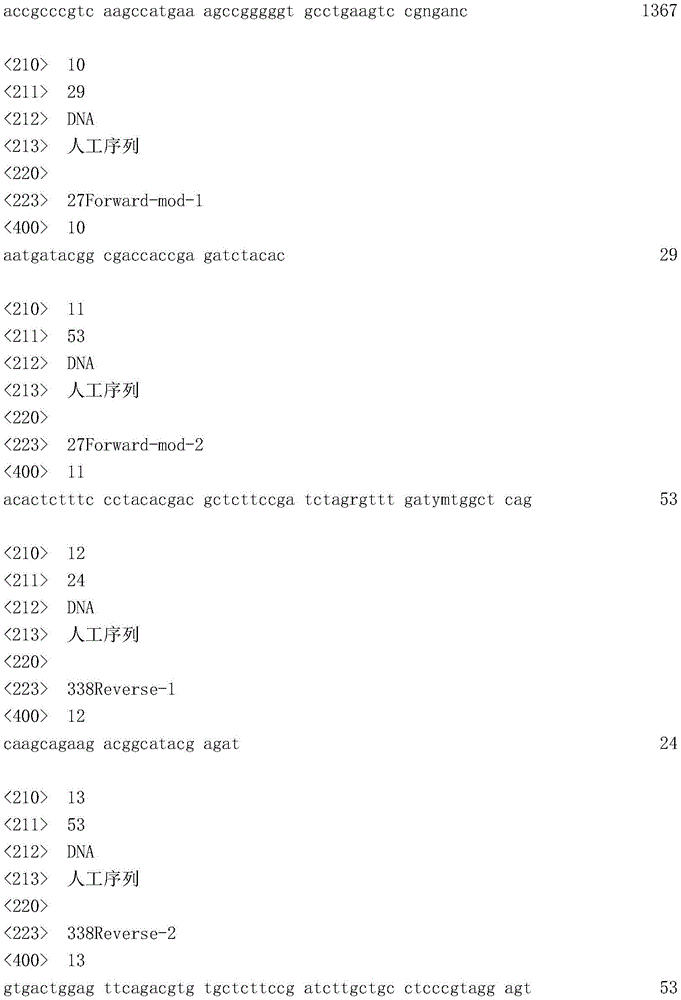
Claims (10)
1. A composition for inhibiting trypsin activity, comprising a bacterium belonging to the genus Palapachella (Paraprevolella) as an active ingredient.
2. The composition according to claim 1, said bacteria belonging to the genus Parapropella (Paraprevolella) being at least 1 bacterium selected from the group consisting of Paraprevolella clara and Paraprevolella xylaniphila.
3. The composition according to claim 1, wherein the bacteria belonging to the genus Palaprevilla (Paraprevolella) are at least 1 type of bacteria having a DNA comprising the nucleotide sequence of any one of SEQ ID Nos. 1 to 3 or a nucleotide sequence having at least 90% identity to the nucleotide sequence.
4. The composition according to claim 1, the bacteria belonging to the genus Palapachella (Paraprevolella) being selected from
A bacterial strain belonging to the species Paraprevotella clara, as specified under accession number NITE BP-02775,
Paraprevotella clara JCM14859TPlant strain and
Paraprevotella xylaniphila JCM14860Tplant strain
At least 1 bacterial strain of (1).
5. The composition according to any one of claims 1 to 4, further comprising at least 1 bacterium selected from the group consisting of Bacteroides faecalis (Parabacteroides merdae) and Bacteroides monoides (Bacteroides uniformis).
6. The composition according to claim 5, wherein the Bacteroides coprinus (Bacteroides erectae) is at least 1 bacterium having a DNA comprising the base sequence of SEQ ID NO.4 or a base sequence having at least 90% identity to the base sequence, and the Bacteroides monoides (Bacteroides uniformis) is at least 1 bacterium having a DNA comprising the base sequence of SEQ ID NO. 5 or a base sequence having at least 90% identity to the base sequence.
7. The composition according to claim 5, wherein the Bacteroides faecalis (Bacteroides merdae) is a bacterial strain belonging to Bacteroides faecalis (ParaBacteroides merdae) specified under accession number NITE BP-02776 and the Bacteroides monoides (Bacteroides uniformis) is a bacterial strain belonging to Bacteroides monoides (Bacteroides uniformis) specified under accession number NITE BP-02777.
8. A bacterial strain belonging to the Paraprevotella clara specified under accession number NITE BP-02775.
9. A bacterial strain belonging to Bacteroides coprostanus (Parabacteroides merdae) specified under accession number NITE BP-02776.
10. A bacterial strain belonging to Bacteroides monomorphus (Bacteroides unidentified) specified under accession number NITE BP-02777.
Applications Claiming Priority (5)
| Application Number | Priority Date | Filing Date | Title |
|---|---|---|---|
| US201862728908P | 2018-09-10 | 2018-09-10 | |
| US62/728,908 | 2018-09-10 | ||
| US201962794145P | 2019-01-18 | 2019-01-18 | |
| US62/794,145 | 2019-01-18 | ||
| PCT/JP2019/035574 WO2020054728A1 (en) | 2018-09-10 | 2019-09-10 | Composition for inhibiting trypsin activity, containing, as active ingredient, bacterium belonging to genus paraprevotella |
Publications (2)
| Publication Number | Publication Date |
|---|---|
| CN113015790A true CN113015790A (en) | 2021-06-22 |
| CN113015790B CN113015790B (en) | 2025-03-04 |
Family
ID=69777875
Family Applications (1)
| Application Number | Title | Priority Date | Filing Date |
|---|---|---|---|
| CN201980074391.2A Active CN113015790B (en) | 2018-09-10 | 2019-09-10 | Composition for inhibiting trypsin activity containing bacteria belonging to the genus Parapus as an active ingredient |
Country Status (7)
| Country | Link |
|---|---|
| US (1) | US20220047647A1 (en) |
| EP (1) | EP3851517A4 (en) |
| JP (2) | JP7399400B2 (en) |
| CN (1) | CN113015790B (en) |
| CA (1) | CA3112501A1 (en) |
| MA (1) | MA53617A (en) |
| WO (1) | WO2020054728A1 (en) |
Families Citing this family (5)
| Publication number | Priority date | Publication date | Assignee | Title |
|---|---|---|---|---|
| US20240408170A1 (en) * | 2021-01-19 | 2024-12-12 | Riken | Composition for decomposition of trypsin or tmprss2 |
| US12011467B2 (en) * | 2021-05-18 | 2024-06-18 | J. Craig Venter Institute, Inc. | Bacterial formulation |
| EP4526480A2 (en) * | 2022-05-17 | 2025-03-26 | Purdue Research Foundation | Assays, kits and methods for detection of contamination |
| CN116790402B (en) * | 2023-01-14 | 2024-05-14 | 西北农林科技大学 | Bacteroides simplex strain with anti-inflammatory property, culture method and application |
| KR102860177B1 (en) * | 2023-03-21 | 2025-09-18 | 재단법인 아산사회복지재단 | Novel Prevotella merdae Immunoactis strain and the use thereof |
Citations (5)
| Publication number | Priority date | Publication date | Assignee | Title |
|---|---|---|---|---|
| CN101903032A (en) * | 2007-10-26 | 2010-12-01 | 布伦达·E.·穆尔 | Probiotic compositions and methods for inducing and maintaining weight loss |
| WO2015003001A1 (en) * | 2013-07-01 | 2015-01-08 | The Washington University | Methods for identifying supplements that increase gut colonization by an isolated bacterial species, and compositions derived therefrom |
| WO2015051323A1 (en) * | 2013-10-03 | 2015-04-09 | Trustees Of The University Of Pennsylvania | Compositions comprising a defined microbiome and methods of use thereof |
| US20180110800A1 (en) * | 2016-10-24 | 2018-04-26 | LifeBridge Health, Inc. | Targeted synbiotic therapy for dysbiosis-related intestinal and extra-intestinal disorders |
| WO2018117263A1 (en) * | 2016-12-23 | 2018-06-28 | Keio University | Compositions and methods for the induction of cd8+ t-cells |
Family Cites Families (3)
| Publication number | Priority date | Publication date | Assignee | Title |
|---|---|---|---|---|
| US6368586B1 (en) | 1996-01-26 | 2002-04-09 | Brown University Research Foundation | Methods and compositions for enhancing the bioadhesive properties of polymers |
| PT3628161T (en) | 2012-11-23 | 2023-05-15 | Seres Therapeutics Inc | Synergistic bacterial compositions and methods of production and use thereof |
| MA41060B1 (en) * | 2015-06-15 | 2019-11-29 | 4D Pharma Res Ltd | Compositions comprising bacterial strains |
-
2019
- 2019-09-10 WO PCT/JP2019/035574 patent/WO2020054728A1/en not_active Ceased
- 2019-09-10 US US17/274,610 patent/US20220047647A1/en not_active Abandoned
- 2019-09-10 CN CN201980074391.2A patent/CN113015790B/en active Active
- 2019-09-10 JP JP2020546039A patent/JP7399400B2/en active Active
- 2019-09-10 CA CA3112501A patent/CA3112501A1/en active Pending
- 2019-09-10 EP EP19858845.1A patent/EP3851517A4/en active Pending
- 2019-09-10 MA MA053617A patent/MA53617A/en unknown
-
2023
- 2023-11-24 JP JP2023198897A patent/JP7588436B2/en active Active
Patent Citations (5)
| Publication number | Priority date | Publication date | Assignee | Title |
|---|---|---|---|---|
| CN101903032A (en) * | 2007-10-26 | 2010-12-01 | 布伦达·E.·穆尔 | Probiotic compositions and methods for inducing and maintaining weight loss |
| WO2015003001A1 (en) * | 2013-07-01 | 2015-01-08 | The Washington University | Methods for identifying supplements that increase gut colonization by an isolated bacterial species, and compositions derived therefrom |
| WO2015051323A1 (en) * | 2013-10-03 | 2015-04-09 | Trustees Of The University Of Pennsylvania | Compositions comprising a defined microbiome and methods of use thereof |
| US20180110800A1 (en) * | 2016-10-24 | 2018-04-26 | LifeBridge Health, Inc. | Targeted synbiotic therapy for dysbiosis-related intestinal and extra-intestinal disorders |
| WO2018117263A1 (en) * | 2016-12-23 | 2018-06-28 | Keio University | Compositions and methods for the induction of cd8+ t-cells |
Also Published As
| Publication number | Publication date |
|---|---|
| CA3112501A1 (en) | 2020-03-19 |
| JPWO2020054728A1 (en) | 2021-09-09 |
| EP3851517A4 (en) | 2022-06-15 |
| CN113015790B (en) | 2025-03-04 |
| JP2024026163A (en) | 2024-02-28 |
| JP7588436B2 (en) | 2024-11-22 |
| MA53617A (en) | 2021-07-21 |
| US20220047647A1 (en) | 2022-02-17 |
| EP3851517A1 (en) | 2021-07-21 |
| WO2020054728A1 (en) | 2020-03-19 |
| JP7399400B2 (en) | 2023-12-18 |
Similar Documents
| Publication | Publication Date | Title |
|---|---|---|
| JP7588436B2 (en) | A composition for inhibiting trypsin activity, comprising a bacterium belonging to the genus Paraprevotella as an active ingredient | |
| Castro et al. | Shiga‐toxin producing Escherichia coli: pathogenicity, supershedding, diagnostic methods, occurrence, and foodborne outbreaks | |
| JP7109794B2 (en) | Antibacterial composition against Th1 cell-inducing bacteria | |
| Benie et al. | Prevalence and antibiotic resistance of Pseudomonas aeruginosa isolated from bovine meat, fresh fish and smoked fish | |
| de Jesus et al. | Safety evaluation of Lactobacillus delbrueckii subsp. lactis CIDCA 133: a health-promoting bacteria | |
| Husain et al. | Phenotypic assessment of safety and probiotic potential of native isolates from marine fish Moolgarda seheli towards sustainable aquaculture | |
| Wu et al. | A novel apidaecin Api-PR19 synergizes with the gut microbial community to maintain intestinal health and promote growth performance of broilers | |
| Cui et al. | Assessment of probiotic Bacillus velezensis supplementation to reduce Campylobacter jejuni colonization in chickens | |
| JP7488581B2 (en) | Antibacterial composition against drug-resistant or inflammation-causing bacteria | |
| Cho et al. | Antimicrobial activity of Pediococcus pentosaceus strains against diarrheal pathogens isolated from pigs and effect on paracellular permeability of HT-29 cells | |
| Abdallah et al. | Detection of some virulence and antibiotic resistance genes in Campylobacter jejuni isolated from poultry and human | |
| US20230263839A1 (en) | Composition for inhibiting trypsin activity containing as active ingredient bacterium belonging to genus paraprevotella | |
| González-Rey | Studies on Plesiomonas shigelloides isolated from different environments | |
| Park et al. | Survival of Escherichia coli harboring nucleic acid-hydrolyzing 3D8 scFv during RNA virus infection | |
| Wang et al. | Probiotic potential of Bacillus isolated from horses and its therapeutic effect against DSS-induced colitis in mice | |
| Arakawa et al. | First case of bacteremia caused by Cetobacterium somerae following necrotizing cholecystitis | |
| Zhang et al. | Acid-tolerant Lactiplantibacillus plantarum ZDY2013 shows a colonization niche preference and interacts with enterotoxigenic Bacillus cereus in specific-pathogen-free mice | |
| Rama | Characterization of broiler gut Microbiomes and pathogen prevalence in conventional and no antibiotics ever poultry production systems | |
| Mitchell | Scottish wild deer as a potential source of human pathogenic non-O157 Shiga toxin producing Escherichia coli (STEC) | |
| Kostovova et al. | Probiotic bacteria of wild boar origin intended for piglets–An in vitro study | |
| EP4296359A1 (en) | Composition for decomposition of trypsin or tmprss2 | |
| Kim et al. | Antibiotic Resistance and Safety Assessment of Enterococcus faecium CKDB003 for Using as Probiotics | |
| Ouazzani et al. | First Detection of Colistin Resistance Encoding Gene mcr-1 in Clinical Enterobacteriaceae Isolates in Morocco | |
| Bai et al. | Escherichia coli O157: H7 | |
| Raufu et al. | Whole Genome and Phenotypic Characterization of Novel QnrB19-positive Salmonella Nigeria serovars from Food Animals in Ilorin, North-central, Nigeria. |
Legal Events
| Date | Code | Title | Description |
|---|---|---|---|
| PB01 | Publication | ||
| PB01 | Publication | ||
| SE01 | Entry into force of request for substantive examination | ||
| SE01 | Entry into force of request for substantive examination | ||
| GR01 | Patent grant | ||
| GR01 | Patent grant |