CN111032678A - Bicyclic peptide ligands with detectable moieties and uses thereof - Google Patents
Bicyclic peptide ligands with detectable moieties and uses thereof Download PDFInfo
- Publication number
- CN111032678A CN111032678A CN201880053467.9A CN201880053467A CN111032678A CN 111032678 A CN111032678 A CN 111032678A CN 201880053467 A CN201880053467 A CN 201880053467A CN 111032678 A CN111032678 A CN 111032678A
- Authority
- CN
- China
- Prior art keywords
- compound
- patient
- cancer
- disease
- administering
- Prior art date
- Legal status (The legal status is an assumption and is not a legal conclusion. Google has not performed a legal analysis and makes no representation as to the accuracy of the status listed.)
- Pending
Links
Images


Classifications
-
- A—HUMAN NECESSITIES
- A61—MEDICAL OR VETERINARY SCIENCE; HYGIENE
- A61K—PREPARATIONS FOR MEDICAL, DENTAL OR TOILETRY PURPOSES
- A61K49/00—Preparations for testing in vivo
- A61K49/001—Preparation for luminescence or biological staining
- A61K49/0013—Luminescence
- A61K49/0017—Fluorescence in vivo
- A61K49/0019—Fluorescence in vivo characterised by the fluorescent group, e.g. oligomeric, polymeric or dendritic molecules
- A61K49/0021—Fluorescence in vivo characterised by the fluorescent group, e.g. oligomeric, polymeric or dendritic molecules the fluorescent group being a small organic molecule
- A61K49/0032—Methine dyes, e.g. cyanine dyes
-
- C—CHEMISTRY; METALLURGY
- C07—ORGANIC CHEMISTRY
- C07K—PEPTIDES
- C07K7/00—Peptides having 5 to 20 amino acids in a fully defined sequence; Derivatives thereof
- C07K7/50—Cyclic peptides containing at least one abnormal peptide link
- C07K7/54—Cyclic peptides containing at least one abnormal peptide link with at least one abnormal peptide link in the ring
- C07K7/56—Cyclic peptides containing at least one abnormal peptide link with at least one abnormal peptide link in the ring the cyclisation not occurring through 2,4-diamino-butanoic acid
-
- A—HUMAN NECESSITIES
- A61—MEDICAL OR VETERINARY SCIENCE; HYGIENE
- A61K—PREPARATIONS FOR MEDICAL, DENTAL OR TOILETRY PURPOSES
- A61K49/00—Preparations for testing in vivo
- A61K49/001—Preparation for luminescence or biological staining
- A61K49/0013—Luminescence
- A61K49/0017—Fluorescence in vivo
- A61K49/0019—Fluorescence in vivo characterised by the fluorescent group, e.g. oligomeric, polymeric or dendritic molecules
- A61K49/0021—Fluorescence in vivo characterised by the fluorescent group, e.g. oligomeric, polymeric or dendritic molecules the fluorescent group being a small organic molecule
- A61K49/0041—Xanthene dyes, used in vivo, e.g. administered to a mice, e.g. rhodamines, rose Bengal
- A61K49/0043—Fluorescein, used in vivo
-
- A—HUMAN NECESSITIES
- A61—MEDICAL OR VETERINARY SCIENCE; HYGIENE
- A61K—PREPARATIONS FOR MEDICAL, DENTAL OR TOILETRY PURPOSES
- A61K49/00—Preparations for testing in vivo
- A61K49/001—Preparation for luminescence or biological staining
- A61K49/0013—Luminescence
- A61K49/0017—Fluorescence in vivo
- A61K49/005—Fluorescence in vivo characterised by the carrier molecule carrying the fluorescent agent
- A61K49/0056—Peptides, proteins, polyamino acids
-
- A—HUMAN NECESSITIES
- A61—MEDICAL OR VETERINARY SCIENCE; HYGIENE
- A61K—PREPARATIONS FOR MEDICAL, DENTAL OR TOILETRY PURPOSES
- A61K51/00—Preparations containing radioactive substances for use in therapy or testing in vivo
- A61K51/02—Preparations containing radioactive substances for use in therapy or testing in vivo characterised by the carrier, i.e. characterised by the agent or material covalently linked or complexing the radioactive nucleus
- A61K51/04—Organic compounds
- A61K51/08—Peptides, e.g. proteins, carriers being peptides, polyamino acids, proteins
- A61K51/088—Peptides, e.g. proteins, carriers being peptides, polyamino acids, proteins conjugates with carriers being peptides, polyamino acids or proteins
-
- C—CHEMISTRY; METALLURGY
- C07—ORGANIC CHEMISTRY
- C07K—PEPTIDES
- C07K14/00—Peptides having more than 20 amino acids; Gastrins; Somatostatins; Melanotropins; Derivatives thereof
- C07K14/001—Peptides having more than 20 amino acids; Gastrins; Somatostatins; Melanotropins; Derivatives thereof by chemical synthesis
-
- C—CHEMISTRY; METALLURGY
- C07—ORGANIC CHEMISTRY
- C07K—PEPTIDES
- C07K7/00—Peptides having 5 to 20 amino acids in a fully defined sequence; Derivatives thereof
- C07K7/04—Linear peptides containing only normal peptide links
- C07K7/08—Linear peptides containing only normal peptide links having 12 to 20 amino acids
Landscapes
- Health & Medical Sciences (AREA)
- Life Sciences & Earth Sciences (AREA)
- Chemical & Material Sciences (AREA)
- General Health & Medical Sciences (AREA)
- Proteomics, Peptides & Aminoacids (AREA)
- Organic Chemistry (AREA)
- Veterinary Medicine (AREA)
- Public Health (AREA)
- Animal Behavior & Ethology (AREA)
- Epidemiology (AREA)
- Medicinal Chemistry (AREA)
- Biomedical Technology (AREA)
- Engineering & Computer Science (AREA)
- Genetics & Genomics (AREA)
- Molecular Biology (AREA)
- Biochemistry (AREA)
- Biophysics (AREA)
- Pharmacology & Pharmacy (AREA)
- Optics & Photonics (AREA)
- Physics & Mathematics (AREA)
- Chemical Kinetics & Catalysis (AREA)
- General Chemical & Material Sciences (AREA)
- Gastroenterology & Hepatology (AREA)
- Peptides Or Proteins (AREA)
- Medicines That Contain Protein Lipid Enzymes And Other Medicines (AREA)
- Medicines Containing Antibodies Or Antigens For Use As Internal Diagnostic Agents (AREA)
- Medicinal Preparation (AREA)
- Pharmaceuticals Containing Other Organic And Inorganic Compounds (AREA)
Abstract
The present invention provides compounds, compositions thereof, and methods of using the compounds and the compositions.
Description
Sequence listing
This application contains a sequence listing that has been submitted electronically in ASCII format and is hereby incorporated by reference in its entirety. The ASCII copy created on day 25/6 in 2018 was named 392664-004WO (160781) _ sl. txt and was 3,997 bytes in size.
Technical Field
The present invention also describes peptides that are Carbonic Anhydrase IX (CAIX), membrane type 1 metalloprotease (MT1-MMP), Prostate Specific Membrane Antigen (PSMA), cluster of differentiation 38(CD38), Eph receptor tyrosine kinase A2(EphA2), or integrin α v β 3(α v β 3) high affinity binders, pharmaceutical compositions comprising the peptide ligands and uses of the peptide ligands in diagnosing, imaging, preventing, inhibiting, or treating diseases or disorders mediated by CAIX, MT1-MMP, PSMA, CD38, EphA2, or α v β 3.
Background
Six such transmembrane proteins are Carbonic Anhydrase IX (CAIX), membrane type 1 matrix metalloproteinase (MT1-MMP), Prostate Specific Membrane Antigen (PSMA), cluster of differentiation 38(CD38), Eph receptor tyrosine kinase A2(EphA2), and integrin α v β 3(α v β 3).
Human carbonic anhydrase ix (hca ix) is the isoform that binds to the outer membrane of cells (with its catalytic domain located in the extracellular space). Under physiological conditions, hCAIX is expressed only in specific tissues of the gastrointestinal tract. Overexpression of hCAIX, whether in vitro or in vivo, is shown during hypoxia of cancer cells. Expression of hCAIX has been detected in cervical, ovarian, renal, esophageal, lung, breast and brain cancers. In tumors, hCAIX is a molecule essential to keep intracellular pH at normal levels, and its expression provides an advantage for the growth of hypoxic tumor cells under acidic conditions (hish (Chiche) et al (2009) Cancer research (Cancer Res)69,358).
MT1-MMP is a transmembrane metalloprotease that plays a major role in extracellular matrix remodeling, directly by degrading several of its components and indirectly by activating pro-MMP 2. MT1-MMP is crucial for tumor angiogenesis (Sandni (Sounni) et al (2002) the journal FASEB (FASEB J.) -16 (6),555-564) and is overexpressed on various solid tumors.
Prostate Specific Membrane Antigen (PSMA), also known as glutamate carboxypeptidase ii (gcpii), N-acetyl-L-aspartyl-L-glutamate peptidase I (naaladase I) and NAAG peptidase, is an enzyme encoded by the FOLH1 (folate hydrolase 1) gene in humans. Human GCPII contains 750 amino acids and weighs about 84 kDa. Human PSMA is highly expressed in the prostate, at approximately a hundred-fold higher level than in most other tissues. In some prostate cancers, PSMA is the second gene product of the degree of upregulation, 8 to 12-fold more upregulated than non-cancerous prostate cells. Because of this high expression, PSMA was developed as a potential biomarker for the treatment and imaging of some cancers. In human prostate cancer, tumors that express higher degrees are associated with faster time to progression and a greater percentage of relapsed patients.
CD38 is a 45kD type II transmembrane glycoprotein with a long C-terminal extracellular domain and a short N-terminal cytoplasmic domain. CD38 is upregulated in many hematopoietic malignancies, including non-Hodgkin's Lymphoma, NHL, Burkitt's Lymphoma, BL, Multiple Myeloma (MM), B-cell chronic lymphocytic leukemia (B-CLL), B-and T-cell Acute Lymphocytic Leukemia (ALL), T-cell Lymphoma (TCL), Acute Myelogenous Leukemia (AML), Hairy Cell Leukemia (HCL), Hodgkin's Lymphoma, HL, and Chronic Myelogenous Leukemia (CML), and cell lines derived from a variety of hematopoietic malignancies.
EphA2 is a 130kDa receptor tyrosine kinase expressed on adult human epithelial cells. As a member of the Eph family of tyrosine kinases (known as ephrins), EphA2 is a transmembrane receptor tyrosine kinase with a cell-binding ligand. EphA2 expression has been found to be altered in many metastatic cells including lung, breast, colon and prostate tumors. In addition, the distribution and/or phosphorylation of EphA2 is altered in metastatic cells. In addition, cells that have been transformed to overexpress EphA2 exhibit malignant growth, and stimulation of EphA2 is sufficient to reverse malignant growth and invasiveness. EphA2 is a powerful oncoprotein.
Integrin α v β 3 is a transmembrane glycoprotein receptor that plays a major role in tumor growth, invasion, metastasis and angiogenesis, which is overexpressed in various types of tumor cells (gold (Jin) et al (2016) molecular cancer therapeutics (Mol cancer ther)15(9) 2076-2085).
Therefore, there remains a high unmet need to develop drugs that selectively bind transmembrane proteins such as CAIX, MT1-MMP, PSMA, CD38, EphA2, or α v β 3 for the diagnosis, imaging, and treatment of cancer.
Disclosure of Invention
It has now been found that the compounds of the present invention, and pharmaceutically acceptable compositions thereof, are potent inhibitors of CAIX, MT1-MMP, PSMA, CD38, EphA2, or α v β 3, the compounds of formula I:

or a pharmaceutically acceptable salt thereof, wherein each variable is as defined and described herein.
The compounds of the invention and pharmaceutically acceptable compositions thereof are useful for treating various diseases, conditions, or disorders associated with CAIX, MT1-MMP, PSMA, CD38, EphA2, or α v β 3.
The compounds provided by the invention are also useful for the study of the CAIX, MT1-MMP, PSMA, CD38, EphA2 or α v β 3 enzymes in biological and pathological phenomena, the study of the presence of these enzymes in body tissues, and the comparative evaluation of novel CAIX, MT1-MMP, PSMA, CD38, EphA2 or α v β 3 inhibitors in vitro or in vivo.
Drawings
FIG. 1 depicts organ distribution of Lu-177 labeled I-25 at different doses.
FIG. 2 depicts organ distribution of Lu-177 labeled I-23 at different doses.
FIG. 3 depicts a comparison between different doses of Lu-177 labeled I-23 and 17-69-07-N144.
FIG. 4 depicts a comparison of Lu-177 labeled 17-69-07-N144(50 and 150 picomoles) with 150 picomoles of stabilized variants I-23 and I-24.
FIG. 5 depicts organ distribution of Lu-177 labeled I-24 at different doses.
FIG. 6 depicts comparative organ distribution of Lu-177 labeled I-24 studied on different days. The results indicate high reproducibility.
Fig. 7 depicts organ distribution of 150 picomolar inactive variant I-271 hours p.i.
Figure 8 depicts the analysis of tumor specificity. I-23 represents the active non-spacer variant, I-26 represents the inactive mutant, and 17-69-07-N246 represents all D variants.
Fig. 9 depicts organ distribution of I-23 at different time points p.i.
Figure 10 depicts whole body coronal sections (0.8mm) from I-23 μ PET imaging 0-20 min p.i. (left, a), 20-40 min p.i. (middle, B), and 40-60 min p.i. (right, C).
Figure 11 depicts whole body coronal slices (0.8mm) from I-24 μ PET imaging 40-60 min p.i.
FIG. 12 depicts a μ PET image of 17-69-07-N144 at 40-60 minutes p.i. in comparison to inactive 17-69-07-N246 confirming MMP-14 selective tumor uptake. The radio chelator DOTA was conjugated to the sequence to show in vivo imaging. 17-69-07-N144, which did not include chemical modification, showed a tumor specific signal of 2.46% ID/g at the 1 hour time point.
FIG. 13 depicts organ distribution of Lu-177 labeled I-17 at different doses.
FIG. 14 depicts organ distribution of Lu-177 labeled I-17 at different time points.
FIG. 15 depicts organ distribution at1 hour p.i. of Ga-68/Lu-177 labeled peptides I-13, I-14, I-15, I-17, I-18 and I-28 at a dose of 150 pmol.
Fig. 16 depicts organ distribution at1 hour p.i. of a 150pmol dose of Lu-177 labeled peptide. I-19 is unstabilized, I-20 is partially stabilized, and I-15 is fully stabilized.
FIG. 17 depicts organ distribution at1 hour p.i. of Ga-68/Lu-177 labeled I-17 at a dose of 150 pmol.
FIG. 18 depicts whole-body coronal slices (0.8mm) and Maximum Intensity Projections (MIP) from μ PET imaging of I-13 and I-15.
FIG. 19 depicts177Lu-labeled Compound I-19 binds and internalizes on the cell surface on HT1080 and HEK293 at 37 ℃ and 4 ℃.
FIG. 20 depicts177Lu-labeled Compound I-21 was bound and internalized on cell surfaces at EJM and HT1080 at 37 ℃ and 4 ℃.
FIG. 21 depicts177Lu-labeled Compound I-21 binds and internalizes on the cell surface at EJM at 37 ℃ and 4 ℃.
Fig. 22 depicts: (A) organ distribution of Lu-177 labeled I-25 at different time points after 750 picomolar/mouse dose; and (B) organ distribution of Lu-177 labeled I-25 (active) and I-29 (inactive) at 750 pmoles/mouse.
Detailed Description
1. General description of certain embodiments of the invention:
using proprietary phage display and cyclic peptide technology ( Technology) to identify high affinity binding peptides for membrane type 1 matrix metalloproteases (MT1-MMP/MMP 14). MT1-MMP (MT1) is a cell surface membrane protease commonly involved in tissue remodeling, which has been found to be overexpressed in many solid tumors. Overexpression of MT1 is associated with cancer aggressiveness and poor prognosis. While attempts at proteolytic activity of MT1 and other MMPs in cancer have been largely unsuccessful in clinical trials due to toxicity caused by insufficient selectivity, MT 1-MMPs remain attractive cancer targets for targeted cytotoxic delivery approaches.
Use of a composition containing 10 with post-translational cyclization with thiol-reactive scaffolds11To 1013Multiple selection of phage libraries for a single peptide sequence identified a small (1.5-2kDa) constrained bicyclic peptide binder (bicyclic (Bicyc) for the hemopexin domain of MT1le)). The initial binders showed affinity maturation by directed screening and stabilization by chemical optimization.
A bicyclic constrained peptide binder (bicyclic) was identified that bound to the hemopexin domain of MT1 with an apparent Kd of about 2 nM. The bicyclic peptide (N241) binds with similar affinity to the entire extracellular domain of the protease, but does not show binding to the catalytic domain. N241 also did not show binding to any of the closely related MMP family members tested (MMP15, MMP16, MMP24, MMP1, Pro-MMP1, MMP 2). Characterization of the in vitro pharmacological effects of N241 on MT1 suggests that the peptides have no direct effect on the catalytic activity of proteases, related MMP catalytic activities (MMP1, MMP2 and MMP9) and cell migration or invasion. However, binding of fluorescently labeled N241 to MT1 on HT1080 fibrosarcoma cells resulted in rapid internalization of the compound and subsequent lysosomal localization. In addition, the load177N241 by Lu showed rapid tumor localization when IV injected into mice carrying MT1 positive tumor xenografts, up to levels of 15-20% injected dose per gram of tumor in less than 60 minutes. In contrast, the non-binding bicyclic peptide showed no tumor localization. These properties suggest that N241 may be a good delivery vehicle for targeting the detectable moiety of MT1 positive tumor cells. Bicyclic Detectable Moiety Conjugates (BDMC) with various linkers and detectable moieties were prepared that retained binding to MT 1. Imaging activity of selected BDMCs was demonstrated in MT1 positive human tumor cell xenografts in mice as described in WO 2016/067035, incorporated herein by reference in its entirety.
A series of Bicyclic Detectable Moiety Conjugates (BDMC) comprising a constrained bicyclic peptide that binds with high affinity and specificity to a membrane-type 1 matrix metalloproteinase (MT 1-MMP; MMP14) covalently linked by a linker to 1,4,7, 10-tetraazacyclododecane-1, 4,7, 10-tetraacetic acid (DOTA), which is a chelating ligand capable of binding a radionuclide, are prepared. MT1-MMP is naturally involved in tissue remodeling, however, overexpression of cell surface proteases is associated with tumor aggressiveness and invasiveness and poor patient prognosis for many cancer indications. The bicyclic binder of MT1-MMP (N241) was identified using a proprietary phage-displayed peptide technology consisting of a highly diversified phage library of linear amino acid sequences constrained into two loops by a central chemical scaffold. Although binding with an affinity and specificity similar to that observed with monoclonal antibodies, the small size of the bicyclic peptide (1.5-2kDa) contributes to its rapid extravasation and tumor penetration, making it an ideal format for targeted delivery of detectable moieties for imaging and treating cancer.
A series of bicyclic-linker-detectable moieties BDMC were prepared with varying spacer formats to modulate bicyclic performance and their ability to target and image tumors was evaluated in MT1 positive tumor xenograft models.
The Bicyclic Detectable Moiety Conjugates (BDMC) of the present invention show selective targeting of tumor cells in a human tumor xenograft model of fibrosarcoma. Without wishing to be bound by any particular theory, it is believed that the small size of BDMC may provide significant advantages to other targeted imaging methods (e.g., antibody-detectable moiety conjugates) due to rapid extravasation and improved tumor penetration.
In certain aspects, the invention provides a method of treating certain cancers in a subject, the method comprising administering to the subject an effective amount of a detectable moiety conjugate of a high affinity binder comprising MT1-MMP, or a pharmaceutically acceptable salt or composition thereof.
In certain aspects, the invention provides a method of imaging certain cancers in a subject, the method comprising administering to the subject an effective amount of a detectable moiety conjugate of a high affinity binder comprising MT1-MMP, or a pharmaceutically acceptable salt or composition thereof.
In a similar manner, using proprietary phage display and cyclic peptide technology ( Techniques) high affinity binding peptides for carbonic anhydrase ix (caix), PSMA, CD38, EphA2, and integrin α v β 3 were identified.
In certain aspects, the invention provides a method of treating certain cancers in a subject, the method comprising administering to the subject an effective amount of a detectable moiety conjugate of a high affinity binder comprising CAIX, or a pharmaceutically acceptable salt or composition thereof.
In certain aspects, the invention provides a method of imaging certain cancers in a subject, the method comprising administering to the subject an effective amount of a detectable moiety conjugate of a high affinity binder comprising CAIX, or a pharmaceutically acceptable salt or composition thereof.
In certain aspects, the invention provides a method of treating certain cancers in a subject, the method comprising administering to the subject an effective amount of a detectable moiety conjugate comprising a high affinity binder of PSMA, or a pharmaceutically acceptable salt or composition thereof.
In certain aspects, the invention provides a method of imaging certain cancers in a subject, the method comprising administering to the subject an effective amount of a detectable moiety conjugate comprising a high affinity binder of PSMA, or a pharmaceutically acceptable salt or composition thereof.
In certain aspects, the invention provides a method of treating certain cancers in a subject, the method comprising administering to the subject an effective amount of a detectable moiety conjugate of a high affinity binder comprising CD38, or a pharmaceutically acceptable salt or composition thereof.
In certain aspects, the invention provides a method of imaging certain cancers in a subject, the method comprising administering to the subject an effective amount of a detectable moiety conjugate of a high affinity binder comprising CD38, or a pharmaceutically acceptable salt or composition thereof.
In certain aspects, the invention provides a method of treating certain cancers in a subject, the method comprising administering to the subject an effective amount of a detectable moiety conjugate comprising a high affinity binder of EphA2, or a pharmaceutically acceptable salt or composition thereof.
In certain aspects, the invention provides a method of imaging certain cancers in a subject, the method comprising administering to the subject an effective amount of a detectable moiety conjugate comprising a high affinity binder of EphA2, or a pharmaceutically acceptable salt or composition thereof.
In certain aspects, the invention provides a method of treating certain cancers in a subject, the method comprising administering to the subject an effective amount of a detectable moiety conjugate comprising a high affinity binder of α v β 3, or a pharmaceutically acceptable salt or composition thereof.
In certain aspects, the invention provides a method of imaging certain cancers in a subject, the method comprising administering to the subject an effective amount of a detectable moiety conjugate comprising a high affinity binder of α v β 3, or a pharmaceutically acceptable salt or composition thereof.
In some embodiments, the peptide sequence is treated with a molecular scaffold reagent to form a compound of the invention.
The compounds of the present invention and compositions thereof are useful as inhibitors of CAIX, MT1-MMP, PSMA, CD38, EphA2, or α v β 3 in some embodiments, provided compounds inhibit CAIX in some embodiments, provided compounds inhibit MT1-MMP in some embodiments, provided compounds inhibit PSMA in some embodiments, provided compounds inhibit cd38 in some embodiments, provided compounds inhibit EphA 352 in some embodiments, provided compounds inhibit α v β 3.
In certain embodiments, the present invention provides a compound of formula I:

or a pharmaceutically acceptable salt thereof, wherein:
L1、L2and L3Each of which is independently a covalent bond or C1-8A divalent hydrocarbon chain wherein one, two or three methylene units of said chain are optionally and independently-S-, -N (R) -, -O-, -C (O) -, -OC (O) -, -C (O) O-, -C (O) N (R) -, -N (R) C (O) -, -S (R) ((O))O)–、–S(O)2-or-N (R) CH2C (O) -substitution;
each of R is independently hydrogen or C1-4An alkyl group;
each of m, n, o and p is independently 0 or 1;
each of q and r is independently 1,2, 3,4, 5,6, 7, 8,9, 10, 11, 12, 13, 14, or 15;
R1is R or-C (O) R;
R4and R6Each of which is independently hydrogen or an optionally substituted group selected from: c1-6Aliphatic; a 3-to 8-membered saturated or partially unsaturated monocyclic carbocyclic ring; a phenyl group; an 8 to 10 membered bicyclic aromatic carbocyclic ring; a 4-to 8-membered saturated or partially unsaturated monocyclic heterocyclic ring having 1-2 heteroatoms independently selected from nitrogen, oxygen, or sulfur; a 5 to 6 membered monocyclic heteroaryl ring having 1-4 heteroatoms independently selected from nitrogen, oxygen, or sulfur; or an 8 to 10 membered bicyclic heteroaryl ring having 1-5 heteroatoms independently selected from nitrogen, oxygen, or sulfur;
R4'and R6'Each of which is independently hydrogen or methyl;
R2、R3、R5and R7Each of which is independently hydrogen or C1-4Aliphatic, or:
R5group and R adjacent thereto4The groups optionally together with their intervening atoms form a 4-to 8-membered saturated or partially unsaturated monocyclic heterocyclic ring having 1-2 heteroatoms independently selected from nitrogen, oxygen, or sulfur; or
R7Group and R adjacent thereto6The groups optionally together with their intervening atoms form a 4-to 8-membered saturated or partially unsaturated monocyclic heterocyclic ring having 1-2 heteroatoms independently selected from nitrogen, oxygen, or sulfur;
the scaffold is a trivalent group that links and orients the cyclic peptide;
loop A is connected to and L2Amino acid residues linked to L1Bivalent natural or unnatural amino acid residues or peptides of linked amino acid residues, wherein loop A comprises
Loop B is connected to L1Amino acid residues linked to L3Bivalent natural or unnatural amino acid residues or peptides of linked amino acid residues, wherein loop B comprises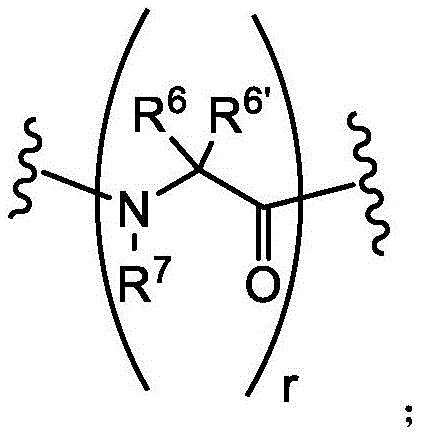


detectable moieties1Is any portion that can be detected;
detectable moieties2Is any portion that can be detected;
connector1Is hydrogen, -C (O) R, Or contacting the N-terminus of the bicyclic ring with a detectable moiety1A linked divalent moiety, wherein when n is 0, the linker1Is hydrogen, -C (O) R or
Connector2is-NH2Or ligating the C-terminus of the bicyclic ring to a detectable moiety2A linked divalent moiety, wherein when p is 0, the linker2is-NH2(ii) a And is
Ring a is selected from the group consisting of: 18-crown-6, 1,7, 13-triaza-18-crown-6 and 3 to 12 membered saturated, partially unsaturated, bridged bicyclic, bridged tricyclic, spirostane or aromatic ring optionally substituted with 0-3 oxo, methyl, ethyl or spiroethylene and having 0-6 heteroatoms independently selected from nitrogen, oxygen or sulfur.
2. Compounds and definitions:
peptide ligands
The compounds of the present invention include compounds generally described herein and are further illustrated by the classes, subclasses, and species disclosed herein. As used herein, the following definitions apply unless otherwise indicated. For the purposes of the present invention, chemical Elements are identified according to the Periodic Table of the Elements (Periodic Table of the Elements), CAS version, Handbook of Chemistry and Physics, 75 th edition. Furthermore, the general principles of Organic Chemistry are described in "Organic Chemistry" (Organic Chemistry), "Thomas Sorrell (Thomas Sorrell), University Science book (University Science Books), Soxhlet: 1999 and" March advanced Organic Chemistry "(March's advanced Organic Chemistry)," 5 th edition, editor: Smith, M.B. (Smith, M.B.) and March, J. (March, J.), John Wiley & Sons, New York: 2001, the entire contents of which are incorporated herein by reference.
Cyclic peptides are capable of binding to protein targets with high affinity and target specificity and are therefore an attractive class of molecules for therapeutic development. In fact, several cyclic peptides have been used clinically successfully as, for example, the antibacterial peptide vancomycin, the immunosuppressive Drug cyclosporin or the anticancer Drug octreotide (Driggers et al (2008), for a natural review of Drug discovery (Nat Rev Drug Discov)7(7), 608-24). Good binding properties result from the relatively large interaction surface formed between the peptide and the target and the reduced conformational flexibility of the cyclic structure. Typically, macrocycles are bound to surfaces of several hundred square angstroms as, for example, the cyclic peptide CXCR4 antagonist CVX15 (400) Wu (Wu) et al (2007), Science (Science)330,1066-71), having a cyclic peptide (355) that binds to the Arg-Gly-Asp motif of integrin α V β 3
 ) (bear (Xiong) et al (2002), Science 296(5565),151-5) or the cyclic peptide inhibitor upain-1 (603) bound to urokinase-type plasminogen activator
 Zhao (Zhao) et al (2007), J structural biology (J Struct Biol)160(1), 1-10).
Since the peptidic macrocycle has a cyclic configuration, it is less flexible than a linear peptide, resulting in less entropy loss upon binding to the target and higher binding affinity. The reduced flexibility also results in locking of the target-specific conformation, thereby increasing binding specificity, compared to linear peptides. This effect has been exemplified by potent and selective inhibitors of matrix metalloproteinase 8(MMP-8), which, when the ring of MMP-8 is opened, lose selectivity compared to other MMPs (Charney et al (1998), J.Med.Chem.41 (11), 1749-51). The advantageous binding properties achieved by macrocyclization are even more pronounced in polycyclic peptides having more than one peptide ring (e.g., in vancomycin, nisin and actinomycin).
Different research teams have previously tethered polypeptides with cysteine residues to synthetic molecular structures (kenpu (Kemp) and McNamara (McNamara) (1985), journal of organic chemistry (j. org. chem); Timmerman (Timmerman) et al (2005), chemico-biochemistry (ChemBioChem)). Melone (Meloen) and colleagues have used tris (bromomethyl) benzene and related molecules to rapidly and quantitatively cyclize multiple peptide loops onto synthetic scaffolds for structural simulation of protein surfaces (timeman et al (2005), chemical biochemistry). Methods for producing a candidate drug compound by linking a cysteine-containing polypeptide to a molecular scaffold (e.g., tris (bromomethyl) benzene) are disclosed in WO 2004/077062 and WO 2006/078161.
Combinatorial phage display-based methods for generating and screening large libraries of bicyclic peptides against a target of interest have been developed (hydantoin s (Heinis) et al (2009), natural chemistry biology (Nat Chem Biol)5(7),502-7 and WO 2009/098450). Briefly, a combinatorial library of linear peptides (Cys- (Xaa)6-Cys) comprising three cysteine residues and two regions of six random amino acids was displayed on phage and cyclized by covalently linking the cysteine side chain to a small molecule (tris (bromomethyl) benzene).
Peptide ligands as referred to herein refer to peptides covalently bound to a molecular scaffold. Typically, such peptides include two or more reactive groups (e.g., cysteine residues) capable of forming covalent bonds with the scaffold and sequences subtended between the reactive groups, referred to as loop sequences, because the sequences form loops when the peptide is bound to the scaffold. In the present case, the peptide comprises at least three cysteine residues and forms at least two loops on the scaffold. One of ordinary skill in the art will recognize that other amino acid residues capable of forming covalent bonds with the scaffold (e.g., lysine, Dap, or serine) can be used to form the bicyclic peptides of the invention.
Advantages of peptide ligands
Certain bicyclic peptides of the present invention have a number of advantageous properties that make them considered drug-like molecules suitable for injection, inhalation, nasal administration, ocular administration, oral administration or topical administration. Without being bound by any particular theory, such advantageous properties may include:
species cross-reactivity. This is a typical requirement for preclinical pharmacodynamic and pharmacokinetic assessments;
protease stability. Ideally, bicyclic peptide ligands should exhibit stability to plasma proteases, epithelial ("membrane-anchored") proteases, gastric and intestinal proteases, lung surface proteases, intracellular proteases, and the like. Protease stability should be maintained between different species so that bicyclic lead candidates can be developed in animal models and administered to humans with confidence;
a desirable solubility curve. This is a function of the ratio of charged and hydrophilic residues to hydrophobic residues and intramolecular/intermolecular H-bonds, which are important for formulation and absorption purposes;
optimal plasma half-life in circulation. Depending on the clinical indication and treatment regimen, it may be desirable to develop bicyclic peptides that are exposed for short periods of time in an acute disease management setting, or that have enhanced retention in circulation and are therefore optimal for the management of more chronic disease states. Other factors driving the desirable plasma half-life are the need for sustained exposure to achieve maximum therapeutic efficiency versus the concomitant toxicological effects due to sustained agent exposure; and
and (4) selectivity. Certain peptide ligands of the invention exhibit good selectivity compared to other carbonic anhydrases, metalloproteases, and integrins.
As used herein, the term "aliphatic" or "aliphatic group" means a straight (i.e., unbranched) or branched, substituted or unsubstituted hydrocarbon chain that is fully saturated or contains one or more units of unsaturation, or a monocyclic or bicyclic hydrocarbon of aromatic nature (also referred to herein as "carbocycle", "alicyclic", or "cycloalkyl") that is fully saturated or contains one or more units of unsaturation, but which does not have a single point of attachment to the rest of the molecule. Unless otherwise specified, aliphatic groups contain 1-6 aliphatic carbon atoms. In some embodiments, the aliphatic group contains 1-5 aliphatic carbon atoms. In other embodiments, the aliphatic group contains 1-4 aliphatic carbon atoms. In still other embodiments, aliphatic groups contain 1-3 aliphatic carbon atoms, while in still other embodiments aliphatic groups contain 1-2 aliphatic carbon atoms. In some embodiments, "alicyclic" (or "carbocycle" or "cycloalkyl") refers to an aromatic, monocyclic C that is fully saturated or contains one or more units of unsaturation, but does not have a single point of attachment to the rest of the molecule3-C6A hydrocarbon. Suitable aliphatic groups include, but are not limited to: linear or branched, substituted or unsubstituted alkyl, alkenyl, alkynyl and hybrids thereof, such as (cycloalkyl) alkyl, (cycloalkenyl) alkyl or (cycloalkyl) alkenyl.
As used herein, the term "bridged bicyclic ring" refers to any bicyclic ring system, i.e., carbocyclic or heterocyclic, saturated or partially unsaturated, having at least one bridge. As defined by IUPAC, a "bridge" is an unbranched chain of atoms or a linkage connecting two bridgehead atoms or valencies, wherein a "bridgehead" is any framework atom of a ring system that is bonded to three or more framework atoms (not containing hydrogen). In some embodiments, the bridged bicyclic group has 7-12 ring members and 0-4 heteroatoms independently selected from nitrogen, oxygen, or sulfur. Such bridged bicyclic groups are well known in the art and include those set forth below, wherein each group is attached to the remainder of the molecule at any substitutable carbon or nitrogen atom. Unless otherwise specified, the bridged bicyclic group is optionally substituted with one or more substituents as set forth for the aliphatic group. Additionally or alternatively, any substitutable nitrogen of the bridged bicyclic group is optionally substituted. An exemplary bridged double ring comprises:

the term "lower alkyl" refers to C1-4Straight or branched chain alkyl. Exemplary lower alkyl groups are methyl, ethyl, propyl, isopropyl, butyl, isobutyl, and tert-butyl.
The term "lower haloalkyl" refers to C substituted with one or more halogen atoms1-4Straight or branched chain alkyl.
The term "heteroatom" refers to one or more of oxygen, sulfur, nitrogen, phosphorus or silicon (including any oxidized form of nitrogen, sulfur, phosphorus or silicon; quaternized form of any basic nitrogen; or a heterocyclic substitutable nitrogen, e.g., N (as in 3, 4-dihydro-2H-pyrrolyl), NH (as in pyrrolidinyl) or NR+(as in N-substituted pyrrolidinyl)).
As used herein, the term "unsaturated" means that a moiety has one or more units of unsaturation.
As used herein, the term "divalent C1-8(or C)1-6) A saturated or unsaturated, linear or branched hydrocarbon chain "refers to a linear or branched divalent alkylene, alkenylene, and alkynylene chain as defined herein.
The term "alkylene" refers to a divalent alkyl group. An "alkylene chain" is a polyMethylene, i.e., - (CH)2)n-, where n is a positive integer, preferably 1 to 6,1 to 4,1 to 3,1 to 2 or 2 to 3. A substituted alkylene chain is a polymethylene group in which one or more methylene hydrogen atoms are replaced with a substituent. Suitable substituents include those described below for substituted aliphatic groups.
The term "alkenylene" refers to a divalent alkenyl group. A substituted alkenylene chain is a polymethylene group containing at least one double bond in which one or more hydrogen atoms are replaced with a substituent. Suitable substituents include those described below for substituted aliphatic groups.
As used herein, the term "cyclopropenyl" refers to a divalent cyclopropyl group of the structure:
the term "halogen" refers to F, Cl, Br or I.
The term "aryl", used alone or as part of a larger moiety (as in "aralkyl", "aralkoxy", or "aryloxyalkyl"), refers to a monocyclic or bicyclic ring system having a total of five to fourteen ring members, wherein at least one ring in the system is aromatic, and wherein each ring in the system contains 3 to 7 ring members. The term "aryl" may be used interchangeably with the term "aryl ring". In certain embodiments of the present invention, "aryl" refers to an aromatic ring system including, but not limited to, phenyl, biphenyl, naphthyl, anthracenyl, and the like, which may bear one or more substituents. As used herein, the term "aryl" also includes within its scope groups in which an aromatic ring is fused to one or more non-aromatic rings (e.g., indanyl, phthalimidyl, naphthylimino, phenanthridinyl, or tetrahydronaphthyl, etc.).
The terms "heteroaryl" and "heteroar-" used alone or as part of a larger moiety (e.g., "heteroaralkyl" or "heteroaralkoxy") refer to moieties having from 5 to 10 ring atoms, preferably 5,6, or 9 ring atoms; sharing 6, 10 or 14 pi electrons in the ring array; and groups having one to five heteroatoms in addition to carbon atoms. The term "heteroatom" refers to nitrogen, oxygen, or sulfur, and includes any oxidized form of nitrogen or sulfur, as well as any quaternized form of basic nitrogen. Heteroaryl groups include, but are not limited to: thienyl, furyl, pyrrolyl, imidazolyl, pyrazolyl, triazolyl, tetrazolyl, oxazolyl, isoxazolyl, oxadiazolyl, thiazolyl, isothiazolyl, thiadiazolyl, pyridyl, pyridazinyl, pyrimidinyl, pyrazinyl, indolizinyl, purinyl, naphthyridinyl and pteridinyl. As used herein, the terms "heteroaryl" and "heteroar-" also encompass a group in which a heteroaryl ring is fused to one or more aryl, alicyclic, or heterocyclic rings, wherein the group or point of attachment is on the heteroaryl ring. Non-limiting examples include: indolyl, isoindolyl, benzothienyl, benzofuranyl, dibenzofuranyl, indazolyl, benzimidazolyl, benzothiazolyl, quinolinyl, isoquinolinyl, cinnolinyl, phthalazinyl, quinazolinyl, quinoxalinyl, 4H-quinolizinyl, carbazolyl, acridinyl, phenazinyl, phenothiazinyl, phenoxazinyl, tetrahydroquinolinyl, tetrahydroisoquinolinyl, and pyrido [2,3-b ] -1, 4-oxazin-3 (4H) -one. Heteroaryl groups may be monocyclic or bicyclic. The term "heteroaryl" may be used interchangeably with the terms "heteroaryl ring", "heteroaryl group" or "heteroaromatic", any of which terms encompass optionally substituted rings. The term "heteroaralkyl" refers to an alkyl group substituted with a heteroaryl group, wherein the alkyl and heteroaryl portions are independently optionally substituted.
As used herein, the terms "heterocycle", "heterocyclyl", "heterocyclic group" and "heterocyclic ring" are used interchangeably and refer to a stable 5-to 7-membered monocyclic or 7-to 10-membered bicyclic heterocyclic moiety that is saturated or partially unsaturated and has one or more, preferably one to four, heteroatoms in addition to carbon atoms, as defined above. The term "nitrogen" when used in reference to a ring atom of a heterocyclic ring includes substituted nitrogens. As an example, in a saturated or partially unsaturated ring having 0-3 heteroatoms selected from oxygen, sulfur or nitrogen, the nitrogen may be N (as in 3, 4-dihydro-2H-pyrrolyl), NH (as in pyrrolidinyl) or+NR (e.g.In N-substituted pyrrolidinyl).
The heterocyclic ring may be attached to its pendant group at any heteroatom or carbon atom that results in a stable structure, and any of the ring atoms may be optionally substituted. Examples of such saturated or partially unsaturated heterocyclic groups include, but are not limited to: tetrahydrofuranyl, tetrahydrothienyl, pyrrolidinyl, piperidinyl, pyrrolinyl, tetrahydroquinolinyl, tetrahydroisoquinolinyl, decahydroquinolinyl, oxazolidinyl, piperazinyl, dioxanyl, dioxolanyl, diazacycloyl, oxazaheterocyclyl, thiazaheterocyclyl, morpholinyl, and quinuclidinyl. The terms "heterocycle", "heterocyclyl" and "heterocyclic group" are used interchangeably herein and also encompass groups in which a heterocyclyl ring is fused to one or more aryl, heteroaryl or alicyclic rings such as indolinyl, 3H-indolyl, chromanyl, phenanthridinyl or tetrahydroquinolinyl. The heterocyclic group may be monocyclic or bicyclic. The term "heterocycloalkyl" refers to an alkyl group substituted with a heterocyclyl group, wherein the alkyl and heterocyclyl portions are independently optionally substituted.
As used herein, the term "partially unsaturated" refers to a cyclic moiety that contains at least one double or triple bond. The term "partially unsaturated" is intended to encompass rings having multiple sites of unsaturation, but is not intended to encompass aryl or heteroaryl moieties, as defined herein.
As described herein, the compounds of the present invention may contain "optionally substituted" moieties. In general, the term "substituted", whether preceded by the term "optionally" or not, means that one or more hydrogens of the designated moiety are replaced with a suitable substituent. Unless otherwise specified, an "optionally substituted" group may have an appropriate substituent at each substitutable position of the group, and where more than one position in any given structure may be substituted with more than one substituent selected from a specified group, the substituents may be the same or different at each position. The combinations of substituents contemplated by the present invention are preferably combinations of substituents that result in the formation of stable or chemically feasible compounds. As used herein, the term "stable" refers to compounds that are: the compound is substantially unchanged when subjected to one or more conditions of interest that allow it to be produced, detected and, in certain embodiments, recovered, purified and used for the purposes disclosed herein.
Suitable monovalent substituents on the substitutable carbon atom of the "optionally substituted" group are independently halogen; - (CH)2)0–4R°;–(CH2)0–4OR°;-O(CH2)0-4R°、–O–(CH2)0–4C(O)OR°;–(CH2)0–4CH(OR°)2;–(CH2)0– 4SR°;–(CH2)0–4Ph, which may be substituted by R °; - (CH)2)0–4O(CH2)0–1Ph, which may be substituted by R °; -CH ═ CHPh, which may be substituted by R °; - (CH)2)0–4O(CH2)0–1-pyridyl, which may be substituted by R °; -NO2;–CN;–N3;-(CH2)0–4N(R°)2;–(CH2)0–4N(R°)C(O)R°;–N(R°)C(S)R°;–N(R°)C(NR°)N(R°)2;–(CH2)0–4N(R°)C(O)NR°2;-N(R°)C(S)NR°2;–(CH2)0–4N(R°)C(O)OR°;–N(R°)N(R°)C(O)R°;-N(R°)N(R°)C(O)NR°2;-N(R°)N(R°)C(O)OR°;–(CH2)0–4C(O)R°;–C(S)R°;–(CH2)0–4C(O)OR°;–(CH2)0–4C(O)SR°;-(CH2)0–4C(O)OSiR°3;–(CH2)0–4OC(O)R°;–OC(O)(CH2)0–4SR–;SC(S)SR°;–(CH2)0–4SC(O)R°;–(CH2)0–4C(O)NR°2;–C(S)NR°2;–C(S)SR°;-(CH2)0–4OC(O)NR°2;-C(O)N(OR°)R°;–C(O)C(O)R°;–C(O)CH2C(O)R°;–C(NOR°)R°;-(CH2)0–4SSR°;–(CH2)0–4S(O)2R°;–(CH2)0–4S(O)2OR°;–(CH2)0–4OS(O)2R°;–S(O)2NR°2;-(CH2)0–4S(O)R°;-N(R°)S(O)2NR°2;–N(R°)S(O)2R°;–N(OR°)R°;–C(NH)NR°2;–P(O)2R°;-P(O)R°2;-OP(O)R°2;–OP(O)(OR°)2;–SiR°3;–(C1–4Straight-chain or branched alkylene) O-N (R DEG)2(ii) a Or- (C)1-4Straight or branched alkylene) C (O) O-N (R DEG)2Wherein each R DEG may be substituted as defined below and is independently halogen, C1-6Aliphatic, -CH2Ph、-O(CH2)0-1Ph、-CH2- (5 to 6 membered heteroaryl ring) or a 5 to 6 membered saturated, partially unsaturated or aryl ring having 0-4 heteroatoms independently selected from nitrogen, oxygen or sulfur, or, although defined above, two independently occurring R ° together with one or more of its intervening atoms form a 3 to 12 membered saturated, partially unsaturated or aryl mono-or bicyclic ring having 0-4 heteroatoms independently selected from nitrogen, oxygen or sulfur, which heteroatoms may be substituted as defined below.
Suitable monovalent substituents on R ° (or a ring formed by two independently occurring R ° and their intervening atoms together) are independently halogen, - (CH)2)0–2R·- (halogenated R)·)、–(CH2)0–2OH、–(CH2)0–2OR·、–(CH2)0–2CH(OR·)2-O (halo R)·)、–CN、–N3、–(CH2)0–2C(O)R·、–(CH2)0–2C(O)OH、–(CH2)0–2C(O)OR·、–(CH2)0–2SR·、–(CH2)0– 2SH、–(CH2)0–2NH2、–(CH2)0–2NHR·、–(CH2)0–2NR· 2、–NO2、–SiR· 3、–OSiR· 3、-C(O)SR·、–(C1–4Straight OR branched alkylene) C (O) OR·or-SSR·Wherein each R is·Is unsubstituted or substituted by one or more halogen(s) only if the preceding is "halo" and is independently selected from C1–4Aliphatic, -CH2Ph、–O(CH2)0–1Ph or a 5-to 6-membered saturated, partially unsaturated, or aryl ring having 0-4 heteroatoms independently selected from nitrogen, oxygen, or sulfur. Suitable divalent substituents on the saturated carbon atom of R ° include ═ O and ═ S.
Suitable divalent substituents on the saturated carbon atom of the "optionally substituted" group include the following: is one of O, S and NNR* 2、=NNHC(O)R*、=NNHC(O)OR*、=NNHS(O)2R*、=NR*、=NOR*、–O(C(R* 2))2–3O-or-S (C (R)* 2))2–3S-, wherein each independently occurs R*Selected from: hydrogen; c which may be substituted as defined below1-6Aliphatic; or an unsubstituted 5-to 6-membered saturated, partially unsaturated, or aryl ring having 0-4 heteroatoms independently selected from nitrogen, oxygen, or sulfur. Suitable divalent substituents bonded to the carbon substitutable at the ortho position of the "optionally substituted" group include: -O (CR)* 2)2– 3O-, wherein each independently occurs R*Selected from: hydrogen; c which may be substituted as defined below1-6Aliphatic; or an unsubstituted 5-to 6-membered saturated, partially unsaturated or aryl ring having 0-4 heteroatoms independently selected from nitrogen, oxygen, or sulfur.
R*Suitable substituents on the aliphatic group of (a) include: halogen, -R·- (halogenated R)·)、-OH、–OR·-O (halo R)·)、–CN、–C(O)OH、–C(O)OR·、–NH2、–NHR·、–NR· 2or-NO2Wherein each R is·Is unsubstituted or, in the case of the preceding "halo", substituted by one or more halogen(s) only, and is independently C1-4Aliphatic, -CH2Ph、–O(CH2)0–1Ph or a 5-to 6-membered saturated, partially unsaturated, or aryl ring having 0-4 heteroatoms independently selected from nitrogen, oxygen, or sulfur.
Suitable substituents on the substitutable nitrogen of the "optionally substituted" group include
 Or
Or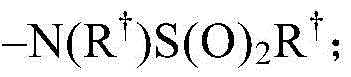 Each of which
 Independently is hydrogen; c which may be substituted as defined below1-6Aliphatic; unsubstituted-OPh; or an unsubstituted 5-to 6-membered saturated, partially unsaturated, or aryl ring having 0-4 heteroatoms independently selected from nitrogen, oxygen, or sulfur, or two independently occurring, although defined above
 Together with one or more of its intermediate atoms, form a 3 to 12 membered saturated, partially unsaturated or aryl monocyclic or bicyclic ring having 0-4 heteroatoms independently selected from nitrogen, oxygen or sulfur.

As used herein, the term "pharmaceutically acceptable salt" refers to those salts which are, within the scope of sound medical judgment, suitable for use in contact with the tissues of humans and lower animals without excessive toxicity, irritation, allergic response, and the like, commensurate with a reasonable benefit/risk ratio. Pharmaceutically acceptable salts are well known in the art. For example, pharmaceutically acceptable salts are described in detail in the journal of pharmaceutical Sciences (j. pharmaceutical Sciences), 1977,66, 1-19, by s.m. bell fever (s.m. berge), et al, which are incorporated herein by reference. Pharmaceutically acceptable salts of the compounds of the present invention include salts derived from suitable inorganic and organic acids and bases. Examples of pharmaceutically acceptable non-toxic acid addition salts are salts with amino groups formed with inorganic acids (such as hydrochloric acid, hydrobromic acid, phosphoric acid, sulfuric acid and perchloric acid) or with organic acids (such as acetic acid, oxalic acid, maleic acid, tartaric acid, citric acid, succinic acid or malonic acid) or by using other methods used in the art such as ion exchange. Other pharmaceutically acceptable salts include adipates, alginates, ascorbates, aspartates, benzenesulfonates, benzoates, bisulfates, borates, butyrates, camphors, sulfonates, camphorsulfonates, citrates, cyclopentanepropionates, digluconates, dodecylsulfates, ethanesulfonates, formates, fumarates, glucoheptonates, glycerophosphates, gluconates, hemisulfates, heptanoates, hexanoates, hydroiodics, 2-hydroxyethanesulfonates, lactobionates, lactates, laurates, dodecylsulfates, malates, maleates, malonates, methanesulfonates, 2-naphthalenesulfonates, nicotinates, nitrates, oleates, oxalates, palmitates, pamoate, pectates, persulfates, 3-phenylpropionates, phosphates, pivalates, salts, Propionate, stearate, succinate, sulfate, tartrate, thiocyanate, sodium p-toluenesulfonate, undecanoate, valerate and the like.
Salts derived from suitable bases include alkali metal salts, alkaline earth metal salts, ammonium salts and N+(C1–4Alkyl radical)4And (3) salt. Representative alkali or alkaline earth metal salts include sodium, lithium, potassium, calcium, magnesium, and the like. Other pharmaceutically acceptable salts include, where appropriate, non-toxic ammonium, quaternary ammonium and amine cations formed using counterions such as halide, hydroxide, carboxylate, sulfate, phosphate, nitrate, lower alkyl sulfonate and aryl sulfonate.
Unless otherwise indicated, structures described herein are also meant to encompass all isomeric (e.g., enantiomeric, diastereomeric, and geometric (or conformational)) forms of the structure; for example, the R and S configurations, Z and E double bond isomers, and Z and E conformational isomers of each asymmetric center. Thus, single stereochemical isomers as well as enantiomeric, diastereomeric, and geometric (or conformational) mixtures of the compounds of the present invention are within the scope of the invention. Unless otherwise indicated, all tautomeric forms of the compounds of the invention are within the scope of the invention. Furthermore, unless otherwise indicated, structures described herein are also intended to encompass compounds that differ only in the presence of one or more isotopically enriched atoms. For example, having a structure containing replacement of hydrogen by deuterium or tritium or by13C-or14Compounds of the present structure that are C-enriched with carbon substituted carbons are within the scope of the present invention. According to the invention, such compounds may be used, for example, as analytical tools, probes in bioassays, or as therapeutic agents. In certain embodiments, provided compounds include one or more deuterium atoms.
As used herein, the term "inhibitor" is defined as a compound that binds to and/or inhibits CAIX, MT1-MMP, PSMA, CD38, EphA2, or α v β 3 with measurable affinity50And/or a binding constant of less than about 50 μ MLess than about 1 μ M, less than about 500nM, less than about 100nM, less than about 10nM, or less than about 1 nM.
The compounds of the invention may be tethered to a detectable moiety. It is understood that such compounds may be used as imaging agents. One of ordinary skill in the art will recognize that detectable moieties may be attached to provided compounds through suitable substituents. As used herein, the term "suitable substituent" refers to a moiety that is capable of covalently linking to a detectable moiety. Such moieties are well known to those of ordinary skill in the art and include groups containing, for example, carboxylate moieties, amino moieties, thiol moieties, or hydroxyl moieties, to name a few. It is to be understood that such moieties can be attached to the provided compounds directly or through a tethering group (e.g., a divalent saturated or unsaturated hydrocarbon chain). In some embodiments, such moieties may be attached by click chemistry. In some embodiments, such moieties may be attached by 1, 3-cycloaddition of an azide to an alkyne, optionally in the presence of a copper catalyst. Methods using click chemistry are known in the art and include roselch (Rostovtsev) et al, applied to international edition of chemistry (angelw. chem. int. ed)2002,412596-99 and Sun (Sun) et al, Bioconjugate chemistry (Bioconjugate Chem),2006,17,52-57.
As used herein, the term "detectable moiety" is used interchangeably with the term "label" and relates to any moiety that is capable of being detected, such as primary labels and secondary labels. Primary labels, e.g. radioactive isotopes (e.g. tritium,225Ac、227Ac、241Am、72As、74As、211At、198Au、11B、7Be、212Bi、213Bi、75Br、77Br、11C、14C、48Ca、109Cd、139Ce、141Ce、252Cf、55Co、57Co、60Co、51Cr、130Cs、131Cs、137Cs、61Cu、62Cu、64Cu、67Cu、165Dy、152Eu、155Eu、18F、55Fe、59Fe、64Ga、67Ga、68Ga、153Gd、68Ge、122I、123I、124I、125I、131I、132I、111In、115mIn、191mIr、192Ir、81mKr、177Lu、51Mn、52Mn、99Mo、13N、95Nb、15O、191Os、194Os、32P、33P、203Pb、212Pb、103Pd、109Pd、238Pu、223Ra、226Ra、82Rb、186Re、188Re、105Rh、97Ru、103Ru、35S、46Sc、47Sc、72Se、75Se、28Si、145Sm、153Sm、117mSn、85Sr、89Sr、90Sr、178Ta、179Ta、182Ta、149Tb、96Tc、99mTc、228Th、229Th、201Tl、170Tm、171Tm、188W、127Xe、133Xe、88Y、90Y、91Y、169Yb、62Zn、65Zn、89Zr or95Zr, where the superscript m represents a sub-state), mass labels and fluorescent labels are signal generating reporter groups that can be detected without further modification. The detectable moiety also comprises luminescent and phosphorescent moieties.
As used herein, the term "secondary label" refers to a moiety such as biotin and various protein antigens that requires the presence of a second intermediate to produce a detectable signal. For biotin, the second intermediate may comprise a streptavidin-enzyme conjugate. For antigen labeling, the second intermediate may comprise an antibody-enzyme conjugate. Some fluorophores act as secondary labels because they transfer energy to another during non-radiative Fluorescence Resonance Energy Transfer (FRET), and the second group generates a detected signal.
As used herein, the terms "fluorescent label," "fluorescent dye," and "fluorophore" refer to a moiety that absorbs light energy of a defined excitation wavelength and emits light energy of a different wavelength. Examples of fluorescent labels include, but are not limited to: alexa Fluor dyes (Alexa Fluor 350, Alexa Fluor 488, Alexa Fluor 532, Alexa Fluor 546, Alexa Fluor 568, Alexa Fluor 594, Alexa Fluor 633, Alexa Fluor 660 and Alexa Fluor 680), AMCA-S, BODIPY dyes (BODIPY FL, BODIPY R6G, BODIPY TMR, BODIPY TR, BODIPY 530/550, BODIPY 558/568, BODIPY 564/570, BODIPY 576/589, BODIPY 581/591, BODIPY630/650, BODIPY 650/665), carboxyrhodamine 6G, carboxy-X-Rhodamine (ROX), waterfall Blue (Cascade Blue), Cascade Yellow (Cascade Yellow), coumarin 343, cyanine dyes (Cy 2, Cy5, Cy3.5, Cy 5.829 5, Cy7, Cy 4-dichloro-yl, Cy 5-amino-4 ' -dichloro-coumarin ', and Cy fluorescent dyes (Cy-5 ', Cy-5 ', Cy-D ', and CyAdam Blue (R) as well as fluorescent dyes, Eosin, erythrosin, fluorescein, FAM, hydroxycoumarins, IRDye (IRD40, IRD 700, IRD 800), JOE, lissamine rhodamine B (lissamine rhodamine B), mariner Blue (Marina Blue), methoxycoumarin, naphthyl fluorescein, Oregon Green 488(Oregon Green 488), Oregon Green 500(Oregon Green 500), Oregon Green 514(Oregon Green 514), Pacific Blue (Pacific Blue), PyMPO, pyrene, rhodamine B, rhodamine 6G, rhodamine Green, rhodamine red, Rhodol Green, 2',4',5',7' -tetra-bromosulfone-fluorescein, tetramethyl-rhodamine (TMR), carboxytetramethyl rhodamine (TAMRA), texas red-X.
As used herein, the term "mass tag" refers to any moiety that can be uniquely detected by mass using Mass Spectrometry (MS) detection techniques. Examples of mass labels include charge-generating disk release labels such as N- [3- [4'- [ (p-methoxytetrafluorobenzyl) oxy ] phenyl ] -3-methylglycinyl ] isoperidate, 4' - [2,3,5, 6-tetrafluoro-4- (pentafluorophenoxy) ] methylacetophenone and derivatives thereof. The synthesis and use of these quality tags is described in us patents 4,650,750, 4,709,016, 5,360,8191, 5,516,931, 5,602,273, 5,604,104, 5,610,020 and 5,650,270. Other examples of mass tags include, but are not limited to, nucleotides, dideoxynucleotides, oligonucleotides of various lengths and base compositions, oligopeptides, oligosaccharides, and other synthetic polymers of various lengths and monomer compositions. A large number of neutral and charged organic molecules (biomolecules or synthetic compounds) in the appropriate mass range (100-2000 daltons) can also be used as mass labels.
As used herein, the term "quantum dot" refers to any portion of a highly luminescent semiconductor nanocrystal (e.g., zinc sulfide capped cadmium selenide). The synthesis and use of these quantum dots is described in U.S. Pat. Nos. 6,326,144, 6,468,808, 7,192,785, 7,151,047 and the scientific literature (see: Chen (Chan) and Nee (Nie) (1998) Science 281(5385) 2016-2018).
As used herein, the terms "measurable affinity" and "measurably inhibits" refer to a measurable change in CAIX, MT1-MMP, PSMA, CD38, EphA2 or α v β 3 activity that occurs between a sample comprising a compound of the invention or composition thereof and CAIX, MT1-MMP, PSMA, CD38, EphA2 or α v β 3 and an equivalent sample comprising CAIX, MT1-MMP, PSMA, CD38, EphA2 or α v β 3 without the presence of the compound or composition thereof.
3. Description of exemplary embodiments:
as noted above, in certain embodiments, the present invention provides a compound of formula I:

or a pharmaceutically acceptable salt thereof, wherein:
L1、L2and L3Each of which is independently a covalent bond or C1-8A divalent hydrocarbon chain wherein one, two or three methylene units of said chain are optionally and independently-S-, -N (R) -, -O-, -C (O) -, -OC (O) -, -C (O) O-, -C (O) N (R) -, -N (R) C (O) -, -S (O)2-or-N (R) CH2C (O) -substitution;
each of R is independently hydrogen or C1-4An alkyl group;
each of m, n, o and p is independently 0 or 1;
each of q and r is independently 1,2, 3,4, 5,6, 7, 8,9, 10, 11, 12, 13, 14, or 15;
R1is R or-C (O) R;
R4and R6Each of which is independently hydrogen or an optionally substituted group selected from: c1-6Aliphatic; a 3-to 8-membered saturated or partially unsaturated monocyclic carbocyclic ring; a phenyl group; an 8 to 10 membered bicyclic aromatic carbocyclic ring; a 4-to 8-membered saturated or partially unsaturated monocyclic heterocyclic ring having 1-2 heteroatoms independently selected from nitrogen, oxygen, or sulfur; a 5 to 6 membered monocyclic heteroaryl ring having 1-4 heteroatoms independently selected from nitrogen, oxygen, or sulfur; or an 8 to 10 membered bicyclic heteroaryl ring having 1-5 heteroatoms independently selected from nitrogen, oxygen, or sulfur;
R4'and R6'Each of which is independently hydrogen or methyl;
R2、R3、R5and R7Each of which is independently hydrogen or C1-4Aliphatic, or:
R5group and R adjacent thereto4The groups optionally together with their intervening atoms form a 4-to 8-membered saturated or partially unsaturated monocyclic heterocyclic ring having 1-2 heteroatoms independently selected from nitrogen, oxygen, or sulfur; or
R7Group and R adjacent thereto6The groups optionally together with their intervening atoms form a 4-to 8-membered saturated or partially unsaturated monocyclic heterocyclic ring having 1-2 heteroatoms independently selected from nitrogen, oxygen, or sulfur;
the scaffold is a trivalent group that links and orients the cyclic peptide;
loop A is connected to and L2Amino acid residues linked to L1Bivalent natural or unnatural amino acid residues or peptides of linked amino acid residues, wherein loop A comprises
Loop B is connected to L1Amino acid residues linked to L3Bivalent natural or unnatural amino acid residues or peptides of linked amino acid residues, wherein loop B comprises


detectable moieties1Is any portion that can be detected;
detectable moieties2Is any portion that can be detected;
connector1Is hydrogen, -C (O) R, Or contacting the N-terminus of the bicyclic ring with a detectable moiety1A linked divalent moiety, wherein when n is 0, the linker1Is hydrogen, -C (O) R or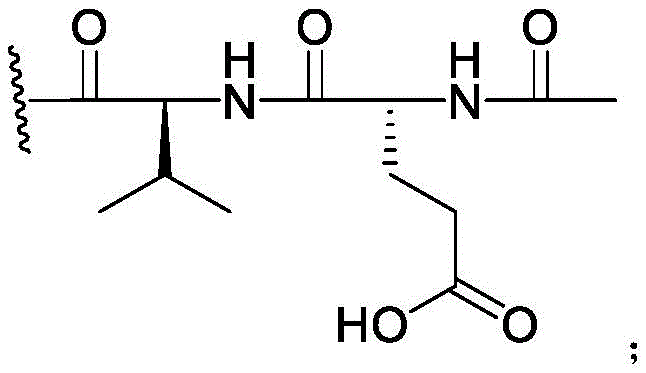
Connector2is-NH2Or ligating the C-terminus of the bicyclic ring to a detectable moiety2A linked divalent moiety, wherein when p is 0, the linker2is-NH2(ii) a And is
Ring a is selected from the group consisting of: 18-crown-6, 1,7, 13-triaza-18-crown-6 and 3 to 12 membered saturated, partially unsaturated, bridged bicyclic, bridged tricyclic, spirostane or aromatic ring optionally substituted with 0-3 oxo, methyl, ethyl or spiroethylene and having 0-6 heteroatoms independently selected from nitrogen, oxygen or sulfur.
As defined above and as described herein, L1、L2And L3Each of which is a covalent bond or C1-8A divalent hydrocarbon chain wherein one, two or three methylene units of said chain are optionally and independently-S-, -N (R) -, -O-, -C (O) -, -OC (O) -, -C (O) O-, -C (O) N (R) -, -N (R) C (O) -, -S (O)2-or-N (R) CH2C (O) -substitution.
In some embodiments, L1、L2And L3Is a covalent bond. In some embodiments, L1、L2And L3Each of which is CH2S-. In some embodiments, L1、L2And L3Each of which is-CH2NH-. In some embodiments, L1、L2And L3Each of which is-CH2O-is formed. In some embodiments, L1、L2And L3Each of which is-CH2CH2O-is formed. In some embodiments, L1、L2And L3Each of which is CH2CH2CH2CH2NH-. In some embodiments, L1、L2And L3Each of which is-CH2N(CH3) -. In some embodiments, L1、L2And L3Each of which is-CH2CH2CH2CH2N(CH3)-。
In some embodiments, L1Is a covalent bond. In some embodiments, L1is-CH2S-. In some embodiments, L1is-CH2O-is formed. In some embodiments, L1is-CH2CH2O-is formed. In some embodiments, L1is-CH2NH-. In some embodiments, L1is-CH2CH2CH2CH2NH-. In some embodiments, L1is-CH2N(CH3) -. In some embodiments, L1is-CH2CH2CH2CH2N(CH3) -. In some embodiments, L1is-CH2SCH2-. In some embodiments, L1is-CH2OCH2-. In some embodiments, L1is-CH2CH2OCH2-. In some embodiments, L1is-CH2NHCH2-. In some embodiments, L1is-CH2N(CH3)CH2-. In some embodiments, L1is-CH2CH2CH2CH2NHCH2-. In some embodiments, L1is-CH2CH2CH2CH2N(CH3)CH2-. In some embodiments, L1is-CH2SCH2C (O) NH-. In some embodiments, L1is-CH2OCH2C (O) NH-. In some embodiments, L1is-CH2CH2OCH2C (O) NH-. In some embodiments, L1is-CH2NHCH2C (O) NH-. In some embodiments, L1is-CH2N(CH3)CH2C (O) NH-. In some embodiments, L1is-CH2CH2CH2CH2NHCH2C (O) NH-. In some embodiments, L1is-CH2CH2CH2CH2N(CH3)CH2C (O) NH-. In some embodiments, L1is-CH2SCH2C (O) -. In some embodiments, L1is-CH2OCH2C (O) -. In some embodiments, L1is-CH2CH2OCH2C (O) -. In some embodiments, L1is-CH2NHCH2C (O) -. In some embodiments, L1is-CH2N(CH3)CH2C (O) -. In some embodiments, L1is-CH2CH2CH2CH2NHCH2C(O)-。In some embodiments, L1is-CH2CH2CH2CH2N(CH3)CH2C (O) -. In some embodiments, L1is-CH2SCH2CH2C (O) NH-. In some embodiments, L1is-CH2OCH2CH2C (O) NH-. In some embodiments, L1is-CH2CH2OCH2CH2C (O) NH-. In some embodiments, L1is-CH2NHCH2CH2C (O) NH-. In some embodiments, L1is-CH2N(CH3)CH2CH2C (O) NH-. In some embodiments, L1Is CH2CH2CH2CH2NHCH2CH2C (O) NH-. In some embodiments, L1is-CH2CH2CH2CH2N(CH3)CH2CH2C (O) NH-. In some embodiments, L1is-CH2SCH2CH2C (O) -. In some embodiments, L1is-CH2OCH2CH2C (O) -. In some embodiments, L1is-CH2CH2OCH2CH2C (O) -. In some embodiments, L1is-CH2NHCH2CH2C (O) -. In some embodiments, L1is-CH2N(CH3)CH2CH2C (O) -. In some embodiments, L1is-CH2CH2CH2CH2NHCH2CH2C (O) -. In some embodiments, L1is-CH2CH2CH2CH2N(CH3)CH2CH2C (O) -. In some embodiments, L1Selected from those depicted in table 1 below. In some embodiments, L1Selected from those depicted in table 3 below.
In some embodiments, L2Is a covalent bond. In some embodiments, L2is-CH2S-. In some embodiments of the present invention, the,L2is-CH2O-is formed. In some embodiments, L2is-CH2CH2O-is formed. In some embodiments, L2is-CH2NH-. In some embodiments, L2is-CH2CH2CH2CH2NH-. In some embodiments, L2is-CH2N(CH3) -. In some embodiments, L2is-CH2CH2CH2CH2N(CH3) -. In some embodiments, L2is-CH2SCH2-. In some embodiments, L2is-CH2OCH2-. In some embodiments, L2is-CH2CH2OCH2-. In some embodiments, L2is-CH2NHCH2-. In some embodiments, L2is-CH2N(CH3)CH2-. In some embodiments, L2is-CH2CH2CH2CH2NHCH2-. In some embodiments, L2is-CH2CH2CH2CH2N(CH3)CH2-. In some embodiments, L2is-CH2SCH2C (O) NH-. In some embodiments, L2is-CH2OCH2C (O) NH-. In some embodiments, L2is-CH2CH2OCH2C (O) NH-. In some embodiments, L2is-CH2NHCH2C (O) NH-. In some embodiments, L2is-CH2N(CH3)CH2C (O) NH-. In some embodiments, L2is-CH2CH2CH2CH2NHCH2C (O) NH-. In some embodiments, L2is-CH2CH2CH2CH2N(CH3)CH2C (O) NH-. In some embodiments, L2is-CH2SCH2C (O) -. In some embodiments, L2is-CH2OCH2C (O) -. In some embodiments, L2is-CH2CH2OCH2C (O) -. In some embodiments, L2is-CH2NHCH2C (O) -. In some embodiments, L2is-CH2N(CH3)CH2C (O) -. In some embodiments, L2is-CH2CH2CH2CH2NHCH2C (O) -. In some embodiments, L2is-CH2CH2CH2CH2N(CH3)CH2C (O) -. In some embodiments, L2is-CH2SCH2CH2C (O) NH-. In some embodiments, L2is-CH2OCH2CH2C (O) NH-. In some embodiments, L2is-CH2CH2OCH2CH2C (O) NH-. In some embodiments, L2is-CH2NHCH2CH2C (O) NH-. In some embodiments, L2is-CH2N(CH3)CH2CH2C (O) NH-. In some embodiments, L2Is CH2CH2CH2CH2NHCH2CH2C (O) NH-. In some embodiments, L2is-CH2CH2CH2CH2N(CH3)CH2CH2C (O) NH-. In some embodiments, L2is-CH2SCH2CH2C (O) -. In some embodiments, L2is-CH2OCH2CH2C (O) -. In some embodiments, L2is-CH2CH2OCH2CH2C (O) -. In some embodiments, L2is-CH2NHCH2CH2C (O) -. In some embodiments, L2is-CH2N(CH3)CH2CH2C (O) -. In some embodiments, L2is-CH2CH2CH2CH2NHCH2CH2C (O) -. In some embodiments, L2is-CH2CH2CH2CH2N(CH3)CH2CH2C (O) -. In some embodiments, L2Selected from those depicted in table 1 below. In some embodiments, L2Selected from those depicted in table 3 below.
In some embodiments, L3Is a covalent bond. In some embodiments, L3is-CH2S-. In some embodiments, L3is-CH2O-is formed. In some embodiments, L3is-CH2CH2O-is formed. In some embodiments, L3is-CH2NH-. In some embodiments, L3is-CH2CH2CH2CH2NH-. In some embodiments, L3is-CH2N(CH3) -. In some embodiments, L3is-CH2CH2CH2CH2N(CH3) -. In some embodiments, L3is-CH2SCH2-. In some embodiments, L3is-CH2OCH2-. In some embodiments, L3is-CH2CH2OCH2-. In some embodiments, L3is-CH2NHCH2-. In some embodiments, L3is-CH2N(CH3)CH2-. In some embodiments, L3is-CH2CH2CH2CH2NHCH2-. In some embodiments, L3is-CH2CH2CH2CH2N(CH3)CH2-. In some embodiments, L3is-CH2SCH2C (O) NH-. In some embodiments, L3is-CH2OCH2C (O) NH-. In some embodiments, L3is-CH2CH2OCH2C (O) NH-. In some embodiments, L3is-CH2NHCH2C (O) NH-. In some embodiments, L3is-CH2N(CH3)CH2C (O) NH-. In some embodiments, L3is-CH2CH2CH2CH2NHCH2C (O) NH-. In some embodiments, L3is-CH2CH2CH2CH2N(CH3)CH2C (O) NH-. In some embodiments, L3is-CH2SCH2C (O) -. In some embodiments, L3is-CH2OCH2C (O) -. In some embodiments, L3is-CH2CH2OCH2C (O) -. In some embodiments, L3is-CH2NHCH2C (O) -. In some embodiments, L3is-CH2N(CH3)CH2C (O) -. In some embodiments, L3is-CH2CH2CH2CH2NHCH2C (O) -. In some embodiments, L3is-CH2CH2CH2CH2N(CH3)CH2C (O) -. In some embodiments, L3is-CH2SCH2CH2C (O) NH-. In some embodiments, L3is-CH2OCH2CH2C (O) NH-. In some embodiments, L3is-CH2CH2OCH2CH2C (O) NH-. In some embodiments, L3is-CH2NHCH2CH2C (O) NH-. In some embodiments, L3is-CH2N(CH3)CH2CH2C (O) NH-. In some embodiments, L3Is CH2CH2CH2CH2NHCH2CH2C (O) NH-. In some embodiments, L3is-CH2CH2CH2CH2N(CH3)CH2CH2C (O) NH-. In some embodiments, L3is-CH2SCH2CH2C (O) -. In some embodiments, L3is-CH2OCH2CH2C (O) -. In some embodiments, L3is-CH2CH2OCH2CH2C (O) -. In some embodiments, L3is-CH2NHCH2CH2C (O) -. In some casesIn the examples, L3is-CH2N(CH3)CH2CH2C (O) -. In some embodiments, L3is-CH2CH2CH2CH2NHCH2CH2C (O) -. In some embodiments, L3is-CH2CH2CH2CH2N(CH3)CH2CH2C (O) -. In some embodiments, L3Selected from those depicted in table 1 below. In some embodiments, L3Selected from those depicted in table 3 below.
As defined above and as described herein, each of R is independently hydrogen or C1-4An alkyl group.
In some embodiments, R is hydrogen. In some embodiments, R is C1-4An alkyl group.
In some embodiments, R is methyl. In some embodiments, R is ethyl. In some embodiments, R is n-propyl. In some embodiments, R is isopropyl. In some embodiments, R is n-butyl. In some embodiments, R is isobutyl. In some embodiments, R is tert-butyl.
In some embodiments, R is selected from those depicted in table 1 below. In some embodiments, R is selected from those depicted in table 3 below.
As defined above and as described herein, each of m, n, o, and p is independently 0 or 1.
In some embodiments, m is 0. In some embodiments, m is 1. In some embodiments, m is selected from those depicted in table 1 below. In some embodiments, m is selected from those depicted in table 3 below.
In some embodiments, n is 0. In some embodiments, n is 1. In some embodiments, n is selected from those depicted in table 1 below. In some embodiments, n is selected from those depicted in table 3 below.
In some embodiments, o is 0. In some embodiments, o is 1. In some embodiments, o is selected from those depicted in table 1 below. In some embodiments, o is selected from those depicted in table 3 below.
In some embodiments, p is 0. In some embodiments, p is 1. In some embodiments, p is selected from those depicted in table 1 below. In some embodiments, p is selected from those depicted in table 3 below.
As defined above and as described herein, each of q and r is independently 1,2, 3,4, 5,6, 7, 8,9, 10, 11, 12, 13, 14, or 15.
In some embodiments, q is 1. In some embodiments, q is 2. In some embodiments, q is 3. In some embodiments, q is 4. In some embodiments, q is 5. In some embodiments, q is 6. In some embodiments, q is 7. In some embodiments, q is 8. In some embodiments, q is 9. In some embodiments, q is 10. In some embodiments, q is 11. In some embodiments, q is 12. In some embodiments, q is 13. In some embodiments, q is 14. In some embodiments, q is 15. In some embodiments, q is selected from those depicted in table 1 below. In some embodiments, q is selected from those depicted in table 3 below.
In some embodiments, r is 1. In some embodiments, r is 2. In some embodiments, r is 3. In some embodiments, r is 4. In some embodiments, r is 5. In some embodiments, r is 6. In some embodiments, r is 7. In some embodiments, r is 8. In some embodiments, r is 9. In some embodiments, r is 10. In some embodiments, r is 11. In some embodiments, r is 12. In some embodiments, r is 13. In some embodiments, r is 14. In some embodiments, r is 15. In some embodiments, r is selected from those depicted in table 1 below. In some embodiments, r is selected from those depicted in table 3 below.
As defined above and as described herein, R1Is R or-C (O) R.
In some embodiments, R1Is R. In some embodiments, R1is-C (O) R.
In some embodiments, R1Is hydrogen. In some casesIn the examples, R1Is methyl. In some embodiments, R1Is ethyl. In some embodiments, R1Is n-propyl. In some embodiments, R1Is isopropyl. In some embodiments, R1Is n-butyl. In some embodiments, R1Is an isobutyl group. In some embodiments, R1Is a tert-butyl group.
In some embodiments, R1is-C (O) CH3. In some embodiments, R1is-C (O) CH2CH3. In some embodiments, R1is-C (O) CH2CH2CH3. In some embodiments, R1is-C (O) CH (CH)3)2. In some embodiments, R1is-C (O) CH2CH2CH2CH3. In some embodiments, R1is-C (O) CH2CH(CH3)2. In some embodiments, R1is-C (O) C (CH)3)3. In some embodiments, R1Selected from those depicted in table 1 below. In some embodiments, R1Selected from those depicted in table 3 below.
As defined above and as described herein, R4And R6Each of which is independently hydrogen or an optionally substituted group selected from: c1-6Aliphatic; a 3-to 8-membered saturated or partially unsaturated monocyclic carbocyclic ring; a phenyl group; an 8 to 10 membered bicyclic aromatic carbocyclic ring; a 4-to 8-membered saturated or partially unsaturated monocyclic heterocyclic ring having 1-2 heteroatoms independently selected from nitrogen, oxygen, or sulfur; a 5 to 6 membered monocyclic heteroaryl ring having 1-4 heteroatoms independently selected from nitrogen, oxygen, or sulfur; or an 8 to 10 membered bicyclic heteroaryl ring having 1-5 heteroatoms independently selected from nitrogen, oxygen, or sulfur.
In some embodiments, R4Is hydrogen. In some embodiments, R4Is optionally substituted C1-6Aliphatic. In some embodiments, R4Is an optionally substituted 3-to 8-membered saturated or partially unsaturated monocyclic carbocyclic ring. In some embodiments, R4Is optionally substituted phenyl.In some embodiments, R4Is an optionally substituted 8-to 10-membered bicyclic aromatic carbocyclic ring. In some embodiments, R4Is an optionally substituted 4-to 8-membered saturated or partially unsaturated monocyclic heterocyclic ring having 1-2 heteroatoms independently selected from nitrogen, oxygen, or sulfur. In some embodiments, R4Is an optionally substituted 5-to 6-membered monocyclic heteroaryl ring having 1-4 heteroatoms independently selected from nitrogen, oxygen, or sulfur. In some embodiments, R4Is an optionally substituted 8-to 10-membered bicyclic heteroaryl ring having 1-5 heteroatoms independently selected from nitrogen, oxygen, or sulfur.
In some embodiments, R4Is methyl. In some embodiments, R4Is that In some embodiments, R4Is that
 In some embodiments, R4Is that
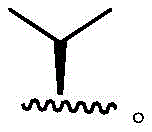 In some embodiments, R4Is that
 In some embodiments, R4Is that
 Wherein the attachment site has (S) stereochemistry. In some embodiments, R4Is that
 Wherein the attachment site has (R) stereochemistry. In some embodiments, R4Is that
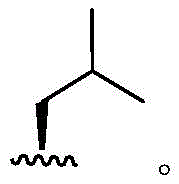 In some embodiments, R4Is that
 In some embodiments, R4Is that
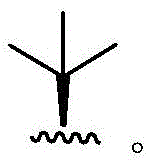 In some embodiments, R4Is that
In some embodiments, R4Is that Wherein the attachment site has (S) stereochemistry. In some embodiments, R4Is that
 Wherein the attachment site has (R) stereochemistry.
In some embodiments, R4Is that In some embodiments, R4Is that
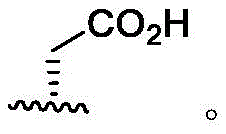 In some embodiments, R4Is that
 In some embodiments, R4Is that
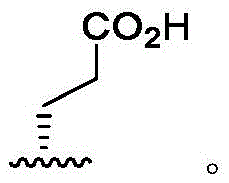 In some embodiments, R4Is that
 In some embodiments, R4Is that
In some embodiments, R4Is that In some embodiments, R4Is that
 In some embodiments, R4Is that
 In some embodiments, R4Is that
In some embodiments, R4Is that In some embodiments, R4Is that
 In some embodiments, R4Is that
 In some embodiments, R4Is that
 In some embodiments, R4Is that
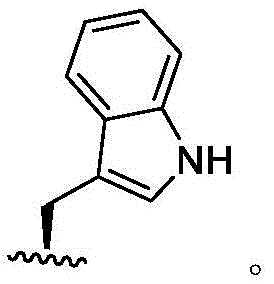 In some embodiments, R4Is that
 In some embodiments, R4Is that
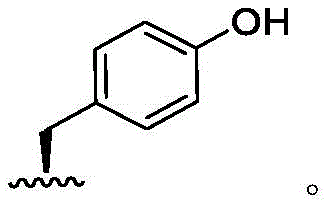 In some embodiments, R4Is that
In some embodiments, R4Selected from those depicted in table 1 below. In some embodiments, R4Selected from those depicted in table 3 below.
In some embodiments, R6Is hydrogen. In some embodiments, R6Is optionally substituted C1-6Aliphatic. In some embodiments, R6Is an optionally substituted 3-to 8-membered saturated or partially unsaturated monocyclic carbocyclic ring. In some embodiments, R6Is optionally substituted phenyl. In some embodiments, R6Is an optionally substituted 8-to 10-membered bicyclic aromatic carbocyclic ring. In some embodiments, R6Is an optionally substituted 4-to 8-membered saturated or partially unsaturated monocyclic heterocyclic ring having 1-2 heteroatoms independently selected from nitrogen, oxygen, or sulfur. In some embodiments, R6Is an optionally substituted 5-to 6-membered monocyclic heteroaryl ring having 1-4 heteroatoms independently selected from nitrogen, oxygen, or sulfur. In some embodiments, R6Is an optionally substituted 8-to 10-membered bicyclic heteroaryl ring having 1-5 heteroatoms independently selected from nitrogen, oxygen, or sulfur.
In some embodiments, R6Is methyl. In some embodiments, R6Is that In some embodiments, R6Is that
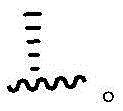 In some embodiments, R6Is that
 In some embodiments, R6Is that
 In some embodiments, R6Is that
 In some embodiments, R6Is that
 In some embodiments, R6Is that
 Wherein the attachment site has (S) stereochemistry. In some embodiments, R6Is that
 Wherein the attachment site has (R) stereochemistry. In some embodiments, R6Is that
 Wherein the attachment site has (S) stereochemistry. In some embodiments, R6Is that
 Wherein the attachment site has (R) stereochemistry. In some embodiments, R6Is that
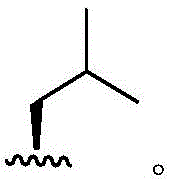 In some embodiments, R6Is that
 In some embodiments, R6Is that
 In some embodiments, R6Is that
In some embodiments, R6Is that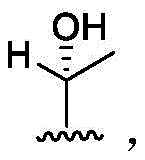 Wherein the attachment site has (S) stereochemistry. In some embodiments, R6Is that
 Wherein the attachment site has (R) stereochemistry.
In some embodiments, R6Is that In some embodiments, R6Is that
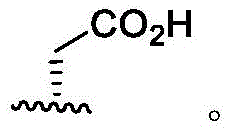 In some embodiments, R6Is that
 In some embodiments, R6Is that
 In some embodiments, R6Is that
 In some embodiments, R6Is that
In some embodiments, R6Is that In some embodiments, R6Is that
 In some embodiments, R6Is that
 In some embodiments, R6Is that
In some embodiments, R6Is that In some embodiments, R6Is that
 In some embodiments, R6Is that
 In some embodiments, R6Is that
 In some embodiments, R6Is that
 In some embodiments, R6Is that
 In some embodiments, R6Is that
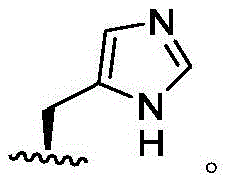 In some embodiments, R6Is that
 In some embodiments, R6Is that
 In some embodiments, R6Is that
In some embodiments, R6Selected from those depicted in table 1 below. In some embodiments, R6Selected from those depicted in table 3 below.
As defined above and as described herein, R4'And R6'Each of which is independently hydrogen or methyl.
In some embodiments, R4'Is hydrogen. In some embodiments, R4'Is methyl.
In some embodiments, R4'Selected from those depicted in table 1 below. In some embodiments, R4'Selected from those depicted in table 3 below.
In some embodiments, R6'Is hydrogen. In some embodiments, R6'Is methyl.
In some embodiments, R6'Selected from those depicted in table 1 below. In some embodiments, R6'Selected from those depicted in table 3 below.
As defined above and as described herein, R2、R3、R5And R7Each of which is independently hydrogen or C1-4Aliphatic, or: r5Group and R adjacent thereto4The groups optionally together with their intervening atoms form a 4-to 8-membered saturated or partially unsaturated monocyclic heterocyclic ring having 1-2 heteroatoms independently selected from nitrogen, oxygen, or sulfur; or R7Group and R adjacent thereto6The groups optionally form, together with their intervening atoms, a 4-to 8-membered saturated or partially unsaturated monocyclic heterocyclic ring having 1-2 heteroatoms independently selected from nitrogen, oxygen, or sulfur.
In some embodiments, R2Is hydrogen. In some embodiments, R2Is C1-4Aliphatic. In some embodiments, R2Is methyl. In some embodiments, R2Is ethyl. In some embodiments, R2Is n-propyl. In some embodiments, R2Is isopropyl. In some embodiments, R2Is n-butyl. In some embodiments, R2Is an isobutyl group. In some embodiments, R2Is a tert-butyl group.
In some embodiments, R2Selected from those depicted in table 1 below. In some embodiments, R2Selected from those depicted in table 3 below.
In some embodiments, R3Is hydrogen. In some embodiments, R3Is C1-4Aliphatic. In some embodiments, R3Is methyl. In some embodiments,R3Is ethyl. In some embodiments, R3Is n-propyl. In some embodiments, R3Is isopropyl. In some embodiments, R3Is n-butyl. In some embodiments, R3Is an isobutyl group. In some embodiments, R3Is a tert-butyl group.
In some embodiments, R3Selected from those depicted in table 1 below. In some embodiments, R3Selected from those depicted in table 3 below.
In some embodiments, R5Is hydrogen. In some embodiments, R5Is C1-4Aliphatic. In some embodiments, R5Is methyl. In some embodiments, R5Is ethyl. In some embodiments, R5Is n-propyl. In some embodiments, R5Is isopropyl. In some embodiments, R5Is n-butyl. In some embodiments, R5Is an isobutyl group. In some embodiments, R5Is a tert-butyl group.
In some embodiments, R5Group and R adjacent thereto4The radicals forming, together with their intermediate atoms In some embodiments, R5Group and R adjacent thereto4The radicals forming, together with their intermediate atoms
In some embodiments, R5Selected from those depicted in table 1 below. In some embodiments, R5Selected from those depicted in table 3 below.
In some embodiments, R7Is hydrogen. In some embodiments, R7Is C1-4Aliphatic. In some embodiments, R7Is methyl. In some embodiments, R7Is ethyl. In some embodiments, R7Is n-propyl. In some embodiments, R7Is isopropyl. In some casesIn the examples, R7Is n-butyl. In some embodiments, R7Is an isobutyl group. In some embodiments, R7Is a tert-butyl group.
In some embodiments, R7Group and R adjacent thereto6The radicals forming, together with their intermediate atoms In some embodiments, R7Group and R adjacent thereto6The radicals forming, together with their intermediate atoms
In some embodiments, R7Selected from those depicted in table 1 below. In some embodiments, R7Selected from those depicted in table 3 below.
As defined above and as described herein, a scaffold is a trivalent group that links and orients a cyclic peptide.
In some embodiments, the stent is In some embodiments, the stent is
 In some embodiments, the stent is
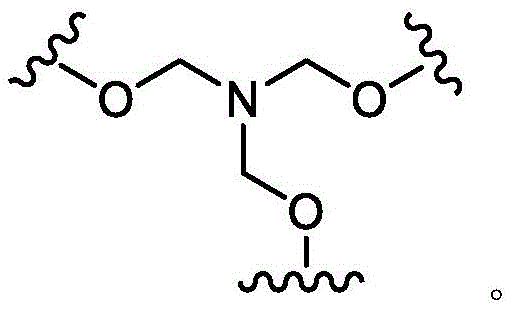 In some embodiments, the stent is
 In some embodiments, the stent is
 In some embodiments, the stent is
 In some embodiments, the stent is
 In some embodiments, the stent is
 In some embodiments, the stent is
 In some embodiments, the stent is
 In some embodiments, the stent is
 In some embodiments, the stent is
 In some embodiments, the stent is
 In some embodiments, the stent is
 In some embodiments, the stent is
In some embodiments, the stent is In some embodiments, the stent is
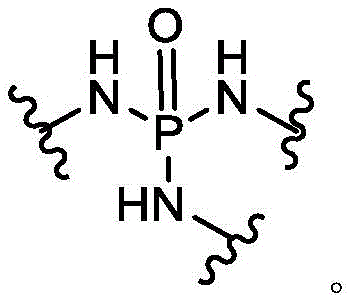 In some embodiments, the stent is
 In some embodiments, the stent is
 In some embodiments, the stent is
 In some embodiments, the stent is
In some embodiments, the stent is In some embodiments, the stent is
 In some embodiments, the stent is
 In some embodiments, the stent is
 In some embodiments, the stent is
 In some embodiments, the stent is
 In some embodiments, the stent is
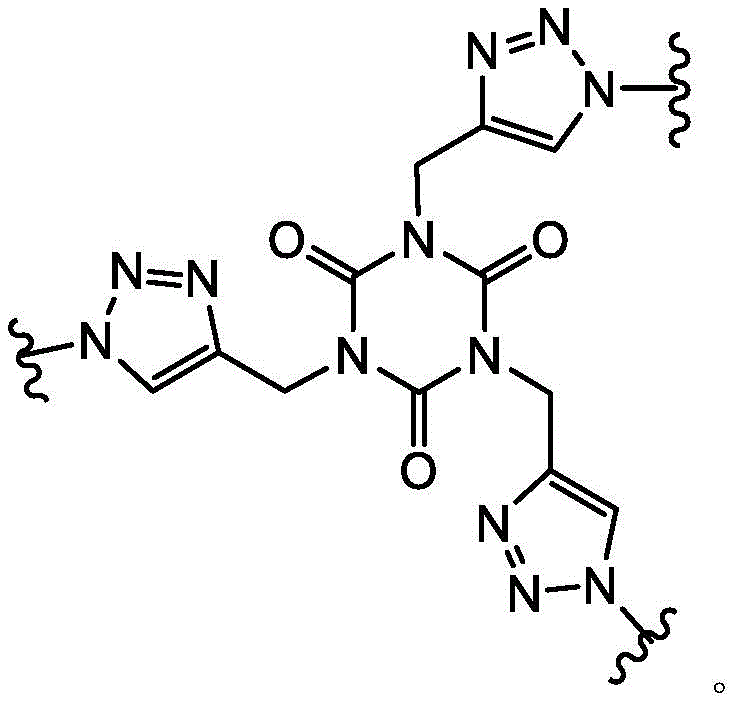 In some embodiments, the stent is
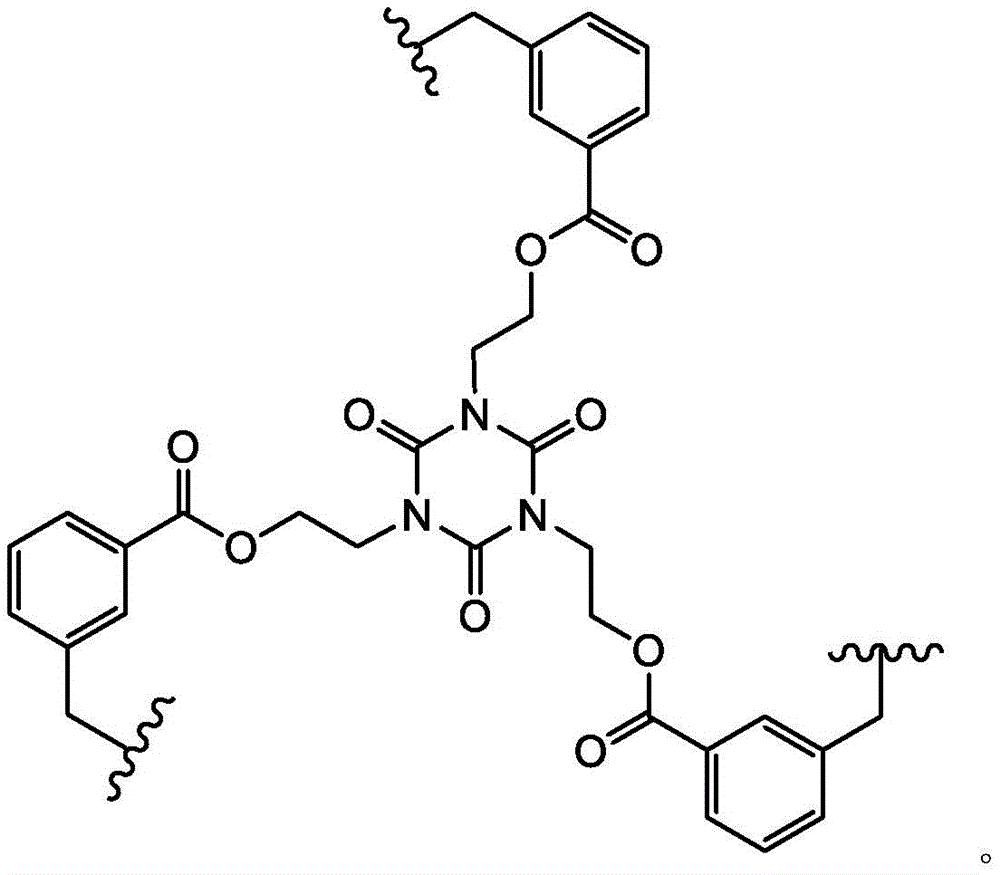 In some embodiments, the stent is
 In some embodiments, the stent is
 In some embodiments, the stent is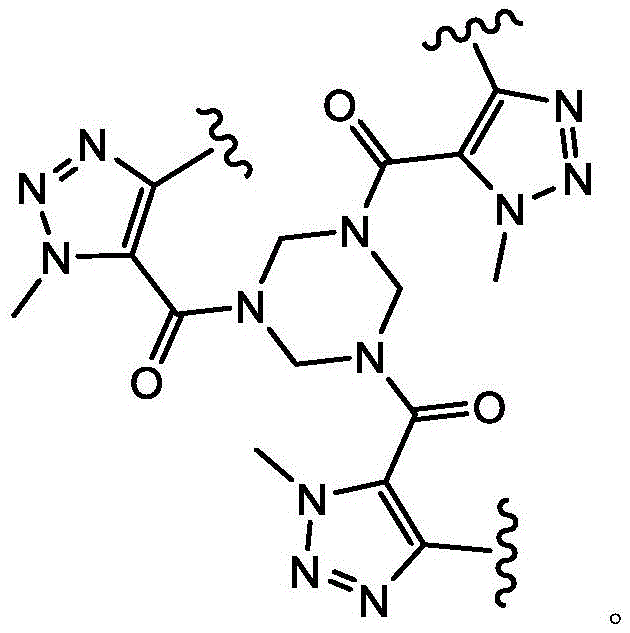
In some embodiments, the stent is In some embodiments, the stent is
 In some embodiments, the stent is
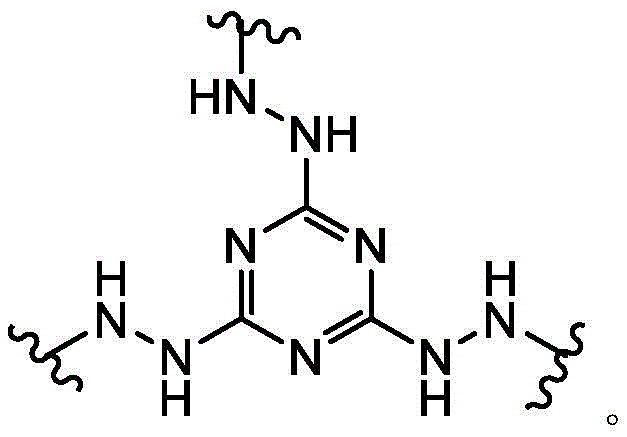 In some embodiments, the stent is
 In some embodiments, the stent is
 In some embodiments, the stent is
 In some embodiments, the stent is
 In some embodiments, the stent is
 In some embodiments, the stent is
 In some embodiments, the stent is
In some embodiments, the stent is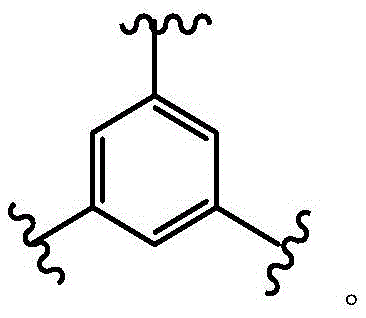 In some embodiments, the stent is
 In some embodiments, the stent is
 In some embodiments, the stent is
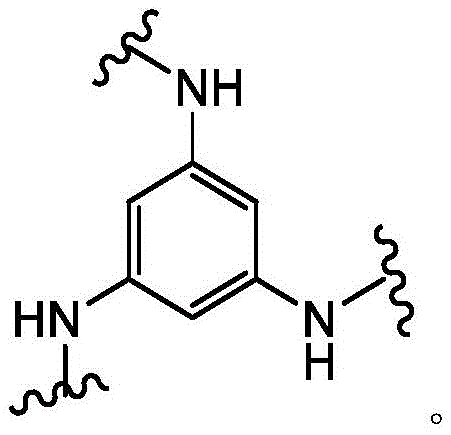 In some embodiments, the stent is
 In some embodiments, the stent is
 In some embodiments, the stent is
 In some embodiments, the stent is
 In some embodiments, the stent is
 In some embodiments, the stent is
 In some embodiments, the stent is
 In some embodiments, the stent is
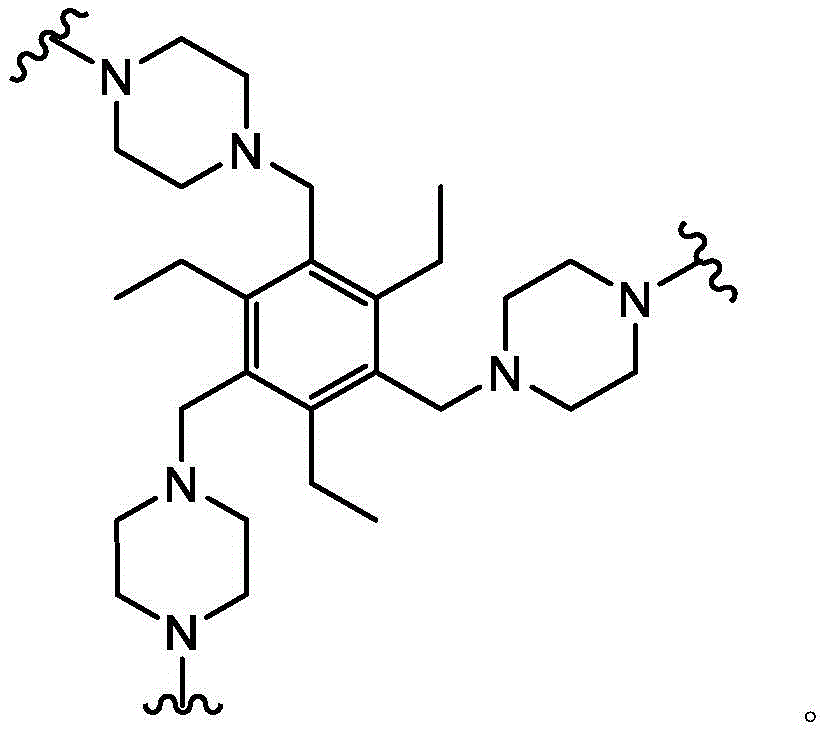 In some embodiments, the stent is
 In some embodiments, the stent is
 In some embodiments, the stent is
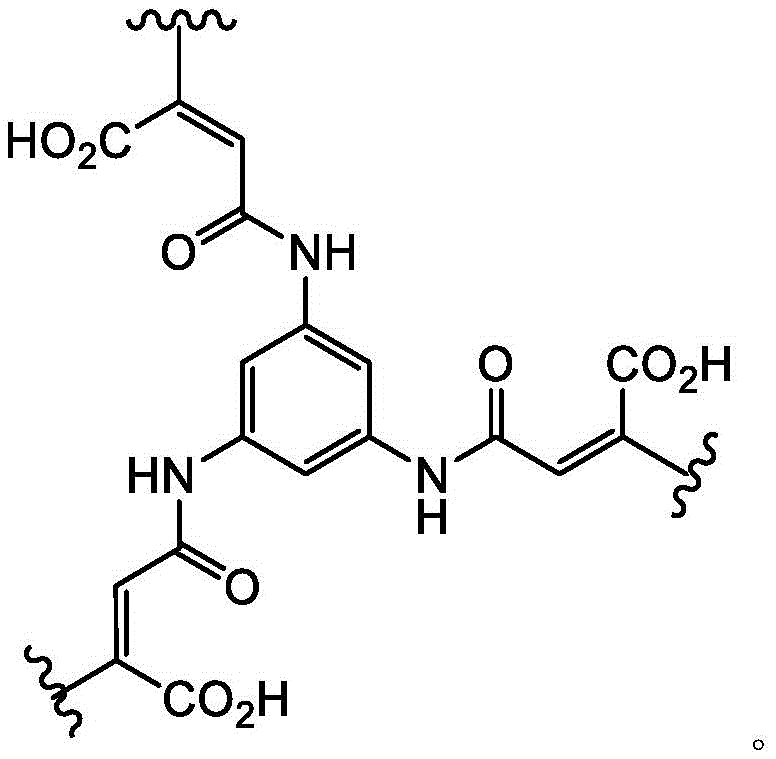 In some embodiments, the stent is
In some embodiments, the stent is In some embodiments, the stent is
 In some embodiments, the stent is
 In some embodiments, the stent is
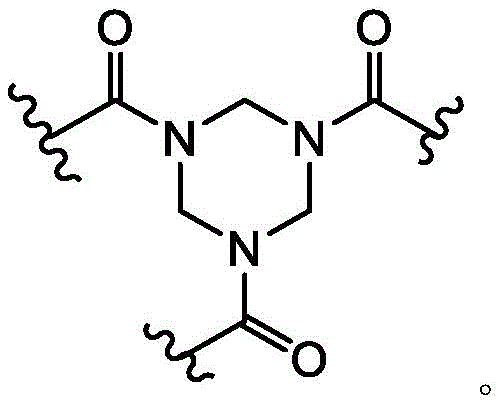 In some embodiments, the stent is
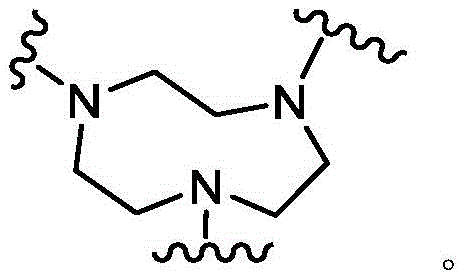 In some embodiments, the stent is
 In some embodiments, the stent is
 In some embodiments, the stent is
 In some embodiments, the stent is
In some embodiments, the stent is In some embodiments, the stent is
In some embodiments, the stent is In some embodiments, the stent is
 In some embodiments, the stent is
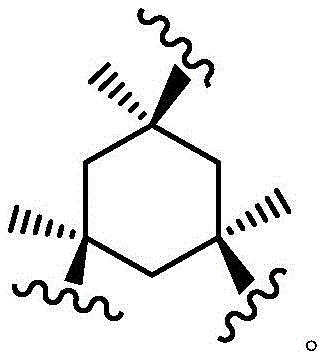 In some embodiments, the stent is
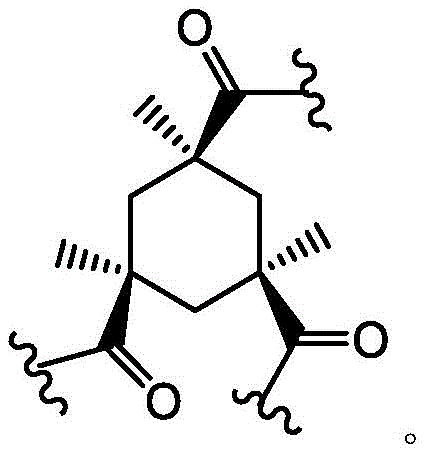 In some embodiments, the stent is
 In some embodiments, the stent is
 In some embodiments, the stent is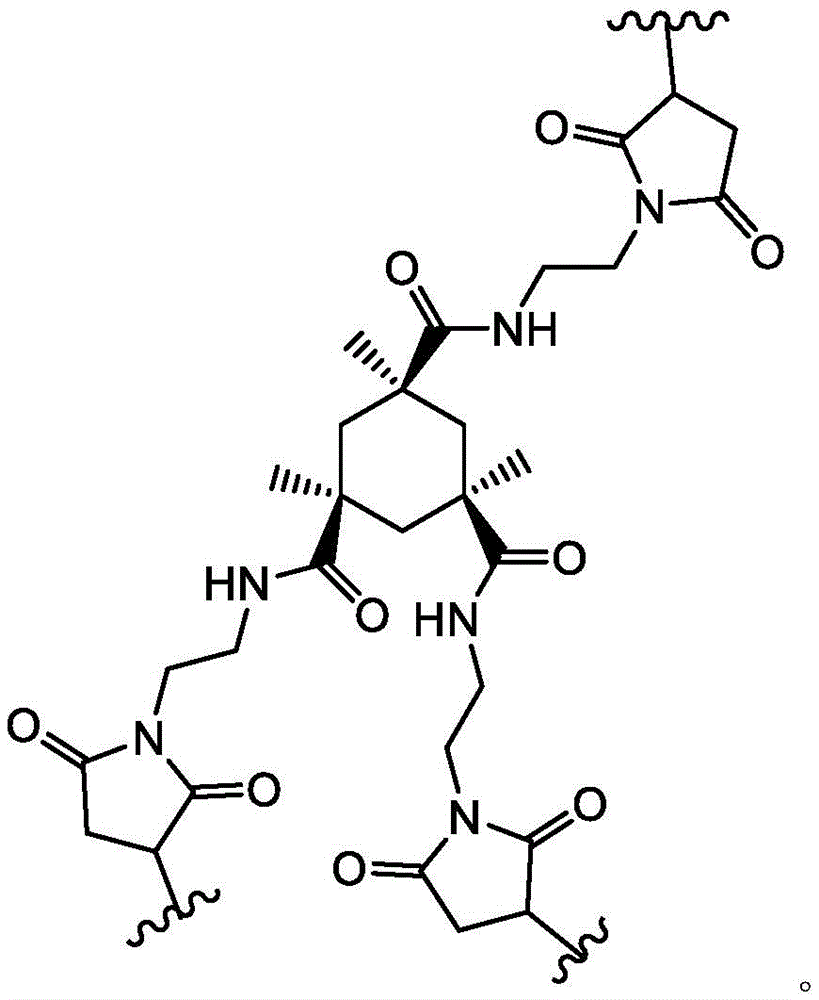
In some embodiments, the stent is In some embodiments, the stent is
 In some embodiments, the scaffold is selected from those depicted in table 1 below. In some embodiments, the scaffold is selected from those depicted in table 3 below.
Loop A is connected to loop L as defined above and described herein2Amino acid residues linked to L1Bivalent natural or unnatural amino acid residues or peptides of linked amino acid residues, wherein loop A comprises In some embodiments, loop A is connected to loop L2The amino acid residue linked to L1Linked bivalent natural amino acid residues of said amino acid residues, wherein loop A comprises
 In some embodiments, loop A is connected to loop L2The amino acid residue linked to L1Divalent non-natural amino acid residues of said amino acid residues linked, wherein loop A comprises
 In some embodiments, loop A is connected to loop L2The amino acid residue linked to L1Linked bivalent peptides of said amino acid residues, wherein loop A comprises
In some embodiments, loop A is In some embodiments, loop A is
 In some embodiments, loop A is
 In some embodiments, loop A is
In some embodiments, loop A is In some embodiments, loop A is
 In some embodiments, loop A is
 In some embodiments, loop A is
 In some embodiments, loop A is
 In some embodiments, loop A is
 In some embodiments, loop A is
In some embodiments, loop A is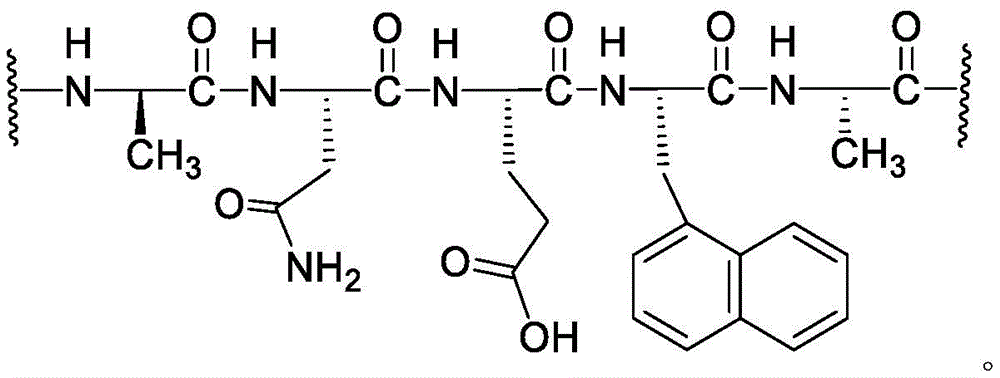 In some embodiments, loop A is
Loop B is connected to loop L as defined above and described herein1Amino acid residues linked to L3Bivalent natural or unnatural amino acid residues or peptides of linked amino acid residues, wherein loop B comprises In some embodiments, loop B is connected to loop L1The amino acid residue linked to L3Connected to each otherBivalent natural amino acid residues of said amino acid residues, wherein loop B comprises
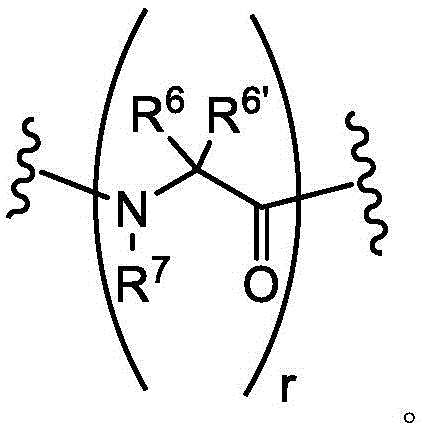 In some embodiments, loop B is connected to loop L1The amino acid residue linked to L3Divalent non-natural amino acid residues of said amino acid residues linked, wherein loop B comprises
 In some embodiments, loop B is connected to loop L1The amino acid residue linked to L3Linked bivalent peptides of said amino acid residues, wherein loop B comprises
In some embodiments, loop B is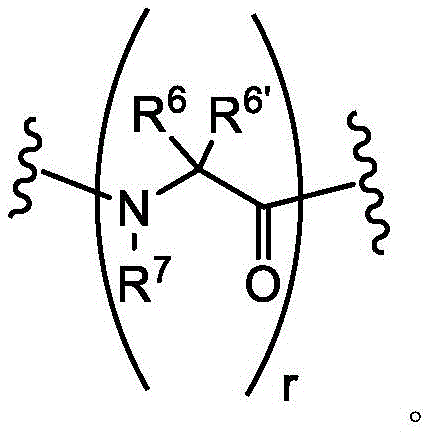 In some embodiments, loop B is
 In some embodiments, loop B is
 In some embodiments, loop B is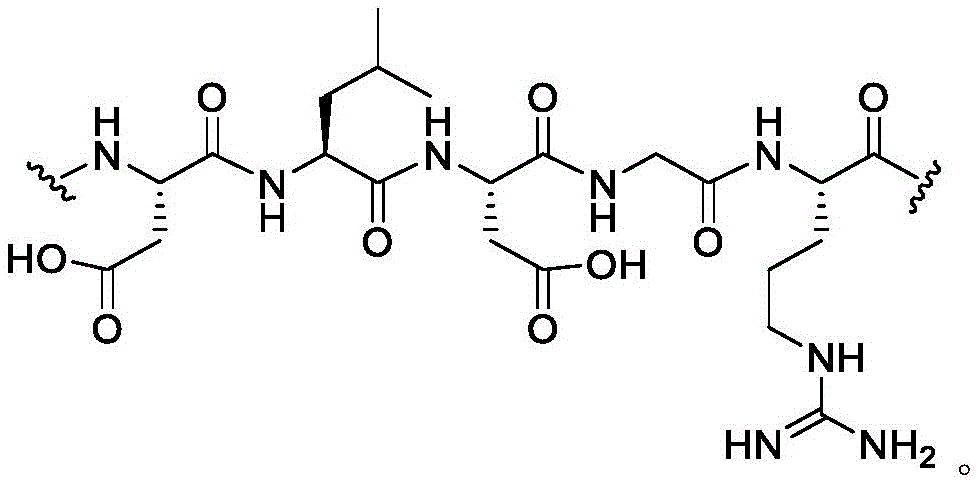
In some embodiments, loop B is In some embodiments, loop B is
 In some embodiments, loop B is
 In some embodiments, loop B is
 In some embodiments, loop B is
 In some embodiments, loop B is
 In some embodiments, loop B is
 In some embodiments, loop B is
In some embodiments, loop B is In some embodiments, loop B is
In some embodiments, loop a comprises 1-15 amino acid residues and loop B comprises 1-15 amino acid residues.
In some embodiments, loop a comprises 5 amino acid residues and loop B comprises 5 amino acid residues. In some embodiments, loop a comprises 6 amino acid residues and loop B comprises 5 amino acid residues. In some embodiments, loop a comprises 2 amino acid residues and loop B comprises 7 amino acid residues. In some embodiments, loop a comprises 3 amino acid residues and loop B comprises 7 amino acid residues. In some embodiments, loop a comprises 3 amino acid residues and loop B comprises 9 amino acid residues. In some embodiments, loop a comprises 3 amino acid residues and loop B comprises 6 amino acid residues. In some embodiments, loop a comprises 2 amino acid residues and loop B comprises 6 amino acid residues. In some embodiments, loop a comprises 6 amino acid residues and loop B comprises 5 amino acid residues.
In some embodiments, loop a is selected from those depicted in table 1 below. In some embodiments, loop a is selected from those depicted in table 3 below.
In some embodiments, loop B is selected from those depicted in table 1 below. In some embodiments, loop B is selected from those depicted in table 3 below.
As defined above and as described herein, indicating the attachment site at the N-terminus of the bicyclic ring.
As defined above and as described herein, the attachment site at the C-terminus of the bicyclic ring is indicated.
As defined above and as described herein, detectable moieties1Is any portion that can be detected.
In some embodiments, a detectable moiety1Is any portion that can be detected.
One of ordinary skill in the art will appreciate that a variety of detectable moieties are suitable for achieving the imaging effects of the present invention.
As used herein, "M" is a metal.
In some embodiments, a detectable moiety1Can be attached at any available location. In some embodiments, a detectable moiety1Can be linked to any available-OH, -C (O) OH, -SH, -NH2or-NHCH3To (3).
In some embodiments, a detectable moiety1Is 1,4,7, 10-tetraazacyclododecane-1, 4,7, 10-tetraacetic acid (also known as DOTA, DOTA or cyclen tetraacetic acid (tetraxetan)):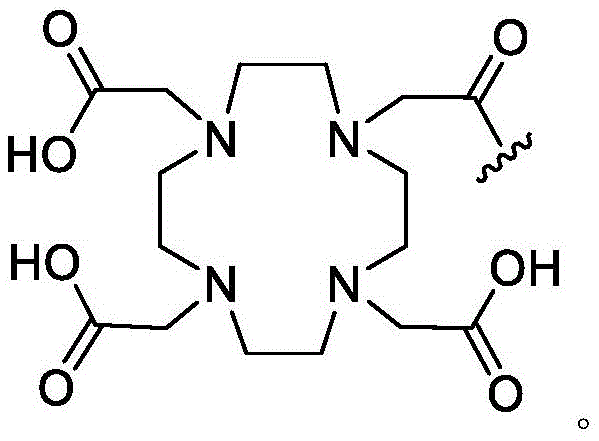 in some embodiments, a detectable moiety1Is Bn-DOTA:
 in some embodiments, a detectable moiety1Is Bn-oxo-DOTA:
 in some embodiments, a detectable moiety1Is Bn-PCTA:
 in some embodiments, a detectable moiety1Is TETA:
 in some embodiments, a detectable moiety1Is Bn-NOTA:
 in some embodiments, a detectable moiety1Is CHX-A' -DTPA:
 in some embodiments, a detectable moiety1Is Bn-DTPA:
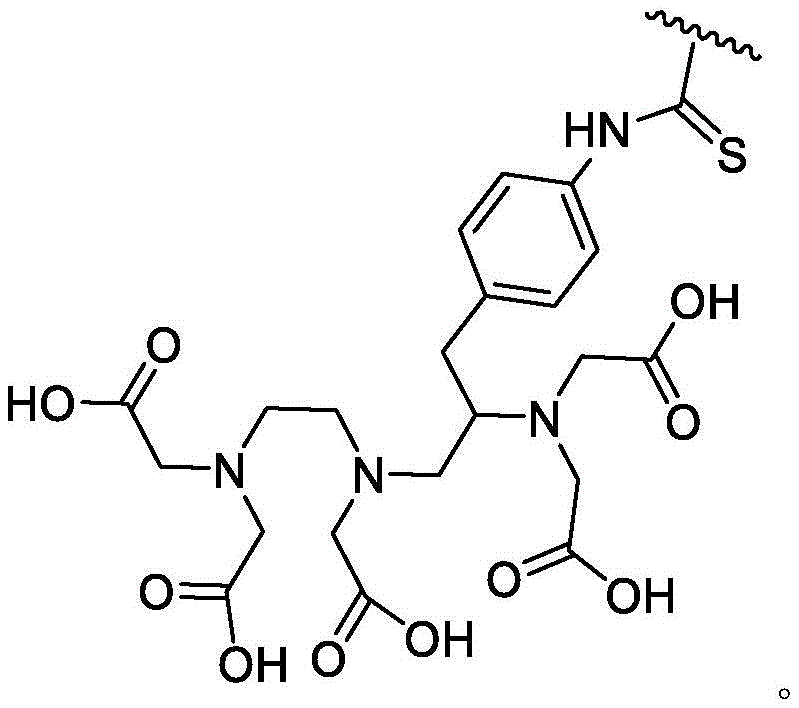 in some embodiments, a detectable moiety1Is 2B 3M-DTPA: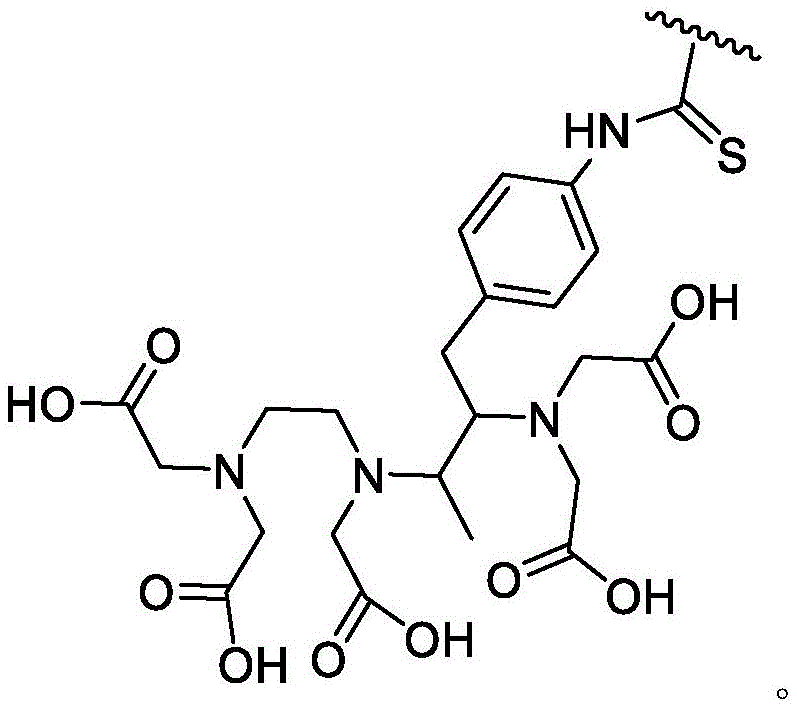
in some embodiments, a detectable moiety1Is Desferrioxamine (DFO):
in some embodiments, a detectable moiety1Is a heptamethine dye: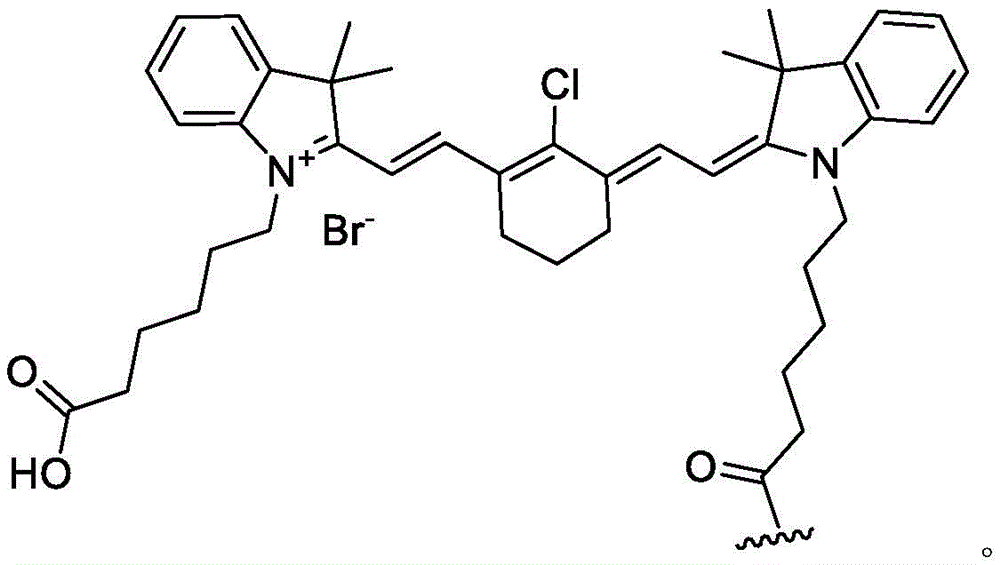 in some embodiments, a detectable moiety1Is fluorescein:
 in some embodiments, a detectable moiety1Is Alexa Fluor 488:
in some embodiments, a detectable moiety1Is a complex of DOTA with a metal: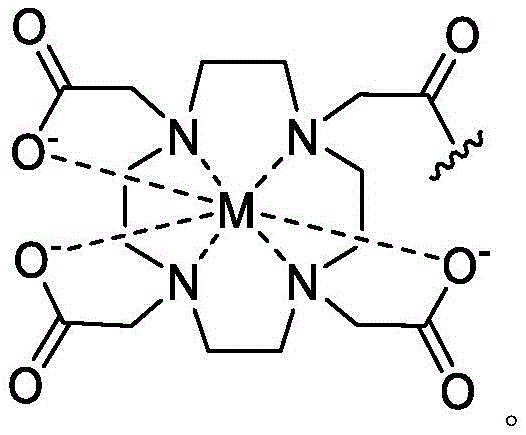 in some embodiments, a detectable moiety1Is a complex of Bn-DOTA with a metal:
 in some embodiments, a detectable moiety1Is a complex of Bn-oxo-DOTA with a metal:
 in some embodiments, a detectable moiety1Is a complex of Bn-PCTA with a metal:
 in some embodiments, a detectable moiety1Is a complex of TETA with a metal:
 in some embodiments, a detectable moiety1Is a complex of Bn-NOTA with a metal:
 in some embodiments, a detectable moiety1Is a complex of CHX-A' -DTPA with a metal:
 in some embodiments, a detectable moiety1Is a complex of Bn-DTPA and a metal:
 in some embodiments, a detectable moiety1Is a complex of 2B3M-DTPA with a metal: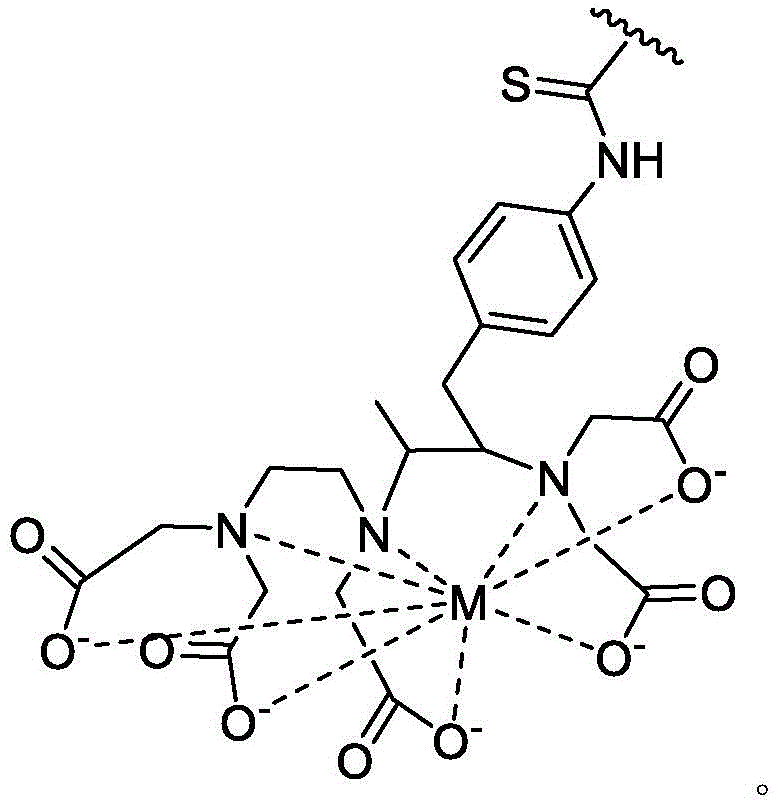
in some embodiments, a detectable moiety1Is a complex of Desferrioxamine (DFO) with a metal:

in some embodiments, a detectable moiety1Forming a complex with the metal.
In some embodiments, a detectable moiety1Is scorpion compound. In some embodiments, a detectable moiety1Is that In some embodiments, a detectable moiety1Is a nano-material. In some embodiments, a detectable moiety1Are quantum dots.
In some embodiments, a detectable moiety1Selected from those depicted in table 1 below. In some embodiments, a detectable moiety1Selected from those depicted in table 3 below.
As defined above and as described herein, detectable moieties2Is any portion that can be detected.
In some embodiments, a detectable moiety2Is any portion that can be detected.
In some embodiments, a detectable moiety2Can be attached at any available location. In some embodiments, a detectable moiety2Can be linked to any available-OH, -C (O) OH, -SH, -NH2or-NHCH3To (3).
In some embodiments, the detection may be detectedIn part2Is 1,4,7, 10-tetraazacyclododecane-1, 4,7, 10-tetraacetic acid (also known as DOTA, DOTA or tetraxetan):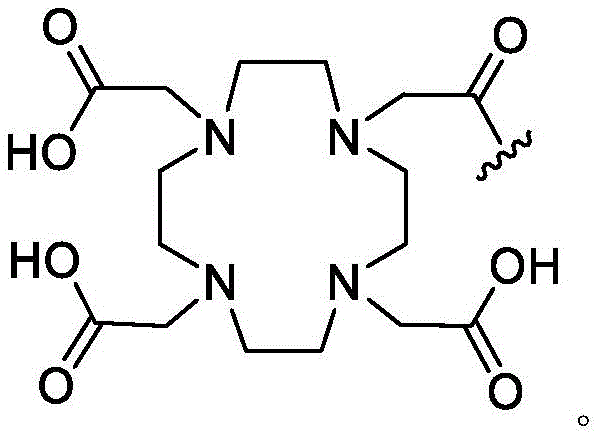 in some embodiments, a detectable moiety2Is Bn-DOTA:
 in some embodiments, a detectable moiety2Is Bn-oxo-DOTA:
 in some embodiments, a detectable moiety2Is Bn-PCTA:
 in some embodiments, a detectable moiety2Is TETA:
 in some embodiments, a detectable moiety2Is Bn-NOTA:
 in some embodiments, a detectable moiety2Is CHX-A' -DTPA:
 in some embodiments, a detectable moiety2Is Bn-DTPA:
 in some embodiments, a detectable moiety2Is 2B 3M-DTPA: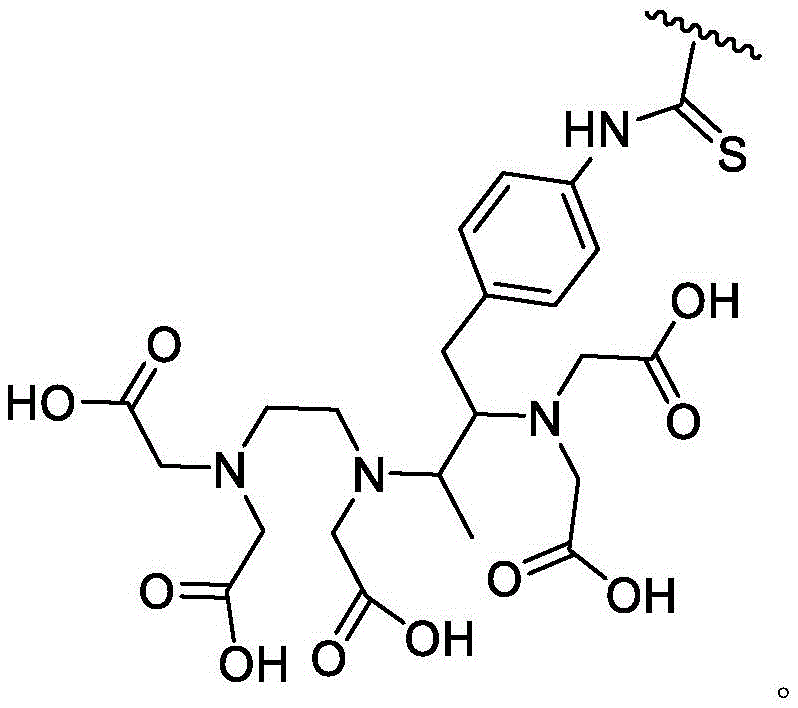
in some embodiments, a detectable moiety2Is Desferrioxamine (DFO):
in some embodiments, a detectable moiety2Is a heptamethine dye: in some embodiments, a detectable moiety2Is fluorescein:
 in some embodiments, a detectable moiety2Is Alexa Fluor 488:
in some embodiments, a detectable moiety2Is a complex of DOTA with a metal: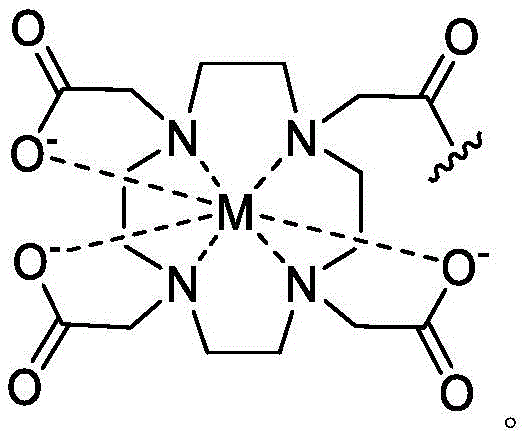 in some embodiments, a detectable moiety2Is a complex of Bn-DOTA with a metal:
 in some embodiments, a detectable moiety2Is a complex of Bn-oxo-DOTA with a metal:
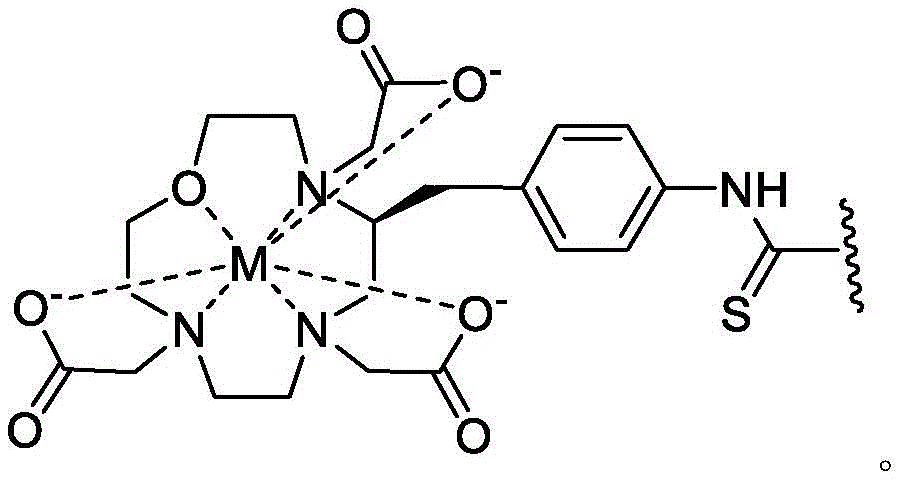 in some embodiments, a detectable moiety2Is a complex of Bn-PCTA with a metal:
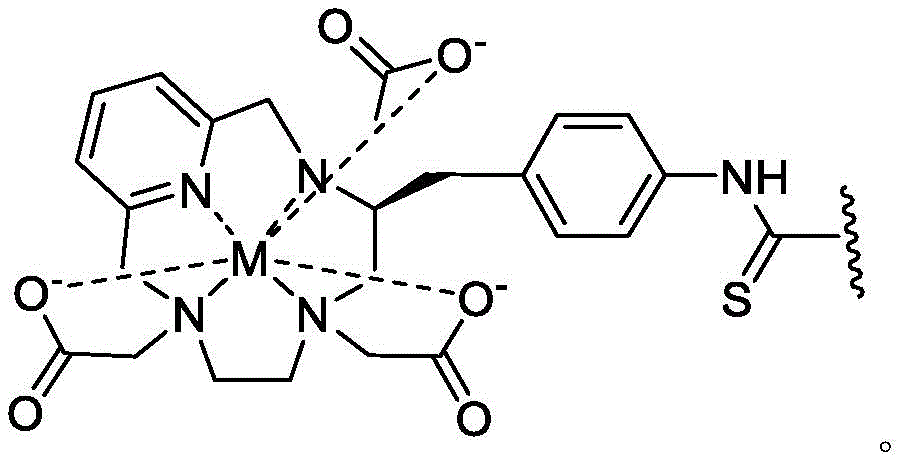 in some embodiments, a detectable moiety2Is a complex of TETA with a metal:
 in some embodiments, a detectable moiety2Is a complex of Bn-NOTA with a metal:
 in some embodiments, a detectable moiety2Is a complex of CHX-A' -DTPA with a metal:
 in some embodiments, a detectable moiety2Is a complex of Bn-DTPA and a metal:
 in some embodiments, a detectable moiety2Is a complex of 2B3M-DTPA with a metal:
in some embodiments, a detectable moiety2Is a complex of Desferrioxamine (DFO) with a metal:

in some embodiments, a detectable moiety2Forming a complex with the metal.
In some embodiments, a detectable moiety2Is scorpion compound. In some embodiments, a detectable moiety2Is that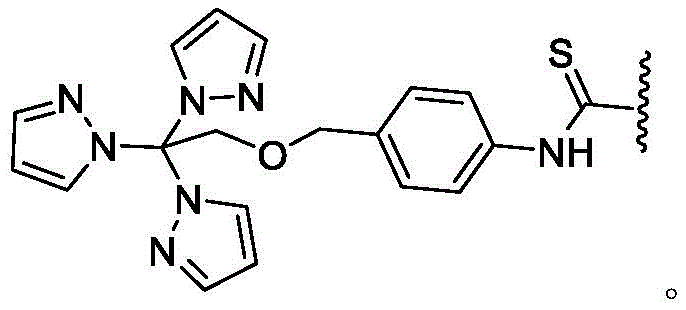 In some embodiments, a detectable moiety2Is a nano-material. In some embodiments, a detectable moiety2Are quantum dots.
In some embodiments, a detectable moiety2Selected from those depicted in table 1 below. In some embodiments, a detectable moiety2Selected from those depicted in table 1 below.
In some embodiments, the metal is a radioactive metal. In some embodiments, the metal is111In. In some embodiments, the metal is67Ga. In some embodiments, the metal is68Ga. In some embodiments, the metal is86And Y. In some embodiments, the metal is90And Y. In some embodiments, the metal is177Lu。
In some embodiments, the metal is89Zr. In some embodiments, the metal is95Zr。
Linker as defined above and as described herein1Is hydrogen, -C (O) R, Or contacting the N-terminus of the bicyclic ring with a detectable moiety1A linked divalent moiety, wherein when n is 0, the linker1Is hydrogen, -C (O) R or
In some embodiments, the linker1Is hydrogen, wherein n is 0. In some embodiments, the linker1Is hydrogen, wherein n is 0. In some embodiments, the linker1is-C (O) R, wherein n is 0. In some embodiments, the linker1is-C (O) CH3Wherein n is 0. In some embodiments, the linker1Is that Wherein n is 0. In some embodiments, the linker1Is the N-terminus of the bicyclic ring with a detectable moiety1A linked divalent moiety.
In some embodiments, the linker1Is a covalent bond. In some embodiments, the linker1Is that In some embodiments, the linker1Is that
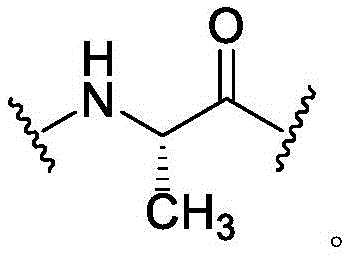 In some embodiments, the linker1Is that
 In some embodiments, the linker1Is that
 In some embodiments, the linker1Is that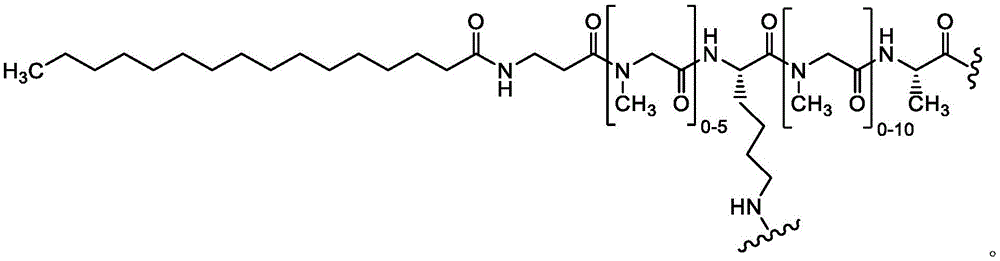
In some embodiments, the linker1Is that


In some embodiments, the linker1Selected from those depicted in table 1 below. In some embodiments, the linker1Selected from those depicted in table 3 below.
Linker as defined above and as described herein2is-NH2Or ligating the C-terminus of the bicyclic ring to a detectable moiety2A linked divalent moiety, wherein when p is 0, the linker2is-NH2。
In some embodiments, the linker2is-NH2Wherein p is 0. In some embodiments, the linker2Is the C-terminus of the bicyclic ring is attached to a detectable moiety2A linked divalent moiety.
In some embodiments, the linker2Is that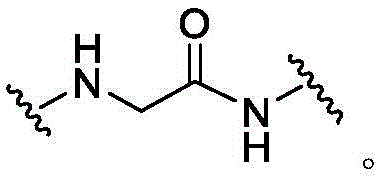 In some embodiments, the linker2Is that
 In some embodiments, the linker2Is that
 In some embodiments, the linker2Is that
 In some embodiments, the linker2Is that
 In some embodiments, the linker2Is that
In some embodiments, the linker2Is that In some embodiments, the linker2Is that
 In some embodiments, the linker2Is that
 In some embodiments, the linker2Is that
In some embodiments, the linker2Is that In some embodiments, the linker2Is that
In some embodiments, the linker2Is that
In some embodiments, the linker2Selected from those depicted in table 1 below. In some embodiments, the linker2Selected from those depicted in table 3 below.
As defined above and as described herein, ring a is selected from the group consisting of: 18-crown-6, 1,7, 13-triaza-18-crown-6 and 3 to 12 membered saturated, partially unsaturated, bridged bicyclic, bridged tricyclic, spirostane or aromatic ring optionally substituted with 0-3 oxo, methyl, ethyl or spiroethylene and having 0-6 heteroatoms independently selected from nitrogen, oxygen or sulfur.
In some embodiments, ring a is 18-crown-6. In some embodiments, ring a is 1,7, 13-triaza-18-crown-6. In some embodiments, ring a is a 3 to 12 membered saturated, partially unsaturated, bridged bicyclic ring, bridged tricyclic ring, propeller or aromatic ring, optionally substituted with 0-3 oxo, methyl, ethyl or spiroethylene and having 0-6 heteroatoms independently selected from nitrogen, oxygen, or sulfur.
In some embodiments, ring a is In some embodiments, ring a is
In some embodiments, ring a is In some embodiments, ring a is
 In some embodiments, ring a is
In some embodiments, ring a is In some embodiments, ring a is
 In some embodiments, ring a is
 In some embodiments, ring a is
 In some embodiments, ring a is
In some embodiments, ring a is In some embodiments, ring a is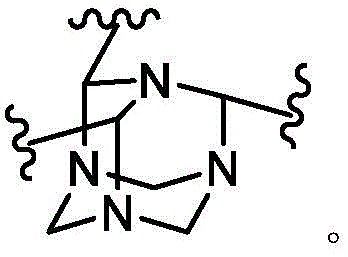
In some embodiments, ring a is In some embodiments, ring a is
 In some embodiments, ring a is
In some embodiments, ring a is In some embodiments, ring a is
 In some embodiments, ring a is selected from those depicted in table 1 below. In some embodimentsRing a is selected from those depicted in table 3 below.
In certain embodiments, the present invention provides a bicyclic ring of formula I wherein the scaffold is ring a, thereby forming a compound of formula I-a:

or a pharmaceutically acceptable salt thereof, wherein Loop A, Loop B, Ring A, L1、L2、L3And a connector1And a connector2A detectable moiety1A detectable moiety2、R1、R2、R3Each of m, n, o and p is as defined above and described in the examples herein, alone or in combination.
In certain embodiments, the present invention provides a bicyclic ring of formula I wherein loop a is And loop B is
 Thereby forming a bicyclic ring of formula II:
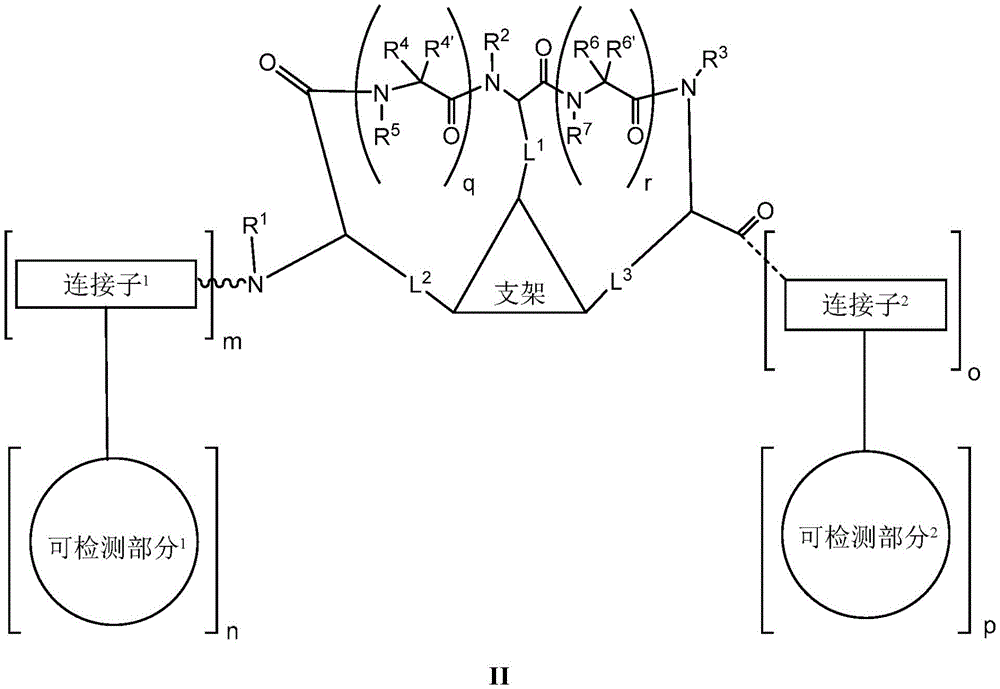
or a pharmaceutically acceptable salt thereof, wherein L1、L2、L3A support, R1、R2、R3、R4、R4'、R5、R6、R6'、R7And a connector1And a connector2A detectable moiety1A detectable moiety2Each of m, n, o, p, q and r is as defined above and described, alone or in combination, in the examples herein.
In certain embodiments, the present invention provides a bicyclic ring of formula II wherein p is 0, thereby forming a bicyclic ring of formula II-a:
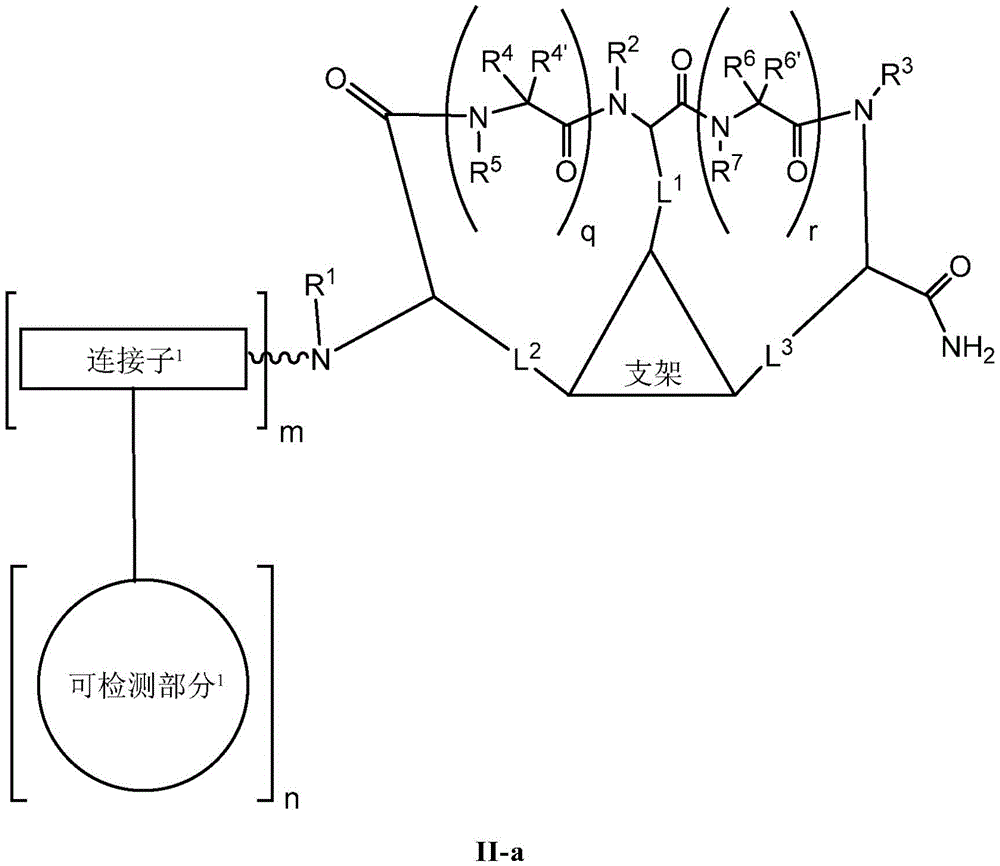
or a pharmaceutically acceptable salt thereof, wherein L1、L2、L3A support, R1、R2、R3、R4、R4'、R5、R6、R6'、R7And a connector1A detectable moiety1Each of m, n, q and r is as defined above and described in the examples herein, alone or in combination.
In certain embodiments, the present invention provides a bicyclic ring of formula II wherein n is 0, thereby forming a bicyclic ring of formula II-b:
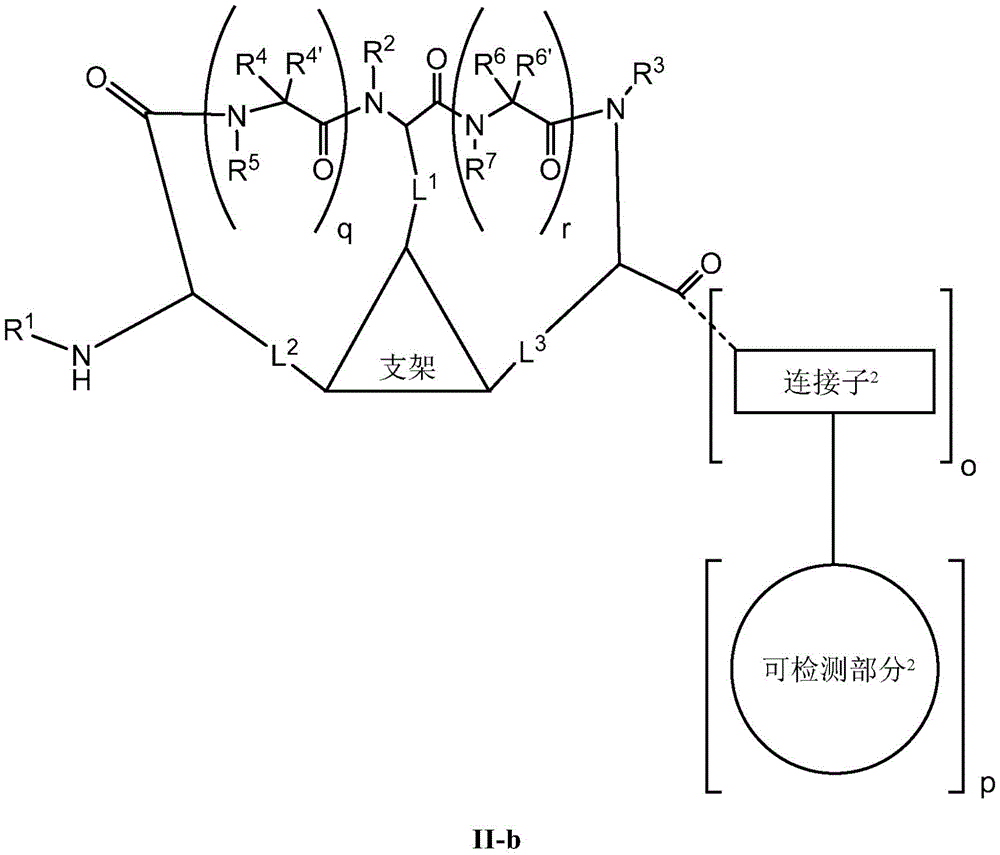
or a pharmaceutically acceptable salt thereof, wherein L1、L2、L3A support, R1、R2、R3、R4、R4'、R5、R6、R6'、R7And a connector2A detectable moiety2Each of o, p, q and r is as defined above and described in the examples herein, alone or in combination.
Table 1 lists exemplary compounds of the invention.
TABLE 1 exemplary Compounds


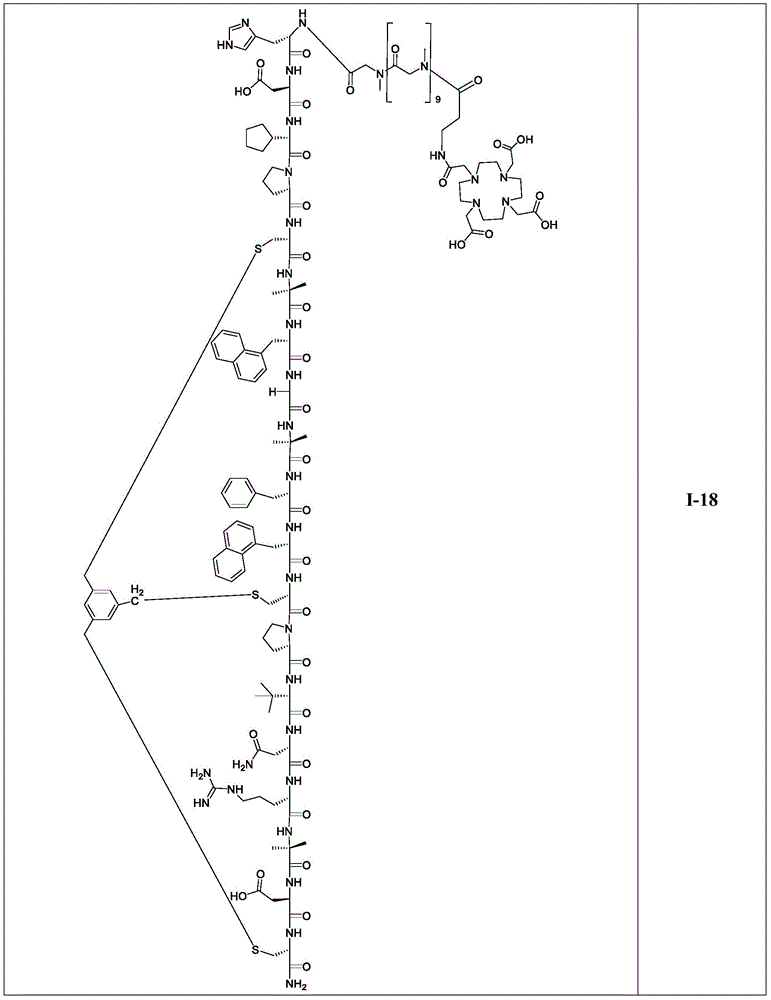


In some embodiments, the present invention provides a compound listed in table 1 above, or a pharmaceutically acceptable salt thereof.
In some embodiments, the present invention provides a compound of formula I, wherein the compound is not any of the compounds described in table 2 below.
In some embodiments, the present invention provides a compound of formula I, wherein the compound is not any of the compounds from WO 2013/050617 described in table 2 below.
In some embodiments, the present invention provides a compound of formula I, wherein the compound is not any of the compounds from WO 2016/067035 described in table 2 below.
TABLE 2 Compounds
| Disclosed is a | Compound code |
| WO 2013/050617 | DOTA-GSar6-(06-34-18)-NH2 |
| WO 2013/050617 | [89Y]·DOTA-GSar6-(06-34-18)-NH2 |
| WO 2013/050617 | Palm-G-Sar6-PK15(TMB)K-(Fluo) |
| WO 2013/050617 | Palm-G-Hyp6-PK15(TMB)K-(Fluo) |
| WO 2013/050617 | Palm-G-Hyp12-UK18(TMB)K-(Fluo) |
| WO 2016/067035 | 17-69-07-N144 |
| WO 2016/067035 | 17-69-07-N147 |
| WO 2016/067035 | 17-69-07-N246 |
| WO 2016/067035 | 17-69-07-N248 |
In some embodiments, the present invention is other than the compounds listed in table 2 above.
Table 3 lists exemplary compounds of the invention.
TABLE 3 exemplary Compounds


In some embodiments, the present invention provides a compound listed in table 3 above, or a pharmaceutically acceptable salt thereof.
The compounds of table 3 can be used as a negative control for the compounds of table 1. For example, I-26 (K for MT1-MMP)d>5,000nM) acts as K for I-23 (to MT1-MMPd0.52 ± 0.24nM) was detected, since I-26 is an I-23 analogue in which the alanine residue flanks the central cysteine residue, thereby rendering it inactive at MT 1-MMP. I-27 (K for MT1-MMP)d>5,000nM) acts as K for I-24 (to MT1-MMPd1.37 ± 0.53nM), since I-27 is an I-24 analogue in which the alanine residue flanks the central cysteine residue, thereby rendering it inactive at MT 1-MMP. Such control compounds are useful, for example, in biodistribution studies of active MT1-MMP binders.
4. General methods for providing the Compounds of the invention
The compounds of the invention may generally be prepared or isolated by synthetic and/or semi-synthetic methods known to those skilled in the art for analogous compounds, as well as by the methods detailed in the examples herein.
The compounds of the invention may be prepared by treating the peptide with a molecular scaffold reagent. Molecular scaffold reagents include scaffolds and reactive functionalities such as leaving groups ("LG") or Michael acceptors ("MA") that allow peptides to form covalent bonds with the molecular scaffold by substitution of a leaving group or addition of a Michael acceptor group, followed by protonation of the addition complex.
The compounds of the invention are formed by: the peptides are treated with various molecular scaffold reagents to form bicyclic intermediates, which are then coupled to a detectable moiety using standard amide formation methods.
One such peptide is peptide 1(17-69-07-N241), which has the following amino acid sequence:
βAla-Sar10-A-C(D-Ala)NE(1Nal)(D-Ala)CEDFYD(tBuGLy)C(SEQ ID NO:1)
supply of K by treatment of 17-69-07-N241 bicyclic peptide with molecular scaffold reagent 1,3, 5-tris (bromomethyl) benzene ("TBMB") as described in WO 2016/067035dMT1-MMP binder at 1.2 nM.
Another such peptide is peptide 2, which contains only the amino acid residues corresponding to the bicyclic portion of peptide 1 and has the following amino acid sequence:
C(D-Ala)NE(1Nal)(D-Ala)CEDFYD(tBuGLy)C(SEQ ID NO:2)
another such peptide is peptide 3, which has the following amino acid sequence:
βAla-Sar10-A-CTECWVDGWVPC(SEQ ID NO:3)。
bicyclic peptide formation by treatment of 3 with molecular scaffold reagent 1,3, 5-tris (bromomethyl) benzene ("TBMB") as described in uk provisional application P2120 provides KdCAIX binder at 10 nM.
Another such peptide is peptide 4, which contains only the amino acid residues corresponding to the bicyclic portion of peptide 3 and has the following amino acid sequence:
CTECWVDGWVPC(SEQ ID NO:4)。
another such peptide is peptide 5, which has the following amino acid sequence:
Ac-CIL(HArg)PNCDLDGRCA-Sar6-(D-K)(SEQ ID NO:5)。
bicyclic peptide formation by treatment of 5 with molecular scaffold reagent 1,3, 5-tris (bromomethyl) benzene ("TBMB") as described in british provisional application P2122 provides Kiα v β 3 adhesive at 15 nM.
Another such peptide is peptide 6, which contains a subset of the amino acid residues corresponding to peptide 5 (comprising a bicyclic moiety, an acetyl residue at the N-terminus and an alanine C-terminal extension) and has the following amino acid sequence:
Ac-CIL(HArg)PNCDLDGRCA(SEQ ID NO:6)。
in the following schemes depicting particular michael acceptors ("MA"), leaving groups ("LG"), or conversion conditions, one of ordinary skill in the art will appreciate that other michael acceptors, leaving groups, and conversion conditions are also suitable and are contemplated. Such receptors, groups and transformations are described in detail in the following documents: organic chemistry of Maqihigh grade: reactions, Mechanisms and structures (March's Advanced Organic Chemistry: Reactions, mechanics, and Structure), m.b. smith (m.b. smith) and j. marqi (j.march), 5 th edition, john william parent publishing company, 2001; comprehensive organic transformations (Comprehensive organic transformations), r.c. ralock (r.c. larock), 2 nd edition, john william publishing company, 1999; and Protecting Groups in Organic Synthesis (Protecting Groups in Organic Synthesis), t.w. green (t.w.green) and p.g.m. wuts (p.g.m.wuts), 3 rd edition, john william daddy publishing company, 1999, the entire contents of each of which are incorporated herein by reference.
As used herein, the phrase "leaving group" (LG) includes, but is not limited to: halogen (e.g., fluoride, chloride, bromide, iodide), sulfonate (e.g., mesylate, tosylate, besylate, brosylate, nitrobenzenesulfonate, triflate), diazo, and the like.
As used herein, the phrase "activated ester" (AE) includes, but is not limited to, acyl halides (e.g., acyl fluoride, acyl chloride, acyl bromide, acyl iodide), N-succinimidyl esters, urea esters (e.g., 1-hydroxy-7 azabenzotriazole, -OAt), and the like.
In certain embodiments, the compounds of the invention of formula I are generally prepared according to scheme I described below:
scheme I

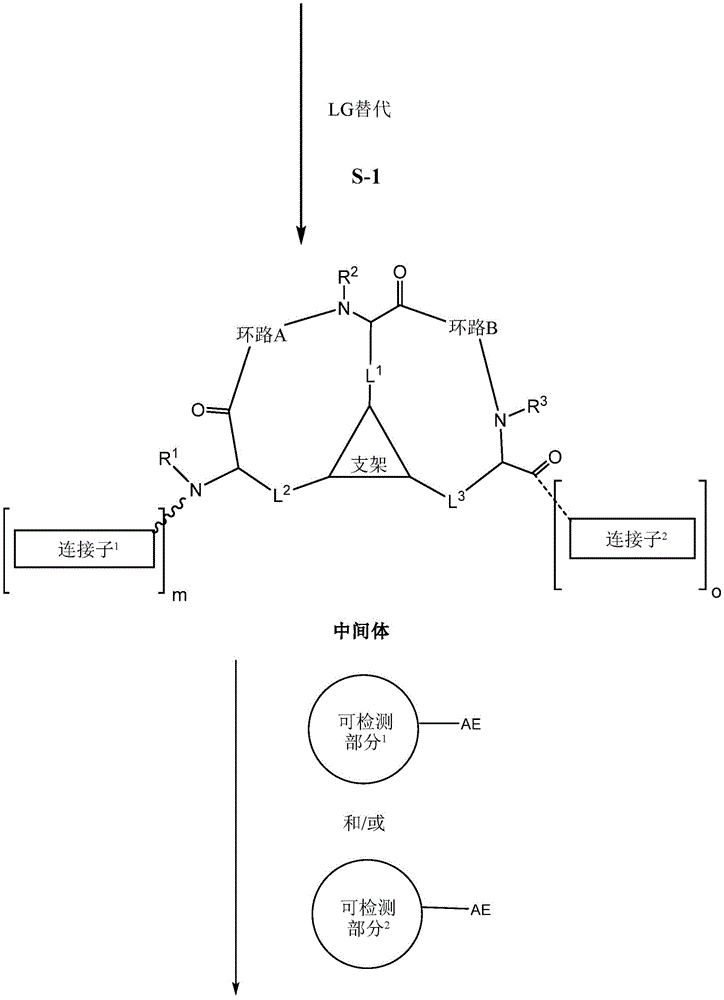

In scheme I above, LG, L1、L2、L3Bracket and connector1And a connector2、R1、R2、R3Loop A, Loop B, detectable moiety1A detectable moiety2AE, m, n, o and p are each as defined above and below and belong to the classes and subclasses described herein.
In one aspect, the invention provides a process for preparing a compound of formula I according to the steps depicted in scheme I above. In some embodiments, step S-1 comprises contacting the scaffold reagent R-1 with peptide P-1 in place of leaving group LG, thereby forming an intermediate that is further treated with an activated ester of a detectable moiety to provide the compound of formula I. In some embodiments, LG is halogen. In some embodiments, LG is chloro. In some embodiments, LG is sulfonate. In some embodiments, AE is N-succinimidyl ester. In some embodiments, a base is added to facilitate substitution. In some embodiments, the base is ammonium carbonate. In some embodiments, the base is an amine. In some embodiments, the base is N, N-diisopropylethylamine.
In certain embodiments, step S-1 comprises reacting a compound of formula P-1
And formula The compound of (a); wherein
LG and ring a are defined above and below and belong to the classes and subclasses described herein.
In some embodiments, the reaction further comprises a solvent. In some embodiments, the solvent is acetonitrile. In some embodiments, the reaction further comprises a solvent. In some embodiments, the solvent is DMSO. In some embodiments, the solvent is a mixture of water and acetonitrile.
In some embodiments, LG is halogen. In some embodiments, LG is chloro. In some embodiments, LG is sulfonate. In some embodiments, a catalyst is added to facilitate the replacement. In some embodiments, the catalyst is produced from a 3 rd generation XPhos precatalyst. In some embodiments, the solvent is tert-butanol. In some embodiments, the solvent is a mixture of water and tert-butanol.
In certain embodiments, the compounds of the invention of formula I are generally prepared according to scheme II below:
scheme II

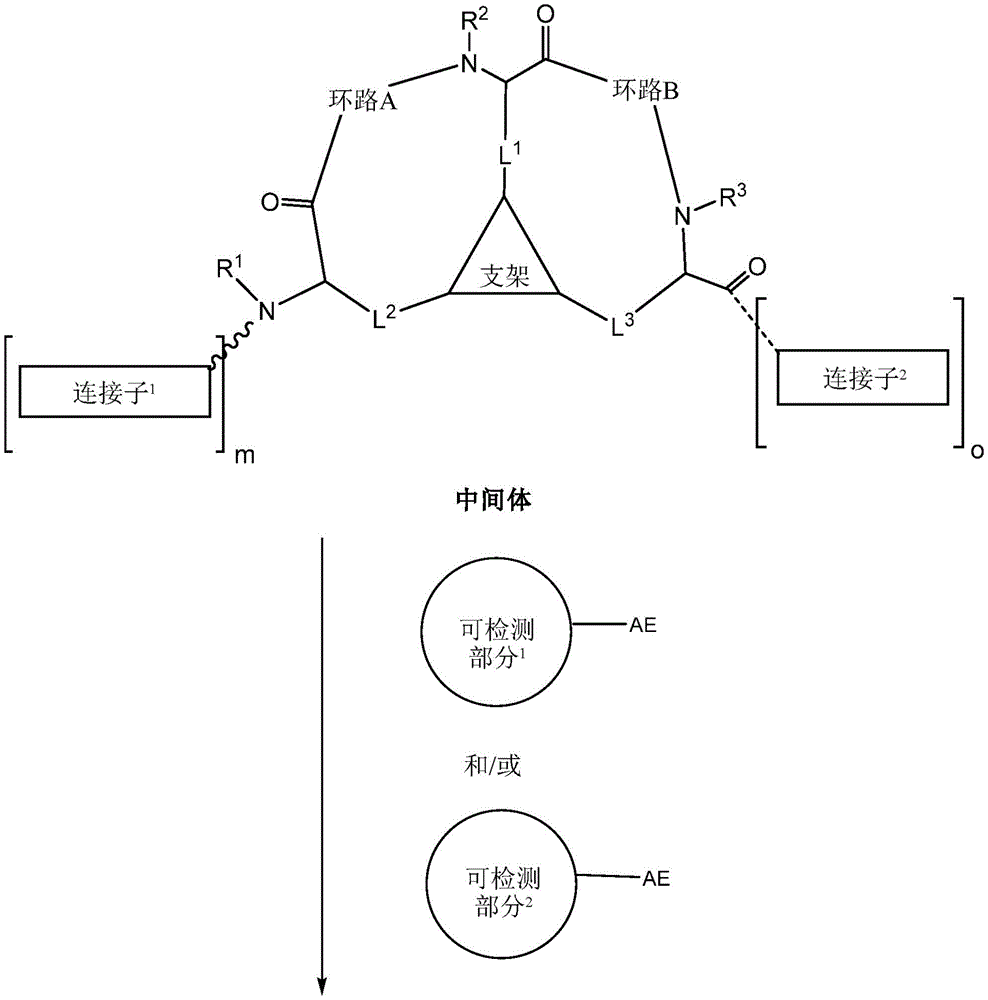

In scheme II above, MA, L1、L2、L3Bracket and connector1And a connector2、R1、R2、R3Loop A, Loop B, detectable moiety1A detectable moiety2AE, m, n, o and p are each as defined above and below and belong to the classes and subclasses described herein.
In one aspect, the invention provides a method for preparing a compound of formula I according to the steps depicted in scheme II above in some embodiments, step a-1 comprises contacting a scaffold reagent R-2 with a peptide P-1 to effect a michael addition to MA, thereby forming an intermediate, which is further treated with an activated ester of a detectable moiety to provide the compound of formula I in some embodiments, MA is α -unsaturated amide in some embodiments, MA is α -unsaturated ketone in some embodiments, MA is α -unsaturated ester in some embodiments, MA is α -unsaturated sulfone in some embodiments, MA is α -unsaturated nitrile in some embodiments, a base is added to facilitate the michael addition in some embodiments, AE is N-succinimidyl ester in some embodiments, ammonium carbonate in some embodiments, a base is an amine in some embodiments, a base is N, N-diisopropylethylamine.
In certain embodiments, step A-1 comprises reacting a compound of formula P-1
And formula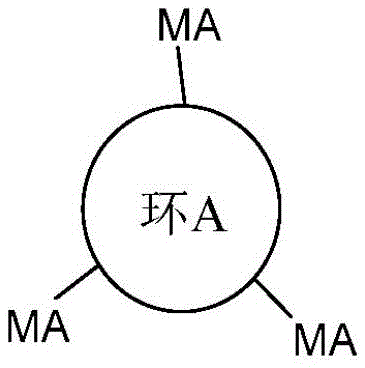 The compound of (a); wherein
MA and ring a are defined above and below and belong to the classes and subclasses described herein.
In some embodiments, the reaction further comprises a solvent. In some embodiments, the solvent is acetonitrile. In some embodiments, the reaction further comprises a solvent. In some embodiments, the solvent is DMSO. In some embodiments, the solvent is a mixture of water and acetonitrile.
In some embodiments, MA is α -unsaturated amide, in some embodiments, MA is α -unsaturated ketone, in some embodiments, MA is α -unsaturated ester, in some embodiments, MA is α -unsaturated sulfone, in some embodiments, MA is α -unsaturated nitrile, in some embodiments, a base is added to promote the michael addition.
It will be appreciated by those skilled in the art that the compounds of formula I may contain one or more stereocenters and may exist in the form of racemic or diastereomeric mixtures. It will also be appreciated by those skilled in the art that there are many methods known in the art for separating isomers to obtain stereoenriched (stereoenriched) or stereopure (stereopure) isomers of those compounds, including but not limited to HPLC, chiral HPLC, fractional crystallization of diastereomeric salts, kinetic enzyme resolution (e.g., by fungal-, bacterial-or animal-derived lipases or esterases), and formation of covalent diastereomeric derivatives using enantiomerically enriched reagents.
It will be understood by those skilled in the art that the various functional groups present in the compounds of the present invention, such as aliphatic groups, alcohols, carboxylic acids, esters, amides, aldehydes, halogens, and nitriles, can be interconverted by techniques well known in the art, including, but not limited to, reduction, oxidation, esterification, hydrolysis, partial oxidation, partial reduction, halogenation, dehydration, partial hydration, and hydration. "Machi advanced organic chemistry", 5 th edition, editors: Smith, M.B. and Machi, J., John Willd parent-son publishing company, New York: 2001, the entire contents of which are incorporated herein by reference. Such interconversion may require one or more of the techniques described above, and certain methods for synthesizing the compounds of the invention are described below in the illustrations.
5. Use, formulation and administration
Pharmaceutically acceptable compositions
In accordance with another embodiment, the present invention provides a composition comprising a compound of the present invention, or a pharmaceutically acceptable derivative thereof, and a pharmaceutically acceptable carrier, adjuvant, or vehicle, the amount of the compound in the composition of the present invention is such that it is effective to measurably inhibit CAIX, MT1-MMP, PSMA, CD38, EphA2, or α v β 3, or a mutant thereof, of a biological sample or patient.
As used herein, the term "patient" refers to an animal, preferably a mammal, and most preferably a human.
The term "pharmaceutically acceptable carrier, adjuvant or vehicle" refers to a non-toxic carrier, adjuvant or vehicle that does not destroy the pharmacological activity of the compound with which it is formulated. Pharmaceutically acceptable carriers, adjuvants or vehicles that may be used in the compositions of the present invention include, but are not limited to: ion exchangers, aluminum oxide, aluminum stearate, lecithin, serum proteins (such as human serum albumin), buffer substances (such as phosphates), glycine, sorbic acid, potassium sorbate, partial glyceride mixtures of saturated vegetable fatty acids, water, salts or electrolytes (such as protamine sulfate, disodium hydrogen phosphate, potassium hydrogen phosphate, sodium chloride, zinc salts), colloidal silica, magnesium trisilicate, polyvinyl pyrrolidone, cellulose-based substances, polyethylene glycol, sodium carboxymethylcellulose, polyacrylates, waxes, polyethylene-polyoxypropylene block polymers, polyethylene glycol and wool fat.
By "pharmaceutically acceptable derivative" is meant any non-toxic salt, ester salt or other derivative of a compound of the present invention that is capable of providing, directly or indirectly, a compound of the present invention or an inhibitory active metabolite or residue thereof upon administration to a recipient.
As used herein, the term "an inhibitory active metabolite or residue thereof means that the metabolite or residue thereof is also an inhibitor of CAIX, MT1-MMP, PSMA, CD38, EphA2, or α v β 3 or a mutant thereof.
The compositions of the present invention may be administered orally, parenterally, by inhalation spray, topically, rectally, nasally, buccally, vaginally or via an implantable reservoir. The term "parenteral" as used herein includes subcutaneous, intravenous, intramuscular, intraarticular, intrasynovial, intrasternal, intrathecal, intrahepatic, intralesional and intracranial injection or infusion techniques. Preferably, the composition is administered orally, intraperitoneally, or intravenously. The sterile injectable form of the composition of the invention may be an aqueous or oily suspension. These suspensions may be formulated according to the techniques known in the art using suitable dispersing or wetting agents and suspending agents. The sterile injectable preparation may also be a sterile injectable solution or suspension in a non-toxic parenterally-acceptable diluent or solvent, for example, as a solution in 1, 3-butanediol. Among the acceptable vehicles and solvents that may be employed are water, Ringer's solution, and isotonic sodium chloride solution. In addition, sterile, fixed oils are conventionally employed as a solvent or suspending medium.
For this purpose, any bland fixed oil may be employed, including synthetic mono-or diglycerides. Fatty acids such as oleic acid and its glyceride derivatives are useful in the preparation of injectables, as are natural pharmaceutically-acceptable oils (such as olive oil or castor oil), especially in their polyoxyethylated versions. These oil solutions or suspensions may also contain a long chain alcohol diluent or dispersant, such as carboxymethyl cellulose or similar dispersing agents commonly used in formulating pharmaceutically acceptable dosage forms, including emulsions and suspensions. Other commonly used surfactants such as tweens (Tween), spans (Span) and other emulsifiers or bioavailability enhancers commonly used in the manufacture of pharmaceutically acceptable solid, liquid or other dosage forms may also be used for formulation purposes.
The pharmaceutically acceptable compositions of the present invention may be administered orally in any orally acceptable dosage form including, but not limited to, capsules, tablets, aqueous suspensions or solutions. In the case of tablets for oral use, commonly used carriers include lactose and corn starch. Lubricating agents such as magnesium stearate are also typically added. For oral administration in capsule form, useful diluents include lactose and dried corn starch. When aqueous suspensions are required for oral use, the active ingredient is combined with emulsifying and suspending agents. If desired, certain sweetening, flavoring or coloring agents may also be added.
Alternatively, for rectal administration, the pharmaceutically acceptable compositions of the invention may be administered in the form of suppositories. The suppositories may be prepared by mixing the agent with a suitable non-irritating excipient which is solid at room temperature but liquid at the rectal temperature and will therefore melt in the rectum to release the drug. Such materials include cocoa butter, beeswax and polyethylene glycols.
The pharmaceutically acceptable compositions of the present invention may also be administered topically, especially when the therapeutic target comprises an area or organ containing a disease of the eye, skin or lower intestinal tract that is accessible by topical application. Suitable topical formulations for each of these regions or organs are readily prepared.
Topical application to the lower intestinal tract may be achieved in the form of rectal suppository formulations (see above) or suitable enema formulations. Topical transdermal patches may also be used.
For topical application, the provided pharmaceutically acceptable compositions may be formulated in an appropriate ointment containing the active ingredient suspended or dissolved in one or more carriers. Carriers for topical administration of the compounds of the present invention include, but are not limited to: mineral oil, liquid petrolatum, white petrolatum, propylene glycol, polyoxyethylene, polyoxypropylene compound, emulsifying wax and water. Alternatively, the provided pharmaceutically acceptable compositions can be formulated in a suitable lotion or cream comprising the active ingredient suspended or dissolved in one or more pharmaceutically acceptable carriers. Suitable carriers include, but are not limited to: mineral oil, sorbitan monostearate, polysorbate 60, cetyl esters wax, cetearyl alcohol, 2-octyldodecanol, benzyl alcohol and water.
For ophthalmic use, the provided pharmaceutically acceptable compositions may be formulated as micronized suspensions in isotonic pH adjusted sterile saline, or preferably solutions in isotonic pH adjusted sterile saline, with or without preservatives such as benzalkonium chloride. Alternatively, for ophthalmic use, the pharmaceutically acceptable composition may be formulated in an ointment such as petrolatum.
The pharmaceutically acceptable compositions of the present invention may also be administered by nasal aerosol or by inhalation. Such compounds are prepared according to techniques well known in the art of pharmaceutical formulation and may be prepared as solutions in saline using benzyl alcohol or other suitable preservatives, absorption promoters to enhance bioavailability, fluorocarbons, and/or other conventional solubilizing or dispersing agents.
More preferably, the pharmaceutically acceptable compositions of the present invention are formulated for oral administration. Such formulations may be administered with or without food. In some embodiments, the pharmaceutically acceptable compositions of the present invention are not administered with food. In other embodiments, the pharmaceutically acceptable compositions of the present invention are administered with food.
The amount of a compound of the invention that can be combined with a carrier material to produce a single dosage form of the composition will vary depending on the subject being treated, the particular mode of administration. Preferably, the provided compositions should be formulated such that a dose of between 0.01 and 100 mg/kg body weight/day of the inhibitor can be administered to a patient receiving these compositions.
It will also be understood that the specific dose and treatment regimen for any particular patient will depend upon a variety of factors including the activity of the specific compound employed, the age, body weight, general health, sex, diet, time of administration, rate of excretion, drug combination and the judgment of the treating physician and the severity of the particular disease being treated. The amount of the compound of the invention in the composition will also depend on the particular compound in the composition.
Use of compounds and pharmaceutically acceptable compositions
Certain bicyclic peptides of the invention are particularly useful as CAIX adhesives.
Various forms of the enzyme Carbonic Anhydrase (CA) catalyze the hydration of carbon dioxide to produce bicarbonate anions (HCO)3 -) And protons. Substrate-mediated regulation of multiple physiological processes by CA-catalyzed reactions, including CO2And proton and bicarbonate anion formation and transport, such as respiration, maintenance of pH levels, bone development and other processes. In the human organism, 12 catalytically active CA isozymes were identified, which differed in their cellular localization and their expression in different tissues.
Clinical regulation of the activity of small molecule inhibitors on human carbonic anhydrase (hCA) has proven to be a reliable treatment for a variety of human diseases and has been a major component in the treatment of hypertension, glaucoma, hyperthyroidism and hypoglycemia for decades (Supuran (2008) nature review: drug discovery 7,168). Classical inhibitors of carbonic anhydrase that bind into the active site of CA are aromatic or heteroaromatic sulfonamides.
Human carbonic anhydrase ix (hcaix) is an isoform that binds to the outer membrane of cells (with its catalytic domain located in the extracellular space). Under physiological conditions, hCAIX is expressed only in specific tissues of the gastrointestinal tract. Overexpression of hCAIX, whether in vitro or in vivo, is shown during hypoxia of cancer cells. Expression of hCAIX has been detected in cervical, ovarian, renal, esophageal, lung, breast and brain cancers. In tumors, hCAIX is a molecule essential to keep intracellular pH at normal levels, and its expression provides an advantage for the growth of hypoxic tumor cells under acidic conditions (shish et al (2009), cancer research 69,358). Therefore, the hCAIX enzyme is a convenient target for the development of specific inhibitors with new mechanisms of action for use as anti-cancer therapeutics (neiri and saplan (2011) Nature review (Nature Reviews)10,767).
According to a further aspect of the invention there is provided a compound or composition as defined herein for use in the prevention, inhibition or treatment of a disease or condition mediated by CAIX.
According to a further aspect of the invention there is provided a method of preventing, inhibiting or treating a disease or condition mediated by CAIX, the method comprising administering to a patient in need thereof a compound or composition as defined herein.
In one embodiment, CAIX is mammalian CAIX. In another embodiment, the mammalian CAIX is human CAIX (hcaix).
In one embodiment, the CAIX-mediated disease or condition is selected from cancer.
In another aspect, certain bicyclic peptides of the invention are particularly useful as high affinity binders for membrane type 1 metalloproteases (MT1-MMP, also known as MMP 14). MT1-MMP is a transmembrane metalloprotease that plays a major role in extracellular matrix remodeling, directly by degrading several of its components and indirectly by activating pro-MMP 2. MT1-MMP is crucial for tumor angiogenesis (Sanoni et al (2002) FASEB J16 (6),555-564) and is overexpressed on various solid tumors, and therefore the MT1-MMP binding bicyclic peptides of the invention are particularly useful for the targeted treatment of cancer, in particular solid tumors such as non-small cell lung cancer. In one embodiment, the bicyclic peptides of the invention are specific for human MT 1-MMP. In another embodiment, the bicyclic peptides of the invention are specific for mouse MT 1-MMP. In yet another embodiment, the bicyclic peptides of the invention are specific for human and mouse MT 1-MMP. In yet another embodiment, the bicyclic peptides of the invention are specific for human, mouse and dog MT 1-MMP.
In another aspect, certain bicyclic peptides of the invention are particularly useful as high affinity binders for Prostate Specific Membrane Antigen (PSMA).
PSMA is a type II integral membrane protein that is abundantly and restrictively expressed on the surface of prostate cancer, particularly in androgen-independent, advanced and metastatic disease (Schulke, N.) et al Proc. Natl. Acad. Sci USA 2003,100, 12590-12595). The latter is important because almost all PCa are androgen independent. It is also expressed intradermally in most solid tumors except the prostate (often, S.S. (Chang, S.S.) et al cancer research 1999,59, 3192-. PSMA has criteria for promising therapeutic targets, i.e. abundant and restricted (prostate-restricted) expression occurring at all stages of the disease, being present at the cell surface but not falling into the circulation and being associated with enzymatic or signaling activity (sulker, n. et al, proces of the american national academy of sciences (Proc Natl Acad SciUSA)2003,100, 12590-. The PSMA gene is located on the short arm of chromosome 11 and acts as both a folate hydrolase and a neuropeptidase. Neuropeptidase functions as glutamate carboxypeptidase II (GCPII) (referred to as "brain PSMA") and can modulate glutamatergic transmission by cleaving N-acetoacetylglutamate (NAAG) into N-acetoacetonate (NAA) and glutamate (Nan, F. (Nan, F.). et al J. Pharma. 2000,43, 772-. Up to 10 per cancer cell6A PSMA molecule, further suggesting that it is an ideal target for radioisotope-based techniques for imaging and therapy (tash, J. (Tasch, J.) et al, critical review of immunology (Crit Rev Immunol)2001,21,249 261).
In another aspect, certain bicyclic peptides of the invention are particularly useful as CD38 adhesives.
CD38 is a 45kD type II transmembrane glycoprotein with a long C-terminal extracellular domain and a short N-terminal cytoplasmic domain. CD38 protein is a bifunctional ectoenzyme that can catalyze the conversion of NAD + to cyclic ADP ribose (cADPR) and can also hydrolyze cADPR to ADP ribose. During ontogeny, CD38 appears on CD34+ committed stem cells and lineage-committed progenitors of lymphocytes, erythrocytes and myeloid cells. CD38 expression persists primarily in the lymphoid lineage, with different levels of expression at different T and B cell developmental stages.
CD38 is upregulated in many hematopoietic malignancies, including non-hodgkin's lymphoma (NHL), Burkitt's Lymphoma (BL), Multiple Myeloma (MM), B-cell chronic lymphocytic leukemia (B-CLL), B-and T-cell Acute Lymphocytic Leukemia (ALL), T-cell lymphoma (TCL), Acute Myelogenous Leukemia (AML), Hairy Cell Leukemia (HCL), Hodgkin's Lymphoma (HL), and Chronic Myelogenous Leukemia (CML), and cell lines derived from a variety of hematopoietic malignancies. On the other hand, the most primitive pluripotent stem cell of the hematopoietic system is CD 38-. CD38 expression in hematopoietic malignancies and its association with disease progression make CD38 an attractive target for antibody therapy.
CD38 has been reported to be involved in Ca2+Mobilized (Morra) et al (1998) FASEB journal 12; 581-592; Zilbe (Zilber) et al (2000) Proc. Natl. Acad. Sci. USA, 97,2840-2845) and involved in signal transduction by tyrosine phosphorylation of a number of signal molecules in lymphocytes and myeloid cells or cell lines, including phospholipase C-gamma, ZAP-70, syk and C-cbl (Funalo) et al (1993) European Immunol (Eur J Immunol)23, 2407-2411; Mora et al (1998), supra; Funalo et al (1990) Immunol (J Immunol)145, 2390-2396; Gibbour (Zubuiur) et al (1997) journal 159, 193-205; Geriley Olympo (Delio) et al (2003) Blood (1998) 102; Zubuioiurea et al (2155) Blood (Kobo-4708; Kobo-Immunol. Acad. Sci. Col. Aca. Et al (1998) 102, 2000-161-4708; Kobo. Immunol. Acad. Col. O. No. (1998) et al, 2000, 4702, 2000, 4708) Blood Journal 97, 2840-; north China (Kitanaka) et al (1997) J Immunol 159, 184-192; north China (Kitanaka) et al (1999) J Immunol 162, 1952-1958; malonon (Mallone) et al (2001) International immunology (Int Immunol)13, 397-. Based on these observations, CD38 was proposed as an important signal for the maturation and activation of lymphocytes and myeloid cells during normal developmentA molecule.
The exact role of CD38 in signal transduction and hematopoiesis remains unclear, particularly since most of these signaling studies have used cell lines that ectopically overexpress CD38 and the anti-CD 38 monoclonal antibody as non-physiological ligands. Because the CD38 protein has the function of producing cADPR (which can induce Ca)2+Mobilizing molecules) (plum (Lee) et al (1989) J Biol Chem)264, 1608-1615; plum and Ohwus (Arhus), (1991) Cell regulation (Cell Regul)2,203-209), it has been proposed that CD38 ligation by monoclonal antibodies triggers Ca in lymphocytes by increasing cADPR production2+Mobilization and signal transduction (Li et al (1997) Experimental medical and biological progress (Exp Med Biol)419, 411-419). In contrast to this hypothesis, truncation and point mutation analysis of the CD38 protein revealed that neither its cytoplasmic tail nor its enzymatic activity were essential for anti-CD 38 antibody-mediated signaling (North Zhongren (1999) J Immunol 162, 1952-1958; Lund (Lund) et al (1999) J Immunol 162, 2693-2702; Star wild (Hoshino) et al (1997) J Immunol 158, 741-747).
The best evidence for CD38 function came from CD 38-/-knockout mice that are inherently immunodeficient and have reduced T cell-associated humoral responses due to dendritic cell migration defects (Patida-Sanghez et al (2004) immunization (Immunity)20, 279-291; Patida-Sanghez et al (2001) Nature medicine (Nat Med)7, 1209-1216). However, it is not clear whether the function of CD38 in mice is the same as that of CD38 in humans, because there is a great difference in the expression pattern of CD38 during hematopoiesis between humans and mice: a) unlike human immature progenitor stem cells, mouse analogous progenitor stem cells express high levels of CD38 (Landol et al (1996) blood 87, 4057-; dager (Dagher) et al (1998) biology of Blood and bone Marrow transplantation (Biol Blood Marrow Transplant)4,69-74), B) although high levels of CD38 expression were found in germinal center B cells and plasma cells during human B cell development (Uckun, (1990) Blood 76, 1908-; bear valley (Kumagai) et al (1995) J.Immunol (J ExpMed),181,1101-1110), but in mice the expression level of CD38 in the corresponding cells was lower (Oliver) et al (1997) J.Immunol 158, 1108-1115; Reed-Stard (Ridderstad) and Tallington (Tarlinton), (1998) journal of immunology 160, 4688-4695).
Several anti-human CD38 antibodies with different proliferative properties on various tumor cells and cell lines have been described in the literature. For example, chimeric OKT10 antibodies with mouse Fab and human IgG1 Fc mediate antibody-dependent cell-mediated cytotoxicity (ADCC) against lymphoma cells very efficiently in the presence of peripheral blood mononuclear effector cells from MM patients or normal individuals (Stevenson et al (1991) blood 77, 1071-1079). It has been shown that the CDR-grafted humanized version of the anti-CD 38 antibody AT13/5 has potent ADCC activity against a CD38 positive cell line (U.S. patent No. 09/797,941). Human monoclonal anti-CD 38 antibodies have been shown to mediate in vitro killing of the CD38 positive cell line by ADCC and/or Complement Dependent Cytotoxicity (CDC) and delay tumor growth in SCID mice bearing the MM cell line RPMI-8226 (WO 2005/103083). On the other hand, several anti-CD 38 antibodies (IB4, SUN-4B7 and OKT10, but not IB6, AT1 or AT2) induced proliferation of Peripheral Blood Mononuclear Cells (PBMC) of normal individuals (Oselolo (Ausiello) et al (2000) Tissue Antigens (Tissue Antigens)56, 539-.
It has been shown that some of the prior art antibodies are capable of triggering apoptosis in CD38+ B cells. However, the antibodies trigger apoptosis only in the presence of stromal cells or stromal derived cytokines. Agonistic anti-CD 38 antibodies (IB4) were reported to prevent apoptosis of human development center (GC) B cells (grandma (Zupo) et al (1994) European J Immunol 24, 1218-. Another anti-CD 38 antibody, T16, induced apoptosis of immature lymphocytes and leukemic lymphoblasts in ALL patients (Urgu et al (1995) J. Experimental medicine 181,1101-1110) and leukemic myeloblasts in AML patients (Todiske et al (2000) blood, 95,535-542), but T16 induced apoptosis only in the presence of stromal cells or stromal derived cytokines (IL-7, IL-3, stem cell factor).
In another aspect, certain bicyclic peptides of the invention are particularly useful as EphA2 binders.
Eph receptor tyrosine kinases (Eph) belong to a large group of Receptor Tyrosine Kinases (RTKs), kinases that phosphorylate proteins on tyrosine residues. Eph and its membrane-bound ephrin ligand (ephrin) control Cell localization and tissue systemization (Polikov et al (2004) developmental cells (Dev Cell)7,465-80). Functional and biochemical Eph responses occur at higher ligand oligomerization states (Station et al (1998) Gene and development (Genes Dev)12, 667-678).
Among other patterning functions, various ephs and hepato-gametes have been shown to play a role in vascular development. Knock-out of EphB4 and ephrin B2 resulted in a lack of ability to remodel capillary beds into vessels (polvacaff et al, supra) and embryonic lethality. It has also been observed that some Eph receptors and ephrins are continuously expressed in newly formed adult microvessels (Bradley-Sieders et al (2004) Current drug design (Curr Pharm Des)10,3431-42; Adams (Adams), (2003) J. anatomies (J Ant) 202,105-12).
It has also been observed that regulated aberrant reappearance of some ephrins and their receptors in adults contributes to tumor invasion, metastasis and neovascularization (Nakamoto et al (2002) Microsco ResTech 59, 58-67; Brand. Li-West, et al, supra). Furthermore, it has been found that some Eph family members are overexpressed on tumor cells from various human tumors (bradley-siders et al, supra); marme (Marme), (2002) yearbook in hematology (Ann Hematol),81 suppl 2, S66; butz (Booth) et al (2002) Nature medicine 8,1360-1).
The EPH receptor a2 (type a ephrin receptor 2) is a protein encoded by the EPHA2 gene in humans.
EphA2 is upregulated in a variety of human cancers, and is commonly associated with disease progression, metastasis, and poor prognosis, for example: mammary gland (Zelinski et al (Zelinski) 2001 cancer research 61, 2301-; lung (Brannan et al (2009) Cancer prevention study (Cancer Prev Res) (Philadelphia) 2,1039-; stomach (Nakamura et al (Nakamura) 2005 Cancer science 96, 42-47; Yuan (Yuan) et al (2009) digestive system diseases and science 54, 2410-; pancreas (Mutali et al (2006) clinical and experimental transfer (Clin ExpMetastasis)23, 357-365); prostate (Wacker-Daniels et al (1999) Prostate (protate) 41, 275- & 280); liver (Yang) et al (2009) hepatology study (Hepatol Res.)39, 1169-; and glioblastoma (molecular cancer research (Mol cancer Res.)3,541-551; tumor biology (Tumour Biol.)31,477-488) of Huakisky (Wykosky) et al (2005); Li (Li) et al (2010).
The overall role of EphA2 in cancer progression has not yet been established, but evidence suggests that there are interactions at many stages of cancer progression, including tumor cell growth, survival, invasion, and angiogenesis. Downregulation of EphA2 expression inhibited tumor Cancer Cell proliferation (Binda et al (2012) Cancer cells (Cancer Cell)22, 765-) 780), while EphA2 blockade inhibited VEGF-induced Cell migration (Herss et al (2001) Cancer study 61, 3250- & 3255), sprouting and angiogenesis (Zheng (Cheng) et al (2002) molecular Cancer study 1, 2-11; Lin (Lin) et al (2007) Cancer (Cancer)109,332-40) and metastatic progression (Brantlet-West et al (2005) EB FASJ 19, 1884- & 1886).
Antibody drugs conjugated with EphA2 have been shown to significantly reduce tumor growth in rat and mouse xenograft models (Jackson et al (2008) cancer studies 68, 9367-.
In another aspect, certain bicyclic peptides of the invention are particularly useful as integrin α v β 3 binders.
Integrin α v β 3 is a heterodimeric matrix receptor that anchors cells to substrates and transmits exogenous signals across the plasma membrane, and this heterodimeric molecule recognizes the amino acid motif Arg-Gly-asp (rgd) contained in bone matrix proteins such as osteopontin and bone sialoprotein, both in vivo and in vitro, integrin α v β 3 is expressed in osteoclasts, and its expression is regulated by resorptive steroids and cytokines α v β 3 integrin has been identified as the main functional adhesion receptor on osteoclasts based on blocking experiments, inhibitors of integrin α v β 3 reduce the ability of osteoclasts to bind to and resorb bone, integrin α v β 3 plays a major role in the function of osteoclasts, and inhibitors of this integrin are considered for the treatment or prevention of osteoporosis, osteolytic metastasis, and malignancy-induced hypercalcemia.
There are many bone diseases associated with osteoclast-mediated osteolysis. Osteoporosis is the most common one and is induced when resorption and formation of bone are not coordinated and bone destruction exceeds bone architecture. Osteoporosis can also be caused by other disorders, such as hormonal imbalances, diseases or drugs (e.g., corticosteroids or antiepileptic drugs). Bone is one of the most common metastatic sites of human breast, prostate, lung and thyroid cancers and other cancers. Osteoporosis may also be caused by postmenopausal estrogen deficiency. Secondary osteoporosis may be associated with rheumatoid arthritis. Bone metastasis shows a very unique step of osteoclastic bone resorption, which is not seen in metastasis of other organs. It is widely accepted that cancer-associated osteolysis is essentially mediated by osteoclasts, which appear to be activated and may be activated indirectly by osteoblasts or directly by tumor products. In addition, hypercalcemia (increased blood calcium concentration) is an important complication of osteolytic bone disease. It occurs relatively frequently in patients with widespread bone destruction and is particularly common in breast, lung, kidney, ovarian and pancreatic cancers, as well as in myelomas.
Disintegrins are a family of low molecular weight RGD-containing peptides that specifically bind to platelets and other cells including vascular endothelial cells and some tumor cells, expressed integrins α lib β, α 5 β and α v β in addition to having potent antiplatelet activity, studies of disintegrins have also disclosed their novel use in diagnosing cardiovascular disease and designing therapeutics for arterial thrombosis, osteoporosis and angiogenesis-related tumor growth and metastasis.
A number of documents describe the role of α v β integrin in Bone disease (Rosilk (Ross) et al (2006) Journal of Clinical research 116 (5); rhodamine (Rodan) et al (1997) Journal of Endocrinology 154, S47-S56; Tyndall Baum (Teitelbaum) (2005) Journal of Clinical endocrine and Metabolism (Journal of Clinical Endocrinology and Metabolism)90(4), 2466-2468; Tyndall Baum (2000) Journal of Bone and mineral Metabolism (Journal of Bone and mineral Metabolism)18, 344-349; Nakamu et al (2007) Journal of Bone and mineral Metabolism 344; east (Duong) et al (17) Journal of Bone and mineral Metabolism)18, 344-349; Nakamu et al (2007) Journal of Bone and mineral Metabolism 25, 337-344; and Tissue of Tokyo et al (2002-17, 17-6; Tissue of California) in Bone disease and Tissue growth of calcium (3671) and 3671. Tissue of Ostrinia (3671) play an important role in Bone disease.
According to another aspect of the present invention there is provided a peptide ligand as defined herein for use in the prevention, inhibition or treatment of a disease or condition mediated by integrin α v β 3.
According to another aspect of the present invention there is provided a method of preventing, inhibiting or treating a disease or condition mediated by integrin α v β 3, the method comprising administering a peptide ligand as defined herein to a patient in need thereof.
In one embodiment, integrin α v β 3 is mammalian integrin α v β 3 in another embodiment, mammalian integrin α v β 3 is human integrin α v β 3.
In one embodiment, the disease or condition mediated by integrin α v β 3 is selected from the group consisting of bone diseases (such as osteoporosis), cancer, and diseases involving angiogenesis.
In another embodiment, the disease or condition mediated by integrin α v β 3 is selected from cancer.
The compounds and compositions described herein are generally useful for inhibiting the carbonic anhydrase, metalloprotease, carboxypeptidase, hydrolase, kinase, or integrin activity of one or more enzymes.
Polypeptide ligands selected according to the methods of the invention may be used in vivo therapeutic and prophylactic applications, in vitro and in vivo diagnostic applications, in vitro assays and reagent applications, and the like. Ligands with selected levels of specificity may be used in applications involving non-human animal testing where cross-reactivity is required or in diagnostic applications where care is required to control cross-reactivity with homologues or paralogs. In some applications (e.g., vaccine applications), the ability to elicit an immune response to a predetermined range of antigens can be exploited to tailor vaccines against specific diseases and pathogens.
Substantially pure peptide ligands of at least 90 to 95% homology are preferred for administration to mammals, and 98-99% or more homology are most preferred for pharmaceutical use, especially when the mammal is a human. Once partially purified or purified as necessary to achieve homology, the selected polypeptide may be used for diagnosis or therapy (including in vitro) or for the development and performance of assay procedures, immunofluorescent staining and the like (Lefvovish (Lefkovite) and nices (Pernis), (1979 and 1981) Immunological Methods (Immunological Methods), Vol.I and II, New York Academic Press, NY).
The activity of a compound of the invention as an inhibitor of CAIX, MT1-MMP, PSMA, CD38, EphA2 or α v β or mutants thereof can be determined in vitro, in vivo or in cell lines the ability of the inhibitor to bind to CAIX, MT1-MMP, PSMA, CD38, EphA2 or β 0v β is quantified in an alternative in vitro assay the binding of the inhibitor can be measured by radiolabelling the inhibitor prior to binding, isolating the inhibitor/CAIX, inhibitor/MT β -MMP, inhibitor/PSMA, inhibitor/CD β, inhibitor/EphA β or inhibitor/β v β complex and determining the amount of radiolabel bound thereto alternatively, inhibitor binding can be determined by performing a new inhibitor assay with a CAIX, MT β -MMP, PSMA, CD β or EphA β v β binding to known radioligands, in vitro assays described in the chemistry of CAIX, CD β, EP β, EP β, EP 4372, EP β, EP.
As used herein, the terms "treat", "treating" and "treating" refer to reversing, alleviating, delaying the onset of, or inhibiting the progression of a disease or condition, or one or more symptoms thereof, as described herein. In some embodiments, the treatment may be administered after one or more symptoms are developed. In other embodiments, the treatment may be administered in the absence of symptoms. For example, treatment can be administered to a susceptible individual prior to the onset of symptoms (e.g., based on symptom history and/or based on genetic or other susceptibility factors). Treatment may also be continued after the symptoms have resolved, for example to prevent or delay their recurrence.
The provided compounds are inhibitors of CAIX, MT1-MMP, PSMA, CD38, EphA2, or α v β 3, and are thus useful for treating one or more conditions associated with the activity of CAIX, MT1-MMP, PSMA, CD38, EphA2, or α v β 3 accordingly, in certain embodiments, the invention provides a method for treating a CAIX-mediated, MT 1-MMP-mediated, PSMA-mediated, CD 38-mediated, EphA 2-mediated, or α v β 3-mediated condition, comprising the following step of administering a compound of the invention, or a pharmaceutically acceptable composition thereof, to a patient in need thereof.
As used herein, the terms "CAIX-mediated," "MT 1-MMP mediated," "PSMA-mediated," "CD 38-mediated," "EphA 2-mediated," or "α v β 3-mediated" condition, disease and/or disorder as used herein refer to any disease or other deleterious condition for which known CAIX, MT1-MMP, PSMA, CD38, EphA2 or α v β 3 or mutants thereof play a role.
Examples of cancers (and benign counterparts thereof) that can be treated (or inhibited) include, but are not limited to: tumors of epithelial origin (adenomas and various types of cancer, including adenocarcinoma, squamous carcinoma, transitional cell carcinoma, and other cancers), such as cancers of the bladder and urinary tract, breast cancer, gastrointestinal tract (including esophageal, gastric, small-intestine, colon, rectal, and anal cancers), liver (hepatocellular), gallbladder and biliary tract, exocrine pancreatic, kidney, lung (e.g., adenocarcinoma, small-cell lung, non-small-cell lung, bronchioloalveolar, and mesothelioma), head and neck (e.g., tongue, oral, larynx, pharynx, nasopharynx, tonsil, salivary gland, nasal cavity, and sinus), ovary, fallopian tube, peritoneum, vagina, vulva, penis, cervix, myometrium, endometrium, thyroid (e.g., thyroid follicular carcinoma), adrenal gland, prostate, skin, and adnexal (e.g., melanoma, basal cell carcinoma, squamous cell carcinoma, keratoacanthoma, dysplastic nevi); hematologic malignancies (i.e., leukemias, lymphomas) and precancerous and borderline hematologic conditions, including hematologic malignancies and related lymphoid lineage disorders (e.g., acute lymphocytic leukemia [ ALL ], chronic lymphocytic leukemia [ CLL ], B-cell lymphomas such as diffuse large B-cell lymphoma [ DLBCL ], follicular lymphoma, burkitt lymphoma, mantle cell lymphoma, T-cell lymphoma and leukemia, natural killer [ NK ] cell lymphoma, hodgkin's lymphoma, hairy cell leukemia, nonsignificant monoclonal gammopathy, plasmacytoma, multiple myeloma, and post-transplant lymphoproliferative disorder) and hematologic malignancies and related myeloid lineage disorders (e.g., acute myelogenous leukemia [ AML ], chronic myelogenous leukemia [ CML ], lymphomatous disorders), Chronic myelomonocytic leukemia [ CMML ], hypereosinophilic syndrome, myeloproliferative conditions such as polycythemia vera, essential thrombocythemia, and essential myelofibrosis, myeloproliferative syndrome, myelodysplastic syndrome, and promyelocytic leukemia); tumors of mesenchymal origin, for example sarcomas of soft tissue, bone or cartilage, such as osteosarcoma, fibrosarcoma, chondrosarcoma, rhabdomyosarcoma, leiomyosarcoma, liposarcoma, angiosarcoma, Kaposi's sarcoma, Ewing's sarcoma, synovial sarcoma, epithelioid sarcoma, gastrointestinal stromal tumors, benign and malignant histiocytoma and dermatofibrosarcoma protruberans; tumors of the central or peripheral nervous system (e.g., astrocytomas, gliomas and glioblastomas, meningiomas, ependymomas, pinealomas, and schwannomas); endocrine tumors (e.g., pituitary tumors, adrenal tumors, islet cell tumors, parathyroid tumors, carcinoid tumors, and medullary thyroid tumors); ocular and accessory tumors (e.g., retinoblastoma); germ cell tumors and trophoblastic tumors (e.g., teratomas, seminomas, dysgerminomas, hydatidiform mole, and choriocarcinoma); and pediatric tumors and embryonic tumors (e.g., medulloblastoma, neuroblastoma, Wilms tumor, and primitive neuroectodermal tumors); or predispose the patient to congenital or other syndromes of malignancy, such as Xeroderma Pigmentosum.
In another embodiment, the cancer is selected from cervical cancer, ovarian cancer, renal cancer, esophageal cancer, lung cancer, breast cancer, and brain cancer.
The term "prevention" as referred to herein relates to the administration of a protective composition prior to induction of disease. By "inhibit" is meant administration of the composition after an induction event, but prior to clinical occurrence of the disease. "treatment" refers to the administration of a protective composition after symptoms of the disease become apparent.
Animal model systems are available that can be used to screen peptide ligands for effectiveness in preventing or treating disease. The present invention facilitates the use of animal model systems, which allows the development of polypeptide ligands that can cross-react with both human and animal targets, thereby allowing the use of animal models.
Furthermore, the present invention provides the use of a compound as defined herein, or a pharmaceutically acceptable salt thereof, or a hydrate or solvate thereof, for the manufacture of a medicament for the treatment of a proliferative disease.
Combination therapy
Depending on the particular condition or disease to be treated, additional therapeutic agents, which are typically administered for the treatment of the condition, may be administered in combination with the compounds and compositions of the present invention. As used herein, an additional therapeutic agent that is typically administered for the treatment of a particular disease or condition is referred to as "appropriate for the disease or condition being treated.
In certain embodiments, the provided combinations or compositions thereof are administered in combination with another therapeutic agent.
In certain embodiments, the combination therapies of the invention or pharmaceutically acceptable compositions thereof are administered in combination with a monoclonal antibody or siRNA therapeutic.
These additional agents may be administered separately from the provided combination therapy as part of a multiple dose regimen. Alternatively, those agents may be part of a single dosage form mixed together with the compounds of the invention in a single composition. If administered as part of a multi-dose regimen, the two active agents may be delivered simultaneously, sequentially, or within a period of time (typically five hours) from each other.
As used herein, the terms "combination," "combined," and related terms refer to the simultaneous or sequential administration of therapeutic agents according to the present invention. For example, the combination of the invention may be administered simultaneously with another therapeutic agent or sequentially in separate unit dosage forms or together in a single unit dosage form.
The amount of additional therapeutic agent present in the compositions of the present invention will not exceed that normally administered in compositions comprising the therapeutic agent as the only active agent. Preferably, the amount of additional therapeutic agent in the presently disclosed compositions will range from about 50% to 100% of the amount typically present in compositions that include the agent as the sole therapeutically active agent.
In one embodiment, the present invention provides a composition comprising a compound of formula I and one or more additional therapeutic agents. The therapeutic agent may be administered with the compound of formula I, or may be administered before or after administration of the compound of formula I. Suitable therapeutic agents are described in further detail below. In certain embodiments, the compound of formula I may be administered up to 5 minutes, 10 minutes, 15 minutes, 30 minutes, 1 hour, 2 hours, 3 hours, 4 hours, 5 hours, 6 hours, 7 hours, 8 hours, 9 hours, 10 hours, 11 hours, 12 hours, 13 hours, 14 hours, 15 hours, 16 hours, 17 hours, or 18 hours prior to the therapeutic agent. In other embodiments, the compound of formula I may be administered up to 5 minutes, 10 minutes, 15 minutes, 30 minutes, 1 hour, 2 hours, 3 hours, 4 hours, 5 hours, 6 hours, 7 hours, 8 hours, 9 hours, 10 hours, 11 hours, 12 hours, 13 hours, 14 hours, 15 hours, 16 hours, 17 hours, or 18 hours after the therapeutic agent.
In another embodiment, the present invention provides a method of treating a hematologic malignancy comprising administering to a patient in need thereof a compound of formula I and one or more additional therapeutic agents selected from the group consisting of: rituximab (rituximab) Cyclophosphamide (cyclophosphamide)
 Doxorubicin (doxorubicin)
 Vincristine (vincristine)
 Prednisone (prednisone), hedgehog signaling inhibitors, BTK inhibitors, JAK/pan JAK inhibitors, TYK2 inhibitors, PI3K inhibitors, SYK inhibitors, and combinations thereof.
In another embodiment, the present invention provides a method of treating a solid tumor comprising administering to a patient in need thereof a compound of formula I and one or more additional therapeutic agents selected from the group consisting of: rituximab Cyclophosphamide
 Doxorubicin
 Vincristine
 Prednisone, hedgehog signaling inhibitors, BTK inhibitors, JAK/pan JAK inhibitors, TYK2 inhibitors, PI3K inhibitors, SYK inhibitors, and combinations thereof.
In another embodiment, the invention provides a method of treating a hematologic malignancy comprising administering to a patient in need thereof a compound of formula I and an inhibitor of the hedgehog (Hh) signaling pathway. In some embodiments, the hematological malignancy is DLBCL (Ramirez et al, "Defining the causative factors that promote activation of hedgehog signaling in diffuse large B-cell lymphoma" (leukemia study) (2012), published online at day 7 and day 17 and incorporated herein by reference in its entirety).
In another embodiment, the present invention provides a method of treating diffuse large B-cell lymphoma (DLBCL), comprising administering to a patient in need thereof a compound of formula I and one or more additional therapeutic agents selected from the group consisting of: rituximab Cyclophosphamide
 Doxorubicin
 Vincristine
 Prednisone, hedgehog signaling inhibitors, and combinations thereof.
In another embodiment, the present invention provides a method of treating multiple myeloma comprising administering to a patient in need thereof a compound of formula I and one or more additional therapeutic agents selected from the group consisting of a lenalidomide and a lenalidomide The combination of (A) and (B): bortezomib (bortezomib)
 And dexamethasone (dexamethasone)
 Hedgehog signaling inhibitors, BTK inhibitors, JAK/pan JAK inhibitors, TYK2 inhibitors, PI3K inhibitors, SYK inhibitors.
In another embodiment, the invention provides a method of treating Fahrenheit macroglobulinemia (f) ((f)) macrogolulinemia), comprising administering to a patient in need thereof a compound of formula I and one or more additional therapeutic agents selected from the group consisting of: medicine for treating tumor (chlorembucil)
 Cyclophosphamide
 Fludarabine (fludarabine)
 Cladribine (cladribine)
 Rituximab
 Hedgehog signaling inhibitors, BTK inhibitors, JAK/pan JAK inhibitors, TYK2 inhibitors, PI3K inhibitors, and SYK inhibitors.
In another embodiment, the invention provides a method of treating or lessening the severity of a disease comprising administering a compound of formula I and a BTK inhibitor to a patient in need thereof, wherein the disease is selected from inflammatory bowel disease, arthritis, Systemic Lupus Erythematosus (SLE), vasculitis, Idiopathic Thrombocytopenic Purpura (ITP), rheumatoid arthritis, psoriatic arthritis, osteoarthritis, stardie's disease, juvenile arthritis, diabetes, myasthenia gravis, Hashimoto's thyroiditis, alder's thyroiditis, Graves ' disease, autoimmune thyroiditis, Sjogren's syndrome, multiple sclerosis, systemic sclerosis, Lyme neuroleptosis, Guillain-Barre syndrome (Guillain-Barre syndrome), and multiple sclerosis, Acute disseminated encephalomyelitis, Edison's disease, ocular clonus-myoclonus syndrome, ankylosing spondylitis, antiphospholipid antibody syndrome, aplastic anemia, autoimmune hepatitis, autoimmune gastritis, pernicious anemia, celiac disease, Gubas's syndrome (Goodpasture's syndrome), idiopathic thrombocytopenic purpura, optic neuritis, scleroderma, primary biliary cirrhosis, Rett's syndrome (Reiter's ssyndrome), Takayasu's arteritis, temporal arteritis, warm autoimmune hemolytic anemia, Wegener's granulomatosis, psoriasis, alopecia universalis, Behcet's disease, chronic fatigue, autonomic nerve disorder, endometriosis, interstitial cystitis, pemphigus vulgaris, herpes zoster, chronic fatigue, autonomic nerve disorder, endometriosis, chronic fatigue, glomerulonephritis, endometriosis, interstitial cystitis, bladder syndrome, herpes vulgaris, chronic skin ulcer, chronic tetter's disease, acute catarrhoea, chronic fatigue, chronic, Scleroderma, vulvodynia, hyperproliferative diseases, rejection of transplanted organs or tissues, acquired immunodeficiency syndrome (AIDS, also known as HIV), type 1 diabetes, graft-versus-host disease, transplantation, blood transfusion, anaphylaxis, allergy (e.g., to plant pollen, latex, drugs, food, insect poison, animal hair, animal dander, dust mite, or cockroach calyx), type I hypersensitivity, allergic conjunctivitis, allergic rhinitis and atopic dermatitis, asthma, appendicitis, atopic dermatitis, asthma, allergy, blepharitis, bronchiolitis, bronchitis, bursitis, cholangitis, cholecystitis, chronic graft rejection, colitis, conjunctivitis, Crohn's disease, cystitis, dacryadenitis, dermatitis, dermatomyositis, encephalitis, endocarditis, endometritis, enteritis, enterocolitis, Epicondylitis, epididymitis, fasciitis, fibrositis, gastritis, gastroenteritis, Huntington-Schonlein purpura (Henoch-Schonlein purpura), hepatitis, hidradenitis suppurativa, immunoglobulin A nephropathy, interstitial lung disease, laryngitis, mastitis, meningitis, myelitis, myocarditis, myositis, nephritis, oophoritis, orchitis, osteitis, otitis, pancreatitis, parotitis, pericarditis, peritonitis, pharyngitis, pleuritis, phlebitis, pneumonia, lung infection, polymyositis, proctitis, prostatitis, pyelonephritis, rhinitis, salpingitis, sinusitis, stomatitis, synovitis, tendonitis, tonsillitis, ulcerative colitis, uveitis, vaginitis, vasculitis or vulvitis, B cell proliferative conditions such as diffuse large B cell lymphoma, follicular lymphoma, chronic lymphocytic leukemia, Acute lymphocytic leukemia, B cell prolymphocytic leukemia, lymphoplasmacytic lymphoma/Waldenston macroglobulinemia (Waldenstrom macroglobulinemia), splenic marginal zone lymphoma, multiple myeloma (also known as plasma cell myeloma), non-Hodgkin's lymphoma, plasmacytoma, extranodal marginal zone B cell lymphoma, nodal marginal zone B cell lymphoma, mantle cell lymphoma, mediastinal (thymic) large B cell lymphoma, intravascular large B cell lymphoma, primary effusion lymphoma, Burkitt's lymphoma/leukemia or lymphomatoid granulomatosis, breast cancer, prostate cancer or mast cell cancer (e.g., mast cell tumor, mast cell leukemia, mast cell sarcoma, systemic mastocytosis), bone cancer, colorectal cancer, Pancreatic cancer, bone and joint diseases, including but not limited to rheumatoid arthritis, seronegative spondyloarthropathies (including ankylosing spondylitis, psoriatic arthritis and reiter's disease), behcet's disease, sjogren's syndrome, systemic sclerosis, osteoporosis, bone cancer, bone metastasis, thromboembolic conditions (e.g., myocardial infarction, angina, reocclusion after angioplasty, restenosis after angioplasty, reocclusion after aortic coronary bypass, restenosis after aortic coronary bypass, stroke, transient ischemia, peripheral arterial occlusive conditions, pulmonary embolism, deep vein thrombosis), inflammatory pelvic disease, urethritis, sunburn of skin, sinusitis, pneumonia, encephalitis, meningitis, myocarditis, nephritis, osteomyelitis, myositis, hepatitis, gastritis, enteritis, dermatitis, gingivitis, appendicitis, pancreatitis, dermatitis, gingivitis, cholecystitis, hypogammaglobulinemia, psoriasis, allergy, Crohn's disease, irritable bowel syndrome, ulcerative colitis, Sjogren's syndrome, tissue transplant rejection, transplant hyperacute rejection, asthma, allergic rhinitis, Chronic Obstructive Pulmonary Disease (COPD), autoimmune glandular disease (also known as autoimmune glandular syndrome), autoimmune alopecia, pernicious anemia, glomerulonephritis, dermatomyositis, multiple sclerosis, scleroderma, vasculitis, autoimmune hemolytic and thrombocytopenia, Gubas's syndrome, atherosclerosis, Edison's disease, Parkinson's disease, Alzheimer's disease, diabetes, septic shock, Systemic Lupus Erythematosus (SLE), rheumatoid arthritis, psoriatic arthritis, juvenile arthritis, Osteoarthritis, chronic idiopathic thrombocytopenic purpura, Wwdenston's macroglobulinemia, myasthenia gravis, Hashimoto's thyroiditis, atopic dermatitis, degenerative joint diseases, vitiligo, autoimmune hypopituitarism, Guillain-Barre syndrome, Behcet's disease, scleroderma, mycosis fungoides, acute inflammatory responses (such as acute respiratory distress syndrome and ischemia/reperfusion injury), and Griff.
In another embodiment, the invention provides a method of treating or lessening the severity of a disease comprising administering to a patient in need thereof a compound of formula I and a PI3K inhibitor, wherein the disease is selected from the group consisting of a cancer, a neurodegenerative condition, an angiogenic condition, a viral disease, an autoimmune disease, an inflammatory condition, a hormone-related disease, a disorder associated with organ transplantation, an immunodeficiency condition, a destructive bone condition, a proliferative condition, an infectious disease, a disorder associated with cell death, thrombin-induced platelet aggregation, Chronic Myelogenous Leukemia (CML), Chronic Lymphocytic Leukemia (CLL), a liver disease, a pathological immune disorder involving T cell activation, a cardiovascular condition, and a CNS condition.
In another embodiment, the invention provides a method of treating or lessening the severity of a disease comprising administering a compound of formula I and a PI3K inhibitor to a patient in need thereof, wherein the disease is selected from a benign or malignant tumor, carcinoma or solid tumor, sarcoma, glioblastoma, neuroblastoma, multiple myeloma or gastrointestinal cancer of the brain, kidney (e.g., Renal Cell Carcinoma (RCC)), liver, adrenal gland, bladder, breast, stomach, gastric tumor, ovary, colon, rectum, prostate, pancreas, lung, vagina, endometrium, cervix, testis, genitourinary tract, esophagus, larynx, skin, bone or thyroid, particularly a colon cancer or colorectal adenoma or tumor of the neck and head, epidermal hyperproliferation, psoriasis, prostatic hyperplasia, neoplasia, epithelial neoplasia, adenoma, adenocarcinoma, keratoacanthoma, and a tumor of the stomach, or colon, Epidermoid carcinoma, large cell carcinoma, non-small cell lung carcinoma, lymphoma (including, for example, non-hodgkin lymphoma (NHL) and hodgkin lymphoma (also known as hodgkin's disease or hodgkin's disease)), breast carcinoma, follicular carcinoma, undifferentiated carcinoma, papillary carcinoma, seminoma, melanoma, or leukemia, including Cowden syndrome (Cowden syndrome), elmit-duchess disease (lhemitte-Dudos disease), and banyan-zola syndrome (Bannayan-zonasarone), or abnormally activated diseases of the PI3K/PKB pathway, asthma of any type or origin, including both endogenous (non-allergic) asthma and exogenous (allergic) asthma, mild asthma, moderate asthma, severe asthma, bronchitis asthma, exercise-induced asthma, occupational asthma, and asthma induced after bacterial infection, Acute Lung Injury (ALI), Acute Respiratory Distress Syndrome (ARDS), Chronic obstructive pulmonary, airway or pulmonary disease (COPD, COAD or COLD) comprising chronic bronchitis or dyspnea associated therewith, emphysema as well as exacerbations of airway hypersensitivity caused by other drug therapy, in particular other drug inhalation therapy, bronchitis of any type or origin, including but not limited to acute, arachidic, catarrhal, gluteric, chronic or tuberculous bronchitis, pneumoconiosis of any type or origin (inflammatory (usually occupational) lung disease, often accompanied by airway obstruction, whether chronic or acute, and caused by repeated inhalation of dust), including for example aluminopneumoconiosis, pneumoconiosis, asbestosis, chalicosis, eyelash exfoliation, siderosis, silicosis and gossypias, fleler's syndrome, eosinophilic pneumonia, parasitic (in particular metazoa) infections (including tropical eosinophilia), Bronchopulmonary aspergillosis, polyarteritis nodosa (including Churg-Strausssyndrome), eosinophilic granuloma and eosinophil-related conditions affecting airways resulting from drug response, psoriasis, contact dermatitis, atopic dermatitis, alopecia areata, erythema multiforme, dermatitis herpetiformis, scleroderma, vitiligo, hypersensitivity vasculitis, urticaria, bullous pemphigoid, lupus erythematosus, herpes, epidermolysis bullosa, conjunctivitis, keratoconjunctivitis sicca, and vernal conjunctivitis, diseases affecting the nose (including allergic rhinitis), and inflammatory diseases involving or having an autoimmune component or etiology, including autoimmune blood system conditions (e.g., hemolytic anemia, aplastic anemia, pure red cell aplastic anemia, and idiopathic thrombocytopenia), Systemic lupus erythematosus, rheumatoid arthritis, polychondritis, scleroderma, Wegener's granulomatosis (Wegener grandinolomatosis), dermatomyositis, chronic active hepatitis, myasthenia gravis, Steven-Johnson syndrome, idiopathic steatorrhea, autoimmune inflammatory bowel disease (e.g., ulcerative colitis and Crohn's disease), endocrine ophthalmic diseases, Griff's disease, sarcoidosis, alveolitis, chronic hypersensitivity pneumonitis, multiple sclerosis, primary biliary cirrhosis, uveitis (anterior and posterior uvea), keratoconjunctivitis sicca and vernal keratoconjunctivitis, interstitial pulmonary fibrosis, psoriatic arthritis and glomerulonephritis (with and without nephrotic syndrome), e.g., including idiopathic nephrotic syndrome or minimal change nephropathy, restenosis, cardiac hypertrophy, atherosclerosis, chronic obstructive pulmonary disease, myocardial infarction, ischemic stroke and congestive heart failure, alzheimer's disease, parkinson's disease, amyotrophic lateral sclerosis, Huntington's disease and cerebral ischemia and neurodegenerative diseases caused by traumatic injury, glutamate neurotoxicity and hypoxia.
In accordance with the methods of the present invention, the compounds and compositions can be administered using any amount and any route of administration effective to treat or reduce the severity of: cancer, an autoimmune condition, a proliferative condition, an inflammatory condition, a neurodegenerative or neurological condition, schizophrenia, a bone-related condition, a liver disease, or a cardiac condition. The precise amount required will depend upon the subject, depending upon the species, age and general condition of the subject; the severity of the infection; a specific agent; the manner of application thereof, etc. The compounds of the present invention are preferably formulated in dosage unit form for ease of administration and uniformity of dosage. As used herein, the expression "dosage unit form" refers to physically discrete units of a medicament suitable for the patient to be treated. It will be understood, however, that the total daily amount of the compounds and compositions of the present invention will be decided by the attending physician within the scope of sound medical judgment. The specific effective dose level for any particular patient or organism will depend upon a variety of factors, including the condition being treated and the severity of the condition; the activity of the particular compound employed; the specific composition employed; the age, weight, general health, sex, and diet of the patient; time of administration, route of administration, and rate of excretion of the particular compound employed; the duration of the treatment; drugs used in combination or concomitantly with the specific compound employed and like factors well known in the medical arts. As used herein, the term "patient" refers to an animal, preferably a mammal, and most preferably a human.
The pharmaceutically acceptable compositions of the present invention may be administered to humans and other animals orally, rectally, parenterally, intracisternally, intravaginally, intraperitoneally, topically (e.g., by powder, ointment, or drops), buccally, in the form of an oral or nasal spray, etc., depending on the severity of the infection being treated. In certain embodiments, the compounds of the present invention may be administered orally or parenterally, one or more times per day, at dosage levels of about 0.01mg/kg to about 50mg/kg and preferably about 1mg/kg to about 25mg/kg of the subject's body weight, to achieve the desired therapeutic effect.
Liquid dosage forms for oral administration include, but are not limited to, pharmaceutically acceptable emulsions, microemulsions, solutions, suspensions, syrups and elixirs. In addition to the active compounds, the liquid dosage forms may contain inert diluents commonly used in the art such as, for example, water or other solvents, solubilizing agents and emulsifiers, such as ethyl alcohol, isopropyl alcohol, ethyl carbonate, ethyl acetate, benzyl alcohol, benzyl benzoate, propylene glycol, 1, 3-butylene glycol, dimethylformamide, oils (in particular, cottonseed, groundnut, corn, germ, olive, castor, and sesame oils), glycerol, tetrahydrofurfuryl alcohol, polyethylene glycols and fatty acid esters of sorbitan, and mixtures thereof. In addition to inert diluents, the oral compositions can also include adjuvants such as wetting agents, emulsifying and suspending agents, sweetening, flavoring, and perfuming agents.
Injectable preparations, for example, sterile injectable aqueous or oleaginous suspensions may be formulated according to the known art using suitable dispersing or wetting agents and suspending agents. The sterile injectable preparation may also be a sterile injectable solution, suspension or emulsion in a non-toxic parenterally-acceptable diluent or solvent, for example as a solution in 1, 3-butanediol. Among the acceptable vehicles and solvents that may be employed are water, ringer's solution, U.S. p. and isotonic sodium chloride solution. In addition, sterile, fixed oils are conventionally employed as a solvent or suspending medium. For this purpose, any bland fixed oil may be employed, including synthetic mono-or diglycerides. In addition, fatty acids, such as oleic acid, are used in the preparation of injectables.
Injectable formulations can be sterilized, for example, by filtration through a bacterial-retaining filter, or by incorporating sterilizing agents in the form of sterile solid compositions that can be dissolved or dispersed in sterile water or other sterile injectable medium prior to use.
In order to prolong the effect of the compounds of the invention, it is generally desirable to slow the absorption of the compounds from subcutaneous or intramuscular injection. This can be achieved by using a liquid suspension of crystalline or amorphous material that is poorly water soluble. Thus, the rate of absorption of a compound depends on its rate of dissolution, which in turn may depend on crystal size and crystal form. Alternatively, delayed absorption of a parenterally administered compound form is achieved by dissolving or suspending the compound in an oily vehicle. Injectable depot (depot) forms are prepared by forming microencapsule matrices of the compounds in biodegradable polymers such as polylactide-polyglycolide. Depending on the ratio of compound to polymer and the nature of the particular polymer employed, the rate of release of the compound can be controlled. Examples of other biodegradable polymers include poly (orthoesters) and poly (anhydrides). Depot injectable formulations are also prepared by entrapping the compound in liposomes or microemulsions which are compatible with human tissue.
Compositions for rectal or vaginal administration are preferably suppositories which can be prepared by mixing the compounds of the invention with suitable non-irritating excipients or carriers such as cocoa butter, polyethylene glycol or a suppository wax which are solid at room temperature but liquid at body temperature and therefore melt in the rectum or vaginal cavity and release the active compound.
Solid dosage forms for oral administration include capsules, tablets, pills, powders, and granules. In such solid dosage forms, the active compound is mixed with: at least one inert pharmaceutically acceptable excipient or carrier, such as sodium citrate or dicalcium phosphate and/or a) fillers or extenders, such as starches, lactose, sucrose, glucose, mannitol, and silicic acid, b) binders, such as carboxymethylcellulose, alginates, gelatin, polyvinylpyrrolidone, sucrose, and acacia, c) humectants, such as glycerol, d) disintegrating agents, such as agar-agar, calcium carbonate, potato or tapioca starch, alginic acid, certain silicates and sodium carbonate, e) solution retarding agents, such as paraffin, f) absorption promoters, such as quaternary ammonium compounds, g) wetting agents, for example cetyl alcohol and glycerol monostearate, h) adsorbents, such as kaolin and bentonite, and i) lubricants, such as talc, calcium stearate, magnesium stearate, solid polyethylene glycols, sodium lauryl sulfate, and mixtures thereof. In the case of capsules, tablets and pills, the dosage forms may also comprise buffering agents.
Solid compositions of a similar type may also be employed as fillers in soft-filled gelatin capsules and hard-filled gelatin capsules using such excipients as lactose or milk sugar as well as high molecular weight polyethylene glycols and the like. Solid dosage forms of tablets, dragees, capsules, pills, and granules can be prepared with coatings and shells such as enteric coatings and other coatings well known in the pharmaceutical formulating art. The dosage form may optionally contain an opacifying agent and its composition may also be such that the dosage form releases the one or more active ingredients only, or preferentially, in specific parts of the intestinal tract, optionally in a delayed manner. Examples of embedding compositions that may be used include polymeric substances and waxes. Solid compositions of a similar type may also be employed as fillers in soft-filled gelatin capsules and hard-filled gelatin capsules using such excipients as lactose (or milk gum) and high molecular weight polyethylene glycols and the like.
The active compound may also be in microencapsulated form together with one or more excipients as described above. Solid dosage forms of tablets, dragees, capsules, pills, and granules can be prepared with coatings and shells such as enteric coatings, release-controlling coatings, and other coatings well known in the pharmaceutical formulating art. In such solid dosage forms, the active compound may be mixed with at least one inert diluent, such as sucrose, lactose or starch. Such dosage forms may normally include, in addition to the inert diluent, additional substances such as tableting lubricants and other tableting aids, for example magnesium stearate and microcrystalline cellulose. In the case of capsules, tablets and pills, the dosage forms may also comprise buffering agents. The dosage form may optionally contain an opacifying agent and its composition may also be such that the dosage form releases the one or more active ingredients only, or preferentially, in specific parts of the intestinal tract, optionally in a delayed manner. Examples of embedding compositions that may be used include polymeric substances and waxes.
Dosage forms for topical or transdermal administration of the compounds of the present invention include ointments, pastes, creams, lotions, gels, powders, solutions, sprays, inhalants or patches. The active ingredient is mixed under sterile conditions with a pharmaceutically acceptable carrier and any required preservatives or buffers as may be required. Ophthalmic formulations, ear drops and eye drops are also contemplated as being within the scope of the present invention. In addition, the present invention contemplates the use of transdermal patches which have the added advantage of allowing the compound to be delivered to the body in a controlled manner. Such dosage forms may be prepared by dissolving or dispersing the compound in a suitable medium. Absorption enhancers may also be used to increase the flux of the compound across the skin. The rate can be controlled by providing a rate controlling membrane or dispersing the compound within a polymer matrix or gel.
According to one embodiment, the present invention relates to a method of inhibiting carbonic anhydrase activity in a biological sample, comprising the step of contacting the biological sample with a compound of the invention or a composition comprising the compound.
According to another embodiment, the present invention relates to a method of inhibiting metalloprotease activity in a biological sample, comprising the step of contacting said biological sample with a compound of the present invention or a composition comprising said compound.
According to another embodiment, the present invention relates to a method of inhibiting integrin activity in a biological sample comprising the step of contacting the biological sample with a compound of the invention or a composition comprising the compound.
According to another embodiment, the present invention relates to a method of inhibiting CAIX, MT1-MMP, PSMA, CD38, EphA2, or α v β 3, or a mutant activity thereof, in a biological sample, comprising the step of contacting the biological sample with a compound of the present invention, or a composition comprising the compound.
As used herein, the term "biological sample" includes, but is not limited to: cell cultures or extracts thereof; biopsy material obtained from a mammal or extract thereof; and blood, saliva, urine, feces, semen, tears, or other bodily fluids or extracts thereof.
Biological samples that inhibit the activity of CAIX, MT1-MMP, PSMA, CD38, EphA2, or α v β 3 or mutants thereof can be used for a variety of purposes known to those of skill in the art.
Another embodiment of the present invention relates to a method of inhibiting carbonic anhydrase activity, metalloprotease activity, and integrin activity in a patient, the method comprising the step of administering to the patient a compound of the present invention or a composition comprising the compound.
According to another embodiment, the present invention relates to a method of inhibiting the activity of CAIX, MT1-MMP, PSMA, CD38, EphA2, or α v β 3, or mutants thereof, in a patient, comprising the step of administering to the patient a compound of the present invention, or a composition comprising the compound, hi other embodiments, the present invention provides a method for treating a condition mediated by CAIX, MT1-MMP, PSMA, CD38, EphA2, or α v β 3, or mutants thereof, in a patient in need thereof, comprising the step of administering to the patient a compound of the present invention, or a pharmaceutically acceptable composition thereof, such condition being described in detail herein.
Depending on the particular condition or disease to be treated, additional therapeutic agents typically administered for the treatment of the condition may also be present in the compositions of the invention. As used herein, an additional therapeutic agent that is typically administered for the treatment of a particular disease or condition is referred to as "appropriate for the disease or condition being treated.
The compounds of the present invention may also be used to advantage in combination with other antiproliferative compounds. Such anti-proliferative compounds include, but are not limited to: an aromatase inhibitor; an antiestrogen; a topoisomerase I inhibitor; a topoisomerase II inhibitor; a microtubule active compound; an alkylating compound; (ii) a histone deacetylase inhibitor; compounds that induce a cellular differentiation process; a cyclooxygenase inhibitor; an MMP inhibitor; an mTOR inhibitor; an antineoplastic antimetabolite; a platinum compound; a compound that targets/reduces protein or lipid kinase activity and an additional anti-angiogenic compound; a compound that targets, reduces or inhibits protein or lipid phosphatase activity; gonadotropin releasing hormone agonists; an antiandrogen; a methionine aminopeptidase inhibitor; a matrix metalloproteinase inhibitor; a diphosphate salt; a biological response modifier; an anti-proliferative antibody; heparanase inhibitors; inhibitors of Ras oncogenic isoform; a telomerase inhibitor; a proteasome inhibitor; compounds for use in the treatment of hematological malignancies; compounds that target, decrease or inhibit Flt-3 activity; hsp90 inhibitors such as 17-AAG (17-allylaminogeldanamycin, NSC330507), 17-DMAG (17-dimethylaminoethylamino-17-demethoxy-geldanamycin, NSC707545), IPI-504, CNF1010, CNF2024, CNF1010 from Comfortma medicine (Conforma therapeutics); temozolomide An inhibitor of kinesin spindle protein,such as SB715992 or SB743921 from GlaxoSmithKline (GlaxoSmithKline), or pentamidine/chlorpromazine from combimanatorex (CombinatoRx); MEK inhibitors such as ARRY142886 from alay biopharmaceuticals (Array BioPharma), AZD6244 from AstraZeneca (AstraZeneca), PD181461 from Pfizer, and leucovorin. As used herein, the term "aromatase inhibitor" relates to a compound that inhibits estrogen production, for example the conversion of the substrates androstenedione and testosterone to estrone and estradiol, respectively. The terms include, but are not limited to: steroids, in particular atamestane (atamestane), exemestane (exemestane) and formestane (formestane), and in particular non-steroids, in particular aminoglutethimide (aminoglutethimide), lotemide (rogletimide), pyridodomide (pyridoglutethimide), trostane (trilostane), testolactone (testolactone), ketoconazole (ketoconazole), vorozole (vorozole), fadrozole (fadrozole), anastrozole (anastrozole) and letrozole (letrozole). Exemestane is available under the trade name AromasinTMAnd (5) selling. Formestane is under the trademark LentaronTMAnd (5) selling. Fadrozole is given the trade name AfemaTMAnd (5) selling. Anastrozole is given the trade name ArimidexTMAnd (5) selling. Letrozole is given the trade name FemaraTMOr FemarTMAnd (5) selling. Aminoglutethimide under the trade name OrimetenTMAnd (5) selling. The combinations of the invention comprising chemotherapeutic agents as aromatase inhibitors are particularly useful for the treatment of hormone receptor positive tumors, such as breast tumors.
As used herein, the term "antiestrogen" relates to compounds that antagonize the effects of estrogen at the estrogen receptor level. The term includes, but is not limited to, tamoxifen (tamoxifen), fulvestrant (fulvestrant), raloxifene (raloxifene) and raloxifene hydrochloride (raloxifene hydrochloride). Tamoxifen under the trade name NolvadexTMAnd (5) selling. Raloxifene hydrochloride is named Evista by trade nameTMAnd (5) selling. Fulvestrant under the trade name FaslodexTMAnd (5) selling. Combinations of the invention comprising chemotherapeutic agents that are anti-estrogens are particularly useful in the treatment of estrogen receptor positive tumors, such as breast tumors.
Such as bookAs used herein, the term "antiandrogen" refers to any substance capable of inhibiting the biological effects of androgens and includes, but is not limited to, bicalutamide (Casodex)TM). As used herein, the term "gonadotropin releasing hormone agonist" includes, but is not limited to abarelix (abarelix), goserelin (goserelin), and goserelin acetate (goserelin acetate). Goserelin is under the trade name ZoladexTMAnd (5) selling.
As used herein, the term "topoisomerase I inhibitor" includes, but is not limited to: topotecan, gimatecan, irinotecan, camptothecin and its analogs, 9-nitrocamptothecin and macromolecular camptothecin conjugates PNU-166148. Irinotecan can be formulated, for example, according to the trademark CamptosarTMIs administered in a marketed form. Topotecan is known under the trade name HycamptinTMAnd (5) selling.
As used herein, the term "topoisomerase II inhibitor" includes, but is not limited to, anthracyclines, such as doxorubicin (doxorubicin) (including liposomal formulations, such as CaelyxTM) Daunorubicin (daunorubicin), epirubicin (epirubicin), idarubicin (idarubicin) and nemorubicin (nemorubicin), anthraquinones-mitoxantrone (mitoxantrone) and losoxantrone (losoxantrone), and podophytoxin (podophytoxin) -etoposide (etoposide) and teniposide (teniposide). Etopophos is the trade name EtopophosTMAnd (5) selling. Teniposide is sold under the trade name VM 26-Bristol. Adriamycin is known under the trade name AcribilastinTMOr AdriamycinTMAnd (5) selling. Epirubicin is known under the trade name FarmorubicinTMAnd (5) selling. Idarubicin under the trade name ZavedosTMAnd (5) selling. Mitoxantrone is sold under the trade name Novantron.
The term "microtubule active agent" relates to microtubule stabilizing compounds, microtubule destabilizing compounds and tubulin polymerization inhibitors, including but not limited to: taxanes such as paclitaxel and docetaxel; vinca alkaloids, such as vinblastine or vinblastine sulfate, vincristine or vincristine sulfate, and vinorelbine; discodermolide; colchicine and EpimediumAnd derivatives thereof. Taxol is given the trade name TaxolTMAnd (5) selling. Docetaxel having the trade name TaxotereTMAnd (5) selling. Vinblastine sulfate is under the trade name Vinblasttin R.PTMAnd (5) selling. Vincristine sulfate is known under the trade name FarmistinTMAnd (5) selling.
As used herein, the term "alkylating agent" includes, but is not limited to, cyclophosphamide, ifosfamide, melphalan, or nitrosourea (BCNU or film agent (Gliadel)). Cyclophosphamides are known under the trade name cyclosatinsTMAnd (5) selling. Ifosfamide is known under the trade name HoloxanTMAnd (5) selling.
The term "histone deacetylase inhibitor" or "HDAC inhibitor" relates to a compound which inhibits histone deacetylase and has antiproliferative activity. This includes, but is not limited to suberoylanilide hydroxamic acid (SAHA).
The term "antineoplastic antimetabolite" includes, but is not limited to: 5-fluorouracil or 5-FU, capecitabine, gemcitabine, DNA demethylating compounds such as 5-azacytidine and decitabine, methotrexate and edatrexate and folic acid antagonists such as pemetrexed. Capecitabine is under the trade name XelodaTMAnd (5) selling. Gemcitabine under the trade name GemzarTMAnd (5) selling.
The term "platinum compound" as used herein includes, but is not limited to, carboplatin, cisplatin (cis-platinum), cisplatin (cissplatinum) and oxaliplatin. Carboplatin can be as per, for example, the trademark CarboplatTMIs administered in a marketed form. Oxaliplatin may be as per, for example, the trademark EloxatinTMIs administered in a marketed form.
As used herein, the term "targets/reduces protein or lipid kinase activity; or a protein or lipid phosphatase activity; or additional anti-angiogenic compounds "include, but are not limited to: protein tyrosine kinase and/or serine and/or threonine kinase inhibitors or lipid kinase inhibitors, such as a) compounds that target, decrease or inhibit the activity of Platelet Derived Growth Factor Receptors (PDGFRs), such as compounds that target, decrease or inhibit the activity of PDGFRs, especially compounds that inhibit PDGF receptors,such as N-phenyl-2-pyrimidin-amine derivatives, such as imatinib (imatinib), SU101, SU6668 and GFB-111; b) a compound that targets, reduces or inhibits the activity of a Fibroblast Growth Factor Receptor (FGFR); c) a compound that targets, reduces or inhibits the activity of insulin-like growth factor receptor I (IGF-IR), such as a compound that targets, reduces or inhibits the activity of IGF-IR, in particular a compound that inhibits the kinase activity of IGF-I receptor, or an antibody that targets the extracellular domain of IGF-I receptor or its growth factor; d) a compound or ephrin B4 inhibitor that targets, reduces or inhibits the activity of the Trk receptor tyrosine kinase family; e) a compound that targets, reduces or inhibits the activity of the Axl receptor tyrosine kinase family; f) a compound that targets, decreases or inhibits the activity of Ret receptor tyrosine kinase; g) compounds that target, decrease or inhibit the activity of Kit/SCFR receptor tyrosine kinases, such as imatinib; h) compounds that target, decrease or inhibit the activity of the C-Kit receptor tyrosine kinase that is part of the PDGFR family, such as compounds that target, decrease or inhibit the activity of the C-Kit receptor tyrosine kinase family, especially compounds that inhibit the C-Kit receptor, such as imatinib; i) compounds that target, decrease or inhibit the activity of c-Abl family members, their gene fusion products (e.g., BCR-Abl kinase) and mutants, such as compounds that target, decrease or inhibit the activity of c-Abl family members and their gene fusion products, such as N-phenyl-2-pyrimidine-amine derivatives, such as imatinib or nilotinib (AMN 107); PD 180970; AG 957; NSC 680410; PD173955 from parkeider (ParkeDavis); or dasatinib (BMS-354825); j) protein kinase c (pkc) and members of the Raf family that target, reduce or inhibit serine/threonine kinases; members of the MEK, SRC, JAK/pan JAK (pan-JAK), FAK, PDK1, PKB/Akt, Ras/MAPK, PI3K, SYK, TYK2, BTK, and TEC families; and/or compounds comprising the activity of a member of the cyclin dependent kinase family (CDK) of staurosporine derivatives, such as midostaurin (midostaurin); examples of additional compounds include UCN-01, safrog (safingol), BAY43-9006, Bryostatin 1(Bryostatin 1), piperacillin (Perifosine); emofosinate (Ilmofosine); RO318220 and RO 320432; GO 6976; isis 3521;LY333531/LY 379196; an isoquinoline compound; FTI; PD184352 or QAN697(P13K inhibitor) or AT7519(CDK inhibitor); k) compounds which target, decrease or inhibit the activity of a protein tyrosine kinase inhibitor, e.g. compounds which target, decrease or inhibit the activity of a protein tyrosine kinase inhibitor comprise imatinib mesylate (Gleevec)TM) Or tyrphostin, such as tyrphostin A23/RG-50810; AG 99; tyrphostin AG 213; tyrphostin AG 1748; tyrphostin AG 490; tyrphostin B44; tyrphostin B44(+) enantiomer; tyrphostin AG 555; AG 494; tyrphostin AG 556, AG957 and adaphtin (adaphtin) (4- { [ (2, 5-dihydroxyphenyl) methyl]Amino } -benzoic acid adamantyl ester; NSC680410, adavustine); l) targeting, reducing or inhibiting receptor tyrosine kinases (EGFR as a homo-or heterodimer1ErbB2, ErbB3, ErbB4) and mutants thereof, such as compounds that target, reduce or inhibit the activity of the epidermal growth factor receptor family, in particular compounds, proteins or antibodies that inhibit EGF receptor tyrosine kinase family members, such as EGF receptor, ErbB2, ErbB3 and ErbB4 or bind to EGF or EGF-related ligand, CP358774, ZD 1839, ZM 105180; trastuzumab (trastuzumab) (Herceptin)TM) Cetuximab (Erbitux)TM) Iressa, Tarceva, OSI-774, Cl-1033, EKB-569, GW-2016, E1.1, E2.4, E2.5, E6.2, E6.4, E2.11, E6.3 or E7.6.3 and 7H-pyrrolo- [2,3-d ] are used as a new formulation for the treatment of cancer]A pyrimidine derivative; m) a compound that targets, reduces or inhibits the activity of the c-Met receptor, such as a compound that targets, reduces or inhibits the activity of c-Met, in particular a compound that inhibits the kinase activity of the c-Met receptor, or targets the extracellular domain of c-Met or with an antibody that binds to HGF; n) Compounds that target, decrease or inhibit the kinase activity of one or more JAK family members (JAK1/JAK2/JAK3/TYK2 and/or pan JAK) including, but not limited to, PRT-062070, SB-1578, Baricitinib (baricitinib), Pacritinib (pacitinib), Momerotinib (momelotinib), VX-509, AZD-1480, TG-1480101348, tofacitinib (tofacitinib) and ruxotinib (ruxolitinib); o) compounds that target, decrease or inhibit the kinase activity of PI3 kinase (PI3K), including but not limited to ATU-027, SF-1126, DS-7423, PBI-05204, GSK-2126458, ZSTK-474, buparlisib, Pickertinib, PF-4691502, BYL-719, Datonesib, XL-147, XL-765, and idelalisib; and; and q) compounds that target, decrease or inhibit the signaling effects of the hedgehog (Hh) or smooth receptor (SMO) pathways, including but not limited to cyclopamine (cyclopamine), vismodegib (vismodegib), itraconazole (itraconazole), imodege (eriodegib), and IPI-926 (saridegib).
As used herein, the term "PI 3K inhibitor" includes, but is not limited to, compounds having inhibitory activity against one or more enzymes of the phosphatidylinositol-3-kinase family including, but not limited to, PI3K α, PI3K γ, PI3K δ, PI3K β, PI3K-C2 α, PI3K-C2 β, PI3K-C2 γ, Vps34, p110- α, p110- β, p110- γ, p110- δ, p85- α, p85- β, p55- γ, p 63150, p101, and p 87. examples of PI3K inhibitors that may be used in the present invention include, but are not limited to, ATU-027, SF-1126, DS-7423, PBI-05204, GSK-2126458, ZSTK-474, bunny, Pickerny, PF-4691502, BYL-XL, daphnny-147, 719-XL-XL, and Izodiac.
As used herein, the term "BTK inhibitor" includes, but is not limited to, compounds having inhibitory activity on Bruton's Tyrosine Kinase (BTK), including, but not limited to, AVL-292 and ibrutinib (ibrutinib).
As used herein, the term "SYK inhibitor" includes, but is not limited to, compounds having inhibitory activity against spleen tyrosine kinase (SYK), including, but not limited to, PRT-062070, R-343, R-333, Excelleir (Excellair), PRT-062607, and fostatinib (Fostamatinib).
Further examples of BTK inhibiting compounds and conditions treatable by such compounds in combination with the compounds of the present invention may be found in WO 2008039218 and WO 2011090760, the entire contents of which are incorporated herein by reference.
Further examples of SYK inhibiting compounds and conditions treatable by such compounds in combination with the compounds of the present invention may be found in WO 2003063794, WO 2005007623 and WO 2006078846, the entire contents of which are incorporated herein by reference.
Further examples of PI3K inhibiting compounds and disorders that can be treated by such compounds in combination with the compounds of the invention can be found in WO 2004019973, WO 2004089925, WO 2007016176, US8138347, WO 2002088112, WO2007084786, WO 2007129161, WO 2006122806, WO 2005113554 and WO 2007044729, the entire contents of which are incorporated herein by reference.
Further examples of JAK inhibitory compounds and conditions treatable by such compounds in combination with the compounds of the present invention may be found in WO 2009114512, WO 2008109943, WO 2007053452, WO 2000142246, and WO 2007070514, the entire contents of which are incorporated herein by reference.
Additional anti-angiogenic compounds include compounds having another mechanism for their activity, e.g., not associated with protein or lipid kinase inhibition, e.g., thalidomide (thalidomide) (Thalomid)TM) And TNP-470.
Examples of proteasome inhibitors that can be used in combination with the compounds of the present invention include, but are not limited to: bortezomib, disulfiram (disulphiram), epigallocatechin-3-gallate (EGCG), salinosporamide A (salinosporamide A), carfilzomib, ONX-0912, CEP-18770 and MLN 9708.
Compounds targeting, decreasing or inhibiting the activity of a protein or lipid phosphatase are e.g. inhibitors of phosphatase 1, phosphatase 2A, or CDC25, such as okadaic acid or derivatives thereof.
Compounds that induce a cellular differentiation process include, but are not limited to, retinoic acid, α -gamma-or delta-tocopherol or α -gamma-or delta-tocotrienol.
As used herein, the term cyclooxygenase inhibitor includes, but is not limited to: cox-2 inhibitors, 5-alkyl substituted 2-arylaminophenylacetic acids and derivatives, such as celecoxib (Celebrex)TM) Rofecoxib (Vioxx)TM) Etoricoxib, valdecoxib or 5-alkyl-2-arylaminophenylacetic acids, such as 5-methyl-2- (2 '-chloro-6' -fluoroanilino) phenylacetic acid, lumiracoxib.
As used herein, the term "bisphosphonate" includes, but is not limited to, etidronic acid (ethidonic acid), clodronic acid (clodronic acid), tiludronic acid (tilluconic acid), pamidronic acid (pamidronic acid), alendronic acid (alendronic acid), ibandronic acid (ibandronic acid), risedronic acid (risedronic acid), and zoledronic acid (zoledronic acid). Etidronic acid is given the trade name DidronelTMAnd (5) selling. Chlorophosphonic acids under the trade name BonefosTMAnd (5) selling. Telophosphonic acid under the trade name SkelidTMAnd (5) selling. Pamidronic acid is under the trade name ArediaTMAnd (5) selling. Alendronic acid under the trade name FosamaxTMAnd (5) selling. Ibandronic acid is given the trade name BondranatTMAnd (5) selling. Risedronic acid under the trade name ActonelTMAnd (5) selling. Zomet phosphonic acid under the trade name ZometTMAnd (5) selling. The term "mTOR inhibitor" relates to a compound that inhibits the mammalian target of rapamycin (mTOR) and has antiproliferative activity, such as sirolimus Everolimus (Certican)TM) CCI-779 and ABT 578.
As used herein, the term "heparanase inhibitor" refers to a compound that targets, reduces or inhibits the degradation of heparin sulfate. The term includes, but is not limited to, PI-88. As used herein, the term "biological response modifier" refers to a lymphokine or interferon.
As used herein, the term "inhibitor of Ras oncogenic isoform" such as H-Ras, K-Ras or N-Ras refers to a compound that targets, reduces or inhibits the oncogenic activity of Ras; for example, a "farnesyl transferase inhibitor", such as L-744832, DK8G557 or R115777 (Zarnestra)TM). As used herein, the term "telomerase inhibitor" refers to a compound that targets, decreases, or inhibits the activity of telomerase. Targeting, reducing orCompounds which inhibit telomerase activity are especially compounds which inhibit telomerase receptors, such as telomerase.
As used herein, the term "methionine aminopeptidase inhibitor" refers to a compound that targets, reduces, or inhibits the activity of methionine aminopeptidase. Compounds that target, decrease or inhibit the activity of methionine aminopeptidase include, but are not limited to, banglamide (bengamide) or derivatives thereof.
As used herein, the term "proteasome inhibitor" refers to a compound that targets, decreases, or inhibits the activity of the proteasome. Compounds that target, decrease or inhibit the activity of the proteasome include, but are not limited to, bortezomib (Velcade)TM) And MLN 341.
As used herein, the term "matrix metalloproteinase inhibitor" or ("MMP" inhibitor) includes, but is not limited to: collagen peptidomimetics and non-peptidomimetics inhibitors, tetracycline derivatives, such as the hydroxamic acid peptidomimetics inhibitor batimastat (batimastat) and its orally bioavailable analogue, marimastat (marimastat) (BB-2516), primamastat (prinomastat) (AG3340), mastat (metastat) (NSC 683551), BMS-279251, BAY 12-9566, TAA211, MMI270B or AAJ 996.
As used herein, the term "compound for treating hematological malignancies" includes, but is not limited to, FMS-like tyrosine kinase inhibitors, which are compounds that target, decrease or inhibit the activity of FMS-like tyrosine kinase receptor (Flt-3R), interferons, 1- β -D-arabinofuranosyl cytosine (ara-c) and sulfoxide (bisulfan), and ALK inhibitors, which are compounds that target, decrease or inhibit anaplastic lymphoma kinase.
Compounds which target, decrease or inhibit the activity of FMS-like tyrosine kinase receptors (Flt-3R) are especially compounds, proteins or antibodies which inhibit members of the Flt-3R receptor kinase family, such as PKC412, midostaurin, staurosporine derivatives, SU11248 and MLN 518.
As used herein, the term "HSP 90 inhibitor" includes, but is not limited to, compounds that target, decrease or inhibit the intrinsic atpase activity of HSP 90; compounds that degrade, target, reduce or inhibit HSP90 client proteins via the ubiquitin proteasome pathway. Compounds that target, decrease or inhibit the intrinsic atpase activity of HSP90, in particular compounds, proteins or antibodies that inhibit the atpase activity of HSP90, such as 17-allylamino, 17-demethoxygeldanamycin (17AAG), geldanamycin derivatives; other geldanamycin related compounds; radicicol and HDAC inhibitors.
As used herein, the term "anti-proliferative antibody" includes, but is not limited to: trastuzumab (Herceptin)TM) Trastuzumab DM1, erbitux, bevacizumab AvastinTM) Rituximab (rituximab) PRO64553 (anti-CD 40) and 2C4 antibodies. An antibody refers to intact monoclonal antibodies, polyclonal antibodies, multispecific antibodies formed from at least 2 intact antibodies, and antibody fragments, so long as they exhibit the desired biological activity.
For the treatment of Acute Myeloid Leukemia (AML), the compounds of the invention can be used in combination with standard leukemia therapies, in particular in combination with therapies used for the treatment of AML. In particular, the compounds of the present invention may be administered in combination with, for example, farnesyl transferase inhibitors and/or other agents such as daunomycin, adriamycin, Ara-C, VP-16, teniposide, mitoxantrone, idarubicin, carvonium, and PKC412 that are useful for treating AML.
Other antileukemic compounds include, for example, Ara-C, a pyrimidine analog that is a 2' - α -hydroxyribose (arabinoside) derivative of deoxycytidine, and purine analogs of hypoxanthine, 6-mercaptopurine (6-MP), and fludarabine phosphate specific HDAC inhibitors include, MS275, SAHA, FK228 (formerly FR901228), trichostatin A, and US 6,552,065, including but not limited to, N-hydroxy-3- [4- [ [ [2- (2-methyl-1H-indol-3-yl) -ethyl ] -amino ] methyl ] phenyl ] -2E-2-acrylamide or pharmaceutically acceptable salts thereof and N-hydroxy-3- [4- [ (2-hydroxyethyl) {2- (1H-indol-3-yl) -ethyl ] -amino ] methyl ] phenyl ] -2E-2-acrylamide or pharmaceutically acceptable salts thereof and N-hydroxy-3- [4- [ (2-hydroxyethyl) ethyl ] phenyl ] -2E-2-yl ] ethyl ] amino ] phenyl ] -2E-2-acrylamide or pharmaceutically acceptable salts thereof and N-hydroxy-3- [4- [ (2-hydroxyethyl) methyl ] ethyl ] -amino ] methyl ] phenyl ] -2E-2-acrylamide or its pharmaceutically acceptable salts and salts thereof, as ionizing Radiation receptor ionizing Radiation therapy, especially ionizing Radiation, such as mentioned herein as ionizing Radiation receptor ionizing Radiation (ionizing Radiation therapy, especially referring to radioactive, e.g. the principle, e.g. Radiation, E, e.g. Radiation.
Also included are an EDG binder and a ribonucleotide reductase inhibitor. As used herein, the term "EDG adhesive" refers to a class of immunosuppressive agents that modulate lymphocyte recirculation, such as FTY 720. The term "ribonucleotide reductase inhibitor" refers to a pyrimidine or purine nucleoside analog, including but not limited to: fludarabine and/or cytosine arabinoside (ara-C), 6-thioguanine, 5-fluorouracil, cladribine, 6-mercaptopurine (especially for ALL in combination with ara-C) and/or pentostatin (pentostatin). Ribonucleotide reductase inhibitors are in particular hydroxyurea or 2-hydroxy-1H-isoindole-1, 3-dione derivatives.
Those compounds, proteins or monoclonal antibodies which also comprise VEGF, such as 1- (4-chloroanilino) -4- (4-pyridylmethyl) phthalazine or a pharmaceutically acceptable salt thereof, 1- (4-chloroanilino) -4- (4-pyridylmethyl) phthalazine succinate; angiostatinTM;EndostatinTM(ii) a Anthranilic acid amides; ZD 4190; ZD 6474; SU 5416; SU 6668; bevacizumab; or anti-VEGF antibodies or anti-VEGF receptor antibodies, such as rhuMAb and RHUFab, VEGF aptamers such as maculon (Macugon); FLT-4 inhibitor, FLT-3 inhibitors, VEGFR-2IgG1 antibodies, angioproliferative ribozymes (Angiozyme) (RPI 4610) and bevacizumab (Avastin)TM)。
As used herein, photodynamic therapy refers to therapy using certain chemicals known as photosensitizing compounds to treat or prevent cancer. Examples of photodynamic therapy include treatment with, for example, VisudyneTMAnd porfimer sodium.
As used herein, an angiogenesis inhibiting steroid refers to a compound that blocks or inhibits angiogenesis, such as anecortave (anecortave), triamcinolone (triamcinolone), hydrocortisone (hydrocortisone), 11- α -epihydrocortisone (11- α -epihydrocortisone), deoxycorticosterol (corticoline), 17 α -hydroxyprogesterone, corticosterone, deoxycorticosterone, testosterone, estrone, and dexamethasone.
Implants containing corticosteroids refer to compounds such as fluocinolone and dexamethasone.
Other chemotherapeutic compounds include, but are not limited to, plant alkaloids, hormonal compounds and antagonists; a biological response modifier, preferably a lymphokine or interferon; an antisense oligonucleotide or oligonucleotide derivative; shRNA or siRNA; or other compounds or compounds with other or unknown mechanisms of action.
The structure of The active compound identified by a code number, common name or trade name may be taken from The actual version or database of The standard compendium "Merck Index", such as The International patent (Patents) e.g. The IMS World Publications (IMS World Publications).
The compounds of the invention may also be used in combination with known methods of treatment, such as administration of hormones or radiation. In certain embodiments, the provided compounds are useful as radiosensitizers, particularly for treating tumors that exhibit poor sensitivity to radiotherapy.
The compounds of the invention can be administered alone or in combination with one or more other therapeutic compounds, possible combination therapies taking the form of fixed combinations or the administration of the compounds of the invention and one or more other therapeutic compounds being staggered or administered independently of one another or in combination with one or more other therapeutic compounds. Additionally or alternatively, the compounds of the invention may be administered in combination with chemotherapy, radiotherapy, immunotherapy, phototherapy, surgical intervention or a combination of these, in particular for the treatment of tumors. Long-term therapy is also possible, as is adjuvant therapy in the context of other treatment strategies as described above. Other possible treatments are therapies that maintain the patient's state after tumor regression, or even chemopreventive therapies, e.g. in patients at risk.
These additional agents may be administered separately as part of a multiple dose regimen with a composition containing a compound of the present invention. Alternatively, those agents may be part of a single dosage form mixed together with the compounds of the invention in a single composition. If administered as part of a multi-dose regimen, the two active agents may be delivered simultaneously, sequentially, or within a period of time (typically five hours) from each other.
As used herein, the terms "combination," "combined," and related terms refer to the simultaneous or sequential administration of therapeutic agents according to the present invention. For example, a compound of the invention may be administered simultaneously with another therapeutic agent, either sequentially in separate unit dosage forms or together in a single unit dosage form. Thus, the present invention provides a single unit dosage form comprising a compound of the invention, an additional therapeutic agent, and a pharmaceutically acceptable carrier, adjuvant, or vehicle.
The amount of the compound of the invention and additional therapeutic agent (in those compositions that include additional therapeutic agents as described above) that can be combined with the carrier material to produce a single dosage form will vary depending on the subject being treated and the particular mode of administration. Preferably, the compositions of the invention should be configured such that a dose of 0.01 to 100mg/kg body weight/day of the compound of the invention can be administered.
In those compositions that include an additional therapeutic agent, the additional therapeutic agent and the compound of the invention may act synergistically. Thus, the amount of additional therapeutic agent in such compositions will be less than that required in monotherapy utilizing only the therapeutic agent. In such compositions, additional therapeutic agents in the range of 0.01 to 1,000 μ g/kg body weight/day of the agent may be administered.
The amount of additional therapeutic agent present in the compositions of the present invention will not exceed that normally administered in compositions comprising the therapeutic agent as the only active agent. Preferably, the amount of additional therapeutic agent in the presently disclosed compositions will range from about 50% to 100% of the amount typically present in compositions that include the agent as the sole therapeutically active agent.
Examples of the invention
As depicted in the examples below, in certain exemplary embodiments, the compounds are prepared according to the following general procedure. It will be understood that while the general methods depict the synthesis of certain compounds of the invention, the following general methods, as well as other methods known to those of ordinary skill in the art, may be applied to all compounds as described herein and to the subclasses and classes of each of these compounds.
Materials and methods
Example 1: peptide Synthesis-molecular scaffold reagents with leaving group
Peptide synthesis was performed based on Fmoc chemistry using a Symphony Peptide synthesizer manufactured by Peptide Instruments (Peptide Instruments) and a Syro II synthesizer manufactured by MultiSynTech. Standard Fmoc amino acids (Sigma), Merck (Merck)) with appropriate side chain protecting groups were used: where applicable, standard coupling conditions were used in each case, followed by deprotection using standard methods. The peptide was purified using HPLC and, after isolation, it was modified with a molecular scaffold reagent with a leaving group. For this purpose, the linear peptide is treated with H2O to about 35mL, add about 500. mu.L acetonitrile containing 100mM molecular scaffold reagent, and 1M NH with 5mL4HCO3H of (A) to (B)2O initiates the reaction. The reaction was carried out at room temperature for about 30-60 minutes and lyophilized once the reaction was complete (as judged by MALDI). After lyophilization, the reaction mixture was loaded onto a Gemini C18 column (Phenomenex). Dissolving solvent (H)2O, acetonitrile) was acidified with 0.1% trifluoroacetic acid. Use ofThe Gilson preparative HPLC system set the gradient range to 30-70% acetonitrile at a flow rate of 15-20mL/min over 15 minutes. Pure fractions containing the desired product were combined, lyophilized and kept at-20 ℃ for storage.
Example 2: peptide synthesis-molecular scaffold reagents containing michael acceptors
Alternatively, the peptide is purified using HPLC and, after isolation, it is modified with a molecular scaffold reagent containing michael acceptors. For this purpose, 50:50MeCN: H was used2O Linear peptide was diluted up to about 35mL, about 500. mu.L acetonitrile containing 100mM molecular scaffold reagent containing Michael acceptors was added, and 5mL of 1M NH was used4HCO3H of (A) to (B)2O initiates the reaction. The reaction was carried out at room temperature for about 30-60 minutes and lyophilized once the reaction was complete (as judged by MALDI). Once complete, 1mL of H containing 1M L-cysteine hydrochloride monohydrate (Sigma) was added at room temperature2O is added to the reaction for about 60 minutes to quench any excess molecular scaffold reagent containing michael acceptors.
After lyophilization, the modified peptide was purified as described above while replacing Luna C8 with a Gemini C18 column (feminomet) and changing the acid to 0.1% trifluoroacetic acid. Pure fractions containing the correct desired product were combined, lyophilized and kept at-20 ℃ for storage.
Unless otherwise indicated, all amino acids are used in the L configuration.
Example 3: conjugation of bicyclic peptide to DOTA (1,4,7, 10-tetraazacyclododecane-1, 4,7, 10-tetraacetic acid)
1,4,7, 10-tetraazacyclododecane-1, 4,7, 10-tetraacetic acid (DOTA) is a complexing agent that can be conjugated to the bicycle to obtain a construct that is being treated with a radioisotope (i.e., Lu)3+) Or MRI contrast agents (i.e., Gd)3+) After labeling, it is used for biodistribution studies in animal models. Commercially available DOTA N-succinimidyl esters are coupled to the amino group, usually the N-terminal amino group, of bicyclic peptides.
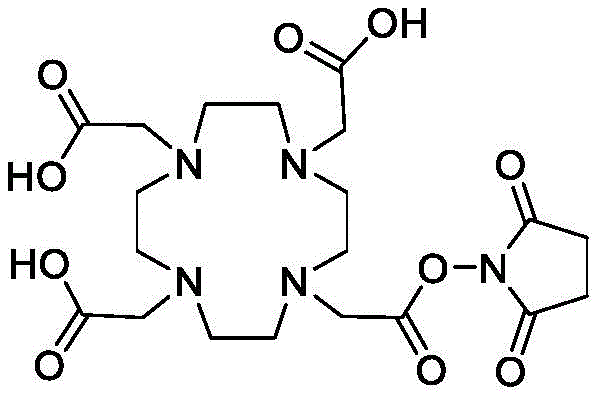
| Name (R) | CAS number | Mw |
| DOTA N-succinimidyl ester | 170908-81-3 | 761.48 |
Materials and methods
Device
LCMS
MALDI mass spectrometer
Solvent and compound and consumable
Dry dimethyl sulfoxide (DMSO)
DOTA N-succinimidyl ester
N, N-Diisopropylethylamine (DIPEA)
100mM Tris (hydroxymethyl) aminomethane (TRIS) pH 9
Complete procedure
Dry DMSO was prepared containing 20mM bicyclic peptide solution.
Dry DMSO was prepared containing a solution of 100mM DOTA N-succinimidyl ester. The N-succinimidyl ester is moisture sensitive and stored in a desiccator under nitrogen in a-20 ℃ refrigerator.
The DOTA N-succinimidyl ester solution was added to the peptide solution so that the DOTA N-succinimidyl ester solution was 5 times the peptide. The resulting reaction mixture was mixed thoroughly and any droplets on the walls were spun off.
Pure DIPEA was added to the mixture so that DIPEA was 20 times the peptide. The resulting solution was mixed well and any droplets on the wall were spun off. Thus, the approximate initial concentrations of reactants are:
bicyclic peptide 15mM
DOTA N-succinimidyl ester 19mM
DIPEA 300mM。
The reaction mixture was stirred or shaken at room temperature and the progress of the reaction was followed using LC/MS or MALDI-TOF.
When the reaction was complete, the mixture was quenched with 100mM TRIS pH 9, diluted to 10mL with 6M guanidine hydrochloride, and the mixture was purified by RP-HPLC.
Example 4: conjugation of bicyclic peptides to 5(6) -carboxyfluorescein
Commercially available 5(6) -carboxyfluorescein N-succinimidyl ester (CAS number: 92557-80-7) is coupled to the amino group, typically the N-terminal amino group, of a bicyclic peptide.
Materials and methods
Device
MALDI mass spectrometer.
Procedure for measuring the movement of a moving object
Dry DMSO containing 20mM bicyclic peptide solution was prepared in an aldard (Eppendorf) tube. Dry DMSO containing 100mM 5(6) -carboxyfluorescein N-succinimidyl ester solution was prepared in an Edwarder tube. The N-succinimidyl ester is moisture sensitive and stored in a desiccator under nitrogen in a-20 ℃ refrigerator. 5(6) -carboxyfluorescein was sensitive to light, treated in amber glassware/plastic ware and the peptide labeled with it, and the light radiation was kept as low as possible. The fluorescent dye solution was added to the peptide solution so that the dye was 5 times the peptide. The resulting reaction mixture was mixed thoroughly and any droplets were spun off. Pure DIPEA was added to the mixture so that DIPEA was 20 times the peptide. The resulting solution was mixed well and any droplets on the wall were spun off. Thus, the approximate initial concentrations of reactants are: bicyclic peptide (10mM), fluorescent dye N-succinimidyl ester (50mM) and DIPEA (200 mM). The reaction mixture was stirred or shaken at room temperature and the reaction progress was followed using MALDI-TOF. When the reaction was complete, the mixture was quenched with 100mM TRIS pH 9, transferred to a 50mL Falcon tube, diluted to 10mL with 6M guanidine hydrochloride, and the mixture was purified by RP-HPLC.
Example 5:bicyclic peptides and Alexa Conjugation of fluorescent dyes
Alexa Dyes are a family of fluorescent dyes produced by Molecular Probes, Inc. The dyes are commercially available as N-succinimidyl esters which can be coupled to the amino group, typically the N-terminal amino group, of bicyclic peptides.
Alexa used The N-succinimidyl ester is as follows: alexa Fluor 488N-succinimidyl ester and Alexa Fluor 680N-succinimidyl ester.
Materials and methods
Device
MALDI mass spectrometer.
Procedure for measuring the movement of a moving object
Dry DMSO containing 20mM bicyclic peptide solution was prepared in an edwarder tube. Preparation of a solution containing 15mM Allex in an Aibende tube Dry DMSO of N-succinimidyl ester solution. The N-succinimidyl ester is moisture sensitive and stored in a desiccator under nitrogen in a-20 ℃ refrigerator. Alexa
 The dyes are sensitive to light, they and the peptides labelled with them are treated in amber glassware/plasticware and the light radiation is kept as low as possible. The fluorescent dye solution was added to the peptide solution so that the dye was 2.5 times the peptide. The resulting reaction mixture was mixed thoroughly and any droplets on the walls were spun off. Pure DIPEA was added to the mixture so that DIPEA was 20 times the peptide. The resulting solution was mixed well and any droplets on the wall were spun off. Thus, the approximate initial concentrations of reactants are: double ringPeptide (5 mM); fluorescent dye N-succinimidyl ester (12.5 mM); and DIPEA (100 mM). The reaction mixture was stirred or shaken at room temperature and the reaction progress was followed using MALDI-TOF. When the reaction was complete, the mixture was quenched with
 100mM TRIS pH 9, transferred to a 50mL Falcon tube, diluted to 10mL with 6M guanidine hydrochloride, and the mixture was purified by RP-HPLC.
Example 6: CAIX assay
CAIX competition binding assay: competitive fluorescence polarization assays similar to those described in Duboiss et al (2011) radiation therapy and Oncology (Radiotherapy and Oncology),99(3), 424-43 were used to determine the affinity (Ki) of the peptides of the invention for human CAIX using A- (CAECWIDGWVPC) -A-Sar6-K (Fl) (SEQ ID NO:7) as the fluorescent ligand.
Example 7: determination of dissociation Rate constant for bicyclic Binders of MT1-MMP
Direct binding fluorescence polarization (anisotropy) assay
Direct binding fluorescence polarization or anisotropy assays were performed by titrating fluorescent tracers (here the MT1-MMP hemopexin domain) with binding partners (here the fluorescent bicyclic peptides to be studied) of a constant concentration. As the binding partner concentration increases during the titration, the polarization signal changes in proportion to the fraction of bound and unbound material. This allows for the quantitative determination of the off-rate (K)d). The assay data can be fitted using standard ligand binding equations.
In general, the concentration of tracer is ideally much lower than the K of the tracer-titrant pairdAnd the selected concentration is typically about 1nM or less. Titrant (binding partner) concentrations vary from 0.1nM to typically 5 μ M. The range was chosen such that the maximum change in fluorescence polarization could be observed. The buffer used was phosphate buffered saline in the presence of 0.01% tween. Experiments were performed in black 384-well low binding/low capacity plates (Corning 3820)) and fluorescence polarization signals were measured using a bmgpherstar FS plate reader. The fluorescent tracers mentioned in the text are bicyclic peptides that have been subjected to fluorescence using 5, 6-carboxyfluorescein. The fluorescence being in the peptideAt the N-terminal amino group, separated from the bicyclic core sequence by a sarcosine spacer (typically Sar 10). This can be done during Fmoc solid phase synthesis or after synthesis (cyclization with molecular scaffold reagents and purification) if the N-terminal amino group is unique to the peptide. Fluorescence can also be performed on the C-terminus, typically on a lysine introduced in the manner of the first C-terminal residue, which is then separated from the bicyclic core sequence by a sarcosine spacer (typically Sar 6). Thus, for C-terminal fluorescent constructs, the N-terminal tracer may have the molecular form described as Fluo-Ala-Sar10-A (bicyclic core sequence) and (bicyclic core sequence) -A-Sar6-K (Fluo).
The fluorescent tracers used in the examples were A- (17-69) -A-Sar6-K (Fluo), A- (17-69-07) -A-Sar6-K (Fluo) and A- (17-69-12) -A-Sar6-K (Fluo). Due to the acidity of the 17-69 fluorescent peptides, they were typically prepared as concentrated DMSO stocks from which dilutions were prepared in 100mM Tris pH 8 buffer.
Example 8: competitive assay using fluorescence polarization (anisotropy)
The fluorescent derivatives of 17-69-07 and 17-69-12 (designated 17-69-07-N040 and 17-69-12-N005, respectively) can be used in competition experiments (detection using FP) due to their high affinity for MT1-MMP hemopexin domain (PEX). Here, preformed complexes of PEX and fluorescent PEX-binding tracer are titrated with free non-fluorescing bicyclic peptide. Since all 17-69 based peptides are expected to bind at the same site, the titrant will displace the fluorescent tracer from the PEX. The degree of dissociation of the complex can be quantitatively measured, and the K of a competitor (titrant) of the target protein can be determinedd. The advantage of the competition method is that the affinity of the non-fluorescing bicyclic peptide can be determined accurately and rapidly.
The concentration of the tracer is typically KdOr less (here 1nM) and 15-fold excess of binding protein (here the hemoglobin-binding protein of MT 1-MMP), such that>90% of the tracer was bound. Subsequently, non-fluorescent competing bicyclic peptides (usually just the bicyclic core sequence) are titrated such that they fluoresceThe tracer translocates from the target protein. The displacement of the tracer is measured and correlated with the decrease in fluorescence polarization. The decrease in fluorescence polarization is proportional to the fraction of the target protein bound to the non-fluorescent titrant and is therefore a measure of the affinity of the titrant for the target protein.
The raw data were fitted to analytical solutions of a cubic equation describing the equilibrium between the fluorescent tracer, titrant and binding protein. The fit requires a value for the affinity of the fluorescent tracer for the target protein, which can be determined separately by the direct binding FP experiment (see previous section). Curve fitting was performed using Sigmaplot 12.0 and used an adapted version of the equation described by Wangzhen (Zhi-Xin Wang) (FEBS letters 360(1995) 111-.
Example 9 integrin α v β 3 Competition binding assay
The affinity (Ki) of the peptides of the invention for integrin α v β 3 was determined using a competitive fluorescence polarization assay similar to that described in King et al (2005) bioconjugate chemistry 16(3),729-34 using the 5nM peptide of sequence FITC-LC-GRGDSP (SEQ ID NO:8) as ligand.
Example 10I-25 (palmitoylated MT1-MMP specific bicyclic peptide) organ distribution and dose Studies
General procedure for radiolabelling with Lu-177.
Labeling reaction reactants:
50 μ L of 0.25M sodium acetate buffer pH 5.2+ 0.1% Tween 20;
10 μ L of [ Lu-177 ]]LuCl30.05M HCl; and
mu.L of diluted peptide (2 nmol).
The reaction mixture was incubated at 98 ℃ for 2 minutes, 10 minutes, 30 minutes, 45 minutes and 5 hours. Heating was stopped at each time point and 5 μ Ι _ of the labeling reaction was diluted in 100 μ Ι _ of injection buffer (0.25M Na acetate pH 7+ 0.05% tween 20) and subsequently analyzed by radioactive HPLC. TLC was performed in parallel and the results of the radioactive HPLC were confirmed.
Organ distribution studies, general methods: for organ distribution, by injecting buffer (0.25)M sodium acetate pH 7+ 0.05% tween 20) the labeling reaction mixture was diluted to prepare the corresponding dose. Tail vein injection of nu/nu mice transplanted with the corresponding cell line177Lu-radiolabelled peptide (50 kBq per mouse). After injection, animals were sacrificed at the indicated time points. Blood, heart, lung, spleen, liver, kidney, muscle, brain, femur and tumor were dissected, blotted dry and weighed. Radioactivity was measured using a gamma counter (CobraII; Canberra Packard) and injection solution samples to calculate the percent injected dose per gram of tissue (% ID/g).
Exemplary procedure for radiolabelling Using Lu-177
Gamma emitter and β emitter177LuCl3(NEZ307D, Perkin Elmer, in 0.04M HCl) (t1/2Day 6.7) was used for in vivo biodistribution and internalization studies. By adding 10. mu.L of water177LuCl3The labeling reaction was performed by adding 50mM HCl (about 10MBq), 2. mu.L of diluted peptide (50mM HEPES buffer pH 7+ 0.1% Tween 20 containing 1mM solution, diluted from 10mM DMSO stock) to 50. mu.L of 50mM HEPES buffer pH7 supplemented with 0.1% Tween 20. The reaction mixture was incubated at 98 ℃ for 10 minutes. Radiochemical yield (RCY) was determined using a High Performance Liquid Chromatography (HPLC) system equipped with a Latek P402(Latek, Epeham, Germany), Hitachi (HITACHI) variable UV detector (absorbance measured at 214 and 254 nm) and a gamma detector (Bioscan, Washington, USA) using a Chromolith RP-18 column (100X 4.6 mm; merck). Analytical HPLC was performed at 4mL/min using a linear a (water with 0.1% trifluoroacetic acid (TFA)) to B (acetonitrile with 0.1% TFA) gradient (0% B to 100% B over 6 min). Thin layer chromatography was performed in parallel to determine the results of the radioactive HPLC. RCY is generally>95% and, therefore, the output of the labeling reaction is directly diluted with a suitable buffer and, if necessary, with additional unlabeled peptide for subsequent experiments.
Exemplary procedure for organ distribution study
As a result: lipidation of biomolecules is known to increase serum half-life (Di, L.) (2015) a strategy to optimize peptide ADME properties by serum albumin binding in circulation (stratetic aptamers to optimal peptide ADME properties) AAPS journal (AAPS J)17,134-43) and can provide a potential modification of MT1 bicyclic peptide I-23 to further increase tumor specific signals by in vivo exposure. Palmitoylated bicyclic peptide derivative I-25 was generated based on stable I-23, wherein its N-terminus was modified with a prolonged sarcosine oligomer spacer terminated with palmitic acid, and wherein a lysine modified with DOTA was placed within the sarcosine spacer. Oligosarcosines were chosen as spacers because they have an elongated, non-spherical structure, are highly water soluble and are easy to synthesize (Teufel, d.p. (tolyfiel, d.p.), Johnson, C.M. (Johnson, C.M.), Lum, J.K. (rum, J.K.), and Neuweiler, H. (noviler, H.) (2011) the Backbone-driven collapse of unfolded protein chains (bacterial-drive collagen in unfolded protein chains) journal of molecular biology (J Mol Biol)409,250-62). The total spacer length was set to 15 sarcosines to ensure that the bicyclic peptide and its MT1-MMP binding activity are spatially well separated from albumin-bound palmitic acid. The molecular design should in principle allow the formation of a ternary complex between albumin, a fatty acid modified radiolabeled bicyclic peptide and MT 1-MMP. Indeed, despite the prolonged modification at the N-terminus of the peptide, I-25 retained its affinity for MT1-MMP (Kd ═ 2.25 ± 0.5 nM).
Make a pair use177Biodistribution studies of Lu-labeled I-25, with a 48 hour time point p.i., selected, the optimal dose for high tumor-organ contrast was assessed by administering a series of dose levels (10, 100, 750, 1000, 5000 pmoles/mouse; FIG. 1). A significant tumor signal of about 26% ID/g was observed at 750-. An additional signal of less than 4.5% was observed in the spleen, liver and small intestine.
A dose of 750pmol I-25 was found to be optimal. As shown in figure 1, with 750 pmoles as the injected dose, background activity was low in all organs except kidney, whereas tumor accumulation was very high in HT1080 xenografts, even after 48 hours p.i. (24.1 ± 2.5% ID/g).
Example 11I-23 (MT1-MMP specific proteolytically stabilized bicyclic peptide) organ distribution and dose Studies
non-PA and stabilized derivative I-23 were generated to increase resistance to proteolytic degradation in vivo. The I-23 sequence differs from the 17-69-07-N144 sequence in that the I-23 sequence includes four modifications: D-Ala1, 1NAl4, D-Ala5, and tBuGly 11. Using different amounts of I-23 and constant amounts177Lu (about 50 kBq/mouse), various doses were evaluated in biodistribution studies using HT1080 xenograft mice. Biodistribution was performed 1 hour after injection.
A dose of 50 to 150 pmol/mouse was found to be optimal, as shown in FIG. 2. All doses of stabilized I-23 showed significantly higher tumor uptake compared to molecule 17-69-07-N144, as shown in FIGS. 3A and 3B. At a dose of 500 picomolar, tumor uptake was slightly blocked, and when 5 nanomolar I-23 was used, tumor uptake was almost completely blocked.
The results show that the proteolytic stability of the molecule leads to an improved I-23 tumor signal compared to 17-69-07-N144 and makes the molecule a suitable probe for molecular imaging (I-23 at 1 hour time point 12.4% ID/g, FIG. 3).
Example 12I-24 organ distribution and dose Studies
I-24 includes the I-23 and Sar10 spacers. Using varying amounts of I-24 and constant amounts177Lu (about 50 kBq/mouse) in biodistribution studiesHT1080 xenograft mice were used to evaluate various doses. Biodistribution was performed 1 hour after injection.
A dose of 150pmol was found to be optimal. The signal in the tumor was slightly lower than I-23, but significantly higher than unstabilized 17-69-07-N144 (FIG. 4). At a dose of 500 picomolar, tumor uptake was slightly blocked, and when 5 nanomolar I-24 was used, tumor uptake was almost completely blocked.
The results of these studies are shown in figures 5 and 6.
Example 13 specificity of tumor uptake by Stable non-PA variants
I-27 represents the MT1-MMP inactive variant of I-24. Organ distribution of I-27 showed a significant 25-fold decrease in tumor uptake from 7.04. + -. 2.83% ID/g tumor to 0.28. + -. 0.05% ID/g tumor, as shown in FIG. 7.
In addition, two different inactive variants of I-23, I-26 and 17-69-07-N246, which are less spacer-characterized in terms of organ distribution. It is again shown that in both cases, tumor uptake is essentially absent compared to the binding variant I-23, as shown in figure 8.
Example 14 organ distribution of I-23 at different time points p.i
Distribution of the I-23 molecules at different time points was performed. The results show a significant decrease in tumor localization after 1 hour p.i. At 24 hours p.i., tumor uptake decreased from 12.02 ± 2.37% ID/g (1 hour p.i.) to 1.54 ± 0.06% ID/g, as shown in fig. 9.
Example 15 PET imaging study of I-23
General methods for μ PET imaging: mice were anesthetized (2% sevoflurane, Abbott) in a small animal PET scanner (Inveon PET, Siemens (Siemens)), and injected with 68 Ga-labeled bicyclic peptide. A 20 minute transmission scan, a 50 minute dynamic scan, and a 100 to 120 minute p.i. static scan were performed. The image was iteratively reconstructed using a spatially alternating generalized expectation-maximization method (SAGE, 16 subsets, 4 iterations) applying median root prior correction and converted to a normalized uptake value (SUV) image. Quantification was performed using ROI (region of interest) technique and expressed as SUV mean.
ForGeneral procedure for radiolabelling with Ga-68: indoor based on pyrogallol resin carrier68Ge/68Ga generator obtaining68Ga (half-life 68 min; β)+89%; E β + max 1.9 MeV.) 1GBq is eluted using 5.5M HCl68Ga. Will activate as68Ga]GaCl4-Forms of (b) were captured on a small anion exchanger cassette (AG1X8, Biorad, Listing, Calif., USA). Subjecting radioactive gallium to [ alpha ], [ beta ]68Ga]GaCl3Eluted from the cartridge into a final volume of 300. mu.L of ultrapure water (Merck, Damschtat, Germany).
mu.L of DMSO containing 1nmol of bicyclic peptide was added to 50. mu.L of 0.05M HEPES, 0.1 % Tween 20 and 80. mu.L of [ sic ], [ solution ]68Ga]Ga3+Eluent (about 200 MBq). The pH of the labeling solution was adjusted to 4.2 using 30% NaOH. The reaction mixture was incubated at 98 ℃ for 10 minutes. The radiochemical yield (RCY) was determined using reverse phase high performance liquid chromatography (RP-HPLC; Chromolith Rp-18e, 100X 4.6 mm; Merck, Damschtatt, Germany). Analytical HPLC was performed using a linear A-B gradient (from 0% B to 100% B over 6 min) at a flow rate of 4 mL/min. Solvent a consisted of 0.1% aqueous TFA, and solvent B was CH3CN with 0.1% TFA.
For μ PET imaging, the labeling reaction mixture was diluted 6-fold in injection buffer (0.25M sodium acetate, 0.05% tween 20pH7) to obtain 150 picomoles in 100 μ L injection buffer. Mice (2% sevoflurane, Yapeh) anesthetized with 100. mu.L injection68Ga-labelled I-23 (approx. 25MBq) and placed in a small animal PET scanner (InveonPET, Siemens). Imaging was performed 60 minutes post-injection, and included a transmission scan 15 minutes prior to injection and an emission scan 60 minutes post-injection. Scans from μ PET imaging were iteratively reconstructed using a spatially alternating generalized expectation-maximization method (SAGE, 16 subsets, 4 iterations) applying median root prior correction and converted to normalized uptake value (SUV) images. Quantification was achieved using ROI (region of interest) technique and expressed as SUV mean. The results of this study are shown in figure 10.
μ PET images show MMP-14 selective tumor uptake and rapid clearance from non-target critical organs in the xenograft model, yielding high imaging contrast as early as 20 minutes post-injection. The compounds represent very promising radiopharmaceutical candidates for future clinical PET imaging.
Example 16 PET imaging study of I-24
Radiolabelling with Ga-68 was carried out as described previously. The labeling reaction mixture was diluted 6-fold in injection buffer (0.25M sodium acetate, 0.05% tween 20pH7) to obtain 150 picomoles in 100 μ L injection buffer. Mice (2% sevoflurane, Yapeh) anesthetized with 100. mu.L injection68Ga-labelled I-24 (about 19MBq) and placed in a small animal PET scanner (Inveon PET, Siemens). Imaging was performed 60 minutes post-injection, and included a transmission scan 15 minutes prior to injection and an emission scan 60 minutes post-injection. Scans from μ PET imaging were iteratively reconstructed using a spatially alternating generalized expectation-maximization method (SAGE, 16 subsets, 4 iterations) applying median root prior correction and converted to normalized uptake value (SUV) images. Quantification was achieved using ROI (region of interest) technique and expressed as SUV mean. The results of this study are shown in figure 11.
Example 17.PET imaging comparison of 17-69-07-N144 with the inactive variant 17-69-07-N246
Radiolabelling with Ga-68 was carried out as described previously. The labeling reaction mixture was diluted 6-fold in injection buffer (0.25M sodium acetate, 0.05% tween 20pH7) to obtain 150 picomoles in 100 μ L injection buffer. Mice (2% sevoflurane, Yapeh) anesthetized with 100. mu.L injection68Ga-labelled 17-69-07-N144 and 17-69-07-N246 and placed in a small animal PET scanner (Inveon PET, Siemens). Imaging was performed 60 minutes post-injection, and included a transmission scan 15 minutes prior to injection and an emission scan 60 minutes post-injection. Scans from μ PET imaging were iteratively reconstructed using a spatially alternating generalized expectation-maximization method (SAGE, 16 subsets, 4 iterations) applying median root prior correction and converted to normalized uptake value (SUV) images. Quantification was achieved using ROI (region of interest) technique and expressed as SUV mean.The results of this study are shown in figure 12.
EXAMPLE 18 EphA2 binding and pharmacokinetic I-17 organ distribution and dose Studies of bicyclic peptide-DOTA conjugates in xenograft models
Using varying amounts of I-17 and constant amounts177Lu (about 50 kBq/mouse), various doses were evaluated in biodistribution studies using HT1080 xenograft mice. Biodistribution was performed 1 hour after injection. The results of this study are shown in figures 13 and 14.
A dosage of 50 to 150pmol was found to be optimal. At a dose of 500 picomolar, tumor uptake was slightly blocked, and when 5 nanomolar I-17 was used, tumor uptake was almost completely blocked.
Example 19 organ distribution (stabilized and higher affinity) of different EphA2 variants
I-13 to I-15 represent higher affinity and higher stability DOTA-tagged bicyclic rings targeting EphA 2. I-17 represents a stabilized candidate-like molecule of EphA 2. I-18 contains additional stabilization in Loop 1 at the expense of slightly lower affinity. I-28 is an inactive variant of I-17.
The results of this study are shown in FIGS. 15-17.
Example 20 μ PET imaging of I-13 and I-15
Radiolabelling with Ga-68 was carried out as described previously. The labeling reaction mixture was diluted 6-fold in injection buffer (0.25M sodium acetate, 0.05% tween 20pH7) to obtain 150 picomoles in 100 μ L injection buffer. Mice (2% sevoflurane, Yapeh) anesthetized with 100. mu.L injection68Ga-labelled I-13 and I-15 and placed in a small animal PET scanner (Inveon PET, Siemens). Imaging was performed 60 minutes post-injection, and included a transmission scan 15 minutes prior to injection and an emission scan 60 minutes post-injection. Scans from μ PET imaging were iteratively reconstructed using a spatially alternating generalized expectation-maximization method (SAGE, 16 subsets, 4 iterations) applying median root prior correction and converted to normalized uptake value (SUV) images. Quantification was achieved using ROI (region of interest) technique and expressed as SUV mean.
The results of this study are shown in figure 18.
The high hepatic uptake of I-13, which has been shown in organ distribution (fig. 15), can also be confirmed in PET imaging. I-15 showed a significant decrease in hepatic uptake. The tumor signals were very high for both compounds.
Example 21 specific cellular uptake and internalization of I-19
To determine specific cellular uptake and internalization of I-19, 10 was added 24 hours prior to incubation5Individual cells were seeded in poly-L-lysine coated 24-well cell culture plates. After washing, cells were incubated with 30nM radiolabeled compound for 45 min at 37 ℃ and 4 ℃ respectively. Specific cellular uptake was determined by competitive blocking with 100 μ M of the corresponding nonradioactive compound (non-DOTA). Cellular uptake was terminated by washing 4 times with 1mL ice-cold PBS. Subsequently, the cells were incubated twice with 0.5mL of glycine-HCl in PBS (50mM, pH 2.8) for 5 minutes to remove surface bound moieties. Cells were washed with 1mL ice-cold PBS and lysed with 0.3N NaOH (0.5 mL). The surface binding moiety and internalizing moiety were measured in a gamma counter. According to combination to 106Individual cell [% ID/106Individual cell]The percentage of radioactivity added initially calculates the cellular uptake. Specific cell surface binding was observed; no internalization was observed.
Fig. 19 shows these results.
Example 22 internalization experiments to determine CD38 binding and pharmacokinetic monomer bicyclic I-21 of bicyclic peptide-DOTA conjugates in xenograft models
Compound I-21 was labeled with Ga-68 and used in the assay at a concentration of 30 nM. The exposure time was 45 minutes at 37 ℃. Blocking was performed by using the same but unlabeled compound (concentration 110 μm).
Fig. 20 and 21 show these results.
While we have described a number of embodiments of this invention, it is apparent that the basic examples can be varied to provide other embodiments which utilize the compounds and methods of this invention. It is, therefore, to be understood that the scope of the invention is defined by the appended claims rather than by the specific embodiments shown by way of example.
Example 23I-25 (palmitoylated MT1-MMP specific bicyclic peptide) organ distribution and dose Studies
Using the exemplary procedure described in example 10, palmitoylated bicyclic peptide derivative I-25 was produced based on stable I-23, wherein its N-terminus was modified with a palmitic acid-terminated extended sarcosine oligomer spacer, and wherein a lysine modified with DOTA was placed within the sarcosine spacer. Study organ distribution studies (fig. 22A) at additional time points (2 hours, 6 hours, and 24 hours) with an optimal dose of 750 pmoles/mouse showed that there was a high tumor accumulation of 25.03 ± 1.61% ID/g as early as 2 hours p.i. At the time of the 6 hour p.i.,177tumor uptake of Lu-labeled BCY-C5 reached a maximum of 35.88 ± 1.11% ID/g, while most activity in background organs was cleared. At a later point in time, the user may,177lu-labeled BCY-C5 is further cleared from circulation and therefore exhibits a very high tumor-organ ratio (19 at 6 hours tumor-blood signal ratio and 97 at 48 hours), making this molecule an attractive option for molecular diagnostic imaging.
Use of177Lu-labeled I-29 was subjected to biodistribution studies, and I-29 was a non-MT 1-MMP binding "mutant" of I-25, in which D-Ala5 was replaced with L-Ala5, and Glu6 was replaced with L-Ala 5. This mutant essentially changed/removed the side chain critical for interaction with MT1-MMP and served as an inactive control peptide. The molecule is essentially a palmitoylated inactive version of I-27 described herein. This inactive palmitoylated control peptide was evaluated in a mouse xenograft tumor model at the 6 hour time point where tumor uptake was maximal (750 pmoles per mouse) and compared to the active I-25 comparator. The measured tumor uptake of I-29 was 4.8%, which was about 8-fold lower than that of active I-25 (FIG. 22B), indicating that significant target-selective uptake occurred in palmitoylated I-25 and making I-25 a powerful imaging agent for MT 1-MMP-expressing tumors in vivo.
Sequence listing
<110> Bysecked Limited (BICYCLERED LIMITED)
<120> bicyclic peptide ligands with detectable moieties and uses thereof
<130>BIC-C-P2387PCT
<140>
<141>
<150>62/594,613
<151>2017-12-05
<150>62/524,721
<151>2017-06-26
<160>8
<170> PatentIn version 3.5
<210>1
<211>26
<212>PRT
<213> Artificial sequence
<220>
<221> Source
<223 >/note = "description of artificial sequence: synthetic peptide "
<220>
<221>MOD_RES
<222>(1)..(1)
<223>β-Ala
<220>
<221>MOD_RES
<222>(2)..(11)
<223> sarcosine
<220>
<221>MOD_RES
<222>(14)..(14)
<223>D-Ala
<220>
<221>MOD_RES
<222>(17)..(17)
<223>1Nal
<220>
<221>MOD_RES
<222>(18)..(18)
<223>D-Ala
<220>
<221>MOD_RES
<222>(25)..(25)
<223>tBuGly
<400>1
Xaa Xaa Xaa Xaa Xaa Xaa Xaa Xaa Xaa Xaa Xaa Ala Cys Xaa Asn Glu
1 5 10 15
Xaa Xaa Cys Glu Asp Phe Tyr Asp Xaa Cys
20 25
<210>2
<211>14
<212>PRT
<213> Artificial sequence
<220>
<221> Source
<223 >/note = "description of artificial sequence: synthetic peptide "
<220>
<221>MOD_RES
<222>(2)..(2)
<223>D-Ala
<220>
<221>MOD_RES
<222>(5)..(5)
<223>1Nal
<220>
<221>MOD_RES
<222>(6)..(6)
<223>D-Ala
<220>
<221>MOD_RES
<222>(13)..(13)
<223>tBuGly
<400>2
Cys Xaa Asn Glu Xaa Xaa Cys Glu Asp Phe Tyr Asp Xaa Cys
1 5 10
<210>3
<211>24
<212>PRT
<213> Artificial sequence
<220>
<221> Source
<223 >/note = "description of artificial sequence: synthetic peptide "
<220>
<221>MOD_RES
<222>(1)..(1)
<223>β-Ala
<220>
<221>MOD_RES
<222>(2)..(11)
<223> sarcosine
<400>3
Xaa Xaa Xaa Xaa Xaa Xaa Xaa Xaa Xaa Xaa Xaa Ala Cys Thr Glu Cys
1 5 10 15
Trp Val Asp Gly Trp Val Pro Cys
20
<210>4
<211>12
<212>PRT
<213> Artificial sequence
<220>
<221> Source
<223 >/note = "description of artificial sequence: synthetic peptide "
<400>4
Cys Thr Glu Cys Trp Val Asp Gly Trp Val Pro Cys
1 5 10
<210>5
<211>22
<212>PRT
<213> Artificial sequence
<220>
<221> Source
<223 >/note = "description of artificial sequence: synthetic peptide "
<220>
<221> Source
<223 >/note = "N-terminal Ac"
<220>
<221>MOD_RES
<222>(4)..(4)
<223>HArg
<220>
<221>MOD_RES
<222>(15)..(20)
<223> sarcosine
<400>5
Cys Ile Leu Xaa Pro Asn Cys Asp Leu Asp Gly Arg Cys Ala Xaa Xaa
1 5 10 15
Xaa Xaa Xaa Xaa Asp Lys
20
<210>6
<211>14
<212>PRT
<213> Artificial sequence
<220>
<221> Source
<223 >/note = "description of artificial sequence: synthetic peptide "
<220>
<221> Source
<223 >/note = "N-terminal Ac"
<220>
<221>MOD_RES
<222>(4)..(4)
<223>HArg
<400>6
Cys Ile Leu Xaa Pro Asn Cys Asp Leu Asp Gly Arg Cys Ala
1 5 10
<210>7
<211>21
<212>PRT
<213> Artificial sequence
<220>
<221> Source
<223 >/note = "description of artificial sequence: synthetic peptide "
<220>
<221>MOD_RES
<222>(15)..(20)
<223> sarcosine
<220>
<221>MOD_RES
<222>(21)..(21)
<223> fluorescent Lys
<400>7
Ala Cys Ala Glu Cys Trp Ile Asp Gly Trp Val Pro Cys Ala Xaa Xaa
1 5 10 15
Xaa Xaa Xaa Xaa Xaa
20
<210>8
<211>6
<212>PRT
<213> Artificial sequence
<220>
<221> Source
<223 >/note = "description of artificial sequence: synthetic peptide "
<220>
<221> Source
<223 >/Note = "N-terminal FITC-LC"
<400>8
Gly Arg Gly Asp Ser Pro
1 5
Claims (38)


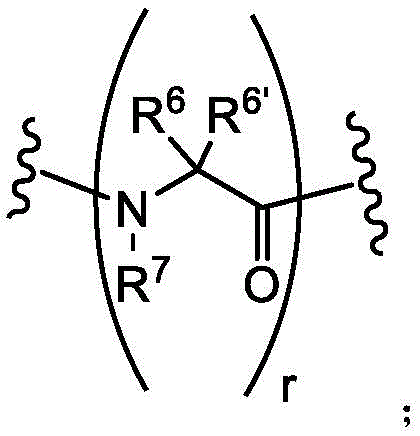


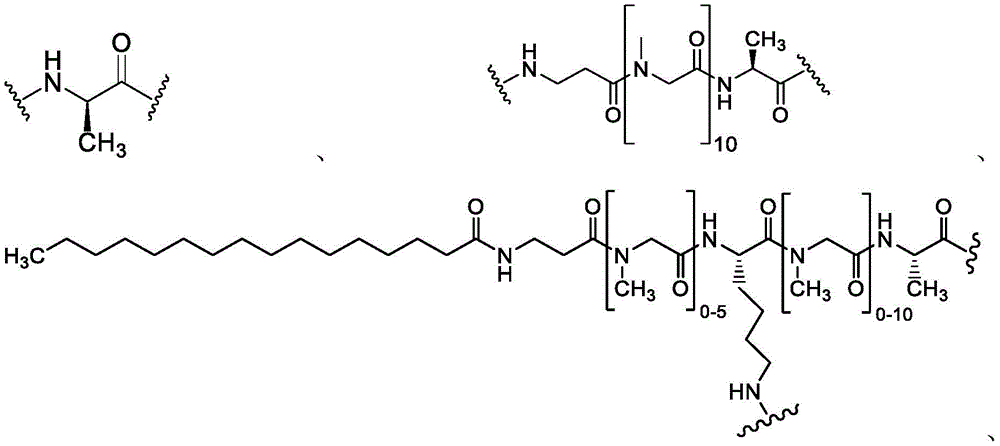


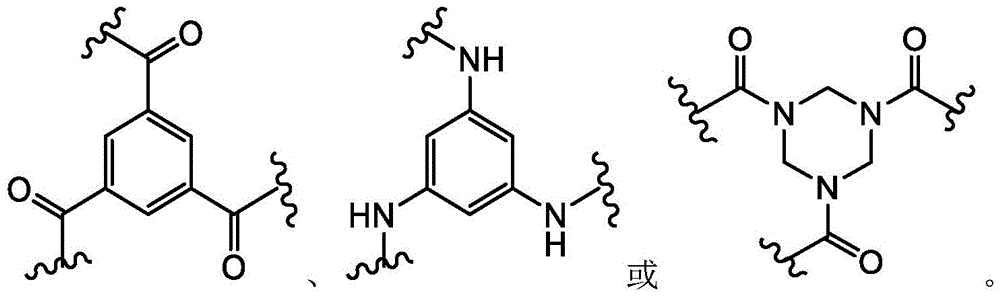


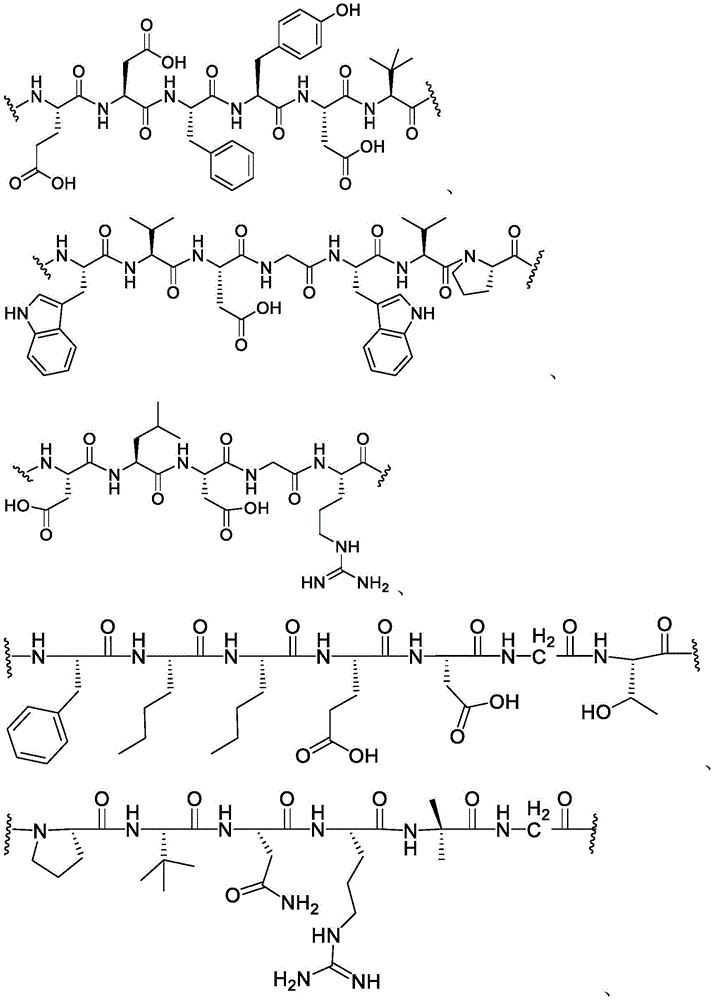


Applications Claiming Priority (5)
| Application Number | Priority Date | Filing Date | Title |
|---|---|---|---|
| US201762524721P | 2017-06-26 | 2017-06-26 | |
| US62/524,721 | 2017-06-26 | ||
| US201762594613P | 2017-12-05 | 2017-12-05 | |
| US62/594,613 | 2017-12-05 | ||
| PCT/GB2018/051779 WO2019002842A1 (en) | 2017-06-26 | 2018-06-26 | Bicyclic peptide ligands with detectable moieties and uses thereof |
Publications (1)
| Publication Number | Publication Date |
|---|---|
| CN111032678A true CN111032678A (en) | 2020-04-17 |
Family
ID=62875059
Family Applications (1)
| Application Number | Title | Priority Date | Filing Date |
|---|---|---|---|
| CN201880053467.9A Pending CN111032678A (en) | 2017-06-26 | 2018-06-26 | Bicyclic peptide ligands with detectable moieties and uses thereof |
Country Status (5)
| Country | Link |
|---|---|
| US (3) | US10899798B2 (en) |
| EP (1) | EP3645549A1 (en) |
| JP (3) | JP7301757B2 (en) |
| CN (1) | CN111032678A (en) |
| WO (1) | WO2019002842A1 (en) |
Families Citing this family (35)
| Publication number | Priority date | Publication date | Assignee | Title |
|---|---|---|---|---|
| HRP20210809T8 (en) | 2014-10-29 | 2021-09-17 | Bicyclerd Limited | Bicyclic peptide ligands specific for mt1-mmp |
| GB201607827D0 (en) | 2016-05-04 | 2016-06-15 | Bicycle Therapeutics Ltd | Bicyclic peptide-toxin conjugates specific for MT1-MMP |
| EP3559018A1 (en) | 2016-12-23 | 2019-10-30 | Bicyclerd Limited | Peptide derivatives having novel linkage structures |
| WO2018197893A1 (en) | 2017-04-27 | 2018-11-01 | Bicycletx Limited | Bicyclic peptide ligands and uses thereof |
| CN111032678A (en) | 2017-06-26 | 2020-04-17 | 拜西克尔德有限公司 | Bicyclic peptide ligands with detectable moieties and uses thereof |
| WO2019025811A1 (en) | 2017-08-04 | 2019-02-07 | Bicycletx Limited | Bicyclic peptide ligands specific for cd137 |
| GB201721265D0 (en) | 2017-12-19 | 2018-01-31 | Bicyclerd Ltd | Bicyclic peptide ligands specific for EphA2 |
| TWI825046B (en) | 2017-12-19 | 2023-12-11 | 英商拜西可泰克斯有限公司 | Bicyclic peptide ligands specific for epha2 |
| MX2020008791A (en) | 2018-02-23 | 2021-01-08 | Bicycletx Ltd | Multimeric bicyclic peptide ligands. |
| CN119220109A (en) | 2018-03-30 | 2024-12-31 | 贝克顿·迪金森公司 | Water-soluble polymeric dyes containing pendant chromophores |
| GB201810316D0 (en) | 2018-06-22 | 2018-08-08 | Bicyclerd Ltd | Peptide ligands for binding to EphA2 |
| US11180531B2 (en) | 2018-06-22 | 2021-11-23 | Bicycletx Limited | Bicyclic peptide ligands specific for Nectin-4 |
| GB201810325D0 (en) * | 2018-06-22 | 2018-08-08 | Bicycletx Ltd | Peptide ligands for binding to PSMA |
| GB201810329D0 (en) * | 2018-06-22 | 2018-08-08 | Bicycletx Ltd | Peptide ligands for binding to integrin avB3 |
| GB201810320D0 (en) * | 2018-06-22 | 2018-08-08 | Bicycletx Ltd | Peptide ligands for binding to CD38 |
| EP3870597A1 (en) | 2018-10-23 | 2021-09-01 | BicycleTx Limited | Bicyclic peptide ligands and uses thereof |
| GB201820295D0 (en) | 2018-12-13 | 2019-01-30 | Bicyclerd Ltd | Bicyclic peptide ligands specific for MT1-MMP |
| GB201820288D0 (en) | 2018-12-13 | 2019-01-30 | Bicycle Tx Ltd | Bicycle peptide ligaands specific for MT1-MMP |
| GB201820325D0 (en) | 2018-12-13 | 2019-01-30 | Bicyclerd Ltd | Bicyclic peptide ligands specific for psma |
| WO2020132588A1 (en) | 2018-12-20 | 2020-06-25 | Kleo Pharmaceuticals, Inc. | Combination therapy of arms and natural killer cells |
| EP3897849A1 (en) | 2018-12-21 | 2021-10-27 | BicycleTx Limited | Bicyclic peptide ligands specific for pd-l1 |
| GB201900528D0 (en) * | 2019-01-15 | 2019-03-06 | Bicyclerd Ltd | Bicyclic peptide ligands specific for integrin AVB3 |
| GB201900529D0 (en) * | 2019-01-15 | 2019-03-06 | Bicycletx Ltd | Bicyclic peptide ligands specific for CD38 |
| GB201900526D0 (en) * | 2019-01-15 | 2019-03-06 | Bicyclerd Ltd | Bicyclic peptide ligands specific for caix |
| GB201900525D0 (en) * | 2019-01-15 | 2019-03-06 | Bicycletx Ltd | Bicyclic peptide ligands specific for caix |
| GB201900527D0 (en) * | 2019-01-15 | 2019-03-06 | Bicycletx Ltd | Bicyclic peptide ligands specific for integrin avb3 |
| GB201900530D0 (en) * | 2019-01-15 | 2019-03-06 | Bicyclerd Ltd | Bicyclic peptide ligands specific for CD38 |
| TWI869398B (en) | 2019-05-10 | 2025-01-11 | 英商拜西克爾德有限公司 | Methods for treating cancer |
| CN114401732A (en) * | 2019-07-03 | 2022-04-26 | 克莱奥药品有限公司 | CD38 binding agents and uses thereof |
| TWI862640B (en) | 2019-07-30 | 2024-11-21 | 英商拜西可泰克斯有限公司 | Heterotandem bicyclic peptide complex |
| GB201912320D0 (en) * | 2019-08-28 | 2019-10-09 | Bicycletx Ltd | PBP Binding Bicyclic Peptide Ligands |
| GB202002706D0 (en) * | 2020-02-26 | 2020-04-08 | Bicycletx Ltd | Pbp3 binding bicyclic peptide ligands |
| CA3189761A1 (en) | 2020-08-03 | 2022-02-10 | Gemma Mudd | Peptide-based linkers |
| AR133015A1 (en) * | 2023-06-20 | 2025-08-20 | Debiopharm Int Sa | Radiolabeled compound for use in a method of treating carbonic anhydrase IX-positive diseases |
| GB202313403D0 (en) * | 2023-09-01 | 2023-10-18 | Bicycletx Ltd | Polypeptide screening |
Citations (3)
| Publication number | Priority date | Publication date | Assignee | Title |
|---|---|---|---|---|
| WO2013050617A1 (en) * | 2011-10-07 | 2013-04-11 | Bicycle Therapeutics Limited | Structured polypeptides with sarcosine linkers |
| CN105307686A (en) * | 2013-04-11 | 2016-02-03 | 拜斯科医疗有限公司 | Modulation of structured polypeptide specificity |
| WO2016067035A1 (en) * | 2014-10-29 | 2016-05-06 | Bicycle Therapeutics Limited | Bicyclic peptide ligands specific for mt1-mmp |
Family Cites Families (71)
| Publication number | Priority date | Publication date | Assignee | Title |
|---|---|---|---|---|
| FR438971A (en) | 1911-06-03 | 1912-06-01 | Lorenzo Barge | Method and devices for hot rolling round irons |
| GB191502120A (en) | 1915-02-10 | 1915-10-28 | Charles Lever | Improvements in and relating to Trucks. |
| US4650750A (en) | 1982-02-01 | 1987-03-17 | Giese Roger W | Method of chemical analysis employing molecular release tag compounds |
| US5516931A (en) | 1982-02-01 | 1996-05-14 | Northeastern University | Release tag compounds producing ketone signal groups |
| US4709016A (en) | 1982-02-01 | 1987-11-24 | Northeastern University | Molecular analytical release tags and their use in chemical analysis |
| US5650270A (en) | 1982-02-01 | 1997-07-22 | Northeastern University | Molecular analytical release tags and their use in chemical analysis |
| US20020164788A1 (en) | 1994-12-02 | 2002-11-07 | The Wellcome Foundation Limited | Humanized antibodies to CD38 |
| US6326144B1 (en) | 1998-09-18 | 2001-12-04 | Massachusetts Institute Of Technology | Biological applications of quantum dots |
| EP1115888B1 (en) | 1998-09-24 | 2008-03-12 | Indiana University Research and Technology Corporation | Water-soluble luminescent quantum dots and bioconjugates thereof |
| JP4078074B2 (en) | 1999-12-10 | 2008-04-23 | ファイザー・プロダクツ・インク | Pyrrolo [2,3-d] pyrimidine compound |
| PE20020354A1 (en) | 2000-09-01 | 2002-06-12 | Novartis Ag | HYDROXAMATE COMPOUNDS AS HISTONE-DESACETILASE (HDA) INHIBITORS |
| DE60217322T2 (en) | 2001-04-27 | 2007-10-04 | Zenyaku Kogyo K.K. | Heterocyclic compound and antitumor agent containing it as an active ingredient |
| TWI329105B (en) | 2002-02-01 | 2010-08-21 | Rigel Pharmaceuticals Inc | 2,4-pyrimidinediamine compounds and their uses |
| DK3031910T3 (en) | 2002-02-21 | 2017-10-23 | Inst Virology | MN / CA IX-SPECIFIC MONOCLONAL ANTIBODIES GENERATED BY MN / CA IX-DEFICIENT MOUSE AND METHODS OF USE |
| DK1536827T3 (en) | 2002-08-14 | 2009-04-20 | Silence Therapeutics Ag | Use of protein kinase N-beta |
| EP1452868A2 (en) | 2003-02-27 | 2004-09-01 | Pepscan Systems B.V. | Method for selecting a candidate drug compound |
| EA012240B1 (en) | 2003-04-03 | 2009-08-28 | Семафор Фармасьютикалз, Инк. | Pi-3 kinase inhibitor prodrugs |
| AU2004257167B2 (en) | 2003-07-03 | 2012-03-29 | The Trustees Of The University Of Pennsylvania | Inhibition of Syk kinase expression |
| KR20140066259A (en) | 2004-02-06 | 2014-05-30 | 모르포시스 아게 | Anti-cd38 human antibodies and uses therefor |
| CA2505655C (en) | 2004-04-28 | 2013-07-09 | Warren Chan | Stable, water-soluble quantum dot, method of preparation and conjugates thereof |
| RS55551B1 (en) | 2004-05-13 | 2017-05-31 | Icos Corp | HINAZOLINONS AS HUMAN PHOSPHATIDYLINOSYTOL 3-KINASE DELTA INHIBITORS |
| KR101278397B1 (en) | 2005-01-19 | 2013-06-25 | 리겔 파마슈티칼스, 인크. | Prodrugs of 2,4-pyrimidinediamine compounds and their uses |
| AU2006206848B2 (en) | 2005-01-24 | 2012-05-31 | Pepscan Systems B.V. | Binding compounds, immunogenic compounds and peptidomimetics |
| GB0510390D0 (en) | 2005-05-20 | 2005-06-29 | Novartis Ag | Organic compounds |
| US7402325B2 (en) | 2005-07-28 | 2008-07-22 | Phoenix Biotechnology, Inc. | Supercritical carbon dioxide extract of pharmacologically active components from Nerium oleander |
| CN103819416A (en) | 2005-10-07 | 2014-05-28 | 埃克塞里艾克西斯公司 | N-(3-amino-quinoxalin-2-yl)-sulfonamide derivatives and their use as phosphatidylinositol 3-kinase inhibitors |
| HUE028987T2 (en) | 2005-11-01 | 2017-01-30 | Targegen Inc | BI-aryl-meta-pyrimidine inhibitors of kinases |
| EP2343298B9 (en) | 2005-12-13 | 2020-05-06 | Incyte Holdings Corporation | Heteroaryl substituted pyrrolo[2,3-b]pyridines and pyrrolo[2,3-b]pyrimidines as Janus kinase inhibitors |
| JO2660B1 (en) | 2006-01-20 | 2012-06-17 | نوفارتيس ايه جي | PI-3 Kinase inhibitors and methods of their use |
| AU2007246793B2 (en) | 2006-04-26 | 2013-02-07 | F. Hoffmann-La Roche Ag | Thieno [3, 2-D] pyrimidine derivative useful as PI3K inhibitor |
| JP5237283B2 (en) | 2006-09-15 | 2013-07-17 | シーメンス メディカル ソリューションズ ユーエスエー インコーポレイテッド | Cyclopeptide derivatives as imaging agents for integrins |
| ES2585902T3 (en) | 2006-09-22 | 2016-10-10 | Pharmacyclics Llc | Bruton tyrosine kinase inhibitors |
| DK2152701T3 (en) | 2007-03-12 | 2016-02-15 | Ym Biosciences Australia Pty | Phenylaminopyrimidinforbindelser and uses thereof |
| PE20090717A1 (en) | 2007-05-18 | 2009-07-18 | Smithkline Beecham Corp | QUINOLINE DERIVATIVES AS PI3 KINASE INHIBITORS |
| CA2690449A1 (en) | 2007-06-18 | 2008-12-24 | Medimmune, Llc | Synergistic treatment of cells that express epha2 and erbb2 |
| AU2009211253B2 (en) | 2008-02-05 | 2014-11-06 | Bicyclerd Limited | Methods and compositions |
| MY165582A (en) | 2008-03-11 | 2018-04-05 | Incyte Holdings Corp | Azetidine and cyclobutane derivatives as jak inhibitors |
| US8338439B2 (en) | 2008-06-27 | 2012-12-25 | Celgene Avilomics Research, Inc. | 2,4-disubstituted pyrimidines useful as kinase inhibitors |
| GB0913775D0 (en) | 2009-08-06 | 2009-09-16 | Medical Res Council | Multispecific peptides |
| GB0914110D0 (en) | 2009-08-12 | 2009-09-16 | Medical Res Council | Peptide libraries |
| WO2011079015A1 (en) * | 2009-12-21 | 2011-06-30 | The Regents Of The University Of California | Rgd-containing cyclic peptides |
| BR112014008156A2 (en) * | 2011-10-07 | 2017-04-11 | Bicycle Therapeutics Ltd | structured polypeptide specificity modulation |
| MX378807B (en) | 2013-03-12 | 2025-03-11 | Molecular Templates Inc | CD20-BINDING IMMUNOTOXINS FOR INDUCING CELLULAR INTERNALIZATION AND METHODS USING THEM. |
| US20140274759A1 (en) | 2013-03-15 | 2014-09-18 | Bicycle Therapeutics Limited | Modification of polypeptides |
| WO2014190257A2 (en) | 2013-05-23 | 2014-11-27 | Ohio State Innovation Foundation | Chemical synthesis and screening of bicyclic peptide libraries |
| NZ719510A (en) | 2013-10-28 | 2022-07-01 | Bicyclerd Ltd | Novel polypeptides |
| US11474101B2 (en) | 2014-05-08 | 2022-10-18 | Novodiax, Inc. | Direct immunohistochemistry assay |
| PL3149025T3 (en) | 2014-05-21 | 2019-11-29 | Entrada Therapeutics Inc | Cell penetrating peptides and methods of making and using thereof |
| JP6401384B2 (en) | 2015-04-22 | 2018-10-10 | 三井化学株式会社 | Clothing provided with joint supporter, and knee supporter |
| WO2016174103A1 (en) | 2015-04-28 | 2016-11-03 | Ecole polytechnique fédérale de Lausanne (EPFL) | Novel inhibitors of the enzyme activated factor xii (fxiia) |
| WO2017161069A1 (en) | 2016-03-16 | 2017-09-21 | Merrimack Pharmaceuticals, Inc | Nanoliposomal targeting of ephrin receptor a2 (epha2) and related diagnosticss |
| GB201607827D0 (en) | 2016-05-04 | 2016-06-15 | Bicycle Therapeutics Ltd | Bicyclic peptide-toxin conjugates specific for MT1-MMP |
| US10441663B2 (en) * | 2016-11-27 | 2019-10-15 | Bicyclerd Limited | Methods for treating cancer |
| EP3559018A1 (en) | 2016-12-23 | 2019-10-30 | Bicyclerd Limited | Peptide derivatives having novel linkage structures |
| JP7387440B2 (en) | 2016-12-23 | 2023-11-28 | バイスクルテクス・リミテッド | Peptide ligand for binding to MT1-MMP |
| US10624968B2 (en) * | 2017-01-06 | 2020-04-21 | Bicyclerd Limited | Compounds for treating cancer |
| GB201706477D0 (en) | 2017-04-24 | 2017-06-07 | Bicycle Therapeutics Ltd | Modification of polypeptides |
| WO2018197893A1 (en) | 2017-04-27 | 2018-11-01 | Bicycletx Limited | Bicyclic peptide ligands and uses thereof |
| CN111032678A (en) | 2017-06-26 | 2020-04-17 | 拜西克尔德有限公司 | Bicyclic peptide ligands with detectable moieties and uses thereof |
| TWI825046B (en) | 2017-12-19 | 2023-12-11 | 英商拜西可泰克斯有限公司 | Bicyclic peptide ligands specific for epha2 |
| GB201721265D0 (en) | 2017-12-19 | 2018-01-31 | Bicyclerd Ltd | Bicyclic peptide ligands specific for EphA2 |
| MX2020008791A (en) | 2018-02-23 | 2021-01-08 | Bicycletx Ltd | Multimeric bicyclic peptide ligands. |
| JP7551500B2 (en) | 2018-04-04 | 2024-09-17 | バイスクルテクス・リミテッド | Heterotandem bicyclic peptide conjugates |
| GB201810316D0 (en) | 2018-06-22 | 2018-08-08 | Bicyclerd Ltd | Peptide ligands for binding to EphA2 |
| US11180531B2 (en) | 2018-06-22 | 2021-11-23 | Bicycletx Limited | Bicyclic peptide ligands specific for Nectin-4 |
| EP3870597A1 (en) | 2018-10-23 | 2021-09-01 | BicycleTx Limited | Bicyclic peptide ligands and uses thereof |
| WO2020201753A1 (en) | 2019-04-02 | 2020-10-08 | Bicycletx Limited | Bicycle toxin conjugates and uses thereof |
| TWI862640B (en) | 2019-07-30 | 2024-11-21 | 英商拜西可泰克斯有限公司 | Heterotandem bicyclic peptide complex |
| SMT202500247T1 (en) | 2019-10-03 | 2025-09-12 | Bicycletx Ltd | Heterotandem bicyclic peptide complexes |
| WO2021105694A1 (en) | 2019-11-27 | 2021-06-03 | Bicycletx Limited | BICYCLIC PEPTIDE LIGANDS SPECIFIC FOR EphA2 AND USES THEREOF |
| IL298868A (en) | 2020-06-12 | 2023-02-01 | Bicycletx Ltd | Treatment of diseases characterized by overexpression of erythropoietin-producing hepatocellular receptor a2 (epha2) |
-
2018
- 2018-06-26 CN CN201880053467.9A patent/CN111032678A/en active Pending
- 2018-06-26 EP EP18739911.8A patent/EP3645549A1/en active Pending
- 2018-06-26 US US16/018,432 patent/US10899798B2/en active Active
- 2018-06-26 JP JP2019571460A patent/JP7301757B2/en active Active
- 2018-06-26 WO PCT/GB2018/051779 patent/WO2019002842A1/en not_active Ceased
-
2020
- 2020-10-01 US US17/060,409 patent/US11746126B2/en active Active
-
2023
- 2023-03-22 JP JP2023045113A patent/JP2023088985A/en active Pending
- 2023-06-30 US US18/345,506 patent/US20240158444A1/en active Pending
-
2025
- 2025-04-23 JP JP2025071261A patent/JP2025111621A/en active Pending
Patent Citations (3)
| Publication number | Priority date | Publication date | Assignee | Title |
|---|---|---|---|---|
| WO2013050617A1 (en) * | 2011-10-07 | 2013-04-11 | Bicycle Therapeutics Limited | Structured polypeptides with sarcosine linkers |
| CN105307686A (en) * | 2013-04-11 | 2016-02-03 | 拜斯科医疗有限公司 | Modulation of structured polypeptide specificity |
| WO2016067035A1 (en) * | 2014-10-29 | 2016-05-06 | Bicycle Therapeutics Limited | Bicyclic peptide ligands specific for mt1-mmp |
Non-Patent Citations (3)
| Title |
|---|
| CURRAN A.RHODES 等: ""Bicyclic Peptides as Next-Generation Therapeutics"" * |
| SHIYU CHEN 等: ""Structurally Diverse Cyclisation Linkers Impose Different Backbone Conformations in Bicyclic Peptides"" * |
| 袁慎俊 等: ""Neuropilin-1及其作为恶性肿瘤治疗靶点的研究进展"" * |
Also Published As
| Publication number | Publication date |
|---|---|
| WO2019002842A1 (en) | 2019-01-03 |
| JP2025111621A (en) | 2025-07-30 |
| US20240158444A1 (en) | 2024-05-16 |
| US20210079045A1 (en) | 2021-03-18 |
| US20180371020A1 (en) | 2018-12-27 |
| JP2023088985A (en) | 2023-06-27 |
| EP3645549A1 (en) | 2020-05-06 |
| US10899798B2 (en) | 2021-01-26 |
| US11746126B2 (en) | 2023-09-05 |
| JP7301757B2 (en) | 2023-07-03 |
| JP2020525454A (en) | 2020-08-27 |
Similar Documents
| Publication | Publication Date | Title |
|---|---|---|
| US20240158444A1 (en) | Bicyclic peptide ligands with detectable moieties and uses thereof | |
| US11241473B2 (en) | Bicyclic peptide ligands and uses thereof | |
| US11396530B2 (en) | Bicyclic peptide ligands and uses thereof | |
| US20200283482A1 (en) | Bicyclic peptide ligand prr-a conjugates and uses thereof | |
| US20200291096A1 (en) | Bicyclic peptide ligand sting conjugates and uses thereof | |
| CN102971317B (en) | Tetrahydro-pyrido-pyrimidine derivatives | |
| WO2022081928A1 (en) | Tricyclic heterobifunctional compounds for degradation of targeted proteins | |
| WO2020165600A1 (en) | Bicyclic peptide ligand sting conjugates and uses thereof | |
| CN113121574B (en) | Purine derivatives and their use in medicine | |
| TW202045181A (en) | Cyclin-dependent kinase 2 biomarkers and uses thereof | |
| TW202136242A (en) | Smarca degraders and uses thereof | |
| EP3866789A1 (en) | Tyk2 inhibitors and uses thereof | |
| EP4301756A1 (en) | Hpk1 antagonists and uses thereof | |
| JP2024513011A (en) | HPK1 antagonists and their uses | |
| JP2023110094A (en) | Chromene Derivatives as Inhibitors of the TCR-NCK Interaction |
Legal Events
| Date | Code | Title | Description |
|---|---|---|---|
| PB01 | Publication | ||
| PB01 | Publication | ||
| SE01 | Entry into force of request for substantive examination | ||
| SE01 | Entry into force of request for substantive examination |