CN110662552A - Cancer Treatment Methods Containing TIGIT Binders - Google Patents
Cancer Treatment Methods Containing TIGIT Binders Download PDFInfo
- Publication number
- CN110662552A CN110662552A CN201780074119.5A CN201780074119A CN110662552A CN 110662552 A CN110662552 A CN 110662552A CN 201780074119 A CN201780074119 A CN 201780074119A CN 110662552 A CN110662552 A CN 110662552A
- Authority
- CN
- China
- Prior art keywords
- antibody
- seq
- tigit
- tumor
- heavy chain
- Prior art date
- Legal status (The legal status is an assumption and is not a legal conclusion. Google has not performed a legal analysis and makes no representation as to the accuracy of the status listed.)
- Pending
Links
Images


Classifications
-
- A—HUMAN NECESSITIES
- A61—MEDICAL OR VETERINARY SCIENCE; HYGIENE
- A61K—PREPARATIONS FOR MEDICAL, DENTAL OR TOILETRY PURPOSES
- A61K39/00—Medicinal preparations containing antigens or antibodies
-
- C—CHEMISTRY; METALLURGY
- C07—ORGANIC CHEMISTRY
- C07K—PEPTIDES
- C07K16/00—Immunoglobulins [IGs], e.g. monoclonal or polyclonal antibodies
- C07K16/18—Immunoglobulins [IGs], e.g. monoclonal or polyclonal antibodies against material from animals or humans
- C07K16/24—Immunoglobulins [IGs], e.g. monoclonal or polyclonal antibodies against material from animals or humans against cytokines, lymphokines or interferons
-
- A—HUMAN NECESSITIES
- A61—MEDICAL OR VETERINARY SCIENCE; HYGIENE
- A61K—PREPARATIONS FOR MEDICAL, DENTAL OR TOILETRY PURPOSES
- A61K39/00—Medicinal preparations containing antigens or antibodies
- A61K39/395—Antibodies; Immunoglobulins; Immune serum, e.g. antilymphocytic serum
-
- A—HUMAN NECESSITIES
- A61—MEDICAL OR VETERINARY SCIENCE; HYGIENE
- A61P—SPECIFIC THERAPEUTIC ACTIVITY OF CHEMICAL COMPOUNDS OR MEDICINAL PREPARATIONS
- A61P35/00—Antineoplastic agents
-
- C—CHEMISTRY; METALLURGY
- C07—ORGANIC CHEMISTRY
- C07K—PEPTIDES
- C07K14/00—Peptides having more than 20 amino acids; Gastrins; Somatostatins; Melanotropins; Derivatives thereof
- C07K14/435—Peptides having more than 20 amino acids; Gastrins; Somatostatins; Melanotropins; Derivatives thereof from animals; from humans
- C07K14/46—Peptides having more than 20 amino acids; Gastrins; Somatostatins; Melanotropins; Derivatives thereof from animals; from humans from vertebrates
- C07K14/47—Peptides having more than 20 amino acids; Gastrins; Somatostatins; Melanotropins; Derivatives thereof from animals; from humans from vertebrates from mammals
-
- C—CHEMISTRY; METALLURGY
- C07—ORGANIC CHEMISTRY
- C07K—PEPTIDES
- C07K16/00—Immunoglobulins [IGs], e.g. monoclonal or polyclonal antibodies
- C07K16/18—Immunoglobulins [IGs], e.g. monoclonal or polyclonal antibodies against material from animals or humans
- C07K16/28—Immunoglobulins [IGs], e.g. monoclonal or polyclonal antibodies against material from animals or humans against receptors, cell surface antigens or cell surface determinants
- C07K16/2803—Immunoglobulins [IGs], e.g. monoclonal or polyclonal antibodies against material from animals or humans against receptors, cell surface antigens or cell surface determinants against the immunoglobulin superfamily
-
- C—CHEMISTRY; METALLURGY
- C07—ORGANIC CHEMISTRY
- C07K—PEPTIDES
- C07K16/00—Immunoglobulins [IGs], e.g. monoclonal or polyclonal antibodies
- C07K16/18—Immunoglobulins [IGs], e.g. monoclonal or polyclonal antibodies against material from animals or humans
- C07K16/28—Immunoglobulins [IGs], e.g. monoclonal or polyclonal antibodies against material from animals or humans against receptors, cell surface antigens or cell surface determinants
- C07K16/2803—Immunoglobulins [IGs], e.g. monoclonal or polyclonal antibodies against material from animals or humans against receptors, cell surface antigens or cell surface determinants against the immunoglobulin superfamily
- C07K16/2818—Immunoglobulins [IGs], e.g. monoclonal or polyclonal antibodies against material from animals or humans against receptors, cell surface antigens or cell surface determinants against the immunoglobulin superfamily against CD28 or CD152
-
- C—CHEMISTRY; METALLURGY
- C07—ORGANIC CHEMISTRY
- C07K—PEPTIDES
- C07K16/00—Immunoglobulins [IGs], e.g. monoclonal or polyclonal antibodies
- C07K16/18—Immunoglobulins [IGs], e.g. monoclonal or polyclonal antibodies against material from animals or humans
- C07K16/28—Immunoglobulins [IGs], e.g. monoclonal or polyclonal antibodies against material from animals or humans against receptors, cell surface antigens or cell surface determinants
- C07K16/2803—Immunoglobulins [IGs], e.g. monoclonal or polyclonal antibodies against material from animals or humans against receptors, cell surface antigens or cell surface determinants against the immunoglobulin superfamily
- C07K16/2827—Immunoglobulins [IGs], e.g. monoclonal or polyclonal antibodies against material from animals or humans against receptors, cell surface antigens or cell surface determinants against the immunoglobulin superfamily against B7 molecules, e.g. CD80, CD86
-
- C—CHEMISTRY; METALLURGY
- C07—ORGANIC CHEMISTRY
- C07K—PEPTIDES
- C07K5/00—Peptides containing up to four amino acids in a fully defined sequence; Derivatives thereof
- C07K5/04—Peptides containing up to four amino acids in a fully defined sequence; Derivatives thereof containing only normal peptide links
- C07K5/10—Tetrapeptides
-
- C—CHEMISTRY; METALLURGY
- C07—ORGANIC CHEMISTRY
- C07K—PEPTIDES
- C07K5/00—Peptides containing up to four amino acids in a fully defined sequence; Derivatives thereof
- C07K5/04—Peptides containing up to four amino acids in a fully defined sequence; Derivatives thereof containing only normal peptide links
- C07K5/12—Cyclic peptides with only normal peptide bonds in the ring
-
- A—HUMAN NECESSITIES
- A61—MEDICAL OR VETERINARY SCIENCE; HYGIENE
- A61K—PREPARATIONS FOR MEDICAL, DENTAL OR TOILETRY PURPOSES
- A61K39/00—Medicinal preparations containing antigens or antibodies
- A61K2039/505—Medicinal preparations containing antigens or antibodies comprising antibodies
-
- A—HUMAN NECESSITIES
- A61—MEDICAL OR VETERINARY SCIENCE; HYGIENE
- A61K—PREPARATIONS FOR MEDICAL, DENTAL OR TOILETRY PURPOSES
- A61K39/00—Medicinal preparations containing antigens or antibodies
- A61K2039/545—Medicinal preparations containing antigens or antibodies characterised by the dose, timing or administration schedule
-
- A—HUMAN NECESSITIES
- A61—MEDICAL OR VETERINARY SCIENCE; HYGIENE
- A61K—PREPARATIONS FOR MEDICAL, DENTAL OR TOILETRY PURPOSES
- A61K39/00—Medicinal preparations containing antigens or antibodies
- A61K2039/55—Medicinal preparations containing antigens or antibodies characterised by the host/recipient, e.g. newborn with maternal antibodies
-
- C—CHEMISTRY; METALLURGY
- C07—ORGANIC CHEMISTRY
- C07K—PEPTIDES
- C07K2317/00—Immunoglobulins specific features
- C07K2317/70—Immunoglobulins specific features characterized by effect upon binding to a cell or to an antigen
- C07K2317/76—Antagonist effect on antigen, e.g. neutralization or inhibition of binding
-
- Y—GENERAL TAGGING OF NEW TECHNOLOGICAL DEVELOPMENTS; GENERAL TAGGING OF CROSS-SECTIONAL TECHNOLOGIES SPANNING OVER SEVERAL SECTIONS OF THE IPC; TECHNICAL SUBJECTS COVERED BY FORMER USPC CROSS-REFERENCE ART COLLECTIONS [XRACs] AND DIGESTS
- Y02—TECHNOLOGIES OR APPLICATIONS FOR MITIGATION OR ADAPTATION AGAINST CLIMATE CHANGE
- Y02A—TECHNOLOGIES FOR ADAPTATION TO CLIMATE CHANGE
- Y02A50/00—TECHNOLOGIES FOR ADAPTATION TO CLIMATE CHANGE in human health protection, e.g. against extreme weather
- Y02A50/30—Against vector-borne diseases, e.g. mosquito-borne, fly-borne, tick-borne or waterborne diseases whose impact is exacerbated by climate change
Landscapes
- Health & Medical Sciences (AREA)
- Chemical & Material Sciences (AREA)
- Organic Chemistry (AREA)
- Life Sciences & Earth Sciences (AREA)
- Immunology (AREA)
- Medicinal Chemistry (AREA)
- General Health & Medical Sciences (AREA)
- Biochemistry (AREA)
- Biophysics (AREA)
- Genetics & Genomics (AREA)
- Molecular Biology (AREA)
- Proteomics, Peptides & Aminoacids (AREA)
- Animal Behavior & Ethology (AREA)
- Pharmacology & Pharmacy (AREA)
- Public Health (AREA)
- Veterinary Medicine (AREA)
- General Chemical & Material Sciences (AREA)
- Nuclear Medicine, Radiotherapy & Molecular Imaging (AREA)
- Chemical Kinetics & Catalysis (AREA)
- Gastroenterology & Hepatology (AREA)
- Zoology (AREA)
- Toxicology (AREA)
- Microbiology (AREA)
- Mycology (AREA)
- Epidemiology (AREA)
- Engineering & Computer Science (AREA)
- Bioinformatics & Cheminformatics (AREA)
- Medicines Containing Antibodies Or Antigens For Use As Internal Diagnostic Agents (AREA)
- Peptides Or Proteins (AREA)
- Medicines That Contain Protein Lipid Enzymes And Other Medicines (AREA)
- Micro-Organisms Or Cultivation Processes Thereof (AREA)
- Pharmaceuticals Containing Other Organic And Inorganic Compounds (AREA)
Abstract
Description
技术领域technical field
本发明总体上涉及使用结合人类TIGIT的剂,特别为特异性结合TIGIT的细胞外结构域的抗体治疗癌症的方法。The present invention generally relates to methods of treating cancer using agents that bind human TIGIT, particularly antibodies that specifically bind to the extracellular domain of TIGIT.
背景技术Background technique
免疫疗法的基础在于操控及/或调节免疫系统,包括先天免疫反应及后天免疫反应二者。免疫疗法的概括目标为通过控制对“外来剂”(例如病原体或肿瘤细胞)的免疫反应来治疗疾病。然而,在一些示例中,免疫疗法是用于治疗可自对抗正常存在于体内的蛋白、分子及/或组织的异常免疫反应引起的自体免疫疾病。免疫疗法可包括诱发或增强特异性免疫反应或抑制或降低特异性免疫反应的剂及方法。Immunotherapy is based on the manipulation and/or modulation of the immune system, including both innate and acquired immune responses. The general goal of immunotherapy is to treat disease by controlling the immune response to "foreign agents" such as pathogens or tumor cells. However, in some examples, immunotherapy is used to treat autoimmune diseases that can result from abnormal immune responses against proteins, molecules and/or tissues normally present in the body. Immunotherapy can include agents and methods that induce or enhance a specific immune response or inhibit or reduce a specific immune response.
免疫系统是由众多细胞类型所组成的高度复杂系统,这些细胞包括但不限于T细胞、B细胞、自然杀手细胞、抗原呈现细胞、树突细胞、单核球和巨噬细胞。这些细胞具有控制那些交互作用及反应的复杂且细微的系统。细胞是利用活化和抑制机制及回馈环路二者来维持查核反应且不容许不受控制的免疫反应的负面结果(例如自体免疫疾病)。The immune system is a highly complex system composed of numerous cell types, including but not limited to T cells, B cells, natural killer cells, antigen presenting cells, dendritic cells, monocytes and macrophages. These cells have complex and subtle systems that control those interactions and responses. Cells utilize both activating and inhibitory mechanisms and feedback loops to maintain the check response and do not tolerate the negative consequences of uncontrolled immune responses (eg, autoimmune diseases).
癌免疫监测的概念是基于免疫系统可辨识肿瘤细胞、启动免疫反应及抑制肿瘤发展及/或进展的理论。然而,明确的是许多癌细胞/肿瘤细胞已发展出逃避免疫系统的机制,其使得这些细胞能不受抑制地生长。癌/肿瘤免疫疗法着重于发展可活化及/或激励免疫系统的新型且新颖的剂,以达成更有效的抗肿瘤细胞攻击,导致增加杀死肿瘤细胞及/或抑制肿瘤生长。The concept of cancer immune surveillance is based on the theory that the immune system can recognize tumor cells, initiate an immune response, and inhibit tumor development and/or progression. However, it is clear that many cancer/tumor cells have developed mechanisms to evade the immune system, which allow these cells to grow unchecked. Cancer/tumor immunotherapy focuses on the development of novel and novel agents that can activate and/or stimulate the immune system to achieve more effective anti-tumor cell attack, resulting in increased killing of tumor cells and/or inhibition of tumor growth.
发明内容SUMMARY OF THE INVENTION
本发明提供了使用结合具有Ig和ITIM结构域的T细胞免疫受体(TIGIT)的剂治疗癌症(即抑制肿瘤生长)的方法,所述剂包括但不限于特异性结合TIGIT的细胞外结构域的抗体。在特定的实施方案中,所述剂是TIGIT拮抗剂。在一些实施方案中,方法包括使用TIGIT结合剂以诱导、活化、促进、增加、增强或延长对癌症和/或肿瘤的免疫应答。在一些实施方案中,方法包括使用TIGIT结合剂来抑制肿瘤生长。在一些实施方案中,方法包括使用TIGIT结合剂治疗癌症。在一些实施方案中,方法包括使用TIGIT结合剂与至少一种另外的治疗剂的组合。The present invention provides methods of treating cancer (ie, inhibiting tumor growth) using agents that bind to T cell immune receptors (TIGITs) having Ig and ITIM domains, including, but not limited to, the extracellular domains that specifically bind TIGIT of antibodies. In specific embodiments, the agent is a TIGIT antagonist. In some embodiments, the methods include using a TIGIT binding agent to induce, activate, promote, increase, enhance or prolong an immune response to cancer and/or tumors. In some embodiments, the method comprises using a TIGIT-binding agent to inhibit tumor growth. In some embodiments, the method comprises treating cancer with a TIGIT binding agent. In some embodiments, the methods include using a TIGIT binding agent in combination with at least one additional therapeutic agent.
在本发明的一些实施方案中,一种抑制受试者中肿瘤生长的方法包括向受试者施用治疗有效量的TIGIT结合剂,其中所述肿瘤是结肠直肠癌(CRC),例如微卫星不稳定性-高结肠直肠癌(MSI CRC)或微卫星稳定结肠直肠癌(MSS CRC)、三阴性乳腺癌(TNBC)、Merkel细胞癌、子宫内膜癌或食道癌。在一些实施方案中,一种抑制受试者的肿瘤生长的方法包括给所述受试者施用治疗有效量的特异性结合人类TIGIT的细胞外结构域的抗体,其中,所述肿瘤是微卫星不稳定性-高结肠直肠癌、微卫星稳定结肠直肠癌、三阴性乳腺癌、Merkel细胞癌、子宫内膜癌或食道癌;并且其中所述结合人类TIGIT的抗体包含含有TSDYAWN(SEQ IDNO:4)的重链CDR1、含有YISYSGSTSYNPSLRS(SEQ ID NO:5)的重链CDR2、含有ARRQVGLGFAY(SEQ ID NO:6)的重链CDR3、含有KASQDVSTAVA(SEQ ID NO:7)的轻链CDR1、含有SASYRYT(SEQ ID NO:8)的轻链CDR2和含有QQHYSTP(SEQ ID NO:9)的轻链CDR3。In some embodiments of the invention, a method of inhibiting tumor growth in a subject comprises administering to the subject a therapeutically effective amount of a TIGIT binding agent, wherein the tumor is colorectal cancer (CRC), eg, a microsatellite Stable - high colorectal cancer (MSI CRC) or microsatellite stable colorectal cancer (MSS CRC), triple negative breast cancer (TNBC), Merkel cell carcinoma, endometrial cancer or esophageal cancer. In some embodiments, a method of inhibiting tumor growth in a subject comprises administering to the subject a therapeutically effective amount of an antibody that specifically binds the extracellular domain of human TIGIT, wherein the tumor is a microsatellite Instability-high colorectal cancer, microsatellite stable colorectal cancer, triple negative breast cancer, Merkel cell carcinoma, endometrial cancer, or esophageal cancer; and wherein the antibody that binds human TIGIT comprises TSDYAWN (SEQ ID NO: 4 ), heavy chain CDR1 containing YISYSGSTSYNPSLRS (SEQ ID NO: 5), heavy chain CDR3 containing ARRQVGLGFAY (SEQ ID NO: 6), light chain CDR1 containing KASQDVSTAVA (SEQ ID NO: 7), containing SASYRYT (SEQ ID NO:8) light chain CDR2 and light chain CDR3 containing QQHYSTP (SEQ ID NO:9).
在本发明的一些实施方案中,一种抑制受试者中肿瘤生长的方法包括向受试者施用治疗有效量的TIGIT结合剂,其中所述肿瘤是具有高微卫星不稳定性(MSI)的实体瘤。在一些实施方案中,一种抑制受试者的肿瘤生长的方法包括给所述受试者施用治疗有效量的特异性结合人类TIGIT的细胞外结构域的抗体,并且其中所述结合人类TIGIT的抗体包含含有TSDYAWN(SEQ ID NO:4)的重链CDR1、含有YISYSGSTSYNPSLRS(SEQ ID NO:5)的重链CDR2、含有ARRQVGLGFAY(SEQ ID NO:6)的重链CDR3、含有KASQDVSTAVA(SEQ ID NO:7)的轻链CDR1、含有SASYRYT(SEQ ID NO:8)的轻链CDR2和含有QQHYSTP(SEQ ID NO:9)的轻链CDR3。在一些实施方案中,具有高MSI的实体瘤选自MSI CRC、MSI胃癌、MSI子宫内膜癌、MSI卵巢癌、MSI肝胆管癌、MSI泌尿道癌、MSI脑癌或MSI皮肤癌。In some embodiments of the invention, a method of inhibiting tumor growth in a subject comprises administering to the subject a therapeutically effective amount of a TIGIT binding agent, wherein the tumor is of high microsatellite instability (MSI) solid tumors. In some embodiments, a method of inhibiting tumor growth in a subject comprises administering to the subject a therapeutically effective amount of an antibody that specifically binds to the extracellular domain of human TIGIT, and wherein the antibody that binds human TIGIT The antibodies comprise heavy chain CDR1 containing TSDYAWN (SEQ ID NO:4), heavy chain CDR2 containing YISYSGSTSYNPSLRS (SEQ ID NO:5), heavy chain CDR3 containing ARRQVGLGFAY (SEQ ID NO:6), heavy chain CDR3 containing KASQDVSTAVA (SEQ ID NO:5) : 7), the light chain CDR1 containing SASYRYT (SEQ ID NO: 8), and the light chain CDR3 containing QQHYSTP (SEQ ID NO: 9). In some embodiments, the solid tumor with high MSI is selected from MSI CRC, MSI gastric cancer, MSI endometrial cancer, MSI ovarian cancer, MSI hepatocholangiocarcinoma, MSI urinary tract cancer, MSI brain cancer, or MSI skin cancer.
在本发明的一些实施方案中,一种抑制受试者中肿瘤生长的方法包括向受试者施用治疗有效量的TIGIT结合剂与PD-1拮抗剂或PD-L1拮抗剂的组合,其中肿瘤是微卫星不稳定性-高结肠直肠癌或微卫星稳定结肠直肠癌、三阴性乳腺癌、Merkel细胞癌、子宫内膜癌或食道癌。在一些实施方案中,一种抑制受试者的肿瘤生长的方法包括给所述受试者施用治疗有效量的特异性结合人类TIGIT的细胞外结构域的抗体与PD-1拮抗剂或PD-L1拮抗剂的组合,其中,所述肿瘤是结肠直肠癌(CRC),例如微卫星不稳定性-高结肠直肠癌或微卫星稳定结肠直肠癌、三阴性乳腺癌、Merkel细胞癌、子宫内膜癌或食道癌;并且其中所述结合人类TIGIT的抗体包含含有TSDYAWN(SEQ ID NO:4)的重链CDR1、含有YISYSGSTSYNPSLRS(SEQ ID NO:5)的重链CDR2、含有ARRQVGLGFAY(SEQ ID NO:6)的重链CDR3、含有KASQDVSTAVA(SEQ ID NO:7)的轻链CDR1、含有SASYRYT(SEQ ID NO:8)的轻链CDR2和含有QQHYSTP(SEQ ID NO:9)的轻链CDR3。在一些实施方案中,组合疗法包含抗PD-1抗体。在一些实施方案中,组合疗法包含抗PD-L1抗体。In some embodiments of the invention, a method of inhibiting tumor growth in a subject comprises administering to the subject a therapeutically effective amount of a TIGIT binding agent in combination with a PD-1 antagonist or a PD-L1 antagonist, wherein the tumor Is microsatellite instability-high colorectal cancer or microsatellite stable colorectal cancer, triple negative breast cancer, Merkel cell carcinoma, endometrial cancer, or esophageal cancer. In some embodiments, a method of inhibiting tumor growth in a subject comprises administering to the subject a therapeutically effective amount of an antibody that specifically binds to the extracellular domain of human TIGIT and a PD-1 antagonist or PD- A combination of L1 antagonists, wherein the tumor is colorectal cancer (CRC), such as microsatellite unstable-high colorectal cancer or microsatellite stable colorectal cancer, triple negative breast cancer, Merkel cell carcinoma, endometrial cancer cancer or esophageal cancer; and wherein the antibody that binds human TIGIT comprises a heavy chain CDR1 comprising TSDYAWN (SEQ ID NO:4), a heavy chain CDR2 comprising YISYSGSTSYNPSLRS (SEQ ID NO:5), ARRQVGLGFAY (SEQ ID NO:5) 6) heavy chain CDR3, light chain CDR1 containing KASQDVSTAVA (SEQ ID NO:7), light chain CDR2 containing SASYRYT (SEQ ID NO:8) and light chain CDR3 containing QQHYSTP (SEQ ID NO:9). In some embodiments, the combination therapy comprises an anti-PD-1 antibody. In some embodiments, the combination therapy comprises an anti-PD-L1 antibody.
在本发明的一些实施方案中,一种抑制受试者中肿瘤生长的方法包括向受试者施用治疗有效量的TIGIT结合剂与PD-1拮抗剂或PD-L1拮抗剂的组合,其中所述肿瘤是具有高MSI的实体瘤。在一些实施方案中,一种抑制受试者的肿瘤生长的方法包括给所述受试者施用治疗有效量的特异性结合人类TIGIT的细胞外结构域的抗体与PD-1拮抗剂或PD-L1拮抗剂的组合,其中所述肿瘤是具有高微卫星不稳定性的实体瘤,并且其中所述结合人类TIGIT的抗体包含含有TSDYAWN(SEQ ID NO:4)的重链CDR1、含有YISYSGSTSYNPSLRS(SEQ ID NO:5)的重链CDR2、含有ARRQVGLGFAY(SEQ ID NO:6)的重链CDR3、含有KASQDVSTAVA(SEQ IDNO:7)的轻链CDR1、含有SASYRYT(SEQ ID NO:8)的轻链CDR2和含有QQHYSTP(SEQ ID NO:9)的轻链CDR3。在一些实施方案中,组合疗法包含抗PD-1抗体。在一些实施方案中,组合疗法包含抗PD-L1抗体。在一些实施方案中,具有高MSI的实体瘤选自MSI CRC、MSI胃癌、MSI子宫内膜癌、MSI卵巢癌、MSI肝胆管癌、MSI泌尿道癌、MSI脑癌或MSI皮肤癌。In some embodiments of the invention, a method of inhibiting tumor growth in a subject comprises administering to the subject a therapeutically effective amount of a TIGIT binding agent in combination with a PD-1 antagonist or a PD-L1 antagonist, wherein the The tumor is a solid tumor with high MSI. In some embodiments, a method of inhibiting tumor growth in a subject comprises administering to the subject a therapeutically effective amount of an antibody that specifically binds to the extracellular domain of human TIGIT and a PD-1 antagonist or PD- A combination of L1 antagonists, wherein the tumor is a solid tumor with high microsatellite instability, and wherein the antibody that binds human TIGIT comprises a heavy chain CDR1 comprising TSDYAWN (SEQ ID NO: 4), a heavy chain comprising YISYSGSTSYNPSLRS (SEQ ID NO: 4) ID NO:5) heavy chain CDR2, heavy chain CDR3 containing ARRQVGLGFAY (SEQ ID NO:6), light chain CDR1 containing KASQDVSTAVA (SEQ ID NO:7), light chain CDR2 containing SASYRYT (SEQ ID NO:8) and light chain CDR3 containing QQHYSTP (SEQ ID NO: 9). In some embodiments, the combination therapy comprises an anti-PD-1 antibody. In some embodiments, the combination therapy comprises an anti-PD-L1 antibody. In some embodiments, the solid tumor with high MSI is selected from MSI CRC, MSI gastric cancer, MSI endometrial cancer, MSI ovarian cancer, MSI hepatocholangiocarcinoma, MSI urinary tract cancer, MSI brain cancer, or MSI skin cancer.
在本发明的一些实施方案中,一种抑制受试者中肿瘤生长的方法包括向受试者施用治疗有效量的TIGIT结合剂,其中所述肿瘤对用PD-1拮抗剂或PD-L1拮抗剂治疗具有抗性或难治性。在一些实施方案中,一种抑制受试者的肿瘤生长的方法包括给所述受试者施用治疗有效量的特异性结合人类TIGIT的细胞外结构域的抗体,其中所述肿瘤对用PD-1拮抗剂或PD-L1拮抗剂治疗具有抗性或难治性,并且其中所述结合人类TIGIT的抗体包含含有TSDYAWN(SEQ ID NO:4)的重链CDR1、含有YISYSGSTSYNPSLRS(SEQ ID NO:5)的重链CDR2、含有ARRQVGLGFAY(SEQ ID NO:6)的重链CDR3、含有KASQDVSTAVA(SEQ ID NO:7)的轻链CDR1、含有SASYRYT(SEQ ID NO:8)的轻链CDR2和含有QQHYSTP(SEQ ID NO:9)的轻链CDR3。在一些实施方案中,所述肿瘤对用PD-1拮抗剂或PD-L1拮抗剂治疗具有抗性或难治性。如本文所使用的,所述肿瘤对用剂治疗具有抗性或难治性,其中在用剂治疗期间或之后存在肿瘤生长进展。在一些实施方案中,所述肿瘤对用作为单一剂施用的剂治疗具有抗性或难治性。在一些实施方案中,肿瘤对用作一线治疗或二线治疗施用的剂治疗具有抗性或难治性。在一些实施方案中,肿瘤对用抗PD-1抗体(例如,作为单一剂)的治疗具有抗性或难治性。在一些实施方案中,肿瘤对用抗PD-L1抗体(例如,作为单一剂)治疗具有抗性或难治性。在一些实施方案中,对用PD-1拮抗剂或PD-L1拮抗剂治疗具有抗性或难治性的肿瘤选自黑素瘤、非小细胞肺癌(NSCLC)、肾细胞癌、头颈部鳞状细胞癌、尿路上皮癌、结肠直肠癌(例如MSI或DNA错配修复缺陷(dMMR)转移性CRC)和肝细胞癌。In some embodiments of the invention, a method of inhibiting tumor growth in a subject comprises administering to the subject a therapeutically effective amount of a TIGIT binding agent, wherein the tumor is antagonized with a PD-1 antagonist or PD-L1 drug-resistant or refractory. In some embodiments, a method of inhibiting tumor growth in a subject comprises administering to the subject a therapeutically effective amount of an antibody that specifically binds to the extracellular domain of human TIGIT, wherein the tumor is resistant to treatment with PD- 1 antagonist or PD-L1 antagonist treatment resistant or refractory, and wherein the antibody that binds human TIGIT comprises a heavy chain CDR1 comprising TSDYAWN (SEQ ID NO:4), a heavy chain comprising YISYSGSTSYNPSLRS (SEQ ID NO:5 ), heavy chain CDR2 containing ARRQVGLGFAY (SEQ ID NO:6), light chain CDR1 containing KASQDVSTAVA (SEQ ID NO:7), light chain CDR2 containing SASYRYT (SEQ ID NO:8) and light chain CDR2 containing QQHYSTP (SEQ ID NO:9) light chain CDR3. In some embodiments, the tumor is resistant or refractory to treatment with a PD-1 antagonist or a PD-L1 antagonist. As used herein, the tumor is resistant or refractory to treatment with an agent, wherein there is tumor growth progression during or after treatment with the agent. In some embodiments, the tumor is resistant or refractory to treatment with the agent administered as a single agent. In some embodiments, the tumor is resistant or refractory to treatment with an agent administered as first-line or second-line therapy. In some embodiments, the tumor is resistant or refractory to treatment with an anti-PD-1 antibody (eg, as a single agent). In some embodiments, the tumor is resistant or refractory to treatment with an anti-PD-L1 antibody (eg, as a single agent). In some embodiments, the tumor that is resistant or refractory to treatment with a PD-1 antagonist or a PD-L1 antagonist is selected from the group consisting of melanoma, non-small cell lung cancer (NSCLC), renal cell carcinoma, head and neck Squamous cell carcinoma, urothelial carcinoma, colorectal carcinoma (eg, MSI or DNA mismatch repair deficient (dMMR) metastatic CRC) and hepatocellular carcinoma.
在本发明的一些实施方案中,一种抑制受试者中肿瘤生长的方法包括向受试者施用治疗有效量的TIGIT结合剂与PD-1拮抗剂或PD-L1拮抗剂的组合,其中所述肿瘤对用作为单一剂的PD-1拮抗剂或PD-L1拮抗剂治疗具有抗性或难治性。在一些实施方案中,一种抑制受试者的肿瘤生长的方法包括给所述受试者施用治疗有效量的特异性结合人类TIGIT的细胞外结构域的抗体与PD-1拮抗剂或PD-L1拮抗剂的组合,其中所述肿瘤对用作为单一剂的PD-1拮抗剂或PD-L1拮抗剂治疗具有抗性或难治性,并且其中所述结合人类TIGIT的抗体包含含有TSDYAWN(SEQ ID NO:4)的重链CDR1、含有YISYSGSTSYNPSLRS(SEQ ID NO:5)的重链CDR2、含有ARRQVGLGFAY(SEQ ID NO:6)的重链CDR3、含有KASQDVSTAVA(SEQ ID NO:7)的轻链CDR1、含有SASYRYT(SEQ ID NO:8)的轻链CDR2和含有QQHYSTP(SEQ ID NO:9)的轻链CDR3。在一些实施方案中,肿瘤对用作一线治疗或二线治疗施用的剂治疗具有抗性或难治性。在一些实施方案中,肿瘤对用PD-1拮抗剂作为单一剂治疗具有抗性或难治性,但对用该剂与TIGIT结合剂组合治疗有反应。在一些实施方案中,肿瘤对用PD-L1拮抗剂作为单一剂治疗具有抗性或难治性,但对用该药剂与TIGIT结合剂组合治疗有反应。在一些实施方案中,所述肿瘤对用抗PD-1抗体(例如,作为单一剂)的治疗具有抗性或难治性。在一些实施方案中,肿瘤对用抗PD-L1抗体(例如,作为单一剂)治疗具有抗性或难治性。在一些实施方案中,组合疗法包含抗PD-1抗体。在一些实施方案中,组合疗法包含抗PD-L1抗体。在一些实施方案中,对用PD-1拮抗剂或PD-L1拮抗剂治疗具有抗性或难治性的肿瘤选自黑素瘤、NSCLC、肾细胞癌、头颈部鳞状细胞癌、尿路上皮癌、结肠直肠癌(例如MSI或dMMR转移性CRC)和肝细胞癌。In some embodiments of the invention, a method of inhibiting tumor growth in a subject comprises administering to the subject a therapeutically effective amount of a TIGIT binding agent in combination with a PD-1 antagonist or a PD-L1 antagonist, wherein the The tumor is resistant or refractory to treatment with a PD-1 antagonist or a PD-L1 antagonist as a single agent. In some embodiments, a method of inhibiting tumor growth in a subject comprises administering to the subject a therapeutically effective amount of an antibody that specifically binds to the extracellular domain of human TIGIT and a PD-1 antagonist or PD- The combination of L1 antagonists, wherein the tumor is resistant or refractory to treatment with the PD-1 antagonist or the PD-L1 antagonist as a single agent, and wherein the antibody that binds human TIGIT comprises a TSDYAWN (SEQ ID NO:4) heavy chain CDR1, heavy chain CDR2 containing YISYSGSTSYNPSLRS (SEQ ID NO:5), heavy chain CDR3 containing ARRQVGLGFAY (SEQ ID NO:6), light chain containing KASQDVSTAVA (SEQ ID NO:7) CDR1, light chain CDR2 containing SASYRYT (SEQ ID NO:8) and light chain CDR3 containing QQHYSTP (SEQ ID NO:9). In some embodiments, the tumor is resistant or refractory to treatment with an agent administered as first-line or second-line therapy. In some embodiments, the tumor is resistant or refractory to treatment with a PD-1 antagonist as a single agent, but responds to treatment with the agent in combination with a TIGIT binding agent. In some embodiments, the tumor is resistant or refractory to treatment with a PD-L1 antagonist as a single agent, but responds to treatment with the agent in combination with a TIGIT binding agent. In some embodiments, the tumor is resistant or refractory to treatment with an anti-PD-1 antibody (eg, as a single agent). In some embodiments, the tumor is resistant or refractory to treatment with an anti-PD-L1 antibody (eg, as a single agent). In some embodiments, the combination therapy comprises an anti-PD-1 antibody. In some embodiments, the combination therapy comprises an anti-PD-L1 antibody. In some embodiments, the tumor that is resistant or refractory to treatment with a PD-1 antagonist or a PD-L1 antagonist is selected from the group consisting of melanoma, NSCLC, renal cell carcinoma, head and neck squamous cell carcinoma, urinary Epithelial carcinoma, colorectal carcinoma (eg MSI or dMMR metastatic CRC) and hepatocellular carcinoma.
在本发明的一些实施方案中,一种抑制受试者中肿瘤生长的方法包括向受试者施用治疗有效量的TIGIT结合剂,其中所述受试者先前已用PD-1拮抗剂或PD-L1拮抗剂作为单一剂进行了治疗。在一些实施方案中,一种抑制受试者的肿瘤生长的方法包括给所述受试者施用治疗有效量的特异性结合人类TIGIT的细胞外结构域的抗体,其中所述受试者先前已用PD-1拮抗剂或PD-L1拮抗剂作为单一剂进行了治疗,并且其中所述结合人类TIGIT的抗体包含含有TSDYAWN(SEQ ID NO:4)的重链CDR1、含有YISYSGSTSYNPSLRS(SEQ ID NO:5)的重链CDR2、含有ARRQVGLGFAY(SEQ ID NO:6)的重链CDR3、含有KASQDVSTAVA(SEQ ID NO:7)的轻链CDR1、含有SASYRYT(SEQ ID NO:8)的轻链CDR2和含有QQHYSTP(SEQ ID NO:9)的轻链CDR3。在一些实施方案中,受试者先前已经用PD-1拮抗剂或PD-L1拮抗剂治疗,其中在治疗时或之后存在疾病进展。在一些实施方案中,在用PD-1拮抗剂或PD-L1拮抗剂治疗后存在肿瘤生长复发。如本文所使用的,肿瘤生长复发被定义为治疗后并且在未检测到癌症的一段时间后癌症的复发。癌症可能会回到最初被发现的部位,也可能在身体其他部位被发现。在一些实施方案中,复发是局部复发、区域复发或远处复发。在一些实施方案中,受试者先前已经用抗PD-1抗体治疗。在一些实施方案中,受试者先前已经用抗PD-L1抗体治疗。在一些实施方案中,肿瘤选自黑素瘤、NSCLC、肾细胞癌、头颈部鳞状细胞癌、尿路上皮癌、结肠直肠癌(例如MSI或dMMR转移性CRC)和肝细胞癌。In some embodiments of the invention, a method of inhibiting tumor growth in a subject comprises administering to the subject a therapeutically effective amount of a TIGIT binding agent, wherein the subject has been previously treated with a PD-1 antagonist or PD -L1 antagonist was treated as a single agent. In some embodiments, a method of inhibiting tumor growth in a subject comprises administering to the subject a therapeutically effective amount of an antibody that specifically binds to the extracellular domain of human TIGIT, wherein the subject has previously been Treated with a PD-1 antagonist or a PD-L1 antagonist as a single agent, and wherein the antibody that binds human TIGIT comprises heavy chain CDR1 containing TSDYAWN (SEQ ID NO: 4), YISYSGSTSYNPSLRS (SEQ ID NO: 4) 5) heavy chain CDR2, heavy chain CDR3 containing ARRQVGLGFAY (SEQ ID NO: 6), light chain CDR1 containing KASQDVSTAVA (SEQ ID NO: 7), light chain CDR2 containing SASYRYT (SEQ ID NO: 8) and containing Light chain CDR3 of QQHYSTP (SEQ ID NO:9). In some embodiments, the subject has been previously treated with a PD-1 antagonist or a PD-L1 antagonist, wherein there is disease progression on or after treatment. In some embodiments, there is a recurrence of tumor growth following treatment with a PD-1 antagonist or a PD-L1 antagonist. As used herein, tumor growth recurrence is defined as the recurrence of cancer after treatment and after a period of time in which no cancer was detected. Cancer may return to the site where it was originally found, or it may be found elsewhere in the body. In some embodiments, the recurrence is local recurrence, regional recurrence, or distant recurrence. In some embodiments, the subject has been previously treated with an anti-PD-1 antibody. In some embodiments, the subject has been previously treated with an anti-PD-L1 antibody. In some embodiments, the tumor is selected from the group consisting of melanoma, NSCLC, renal cell carcinoma, head and neck squamous cell carcinoma, urothelial carcinoma, colorectal carcinoma (eg, MSI or dMMR metastatic CRC), and hepatocellular carcinoma.
在本发明的一些实施方案中,一种抑制受试者中肿瘤生长的方法包括向受试者施用治疗有效量的TIGIT结合剂与PD-1拮抗剂或PD-L1拮抗剂的组合,其中所述受试者先前已用PD-1拮抗剂或PD-L1拮抗剂作为单一剂进行了治疗。在一些实施方案中,一种抑制受试者的肿瘤生长的方法包括给所述受试者施用治疗有效量的特异性结合人类TIGIT的细胞外结构域的抗体与PD-1拮抗剂或PD-L1拮抗剂的组合,其中述受试者先前已用PD-1拮抗剂或PD-L1拮抗剂作为单一剂进行了治疗,并且其中所述结合人类TIGIT的抗体包含含有TSDYAWN(SEQ ID NO:4)的重链CDR1、含有YISYSGSTSYNPSLRS(SEQ ID NO:5)的重链CDR2、含有ARRQVGLGFAY(SEQ ID NO:6)的重链CDR3、含有KASQDVSTAVA(SEQ ID NO:7)的轻链CDR1、含有SASYRYT(SEQ ID NO:8)的轻链CDR2和含有QQHYSTP(SEQ ID NO:9)的轻链CDR3。在一些实施方案中,受试者先前已经用PD-1拮抗剂或PD-L1拮抗剂治疗,其中在治疗时或之后存在疾病进展。在一些实施方案中,在用PD-1拮抗剂或PD-L1拮抗剂治疗后存在肿瘤生长复发。在一些实施方案中,复发是局部复发、区域复发或远处复发。在一些实施方案中,组合疗法将肿瘤“重新敏感”至用PD-1拮抗剂或PD-L1拮抗剂治疗。在一些实施方案中,受试者先前已经用抗PD-1抗体治疗。在一些实施方案中,受试者先前已经用抗PD-L1抗体治疗。在一些实施方案中,组合疗法包含抗PD-1抗体。在一些实施方案中,组合疗法包含抗PD-L1抗体。在一些实施方案中,肿瘤选自黑素瘤、NSCLC、肾细胞癌、头颈部鳞状细胞癌、尿路上皮癌、结肠直肠癌(例如MSI或dMMR转移性CRC)和肝细胞癌。In some embodiments of the invention, a method of inhibiting tumor growth in a subject comprises administering to the subject a therapeutically effective amount of a TIGIT binding agent in combination with a PD-1 antagonist or a PD-L1 antagonist, wherein the The subject had been previously treated with a PD-1 antagonist or a PD-L1 antagonist as a single agent. In some embodiments, a method of inhibiting tumor growth in a subject comprises administering to the subject a therapeutically effective amount of an antibody that specifically binds to the extracellular domain of human TIGIT and a PD-1 antagonist or PD- A combination of L1 antagonists, wherein the subject has been previously treated with a PD-1 antagonist or a PD-L1 antagonist as a single agent, and wherein the antibody that binds to human TIGIT comprises TSDYAWN (SEQ ID NO: 4 ), heavy chain CDR1 containing YISYSGSTSYNPSLRS (SEQ ID NO: 5), heavy chain CDR3 containing ARRQVGLGFAY (SEQ ID NO: 6), light chain CDR1 containing KASQDVSTAVA (SEQ ID NO: 7), containing SASYRYT (SEQ ID NO:8) light chain CDR2 and light chain CDR3 containing QQHYSTP (SEQ ID NO:9). In some embodiments, the subject has been previously treated with a PD-1 antagonist or a PD-L1 antagonist, wherein there is disease progression on or after treatment. In some embodiments, there is a recurrence of tumor growth following treatment with a PD-1 antagonist or a PD-L1 antagonist. In some embodiments, the recurrence is local recurrence, regional recurrence, or distant recurrence. In some embodiments, the combination therapy "resensitizes" the tumor to treatment with a PD-1 antagonist or a PD-L1 antagonist. In some embodiments, the subject has been previously treated with an anti-PD-1 antibody. In some embodiments, the subject has been previously treated with an anti-PD-L1 antibody. In some embodiments, the combination therapy comprises an anti-PD-1 antibody. In some embodiments, the combination therapy comprises an anti-PD-L1 antibody. In some embodiments, the tumor is selected from the group consisting of melanoma, NSCLC, renal cell carcinoma, head and neck squamous cell carcinoma, urothelial carcinoma, colorectal carcinoma (eg, MSI or dMMR metastatic CRC), and hepatocellular carcinoma.
在本发明的一些实施方案中,一种抑制受试者中肿瘤生长的方法包括向受试者施用治疗有效量的TIGIT结合剂,其中肿瘤表达脊髓灰质炎病毒受体(PVR)和/或脊髓灰质炎病毒受体-相关2(PVRL2)。在一些实施方案中,一种抑制受试者的肿瘤生长的方法包括给所述受试者施用治疗有效量的特异性结合人类TIGIT的细胞外结构域的抗体,其中肿瘤表达PVR和/或PVRL2;并且其中所述结合人类TIGIT的抗体包含含有TSDYAWN(SEQ ID NO:4)的重链CDR1、含有YISYSGSTSYNPSLRS(SEQ ID NO:5)的重链CDR2、含有ARRQVGLGFAY(SEQ ID NO:6)的重链CDR3、含有KASQDVSTAVA(SEQ ID NO:7)的轻链CDR1、含有SASYRYT(SEQ ID NO:8)的轻链CDR2和含有QQHYSTP(SEQ ID NO:9)的轻链CDR3。In some embodiments of the invention, a method of inhibiting tumor growth in a subject comprises administering to the subject a therapeutically effective amount of a TIGIT binding agent, wherein the tumor expresses the poliovirus receptor (PVR) and/or spinal cord Poliovirus receptor-related 2 (PVRL2). In some embodiments, a method of inhibiting tumor growth in a subject comprises administering to the subject a therapeutically effective amount of an antibody that specifically binds to the extracellular domain of human TIGIT, wherein the tumor expresses PVR and/or PVRL2 and wherein the antibody that binds human TIGIT comprises a heavy chain CDR1 comprising TSDYAWN (SEQ ID NO:4), a heavy chain CDR2 comprising YISYSGSTSYNPSLRS (SEQ ID NO:5), a heavy chain comprising ARRQVGLGFAY (SEQ ID NO:6). Chain CDR3, light chain CDR1 containing KASQDVSTAVA (SEQ ID NO:7), light chain CDR2 containing SASYRYT (SEQ ID NO:8) and light chain CDR3 containing QQHYSTP (SEQ ID NO:9).
在本发明的一些实施方案中,一种抑制受试者中肿瘤生长的方法包括向受试者施用治疗有效量的TIGIT结合剂与PD-1拮抗剂或PD-L1拮抗剂的组合,其中肿瘤表达PVR和/或PVRL2。在一些实施方案中,一种抑制受试者的肿瘤生长的方法包括给所述受试者施用治疗有效量的特异性结合人类TIGIT的细胞外结构域的抗体与PD-1拮抗剂或PD-L1拮抗剂的组合,其中肿瘤表达PVR和/或PVRL2;并且其中所述结合人类TIGIT的抗体包含含有TSDYAWN(SEQ ID NO:4)的重链CDR1、含有YISYSGSTSYNPSLRS(SEQ ID NO:5)的重链CDR2、含有ARRQVGLGFAY(SEQ ID NO:6)的重链CDR3、含有KASQDVSTAVA(SEQ ID NO:7)的轻链CDR1、含有SASYRYT(SEQ ID NO:8)的轻链CDR2和含有QQHYSTP(SEQ ID NO:9)的轻链CDR3。在一些实施方案中,肿瘤选自黑素瘤、NSCLC、肾细胞癌、头颈部鳞状细胞癌、尿路上皮癌、结肠直肠癌(例如MSI或dMMR)转移性CRC和肝细胞癌。In some embodiments of the invention, a method of inhibiting tumor growth in a subject comprises administering to the subject a therapeutically effective amount of a TIGIT binding agent in combination with a PD-1 antagonist or a PD-L1 antagonist, wherein the tumor Express PVR and/or PVRL2. In some embodiments, a method of inhibiting tumor growth in a subject comprises administering to the subject a therapeutically effective amount of an antibody that specifically binds to the extracellular domain of human TIGIT and a PD-1 antagonist or PD- A combination of L1 antagonists, wherein the tumor expresses PVR and/or PVRL2; and wherein the antibody that binds human TIGIT comprises a heavy chain CDR1 comprising TSDYAWN (SEQ ID NO:4), a heavy chain comprising YISYSGSTSYNPSLRS (SEQ ID NO:5). Chain CDR2, heavy chain CDR3 containing ARRQVGLGFAY (SEQ ID NO:6), light chain CDR1 containing KASQDVSTAVA (SEQ ID NO:7), light chain CDR2 containing SASYRYT (SEQ ID NO:8) and light chain CDR2 containing QQHYSTP (SEQ ID NO:8) NO:9) light chain CDR3. In some embodiments, the tumor is selected from the group consisting of melanoma, NSCLC, renal cell carcinoma, head and neck squamous cell carcinoma, urothelial carcinoma, colorectal cancer (eg, MSI or dMMR), metastatic CRC, and hepatocellular carcinoma.
在本发明的一些实施方案中,一种抑制受试者中肿瘤生长的方法包括向受试者施用治疗有效量的TIGIT结合剂,其中所述肿瘤包含肿瘤浸润性淋巴细胞(TIL)。在一些实施方案中,一种抑制受试者的肿瘤生长的方法包括给所述受试者施用治疗有效量的特异性结合人类TIGIT的细胞外结构域的抗体,其中所述肿瘤包含肿瘤浸润淋巴细胞;并且其中所述结合人类TIGIT的抗体包含含有TSDYAWN(SEQ ID NO:4)的重链CDR1、含有YISYSGSTSYNPSLRS(SEQ ID NO:5)的重链CDR2、含有ARRQVGLGFAY(SEQ ID NO:6)的重链CDR3、含有KASQDVSTAVA(SEQ ID NO:7)的轻链CDR1、含有SASYRYT(SEQ ID NO:8)的轻链CDR2和含有QQHYSTP(SEQ ID NO:9)的轻链CDR3。In some embodiments of the invention, a method of inhibiting tumor growth in a subject comprises administering to the subject a therapeutically effective amount of a TIGIT binding agent, wherein the tumor comprises tumor infiltrating lymphocytes (TILs). In some embodiments, a method of inhibiting tumor growth in a subject comprises administering to the subject a therapeutically effective amount of an antibody that specifically binds the extracellular domain of human TIGIT, wherein the tumor comprises tumor-infiltrating lymphocytes and wherein the antibody that binds human TIGIT comprises heavy chain CDR1 containing TSDYAWN (SEQ ID NO:4), heavy chain CDR2 containing YISYSGSTSYNPSLRS (SEQ ID NO:5), ARRQVGLGFAY (SEQ ID NO:6) containing Heavy chain CDR3, light chain CDR1 containing KASQDVSTAVA (SEQ ID NO:7), light chain CDR2 containing SASYRYT (SEQ ID NO:8) and light chain CDR3 containing QQHYSTP (SEQ ID NO:9).
在本发明的一些实施方案中,一种抑制受试者中肿瘤生长的方法包括向受试者施用治疗有效量的TIGIT结合剂与PD-1拮抗剂或PD-L1拮抗剂的组合,其中所述肿瘤包含肿瘤浸润性淋巴细胞。在一些实施方案中,一种抑制受试者的肿瘤生长的方法包括给所述受试者施用治疗有效量的特异性结合人类TIGIT的细胞外结构域的抗体与PD-1拮抗剂或PD-L1拮抗剂的组合,其中所述肿瘤包含肿瘤浸润淋巴细胞;并且其中所述结合人类TIGIT的抗体包含含有TSDYAWN(SEQ ID NO:4)的重链CDR1、含有YISYSGSTSYNPSLRS(SEQ ID NO:5)的重链CDR2、含有ARRQVGLGFAY(SEQ ID NO:6)的重链CDR3、含有KASQDVSTAVA(SEQ ID NO:7)的轻链CDR1、含有SASYRYT(SEQ ID NO:8)的轻链CDR2和含有QQHYSTP(SEQ ID NO:9)的轻链CDR3。In some embodiments of the invention, a method of inhibiting tumor growth in a subject comprises administering to the subject a therapeutically effective amount of a TIGIT binding agent in combination with a PD-1 antagonist or a PD-L1 antagonist, wherein the The tumor contained tumor-infiltrating lymphocytes. In some embodiments, a method of inhibiting tumor growth in a subject comprises administering to the subject a therapeutically effective amount of an antibody that specifically binds to the extracellular domain of human TIGIT and a PD-1 antagonist or PD- A combination of L1 antagonists, wherein the tumor comprises tumor-infiltrating lymphocytes; and wherein the antibody that binds human TIGIT comprises heavy chain CDR1 comprising TSDYAWN (SEQ ID NO:4), YISYSGSTSYNPSLRS (SEQ ID NO:5) Heavy chain CDR2, heavy chain CDR3 containing ARRQVGLGFAY (SEQ ID NO:6), light chain CDR1 containing KASQDVSTAVA (SEQ ID NO:7), light chain CDR2 containing SASYRYT (SEQ ID NO:8) and light chain CDR2 containing QQHYSTP (SEQ ID NO:8) ID NO: 9) light chain CDR3.
在本发明的一些实施方案中,一种抑制受试者中肿瘤生长的方法包括向受试者施用治疗有效量的TIGIT结合剂,其中所述肿瘤包含调节性T细胞(Tregs)。在一些实施方案中,一种抑制受试者的肿瘤生长的方法包括给所述受试者施用治疗有效量的特异性结合人类TIGIT的细胞外结构域的抗体,其中所述肿瘤包含Tregs;并且其中所述结合人类TIGIT的抗体包含含有TSDYAWN(SEQ ID NO:4)的重链CDR1、含有YISYSGSTSYNPSLRS(SEQ ID NO:5)的重链CDR2、含有ARRQVGLGFAY(SEQ ID NO:6)的重链CDR3、含有KASQDVSTAVA(SEQ ID NO:7)的轻链CDR1、含有SASYRYT(SEQ ID NO:8)的轻链CDR2和含有QQHYSTP(SEQ ID NO:9)的轻链CDR3。In some embodiments of the invention, a method of inhibiting tumor growth in a subject comprises administering to the subject a therapeutically effective amount of a TIGIT binding agent, wherein the tumor comprises regulatory T cells (Tregs). In some embodiments, a method of inhibiting tumor growth in a subject comprises administering to the subject a therapeutically effective amount of an antibody that specifically binds the extracellular domain of human TIGIT, wherein the tumor comprises Tregs; and wherein the antibody that binds human TIGIT comprises heavy chain CDR1 comprising TSDYAWN (SEQ ID NO:4), heavy chain CDR2 comprising YISYSGSTSYNPSLRS (SEQ ID NO:5), heavy chain CDR3 comprising ARRQVGLGFAY (SEQ ID NO:6) , light chain CDR1 containing KASQDVSTAVA (SEQ ID NO:7), light chain CDR2 containing SASYRYT (SEQ ID NO:8) and light chain CDR3 containing QQHYSTP (SEQ ID NO:9).
在本发明的一些实施方案中,一种抑制受试者中肿瘤生长的方法包括向受试者施用治疗有效量的TIGIT结合剂与PD-1拮抗剂或PD-L1拮抗剂的组合,其中所述肿瘤包含Tregs。在一些实施方案中,一种抑制受试者的肿瘤生长的方法包括给所述受试者施用治疗有效量的特异性结合人类TIGIT的细胞外结构域的抗体与PD-1拮抗剂或PD-L1拮抗剂的组合,其中所述肿瘤包含Tregs;并且其中所述结合人类TIGIT的抗体包含含有TSDYAWN(SEQID NO:4)的重链CDR1、含有YISYSGSTSYNPSLRS(SEQ ID NO:5)的重链CDR2、含有ARRQVGLGFAY(SEQ ID NO:6)的重链CDR3、含有KASQDVSTAVA(SEQ ID NO:7)的轻链CDR1、含有SASYRYT(SEQ ID NO:8)的轻链CDR2和含有QQHYSTP(SEQ ID NO:9)的轻链CDR3。In some embodiments of the invention, a method of inhibiting tumor growth in a subject comprises administering to the subject a therapeutically effective amount of a TIGIT binding agent in combination with a PD-1 antagonist or a PD-L1 antagonist, wherein the The tumor contained Tregs. In some embodiments, a method of inhibiting tumor growth in a subject comprises administering to the subject a therapeutically effective amount of an antibody that specifically binds to the extracellular domain of human TIGIT and a PD-1 antagonist or PD- The combination of L1 antagonists, wherein the tumor comprises Tregs; and wherein the antibody that binds human TIGIT comprises heavy chain CDR1 comprising TSDYAWN (SEQ ID NO:4), heavy chain CDR2 comprising YISYSGSTSYNPSLRS (SEQ ID NO:5), Heavy chain CDR3 containing ARRQVGLGFAY (SEQ ID NO:6), light chain CDR1 containing KASQDVSTAVA (SEQ ID NO:7), light chain CDR2 containing SASYRYT (SEQ ID NO:8) and light chain CDR2 containing QQHYSTP (SEQ ID NO:9 ) of the light chain CDR3.
在本文所述方法的一些实施方案中,肿瘤选自:肺肿瘤、肝肿瘤、乳腺肿瘤、肾细胞癌/肾肿瘤、前列腺肿瘤、胃肠/胃肿瘤、黑素瘤、宫颈肿瘤、膀胱肿瘤、胶质母细胞瘤、头颈肿瘤、胰腺肿瘤、卵巢肿瘤、结肠直肠肿瘤、子宫内膜肿瘤、肛门肿瘤和食道肿瘤。In some embodiments of the methods described herein, the tumor is selected from the group consisting of: lung tumor, liver tumor, breast tumor, renal cell carcinoma/kidney tumor, prostate tumor, gastrointestinal/stomach tumor, melanoma, cervical tumor, bladder tumor, Glioblastoma, head and neck tumors, pancreatic tumors, ovarian tumors, colorectal tumors, endometrial tumors, anal tumors, and esophageal tumors.
在一些实施方案中,肺肿瘤包含NSCLC,例如NSCLC鳞状细胞或NSCLC腺癌。In some embodiments, the lung tumor comprises NSCLC, eg, NSCLC squamous cell or NSCLC adenocarcinoma.
在一些实施方案中,乳腺肿瘤包含三阴性乳腺癌(TNBC)。In some embodiments, the breast tumor comprises triple negative breast cancer (TNBC).
在一些实施方案中,肿瘤是具有高MSI的实体瘤。在一些实施方案中,具有高微卫星不稳定性的实体瘤是MSI结肠直肠癌(MSI CRC)、MSI胃癌、MSI子宫内膜癌、MSI卵巢癌、MSI肝胆管癌、MSI泌尿道癌,MSI脑癌或MSI皮肤癌。在一些实施方案中,具有高MSI的实体瘤是MSI CRC。In some embodiments, the tumor is a solid tumor with high MSI. In some embodiments, the solid tumor with high microsatellite instability is MSI colorectal cancer (MSI CRC), MSI gastric cancer, MSI endometrial cancer, MSI ovarian cancer, MSI hepatobiliary cancer, MSI urinary tract cancer, MSI Brain cancer or MSI skin cancer. In some embodiments, the solid tumor with high MSI is MSI CRC.
在一些实施方案中,所述肿瘤是微卫星稳定(MSS)肿瘤。在一些实施方案中,肿瘤是微卫星稳定的结肠直肠癌(MSS CRC)。In some embodiments, the tumor is a microsatellite stable (MSS) tumor. In some embodiments, the tumor is microsatellite stable colorectal cancer (MSS CRC).
在一些实施方案中,肿瘤选自黑素瘤、NSCLC、肾细胞癌、头颈部鳞状细胞癌、尿路上皮癌、结肠直肠癌(例如MSI或dMMR转移性CRC)和肝细胞癌。In some embodiments, the tumor is selected from the group consisting of melanoma, NSCLC, renal cell carcinoma, head and neck squamous cell carcinoma, urothelial carcinoma, colorectal carcinoma (eg, MSI or dMMR metastatic CRC), and hepatocellular carcinoma.
在本文所描述的方法的一些实施方案中,所述剂是特异性结合人类TIGIT的细胞外结构域的抗体,其包含含有TSDYAWN(SEQ ID NO:4)的重链CDR1、含有YISYSGSTSYNPSLRS(SEQ ID NO:5)的重链CDR2、和含有ARRQVGLGFAY(SEQ ID NO:6)的重链CDR3、和/或含有KASQDVSTAVA(SEQ ID NO:7)的轻链CDR1、含有SASYRYT(SEQ ID NO:8)的轻链CDR2和含有QQHYSTP(SEQ ID NO:9)的轻链CDR3。In some embodiments of the methods described herein, the agent is an antibody that specifically binds the extracellular domain of human TIGIT, comprising a heavy chain CDR1 comprising TSDYAWN (SEQ ID NO: 4), a heavy chain comprising YISYSGSTSYNPSLRS (SEQ ID NO: 4) NO:5) heavy chain CDR2, and heavy chain CDR3 containing ARRQVGLGFAY (SEQ ID NO:6), and/or light chain CDR1 containing KASQDVSTAVA (SEQ ID NO:7), containing SASYRYT (SEQ ID NO:8) and the light chain CDR3 containing QQHYSTP (SEQ ID NO: 9).
在本文所描述的方法的一些实施方案中,该剂为特异性结合TIGIT的细胞外结构域的抗体,其中抗体包含与SEQ ID NO:10具有至少90%的序列一致性的重链可变区;和/或与SEQ ID NO:11具有至少90%的序列一致性的轻链可变区。在一些实施方案中,抗体包含与SEQ ID NO:10具有至少95%的序列一致性的重链可变区;和/或与SEQ ID NO:11具有至少95%的序列一致性的轻链可变区。在一些实施方案中,抗体包含:包含SEQ ID NO:10的重链可变区及包含SEQ ID NO:11的轻链可变区。In some embodiments of the methods described herein, the agent is an antibody that specifically binds the extracellular domain of TIGIT, wherein the antibody comprises a heavy chain variable region having at least 90% sequence identity to SEQ ID NO: 10 and/or a light chain variable region having at least 90% sequence identity to SEQ ID NO:11. In some embodiments, the antibody comprises a heavy chain variable region having at least 95% sequence identity to SEQ ID NO: 10; and/or a light chain variable region having at least 95% sequence identity to SEQ ID NO: 11 variable area. In some embodiments, the antibody comprises: a heavy chain variable region comprising SEQ ID NO:10 and a light chain variable region comprising SEQ ID NO:11.
在本文所描述的方法的一些实施方案中,该结合TIGIT剂为抗体,其为单克隆抗体、人源化抗体、人类抗体、重组抗体、嵌合抗体、双特异性抗体、包含抗原结合部位的抗体片段、IgG抗体、IgG1抗体、IgG2抗体或IgG4抗体。在一些实施方案中,抗体为单价。在一些实施方案中,抗体为双价。在一些实施方案中,抗体为单特异性。在一些实施方案中,抗体为双特异性。In some embodiments of the methods described herein, the binding TIGIT agent is an antibody, which is a monoclonal antibody, a humanized antibody, a human antibody, a recombinant antibody, a chimeric antibody, a bispecific antibody, a Antibody fragment, IgG antibody, IgG1 antibody, IgG2 antibody or IgG4 antibody. In some embodiments, the antibody is monovalent. In some embodiments, the antibody is bivalent. In some embodiments, the antibody is monospecific. In some embodiments, the antibody is bispecific.
在本文所描述的方法的一些实施方案中,特异性结合人类TIGIT的抗体包含SEQID NO:13的重链氨基酸序列和SEQ ID NO:15的轻链氨基酸序列。在一些实施方案中,特异性结合人类TIGIT的抗体包含SEQ ID NO:17的重链氨基酸序列和SEQ ID NO:15的轻链氨基酸序列。In some embodiments of the methods described herein, the antibody that specifically binds human TIGIT comprises the heavy chain amino acid sequence of SEQ ID NO:13 and the light chain amino acid sequence of SEQ ID NO:15. In some embodiments, the antibody that specifically binds human TIGIT comprises the heavy chain amino acid sequence of SEQ ID NO:17 and the light chain amino acid sequence of SEQ ID NO:15.
在本文所描述的方法的一些实施方案中,特异性结合人类TIGIT的抗体不结合小鼠TIGIT。在一些实施方案中,特异性结合人类TIGIT的抗体不结合大鼠TIGIT。在一些实施方案中,特异性结合人类TIGIT的抗体不结合兔子TIGIT。在一些实施方案中,特异性结合人类TIGIT的抗体不结合狨猴TIGIT。在一些实施方案中,特异性结合人类TIGIT的抗体不结合狗TIGIT。在一些实施方案中,特异性结合人类TIGIT的抗体不结合猪TIGIT。在一些实施方案中,特异性结合人类TIGIT的抗体不结合食蟹猕猴TIGIT。在一些实施方案中,特异性结合人类TIGIT的抗体不结合恒河猴TIGIT。In some embodiments of the methods described herein, the antibody that specifically binds human TIGIT does not bind mouse TIGIT. In some embodiments, the antibody that specifically binds human TIGIT does not bind rat TIGIT. In some embodiments, the antibody that specifically binds human TIGIT does not bind rabbit TIGIT. In some embodiments, the antibody that specifically binds human TIGIT does not bind marmoset TIGIT. In some embodiments, the antibody that specifically binds human TIGIT does not bind dog TIGIT. In some embodiments, the antibody that specifically binds human TIGIT does not bind porcine TIGIT. In some embodiments, the antibody that specifically binds human TIGIT does not bind cynomolgus monkey TIGIT. In some embodiments, the antibody that specifically binds human TIGIT does not bind rhesus TIGIT.
在本文所描述的方法的一些实施方案中,特异性结合人类TIGIT的抗体包含来自抗体OMP-313M32的重链可变区和轻链可变区。在一些实施方案中,抗体包含由2015年8月11日依照布达佩斯特条约的条款保藏于美国菌种保藏中心(ATCC),10801UniversityBoulevard,Manassas,VA,USA的编号为PTA-122346的质粒编码的重链可变区。在一些实施方案中,抗体包含多肽,其包含由保藏于ATCC的编号为PTA-122346的质粒编码的重链可变区。在一些实施方案中,抗体包含由2015年8月11日依照布达佩斯特条约的条款保藏于ATCC,10801University Boulevard,Manassas,VA,USA的编号为PTA-122347的质粒编码的轻链可变区。在一些实施方案中,抗体包含由保藏于ATCC的编号为PTA-122347的质粒编码的轻链。在一些实施方案中,抗体包含由保藏于ATCC的编号为PTA-122346的质粒编码的重链可变区及由保藏于ATCC的编号为PTA-122347的质粒编码的轻链可变区。在一些实施方案中,抗体包含由保藏于ATCC的编号为PTA-122346的质粒编码的多肽及由保藏于ATCC的编号为PTA-122347的质粒编码的多肽。In some embodiments of the methods described herein, the antibody that specifically binds human TIGIT comprises a heavy chain variable region and a light chain variable region from antibody OMP-313M32. In some embodiments, the antibody comprises a recombinant antibody encoded by plasmid number PTA-122346 deposited with the American Type Culture Collection (ATCC), 10801 University Boulevard, Manassas, VA, USA on August 11, 2015 under the terms of the Budapest Treaty chain variable region. In some embodiments, the antibody comprises a polypeptide comprising a heavy chain variable region encoded by a plasmid deposited with the ATCC under the accession number PTA-122346. In some embodiments, the antibody comprises the light chain variable region encoded by the plasmid number PTA-122347, deposited with the ATCC, 10801 University Boulevard, Manassas, VA, USA on August 11, 2015, under the terms of the Budapest Treaty. In some embodiments, the antibody comprises a light chain encoded by a plasmid deposited with the ATCC under the number PTA-122347. In some embodiments, the antibody comprises a heavy chain variable region encoded by a plasmid deposited with the ATCC under the number PTA-122346 and a light chain variable region encoded by the plasmid deposited with the ATCC under the number PTA-122347. In some embodiments, the antibody comprises the polypeptide encoded by the plasmid deposited with the ATCC under the number PTA-122346 and the polypeptide encoded by the plasmid deposited with the ATCC under the number PTA-122347.
在本文所描述的方法的一些实施方案中,TIGIT结合剂是单价的。在一些实施方案中,TIGIT结合剂是二价的。在一些实施方案中,TIGIT结合剂是单特异性的。在一些实施方案中,TIGIT结合剂是双特异性的。在一些实施方案中,双特异性剂是异二聚体试剂或异二聚体分子。在一些实施方案中,异二聚体剂包含特异性结合TIGIT的抗体。在一些实施方案中,双特异性试剂是同型二聚体剂或同型二聚体分子。在一些实施方案中,同型二聚体剂包含特异性结合TIGIT的抗体。In some embodiments of the methods described herein, the TIGIT-binding agent is monovalent. In some embodiments, the TIGIT-binding agent is bivalent. In some embodiments, the TIGIT-binding agent is monospecific. In some embodiments, the TIGIT-binding agent is bispecific. In some embodiments, the bispecific agent is a heterodimeric agent or a heterodimeric molecule. In some embodiments, the heterodimeric agent comprises an antibody that specifically binds TIGIT. In some embodiments, the bispecific agent is a homodimeric agent or a homodimeric molecule. In some embodiments, the homodimeric agent comprises an antibody that specifically binds TIGIT.
在本文所描述的方法的一些实施方案中,TIGIT结合剂是抗体,其与本文所述的抗体竞争与人类TIGIT特异性结合。在一些实施方案中,TIGIT结合剂与本文所述的抗体结合人类TIGIT的相同的抗原决定区。在一些实施方案中,TIGIT结合剂结合人类TIGIT的抗原决定区,该抗原决定区与以本文所述的抗体结合的TIGIT的抗原决定区重叠。在一些实施方案中,TIGIT结合剂结合抗原决定区,其包含在SEQ ID NO:27内的氨基酸。在一些实施方案中,TIGIT结合剂结合抗原决定区,其包含在SEQ ID NO:28内的氨基酸。在一些实施方案中,TIGIT结合剂结合抗原决定区,其包含在SEQ ID NO:27和SEQ ID NO:28内的氨基酸。在一些实施方案中,TIGIT结合剂结合抗原决定区,其包含SEQ ID NO:1的氨基酸Q62和I109。在一些实施方案中,TIGIT结合剂结合抗原决定区,其包含SEQ ID NO:1的氨基酸Q62和T119。在一些实施方案中,TIGIT结合剂结合抗原决定区,其包含SEQ ID NO:1的氨基酸Q64和I109。在一些实施方案中,TIGIT结合剂结合抗原决定区,其包含SEQ ID NO:1的氨基酸Q64和T119。在一些实施方案中,TIGIT结合剂结合抗原决定区,其包含SEQ ID NO:1的氨基酸Q62、Q64和I109。在一些实施方案中,TIGIT结合剂结合抗原决定区,其包含SEQ ID NO:1的氨基酸Q62、Q64和T119。在一些实施方案中,TIGIT结合剂结合抗原决定区,其包含SEQ ID NO:1的氨基酸Q62、I109和T119。在一些实施方案中,TIGIT结合剂结合抗原决定区,其包含SEQID NO:1的氨基酸Q64、I109和T119。在一些实施方案中,TIGIT结合剂结合抗原决定区,其包含SEQ ID NO:1的氨基酸Q62、Q64、I109和T119。在一些实施方案中,TIGIT结合剂结合抗原决定区,其包含至少一种选自由下列所组成的群组:SEQ ID NO:1的氨基酸N58、E60、Q62、Q64、L65、F107、I109、H111、T117、T119、G120和R121。在一些实施方案中,抗原决定区为构象抗原决定区。在一些实施方案中,TIGIT结合剂结合抗原决定区,其不包含SEQ ID NO:1的氨基酸V100。In some embodiments of the methods described herein, the TIGIT-binding agent is an antibody that competes with an antibody described herein for specific binding to human TIGIT. In some embodiments, the TIGIT-binding agent binds the same epitope of human TIGIT as the antibodies described herein. In some embodiments, the TIGIT-binding agent binds an epitope of human TIGIT that overlaps with the epitope of TIGIT bound with the antibodies described herein. In some embodiments, the TIGIT-binding agent binds an epitope comprising the amino acid within SEQ ID NO:27. In some embodiments, the TIGIT-binding agent binds an epitope comprising the amino acid within SEQ ID NO:28. In some embodiments, the TIGIT-binding agent binds an epitope comprising the amino acids within SEQ ID NO:27 and SEQ ID NO:28. In some embodiments, the TIGIT-binding agent binds an epitope comprising amino acids Q62 and I109 of SEQ ID NO:1. In some embodiments, the TIGIT-binding agent binds an epitope comprising amino acids Q62 and T119 of SEQ ID NO:1. In some embodiments, the TIGIT-binding agent binds an epitope comprising amino acids Q64 and I109 of SEQ ID NO:1. In some embodiments, the TIGIT-binding agent binds an epitope comprising amino acids Q64 and T119 of SEQ ID NO:1. In some embodiments, the TIGIT-binding agent binds an epitope comprising amino acids Q62, Q64 and I109 of SEQ ID NO:1. In some embodiments, the TIGIT-binding agent binds an epitope comprising amino acids Q62, Q64 and T119 of SEQ ID NO:1. In some embodiments, the TIGIT-binding agent binds an epitope comprising amino acids Q62, I109, and T119 of SEQ ID NO:1. In some embodiments, the TIGIT-binding agent binds an epitope comprising amino acids Q64, I109 and T119 of SEQ ID NO:1. In some embodiments, the TIGIT-binding agent binds an epitope comprising amino acids Q62, Q64, I109, and T119 of SEQ ID NO:1. In some embodiments, the TIGIT-binding agent binds an epitope comprising at least one selected from the group consisting of amino acids N58, E60, Q62, Q64, L65, F107, I109, H111 of SEQ ID NO: 1 , T117, T119, G120 and R121. In some embodiments, the epitope is a conformational epitope. In some embodiments, the TIGIT-binding agent binds an epitope that does not comprise amino acid V100 of SEQ ID NO:1.
在本文所描述的方法的一些实施方案中,特异性结合TIGIT的剂为抗体,其中抗体为双特异性剂的一部分。在一些实施方案中,双特异性剂包含结合TIGIT的第一臂及结合第二标靶的第二臂(second arm)。在一些实施方案中,双特异性剂包含特异性结合TIGIT的第一臂及第二臂,其中第一臂包含抗TIGIT抗体。在一些实施方案中,双特异性剂包含结合TIGIT的第一臂及包含来自抗体的抗原结合部位的第二臂。在一些实施方案中,双特异性剂包含结合TIGIT的第一臂及特异性结合PD-1、PD-L1、CTLA4、TIM-3、LAG-3、OX-40或GITR的第二臂。在一些实施方案中,双特异性剂包含结合TIGIT的第一臂及特异性结合肿瘤抗原的第二臂。在一些实施方案中,双特异性剂包含结合TIGIT的第一臂及包含免疫反应刺激剂的第二臂。在一些实施方案中,免疫反应刺激剂是选自由下列所组成的群组:颗粒细胞-巨噬细胞集落刺激因子(GM-CSF)、巨噬细胞集落刺激因子(M-CSF)、颗粒细胞集落刺激因子(G-CSF)、白介素2(IL-2)、白介素3(IL-3)、白介素12(IL-12)、白介素15(IL-15)、B7-1(CD80)、B7-2(CD86)、4-1BB配体、GITRL、OX-40L、抗CD3抗体、抗CTLA4抗体、抗PD-1抗体、抗PD-L1抗体、抗GITR抗体、抗OX-40抗体、抗LAG-3抗体和抗TIM-3抗体。In some embodiments of the methods described herein, the agent that specifically binds TIGIT is an antibody, wherein the antibody is part of a bispecific agent. In some embodiments, the bispecific agent comprises a first arm that binds TIGIT and a second arm that binds a second target. In some embodiments, the bispecific agent comprises a first arm that specifically binds TIGIT and a second arm, wherein the first arm comprises an anti-TIGIT antibody. In some embodiments, the bispecific agent comprises a first arm that binds TIGIT and a second arm that comprises an antigen binding site from an antibody. In some embodiments, the bispecific agent comprises a first arm that binds TIGIT and a second arm that specifically binds PD-1, PD-L1, CTLA4, TIM-3, LAG-3, OX-40, or GITR. In some embodiments, the bispecific agent comprises a first arm that binds TIGIT and a second arm that specifically binds a tumor antigen. In some embodiments, the bispecific agent comprises a first arm that binds TIGIT and a second arm that comprises an immune response stimulator. In some embodiments, the immune response stimulator is selected from the group consisting of granulosa cell-macrophage colony stimulating factor (GM-CSF), macrophage colony stimulating factor (M-CSF), granulocyte colony Stimulating factor (G-CSF), interleukin 2 (IL-2), interleukin 3 (IL-3), interleukin 12 (IL-12), interleukin 15 (IL-15), B7-1 (CD80), B7-2 (CD86), 4-1BB ligand, GITRL, OX-40L, anti-CD3 antibody, anti-CTLA4 antibody, anti-PD-1 antibody, anti-PD-L1 antibody, anti-GITR antibody, anti-OX-40 antibody, anti-LAG-3 Antibodies and anti-TIM-3 antibodies.
在一些实施方案中,双特异性剂为异质二聚体剂或异质二聚体分子。在一些实施方案中,双特异性剂为同质二聚体剂或同质二聚体分子。在一些实施方案中,异质二聚体分子包含结合人类TIGIT的第一臂及结合第二标靶的第二臂。在一些实施方案中,异质二聚体分子包含特异性结合人类TIGIT的第一臂及第二臂,其中第一臂包含抗TIGIT抗体。在一些实施方案中,异质二聚体分子包含结合人类TIGIT的第一臂及特异性结合第二标靶的第二臂,该第二臂包含来自抗体的抗原结合部位。在一些实施方案中,异质二聚体分子为双特异性抗体。在一些实施方案中,异质二聚体分子包含结合人类TIGIT的第一臂及特异性结合肿瘤抗原的第二臂。在一些实施方案中,异质二聚体分子包含结合人类TIGIT的第一臂及特异性结合PD-1、PD-L1、CTLA-4、TIM-3、LAG-3、OX-40、4-1BB或GITR的第二臂。在一些实施方案中,异质二聚体分子包含结合TIGIT的第一臂及第二臂,该第二臂包含免疫治疗剂。在一些实施方案中,免疫治疗剂是选自由下列所组成的群组:颗粒细胞-巨噬细胞集落刺激因子(GM-CSF)、巨噬细胞集落刺激因子(M-CSF)、颗粒细胞集落刺激因子(G-CSF)、白介素2(IL-2)、白介素3(IL-3)、白介素12(IL-12)、白介素15(IL-15)、B7-1(CD80)、B7-2(CD86)、4-1BB配体、GITRL、OX-40L、抗CD3抗体、抗CTLA-4抗体、抗PD-1抗体、抗PD-L1抗体、抗4-1BB抗体、抗GITR抗体、抗OX-40抗体、抗LAG-3抗体和抗TIM-3抗体。In some embodiments, the bispecific agent is a heterodimeric agent or a heterodimeric molecule. In some embodiments, the bispecific agent is a homodimeric agent or a homodimeric molecule. In some embodiments, the heterodimeric molecule comprises a first arm that binds human TIGIT and a second arm that binds a second target. In some embodiments, the heterodimeric molecule comprises a first arm that specifically binds human TIGIT and a second arm, wherein the first arm comprises an anti-TIGIT antibody. In some embodiments, the heterodimeric molecule comprises a first arm that binds human TIGIT and a second arm that specifically binds a second target, the second arm comprising an antigen binding site from an antibody. In some embodiments, the heterodimeric molecule is a bispecific antibody. In some embodiments, the heterodimeric molecule comprises a first arm that binds human TIGIT and a second arm that specifically binds a tumor antigen. In some embodiments, the heterodimeric molecule comprises a first arm that binds human TIGIT and specifically binds PD-1, PD-L1, CTLA-4, TIM-3, LAG-3, OX-40, 4- 1BB or the second arm of GITR. In some embodiments, the heterodimeric molecule comprises a first arm that binds TIGIT and a second arm, the second arm comprising an immunotherapeutic agent. In some embodiments, the immunotherapeutic agent is selected from the group consisting of: granulocyte-macrophage colony stimulating factor (GM-CSF), macrophage colony stimulating factor (M-CSF), granulosa cell colony stimulating Factor (G-CSF), Interleukin 2 (IL-2), Interleukin 3 (IL-3), Interleukin 12 (IL-12), Interleukin 15 (IL-15), B7-1 (CD80), B7-2 ( CD86), 4-1BB ligand, GITRL, OX-40L, anti-CD3 antibody, anti-CTLA-4 antibody, anti-PD-1 antibody, anti-PD-L1 antibody, anti-4-1BB antibody, anti-GITR antibody, anti-OX- 40 antibody, anti-LAG-3 antibody and anti-TIM-3 antibody.
在本文所描述的方法的一些实施方案中,剂特异性结合TIGIT且抑制TIGIT与PVR结合。在一些实施方案中,该剂特异性结合TIGIT且抑制或阻断TIGIT与PVR之间的交互作用。在一些实施方案中,该剂特异性结合TIGIT且抑制TIGIT与PVRL2结合。在一些实施方案中,该剂特异性结合TIGIT且抑制或阻断TIGIT与PVRL2之间的交互作用。在一些实施方案中,该剂特异性结合TIGIT且抑制TIGIT与PVRL3结合。在一些实施方案中,该剂特异性结合TIGIT且抑制或阻断TIGIT与PVRL3之间的交互作用。在一些实施方案中,该剂为TIGIT拮抗剂。在一些实施方案中,该剂特异性结合TIGIT且抑制TIGIT传导信号。在一些实施方案中,该剂特异性结合TIGIT且为经TIGIT介导的传导信号的拮抗剂。在一些实施方案中,该剂特异性结合TIGIT且抑制TIGIT活化。在一些实施方案中,该剂特异性结合TIGIT且抑制TIGIT磷酸化。在一些实施方案中,该剂特异性结合TIGIT且降低TIGIT的细胞表面表达。In some embodiments of the methods described herein, the agent specifically binds TIGIT and inhibits the binding of TIGIT to PVR. In some embodiments, the agent specifically binds TIGIT and inhibits or blocks the interaction between TIGIT and PVR. In some embodiments, the agent specifically binds TIGIT and inhibits binding of TIGIT to PVRL2. In some embodiments, the agent specifically binds TIGIT and inhibits or blocks the interaction between TIGIT and PVRL2. In some embodiments, the agent specifically binds TIGIT and inhibits binding of TIGIT to PVRL3. In some embodiments, the agent specifically binds TIGIT and inhibits or blocks the interaction between TIGIT and PVRL3. In some embodiments, the agent is a TIGIT antagonist. In some embodiments, the agent specifically binds TIGIT and inhibits TIGIT signaling. In some embodiments, the agent specifically binds TIGIT and is an antagonist of TIGIT-mediated signaling. In some embodiments, the agent specifically binds TIGIT and inhibits TIGIT activation. In some embodiments, the agent specifically binds TIGIT and inhibits TIGIT phosphorylation. In some embodiments, the agent specifically binds TIGIT and reduces cell surface expression of TIGIT.
在本文所描述的方法的一些实施方案中,剂特异性结合TIGIT且诱发、活化、促进、增强、提高和/或延长免疫反应。在一些实施方案中,免疫反应是针对(例如,杀死)肿瘤或肿瘤细胞。在一些实施方案中,免疫反应是针对病毒或病毒感染细胞。在一些实施方案中,该剂增加细胞介导的免疫力。在一些实施方案中,该剂增加T细胞活性。在一些实施方案中,该剂增加溶胞性T细胞(CTL)活性。在一些实施方案中,该剂增加自然杀手(NK)细胞活性。在一些实施方案中,该剂增加IL-2生产和/或IL-2生产细胞的数目。在一些实施方案中,该剂增加IFN-γ生产和/或IFN-γ生产细胞的数目。在一些实施方案中,该剂增强Th1型免疫反应。在一些实施方案中,该剂降低IL-4生产和/或IL-4生产细胞的数目。在一些实施方案中,该剂降低IL-10和/或IL-10生产细胞的数目。在一些实施方案中,该剂降低IL-6生产和/或IL-6生产细胞的数目。在一些实施方案中,该剂降低IL-5生产和/或IL-5生产细胞的数目。在一些实施方案中,该剂降低Th2型免疫反应。在一些实施方案中,该剂降低Treg细胞的数目。在一些实施方案中,该剂降低Treg活性。在一些实施方案中,该剂抑制和/或降低Treg的抑制活性。在一些实施方案中,该剂降低骨髓衍生性抑制细胞(MDSC)的数目。在一些实施方案中,该剂抑制和/或降低MDSC的抑制活性。In some embodiments of the methods described herein, the agent specifically binds TIGIT and induces, activates, promotes, enhances, enhances and/or prolongs an immune response. In some embodiments, the immune response is directed against (eg, kills) a tumor or tumor cells. In some embodiments, the immune response is against a virus or virus-infected cells. In some embodiments, the agent increases cell-mediated immunity. In some embodiments, the agent increases T cell activity. In some embodiments, the agent increases cytolytic T cell (CTL) activity. In some embodiments, the agent increases natural killer (NK) cell activity. In some embodiments, the agent increases IL-2 production and/or the number of IL-2 producing cells. In some embodiments, the agent increases IFN-gamma production and/or the number of IFN-gamma producing cells. In some embodiments, the agent enhances a Th1-type immune response. In some embodiments, the agent reduces IL-4 production and/or the number of IL-4 producing cells. In some embodiments, the agent reduces the number of IL-10 and/or IL-10 producing cells. In some embodiments, the agent reduces IL-6 production and/or the number of IL-6 producing cells. In some embodiments, the agent reduces IL-5 production and/or the number of IL-5 producing cells. In some embodiments, the agent reduces a Th2-type immune response. In some embodiments, the agent reduces the number of Treg cells. In some embodiments, the agent reduces Treg activity. In some embodiments, the agent inhibits and/or reduces the inhibitory activity of Tregs. In some embodiments, the agent reduces the number of myeloid-derived suppressor cells (MDSCs). In some embodiments, the agent inhibits and/or reduces the inhibitory activity of MDSCs.
在本文所描述的方法的一些实施方案中,剂特异性结合TIGIT且抑制肿瘤生长。在一些实施方案中,该剂降低肿瘤生长。在一些实施方案中,该剂降低肿瘤生长至不可检测的大小。在一些实施方案中,该剂诱发长期抗肿瘤免疫性。In some embodiments of the methods described herein, the agent specifically binds TIGIT and inhibits tumor growth. In some embodiments, the agent reduces tumor growth. In some embodiments, the agent reduces tumor growth to an undetectable size. In some embodiments, the agent induces long-term anti-tumor immunity.
在另一方面,本发明提供了包含TIGIT结合剂的组合物,其用于本文所述的方法中。在一些实施方案中,本发明提供药物组合物,其包含用于本文所述方法的TIGIT结合剂和药学上可接受的载体。In another aspect, the present invention provides compositions comprising a TIGIT binding agent for use in the methods described herein. In some embodiments, the present invention provides pharmaceutical compositions comprising a TIGIT-binding agent for use in the methods described herein and a pharmaceutically acceptable carrier.
在本文所述方法的某些实施方案中,分离TIGIT结合剂。在特定的实施方案中,TIGIT结合剂基本上是纯的。In certain embodiments of the methods described herein, the TIGIT-binding agent is isolated. In certain embodiments, the TIGIT binding agent is substantially pure.
本发明还提供了多核苷酸,其包含编码TIGIT结合剂的多核苷酸。在一些实施方案中,分离多核苷酸。在一些实施方案中,本发明提供了包含多核苷酸的载体,以及包含载体和/或多核苷酸的细胞。在一些实施方案中,本发明还提供了包含或生产TIGIT结合剂的细胞。在一些实施方案中,细胞为单克隆细胞系。The present invention also provides polynucleotides comprising polynucleotides encoding TIGIT binding agents. In some embodiments, the polynucleotides are isolated. In some embodiments, the present invention provides vectors comprising polynucleotides, and cells comprising vectors and/or polynucleotides. In some embodiments, the present invention also provides cells comprising or producing a TIGIT-binding agent. In some embodiments, the cells are monoclonal cell lines.
在本文所描述的方法的一些实施方案中,方法进一步包含施用至少一种额外治疗剂。在一些实施方案中,额外治疗剂为化疗剂。在一些实施方案中,额外治疗剂为抗体。在一些实施方案中,额外治疗剂为抗PD-1抗体、抗PD-L1抗体、抗CTLA4抗体、抗LAG-3抗体或抗TIM-3抗体。在一些实施方案中,额外治疗剂为Notch途径、Wnt途径或RSPO/LGR途径的抑制剂。在一些实施方案中,额外治疗剂为免疫治疗剂。如本文所使用的词句“免疫治疗剂”是以最广义使用且是指直接或间接影响或调节免疫系统的物质。在一些实施方案中,免疫治疗剂为通过诱发免疫系统组分中的任一者活化或增加免疫系统组分中的任一者的活性而直接或间接刺激免疫系统的剂。当考虑TIGIT结合剂为免疫治疗剂时,则可将此额外的免疫治疗剂视为〝第二”免疫治疗剂。在一些实施方案中,第二免疫治疗剂是选自由下列所组成的群组:GM-CSF、M-CSF、G-CSF、IL-2、IL-3、IL-12、IL-15、B7-1(CD80)、B7-2(CD86)、4-1BB配体、GITRL、OX-40配体、抗CD3抗体、抗CTLA-4抗体、抗CD28抗体、抗PD-1抗体、抗PD-L1抗体、抗4-1BB抗体、抗GITR抗体、抗OX-40抗体、抗LAG-3抗体和抗TIM-3抗体。在一些实施方案中,第二免疫治疗剂为包含下列的融合蛋白:GM-CSF、M-CSF、G-CSF、IL-2、IL-3、IL-12、IL-15、B7-1(CD80)、B7-2(CD86)、4-1BB配体、GITRL、OX-40配体或其片段。在一些实施方案中,第二免疫治疗剂为包含GITRL、OX40配体或4-1BB配体的至少一种复制的细胞外结构域的融合蛋白。In some embodiments of the methods described herein, the methods further comprise administering at least one additional therapeutic agent. In some embodiments, the additional therapeutic agent is a chemotherapeutic agent. In some embodiments, the additional therapeutic agent is an antibody. In some embodiments, the additional therapeutic agent is an anti-PD-1 antibody, an anti-PD-L1 antibody, an anti-CTLA4 antibody, an anti-LAG-3 antibody, or an anti-TIM-3 antibody. In some embodiments, the additional therapeutic agent is an inhibitor of the Notch pathway, the Wnt pathway, or the RSPO/LGR pathway. In some embodiments, the additional therapeutic agent is an immunotherapeutic agent. The phrase "immunotherapeutic agent" as used herein is used in the broadest sense and refers to a substance that directly or indirectly affects or modulates the immune system. In some embodiments, an immunotherapeutic agent is an agent that stimulates the immune system directly or indirectly by inducing activation or increasing the activity of any of the components of the immune system. When considering the TIGIT binding agent as an immunotherapeutic agent, then this additional immunotherapeutic agent can be considered a "second" immunotherapeutic agent. In some embodiments, the second immunotherapeutic agent is selected from the group consisting of: GM-CSF, M-CSF, G-CSF, IL-2, IL-3, IL-12, IL-15, B7 -1(CD80), B7-2(CD86), 4-1BB ligand, GITRL, OX-40 ligand, anti-CD3 antibody, anti-CTLA-4 antibody, anti-CD28 antibody, anti-PD-1 antibody, anti-PD- L1 antibody, anti-4-1BB antibody, anti-GITR antibody, anti-OX-40 antibody, anti-LAG-3 antibody and anti-TIM-3 antibody. In some embodiments, the second immunotherapeutic agent is a fusion protein comprising: GM-CSF, M-CSF, G-CSF, IL-2, IL-3, IL-12, IL-15, B7-1 ( CD80), B7-2 (CD86), 4-1BB ligand, GITRL, OX-40 ligand or fragments thereof. In some embodiments, the second immunotherapeutic agent is a fusion protein comprising at least one replicated extracellular domain of GITRL, an OX40 ligand, or a 4-1BB ligand.
在本文所描述的方法的一些实施方案中,受试者为人类。在一些实施方案中,受试者曾患有至少已部分移除的肿瘤或癌。In some embodiments of the methods described herein, the subject is a human. In some embodiments, the subject has had a tumor or cancer that has been at least partially removed.
在本文所描述的方法的一些实施方案中,肿瘤或癌表达PD-L1。在一些实施方案中,方法另外包含测定肿瘤或癌中的PD-L1表达量的步骤。在一些实施方案中,测定PD-L1表达量是在以TIGIT结合剂治疗或接触之前进行。在一些实施方案中,若肿瘤或癌具有上升的PD-L1表达量,则将TIGIT结合剂施用给受试者。In some embodiments of the methods described herein, the tumor or cancer expresses PD-L1. In some embodiments, the method additionally comprises the step of determining the amount of PD-L1 expression in the tumor or cancer. In some embodiments, the determination of PD-L1 expression is performed prior to treatment or exposure with a TIGIT-binding agent. In some embodiments, the TIGIT-binding agent is administered to the subject if the tumor or cancer has elevated PD-L1 expression.
在一些实施方案中,本发明包括一种抑制受试者的肿瘤生长的方法,其包括给所述受试者施用治疗有效量的特异性结合人类TIGIT的细胞外结构域的抗体,其中所述肿瘤是头颈癌、食道/胃食管癌、胃癌、结肠直肠癌、肛门癌、肝细胞癌/肝癌、宫颈癌、肺癌(例如,NSCLC)、黑色素瘤、Merkel细胞癌、肾细胞癌/肾癌、膀胱癌、卵巢癌、胰腺癌、子宫内膜癌和三阴性乳腺癌、已知的MSI高实体瘤(包括MSI CRC)或MSS结肠直肠癌;其中所述肿瘤对用抗PD-1抗体或抗PD-L1抗体治疗具有抗性或难治性;并且其中所述结合人类TIGIT的抗体包含含有TSDYAWN(SEQ ID NO:4)的重链CDR1、含有YISYSGSTSYNPSLRS(SEQ ID NO:5)的重链CDR2、含有ARRQVGLGFAY(SEQ ID NO:6)的重链CDR3、含有KASQDVSTAVA(SEQ ID NO:7)的轻链CDR1、含有SASYRYT(SEQ ID NO:8)的轻链CDR2和含有QQHYSTP(SEQ ID NO:9)的轻链CDR3。In some embodiments, the invention includes a method of inhibiting tumor growth in a subject comprising administering to the subject a therapeutically effective amount of an antibody that specifically binds to the extracellular domain of human TIGIT, wherein the Tumors are head and neck, esophagus/gastroesophageal, gastric, colorectal, anal, hepatocellular/liver, cervical, lung (eg, NSCLC), melanoma, Merkel cell, renal cell/kidney, Bladder, ovarian, pancreatic, endometrial, and triple-negative breast cancer, known MSI-high solid tumors (including MSI CRC), or MSS colorectal cancer; wherein the tumor is treated with an anti-PD-1 antibody or anti-PD-1 antibody. PD-L1 antibody therapy is resistant or refractory; and wherein the antibody that binds human TIGIT comprises heavy chain CDR1 containing TSDYAWN (SEQ ID NO:4), heavy chain CDR2 containing YISYSGSTSYNPSLRS (SEQ ID NO:5) , a heavy chain CDR3 containing ARRQVGLGFAY (SEQ ID NO:6), a light chain CDR1 containing KASQDVSTAVA (SEQ ID NO:7), a light chain CDR2 containing SASYRYT (SEQ ID NO:8) and a light chain CDR2 containing QQHYSTP (SEQ ID NO:7) 9) light chain CDR3.
在本文所述方法的一些实施方案中,所述受试者先前已经用抗PD-1抗体或抗PD-L1抗体治疗。在一些实施方案中,所述特异性结合人类TIGIT的细胞外结构域的抗体以约0.1mg/kg、约0.3mg/kg、约1mg/kg、约1.5mg/kg、约2mg/kg、约2.5mg/kg、约3mg/kg、约5mg/kg、约7.5kg/kg、或约10mg/kg的剂量施用于受试者。在一些实施方案中,所述特异性结合人类TIGIT的细胞外结构域的抗体约每周施用一次、约每两周施用一次、约每三周施用一次或约每四周施用一次。在一些实施方案中,所述受试者具有组织学证实的晚期复发或难治性实体瘤。In some embodiments of the methods described herein, the subject has been previously treated with an anti-PD-1 antibody or an anti-PD-L1 antibody. In some embodiments, the antibody that specifically binds the extracellular domain of human TIGIT is at about 0.1 mg/kg, about 0.3 mg/kg, about 1 mg/kg, about 1.5 mg/kg, about 2 mg/kg, about A dose of 2.5 mg/kg, about 3 mg/kg, about 5 mg/kg, about 7.5 kg/kg, or about 10 mg/kg is administered to the subject. In some embodiments, the antibody that specifically binds the extracellular domain of human TIGIT is administered about once every week, about once every two weeks, about once every three weeks, or about once every four weeks. In some embodiments, the subject has histologically confirmed advanced relapsed or refractory solid tumor.
在此本发明的方面或实施方案是按照马库什(Markush)群组或其他替代群组说明,本发明不仅包含以全体列举的整个群组,而且单独包含群组的每一成员及主要群组中所有可能的亚群组,且还包含群组成员中的一或多者不存在的主要群组。本发明还展望明确排除于所主张的本发明以外的任何群组成员中的一或多者。Where aspects or embodiments of the invention are described in terms of the Markush group or other alternative group, the invention includes not only the entire group recited in its entirety, but also each member of the group and the main group individually All possible subgroups in the group, and also the main group in which one or more of the group members are absent. The present invention also contemplates one or more of any group members expressly excluded from the claimed invention.
附图说明Description of drawings
图1.在人源化小鼠模式中以抗TIGIT抗体OMP-313M32的肿瘤生长抑制。将人源化小鼠以源自患者的黑色素瘤肿瘤细胞经皮下注射(OMP-M9,75,000个细胞/小鼠)。容许肿瘤生长19天,直到其达到约50立方毫米的平均体积。将携肿瘤的小鼠随机分组(每组n=8)。将携肿瘤的小鼠以对照抗体或抗TIGIT抗体OMP-313M32治疗。将小鼠每5天以1mg/kg或5mg/kg给药。监测肿瘤生长且以电子式卡尺在指示的时间点测量肿瘤体积。Figure 1. Tumor growth inhibition with anti-TIGIT antibody OMP-313M32 in a humanized mouse model. Humanized mice were injected subcutaneously with patient-derived melanoma tumor cells (OMP-M9, 75,000 cells/mouse). Tumors were allowed to grow for 19 days until they reached an average volume of about 50 cubic millimeters. Tumor-bearing mice were randomized into groups (n=8 per group). Tumor bearing mice were treated with control antibody or anti-TIGIT antibody OMP-313M32. Mice were dosed at 1 mg/kg or 5 mg/kg every 5 days. Tumor growth was monitored and tumor volume was measured with electronic calipers at the indicated time points.
图2.显示使用抗TIGIT抗体313M32的临床试验的初始阶段的剂量递增和扩增的示意图。Figure 2. Schematic diagram showing dose escalation and expansion in the initial phase of a clinical trial using the anti-TIGIT antibody 313M32.
具体实施方式Detailed ways
本发明提供了使用新颖剂的方法,其中所述剂包括但不限于多肽、抗体和异质二聚体分子和同质二聚体分子,其特异性结合人类TIGIT。提供了使用新颖剂以抑制肿瘤生长和/或治疗癌症的方法。进一步提供了使用新颖剂的方法,诸如活化免疫反应的方法、刺激免疫反应的方法、促进免疫反应的方法、增强免疫反应的方法、活化自然杀手(NK)细胞和/或T细胞的方法、增加NK细胞和/或T细胞活性的方法、促进NK细胞和/或T细胞活性的方法、降低和/或抑制T细胞(即调节性T细胞)抑制因子的方法、和/或降低和/或抑制骨髓衍生性抑制细胞的方法。The present invention provides methods of using novel agents, including, but not limited to, polypeptides, antibodies, and heterodimeric and homodimeric molecules that specifically bind human TIGIT. Methods of using novel agents to inhibit tumor growth and/or treat cancer are provided. Further provided are methods of using novel agents, such as methods of activating immune responses, methods of stimulating immune responses, methods of promoting immune responses, methods of enhancing immune responses, methods of activating natural killer (NK) cells and/or T cells, increasing Methods of NK cell and/or T cell activity, methods of promoting NK cell and/or T cell activity, methods of reducing and/or inhibiting T cell (i.e. regulatory T cell) inhibitory factors, and/or reducing and/or inhibiting Methods for myeloid-derived suppressor cells.
I.定义I. Definitions
为了有助于对本发明的了解,将许多术语及词句定义于下。In order to facilitate an understanding of the present invention, a number of terms and expressions are defined below.
如本文所使用的术语“促效剂”和“促效性”是指或说明能够直接或间接地、实质地诱发、活化、促进、增加或增强标靶和/或途径的生物活性的剂。本文所使用的术语“促效剂”包括部分或完全诱发、活化、促进、增加或增强蛋白活性的任何剂。The terms "agonist" and "agonist" as used herein refer to or describe an agent capable of directly or indirectly, substantially, inducing, activating, promoting, increasing or enhancing the biological activity of a target and/or pathway. The term "agonist" as used herein includes any agent that induces, activates, promotes, increases or enhances the activity of a protein, partially or fully.
如本文所使用的术语“拮抗剂”和“拮抗性”是指或说明能够直接或间接地、部分或完全地阻断、抑制、降低或中和标靶和/或途径的生物活性的剂。本文所使用的术语“拮抗剂”包括部分或完全地阻断、抑制、降低或中和蛋白活性的任何剂。The terms "antagonist" and "antagonism" as used herein refer to or describe an agent capable of directly or indirectly, partially or completely, blocking, inhibiting, reducing or neutralizing the biological activity of a target and/or pathway. The term "antagonist" as used herein includes any agent that partially or completely blocks, inhibits, reduces or neutralizes the activity of a protein.
如本文所使用的术语“调节(modulation)”和“调节(modulate)”是指生物活性的改变或变化。调节包括但不限于刺激活性或抑制活性。调节可为增加或降低活性、改变结合特征或与蛋白、途径、系统或其他关注的生物标靶的活性相关联的生物、功能或免疫性质的任何其他改变。The terms "modulation" and "modulate" as used herein refer to alterations or changes in biological activity. Modulation includes, but is not limited to, stimulatory activity or inhibitory activity. Modulation may be to increase or decrease activity, alter binding characteristics, or any other alteration of biological, functional or immunological properties associated with the activity of a protein, pathway, system or other biological target of interest.
如本文所使用的术语“抗体”是指辨识及透过至少一个抗原结合部位特异性结合标靶的免疫球蛋白分子。标靶可为蛋白、多肽、肽、碳水化合物、多核苷酸、脂质或前述中任一者的组合。如本文所使用的术语包含完整多克隆抗体、完整单克隆抗体、抗体片段(诸如Fab、Fab'、F(ab')2和Fv片段)、单链Fv(scFv)抗体、多特异性抗体、双特异性抗体、单特异性抗体、单价抗体、嵌合抗体、人源化抗体、人类抗体、包含抗体的抗原结合部位的融合蛋白及任何其他包含抗原结合部位的经修饰的免疫球蛋白分子,只要抗体展现所期望的生物活性。抗体可为五种基于其分别称为α、δ、ε、γ及μ的重链恒定结构域的一致性的主要类别的免疫球蛋白中的任一者:IgA、IgD、IgE、IgG和IgM,或其子类别(同型)(例如IgG1、IgG2、IgG3、IgG4、IgA1和IgA2)。不同类别的免疫球蛋白具有不同且熟知的子单位结构及三维构型。抗体可为未经修饰(naked)的或与其他分子共轭,这些其他分子包括但不限于毒素及放射性同位素。The term "antibody" as used herein refers to an immunoglobulin molecule that recognizes and specifically binds a target through at least one antigen-binding site. A target can be a protein, polypeptide, peptide, carbohydrate, polynucleotide, lipid, or a combination of any of the foregoing. The term as used herein includes whole polyclonal antibodies, whole monoclonal antibodies, antibody fragments (such as Fab, Fab', F(ab')2 and Fv fragments), single chain Fv (scFv) antibodies, multispecific antibodies, Bispecific antibodies, monospecific antibodies, monovalent antibodies, chimeric antibodies, humanized antibodies, human antibodies, fusion proteins comprising the antigen-binding site of an antibody and any other modified immunoglobulin molecule comprising an antigen-binding site, as long as the antibody exhibits the desired biological activity. Antibodies can be any of five major classes of immunoglobulins based on the identity of their heavy chain constant domains called alpha, delta, epsilon, gamma, and mu, respectively: IgA, IgD, IgE, IgG, and IgM , or a subclass (isotype) thereof (eg, IgG1, IgG2, IgG3, IgG4, IgA1, and IgA2). Different classes of immunoglobulins have different and well-known subunit structures and three-dimensional configurations. Antibodies can be naked or conjugated to other molecules including, but not limited to, toxins and radioisotopes.
术语“抗体片段”是指完整抗体的一部分且通常是指完整抗体的抗原性决定可变区。抗体片段的实例包括但不限于Fab、Fab'、F(ab')2和Fv片段、线性抗体、单链抗体及自抗体片段所形成的多特异性抗体。如本文所使用的“抗体片段”包含抗原结合部位或抗原决定区结合部位。The term "antibody fragment" refers to a portion of an intact antibody and generally refers to the antigenic determining variable regions of the intact antibody. Examples of antibody fragments include, but are not limited to, Fab, Fab', F(ab')2 and Fv fragments, linear antibodies, single chain antibodies, and multispecific antibodies formed from antibody fragments. An "antibody fragment" as used herein comprises an antigen binding site or an epitope binding site.
术语抗体的“可变区”是指单独或组合的抗体轻链可变区或抗体重链可变区。重链可变区或轻链可变区通常是由以三个互补决定区(CDR)连接的四个架构区(FR)所组成,亦称为“超级可变区”。在各链中的CDR是由架构区以紧密邻接的方式固定在一起且与来自其他链的CDR一起促成抗体的抗原结合部位的形成。有至少两种用于测定CDR的技术:(1)基于跨物种序列变异性的方法(亦即Kabat等人的1991,Sequences of Proteins ofImmunological Interest,5th Edition,National Institutes of Health,BethesdaMD.),及(2)基于抗原-抗体复合物的结晶学研究的方法(Al Lazikani等人的1997,J.Mol.Biol.,273:927-948)。另外,在本技术领域中有时使用该两种方法的组合来测定CDR。The term "variable region" of an antibody refers to an antibody light chain variable region or an antibody heavy chain variable region, alone or in combination. A heavy or light chain variable region is usually composed of four framework regions (FRs) linked by three complementarity determining regions (CDRs), also known as "super variable regions". The CDRs in each chain are held together in close proximity by the framework regions and together with CDRs from other chains contribute to the formation of the antigen-binding site of the antibody. There are at least two techniques for determining CDRs: (1) methods based on sequence variability across species (ie, Kabat et al., 1991, Sequences of Proteins of Immunological Interest, 5th Edition, National Institutes of Health, Bethesda MD.), and (2) A method based on crystallographic studies of antigen-antibody complexes (Al Lazikani et al. 1997, J. Mol. Biol., 273: 927-948). In addition, a combination of the two methods is sometimes used in the art to measure CDRs.
如本文所使用的术语“单克隆抗体”是指涉及其高度特异性辨识及结合单一抗原决定子或抗原决定区的同源性抗体群。这与多克隆抗体相反,多克隆抗体通常包括辨识不同的抗原决定子的不同的抗体的混合物。术语“单克隆抗体”包含完整及全长单克隆抗体二者,以及抗体片段(例如Fab、Fab'、F(ab')2、Fv)、单链(scFv)抗体、包含抗体片段的融合蛋白及任何其他包含抗原结合部位的经修饰的免疫球蛋白分子。此外,“单克隆抗体”是指由任何多种技术所制成的这样的抗体,包括但不限于融合瘤生产、噬菌体选择、重组表达和基因转殖动物。The term "monoclonal antibody" as used herein refers to a homogeneous population of antibodies involved in the recognition and binding of a single antigenic determinant or epitope with a high degree of specificity. This is in contrast to polyclonal antibodies, which typically comprise a mixture of different antibodies that recognize different antigenic determinants. The term "monoclonal antibody" includes both intact and full-length monoclonal antibodies, as well as antibody fragments (eg, Fab, Fab', F(ab')2, Fv), single-chain (scFv) antibodies, fusion proteins comprising antibody fragments and any other modified immunoglobulin molecules that contain an antigen-binding site. In addition, "monoclonal antibody" refers to such antibodies made by any of a variety of techniques including, but not limited to, fusion tumor production, phage selection, recombinant expression, and transgenic animals.
如本文所使用的术语“人源化抗体”是指含有最少的非人类序列的特异性免疫球蛋白链、嵌合性免疫球蛋白或其片段的抗体。人源化抗体通常为其中CDR的氨基酸残基以来自具有所期望的特异性、亲和性和/或结合能力的非人类物种(例如小鼠、大鼠、兔子或仓鼠)的CDR的氨基酸残基取代的人类免疫球蛋白。在一些情况中,人类免疫球蛋白的架构可变区氨基酸残基可以用来自非人类物种的抗体中的对应氨基酸残基取代。人源化抗体可通过取代在架构可变区和/或经取代的非人类氨基酸残基内的额外氨基酸残基而进一步修饰,以进一步改进及最优化抗体特异性、亲和性和/或结合能力。人源化抗体可包含可变结构域,其含有所有或实质上所有对应于非人类免疫球蛋白的CDR,而所有或实质上所有的架构可变区为那些人类免疫球蛋白序列的架构可变区。在一些实施方案中,可变结构域包含人类免疫球蛋白序列的架构区。在一些实施方案中,可变结构域包含人类免疫球蛋白共有序列的架构区。人源化抗体还可包含至少一部分的免疫球蛋白恒定区或结构域(Fc),通常为至少一部分的人类免疫球蛋白。The term "humanized antibody" as used herein refers to an antibody that contains a specific immunoglobulin chain, chimeric immunoglobulin or fragment thereof with minimal non-human sequence. Humanized antibodies are typically those in which the amino acid residues of the CDRs begin with CDRs from a non-human species (eg, mouse, rat, rabbit, or hamster) that have the desired specificity, affinity, and/or binding capacity substituted human immunoglobulins. In some cases, structural variable region amino acid residues of a human immunoglobulin can be substituted with corresponding amino acid residues in an antibody from a non-human species. Humanized antibodies can be further modified by substituting additional amino acid residues within the framework variable regions and/or substituted non-human amino acid residues to further improve and optimize antibody specificity, affinity and/or binding ability. Humanized antibodies may comprise variable domains that contain all or substantially all of the CDRs corresponding to non-human immunoglobulins, and all or substantially all of the architectural variable regions are those of the human immunoglobulin sequences. Area. In some embodiments, the variable domains comprise framework regions of human immunoglobulin sequences. In some embodiments, the variable domains comprise framework regions of human immunoglobulin consensus sequences. A humanized antibody may also comprise at least a portion of an immunoglobulin constant region or domain (Fc), typically at least a portion of a human immunoglobulin.
如本文所使用的术语“人类抗体”是指由人类所生产的抗体或使用本技术中已知的技术中的任一者所制得的具有对应于由人类所生产的抗体的氨基酸序列的抗体。The term "human antibody" as used herein refers to an antibody produced by a human or an antibody produced using any of the techniques known in the art having an amino acid sequence corresponding to an antibody produced by a human .
如本文所使用的术语“嵌合抗体”是指其中免疫球蛋白分子的氨基酸序列是衍生自二或更多物种的抗体。轻链可变区和重链可变区通常对应于自一种哺乳动物物种(例如小鼠、大鼠、兔子等等)所衍生的具有所期望的特异性、亲和性和/或结合能力的抗体的可变区,而恒定区是与自另一物种所衍生的抗体的序列为同源的。The term "chimeric antibody" as used herein refers to an antibody in which the amino acid sequences of immunoglobulin molecules are derived from two or more species. The light and heavy chain variable regions generally correspond to those derived from a mammalian species (eg, mouse, rat, rabbit, etc.) with the desired specificity, affinity, and/or binding capacity The variable regions of the antibody, while the constant regions are homologous to the sequence of the antibody derived from another species.
术语“抗原决定区”与“抗原决定子”在本文可交换使用,且是指能够以特别的抗体辨识且特异性结合的抗原或标靶部分。当抗原或标靶为多肽时,则抗原决定区可自连续氨基酸和自以蛋白三级折叠并列的非连续氨基酸二者形成。自连续氨基酸所形成的抗原决定区(亦称线性抗原决定区)通常在蛋白变性时仍被保留,而三级折叠所形成的抗原决定区(亦称为构象抗原决定区)通常在蛋白变性时失去。抗原决定区通常包括至少3个氨基酸,且更常为至少5、6、7或8-10个氨基酸于独特的空间构象中。The terms "antigenic determinant" and "antigenic determinant" are used interchangeably herein and refer to a portion of an antigen or target that can be recognized and specifically bound by a particular antibody. When the antigen or target is a polypeptide, then the epitope can be formed from both contiguous amino acids and from non-contiguous amino acids juxtaposed in the tertiary fold of the protein. Epitopes formed from contiguous amino acids (also known as linear epitopes) are typically retained upon protein denaturation, whereas epitopes formed from tertiary folds (also known as conformational epitopes) are typically retained upon protein denaturation lose. An epitope typically includes at least 3 amino acids, and more usually at least 5, 6, 7, or 8-10 amino acids in a unique spatial conformation.
术语“选择性结合”或“特异性结合”意指剂对抗原决定区、蛋白或标靶分子比与替代物质(包括相关和不相关蛋白)更频繁、更快速、具有更长持续期间、具有更高亲和性或与以上的某些组合交互作用。在特定的实施方案中,“特异性结合”意指例如该剂以约0.1mM或更小,但是更经常以小于约1μM的KD与蛋白或标靶结合。在特定的实施方案中,“特异性结合”意指该剂以至少约0.1μM或更小,至少约0.01μM或更小,或至少约1nM或更小的KD与标靶结合。因为在不同物种中的同源性蛋白之间的序列一致性,所以特异性结合可包括辨识在超过一种以上的物种中的蛋白或标靶的剂(例如小鼠TIGIT和人类TIGIT)。同样地,因为在不同的蛋白的多肽序列的特定区域内的同源性,所以特异性结合可包括辨识超过一种以上的蛋白或标靶的剂。应了解在特定的实施方案中,特异性结合第一标靶的剂可以或不可以特异性结合第二标靶。确切而言,“特异性结合”不一定需要(虽然可包括)排他性结合,亦即与单一标靶结合。因此,在特定的实施方案中,该剂特异性结合超过一种以上的标靶。在特定的实施方案中,多重标靶可以相同的抗原结合部位与剂结合。例如,抗体可在特定的情况下包含两个相同的抗原结合部位,每一个特异性结合二或更多个蛋白的相同的抗原决定区。在特定的可替代实施方案中,抗体可为双特异性且包含至少两个具有不同的特异性的抗原结合部位。述及的结合通常(但不必然)意指特异性结合。The term "selectively binds" or "specifically binds" means that an agent binds an epitope, protein or target molecule more frequently, more rapidly, with a longer duration, with Higher affinity or interacts with some combination of the above. In certain embodiments, "specifically binds" means, for example, that the agent binds to the protein or target with a KD of about 0.1 mM or less, but more often less than about 1 [mu]M. In certain embodiments, "specifically binds" means that the agent binds to the target with a KD of at least about 0.1 μM or less, at least about 0.01 μM or less, or at least about 1 nM or less. Because of the sequence identity between homologous proteins in different species, specific binding can include agents that recognize proteins or targets in more than one species (eg, mouse TIGIT and human TIGIT). Likewise, specific binding may include agents that recognize more than one protein or target because of homology within specific regions of the polypeptide sequences of different proteins. It will be appreciated that in certain embodiments, an agent that specifically binds a first target may or may not specifically bind a second target. Rather, "specific binding" does not necessarily require (although may include) exclusive binding, ie binding to a single target. Thus, in certain embodiments, the agent specifically binds more than one target. In certain embodiments, multiple targets can bind to the same antigen binding site to the agent. For example, an antibody may, under certain circumstances, contain two identical antigen-binding sites, each of which specifically binds to the same epitope of two or more proteins. In certain alternative embodiments, the antibody may be bispecific and comprise at least two antigen-binding sites with different specificities. Reference to binding usually (but not necessarily) means specific binding.
如本文所使用的,关于患者的“选择”和“选择的”用于表示特定患者基于(由于)特定患者具有预定标准(例如,患者患有PVR和/或PVRL2表达水平升高的肿瘤)而从较大的患者组中特别选择。类似地,“选择性地治疗患有肿瘤的患者”是指向基于(由于)特定患者具有预定标准(例如,患者患有PVR和/或PVRL2表达水平升高的肿瘤)而特别选自较大患者组的癌症患者提供治疗。类似地,“选择性施用”是指向基于(由于)特定患者具有预定标准(例如,患者具有PVR和/或PVRL2表达水平升高的肿瘤)而特别选自较大的患者组的癌症患者施用药物。通过选择、选择性治疗和选择性施用,意味着基于患者的癌症生物学特性向患者提供针对癌症的个性化治疗,而不是仅基于患有癌症的患者(例如CRC或NSCLC)提供标准治疗方案。As used herein, "selected" and "selected" with respect to a patient are used to mean that a particular patient is selected based on (because) the particular patient has predetermined criteria (eg, the patient has a tumor with elevated expression levels of PVR and/or PVRL2). Specially selected from a larger group of patients. Similarly, "selectively treating a patient with a tumor" refers to the particular selection of larger patients based on (due to) the particular patient having predetermined criteria (eg, the patient has a tumor with elevated levels of PVR and/or PVRL2 expression) group of cancer patients provided treatment. Similarly, "selective administration" refers to the administration of a drug to cancer patients specifically selected from a larger group of patients based on (due to) the particular patient having predetermined criteria (eg, the patient has a tumor with elevated levels of PVR and/or PVRL2 expression) . By selection, selective treatment, and selective administration, it is meant that individualized treatment for cancer is provided to a patient based on the patient's cancer biology, rather than a standard treatment regimen based solely on patients with cancer (eg, CRC or NSCLC).
术语“多肽”和“肽”和“蛋白”可于本文交换使用且是指任何长度的氨基酸的聚合物。聚合物可为线性或分支,其可包含经修饰的氨基酸,且其可经非氨基酸中断。这些术语亦包含经天然或干预修饰的氨基酸聚合物;例如双硫键形成、糖化、脂化、乙酰化、磷酸化或任何其他操控或修饰,诸如与标记的成分共轭。该定义亦包括例如含有一或多个氨基酸类似物(包括例如非天然氨基酸)以及本技术中已知的其他修饰物的多肽。应了解因为本发明的多肽可基于抗体或免疫球蛋白超级家族的其他成员,所以在特定的实施方案中,“多肽”可以单链或二或更多个缔合链出现。The terms "polypeptide" and "peptide" and "protein" are used interchangeably herein and refer to polymers of amino acids of any length. Polymers can be linear or branched, they can contain modified amino acids, and they can be interrupted by non-amino acids. These terms also encompass amino acid polymers that are naturally or interveningly modified; eg, disulfide bond formation, glycation, lipidation, acetylation, phosphorylation, or any other manipulation or modification, such as conjugation to a labeled moiety. The definition also includes, for example, polypeptides that contain one or more amino acid analogs (including, for example, unnatural amino acids), as well as other modifications known in the art. It will be appreciated that because the polypeptides of the invention may be based on antibodies or other members of the immunoglobulin superfamily, in certain embodiments, a "polypeptide" may occur as a single chain or as two or more associated chains.
术语“多核苷酸”和“核酸”和“核酸分子”可于本文交换使用且是指任何长度的核苷酸的聚合物,且包括DNA和RNA。核苷酸可为脱氧核糖核苷酸、核糖核苷酸、经修饰的核苷酸或碱和/或其类似物,或任何可通过DNA或RNA聚合酶并入聚合物中的任何底物。The terms "polynucleotide" and "nucleic acid" and "nucleic acid molecule" are used interchangeably herein and refer to polymers of nucleotides of any length, and include DNA and RNA. Nucleotides can be deoxyribonucleotides, ribonucleotides, modified nucleotides or bases and/or analogs thereof, or any substrate that can be incorporated into a polymer by DNA or RNA polymerases.
在述及的二或更多个核酸或多肽中,术语“一致”或“一致性”百分比是指当比较及比对(若必要时导入间隔)二或更多个序列或子序列以达最高对应性,不考虑任何保守性氨基酸取代为序列一致性的一部分时,该二或更多个序列或子序列为相同的或具有相同的特定百分比的核苷酸或氨基酸残基。一致性百分比可使用序列比较软件或算法测量,或以目视检查测量。可用于获得氨基酸或核苷酸序列比对的各算法及软件为本技术中所公知。这些包括但不限于BLAST、ALIGN、Megalign、BestFit、GCG Wisconsin软件包及其变化产品。在一些实施方案中,本发明的两个核酸或多肽实质上一致,当比较及比对以达最高对应性时,如使用序列比较算法或目视检查所测量,那些具有至少70%,至少75%,至少80%,至少85%,至少90%,且在一些实施方案中至少95%,96%,97%,98%,99%的核苷酸或氨基酸残基一致性。在一些实施方案中,一致性存在于至少约10,至少约20,至少约40-60个核苷酸或氨基酸残基,至少约60-80个核苷酸或氨基酸残基长度或介于之间的任何整数值的序列区域内。在一些实施方案中,一致性存在于比60-80个核苷酸或氨基酸残基更长的区域内,诸如至少约80-100个核苷酸或氨基酸残基,且在一些实施方案中,序列实质上与比较的全长序列一致,诸如核苷酸序列的编码区域。In reference to two or more nucleic acids or polypeptides, the term "identity" or percent "identity" means that when comparing and aligning (introducing a spacer if necessary) two or more sequences or subsequences for the highest Correspondence, irrespective of any conservative amino acid substitutions being part of the sequence identity, where the two or more sequences or subsequences are identical or have the same specified percentage of nucleotides or amino acid residues. Percent identity can be measured using sequence comparison software or algorithms, or by visual inspection. Algorithms and software that can be used to obtain alignments of amino acid or nucleotide sequences are well known in the art. These include, but are not limited to, BLAST, ALIGN, Megalign, BestFit, GCG Wisconsin software packages and variations thereof. In some embodiments, two nucleic acids or polypeptides of the invention are substantially identical, those having at least 70%, at least 75%, when compared and aligned for highest correspondence, as measured using a sequence comparison algorithm or visual inspection %, at least 80%, at least 85%, at least 90%, and in some embodiments at least 95%, 96%, 97%, 98%, 99% nucleotide or amino acid residue identity. In some embodiments, the identity is at least about 10, at least about 20, at least about 40-60 nucleotides or amino acid residues, at least about 60-80 nucleotides or amino acid residues in length, or therebetween any integer value in between. In some embodiments, the identity exists over a region longer than 60-80 nucleotides or amino acid residues, such as at least about 80-100 nucleotides or amino acid residues, and in some embodiments, The sequence is substantially identical to the full-length sequence compared, such as the coding region of the nucleotide sequence.
“保守性氨基酸取代”为其中一个氨基酸残基经具有类似侧链的另一氨基酸残基取代的取代。具有类似侧链的氨基酸残基家族已于本技术中概括定义,包括碱性侧链(例如离氨酸、精氨酸、组氨酸)、酸性侧链(例如天冬氨酸、谷氨酸)、不带电的极性侧链(例如甘氨酸、天冬酰氨酸、谷氨酰胺、丝氨酸、苏氨酸、酪氨酸、半胱氨酸)、非极性侧链(例如丙氨酸、缬氨酸、白氨酸、异白氨酸、脯氨酸、苯基丙氨酸、甲硫氨酸、色氨酸)、β-分支侧链(例如苏氨酸、缬氨酸、异白氨酸)及芳族侧链(例如酪氨酸、苯基丙氨酸、色氨酸、组氨酸)。例如,以苯基丙氨酸取代酪氨酸被视为保守性取代。在本发明的多肽和/或抗体的序列中的保守性取代通常不废除含有氨基酸序列的多肽或抗体结合至标靶结合部位。鉴别不消除结合的核苷酸及氨基酸保守性取代的方法为本技术领域中所公知。"Conservative amino acid substitutions" are substitutions in which one amino acid residue is replaced with another amino acid residue having a similar side chain. Families of amino acid residues with similar side chains have been broadly defined in the art, including basic side chains (eg, lysine, arginine, histidine), acidic side chains (eg, aspartic acid, glutamic acid) ), uncharged polar side chains (eg, glycine, asparagine, glutamine, serine, threonine, tyrosine, cysteine), non-polar side chains (eg, alanine, valine, leucine, isoleucine, proline, phenylalanine, methionine, tryptophan), beta-branched side chains (e.g. threonine, valine, isoleucine amino acid) and aromatic side chains (eg tyrosine, phenylalanine, tryptophan, histidine). For example, replacing tyrosine with phenylalanine is considered a conservative substitution. Conservative substitutions in the sequences of the polypeptides and/or antibodies of the invention generally do not abrogate the binding of the polypeptide or antibody containing the amino acid sequence to the target binding site. Methods for identifying conservative substitutions of nucleotides and amino acids that do not eliminate binding are well known in the art.
如本文所使用的术语“载体”意指建构体,其能够在宿主细胞中递送及经常表达一或多个关注的基因或序列。载体的实例包括但不限于病毒载体、裸DNA或RNA表达载体、质粒载体、黏粒载体、噬菌体载体、与阳离子缩合剂缔合的DNA或RNA表达载体,及包封在脂质体中的DNA或RNA表达载体。The term "vector" as used herein means a construct capable of delivering and often expressing one or more genes or sequences of interest in a host cell. Examples of vectors include, but are not limited to, viral vectors, naked DNA or RNA expression vectors, plasmid vectors, cosmid vectors, bacteriophage vectors, DNA or RNA expression vectors associated with cationic condensing agents, and DNA encapsulated in liposomes or RNA expression vector.
经“分离”的多肽、可溶性蛋白、抗体、多核苷酸、载体、细胞或组合物为呈现未在自然中发现的形式的多肽、可溶性蛋白、抗体、多核苷酸、载体、细胞或组合物。经分离的多肽、可溶性蛋白、抗体、多核苷酸、载体、细胞或组合物包括那些经纯化至使那些不再呈现在自然中发现的形式的程度者。在一些实施方案中,经分离的多肽、可溶性蛋白、抗体、多核苷酸、载体、细胞或组合物是实质上纯的。An "isolated" polypeptide, soluble protein, antibody, polynucleotide, vector, cell or composition is a polypeptide, soluble protein, antibody, polynucleotide, vector, cell or composition in a form not found in nature. Isolated polypeptides, soluble proteins, antibodies, polynucleotides, vectors, cells or compositions include those purified to the extent that those are no longer in the form found in nature. In some embodiments, the isolated polypeptide, soluble protein, antibody, polynucleotide, vector, cell or composition is substantially pure.
如本文所使用的术语“实质上纯的”是指为至少50%纯的(即不含污染物),至少90%纯的,至少95%纯的,至少98%纯的或至少99%纯的材料。The term "substantially pure" as used herein means at least 50% pure (ie, free of contaminants), at least 90% pure, at least 95% pure, at least 98% pure, or at least 99% pure s material.
如本文所使用的术语“免疫反应”包括来自先天免疫系统及后天免疫系统二者的反应。其包括细胞介导和/或体液的免疫反应二者。其包括但不限于T细胞及B细胞反应,以及来自免疫系统的其他细胞的反应,诸如自然杀手(NK)细胞、单核球、巨噬细胞等等。The term "immune response" as used herein includes responses from both the innate and acquired immune systems. It includes both cell-mediated and/or humoral immune responses. This includes, but is not limited to, T cell and B cell responses, as well as responses from other cells of the immune system, such as natural killer (NK) cells, monocytes, macrophages, and the like.
如本文所使用的术语“癌”和“癌性”是指或说明哺乳动物的生理病况,其中细胞群是以不受调节的细胞生长为特征。癌的实例包括但不限于癌(carcinoma)、胚细胞瘤、肉瘤和血液性癌症,诸如淋巴瘤和白血病。The terms "cancer" and "cancerous" as used herein refer to or describe a physiological condition in mammals in which a population of cells is characterized by unregulated cell growth. Examples of cancers include, but are not limited to, carcinomas, blastomas, sarcomas, and hematological cancers such as lymphomas and leukemias.
如本文所使用的术语“肿瘤”和“赘瘤”是指任何由过度的细胞生长或增生所导致的任何组织团块,其为包括癌前病灶的良性(非癌性)或恶性(癌性)。The terms "tumor" and "neoplasia" as used herein refer to any mass of tissue resulting from excessive cell growth or proliferation, either benign (non-cancerous) or malignant (cancerous) including precancerous lesions ).
如本文所使用的术语“转移”是指使癌症自起源位置扩散或转变至身体的其他区域,在新部位发展类似的癌性病灶的过程。通常,“转移的(metastatic)或转移(metastasizing)”细胞是与邻接的细胞丧失黏着接触且自疾病的原发部位经由血流或淋巴移动至全身的继发部位的细胞。The term "metastasis" as used herein refers to the process of spreading or transforming cancer from the site of origin to other areas of the body, developing similar cancerous lesions at the new site. Generally, "metastatic or metastasizing" cells are cells that lose adhesive contact with adjacent cells and move from the primary site of disease to secondary sites throughout the body via the bloodstream or lymph.
术语“癌细胞”和“肿瘤细胞”是指源自癌或肿瘤或癌前病灶的整体细胞族群,包括非致瘤细胞(其包含大部分的癌细胞群)及致瘤干细胞(癌干细胞)二者。如本文所使用的术语“癌细胞”或“肿瘤细胞”在仅用于指称这些缺乏更新及分化能力的细胞时以术语“非致瘤”修饰,以区别这些肿瘤细胞与癌干细胞。The terms "cancer cells" and "tumor cells" refer to the entire population of cells derived from cancer or tumors or precancerous lesions, including non-tumorigenic cells (which comprise the majority of the cancer cell population) and tumorigenic stem cells (cancer stem cells) two By. The term "cancer cell" or "tumor cell" as used herein is modified with the term "non-tumorigenic" when used only to refer to these cells lacking the ability to renew and differentiate, to distinguish these tumor cells from cancer stem cells.
术语“受试者”是指成为特定治疗的接受者的任何动物(例如哺乳动物),包括但不限于人类、非人灵长类动物、犬、猫、兔子、啮齿动物及类似者。关于人类受试者的术语“受试者”及〝患者”通常在本文可交换使用。The term "subject" refers to any animal (eg, mammal) that is the recipient of a particular treatment, including, but not limited to, humans, non-human primates, dogs, cats, rabbits, rodents, and the like. The terms "subject" and "patient" are generally used interchangeably herein with respect to a human subject.
术语“医药上可接受的”是指经联邦或州政府的管理局核准或可核准或经美国药典或其他普遍公认的药典中用于动物(包括人类)而列示的材料。The term "pharmaceutically acceptable" refers to a material that is approved or can be approved by an agency of the Federal or a state government or listed in the US Pharmacopeia or other generally recognized pharmacopeia for use in animals, including humans.
术语“医药上可接受的赋形剂、载剂或佐剂”或“可接受的医药载剂”是指可与本发明的至少一种剂一起施用给受试者的赋形剂、载剂或佐剂,且其不破坏本发明的剂的药理活性及在以足以递送治疗效应的剂量施用时没有毒性。本领域技术人员以及美国FDA通常认为医药上可接受的赋形剂、载剂或佐剂为任何制剂的无活性成分。The term "pharmaceutically acceptable excipient, carrier or adjuvant" or "acceptable pharmaceutical carrier" refers to an excipient, carrier with which at least one agent of the invention can be administered to a subject or adjuvants that do not disrupt the pharmacological activity of the agents of the invention and are not toxic when administered in doses sufficient to deliver a therapeutic effect. A pharmaceutically acceptable excipient, carrier or adjuvant is generally recognized by those skilled in the art and by the US FDA as an inactive ingredient of any formulation.
术语“有效量”或“治疗有效量”或“治疗效应”是指剂、抗体、多肽、多核苷酸、小有机分子或有效“治疗”受试者(诸如哺乳动物)中的疾病或病症的其他药物的量。在癌或肿瘤的示例中,剂(例如多肽或抗体)的治疗有效量具有治疗效应且因此可增强或激励免疫反应、增强或激励抗肿瘤反应、增强免疫细胞的溶胞活性、增强杀死肿瘤细胞、增加以免疫细胞杀死肿瘤细胞、减少肿瘤细胞数目、降低致瘤性、降低致瘤频率或降低肿瘤发生能力、减少癌干细胞数目或频率、减少肿瘤大小、减少癌细胞群、抑制或停止癌细胞浸润至外围器官中,包括例如癌扩散至软组织和骨中、抑制且停止肿瘤或癌细胞转移、抑制且停止肿瘤或癌细胞生长、缓解一或多种与癌相关的症状至某种程度、降低发病率和死亡率、改进生活质量、或此等效应的组合。The term "effective amount" or "therapeutically effective amount" or "therapeutic effect" refers to an agent, antibody, polypeptide, polynucleotide, small organic molecule, or amount of an agent, antibody, polypeptide, polynucleotide, small organic molecule or effective to "treat" a disease or disorder in a subject, such as a mammal. amount of other medicines. In the case of cancer or tumors, a therapeutically effective amount of an agent (eg, a polypeptide or antibody) has a therapeutic effect and thus can enhance or stimulate an immune response, enhance or stimulate an anti-tumor response, enhance the lytic activity of immune cells, enhance tumor killing cells, increase tumor cell killing by immune cells, decrease tumor cell number, decrease tumorigenicity, decrease tumorigenic frequency or decrease tumorigenic ability, decrease cancer stem cell number or frequency, decrease tumor size, decrease cancer cell population, inhibit or stop Infiltration of cancer cells into peripheral organs, including, for example, spread of cancer into soft tissue and bone, inhibition and cessation of tumor or cancer cell metastasis, inhibition and cessation of tumor or cancer cell growth, alleviation to some extent of one or more symptoms associated with cancer , reduced morbidity and mortality, improved quality of life, or a combination of these effects.
术语“治疗(treating或treatment或to treat)”或“缓和(alleviating或toalleviate)”是指下列二者:(1)治疗性措施,其治愈、减缓、减轻经诊断的病理状况或病症症状,和/或终止经诊断的病理状况或病症的进展,及(2)预防性(prophylactic或preventative)措施,其预防或减缓靶定的病理状况或病症的发展。因此,那些需要治疗者包括那些已患有病症者、那些易患有病症者及那些期望预防其病症者。在癌或肿瘤的示例中,若患者显示下列中的一或多者,则根据本发明的方法成功地“治疗”受试者:增加免疫反应、增加抗肿瘤反应、增加免疫细胞的溶胞活性、增加杀死肿瘤细胞、增加以免疫细胞杀死肿瘤细胞、减少或完全没有癌细胞数目、减少肿瘤大小、抑制或没有癌细胞浸润至外围器官中,包括癌扩散至软组织和骨中、抑制或没有肿瘤或癌细胞转移、抑制或没有癌生长、缓解一或多种与特定的癌相关的症状、降低发病率和死亡率、改进生活质量、降低致瘤性、减少癌干细胞数目或频率、或此等效应的组合。The terms "treating or treatment or to treat" or "alleviating or toalleviate" refer to both of the following: (1) therapeutic measures that cure, slow, alleviate symptoms of a diagnosed pathological condition or disorder, and /or terminating the progression of the diagnosed pathological condition or disorder, and (2) prophylactic or preventative measures that prevent or slow the progression of the targeted pathological condition or disorder. Thus, those in need of treatment include those already suffering from the disorder, those susceptible to the disorder, and those for whom it is desired to prevent the disorder. In the case of a cancer or tumor, a subject is successfully "treated" according to the methods of the present invention if the patient exhibits one or more of the following: increased immune response, increased antitumor response, increased cytolytic activity of immune cells , increased tumor cell killing, increased tumor cell killing by immune cells, decreased or no cancer cell numbers, decreased tumor size, inhibited or no cancer cell infiltration into peripheral organs, including cancer spread into soft tissue and bone, inhibited or No tumor or cancer cell metastasis, inhibition or absence of cancer growth, alleviation of one or more symptoms associated with a particular cancer, reduction in morbidity and mortality, improvement in quality of life, reduction in tumorigenicity, reduction in the number or frequency of cancer stem cells, or a combination of these effects.
如本发明及申请专利范围中所使用的单数形式一(“a”、“an”)和该(“the”)包括复数形式,除非上下文另外清楚地说明。As used herein and within the scope of the claims, the singular forms a ("a", "an") and the ("the") include the plural forms unless the context clearly dictates otherwise.
应了解无论何时以文字“包含”说明实施方案时,亦提供以“由...组成”和/或“实质上由...组成”的术语所说明的其他方面类似的实施方案。还应了解无论何时以文字“实质上由...组成”说明实施方案时,也提供以“由...组成”的术语所说明的其他方面类似的实施方案。It should be understood that whenever an embodiment is described with the word "comprising", otherwise similar embodiments described with the terms "consisting of" and/or "consisting essentially of" are also provided. It should also be understood that whenever an embodiment is described with the words "consisting essentially of," otherwise similar embodiments described with the term "consisting of" are also provided.
如本文所使用提及的“约(about或approximately)”某数值或参数包括(且说明)针对该数值或参数的实施方案。例如,述及“约X”的说明包括“X”的说明。As used herein, reference to "about or approximately" a value or parameter includes (and describes) embodiments for that value or parameter. For example, references to "about X" include references to "X".
如本文于词句中所使用的术语“和/或”(诸如“A和/或B”)意欲包括A和B二者;A或B;A(单独);及B(单独)。同样地,如词句中所使用的术语“和/或”(诸如“A、B和/或C”)意指包含下列实施方案中的每一个:A、B和C;A、B或C;A或C;A或B;B或C;A和C;A和B;B和C;A(单独);B(单独);及C(单独)。The term "and/or" (such as "A and/or B") as used herein in phrases is intended to include both A and B; A or B; A (alone); and B (alone). Likewise, the term "and/or" (such as "A, B, and/or C") as used in this phrase is meant to encompass each of the following embodiments: A, B, and C; A, B, or C; A or C; A or B; B or C; A and C; A and B; B and C; A (alone); B (alone); and C (alone).
II.使用方法及医药组合物II. Method of use and pharmaceutical composition
本发明的TIGIT结合剂有用于各种应用,包括但不限于治疗性治疗方法,诸如癌症治疗。在一些实施方案中,治疗性治疗方法包含癌症的免疫治疗。在特定的实施方案中,TIGIT结合剂有用于活化、促进、增强和/或提高免疫反应、抑制肿瘤生长、减少肿瘤体积、增加肿瘤细胞凋亡和/或降低致瘤性。The TIGIT-binding agents of the present invention are useful in a variety of applications including, but not limited to, therapeutic methods of treatment, such as cancer treatment. In some embodiments, the therapeutic treatment method comprises immunotherapy of cancer. In specific embodiments, TIGIT binding agents are useful for activating, promoting, enhancing and/or enhancing immune responses, inhibiting tumor growth, reducing tumor volume, increasing tumor cell apoptosis, and/or reducing tumorigenicity.
本发明提供了使用TIGIT结合剂抑制肿瘤生长的方法。在特定的实施方案中,抑制肿瘤生长的方法包括向受试者施用治疗有效量的TIGIT结合剂。在一些实施方案中,TIGIT结合剂是特异性结合人类TIGIT的细胞外结构域的抗体。在特定的实施方案中,受试者是人。在特定的实施方案中,受试者患有肿瘤或受试者患有至少部分除去的肿瘤。The present invention provides methods of inhibiting tumor growth using TIGIT binding agents. In particular embodiments, the method of inhibiting tumor growth comprises administering to a subject a therapeutically effective amount of a TIGIT-binding agent. In some embodiments, the TIGIT-binding agent is an antibody that specifically binds the extracellular domain of human TIGIT. In specific embodiments, the subject is a human. In specific embodiments, the subject has a tumor or the subject has an at least partially removed tumor.
在一些实施方案中,本发明提供了一种抑制受试者中肿瘤生长(例如,治疗癌症)的方法,其包括向受试者施用治疗有效量的TIGIT结合剂,其中肿瘤是微卫星不稳定性-高结肠直肠癌(MSI CRC)、微卫星稳定结肠直肠癌(MSS CRC)、三阴性乳腺癌(TNBC)、Merkel细胞癌、子宫内膜癌或食道癌。在一些实施方案中,一种抑制受试者的肿瘤生长(例如,治疗癌症)的方法包括给所述受试者施用治疗有效量的特异性结合人类TIGIT的细胞外结构域的抗体,其中,所述肿瘤是微卫星不稳定性-高结肠直肠癌(MSI CRC)、微卫星稳定结肠直肠癌(MSS CRC)、三阴性乳腺癌(TNBC)、Merkel细胞癌、子宫内膜癌或食道癌;并且其中所述结合人类TIGIT的抗体包含含有TSDYAWN(SEQ ID NO:4)的重链CDR1、含有YISYSGSTSYNPSLRS(SEQ ID NO:5)的重链CDR2、含有ARRQVGLGFAY(SEQ ID NO:6)的重链CDR3、含有KASQDVSTAVA(SEQ ID NO:7)的轻链CDR1、含有SASYRYT(SEQ ID NO:8)的轻链CDR2和含有QQHYSTP(SEQ ID NO:9)的轻链CDR3。在一些实施方案中,肿瘤是食道癌。在一些实施方案中,肿瘤是食道癌,其已经在至少一种先前的全身治疗或治疗线上发展为不可切除和/或转移性疾病。在一些实施方案中,肿瘤是三阴性乳腺癌。在一些实施方案中,肿瘤是三阴性乳腺癌,其已经在组织学上被证实为乳房的无法治愈的、晚期的雌激素受体-阴性、孕酮受体-阴性和人表皮生长因子受体2-阴性腺癌。In some embodiments, the present invention provides a method of inhibiting tumor growth (eg, treating cancer) in a subject comprising administering to the subject a therapeutically effective amount of a TIGIT-binding agent, wherein the tumor is microsatellite unstable Sex-high colorectal cancer (MSI CRC), microsatellite stable colorectal cancer (MSS CRC), triple negative breast cancer (TNBC), Merkel cell carcinoma, endometrial cancer, or esophageal cancer. In some embodiments, a method of inhibiting tumor growth (eg, treating cancer) in a subject comprises administering to the subject a therapeutically effective amount of an antibody that specifically binds the extracellular domain of human TIGIT, wherein, the tumor is microsatellite instability-high colorectal cancer (MSI CRC), microsatellite stable colorectal cancer (MSS CRC), triple negative breast cancer (TNBC), Merkel cell carcinoma, endometrial cancer, or esophageal cancer; And wherein the antibody that binds human TIGIT comprises the heavy chain CDR1 containing TSDYAWN (SEQ ID NO:4), the heavy chain CDR2 containing YISYSGSTSYNPSLRS (SEQ ID NO:5), the heavy chain containing ARRQVGLGFAY (SEQ ID NO:6) CDR3, light chain CDR1 containing KASQDVSTAVA (SEQ ID NO:7), light chain CDR2 containing SASYRYT (SEQ ID NO:8) and light chain CDR3 containing QQHYSTP (SEQ ID NO:9). In some embodiments, the tumor is esophageal cancer. In some embodiments, the tumor is esophageal cancer that has progressed to unresectable and/or metastatic disease on at least one prior systemic therapy or line of therapy. In some embodiments, the tumor is triple negative breast cancer. In some embodiments, the tumor is triple-negative breast cancer that has been histologically confirmed as incurable, advanced stage estrogen receptor-negative, progesterone receptor-negative and human epidermal growth factor receptor of the breast 2-negative adenocarcinoma.
在一些实施方案中,组织学确认由技术人员(例如训练有素的临床医师)使用本领域已知的任何方法(例如免疫组织化学)进行。In some embodiments, histological confirmation is performed by a skilled artisan (eg, a trained clinician) using any method known in the art (eg, immunohistochemistry).
在一些实施方案中,本发明提供了一种抑制受试者中肿瘤生长(例如,治疗癌症)的方法,其包括向受试者施用治疗有效量的TIGIT结合剂,其中肿瘤是具有高MSI的实体瘤。在一些实施方案中,一种抑制受试者的肿瘤生长(例如,治疗癌症)的方法包括给所述受试者施用治疗有效量的特异性结合人类TIGIT的细胞外结构域的抗体,其中,所述肿瘤具有高MSI的实体瘤;并且其中所述结合人类TIGIT的抗体包含含有TSDYAWN(SEQ ID NO:4)的重链CDR1、含有YISYSGSTSYNPSLRS(SEQ ID NO:5)的重链CDR2、含有ARRQVGLGFAY(SEQ ID NO:6)的重链CDR3、含有KASQDVSTAVA(SEQ ID NO:7)的轻链CDR1、含有SASYRYT(SEQ ID NO:8)的轻链CDR2和含有QQHYSTP(SEQ ID NO:9)的轻链CDR3。在一些实施方案中,具有高MSI的实体瘤可包括MSI CRC、MSI胃癌、MSI子宫内膜癌、MSI卵巢癌、MSI肝胆管癌、MSI泌尿道癌、MSI脑癌或MSI皮肤癌。In some embodiments, the present invention provides a method of inhibiting tumor growth (eg, treating cancer) in a subject, comprising administering to the subject a therapeutically effective amount of a TIGIT-binding agent, wherein the tumor is of high MSI solid tumors. In some embodiments, a method of inhibiting tumor growth (eg, treating cancer) in a subject comprises administering to the subject a therapeutically effective amount of an antibody that specifically binds the extracellular domain of human TIGIT, wherein, The tumor has a high MSI solid tumor; and wherein the antibody that binds human TIGIT comprises a heavy chain CDR1 comprising TSDYAWN (SEQ ID NO:4), a heavy chain CDR2 comprising YISYSGSTSYNPSLRS (SEQ ID NO:5), ARRQVGLGFAY (SEQ ID NO:6) heavy chain CDR3, light chain CDR1 containing KASQDVSTAVA (SEQ ID NO:7), light chain CDR2 containing SASYRYT (SEQ ID NO:8) and light chain CDR2 containing QQHYSTP (SEQ ID NO:9) Light chain CDR3. In some embodiments, a solid tumor with high MSI can include MSI CRC, MSI gastric cancer, MSI endometrial cancer, MSI ovarian cancer, MSI hepatobiliary cancer, MSI urinary tract cancer, MSI brain cancer, or MSI skin cancer.
通常,肿瘤可根据其微卫星稳定性(MSI)进行分类。例如,实体瘤可以分类为MSI高,MSI低或MSI稳定的肿瘤。MSI高肿瘤可包括但不限于结肠癌、胃癌、子宫内膜癌、卵巢癌、肝胆管癌、泌尿道癌、脑癌和皮肤癌。MSI可以使用本领域已知的任何方法确定,例如使用聚合酶链反应(PCR)或免疫组织化学(IHC)确定。在一些实施方案中,在从癌症患者获得的样品中确定MSI。在一些实施方案中,样品是活组织检查样品(例如,针吸活组织检查)。在一些实施方案中,MSI在基于聚合酶链反应(PCR)的方法中确定,例如但不限于在基于逆转录PCR(RT-PCR)、定量RT-PCR(qPCR)、TaqManTM或TaqManTM低密度阵列(TLDA)的方法中确定。在一些实施方案中,使用微阵列确定MSI。在一些实施方案中,MSI通过DNA测序确定,例如通过下一代测序确定。在一些实施方案中,MSI在免疫组织化学(IHC)测定中测定。在一些实施方案中,将肿瘤MSI与预定的MSI进行比较。在一些实施方案中,如果肿瘤中的MSI高于预定的MSI,则肿瘤被分类为MSI高肿瘤。在一些实施方案中,预定的MSI是参考肿瘤样品、参考正常组织样品、一系列参考肿瘤样品或一系列参考正常组织样品中的MSI。Generally, tumors can be classified according to their microsatellite stability (MSI). For example, solid tumors can be classified as MSI-high, MSI-low, or MSI-stable. MSI high tumors can include, but are not limited to, colon, gastric, endometrial, ovarian, hepatobiliary, urinary tract, brain, and skin cancers. MSI can be determined using any method known in the art, eg, using polymerase chain reaction (PCR) or immunohistochemistry (IHC). In some embodiments, MSI is determined in samples obtained from cancer patients. In some embodiments, the sample is a biopsy sample (eg, a needle biopsy). In some embodiments, MSI is determined in a polymerase chain reaction (PCR) based method, such as, but not limited to, reverse transcription PCR (RT-PCR), quantitative RT-PCR (qPCR), TaqMan ™ or TaqMan ™ low Density array (TLDA) method. In some embodiments, MSI is determined using a microarray. In some embodiments, MSI is determined by DNA sequencing, eg, by next-generation sequencing. In some embodiments, MSI is determined in an immunohistochemical (IHC) assay. In some embodiments, tumor MSI is compared to a predetermined MSI. In some embodiments, a tumor is classified as an MSI high tumor if the MSI in the tumor is higher than a predetermined MSI. In some embodiments, the predetermined MSI is MSI in a reference tumor sample, a reference normal tissue sample, a series of reference tumor samples, or a series of reference normal tissue samples.
在一些实施方案中,本发明提供了一种抑制受试者中肿瘤生长(例如,治疗癌症)的方法,其包括向受试者施用治疗有效量的TIGIT结合剂与PD-1拮抗剂或PD-L1拮抗剂的组合,其中肿瘤是微卫星不稳定性-高结肠直肠癌、微卫星稳定结肠直肠癌、三阴性乳腺癌、Merkel细胞癌、子宫内膜癌或食道癌。在一些实施方案中,一种抑制受试者的肿瘤生长(例如,治疗癌症)的方法包括给所述受试者施用治疗有效量的特异性结合人类TIGIT的细胞外结构域的抗体与PD-1拮抗剂的组合,其中,所述肿瘤是微卫星不稳定性-高结肠直肠癌、微卫星稳定结肠直肠癌、三阴性乳腺癌、Merkel细胞癌、子宫内膜癌或食道癌;并且其中所述结合人类TIGIT的抗体包含含有TSDYAWN(SEQ ID NO:4)的重链CDR1、含有YISYSGSTSYNPSLRS(SEQ ID NO:5)的重链CDR2、含有ARRQVGLGFAY(SEQ ID NO:6)的重链CDR3、含有KASQDVSTAVA(SEQ ID NO:7)的轻链CDR1、含有SASYRYT(SEQ ID NO:8)的轻链CDR2和含有QQHYSTP(SEQ ID NO:9)的轻链CDR3。在一些实施方案中,一种抑制受试者中肿瘤生长(例如,治疗癌症)的方法包括给所述受试者施用治疗有效量的特异性结合人类TIGIT的细胞外结构域的抗体与PD-L1拮抗剂的组合,其中,所述肿瘤是微卫星不稳定性-高结肠直肠癌、微卫星稳定结肠直肠癌、三阴性乳腺癌、Merkel细胞癌、子宫内膜癌或食道癌;并且其中所述结合人类TIGIT的抗体包含含有TSDYAWN(SEQ ID NO:4)的重链CDR1、含有YISYSGSTSYNPSLRS(SEQ ID NO:5)的重链CDR2、含有ARRQVGLGFAY(SEQ ID NO:6)的重链CDR3、含有KASQDVSTAVA(SEQ ID NO:7)的轻链CDR1、含有SASYRYT(SEQ ID NO:8)的轻链CDR2和含有QQHYSTP(SEQ ID NO:9)的轻链CDR3。在一些实施方案中,肿瘤是食道癌。在一些实施方案中,肿瘤是食道癌,其已经在至少一种先前的全身治疗或治疗线上发展为不可切除和/或转移性疾病。在一些实施方案中,肿瘤是三阴性乳腺癌。在一些实施方案中,肿瘤是三阴性乳腺癌,其已经在组织学上被证实为乳房的无法治愈的、晚期的雌激素受体-阴性、孕酮受体-阴性和人表皮生长因子受体2-阴性腺癌。In some embodiments, the present invention provides a method of inhibiting tumor growth (eg, treating cancer) in a subject comprising administering to the subject a therapeutically effective amount of a TIGIT binding agent and a PD-1 antagonist or PD - a combination of L1 antagonists wherein the tumor is a microsatellite unstable-high colorectal cancer, microsatellite stable colorectal cancer, triple negative breast cancer, Merkel cell carcinoma, endometrial cancer or esophageal cancer. In some embodiments, a method of inhibiting tumor growth (eg, treating cancer) in a subject comprises administering to the subject a therapeutically effective amount of an antibody that specifically binds to the extracellular domain of human TIGIT and PD- 1. A combination of antagonists, wherein the tumor is microsatellite instability-high colorectal cancer, microsatellite stable colorectal cancer, triple negative breast cancer, Merkel cell carcinoma, endometrial cancer, or esophageal cancer; and wherein The antibody that binds human TIGIT comprises heavy chain CDR1 containing TSDYAWN (SEQ ID NO:4), heavy chain CDR2 containing YISYSGSTSYNPSLRS (SEQ ID NO:5), heavy chain CDR3 containing ARRQVGLGFAY (SEQ ID NO:6), Light chain CDR1 of KASQDVSTAVA (SEQ ID NO:7), light chain CDR2 containing SASYRYT (SEQ ID NO:8) and light chain CDR3 containing QQHYSTP (SEQ ID NO:9). In some embodiments, a method of inhibiting tumor growth (eg, treating cancer) in a subject comprises administering to the subject a therapeutically effective amount of an antibody that specifically binds to the extracellular domain of human TIGIT and PD- A combination of L1 antagonists, wherein the tumor is microsatellite instability-high colorectal cancer, microsatellite stable colorectal cancer, triple negative breast cancer, Merkel cell carcinoma, endometrial cancer, or esophageal cancer; and wherein The antibody that binds human TIGIT comprises heavy chain CDR1 containing TSDYAWN (SEQ ID NO:4), heavy chain CDR2 containing YISYSGSTSYNPSLRS (SEQ ID NO:5), heavy chain CDR3 containing ARRQVGLGFAY (SEQ ID NO:6), Light chain CDR1 of KASQDVSTAVA (SEQ ID NO:7), light chain CDR2 containing SASYRYT (SEQ ID NO:8) and light chain CDR3 containing QQHYSTP (SEQ ID NO:9). In some embodiments, the tumor is esophageal cancer. In some embodiments, the tumor is esophageal cancer that has progressed to unresectable and/or metastatic disease on at least one prior systemic therapy or line of therapy. In some embodiments, the tumor is triple negative breast cancer. In some embodiments, the tumor is triple-negative breast cancer that has been histologically confirmed as incurable, advanced stage estrogen receptor-negative, progesterone receptor-negative and human epidermal growth factor receptor of the breast 2-negative adenocarcinoma.
在一些实施方案中,本发明提供了一种抑制受试者中肿瘤生长(例如,治疗癌症)的方法,其包括向受试者施用治疗有效量的TIGIT结合剂与PD-1拮抗剂或PD-L1拮抗剂的组合,其中肿瘤是具有高MSI的实体瘤。在一些实施方案中,一种抑制受试者的肿瘤生长(例如,治疗癌症)的方法包括给所述受试者施用治疗有效量的特异性结合人类TIGIT的细胞外结构域的抗体与PD-1拮抗剂的组合,其中,所述肿瘤是是具有高MSI的实体瘤,并且其中所述结合人类TIGIT的抗体包含含有TSDYAWN(SEQ ID NO:4)的重链CDR1、含有YISYSGSTSYNPSLRS(SEQ ID NO:5)的重链CDR2、含有ARRQVGLGFAY(SEQ ID NO:6)的重链CDR3、含有KASQDVSTAVA(SEQ ID NO:7)的轻链CDR1、含有SASYRYT(SEQ ID NO:8)的轻链CDR2和含有QQHYSTP(SEQ ID NO:9)的轻链CDR3。在一些实施方案中,一种抑制受试者中肿瘤生长(例如,治疗癌症)的方法包括给所述受试者施用治疗有效量的特异性结合人类TIGIT的细胞外结构域的抗体与PD-L1拮抗剂的组合,其中,所述肿瘤是具有高MSI的实体瘤,并且其中所述结合人类TIGIT的抗体包含含有TSDYAWN(SEQ ID NO:4)的重链CDR1、含有YISYSGSTSYNPSLRS(SEQ ID NO:5)的重链CDR2、含有ARRQVGLGFAY(SEQ ID NO:6)的重链CDR3、含有KASQDVSTAVA(SEQ ID NO:7)的轻链CDR1、含有SASYRYT(SEQ ID NO:8)的轻链CDR2和含有QQHYSTP(SEQ ID NO:9)的轻链CDR3。在一些实施方案中,具有高微卫星不稳定性的实体瘤可包括MSI CRC、MSI胃癌、MSI子宫内膜癌、MSI卵巢癌、MSI肝胆管癌、MSI泌尿道癌、MSI脑癌或MSI皮肤癌。In some embodiments, the present invention provides a method of inhibiting tumor growth (eg, treating cancer) in a subject comprising administering to the subject a therapeutically effective amount of a TIGIT binding agent and a PD-1 antagonist or PD - a combination of L1 antagonists, wherein the tumor is a solid tumor with high MSI. In some embodiments, a method of inhibiting tumor growth (eg, treating cancer) in a subject comprises administering to the subject a therapeutically effective amount of an antibody that specifically binds to the extracellular domain of human TIGIT and PD- 1 A combination of antagonists, wherein the tumor is a solid tumor with high MSI, and wherein the antibody that binds to human TIGIT comprises a heavy chain CDR1 comprising TSDYAWN (SEQ ID NO: 4), a heavy chain comprising YISYSGSTSYNPSLRS (SEQ ID NO: 4) : 5) heavy chain CDR2, heavy chain CDR3 containing ARRQVGLGFAY (SEQ ID NO: 6), light chain CDR1 containing KASQDVSTAVA (SEQ ID NO: 7), light chain CDR2 containing SASYRYT (SEQ ID NO: 8) and Light chain CDR3 containing QQHYSTP (SEQ ID NO:9). In some embodiments, a method of inhibiting tumor growth (eg, treating cancer) in a subject comprises administering to the subject a therapeutically effective amount of an antibody that specifically binds to the extracellular domain of human TIGIT and PD- A combination of L1 antagonists, wherein the tumor is a solid tumor with high MSI, and wherein the antibody that binds human TIGIT comprises a heavy chain CDR1 comprising TSDYAWN (SEQ ID NO:4), a heavy chain comprising YISYSGSTSYNPSLRS (SEQ ID NO:4) 5) heavy chain CDR2, heavy chain CDR3 containing ARRQVGLGFAY (SEQ ID NO: 6), light chain CDR1 containing KASQDVSTAVA (SEQ ID NO: 7), light chain CDR2 containing SASYRYT (SEQ ID NO: 8) and containing Light chain CDR3 of QQHYSTP (SEQ ID NO:9). In some embodiments, the solid tumor with high microsatellite instability can include MSI CRC, MSI gastric cancer, MSI endometrial cancer, MSI ovarian cancer, MSI hepatobiliary cancer, MSI urinary tract cancer, MSI brain cancer, or MSI skin cancer cancer.
在一些实施方案中,本发明提供了一种抑制受试者中肿瘤生长(例如,治疗癌症)的方法,其包括向受试者施用治疗有效量的TIGIT结合剂,其中所述肿瘤对用PD-1拮抗剂或PD-L1拮抗剂治疗具有抗性或难治性。在一些实施方案中,一种抑制受试者的肿瘤生长(例如,治疗癌症)的方法包括给所述受试者施用治疗有效量的特异性结合人类TIGIT的细胞外结构域的抗体,其中所述肿瘤对用PD-1拮抗剂治疗具有抗性或难治性,并且其中所述结合人类TIGIT的抗体包含含有TSDYAWN(SEQ ID NO:4)的重链CDR1、含有YISYSGSTSYNPSLRS(SEQ ID NO:5)的重链CDR2、含有ARRQVGLGFAY(SEQ ID NO:6)的重链CDR3、含有KASQDVSTAVA(SEQ ID NO:7)的轻链CDR1、含有SASYRYT(SEQ ID NO:8)的轻链CDR2和含有QQHYSTP(SEQ ID NO:9)的轻链CDR3。在一些实施方案中,所述肿瘤对用抗PD-1抗体治疗具有抗性或难治性。在一些实施方案中,一种抑制受试者中肿瘤生长(例如,治疗癌症)的方法包括给所述受试者施用治疗有效量的特异性结合人类TIGIT的细胞外结构域的抗体,其中所述肿瘤对用PD-L1拮抗剂治疗具有抗性或难治性,并且其中所述结合人类TIGIT的抗体包含含有TSDYAWN(SEQ ID NO:4)的重链CDR1、含有YISYSGSTSYNPSLRS(SEQ ID NO:5)的重链CDR2、含有ARRQVGLGFAY(SEQ ID NO:6)的重链CDR3、含有KASQDVSTAVA(SEQ ID NO:7)的轻链CDR1、含有SASYRYT(SEQ ID NO:8)的轻链CDR2和含有QQHYSTP(SEQ ID NO:9)的轻链CDR3。在一些实施方案中,其中所述肿瘤对用抗PD-L1抗体治疗具有抗性或难治性。In some embodiments, the invention provides a method of inhibiting tumor growth (eg, treating cancer) in a subject, comprising administering to the subject a therapeutically effective amount of a TIGIT-binding agent, wherein the tumor is affected by PD -1 antagonist or PD-L1 antagonist therapy is resistant or refractory. In some embodiments, a method of inhibiting tumor growth (eg, treating cancer) in a subject comprises administering to the subject a therapeutically effective amount of an antibody that specifically binds the extracellular domain of human TIGIT, wherein the The tumor is resistant or refractory to treatment with a PD-1 antagonist, and wherein the antibody that binds human TIGIT comprises a heavy chain CDR1 comprising TSDYAWN (SEQ ID NO:4), a heavy chain comprising YISYSGSTSYNPSLRS (SEQ ID NO:5 ), heavy chain CDR2 containing ARRQVGLGFAY (SEQ ID NO:6), light chain CDR1 containing KASQDVSTAVA (SEQ ID NO:7), light chain CDR2 containing SASYRYT (SEQ ID NO:8) and light chain CDR2 containing QQHYSTP (SEQ ID NO:9) light chain CDR3. In some embodiments, the tumor is resistant or refractory to treatment with an anti-PD-1 antibody. In some embodiments, a method of inhibiting tumor growth (eg, treating cancer) in a subject comprises administering to the subject a therapeutically effective amount of an antibody that specifically binds to the extracellular domain of human TIGIT, wherein the The tumor is resistant or refractory to treatment with a PD-L1 antagonist, and wherein the antibody that binds human TIGIT comprises a heavy chain CDR1 comprising TSDYAWN (SEQ ID NO:4), a heavy chain comprising YISYSGSTSYNPSLRS (SEQ ID NO:5 ), heavy chain CDR2 containing ARRQVGLGFAY (SEQ ID NO:6), light chain CDR1 containing KASQDVSTAVA (SEQ ID NO:7), light chain CDR2 containing SASYRYT (SEQ ID NO:8) and light chain CDR2 containing QQHYSTP (SEQ ID NO:9) light chain CDR3. In some embodiments, wherein the tumor is resistant or refractory to treatment with an anti-PD-L1 antibody.
在一些实施方案中,对用PD-1拮抗剂或PD-L1拮抗剂治疗具有抗性或难治性的肿瘤选自黑素瘤、NSCLC、肾细胞癌、头颈部鳞状细胞癌、尿路上皮癌、结肠直肠癌(例如MSI或dMMR转移性CRC)和肝细胞癌。In some embodiments, the tumor that is resistant or refractory to treatment with a PD-1 antagonist or a PD-L1 antagonist is selected from the group consisting of melanoma, NSCLC, renal cell carcinoma, head and neck squamous cell carcinoma, urinary Epithelial carcinoma, colorectal carcinoma (eg MSI or dMMR metastatic CRC) and hepatocellular carcinoma.
在一些实施方案中,本发明提供了一种抑制受试者中肿瘤生长(例如,治疗癌症)的方法,其包括向受试者施用治疗有效量的TIGIT结合剂与PD-1拮抗剂或PD-L1拮抗剂的组合,其中所述肿瘤对用PD-1拮抗剂作为单一剂或PD-L1拮抗剂作为单一剂治疗具有抗性或难治性。在一些实施方案中,一种抑制受试者的肿瘤生长(例如,治疗癌症)的方法包括给所述受试者施用治疗有效量的特异性结合人类TIGIT的细胞外结构域的抗体与PD-1拮抗剂的组合,其中所述肿瘤对用PD-1拮抗剂作为单一剂治疗具有抗性或难治性,并且其中所述结合人类TIGIT的抗体包含含有TSDYAWN(SEQ ID NO:4)的重链CDR1、含有YISYSGSTSYNPSLRS(SEQ ID NO:5)的重链CDR2、含有ARRQVGLGFAY(SEQ ID NO:6)的重链CDR3、含有KASQDVSTAVA(SEQ ID NO:7)的轻链CDR1、含有SASYRYT(SEQ ID NO:8)的轻链CDR2和含有QQHYSTP(SEQ ID NO:9)的轻链CDR3。在一些实施方案中,PD-1拮抗剂是抗PD-1抗体。在一些实施方案中,抗PD-1抗体是派姆单抗(KEYTRUDA)。在一些实施方案中,抗PD-1抗体是纳武单抗(OPDIVO)。在一些实施方案中,一种抑制受试者中肿瘤生长(治疗癌症)的方法包括给所述受试者施用治疗有效量的特异性结合人类TIGIT的细胞外结构域的抗体与PD-L1拮抗剂的组合,其中所述肿瘤对用PD-L1拮抗剂作为单一剂治疗具有抗性或难治性,并且其中所述结合人类TIGIT的抗体包含含有TSDYAWN(SEQ ID NO:4)的重链CDR1、含有YISYSGSTSYNPSLRS(SEQ ID NO:5)的重链CDR2、含有ARRQVGLGFAY(SEQ ID NO:6)的重链CDR3、含有KASQDVSTAVA(SEQ ID NO:7)的轻链CDR1、含有SASYRYT(SEQ ID NO:8)的轻链CDR2和含有QQHYSTP(SEQ ID NO:9)的轻链CDR3。在一些实施方案中,PD-L1拮抗剂是抗PD-L1抗体。在一些实施方案中,抗PD-L1抗体是阿特朱单抗(TECENTRIQ)。在一些实施方案中,抗PD-L1抗体是巴文西亚(MSB0010718C)。In some embodiments, the present invention provides a method of inhibiting tumor growth (eg, treating cancer) in a subject comprising administering to the subject a therapeutically effective amount of a TIGIT binding agent and a PD-1 antagonist or PD - a combination of L1 antagonists, wherein the tumor is resistant or refractory to treatment with a PD-1 antagonist as a single agent or a PD-L1 antagonist as a single agent. In some embodiments, a method of inhibiting tumor growth (eg, treating cancer) in a subject comprises administering to the subject a therapeutically effective amount of an antibody that specifically binds to the extracellular domain of human TIGIT and PD- 1 Combination of antagonists, wherein the tumor is resistant or refractory to treatment with a PD-1 antagonist as a single agent, and wherein the antibody that binds human TIGIT comprises a heavyweight antibody comprising TSDYAWN (SEQ ID NO:4). Chain CDR1, heavy chain CDR2 containing YISYSGSTSYNPSLRS (SEQ ID NO:5), heavy chain CDR3 containing ARRQVGLGFAY (SEQ ID NO:6), light chain CDR1 containing KASQDVSTAVA (SEQ ID NO:7), SASYRYT (SEQ ID NO:7) NO:8) light chain CDR2 and light chain CDR3 containing QQHYSTP (SEQ ID NO:9). In some embodiments, the PD-1 antagonist is an anti-PD-1 antibody. In some embodiments, the anti-PD-1 antibody is pembrolizumab (KEYTRUDA). In some embodiments, the anti-PD-1 antibody is nivolumab (OPDIVO). In some embodiments, a method of inhibiting tumor growth (treating cancer) in a subject comprises administering to the subject a therapeutically effective amount of an antibody that specifically binds the extracellular domain of human TIGIT and a PD-L1 antagonist A combination of agents, wherein the tumor is resistant or refractory to treatment with a PD-L1 antagonist as a single agent, and wherein the antibody that binds human TIGIT comprises a heavy chain CDR1 comprising TSDYAWN (SEQ ID NO:4) , the heavy chain CDR2 containing YISYSGSTSYNPSLRS (SEQ ID NO:5), the heavy chain CDR3 containing ARRQVGLGFAY (SEQ ID NO:6), the light chain CDR1 containing KASQDVSTAVA (SEQ ID NO:7), the light chain CDR1 containing SASYRYT (SEQ ID NO:7) 8) light chain CDR2 and light chain CDR3 containing QQHYSTP (SEQ ID NO: 9). In some embodiments, the PD-L1 antagonist is an anti-PD-L1 antibody. In some embodiments, the anti-PD-L1 antibody is atezolizumab (TECENTRIQ). In some embodiments, the anti-PD-L1 antibody is Bavincia (MSB0010718C).
在一些实施方案中,对用PD-1拮抗剂作为单一剂或PD-L1拮抗剂作为单一剂治疗具有抗性或难治性的肿瘤可以包括黑素瘤、NSCLC、肾细胞癌、头颈部鳞状细胞癌、尿路上皮癌、结肠直肠癌(例如MSI或dMMR转移性CRC)和肝细胞癌。In some embodiments, tumors that are resistant or refractory to treatment with a PD-1 antagonist as a single agent or a PD-L1 antagonist as a single agent may include melanoma, NSCLC, renal cell carcinoma, head and neck Squamous cell carcinoma, urothelial carcinoma, colorectal carcinoma (eg MSI or dMMR metastatic CRC) and hepatocellular carcinoma.
在一些实施方案中,本发明提供了一种抑制受试者中肿瘤生长(例如,治疗癌症)的方法,其包括向受试者施用治疗有效量的TIGIT结合剂,其中所述受试者先前已经用PD-1拮抗剂或PD-L1拮抗剂治疗。在一些实施方案中,一种抑制受试者的肿瘤生长(例如,治疗癌症)的方法包括给所述受试者施用治疗有效量的特异性结合人类TIGIT的细胞外结构域的抗体,其中所述受试者先前已经用PD-1拮抗剂治疗,并且其中所述结合人类TIGIT的抗体包含含有TSDYAWN(SEQ ID NO:4)的重链CDR1、含有YISYSGSTSYNPSLRS(SEQ ID NO:5)的重链CDR2、含有ARRQVGLGFAY(SEQ ID NO:6)的重链CDR3、含有KASQDVSTAVA(SEQ ID NO:7)的轻链CDR1、含有SASYRYT(SEQ ID NO:8)的轻链CDR2和含有QQHYSTP(SEQ ID NO:9)的轻链CDR3。在一些实施方案中,一种抑制受试者中肿瘤生长(例如,治疗癌症)的方法包括给所述受试者施用治疗有效量的特异性结合人类TIGIT的细胞外结构域的抗体,其中所述受试者先前已经用PD-L1拮抗剂治疗,并且其中所述结合人类TIGIT的抗体包含含有TSDYAWN(SEQID NO:4)的重链CDR1、含有YISYSGSTSYNPSLRS(SEQ ID NO:5)的重链CDR2、含有ARRQVGLGFAY(SEQ ID NO:6)的重链CDR3、含有KASQDVSTAVA(SEQ ID NO:7)的轻链CDR1、含有SASYRYT(SEQ ID NO:8)的轻链CDR2和含有QQHYSTP(SEQ ID NO:9)的轻链CDR3。在一些实施方案中,受试者先前已经用PD-1拮抗剂或PD-L1拮抗剂作为单一剂治疗。在一些实施方案中,受试者先前已经用PD-1拮抗剂或PD-L1拮抗剂治疗,其中在治疗时或之后存在疾病进展。在特定治疗时或之后具有疾病进展的受试者在本文中可称为“进展者”。在一些实施方案中,受试者先前已经用抗PD-1抗体进行治疗作为一线治疗。在一些实施方案中,受试者先前已经用抗PD-1抗体进行治疗作为二线或三线治疗。在一些实施方案中,受试者先前已经用派姆单抗(KEYTRUDA)治疗。在一些实施方案中,受试者先前已经用纳武单抗(OPDIVO)治疗。在一些实施方案中,受试者先前已经用抗PD-L1抗体进行治疗作为一线治疗。在一些实施方案中,受试者先前已经用抗PD-L1抗体进行治疗作为二线或三线治疗。在一些实施方案中,受试者先前已经用阿特朱单抗(TECENTRIQ)治疗。在一些实施方案中,受试者先前已经用巴文西亚(MSB0010718C)治疗。在一些实施方案中,受试者先前已经用PD-1拮抗剂或PD-L1拮抗剂进行治疗作为组合疗法的一部分。在一些实施方案中,受试者先前已经用抗PD-1抗体和第二检查点抑制剂治疗。在一些实施方案中,受试者先前已经用抗PD-1抗体和抗CTLA-4抗体治疗。在一些实施方案中,受试者先前已经用纳武单抗(OPDIVO)和伊匹单抗(YERVOY)治疗。在一些实施方案中,受试者先前已经用抗PD-L1抗体和化学治疗剂治疗。在一些实施方案中,受试者先前已经用抗PD-L1抗体和第二检查点抑制剂治疗。在一些实施方案中,受试者先前已经用抗PD-L1抗体和抗CTLA-4抗体治疗。在一些实施方案中,受试者先前已经用抗PD-L1抗体和伊匹单抗(YERVOY)治疗。在一些实施方案中,受试者先前已经用抗PD-L1抗体和化学治疗剂治疗。In some embodiments, the present invention provides a method of inhibiting tumor growth (eg, treating cancer) in a subject comprising administering to the subject a therapeutically effective amount of a TIGIT-binding agent, wherein the subject has previously Has been treated with a PD-1 antagonist or a PD-L1 antagonist. In some embodiments, a method of inhibiting tumor growth (eg, treating cancer) in a subject comprises administering to the subject a therapeutically effective amount of an antibody that specifically binds the extracellular domain of human TIGIT, wherein the The subject has been previously treated with a PD-1 antagonist, and wherein the antibody that binds human TIGIT comprises a heavy chain CDR1 comprising TSDYAWN (SEQ ID NO:4), a heavy chain comprising YISYSGSTSYNPSLRS (SEQ ID NO:5) CDR2, heavy chain CDR3 containing ARRQVGLGFAY (SEQ ID NO:6), light chain CDR1 containing KASQDVSTAVA (SEQ ID NO:7), light chain CDR2 containing SASYRYT (SEQ ID NO:8) and light chain CDR2 containing QQHYSTP (SEQ ID NO:7) :9) of the light chain CDR3. In some embodiments, a method of inhibiting tumor growth (eg, treating cancer) in a subject comprises administering to the subject a therapeutically effective amount of an antibody that specifically binds to the extracellular domain of human TIGIT, wherein the The subject has been previously treated with a PD-L1 antagonist, and wherein the antibody that binds human TIGIT comprises heavy chain CDR1 comprising TSDYAWN (SEQ ID NO:4), heavy chain CDR2 comprising YISYSGSTSYNPSLRS (SEQ ID NO:5) , a heavy chain CDR3 containing ARRQVGLGFAY (SEQ ID NO:6), a light chain CDR1 containing KASQDVSTAVA (SEQ ID NO:7), a light chain CDR2 containing SASYRYT (SEQ ID NO:8) and a light chain CDR2 containing QQHYSTP (SEQ ID NO:7) 9) light chain CDR3. In some embodiments, the subject has been previously treated with a PD-1 antagonist or a PD-L1 antagonist as a single agent. In some embodiments, the subject has been previously treated with a PD-1 antagonist or a PD-L1 antagonist, wherein there is disease progression on or after treatment. A subject with disease progression on or after a particular treatment may be referred to herein as a "progressor." In some embodiments, the subject has been previously treated with an anti-PD-1 antibody as first-line therapy. In some embodiments, the subject has been previously treated with an anti-PD-1 antibody as a second or third line therapy. In some embodiments, the subject has been previously treated with pembrolizumab (KEYTRUDA). In some embodiments, the subject has been previously treated with nivolumab (OPDIVO). In some embodiments, the subject has been previously treated with an anti-PD-L1 antibody as first-line therapy. In some embodiments, the subject has been previously treated with an anti-PD-L1 antibody as a second or third line therapy. In some embodiments, the subject has been previously treated with atezolizumab (TECENTRIQ). In some embodiments, the subject has been previously treated with Bavincia (MSB0010718C). In some embodiments, the subject has been previously treated with a PD-1 antagonist or a PD-L1 antagonist as part of a combination therapy. In some embodiments, the subject has been previously treated with an anti-PD-1 antibody and a second checkpoint inhibitor. In some embodiments, the subject has been previously treated with an anti-PD-1 antibody and an anti-CTLA-4 antibody. In some embodiments, the subject has been previously treated with nivolumab (OPDIVO) and ipilimumab (YERVOY). In some embodiments, the subject has been previously treated with an anti-PD-L1 antibody and a chemotherapeutic agent. In some embodiments, the subject has been previously treated with an anti-PD-L1 antibody and a second checkpoint inhibitor. In some embodiments, the subject has been previously treated with an anti-PD-L1 antibody and an anti-CTLA-4 antibody. In some embodiments, the subject has been previously treated with an anti-PD-L1 antibody and ipilimumab (YERVOY). In some embodiments, the subject has been previously treated with an anti-PD-L1 antibody and a chemotherapeutic agent.
在一些实施方案中,本发明提供了一种抑制受试者中肿瘤生长(例如,治疗癌症)的方法,其包括向受试者施用治疗有效量的TIGIT结合剂与PD-1拮抗剂的组合,其中所述受试者先前已经用PD-1拮抗剂或PD-L1拮抗剂治疗。在一些实施方案中,一种抑制受试者的肿瘤生长(例如,治疗癌症)的方法包括给所述受试者施用治疗有效量的特异性结合人类TIGIT的细胞外结构域的抗体与PD-1拮抗剂的组合,其中所述受试者先前已经用PD-1拮抗剂治疗,并且其中所述结合人类TIGIT的抗体包含含有TSDYAWN(SEQ ID NO:4)的重链CDR1、含有YISYSGSTSYNPSLRS(SEQ ID NO:5)的重链CDR2、含有ARRQVGLGFAY(SEQ ID NO:6)的重链CDR3、含有KASQDVSTAVA(SEQ ID NO:7)的轻链CDR1、含有SASYRYT(SEQ ID NO:8)的轻链CDR2和含有QQHYSTP(SEQ ID NO:9)的轻链CDR3。在一些实施方案中,所述受试者先前已经用抗PD-1抗体治疗。在一些实施方案中,受试者先前已经用派姆单抗(KEYTRUDA)治疗。在一些实施方案中,受试者先前已经用纳武单抗(OPDIVO)治疗。在一些实施方案中,在用抗PD-1抗体治疗期间肿瘤生长进展。在一些实施方案中,在用抗PD-1抗体治疗后肿瘤生长复发。在一些实施方案中,肿瘤对抗TIGIT抗体和抗PD-1抗体的组合疗法有应答。在一些实施方案中,肿瘤对抗TIGIT抗体和抗PD-1抗体的组合疗法有应答,其中该应答优于单独施用抗TIGIT抗体获得的应答。在一些实施方案中,一种抑制受试者中肿瘤生长(治疗癌症)的方法包括给所述受试者施用治疗有效量的特异性结合人类TIGIT的细胞外结构域的抗体与PD-L1拮抗剂的组合,其中所述受试者先前已经用PD-L1拮抗剂作为单一剂治疗;并且其中所述结合人类TIGIT的抗体包含含有TSDYAWN(SEQ ID NO:4)的重链CDR1、含有YISYSGSTSYNPSLRS(SEQ ID NO:5)的重链CDR2、含有ARRQVGLGFAY(SEQ ID NO:6)的重链CDR3、含有KASQDVSTAVA(SEQ ID NO:7)的轻链CDR1、含有SASYRYT(SEQ ID NO:8)的轻链CDR2和含有QQHYSTP(SEQ ID NO:9)的轻链CDR3。在一些实施方案中,所述受试者先前已经用抗PD-L1抗体治疗。在一些实施方案中,受试者先前已经用阿特朱单抗(TECENTRIQ)治疗。在一些实施方案中,受试者先前已经用巴文西亚(MSB0010718C)治疗。在一些实施方案中,在用抗PD-L1抗体治疗期间肿瘤生长进展。在一些实施方案中,在用抗PD-L1抗体治疗后肿瘤生长复发。在一些实施方案中,肿瘤对抗TIGIT抗体和抗PD-L1抗体的组合疗法有应答。在一些实施方案中,肿瘤对抗TIGIT抗体和抗PD-L1抗体的组合疗法有应答,其中该应答优于单独施用抗TIGIT抗体获得的应答。In some embodiments, the invention provides a method of inhibiting tumor growth (eg, treating cancer) in a subject comprising administering to the subject a therapeutically effective amount of a TIGIT binding agent in combination with a PD-1 antagonist , wherein the subject has been previously treated with a PD-1 antagonist or a PD-L1 antagonist. In some embodiments, a method of inhibiting tumor growth (eg, treating cancer) in a subject comprises administering to the subject a therapeutically effective amount of an antibody that specifically binds to the extracellular domain of human TIGIT and PD- 1 Combination of antagonists, wherein the subject has been previously treated with a PD-1 antagonist, and wherein the antibody that binds human TIGIT comprises a heavy chain CDR1 comprising TSDYAWN (SEQ ID NO: 4), a heavy chain comprising YISYSGSTSYNPSLRS (SEQ ID NO: 4) ID NO:5) heavy chain CDR2, heavy chain CDR3 containing ARRQVGLGFAY (SEQ ID NO:6), light chain CDR1 containing KASQDVSTAVA (SEQ ID NO:7), light chain containing SASYRYT (SEQ ID NO:8) CDR2 and light chain CDR3 containing QQHYSTP (SEQ ID NO:9). In some embodiments, the subject has been previously treated with an anti-PD-1 antibody. In some embodiments, the subject has been previously treated with pembrolizumab (KEYTRUDA). In some embodiments, the subject has been previously treated with nivolumab (OPDIVO). In some embodiments, tumor growth progresses during treatment with an anti-PD-1 antibody. In some embodiments, the tumor growth recurs after treatment with the anti-PD-1 antibody. In some embodiments, the tumor is responsive to combination therapy with an anti-TIGIT antibody and an anti-PD-1 antibody. In some embodiments, the tumor responds to the combination therapy of the anti-TIGIT antibody and the anti-PD-1 antibody, wherein the response is better than that obtained by administering the anti-TIGIT antibody alone. In some embodiments, a method of inhibiting tumor growth (treating cancer) in a subject comprises administering to the subject a therapeutically effective amount of an antibody that specifically binds the extracellular domain of human TIGIT and a PD-L1 antagonist A combination of agents, wherein the subject has been previously treated with a PD-L1 antagonist as a single agent; and wherein the antibody that binds human TIGIT comprises a heavy chain CDR1 comprising TSDYAWN (SEQ ID NO: 4), a YISYSGSTSYNPSLRS ( SEQ ID NO:5) heavy chain CDR2, heavy chain CDR3 containing ARRQVGLGFAY (SEQ ID NO:6), light chain CDR1 containing KASQDVSTAVA (SEQ ID NO:7), light chain containing SASYRYT (SEQ ID NO:8) Chain CDR2 and light chain CDR3 containing QQHYSTP (SEQ ID NO:9). In some embodiments, the subject has been previously treated with an anti-PD-L1 antibody. In some embodiments, the subject has been previously treated with atezolizumab (TECENTRIQ). In some embodiments, the subject has been previously treated with Bavincia (MSB0010718C). In some embodiments, tumor growth progresses during treatment with an anti-PD-L1 antibody. In some embodiments, the tumor growth recurs after treatment with an anti-PD-L1 antibody. In some embodiments, the tumor is responsive to combination therapy with an anti-TIGIT antibody and an anti-PD-L1 antibody. In some embodiments, the tumor responds to the combination therapy of the anti-TIGIT antibody and the anti-PD-L1 antibody, wherein the response is better than that obtained by administering the anti-TIGIT antibody alone.
在一些实施方案中,在受试者中先前已用PD-1拮抗剂或PD-L1拮抗剂治疗的肿瘤可以具有诸如黑素瘤、NSCLC、肾细胞癌、头颈部鳞状细胞癌、尿路上皮癌、结肠直肠癌(例如MSI或dMMR转移性CRC)或肝细胞癌之类的肿瘤。In some embodiments, a tumor in a subject that has been previously treated with a PD-1 antagonist or a PD-L1 antagonist can have tumors such as melanoma, NSCLC, renal cell carcinoma, head and neck squamous cell carcinoma, urinary Tumors such as epithelial cancer, colorectal cancer (eg, MSI or dMMR metastatic CRC) or hepatocellular carcinoma.
在一些实施方案中,本发明提供了一种抑制受试者中肿瘤生长(例如,治疗癌症)的方法,其包括向受试者施用治疗有效量的TIGIT结合剂,其中肿瘤/癌症表达PVR和/或PVRL2。在一些实施方案中,一种抑制受试者的肿瘤生长(例如,治疗癌症)的方法包括给所述受试者施用治疗有效量的特异性结合人类TIGIT的细胞外结构域的抗体,其中肿瘤/癌症表达PVR和/或PVRL2;并且其中所述结合人类TIGIT的抗体包含含有TSDYAWN(SEQ ID NO:4)的重链CDR1、含有YISYSGSTSYNPSLRS(SEQ ID NO:5)的重链CDR2、含有ARRQVGLGFAY(SEQ IDNO:6)的重链CDR3、含有KASQDVSTAVA(SEQ ID NO:7)的轻链CDR1、含有SASYRYT(SEQ ID NO:8)的轻链CDR2和含有QQHYSTP(SEQ ID NO:9)的轻链CDR3。在一些实施方案中,从受试者获得肿瘤样品并测定PVR和/或PVRL2的表达水平。在一些实施方案中,PVR的表达水平用于选择受试者以进行治疗。在一些实施方案中,PVRL2的表达水平用于选择受试者以进行治疗。In some embodiments, the invention provides a method of inhibiting tumor growth (eg, treating cancer) in a subject comprising administering to the subject a therapeutically effective amount of a TIGIT-binding agent, wherein the tumor/cancer expresses PVR and / or PVRL2. In some embodiments, a method of inhibiting tumor growth (eg, treating cancer) in a subject comprises administering to the subject a therapeutically effective amount of an antibody that specifically binds to the extracellular domain of human TIGIT, wherein the tumor / Cancer expresses PVR and/or PVRL2; and wherein the antibody that binds human TIGIT comprises a heavy chain CDR1 comprising TSDYAWN (SEQ ID NO:4), a heavy chain CDR2 comprising YISYSGSTSYNPSLRS (SEQ ID NO:5), ARRQVGLGFAY ( SEQ ID NO:6) heavy chain CDR3, light chain CDR1 containing KASQDVSTAVA (SEQ ID NO:7), light chain CDR2 containing SASYRYT (SEQ ID NO:8) and light chain containing QQHYSTP (SEQ ID NO:9) CDR3. In some embodiments, a tumor sample is obtained from the subject and the expression level of PVR and/or PVRL2 is determined. In some embodiments, the expression level of the PVR is used to select a subject for treatment. In some embodiments, the expression level of PVRL2 is used to select a subject for treatment.
在一些实施方案中,本发明提供了一种抑制受试者中肿瘤生长(例如,治疗癌症)的方法,其包括基于肿瘤/癌症表达PVR和/或PVRL2选择性地向受试者施用治疗有效量的TIGIT结合剂。在一些实施方案中,一种抑制受试者的肿瘤生长(例如,治疗癌症)的方法包括基于肿瘤/癌症表达PVR和/或PVRL2选择性地给所述受试者施用治疗有效量的特异性结合人类TIGIT的细胞外结构域的抗体;并且其中所述结合人类TIGIT的抗体包含含有TSDYAWN(SEQ ID NO:4)的重链CDR1、含有YISYSGSTSYNPSLRS(SEQ ID NO:5)的重链CDR2、含有ARRQVGLGFAY(SEQ ID NO:6)的重链CDR3、含有KASQDVSTAVA(SEQ ID NO:7)的轻链CDR1、含有SASYRYT(SEQ ID NO:8)的轻链CDR2和含有QQHYSTP(SEQ ID NO:9)的轻链CDR3。In some embodiments, the present invention provides a method of inhibiting tumor growth (eg, treating cancer) in a subject comprising selectively administering to the subject a therapeutically effective based on tumor/cancer expression of PVR and/or PVRL2 amount of TIGIT binder. In some embodiments, a method of inhibiting tumor growth (eg, treating cancer) in a subject comprises selectively administering to the subject a therapeutically effective amount of a specificity based on tumor/cancer expression of PVR and/or PVRL2 An antibody that binds to the extracellular domain of human TIGIT; and wherein the antibody that binds human TIGIT comprises a heavy chain CDR1 comprising TSDYAWN (SEQ ID NO:4), a heavy chain CDR2 comprising YISYSGSTSYNPSLRS (SEQ ID NO:5), a heavy chain CDR2 comprising Heavy chain CDR3 of ARRQVGLGFAY (SEQ ID NO:6), light chain CDR1 containing KASQDVSTAVA (SEQ ID NO:7), light chain CDR2 containing SASYRYT (SEQ ID NO:8) and light chain CDR2 containing QQHYSTP (SEQ ID NO:9) the light chain CDR3.
在一些实施方案中,表达PVR和/或PVRL2的肿瘤/癌症包括NSCLC、肾细胞癌、头颈部鳞状细胞癌、尿路上皮癌、结肠直肠癌(例如MSI或dMMR转移性CRC)或肝细胞癌之类的肿瘤。In some embodiments, the tumor/cancer expressing PVR and/or PVRL2 includes NSCLC, renal cell carcinoma, head and neck squamous cell carcinoma, urothelial carcinoma, colorectal carcinoma (eg, MSI or dMMR metastatic CRC) or liver Tumors such as cell carcinoma.
在一些实施方案中,表达PVR和/或PVRL2的肿瘤/癌症包括CRC、胃癌、子宫内膜癌、卵巢癌、肝胆管癌、泌尿道癌、脑癌或皮肤癌。In some embodiments, the tumor/cancer expressing PVR and/or PVRL2 includes CRC, gastric cancer, endometrial cancer, ovarian cancer, hepatobiliary cancer, urinary tract cancer, brain cancer, or skin cancer.
在一些实施方案中,表达PVR和/或PVRL2的肿瘤/癌症包括MSI CRC、MSI胃癌、MSI子宫内膜癌、MSI卵巢癌、MSI肝胆管癌、MSI泌尿道癌、MSI脑癌、或MSI皮肤癌。In some embodiments, the tumor/cancer expressing PVR and/or PVRL2 comprises MSI CRC, MSI gastric cancer, MSI endometrial cancer, MSI ovarian cancer, MSI hepatobiliary cancer, MSI urinary tract cancer, MSI brain cancer, or MSI skin cancer cancer.
在一些实施方案中,本发明提供了一种抑制受试者中肿瘤生长(例如,治疗癌症)的方法,其包括向受试者施用治疗有效量的TIGIT结合剂与PD-1拮抗剂或PD-L1拮抗剂的组合,其中肿瘤表达PVR和/或PVRL2。在一些实施方案中,一种抑制受试者的肿瘤生长(例如,治疗癌症)的方法包括给所述受试者施用治疗有效量的特异性结合人类TIGIT的细胞外结构域的抗体与PD-1拮抗剂的组合,其中肿瘤表达PVR和/或PVRL2;并且其中所述结合人类TIGIT的抗体包含含有TSDYAWN(SEQ ID NO:4)的重链CDR1、含有YISYSGSTSYNPSLRS(SEQ IDNO:5)的重链CDR2、含有ARRQVGLGFAY(SEQ ID NO:6)的重链CDR3、含有KASQDVSTAVA(SEQ IDNO:7)的轻链CDR1、含有SASYRYT(SEQ ID NO:8)的轻链CDR2和含有QQHYSTP(SEQ ID NO:9)的轻链CDR3。在一些实施方案中,一种抑制受试者中肿瘤生长(例如,治疗癌症)的方法包括给所述受试者施用治疗有效量的特异性结合人类TIGIT的细胞外结构域的抗体与PD-L1拮抗剂的组合,其中肿瘤表达PVR和/或PVRL2;并且其中所述结合人类TIGIT的抗体包含含有TSDYAWN(SEQ ID NO:4)的重链CDR1、含有YISYSGSTSYNPSLRS(SEQ ID NO:5)的重链CDR2、含有ARRQVGLGFAY(SEQ ID NO:6)的重链CDR3、含有KASQDVSTAVA(SEQ ID NO:7)的轻链CDR1、含有SASYRYT(SEQ ID NO:8)的轻链CDR2和含有QQHYSTP(SEQ ID NO:9)的轻链CDR3。在一些实施方案中,抗TIGIT抗体与抗PD-1抗体组合施用。在一些实施方案中,抗TIGIT抗体与派姆单抗(KEYTRUDA)组合施用。在一些实施方案中,抗TIGIT抗体与纳武单抗(OPDIVO)组合施用。在一些实施方案中,抗TIGIT抗体与抗PD-L1抗体组合施用。在一些实施方案中,抗TIGIT抗体与阿特朱单抗(TECENTRIQ)组合施用。In some embodiments, the present invention provides a method of inhibiting tumor growth (eg, treating cancer) in a subject comprising administering to the subject a therapeutically effective amount of a TIGIT binding agent and a PD-1 antagonist or PD - a combination of L1 antagonists, wherein the tumor expresses PVR and/or PVRL2. In some embodiments, a method of inhibiting tumor growth (eg, treating cancer) in a subject comprises administering to the subject a therapeutically effective amount of an antibody that specifically binds to the extracellular domain of human TIGIT and PD- 1 A combination of antagonists, wherein the tumor expresses PVR and/or PVRL2; and wherein the antibody that binds to human TIGIT comprises a heavy chain CDR1 containing TSDYAWN (SEQ ID NO: 4), a heavy chain containing YISYSGSTSYNPSLRS (SEQ ID NO: 5) CDR2, heavy chain CDR3 containing ARRQVGLGFAY (SEQ ID NO:6), light chain CDR1 containing KASQDVSTAVA (SEQ ID NO:7), light chain CDR2 containing SASYRYT (SEQ ID NO:8) and light chain CDR2 containing QQHYSTP (SEQ ID NO:7) 9) light chain CDR3. In some embodiments, a method of inhibiting tumor growth (eg, treating cancer) in a subject comprises administering to the subject a therapeutically effective amount of an antibody that specifically binds to the extracellular domain of human TIGIT and PD- A combination of L1 antagonists, wherein the tumor expresses PVR and/or PVRL2; and wherein the antibody that binds human TIGIT comprises a heavy chain CDR1 comprising TSDYAWN (SEQ ID NO:4), a heavy chain comprising YISYSGSTSYNPSLRS (SEQ ID NO:5). Chain CDR2, heavy chain CDR3 containing ARRQVGLGFAY (SEQ ID NO:6), light chain CDR1 containing KASQDVSTAVA (SEQ ID NO:7), light chain CDR2 containing SASYRYT (SEQ ID NO:8) and light chain CDR2 containing QQHYSTP (SEQ ID NO:8) NO:9) light chain CDR3. In some embodiments, the anti-TIGIT antibody is administered in combination with an anti-PD-1 antibody. In some embodiments, the anti-TIGIT antibody is administered in combination with pembrolizumab (KEYTRUDA). In some embodiments, the anti-TIGIT antibody is administered in combination with nivolumab (OPDIVO). In some embodiments, the anti-TIGIT antibody is administered in combination with an anti-PD-L1 antibody. In some embodiments, the anti-TIGIT antibody is administered in combination with atezolizumab (TECENTRIQ).
在一些实施方案中,确定肿瘤样品中PVR和/或PVRL2的表达水平处于高水平。在一些实施方案中,将样品中PVR的表达水平与PVR的预定表达水平进行比较。在一些实施方案中,将样品中PVRL2的表达水平与PVRL2的预定表达水平进行比较。在一些实施方案中,PVR表达的预定表达水平是参考肿瘤样品、参考正常组织样品、一系列参考肿瘤样品或一系列参考正常组织样品中的PVR的表达水平。在一些实施方案中,PVRL2表达的预定表达水平是参考肿瘤样品、参考正常组织样品、一系列参考肿瘤样品或一系列参考正常组织样品中的PVRL2的表达水平。在一些实施方案中,使用免疫组织化学(IHC)测定法测定PVR或PVRL2的表达水平。在一些实施方案中,使用包含H评分评估的测定法测定PVR和/或PVRL2的表达水平。在一些实施方案中,使用特异性结合PVR的抗体测定PVR的表达水平。在一些实施方案中,使用特异性结合PVRL2的抗体测定PVRL2的表达水平。在一些实施方案中,检测在肿瘤细胞上的PVR。在一些实施方案中,检测在肿瘤细胞上的PVRL2。在一些实施方案中,检测在肿瘤浸润性免疫细胞上和/或在肿瘤微环境中的PVR。在一些实施方案中,检测在肿瘤浸润性免疫细胞上和/或在肿瘤微环境中的PVRL2。In some embodiments, the expression level of PVR and/or PVRL2 in the tumor sample is determined to be high. In some embodiments, the expression level of the PVR in the sample is compared to a predetermined expression level of the PVR. In some embodiments, the expression level of PVRL2 in the sample is compared to a predetermined expression level of PVRL2. In some embodiments, the predetermined expression level of PVR expression is the expression level of the PVR in a reference tumor sample, a reference normal tissue sample, a series of reference tumor samples, or a series of reference normal tissue samples. In some embodiments, the predetermined expression level of PVRL2 expression is the expression level of PVRL2 in a reference tumor sample, a reference normal tissue sample, a series of reference tumor samples, or a series of reference normal tissue samples. In some embodiments, the expression level of PVR or PVRL2 is determined using an immunohistochemical (IHC) assay. In some embodiments, the expression level of PVR and/or PVRL2 is determined using an assay comprising an H-score assessment. In some embodiments, the expression level of the PVR is determined using an antibody that specifically binds to the PVR. In some embodiments, the expression level of PVRL2 is determined using an antibody that specifically binds PVRL2. In some embodiments, PVR on tumor cells is detected. In some embodiments, PVRL2 is detected on tumor cells. In some embodiments, PVR is detected on tumor-infiltrating immune cells and/or in the tumor microenvironment. In some embodiments, PVRL2 is detected on tumor-infiltrating immune cells and/or in the tumor microenvironment.
在特定的实施方案中,PVR和/或PVRL2的表达水平使用基于PCR的方法确定,例如但不限于使用逆转录PCR(RT-PCR)、定量RT-PCR(qPCR)、TaqManTM或TaqManTM低密度阵列(TLDA)确定。在一些实施方案中,使用微阵列确定生物标志物的表达水平。In certain embodiments, the expression levels of PVR and/or PVRL2 are determined using PCR-based methods, such as, but not limited to, using reverse transcription PCR (RT-PCR), quantitative RT-PCR (qPCR), TaqMan ™ or TaqMan ™ Low Density Array (TLDA) determination. In some embodiments, the expression level of the biomarker is determined using a microarray.
在特定的实施方案中,使用基于蛋白的方法测定PVR和/或PVRL2的表达水平。在一些实施方案中,通过多分析物谱测试、放射免疫测定法(RIA)、Western印迹测定法、免疫荧光测定法、酶免疫测定法、酶联免疫吸附测定法(ELISA)、免疫沉淀测定法、化学发光测定法、免疫组化(IHC)测定法、斑点印迹测定法或狭缝印迹测定法来测量或测定生物标志物的表达水平。在一些实施方案中,使用IHC测定法测定PVR和/或PVRL2的表达水平。在一些实施方案中,该测定使用抗体(例如,作为抗PVR或PVRL2抗体)。在其中测定使用抗体的一些实施方案中,抗体是可检测标记的。在一些实施方案中,标志物选自免疫荧光标志物、化学发光标志物、磷光标志物、酶标志物、放射性标志物、抗生物素蛋白/生物素标志物、胶体金颗粒、有色颗粒和磁性颗粒。In particular embodiments, the expression level of PVR and/or PVRL2 is determined using a protein-based method. In some embodiments, by multi-analyte profiling, radioimmunoassay (RIA), Western blot assay, immunofluorescence assay, enzyme immunoassay, enzyme-linked immunosorbent assay (ELISA), immunoprecipitation assay , chemiluminescence assay, immunohistochemical (IHC) assay, dot blot assay, or slot blot assay to measure or determine the expression level of the biomarker. In some embodiments, the expression level of PVR and/or PVRL2 is determined using an IHC assay. In some embodiments, the assay uses an antibody (eg, as an anti-PVR or PVRL2 antibody). In some embodiments in which the assay uses an antibody, the antibody is detectably labeled. In some embodiments, the marker is selected from the group consisting of immunofluorescent markers, chemiluminescent markers, phosphorescent markers, enzymatic markers, radioactive markers, avidin/biotin markers, colloidal gold particles, colored particles, and magnetic particles.
在一些实施方案中,在用TIGIT结合剂治疗之前完成PVR和/或PVRL2的表达水平的确定。在一些实施方案中,如果肿瘤或癌症具有PVR和/或PVRL2的升高的表达水平,则向受试者施用TIGIT结合剂。在一些实施方案中,方法包括(i)从受试者获得肿瘤样品;(ii)测量样品中PVR和/或PVRL2的表达水平;(iii)如果肿瘤或癌症具有PVR和/或PVRL2的升高或高的表达水平,则向受试者施用有效量的TIGIT结合剂。In some embodiments, the determination of the expression level of PVR and/or PVRL2 is done prior to treatment with the TIGIT-binding agent. In some embodiments, the subject is administered a TIGIT-binding agent if the tumor or cancer has elevated expression levels of PVR and/or PVRL2. In some embodiments, the method comprises (i) obtaining a tumor sample from the subject; (ii) measuring the expression level of PVR and/or PVRL2 in the sample; (iii) if the tumor or cancer has elevated PVR and/or PVRL2 or high expression levels, the subject is administered an effective amount of the TIGIT-binding agent.
在一些实施方案中,本发明提供了一种抑制受试者中肿瘤生长(例如,治疗癌症)的方法,其包括基于肿瘤具有PVR和/或PVRL2的升高的表达水平选择性地向受试者施用治疗有效量的TIGIT结合剂与PD-1拮抗剂或PD-L1拮抗剂组合。在一些实施方案中,一种抑制受试者的肿瘤生长(例如,治疗癌症)的方法包括给所述受试者施用治疗有效量的特异性结合人类TIGIT的细胞外结构域的抗体与PD-1拮抗剂的组合,其中肿瘤具有PVR和/或PVRL2的升高的表达水平;并且其中所述结合人类TIGIT的抗体包含含有TSDYAWN(SEQ ID NO:4)的重链CDR1、含有YISYSGSTSYNPSLRS(SEQ ID NO:5)的重链CDR2、含有ARRQVGLGFAY(SEQ IDNO:6)的重链CDR3、含有KASQDVSTAVA(SEQ ID NO:7)的轻链CDR1、含有SASYRYT(SEQ ID NO:8)的轻链CDR2和含有QQHYSTP(SEQ ID NO:9)的轻链CDR3。在一些实施方案中,一种抑制受试者中肿瘤生长(例如,治疗癌症)的方法包括基于肿瘤具有PVR和/或PVRL2的升高的表达水平选择性地给所述受试者施用治疗有效量的特异性结合人类TIGIT的细胞外结构域的抗体与PD-L1拮抗剂组合;并且其中所述结合人类TIGIT的抗体包含含有TSDYAWN(SEQ ID NO:4)的重链CDR1、含有YISYSGSTSYNPSLRS(SEQ ID NO:5)的重链CDR2、含有ARRQVGLGFAY(SEQID NO:6)的重链CDR3、含有KASQDVSTAVA(SEQ ID NO:7)的轻链CDR1、含有SASYRYT(SEQ IDNO:8)的轻链CDR2和含有QQHYSTP(SEQ ID NO:9)的轻链CDR3。在一些实施方案中,抗TIGIT抗体与抗PD-1抗体组合施用。在一些实施方案中,抗TIGIT抗体与派姆单抗(KEYTRUDA)组合施用。在一些实施方案中,抗TIGIT抗体与纳武单抗(OPDIVO)组合施用。在一些实施方案中,抗TIGIT抗体与抗PD-L1抗体组合施用。在一些实施方案中,抗TIGIT抗体与阿特朱单抗(TECENTRIQ)组合施用。In some embodiments, the present invention provides a method of inhibiting tumor growth (eg, treating cancer) in a subject, comprising selectively targeting the subject based on the tumor having elevated expression levels of PVR and/or PVRL2 The patient is administered a therapeutically effective amount of a TIGIT-binding agent in combination with a PD-1 antagonist or a PD-L1 antagonist. In some embodiments, a method of inhibiting tumor growth (eg, treating cancer) in a subject comprises administering to the subject a therapeutically effective amount of an antibody that specifically binds to the extracellular domain of human TIGIT and PD- 1 A combination of antagonists, wherein the tumor has elevated expression levels of PVR and/or PVRL2; and wherein the antibody that binds human TIGIT comprises a heavy chain CDR1 comprising TSDYAWN (SEQ ID NO: 4), a heavy chain comprising YISYSGSTSYNPSLRS (SEQ ID NO: 4) NO:5) heavy chain CDR2, heavy chain CDR3 containing ARRQVGLGFAY (SEQ ID NO:6), light chain CDR1 containing KASQDVSTAVA (SEQ ID NO:7), light chain CDR2 containing SASYRYT (SEQ ID NO:8) and Light chain CDR3 containing QQHYSTP (SEQ ID NO:9). In some embodiments, a method of inhibiting tumor growth (eg, treating cancer) in a subject comprises selectively administering to the subject a therapeutically effective based on the tumor having elevated expression levels of PVR and/or PVRL2 An amount of antibody that specifically binds to the extracellular domain of human TIGIT is combined with a PD-L1 antagonist; and wherein the antibody that binds human TIGIT comprises a heavy chain CDR1 comprising TSDYAWN (SEQ ID NO: 4), a heavy chain comprising YISYSGSTSYNPSLRS (SEQ ID NO: 4) ID NO:5) heavy chain CDR2, heavy chain CDR3 containing ARRQVGLGFAY (SEQ ID NO:6), light chain CDR1 containing KASQDVSTAVA (SEQ ID NO:7), light chain CDR2 containing SASYRYT (SEQ ID NO:8) and Light chain CDR3 containing QQHYSTP (SEQ ID NO:9). In some embodiments, the anti-TIGIT antibody is administered in combination with an anti-PD-1 antibody. In some embodiments, the anti-TIGIT antibody is administered in combination with pembrolizumab (KEYTRUDA). In some embodiments, the anti-TIGIT antibody is administered in combination with nivolumab (OPDIVO). In some embodiments, the anti-TIGIT antibody is administered in combination with an anti-PD-L1 antibody. In some embodiments, the anti-TIGIT antibody is administered in combination with atezolizumab (TECENTRIQ).
在一些实施方案中,样品是活组织检查样品。在一些实施方案中,样品包含肿瘤细胞、肿瘤浸润性免疫细胞、基质细胞及其任何组合。在一些实施方案中,样品是福尔马林固定的石蜡包埋(FFPE)样品。在一些实施方案中,样品是档案(archival)、新鲜或冷冻组织。In some embodiments, the sample is a biopsy sample. In some embodiments, the sample comprises tumor cells, tumor-infiltrating immune cells, stromal cells, and any combination thereof. In some embodiments, the sample is a formalin-fixed paraffin-embedded (FFPE) sample. In some embodiments, the sample is an archival, fresh or frozen tissue.
一些患者具有带有活性免疫微环境的肿瘤。这些肿瘤被称为“发炎的”或“热的”肿瘤,其特征在于存在例如肿瘤浸润性淋巴细胞(TIL)、产生IFN-γ的CD8+T细胞和PD-L1的表达。在一些研究中,发炎或热的肿瘤与免疫疗法的临床应答有关。Some patients have tumors with an active immune microenvironment. These tumors, termed "inflamed" or "hot" tumors, are characterized by the presence of, for example, tumor-infiltrating lymphocytes (TIL), IFN-γ producing CD8+ T cells, and expression of PD-L1. In some studies, inflamed or hot tumors were associated with clinical response to immunotherapy.
在一些实施方案中,本发明提供了一种抑制受试者中肿瘤生长(例如,治疗癌症)的方法,其包括向受试者施用治疗有效量的TIGIT结合剂,其中肿瘤包含TIL。在一些实施方案中,一种抑制受试者的肿瘤生长(例如,治疗癌症)的方法包括给所述受试者施用治疗有效量的特异性结合人类TIGIT的细胞外结构域的抗体,其中肿瘤包含TIL;并且其中所述结合人类TIGIT的抗体包含含有TSDYAWN(SEQ ID NO:4)的重链CDR1、含有YISYSGSTSYNPSLRS(SEQ ID NO:5)的重链CDR2、含有ARRQVGLGFAY(SEQ ID NO:6)的重链CDR3、含有KASQDVSTAVA(SEQ ID NO:7)的轻链CDR1、含有SASYRYT(SEQ ID NO:8)的轻链CDR2和含有QQHYSTP(SEQ ID NO:9)的轻链CDR3。在一些实施方案中,与预定水平相比,肿瘤包含高水平的TIL。在一些实施方案中,TIL的水平是TIL的绝对数量。在一些实施方案中,TIL水平是占总细胞数的百分比。In some embodiments, the present invention provides a method of inhibiting tumor growth (eg, treating cancer) in a subject comprising administering to the subject a therapeutically effective amount of a TIGIT-binding agent, wherein the tumor comprises TIL. In some embodiments, a method of inhibiting tumor growth (eg, treating cancer) in a subject comprises administering to the subject a therapeutically effective amount of an antibody that specifically binds to the extracellular domain of human TIGIT, wherein the tumor comprising TIL; and wherein the antibody that binds human TIGIT comprises a heavy chain CDR1 comprising TSDYAWN (SEQ ID NO:4), a heavy chain CDR2 comprising YISYSGSTSYNPSLRS (SEQ ID NO:5), ARRQVGLGFAY (SEQ ID NO:6) The heavy chain CDR3 containing KASQDVSTAVA (SEQ ID NO: 7), the light chain CDR1 containing SASYRYT (SEQ ID NO: 8), and the light chain CDR3 containing QQHYSTP (SEQ ID NO: 9). In some embodiments, the tumor comprises a high level of TIL as compared to a predetermined level. In some embodiments, the level of TIL is the absolute amount of TIL. In some embodiments, TIL levels are as a percentage of total cell number.
在一些实施方案中,本发明提供了一种抑制受试者中肿瘤生长(例如,治疗癌症)的方法,其包括向受试者施用治疗有效量的TIGIT结合剂与PD-1拮抗剂或PD-L1拮抗剂的组合,其中肿瘤包含TIL。在一些实施方案中,一种抑制受试者的肿瘤生长(例如,治疗癌症)的方法包括给所述受试者施用治疗有效量的特异性结合人类TIGIT的细胞外结构域的抗体与PD-1拮抗剂或PD-L1拮抗剂的组合,其中肿瘤包含TIL;并且其中所述结合人类TIGIT的抗体包含含有TSDYAWN(SEQ ID NO:4)的重链CDR1、含有YISYSGSTSYNPSLRS(SEQ ID NO:5)的重链CDR2、含有ARRQVGLGFAY(SEQ ID NO:6)的重链CDR3、含有KASQDVSTAVA(SEQ ID NO:7)的轻链CDR1、含有SASYRYT(SEQ ID NO:8)的轻链CDR2和含有QQHYSTP(SEQ ID NO:9)的轻链CDR3。在一些实施方案中,与预定水平相比,肿瘤包含高水平的TIL。在一些实施方案中,TIL的水平是TIL的绝对数量。在一些实施方案中,TIL水平是占总细胞数的百分比。在一些实施方案中,抗TIGIT抗体与抗PD-1抗体组合施用。在一些实施方案中,抗TIGIT抗体与派姆单抗(KEYTRUDA)组合施用。在一些实施方案中,抗TIGIT抗体与纳武单抗(OPDIVO)组合施用。在一些实施方案中,抗TIGIT抗体与抗PD-L1抗体组合施用。在一些实施方案中,抗TIGIT抗体与阿特朱单抗(TECENTRIQ)组合施用。In some embodiments, the present invention provides a method of inhibiting tumor growth (eg, treating cancer) in a subject comprising administering to the subject a therapeutically effective amount of a TIGIT binding agent and a PD-1 antagonist or PD - a combination of L1 antagonists, wherein the tumor comprises TIL. In some embodiments, a method of inhibiting tumor growth (eg, treating cancer) in a subject comprises administering to the subject a therapeutically effective amount of an antibody that specifically binds to the extracellular domain of human TIGIT and PD- 1 antagonist or a combination of PD-L1 antagonists, wherein the tumor comprises TIL; and wherein the antibody that binds to human TIGIT comprises a heavy chain CDR1 comprising TSDYAWN (SEQ ID NO:4), a heavy chain comprising YISYSGSTSYNPSLRS (SEQ ID NO:5) heavy chain CDR2 containing ARRQVGLGFAY (SEQ ID NO: 6), light chain CDR1 containing KASQDVSTAVA (SEQ ID NO: 7), light chain CDR2 containing SASYRYT (SEQ ID NO: 8) and light chain CDR2 containing QQHYSTP ( SEQ ID NO: 9) light chain CDR3. In some embodiments, the tumor comprises a high level of TIL as compared to a predetermined level. In some embodiments, the level of TIL is the absolute amount of TIL. In some embodiments, TIL levels are as a percentage of total cell number. In some embodiments, the anti-TIGIT antibody is administered in combination with an anti-PD-1 antibody. In some embodiments, the anti-TIGIT antibody is administered in combination with pembrolizumab (KEYTRUDA). In some embodiments, the anti-TIGIT antibody is administered in combination with nivolumab (OPDIVO). In some embodiments, the anti-TIGIT antibody is administered in combination with an anti-PD-L1 antibody. In some embodiments, the anti-TIGIT antibody is administered in combination with atezolizumab (TECENTRIQ).
在一些实施方案中,本发明提供了一种抑制受试者中肿瘤生长(例如,治疗癌症)的方法,其包括向受试者施用治疗有效量的TIGIT结合剂,其中所述肿瘤包含高水平的调节性T细胞(Treg)。在一些实施方案中,一种抑制受试者的肿瘤生长(例如,治疗癌症)的方法包括给所述受试者施用治疗有效量的特异性结合人类TIGIT的细胞外结构域的抗体,其中肿瘤包含高水平的Treg;并且其中所述结合人类TIGIT的抗体包含含有TSDYAWN(SEQ IDNO:4)的重链CDR1、含有YISYSGSTSYNPSLRS(SEQ ID NO:5)的重链CDR2、含有ARRQVGLGFAY(SEQ ID NO:6)的重链CDR3、含有KASQDVSTAVA(SEQ ID NO:7)的轻链CDR1、含有SASYRYT(SEQ ID NO:7)的轻链CDR2和含有QQHYSTP(SEQ ID NO:8)的轻链CDR3。In some embodiments, the present invention provides a method of inhibiting tumor growth (eg, treating cancer) in a subject comprising administering to the subject a therapeutically effective amount of a TIGIT-binding agent, wherein the tumor comprises high levels of of regulatory T cells (Treg). In some embodiments, a method of inhibiting tumor growth (eg, treating cancer) in a subject comprises administering to the subject a therapeutically effective amount of an antibody that specifically binds to the extracellular domain of human TIGIT, wherein the tumor comprising high levels of Tregs; and wherein the antibody that binds human TIGIT comprises heavy chain CDR1 comprising TSDYAWN (SEQ ID NO: 4), heavy chain CDR2 comprising YISYSGSTSYNPSLRS (SEQ ID NO: 5), ARRQVGLGFAY (SEQ ID NO: 5) 6) heavy chain CDR3, light chain CDR1 containing KASQDVSTAVA (SEQ ID NO:7), light chain CDR2 containing SASYRYT (SEQ ID NO:7) and light chain CDR3 containing QQHYSTP (SEQ ID NO:8).
在一些实施方案中,本发明提供了一种抑制受试者中肿瘤生长(例如,治疗癌症)的方法,其包括向受试者施用治疗有效量的TIGIT结合剂与PD-1拮抗剂或PD-L1拮抗剂的组合,其中肿瘤包含高水平的Treg。在一些实施方案中,一种抑制受试者的肿瘤生长(例如,治疗癌症)的方法包括给所述受试者施用治疗有效量的特异性结合人类TIGIT的细胞外结构域的抗体与PD-1拮抗剂或PD-L1拮抗剂的组合,其中肿瘤包含高水平的Treg;并且其中所述结合人类TIGIT的抗体包含含有TSDYAWN(SEQ ID NO:4)的重链CDR1、含有YISYSGSTSYNPSLRS(SEQ ID NO:5)的重链CDR2、含有ARRQVGLGFAY(SEQ ID NO:6)的重链CDR3、含有KASQDVSTAVA(SEQ ID NO:7)的轻链CDR1、含有SASYRYT(SEQ ID NO:8)的轻链CDR2和含有QQHYSTP(SEQ ID NO:9)的轻链CDR3。在一些实施方案中,抗TIGIT抗体与抗PD-1抗体组合施用。在一些实施方案中,抗TIGIT抗体与派姆单抗(KEYTRUDA)组合施用。在一些实施方案中,抗TIGIT抗体与纳武单抗(OPDIVO)组合施用。在一些实施方案中,抗TIGIT抗体与抗PD-L1抗体组合施用。在一些实施方案中,抗TIGIT抗体与阿特朱单抗(TECENTRIQ)组合施用。In some embodiments, the present invention provides a method of inhibiting tumor growth (eg, treating cancer) in a subject comprising administering to the subject a therapeutically effective amount of a TIGIT binding agent and a PD-1 antagonist or PD - a combination of L1 antagonists, wherein the tumor contains high levels of Tregs. In some embodiments, a method of inhibiting tumor growth (eg, treating cancer) in a subject comprises administering to the subject a therapeutically effective amount of an antibody that specifically binds to the extracellular domain of human TIGIT and PD- 1 antagonist or a combination of PD-L1 antagonists, wherein the tumor comprises high levels of Treg; and wherein the antibody that binds human TIGIT comprises a heavy chain CDR1 comprising TSDYAWN (SEQ ID NO: 4), a heavy chain comprising YISYSGSTSYNPSLRS (SEQ ID NO: 4) : 5) heavy chain CDR2, heavy chain CDR3 containing ARRQVGLGFAY (SEQ ID NO: 6), light chain CDR1 containing KASQDVSTAVA (SEQ ID NO: 7), light chain CDR2 containing SASYRYT (SEQ ID NO: 8) and Light chain CDR3 containing QQHYSTP (SEQ ID NO:9). In some embodiments, the anti-TIGIT antibody is administered in combination with an anti-PD-1 antibody. In some embodiments, the anti-TIGIT antibody is administered in combination with pembrolizumab (KEYTRUDA). In some embodiments, the anti-TIGIT antibody is administered in combination with nivolumab (OPDIVO). In some embodiments, the anti-TIGIT antibody is administered in combination with an anti-PD-L1 antibody. In some embodiments, the anti-TIGIT antibody is administered in combination with atezolizumab (TECENTRIQ).
在一些实施方案中,通过评估特定蛋白在细胞上或细胞内的表达来分析肿瘤中或肿瘤微环境内免疫细胞(例如,TIL、Treg、Teff)的存在。通常所使用的用于分析蛋白表达的方法包括但不限于基于免疫组织化学(IHC)、基于抗体和基于质谱的方法。在一些实施方案中,免疫细胞上或免疫细胞内的蛋白表达通过本领域技术人员已知的测定法来确定,包括但不限于多分析物谱测试、酶联免疫吸附测定法(ELISA)、放射免疫测定法、Western印迹测定法、免疫荧光测定法、酶免疫测定法、免疫沉淀测定法、化学发光测定法、免疫组化(IHC)测定法、斑点印迹测定法或狭缝印迹测定法。抗体(通常是单克隆抗体)可用于检测基因产物(例如蛋白)的表达。在一些实施方案中,可以通过直接标记抗体本身来检测抗体。在其他实施方案中,未标记的第一抗体与标记的第二抗体结合使用。In some embodiments, the presence of immune cells (eg, TIL, Treg, Teff) in a tumor or within the tumor microenvironment is analyzed by assessing the expression of a particular protein on or within a cell. Commonly used methods for analyzing protein expression include, but are not limited to, immunohistochemistry (IHC)-based, antibody-based, and mass spectrometry-based methods. In some embodiments, protein expression on or within immune cells is determined by assays known to those of skill in the art, including, but not limited to, multi-analyte profiling, enzyme-linked immunosorbent assay (ELISA), radiation Immunoassay, Western blot assay, immunofluorescence assay, enzyme immunoassay, immunoprecipitation assay, chemiluminescence assay, immunohistochemical (IHC) assay, dot blot assay, or slot blot assay. Antibodies (usually monoclonal antibodies) can be used to detect the expression of gene products (eg, proteins). In some embodiments, the antibody can be detected by directly labeling the antibody itself. In other embodiments, an unlabeled primary antibody is used in combination with a labeled secondary antibody.
在一些实施方案中,使用特异性结合该蛋白的剂测定特定蛋白的表达。显示与蛋白特异性结合的任何分子实体可用于评估样品中蛋白的表达。特异性结合剂包括但不限于抗体、抗体模拟物和多核苷酸(例如适体)。技术人员理解所需的特异性程度由用于检测蛋白的特定测定法确定。In some embodiments, the expression of a particular protein is determined using an agent that specifically binds to the protein. Any molecular entity that exhibits specific binding to a protein can be used to assess the expression of the protein in a sample. Specific binding agents include, but are not limited to, antibodies, antibody mimetics, and polynucleotides (eg, aptamers). The skilled artisan understands that the degree of specificity required is determined by the particular assay used to detect the protein.
CD45(白细胞共同抗原,LCA;包括CD45家族中的所有蛋白)用作免疫细胞的标志物,其包括淋巴细胞、NK细胞、巨噬细胞、单核细胞等。T细胞可以分成不同的亚组,其包括但不限于CD4+T细胞或CD8+T细胞。在一些实施方案中,CD45用作肿瘤样品中TIL的标记。在一些实施方案中,使用抗CD45抗体检测和/或评估TIL。在一些实施方案中,使用单克隆抗CD45抗体的混合物,其中每一种识别不同的CD45同种型和/或不同的抗原决定区。在一些实施方案中,使用抗CD4抗体检测和/或评估TIL。在一些实施方案中,使用抗CD8抗体检测和/或评估TIL。CD45 (leukocyte common antigen, LCA; includes all proteins in the CD45 family) is used as a marker for immune cells, including lymphocytes, NK cells, macrophages, monocytes, and the like. T cells can be divided into different subgroups including, but not limited to, CD4+ T cells or CD8+ T cells. In some embodiments, CD45 is used as a marker for TIL in tumor samples. In some embodiments, TILs are detected and/or assessed using anti-CD45 antibodies. In some embodiments, a mixture of monoclonal anti-CD45 antibodies is used, each of which recognizes a different CD45 isotype and/or a different epitope. In some embodiments, TILs are detected and/or assessed using anti-CD4 antibodies. In some embodiments, TILs are detected and/or assessed using anti-CD8 antibodies.
本领域技术人员已知FOXP3是调节性T细胞(Treg)标志物,并且可用于检测和/或鉴定肿瘤样品中的Treg。研究表明,Treg细胞包括许多具有不同功能的亚群,并且已经鉴定出一个亚群是FOXP3+和TIGIT+。在一些实施方案中,通过FOXP3表达检测和/或评估Treg。在一些实施方案中,使用抗FOXP3抗体检测和/或评估FOXP3表达。在一些实施方案中,使用单克隆抗FOXP3抗体的混合物,其各自识别不同的同种型和/或不同的抗原决定区。在一些实施方案中,通过FOXP3和TIGIT表达检测和/或评估Treg。在一些实施方案中,使用抗TIGIT抗体检测和/或评估TIGIT表达。FOXP3 is known to those of skill in the art as a regulatory T cell (Treg) marker and can be used to detect and/or identify Tregs in tumor samples. Studies have shown that Treg cells include many subpopulations with different functions, and one subpopulation has been identified as FOXP3+ and TIGIT+. In some embodiments, Tregs are detected and/or assessed by FOXP3 expression. In some embodiments, FOXP3 expression is detected and/or assessed using an anti-FOXP3 antibody. In some embodiments, a mixture of monoclonal anti-FOXP3 antibodies is used, each of which recognizes a different isotype and/or a different epitope. In some embodiments, Tregs are detected and/or assessed by FOXP3 and TIGIT expression. In some embodiments, TIGIT expression is detected and/or assessed using an anti-TIGIT antibody.
在一些实施方案中,其中在测定中使用抗体,可检测地标记抗体。可检测物质的实例包括各种酶、辅基、荧光材料、磷光材料、发光材料、生物发光材料、化学发光材料、放射性材料、抗生物素蛋白/生物素、胶体金颗粒、有色颗粒和磁性颗粒。合适的酶的实例包括辣根过氧化物酶、碱性磷酸酶、β-半乳糖苷酶或乙酰胆碱酯酶;合适的修复基团复合物的实例包括链霉抗生物素蛋白/生物素和抗生物素蛋白/生物素;合适的荧光材料的实例包括伞形酮、荧光素、异硫氰酸荧光素、罗丹明、二氯三嗪基胺荧光素,丹磺酰氯或藻红蛋白;发光材料的实例包括鲁米诺;生物发光材料的实例包括荧光素酶、荧光素和水母发光蛋白;合适的放射性物质的实例包括125I、131I、35S或3H。In some embodiments, wherein an antibody is used in the assay, the antibody is detectably labeled. Examples of detectable substances include various enzymes, prosthetic groups, fluorescent materials, phosphorescent materials, luminescent materials, bioluminescent materials, chemiluminescent materials, radioactive materials, avidin/biotin, colloidal gold particles, colored particles, and magnetic particles . Examples of suitable enzymes include horseradish peroxidase, alkaline phosphatase, beta-galactosidase, or acetylcholinesterase; examples of suitable repair group complexes include streptavidin/biotin and Biotin/biotin; examples of suitable fluorescent materials include umbelliferone, fluorescein, fluorescein isothiocyanate, rhodamine, dichlorotriazinylamine fluorescein, dansyl chloride or phycoerythrin; luminescent materials Examples of luminol include luminol; examples of bioluminescent materials include luciferase, luciferin, and aequorin; examples of suitable radioactive materials include125I, 131I , 35S or3H .
在一些实施方案中,使用IHC测定法测定CD45、CD4、CD8、FOXP3和/或TIGIT的表达。例如,从肿瘤样品切下FFPE切片并将其安装在涂覆的载玻片上。通过将组织在二甲苯、100%乙醇、95%乙醇、70%乙醇和蒸馏水中连续温育使组织脱蜡并再水合以进行抗原修复。将载玻片置于回收溶液中并置于Decloaker中用于抗原修复。为了阻断内源性过氧化物酶活性,将载玻片在过氧化氢中温育并在PBS中洗涤。为了阻断非特异性背景染色,将载玻片在阻断剂中温育。将载玻片与抗PD-L1抗体一起温育。使用包括二氨基联苯胺(DAB)的试剂盒检测特异性结合。切片用苏木精复染。在一些实施方案中,将FFPE切片安装在涂覆的载玻片上并使用自动系统染色,例如使用Ventana试剂在Ventana BenchMark ULTRA仪器上染色。In some embodiments, the expression of CD45, CD4, CD8, FOXP3 and/or TIGIT is determined using an IHC assay. For example, FFPE sections are cut from tumor samples and mounted on coated glass slides. Tissues were deparaffinized and rehydrated for antigen retrieval by sequential incubation of tissues in xylene, 100% ethanol, 95% ethanol, 70% ethanol, and distilled water. Slides were placed in recovery solution and placed in Decloaker for antigen retrieval. To block endogenous peroxidase activity, slides were incubated in hydrogen peroxide and washed in PBS. To block non-specific background staining, slides were incubated in blocking agent. Slides were incubated with anti-PD-L1 antibody. Specific binding was detected using a kit including diaminobenzidine (DAB). Sections were counterstained with hematoxylin. In some embodiments, FFPE sections are mounted on coated glass slides and stained using an automated system, eg, on a Ventana BenchMark ULTRA instrument using Ventana reagent.
在一些实施方案中,抗体是多克隆抗体。在一些实施方案中,抗体是单克隆抗体。在一些实施方案中,抗体是结合人生物标志物(例如,CD45、CD4、CD8、FOXP3、TIGIT)的小鼠抗体。在一些实施方案中,抗体是结合人生物标志物(例如,CD45、CD4、CD8、FOXP3、TIGIT)的兔抗体。在一些实施方案中,抗体是结合人生物标志物(例如,CD45、CD4、CD8、FOXP3、TIGIT)的山羊抗体。In some embodiments, the antibody is a polyclonal antibody. In some embodiments, the antibody is a monoclonal antibody. In some embodiments, the antibody is a mouse antibody that binds a human biomarker (eg, CD45, CD4, CD8, FOXP3, TIGIT). In some embodiments, the antibody is a rabbit antibody that binds a human biomarker (eg, CD45, CD4, CD8, FOXP3, TIGIT). In some embodiments, the antibody is a goat antibody that binds a human biomarker (eg, CD45, CD4, CD8, FOXP3, TIGIT).
可以使用自动化仪器分析IHC载玻片或通过显微镜手动评估IHC载玻片。测量每个细胞的染色强度(0:无表达,1:弱表达,2:中度表达,3:强表达),并计数每个染色水平的细胞并计算每种类型的百分比。将数据组合成每个组织切片的加权H评分:H评分=[3×(%3+细胞)]+[2×(%2+细胞)]+[1×(%1+细胞)]。使用这些参数,可用的最高分数是H分数=300。在一些实施方案中,H分数为1或更小被认为是阴性的。在一些实施方案中,IHC测定具有截止值。在一些实施方案中,IHC测定具有特异性的截止值。在一些实施方案中,IHC测定具有功效的截止值。在一些实施方案中,IHC测定具有通过筛选阳性和阴性肿瘤组织确定的截止值。在一些实施方案中,IHC测定具有约25的截止值。在一些实施方案中,IHC测定具有约30、约40、约50、约60、约70、约80、约90、约100、或约110、或约120的截止值。IHC slides can be analyzed using automated instruments or manually assessed by microscopy. The staining intensity of each cell was measured (0: no expression, 1: weak expression, 2: moderate expression, 3: strong expression), and cells were counted for each level of staining and the percentage of each type was calculated. Data were combined into a weighted H-score for each tissue section: H-score=[3×(%3+cells)]+[2×(%2+cells)]+[1×(%1+cells)]. Using these parameters, the highest score available is H-score=300. In some embodiments, an H-score of 1 or less is considered negative. In some embodiments, the IHC assay has a cutoff value. In some embodiments, the IHC assay has a specific cutoff value. In some embodiments, the IHC assay has a cutoff value for efficacy. In some embodiments, the IHC assay has a cutoff value determined by screening positive and negative tumor tissues. In some embodiments, the IHC assay has a cutoff value of about 25. In some embodiments, the IHC assay has a cutoff of about 30, about 40, about 50, about 60, about 70, about 80, about 90, about 100, or about 110, or about 120.
用于分析生物标志物的表达水平的其他合适方法包括基于蛋白组学的方法。蛋白组学尤其包括研究样品中蛋白表达的全局变化。在一些实施方案中,蛋白组学方法包括以下步骤:(1)通过2-D电泳(2-D PAGE)分离样品中的单个蛋白,(2)鉴定从凝胶中回收的单个蛋白(例如,通过质量光谱测定法或N-末端测序进行),和(3)使用生物信息学分析数据。在一些实施方案中,蛋白组学方法包括使用组织微阵列(TMA)。可以根据本领域技术人员已知的各种技术构建组织阵列。在特定的实施方案中,使用手动组织阵列从由组织样品制备的石蜡块中除去“核心”。然后将核心插入网格上指定位置的单独的石蜡块中。可以将多达约400个样本的核心插入单个接收块中。可以将得到的组织阵列加工成薄切片用于分析。在一些实施方案中,蛋白组学方法包括抗体微阵列。在一些实施方案中,蛋白组学方法包括使用质谱法,其包括但不限于SELDI、MALDI、电喷雾和表面等离子体共振方法。在一些实施方案中,蛋白组学方法包括基于珠子的技术,其包括但不限于阵列形式的珠子上的抗体。在一些实施方案中,蛋白组学方法包括反相蛋白微阵列(RPPM)。在一些实施方案中,蛋白组学方法包括多重蛋白谱,包其括但不限于全球蛋白组调查(GPS)方法。Other suitable methods for analyzing expression levels of biomarkers include proteomic-based methods. Proteomics includes, inter alia, the study of global changes in protein expression in a sample. In some embodiments, the proteomic method includes the steps of (1) separating individual proteins in a sample by 2-D electrophoresis (2-D PAGE), (2) identifying individual proteins recovered from the gel (eg, by mass spectrometry or N-terminal sequencing), and (3) using bioinformatics to analyze the data. In some embodiments, the proteomic method includes the use of a tissue microarray (TMA). Tissue arrays can be constructed according to various techniques known to those skilled in the art. In certain embodiments, a manual tissue array is used to remove "cores" from paraffin blocks prepared from tissue samples. The cores were then inserted into individual paraffin blocks at designated locations on the grid. Cores of up to about 400 samples can be inserted into a single receiver block. The resulting tissue arrays can be processed into thin sections for analysis. In some embodiments, the proteomic method includes an antibody microarray. In some embodiments, the proteomic method includes the use of mass spectrometry, including but not limited to SELDI, MALDI, electrospray, and surface plasmon resonance methods. In some embodiments, proteomic methods include bead-based technologies including, but not limited to, antibodies on beads in an array format. In some embodiments, the proteomic method comprises reverse phase protein microarray (RPPM). In some embodiments, the proteomic method includes multiplexed protein profiling including, but not limited to, the Global Proteome Survey (GPS) method.
用于分析生物标志物的表达水平的其他合适方法包括但不限于基于多核苷酸表达分析、多核苷酸测序和/或蛋白表达分析的方法。例如,可以通过检测从目标基因表达的mRNA的表达,和/或通过检测由基因编码的多肽的表达来进行生物标志物表达水平的确定。Other suitable methods for analyzing expression levels of biomarkers include, but are not limited to, methods based on polynucleotide expression analysis, polynucleotide sequencing, and/or protein expression analysis. For example, determination of biomarker expression levels can be performed by detecting the expression of mRNA expressed from the gene of interest, and/or by detecting the expression of the polypeptide encoded by the gene.
通常所使用的用于分析多核苷酸的方法包括Southern印迹分析,Northern印迹分析,和原位杂交,RNA酶保护测定法和基于聚合酶链反应(PCR)的方法,例如逆转录聚合酶链反应(RT-PCR),定量PCR(qPCR),如被称为实时PCR,TaqManTM,TaqManTM低密度阵列(TLDA),锚定PCR,竞争性PCR,cDNA末端快速扩增(RACE)和微阵列分析。RT-PCR是一种定量方法,其可用于比较不同样品中的mRNA水平以检查基因表达谱。RT-PCR的变体是实时定量PCR,其通过双标记的荧光探针(例如,TaqManTM探针)测量PCR产物积累。本领域技术人员已知许多其他基于PCR的技术,其包括但不限于差异显示、扩增片段长度多态性、BeadArrayTM技术、高覆盖表达谱(HiCEP)和数字PCR。基于测序的基因表达分析的代表性方法包括基因表达的系列分析(SAGE)、大规模平行标签测序(MPSS)和NexGen测序分析,其包括mRNA测序。Commonly used methods for analyzing polynucleotides include Southern blot analysis, Northern blot analysis, and in situ hybridization, RNase protection assays and polymerase chain reaction (PCR)-based methods such as reverse transcription polymerase chain reaction (RT-PCR), quantitative PCR (qPCR), as known as real-time PCR, TaqMan ™ , TaqMan ™ low density array (TLDA), anchored PCR, competitive PCR, rapid amplification of cDNA ends (RACE) and microarrays analyze. RT-PCR is a quantitative method that can be used to compare mRNA levels in different samples to examine gene expression profiles. A variant of RT-PCR is real-time quantitative PCR, which measures PCR product accumulation by dual-labeled fluorescent probes (eg, TaqMan ™ probes). Numerous other PCR-based techniques are known to those of skill in the art, including, but not limited to, differential display, amplified fragment length polymorphism, BeadArray ™ technology, high coverage expression profiling (HiCEP), and digital PCR. Representative methods of sequencing-based gene expression analysis include Serial Analysis of Gene Expression (SAGE), Massively Parallel Tag Sequencing (MPSS), and NexGen Sequencing Analysis, which includes mRNA sequencing.
在特定的实施方案中,使用qPCR测定法测定生物标志物表达。例如,从新鲜冷冻(FF)组织样品中提取总RNA,或者从宏观解剖的福尔马林固定的石蜡包埋(FFPE)组织样品中提取总RNA。通过标准分光光度法和/或任何其他适当的方法(例如,AgilentBioanalyzer)评估总RNA的数量和质量。在RNA提取后,使用标准方法和/或市售cDNA合成试剂盒(例如,Roche Transcriptor First Strand cDNA合成试剂盒)逆转录RNA样品。使用例如ABI预扩增试剂盒预扩增得到的cDNA。使用ABI TaqMan Gene Expression Mastermix在例如Roche Lightcycler 480系统(Roche Diagnostics)上评估生物标志物(例如,CD45、CD4、CD8、Foxp3、TIGIT、其他免疫应答基因)的表达。qPCR反应一式三份进行。对于每个测定,样品的子集在没有逆转录的情况下运行(RT-neg对照),以及对照样品在没有模板的情况下运行。每个平板上包含通用人参考RNA样品以充当阳性对照。从标准的参照基因组中鉴定合适的参考基因。选择具有不同细胞功能的候选参考基因以消除共调节的风险。使用特定的软件和算法(例如,Genex软件;GeNorm和Normfinder算法)评估和选择最合适的参考基因。使用所选择的最佳参考基因归一化每种生物标志物的表达水平。在一些实施方案中,每种生物标志物的这些归一化(或标准化)表达值用于计算样品的决定值。在一些实施方案中,每种生物标志物的这些归一化(或标准化)表达值用于计算表达水平。In specific embodiments, biomarker expression is determined using a qPCR assay. For example, total RNA is extracted from fresh frozen (FF) tissue samples, or from macroscopically dissected formalin-fixed paraffin-embedded (FFPE) tissue samples. The quantity and quality of total RNA is assessed by standard spectrophotometry and/or any other suitable method (eg, Agilent Bioanalyzer). Following RNA extraction, RNA samples are reverse transcribed using standard methods and/or a commercially available cDNA synthesis kit (eg, Roche Transcriptor First Strand cDNA synthesis kit). The resulting cDNA is pre-amplified using, for example, an ABI pre-amplification kit. The expression of biomarkers (eg, CD45, CD4, CD8, Foxp3, TIGIT, other immune response genes) is assessed on eg the Roche Lightcycler 480 system (Roche Diagnostics) using the ABI TaqMan Gene Expression Mastermix. qPCR reactions were performed in triplicate. For each assay, a subset of samples were run without reverse transcription (RT-neg controls), and control samples were run without template. A universal human reference RNA sample was included on each plate to serve as a positive control. Identify suitable reference genes from standard reference genomes. Candidate reference genes with distinct cellular functions were selected to eliminate the risk of co-regulation. The most appropriate reference genes are evaluated and selected using specific software and algorithms (eg, Genex software; GeNorm and Normfinder algorithms). The expression levels of each biomarker were normalized using the best reference gene of choice. In some embodiments, these normalized (or normalized) expression values for each biomarker are used to calculate a decision value for a sample. In some embodiments, these normalized (or normalized) expression values for each biomarker are used to calculate expression levels.
在一些实施方案中,使用基于PCR的测定法测定生物标志物表达,所述测定法包含用于人生物标志物(例如,CD45、CD4、CD8、Foxp3、TIGIT)的特异性引物和/或探针。如本文所使用的,术语“探针”是指能够选择性结合特定目标靶生物分子的任何分子。探针可以由本领域技术人员使用已知技术合成,或衍生自生物制剂。探针可包括但不限于RNA、DNA、蛋白、肽、适体、抗体和有机分子。术语“引物”或“探针”包括具有特定SEQ ID NO的序列的寡核苷酸或具有与特定SEQ ID NO的序列互补的序列的寡核苷酸。在一些实施方案中,修饰探针。在一些实施方案中,用猝灭剂修饰探针。在一些实施方案中,标记探针。标记可包括但不限于比色、荧光、化学发光或生物发光标记。In some embodiments, biomarker expression is determined using PCR-based assays comprising specific primers and/or probes for human biomarkers (eg, CD45, CD4, CD8, Foxp3, TIGIT) Needle. As used herein, the term "probe" refers to any molecule capable of selectively binding a specific target biomolecule of interest. Probes can be synthesized by those skilled in the art using known techniques, or derived from biological agents. Probes can include, but are not limited to, RNA, DNA, proteins, peptides, aptamers, antibodies, and organic molecules. The term "primer" or "probe" includes an oligonucleotide having the sequence of a particular SEQ ID NO or an oligonucleotide having a sequence complementary to the sequence of a particular SEQ ID NO. In some embodiments, the probes are modified. In some embodiments, the probe is modified with a quencher. In some embodiments, the probes are labeled. Labels can include, but are not limited to, colorimetric, fluorescent, chemiluminescent, or bioluminescent labels.
替代地,生物标志物表达水平可以通过扩增由mRNA产生的互补DNA(cDNA)或互补RNA(cRNA)并使用微阵列对其进行分析来确定。微阵列技术允许同时分析数千个基因的表达。许多不同的阵列配置和它们的生产方法是本领域技术人员已知的。另外,微阵列是可商购的(例如,Affymetrix GeneChips)或可以定制。目前广泛使用的微阵列包括cDNA阵列和寡核苷酸阵列。通常,将目标多核苷酸(例如,探针或探针组)铺板或排列在微芯片基底上。在一些实施方案中,将至少10、25、50、100、500、1000、5000、10000、20000或25000或更多基因的探针固定在阵列基底上。基底可以是多孔或无孔支撑物,例如玻璃、塑料或凝胶表面。探针可包括DNA、RNA、DNA和RNA的共聚物序列、DNA和/或RNA类似物、或其组合。在一些实施方案中,微阵列包括具有针对每个单独基因的有序阵列结合位点的支撑物。微阵列可以是可寻址阵列或位置可寻址阵列,例如,阵列的每个探针位于固体支撑物上的已知预定位置,使得每个探针的身份可以从其阵列的位置确定。Alternatively, biomarker expression levels can be determined by amplifying complementary DNA (cDNA) or complementary RNA (cRNA) produced from mRNA and analyzing it using a microarray. Microarray technology allows the simultaneous analysis of the expression of thousands of genes. Many different array configurations and their production methods are known to those skilled in the art. Additionally, microarrays are commercially available (eg, Affymetrix GeneChips) or can be customized. Currently widely used microarrays include cDNA arrays and oligonucleotide arrays. Typically, polynucleotides of interest (eg, probes or sets of probes) are plated or arrayed on a microchip substrate. In some embodiments, probes for at least 10, 25, 50, 100, 500, 1000, 5000, 10000, 20000, or 25000 or more genes are immobilized on the array substrate. The substrate can be a porous or non-porous support, such as a glass, plastic or gel surface. Probes can include DNA, RNA, copolymer sequences of DNA and RNA, DNA and/or RNA analogs, or combinations thereof. In some embodiments, the microarray includes a support with an ordered array of binding sites for each individual gene. A microarray may be an addressable array or a position-addressable array, eg, each probe of the array is located at a known predetermined location on a solid support such that the identity of each probe can be determined from its position on the array.
微阵列上的每个探针的长度可以在10-50000个核苷酸之间。在一些实施方案中,微阵列的探针可以由长度小于约1000个核苷酸、小于约750个核苷酸、小于约500个核苷酸、小于约250个核苷酸、小于约100个核苷酸或小于50个核苷酸的核苷酸序列组成。通常,阵列包括阳性对照探针和阴性对照探针。Each probe on the microarray can be between 10-50,000 nucleotides in length. In some embodiments, the probes of the microarray can be composed of less than about 1000 nucleotides, less than about 750 nucleotides, less than about 500 nucleotides, less than about 250 nucleotides, less than about 100 nucleotides in length Nucleotides or nucleotide sequences of less than 50 nucleotides. Typically, the array includes positive control probes and negative control probes.
在特定的实施方案中,使用微阵列测定生物标志物表达。例如,从新鲜冷冻(FF)组织样品中提取总RNA,或者从宏观解剖的福尔马林固定的石蜡包埋(FFPE)组织样品中提取总RNA。通过标准分光光度法和/或任何其他适当的技术(例如,Agilent Bioanalyzer)评估总RNA的数量和质量。在RNA提取后,使用标准方法和/或市售扩增系统(例如,NuGENOvation RNA Amplification System V2)扩增RNA样品。将扩增的cDNA片段化、标记并按照标准方法与微阵列杂交(例如,使用NuGEN Encore Biotin Module和Affymetrix GeneChip阵列)。根据用于微阵列的说明清洗、染色和扫描阵列。预处理微阵列数据,将探针水平强度测量结果进行背景校正、归一化、并且使用鲁棒多芯片算法(RMA)总结为表达测量结果。总结探针水平数据以获得每种生物标志物(例如,CD45、CD4、CD8、Foxp3、TIGIT)的表达水平。将质量参数阈值和数据减少技术(例如,主成分分析)的组合应用于数据集以建立分布(profile)质量并识别潜在的外围样本。每个生物标志物的这些归一化(或标准化)表达值用于计算样品的决定值。In particular embodiments, biomarker expression is determined using a microarray. For example, total RNA is extracted from fresh frozen (FF) tissue samples, or from macroscopically dissected formalin-fixed paraffin-embedded (FFPE) tissue samples. The quantity and quality of total RNA is assessed by standard spectrophotometry and/or any other appropriate technique (eg, Agilent Bioanalyzer). Following RNA extraction, RNA samples are amplified using standard methods and/or commercially available amplification systems (eg, NuGENOvation RNA Amplification System V2). Amplified cDNA is fragmented, labeled, and hybridized to microarrays according to standard methods (eg, using NuGEN Encore Biotin Module and Affymetrix GeneChip arrays). Arrays were washed, stained and scanned according to the instructions for microarrays. Microarray data were preprocessed, probe-level intensity measurements were background corrected, normalized, and summarized into expression measurements using the Robust Multichip Algorithm (RMA). Probe level data are summarized to obtain expression levels of each biomarker (eg, CD45, CD4, CD8, Foxp3, TIGIT). A combination of quality parameter thresholds and data reduction techniques (eg, principal component analysis) are applied to the dataset to establish profile quality and identify potential outlying samples. These normalized (or normalized) expression values for each biomarker are used to calculate the decision value for the sample.
在本文所述任何方法的一些实施方案中,肿瘤/癌症选自:肺肿瘤/癌、肝肿瘤/癌、乳腺肿瘤/癌、肾细胞癌/肾肿瘤/癌、前列腺肿瘤/癌、胃肠/胃肿瘤/癌、黑素瘤肿瘤/癌、宫颈肿瘤/癌、膀胱肿瘤/癌、胶质母细胞瘤肿瘤/癌、头部和颈部肿瘤/癌、胰腺肿瘤/癌、卵巢肿瘤/癌、结肠直肠肿瘤/癌、子宫内膜和食道肿瘤/癌。在一些实施方案中,结肠直肠癌是微卫星不稳定性-高结肠直肠癌。在一些实施方案中,结肠直肠癌是微卫星稳定的结肠直肠癌。在一些实施方案中,食道肿瘤是组织学证实的不可切除的、晚期的或复发的食道癌或胃食管交界癌。在一些实施方案中,食道肿瘤是在用于不可切除或转移性疾病的至少一种先前的全身治疗或治疗线上发展的肿瘤。在一些实施方案中,结肠直肠肿瘤是组织学证实的结肠或直肠的不可治愈的晚期腺癌。在一些实施方案中,结肠直肠肿瘤是已用至少一种用于结肠直肠癌或转移性结肠直肠癌的先前的标准化学治疗线治疗的并且对这些疗法是难治性的或正在进展的肿瘤。在一些实施方案中,结肠直肠肿瘤是已经用至少两种用于结肠直肠癌或转移性结肠直肠癌的先前的标准化学治疗线治疗的并且对这些疗法是难治性的或正在进展的肿瘤。在一些实施方案中,肝肿瘤或肝细胞肿瘤是组织学证实的晚期肝细胞癌,其不适合进行手术和/或局部区域治疗。在一些实施方案中,肝肿瘤或肝细胞肿瘤在外科手术和/或局部区域治疗后正在进展或已经进展。在一些实施方案中,宫颈肿瘤是组织学证实的复发性或转移性宫颈癌。在一些实施方案中,宫颈肿瘤是在宫颈癌的至少一个先前化学治疗线上进展的肿瘤。在一些实施方案中,乳腺肿瘤是三阴性乳腺癌。在一些实施方案中,乳腺肿瘤已经在组织学上被证实为乳房的不可治愈的、晚期的雌激素受体-阴性、孕酮受体-阴性和人表皮生长因子受体2-阴性腺癌。在一些实施方案中,头颈肿瘤是组织学证实的头颈部的复发性或转移性鳞状细胞癌(SCCHN),其不适合标准治愈性或姑息性治疗。在一些实施方案中,头颈肿瘤包括但不限于口腔、鼻腔、鼻旁窦、鼻咽、口咽、下咽或喉的鳞状细胞癌。在一些实施方案中,头颈肿瘤包括原发性或复发性癌症,其中没有治愈性或建立的姑息性治疗是适合的。In some embodiments of any of the methods described herein, the tumor/cancer is selected from the group consisting of: lung tumor/cancer, liver tumor/cancer, breast tumor/cancer, renal cell carcinoma/kidney tumor/cancer, prostate tumor/cancer, gastrointestinal/cancer Stomach tumor/cancer, melanoma tumor/cancer, cervical tumor/cancer, bladder tumor/cancer, glioblastoma tumor/cancer, head and neck tumor/cancer, pancreatic tumor/cancer, ovarian tumor/cancer, Colorectal tumors/cancers, endometrial and esophageal tumors/cancers. In some embodiments, the colorectal cancer is microsatellite instability-high colorectal cancer. In some embodiments, the colorectal cancer is microsatellite stable colorectal cancer. In some embodiments, the esophageal tumor is histologically confirmed unresectable, advanced or recurrent esophageal cancer or gastroesophageal junction cancer. In some embodiments, the esophageal tumor is a tumor that has developed during at least one prior systemic therapy or line of therapy for unresectable or metastatic disease. In some embodiments, the colorectal tumor is histologically confirmed incurable advanced adenocarcinoma of the colon or rectum. In some embodiments, the colorectal tumor is a tumor that has been treated with at least one previous line of standard chemotherapy for colorectal cancer or metastatic colorectal cancer and is refractory or progressive to these therapies. In some embodiments, the colorectal tumor is a tumor that has been treated with at least two previous lines of standard chemotherapy for colorectal cancer or metastatic colorectal cancer and is refractory or progressive to these therapies. In some embodiments, the liver tumor or hepatocellular tumor is histologically confirmed advanced hepatocellular carcinoma that is not amenable to surgery and/or locoregional therapy. In some embodiments, the liver tumor or hepatocellular tumor is progressing or has progressed following surgery and/or locoregional therapy. In some embodiments, the cervical tumor is histologically confirmed recurrent or metastatic cervical cancer. In some embodiments, the cervical tumor is a tumor that has progressed on at least one previous line of chemotherapy for cervical cancer. In some embodiments, the breast tumor is triple negative breast cancer. In some embodiments, the breast tumor has been histologically proven incurable, advanced estrogen receptor-negative, progesterone receptor-negative, and human epidermal growth factor receptor 2-negative adenocarcinoma of the breast. In some embodiments, the head and neck tumor is histologically confirmed recurrent or metastatic squamous cell carcinoma of the head and neck (SCCHN) that is not amenable to standard curative or palliative treatment. In some embodiments, head and neck tumors include, but are not limited to, squamous cell carcinoma of the oral cavity, nasal cavity, paranasal sinuses, nasopharynx, oropharynx, hypopharynx, or larynx. In some embodiments, head and neck tumors include primary or recurrent cancers for which no curative or established palliative treatment is appropriate.
在本文所述方法的一些实施方案中,本发明提供了TIGIT结合剂在制造或制备用于抑制肿瘤或肿瘤细胞生长的药物中的用途。在本文所述方法的一些实施方案中,本发明提供了TIGIT结合剂在制造或制备用于治疗癌症的药物中的用途。在一些实施方案中,TIGIT结合剂结合人类TIGIT并抑制或减少癌症的生长。在特定的实施方案中,肿瘤/癌症包括癌症干细胞。在特定的实施方案中,肿瘤/癌症中癌症干细胞的频率降低。在特定的实施方案中,受试者是人。在特定的实施方案中,受试者患有至少部分除去的肿瘤。In some embodiments of the methods described herein, the present invention provides the use of a TIGIT binding agent in the manufacture or manufacture of a medicament for inhibiting the growth of a tumor or tumor cells. In some embodiments of the methods described herein, the present invention provides the use of a TIGIT-binding agent in the manufacture or manufacture of a medicament for the treatment of cancer. In some embodiments, the TIGIT-binding agent binds human TIGIT and inhibits or reduces the growth of cancer. In specific embodiments, the tumor/cancer includes cancer stem cells. In certain embodiments, the frequency of cancer stem cells in the tumor/cancer is reduced. In specific embodiments, the subject is a human. In specific embodiments, the subject has an at least partially removed tumor.
以二或更多种治疗剂的组合疗法常使用以不同作用机制运作的剂,但这并非必要的。使用具有不同的作用机制的剂的组合疗法可能导致加成或协同效应。组合疗法可容许每一剂的剂量比单一疗法使用的剂量更低,由此降低该剂的毒性副作用和/或增加该剂的治疗指数。组合疗法可降低抗药性癌细胞发生的可能性。在一些实施方案中,组合疗法包含影响免疫反应(例如增强或活化反应)的治疗剂及影响(例如抑制或杀死)肿瘤/癌细胞的治疗剂。Combination therapy with two or more therapeutic agents often uses agents that operate with different mechanisms of action, but this is not required. Combination therapy using agents with different mechanisms of action may result in additive or synergistic effects. Combination therapy may allow for lower doses of each dose than those used in monotherapy, thereby reducing the toxic side effects of the agent and/or increasing the therapeutic index of the agent. Combination therapy reduces the likelihood of drug-resistant cancer cells developing. In some embodiments, the combination therapy comprises a therapeutic agent that affects the immune response (eg, enhances or activates the response) and a therapeutic agent that affects (eg, inhibits or kills) the tumor/cancer cells.
在本文所述的方法的一些实施方案中,TIGIT结合剂与至少一种额外治疗剂的组合导致加成或协同效应。在一些实施方案中,组合疗法导致TIGIT结合剂的治疗指数增加。在一些实施方案中,组合疗法导致额外治疗剂的治疗指数增加。在一些实施方案中,组合疗法导致TIGIT结合剂的毒性和/或副作用降低。在一些实施方案中,组合疗法导致额外治疗剂的毒性和/或副作用降低。In some embodiments of the methods described herein, the combination of a TIGIT-binding agent and at least one additional therapeutic agent results in an additive or synergistic effect. In some embodiments, the combination therapy results in an increase in the therapeutic index of the TIGIT-binding agent. In some embodiments, the combination therapy results in an increase in the therapeutic index of the additional therapeutic agent. In some embodiments, the combination therapy results in reduced toxicity and/or side effects of the TIGIT-binding agent. In some embodiments, the combination therapy results in reduced toxicity and/or side effects of the additional therapeutic agent.
在本文所述的方法的特定的实施方案中,除了施用TIGIT结合剂以外,该方法或治疗另外包含施用至少一种额外治疗剂。额外治疗剂可在施用TIGIT结合剂之前、同时和/或之后施用。在一些实施方案中,至少一种额外治疗剂包含1、2、3或更多个额外治疗剂。In certain embodiments of the methods described herein, in addition to administering a TIGIT-binding agent, the method or treatment additionally comprises administering at least one additional therapeutic agent. The additional therapeutic agent can be administered before, concurrently with, and/or after administration of the TIGIT-binding agent. In some embodiments, the at least one additional therapeutic agent comprises 1, 2, 3 or more additional therapeutic agents.
可与TIGIT结合剂组合施用的治疗剂包括化疗剂。因此,在一些实施方案中,该方法或治疗包含TIGIT结合剂与化疗剂组合或与化疗剂混合液组合施用。以TIGIT结合剂治疗可发生在施用化疗剂之前、同时或之后。组合施用可包括以单一医药制剂或使用分开的制剂共同施用,或以任何顺序连续施用,但是通常在一段期间内,使得所有的活性剂可同时发挥其生物活性。这些化疗剂的准备及施用时程可根据制造商的指示使用或由熟练的医师凭经验决定。这些化疗剂的准备及给药方案也说明于The Chemotherapy Source Book,4thEdition,2008,M.C.Perry,Editor,Lippincott,Williams&Wilkins,Philadelphia,PA中。Therapeutic agents that can be administered in combination with a TIGIT binding agent include chemotherapeutic agents. Thus, in some embodiments, the method or treatment comprises administration of a TIGIT-binding agent in combination with a chemotherapeutic agent or in combination with a chemotherapeutic agent cocktail. Treatment with a TIGIT binding agent can occur before, concurrently with, or after administration of the chemotherapeutic agent. Combination administration may include co-administration in a single pharmaceutical formulation or using separate formulations, or consecutive administration in any order, but generally over a period of time such that all active agents may simultaneously exert their biological activity. The preparation and schedule of administration of these chemotherapeutic agents can be used according to the manufacturer's instructions or determined empirically by the skilled physician. Preparation and dosing regimens for these chemotherapeutic agents are also described in The Chemotherapy Source Book, 4th Edition, 2008, MCPerry , Editor, Lippincott, Williams & Wilkins, Philadelphia, PA.
有用的治疗剂类别包括例如抗微管蛋白剂、奥立他汀(auristatin)、DNA小沟结合剂(minor groove binder)、DNA复制抑制剂、烷化剂(例如铂复合物,诸如顺铂(cisplatin)、单(铂)、二(铂)和三核铂复合物,及卡铂(carboplatin))、蒽环类(anthracycline)、抗生素、抗叶酸剂、抗代谢物、化疗致敏剂、倍癌霉素(duocarmycin)、依托泊苷(etoposide)、氟化嘧啶、离子载体、莱克西托素(lexitropsin)、亚硝基尿素、普拉汀诺(platinol)、嘌呤抗代谢物、嘌呤霉素(puromycin)、放射致敏剂、类固醇、紫杉烷、拓扑异构酶抑制剂、长春花生物碱或类似物。在特定的实施方案中,第二治疗剂为烷化剂、抗代谢物、抗有丝分裂剂、拓扑异构酶抑制剂或血管生成抑制剂。Useful classes of therapeutic agents include, for example, antitubulin agents, auristatins, DNA minor groove binders, DNA replication inhibitors, alkylating agents (eg, platinum complexes such as cisplatin). ), mono(platinum), di(platinum) and trinuclear platinum complexes, and carboplatin), anthracyclines, antibiotics, antifolates, antimetabolites, chemosensitizers, doubling cancer Duocarmycin, etoposide, fluorinated pyrimidine, ionophore, lexitropsin, nitrosourea, platinol, purine antimetabolite, puromycin ( puromycin), radiosensitizers, steroids, taxanes, topoisomerase inhibitors, vinca alkaloids or analogs. In specific embodiments, the second therapeutic agent is an alkylating agent, an antimetabolite, an antimitotic agent, a topoisomerase inhibitor, or an angiogenesis inhibitor.
在本发明中有用的化疗剂包括但不限于烷化剂,诸如噻替派(thiotepa)和环磷酰胺(cyclosphosphamide)(CYTOXAN);烷基磺酸盐,诸如白消安(busulfan)、英丙舒凡(improsulfan)和哌泊舒凡(piposulfan);氮丙啶,诸如苯多巴(benzodopa)、卡波醌(carboquone)、美妥替派(meturedopa)、乌瑞替派(uredopa);亚乙基亚胺(ethylenimines)及甲基三聚氰胺(methylamelamines),包括阿草特胺(altretamine)、三亚乙基三聚氰胺(triethylenemelamine)、三乙烯磷酰胺(trietylenephosphoramide)、三乙烯硫磷酰胺(triethylenethiophosphaoramide)和三羟甲基三聚氰胺(trimethylolomelamime);氮芥子气,诸如氯芥苯丁酸(chlorambucil)、萘氮芥(chlornaphazine)、氯磷酰胺(cholophosphamide)、雌二醇氮芥(estramustine)、异环磷酸胺(ifosfamide)、双氯乙基甲胺(mechlorethamine)、氧氮芥(mechlorethamine oxide)盐酸盐、霉法兰(melphalan)、新氮芥(novembichin)、胆甾醇苯乙酸氮芥(phenesterine)、松龙苯芥(prednimustine)、氯乙环磷酰胺(trofosfamide)、尿嘧啶芥(uracil mustard);亚硝基脲(nitrosureas),诸如卡氮芥(carmustine)、吡葡亚硝脲(chlorozotocin)、福莫司汀(fotemustine)、罗氮芥(lomustine)、尼氮芥(nimustine)、雷诺氮芥(ranimustine);抗生素,诸如阿克拉霉素(aclacinomysins)、放线菌素(actinomycin)、安曲霉素(authramycin)、氮丝氨酸(azaserine)、博来霉素(bleomycins)、放线菌素(cactinomycin)、卡利奇霉素(calicheamicin)、卡拉比辛(carabicin)、洋红霉素(caminomycin)、嗜癌素(carzinophilin)、色霉素(chromomycins)、放线菌素D(dactinomycin)、柔红霉素(daunorubicin)、地托比星(detorubicin)、6-重氮-5-氧代基-L-正白氨酸、多柔比星(doxorubicin)、表阿霉素(epirubicin)、依索比星(esorubicin)、伊达比星(idarubicin)、麻西罗霉素(marcellomycin)、丝裂霉素(mitomycins)、霉酚酸、诺加霉素(nogalamycin)、橄榄霉素(olivomycin)、培洛霉素(peplomycin)、泊非霉素(potfiromycin)、嘌呤霉素(puromycin)、三铁阿霉素(quelamycin)、罗多比星(rodorubicin)、链霉黑素(streptonigrin)、链脲佐菌素(streptozocin)、杀结核菌素(tubercidin)、鸟苯美司(ubenimex)、新制癌菌素(zinostatin)、佐柔比星(zorubicin);抗代谢物,诸如氨甲喋呤(methotrexate)和5-氟尿嘧啶(5-FU);叶酸类似物,诸如二甲叶酸(denopterin)、氨甲喋呤、蝶罗呤(pteropterin)、三甲氧蝶呤(trimetrexate);嘌呤类似物,诸如氟达拉滨(fludarabine)、6-巯基嘌呤(6-mercaptopurine)、硫咪嘌呤(thiamiprine)、硫鸟嘌呤;嘧啶类似物,诸如安西他滨(ancitabine)、阿扎胞苷(azacitidine)、6-硫唑脲嘧啶(6-azauridine)、卡莫氟(carmofur)、胞嘧啶阿拉伯糖苷、二脱氧尿苷、脱氧氟尿苷(doxifluridine)、依诺他滨(enocitabine)、氟尿苷(floxuridine)、5-FU;雄性素,诸如卡鲁睪酮(calusterone)、屈他雄酮(dromostanolone)丙酸盐、硫雄甾醇(epitiostanol)、美雄烷(mepitiostane)、睪内酮(testolactone);抗肾上腺剂,诸如氨鲁米特(aminoglutethimide)、米托坦(mitotane)、曲洛司坦(trilostane);叶酸补充剂,诸如亚叶酸;醋葡醛内酯(aceglatone);醛磷酰胺糖苷(aldophosphamide glycoside);氨基酮戊酸(aminolevulinic acid);安吖啶(amsacrine);贝斯特氮芥(bestrabucil);比生群(bisantrene);依达曲沙(edatraxate);磷胺氮芥(defofamine);秋水仙胺(demecolcine);地吖醌(diaziquone);艾氟米辛(elformithine);依利醋铵(elliptinium acetate);依托格鲁(etoglucid);硝酸镓(gallium nitrate);羟基脲;香菇糖(lentinan);氯尼达明(lonidamine);米托胍腙(mitoguazone);米托蒽醌(mitoxantrone);莫哌达醇(mopidamol);二胺硝吖啶(nitracrine);喷司他丁(pentostatin);蛋胺氮芥(phenamet);吡柔比星(pirarubicin);鬼臼酸(podophyllinic acid);2-乙基酰肼(2-ethylhydrazide);丙卡巴肼(procarbazine);PSK;雷佐生(razoxane);西佐喃(sizofuran);锗螺胺(spirogermanium);细交链孢菌酮酸(tenuazonic acid);三亚胺醌(triaziquone);2,2',2"-三氯三乙胺(2,2',2"-trichlorotriethylamine);乌拉坦(urethan);长春地辛(vindesine);达卡巴嗪(dacarbazine);甘露莫司汀(mannomustine);二溴甘露醇(mitobronitol);二溴卫矛醇(mitolactol);哌泊溴烷(pipobroman);加西托星(gacytosine);阿拉伯糖苷(Ara-C);类紫杉醇(taxoids),例如太平洋紫杉醇(TAXOL)和多西紫杉醇(TAXOTERE);苯丁酸氮芥(chlorambucil);吉西他滨(gemcitabine);6-硫鸟嘌呤;巯嘌呤(mercaptopurine);铂类似物,诸如顺铂(cisplatin)和卡铂(carboplatin);长春碱(vinblastine);铂(platinum);依托泊苷(etoposide)(VP-16);异环磷酰胺(ifosfamide);丝裂霉素C;米托蒽醌(mitoxantrone);长春新碱(vincristine);长春瑞滨(vinorelbine);温诺平(navelbine);米托蒽醌(novantrone);替尼泊苷(teniposide);道诺霉素(daunomycin);氨喋呤(aminopterin);伊班膦酸盐(ibandronate);CPT11;拓扑异构酶抑制剂RFS2000;二氟甲基鸟胺酸(DMFO);视黄酸;埃斯培拉霉素(esperamicins);卡培他滨(capecitabine)(XELODA)及上述任一剂的医药上可接受的盐、酸或衍生物。化疗剂还包括调节或抑制荷尔蒙对肿瘤作用的抗荷尔蒙剂,诸如抗雌激素剂,包括例如它莫西芬(tamoxifen)、雷洛昔芬(raloxifene)、芳香酶抑制4(5)-咪唑、4-羟基它莫西芬、曲沃昔芬(trioxifene)、雷洛昔芬(keoxifene)、LY117018、奥那司酮(onapristone)和托瑞米芬(toremifene)(FARESTON);及抗雄性素剂,诸如氟他胺(flutamide)、尼鲁米特(nilutamide)、比卡鲁胺(bicalutamide)、柳普林(leuprolide)和戈舍瑞林(goserelin);以及上述任一剂的医药上可接受的盐、酸或衍生物。在特定的实施方案中,额外治疗剂为顺铂。在特定的实施方案中,额外治疗剂为卡铂。Chemotherapeutic agents useful in the present invention include, but are not limited to, alkylating agents such as thiotepa and cyclosphosphamide (CYTOXAN); alkyl sulfonates such as busulfan, Improsulfan and piposulfan; aziridines such as benzodopa, carboquone, meturedopa, uredopa; sub ethylenimines and methylamelamines, including altretamine, triethylenemelamine, trietylenephosphoramide, triethylenethiophosphaoramide and trihydroxy trimethylolomelamime; nitrogen mustards such as chlorambucil, chlornaphazine, cholophosphamide, estramustine, ifosfamide , Mechlorethamine, mechlorethamine oxide, hydrochloride, melphalan, novembichin, cholesterine, phenesterine prednimustine, trofosfamide, uracil mustard; nitrosureas such as carmustine, chlorozotocin, fomustine fotemustine, lomustine, nimustine, ranimustine; antibiotics such as aclacinomysins, actinomycin, authramycin ), azaserine, bleomycins, cactinomycin, calicheamicin, carabicin, caminomycin, oncotropin (carzinophilin), chromomycin s), actinomycin D (dactinomycin), daunorubicin (daunorubicin), detorubicin (detorubicin), 6-diazo-5-oxo-L-normal leucine, doxorubicin (doxorubicin), epirubicin (epirubicin), esorubicin (esorubicin), idarubicin (idarubicin), marcellomycin (marcellomycin), mitomycins (mitomycins), mycophenolic acid, Novel Nogalamycin, olivomycin, peplomycin, potfiromycin, puromycin, quelamycin, rhodorubicin Rodorubicin, streptonigrin, streptozocin, tubercidin, ubenimex, zinostatin, zorubicin ( zorubicin); antimetabolites such as methotrexate and 5-fluorouracil (5-FU); folic acid analogs such as denopterin, methotrexate, pteropterin, trimetrexate ; purine analogs such as fludarabine, 6-mercaptopurine, thiamiprine, thioguanine; pyrimidine analogs such as ancitabine, azacit azacitidine, 6-azauridine, carmofur, cytosine arabinoside, dideoxyuridine, doxifluridine, enocitabine, floxuridine, 5-FU; androgens such as calusterone, dromostanolone propionate, epitiostanol, mepitiostane, testosterone ( testolactone; anti-adrenal agents such as aminoglutethimide, mitotane, trilostane; folic acid supplements such as leucovorin; aceglatone; aldophosphamide glycoside; aminolevulinic acid inic acid); amsacrine; bestrabucil; bisantrene; edatraxate; defofamine; demecolcine; diaziquone; elformithine; elliptinium acetate; etoglucid; gallium nitrate; hydroxyurea; lentinan; lonidamine ( lonidamine); mitoguazone; mitoxantrone; mopidamol; nitracrine; pentostatin; phenamet ); pirarubicin; podophyllinic acid; 2-ethylhydrazide; procarbazine; PSK; razoxane; sizofuran ); spirogermanium; tenuazonic acid; triaziquone; 2,2',2"-trichlorotriethylamine (2,2',2"- trichlorotriethylamine); urethane (urethan); vindesine (vindesine); dacarbazine (dacarbazine); mannomustine (mannomustine); dibromomannitol (mitobronitol); pipobroman; gacytosine; arabinoside (Ara-C); taxoids such as paclitaxel (TAXOL) and docetaxel (TAXOTERE); chlorambucil; 6-thioguanine; mercaptopurine; platinum analogs such as cisplatin and carboplatin; vinblastine; platinum; etoposide ) (VP-16); ifosfamide (ifosfamide); mitoxantrone (mitoxantrone); vincristine (vincristine); relbine; navelbine; mitoxantrone; teniposide; daunomycin; aminopterin; ibandronate; CPT11; topoisomerase inhibitor RFS2000; difluoromethylornithine (DMFO); retinoic acid; esperamicins; capecitabine (XELODA) and any of the above pharmaceutically acceptable salts, acids or derivatives of Chemotherapeutic agents also include antihormonal agents that modulate or inhibit the effect of hormones on tumors, such as antiestrogens, including, for example, tamoxifen, raloxifene, aromatase inhibitor 4(5)-imidazole, 4-Hydroxytamoxifen, trioxifene, keoxifene, LY117018, onapristone and toremifene (FARESTON); and anti-androgens , such as flutamide, nilutamide, bicalutamide, leuprolide, and goserelin; and pharmaceutically acceptable formulations of any of the above The salt, acid or derivative of . In specific embodiments, the additional therapeutic agent is cisplatin. In specific embodiments, the additional therapeutic agent is carboplatin.
在特定的实施方案中,化疗剂为拓扑异构酶抑制剂。地托比星拓扑异构酶抑制剂为干扰拓扑异构酶(例如拓扑异构酶I或II)作用的化疗剂。拓扑异构酶抑制剂包括但不限于多柔比星(doxorubicin)HCl、柔红霉素柠檬酸盐(daunorubicin citrate)、米托蒽醌(mitoxantrone)HCl、放线菌素D、依托泊苷(etoposide)、拓扑替康(topotecan)HCl、替尼泊苷(teniposide)(VM-26)及伊立替康(irinotecan),以及这些中任一剂的医药上可接受的盐、酸或衍生物。在一些实施方案中,额外治疗剂为伊立替康。In specific embodiments, the chemotherapeutic agent is a topoisomerase inhibitor. Detobicin topoisomerase inhibitors are chemotherapeutic agents that interfere with the action of topoisomerases (eg, topoisomerase I or II). Topoisomerase inhibitors include but are not limited to doxorubicin HCl, daunorubicin citrate, mitoxantrone HCl, actinomycin D, etoposide ( etoposide), topotecan HCl, teniposide (VM-26), and irinotecan, and pharmaceutically acceptable salts, acids, or derivatives of any of these. In some embodiments, the additional therapeutic agent is irinotecan.
在特定的实施方案中,化疗剂为抗代谢物。抗代谢物为化学物质,其结构类似正常生化反应所需的代谢物,但仍有足以干扰一或多种细胞正常功能的差别,诸如细胞分裂。抗代谢物包括但不限于吉西他滨(gemcitabine)、氟尿嘧啶(fluorouracil)、卡培他滨(capecitabine)、甲氨喋呤钠、雷替曲塞(ralitrexed)、培美曲塞(pemetrexed)、替加氟(tegafur)、胞嘧啶阿拉伯糖苷(cytosine arabinoside)、硫鸟嘌呤、5-氮杂胞苷、6-巯基嘌呤、硫唑嘌呤、6-硫鸟嘌呤、喷司他丁(pentostatin)、氟达拉滨(fludarabine)盐酸盐和克拉屈滨(cladribine),以及这些中任一剂的医药上可接受的盐、酸或衍生物。在特定的实施方案中,额外治疗剂为吉西他滨。In specific embodiments, the chemotherapeutic agent is an antimetabolite. Antimetabolites are chemicals that are structurally similar to metabolites required for normal biochemical reactions, but differ enough to interfere with the normal function of one or more cells, such as cell division. Antimetabolites include but are not limited to gemcitabine, fluorouracil, capecitabine, methotrexate, ralitrexed, pemetrexed, tegafur (tegafur), cytosine arabinoside, thioguanine, 5-azacytidine, 6-mercaptopurine, azathioprine, 6-thioguanine, pentostatin, fludara Fludarabine hydrochloride and cladribine, and pharmaceutically acceptable salts, acids or derivatives of any of these. In specific embodiments, the additional therapeutic agent is gemcitabine.
在特定的实施方案中,化疗剂为抗有丝分裂剂,包括但不限于结合微管蛋白的剂。在一些实施方案中,该剂为紫杉烷。在特定的实施方案中,该剂为太平洋紫杉醇(paclitaxel)或多西紫杉醇(docetaxel),或太平洋紫杉醇或多西紫杉醇的医药上可接受的盐、酸或衍生物。在特定的实施方案中,该剂为太平洋紫杉醇(TAXOL)、多西紫杉醇(TAXOTERE)、白蛋白结合的太平洋紫杉醇

在一些实施方案中,额外治疗剂包含诸如小分子的剂。例如,治疗可包含本发明的剂与作为抗肿瘤相关性抗原(包括但不限于EGFR、HER2(ErbB2)和/或VEGF)的抑制剂作用的小分子的组合施用。在一些实施方案中,本发明的剂是与选自由下列所组成的群组的蛋白激酶抑制剂组合施用:吉非替尼(gefitinib)(IRESSA)、埃罗替尼(erlotinib)(TARCEVA)、舒尼替尼(sunitinib)(SUTENT)、拉帕替尼(lapatanib)、凡德他尼(vandetanib)(ZACTIMA)、AEE788、CI-1033、西地尼布(cediranib)(RECENTIN)、索拉非尼(sorafenib)(NEXAVAR)和帕唑帕尼(pazopanib)(GW786034B)。在一些实施方案中,额外治疗剂包含mTOR抑制剂。In some embodiments, the additional therapeutic agent comprises an agent such as a small molecule. For example, treatment may comprise administration of an agent of the invention in combination with small molecules that act as inhibitors against tumor-associated antigens, including but not limited to EGFR, HER2 (ErbB2) and/or VEGF. In some embodiments, the agents of the invention are administered in combination with a protein kinase inhibitor selected from the group consisting of: gefitinib (IRESSA), erlotinib (TARCEVA), sunitinib (SUTENT), lapatinib (lapatanib), vandetanib (ZACTIMA), AEE788, CI-1033, cediranib (RECENTIN), sorafil Sorafenib (NEXAVAR) and pazopanib (GW786034B). In some embodiments, the additional therapeutic agent comprises an mTOR inhibitor.
在特定的实施方案中,额外治疗剂为抑制癌干细胞途径的剂。在一些实施方案中,额外治疗剂为Notch途径的抑制剂。在一些实施方案中,额外治疗剂为Wnt途径的抑制剂。在一些实施方案中,额外治疗剂为BMP途径的抑制剂。在一些实施方案中,额外治疗剂为Hippo途径的抑制剂。在一些实施方案中,额外治疗剂为RSPO/LGR途径的抑制剂。在一些实施方案中,额外治疗剂为mTOR/AKR途径的抑制剂。In specific embodiments, the additional therapeutic agent is an agent that inhibits the cancer stem cell pathway. In some embodiments, the additional therapeutic agent is an inhibitor of the Notch pathway. In some embodiments, the additional therapeutic agent is an inhibitor of the Wnt pathway. In some embodiments, the additional therapeutic agent is an inhibitor of the BMP pathway. In some embodiments, the additional therapeutic agent is an inhibitor of the Hippo pathway. In some embodiments, the additional therapeutic agent is an inhibitor of the RSPO/LGR pathway. In some embodiments, the additional therapeutic agent is an inhibitor of the mTOR/AKR pathway.
在本文所述的方法的一些实施方案中,额外治疗剂包含生物分子,诸如抗体。例如,治疗可包含TIGIT结合剂与抗肿瘤相关性抗原的抗体(包括但不限于结合EGFR、HER2/ErbB2和/或VEGF的抗体)的组合施用。在特定的实施方案中,额外治疗剂为对癌干细胞标记特异性的抗体。在一些实施方案中,额外治疗剂为结合Notch途径的组分的抗体。在一些实施方案中,额外治疗剂为结合Wnt途径的组分的抗体。在特定的实施方案中,额外治疗剂为抑制癌干细胞途径的抗体。在一些实施方案中,额外治疗剂为Notch途径的抑制剂。在一些实施方案中,额外治疗剂为Wnt途径的抑制剂。在一些实施方案中,额外治疗剂为BMP途径的抑制剂。在一些实施方案中,额外治疗剂为抑制β-连环蛋白传导信号的抗体。在特定的实施方案中,额外治疗剂为血管生成抑制剂的抗体(例如抗VEGF或VEGF受体抗体)。在特定的实施方案中,额外治疗剂为贝伐珠单抗(bevacizumab)(AVASTIN)、雷莫芦单抗(ramucirumab)、曲妥珠单抗(trastuzumab)(HERCEPTIN)、帕妥珠单抗(pertuzumab)(OMNITARG)、帕尼单抗(panitumumab)(VECTIBIX)、尼妥珠单抗(nimotuzumab)、扎鲁木单抗(zalutumumab)或西妥昔单抗(cetuximab)(ERBITUX)。In some embodiments of the methods described herein, the additional therapeutic agent comprises a biomolecule, such as an antibody. For example, treatment can comprise administration of a TIGIT-binding agent in combination with antibodies against tumor-associated antigens, including, but not limited to, antibodies that bind EGFR, HER2/ErbB2, and/or VEGF. In particular embodiments, the additional therapeutic agent is an antibody specific for a cancer stem cell marker. In some embodiments, the additional therapeutic agent is an antibody that binds a component of the Notch pathway. In some embodiments, the additional therapeutic agent is an antibody that binds a component of the Wnt pathway. In specific embodiments, the additional therapeutic agent is an antibody that inhibits the cancer stem cell pathway. In some embodiments, the additional therapeutic agent is an inhibitor of the Notch pathway. In some embodiments, the additional therapeutic agent is an inhibitor of the Wnt pathway. In some embodiments, the additional therapeutic agent is an inhibitor of the BMP pathway. In some embodiments, the additional therapeutic agent is an antibody that inhibits β-catenin signaling. In particular embodiments, the additional therapeutic agent is an antibody to an angiogenesis inhibitor (eg, an anti-VEGF or VEGF receptor antibody). In specific embodiments, the additional therapeutic agent is bevacizumab (AVASTIN), ramucirumab, trastuzumab (HERCEPTIN), pertuzumab ( pertuzumab) (OMNITARG), panitumumab (VECTIBIX), nimotuzumab (nimotuzumab), zalutumumab (zalutumumab), or cetuximab (ERBITUX).
在本文所述的方法的特定的实施方案中,除了施用TIGIT结合剂以外,该方法或治疗另外包含施用至少一种额外的免疫治疗剂。在一些实施方案中,额外的免疫治疗剂为免疫反应刺激剂。在一些实施方案中,免疫治疗剂(例如免疫反应刺激剂)包括但不限于集落刺激因子(例如颗粒细胞-巨噬细胞集落刺激因子(GM-CSF)、巨噬细胞集落刺激因子(M-CSF)、颗粒细胞集落刺激因子(G-CSF)、干细胞因子(SCF))、白介素(例如IL-1、IL2、IL-3、IL-7、IL-12、IL-15、IL-18)、阻断免疫抑制功能的抗体(例如抗CTLA4抗体、抗CD28抗体、抗CD3抗体、抗PD-1抗体、抗PD-L1抗体)、增强免疫细胞功能的抗体(例如抗GITR抗体或抗OX-40抗体)、Toll样受体(例如TLR4、TLR7、TLR9)、可溶性配体(例如GITRL或OX-40L)或B7家族成员(例如CD80、CD86)。额外的免疫治疗剂(例如免疫反应刺激剂)可在施用TIGIT结合剂之前、同步和/或之后施用。亦提供包含TIGIT结合剂及额外的免疫治疗剂(例如免疫反应刺激剂)的医药组合物。在一些实施方案中,免疫治疗剂包含1、2、3或更多种免疫治疗剂。在一些实施方案中,免疫反应刺激剂包含1、2、3或更多种免疫反应刺激剂。In certain embodiments of the methods described herein, in addition to administering a TIGIT-binding agent, the method or treatment additionally comprises administering at least one additional immunotherapeutic agent. In some embodiments, the additional immunotherapeutic agent is an immune response stimulator. In some embodiments, immunotherapeutic agents (eg, immune response stimulators) include, but are not limited to, colony stimulating factors (eg, granulocyte-macrophage colony stimulating factor (GM-CSF), macrophage colony stimulating factor (M-CSF) ), granulosa cell colony stimulating factor (G-CSF), stem cell factor (SCF)), interleukins (e.g. IL-1, IL2, IL-3, IL-7, IL-12, IL-15, IL-18), Antibodies that block immunosuppressive functions (eg, anti-CTLA4 antibodies, anti-CD28 antibodies, anti-CD3 antibodies, anti-PD-1 antibodies, anti-PD-L1 antibodies), antibodies that enhance immune cell function (eg, anti-GITR antibodies or anti-OX-40 antibodies) antibodies), Toll-like receptors (eg TLR4, TLR7, TLR9), soluble ligands (eg GITRL or OX-40L) or B7 family members (eg CD80, CD86). Additional immunotherapeutic agents (eg, immune response stimulators) can be administered before, concurrently with, and/or after administration of the TIGIT-binding agent. Pharmaceutical compositions comprising a TIGIT-binding agent and additional immunotherapeutic agents (eg, immune response stimulators) are also provided. In some embodiments, the immunotherapeutic agent comprises 1, 2, 3 or more immunotherapeutic agents. In some embodiments, the immune response stimulator comprises 1, 2, 3 or more immune response stimulators.
在本文所述的方法的一些实施方案中,额外治疗剂为免疫检查点抑制剂的抗体。在一些实施方案中,免疫检查点抑制剂为抗PD-1抗体、抗PD-L1抗体、抗CTLA4抗体、抗CD28抗体、抗LAG3抗体、抗TIM3抗体、抗GITR抗体或抗OX-40抗体。在一些实施方案中,免疫检查点抑制剂为抗4-1BB抗体。在一些实施方案中,额外治疗剂为选自由下列所组成的群组的抗PD-1抗体:尼沃单抗(nivolumab)(OPDIVO)、派姆单抗(pembrolizumab)(KEYTRUDA)或皮狄单抗(pidilzumab)。在一些实施方案中,额外治疗剂为选自由下列所组成的群组的抗PD-1抗体:MEDI0680、REGN2810、BGB-A317和PDR001。在一些实施方案中,额外治疗剂为选自由下列所组成的群组的抗PD-L1抗体:BMS935559(MDX-1105),阿替索单抗(atexolizumab)(TECENTRIQ)、德瓦鲁单抗(durvalumab)(MEDI4736)或阿维单抗(avelumab)(MSB0010718C)。在一些实施方案中,额外治疗剂为选自由下列所组成的群组的抗CTLA-4抗体:伊匹单抗(ipilimumab)(YERVOY)或曲美木单抗(tremelimumab)。在一些实施方案中,额外治疗剂为选自由下列所组成的群组的抗LAG-3抗体:BMS-986016和LAG525。在一些实施方案中,额外治疗剂为选自由下列所组成的群组的抗OX-40抗体:MEDI6469、MEDI0562和MOXR0916。在一些实施方案中,额外治疗剂为选自由下列所组成的群组的抗4-1BB抗体:PF-05082566。In some embodiments of the methods described herein, the additional therapeutic agent is an antibody to an immune checkpoint inhibitor. In some embodiments, the immune checkpoint inhibitor is an anti-PD-1 antibody, an anti-PD-L1 antibody, an anti-CTLA4 antibody, an anti-CD28 antibody, an anti-LAG3 antibody, an anti-TIM3 antibody, an anti-GITR antibody, or an anti-OX-40 antibody. In some embodiments, the immune checkpoint inhibitor is an anti-4-1BB antibody. In some embodiments, the additional therapeutic agent is an anti-PD-1 antibody selected from the group consisting of nivolumab (OPDIVO), pembrolizumab (KEYTRUDA), or pidimumab Anti-(pidilzumab). In some embodiments, the additional therapeutic agent is an anti-PD-1 antibody selected from the group consisting of MEDI0680, REGN2810, BGB-A317, and PDR001. In some embodiments, the additional therapeutic agent is an anti-PD-L1 antibody selected from the group consisting of BMS935559 (MDX-1105), atexolizumab (TECENTRIQ), durvalumab ( durvalumab) (MEDI4736) or avelumab (MSB0010718C). In some embodiments, the additional therapeutic agent is an anti-CTLA-4 antibody selected from the group consisting of ipilimumab (YERVOY) or tremelimumab. In some embodiments, the additional therapeutic agent is an anti-LAG-3 antibody selected from the group consisting of BMS-986016 and LAG525. In some embodiments, the additional therapeutic agent is an anti-OX-40 antibody selected from the group consisting of MEDI6469, MEDI0562, and MOXR0916. In some embodiments, the additional therapeutic agent is an anti-4-1BB antibody selected from the group consisting of PF-05082566.
此外,以TIGIT结合剂治疗可包括与其他的生物分子的组合治疗,诸如一或多种细胞激素(例如淋巴激素、白介素、干扰素、肿瘤坏死因子和/或生长因子),或可伴随手术移除肿瘤、移除癌细胞或由治疗医师认为必要的任何其他疗法。Additionally, treatment with a TIGIT binding agent may include combination therapy with other biomolecules, such as one or more cytokines (eg, lymphokines, interleukins, interferons, tumor necrosis factors, and/or growth factors), or may be concomitant with surgical transplantation Removal of tumors, removal of cancer cells, or any other therapy deemed necessary by the treating physician.
在一些实施方案中,TIGIT结合剂可与选自由下列所组成的群组的生物分子组合施用:肾上腺髓质素(AM)、血管生成素(Ang)、BMPs、BDNF、EGF、红血球生成素(EPO)、FGF、GDNF、G-CSF、GM-CSF、GDF9、HGF、HDGF、IGF、移动刺激因子、肌肉抑制素(GDF-8)、NGF、神经生长激素、PDGF、血小板生成素、TGF-α、TGF-β、TNF-α、VEGF、PIGF、γ-IFN、IL-1、IL-2、IL-3、IL-4、IL-5、IL-6、IL-7、IL-12、IL-15和IL-18。在一些实施方案中,TIGIT结合剂可与选自由下列所组成的群组的生物分子组合施用:巨噬细胞集落刺激因子(M-CSF)和干细胞因子(SCF)。In some embodiments, a TIGIT-binding agent may be administered in combination with a biomolecule selected from the group consisting of adrenomedullin (AM), angiopoietin (Ang), BMPs, BDNF, EGF, erythropoietin ( EPO), FGF, GDNF, G-CSF, GM-CSF, GDF9, HGF, HDGF, IGF, Mobility Stimulating Factor, Myostatin (GDF-8), NGF, Nerve Growth Hormone, PDGF, Thrombopoietin, TGF- α, TGF-β, TNF-α, VEGF, PIGF, γ-IFN, IL-1, IL-2, IL-3, IL-4, IL-5, IL-6, IL-7, IL-12, IL-15 and IL-18. In some embodiments, the TIGIT binding agent can be administered in combination with a biomolecule selected from the group consisting of macrophage colony stimulating factor (M-CSF) and stem cell factor (SCF).
在本文所述的方法的一些实施方案中,以TIGIT结合剂治疗可伴随手术移除肿瘤、移除癌细胞或由治疗医师认为必要的任何其他手术疗法。In some embodiments of the methods described herein, treatment with a TIGIT binding agent may be accompanied by surgery to remove tumors, remove cancer cells, or any other surgical therapy deemed necessary by the treating physician.
在本文所述的方法的特定的实施方案中,治疗包含施用TIGIT结合剂与放射疗法的组合。以TIGIT结合剂治疗可发生在施用放射疗法之前、同时或之后。此放射治疗的给量时程可由熟习的医师决定。In specific embodiments of the methods described herein, the treatment comprises administering a TIGIT binding agent in combination with radiation therapy. Treatment with a TIGIT binding agent can occur before, concurrently with, or after administration of radiation therapy. The dosing schedule for this radiation therapy can be determined by a skilled physician.
组合施用可包括以单一医药制剂或使用分开的制剂共同施用,或以任何顺序连续施用,但是通常在一段期间内,使得所有的活性剂可同时发挥那些生物活性。Combination administration may include co-administration in a single pharmaceutical formulation or using separate formulations, or consecutive administration in any order, but generally over a period of time such that all active agents simultaneously exert those biological activities.
应理解TIGIT结合剂与至少一种额外治疗剂的组合可以任何顺序施用或同步施用。在一些实施方案中,将TIGIT结合剂施用给先前已接受第二/不同的治疗剂治疗的患者。在特定的其他实施方案中,TIGIT结合剂与第二额外的治疗剂实质上同时或同步施用。例如,受试者可在接受额外的治疗剂(例如化疗法)期间同时施用TIGIT结合剂。在特定的实施方案中,TIGIT结合剂是在以第二治疗剂治疗的1年内施用。在特定的可替代实施方案中,TIGIT结合剂是在以第二治疗剂的任何治疗的10、8、6、4或2个月内施用。在特定的其他实施方案中,TIGIT结合剂是在以第二治疗剂的任何治疗的4、3、2或1周内施用。在一些实施方案中,结合剂是在以第二治疗剂的任何治疗的5、4、3、2或1天内施用。应进一步理解两种(或更多种)剂或治疗可在数小时或数分钟内(亦即实质上同时)施用给受试者。It is understood that the combination of the TIGIT binding agent and the at least one additional therapeutic agent can be administered in any order or concurrently. In some embodiments, the TIGIT-binding agent is administered to a patient who has previously been treated with a second/different therapeutic agent. In certain other embodiments, the TIGIT-binding agent is administered substantially simultaneously or concurrently with the second additional therapeutic agent. For example, a subject may be concurrently administered a TIGIT-binding agent while receiving an additional therapeutic agent (eg, chemotherapy). In particular embodiments, the TIGIT-binding agent is administered within 1 year of treatment with the second therapeutic agent. In certain alternative embodiments, the TIGIT-binding agent is administered within 10, 8, 6, 4, or 2 months of any treatment with the second therapeutic agent. In certain other embodiments, the TIGIT-binding agent is administered within 4, 3, 2, or 1 week of any treatment with the second therapeutic agent. In some embodiments, the binding agent is administered within 5, 4, 3, 2, or 1 days of any treatment with the second therapeutic agent. It is further understood that two (or more) agents or treatments can be administered to a subject within hours or minutes (ie, substantially simultaneously).
用于疾病治疗的TIGIT结合剂的适当剂量是取决于所期望的治疗的疾病类型、疾病的严重性和病程、疾病的反应性、结合剂是否以治疗或预防目的施用、先前治疗、患者的临床病史等等而定,所有都由主治医师斟酌。TIGIT结合剂可施用一次或从数天持续至数月的治疗系列施用,或直到完成疗效或达到疾病状态的缩减(例如减少肿瘤大小)。在一些实施方案中,TIGIT结合剂在一系列治疗中施用,直至存在疾病进展。在一些实施方案中,最优化给药方案可自药物累积于患者体内的测量值计算,且取决于个别剂的相对效力而改变。投药医师可决定最优化剂量、给药方法及重复频率。Appropriate dosages of TIGIT-binding agents for disease treatment are dependent upon the type of disease desired to be treated, the severity and course of the disease, the responsiveness of the disease, whether the binding agent is administered for therapeutic or prophylactic purposes, prior treatment, the clinical course of the patient. Medical history, etc., all at the discretion of the attending physician. The TIGIT-binding agent can be administered once or in a series of treatments lasting from days to months, or until efficacy is achieved or reduction in disease state (eg, reduction in tumor size) is achieved. In some embodiments, the TIGIT-binding agent is administered in a series of treatments until there is disease progression. In some embodiments, the optimal dosing regimen can be calculated from measurements of drug accumulation in a patient, and can vary depending on the relative potency of individual agents. The administering physician can determine the optimal dosage, method of administration, and frequency of repetition.
在本文所述的方法的特定的实施方案中,TIGIT结合剂的剂量为0.01μg至100mg/kg体重、从0.1μg至100mg/kg体重、从1μg至100mg/kg体重、从1mg至100mg/kg体重、1mg至80mg/kg体重、从10mg至100mg/kg体重、从10mg至75mg/kg体重、或从10mg至50mg/kg体重。在特定的实施方案中,TIGIT结合剂的剂量以约0.1mg/kg、约0.3mg/kg、约1mg/kg、约1.5mg/kg、约2mg/kg、约2.5mg/kg、约3mg/kg、约5mg/kg、约7.5kg/kg、约10mg/kg、约12mg/kg、约12.5mg/kg、约15mg/kg、约17.5mg/kg、约20mg/kg或约25mg/kg的剂量施用于受试者。在特定的实施方案中,TIGIT结合剂的剂量为约0.1mg至约20mg/kg。在一些实施方案中,TIGIT结合剂的剂量为约0.3mg/kg。在一些实施方案中,TIGIT结合剂的剂量为约1mg/kg。在一些实施方案中,TIGIT结合剂的剂量为约1.5mg/kg。在一些实施方案中,TIGIT结合剂的剂量为约2mg/kg。在一些实施方案中,TIGIT结合剂的剂量为约2.5mg/kg。在一些实施方案中,TIGIT结合剂的剂量为约3mg/kg。在一些实施方案中,TIGIT结合剂的剂量为约5mg/kg。在一些实施方案中,TIGIT结合剂的剂量为约7.5mg/kg。在一些实施方案中,TIGIT结合剂的剂量为约10mg/kg。在一些实施方案中,TIGIT结合剂的剂量为约12.5mg/kg。在一些实施方案中,TIGIT结合剂的剂量为约15mg/kg。在一些实施方案中,TIGIT结合剂的剂量为约17.5mg/kg。在一些实施方案中,TIGIT结合剂的剂量为约20mg/kg。在特定的实施方案中,剂量可以每天、每周、每月或每年施用一或多次。在特定的实施方案中,TIGIT结合剂可以每周施用一次、每两周施用一次、每三周施用一次或每四周施用一次。In specific embodiments of the methods described herein, the dose of the TIGIT binding agent is 0.01 μg to 100 mg/kg body weight, from 0.1 μg to 100 mg/kg body weight, from 1 μg to 100 mg/kg body weight, from 1 mg to 100 mg/kg body weight Body weight, 1 mg to 80 mg/kg body weight, from 10 mg to 100 mg/kg body weight, from 10 mg to 75 mg/kg body weight, or from 10 mg to 50 mg/kg body weight. In specific embodiments, the dose of TIGIT binding agent is about 0.1 mg/kg, about 0.3 mg/kg, about 1 mg/kg, about 1.5 mg/kg, about 2 mg/kg, about 2.5 mg/kg, about 3 mg/kg kg, about 5 mg/kg, about 7.5 kg/kg, about 10 mg/kg, about 12 mg/kg, about 12.5 mg/kg, about 15 mg/kg, about 17.5 mg/kg, about 20 mg/kg, or about 25 mg/kg The dose is administered to the subject. In particular embodiments, the dosage of the TIGIT-binding agent is from about 0.1 mg to about 20 mg/kg. In some embodiments, the dose of the TIGIT binding agent is about 0.3 mg/kg. In some embodiments, the dose of the TIGIT binding agent is about 1 mg/kg. In some embodiments, the dose of the TIGIT binding agent is about 1.5 mg/kg. In some embodiments, the dose of the TIGIT binding agent is about 2 mg/kg. In some embodiments, the dose of the TIGIT binding agent is about 2.5 mg/kg. In some embodiments, the dose of the TIGIT-binding agent is about 3 mg/kg. In some embodiments, the dose of the TIGIT binding agent is about 5 mg/kg. In some embodiments, the dose of the TIGIT binding agent is about 7.5 mg/kg. In some embodiments, the dose of the TIGIT binding agent is about 10 mg/kg. In some embodiments, the dose of the TIGIT binding agent is about 12.5 mg/kg. In some embodiments, the dose of the TIGIT binding agent is about 15 mg/kg. In some embodiments, the dose of the TIGIT binding agent is about 17.5 mg/kg. In some embodiments, the dose of the TIGIT binding agent is about 20 mg/kg. In particular embodiments, the dose may be administered one or more times daily, weekly, monthly or yearly. In specific embodiments, the TIGIT-binding agent may be administered once a week, once every two weeks, once every three weeks, or once every four weeks.
在一些实施方案中,TIGIT结合剂可以最初较高的“加载(loading)”剂量施用,随后以一或多个较低剂量施用。在一些实施方案中,亦可改变施用频率。在一些实施方案中,给药方案可包含以初始剂量施用,随后以每周一次、每二周一次、每三周一次或每月一次额外剂量(或“维持”剂量)施用。例如,给药方案可包含以初始加载剂量施用,随后以例如一半初始剂量的每周维持剂量施用。或者,给药方案可包含以初始加载剂量施用,随后每隔一周以例如一半的初始剂量的维持剂量施用。或者,给药方案可包含经3周施用三次初始剂量,随后每隔一周以例如相同量的维持剂量施用。In some embodiments, the TIGIT-binding agent may be administered at an initial higher "loading" dose, followed by one or more lower doses. In some embodiments, the frequency of administration can also be varied. In some embodiments, the dosing regimen may comprise administration at an initial dose, followed by administration of an additional dose (or "maintenance" dose) once a week, once every two weeks, once every three weeks, or once a month. For example, a dosing regimen may comprise administration at an initial loading dose followed by administration at a weekly maintenance dose, eg, half the initial dose. Alternatively, the dosing regimen may comprise administration as an initial loading dose followed by administration of a maintenance dose, eg, half the initial dose, every other week. Alternatively, the dosing regimen may comprise administration of three initial doses over 3 weeks, followed by administration of, for example, maintenance doses of the same amount every other week.
如本领域技术人员已知的,施用任何治疗剂会引起副作用和/或毒性。在一些示例中,副作用和/或毒性非常严重以至于无法施用治疗有效剂量的特定剂。在一些示例中,药物疗法必须中断,且可尝试其他剂。然而,许多相同治疗类别的剂时常展现类似的副作用和/或毒性,意指患者必须停止治疗,或若可能,则忍受与治疗剂相关联的不适副作用。As known to those skilled in the art, administration of any therapeutic agent can cause side effects and/or toxicity. In some instances, the side effects and/or toxicity are so severe that a therapeutically effective dose of a particular agent cannot be administered. In some instances, drug therapy must be discontinued and other agents may be tried. However, many agents of the same therapeutic class often exhibit similar side effects and/or toxicities, meaning that the patient must discontinue treatment, or if possible endure the uncomfortable side effects associated with the therapeutic agent.
在一些实施方案中,给药方案可限制成特定次数的施用或“周期”。在一些实施方案中,TIGIT结合剂是经3、4、5、6、7、8或更多个周期施用。例如,TIGIT结合剂是以每2周经6个周期施用,TIGIT结合剂是以每3周经6个周期施用,TIGIT结合剂是以每2周经4个周期施用,TIGIT结合剂是以每3周经4个周期施用等等。给药方案可考虑后决定且随后由本领域技术人员修改。In some embodiments, the dosing regimen may be limited to a specific number of administrations or "cycles." In some embodiments, the TIGIT-binding agent is administered over 3, 4, 5, 6, 7, 8 or more cycles. For example, a TIGIT-binding agent is administered every 2 weeks for 6 cycles, a TIGIT-binding agent is administered every 3 weeks for 6 cycles, a TIGIT-binding agent is administered every 2 weeks for 4 cycles, and a TIGIT-binding agent is administered every 2 weeks for 4 cycles 3 weeks administered over 4 cycles and so on. Dosage regimens can be determined after consideration and subsequently modified by those skilled in the art.
在实施方案中,TIGIT结合剂按约每周一次、约每两周一次、约每三周一次、约每四周一次、约每五周一次、约每六周一次、约每八周一次、约每十二周一次、约每个月一次、约每两个月一次、约每三个月或更长一次施用。在特定的实施方案中,TIGIT结合剂以约0.1mg/kg、约0.3mg/kg、约1mg/kg、约1.5mg/kg、约2mg/kg、约2.5mg/kg、约3mg/kg、约5mg/kg、约7.5kg/kg、约10mg/kg、约12mg/kg、约12.5mg/kg、约15mg/kg、约17.5mg/kg、约20mg/kg或约25mg/kg剂量按约每两周一次施用于受试者。In embodiments, the TIGIT-binding agent is administered at about once every week, about once every two weeks, about once every three weeks, about once every four weeks, about once every five weeks, about once every six weeks, about once every eight weeks, about once every eight weeks, about once every Administration is once every twelve weeks, about once a month, about once every two months, about once every three months or longer. In specific embodiments, the TIGIT binding agent is administered at about 0.1 mg/kg, about 0.3 mg/kg, about 1 mg/kg, about 1.5 mg/kg, about 2 mg/kg, about 2.5 mg/kg, about 3 mg/kg, About 5 mg/kg, about 7.5 kg/kg, about 10 mg/kg, about 12 mg/kg, about 12.5 mg/kg, about 15 mg/kg, about 17.5 mg/kg, about 20 mg/kg, or about 25 mg/kg in doses of about Subjects were administered every two weeks.
在一些实施方案中,TIGIT结合剂以约0.3mg/kg的剂量每两周一次施用于受试者。In some embodiments, the TIGIT-binding agent is administered to the subject once every two weeks at a dose of about 0.3 mg/kg.
在一些实施方案中,TIGIT结合剂以约1mg/kg的剂量每两周一次施用于受试者。In some embodiments, the TIGIT-binding agent is administered to the subject once every two weeks at a dose of about 1 mg/kg.
在一些实施方案中,TIGIT结合剂以约3mg/kg的剂量每两周一次施用于受试者。In some embodiments, the TIGIT-binding agent is administered to the subject once every two weeks at a dose of about 3 mg/kg.
在一些实施方案中,TIGIT结合剂以约10mg/kg的剂量每两周一次施用于受试者。In some embodiments, the TIGIT-binding agent is administered to the subject once every two weeks at a dose of about 10 mg/kg.
在一些实施方案中,TIGIT结合剂以约15mg/kg的剂量每两周一次施用于受试者。In some embodiments, the TIGIT-binding agent is administered to the subject once every two weeks at a dose of about 15 mg/kg.
在特定的实施方案中,受试者已经接受过PD-1拮抗剂或和/或PD-L1拮抗剂的预先治疗。在特定的实施方案中,受试者具有组织学证实的晚期复发或难治性实体瘤。In certain embodiments, the subject has received prior treatment with a PD-1 antagonist or and/or a PD-L1 antagonist. In specific embodiments, the subject has histologically confirmed advanced relapsed or refractory solid tumor.
在特定的实施方案中,所述受试者患有头颈癌、食道/胃食管癌、胃癌、结肠直肠癌、肛门癌、肝细胞癌/肝癌、宫颈癌、肺癌、黑色素瘤、Merkel细胞癌、肾细胞癌/肾癌、膀胱癌、卵巢癌、胰腺癌、子宫内膜癌、肛门癌、三阴性乳腺癌、已知的MSI高实体瘤(包括MSICRC)或MSS结肠直肠癌。In specific embodiments, the subject has head and neck cancer, esophagus/gastroesophageal cancer, stomach cancer, colorectal cancer, anal cancer, hepatocellular/liver cancer, cervical cancer, lung cancer, melanoma, Merkel cell carcinoma, Renal cell/kidney cancer, bladder cancer, ovarian cancer, pancreatic cancer, endometrial cancer, anal cancer, triple negative breast cancer, known MSI high solid tumors (including MSICRC) or MSS colorectal cancer.
本发明提供对受试者施用TIGIT结合剂的方法,其包含使用间歇性给药策略施用一或多种剂,这可降低与施用结合剂、化疗剂等等相关联的副作用和/或毒性。在一些实施方案中,抑制人类受试者的肿瘤生长和/或治疗人类受试者的癌症的方法包含对受试者施用治疗有效剂量的TIGIT结合剂与治疗有效剂量的化疗剂的组合,其中这些剂中的一或二者是根据间歇性给药策略施用。在一些实施方案中,间歇性给药策略包含对受试者施用初始剂量的TIGIT结合剂且约每2周施用一次TIGIT结合剂的后续剂量。在一些实施方案中,间歇性给药策略包含对受试者施用初始剂量的TIGIT结合剂且约每3周施用一次TIGIT结合剂的后续剂量。在一些实施方案中,间歇性给药策略包含对受试者施用初始剂量的TIGIT结合剂且约每4周施用一次结合剂的后续剂量。在一些实施方案中,TIGIT结合剂是使用间歇性给药策略施用以及第二剂是每周施用。The present invention provides methods of administering a TIGIT binding agent to a subject comprising administering one or more agents using an intermittent dosing strategy, which may reduce side effects and/or toxicity associated with administration of binding agents, chemotherapeutic agents, and the like. In some embodiments, a method of inhibiting tumor growth in a human subject and/or treating cancer in a human subject comprises administering to the subject a therapeutically effective dose of a TIGIT binding agent in combination with a therapeutically effective dose of a chemotherapeutic agent, wherein One or both of these agents are administered according to an intermittent dosing strategy. In some embodiments, the intermittent dosing strategy comprises administering to the subject an initial dose of the TIGIT-binding agent and administering a subsequent dose of the TIGIT-binding agent about every 2 weeks. In some embodiments, the intermittent dosing strategy comprises administering to the subject an initial dose of the TIGIT-binding agent and administering a subsequent dose of the TIGIT-binding agent about every 3 weeks. In some embodiments, the intermittent dosing strategy comprises administering to the subject an initial dose of the TIGIT-binding agent and administering subsequent doses of the binding agent about every 4 weeks. In some embodiments, the TIGIT-binding agent is administered using an intermittent dosing strategy and the second dose is administered weekly.
本发明提供使用包含TIGIT结合剂的组合物的方法。本发明还提供本文所述的使用包含TIGIT结合剂及医药上可接受的载体的医药组合物的方法。在一些实施方案中,发现医药组合物在免疫治疗中的用途。在一些实施方案中,发现组合物在抑制肿瘤生长中的用途。在一些实施方案中,发现医药组合物在抑制受试者(例如人类患者)的肿瘤生长中的用途。在一些实施方案中,发现组合物在治疗癌症中的用途。在一些实施方案中,发现医药组合物在治疗受试者(例如人类患者)的癌症中的用途。The present invention provides methods of using compositions comprising TIGIT binding agents. The present invention also provides methods of using the pharmaceutical compositions described herein comprising a TIGIT-binding agent and a pharmaceutically acceptable carrier. In some embodiments, pharmaceutical compositions find use in immunotherapy. In some embodiments, compositions find use in inhibiting tumor growth. In some embodiments, pharmaceutical compositions find use in inhibiting tumor growth in a subject (eg, a human patient). In some embodiments, compositions find use in the treatment of cancer. In some embodiments, pharmaceutical compositions find use in treating cancer in a subject (eg, a human patient).
制备用于贮存及通过组合纯化的TIGIT结合剂与医药上可接受的载体(例如载剂或赋形剂)而使用的制剂。本领域技术人员通常考虑成为制剂或医药组合物的无活性成分的医药上可接受的载剂、赋形剂和/或稳定剂。Formulations are prepared for storage and use by combining the purified TIGIT-binding agent with a pharmaceutically acceptable carrier such as a vehicle or excipient. Those skilled in the art generally consider pharmaceutically acceptable carriers, excipients and/or stabilizers to be the inactive ingredients of a formulation or pharmaceutical composition.
合适的医药上可接受的载体包括但不限于无毒性缓冲剂,诸如磷酸盐、柠檬酸盐及其他的有机酸;盐,诸如氯化钠;抗氧化剂,包括抗坏血酸及甲硫胺酸;保存剂,诸如氯化十八烷基二甲基苯甲铵、氯化六烃季铵、氯化苯甲烃铵、氯化苯甲乙氧铵、酚、丁醇或苯甲醇、对羟苯甲酸烷酯(诸如对羟苯甲酸甲酯或对羟苯甲酸丙酯)、儿茶酚、间苯二酚、环己醇、3-戊醇和间甲酚;低分子量多肽(例如少于约10个氨基酸残基);蛋白,诸如血清白蛋白、明胶或免疫球蛋白;亲水性聚合物,诸如聚乙烯基吡咯烷酮;氨基酸,诸如甘氨酸、谷氨酰胺、天冬酰胺、组氨酸、精氨酸或赖氨酸;碳水化合物,诸如单醣、双醣、葡萄糖、甘露糖或糊精;螯合剂,诸如EDTA;糖,诸如蔗糖、甘露醇、海藻糖或山梨醇;盐形成的相对离子,诸如钠;金属复合物(例如Zn-蛋白复合物);及非离子性表面活性剂,诸如TWEEN或聚乙二醇(PEG)。(Remington:The Science and Practice of Pharmacy,22st Edition,2012,Pharmaceutical Press,London)。Suitable pharmaceutically acceptable carriers include, but are not limited to, non-toxic buffers, such as phosphates, citrates, and other organic acids; salts, such as sodium chloride; antioxidants, including ascorbic acid and methionine; preservatives , such as octadecyldimethylbenzylammonium chloride, hexahydrocarbon quaternary ammonium chloride, benzalkonium chloride, benzethoxyammonium chloride, phenol, butanol or benzyl alcohol, alkyl parabens (such as methyl or propyl paraben), catechol, resorcinol, cyclohexanol, 3-pentanol, and m-cresol; low molecular weight polypeptides (eg, less than about 10 amino acid residues) base); proteins such as serum albumin, gelatin or immunoglobulins; hydrophilic polymers such as polyvinylpyrrolidone; amino acids such as glycine, glutamine, asparagine, histidine, arginine or lysine amino acids; carbohydrates such as monosaccharides, disaccharides, glucose, mannose or dextrins; chelating agents such as EDTA; sugars such as sucrose, mannitol, trehalose or sorbitol; salt-forming counter ions such as sodium; Metal complexes (eg, Zn-protein complexes); and non-ionic surfactants, such as TWEEN or polyethylene glycol (PEG). (Remington: The Science and Practice of Pharmacy, 22 st Edition, 2012, Pharmaceutical Press, London).
本发明的医药组合物可以任何数种方式经局部或全身性治疗施用。在一些实施方案中,施用为(i)通过表皮或透皮贴片、软膏、洗剂、乳膏、凝胶、滴剂、栓剂、喷剂、液体及粉剂的局部施用;(ii)通过吸入或喷入粉剂或气雾剂的经肺施用,包括通过喷雾器、气管内或鼻内施用;(iii)经口施用;或(iv)非经肠施用,包括静脉内、动脉内、肿瘤内、皮下、腹膜内、肌肉内(例如注射或输注)或颅内(例如脊椎鞘内或心室内)施用。The pharmaceutical compositions of the present invention can be administered by local or systemic therapy in any of a number of ways. In some embodiments, administration is (i) topical by epidermal or transdermal patches, ointments, lotions, creams, gels, drops, suppositories, sprays, liquids, and powders; (ii) by inhalation Pulmonary administration, including by nebulizer, intratracheal, or intranasal administration, or by spraying into powders or aerosols; (iii) oral administration; or (iv) parenteral administration, including intravenous, intraarterial, intratumoral, Subcutaneous, intraperitoneal, intramuscular (eg, injection or infusion) or intracranial (eg, intrathecal or intraventricular) administration.
治疗制剂可呈单位剂量形式。这样的制剂包括锭剂、丸剂、胶囊、粉剂、颗粒、在水或非水性介质中的溶液或悬浮液、或栓剂。在固态组合物中,诸如锭剂,主要活性成分与医药载剂混合。公知的制锭成分包括玉米淀粉、乳糖、蔗糖、山梨醇、滑石、硬脂酸、硬脂酸镁、磷酸二钙或胶和稀释剂(例如水)。这些可用于形成含有本发明化合物或其无毒性的医药上可接受的盐的均匀混合物的固体预调配组合物。固体预调配组合物接着细分成上述类型的单位剂量形式。可将制剂或组合物的锭剂、丸剂等等可包膜或以其他方式化合,以提供给予延长作用的优点的剂型。例如,锭剂或丸剂可包含以外部组分包覆的内部组合物。此外,两种组分可以肠溶层分开,肠溶层适合于抵抗崩解且允许内部组分完整通过胃或延迟释放。可以使用各种材料用于此等肠溶层或包膜,这样的材料包括多种聚合酸及聚合酸与诸如虫胶、鲸腊醇和乙酸纤维素的材料的混合物。The therapeutic formulations can be in unit dosage form. Such formulations include tablets, pills, capsules, powders, granules, solutions or suspensions in aqueous or non-aqueous media, or suppositories. In solid compositions, such as lozenges, the principal active ingredient is mixed with a pharmaceutical carrier. Well-known tableting ingredients include cornstarch, lactose, sucrose, sorbitol, talc, stearic acid, magnesium stearate, dicalcium phosphate or gums and diluents such as water. These can be used to form solid pre-formulation compositions containing a homogeneous mixture of a compound of the present invention or a non-toxic pharmaceutically acceptable salt thereof. The solid preformulation composition is then subdivided into unit dosage forms of the types described above. Tablets, pills and the like of the formulation or composition can be coated or otherwise combined to provide dosage forms that impart the advantage of prolonged action. For example, a lozenge or pill may contain an inner composition coated with an outer component. In addition, the two components may be separated by an enteric layer adapted to resist disintegration and allow the internal components to pass intact through the stomach or to be delayed in release. Various materials can be used for such enteric layers or coatings, such materials including various polymeric acids and mixtures of polymeric acids with materials such as shellac, cetyl alcohol and cellulose acetate.
TIGIT结合剂亦可包封于微胶囊中。这样的微胶囊是通过例如凝聚技术或通过界面聚合反应来制备,例如分别于胶体药物递送系统(例如脂质粒、白蛋白微球、微乳液、纳米粒子和纳米微囊)或于巨乳液中的羟甲基纤维素或明胶微胶囊和聚-(甲基丙烯酸甲酯)微胶囊,如Remington:The Science and Practice of Pharmacy,22st Edition,2012,Pharmaceutical Press,London中所述的。TIGIT binding agents can also be encapsulated in microcapsules. Such microcapsules are prepared by, for example, coacervation techniques or by interfacial polymerization, for example in colloidal drug delivery systems (eg, lipid particles, albumin microspheres, microemulsions, nanoparticles and nanocapsules) or in macroemulsions, respectively hydroxymethylcellulose or gelatin microcapsules and poly-(methyl methacrylate) microcapsules as described in Remington: The Science and Practice of Pharmacy, 22 st Edition, 2012, Pharmaceutical Press, London.
在特定的实施方案中,医药制剂包括与脂质粒复合的TIGIT结合剂。生产脂质粒的方法为本领域技术人员已知的。例如,一些脂质粒可藉包含磷脂酰胆碱、胆固醇及PEG-衍生性磷脂酰乙醇胺(PEG-PE)的脂质组合物的反相蒸发而产生。脂质粒可经挤压通过限定孔径的过滤器,得到具有所期望的直径的脂质粒。In a specific embodiment, the pharmaceutical formulation includes a TIGIT-binding agent complexed with a liposome. Methods of producing lipid particles are known to those skilled in the art. For example, some lipid particles can be generated by reverse-phase evaporation of lipid compositions comprising phosphatidylcholine, cholesterol, and PEG-derivatized phosphatidylethanolamine (PEG-PE). The lipid particles can be extruded through a filter of defined pore size, resulting in lipid particles having the desired diameter.
在特定的实施方案中,生产包含TIGIT结合剂的缓释制剂。缓释制剂的适合的实例包括含有TIGIT结合剂的固相疏水性聚合物的半透性基质,其中基质是呈成形物品(例如膜或微胶囊)形式。缓释基质的实例包括聚酯、水凝胶(诸如聚(2-羟乙基-甲基丙烯酸酯)或聚乙烯醇)、聚交酯、L-谷氨酸与7乙基-L-谷氨酸酯的共聚物、不可降解的乙烯-乙酸乙烯酯、可降解的乳酸-乙醇酸共聚物,诸如LUPRON DEPOTTM(由乳酸-乙醇酸共聚物及柳菩林(leuprolide acetate)所组成的注射微球)、蔗糖乙酸异丁酸酯和聚-D-(-)-3-羟丁酸。In a specific embodiment, a sustained release formulation comprising a TIGIT binding agent is produced. Suitable examples of sustained release formulations include semipermeable matrices of solid phase hydrophobic polymers containing TIGIT binding agents, wherein the matrices are in the form of shaped articles such as films or microcapsules. Examples of sustained release matrices include polyesters, hydrogels (such as poly(2-hydroxyethyl-methacrylate) or polyvinyl alcohol), polylactides, L-glutamic acid and 7ethyl-L-glutamic acid Copolymers of urethanes, non-degradable ethylene-vinyl acetate, degradable lactic acid-glycolic acid copolymers, such as LUPRON DEPOT ™ (injection consisting of lactic acid-glycolic acid copolymer and leuprolide acetate) microspheres), sucrose acetate isobutyrate and poly-D-(-)-3-hydroxybutyric acid.
II.TIGIT结合剂II. TIGIT Binders
具有Ig及ITIM结构域(TIGIT)的T细胞免疫受体为含有免疫球蛋白可变(IgV)结构域的第I型跨膜糖蛋白。TIGIT属于脊髓灰白质病毒受体(PVR)家族且与脊髓灰白质病毒受体(PVR;CD155)以高亲和性结合及与PVRL-2(CD112)和PVRL-3(CD113)以较低亲和性结合。TIGIT表达在T细胞上,包括调节性T细胞(Treg)和记忆性T细胞,以及表达在NK细胞上且在原生CD4+T细胞活化之后向上调节。人类TIGIT(UniProtKB No.Q495A1)的全长氨基酸(aa)序列为本技术中已知且在本文以SEQ ID NO:1提供。如本文所使用的述及的氨基酸位置是指全长氨基酸序列(包括信号序列)的编号。T cell immunoreceptors with Ig and ITIM domains (TIGITs) are type I transmembrane glycoproteins containing immunoglobulin variable (IgV) domains. TIGIT belongs to the poliovirus receptor (PVR) family and binds with high affinity to the poliovirus receptor (PVR; CD155) and with lower affinity to PVRL-2 (CD112) and PVRL-3 (CD113) and sex. TIGIT is expressed on T cells, including regulatory T cells (Treg) and memory T cells, as well as on NK cells and is upregulated following activation of native CD4+ T cells. The full-length amino acid (aa) sequence of human TIGIT (UniProtKB No. Q495A1) is known in the art and is provided herein as SEQ ID NO:1. References to amino acid positions as used herein refer to the numbering of the full-length amino acid sequence, including the signal sequence.
本发明提供了使用特异性结合TIGIT的剂的方法。该剂在本文称为〝TIGIT结合剂”。在一些实施方案中,TIGIT结合剂为抗体。在一些实施方案中,TIGIT结合剂为多肽。在特定的实施方案中,TIGIT结合剂结合小鼠TIGIT。在特定的实施方案中,TIGIT结合剂结合人类TIGIT。在特定的实施方案中,TIGIT结合剂结合小鼠TIGIT及人类TIGIT。在一些实施方案中,TIGIT结合剂结合人类TIGIT及不结合小鼠TIGIT。TIGIT结合剂的非限制性实例已描述于例如国际专利申请No.PCT/US2016/034549;国际专利公布No.WO 2016/106302和WO2016/028656;和美国专利申请No.2013/0251720中。The present invention provides methods of using agents that specifically bind TIGIT. This agent is referred to herein as a "TIGIT binding agent." In some embodiments, the TIGIT-binding agent is an antibody. In some embodiments, the TIGIT-binding agent is a polypeptide. In specific embodiments, the TIGIT-binding agent binds mouse TIGIT. In specific embodiments, the TIGIT-binding agent binds human TIGIT. In specific embodiments, the TIGIT-binding agent binds mouse TIGIT and human TIGIT. In some embodiments, the TIGIT-binding agent binds human TIGIT and does not bind mouse TIGIT. Non-limiting examples of TIGIT binding agents have been described in, eg, International Patent Application No. PCT/US2016/034549; International Patent Publication Nos. WO 2016/106302 and WO2016/028656; and US Patent Application No. 2013/0251720.
在一些实施方案中,该剂结合TIGIT且干扰TIGIT与第二蛋白的交互作用。在一些实施方案中,该剂结合TIGIT且干扰TIGIT与PVR的交互作用。在一些实施方案中,该剂结合TIGIT且干扰TIGIT与PVRL2的交互作用。在一些实施方案中,该剂结合TIGIT且干扰TIGIT与PVRL3的交互作用。在一些实施方案中,该剂特异性结合TIGIT且该剂阻扰TIGIT与PVR结合和/或阻扰TIGIT传导信号的PVR活化。In some embodiments, the agent binds TIGIT and interferes with the interaction of TIGIT with the second protein. In some embodiments, the agent binds TIGIT and interferes with the interaction of TIGIT with PVR. In some embodiments, the agent binds TIGIT and interferes with the interaction of TIGIT with PVRL2. In some embodiments, the agent binds TIGIT and interferes with the interaction of TIGIT with PVRL3. In some embodiments, the agent specifically binds TIGIT and the agent blocks the binding of TIGIT to PVR and/or blocks PVR activation of TIGIT signaling.
在特定的实施方案中,TIGIT结合剂为特异性结合TIGIT的细胞外结构域的抗体或其片段。在特定的实施方案中,TIGIT结合剂为特异性结合小鼠TIGIT的细胞外结构域的抗体或其片段。在特定的实施方案中,TIGIT结合剂为特异性结合人类TIGIT的细胞外结构域的抗体或其片段。在特定的实施方案中,TIGIT结合剂为特异性结合小鼠TIGIT及人类TIGIT的细胞外结构域的抗体或其片段。在一些实施方案中,TIGIT结合剂为特异性结合TIGIT的似Ig结构域的抗体。在一些实施方案中,TIGIT结合剂为特异性结合TIGIT的IgV结构域的抗体。在一些实施方案中,TIGIT结合剂为在人类TIGIT的氨基酸22-141内结合的抗体。在一些实施方案中,TIGIT结合剂为在SEQ ID NO:1的氨基酸22-141内结合的抗体。在一些实施方案中,该剂为在人类TIGIT的氨基酸22-124内结合。在一些实施方案中,该剂是在SEQ IDNO:1的氨基酸22-124内结合。在特定的实施方案中,TIGIT结合剂是在SEQ ID NO:3或其片段内结合。在一些实施方案中,TIGIT结合剂为在人类TIGIT的氨基酸50-124内结合的抗体。在一些实施方案中,TIGIT结合剂为在SEQ ID NO:1的氨基酸50-124内结合的抗体。在特定的实施方案中,TIGIT结合剂是在SEQ ID NO:3或其片段内结合。In particular embodiments, the TIGIT-binding agent is an antibody or fragment thereof that specifically binds the extracellular domain of TIGIT. In specific embodiments, the TIGIT-binding agent is an antibody or fragment thereof that specifically binds to the extracellular domain of mouse TIGIT. In specific embodiments, the TIGIT-binding agent is an antibody or fragment thereof that specifically binds to the extracellular domain of human TIGIT. In specific embodiments, the TIGIT-binding agent is an antibody or fragment thereof that specifically binds to the extracellular domains of mouse TIGIT and human TIGIT. In some embodiments, the TIGIT-binding agent is an antibody that specifically binds the Ig-like domain of TIGIT. In some embodiments, the TIGIT-binding agent is an antibody that specifically binds the IgV domain of TIGIT. In some embodiments, the TIGIT-binding agent is an antibody that binds within amino acids 22-141 of human TIGIT. In some embodiments, the TIGIT-binding agent is an antibody that binds within amino acids 22-141 of SEQ ID NO:1. In some embodiments, the agent is bound within amino acids 22-124 of human TIGIT. In some embodiments, the agent is bound within amino acids 22-124 of SEQ ID NO:1. In specific embodiments, the TIGIT-binding agent binds within SEQ ID NO: 3 or a fragment thereof. In some embodiments, the TIGIT-binding agent is an antibody that binds within amino acids 50-124 of human TIGIT. In some embodiments, the TIGIT-binding agent is an antibody that binds within amino acids 50-124 of SEQ ID NO:1. In specific embodiments, the TIGIT-binding agent binds within SEQ ID NO: 3 or a fragment thereof.
在一些实施方案中,TIGIT结合剂为结合抗原决定区的抗体,该抗原决定区包含在SEQ ID NO:27内的氨基酸。在一些实施方案中,TIGIT结合剂为结合抗原决定区的抗体,该抗原决定区包含在SEQ ID NO:28内的氨基酸。在一些实施方案中,TIGIT结合剂为结合抗原决定区的抗体,该抗原决定区包含在SEQ ID NO:27和SEQ ID NO:28内的氨基酸。在一些实施方案中,TIGIT结合剂为结合抗原决定区的抗体,该抗原决定区包含SEQ ID NO:1的氨基酸Q62和I109。在一些实施方案中,TIGIT结合剂为结合抗原决定区的抗体,该抗原决定区包含SEQ ID NO:1的氨基酸Q62和T119。在一些实施方案中,TIGIT结合剂为结合抗原决定区的抗体,该抗原决定区包含SEQ ID NO:1的氨基酸Q64和I109。在一些实施方案中,TIGIT结合剂为结合抗原决定区的抗体,该抗原决定区包含SEQ ID NO:1的氨基酸Q64和T119。在一些实施方案中,TIGIT结合剂为结合抗原决定区的抗体,该抗原决定区包含SEQ ID NO:1的氨基酸Q62、Q64和I109。在一些实施方案中,TIGIT结合剂为结合抗原决定区的抗体,该抗原决定区包含SEQ ID NO:1的氨基酸Q62、Q64和T119。在一些实施方案中,TIGIT结合剂为结合抗原决定区的抗体,该抗原决定区包含SEQ ID NO:1的氨基酸Q62、I109和T119。在一些实施方案中,TIGIT结合剂为结合抗原决定区的抗体,该抗原决定区包含SEQ ID NO:1的氨基酸Q64、I109和T119。在一些实施方案中,TIGIT结合剂为结合抗原决定区的抗体,该抗原决定区包含SEQ ID NO:1的氨基酸Q62、Q64、I109和T119。在一些实施方案中,TIGIT结合剂为结合抗原决定区的抗体,该抗原决定区包含至少一种选自由下列所组成的群组:SEQ ID NO:1的氨基酸N58、E60、Q62、Q64、L65、F107、I109、H111、T117、T119、G120和R121。在一些实施方案中,抗原决定区为构象抗原决定区。在一些实施方案中,TIGIT结合剂为结合抗原决定区的抗体,该抗原决定区不包含SEQ ID NO:1的氨基酸V100。In some embodiments, the TIGIT-binding agent is an antibody that binds an epitope comprising the amino acid within SEQ ID NO:27. In some embodiments, the TIGIT-binding agent is an antibody that binds an epitope comprising the amino acid within SEQ ID NO:28. In some embodiments, the TIGIT-binding agent is an antibody that binds an epitope comprising the amino acids within SEQ ID NO:27 and SEQ ID NO:28. In some embodiments, the TIGIT-binding agent is an antibody that binds an epitope comprising amino acids Q62 and I109 of SEQ ID NO:1. In some embodiments, the TIGIT-binding agent is an antibody that binds an epitope comprising amino acids Q62 and T119 of SEQ ID NO:1. In some embodiments, the TIGIT-binding agent is an antibody that binds an epitope comprising amino acids Q64 and I109 of SEQ ID NO:1. In some embodiments, the TIGIT-binding agent is an antibody that binds an epitope comprising amino acids Q64 and T119 of SEQ ID NO:1. In some embodiments, the TIGIT-binding agent is an antibody that binds an epitope comprising amino acids Q62, Q64 and I109 of SEQ ID NO:1. In some embodiments, the TIGIT-binding agent is an antibody that binds an epitope comprising amino acids Q62, Q64, and T119 of SEQ ID NO:1. In some embodiments, the TIGIT-binding agent is an antibody that binds an epitope comprising amino acids Q62, I109, and T119 of SEQ ID NO:1. In some embodiments, the TIGIT-binding agent is an antibody that binds an epitope comprising amino acids Q64, I109, and T119 of SEQ ID NO:1. In some embodiments, the TIGIT-binding agent is an antibody that binds an epitope comprising amino acids Q62, Q64, I109, and T119 of SEQ ID NO:1. In some embodiments, the TIGIT-binding agent is an antibody that binds an epitope comprising at least one selected from the group consisting of amino acids N58, E60, Q62, Q64, L65 of SEQ ID NO: 1 , F107, I109, H111, T117, T119, G120 and R121. In some embodiments, the epitope is a conformational epitope. In some embodiments, the TIGIT-binding agent is an antibody that binds an epitope that does not comprise amino acid V100 of SEQ ID NO:1.
在特定的实施方案中,TIGIT结合剂(例如抗体)是以约1μM或更小,约100nM或更小,约40nM或更小,约20nM或更小,约10nM或更小,约1nM或更小,约0.1nM或更小,50pM或更小,10pM或更小或1pM或更小的离解常数(KD)结合TIGIT。在一些实施方案中,TIGIT结合剂是以约20nM或更小的KD结合TIGIT。在一些实施方案中,TIGIT结合剂是以约10nM或更小的KD结合TIGIT。在一些实施方案中,TIGIT结合剂是以约1nM或更小的KD结合TIGIT。在一些实施方案中,TIGIT结合剂是以约0.5nM或更小的KD结合TIGIT。在一些实施方案中,TIGIT结合剂是以约0.1nM或更小的KD结合TIGIT。在一些实施方案中,TIGIT结合剂是以约50pM或更小的KD结合TIGIT。在一些实施方案中,TIGIT结合剂是以约25pM或更小的KD结合TIGIT。在一些实施方案中,TIGIT结合剂是以约10pM或更小的KD结合TIGIT。在一些实施方案中,TIGIT结合剂是以约1pM或更小的KD结合TIGIT。在一些实施方案中,TIGIT结合剂是以约10nM或更小的KD结合人类TIGIT及小鼠TIGIT二者。在一些实施方案中,TIGIT结合剂是以约1nM或更小的KD结合人类TIGIT及小鼠TIGIT二者。在一些实施方案中,TIGIT结合剂是以约0.1nM或更小的KD结合人类TIGIT及小鼠TIGIT二者。在一些实施方案中,结合剂(例如抗体)对TIGIT的离解常数是使用固定在Biacore芯片上的包含TIGIT蛋白的至少一部分的细胞外结构域的TIGIT融合蛋白测定的离解常数。在一些实施方案中,结合剂(例如抗体)对TIGIT的离解常数是使用在Biacore芯片上以抗人类IgG抗体及可溶性TIGIT蛋白所捕获的结合剂测定的离解常数。In specific embodiments, the TIGIT-binding agent (eg, antibody) is about 1 μM or less, about 100 nM or less, about 40 nM or less, about 20 nM or less, about 10 nM or less, about 1 nM or less Small, about 0.1 nM or less, 50 pM or less, 10 pM or less, or 1 pM or less dissociation constant (K D ) binds TIGIT. In some embodiments, the TIGIT-binding agent binds TIGIT with a K of about 20 nM or less. In some embodiments, the TIGIT-binding agent binds TIGIT with a K of about 10 nM or less. In some embodiments, the TIGIT-binding agent binds TIGIT with a K of about 1 nM or less. In some embodiments, the TIGIT-binding agent binds TIGIT with a K of about 0.5 nM or less. In some embodiments, the TIGIT-binding agent binds TIGIT with a K of about 0.1 nM or less. In some embodiments, the TIGIT-binding agent binds TIGIT with a K of about 50 pM or less. In some embodiments, the TIGIT-binding agent binds TIGIT with a K of about 25 pM or less. In some embodiments, the TIGIT-binding agent binds TIGIT with a K of about 10 pM or less. In some embodiments, the TIGIT-binding agent binds TIGIT with a K of about 1 pM or less. In some embodiments, the TIGIT-binding agent binds both human TIGIT and mouse TIGIT with a K of about 10 nM or less. In some embodiments, the TIGIT-binding agent binds both human TIGIT and mouse TIGIT with a KD of about 1 nM or less. In some embodiments, the TIGIT-binding agent binds both human TIGIT and mouse TIGIT with a K of about 0.1 nM or less. In some embodiments, the dissociation constant for TIGIT by a binding agent (eg, an antibody) is a dissociation constant determined using a TIGIT fusion protein comprising at least a portion of the extracellular domain of the TIGIT protein immobilized on a Biacore chip. In some embodiments, the dissociation constant of a binding agent (eg, an antibody) for TIGIT is a dissociation constant determined using the binding agent captured on a Biacore chip with an anti-human IgG antibody and soluble TIGIT protein.
在一些实施方案中,TIGIT结合剂包含特异性结合TIGIT的第一抗原结合部位及特异性结合第二标靶的第二抗原结合部位。在一些实施方案中,TIGIT结合剂为包含特异性结合TIGIT的第一抗原结合部位及特异性结合第二标靶的第二抗原结合部位的双特异性剂。在一些实施方案中,TIGIT结合剂是以约100nM或更小的KD结合TIGIT及第二标靶二者。在一些实施方案中,TIGIT结合剂是以约50nM或更小的KD结合TIGIT及第二标靶二者。在一些实施方案中,TIGIT结合剂是以约20nM或更小的KD结合TIGIT及第二标靶二者。在一些实施方案中,TIGIT结合剂是以约10nM或更小的KD结合TIGIT及第二标靶二者。在一些实施方案中,TIGIT结合剂是以约1nM或更小的KD结合TIGIT及第二标靶二者。在一些实施方案中,抗原结合部位中的一者的亲和性比其他的抗原结合部位的亲和性更弱。例如,一个抗原结合部位的KD可为约1nM及第二抗原结合部位的KD可为约10nM。在一些实施方案中,在两个抗原结合部位之间的亲和性差别可为约2倍或更大,约3倍或更大,约5倍或更大,约8倍或更大,约10倍或更大,约15倍或更大,约20倍或更大,约30倍或更大,约50倍或更大或约100倍或更大。两个抗原结合部位的亲和性调节可影响双特异性抗体的生物活性。例如,降低对TIGIT或第二标靶的抗原结合部位的亲和性可具有所期望的效应,例如降低结合剂毒性和/或增加治疗指数。In some embodiments, the TIGIT-binding agent comprises a first antigen-binding site that specifically binds TIGIT and a second antigen-binding site that specifically binds a second target. In some embodiments, the TIGIT-binding agent is a bispecific agent comprising a first antigen-binding site that specifically binds TIGIT and a second antigen-binding site that specifically binds a second target. In some embodiments, the TIGIT-binding agent binds both TIGIT and the second target with a K of about 100 nM or less. In some embodiments, the TIGIT-binding agent binds both TIGIT and the second target with a K of about 50 nM or less. In some embodiments, the TIGIT-binding agent binds both TIGIT and the second target with a K of about 20 nM or less. In some embodiments, the TIGIT-binding agent binds both TIGIT and the second target with a KD of about 10 nM or less. In some embodiments, the TIGIT-binding agent binds both TIGIT and the second target with a K of about 1 nM or less. In some embodiments, one of the antigen binding sites has a weaker affinity than the other antigen binding sites. For example, the KD for one antigen binding site can be about 1 nM and the KD for the second antigen binding site can be about 10 nM. In some embodiments, the difference in affinity between the two antigen binding sites can be about 2-fold or greater, about 3-fold or greater, about 5-fold or greater, about 8-fold or greater, about 10 times or more, about 15 times or more, about 20 times or more, about 30 times or more, about 50 times or more, or about 100 times or more. Affinity modulation of the two antigen-binding sites can affect the biological activity of bispecific antibodies. For example, reducing affinity for the antigen binding site of TIGIT or a second target can have a desired effect, such as reducing binding agent toxicity and/or increasing the therapeutic index.
在特定的实施方案中,TIGIT结合剂(例如抗体)是以约1μM或更低,约100nM或更低,约40nM或更低,约20nM或更低,约10nM或更低,约1nM或更低或约0.1nM或更低的一半最大有效浓度(EC50)结合TIGIT。在特定的实施方案中,TIGIT结合剂是以约1μM或更低,约100nM或更低,约40nM或更低,约20nM或更低,约10nM或更低,约1nM或更低或约0.1nM或更低的一半最大有效浓度(EC50)结合人类TIGIT。在特定的实施方案中,TIGIT结合剂是以约40nM或更低,约20nM或更低,约10nM或更低,约1nM或更低或约0.1nM或更低的EC50结合小鼠TIGIT和/或人类TIGIT。In particular embodiments, the TIGIT-binding agent (eg, antibody) is about 1 μM or less, about 100 nM or less, about 40 nM or less, about 20 nM or less, about 10 nM or less, about 1 nM or less TIGIT was bound to a half-maximal effective concentration ( EC50 ) of low or about 0.1 nM or less. In specific embodiments, the TIGIT binding agent is about 1 μM or less, about 100 nM or less, about 40 nM or less, about 20 nM or less, about 10 nM or less, about 1 nM or less or about 0.1 Half the maximal effective concentration ( EC50 ) of nM or less binds human TIGIT. In particular embodiments, the TIGIT-binding agent binds mouse TIGIT with an EC50 of about 40 nM or less, about 20 nM or less, about 10 nM or less, about 1 nM or less, or about 0.1 nM or less / or human TIGIT.
在特定的实施方案中,TIGIT结合剂为抗体。在一些实施方案中,抗体为重组抗体。在一些实施方案中,抗体为单克隆抗体。在一些实施方案中,抗体为嵌合抗体。在一些实施方案中,抗体为人源化抗体。在一些实施方案中,抗体为人类抗体。在一些实施方案中,抗体为IgA、IgD、IgE、IgG或IgM抗体。在特定的实施方案中,抗体为IgG1抗体。在特定的实施方案中,抗体为IgG2抗体。在一些实施方案中,抗体为IgG4抗体。在特定的实施方案中,抗体为包含抗原结合部位的抗体片段。在一些实施方案中,抗体为双特异性抗体或多特异性抗体。在一些实施方案中,抗体为单价抗体。在一些实施方案中,抗体为单特异性抗体。在一些实施方案中,抗体为双价抗体。在一些实施方案中,抗体是与细胞毒性部分共轭。在一些实施方案中,将抗体分离。在一些实施方案中,抗体为实质上纯的。In specific embodiments, the TIGIT-binding agent is an antibody. In some embodiments, the antibody is a recombinant antibody. In some embodiments, the antibody is a monoclonal antibody. In some embodiments, the antibody is a chimeric antibody. In some embodiments, the antibody is a humanized antibody. In some embodiments, the antibody is a human antibody. In some embodiments, the antibody is an IgA, IgD, IgE, IgG or IgM antibody. In specific embodiments, the antibody is an IgGl antibody. In specific embodiments, the antibody is an IgG2 antibody. In some embodiments, the antibody is an IgG4 antibody. In specific embodiments, the antibody is an antibody fragment comprising an antigen-binding site. In some embodiments, the antibody is a bispecific antibody or a multispecific antibody. In some embodiments, the antibody is a monovalent antibody. In some embodiments, the antibody is a monospecific antibody. In some embodiments, the antibody is a diabody. In some embodiments, the antibody is conjugated to a cytotoxic moiety. In some embodiments, the antibodies are isolated. In some embodiments, the antibody is substantially pure.
在一些实施方案中,TIGIT结合剂为多克隆抗体。多克隆抗体可以任何已知的方法制备。在一些实施方案中,多克隆抗体是通过以关注的抗原(例如纯化的肽片段、全长重组蛋白或融合蛋白)使用多次皮下或腹膜内注射使动物(例如兔、大鼠、小鼠、山羊、驴)免疫而制得。抗原可随意地与载剂共轭,诸如钥孔状帽贝血蓝素(KLH)或血清白蛋白。抗原(具有或不具有载剂蛋白)是在无菌盐水中稀释且通常与佐剂(例如完全或不完全弗氏(Freund’s)佐剂)组合以形成稳定的乳液。在充足的时期之后,自经免疫的动物(通常自血液或腹水)回收多克隆抗体。多克隆抗体可根据本技术中的标准方法自血清或腹水纯化,这些方法包括但不限于亲和性层析术、离子交换层析术、胶体电泳和透析。In some embodiments, the TIGIT-binding agent is a polyclonal antibody. Polyclonal antibodies can be prepared by any known method. In some embodiments, the polyclonal antibody is produced by using multiple subcutaneous or intraperitoneal injections with the antigen of interest (eg, purified peptide fragment, full-length recombinant protein, or fusion protein) to an animal (eg, rabbit, rat, mouse, goats, donkeys) are immunized. The antigen is optionally conjugated to a carrier, such as keyhole limpet hemocyanin (KLH) or serum albumin. Antigens (with or without carrier protein) are diluted in sterile saline and typically combined with an adjuvant such as complete or incomplete Freund's adjuvant to form a stable emulsion. After an adequate period, polyclonal antibodies are recovered from the immunized animals (usually from blood or ascites). Polyclonal antibodies can be purified from serum or ascites according to standard methods in the art, including, but not limited to, affinity chromatography, ion exchange chromatography, gel electrophoresis, and dialysis.
在一些实施方案中,TIGIT结合剂为单克隆抗体。单克隆抗体可使用本技术中已知的融合瘤方法制备。在一些实施方案中,将小鼠、大鼠、兔子、仓鼠或其他适当的宿主动物使用融合瘤方法如上述免疫,以引诱生产特异性结合免疫抗原的抗体。在一些实施方案中,可将淋巴细胞于试管内免疫。在一些实施方案中,免疫抗原可为人类蛋白或其片段。在一些实施方案中,免疫抗原可为小鼠蛋白或其片段。In some embodiments, the TIGIT-binding agent is a monoclonal antibody. Monoclonal antibodies can be prepared using fusionoma methods known in the art. In some embodiments, mice, rats, rabbits, hamsters, or other suitable host animals are immunized using a fusion tumor approach, as described above, to induce production of antibodies that specifically bind the immunizing antigen. In some embodiments, lymphocytes can be immunized in vitro. In some embodiments, the immunizing antigen can be a human protein or a fragment thereof. In some embodiments, the immunizing antigen can be a mouse protein or a fragment thereof.
在免疫之后,将淋巴细胞分离且使用例如聚乙二醇与适合的骨髓瘤细胞系融合。融合瘤细胞系使用本技术中已知的专用培养基挑选且未融合的淋巴细胞及骨髓瘤细胞在挑选过程不会存活。生产尤其针对挑选的抗原的单克隆抗体的融合瘤可以多种方法鉴别,包括但不限于免疫沉淀、免疫转渍和试管内结合测定法(例如流动式细胞测量术、FACS、ELISA和放射性免疫测定法)。融合瘤可使用标准方法于试管内培养而繁殖或于动物活体内繁殖成腹水肿瘤。单克隆抗体可根据本技术中的标准方法自培养基或腹水液体纯化,这些方法包括但不限于亲和性层析术、离子交换层析术、胶体电泳和透析。Following immunization, lymphocytes are isolated and fused to a suitable myeloma cell line using, for example, polyethylene glycol. Fusionoma cell lines are selected using specialized media known in the art and unfused lymphocytes and myeloma cells do not survive the selection process. Fusion tumors producing monoclonal antibodies, particularly against selected antigens, can be identified by a variety of methods including, but not limited to, immunoprecipitation, immunoblotting, and in vitro binding assays (eg, flow cytometry, FACS, ELISA, and radioimmunoassays). Law). Fusion tumors can be propagated in vitro using standard methods or propagated in vivo to form ascites tumors. Monoclonal antibodies can be purified from culture medium or ascites fluid according to standard methods in the art, including, but not limited to, affinity chromatography, ion exchange chromatography, gel electrophoresis, and dialysis.
在特定的实施方案中,单克隆抗体可使用本领域技术人员已知的重组DNA技术制得。编码单克隆抗体的多核苷酸是自成熟B细胞或融合瘤细胞分离,诸如通过使用特异性扩增编码抗体重链及轻链的基因的寡核苷酸引子的RT-PCR,且多核苷酸序列是使用标准技术测定。接着将经分离的编码重链及轻链的多核苷酸克隆至适合的表达载体中,其在转染至不以另外方式生产免疫球蛋白的宿主细胞时(诸如大肠杆菌、类人猿COS细胞、中国仓鼠卵巢(CHO)细胞或骨髓瘤细胞)生产单克隆抗体。In certain embodiments, monoclonal antibodies can be made using recombinant DNA techniques known to those of skill in the art. Polynucleotides encoding monoclonal antibodies are isolated from mature B cells or fusionoma cells, such as by RT-PCR using oligonucleotide primers that specifically amplify genes encoding the heavy and light chains of the antibody, and the polynucleotides Sequences were determined using standard techniques. The isolated heavy and light chain-encoding polynucleotides are then cloned into suitable expression vectors, which when transfected into host cells that do not otherwise produce immunoglobulins (such as E. coli, simian COS cells, Chinese Hamster ovary (CHO) cells or myeloma cells) produce monoclonal antibodies.
在特定的其他实施方案中,重组单克隆抗体或其片段可自表达所期望的物种的可变结构域或CDR的噬菌体展示库分离。In certain other embodiments, recombinant monoclonal antibodies or fragments thereof can be isolated from phage display libraries expressing variable domains or CDRs of the desired species.
编码单克隆抗体的多核苷酸可通过例如使用重组DNA技术来修饰,以产生替代抗体。在一些实施方案中,例如小鼠单克隆抗体的轻链及重链恒定结构域可经例如人类抗体的恒定区取代以产生嵌合抗体,或经非免疫球蛋白多肽取代以产生融合抗体。在一些实施方案中,将恒定区截短或移除以产生所期望的单克隆抗体的抗体片段。可变区的部位引导的突变形成或高密度突变形成可用于使单克隆抗体的特异性、亲和性等等最优化。Polynucleotides encoding monoclonal antibodies can be modified, eg, by using recombinant DNA techniques, to generate surrogate antibodies. In some embodiments, the light and heavy chain constant domains, eg, of a mouse monoclonal antibody, can be substituted, eg, with constant regions of a human antibody, to generate chimeric antibodies, or with non-immunoglobulin polypeptides, to generate fusion antibodies. In some embodiments, the constant regions are truncated or removed to generate antibody fragments of the desired monoclonal antibodies. Site-directed mutagenesis or high-density mutagenesis of variable regions can be used to optimize specificity, affinity, etc. of monoclonal antibodies.
在一些实施方案中,TIGIT结合剂为人源化抗体。人源化抗体通常为人类免疫球蛋白,其中CDR的氨基酸残基是使用本领域技术人员已知的方法以来自非人类物种(例如小鼠、大鼠、兔子、仓鼠等等)的具有所期望的特异性、亲和性和/或结合能力的CDR的氨基酸残基取代。在一些实施方案中,人类免疫球蛋白的一些架构可变区氨基酸残基是以非人类物种的抗体中的对应氨基酸残基取代。在一些实施方案中,人源化抗体可通过取代架构可变区和/或经取代的非人类残基内的额外残基而进一步修饰,以进一步改进及最优化抗体特异性、亲和性和/或能力。人源化抗体通常包含可变结构域,其含有所有或实质上所有对应于非人类免疫球蛋白的CDR,而所有或实质上所有的架构可变区为那些人类免疫球蛋白序列的架构区。在一些实施方案中,架构区为人类免疫球蛋白共有序列的架构区。在一些实施方案中,人源化抗体亦可包含至少一部分的免疫球蛋白恒定区或结构域(Fc),通常为至少一部分的人类免疫球蛋白。在特定的实施方案中,此等人源化抗体是用于治疗,因为那些在施用人类受试者时可降低抗原性及HAMA(人类抗小鼠抗体)反应。In some embodiments, the TIGIT-binding agent is a humanized antibody. Humanized antibodies are typically human immunoglobulins in which the amino acid residues of the CDRs are derived from non-human species (eg, mouse, rat, rabbit, hamster, etc.) with the desired amino acid residues using methods known to those of skill in the art. Amino acid residue substitutions of CDRs for specificity, affinity and/or binding capacity. In some embodiments, some of the architectural variable region amino acid residues of the human immunoglobulin are substituted with corresponding amino acid residues in an antibody of a non-human species. In some embodiments, humanized antibodies can be further modified by substituting additional residues within the framework variable regions and/or substituted non-human residues to further improve and optimize antibody specificity, affinity, and / or ability. Humanized antibodies typically comprise variable domains that contain all or substantially all of the CDRs corresponding to non-human immunoglobulins, while all or substantially all of the architectural variable regions are those of human immunoglobulin sequences. In some embodiments, the framework region is a framework region of a human immunoglobulin consensus sequence. In some embodiments, a humanized antibody may also comprise at least a portion of an immunoglobulin constant region or domain (Fc), typically at least a portion of a human immunoglobulin. In particular embodiments, these humanized antibodies are used in therapy, as those reduce antigenicity and HAMA (human anti-mouse antibody) responses when administered to human subjects.
在特定的实施方案中,TIGIT结合剂为人类抗体。人类抗体可使用本技术中已知的各种技术直接制备。在一些实施方案中,人类抗体可自试管内免疫的不朽人类B淋巴细胞或自免疫受试者分离的淋巴细胞产生。在任一示例中,可产生且分离用于生产针对标靶抗原的抗体的细胞。在一些实施方案中,人类抗体可选自噬菌体库,其中噬菌体库表达人类抗体。另一选择地,噬菌体展示技术可用于自未免疫的给予体的免疫球蛋白可变结构域基因谱系(gene repertoire)于试管内生产人类抗体及抗体片段。用于产生及使用抗体噬菌体库的技术为本技术中所熟知。一经鉴别出抗体,则可使用本技术中已知的亲和性成熟策略来产生较高的亲和性人类抗体,包括但不限于链替换(chain shuffling)及部位引导的突变形成。In specific embodiments, the TIGIT-binding agent is a human antibody. Human antibodies can be prepared directly using various techniques known in the art. In some embodiments, human antibodies can be produced from immortal human B lymphocytes immunized in vitro or from lymphocytes isolated from immunized subjects. In either example, cells for producing antibodies to the target antigen can be generated and isolated. In some embodiments, the human antibodies can be selected from phage libraries, wherein the phage libraries express human antibodies. Alternatively, phage display technology can be used to produce human antibodies and antibody fragments in vitro from the immunoglobulin variable domain gene repertoire of unimmunized donors. Techniques for generating and using antibody phage libraries are well known in the art. Once antibodies are identified, higher affinity human antibodies can be generated using affinity maturation strategies known in the art, including but not limited to chain shuffling and site-directed mutagenesis.
在一些实施方案中,人类抗体可于含有人类免疫球蛋白基因座的基因转殖小鼠中制得。一经免疫时,这些小鼠能够生产人类抗体的全谱系,而不生产内源性免疫球蛋白。In some embodiments, human antibodies can be made in transgenic mice that contain human immunoglobulin loci. Upon immunization, these mice were able to produce the full repertoire of human antibodies without producing endogenous immunoglobulins.
在一些实施方案中,TIGIT结合剂为双特异性抗体。因此,本发明包含特异性辨识TIGIT及至少一种额外标靶的双特异性抗体。双特异性抗体能够特异性辨识及结合至少两种不同的抗原或抗原决定区。不同的抗原决定区可在相同的分子内(例如两个抗原决定区在TIGIT上)或在不同的分子上(例如一个抗原决定区在TIGIT上及一个抗原决定区在不同的蛋白上)。在一些实施方案中,与个别抗体或一种以上的抗体的组合相比,双特异性抗体具有增强的效力。在一些实施方案中,与个别抗体或一种以上的抗体的组合相比,双特异性抗体具有降低的毒性。本领域技术人员已知任何治疗剂可具有独特的药物动力学(PK)(例如循环半衰期)。在一些实施方案中,双特异性抗体具有使两种活性结合剂的PK同步的能力,其中两种个别的结合剂具有不同的PK分布。在一些实施方案中,双特异性抗体具有使两种剂的作用集中在相同区域中(例如肿瘤和/或肿瘤微环境)的能力。在一些实施方案中,双特异性抗体具有使两种剂的作用集中在相同标靶(例如肿瘤或肿瘤细胞)的能力。在一些实施方案中,双特异性抗体具有使两种剂的作用靶定至一种以上的生物途径或功能的能力。在一些实施方案中,双特异性抗体具有靶定两种不同的细胞且使那些更紧密在一起(例如免疫细胞及肿瘤细胞)的能力。In some embodiments, the TIGIT-binding agent is a bispecific antibody. Accordingly, the present invention encompasses bispecific antibodies that specifically recognize TIGIT and at least one additional target. Bispecific antibodies are capable of specifically recognizing and binding to at least two different antigens or epitopes. The different epitopes can be within the same molecule (eg, two epitopes on TIGIT) or on different molecules (eg, one epitope on TIGIT and one epitope on a different protein). In some embodiments, the bispecific antibody has enhanced potency compared to an individual antibody or a combination of more than one antibody. In some embodiments, bispecific antibodies have reduced toxicity compared to individual antibodies or a combination of more than one antibody. It is known to those of skill in the art that any therapeutic agent may have unique pharmacokinetics (PK) (eg, circulating half-life). In some embodiments, the bispecific antibody has the ability to synchronize the PKs of two active binding agents, wherein the two individual binding agents have different PK profiles. In some embodiments, bispecific antibodies have the ability to localize the effects of two agents in the same area (eg, the tumor and/or the tumor microenvironment). In some embodiments, bispecific antibodies have the ability to focus the effects of two agents on the same target (eg, tumor or tumor cells). In some embodiments, bispecific antibodies have the ability to target the effects of two agents to more than one biological pathway or function. In some embodiments, bispecific antibodies have the ability to target two different cells and bring those closer together (eg, immune cells and tumor cells).
在一些实施方案中,双特异性抗体为单克隆抗体。在一些实施方案中,双特异性抗体为人源化抗体。在一些实施方案中,双特异性抗体为人类抗体。在一些实施方案中,双特异性抗体为IgG1抗体。在一些实施方案中,双特异性抗体为IgG2抗体。在一些实施方案中,双特异性抗体为IgG4抗体。在一些实施方案中,双特异性抗体具有降低的毒性和/或副作用。在一些实施方案中,与两种个别抗体的混合物或成为单一剂的抗体相比,双特异性抗体具有降低的毒性和/或副作用。在一些实施方案中,双特异性抗体具有增加的治疗指数。在一些实施方案中,与两种个别抗体的混合物或成为单一剂的抗体相比,双特异性抗体具有增加的治疗指数。In some embodiments, the bispecific antibody is a monoclonal antibody. In some embodiments, the bispecific antibody is a humanized antibody. In some embodiments, the bispecific antibody is a human antibody. In some embodiments, the bispecific antibody is an IgGl antibody. In some embodiments, the bispecific antibody is an IgG2 antibody. In some embodiments, the bispecific antibody is an IgG4 antibody. In some embodiments, bispecific antibodies have reduced toxicity and/or side effects. In some embodiments, the bispecific antibody has reduced toxicity and/or side effects compared to a mixture of two individual antibodies or the antibody as a single agent. In some embodiments, the bispecific antibody has an increased therapeutic index. In some embodiments, the bispecific antibody has an increased therapeutic index compared to a mixture of two individual antibodies or the antibody as a single dose.
在一些实施方案中,抗体可特异性辨识及结合TIGIT以及第二抗原标靶,诸如在免疫细胞上的效应子分子(例如CD2、CD3、CD28、CTLA4、PD-1、PD-L1、CD80或CD86)或Fc受体(例如CD64、CD32或CD16)。在一些实施方案中,抗体可用于引导胞毒剂至表达特别的标靶抗原的细胞。这些抗体具有抗原结合臂及结合胞毒剂或放射性核素螯合剂(诸如EOTUBE、DPTA、DOTA或TETA)的臂。In some embodiments, the antibody can specifically recognize and bind TIGIT as well as a second antigenic target, such as effector molecules on immune cells (eg, CD2, CD3, CD28, CTLA4, PD-1, PD-L1, CD80 or CD86) or Fc receptors (eg CD64, CD32 or CD16). In some embodiments, antibodies can be used to direct cytotoxic agents to cells expressing a particular target antigen. These antibodies have antigen binding arms and arms that bind cytotoxic or radionuclide chelators such as EOTUBE, DPTA, DOTA or TETA.
用于制备双特异性抗体的技术为本领域技术人员已知。在一些实施方案中,双特异性抗体包含具有氨基酸修饰的重链恒定区,该氨基酸为两个重链之间的接口的一部分。在一些实施方案中,双特异性抗体可使用“突起进入孔中”策略产生。在一些示例中,将术语“突起”和“孔”以术语“隆凸”和“腔室”取代。在一些实施方案中,双特异性抗体可包含不能够在重链之间形成双硫键联的可变绞链区。在一些实施方案中,修饰可包含导致静电交互作用改变的氨基酸变化。在一些实施方案中,修饰可包含导致疏水性/亲水性交互作用改变的氨基酸变化。Techniques for making bispecific antibodies are known to those of skill in the art. In some embodiments, the bispecific antibody comprises a heavy chain constant region with amino acid modifications that are part of the interface between the two heavy chains. In some embodiments, bispecific antibodies can be produced using a "protrusion into well" strategy. In some examples, the terms "protrusion" and "hole" are replaced with the terms "protuberance" and "chamber". In some embodiments, bispecific antibodies may comprise variable hinge regions that are not capable of forming disulfide bonds between heavy chains. In some embodiments, modifications may comprise amino acid changes that result in altered electrostatic interactions. In some embodiments, modifications may comprise amino acid changes that result in altered hydrophobic/hydrophilic interactions.
双特异性抗体可为包含抗原结合部位的完整抗体或抗体片段。亦预期具有超过两价的抗体。例如,可制备三特异性抗体。因此,在特定的实施方案中,对TIGIT的抗体具有多特异性。Bispecific antibodies can be whole antibodies or antibody fragments comprising antigen binding sites. Antibodies with more than two valencies are also expected. For example, trispecific antibodies can be prepared. Thus, in certain embodiments, the antibody to TIGIT is multispecific.
在特定的实施方案中,本文所述的抗体(或其他的多肽)可为单特异性。在特定的实施方案中,抗体含有的一或多个抗原结合部位中的每一个能够结合(binding)(或结合(bind))TIGIT的同源性抗原决定区。In certain embodiments, the antibodies (or other polypeptides) described herein may be monospecific. In particular embodiments, the antibody contains one or more antigen-binding sites that are each capable of binding (or binding) to a cognate epitope of TIGIT.
在特定的实施方案中,TIGIT结合剂为抗体片段。抗体片段可具有与完整抗体不同的功能或能力;例如抗体片段可具有增加的肿瘤穿透。已知用于生产抗体片段的各种技术,包括但不限于完整抗体的蛋白水解消化。在一些实施方案中,抗体片段包括由胃蛋白酶消化抗体分子所生产的F(ab')2片段。在一些实施方案中,抗体片段包括通过还原F(ab')2片段的双硫桥所产生的Fab片段。在其他的实施方案中,抗体片段包括通过以木瓜酶及还原剂处理抗体分子所产生的Fab片段。在特定的实施方案中,抗体片段是以重组方法生产。在一些实施方案中,抗体片段包括Fv或单链Fv(scFv)片段。Fab、Fv及scFv抗体片段可表达在大肠杆菌或其他的宿主细胞中且自大肠杆菌或其他的宿主细胞分泌,容许大量生产这些片段。在一些实施方案中,抗体片段是自抗体噬菌体库分离,如本文所讨论。例如,可使用方法建构Fab表达库,容许快速且有效的鉴别对TIGIT或其衍生物、片段、类似物或同源物具有所期望的特异性的单克隆Fab片段。在一些实施方案中,抗体片段为线性抗体片段。在特定的实施方案中,抗体片段为单特异性或双特异性。在特定的实施方案中,TIGIT结合剂为scFv。可使用各种技术来生产对TIGIT具有特异性的单链抗体。In specific embodiments, the TIGIT-binding agent is an antibody fragment. Antibody fragments may have different functions or abilities than intact antibodies; for example, antibody fragments may have increased tumor penetration. Various techniques are known for producing antibody fragments, including but not limited to proteolytic digestion of intact antibodies. In some embodiments, antibody fragments include F(ab')2 fragments produced by pepsin digestion of antibody molecules. In some embodiments, antibody fragments include Fab fragments produced by reducing disulfide bridges of F(ab')2 fragments. In other embodiments, antibody fragments include Fab fragments produced by treating antibody molecules with papain and a reducing agent. In specific embodiments, antibody fragments are produced recombinantly. In some embodiments, antibody fragments include Fv or single-chain Fv (scFv) fragments. Fab, Fv, and scFv antibody fragments can be expressed in and secreted from E. coli or other host cells, allowing large-scale production of these fragments. In some embodiments, antibody fragments are isolated from antibody phage libraries, as discussed herein. For example, Fab expression libraries can be constructed using methods that allow for the rapid and efficient identification of monoclonal Fab fragments with the desired specificity for TIGIT or derivatives, fragments, analogs or homologues thereof. In some embodiments, the antibody fragment is a linear antibody fragment. In specific embodiments, the antibody fragments are monospecific or bispecific. In specific embodiments, the TIGIT-binding agent is a scFv. Various techniques can be used to produce single chain antibodies specific for TIGIT.
在一些实施方案中,尤其在抗体片段的示例中,抗体经修饰以改变(例如增加或降低)其血清半衰期。这可通过例如使抗体片段中的适当区域突变而使救援受体结合抗原决定区并入抗体片段中来达成,或通过将抗原决定区并入肽标签中,接着与抗体片段在末端或中间融合(例如通过DNA或肽合成)来达成。In some embodiments, particularly in the case of antibody fragments, the antibody is modified to alter (eg, increase or decrease) its serum half-life. This can be accomplished, for example, by incorporating the rescue receptor binding epitope into the antibody fragment by mutating appropriate regions in the antibody fragment, or by incorporating the epitope into a peptide tag followed by terminal or mid-term fusion to the antibody fragment (eg by DNA or peptide synthesis).
异质共轭抗体亦属于本发明的范围内。异质共轭抗体是由二个共价连接的抗体所组成。经提出的此等抗体用于例如使免疫细胞靶定不希望的细胞。亦可预期以合成蛋白化学中已知的方法于试管内制备异质共轭抗体,包括那些涉及交联剂的方法。例如,免疫毒素可使用双硫交换反应或通过形成硫醚键来建构。适合于此目的的试剂的实例包括亚氨基硫醇盐及甲基-4-巯基丁亚酰胺酸酯。Heteroconjugate antibodies are also within the scope of the present invention. Heteroconjugate antibodies are composed of two covalently linked antibodies. Such antibodies are proposed to be used, for example, to target immune cells to undesired cells. Heteroconjugate antibodies are also contemplated to be prepared in vitro by methods known in synthetic protein chemistry, including those involving cross-linking agents. For example, immunotoxins can be constructed using disulfide exchange reactions or by formation of thioether bonds. Examples of reagents suitable for this purpose include iminothiolates and methyl-4-mercaptobutanimidate.
就本发明的目的而言,应理解经修饰的抗体可包含提供抗体与标靶(亦即TIGIT)缔合的任何类型的可变区。关于此点,可变区可包含或源自可经诱发以启动体液反应及产生对抗所期望的抗原的免疫球蛋白的任何类型的哺乳动物。确切而言,经修饰的抗体的可变区可源自例如人类、小鼠类、大鼠类、兔子、非人类灵长类动物(例如食蟹猕猴、猕猴等等)或兔子。在一些实施方案中,经修饰的免疫球蛋白的可变区及恒定区二者为人类。在其他的实施方案中,可兼容抗体的可变区(通常源自非人类来源)可经工程化或经特定设计以改进分子的结合特性或降低免疫原性。关于此点,可将本发明中有用的可变区人源化或透过输入的氨基酸序列的加入而以另外的方式改变。For the purposes of the present invention, it is understood that the modified antibody may comprise any type of variable region that provides for association of the antibody with a target (ie, TIGIT). In this regard, the variable regions may comprise or be derived from any type of mammal that can be induced to initiate a humoral response and produce immunoglobulins against a desired antigen. Specifically, the variable regions of the modified antibodies can be derived, for example, from humans, mice, rats, rabbits, non-human primates (eg, cynomolgus monkeys, rhesus monkeys, etc.) or rabbits. In some embodiments, both the variable and constant regions of the modified immunoglobulin are human. In other embodiments, variable regions of compatible antibodies (usually derived from non-human sources) can be engineered or specifically designed to improve the binding properties of the molecule or reduce immunogenicity. In this regard, variable regions useful in the present invention may be humanized or otherwise altered by the addition of imported amino acid sequences.
在特定的实施方案中,在重链及轻链二者中的可变结构域是通过至少部分取代一或多个CDR及若必要时通过部分的架构区取代及序列修饰和/或变异而改变。虽然CDR可能源自与架构区起源的抗体相同类型或甚至相同亚型的抗体,但是设想CDR可能源自不同类型的抗体且常常源自不同物种的抗体。可能没必要将所有的CDR以供体可变区的所有CDR取代以转移一个可变结构域的抗原结合能力至另一可变结构域。反而可能只需要转移那些维持抗原结合部位活性所需的残基。In particular embodiments, the variable domains in both the heavy and light chains are altered by at least partial substitution of one or more CDRs and, if necessary, by partial substitution of the framework regions and sequence modifications and/or variations . While the CDRs may be derived from the same type or even the same subtype of antibody as the antibody from which the framework regions originate, it is envisaged that the CDRs may be derived from a different type of antibody and often from a different species of antibody. It may not be necessary to replace all CDRs with all CDRs of the donor variable region to transfer the antigen binding ability of one variable domain to another. Instead, it may be necessary to transfer only those residues required to maintain the activity of the antigen binding site.
尽管改变可变区,本领域技术人员应理解本发明的经修饰的抗体还是包含其中恒定结构域中的一或多者的至少一部分已删除或以其他方式改变的抗体(例如全长抗体或其免疫反应性片段),以提供所期望的生化特征,诸如与包含原生或未改变的恒定区约相同的免疫原性的抗体相比时具有增加的肿瘤定位或增加的血清半衰期。在一些实施方案中,经修饰的抗体的恒定区包含人类恒定区。与本发明可相容的恒定区修饰包含添加、删除或取代在一或多个结构域中的一或多个氨基酸。本文所揭示的经修饰的抗体可包含对三个重链恒定结构域中的一或多者(CH1、CH2或CH3)和/或对轻链恒定结构域(CL)的改变或修饰。在一些实施方案中,一或多个结构域是自经修饰的抗体的恒定区部分或全部删除。在一些实施方案中,经修饰的抗体包含其中整个CH2结构域经移除的结构域删除的建构体或变体(△CH2建构体)。在一些实施方案中,将删去的恒定区结构域以短氨基酸间隔子(例如10个氨基酸残基)取代,以提供通常由缺少的恒定区所赋予的某些分子柔韧性。Notwithstanding the altered variable regions, those skilled in the art will appreciate that the modified antibodies of the invention also include antibodies in which at least a portion of one or more of the constant domains has been deleted or otherwise altered (eg, full-length antibodies or their immunoreactive fragments) to provide desired biochemical characteristics, such as increased tumor localization or increased serum half-life when compared to antibodies comprising native or unchanged constant regions with about the same immunogenicity. In some embodiments, the constant regions of the modified antibodies comprise human constant regions. Constant region modifications compatible with the present invention include additions, deletions or substitutions of one or more amino acids in one or more domains. The modified antibodies disclosed herein may comprise changes or modifications to one or more of the three heavy chain constant domains (CH1, CH2 or CH3) and/or to the light chain constant domain (CL). In some embodiments, one or more domains are partially or completely deleted from the constant region of the modified antibody. In some embodiments, the modified antibody comprises a domain-deleted construct or variant in which the entire CH2 domain has been removed (ΔCH2 construct). In some embodiments, the deleted constant region domain is replaced with a short amino acid spacer (eg, 10 amino acid residues) to provide some of the molecular flexibility typically conferred by the missing constant region.
在一些实施方案中,经修饰的抗体经工程化以直接融合CH3结构域与抗体的绞链区。在其他的实施方案中,将肽间隔子插入绞链区与经修饰的CH2和/或CH3结构域之间。例如,可表达其中CH2结构域经删除且剩余的CH3结构域(经修饰或未经修饰)以5至20个氨基酸间隔子与绞链区连结的建构体。可添加此间隔子以确保恒定区的调节组件维持自由且易利用,或绞链区维持柔韧。然而,应注意氨基酸间隔子可在一些情况中证实具有免疫原性且引诱对抗建构体的不希望的免疫反应。因此,在特定的实施方案中,添加至建构体的任何间隔子为相对非免疫原性,以维持经修饰的抗体的所期望的生物质量。In some embodiments, the modified antibody is engineered to directly fuse the CH3 domain to the hinge region of the antibody. In other embodiments, a peptide spacer is inserted between the hinge region and the modified CH2 and/or CH3 domains. For example, a construct can be expressed in which the CH2 domain is deleted and the remaining CH3 domain (modified or unmodified) is linked to the hinge region with a 5 to 20 amino acid spacer. This spacer can be added to ensure that the regulatory components of the constant region remain free and accessible, or that the hinge region remains flexible. However, it should be noted that amino acid spacers may in some cases prove to be immunogenic and induce undesired immune responses against the construct. Thus, in certain embodiments, any spacers added to the construct are relatively non-immunogenic to maintain the desired biological quality of the modified antibody.
在一些实施方案中,经修饰的抗体可能仅具有部分删除的恒定结构域或少数或甚至单一氨基酸的取代。例如,在CH2结构域的选择区域中的单一氨基酸突变可能足以实质地降低Fc结合。在一些实施方案中,在CH2结构域的选择区域中的单一氨基酸突变可能足以实质地降低Fc结合且增加癌细胞定位和/或肿瘤穿透。同样地,可能希望单纯地删除一或多个控制欲调节的特异性效应子功能(例如补体C1q结合)的恒定区结构域的部分。恒定区的此等部分删除可改进经选择的抗体特征(血清半衰期),同时保留与目标恒定区结构域完整性相关联的其他所期望的功能。而且,如上所提及,所揭示的抗体的恒定区可透过一或多个氨基酸的突变或取代而修饰,以增强所得建构物的分布。关于此点,有可能阻扰由保守的结合部位所提供的活性(例如Fc结合),且实质地维持经修饰的抗体的构型及免疫原性分布。在特定的实施方案中,经修饰的抗体包含添加一或多个氨基酸至恒定区以增强所期望的特征,诸如降低或增加效应子功能或提供更多的细胞毒素或碳水化合物连接部位。In some embodiments, modified antibodies may have only partially deleted constant domains or substitutions of a few or even single amino acids. For example, a single amino acid mutation in selected regions of the CH2 domain may be sufficient to substantially reduce Fc binding. In some embodiments, a single amino acid mutation in selected regions of the CH2 domain may be sufficient to substantially reduce Fc binding and increase cancer cell localization and/or tumor penetration. Likewise, it may be desirable to simply delete one or more portions of the constant region domains that control the specific effector function to be modulated (eg, complement C1 q binding). These partial deletions of the constant region can improve the selected antibody characteristics (serum half-life) while retaining other desirable functions associated with the integrity of the target constant region domain. Furthermore, as mentioned above, the constant regions of the disclosed antibodies can be modified by mutation or substitution of one or more amino acids to enhance the distribution of the resulting construct. In this regard, it is possible to block the activity provided by conserved binding sites (eg, Fc binding), and substantially maintain the configuration and immunogenicity profile of the modified antibody. In particular embodiments, the modified antibodies comprise the addition of one or more amino acids to the constant region to enhance a desired characteristic, such as reducing or increasing effector function or providing more cytotoxic or carbohydrate attachment sites.
在本技术中已知恒定区介导数种效应子功能。例如,以补体的C1组分与IgG或IgM抗体(与抗原结合)的Fc区结合使补体系统活化。补体活化在细胞病原体的调理及溶解中具有重要性。补体活化亦刺激发炎反应,且亦可涉入自体免疫超敏反应。另外,抗体的Fc区可结合表达Fc受体(FcR)的细胞。有一些Fc受体对不同类别的抗体具有特异性,包括IgG(γ受体)、IgE(ε受体)、IgA(α受体)及IgM(μ受体)。抗体与细胞表面上的Fc受体结合触发许多重要且多变的生物反应,包括吞噬且破坏抗体包覆粒子、清除免疫复合物、以杀手细胞溶解经抗体包覆的标靶细胞(称为抗体依赖性细胞毒性或ADCC)、释放发炎媒介物、胚胎转移及控制免疫球蛋白生产。Constant regions are known in the art to mediate several effector functions. For example, the complement system is activated by binding of the C1 component of complement to the Fc region of an IgG or IgM antibody (which binds to the antigen). Complement activation is important in the opsonization and lysis of cellular pathogens. Complement activation also stimulates inflammatory responses and can also be involved in autoimmune hypersensitivity reactions. Additionally, the Fc region of an antibody can bind to cells expressing Fc receptors (FcRs). There are several Fc receptors that are specific for different classes of antibodies, including IgG (gamma receptors), IgE (epsilon receptors), IgA (alpha receptors), and IgM (mu receptors). Binding of antibodies to Fc receptors on the cell surface triggers a number of important and variable biological responses, including phagocytosis and destruction of antibody-coated particles, clearance of immune complexes, and lysis of antibody-coated target cells by killer cells (called antibodies). dependent cytotoxicity or ADCC), release of inflammatory mediators, embryo transfer and control of immunoglobulin production.
在特定的实施方案中,经修饰的抗体提供经改变的效应子功能,该功能转而影响所施用的抗体的生物分布。例如,在一些实施方案中,恒定区结构域的删除或不活化(透过点突变或其他手段)可降低循环修饰的抗体的Fc受体结合。在一些实施方案中,恒定区结构域的删除或不活化(透过点突变或其他手段)可降低循环修饰的抗体的Fc受体结合,由此增加癌细胞定位和/或肿瘤穿透。在其他的实施方案中,恒定区修饰增加抗体的血清半衰期。在其他的实施方案中,恒定区修饰降低抗体的血清半衰期。在一些实施方案中,恒定区经修饰以消除双硫键联或寡糖部分。依照本发明的恒定区修饰可使用公知的生化或分子工程技术轻易进行。In particular embodiments, the modified antibody provides altered effector function that in turn affects the biodistribution of the administered antibody. For example, in some embodiments, deletion or inactivation (through point mutation or other means) of constant region domains can reduce Fc receptor binding of circulating modified antibodies. In some embodiments, deletion or inactivation (through point mutation or other means) of constant region domains can reduce Fc receptor binding of circulating modified antibodies, thereby increasing cancer cell localization and/or tumor penetration. In other embodiments, the constant region modification increases the serum half-life of the antibody. In other embodiments, the constant region modification reduces the serum half-life of the antibody. In some embodiments, the constant region is modified to eliminate disulfide linkages or oligosaccharide moieties. Modification of constant regions according to the present invention can be readily performed using well-known biochemical or molecular engineering techniques.
在特定的实施方案中,TIGIT结合剂(其为抗体)不具有一或多个效应子功能。例如,在一些实施方案中,抗体不具有ADCC活性和/或补体依赖性细胞毒性(CDC)活性。在特定的实施方案中,抗体不结合Fc受体和/或补体因子。在特定的实施方案中,抗体不具有效应子功能。In particular embodiments, the TIGIT-binding agent, which is an antibody, does not possess one or more effector functions. For example, in some embodiments, the antibody does not have ADCC activity and/or complement-dependent cytotoxicity (CDC) activity. In specific embodiments, the antibody does not bind Fc receptors and/or complement factors. In certain embodiments, the antibody has no effector function.
本发明另外包含实质上与本文所述的重组、单克隆、嵌合、人源化和人类抗体或其抗体片段同源的变体及相等物。这些变体可含有例如保守性取代突变,亦即以类似的氨基酸取代一或多个氨基酸。The invention additionally includes variants and equivalents that are substantially homologous to the recombinant, monoclonal, chimeric, humanized and human antibodies or antibody fragments thereof described herein. These variants may contain, for example, conservative substitution mutations, ie, substitution of one or more amino acids with similar amino acids.
在特定的实施方案中,将本文所述的抗体分离。在特定的实施方案中,本文所述的抗体为实质上纯的。In specific embodiments, the antibodies described herein are isolated. In certain embodiments, the antibodies described herein are substantially pure.
本发明的TIGIT结合剂(例如抗体)可以本技术中已知的任何方法检定特异性结合。可使用的免疫测定法包括但不限于使用下列技术的竞争性及非竞争性检定系统:诸如Biacore分析、FACS分析、免疫荧光、免疫细胞化学、西方墨点分析、放射性免疫检定、ELISA、“三明治”式免疫检定、免疫沉淀检定、沉淀反应、凝胶扩散沉淀反应、免疫扩散检定、凝集检定、补体固定检定、免疫放射检定、荧光免疫检定和蛋白A免疫检定。此等检定为惯例程序且为本技术中所熟知(参见例如Ausubel等人的Editors,1994-present,Current Protocolsin Molecular Biology,John Wiley&Sons,Inc.,New York,NY)。TIGIT-binding agents (eg, antibodies) of the invention can be assayed for specific binding by any method known in the art. Useful immunoassays include, but are not limited to, competitive and non-competitive assay systems using techniques such as Biacore analysis, FACS analysis, immunofluorescence, immunocytochemistry, Western blot analysis, radioimmunoassay, ELISA, "sandwich" "type immunoassay, immunoprecipitation assay, precipitation reaction, gel diffusion precipitation assay, immunodiffusion assay, agglutination assay, complement fixation assay, immunoradiometric assay, fluorescent immunoassay and protein A immunoassay. Such assays are routine procedures and well known in the art (see, eg, Ausubel et al., Editors, 1994-present, Current Protocols in Molecular Biology, John Wiley & Sons, Inc., New York, NY).
在非限制性实例中,用于抗体与人类TIGIT的特异性结合的筛选可使用ELISA测定。ELISA包含制备抗原(例如TIGIT或其片段),以抗原包覆96槽孔微量滴定盘的槽孔,添加与可检测的化合物(诸如酵素底物,例如辣根过氧化酶或碱性磷酸酶)共轭的试验抗体至槽孔中,培育一段时期且检测与抗原结合的抗体的存在。在一些实施方案中,试验抗体不与可检测的化合物共轭,反而将辨识抗体(例如抗Fc抗体)且与可检测的化合物共轭的二级抗体添加至槽孔中。在一些实施方案中,不以抗原包覆槽孔,反而以试验抗体包覆槽孔,添加抗原(例如TIGIT)至槽孔,接着添加与可检测的化合物共轭的二级抗体。本领域技术人员能具有关于可修改以增加检测信号的参数以及本技术中已知的ELISA的其他变量的知识。In a non-limiting example, screening for specific binding of antibodies to human TIGIT can use an ELISA assay. ELISA involves preparing an antigen (such as TIGIT or a fragment thereof), coating the wells of a 96-well microtiter plate with the antigen, adding a detectable compound (such as an enzyme substrate such as horseradish peroxidase or alkaline phosphatase) Conjugated test antibodies are added to the wells, incubated for a period of time and detected for the presence of antigen-bound antibody. In some embodiments, the test antibody is not conjugated to the detectable compound, but instead a secondary antibody that recognizes the antibody (eg, an anti-Fc antibody) and is conjugated to the detectable compound is added to the well. In some embodiments, the wells are not coated with antigen, but rather the wells are coated with a test antibody, the antigen (eg, TIGIT) is added to the wells, followed by the addition of a secondary antibody conjugated to a detectable compound. One of skill in the art would have knowledge of parameters that can be modified to increase the detection signal, as well as other variables of ELISA known in the art.
在另一非限制性实例中,用于抗体与TIGIT的特异性结合可使用FACS测定。FACS筛选测定法可包含产生表达成为全长蛋白(TIGIT)或融合蛋白(例如TIGIT-CD4TM)的抗原的cDNA建构体,将建构体转染至细胞中,使抗原表达在细胞表面上,将试验抗体与经转染的细胞混合且培育一段时期。以试验抗体结合的细胞可使用与可检测的化合物共轭的二级抗体(例如经PE共轭的抗Fc抗体)及流动式细胞测量计鉴别。本领域技术人员能具有关于可修改而使检测信号最优化的参数以及可增强筛选(例如阻断抗体的筛选)的FACS的其他变量的知识。In another non-limiting example, specific binding of an antibody to TIGIT can be determined using FACS. FACS screening assays can involve generating cDNA constructs that express the antigen as a full-length protein (TIGIT) or a fusion protein (eg, TIGIT-CD4TM), transfecting the construct into cells, allowing the antigen to be expressed on the cell surface, placing the assay Antibodies are mixed with transfected cells and incubated for a period of time. Cells bound with the test antibody can be identified using a secondary antibody conjugated to a detectable compound (eg, a PE-conjugated anti-Fc antibody) and flow cytometry. One of skill in the art would have knowledge of parameters that can be modified to optimize the detection signal, as well as other variables of FACS that can enhance screening (eg, screening of blocking antibodies).
抗体或其他结合剂对抗原(例如TIGIT)的结合亲和性及抗体-抗原交互作用的解离速率(off-rate)可通过竞争性结合测定法测定。竞争性结合测定法的一个实例为放射性免疫测定法,其包含将经标记的抗原(例如3H或125I-TIGIT)或其片段或变体与关注的抗体在增量的未标记的抗原存在下培育,接着检测与经标记的抗原结合的抗体。抗体对抗原的亲和性及结合解离速率可自斯卡查德(Scatchard)图分析的数据测定。在一些实施方案中,Biacore动力学分析是用于测定结合抗原(例如TIGIT)的抗体或剂的结合及解离速率。在一些实施方案中,Biacore动力学分析包含分析抗体与芯片表面上固定的抗原(例如TIGIT)的结合及自芯片的解离。在一些实施方案中,Biacore动力学分析包含分析抗原(例如TIGIT)与芯片表面上固定的抗体(例如抗TIGIT抗体)的结合及自芯片的解离。The binding affinity of an antibody or other binding agent to an antigen (eg, TIGIT) and the off-rate of the antibody-antigen interaction can be determined by competitive binding assays. An example of a competitive binding assay is a radioimmunoassay, which comprises combining a labeled antigen (eg, 3H or125I -TIGIT), or a fragment or variant thereof, with the antibody of interest in the presence of incremental unlabeled antigen. incubation, followed by detection of antibody bound to the labeled antigen. Antibody affinity for antigen and binding-dissociation rate can be determined from data from Scatchard plot analysis. In some embodiments, Biacore kinetic analysis is used to determine the on and off rates of an antibody or agent that binds an antigen (eg, TIGIT). In some embodiments, Biacore kinetic analysis comprises analysis of binding of antibodies to antigens immobilized on the chip surface (eg, TIGIT) and dissociation from the chip. In some embodiments, Biacore kinetic analysis comprises analyzing the binding of antigen (eg, TIGIT) to antibodies (eg, anti-TIGIT antibodies) immobilized on the chip surface and dissociation from the chip.
在本文所述方法的某些实施方案中,本发明提供了特异性结合人类TIGIT的TIGIT结合剂(例如,抗体),其中TIGIT结合剂包含抗体OMP-313M32的CDR中的1、2、3、4、5和/或6个(参见表1)。抗TIGIT抗体OMP-313M32在一些实施方案中,TIGIT结合剂包含OMP-313M32的CDR中的1个或多个;OMP-313M32的CDR中的2个或更多个;OMP-313M32的CDR中的3个或更多个;OMP-313M32的CDR中的4个或更多个;OMP-313M32的CDR中的5个或更多个;或OMP-313M32的CDR中的所有6个。In certain embodiments of the methods described herein, the invention provides a TIGIT-binding agent (eg, an antibody) that specifically binds human TIGIT, wherein the TIGIT-binding agent comprises 1, 2, 3, 4, 5 and/or 6 (see Table 1). Anti-TIGIT Antibody OMP-313M32 In some embodiments, the TIGIT binding agent comprises 1 or more of the CDRs of OMP-313M32; 2 or more of the CDRs of OMP-313M32; 3 or more; 4 or more of the CDRs of OMP-313M32; 5 or more of the CDRs of OMP-313M32; or all 6 of the CDRs of OMP-313M32.
表1Table 1
在本文所述方法的某些实施方案中,本发明提供了特异性结合人类TIGIT的TIGIT结合剂(例如,抗体),其中TIGIT结合剂包含含有TSDYAWN(SEQ ID NO:4)的重链CDR1、含有YISYSGSTSYNPSLRS(SEQ ID NO:5)的重链CDR2、以及含有ARRQVGLGFAY(SEQ ID NO:6)的重链CDR3。在一些实施方案中,TIGIT结合剂还包含含有KASQDVSTAVA(SEQ ID NO:7)的轻链CDR1、含有SASYRYT(SEQ ID NO:8)的轻链CDR2和含有QQHYSTP(SEQ ID NO:9)的轻链CDR3。在一些实施方案中,TIGIT结合剂包含含有KASQDVSTAVA(SEQ ID NO:7)的轻链CDR1、含有SASYRYT(SEQ ID NO:8)的轻链CDR2和含有QQHYSTP(SEQ ID NO:9)的轻链CDR3。在一些实施方案中,TIGIT结合剂包含:(a)含有TSDYAWN(SEQ ID NO:4)的重链CDR1、含有YISYSGSTSYNPSLRS(SEQ ID NO:5)的重链CDR2、和含有ARRQVGLGFAY(SEQ ID NO:6)的重链CDR3;以及(b)含有KASQDVSTAVA(SEQ ID NO:7)的轻链CDR1、含有SASYRYT(SEQ ID NO:8)的轻链CDR2和含有QQHYSTP(SEQ ID NO:9)的轻链CDR3。In certain embodiments of the methods described herein, the invention provides a TIGIT-binding agent (eg, an antibody) that specifically binds human TIGIT, wherein the TIGIT-binding agent comprises a heavy chain CDR1 comprising TSDYAWN (SEQ ID NO: 4), Heavy chain CDR2 containing YISYSGSTSYNPSLRS (SEQ ID NO:5), and heavy chain CDR3 containing ARRQVGLGFAY (SEQ ID NO:6). In some embodiments, the TIGIT-binding agent further comprises a light chain CDR1 comprising KASQDVSTAVA (SEQ ID NO:7), a light chain CDR2 comprising SASYRYT (SEQ ID NO:8), and a light chain comprising QQHYSTP (SEQ ID NO:9). chain CDR3. In some embodiments, the TIGIT-binding agent comprises a light chain CDR1 comprising KASQDVSTAVA (SEQ ID NO:7), a light chain CDR2 comprising SASYRYT (SEQ ID NO:8), and a light chain comprising QQHYSTP (SEQ ID NO:9) CDR3. In some embodiments, the TIGIT-binding agent comprises: (a) a heavy chain CDR1 comprising TSDYAWN (SEQ ID NO:4), a heavy chain CDR2 comprising YISYSGSTSYNPSLRS (SEQ ID NO:5), and a heavy chain CDR2 comprising ARRQVGLGFAY (SEQ ID NO:5) 6) heavy chain CDR3; and (b) light chain CDR1 containing KASQDVSTAVA (SEQ ID NO: 7), light chain CDR2 containing SASYRYT (SEQ ID NO: 8) and light chain CDR2 containing QQHYSTP (SEQ ID NO: 9). chain CDR3.
在本发明所述的方法的特定的实施方案中,本发明提供了特异性结合人类TIGIT的TIGIT结合剂(例如抗体),其中TIGIT结合剂包含:(a)包含TSDYAWN(SEQ ID NO:4)或包含1、2、3或4个氨基酸取代的其变体的重链CDR1;(b)包含YISYSGSTSYNPSLRS(SEQ ID NO:5)或包含1、2、3或4个氨基酸取代的其变体的重链CDR2;(c)包含ARRQVGLGFAY(SEQ ID NO:6)或包含1、2、3或4个氨基酸取代的其变体的重链CDR3;(d)包含KASQDVSTAVA(SEQ ID NO:7)或包含1、2、3或4个氨基酸取代的其变体的轻链CDR1;(e)包含SASYRYT(SEQ ID NO:8)或包含1、2、3或4个氨基酸取代的其变体的轻链CDR2;及(f)包含QQHYSTP(SEQ ID NO:9)或包含1、2、3或4个氨基酸取代的其变体的轻链CDR3。在特定的实施方案中,氨基酸取代为保守性取代。在一些实施方案中,取代构成人源化过程的一部分。在一些实施方案中,取代构成种系人源化过程的一部分。在一些实施方案中,取代作为结合优化过程的一部分。In particular embodiments of the methods described herein, the present invention provides a TIGIT-binding agent (eg, an antibody) that specifically binds human TIGIT, wherein the TIGIT-binding agent comprises: (a) comprises TSDYAWN (SEQ ID NO:4) or a heavy chain CDR1 of a variant thereof comprising 1, 2, 3 or 4 amino acid substitutions; (b) comprising YISYSGSTSYNPSLRS (SEQ ID NO: 5) or a variant thereof comprising 1, 2, 3 or 4 amino acid substitutions heavy chain CDR2; (c) heavy chain CDR3 comprising ARRQVGLGFAY (SEQ ID NO:6) or a variant thereof comprising 1, 2, 3 or 4 amino acid substitutions; (d) KASQDVSTAVA (SEQ ID NO:7) or Light chain CDR1s of variants thereof comprising 1, 2, 3 or 4 amino acid substitutions; (e) light chain CDR1s comprising SASYRYT (SEQ ID NO: 8) or variants thereof comprising 1, 2, 3 or 4 amino acid substitutions chain CDR2; and (f) a light chain CDR3 comprising QQHYSTP (SEQ ID NO: 9) or a variant thereof comprising 1, 2, 3 or 4 amino acid substitutions. In certain embodiments, the amino acid substitutions are conservative substitutions. In some embodiments, the substitutions form part of the humanization process. In some embodiments, the substitutions form part of the germline humanization process. In some embodiments, the substitution occurs as part of a binding optimization process.
在本发明所述的方法的特定的实施方案中,本发明提供了特异性结合人类TIGIT的TIGIT结合剂(例如抗体),其中TIGIT结合剂包含与SEQ ID NO:10具有至少约80%的序列一致性的重链可变区和/或与SEQ ID NO:11具有至少约80%的序列一致性的轻链可变区。在特定的实施方案中,TIGIT结合剂包含与SEQ ID NO:10具有至少约85%,至少约90%,至少约95%,至少约97%或至少约99%的序列一致性的重链可变区。在特定的实施方案中,TIGIT结合剂包含与SEQ ID NO:11具有至少约85%,至少约90%,至少约95%,至少约97%或至少约99%的序列一致性的轻链可变区。在特定的实施方案中,TIGIT结合剂包含与SEQID NO:10具有至少约95%的序列一致性的重链可变区和/或与SEQ ID NO:11具有至少约95%的序列一致性的轻链可变区。在特定的实施方案中,TIGIT结合剂包含含有SEQ ID NO:10的重链可变区和/或含有SEQ ID NO:11的轻链可变区。在特定的实施方案中,TIGIT结合剂包含含有SEQ ID NO:10的重链可变区和含有SEQ ID NO:11的轻链可变区。在特定的实施方案中,TIGIT结合剂包含重链可变区和轻链可变区,该重链可变区基本上由SEQ ID NO:10所组成且该轻链可变区基本上由SEQ ID NO:11所组成。在特定的实施方案中,TIGIT结合剂包含重链可变区和轻链可变区,该重链可变区是由SEQ ID NO:10所组成且该轻链可变区是由SEQ ID NO:11所组成。In particular embodiments of the methods described herein, the present invention provides a TIGIT-binding agent (eg, an antibody) that specifically binds human TIGIT, wherein the TIGIT-binding agent comprises at least about 80% of the sequence with SEQ ID NO: 10 An identical heavy chain variable region and/or a light chain variable region having at least about 80% sequence identity to SEQ ID NO:11. In particular embodiments, the TIGIT-binding agent comprises a heavy chain that has at least about 85%, at least about 90%, at least about 95%, at least about 97%, or at least about 99% sequence identity to SEQ ID NO: 10 variable area. In particular embodiments, the TIGIT-binding agent comprises a light chain that has at least about 85%, at least about 90%, at least about 95%, at least about 97%, or at least about 99% sequence identity to SEQ ID NO: 11. variable area. In particular embodiments, the TIGIT-binding agent comprises a heavy chain variable region having at least about 95% sequence identity to SEQ ID NO: 10 and/or a heavy chain variable region having at least about 95% sequence identity to SEQ ID NO: 11 light chain variable region. In particular embodiments, the TIGIT-binding agent comprises a heavy chain variable region comprising SEQ ID NO:10 and/or a light chain variable region comprising SEQ ID NO:11. In a specific embodiment, the TIGIT-binding agent comprises a heavy chain variable region comprising SEQ ID NO:10 and a light chain variable region comprising SEQ ID NO:11. In a specific embodiment, a TIGIT-binding agent comprises a heavy chain variable region and a light chain variable region, the heavy chain variable region consisting essentially of SEQ ID NO: 10 and the light chain variable region consisting essentially of SEQ ID NO: 10 ID NO: 11. In a specific embodiment, the TIGIT-binding agent comprises a heavy chain variable region and a light chain variable region, the heavy chain variable region consisting of SEQ ID NO: 10 and the light chain variable region consisting of SEQ ID NO: 10 : composed of 11.
在本文所述的方法的特定的实施方案中,TIGIT结合剂包含重链可变区和轻链可变区,该重链可变区包含SEQ ID NO:10且该轻链可变区包含SEQ ID NO:11。在特定的实施方案中,TIGIT结合剂包含重链可变区和轻链可变区,该重链可变区基本上由SEQ ID NO:10所组成且该轻链可变区基本上由SEQ ID NO:11所组成。在特定的实施方案中,TIGIT结合剂包含重链可变区和轻链可变区,该重链可变区是由SEQ ID NO:10所组成且该轻链可变区是由SEQ ID NO:11所组成。In specific embodiments of the methods described herein, the TIGIT-binding agent comprises a heavy chain variable region and a light chain variable region, the heavy chain variable region comprising SEQ ID NO: 10 and the light chain variable region comprising SEQ ID NO: 10 ID NO: 11. In a specific embodiment, a TIGIT-binding agent comprises a heavy chain variable region and a light chain variable region, the heavy chain variable region consisting essentially of SEQ ID NO: 10 and the light chain variable region consisting essentially of SEQ ID NO: 10 ID NO: 11. In a specific embodiment, the TIGIT-binding agent comprises a heavy chain variable region and a light chain variable region, the heavy chain variable region consisting of SEQ ID NO: 10 and the light chain variable region consisting of SEQ ID NO: 10 : composed of 11.
在本文所述方法的某些实施方案中,本发明提供特异性结合人类TIGIT的TIGIT结合剂(例如,抗体),其中TIGIT结合剂包含:与SEQ ID NO:13具有至少90%的序列一致性的重链和/或与SEQ ID NO:15具有至少90%的序列一致性的轻链。在一些实施方案中,TIGIT结合剂包含:与SEQ ID NO:13具有至少95%的序列一致性的重链和/或与SEQ ID NO:15具有至少95%的序列一致性的轻链。在一些实施方案中,TIGIT结合剂包含含有SEQ ID NO:13的重链和/或含有SEQ ID NO:15的轻链。在一些实施方案中,TIGIT结合剂包含基本上由SEQID NO:13组成的重链和基本上由SEQ ID NO:15组成的轻链。在一些实施方案中,TIGIT结合剂包含由SEQ ID NO:13组成的重链和由SEQ ID NO:15组成的轻链。In certain embodiments of the methods described herein, the invention provides a TIGIT-binding agent (eg, an antibody) that specifically binds human TIGIT, wherein the TIGIT-binding agent comprises: at least 90% sequence identity to SEQ ID NO: 13 The heavy chain and/or the light chain with at least 90% sequence identity to SEQ ID NO:15. In some embodiments, the TIGIT-binding agent comprises: a heavy chain having at least 95% sequence identity to SEQ ID NO:13 and/or a light chain having at least 95% sequence identity to SEQ ID NO:15. In some embodiments, the TIGIT-binding agent comprises a heavy chain comprising SEQ ID NO:13 and/or a light chain comprising SEQ ID NO:15. In some embodiments, the TIGIT-binding agent comprises a heavy chain consisting essentially of SEQ ID NO:13 and a light chain consisting essentially of SEQ ID NO:15. In some embodiments, the TIGIT-binding agent comprises a heavy chain consisting of SEQ ID NO:13 and a light chain consisting of SEQ ID NO:15.
在本文所述方法的某些实施方案中,本发明提供特异性结合人类TIGIT的TIGIT结合剂(例如,抗体),其中TIGIT结合剂包含:与SEQ ID NO:17具有至少90%的序列一致性的重链和/或与SEQ ID NO:15具有至少90%的序列一致性的轻链。在一些实施方案中,TIGIT结合剂包含:与SEQ ID NO:17具有至少95%的序列一致性的重链和/或与SEQ ID NO:15具有至少95%的序列一致性的轻链。在一些实施方案中,TIGIT结合剂包含含有SEQ ID NO:17的重链和/或含有SEQ ID NO:15的轻链。在一些实施方案中,TIGIT结合剂包含基本上由SEQID NO:17组成的重链和基本上由SEQ ID NO:15组成的轻链。在一些实施方案中,TIGIT结合剂包含由SEQ ID NO:17组成的重链和由SEQ ID NO:15组成的轻链。In certain embodiments of the methods described herein, the invention provides a TIGIT-binding agent (eg, an antibody) that specifically binds human TIGIT, wherein the TIGIT-binding agent comprises: at least 90% sequence identity to SEQ ID NO: 17 The heavy chain and/or the light chain with at least 90% sequence identity to SEQ ID NO:15. In some embodiments, the TIGIT-binding agent comprises: a heavy chain having at least 95% sequence identity to SEQ ID NO:17 and/or a light chain having at least 95% sequence identity to SEQ ID NO:15. In some embodiments, the TIGIT-binding agent comprises a heavy chain comprising SEQ ID NO:17 and/or a light chain comprising SEQ ID NO:15. In some embodiments, the TIGIT-binding agent comprises a heavy chain consisting essentially of SEQ ID NO:17 and a light chain consisting essentially of SEQ ID NO:15. In some embodiments, the TIGIT-binding agent comprises a heavy chain consisting of SEQ ID NO:17 and a light chain consisting of SEQ ID NO:15.
在本文所述方法的某些实施方案中,TIGIT结合剂包含OMP-313M32抗体的重链可变区和轻链可变区。在一些实施方案中,TIGIT结合剂包含OMP-313M32抗体的可变区,其中来自OMP-313M32抗体的重链可变区和/或轻链可变区已经是亲和力成熟的。在特定的实施方案中,TIGIT结合剂包含OMP-313M32抗体的重链和轻链(具有或不具有前导序列)。在特定的实施方案中,TIGIT结合剂是OMP-313M32抗体。在特定的实施方案中,TIGIT结合剂包含OMP-313M32抗体的重链可变区作为IgG1、IgG2或IgG4重链的一部分。在特定的实施方案中,TIGIT结合剂包含OMP-313M32抗体的重链可变区作为人类IgG1重链的一部分。在特定的实施方案中,TIGIT结合剂包含OMP-313M32抗体的重链可变区作为人类IgG2重链的一部分。在特定的实施方案中,TIGIT结合剂包含OMP-313M32抗体的重链可变区作为人类IgG4重链的一部分。在特定的实施方案中,将包含OMP-313M32抗体的重链可变区作为人类IgG4重链的一部分的TIGIT结合剂称为OMP-313M33抗体。In certain embodiments of the methods described herein, the TIGIT-binding agent comprises the heavy and light chain variable regions of the OMP-313M32 antibody. In some embodiments, the TIGIT-binding agent comprises the variable region of the OMP-313M32 antibody, wherein the heavy chain variable region and/or the light chain variable region from the OMP-313M32 antibody have been affinity matured. In specific embodiments, the TIGIT-binding agent comprises the heavy and light chains of the OMP-313M32 antibody (with or without a leader sequence). In a specific embodiment, the TIGIT-binding agent is the OMP-313M32 antibody. In specific embodiments, the TIGIT-binding agent comprises the heavy chain variable region of the OMP-313M32 antibody as part of an IgGl, IgG2 or IgG4 heavy chain. In specific embodiments, the TIGIT-binding agent comprises the heavy chain variable region of the OMP-313M32 antibody as part of a human IgGl heavy chain. In a specific embodiment, the TIGIT-binding agent comprises the heavy chain variable region of the OMP-313M32 antibody as part of a human IgG2 heavy chain. In a specific embodiment, the TIGIT-binding agent comprises the heavy chain variable region of the OMP-313M32 antibody as part of a human IgG4 heavy chain. In a specific embodiment, a TIGIT-binding agent comprising the heavy chain variable region of the OMP-313M32 antibody as part of a human IgG4 heavy chain is referred to as an OMP-313M33 antibody.
在本文所述方法的某些实施方案中,TIGIT结合剂包含抗体OMP-313M32,基本上由其组成或由其组成。在特定的实施方案中,TIGIT结合剂包含抗体OMP-313M32的变体,基本上由该变体组成或由该变体组成。In certain embodiments of the methods described herein, the TIGIT-binding agent comprises, consists essentially of, or consists of the antibody OMP-313M32. In particular embodiments, the TIGIT binding agent comprises, consists essentially of or consists of a variant of antibody OMP-313M32.
在本文所述方法的某些实施方案中,TIGIT结合剂包含在2015年8月11日依照布达佩斯特条约(Budapest Treaty)的条款保藏于美国菌种保藏中心(ATCC),10801UniversityBoulevard,Manassas,VA,USA且以PTA-122346编号的质粒所编码的重链可变区。在一些实施方案中,TIGIT结合剂包含在2015年8月11日依照布达佩斯特条约的条款保藏于ATCC,10801University Boulevard,Manassas,VA,USA且以PTA-122347编号的质粒所编码的轻链可变区。在一些实施方案中,TIGIT结合剂包含由保藏于ATCC且以PTA-122346编号的质粒所编码的重链可变区和由保藏于ATCC且以PTA-122347编号的质粒所编码的轻链可变区。在一些实施方案中,TIGIT结合剂包含重链,该重链包含由保藏于ATCC且以PTA-122346编号的质粒所编码的重链可变区。在一些实施方案中,TIGIT结合剂包含轻链,该轻链包含由保藏于ATCC且以PTA-122347编号的质粒所编码。在一些实施方案中,TIGIT结合剂包含重链和轻链,该重链包含由保藏于ATCC且以PTA-122346编号的质粒所编码的可变区且该轻链由保藏于ATCC且以PTA-122347编号的质粒所编码。In certain embodiments of the methods described herein, the TIGIT binding agent comprises a deposit with the American Type Culture Collection (ATCC), 10801 University Boulevard, Manassas, VA, on August 11, 2015 under the terms of the Budapest Treaty. The heavy chain variable region encoded by the plasmid of USA and PTA-122346 numbering. In some embodiments, the TIGIT binding agent comprises a light chain variable encoded by a plasmid numbered PTA-122347, deposited with the ATCC, 10801 University Boulevard, Manassas, VA, USA on August 11, 2015 under the terms of the Budapest Treaty Area. In some embodiments, the TIGIT-binding agent comprises a heavy chain variable region encoded by a plasmid deposited with ATCC under PTA-122346 and a light chain variable region encoded by a plasmid deposited with ATCC under PTA-122347 Area. In some embodiments, the TIGIT-binding agent comprises a heavy chain comprising the heavy chain variable region encoded by the plasmid deposited with the ATCC and numbered PTA-122346. In some embodiments, the TIGIT-binding agent comprises a light chain encoded by the plasmid deposited with the ATCC and numbered PTA-122347. In some embodiments, a TIGIT-binding agent comprises a heavy chain comprising a variable region encoded by a plasmid deposited with ATCC under PTA-122346 numbering and a light chain comprising a light chain deposited with ATCC under PTA- Encoded by plasmid numbered 122347.
在本文所述方法的一些实施方案中,TIGIT结合剂是同质二聚体剂/分子及异质二聚体剂/分子。在一些实施方案中,同质二聚体剂为多肽。在一些实施方案中,异质二聚体分子为多肽。同质二聚体分子通常包含两个相同的多肽。异质二聚体分子通常包含至少两个不同的多肽。在一些实施方案中,异质二聚体分子能够结合至少两个标靶,例如双特异性剂。标靶可为例如在单一细胞上的两个不同的蛋白或在两个单独的细胞上的两个不同的蛋白。术语“臂”可于本文用于说明同质二聚体剂、异质二聚体剂和/或双特异性剂的结构。在一些实施方案中,各臂包含至少一个多肽。异质二聚体分子的各臂通常具有不同的功能,例如结合两个不同的标靶。在一些实施方案中,一个臂可包含来自抗体的抗原结合部位。在一些实施方案中,一个臂可包含受体的结合部分。在一些实施方案中,一个臂可包含配体。在一些实施方案中,一个臂可包含配体的结合部分。在一些实施方案中,同质二聚体剂包含两个相同的臂。在一些实施方案中,异质二聚体剂包含两个不同的臂。在一些实施方案中,双特异性剂包含两个不同的臂。In some embodiments of the methods described herein, the TIGIT binding agent is a homodimeric agent/molecule and a heterodimeric agent/molecule. In some embodiments, the homodimeric agent is a polypeptide. In some embodiments, the heterodimeric molecule is a polypeptide. Homodimeric molecules usually contain two identical polypeptides. Heterodimeric molecules typically contain at least two different polypeptides. In some embodiments, the heterodimeric molecule is capable of binding at least two targets, eg, a bispecific agent. The targets can be, for example, two different proteins on a single cell or two different proteins on two separate cells. The term "arm" may be used herein to describe the structure of homodimeric, heterodimeric and/or bispecific agents. In some embodiments, each arm comprises at least one polypeptide. The arms of a heterodimeric molecule often have different functions, such as binding two different targets. In some embodiments, one arm may comprise an antigen binding site from an antibody. In some embodiments, one arm may comprise the binding portion of the receptor. In some embodiments, one arm may contain a ligand. In some embodiments, one arm may comprise the binding moiety of the ligand. In some embodiments, the homodimeric agent comprises two identical arms. In some embodiments, the heterodimeric agent comprises two distinct arms. In some embodiments, the bispecific agent comprises two distinct arms.
在本文所述方法的一些实施方案中,本发明提供TIGIT结合剂,其为同质二聚体分子。在一些实施方案中,同质二聚体分子包含两个相同的多肽。在一些实施方案中,本发明提供TIGIT结合剂,其为异质二聚体分子。在一些实施方案中,异质二聚体分子包含至少两个不同的多肽。在一些实施方案中,本发明提供TIGIT结合剂,其为异质二聚体剂。在一些实施方案中,本发明提供TIGIT结合剂,其为双特异性剂。在特定的实施方案中,TIGIT结合剂为双特异性抗体。In some embodiments of the methods described herein, the present invention provides TIGIT-binding agents that are homodimeric molecules. In some embodiments, a homodimeric molecule comprises two identical polypeptides. In some embodiments, the present invention provides TIGIT-binding agents that are heterodimeric molecules. In some embodiments, the heterodimeric molecule comprises at least two different polypeptides. In some embodiments, the present invention provides TIGIT binding agents that are heterodimeric agents. In some embodiments, the present invention provides TIGIT-binding agents that are bispecifics. In specific embodiments, the TIGIT-binding agent is a bispecific antibody.
在本文所述方法的一些实施方案中,本发明提供特异性结合TIGIT的多肽,其包括但不限于抗体。在一些实施方案中,多肽结合人类TIGIT。在一些实施方案中,多肽结合小鼠TIGIT。在一些实施方案中,多肽结合小鼠TIGIT及人类TIGIT。在一些实施方案中,多肽结合人类TIGIT及不结合小鼠TIGIT。在一些实施方案中,多肽结合人类TIGIT及不结合大鼠TIGIT。在一些实施方案中,多肽结合人类TIGIT及不结合兔子TIGIT。在一些实施方案中,多肽结合人类TIGIT及不结合狨猴TIGIT。在一些实施方案中,多肽结合人类TIGIT及不结合狗TIGIT。在一些实施方案中,多肽结合人类TIGIT及不结合猪TIGIT。在一些实施方案中,多肽结合人类TIGIT及不结合食蟹猕猴TIGIT。在一些实施方案中,多肽结合人类TIGIT及不结合恒河猴TIGIT。In some embodiments of the methods described herein, the invention provides polypeptides, including but not limited to antibodies, that specifically bind TIGIT. In some embodiments, the polypeptide binds human TIGIT. In some embodiments, the polypeptide binds mouse TIGIT. In some embodiments, the polypeptide binds mouse TIGIT and human TIGIT. In some embodiments, the polypeptide binds human TIGIT and does not bind mouse TIGIT. In some embodiments, the polypeptide binds human TIGIT and does not bind rat TIGIT. In some embodiments, the polypeptide binds human TIGIT and does not bind rabbit TIGIT. In some embodiments, the polypeptide binds human TIGIT and does not bind marmoset TIGIT. In some embodiments, the polypeptide binds human TIGIT and does not bind dog TIGIT. In some embodiments, the polypeptide binds human TIGIT and does not bind porcine TIGIT. In some embodiments, the polypeptide binds human TIGIT and does not bind cynomolgus monkey TIGIT. In some embodiments, the polypeptide binds human TIGIT and does not bind rhesus TIGIT.
在本文所述方法的一些实施方案中,多肽包含抗体OMP-313M32的CDR中的一、二、三、四、五和/或六个(参见本文表1)。在一些实施方案中,多肽包含每一CDR具有至多4个(亦即0、1、2、3或4)氨基酸取代的CDR。在特定的实施方案中,重链CDR容纳在重链可变区内。在特定的实施方案中,轻链CDR容纳在轻链可变区内。In some embodiments of the methods described herein, the polypeptide comprises one, two, three, four, five and/or six of the CDRs of antibody OMP-313M32 (see Table 1 herein). In some embodiments, the polypeptide comprises CDRs with up to 4 (ie, 0, 1, 2, 3, or 4) amino acid substitutions per CDR. In specific embodiments, the heavy chain CDRs are housed within the heavy chain variable region. In specific embodiments, the light chain CDRs are housed within the light chain variable region.
在本文所述方法的一些实施方案中,本发明提供特异性结合人类TIGIT的多肽,其中多肽包含与SEQ ID NO:10具有至少约80%的序列一致性的氨基酸序列和/或与SEQ IDNO:11具有至少约80%的序列一致性的氨基酸序列。在特定的实施方案中,多肽包含与SEQID NO:10具有至少约85%,至少约90%,至少约95%,至少约97%或至少约99%的序列一致性的氨基酸序列。在特定的实施方案中,多肽包含与SEQ ID NO:11具有至少约85%,至少约90%,至少约95%,至少约97%或至少约99%的序列一致性的氨基酸序列。在特定的实施方案中,多肽包含与SEQ ID NO:10具有至少约95%的序列一致性的氨基酸序列和/或与SEQID NO:11具有至少约95%的序列一致性的氨基酸序列。在特定的实施方案中,多肽包含:包含SEQ ID NO:10的氨基酸序列和/或包含SEQ ID NO:11的氨基酸序列。In some embodiments of the methods described herein, the invention provides polypeptides that specifically bind human TIGIT, wherein the polypeptides comprise an amino acid sequence having at least about 80% sequence identity to SEQ ID NO: 10 and/or to SEQ ID NO: 11 Amino acid sequences with at least about 80% sequence identity. In particular embodiments, the polypeptide comprises an amino acid sequence having at least about 85%, at least about 90%, at least about 95%, at least about 97%, or at least about 99% sequence identity to SEQ ID NO: 10. In particular embodiments, the polypeptide comprises an amino acid sequence having at least about 85%, at least about 90%, at least about 95%, at least about 97%, or at least about 99% sequence identity to SEQ ID NO: 11. In particular embodiments, the polypeptide comprises an amino acid sequence having at least about 95% sequence identity to SEQ ID NO:10 and/or an amino acid sequence having at least about 95% sequence identity to SEQ ID NO:11. In specific embodiments, the polypeptide comprises: the amino acid sequence comprising SEQ ID NO:10 and/or the amino acid sequence comprising SEQ ID NO:11.
在本文所述方法的一些实施方案中,多肽包含选自下列组成的组中的一个或多个氨基酸序列:SEQ ID NO:10,SEQ ID NO:11,SEQ ID NO:12,SEQ ID NO:13,SEQ ID NO:14,SEQ ID NO:15,SEQ ID NO:16和SEQ ID NO:17。如本文所定义,多肽可以作为单链或作为两个或更多个缔合的链出现。在特定的实施方案中,多肽包含含有SEQ ID NO:10的氨基酸序列和含有SEQ ID NO:11的氨基酸序列。在特定的实施方案中,多肽包含含有SEQ ID NO:12的氨基酸序列和含有SEQ ID NO:14的氨基酸序列。在特定的实施方案中,多肽包含含有SEQID NO:13的氨基酸序列和含有SEQ ID NO:15的氨基酸序列。在特定的实施方案中,多肽包含含有SEQ ID NO:16的氨基酸序列和含有SEQ ID NO:14的氨基酸序列。在特定的实施方案中,多肽包含含有SEQ ID NO:17的氨基酸序列和含有SEQ ID NO:15的氨基酸序列。In some embodiments of the methods described herein, the polypeptide comprises one or more amino acid sequences selected from the group consisting of: SEQ ID NO: 10, SEQ ID NO: 11, SEQ ID NO: 12, SEQ ID NO: 13, SEQ ID NO: 14, SEQ ID NO: 15, SEQ ID NO: 16 and SEQ ID NO: 17. As defined herein, a polypeptide may occur as a single chain or as two or more associated chains. In particular embodiments, the polypeptide comprises an amino acid sequence comprising SEQ ID NO:10 and an amino acid sequence comprising SEQ ID NO:11. In specific embodiments, the polypeptide comprises an amino acid sequence comprising SEQ ID NO:12 and an amino acid sequence comprising SEQ ID NO:14. In specific embodiments, the polypeptide comprises an amino acid sequence comprising SEQ ID NO:13 and an amino acid sequence comprising SEQ ID NO:15. In specific embodiments, the polypeptide comprises an amino acid sequence comprising SEQ ID NO:16 and an amino acid sequence comprising SEQ ID NO:14. In particular embodiments, the polypeptide comprises an amino acid sequence comprising SEQ ID NO:17 and an amino acid sequence comprising SEQ ID NO:15.
在本文所述方法的一些实施方案中,多肽包含由SEQ ID NO:10所组成的氨基酸序列及由SEQ ID NO:11所组成的氨基酸序列。在特定的实施方案中,多肽包含由SEQ ID NO:12所组成的氨基酸序列及由SEQ ID NO:14所组成的氨基酸序列。在特定的实施方案中,多肽包含由SEQ ID NO:13所组成的氨基酸序列及由SEQ ID NO:15所组成的氨基酸序列。在特定的实施方案中,多肽包含由SEQ ID NO:16所组成的氨基酸序列及由SEQ ID NO:14所组成的氨基酸序列。在特定的实施方案中,多肽包含由SEQ ID NO:17所组成的氨基酸序列及由SEQ ID NO:15所组成的氨基酸序列。In some embodiments of the methods described herein, the polypeptide comprises the amino acid sequence consisting of SEQ ID NO:10 and the amino acid sequence consisting of SEQ ID NO:11. In particular embodiments, the polypeptide comprises the amino acid sequence consisting of SEQ ID NO:12 and the amino acid sequence consisting of SEQ ID NO:14. In specific embodiments, the polypeptide comprises the amino acid sequence consisting of SEQ ID NO:13 and the amino acid sequence consisting of SEQ ID NO:15. In specific embodiments, the polypeptide comprises the amino acid sequence consisting of SEQ ID NO:16 and the amino acid sequence consisting of SEQ ID NO:14. In specific embodiments, the polypeptide comprises the amino acid sequence consisting of SEQ ID NO:17 and the amino acid sequence consisting of SEQ ID NO:15.
许多蛋白(包括抗体)含有引导蛋白运送至不同地区的信号序列。信号序列(又称信号肽或前导序列)通常位于新生多肽的N端。这些信号序列靶定多肽至内质网且将蛋白分类至它们的目的地,例如至胞器的内部空间、至细胞内膜、至细胞外膜或经由分泌至细胞外部。在蛋白运送至内质网之后,大部分的信号序列是通过信号肽酶与蛋白切割。自多肽切割信号序列通常发生在氨基酸序列的特定部位,且取决于信号序列内的氨基酸残基而定。虽然通常有一个特定的切割部位,但是可通过信号肽酶辨识和/或使用一个以上的切割部位,导致多肽的不均匀N端。例如,使用在信号序列内不同的切割部位可导致以不同的N端氨基酸表达的多肽。因此,在一些实施方案中,如本文所述的多肽可包含具有不同的N端的多肽的混合物。在一些实施方案中,N端的长度相差1、2、3、4或5个氨基酸。在一些实施方案中,多肽为实质上均匀的,亦即多肽具有相同的N端。在一些实施方案中,与“原生”或“亲代”信号序列相比,多肽的信号序列包含一或多个(例如一、二、三、四、五、六、七、八、九、十等等)氨基酸取代和/或删除。在一些实施方案中,多肽的信号序列包含容许一个切割部位占优势的氨基酸取代和/或删除,由此导致具有一个N端的实质上均匀的多肽。在一些实施方案中,多肽的信号序列影响多肽的表达程度,例如增加表达或降低表达。Many proteins, including antibodies, contain signal sequences that direct protein transport to different regions. The signal sequence (also known as the signal peptide or leader sequence) is usually located at the N-terminus of the nascent polypeptide. These signal sequences target polypeptides to the endoplasmic reticulum and sort proteins to their destination, eg, to the inner space of organelles, to the inner membrane, to the outer membrane, or to the outside of the cell via secretion. After the protein is transported to the endoplasmic reticulum, most of the signal sequence is cleaved with the protein by signal peptidase. Cleavage of a signal sequence from a polypeptide typically occurs at a specific location in the amino acid sequence and is dependent on the amino acid residues within the signal sequence. Although there is usually one specific cleavage site, more than one cleavage site can be recognized and/or used by signal peptidases, resulting in a non-uniform N-terminus of the polypeptide. For example, the use of different cleavage sites within the signal sequence can result in polypeptides expressed with different N-terminal amino acids. Thus, in some embodiments, a polypeptide as described herein may comprise a mixture of polypeptides having different N-termini. In some embodiments, the lengths of the N-termini differ by 1, 2, 3, 4, or 5 amino acids. In some embodiments, the polypeptides are substantially homogeneous, that is, the polypeptides have the same N-terminus. In some embodiments, the signal sequence of the polypeptide comprises one or more (eg, one, two, three, four, five, six, seven, eight, nine, ten, etc.) compared to the "native" or "parental" signal sequence. etc.) amino acid substitutions and/or deletions. In some embodiments, the signal sequence of a polypeptide comprises amino acid substitutions and/or deletions that allow for a predominance of a cleavage site, thereby resulting in a substantially homogeneous polypeptide having an N-terminus. In some embodiments, the signal sequence of the polypeptide affects the degree of expression of the polypeptide, eg, increases or decreases expression.
在本文所述方法的某些实施方案中,抗体或其他结合剂与本文所述的TIGIT结合剂竞争与人类TIGIT的特异性结合。在一些实施方案中,抗体或其他结合剂与TIGIT结合剂竞争特异性结合TIGIT,所述TIGIT结合剂包含:(a)含有TSDYAWN(SEQ ID NO:4)的重链CDR1、含有YISYSGSTSYNPSLRS(SEQ ID NO:5)的重链CDR2、以及含有ARRQVGLGFAY(SEQ IDNO:6)的重链CDR3,和(b)含有KASQDVSTAVA(SEQ ID NO:7)的轻链CDR1、含有SASYRYT(SEQID NO:8)的轻链CDR2和含有QQHYSTP(SEQ ID NO:9)的轻链CDR3。In certain embodiments of the methods described herein, the antibody or other binding agent competes with a TIGIT-binding agent described herein for specific binding to human TIGIT. In some embodiments, the antibody or other binding agent competes for specific binding to TIGIT with a TIGIT-binding agent comprising: (a) a heavy chain CDR1 containing TSDYAWN (SEQ ID NO:4), a heavy chain containing YISYSGSTSYNPSLRS (SEQ ID NO:4) NO:5) heavy chain CDR2, and heavy chain CDR3 containing ARRQVGLGFAY (SEQ ID NO:6), and (b) light chain CDR1 containing KASQDVSTAVA (SEQ ID NO:7), and SASYRYT (SEQ ID NO:8) Light chain CDR2 and light chain CDR3 containing QQHYSTP (SEQ ID NO:9).
在本文所述方法的某些实施方案中,抗体或其他结合剂与包含含有SEQ ID NO:10的重链可变区和含有SEQ ID NO:11的轻链可变区的TIGIT结合剂竞争与人类TIGIT的特异性结合。在特定的实施方案中,抗体或其他结合剂与包含含有SEQ ID NO:13的重链和含有SEQ ID NO:15的轻链的TIGIT结合剂竞争与人类TIGIT的特异性结合。在特定的实施方案中,抗体或其他结合剂与包含含有SEQ ID NO:17的重链和含有SEQ ID NO:15的轻链的TIGIT结合剂竞争与人类TIGIT的特异性结合。In certain embodiments of the methods described herein, the antibody or other binding agent competes with a TIGIT binding agent comprising a heavy chain variable region comprising SEQ ID NO:10 and a light chain variable region comprising SEQ ID NO:11 Specific binding of human TIGIT. In particular embodiments, the antibody or other binding agent competes with a TIGIT-binding agent comprising a heavy chain comprising SEQ ID NO:13 and a light chain comprising SEQ ID NO:15 for specific binding to human TIGIT. In particular embodiments, the antibody or other binding agent competes for specific binding to human TIGIT with a TIGIT-binding agent comprising a heavy chain comprising SEQ ID NO: 17 and a light chain comprising SEQ ID NO: 15.
在本文所述方法的某些实施方案中,抗体或其他结合剂与抗体OMP-313M32竞争与人类TIGIT的特异性结合。在一些实施方案中,抗体或其他结合剂与参考抗体竞争与人类TIGIT的特异性结合,其中参考抗体是抗体OMP-313M32。在一些实施方案中,抗体或其他结合剂与参考抗体竞争与人类TIGIT的特异性结合,其中参照抗体是抗体313M33。In certain embodiments of the methods described herein, the antibody or other binding agent competes with the antibody OMP-313M32 for specific binding to human TIGIT. In some embodiments, the antibody or other binding agent competes with a reference antibody for specific binding to human TIGIT, wherein the reference antibody is antibody OMP-313M32. In some embodiments, the antibody or other binding agent competes with a reference antibody for specific binding to human TIGIT, wherein the reference antibody is antibody 313M33.
在本文所述方法的某些实施方案中,抗体或其他结合剂与本文所述的TIGIT结合剂结合TIGIT上的相同的抗原决定区或基本上相同的抗原决定区。在特定的实施方案中,抗体或其他结合剂与抗体OMP-313M32结合人类TIGIT上的相同的抗原决定区或基本上相同的抗原决定区。在特定的实施方案中,抗体或其他结合剂与抗体313M33结合人类TIGIT上的相同的抗原决定区或基本上相同的抗原决定区。In certain embodiments of the methods described herein, the antibody or other binding agent binds the same epitope or substantially the same epitope on TIGIT as the TIGIT binding agent described herein. In specific embodiments, the antibody or other binding agent binds the same epitope or substantially the same epitope on human TIGIT as the antibody OMP-313M32. In particular embodiments, the antibody or other binding agent binds the same epitope or substantially the same epitope on human TIGIT as antibody 313M33.
在本文所述方法的另一个实施方案中,抗体或其他结合剂结合TIGIT上的抗原决定区,该抗原决定区与由本文所述的TIGIT结合剂结合的TIGIT上的抗原决定区重叠。在另一个实施方案中,抗体或其他结合剂结合TIGIT上的抗原决定区,其与抗体OMP-313M32结合的人类TIGIT上的抗原决定区重叠。在另一个实施方案中,抗体或其他结合剂结合TIGIT上的抗原决定区,其与抗体313M33结合的人类TIGIT上的抗原决定区重叠。In another embodiment of the methods described herein, the antibody or other binding agent binds to an epitope on TIGIT that overlaps an epitope on TIGIT bound by a TIGIT-binding agent described herein. In another embodiment, the antibody or other binding agent binds an epitope on TIGIT that overlaps the epitope on human TIGIT bound by antibody OMP-313M32. In another embodiment, the antibody or other binding agent binds an epitope on TIGIT that overlaps the epitope on human TIGIT bound by antibody 313M33.
在本文所述方法的另一个实施方案中,抗体或其他结合剂与本文所述的TIGIT结合剂竞争与抗原决定区的结合,该抗原决定区包含在SEQ ID NO:27内的氨基酸。在一些实施方案中,抗体或其他结合剂与本文所述的TIGIT结合剂竞争与抗原决定区的结合,该抗原决定区包含在SEQ ID NO:28内的氨基酸。在一些实施方案中,抗体或其他结合剂与本文所述的TIGIT结合剂竞争与抗原决定区的结合,该抗原决定区包含在SEQ ID NO:27及SEQ IDNO:28内的氨基酸。在一些实施方案中,抗体或其他结合剂与本文所述的TIGIT结合剂竞争与抗原决定区的结合,该抗原决定区包含SEQ ID NO:1的氨基酸Q62和I109。在一些实施方案中,抗体或其他结合剂与本文所述的TIGIT结合剂竞争与抗原决定区的结合,该抗原决定区包含SEQ ID NO:1的氨基酸Q62和T119。在一些实施方案中,抗体或其他结合剂与本文所述的TIGIT结合剂竞争与抗原决定区的结合,该抗原决定区包含SEQ ID NO:1的氨基酸Q64和I109。在一些实施方案中,抗体或其他结合剂与本文所述的TIGIT结合剂竞争与抗原决定区的结合,该抗原决定区包含SEQ ID NO:1的氨基酸Q64和T119。在一些实施方案中,抗体或其他结合剂与本文所述的TIGIT结合剂竞争与抗原决定区的结合,该抗原决定区包含SEQID NO:1的氨基酸Q62、Q64和I109。在一些实施方案中,抗体或其他结合剂与本文所述的TIGIT结合剂竞争与抗原决定区的结合,该抗原决定区包含SEQ ID NO:1的氨基酸Q62、Q64和T119。在一些实施方案中,抗体或其他结合剂与本文所述的TIGIT结合剂竞争与抗原决定区的结合,该抗原决定区包含SEQ ID NO:1的氨基酸Q62、I109和T119。在一些实施方案中,抗体或其他结合剂与本文所述的TIGIT结合剂竞争与抗原决定区的结合,该抗原决定区包含SEQ ID NO:1的氨基酸Q64、I109和T119。在一些实施方案中,抗体或其他结合剂与本文所述的TIGIT结合剂竞争与抗原决定区的结合,该抗原决定区包含SEQ ID NO:1的氨基酸Q62、Q64、I109和T119。在一些实施方案中,抗体或其他结合剂与本文所述的TIGIT结合剂竞争与抗原决定区的结合,该抗原决定区包含至少一种选自由下列所组成的群组:SEQ ID NO:1的氨基酸N58、E60、Q62、Q64、L65、F107、I109、H111、T117、T119、G120和R121。In another embodiment of the methods described herein, the antibody or other binding agent competes with the TIGIT binding agent described herein for binding to an epitope comprising the amino acid within SEQ ID NO:27. In some embodiments, the antibody or other binding agent competes with a TIGIT-binding agent described herein for binding to an epitope comprising the amino acid within SEQ ID NO:28. In some embodiments, the antibody or other binding agent competes with a TIGIT-binding agent described herein for binding to an epitope comprising the amino acids within SEQ ID NO:27 and SEQ ID NO:28. In some embodiments, the antibody or other binding agent competes with a TIGIT-binding agent described herein for binding to an epitope comprising amino acids Q62 and I109 of SEQ ID NO:1. In some embodiments, the antibody or other binding agent competes with a TIGIT-binding agent described herein for binding to an epitope comprising amino acids Q62 and T119 of SEQ ID NO:1. In some embodiments, the antibody or other binding agent competes with a TIGIT-binding agent described herein for binding to an epitope comprising amino acids Q64 and I109 of SEQ ID NO:1. In some embodiments, the antibody or other binding agent competes with a TIGIT-binding agent described herein for binding to an epitope comprising amino acids Q64 and T119 of SEQ ID NO:1. In some embodiments, the antibody or other binding agent competes with a TIGIT binding agent described herein for binding to an epitope comprising amino acids Q62, Q64 and I109 of SEQ ID NO:1. In some embodiments, the antibody or other binding agent competes with a TIGIT-binding agent described herein for binding to an epitope comprising amino acids Q62, Q64 and T119 of SEQ ID NO:1. In some embodiments, the antibody or other binding agent competes with a TIGIT-binding agent described herein for binding to an epitope comprising amino acids Q62, I109 and T119 of SEQ ID NO:1. In some embodiments, the antibody or other binding agent competes with a TIGIT-binding agent described herein for binding to an epitope comprising amino acids Q64, I109 and T119 of SEQ ID NO:1. In some embodiments, the antibody or other binding agent competes with a TIGIT binding agent described herein for binding to an epitope comprising amino acids Q62, Q64, I109, and T119 of SEQ ID NO:1. In some embodiments, the antibody or other binding agent competes with a TIGIT binding agent described herein for binding to an epitope comprising at least one selected from the group consisting of: SEQ ID NO: 1 Amino acids N58, E60, Q62, Q64, L65, F107, I109, H111, T117, T119, G120 and R121.
在本文所述的方法的特定的实施方案中,TIGIT结合剂(例如抗体)结合TIGIT及调节TIGIT活性。在一些实施方案中,TIGIT结合剂为TIGIT拮抗剂且降低TIGIT活性。在特定的实施方案中,TIGIT结合剂抑制至少约10%,至少约20%,至少约30%,至少约50%,至少约75%,至少约90%或约100%的TIGIT活性。在特定的实施方案中,抑制TIGIT活性的TIGIT结合剂为抗体OMP-313M32。在特定的实施方案中,抑制TIGIT活性的TIGIT结合剂为抗体OMP-313M32。在特定的实施方案中,抑制TIGIT活性的TIGIT结合剂为抗体OMP-313M33。In specific embodiments of the methods described herein, a TIGIT-binding agent (eg, an antibody) binds TIGIT and modulates TIGIT activity. In some embodiments, the TIGIT-binding agent is a TIGIT antagonist and reduces TIGIT activity. In particular embodiments, the TIGIT-binding agent inhibits at least about 10%, at least about 20%, at least about 30%, at least about 50%, at least about 75%, at least about 90%, or about 100% of TIGIT activity. In a specific embodiment, the TIGIT-binding agent that inhibits TIGIT activity is the antibody OMP-313M32. In a specific embodiment, the TIGIT-binding agent that inhibits TIGIT activity is the antibody OMP-313M32. In a specific embodiment, the TIGIT-binding agent that inhibits TIGIT activity is the antibody OMP-313M33.
在本文所述的方法的一些实施方案中,TIGIT结合剂结合TIGIT及抑制或降低TIGIT传导信号。在特定的实施方案中,TIGIT结合剂(例如抗体)抑制至少约10%,至少约20%,至少约30%,至少约50%,至少约75%,至少约90%或约100%的TIGIT传导信号。在一些实施方案中,TIGIT结合剂抑制小鼠TIGIT传导信号。在一些实施方案中,TIGIT结合剂抑制人类TIGIT传导信号。在特定的实施方案中,抑制TIGIT传导信号的TIGIT结合剂为抗体OMP-313M32。在特定的实施方案中,抑制TIGIT传导信号的TIGIT结合剂为抗体OMP-313M33。In some embodiments of the methods described herein, the TIGIT-binding agent binds TIGIT and inhibits or reduces TIGIT signaling. In particular embodiments, the TIGIT-binding agent (eg, antibody) inhibits at least about 10%, at least about 20%, at least about 30%, at least about 50%, at least about 75%, at least about 90%, or about 100% of TIGIT Conduct signals. In some embodiments, the TIGIT-binding agent inhibits mouse TIGIT signaling. In some embodiments, the TIGIT-binding agent inhibits human TIGIT signaling. In a specific embodiment, the TIGIT-binding agent that inhibits TIGIT signaling is the antibody OMP-313M32. In a specific embodiment, the TIGIT-binding agent that inhibits TIGIT signaling is the antibody OMP-313M33.
TIGIT是在与其反受体(counter-receptor)PVR交互作用之后在其胞质尾区磷酸化。TIGIT的磷酸化为级联的开始,该级联包括影响其他已知的传导信号途径的下游事件。因此,评估TIGIT磷酸化可给出关于TIGIT活性及TIGIT传导信号的信息。TIGIT is phosphorylated in its cytoplasmic tail after interaction with its counter-receptor PVR. Phosphorylation of TIGIT is the start of a cascade that includes downstream events that affect other known transduction signaling pathways. Thus, assessment of TIGIT phosphorylation can give information about TIGIT activity and TIGIT transduction signaling.
磷酸化测定法为本领域技术人员已知且常被用于监测蛋白活化和/或途径活化。测定法可用于监测各种治疗对标靶蛋白和/或标靶途径的活化的效应。例如,试管内磷酸化测定法可用于评估TIGIT拮抗剂对PVR诱发的TIGIT活化的效应。Phosphorylation assays are known to those of skill in the art and are commonly used to monitor protein activation and/or pathway activation. Assays can be used to monitor the effect of various treatments on activation of target proteins and/or target pathways. For example, in vitro phosphorylation assays can be used to assess the effect of TIGIT antagonists on PVR-induced TIGIT activation.
在本文所述的方法的特定的实施方案中,TIGIT结合剂(例如抗体)抑制TIGIT与受体结合。在特定的实施方案中,TIGIT结合剂抑制TIGIT与PVR结合。在一些实施方案中,TIGIT结合剂抑制TIGIT与PVR-L2、PVR-L3和/或PVR-L4结合。在特定的实施方案中,抑制TIGIT结合剂与PVR的结合为至少约10%,至少约25%,至少约50%,至少约75%,至少约90%或至少约95%。在特定的实施方案中,抑制TIGIT结合剂与PVR-L2、PVR-L3和/或PVR-L4的结合为至少约10%,至少约25%,至少约50%,至少约75%,至少约90%或至少约95%。在特定的实施方案中,抑制TIGIT与PVR结合的TIGIT结合剂为抗体OMP-313M32。在特定的实施方案中,抑制TIGIT与PVR结合的TIGIT结合剂是抗体OMP-313M33。在特定的实施方案中,抑制TIGIT与PVR-L2、PVR-L3和/或PVR-L4结合的TIGIT结合剂是抗体OMP-313M32。在特定的实施方案中,抑制TIGIT与PVR-L2、PVR-L3和/或PVR-L4结合的TIGIT结合剂是抗体OMP-313M33。In specific embodiments of the methods described herein, a TIGIT-binding agent (eg, an antibody) inhibits binding of TIGIT to a receptor. In specific embodiments, the TIGIT-binding agent inhibits the binding of TIGIT to PVR. In some embodiments, the TIGIT-binding agent inhibits the binding of TIGIT to PVR-L2, PVR-L3, and/or PVR-L4. In particular embodiments, the binding of the TIGIT-binding agent to PVR is inhibited by at least about 10%, at least about 25%, at least about 50%, at least about 75%, at least about 90%, or at least about 95%. In certain embodiments, the binding of the TIGIT-binding agent to PVR-L2, PVR-L3 and/or PVR-L4 is inhibited by at least about 10%, at least about 25%, at least about 50%, at least about 75%, at least about 90% or at least about 95%. In a specific embodiment, the TIGIT-binding agent that inhibits binding of TIGIT to PVR is the antibody OMP-313M32. In a specific embodiment, the TIGIT-binding agent that inhibits binding of TIGIT to PVR is the antibody OMP-313M33. In specific embodiments, the TIGIT-binding agent that inhibits binding of TIGIT to PVR-L2, PVR-L3 and/or PVR-L4 is the antibody OMP-313M32. In a specific embodiment, the TIGIT-binding agent that inhibits binding of TIGIT to PVR-L2, PVR-L3 and/or PVR-L4 is the antibody OMP-313M33.
在本文所述方法的某些实施方案中,TIGIT结合剂(例如抗体)阻断TIGIT与受体结合。在特定的实施方案中,TIGIT结合剂阻断TIGIT与PVR结合。在特定的实施方案中,阻断TIGIT结合剂与PVR的结合为至少约10%,至少约25%,至少约50%,至少约75%,至少约90%或至少约95%。在一些实施方案中,TIGIT结合剂阻断TIGIT与PVRL2、PVRL3和/或PVRL4结合。在特定的实施方案中,阻断TIGIT结合剂与PVRL2、PVRL3和/或PVRL4的结合为至少约10%,至少约25%,至少约50%,至少约75%,至少约90%或至少约95%。在特定的实施方案中,阻断TIGIT与PVR结合的TIGIT结合剂为抗体OMP-313M32。在特定的实施方案中,阻断TIGIT与PVR结合的TIGIT结合剂是抗体OMP-313M33。在特定的实施方案中,阻断TIGIT与PVRL2、PVRL3和/或PVRL4结合的TIGIT结合剂是抗体OMP-313M32。在特定的实施方案中,阻断TIGIT与PVRL2、PVRL3和/或PVRL4结合的TIGIT结合剂是抗体OMP-313M33。In certain embodiments of the methods described herein, a TIGIT-binding agent (eg, an antibody) blocks binding of TIGIT to the receptor. In specific embodiments, the TIGIT-binding agent blocks the binding of TIGIT to PVR. In specific embodiments, the binding of the TIGIT-binding agent to PVR is blocked by at least about 10%, at least about 25%, at least about 50%, at least about 75%, at least about 90%, or at least about 95%. In some embodiments, the TIGIT-binding agent blocks the binding of TIGIT to PVRL2, PVRL3, and/or PVRL4. In particular embodiments, the binding of the TIGIT-binding agent to PVRL2, PVRL3 and/or PVRL4 is blocked by at least about 10%, at least about 25%, at least about 50%, at least about 75%, at least about 90%, or at least about 95%. In a specific embodiment, the TIGIT-binding agent that blocks binding of TIGIT to PVR is the antibody OMP-313M32. In a specific embodiment, the TIGIT-binding agent that blocks binding of TIGIT to PVR is the antibody OMP-313M33. In a specific embodiment, the TIGIT-binding agent that blocks the binding of TIGIT to PVRL2, PVRL3 and/or PVRL4 is the antibody OMP-313M32. In a specific embodiment, the TIGIT-binding agent that blocks binding of TIGIT to PVRL2, PVRL3 and/or PVRL4 is the antibody OMP-313M33.
结合测定法为本领域技术人员已知且于本文说明。结合测定法可用于监测试验剂对标靶蛋白与蛋白结合伙伴(例如受体或配体)之间的交互作用的效应。例如,试管内(invitro)结合测定法可用评估TIGIT拮抗剂是否阻断TIGIT对PVR的交互作用。Binding assays are known to those of skill in the art and are described herein. Binding assays can be used to monitor the effect of a test agent on the interaction between a target protein and a protein binding partner (eg, a receptor or ligand). For example, invitro binding assays can be used to assess whether TIGIT antagonists block the interaction of TIGIT on PVR.
在特定的实施方案中,本文所述的TIGIT结合剂具有下列效应中的一或多者:抑制肿瘤细胞增生、抑制肿瘤生长、降低肿瘤的致瘤性、通过减少肿瘤中的癌干细胞频率而降低肿瘤的致瘤性、触发肿瘤细胞的细胞死亡、增强或激励免疫反应、增强或激励抗肿瘤反应、增加免疫细胞的溶胞活性、增加杀死肿瘤细胞、通过免疫细胞增加杀死肿瘤细胞、诱发肿瘤的细胞分化、分化致瘤细胞至非致瘤状态、诱发肿瘤细胞中的分化标记表达、预防肿瘤细胞转移、降低肿瘤细胞存活、增加细胞接触依赖性生长抑制、增加肿瘤细胞凋亡、降低上皮间质转变(EMT)或降低肿瘤细胞存活。在一些实施方案中,该剂具有下列效应中的一或多者:抑制病毒感染、抑制慢性病毒感染、减少病毒载量、触发经病毒感染的细胞的细胞死亡或减少经病毒感染的细胞的数目或百分比。In specific embodiments, the TIGIT-binding agents described herein have one or more of the following effects: inhibit tumor cell proliferation, inhibit tumor growth, reduce tumorigenicity of tumors, decrease by reducing the frequency of cancer stem cells in tumors tumorigenicity of tumors, triggering cell death of tumor cells, enhancing or stimulating immune responses, enhancing or stimulating anti-tumor responses, increasing cytolytic activity of immune cells, increasing killing of tumor cells, increasing killing of tumor cells by immune cells, inducing Cell differentiation of tumors, differentiation of tumorigenic cells to a non-tumorigenic state, induction of differentiation marker expression in tumor cells, prevention of tumor cell metastasis, decreased tumor cell survival, increased cell contact-dependent growth inhibition, increased tumor cell apoptosis, decreased epithelium Mesenchymal transition (EMT) or reduced tumor cell survival. In some embodiments, the agent has one or more of the following effects: inhibiting viral infection, inhibiting chronic viral infection, reducing viral load, triggering cell death of virally infected cells, or reducing the number of virally infected cells or percentage.
在本文所述的方法的特定的实施方案中,TIGIT结合剂抑制肿瘤生长。在特定的实施方案中,TIGIT结合剂抑制活体内肿瘤生长(例如在小鼠模式中和/或在患有癌症的人类中)。在特定的实施方案中,与未经处理的肿瘤相比,使肿瘤生长抑制至少约2倍,约3倍,约5倍,约10倍,约50倍,约100倍或约1000倍。In specific embodiments of the methods described herein, the TIGIT-binding agent inhibits tumor growth. In specific embodiments, TIGIT-binding agents inhibit tumor growth in vivo (eg, in mouse models and/or in humans with cancer). In specific embodiments, tumor growth is inhibited by at least about 2-fold, about 3-fold, about 5-fold, about 10-fold, about 50-fold, about 100-fold, or about 1000-fold compared to untreated tumors.
在本文所述的方法的特定的实施方案中,剂(例如多肽和/或抗体)结合TIGIT及调节免疫反应。在一些实施方案中,TIGIT结合剂活化和/或增加免疫反应。在一些实施方案中,TIGIT结合剂增加、促进或增强细胞介导的免疫力。在一些实施方案中,TIGIT结合剂增加、促进或增强先天细胞介导的免疫力。在一些实施方案中,TIGIT结合剂增加、促进或增强后天细胞介导的免疫力。在一些实施方案中,TIGIT结合剂增加、促进或增强T细胞活性。在一些实施方案中,TIGIT结合剂增加、促进或增强溶胞性T细胞(CTL)活性。在一些实施方案中,TIGIT结合剂增加、促进或增强NK细胞活性。在一些实施方案中,TIGIT结合剂增加、促进或增强淋巴激素活化的杀手细胞(LAK)活性。在一些实施方案中,TIGIT结合剂增加、促进或增强肿瘤浸润的淋巴细胞(TIL)活性。在一些实施方案中,TIGIT结合剂抑制或降低Treg细胞活性。在一些实施方案中,TIGIT结合剂抑制或降低MDSC活性。在一些实施方案中,TIGIT结合剂增加、促进或增强杀死肿瘤细胞。在一些实施方案中,TIGIT结合剂增加、促进或增强肿瘤生长抑制。In specific embodiments of the methods described herein, agents (eg, polypeptides and/or antibodies) bind TIGIT and modulate immune responses. In some embodiments, the TIGIT binding agent activates and/or increases the immune response. In some embodiments, the TIGIT-binding agent increases, promotes or enhances cell-mediated immunity. In some embodiments, the TIGIT-binding agent increases, promotes, or enhances innate cell-mediated immunity. In some embodiments, the TIGIT-binding agent increases, promotes, or enhances acquired cell-mediated immunity. In some embodiments, the TIGIT-binding agent increases, promotes or enhances T cell activity. In some embodiments, the TIGIT-binding agent increases, promotes or enhances cytolytic T cell (CTL) activity. In some embodiments, the TIGIT-binding agent increases, promotes or enhances NK cell activity. In some embodiments, the TIGIT-binding agent increases, promotes, or enhances lymphokine-activated killer (LAK) activity. In some embodiments, the TIGIT-binding agent increases, promotes, or enhances tumor-infiltrating lymphocyte (TIL) activity. In some embodiments, the TIGIT binding agent inhibits or reduces Treg cell activity. In some embodiments, the TIGIT binding agent inhibits or reduces MDSC activity. In some embodiments, the TIGIT-binding agent increases, facilitates or enhances killing of tumor cells. In some embodiments, the TIGIT-binding agent increases, promotes or enhances tumor growth inhibition.
在本文所述的方法的特定的实施方案中,TIGIT结合剂为人类TIGIT拮抗剂。在一些实施方案中,该剂为TIGIT拮抗剂且活化和/或增加免疫反应。在一些实施方案中,该剂为TIGIT拮抗剂且活化和/或增加NK细胞活性。在特定的实施方案中,该剂增加至少约10%,至少约20%,至少约30%,至少约50%,至少约75%,至少约90%或约100%的活性。在一些实施方案中,该剂为TIGIT拮抗剂且活化和/或增加T细胞活性(例如T细胞溶胞活性)。在特定的实施方案中,该剂增加至少约10%,至少约20%,至少约30%,至少约50%,至少约75%,至少约90%或约100%的活性。在一些实施方案中,该剂为TIGIT拮抗剂且诱发和/或增强Th1型免疫反应。Th1型免疫反应通常包括生产干扰素-γ(IFN-γ)、IL-2和肿瘤坏死因子-β(TNF-β)。比较的Th2型免疫反应通常包括生产IL-4、IL-5、IL-6、IL-9、IL-10和IL-13。在一些实施方案中,该剂为TIGIT拮抗剂且诱发和/或增加细胞激素或淋巴激素生产。在一些实施方案中,诱发和/或增加细胞激素或淋巴激素生产可为间接效应。In specific embodiments of the methods described herein, the TIGIT-binding agent is a human TIGIT antagonist. In some embodiments, the agent is a TIGIT antagonist and activates and/or increases the immune response. In some embodiments, the agent is a TIGIT antagonist and activates and/or increases NK cell activity. In particular embodiments, the agent increases activity by at least about 10%, at least about 20%, at least about 30%, at least about 50%, at least about 75%, at least about 90%, or about 100%. In some embodiments, the agent is a TIGIT antagonist and activates and/or increases T cell activity (eg, T cell lytic activity). In particular embodiments, the agent increases activity by at least about 10%, at least about 20%, at least about 30%, at least about 50%, at least about 75%, at least about 90%, or about 100%. In some embodiments, the agent is a TIGIT antagonist and induces and/or enhances a Th1-type immune response. Th1-type immune responses typically include the production of interferon-γ (IFN-γ), IL-2, and tumor necrosis factor-β (TNF-β). Comparative Th2-type immune responses typically include the production of IL-4, IL-5, IL-6, IL-9, IL-10, and IL-13. In some embodiments, the agent is a TIGIT antagonist and induces and/or increases cytokine or lymphokine production. In some embodiments, inducing and/or increasing cytokine or lymphokine production may be an indirect effect.
在本文所述的方法的特定的实施方案中,TIGIT结合剂增加NK细胞活化。在特定的实施方案中,TIGIT结合剂增加T细胞活化。在特定的实施方案中,以TIGIT结合剂活化NK细胞和/或T细胞导致增加至少约10%,至少约25%,至少约50%,至少约75%,至少约90%或至少约95%的NK细胞和/或T细胞活化程度。在特定的实施方案中,增加NK细胞活化的TIGIT结合剂为抗体OMP-313M32。在特定的实施方案中,增加NK细胞活化的TIGIT结合剂为抗体OMP-313M33。In specific embodiments of the methods described herein, the TIGIT-binding agent increases NK cell activation. In specific embodiments, the TIGIT-binding agent increases T cell activation. In specific embodiments, activation of NK cells and/or T cells with a TIGIT binding agent results in an increase of at least about 10%, at least about 25%, at least about 50%, at least about 75%, at least about 90%, or at least about 95% degree of NK cell and/or T cell activation. In a specific embodiment, the TIGIT-binding agent that increases NK cell activation is the antibody OMP-313M32. In a specific embodiment, the TIGIT-binding agent that increases NK cell activation is the antibody OMP-313M33.
在本文所述的方法的特定的实施方案中,TIGIT结合剂(例如抗体)为调节性T细胞(Treg)活性的拮抗剂。在特定的实施方案中,TIGIT结合剂抑制或降低Treg活性。在特定的实施方案中,以TIGIT结合剂抑制Treg活性导致抑制至少约10%,至少约25%,至少约50%,至少约75%,至少约90%,至少约95%或约100%的Treg细胞抑制活性。在特定的实施方案中,抑制Treg活性的TIGIT结合剂为抗体OMP-313M32。在特定的实施方案中,抑制Treg活性的TIGIT结合剂为抗体OMP-313M33。In specific embodiments of the methods described herein, the TIGIT-binding agent (eg, an antibody) is an antagonist of regulatory T cell (Treg) activity. In specific embodiments, the TIGIT-binding agent inhibits or reduces Treg activity. In certain embodiments, inhibition of Treg activity with a TIGIT binding agent results in an inhibition of at least about 10%, at least about 25%, at least about 50%, at least about 75%, at least about 90%, at least about 95%, or about 100% Treg cell inhibitory activity. In a specific embodiment, the TIGIT-binding agent that inhibits Treg activity is the antibody OMP-313M32. In a specific embodiment, the TIGIT-binding agent that inhibits Treg activity is the antibody OMP-313M33.
在本文所述的方法的特定的实施方案中,TIGIT结合剂(例如抗体)为骨髓衍生性抑制细胞(MDSC)的拮抗剂。在特定的实施方案中,TIGIT结合剂抑制MDSC活性。在特定的实施方案中,TIGIT结合剂抑制至少约10%,至少约20%,至少约30%,至少约50%,至少约75%,至少约90%或约100%的MDSC活性。在特定的实施方案中,抑制MDSC活性的TIGIT结合剂为抗体OMP-313M32。在特定的实施方案中,抑制MDSC活性的TIGIT结合剂为抗体OMP-313M33。In specific embodiments of the methods described herein, the TIGIT-binding agent (eg, an antibody) is an antagonist of myeloid-derived suppressor cells (MDSCs). In specific embodiments, the TIGIT-binding agent inhibits MDSC activity. In specific embodiments, the TIGIT-binding agent inhibits at least about 10%, at least about 20%, at least about 30%, at least about 50%, at least about 75%, at least about 90%, or about 100% of MDSC activity. In a specific embodiment, the TIGIT-binding agent that inhibits MDSC activity is the antibody OMP-313M32. In a specific embodiment, the TIGIT-binding agent that inhibits MDSC activity is the antibody OMP-313M33.
在本文所述的方法的特定的实施方案中,TIGIT结合剂(例如抗体)增加自然杀手(NK)细胞活性。在特定的实施方案中,TIGIT结合剂增加至少约10%,至少约20%,至少约30%,至少约50%,至少约75%,至少约90%或约100%的NK细胞活性。在特定的实施方案中,增加NK细胞活性的TIGIT结合剂为抗体OMP-313M32。在特定的实施方案中,增加NK细胞活性的TIGIT结合剂为抗体OMP-313M33。In specific embodiments of the methods described herein, the TIGIT-binding agent (eg, an antibody) increases natural killer (NK) cell activity. In specific embodiments, the TIGIT-binding agent increases NK cell activity by at least about 10%, at least about 20%, at least about 30%, at least about 50%, at least about 75%, at least about 90%, or about 100%. In a specific embodiment, the TIGIT-binding agent that increases NK cell activity is the antibody OMP-313M32. In a specific embodiment, the TIGIT-binding agent that increases NK cell activity is the antibody OMP-313M33.
在本文所述的方法的特定的实施方案中,TIGIT结合剂(例如抗体)增加肿瘤浸润的淋巴细胞(TIL)活性。在特定的实施方案中,TIGIT结合剂增加至少约10%,至少约20%,至少约30%,至少约50%,至少约75%,至少约90%或约100%的TIL活性。在特定的实施方案中,增加TIL细胞活性的TIGIT结合剂为抗体OMP-313M32。在特定的实施方案中,增加TIL细胞活性的TIGIT结合剂为抗体OMP-313M33。In specific embodiments of the methods described herein, the TIGIT-binding agent (eg, an antibody) increases tumor-infiltrating lymphocyte (TIL) activity. In specific embodiments, the TIGIT-binding agent increases TIL activity by at least about 10%, at least about 20%, at least about 30%, at least about 50%, at least about 75%, at least about 90%, or about 100%. In a specific embodiment, the TIGIT-binding agent that increases TIL cellular activity is the antibody OMP-313M32. In a specific embodiment, the TIGIT-binding agent that increases TIL cellular activity is the antibody OMP-313M33.
在本文所述的方法的特定的实施方案中,TIGIT结合剂(例如抗体)增加或增强淋巴激素活化的杀手细胞(LAK)活性。在特定的实施方案中,TIGIT结合剂增加至少约10%,至少约20%,至少约30%,至少约50%,至少约75%,至少约90%或约100%的LAK活性。在特定的实施方案中,增加LAK细胞活性的TIGIT结合剂为抗体OMP-313M32。在特定的实施方案中,增加LAK细胞活性的TIGIT结合剂为抗体OMP-313M33。In specific embodiments of the methods described herein, a TIGIT-binding agent (eg, an antibody) increases or enhances lymphokine-activated killer (LAK) activity. In specific embodiments, the TIGIT-binding agent increases LAK activity by at least about 10%, at least about 20%, at least about 30%, at least about 50%, at least about 75%, at least about 90%, or about 100%. In a specific embodiment, the TIGIT-binding agent that increases LAK cell activity is the antibody OMP-313M32. In a specific embodiment, the TIGIT-binding agent that increases LAK cell activity is the antibody OMP-313M33.
用于测定TIGIT结合剂(或候选结合剂)是否调节免疫反应的活体内及试管内测定法为本技术中已知或正在发展中。在一些实施方案中,可使用功能测定法检测T细胞活化。在一些实施方案中,可使用功能测定法检测T细胞增生。在一些实施方案中,可使用功能测定法检测NK活性。在一些实施方案中,可使用功能测定法检测CTL活性。在一些实施方案中,可使用功能测定法检测Treg活性。在一些实施方案中,可使用功能测定法检测MDSC活性。在一些实施方案中,可使用功能测定法检测细胞激素或淋巴激素的生产或细胞生产的细胞激素或淋巴激素。在一些实施方案中,ELISpot测定法是用于测量抗原特异性T细胞频率。在一些实施方案中,ELISpot测定法是用于测量细胞激素释放/生产和/或用于测量细胞激素生产的细胞数目。在一些实施方案中,细胞激素测定法是用于鉴别Th1型反应。在一些实施方案中,细胞激素测定法是用于鉴别Th2型反应。在一些实施方案中,细胞激素测定法是用于鉴别Th17-型反应。在一些实施方案中,FACS分析是用于测量在免疫细胞上的活化标记,该免疫细胞包括但不限于T细胞、B-细胞、NK细胞、巨噬细胞和/或骨髓细胞。In vivo and in vitro assays for determining whether TIGIT binding agents (or candidate binding agents) modulate immune responses are known or are being developed in the art. In some embodiments, T cell activation can be detected using functional assays. In some embodiments, T cell proliferation can be detected using a functional assay. In some embodiments, NK activity can be detected using functional assays. In some embodiments, CTL activity can be detected using functional assays. In some embodiments, Treg activity can be detected using functional assays. In some embodiments, MDSC activity can be detected using functional assays. In some embodiments, the production of cytokines or lymphoid hormones or the production of cytokines or lymphoid hormones by cells can be detected using functional assays. In some embodiments, the ELISpot assay is used to measure antigen-specific T cell frequency. In some embodiments, the ELISpot assay is for measuring cytokine release/production and/or for measuring the number of cells for cytokine production. In some embodiments, cytokine assays are used to identify Th1-type responses. In some embodiments, cytokine assays are used to identify Th2-type responses. In some embodiments, cytokine assays are used to identify Th17-type responses. In some embodiments, FACS analysis is used to measure activation markers on immune cells, including but not limited to T cells, B-cells, NK cells, macrophages and/or myeloid cells.
在本文所述的方法的特定的实施方案中,TIGIT结合剂在小鼠、大鼠、食蟹猕猴或人类中具有至少约2小时、至少约5小时、至少约10小时、至少约24小时、至少约3天、至少约1周或至少约2周的循环半衰期。在特定的实施方案中,TIGIT结合剂为IgG(例如IgG1、IgG2或IgG4)抗体,其在小鼠、食蟹猕猴或人类中具有至少约2小时、至少约5小时、至少约10小时、至少约24小时、至少约3天、至少约1周或至少约2周的循环半衰期。增加(或降低)该剂(诸如多肽和抗体)的半衰期的方法为本技术中已知。例如,增加IgG抗体的循环半衰期的方法包括引入突变至Fc区中,其在pH 6.0增加抗体与新生Fc受体(FcRn)的pH依赖性结合。增加缺乏Fc区的抗体片段的循环半衰期的已知方法包括诸如聚乙二醇化(PEGylation)的技术。In specific embodiments of the methods described herein, the TIGIT-binding agent has at least about 2 hours, at least about 5 hours, at least about 10 hours, at least about 24 hours, Circulating half-life of at least about 3 days, at least about 1 week, or at least about 2 weeks. In specific embodiments, the TIGIT-binding agent is an IgG (eg, IgGl, IgG2, or IgG4) antibody that has at least about 2 hours, at least about 5 hours, at least about 10 hours, at least about 2 hours in mice, cynomolgus monkeys, or humans Circulating half-life of about 24 hours, at least about 3 days, at least about 1 week, or at least about 2 weeks. Methods of increasing (or decreasing) the half-life of such agents, such as polypeptides and antibodies, are known in the art. For example, methods for increasing the circulating half-life of IgG antibodies include introducing mutations into the Fc region that increase the pH-dependent binding of the antibody to the nascent Fc receptor (FcRn) at pH 6.0. Known methods of increasing the circulating half-life of antibody fragments lacking the Fc region include techniques such as PEGylation.
在本文所述的方法的一些实施方案中,TIGIT结合剂为多肽。在一些实施方案中,多肽为包含抗体或其片段的重组多肽、天然多肽或合成多肽,其结合TIGIT。在本技术中承认可改变本发明的一些氨基酸序列而不实质地影响蛋白的结构或功能。因此,本发明另外包括结合TIGIT的多肽的变异,其显示实质的活性或包括抗体或其片段区域。在一些实施方案中,TIGIT结合多肽的氨基酸序列变异包括删除、插入、反转、重复和/或其他的取代类型。In some embodiments of the methods described herein, the TIGIT-binding agent is a polypeptide. In some embodiments, the polypeptide is a recombinant, natural or synthetic polypeptide comprising an antibody or fragment thereof, which binds TIGIT. It is recognized in the art that some amino acid sequences of the invention can be altered without substantially affecting the structure or function of the protein. Accordingly, the present invention additionally includes variants of TIGIT-binding polypeptides that exhibit substantial activity or include regions of antibodies or fragments thereof. In some embodiments, amino acid sequence variations of TIGIT-binding polypeptides include deletions, insertions, inversions, repeats, and/or other types of substitutions.
多肽、类似物及其变体可经另外修饰而含有不是多肽的正常部分的额外的化学部分。经衍生的部分可改进或在其他方面调节多肽的溶解性、生物半衰期和/或吸收。该部分亦可降低或消除多肽及变体的非所期望的副作用。化学部分的评论可见于Remington:TheScience and Practice of Pharmacy,22st Edition,2012,Pharmaceutical Press,London中。Polypeptides, analogs, and variants thereof may be additionally modified to contain additional chemical moieties that are not normal parts of the polypeptide. Derivatized moieties can improve or otherwise modulate the solubility, biological half-life and/or absorption of the polypeptide. This portion may also reduce or eliminate undesired side effects of the polypeptides and variants. A review of the chemistry section can be found in Remington: The Science and Practice of Pharmacy, 22 st Edition, 2012, Pharmaceutical Press, London.
在本文所述的方法的特定的实施方案中,TIGIT结合剂用于数种共轭形式(即免疫共轭物或放射共轭物)或非共轭形式中的任一种中。在特定的实施方案中,该剂可以非共轭形式使用以驾驭受试者的天然防御机制,包括补体依赖性细胞毒性(CDC)及抗体依赖性细胞毒性(ADCC),以消除恶性或癌细胞。In particular embodiments of the methods described herein, TIGIT-binding agents are used in any of several conjugated forms (ie, immunoconjugates or radioconjugates) or non-conjugated forms. In certain embodiments, the agent can be used in a non-conjugated form to harness the subject's natural defense mechanisms, including complement-dependent cytotoxicity (CDC) and antibody-dependent cytotoxicity (ADCC), to eliminate malignant or cancerous cells .
在本文所述的方法的一些实施方案中,TIGIT结合剂与胞毒剂共轭。在一些实施方案中,TIGIT结合剂为与胞毒剂共轭成ADC(抗体-药物共轭物)的抗体。在一些实施方案中,胞毒剂为化学治疗剂,包括但不限于甲胺喋呤(methotrexate)、甲烯土霉素(adriamicin)/多柔比星(doxorubicin)、霉法兰(melphalan)、丝裂霉素C(mitomycin C)、氯芥苯丁酸(chlorambucil)、柔红霉素(daunorubicin)、吡咯并苯并二氮杂(PBD)或其他嵌入剂。在一些实施方案中,胞毒剂为细菌、真菌、植物或动物来源的酵素活性毒素及其片段,包括但不限于白喉毒素A链、白喉毒素的非结合活性片段、外毒素A链、蓖麻毒素A链、相思豆毒素(abrin)A链、莫迪素(modeccin)A链、α-次黄嘌呤(sarcin)、油桐(Aleurites fordii)蛋白、石竹素(dianthin)蛋白、美洲商陆(Phytolaca americana)蛋白(PAPI、PAPII和PAP-S)、苦瓜(momordica charantia)抑制剂、泻果素(curcin)、巴豆素(crotin)、肥皂草(sapaonariaofficinalis)抑制剂、白树毒素(gelonin)、丝裂胶素(mitogellin)、局限曲菌素(restrictocin)、酚霉素(phenomycin)、伊诺霉素(enomycin)和新月毒素(tricothecene)。在一些实施方案中,胞毒剂为放射性同位素以生产放射共轭物或经放射共轭的抗体。各种放射性核种可用于生产经放射共轭的抗体,包括但不限于90Y、125I、131I、123I、111In、131In、105Rh、153Sm、67Cu、67Ga、166Ho、177Lu、186Re、188Re和212Bi。亦可使用抗体与一或多种小分子毒素的共轭物,诸如卡利奇霉素(calicheamicin)、类美坦素(maytansinoids)、新月毒素(trichothene)、CC1065及这些毒素的具有毒素活性的衍生物。抗体与胞毒剂的共轭物可使用各种双官能性蛋白偶合剂制得,诸如N-琥珀酰亚胺基-3-(2-吡啶二硫醇)丙酸酯(SPDP)、二亚氨环硫丁烷(IT)、酰亚胺酯的双官能性衍生物(诸如己二亚胺酸二甲酯HCl)、活性酯(诸如辛二酸二琥珀酰亚胺)、醛(诸如戊二醛)、双叠氮化合物(诸如双(对-叠氮苯甲酰基)己二胺)、双重氮衍生物(诸如双-(对-重氮苯甲酰基)-乙二胺)、二异氰酸酯(诸如2,6-二异氰酸甲苯酯)和双活性氟化合物(诸如1,5-二氟-2,4-二硝苯)。In some embodiments of the methods described herein, the TIGIT-binding agent is conjugated to a cytotoxic agent. In some embodiments, the TIGIT binding agent is an antibody conjugated to a cytotoxic agent into an ADC (antibody-drug conjugate). In some embodiments, the cytotoxic agent is a chemotherapeutic agent, including but not limited to methotrexate, adriamicin/doxorubicin, melphalan, silk Mitomycin C, chlorambucil, daunorubicin, pyrrolobenzodiazepine (PBD), or other intercalating agents. In some embodiments, the cytotoxic agent is an enzymatically active toxin of bacterial, fungal, plant or animal origin and fragments thereof, including but not limited to diphtheria toxin A chain, non-binding active fragments of diphtheria toxin, exotoxin A chain, ricin A chain, abrin A chain, modeccin A chain, α-hypoxanthine (sarcin), Aleurites fordii protein, dianthin protein, Phytolaca americana) protein (PAPI, PAPII and PAP-S), bitter gourd (momordica charantia) inhibitor, curcin, crotin, sapaonaria officinalis inhibitor, gelonin, silk mitogellin, restrictocin, phenomycin, enomycin and tricothecene. In some embodiments, the cytotoxic agent is a radioisotope to produce a radioconjugate or a radioconjugated antibody. Various radionuclides can be used to produce radioconjugated antibodies, including but not limited to90Y , 125I , 131I , 123I , 111In , 131In , 105Rh , 153Sm , 67Cu , 67Ga , 166 Ho, 177 Lu, 186 Re, 188 Re, and 212 Bi. Conjugates of antibodies to one or more small molecule toxins, such as calicheamicin, maytansinoids, trichothene, CC1065, and the toxins with toxin activity of these toxins can also be used. Derivatives. Conjugates of antibodies to cytotoxic agents can be prepared using various bifunctional protein coupling agents such as N-succinimidyl-3-(2-pyridinedithiol) propionate (SPDP), diimino Epithiobutane (IT), bifunctional derivatives of imide esters (such as dimethyl adipimide HCl), active esters (such as suberic acid disuccinimide), aldehydes (such as glutaric acid) aldehydes), bisazides (such as bis(p-azidobenzoyl)hexamethylenediamine), bisazo derivatives (such as bis-(p-diazobenzoyl)-ethylenediamine), diisocyanates ( such as 2,6-diisocyanate tolyl) and dual reactive fluorine compounds such as 1,5-difluoro-2,4-dinitrobenzene.
IV.多核苷酸IV. Polynucleotides
本发明提供了多核苷酸,其包含编码TIGIT结合剂的多核苷酸。术语“编码多肽的多核苷酸”包含仅包括多肽的编码序列的多核苷酸,以及包括额外的编码和/或未编码序列的多核苷酸。本发明的多核苷酸可呈RNA形式或呈DNA形式。DNA包括cDNA、基因组DNA和合成性DNA;且如果单股可为编码股或非编码(反义)股,则该多核苷酸可为双股或单股。The present invention provides polynucleotides comprising polynucleotides encoding TIGIT binding agents. The term "polynucleotide encoding a polypeptide" includes polynucleotides that include only the coding sequence for the polypeptide, as well as polynucleotides that include additional coding and/or non-coding sequences. The polynucleotides of the present invention may be in the form of RNA or in the form of DNA. DNA includes cDNA, genomic DNA, and synthetic DNA; and if a single strand can be a coding strand or a non-coding (antisense) strand, the polynucleotide can be double-stranded or single-stranded.
在特定的实施方案中,多核苷酸包含编码多肽的多核苷酸(例如核苷酸序列),该多肽包含选自由下列所组成的群组的氨基酸序列:SEQ ID NO:10、SEQ ID NO:11、SEQ IDNO:12、SEQ ID NO:13、SEQ ID NO:14、SEQ ID NO:15、SEQ ID NO:16和SEQ ID NO:17。In particular embodiments, the polynucleotide comprises a polynucleotide (eg, a nucleotide sequence) encoding a polypeptide comprising an amino acid sequence selected from the group consisting of: SEQ ID NO: 10, SEQ ID NO: 11. SEQ ID NO: 12, SEQ ID NO: 13, SEQ ID NO: 14, SEQ ID NO: 15, SEQ ID NO: 16, and SEQ ID NO: 17.
在特定的实施方案中,多核苷酸包含与编码选自由下列所组成的群组的氨基酸序列:SEQ ID NO:10、SEQ ID NO:11、SEQ ID NO:12、SEQ ID NO:13、SEQ ID NO:14、SEQ IDNO:15、SEQ ID NO:16和SEQ ID NO:17的多核苷酸具有至少约80%的一致性,至少约85%的一致性,至少约90%的一致性,至少约95%的一致性,且在一些实施方案中,至少约96%,97%,98%或99%的一致性的核苷酸序列的多核苷酸。还提供了多核苷酸,其包含与编码选自由下列所组成的群组的氨基酸序列:SEQ ID NO:10、SEQ ID NO:11、SEQ ID NO:12、SEQID NO:13、SEQ ID NO:14、SEQ ID NO:15、SEQ ID NO:16和SEQ ID NO:17的多核苷酸杂交的多核苷酸。在特定的实施方案中,杂交是在高严格条件下。高严格条件为本领域技术人员已知且可包括但不限于:(1)使用低离子强度及高温清洗,例如在50℃下以具有0.1%十二烷基硫酸钠的15mM氯化钠/1.5mM柠檬酸钠(1x SSC);(2)在杂交期间使用变性剂,诸如甲酰胺,例如在42℃下使用于5x SSC(0.75M NaCl,75mM柠檬酸钠)中具有0.1%牛血清白蛋白/0.1%Ficoll/0.1%聚乙烯基吡咯烷酮/50mM磷酸钠缓冲液,pH 6.5的50%(体积/体积)甲酰胺;或(3)在42℃下使用50%甲酰胺、5x SSC、50mM磷酸钠(pH 6.8)、0.1%焦磷酸钠、5x丹哈德(Denhardt’s)溶液、经音波化的鲑鱼精子DNA(50μg/毫升)、0.1%SDS及10%硫酸葡聚糖,在55℃下以含有50%甲酰胺的0.2x SSC清洗,接着在55℃下以含有EDTA的0.1x SSC高严格清洗。In specific embodiments, the polynucleotide comprises and encodes an amino acid sequence selected from the group consisting of: SEQ ID NO: 10, SEQ ID NO: 11, SEQ ID NO: 12, SEQ ID NO: 13, SEQ ID NO: 10, SEQ ID NO: 11, SEQ ID NO: 12, SEQ ID NO: 13 The polynucleotides of ID NO: 14, SEQ ID NO: 15, SEQ ID NO: 16, and SEQ ID NO: 17 are at least about 80% identical, at least about 85% identical, at least about 90% identical, A polynucleotide that is at least about 95% identical, and in some embodiments, at least about 96%, 97%, 98%, or 99% identical in nucleotide sequence. Also provided are polynucleotides comprising and encoding amino acid sequences selected from the group consisting of: SEQ ID NO: 10, SEQ ID NO: 11, SEQ ID NO: 12, SEQ ID NO: 13, SEQ ID NO: 14. A polynucleotide to which the polynucleotides of SEQ ID NO: 15, SEQ ID NO: 16 and SEQ ID NO: 17 hybridize. In specific embodiments, hybridization is under high stringency conditions. High stringency conditions are known to those of skill in the art and may include, but are not limited to: (1) use of low ionic strength and high temperature washes, such as 15mM sodium chloride/1.5 at 50°C with 0.1% sodium dodecyl sulfate mM sodium citrate (1x SSC); (2) use a denaturant during hybridization, such as formamide, for example with 0.1% bovine serum albumin in 5x SSC (0.75M NaCl, 75mM sodium citrate) at 42°C /0.1% Ficoll/0.1% polyvinylpyrrolidone/50 mM sodium phosphate buffer, pH 6.5 in 50% (v/v) formamide; or (3) at 42°C with 50% formamide, 5x SSC, 50 mM phosphoric acid Sodium (pH 6.8), 0.1% sodium pyrophosphate, 5x Denhardt's solution, sonicated salmon sperm DNA (50 μg/ml), 0.1% SDS and 10% dextran sulfate at 55°C Wash in 0.2x SSC with 50% formamide followed by high stringency wash in 0.1x SSC with EDTA at 55°C.
在一些实施方案中,多核苷酸包含多核苷酸序列,该多核苷酸序列选自:SEQ IDNO:18、SEQ ID NO:19、SEQ ID NO:20、SEQ ID NO:21和SEQ ID NO:22。在一些实施方案中,多核苷酸包含与选自由:SEQ ID NO:18、SEQ ID NO:19、SEQ ID NO:20、SEQ ID NO:21和SEQID NO:22所组成的群组的核苷酸序列具有至少约80%的一致性,至少约85%的一致性,至少约90%的一致性,至少约95%的一致性,且在一些实施方案中,至少约96%,97%,98%或99%的一致性的核苷酸序列的多核苷酸。还提供了多核苷酸,其包含与选自由下列所组成的群组的多核苷酸序列杂交的多核苷酸:SEQ ID NO:18、SEQ ID NO:19、SEQ ID NO:20、SEQID NO:21和SEQ ID NO:22。在特定的实施方案中,杂交技术是在如上述的高严格条件下进行。In some embodiments, the polynucleotide comprises a polynucleotide sequence selected from the group consisting of: SEQ ID NO: 18, SEQ ID NO: 19, SEQ ID NO: 20, SEQ ID NO: 21, and SEQ ID NO: twenty two. In some embodiments, the polynucleotide comprises a nucleoside selected from the group consisting of: SEQ ID NO: 18, SEQ ID NO: 19, SEQ ID NO: 20, SEQ ID NO: 21, and SEQ ID NO: 22 The acid sequences have at least about 80% identity, at least about 85% identity, at least about 90% identity, at least about 95% identity, and in some embodiments, at least about 96%, 97%, A polynucleotide having a nucleotide sequence of 98% or 99% identity. Also provided are polynucleotides comprising polynucleotides that hybridize to a polynucleotide sequence selected from the group consisting of: SEQ ID NO: 18, SEQ ID NO: 19, SEQ ID NO: 20, SEQ ID NO: 21 and SEQ ID NO:22. In particular embodiments, the hybridization technique is performed under high stringency conditions as described above.
在特定的实施方案中,多核苷酸包含在相同的阅读框架中与多核苷酸融合的成熟多肽的编码序列,该多核苷酸协助例如来自宿主细胞的多肽的表达及分泌(例如作为控制来自细胞的多肽运送的分泌序列功能的前导序列)。具有前导序列的多肽为前蛋白且可具有以宿主细胞切割的前导序列,以形成多肽的成熟形式。多核苷酸还可编码原蛋白,其为成熟蛋白加上额外的5'氨基酸残基。具有原序列(pro-sequence)的成熟蛋白为原蛋白且为蛋白的不活化形式。原序列一经切割,则剩下活性成熟蛋白。In particular embodiments, the polynucleotide comprises a coding sequence for a mature polypeptide fused in the same reading frame to a polynucleotide that facilitates, for example, the expression and secretion of the polypeptide from the host cell (for example, as a control mechanism from the cell The secretory sequence function of the polypeptide transported by the leader sequence). A polypeptide with a leader sequence is a preprotein and can have a leader sequence that is cleaved by the host cell to form the mature form of the polypeptide. A polynucleotide may also encode a proprotein, which is the mature protein plus additional 5' amino acid residues. A mature protein with a pro-sequence is a proprotein and is an inactive form of the protein. Once the original sequence is cleaved, the active mature protein remains.
在特定的实施方案中,多核苷酸包含在相同的阅读框架中与标记序列融合的成熟多肽的编码序列,该标记序列容许例如纯化编码的多肽。例如,标记序列可为由pQE-9载体供给的六组氨酸标签,以提供在细菌宿主的示例中用于纯化与标记融合的成熟多肽,或当使用哺乳动物宿主(例如COS-7细胞)时,标记序列可为源自流感血球凝集素蛋白的血球凝集素(HA)标签。在一些实施方案中,标记序列为FLAG-卷标,序列DYKDDDDK的肽(SEQ ID NO:29),其可与其他的亲和性标签联合使用。In particular embodiments, the polynucleotide comprises the coding sequence of the mature polypeptide fused in the same reading frame to a marker sequence that allows, eg, purification of the encoded polypeptide. For example, the tag sequence may be a hexahistidine tag supplied by the pQE-9 vector to provide for purification of the mature polypeptide fused to the tag in the case of bacterial hosts, or when using mammalian hosts (eg COS-7 cells) , the tag sequence may be a hemagglutinin (HA) tag derived from an influenza hemagglutinin protein. In some embodiments, the tag sequence is a FLAG-tag, a peptide of sequence DYKDDDDK (SEQ ID NO: 29), which can be used in combination with other affinity tags.
本发明另外涉及本文所述的多核苷酸的变体,其中变体编码例如片段、类似物和/或衍生物。The present invention further relates to variants of the polynucleotides described herein, wherein the variants encode, for example, fragments, analogs and/or derivatives.
在特定的实施方案中,本发明提供多核苷酸,其包含与编码包含TIGIT结合剂的多肽的多核苷酸具有至少约80%的一致性,至少约85%的一致性,至少约90%的一致性,至少约95%的一致性,且在一些实施方案中,至少约96%,97%,98%或99%的一致性的核苷酸序列的多核苷酸。In particular embodiments, the present invention provides polynucleotides comprising at least about 80% identity, at least about 85% identity, at least about 90% identity to polynucleotides encoding a polypeptide comprising a TIGIT-binding agent A polynucleotide that is identical, at least about 95% identical, and in some embodiments, at least about 96%, 97%, 98%, or 99% identical in nucleotide sequence.
如本文所使用的具有与参考核苷酸序列有至少例如95%的“一致性”的核苷酸序列的短语多核苷酸用于意指多核苷酸的核苷酸序列与参考序列相同,除了多核苷酸序列会包括以参考核苷酸序列的每100个核苷酸计多达5点突变。换言之,为了获得具有核苷酸序列与参考核苷酸序列至少95%的一致性的多核苷酸,可将参考序列中最多5%的核苷酸删除或以另一核苷酸取代,或可将参考序列中的总核苷酸的最多5%的核苷酸数目插入参考序列。参考序列的这些突变可发生在参考核苷酸序列的5'或3'末端位置上或那些末端位置之间的任何位置,这些任何位置个别地散置在参考序列中的核苷酸之间或参考序列内的一或多相邻群组中。As used herein the phrase polynucleotide having a nucleotide sequence that is at least, eg, 95% "identical" to a reference nucleotide sequence is used to mean that the nucleotide sequence of the polynucleotide is identical to the reference sequence, except The polynucleotide sequence will contain up to 5 point mutations per 100 nucleotides of the reference nucleotide sequence. In other words, to obtain a polynucleotide having a nucleotide sequence that is at least 95% identical to a reference nucleotide sequence, up to 5% of the nucleotides in the reference sequence can be deleted or replaced with another nucleotide, or The number of nucleotides up to 5% of the total nucleotides in the reference sequence is inserted into the reference sequence. These mutations of the reference sequence may occur at the 5' or 3' terminal positions of the reference nucleotide sequence or at any position between those terminal positions that are individually interspersed between nucleotides in the reference sequence or reference in one or more adjacent groups within the sequence.
多核苷酸变体可含有在编码区、非编码区或两者中的变化。在一些实施方案中,多核苷酸变体含有产生静默取代、添加或删除的变化,但不改变经编码的多肽的性质或活性。在一些实施方案中,多核苷酸变体包含不导致多肽的氨基酸序列改变的静默取代(由于基因密码的简并性)。多核苷酸变体可就各种原因而生产,例如使特定的宿主的密码子表达最优化(例如将人类mRNA中的密码子改变成细菌宿主(诸如大肠杆菌)偏好的密码子)。在一些实施方案中,多核苷酸变体包含至少一个在序列的非编码或编码区中的静默突变。Polynucleotide variants may contain changes in coding regions, non-coding regions, or both. In some embodiments, polynucleotide variants contain changes that result in silent substitutions, additions or deletions, but do not alter the properties or activity of the encoded polypeptide. In some embodiments, polynucleotide variants comprise silent substitutions (due to the degeneracy of the genetic code) that do not result in changes in the amino acid sequence of the polypeptide. Polynucleotide variants can be produced for a variety of reasons, such as optimizing codon expression for a particular host (eg, changing codons in human mRNA to codons preferred by bacterial hosts such as E. coli). In some embodiments, the polynucleotide variant comprises at least one silent mutation in a non-coding or coding region of the sequence.
在一些实施方案中,生产多核苷酸变体以调节或改变经编码的多肽的表达(或表达量)。在一些实施方案中,生产多核苷酸变体以增加经编码的多肽的表达。在一些实施方案中,生产多核苷酸变体以降低经编码的多肽的表达。在一些实施方案中,与亲代多核苷酸序列相比,多核苷酸变体增加经编码的多肽的表达。在一些实施方案中,与亲代多核苷酸序列相比,多核苷酸变体降低经编码的多肽的表达。In some embodiments, polynucleotide variants are produced to modulate or alter the expression (or amount of expression) of the encoded polypeptide. In some embodiments, polynucleotide variants are produced to increase expression of the encoded polypeptide. In some embodiments, polynucleotide variants are produced to reduce expression of the encoded polypeptide. In some embodiments, the polynucleotide variant increases the expression of the encoded polypeptide compared to the parent polynucleotide sequence. In some embodiments, the polynucleotide variant reduces the expression of the encoded polypeptide compared to the parent polynucleotide sequence.
在一些实施方案中,生产至少一种多核苷酸变体(不改变经编码的多肽的氨基酸序列)以增加异质二聚体分子的生产。在一些实施方案中,生产至少一种多核苷酸变体(不改变经编码的多肽的氨基酸序列)以增加双特异性抗体的生产。In some embodiments, at least one polynucleotide variant is produced (without altering the amino acid sequence of the encoded polypeptide) to increase the production of heterodimeric molecules. In some embodiments, at least one polynucleotide variant (without altering the amino acid sequence of the encoded polypeptide) is produced to increase the production of bispecific antibodies.
在特定的实施方案中,多核苷酸经分离。在特定的实施方案中,多核苷酸为实质上纯的。In specific embodiments, the polynucleotides are isolated. In certain embodiments, the polynucleotides are substantially pure.
还提供了包含本文所述的多核苷酸的载体及细胞。在一些实施方案中,表达载体包含多核苷酸分子。在一些实施方案中,宿主细胞包含表达载体,其包含多核苷酸分子。在一些实施方案中,宿主细胞包含多核苷酸分子。Vectors and cells comprising the polynucleotides described herein are also provided. In some embodiments, the expression vector comprises a polynucleotide molecule. In some embodiments, the host cell comprises an expression vector, which comprises a polynucleotide molecule. In some embodiments, the host cell comprises a polynucleotide molecule.
VII.包含本文所述的剂的试剂盒VII. Kits comprising the agents described herein
本发明提供包含本文所述的TIGIT结合剂的试剂盒,其可用于进行本文所述的方法。在特定的实施方案中,试剂盒包含至少一种经纯化的TIGIT结合剂于一或多个容器中。在一些实施方案中,试剂盒含有所有必要和/或足以进行检测测定法的组分,包括所有的对照物、用于进行测定的说明及用于分析和呈现结果的任何必要的软件。本领域技术人员可轻易地辨识本发明所公开的TIGIT结合剂可轻易地并入本技术中公知的经确立的试剂盒形式的一者中。The present invention provides kits comprising the TIGIT-binding agents described herein, which can be used to carry out the methods described herein. In particular embodiments, the kits comprise at least one purified TIGIT-binding agent in one or more containers. In some embodiments, the kit contains all necessary and/or sufficient components to perform the detection assay, including all controls, instructions for performing the assay, and any necessary software for analyzing and presenting the results. One of skill in the art can readily recognize that the TIGIT-binding agents disclosed herein can be readily incorporated into one of the established kit formats known in the art.
另外提供了包含TIGIT结合剂以及至少一种额外治疗剂的试剂盒。在特定的实施方案中,第二(或更多)治疗剂为化疗剂。在特定的实施方案中,第二(或更多)治疗剂为抗体。Also provided are kits comprising a TIGIT binding agent and at least one additional therapeutic agent. In certain embodiments, the second (or more) therapeutic agent is a chemotherapeutic agent. In specific embodiments, the second (or more) therapeutic agent is an antibody.
VI.其他示例性实施方案VI. Other Exemplary Embodiments
在一些实施方案中,在整个本申请中提供的抑制受试者中肿瘤生长的方法包括向受试者施用治疗有效量的特异性结合TIGIT细胞外结构域的抗体,其中所述肿瘤是具有高MSI的实体瘤,并且其中所述结合人类TIGIT的抗体包含含有TSDYAWN(SEQ ID NO:4)的重链CDR1、含有YISYSGSTSYNPSLRS(SEQ ID NO:5)的重链CDR2、含有ARRQVGLGFAY(SEQ ID NO:6)的重链CDR3、含有KASQDVSTAVA(SEQ ID NO:7)的轻链CDR1、含有SASYRYT(SEQ ID NO:8)的轻链CDR2和含有QQHYSTP(SEQ ID NO:9)的轻链CDR3。在一些实施方案中,具有高MSI的肿瘤选自CRC、胃癌、子宫内膜癌、肝胆管癌、泌尿道癌、脑癌和皮肤癌。在一些实施方案中,每两周以约0.3mg/kg、约1mg/kg、约3mg/kg、约10mg/kg或约15mg/kg的剂量施用特异性结合TIGIT细胞外结构域的抗体。In some embodiments, the methods provided throughout this application for inhibiting tumor growth in a subject comprise administering to the subject a therapeutically effective amount of an antibody that specifically binds the extracellular domain of TIGIT, wherein the tumor is a tumor with high A solid tumor of MSI, and wherein the antibody that binds to human TIGIT comprises a heavy chain CDR1 comprising TSDYAWN (SEQ ID NO: 4), a heavy chain CDR2 comprising YISYSGSTSYNPSLRS (SEQ ID NO: 5), a heavy chain CDR2 comprising ARRQVGLGFAY (SEQ ID NO: 5) 6) heavy chain CDR3, light chain CDR1 containing KASQDVSTAVA (SEQ ID NO:7), light chain CDR2 containing SASYRYT (SEQ ID NO:8) and light chain CDR3 containing QQHYSTP (SEQ ID NO:9). In some embodiments, the tumor with high MSI is selected from the group consisting of CRC, gastric cancer, endometrial cancer, hepatobiliary cancer, urinary tract cancer, brain cancer, and skin cancer. In some embodiments, the antibody that specifically binds the extracellular domain of TIGIT is administered every two weeks at a dose of about 0.3 mg/kg, about 1 mg/kg, about 3 mg/kg, about 10 mg/kg, or about 15 mg/kg.
在一些实施方案中,抑制受试者中肿瘤生长的方法包括向受试者施用治疗有效量的特异性结合TIGIT细胞外结构域的抗体,其中所述肿瘤是具有高MSI的实体瘤,其选自由MSI CRC、MSI胃癌、MSI子宫内膜癌、MSI肝胆管癌、MSI尿路癌、MSI脑癌和MSI皮肤癌组成的组,其中抗体每两周以约3mg/kg的剂量施用,并且其中所述结合人类TIGIT的抗体包含含有TSDYAWN(SEQ ID NO:4)的重链CDR1、含有YISYSGSTSYNPSLRS(SEQ ID NO:5)的重链CDR2、含有ARRQVGLGFAY(SEQ ID NO:6)的重链CDR3、含有KASQDVSTAVA(SEQ ID NO:7)的轻链CDR1、含有SASYRYT(SEQ ID NO:8)的轻链CDR2和含有QQHYSTP(SEQ ID NO:9)的轻链CDR3。In some embodiments, the method of inhibiting tumor growth in a subject comprises administering to the subject a therapeutically effective amount of an antibody that specifically binds the extracellular domain of TIGIT, wherein the tumor is a solid tumor with high MSI, selected from the group consisting of: The group consisting of MSI CRC, MSI gastric cancer, MSI endometrial cancer, MSI hepatocholangiocarcinoma, MSI urinary tract cancer, MSI brain cancer, and MSI skin cancer, wherein the antibody is administered at a dose of about 3 mg/kg every two weeks, and wherein The antibody that binds human TIGIT comprises heavy chain CDR1 containing TSDYAWN (SEQ ID NO:4), heavy chain CDR2 containing YISYSGSTSYNPSLRS (SEQ ID NO:5), heavy chain CDR3 containing ARRQVGLGFAY (SEQ ID NO:6), Light chain CDR1 containing KASQDVSTAVA (SEQ ID NO:7), light chain CDR2 containing SASYRYT (SEQ ID NO:8) and light chain CDR3 containing QQHYSTP (SEQ ID NO:9).
在一些实施方案中,抑制受试者中肿瘤生长的方法包括向受试者施用治疗有效量的特异性结合TIGIT细胞外结构域的抗体,其中所述肿瘤是具有高MSI的实体瘤,其选自由MSI CRC、MSI胃癌、MSI子宫内膜癌、MSI肝胆管癌、MSI尿路癌、MSI脑癌和MSI皮肤癌组成的组,其中抗体每两周以约10mg/kg的剂量施用,并且其中所述结合人类TIGIT的抗体包含含有TSDYAWN(SEQ ID NO:4)的重链CDR1、含有YISYSGSTSYNPSLRS(SEQ ID NO:5)的重链CDR2、含有ARRQVGLGFAY(SEQ ID NO:6)的重链CDR3、含有KASQDVSTAVA(SEQ ID NO:7)的轻链CDR1、含有SASYRYT(SEQ ID NO:8)的轻链CDR2和含有QQHYSTP(SEQ ID NO:9)的轻链CDR3。In some embodiments, the method of inhibiting tumor growth in a subject comprises administering to the subject a therapeutically effective amount of an antibody that specifically binds the extracellular domain of TIGIT, wherein the tumor is a solid tumor with high MSI, selected from the group consisting of: The group consisting of MSI CRC, MSI gastric cancer, MSI endometrial cancer, MSI hepatocholangiocarcinoma, MSI urinary tract cancer, MSI brain cancer, and MSI skin cancer, wherein the antibody is administered at a dose of about 10 mg/kg every two weeks, and wherein The antibody that binds human TIGIT comprises heavy chain CDR1 containing TSDYAWN (SEQ ID NO:4), heavy chain CDR2 containing YISYSGSTSYNPSLRS (SEQ ID NO:5), heavy chain CDR3 containing ARRQVGLGFAY (SEQ ID NO:6), Light chain CDR1 containing KASQDVSTAVA (SEQ ID NO:7), light chain CDR2 containing SASYRYT (SEQ ID NO:8) and light chain CDR3 containing QQHYSTP (SEQ ID NO:9).
在一些实施方案中,抑制受试者中肿瘤生长的方法包括向受试者施用治疗有效量的特异性结合TIGIT细胞外结构域的抗体,其中所述肿瘤是具有高MSI的实体瘤,其选自由MSI CRC、MSI胃癌、MSI子宫内膜癌、MSI肝胆管癌、MSI尿路癌、MSI脑癌和MSI皮肤癌组成的组,其中抗体每两周以约15mg/kg的剂量施用,并且其中所述结合人类TIGIT的抗体包含含有TSDYAWN(SEQ ID NO:4)的重链CDR1、含有YISYSGSTSYNPSLRS(SEQ ID NO:5)的重链CDR2、含有ARRQVGLGFAY(SEQ ID NO:6)的重链CDR3、含有KASQDVSTAVA(SEQ ID NO:7)的轻链CDR1、含有SASYRYT(SEQ ID NO:8)的轻链CDR2和含有QQHYSTP(SEQ ID NO:9)的轻链CDR3。In some embodiments, the method of inhibiting tumor growth in a subject comprises administering to the subject a therapeutically effective amount of an antibody that specifically binds the extracellular domain of TIGIT, wherein the tumor is a solid tumor with high MSI, selected from the group consisting of: The group consisting of MSI CRC, MSI gastric cancer, MSI endometrial cancer, MSI hepatocholangiocarcinoma, MSI urinary tract cancer, MSI brain cancer, and MSI skin cancer, wherein the antibody is administered at a dose of about 15 mg/kg every two weeks, and wherein The antibody that binds human TIGIT comprises heavy chain CDR1 containing TSDYAWN (SEQ ID NO:4), heavy chain CDR2 containing YISYSGSTSYNPSLRS (SEQ ID NO:5), heavy chain CDR3 containing ARRQVGLGFAY (SEQ ID NO:6), Light chain CDR1 containing KASQDVSTAVA (SEQ ID NO:7), light chain CDR2 containing SASYRYT (SEQ ID NO:8) and light chain CDR3 containing QQHYSTP (SEQ ID NO:9).
在一些实施方案中,抑制受试者中肿瘤生长的方法包括向受试者施用治疗有效量的特异性结合TIGIT细胞外结构域的抗体,其中所述肿瘤是对于用抗-PD1抗体治疗具有难治性的肿瘤,其选自黑素瘤、NSCLC、肾细胞癌、头颈部鳞状细胞癌、尿路上皮癌、结肠直肠癌(例如MSI或dMMR转移性CRC)和肝细胞癌,并且其中所述结合人类TIGIT的抗体包含含有TSDYAWN(SEQ ID NO:4)的重链CDR1、含有YISYSGSTSYNPSLRS(SEQ ID NO:5)的重链CDR2、含有ARRQVGLGFAY(SEQ ID NO:6)的重链CDR3、含有KASQDVSTAVA(SEQ ID NO:7)的轻链CDR1、含有SASYRYT(SEQ ID NO:8)的轻链CDR2和含有QQHYSTP(SEQ ID NO:9)的轻链CDR3。在一些实施方案中,每两周以约0.3mg/kg、约1mg/kg、约3mg/kg、约10mg/kg或约15mg/kg的剂量施用特异性结合TIGIT细胞外结构域的抗体。In some embodiments, a method of inhibiting tumor growth in a subject comprises administering to the subject a therapeutically effective amount of an antibody that specifically binds the extracellular domain of TIGIT, wherein the tumor is refractory to treatment with an anti-PD1 antibody A curable tumor selected from the group consisting of melanoma, NSCLC, renal cell carcinoma, head and neck squamous cell carcinoma, urothelial carcinoma, colorectal cancer (eg, MSI or dMMR metastatic CRC) and hepatocellular carcinoma, and wherein The antibody that binds human TIGIT comprises heavy chain CDR1 containing TSDYAWN (SEQ ID NO:4), heavy chain CDR2 containing YISYSGSTSYNPSLRS (SEQ ID NO:5), heavy chain CDR3 containing ARRQVGLGFAY (SEQ ID NO:6), Light chain CDR1 containing KASQDVSTAVA (SEQ ID NO:7), light chain CDR2 containing SASYRYT (SEQ ID NO:8) and light chain CDR3 containing QQHYSTP (SEQ ID NO:9). In some embodiments, the antibody that specifically binds the extracellular domain of TIGIT is administered every two weeks at a dose of about 0.3 mg/kg, about 1 mg/kg, about 3 mg/kg, about 10 mg/kg, or about 15 mg/kg.
在一些实施方案中,抑制受试者中肿瘤生长的方法包括向受试者施用治疗有效量的特异性结合TIGIT细胞外结构域的抗体,其中所述肿瘤是对于用抗-PD-L1抗体治疗具有难治性的肿瘤,其选自黑素瘤、NSCLC、肾细胞癌、头颈部鳞状细胞癌、尿路上皮癌、结肠直肠癌(例如MSI或dMMR转移性CRC)和肝细胞癌,并且其中所述结合人类TIGIT的抗体包含含有TSDYAWN(SEQ ID NO:4)的重链CDR1、含有YISYSGSTSYNPSLRS(SEQ ID NO:5)的重链CDR2、含有ARRQVGLGFAY(SEQ ID NO:6)的重链CDR3、含有KASQDVSTAVA(SEQ ID NO:7)的轻链CDR1、含有SASYRYT(SEQ ID NO:8)的轻链CDR2和含有QQHYSTP(SEQ ID NO:9)的轻链CDR3。在一些实施方案中,每两周以约0.3mg/kg、约1mg/kg、约3mg/kg、约10mg/kg或约15mg/kg的剂量施用特异性结合TIGIT细胞外结构域的抗体。In some embodiments, a method of inhibiting tumor growth in a subject comprises administering to the subject a therapeutically effective amount of an antibody that specifically binds the extracellular domain of TIGIT, wherein the tumor is responsive to treatment with an anti-PD-L1 antibody a refractory tumor selected from the group consisting of melanoma, NSCLC, renal cell carcinoma, head and neck squamous cell carcinoma, urothelial carcinoma, colorectal carcinoma (eg, MSI or dMMR metastatic CRC) and hepatocellular carcinoma, And wherein the antibody that binds human TIGIT comprises the heavy chain CDR1 containing TSDYAWN (SEQ ID NO:4), the heavy chain CDR2 containing YISYSGSTSYNPSLRS (SEQ ID NO:5), the heavy chain containing ARRQVGLGFAY (SEQ ID NO:6) CDR3, light chain CDR1 containing KASQDVSTAVA (SEQ ID NO:7), light chain CDR2 containing SASYRYT (SEQ ID NO:8) and light chain CDR3 containing QQHYSTP (SEQ ID NO:9). In some embodiments, the antibody that specifically binds the extracellular domain of TIGIT is administered every two weeks at a dose of about 0.3 mg/kg, about 1 mg/kg, about 3 mg/kg, about 10 mg/kg, or about 15 mg/kg.
在一些实施方案中,抑制受试者中肿瘤生长的方法包括向受试者施用治疗有效量的特异性结合TIGIT细胞外结构域的抗体,其中所述肿瘤是对于用抗-PD1抗体治疗具有抗性的肿瘤,其选自黑素瘤、NSCLC、肾细胞癌、头颈部鳞状细胞癌、尿路上皮癌、结肠直肠癌(例如MSI或dMMR转移性CRC)和肝细胞癌,并且其中所述结合人类TIGIT的抗体包含含有TSDYAWN(SEQ ID NO:4)的重链CDR1、含有YISYSGSTSYNPSLRS(SEQ ID NO:5)的重链CDR2、含有ARRQVGLGFAY(SEQ ID NO:6)的重链CDR3、含有KASQDVSTAVA(SEQ ID NO:7)的轻链CDR1、含有SASYRYT(SEQ ID NO:8)的轻链CDR2和含有QQHYSTP(SEQ ID NO:9)的轻链CDR3。在一些实施方案中,受试者先前已经用抗PD1抗体治疗。在一些实施方案中,每两周以约0.3mg/kg、约1mg/kg、约3mg/kg、约10mg/kg或约15mg/kg的剂量施用特异性结合TIGIT细胞外结构域的抗体。In some embodiments, a method of inhibiting tumor growth in a subject comprises administering to the subject a therapeutically effective amount of an antibody that specifically binds the extracellular domain of TIGIT, wherein the tumor is resistant to treatment with an anti-PD1 antibody Tumors selected from the group consisting of melanoma, NSCLC, renal cell carcinoma, head and neck squamous cell carcinoma, urothelial carcinoma, colorectal carcinoma (eg, MSI or dMMR metastatic CRC), and hepatocellular carcinoma, and wherein all The antibody that binds human TIGIT comprises heavy chain CDR1 containing TSDYAWN (SEQ ID NO:4), heavy chain CDR2 containing YISYSGSTSYNPSLRS (SEQ ID NO:5), heavy chain CDR3 containing ARRQVGLGFAY (SEQ ID NO:6), Light chain CDR1 of KASQDVSTAVA (SEQ ID NO:7), light chain CDR2 containing SASYRYT (SEQ ID NO:8) and light chain CDR3 containing QQHYSTP (SEQ ID NO:9). In some embodiments, the subject has been previously treated with an anti-PD1 antibody. In some embodiments, the antibody that specifically binds the extracellular domain of TIGIT is administered every two weeks at a dose of about 0.3 mg/kg, about 1 mg/kg, about 3 mg/kg, about 10 mg/kg, or about 15 mg/kg.
在一些实施方案中,抑制受试者中肿瘤生长的方法包括向受试者施用治疗有效量的特异性结合TIGIT细胞外结构域的抗体,其中所述肿瘤是对于用抗-PD-L1抗体治疗具有抗性的肿瘤,其选自黑素瘤、NSCLC、肾细胞癌、头颈部鳞状细胞癌、尿路上皮癌、结肠直肠癌(例如MSI或dMMR转移性CRC)和肝细胞癌,并且其中所述结合人类TIGIT的抗体包含含有TSDYAWN(SEQ ID NO:4)的重链CDR1、含有YISYSGSTSYNPSLRS(SEQ ID NO:5)的重链CDR2、含有ARRQVGLGFAY(SEQ ID NO:6)的重链CDR3、含有KASQDVSTAVA(SEQ ID NO:7)的轻链CDR1、含有SASYRYT(SEQ ID NO:8)的轻链CDR2和含有QQHYSTP(SEQ ID NO:9)的轻链CDR3。在一些实施方案中,受试者先前已经用抗PD-L1抗体治疗。在一些实施方案中,每两周以约0.3mg/kg、约1mg/kg、约3mg/kg、约10mg/kg或约15mg/kg的剂量施用特异性结合TIGIT细胞外结构域的抗体。In some embodiments, a method of inhibiting tumor growth in a subject comprises administering to the subject a therapeutically effective amount of an antibody that specifically binds the extracellular domain of TIGIT, wherein the tumor is responsive to treatment with an anti-PD-L1 antibody Resistant tumors selected from the group consisting of melanoma, NSCLC, renal cell carcinoma, head and neck squamous cell carcinoma, urothelial carcinoma, colorectal carcinoma (eg, MSI or dMMR metastatic CRC) and hepatocellular carcinoma, and wherein the antibody that binds human TIGIT comprises heavy chain CDR1 comprising TSDYAWN (SEQ ID NO:4), heavy chain CDR2 comprising YISYSGSTSYNPSLRS (SEQ ID NO:5), heavy chain CDR3 comprising ARRQVGLGFAY (SEQ ID NO:6) , light chain CDR1 containing KASQDVSTAVA (SEQ ID NO:7), light chain CDR2 containing SASYRYT (SEQ ID NO:8) and light chain CDR3 containing QQHYSTP (SEQ ID NO:9). In some embodiments, the subject has been previously treated with an anti-PD-L1 antibody. In some embodiments, the antibody that specifically binds the extracellular domain of TIGIT is administered every two weeks at a dose of about 0.3 mg/kg, about 1 mg/kg, about 3 mg/kg, about 10 mg/kg, or about 15 mg/kg.
在一些实施方案中,抑制受试者中肿瘤生长的方法包括基于肿瘤/癌症表达PVR和/或PVRL2向受试者选择性地施用治疗有效量的特异性结合TIGIT细胞外结构域的抗体,其中所述结合人类TIGIT的抗体包含含有TSDYAWN(SEQ ID NO:4)的重链CDR1、含有YISYSGSTSYNPSLRS(SEQ ID NO:5)的重链CDR2、含有ARRQVGLGFAY(SEQ ID NO:6)的重链CDR3、含有KASQDVSTAVA(SEQ ID NO:7)的轻链CDR1、含有SASYRYT(SEQ ID NO:8)的轻链CDR2和含有QQHYSTP(SEQ ID NO:9)的轻链CDR3。在一些实施方案中,肿瘤选自头颈癌、食道癌、胃癌、宫颈癌、TNBR、肛门癌、肝细胞癌、具有高MSI的实体瘤(例如MSI CRC)、NSCLC和结肠直肠癌。在一些实施方案中,每两周以约0.3mg/kg、约1mg/kg、约3mg/kg、约10mg/kg或约15mg/kg的剂量施用特异性结合TIGIT细胞外结构域的抗体。In some embodiments, the method of inhibiting tumor growth in a subject comprises selectively administering to the subject a therapeutically effective amount of an antibody that specifically binds the extracellular domain of TIGIT based on the tumor/cancer expression of PVR and/or PVRL2, wherein The antibody that binds human TIGIT comprises heavy chain CDR1 containing TSDYAWN (SEQ ID NO:4), heavy chain CDR2 containing YISYSGSTSYNPSLRS (SEQ ID NO:5), heavy chain CDR3 containing ARRQVGLGFAY (SEQ ID NO:6), Light chain CDR1 containing KASQDVSTAVA (SEQ ID NO:7), light chain CDR2 containing SASYRYT (SEQ ID NO:8) and light chain CDR3 containing QQHYSTP (SEQ ID NO:9). In some embodiments, the tumor is selected from the group consisting of head and neck cancer, esophageal cancer, gastric cancer, cervical cancer, TNBR, anal cancer, hepatocellular carcinoma, solid tumors with high MSI (eg, MSI CRC), NSCLC, and colorectal cancer. In some embodiments, the antibody that specifically binds the extracellular domain of TIGIT is administered every two weeks at a dose of about 0.3 mg/kg, about 1 mg/kg, about 3 mg/kg, about 10 mg/kg, or about 15 mg/kg.
在一些实施方案中,抑制受试者中肿瘤生长的方法包括基于肿瘤/癌症表达PVR和/或PVRL2向受试者选择性地施用治疗有效量的特异性结合TIGIT细胞外结构域的抗体,其中,所述肿瘤/癌症选自头颈癌、食道癌、胃癌、宫颈癌、TNBR、肛门癌、肝细胞癌、具有高MSI的实体瘤(例如MSI CRC)、NSCLC和结肠直肠癌,其中,每两周以约3mg/kg的剂量施用所述抗体,并且其中所述结合人类TIGIT的抗体包含含有TSDYAWN(SEQ ID NO:4)的重链CDR1、含有YISYSGSTSYNPSLRS(SEQ ID NO:5)的重链CDR2、含有ARRQVGLGFAY(SEQ ID NO:6)的重链CDR3、含有KASQDVSTAVA(SEQ ID NO:7)的轻链CDR1、含有SASYRYT(SEQ ID NO:8)的轻链CDR2和含有QQHYSTP(SEQ ID NO:9)的轻链CDR3。In some embodiments, the method of inhibiting tumor growth in a subject comprises selectively administering to the subject a therapeutically effective amount of an antibody that specifically binds the extracellular domain of TIGIT based on the tumor/cancer expression of PVR and/or PVRL2, wherein , the tumor/cancer is selected from head and neck cancer, esophagus cancer, gastric cancer, cervical cancer, TNBR, anal cancer, hepatocellular carcinoma, solid tumors with high MSI (eg MSI CRC), NSCLC and colorectal cancer, wherein every two The antibody is administered at a dose of about 3 mg/kg, and wherein the antibody that binds human TIGIT comprises heavy chain CDR1 containing TSDYAWN (SEQ ID NO:4), heavy chain CDR2 containing YISYSGSTSYNPSLRS (SEQ ID NO:5) , a heavy chain CDR3 containing ARRQVGLGFAY (SEQ ID NO:6), a light chain CDR1 containing KASQDVSTAVA (SEQ ID NO:7), a light chain CDR2 containing SASYRYT (SEQ ID NO:8) and a light chain CDR2 containing QQHYSTP (SEQ ID NO:7) 9) light chain CDR3.
在一些实施方案中,抑制受试者中肿瘤生长的方法包括基于肿瘤/癌症表达PVR和/或PVRL2向受试者选择性地施用治疗有效量的特异性结合TIGIT细胞外结构域的抗体,其中,所述肿瘤/癌症选自头颈癌、食道癌、胃癌、宫颈癌、TNBR、肛门癌、肝细胞癌、具有高MSI的实体瘤(例如MSI CRC)、NSCLC和结肠直肠癌,其中,每两周以约10mg/kg的剂量施用所述抗体,并且其中所述结合人类TIGIT的抗体包含含有TSDYAWN(SEQ ID NO:4)的重链CDR1、含有YISYSGSTSYNPSLRS(SEQ ID NO:5)的重链CDR2、含有ARRQVGLGFAY(SEQ ID NO:6)的重链CDR3、含有KASQDVSTAVA(SEQ ID NO:7)的轻链CDR1、含有SASYRYT(SEQ ID NO:8)的轻链CDR2和含有QQHYSTP(SEQ ID NO:9)的轻链CDR3。In some embodiments, the method of inhibiting tumor growth in a subject comprises selectively administering to the subject a therapeutically effective amount of an antibody that specifically binds the extracellular domain of TIGIT based on the tumor/cancer expression of PVR and/or PVRL2, wherein , the tumor/cancer is selected from head and neck cancer, esophagus cancer, gastric cancer, cervical cancer, TNBR, anal cancer, hepatocellular carcinoma, solid tumors with high MSI (eg MSI CRC), NSCLC and colorectal cancer, wherein every two The antibody was administered at a dose of about 10 mg/kg, and wherein the antibody that binds human TIGIT comprises heavy chain CDR1 containing TSDYAWN (SEQ ID NO:4), heavy chain CDR2 containing YISYSGSTSYNPSLRS (SEQ ID NO:5) , a heavy chain CDR3 containing ARRQVGLGFAY (SEQ ID NO:6), a light chain CDR1 containing KASQDVSTAVA (SEQ ID NO:7), a light chain CDR2 containing SASYRYT (SEQ ID NO:8) and a light chain CDR2 containing QQHYSTP (SEQ ID NO:7) 9) light chain CDR3.
在一些实施方案中,抑制受试者中肿瘤生长的方法包括基于肿瘤/癌症表达PVR和/或PVRL2向受试者选择性地施用治疗有效量的特异性结合TIGIT细胞外结构域的抗体,其中,所述肿瘤/癌症选自头颈癌、食道癌、胃癌、宫颈癌、TNBR、肛门癌、肝细胞癌、具有高MSI的实体瘤(例如MSI CRC)、NSCLC和结肠直肠癌,其中,每两周以约15mg/kg的剂量施用所述抗体,并且其中所述结合人类TIGIT的抗体包含含有TSDYAWN(SEQ ID NO:4)的重链CDR1、含有YISYSGSTSYNPSLRS(SEQ ID NO:5)的重链CDR2、含有ARRQVGLGFAY(SEQ ID NO:6)的重链CDR3、含有KASQDVSTAVA(SEQ ID NO:7)的轻链CDR1、含有SASYRYT(SEQ ID NO:8)的轻链CDR2和含有QQHYSTP(SEQ ID NO:9)的轻链CDR3。In some embodiments, the method of inhibiting tumor growth in a subject comprises selectively administering to the subject a therapeutically effective amount of an antibody that specifically binds the extracellular domain of TIGIT based on the tumor/cancer expression of PVR and/or PVRL2, wherein , the tumor/cancer is selected from head and neck cancer, esophagus cancer, gastric cancer, cervical cancer, TNBR, anal cancer, hepatocellular carcinoma, solid tumors with high MSI (eg MSI CRC), NSCLC and colorectal cancer, wherein every two The antibody is administered at a dose of about 15 mg/kg, and wherein the antibody that binds human TIGIT comprises heavy chain CDR1 containing TSDYAWN (SEQ ID NO:4), heavy chain CDR2 containing YISYSGSTSYNPSLRS (SEQ ID NO:5) , a heavy chain CDR3 containing ARRQVGLGFAY (SEQ ID NO:6), a light chain CDR1 containing KASQDVSTAVA (SEQ ID NO:7), a light chain CDR2 containing SASYRYT (SEQ ID NO:8) and a light chain CDR2 containing QQHYSTP (SEQ ID NO:7) 9) light chain CDR3.
本发明的实施方案可参考下列的非限制性实施例而进一步定义,其详细说明本发明的特定抗体的制备及使用本发明的抗体的方法。本领域技术人员应明白可对材料及方法二者实施许多修改而不脱离本发明的范围。Embodiments of the invention may be further defined with reference to the following non-limiting examples, which detail the preparation of specific antibodies of the invention and methods of using the antibodies of the invention. It will be apparent to those skilled in the art that many modifications may be made to both the materials and methods without departing from the scope of the invention.
实施例Example
实施例1Example 1
在人源化小鼠中以抗TIGIT抗体于活体内肿瘤生长抑制In vivo tumor growth inhibition with anti-TIGIT antibody in humanized mice
使用人源化小鼠模式研究抗-hTIGIT抗体对人类肿瘤的治疗效能。人源化小鼠是自Jackson Laboratories获得。这些小鼠是通过以人类造血干细胞(CD34+细胞)注射至经照射的NSG小鼠中而产生。在15周之后,以流动式细胞测量术确认存在的成熟人类淋巴细胞。将各小鼠经皮下注射源自患者的黑色素瘤肿瘤细胞(OMP-M9;75,000个细胞/小鼠)。容许肿瘤生长19天,直到其达到约50立方毫米平均体积。将携肿瘤的小鼠随机分组(每组n=8)。将携肿瘤的小鼠以对照抗体或抗-hTIGIT抗体OMP-313M32治疗。小鼠是以每5天1mg/kg或5mg/kg给药。监测肿瘤生长且以电子式卡尺在指示的时间点测量肿瘤体积。The therapeutic efficacy of anti-hTIGIT antibodies against human tumors was investigated using a humanized mouse model. Humanized mice were obtained from Jackson Laboratories. These mice were generated by injection of human hematopoietic stem cells (CD34+ cells) into irradiated NSG mice. After 15 weeks, the presence of mature human lymphocytes was confirmed by flow cytometry. Each mouse was injected subcutaneously with patient-derived melanoma tumor cells (OMP-M9; 75,000 cells/mouse). Tumors were allowed to grow for 19 days until they reached an average volume of about 50 cubic millimeters. Tumor-bearing mice were randomized into groups (n=8 per group). Tumor bearing mice were treated with control antibody or anti-hTIGIT antibody OMP-313M32. Mice were dosed at 1 mg/kg or 5 mg/kg every 5 days. Tumor growth was monitored and tumor volume was measured with electronic calipers at the indicated time points.
如图1中所示,与对照组相比,在以抗体OMP-313M32治疗的小鼠中的肿瘤生长受到抑制。这些结果显示靶定的TIGIT有效于提高人类淋巴细胞的抗肿瘤免疫反应且促成于活体内抑制人类肿瘤生长。此外,这些结果证明可以携源自患者的异种移植物的人源化小鼠模式用于研究抗-hTIGIT抗体OMP-313M32(其仅结合人类TIGIT),同时用于以抗TIGIT抗体313R12及313R19和鼠类肿瘤模式进行的临床前研究。As shown in Figure 1, tumor growth was inhibited in mice treated with antibody OMP-313M32 compared to controls. These results show that targeted TIGIT is effective in enhancing the antitumor immune response of human lymphocytes and contributes to the inhibition of human tumor growth in vivo. In addition, these results demonstrate that a humanized mouse model carrying patient-derived xenografts can be used to study the anti-hTIGIT antibody OMP-313M32, which binds only human TIGIT, and simultaneously with the anti-TIGIT antibodies 313R12 and 313R19 and Preclinical studies in murine tumor models.
实施例2Example 2
1期研究Phase 1 study
设计了OMP-313M32在患有某些局部晚期或转移性肿瘤的患者中的开放标记的1期剂量递增和扩增研究。患者的肿瘤在标准治疗后已经进展,或者患有其中治疗被证明是不可容忍的或被认为是不合适的肿瘤。在登记之前,患者将接受筛查以确定研究资格。研究目的是评估OMP-313M32在患者中的安全性和耐受性;估计OMP-313M32的最大耐受剂量(MTD);表征OMP-313M32的剂量限制毒性(DLT);确定推荐的2期OMP-313M32剂量;表征OMP-313M32的药代动力学;表征OMP-313M32的免疫原性潜力;初步评估OMP-313M32的抗肿瘤活性;并对药效学(PD)标志物进行初步评估。An open-label Phase 1 dose escalation and expansion study of OMP-313M32 in patients with certain locally advanced or metastatic tumors was designed. The patient's tumor has progressed after standard treatment, or has a tumor in which treatment proved to be intolerable or deemed inappropriate. Before enrollment, patients will be screened to determine study eligibility. Study objectives are to evaluate the safety and tolerability of OMP-313M32 in patients; estimate the maximum tolerated dose (MTD) of OMP-313M32; characterize the dose-limiting toxicity (DLT) of OMP-313M32; determine the recommended Phase 2 OMP- 313M32 dose; characterization of the pharmacokinetics of OMP-313M32; characterization of the immunogenic potential of OMP-313M32; preliminary assessment of antitumor activity of OMP-313M32; and preliminary assessment of pharmacodynamic (PD) markers.
如图2所示,进行剂量递增以确定研究初始期的最大耐受剂量(MTD)或最大给药剂量(MAD)。将OMP-313M32通过静脉输注以0.3、1.0、3、10和15mg/kg的剂量水平每2周施用一次。剂量组内不允许剂量递增或减少。如果没有观察到DLT,则以每个剂量水平治疗3名患者。如果3名患者中有1名患有DLT,则该剂量水平扩大至6名患者。如果2名或更多患者经历DLT,则其他患者不在该水平给药,并且另外3名患者被添加到先前剂量组中,除非6名患者在该剂量水平下进行治疗。评估患者的DLT持续28天(第1天至第29天)。As shown in Figure 2, dose escalation was performed to determine the maximum tolerated dose (MTD) or maximum administered dose (MAD) for the initial period of the study. OMP-313M32 was administered by intravenous infusion at dose levels of 0.3, 1.0, 3, 10 and 15 mg/kg every 2 weeks. No dose escalation or reduction is allowed within the dose group. If no DLT was observed, 3 patients were treated at each dose level. This dose level was expanded to 6 patients if 1 out of 3 patients had DLT. If 2 or more patients experienced DLT, the other patients were not dosed at this level, and 3 additional patients were added to the previous dose group unless 6 patients were treated at this dose level. Patients were assessed for DLT for 28 days (Day 1 to Day 29).
在该研究的剂量扩展期,患者将以等于OMP-313M32的MTD或MAD的剂量水平登记。扩增期旨在更好地表征OMP-313M32在患有特定肿瘤类型或亚型的患者中的安全性和耐受性,并初步评估OMP-313M32在患有特定肿瘤类型或亚型的患者中的抗肿瘤活性。在剂量扩展期考虑用于评估的肿瘤类型包括但不限于头颈癌、食道/胃食管癌、胃癌、结肠直肠癌,肝细胞癌/肝癌、宫颈癌、肺癌、黑素瘤、Merkel细胞癌、肾细胞癌/肾癌、膀胱癌、卵巢癌、胰腺癌、子宫内膜癌和三阴性乳腺癌。如本文所用,“肺癌”包括非小细胞肺癌(NSCLC)和小细胞肺癌。NSCLC可包括NSCLC鳞状细胞和NSCLC腺癌。结肠直肠癌(CRC)可以包括微卫星不稳定性-高CRC和微卫星稳定CRC。剂量扩展期的患者可能具有对用PD-1拮抗剂(例如,抗PD-1抗体)或PD-L1拮抗剂(例如,抗PD-L1抗体)治疗具有抗性或难治性的肿瘤。剂量扩展期的患者可以是先前已经用PD-1拮抗剂(例如,抗PD-1抗体)或PD-L1拮抗剂(例如,抗PD-L1抗体)治疗的受试者,其中肿瘤生长在治疗期间或之后已经进展(可称为抗PD-1/PD-L1进展者)。During the dose expansion phase of the study, patients will be enrolled at a dose level equal to the MTD or MAD of OMP-313M32. The expansion phase aims to better characterize the safety and tolerability of OMP-313M32 in patients with specific tumor types or subtypes, and to initially evaluate OMP-313M32 in patients with specific tumor types or subtypes antitumor activity. Tumor types considered for evaluation during the dose expansion period include, but are not limited to, head and neck, esophagus/gastroesophageal, gastric, colorectal, hepatocellular/liver, cervical, lung, melanoma, Merkel cell, renal Cell/kidney cancer, bladder cancer, ovarian cancer, pancreatic cancer, endometrial cancer and triple negative breast cancer. As used herein, "lung cancer" includes non-small cell lung cancer (NSCLC) and small cell lung cancer. NSCLC can include NSCLC squamous cell and NSCLC adenocarcinoma. Colorectal cancer (CRC) can include microsatellite instability-high CRC and microsatellite stable CRC. Patients in the dose-expansion phase may have tumors that are resistant or refractory to treatment with PD-1 antagonists (eg, anti-PD-1 antibodies) or PD-L1 antagonists (eg, anti-PD-L1 antibodies). Patients in the dose-expansion phase may be subjects who have been previously treated with a PD-1 antagonist (eg, anti-PD-1 antibody) or a PD-L1 antagonist (eg, anti-PD-L1 antibody), where tumor growth is Has progressed during or after (may be referred to as anti-PD-1/PD-L1 progressor).
除非存在医学禁忌症,否则在剂量递增和扩增组群登记的所有患者将在治疗之前进行活组织检查,并且在治疗开始后进行至少一次肿瘤活组织检查。将在基线并且在第一次施用OMP-313M32后约2-3周进行活组织检查。可以由研究人员自行决定收集额外的活组织检查。活组织检查方法可包括芯针、穿孔、镊子或切除/切口活组织检查。将在FFPE肿瘤样本中评估TIGIT、PVR、PVRL2、FOXP3和其他免疫标志物的表达。可以评估额外蛋白和基因(例如免疫基因标记)的表达水平并将其与临床益处相关联。All patients enrolled in the dose escalation and expansion cohorts will undergo biopsy prior to treatment and at least one tumor biopsy after initiation of treatment, unless medical contraindications exist. Biopsies will be performed at baseline and approximately 2-3 weeks after the first administration of OMP-313M32. Additional biopsies may be collected at the investigator's discretion. Biopsy methods may include core needle, punch, forceps, or excisional/incision biopsy. Expression of TIGIT, PVR, PVRL2, FOXP3 and other immune markers will be assessed in FFPE tumor samples. Expression levels of additional proteins and genes (eg, immune gene markers) can be assessed and correlated with clinical benefit.
实施例3Example 3
通过IHC评估TIGIT蛋白表达Assessment of TIGIT protein expression by IHC
为了研究TIGIT蛋白表达,使用专有的小鼠抗hTIGIT单克隆抗体开发并优化TIGIT免疫组织化学(IHC)测定。切割4微米FFPE切片并将其安装在带正电荷的毛细管间隙载玻片上。将组织脱蜡:通过四次,5分钟更换二甲苯,然后用分级的醇系列至蒸馏水。蒸汽热诱导抗原决定区恢复(SHIER)用SHIER 2溶液(基于柠檬酸盐的缓冲液pH 6.0-6.2)在百得蒸笼(Black and Decker Steamer)的上室中进行20分钟。将载玻片用蛋白酶K酶(1:40稀释)预处理10分钟,并在封闭溶液中温育15分钟以减少非特异性背景染色。将载玻片与抗hTIGIT抗体以1μg/ml温育过夜。为了阻断内源性过氧化物酶活性,将载玻片在过氧化氢中孵育3次,持续2.5分钟,并在PBS中洗涤。使用针对小鼠抗体设计的Polink-2 Plus检测试剂盒并使用DAB和苏木精检测特异性结合。通过辣根过氧化物酶和DAB底物的棕色色原反应产物的存在表明阳性染色。苏木精复染剂提供蓝色核染色以评估细胞和组织形态。To study TIGIT protein expression, a TIGIT immunohistochemistry (IHC) assay was developed and optimized using a proprietary mouse anti-hTIGIT monoclonal antibody. 4 μm FFPE sections were cut and mounted on positively charged capillary gap slides. Deparaffinize tissue: four passes, 5 min changes of xylene, then to distilled water with graded alcohol series. Steam heat-induced epitope recovery (SHIER) was performed with SHIER 2 solution (citrate based buffer pH 6.0-6.2) in the upper chamber of a Black and Decker Steamer for 20 minutes. Slides were pretreated with proteinase K enzyme (1:40 dilution) for 10 minutes and incubated in blocking solution for 15 minutes to reduce non-specific background staining. Slides were incubated overnight with anti-hTIGIT antibody at 1 μg/ml. To block endogenous peroxidase activity, slides were incubated 3 times in hydrogen peroxide for 2.5 min and washed in PBS. Specific binding was detected using a Polink-2 Plus detection kit designed for mouse antibodies using DAB and hematoxylin. Positive staining is indicated by the presence of a brown chromogen reaction product of horseradish peroxidase and DAB substrate. Hematoxylin counterstain provides blue nuclear staining to assess cell and tissue morphology.
对于在IHC测定(表2)中评估覆盖17种不同癌症类型的一组样品中,TIGIT在肿瘤细胞、肿瘤相关免疫细胞和非肿瘤/基质免疫细胞中的染色。TIGIT staining in tumor cells, tumor-associated immune cells, and non-tumor/stromal immune cells was evaluated in an IHC assay (Table 2) for a panel of samples covering 17 different cancer types.
表2Table 2


对于肿瘤细胞,使用在不同强度下观察到的百分比,评估质膜上的反应性。强度评分包括:0=无效,1+=低或弱,2+=中等,3+=高或强。在每个强度水平记录的百分比报告为0至100%,以在10%以上增量10,在10%以下增量1计。使用标准H评分方法和百分比评分方法评估肿瘤细胞中TIGIT表达的评分数据。使用细胞的百分比与三点半定量标度(0、1+、2+或3+)的表达强度来计算H评分。因此,得分范围从0到300。H得分=[(%在1+)×1]+[(%在2+)×2]+[(%在3+)×3]。百分比得分通过将≥1+、≥2+和≥3+的强度百分比求和计算得出。因此得分范围从0到100。百分比得分≥1+=(%在1+)+(%在2+)+(%在3+);百分比得分≥2+=(%在2+)+(%在3+);百分比得分≥3+=(%在3+)。For tumor cells, the reactivity at the plasma membrane was assessed using the percentages observed at different intensities. Intensity scores included: 0=ineffective, 1+=low or weak, 2+=moderate, 3+=high or strong. The percentages recorded at each intensity level are reported as 0 to 100% in increments of 10 above 10% and 1 below 10%. Scoring data for TIGIT expression in tumor cells were assessed using standard H-score methods and percentage scoring methods. The H-score was calculated using the percentage of cells and the expression intensity on a three-point half-quantitative scale (0, 1+, 2+ or 3+). Therefore, the score ranges from 0 to 300. H score=[(% at 1+)×1]+[(% at 2+)×2]+[(% at 3+)×3]. Percentage scores were calculated by summing the intensity percentages >1+, >2+, and >3+. So scores range from 0 to 100. Percentage Score≥1+=(% in 1+)+(% in 2+)+(% in 3+); Percentage Score≥2+=(% in 2+)+(% in 3+); Percentage Score≥ 3+=(% at 3+).
还分析了每个样品在(1)基质/非肿瘤区域和(2)肿瘤内区域或与肿瘤紧密相关区域中的免疫细胞中的TIGIT反应性。使用0-3的丰度标度对免疫细胞反应性进行评分,其中0=无免疫细胞染色;1=少量的免疫细胞染色;2=中等量的免疫细胞染色;3=大量的免疫细胞染色。Each sample was also analyzed for TIGIT reactivity in immune cells in (1) stromal/non-tumor regions and (2) intratumoral regions or regions closely associated with the tumor. Immune cell reactivity was scored using an abundance scale of 0-3, where 0 = no immune cell staining; 1 = little immune cell staining; 2 = moderate immune cell staining; 3 = extensive immune cell staining.
表3中总结了肿瘤相关免疫细胞上TIGIT表达的IHC测定结果。The results of IHC assays of TIGIT expression on tumor-associated immune cells are summarized in Table 3.
表3.肿瘤相关免疫细胞上的TIGIT染色Table 3. TIGIT staining on tumor-associated immune cells
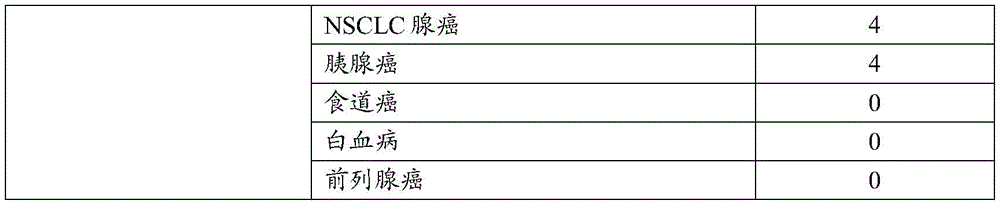
总的来说,三阴性乳腺癌、T细胞淋巴瘤、头颈癌和宫颈癌在基质和肿瘤相关免疫细胞中具有最高的染色。与该IHC数据一致,通过RNA-Seq对癌症基因组图谱(TGCA)中的33种肿瘤类型的分析显示TIGIT和T细胞标志物的表达水平的良好相关性。肿瘤细胞质膜上TIGIT染色的总体发生率很低且强度低。这些结果有力地表明TIGIT主要在肿瘤和肿瘤微环境中的免疫细胞上表达。Overall, triple-negative breast cancer, T-cell lymphoma, head and neck cancer, and cervical cancer had the highest staining in stromal and tumor-associated immune cells. Consistent with this IHC data, analysis of 33 tumor types in The Cancer Genome Atlas (TGCA) by RNA-Seq showed a good correlation of expression levels of TIGIT and T-cell markers. The overall incidence and intensity of TIGIT staining on the plasma membrane of tumor cells was low. These results strongly suggest that TIGIT is predominantly expressed on tumor and immune cells in the tumor microenvironment.
实施例4Example 4
药效学(PD)生物标志物Pharmacodynamic (PD) Biomarkers
采用多平台方法研究肿瘤和来自用替代抗TIGIT抗体313R12处理的荷瘤小鼠的匹配全血样品中的抗TIGIT治疗药效学(PD)生物标志物。通过微阵列、免疫化学(IHC)和流式细胞术分析肿瘤组织和匹配的全血样品的免疫细胞流行和功能。A multi-platform approach was used to investigate anti-TIGIT therapeutic pharmacodynamic (PD) biomarkers in tumors and matched whole blood samples from tumor-bearing mice treated with the surrogate anti-TIGIT antibody 313R12. Tumor tissue and matched whole blood samples were analyzed for immune cell prevalence and function by microarray, immunochemistry (IHC), and flow cytometry.
将抗体313R12施用于携带CT26.WT结肠、4T1乳腺或B16F10黑素瘤肿瘤的免疫活性小鼠。这些肿瘤被认为具有不同程度的免疫原性-CT26.WT肿瘤具有高度免疫原性和富含细胞毒性的T细胞;4T1肿瘤具有高免疫原性和免疫抑制作用;而B16F10肿瘤免疫原性差并且免疫沉默。在每个模型中按每周一次处理小鼠。Antibody 313R12 was administered to immunocompetent mice bearing CT26.WT colon, 4T1 mammary or B16F10 melanoma tumors. These tumors are thought to be immunogenic to varying degrees - CT26.WT tumors are highly immunogenic and rich in cytotoxic T cells; 4T1 tumors are highly immunogenic and immunosuppressive; while B16F10 tumors are poorly immunogenic and immune silence. Mice were treated weekly in each model.
为了鉴定与功效相关的潜在基因表达PD生物标志物,从3个模型中的每一个的研究终止时收集的肿瘤组织和外周血样品中分离RNA。使用来自以下组的3只动物的样品进行微阵列分析:(1)用0.1mg/kg和12.5mg/kg313R12处理的4T1荷瘤小鼠,(2)用0.1mg/kg和12.5mg/kg 313R12处理的B16F10荷瘤小鼠,(3)用0.1、0.5、2.5和12.5mg/kg 313R12处理的CT26.WT荷瘤小鼠,和(4)对照小鼠。通过微阵列对经处理和对照组织分析全局基因表达水平。检查了免疫细胞相关的基因变化,重点是T细胞、NK细胞和B细胞标志物。通过流式细胞术、Luminex和IHC监测免疫细胞群和细胞因子分泌的变化。To identify potential gene expression PD biomarkers associated with efficacy, RNA was isolated from tumor tissue and peripheral blood samples collected at study termination in each of the 3 models. Microarray analysis was performed using samples from 3 animals of (1) 4T1 tumor-bearing mice treated with 0.1 mg/kg and 12.5 mg/kg 313R12, (2) with 0.1 mg/kg and 12.5 mg/kg 313R12 B16F10 tumor-bearing mice treated, (3) CT26.WT tumor-bearing mice treated with 0.1, 0.5, 2.5 and 12.5 mg/kg 313R12, and (4) control mice. Treated and control tissues were analyzed for global gene expression levels by microarray. Immune cell-related genetic changes were examined, with a focus on T-cell, NK-cell, and B-cell markers. Changes in immune cell populations and cytokine secretion were monitored by flow cytometry, Luminex, and IHC.
在肿瘤样品中,抗TIGIT处理促进与T细胞、CD8 T细胞、细胞毒性细胞、Th1细胞、NK细胞、Teff细胞和T细胞活化标志物相关的基因的表达增加。通过定量实时PCR(即CD3e、CD8a、Ncr1、Ifn-γ、Gzma和CD266)验证这些基因表达变化。在血液样品中的基因表达变化中观察到类似的结果。这些结果表明PD生物标志物可用于临床以研究抗TIGIT抗体OMP-313M32的靶向活性。In tumor samples, anti-TIGIT treatment promoted increased expression of genes associated with T cells, CD8 T cells, cytotoxic cells, Th1 cells, NK cells, Teff cells, and markers of T cell activation. These gene expression changes were verified by quantitative real-time PCR (ie CD3e, CD8a, Ncr1, Ifn-γ, Gzma and CD266). Similar results were observed in gene expression changes in blood samples. These results suggest that PD biomarkers can be used clinically to study the targeting activity of the anti-TIGIT antibody OMP-313M32.
应理解本文所述的实施例及实施方案仅以例证为目的,且根据这些进行的各种修改或变化将提示本领域技术人员且包括在本申请的精神及权限内。It should be understood that the examples and embodiments described herein are for illustrative purposes only and that various modifications or changes in light of these will suggest those skilled in the art and are included within the spirit and purview of this application.
本文所引用的所有公开数据、专利、专利申请、网站及编号/数据库序列(包括多核苷酸和多肽序列)全部都以相同程度的目的以其完整内容通过引用并入本文以供参考,如同每一单个的公开数据、专利、专利申请、网站及编号/数据库序列是经具体且单独地指示而因此通过引用并入。All publications, patents, patent applications, websites, and numbered/database sequences (including polynucleotide and polypeptide sequences) cited herein are all incorporated by reference in their entirety to the same extent as if each A single publication, patent, patent application, website and number/database sequence is specifically and individually indicated and is hereby incorporated by reference.
下面为本申请所公开的序列:The sequences disclosed in this application are as follows:
人类TIGIT氨基酸序列(SEQ ID NO:1)Human TIGIT amino acid sequence (SEQ ID NO: 1)
MRWCLLLIWAQGLRQAPLASGMMTGTIETTGNISAEKGGSIILQCHLSSTTAQVTQVNWEQQDQLLAICNADLGWHISPSFKDRVAPGPGLGLTLQSLTVNDTGEYFCIYHTYPDGTYTGRIFLEVLESSVAEHGARFQIPLLGAMAATLVVICTAVIVVVALTRKKKALRIHSVEGDLRRKSAGQEEWSPSAPSPPGSCVQAEAAPAGLCGEQRGEDCAELHDYFNVLSYRSLGNCSFFTETGMRWCLLLIWAQGLRQAPLASGMMTGTIETTGNISAEKGGSIILQCHLSSTTAQVTQVNWEQQDQLLAICNADLGWHISPSFKDRVAPGPGLGLTLQSLTVNDTGEYFCIYHTYPDGTYTGRIFLEVLESSVAEHGARFQIPLLGAMAATLVVICTAVIVVVALTRKKKALRIHSVEGDLRRKSAGQEEWSNCPSAPSPPGSCVQAEAAPLGLCGEQRGEDCAELHDYFNVLSY
不具有预测信号序列的人类TIGIT氨基酸序列(SEQ ID NO:2)Human TIGIT amino acid sequence without predicted signal sequence (SEQ ID NO: 2)
MMTGTIETTGNISAEKGGSIILQCHLSSTTAQVTQVNWEQQDQLLAICNADLGWHISPSFKDRVAPGPGLGLTLQSLTVNDTGEYFCIYHTYPDGTYTGRIFLEVLESSVAEHGARFQIPLLGAMAATLVVICTAVIVVVALTRKKKALRIHSVEGDLRRKSAGQEEWSPSAPSPPGSCVQAEAAPAGLCGEQRGEDCAELHDYFNVLSYRSLGNCSFFTETGMMTGTIETTGNISAEKGGSIILQCHLSSTTAQVTQVNWEQQDQLLAICNADLGWHISPSFKDRVAPGPGLGLTLQSLTVNDTGEYFCIYHTYPDGTYTGRIFLEVLESSVAEHGARFQIPLLGAMAATLVVICTAVIVVVALTRKKKALRIHSVEGDLRRKSAGQEEWSPSAPSPPGSCVQAEAAPAGLCGEQRGEDCAELHDYFNVLSYRSLGNCSFFTETG
人类TIGIT的细胞外结构域氨基酸序列(SEQ ID NO:3)Extracellular Domain Amino Acid Sequence of Human TIGIT (SEQ ID NO:3)
MMTGTIETTGNISAEKGGSIILQCHLSSTTAQVTQVNWEQQDQLLAICNADLGWHISPSFKDRVAPGPGLGLTLQSLTVNDTGEYFCIYHTYPDGTYTGRIFLEVLESSVAEHGARFQIPMMTGTIETTGNISAEKGGSIILQCHLSSTTAQVTQVNWEQQDQLLAICNADLGWHISPSFKDRVAPGPGLGLTLQSLTVNDTGEYFCIYHTYPDGTYTGRIFLEVLESSVAEHGARFQIP
OMP-313M32/313M33重链CDR1(SEQ ID NO:4)OMP-313M32/313M33 heavy chain CDR1 (SEQ ID NO:4)
TSDYAWNTSDYAWN
OMP-313M32/313M33重链CDR2(SEQ ID NO:5)OMP-313M32/313M33 heavy chain CDR2 (SEQ ID NO:5)
YISYSGSTSYNPSLRSYISYSGSTSYNPSLRS
OMP-313M32/313M33重链CDR3(SEQ ID NO:6)OMP-313M32/313M33 heavy chain CDR3 (SEQ ID NO:6)
ARRQVGLGFAYARRQVGLGFAY
OMP-313M32/313M33轻链CDR1(SEQ ID NO:7)OMP-313M32/313M33 light chain CDR1 (SEQ ID NO:7)
KASQDVSTAVAKASQDVSTAVA
OMP-313M32/313M33轻链CDR2(SEQ ID NO:8)OMP-313M32/313M33 light chain CDR2 (SEQ ID NO:8)
SASYRYTSASYRYT
OMP-313M32/313M33轻链CDR3(SEQ ID NO:9)OMP-313M32/313M33 light chain CDR3 (SEQ ID NO:9)
QQHYSTPQQHYSTP
OMP-313M32/313M33重链可变区氨基酸序列(SEQ ID NO:10)OMP-313M32/313M33 heavy chain variable region amino acid sequence (SEQ ID NO: 10)
QVQLQESGPGLVKPSETLSLTCAVSGYSITSDYAWNWIRQPPGKGLEWIGYISYSGSTSYNPSLRSRVTISRDTSKNQFFLKLSSVTAADTAVYYCARRQVGLGFAYWGQGTLVTVSSQVQLQESGPGLVKPSETLSLTCAVSGYSITSDYAWNWIRQPPGKGLEWIGYISYSGSTSYNPSLRSRVTISRDTSKNQFFLKLSSVTAADTAVYYCARRQVGLGFAYWGQGTLVTVSS
OMP-313M32/313M33轻链可变区氨基酸序列(SEQ ID NO:11)OMP-313M32/313M33 light chain variable region amino acid sequence (SEQ ID NO: 11)
DIQMTQSPSSLSASVGDRVTITCKASQDVSTAVAWYQQKPGKAPKLLIYSASYRYTGVPSRFSGSGSGTDFTFTISSLQPEDIATYYCQQHYSTPWTFGDIQMTQSPSSLSASVGDRVTITCKASQDVSTAVAWYQQKPGKAPKLLIYSASYRYTGVPSRFSGSGSGTDFTFTISSLQPEDIATYYCQQHYSTPWTFG
具有下划线的预测信号序列的OMP-313M32重链(IgG1)氨基酸序列(SEQ ID NO:12)OMP-313M32 heavy chain (IgGl) amino acid sequence with predicted signal sequence underlined (SEQ ID NO: 12)
MDWTWRILFLVAAATGAHSQVQLQESGPGLVKPSETLSLTCAVSGYSITSDYAWNWIRQPPGKGLEWIGYISYSGSTSYNPSLRSRVTISRDTSKNQFFLKLSSVTAADTAVYYCARRQVGLGFAYWGQGTLVTVSSASTKGPSVFPLAPSSKSTSGGTAALGCLVKDYFPEPVTVSWNSGALTSGVHTFPAVLQSSGLYSLSSVVTVPSSSLGTQTYICNVNHKPSNTKVDKRVEPKSCDKTHTCPPCPAPELLGGPSVFLFPPKPKDTLMISRTPEVTCVVVDVSHEDPEVKFNWYVDGVEVHNAKTKPREEQYNSTYRVVSVLTVLHQDWLNGKEYKCKVSNKALPAPIEKTISKAKGQPREPQVYTLPPSREEMTKNQVSLTCLVKGFYPSDIAVEWESNGQPENNYKTTPPVLDSDGSFFLYSKLTVDKSRWQQGNVFSCSVMHEALHNHYTQKSLSLSPGK MDWTWRILFLVAAATGAHS QVQLQESGPGLVKPSETLSLTCAVSGYSITSDYAWNWIRQPPGKGLEWIGYISYSGSTSYNPSLRSRVTISRDTSKNQFFLKLSSVTAADTAVYYCARRQVGLGFAYWGQGTLVTVSSASTKGPSVFPLAPSSKSTSGGTAALGCLVKDYFPEPVTVSWNSGALTSGVHTFPAVLQSSGLYSLSSVVTVPSSSLGTQTYICNVNHKPSNTKVDKRVEPKSCDKTHTCPPCPAPELLGGPSVFLFPPKPKDTLMISRTPEVTCVVVDVSHEDPEVKFNWYVDGVEVHNAKTKPREEQYNSTYRVVSVLTVLHQDWLNGKEYKCKVSNKALPAPIEKTISKAKGQPREPQVYTLPPSREEMTKNQVSLTCLVKGFYPSDIAVEWESNGQPENNYKTTPPVLDSDGSFFLYSKLTVDKSRWQQGNVFSCSVMHEALHNHYTQKSLSLSPGK
无信号序列的OMP-313M32重链(IgG1)氨基酸序列(SEQ ID NO:13)OMP-313M32 heavy chain (IgGl) amino acid sequence without signal sequence (SEQ ID NO: 13)
QVQLQESGPGLVKPSETLSLTCAVSGYSITSDYAWNWIRQPPGKGLEWIGYISYSGSTSYNPSLRSRVTISRDTSKNQFFLKLSSVTAADTAVYYCARRQVGLGFAYWGQGTLVTVSSASTKGPSVFPLAPSSKSTSGGTAALGCLVKDYFPEPVTVSWNSGALTSGVHTFPAVLQSSGLYSLSSVVTVPSSSLGTQTYICNVNHKPSNTKVDKRVEPKSCDKTHTCPPCPAPELLGGPSVFLFPPKPKDTLMISRTPEVTCVVVDVSHEDPEVKFNWYVDGVEVHNAKTKPREEQYNSTYRVVSVLTVLHQDWLNGKEYKCKVSNKALPAPIEKTISKAKGQPREPQVYTLPPSREEMTKNQVSLTCLVKGFYPSDIAVEWESNGQPENNYKTTPPVLDSDGSFFLYSKLTVDKSRWQQGNVFSCSVMHEALHNHYTQKSLSLSPGKQVQLQESGPGLVKPSETLSLTCAVSGYSITSDYAWNWIRQPPGKGLEWIGYISYSGSTSYNPSLRSRVTISRDTSKNQFFLKLSSVTAADTAVYYCARRQVGLGFAYWGQGTLVTVSSASTKGPSVFPLAPSSKSTSGGTAALGCLVKDYFPEPVTVSWNSGALTSGVHTFPAVLQSSGLYSLSSVVTVPSSSLGTQTYICNVNHKPSNTKVDKRVEPKSCDKTHTCPPCPAPELLGGPSVFLFPPKPKDTLMISRTPEVTCVVVDVSHEDPEVKFNWYVDGVEVHNAKTKPREEQYNSTYRVVSVLTVLHQDWLNGKEYKCKVSNKALPAPIEKTISKAKGQPREPQVYTLPPSREEMTKNQVSLTCLVKGFYPSDIAVEWESNGQPENNYKTTPPVLDSDGSFFLYSKLTVDKSRWQQGNVFSCSVMHEALHNHYTQKSLSLSPGK
具有带下划线的预测信号序列的OMP-313M32/313M33轻链氨基酸序列(SEQ ID NO:14)OMP-313M32/313M33 light chain amino acid sequence with underlined predicted signal sequence (SEQ ID NO: 14)
MVLQTQVFISLLLWISGAYGDIQMTQSPSSLSASVGDRVTITCKASQDVSTAVAWYQQKPGKAPKLLIYSASYRYTGVPSRFSGSGSGTDFTFTISSLQPEDIATYYCQQHYSTPWTFGQGTKVEIKRTVAAPSVFIFPPSDEQLKSGTASVVCLLNNFYPREAKVQWKVDNALQSGNSQESVTEQDSKDSTYSLSNTLTLSKADYEKHKVYACEVTHQGLSSPVTKSFNRGEC MVLQTQVFISLLLWISGAYG DIQMTQSPSSLSASVGDRVTITCKASQDVSTAVAWYQQKPGKAPKLLIYSASYRYTGVPSRFSGSGSGTDFTFTISSLQPEDIATYYCQQHYSTPWTFGQGTKVEIKRTVAAPSVFIFPPSDEQLKSGTASVVCLLNNFYPREAKVQWKVDNALQSGNSQESVTEQDSKDSTYSLSNTLTLSKADYEKHKVYSSVVTHQGLASS
无信号序列的OMP-313M32/313M33轻链氨基酸序列(SEQ ID NO:15)OMP-313M32/313M33 light chain amino acid sequence without signal sequence (SEQ ID NO: 15)
DIQMTQSPSSLSASVGDRVTITCKASQDVSTAVAWYQQKPGKAPKLLIYSASYRYTGVPSRFSGSGSGTDFTFTISSLQPEDIATYYCQQHYSTPWTFGQGTKVEIKRTVAAPSVFIFPPSDEQLKSGTASVVCLLNNFYPREAKVQWKVDNALQSGNSQESVTEQDSKDSTYSLSNTLTLSKADYEKHKVYACEVTHQGLSSPVTKSFNRGECDIQMTQSPSSLSASVGDRVTITCKASQDVSTAVAWYQQKPGKAPKLLIYSASYRYTGVPSRFSGSGSGTDFTFTISSLQPEDIATYYCQQHYSTPWTFGQGTKVEIKRTVAAPSVFIFPPSDEQLKSGTASVVCLLNNFYPREAKVQWKVDNALQSGNSQESVTEQDSKDSTYSLSNTLTLSKADYEKHKVYACEVTHQGLSSPVTKSFNRGEC
具有带下划线的预测信号序列的313M33重链(IgG4)氨基酸序列(SEQ ID NO:16)313M33 heavy chain (IgG4) amino acid sequence with predicted signal sequence underlined (SEQ ID NO: 16)
MDWTWRILFLVAAATGAHSQVQLQESGPGLVKPSETLSLTCAVSGYSITSDYAWNWIRQPPGKGLEWIGYISYSGSTSYNPSLRSRVTISRDTSKNQFFLKLSSVTAADTAVYYCARRQVGLGFAYWGQGTLVTVSSASTKGPSVFPLAPCSRSTSESTAALGCLVKDYFPEPVTVSWNSGALTSGVHTFPAVLQSSGLYSLSSVVTVPSSSLGTKTYTCNVDHKPSNTKVDKRVESKYGPPCPPCPAPEFLGGPSVFLFPPKPKDTLMISRTPEVTCVVVDVSQEDPEVQFNWYVDGVEVHNAKTKPREEQFNSTYRVVSVLTVLHQDWLNGKEYKCKVSNKGLPSSIEKTISKAKGQPREPQVYTLPPSQEEMTKNQVSLTCLVKGFYPSDIAVEWESNGQPENNYKTTPPVLDSDGSFFLYSRLTVDKSRWQEGNVFSCSVMHEALHNHYTQKSLSLSLGK MDWTWRILFLVAAATGAHS QVQLQESGPGLVKPSETLSLTCAVSGYSITSDYAWNWIRQPPGKGLEWIGYISYSGSTSYNPSLRSRVTISRDTSKNQFFLKLSSVTAADTAVYYCARRQVGLGFAYWGQGTLVTVSSASTKGPSVFPLAPCSRSTSESTAALGCLVKDYFPEPVTVSWNSGALTSGVHTFPAVLQSSGLYSLSSVVTVPSSSLGTKTYTCNVDHKPSNTKVDKRVESKYGPPCPPCPAPEFLGGPSVFLFPPKPKDTLMISRTPEVTCVVVDVSQEDPEVQFNWYVDGVEVHNAKTKPREEQFNSTYRVVSVLTVLHQDWLNGKEYKCKVSNKGLPSSIEKTISKAKGQPREPQVYTLPPSQEEMTKNQVSLTCLVKGFYPSDIAVEWESNGQPENNYKTTPPVLDSDGSFFLYSRLTVDKSRWQEGNVFSCSVMHEALHNHYTQKSLSLSLGK
无信号序列的313M33重链(IgG4)氨基酸序列(SEQ ID NO:17)313M33 heavy chain (IgG4) amino acid sequence without signal sequence (SEQ ID NO: 17)
QVQLQESGPGLVKPSETLSLTCAVSGYSITSDYAWNWIRQPPGKGLEWIGYISYSGSTSYNPSLRSRVTISRDTSKNQFFLKLSSVTAADTAVYYCARRQVGLGFAYWGQGTLVTVSSASTKGPSVFPLAPCSRSTSESTAALGCLVKDYFPEPVTVSWNSGALTSGVHTFPAVLQSSGLYSLSSVVTVPSSSLGTKTYTCNVDHKPSNTKVDKRVESKYGPPCPSCPAPEFLGGPSVFLFPPKPKDTLMISRTPEVTCVVVDVSQEDPEVQFNWYVDGVEVHNAKTKPREEQFNSTYRVVSVLTVLHQDWLNGKEYKCKVSNKGLPSSIEKTISKAKGQPREPQVYTLPPSQEEMTKNQVSLTCLVKGFYPSDIAVEWESNGQPENNYKTTPPVLDSDGSFFLYSRLTVDKSRWQEGNVFSCSVMHEALHNHYTQKSLSLSLGKQVQLQESGPGLVKPSETLSLTCAVSGYSITSDYAWNWIRQPPGKGLEWIGYISYSGSTSYNPSLRSRVTISRDTSKNQFFLKLSSVTAADTAVYYCARRQVGLGFAYWGQGTLVTVSSASTKGPSVFPLAPCSRSTSESTAALGCLVKDYFPEPVTVSWNSGALTSGVHTFPAVLQSSGLYSLSSVVTVPSSSLGTKTYTCNVDHKPSNTKVDKRVESKYGPPCPSCPAPEFLGGPSVFLFPPKPKDTLMISRTPEVTCVVVDVSQEDPEVQFNWYVDGVEVHNAKTKPREEQFNSTYRVVSVLTVLHQDWLNGKEYKCKVSNKGLPSSIEKTISKAKGQPREPQVYTLPPSQEEMTKNQVSLTCLVKGFYPSDIAVEWESNGQPENNYKTTPPVLDSDGSFFLYSRLTVDKSRWQEGNVFSCSVMHEALHNHYTQKSLSLSLGK
OMP-313M32/313M33重链可变区核苷酸序列(SEQ ID NO:18)OMP-313M32/313M33 heavy chain variable region nucleotide sequence (SEQ ID NO: 18)
CAGGTCCAGCTGCAGGAGTCTGGCCCAGGACTGGTGAAGCCTTCTGAGACCCTGTCCCTCACCTGCGCTGTCTCTGGTTACTCCATCACCTCCGATTATGCCTGGAACTGGATTCGGCAGCCCCCAGGGAAGGGGCTGGAGTGGATTGGGTACATAAGCTACTCTGGTAGCACTAGCTACAACCCATCTCTCCGGTCACGGGTCACAATATCACGGGACACATCCAAGAACCAGTTCTTCCTGAAGCTGTCCTCTGTGACCGCCGCTGACACCGCCGTGTATTACTGTGCAAGGAGACAGGTCGGGCTGGGGTTTGCTTACTGGGGCCAAGGAACCCTGGTCACCGTCAGCTCACAGGTCCAGCTGCAGGAGTCTGGCCCAGGACTGGTGAAGCCTTCTGAGACCCTGTCCCTCACCTGCGCTGTCTCTGGTTACTCCATCACCTCCGATTATGCCTGGAACTGGATTCGGCAGCCCCCAGGGAAGGGGCTGGAGTGGATTGGGTACATAAGCTACTCTGGTAGCACTAGCTACAACCCATCTCTCCGGTCACGGGTCACAATATCACGGGACACATCCAAGAACCAGTTCTTCCTGAAGCTGTCCTCTGTGACCGCCGCTGACACCGCCGTGTATTACTGTGCAAGGAGACAGGTCGGGCTGGGGTTTGCTTACTGGGGCCAAGGAACCCTGGTCACCGTCAGCTCA
OMP-313M32/313M33轻链可变区核苷酸序列(SEQ ID NO:19)OMP-313M32/313M33 light chain variable region nucleotide sequence (SEQ ID NO: 19)
GACATCCAGATGACCCAGTCTCCATCCTCCCTGTCTGCATCTGTTGGAGACAGAGTCACCATCACTTGCAAGGCTTCTCAGGATGTGTCTACTGCTGTTGCCTGGTATCAGCAGAAACCAGGGAAAGCCCCTAAGCTCCTGATCTACTCTGCATCCTATCGGTACACTGGGGTCCCATCAAGGTTCTCCGGATCTGGATCTGGGACAGATTTTACTTTCACCATCAGCAGCCTGCAGCCTGAAGATATTGCAACATATTACTGTCAGCAACATTATTCTACTCCTTGGACATTCGGCGACATCCAGATGACCCAGTCTCCATCCTCCCTGTCTGCATCTGTTGGAGACAGAGTCACCATCACTTGCAAGGCTTCTCAGGATGTGTCTACTGCTGTTGCCTGGTATCAGCAGAAACCAGGGAAAGCCCCTAAGCTCCTGATCTACTCTGCATCCTATCGGTACACTGGGGTCCCATACTCAAGGTTCTCCGGATCTGGATCTGGGACAGATTTTACTTTCACCATCAGCAGCCTGCAGCCTGAAGATATTGCAGACCATTATT
OMP-313M32重链(IgG1)核苷酸序列(SEQ ID NO:20)OMP-313M32 heavy chain (IgG1) nucleotide sequence (SEQ ID NO:20)
ATGGACTGGACCTGGAGGATACTCTTTCTCGTGGCTGCAGCCACAGGAGCCCACTCCCAGGTCCAGCTGCAGGAGTCTGGCCCAGGACTGGTGAAGCCTTCTGAGACCCTGTCCCTCACCTGCGCTGTCTCTGGTTACTCCATCACCTCCGATTATGCCTGGAACTGGATTCGGCAGCCCCCAGGGAAGGGGCTGGAGTGGATTGGGTACATAAGCTACTCTGGTAGCACTAGCTACAACCCATCTCTCCGGTCACGGGTCACAATATCACGGGACACATCCAAGAACCAGTTCTTCCTGAAGCTGTCCTCTGTGACCGCCGCTGACACCGCCGTGTATTACTGTGCAAGGAGACAGGTCGGGCTGGGGTTTGCTTACTGGGGCCAAGGAACCCTGGTCACCGTCAGCTCAGCCAGCACAAAGGGCCCCTCCGTGTTCCCTCTGGCCCCTTCCTCCAAGTCCACCTCCGGCGGCACCGCCGCTCTGGGCTGCCTGGTGAAGGACTACTTCCCTGAGCCTGTGACCGTGTCCTGGAACTCTGGCGCCCTGACCTCTGGCGTGCACACCTTCCCAGCCGTGCTGCAGTCCTCCGGCCTGTACTCCCTGTCCTCCGTGGTGACCGTGCCTTCCTCCTCCCTGGGCACCCAGACCTACATCTGCAACGTGAACCACAAGCCTTCCAACACCAAGGTGGACAAGCGGGTGGAGCCTAAGTCCTGCGACAAGACCCACACCTGCCCTCCCTGCCCTGCCCCTGAGCTGCTGGGCGGACCTTCCGTGTTCCTGTTCCCTCCTAAGCCTAAGGACACCCTGATGATCTCCCGGACCCCTGAGGTGACCTGCGTGGTGGTGGACGTGTCCCACGAGGATCCTGAGGTGAAGTTCAATTGGTACGTGGACGGCGTGGAGGTGCACAACGCTAAGACCAAGCCAAGGGAGGAGCAGTACAACTCCACCTACCGGGTGGTGTCTGTGCTGACCGTGCTGCACCAGGACTGGCTGAACGGCAAAGAATACAAGTGCAAGGTCTCCAACAAGGCCCTGCCCGCTCCCATCGAGAAAACCATCTCCAAGGCCAAGGGCCAGCCTCGCGAGCCTCAGGTGTACACCCTGCCACCCAGCCGGGAGGAGATGACCAAGAACCAGGTGTCCCTGACCTGTCTGGTGAAGGGCTTCTACCCTTCCGATATCGCCGTGGAGTGGGAGTCTAACGGCCAGCCCGAGAACAACTACAAGACCACCCCTCCTGTGCTGGACTCCGACGGCTCCTTCTTCCTGTACTCCAAGCTGACCGTGGACAAGTCCCGGTGGCAGCAGGGCAACGTGTTCTCCTGCTCCGTGATGCACGAGGCCCTGCACAACCACTACACCCAGAAGAGCCTGTCTCTGTCTCCTGGCAAGTGAATGGACTGGACCTGGAGGATACTCTTTCTCGTGGCTGCAGCCACAGGAGCCCACTCCCAGGTCCAGCTGCAGGAGTCTGGCCCAGGACTGGTGAAGCCTTCTGAGACCCTGTCCCTCACCTGCGCTGTCTCTGGTTACTCCATCACCTCCGATTATGCCTGGAACTGGATTCGGCAGCCCCCAGGGAAGGGGCTGGAGTGGATTGGGTACATAAGCTACTCTGGTAGCACTAGCTACAACCCATCTCTCCGGTCACGGGTCACAATATCACGGGACACATCCAAGAACCAGTTCTTCCTGAAGCTGTCCTCTGTGACCGCCGCTGACACCGCCGTGTATTACTGTGCAAGGAGACAGGTCGGGCTGGGGTTTGCTTACTGGGGCCAAGGAACCCTGGTCACCGTCAGCTCAGCCAGCACAAAGGGCCCCTCCGTGTTCCCTCTGGCCCCTTCCTCCAAGTCCACCTCCGGCGGCACCGCCGCTCTGGGCTGCCTGGTGAAGGACTACTTCCCTGAGCCTGTGACCGTGTCCTGGAACTCTGGCGCCCTGACCTCTGGCGTGCACACCTTCCCAGCCGTGCTGCAGTCCTCCGGCCTGTACTCCCTGTCCTCCGTGGTGACCGTGCCTTCCTCCTCCCTGGGCACCCAGACCTACATCTGCAACGTGAACCACAAGCCTTCCAACACCAAGGTGGACAAGCGGGTGGAGCCTAAGTCCTGCGACAAGACCCACACCTGCCCTCCCTGCCCTGCCCCTGAGCTGCTGGGCGGACCTTCCGTGTTCCTGTTCCCTCCTAAGCCTAAGGACACCCTGATGATCTCCCGGACCCCTGAGGTGACCTGCGTGGTGGTGGACGTGTCCCACGAGGATCCTGAGGTGAAGTTCAATTGGTACGTGGACGGCGTGGAGGTGCACAACGCTAAGACCAAGCCAAGGGAGGAGCAGTACAACTCCACCTACCGGGTGGTGTCTGTGCTGACCGTGCTGCACCAGGACTGGC TGAACGGCAAAGAATACAAGTGCAAGGTCTCCAACAAGGCCCTGCCCGCTCCCATCGAGAAAACCATCTCCAAGGCCAAGGGCCAGCCTCGCGAGCCTCAGGTGTACACCCTGCCACCCAGCCGGGAGGAGATGACCAAGAACCAGGTGTCCCTGACCTGTCTGGTGAAGGGCTTCTACCCTTCCGATATCGCCGTGGAGTGGGAGTCTAACGGCCAGCCCGAGAACAACTACAAGACCACCCCTCCTGTGCTGGACTCCGACGGCTCCTTCTTCCTGTACTCCAAGCTGACCGTGGACAAGTCCCGGTGGCAGCAGGGCAACGTGTTCTCCTGCTCCGTGATGCACGAGGCCCTGCACAACCACTACACCCAGAAGAGCCTGTCTCTGTCTCCTGGCAAGTGA
OMP-313M32/313M33轻链核苷酸序列(SEQ ID NO:21)OMP-313M32/313M33 light chain nucleotide sequence (SEQ ID NO:21)
ATGGTGCTCCAGACCCAGGTCTTCATTTCCCTGCTGCTCTGGATCAGCGGAGCCTACGGGGACATCCAGATGACCCAGTCTCCATCCTCCCTGTCTGCATCTGTTGGAGACAGAGTCACCATCACTTGCAAGGCTTCTCAGGATGTGTCTACTGCTGTTGCCTGGTATCAGCAGAAACCAGGGAAAGCCCCTAAGCTCCTGATCTACTCTGCATCCTATCGGTACACTGGGGTCCCATCAAGGTTCTCCGGATCTGGATCTGGGACAGATTTTACTTTCACCATCAGCAGCCTGCAGCCTGAAGATATTGCAACATATTACTGTCAGCAACATTATTCTACTCCTTGGACATTCGGCCAAGGGACCAAGGTGGAAATCAAACGTACGGTGGCTGCACCATCTGTCTTCATCTTCCCTCCATCTGATGAGCAGCTCAAATCTGGAACTGCCTCTGTTGTGTGCCTGCTGAATAACTTCTATCCCAGAGAGGCCAAAGTCCAGTGGAAGGTGGATAACGCCCTCCAATCCGGCAACTCCCAGGAGAGTGTCACAGAGCAGGACAGCAAGGACAGCACCTACAGCCTCAGCAACACCCTGACACTGAGCAAAGCAGACTACGAGAAACACAAAGTCTATGCCTGCGAAGTCACCCATCAGGGCCTGTCTTCCCCCGTCACAAAGAGCTTCAACAGGGGAGAGTGCTAAATGGTGCTCCAGACCCAGGTCTTCATTTCCCTGCTGCTCTGGATCAGCGGAGCCTACGGGGACATCCAGATGACCCAGTCTCCATCCTCCCTGTCTGCATCTGTTGGAGACAGAGTCACCATCACTTGCAAGGCTTCTCAGGATGTGTCTACTGCTGTTGCCTGGTATCAGCAGAAACCAGGGAAAGCCCCTAAGCTCCTGATCTACTCTGCATCCTATCGGTACACTGGGGTCCCATCAAGGTTCTCCGGATCTGGATCTGGGACAGATTTTACTTTCACCATCAGCAGCCTGCAGCCTGAAGATATTGCAACATATTACTGTCAGCAACATTATTCTACTCCTTGGACATTCGGCCAAGGGACCAAGGTGGAAATCAAACGTACGGTGGCTGCACCATCTGTCTTCATCTTCCCTCCATCTGATGAGCAGCTCAAATCTGGAACTGCCTCTGTTGTGTGCCTGCTGAATAACTTCTATCCCAGAGAGGCCAAAGTCCAGTGGAAGGTGGATAACGCCCTCCAATCCGGCAACTCCCAGGAGAGTGTCACAGAGCAGGACAGCAAGGACAGCACCTACAGCCTCAGCAACACCCTGACACTGAGCAAAGCAGACTACGAGAAACACAAAGTCTATGCCTGCGAAGTCACCCATCAGGGCCTGTCTTCCCCCGTCACAAAGAGCTTCAACAGGGGAGAGTGCTAA
313M33重链(IgG4)核苷酸序列(SEQ ID NO:22)313M33 heavy chain (IgG4) nucleotide sequence (SEQ ID NO: 22)
ATGGACTGGACCTGGAGGATACTCTTTCTCGTGGCTGCAGCCACAGGAGCCCACTCCCAGGTCCAGCTGCAGGAGTCTGGCCCAGGACTGGTGAAGCCTTCTGAGACCCTGTCCCTCACCTGCGCTGTCTCTGGTTACTCCATCACCTCCGATTATGCCTGGAACTGGATTCGGCAGCCCCCAGGGAAGGGGCTGGAGTGGATTGGGTACATAAGCTACTCTGGTAGCACTAGCTACAACCCATCTCTCCGGTCACGGGTCACAATATCACGGGACACATCCAAGAACCAGTTCTTCCTGAAGCTGTCCTCTGTGACCGCCGCTGACACCGCCGTGTATTACTGTGCAAGGAGACAGGTCGGGCTGGGGTTTGCTTACTGGGGCCAAGGAACCCTGGTCACCGTCAGCTCAGCCAGCACAAAGGGCCCATCCGTCTTCCCCCTGGCACCCTGCTCCCGGAGCACCTCCGAGAGCACAGCCGCCCTGGGCTGCCTGGTCAAGGACTACTTCCCCGAACCCGTTACCGTGTCTTGGAACTCCGGCGCACTGACCAGCGGCGTGCACACCTTCCCTGCTGTCCTCCAATCCTCTGGACTCTACTCCCTCTCCTCCGTGGTGACAGTGCCCTCCAGCAGCCTGGGCACTAAGACCTACACCTGCAACGTCGATCACAAGCCCAGCAACACCAAGGTGGACAAGAGAGTTGAGTCCAAATATGGACCCCCATGCCCACCTTGCCCAGCACCTGAGTTCCTGGGGGGACCATCAGTCTTCCTGTTCCCCCCAAAACCCAAGGACACTCTCATGATCTCCCGGACCCCTGAGGTCACTTGCGTGGTGGTGGACGTGAGCCAGGAAGACCCCGAGGTCCAGTTCAACTGGTATGTGGATGGCGTGGAGGTTCATAATGCCAAGACAAAGCCTCGGGAGGAGCAGTTCAACAGCACCTACCGGGTGGTCAGCGTCCTCACCGTCCTGCACCAAGACTGGCTGAACGGCAAGGAGTACAAGTGCAAGGTCTCCAACAAAGGGCTCCCATCCTCCATCGAGAAAACCATCTCCAAAGCCAAAGGGCAGCCCCGGGAGCCACAGGTGTACACCCTGCCCCCATCCCAAGAGGAGATGACCAAGAACCAAGTGTCCCTGACCTGCCTGGTCAAAGGCTTCTACCCCAGCGACATCGCCGTGGAGTGGGAGAGCAATGGGCAGCCTGAGAACAACTACAAGACCACTCCTCCCGTGCTGGACTCCGACGGCTCCTTCTTCCTCTACTCCCGGCTCACCGTGGACAAGAGCAGGTGGCAGGAGGGCAATGTCTTCTCCTGCTCCGTGATGCATGAGGCTCTGCACAACCACTACACACAGAAGAGCCTCTCCCTGTCTCTGGGCAAATGAATGGACTGGACCTGGAGGATACTCTTTCTCGTGGCTGCAGCCACAGGAGCCCACTCCCAGGTCCAGCTGCAGGAGTCTGGCCCAGGACTGGTGAAGCCTTCTGAGACCCTGTCCCTCACCTGCGCTGTCTCTGGTTACTCCATCACCTCCGATTATGCCTGGAACTGGATTCGGCAGCCCCCAGGGAAGGGGCTGGAGTGGATTGGGTACATAAGCTACTCTGGTAGCACTAGCTACAACCCATCTCTCCGGTCACGGGTCACAATATCACGGGACACATCCAAGAACCAGTTCTTCCTGAAGCTGTCCTCTGTGACCGCCGCTGACACCGCCGTGTATTACTGTGCAAGGAGACAGGTCGGGCTGGGGTTTGCTTACTGGGGCCAAGGAACCCTGGTCACCGTCAGCTCAGCCAGCACAAAGGGCCCATCCGTCTTCCCCCTGGCACCCTGCTCCCGGAGCACCTCCGAGAGCACAGCCGCCCTGGGCTGCCTGGTCAAGGACTACTTCCCCGAACCCGTTACCGTGTCTTGGAACTCCGGCGCACTGACCAGCGGCGTGCACACCTTCCCTGCTGTCCTCCAATCCTCTGGACTCTACTCCCTCTCCTCCGTGGTGACAGTGCCCTCCAGCAGCCTGGGCACTAAGACCTACACCTGCAACGTCGATCACAAGCCCAGCAACACCAAGGTGGACAAGAGAGTTGAGTCCAAATATGGACCCCCATGCCCACCTTGCCCAGCACCTGAGTTCCTGGGGGGACCATCAGTCTTCCTGTTCCCCCCAAAACCCAAGGACACTCTCATGATCTCCCGGACCCCTGAGGTCACTTGCGTGGTGGTGGACGTGAGCCAGGAAGACCCCGAGGTCCAGTTCAACTGGTATGTGGATGGCGTGGAGGTTCATAATGCCAAGACAAAGCCTCGGGAGGAGCAGTTCAACAGCACCTACCGGGTGGTCAGCGTCCTCACCGTCCTGCACCAAGACTGGCTGAACGGCA AGGAGTACAAGTGCAAGGTCTCCAACAAAGGGCTCCCATCCTCCATCGAGAAAACCATCTCCAAAGCCAAAGGGCAGCCCCGGGAGCCACAGGTGTACACCCTGCCCCCATCCCAAGAGGAGATGACCAAGAACCAAGTGTCCCTGACCTGCCTGGTCAAAGGCTTCTACCCCAGCGACATCGCCGTGGAGTGGGAGAGCAATGGGCAGCCTGAGAACAACTACAAGACCACTCCTCCCGTGCTGGACTCCGACGGCTCCTTCTTCCTCTACTCCCGGCTCACCGTGGACAAGAGCAGGTGGCAGGAGGGCAATGTCTTCTCCTGCTCCGTGATGCATGAGGCTCTGCACAACCACTACACACAGAAGAGCCTCTCCCTGTCTCTGGGCAAATGA
人类IgG1重链恒定区(SEQ ID NO:23)Human IgG1 heavy chain constant region (SEQ ID NO:23)
ASTKGPSVFPLAPSSKSTSGGTAALGCLVKDYFPEPVTVSWNSGALTSGVHTFPAVLQSSGLYSLSSVVTVPSSSLGTQTYICNVNHKPSNTKVDKKVEPKSCDKTHTCPPCPAPELLGGPSVFLFPPKPKDTLMISRTPEVTCVVVDVSHEDPEVKFNWYVDGVEVHNAKTKPREEQYNSTYRVVSVLTVLHQDWLNGKEYKCKVSNKALPAPIEKTISKAKGQPREPQVYTLPPSRDELTKNQVSLTCLVKGFYPSDIAVEWESNGQPENNYKTTPPVLDSDGSFFLYSKLTVDKSRWQQGNVFSCSVMHEALHNHYTQKSLSLSPGKASTKGPSVFPLAPSSKSTSGGTAALGCLVKDYFPEPVTVSWNSGALTSGVHTFPAVLQSSGLYSLSSVVTVPSSSLGTQTYICNVNHKPSNTKVDKKVEPKSCDKTHTCPPCPAPELLGGPSVFLFPPKPKDTLMISRTPEVTCVVVDVSHEDPEVKFNWYVDGVEVHNAKTKPREEQYNSTYRVVSVLTVLHQDWLNGKEYKCKVSNKALPAPIEKTISKAKGQPREPQVYTLPPSRDELTKNQVSLTCLVKGFYPSDIAVEWESNGQPENNYKTTPPVLDSDGSFFLYSKLTVDKSRWQQGNVFSCSVMHEALHNHYTQKSLSLSPGK
人类IgG2重链恒定区(SEQ ID NO:24)Human IgG2 heavy chain constant region (SEQ ID NO:24)
ASTKGPSVFPLAPCSRSTSESTAALGCLVKDYFPEPVTVSWNSGALTSGVHTFPAVLQSSGLYSLSSVVTVPSSNFGTQTYTCNVDHKPSNTKVDKTVERKCCVECPPCPAPPVAGPSVFLFPPKPKDTLMISRTPEVTCVVVDVSHEDPEVQFNWYVDGVEVHNAKTKPREEQFNSTFRVVSVLTVVHQDWLNGKEYKCKVSNKGLPAPIEKTISKTKGQPREPQVYTLPPSREEMTKNQVSLTCLVKGFYPSDIAVEWESNGQPENNYKTTPPMLDSDGSFFLYSKLTVDKSRWQQGNVFSCSVMHEALHNHYTQKSLSLSPGKASTKGPSVFPLAPCSRSTSESTAALGCLVKDYFPEPVTVSWNSGALTSGVHTFPAVLQSSGLYSLSSVVTVPSSNFGTQTYTCNVDHKPSNTKVDKTVERKCCVECPPCPAPPVAGPSVFLFPPKPKDTLMISRTPEVTCVVVDVSHEDPEVQFNWYVDGVEVHNAKTKPREEQFNSTFRVVSVLTVVHQDWLNGKEYKCKVSNKGLPAPIEKTISKTKGQPREPQVYTLPPSREEMTKNQVSLTCLVKGFYPSDIAVEWESNGQPENNYKTTPPMLDSDGSFFLYSKLTVDKSRWQQGNVFSCSVMHEALHNHYTQKSLSLSPGK
人类IgG3重链恒定区(SEQ ID NO:25)Human IgG3 heavy chain constant region (SEQ ID NO:25)
ASTKGPSVFPLAPCSRSTSGGTAALGCLVKDYFPEPVTVSWNSGALTSGVHTFPAVLQSSGLYSLSSVVTVPSSSLGTQTYTCNVNHKPSNTKVDKRVELKTPLGDTTHTCPRCPEPKSCDTPPPCPRCPEPKSCDTPPPCPRCPEPKSCDTPPPCPRCPAPELLGGPSVFLFPPKPKDTLMISRTPEVTCVVVDVSHEDPEVQFKWYVDGVEVHNAKTKPREEQYNSTFRVVSVLTVLHQDWLNGKEYKCKVSNKALPAPIEKTISKTKGQPREPQVYTLPPSREEMTKNQVSLTCLVKGFYPSDIAVEWESSGQPENNYNTTPPMLDSDGSFFLYSKLTVDKSRWQQGNIFSCSVMHEALHNRFTQKSLSLSPGKASTKGPSVFPLAPCSRSTSGGTAALGCLVKDYFPEPVTVSWNSGALTSGVHTFPAVLQSSGLYSLSSVVTVPSSSLGTQTYTCNVNHKPSNTKVDKRVELKTPLGDTTHTCPRCPEPKSCDTPPPCPRCPEPKSCDTPPPCPRCPEPKSCDTPPPCPRCPAPELLGGPSVFLFPPKPKDTLMISRTPEVTCVVVDVSHEDPEVQFKWYVDGVEVHNAKTKPREEQYNSTFRVVSVLTVLHQDWLNGKEYKCKVSNKALPAPIEKTISKTKGQPREPQVYTLPPSREEMTKNQVSLTCLVKGFYPSDIAVEWESSGQPENNYNTTPPMLDSDGSFFLYSKLTVDKSRWQQGNIFSCSVMHEALHNRFTQKSLSLSPGK
人类IgG4重链恒定区(SEQ ID NO:26)Human IgG4 heavy chain constant region (SEQ ID NO:26)
ASTKGPSVFPLAPCSRSTSESTAALGCLVKDYFPEPVTVSWNSGALTSGVHTFPAVLQSSGLYSLSSVVTVPSSSLGTKTYTCNVDHKPSNTKVDKRVESKYGPPCPSCPAPEFLGGPSVFLFPPKPKDTLMISRTPEVTCVVVDVSQEDPEVQFNWYVDGVEVHNAKTKPREEQFNSTYRVVSVLTVLHQDWLNGKEYKCKVSNKGLPSSIEKTISKAKGQPREPQVYTLPPSQEEMTKNQVSLTCLVKGFYPSDIAVEWESNGQPENNYKTTPPVLDSDGSFFLYSRLTVDKSRWQEGNVFSCSVMHEALHNHYTQKSLSLSLGKASTKGPSVFPLAPCSRSTSESTAALGCLVKDYFPEPVTVSWNSGALTSGVHTFPAVLQSSGLYSLSSVVTVPSSSLGTKTYTCNVDHKPSNTKVDKRVESKYGPPCPSCPAPEFLGGPSVFLFPPKPKDTLMISRTPEVTCVVVDVSQEDPEVQFNWYVDGVEVHNAKTKPREEQFNSTYRVVSVLTVLHQDWLNGKEYKCKVSNKGLPSSIEKTISKAKGQPREPQVYTLPPSQEEMTKNQVSLTCLVKGFYPSDIAVEWESNGQPENNYKTTPPVLDSDGSFFLYSRLTVDKSRWQEGNVFSCSVMHEALHNHYTQKSLSLSLGK
人类TIGIT氨基酸55-70(SEQ ID NO:27)Human TIGIT amino acids 55-70 (SEQ ID NO: 27)
TQVNWEQQDQLLAICNTQVNWEQQDQLLAICN
人类TIGIT氨基酸105-122(SEQ ID NO:28)Human TIGIT amino acids 105-122 (SEQ ID NO: 28)
EYFCIYHTYPDGTYTGRIEYFCIYHTYPDGTYTGRI
FLAG标签(SEQ ID NO:29)FLAG tag (SEQ ID NO: 29)
DYKDDDDKDYKDDDDK
序列表sequence listing
<110> 昂科梅德制药有限公司<110> Oncomed Pharmaceuticals Co., Ltd.
<120> 包含TIGIT结合剂的癌症治疗方法<120> Cancer treatment methods comprising TIGIT binding agents
<130> 2293.164PC02/PAC/E-H/M-S<130> 2293.164PC02/PAC/E-H/M-S
<150> US 62/479,609<150> US 62/479,609
<151> 2017-03-31<151> 2017-03-31
<150> US 62/427,903<150> US 62/427,903
<151> 2016-11-30<151> 2016-11-30
<160> 29<160> 29
<170> PatentIn版本3.5(PatentIn version 3.5)<170> PatentIn version 3.5 (PatentIn version 3.5)
<210> 1<210> 1
<211> 244<211> 244
<212> PRT<212> PRT
<213> 人工序列(Artificial Sequence)<213> Artificial Sequence
<220><220>
<223> 人TIGIT氨基酸序列(Human TIGIT amino acid sequence)<223> Human TIGIT amino acid sequence
<400> 1<400> 1
Met Arg Trp Cys Leu Leu Leu Ile Trp Ala Gln Gly Leu Arg Gln AlaMet Arg Trp Cys Leu Leu Leu Ile Trp Ala Gln Gly Leu Arg Gln Ala
1 5 10 151 5 10 15
Pro Leu Ala Ser Gly Met Met Thr Gly Thr Ile Glu Thr Thr Gly AsnPro Leu Ala Ser Gly Met Met Met Thr Gly Thr Ile Glu Thr Thr Gly Asn
20 25 30 20 25 30
Ile Ser Ala Glu Lys Gly Gly Ser Ile Ile Leu Gln Cys His Leu SerIle Ser Ala Glu Lys Gly Gly Ser Ile Ile Leu Gln Cys His Leu Ser
35 40 45 35 40 45
Ser Thr Thr Ala Gln Val Thr Gln Val Asn Trp Glu Gln Gln Asp GlnSer Thr Thr Ala Gln Val Thr Gln Val Asn Trp Glu Gln Gln Asp Gln
50 55 60 50 55 60
Leu Leu Ala Ile Cys Asn Ala Asp Leu Gly Trp His Ile Ser Pro SerLeu Leu Ala Ile Cys Asn Ala Asp Leu Gly Trp His Ile Ser Pro Ser
65 70 75 8065 70 75 80
Phe Lys Asp Arg Val Ala Pro Gly Pro Gly Leu Gly Leu Thr Leu GlnPhe Lys Asp Arg Val Ala Pro Gly Pro Gly Leu Gly Leu Thr Leu Gln
85 90 95 85 90 95
Ser Leu Thr Val Asn Asp Thr Gly Glu Tyr Phe Cys Ile Tyr His ThrSer Leu Thr Val Asn Asp Thr Gly Glu Tyr Phe Cys Ile Tyr His Thr
100 105 110 100 105 110
Tyr Pro Asp Gly Thr Tyr Thr Gly Arg Ile Phe Leu Glu Val Leu GluTyr Pro Asp Gly Thr Tyr Thr Gly Arg Ile Phe Leu Glu Val Leu Glu
115 120 125 115 120 125
Ser Ser Val Ala Glu His Gly Ala Arg Phe Gln Ile Pro Leu Leu GlySer Ser Val Ala Glu His Gly Ala Arg Phe Gln Ile Pro Leu Leu Gly
130 135 140 130 135 140
Ala Met Ala Ala Thr Leu Val Val Ile Cys Thr Ala Val Ile Val ValAla Met Ala Ala Thr Leu Val Val Ile Cys Thr Ala Val Ile Val Val
145 150 155 160145 150 155 160
Val Ala Leu Thr Arg Lys Lys Lys Ala Leu Arg Ile His Ser Val GluVal Ala Leu Thr Arg Lys Lys Lys Lys Ala Leu Arg Ile His Ser Val Glu
165 170 175 165 170 175
Gly Asp Leu Arg Arg Lys Ser Ala Gly Gln Glu Glu Trp Ser Pro SerGly Asp Leu Arg Arg Lys Ser Ala Gly Gln Glu Glu Trp Ser Pro Ser
180 185 190 180 185 190
Ala Pro Ser Pro Pro Gly Ser Cys Val Gln Ala Glu Ala Ala Pro AlaAla Pro Ser Pro Pro Gly Ser Cys Val Gln Ala Glu Ala Ala Pro Ala
195 200 205 195 200 205
Gly Leu Cys Gly Glu Gln Arg Gly Glu Asp Cys Ala Glu Leu His AspGly Leu Cys Gly Glu Gln Arg Gly Glu Asp Cys Ala Glu Leu His Asp
210 215 220 210 215 220
Tyr Phe Asn Val Leu Ser Tyr Arg Ser Leu Gly Asn Cys Ser Phe PheTyr Phe Asn Val Leu Ser Tyr Arg Ser Leu Gly Asn Cys Ser Phe Phe
225 230 235 240225 230 235 240
Thr Glu Thr GlyThr Glu Thr Gly
<210> 2<210> 2
<211> 223<211> 223
<212> PRT<212> PRT
<213> 人工序列(Artificial Sequence)<213> Artificial Sequence
<220><220>
<223> 不具有预测信号序列的人类TIGIT氨基酸序列(Human TIGIT amino acidsequence without predicted signal sequence)<223> Human TIGIT amino acids sequence without predicted signal sequence
<400> 2<400> 2
Met Met Thr Gly Thr Ile Glu Thr Thr Gly Asn Ile Ser Ala Glu LysMet Met Thr Gly Thr Ile Glu Thr Thr Gly Asn Ile Ser Ala Glu Lys
1 5 10 151 5 10 15
Gly Gly Ser Ile Ile Leu Gln Cys His Leu Ser Ser Thr Thr Ala GlnGly Gly Ser Ile Ile Leu Gln Cys His Leu Ser Ser Thr Thr Ala Gln
20 25 30 20 25 30
Val Thr Gln Val Asn Trp Glu Gln Gln Asp Gln Leu Leu Ala Ile CysVal Thr Gln Val Asn Trp Glu Gln Gln Asp Gln Leu Leu Ala Ile Cys
35 40 45 35 40 45
Asn Ala Asp Leu Gly Trp His Ile Ser Pro Ser Phe Lys Asp Arg ValAsn Ala Asp Leu Gly Trp His Ile Ser Pro Ser Phe Lys Asp Arg Val
50 55 60 50 55 60
Ala Pro Gly Pro Gly Leu Gly Leu Thr Leu Gln Ser Leu Thr Val AsnAla Pro Gly Pro Gly Leu Gly Leu Thr Leu Gln Ser Leu Thr Val Asn
65 70 75 8065 70 75 80
Asp Thr Gly Glu Tyr Phe Cys Ile Tyr His Thr Tyr Pro Asp Gly ThrAsp Thr Gly Glu Tyr Phe Cys Ile Tyr His Thr Tyr Pro Asp Gly Thr
85 90 95 85 90 95
Tyr Thr Gly Arg Ile Phe Leu Glu Val Leu Glu Ser Ser Val Ala GluTyr Thr Gly Arg Ile Phe Leu Glu Val Leu Glu Ser Ser Val Ala Glu
100 105 110 100 105 110
His Gly Ala Arg Phe Gln Ile Pro Leu Leu Gly Ala Met Ala Ala ThrHis Gly Ala Arg Phe Gln Ile Pro Leu Leu Gly Ala Met Ala Ala Thr
115 120 125 115 120 125
Leu Val Val Ile Cys Thr Ala Val Ile Val Val Val Ala Leu Thr ArgLeu Val Val Ile Cys Thr Ala Val Ile Val Val Val Ala Leu Thr Arg
130 135 140 130 135 140
Lys Lys Lys Ala Leu Arg Ile His Ser Val Glu Gly Asp Leu Arg ArgLys Lys Lys Ala Leu Arg Ile His Ser Val Glu Gly Asp Leu Arg Arg
145 150 155 160145 150 155 160
Lys Ser Ala Gly Gln Glu Glu Trp Ser Pro Ser Ala Pro Ser Pro ProLys Ser Ala Gly Gln Glu Glu Trp Ser Pro Ser Ala Pro Ser Pro Pro
165 170 175 165 170 175
Gly Ser Cys Val Gln Ala Glu Ala Ala Pro Ala Gly Leu Cys Gly GluGly Ser Cys Val Gln Ala Glu Ala Ala Pro Ala Gly Leu Cys Gly Glu
180 185 190 180 185 190
Gln Arg Gly Glu Asp Cys Ala Glu Leu His Asp Tyr Phe Asn Val LeuGln Arg Gly Glu Asp Cys Ala Glu Leu His Asp Tyr Phe Asn Val Leu
195 200 205 195 200 205
Ser Tyr Arg Ser Leu Gly Asn Cys Ser Phe Phe Thr Glu Thr GlySer Tyr Arg Ser Leu Gly Asn Cys Ser Phe Phe Thr Glu Thr Gly
210 215 220 210 215 220
<210> 3<210> 3
<211> 120<211> 120
<212> PRT<212> PRT
<213> 人工序列(Artificial Sequence)<213> Artificial Sequence
<220><220>
<223> 人类TIGIT的细胞外结构域氨基酸序列(Human TIGIT extracellular domainamino acid sequence)<223> Human TIGIT extracellular domain amino acid sequence
<400> 3<400> 3
Met Met Thr Gly Thr Ile Glu Thr Thr Gly Asn Ile Ser Ala Glu LysMet Met Thr Gly Thr Ile Glu Thr Thr Gly Asn Ile Ser Ala Glu Lys
1 5 10 151 5 10 15
Gly Gly Ser Ile Ile Leu Gln Cys His Leu Ser Ser Thr Thr Ala GlnGly Gly Ser Ile Ile Leu Gln Cys His Leu Ser Ser Thr Thr Ala Gln
20 25 30 20 25 30
Val Thr Gln Val Asn Trp Glu Gln Gln Asp Gln Leu Leu Ala Ile CysVal Thr Gln Val Asn Trp Glu Gln Gln Asp Gln Leu Leu Ala Ile Cys
35 40 45 35 40 45
Asn Ala Asp Leu Gly Trp His Ile Ser Pro Ser Phe Lys Asp Arg ValAsn Ala Asp Leu Gly Trp His Ile Ser Pro Ser Phe Lys Asp Arg Val
50 55 60 50 55 60
Ala Pro Gly Pro Gly Leu Gly Leu Thr Leu Gln Ser Leu Thr Val AsnAla Pro Gly Pro Gly Leu Gly Leu Thr Leu Gln Ser Leu Thr Val Asn
65 70 75 8065 70 75 80
Asp Thr Gly Glu Tyr Phe Cys Ile Tyr His Thr Tyr Pro Asp Gly ThrAsp Thr Gly Glu Tyr Phe Cys Ile Tyr His Thr Tyr Pro Asp Gly Thr
85 90 95 85 90 95
Tyr Thr Gly Arg Ile Phe Leu Glu Val Leu Glu Ser Ser Val Ala GluTyr Thr Gly Arg Ile Phe Leu Glu Val Leu Glu Ser Ser Val Ala Glu
100 105 110 100 105 110
His Gly Ala Arg Phe Gln Ile ProHis Gly Ala Arg Phe Gln Ile Pro
115 120 115 120
<210> 4<210> 4
<211> 7<211> 7
<212> PRT<212> PRT
<213> 人工序列(Artificial Sequence)<213> Artificial Sequence
<220><220>
<223> OMP-313M32/313M33 重链 CDR1(OMP-313M32/313M33 Heavy chain CDR1)<223> OMP-313M32/313M33 Heavy chain CDR1(OMP-313M32/313M33 Heavy chain CDR1)
<400> 4<400> 4
Thr Ser Asp Tyr Ala Trp AsnThr Ser Asp Tyr Ala Trp Asn
1 51 5
<210> 5<210> 5
<211> 16<211> 16
<212> PRT<212> PRT
<213> 人工序列(Artificial Sequence)<213> Artificial Sequence
<220><220>
<223> OMP-313M32/313M33 重链 CDR2 (OMP-313M32/313M33 Heavy chain CDR2)<223> OMP-313M32/313M33 Heavy chain CDR2 (OMP-313M32/313M33 Heavy chain CDR2)
<400> 5<400> 5
Tyr Ile Ser Tyr Ser Gly Ser Thr Ser Tyr Asn Pro Ser Leu Arg SerTyr Ile Ser Tyr Ser Gly Ser Thr Ser Tyr Asn Pro Ser Leu Arg Ser
1 5 10 151 5 10 15
<210> 6<210> 6
<211> 11<211> 11
<212> PRT<212> PRT
<213> 人工序列(Artificial Sequence)<213> Artificial Sequence
<220><220>
<223> OMP-313M32/313M33 重链 CDR3(OMP-313M32/313M33 Heavy chain CDR3)<223> OMP-313M32/313M33 Heavy chain CDR3 (OMP-313M32/313M33 Heavy chain CDR3)
<400> 6<400> 6
Ala Arg Arg Gln Val Gly Leu Gly Phe Ala TyrAla Arg Arg Gln Val Gly Leu Gly Phe Ala Tyr
1 5 101 5 10
<210> 7<210> 7
<211> 11<211> 11
<212> PRT<212> PRT
<213> 人工序列(Artificial Sequence)<213> Artificial Sequence
<220><220>
<223> OMP-313M32/313M33轻链CDR1(OMP-313M32/313M33 Light chain CDR1)<223> OMP-313M32/313M33 Light chain CDR1 (OMP-313M32/313M33 Light chain CDR1)
<400> 7<400> 7
Lys Ala Ser Gln Asp Val Ser Thr Ala Val AlaLys Ala Ser Gln Asp Val Ser Thr Ala Val Ala
1 5 101 5 10
<210> 8<210> 8
<211> 7<211> 7
<212> PRT<212> PRT
<213> 人工序列(Artificial Sequence)<213> Artificial Sequence
<220><220>
<223> OMP-313M32/313M33 轻链 CDR2(OMP-313M32/313M33 Light chain CDR2)<223> OMP-313M32/313M33 Light chain CDR2 (OMP-313M32/313M33 Light chain CDR2)
<400> 8<400> 8
Ser Ala Ser Tyr Arg Tyr ThrSer Ala Ser Tyr Arg Tyr Thr
1 51 5
<210> 9<210> 9
<211> 7<211> 7
<212> PRT<212> PRT
<213> 人工序列(Artificial Sequence)<213> Artificial Sequence
<220><220>
<223> OMP-313M32/313M33 轻链 CDR3(OMP-313M32/313M33 Light chain CDR3)<223> OMP-313M32/313M33 Light chain CDR3 (OMP-313M32/313M33 Light chain CDR3)
<400> 9<400> 9
Gln Gln His Tyr Ser Thr ProGln Gln His Tyr Ser Thr Pro
1 51 5
<210> 10<210> 10
<211> 118<211> 118
<212> PRT<212> PRT
<213> 人工序列(Artificial Sequence)<213> Artificial Sequence
<220><220>
<223> OMP-313M32/313M33重链可变区氨基酸序列(OMP-313M32/313M33 Heavy chainvariable region amino acid sequence)<223> OMP-313M32/313M33 heavy chain variable region amino acid sequence (OMP-313M32/313M33 Heavy chain variable region amino acid sequence)
<400> 10<400> 10
Gln Val Gln Leu Gln Glu Ser Gly Pro Gly Leu Val Lys Pro Ser GluGln Val Gln Leu Gln Glu Ser Gly Pro Gly Leu Val Lys Pro Ser Glu
1 5 10 151 5 10 15
Thr Leu Ser Leu Thr Cys Ala Val Ser Gly Tyr Ser Ile Thr Ser AspThr Leu Ser Leu Thr Cys Ala Val Ser Gly Tyr Ser Ile Thr Ser Asp
20 25 30 20 25 30
Tyr Ala Trp Asn Trp Ile Arg Gln Pro Pro Gly Lys Gly Leu Glu TrpTyr Ala Trp Asn Trp Ile Arg Gln Pro Pro Gly Lys Gly Leu Glu Trp
35 40 45 35 40 45
Ile Gly Tyr Ile Ser Tyr Ser Gly Ser Thr Ser Tyr Asn Pro Ser LeuIle Gly Tyr Ile Ser Tyr Ser Gly Ser Thr Ser Tyr Asn Pro Ser Leu
50 55 60 50 55 60
Arg Ser Arg Val Thr Ile Ser Arg Asp Thr Ser Lys Asn Gln Phe PheArg Ser Arg Val Thr Ile Ser Arg Asp Thr Ser Lys Asn Gln Phe Phe
65 70 75 8065 70 75 80
Leu Lys Leu Ser Ser Val Thr Ala Ala Asp Thr Ala Val Tyr Tyr CysLeu Lys Leu Ser Ser Val Thr Ala Ala Asp Thr Ala Val Tyr Tyr Cys
85 90 95 85 90 95
Ala Arg Arg Gln Val Gly Leu Gly Phe Ala Tyr Trp Gly Gln Gly ThrAla Arg Arg Gln Val Gly Leu Gly Phe Ala Tyr Trp Gly Gln Gly Thr
100 105 110 100 105 110
Leu Val Thr Val Ser SerLeu Val Thr Val Ser Ser
115 115
<210> 11<210> 11
<211> 99<211> 99
<212> PRT<212> PRT
<213> 人工序列(Artificial Sequence)<213> Artificial Sequence
<220><220>
<223> OMP-313M32/313M33轻链可变区氨基酸序列(OMP-313M32/313M33 Light chainvariable region amino acid sequence)<223> OMP-313M32/313M33 Light chain variable region amino acid sequence (OMP-313M32/313M33 Light chain variable region amino acid sequence)
<400> 11<400> 11
Asp Ile Gln Met Thr Gln Ser Pro Ser Ser Leu Ser Ala Ser Val GlyAsp Ile Gln Met Thr Gln Ser Pro Ser Ser Leu Ser Ala Ser Val Gly
1 5 10 151 5 10 15
Asp Arg Val Thr Ile Thr Cys Lys Ala Ser Gln Asp Val Ser Thr AlaAsp Arg Val Thr Ile Thr Cys Lys Ala Ser Gln Asp Val Ser Thr Ala
20 25 30 20 25 30
Val Ala Trp Tyr Gln Gln Lys Pro Gly Lys Ala Pro Lys Leu Leu IleVal Ala Trp Tyr Gln Gln Lys Pro Gly Lys Ala Pro Lys Leu Leu Ile
35 40 45 35 40 45
Tyr Ser Ala Ser Tyr Arg Tyr Thr Gly Val Pro Ser Arg Phe Ser GlyTyr Ser Ala Ser Tyr Arg Tyr Thr Gly Val Pro Ser Arg Phe Ser Gly
50 55 60 50 55 60
Ser Gly Ser Gly Thr Asp Phe Thr Phe Thr Ile Ser Ser Leu Gln ProSer Gly Ser Gly Thr Asp Phe Thr Phe Thr Ile Ser Ser Leu Gln Pro
65 70 75 8065 70 75 80
Glu Asp Ile Ala Thr Tyr Tyr Cys Gln Gln His Tyr Ser Thr Pro TrpGlu Asp Ile Ala Thr Tyr Tyr Cys Gln Gln His Tyr Ser Thr Pro Trp
85 90 95 85 90 95
Thr Phe GlyThr Phe Gly
<210> 12<210> 12
<211> 467<211> 467
<212> PRT<212> PRT
<213> 人工序列(Artificial Sequence)<213> Artificial Sequence
<220><220>
<223> 具有预测信号序列的OMP-313M32重链(IgG1)氨基酸序列(OMP-313M32 Heavychain (IgG1) amino acid sequence with predicted<223> OMP-313M32 Heavychain (IgG1) amino acid sequence with predicted signal sequence
signal sequence)signal sequence)
<220><220>
<221> MISC_FEATURE<221> MISC_FEATURE
<222> (1)..(19)<222> (1)..(19)
<223> 预测信号序列(predicted signal sequence)<223> Predicted signal sequence
<400> 12<400> 12
Met Asp Trp Thr Trp Arg Ile Leu Phe Leu Val Ala Ala Ala Thr GlyMet Asp Trp Thr Trp Arg Ile Leu Phe Leu Val Ala Ala Ala Thr Gly
1 5 10 151 5 10 15
Ala His Ser Gln Val Gln Leu Gln Glu Ser Gly Pro Gly Leu Val LysAla His Ser Gln Val Gln Leu Gln Glu Ser Gly Pro Gly Leu Val Lys
20 25 30 20 25 30
Pro Ser Glu Thr Leu Ser Leu Thr Cys Ala Val Ser Gly Tyr Ser IlePro Ser Glu Thr Leu Ser Leu Thr Cys Ala Val Ser Gly Tyr Ser Ile
35 40 45 35 40 45
Thr Ser Asp Tyr Ala Trp Asn Trp Ile Arg Gln Pro Pro Gly Lys GlyThr Ser Asp Tyr Ala Trp Asn Trp Ile Arg Gln Pro Pro Gly Lys Gly
50 55 60 50 55 60
Leu Glu Trp Ile Gly Tyr Ile Ser Tyr Ser Gly Ser Thr Ser Tyr AsnLeu Glu Trp Ile Gly Tyr Ile Ser Tyr Ser Gly Ser Thr Ser Tyr Asn
65 70 75 8065 70 75 80
Pro Ser Leu Arg Ser Arg Val Thr Ile Ser Arg Asp Thr Ser Lys AsnPro Ser Leu Arg Ser Arg Val Thr Ile Ser Arg Asp Thr Ser Lys Asn
85 90 95 85 90 95
Gln Phe Phe Leu Lys Leu Ser Ser Val Thr Ala Ala Asp Thr Ala ValGln Phe Phe Leu Lys Leu Ser Ser Val Thr Ala Ala Asp Thr Ala Val
100 105 110 100 105 110
Tyr Tyr Cys Ala Arg Arg Gln Val Gly Leu Gly Phe Ala Tyr Trp GlyTyr Tyr Cys Ala Arg Arg Gln Val Gly Leu Gly Phe Ala Tyr Trp Gly
115 120 125 115 120 125
Gln Gly Thr Leu Val Thr Val Ser Ser Ala Ser Thr Lys Gly Pro SerGln Gly Thr Leu Val Thr Val Ser Ser Ala Ser Thr Lys Gly Pro Ser
130 135 140 130 135 140
Val Phe Pro Leu Ala Pro Ser Ser Lys Ser Thr Ser Gly Gly Thr AlaVal Phe Pro Leu Ala Pro Ser Ser Lys Ser Thr Ser Gly Gly Thr Ala
145 150 155 160145 150 155 160
Ala Leu Gly Cys Leu Val Lys Asp Tyr Phe Pro Glu Pro Val Thr ValAla Leu Gly Cys Leu Val Lys Asp Tyr Phe Pro Glu Pro Val Thr Val
165 170 175 165 170 175
Ser Trp Asn Ser Gly Ala Leu Thr Ser Gly Val His Thr Phe Pro AlaSer Trp Asn Ser Gly Ala Leu Thr Ser Gly Val His Thr Phe Pro Ala
180 185 190 180 185 190
Val Leu Gln Ser Ser Gly Leu Tyr Ser Leu Ser Ser Val Val Thr ValVal Leu Gln Ser Ser Gly Leu Tyr Ser Leu Ser Ser Val Val Thr Val
195 200 205 195 200 205
Pro Ser Ser Ser Leu Gly Thr Gln Thr Tyr Ile Cys Asn Val Asn HisPro Ser Ser Ser Leu Gly Thr Gln Thr Tyr Ile Cys Asn Val Asn His
210 215 220 210 215 220
Lys Pro Ser Asn Thr Lys Val Asp Lys Arg Val Glu Pro Lys Ser CysLys Pro Ser Asn Thr Lys Val Asp Lys Arg Val Glu Pro Lys Ser Cys
225 230 235 240225 230 235 240
Asp Lys Thr His Thr Cys Pro Pro Cys Pro Ala Pro Glu Leu Leu GlyAsp Lys Thr His Thr Cys Pro Pro Cys Pro Ala Pro Glu Leu Leu Gly
245 250 255 245 250 255
Gly Pro Ser Val Phe Leu Phe Pro Pro Lys Pro Lys Asp Thr Leu MetGly Pro Ser Val Phe Leu Phe Pro Pro Lys Pro Lys Asp Thr Leu Met
260 265 270 260 265 270
Ile Ser Arg Thr Pro Glu Val Thr Cys Val Val Val Asp Val Ser HisIle Ser Arg Thr Pro Glu Val Thr Cys Val Val Val Asp Val Ser His
275 280 285 275 280 285
Glu Asp Pro Glu Val Lys Phe Asn Trp Tyr Val Asp Gly Val Glu ValGlu Asp Pro Glu Val Lys Phe Asn Trp Tyr Val Asp Gly Val Glu Val
290 295 300 290 295 300
His Asn Ala Lys Thr Lys Pro Arg Glu Glu Gln Tyr Asn Ser Thr TyrHis Asn Ala Lys Thr Lys Pro Arg Glu Glu Gln Tyr Asn Ser Thr Tyr
305 310 315 320305 310 315 320
Arg Val Val Ser Val Leu Thr Val Leu His Gln Asp Trp Leu Asn GlyArg Val Val Ser Val Leu Thr Val Leu His Gln Asp Trp Leu Asn Gly
325 330 335 325 330 335
Lys Glu Tyr Lys Cys Lys Val Ser Asn Lys Ala Leu Pro Ala Pro IleLys Glu Tyr Lys Cys Lys Val Ser Asn Lys Ala Leu Pro Ala Pro Ile
340 345 350 340 345 350
Glu Lys Thr Ile Ser Lys Ala Lys Gly Gln Pro Arg Glu Pro Gln ValGlu Lys Thr Ile Ser Lys Ala Lys Gly Gln Pro Arg Glu Pro Gln Val
355 360 365 355 360 365
Tyr Thr Leu Pro Pro Ser Arg Glu Glu Met Thr Lys Asn Gln Val SerTyr Thr Leu Pro Pro Ser Arg Glu Glu Met Thr Lys Asn Gln Val Ser
370 375 380 370 375 380
Leu Thr Cys Leu Val Lys Gly Phe Tyr Pro Ser Asp Ile Ala Val GluLeu Thr Cys Leu Val Lys Gly Phe Tyr Pro Ser Asp Ile Ala Val Glu
385 390 395 400385 390 395 400
Trp Glu Ser Asn Gly Gln Pro Glu Asn Asn Tyr Lys Thr Thr Pro ProTrp Glu Ser Asn Gly Gln Pro Glu Asn Asn Tyr Lys Thr Thr Pro Pro
405 410 415 405 410 415
Val Leu Asp Ser Asp Gly Ser Phe Phe Leu Tyr Ser Lys Leu Thr ValVal Leu Asp Ser Asp Gly Ser Phe Phe Leu Tyr Ser Lys Leu Thr Val
420 425 430 420 425 430
Asp Lys Ser Arg Trp Gln Gln Gly Asn Val Phe Ser Cys Ser Val MetAsp Lys Ser Arg Trp Gln Gln Gly Asn Val Phe Ser Cys Ser Val Met
435 440 445 435 440 445
His Glu Ala Leu His Asn His Tyr Thr Gln Lys Ser Leu Ser Leu SerHis Glu Ala Leu His Asn His Tyr Thr Gln Lys Ser Leu Ser Leu Ser
450 455 460 450 455 460
Pro Gly LysPro Gly Lys
465465
<210> 13<210> 13
<211> 448<211> 448
<212> PRT<212> PRT
<213> 人工序列(Artificial Sequence)<213> Artificial Sequence
<220><220>
<223> 无信号序列的OMP-313M32重链(IgG1)氨基酸序列(OMP-313M32 Heavy chain(IgG1) amino acid sequence without signal<223> OMP-313M32 Heavy chain (IgG1) amino acid sequence without signal
sequence)sequence)
<400> 13<400> 13
Gln Val Gln Leu Gln Glu Ser Gly Pro Gly Leu Val Lys Pro Ser GluGln Val Gln Leu Gln Glu Ser Gly Pro Gly Leu Val Lys Pro Ser Glu
1 5 10 151 5 10 15
Thr Leu Ser Leu Thr Cys Ala Val Ser Gly Tyr Ser Ile Thr Ser AspThr Leu Ser Leu Thr Cys Ala Val Ser Gly Tyr Ser Ile Thr Ser Asp
20 25 30 20 25 30
Tyr Ala Trp Asn Trp Ile Arg Gln Pro Pro Gly Lys Gly Leu Glu TrpTyr Ala Trp Asn Trp Ile Arg Gln Pro Pro Gly Lys Gly Leu Glu Trp
35 40 45 35 40 45
Ile Gly Tyr Ile Ser Tyr Ser Gly Ser Thr Ser Tyr Asn Pro Ser LeuIle Gly Tyr Ile Ser Tyr Ser Gly Ser Thr Ser Tyr Asn Pro Ser Leu
50 55 60 50 55 60
Arg Ser Arg Val Thr Ile Ser Arg Asp Thr Ser Lys Asn Gln Phe PheArg Ser Arg Val Thr Ile Ser Arg Asp Thr Ser Lys Asn Gln Phe Phe
65 70 75 8065 70 75 80
Leu Lys Leu Ser Ser Val Thr Ala Ala Asp Thr Ala Val Tyr Tyr CysLeu Lys Leu Ser Ser Val Thr Ala Ala Asp Thr Ala Val Tyr Tyr Cys
85 90 95 85 90 95
Ala Arg Arg Gln Val Gly Leu Gly Phe Ala Tyr Trp Gly Gln Gly ThrAla Arg Arg Gln Val Gly Leu Gly Phe Ala Tyr Trp Gly Gln Gly Thr
100 105 110 100 105 110
Leu Val Thr Val Ser Ser Ala Ser Thr Lys Gly Pro Ser Val Phe ProLeu Val Thr Val Ser Ser Ala Ser Thr Lys Gly Pro Ser Val Phe Pro
115 120 125 115 120 125
Leu Ala Pro Ser Ser Lys Ser Thr Ser Gly Gly Thr Ala Ala Leu GlyLeu Ala Pro Ser Ser Lys Ser Thr Ser Gly Gly Thr Ala Ala Leu Gly
130 135 140 130 135 140
Cys Leu Val Lys Asp Tyr Phe Pro Glu Pro Val Thr Val Ser Trp AsnCys Leu Val Lys Asp Tyr Phe Pro Glu Pro Val Thr Val Ser Trp Asn
145 150 155 160145 150 155 160
Ser Gly Ala Leu Thr Ser Gly Val His Thr Phe Pro Ala Val Leu GlnSer Gly Ala Leu Thr Ser Gly Val His Thr Phe Pro Ala Val Leu Gln
165 170 175 165 170 175
Ser Ser Gly Leu Tyr Ser Leu Ser Ser Val Val Thr Val Pro Ser SerSer Ser Gly Leu Tyr Ser Leu Ser Ser Val Val Thr Val Pro Ser Ser
180 185 190 180 185 190
Ser Leu Gly Thr Gln Thr Tyr Ile Cys Asn Val Asn His Lys Pro SerSer Leu Gly Thr Gln Thr Tyr Ile Cys Asn Val Asn His Lys Pro Ser
195 200 205 195 200 205
Asn Thr Lys Val Asp Lys Arg Val Glu Pro Lys Ser Cys Asp Lys ThrAsn Thr Lys Val Asp Lys Arg Val Glu Pro Lys Ser Cys Asp Lys Thr
210 215 220 210 215 220
His Thr Cys Pro Pro Cys Pro Ala Pro Glu Leu Leu Gly Gly Pro SerHis Thr Cys Pro Pro Cys Pro Ala Pro Glu Leu Leu Gly Gly Pro Ser
225 230 235 240225 230 235 240
Val Phe Leu Phe Pro Pro Lys Pro Lys Asp Thr Leu Met Ile Ser ArgVal Phe Leu Phe Pro Pro Lys Pro Lys Asp Thr Leu Met Ile Ser Arg
245 250 255 245 250 255
Thr Pro Glu Val Thr Cys Val Val Val Asp Val Ser His Glu Asp ProThr Pro Glu Val Thr Cys Val Val Val Asp Val Ser His Glu Asp Pro
260 265 270 260 265 270
Glu Val Lys Phe Asn Trp Tyr Val Asp Gly Val Glu Val His Asn AlaGlu Val Lys Phe Asn Trp Tyr Val Asp Gly Val Glu Val His Asn Ala
275 280 285 275 280 285
Lys Thr Lys Pro Arg Glu Glu Gln Tyr Asn Ser Thr Tyr Arg Val ValLys Thr Lys Pro Arg Glu Glu Gln Tyr Asn Ser Thr Tyr Arg Val Val
290 295 300 290 295 300
Ser Val Leu Thr Val Leu His Gln Asp Trp Leu Asn Gly Lys Glu TyrSer Val Leu Thr Val Leu His Gln Asp Trp Leu Asn Gly Lys Glu Tyr
305 310 315 320305 310 315 320
Lys Cys Lys Val Ser Asn Lys Ala Leu Pro Ala Pro Ile Glu Lys ThrLys Cys Lys Val Ser Asn Lys Ala Leu Pro Ala Pro Ile Glu Lys Thr
325 330 335 325 330 335
Ile Ser Lys Ala Lys Gly Gln Pro Arg Glu Pro Gln Val Tyr Thr LeuIle Ser Lys Ala Lys Gly Gln Pro Arg Glu Pro Gln Val Tyr Thr Leu
340 345 350 340 345 350
Pro Pro Ser Arg Glu Glu Met Thr Lys Asn Gln Val Ser Leu Thr CysPro Pro Ser Arg Glu Glu Met Thr Lys Asn Gln Val Ser Leu Thr Cys
355 360 365 355 360 365
Leu Val Lys Gly Phe Tyr Pro Ser Asp Ile Ala Val Glu Trp Glu SerLeu Val Lys Gly Phe Tyr Pro Ser Asp Ile Ala Val Glu Trp Glu Ser
370 375 380 370 375 380
Asn Gly Gln Pro Glu Asn Asn Tyr Lys Thr Thr Pro Pro Val Leu AspAsn Gly Gln Pro Glu Asn Asn Tyr Lys Thr Thr Pro Pro Val Leu Asp
385 390 395 400385 390 395 400
Ser Asp Gly Ser Phe Phe Leu Tyr Ser Lys Leu Thr Val Asp Lys SerSer Asp Gly Ser Phe Phe Leu Tyr Ser Lys Leu Thr Val Asp Lys Ser
405 410 415 405 410 415
Arg Trp Gln Gln Gly Asn Val Phe Ser Cys Ser Val Met His Glu AlaArg Trp Gln Gln Gly Asn Val Phe Ser Cys Ser Val Met His Glu Ala
420 425 430 420 425 430
Leu His Asn His Tyr Thr Gln Lys Ser Leu Ser Leu Ser Pro Gly LysLeu His Asn His Tyr Thr Gln Lys Ser Leu Ser Leu Ser Pro Gly Lys
435 440 445 435 440 445
<210> 14<210> 14
<211> 234<211> 234
<212> PRT<212> PRT
<213> 人工序列(Artificial Sequence)<213> Artificial Sequence
<220><220>
<223> 具有预测信号序列的OMP-313M32/313M33轻链氨基酸序列 (OMP-313M32/313M33 Light chain amino acid sequence with predicted<223> OMP-313M32/313M33 Light chain amino acid sequence with predicted signal sequence
signal sequence)signal sequence)
<220><220>
<221> MISC_FEATURE<221> MISC_FEATURE
<222> (1)..(20)<222> (1)..(20)
<223> 预测信号序列(predicted signal sequence)<223> Predicted signal sequence
<400> 14<400> 14
Met Val Leu Gln Thr Gln Val Phe Ile Ser Leu Leu Leu Trp Ile SerMet Val Leu Gln Thr Gln Val Phe Ile Ser Leu Leu Leu Trp Ile Ser
1 5 10 151 5 10 15
Gly Ala Tyr Gly Asp Ile Gln Met Thr Gln Ser Pro Ser Ser Leu SerGly Ala Tyr Gly Asp Ile Gln Met Thr Gln Ser Pro Ser Ser Leu Ser
20 25 30 20 25 30
Ala Ser Val Gly Asp Arg Val Thr Ile Thr Cys Lys Ala Ser Gln AspAla Ser Val Gly Asp Arg Val Thr Ile Thr Cys Lys Ala Ser Gln Asp
35 40 45 35 40 45
Val Ser Thr Ala Val Ala Trp Tyr Gln Gln Lys Pro Gly Lys Ala ProVal Ser Thr Ala Val Ala Trp Tyr Gln Gln Lys Pro Gly Lys Ala Pro
50 55 60 50 55 60
Lys Leu Leu Ile Tyr Ser Ala Ser Tyr Arg Tyr Thr Gly Val Pro SerLys Leu Leu Ile Tyr Ser Ala Ser Tyr Arg Tyr Thr Gly Val Pro Ser
65 70 75 8065 70 75 80
Arg Phe Ser Gly Ser Gly Ser Gly Thr Asp Phe Thr Phe Thr Ile SerArg Phe Ser Gly Ser Gly Ser Gly Thr Asp Phe Thr Phe Thr Ile Ser
85 90 95 85 90 95
Ser Leu Gln Pro Glu Asp Ile Ala Thr Tyr Tyr Cys Gln Gln His TyrSer Leu Gln Pro Glu Asp Ile Ala Thr Tyr Tyr Cys Gln Gln His Tyr
100 105 110 100 105 110
Ser Thr Pro Trp Thr Phe Gly Gln Gly Thr Lys Val Glu Ile Lys ArgSer Thr Pro Trp Thr Phe Gly Gln Gly Thr Lys Val Glu Ile Lys Arg
115 120 125 115 120 125
Thr Val Ala Ala Pro Ser Val Phe Ile Phe Pro Pro Ser Asp Glu GlnThr Val Ala Ala Pro Ser Val Phe Ile Phe Pro Pro Ser Asp Glu Gln
130 135 140 130 135 140
Leu Lys Ser Gly Thr Ala Ser Val Val Cys Leu Leu Asn Asn Phe TyrLeu Lys Ser Gly Thr Ala Ser Val Val Cys Leu Leu Asn Asn Phe Tyr
145 150 155 160145 150 155 160
Pro Arg Glu Ala Lys Val Gln Trp Lys Val Asp Asn Ala Leu Gln SerPro Arg Glu Ala Lys Val Gln Trp Lys Val Asp Asn Ala Leu Gln Ser
165 170 175 165 170 175
Gly Asn Ser Gln Glu Ser Val Thr Glu Gln Asp Ser Lys Asp Ser ThrGly Asn Ser Gln Glu Ser Val Thr Glu Gln Asp Ser Lys Asp Ser Thr
180 185 190 180 185 190
Tyr Ser Leu Ser Asn Thr Leu Thr Leu Ser Lys Ala Asp Tyr Glu LysTyr Ser Leu Ser Asn Thr Leu Thr Leu Ser Lys Ala Asp Tyr Glu Lys
195 200 205 195 200 205
His Lys Val Tyr Ala Cys Glu Val Thr His Gln Gly Leu Ser Ser ProHis Lys Val Tyr Ala Cys Glu Val Thr His Gln Gly Leu Ser Ser Pro
210 215 220 210 215 220
Val Thr Lys Ser Phe Asn Arg Gly Glu CysVal Thr Lys Ser Phe Asn Arg Gly Glu Cys
225 230225 230
<210> 15<210> 15
<211> 214<211> 214
<212> PRT<212> PRT
<213> 人工序列(Artificial Sequence)<213> Artificial Sequence
<220><220>
<223> 无信号序列的OMP-313M32/313M33轻链氨基酸序列(OMP-313M32/313M33 Lightchain amino acid sequence without signal<223> OMP-313M32/313M33 light chain amino acid sequence without signal sequence (OMP-313M32/313M33 Lightchain amino acid sequence without signal
sequence)sequence)
<400> 15<400> 15
Asp Ile Gln Met Thr Gln Ser Pro Ser Ser Leu Ser Ala Ser Val GlyAsp Ile Gln Met Thr Gln Ser Pro Ser Ser Leu Ser Ala Ser Val Gly
1 5 10 151 5 10 15
Asp Arg Val Thr Ile Thr Cys Lys Ala Ser Gln Asp Val Ser Thr AlaAsp Arg Val Thr Ile Thr Cys Lys Ala Ser Gln Asp Val Ser Thr Ala
20 25 30 20 25 30
Val Ala Trp Tyr Gln Gln Lys Pro Gly Lys Ala Pro Lys Leu Leu IleVal Ala Trp Tyr Gln Gln Lys Pro Gly Lys Ala Pro Lys Leu Leu Ile
35 40 45 35 40 45
Tyr Ser Ala Ser Tyr Arg Tyr Thr Gly Val Pro Ser Arg Phe Ser GlyTyr Ser Ala Ser Tyr Arg Tyr Thr Gly Val Pro Ser Arg Phe Ser Gly
50 55 60 50 55 60
Ser Gly Ser Gly Thr Asp Phe Thr Phe Thr Ile Ser Ser Leu Gln ProSer Gly Ser Gly Thr Asp Phe Thr Phe Thr Ile Ser Ser Leu Gln Pro
65 70 75 8065 70 75 80
Glu Asp Ile Ala Thr Tyr Tyr Cys Gln Gln His Tyr Ser Thr Pro TrpGlu Asp Ile Ala Thr Tyr Tyr Cys Gln Gln His Tyr Ser Thr Pro Trp
85 90 95 85 90 95
Thr Phe Gly Gln Gly Thr Lys Val Glu Ile Lys Arg Thr Val Ala AlaThr Phe Gly Gln Gly Thr Lys Val Glu Ile Lys Arg Thr Val Ala Ala
100 105 110 100 105 110
Pro Ser Val Phe Ile Phe Pro Pro Ser Asp Glu Gln Leu Lys Ser GlyPro Ser Val Phe Ile Phe Pro Pro Ser Asp Glu Gln Leu Lys Ser Gly
115 120 125 115 120 125
Thr Ala Ser Val Val Cys Leu Leu Asn Asn Phe Tyr Pro Arg Glu AlaThr Ala Ser Val Val Cys Leu Leu Asn Asn Phe Tyr Pro Arg Glu Ala
130 135 140 130 135 140
Lys Val Gln Trp Lys Val Asp Asn Ala Leu Gln Ser Gly Asn Ser GlnLys Val Gln Trp Lys Val Asp Asn Ala Leu Gln Ser Gly Asn Ser Gln
145 150 155 160145 150 155 160
Glu Ser Val Thr Glu Gln Asp Ser Lys Asp Ser Thr Tyr Ser Leu SerGlu Ser Val Thr Glu Gln Asp Ser Lys Asp Ser Thr Tyr Ser Leu Ser
165 170 175 165 170 175
Asn Thr Leu Thr Leu Ser Lys Ala Asp Tyr Glu Lys His Lys Val TyrAsn Thr Leu Thr Leu Ser Lys Ala Asp Tyr Glu Lys His Lys Val Tyr
180 185 190 180 185 190
Ala Cys Glu Val Thr His Gln Gly Leu Ser Ser Pro Val Thr Lys SerAla Cys Glu Val Thr His Gln Gly Leu Ser Ser Pro Val Thr Lys Ser
195 200 205 195 200 205
Phe Asn Arg Gly Glu CysPhe Asn Arg Gly Glu Cys
210 210
<210> 16<210> 16
<211> 464<211> 464
<212> PRT<212> PRT
<213> 人工序列(Artificial Sequence)<213> Artificial Sequence
<220><220>
<223> 具有预测信号序列的313M33重链(IgG4)氨基酸序列(313M33 Heavy chain(IgG4) amino acid sequence with predicted<223> 313M33 Heavy chain (IgG4) amino acid sequence with predicted signal sequence
signal sequence)signal sequence)
<220><220>
<221> MISC_FEATURE<221> MISC_FEATURE
<222> (1)..(19)<222> (1)..(19)
<223> 预测信号序列(predicted signal sequence)<223> Predicted signal sequence
<400> 16<400> 16
Met Asp Trp Thr Trp Arg Ile Leu Phe Leu Val Ala Ala Ala Thr GlyMet Asp Trp Thr Trp Arg Ile Leu Phe Leu Val Ala Ala Ala Thr Gly
1 5 10 151 5 10 15
Ala His Ser Gln Val Gln Leu Gln Glu Ser Gly Pro Gly Leu Val LysAla His Ser Gln Val Gln Leu Gln Glu Ser Gly Pro Gly Leu Val Lys
20 25 30 20 25 30
Pro Ser Glu Thr Leu Ser Leu Thr Cys Ala Val Ser Gly Tyr Ser IlePro Ser Glu Thr Leu Ser Leu Thr Cys Ala Val Ser Gly Tyr Ser Ile
35 40 45 35 40 45
Thr Ser Asp Tyr Ala Trp Asn Trp Ile Arg Gln Pro Pro Gly Lys GlyThr Ser Asp Tyr Ala Trp Asn Trp Ile Arg Gln Pro Pro Gly Lys Gly
50 55 60 50 55 60
Leu Glu Trp Ile Gly Tyr Ile Ser Tyr Ser Gly Ser Thr Ser Tyr AsnLeu Glu Trp Ile Gly Tyr Ile Ser Tyr Ser Gly Ser Thr Ser Tyr Asn
65 70 75 8065 70 75 80
Pro Ser Leu Arg Ser Arg Val Thr Ile Ser Arg Asp Thr Ser Lys AsnPro Ser Leu Arg Ser Arg Val Thr Ile Ser Arg Asp Thr Ser Lys Asn
85 90 95 85 90 95
Gln Phe Phe Leu Lys Leu Ser Ser Val Thr Ala Ala Asp Thr Ala ValGln Phe Phe Leu Lys Leu Ser Ser Val Thr Ala Ala Asp Thr Ala Val
100 105 110 100 105 110
Tyr Tyr Cys Ala Arg Arg Gln Val Gly Leu Gly Phe Ala Tyr Trp GlyTyr Tyr Cys Ala Arg Arg Gln Val Gly Leu Gly Phe Ala Tyr Trp Gly
115 120 125 115 120 125
Gln Gly Thr Leu Val Thr Val Ser Ser Ala Ser Thr Lys Gly Pro SerGln Gly Thr Leu Val Thr Val Ser Ser Ala Ser Thr Lys Gly Pro Ser
130 135 140 130 135 140
Val Phe Pro Leu Ala Pro Cys Ser Arg Ser Thr Ser Glu Ser Thr AlaVal Phe Pro Leu Ala Pro Cys Ser Arg Ser Thr Ser Glu Ser Thr Ala
145 150 155 160145 150 155 160
Ala Leu Gly Cys Leu Val Lys Asp Tyr Phe Pro Glu Pro Val Thr ValAla Leu Gly Cys Leu Val Lys Asp Tyr Phe Pro Glu Pro Val Thr Val
165 170 175 165 170 175
Ser Trp Asn Ser Gly Ala Leu Thr Ser Gly Val His Thr Phe Pro AlaSer Trp Asn Ser Gly Ala Leu Thr Ser Gly Val His Thr Phe Pro Ala
180 185 190 180 185 190
Val Leu Gln Ser Ser Gly Leu Tyr Ser Leu Ser Ser Val Val Thr ValVal Leu Gln Ser Ser Gly Leu Tyr Ser Leu Ser Ser Val Val Thr Val
195 200 205 195 200 205
Pro Ser Ser Ser Leu Gly Thr Lys Thr Tyr Thr Cys Asn Val Asp HisPro Ser Ser Ser Leu Gly Thr Lys Thr Tyr Thr Cys Asn Val Asp His
210 215 220 210 215 220
Lys Pro Ser Asn Thr Lys Val Asp Lys Arg Val Glu Ser Lys Tyr GlyLys Pro Ser Asn Thr Lys Val Asp Lys Arg Val Glu Ser Lys Tyr Gly
225 230 235 240225 230 235 240
Pro Pro Cys Pro Pro Cys Pro Ala Pro Glu Phe Leu Gly Gly Pro SerPro Pro Cys Pro Pro Cys Pro Ala Pro Glu Phe Leu Gly Gly Pro Ser
245 250 255 245 250 255
Val Phe Leu Phe Pro Pro Lys Pro Lys Asp Thr Leu Met Ile Ser ArgVal Phe Leu Phe Pro Pro Lys Pro Lys Asp Thr Leu Met Ile Ser Arg
260 265 270 260 265 270
Thr Pro Glu Val Thr Cys Val Val Val Asp Val Ser Gln Glu Asp ProThr Pro Glu Val Thr Cys Val Val Val Asp Val Ser Gln Glu Asp Pro
275 280 285 275 280 285
Glu Val Gln Phe Asn Trp Tyr Val Asp Gly Val Glu Val His Asn AlaGlu Val Gln Phe Asn Trp Tyr Val Asp Gly Val Glu Val His Asn Ala
290 295 300 290 295 300
Lys Thr Lys Pro Arg Glu Glu Gln Phe Asn Ser Thr Tyr Arg Val ValLys Thr Lys Pro Arg Glu Glu Gln Phe Asn Ser Thr Tyr Arg Val Val
305 310 315 320305 310 315 320
Ser Val Leu Thr Val Leu His Gln Asp Trp Leu Asn Gly Lys Glu TyrSer Val Leu Thr Val Leu His Gln Asp Trp Leu Asn Gly Lys Glu Tyr
325 330 335 325 330 335
Lys Cys Lys Val Ser Asn Lys Gly Leu Pro Ser Ser Ile Glu Lys ThrLys Cys Lys Val Ser Asn Lys Gly Leu Pro Ser Ser Ile Glu Lys Thr
340 345 350 340 345 350
Ile Ser Lys Ala Lys Gly Gln Pro Arg Glu Pro Gln Val Tyr Thr LeuIle Ser Lys Ala Lys Gly Gln Pro Arg Glu Pro Gln Val Tyr Thr Leu
355 360 365 355 360 365
Pro Pro Ser Gln Glu Glu Met Thr Lys Asn Gln Val Ser Leu Thr CysPro Pro Ser Gln Glu Glu Met Thr Lys Asn Gln Val Ser Leu Thr Cys
370 375 380 370 375 380
Leu Val Lys Gly Phe Tyr Pro Ser Asp Ile Ala Val Glu Trp Glu SerLeu Val Lys Gly Phe Tyr Pro Ser Asp Ile Ala Val Glu Trp Glu Ser
385 390 395 400385 390 395 400
Asn Gly Gln Pro Glu Asn Asn Tyr Lys Thr Thr Pro Pro Val Leu AspAsn Gly Gln Pro Glu Asn Asn Tyr Lys Thr Thr Pro Pro Val Leu Asp
405 410 415 405 410 415
Ser Asp Gly Ser Phe Phe Leu Tyr Ser Arg Leu Thr Val Asp Lys SerSer Asp Gly Ser Phe Phe Leu Tyr Ser Arg Leu Thr Val Asp Lys Ser
420 425 430 420 425 430
Arg Trp Gln Glu Gly Asn Val Phe Ser Cys Ser Val Met His Glu AlaArg Trp Gln Glu Gly Asn Val Phe Ser Cys Ser Val Met His Glu Ala
435 440 445 435 440 445
Leu His Asn His Tyr Thr Gln Lys Ser Leu Ser Leu Ser Leu Gly LysLeu His Asn His Tyr Thr Gln Lys Ser Leu Ser Leu Ser Leu Gly Lys
450 455 460 450 455 460
<210> 17<210> 17
<211> 445<211> 445
<212> PRT<212> PRT
<213> 人工序列(Artificial Sequence)<213> Artificial Sequence
<220><220>
<223> 无信号序列的313M33重链(IgG4)氨基酸序列(313M33 Heavy chain (IgG4)amino acid sequence without signal<223> 313M33 Heavy chain (IgG4) amino acid sequence without signal
sequence)sequence)
<400> 17<400> 17
Gln Val Gln Leu Gln Glu Ser Gly Pro Gly Leu Val Lys Pro Ser GluGln Val Gln Leu Gln Glu Ser Gly Pro Gly Leu Val Lys Pro Ser Glu
1 5 10 151 5 10 15
Thr Leu Ser Leu Thr Cys Ala Val Ser Gly Tyr Ser Ile Thr Ser AspThr Leu Ser Leu Thr Cys Ala Val Ser Gly Tyr Ser Ile Thr Ser Asp
20 25 30 20 25 30
Tyr Ala Trp Asn Trp Ile Arg Gln Pro Pro Gly Lys Gly Leu Glu TrpTyr Ala Trp Asn Trp Ile Arg Gln Pro Pro Gly Lys Gly Leu Glu Trp
35 40 45 35 40 45
Ile Gly Tyr Ile Ser Tyr Ser Gly Ser Thr Ser Tyr Asn Pro Ser LeuIle Gly Tyr Ile Ser Tyr Ser Gly Ser Thr Ser Tyr Asn Pro Ser Leu
50 55 60 50 55 60
Arg Ser Arg Val Thr Ile Ser Arg Asp Thr Ser Lys Asn Gln Phe PheArg Ser Arg Val Thr Ile Ser Arg Asp Thr Ser Lys Asn Gln Phe Phe
65 70 75 8065 70 75 80
Leu Lys Leu Ser Ser Val Thr Ala Ala Asp Thr Ala Val Tyr Tyr CysLeu Lys Leu Ser Ser Val Thr Ala Ala Asp Thr Ala Val Tyr Tyr Cys
85 90 95 85 90 95
Ala Arg Arg Gln Val Gly Leu Gly Phe Ala Tyr Trp Gly Gln Gly ThrAla Arg Arg Gln Val Gly Leu Gly Phe Ala Tyr Trp Gly Gln Gly Thr
100 105 110 100 105 110
Leu Val Thr Val Ser Ser Ala Ser Thr Lys Gly Pro Ser Val Phe ProLeu Val Thr Val Ser Ser Ala Ser Thr Lys Gly Pro Ser Val Phe Pro
115 120 125 115 120 125
Leu Ala Pro Cys Ser Arg Ser Thr Ser Glu Ser Thr Ala Ala Leu GlyLeu Ala Pro Cys Ser Arg Ser Thr Ser Glu Ser Thr Ala Ala Leu Gly
130 135 140 130 135 140
Cys Leu Val Lys Asp Tyr Phe Pro Glu Pro Val Thr Val Ser Trp AsnCys Leu Val Lys Asp Tyr Phe Pro Glu Pro Val Thr Val Ser Trp Asn
145 150 155 160145 150 155 160
Ser Gly Ala Leu Thr Ser Gly Val His Thr Phe Pro Ala Val Leu GlnSer Gly Ala Leu Thr Ser Gly Val His Thr Phe Pro Ala Val Leu Gln
165 170 175 165 170 175
Ser Ser Gly Leu Tyr Ser Leu Ser Ser Val Val Thr Val Pro Ser SerSer Ser Gly Leu Tyr Ser Leu Ser Ser Val Val Thr Val Pro Ser Ser
180 185 190 180 185 190
Ser Leu Gly Thr Lys Thr Tyr Thr Cys Asn Val Asp His Lys Pro SerSer Leu Gly Thr Lys Thr Tyr Thr Cys Asn Val Asp His Lys Pro Ser
195 200 205 195 200 205
Asn Thr Lys Val Asp Lys Arg Val Glu Ser Lys Tyr Gly Pro Pro CysAsn Thr Lys Val Asp Lys Arg Val Glu Ser Lys Tyr Gly Pro Pro Cys
210 215 220 210 215 220
Pro Ser Cys Pro Ala Pro Glu Phe Leu Gly Gly Pro Ser Val Phe LeuPro Ser Cys Pro Ala Pro Glu Phe Leu Gly Gly Pro Ser Val Phe Leu
225 230 235 240225 230 235 240
Phe Pro Pro Lys Pro Lys Asp Thr Leu Met Ile Ser Arg Thr Pro GluPhe Pro Pro Lys Pro Lys Asp Thr Leu Met Ile Ser Arg Thr Pro Glu
245 250 255 245 250 255
Val Thr Cys Val Val Val Asp Val Ser Gln Glu Asp Pro Glu Val GlnVal Thr Cys Val Val Val Asp Val Ser Gln Glu Asp Pro Glu Val Gln
260 265 270 260 265 270
Phe Asn Trp Tyr Val Asp Gly Val Glu Val His Asn Ala Lys Thr LysPhe Asn Trp Tyr Val Asp Gly Val Glu Val His Asn Ala Lys Thr Lys
275 280 285 275 280 285
Pro Arg Glu Glu Gln Phe Asn Ser Thr Tyr Arg Val Val Ser Val LeuPro Arg Glu Glu Gln Phe Asn Ser Thr Tyr Arg Val Val Ser Val Leu
290 295 300 290 295 300
Thr Val Leu His Gln Asp Trp Leu Asn Gly Lys Glu Tyr Lys Cys LysThr Val Leu His Gln Asp Trp Leu Asn Gly Lys Glu Tyr Lys Cys Lys
305 310 315 320305 310 315 320
Val Ser Asn Lys Gly Leu Pro Ser Ser Ile Glu Lys Thr Ile Ser LysVal Ser Asn Lys Gly Leu Pro Ser Ser Ile Glu Lys Thr Ile Ser Lys
325 330 335 325 330 335
Ala Lys Gly Gln Pro Arg Glu Pro Gln Val Tyr Thr Leu Pro Pro SerAla Lys Gly Gln Pro Arg Glu Pro Gln Val Tyr Thr Leu Pro Pro Ser
340 345 350 340 345 350
Gln Glu Glu Met Thr Lys Asn Gln Val Ser Leu Thr Cys Leu Val LysGln Glu Glu Met Thr Lys Asn Gln Val Ser Leu Thr Cys Leu Val Lys
355 360 365 355 360 365
Gly Phe Tyr Pro Ser Asp Ile Ala Val Glu Trp Glu Ser Asn Gly GlnGly Phe Tyr Pro Ser Asp Ile Ala Val Glu Trp Glu Ser Asn Gly Gln
370 375 380 370 375 380
Pro Glu Asn Asn Tyr Lys Thr Thr Pro Pro Val Leu Asp Ser Asp GlyPro Glu Asn Asn Tyr Lys Thr Thr Pro Pro Val Leu Asp Ser Asp Gly
385 390 395 400385 390 395 400
Ser Phe Phe Leu Tyr Ser Arg Leu Thr Val Asp Lys Ser Arg Trp GlnSer Phe Phe Leu Tyr Ser Arg Leu Thr Val Asp Lys Ser Arg Trp Gln
405 410 415 405 410 415
Glu Gly Asn Val Phe Ser Cys Ser Val Met His Glu Ala Leu His AsnGlu Gly Asn Val Phe Ser Cys Ser Val Met His Glu Ala Leu His Asn
420 425 430 420 425 430
His Tyr Thr Gln Lys Ser Leu Ser Leu Ser Leu Gly LysHis Tyr Thr Gln Lys Ser Leu Ser Leu Ser Leu Gly Lys
435 440 445 435 440 445
<210> 18<210> 18
<211> 354<211> 354
<212> DNA<212> DNA
<213> 人工序列(Artificial Sequence)<213> Artificial Sequence
<220><220>
<223> OMP-313M32/313M33重链可变区核苷酸序列(OMP-313M32/313M33 Heavy chainvariable region nucleotide sequence)<223> OMP-313M32/313M33 Heavy chain variable region nucleotide sequence (OMP-313M32/313M33 Heavy chain variable region nucleotide sequence)
<400> 18<400> 18
caggtccagc tgcaggagtc tggcccagga ctggtgaagc cttctgagac cctgtccctc 60caggtccagc tgcaggagtc tggcccagga ctggtgaagc cttctgagac cctgtccctc 60
acctgcgctg tctctggtta ctccatcacc tccgattatg cctggaactg gattcggcag 120acctgcgctg tctctggtta ctccatcacc tccgattatg cctggaactg gattcggcag 120
cccccaggga aggggctgga gtggattggg tacataagct actctggtag cactagctac 180cccccaggga aggggctgga gtggattggg tacataagct actctggtag cactagctac 180
aacccatctc tccggtcacg ggtcacaata tcacgggaca catccaagaa ccagttcttc 240aacccatctc tccggtcacg ggtcacaata tcacgggaca catccaagaa ccagttcttc 240
ctgaagctgt cctctgtgac cgccgctgac accgccgtgt attactgtgc aaggagacag 300ctgaagctgt cctctgtgac cgccgctgac accgccgtgt attactgtgc aaggagacag 300
gtcgggctgg ggtttgctta ctggggccaa ggaaccctgg tcaccgtcag ctca 354gtcgggctgg ggtttgctta ctggggccaa ggaaccctgg tcaccgtcag ctca 354
<210> 19<210> 19
<211> 297<211> 297
<212> DNA<212> DNA
<213> 人工序列(Artificial Sequence)<213> Artificial Sequence
<220><220>
<223> OMP-313M32/313M33轻链可变区核苷酸序列(OMP-313M32/313M33 Light chainvariable region nucleotide sequence)<223> OMP-313M32/313M33 Light chain variable region nucleotide sequence (OMP-313M32/313M33 Light chain variable region nucleotide sequence)
<400> 19<400> 19
gacatccaga tgacccagtc tccatcctcc ctgtctgcat ctgttggaga cagagtcacc 60gacatccaga tgacccagtc tccatcctcc ctgtctgcat ctgttggaga cagagtcacc 60
atcacttgca aggcttctca ggatgtgtct actgctgttg cctggtatca gcagaaacca 120atcacttgca aggcttctca ggatgtgtct actgctgttg cctggtatca gcagaaacca 120
gggaaagccc ctaagctcct gatctactct gcatcctatc ggtacactgg ggtcccatca 180gggaaagccc ctaagctcct gatctactct gcatcctatc ggtacactgg ggtcccatca 180
aggttctccg gatctggatc tgggacagat tttactttca ccatcagcag cctgcagcct 240aggttctccg gatctggatc tgggacagat tttactttca ccatcagcag cctgcagcct 240
gaagatattg caacatatta ctgtcagcaa cattattcta ctccttggac attcggc 297gaagatattg caacatatta ctgtcagcaa cattattcta ctccttggac attcggc 297
<210> 20<210> 20
<211> 1404<211> 1404
<212> DNA<212> DNA
<213> 人工序列(Artificial Sequence)<213> Artificial Sequence
<220><220>
<223> OMP-313M32重链(IgG1)核苷酸序列(OMP-313M32 Heavy chain (IgG1)nucleotide sequence)<223> OMP-313M32 Heavy chain (IgG1) nucleotide sequence
<400> 20<400> 20
atggactgga cctggaggat actctttctc gtggctgcag ccacaggagc ccactcccag 60atggactgga cctggaggat actctttctc gtggctgcag ccacaggagc ccactcccag 60
gtccagctgc aggagtctgg cccaggactg gtgaagcctt ctgagaccct gtccctcacc 120gtccagctgc aggagtctgg cccaggactg gtgaagcctt ctgagaccct gtccctcacc 120
tgcgctgtct ctggttactc catcacctcc gattatgcct ggaactggat tcggcagccc 180tgcgctgtct ctggttactc catcacctcc gattatgcct ggaactggat tcggcagccc 180
ccagggaagg ggctggagtg gattgggtac ataagctact ctggtagcac tagctacaac 240ccagggaagg ggctggagtg gattgggtac ataagctact ctggtagcac tagctacaac 240
ccatctctcc ggtcacgggt cacaatatca cgggacacat ccaagaacca gttcttcctg 300ccatctctcc ggtcacgggt cacaatatca cgggacacat ccaagaacca gttcttcctg 300
aagctgtcct ctgtgaccgc cgctgacacc gccgtgtatt actgtgcaag gagacaggtc 360aagctgtcct ctgtgaccgc cgctgacacc gccgtgtatt actgtgcaag gagacaggtc 360
gggctggggt ttgcttactg gggccaagga accctggtca ccgtcagctc agccagcaca 420gggctggggt ttgcttactg gggccaagga accctggtca ccgtcagctc agccagcaca 420
aagggcccct ccgtgttccc tctggcccct tcctccaagt ccacctccgg cggcaccgcc 480aagggcccct ccgtgttccc tctggcccct tcctccaagt ccacctccgg cggcaccgcc 480
gctctgggct gcctggtgaa ggactacttc cctgagcctg tgaccgtgtc ctggaactct 540gctctgggct gcctggtgaa ggactacttc cctgagcctg tgaccgtgtc ctggaactct 540
ggcgccctga cctctggcgt gcacaccttc ccagccgtgc tgcagtcctc cggcctgtac 600ggcgccctga cctctggcgt gcacaccttc ccagccgtgc tgcagtcctc cggcctgtac 600
tccctgtcct ccgtggtgac cgtgccttcc tcctccctgg gcacccagac ctacatctgc 660tccctgtcct ccgtggtgac cgtgccttcc tcctccctgg gcacccagac ctacatctgc 660
aacgtgaacc acaagccttc caacaccaag gtggacaagc gggtggagcc taagtcctgc 720aacgtgaacc acaagccttc caacaccaag gtggacaagc gggtggagcc taagtcctgc 720
gacaagaccc acacctgccc tccctgccct gcccctgagc tgctgggcgg accttccgtg 780gacaagaccc acacctgccc tccctgccct gcccctgagc tgctgggcgg accttccgtg 780
ttcctgttcc ctcctaagcc taaggacacc ctgatgatct cccggacccc tgaggtgacc 840ttcctgttcc ctcctaagcc taaggacacc ctgatgatct cccggacccc tgaggtgacc 840
tgcgtggtgg tggacgtgtc ccacgaggat cctgaggtga agttcaattg gtacgtggac 900tgcgtggtgg tggacgtgtc ccacgaggat cctgaggtga agttcaattg gtacgtggac 900
ggcgtggagg tgcacaacgc taagaccaag ccaagggagg agcagtacaa ctccacctac 960ggcgtggagg tgcacaacgc taagaccaag ccaagggagg agcagtacaa ctccacctac 960
cgggtggtgt ctgtgctgac cgtgctgcac caggactggc tgaacggcaa agaatacaag 1020cgggtggtgt ctgtgctgac cgtgctgcac caggactggc tgaacggcaa agaatacaag 1020
tgcaaggtct ccaacaaggc cctgcccgct cccatcgaga aaaccatctc caaggccaag 1080tgcaaggtct ccaacaaggc cctgcccgct cccatcgaga aaaccatctc caaggccaag 1080
ggccagcctc gcgagcctca ggtgtacacc ctgccaccca gccgggagga gatgaccaag 1140ggccagcctc gcgagcctca ggtgtacacc ctgccaccca gccgggagga gatgaccaag 1140
aaccaggtgt ccctgacctg tctggtgaag ggcttctacc cttccgatat cgccgtggag 1200aaccaggtgt ccctgacctg tctggtgaag ggcttctacc cttccgatat cgccgtggag 1200
tgggagtcta acggccagcc cgagaacaac tacaagacca cccctcctgt gctggactcc 1260tgggagtcta acggccagcc cgagaacaac tacaagacca cccctcctgt gctggactcc 1260
gacggctcct tcttcctgta ctccaagctg accgtggaca agtcccggtg gcagcagggc 1320gacggctcct tcttcctgta ctccaagctg accgtggaca agtcccggtg gcagcagggc 1320
aacgtgttct cctgctccgt gatgcacgag gccctgcaca accactacac ccagaagagc 1380aacgtgttct cctgctccgt gatgcacgag gccctgcaca accactacac ccagaagagc 1380
ctgtctctgt ctcctggcaa gtga 1404ctgtctctgt ctcctggcaa gtga 1404
<210> 21<210> 21
<211> 705<211> 705
<212> DNA<212> DNA
<213> 人工序列(Artificial Sequence)<213> Artificial Sequence
<220><220>
<223> OMP-313M32/313M33轻链核苷酸序列(OMP-313M32/313M33 Light chainnucleotide sequence)<223> OMP-313M32/313M33 Light chain nucleotide sequence (OMP-313M32/313M33 Light chain nucleotide sequence)
<400> 21<400> 21
atggtgctcc agacccaggt cttcatttcc ctgctgctct ggatcagcgg agcctacggg 60atggtgctcc agacccaggt cttcatttcc ctgctgctct ggatcagcgg agcctacggg 60
gacatccaga tgacccagtc tccatcctcc ctgtctgcat ctgttggaga cagagtcacc 120gacatccaga tgacccagtc tccatcctcc ctgtctgcat ctgttggaga cagagtcacc 120
atcacttgca aggcttctca ggatgtgtct actgctgttg cctggtatca gcagaaacca 180atcacttgca aggcttctca ggatgtgtct actgctgttg cctggtatca gcagaaacca 180
gggaaagccc ctaagctcct gatctactct gcatcctatc ggtacactgg ggtcccatca 240gggaaagccc ctaagctcct gatctactct gcatcctatc ggtacactgg ggtcccatca 240
aggttctccg gatctggatc tgggacagat tttactttca ccatcagcag cctgcagcct 300aggttctccg gatctggatc tgggacagat tttactttca ccatcagcag cctgcagcct 300
gaagatattg caacatatta ctgtcagcaa cattattcta ctccttggac attcggccaa 360gaagatattg caacatatta ctgtcagcaa cattattcta ctccttggac attcggccaa 360
gggaccaagg tggaaatcaa acgtacggtg gctgcaccat ctgtcttcat cttccctcca 420gggaccaagg tggaaatcaa acgtacggtg gctgcaccat ctgtcttcat cttccctcca 420
tctgatgagc agctcaaatc tggaactgcc tctgttgtgt gcctgctgaa taacttctat 480tctgatgagc agctcaaatc tggaactgcc tctgttgtgt gcctgctgaa taacttctat 480
cccagagagg ccaaagtcca gtggaaggtg gataacgccc tccaatccgg caactcccag 540cccagagagg ccaaagtcca gtggaaggtg gataacgccc tccaatccgg caactcccag 540
gagagtgtca cagagcagga cagcaaggac agcacctaca gcctcagcaa caccctgaca 600gagagtgtca cagagcagga cagcaaggac agcacctaca gcctcagcaa caccctgaca 600
ctgagcaaag cagactacga gaaacacaaa gtctatgcct gcgaagtcac ccatcagggc 660ctgagcaaag cagactacga gaaacacaaa gtctatgcct gcgaagtcac ccatcagggc 660
ctgtcttccc ccgtcacaaa gagcttcaac aggggagagt gctaa 705ctgtcttccc ccgtcacaaa gagcttcaac aggggagagt gctaa 705
<210> 22<210> 22
<211> 1395<211> 1395
<212> DNA<212> DNA
<213> 人工序列(Artificial Sequence)<213> Artificial Sequence
<220><220>
<223> 313M33重链(IgG4)核苷酸序列(313M33 Heavy chain (IgG4) nucleotidesequence)<223> 313M33 Heavy chain (IgG4) nucleotide sequence (313M33 Heavy chain (IgG4) nucleotidesequence)
<400> 22<400> 22
atggactgga cctggaggat actctttctc gtggctgcag ccacaggagc ccactcccag 60atggactgga cctggaggat actctttctc gtggctgcag ccacaggagc ccactcccag 60
gtccagctgc aggagtctgg cccaggactg gtgaagcctt ctgagaccct gtccctcacc 120gtccagctgc aggagtctgg cccaggactg gtgaagcctt ctgagaccct gtccctcacc 120
tgcgctgtct ctggttactc catcacctcc gattatgcct ggaactggat tcggcagccc 180tgcgctgtct ctggttactc catcacctcc gattatgcct ggaactggat tcggcagccc 180
ccagggaagg ggctggagtg gattgggtac ataagctact ctggtagcac tagctacaac 240ccagggaagg ggctggagtg gattgggtac ataagctact ctggtagcac tagctacaac 240
ccatctctcc ggtcacgggt cacaatatca cgggacacat ccaagaacca gttcttcctg 300ccatctctcc ggtcacgggt cacaatatca cgggacacat ccaagaacca gttcttcctg 300
aagctgtcct ctgtgaccgc cgctgacacc gccgtgtatt actgtgcaag gagacaggtc 360aagctgtcct ctgtgaccgc cgctgacacc gccgtgtatt actgtgcaag gagacaggtc 360
gggctggggt ttgcttactg gggccaagga accctggtca ccgtcagctc agccagcaca 420gggctggggt ttgcttactg gggccaagga accctggtca ccgtcagctc agccagcaca 420
aagggcccat ccgtcttccc cctggcaccc tgctcccgga gcacctccga gagcacagcc 480aagggcccat ccgtcttccc cctggcaccc tgctcccgga gcacctccga gagcacagcc 480
gccctgggct gcctggtcaa ggactacttc cccgaacccg ttaccgtgtc ttggaactcc 540gccctgggct gcctggtcaa ggactacttc cccgaacccg ttaccgtgtc ttggaactcc 540
ggcgcactga ccagcggcgt gcacaccttc cctgctgtcc tccaatcctc tggactctac 600ggcgcactga ccagcggcgt gcacaccttc cctgctgtcc tccaatcctc tggactctac 600
tccctctcct ccgtggtgac agtgccctcc agcagcctgg gcactaagac ctacacctgc 660tccctctcct ccgtggtgac agtgccctcc agcagcctgg gcactaagac ctacacctgc 660
aacgtcgatc acaagcccag caacaccaag gtggacaaga gagttgagtc caaatatgga 720aacgtcgatc acaagcccag caacaccaag gtggacaaga gagttgagtc caaatatgga 720
cccccatgcc caccttgccc agcacctgag ttcctggggg gaccatcagt cttcctgttc 780cccccatgcc caccttgccc agcacctgag ttcctggggg gaccatcagt cttcctgttc 780
cccccaaaac ccaaggacac tctcatgatc tcccggaccc ctgaggtcac ttgcgtggtg 840cccccaaaac ccaaggacac tctcatgatc tcccggaccc ctgaggtcac ttgcgtggtg 840
gtggacgtga gccaggaaga ccccgaggtc cagttcaact ggtatgtgga tggcgtggag 900gtggacgtga gccaggaaga ccccgaggtc cagttcaact ggtatgtgga tggcgtggag 900
gttcataatg ccaagacaaa gcctcgggag gagcagttca acagcaccta ccgggtggtc 960gttcataatg ccaagacaaa gcctcgggag gagcagttca acagcaccta ccgggtggtc 960
agcgtcctca ccgtcctgca ccaagactgg ctgaacggca aggagtacaa gtgcaaggtc 1020agcgtcctca ccgtcctgca ccaagactgg ctgaacggca aggagtacaa gtgcaaggtc 1020
tccaacaaag ggctcccatc ctccatcgag aaaaccatct ccaaagccaa agggcagccc 1080tccaacaaag ggctcccatc ctccatcgag aaaaccatct ccaaagccaa agggcagccc 1080
cgggagccac aggtgtacac cctgccccca tcccaagagg agatgaccaa gaaccaagtg 1140cgggagccac aggtgtacac cctgccccca tcccaagagg agatgaccaa gaaccaagtg 1140
tccctgacct gcctggtcaa aggcttctac cccagcgaca tcgccgtgga gtgggagagc 1200tccctgacct gcctggtcaa aggcttctac cccagcgaca tcgccgtgga gtgggagagc 1200
aatgggcagc ctgagaacaa ctacaagacc actcctcccg tgctggactc cgacggctcc 1260aatgggcagc ctgagaacaa ctacaagacc actcctcccg tgctggactc cgacggctcc 1260
ttcttcctct actcccggct caccgtggac aagagcaggt ggcaggaggg caatgtcttc 1320ttcttcctct actcccggct caccgtggac aagagcaggt ggcaggaggg caatgtcttc 1320
tcctgctccg tgatgcatga ggctctgcac aaccactaca cacagaagag cctctccctg 1380tcctgctccg tgatgcatga ggctctgcac aaccactaca cacagaagag cctctccctg 1380
tctctgggca aatga 1395tctctgggca aatga 1395
<210> 23<210> 23
<211> 330<211> 330
<212> PRT<212> PRT
<213> 人工序列(Artificial Sequence)<213> Artificial Sequence
<220><220>
<223> 人类IgG1重链恒定区(Human IgG1 Heavy chain constant region)<223> Human IgG1 Heavy chain constant region (Human IgG1 Heavy chain constant region)
<400> 23<400> 23
Ala Ser Thr Lys Gly Pro Ser Val Phe Pro Leu Ala Pro Ser Ser LysAla Ser Thr Lys Gly Pro Ser Val Phe Pro Leu Ala Pro Ser Ser Lys
1 5 10 151 5 10 15
Ser Thr Ser Gly Gly Thr Ala Ala Leu Gly Cys Leu Val Lys Asp TyrSer Thr Ser Gly Gly Thr Ala Ala Leu Gly Cys Leu Val Lys Asp Tyr
20 25 30 20 25 30
Phe Pro Glu Pro Val Thr Val Ser Trp Asn Ser Gly Ala Leu Thr SerPhe Pro Glu Pro Val Thr Val Ser Trp Asn Ser Gly Ala Leu Thr Ser
35 40 45 35 40 45
Gly Val His Thr Phe Pro Ala Val Leu Gln Ser Ser Gly Leu Tyr SerGly Val His Thr Phe Pro Ala Val Leu Gln Ser Ser Gly Leu Tyr Ser
50 55 60 50 55 60
Leu Ser Ser Val Val Thr Val Pro Ser Ser Ser Leu Gly Thr Gln ThrLeu Ser Ser Val Val Thr Val Pro Ser Ser Ser Leu Gly Thr Gln Thr
65 70 75 8065 70 75 80
Tyr Ile Cys Asn Val Asn His Lys Pro Ser Asn Thr Lys Val Asp LysTyr Ile Cys Asn Val Asn His Lys Pro Ser Asn Thr Lys Val Asp Lys
85 90 95 85 90 95
Lys Val Glu Pro Lys Ser Cys Asp Lys Thr His Thr Cys Pro Pro CysLys Val Glu Pro Lys Ser Cys Asp Lys Thr His Thr Cys Pro Pro Cys
100 105 110 100 105 110
Pro Ala Pro Glu Leu Leu Gly Gly Pro Ser Val Phe Leu Phe Pro ProPro Ala Pro Glu Leu Leu Gly Gly Pro Ser Val Phe Leu Phe Pro Pro
115 120 125 115 120 125
Lys Pro Lys Asp Thr Leu Met Ile Ser Arg Thr Pro Glu Val Thr CysLys Pro Lys Asp Thr Leu Met Ile Ser Arg Thr Pro Glu Val Thr Cys
130 135 140 130 135 140
Val Val Val Asp Val Ser His Glu Asp Pro Glu Val Lys Phe Asn TrpVal Val Val Asp Val Ser His Glu Asp Pro Glu Val Lys Phe Asn Trp
145 150 155 160145 150 155 160
Tyr Val Asp Gly Val Glu Val His Asn Ala Lys Thr Lys Pro Arg GluTyr Val Asp Gly Val Glu Val His Asn Ala Lys Thr Lys Pro Arg Glu
165 170 175 165 170 175
Glu Gln Tyr Asn Ser Thr Tyr Arg Val Val Ser Val Leu Thr Val LeuGlu Gln Tyr Asn Ser Thr Tyr Arg Val Val Ser Val Leu Thr Val Leu
180 185 190 180 185 190
His Gln Asp Trp Leu Asn Gly Lys Glu Tyr Lys Cys Lys Val Ser AsnHis Gln Asp Trp Leu Asn Gly Lys Glu Tyr Lys Cys Lys Val Ser Asn
195 200 205 195 200 205
Lys Ala Leu Pro Ala Pro Ile Glu Lys Thr Ile Ser Lys Ala Lys GlyLys Ala Leu Pro Ala Pro Ile Glu Lys Thr Ile Ser Lys Ala Lys Gly
210 215 220 210 215 220
Gln Pro Arg Glu Pro Gln Val Tyr Thr Leu Pro Pro Ser Arg Asp GluGln Pro Arg Glu Pro Gln Val Tyr Thr Leu Pro Pro Ser Arg Asp Glu
225 230 235 240225 230 235 240
Leu Thr Lys Asn Gln Val Ser Leu Thr Cys Leu Val Lys Gly Phe TyrLeu Thr Lys Asn Gln Val Ser Leu Thr Cys Leu Val Lys Gly Phe Tyr
245 250 255 245 250 255
Pro Ser Asp Ile Ala Val Glu Trp Glu Ser Asn Gly Gln Pro Glu AsnPro Ser Asp Ile Ala Val Glu Trp Glu Ser Asn Gly Gln Pro Glu Asn
260 265 270 260 265 270
Asn Tyr Lys Thr Thr Pro Pro Val Leu Asp Ser Asp Gly Ser Phe PheAsn Tyr Lys Thr Thr Pro Pro Val Leu Asp Ser Asp Gly Ser Phe Phe
275 280 285 275 280 285
Leu Tyr Ser Lys Leu Thr Val Asp Lys Ser Arg Trp Gln Gln Gly AsnLeu Tyr Ser Lys Leu Thr Val Asp Lys Ser Arg Trp Gln Gln Gly Asn
290 295 300 290 295 300
Val Phe Ser Cys Ser Val Met His Glu Ala Leu His Asn His Tyr ThrVal Phe Ser Cys Ser Val Met His Glu Ala Leu His Asn His Tyr Thr
305 310 315 320305 310 315 320
Gln Lys Ser Leu Ser Leu Ser Pro Gly LysGln Lys Ser Leu Ser Leu Ser Pro Gly Lys
325 330 325 330
<210> 24<210> 24
<211> 326<211> 326
<212> PRT<212> PRT
<213> 人工序列(Artificial Sequence)<213> Artificial Sequence
<220><220>
<223> 人类IgG2重链恒定区(Human IgG2 Heavy chain constant region)<223> Human IgG2 Heavy chain constant region
<400> 24<400> 24
Ala Ser Thr Lys Gly Pro Ser Val Phe Pro Leu Ala Pro Cys Ser ArgAla Ser Thr Lys Gly Pro Ser Val Phe Pro Leu Ala Pro Cys Ser Arg
1 5 10 151 5 10 15
Ser Thr Ser Glu Ser Thr Ala Ala Leu Gly Cys Leu Val Lys Asp TyrSer Thr Ser Glu Ser Thr Ala Ala Leu Gly Cys Leu Val Lys Asp Tyr
20 25 30 20 25 30
Phe Pro Glu Pro Val Thr Val Ser Trp Asn Ser Gly Ala Leu Thr SerPhe Pro Glu Pro Val Thr Val Ser Trp Asn Ser Gly Ala Leu Thr Ser
35 40 45 35 40 45
Gly Val His Thr Phe Pro Ala Val Leu Gln Ser Ser Gly Leu Tyr SerGly Val His Thr Phe Pro Ala Val Leu Gln Ser Ser Gly Leu Tyr Ser
50 55 60 50 55 60
Leu Ser Ser Val Val Thr Val Pro Ser Ser Asn Phe Gly Thr Gln ThrLeu Ser Ser Val Val Thr Val Pro Ser Ser Asn Phe Gly Thr Gln Thr
65 70 75 8065 70 75 80
Tyr Thr Cys Asn Val Asp His Lys Pro Ser Asn Thr Lys Val Asp LysTyr Thr Cys Asn Val Asp His Lys Pro Ser Asn Thr Lys Val Asp Lys
85 90 95 85 90 95
Thr Val Glu Arg Lys Cys Cys Val Glu Cys Pro Pro Cys Pro Ala ProThr Val Glu Arg Lys Cys Cys Val Glu Cys Pro Cys Pro Ala Pro
100 105 110 100 105 110
Pro Val Ala Gly Pro Ser Val Phe Leu Phe Pro Pro Lys Pro Lys AspPro Val Ala Gly Pro Ser Val Phe Leu Phe Pro Pro Lys Pro Lys Asp
115 120 125 115 120 125
Thr Leu Met Ile Ser Arg Thr Pro Glu Val Thr Cys Val Val Val AspThr Leu Met Ile Ser Arg Thr Pro Glu Val Thr Cys Val Val Val Asp
130 135 140 130 135 140
Val Ser His Glu Asp Pro Glu Val Gln Phe Asn Trp Tyr Val Asp GlyVal Ser His Glu Asp Pro Glu Val Gln Phe Asn Trp Tyr Val Asp Gly
145 150 155 160145 150 155 160
Val Glu Val His Asn Ala Lys Thr Lys Pro Arg Glu Glu Gln Phe AsnVal Glu Val His Asn Ala Lys Thr Lys Pro Arg Glu Glu Gln Phe Asn
165 170 175 165 170 175
Ser Thr Phe Arg Val Val Ser Val Leu Thr Val Val His Gln Asp TrpSer Thr Phe Arg Val Val Ser Val Leu Thr Val Val His Gln Asp Trp
180 185 190 180 185 190
Leu Asn Gly Lys Glu Tyr Lys Cys Lys Val Ser Asn Lys Gly Leu ProLeu Asn Gly Lys Glu Tyr Lys Cys Lys Val Ser Asn Lys Gly Leu Pro
195 200 205 195 200 205
Ala Pro Ile Glu Lys Thr Ile Ser Lys Thr Lys Gly Gln Pro Arg GluAla Pro Ile Glu Lys Thr Ile Ser Lys Thr Lys Gly Gln Pro Arg Glu
210 215 220 210 215 220
Pro Gln Val Tyr Thr Leu Pro Pro Ser Arg Glu Glu Met Thr Lys AsnPro Gln Val Tyr Thr Leu Pro Pro Ser Arg Glu Glu Met Thr Lys Asn
225 230 235 240225 230 235 240
Gln Val Ser Leu Thr Cys Leu Val Lys Gly Phe Tyr Pro Ser Asp IleGln Val Ser Leu Thr Cys Leu Val Lys Gly Phe Tyr Pro Ser Asp Ile
245 250 255 245 250 255
Ala Val Glu Trp Glu Ser Asn Gly Gln Pro Glu Asn Asn Tyr Lys ThrAla Val Glu Trp Glu Ser Asn Gly Gln Pro Glu Asn Asn Tyr Lys Thr
260 265 270 260 265 270
Thr Pro Pro Met Leu Asp Ser Asp Gly Ser Phe Phe Leu Tyr Ser LysThr Pro Pro Met Leu Asp Ser Asp Gly Ser Phe Phe Leu Tyr Ser Lys
275 280 285 275 280 285
Leu Thr Val Asp Lys Ser Arg Trp Gln Gln Gly Asn Val Phe Ser CysLeu Thr Val Asp Lys Ser Arg Trp Gln Gln Gly Asn Val Phe Ser Cys
290 295 300 290 295 300
Ser Val Met His Glu Ala Leu His Asn His Tyr Thr Gln Lys Ser LeuSer Val Met His Glu Ala Leu His Asn His Tyr Thr Gln Lys Ser Leu
305 310 315 320305 310 315 320
Ser Leu Ser Pro Gly LysSer Leu Ser Pro Gly Lys
325 325
<210> 25<210> 25
<211> 377<211> 377
<212> PRT<212> PRT
<213> 人工序列(Artificial Sequence)<213> Artificial Sequence
<220><220>
<223> 人类IgG3重链恒定区(Human IgG3 Heavy chain constant region)<223> Human IgG3 Heavy chain constant region
<400> 25<400> 25
Ala Ser Thr Lys Gly Pro Ser Val Phe Pro Leu Ala Pro Cys Ser ArgAla Ser Thr Lys Gly Pro Ser Val Phe Pro Leu Ala Pro Cys Ser Arg
1 5 10 151 5 10 15
Ser Thr Ser Gly Gly Thr Ala Ala Leu Gly Cys Leu Val Lys Asp TyrSer Thr Ser Gly Gly Thr Ala Ala Leu Gly Cys Leu Val Lys Asp Tyr
20 25 30 20 25 30
Phe Pro Glu Pro Val Thr Val Ser Trp Asn Ser Gly Ala Leu Thr SerPhe Pro Glu Pro Val Thr Val Ser Trp Asn Ser Gly Ala Leu Thr Ser
35 40 45 35 40 45
Gly Val His Thr Phe Pro Ala Val Leu Gln Ser Ser Gly Leu Tyr SerGly Val His Thr Phe Pro Ala Val Leu Gln Ser Ser Gly Leu Tyr Ser
50 55 60 50 55 60
Leu Ser Ser Val Val Thr Val Pro Ser Ser Ser Leu Gly Thr Gln ThrLeu Ser Ser Val Val Thr Val Pro Ser Ser Ser Leu Gly Thr Gln Thr
65 70 75 8065 70 75 80
Tyr Thr Cys Asn Val Asn His Lys Pro Ser Asn Thr Lys Val Asp LysTyr Thr Cys Asn Val Asn His Lys Pro Ser Asn Thr Lys Val Asp Lys
85 90 95 85 90 95
Arg Val Glu Leu Lys Thr Pro Leu Gly Asp Thr Thr His Thr Cys ProArg Val Glu Leu Lys Thr Pro Leu Gly Asp Thr Thr His Thr Cys Pro
100 105 110 100 105 110
Arg Cys Pro Glu Pro Lys Ser Cys Asp Thr Pro Pro Pro Cys Pro ArgArg Cys Pro Glu Pro Lys Ser Cys Asp Thr Pro Pro Pro Cys Pro Arg
115 120 125 115 120 125
Cys Pro Glu Pro Lys Ser Cys Asp Thr Pro Pro Pro Cys Pro Arg CysCys Pro Glu Pro Lys Ser Cys Asp Thr Pro Pro Pro Cys Pro Arg Cys
130 135 140 130 135 140
Pro Glu Pro Lys Ser Cys Asp Thr Pro Pro Pro Cys Pro Arg Cys ProPro Glu Pro Lys Ser Cys Asp Thr Pro Pro Pro Cys Pro Arg Cys Pro
145 150 155 160145 150 155 160
Ala Pro Glu Leu Leu Gly Gly Pro Ser Val Phe Leu Phe Pro Pro LysAla Pro Glu Leu Leu Gly Gly Pro Ser Val Phe Leu Phe Pro Pro Lys
165 170 175 165 170 175
Pro Lys Asp Thr Leu Met Ile Ser Arg Thr Pro Glu Val Thr Cys ValPro Lys Asp Thr Leu Met Ile Ser Arg Thr Pro Glu Val Thr Cys Val
180 185 190 180 185 190
Val Val Asp Val Ser His Glu Asp Pro Glu Val Gln Phe Lys Trp TyrVal Val Asp Val Ser His Glu Asp Pro Glu Val Gln Phe Lys Trp Tyr
195 200 205 195 200 205
Val Asp Gly Val Glu Val His Asn Ala Lys Thr Lys Pro Arg Glu GluVal Asp Gly Val Glu Val His Asn Ala Lys Thr Lys Pro Arg Glu Glu
210 215 220 210 215 220
Gln Tyr Asn Ser Thr Phe Arg Val Val Ser Val Leu Thr Val Leu HisGln Tyr Asn Ser Thr Phe Arg Val Val Ser Val Leu Thr Val Leu His
225 230 235 240225 230 235 240
Gln Asp Trp Leu Asn Gly Lys Glu Tyr Lys Cys Lys Val Ser Asn LysGln Asp Trp Leu Asn Gly Lys Glu Tyr Lys Cys Lys Val Ser Asn Lys
245 250 255 245 250 255
Ala Leu Pro Ala Pro Ile Glu Lys Thr Ile Ser Lys Thr Lys Gly GlnAla Leu Pro Ala Pro Ile Glu Lys Thr Ile Ser Lys Thr Lys Gly Gln
260 265 270 260 265 270
Pro Arg Glu Pro Gln Val Tyr Thr Leu Pro Pro Ser Arg Glu Glu MetPro Arg Glu Pro Gln Val Tyr Thr Leu Pro Pro Ser Arg Glu Glu Met
275 280 285 275 280 285
Thr Lys Asn Gln Val Ser Leu Thr Cys Leu Val Lys Gly Phe Tyr ProThr Lys Asn Gln Val Ser Leu Thr Cys Leu Val Lys Gly Phe Tyr Pro
290 295 300 290 295 300
Ser Asp Ile Ala Val Glu Trp Glu Ser Ser Gly Gln Pro Glu Asn AsnSer Asp Ile Ala Val Glu Trp Glu Ser Ser Gly Gln Pro Glu Asn Asn
305 310 315 320305 310 315 320
Tyr Asn Thr Thr Pro Pro Met Leu Asp Ser Asp Gly Ser Phe Phe LeuTyr Asn Thr Thr Pro Pro Met Leu Asp Ser Asp Gly Ser Phe Phe Leu
325 330 335 325 330 335
Tyr Ser Lys Leu Thr Val Asp Lys Ser Arg Trp Gln Gln Gly Asn IleTyr Ser Lys Leu Thr Val Asp Lys Ser Arg Trp Gln Gln Gly Asn Ile
340 345 350 340 345 350
Phe Ser Cys Ser Val Met His Glu Ala Leu His Asn Arg Phe Thr GlnPhe Ser Cys Ser Val Met His Glu Ala Leu His Asn Arg Phe Thr Gln
355 360 365 355 360 365
Lys Ser Leu Ser Leu Ser Pro Gly LysLys Ser Leu Ser Leu Ser Pro Gly Lys
370 375 370 375
<210> 26<210> 26
<211> 327<211> 327
<212> PRT<212> PRT
<213> 人工序列(Artificial Sequence)<213> Artificial Sequence
<220><220>
<223> 人类IgG4重链恒定区(Human IgG4 Heavy chain constant region)<223> Human IgG4 Heavy chain constant region
<400> 26<400> 26
Ala Ser Thr Lys Gly Pro Ser Val Phe Pro Leu Ala Pro Cys Ser ArgAla Ser Thr Lys Gly Pro Ser Val Phe Pro Leu Ala Pro Cys Ser Arg
1 5 10 151 5 10 15
Ser Thr Ser Glu Ser Thr Ala Ala Leu Gly Cys Leu Val Lys Asp TyrSer Thr Ser Glu Ser Thr Ala Ala Leu Gly Cys Leu Val Lys Asp Tyr
20 25 30 20 25 30
Phe Pro Glu Pro Val Thr Val Ser Trp Asn Ser Gly Ala Leu Thr SerPhe Pro Glu Pro Val Thr Val Ser Trp Asn Ser Gly Ala Leu Thr Ser
35 40 45 35 40 45
Gly Val His Thr Phe Pro Ala Val Leu Gln Ser Ser Gly Leu Tyr SerGly Val His Thr Phe Pro Ala Val Leu Gln Ser Ser Gly Leu Tyr Ser
50 55 60 50 55 60
Leu Ser Ser Val Val Thr Val Pro Ser Ser Ser Leu Gly Thr Lys ThrLeu Ser Ser Val Val Thr Val Pro Ser Ser Ser Ser Leu Gly Thr Lys Thr
65 70 75 8065 70 75 80
Tyr Thr Cys Asn Val Asp His Lys Pro Ser Asn Thr Lys Val Asp LysTyr Thr Cys Asn Val Asp His Lys Pro Ser Asn Thr Lys Val Asp Lys
85 90 95 85 90 95
Arg Val Glu Ser Lys Tyr Gly Pro Pro Cys Pro Ser Cys Pro Ala ProArg Val Glu Ser Lys Tyr Gly Pro Cys Pro Ser Cys Pro Ala Pro
100 105 110 100 105 110
Glu Phe Leu Gly Gly Pro Ser Val Phe Leu Phe Pro Pro Lys Pro LysGlu Phe Leu Gly Gly Pro Ser Val Phe Leu Phe Pro Pro Lys Pro Lys
115 120 125 115 120 125
Asp Thr Leu Met Ile Ser Arg Thr Pro Glu Val Thr Cys Val Val ValAsp Thr Leu Met Ile Ser Arg Thr Pro Glu Val Thr Cys Val Val Val
130 135 140 130 135 140
Asp Val Ser Gln Glu Asp Pro Glu Val Gln Phe Asn Trp Tyr Val AspAsp Val Ser Gln Glu Asp Pro Glu Val Gln Phe Asn Trp Tyr Val Asp
145 150 155 160145 150 155 160
Gly Val Glu Val His Asn Ala Lys Thr Lys Pro Arg Glu Glu Gln PheGly Val Glu Val His Asn Ala Lys Thr Lys Pro Arg Glu Glu Gln Phe
165 170 175 165 170 175
Asn Ser Thr Tyr Arg Val Val Ser Val Leu Thr Val Leu His Gln AspAsn Ser Thr Tyr Arg Val Val Ser Val Leu Thr Val Leu His Gln Asp
180 185 190 180 185 190
Trp Leu Asn Gly Lys Glu Tyr Lys Cys Lys Val Ser Asn Lys Gly LeuTrp Leu Asn Gly Lys Glu Tyr Lys Cys Lys Val Ser Asn Lys Gly Leu
195 200 205 195 200 205
Pro Ser Ser Ile Glu Lys Thr Ile Ser Lys Ala Lys Gly Gln Pro ArgPro Ser Ser Ile Glu Lys Thr Ile Ser Lys Ala Lys Gly Gln Pro Arg
210 215 220 210 215 220
Glu Pro Gln Val Tyr Thr Leu Pro Pro Ser Gln Glu Glu Met Thr LysGlu Pro Gln Val Tyr Thr Leu Pro Pro Ser Gln Glu Glu Met Thr Lys
225 230 235 240225 230 235 240
Asn Gln Val Ser Leu Thr Cys Leu Val Lys Gly Phe Tyr Pro Ser AspAsn Gln Val Ser Leu Thr Cys Leu Val Lys Gly Phe Tyr Pro Ser Asp
245 250 255 245 250 255
Ile Ala Val Glu Trp Glu Ser Asn Gly Gln Pro Glu Asn Asn Tyr LysIle Ala Val Glu Trp Glu Ser Asn Gly Gln Pro Glu Asn Asn Tyr Lys
260 265 270 260 265 270
Thr Thr Pro Pro Val Leu Asp Ser Asp Gly Ser Phe Phe Leu Tyr SerThr Thr Pro Pro Val Leu Asp Ser Asp Gly Ser Phe Phe Leu Tyr Ser
275 280 285 275 280 285
Arg Leu Thr Val Asp Lys Ser Arg Trp Gln Glu Gly Asn Val Phe SerArg Leu Thr Val Asp Lys Ser Arg Trp Gln Glu Gly Asn Val Phe Ser
290 295 300 290 295 300
Cys Ser Val Met His Glu Ala Leu His Asn His Tyr Thr Gln Lys SerCys Ser Val Met His Glu Ala Leu His Asn His Tyr Thr Gln Lys Ser
305 310 315 320305 310 315 320
Leu Ser Leu Ser Leu Gly LysLeu Ser Leu Ser Leu Gly Lys
325 325
<210> 27<210> 27
<211> 16<211> 16
<212> PRT<212> PRT
<213> 人工序列(Artificial Sequence)<213> Artificial Sequence
<220><220>
<223> 人类TIGIT氨基酸55-70(Human TIGIT amino acids 55-70)<223> Human TIGIT amino acids 55-70 (Human TIGIT amino acids 55-70)
<400> 27<400> 27
Thr Gln Val Asn Trp Glu Gln Gln Asp Gln Leu Leu Ala Ile Cys AsnThr Gln Val Asn Trp Glu Gln Gln Asp Gln Leu Leu Ala Ile Cys Asn
1 5 10 151 5 10 15
<210> 28<210> 28
<211> 18<211> 18
<212> PRT<212> PRT
<213> 人工序列(Artificial Sequence)<213> Artificial Sequence
<220><220>
<223> 人类TIGIT氨基酸105-122(Human TIGIT amino acids 105-122)<223> Human TIGIT amino acids 105-122
<400> 28<400> 28
Glu Tyr Phe Cys Ile Tyr His Thr Tyr Pro Asp Gly Thr Tyr Thr GlyGlu Tyr Phe Cys Ile Tyr His Thr Tyr Pro Asp Gly Thr Tyr Thr Gly
1 5 10 151 5 10 15
Arg IleArg Ile
<210> 29<210> 29
<211> 8<211> 8
<212> PRT<212> PRT
<213> 人工序列(Artificial Sequence)<213> Artificial Sequence
<220><220>
<223> FLAG标签(FLAG Tag)<223> FLAG Tag (FLAG Tag)
<400> 29<400> 29
Asp Tyr Lys Asp Asp Asp Asp LysAsp Tyr Lys Asp Asp Asp Asp Lys
1 51 5
Claims (51)
Applications Claiming Priority (5)
| Application Number | Priority Date | Filing Date | Title |
|---|---|---|---|
| US201662427903P | 2016-11-30 | 2016-11-30 | |
| US62/427,903 | 2016-11-30 | ||
| US201762479609P | 2017-03-31 | 2017-03-31 | |
| US62/479,609 | 2017-03-31 | ||
| PCT/US2017/063918 WO2018102536A1 (en) | 2016-11-30 | 2017-11-30 | Methods for treatment of cancer comprising tigit-binding agents |
Publications (1)
| Publication Number | Publication Date |
|---|---|
| CN110662552A true CN110662552A (en) | 2020-01-07 |
Family
ID=62241934
Family Applications (1)
| Application Number | Title | Priority Date | Filing Date |
|---|---|---|---|
| CN201780074119.5A Pending CN110662552A (en) | 2016-11-30 | 2017-11-30 | Cancer Treatment Methods Containing TIGIT Binders |
Country Status (13)
| Country | Link |
|---|---|
| US (3) | US11230596B2 (en) |
| EP (1) | EP3548071A4 (en) |
| JP (2) | JP7126269B2 (en) |
| KR (1) | KR102461228B1 (en) |
| CN (1) | CN110662552A (en) |
| AU (1) | AU2017368155B2 (en) |
| BR (1) | BR112019010943A8 (en) |
| CA (1) | CA3044664C (en) |
| IL (1) | IL266847B2 (en) |
| MX (1) | MX2019006072A (en) |
| NZ (1) | NZ753515A (en) |
| RU (1) | RU2765410C2 (en) |
| WO (1) | WO2018102536A1 (en) |
Cited By (1)
| Publication number | Priority date | Publication date | Assignee | Title |
|---|---|---|---|---|
| US11390678B2 (en) | 2008-04-09 | 2022-07-19 | Genentech, Inc. | Compositions and methods for the treatment of immune related diseases |
Families Citing this family (42)
| Publication number | Priority date | Publication date | Assignee | Title |
|---|---|---|---|---|
| TWI715587B (en) | 2015-05-28 | 2021-01-11 | 美商安可美德藥物股份有限公司 | Tigit-binding agents and uses thereof |
| CN110662552A (en) * | 2016-11-30 | 2020-01-07 | 昂科梅德制药有限公司 | Cancer Treatment Methods Containing TIGIT Binders |
| WO2018204363A1 (en) | 2017-05-01 | 2018-11-08 | Agenus Inc. | Anti-tigit antibodies and methods of use thereof |
| WO2018229163A1 (en) * | 2017-06-14 | 2018-12-20 | King's College London | Methods of activating v delta 2 negative gamma delta t cells |
| CN108948182A (en) * | 2018-07-25 | 2018-12-07 | 中国人民解放军第四军医大学 | The application of the anti-alloimmunity rejection of TIGIT-ECD recombinant protein |
| TWI728400B (en) | 2018-07-26 | 2021-05-21 | 美商美國禮來大藥廠 | Cd226 agonist antibodies |
| CN113614109A (en) | 2018-12-21 | 2021-11-05 | Ose免疫疗法公司 | Bifunctional anti-PD-1/IL-7 molecules |
| WO2020165374A1 (en) | 2019-02-14 | 2020-08-20 | Ose Immunotherapeutics | Bifunctional molecule comprising il-15ra |
| CA3136241A1 (en) | 2019-05-20 | 2020-11-26 | Ulrich Moebius | Il-2/il-15r.beta.y agonist dosing regimens for treating cancer or infectious diseases |
| MX2021013850A (en) * | 2019-06-13 | 2022-01-07 | Green Cross Corp | Antibody to tigit and use thereof. |
| TWI764291B (en) * | 2019-09-24 | 2022-05-11 | 財團法人工業技術研究院 | Anti-tigit antibodies and methods of use |
| US20220340660A1 (en) * | 2019-10-01 | 2022-10-27 | Merck Sharp & Dohme Corp. | Biomarkers for anti-tigit antibody treatment |
| AU2020406083A1 (en) | 2019-12-17 | 2022-06-16 | Boehringer Ingelheim International Gmbh | Bifunctional molecules comprising an IL-7 variant |
| US20230258645A1 (en) | 2020-05-07 | 2023-08-17 | Institut Curie | Antxr1 as a biomarker of immunosuppressive fibroblast populations and its use for predicting response to immunotherapy |
| AU2021293507A1 (en) | 2020-06-18 | 2023-02-02 | F. Hoffmann-La Roche Ag | Treatment with anti-TIGIT antibodies and PD-1 axis binding antagonists |
| TW202216778A (en) | 2020-07-15 | 2022-05-01 | 美商安進公司 | Tigit and cd112r blockade |
| IL302321B2 (en) | 2020-10-26 | 2025-09-01 | Cytune Pharma | Il-2/il-15rβү agonist for treating squamous cell carcinoma |
| US20230398185A1 (en) | 2020-10-26 | 2023-12-14 | Cytune Pharma | Il-2/il-15r-beta-gamma agonist for treating non-melanoma skin cancer |
| WO2022112198A1 (en) | 2020-11-24 | 2022-06-02 | Worldwide Innovative Network | Method to select the optimal immune checkpoint therapies |
| US20240016892A1 (en) * | 2020-12-03 | 2024-01-18 | Shattuck Labs, Inc. | Methods of treating cancer using tigit-and light-based chimeric proteins |
| WO2022148781A1 (en) | 2021-01-05 | 2022-07-14 | Institut Curie | Combination of mcoln activators and immune checkpoint inhibitors |
| EP4320155A1 (en) | 2021-04-09 | 2024-02-14 | Ose Immunotherapeutics | New scaffold for bifunctional molecules with improved properties |
| US20240182572A1 (en) | 2021-04-09 | 2024-06-06 | Ose Immunotherapeutics | Scaffold for bifunctional molecules comprising pd-1 or cd28 and sirp binding domains |
| TW202304965A (en) | 2021-05-04 | 2023-02-01 | 美商艾吉納斯公司 | Anti-tigit antibodies, anti-cd96 antibodies, and methods of use thereof |
| BR112023027305A2 (en) | 2021-06-23 | 2024-03-12 | Cytune Pharma | INTERLEUCIN-15 VARIANT, CONJUGATE, FUSION PROTEIN, NUCLEIC ACID, VECTOR, HOST CELL AND PHARMACEUTICAL COMPOSITION |
| CN118871463A (en) | 2021-07-28 | 2024-10-29 | 基因泰克公司 | Methods and compositions for treating cancer |
| AU2022325498A1 (en) | 2021-08-13 | 2024-02-01 | Cytune Pharma | Il-2/il-15rbetagamma agonist combination with antibody-drug conjugates for treating cancer |
| TW202321308A (en) | 2021-09-30 | 2023-06-01 | 美商建南德克公司 | Methods for treatment of hematologic cancers using anti-tigit antibodies, anti-cd38 antibodies, and pd-1 axis binding antagonists |
| US20250179176A1 (en) | 2022-05-02 | 2025-06-05 | Arcus Biosciences, Inc. | Anti-tigit antibodies and uses of the same |
| KR20230168273A (en) * | 2022-06-03 | 2023-12-13 | (주)지아이이노베이션 | Bispecific antibody comprising anti-tigit antibody and use thereof |
| IL317449A (en) | 2022-06-07 | 2025-02-01 | Genentech Inc | Method for determining the efficacy of a lung cancer treatment comprising an anti-pd-l1 antagonist and an anti-tigit antagonist antibody |
| WO2024003360A1 (en) | 2022-07-01 | 2024-01-04 | Institut Curie | Biomarkers and uses thereof for the treatment of neuroblastoma |
| WO2024028386A1 (en) | 2022-08-02 | 2024-02-08 | Ose Immunotherapeutics | Multifunctional molecule directed against cd28 |
| EP4687991A1 (en) | 2023-03-30 | 2026-02-11 | Ose Immunotherapeutics | Lipid-based nanoparticle targeted at activated immune cells for the expression of immune cell enhancing molecule and use thereof |
| WO2024200826A1 (en) | 2023-03-30 | 2024-10-03 | Ose Immunotherapeutics | Lipid-based nanoparticle targeted at activated immune cells for the expression of immune cell inhibiting molecule and use thereof |
| WO2025068461A1 (en) | 2023-09-29 | 2025-04-03 | Negio Therapeutics | Guanfacine derivatives and their use in treating cancer |
| WO2025068452A1 (en) | 2023-09-29 | 2025-04-03 | Negio Therapeutics | Guanfacine derivatives and their use in treating cancer |
| WO2025132831A1 (en) | 2023-12-19 | 2025-06-26 | Universite D'aix-Marseille | N-heteroaryl derivatives and uses thereof for treating cancer |
| WO2025188136A1 (en) * | 2024-03-04 | 2025-09-12 | Abl Bio, Inc. | Anti-tigit/anti-4-1bb bispecific antibodies and uses thereof |
| WO2025242835A1 (en) | 2024-05-22 | 2025-11-27 | Ose Immunotherapeutics | Molecules comprising masking linkers and uses thereof for the treatment of cancer |
| WO2025242836A1 (en) | 2024-05-22 | 2025-11-27 | Ose Immunotherapeutics | Molecules comprising masking linkers and uses thereof for the treatment of auto-immune or inflammatory diseases and disorders |
| WO2025262250A1 (en) | 2024-06-20 | 2025-12-26 | Negio Therapeutics | Guanfacine derivatives and their uses |
Citations (4)
| Publication number | Priority date | Publication date | Assignee | Title |
|---|---|---|---|---|
| WO2015009856A2 (en) * | 2013-07-16 | 2015-01-22 | Genentech, Inc. | Methods of treating cancer using pd-1 axis binding antagonists and tigit inhibitors |
| CN104902913A (en) * | 2012-12-04 | 2015-09-09 | 昂科梅德制药有限公司 | Immunotherapy with binding agents |
| WO2016011264A1 (en) * | 2014-07-16 | 2016-01-21 | Genentech, Inc. | Methods of treating cancer using tigit inhibitors and anti-cancer agents |
| US20160176963A1 (en) * | 2014-12-23 | 2016-06-23 | Bristol-Myers Squibb Company | Antibodies to tigit |
Family Cites Families (65)
| Publication number | Priority date | Publication date | Assignee | Title |
|---|---|---|---|---|
| US7282570B2 (en) | 1999-04-20 | 2007-10-16 | Genentech, Inc. | Compositions and methods for the treatment of immune related diseases |
| US20080050809A1 (en) | 1999-09-28 | 2008-02-28 | Alejandro Abuin | Novel human kinases and polynucleotides encoding the same |
| US8044259B2 (en) | 2000-08-03 | 2011-10-25 | The Regents Of The University Of Michigan | Determining the capability of a test compound to affect solid tumor stem cells |
| CU23007A1 (en) | 2001-04-06 | 2004-12-17 | Ct De Inmunologia Molecular Ct De Inmunologia Mole | IMMUNOTHERAPEUTIC COMBINATIONS FOR THE TREATMENT IMMUNOTHERAPEUTIC COMBINATIONS FOR THE TREATMENT OF TUMORS THAT OVER-EXPRESS GANGLIOSIDES TO OF TUMORS THAT OVER-EXPRESS GANGLOSIDES |
| US20040185040A1 (en) | 2001-11-21 | 2004-09-23 | Celltech R & D Limited | Modulating immune responses |
| AU2003211112A1 (en) | 2002-02-13 | 2003-09-04 | Incyte Corporation | Secreted proteins |
| JP2005535290A (en) | 2002-02-22 | 2005-11-24 | ジェネンテック・インコーポレーテッド | Compositions and methods for the treatment of immune related diseases |
| US7193069B2 (en) | 2002-03-22 | 2007-03-20 | Research Association For Biotechnology | Full-length cDNA |
| EP2206517B1 (en) | 2002-07-03 | 2023-08-02 | Ono Pharmaceutical Co., Ltd. | Immunopotentiating compositions comprising anti-PD-L1 antibodies |
| EP2277532A1 (en) | 2002-09-11 | 2011-01-26 | Genentech, Inc. | Novel composition and methods for the treatment of immune related diseases |
| EP1481993A1 (en) | 2003-05-28 | 2004-12-01 | Xerion Pharmaceuticals AG | Modulation of the poliovirus receptor function |
| US7550800B2 (en) | 2003-06-06 | 2009-06-23 | Chih-Hsin Wang | Method and apparatus transporting charges in semiconductor device and semiconductor memory device |
| US8003108B2 (en) | 2005-05-03 | 2011-08-23 | Amgen Inc. | Sclerostin epitopes |
| PL2161336T5 (en) | 2005-05-09 | 2017-10-31 | Ono Pharmaceutical Co | Human monoclonal antibodies to programmed death 1(PD-1) and methods for treating cancer using anti-PD-1 antibodies alone or in combination with other immunotherapeutics |
| JP2008544746A (en) | 2005-05-12 | 2008-12-11 | ザイモジェネティクス, インコーポレイテッド | Compositions and methods for modulating immune responses |
| CN104356236B (en) | 2005-07-01 | 2020-07-03 | E.R.施贵宝&圣斯有限责任公司 | Human monoclonal antibody against programmed death ligand 1 (PD-L1) |
| JPWO2007043635A1 (en) | 2005-10-07 | 2009-04-16 | 武田薬品工業株式会社 | Cancer preventive / therapeutic agent |
| WO2007053648A2 (en) | 2005-10-31 | 2007-05-10 | The Regents Of The University Of Michigan | Compositions and methods for treating and diagnosing cancer |
| AU2007305443B2 (en) | 2006-09-29 | 2012-08-23 | Oncomed Pharmaceuticals, Inc. | Compositions and methods for diagnosing and treating cancer |
| WO2008044754A1 (en) | 2006-10-06 | 2008-04-17 | Takeda Pharmaceutical Company Limited | Prophylactic or therapeutic agent for cancer |
| DE102008028564A1 (en) | 2007-07-03 | 2009-01-08 | Luk Lamellen Und Kupplungsbau Beteiligungs Kg | Hydraulic system for generating a pilot pressure for driving a transmission component |
| SI4365189T1 (en) | 2007-07-09 | 2025-06-30 | F. Hoffmann-La Roche Ag | Prevention of disulfide bond reduction during recombinant production of polypeptides |
| HUE036780T2 (en) | 2008-04-09 | 2018-07-30 | Genentech Inc | New compositions and methods for treating immunologically related diseases |
| EP4331604B9 (en) | 2008-12-09 | 2025-07-23 | F. Hoffmann-La Roche AG | Anti-pd-l1 antibodies and their use to enhance t-cell function |
| US20130017199A1 (en) | 2009-11-24 | 2013-01-17 | AMPLIMMUNE ,Inc. a corporation | Simultaneous inhibition of pd-l1/pd-l2 |
| NZ601743A (en) | 2010-02-12 | 2014-11-28 | Oncomed Pharm Inc | Methods for identifying and isolating cells expressing a polypeptide |
| PL2542590T5 (en) | 2010-03-05 | 2020-08-10 | The Johns Hopkins University | Compositions and Methods for Target Immunomodulatory Antibodies and Fusion Proteins |
| EP2399604A1 (en) | 2010-06-25 | 2011-12-28 | F. Hoffmann-La Roche AG | Novel antibody formulation |
| CA2824500C (en) | 2011-02-23 | 2020-02-25 | Georg Fertig | Antibodies against human il33r and uses thereof |
| KR20190133790A (en) | 2011-08-01 | 2019-12-03 | 제넨테크, 인크. | Methods of treating cancer using pd-1 axis binding antagonists and mek inhibitors |
| CN104968364A (en) | 2012-12-03 | 2015-10-07 | 百时美施贵宝公司 | Enhanced anticancer activity of immunomodulatory Fc fusion proteins |
| CN103073644B (en) | 2012-12-31 | 2014-03-12 | 中国科学技术大学 | Specific anti-mouse TIGIT monoclonal antibody and preparation method, identification and application thereof |
| US9062104B2 (en) | 2013-03-14 | 2015-06-23 | Alderbio Holdings Llc | Therapeutic use of antibodies to HGF |
| HUE053069T2 (en) | 2013-05-02 | 2021-06-28 | Anaptysbio Inc | Antibodies to programmed death-1 (PD-1) |
| WO2015048312A1 (en) | 2013-09-26 | 2015-04-02 | Costim Pharmaceuticals Inc. | Methods for treating hematologic cancers |
| JOP20200096A1 (en) | 2014-01-31 | 2017-06-16 | Children’S Medical Center Corp | TIM-3 Antibody Molecules and Their Uses |
| BR112016020919A2 (en) | 2014-03-12 | 2018-01-23 | Yeda Res & Dev | reduced levels or systemic activity of regulatory t cells for the treatment of snc disease and injury |
| EP3119913B1 (en) | 2014-03-21 | 2021-01-06 | The Brigham and Women's Hospital, Inc. | Methods and compositions for treatment of immune-related diseases or disorders and/or therapy monitoring |
| EP3172237A2 (en) | 2014-07-21 | 2017-05-31 | Novartis AG | Treatment of cancer using humanized anti-bcma chimeric antigen receptor |
| SG11201701161QA (en) | 2014-08-19 | 2017-03-30 | Merck Sharp & Dohme | Anti-tigit antibodies |
| CA2960824A1 (en) | 2014-09-13 | 2016-03-17 | Novartis Ag | Combination therapies of alk inhibitors |
| ES2774448T3 (en) | 2014-10-03 | 2020-07-21 | Novartis Ag | Combination therapies |
| WO2016073282A1 (en) | 2014-11-06 | 2016-05-12 | Genentech, Inc. | Combination therapy comprising ox40 binding agonists and tigit inhibitors |
| WO2016100882A1 (en) | 2014-12-19 | 2016-06-23 | Novartis Ag | Combination therapies |
| CN107208138A (en) | 2014-12-30 | 2017-09-26 | 豪夫迈·罗氏有限公司 | Methods and compositions for cancer prognosis and treatment |
| TWI715587B (en) | 2015-05-28 | 2021-01-11 | 美商安可美德藥物股份有限公司 | Tigit-binding agents and uses thereof |
| JO3620B1 (en) | 2015-08-05 | 2020-08-27 | Amgen Res Munich Gmbh | Immunological check point inhibitors for use in the treatment of blood-borne cancers |
| CN115925931A (en) | 2015-08-14 | 2023-04-07 | 默沙东公司 | anti-TIGIT antibody |
| CN108137691B (en) | 2015-09-02 | 2021-10-19 | 耶路撒冷希伯来大学伊萨姆研究发展有限公司 | Antibodies specific for human T-cell immunoglobulin and ITIM domain (TIGIT) |
| US20180251548A1 (en) | 2015-09-14 | 2018-09-06 | Compass Therapeutics Llc | Compositions and methods for treating cancer via antagonism of the cd155/tigit pathway and tgf-beta |
| NZ739750A (en) | 2015-09-25 | 2019-11-29 | Genentech Inc | Anti-tigit antibodies and methods of use |
| PT3356413T (en) | 2015-10-01 | 2022-04-04 | Potenza Therapeutics Inc | Anti-tigit antigen-binding proteins and methods of use thereof |
| BR112018067458A2 (en) | 2016-03-04 | 2019-01-02 | Abmuno Therapeutics Llc | antibodies to tigit |
| US10731128B2 (en) * | 2016-11-22 | 2020-08-04 | Alloplex Biotherapeutics, Inc. | Compositions and methods for in vitro activation and expansion of serial killer T cell populations and passive immunization of a cancer patient with tumor cell killing cells |
| CN110662552A (en) * | 2016-11-30 | 2020-01-07 | 昂科梅德制药有限公司 | Cancer Treatment Methods Containing TIGIT Binders |
| SG11201907278VA (en) | 2017-02-28 | 2019-09-27 | Seattle Genetics Inc | Anti-tigit antibodies |
| WO2018187191A1 (en) * | 2017-04-03 | 2018-10-11 | Jounce Therapeutics, Inc | Compositions and methods for the treatment of cancer |
| WO2018204363A1 (en) | 2017-05-01 | 2018-11-08 | Agenus Inc. | Anti-tigit antibodies and methods of use thereof |
| CN110799213A (en) * | 2017-06-01 | 2020-02-14 | 康姆普根有限公司 | Triple combination antibody therapy |
| EP3630839A1 (en) * | 2017-06-01 | 2020-04-08 | Xencor, Inc. | Bispecific antibodies that bind cd 123 cd3 |
| GB201709808D0 (en) * | 2017-06-20 | 2017-08-02 | Kymab Ltd | Antibodies |
| WO2019023504A1 (en) | 2017-07-27 | 2019-01-31 | Iteos Therapeutics Sa | Anti-tigit antibodies |
| JP2021502330A (en) * | 2017-10-20 | 2021-01-28 | フレッド ハッチンソン キャンサー リサーチ センター | Compositions and immunotherapeutic methods targeting TIGIT and / or CD112R or comprising CD226 overexpression |
| MA52289A (en) * | 2018-04-18 | 2021-02-24 | Xencor Inc | FC HETERODIMERUS IL-15 / IL-15RA FUSION PROTEINS AND THEIR USES |
| AT521173B1 (en) | 2018-06-27 | 2019-11-15 | Trumpf Maschinen Austria Gmbh & Co Kg | Bending tool with spacer element |
-
2017
- 2017-11-30 CN CN201780074119.5A patent/CN110662552A/en active Pending
- 2017-11-30 WO PCT/US2017/063918 patent/WO2018102536A1/en not_active Ceased
- 2017-11-30 BR BR112019010943A patent/BR112019010943A8/en unknown
- 2017-11-30 AU AU2017368155A patent/AU2017368155B2/en active Active
- 2017-11-30 CA CA3044664A patent/CA3044664C/en active Active
- 2017-11-30 KR KR1020197017345A patent/KR102461228B1/en active Active
- 2017-11-30 US US16/464,820 patent/US11230596B2/en active Active
- 2017-11-30 NZ NZ753515A patent/NZ753515A/en not_active IP Right Cessation
- 2017-11-30 MX MX2019006072A patent/MX2019006072A/en unknown
- 2017-11-30 RU RU2019115428A patent/RU2765410C2/en active
- 2017-11-30 JP JP2019529206A patent/JP7126269B2/en active Active
- 2017-11-30 EP EP17876358.7A patent/EP3548071A4/en not_active Withdrawn
-
2019
- 2019-05-23 IL IL266847A patent/IL266847B2/en unknown
-
2020
- 2020-12-11 US US17/119,883 patent/US11136384B2/en active Active
-
2021
- 2021-12-09 US US17/547,178 patent/US20220340653A1/en not_active Abandoned
-
2022
- 2022-06-28 JP JP2022103151A patent/JP2022130561A/en active Pending
Patent Citations (5)
| Publication number | Priority date | Publication date | Assignee | Title |
|---|---|---|---|---|
| CN104902913A (en) * | 2012-12-04 | 2015-09-09 | 昂科梅德制药有限公司 | Immunotherapy with binding agents |
| WO2015009856A2 (en) * | 2013-07-16 | 2015-01-22 | Genentech, Inc. | Methods of treating cancer using pd-1 axis binding antagonists and tigit inhibitors |
| CN105492025A (en) * | 2013-07-16 | 2016-04-13 | 豪夫迈·罗氏有限公司 | Methods of treating cancer using pd-1 axis binding antagonists and tigit inhibitors |
| WO2016011264A1 (en) * | 2014-07-16 | 2016-01-21 | Genentech, Inc. | Methods of treating cancer using tigit inhibitors and anti-cancer agents |
| US20160176963A1 (en) * | 2014-12-23 | 2016-06-23 | Bristol-Myers Squibb Company | Antibodies to tigit |
Cited By (1)
| Publication number | Priority date | Publication date | Assignee | Title |
|---|---|---|---|---|
| US11390678B2 (en) | 2008-04-09 | 2022-07-19 | Genentech, Inc. | Compositions and methods for the treatment of immune related diseases |
Also Published As
| Publication number | Publication date |
|---|---|
| MX2019006072A (en) | 2019-08-14 |
| WO2018102536A1 (en) | 2018-06-07 |
| JP2022130561A (en) | 2022-09-06 |
| EP3548071A1 (en) | 2019-10-09 |
| US20190284269A1 (en) | 2019-09-19 |
| KR102461228B1 (en) | 2022-10-31 |
| US20210101971A1 (en) | 2021-04-08 |
| NZ753515A (en) | 2022-02-25 |
| IL266847B (en) | 2022-10-01 |
| JP7126269B2 (en) | 2022-08-26 |
| RU2019115428A (en) | 2021-01-11 |
| US20220340653A1 (en) | 2022-10-27 |
| BR112019010943A8 (en) | 2023-02-07 |
| IL266847B2 (en) | 2023-02-01 |
| RU2019115428A3 (en) | 2021-04-02 |
| CA3044664A1 (en) | 2018-06-07 |
| CA3044664C (en) | 2022-11-22 |
| US11230596B2 (en) | 2022-01-25 |
| EP3548071A4 (en) | 2020-07-15 |
| JP2020503273A (en) | 2020-01-30 |
| RU2765410C2 (en) | 2022-01-28 |
| AU2017368155B2 (en) | 2022-02-24 |
| US11136384B2 (en) | 2021-10-05 |
| BR112019010943A2 (en) | 2019-10-01 |
| AU2017368155A1 (en) | 2019-05-30 |
| KR20190088057A (en) | 2019-07-25 |
| IL266847A (en) | 2019-07-31 |
Similar Documents
| Publication | Publication Date | Title |
|---|---|---|
| KR102461228B1 (en) | A method of treating cancer comprising a TIGIT-binding agent | |
| JP7203446B2 (en) | TIGIT binding agents and methods of use thereof | |
| US20250179169A1 (en) | Combination therapy for treatment of disease | |
| US20180346571A1 (en) | Pd-l1-binding agents and uses thereof | |
| TW202003041A (en) | Antibodies specific for GUCY2C and uses thereof | |
| WO2018017864A2 (en) | Pvrig-binding agents and uses thereof | |
| US20180222958A1 (en) | Lymphotoxin-beta receptor-binding agents, targeting antibodies, and uses thereof | |
| TW202304515A (en) | Fgfr2 inhibitors alone or in combination with immune stimulating agents in cancer treatment | |
| KR20170038835A (en) | Bispecific HER2 and CD3 binding molecules | |
| EP4072682A1 (en) | Antibodies having specificity to her4 and uses thereof | |
| HK40016473A (en) | Methods for treatment of cancer comprising tigit-binding agents | |
| HK40075836A (en) | Tigit-binding agents and uses thereof | |
| HK40091842A (en) | Fgfr2 inhibitors alone or in combination with immune stimulating agents in cancer treatment | |
| HK1260639B (en) | Tigit-binding agents and uses thereof | |
| HK1260639A1 (en) | Tigit-binding agents and uses thereof | |
| EA039540B1 (en) | Tigit-binding agents and uses thereof |
Legal Events
| Date | Code | Title | Description |
|---|---|---|---|
| PB01 | Publication | ||
| PB01 | Publication | ||
| SE01 | Entry into force of request for substantive examination | ||
| SE01 | Entry into force of request for substantive examination | ||
| REG | Reference to a national code |
Ref country code: HK Ref legal event code: DE Ref document number: 40016473 Country of ref document: HK |
|
| CB02 | Change of applicant information | ||
| CB02 | Change of applicant information |
Address after: California, USA Applicant after: Meilio biopharmaceutical Co.,Ltd. Address before: California, USA Applicant before: ONCOMED PHARMACEUTICALS, Inc. |
|
| CB03 | Change of inventor or designer information | ||
| CB03 | Change of inventor or designer information |
Inventor after: Jacob DuPont Inventor after: HEMA Parma Inventor after: Austin Gurney Inventor after: Xie Minghong Inventor before: Jacob DuPont Inventor before: HEMA Parma |