CN109997836B - Organ care solution for ex vivo machine perfusion of donor lungs - Google Patents
Organ care solution for ex vivo machine perfusion of donor lungs Download PDFInfo
- Publication number
- CN109997836B CN109997836B CN201910195760.5A CN201910195760A CN109997836B CN 109997836 B CN109997836 B CN 109997836B CN 201910195760 A CN201910195760 A CN 201910195760A CN 109997836 B CN109997836 B CN 109997836B
- Authority
- CN
- China
- Prior art keywords
- lung
- solution
- amount
- perfusion
- ocs
- Prior art date
- Legal status (The legal status is an assumption and is not a legal conclusion. Google has not performed a legal analysis and makes no representation as to the accuracy of the status listed.)
- Active
Links
Images


Classifications
-
- A—HUMAN NECESSITIES
- A01—AGRICULTURE; FORESTRY; ANIMAL HUSBANDRY; HUNTING; TRAPPING; FISHING
- A01N—PRESERVATION OF BODIES OF HUMANS OR ANIMALS OR PLANTS OR PARTS THEREOF; BIOCIDES, e.g. AS DISINFECTANTS, AS PESTICIDES OR AS HERBICIDES; PEST REPELLANTS OR ATTRACTANTS; PLANT GROWTH REGULATORS
- A01N1/00—Preservation of bodies of humans or animals, or parts thereof
- A01N1/10—Preservation of living parts
- A01N1/12—Chemical aspects of preservation
- A01N1/122—Preservation or perfusion media
- A01N1/126—Physiologically active agents, e.g. antioxidants or nutrients
-
- A—HUMAN NECESSITIES
- A01—AGRICULTURE; FORESTRY; ANIMAL HUSBANDRY; HUNTING; TRAPPING; FISHING
- A01N—PRESERVATION OF BODIES OF HUMANS OR ANIMALS OR PLANTS OR PARTS THEREOF; BIOCIDES, e.g. AS DISINFECTANTS, AS PESTICIDES OR AS HERBICIDES; PEST REPELLANTS OR ATTRACTANTS; PLANT GROWTH REGULATORS
- A01N1/00—Preservation of bodies of humans or animals, or parts thereof
- A01N1/10—Preservation of living parts
- A01N1/14—Mechanical aspects of preservation; Apparatus or containers therefor
- A01N1/142—Apparatus
- A01N1/143—Apparatus for organ perfusion
-
- A—HUMAN NECESSITIES
- A61—MEDICAL OR VETERINARY SCIENCE; HYGIENE
- A61B—DIAGNOSIS; SURGERY; IDENTIFICATION
- A61B17/00—Surgical instruments, devices or methods
-
- A—HUMAN NECESSITIES
- A61—MEDICAL OR VETERINARY SCIENCE; HYGIENE
- A61B—DIAGNOSIS; SURGERY; IDENTIFICATION
- A61B17/00—Surgical instruments, devices or methods
- A61B2017/00969—Surgical instruments, devices or methods used for transplantation
Landscapes
- Life Sciences & Earth Sciences (AREA)
- Health & Medical Sciences (AREA)
- Engineering & Computer Science (AREA)
- General Health & Medical Sciences (AREA)
- Dentistry (AREA)
- Wood Science & Technology (AREA)
- Zoology (AREA)
- Environmental Sciences (AREA)
- Surgery (AREA)
- Biomedical Technology (AREA)
- Veterinary Medicine (AREA)
- Heart & Thoracic Surgery (AREA)
- Medical Informatics (AREA)
- Molecular Biology (AREA)
- Animal Behavior & Ethology (AREA)
- Public Health (AREA)
- Nuclear Medicine, Radiotherapy & Molecular Imaging (AREA)
- Agricultural Chemicals And Associated Chemicals (AREA)
- Biophysics (AREA)
- Physiology (AREA)
- Medicinal Preparation (AREA)
- Medicines Containing Material From Animals Or Micro-Organisms (AREA)
- Medicines That Contain Protein Lipid Enzymes And Other Medicines (AREA)
Abstract
The present invention relates to an ex vivo lung solution for machine perfusion of donor lungs on an OCS. The solution may be mixed with whole blood or packed red blood cells to form an OCS lung perfusion solution.
Description
The present application is a divisional application of chinese patent application with application number 201610772591.3 entitled "organ care solution for ex vivo machine perfusion of donor lungs", the original application was a divisional application filed on 30/08/2016, and the parent application of the original application was an application filed on 13/04/2012, PCT international application PCT/US2012/033626, on 22/11/2013, into the chinese national phase.
Cross Reference to Related Applications
This application claims benefit OF provisional application U.S. serial No. 61/475,524 entitled "organic vehicle SOLUTION FOR EX-VIVO MACHINE SOLUTION FOR OF dornor LUNGS" filed 2011, 4, month 14, according to section 119 (e) OF the american coden, the entire subject matter OF which is incorporated herein by reference. This application is also incorporated by reference in its entirety in U.S. application Ser. No. 12/099,715 entitled "SYSTEMS AND METHODS FOR EX VIVO Lung CARE", filed on 8.4.2008.
Technical Field
The present disclosure generally relates to a perfusion solution for ex vivo organ care. More particularly, the present disclosure relates to a solution for machine perfusion of a donor lung on an organ care system ("OCS") under physiological or near physiological conditions.
Background
Current organ preservation techniques typically involve cryogenic storage of the organ in a chemical perfusion solution. In the case of lungs, the lungs are typically treated with a cold preservation solution such as PerfadexTMRinsing and then immersing in the same cold solution until it is transplanted. These techniques utilize a variety of cold preservation solutions, none of which are sufficient to protect the lungs from tissue damage caused by ischemia. Such damage is particularly undesirable when it is intended to transplant an organ, such as a lung, from a donor into a recipient.
Using conventional methods, tissue damage increases according to the length of time the organ is maintained ex vivo. For example, in the case of a lung, typically the lung may be stored ex vivo for only about 6 to about 8 hours before it becomes unavailable for transplantation. Thus, the number of recipients that can be reached from a given donor site is limited, thereby limiting the recipient pool for harvested lungs. Compounding the effects of cold ischemia, current cold preservation techniques preclude the ability to evaluate and assess isolated organs. Because of this, less than optimal organs may be transplanted, resulting in organ dysfunction or other damage after transplantation, or resuscitable organs may be stopped.
Long-term and reliable ex vivo organ care will also provide benefits beyond the context of organ transplantation. For example, a patient's body as a whole may typically tolerate lower levels of chemical, biological, and radiation therapy than many specific organs. An ex vivo organ care system would allow for the removal of an organ from the body and the isolated treatment of the organ, thereby reducing the risk of injury to other parts of the body. Therefore, there is a need to develop techniques and perfusion solutions that do not require cryogenic storage of the organ and extend the time that the organ can be preserved ex vivo in a healthy state. The technique will improve the outcome of the transplant and expand the pool of potential donors and recipients.
SUMMARY
The present disclosure provides improved methods, solutions, and systems relating to ex vivo organ care. In general, in one aspect, the disclosure features a lung OCS solution for machine perfusion of a donor lung on an OCS under near physiological conditions. In another aspect, the present disclosure includes a system and method for ex vivo perfusion of one or more lungs in a functional and viable state-sustaining manner for an extended period of time under near physiological conditions. In another aspect, the present disclosure includes a method for producing a solution for ex vivo perfusion of a donor lung under near physiological conditions.
The present disclosure describes an OCS lung perfusion solution that can be used to machine perfuse a donor lung on an OCS. The solution may include an energy-rich perfusion nutrient for reducing edema and providing endothelial support to the lung, and a supply of therapeutic agents, vasodilators, endothelial stabilizers, and/or preservatives. In a preferred embodiment, the solution comprises: (ii) dextran 40; sodium chloride; potassium chloride; anhydrous magnesium sulfate; anhydrous disodium hydrogen phosphate; potassium dihydrogen phosphate; (ii) glucose monohydrate; milrinone (milrinone); nitroglycerin; insulin; multivitamins (m.v.i. Or equivalent); sodium bicarbonate; methylprednisolone (methylprednisolone) ((
 Or equivalents) (ii) a Cefazolin (cefazolin); ciprofloxacin (Ciprofloxacin); voriconazole (voriconazole). The solution is mixed with whole blood or packed red blood cells to form an OCS lung perfusion solution. The solution provides components for maintaining function (e.g., under respiration) and viable lungs ex vivo under near physiological conditions.
According to certain embodiments, a solution having a particular solute and concentration is selected and dispensed so as to provide for an organ to function under physiological or near physiological conditions. For example, the conditions include maintaining organ function at or near physiological temperatures and/or preserving organs in a state that allows normal cellular metabolism (e.g., protein synthesis) as well as increasing colloidal pressure, minimizing pulmonary edema and cell swelling.
In another embodiment, is characterized by a method of perfusing a lung. The method comprises the following steps: placing a lung in an ex vivo perfusion circuit; circulating an OCS lung solution through the lungs dedicated to machine perfusion of a donor lung on an OCS, the fluid entering the lungs through a pulmonary artery interface and exiting the lungs through a left atrial interface; ventilating the lung by flowing a ventilation gas through the tracheal interface; deoxygenating the perfusion solution until a predetermined first value of oxygen content in the perfusion solution is reached; reoxygenating the perfusion solution by ventilating the lungs with oxygen-oxidizing gas until a predetermined second value of oxygen content in the perfusion solution is reached; and determining a condition of the lung based on a time taken by the lung to cause a change in the level of oxygen content in the perfusion solution from a first value of oxygen content to a second value of oxygen content. The perfusion mode may be a sequential mode or a continuous mode.
In another embodiment, is characterized by a method of producing a solution for perfusing a lung under near physiological conditions. The method includes combining pre-weighed raw materials including nutrients, colloids, hormones, steroids, buffers and vasodilators with water for injection ("WFI") and mixing under heat until fully dissolved, monitoring the pH level of the resulting solution, cooling the solution, filtering the cooled solution, dispensing the solution into a main container and sterilizing the filled container.
In another aspect, a lung care system is characterized. The lung system includes: a single-use disposable module comprising an interface adapted to couple the single-use disposable module with a multi-use module for mechanical cooperation with the multi-use module; a lung chamber assembly optionally having a first interface for allowing a lung OCS perfusion solution to flow into the lung, a second interface for allowing the lung to be ventilated with a ventilation gas, and a third interface for allowing the perfusion solution to flow out of the lung, the lung chamber assembly comprising a dual bleed port system for carrying the flow of perfusion solution out of the lung, the dual bleed port system comprising a measurement bleed port of a sensor for directing a portion of the flow of perfusion solution to the perfusion solution gas content, and a main bleed port for receiving the remainder of the flow of perfusion solution; and OCS lung perfusion solutions specifically used for machine perfusion of donor lungs on OCS.
Brief Description of Drawings
The following figures depict exemplary embodiments, wherein like reference numerals refer to like elements. The depicted embodiments may not be to scale and are considered exemplary and not limiting.
Fig. 1 is a schematic diagram of a pulmonary perfusion circuit of the described embodiment.
Fig. 2 is a diagram of an organ care system plotted from a 45 degree angle from a front view according to the described embodiments.
Fig. 3 is a diagram of a lung perfusion module according to the described embodiments.
Fig. 4 is an illustration of a pulmonary artery cannulation according to the described embodiments.
Fig. 5 is an illustration of an endotracheal tube according to the described embodiments.
Fig. 6 is an exploded illustration of a lung chamber according to the described embodiments.
Fig. 7 is a schematic diagram of the described embodiment of the portable organ care system, including gas-related components showing a lung perfusion module.
Detailed description of the invention
The following description and the drawings sufficiently illustrate the embodiments to enable those skilled in the art to practice them. Other embodiments may incorporate structural, logical, electrical, method, and other changes. Examples merely typify possible variations. Individual components and functions are optional unless explicitly required, and the sequence of operations may vary. Portions and features of some embodiments may be included in, or substituted for, those of others. The scope of the embodiments encompasses the full ambit of the claims and all available equivalents of those claims.
Improved methods for ex vivo organ care are provided. More particularly, various embodiments are directed to improved methods and solutions relating to maintaining a lung in an ex vivo environment at or near normal physiological conditions. As used herein, "physiological temperature" is referred to as a temperature between about 25 ℃ and about 37 ℃. Preferred embodiments include a lung OCS perfusion solution that can be administered in conjunction with an organ care system to maintain the lungs in an equilibrium state by circulating the perfusion solution through the pulmonary vasculature while rebreathing the lungs with a gas having an oxygen content sufficient to meet the metabolic needs of the lungs.
The embodiments allow the lungs to be maintained ex vivo for an extended period of time, such as, for example, 3-24 hours or more. The extended ex vivo maintenance time expands the pool of potential recipients for the donor lung, making the geographic distance between donor and recipient less important. Extended ex vivo maintenance times also provide the time required for better gene and HLA matching between the donor organ and the organ recipient, thereby increasing the likelihood of favorable outcomes. The ability to maintain the organ under conditions close to physiological function also allows clinicians to evaluate the function of the organ ex vivo and identify damaged organs. This is particularly valuable in the case of lungs, which are often compromised directly or indirectly as a result of donor death. Thus even newly harvested lungs may be damaged. The ability to perform a rapid assessment of the harvested organ allows the surgeon to determine the quality of the lung and (if there is an injury) the nature of the problem. The surgeon may then decide whether to discard the lung or apply treatment to the lung. Treatment may include rehabilitation procedures, removal or suturing of damaged areas of the lung, aspiration of secretions, cauterization of bleeding vessels, and administration of radiation therapy. The ability to evaluate the lung at several stages from harvest to transplantation and to provide treatment if needed greatly improves the overall likelihood of success of lung transplantation and increases the number of organs available for transplantation. In some cases, improved assessment capabilities and extended maintenance times facilitate physical repair of donor organs with minor defects by medical operators. Increased ex vivo organ maintenance time may also be provided for removal of an organ from a patient, ex vivo isolation treatment, and then placement back into the patient's body. The treatment may include, but is not limited to, drug therapy, gas therapy, surgical therapy, chemical, biological, genetic, and/or radiation therapy.
Overview of OCS perfusion solutions
According to certain embodiments, a pulmonary OCS perfusion solution with certain solutes provides that the lung functions at physiological or near physiological conditions and temperatures by supplying energy-rich nutrients, oxygen delivery, optimal osmotic pressure, pH, and organ metabolism. The perfusion solution may also include therapeutic components to help maintain the lungs and protect them from ischemia, reperfusion injury, and other adverse effects during perfusion. Therapeutic agents may also help reduce edema, provide general endothelial tissue support to the lung, and otherwise provide protective or prophylactic treatment to the lung.
The amount of solute provided indicates the preferred amount relative to the other components in the solution and may be proportioned so as to provide a sufficient amount of the composition.
In one embodiment, the solution may comprise a phosphodiesterase inhibitor. To improve gas exchange and reduce leukocytosis, adenosine-3 ', 5' -cyclic monophosphate (cAMP) selective phosphodiesterase type III (PDE III) inhibitors such as milrinone, amrinone, anagrelide, bravadipine, cilostamide, cilostazol, enoximone, KMUP-1, quinazolinone, RPL-554, guanazodan, quizacin, vesnarinone, zadavine may be added. In a preferred embodiment, milrinone is added. Milrinone has a vasodilatory effect followed by improved calcium uptake into the sarcoplasmic reticulum, inotropy (myocyte contraction) due to cAMP-mediated trans-desmembrane calcium flow, and relaxivity (luxitropy) (myocyte relaxation) possibly due to improved myosin complex dissociation. In a preferred embodiment, milrinone is present in an amount of about 3400mcg to about 4600 per 1L of solution. In a particularly preferred embodiment, milrinone is present in an amount of about 4000mcg per 1L of solution.
In certain embodiments, the solution may include nitrate useful in the nitrogen cycle. Nitroglycerin is a nitrate that can be added to the perfusion solution in order to promote the stabilization of pulmonary hemodynamics and improve arterial oxygenation after transplantation. When the lung is removed from the body, nitric oxide levels drop rapidly as it is quenched by superoxide produced during reperfusion, resulting in damage to lung tissue. Nitroglycerin can be used to boost nitric oxide levels in ex vivo lungs through intracellular S-nitrosothiol intermediates in order to directly stimulate guanylate cyclase or release nitric oxide located in effector cells. For this reason, nitroglycerin improves vascular homeostasis and improves organ function by providing better arterial oxygenation after transplantation. In a preferred embodiment, nitroglycerin is present in an amount of from about 10mg to about 50mg per 1L of solution.
In one other embodiment, anhydrous magnesium sulfate may be added to the solution. The pulmonary arterial blood pressure is lower than in the rest of the body and in the case of pulmonary hypertension, magnesium sulfate promotes vasodilation in the contracting muscles of the pulmonary artery by modulating calcium uptake, binding and distribution in the smooth muscle cells, thereby reducing the frequency of depolarization of the smooth muscle and thus promoting vasodilation. The anhydrous magnesium sulfate is present in an amount of from about 0.083g to about 0.1127g per 1L of the solution. In a particularly preferred embodiment, anhydrous magnesium sulfate is present in an amount of about 0.098g per 1L of solution.
In preferred embodiments, the addition of colloids provides a number of benefits, including improving red blood cell deformability, preventing red blood cell aggregation (including disaggregation of already aggregated cells), and preserving the endothelial-epithelial membrane. Colloids also have an antithrombotic effect by being able to coat endothelial surfaces and platelets. In this embodiment, dextran 40 is present in an amount of about 42.5g to about 57.5g per 1L of solution. In a particularly preferred embodiment, dextran 40 is present in an amount of about 50g per 1L of solution.
The solution may also contain electrolytes such as sodium, potassium, chloride, sulfate, magnesium, and other inorganic and organic charged species, or combinations thereof. Suitable components may be those in which valency and stability are permitted, in ionic form, in protonated or unprotonated form, in salt or free base form, or as ionic or covalent substituents that hydrolyze and make the component available in aqueous solution in combination with other components. In this embodiment, sodium chloride is present in an amount of about 6.8g to about 9.2g per 1L of solution. In a particularly preferred embodiment, sodium chloride is present in an amount of about 8g per 1L of solution.
In a preferred embodiment, the solution may have a low potassium concentration. Low levels of potassium result in improved lung function. Low potassium levels may also protect the lungs during high flow reperfusion and result in lower PA pressure and PVR, lower percent reduction in dynamic airway compliance, and lower wet-to-dry ratio. In this embodiment, potassium chloride is present in an amount of about 0.34g to about 0.46g per 1L of solution. In a particularly preferred embodiment, potassium chloride is present in an amount of about 0.4g per 1L of solution.
The solution may contain one or more energy-rich components to assist the organ in its normal physiological function. These components may include components of the material that are metabolizable energy-rich materials and/or that the organ may use to synthesize an energy source during perfusion. Exemplary sources of energy-rich molecules include, for example, one or more carbohydrates. Examples of carbohydrates include glucose monohydrate, monosaccharides, disaccharides, oligosaccharides, polysaccharides, or combinations thereof, or precursors or metabolites thereof. Although not meant to be limiting, examples of monosaccharides suitable for use in the solution include caprylic sugar; heptose; hexoses, such as fructose, allose, altrose, glucose, mannose, gulose, idose, galactose, and talose; pentoses such as ribose, arabinose, xylose, and lyxose; tetroses such as erythrose and threose; and trioses such as glyceraldehyde. In a preferred embodiment, the glucose monohydrate is present in an amount of from about 1.7g to about 2.3g per 1L of solution. In a particularly preferred embodiment, the glucose monohydrate is present in an amount of about 2g per 1L of solution.
The solution may contain other components to help maintain the organ and protect it from ischemia, reperfusion injury, and other adverse effects during perfusion. In certain exemplary embodiments, these components may comprise hormones in order to promote and regulate carbohydrate and fat metabolism. Insulin is used to improve the function of cells by promoting optimal glucose and glycogen uptake into the cells. In this preferred embodiment, about 17IU of insulin to about 23IU of insulin may be included per 1L of solution. In a particularly preferred embodiment, about 20IU of insulin may be included per 1L of solution.
In addition, the solution may contain multivitamins that provide antioxidants and coenzymes and help maintain the body's normal resistance and repair processes. The multivitamins may include certain fat-soluble vitamins such as vitamin A, D, E, and K, and water-soluble vitamins such as vitamin C, niacinamide, vitamin B2、B1、B6And dexpanthenol, and stabilizers and preservatives. In a preferred embodiment, each 1L of solution comprises one unit vial of m.v.i. A plurality of vitamins. M.v.i.
 Comprises fat-soluble vitamins such as vitamin A, D, E, and K, and water-soluble vitamins such as vitamin C, nicotinamide, and vitamin B2、B1、B6Dexpanthenol, and stabilizers and preventives in aqueous solutionAnd (4) a corrosion inhibitor.
The solution may also contain an anti-inflammatory agent such as a glucocorticoid steroid. Glucocorticosteroids are used as anti-inflammatory agents by activating cellular glucocorticoid receptors, which in turn up-regulate the expression of anti-inflammatory proteins and reduce the expression of pro-inflammatory proteins in the nucleus. Glucocorticosteroids include methylprednisolone, hydrocortisone (hydrocortisone), cortisone acetate (cortisone acetate), prednisone (prednisone), dexamethasone (dexamethasone), betamethasone (betamethasone), triamcinolone (triamcinolone), beclomethasone (beclomethasone), fludrocortisone acetate (flucorrtisone acetate), and aldosterone (aldosterone). In this preferred embodiment, about 0.85 mg to about 1.15g methylprednisolone (E) (per 1L solution) can be included Or equivalent). In a particularly preferred embodiment, about 1g of methylprednisolone (E) (A) per 1L of solution may be included
 Or equivalent).
In addition, the solution may contain a buffer to maintain the solution at an optimal pH. These may include anhydrous disodium hydrogen phosphate, physiological equilibration buffers or potassium dihydrogen phosphate to maintain the average pH of the solution during lung tissue perfusion. In this embodiment, the anhydrous disodium phosphate is present in an amount of about 0.039g to about 0.052g, and/or the monopotassium phosphate is present in an amount of about 0.053g to about 0.072g per 1L of solution. In a particularly preferred embodiment, anhydrous disodium phosphate is present in an amount of about 0.046g, and/or monopotassium phosphate is present in an amount of 0.063 g. In some embodiments, the solution comprises sodium bicarbonate, potassium phosphate, or TRIS buffer. In a preferred embodiment, sodium bicarbonate is present in an amount of about 12.75mEq to about 17.25mEq per 1L of solution. In a particularly preferred embodiment, about 15mEq of sodium bicarbonate may be initially included per 1L of solution (5 mEq per 500mL vial and 2-3 vials used) and additional amounts may be added throughout the storage process based on clinical judgment. For example, 20-40mEq may be added to the system as part of the initiation.
Other suitable buffers include 2-morpholinoethanesulfonic acid Monohydrate (MES), cacodylic acid (cacodylic acid), H2CO3/NaHCO3(pKa1) Citric acid (pK)a3) Bis (2-hydroxyethyl) -imino-Tris- (hydroxymethyl) -methane (Bis-Tris), N-carbamoylmethylaminoamidinoacetic acid (ADA), 3-Bis [ Tris (hydroxymethyl) methylamino]Propane (bis-trifluoropropane) (pK)a1) Piperazine-1, 4-bis (2-ethanesulfonic acid) (PIPES), N- (2-acetamido) -2-aminoethanesulfonic Acid (ACES), imidazole, N-bis (2-hydroxyethyl) -2-aminoethanesulfonic acid (BES), 3- (N-morpholino) propanesulfonic acid (MOPS), nah.2po.4/na.2hpo.4 (pk.a.2), N-tris (hydroxymethyl) methyl-2-aminoethanesulfonic acid (TES), N- (2-hydroxyethyl) -piperazine-N '-2-ethanesulfonic acid (HEPES), N- (2-hydroxyethyl) piperazine-N' - (2-hydroxypropanesulfonic acid) (HEPPSO), triethanolamine, N- [ tris (hydroxymethyl) methyl ] propanesulfonic acid (hepso), N- (2-hydroxyethyl) piperazine, N '-2-ethanesulfonic acid (heps), N- (2-hydroxyethyl) piperazine-N' - (2-hydroxypropanesulfonic acid (HEPPSO), N- (2-hydroxyethyl) methyl-2-ethanesulfonic acid (TES), N- (2-hydroxyethyl) methyl-2-amino ethanesulfonic acid (TES), N- (2-hydroxyethyl) methyl) propanesulfonic acid (TES, N- (HEPPSO) methyl) s, N- (2-methyl) propanesulfonic acid (HEPPSO) s, and (e, N- (2-methyl) propanesulfonic acid (heps) s, e]Glycine (Tricine), Tris, glycinamide, Bicine, glycylglycine (pK)a2) N-tris (hydroxymethyl) methyl-3-aminopropanesulfonic acid (TAPS), or a combination thereof.
The solution may contain an antimicrobial or antifungal agent to prevent infection. These may include bacterial and fungal antimicrobials that provide protection against gram negative and gram positive bacteria. Suitable antimicrobial or antifungal agents include cefazolin, ciprofloxacin, and voriconazole or equivalents. In a preferred embodiment, cefazolin is present in an amount of about 0.85g to about 1.15g per 1L of solution, ciprofloxacin is present in an amount of about 0.17g to about 2.3g per 1L of solution, and voriconazole is present in an amount of about 0.17g to about 2.3g per 1L of solution. In a particularly preferred embodiment, cefazolin is present in an amount of about 1g per 1L of solution, ciprofloxacin is present in an amount of about 0.2g per 1L of solution, and voriconazole is present in an amount of about 0.2g per 1L of solution. Or the solution may contain any effective antimicrobial or antifungal agent.
The solution is preferably provided at physiological temperature and maintained at about physiological temperature throughout the perfusion and recirculation process.
In a preferred embodiment, the OCS pulmonary perfusion solution comprises nutrients, colloids, vasodilators, hormones, and steroids.
In another preferred embodiment, the solution contains nutrients including glucose monohydrate, sodium chloride, potassium chloride; multivitamins, including fat-soluble and water-soluble vitamins; a colloid comprising dextran 40; hormones, including insulin; steroids, including methylprednisolone; buffers including anhydrous disodium hydrogen phosphate, potassium dihydrogen phosphate and sodium bicarbonate; vasodilators, including milrinone, nitroglycerin, and anhydrous magnesium sulfate; antimicrobial or antifungal agents, including cefazolin, ciprofloxacin, and voriconazole.
In another preferred embodiment, the solution comprises an effective amount of dextran 40; sodium chloride; potassium chloride; anhydrous magnesium sulfate; anhydrous disodium hydrogen phosphate; potassium dihydrogen phosphate; (ii) glucose monohydrate; milrinone; nitroglycerin; insulin; multivitamins (m.v.i. Or equivalent); sodium bicarbonate; methylprednisolone (B)
 Or equivalent); cefazolin; ciprofloxacin; voriconazole.
In a preferred embodiment of the OCS pulmonary perfusion solution, milrinone is included in an amount of about 4000mcg per 1L of solution; nitroglycerin in an amount of about 10-50 mg; dextran 40 in an amount of about 50 g; sodium chloride in an amount of about 8 g; potassium chloride in an amount of about 0.4 g; anhydrous magnesium sulfate in an amount of about 0.098 g; anhydrous disodium phosphate in an amount of about 0.046 g; monopotassium phosphate in an amount of about 0.063 g; glucose monohydrate in an amount of about 2 g; insulin in an amount of about 20 IU; multivitamin (m.v.i) in an amount of about 1 unit vial. Or equivalent); sodium bicarbonateAn amount of 15mEq is initially present; methylprednisolone in an amount of about 1 g.
In a particularly preferred embodiment of the OCS pulmonary perfusion solution, milrinone is included in an amount of about 4000mcg per 1L of solution; nitroglycerin in an amount of about 10-50 mg; dextran 40 in an amount of about 50 g; sodium chloride in an amount of about 8 g; potassium chloride in an amount of about 0.4 g; anhydrous magnesium sulfate in an amount of about 0.098 g; anhydrous disodium phosphate in an amount of about 0.046; monopotassium phosphate in an amount of about 0.063 g; glucose monohydrate in an amount of about 2 g; insulin in an amount of about 20 IU; multivitamin (m.v.i) in an amount of about 1 unit vial. Or equivalent); sodium bicarbonate was initially present in an amount of about 15 mEq; methylprednisolone in an amount of about 1 g; cefazolin in an amount of about 1 g; ciprofloxacin in an amount of about 0.2 g; voriconazole in an amount of about 0.2 g.
In certain embodiments, the perfusion solution is maintained at near physiological temperatures and provided to the lungs. According to one embodiment, the perfusion solution is a blood product-based perfusion solution in order to more accurately mimic normal physiological conditions. The perfusion solution may be supplemented with a cell medium. The cellular medium may comprise a blood product, such as whole blood or packed red blood cells; leukocyte-depleted/reduced allogeneic packed red blood cells; whole blood of a leukocyte and platelet depleted/reduced donor; and/or human plasma in order to achieve a circulating hematocrit of 15-30%.
Overview of methods for generating solutions for perfusing lungs at near physiological temperatures
In another aspect, a method of producing a solution for perfusing a lung at near physiological temperatures is provided. In a preferred method, pre-weighed raw materials and WFI are added to a stainless steel mixing tank and mixed under heat until completely dissolved. The pH of the resulting solution was monitored during the mixing and adjusted with 1M hydrochloric acid (HCl). The solution was cooled and then filtered through a 0.2 μm filter and finally dispensed into the main vessel. The final use of the container to be filled has been proven to be 10-6Ensuring sterility ofHorizontal sterilization cycles are sterilized under heat. The raw materials in a preferred embodiment comprise nutrients, colloids, vasodilators, hormones and steroids for perfusing the lung under near physiological conditions.
In another preferred embodiment, the raw material comprises nutrients including glucose monohydrate, sodium chloride, potassium chloride; multivitamins, including m.v.i. Or an equivalent; a colloid comprising dextran 40; hormones, including insulin; steroids, including methylprednisolone; buffers including anhydrous disodium hydrogen phosphate, potassium dihydrogen phosphate and sodium bicarbonate; vasodilators, including milrinone, nitroglycerin, and anhydrous magnesium sulfate; an antimicrobial or antifungal agent.
In another preferred embodiment, the starting material comprises dextran 40; sodium chloride; potassium chloride; anhydrous magnesium sulfate; anhydrous disodium hydrogen phosphate; potassium dihydrogen phosphate; (ii) glucose monohydrate; milrinone; nitroglycerin; insulin; multivitamins (m.v.i. Or equivalent); sodium bicarbonate; methylprednisolone (B)
 Or equivalent); antimicrobial or antifungal agents, including cefazolin, ciprofloxacin, and voriconazole, are used to perfuse the lung under near physiological conditions.
In a preferred embodiment, the starting material comprises milrinone in an amount of about 4000mcg per 1L of solution; nitroglycerin in an amount of about 10-50 mg; dextran 40 in an amount of about 50 g; sodium chloride in an amount of about 8 g; potassium chloride in an amount of about 0.4 g; anhydrous magnesium sulfate in an amount of about 0.098 g; anhydrous disodium phosphate in an amount of about 0.046; monopotassium phosphate in an amount of about 0.063 g; glucose monohydrate in an amount of about 2 g; insulin in an amount of about 20 IU; multivitamin (m.v.i) in an amount of about 1 unit vial. Or equivalent); sodium bicarbonate was initially present in an amount of about 15 mEq; methylprednisolone in an amount of about 1 g; an antimicrobial or antifungal agent.
In another particularly preferred embodiment, the starting material comprises milrinone in an amount of about 4000mcg per 1L of solution; nitroglycerin in an amount of about 10-50 mg; dextran 40 in an amount of about 50 g; sodium chloride in an amount of about 8 g; potassium chloride in an amount of about 0.4 g; anhydrous magnesium sulfate in an amount of about 0.098 g; anhydrous disodium phosphate in an amount of about 0.046; monopotassium phosphate in an amount of about 0.063 g; glucose monohydrate in an amount of about 2 g; insulin in an amount of about 20 IU; multivitamin (m.v.i) in an amount of about 1 unit vial. Or equivalent); sodium bicarbonate was initially present in an amount of about 15 mEq; methylprednisolone in an amount of about 1 g; cefazolin in an amount of about 1 g; ciprofloxacin in an amount of about 0.2 g; voriconazole in an amount of about 0.2 g.
Overview of the method of irrigating an organ with solution between resection from a donor and use of the instrument on an OCS
In another aspect, a method of irrigating an organ with a solution between resection from the body and use of the instrument on an OCS is provided. In this embodiment, to prepare a donor lung for surgical resection from a donor's chest and remove all old donor blood from the lung, the donor lung is antegrade irrigated with a solution using the pulmonary artery until the temperature of the donor lung is in the range of about 0 ℃ to about 30 ℃. Furthermore, the solution may be used to back-flush the lung using the pulmonary veins prior to surgical removal of the lung from the donor's chest in order to remove any blood clots remaining in the donor's lung and to ensure a sufficiently even distribution of the flush solution to all lung segments. The lungs are ventilated during antegrade and retrograde irrigation using a ventilator to allow for even distribution of the solution and to increase the oxygen concentration in the alveoli of the donor lung to minimize the effects of ischemia/reperfusion injury on the donor lung. Once the antegrade and retrograde irrigation of the donor lung is completed, the lung will be surgically removed while inflated in order to minimize collapse of the alveoli. Once the donor lung is completely removed from the donor body, it is ready for the next phase of OCS perfusion.
In one embodiment, the solution comprises an energy-rich perfusion nutrient, a colloid, a hormone, a buffer, anhydrous magnesium sulfate, and nitrate. In another embodiment, the solution comprises dextran 40; sodium chloride; potassium chloride; anhydrous magnesium sulfate; anhydrous disodium hydrogen phosphate; potassium dihydrogen phosphate; (ii) glucose monohydrate; nitroglycerin.
In a particularly preferred embodiment, dextran 40 is included in an amount of about 50g per 1L of solution for antegrade rinsing; sodium chloride in an amount of about 8 g; potassium chloride in an amount of about 0.4 g; anhydrous magnesium sulfate in an amount of about 0.098 g; anhydrous disodium phosphate in an amount of about 0.046 g; monopotassium phosphate in an amount of about 0.063 g; glucose monohydrate in an amount of about 2 g; nitroglycerin in an amount of about 50 mg.
In another particularly preferred embodiment, dextran 40 is included in an amount of about 50g per 1L of solution used for the back flush; sodium chloride in an amount of about 8 g; potassium chloride in an amount of about 0.4 g; anhydrous magnesium sulfate in an amount of about 0.098 g; anhydrous disodium phosphate in an amount of about 0.046 g; monopotassium phosphate in an amount of about 0.063 g; glucose monohydrate in an amount of about 2 g; nitroglycerin in an amount of about 10 mg.
Overview of methods of machine perfusion using pulmonary OCS perfusion solution
In another aspect, a method for machine perfusion of a donor lung is provided. The method comprises perfusing the donor lung with an OCS lung perfusion solution comprising: (ii) dextran 40; sodium chloride; potassium chloride; anhydrous magnesium sulfate; anhydrous disodium hydrogen phosphate; potassium dihydrogen phosphate; (ii) glucose monohydrate; milrinone; nitroglycerin; insulin; at least two vitamins; sodium bicarbonate; methylprednisolone (B) Or equivalent); an antimicrobial or antifungal agent.
In other aspects, the methodComprising perfusing the donor lung with a particularly preferred OCS lung perfusion solution comprising, for 1L of each solution: milrinone in an amount of about 4000 mcg; nitroglycerin in an amount of about 10-50 mg; dextran 40 in an amount of about 50 g; sodium chloride in an amount of about 8 g; potassium chloride in an amount of about 0.4 g; anhydrous magnesium sulfate in an amount of about 0.098 g; anhydrous disodium phosphate in an amount of about 0.046; monopotassium phosphate in an amount of about 0.063 g; glucose monohydrate in an amount of about 2 g; insulin in an amount of about 20 IU; multivitamin (m.v.i) in an amount of about 1 unit vial. Or equivalent); sodium bicarbonate was initially present in an amount of about 15 mEq; methylprednisolone in an amount of about 1 g; cefazolin in an amount of about 1 g; ciprofloxacin in an amount of about 0.2 g; voriconazole in an amount of about 0.2 g.
Overview of pulmonary perfusion circuits
Fig. 1 shows an exemplary lung perfusion circuit that may be used to circulate the above-mentioned perfusion solutions. The loop is completely contained within the lung filler block and all its components may be disposable. Organ Care System (OCS) publication, U.S. application serial No. 12/099,715, includes an exemplary embodiment of a pulmonary perfusion circuit and is incorporated by reference in its entirety. The lung OCS perfusion solution 250 is placed in a reservoir and then circulated within a perfusion loop, through the various components of the lung perfusion module, before passing through the vascular system of the lung 404. The pump 226 causes the perfusion solution 250 to flow around the lung perfusion circuit. It receives perfusion solution 250 from reservoir 224 and pumps the solution through compliance chamber 228 to heater 230. The compliance chamber 228 is a flexible portion of tubing used to improve the flow characteristic properties of the pump 226. The heater 230 replaces the heat lost to the environment through the perfusion solution 250 during circulation of the fluid. In the described embodiment, the heater maintains the perfusion solution 250 at or near a physiological temperature of 30-37 ℃, and preferably at about 34-37 ℃. The current clinical model for the lung is 37 ℃. After passing through the heater 230, the perfusion solution 250 flows into the gas exchanger 402. The gas exchanger 402 allows gas to be exchanged between the gas and the perfusion solution 250 via gas permeable hollow fiber membranes. However, the gas exchanger has an effective gas exchange surface area of about 1 square meter, which is only a fraction of the 50-100 square meters effective exchange area of the lungs. The gas exchanger 402 has only a limited gas exchange capacity compared to the lungs. The blood gas solenoid valve 204 regulates the supply of gas into the gas exchanger 402. The sampling/injection port 236 facilitates removal of the sample or injection of chemicals just prior to the perfusion solution 250 reaching the lungs. The perfusion solution then enters the lungs 404 through the cannulated pulmonary artery 232 the flow probe 114 measures the flow rate of the perfusion fluid 250 through the system. In the depicted embodiment, the flow probe 114 is placed on the perfusate line as it leads to the pulmonary artery. The pressure sensor 115 measures pulmonary artery pressure at the point where the perfusion fluid 250 enters the lungs. In the depicted embodiment, the perfusion solution 250 is a lung OCS solution as described above.
Fig. 2 is a full view of OCS console 100 showing a single-use disposable lung perfusion module in a semi-installed position. As indicated generally in fig. 2, the single-use disposable lung perfusion module is sized and shaped to fit into and couple with the OCS console 100. Generally, the unit has a form similar to the organ care system described in U.S. patent application No. 11/788,865. A removable lung perfusion module 400 may be inserted into the OCS console 100 by a pivoting mechanism that allows the module 400 to slide into the organ console module from the front as shown in fig. 2, and then pivot towards the back of the unit. A snap ring arrangement 2202 secures the lung perfusion module 400 in place. In alternative embodiments, other structures and interfaces of the lung perfusion module 400 are used to couple the module with the OCS 100. When fixed in place, electrical and optical connections (not shown) provide communication between the power and OCS console 100 and the lung perfusion module 400. Details of electrical and optical connections are described in U.S. patent application serial No. 11/246, 013, filed on 7/10/2005, the specification of which is incorporated herein by reference in its entirety. A key component of the lung perfusion module 400 is the organ chamber 2204, which is described in detail below. The battery chamber 2206 and the maintenance gas cylinder 220 (not shown) are located at the bottom of the OCS console 100. OCS console 100 is protected by a removable panel, such as front panel 2208. Just below the lung perfusion module are perfusion solution sampling ports 234 and 236. Mounted on top of OCS console 100 is OCS monitor 300.
Fig. 3 is a front view of a lung perfusion module 400. Organ chamber 2204 includes removable cover 2820 and housing 2802. Sampling ports, including LA sampling port 234 and PA sampling port 236, are visible under organ chamber 2802. Gas exchanger 402, bellows 418, and bellows plate 2502 are also visible in the figure.
The circulation path of the perfusion solution, initially described with respect to fig. 2, is now discussed with respect to the components of the lung perfusion module 400. Mounted below the organ chamber 2204 is a perfusion solution reservoir 224, which stores perfusion solution 250. The perfusion solution is directed out through one-way inflow valve 2306, line 2702, and pump dome 2704 into pump 226 (not shown). The perfusion solution is pumped through the perfusion solution line 2404 through the compliance chamber 228 and then to the perfusion solution heater 230. After passing through heater 230, the perfusion solution passes through connecting line 2706 to gas exchanger 402.
A Pulmonary Artery (PA) cannula connects the perfusion circuit to the vascular system of the lung 404. An exemplary embodiment of a Pulmonary Artery (PA) cannula is shown in fig. 4. Referring to fig. 4, a single PA cannula 802 has a single insertion tube 804 for insertion into a single PA and is used to cannulate the PA at one point before it branches to two lungs. To connect the cannula to the pulmonary artery, an insertion tube 804 is inserted into the PA, and the PA is secured to the tube with sutures. An endotracheal tube 700 is inserted into the trachea to provide a means of connection between the gas circuit of the lung perfusion module 400 and the lungs. Fig. 5 shows an exemplary endotracheal tube. The intubation tube 700 includes a trachea insertion portion 704 to which the trachea is secured with a drawstring or by other means. The endotracheal tube can be clamped at the flexible portion 706 prior to instrumental detection to seal air flow into and out of the lung 404. Also shown is an optional locking nut 708.
The perfusion solution exits the gas exchanger 402 through connecting line 2708 to the interface with the pulmonary artery. After passing through the lungs and exiting via the pulmonary veins and left atrium, the perfusion solution is drained from the bottom of the organ chamber 2204, as described below. These drains feed the perfusion solution to the reservoir 224, where the cycle begins again.
Having described OCS console 100 and lung perfusion module 400, organ chamber 2204 is now described. Fig. 6 shows an exploded view of the components of organ chamber 2204. The bottom 2802 of the chamber 2204 is shaped and placed within the lung perfusion module 400 to facilitate the drainage of the perfusion solution. Organ chamber 2204 has two drains, a measurement drain 2804 and a main drain 2806, which receives overflow from the measurement drain. The drain 2804 was measured to drain the perfusion solution at a rate of about 0.5 l/min, significantly less than the perfusion solution 250 flow rate through the lung 404 between 1.5 l/min and 4 l/min. The measurement vent leads to an oxygen probe 118 that measures SaO2And then directed to reservoir 224. The main drain 2806 opens directly into the reservoir 224 without oxygen measurement. The oxygen probe 118, which is a pulsed oxygen meter in the described embodiment, is unable to obtain an accurate measurement of the perfusion solution oxygen level unless the perfusion solution 250 is substantially free of bubbles. To achieve a bubble-free column of perfusion solution, the bottom 2802 is shaped to collect perfusion solution 250 that is drained from the lung 404 into the pool, collected over drain 2804. The pool of perfusion solution allows bubbles to dissipate before the perfusion solution enters the drain 2804. Formation of a pool above drain 2804 is facilitated by wall 2808 that blocks the flow of perfusion solution from measurement drain 2804 to main drain 2806 until the perfusion solution pool is large enough to ensure dissipation of bubbles from the flow. The main drain 2806 is lower than the measurement drain 2804 so once the perfusion solution overflows the recess around the drain 2804, it flows around the wall 2808 to drain from the main drain 2806. In an alternative embodiment of the dual drain system, another system is used to collect the perfusion solution into the pool feeding the measurement drain. In some embodiments, flow from the lung is directed to the volumeThe container, e.g. a cuvette, feeds the measurement discharge. The cup is filled with perfusion solution, and excess blood overflows the cup and is directed to the main drain and thus to the reservoir. In this embodiment, the cup performs a function similar to that of the wall 2808 in the above-described embodiments by forming a small pool of perfusion solution from which bubbles can dissipate before flowing into the measurement drain during the perfusion solution to the oxygen sensor.
The lung 404 is supported by a support surface 2810. The surface is designed to support the lung 404 without applying excessive pressure, while tilting the lung 404 slightly downward towards the lower lobe in order to promote easy drainage of the perfusion solution. The support surface includes a drain channel 2812 to collect and direct the perfusion solution flowing out of the lung 404 and towards a drain 2814 that supplies the perfusion solution directly to the blood pool for measurement drain 2804. To provide additional support to the lung, the lung 404 is wrapped with a polyurethane wrap (not shown) when placed on the support surface 2810. The polyurethane wrap secures the lung 404, helps maintain the lung in a physiological configuration, and prevents bronchial kinking and limits the total volume inflated. The wrap provides a smooth surface for the exterior of the lung to contact organ cavity 2204, thereby reducing the risk of the cavity applying excessive pressure to any portion of lung 404, which may cause undesirable bleeding.
Fig. 7 is a schematic diagram of a described embodiment of a portable organ care system including gas-related components of a lung perfusion module. The controller 202 manages the release of maintenance and assessment gas (also referred to as "save" and "monitor" gas) by controlling valves, gas selector switch 216, and ventilator 214 to achieve the saving of the lungs in the maintenance mode, or the assessment of the lungs in one of the assessment modes. The blood gas solenoid valve 204 controls the amount of gas flowing into the blood gas exchanger 402. The trickle solenoid valve 212 controls the amount of gas flowing into the ventilation loop. The airway pressure sensor 206 samples pressure in the airway of the lung 404, as sensed through an isolation diaphragm (not shown). The separator is identified by reference number 408 in application number 12/099,715, which has been incorporated by reference in its entirety. The safety valve actuator 207 is pneumatically controlled and controls a safety valve (not shown). The safety valve is identified by reference number 412 in application number 12/099,715, which has been incorporated by reference in its entirety. The pneumatic control is performed by inflating or deflating an orifice restrictor that blocks or unblocks the air passage being controlled. This control method allows for a complete separation between the control system in the lung console module 200 and the ventilation gas circuit in the lung perfusion module 400. A pneumatic control 208 controls a relief valve 207 and a bellows valve actuator 210. The ventilator 214 is a mechanical device with actuator arms that cause the bellows 418 to contract and expand, which causes gas to be inhaled and exhaled into the lungs 404.
Use model
An exemplary model for using the above described solutions in an organ care system is described below.
The method of preparing the OCS perfusion module 400 for instrumental equipment starts by generating the solution for perfusing the lungs by a method that generates the solution at near physiological temperature as described above. About 800ml to about 2000ml of OCS lung perfusion solution is then added to an Organ Care System (OCS) sterile perfusion module 400. The solution is then supplemented with about 500ml to about 1000ml of cell medium. The cellular medium may comprise one or a combination of the following in order to achieve a total circulating hematocrit concentration of between 15-30%: leukocyte-depleted/reduced typed allogeneic packed red blood cells (pRBC); whole blood of a leukocyte and platelet depleted/reduced donor; and/or human plasma in order to achieve a circulating hematocrit of 15-30%. The OCS device operates to circulate and mix the solution and cell media while warming and oxygenating the solution using an internal fluid warmer and gas exchanger 402. Once the solution is thoroughly mixed, heated and oxygenated, the pH of the solution will be adjusted as needed using sodium bicarbonate or other available buffer solutions. Once the hematocrit, temperature, and pH levels of the solution reach acceptable conditions, the donor lungs will be instrumented on the OCS.
Once the solution is thoroughly mixed, the pH is adjusted to 7.35-7.45 and the hematocrit is adjusted to 15-30%, the donor lung will be instrumented on the OCS. To begin using the instrument, the flow rate of OCS pump 226 is first set to an appropriate flow rate (which in the presently contemplated embodiment is about 0.05L/min) to ensure that the perfusion solution does not exit PA line 233 prior to connection to endotracheal tube 700. The lung is placed in the organ chamber 224 of the OCS and the endotracheal tube 700 is connected to the OCS endotracheal tube connector 710 and released at segment 706. The PA pressure monitoring line with pressure sensor 115 is then connected to PA cannula 802. The OCS PA cannula 802 is trimmed and ready to be connected to the OCS PA line connector 231. Next, the OCS pump 226 flow is increased so that the low flow column solution exits PA line 233. In currently contemplated embodiments of the invention, the flow rate is from about 0.3 to about 0.4L/min. Any air is then removed from the lungs by connecting the lung PA cannula 802 to the OCS PA line connector 231 and gradually filling the PA cannula 802 with the perfusion solution. Once the air-free column of solution reaches the inside of the PA cannula 802, the connection between the PA cannula 802 and the OCS PA line connector 231 is sealed.
Next, the OCS fluid warmer 230 is gradually raised to 37 ℃ and the perfusion solution is raised from about 32 ℃ to about 37 ℃. The pump flow rate was then gradually increased to ensure that pulmonary arterial pressure ("PAP") remained below 20mmHg, knowing that the lung flow rate reached a target flow rate of at least 1.5L/min. When the lungs reach a temperature of about 30 ℃ to about 32 ℃, OCS ventilation is initiated by changing OCS ventilator 214 to "save" mode. Respirator settings for instrument use and storage are specified in table 1.
TABLE 1 respirator settings (Instrument used and storage)

Then, the perfusion and ventilation rates are gradually increased for up to about 30 minutes until full inflation and perfusion is reached and the ventilation parameters are stabilized. Once the ventilation parameters of the donor lung on OCS have stabilized, the lung is wrapped to avoid hyperinflation damage to the donor lung ex vivo. The lungs may also be wrapped during a "pause save" process prior to beginning ventilation. During lung preservation on OCS, the ventilation settings were maintained as described in table 1, the mean PAP was maintained at about 20mmHg, and the pump flow was maintained at no less than about 1.5L/min. Blood glucose, electrolyte and pH levels were monitored and adjusted within normal physiological ranges by additional injections. Lung oxygenation function as well as lung compliance can be assessed using the OCS lung system. In some cases, it is desirable to provide treatment to the lungs as described above. Fiberbronchoscopy of donor lungs can be performed ex vivo on OCS devices. Once preservation and evaluation of the donor lungs on the OCS system is complete, the lungs are cooled and removed from the OCS system for transplantation into the recipient.
Donor lung cooling may be achieved by first turning off the OCS pulsatile pump 226 and flushing the donor lung with about 3 liters of perfusion solution at about 0 ℃ to about 15 ℃ while continuing ventilation on the OCS system. Once the irrigation is complete, the trachea 700 and pulmonary artery 802 cannulation may be disconnected from the OCS and the lung will be immersed in the cryopreservation solution until it is surgically attached to the recipient (transplant). Alternatively, the entire system circulating OCS solution may be cooled to 0 ℃ to about 15 ℃ using a heat exchanger and cooling device while the lungs are ventilated over the OCS. Once the target temperature of about 0 ℃ to about 15 ℃ is achieved, the tracheal 700 and pulmonary artery 802 cannulas will be disconnected from the OCS and the lung will be immersed in the cryopreservation solution until it is surgically attached to the recipient (transplant).
The described system may utilize any embodiment of a pulmonary OCS perfusion solution. In a preferred embodiment, the solution is mixed with red blood cells and placed into a system reservoir for use in the system.
It is to be understood that while the invention has been described in conjunction with the various illustrative embodiments, the foregoing description is intended to illustrate and not limit the scope of the invention, which is defined by the scope of the appended claims. For example, various systems and/or methods may be implemented based on this disclosure and still be within the scope of the present invention. Other aspects, advantages, and modifications are within the scope of the following claims. All references cited herein are incorporated by reference in their entirety and made a part of this application.
The claims of the present application are incorporated in their entirety as part of this specification.
1. An ex vivo perfusion solution for machine perfusion of a donor lung, comprising:
the perfusion nutrient is rich in energy and the nutrient is rich in energy,
the colloid is prepared from a colloid and a solvent,
a hormone, which is a hormone,
(ii) a steroid in a form selected from the group consisting of,
a buffering agent, a water-soluble polymer,
anhydrous magnesium sulfate, and
at least one of a phosphodiesterase inhibitor and a nitrate.
2. The solution of claim 1, wherein the phosphodiesterase inhibitor is a phosphodiesterase 3 inhibitor.
3. The solution of claim 1, wherein the phosphodiesterase inhibitor is milrinone.
4. The solution of claim 1, wherein the nitrate salt is nitroglycerin.
5. The solution of claim 1, wherein the solution comprises the phosphodiesterase inhibitor and the nitrate salt, and the phosphodiesterase inhibitor is milrinone and the nitrate salt is nitroglycerin.
6. The solution of claim 5, wherein milrinone is present in an amount of about 4000mcg and nitroglycerin is present in an amount of about 10mg to 50mg per liter of solution.
7. The solution of claim 1, further comprising whole blood.
8. The solution of claim 1, further comprising red blood cells.
9. The solution of claim 5, further comprising whole blood.
10. The solution of claim 5, further comprising red blood cells.
11. The solution of claim 5, wherein the nutrient packIncluding dextrose monohydrate, sodium chloride, potassium chloride, and m.v.i.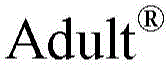 A multivitamin or equivalent; the colloid comprises dextran 40; the hormone comprises insulin; the steroid comprises methylprednisolone; and the buffer includes anhydrous disodium hydrogen phosphate, potassium dihydrogen phosphate, and sodium bicarbonate.
12. The solution of claim 6, wherein each liter of the solution comprises
Dextran 40 in an amount of about 50 g;
sodium chloride in an amount of about 8 g;
potassium chloride in an amount of about 0.4 g;
anhydrous magnesium sulfate in an amount of about 0.098 g;
anhydrous disodium phosphate in an amount of about 0.046 g;
monopotassium phosphate in an amount of about 0.063 g;
glucose monohydrate in an amount of about 2 g;
insulin in an amount of about 20 IU;
(ii) about 1 unit vial of the multivitamin;
sodium bicarbonate in an amount of about 15 mEq;
methylprednisolone in an amount of about 1 g.
13. The solution of claim 5, wherein the hormone comprises insulin.
14. The solution of claim 5, wherein the hormone comprises about 20IU of insulin per liter of solution.
15. The solution of claim 5 wherein the nutrients comprise vitamins and glucose monohydrate.
16. The solution of claim 15, wherein the multivitamins include fat-soluble and water-soluble vitamins.
17. The solution of claim 5, wherein the nutrient comprises about 2g of glucose monohydrate per liter of solution.
18. The solution of claim 5, wherein the buffer comprises sodium bicarbonate.
19. The solution of claim 5, wherein the buffer initially comprises about 15mEq of sodium bicarbonate per liter of solution.
20. The solution of claim 5, wherein the steroid comprises a glucocorticoid steroid.
21. The solution of claim 20, wherein the glucocorticoid steroid comprises methylprednisolone.
22. The solution of claim 5, wherein the steroid comprises 1g methylprednisolone per liter of solution.
23. A method of perfusing a donor lung at or near physiological conditions, the method comprising:
flowing a perfusion liquid through the lung, the perfusion liquid being at a physiological temperature, the perfusion liquid comprising
A nutrient, a colloid, a hormone, a steroid, a buffer, anhydrous magnesium sulfate, an antimicrobial agent, and at least one of a phosphodiesterase inhibitor and a nitrate.
24. The method of claim 23, wherein
The nutrients include glucose monohydrate, sodium chloride, potassium chloride, and multivitamins; the colloid comprises dextran 40; the hormone comprises insulin; the steroid comprises methylprednisolone; the buffer comprises anhydrous disodium hydrogen phosphate, potassium dihydrogen phosphate and sodium bicarbonate; the phosphodiesterase inhibitor comprises milrinone and the nitrate comprises nitroglycerine.
25. The method of claim 24, wherein each liter of liquid comprises
Milrinone in an amount of about 4000 mcg;
nitroglycerin in an amount of about 10mg to 50 mg;
dextran 40 in an amount of about 50 g;
sodium chloride in an amount of about 8 g;
potassium chloride in an amount of about 0.4 g;
anhydrous magnesium sulfate in an amount of about 0.098 g;
anhydrous disodium phosphate in an amount of about 0.046 g;
monopotassium phosphate in an amount of about 0.063 g;
glucose monohydrate in an amount of about 2 g;
insulin in an amount of about 20 IU;
(ii) about 1 unit vial of the multivitamin;
sodium bicarbonate in an amount of about 15 mEq;
methylprednisolone in an amount of about 1 g.
26. The method of claim 25, further comprising mixing the perfusion liquid with whole blood.
27. The method of claim 25, further comprising mixing the perfusion liquid with red blood cells.
28. The method of claim 25, further comprising mixing the perfusion liquid with leukocyte-depleted whole blood.
29. A method of producing a solution for perfusing a lung under near physiological conditions, the method comprising the steps of:
adding pre-weighed amounts of dextran 40, sodium chloride, potassium chloride (KCL), anhydrous magnesium sulfate, anhydrous disodium hydrogen phosphate, potassium dihydrogen phosphate, glucose monohydrate, milrinone, nitroglycerin, an antimicrobial agent, and water to a container to form a solution;
mixing and heating the solution until completely dissolved;
monitoring the pH of the solution during mixing and adjusting the pH with 1M hydrochloric acid;
cooling the solution;
filtering the solution;
dispensing the solution into a main container;
using the filled primary container has been proven to be 10-6The sterilization cycle of (2) is performed under heating.
30. A method of producing a perfusion solution, the method comprising
Pre-weighed amounts of nutrients, colloids, hormones, steroids, buffers, anhydrous magnesium sulfate, and at least one of a phosphodiesterase inhibitor and nitrate are combined to form a solution for perfusing the lung under near physiological conditions.
31. The method of claim 30, wherein
The solution comprises the phosphodiesterase inhibitor and the nitrate, and
the nutrient includes glucose monohydrate, sodium chloride, potassium chloride, and a multivitamin, wherein the multivitamin is selected from the group consisting of m.v.i. Or equivalents thereof; the colloid comprises dextran 40; the hormone comprises insulin; the steroid comprises methylprednisolone; the buffer comprises anhydrous disodium hydrogen phosphate, potassium dihydrogen phosphate and sodium bicarbonate; the phosphodiesterase inhibitor comprises milrinone and the nitrate comprises nitroglycerine.
32. The method of claim 31, wherein each liter of solution comprises
Milrinone in an amount of about 4000 mcg;
nitroglycerin in an amount of about 10mg to 50 mg;
dextran 40 in an amount of about 50 g;
sodium chloride in an amount of about 8 g;
potassium chloride in an amount of about 0.4 g;
anhydrous magnesium sulfate in an amount of about 0.098 g;
anhydrous disodium phosphate in an amount of about 0.046 g;
monopotassium phosphate in an amount of about 0.063 g;
glucose monohydrate in an amount of about 2 g;
insulin in an amount of about 20 IU;
a multivitamin in an amount of about 1 unit vial;
sodium bicarbonate in an amount of about 15 mEq;
methylprednisolone in an amount of about 1 g;
the method further comprises
Mixing and heating the solution until completely dissolved;
monitoring the pH of the solution during mixing and adjusting the pH with 1M hydrochloric acid;
cooling the solution;
filtering the solution;
dispensing the solution into a main container;
using the filled primary container has been proven to be 10-6The sterilization cycle of (2) is performed under heating.
33. The method of claim 32, further comprising mixing the perfusion liquid with whole blood.
34. The method of claim 32, further comprising mixing the perfusion liquid with red blood cells.
35. The method of claim 32, further comprising mixing the perfusion liquid with leukocyte-depleted whole blood.
36. A system for perfusing a donor lung in a lung perfusion circuit at or near physiological conditions, the system comprising:
single-use disposable lung care module, said module comprising
An interface adapted for attachment to the single-use module, an
A lung chamber assembly having a first interface for allowing perfusion solution to flow into the lung and a second interface for allowing the lung to be ventilated with a ventilation gas; and
a discharge system for discharging a flow of perfusion solution from the lung chamber assembly; and is
The perfusion solution comprises
(ii) dextran 40; sodium chloride; potassium chloride; anhydrous magnesium sulfate; anhydrous disodium hydrogen phosphate; potassium dihydrogen phosphate; (ii) glucose monohydrate; milrinone; nitroglycerin; insulin; a multi-vitamin; sodium bicarbonate; and methylprednisolone.
37. A method of washing lungs on an OCS prior to preservation, the method comprising:
rinsing a donor lung with a solution comprising nutrients, colloids, buffers, anhydrous magnesium sulfate, and nitrates prior to resection of the lung from the body of the donor;
resecting the donor lung from the donor body;
placing the lung on an organ care system.
38. The method of claim 37, wherein
The nutrients comprise glucose monohydrate, sodium chloride and potassium chloride; the colloid comprises dextran 40; the buffer comprises anhydrous disodium hydrogen phosphate and potassium dihydrogen phosphate; and the nitrate salt comprises nitroglycerin.
39. The method of claim 38, wherein each liter of solution comprises
Nitroglycerin in an amount of about 10mg to 50 mg;
dextran 40 in an amount of about 50 g;
sodium chloride in an amount of about 8 g;
potassium chloride in an amount of about 0.4 g;
anhydrous magnesium sulfate in an amount of about 0.098 g;
anhydrous disodium phosphate in an amount of about 0.046 g;
monopotassium phosphate in an amount of about 0.063 g;
glucose monohydrate in an amount of about 2 g.
40. The solution of claim 1, further comprising an antimicrobial agent.
41. The solution of claim 40, wherein the antimicrobial agent comprises at least one of cefazolin, ciprofloxacin, and voriconazole.
42. The solution of claim 40, wherein each liter of solution comprises cefazolin in an amount of about 1g, ciprofloxacin in an amount of about 0.2g, and voriconazole in an amount of about 0.2 g.
43. An ex vivo perfusion solution for machine perfusion of a donor lung, comprising:
the perfusion nutrient is rich in energy and the nutrient is rich in energy,
the colloid is prepared from a colloid and a solvent,
a hormone, which is a hormone,
(ii) a steroid in a form selected from the group consisting of,
a buffering agent, a water-soluble polymer,
the anhydrous magnesium sulfate is added to the reaction mixture,
at least one of a phosphodiesterase inhibitor and a nitrate, and
an antimicrobial agent.
44. The solution of claim 6, wherein each liter of the solution further comprises
Dextran 40 in an amount of about 50 g;
sodium chloride in an amount of about 8 g;
potassium chloride in an amount of about 0.4 g;
anhydrous magnesium sulfate in an amount of about 0.098 g;
anhydrous disodium phosphate in an amount of about 0.046 g;
monopotassium phosphate in an amount of about 0.063 g;
glucose monohydrate in an amount of about 2 g;
insulin in an amount of about 20 IU;
a multivitamin in an amount of about 1 unit vial;
sodium bicarbonate in an amount of about 15 mEq;
methylprednisolone in an amount of about 1 g;
cefazolin in an amount of about 1 g;
ciprofloxacin in an amount of about 0.2 g;
voriconazole in an amount of about 0.2 g.
Claims (15)
1. A system for perfusing a donor lung in a lung perfusion circuit at or near physiological conditions, the system comprising:
a perfusion solution comprising dextran 40; sodium chloride; potassium chloride; anhydrous magnesium sulfate; anhydrous disodium hydrogen phosphate; potassium dihydrogen phosphate; (ii) glucose monohydrate; milrinone; nitroglycerin; insulin; a multi-vitamin; sodium bicarbonate; and methylprednisolone;
single-use disposable lung care module, said module comprising
An interface adapted for attachment to the single-use module,
a lung chamber assembly having a first interface for allowing perfusion solution to flow into the lung and a second interface for allowing the lung to be ventilated with a ventilation gas; and
a discharge system for discharging a flow of perfusion solution from the lung chamber assembly.
2. The system of claim 1, further comprising a heater for replacing heat lost through the perfusion solution during circulation of the perfusion solution through the pulmonary perfusion circuit.
3. The system of claim 2, wherein the heater maintains the perfusion solution at a temperature of 30-37 ℃.
4. The system of claim 1, further comprising a pulmonary artery cannula connecting the pulmonary perfusion circuit with a vascular system of the lung.
5. The system of claim 4, wherein the pulmonary artery cannula comprises an insertion tube for insertion into a pulmonary artery of the lung.
6. The system of claim 1, wherein the lung chamber assembly comprises a housing, a seating surface, and a removable cover.
7. The system of claim 6, further comprising a polyurethane wrap configured to provide support and secure the lung.
8. The system of claim 1, wherein the ventilation gas is selected from a maintenance gas and an evaluation gas.
9. The system of claim 1, further comprising a bellows that causes the ventilation gas to enter and exit the lung.
10. The system of claim 9, wherein the bellows is controlled by a mechanical ventilator having an actuator arm.
11. The system of claim 1, wherein a trickle valve controls the supply of the vent gas to maintain a predetermined composition of the vent gas.
12. The system of claim 1, wherein the second interface is an endotracheal tube.
13. The system of claim 12, wherein the endotracheal tube includes an endotracheal insertion portion for insertion into the trachea and a flexible portion.
14. The system of claim 13, wherein the flexible portion is clampable to seal ventilation gas flowing into and out of the lung.
15. The system of claim 13, wherein the flexible portion further comprises a locking nut for securing the endotracheal tube to the lung chamber assembly.
Applications Claiming Priority (3)
| Application Number | Priority Date | Filing Date | Title |
|---|---|---|---|
| US201161475524P | 2011-04-14 | 2011-04-14 | |
| US61/475,524 | 2011-04-14 | ||
| CN201280025150.7A CN103841824B (en) | 2011-04-14 | 2012-04-13 | Organ care solution for ex vivo machine perfusion of donor lungs |
Related Parent Applications (1)
| Application Number | Title | Priority Date | Filing Date |
|---|---|---|---|
| CN201280025150.7A Division CN103841824B (en) | 2011-04-14 | 2012-04-13 | Organ care solution for ex vivo machine perfusion of donor lungs |
Publications (2)
| Publication Number | Publication Date |
|---|---|
| CN109997836A CN109997836A (en) | 2019-07-12 |
| CN109997836B true CN109997836B (en) | 2022-02-08 |
Family
ID=47009719
Family Applications (4)
| Application Number | Title | Priority Date | Filing Date |
|---|---|---|---|
| CN201910195760.5A Active CN109997836B (en) | 2011-04-14 | 2012-04-13 | Organ care solution for ex vivo machine perfusion of donor lungs |
| CN201610772591.3A Active CN106342788B (en) | 2011-04-14 | 2012-04-13 | Organ care solution for ex vivo machine perfusion of donor lungs |
| CN201280025150.7A Active CN103841824B (en) | 2011-04-14 | 2012-04-13 | Organ care solution for ex vivo machine perfusion of donor lungs |
| CN202210007357.7A Pending CN114375945A (en) | 2011-04-14 | 2012-04-13 | Organ care solution for ex vivo machine perfusion of donor lungs |
Family Applications After (3)
| Application Number | Title | Priority Date | Filing Date |
|---|---|---|---|
| CN201610772591.3A Active CN106342788B (en) | 2011-04-14 | 2012-04-13 | Organ care solution for ex vivo machine perfusion of donor lungs |
| CN201280025150.7A Active CN103841824B (en) | 2011-04-14 | 2012-04-13 | Organ care solution for ex vivo machine perfusion of donor lungs |
| CN202210007357.7A Pending CN114375945A (en) | 2011-04-14 | 2012-04-13 | Organ care solution for ex vivo machine perfusion of donor lungs |
Country Status (11)
| Country | Link |
|---|---|
| US (3) | US20130011823A1 (en) |
| EP (3) | EP2704560B1 (en) |
| JP (1) | JP6029650B2 (en) |
| CN (4) | CN109997836B (en) |
| AU (1) | AU2012242578B2 (en) |
| CA (3) | CA3022104C (en) |
| DK (2) | DK2704560T3 (en) |
| ES (1) | ES2913104T3 (en) |
| IL (1) | IL228816A (en) |
| NZ (1) | NZ616699A (en) |
| WO (1) | WO2012142487A1 (en) |
Families Citing this family (36)
| Publication number | Priority date | Publication date | Assignee | Title |
|---|---|---|---|---|
| US8409846B2 (en) | 1997-09-23 | 2013-04-02 | The United States Of America As Represented By The Department Of Veteran Affairs | Compositions, methods and devices for maintaining an organ |
| US12010987B2 (en) | 2004-10-07 | 2024-06-18 | Transmedics, Inc. | Systems and methods for ex-vivo organ care and for using lactate as an indication of donor organ status |
| US8304181B2 (en) | 2004-10-07 | 2012-11-06 | Transmedics, Inc. | Method for ex-vivo organ care and for using lactate as an indication of donor organ status |
| US9301519B2 (en) * | 2004-10-07 | 2016-04-05 | Transmedics, Inc. | Systems and methods for ex-vivo organ care |
| NZ554543A (en) | 2004-10-07 | 2011-03-31 | Transmedics Inc | Systems for ex-vivo organ care |
| US9078428B2 (en) | 2005-06-28 | 2015-07-14 | Transmedics, Inc. | Systems, methods, compositions and solutions for perfusing an organ |
| WO2007124044A2 (en) * | 2006-04-19 | 2007-11-01 | Transmedics, Inc. | Systems and methods for ex vivo organ care |
| US9457179B2 (en) | 2007-03-20 | 2016-10-04 | Transmedics, Inc. | Systems for monitoring and applying electrical currents in an organ perfusion system |
| US8420380B2 (en) | 2008-01-31 | 2013-04-16 | Transmedics, Inc. | Systems and methods for ex vivo lung care |
| CN109997836B (en) | 2011-04-14 | 2022-02-08 | 特兰斯迈迪茨公司 | Organ care solution for ex vivo machine perfusion of donor lungs |
| USD738489S1 (en) | 2013-05-31 | 2015-09-08 | Resmed Limited | Positive airway pressure delivery console |
| USD738488S1 (en) * | 2013-05-31 | 2015-09-08 | Resmed Limited | Positive airway pressure delivery console |
| WO2015126853A1 (en) * | 2014-02-18 | 2015-08-27 | Baylor College Of Medicine | Negative pressure ex vivo lung ventilation and perfusion system |
| USD743556S1 (en) | 2014-02-19 | 2015-11-17 | Resmed Limited | Positive airway pressure delivery console |
| USD744108S1 (en) | 2014-02-19 | 2015-11-24 | Resmed Limited | Humidifier reservoir for positive airway pressure delivery console |
| USD762843S1 (en) | 2014-03-18 | 2016-08-02 | Resmed Limited | Air delivery tube |
| USD760258S1 (en) | 2014-05-30 | 2016-06-28 | Resmed Limited | Display screen with graphical user interface |
| JP2017518301A (en) | 2014-06-02 | 2017-07-06 | トランスメディクス, インク.Transmedics, Inc. | Ex-vivo organ management system |
| USD809124S1 (en) | 2014-09-12 | 2018-01-30 | Resmed Limited | Pressurized air delivery console |
| US11083191B2 (en) | 2014-12-12 | 2021-08-10 | Tevosol, Inc. | Apparatus and method for organ perfusion |
| GB201505987D0 (en) * | 2015-04-08 | 2015-05-20 | Univ Dublin | A lung perfusion solution and use thereof for the ex-vivo preservation of a mammalian lung |
| JP6934005B2 (en) * | 2015-09-09 | 2021-09-08 | トランスメディクス,インコーポレイテッド | Aortic Cannula for Exobibo Organ Management System |
| USD798428S1 (en) | 2015-10-07 | 2017-09-26 | Resmed Limited | Positive airway pressure delivery console |
| USD805630S1 (en) | 2016-02-02 | 2017-12-19 | Resmed Limited | Air delivery tube |
| CN105918308A (en) * | 2016-04-28 | 2016-09-07 | 上海市胸科医院 | Lung perfusion fluid for perfusing transplant donor lung and preparation method for lung perfusion fluid |
| DK3462861T5 (en) | 2016-05-30 | 2024-01-08 | Transmedics Inc | PROCEDURE FOR EX VIVO LUNG VENTILATI ON WITH A VARIABLE EXTERNAL PRESSURE |
| EP3487295B1 (en) | 2016-07-22 | 2020-11-04 | ETH Zürich | Perfusion loop assembly for an ex-vivo liver perfusion |
| ES2751767T3 (en) | 2017-01-17 | 2020-04-01 | Xvivo Perfusion Ab | Organ preservation and / or perfusion solutions |
| CN107047538B (en) * | 2017-03-16 | 2021-04-13 | 苏州大学 | Application of protein kinase A activator in platelet preservation and platelet preservation method |
| KR102411233B1 (en) * | 2017-08-25 | 2022-06-22 | 씨에스엘 베링 엘엘씨 | Perfusion compositions and methods using alpha-1 anti-trypsin in ex vivo organ perfusion |
| WO2019141809A1 (en) | 2018-01-19 | 2019-07-25 | ETH Zürich | Perfusion loop assembly for an ex-vivo liver perfusion and a method for ex-vivo liver perfusion |
| CN109511649B (en) * | 2018-11-21 | 2021-06-25 | 嘉兴莱普晟医疗科技有限公司 | A normothermic mechanical perfusion system that can expand the source of donor liver |
| USD921900S1 (en) | 2018-12-19 | 2021-06-08 | ResMed Pty Ltd | Humidification tub |
| CN112273373B (en) * | 2020-10-29 | 2022-06-07 | 无锡市人民医院 | Isolated lung mechanical perfusion liquid and preparation method and application thereof |
| CA3154179A1 (en) * | 2021-04-07 | 2022-10-07 | Traferox Technologies Inc. | Donor organ preservation using both static cold storage and ex vivo organ perfusion |
| EP4520171A1 (en) | 2023-09-05 | 2025-03-12 | Universitätsklinikum Hamburg-Eppendorf | Organ perfusion solution |
Citations (2)
| Publication number | Priority date | Publication date | Assignee | Title |
|---|---|---|---|---|
| US5552267A (en) * | 1992-04-03 | 1996-09-03 | The Trustees Of Columbia University In The City Of New York | Solution for prolonged organ preservation |
| CN100381048C (en) * | 2000-11-03 | 2008-04-16 | 维特罗莱夫股份公司 | Evaluate and preserve solutions |
Family Cites Families (328)
| Publication number | Priority date | Publication date | Assignee | Title |
|---|---|---|---|---|
| US3253595A (en) | 1963-08-07 | 1966-05-31 | Cordis Corp | Cardiac pacer electrode system |
| US3406531A (en) | 1964-08-25 | 1968-10-22 | Emil S. Swenson | Apparatus for maintaining organs in a completely viable state |
| US3468136A (en) | 1964-08-25 | 1969-09-23 | Emil S Swenson | Method for maintaining organs in a completely viable state |
| US3388803A (en) | 1965-04-16 | 1968-06-18 | Applied Biolog Sciences Lab In | Wearable dialysis apparatus |
| US3545221A (en) | 1967-05-22 | 1970-12-08 | Swenko Research & Dev Inc | Apparatus for maintaining organs in vitro in a completely viable state |
| US3537956A (en) | 1967-06-26 | 1970-11-03 | Joseph R Falcone | Petrie dish |
| FR1577356A (en) | 1968-04-04 | 1969-08-08 | ||
| SE323475B (en) | 1968-11-26 | 1970-05-04 | Aga Ab | |
| US3587567A (en) | 1968-12-20 | 1971-06-28 | Peter Paul Schiff | Mechanical ventricular assistance assembly |
| US3545605A (en) | 1969-01-24 | 1970-12-08 | Ruth Robins | Paint roller package |
| US3772153A (en) | 1969-04-02 | 1973-11-13 | Air Liquide | Apparatus for the preservation of animal or human organs in living condition |
| US3632473A (en) | 1969-04-21 | 1972-01-04 | Univ California | Method and apparatus for preserving human organs extracorporeally |
| BE755423A (en) | 1969-10-06 | 1971-02-01 | Baxter Laboratories Inc | PROCESS AND APPARATUS FOR ORGAN PRESERVATION |
| US3660241A (en) | 1970-01-12 | 1972-05-02 | Baxter Laboratories Inc | Container for organ perfusion or the like |
| US3639084A (en) | 1970-04-06 | 1972-02-01 | Baxter Laboratories Inc | Mechanism for control pulsatile fluid flow |
| US3881990A (en) | 1971-11-24 | 1975-05-06 | Waters Instr Inc | Method of transporting and storing organs while retaining the organs in a viable condition |
| US3777507A (en) | 1971-11-24 | 1973-12-11 | Waters Instr Inc | Renal preservation system |
| US3843455A (en) | 1972-09-13 | 1974-10-22 | M Bier | Apparatus and technique for preservation of isolated organs through perfusion |
| US3851646A (en) | 1973-04-13 | 1974-12-03 | Sarns Inc | Connector for open heart surgery |
| US3995444A (en) | 1974-11-08 | 1976-12-07 | American Hospital Supply Corporation | Organ perfusion system |
| US4004298A (en) | 1975-03-31 | 1977-01-25 | Sinai Hospital Of Detroit | Magnetically aligned releasable connector |
| US4069826A (en) | 1976-09-03 | 1978-01-24 | Barlow Mfg. Corporation | Surgical tube adapter clamp |
| US4186565A (en) | 1978-05-19 | 1980-02-05 | Henry Ford Hospital | Perfusion system for organ preservation |
| US4231354A (en) | 1978-07-14 | 1980-11-04 | Howmedica, Incorporated | Pulsatile blood pumping apparatus and method |
| US4186253A (en) | 1978-10-10 | 1980-01-29 | The Green Cross Corporation | Perfusate for preserving organ to be transplanted and preserving method |
| JPS5710695U (en) | 1980-06-17 | 1982-01-20 | ||
| DE3168925D1 (en) | 1980-12-23 | 1985-03-28 | Koehler Chemie Dr Franz | Protective solution for heart and kidney, and manufacturing process |
| US4801299A (en) | 1983-06-10 | 1989-01-31 | University Patents, Inc. | Body implants of extracellular matrix and means and methods of making and using such implants |
| JPS60142859A (en) | 1983-12-29 | 1985-07-29 | 泉工医科工業株式会社 | Roller pump with automatic heart rate blood flow amount setting mechanism |
| US4605644A (en) | 1985-02-07 | 1986-08-12 | Regents Of The University Of Minnesota | Method for stimulating recovery from ischemia employing ribose and adenine |
| US4719201A (en) | 1985-02-07 | 1988-01-12 | Regents Of The University Of Minnesota | Method for stimulating recovery from ischemia |
| US4666425A (en) | 1985-12-17 | 1987-05-19 | The Dis Corporation | Device for perfusing an animal head |
| DE3614821A1 (en) | 1986-05-02 | 1987-11-05 | Siemens Ag | IMPLANTABLE, CALIBRABLE MEASURING DEVICE FOR A BODY SUBSTANCE AND CALIBRATION METHOD |
| US4723939A (en) | 1986-07-31 | 1988-02-09 | The Research Foundation Of State Univ. Of New York | Apparatus and method for multiple organ procurement |
| US4745759A (en) | 1986-12-23 | 1988-05-24 | Bauer Dan O | Kidney preservation machine |
| WO1988005261A1 (en) | 1987-01-16 | 1988-07-28 | Tops Systems, Inc. | Total organ perfusion system |
| JPS63270601A (en) | 1987-04-30 | 1988-11-08 | Olympus Optical Co Ltd | Apparatus for storing internal organs |
| US5051352A (en) | 1987-10-07 | 1991-09-24 | The Regents Of The University Of California | Apparatus and method of preserving the viability of animal organs |
| US4847470A (en) | 1987-12-14 | 1989-07-11 | Bakke Allan P | Electric blood warmer utilizing metallic ribbon flow cartridge and low thermal mass heating units |
| EP0347923A1 (en) | 1988-06-23 | 1989-12-27 | Nicholas J. Perrotta | Portable pulsatile organ perfusion device and method |
| CA2001553A1 (en) | 1988-10-26 | 1990-04-26 | Karen Mckelvey | Device for transportation of human organs used for transplantation |
| JPH0499701A (en) | 1988-10-26 | 1992-03-31 | Mckelvey Karen | Transporting device for human internal organs for use in transplant |
| US4920044A (en) | 1988-11-08 | 1990-04-24 | The Cleveland Clinic Foundation | Intracellular flush solution for preserving organs |
| JPH02282301A (en) | 1989-04-24 | 1990-11-19 | Olympus Optical Co Ltd | Device for storing organ |
| JPH02306901A (en) | 1989-05-19 | 1990-12-20 | Olympus Optical Co Ltd | Organ-storing device |
| US5326706A (en) | 1989-07-17 | 1994-07-05 | Research Foundation Of State University Of New York | Homeostatic organ preservation system |
| JPH0374302A (en) | 1989-08-15 | 1991-03-28 | Olympus Optical Co Ltd | Organ storage system |
| JPH0653160B2 (en) | 1989-08-18 | 1994-07-20 | 呉羽化学工業株式会社 | Beat generation method and device |
| US5066578A (en) | 1989-12-21 | 1991-11-19 | The Regents Of The University Of California | Long-term preservation of organs for transplantation |
| US5358931A (en) | 1990-01-17 | 1994-10-25 | The Regents Of The University Of California | Interaction of thermal hysteresis proteins with cells and cell membranes and associated applications |
| CA2041828A1 (en) | 1990-03-05 | 1992-11-04 | Richard L. Lindstrom | Viscoelastic solution |
| US5145771A (en) | 1990-04-12 | 1992-09-08 | The University Of North Carolina At Chapel Hill | Rinse solution for organs and tissues |
| JP2860301B2 (en) | 1990-09-19 | 1999-02-24 | ヘキスト・マリオン・ルセル株式会社 | Organ preservation solution |
| FR2667297B1 (en) | 1990-09-28 | 1994-05-27 | Electrolux Sarl | AIR-CONDITIONED MEDICAL CONTAINER. |
| US5395314A (en) | 1990-10-10 | 1995-03-07 | Life Resuscitation Technologies, Inc. | Brain resuscitation and organ preservation device and method for performing the same |
| US5584804A (en) | 1990-10-10 | 1996-12-17 | Life Resuscitation Technologies, Inc. | Brain resuscitation and organ preservation device and method for performing the same |
| US5498427A (en) | 1990-11-20 | 1996-03-12 | Pasteur Merieux Serums Et Vaccines | Solutions for the perfusion, preservation and reperfusion of organs |
| GB2253920B (en) | 1991-02-15 | 1995-07-12 | Cobe Lab | Medical equipment for connection to an optical fibre probe |
| US6090776A (en) | 1991-03-11 | 2000-07-18 | Creative Bio Molecules, Inc. | Morphogen treatment of organ implants |
| US5381510A (en) | 1991-03-15 | 1995-01-10 | In-Touch Products Co. | In-line fluid heating apparatus with gradation of heat energy from inlet to outlet |
| US5157930A (en) | 1991-04-22 | 1992-10-27 | Mcghee Samuel C | Organ preservation apparatus |
| US5856081A (en) | 1991-07-08 | 1999-01-05 | The American National Red Cross | Computer controlled cryoprotectant perfusion apparatus |
| US5217860A (en) | 1991-07-08 | 1993-06-08 | The American National Red Cross | Method for preserving organs for transplantation by vitrification |
| US5200398A (en) | 1991-09-12 | 1993-04-06 | Mount Sinai Hospital Corporation | Composition for the preservation of organs comprising glucuronic acid or a physiologically tolerated salt or ester thereof |
| US5407793A (en) | 1991-10-18 | 1995-04-18 | University Of Pittsburgh Of The Commonwealth System Of Higher Education | An aqueous heart preservation and cardioplegia solution |
| DE4201259C2 (en) | 1992-01-18 | 1994-12-08 | Sachs Elektronik Kg Hugo | Device for perfusion of the coronary arteries of an isolated heart |
| US5654266A (en) | 1992-02-10 | 1997-08-05 | Chen; Chung-Ho | Composition for tissues to sustain viability and biological functions in surgery and storage |
| US5370989A (en) | 1992-04-03 | 1994-12-06 | The Trustees Of Columbia University In The City Of New York | Solution for prolonged organ preservation |
| US5306711A (en) | 1992-06-24 | 1994-04-26 | Georgetown University | Organ preservative solution |
| JPH0656601A (en) | 1992-08-07 | 1994-03-01 | Morishita Roussel Kk | Electrolyte solution for organ for transplantation |
| US5338662A (en) | 1992-09-21 | 1994-08-16 | Bio-Preserve Medical Corporation | Organ perfusion device |
| US5354268A (en) | 1992-11-04 | 1994-10-11 | Medical Instrument Development Laboratories, Inc. | Methods and apparatus for control of vacuum and pressure for surgical procedures |
| US5362622A (en) | 1993-03-11 | 1994-11-08 | Board Of Regents, The University Of Texas System | Combined perfusion and oxygenation apparatus |
| US5356771A (en) | 1993-03-11 | 1994-10-18 | Board Of Regents, The University Of Texas System | Combined perfusion and oxygenation organ preservation apparatus |
| US5599659A (en) | 1993-03-11 | 1997-02-04 | Breonics, Inc. | Preservation solution for ex vivo, warm preservation of tissues, explants,organs and vascular endothelial cells comprising retinal-derived fibroblast growth factor, cyclodextrin and chondroitin sulfate |
| AU6409594A (en) | 1993-03-16 | 1994-10-11 | Alliance Pharmaceutical Corporation | Preservation solution and method for warm organ preservation |
| JPH06305901A (en) | 1993-04-26 | 1994-11-01 | Akio Kawamura | Perfusion liquid for room temperature preservation and preservation method using the same liquid |
| US5385540A (en) | 1993-05-26 | 1995-01-31 | Quest Medical, Inc. | Cardioplegia delivery system |
| US6680305B1 (en) | 1993-06-04 | 2004-01-20 | Biotime, Inc. | Physiologically acceptable aqueous solutions and methods for their use |
| DE69426879T2 (en) | 1993-06-04 | 2001-10-18 | Biotime, Inc. | PLASMA-LIKE SOLUTION |
| DE9422008U1 (en) | 1993-06-07 | 1997-08-28 | Mayer, Berndt, Priv.-Doz. Dr.med., 10585 Berlin | Device for the preservation of organs, extremities and tissue flaps |
| US5405742A (en) | 1993-07-16 | 1995-04-11 | Cyromedical Sciences, Inc. | Solutions for tissue preservation and bloodless surgery and methods using same |
| US5704345A (en) | 1993-11-05 | 1998-01-06 | Resmed Limited | Detection of apnea and obstruction of the airway in the respiratory system |
| DE4342728A1 (en) | 1993-12-15 | 1995-06-22 | Thomae Gmbh Dr K | Aq. isotonic soln. for perfusion and preservation of explanted liver |
| US5511958A (en) | 1994-02-10 | 1996-04-30 | Baxter International, Inc. | Blood pump system |
| US5643712A (en) | 1994-05-20 | 1997-07-01 | Brasile; Lauren | Method for treating and rendering grafts nonthrombogenic and substantially nonimmunogenic using an extracellular matrix coating |
| US6375613B1 (en) | 1994-05-20 | 2002-04-23 | Breonics, Inc. | Prognostic testing of organs intended for transplantation |
| ATE423464T1 (en) | 1994-05-20 | 2009-03-15 | Breonics Inc | METHOD FOR MONITORING THE VIABILITY OF TRANSPLANTABLE ORGANS |
| US5505709A (en) | 1994-09-15 | 1996-04-09 | Minimed, Inc., A Delaware Corporation | Mated infusion pump and syringe |
| US5473791A (en) | 1994-09-22 | 1995-12-12 | Holcomb; Tim C. | Paint roller and tray apparatus |
| JPH0889518A (en) | 1994-09-25 | 1996-04-09 | Terumo Corp | Device for connecting hollow organs |
| US5554123A (en) | 1994-10-31 | 1996-09-10 | Glenn Herskowitz | Portable infusion pump |
| WO1996018293A1 (en) | 1994-12-12 | 1996-06-20 | Charlotte-Mecklenburg Hospital Authority | Organ transplant solutions and method for transplanting an organ |
| US5554497A (en) | 1994-12-12 | 1996-09-10 | Charlotte-Mecklenburg Hospital Authority | Cardioplegic solution for arresting an organ |
| JP2002504884A (en) | 1994-12-22 | 2002-02-12 | ザ リージェンツ オブ ザ ユニバーシティ オブ カリフォルニア | How to protect your heart from ischemia |
| US5882328A (en) * | 1995-01-13 | 1999-03-16 | Qlt Phototherapeutics, Inc. | Method to prevent transplant rejection |
| US5656420A (en) | 1995-02-24 | 1997-08-12 | University Of Kentucky Research Foundation | Method for employing the delta opioid dadle to extend tissue survival time during ischemia |
| US5586438A (en) | 1995-03-27 | 1996-12-24 | Organ, Inc. | Portable device for preserving organs by static storage or perfusion |
| WO1996029865A1 (en) | 1995-03-27 | 1996-10-03 | Organ, Inc. | Organ evaluation and resuscitation device and method |
| GB9506312D0 (en) | 1995-03-28 | 1995-05-17 | Medical Res Council | Improvements in or relating to sample processing |
| US5679565A (en) | 1995-04-10 | 1997-10-21 | The Regents Of The University Of California | Method of preserving pancreatic islets |
| US6182657B1 (en) | 1995-09-18 | 2001-02-06 | Resmed Limited | Pressure control in CPAP treatment or assisted respiration |
| DE19535781C2 (en) | 1995-09-26 | 1999-11-11 | Fraunhofer Ges Forschung | Device for active flow support of body fluids |
| US5759148A (en) | 1995-10-18 | 1998-06-02 | Sipin; Anatole J. | Controlled pneumatic driving system |
| US5770149A (en) | 1995-10-31 | 1998-06-23 | Baxter International | Extracorporeal blood oxygenation system having integrated blood pump, heat exchanger and membrane oxygenator |
| US6794124B2 (en) | 1995-12-15 | 2004-09-21 | Stiftelsen Facthor | Preservation solution |
| SE505499C2 (en) | 1995-12-15 | 1997-09-08 | Stiftelsen Facthor | Storage solution for organs and tissues or parts thereof of humans and animals containing calcium and nitroglycerin, their use and method of storage therewith |
| US5843024A (en) | 1996-05-17 | 1998-12-01 | Breonics, Inc. | Solution and process for resuscitation and preparation of ischemically damaged tissue |
| US5965433A (en) | 1996-05-29 | 1999-10-12 | Trans D.A.T.A. Service, Inc. | Portable perfusion/oxygenation module having mechanically linked dual pumps and mechanically actuated flow control for pulsatile cycling of oxygenated perfusate |
| US5716378A (en) | 1996-06-06 | 1998-02-10 | Medtronic, Inc. | Heart preservation and transportation apparatus and method employing low rate cardiac pacing for improved removal of catabolites from the myocardium |
| SG48362A1 (en) | 1996-06-25 | 1998-04-17 | Thomas & Betts Corp | Single-sided straddle mount printed circuit board connector |
| US5801442A (en) | 1996-07-22 | 1998-09-01 | Northrop Grumman Corporation | Microchannel cooling of high power semiconductor devices |
| US5807737A (en) | 1996-07-26 | 1998-09-15 | Schill Enterprises, Inc. | Heart and lung support assembly |
| US5776063A (en) | 1996-09-30 | 1998-07-07 | Molecular Biosystems, Inc. | Analysis of ultrasound images in the presence of contrast agent |
| US6783328B2 (en) | 1996-09-30 | 2004-08-31 | Terumo Cardiovascular Systems Corporation | Method and apparatus for controlling fluid pumps |
| US5787544A (en) | 1996-12-20 | 1998-08-04 | Ppg Industries, Inc. | Combined paint package and roller tray |
| US6642045B1 (en) | 1997-04-14 | 2003-11-04 | Breonics, Inc. | System for exsanguinous metabolic support of an organ or tissue |
| US6217546B1 (en) | 1997-05-19 | 2001-04-17 | United States Surgical Corporation | Catheter system |
| DE59811956D1 (en) | 1997-06-21 | 2004-10-21 | Acorn Cardiovascular Inc | BAG FOR AT LEAST PARTIAL ENCLOSURE OF A HEART |
| US6123725A (en) | 1997-07-11 | 2000-09-26 | A-Med Systems, Inc. | Single port cardiac support apparatus |
| US20050027237A1 (en) | 1997-09-03 | 2005-02-03 | Dan Weiner | Apparatus and methods for control of intravenous fluids |
| US6100082A (en) | 1997-09-23 | 2000-08-08 | Hassanein; Waleed H. | Perfusion apparatus and method including chemical compositions for maintaining an organ |
| AU728233B2 (en) | 1997-09-23 | 2001-01-04 | Department Of Veteran Affairs, The | Compositions, methods and devices for maintaining an organ |
| US6953655B1 (en) | 1997-09-23 | 2005-10-11 | The United States Of America As Represented By The Department Of Veterans Affairs | Compositions, methods and devices for maintaining an organ |
| US8409846B2 (en) | 1997-09-23 | 2013-04-02 | The United States Of America As Represented By The Department Of Veteran Affairs | Compositions, methods and devices for maintaining an organ |
| US6110139A (en) | 1997-10-21 | 2000-08-29 | Loubser; Paul Gerhard | Retrograde perfusion monitoring and control system |
| US6352543B1 (en) | 2000-04-29 | 2002-03-05 | Ventrica, Inc. | Methods for forming anastomoses using magnetic force |
| EP0951944B1 (en) | 1998-04-21 | 2002-08-14 | Guala Dispensing S.P.A. | Pump with cup-shaped diaphragm for trigger dispensers |
| GR1003087B (en) | 1998-06-30 | 1999-03-08 | Self-cleaning hydraulic toilet for small pets that utilises only water. | |
| US6613785B2 (en) | 1998-07-21 | 2003-09-02 | Smithkline Beecham Plc | Use of glucose uptake enhancer for reducing post-ischemic injury of the heart |
| US6042550A (en) | 1998-09-09 | 2000-03-28 | Ntc Technology, Inc. | Methods of non-invasively estimating intrapulmonary shunt fraction and measuring cardiac output |
| US6050987A (en) | 1998-09-21 | 2000-04-18 | The United States Of America As Represented By The Administrator Of The National Aeronautics And Space Administration | Tubular coupling |
| EP2308296A3 (en) | 1998-09-29 | 2011-08-24 | Organ Recovery Systems, Inc. | System and method for holding an organ |
| US6977140B1 (en) | 1998-09-29 | 2005-12-20 | Organ Recovery Systems, Inc. | Method for maintaining and/or restoring viability of organs |
| US7749693B2 (en) | 1998-09-29 | 2010-07-06 | Lifeline Scientific, Inc. | Method of determining that an organ is not suitable for transplantation and using it for testing substances |
| US6673594B1 (en) | 1998-09-29 | 2004-01-06 | Organ Recovery Systems | Apparatus and method for maintaining and/or restoring viability of organs |
| US7045279B1 (en) | 1998-10-22 | 2006-05-16 | Medtronic, Inc. | Isolated perfused heart preparation and method of use |
| DE69922985T2 (en) | 1998-10-22 | 2005-12-15 | Medtronic, Inc., Minneapolis | METHOD FOR EXAMINING AN INSULATED PERFUNDED HEART PREPARATION |
| US6587734B2 (en) | 1998-11-04 | 2003-07-01 | Acorn Cardiovascular, Inc. | Cardio therapeutic heart sack |
| US6144444A (en) | 1998-11-06 | 2000-11-07 | Medtronic Avecor Cardiovascular, Inc. | Apparatus and method to determine blood parameters |
| FR2785501B1 (en) | 1998-11-10 | 2001-01-05 | Centre Nat Rech Scient | PERFUSION AND / OR PRESERVATION AND / OR REPERFUSION SOLUTION DURING ORGAN TRANSPLANTATION |
| US6128519A (en) | 1998-12-16 | 2000-10-03 | Pepex Biomedical, Llc | System and method for measuring a bioanalyte such as lactate |
| US6168877B1 (en) | 1998-12-18 | 2001-01-02 | Aer Energy Resources, Inc. | Air-managing system for metal-air battery using resealable septum |
| US6589223B1 (en) | 1999-02-03 | 2003-07-08 | Biotime, Inc. | Method and compositions for use in perfusion applications |
| WO2000045702A1 (en) | 1999-02-03 | 2000-08-10 | Stephen Edward Rees | Automatic lung parameter estimator |
| WO2000051659A1 (en) | 1999-03-05 | 2000-09-08 | Matson Louis R | Surface-modified bioactive surgical implants suppressing tissue growth |
| SE9901056D0 (en) | 1999-03-23 | 1999-03-23 | Pacesetter Ab | Sensor system |
| GB9907372D0 (en) | 1999-03-30 | 1999-05-26 | Concentric Pumps Ltd | Improvements in pumps |
| GB9908335D0 (en) | 1999-04-12 | 1999-06-09 | Univ Cambridge Tech | Methods and means for extracorporeal organ perfusion |
| US6194137B1 (en) | 1999-04-13 | 2001-02-27 | Organ Recovery Systems, Inc. | Method of cryopreservation of blood vessels by vitrification |
| US6582953B2 (en) | 1999-04-14 | 2003-06-24 | Breonics, Inc. | Organ chamber for exsanguinous metabolic support system |
| US20040038192A1 (en) | 1999-04-14 | 2004-02-26 | Breonics, Inc. | System for exsanguinous metabolic support of an organ or tissue |
| US6365338B1 (en) | 1999-04-27 | 2002-04-02 | David A. Bull | Organ preservative solution containing trehalose, anti-oxidant, cations and an energy source |
| US20030040665A1 (en) | 1999-05-28 | 2003-02-27 | E-Monitors, Inc. | Systems and methods of pH tissue monitoring |
| US6567679B1 (en) | 1999-05-28 | 2003-05-20 | E-Monitors, Inc. | Method of using a pH tissue monitor |
| JP5230042B2 (en) | 1999-06-02 | 2013-07-10 | 株式会社ビーエムジー | Preservatives for animal cells or organs and methods for their preservation. |
| EP1207753A4 (en) | 1999-06-17 | 2005-11-30 | Univ California | CONTINUOUS CARDIAL PERFUSION CONSERVATION WITH PEG-HB FOR IMPROVED HYPOTHERMAL STORAGE |
| DE19928485C1 (en) | 1999-06-22 | 2000-10-19 | Jostra Medizintechnik Ag | Perfusion system useful for storing human or animal donor organ or body part, e.g. liver, before transplantation has inner bag with blood supply for organ and outer bag containing liquid, preferably suspended in frame |
| JP4331869B2 (en) | 1999-06-24 | 2009-09-16 | 株式会社根本杏林堂 | Autologous blood perfusion device for coronary artery bypass surgery under heart beat |
| CA2286929A1 (en) | 1999-10-18 | 2001-04-18 | Anthony Paolitto | Valve surgery apparatus |
| CN2418882Y (en) | 1999-10-20 | 2001-02-14 | 张国报 | In vitro pulmonary circulation and perfusion device |
| US6764462B2 (en) | 2000-11-29 | 2004-07-20 | Hill-Rom Services Inc. | Wound treatment apparatus |
| US6375611B1 (en) | 2000-01-07 | 2002-04-23 | Origin Medsystems, Inc. | Organ stabilizer |
| US6492103B1 (en) | 2000-01-31 | 2002-12-10 | Organ Recovery Systems, Inc. | System for organ and tissue preservation and hypothermic blood substitution |
| WO2001060154A2 (en) | 2000-02-17 | 2001-08-23 | Johns Hopkins University | Transplant organ external cooling system |
| US6811965B2 (en) | 2000-03-08 | 2004-11-02 | Yoram Vodovotz | Kidney perfusion solution containing nitric oxide donor, inhibitor of NOS2, glutathione, gluconate and methods of use |
| US6794182B2 (en) | 2000-03-13 | 2004-09-21 | E. George Wolf, Jr. | Hyperbaric oxygen organ preservation system (HOOPS) |
| US6569615B1 (en) | 2000-04-10 | 2003-05-27 | The United States Of America As Represented By The Department Of Veteran's Affairs | Composition and methods for tissue preservation |
| US7611830B2 (en) | 2000-04-10 | 2009-11-03 | The United States Of America As Represented By The Department Of Veteran's Affairs | Device to lavage a blood vessel |
| US6389308B1 (en) | 2000-05-30 | 2002-05-14 | Vladimir Shusterman | System and device for multi-scale analysis and representation of electrocardiographic data |
| US6492745B1 (en) | 2000-07-17 | 2002-12-10 | Marconi Communications, Inc. | Battery disconnect system |
| AU2001279073B2 (en) | 2000-07-28 | 2006-08-24 | Christopher J. Murphy | Transplant media |
| AU2002211821A1 (en) | 2000-09-27 | 2002-04-08 | Cobe Cardiovascular, Inc. | Disposable cartridge for a blood perfusion system |
| US6490880B1 (en) | 2000-10-26 | 2002-12-10 | Islet Technology Inc. | Regulated organ containment shipping system using dual-layer preservation liquid |
| US6602718B1 (en) | 2000-11-08 | 2003-08-05 | Becton, Dickinson And Company | Method and device for collecting and stabilizing a biological sample |
| US20040236170A1 (en) | 2000-11-15 | 2004-11-25 | Ducksoo Kim | Method for surgically joining a ventricular assist device to the cardiovascular system of a living subject using a piercing introducer assembly |
| DE60120769T2 (en) | 2000-12-21 | 2007-05-24 | Dresser-Rand Co. | 2-WAY ACOUSTIC COATING AND FLUID PRESSURE EXPLOITATION DEVICE |
| US20020132220A1 (en) * | 2000-12-27 | 2002-09-19 | Berens Kurt L. | Use of selectin antagonists in organ preservation solutions |
| WO2002064205A2 (en) | 2001-02-13 | 2002-08-22 | Quetzal Biomedical, Inc. | Multi-electrode apparatus and method for treatment of congestive heart failure |
| US6475716B1 (en) | 2001-03-06 | 2002-11-05 | Biobank Co., Ltd. | Method for preserving mammalian organs |
| EP1372916A2 (en) | 2001-03-21 | 2004-01-02 | Vitrox APS | Method and housing for performing operations on a material |
| DE10121159B4 (en) | 2001-04-30 | 2004-01-29 | Biederer, Jürgen, Dr. med. | Artificial thorax |
| US20020187132A1 (en) | 2001-04-30 | 2002-12-12 | Mcgregor Christopher G.A. | Cardiac gene transfer |
| JP2004529938A (en) | 2001-05-04 | 2004-09-30 | ブレオニクス,インコーポレーティッド | Organ chamber for blood-free metabolic support system |
| US6894690B2 (en) | 2001-06-20 | 2005-05-17 | Engineering Technology Associates, Inc. | Method and apparatus for capturing and viewing a sequence of 3-D images |
| US6631830B2 (en) | 2001-08-20 | 2003-10-14 | Larami Limited | Snap action ball valve assembly and liquid dispenser using same |
| US6677150B2 (en) | 2001-09-14 | 2004-01-13 | Organ Transport Systems, Inc. | Organ preservation apparatus and methods |
| US6924267B2 (en) | 2001-09-18 | 2005-08-02 | Suomen Punainen Risti Veripalvelu | Methods and active substances for protecting organs |
| CA2468113A1 (en) | 2001-09-28 | 2003-04-03 | Harry F. Hull | A simple, fully transportable device for maintaining an excised heart in optimum condition for transplantation |
| US6609987B1 (en) | 2001-10-01 | 2003-08-26 | General Motors Corporation | Hydraulic timing chain tensioner assembly |
| FR2830183B1 (en) | 2001-10-02 | 2004-06-11 | Daniel Roux | AORTIC PROSTHESIS WITH QUICK DEVICE FOR CONNECTION TO EXTRA-BODY CIRCULATION |
| US6582375B2 (en) | 2001-10-11 | 2003-06-24 | University Of Cincinnati | System for study of global uni-or bi-ventricular function of an explanted, reperfused heart |
| ES2607978T3 (en) | 2001-10-12 | 2017-04-05 | Becton, Dickinson And Company | Apparatus for storing biological samples |
| US20030074760A1 (en) | 2001-10-19 | 2003-04-24 | Rdk Company | Paint applicator system |
| US6910483B2 (en) | 2001-12-10 | 2005-06-28 | Resmed Limited | Double-ended blower and volutes therefor |
| SG108829A1 (en) | 2001-12-14 | 2005-02-28 | Agilent Technologies Inc | Photo-receiver arrangement |
| EP1321159A1 (en) | 2001-12-21 | 2003-06-25 | CHIESI FARMACEUTICI S.p.A. | Pressurized metered dose inhaler (pMDI) actuators with laser drilled orifices |
| JP2003206201A (en) | 2001-12-28 | 2003-07-22 | Katsutoshi Naruse | Organ preservation apparatus for transplantation comprising organ storage apparatus and artificial organ system comprising the storage apparatus |
| US20030124503A1 (en) | 2001-12-28 | 2003-07-03 | Olivencia-Yurvati Albert H. | Pyruvate cardioplegia solutions for administration to the heart during cardiopulmonary surgery and methods of use thereof |
| US6847682B2 (en) | 2002-02-01 | 2005-01-25 | Hughes Electronics Corporation | Method, system, device and computer program product for MPEG variable bit rate (VBR) video traffic classification using a nearest neighbor classifier |
| JP2003315220A (en) | 2002-02-19 | 2003-11-06 | Horiba Ltd | Nitrogen oxides measuring apparatus |
| US6878339B2 (en) | 2002-02-19 | 2005-04-12 | Horiba, Ltd. | NOx-concentration measuring apparatus |
| DK2298370T3 (en) | 2002-02-21 | 2014-01-27 | Design Mentor Inc | fluid pump |
| AUPS214502A0 (en) | 2002-05-06 | 2002-06-06 | Uscom Pty Ltd | Blood flow oxygen measurement |
| AUPS312602A0 (en) | 2002-06-21 | 2002-07-18 | James Cook University | Organ arrest, protection, preservation and recovery |
| TW527101U (en) | 2002-07-23 | 2003-04-01 | Abit Comp Corp | Interface card heat sink |
| US7572622B2 (en) | 2002-08-14 | 2009-08-11 | Transmedic, Inc. | Heart preservation chamber |
| US6875605B1 (en) | 2002-08-21 | 2005-04-05 | Florida State University Research Foundation, Inc. | Modular cell culture bioreactor and associated methods |
| JP4588633B2 (en) | 2002-08-23 | 2010-12-01 | オーガン リカヴァリー システムズ インコーポレイテッド | Organ transplant connector |
| US20040170950A1 (en) | 2002-09-12 | 2004-09-02 | Prien Samuel D. | Organ preservation apparatus and methods |
| AU2003272629A1 (en) | 2002-09-18 | 2004-04-08 | Lifeblood Medical Inc. | Organ preservation and transportation apparatus and method |
| US20060166360A1 (en) | 2002-10-18 | 2006-07-27 | The General Hospital Corporation | Compositions, solutions, and methods used for transplantation |
| US20060034941A1 (en) | 2002-12-23 | 2006-02-16 | Global Cardiac Solutions Pty Ltd | Organ preconditioning, arrest, protection, preservation and recovery |
| US7198751B2 (en) | 2003-01-14 | 2007-04-03 | Medtronic, Inc. | Disposable, integrated, extracorporeal blood circuit |
| US20040193096A1 (en) | 2003-03-25 | 2004-09-30 | Cooper William Isaac | Conceptus chamber |
| US20050085762A1 (en) | 2003-03-31 | 2005-04-21 | Venkataramana Vijay | Perfusion circuit for cardiopulmonary bypass with air removal system |
| PL1613153T3 (en) | 2003-04-04 | 2021-11-29 | Organ Recovery Systems, Inc. | METHODS AND APPARATUS FOR PERFUSION, DIAGNOSTICS, STORAGE AND / OR TRANSPORT OF AN ORGAN OR TISSUE |
| WO2004089085A2 (en) | 2003-04-04 | 2004-10-21 | Organ Recovery Systems, Inc. | Device for separating gas from a liquid path |
| JP2004307404A (en) | 2003-04-08 | 2004-11-04 | Nipro Corp | Pharmaceutical composition containing artificial oxygen carrier |
| US20040202993A1 (en) | 2003-04-10 | 2004-10-14 | Poo Ramon E. | Apparatus and method for organ preservation and transportation |
| EP1619945A2 (en) | 2003-04-23 | 2006-02-01 | Human BioSystems | Improved methods and solutions for storing donor organs |
| EP1475434A1 (en) | 2003-05-09 | 2004-11-10 | Oncoscience AG | Method for storing tumor cells |
| CN2616058Y (en) | 2003-05-12 | 2004-05-19 | 四川大学华西医院 | Continuous perfusion heart preservation device |
| CN1233231C (en) | 2003-05-12 | 2005-12-28 | 四川大学华西医院 | Continuous perfusion heart preservation device |
| CA2531528C (en) | 2003-07-08 | 2013-09-03 | Ventor Technologies Ltd. | Implantable prosthetic devices particularly for transarterial delivery in the treatment of aortic stenosis, and methods of implanting such devices |
| WO2005004950A1 (en) | 2003-07-10 | 2005-01-20 | Nikkiso Co., Ltd. | Pulse count measuring method, blood pressure measuring method, and blood vessel access monitoring method, and medical device using them |
| NL1024022C2 (en) | 2003-07-30 | 2005-02-01 | Technologiestichting Stw | Portable preservation device for a donor organ. |
| DE10340487B4 (en) | 2003-09-03 | 2007-07-12 | Technische Universität Dresden | perfusion |
| US20050170019A1 (en) | 2003-10-22 | 2005-08-04 | Fred Hutchinson Cancer Research Center | Methods, compositions and devices for inducing stasis in cells |
| BRPI0306282B8 (en) | 2003-12-26 | 2021-06-22 | Intermed Equipamento Medico Hospitalar Ltda | respiratory system ventilation system |
| US20050153271A1 (en) | 2004-01-13 | 2005-07-14 | Wenrich Marshall S. | Organ preservation apparatus and methods |
| JP3742894B2 (en) | 2004-01-14 | 2006-02-08 | ダイキン工業株式会社 | Temperature control device |
| US7338461B2 (en) | 2004-02-02 | 2008-03-04 | The General Hospital Corporation | Modified organ support devices |
| US7316666B1 (en) | 2004-04-12 | 2008-01-08 | Arizant Healthcare Inc. | Fluid warming cassette with rails and a stiffening member |
| US7390028B2 (en) | 2004-05-12 | 2008-06-24 | Blazek Larry M | Medical tubing quick disconnect apparatus |
| US8741555B2 (en) | 2004-05-14 | 2014-06-03 | Organ Recovery Systems, Inc. | Apparatus and method for perfusion and determining the viability of an organ |
| US20060039870A1 (en) | 2004-08-20 | 2006-02-23 | Turner Jeffrey D | Pulmonary delivery of enzymatic medical countermeasures |
| DE102004048991B4 (en) | 2004-10-04 | 2010-01-28 | Biotronik Crm Patent Ag | electrode line |
| US8304181B2 (en) | 2004-10-07 | 2012-11-06 | Transmedics, Inc. | Method for ex-vivo organ care and for using lactate as an indication of donor organ status |
| US12010987B2 (en) | 2004-10-07 | 2024-06-18 | Transmedics, Inc. | Systems and methods for ex-vivo organ care and for using lactate as an indication of donor organ status |
| US9301519B2 (en) | 2004-10-07 | 2016-04-05 | Transmedics, Inc. | Systems and methods for ex-vivo organ care |
| NZ554543A (en) | 2004-10-07 | 2011-03-31 | Transmedics Inc | Systems for ex-vivo organ care |
| WO2006057674A2 (en) * | 2004-11-24 | 2006-06-01 | The Trustees Of Columbia University In The City Of New York | COMPOSITIONS AND METHODS FOR EX VIVO PRESERVATION OF BLOOD VESSELS FOR VASCULAR GRAFTS USING ANALOGUES OF cAMP AND cGMP |
| WO2006060309A2 (en) | 2004-11-24 | 2006-06-08 | The Trustees Of Columbia University In The City Of New York | Compositions and methods for ex vivo preservations of organs |
| US20090182302A1 (en) | 2004-11-30 | 2009-07-16 | Anthony Garabet | Method and apparatus for pressurizing a body cavity for diagnostic and rehabilitative purposes |
| EP1838714A4 (en) * | 2004-12-24 | 2009-09-02 | Univ Queensland | METHODS OF TREATING PAIN |
| US20060160062A1 (en) | 2005-01-14 | 2006-07-20 | Young Lindon H | Perfusion and/or preservation solution for organs |
| US20060182722A1 (en) | 2005-02-11 | 2006-08-17 | Hering Bernhard J | Methods and materials for isolating isogenic islet cells |
| US7452711B2 (en) | 2005-05-09 | 2008-11-18 | Victor Daykin | Contact plate |
| CN101171332A (en) * | 2005-05-12 | 2008-04-30 | 佛罗里达大学研究基金公司 | Substances and methods for regulating blood flow |
| US9078428B2 (en) | 2005-06-28 | 2015-07-14 | Transmedics, Inc. | Systems, methods, compositions and solutions for perfusing an organ |
| CN1307871C (en) * | 2005-10-11 | 2007-04-04 | 郭雷 | Lung preserving liquid |
| DE102005048625A1 (en) | 2005-10-11 | 2007-04-12 | Universität Leipzig | System for non-cardioplegic preservation of donor hearts for transplantation, comprises an equipment for the preservation of donor hearts, coaxial aortic cannula, perfusion management, organ holding bag and perfusion solution |
| US7575856B2 (en) | 2005-10-28 | 2009-08-18 | The United States Of America As Represented By The Department Of Veterans Affairs | Compositions and methods for the evaluation and resuscitation of cadaveric hearts for transplant |
| EP1950283B1 (en) * | 2005-11-17 | 2015-07-29 | Nippon Zenyaku Kogyo Co., Ltd. | Aqueous solution for cell preservation |
| HUE029994T2 (en) * | 2005-12-08 | 2017-04-28 | Insmed Inc | Lipid-based preparations of antinfectants for the treatment of lung infections |
| US7559914B2 (en) | 2005-12-14 | 2009-07-14 | Alcon, Inc. | Priming a microsurgical system |
| US20070135760A1 (en) | 2005-12-14 | 2007-06-14 | Williams David L | Occlusion clearance in microsurgical system |
| EP1974013A2 (en) | 2005-12-29 | 2008-10-01 | Anthrogenesis Corporation | Improved composition for collecting and preserving placental stem cells and methods of using the composition |
| BRPI0621229A2 (en) | 2006-01-13 | 2011-12-06 | Smm Medical Ab | device and system for compression treatment of a body part |
| WO2007124044A2 (en) | 2006-04-19 | 2007-11-01 | Transmedics, Inc. | Systems and methods for ex vivo organ care |
| EP2027247B1 (en) | 2006-05-22 | 2011-01-26 | Biovest International, Inc. | Extra-capillary fluid cycling system and method |
| WO2008008781A2 (en) | 2006-07-10 | 2008-01-17 | Hollister Incorporated | Vacuum control system for a breast pump |
| CA2678486C (en) | 2007-02-17 | 2019-03-12 | President And Fellows Of Harvard College | Compositions and method for tissue preservation |
| WO2008108996A1 (en) | 2007-03-01 | 2008-09-12 | Lifeline Scientific, Inc. | Perfusion regulation |
| WO2008106724A1 (en) * | 2007-03-02 | 2008-09-12 | Hibernation Therapeutics Limited | Transplants |
| US9457179B2 (en) | 2007-03-20 | 2016-10-04 | Transmedics, Inc. | Systems for monitoring and applying electrical currents in an organ perfusion system |
| US20080286746A1 (en) | 2007-05-17 | 2008-11-20 | Biorep Technologies, Inc. | Perfusion apparatus and method |
| US20080295839A1 (en) | 2007-06-01 | 2008-12-04 | Habashi Nader M | Ventilator Apparatus and System of Ventilation |
| ES2493641T3 (en) * | 2007-06-28 | 2014-09-12 | Cydex Pharmaceuticals, Inc. | Nasal administration of aqueous corticosteroid solutions |
| CL2008003784A1 (en) | 2007-12-17 | 2009-08-14 | Medical Research Council Tech | Humanized anti-hepatitis c virus e2 protein antibody or binding fragment; nucleic acid that encodes it; vector and host cell comprising said nucleic acid; method of producing the antibody; pharmaceutical composition comprising the antibody |
| US8420380B2 (en) * | 2008-01-31 | 2013-04-16 | Transmedics, Inc. | Systems and methods for ex vivo lung care |
| WO2010036726A1 (en) | 2008-09-23 | 2010-04-01 | Cedars-Sinai Medical Center | Methods and apparatus for perfusion of an explanted donor heart |
| US9113624B2 (en) | 2008-10-15 | 2015-08-25 | Covidien Lp | System and method for perfusing biological organs |
| KR101822662B1 (en) | 2009-02-04 | 2018-01-26 | 예일 유니버시티 | Tissue engineering of lung |
| US8167869B2 (en) | 2009-02-10 | 2012-05-01 | Tyco Healthcare Group Lp | Wound therapy system with proportional valve mechanism |
| GB0903299D0 (en) | 2009-02-26 | 2009-04-08 | Guys And St Thomas Nhs Foundat | Composition and methods |
| US10370245B2 (en) | 2009-06-22 | 2019-08-06 | Sanford-Burnham Medical Research Institute | Methods and compositions using peptides and proteins with C-terminal elements |
| US8337783B2 (en) | 2009-06-23 | 2012-12-25 | The United States of America as represented by the Secretary of Commerce, the National Institute of Standards and Technology | Magnetic connectors for microfluidic applications |
| US20130323708A1 (en) | 2009-07-01 | 2013-12-05 | Massachusetts Institute Of Technology | Isolated adult cells, artificial organs, rehabilitated organs, research tools, organ encasements, organ perfusion systems, and methods for preparing and utilizing the same |
| SE534527C2 (en) | 2009-09-24 | 2011-09-20 | Vivoline Medical Ab | Procedure, device and fluid for treating a heart after withdrawal |
| WO2011038251A1 (en) | 2009-09-25 | 2011-03-31 | Board Of Regents, The University Of Texas System | Fluidics based pulsatile perfusion preservation device and method |
| US9320269B2 (en) | 2009-09-25 | 2016-04-26 | John Brassil | Organ preservation system |
| DK2848256T3 (en) * | 2009-12-08 | 2019-03-04 | Univ Vanderbilt | Improved vein harvesting and autotransplantation methods and compositions |
| US20110294108A1 (en) | 2010-05-28 | 2011-12-01 | Tyco Healthcare Group Lp | System and Method for an Ex Vivo Body Organ Electrosurgical Research Device |
| WO2012001621A1 (en) | 2010-07-02 | 2012-01-05 | Koninklijke Philips Electronics N.V. | System for performing respiratory diagnostics |
| US8715305B2 (en) | 2010-09-03 | 2014-05-06 | The Board Of Regents Of The University Of Texas Systems | Magnetic ventricular connector |
| DK2621569T3 (en) | 2010-09-28 | 2017-07-31 | B&D Electromedical Ltd | treatment Device |
| WO2012128696A1 (en) | 2011-03-23 | 2012-09-27 | Vivoline Medical Ab | Apparatus for maintaining a harvested organ viable and transportable |
| CN109997836B (en) | 2011-04-14 | 2022-02-08 | 特兰斯迈迪茨公司 | Organ care solution for ex vivo machine perfusion of donor lungs |
| US9642625B2 (en) | 2011-04-29 | 2017-05-09 | Lifeline Scientific, Inc. | Cannula for a donor organ with or without an aortic cuff or patch |
| US20120330438A1 (en) | 2011-06-22 | 2012-12-27 | Shaf Keshavjee | Repaired organ and method for making the same |
| EP2750499B1 (en) | 2011-09-02 | 2016-07-20 | Organ Assist B.V. | Apparatus, system and method for conditioning and preserving an organ from a donor |
| GB2510080B (en) | 2011-11-10 | 2017-09-27 | Organox Ltd | Organ perfusion systems |
| WO2013068752A2 (en) | 2011-11-10 | 2013-05-16 | Organox Limited | Organ perfusion systems |
| GB201119420D0 (en) | 2011-11-10 | 2011-12-21 | Organox Ltd | Oxygen supply for organ perfusion systems |
| WO2013078214A1 (en) | 2011-11-23 | 2013-05-30 | Kci Licensing, Inc. | Reduced-pressure systems, methods, and devices for simultaneously treating a plurality of tissue sites |
| WO2013106908A1 (en) | 2012-01-17 | 2013-07-25 | University Of Manitoba | Apparatus for testing, assessment, and maintenance of harvested hearts for transplanting |
| US20140315175A1 (en) | 2012-01-24 | 2014-10-23 | Pulmonx Corporation | System for simulating lung function |
| WO2013192592A1 (en) | 2012-06-21 | 2013-12-27 | Robert Bosch Gmbh | Quick connect and quick disconnect system and method of manipulating a quick connect and quick disconnect system |
| US9565853B2 (en) | 2012-07-10 | 2017-02-14 | Lifeline Scientific, Inc. | Perfusion apparatus with reduced pressure fluctuations, and bubble trap |
| US8814889B2 (en) | 2012-07-10 | 2014-08-26 | Lifeline Scientific, Inc. | Cannula with floating clamp member |
| US10602740B2 (en) | 2012-07-10 | 2020-03-31 | Lifeline Scientific, Inc. | Organ perfusion apparatus with downstream flow control |
| GB201216928D0 (en) | 2012-09-21 | 2012-11-07 | I2R Medical Ltd | Portable medical device system |
| US10433538B2 (en) | 2012-10-12 | 2019-10-08 | University of Pittsburgh—of the Commonwealth System of Higher Education | Compositions and methods for organ preservation |
| US9629977B2 (en) | 2012-11-09 | 2017-04-25 | Carefusion 303, Inc. | Capping device for a medical access connector |
| US9629358B2 (en) | 2013-03-15 | 2017-04-25 | Mallinckrodt Hospital Products IP Limited | Administration and monitoring of nitric oxide in ex vivo fluids |
| CA2905994C (en) | 2013-03-15 | 2022-01-04 | Ino Therapeutics Llc | Therapeutic gas delivery device with pulsed and continuous flow control |
| WO2014194349A1 (en) | 2013-06-07 | 2014-12-11 | Perfusion Solutions Pty Ltd | Organ perfusion system and device |
| SE538477C2 (en) | 2013-10-24 | 2016-07-19 | Vivoline Medical Ab | Device for examining an isolated beating heart |
| CN203724222U (en) | 2014-01-20 | 2014-07-23 | 辽宁中医药大学 | Large animal in-vitro working heart double-channel perfusion experimental equipment |
| WO2015126853A1 (en) | 2014-02-18 | 2015-08-27 | Baylor College Of Medicine | Negative pressure ex vivo lung ventilation and perfusion system |
| CN106068124A (en) | 2014-02-28 | 2016-11-02 | Bdbc科学公司 | A kind of system for tissue manipulation |
| WO2015138832A1 (en) | 2014-03-13 | 2015-09-17 | The General Hospital Corporation | Devices and methods to improve and assess viability of human livers |
| ES2841142T3 (en) | 2014-03-14 | 2021-07-07 | Massachusetts Gen Hospital | Lung bioreactor |
| ES3036002T3 (en) | 2014-03-26 | 2025-09-11 | Transmedics Inc | Apparatus for maintenance of harvested hearts for transplanting |
| JP6580329B2 (en) | 2014-03-31 | 2019-09-25 | シスメックス株式会社 | Method for obtaining differentiated cells and / or products of differentiated cells from undifferentiated cells |
| CN107734967B (en) | 2014-04-10 | 2021-07-16 | 体沃索股份有限公司 | Regulation of calcium homeostasis in obtained transplantable hearts |
| US10433539B2 (en) | 2014-04-10 | 2019-10-08 | Tevosol, Inc. | Composition and solution with controlled calcium ion level, and related method and use for reperfusion |
| EP3128932B1 (en) | 2014-04-10 | 2024-09-04 | University Health Network | Cannula for connecting medical devices to biological systems |
| CN103893205B (en) | 2014-04-15 | 2016-03-09 | 青岛大学附属医院 | A kind ofly comprise cardioplegic solution of lignocaine and adenosine and preparation method thereof |
| JP2017518301A (en) | 2014-06-02 | 2017-07-06 | トランスメディクス, インク.Transmedics, Inc. | Ex-vivo organ management system |
| US11083191B2 (en) | 2014-12-12 | 2021-08-10 | Tevosol, Inc. | Apparatus and method for organ perfusion |
| US10124093B1 (en) | 2015-01-16 | 2018-11-13 | Kci Licensing, Inc. | System and method for hybrid control of reduced pressures delivered to a tissue site |
| CN104770361B (en) | 2015-03-11 | 2017-05-17 | 浙江大学 | Supplied-liver quickly-fixed perfusion device for liver transplant |
| JP6934005B2 (en) | 2015-09-09 | 2021-09-08 | トランスメディクス,インコーポレイテッド | Aortic Cannula for Exobibo Organ Management System |
| DK3462861T5 (en) | 2016-05-30 | 2024-01-08 | Transmedics Inc | PROCEDURE FOR EX VIVO LUNG VENTILATI ON WITH A VARIABLE EXTERNAL PRESSURE |
| US9971508B2 (en) | 2016-06-06 | 2018-05-15 | International Business Machines Corporation | Invoking input/output (I/O) threads on processors to demote tracks from a cache |
-
2012
- 2012-04-13 CN CN201910195760.5A patent/CN109997836B/en active Active
- 2012-04-13 AU AU2012242578A patent/AU2012242578B2/en active Active
- 2012-04-13 CA CA3022104A patent/CA3022104C/en active Active
- 2012-04-13 NZ NZ616699A patent/NZ616699A/en unknown
- 2012-04-13 WO PCT/US2012/033626 patent/WO2012142487A1/en not_active Ceased
- 2012-04-13 CN CN201610772591.3A patent/CN106342788B/en active Active
- 2012-04-13 ES ES12770852T patent/ES2913104T3/en active Active
- 2012-04-13 CN CN201280025150.7A patent/CN103841824B/en active Active
- 2012-04-13 EP EP12770852.7A patent/EP2704560B1/en active Active
- 2012-04-13 CA CA2833266A patent/CA2833266C/en active Active
- 2012-04-13 CN CN202210007357.7A patent/CN114375945A/en active Pending
- 2012-04-13 DK DK12770852.7T patent/DK2704560T3/en active
- 2012-04-13 JP JP2014505362A patent/JP6029650B2/en active Active
- 2012-04-13 CA CA3106469A patent/CA3106469A1/en active Pending
- 2012-04-13 EP EP22158928.6A patent/EP4032401B1/en active Active
- 2012-04-13 DK DK22158928.6T patent/DK4032401T3/en active
- 2012-04-13 EP EP25200790.1A patent/EP4670503A2/en active Pending
- 2012-04-13 US US13/446,706 patent/US20130011823A1/en not_active Abandoned
-
2013
- 2013-10-10 IL IL228816A patent/IL228816A/en active IP Right Grant
-
2022
- 2022-07-20 US US17/869,701 patent/US11856944B2/en active Active
-
2023
- 2023-11-17 US US18/512,184 patent/US20240081323A1/en active Pending
Patent Citations (2)
| Publication number | Priority date | Publication date | Assignee | Title |
|---|---|---|---|---|
| US5552267A (en) * | 1992-04-03 | 1996-09-03 | The Trustees Of Columbia University In The City Of New York | Solution for prolonged organ preservation |
| CN100381048C (en) * | 2000-11-03 | 2008-04-16 | 维特罗莱夫股份公司 | Evaluate and preserve solutions |
Non-Patent Citations (2)
| Title |
|---|
| Comparison of Phosphodiesterase Inhibitors of Differing Isoenzyme Selectivity Added to St. Thomas’ Hospital Cardioplegic Solution Used for Hypothermic Preservation of Rat Lungs;Roland L. Featherstone ET AL;《American Journal of Respiratory and Critical Care Medicine》;20000901;第162卷(第3期);814-821 * |
| Milrinone Improves Pulmonary Hemodynamics and Right Ventricular Function in Chronic Pulmonary Hypertension;CHEN ET AL;《Ann Thorac Surg》;19970301;第63卷(第3期);850-856 * |
Also Published As
Similar Documents
| Publication | Publication Date | Title |
|---|---|---|
| US11856944B2 (en) | Organ care solution for ex-vivo machine perfusion of donor lungs | |
| CA2980782C (en) | Systems and methods for ex vivo organ care | |
| HK40077470A (en) | Organ care solution for ex-vivo machine perfusion of donor lungs | |
| NZ754645B2 (en) | Organ care solution for ex-vivo machine perfusion of donor lungs | |
| NZ728515B2 (en) | Organ Care Solution for Ex-Vivo Machine Perfusion of Donor Lungs | |
| NZ713560B2 (en) | Organ care solution for ex-vivo machine perfusion of donor lungs | |
| NZ740353B2 (en) | Organ care solution for ex-vivo machine perfusion of donor lungs | |
| HK1194920A (en) | Organ care solution for ex-vivo machine perfusion of donor lungs | |
| HK1194920B (en) | Organ care solution for ex-vivo machine perfusion of donor lungs | |
| NZ771318B2 (en) | Organ care solution for ex-vivo machine perfusion of donor lungs | |
| HK1238497B (en) | Systems for ex vivo organ care | |
| HK1238497A1 (en) | Systems for ex vivo organ care |
Legal Events
| Date | Code | Title | Description |
|---|---|---|---|
| PB01 | Publication | ||
| PB01 | Publication | ||
| SE01 | Entry into force of request for substantive examination | ||
| SE01 | Entry into force of request for substantive examination | ||
| GR01 | Patent grant | ||
| GR01 | Patent grant |