CN107073178B - Coating of intraluminal expandable catheters providing contact transfer of drug microreservoirs - Google Patents
Coating of intraluminal expandable catheters providing contact transfer of drug microreservoirs Download PDFInfo
- Publication number
- CN107073178B CN107073178B CN201580045204.XA CN201580045204A CN107073178B CN 107073178 B CN107073178 B CN 107073178B CN 201580045204 A CN201580045204 A CN 201580045204A CN 107073178 B CN107073178 B CN 107073178B
- Authority
- CN
- China
- Prior art keywords
- coating
- acid
- glycero
- active agent
- formulation
- Prior art date
- Legal status (The legal status is an assumption and is not a legal conclusion. Google has not performed a legal analysis and makes no representation as to the accuracy of the status listed.)
- Active
Links
Images


Classifications
-
- A—HUMAN NECESSITIES
- A61—MEDICAL OR VETERINARY SCIENCE; HYGIENE
- A61L—METHODS OR APPARATUS FOR STERILISING MATERIALS OR OBJECTS IN GENERAL; DISINFECTION, STERILISATION OR DEODORISATION OF AIR; CHEMICAL ASPECTS OF BANDAGES, DRESSINGS, ABSORBENT PADS OR SURGICAL ARTICLES; MATERIALS FOR BANDAGES, DRESSINGS, ABSORBENT PADS OR SURGICAL ARTICLES
- A61L29/00—Materials for catheters, medical tubing, cannulae, or endoscopes or for coating catheters
- A61L29/08—Materials for coatings
-
- A—HUMAN NECESSITIES
- A61—MEDICAL OR VETERINARY SCIENCE; HYGIENE
- A61K—PREPARATIONS FOR MEDICAL, DENTAL OR TOILETRY PURPOSES
- A61K31/00—Medicinal preparations containing organic active ingredients
- A61K31/33—Heterocyclic compounds
- A61K31/335—Heterocyclic compounds having oxygen as the only ring hetero atom, e.g. fungichromin
- A61K31/337—Heterocyclic compounds having oxygen as the only ring hetero atom, e.g. fungichromin having four-membered rings, e.g. taxol
-
- A—HUMAN NECESSITIES
- A61—MEDICAL OR VETERINARY SCIENCE; HYGIENE
- A61K—PREPARATIONS FOR MEDICAL, DENTAL OR TOILETRY PURPOSES
- A61K31/00—Medicinal preparations containing organic active ingredients
- A61K31/33—Heterocyclic compounds
- A61K31/395—Heterocyclic compounds having nitrogen as a ring hetero atom, e.g. guanethidine or rifamycins
- A61K31/435—Heterocyclic compounds having nitrogen as a ring hetero atom, e.g. guanethidine or rifamycins having six-membered rings with one nitrogen as the only ring hetero atom
- A61K31/4353—Heterocyclic compounds having nitrogen as a ring hetero atom, e.g. guanethidine or rifamycins having six-membered rings with one nitrogen as the only ring hetero atom ortho- or peri-condensed with heterocyclic ring systems
- A61K31/436—Heterocyclic compounds having nitrogen as a ring hetero atom, e.g. guanethidine or rifamycins having six-membered rings with one nitrogen as the only ring hetero atom ortho- or peri-condensed with heterocyclic ring systems the heterocyclic ring system containing a six-membered ring having oxygen as a ring hetero atom, e.g. rapamycin
-
- A—HUMAN NECESSITIES
- A61—MEDICAL OR VETERINARY SCIENCE; HYGIENE
- A61L—METHODS OR APPARATUS FOR STERILISING MATERIALS OR OBJECTS IN GENERAL; DISINFECTION, STERILISATION OR DEODORISATION OF AIR; CHEMICAL ASPECTS OF BANDAGES, DRESSINGS, ABSORBENT PADS OR SURGICAL ARTICLES; MATERIALS FOR BANDAGES, DRESSINGS, ABSORBENT PADS OR SURGICAL ARTICLES
- A61L29/00—Materials for catheters, medical tubing, cannulae, or endoscopes or for coating catheters
- A61L29/04—Macromolecular materials
- A61L29/06—Macromolecular materials obtained otherwise than by reactions only involving carbon-to-carbon unsaturated bonds
-
- A—HUMAN NECESSITIES
- A61—MEDICAL OR VETERINARY SCIENCE; HYGIENE
- A61L—METHODS OR APPARATUS FOR STERILISING MATERIALS OR OBJECTS IN GENERAL; DISINFECTION, STERILISATION OR DEODORISATION OF AIR; CHEMICAL ASPECTS OF BANDAGES, DRESSINGS, ABSORBENT PADS OR SURGICAL ARTICLES; MATERIALS FOR BANDAGES, DRESSINGS, ABSORBENT PADS OR SURGICAL ARTICLES
- A61L29/00—Materials for catheters, medical tubing, cannulae, or endoscopes or for coating catheters
- A61L29/08—Materials for coatings
- A61L29/085—Macromolecular materials
-
- A—HUMAN NECESSITIES
- A61—MEDICAL OR VETERINARY SCIENCE; HYGIENE
- A61L—METHODS OR APPARATUS FOR STERILISING MATERIALS OR OBJECTS IN GENERAL; DISINFECTION, STERILISATION OR DEODORISATION OF AIR; CHEMICAL ASPECTS OF BANDAGES, DRESSINGS, ABSORBENT PADS OR SURGICAL ARTICLES; MATERIALS FOR BANDAGES, DRESSINGS, ABSORBENT PADS OR SURGICAL ARTICLES
- A61L29/00—Materials for catheters, medical tubing, cannulae, or endoscopes or for coating catheters
- A61L29/12—Composite materials, i.e. containing one material dispersed in a matrix of the same or different material
-
- A—HUMAN NECESSITIES
- A61—MEDICAL OR VETERINARY SCIENCE; HYGIENE
- A61L—METHODS OR APPARATUS FOR STERILISING MATERIALS OR OBJECTS IN GENERAL; DISINFECTION, STERILISATION OR DEODORISATION OF AIR; CHEMICAL ASPECTS OF BANDAGES, DRESSINGS, ABSORBENT PADS OR SURGICAL ARTICLES; MATERIALS FOR BANDAGES, DRESSINGS, ABSORBENT PADS OR SURGICAL ARTICLES
- A61L29/00—Materials for catheters, medical tubing, cannulae, or endoscopes or for coating catheters
- A61L29/12—Composite materials, i.e. containing one material dispersed in a matrix of the same or different material
- A61L29/126—Composite materials, i.e. containing one material dispersed in a matrix of the same or different material having a macromolecular matrix
-
- A—HUMAN NECESSITIES
- A61—MEDICAL OR VETERINARY SCIENCE; HYGIENE
- A61L—METHODS OR APPARATUS FOR STERILISING MATERIALS OR OBJECTS IN GENERAL; DISINFECTION, STERILISATION OR DEODORISATION OF AIR; CHEMICAL ASPECTS OF BANDAGES, DRESSINGS, ABSORBENT PADS OR SURGICAL ARTICLES; MATERIALS FOR BANDAGES, DRESSINGS, ABSORBENT PADS OR SURGICAL ARTICLES
- A61L29/00—Materials for catheters, medical tubing, cannulae, or endoscopes or for coating catheters
- A61L29/14—Materials characterised by their function or physical properties, e.g. lubricating compositions
-
- A—HUMAN NECESSITIES
- A61—MEDICAL OR VETERINARY SCIENCE; HYGIENE
- A61L—METHODS OR APPARATUS FOR STERILISING MATERIALS OR OBJECTS IN GENERAL; DISINFECTION, STERILISATION OR DEODORISATION OF AIR; CHEMICAL ASPECTS OF BANDAGES, DRESSINGS, ABSORBENT PADS OR SURGICAL ARTICLES; MATERIALS FOR BANDAGES, DRESSINGS, ABSORBENT PADS OR SURGICAL ARTICLES
- A61L29/00—Materials for catheters, medical tubing, cannulae, or endoscopes or for coating catheters
- A61L29/14—Materials characterised by their function or physical properties, e.g. lubricating compositions
- A61L29/148—Materials at least partially resorbable by the body
-
- A—HUMAN NECESSITIES
- A61—MEDICAL OR VETERINARY SCIENCE; HYGIENE
- A61L—METHODS OR APPARATUS FOR STERILISING MATERIALS OR OBJECTS IN GENERAL; DISINFECTION, STERILISATION OR DEODORISATION OF AIR; CHEMICAL ASPECTS OF BANDAGES, DRESSINGS, ABSORBENT PADS OR SURGICAL ARTICLES; MATERIALS FOR BANDAGES, DRESSINGS, ABSORBENT PADS OR SURGICAL ARTICLES
- A61L29/00—Materials for catheters, medical tubing, cannulae, or endoscopes or for coating catheters
- A61L29/14—Materials characterised by their function or physical properties, e.g. lubricating compositions
- A61L29/16—Biologically active materials, e.g. therapeutic substances
-
- A—HUMAN NECESSITIES
- A61—MEDICAL OR VETERINARY SCIENCE; HYGIENE
- A61M—DEVICES FOR INTRODUCING MEDIA INTO, OR ONTO, THE BODY; DEVICES FOR TRANSDUCING BODY MEDIA OR FOR TAKING MEDIA FROM THE BODY; DEVICES FOR PRODUCING OR ENDING SLEEP OR STUPOR
- A61M25/00—Catheters; Hollow probes
- A61M25/10—Balloon catheters
-
- A—HUMAN NECESSITIES
- A61—MEDICAL OR VETERINARY SCIENCE; HYGIENE
- A61M—DEVICES FOR INTRODUCING MEDIA INTO, OR ONTO, THE BODY; DEVICES FOR TRANSDUCING BODY MEDIA OR FOR TAKING MEDIA FROM THE BODY; DEVICES FOR PRODUCING OR ENDING SLEEP OR STUPOR
- A61M25/00—Catheters; Hollow probes
- A61M25/10—Balloon catheters
- A61M25/1027—Making of balloon catheters
-
- A—HUMAN NECESSITIES
- A61—MEDICAL OR VETERINARY SCIENCE; HYGIENE
- A61P—SPECIFIC THERAPEUTIC ACTIVITY OF CHEMICAL COMPOUNDS OR MEDICINAL PREPARATIONS
- A61P35/00—Antineoplastic agents
-
- A—HUMAN NECESSITIES
- A61—MEDICAL OR VETERINARY SCIENCE; HYGIENE
- A61P—SPECIFIC THERAPEUTIC ACTIVITY OF CHEMICAL COMPOUNDS OR MEDICINAL PREPARATIONS
- A61P9/00—Drugs for disorders of the cardiovascular system
- A61P9/10—Drugs for disorders of the cardiovascular system for treating ischaemic or atherosclerotic diseases, e.g. antianginal drugs, coronary vasodilators, drugs for myocardial infarction, retinopathy, cerebrovascula insufficiency, renal arteriosclerosis
-
- A—HUMAN NECESSITIES
- A61—MEDICAL OR VETERINARY SCIENCE; HYGIENE
- A61P—SPECIFIC THERAPEUTIC ACTIVITY OF CHEMICAL COMPOUNDS OR MEDICINAL PREPARATIONS
- A61P9/00—Drugs for disorders of the cardiovascular system
- A61P9/14—Vasoprotectives; Antihaemorrhoidals; Drugs for varicose therapy; Capillary stabilisers
-
- A—HUMAN NECESSITIES
- A61—MEDICAL OR VETERINARY SCIENCE; HYGIENE
- A61L—METHODS OR APPARATUS FOR STERILISING MATERIALS OR OBJECTS IN GENERAL; DISINFECTION, STERILISATION OR DEODORISATION OF AIR; CHEMICAL ASPECTS OF BANDAGES, DRESSINGS, ABSORBENT PADS OR SURGICAL ARTICLES; MATERIALS FOR BANDAGES, DRESSINGS, ABSORBENT PADS OR SURGICAL ARTICLES
- A61L2300/00—Biologically active materials used in bandages, wound dressings, absorbent pads or medical devices
- A61L2300/20—Biologically active materials used in bandages, wound dressings, absorbent pads or medical devices containing or releasing organic materials
- A61L2300/216—Biologically active materials used in bandages, wound dressings, absorbent pads or medical devices containing or releasing organic materials with other specific functional groups, e.g. aldehydes, ketones, phenols, quaternary phosphonium groups
-
- A—HUMAN NECESSITIES
- A61—MEDICAL OR VETERINARY SCIENCE; HYGIENE
- A61L—METHODS OR APPARATUS FOR STERILISING MATERIALS OR OBJECTS IN GENERAL; DISINFECTION, STERILISATION OR DEODORISATION OF AIR; CHEMICAL ASPECTS OF BANDAGES, DRESSINGS, ABSORBENT PADS OR SURGICAL ARTICLES; MATERIALS FOR BANDAGES, DRESSINGS, ABSORBENT PADS OR SURGICAL ARTICLES
- A61L2300/00—Biologically active materials used in bandages, wound dressings, absorbent pads or medical devices
- A61L2300/40—Biologically active materials used in bandages, wound dressings, absorbent pads or medical devices characterised by a specific therapeutic activity or mode of action
- A61L2300/416—Anti-neoplastic or anti-proliferative or anti-restenosis or anti-angiogenic agents, e.g. paclitaxel, sirolimus
-
- A—HUMAN NECESSITIES
- A61—MEDICAL OR VETERINARY SCIENCE; HYGIENE
- A61L—METHODS OR APPARATUS FOR STERILISING MATERIALS OR OBJECTS IN GENERAL; DISINFECTION, STERILISATION OR DEODORISATION OF AIR; CHEMICAL ASPECTS OF BANDAGES, DRESSINGS, ABSORBENT PADS OR SURGICAL ARTICLES; MATERIALS FOR BANDAGES, DRESSINGS, ABSORBENT PADS OR SURGICAL ARTICLES
- A61L2300/00—Biologically active materials used in bandages, wound dressings, absorbent pads or medical devices
- A61L2300/40—Biologically active materials used in bandages, wound dressings, absorbent pads or medical devices characterised by a specific therapeutic activity or mode of action
- A61L2300/422—Anti-atherosclerotic agents
-
- A—HUMAN NECESSITIES
- A61—MEDICAL OR VETERINARY SCIENCE; HYGIENE
- A61L—METHODS OR APPARATUS FOR STERILISING MATERIALS OR OBJECTS IN GENERAL; DISINFECTION, STERILISATION OR DEODORISATION OF AIR; CHEMICAL ASPECTS OF BANDAGES, DRESSINGS, ABSORBENT PADS OR SURGICAL ARTICLES; MATERIALS FOR BANDAGES, DRESSINGS, ABSORBENT PADS OR SURGICAL ARTICLES
- A61L2300/00—Biologically active materials used in bandages, wound dressings, absorbent pads or medical devices
- A61L2300/60—Biologically active materials used in bandages, wound dressings, absorbent pads or medical devices characterised by a special physical form
- A61L2300/602—Type of release, e.g. controlled, sustained, slow
-
- A—HUMAN NECESSITIES
- A61—MEDICAL OR VETERINARY SCIENCE; HYGIENE
- A61L—METHODS OR APPARATUS FOR STERILISING MATERIALS OR OBJECTS IN GENERAL; DISINFECTION, STERILISATION OR DEODORISATION OF AIR; CHEMICAL ASPECTS OF BANDAGES, DRESSINGS, ABSORBENT PADS OR SURGICAL ARTICLES; MATERIALS FOR BANDAGES, DRESSINGS, ABSORBENT PADS OR SURGICAL ARTICLES
- A61L2300/00—Biologically active materials used in bandages, wound dressings, absorbent pads or medical devices
- A61L2300/60—Biologically active materials used in bandages, wound dressings, absorbent pads or medical devices characterised by a special physical form
- A61L2300/602—Type of release, e.g. controlled, sustained, slow
- A61L2300/604—Biodegradation
-
- A—HUMAN NECESSITIES
- A61—MEDICAL OR VETERINARY SCIENCE; HYGIENE
- A61L—METHODS OR APPARATUS FOR STERILISING MATERIALS OR OBJECTS IN GENERAL; DISINFECTION, STERILISATION OR DEODORISATION OF AIR; CHEMICAL ASPECTS OF BANDAGES, DRESSINGS, ABSORBENT PADS OR SURGICAL ARTICLES; MATERIALS FOR BANDAGES, DRESSINGS, ABSORBENT PADS OR SURGICAL ARTICLES
- A61L2300/00—Biologically active materials used in bandages, wound dressings, absorbent pads or medical devices
- A61L2300/60—Biologically active materials used in bandages, wound dressings, absorbent pads or medical devices characterised by a special physical form
- A61L2300/606—Coatings
- A61L2300/608—Coatings having two or more layers
-
- A—HUMAN NECESSITIES
- A61—MEDICAL OR VETERINARY SCIENCE; HYGIENE
- A61L—METHODS OR APPARATUS FOR STERILISING MATERIALS OR OBJECTS IN GENERAL; DISINFECTION, STERILISATION OR DEODORISATION OF AIR; CHEMICAL ASPECTS OF BANDAGES, DRESSINGS, ABSORBENT PADS OR SURGICAL ARTICLES; MATERIALS FOR BANDAGES, DRESSINGS, ABSORBENT PADS OR SURGICAL ARTICLES
- A61L2420/00—Materials or methods for coatings medical devices
- A61L2420/02—Methods for coating medical devices
-
- A—HUMAN NECESSITIES
- A61—MEDICAL OR VETERINARY SCIENCE; HYGIENE
- A61L—METHODS OR APPARATUS FOR STERILISING MATERIALS OR OBJECTS IN GENERAL; DISINFECTION, STERILISATION OR DEODORISATION OF AIR; CHEMICAL ASPECTS OF BANDAGES, DRESSINGS, ABSORBENT PADS OR SURGICAL ARTICLES; MATERIALS FOR BANDAGES, DRESSINGS, ABSORBENT PADS OR SURGICAL ARTICLES
- A61L2420/00—Materials or methods for coatings medical devices
- A61L2420/04—Coatings containing a composite material such as inorganic/organic, i.e. material comprising different phases
-
- A—HUMAN NECESSITIES
- A61—MEDICAL OR VETERINARY SCIENCE; HYGIENE
- A61L—METHODS OR APPARATUS FOR STERILISING MATERIALS OR OBJECTS IN GENERAL; DISINFECTION, STERILISATION OR DEODORISATION OF AIR; CHEMICAL ASPECTS OF BANDAGES, DRESSINGS, ABSORBENT PADS OR SURGICAL ARTICLES; MATERIALS FOR BANDAGES, DRESSINGS, ABSORBENT PADS OR SURGICAL ARTICLES
- A61L2420/00—Materials or methods for coatings medical devices
- A61L2420/06—Coatings containing a mixture of two or more compounds
-
- A—HUMAN NECESSITIES
- A61—MEDICAL OR VETERINARY SCIENCE; HYGIENE
- A61L—METHODS OR APPARATUS FOR STERILISING MATERIALS OR OBJECTS IN GENERAL; DISINFECTION, STERILISATION OR DEODORISATION OF AIR; CHEMICAL ASPECTS OF BANDAGES, DRESSINGS, ABSORBENT PADS OR SURGICAL ARTICLES; MATERIALS FOR BANDAGES, DRESSINGS, ABSORBENT PADS OR SURGICAL ARTICLES
- A61L2420/00—Materials or methods for coatings medical devices
- A61L2420/08—Coatings comprising two or more layers
-
- A—HUMAN NECESSITIES
- A61—MEDICAL OR VETERINARY SCIENCE; HYGIENE
- A61M—DEVICES FOR INTRODUCING MEDIA INTO, OR ONTO, THE BODY; DEVICES FOR TRANSDUCING BODY MEDIA OR FOR TAKING MEDIA FROM THE BODY; DEVICES FOR PRODUCING OR ENDING SLEEP OR STUPOR
- A61M25/00—Catheters; Hollow probes
- A61M25/10—Balloon catheters
- A61M25/1027—Making of balloon catheters
- A61M25/1029—Production methods of the balloon members, e.g. blow-moulding, extruding, deposition or by wrapping a plurality of layers of balloon material around a mandril
- A61M2025/1031—Surface processing of balloon members, e.g. coating or deposition; Mounting additional parts onto the balloon member's surface
-
- A—HUMAN NECESSITIES
- A61—MEDICAL OR VETERINARY SCIENCE; HYGIENE
- A61M—DEVICES FOR INTRODUCING MEDIA INTO, OR ONTO, THE BODY; DEVICES FOR TRANSDUCING BODY MEDIA OR FOR TAKING MEDIA FROM THE BODY; DEVICES FOR PRODUCING OR ENDING SLEEP OR STUPOR
- A61M25/00—Catheters; Hollow probes
- A61M25/10—Balloon catheters
- A61M2025/1043—Balloon catheters with special features or adapted for special applications
- A61M2025/105—Balloon catheters with special features or adapted for special applications having a balloon suitable for drug delivery, e.g. by using holes for delivery, drug coating or membranes
Landscapes
- Health & Medical Sciences (AREA)
- Life Sciences & Earth Sciences (AREA)
- Public Health (AREA)
- Veterinary Medicine (AREA)
- Animal Behavior & Ethology (AREA)
- General Health & Medical Sciences (AREA)
- Epidemiology (AREA)
- Chemical & Material Sciences (AREA)
- Engineering & Computer Science (AREA)
- Medicinal Chemistry (AREA)
- Pharmacology & Pharmacy (AREA)
- Biomedical Technology (AREA)
- Heart & Thoracic Surgery (AREA)
- Composite Materials (AREA)
- Materials Engineering (AREA)
- Molecular Biology (AREA)
- Chemical Kinetics & Catalysis (AREA)
- Bioinformatics & Cheminformatics (AREA)
- General Chemical & Material Sciences (AREA)
- Nuclear Medicine, Radiotherapy & Molecular Imaging (AREA)
- Organic Chemistry (AREA)
- Child & Adolescent Psychology (AREA)
- Biophysics (AREA)
- Hematology (AREA)
- Anesthesiology (AREA)
- Pulmonology (AREA)
- Vascular Medicine (AREA)
- Cardiology (AREA)
- Urology & Nephrology (AREA)
- Pharmaceuticals Containing Other Organic And Inorganic Compounds (AREA)
- Materials For Medical Uses (AREA)
- Medicinal Preparation (AREA)
- Media Introduction/Drainage Providing Device (AREA)
Abstract
Description
通过引用任何优先权申请的并入Incorporation by reference of any priority application
与本申请一起提交的申请数据表中认定的外国或本国优先权所请求保护的任何及所有申请在此依据37CFR 1.57通过引用并入。Any and all applications claimed for foreign or domestic priority identified in the Application Data Sheet filed with this application are hereby incorporated by reference under 37 CFR 1.57.
技术领域technical field
本公开涉及经由可扩张导管的药物递送的领域。The present disclosure relates to the field of drug delivery via expandable catheters.
背景技术Background technique
相关技术的描述Description of Related Art
球囊血管成形术是一种通过物理扩张动脉粥样硬化、病变血管中的管腔直径减小或狭窄的区域来治疗血管疾病的已建立的方法。典型地,采用可在循环系统内前进到病变区域的导管进行血管成形术。导管具有位于远端的被充气以使狭窄区域膨胀和扩张的球囊。在很多情况下,诸如在冠状动脉中,也在球囊外部之上扩张支架。在球囊的放气和移除之后,支架保留在原处以保持扩张的管腔的通畅。Balloon angioplasty is an established method of treating vascular disease by physically dilating areas of atherosclerosis, reduced lumen diameter or narrowing in diseased blood vessels. Typically, angioplasty is performed using a catheter that can be advanced within the circulatory system to the diseased area. The catheter has a balloon at the distal end that is inflated to inflate and dilate the stenosis. In many cases, such as in coronary arteries, the stent is also expanded over the outside of the balloon. Following deflation and removal of the balloon, the stent remains in place to maintain patency of the expanded lumen.
为了实现血管的物理扩充,高压球囊充气期间对血管的组织施加了很大的力。物理扩张导致血管的损伤,包括内皮细胞破坏、内弹性膜破裂和血管中膜的剥离。损伤也常常延伸到外动脉外膜中。血管的生物反应在第0天到第3天期间进展经过血栓形成阶段,包括血小板活化和粘附以及血栓形成。在第3天到第8天期间,血栓形成阶段之后是细胞招募阶段,包括炎性细胞、巨噬细胞和淋巴细胞渗透至血管损伤位点。在第8天到第14天期间,从炎性细胞释放的生长因子和细胞因子导致增殖阶段,其中血管中膜中的休眠平滑肌细胞受激增殖。随后,增殖的平滑肌细胞向内膜和管腔中的血栓的迁移导致新生内膜增生,即再狭窄的主要成分。尽管细胞增殖在14天之后停止,但由平滑肌细胞继续产生的细胞外基质不断增大新生内膜增生和再狭窄的程度。再狭窄有效逆转扩张治疗并且潜在地对患者产生严重威胁。人类临床研究已证实再狭窄通常在球囊血管成形术之后1到3个月发生,并且再狭窄典型地在约3个月时到达最高点。In order to achieve physical expansion of the blood vessel, large forces are applied to the tissue of the blood vessel during inflation of the high pressure balloon. Physical dilation leads to damage to the vessel, including endothelial cell destruction, rupture of the inner elastic lamina, and dissection of the vascular media. Injuries also often extend into the adventitia of the outer arteries. The biological response of the blood vessel progressed through the thrombotic phase between days 0 and 3, including platelet activation and adhesion, and thrombosis. Between days 3 and 8, the thrombosis phase was followed by a cell recruitment phase, including infiltration of inflammatory cells, macrophages, and lymphocytes to the site of vascular injury. From day 8 to
尽管球囊血管成形术在病变血管中提供关键的血流量增加,但由于相关机械损伤,再狭窄是固有的。减少再狭窄反应的一个策略是联合球囊扩张治疗将药物释放到血管中以抵消炎性反应和愈合反应。方法包括使用诸如紫杉醇和西罗莫司(雷帕霉素)的药物涂覆球囊,这限制细胞增殖。在球囊与血管管腔表面接触期间,人们认为涂层促进药物转移至血管损伤部位。这些方法试图提供足以降低细胞增殖所致的再狭窄同时足够低以最小化对血管的毒性(可能导致血管的损伤或损害)的药物浓度。人们认为,期望的是保持有效的药物浓度足够长的时间以最小化再狭窄。Although balloon angioplasty provides a critical increase in blood flow in diseased vessels, restenosis is inherent due to the associated mechanical damage. One strategy to reduce the restenotic response is to release the drug into the blood vessel in combination with balloon dilation therapy to counteract the inflammatory and healing responses. Methods include coating the balloon with drugs such as paclitaxel and sirolimus (rapamycin), which limit cell proliferation. During the contact of the balloon with the vascular luminal surface, the coating is believed to facilitate drug transfer to the site of vascular injury. These methods attempt to provide drug concentrations that are sufficient to reduce restenosis due to cell proliferation while being low enough to minimize vascular toxicity (which may result in damage or damage to the blood vessels). It is believed that it is desirable to maintain effective drug concentrations long enough to minimize restenosis.
在实践中,通过本领域描述的药物涂覆球囊对血管壁的组织进行药物递送受到可放置球囊与血管接触的短时段的限制。典型地,将血管成形术期间的球囊充气进行约30至约120秒以限制心肌缺血和潜在的患者并发症与不适。对于抗肿瘤药紫杉醇而言,这些短的球囊充气和药物递送时间可能是足够的,紫杉醇已被证实在几分钟的暴露时间之后抑制动物中的新生内膜形成。然而,为了提供最大的治疗效果并且最小化对血管的潜在高剂量毒性,期望在延长的时段内对血管提供药物递送,理想的是长于球囊充气的持续时间。此外,诸如西罗莫司及其类似物的药物既具有抗增殖活性又具有抗炎活性,如果在延长的时间内递送,它们可提供超出再狭窄的急性期的益处。In practice, drug delivery to the tissue of the vessel wall by the drug-coated balloons described in the art is limited by the short period of time during which the balloon can be placed in contact with the vessel. Typically, balloon inflation during angioplasty is performed for about 30 to about 120 seconds to limit myocardial ischemia and potential patient complications and discomfort. These short balloon inflation and drug delivery times may be sufficient for the antineoplastic drug paclitaxel, which has been shown to inhibit neointima formation in animals after exposure times of several minutes. However, in order to provide maximum therapeutic effect and minimize potential high dose toxicity to the blood vessel, it is desirable to provide drug delivery to the blood vessel for an extended period of time, ideally longer than the duration of balloon inflation. Furthermore, drugs such as sirolimus and its analogs have both antiproliferative and anti-inflammatory activities, and if delivered over an extended period of time, they may provide benefits beyond the acute phase of restenosis.
本领域描述的很多药物涂覆球囊使用高初始水平的活性剂和多重治疗以产生高初始治疗浓度,但随后浓度迅速下降。这是不期望的,因为装置上的大部分活性剂随着可能的栓塞颗粒进入血流或者通过扩散离开治疗部位而损失。Many of the drug-coated balloons described in the art use high initial levels of active agent and multiple treatments to produce high initial therapeutic concentrations, but then rapidly decline in concentration. This is undesirable because most of the active agent on the device is lost with possible embolic particles into the bloodstream or by diffusion away from the treatment site.
本领域描述的很多药物涂层包括亲水性聚合物和赋形剂或在体温下是液体的赋形剂。这种亲水性涂层制剂提供了用于疏水性药物颗粒的亲水性基质,并且在转移药物至血管壁时可能有效。然而,在操纵球囊至治疗部位期间或者在转移药物涂层至血管表面之后,这种涂层不提供被血液洗掉的足够抗力。Many drug coatings described in the art include hydrophilic polymers and excipients or excipients that are liquid at body temperature. This hydrophilic coating formulation provides a hydrophilic matrix for hydrophobic drug particles and may be effective in transferring drugs to the vessel wall. However, such coatings do not provide sufficient resistance to being washed away by blood during manipulation of the balloon to the treatment site or after transfer of the drug coating to the vessel surface.
发明内容SUMMARY OF THE INVENTION
一些实施方案提供了用于导管的可扩张部分的涂层,其包括疏水性基质和分散相,其中分散相包含分散在疏水性基质中的多个微贮库(micro-reservoir),其中多个微贮库包含与生物可降解或生物可溶蚀聚合物混合或分散在生物可降解或生物可溶蚀聚合物中的第一活性剂。一些实施方案提供了其中分散相包含分散在疏水性基质中的多个微贮库的涂层,其中多个微贮库中的一些包含第一活性剂和可生物降解或可生物溶蚀的聚合物。Some embodiments provide a coating for an expandable portion of a catheter comprising a hydrophobic matrix and a dispersed phase, wherein the dispersed phase comprises a plurality of micro-reservoirs dispersed in the hydrophobic matrix, wherein a plurality of The microreservoir comprises a first active agent mixed with or dispersed in the biodegradable or bioerodible polymer. Some embodiments provide coatings wherein the dispersed phase comprises a plurality of microreservoirs dispersed in a hydrophobic matrix, wherein some of the plurality of microreservoirs comprise a first active agent and a biodegradable or bioerodible polymer .
一些实施方案提供了一种导管,其包含细长主体上的可扩张部分和在可扩张部分之上的本文描述的涂层。在一些实施方案中,导管还包含在可扩张部分和涂层之间的释放层(release layer),其中释放层被配置以从可扩张部分释放涂层。在一些实施方案中,导管还包含在包含微贮库的涂层之上的保护涂层。Some embodiments provide a catheter comprising an expandable portion on an elongated body and a coating described herein over the expandable portion. In some embodiments, the catheter further comprises a release layer between the expandable portion and the coating, wherein the release layer is configured to release the coating from the expandable portion. In some embodiments, the catheter further comprises a protective coating over the coating comprising the microreservoir.
一些实施方案提供了一种用于导管的可扩张部分的涂层制剂,其包含固体部分和流体。固体部分包含多个微贮库和至少一种疏水性化合物。多个微贮库包含第一活性剂和可生物降解或可生物溶蚀的聚合物。流体分散或溶解至少一种疏水性化合物并且使多个微贮库悬浮。Some embodiments provide a coating formulation for an expandable portion of a catheter comprising a solid portion and a fluid. The solid portion contains a plurality of microreservoirs and at least one hydrophobic compound. The plurality of microreservoirs comprise a first active agent and a biodegradable or bioerodible polymer. The fluid disperses or dissolves the at least one hydrophobic compound and suspends the plurality of microreservoirs.
一些实施方案提供了一种涂覆导管的可扩张部分的方法,其包括将本文描述的涂层制剂设置在导管的扩张的可扩张部分的表面之上,将流体蒸发和将可扩张部分收缩。Some embodiments provide a method of coating an expandable portion of a catheter, comprising disposing a coating formulation described herein over a surface of the expanded expandable portion of the catheter, evaporating fluid, and deflating the expandable portion.
一些实施方案提供了一种用于治疗或预防治疗部位的病况的方法,其包括将包含可扩张部分的导管推进到治疗部位,其中所述可扩张部分涂覆了本文描述的涂层,将可扩张部分扩张以允许涂层和治疗部位处的组织之间的接触,将可扩张部分收缩和将导管移除。Some embodiments provide a method for treating or preventing a condition at a treatment site, comprising advancing a catheter comprising an expandable portion to the treatment site, wherein the expandable portion is coated with a coating described herein, which will The expandable portion expands to allow contact between the coating and tissue at the treatment site, the expandable portion contracts and the catheter is removed.
附图说明Description of drawings
下面参考各个实施方案的附图详细地描述本公开的实施方案的特征和方面及优点,其旨在例示而非限制本发明。这些附图仅描述根据本公开的几个实施方案而不被认为是对其范围的限制。Features and aspects and advantages of embodiments of the present disclosure are described in detail below with reference to the accompanying drawings of various embodiments, which are intended to illustrate and not to limit the invention. These drawings depict only a few embodiments in accordance with the present disclosure and are not to be considered limiting of its scope.
图1描述了包含导管的可扩张部分上的涂层的球囊导管的一个实施方案。Figure 1 depicts one embodiment of a balloon catheter comprising a coating on an expandable portion of the catheter.
图2描述了包含在涂层和导管的可扩张部分之间的释放层的球囊导管的一个实施方案。Figure 2 depicts one embodiment of a balloon catheter comprising a release layer between the coating and the expandable portion of the catheter.
图3描述了包含在涂层之上的保护层的球囊导管的一个实施方案。Figure 3 depicts one embodiment of a balloon catheter comprising a protective layer over the coating.
图4是使用球囊导管的一个实施方案治疗的血管的管腔表面的显微照片。Figure 4 is a photomicrograph of the luminal surface of a blood vessel treated using one embodiment of a balloon catheter.
图5是使用球囊导管的一个实施方案治疗的血管的管腔表面的显微照片。Figure 5 is a photomicrograph of the luminal surface of a blood vessel treated using one embodiment of a balloon catheter.
具体实施方式Detailed ways
优选实施方案的详细描述DETAILED DESCRIPTION OF THE PREFERRED EMBODIMENT
为了克服现有技术的限制,本文公开的实施方案提供了用于导管的可扩张部分的涂层,其具有与球囊上的涂层混合或分散在球囊上的涂层内的延时释放药物微贮库,其可以在30秒至约120秒的球囊充气时间内转移到血管的管腔表面。该方法使得能够在更长的时间段内将药物延长和控制释放到血管壁,其可以通过微贮库的设计针对特定药物的特征或病变血管的病理进行调整。除了提供持续释放之外,本文公开的涂层还可以抵抗血液洗除,这既提高药物转移效率,又增加避免过量颗粒的患者安全性。To overcome the limitations of the prior art, embodiments disclosed herein provide a coating for an expandable portion of a catheter that has a delayed release mixed with or dispersed within the coating on the balloon A drug microreservoir that can be transferred to the luminal surface of a blood vessel within a balloon inflation time of 30 seconds to about 120 seconds. This approach enables prolonged and controlled release of drugs to the vessel wall over longer periods of time, which can be tailored to the characteristics of specific drugs or the pathology of diseased vessels through the design of microreservoirs. In addition to providing sustained release, the coatings disclosed herein are resistant to blood washout, which both improves drug transfer efficiency and increases patient safety by avoiding excess particles.
涂层coating
本文公开了用于导管或导管系统的可扩张部分的涂层。导管被设计用于插入活体中以局部递送至少一种活性剂。当将导管设置到靶血管或身体管腔中用于治疗时,或者在将涂层传递到治疗部位例如血管壁或管腔壁处的组织之后,该涂层被配制和构造用于最小程度地溶解和分散到血流或体液中。涂层被配置成当扩张可扩张部分时转移到由所述涂层接触的管腔表面或管腔壁。在一些血管或体腔中,血管或体腔的内表面可能是患病的,并且可能具有诸如由于斑块,病变或先前的干预所致的不规则的拓扑结构。涂层被配置成转移到包括不规则拓扑结构的管腔表面,如本申请中通过术语管腔壁描述的。在一些实施方案中,将活性剂或药物递送至血管以防止或最小化球囊血管成形术后的再狭窄。在一些实施方案中,可扩张部分可以是球囊导管的球囊。Disclosed herein are coatings for an expandable portion of a catheter or catheter system. Catheters are designed for insertion into a living body to deliver locally at least one active agent. When the catheter is placed into a target vessel or body lumen for treatment, or after delivery of the coating to the treatment site, such as tissue at the vessel wall or lumen wall, the coating is formulated and constructed to minimize Dissolves and disperses into the bloodstream or body fluids. The coating is configured to transfer to the lumen surface or lumen wall contacted by the coating when the expandable portion is expanded. In some blood vessels or body lumens, the inner surface of the blood vessel or body lumen may be diseased and may have an irregular topology, such as due to plaques, lesions, or previous interventions. The coating is configured to transfer to a lumen surface comprising irregular topologies, as described herein by the term lumen wall. In some embodiments, the active agent or drug is delivered to a blood vessel to prevent or minimize restenosis after balloon angioplasty. In some embodiments, the expandable portion may be a balloon of a balloon catheter.
参考图1,在一些实施方案中,用于导管10的可扩张部分11的涂层12包括两相,疏水性基质14和分散相13。分散相13分散在疏水性基质14中。分散相13包括多个微贮库,并且所述多个微贮库包含第一活性剂和可生物降解或可生物溶蚀的聚合物。在一些实施方案中,第一活性剂与可生物降解或可生物溶蚀的聚合物混合或分散在可生物降解或可生物溶蚀的聚合物中。当涂层12转移到管腔壁或管腔表面时,递送的涂层将包括疏水性基质14和分散相13二者。Referring to FIG. 1 , in some embodiments, the
在一些实施方案中,多个微贮库中的一些或一部分可以包含第一活性剂和可生物降解或可生物溶蚀的聚合物,并且一些可以包含可生物降解或可生物溶蚀的聚合物而不含第一活性剂。In some embodiments, some or a portion of the plurality of microreservoirs may contain the first active agent and a biodegradable or bioerodible polymer, and some may contain a biodegradable or bioerodible polymer without Contains the first active agent.
在一些实施方案中,疏水性基质14还可包含第二活性剂。第二活性剂存在于多个微贮库的外部。第二活性剂可以与第一活性剂相同或不同。In some embodiments, the
在一些实施方案中,多个微贮库还可包含第三活性剂。在一些实施方案中,多个微贮库还可包含第二可生物降解或可生物溶蚀的聚合物。在一些实施方案中,第一和第二可生物降解或可生物溶蚀的聚合物可以相同或不同。在一些实施方案中,多个微贮库可以仅包含一种类型的微贮库。In some embodiments, the plurality of microreservoirs may further comprise a third active agent. In some embodiments, the plurality of microreservoirs may further comprise a second biodegradable or bioerodible polymer. In some embodiments, the first and second biodegradable or bioerodible polymers can be the same or different. In some embodiments, the plurality of microreservoirs may contain only one type of microreservoir.
在一些实施方案中,涂层12包括约10%至约75%、约20%至约65%或约30%至约55%以重量计的多个微贮库。在一些实施方案中,涂层12在导管10的可扩张部分上具有约1μg/mm2至约10μg/mm2、约2μg/mm2至约9μg/mm2、或约3μg/mm2至约8μg/mm2的表面浓度。In some embodiments, coating 12 includes about 10% to about 75%, about 20% to about 65%, or about 30% to about 55% by weight of the plurality of microreservoirs. In some embodiments, coating 12 has about 1 μg/mm 2 to about 10 μg/mm 2 , about 2 μg/mm 2 to about 9 μg/mm 2 , or about 3 μg/mm 2 to about 2 μg/
疏水性基质14包含针对其对管腔表面或管腔壁的所需粘附性能而选择的材料的组合。优选的疏水性基质14包括这样的疏水性化合物的组合,当其施加到球囊的表面时其抵抗溶解到血液或其它体液中,但提供包括微贮库的制剂的均匀分布。在一些实施方案中,疏水性基质14包括至少一种选自甾醇类、脂质类、磷脂类、脂肪类、脂肪酸类、表面活性剂及它们的衍生物的疏水性化合物。特别有用的制剂是甾醇和脂肪酸或磷脂的组合。甾醇可以是利用身体的天然清除机制的甾醇,例如通过与血清脂质类形成复合物或与血清载脂蛋白类形成聚集体以提供到肝脏的运输用于代谢过程。在一些实施方案中,甾醇可以是胆固醇。由于胆固醇和脂肪酸类或磷脂类的天然相容性,这样的组合可以提供用于涂层12的均匀混合物和在球囊表面上产生的均匀涂层。由这种组合形成的涂层12是均匀的,而在疏水性基质14中不形成微胶粒或脂质体。The
在一些实施方案中,疏水性基质14包括胆固醇和脂肪酸。在一些实施方案中,胆固醇与脂肪酸的重量比在约1:2至约3:1,约1:1.5至约2.5:1,或约1:1至约2:1的范围内。胆固醇和脂肪酸的量和比例足以允许涂层从导管的可扩张部分转移到管腔壁。制剂的胆固醇组分可以包含胆固醇,化学修饰的胆固醇或胆固醇缀合物。在一些实施方案中,胆固醇是二甲基氨基乙烷-氨基甲酰基胆固醇(DC-胆固醇)。对于生理相容性,优选的脂肪酸类是通常存在于血清或细胞膜中的脂肪酸类。在一些实施方案中,脂肪酸选自月桂酸、月桂烯酸(lauroleic acid)、十四碳二烯酸(tetradeadienoic acid)、辛酸、肉豆蔻酸、肉豆蔻脑酸(myristoleic acid)、癸烯酸(decenoic acid)、癸酸、十六碳烯酸(hexadecenoic acid)、棕榈油酸(palmitoleic acid)、棕榈酸、亚麻酸、亚油酸、油酸、异油酸(vaccenic acid)、硬脂酸、二十碳五烯酸、花生四烯酸(arachadonic acid)、二十碳三烯酸(mead acid)、花生酸、二十二碳六烯酸(docosahexaenoic acid)、二十二碳五烯酸(docosapentaenoicacid)、二十二碳四烯酸(docosatetraenoic acid)、二十二烯酸(docosenoic acid)、二十四烷酸(tetracosanoic acid)、二十六碳烯酸(hexacosenoic acid)、降植烷酸(pristanicacid)、植烷酸和神经酸。In some embodiments, the
在一些实施方案中,疏水性基质14包含胆固醇和磷脂。在一些实施方案中,胆固醇与磷脂的重量比在约1:2至约3:1、约1:1.5至约2.5:1或约1:1至约2:1的范围内。胆固醇和磷脂的量和比例足以允许涂层从导管的可扩张部分转移到管腔壁。制剂的胆固醇组分可以包含胆固醇,化学修饰的胆固醇或胆固醇缀合物。在一些实施方案中,胆固醇是DC-胆固醇。优选的磷脂类是通常存在于血清或细胞膜中的磷脂类。在一些实施方案中,磷脂选自磷脂酰胆碱、磷脂酰乙醇胺、磷脂酰丝氨酸或磷脂酰肌醇。在一些实施方案中,磷脂包含约20至约34个碳的酰基链长度。In some embodiments, the
在本公开的一些实施方案中,疏水性基质14仅包含疏水性组分,例如脂质类,甾醇类和脂肪酸类。换言之,在一些实施方案中,疏水性基质不含亲水性聚合物或亲水性赋形剂。在本公开的一些实施方案中,疏水性基质14仅包含疏水性组分,例如脂质类,甾醇类和脂肪酸类,并且不存在两亲性组分。优选地,涂层12及其组分在血液或诸如血浆或磷酸盐缓冲盐水的类似物中具有有限的溶解度。在制剂中使用阳离子胆固醇或阳离子磷脂可以提供疏水性基质14对管腔壁并且潜在地对微贮库表面的额外的化学引力以增加涂层12的转移和对转移后溶解到血液中的抵抗力。胆固醇的合适的阳离子形式在3碳位置被修饰以连接侧链叔胺或季胺并包含DC-胆固醇。磷脂类的合适的阳离子形式包括天然存在的磷脂类和合成修饰的磷脂类,例如磷脂酰乙醇胺、二油酰基磷脂酰乙醇胺(dioleoylphosphatidylethanolamine)(DOPE)和诸如乙基磷脂酰胆碱(ethylphosphatidylcholine)的磷脂酰胆碱的胺衍生物。In some embodiments of the present disclosure, the
在一些实施方案中,疏水性基质14的磷脂组分的酰基链长度和不饱和度可用于调整疏水性基质14的物理和化学性质。在一些实施方案中,选择长酰基链长度以增加用于粘附到管腔壁的磷脂的疏水性并且降低由于血流暴露引起的溶解性和洗除。脂肪酸类和磷脂类的脂肪酸部分的酰基链长度通过这样的简写符号进行描述,即碳的数目:碳-碳双键的数目。在下面对磷脂类的描述中,通用名或俗名,立体特异性编号和简写符号用于化合物的首次描述。20至34个碳(C20至C34)的酰基链长度适合用作涂层12组分,特别优选具有20至24个碳(C20至C24)的酰基链长度。尽管本发明使用饱和酰基链也有效,但一个或多个不饱和位点可以提供增加的链柔性。优选的磷脂类的实例包括二(二十碳烯酰基)(dieicosenoyl)磷脂酰胆碱(1,2-二(二十碳烯酰基)-sn-甘油基-3-磷酸胆碱,C20:1PC)、二花生四烯酰(diarachidonoyl)磷脂酰胆碱(1,2-二花生酰基(diarachidoyl)-sn-甘油基-3-磷酸胆碱,C20:0PC)、二芥酰基(dierucoyl)磷脂酰胆碱(1,2-二芥酰基-sn-甘油基-3-磷酸胆碱,C22:1PC)、二(二十二碳六烯酰基)(didocosahexaenoyl)磷脂酰胆碱(1,2-二(二十二碳六烯酰基)-sn-甘油基-3-磷酸胆碱,C22:6PC)、二十一碳烯酰基(heneicosenoyl)磷脂酰胆碱(1,2-二十一碳烯酰基-sn-甘油基-3-磷酸胆碱,C21:1PC)和二神经酸基(dinervonyl)磷脂酰胆碱(1,2-二神经酸基-sn-甘油基-3-胆碱磷酸,C24:1PC)。在一些实施方案中,磷脂类具有等于或高于环境温度(20℃)的转变温度,使得疏水性基质14在储存期间构成固体。In some embodiments, the acyl chain length and degree of unsaturation of the phospholipid component of the
所述多个微贮库包括活性剂和聚合物。活性剂可以称为第一活性剂或第三活性剂。活性剂以从微贮库提供活性剂的缓慢或延长释放的方式与聚合物缔合。在一些实施方案中,活性剂与可生物降解或可生物溶蚀的聚合物混合或分散在可生物降解或可生物溶蚀的聚合物中。在一些实施方案中,活性剂可以由可生物降解或可生物溶蚀的聚合物包封。在一些实施方案中,多个微贮库可以包含第一活性剂。在一些实施方案中,多个微贮库还可包含第三活性剂。在一些实施方案中,第二活性剂可以存在于多个微贮库的外部。第二活性剂可以包括在疏水性基质部分中。诸如第一、第二或第三活性剂的合适的活性剂可以包括抗增殖剂或抗炎剂,例如紫杉醇、西罗莫司(雷帕霉素)及它们的化学衍生物或类似物,其是mTOR抑制剂、抑制性RNA、抑制性DNA、类固醇和补体抑制剂。在一些实施方案中,活性剂选自紫杉醇、西罗莫司、紫杉醇衍生物、西罗莫司衍生物、紫杉醇类似物、西罗莫司类似物、抑制性RNA、抑制性DNA、类固醇和补体抑制剂。在一些实施方案中,以多个微贮库的重量计,活性剂占约10%至约50%、约15%至约45%、约20%至约40%或约25%至约35%。微贮库可以包括微粒或微球。在一些实施方案中,聚乳酸-乙醇酸共聚物(PLGA)微球非常适合于活性剂的并入,用于持续释放高达约50%以重量计的在微球中的活性剂。The plurality of microreservoirs includes an active agent and a polymer. The active agent may be referred to as the first active agent or the third active agent. The active agent is associated with the polymer in a manner that provides slow or prolonged release of the active agent from the microreservoir. In some embodiments, the active agent is mixed with or dispersed in the biodegradable or bioerodible polymer. In some embodiments, the active agent can be encapsulated by a biodegradable or bioerodible polymer. In some embodiments, the plurality of microreservoirs can contain the first active agent. In some embodiments, the plurality of microreservoirs may further comprise a third active agent. In some embodiments, the second active agent may be present outside of the plurality of microreservoirs. The second active agent can be included in the hydrophobic matrix portion. Suitable active agents such as the first, second or third active agent may include anti-proliferative or anti-inflammatory agents such as paclitaxel, sirolimus (rapamycin) and their chemical derivatives or analogs, which Is an mTOR inhibitor, inhibitory RNA, inhibitory DNA, steroid and complement inhibitor. In some embodiments, the active agent is selected from the group consisting of paclitaxel, sirolimus, paclitaxel derivatives, sirolimus derivatives, paclitaxel analogs, sirolimus analogs, inhibitory RNA, inhibitory DNA, steroids, and complement inhibitor. In some embodiments, the active agent comprises about 10% to about 50%, about 15% to about 45%, about 20% to about 40%, or about 25% to about 35% by weight of the plurality of microreservoirs . Microreservoirs can include microparticles or microspheres. In some embodiments, poly(lactic-co-glycolic acid) (PLGA) microspheres are well suited for the incorporation of active agents for sustained release of up to about 50% by weight of the active agent in the microspheres.
在一些实施方案中,多个微贮库具有约0.5微米至约8微米、约2微米至约6微米或约3微米至约5微米的平均直径。在一些实施方案中,期望微贮库具有足够大的尺寸以提供活性剂的持续释放,对于非均匀尺寸的微粒,直径或平均横截面尺寸为约1.5微米或更大。较小尺寸的微贮库典型地具有增加的表面积与体积比,并且对于不提供充分延长释放的活性剂而言具有减小的扩散途径。微贮库的最大尺寸接近约6微米至约8微米的红血细胞的尺寸,以防止由于在处理期间或之后释放到血流中的任何微贮库所致的毛细血管的栓塞。在一些实施方案中,微贮库不一定对管腔壁具有亲和力或粘附性。In some embodiments, the plurality of microreservoirs have an average diameter of about 0.5 microns to about 8 microns, about 2 microns to about 6 microns, or about 3 microns to about 5 microns. In some embodiments, it is desirable for the microdepots to be of a size large enough to provide sustained release of the active agent, with a diameter or average cross-sectional dimension of about 1.5 microns or greater for non-uniformly sized microparticles. Smaller sized microreservoirs typically have increased surface area to volume ratios and reduced diffusion pathways for active agents that do not provide sufficiently prolonged release. The largest dimension of the microreservoirs approximates the size of a red blood cell of about 6 microns to about 8 microns to prevent embolization of capillaries due to any microreservoirs released into the bloodstream during or after treatment. In some embodiments, the microreservoir does not necessarily have affinity or adhesion to the lumen wall.
可生物降解或可生物溶蚀的聚合物可以提供活性剂的控制和延长释放。可生物降解或可生物溶蚀的聚合物可以称为第一可生物降解或可生物溶蚀的聚合物或第二可生物降解或可生物溶蚀的聚合物。聚合物充当药物扩散的屏障,从而提供为在处理的血管上起作用的活性剂的药代动力学进行调整的释放曲线。例如,可将活性剂混合并分布在固体溶液中的聚合物中。聚合物可以通过减少活性剂扩散或通过将药物释放与聚合物的生物降解,溶解或生物溶蚀结合来提供控制释放。在一些实施方案中,可生物降解或可生物溶蚀的聚合物选自聚乳酸、聚乙醇酸及它们的共聚物、聚二噁烷酮、聚己内酯、聚磷腈、胶原、明胶、壳聚糖、糖胺聚糖(glycosoaminoglycans)及它们的组合。在一些实施方案中,微贮库也可以是含有至少一种治疗炎症或愈合反应的活性剂的微球或微粒。在一些实施方案中,多个微贮库可以包含第一可生物降解或可生物溶蚀的聚合物。在一些实施方案中,多个微贮库可以包含第二可生物降解或可生物溶蚀的聚合物。Biodegradable or bioerodible polymers can provide controlled and prolonged release of active agents. The biodegradable or bioerodible polymer may be referred to as a first biodegradable or bioerodible polymer or a second biodegradable or bioerodible polymer. The polymer acts as a barrier to drug diffusion, providing a release profile tailored for the pharmacokinetics of the active agent acting on the treated blood vessel. For example, the active agent can be mixed and distributed in the polymer in a solid solution. Polymers can provide controlled release by reducing active agent diffusion or by combining drug release with biodegradation, dissolution or bioerosion of the polymer. In some embodiments, the biodegradable or bioerodible polymer is selected from the group consisting of polylactic acid, polyglycolic acid and their copolymers, polydioxanone, polycaprolactone, polyphosphazene, collagen, gelatin, shell Glycans, glycosoaminoglycans, and combinations thereof. In some embodiments, the microreservoirs can also be microspheres or microparticles containing at least one active agent that treats an inflammatory or healing response. In some embodiments, the plurality of microreservoirs can comprise a first biodegradable or bioerodible polymer. In some embodiments, the plurality of microreservoirs can comprise a second biodegradable or bioerodible polymer.
在涂层12与体内的管腔壁接触之后,活性剂释放的动力学通过活性剂从微贮库释放到周围介质中来控制,从而可实现活性剂的持续洗脱渗透进入血管壁。为了在扩张后的再狭窄的初始高风险期期间提供大量活性剂,优选的是涂层12中的活性剂连续释放,半衰期释放动力学为约2周至约6周或更长。在一些实施方案中,多个微贮库具有半衰期为至少14天的活性剂释放动力学。After the
活性剂释放动力学可以通过微贮库的特性来调节。可以将具有不同活性剂或对于相同活性剂具有不同释放动力学的两种或多种类型的微贮库配制到涂层12中以调整治疗效果。在一些实施方案中,可将一些活性剂结合到微贮库外部的涂层制剂中,以提供活性剂的快速初始释放到血管壁,从而允许微贮库提供足够的活性剂以维持活性剂的有效组织浓度持续延长的时段。由于在扩张区域中的炎症的愈合和消退典型地需要4-12周,因此期望具有微贮库和涂层12以洗脱活性剂从而提供治疗后至少约4周至约12周的治疗组织水平。在某些应用中,例如非常长的,广泛病变的血管,维持活性剂水平长于4至12周可能是期望的,以提供避免不太常见的晚期再狭窄的影响的额外保护。Active agent release kinetics can be modulated by the properties of the microreservoir. Two or more types of microdepots with different active agents or different release kinetics for the same active agent can be formulated into
已证实与固体混合或分散在固体中的活性剂的释放遵循Higuchi动力学,随着时间的推移活性剂释放减少。对于具有分散在聚合物中的活性剂的球形颗粒,活性剂释放动力学也遵循降低释放速率的幂次定律,Korsmeyer-Peppas动力学模型,类似于Higuchi方程(J.Sepmanna J,Peppas NA,Modeling of active agent release from deliverysystems based on hydroxypropyl methylcellulose(HPMC),Advanced Drug DeliveryReviews 48(2001)139-157)。来自这种微贮库的活性剂的释放动力学非常适合于扩张后的血管壁的治疗。与现有技术的装置相比,具有适当释放常数的微贮库的设计和选择提供活性剂的快速初始释放,在更长的时段内持续的活性剂释放和活性剂在血管壁中的延长的停留。活性剂释放速率可以通过活性剂在微贮库材料中的溶解度和通过调节微贮库的微孔率来调节。有效活性剂递送的长度可以通过选择微贮库尺寸,活性剂在微贮库材料中的溶解度和装载在微贮库中的活性剂的量来调节。待递送的活性剂的总量由涂层制剂中的微贮库的量和它们的活性剂负载量确定。因此,涂层12能够被配制成具有在每mm2的可扩张部分11表面上在约0.3μg至约3μg的范围内的活性剂浓度。活性剂从涂层12释放的期望的动力学可以由单一类型的微贮库或者可替代地由具有不同尺寸或释放特性的微贮库的混合物提供,以向血管壁提供期望的释放曲线。The release of active agents mixed with or dispersed in solids has been shown to follow Higuchi kinetics, with active agent release decreasing over time. For spherical particles with the active agent dispersed in the polymer, the active agent release kinetics also follows a power law decreasing the release rate, Korsmeyer-Peppas kinetic model, similar to the Higuchi equation (J. Sepmanna J, Peppas NA, Modeling of active agent release from delivery systems based on hydroxypropyl methylcellulose (HPMC), Advanced Drug Delivery Reviews 48 (2001) 139-157). The release kinetics of active agents from this microdepot are well suited for the treatment of dilated vessel walls. Design and selection of microreservoirs with appropriate release constants provides rapid initial release of active agent, sustained release of active agent over a longer period of time and prolonged active agent release in the vessel wall compared to prior art devices stay. The rate of active agent release can be adjusted by the solubility of the active agent in the microreservoir material and by adjusting the microporosity of the microreservoir. The length of effective active agent delivery can be adjusted by selecting the size of the microreservoir, the solubility of the active agent in the microreservoir material, and the amount of active agent loaded in the microreservoir. The total amount of active agent to be delivered is determined by the amount of microreservoirs in the coating formulation and their active agent loading. Accordingly, the
在一些实施方案中,涂层12还包含用于增加血液相容性(hemocompatiblity)的PEG-脂质。在一些实施方案中,本文公开的涂层12被设计成转移到血管的管腔表面或管腔壁,并且在血管愈合期间保持在那里以释放药物,因此需要涂层12的血液相容性。除了在血管愈合之前防止涂层12溶解到血流中之外,希望防止引发明显的凝血和在转移后暴露于血液的涂层表面上纤维蛋白和血小板的附着。向胆固醇和磷脂或脂肪酸的组合物中加入PEG-脂质可以用于提高制剂的血液相容性。PEG接枝聚合物表面显示出改善的血液接触特性,主要通过降低界面自由能和在表面上的水合PEG链的空间位阻。虽然不希望受限于特定的操作理论,但人们认为添加到组合物中的少量PEG-脂质缀合物可以在转移后迁移到血液界面表面,尤其是对于相对低分子量的PEG-脂质类。因此,PEG链能够降低血液界面处的界面自由能。由于在血液或流体界面处的涂层材料是总涂层的一小部分,因此需要相对少量的PEG-脂质。In some embodiments, coating 12 further comprises PEG-lipid for increasing hemocompatiblity. In some embodiments, the
在一些实施方案中,PEG-脂质选自1,2-二硬脂酰基-sn-甘油基-3-磷酸乙醇胺-N-甲氧基(聚乙二醇)-350(DSPE-mPEG350)、1,2-二棕榈酰基-sn-甘油基-3-磷酸乙醇胺-甲氧基(聚乙二醇)-350(DPPE-mPEG350)、1,2-二油酰基-sn-甘油基-3-磷酸乙醇胺-N-甲氧基(聚乙二醇)-350(DOPE-mPEG350)、1,2-二硬脂酰基-sn-甘油基-3-磷酸乙醇胺-N-甲氧基(聚乙二醇)-550(DSPE-mPEG550)、1,2-二棕榈酰基-sn-甘油基-3-磷酸乙醇胺-N-甲氧基(聚乙二醇)-550(DPPE-mPEG550)和1,2-二油酰基-sn-甘油基-3-磷酸乙醇胺-N-甲氧基(聚乙二醇)-500(DOPE-mPEG550)。在一些实施方案中,以由胆固醇、脂肪酸或磷脂和PEG-脂质的组合组成的疏水性基质14的重量计,PEG-脂质占约1%至约30%。在其他实施方案中,以疏水性基质14的重量计,PEG-脂质占约2%至约25%、约3%至约20%或约5%至约10%。在一些实施方案中,PEG-脂质的量为约12%或更少。In some embodiments, the PEG-lipid is selected from 1,2-distearoyl-sn-glycero-3-phosphoethanolamine-N-methoxy(polyethylene glycol)-350 (DSPE-mPEG350), 1,2-Dipalmitoyl-sn-glycero-3-phosphoethanolamine-methoxy(polyethylene glycol)-350 (DPPE-mPEG350), 1,2-dioleoyl-sn-glycero-3- Phosphoethanolamine-N-methoxy (polyethylene glycol)-350 (DOPE-mPEG350), 1,2-distearoyl-sn-glycero-3-phosphoethanolamine-N-methoxy (polyethylene glycol) alcohol)-550 (DSPE-mPEG550), 1,2-dipalmitoyl-sn-glycero-3-phosphoethanolamine-N-methoxy(polyethylene glycol)-550 (DPPE-mPEG550) and 1,2 - Dioleoyl-sn-glycero-3-phosphoethanolamine-N-methoxy(polyethylene glycol)-500 (DOPE-mPEG550). In some embodiments, the PEG-lipid comprises from about 1% to about 30% by weight of the
在一些实施方案中,涂层12还包括一种或多种添加剂。在一些实施方案中,一种或多种添加剂独立地选自渗透增强剂和稳定剂。例如,涂层12还可包含添加剂以增强性能,例如渗透增强剂。渗透增强剂可以帮助活性剂扩散到血管壁中并最大化活性剂的组织递送。合适的渗透增强剂可以包括表面活性剂,阳离子赋形剂和阳离子脂质类。在一些实施方案中,可将添加剂添加至疏水性基质,微贮库或二者。在一些实施方案中,可以添加稳定剂以在球囊导管系统的灭菌以及其随后在使用之前的储存期间保护药物。稳定剂可以包括抗氧化剂和自由基清除剂。稳定剂的实例包括没食子酸、没食子酸丙酯、生育酚和生育三烯酚(维生素E)、丁基化羟基甲苯(butylatedhydroxytoluene)、丁基化羟基苯甲醚(butylatedhydroxyanisole)、抗坏血酸、巯基乙酸、抗坏血酸棕榈酸酯和EDTA。In some embodiments, coating 12 also includes one or more additives. In some embodiments, the one or more additives are independently selected from penetration enhancers and stabilizers. For example, the
在一些实施方案中,涂层12还包含第三活性剂,其中第三活性剂在微贮库外部或疏水性基质14中。第三活性剂可以与多个微贮库中的第一或第二活性剂相同或不同。然而,由于(多种)活性剂主要包含在微贮库中并且不与疏水性基质14直接接触,因此消除了在疏水性基质14本身中溶解或乳化活性剂的需要。由于在一些实施方案中,(多种)活性剂主要包含在微贮库中并且不与疏水性基质14接触,因此消除了在疏水性基质14本身中包含两亲性成分或具有活性剂亲和力的成分的需要。因此,可针对用于抵抗血液或体液洗除和粘附到管腔表面或管腔壁以便涂层12转移的合适的性质优化疏水性基质14。In some embodiments, coating 12 further comprises a third active agent, wherein the third active agent is external to the microreservoir or in
导管catheter
参考图2,本文还公开了一种导管10,其包括在细长主体17上的可扩张部分11,如上所述的在可扩张部分11之上的涂层12,以及在可扩张部分11和涂层12之间的释放层15。在一些实施方案中,释放层15被配置为从可扩张部分11释放涂层12。与涂层12不混溶的释放层15优选为保持有区别的层。在一些实施方案中,PEG缀合的脂质用作释放层15,因为亲水性以及与活性剂涂层12的混溶性程度可通过脂质和PEG链长度的选择来调节。在一些实施方案中,释放层15是1,2-二硬脂酰基-sn-甘油基-3-磷酸乙醇胺-N-(甲氧基(聚乙二醇)-350)(DSPE-mPEG350)或1,2-二硬脂酰基-sn-甘油基-3-磷酸乙醇胺-N-(甲氧基(聚乙二醇)-550)(DSPE-mPEG550)。在一些实施方案中,释放层15具有约0.1μg/mm2至约5μg/mm2、约0.25μg/mm2至约3μg/mm2或约0.5μg/mm2至约2μg/mm2的表面浓度。Referring to Figure 2, also disclosed herein is a
参考图3,在一些实施方案中,导管10还包括在涂层12上作为表涂层的保护层16。在一些实施方案中,保护层16包含亲水性聚合物、碳水化合物或两亲性聚合物。在一些实施方案中,保护层16是糖胺聚糖或结晶糖。糖胺聚糖的实例包括硫酸葡聚糖、硫酸软骨素、硫酸乙酰肝素和透明质酸。结晶糖的实例包括甘露醇、山梨醇、赤藓糖醇和木糖醇。这些糖的结晶性质提供了保护下面的微贮库的坚硬表面。可以调节保护层16的厚度,使得在将导管10推进到目标部位所需的通过时间期间保护层16被洗掉。在一些实施方案中,保护层16具有约0.1μg/mm2至约5μg/mm2、约0.2μg/mm2至约4μg/mm2或约0.3μg/mm2至约3μg/mm2的表面浓度。Referring to FIG. 3 , in some embodiments, the
导管10的可扩张部分11可以是球囊,其充当涂层12的基底。在一些实施方案中,球囊可以是使用诸如聚异戊二烯、聚苯乙烯共聚物、聚硅氧烷或聚氨酯的弹性体材料的低压设计。在一些实施方案中,球囊还可以是使用诸如聚氯乙烯、聚乙烯、聚对苯二甲酸乙二醇酯或尼龙的高拉伸强度聚合物的高压设计。在一些实施方案中,可扩张部分11可以由尼龙12制成。可将涂层12充分地粘附到可扩张部分11,但是在接触时容易转移到血管腔的组织。在这种情况下,可以省略释放层。此外,尼龙12具有足够的强度,使得在涂层12的转移之后,球囊还可以在随后的程序中进一步充当扩张后球囊(如果需要)。The
在一些实施方案中,在涂层12下面的可扩张部分11可用于扩张目标血管。在一些实施方案中,在用本实施方案的涂覆球囊治疗之前,可以用另一球囊导管10将血管预先扩张。In some embodiments, the
涂层制剂coating formulation
本文还公开了一种用于导管10的可扩张部分11的涂层制剂。该制剂包括固体部分和流体。固体部分包括多个微贮库和至少一种疏水性化合物。流体用以分散或溶解所述至少一种疏水性化合物。在一些实施方案中,流体可以分散一些疏水性化合物并溶解其他疏水性化合物。将微贮库分散并悬浮在所得流体混合物中以形成涂料制剂。将流体混合物配制以形成疏水性化合物的均匀混合物,其在干燥期间不分离以产生疏水性基质14的均匀的保形涂层。涂层制剂的特征在于固体部分的重量,其是指涂层制剂的所有非挥发性组分但不包括随后在涂层干燥期间蒸发的流体。Also disclosed herein is a coating formulation for the
微贮库包括活性剂和聚合物。活性剂可以称为本文所述的第一活性剂或第三活性剂。聚合物可以是可生物降解或可生物溶蚀的聚合物或本文描述的第二可生物降解或可生物溶蚀的聚合物。在一些实施方案中,活性剂与本文描述的可生物降解或可生物溶蚀的聚合物混合或分散在本文描述的可生物降解或可生物溶蚀的聚合物中。在一些实施方案中,制剂可以包括多于一种类型的微贮库。例如,多个微贮库可以包括第一活性剂和可生物降解或可生物溶蚀的聚合物。在一些实施方案中,多个微贮库还可包括第二活性剂。在一些实施方案中,多个微贮库还可以包括第二可生物降解或可生物溶蚀的聚合物。Microreservoirs include active agents and polymers. An active agent can be referred to as a first active agent or a third active agent as described herein. The polymer may be a biodegradable or bioerodible polymer or a second biodegradable or bioerodible polymer described herein. In some embodiments, the active agent is mixed with or dispersed in the biodegradable or bioerodible polymer described herein. In some embodiments, the formulation may include more than one type of microreservoir. For example, the plurality of microreservoirs can include a first active agent and a biodegradable or bioerodible polymer. In some embodiments, the plurality of microreservoirs may also include a second active agent. In some embodiments, the plurality of microreservoirs can also include a second biodegradable or bioerodible polymer.
微贮库可以通过用于颗粒制造的任何已知方法制造,包括喷雾干燥、凝聚、微成型和研磨。所有这种方法开始于将活性剂和聚合物一起溶解在诸如乙腈或二氯甲烷的合适的溶剂中,然后以产生均匀的颗粒的受控的方式除去溶剂。颗粒可以通过机械方法进一步成形。产生具有10%或更小的变化系数的尺寸分布的颗粒的方法对于提供更一致的活性剂释放速率特别有用。通过形成微球材料的乳液并通过具有受控尺寸的通孔的基底挤出乳液来描述生产均匀尺寸的微球的方法,如在US 7,972,543和US 8,100,348中所述的。可备选地,如在US 6,560,897和US 20080206349中所述的,可以通过喷雾干燥聚合物的溶液来生产微球。Microreservoirs can be manufactured by any known method for particle manufacture, including spray drying, coacervation, microforming and milling. All such methods begin by dissolving the active agent and polymer together in a suitable solvent such as acetonitrile or dichloromethane, and then removing the solvent in a controlled manner that yields uniform particles. The particles can be further shaped by mechanical methods. Methods that produce particles with a size distribution with a coefficient of variation of 10% or less are particularly useful for providing more consistent active agent release rates. Methods of producing uniformly sized microspheres are described by forming an emulsion of the microsphere material and extruding the emulsion through a substrate with controlled sized through-holes, as described in US 7,972,543 and US 8,100,348. Alternatively, as described in US 6,560,897 and US 20080206349, microspheres can be produced by spray drying a solution of the polymer.
涂料制剂的流体可以包括水、有机溶剂、全氟化碳流体或这种流体的混合物。在一些实施方案中,流体选自戊烷、己烷、庚烷、庚烷和碳氟化合物的混合物、醇和碳氟化合物的混合物以及醇和水的混合物。容易溶解微贮库的活性剂或聚合物的流体不是优选的,因为它们可以从微贮库中提取活性剂。这种非优选的流体包括乙酸、乙腈、丙酮、甲酸乙酯、环己酮、DMSO和氯仿。任选地,可以选择流体/流体混合物以在所提取的活性剂的所需水平下饱和。可以预先将与微贮库中的活性剂相同的另外的活性剂添加到流体中以预饱和溶液,从而在涂层的加工期间减少从微贮库的提取。The fluids of the coating formulations may include water, organic solvents, perfluorocarbon fluids, or mixtures of such fluids. In some embodiments, the fluid is selected from the group consisting of pentane, hexane, heptane, mixtures of heptane and fluorocarbons, mixtures of alcohols and fluorocarbons, and mixtures of alcohols and water. Fluids that readily dissolve the active agent or polymer of the microreservoir are not preferred because they can extract the active agent from the microreservoir. Such non-preferred fluids include acetic acid, acetonitrile, acetone, ethyl formate, cyclohexanone, DMSO and chloroform. Optionally, the fluid/fluid mixture can be selected to saturate at the desired level of active agent extracted. Additional active agents identical to those in the microreservoirs can be pre-added to the fluid to pre-saturate the solution to reduce extraction from the microreservoirs during processing of the coating.
在一些实施方案中,所述至少一种疏水化合物选自甾醇类、脂质类、磷脂类、脂肪类、脂肪酸类和表面活性剂及它们的衍生物。在一些实施方案中,所述至少一种疏水化合物包含本文所述的胆固醇和脂肪酸。在其它实施方案中,所述至少一种疏水化合物包含如本文所述的胆固醇和磷脂。在一些实施方案中,制剂还可以包括本文所述的PEG-脂质。在一些实施方案中,制剂还可包括诸如渗透增强剂和稳定剂的添加剂。In some embodiments, the at least one hydrophobic compound is selected from the group consisting of sterols, lipids, phospholipids, fats, fatty acids, and surfactants and derivatives thereof. In some embodiments, the at least one hydrophobic compound comprises cholesterol and fatty acids as described herein. In other embodiments, the at least one hydrophobic compound comprises cholesterol and a phospholipid as described herein. In some embodiments, the formulation may also include a PEG-lipid as described herein. In some embodiments, the formulation may also include additives such as penetration enhancers and stabilizers.
在一些实施方案中,固体部分还包括在多个微贮库外部的第三活性剂。换言之,涂层制剂可以产生还包含第三活性剂的疏水性基质14。在微贮库外部的活性剂可以与微贮库中的(多种)活性剂相同或不同。在一些实施方案中,固体部分还可包含PEG-脂质。在一些实施方案中,固体部分还可以包含本文所述的添加剂。In some embodiments, the solid portion further includes a third active agent external to the plurality of microreservoirs. In other words, the coating formulation can produce a
在一些实施方案中,涂层制剂中以百分比重量计的固体部分的浓度为约1%至约90%。在一些实施方案中,涂层制剂的固体含量具有约2%至约80%以重量计、约3%至约70%以重量计或约4%至约60%以重量计的浓度。在用于喷涂的一些实施方案中,涂层制剂的固体部分具有约2%至约7%以重量计的浓度。涂层制剂的固体部分包含约10%至约75%、约20%至约65%或约30%至约55%以重量计的多个微贮库。In some embodiments, the concentration of solids fraction by weight percent in the coating formulation is from about 1% to about 90%. In some embodiments, the solids content of the coating formulation has a concentration of about 2% to about 80% by weight, about 3% to about 70% by weight, or about 4% to about 60% by weight. In some embodiments for spray coating, the solid portion of the coating formulation has a concentration of about 2% to about 7% by weight. The solid portion of the coating formulation contains from about 10% to about 75%, from about 20% to about 65%, or from about 30% to about 55% by weight of the plurality of microreservoirs.
涂层组合物可以通过形成至少两种疏水性化合物和本文所述的多个微贮库的混合物来制备。所述多个微贮库包括第一活性剂和可生物降解或可生物溶蚀的聚合物。所述至少两种疏水性化合物包含胆固醇和磷脂或胆固醇和脂肪酸,其中至少两种疏水性化合物以足以将涂层从导管的可扩张部分转移到诸如血管壁的管腔壁的量和比例存在。在一些实施方案中,混合物还包含如上所述的PEG-脂质。The coating composition can be prepared by forming a mixture of at least two hydrophobic compounds and the plurality of microreservoirs described herein. The plurality of microreservoirs includes a first active agent and a biodegradable or bioerodible polymer. The at least two hydrophobic compounds comprise cholesterol and phospholipids or cholesterol and fatty acids, wherein the at least two hydrophobic compounds are present in amounts and ratios sufficient to transfer the coating from the expandable portion of the catheter to the wall of a lumen, such as a blood vessel wall. In some embodiments, the mixture further comprises a PEG-lipid as described above.
涂覆方法coating method
本文还公开了一种用于涂覆导管10的可扩张部分11的方法。步骤包括将本文所述的制剂设置在导管10的扩张的可扩张部分11的表面之上,将涂层制剂的流体成分蒸发,以及将可扩张部分11收缩。将制剂设置在扩张的可扩张部分11的表面之上包括将制剂设置在扩张的可扩张部分11的表面之上。在一些实施方案中,可以通过喷涂、浸涂、辊涂、静电沉积、印刷、移液或分配将制剂设置在扩张的可扩张部分11上或之上。Also disclosed herein is a method for coating the
通过将涂层组分混合在如本文公开的流体中来制备涂层制剂。在一些实施方案中,将微贮库分散到流体制剂中。一旦完全混合,就可以将涂层制剂涂覆到诸如球囊的扩张的可扩张部分11的表面,并且使其干燥以形成涂层12。根据需要可以重复涂层制剂的涂覆,以沉积所需量的涂层12,通常在每mm2的球囊表面上约5mg至约9mg的涂层12的范围内。使涂层12干燥,并且将球囊放气和折叠以允许引入至血管系统中。在一些实施方案中,已将释放层设置在扩张的可扩张部分11的表面上,并且可以将涂层制剂涂覆到现有的释放层上并且干燥以形成涂层12。因此,释放层在扩张的可扩张部分11的表面和涂层12之间。A coating formulation is prepared by mixing the coating components in a fluid as disclosed herein. In some embodiments, the microreservoir is dispersed into a fluid formulation. Once fully mixed, the coating formulation can be applied to the surface of the expanded
在一些实施方案中,该方法还可包括将释放层设置在扩张的可扩张部分11的表面上。因此,可将涂层制剂设置在释放层上,同时将释放层设置在扩张的可扩张部分11的表面上。释放层如上所述。In some embodiments, the method may further include disposing a release layer on the surface of the expanded
病况的治疗或预防方法Methods of treatment or prevention of the condition
本文还公开了治疗部位处的病况的治疗或预防方法。该方法包括以下步骤:将包括可扩张部分11的导管10推进到治疗部位,将可扩张部分11扩张以允许涂层和治疗部位处的组织之间的接触,将可扩张部分11收缩,以及将导管10移除。使用本文所述的涂层涂覆可扩张部分11。在一些实施方案中,组织和涂层之间的接触导致可扩张部分11上的涂层的至少一部分转移到治疗部位可扩张部分11和涂层,持续约30至约120秒的时间。Also disclosed herein are methods of treating or preventing a condition at a treatment site. The method includes the steps of advancing the
诸如涂覆的球囊导管的具有可扩张部分11的导管10在此处用于展示将活性剂或活性剂的组合递送到血管的概念。将涂覆的球囊导管引入到血管中,其中可扩张部分11折叠以提供小的横截面轮廓并且帮助导管10的经皮插入,例如通过熟知的Seldinger技术。在导管10的可扩张部分11被推进到血管的病变区域用于治疗之后,将球囊充气,并使涂层与血管管腔牢固接触。将涂层配制成具有对管腔组织表面的亲和力,导致一层涂层粘附在血管腔上。可将可扩张部分11充气或扩张30秒直至2分钟的时间,以促进粘附并提供初始活性剂渗透到血管壁中。根据治疗的需要,可将可扩张部分11重复放气和充气,以控制血管闭塞或组织缺血的时间段和风险。当球囊充气和球囊表面与血管管腔表面牢固接触时,涂层粘附地转移到血管腔。由此涂层对血管表面的粘附运载微贮库并将其转移到血管表面。A
在一些实施方案中,所述病况选自动脉粥样硬化、病变血管中的管腔直径减小或狭窄、再狭窄和支架内再狭窄。在一些实施方案中,将本文所述的附加释放层设置在可扩张部分11和涂层之间。In some embodiments, the condition is selected from the group consisting of atherosclerosis, reduced lumen diameter or stenosis in diseased vessels, restenosis, and in-stent restenosis. In some embodiments, an additional release layer described herein is disposed between the
虽然本公开涉及与血管的球囊扩张相关的再狭窄的治疗,但本发明可用于将药物递送到诸如呼吸系统、胃肠系统、泌尿系统、生殖系统和淋巴系统的结构的身体的各种其他管腔和中空结构。涂覆装置可以是可充气球囊或其他可充气装置。可备选地,递送本发明的涂层的装置可以是非充气装置或用于治疗活体的任何其它类型的可扩张装置。Although the present disclosure relates to the treatment of restenosis associated with balloon dilation of blood vessels, the present invention may be used to deliver drugs to various other parts of the body such as structures of the respiratory, gastrointestinal, urinary, reproductive, and lymphatic systems Lumen and hollow structures. The coating device may be an inflatable balloon or other inflatable device. Alternatively, the device delivering the coating of the present invention may be a non-inflatable device or any other type of expandable device used to treat a living body.
实施例Example
实施例1Example 1
获得了通过结合西罗莫司(雷帕霉素)的聚乳酸-乙醇酸共聚物的凝聚制备的包含药物的微贮库(微球)。Drug-containing microreservoirs (microspheres) prepared by coacervation of a polylactic-glycolic acid copolymer incorporating sirolimus (rapamycin) were obtained.
微球样品1:50%DL-丙交酯/50%乙交酯共聚物,平均直径3.1μm,SD 0.44μm,以重量计39%雷帕霉素Microsphere Sample 1: 50% DL-lactide/50% glycolide copolymer, mean diameter 3.1 μm, SD 0.44 μm, 39% rapamycin by weight
微球样品2:75%DL-丙交酯/25%乙交酯共聚物,平均直径3.2μm,SD 0.76μm,以重量计40%雷帕霉素Microsphere Sample 2: 75% DL-lactide/25% glycolide copolymer, mean diameter 3.2 μm, SD 0.76 μm, 40% rapamycin by weight
微球样品3:50%DL-丙交酯/50%乙交酯共聚物,平均直径2.7μm,SD 0.8μm,以重量计45%雷帕霉素Microsphere Sample 3: 50% DL-lactide/50% glycolide copolymer, mean diameter 2.7 μm, SD 0.8 μm, 45% rapamycin by weight
微球样品4:75%DL-丙交酯/25%乙交酯共聚物,平均直径3.3μm,SD 1.2μm,以重量计46%雷帕霉素Microsphere Sample 4: 75% DL-lactide/25% glycolide copolymer, mean diameter 3.3 μm, SD 1.2 μm, 46% rapamycin by weight
微球样品5:75%DL-丙交酯/25%乙交酯共聚物,平均直径4.1μm,SD 0.61μm,以重量计25%雷帕霉素Microsphere Sample 5: 75% DL-lactide/25% glycolide copolymer, mean diameter 4.1 μm, SD 0.61 μm, 25% rapamycin by weight
微球样品6:75%DL-丙交酯/25%乙交酯共聚物,平均直径3.78μm,SD 0.44μm,以重量计28.8%雷帕霉素Microsphere Sample 6: 75% DL-lactide/25% glycolide copolymer, mean diameter 3.78 μm, SD 0.44 μm, 28.8% rapamycin by weight
微球样品7:75%DL-丙交酯/25%乙交酯共聚物,平均直径3.8μm,SD 0.34μm,以重量计27.7%雷帕霉素Microsphere Sample 7: 75% DL-lactide/25% glycolide copolymer, mean diameter 3.8 μm, SD 0.34 μm, 27.7% rapamycin by weight
微球样品8:75%DL-丙交酯/25%乙交酯共聚物,平均直径3.79μm,SD 0.39μm,以重量计29.4%雷帕霉素Microsphere Sample 8: 75% DL-lactide/25% glycolide copolymer, mean diameter 3.79 μm, SD 0.39 μm, 29.4% rapamycin by weight
通过HPLC定量方法验证这些微贮库的药物含量。典型地,称量微贮库(1mg至5mg)并溶于1ml乙腈中,在室温下轻轻搅拌几小时或在37℃下搅拌1小时,并用乙腈稀释50倍至200倍。监测278nm下的吸光度,并从线性校准曲线测定含量。The drug content of these microreservoirs was verified by HPLC quantitative methods. Typically, the microreservoir (1 mg to 5 mg) is weighed and dissolved in 1 ml of acetonitrile, stirred gently for several hours at room temperature or 1 hour at 37°C, and diluted 50- to 200-fold with acetonitrile. Absorbance at 278 nm was monitored and content determined from a linear calibration curve.
实施例2:在生理条件下来自微贮库的持续药物释放Example 2: Sustained drug release from microreservoirs under physiological conditions
测试实施例1的微贮库的药物的持续释放。将2mg至5mg重量的微贮库样品置于具有1.2ml磷酸盐缓冲盐水(PBS)的1.6ml Eppendorf管中以模拟生理环境。在初始洗涤以除去未结合在微贮库中的任何药物后,伴随在250rpm下轻轻混合,将管在37℃下孵化。以一定时间间隔对PBS进行取样,并通过使用C18柱的反相HPLC定量所释放的药物。The microreservoirs of Example 1 were tested for sustained release of drug. Microreservoir samples of 2 mg to 5 mg weight were placed in 1.6 ml Eppendorf tubes with 1.2 ml phosphate buffered saline (PBS) to simulate a physiological environment. After an initial wash to remove any drug not bound in the microreservoir, the tubes were incubated at 37°C with gentle mixing at 250rpm. The PBS was sampled at time intervals and the drug released was quantified by reverse phase HPLC using a C18 column.
测定微贮库在5小时内的药物洗脱。将所得药物释放拟合成Korsmeyer-Peppas动力学方程用于来自具有分散药物的聚合物的药物释放。Korsmeyer-Peppas模型的结果列于表1中。Drug elution from the microreservoir was determined over 5 hours. The resulting drug release was fitted to the Korsmeyer-Peppas kinetic equation for drug release from polymers with dispersed drug. The results of the Korsmeyer-Peppas model are listed in Table 1.
表1.5小时药物释放的Korsmeyer-Peppas建模Table 1. Korsmeyer-Peppas modeling of drug release at 5 hours
短期递送结果证明了分散在球形聚合物颗粒中的药物的典型的Korsmeyer-Peppas药物释放常数,对于微球样品1、2和3可能很小的贡献来自聚合物溶蚀或降解。The short-term delivery results demonstrate the typical Korsmeyer-Peppas drug release constants for the drug dispersed in spherical polymer particles, with possibly little contribution from polymer erosion or degradation for
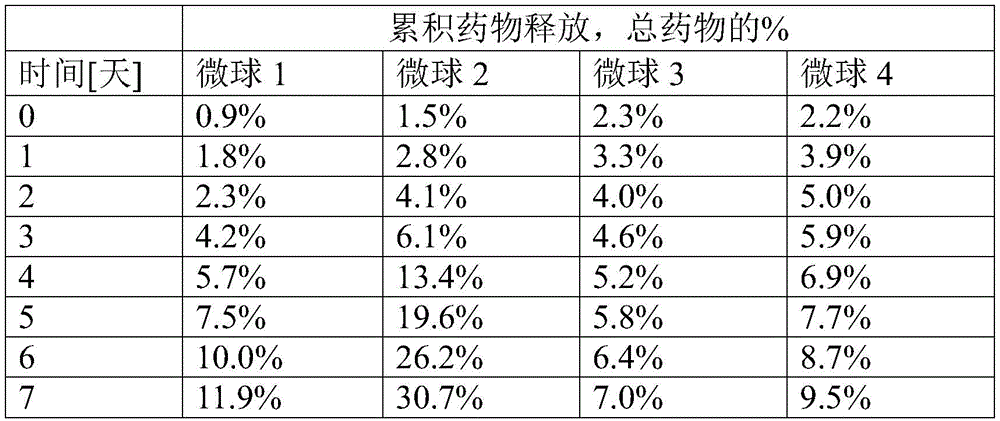
延长药物释放研究:使用针对在5小时内测试所描述的方法测定微球在7天内的药物洗脱。所得药物释放列于表2中。Prolonged Drug Release Study: Drug elution of the microspheres over 7 days was determined using the method described for the within 5 hours test. The resulting drug release is listed in Table 2.
表2.7天药物释放的测试Table 2. Testing of drug release in 7 days
将来自7天递送结果的释放速率拟合成Higuchi方程:The release rates from the 7-day delivery results were fitted to the Higuchi equation:
Q=A[D(2C-Cs)Cs t]1/2 Q=A[D(2C-Cs)Cs t] 1/2
Q=Kh(t)1/2 Q=K h (t) 1/2
其中Q是在时间t内每单位面积A释放的药物的量,C是药物初始浓度,Cs是药物在聚合物介质中的溶解度,D是药物在微球聚合物中的扩散系数。在广义方程中,Kh是结合面积、扩散系数和药物浓度系数的Higuchi常数。where Q is the amount of drug released per unit area A during time t, C is the initial concentration of drug, Cs is the solubility of the drug in the polymer medium, and D is the diffusion coefficient of the drug in the microsphere polymer. In the generalized equation, K h is the Higuchi constant for binding area, diffusion coefficient and drug concentration coefficient.
Higuchi方程用于测定微贮库的释放半衰期,并且还用于估算作为微球尺寸的函数的半衰期。所得释放半衰期示于表3中。The Higuchi equation was used to determine the release half-life of the microreservoir, and was also used to estimate the half-life as a function of microsphere size. The resulting release half-lives are shown in Table 3.
表3.来自Higuchi建模的药物释放半衰期Table 3. Drug release half-life from Higuchi modeling

结果表明,来自微贮库的药物的递送半衰期可以通过微贮库的制剂和尺寸来调节。对于至少14天的递送半衰期,估计需要1.5微米直径或更大的微球尺寸。The results show that the delivery half-life of the drug from the microdepot can be modulated by the formulation and size of the microdepot. For a delivery half-life of at least 14 days, it is estimated that a microsphere size of 1.5 microns in diameter or larger is required.
延长释放的验证:使用前述方法测定在8周内微球样品4的药物释放。由于与先前的释放实验相比,在取样之间相对长的时间间隔,微贮库可能在稍后的时间点不会释放到漏槽状态(sink conditions)中,潜在地减慢有效释放速率。所得药物释放列于表4中。Validation of Extended Release: The drug release of Microsphere Sample 4 was determined over 8 weeks using the method previously described. Due to the relatively long time interval between samplings compared to previous release experiments, the microreservoir may not be released into sink conditions at later time points, potentially slowing the effective release rate. The resulting drug release is listed in Table 4.
表4.在56天内延长药物释放的测试Table 4. Testing for prolonged drug release over 56 days

结果验证了来自微贮库的药物的持续释放。可调节或选择微贮库具有在整个扩张血管的愈合期提供药物的半衰期。The results demonstrate sustained release of drug from the microreservoir. Adjustable or selectable microreservoirs have a half-life that provides the drug throughout the healing period of the dilated vessel.
实施例3:在具有PEG-脂质的胆固醇和脂肪酸的涂层制剂中配制微贮库Example 3: Formulation of Microdepots in Coating Formulations of Cholesterol and Fatty Acids with PEG-Lipids
用与14mL的庚烷混合的107mg的硬脂酸、105mg的胆固醇和50mg的DPPE-mPEG350制备涂层制剂并加热至60℃,从而获得澄清溶液。然后,将该溶液涡旋混合30秒并使其冷却。接下来,加入200mg的样品#6的西罗莫司负载的微球,并将该制剂置于超声波浴中4分钟以分散和悬浮微球。[制剂1023E]A coating formulation was prepared with 107 mg of stearic acid, 105 mg of cholesterol and 50 mg of DPPE-mPEG350 mixed with 14 mL of heptane and heated to 60°C to obtain a clear solution. The solution was then vortexed for 30 seconds and allowed to cool. Next, 200 mg of sirolimus-loaded microspheres of sample #6 were added and the formulation was placed in an ultrasonic bath for 4 minutes to disperse and suspend the microspheres. [Formulation 1023E]
用与7mL的庚烷混合的58mg的芥酸、43mg的DC-胆固醇和6.25mg的DOPE-mPEG350制备涂层制剂并加热至60℃,从而获得澄清溶液。然后,将该溶液涡旋混合30秒并使其冷却。接下来,加入100mg的样品#8的西罗莫司负载的微球,并将该制剂置于超声浴中5分钟以分散和悬浮微球。[制剂0424A]A coating formulation was prepared with 58 mg of erucic acid, 43 mg of DC-cholesterol and 6.25 mg of DOPE-mPEG350 mixed with 7 mL of heptane and heated to 60°C to obtain a clear solution. The solution was then vortexed for 30 seconds and allowed to cool. Next, 100 mg of sirolimus-loaded microspheres of sample #8 were added and the formulation was placed in an ultrasonic bath for 5 minutes to disperse and suspend the microspheres. [Formulation 0424A]
用与7mL的庚烷混合的25mg的神经酸、75mg的DC-胆固醇和6.25mg的DOPE-mPEG350制备涂层制剂并加热至60℃,从而获得澄清溶液。然后将该溶液涡旋混合30秒并使其冷却。接下来,加入97mg的样品#8的西罗莫司负载的微球,并将该制剂置于超声波浴中5分钟以分散和悬浮微球。[制剂0422E]A coating formulation was prepared with 25 mg of nervonic acid, 75 mg of DC-cholesterol and 6.25 mg of DOPE-mPEG350 mixed with 7 mL of heptane and heated to 60°C to obtain a clear solution. The solution was then vortexed for 30 seconds and allowed to cool. Next, 97 mg of sirolimus-loaded microspheres of sample #8 were added and the formulation was placed in an ultrasonic bath for 5 minutes to disperse and suspend the microspheres. [Formulation 0422E]
实施例4:在胆固醇、脂肪酸、PEG-脂质和稳定添加剂的涂层制剂中配制微贮库Example 4: Formulation of Microreservoirs in Coating Formulations of Cholesterol, Fatty Acids, PEG-Lipids and Stabilizing Additives
用与7mL的庚烷混合的77mg的硬脂酸、40mg的胆固醇、50mg的DPPE-mPEG350和58mg的α-生育酚制备涂层制剂并加热至60℃,直到获得澄清溶液。将该溶液涡旋混合1分钟,并使其冷却至室温。接下来,加入100mg的样品#5的西罗莫司负载的微球。将该制剂置于超声波浴中5分钟以分散和悬浮微球。[制剂1009A]A coating formulation was prepared with 77 mg of stearic acid, 40 mg of cholesterol, 50 mg of DPPE-mPEG350 and 58 mg of alpha-tocopherol mixed with 7 mL of heptane and heated to 60°C until a clear solution was obtained. The solution was vortexed for 1 minute and allowed to cool to room temperature. Next, 100 mg of sirolimus-loaded microspheres of sample #5 were added. The formulation was placed in an ultrasonic bath for 5 minutes to disperse and suspend the microspheres. [Formulation 1009A]
实施例5:在胆固醇和磷脂的涂层制剂中配制微贮库Example 5: Formulation of Microreservoirs in Coating Formulations of Cholesterol and Phospholipids
使用与7mL的庚烷混合的43mg的胆固醇和42mg的L-α-磷脂酰胆碱制备涂层制剂并加热至60℃。将该溶液涡旋混合30秒,然后使其冷却至室温。接下来,将100mg的来自样品#5的西罗莫司负载的微球加入至小瓶,然后将其置于超声波浴中8分钟以分散和悬浮微球。[制剂0311A]A coating formulation was prepared using 43 mg of cholesterol and 42 mg of L-α-phosphatidylcholine mixed with 7 mL of heptane and heated to 60°C. The solution was vortexed for 30 seconds and then allowed to cool to room temperature. Next, 100 mg of sirolimus-loaded microspheres from sample #5 were added to the vial, which was then placed in an ultrasonic bath for 8 minutes to disperse and suspend the microspheres. [Formulation 0311A]
实施例6:在具有和不具有PEG-脂质的胆固醇和长酰基链磷脂的涂层制剂中配制Example 6: Formulation in Coating Formulations of Cholesterol and Long Acyl Chain Phospholipids with and Without PEG-Lipids 微贮库microreservoir
用与7mL的庚烷混合的51mg的DC-胆固醇、6.25mg的DOPE-mPEG350和51mg的二芥酰基磷脂酰胆碱(DEPC)制备涂层制剂并加热至60℃。将该溶液涡旋混合30秒,然后使其冷却至室温。接下来,将100mg来自样品#7的西罗莫司负载的微球加入至小瓶,然后将其置于超声波浴中5分钟以分散和悬浮微球体。[制剂0410A]A coating formulation was prepared with 51 mg of DC-cholesterol, 6.25 mg of DOPE-mPEG350 and 51 mg of diperucylphosphatidylcholine (DEPC) mixed with 7 mL of heptane and heated to 60°C. The solution was vortexed for 30 seconds and then allowed to cool to room temperature. Next, 100 mg of sirolimus-loaded microspheres from sample #7 were added to the vial, which was then placed in an ultrasonic bath for 5 minutes to disperse and suspend the microspheres. [Formulation 0410A]
用与7mL的庚烷混合的20mg的DC-胆固醇、26mg的胆固醇、6.25mg的DOPE-mPEG350和75mg的二神经酸基磷脂酰胆碱(DNPC)制备涂层制剂并加热至60℃。该制剂具有1.6:1的DNPC与DC-胆固醇的重量比。将溶液冷却至室温。接下来,将97mg的来自样品#7的西罗莫司负载的微球加入至小瓶,然后将其涡旋混合30秒,然后将其置于超声波浴中5分钟以分散和悬浮微球。[制剂0421A]Coating formulations were prepared with 20 mg of DC-cholesterol, 26 mg of cholesterol, 6.25 mg of DOPE-mPEG350 and 75 mg of dineurylphosphatidylcholine (DNPC) mixed with 7 mL of heptane and heated to 60°C. The formulation had a weight ratio of DNPC to DC-cholesterol of 1.6:1. The solution was cooled to room temperature. Next, 97 mg of sirolimus-loaded microspheres from sample #7 were added to the vial, which was then vortexed for 30 seconds and then placed in an ultrasonic bath for 5 minutes to disperse and suspend the microspheres. [Formulation 0421A]
用与7mL的庚烷混合的28mg的DC-胆固醇、26mg的胆固醇、6.25mg的DOPE-mPEG350和50mg的二神经酸基磷脂酰胆碱(DNPC)制备涂层制剂并加热至60℃。将该溶液涡旋混合30秒,然后使其冷却至室温。接下来,将97mg的来自样品#7的西罗莫司负载的微球加入至小瓶,然后将其置于超声波浴中5分钟以分散和悬浮微球。[制剂0421B]Coating formulations were prepared with 28 mg of DC-cholesterol, 26 mg of cholesterol, 6.25 mg of DOPE-mPEG350 and 50 mg of dineurylphosphatidylcholine (DNPC) mixed with 7 mL of heptane and heated to 60°C. The solution was vortexed for 30 seconds and then allowed to cool to room temperature. Next, 97 mg of sirolimus-loaded microspheres from sample #7 were added to the vial, which was then placed in an ultrasonic bath for 5 minutes to disperse and suspend the microspheres. [Formulation 0421B]
用与7mL的庚烷混合的50mg的DC-胆固醇和50mg的二神经酸基磷脂酰胆碱(DNPC)制备涂层制剂并加热至60℃。该制剂具有1:1的DNPC与DC-胆固醇的重量比。将该溶液涡旋混合30秒,然后使其冷却至室温。接下来,将100mg的来自样品#7的西罗莫司负载的微球加入至小瓶,然后将其置于超声波浴中4分钟以分散和悬浮微球。[制剂1205A]A coating formulation was prepared with 50 mg of DC-cholesterol and 50 mg of dineurophosphatidylcholine (DNPC) mixed with 7 mL of heptane and heated to 60°C. The formulation had a 1:1 weight ratio of DNPC to DC-cholesterol. The solution was vortexed for 30 seconds and then allowed to cool to room temperature. Next, 100 mg of sirolimus-loaded microspheres from sample #7 were added to the vial, which was then placed in an ultrasonic bath for 4 minutes to disperse and suspend the microspheres. [Formulation 1205A]
用与7mL的庚烷混合的49mg的DC-胆固醇、6.25mg的DOPE-mPEG350和50mg的二神经酸基磷脂酰胆碱(DNPC)制备涂层制剂并加热至60℃。该制剂具有1:1的DNPC与DC-胆固醇的重量比。将该溶液涡旋混合30秒,然后使其冷却至室温。接下来,将100mg的来自样品#7的西罗莫司负载的微球加入至小瓶,然后将其置于超声波浴中2分钟以分散和悬浮微球。[制剂1209A]Coating formulations were prepared with 49 mg of DC-cholesterol, 6.25 mg of DOPE-mPEG350 and 50 mg of dineurophosphatidylcholine (DNPC) mixed with 7 mL of heptane and heated to 60°C. The formulation had a 1:1 weight ratio of DNPC to DC-cholesterol. The solution was vortexed for 30 seconds and then allowed to cool to room temperature. Next, 100 mg of sirolimus-loaded microspheres from sample #7 were added to the vial, which was then placed in an ultrasonic bath for 2 minutes to disperse and suspend the microspheres. [Formulation 1209A]
用与7mL的庚烷混合的76mg的DC-胆固醇、6.25mg的DOPE-mPEG350和25mg的二神经酸基磷脂酰胆碱(DNPC)制备涂层制剂并加热至60℃。制剂具有1:3的DNPC与DC-胆固醇的重量比。将溶液冷却至室温。接下来,将100.7mg的来自样品#8的西罗莫司负载的微球加入至小瓶,涡旋混合30秒,然后置于超声波浴中5分钟以分散和悬浮微球。[制剂0513A]A coating formulation was prepared with 76 mg of DC-cholesterol, 6.25 mg of DOPE-mPEG350, and 25 mg of dineurophosphatidylcholine (DNPC) mixed with 7 mL of heptane and heated to 60°C. The formulation had a weight ratio of DNPC to DC-cholesterol of 1:3. The solution was cooled to room temperature. Next, 100.7 mg of sirolimus-loaded microspheres from sample #8 were added to the vial, vortexed for 30 seconds, and then placed in an ultrasonic bath for 5 minutes to disperse and suspend the microspheres. [Formulation 0513A]
实施例7:在具有不同PEG-脂质含量的DC-胆固醇的涂层制剂配制微贮库Example 7: Formulation of microreservoirs in coating formulations of DC-cholesterol with varying PEG-lipid content
用与加热至60℃的7mL的庚烷混合的12.5mg的DOPE-mPEG350、44mg的DC-胆固醇和44mg的二神经酸基磷脂酰胆碱(DNPC)制备涂层制剂。将澄清溶液冷却至室温,然后加入97mg的来自样品#8的微球的西罗莫司负载的微球。然后将制剂置于超声波浴中并超声处理5分钟以分散和悬浮微球。[制剂0422A]Coating formulations were prepared with 12.5 mg of DOPE-mPEG350, 44 mg of DC-cholesterol, and 44 mg of dineurylphosphatidylcholine (DNPC) mixed with 7 mL of heptane heated to 60°C. The clear solution was cooled to room temperature and then 97 mg of sirolimus-loaded microspheres from the microspheres of sample #8 were added. The formulation was then placed in an ultrasonic bath and sonicated for 5 minutes to disperse and suspend the microspheres. [Formulation 0422A]
用与加热至60℃的7mL的庚烷混合的25mg的DOPE-mPEG350、37.5mg的DC-胆固醇和37.5mg的二神经酸基磷脂酰胆碱(DNPC)制备涂层制剂。将澄清溶液冷却至室温,然后加入97mg的来自微球样品#8的西罗莫司负载的微球。然后将制剂置于超声波浴中并超声处理5分钟以分散和悬浮微球。[制剂0422B]Coating formulations were prepared with 25 mg of DOPE-mPEG350, 37.5 mg of DC-cholesterol, and 37.5 mg of dineurylphosphatidylcholine (DNPC) mixed with 7 mL of heptane heated to 60°C. The clear solution was cooled to room temperature and then 97 mg of sirolimus-loaded microspheres from microsphere sample #8 were added. The formulation was then placed in an ultrasonic bath and sonicated for 5 minutes to disperse and suspend the microspheres. [Formulation 0422B]
实施例8:具有额外的药物的涂层Example 8: Coating with additional drug
在7mL的庚烷中用72.9mg的DC-胆固醇制备涂层制剂并加热至60℃,直至DC-胆固醇溶解以产生澄清溶液。向溶液中加入15.5mg的西罗莫司并涡旋混合30秒。将溶液加热40分钟,每10分钟涡旋10秒,并超声处理5分钟,同时冷却至室温。向溶液中加入50mg的DNPC。当在室温下时,通过0.2微米PTFE过滤器将溶液过滤以除去大的药物颗粒。将溶液放置过夜,过夜没有观察到颗粒形成。测定溶液,发现西罗莫司含量为0.96mg/ml。向溶液中加入98mg的来自微球样品#8的西罗莫司负载的微球,涡旋混合30秒,超声处理8分钟以分散和悬浮微球。所得涂层制剂含有0.71%以重量计的西罗莫司,其中19.1%的药物在DC-胆固醇和DNPC疏水性基质中,其余物质在微球中。[制剂0512A]A coating formulation was prepared with 72.9 mg of DC-cholesterol in 7 mL of heptane and heated to 60°C until the DC-cholesterol dissolved to yield a clear solution. 15.5 mg of sirolimus was added to the solution and vortexed for 30 seconds. The solution was heated for 40 minutes, vortexed for 10 seconds every 10 minutes, and sonicated for 5 minutes while cooling to room temperature. To the solution was added 50 mg of DNPC. While at room temperature, the solution was filtered through a 0.2 micron PTFE filter to remove large drug particles. The solution was left overnight and no particle formation was observed overnight. The solution was measured and the sirolimus content was found to be 0.96 mg/ml. 98 mg of sirolimus-loaded microspheres from microsphere sample #8 were added to the solution, vortexed for 30 seconds, and sonicated for 8 minutes to disperse and suspend the microspheres. The resulting coating formulation contained 0.71% by weight of sirolimus, with 19.1% of the drug in the DC-cholesterol and DNPC hydrophobic matrix and the remainder in the microspheres. [Formulation 0512A]
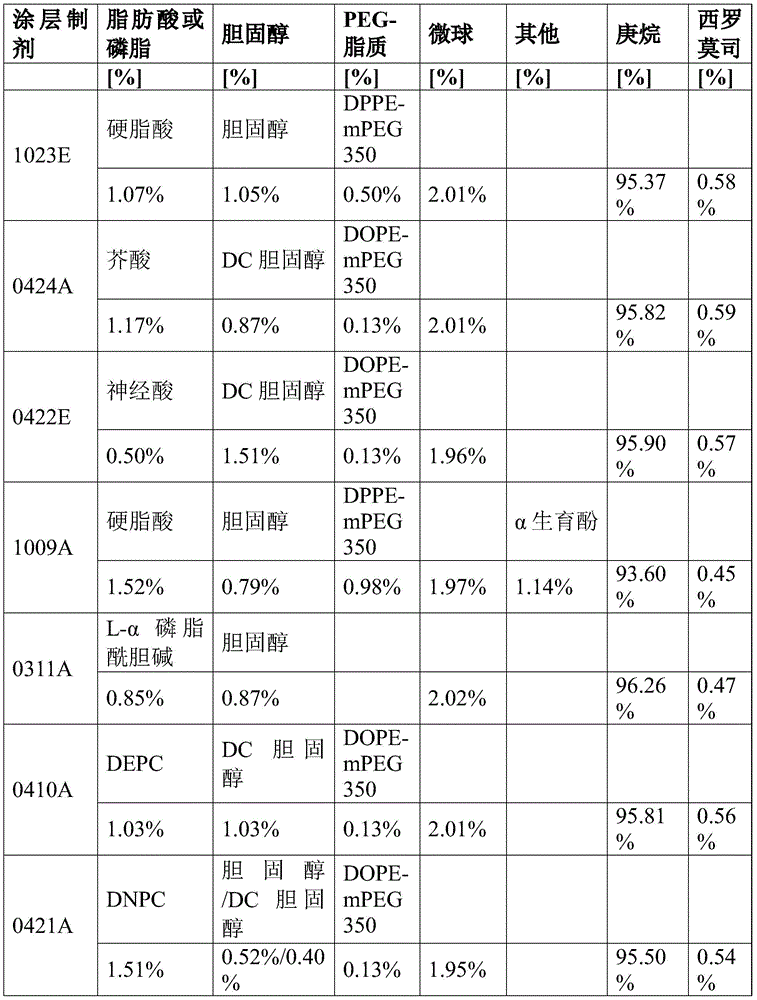
实施例3、4、5、6、7和8中所述的涂料制剂的重量百分比组成示于表5中。The weight percent compositions of the coating formulations described in Examples 3, 4, 5, 6, 7, and 8 are shown in Table 5.
表5.涂层制剂的重量百分比组成Table 5. Weight percent composition of coating formulations

实施例9:涂覆涂层制剂至球囊导管Example 9: Application of Coating Formulation to Balloon Catheter
将实施例3的硬脂酸涂层制剂(制剂1023E)喷雾到5.0mm直径×20mm长度的尼龙血管成形术球囊的球囊表面上。将7ml的涂层制剂装载至具有集成磁力搅拌棒系统的25mL气密注射器中。在喷雾期间将制剂连续搅拌以保持药物微贮库充分悬浮。注射泵以0.11mL/min的速率通过用5.5瓦的功率[Sonotek DES1000]激活的120kHz的超声波喷嘴递送涂层制剂。为了验证工艺参数,切割5.0mm直径×20mm长度的球囊材料圆柱体,称重并放置在相同尺寸的球囊上。然后涂覆该球囊材料的套筒并称重,以验证涂覆了约2.2mg的总涂层,相应于7μg/mm2的涂层密度。在来自实施例3的该7μg/mm2的制剂中,硬脂酸包含约1.6μg/mm2,胆固醇包含1.6μg/mm2、DPPE-mPEG350 0.8μg/mm2和来自微球样品#5的西罗莫司负载的微球3μg/mm2,产生0.87μg/mm2的药物密度。一旦套筒重量证实已经达到目标重量,就涂覆整个球囊。将5.0mm直径×20mm长度的球囊充气,放置在喷雾器下方,然后不断地旋转,同时前后移动5次。然后移除球囊并使其干燥。重复该过程,直至涂覆6个球囊。重复该相同的过程以将实施例6的涂层制剂(制剂0513A)喷涂在3.0mm直径×20mm长度的球囊上。具有实施例6的制剂(制剂0513A)的3.0mm直径×20mm长度的球囊的套筒涂层目标重量为1.4mg,以实现7.6μg/mm2的涂层密度。在7.6μg/mm2中,二神经酸基磷脂酰胆碱包含0.9μg/mm2、DC-胆固醇2.7μg/mm2、DOPE-mPEG350 0.23μg/mm2和样品#5的西罗莫司负载的微球包含3.7μg/mm2,产生1.08μg/mm2的药物密度。The stearic acid coating formulation of Example 3 (Formulation 1023E) was sprayed onto the balloon surface of a 5.0 mm diameter x 20 mm length nylon angioplasty balloon. 7 ml of the coating formulation was loaded into a 25 mL gas-tight syringe with an integrated magnetic stir bar system. The formulation was continuously agitated during nebulization to keep the drug microreservoir well suspended. A syringe pump delivered the coating formulation at a rate of 0.11 mL/min through a 120 kHz ultrasonic nozzle activated with a power of 5.5 watts [Sonotek DES1000]. To verify the process parameters, a 5.0 mm diameter x 20 mm length cylinder of balloon material was cut, weighed and placed on a balloon of the same size. The sleeve of the balloon material was then coated and weighed to verify that approximately 2.2 mg of total coating was applied, corresponding to a coating density of 7 μg/mm 2 . In this 7 μg/mm 2 formulation from Example 3, stearic acid contained about 1.6 μg/mm 2 , cholesterol contained 1.6 μg/mm 2 , DPPE-mPEG350 0.8 μg/mm 2 and from microsphere sample #5 Sirolimus-loaded microspheres were 3 μg/mm 2 , resulting in a drug density of 0.87 μg/mm 2 . Once the sleeve weight confirms that the target weight has been reached, the entire balloon is coated. A 5.0 mm diameter x 20 mm length balloon was inflated, placed under the nebulizer, and rotated continuously while moving back and forth 5 times. The balloon is then removed and allowed to dry. This process was repeated until 6 balloons were coated. This same process was repeated to spray the coating formulation of Example 6 (Formulation 0513A) onto a 3.0 mm diameter x 20 mm length balloon. The sleeve coating target weight of a 3.0 mm diameter x 20 mm length balloon with the formulation of Example 6 (Formulation 0513A) was 1.4 mg to achieve a coating density of 7.6 μg/mm 2 . At 7.6 μg/mm 2 bisneurylphosphatidylcholine contained 0.9 μg/mm 2 , DC-cholesterol 2.7 μg/mm 2 , DOPE-mPEG350 0.23 μg/mm 2 and a sirolimus loading of sample #5 The microspheres contained 3.7 μg/mm 2 , resulting in a drug density of 1.08 μg/mm 2 .
实施例4、5、6、7和8的涂层制剂也以喷涂前述实施例3的制剂的方式喷涂在20mm长度的球囊的表面上。所得涂层重量和涂层密度示于表6中。The coating formulations of Examples 4, 5, 6, 7 and 8 were also sprayed on the surface of a 20 mm length balloon in the same manner as the formulation of Example 3 above. The resulting coating weights and coating densities are shown in Table 6.
表6.球囊导管的涂层Table 6. Coatings of Balloon Catheters

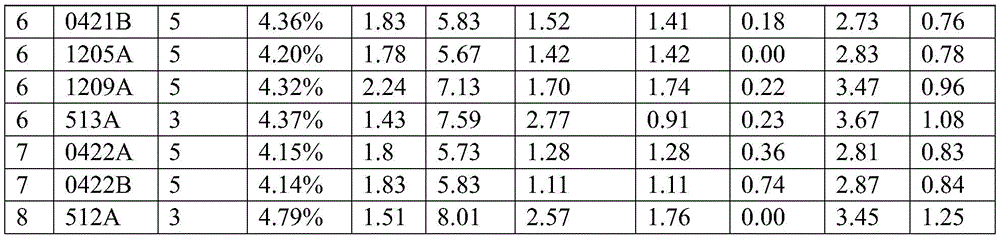
对于用实施例4的制剂涂覆的球囊,用由1mg的胆固醇和胆固醇-PEG600涂层组成的另外的表涂层制剂(1010D)喷涂每个球囊以覆盖微贮库层。为了制备该表涂层,将23mg的胆固醇-PEG600和224mg的胆固醇溶于7mL的异丙醇中。在5.0mm直径×20mm长度的球囊上的1mg的目标涂层重量相应于3.2μg/mm2的由0.3μg/mm2的胆固醇-PEG 600和2.9μg/mm2的胆固醇组成的总表涂层。For balloons coated with the formulation of Example 4, each balloon was sprayed with an additional topcoat formulation (1010D) consisting of 1 mg of cholesterol and a cholesterol-PEG600 coating to cover the microreservoir layer. To prepare the topcoat, 23 mg of cholesterol-PEG600 and 224 mg of cholesterol were dissolved in 7 mL of isopropanol. A target coating weight of 1 mg on a 5.0 mm diameter x 20 mm length balloon corresponds to a total surface coating of 3.2 μg/mm 2 consisting of 0.3 μg/mm 2 of cholesterol-PEG 600 and 2.9 μg/mm 2 of cholesterol Floor.
实施例10:粘附涂层至血管管腔表面Example 10: Adhesion of Coatings to Vascular Lumen Surfaces
离体猪动脉用37℃乳酸林格氏溶液以50mL/min脉动流(约72BPM)冲洗5分钟。将用实施例3的制剂涂覆的球囊在离体猪动脉的管腔中充气至约1:1.2的过度扩张,以将包含药物的涂层转移至血管管腔。随后在充气后冲洗5分钟后测定在充气之前和之后通过动脉的溶液(冲洗前和冲洗后),用于动脉的球囊和接触充气球囊的动脉部分的药物。将用制剂1205A和1209A处理的血管冲洗总共60分钟,以评价转移的涂层的延长的稳定性。在测定中从所有来源测量的药物的量被总计并与基于涂层重量的球囊的估算药物含量进行比较。基于以涂层重量计球囊的估算药物含量的转移至动脉的药物的比例用作转移效率的量度。Isolated porcine arteries were flushed with lactated Ringer's solution at 37°C for 5 minutes at 50 mL/min pulsating flow (approximately 72 BPM). A balloon coated with the formulation of Example 3 was inflated in the lumen of isolated porcine arteries to approximately 1:1.2 hyperdilation to transfer the drug-containing coating to the lumen of the vessel. Solution passing through the artery before and after inflation (pre- and post-irrigation), the balloon applied to the artery and the drug contacting the arterial portion of the inflated balloon were then determined after a 5-minute post-inflation flush. Vessels treated with formulations 1205A and 1209A were flushed for a total of 60 minutes to assess the prolonged stability of the transferred coatings. The amounts of drug measured from all sources in the assay were summed and compared to the estimated drug content of the balloon based on coating weight. The proportion of drug transferred to the artery based on the estimated drug content of the balloon by coating weight was used as a measure of transfer efficiency.
表7.硬脂酸-胆固醇制剂[制剂1023E]Table 7. Stearic Acid-Cholesterol Formulation [Formulation 1023E]
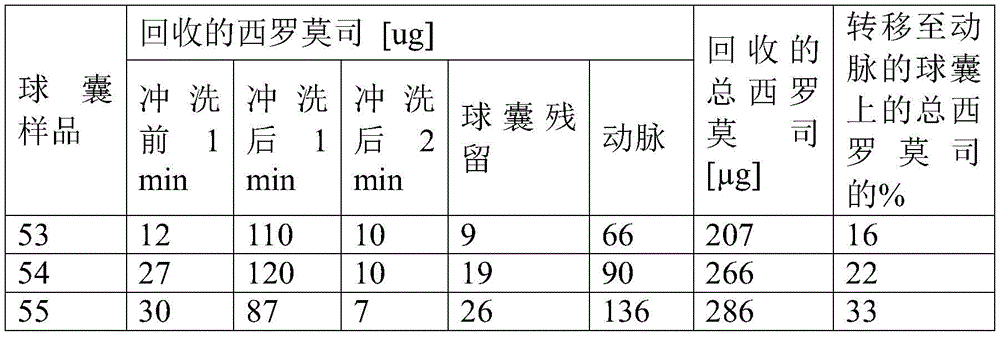
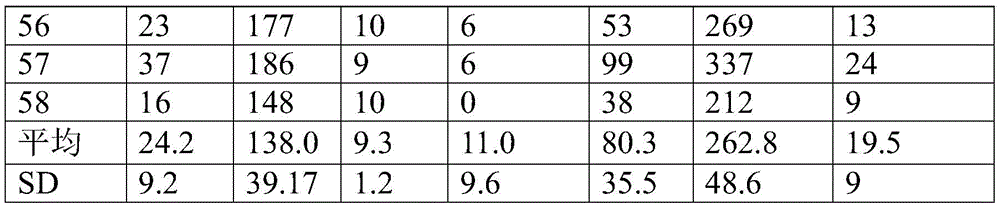
表8.芥酸–DC-胆固醇制剂[制剂0424A]Table 8. Erucic Acid-DC-Cholesterol Formulation [Formulation 0424A]
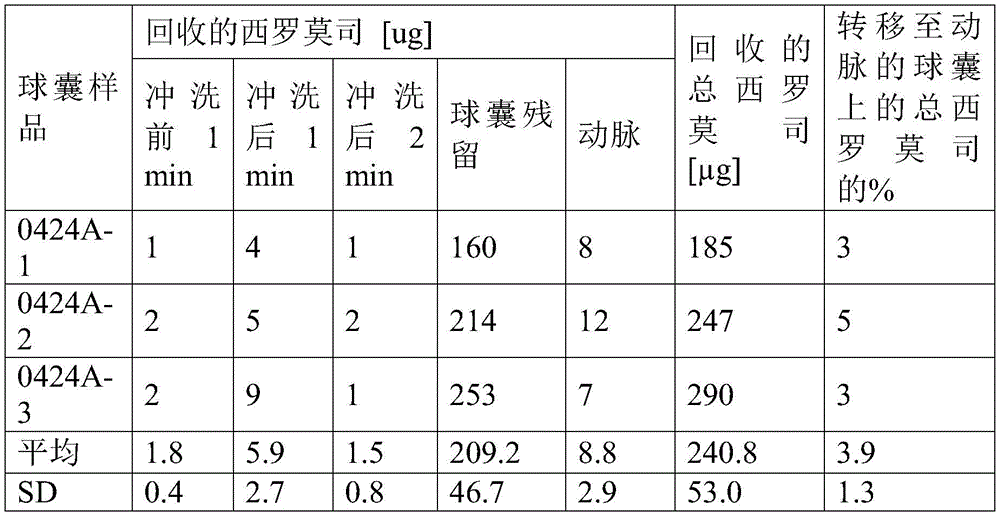
表9.神经酸–DC-胆固醇制剂[制剂0422E]Table 9. Nervous Acid-DC-Cholesterol Formulation [Formulation 0422E]

还在离体猪动脉中测试用实施例4的制剂涂覆的球囊。Balloons coated with the formulation of Example 4 were also tested in isolated porcine arteries.
表10.硬脂酸–胆固醇-α生育酚制剂[制剂1009A/1010D]Table 10. Stearic Acid-Cholesterol-Alpha Tocopherol Formulations [Formulations 1009A/1010D]


还在离体猪动脉中测试用实施例5的制剂涂覆的球囊。Balloons coated with the formulation of Example 5 were also tested in isolated porcine arteries.
表11.L-α-磷脂酰胆碱–胆固醇制剂[制剂0311A]Table 11. L-alpha-phosphatidylcholine-cholesterol formulation [Formulation 0311A]
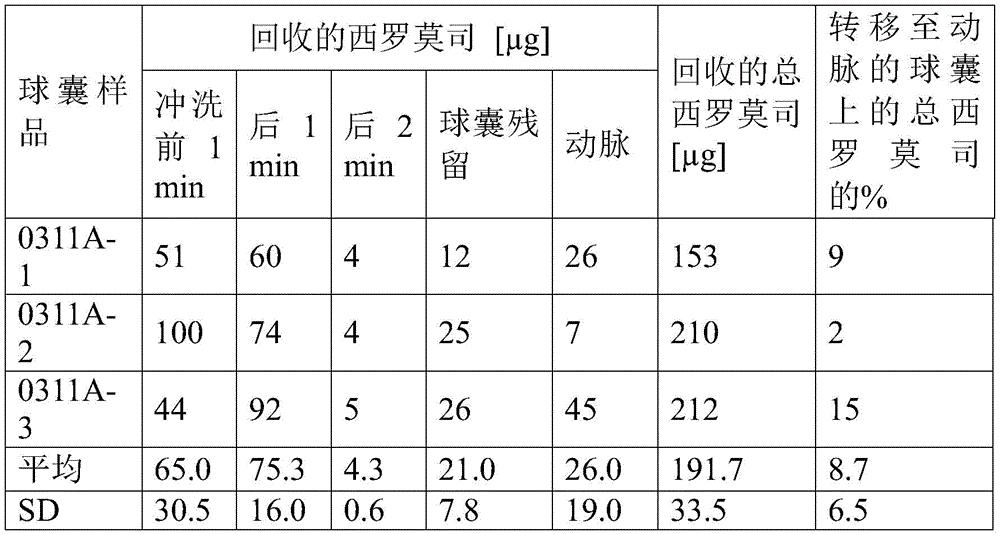
还在离体猪动脉中测试用实施例6的制剂涂覆的球囊。Balloons coated with the formulation of Example 6 were also tested in isolated porcine arteries.
表12.DEPC-DC-胆固醇[制剂0410A]Table 12. DEPC-DC-cholesterol [Formulation 0410A]

表13.DNPC–DC-胆固醇制剂[制剂0421A]Table 13. DNPC–DC-cholesterol formulation [Formulation 0421A]
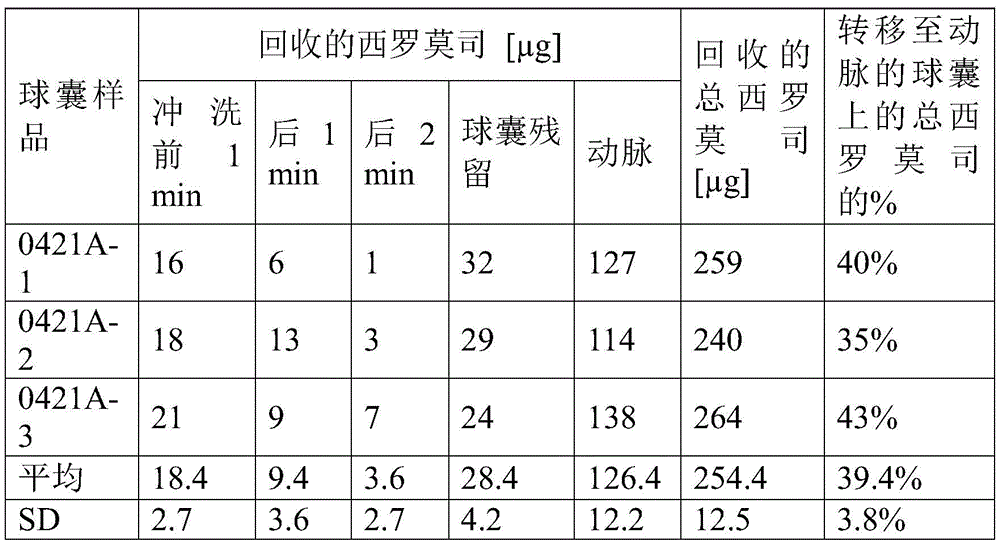
表14.DNPC–DC-胆固醇-胆固醇制剂[制剂0421B]Table 14. DNPC-DC-cholesterol-cholesterol formulation [Formulation 0421B]
表15.DNPC–DC-胆固醇(无PEG-脂质)制剂[制剂1205A]Table 15. DNPC-DC-cholesterol (no PEG-lipid) formulation [Formulation 1205A]
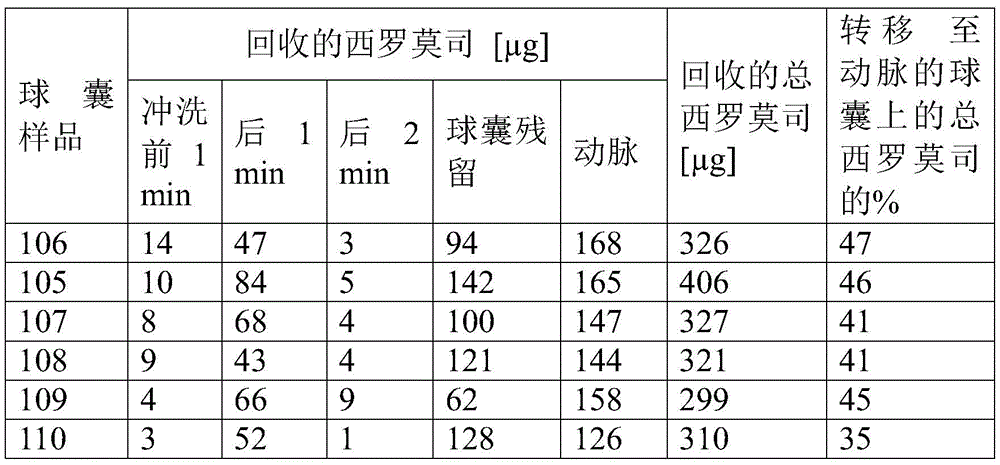

表16.[DNPC–DC-胆固醇(PEG-脂质)制剂[制剂1209A]Table 16. [DNPC-DC-cholesterol (PEG-lipid) formulation [Formulation 1209A]
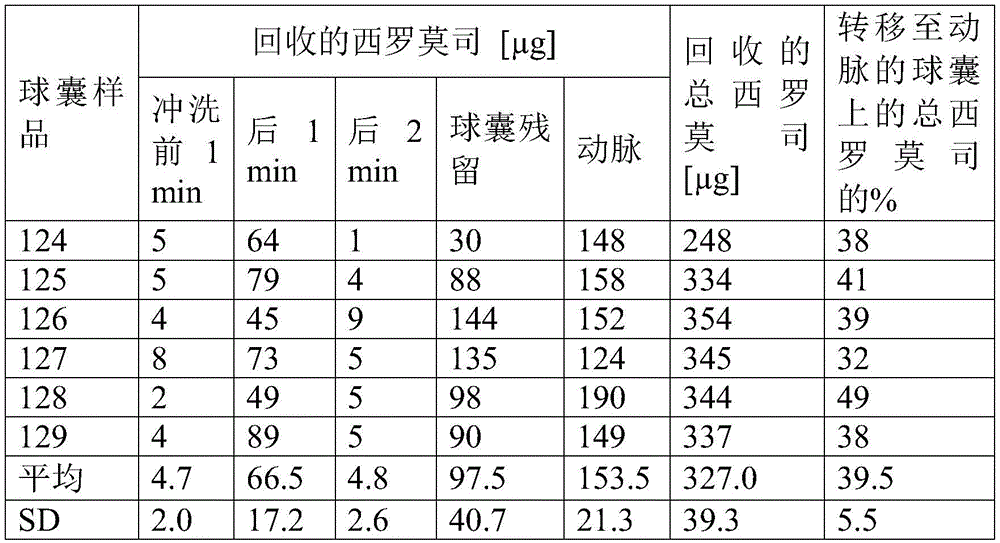
表17.DNPC–DC-胆固醇(PEG-脂质)制剂[制剂0513A]Table 17. DNPC-DC-cholesterol (PEG-lipid) formulation [Formulation 0513A]

在涂覆有制剂1209A的球囊的充气后和在充气后流体冲洗一小时后,在暗视野显微镜下观察动脉的管腔表面。图4是在200X放大率下的管腔表面的显微照片,其示出粘附的材料。图5是在1000X放大率下的表面的显微照片,其示出粘附的材料是由涂层材料包围的球形微贮库的层。After inflation of the formulation 1209A-coated balloon and one hour of post-inflation fluid flush, the luminal surface of the artery was observed under dark field microscopy. Figure 4 is a photomicrograph of a lumen surface at 200X magnification showing adhered material. Figure 5 is a photomicrograph of a surface at 1000X magnification showing that the adhered material is a layer of spherical microreservoirs surrounded by coating material.
实施例11:具有不同PEG-脂质含量的涂层制剂与血管管腔表面的粘附Example 11: Adhesion of coating formulations with different PEG-lipid content to vascular luminal surfaces
使用实施例10的方法测试来自实施例7的样品的涂层转移和耐冲洗性。将结果制成表,以与具有相等重量比例的DNPC和DC-胆固醇以及不同量的DOPE-mPEG350的涂层进行比较。[制剂1205A、1209A、0422A、0422B]Samples from Example 7 were tested for coating transfer and washout resistance using the method of Example 10. The results are tabulated for comparison with coatings with equal weight ratios of DNPC and DC-cholesterol and varying amounts of DOPE-mPEG350. [Formulations 1205A, 1209A, 0422A, 0422B]
表18.各个涂层制剂的涂层转移和耐冲洗性Table 18. Coating Transfer and Washout Resistance of Individual Coating Formulations
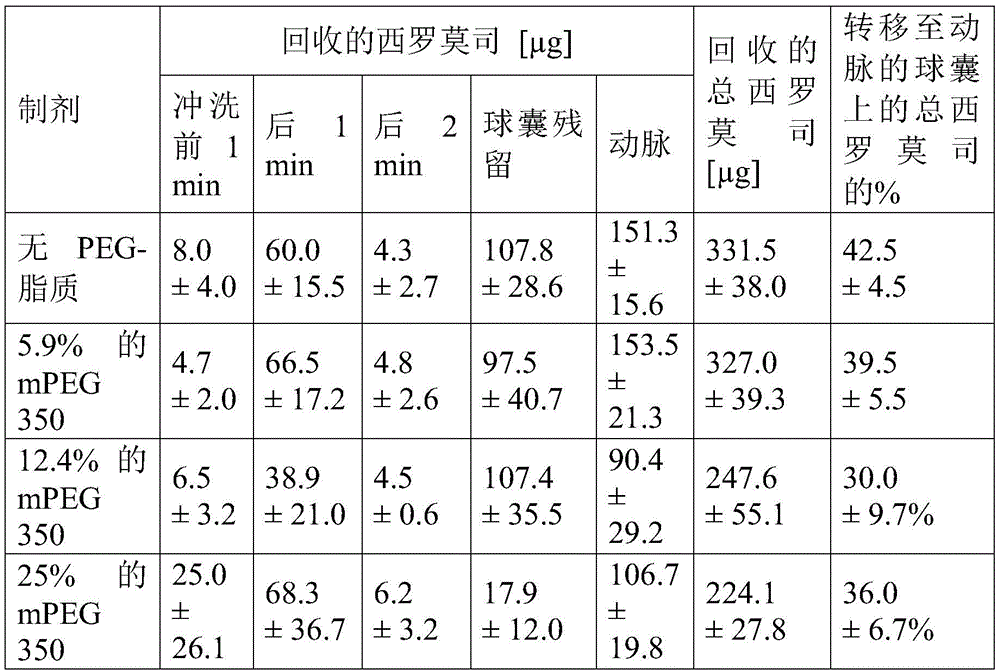
结果证实药物涂层大量转移至血管管腔。对于具有25%的PEG-脂质的涂层制剂,冲洗前期间的药物涂层损失增加。The results confirmed that the drug coating was massively transferred to the vascular lumen. Drug coating loss during the pre-rinse period increased for the coating formulation with 25% PEG-lipid.
实施例12:具有另外的雷帕霉素的涂层与血管腔表面的粘附Example 12: Adhesion of coatings with additional rapamycin to vascular luminal surfaces
使用实施例10的方法测试实施例8的制剂的涂层转移和耐冲洗性。The formulation of Example 8 was tested for coating transfer and washout resistance using the method of Example 10.
表19.具有另外的药物的DNPC–DC-胆固醇制剂[制剂0512A]Table 19. DNPC-DC-cholesterol formulation with additional drugs [Formulation 0512A]
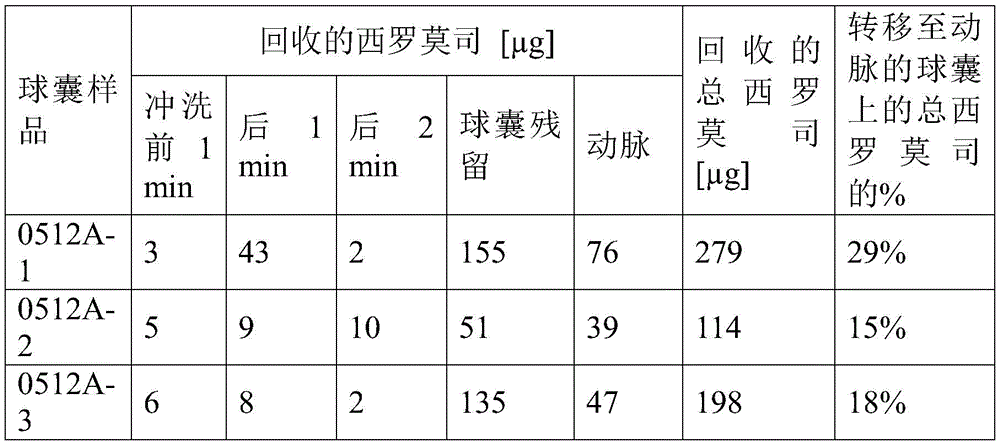

结果证实药物从具有添加至涂层制剂的磷脂和胆固醇组分的另外的药物的涂层大量转移至血管管腔。The results demonstrate substantial transfer of drug to the vascular lumen from the coating with additional drug added to the phospholipid and cholesterol components of the coating formulation.
实施例13:药物体内释放至处理的血管中Example 13: In vivo release of drug into treated blood vessels
为了制备使用包含药物微贮库的制剂涂覆的球囊导管,将100mg的DNPC、103mg的DC-胆固醇和12.5mg的DOPE-mPEG350混合至14mL的庚烷中。将混合物加热至60℃以溶解固体组分并冷却至室温。接下来,加入195mg的微球样品#6并搅拌以悬浮微球。使用实施例9中所述的方法用制剂涂覆具有3.0mm直径×20mm长度的球囊的球囊导管。使涂覆的球囊导管干燥。将平均1.28mg±0.12mg的干燥涂层涂覆到球囊上,产生6.80μg/mm2的涂层密度和1.06μg/mm2的药物密度。将球囊放气并折叠成具有较小横截面的预布置(deployment)构型,并包装在套筒中以保持折叠构型。将球囊导管包装并通过在25千戈瑞最小剂量下的电离辐射灭菌。To prepare a balloon catheter coated with the formulation containing the drug microreservoir, 100 mg of DNPC, 103 mg of DC-cholesterol, and 12.5 mg of DOPE-mPEG350 were mixed into 14 mL of heptane. The mixture was heated to 60°C to dissolve the solid components and cooled to room temperature. Next, 195 mg of microsphere sample #6 was added and stirred to suspend the microspheres. A balloon catheter having a 3.0 mm diameter x 20 mm length balloon was coated with the formulation using the method described in Example 9. Allow the coated balloon catheter to dry. An average of 1.28 mg ± 0.12 mg of dry coating was applied to the balloon, resulting in a coating density of 6.80 μg/mm 2 and a drug density of 1.06 μg/mm 2 . The balloon is deflated and folded into a pre-deployment configuration with a smaller cross-section and packaged in a sleeve to maintain the folded configuration. The balloon catheter was packaged and sterilized by ionizing radiation at a minimum dose of 25 kGy.
兔的髂股动脉用于评价药物涂层体内转移至动脉血管。首先,将用于治疗的髂股动脉段剥除内皮以再现血管成形术后的组织损伤。对颈总动脉进行解剖,将大小为5F的球囊楔形导管插入动脉中,并在透视导向(fluoroscopic guidance)下定向至髂股动脉的治疗部位。通过导管注入造影剂并记录髂股动脉的血管造影。在透视导向下将球囊楔形导管更换为3.0mm直径×8mm长度的标准血管成形术球囊导管、充气并且在其充气状态下近端撤回至接近髂骨分叉的水平,以裸露动脉的截面。将血管成形术球囊导管更换为药物涂覆的球囊导管。将导管推进到裸露的血管段并充气120秒。将球囊放气并取出。处理每只动物的右和左髂骨动脉。Rabbit iliofemoral arteries were used to evaluate in vivo transfer of drug coatings to arterial vessels. First, the iliofemoral artery segment used for treatment was de-endothelated to reproduce post-angioplasty tissue damage. The common carotid artery was dissected and a size 5F balloon wedge catheter was inserted into the artery and directed to the treatment site of the iliofemoral artery under fluoroscopic guidance. Contrast was injected through the catheter and angiography of the iliofemoral artery was recorded. The balloon wedge catheter was replaced with a standard angioplasty balloon catheter of 3.0 mm diameter x 8 mm length under fluoroscopic guidance, inflated and retracted proximally in its inflated state to a level close to the iliac bifurcation to expose the cross-section of the artery . Change the angioplasty balloon catheter to a drug-coated balloon catheter. The catheter was advanced to the bare vessel segment and inflated for 120 seconds. Deflate the balloon and remove. The right and left iliac arteries of each animal were processed.
共处理11只动物。在处理后1小时将一只动物(处理2个髂骨动脉)安乐死,并且回收血管段用于显微镜检查。在处理后24小时将另一只动物(处理2个髂骨动脉)安乐死,并且回收血管段用于显微镜检查。在1小时、7天和28天的每个时间点回收三只动物(6个髂骨动脉)。在处理后0.5小时、1小时、4小时和处死时并在手术前从这些动物采集血液样品。回收血管段并通过HPLC/MS定量测定药物含量。A total of 11 animals were treated. One animal (2 iliac arteries treated) was euthanized 1 hour after treatment, and vessel segments were recovered for microscopy. Another animal (2 iliac arteries treated) was euthanized 24 hours after treatment, and vessel segments were recovered for microscopy. Three animals (6 iliac arteries) were recovered at each time point of 1 hour, 7 days and 28 days. Blood samples were collected from these animals at 0.5 hours, 1 hour, 4 hours after treatment and at sacrifice and before surgery. Vascular segments were recovered and drug content was quantified by HPLC/MS.
血液样品的分析显示药物在循环血液中快速下降,在30分钟时的浓度为4.75ng/ml,在1小时时的浓度为2.63ng/ml和在4小时时的浓度为0.82ng/ml。在7天和28天时间点处死时采集的药物的血液浓度低于定量分析的检测限。将血液水平拟合为半衰期为0.77小时的指数衰减曲线,这表明血流中的药物的快速稀释和清除。Analysis of the blood samples showed a rapid decline of the drug in circulating blood, with concentrations of 4.75 ng/ml at 30 minutes, 2.63 ng/ml at 1 hour and 0.82 ng/ml at 4 hours. Blood concentrations of drug collected at sacrifice at the 7-day and 28-day time points were below the limit of detection for quantitative analysis. Blood levels were fitted to an exponential decay curve with a half-life of 0.77 hours, which indicates rapid dilution and clearance of the drug from the bloodstream.
在处理后1小时和24小时采集的组织样品的扫描电子显微镜和光学显微镜显示在血管管腔表面上的一层物质,并在层内观察到球形药物微贮库。在管腔表面上观察到纤维蛋白的斑片状区域,但没有观察到指示血液不相容性的大纤维蛋白沉积物与涂层有关。Scanning electron microscopy and light microscopy of tissue samples taken 1 hour and 24 hours after treatment showed a layer of material on the luminal surface of the vessel, and spherical drug microreservoirs were observed within the layer. Patchy areas of fibrin were observed on the luminal surface, but no large fibrin deposits indicative of blood incompatibility were observed in association with the coating.
经处理的血管段的分析显示处理后1小时的组织药物水平为261μg/g±116.5μg/g,处理后7天为43.8μg/g±34.2μg/g,且处理后28天为21.5μg/g±17.3μg/g。结果表明含有药物的微贮库涂层与动脉的管腔表面的粘附,伴随着在整个28天与处理的血管的组织结合的药物的持续存在。药物的组织结合水平展示快速的初始下降,其在第7天至第28天之间减慢。将来自第7天和第28天的组织结合药物水平拟合为指数衰减,表明约20.4天的半衰期。Analysis of treated vessel segments showed tissue drug levels of 261 μg/g ± 116.5 μg/g 1 hour after treatment, 43.8 μg/g ± 34.2 μg/g 7 days after treatment, and 21.5 μg/g 28 days after treatment g±17.3 μg/g. The results demonstrate the adhesion of the drug-containing microreservoir coating to the luminal surface of the artery, with the persistence of the drug bound to the tissue of the treated vessel throughout 28 days. Tissue binding levels of the drug exhibited a rapid initial decline that slowed between days 7 and 28. Tissue bound drug levels from days 7 and 28 were fitted to an exponential decay, indicating a half-life of approximately 20.4 days.
附加实施方案Additional implementation
虽然已经在某些优选实施方案和实施例的上下文中公开了本发明,但本领域技术人员将理解,本发明延伸超出具体公开的实施方案到本发明的其它替代实施方案和/或用途及其显而易见的修改和等同物。此外,预期所描述的本发明的各个方面和特征可以单独地实施,组合在一起或彼此替代,并且可以进行各个特征和各个方面的各种组合和子组合,并且仍落入本发明的范围内。此外,本文公开的结合实施方案的任何特定特征、方面、方法、性质、特性、质量、属性、元件等可以用于本文阐述的所有其他实施方案。因此,意图是本文公开的本发明的范围不应该受到上述具体公开的实施方案限制,而是应当仅通过公正地阅读权利要求来确定。While the invention has been disclosed in the context of certain preferred embodiments and examples, those skilled in the art will appreciate that the invention extends beyond the specifically disclosed embodiments to other alternative embodiments and/or uses of the invention and their Obvious modifications and equivalents. Furthermore, it is contemplated that the various aspects and features of the invention described may be implemented separately, combined or substituted for each other, and that various combinations and subcombinations of the various features and aspects may be made and still fall within the scope of the invention. Furthermore, any specific feature, aspect, method, property, characteristic, quality, attribute, element, etc. disclosed herein in conjunction with an embodiment may be used for all other embodiments set forth herein. Therefore, it is intended that the scope of the invention disclosed herein should not be limited by the specific disclosed embodiments above, but should be determined only by a fair reading of the claims.
除非另外明确规定或在所使用的上下文中以其他方式理解,否则诸如“能够(could)”,“可能(might)”或“可能(may)”之类的条件语言通常旨在表达某些实施方案包括而其他实施方案不包括某些特征或元素。因此,这样的条件语言通常不旨在暗示特征或元素以任何方式对于一个或多个实施方案是必需的。Conditional language such as "could," "might," or "may" is generally intended to express some implementation unless explicitly stated otherwise or otherwise understood in the context in which it is used Aspects include certain features or elements while other embodiments do not. Thus, such conditional language is generally not intended to imply that a feature or element is in any way required to one or more embodiments.
实施方案的总结Summary of Implementation
一种用于导管的可扩张部分的涂层,其包含疏水性基质和分散相,所述分散相包含分散在所述疏水性基质中的多个微贮库,其中所述多个微贮库包含第一活性剂和可生物降解或可生物溶蚀的聚合物。涂层被配置成当扩张可扩张部分时转移到管腔壁。A coating for an expandable portion of a catheter comprising a hydrophobic matrix and a dispersed phase, the dispersed phase comprising a plurality of microreservoirs dispersed in the hydrophobic matrix, wherein the plurality of microreservoirs A first active agent and a biodegradable or bioerodible polymer are included. The coating is configured to transfer to the lumen wall when the expandable portion is expanded.
在上述涂层的实施方案中,所述第一活性剂与所述可生物降解或可生物溶蚀的聚合物混合或分散在所述可生物降解或可生物溶蚀的聚合物中。In the above-described coating embodiments, the first active agent is mixed with or dispersed in the biodegradable or bioerodible polymer.
在上述涂层的实施方案中,所述可生物降解或可生物溶蚀的聚合物选自聚乳酸、聚乙醇酸及它们的共聚物、聚二噁烷酮、聚己内酯、聚磷腈、胶原、明胶、壳聚糖、糖胺聚糖及它们的组合。In an embodiment of the above coating, the biodegradable or bioerodible polymer is selected from the group consisting of polylactic acid, polyglycolic acid and their copolymers, polydioxanone, polycaprolactone, polyphosphazene, Collagen, gelatin, chitosan, glycosaminoglycans, and combinations thereof.
在上述涂层的实施方案中,所述疏水性基质包含至少一种选自甾醇类、脂质类、磷脂类、脂肪类、脂肪酸类、表面活性剂及它们的衍生物的疏水性化合物。In embodiments of the above coatings, the hydrophobic matrix comprises at least one hydrophobic compound selected from the group consisting of sterols, lipids, phospholipids, fats, fatty acids, surfactants and derivatives thereof.
在上述涂层的一些实施方案中,其中所述疏水性基质包含胆固醇和脂肪酸。在一些实施方案中,所述胆固醇与脂肪酸的重量比在约1:2至约3:1的范围内。In some embodiments of the above coating, wherein the hydrophobic matrix comprises cholesterol and fatty acids. In some embodiments, the cholesterol to fatty acid weight ratio is in the range of about 1:2 to about 3:1.
在上述涂层的实施方案中,所述脂肪酸选自月桂酸、月桂烯酸、十四碳二烯酸、辛酸、肉豆蔻酸、肉豆蔻脑酸、癸烯酸、癸酸、十六碳烯酸、棕榈油酸、棕榈酸、亚麻酸、亚油酸、油酸、异油酸、硬脂酸、二十碳五烯酸、花生四烯酸、二十碳三烯酸、花生酸、二十二碳六烯酸、二十二碳五烯酸、二十二碳四烯酸、二十二烯酸、二十四烷酸、二十六碳烯酸、降植烷酸、植烷酸和神经酸。In an embodiment of the above coating, the fatty acid is selected from the group consisting of lauric acid, lauric acid, tetradecadienoic acid, caprylic acid, myristic acid, myristic acid, decenoic acid, capric acid, hexadecene acid, palmitoleic acid, palmitic acid, linolenic acid, linoleic acid, oleic acid, isooleic acid, stearic acid, eicosapentaenoic acid, arachidonic acid, eicosatrienoic acid, arachidic acid, dimethicone docosahexaenoic acid, docosapentaenoic acid, docosatetraenoic acid, docosahexaenoic acid, tetracosanoic acid, docosaenoic acid, pristanoic acid, phytanic acid and nervous acid.
在上述涂层的其他实施方案中,其中所述疏水性基质包含胆固醇和磷脂。在一些实施方案中,所述胆固醇与磷脂的重量比在约1:2至约3:1的范围内。In other embodiments of the above coating, wherein the hydrophobic matrix comprises cholesterol and phospholipids. In some embodiments, the weight ratio of cholesterol to phospholipid ranges from about 1:2 to about 3:1.
在一些实施方案中,所述磷脂选自磷脂酰胆碱、磷脂酰乙醇胺、磷脂酰丝氨酸和磷脂酰肌醇。In some embodiments, the phospholipid is selected from the group consisting of phosphatidylcholine, phosphatidylethanolamine, phosphatidylserine, and phosphatidylinositol.
在一些实施方案中,所述磷脂是阳离子磷脂。在一些实施方案中,所述阳离子磷脂是磷脂酰乙醇胺、二油酰基磷脂酰乙醇胺(DOPE)或磷脂酰胆碱的胺衍生物。In some embodiments, the phospholipid is a cationic phospholipid. In some embodiments, the cationic phospholipid is an amine derivative of phosphatidylethanolamine, dioleoylphosphatidylethanolamine (DOPE), or phosphatidylcholine.
在一些实施方案中,所述磷脂包含约20至约34个碳的酰基链长度。在一些实施方案中,所述磷脂选自二(二十碳烯酰基)磷脂酰胆碱(1,2-二(二十碳烯酰基)-sn-甘油基-3-磷酸胆碱,C20:1PC)、二花生四烯酰磷脂酰胆碱(1,2-二花生酰基-sn-甘油基-3-磷酸胆碱,C20:0PC)、二芥酰基磷脂酰胆碱(1,2-二芥酰基-sn-甘油基-3-磷酸胆碱,C22:1PC)、二(二十二碳六烯酰基)磷脂酰胆碱(1,2-二(二十二碳六烯酰基)-sn-甘油基-3-磷酸胆碱,C22:6PC)、二十一碳烯酰基磷脂酰胆碱(1,2-二十一碳烯酰基-sn-甘油基-3-磷酸胆碱,C21:1PC)和二神经酸基磷脂酰胆碱(1,2-二神经酸基-sn-甘油基-3-胆碱磷酸,C24:1PC)。In some embodiments, the phospholipid comprises an acyl chain length of about 20 to about 34 carbons. In some embodiments, the phospholipid is selected from bis(eicosenoyl)phosphatidylcholine (1,2-bis(eicosenoyl)-sn-glycero-3-phosphocholine, C20: 1PC), Diarachidonoylphosphatidylcholine (1,2-Diarachidonoyl-sn-glycero-3-phosphocholine, C20:0PC), Dierucylphosphatidylcholine (1,2-Di Erucyl-sn-glycero-3-phosphocholine, C22:1PC), bis(docosahexaenoyl)phosphatidylcholine (1,2-bis(docosahexaenoyl)-sn -Glyceryl-3-phosphocholine, C22:6PC), eicosenoyl phosphatidylcholine (1,2-docosenoyl-sn-glycero-3-phosphocholine, C21: 1PC) and bisneurylphosphatidylcholine (1,2-bisneuryl-sn-glycero-3-choline phosphate, C24:1PC).
在上述涂层的实施方案中,所述胆固醇是DC-胆固醇。In an embodiment of the above coating, the cholesterol is DC-cholesterol.
在上述涂层的实施方案中,以所述涂层的重量计,所述多个微贮库占约10%至约75%。In embodiments of the above coatings, the plurality of microreservoirs comprise from about 10% to about 75% by weight of the coating.
在上述涂层的实施方案中,所述多个微贮库具有约1.5微米至约8微米的平均直径。在一些实施方案中,所述多个微贮库具有约2微米至约6微米的平均直径。在一些实施方案中,所述多个微贮库具有约3微米至约5微米的平均直径。In embodiments of the above coatings, the plurality of microreservoirs have an average diameter of about 1.5 microns to about 8 microns. In some embodiments, the plurality of microreservoirs have an average diameter of about 2 microns to about 6 microns. In some embodiments, the plurality of microreservoirs have an average diameter of about 3 microns to about 5 microns.
在上述涂层的实施方案中,所述多个微贮库具有半衰期为至少14天的活性成分释放动力学。In embodiments of the above coatings, the plurality of microreservoirs have active ingredient release kinetics with a half-life of at least 14 days.
在上述涂层的实施方案中,所述第一可生物降解或可生物溶蚀的聚合物选自聚乳酸、聚乙醇酸及它们的共聚物、聚二噁烷酮、聚己内酯、聚磷腈、胶原、明胶、壳聚糖、糖胺聚糖及它们的组合。In an embodiment of the above coating, the first biodegradable or bioerodible polymer is selected from the group consisting of polylactic acid, polyglycolic acid and their copolymers, polydioxanone, polycaprolactone, polyphosphorus Nitriles, collagen, gelatin, chitosan, glycosaminoglycans, and combinations thereof.
在上述涂层的实施方案中,所述第一活性剂选自紫杉醇、西罗莫司、紫杉醇衍生物、西罗莫司衍生物、紫杉醇类似物、西罗莫司类似物、抑制性RNA、抑制性DNA、类固醇和补体抑制剂。In an embodiment of the above coating, the first active agent is selected from the group consisting of paclitaxel, sirolimus, paclitaxel derivatives, sirolimus derivatives, paclitaxel analogs, sirolimus analogs, inhibitory RNAs, Inhibitory DNA, steroids and complement inhibitors.
在上述涂层的实施方案中,以所述多个微贮库的重量计,所述第一活性剂占约10%至约50%。In the above-described coating embodiments, the first active agent comprises from about 10% to about 50% by weight of the plurality of microreservoirs.
在上述涂层的实施方案中,所述涂层还包含在所述多个微贮库外部的第二活性剂。在一些实施方案中,所述第二活性剂选自紫杉醇、西罗莫司、紫杉醇衍生物、西罗莫司衍生物、紫杉醇类似物、西罗莫司类似物、抑制性RNA、抑制性DNA、类固醇和补体抑制剂。在一些实施方案中,所述第二活性剂与所述第一活性剂相同。In an embodiment of the above coating, the coating further comprises a second active agent external to the plurality of microreservoirs. In some embodiments, the second active agent is selected from paclitaxel, sirolimus, paclitaxel derivatives, sirolimus derivatives, paclitaxel analogs, sirolimus analogs, inhibitory RNA, inhibitory DNA , steroids and complement inhibitors. In some embodiments, the second active agent is the same as the first active agent.
在上述涂层的实施方案中,所述疏水性基质还包含PEG-脂质。在一些实施方案中,所述PEG-脂质选自1,2-二硬脂酰基-sn-甘油基-3-磷酸乙醇胺-N-甲氧基(聚乙二醇)-350(DSPE-mPEG350)、1,2-二棕榈酰基-sn-甘油基-3-磷酸乙醇胺-甲氧基(聚乙二醇)-350(DPPE-mPEG350)、1,2-二油酰基-sn-甘油基-3-磷酸乙醇胺-N-甲氧基(聚乙二醇)-350(DOPE-mPEG350)、1,2-二硬脂酰基-sn-甘油基-3-磷酸乙醇胺-N-甲氧基(聚乙二醇)-550(DSPE-mPEG550)、1,2-二棕榈酰基-sn-甘油基-3-磷酸乙醇胺-N-甲氧基(聚乙二醇)-550(DPPE-mPEG550)和1,2-二油酰基-sn-甘油基-3-磷酸乙醇胺-N-甲氧基(聚乙二醇)-500(DOPE-mPEG550)。在一些实施方案中,以所述疏水性基质的重量计,PEG-脂质占约1%至约30%。在一些实施方案中,以所述疏水性基质的重量计,所述PEG-脂质占约12%或更少。In an embodiment of the above coating, the hydrophobic matrix further comprises PEG-lipid. In some embodiments, the PEG-lipid is selected from 1,2-distearoyl-sn-glycero-3-phosphoethanolamine-N-methoxy(polyethylene glycol)-350 (DSPE-mPEG350 ), 1,2-dipalmitoyl-sn-glycero-3-phosphoethanolamine-methoxy(polyethylene glycol)-350 (DPPE-mPEG350), 1,2-dioleoyl-sn-glycero- 3-phosphoethanolamine-N-methoxy (polyethylene glycol)-350 (DOPE-mPEG350), 1,2-distearoyl-sn-glycero-3-phosphoethanolamine-N-methoxy (polyethylene glycol) ethylene glycol)-550 (DSPE-mPEG550), 1,2-dipalmitoyl-sn-glycero-3-phosphoethanolamine-N-methoxy (polyethylene glycol)-550 (DPPE-mPEG550) and 1 , 2-Dioleoyl-sn-glycero-3-phosphoethanolamine-N-methoxy(polyethylene glycol)-500 (DOPE-mPEG550). In some embodiments, the PEG-lipid comprises from about 1% to about 30% by weight of the hydrophobic matrix. In some embodiments, the PEG-lipid comprises about 12% or less by weight of the hydrophobic matrix.
在上述涂层的实施方案中,所述涂层还包含一种或多种独立地选自渗透增强剂和稳定剂的添加剂。In embodiments of the above coating, the coating further comprises one or more additives independently selected from penetration enhancers and stabilizers.
在上述涂层的实施方案中,其中所述涂层具有约1μg/mm2至约10μg/mm2的表面浓度。In an embodiment of the above coating, wherein the coating has a surface concentration of from about 1 μg/mm 2 to about 10 μg/mm 2 .
一种包含细长主体上的可扩张部分和在所述可扩张部分之上的上述涂层的任何实施方案的导管。在一些实施方案中,所述导管还包含在所述可扩张部分和所述涂层之间的释放层,其中所述释放层被配置以从所述可扩张部分释放所述涂层。在一些实施方案中,所述释放层包含DSPE-mPEG350或DSPE-mPEG500。在一些实施方案中,所述释放层具有约0.1μg/mm2至约5μg/mm2的表面浓度。A catheter comprising an expandable portion on an elongated body and any embodiment of the above-described coating over the expandable portion. In some embodiments, the catheter further comprises a release layer between the expandable portion and the coating, wherein the release layer is configured to release the coating from the expandable portion. In some embodiments, the release layer comprises DSPE-mPEG350 or DSPE-mPEG500. In some embodiments, the release layer has a surface concentration of about 0.1 μg/mm 2 to about 5 μg/mm 2 .
在上述导管的实施方案中,所述导管还包含在所述涂层之上的保护涂层。在一些实施方案中,所述保护涂层包含亲水性聚合物、碳水化合物或两亲性聚合物。在一些实施方案中,所述保护涂层是糖胺聚糖或结晶糖。在一些实施方案中,所述保护涂层具有约0.1μg/mm2至约5μg/mm2的表面浓度。In the above catheter embodiments, the catheter further comprises a protective coating over the coating. In some embodiments, the protective coating comprises a hydrophilic polymer, a carbohydrate, or an amphiphilic polymer. In some embodiments, the protective coating is a glycosaminoglycan or a crystalline sugar. In some embodiments, the protective coating has a surface concentration of about 0.1 μg/mm 2 to about 5 μg/mm 2 .
一种用于导管的可扩张部分的涂层制剂,其包含固体部分和流体。所述固体部分包含多个微贮库和至少一种疏水性化合物,其中所述多个微贮库包含第一活性剂和可生物降解或可生物溶蚀的聚合物。在一些实施方案中,所述第一活性剂与所述可生物降解或可生物溶蚀的聚合物混合或分散在所述可生物降解或可生物溶蚀的聚合物中。A coating formulation for an expandable portion of a catheter comprising a solid portion and a fluid. The solid portion comprises a plurality of microreservoirs and at least one hydrophobic compound, wherein the plurality of microreservoirs comprises a first active agent and a biodegradable or bioerodible polymer. In some embodiments, the first active agent is mixed with or dispersed in the biodegradable or bioerodible polymer.
在一些实施方案中,所述第一活性剂选自紫杉醇、西罗莫司、紫杉醇衍生物、西罗莫司衍生物、紫杉醇类似物、西罗莫司类似物、抑制性RNA、抑制性DNA、类固醇和补体抑制剂。在一些实施方案中,所述可生物降解或可生物溶蚀的聚合物选自聚乳酸、聚乙醇酸及它们的共聚物、聚二噁烷酮、聚己内酯、聚磷腈、胶原、明胶、壳聚糖、糖胺聚糖及它们的组合。In some embodiments, the first active agent is selected from the group consisting of paclitaxel, sirolimus, paclitaxel derivatives, sirolimus derivatives, paclitaxel analogs, sirolimus analogs, inhibitory RNA, inhibitory DNA , steroids and complement inhibitors. In some embodiments, the biodegradable or bioerodible polymer is selected from the group consisting of polylactic acid, polyglycolic acid and their copolymers, polydioxanone, polycaprolactone, polyphosphazene, collagen, gelatin , chitosan, glycosaminoglycans and combinations thereof.
在上述涂层制剂的一些实施方案中,所述流体选自戊烷、己烷、庚烷、庚烷和碳氟化合物的混合物、醇和碳氟化合物的混合物以及醇和水的混合物。In some embodiments of the above coating formulations, the fluid is selected from the group consisting of pentane, hexane, heptane, mixtures of heptane and fluorocarbons, mixtures of alcohols and fluorocarbons, and mixtures of alcohols and water.
在上述涂层制剂的一些实施方案中,其中所述固体部分还包含在所述多个微贮库外部的第二活性剂。在一些实施方案中,第二活性剂选自紫杉醇、西罗莫司、紫杉醇衍生物、西罗莫司衍生物、紫杉醇类似物、西罗莫司类似物、抑制性RNA、抑制性DNA、类固醇和补体抑制剂。In some embodiments of the above coating formulation, wherein the solid portion further comprises a second active agent external to the plurality of microreservoirs. In some embodiments, the second active agent is selected from the group consisting of paclitaxel, sirolimus, paclitaxel derivatives, sirolimus derivatives, paclitaxel analogs, sirolimus analogs, inhibitory RNA, inhibitory DNA, steroids and complement inhibitors.
在上述涂层制剂的一些实施方案中,其中所述至少一种疏水性化合物选自甾醇类、脂质类、磷脂类、脂肪类、脂肪酸类、表面活性剂及它们的衍生物。In some embodiments of the above coating formulations, wherein the at least one hydrophobic compound is selected from the group consisting of sterols, lipids, phospholipids, fats, fatty acids, surfactants, and derivatives thereof.
在上述涂层制剂的一些实施方案中,其中所述至少一种疏水性化合物包含胆固醇和脂肪酸。在一些实施方案中,所述胆固醇与脂肪酸的重量比在约1:2至约3:1的范围内。在一些实施方案中,所述脂肪酸选自月桂酸、月桂烯酸、十四碳二烯酸、辛酸、肉豆蔻酸、肉豆蔻脑酸、癸烯酸、癸酸、十六碳烯酸、棕榈油酸、棕榈酸、亚麻酸、亚油酸、油酸、异油酸、硬脂酸、二十碳五烯酸、花生四烯酸、二十碳三烯酸、花生酸、二十二碳六烯酸、二十二碳五烯酸、二十二碳四烯酸、二十二烯酸、二十四烷酸、二十六碳烯酸、降植烷酸、植烷酸和神经酸。In some embodiments of the above coating formulation, wherein the at least one hydrophobic compound comprises cholesterol and a fatty acid. In some embodiments, the cholesterol to fatty acid weight ratio is in the range of about 1:2 to about 3:1. In some embodiments, the fatty acid is selected from the group consisting of lauric acid, lauric acid, tetradecadienoic acid, caprylic acid, myristic acid, myristic acid, decenoic acid, capric acid, hexadecenoic acid, palmitic acid Oleic acid, palmitic acid, linolenic acid, linoleic acid, oleic acid, isooleic acid, stearic acid, eicosapentaenoic acid, arachidonic acid, eicosatrienoic acid, arachidic acid, behenic acid Hexaenoic acid, docosapentaenoic acid, docosatetraenoic acid, docosaenoic acid, tetracosanoic acid, docosaenoic acid, pristanoic acid, phytanic acid and nervonic acid .
在上述涂层制剂的一些实施方案中,其中所述至少一种疏水性化合物包含胆固醇和磷脂。在一些实施方案中,所述胆固醇与磷脂的重量比在约1:2至约3:1的范围内。在一些实施方案中,所述磷脂选自磷脂酰胆碱、磷脂酰乙醇胺、磷脂酰丝氨酸和磷脂酰肌醇。In some embodiments of the above coating formulation, wherein the at least one hydrophobic compound comprises cholesterol and a phospholipid. In some embodiments, the weight ratio of cholesterol to phospholipid ranges from about 1:2 to about 3:1. In some embodiments, the phospholipid is selected from the group consisting of phosphatidylcholine, phosphatidylethanolamine, phosphatidylserine, and phosphatidylinositol.
在一些实施方案中,所述磷脂是阳离子磷脂。在一些实施方案中,所述阳离子磷脂是磷脂酰乙醇胺、二油酰基磷脂酰乙醇胺(DOPE)或磷脂酰胆碱的胺衍生物。In some embodiments, the phospholipid is a cationic phospholipid. In some embodiments, the cationic phospholipid is an amine derivative of phosphatidylethanolamine, dioleoylphosphatidylethanolamine (DOPE), or phosphatidylcholine.
在一些实施方案中,所述磷脂包含约20至约34个碳的酰基链长度。在一些实施方案中,所述磷脂选自二(二十碳烯酰基)磷脂酰胆碱(1,2-二(二十碳烯酰基)-sn-甘油基-3-磷酸胆碱,C20:1PC)、二花生四烯酰磷脂酰胆碱(1,2-二花生酰基-sn-甘油基-3-磷酸胆碱,C20:0PC)、二芥酰基磷脂酰胆碱(1,2-二芥酰基-sn-甘油基-3-磷酸胆碱,C22:1PC)、二(二十二碳六烯酰基)磷脂酰胆碱(1,2-二(二十二碳六烯酰基)-sn-甘油基-3-磷酸胆碱,C22:6PC)、二十一碳烯酰基磷脂酰胆碱(1,2-二十一碳烯酰基-sn-甘油基-3-磷酸胆碱,C21:1PC)和二神经酸基磷脂酰胆碱(1,2-二神经酸基-sn-甘油基-3-胆碱磷酸,C24:1PC)。In some embodiments, the phospholipid comprises an acyl chain length of about 20 to about 34 carbons. In some embodiments, the phospholipid is selected from bis(eicosenoyl)phosphatidylcholine (1,2-bis(eicosenoyl)-sn-glycero-3-phosphocholine, C20: 1PC), Diarachidonoylphosphatidylcholine (1,2-Diarachidonoyl-sn-glycero-3-phosphocholine, C20:0PC), Dierucylphosphatidylcholine (1,2-Di Erucyl-sn-glycero-3-phosphocholine, C22:1PC), bis(docosahexaenoyl)phosphatidylcholine (1,2-bis(docosahexaenoyl)-sn -Glyceryl-3-phosphocholine, C22:6PC), eicosenoyl phosphatidylcholine (1,2-docosenoyl-sn-glycero-3-phosphocholine, C21: 1PC) and bisneurylphosphatidylcholine (1,2-bisneuryl-sn-glycero-3-choline phosphate, C24:1PC).
在上述涂层制剂的一些实施方案中,所述胆固醇是DC-胆固醇。In some embodiments of the above coating formulations, the cholesterol is DC-cholesterol.
在上述涂层制剂的一些实施方案中,所述固体部分还包含PEG-脂质和/或添加剂。在一些实施方案中,所述PEG-脂质选自1,2-二硬脂酰基-sn-甘油基-3-磷酸乙醇胺-N-甲氧基(聚乙二醇)-350(DSPE-mPEG350)、1,2-二棕榈酰基-sn-甘油基-3-磷酸乙醇胺-甲氧基(聚乙二醇)-350(DPPE-mPEG350)、1,2-二油酰基-sn-甘油基-3-磷酸乙醇胺-N-甲氧基(聚乙二醇)-350(DOPE-mPEG350)、1,2-二硬脂酰基-sn-甘油基-3-磷酸乙醇胺-N-甲氧基(聚乙二醇)-550(DSPE-mPEG550)、1,2-二棕榈酰基-sn-甘油基-3-磷酸乙醇胺-N-甲氧基(聚乙二醇)-550(DPPE-mPEG550)和1,2-二油酰基-sn-甘油基-3-磷酸乙醇胺-N-甲氧基(聚乙二醇)-500(DOPE-mPEG550)。In some embodiments of the above coating formulations, the solid portion further comprises PEG-lipids and/or additives. In some embodiments, the PEG-lipid is selected from 1,2-distearoyl-sn-glycero-3-phosphoethanolamine-N-methoxy(polyethylene glycol)-350 (DSPE-mPEG350 ), 1,2-dipalmitoyl-sn-glycero-3-phosphoethanolamine-methoxy(polyethylene glycol)-350 (DPPE-mPEG350), 1,2-dioleoyl-sn-glycero- 3-phosphoethanolamine-N-methoxy (polyethylene glycol)-350 (DOPE-mPEG350), 1,2-distearoyl-sn-glycero-3-phosphoethanolamine-N-methoxy (polyethylene glycol) ethylene glycol)-550 (DSPE-mPEG550), 1,2-dipalmitoyl-sn-glycero-3-phosphoethanolamine-N-methoxy (polyethylene glycol)-550 (DPPE-mPEG550) and 1 , 2-Dioleoyl-sn-glycero-3-phosphoethanolamine-N-methoxy(polyethylene glycol)-500 (DOPE-mPEG550).
在上述涂层制剂的一些实施方案中,以所述固体部分的重量计,所述多个微贮库占约10%至约75%。In some embodiments of the above coating formulations, the plurality of microreservoirs comprise from about 10% to about 75% by weight of the solids fraction.
在上述涂层制剂的一些实施方案中,以所述涂层制剂的重量计,所述固体部分占约2至约7%。In some embodiments of the above coating formulations, the solids fraction is from about 2 to about 7% by weight of the coating formulation.
一种用于涂覆导管的可扩张部分的方法,其包括将上述任何实施方案的涂层制剂设置在所述导管的扩张的可扩张部分的表面之上,将所述流体蒸发和将所述可扩张部分收缩。在一些实施方案中,设置所述涂层制剂包括喷涂、浸涂、辊涂、静电沉积、印刷、移液或分配。A method for coating an expandable portion of a catheter, comprising disposing a coating formulation of any of the foregoing embodiments on the surface of the expanded expandable portion of the catheter, evaporating the fluid and applying the The expandable part contracts. In some embodiments, applying the coating formulation comprises spraying, dipping, rolling, electrostatic deposition, printing, pipetting, or dispensing.
在上述方法的一些实施方案中,所述方法还包括将释放层设置在所述可扩张部分上。在一些实施方案中,所述释放层包含DSPE-mPEG350或DSPE-mPEG500。In some embodiments of the above method, the method further comprises disposing a release layer on the expandable portion. In some embodiments, the release layer comprises DSPE-mPEG350 or DSPE-mPEG500.
一种用于治疗或预防治疗部位的病况的方法,包括将包含可扩张部分的导管推进所述治疗部位,其中使用上述任何实施方案所述的涂层涂覆所述可扩张部分,将所述可扩张部分扩张以允许所述涂层和所述治疗部位处的组织之间的接触,将所述可扩张部分收缩;和将所述导管去除。A method for treating or preventing a condition at a treatment site, comprising advancing a catheter comprising an expandable portion into the treatment site, wherein the expandable portion is coated with the coating of any of the above embodiments, the The expandable portion is expanded to allow contact between the coating and tissue at the treatment site, the expandable portion is contracted; and the catheter is removed.
在上述方法的实施方案中,所述组织和所述涂层之间的接触导致所述可扩张部分上的至少一部分涂层转移到所述治疗部位。在一些实施方案中,所述方法还包括将所述涂层和所述组织之间的接触保持约30至约120秒的时间。In embodiments of the above methods, the contact between the tissue and the coating results in transfer of at least a portion of the coating on the expandable portion to the treatment site. In some embodiments, the method further comprises maintaining contact between the coating and the tissue for a time of about 30 to about 120 seconds.
在上述方法中的任何一个的实施方案中,所述病况选自动脉粥样硬化、病变血管中的管腔直径减小或狭窄、再狭窄、支架内再狭窄及它们的组合。In embodiments of any of the above methods, the condition is selected from the group consisting of atherosclerosis, reduced lumen diameter or stenosis in diseased vessels, restenosis, in-stent restenosis, and combinations thereof.
在上述方法中的任何一个的实施方案中,其中将附加释放层设置在所述可扩张部分和所述涂层之间。In an embodiment of any of the above methods, wherein an additional release layer is disposed between the expandable portion and the coating.
Claims (57)
Applications Claiming Priority (3)
| Application Number | Priority Date | Filing Date | Title |
|---|---|---|---|
| US14/335,823 | 2014-07-18 | ||
| US14/335,823 US9492594B2 (en) | 2014-07-18 | 2014-07-18 | Coating for intraluminal expandable catheter providing contact transfer of drug micro-reservoirs |
| PCT/US2015/040812 WO2016011298A1 (en) | 2014-07-18 | 2015-07-16 | Coating for intraluminal expandable catheter providing contact transfer of drug micro-reservoirs |
Publications (2)
| Publication Number | Publication Date |
|---|---|
| CN107073178A CN107073178A (en) | 2017-08-18 |
| CN107073178B true CN107073178B (en) | 2020-10-27 |
Family
ID=53762381
Family Applications (1)
| Application Number | Title | Priority Date | Filing Date |
|---|---|---|---|
| CN201580045204.XA Active CN107073178B (en) | 2014-07-18 | 2015-07-16 | Coating of intraluminal expandable catheters providing contact transfer of drug microreservoirs |
Country Status (11)
| Country | Link |
|---|---|
| US (2) | US9492594B2 (en) |
| EP (2) | EP3169377B1 (en) |
| JP (1) | JP6454778B2 (en) |
| KR (1) | KR102453376B1 (en) |
| CN (1) | CN107073178B (en) |
| AU (1) | AU2015289565B2 (en) |
| BR (1) | BR112017001032B1 (en) |
| CA (1) | CA2955639C (en) |
| MX (1) | MX385608B (en) |
| RU (1) | RU2721655C2 (en) |
| WO (1) | WO2016011298A1 (en) |
Families Citing this family (38)
| Publication number | Priority date | Publication date | Assignee | Title |
|---|---|---|---|---|
| US11504450B2 (en) | 2012-10-26 | 2022-11-22 | Urotronic, Inc. | Drug-coated balloon catheters for body lumens |
| US10881839B2 (en) | 2012-10-26 | 2021-01-05 | Urotronic, Inc. | Drug-coated balloon catheters for body lumens |
| US10898700B2 (en) | 2012-10-26 | 2021-01-26 | Urotronic, Inc. | Balloon catheters for body lumens |
| US10806830B2 (en) | 2012-10-26 | 2020-10-20 | Urotronic, Inc. | Drug-coated balloon catheters for body lumens |
| US10850076B2 (en) | 2012-10-26 | 2020-12-01 | Urotronic, Inc. | Balloon catheters for body lumens |
| CN111166942A (en) | 2012-10-26 | 2020-05-19 | 优敦力公司 | Drug-coated balloon catheter for non-vascular stenosis |
| US11938287B2 (en) | 2012-10-26 | 2024-03-26 | Urotronic, Inc. | Drug-coated balloon catheters for body lumens |
| US9492594B2 (en) | 2014-07-18 | 2016-11-15 | M.A. Med Alliance SA | Coating for intraluminal expandable catheter providing contact transfer of drug micro-reservoirs |
| US11406742B2 (en) | 2014-07-18 | 2022-08-09 | M.A. Med Alliance SA | Coating for intraluminal expandable catheter providing contact transfer of drug micro-reservoirs |
| CN107635593A (en) | 2015-04-24 | 2018-01-26 | 优敦力公司 | Drug-Coated Balloon Catheters for Non-Stenosis |
| US11904072B2 (en) | 2015-04-24 | 2024-02-20 | Urotronic, Inc. | Drug coated balloon catheters for nonvascular strictures |
| CN115227880B (en) * | 2017-05-05 | 2024-07-19 | 优敦力公司 | Drug-coated balloon catheter for body cavities |
| WO2019103098A1 (en) * | 2017-11-22 | 2019-05-31 | テルモ株式会社 | Drug loading instrument and drug layer formation method |
| EP3530266A1 (en) * | 2018-02-27 | 2019-08-28 | LipoCoat B.V. | A lipid-based coating composition, and an object having a lipid-based coating |
| NL2020892B1 (en) | 2018-05-08 | 2019-11-14 | Tacx Roerend En Onroerend Goed B V | Power measurement device |
| CN109203323A (en) * | 2018-08-21 | 2019-01-15 | 费宇奇 | A kind of preparation method of the degradable medical catheter of environmental protection |
| KR20250163406A (en) * | 2018-08-24 | 2025-11-20 | 크판테크 아게 | Vascular device and method for manufacturing a vascular device |
| BR112021007192A2 (en) * | 2018-10-15 | 2021-07-20 | M.A. Med Alliance SA | lining for expandable intraluminal catheter that provides contact transfer from micro drug reservoirs |
| WO2020086302A1 (en) | 2018-10-25 | 2020-04-30 | Hollister Incorporated | Hydrophilic coatings for medical devices |
| CA3120558A1 (en) * | 2018-11-21 | 2020-05-28 | Kuraray Co., Ltd. | Monodisperse hydrogel particles |
| EP4223352A3 (en) | 2019-02-22 | 2023-11-01 | Urotronic, Inc. | Drug-coated balloon catheters for body lumens |
| CN110292701B (en) * | 2019-06-27 | 2021-11-16 | 山东瑞安泰医疗技术有限公司 | Drug eluting balloon catheter and preparation method thereof |
| KR102258737B1 (en) * | 2019-09-06 | 2021-06-02 | 오스템임플란트 주식회사 | A surface coating method of tissue expander with improved biocompatibility |
| EP4106828A1 (en) * | 2020-02-21 | 2022-12-28 | GIE Medical, Inc. | Polymer-encapsulated drug particles |
| US20230293780A1 (en) | 2020-07-29 | 2023-09-21 | Biotronik Ag | Microsphere drug coated medical devices, materials and methods |
| CN112545623A (en) * | 2020-11-08 | 2021-03-26 | 胡萌萌 | Oviduct foreign matter extrusion device carried by laparoscope |
| WO2022133341A1 (en) * | 2020-12-18 | 2022-06-23 | The Cleveland Clinic Foundation | Dual agent nanoparticle composition for coating medical devices |
| CN112642045A (en) * | 2021-01-08 | 2021-04-13 | 北京先瑞达医疗科技有限公司 | Drug coating conveying device and preparation method thereof |
| US20240358898A1 (en) | 2021-04-19 | 2024-10-31 | Rontis Hellas S.A. | Drug Delivery System for Medical Devices |
| JP2024540840A (en) * | 2021-10-05 | 2024-11-06 | シー・アール・バード・インコーポレーテッド | Drug coating formulations for sirolimus coated balloon catheters |
| CN116099108B (en) * | 2021-11-09 | 2024-07-02 | 上海博脉安医疗科技有限公司 | Drug coating, drug eluting balloon catheter and preparation method thereof |
| WO2023236188A1 (en) * | 2022-06-10 | 2023-12-14 | 乐普(北京)医疗器械股份有限公司 | Drug coating, drug coating saccule and method for preparing same |
| CN115025292B (en) * | 2022-06-10 | 2023-07-14 | 乐普(北京)医疗器械股份有限公司 | Drug coating, drug coating balloon and preparation method thereof |
| CN116271254B (en) * | 2022-07-08 | 2024-04-02 | 上海申淇医疗科技有限公司 | Balloon catheter coating and preparation method thereof, balloon catheter |
| CN116178699B (en) * | 2022-09-09 | 2024-12-03 | 浙江大学医学院附属第一医院 | Drug delivery carrier material capable of promoting drug to enter cells, and preparation method and application thereof |
| CN115501395B (en) * | 2022-09-22 | 2023-11-03 | 广东博迈医疗科技股份有限公司 | Medicine carrying saccule and preparation method thereof |
| CN116173311A (en) * | 2022-12-22 | 2023-05-30 | 上海百心安生物技术股份有限公司 | A drug coating for expandable balloon catheter and its preparation method |
| CN120550213A (en) * | 2025-05-16 | 2025-08-29 | 上海畅德医疗科技有限公司 | Drug coating material, drug balloon dilatation catheter, and preparation method and application thereof |
Citations (4)
| Publication number | Priority date | Publication date | Assignee | Title |
|---|---|---|---|---|
| CN101918050A (en) * | 2007-10-10 | 2010-12-15 | Miv治疗有限公司 | Lipid coatings for implantable medical devices |
| CN102781488A (en) * | 2009-12-11 | 2012-11-14 | 雅培心血管系统有限公司 | Coatings with Tunable Molecular Structures for Drug-Coated Balloons |
| CN102791302A (en) * | 2009-12-11 | 2012-11-21 | 雅培心血管系统有限公司 | Hydrophobic therapueutic agent and solid emulsifier coating for drug coated balloon |
| CN103906505A (en) * | 2011-05-20 | 2014-07-02 | 苏尔莫迪克斯公司 | Delivery of coated hydrophobic active agent particles |
Family Cites Families (94)
| Publication number | Priority date | Publication date | Assignee | Title |
|---|---|---|---|---|
| US4546097A (en) * | 1983-11-04 | 1985-10-08 | The United States Of America As Represented By The Department Of Health And Human Services | Saponin-based polyether polyols, pharmaceutical compositions and a method of using same |
| US6146358A (en) | 1989-03-14 | 2000-11-14 | Cordis Corporation | Method and apparatus for delivery of therapeutic agent |
| DE3934656A1 (en) * | 1989-10-13 | 1991-04-18 | Schering Ag | METHOD FOR PRODUCING AQUEOUS DISPERSIONS |
| US5674192A (en) | 1990-12-28 | 1997-10-07 | Boston Scientific Corporation | Drug delivery |
| US6524274B1 (en) | 1990-12-28 | 2003-02-25 | Scimed Life Systems, Inc. | Triggered release hydrogel drug delivery system |
| US5893840A (en) | 1991-01-04 | 1999-04-13 | Medtronic, Inc. | Releasable microcapsules on balloon catheters |
| US5102402A (en) | 1991-01-04 | 1992-04-07 | Medtronic, Inc. | Releasable coatings on balloon catheters |
| RU2097038C1 (en) | 1994-07-12 | 1997-11-27 | Владимир Васильевич Капцов | Method of preparing the cholesterol phospholipid carrier |
| ES2155534T3 (en) | 1994-10-12 | 2001-05-16 | Focal Inc | ADMINISTRATION DIRECTED THROUGH BIODEGRADABLE POLYMERS. |
| DE69623455T2 (en) * | 1995-04-19 | 2003-01-16 | Schneider (Usa) Inc., Plymouth | COATED DILATATOR FOR DISPOSING A MEDICINAL PRODUCT |
| US6461644B1 (en) * | 1996-03-25 | 2002-10-08 | Richard R. Jackson | Anesthetizing plastics, drug delivery plastics, and related medical products, systems and methods |
| JPH10295801A (en) * | 1997-04-25 | 1998-11-10 | Nippon Zeon Co Ltd | Balloon catheter |
| AU9676198A (en) | 1997-10-01 | 1999-04-23 | C.R. Bard Inc. | Drug delivery and gene therapy delivery system |
| US7572245B2 (en) | 2003-09-15 | 2009-08-11 | Atrium Medical Corporation | Application of a therapeutic substance to a tissue location using an expandable medical device |
| US6419692B1 (en) | 1999-02-03 | 2002-07-16 | Scimed Life Systems, Inc. | Surface protection method for stents and balloon catheters for drug delivery |
| US6560897B2 (en) | 1999-05-03 | 2003-05-13 | Acusphere, Inc. | Spray drying apparatus and methods of use |
| US6908624B2 (en) * | 1999-12-23 | 2005-06-21 | Advanced Cardiovascular Systems, Inc. | Coating for implantable devices and a method of forming the same |
| US6706034B1 (en) | 1999-12-30 | 2004-03-16 | Advanced Cardiovascular Systems, Inc. | Process for agent retention in biological tissues |
| US6776796B2 (en) | 2000-05-12 | 2004-08-17 | Cordis Corportation | Antiinflammatory drug and delivery device |
| US8277868B2 (en) | 2001-01-05 | 2012-10-02 | Abbott Cardiovascular Systems Inc. | Balloon catheter for delivering therapeutic agents |
| US6887857B2 (en) | 2001-04-27 | 2005-05-03 | Scimed Life Systems, Inc. | Microparticle protection of therapeutic agents |
| US20030064965A1 (en) | 2001-10-02 | 2003-04-03 | Jacob Richter | Method of delivering drugs to a tissue using drug-coated medical devices |
| MXPA04003162A (en) * | 2001-10-05 | 2005-01-25 | Surmodics Inc | Particle immobilized coatings and uses thereof. |
| DE50213462D1 (en) * | 2001-10-15 | 2009-05-28 | Hemoteq Ag | COATING OF STENTS TO PREVENT RESTENOSIS |
| US6663880B1 (en) | 2001-11-30 | 2003-12-16 | Advanced Cardiovascular Systems, Inc. | Permeabilizing reagents to increase drug delivery and a method of local delivery |
| DK1521603T3 (en) | 2002-07-12 | 2011-04-18 | Cook Inc | Coated medical device |
| US6923996B2 (en) | 2003-05-06 | 2005-08-02 | Scimed Life Systems, Inc. | Processes for producing polymer coatings for release of therapeutic agent |
| US8454566B2 (en) * | 2003-07-10 | 2013-06-04 | Medtronic Minimed, Inc. | Methods and compositions for the inhibition of biofilms on medical devices |
| US7169404B2 (en) | 2003-07-30 | 2007-01-30 | Advanced Cardiovasular Systems, Inc. | Biologically absorbable coatings for implantable devices and methods for fabricating the same |
| US20050037047A1 (en) | 2003-08-11 | 2005-02-17 | Young-Ho Song | Medical devices comprising spray dried microparticles |
| US20050060020A1 (en) | 2003-09-17 | 2005-03-17 | Scimed Life Systems, Inc. | Covered stent with biologically active material |
| US8137397B2 (en) * | 2004-02-26 | 2012-03-20 | Boston Scientific Scimed, Inc. | Medical devices |
| US8003122B2 (en) | 2004-03-31 | 2011-08-23 | Cordis Corporation | Device for local and/or regional delivery employing liquid formulations of therapeutic agents |
| NL1026261C2 (en) | 2004-05-25 | 2005-11-28 | Nanomi B V | Spraying device with a nozzle plate provided with structures for promoting self-breakup, a nozzle plate, and methods for manufacturing and using such a nozzle plate. |
| US20060025848A1 (en) | 2004-07-29 | 2006-02-02 | Jan Weber | Medical device having a coating layer with structural elements therein and method of making the same |
| US8119153B2 (en) * | 2004-08-26 | 2012-02-21 | Boston Scientific Scimed, Inc. | Stents with drug eluting coatings |
| US7402172B2 (en) | 2004-10-13 | 2008-07-22 | Boston Scientific Scimed, Inc. | Intraluminal therapeutic patch |
| JP3723201B1 (en) | 2004-10-18 | 2005-12-07 | 独立行政法人食品総合研究所 | Method for producing microsphere using metal substrate having through hole |
| GB0501835D0 (en) | 2005-01-28 | 2005-03-09 | Unilever Plc | Improvements relating to spray dried compositions |
| CA2597724A1 (en) | 2005-02-14 | 2007-08-02 | Sirna Therapeutics, Inc. | Cationic lipids and formulated molecular compositions containing them |
| WO2007084418A2 (en) * | 2006-01-13 | 2007-07-26 | Surmodics, Inc. | Microparticle containing matrices for drug delivery |
| EP1832301A3 (en) | 2006-03-08 | 2007-12-05 | Sahajanand Medical Technologies PVT. ltd | Coatings for implantable medical devices |
| DE102006029247A1 (en) * | 2006-06-26 | 2007-12-27 | Biotronik Vi Patent Ag | Implant with a coating comprises one or more components such as cholesterol or cholesterol ester |
| CA2656191C (en) | 2006-06-28 | 2015-12-08 | Surmodics, Inc. | Hydrophilic active agent eluting polymeric matrices with microparticles |
| US20080114096A1 (en) * | 2006-11-09 | 2008-05-15 | Hydromer, Inc. | Lubricious biopolymeric network compositions and methods of making same |
| US8414909B2 (en) | 2006-11-20 | 2013-04-09 | Lutonix, Inc. | Drug releasing coatings for medical devices |
| US8998846B2 (en) | 2006-11-20 | 2015-04-07 | Lutonix, Inc. | Drug releasing coatings for balloon catheters |
| US8414526B2 (en) | 2006-11-20 | 2013-04-09 | Lutonix, Inc. | Medical device rapid drug releasing coatings comprising oils, fatty acids, and/or lipids |
| CN101019851B (en) | 2007-02-12 | 2011-01-19 | 南昌大学 | Medium-chain fatty acid liposome and preparation method thereof |
| KR100794449B1 (en) | 2007-03-29 | 2008-01-16 | 고려대학교 산학협력단 | Cationic Phospholipid Nanoparticle Compositions for Nucleic Acid Delivery |
| DE102007036685A1 (en) * | 2007-08-03 | 2009-02-05 | Innora Gmbh | Improved drug-coated medical devices their manufacture and use |
| US20090112239A1 (en) * | 2007-10-31 | 2009-04-30 | Specialized Vascular Technologies, Inc. | Sticky dilatation balloon and methods of using |
| US8162880B2 (en) * | 2008-01-18 | 2012-04-24 | Swaminathan Jayaraman | Delivery of therapeutic and marking substance through intra lumen expansion of a delivery device |
| US9186439B2 (en) * | 2008-03-12 | 2015-11-17 | Anges Mg, Inc. | Drug-eluting catheter and method of manufacturing the same |
| EP2271379B1 (en) | 2008-03-28 | 2015-11-25 | SurModics, Inc. | Insertable medical devices having microparticulate-associated elastic substrates and methods for drug delivery |
| US8420110B2 (en) | 2008-03-31 | 2013-04-16 | Cordis Corporation | Drug coated expandable devices |
| WO2010024898A2 (en) | 2008-08-29 | 2010-03-04 | Lutonix, Inc. | Methods and apparatuses for coating balloon catheters |
| US8114429B2 (en) * | 2008-09-15 | 2012-02-14 | Cv Ingenuity Corp. | Local delivery of water-soluble or water-insoluble therapeutic agents to the surface of body lumens |
| US20100070013A1 (en) | 2008-09-18 | 2010-03-18 | Medtronic Vascular, Inc. | Medical Device With Microsphere Drug Delivery System |
| US8076529B2 (en) | 2008-09-26 | 2011-12-13 | Abbott Cardiovascular Systems, Inc. | Expandable member formed of a fibrous matrix for intraluminal drug delivery |
| US8049061B2 (en) * | 2008-09-25 | 2011-11-01 | Abbott Cardiovascular Systems, Inc. | Expandable member formed of a fibrous matrix having hydrogel polymer for intraluminal drug delivery |
| US8460238B2 (en) | 2009-03-25 | 2013-06-11 | Medtronic Vascular, Inc. | Drug delivery catheter with soluble balloon coating containing releasable microspheres and delivery method |
| KR20240015723A (en) | 2009-05-05 | 2024-02-05 | 알닐람 파마슈티칼스 인코포레이티드 | Lipid compositions |
| US20100285085A1 (en) * | 2009-05-07 | 2010-11-11 | Abbott Cardiovascular Systems Inc. | Balloon coating with drug transfer control via coating thickness |
| EP2253337A1 (en) * | 2009-05-18 | 2010-11-24 | Encapson B.V. | Balloon catheter comprising pressure sensitive microcapsules. |
| US8246576B2 (en) | 2009-05-18 | 2012-08-21 | Surmodics, Inc. | Method and apparatus for delivery of a therapeutic agent with an expandable medical device |
| US20100324645A1 (en) | 2009-06-17 | 2010-12-23 | John Stankus | Drug coated balloon catheter and pharmacokinetic profile |
| CN102470196A (en) | 2009-08-27 | 2012-05-23 | 泰尔茂株式会社 | Medical device for drug delivery |
| BR112012006925A2 (en) * | 2009-10-16 | 2016-06-07 | Hemoteq Ag | use of a composition containing at least one solvent, at least one pharmacological agent and a transport mediator or a mixture of transport mediators, method for coating balloon catheters and balloon catheters |
| WO2011082367A2 (en) | 2009-12-30 | 2011-07-07 | Caliber Therapeutics,Inc. | Ballon catheter systems for delivery of dry drug delivery vesicles to a vessel in the body |
| WO2011090569A1 (en) | 2009-12-30 | 2011-07-28 | Boston Scientific Scimed, Inc. | Drug-delivery balloons |
| WO2011089624A2 (en) | 2010-01-22 | 2011-07-28 | Concept Medical Research Private Limited | Insertable medical devices with a porous bed for delivering nano-carriers to a target site and methods of preparing the same |
| WO2011089618A2 (en) | 2010-01-22 | 2011-07-28 | Concept Medical Research Private Limited | Drug-eluting insert able medical device for treating acute myocardial infarction, thrombus containing lesions and saphenous- vein graft lesions |
| CA2787002A1 (en) | 2010-01-25 | 2011-07-28 | Concept Medical Research Private Limited | A method and an insertable medical device for delivering one or more pro-healing agents to a target site within a blood vessel post-deployment of a stent |
| DE102010022588A1 (en) * | 2010-05-27 | 2011-12-01 | Hemoteq Ag | Balloon catheter with a particle-free drug-releasing coating |
| EP2611474A1 (en) | 2010-06-03 | 2013-07-10 | Capsulution Pharma AG | Coating of a drug-eluting medical device |
| JP5984806B2 (en) * | 2010-06-30 | 2016-09-06 | サーモディクス,インコーポレイティド | Lipid coatings for medical devices that deliver bioactive agents |
| JP2012036182A (en) | 2010-07-15 | 2012-02-23 | Kyoyu Agri Kk | Sustained-release microparticle and drug formulation containing the sustained-release microparticle |
| KR101333821B1 (en) | 2010-10-08 | 2013-11-29 | 연세대학교 산학협력단 | Drug-eluting balloon catheter multilayer coating with drug-embeded nanoparticles and polymers and preparation method thereof |
| CN102485211A (en) | 2010-12-01 | 2012-06-06 | 沈阳药科大学 | Adriamycin liposome and preparation method thereof |
| US20120177742A1 (en) | 2010-12-30 | 2012-07-12 | Micell Technologies, Inc. | Nanoparticle and surface-modified particulate coatings, coated balloons, and methods therefore |
| KR20110022027A (en) | 2011-02-15 | 2011-03-04 | (주)평화하이텍 | Mobile crane |
| WO2012125297A1 (en) * | 2011-03-01 | 2012-09-20 | The Procter & Gamble Company | Porous disintegratable solid substrate for personal health care applications |
| US20120310210A1 (en) * | 2011-03-04 | 2012-12-06 | Campbell Carey V | Eluting medical devices |
| KR101085203B1 (en) | 2011-04-01 | 2011-11-21 | 서울대학교산학협력단 | Phospholipid Nanoparticles for Drug Delivery |
| US10213529B2 (en) | 2011-05-20 | 2019-02-26 | Surmodics, Inc. | Delivery of coated hydrophobic active agent particles |
| EP2713742A1 (en) * | 2011-06-01 | 2014-04-09 | Reckitt Benckiser LLC | Sprayable, aqueous alcoholic microbicidal compositions comprising copper ions |
| WO2013007273A1 (en) | 2011-07-08 | 2013-01-17 | Cardionovum Sp.Z.O.O. | Balloon surface coating |
| EP2736492A4 (en) * | 2011-07-27 | 2015-06-17 | Polypid Ltd | MATRIX COMPOSITIONS FOR CONTROLLED RELEASE OF PEPTIDE AND POLYPEPTIDE MOLECULES |
| ES2921724T1 (en) | 2011-12-07 | 2022-08-31 | Alnylam Pharmaceuticals Inc | Biodegradable lipids for the administration of active agents |
| US20130243867A1 (en) | 2012-02-23 | 2013-09-19 | University Of South Florida (A Florida Non-Profit Corporation) | Micelle compositions and methods for their use |
| CN102936338B (en) | 2012-10-31 | 2014-10-22 | 中国科学院长春应用化学研究所 | Cationic lipoid plastid and preparation method thereof |
| KR101322928B1 (en) | 2012-12-27 | 2013-10-28 | 서울바이오시스 주식회사 | Vertical light emitting diode having light-transmitting material pattern and method of fabricating the same |
| US9492594B2 (en) | 2014-07-18 | 2016-11-15 | M.A. Med Alliance SA | Coating for intraluminal expandable catheter providing contact transfer of drug micro-reservoirs |
-
2014
- 2014-07-18 US US14/335,823 patent/US9492594B2/en active Active
-
2015
- 2015-07-16 KR KR1020177004299A patent/KR102453376B1/en active Active
- 2015-07-16 BR BR112017001032-1A patent/BR112017001032B1/en active IP Right Grant
- 2015-07-16 EP EP15744824.2A patent/EP3169377B1/en active Active
- 2015-07-16 RU RU2017102766A patent/RU2721655C2/en active
- 2015-07-16 AU AU2015289565A patent/AU2015289565B2/en active Active
- 2015-07-16 EP EP20193264.7A patent/EP3795187A1/en active Pending
- 2015-07-16 WO PCT/US2015/040812 patent/WO2016011298A1/en not_active Ceased
- 2015-07-16 CA CA2955639A patent/CA2955639C/en active Active
- 2015-07-16 JP JP2017503950A patent/JP6454778B2/en active Active
- 2015-07-16 CN CN201580045204.XA patent/CN107073178B/en active Active
- 2015-07-16 MX MX2017000783A patent/MX385608B/en unknown
-
2016
- 2016-10-11 US US15/290,931 patent/US10098987B2/en active Active
Patent Citations (4)
| Publication number | Priority date | Publication date | Assignee | Title |
|---|---|---|---|---|
| CN101918050A (en) * | 2007-10-10 | 2010-12-15 | Miv治疗有限公司 | Lipid coatings for implantable medical devices |
| CN102781488A (en) * | 2009-12-11 | 2012-11-14 | 雅培心血管系统有限公司 | Coatings with Tunable Molecular Structures for Drug-Coated Balloons |
| CN102791302A (en) * | 2009-12-11 | 2012-11-21 | 雅培心血管系统有限公司 | Hydrophobic therapueutic agent and solid emulsifier coating for drug coated balloon |
| CN103906505A (en) * | 2011-05-20 | 2014-07-02 | 苏尔莫迪克斯公司 | Delivery of coated hydrophobic active agent particles |
Also Published As
| Publication number | Publication date |
|---|---|
| US9492594B2 (en) | 2016-11-15 |
| CA2955639A1 (en) | 2016-01-21 |
| BR112017001032B1 (en) | 2021-03-09 |
| CA2955639C (en) | 2023-08-29 |
| RU2017102766A (en) | 2018-08-20 |
| MX385608B (en) | 2025-03-18 |
| WO2016011298A1 (en) | 2016-01-21 |
| EP3169377B1 (en) | 2020-09-02 |
| BR112017001032A2 (en) | 2017-11-14 |
| EP3795187A1 (en) | 2021-03-24 |
| US10098987B2 (en) | 2018-10-16 |
| KR102453376B1 (en) | 2022-10-07 |
| US20160015862A1 (en) | 2016-01-21 |
| KR20170035968A (en) | 2017-03-31 |
| JP6454778B2 (en) | 2019-01-16 |
| JP2017524467A (en) | 2017-08-31 |
| AU2015289565B2 (en) | 2019-04-04 |
| MX2017000783A (en) | 2017-05-09 |
| RU2721655C2 (en) | 2020-05-21 |
| EP3169377A1 (en) | 2017-05-24 |
| US20170028105A1 (en) | 2017-02-02 |
| AU2015289565A1 (en) | 2017-02-23 |
| CN107073178A (en) | 2017-08-18 |
| RU2017102766A3 (en) | 2018-10-05 |
Similar Documents
| Publication | Publication Date | Title |
|---|---|---|
| CN107073178B (en) | Coating of intraluminal expandable catheters providing contact transfer of drug microreservoirs | |
| JP7449298B2 (en) | Coating for intraluminal expandable catheters that provides contact transfer of drug microreservoirs | |
| CN102883753B (en) | Drug Release Coatings for Medical Devices | |
| CN110201243B (en) | Composite drug coating balloon catheter and preparation method thereof | |
| RU2573045C2 (en) | Medication-delivering medical device, method of obtaining thereof and method of medication delivery | |
| JP6158917B2 (en) | Coating layer comprising water-insoluble therapeutic agent and additive, coated medical device, and method for producing the same | |
| WO2020258834A1 (en) | Drug-eluting balloon catheter and preparation method therefor | |
| EP3174567B1 (en) | Paclitaxel-eluting balloon and method for manufacturing the same | |
| US20220387672A1 (en) | Coating for intraluminal expandable catheter providing contact transfer of drug micro-reservoirs | |
| WO2018019055A1 (en) | Compound drug for drug-loaded balloon for diseased artery vasodilatation and drug-loaded balloon | |
| CN109996569A (en) | Drug release coating and preparation method thereof for medical device | |
| Song et al. | Ultrasound controlled paclitaxel releasing system—A novel method for improving the availability of coronary artery drug coated balloon | |
| BR112020015780A2 (en) | METHODS AND DEVICES TO REDUCE THE PROLIFERATION OF VASCULAR SMOOTH MUSCULAR CELLS | |
| HK1242231B (en) | Coating for intraluminal expandable catheter providing contact transfer of drug micro-reservoirs | |
| HK1242231A1 (en) | Coating for intraluminal expandable catheter providing contact transfer of drug micro-reservoirs | |
| JP2025528176A (en) | Drug-coated medical devices and manufacturing methods |
Legal Events
| Date | Code | Title | Description |
|---|---|---|---|
| PB01 | Publication | ||
| PB01 | Publication | ||
| SE01 | Entry into force of request for substantive examination | ||
| SE01 | Entry into force of request for substantive examination | ||
| REG | Reference to a national code |
Ref country code: HK Ref legal event code: DE Ref document number: 1242231 Country of ref document: HK |
|
| EE01 | Entry into force of recordation of patent licensing contract |
Application publication date: 20170818 Assignee: SHENZHEN SALUBRIS PHARMACEUTICALS Co.,Ltd. Assignor: M.A. MED ALLIANCE S.A. Contract record no.: X2020990000037 Denomination of invention: Coating for intraluminal expandable catheter providing contact transfer of drug micro-reservoirs License type: Exclusive License Record date: 20200119 |
|
| EE01 | Entry into force of recordation of patent licensing contract | ||
| CB02 | Change of applicant information |
Address after: Switzerland Applicant after: M.A. MED ALLIANCE S.A. Address before: Basil, Switzerland Applicant before: M.A. MED ALLIANCE S.A. |
|
| CB02 | Change of applicant information | ||
| GR01 | Patent grant | ||
| GR01 | Patent grant |