Detailed Description
The redox initiators described in the prior art are generally systems based on peroxide-amines, peroxide/hydroperoxide-thioureas, persulfate-ascorbic acid and barbituric acid-peroxide-copper-chloride (the so-called Bredereck system).
However, most of these systems do not work under acidic conditions and can result in insufficient curing and therefore cannot be used in the formulation of self-adhesive compositions or self-curing adhesives.
Furthermore, redox initiator systems generally do not produce mechanical properties comparable to photoinitiated systems. These disadvantages are avoided using the systems and compositions described herein. These materials cure effectively even under acidic conditions, thus allowing the formulation of self-adhesive compositions with improved adhesion to dentin and enamel and mechanical properties comparable to those obtainable when using photoinitiator systems.
In contrast to prior art redox initiator systems, the redox initiator systems described herein allow unsaturated components such as (meth) acrylates to harden by free radical polymerization under acidic conditions. It not only provides effective curing as indicated by very good mechanical properties (e.g., flexural strength), but also promotes adhesion to enamel and dentin. Thus, such initiator systems are useful for the development of self-curing composites, self-adhesive composites comprising self-adhesive and self-curing fillers and cements.
Thus, the compositions and kit of parts described herein are suitable for solving at least one of the above mentioned objects, e.g. to provide a two-component, self-etching, self-adhesive, optionally dual curing dental composition having good adhesive properties especially to dentinal surfaces.
The compositions and kits of parts described herein are also suitable for bonding to high strength ceramics such as zirconia or alumina, glass ceramics, composites, and noble (e.g., Au) and non-noble metals (e.g., Ti), and alloys of each.
It has been found that the compositions and multi-part kits described herein are capable of bonding to the surface of these materials even without a chemical pretreatment step, such as treatment with a silane, zirconia, and/or metal primer.
However, if even higher bond strengths are desired, a chemical pretreatment step may be applied if desired.
In addition, it has been surprisingly found that the formulations described herein result in compositions that are sufficiently stable, i.e., that result in compositions contained in individual parts that do not cure during proper storage unless the individual parts are mixed.
The composition comprised in part a or part B of the kit of parts described herein may be in paste, liquid or powder form. Thus, the kit of parts may be provided as a paste/paste, powder/liquid or liquid/liquid formulation.
The composition comprised in part a may be generally characterized by at least one, more or all of the following features:
-is a paste, liquid or powder,
-a pH value of 3 to 12 or 3 to 8 upon contact with water.
The composition contained in part B may be generally characterized by at least one, more or all of the following features:
is a paste or liquid
-a pH value below 7 or below 6 or below 5 or below 4 upon contact with water.
In addition to sufficient storage stability, the compositions obtained by mixing the compositions contained in part a and part B of the kit of parts described herein are self-etching and/or self-adhesive. That is, the composition will adhere to the dental surface without the need for pretreatment with, for example, an etchant and/or a bonding system.
In addition to the self-adhesive character, the compositions generally have overall good mechanical properties.
The composition obtained by mixing the compositions contained in part a and part B of the kit of parts described herein may typically be characterized prior to hardening by at least one or more or all of the following features:
pH value if it is in contact with water: immediately after the mixing is below 7 f,
viscosity: about 0.01Pa s to about 1,000Pa s measured at 23 ℃
The composition obtained by mixing the compositions contained in part a and part B of the kit of parts described herein may typically be characterized after curing by at least one or more or all of the following features:
bending strength measured according to ISO 4049: 2009: at least 50MPa or at least 70 or at least 90 MPa;
adhesion to dentin as measured by archwire ring adhesion (see experimental section): at least 5MPa or at least 7MPa or at least 9 MPa;
adhesion to enamel measured from archwire ring adhesion (see experimental section): at least 5MPa or at least 7MPa or at least 9 MPa.
The viscosity of the composition is typically adjusted according to the intended use.
Suitable viscosities include, for example, from 1a s to 150Pa s or from 10a s to 120Pa s (23 ℃ c; shear rate: 1001/s) if the composition is to be used as a fissure sealant or a dental flowable material.
If desired, the viscosity can be determined as described in the examples section.
The composition may be cured by the redox initiator system contained therein within an acceptable time frame, for example, at a temperature of 37 ℃ in less than 300 seconds(s), or less than 180s, or less than 120 s.
The pH of the individual pastes or mixed compositions can be determined by using a wet pH sensitive paper.
The compositions described herein are provided in the form of a kit of parts comprising a base part and a catalyst part. In addition to the above-mentioned parts, instructions for use are typically included, which instructions contain instructions on how to use the kit of parts and apply the composition obtained by combining the compositions contained in the individual parts.
The composition obtained by combining part A and part B contained in each part comprises
Optionally a filler, which is added to the slurry,
a polymerizable component having no acidic moiety,
ascorbic acid, a component comprising an ascorbic acid moiety or a derivative thereof,
a polymerizable component having an acidic moiety,
a transition metal component, which is a metal selected from the group consisting of,
an organic peroxide, which is a compound selected from the group consisting of,
optionally a photoinitiator system, and
optional additives.
Part a and part B of the kit of parts described herein may comprise a filler. One or more fillers may be present if desired. There is no particular limitation on the nature and structure of the filler(s) unless the intended purpose is not achieved.
The addition of fillers is useful, for example, for adjusting rheological properties such as viscosity. The filler content also generally affects the physical properties of the composition after hardening, such as hardness or flexural strength.
The size of the filler particles should be such that a homogeneous mixture with the hardenable components forming the resin matrix can be obtained.
The average particle size of the filler may be in the range of 5nm to 100 nm.
If desired, the particle size measurement of the filler particles can be carried out using the TEM (transmission electron microscope) method, whereby the population is analyzed to obtain the average particle diameter.
One preferred method of measuring particle size can be described as follows:
samples of approximately 80nm thickness were placed on a 200 mesh copper grid with a carbon stabilized poly (methyl vinyl acetate) substrate (a division of Structure probes, Inc., SPI suplies, West Chester, Pa.). Transmission Electron Micrographs (TEMs) were taken at 200Kv using JEOL 200CX (available from japan electronics corporation of Akishima, Ltd., japan), sold by japan electronics corporation, Ltd., JEOL USA, Inc., in the united states of america. The population size of about 50-100 particles can be measured and the average diameter determined.
The filler typically comprises a non-acid reactive filler. Non-acid reactive fillers are fillers that do not react acid/base with an acid.
Useful non-acid-reactive fillers include fumed silica, non-acid-reactive fluoroaluminosilicate glass based fillers, quartz, ground glass, water insoluble fluorides such as CaF2Silica gels such as silicic acid (especially pyrogenic silicic acid and particles thereof), cristobalite, calcium silicate, zirconium silicate, zeolites (including molecular sieves).
Suitable fumed silicas include, for example, those available under the trade name AerosilTMProducts sold by series OX-50, -130, -150 and-200Product, Aerosil R8200 from Degussa AG, (Hanau, Germany) in Haagate, Germany, CAB-O-SIL from Cabot Corp (Tuscola, Ill.) in Scola, IllTMM5, and HDK types available from Wacker, such as HDK-H2000, HDK H15, HDK H18, HDK H20, and HDK H30.
Fillers may also be used and provide radiopacity to the dental materials described herein, including heavy metal oxides and fluorides. As used herein, "radiopaque" describes the ability to distinguish hardened dental material from tooth structure using standard dental X-ray equipment in a conventional manner. Radiopacity in dental materials is advantageous in certain situations where X-rays are used to diagnose tooth conditions. For example, radiopaque materials would allow detection of secondary caries that may have formed in the tooth tissue around the filling. The desired degree of radiopacity may vary depending on the particular application and the desire of the practitioner to evaluate the X-ray film.
Oxides or fluorides of heavy metals having atomic numbers greater than about 28 may be preferred. The heavy metal oxide or fluoride is selected so as not to impart an undesirable color or coloration to the hardened resin in which it is dispersed. For example, iron and cobalt can be disadvantageous because they impart a contrasting color to the dark color and neutral tooth color of the dental material. More preferably, the heavy metal oxide or fluoride is an oxide or fluoride of a metal having an atomic number greater than 30. Suitable metal oxides are oxides of yttrium, strontium, barium, zirconium, hafnium, niobium, tantalum, tungsten, bismuth, molybdenum, tin, zinc, lanthanides (i.e., elements having atomic numbers ranging from 57 to 71 inclusive), cerium, and combinations thereof. Suitable metal fluorides are, for example, yttrium trifluoride and ytterbium trifluoride. Most preferably, oxides and fluorides of heavy metals having atomic numbers greater than 30 but less than 72 are optionally included in the material of the present invention. Particularly preferred radiopaque metal oxides include lanthanum oxide, zirconium oxide, yttrium oxide, ytterbium oxide, barium oxide, strontium oxide, cerium oxide, and combinations thereof. The heavy metal oxide particles may agglomerate. If so, it is preferred that the average diameter of the aggregated particles be less than about 200nm, and more preferably less than about 90 nm.
Other suitable fillers for increasing the radiopacity are salts of barium and strontium, especially strontium sulfate and barium sulfate.
Fillers that may also be used include nano-sized fillers such as nano-sized silica.
Suitable nano-sized particles typically have an average particle size in the range of about 5 to about 80 nm.
Preferred nanosized SILICAS are commercially available under the product name NALCO COLLOIDAL SILICAS from Nalco Chemical Co., Nepperwell, Ill. (for example, preferred silica particles are available using NALCO products 1040,1042,1050,1060,2327 and 2329), Nissan Chemical America Company, Houston, Tex. (for example, SNOWTEX-ZL, -OL, -O, -N, -C, -20L, -40, and-50); yasuma corporation of Japan (Admatechs Co., Ltd., Japan) (e.g., SX009-MIE, SX009-MIF, SC1050-MJM, and SC 1050-MLV); grace GmbH & Co. KG (Worms, Germany), Walms, Germany (e.g., those available under the product name LUDOX, such as P-W50, P-W30, P-X30, P-T40, and P-T40 AS); akksonobel Chemicals GmbH, Leverkusen, Germany, such as those available under the product name LEVASIL, e.g., 50/50%, 100/45%, 200/30%, 200A/30%, 200/40%, 200A/40%, 300/30% and 500/15%, and Bayer materials science, Bayer MaterialScience AG, Leverkusen, Germany, such as those available under the product name DISPERCOLLS, e.g., 5005,4510,4020 and 3030.
Surface treatment prior to loading of the nano-sized silica particles into the dental material may provide a more stable dispersion in the resin. Preferably, the surface treatment stabilizes the nano-sized particles so that the particles are well dispersed in the hardenable resin and a substantially homogeneous composition is obtained. Furthermore, it is preferred that the silica may be modified on at least a portion of its surface with a surface treatment agent so that the stabilized particles may copolymerize or react with the hardenable resin during curing.
Thus, silica particles, as well as other suitable non-acid reactive fillers, may be treated with a surface treatment agent that is compatible with the resin.
Particularly preferred surface treating agents or surface modifying agents include silane treating agents capable of polymerizing with the resin. Preferred silane treatments include gamma-methacryloxypropyl trimethoxysilane, available under the trade designation A-174 from Witco OSi Specialties (Danbury, Conn.) from Witco OSi specialty, Danbury, Conn.), and gamma-glycidoxypropyl trimethoxysilane, available under the trade designation G6720 from United Chemical Technologies (Bristol, Pa.), from Bristed Tol, Pa.).
Alternatively, a combination of surface modifying agents may be used, wherein at least one agent has a functional group that is copolymerizable with the hardenable resin. For example, the polymerizable group may be an ethylenically unsaturated functional group or a cyclic functional group susceptible to ring-opening polymerization. The ethylenically unsaturated polymeric group can be, for example, an acrylate or methacrylate or vinyl group. The cyclic functional group susceptible to ring-opening polymerization generally contains a heteroatom such as oxygen, sulfur or nitrogen, and is preferably a 3-membered ring containing oxygen, for example, an epoxide. Other surface modifiers that are generally non-reactive with the hardenable resin may be included to improve dispersion or rheology. Examples of this type of silane include, for example, alkyl or aryl polyethers, alkyl, hydroxyalkyl, hydroxyaryl, or aminoalkyl-functional silanes.
In addition to inorganic materials, the fillers may also be based on organic materials. Examples of suitable organic filler particles include filled or unfilled powdered polycarbonate, poly (meth) acrylate, polyepoxide, and the like.
If part a of the kit of parts described herein does not contain a polymerizable component having an acidic moiety, an acid-reactive filler may be included in part a, if desired.
Examples of acid-reactive fillers that may be present in part a of the multi-part kit include acid-reactive fluoroaluminosilicate glasses (sometimes also referred to as GIC glasses), basic fillers such as oxides, hydroxides, and carbonates of calcium, magnesium, lanthanum, strontium, zinc, or mixtures thereof. These fillers may also be surface treated.
Suitable acid-reactive fillers are also described in GB 1,316,129 and WO 95/22956(Wang et al).
The amount of filler used in the filler matrix will generally depend on the intended use of the composition.
Fillers, if present, are generally present in the following amounts. The amounts are given relative to the weight of the entire composition.
-a lower limit: at least 1 wt% or at least 5 wt% or at least 10 wt%.
-an upper limit: a maximum of 90 wt% or a maximum of 80 wt% or a maximum of 70 wt%.
-a range: from 1 wt% to 90 wt% or from 5 wt% to 80 wt% or from 10 wt% to 70 wt%.
If the amount of filler is too low, the mechanical strength of the cured composition may be too low for the intended application.
If the amount of filler is too high, undesirable treatment properties, such as too high a viscosity, or poor wetting and penetration of the dental hard tissue, may occur.
Part B and optionally part a of the kit of parts described herein contain polymerizable components that do not have an acidic moiety.
If desired, one or more polymerizable components having no acidic moiety may be present. There is no particular limitation on the nature and structure of those components unless the intended purpose cannot be achieved.
The polymerizable component having no acidic moiety contained in part a of the kit of parts may be the same as or different from the polymerizable component having no acidic moiety contained in part B of the kit of parts.
The polymerizable component having no acidic moiety is typically a free-radically polymerizable material, including an ethylenically unsaturated monomer, or oligomer, or polymer.
Suitable polymerizable components that do not have an acidic moiety can be characterized by the following formula:
An-B-Am
wherein A is an ethylenically unsaturated group, such as a (meth) acryloyl moiety,
b is selected from (I) a linear or branched C1-C12 alkyl group optionally substituted with other functional groups (e.g., halide (including Cl, Br, I), OH, or mixtures thereof), (ii) a C6-C12 aryl group optionally substituted with other functional groups (e.g., halide, OH, or mixtures thereof); or (iii) an organic group having from 4 to 20 carbon atoms bonded to each other by one or more ether, thioether, ester, thioester, thiocarbonyl, amide, carbamate, carbonyl and/or sulfonyl linkages,
-m, n are independently selected from 0,1, 2,3, 4,5 or 6, with the proviso that n + m is greater than 0, that is to say that at least one A group is present.
Such polymerizable materials include mono-, di-or poly-acrylates or methacrylates, such as methyl acrylate, methyl methacrylate, ethyl (meth) acrylate, isopropyl (meth) acrylate, n-hexyl (meth) acrylate, stearyl (meth) acrylate, allyl (meth) acrylate, glycerol di (meth) acrylate, diurethane dimethacrylate known as UDMA (a mixture of isomers, e.g.
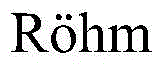
Plex 6661-0) (which is the reaction product of 2-hydroxyethyl methacrylate (HEMA) with 2,2, 4-trimethylhexamethylene diisocyanate (TMDI), glycerol tri (meth) acrylate, ethylene glycol di (meth) acrylate, diethylene glycol di (meth) acrylate, triethylene glycol di (meth) acrylate, 1, 3-propylene glycol diacrylate, 1, 3-propylene glycol dimethacrylate, trimethylolpropane tri (meth) acrylate, 1,2, 4-butanetriol tri (meth) acrylate, 1, 4-cyclohexanediol di (meth) acrylate, pentaerythritol tri (meth) acrylate, pentaerythritol tetraacrylate, pentaerythritol tetramethacrylate, sorbitol hexa (meth) acrylate, bis [1- (2- (meth) acryloyloxy).]P-ethoxyphenyldimethylmethane, bis [1-(3-methacryloyloxy-2-hydroxy)]-p-propoxy-phenyl-dimethylmethane (BisGMA), bis [1- (3-acryloyloxy-2-hydroxy)]-p-propoxy-phenyl-dimethylmethane and trimethylol-isocyanurate trimethacrylate; diacrylates or dimethacrylates of polyethylene glycols having a molecular weight of 200-500, copolymeric mixtures of acrylated monomers (see, e.g., U.S. Pat. No. 4,652,274), and acrylated oligomers (see, e.g., U.S. Pat. No. 4,642,126); and vinyl compounds such as styrene, diallyl phthalate, divinyl succinate, divinyl adipate, and divinyl phthalate; multifunctional (meth) acrylates comprising urethane, urea or amide groups. Mixtures of two or more of these free radically polymerizable materials can be used if desired.
Other polymerizable components which may be present include di (meth) acrylates of ethoxylated bisphenol a, such as 2,2' -bis (4- (meth) acryloyloxyethoxyphenyl) propane, urethane (meth) acrylates and (meth) acrylamides. The monomers used may also be esters of alpha-cyanoacrylic acid, crotonic acid, cinnamic acid and sorbic acid.
The methacrylates mentioned in EP 0235826, such as bis [3[4 ]]-methacryloxy-methyl-8 (9) -tricyclo [5.2.1.0 ,26]Decyl methyl triethylene glycol ester. Also suitable are 2, 2-bis-4- (3-methacryloyloxy-2-hydroxypropoxy) phenylpropane (bis-GMA), 2-bis-4- (3-methacryloyloxy-propoxy) phenylpropane, 7, 9-trimethyl-4, 13-dioxo-3, 14-dioxa-5, 12-diazahexadecane-1, 16-dioxadimethacrylate (UDMA), urethane (meth) acrylate and bishydroxymethyltricyclo- (5.2.1.0)2,6) Di (meth) acrylate of decane.
These ethylenically unsaturated monomers may be employed in the dental composition alone or in combination with other ethylenically unsaturated monomers. Other hardenable components that may be added in addition to those components include oligomeric or polymeric compounds such as polyester (meth) acrylates, polyether (meth) acrylates, polycarbonate (meth) acrylates, and polyurethane (meth) acrylates. The molecular weight of these compounds is generally less than 20,000g/mol, in particular less than 15,000g/mol and in particular less than 10,000 g/mol.
Polymerizable monomers containing hydroxyl moieties and/or 1, 3-diketo moieties can also be added. Suitable compounds include 2-hydroxyethyl (meth) acrylate (HEMA), 2-or 3-hydroxypropyl (meth) acrylate, 4-hydroxybutyl (meth) acrylate, 5-hydroxypentyl (meth) acrylate, 6-hydroxyhexyl (meth) acrylate, 10-hydroxydecyl (meth) acrylate, dialkylene glycol mono (meth) acrylates, such as diethylene glycol mono (meth) acrylate, triethylene glycol mono (meth) acrylate, tetraethylene glycol mono (meth) acrylate, polyethylene glycol mono (meth) acrylate, dipropylene glycol mono (meth) acrylate, polypropylene glycol mono (meth) acrylate and other 1, 2-or 1, 3-and 2, 3-dihydroxypropyl (meth) acrylates, 2-hydroxypropyl-1, 3-di (meth) acrylates, poly (ethylene (propylene (meth) acrylates, poly (ethylene (propylene (ethylene (propylene (meth) acrylate, poly (propylene (ethylene (propylene) acrylate, poly (propylene (ethylene (propylene (ethylene (meth) acrylate), 3-hydroxypropyl-1, 2-di (meth) acrylate, N- (meth) acryloyl-1, 2-dihydroxypropylamine, N- (meth) acryloyl-1, 3-dihydroxypropylamine, adducts of phenol with glycidyl (meth) acrylate such as 1-phenoxy-2-hydroxypropyl (meth) acrylate, 1-naphthoxy-2-hydroxypropyl (meth) acrylate, bisphenol A diglycidyl (meth) acrylate and the like, with 2-hydroxyethyl (meth) acrylate, 2-hydroxypropyl (meth) acrylate and 2, 3-dihydroxypropyl (meth) acrylate being particularly preferred.
An example of a polymerizable component having a1, 3-diketo group is acetoacetoxyethyl methacrylate (AAEMA). Mixtures of one or more of these components may be used if desired. The addition of these components can be used to adjust the rheological properties or to influence the mechanical properties.
The polymerizable component having no acidic moiety is generally present in the following amounts (relative to the weight of the entire composition):
-a lower limit: at least 5 wt% or at least 10 wt% or at least 20 wt%;
-an upper limit: a maximum of 65 wt% or a maximum of 55 wt% or a maximum of 45 wt%;
-a range: from 5 wt% to about 65 wt% or from 10 wt% to 55 wt% or from 20 wt% to 45 wt%.
Part a of the kit of parts described herein comprises ascorbic acid or one or more derivatives of ascorbic acid, including salts and esters of ascorbic acid.
Suitable salts include alkali metal salts and alkaline earth metal salts such as their Na salts, K salts and mixtures thereof.
Esters of ascorbic acid include those formed by the reaction of one of the hydroxyl functions of ascorbic acid with a carboxylic acid, especially a C2 to C30 carboxylic acid.
Suitable examples of C2 to C30 carboxylic acids include fatty acids such as caprylic acid, capric acid, lauric acid, myristic acid, palmitic acid, stearic acid, arachidic acid, behenic acid, lignoceric acid, cerotic acid, myristoleic acid, palmitoleic acid, hexadecenoic acid, oleic acid, elaidic acid, vaccenic acid, linoleic acid, linolenic acid, alpha-linolenic acid, arachidonic acid, eicosapentaenoic acid, erucic acid, and docosahexaenoic acid.
Particularly preferred are ascorbic acid, ascorbyl palmitate, ascorbyl stearate, and mixtures thereof.
The ascorbic acid or derivative thereof is generally present in the following amounts (relative to the weight of the entire composition):
-a lower limit: at least 0.01 wt% or at least 0.05 wt% or at least 0.1 wt%;
-an upper limit: a maximum of 5 wt% or a maximum of 3 wt% or a maximum of 1 wt%;
-a range: 0.01 to 5 wt% or 0.05 to 3 wt% or 0.1 to 1 wt%.
If the amount of ascorbic acid or a derivative thereof is too high, the setting time of the composition may be too fast.
If the amount of ascorbic acid or a derivative thereof is too low, the setting time of the composition may be too slow.
Part B of the kit of parts described herein contains a polymerizable component having an acidic moiety.
If desired, polymerizable components having acidic moieties may also be included in part A of the kit of parts.
If desired, one or more polymerizable components having an acidic moiety may be present. There is no particular limitation on the nature and structure of those components unless the intended purpose cannot be achieved.
Hardenable components having acidic moieties can generally be represented by the following formula
-An-B-Cm
Wherein A is an ethylenically unsaturated group, such as a (meth) acryloyl moiety,
b is a spacer group such as (I) a linear or branched C1-C12 alkyl group optionally substituted with other functional groups (e.g., halide (including Cl, Br, I), OH, or mixtures thereof), (ii) a C6-C12 aryl group optionally substituted with other functional groups (e.g., halide, OH, or mixtures thereof); (iii) an organic group having 4 to 20 carbon atoms bonded to each other by one or more ether, thioether, ester, thioester, thiocarbonyl, amide, urethane, carbonyl and/or sulfonyl linkages, and
c is an acidic group, or a precursor of an acidic group, such as an anhydride,
-m, n are independently selected from 1,2, 3,4,5 or 6,
-wherein the acidic groups comprise one or more carboxylic acid residues, such as-COOH or-CO-O-CO-, phosphoric acid residues, such as-O-P (O) (OH) OH, phosphonic acid residues, such as C-P (O) (OH) OH, sulfonic acid residues, such as-SO3H or sulfinic acid residues, such as-SO2H。
Examples of hardenable components having acidic moieties include, but are not limited to, glycerol phosphate mono (meth) acrylate, glycerol phosphate di (meth) acrylate, hydroxyethyl (meth) acrylate (e.g., HEMA) phosphate, bis ((meth) acryloyloxyethyl) phosphate, (meth) acryloyloxypropyl phosphate, bis ((meth) acryloyloxypropyl) phosphate, bis ((meth) acryloyloxy) propoxy phosphate, (meth) acryloyloxyhexyl phosphate, bis ((meth) acryloyloxyhexyl) phosphate, (meth) acryloyloxyoctyl phosphate, bis ((meth) acryloyloxyoctyl) phosphate, (meth) acryloyloxydecyl phosphate, bis ((meth) acryloyloxydecyl) phosphate, caprolactone methacrylate phosphate, citric acid di-or tri-methacrylate, citric acid di (meth) acryloyloxyethyl phosphate, di (meth) acryloyloxypropyl) phosphate, di (meth) acryloyloxyhexyl phosphate, di (meth) acrylate, di (meth) acryloyloxyhexyl phosphate, di (meth) acrylate, di (meth), Poly (meth) acrylated oligomaleic acid, poly (meth) acrylated polymaleic acid, poly (meth) acrylated poly (meth) acrylic acid, poly (meth) acrylated polycarboxy-polyphosphonic acid, poly (meth) acrylated polychlorophosphoric acid, poly (meth) acrylated polysulfonate, poly (meth) acrylated polyboric acid, and the like. Derivatives of these hardenable components with acid moieties that can readily react with, for example, water to form the specific examples described above, such as acid halides or anhydrides, are also contemplated.
Monomers, oligomers, and polymers of unsaturated carboxylic acids such as (meth) acrylic acid, aromatic (meth) acrylated acids (e.g., methacrylated trimellitic acid), and their anhydrides may also be used.
Some of these compounds are obtainable, for example, as the reaction product between isocyanatoalkyl (meth) acrylates and carboxylic acids. Additional compounds of this type having both an acid-functional component and an ethylenically unsaturated component are described in US 4,872,936(Engelbrecht) and US 5,130,347 (Mitra). A variety of such compounds containing both ethylenically unsaturated moieties and acid moieties can be used. Mixtures of such compounds may be used if desired.
The use of (meth) acrylate functionalized polyalkenoic acids is often preferred as those components have been found to contribute to improved properties such as adhesion to hard dental tissue, formation of a homogenous layer, viscosity or moisture resistance.
According to one embodiment, the composition contains a (meth) acrylate functionalized polyalkenoic acid, e.g., AA: ITA: IEM (acrylic acid: copolymer of itaconic acid with pendant methacrylate).
These components can be prepared by reacting, for example, an AA: ITA copolymer with 2-isocyanatoethyl methacrylate to convert a portion of the acid groups of the copolymer to pendant methacrylate groups. Methods for preparing these components are described, for example, in example 11 of US 5,130,347 (Mitra); and those described in US 4,259,075(Yamauchi et al), US 4,499,251(Omura et al), US 4,537,940(Omura et al), US 4,539,382(Omura et al), US 5,530,038(Yamamoto et al), US 6,458,868(Okada et al), and EP 0712622 a1 (dekuyama) and EP 1051961 a1 (koraray).
The polymerizable component having an acidic moiety is typically present in the following amounts:
-a lower limit: at least 2 wt% or at least 3 wt% or at least 4 wt%;
-an upper limit: maximum 50 wt% or maximum 40 wt% or maximum 30 wt%;
-a range: 2% to about 50% or about 3% to about 40% or about 4% to about 30% by weight;
the wt% is relative to the weight of the entire composition, which is obtained by combining the compositions comprised in part a and part B of the kit of parts.
Part B of the kit of parts described herein comprises one or more transition metal components.
Suitable one or more transition metal components include one or more organic and/or inorganic salts from titanium, vanadium, chromium, manganese, iron, cobalt, nickel, copper and/or zinc, with organic and/or inorganic salts of copper and iron being sometimes preferred.
Useful salts include one or more acetates, one or more chlorides, one or more sulfates, one or more benzoates, one or more acetylacetonates, one or more naphthenates, one or more carboxylates, bis (1-phenylpentane-1, 3-dione) complex, one or more salicylates, a complex of any transition metal with ethylenediaminetetraacetic acid, and mixtures thereof.
According to one embodiment, the transition metal component is an oxidation phase, which allows the component to be reduced. Useful oxidation stages include +2, +3, +4, +5, +6, and +7, as the case may be.
Sometimes one or more copper components are preferred. The oxidation stage of copper in the one or more copper components is preferably +1 or + 2.
Typical examples of one or more copper components that may be used include salts and complexes of copper, including copper acetate, copper chloride, copper benzoate, copper acetylacetonate, copper naphthenate, copper carboxylates, copper bis (1-phenylpentane-1, 3-dione) complexes (copper proteinates), copper salicylate, copper complexes with thiourea, ethylenediaminetetraacetic acid, and/or mixtures thereof. The copper compound may be used in either hydrated or anhydrous form. Copper acetate is particularly preferred.
The amount of the transition metal component that can be used is not particularly limited. The transition metal salt should be used in an amount sufficient to achieve the intended purpose.
The transition metal component is typically present in the following amounts:
-a lower limit: at least 0.00001 wt% or at least 0.0001 wt% or at least 0.001 wt%;
-an upper limit: a maximum of 3 wt% or a maximum of 2 wt% or a maximum of 1.5 wt%;
-a range: from 0.00001% to 3% by weight or from 0.0001% to 2% by weight or from 0.001% to 1.5% by weight, the% by weight being relative to the weight of the entire composition, obtained by combining the compositions contained in part a and part B of the kit of parts. If too high an amount of transition metal component is used, the setting time of the composition may be too fast.
If the amount of the transition metal component used is too low, the setting time of the composition may be too slow and the adhesion may be reduced.
Generally, all organic peroxides can be used, if appropriate, to achieve the desired result.
Organic peroxides do not contain metals or metal ions, as compared to inorganic peroxides. Thus, the organic peroxide typically contains only C, O, H and optionally halogen (e.g., F, Cl, Br). Organic peroxides that may be used include diperoxides and hydroperoxides.
According to one embodiment, the organic peroxide is a diperoxide, preferably comprising a moiety R1-O-O-R2-O-O-R3Wherein R is1And R3Independently selected from H, alkyl (e.g. C1 to C6), branched alkyl (e.g. C1 to C6), cycloalkyl (e.g. C5 to C10), alkyl arylA group (e.g., C7 to C12), an aryl group (e.g., C6 to C10), and R2Selected from alkyl (e.g., C1 to C6) or branched alkyl (e.g., C1 to C6).
According to another embodiment, the organic peroxide is a hydroperoxide, in particular comprising moieties
R-O-O-H
Wherein R is (e.g. C1 to C20) alkyl, (e.g. C3 to C20) branched alkyl, (e.g. C6 to C12) cycloalkyl, (e.g. C7 to C20) alkylaryl or (e.g. C6 to C12) aryl.
Examples of suitable organic hydroperoxides include t-butyl hydroperoxide, t-amyl hydroperoxide, p-diisopropylbenzene hydroperoxide, cumene hydroperoxide, pinane hydroperoxide, p-methane hydroperoxide and 1,1,3, 3-tetramethylbutyl hydroperoxide, and mixtures thereof.
Examples of suitable organic diperoxides include 2, 2-di- (t-butylperoxy) -butane and 2, 5-dimethyl-2, 5-di- (t-butylperoxy) hexane and mixtures thereof.
Other peroxides often described in the literature are ketone peroxides, diacyl peroxides, dialkyl peroxides, peroxyketals, peroxyesters and peroxydicarbonates.
Examples of the ketone peroxide include methyl ethyl ketone peroxide, methyl isobutyl ketone peroxide, methylcyclohexanone peroxide and cyclohexanone peroxide.
Examples of the peroxy ester include cumyl peroxyneodecanoate, t-butyl peroxypivalate, t-butyl peroxyneodecanoate, 2, 4-trimethylpentylperoxy-2-ethylhexyl ester, t-amylperoxy-2-ethylhexanoate, t-butylperoxy-2-ethylhexanoate, di-t-butyl peroxyisophthalate, di-t-butyl peroxyhexahydroterephthalate, t-butylperoxy-3, 3, 5-trimethylhexanoate, t-butyl peroxyacetate, t-butyl peroxybenzoate, and t-butylperoxymaleic acid.
Examples of the peroxydicarbonate include di-3-methoxyperoxydicarbonate, di-2-ethylhexyl peroxydicarbonate, bis (4-t-butylcyclohexyl) peroxydicarbonate, diisopropyl-1-peroxydicarbonate, di-n-propylperoxydicarbonate, di-2-ethoxyethyl peroxydicarbonate, and diallylperoxydicarbonate.
Examples of diacyl peroxides include acetyl peroxide, benzoyl peroxide, decanoyl peroxide, 3, 5-trimethylhexanoyl peroxide, 2, 4-dichlorobenzoyl peroxide, and lauroyl peroxide.
Examples of dialkyl peroxides include di-t-butyl peroxide, dicumyl peroxide, t-butylcumyl peroxide, 2, 5-dimethyl-2, 5-di (t-butylperoxy) hexane, 1, 3-bis (t-butylperoxyisopropyl) benzene, and 2, 5-dimethyl-2, 5-di (t-butylperoxy) -3-hexane.
Examples of peroxyketals include 1, 1-bis (t-butylperoxy) -3,3, 5-trimethylcyclohexane, 1-bis (t-butylperoxy) cyclohexane, 2-bis (t-butylperoxy) butane, 2-bis (t-butylperoxy) octane, and n-butyl-4, 4-bis (t-butylperoxy) valerate.
The organic peroxide is typically present in the following amounts:
-a lower limit: at least 0.01 wt% or at least 0.05 wt% or at least 0.1 wt%;
-an upper limit: a maximum of 5 wt% or a maximum of 4 wt% or a maximum of 3 wt%;
-a range: 0.01 to 5 wt% or 0.05 to 4 wt% or 0.1 to 3 wt%;
the weight% is relative to the weight of the entire composition.
If the amount of organic peroxide is too high, the setting time of the composition may be too fast.
If the amount of organic peroxide is too low, the setting time of the composition may be too slow.
In addition to the described redox initiator system comprising ascorbic acid or a derivative thereof, a transition metal component and an organic peroxide, the kit of parts described herein may additionally comprise a photoinitiator system.
There is no particular limitation on the nature of the optional photoinitiator system unless the intended purpose is not adversely affected.
A composition which can be characterized as "dual cure" is obtained by adding a photoinitiator system, i.e. it comprises a redox initiator system suitable for hardening the composition in the absence of radiation ("dark cure or self-cure") and a photoinitiator system suitable for hardening the composition upon application of radiation ("photocure").
Suitable photoinitiator systems for free-radical polymerization are generally known to the person skilled in the art of treating dental materials. Typical photoinitiator systems comprise a combination of a sensitizer and a reducing agent.
As the sensitizer, those which can polymerize the polymerizable monomer by the action of visible light having a wavelength of 390nm to 830nm are preferable.
Examples thereof include camphorquinone, benzil, diacetyl, benzyldimethyl ketal, benzyldiethyl ketal, benzylbis (2-methoxyethyl) ketal, 4' -dimethylbenzyldimethyl ketal, anthraquinone, 1-chloroanthraquinone, 2-chloroanthraquinone, 1, 2-benzoanthraquinone, 1-hydroxyanthraquinone, 1-methylanthraquinone, 2-ethylanthraquinone, 1-bromoanthraquinone, thioxanthone, 2-isopropylthioxanthone, 2-nitrothioxanthone, 2-methylthioxanthone, 2, 4-dimethylthioxanthone, 2, 4-diethylthioxanthone, 2, 4-diisopropylthioxanthone, 2-chloro-7-trifluoromethylthioxanthone, thioxanthone-10, 10-dioxide, thioxanthone-10-oxide, Benzoin methyl ether, benzoin ethyl ether, isopropyl ether, benzoin isobutyl ether, benzophenone, bis (4-dimethylaminophenyl) ketone, 4' -bisdiethylaminobenzophenone.
As the reducing agent, tertiary amines and the like are generally used. Suitable examples of tertiary amines include N, N-dimethyl-p-toluidine, N-dimethyl-aminoethyl methacrylate, triethanolamine, methyl 4-dimethylaminobenzoate, ethyl 4-dimethylaminobenzoate, and isoamyl 4-dimethylaminobenzoate. As further reducing agents, sodium sulphinate derivatives and organometallic compounds may also be used. These compounds may be used alone or in admixture thereof.
Furthermore, ternary photopolymerization initiation systems consisting of sensitizers, electron donors and onium salts as described in US 6,187,833, US 6,025,406, US 6,043,295, US 5,998,495, US 6,084,004, US 5,545,676 and WO 2009151957, as well as in US patent application No. 10/050218, can be used, and the disclosures of these patents are incorporated herein by reference.
In the ternary photoinitiator system, the first component is an iodonium salt, i.e. a diaryliodonium salt. When dissolved in the presence of a sensitizer and donor, the iodonium salt is preferably soluble in the monomer and shelf stable (i.e., does not spontaneously promote polymerization). Thus, the selection of a particular iodonium salt may depend to some extent on the particular monomer, polymer or oligomer, sensitizer and donor selected. Suitable iodonium salts are described in US 3,729,313, US 3,741,769, US 3,808,006, US 4,250,053 and US 4,394,403, the iodonium salts disclosed in these patents being incorporated herein by reference. The iodonium salt can be a simple salt (e.g., containing an anion, such as Cl)-、Br-、I-Or C4H5SO3 -) Or metal complex salts (e.g., containing SbF)5OH-Or AsF6 -). Mixtures of iodonium salts can be used if desired. Preferred iodonium salts include diphenyliodonium salts such as chlorodiphenyliodonium, diphenyliodonium hexafluorophosphate and diphenyliodonium tetrafluoroborate.
The second component of the ternary photoinitiator system is a sensitizer. The desired sensitizer is soluble in the monomer and capable of light absorption in the following wavelength ranges: from greater than 400nm to 1200nm, more preferably from greater than 400nm to 700 nm, and most preferably from greater than 400nm to about 600 nm. Sensitizers 2-methyl-4, 6-bis (trichloromethyl) -s-triazine can also be sensitized using the test procedure described in US 3,729,313, which is incorporated herein by reference. Preferably, in addition to passing this test, the sensitizer may also be selected based in part on shelf stability considerations. Thus, the selection of a particular sensitizer may depend to some extent on the particular monomer, oligomer or polymer, iodonium salt and donor selected.
Suitable sensitizers include compounds of the following classes: ketones, coumarin dyes (e.g., coumarinone), xanthene dyes, acridine orange dyes, triazole dyes, thiazole dyes, thiazine dyes, oxazine dyes, azine dyes, aminoketone dyes, porphyrins, aromatic polycyclic aromatic hydrocarbons, para-substituted aminostyryl ketone compounds, aminotriaryl methanes, merocyanines, squarylium dyes, and pyridine dyes. Ketones (e.g., monoketones or α -diketones), coumarinones, aminoarylketones, and para-substituted aminostyrylketone compounds are preferred sensitizers. For applications requiring deep curing (e.g., curing highly filled composites), it is preferred to employ a sensitizer having an extinction coefficient at the wavelength of irradiation required for photopolymerization of less than about 1000, more preferably less than about 100. Alternatively, a dye exhibiting a reduction in light absorption at an excitation wavelength upon irradiation may be used.
For example, a preferred class of ketone sensitizers has the formula: ACO (X)bB, wherein X is CO or CR5R6Wherein R is5And R6May be the same or different and may be hydrogen, alkyl, alkaryl or aralkyl, B is 0 or 1, and A and B are different and may be substituted (having one or more substituents which do not interfere with each other), may be the same or unsubstituted aryl, alkyl, alkaryl or aralkyl groups, or A and B may together form a cyclic structure which may be a substituted or unsubstituted cycloaliphatic, aromatic, heteroaromatic or fused aromatic ring.
Suitable ketones in the above formula include monoketones (b ═ 0) such as 2,2-, 4-or 2, 4-dihydroxybenzophenone, bis-2-pyridone, bis-2-furanone, bis-2-thiophenone, benzoin, fluorenone, chalcone, Michler's ketone, 2-fluoro-9-fluorenone, 2-chlorothiaxanthone, acetophenone, benzophenone, 1-or 2-naphthone, 9-acetylanthracene, 2-, 3-or 9-acetylphenanthrene, 4-acetylbiphenyl, propiophenone, n-butyrophenone, pentanone, 2-, 3-or 4-acetylpyridine, 3-acetylcoumarin, and the like. Suitable diketones include aralkyl diketones such as anthraquinones, phenanthraquinones, ortho-, meta-, and para-diacetylbenzenes, 1,3-, 1,4-, 1,5-, 1,6-, 1,7-, and 1, 8-diacetylnaphthalenes, 1,5-, 1,8-, and 9, 10-diacetylanthracenes, and the like. Suitable α -diketones (b ═ 1 and X ═ CO) include 2, 3-butanedione, 2, 3-pentanedione, 2, 3-hexanedione, 3, 4-hexanedione, 2, 3-heptanedione, 3, 4-heptanedione, 2, 3-octanedione, 4, 5-octanedione, benzil, 2 '-33' -and 4,4 '-dihydroxybenzol, furoyl, di-3, 3' -indoleethanedione, 2, 3-camphanedione (camphorquinone), diacetyl, 1, 2-cyclohexanedione, 1, 2-naphthoquinone, and the like.
The third component of the ternary initiator system is a donor. Preferred donors include, for example, amines (including aminoaldehydes and aminosilanes), amides (including phosphoramides), ethers (including thioethers), ureas (including thioureas), ferrocenes, sulfinic acids and salts thereof, ferrocyanides, ascorbic acid and salts thereof, dithiocarbamic acid and salts thereof, xanthates, ethylenediaminetetraacetates, and tetraphenylborates. The donor may be unsubstituted or substituted with one or more substituents that do not interfere with each other. Particularly preferred donors comprise an electron donor atom, such as a nitrogen, oxygen, phosphorus or sulfur atom, and an abstractable hydrogen atom bonded to the carbon or silicon atom alpha to the electron donor atom. US 5,545,676 discloses various donors, which is incorporated herein by reference.
Alternatively, free radical initiators useful in the present invention include acylphosphine oxides and bisacylphosphine oxides.
Suitable acylphosphine oxides can be described by the following general formula
(R9)2—P(=O)—C(=O)—R10
Wherein each R9May be independently a hydrocarbyl group such as alkyl, cycloalkyl, aryl and aralkyl, any of which may be substituted with halogen, alkyl or alkoxy groups, or two R9The group may be joined to form a ring with the phosphorus atom, and wherein R10Is a hydrocarbyl group, a five-or six-membered heterocyclic group containing S-, O-, or N-, or-Z-C (═ O) -P (═ O) - (R)9)2A group wherein Z represents a divalent hydrocarbon group such as a hydrocarbylene group or a phenylene group having 2 to 6 carbon atoms.
Preferred acylphosphine oxides are those wherein R is9And R10Groups are those of phenyl or lower alkyl or lower alkoxy substituted phenyl. So-called "lower alkyl group"and" lower alkoxy "refer to such groups having 1 to 4 carbon atoms. Examples can also be found in, for example, US 4,737,593.
Suitable bisacylphosphine oxides can be described by the following general formula
Wherein n is 1 or 2, and R4、R5、R6And R7Is H, C1-4 alkyl, C1-4 alkoxy, F, Cl or Br; r2And R3Identical or different, represents a cyclohexyl, cyclopentyl, phenyl, naphthyl or biphenyl group, a cyclopentyl, cyclohexyl, phenyl, naphthyl or biphenyl group substituted by F, Cl, Br, I, C1-4 alkyl and/or C1-4 alkoxy, or a 5-or 6-membered heterocycle containing S or N; or R2And R3Joined to form a ring containing 4 to 10 carbon atoms and optionally substituted with 1 to 6C 1-4 alkyl groups.
Further examples include: bis- (2, 6-dichlorobenzoyl) phenylphosphine oxide, bis- (2, 6-dichlorobenzoyl) -2, 5-dimethylphenylphosphine oxide, bis- (2, 6-dichlorobenzoyl) -4-ethoxyphenylphosphine oxide, bis- (2, 6-dichlorobenzoyl) -4-biphenylphosphine oxide, bis- (2, 6-dichlorobenzoyl) -4-propylphenylphosphine oxide, bis- (2, 6-dichlorobenzoyl) -2-naphthylphosphine oxide, bis- (2, 6-dichlorobenzoyl) -1-naphthylphosphine oxide, bis- (2, 6-dichlorobenzoyl) -4-chlorophenylphosphine oxide, bis- (2, 6-dichlorobenzoyl) -2, 4-dimethoxyphenylphosphine oxide, bis- (2, 6-dichlorobenzoyl) decylphosphine oxide, bis- (2, 6-dichlorobenzoyl) -4-octylphenylphosphine oxide, bis- (2, 6-dimethoxybenzoyl) -2, 5-dimethylphenylphosphine oxide, bis- (2, 6-dimethoxybenzoyl) phenylphosphine oxide, bis- (2,4, 6-trimethylbenzoyl) -2, 5-dimethylphenylphosphine oxide, bis- (2, 6-dichloro-3, 4, 5-trimethoxybenzoyl) -4-ethoxyphenylphosphine oxide, bis- (2, 6-dichlorobenzoyl) -2, 5-dimethoxybenzoyl-phenylphosphine oxide, bis- (2, 6-dimethoxybenzoyl) -4-octylphenylphosphine oxide, bis- (2, 6-dimethoxybenzoyl) -2, 6-dimethylphenylphosphine oxide, bis- (2, 6-dimethoxybenzoyl) -2, 5-dimethoxybenzoyl) -4-phenylphosphine oxide, 2, 5-methyloxyphosphine oxide, bis- (2, 6-dimethylbenzoyl) -2, 5-methyloxyphosphine oxide, bis (2, 6-methyloxyphosphine, bis (2, 6-dimethylbenzoyl) -2, 6-methyloxycarbonyl) phenylphosphine, 2, 5-methyloxyphosphine, 2, 6-methyloxyphosphine, 5-methyloxyphosphine, 2, 5-methyloxyphosphine, 4-methyloxyphosphine, 2, 4-methylben-methyloxyphosphine, p-methylben-methylen, p-methylen-, Bis- (2-methyl-1-naphthoyl) -2, 5-dimethylphenylphosphine oxide, bis- (2-methyl-1-naphthoyl) phenylphosphine oxide, bis- (2-methyl-1-naphthoyl) -4-biphenylylphosphine oxide, bis- (2-methyl-1-naphthoyl) -4-ethoxyphenylphosphine oxide, bis- (2-methyl-1-naphthoyl) -2-naphthylphosphine oxide, bis- (2-methyl-1-naphthoyl) -4-propylphenylphosphine oxide, bis- (2-methyl-1-naphthoyl) -2, 5-dimethylphosphine oxide, bis- (2-methoxy-1-naphthoyl) -4-ethoxyphenylphosphine oxide, bis- (2-methyl-1-naphthoyl) -4-naphthylphosphine oxide, bis- (2-methyl-1-naphthoyl) -4-ethoxyphenylphosphine oxide, bis- (2-methyl-naphthoyl) -4-naphthylphosphine oxide, bis- (2-naphthoyl) -4-ethoxyphenylphosphine oxide, bis- (2-naphthoyl) phosphine oxide, bis- (2-naphthoyl) -4-phenylphosphine oxide, bis- (2-naphthoyl) phosphine oxide, bis- (2-naphthoyl) phenoxide, 4-phenylphosphine oxide, and bis- (2-propyphosphine oxide, Bis- (2-methoxy-1-naphthoyl) -4-biphenylphosphine oxide, bis- (2-methoxy-1-naphthoyl) -2-naphthylphosphine oxide and bis- (2-chloro-1-naphthoyl) -2, 5-dimethylphenylphosphine oxide.
Acylphosphine oxides are sometimes preferred: bis (2,4, 6-trimethylbenzoyl) phenylphosphine oxide (IRGACURE)TM819, Ciba Specialty Chemicals, Tarrytown, NY). The tertiary amine reducing agent may be used in combination with the acylphosphine oxide. Exemplary tertiary amines useful in the present invention include ethyl 4- (N, N-dimethylamino) benzoate and N, N-dimethylaminoethyl methacrylate.
Commercially available phosphine oxide photoinitiators capable of free radical initiation when irradiated at wavelengths greater than 400nm to 1200nm include a mixture of bis (2, 6-dimethoxybenzoyl) -2,4, 4-trimethylpentylphosphine oxide and 2-hydroxy-2-methyl-1-phenylpropan-1-one (IRGACURE) in a weight ratio of 25:75TM1700 Ciba refining Co.), 2-benzyl-2- (N, N-dimethylamino) -1- (4-morpholinylphenyl) -1-butanone (IRGACURE)TM369, Ciba specialty Chemicals), bis (. eta.5-2, 4-cyclopentadien-1-yl) -bis (2, 6-difluoro-3- (1H-pyrrol-1-yl) phenyl) titanium (IRGACURE)TM784Dc, Ciba specialty Chemicals), a mixture of bis (2,4, 6-trimethylbenzoyl) phenylphosphine oxide and 2-hydroxy-2-methyl-1-phenylpropan-1-one (DAROCUR) in a weight ratio of 1:1TM4265 available from Ciba specialty Chemicals), and ethyl-2, 4, 6-trimethylbenzylphenylphosphinate (LUCIRIN)TMLR8893X, BASF corp, Charlotte, NC, Charlotte, north carolina.
The sensitizer and reducing agent are typically present together in one part of the kit of parts described herein. Alternatively, the components of the photoinitiator system may be dispersed between part a and part B.
For stability reasons it may be preferred if the photoinitiator system is comprised in part a, i.e. the part containing ascorbic acid or a derivative thereof.
In addition to the above-mentioned components, the compositions or parts of the kit of parts described herein may comprise one, two or more additives. Additives or adjuvants that may be used include accelerators, inhibitors or retarders, absorbers, stabilizers, pigments, dyes, surface tension inhibitors and wetting aids, antioxidants, and other ingredients well known to those skilled in the art. The amount and type of each ingredient in the composition should be adjusted before and after polymerization to provide the desired physical and handling properties.
Examples of dyes or pigments that can be used include titanium dioxide or zinc sulfide (lithopone), red iron oxide 3395, Bayferrox 920Z yellow, Neazopon blue 807 (copper phthalocyanine based dyes), or Helio Fast yellow ER. These additives can be used for individual dyeing of dental compositions.
Examples of photobleachable colorants that may be present include rose bengal, methylene violet, methylene blue, fluorescein, eosin yellow, eosin Y, ethyl eosin, eosin blue, eosin B, erythrosine yellow blend, toluidine blue, 4',5' -dibromofluorescein, and blends thereof. Other examples of photobleachable colorants can be found in US 6,444,725. The color of the compositions of the present invention may also be imparted by a sensitizer.
Examples of fluorochemical release agents that may be present include naturally occurring or synthetic fluorochemical minerals. These fluoride sources may optionally be treated with a surface treatment agent.
Other additives which may be added include stabilizers, especially free radical scavengers, for example substituted and/or unsubstituted hydroxyaromatic compounds (such as Butylated Hydroxytoluene (BHT), hydroquinone Monomethyl Ether (MEHQ), 3, 5-di-tert-butyl-4-hydroxyanisole (2, 6-di-tert-butyl-4-ethoxyphenol), 2, 6-di-tert-butyl-4- (dimethylamino) -methylphenol or 2, 5-di-tert-butyl-hydroquinone, 2- (2 '-hydroxy-5' -methylphenyl) -2H-benzotriazole, 2- (2 '-hydroxy-5' -tert-octylphenyl) -2H-benzotriazole, di-tert-octylphenyl-2H-benzotriazole, di-tert-butyl-4-ethoxyphenol, 2, 6-di-tert-butyl-4- (dimethylamino) -methyl-phenol, and mixtures thereof, 2-hydroxy-4-methoxybenzophenone (UV-9), 2- (2' -hydroxy-4 ',6' -di-tert-amylphenyl) -2H-benzotriazole, 2-hydroxy-4-n-octoxybenzophenone, 2- (2' -hydroxy-5 ' -methacryloyloxyethylphenyl) -2H-benzotriazole, phenothiazine and HALS (hindered amine-type light stabilizers). Such auxiliaries may optionally comprise reactive moieties to allow them to copolymerize with the resin.
Other additives that may be added include retarders (e.g., 1, 2-diphenylethylene), plasticizers (including polyethylene glycol derivatives, polypropylene glycol, low molecular weight polyesters, dibutyl phthalate, dioctyl phthalate, dinonyl phthalate and diphenyl phthalate, di (isononyl adipate), tricresyl phosphate, paraffin oil, triacetin, bisphenol a diacetate, ethoxylated bisphenol a diacetate, and silicone oils), fragrances, antimicrobials, fragrances, agents that impart fluorescence and/or opalescence.
In order to increase the flexibility of the dental material, soluble organic polymers including polyvinyl acetate and their copolymers may be added.
There is no absolute need for the presence of these adjuvants or additives, so adjuvants or additives may not be present at all. However, if present, they are generally present in amounts not detrimental to the intended purpose.
Additives, if present, are generally present in the following amounts. The amounts are given relative to the weight of the entire composition.
-a lower limit: at least 0.01 wt% or at least 0.05 wt% or at least 0.1 wt%;
-an upper limit: maximum 15 wt% or maximum 10 wt% or maximum 5 wt%;
-a range: 0.01 to 15 wt% or 0.05 to 10 wt% or 0.1 to 5 wt%.
According to another embodiment, the kit of parts described herein comprises:
part A which comprises
A filler, which is a mixture of water and a filler,
polymerizable component having an acidic moiety (optional)
A polymerizable component having no acidic moiety,
ascorbic acid, a component comprising an ascorbic acid moiety or a derivative thereof,
a sensitizer comprising an alpha diketo moiety,
a reducing agent comprising a tertiary amine moiety,
part B which comprises
A filler, which is a mixture of water and a filler,
a polymerizable component having no acidic moiety,
a polymerizable component having an acidic moiety,
a transition metal component comprising a salt containing copper or iron ions,
an organic peroxide having the structure R- -O- -H as described above, a composition obtained immediately after mixing part A and part B, the composition having a pH value on contact with water of less than 7,
neither part a nor part B comprises a component selected from components comprising a sulfinate moiety,
a component comprising a barbituric acid moiety,
a component comprising a thiobarbituric acid moiety,
a component comprising an arylboronic acid moiety,
a component comprising a thiourea moiety,
the composition in part a and part B is comprised when combined with a self-adhesive, self-etching, self-curing or optionally dual-curing dental composition.
The compositions described herein may be obtained by combining (including mixing and kneading) the individual components of the composition, preferably under "safe light" conditions.
If desired, a suitable inert solvent may be employed when providing the mixture. Any solvent that does not significantly react with the components of the composition of the present invention may be used.
Examples of solvents include, but are not limited to, linear, branched or cyclic saturated or unsaturated alcohols, ketones, esters having 2 to 10C atoms, or mixtures of two or more of the solvent types. Preferred alcohol solvents include methanol, ethanol, isopropanol, and n-propanol.
Other suitable organic solvents are THF, acetone, methyl ethyl ketone, cyclohexanol, toluene, alkanes and alkyl acetates, especially ethyl acetate.
The above-mentioned solvents may be used alone or in a mixture of two or more of any of these solvents, provided that the solvent mixture does not impair the adhesive properties to such an extent that the desired results cannot be obtained.
The compositions described herein are extremely useful as a variety of dental materials, which may or may not be filled.
Such dental materials include direct aesthetic restorative materials (e.g., anterior and posterior restoratives), adhesives for hard tissues of the oral cavity, sealants, cavity liners, orthodontic bracket adhesives used with any type of bracket (e.g., metals, plastics, and ceramics), crown and bridge cements, and the like.
These dental materials are used in the oral cavity and are placed adjacent to natural teeth. As used herein, the phrase "disposed adjacent to" refers to placement of a dental material that is temporarily or permanently bonded (e.g., bonded) to or in contact (e.g., occluded or otherwise proximate) with a natural tooth. The term "composite material" as used herein in relation to a dental material refers to a filled dental material. The term "restorative" as used herein refers to a dental composite that polymerizes upon placement adjacent a tooth. The term "prosthesis" as used herein refers to a composite material that is shaped and polymerized for its end use (e.g., for use as a crown, bridge, veneer, inlay, onlay, etc.) prior to placement adjacent a tooth. The term "sealant" as used herein refers to a lightly filled dental composite that is cured after it is placed adjacent to a tooth, or an unfilled dental material.
Possible uses of the compositions described herein in the dental field include use as an anterior or posterior tooth filler, adhesive, cavity liner, flowable material, cement, coating composition, root canal filler, root canal sealant or post-core build material.
The dental compositions described herein may be applied to the surface of hard dental tissue and cured by a self-curing mechanism or optionally by the application of radiation.
A typical method of administration of the compositions described herein generally comprises the following steps in the desired order:
providing a composition obtained by combining (e.g. mixing) the compositions contained in part A and part B of the kit of parts described herein,
placing the composition in contact with the hard dental tissue, in particular the surface thereof,
curing the composition by a self-curing mechanism or optionally applying radiation (e.g., visible light) to the composition for a time sufficient to initiate the polymerization process (e.g., from about 5s to about 20 s).
Since the composition is self-adhesive, no prior etching step or use of an adhesive/primer is required. Thus, the compositions described herein may be used as self-adhesive, self-etching cements.
However, if desired, a previous etching step may also be applied or an adhesive/primer system may be used. Thus, the compositions described herein may also be used in adhesive setting processes (i.e., the adhesive composition is combined with an adhesive).
It has surprisingly been found that the physical/mechanical properties of the cured compositions described herein are not adversely affected if the surface of the teeth is treated with a self-etching adhesive, for example, prior to application of the compositions described herein. However, the bond strength of the cured compositions described herein is typically further improved if a prior etching and/or adhesive bonding step is performed.
Thus, according to one embodiment, the process of administration of the composition described herein comprises the steps of:
applying a self-etching adhesive to the surface of the hard dental tissue,
optionally curing the self-etching adhesive,
providing a composition obtained by combining (e.g. mixing) the compositions contained in part A and part B of the kit of parts described herein,
placing the composition in contact with hard dental tissue that has been treated with a curable self-etching adhesive,
curing the composition by a self-curing mechanism or optionally applying radiation (e.g., visible light) to the composition for a time sufficient to initiate the polymerization process (e.g., from about 5s to about 20 s).
Self-etching adhesives generally have a lower viscosity than dental cements. Suitable self-etching adhesives that may be used include, for example, ScotchbondTMGeneral purpose adhesives or AdperTMPromptTML-Pop (all from 3M ESPE (3M ESPE)). Self-etching adhesives are adhesives that do not require a separate etching step (e.g., by phosphoric acid).
According to another embodiment (total etching process), the application process for the composition described herein comprises the following steps:
etching the surface of the hard dental tissue (e.g. by using phosphoric acid) and rinsing with water,
applying an adhesive to the surface of the etched hard dental tissue,
optionally curing the adhesive, and optionally curing the adhesive,
providing a composition obtained by combining (e.g. mixing) the compositions contained in part A and part B of the kit of parts described herein,
placing the composition in contact with hard dental tissue that has been treated with an adhesive,
curing the composition by a self-curing mechanism or optionally applying radiation (e.g., visible light) to the composition for a time sufficient to initiate the polymerization process (e.g., 5s to about 20s),
adhesives generally have a lower viscosity than dental cements. Suitable total etch adhesives include, for example, AdperTM ScotchbondTM1XT and AdperTM ScotchbondTMMultipurpose (both from 3M ESPE company (3M ESPE)).
Suitable means for applying radiation include dental curing lights. Suitable dental curing lamps are described in US 2005/0236586. The content of this document is incorporated herein by reference. A suitable dental curing light is also available, for example, under the trade name EliparTMS10(3M ESPE) was obtained commercially.
The kit of parts described herein is typically stored in a dual chamber container or dual chamber cartridge and mixed prior to use. Depending on the formulation, a variety of containers may be used.
Cartridges that can be used are described, for example, in US 2007/0090079 or US 5,918,772, the disclosures of which are incorporated herein by reference. A portion of the cartridges that can be used are commercially available from, for example, sulzer mixpac AG (Switzerland). Static mixing heads that can be used are described, for example, in US 2006/0187752 or US 5,944,419, the disclosures of which are incorporated herein by reference. Mixing heads that can be used are commercially available from sull life chemical company of Switzerland (sulzer mixpac AG, Switzerland).
The container may include a housing having a front end with a nozzle and a rear end and at least one piston movable within the housing.
Alternatively, but less preferably, the paste/paste compositions described herein may be provided in the form of two separate syringes and the various pastes may be mixed manually prior to use.
The low viscosity composition may be stored in a vial or bottle. Suitable vials are described, for example, in EP 0944364B 1 and WO 2011/056814 a 1. The description of the vials or bottles in these documents is incorporated herein by reference.
The low viscosity composition may also be stored in a container formed from two sheets interconnected by heat sealing and together forming a compartment for receiving the liquid and a pocket for receiving the brush. These kinds of devices are described in e.g. US 6,105,761.
The composition may also be stored in a dental mixing capsule. Examples of dental mixing capsules include those described for example in EP 1759657 (3M), US 4,674,661(Herold), EP 0783872 (Voco) or US 2003/0176834(Horth et al). The contents of these references are incorporated herein by reference.
If desired, a portion of the redox initiator system described herein can also be located on an applicator (e.g., a brush). In use, a brush containing a corresponding redox initiator component (e.g., a reducing agent) is contacted with the remainder of the redox initiator system, which may be contained in a blister, bottle or vial. The application forms are particularly useful for low viscosity compositions, for example, dental adhesive compositions.
The volume of the container typically ranges from about 0.1mL to about 100mL, or from about 0.5mL to about 50mL, or from about 1mL to about 30 mL.
Depending on the formulation chosen, the compositions described herein may be provided in liquid/liquid, paste/paste or liquid/powder formulations.
The invention also relates to an initiator system comprising
A component comprising an ascorbic acid moiety or derivative thereof,
salts containing copper or iron ions,
organic peroxides, preferably comprising a component with a hydroperoxide or diperoxide moiety.
The invention also relates to an initiator system comprising
A component comprising an ascorbic acid moiety or derivative thereof,
a transition metal component, preferably comprising a salt containing copper or iron ions,
a component having a hydroperoxide or diperoxide moiety.
The invention also relates to an initiator system comprising
A component comprising an ascorbic acid moiety or derivative thereof,
salts containing copper or iron ions,
a component having a hydroperoxide moiety or a diperoxide.
Optionally a sensitizer and a reducing agent.
Such initiator systems are used in particular for curing acidic compositions and in particular for formulating self-adhesive, self-etching dental compositions or self-curing adhesives.
Thus, the present invention also relates to the use of the initiator system described herein for curing a composition comprising a polymerizable component having an acidic moiety as described herein, or to a composition comprising a polymerizable component having an acidic moiety as well as an initiator system as described herein.
The present invention also relates to a method of hardening a dental composition (comprising a polymerizable component having an acidic moiety as described herein) by using a redox initiator system as described herein.
The present invention also relates to a composition comprising a polymerizable component having an acidic moiety as described herein, greater than 20 wt% filler, and an initiator system. Such compositions are particularly useful as dental fillings or composites.
The present invention also relates to a composition comprising a polymerizable component having an acidic moiety as described herein, less than 15 wt% of a filler, and an initiator system. Such compositions are particularly useful as dental adhesive materials.
The individual components of the initiator system are as described herein for the kit of parts.
The compositions of the present invention generally do not contain components containing sulfinate moieties (especially sulfinates such as sodium toluenesulfinate), barbituric acid moieties, thiobarbituric acid moieties, aryl borate moieties, thiourea moieties or mixtures thereof.
Thus, according to another embodiment, the composition of the invention may not comprise any of the following components or combinations thereof:
-a component comprising a barbituric acid moiety or a thiobarbituric acid moiety,
-a component comprising an arylboronic acid moiety,
-a component comprising a sulfinate moiety,
-a thiourea moiety,
-a component comprising an aryl borate moiety and a component comprising a sulfinate moiety.
According to one embodiment, the compositions described herein do not comprise bis-GMA in an amount greater than 1% or 3% or 5% by weight (relative to the weight of the entire composition). According to one embodiment, the compositions described herein are substantially free of bis-GMA.
According to another embodiment, the composition described herein does not comprise HEMA in an amount of more than 1% or 3% or 5% by weight (relative to the weight of the entire composition). According to one embodiment, the composition described herein is substantially free of HEMA.
Unavoidable traces of these components may be present (for example due to impurities in the raw materials used). However, those components are generally not intentionally added in an amount to participate in the curing reaction.
Examples
Unless otherwise indicated, all parts and percentages are by weight, all water is deionized water, and all molecular weights are weight average molecular weights. Furthermore, all experiments were carried out under ambient conditions (23 ℃; 1013 mbar) unless otherwise indicated. Furthermore, almost all process steps are carried out in an atmospheric environment of dry air:
measurement results
Viscosity of the oil
If desired, the viscosity can be measured using a physical rheometer MCR301 (Anton Paar, Graz, Austria) with a cone/plate geometry CP25-1 at a controlled shear rate of 23 ℃. The diameter was 25mm, the cone angle was 1 °, and the spacing between the cone head and the plate was 49 μm. Shear rate from 100s-1Logarithmically decreased to 0.001s-1。
Flexural Strength and E-modulus
The measurement was carried out according to ISO 4049: 2000.
Adhesion (Arch wire ring method)
The measurement was carried out as follows:
bovine teeth as a substrate were embedded in cold-cure epoxy and ground with 320 grit SiC paper to expose dentin or enamel. Finally, the surface of each tooth was rinsed with water and gently air dried.
The test material was filled in a test mold (diameter: 5mm), fixed directly on the tooth surface, and self-cured or light-cured at 36 ℃ and 100% relative humidity for 20 seconds.
After 24 hours of storage in tap water (photocuring) and 24 hours of storage at 36 ℃ at 100% relative humidity (self-curing), the bonded specimens were tested in a universal tester (Zwick) at a chuck speed of 2 mm/min. In order to cut off the test tooth buttons, an annular orthodontic archwire is used.
To determine flexural strength and adhesion to enamel and dentin, the respective catalyst paste and base paste were mixed at a ratio of 1:1 (by volume). In the self-curing mode, the setting of the mixed paste is carried out within about 10 minutes (at 28 ℃).
Abbreviations:
Sr-glass: strontium glass filler treated with 4.6% silane
HDK H2000: fumed silica
Aerosil R805: fumed silica
UDMA: urethane dimethacrylate (Plex 6661); 7,7, 9-trimethyl-4, 13-dioxo-3, 14-dioxa-5, 12-diaza-hexadecane-1, 16-dioxydimethacrylate and 7,9, 9-trimethyl-4, 13-dioxo-3, 14-dioxa-5, 12-diaza-hexadecane-1, 16-dioxydimethacrylate (mixture of isomers)
GDMA: glycerol dimethacrylate
MHP: methacryloyl hexaphosphate
GDP: glycerol phosphate dimethacrylate
MPDADM: methoxypropyl diethanolamine dimethacrylate
CC: camphanone
EDMAB: 4-Dimethylaminobenzoic acid ethyl ester
AA: ascorbic acid
AP: ascorbyl palmitate
Thiourea: n, N-diphenylthiourea
Na-TSS: sodium toluenesulfinate
CHP: cumene hydroperoxide
AHP: amyl hydroperoxide
TBPB: tert-butyl peroxybenzoate
DBPO: dibenzoyl peroxide
BHT: 2, 6-di-tert-butyl-4-methylphenol
Table 1: catalyst paste compositions of examples 1-6 (inventive) and example 6a (comparative)
Table 2: base paste compositions of examples 1-6 (invention) and example 6a (comparative example)
Table 3: flexural strength and adhesion to dentin and enamel in photocuring (lc) and self-curing (sc) modes
The force results were summarized.
Table 4: catalyst paste compositions of example 1 (inventive) and examples 7-8 (comparative)
Table 5: base paste compositions of example 1 (invention) and examples 7-8 (comparative examples)
Table 6: composition of catalyst paste of example 9 (comparative example)
Table 7: base paste composition of example 9 (comparative example)
Table 8: flexural strength and adhesion to dentin and enamel in photocuring (lc) and self-curing (sc) modes
Summary of force results
| |
Example 1
|
Example 7
|
Example 8
|
Example 9
|
| Flexural Strength [ MPa ]];lc
|
120.0
|
63.0
|
117.0
|
22.0
|
| Flexural Strength [ MPa ]];sc
|
105.0
|
35.0
|
90.0
|
Not applicable to
|
| Adhesion to dentin [ MPa ]];lc
|
11.2
|
5.1
|
8.7
|
0
|
| Adhesion to dentin [ MPa ]];sc
|
13.2
|
0
|
4.7
|
Not applicable to
|
| Adhesion to enamel [ MPa];lc
|
10.1
|
5.6
|
7.0
|
7.9
|
| Adhesion to enamel [ MPa];sc
|
9.0
|
6.5
|
3.0
|
Not applicable to |
Not applicable: since there is no curing in the self-curing mode, it is not suitable
Only when the compositions comprised in the base paste and the catalyst paste according to the invention are mixed as described herein do the compositions obtained show on the one hand sufficient mechanical properties (e.g. flexural strength) and on the other hand improved adhesion to enamel and dentin in self-curing and photocuring mode.
Compositions as described herein but which do not contain a copper component are not self-curing and photo-curing, resulting in low flexural strength and no adhesion to dentin.
Compositions that do not contain ascorbic acid or its derivatives as reducing agent but contain other reducing agents (e.g. thiourea or sodium toluenesulfinate) show insufficient performance.
It has also been found that especially compositions comprising organic peroxides (hydroperoxides) having R-O-H moieties show excellent results in terms of flexural strength and adhesion, regardless of the curing mode.


