CN103561750A - Mutator activity induced by microRNA-155 (miR-155) links inflammation and cancer - Google Patents
Mutator activity induced by microRNA-155 (miR-155) links inflammation and cancer Download PDFInfo
- Publication number
- CN103561750A CN103561750A CN201280018289.9A CN201280018289A CN103561750A CN 103561750 A CN103561750 A CN 103561750A CN 201280018289 A CN201280018289 A CN 201280018289A CN 103561750 A CN103561750 A CN 103561750A
- Authority
- CN
- China
- Prior art keywords
- mir
- cells
- cell
- cancer
- oligonucleotide
- Prior art date
- Legal status (The legal status is an assumption and is not a legal conclusion. Google has not performed a legal analysis and makes no representation as to the accuracy of the status listed.)
- Pending
Links
Images




Classifications
-
- A—HUMAN NECESSITIES
- A61—MEDICAL OR VETERINARY SCIENCE; HYGIENE
- A61K—PREPARATIONS FOR MEDICAL, DENTAL OR TOILETRY PURPOSES
- A61K31/00—Medicinal preparations containing organic active ingredients
- A61K31/70—Carbohydrates; Sugars; Derivatives thereof
- A61K31/7088—Compounds having three or more nucleosides or nucleotides
-
- C—CHEMISTRY; METALLURGY
- C12—BIOCHEMISTRY; BEER; SPIRITS; WINE; VINEGAR; MICROBIOLOGY; ENZYMOLOGY; MUTATION OR GENETIC ENGINEERING
- C12N—MICROORGANISMS OR ENZYMES; COMPOSITIONS THEREOF; PROPAGATING, PRESERVING, OR MAINTAINING MICROORGANISMS; MUTATION OR GENETIC ENGINEERING; CULTURE MEDIA
- C12N15/00—Mutation or genetic engineering; DNA or RNA concerning genetic engineering, vectors, e.g. plasmids, or their isolation, preparation or purification; Use of hosts therefor
- C12N15/09—Recombinant DNA-technology
- C12N15/11—DNA or RNA fragments; Modified forms thereof; Non-coding nucleic acids having a biological activity
- C12N15/113—Non-coding nucleic acids modulating the expression of genes, e.g. antisense oligonucleotides; Antisense DNA or RNA; Triplex- forming oligonucleotides; Catalytic nucleic acids, e.g. ribozymes; Nucleic acids used in co-suppression or gene silencing
- C12N15/1135—Non-coding nucleic acids modulating the expression of genes, e.g. antisense oligonucleotides; Antisense DNA or RNA; Triplex- forming oligonucleotides; Catalytic nucleic acids, e.g. ribozymes; Nucleic acids used in co-suppression or gene silencing against oncogenes or tumor suppressor genes
-
- A—HUMAN NECESSITIES
- A61—MEDICAL OR VETERINARY SCIENCE; HYGIENE
- A61K—PREPARATIONS FOR MEDICAL, DENTAL OR TOILETRY PURPOSES
- A61K31/00—Medicinal preparations containing organic active ingredients
- A61K31/70—Carbohydrates; Sugars; Derivatives thereof
- A61K31/7088—Compounds having three or more nucleosides or nucleotides
- A61K31/713—Double-stranded nucleic acids or oligonucleotides
-
- A—HUMAN NECESSITIES
- A61—MEDICAL OR VETERINARY SCIENCE; HYGIENE
- A61P—SPECIFIC THERAPEUTIC ACTIVITY OF CHEMICAL COMPOUNDS OR MEDICINAL PREPARATIONS
- A61P29/00—Non-central analgesic, antipyretic or antiinflammatory agents, e.g. antirheumatic agents; Non-steroidal antiinflammatory drugs [NSAID]
-
- A—HUMAN NECESSITIES
- A61—MEDICAL OR VETERINARY SCIENCE; HYGIENE
- A61P—SPECIFIC THERAPEUTIC ACTIVITY OF CHEMICAL COMPOUNDS OR MEDICINAL PREPARATIONS
- A61P35/00—Antineoplastic agents
-
- C—CHEMISTRY; METALLURGY
- C12—BIOCHEMISTRY; BEER; SPIRITS; WINE; VINEGAR; MICROBIOLOGY; ENZYMOLOGY; MUTATION OR GENETIC ENGINEERING
- C12N—MICROORGANISMS OR ENZYMES; COMPOSITIONS THEREOF; PROPAGATING, PRESERVING, OR MAINTAINING MICROORGANISMS; MUTATION OR GENETIC ENGINEERING; CULTURE MEDIA
- C12N15/00—Mutation or genetic engineering; DNA or RNA concerning genetic engineering, vectors, e.g. plasmids, or their isolation, preparation or purification; Use of hosts therefor
- C12N15/09—Recombinant DNA-technology
- C12N15/11—DNA or RNA fragments; Modified forms thereof; Non-coding nucleic acids having a biological activity
- C12N15/113—Non-coding nucleic acids modulating the expression of genes, e.g. antisense oligonucleotides; Antisense DNA or RNA; Triplex- forming oligonucleotides; Catalytic nucleic acids, e.g. ribozymes; Nucleic acids used in co-suppression or gene silencing
-
- C—CHEMISTRY; METALLURGY
- C12—BIOCHEMISTRY; BEER; SPIRITS; WINE; VINEGAR; MICROBIOLOGY; ENZYMOLOGY; MUTATION OR GENETIC ENGINEERING
- C12N—MICROORGANISMS OR ENZYMES; COMPOSITIONS THEREOF; PROPAGATING, PRESERVING, OR MAINTAINING MICROORGANISMS; MUTATION OR GENETIC ENGINEERING; CULTURE MEDIA
- C12N5/00—Undifferentiated human, animal or plant cells, e.g. cell lines; Tissues; Cultivation or maintenance thereof; Culture media therefor
- C12N5/06—Animal cells or tissues; Human cells or tissues
- C12N5/0602—Vertebrate cells
- C12N5/0693—Tumour cells; Cancer cells
-
- C—CHEMISTRY; METALLURGY
- C12—BIOCHEMISTRY; BEER; SPIRITS; WINE; VINEGAR; MICROBIOLOGY; ENZYMOLOGY; MUTATION OR GENETIC ENGINEERING
- C12N—MICROORGANISMS OR ENZYMES; COMPOSITIONS THEREOF; PROPAGATING, PRESERVING, OR MAINTAINING MICROORGANISMS; MUTATION OR GENETIC ENGINEERING; CULTURE MEDIA
- C12N2310/00—Structure or type of the nucleic acid
- C12N2310/10—Type of nucleic acid
- C12N2310/11—Antisense
- C12N2310/113—Antisense targeting other non-coding nucleic acids, e.g. antagomirs
-
- C—CHEMISTRY; METALLURGY
- C12—BIOCHEMISTRY; BEER; SPIRITS; WINE; VINEGAR; MICROBIOLOGY; ENZYMOLOGY; MUTATION OR GENETIC ENGINEERING
- C12N—MICROORGANISMS OR ENZYMES; COMPOSITIONS THEREOF; PROPAGATING, PRESERVING, OR MAINTAINING MICROORGANISMS; MUTATION OR GENETIC ENGINEERING; CULTURE MEDIA
- C12N2310/00—Structure or type of the nucleic acid
- C12N2310/10—Type of nucleic acid
- C12N2310/14—Type of nucleic acid interfering nucleic acids [NA]
- C12N2310/141—MicroRNAs, miRNAs
-
- C—CHEMISTRY; METALLURGY
- C12—BIOCHEMISTRY; BEER; SPIRITS; WINE; VINEGAR; MICROBIOLOGY; ENZYMOLOGY; MUTATION OR GENETIC ENGINEERING
- C12N—MICROORGANISMS OR ENZYMES; COMPOSITIONS THEREOF; PROPAGATING, PRESERVING, OR MAINTAINING MICROORGANISMS; MUTATION OR GENETIC ENGINEERING; CULTURE MEDIA
- C12N2310/00—Structure or type of the nucleic acid
- C12N2310/50—Physical structure
- C12N2310/53—Physical structure partially self-complementary or closed
- C12N2310/533—Physical structure partially self-complementary or closed having a mismatch or nick in at least one of the strands
-
- C—CHEMISTRY; METALLURGY
- C12—BIOCHEMISTRY; BEER; SPIRITS; WINE; VINEGAR; MICROBIOLOGY; ENZYMOLOGY; MUTATION OR GENETIC ENGINEERING
- C12N—MICROORGANISMS OR ENZYMES; COMPOSITIONS THEREOF; PROPAGATING, PRESERVING, OR MAINTAINING MICROORGANISMS; MUTATION OR GENETIC ENGINEERING; CULTURE MEDIA
- C12N2320/00—Applications; Uses
- C12N2320/30—Special therapeutic applications
-
- C—CHEMISTRY; METALLURGY
- C12—BIOCHEMISTRY; BEER; SPIRITS; WINE; VINEGAR; MICROBIOLOGY; ENZYMOLOGY; MUTATION OR GENETIC ENGINEERING
- C12N—MICROORGANISMS OR ENZYMES; COMPOSITIONS THEREOF; PROPAGATING, PRESERVING, OR MAINTAINING MICROORGANISMS; MUTATION OR GENETIC ENGINEERING; CULTURE MEDIA
- C12N2501/00—Active agents used in cell culture processes, e.g. differentation
- C12N2501/65—MicroRNA
Landscapes
- Health & Medical Sciences (AREA)
- Life Sciences & Earth Sciences (AREA)
- Engineering & Computer Science (AREA)
- Chemical & Material Sciences (AREA)
- Genetics & Genomics (AREA)
- Biomedical Technology (AREA)
- Organic Chemistry (AREA)
- General Health & Medical Sciences (AREA)
- Biotechnology (AREA)
- Bioinformatics & Cheminformatics (AREA)
- Wood Science & Technology (AREA)
- Zoology (AREA)
- Molecular Biology (AREA)
- General Engineering & Computer Science (AREA)
- Biochemistry (AREA)
- Animal Behavior & Ethology (AREA)
- Pharmacology & Pharmacy (AREA)
- Veterinary Medicine (AREA)
- Public Health (AREA)
- Medicinal Chemistry (AREA)
- Microbiology (AREA)
- Oncology (AREA)
- Epidemiology (AREA)
- Plant Pathology (AREA)
- Biophysics (AREA)
- Physics & Mathematics (AREA)
- Nuclear Medicine, Radiotherapy & Molecular Imaging (AREA)
- General Chemical & Material Sciences (AREA)
- Chemical Kinetics & Catalysis (AREA)
- Cell Biology (AREA)
- Pain & Pain Management (AREA)
- Rheumatology (AREA)
- Pharmaceuticals Containing Other Organic And Inorganic Compounds (AREA)
- Medicines That Contain Protein Lipid Enzymes And Other Medicines (AREA)
- Measuring Or Testing Involving Enzymes Or Micro-Organisms (AREA)
- Micro-Organisms Or Cultivation Processes Thereof (AREA)
Abstract
描述了通过降低miR-155的内源水平减少有此需要的受试者的细胞的自发突变率的方法。A method is described to reduce the spontaneous mutation rate of cells in subjects who require this function by lowering the endogenous level of miR-155.
Description
发明人:Carlo M.CroceInventor: Carlo M. Croce
相关申请的交叉参考Cross References to Related Applications
本申请要求2011年3月7日提交的美国临时申请号61/449,854的利益,将所述临时申请的完整公开内容通过引用并入本文。This application claims the benefit of US Provisional Application No. 61/449,854, filed March 7, 2011, the entire disclosure of which is incorporated herein by reference.
关于联邦政府资助的研究的声明Statement Regarding Federally Funded Research
本申请是通过政府支持在由国立卫生研究院授予的基金号CA123541下进行的。政府具有本发明中一定的权利。This application was made with government support under grant number CA123541 awarded by the National Institutes of Health. The government has certain rights in this invention.
序列表sequence listing
本申请包括已通过EFS-web提交并且通过引用整体并入本文中的序列表。于2012年3月6日创建的ASCII拷贝命名为604_52873_SEQ_LIST_11137.txt,大小为34,668字节。This application includes a Sequence Listing that has been submitted via EFS-web and is hereby incorporated by reference in its entirety. The ASCII copy created on March 6, 2012 is named 604_52873_SEQ_LIST_11137.txt and is 34,668 bytes in size.
本发明的技术领域和工业适用性Technical Field and Industrial Applicability of the Invention
本发明总体来说涉及分子生物学领域。本发明的某些方面包括在癌症和白血病相关病症的诊断、治疗和预后中的应用。The present invention relates generally to the field of molecular biology. Certain aspects of the invention include applications in the diagnosis, treatment and prognosis of cancer and leukemia-related disorders.
背景background
不承认本部分中公开的背景技术在法律上构成现有技术。There is no admission that the background art disclosed in this section legally constitutes prior art.
miRNA通过抑制mRNA翻译或通过促进mRNA降解来抑制基因表达,并且被认为是范围从增殖至细胞凋亡的各种过程的主要调节剂。miRNA功能的丧失和获得分别通过上调和沉默不同靶基因来促成癌症发展。miRNAs repress gene expression by inhibiting mRNA translation or by promoting mRNA degradation, and are considered master regulators of various processes ranging from proliferation to apoptosis. Loss and gain of miRNA function contribute to cancer development by upregulating and silencing different target genes, respectively.
慢性和持久性炎症促成癌症发展。感染驱动的炎症牵涉约15-20%的人类肿瘤的发病机制。肿瘤浸润性白细胞例如单核细胞/巨噬细胞、T淋巴细胞和嗜中性粒细胞是癌症炎症的主要调节剂。此外,即使是在流行病学上与病原体无关的肿瘤也通过炎症组分在它们的微环境中的存在来表征。Chronic and persistent inflammation contributes to cancer development. Infection-driven inflammation is implicated in the pathogenesis of approximately 15-20% of human tumors. Tumor-infiltrating leukocytes such as monocytes/macrophages, T lymphocytes and neutrophils are master regulators of cancer inflammation. Furthermore, even tumors that are epidemiologically unrelated to pathogens are characterized by the presence of inflammatory components in their microenvironment.
概述overview
本发明至少部分基于下列信息和发现,如本文中所描述的。The present invention is based at least in part on the following information and findings, as described herein.
在第一广泛方面,本文中提供了用于调节靶细胞的WEE1激酶表达水平的方法,包括:给靶细胞施用microRNA-155(miR-155)寡核苷酸。In a first broad aspect, provided herein are methods for modulating the expression level of WEE1 kinase in a target cell, comprising: administering a microRNA-155 (miR-155) oligonucleotide to the target cell.
在另一个广泛方面,在本文中提供了调节受试者的靶细胞的突变的方法,包括:给受试者的靶细胞施用miR-155寡核苷酸;和,测量靶细胞的突变,其中靶细胞是癌细胞或癌前细胞(precancerous cell)。In another broad aspect, provided herein are methods of modulating a mutation in a target cell in a subject, comprising: administering a miR-155 oligonucleotide to a target cell in a subject; and, measuring the mutation in the target cell, wherein The target cells are cancer cells or precancerous cells.
在另一个广泛方面,在本文中提供了用于减少有此需要的受试者的细胞的自发突变率的方法,包括降低miR-155的内源水平。In another broad aspect, provided herein are methods for reducing the rate of spontaneous mutation in cells of a subject in need thereof comprising reducing endogenous levels of miR-155.
在另一个广泛方面,在本文中提供了用于减少有此需要的受试者的炎症相关癌细胞的自发突变率的方法,包括降低miR-155的内源水平。In another broad aspect, provided herein are methods for reducing the spontaneous mutation rate of inflammation-associated cancer cells in a subject in need thereof comprising reducing endogenous levels of miR-155.
在另一个广泛方面,在本文中提供了用于减慢或抑制癌细胞或癌细胞群体的细胞增殖的方法,包括:将细胞或细胞群体与包含miR-155寡核苷酸的miR-155反义化合物接触,所述miR-155寡核苷酸互补于与成熟microRNA-155具有至少90%的同一性的序列,从而减慢或抑制细胞或细胞群体的突变。In another broad aspect, provided herein are methods for slowing or inhibiting cell proliferation of a cancer cell or population of cancer cells comprising: reacting the cell or population of cells with miR-155 comprising a miR-155 oligonucleotide The miR-155 oligonucleotide is complementary to a sequence having at least 90% identity to mature microRNA-155, thereby slowing or inhibiting mutation in the cell or population of cells.
在另一个广泛方面,本文中提供了治疗或预防miR-155相关癌症的方法,包括:鉴定患有miR-155相关癌症或怀疑患有所述癌症的受试者;和给靶细胞施用miR-155寡核苷酸。In another broad aspect, provided herein are methods of treating or preventing miR-155-associated cancers, comprising: identifying a subject having or suspected of having a miR-155-associated cancer; and administering miR-155-associated cancer to target cells. 155 oligonucleotides.
在另一个广泛方面,本文中提供了治疗或预防miR-155相关癌症的方法,包括:鉴定患有miR-155相关癌症或怀疑患有所述癌症的受试者,和给受试者施用包含miR-155寡核苷酸的miR-155反义化合物,所述miR-155寡核苷酸互补于与成熟microRNA-155具有至少90%的同一性的序列。In another broad aspect, provided herein are methods of treating or preventing miR-155-associated cancers, comprising: identifying a subject having or suspected of having a miR-155-associated cancer, and administering to the subject a method comprising A miR-155 antisense compound of a miR-155 oligonucleotide that is complementary to a sequence that is at least 90% identical to mature microRNA-155.
在另一个广泛方面,本文中提供了调节靶细胞的一个或多个基因的表达的方法,所述基因选自:APC:腺瘤性结肠息肉病;FADD:Fas(TNFRSF6)相关死亡结构域;FOXO3:叉头框O3;KGF:角质细胞生长因子;HIVEP2:I型HIV增强子结合蛋白2;MYO10:肌球蛋白X;RHOA:Ras同源物基因家族,成员A;RIP1:受体相互作用蛋白激酶1;SHIP1:肌醇多聚磷酸5-磷酸酶;SMAD1/5:SMAD家族成员1/5;SOCS1:细胞因子信号转导抑制蛋白1;TP53INP:肿瘤蛋白53-诱导的核蛋白1,包括:将靶细胞与miR-155寡核苷酸接触。In another broad aspect, provided herein are methods of modulating the expression of one or more genes of a target cell selected from the group consisting of: APC: Adenomatous polyposis coli; FADD: Fas (TNFRSF6)-associated death domain; FOXO3: forkhead box O3; KGF: keratinocyte growth factor; HIVEP2: HIV type I enhancer-binding
在某些实施方案中,miR-155寡核苷酸包含反义miR-155寡核苷酸。In certain embodiments, the miR-155 oligonucleotide comprises an antisense miR-155 oligonucleotide.
在某些实施方案中,miR-155寡核苷酸包含miR-155反义化合物。In certain embodiments, miR-155 oligonucleotides comprise miR-155 antisense compounds.
在某些实施方案中,miR-155寡核苷酸包含miR-155拮抗剂化合物。In certain embodiments, a miR-155 oligonucleotide comprises a miR-155 antagonist compound.
在某些实施方案中,miR-155寡核苷酸选自成熟miR-155寡核苷酸、pre-miR-155寡核苷酸和miR-155种子序列。In certain embodiments, miR-155 oligonucleotides are selected from mature miR-155 oligonucleotides, pre-miR-155 oligonucleotides, and miR-155 seed sequences.
在某些实施方案中,miR-155反义化合物包含由12至30个连接的核苷组成的修饰的寡核苷酸,其中所述修饰的寡核苷酸的核碱基序列互补于与成熟miR-155、pre-miR-155、miR-155种子序列具有至少80%的同一性的序列,或者是与成熟miR-155、pre-miR-155或miR-155的序列完全互补的序列。In certain embodiments, the miR-155 antisense compound comprises a modified oligonucleotide consisting of 12 to 30 linked nucleosides, wherein the nucleobase sequence of the modified oligonucleotide is complementary to that of the mature The miR-155, pre-miR-155, miR-155 seed sequence has at least 80% identity to the sequence, or is a sequence that is completely complementary to the sequence of the mature miR-155, pre-miR-155 or miR-155.
在某些实施方案中,施用miR-155寡核苷酸包括:给靶细胞施用反义miR-155表达载体;和在靶细胞中表达反义miR-155。In certain embodiments, administering the miR-155 oligonucleotide comprises: administering an antisense miR-155 expression vector to the target cell; and expressing the antisense miR-155 in the target cell.
在某些实施方案中,施用miR-155寡核苷酸包括:给靶细胞施用miR-155表达载体;和在靶细胞中表达miR-155。In certain embodiments, administering the miR-155 oligonucleotide comprises: administering a miR-155 expression vector to the target cell; and expressing miR-155 in the target cell.
在某些实施方案中,miRNA-155表达载体包含有效地连接至启动子的编码miRNA-155的核酸序列。In certain embodiments, the miRNA-155 expression vector comprises a nucleic acid sequence encoding miRNA-155 operably linked to a promoter.
在某些实施方案中,靶细胞是癌细胞。In certain embodiments, the target cells are cancer cells.
在某些实施方案中,靶细胞是乳腺癌或癌前细胞。In certain embodiments, the target cells are breast cancer or precancerous cells.
在某些实施方案中,靶细胞是结肠癌或癌前细胞。In certain embodiments, the target cells are colon cancer or precancerous cells.
在某些实施方案中,靶细胞是胃癌或癌前细胞。In certain embodiments, the target cells are gastric cancer or precancerous cells.
在某些实施方案中,靶细胞是肺癌或癌前细胞。In certain embodiments, the target cells are lung cancer or precancerous cells.
在某些实施方案中,调节包括减少一个或多个基因的表达。In certain embodiments, modulating includes reducing the expression of one or more genes.
在某些实施方案中,修饰的寡核苷酸对于成熟miR-155的核碱基序列具有不超过2个错配。In certain embodiments, the modified oligonucleotide has no more than 2 mismatches to the nucleobase sequence of mature miR-155.
在某些实施方案中,调节包括减少一个或多个基因的表达。In certain embodiments, modulating includes reducing the expression of one or more genes.
在某些实施方案中,方法包括将细胞与反义miR-155抑制性RNA(155-I)接触。In certain embodiments, the method comprises contacting the cell with an antisense miR-155 inhibitory RNA (155-I).
在某些实施方案中,将细胞与足以升高WEE1水平的量的反义miR-155抑制性RNA(155-I)接触。In certain embodiments, the cells are contacted with antisense miR-155 inhibitory RNA (155-I) in an amount sufficient to increase WEE1 levels.
在另一个广泛方面,本文中提供了减少有此需要的受试者的炎症相关癌细胞的自发突变率的方法,包括将细胞与反义miR-155抑制性RNA(155-I)接触。In another broad aspect, provided herein are methods of reducing the spontaneous mutation rate of inflammation-associated cancer cells in a subject in need thereof comprising contacting the cells with antisense miR-155 inhibitory RNA (155-I).
在某些实施方案中,将细胞与足以升高WEE1水平的量的反义miR-155抑制性RNA(155-I)接触。In certain embodiments, the cells are contacted with antisense miR-155 inhibitory RNA (155-I) in an amount sufficient to increase WEE1 levels.
在某些实施方案中,方法包括通过调节有此需要的受试者的miR-155的上调来预防炎症相关癌症的发作。In certain embodiments, the methods comprise preventing the onset of inflammation-associated cancer by modulating upregulation of miR-155 in a subject in need thereof.
在某些实施方案中,受试者是人。In certain embodiments, the subject is a human.
在另一个广泛方面,本文中提供了用于降低有此需要的受试者的细胞的自发突变率的组合物,其包含反义miR-155。In another broad aspect, provided herein are compositions for reducing the rate of spontaneous mutation in cells of a subject in need thereof comprising antisense miR-155.
在另一个广泛方面,本文中提供了鉴定可用于抑制炎症相关癌症的试剂的方法,包括:In another broad aspect, provided herein are methods of identifying agents useful for inhibiting inflammation-associated cancers, comprising:
a)将miR-155与待评估的试剂接触;a) contacting miR-155 with the reagent to be assessed;
b)将miR-155的一个或多个靶基因与待评估的试剂接触;或b) contacting one or more target genes of miR-155 with the reagent to be assessed; or
c)接触其组合,其中如果试剂抑制miR-155的表达,增强靶基因的表达,或进行其组合,则该试剂可用于抑制炎症相关癌症的增殖。c) contacting a combination thereof, wherein if the agent inhibits the expression of miR-155, enhances the expression of a target gene, or a combination thereof, the agent is useful for inhibiting the proliferation of an inflammation-associated cancer.
在检查下列附图和详细描述后,本发明的其它系统、方法、特征和优点对于本领域技术人员来说将是显然的或将变得显然。所有这样的额外系统、方法、特征和优点包括在本说明书内,包括在本发明的范围内,并且受到所附权利要求保护。Other systems, methods, features and advantages of the invention will be, or will become, apparent to one with skill in the art upon examination of the following figures and detailed description. All such additional systems, methods, features and advantages are included within this description, are within the scope of the invention, and are protected by the following claims.
附图概述Figure overview
专利或申请文件包括一个或多个以彩色完成的附图和/或一幅或多幅照片。具有彩色附图和/或照片的本专利或专利申请出版物的拷贝在经请求和支付必要的费用后可由专利局提供。The patent or application file includes one or more drawings and/or one or more photographs executed in color. Copies of this patent or patent application publication with color drawings and/or photographs will be provided by the Office upon request and payment of the necessary fee.
图1A-1B.SW620和MBA-MD-231细胞的平均突变率随miR-155的表达比率升高而升高。Figure 1A-1B. The average mutation rate of SW620 and MBA-MD-231 cells increased with the expression ratio of miR-155.
图1A和图1B.始于6-TG选择前48h的用模拟物处理的(对照)或用多西环素处理的(标明的克隆)来自SW620(图1A)和MDA-MB-231克隆(图1B)(稳定地表达miR-155)的6-TG–抗性集落的平均突变率。*P=0.065;**P<0.006(学生t检验)。Figure 1A and Figure 1B. Beginning with mock treatment (control) or doxycycline treatment (indicated clone) from SW620 (Figure 1A) and MDA-MB-231 clone ( Figure 1B) Average mutation rate of 6-TG-resistant colonies (stably expressing miR-155). *P=0.065; **P<0.006 (Student's t-test).
图2A-2D.促炎环境增加MDA-MB-231细胞的突变率和T47D细胞的突变体集落的频率。Figures 2A-2D. A pro-inflammatory environment increases the mutation rate of MDA-MB-231 cells and the frequency of mutant colonies of T47D cells.
图2A.使用qRT-PCR测定利用模拟物处理或利用LSMCM处理48h的所标示细胞系的miR-155的相对上调。附图给出了LPS-刺激的/未刺激的比率。数值代表平均值±SD(n=3)。Figure 2A. Relative up-regulation of miR-155 in indicated cell lines treated with mock or treated with LSMCM for 48 h as determined using qRT-PCR. Figures give LPS-stimulated/unstimulated ratios. Values represent mean ± SD (n=3).
图2B.使用qRT-PCR测定如所标示处理的MDA-MB-231细胞的miR-155的相对上调。Figure 2B. Relative upregulation of miR-155 in MDA-MB-231 cells treated as indicated using qRT-PCR.
图2C.通过计算模拟物和TNF/LPS处理后曲线的斜率来估计MDA-MB-231细胞的突变率(MR)(n=4个突变频率的估计)。Figure 2C. Estimation of mutation rate (MR) in MDA-MB-231 cells by calculating the slope of the curve after mock and TNF/LPS treatment (n = 4 estimates of mutation frequency).
图2D.利用LSMCM处理48h的T47D细胞的6-TG-抗性集落与对照模拟物处理的细胞的比率。Figure 2D. Ratio of 6-TG-resistant colonies of T47D cells treated with LSMCM for 48h to control mock-treated cells.
图3A-3D.升高的miR-155水平通过靶向WEE1转录物增加增殖率。Figures 3A-3D. Elevated miR-155 levels increase proliferation rate by targeting WEE1 transcripts.
图3A.在48h模拟物处理(-多西环素)或48h多西环素处理(+多西环素)后6-TG-抗性HCT116集落的表型。在多西环素处理之前,利用pRetroX-Tight-PurmiR-155和Tet-On构建体瞬时感染HCT116细胞。Figure 3A. Phenotype of 6-TG-resistant HCT116 colonies after 48h mock treatment (-doxycycline) or 48h doxycycline treatment (+doxycycline). HCT116 cells were transiently infected with pRetroX-Tight-PurmiR-155 and Tet-On constructs prior to doxycycline treatment.
图3B.在通过多西环素处理诱导miR-155表达之前利用CFSE对来自MDA-MB-231克隆19B的细胞进行染色。4和5天后利用流式细胞术分析增殖率。重复实验2次,获得的相似结果。Figure 3B. CFSE staining of cells from MDA-MB-231
图3C.通过Western印迹测定利用premiR-对照、premiR-155或反义miR-155抑制性RNA(155-I)转染、随后利用模拟物或利用LSMCM处理48h的T47D细胞的WEE1水平。FIG. 3C . WEE1 levels in T47D cells transfected with premiR-control, premiR-155 or antisense miR-155 inhibitory RNA (155-I) followed by mock or LSMCM treatment for 48 h by Western blot.
图3D.在利用premiR-对照或反义miR-155抑制性RNA(155-I)转染后从Eμ-miR-155转基因小鼠的脾分离的原代B细胞的WEE1水平。Figure 3D. WEE1 levels in primary B cells isolated from spleens of Eμ-miR-155 transgenic mice after transfection with premiR-control or antisense miR-155 inhibitory RNA (155-I).
图4.microRNA-155(miR-155)表达的水平随克隆和细胞系变化而变化。用模拟物或用多西环素处理利用表达成熟miR-155的pRetroX-tight-Pur构建体稳定转染的SW620和MDA-MB-231克隆48小时。随后使用定量RT-PCR测定miR-155的相对水平。图4显示模拟物处理的/多西环素处理的细胞的值的比率。数值表示平均值±SD(n=3)。Figure 4. Levels of microRNA-155 (miR-155) expression vary across clones and cell lines. SW620 and MDA-MB-231 clones stably transfected with the pRetroX-tight-Pur construct expressing mature miR-155 were treated with mock or with doxycycline for 48 hours. The relative levels of miR-155 were subsequently determined using quantitative RT-PCR. Figure 4 shows the ratio of values for mock-treated/doxycycline-treated cells. Values represent mean ± SD (n=3).
图5.剂量递增的多西环素对miR-155的表达的作用。在利用所标示剂量的多西环素(ng/mL)的48h处理之前,利用表达miR-155前体(premiR-155)或miR-155成熟形式(miR-155)的pRetroX-Tight-Pur构建体瞬时转染HCT116细胞。Figure 5. Effect of escalating doses of doxycycline on expression of miR-155. Before using the indicated dose of doxycycline (ng/mL) for 48h, construct pRetroX-Tight-Pur expressing miR-155 precursor (premiR-155) or miR-155 mature form (miR-155) Transient transfection of HCT116 cells.
图6.miR-155靶向WEE13′UTR。利用未刺激的巨噬细胞条件化培养基(-LPS)或利用LSMCM(+LPS)处理利用包含萤光素酶编码区下游的WEE1的3′UTR的报道构建体转染的T47D细胞,或用premiR-对照或premiR-155转染所述细胞。将结果针对海肾萤光素酶进行标准化。数值表示平均值±SD(n=5)。Figure 6. miR-155 targets WEE1 3'UTR. T47D cells transfected with a reporter construct containing the 3'UTR of WEE1 downstream of the luciferase coding region were treated with unstimulated macrophage conditioned medium (-LPS) or with LSMCM (+LPS), or treated with The cells were transfected with premiR-control or premiR-155. Results were normalized to Renilla luciferase. Values represent mean ± SD (n=5).
图7.显示作为慢性炎症或癌症或其它疾病的内源遗传线路的失调的结果,miR-155在长时间内的上调可在体内导致更高的突变率的图示。发现miR-155对WEE1的靶向进一步扩大DNA损伤。miR-155的上调还下调肿瘤抑制因子和其它控制细胞内环境稳定的因子(图10–表2和图7)。综合起来,这些效应可缩短恶性转化的过程,有利于癌症进展。Figure 7. Schematic showing that upregulation of miR-155 over time can lead to higher mutation rates in vivo as a result of chronic inflammation or dysregulation of endogenous genetic circuitry in cancer or other diseases. Targeting of WEE1 by miR-155 was found to further amplify DNA damage. Upregulation of miR-155 also downregulates tumor suppressors and other factors controlling cellular homeostasis (Figure 10 - Table 2 and Figure 7). Taken together, these effects shorten the process of malignant transformation and favor cancer progression.
图8.概述图2C的实验设计的图示。HAT,100μM次黄嘌呤、400nM氨基蝶呤、16μM胸苷。Figure 8. Schematic outlining the experimental design of Figure 2C. HAT, 100 μM hypoxanthine, 400 nM aminopterin, 16 μM thymidine.
图9.表1–在从T47D、HCT116和MDA-MB-231细胞的6-硫鸟嘌呤(6-TG)-抗性集落制备的HPRT cDNA中发现的突变。Figure 9. Table 1 - Mutations found in HPRT cDNA prepared from 6-thioguanine (6-TG)-resistant colonies of T47D, HCT116 and MDA-MB-231 cells.
图10.表2–其水平在T47D和MDA-MB-231细胞的处理后显著降低的编码与DNA复制和维持相关的因子的转录物。Figure 10. Table 2 - Transcripts encoding factors associated with DNA replication and maintenance whose levels were significantly reduced after treatment of T47D and MDA-MB-231 cells.
图11.表S1-miR-155过表达对6-硫鸟嘌呤(6-TG)-抗性集落的频率和平均突变率的作用。在暴露于LPS刺激的巨噬细胞条件化培养基或多西环素诱导的miR-155microRNA的过表达后,从人HCT116结肠癌细胞的6-TG–抗性集落以及从人T47D和MDA-MB-231乳腺癌细胞制备的HPRT cDNA中发现的突变。Figure 11. Table S1 - Effect of miR-155 overexpression on the frequency and average mutation rate of 6-thioguanine (6-TG)-resistant colonies. After exposure to LPS-stimulated macrophage-conditioned medium or doxycycline-induced overexpression of miR-155 microRNA, 6-TG–resistant colonies from human HCT116 colon cancer cells as well as from human T47D and MDA-MB Mutations found in HPRT cDNA prepared from -231 breast cancer cells.
图12.表S2–在暴露于LPS刺激的巨噬细胞条件化培养基或多西环素诱导的miR-155microRNA的过表达后,从人HCT116结肠癌细胞的6-TG–抗性集落以及从人T47D和MDA-MB-231乳腺癌细胞制备的次黄嘌呤磷酸核糖转移酶(HPRT)cDNA中发现的突变。在暴露于LPS刺激的巨噬细胞条件化培养基(LSMCM)或多西环素诱导的miR-155microRNA的过表达后,从人HCT116结肠癌细胞的6-TG–抗性集落以及从人T47D和MDA-MB-231乳腺癌细胞制备的次黄嘌呤磷酸核糖转移酶(HPRT)cDNA中发现的突变。HPRT转录的区域的长度为1,415nt。分析的HPRT区域为核苷酸123–1,110。a模拟物:未刺激的巨噬细胞条件化培养基。bLSMCM:LPS-刺激的巨噬细胞条件化培养基。cHPRT编码区:核苷酸168–824。Figure 12. Table S2 - 6-TG-resistant colonies from human HCT116 colon cancer cells after exposure to LPS-stimulated macrophage-conditioned medium or doxycycline-induced overexpression of miR-155 microRNA Mutations found in hypoxanthine phosphoribosyltransferase (HPRT) cDNA prepared from human T47D and MDA-MB-231 breast cancer cells. 6-TG–resistant colonies from human HCT116 colon cancer cells and from human T47D and Mutations found in hypoxanthine phosphoribosyltransferase (HPRT) cDNA prepared from MDA-MB-231 breast cancer cells. The length of the region transcribed by HPRT is 1,415 nt. The HPRT region analyzed was nucleotides 123–1,110. a Mock: unstimulated macrophage conditioned medium. bLSMCM: LPS-stimulated macrophage conditioned medium. cHPRT coding region:
图13.表S3–起着肿瘤抑制剂或细胞内环境稳定的调节剂的作用的miR-155microRNA的已验证的靶:APC:腺瘤性结肠息肉病;BACH1:BTB和CNC同源物1,碱性亮氨酸拉链转录因子1;CUTL1:cut样同源异型框1;FADD:Fas(TNFRSF6)相关死亡结构域;JARID2:jumonji,富含AT的相互作用结构域2;FOXO3:叉头框O3;KGF:角质细胞生长因子;HIVEP2:HIV I型增强子结合蛋白2;MYO10:肌球蛋白X;RHOA:Ras同源物基因家族,成员A;RIP1:受体相互作用蛋白激酶1;SHIP1:肌醇多聚磷酸-5-磷酸酶;SMAD1/5:SMAD家族成员1/5;SOCS1:细胞因子信号转导抑制蛋白1;TP53INP:肿瘤蛋白53-诱导的核蛋白1。Figure 13. Table S3 - Validated targets of miR-155 microRNAs that function as tumor suppressors or regulators of cellular homeostasis: APC: adenomatous polyposis coli; BACH1: BTB and
详细描述A detailed description
在整个本公开内容中,通过标识引用参考各种出版物、专利和公布的专利申请说明书。这些出版物、专利和公布的专利说明书的公开内容通过引用并入本公开内容以更全面地描述本发明所属的领域的现有水平。Throughout this disclosure, various publications, patents, and published patent application specifications are referenced by identification. The disclosures of these publications, patents, and published patent specifications are incorporated by reference into this disclosure to more fully describe the state of the art to which this invention pertains.
本发明提供了使用来源于本发现的知识的研究工具、诊断方法和治疗方法以及组合物。本发明在工业上适用于使肿瘤细胞对药物诱导的细胞凋亡敏感以及抑制肿瘤细胞存活、增殖和侵袭能力的目的。The present invention provides research tools, diagnostic and therapeutic methods, and compositions that use the knowledge derived from this discovery. The invention is industrially applicable to the purpose of sensitizing tumor cells to drug-induced apoptosis and inhibiting tumor cell survival, proliferation and invasion.
术语the term
应理解,上述一般描述和下列详细描述仅仅是示例性和解释性的,其无意限定本教导的范围。在本申请中,除非明确地另有所指,否则单数的使用包括复数。为了帮助纵览本公开内容的各个实施方案,提供了特殊术语的下列解释。It is to be understood that both the foregoing general description and the following detailed description are exemplary and explanatory only and are not intended to limit the scope of the present teachings. In this application, the use of the singular includes the plural unless clearly stated otherwise. To aid in the overview of various embodiments of the present disclosure, the following explanations of specific terms are provided.
除非另有所指,否则按照常规用法使用技术术语。分子生物学中的常用术语的定义可见于Benjamin Lewin,Genes V,由OxfordUniversity Press出版的,1994(ISBN0-19-854287-9);Kendrew等人(eds.),The Encyclopedia of Molecular Biology,由Blackwell Science Ltd.出版的,1994(ISBN0-632-02182-9);和Robert A.Meyers(ed.),MolecularBiology and Biotechnology:a Comprehensive Desk Reference,由VCHPublishers,Inc.出版的,1995(ISBN1-56081-569-8)。Unless otherwise indicated, technical terms are used according to conventional usage. Definitions of commonly used terms in molecular biology can be found in Benjamin Lewin, Genes V, published by Oxford University Press, 1994 (ISBN 0-19-854287-9); Kendrew et al. (eds.), The Encyclopedia of Molecular Biology, published by Blackwell Published by Science Ltd., 1994 (ISBN0-632-02182-9); and Robert A. Meyers (ed.), Molecular Biology and Biotechnology: a Comprehensive Desk Reference, published by VCH Publishers, Inc., 1995 (ISBN1-56081- 569-8).
当与权利要求和/或说明书中的术语“包含”结合使用时,单词"一个/一种(a)"或"一个/一种(an)"的用法可指“一个/一种”,但其还与“一个/一种或多个/多种”、“至少一个/一种”和“一个/一种或超过一个/一种”的含义一致。The use of the word "a/a (a)" or "an/an" when used in conjunction with the term "comprises" in the claims and/or specification may mean "a/an", but It is also consistent with the meanings of "one/a or more/multiple", "at least one/an" and "one/an or more than one/an".
同样地,"包含"、"含有"和"包括"或这些根词的修饰例如但不限于“包含”、“含有的”和“包括”的用途无意是限定性的。术语"和/或"意指可将前后项合在一起或单独采用。为了举例说明目的,而非为了限制,"X和/或Y"可意指"X"或"Y"或"X和Y"。Likewise, the use of "comprises," "comprising," and "including," or modifications of these root words such as, but not limited to, "comprises," "comprising," and "including," is not intended to be limiting. The term "and/or" means that the preceding and following items can be taken together or taken separately. For purposes of illustration, and not limitation, "X and/or Y" may mean "X" or "Y" or "X and Y".
应理解,miRNA来源于基因组序列或基因。在这方面,为简便起见,将术语"基因"用于表示编码给定miRNA的前体miRNA的基因组序列。然而,本发明的实施方案可涉及参与其表达的miRNA的基因组序列,例如启动子或其它调控序列。It is understood that miRNAs are derived from genomic sequences or genes. In this regard, for simplicity, the term "gene" is used to denote a genomic sequence encoding a precursor miRNA of a given miRNA. However, embodiments of the invention may relate to the genomic sequence of the miRNA involved in its expression, such as a promoter or other regulatory sequence.
术语"miR"、"mir"和"miRNA"通常是指microRNA,其为一类能够调节RNA翻译的小RNA分子(参见,Zeng和Cullen,RNA,9(1):112-123,2003;Kidner和Martienssen Trends Genet,19(1):13-6,2003;Dennis C,Nature,420(6917):732,2002;Couzin J,Science298(5602):2296-7,2002,将所述每一篇文献通过引用并入本文)。The terms "miR", "mir" and "miRNA" generally refer to microRNA, a class of small RNA molecules capable of regulating RNA translation (see, Zeng and Cullen, RNA, 9(1): 112-123, 2003; Kidner and Martienssen Trends Genet, 19 (1): 13-6, 2003; Dennis C, Nature, 420 (6917): 732, 2002; Couzin J, Science298 (5602): 2296-7, 2002, each of the literature is incorporated herein by reference).
"MiRNA核酸"通常是指编码如上定义的miR,或与编码miR的核酸序列互补的RNA或DNA,或在适当的严格条件下与这样的RNA或DNA杂交并且保持对其的稳定结合。具体地包括的是基因组DNA、cDNA、mRNA、miRNA和反义分子、pri-miRNA、pre-miRNA、成熟miRNA、miRNA种子序列;还包括的是基于备选主链或包括备选碱基的核酸。MiRNA核酸可来源于天然来源或可合成而来。"MiRNA nucleic acid" generally refers to RNA or DNA that encodes miR as defined above, or is complementary to a nucleic acid sequence encoding miR, or hybridizes to and maintains a stable combination with such RNA or DNA under appropriate stringent conditions. Specifically included are genomic DNA, cDNA, mRNA, miRNA and antisense molecules, pri-miRNA, pre-miRNA, mature miRNA, miRNA seed sequences; also included are nucleic acids based on alternative backbones or comprising alternative bases . MiRNA nucleic acids can be derived from natural sources or can be synthesized.
术语"miRNA"通常是指单链分子,但在特定的实施方案中,本发明中应用的分子也可包含与相同单链分子的另一个区域或与另一个核酸部分地(在整个链长度上10至50%互补)、实质上(在整个链长度上大于50%但小于100%的互补)或完全互补的区域或另一条链。因此,核酸可包括这样的分子,所述分子包含一个或多个互补或自身互补链或含有分子的特定序列的“互补序列”。例如,前体miRNA可具有达到100%互补的自身互补的区域。本发明的miRNA可以与它们的靶具有至少60,65,70,75,80,85,90,95或100%的互补性。The term "miRNA" generally refers to a single-stranded molecule, but in certain embodiments, the molecules used in the present invention may also contain another region of the same single-stranded molecule or partly (over the entire length of the chain) with another nucleic acid. 10 to 50% complementary), substantially (greater than 50% but less than 100% complementary over the entire length of the chain), or fully complementary regions or another strand. Thus, a nucleic acid may include a molecule comprising one or more complementary or self-complementary strands or a "complement" comprising a specific sequence of the molecule. For example, a precursor miRNA may have a region that is self-complementary to 100% complementarity. The miRNAs of the invention may have at least 60, 65, 70, 75, 80, 85, 90, 95 or 100% complementarity to their targets.
MicroRNA在长度上通常为21-23个核苷酸。MicroRNA从称为pri-miRNA的初级转录物被加工成称为前体(pre)-miRNA的短茎-环结构,最终被加工成功能性成熟microRNA。成熟microRNA分子与一个或多个信使RNA分子部分互补,并且它们的主要功能是下调基因表达。MicroRNA通过RNAi途径调节基因表达。MicroRNAs are typically 21-23 nucleotides in length. MicroRNAs are processed from primary transcripts called pri-miRNAs into short stem-loop structures called precursor (pre)-miRNAs and finally into functional mature microRNAs. Mature microRNA molecules are partially complementary to one or more messenger RNA molecules, and their main function is to downregulate gene expression. MicroRNA regulates gene expression through the RNAi pathway.
"MicroRNA种子序列"、"miRNA种子序列"、"种子区域"和"种子部分"用于指成熟miRNA序列的核苷酸2-7或2-8。miRNA种子序列通常位于miRNA的5'末端。"MiRNA seed sequence", "miRNA seed sequence", "seed region" and "seed portion" are used to refer to nucleotides 2-7 or 2-8 of the mature miRNA sequence. The miRNA seed sequence is usually located at the 5' end of the miRNA.
术语“miRNA-155”和“miR-155”可互换使用并且,除非另有所指,否则是指microRNA-155,包括miR-155、pri-miR-155、pre-miR-155、成熟miR-155、miRNA-155种子序列、包含miRNA-155种子序列的序列及其变体。The terms "miRNA-155" and "miR-155" are used interchangeably and, unless otherwise indicated, refer to microRNA-155, including miR-155, pri-miR-155, pre-miR-155, mature miR -155, miRNA-155 seed sequence, sequences comprising miRNA-155 seed sequence and variants thereof.
术语“低miR-表达”和“高miR-表达”是表示样品中发现的miR/s的水平的相关术语。在一些实施方案中,低和高miR表达通过比较一组癌性样品与对照或非癌性样品中的miR/s水平来测定。随后可基于样品中miR的表达是高于(高)还是低于(低)平均或中位miR表达水平来将低和高表达分配给每一个样品。对于单个样品,高或低miR表达可通过将样品与已知具有高或低表达的对照或参照样品相比较,或通过与标准值相比较来测定。低和高miR表达可包括miR的前体或成熟形式或两者的表达。The terms "low miR-expression" and "high miR-expression" are related terms denoting the level of miR/s found in a sample. In some embodiments, low and high miR expression is determined by comparing miR/s levels in a panel of cancerous samples to control or non-cancerous samples. Low and high expression can then be assigned to each sample based on whether the expression of the miR in the sample is above (high) or below (low) the average or median miR expression level. For an individual sample, high or low miR expression can be determined by comparing the sample to a control or reference sample known to have high or low expression, or by comparison to a standard value. Low and high miR expression can include expression of precursor or mature forms of miRs, or both.
术语"表达载体"通常是指可重组或合成产生的核酸构建体。表达载体通常包括一系列使得能够在宿主细胞中转录特定基因的指定的核酸元件。一般而言,基因表达处于某些调控元件例如组成型或诱导型启动子的控制之下。The term "expression vector" generally refers to a nucleic acid construct that can be produced recombinantly or synthetically. Expression vectors generally include a series of specified nucleic acid elements that enable the transcription of a particular gene in a host cell. Generally, gene expression is under the control of certain regulatory elements such as constitutive or inducible promoters.
术语"有效连接的"用于描述调控元件与基因或其编码区之间的关系。即,基因表达通常处于某些调控元件例如但不限于组成型或诱导型启动子、组织特异性调控元件和增强子的控制之下。基因或编码区将被“可操作地连接至”或“有效地连接至”或“可操作地结合于”调控元件,意指基因或编码区受调控元件控制或影响。The term "operably linked" is used to describe the relationship between a regulatory element and a gene or its coding region. That is, gene expression is generally under the control of certain regulatory elements such as, but not limited to, constitutive or inducible promoters, tissue-specific regulatory elements, and enhancers. A gene or coding region will be "operably linked to" or "operably linked to" or "operably associated with" a regulatory element, meaning that the gene or coding region is controlled or influenced by the regulatory element.
如本文中所用,术语"其组合"是指该术语前的所列项的所有排列和组合。例如,"A,B,C或其组合"意欲包括如下的至少一项:A、B、C、AB、AC、BC或ABC,如果顺序在特定上下文中是非常重要的,还包括BA、CA、CB、ACB、CBA、BCA、BAC或CAB。As used herein, the term "combinations thereof" refers to all permutations and combinations of the listed items preceding the term. For example, "A, B, C or combinations thereof" is intended to include at least one of the following: A, B, C, AB, AC, BC, or ABC, and if the order is important in a particular context, BA, CA , CB, ACB, CBA, BCA, BAC or CAB.
术语“抗癌剂”和“抗癌药”通常是指用于治疗过度增殖性疾病的任何治疗剂(例如,化学治疗化合物和/或分子治疗化合物)、反义疗法、放射疗法或手术干预。The terms "anticancer agent" and "anticancer drug" generally refer to any therapeutic agent (eg, chemotherapeutic compound and/or molecular therapeutic compound), antisense therapy, radiation therapy, or surgical intervention used to treat a hyperproliferative disease.
术语“辅助疗法”通常是指与主治疗组合使用以改善主治疗的效果的治疗。The term "adjuvant therapy" generally refers to a treatment used in combination with a primary therapy to improve the effect of the primary therapy.
术语“临床结果”通常是指在疾病或病症的治疗后或在治疗不存在的情况下受试者的健康状态。临床结果包括但不限于:死亡之前的时间的长度的增加、死亡之前的时间的长度的减短、存活机会的增加、死亡风险的增加、存活、无疾病存活、慢性疾病、转移、晚期或侵袭性疾病、疾病复发、死亡和有利的或不利的对疗法的反应。The term "clinical outcome" generally refers to the state of health of a subject following treatment for a disease or disorder or in the absence of treatment. Clinical outcomes include, but are not limited to: increase in length of time before death, decrease in length of time before death, increased chance of survival, increased risk of death, survival, disease-free survival, chronic disease, metastasis, advanced stage, or invasion Disease, disease recurrence, death, and favorable or unfavorable response to therapy.
术语“对照”通常是指用于与实验样品例如获自受试者的肿瘤样品比较的样品或标准。在一些实施方案中,对照是获自健康受试者的样品或获自已诊断的受试者的非癌性样品。在一些实施方案中,对照是获自同一受试者的非癌性细胞/组织样品。在一些实施方案中,对照是病历对照或标准值(即,代表基线或标准值例如非癌性样品中的水平的先前测试的对照样品或样品的组)。在其它实施方案中,对照是获自健康受试者例如供体的样品。癌性样品和非癌性组织样品可按照本领域已知的任何方法来获得。The term "control" generally refers to a sample or standard for comparison with an experimental sample, eg, a tumor sample obtained from a subject. In some embodiments, the control is a sample obtained from a healthy subject or a non-cancerous sample obtained from a diagnosed subject. In some embodiments, the control is a noncancerous cell/tissue sample obtained from the same subject. In some embodiments, the control is a medical record control or a standard value (ie, a previously tested control sample or group of samples representing a baseline or standard value, eg, a level in a non-cancerous sample). In other embodiments, the control is a sample obtained from a healthy subject, such as a donor. Cancerous and non-cancerous tissue samples can be obtained by any method known in the art.
术语“细胞因子”通常是指由多种造血和非造血细胞产生的蛋白质,其影响其它细胞的行为。细胞因子对于先天性和适应性免疫应答是非常重要的。The term "cytokine" generally refers to proteins produced by various hematopoietic and non-hematopoietic cells that affect the behavior of other cells. Cytokines are very important for innate and adaptive immune responses.
术语“存活的减少”通常是指受试者死亡前的时间长度的减少,或受试者死亡风险的增大。The term "decrease in survival" generally refers to a decrease in the length of time before a subject dies, or an increase in a subject's risk of death.
术语“检测miR的表达水平”通常是指确定存在于样品中的这样的miR的量。检测miR或任何microRNA的表达,可使用本领域中已知的或本文中描述的任何方法,例如通过qRT-PCR来实现。检测miR的表达包括检测miR的成熟形式或与miR表达相关的前体形式的表达。例如,miRNA检测法包括序列特异性检测,例如通过RT-PCR。miR-特异性引物和探针可使用前体和成熟miR核酸序列来设计,其在本领域是已知的并且包括不改变序列的功能的修饰。The term "detecting the expression level of a miR" generally refers to determining the amount of such miR present in a sample. Detecting the expression of miR or any microRNA can be achieved using any method known in the art or described herein, such as by qRT-PCR. Detecting expression of miRs includes detecting expression of mature forms of miRs or precursor forms associated with expression of miRs. For example, miRNA detection methods include sequence-specific detection, such as by RT-PCR. miR-specific primers and probes can be designed using precursor and mature miR nucleic acid sequences, which are known in the art and include modifications that do not alter the function of the sequence.
术语“正常细胞”通常是指不是正在经历异常生长或分裂的细胞。正常细胞是非癌性细胞并且不是任何过度增殖性疾病或病症的部分。The term "normal cells" generally refers to cells that are not undergoing abnormal growth or division. Normal cells are noncancerous cells and are not part of any hyperproliferative disease or disorder.
术语“抗肿瘤剂”通常是指延迟靶向的(例如,恶性的)赘生物的增殖、生长或扩散的任何化合物。The term "antineoplastic agent" generally refers to any compound that delays the proliferation, growth or spread of a targeted (eg, malignant) neoplasm.
术语“预防”通常是指动物的病理性细胞(例如,过度增殖或赘生性细胞)的发生的减少。预防可以是完全的,例如病理性细胞在受试者中的完全不存在。预防还可以是部分的,以便受试者中病理性细胞的发生少于在本发明不存在的情况下已发生的病理性细胞的发生。“防止”疾病通常是指抑制疾病的完全发展。The term "prevention" generally refers to the reduction in the occurrence of pathological cells (eg, hyperproliferative or neoplastic cells) in an animal. Prevention can be complete, such as the complete absence of pathological cells in the subject. Prevention may also be partial, so that the occurrence of pathological cells in the subject is less than the occurrence of pathological cells would have occurred in the absence of the present invention. "Preventing" a disease generally means inhibiting the full development of the disease.
术语“治疗”和/或“改善疾病”通常是指在疾病已开始发展后改善疾病或病理性状况的体征或症状的治疗干预。“改善”通常是指疾病的体征或症状的数目或严重度的减小。The terms "treating" and/or "modifying a disease" generally refer to a therapeutic intervention that improves the signs or symptoms of a disease or pathological condition after the disease has begun to develop. "Amelioration" generally refers to a reduction in the number or severity of signs or symptoms of disease.
术语“受试者”包括人和非人动物。进行治疗的优选受试者是人。“受试者”和“实验对象”在本文中可互换使用。The term "subject" includes humans and non-human animals. Preferred subjects for treatment are humans. "Subject" and "subject" are used interchangeably herein.
术语“治疗”通常是包括诊断和治疗的总称。The term "treatment" is generally an umbrella term that includes both diagnosis and treatment.
术语“治疗剂”通常是指当给受试者正确施用时,能够诱导期望的治疗性或预防性作用的化合物、小分子或其它组合物例如反义化合物、蛋白质、肽、小分子、核酸、抗体、蛋白酶抑制剂、激素、趋化因子或细胞因子。例如,治疗剂包括预防或抑制发展或转移的试剂。如本文中所用,“候选试剂”是被选择用来筛选以确定其是否可用作治疗剂的化合物。“温育”包括用于试剂与细胞或组织相互作用的充足量的时间。“接触”包括将固体或液体形式的试剂与细胞或组织一起温育。利用试剂“处理”细胞或组织包括将试剂与细胞或组织接触或一起温育。The term "therapeutic agent" generally refers to a compound, small molecule or other composition that, when properly administered to a subject, is capable of inducing a desired therapeutic or prophylactic effect such as an antisense compound, protein, peptide, small molecule, nucleic acid, Antibodies, protease inhibitors, hormones, chemokines or cytokines. For example, therapeutic agents include agents that prevent or inhibit progression or metastasis. As used herein, a "candidate agent" is a compound selected to be screened for use as a therapeutic agent. "Incubation" includes a sufficient amount of time for an agent to interact with a cell or tissue. "Contacting" includes incubating an agent in solid or liquid form with a cell or tissue. "Treating" a cell or tissue with an agent includes contacting or incubating the agent with the cell or tissue.
术语“治疗有效量”通常是指足以导致病症的一个或多个症状的改善,或防止病症的进展,或引起病症的消退的治疗剂的量。例如,对于癌症的治疗,在一个实施方案中,治疗有效量是指使肿瘤生长速度减慢、使肿瘤团块减小、使转移的数目减少、使肿瘤进展的时间增加或使存活时间增加至少5%、至少10%、至少15%、至少20%、至少25%、至少30%、至少35%、至少40%、至少45%、至少50%、至少55%、至少60%、至少65%、至少70%、至少75%、至少80%、至少85%、至少90%、至少95%或至少100%的治疗剂的量。The term "therapeutically effective amount" generally refers to an amount of a therapeutic agent sufficient to cause amelioration of one or more symptoms of a disorder, or to prevent the progression of a disorder, or to cause regression of a disorder. For example, for the treatment of cancer, in one embodiment, a therapeutically effective amount means slowing tumor growth, reducing tumor mass, reducing the number of metastases, increasing the time to tumor progression, or increasing survival time by at least 5 %, at least 10%, at least 15%, at least 20%, at least 25%, at least 30%, at least 35%, at least 40%, at least 45%, at least 50%, at least 55%, at least 60%, at least 65%, The amount of therapeutic agent is at least 70%, at least 75%, at least 80%, at least 85%, at least 90%, at least 95%, or at least 100%.
“治疗有效量”可以是足以在待用试剂治疗的受试者或细胞中实现期望的作用的指定药物或治疗剂的量。例如,这可以是改变miR/s的表达,从而预防、治疗或改善受试者的疾病或病症的治疗剂的量。试剂的有效量将取决于若干因素,包括但不限于待治疗的受试者或细胞,以及治疗性组合物的施用方式。A "therapeutically effective amount" may be the amount of a given drug or therapeutic agent sufficient to achieve the desired effect in a subject or cell to be treated with the agent. For example, this can be the amount of a therapeutic agent that alters the expression of miR/s, thereby preventing, treating or ameliorating a disease or condition in a subject. An effective amount of an agent will depend on several factors including, but not limited to, the subject or cell to be treated, and the mode of administration of the therapeutic composition.
术语“药学上可接受的媒介物”通常是指这样的药学上可接受的载体(媒介物),如通常使用的载体(媒介物)。Remington’s PharmaceuticalSciences,作者E.W.Martin,Mack Publishing Co.,Easton,PA,第15版(1975)描述了适用于一种或多种治疗性化合物、分子或试剂的药学递送的组合物和制剂。一般而言,载体的性质将取决于待应用的具体施用模式。例如,胃肠外制剂通常包括含有药学上和生理上可接受的液体例如水、生理盐水、平衡盐溶液、含水葡萄糖、甘油等作为媒介物的可注射液。对于固体组合物(例如,粉剂、丸剂、片剂或胶囊形式),通常的无毒固体载体可包括例如医药级甘露醇、乳糖、淀粉或硬脂酸镁。除了生物学上中性的载体以外,待施用的药物组合物还可包含少量的无毒辅助物质例如湿润剂或乳化剂、防腐剂和pH缓冲剂等,例如醋酸钠或脱水山梨醇单月桂酸酯。The term "pharmaceutically acceptable vehicle" generally refers to such a pharmaceutically acceptable carrier (vehicle), such as a commonly used carrier (vehicle). Remington's Pharmaceutical Sciences, by E.W. Martin, Mack Publishing Co., Easton, PA, 15th Edition (1975) describes compositions and formulations suitable for the pharmaceutical delivery of one or more therapeutic compounds, molecules or agents. In general, the nature of the carrier will depend upon the particular mode of administration to be employed. For example, parenteral formulations generally include injectable solutions containing pharmaceutically and physiologically acceptable liquids such as water, physiological saline, balanced salt solution, aqueous dextrose, glycerol, etc. as vehicles. For solid compositions (eg, powder, pill, tablet or capsule forms), typical nontoxic solid carriers can include, for example, pharmaceutical grades of mannitol, lactose, starch or magnesium stearate. Besides biologically neutral carriers, pharmaceutical compositions to be administered can also contain minor amounts of non-toxic auxiliary substances such as wetting or emulsifying agents, preservatives and pH buffering agents and the like, for example sodium acetate or sorbitan monolaurate ester.
术语“药学上可接受的盐”通常是指靶动物(例如,哺乳动物)在生理上可耐受的本发明的化合物的任何盐(例如,通过与酸或碱反应获得的)。本发明的化合物的盐可来源于无机或有机酸和碱。酸的实例包括但不限于盐酸、氢溴酸、硫酸、硝酸、高氯酸、富马酸、马来酸、磷酸、羟乙酸、乳酸、水杨酸、琥珀酸、对甲苯磺酸、酒石酸、醋酸、柠檬酸、甲磺酸、乙磺酸、甲酸、苯甲酸、丙二酸、磺酸、萘-2-磺酸、苯磺酸等。其它酸例如草酸,虽然其本身不是药学上可接受的,但可用于制备在获得本发明的化合物及它们药学上可接受的酸加成盐中用作中间产物的盐。碱的实例包括但不限于碱金属(例如钠)氢氧化物、碱土金属(例如,镁)氢氧化物、铵等。盐的实例包括但不限于:醋酸盐、己二酸盐、藻酸盐、天冬氨酸盐、苯甲酸盐、苯磺酸盐、硫酸氢盐、丁酸盐、柠檬酸盐、樟脑酸盐、樟脑磺酸盐、环戊烷丙酸盐、双葡萄糖酸盐、十二烷基硫酸盐、乙磺酸盐、延胡索酸盐、氟庚酸盐、甘油磷酸酯、半硫酸盐、庚酸盐、己酸盐、氯化物、溴化物、碘化物、2-羟基乙磺酸盐、乳酸盐、马来酸盐、甲磺酸盐(mesylate)、甲磺酸盐(methanesulfonate)、2-萘磺酸盐、烟酸盐、草酸盐、棕榈酸盐、果胶酸盐、过硫酸盐、苯丙酸盐、苦味酸盐、新戊酸盐、丙酸盐、琥珀酸盐、酒石酸盐、硫氰酸盐、甲苯磺酸盐、十一烷酸盐等。盐的其它实例包括利用适当的阳离子例如Na+、NH4 +和NW4 +(其中W是C1-4烷基)等化合的本发明的化合物的阴离子。对于治疗用途,本发明的化合物的盐预期为药学上可接受的。然而,非药学上可接受的酸和碱的盐也可用于例如制备或纯化药学上可接受的化合物。The term "pharmaceutically acceptable salt" generally refers to any salt of a compound of the invention (eg, obtained by reaction with an acid or base) that is physiologically tolerated by the target animal (eg, mammal). Salts of the compounds of the invention may be derived from inorganic or organic acids and bases. Examples of acids include, but are not limited to, hydrochloric acid, hydrobromic acid, sulfuric acid, nitric acid, perchloric acid, fumaric acid, maleic acid, phosphoric acid, glycolic acid, lactic acid, salicylic acid, succinic acid, p-toluenesulfonic acid, tartaric acid, Acetic acid, citric acid, methanesulfonic acid, ethanesulfonic acid, formic acid, benzoic acid, malonic acid, sulfonic acid, naphthalene-2-sulfonic acid, benzenesulfonic acid, etc. Other acids such as oxalic acid, while not pharmaceutically acceptable in themselves, are useful in the preparation of salts which are useful as intermediates in obtaining the compounds of the invention and their pharmaceutically acceptable acid addition salts. Examples of bases include, but are not limited to, alkali metal (eg, sodium) hydroxides, alkaline earth metal (eg, magnesium) hydroxides, ammonium, and the like. Examples of salts include, but are not limited to: acetate, adipate, alginate, aspartate, benzoate, benzenesulfonate, bisulfate, butyrate, citrate, camphor Salt, camphorsulfonate, cyclopentane propionate, digluconate, lauryl sulfate, ethanesulfonate, fumarate, fluoroheptanoate, glycerophosphate, hemisulfate, heptanoic acid Salt, hexanoate, chloride, bromide, iodide, 2-hydroxyethanesulfonate, lactate, maleate, mesylate, methanesulfonate, 2- Naphthalenesulfonate, Nicotinate, Oxalate, Palmitate, Pectate, Persulfate, Phenylpropionate, Picrate, Pivalate, Propionate, Succinate, Tartrate , Thiocyanate, tosylate, undecanoate, etc. Other examples of salts include anions of compounds of the invention compounded with appropriate cations such as Na+, NH4 + and NW4 + (wherein W is C1-4 alkyl) and the like. For therapeutic use, the salts of the compounds of the invention are intended to be pharmaceutically acceptable. However, salts of acids and bases which are not pharmaceutically acceptable may also find use, for example, in the preparation or purification of a pharmaceutically acceptable compound.
miR-155核酸分子miR-155 nucleic acid molecule
编码miR-155的核酸分子用于本发明的不同实施方案中。可在一些实施方案中使用成熟miR-155、pre-miR-155的miR-155序列。在其它实施方案中,可使用编码成熟miR-155和pre-miR-155的cDNA。在一些实施方案中还可使用编码pri-miR-155的核酸分子。miRNA序列可包含约6至约99个或更多个核苷酸。在一些实施方案中,miRNA序列包含pre-miRNA-155的约前6个至约前22个核苷酸。在一些实施方案中,使用具有miR-155编码序列或其互补序列的至少6个核苷酸(即,可杂交的部分)的分离的或纯化的多核苷酸。在其它实施方案中,miR-155多核苷酸优选包含至少22个(连续)核苷酸或全长miR-155编码序列。Nucleic acid molecules encoding miR-155 find use in various embodiments of the invention. The miR-155 sequence of mature miR-155, pre-miR-155 can be used in some embodiments. In other embodiments, cDNAs encoding mature miR-155 and pre-miR-155 can be used. Nucleic acid molecules encoding pri-miR-155 may also be used in some embodiments. A miRNA sequence can comprise from about 6 to about 99 or more nucleotides. In some embodiments, the miRNA sequence comprises about the first 6 to about the first 22 nucleotides of pre-miRNA-155. In some embodiments, an isolated or purified polynucleotide having at least 6 nucleotides (ie, a hybridizable portion) of the miR-155 coding sequence or its complement is used. In other embodiments, the miR-155 polynucleotide preferably comprises at least 22 (contiguous) nucleotides or the full-length miR-155 coding sequence.
在一些实施方案中,使用能够阻断miRNA的活性的核酸(抗-miRNA或抗-miR)。此类核酸包括例如反义miR-155。例如,“miR-155拮抗剂”意指被设计来干扰或抑制miRNA-155的活性的试剂。In some embodiments, nucleic acids capable of blocking the activity of miRNAs (anti-miRNA or anti-miR) are used. Such nucleic acids include, for example, antisense miR-155. For example, "miR-155 antagonist" means an agent designed to interfere with or inhibit the activity of miRNA-155.
在某些实施方案中,miR-155拮抗剂可由靶向miRNA的反义化合物组成。例如,miR-155拮抗剂可由干扰或抑制miRNA的活性的小分子等组成。In certain embodiments, miR-155 antagonists may consist of antisense compounds that target miRNAs. For example, miR-155 antagonists can consist of small molecules that interfere with or inhibit the activity of miRNA, and the like.
在某些实施方案中,miR-155拮抗剂可由具有与miRNA或其前体的核碱基序列互补的核碱基序列的修饰的寡核苷酸组成。In certain embodiments, miR-155 antagonists may consist of modified oligonucleotides having a nucleobase sequence complementary to that of the miRNA or its precursor.
在某些实施方案中,抗-miR是反义miR-155核酸,其包含总共约5至100或更多个,更优选约10至约60个核苷酸,并且具有优选与miR-155的至少种子区域互补的序列。在特别优选的实施方案中,抗-miRNA可包含总共至少约5至约26个核苷酸。在一些实施方案中,抗-miRNA的序列可包含与miR-155的5'区实质上互补的至少5个核苷酸,与miR-155的3'区实质上互补的至少5个核苷酸,与miR-155种子序列实质上互补的至少4-7个核苷酸,或与miR-155种子序列的侧翼区实质上互补的至少5-12个核苷酸。In certain embodiments, the anti-miR is an antisense miR-155 nucleic acid comprising a total of from about 5 to 100 or more, more preferably from about 10 to about 60 nucleotides, and preferably with miR-155 A sequence complementary to at least the seed region. In particularly preferred embodiments, an anti-miRNA may comprise a total of at least about 5 to about 26 nucleotides. In some embodiments, the sequence of the anti-miRNA may comprise at least 5 nucleotides that are substantially complementary to the 5' region of miR-155 and at least 5 nucleotides that are substantially complementary to the 3' region of miR-155 , at least 4-7 nucleotides that are substantially complementary to the miR-155 seed sequence, or at least 5-12 nucleotides that are substantially complementary to the flanking regions of the miR-155 seed sequence.
在一些实施方案中,抗-miR-155包含miRNA的序列的互补序列。在其它实施方案中,抗-miR-155包含种子序列的互补序列或能够在严格条件下与种子序列杂交。优选分子是能够在严格条件下与编码成熟miR-155的cDNA的互补序列杂交的那些分子。In some embodiments, the anti-miR-155 comprises the complement of the sequence of the miRNA. In other embodiments, the anti-miR-155 comprises the complement of the seed sequence or is capable of hybridizing to the seed sequence under stringent conditions. Preferred molecules are those capable of hybridizing under stringent conditions to the complement of the cDNA encoding mature miR-155.
应理解,本文中描述的方法不受miR-155或抗-miR-155的来源限制。miR-155可来自人或非人哺乳动物,来源于任何重组来源,体外合成或通过化学合成来合成。核苷酸可以是DNA或RNA,并且可以以双链、单链或部分双链形式存在,这取决于具体情况。miR-155和抗-miR-155核酸可利用通常用于大量制备核酸的任何常规方法来制备。例如,可利用本领域公知的方法和/或使用自动化合成法,利用商购可得的试剂和合成仪来化学合成核酸。It should be understood that the methods described herein are not limited by the source of miR-155 or anti-miR-155. miR-155 can be from a human or non-human mammal, derived from any recombinant source, synthesized in vitro or by chemical synthesis. Nucleotides can be DNA or RNA, and can exist in double-stranded, single-stranded or partially double-stranded form, depending on the context. miR-155 and anti-miR-155 nucleic acids can be prepared using any conventional method commonly used for preparing nucleic acids in large quantities. For example, nucleic acids can be chemically synthesized using methods known in the art and/or using automated synthesis using commercially available reagents and synthesizers.
还应理解,本文中描述的方法不限于天然存在的miR-155序列;相反地,miR-155序列的突变体或变体也在涉及的范围内。例如,编码miR-155的突变体(其为具有一个或多个置换、添加和/或缺失的miR-155)和miR-155的片段以及miR-155的截短形式的核苷酸序列也可用于本文中描述的方法。It should also be understood that the methods described herein are not limited to naturally occurring miR-155 sequences; rather, mutants or variants of miR-155 sequences are also contemplated. For example, nucleotide sequences encoding mutants of miR-155 (which are miR-155 with one or more substitutions, additions and/or deletions) and fragments of miR-155 and truncated forms of miR-155 are also available method described in this article.
还应理解,在某些实施方案中,为了增加稳定性和/或最优化有义或反义寡核苷酸的递送,可使用修饰的核苷酸或主链修饰。在一些实施方案中,可修饰miR-155或抗-miR-155寡核苷酸以增强至靶细胞的递送。编码miR-155和抗-miR-155的核酸分子可在一些实施方案中用于调节免疫细胞的功能、活性和/或增殖。It is also understood that in certain embodiments, modified nucleotides or backbone modifications may be used in order to increase stability and/or optimize delivery of sense or antisense oligonucleotides. In some embodiments, miR-155 or anti-miR-155 oligonucleotides can be modified to enhance delivery to target cells. Nucleic acid molecules encoding miR-155 and anti-miR-155 can be used in some embodiments to modulate the function, activity and/or proliferation of immune cells.
miR-155表达载体miR-155 expression vector
包含miR-155或抗-miR-155编码序列的表达载体可用于将miR-155或抗-miR155递送至靶细胞。在某些实施方案中,表达载体可包含miR-155序列和/或抗-miR-155序列,任选地与在靶细胞中指导编码序列表达的调控元件连接。应理解,与编码序列有效连接的特定载体和/或表达控制序列的选择通常取决于(这对于本领域技术人员来说是理解的)期望的具体功能性质;例如,待转化的宿主细胞。Expression vectors comprising miR-155 or anti-miR-155 coding sequences can be used to deliver miR-155 or anti-miR155 to target cells. In certain embodiments, an expression vector may comprise a miR-155 sequence and/or an anti-miR-155 sequence, optionally linked to regulatory elements that direct expression of the coding sequence in a target cell. It is understood that the choice of a particular vector and/or expression control sequences to which a coding sequence is operably linked will generally depend (as will be understood by those skilled in the art) on the particular functional properties desired; eg, the host cell to be transformed.
还应理解,用于本文中描述的方法的载体优选能够在适当的宿主中指导复制和在靶细胞中指导miR-155或抗-miR-155的表达。It is also understood that vectors used in the methods described herein are preferably capable of directing replication in an appropriate host and expression of miR-155 or anti-miR-155 in target cells.
还应理解,有用的载体可包括其表达赋予可检测标记例如药物抗性的选择基因。选择基因的非限定性实例包括编码蛋白质的载体,所述蛋白质赋予对抗生素或其它毒素例如氨苄青霉素、新霉素、甲氨蝶呤或四环素的抗性,补充营养缺陷型或从培养基供应被扣除的至关重要的营养物。还应理解,可检测标记可任选地存在于单独的质粒上,并通过共转染引入。It is also understood that useful vectors may include a selection gene whose expression confers a detectable marker, such as drug resistance. Non-limiting examples of selection genes include vectors encoding proteins that confer resistance to antibiotics or other toxins such as ampicillin, neomycin, methotrexate, or tetracycline, complement auxotrophs, or are extracted from culture medium supplies. Vital nutrients deducted. It is also understood that detectable markers may optionally be present on separate plasmids and introduced by co-transfection.
还应理解,表达控制元件可用于调控有效地连接的编码序列的表达。非限定性实例包括:诱导型启动子、组成型启动子、增强子和其它调控元件。在一些实施方案中,使用容易控制的,例如对靶细胞培养基中的营养物作出反应的诱导型启动子。在一些实施方案中,启动子是U6启动子或CMV启动子。还应理解,适合用于在靶细胞中表达miR-155的其它方法、载体和靶细胞可被容易地改造来适应具体情况。It is also understood that expression control elements may be used to regulate the expression of operably linked coding sequences. Non-limiting examples include: inducible promoters, constitutive promoters, enhancers and other regulatory elements. In some embodiments, an inducible promoter that is readily controllable, eg, responsive to nutrients in the culture medium of the target cell, is used. In some embodiments, the promoter is a U6 promoter or a CMV promoter. It is also understood that other methods, vectors and target cells suitable for expressing miR-155 in target cells can be readily adapted to suit particular circumstances.
寡核苷酸和表达载体至靶细胞或组织的递送Delivery of oligonucleotides and expression vectors to target cells or tissues
在某些实施方案中,将miR-155或抗-miR-155寡核苷酸递送至靶细胞。在其它实施方案中,将编码miR-155或抗-miR-155的表达载体递送至靶细胞,在那里miR-155或抗-miR-155被表达。应理解,可使用不同的将寡核苷酸和表达载体递送至靶细胞的方法。In certain embodiments, miR-155 or anti-miR-155 oligonucleotides are delivered to target cells. In other embodiments, an expression vector encoding miR-155 or anti-miR-155 is delivered to target cells where miR-155 or anti-miR-155 is expressed. It is understood that different methods of delivering oligonucleotides and expression vectors to target cells can be used.
在某些实施方案中,靶细胞可存在于宿主中,例如存在于哺乳动物中,或可存在于宿主外部的培养物中。因此,miR-155或抗-miR-155至靶细胞的体内、离体和体外递送可以以适当的方式来实现。在某些实施方案中,将miR-155或抗-miR-155寡核苷酸递送至靶器官或组织。靶器官和组织可包括已知癌细胞或此类细胞的前体所位于的位置,可包括例如实体癌例如乳腺癌、结肠癌、胃癌和肺癌。In certain embodiments, the target cells may be present in the host, eg, in a mammal, or may be present in culture outside the host. Thus, in vivo, ex vivo and in vitro delivery of miR-155 or anti-miR-155 to target cells can be achieved in an appropriate manner. In certain embodiments, miR-155 or anti-miR-155 oligonucleotides are delivered to target organs or tissues. Target organs and tissues may include locations where cancer cells or precursors of such cells are known to be located, and may include, for example, solid cancers such as breast, colon, stomach, and lung.
在某些实施方案中,细胞的发育、功能、增殖和/或活性通过递送miR-155或抗miR-155来调节。In certain embodiments, the development, function, proliferation and/or activity of cells is modulated by delivery of miR-155 or anti-miR-155.
在某些实施方案中,细胞的突变可通过给B细胞施用miRNA-155或抗-miR-155寡核苷酸来调节(例如,抑制)。细胞的数目和/或活性可通过给癌细胞或给癌前细胞施用miRNA-155或抗-miR-155寡核苷酸来调节。In certain embodiments, mutations in cells can be modulated (eg, inhibited) by administering miRNA-155 or anti-miR-155 oligonucleotides to B cells. The number and/or activity of cells can be modulated by administering miRNA-155 or anti-miR-155 oligonucleotides to cancer cells or to precancerous cells.
在某些实施方案中,细胞的免疫功能和/或发育可通过将miR-155或抗-miR-155递送至细胞来调节。In certain embodiments, the immune function and/or development of a cell can be modulated by delivering miR-155 or anti-miR-155 to the cell.
应理解,寡核苷酸和/或表达载体至靶细胞的递送可使用不同方法来实现。在某些实施方案中,可使用转染剂。一般而言,转染剂(例如,转染试剂和/或递送媒介物)可以是结合寡核苷酸和多核苷酸或与其复合并且增强其进入细胞的化合物。有用的转染试剂的非限定性实例包括:阳离子脂质体和脂质、聚胺、磷酸钙沉淀、聚阳离子、组蛋白、聚乙烯亚胺、多聚赖氨酸和聚两性电解质复合物。另一种递送法可包括将miRNA/s电穿孔进入细胞而不诱导显著的细胞死亡。此外,可以以不同的浓度转染miRNA。It is understood that delivery of oligonucleotides and/or expression vectors to target cells can be accomplished using different methods. In certain embodiments, transfection agents can be used. In general, transfection agents (eg, transfection reagents and/or delivery vehicles) can be compounds that bind or complex with oligonucleotides and polynucleotides and enhance their entry into cells. Non-limiting examples of useful transfection reagents include: cationic liposomes and lipids, polyamines, calcium phosphate precipitates, polycations, histones, polyethyleneimines, polylysine, and polyampholyte complexes. Another delivery method may involve electroporation of miRNA/s into cells without inducing significant cell death. Furthermore, miRNAs can be transfected at different concentrations.
用于递送miRNA、抗-miRNA和表达载体的有用的试剂的非限定性实例包括:蛋白质和聚合物复合物(聚合复合物)、脂质和脂质体(脂复合物)、聚合物与脂质的组合(脂质聚合复合物)以及多层和再装填的颗粒。转染剂还可凝聚核酸。转染剂还可用于将官能团与多核苷酸连接。官能团可包括细胞靶向部分、细胞受体配体、细胞核定位信号、增强内容物从内体或其它细胞内小囊泡释放的化合物(例如膜活性化合物),以及改变与它们所附着的化合物或复合物的行为或相互作用的其它化合物(相互作用改性剂)。Non-limiting examples of useful agents for the delivery of miRNAs, anti-miRNAs, and expression vectors include: protein and polymer complexes (polyplexes), lipids and liposomes (lipoplexes), polymer and lipid complexes Combinations of lipids (lipopolymeric complexes) as well as multilayered and repacked particles. Transfection agents can also condense nucleic acids. Transfection agents can also be used to attach functional groups to polynucleotides. Functional groups can include cell-targeting moieties, cell receptor ligands, nuclear localization signals, compounds that enhance release of contents from endosomes or other intracellular vesicles (e.g., membrane-active compounds), and compounds that alter their attachment or The behavior of complexes or interactions with other compounds (interaction modifiers).
在某些实施方案中,miR-155或抗-miR-155核酸和转染剂可被全身性(例如通过注射)递送。在其它实施方案中,可将它们注射进入包含靶细胞的特定区域,例如特定器官,例如实体癌组织。本领域技术人员能够选择和使用适当的系统用于将miRNA-155、抗-miRNA-155或表达载体体内、离体和/或体外递送至靶细胞而无需过度实验。In certain embodiments, miR-155 or anti-miR-155 nucleic acid and transfection agent can be delivered systemically (eg, by injection). In other embodiments, they may be injected into specific areas containing target cells, such as specific organs, such as solid cancer tissue. Those skilled in the art will be able to select and use appropriate systems for delivering miRNA-155, anti-miRNA-155 or expression vectors to target cells in vivo, ex vivo and/or in vitro without undue experimentation.
一般性描述general description
本文中描述了miR-155过表达和促炎环境对自发性次黄嘌呤磷酸核糖转移酶(HPRT)突变的频率的影响,这可基于对6-硫鸟嘌呤(6-TG)的抗性来检测。miR-155过表达和促炎环境均增加HPRT突变的频率和下调WEE1(一种阻断细胞周期进展的激酶)。增加的HPRT突变频率仅适度地归因于错配修复机制的缺陷。该结果显示miR-155通过同时靶向不同的抑制突变的基因和减小DNA保护机制的效率(通过靶向细胞周期调节剂例如WEE1)来增加突变率。Here we describe the effect of miR-155 overexpression and a pro-inflammatory environment on the frequency of spontaneous hypoxanthine phosphoribosyltransferase (HPRT) mutations, which can be identified based on resistance to 6-thioguanine (6-TG). detection. Both miR-155 overexpression and a proinflammatory environment increased the frequency of HPRT mutations and downregulated WEE1, a kinase that blocks cell cycle progression. The increased HPRT mutation frequency is only modestly attributed to defects in the mismatch repair mechanism. This result shows that miR-155 increases the mutation rate by simultaneously targeting different mutation-suppressing genes and reducing the efficiency of DNA protection mechanisms by targeting cell cycle regulators such as WEE1.
通过同时靶向肿瘤抑制基因和诱导增变表型,miR-155允许选择肿瘤发生和进展所需的基因改变。降低内源miR-155水平的药物从而对于治疗炎症相关癌症是有用的。By simultaneously targeting tumor suppressor genes and inducing mutator phenotypes, miR-155 allows selection of genetic alterations required for tumorigenesis and progression. Drugs that reduce endogenous miR-155 levels would thus be useful for treating inflammation-associated cancers.
本文中描述了这样的结果:其显示miR-155的增变活性和miR-155-相关炎症环境的增变活性是使炎症与癌症关联的关键机制。本文中还描述了这样的结果:其显示miR-155和炎症刺激物增加自发突变率。Described herein are results showing that the mutator activity of miR-155 and that of the miR-155-associated inflammatory milieu are key mechanisms linking inflammation to cancer. Also described herein are results showing that miR-155 and inflammatory stimuli increase spontaneous mutation rates.
还提供了抑制需要这样的治疗的受试者的突变率的方法,包括施用药学有效量的本文中的miR-155组合物。Also provided is a method of inhibiting the mutation rate in a subject in need of such treatment comprising administering a pharmaceutically effective amount of a miR-155 composition herein.
还提供了治疗需要这样的治疗的受试者的癌症的方法,包括施用药学有效量的反义miRNA,其中反义miRNA是对miRNA-155的反义。Also provided are methods of treating cancer in a subject in need of such treatment comprising administering a pharmaceutically effective amount of an antisense miRNA, wherein the antisense miRNA is antisense to miRNA-155.
还提供了用于诱导快速突变细胞的细胞凋亡的方法,包括引入细胞凋亡有效量的本文中描述的组合物。在某些实施方案中,该方法包括导入细胞凋亡有效量的反义miRNA,其中反义miRNA是对miR-155的反义。Also provided are methods for inducing apoptosis in rapidly mutating cells comprising introducing an apoptotically effective amount of a composition described herein. In certain embodiments, the method comprises introducing an apoptotically effective amount of an antisense miRNA, wherein the antisense miRNA is antisense to miR-155.
还提供了用于鉴定药学上有用的组合物的方法,包括:将反义miRNA-155引入细胞培养物;将测试组合物引入细胞培养物:和将诱导细胞凋亡的测试组合物鉴定为药学上有用的组合物。Also provided are methods for identifying pharmaceutically useful compositions, comprising: introducing antisense miRNA-155 into cell culture; introducing a test composition into cell culture: and identifying a test composition that induces apoptosis as a pharmaceutical useful compositions.
在下列实施例中进一步定义本发明,其中除非另外指出,否则所有部分和百分比皆按重量计算,温度度数是摄氏度。应当理解,这些实施例,虽然表示本发明的优选实施方案,但仅以举例说明的方式给出。根据上文中的论述和这些实施例,本领域技术人员可确定本发明的基本特征而不背离其精神和范围,可对本发明产生各种变化和变动以使其适合于各种用法和条件。The invention is further defined in the following examples in which all parts and percentages are by weight and temperatures are in degrees Celsius unless otherwise indicated. It should be understood that these Examples, while indicating preferred embodiments of the invention, are given by way of illustration only. From the foregoing discussion and these Examples, one skilled in the art can ascertain the essential characteristics of this invention, and without departing from the spirit and scope thereof, can make various changes and modifications of the invention to adapt it to various usages and conditions.
实施例IExample I
结果result
MiR-155的过表达导致增加的突变率Overexpression of MiR-155 leads to increased mutation rate
人miR-155存在于位于染色体21上的非编码BIC转录物(EMBL:AF402776)。miR-155靶向,除其它增变途径外,DNA错配修复(MMR)机制的核心组分,这表明升高的miR-155水平可能增加自发突变率。Human miR-155 is present in a non-coding BIC transcript located on chromosome 21 (EMBL: AF402776). miR-155 targets, among other mutator pathways, a core component of the DNA mismatch repair (MMR) machinery, suggesting that elevated miR-155 levels may increase spontaneous mutation rates.
为了测量突变率,次黄嘌呤磷酸核糖转移酶(HPRT)基因座用作用于估计突变率的方法。HPRT酶在嘌呤补救途径中催化鸟嘌呤至单磷酸鸟苷和次黄嘌呤至单磷酸肌苷的转化。To measure the mutation rate, the hypoxanthine phosphoribosyltransferase (HPRT) locus was used as a method for estimating the mutation rate. HPRT enzymes catalyze the conversion of guanine to guanosine monophosphate and hypoxanthine to inosine monophosphate in the purine salvage pathway.
HPRT功能的丧失赋予对6-硫鸟嘌呤(6-TG)的抗性,因为6-TG仅在被HPRT磷酸核糖基化后变得具有细胞毒性。该抗性可用于鉴定已在HPRT基因座上获得突变的细胞。因为获得的突变被认为是随机发生的,因此可将HPRT基因用作报告基因,并且HPRT基因座上的突变频率可用作全局性基因组不稳定性的评估。为了测量miR-155对突变率的影响,本发明人首先开发了在Tet-On诱导型系统的控制下表达成熟miR-155的SW620结直肠腺癌细胞和MDA-MB-231乳腺腺癌细胞的稳定克隆。利用多西环素温育SW620克隆8A、22C和23A使miR-155的表达分别增加2.94±0.23倍、5.58±0.43倍和8.10±0.65倍(平均值±SD)(图4和图11-表S1)。Loss of HPRT function confers resistance to 6-thioguanine (6-TG), since 6-TG becomes cytotoxic only after being phosphoribosylated by HPRT. This resistance can be used to identify cells that have acquired a mutation at the HPRT locus. Because acquired mutations are considered to occur randomly, the HPRT gene can be used as a reporter gene, and the frequency of mutations at the HPRT locus can be used as an assessment of global genomic instability. To measure the effect of miR-155 on the mutation rate, the inventors first developed the expression of mature miR-155 in SW620 colorectal adenocarcinoma cells and MDA-MB-231 breast adenocarcinoma cells under the control of the Tet-On inducible system. Stable clone. Incubation of
类似地,多西环素处理使MDA-MB-231克隆9C、2B和19B中的miR-155表达分别增加12.01±2.34倍、26.42±1.11倍和32.07±3.27倍。基于波动分析的改型版本估计的细胞生长调整的HPRT突变率在SW620和MDA-MB-231细胞克隆中都随miR-155水平增加而增加(图1A和图1B)。恒定升高的miR-155的表达在SW620克隆中使突变率增加高达3.39倍,在MDA-MB-231克隆中增加高达3.47倍(图11–表S1)。Similarly, doxycycline treatment increased miR-155 expression in MDA-MB-231
此外,在Tet-On诱导型系统控制下瞬时过表达miR-155达19.57±0.62倍的HCT116结直肠腺癌细胞(图5)显示2.81倍高的突变率(图11–表S1)。这些结果建立了突变率与miR-155水平之间的直接关联性。Furthermore, HCT116 colorectal adenocarcinoma cells (Fig. 5) that transiently overexpressed miR-155 by 19.57±0.62-fold under the control of the Tet-On inducible system showed a 2.81-fold higher mutation rate (Fig. 11—Table S1). These results establish a direct correlation between mutation rate and miR-155 levels.
SW620和MDA-MB-231细胞的基线自发性细胞生长调整的突变率是相当的(分别为0.75±0.27×10⁻⁷和1.28×10⁻⁷个突变/细胞)并且约为HCT116细胞的自发性突变率的1/440(560×10-7个突变/细胞)(图11–表S1),因为HCT116细胞包含hMLH1 MMR基因的缺失。hMLH1MMR基因的缺失仅部分减小miR-155诱导的增变活性,从而显示miR-155诱导的增变活性对突变率的基线水平不是非常敏感(即,对DNA保护机制的完整性不是非常敏感),以及miR-155靶向牵涉DNA修复和/或基因组稳定性的另外的转录物。The baseline spontaneous cell growth-adjusted mutation rates of SW620 and MDA-MB-231 cells were comparable (0.75±0.27× 10⁻⁷ and 1.28× 10⁻⁷ mutations/cell, respectively) and about that of
炎症刺激物在乳腺癌细胞中上调miR-155Inflammatory stimuli upregulate miR-155 in breast cancer cells
就促炎环境对miR-155表达的影响筛选人细胞系。包括了结肠癌细胞系(SW480、SW620、HCT15、HCT116和RKO),因为一部分结肠癌似乎与炎症环境相关。包括了乳腺癌(MDA-MB-231、T47D、453、436和MCF7)和肺癌(A459)细胞系,因为miR-155在这些类型的癌症中被上调,包括了4种其它细胞系用于比较。Human cell lines were screened for the effect of a pro-inflammatory environment on miR-155 expression. Colon cancer cell lines (SW480, SW620, HCT15, HCT116, and RKO) were included because a subset of colon cancers appears to be associated with an inflammatory environment. Breast cancer (MDA-MB-231, T47D, 453, 436, and MCF7) and lung cancer (A459) cell lines were included because miR-155 is upregulated in these types of cancer, and 4 other cell lines were included for comparison .
利用LPS刺激的人THP-1单核细胞的上清液,即LPS刺激的巨噬细胞条件化培养基(LSMCM)过夜处理细胞,所述条件化培养基包含许多炎性细胞因子例如TNF、IL-6、IL-8和IL1-β。基于定量RT-PCR(qRT-PCR)分析,结肠和肺癌细胞系中的miR-155表达仅受LSMCM轻微影响(图2A)。Cells were treated overnight with the supernatant of LPS-stimulated human THP-1 monocytes, LPS-stimulated macrophage conditioned medium (LSMCM), which contains many inflammatory cytokines such as TNF, IL -6, IL-8 and IL1-β. Based on quantitative RT-PCR (qRT-PCR) analysis, miR-155 expression in colon and lung cancer cell lines was only slightly affected by LSMCM (Fig. 2A).
相反地,在MDA-MB-231、BC-453和T47D乳腺癌细胞系中miR-155水平分别升高9、17和21倍。本发明人还分析了miR-155a(一种在某些肿瘤中和在LPS攻击的THP-1细胞中被上调的microRNA)的表达,因为在本文中本发明人现相信miR-155a控制免疫反应的终止。与miR-155形成鲜明对照,在HCT15和HCT116结肠细胞系中发现最高的miR-155a水平(未显示),这表明炎症刺激物对miR-155和miR-155a的上调独立地存在于上述癌细胞系中,并且可能是组织特异性的。In contrast, miR-155 levels were increased 9-, 17- and 21-fold in MDA-MB-231, BC-453 and T47D breast cancer cell lines, respectively. The inventors also analyzed the expression of miR-155a, a microRNA that is upregulated in certain tumors and in LPS-challenged THP-1 cells, because in this context the inventors now believe that miR-155a controls the immune response termination. In sharp contrast to miR-155, the highest miR-155a levels were found in the HCT15 and HCT116 colon cell lines (not shown), suggesting that the upregulation of miR-155 and miR-155a by inflammatory stimuli is independent of the aforementioned cancer cells lineage and may be tissue specific.
因为TNF和LPS都可诱导miR-155,因此本发明人分析了这两种分子在MDA-MB-231细胞中的作用。发现利用TNF或LPS或利用两者的刺激增加了miR-155表达(图2B)。本发明人从而使用TNF/LPS来模拟促炎环境的作用。Since both TNF and LPS can induce miR-155, the inventors analyzed the effect of these two molecules in MDA-MB-231 cells. Stimulation with TNF or LPS or both was found to increase miR-155 expression (Fig. 2B). The inventors thus used TNF/LPS to mimic the effects of a pro-inflammatory environment.
炎症刺激物增加突变率Inflammatory stimuli increase mutation rate
在未被刺激的MDA-MB-231细胞中,突变率计算为0.69×10⁻⁷个突变/细胞/代,与先前在SW480细胞中发现的值(0.75×10-7)相似。基于平均突变体频率和群体倍增数来估计突变率。值得注意的是,与HCT116细胞不同,MDAMB-231和SW480细胞都具有完整的DNA修饰机制。处理后3天,突变体频率已变得显著不同(P=0.038),在TNF/LPS处理的MDA-MB-231细胞中相对于未处理的对照细胞突变率增加2.52倍,达到1.73×10-7个突变/细胞/代(图2C)。处理降低了细胞增殖速率,可能因为TNF诱导乳腺癌细胞的生长停滞。因此,T47D细胞的一次或两次LSMCM刺激使6-TG-抗性集落的频率分别增加50%和150%(图2D)。In unstimulated MDA-MB-231 cells, the mutation rate was calculated to be 0.69×10 −7 mutations/cell/passage, similar to the value previously found in SW480 cells (0.75×10 −7 ). Mutation rates were estimated based on average mutant frequencies and population doubling numbers. Notably, unlike HCT116 cells, both MDAMB-231 and SW480 cells have a complete DNA modification machinery. 3 days after treatment, the mutant frequency had become significantly different (P=0.038), and the mutation rate in TNF/LPS-treated MDA-MB-231 cells increased by 2.52 times relative to untreated control cells, reaching 1.73×10 - 7 mutations/cell/generation (Fig. 2C). Treatment reduced the rate of cell proliferation, likely because TNF induced growth arrest in breast cancer cells. Thus, one or two LSMCM stimulations of T47D cells increased the frequency of 6-TG-resistant colonies by 50% and 150%, respectively (Fig. 2D).
因此,导致miR-155表达上调的促炎信号诱导显著的,尽管适中的,增变表型,这可能通过慢性炎症增强。Thus, proinflammatory signaling leading to upregulation of miR-155 expression induces a pronounced, albeit modest, mutator phenotype, which may be enhanced by chronic inflammation.
HPRT突变体的表征Characterization of HPRT mutants
本发明人随后分析了在从RNA(从T47D、HCT116和MDA-MB-2316-TG–抗性集落提取的)制备的cDNA中发现的HPRT突变以测定突变特征(mutation signature)(图11–表S1和图12–表S2)。The inventors then analyzed the HPRT mutations found in cDNA prepared from RNA (extracted from T47D, HCT116 and MDA-MB-2316-TG-resistant colonies) to determine the mutation signature (Fig. 11 - Table S1 and Figure 12 – Table S2).
来自多西环素处理的HCT116细胞的HPRT突变显示通常在DNAMMR缺陷型细胞中发现的类型的单碱基缺失或插入。大部分显示与MMR缺失一致的移码、转换和颠换突变特征。对于miR-155过表达也存在插入和外显子缺失的增加;该增加通常归因于改变的重组修复。相反地,与重组修复缺陷一致的缺失突变解释了LSMCM刺激的T47D细胞和多西环素处理的MDA-MB-231细胞中的大部分HPRT突变,无论条件如何(图11–表S1和图12–表S2)。这些结果与重组修复(以乳腺癌1(BRCA1)和乳腺癌2(BRCA2)突变例示)在这些乳腺肿瘤细胞系中的作用一致。值得注意的是,先前已在几种T细胞白血病细胞系中发现了这些类型的突变。然而,本发明人注意到与这些细胞中减少的MMR一致的转换和颠换的适度增加。HPRT mutations from doxycycline-treated HCT116 cells showed single-base deletions or insertions of the type commonly found in DNAMMR-deficient cells. Most showed frameshift, transition and transversion mutational signatures consistent with MMR deletions. There was also an increase in insertions and exon deletions for miR-155 overexpression; this increase was often attributed to altered recombination repair. Conversely, deletion mutations consistent with recombination repair deficiency explained the majority of HPRT mutations in LSMCM-stimulated T47D cells and doxycycline-treated MDA-MB-231 cells, regardless of condition (Fig. 11–Table S1 and Fig. 12 – Table S2). These results are consistent with the role of recombination repair, exemplified by breast cancer 1 (BRCA1) and breast cancer 2 (BRCA2) mutations, in these breast tumor cell lines. Notably, these types of mutations have previously been identified in several T-cell leukemia cell lines. However, the inventors noticed a modest increase in transitions and transversions consistent with reduced MMR in these cells.
miR-155的过表达增加细胞增殖Overexpression of miR-155 increases cell proliferation
显著地,miR-155的上调增加HCT116(图3A)和MDA-MB-231HPRT突变体集落的尺寸,并且允许它们在选择过程中更早出现。基于前向散射比较,在多西环素处理后呈现32倍的miR-155上调的MDA-MB-231克隆19B的更大集落不是从更大的细胞的存在产生的(未显示)。Significantly, upregulation of miR-155 increased the size of HCT116 (Fig. 3A) and MDA-MB-231 HPRT mutant colonies and allowed their emergence earlier in the selection process. Larger colonies of MDA-MB-231
相反地,羧基荧光素琥珀酰亚胺酯(CFSE)染色表明这些细胞相较于未处理的细胞在4-5天内经历至少一个额外轮次的细胞分裂(图3B)。这些结果与显示miR-155在转基因小鼠中促进增殖的报导相关。因此,过表达miR-155的HPRT突变体集落的更大尺寸可能产生自增强的细胞增殖。In contrast, carboxyfluorescein succinimidyl ester (CFSE) staining indicated that these cells underwent at least one additional round of cell division within 4-5 days compared to untreated cells (Fig. 3B). These results correlate with reports showing that miR-155 promotes proliferation in transgenic mice. Therefore, the larger size of HPRT mutant colonies overexpressing miR-155 may result from enhanced cell proliferation.
MiR-155和炎症环境下调WEE1(一种细胞周期抑制剂)MiR-155 and the inflammatory environment downregulate WEE1, a cell cycle inhibitor
虽然不希望受理论束缚,本发明人在本文中现相信miR-155通过靶向细胞周期调节子来增强细胞增殖。事实上,在T47D细胞中,LSMCM处理和miR-155过表达降低了WEE1(一种催化Cdc2/细胞周期蛋白B的抑制性酪氨酸磷酸化的激酶)的水平,从而将细胞周期进程阻断在G2/M期(图3C)。相反地,反义miR-155抑制性RNA(155-I)增加了WEE1的积累。LSMCM和miR-155过表达还减少包含WEE13′UTR的萤光素酶报道分子构建体的表达(图6)。While not wishing to be bound by theory, the inventors herein now believe that miR-155 enhances cell proliferation by targeting cell cycle regulators. Indeed, in T47D cells, LSMCM treatment and miR-155 overexpression decreased the level of WEE1, a kinase that catalyzes the inhibitory tyrosine phosphorylation of Cdc2/cyclin B, thereby blocking cell cycle progression In G2/M phase (Fig. 3C). Conversely, antisense miR-155 inhibitory RNA (155-I) increased WEE1 accumulation. LSMCM and miR-155 overexpression also reduced the expression of a luciferase reporter construct comprising the WEE1 3'UTR (Figure 6).
因此,155-I在从Eμ-miR-155转基因小鼠分离的原代B细胞中升高Wee1水平,所述转基因小鼠在B细胞谱系中过表达miR-155,从而确认Wee1是真正的miR-155靶。综上所述,这些结果显示炎症刺激物通过上调miR-155来下调WEE1。因为WEE1耗尽在新复制的DNA中快速诱导DNA损伤,因此这些结果显示miR-155过表达可缩短选择癌症相关突变所需的时间段。此外,Affymetrix微阵列显示编码几种控制细胞周期、DNA修复和基因组稳定性的因子的转录物在T47D和MDA-MB-231细胞系中都受LSMCM影响(图10–表2)。该结果显示:与miR-155类似,炎症刺激物诱导缺陷检查点和基因组不稳定性的能力可能促成肿瘤发生。Thus, 155-I elevates Wee1 levels in primary B cells isolated from Eμ-miR-155 transgenic mice that overexpress miR-155 in the B cell lineage, confirming that Wee1 is a bona fide miR -155 targets. Taken together, these results show that inflammatory stimuli downregulate WEE1 through upregulation of miR-155. Because WEE1 depletion rapidly induces DNA damage in newly replicated DNA, these results show that miR-155 overexpression shortens the time period required for selection of cancer-associated mutations. Furthermore, Affymetrix microarrays showed that transcripts encoding several factors controlling cell cycle, DNA repair, and genome stability were affected by LSMCM in both T47D and MDA-MB-231 cell lines (Figure 10—Table 2). The results suggest that, similar to miR-155, the ability of inflammatory stimuli to induce defective checkpoints and genomic instability may contribute to tumorigenesis.
讨论discuss
在本实施例中,分析了miR-155和miR-155相关的促炎环境的增变活性。其中炎症刺激物导致miR-155的上调的细胞显示2-3倍的突变率的增加,如通过HPRT测定推断的。In this example, miR-155 and the mutating activity of the miR-155-associated pro-inflammatory environment were analyzed. Cells in which inflammatory stimuli resulted in upregulation of miR-155 showed a 2-3 fold increase in mutation rate, as inferred by the HPRT assay.
此外,miR-155的诱导型表达导致相似的突变率的增加,这显示了通过炎症刺激物产生的突变率的上调是miR-155依赖性的。在其中炎症刺激物仅上调miR-155a(牵涉先天免疫反应的另一种microRNA)的细胞中,突变率未得到增加(数据未显示)。Furthermore, inducible expression of miR-155 resulted in a similar increase in mutation rate, showing that the upregulation of mutation rate by inflammatory stimuli is miR-155 dependent. In cells in which inflammatory stimuli only upregulated miR-155a, another microRNA involved in the innate immune response, the mutation rate was not increased (data not shown).
虽然MDA-MB-231细胞中miR-155的水平在多西环素处理过程中恒定地增加12和32倍,但它们在LPS/TNF处理后仅短暂增加正或负4倍(图1B和图2B)。While the levels of miR-155 in MDA-MB-231 cells were constantly increased 12- and 32-fold during doxycycline treatment, they were only transiently increased plus or minus 4-fold after LPS/TNF treatment (Fig. 1B and Fig. 2B).
然而,突变率在多西环素处理后增加1.56至3.47倍,在TNF/LPS处理后增加2.52倍(图1B和图2C)。该结果显示由慢性炎症、自身免疫疾病或因癌症发作而引起的内源遗传线路的失调造成的升高的miR-155水平可产生显著的增变表型。这些结果还显示其它炎症信号转导途径可与miR-155协同或平行地工作。However, the mutation rate increased 1.56 to 3.47-fold after doxycycline treatment and 2.52-fold after TNF/LPS treatment (Fig. 1B and Fig. 2C). The results show that elevated miR-155 levels resulting from chronic inflammation, autoimmune disease, or dysregulation of endogenous genetic circuitry due to cancer onset can produce marked mutator phenotypes. These results also suggest that other inflammatory signaling pathways may work synergistically or in parallel with miR-155.
值得注意的是,miR-155靶向肿瘤抑制基因例如Fas相关死亡结构域(FADD)、Jumonji富含AT的相互作用性结构域2(JARID2)和含Src同源物2的肌醇磷酸酶-1(SHIP1)(图13–表S3)。此外,具有增变活性的其它microRNA被LPS信号转导上调。缺乏hMLHl DNA修复酶的HCT116细胞的增加的突变率显示该增加通过参与DNA修复、重组或细胞周期检查点的其它转录物的miR-155靶向发生。因为突变在S期积累,因此当DNA的复制正好在G2/M检查点之前发生时,本发明人寻找作为miR-155的预测的靶和用作G2/M转换的抑制剂的转录物,因为它们减少的表达可能与增加的突变率相关。此外,这些转录物可用作LPS/TNF信号转导的靶。应理解,本发明人首先集中于WEE1激酶,因为其满足所有这些标准。Notably, miR-155 targets tumor suppressor genes such as Fas-associated death domain (FADD), Jumonji AT-rich interactivity domain 2 (JARID2), and Src homolog 2-containing inositol phosphatase- 1 (SHIP1) (Fig. 13 - Table S3). Furthermore, other microRNAs with mutator activity were upregulated by LPS signaling. The increased mutation rate of HCT116 cells lacking the hMLH1 DNA repair enzyme suggests that this increase occurs through miR-155 targeting of other transcripts involved in DNA repair, recombination or cell cycle checkpoints. Because mutations accumulate in S phase, when replication of DNA occurs just before the G2/M checkpoint, the inventors looked for transcripts that are predicted targets of miR-155 and serve as inhibitors of the G2/M transition because Their reduced expression may correlate with increased mutation rates. Furthermore, these transcripts can be used as targets for LPS/TNF signaling. It should be understood that the inventors first focused on the WEE1 kinase because it met all of these criteria.
在T47D细胞中,miR-155的过表达或利用LSMCM的处理导致WEE1表达的下调。通过靶向WEE1和从而促进G2/M转换,miR-155允许还未修复DNA的细胞进行至有丝分裂,从而导致积累的突变。还已知Akt激酶用作G2/M抑制剂和通过磷酸化使WEE1失活,从而促进细胞周期转换。Akt通过调节,除其它microRNA以外,miR-155的水平来参与LPS信号转导。虽然不希望受理论束缚,本发明人在本文中现相信致癌性Akt和肿瘤-炎症性miR-155在炎症过程中在WEE1的水平上对话。本发明人认为与炎症信号相关的增加的突变率是WEE1和其它DNA修复酶(所述DNA修复酶被LPS下调并且为miR-155的直接或间接靶)的miR-155靶向的组合效应。据信,癌症由突变在体细胞中的积累造成,本实施例显示:通过增加突变率,炎症性miR-155是一般的炎症诱导的癌症的关键作用者。In T47D cells, overexpression of miR-155 or treatment with LSMCM resulted in downregulation of WEE1 expression. By targeting WEE1 and thereby promoting the G2/M transition, miR-155 allows cells with unrepaired DNA to proceed to mitosis, resulting in accumulated mutations. Akt kinase is also known to act as a G2/M inhibitor and inactivate WEE1 through phosphorylation, thereby promoting cell cycle transition. Akt participates in LPS signal transduction by regulating the level of miR-155, among other microRNAs. While not wishing to be bound by theory, the inventors herein now believe that oncogenic Akt and tumor-inflammatory miR-155 converse at the level of WEE1 during inflammation. The inventors believe that the increased mutation rate associated with inflammatory signaling is a combined effect of miR-155 targeting of WEE1 and other DNA repair enzymes that are downregulated by LPS and are direct or indirect targets of miR-155. Cancer is believed to result from the accumulation of mutations in somatic cells, and this example shows that inflammatory miR-155 is a key player in inflammation-induced cancer in general by increasing mutation rates.
真核细胞中细胞周期进展和DNA修复的控制是高度保守的。然而,在感染事件中,细胞必需通过产生细胞因子、趋化因子和免疫防御的其它炎症性组分进行快速反应。在该强劲的反应过程中,DNA修复机制和细胞周期检查点可能被暂停。在该阶段,炎症刺激物对miR-155的上调(以清除抗原)也迅速地导致增加的突变率。此外,无论突变的主因是什么,在感染的情况下,突变极可能被固定。The control of cell cycle progression and DNA repair in eukaryotic cells is highly conserved. However, in the event of infection, cells must respond rapidly by producing cytokines, chemokines, and other inflammatory components of the immune defense. During this robust response, DNA repair mechanisms and cell cycle checkpoints may be paused. At this stage, upregulation of miR-155 by inflammatory stimuli (to clear antigen) also rapidly leads to increased mutation rates. Furthermore, regardless of the primary cause of the mutation, it is highly likely that the mutation will be fixed in the setting of infection.
虽然不希望受理论束缚,本发明人在本文中现相信与增变表型组合的许多肿瘤抑制基因的同时miR-155–驱动的抑制允许缩短肿瘤发生所需的系列步骤并且代表癌症发病机制的模型(图7)。While not wishing to be bound by theory, the inventors herein now believe that simultaneous miR-155-driven suppression of many tumor suppressor genes combined with a mutator phenotype allows shortening of the series of steps required for tumorigenesis and represents a key to cancer pathogenesis. model (Figure 7).
因此,慢性炎症对miR-155的上调似乎显示癌症与炎症之间的未知联系环节的至少一个联系环节。Thus, the upregulation of miR-155 by chronic inflammation appears to show at least one link in an unknown link between cancer and inflammation.
材料和方法Materials and methods
细胞培养、转染和处理Cell culture, transfection and handling
按照标准方法生长细胞。使用lipofectamine(Invitrogen)转染T47D细胞。从用模拟物或用肠炎沙门菌(Salmonella enteritidis)来源的LPS(100ng/mL,Sigma)刺激6小时的人THP-1单核细胞的上清液制备未受刺激的LSMCM。随后离心THP-1细胞,将上清液过滤以消除任何剩余的细胞。Cells were grown according to standard methods. T47D cells were transfected using lipofectamine (Invitrogen). Unstimulated LSMCM was prepared from the supernatant of human THP-1 monocytes stimulated for 6 hours with mock or with Salmonella enteritidis-derived LPS (100 ng/mL, Sigma). The THP-1 cells were then centrifuged and the supernatant filtered to eliminate any remaining cells.
随后在未受刺激的培养基或LSMCM存在的情况下将T47D细胞培养48h。当需要时,在已使细胞在常规培养基中恢复4天后,以相同的方式进行第二次刺激。TNF获自Invitrogen。使用来自R&D Systems的分离试剂盒,通过从Eμ-miR-155转染基因小鼠的脾纯化B细胞建立B细胞系。随后将B细胞在100ng/mL RPMI/15%FBS/LPS中培养2周,和在LPS不存在的情况下再培养3周。使用Amaxa试剂盒(Lonza)对它们进行电穿孔。T47D cells were then cultured for 48 h in the presence of unstimulated medium or LSMCM. When necessary, a second stimulation was performed in the same manner after the cells had been allowed to recover in regular medium for 4 days. TNF was obtained from Invitrogen. B cell lines were established by purifying B cells from spleens of Eμ-miR-155 transfected mice using an isolation kit from R&D Systems. B cells were then cultured in 100 ng/mL RPMI/15%FBS/LPS for 2 weeks, and for an additional 3 weeks in the absence of LPS. They were electroporated using the Amaxa kit (Lonza).
逆转录病毒感染retrovirus infection
按照制造商的说明书使用Retro-X Tet-AdvancedSystem(Clontech)。按照制造商的说明书从MDA-MB-231细胞和SW620细胞制备稳定表达miR-155的克隆。简而言之,首先用pRetroX-tight-Pur-miR-155反应病毒感染细胞。随后用pRetroX-Tet-On Advanced调节剂病毒感染抗嘌呤霉素的集落,就对嘌呤霉素和遗传霉素的抗性进行选择。在整个选择过程中,将细胞生长在含Tet-FBS(Clontech)的培养基中,所述培养基不含任何四环素残留物。随后用500ng/mL多西环素处理一部分双抗性克隆2天,然后利用qRT-PCR分析miR-155的表达。利用包含pRetroX-Tet-On Advanced调节剂载体和含目标构建体的pRetroX-tight-Pur反应载体的病毒悬浮液瞬时感染HCT116细胞,随后让其在常规培养基中恢复2天,然后添加多西环素。The Retro-X Tet-Advanced System (Clontech) was used according to the manufacturer's instructions. Clones stably expressing miR-155 were prepared from MDA-MB-231 cells and SW620 cells following the manufacturer's instructions. Briefly, cells were first infected with pRetroX-tight-Pur-miR-155 reactive virus. Puromycin-resistant colonies were subsequently infected with pRetroX-Tet-On Advanced regulator virus to select for resistance to puromycin and geneticin. Throughout the selection process, cells were grown in Tet-FBS (Clontech) containing medium without any tetracycline residues. A part of the double-resistant clones were then treated with 500 ng/mL doxycycline for 2 days, and then the expression of miR-155 was analyzed by qRT-PCR. HCT116 cells were transiently infected with a viral suspension containing the pRetroX-Tet-On Advanced modulator vector and the pRetroX-tight-Pur reaction vector containing the construct of interest, and allowed to recover in regular medium for 2 days prior to the addition of doxycycline white.
表达构建体的制备Preparation of expression constructs
通过将人WEE1的3′UTR(可通过PCR从HEK-293细胞的基因组DNA扩增)插入pGL3-对照载体(Promega)的XbaI位点的萤光素酶基因的下游来制备WEE1报道构建体。在利用NotI和EcoRI消化通过使下列引物再退火制备的双链DNA后将成熟miR-155和miR-155前体(premiR-155)克隆进入pRetroX-tight-Pur载体:A WEE1 reporter construct was prepared by inserting the 3'UTR of human WEE1 (amplified by PCR from genomic DNA of HEK-293 cells) into the pGL3-control vector (Promega) downstream of the luciferase gene at the Xbal site. Mature miR-155 and miR-155 precursor (premiR-155) were cloned into the pRetroX-tight-Pur vector after digestion with NotI and EcoRI of double-stranded DNA prepared by re-annealing the following primers:
miR-155成熟:miR-155 maturation:
V155Mat正向:V155Mat Forward:
5′-ATAGCGGCCGCTTAATGCTAATCGTGATAGGGGTGAATTCGCG-3′[SEQ ID NO:1]和5'-ATAGCGGCCGCTTAATGCTAATCGTGATAGGGGTGAATTCGCG-3'[SEQ ID NO: 1] and
V155-Mat反向:V155-Mat Reverse:
5′-CGCGAATTCACCCCTATCACGATTAGCATTAAGCGGCCGCTAT-3′[SEQ ID NO:2];5'-CGCGAATTCACCCCTATCACGATTAGCATTAAGCGGCCGCTAT-3' [SEQ ID NO: 2];
premiR-155:premiR-155:
V155Pre正向:Forward direction of V155Pre:
5′ATAGCGGCCGCCTGTTAATGCTAATCGTGATAGGGGTTTTTGCCTCCAACTGACTCCTACATATTAGCATTAACAGGAATTCGCG-3′[SEQ ID NO:3]5′ ATAGCGGCCGCCTGTTAATGCTAATCGTGATAGGGGTTTTTGCCTCCAACTGACTCCTACATATTAGCATTAACAGGAATTCGCG-3′ [SEQ ID NO: 3]
和and
V155Pre反向:V155Pre reverse:
5′CGCGAATTCCTGTTAATGCTAATATGTAGGAGTCAGTTGGAGGCAAAAACCCCTATCACGATTAGCATTAACAGGCGGCCGCTAT-3′[SEQ ID NO:4]。5'CGCGAATTCCTGTTAATGCTAATATGTAGGAGTCAGTTGGAGGCAAAAAACCCCTATCACGATTAGCATTAACAGGCGGCCGCTAT-3' [SEQ ID NO: 4].
6-TG抗性集落的选择Selection of 6-TG resistant colonies
为了消除任何预先存在的HPRT突变体,将细胞在100μM次黄嘌呤、400nM氨基蝶呤和16μM胸苷(HAT培养基)(Sigma)中生长3天。在HAT培养基中清洁用于图2C中报导的实验的MDA-MB-231细胞,进行15天。在3次洗涤后,将细胞重悬浮,在常规培养基中再温育3天。随后按要求用巨噬细胞条件化培养基或多西环素处理T47D、HCT116、SW620、或MDA-MB-231细胞。2天后,将HCT116细胞涂铺在96孔圆底板中(1,000个细胞/孔),将T47D、SW620或MDA-MB-231细胞于含30μM6-TG的选择培养基中涂铺在48孔板(106个细胞/孔)中。随后基于它们对6-TG的抗性选择HPRT突变体。在选择过程中,用多西环素不断地刺激包含逆转录病毒构建体的细胞。在于6-TG培养基(利用含6-TG培养基,每3天更换一次)上选择2-3周后,用结晶紫对板进行染色,以允许显现和计数6-TG抗性集落。To eliminate any pre-existing HPRT mutants, cells were grown for 3 days in 100 μM hypoxanthine, 400 nM aminopterin and 16 μM thymidine (HAT medium) (Sigma). MDA-MB-231 cells used for the experiment reported in Figure 2C were cleaned in HAT medium for 15 days. After 3 washes, the cells were resuspended and incubated for an additional 3 days in regular medium. T47D, HCT116, SW620, or MDA-MB-231 cells were then treated with macrophage-conditioned medium or doxycycline as required. After 2 days, spread HCT116 cells in 96-well round bottom plates (1,000 cells/well), spread T47D, SW620 or MDA-MB-231 cells in 48 wells in selection medium containing 30 μM 6-TG plate (106 cells/well). HPRT mutants were subsequently selected based on their resistance to 6-TG. During the selection process, cells containing the retroviral construct were continuously stimulated with doxycycline. After 2-3 weeks of selection on 6-TG medium (using 6-TG containing medium, changed every 3 days), plates were stained with crystal violet to allow visualization and enumeration of 6-TG resistant colonies.
突变率的估计Estimation of mutation rate
对于利用SW620和MDA-MB-231的稳定克隆的实验(图1和图11-表S1),针对细胞生长调整突变率,基于波动分析的改型版本估计突变率。基于公式r=f×τ/t分析细胞生长调整的突变率,其中“f”是突变频率(突变/细胞),“τ”是1/细胞分裂率(以细胞分裂/天表示),“t”是miR-155诱导的长度(以天表示)。对于利用MDA-MB-231细胞的实验(图2C),估计的突变率是基于根据图8中显示的方案的平均突变体频率和群体倍增数。For experiments with stable clones of SW620 and MDA-MB-231 (Figure 1 and Figure 11 - Table S1), mutation rates were adjusted for cell growth and estimated based on a modified version of the fluctuation analysis. The cell growth-adjusted mutation rate was analyzed based on the formula r=f×τ/t, where "f" is the mutation frequency (mutation/cell), "τ" is 1/cell division rate (expressed in cell division/day), and "t " is the length of miR-155 induction (expressed in days). For experiments with MDA-MB-231 cells ( FIG. 2C ), estimated mutation rates were based on average mutant frequencies and population doublings according to the protocol shown in FIG. 8 .
在此后(即,正好在HAT清洁后,在HAT清洁后3天,在模拟物(对照)或TNF/LPS处理后3天,以及在处理结束后3天)显示的每一个步骤中估计突变体频率和群体倍增数。将细胞以1.5×106个细胞/10-cm培养皿的密度于补充有6-TG的培养基中进行涂板。此外,通过将500个细胞/10-cm培养皿以一式三份涂板在不含次黄嘌呤的RPMI培养基中来测定选择时的铺板效率(plating efficiency)(PE)。将细胞温育14–20天,通过用0.5%的4%多聚甲醛(Sigma)中的结晶紫染色来显现集落。随后如下测定突变体频率(MF):MF=a/(60×106×[b/1.5×103]),其中“a”为6-TG抗性集落的总数,“b”为所有3个平板上的集落的总数。如下将PE和亚培养的细胞的确切数目用于计算群体倍增数(PD):PD=(ln[细胞的总数]-ln[涂板的细胞的数目×PE])/ln2。通过绘制作为PD的函数的观察到的突变体频率的曲线,通过线性回归计算斜率来估计突变率。该斜率产生突变率(突变/细胞/代)。Mutants were estimated at each step shown thereafter (i.e., immediately after HAT cleaning, 3 days after HAT cleaning, 3 days after mock (control) or TNF/LPS treatment, and 3 days after end of treatment) Frequency and population doubling number. Cells were plated at a density of 1.5 x 10⁶ cells/10-cm dish in medium supplemented with 6-TG. In addition, plating efficiency (PE) at selection was determined by plating 500 cells/10-cm dish in triplicate in hypoxanthine-free RPMI medium. Cells were incubated for 14-20 days and colonies were visualized by staining with 0.5% crystal violet in 4% paraformaldehyde (Sigma). The mutant frequency (MF) was then determined as follows: MF=a/(60×10 6 ×[b/1.5×10 3 ]), where “a” is the total number of 6-TG resistant colonies and “b” is all 3 The total number of colonies on each plate. PE and the exact number of subcultured cells were used to calculate the population doubling number (PD) as follows: PD=(ln[total number of cells]-ln[number of plated cells×PE])/ln2. Mutation rates were estimated by plotting the observed mutant frequency as a function of PD and calculating the slope by linear regression. This slope yields the mutation rate (mutation/cell/generation).
HPRT cDNA突变的分析Analysis of HPRT cDNA mutations
将来自miR-155-Off和miR-155-On感染的细胞的6-TG抗性集落随机选择为代表性突变体克隆。将克隆扩增1周,随后提取RNA。使用具有RNA酶抑制剂的来自Applied Biosystems的High CapacitycDNA Reverse Transcription试剂盒逆转录总RNA。随后使用来自Clontech的Advantage2聚合酶混合物,利用正向引物5′-GCGCGCCGGCCGGCTCCGTT-3′[SEQ ID NO:5]和反向引物5′-GGCGATGTCAATAGGACTCCAGATG-3′[SEQ ID NO:6],通过PCR来扩增HPRT cDNA(核苷酸123–1110)。6-TG resistant colonies from miR-155-Off and miR-155-On infected cells were randomly selected as representative mutant clones. Clones were expanded for 1 week before RNA extraction. Total RNA was reverse transcribed using the High Capacity cDNA Reverse Transcription kit from Applied Biosystems with RNase inhibitors. Subsequent PCR was performed using the Advantage2 polymerase mix from Clontech using the
在大多数情况下,将PCR产物克隆进入TOPO载体(Invitrogen),随后在质粒纯化后进行测序。在其它情况下,使用来自Qiagen的PCR纯化试剂盒纯化PCR产物,在Ohio State University的测序设施中,使用引物5′-GCCGGCCGGCTCCGTTATGG-3′[SEQ ID NO:7]和5′-ATGTCAATAGGACTCCAGATG-3′[SEQ ID NO:8]对其直接测序。In most cases, PCR products were cloned into TOPO vectors (Invitrogen) and subsequently sequenced after plasmid purification. In other cases, PCR products were purified using a PCR purification kit from Qiagen at the sequencing facility at Ohio State
RNA的分离和qRT-PCR. RNA isolation and qRT-PCR .
利用TRIzol(Invitrogen)提取RNA,随后将其经历DNA酶消化(Turbo-DNase;Ambion)。使用TaqMan MicroRNA测定(AppliedBiosystems)进行MiR-155qRT-PCR。使用RNU-44对值进行标准化。以一式三份对3种不同的cDNA进行实时PCR。RNA was extracted using TRIzol (Invitrogen), which was then subjected to DNase digestion (Turbo-DNase; Ambion). MiR-155 qRT-PCR was performed using TaqMan MicroRNA assay (Applied Biosystems). Values were normalized using RNU-44. Real-time PCR was performed on 3 different cDNAs in triplicate.
FACS分析FACS analysis
CFSE购自Molecular Probes/Invitrogen。使用制造商的方案进行CFSE染色。将细胞于1%多聚甲醛中进行固定,随后进行分析。在OhioState University的相应设施中进行流式细胞术分析。使用软件程序FlowJo(Tree Star,Inc,)分析数据。CFSE was purchased from Molecular Probes/Invitrogen. Perform CFSE staining using the manufacturer's protocol. Cells were fixed in 1% paraformaldehyde prior to analysis. Flow cytometry analysis was performed at the corresponding facility at OhioState University. Data were analyzed using the software program FlowJo (Tree Star, Inc,).
Western印迹Western blot
在转染或电穿孔后48h裂解细胞。抗-WEE1和抗–α-微管蛋白抗体来自Cell Signaling Technology。Cells were lysed 48h after transfection or electroporation. Anti-WEE1 and anti-α-tubulin antibodies were from Cell Signaling Technology.
Affymetrix微阵列分析Affymetrix Microarray Analysis
随后将利用TRIzol(Invitrogen)提取的RNA经历DNA酶消化(Turbo-DNase;Ambion)。在Ohio State University微阵列设施中进行Affymetrix微阵列分析。RNA extracted with TRIzol (Invitrogen) was subsequently subjected to DNase digestion (Turbo-DNase; Ambion). Affymetrix microarray analysis was performed at the Ohio State University Microarray Facility.
萤光素酶测定Luciferase assay
用0.4μg DNA(pGL3-对照载体或WEE1报道构建体;Promega)、20ng海肾萤光素酶对照载体(pRL-TK;Promega)和50nM的premiR对照(premiR前体分子-阴性对照#1;Ambion)、premiR-155(miR-155前体;Ambion)或155-I(反义miR-155抑制性RNA;Ambion)转染涂铺在12孔板中的细胞(1×10⁶个细胞/板),转染后48h,使用双重萤光素酶报告测定系统(Dual Luciferase Reporter Assay System)(Promega)进行测定。将萤火虫萤光素酶活性针对海肾萤光素酶活性标准化。0.4 μg DNA (pGL3-control vector or WEE1 reporter construct; Promega), 20 ng Renilla luciferase control vector (pRL-TK; Promega) and 50 nM premiR control (premiR precursor molecule-
虽然已参考各种优选实施方案描述了本发明,但本领域技术人员应当理解,可在不背离本发明的基本范围的情况下进行各种改变,可用等同物替代其元件。此外,可产生许多变动来使特定情况或材料适合本发明的教导而不背离其基本范围。While the invention has been described with reference to various preferred embodiments, it will be understood by those skilled in the art that various changes may be made and equivalents may be substituted for elements thereof without departing from the essential scope of the invention. In addition, many modifications may be made to adapt a particular situation or material to the teachings of the invention without departing from the essential scope thereof.
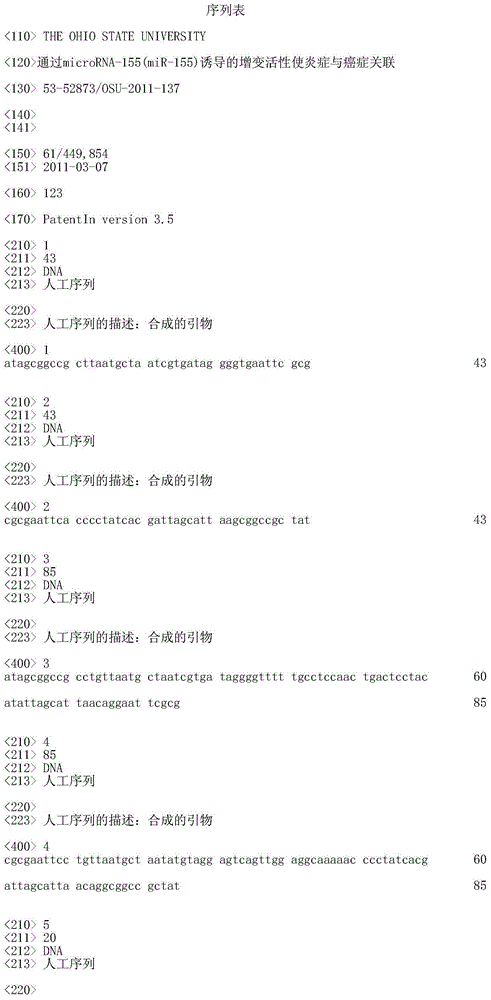
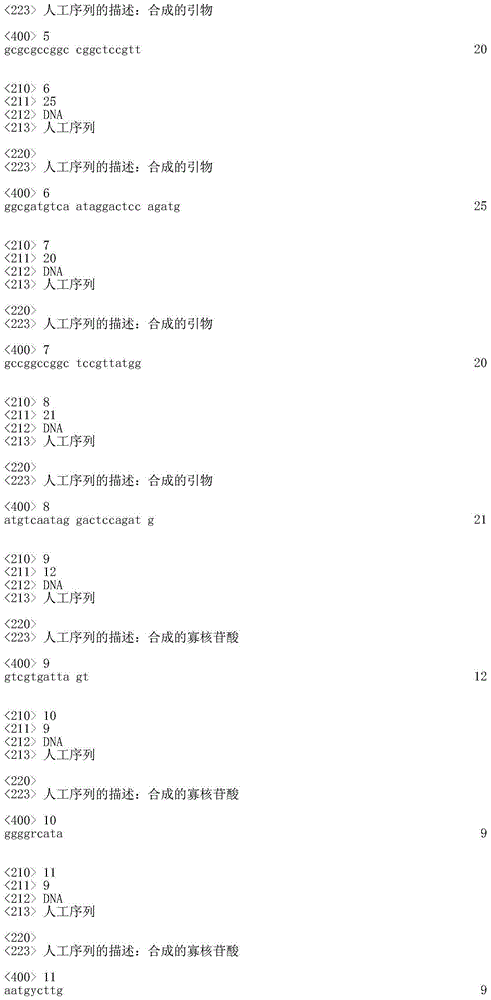

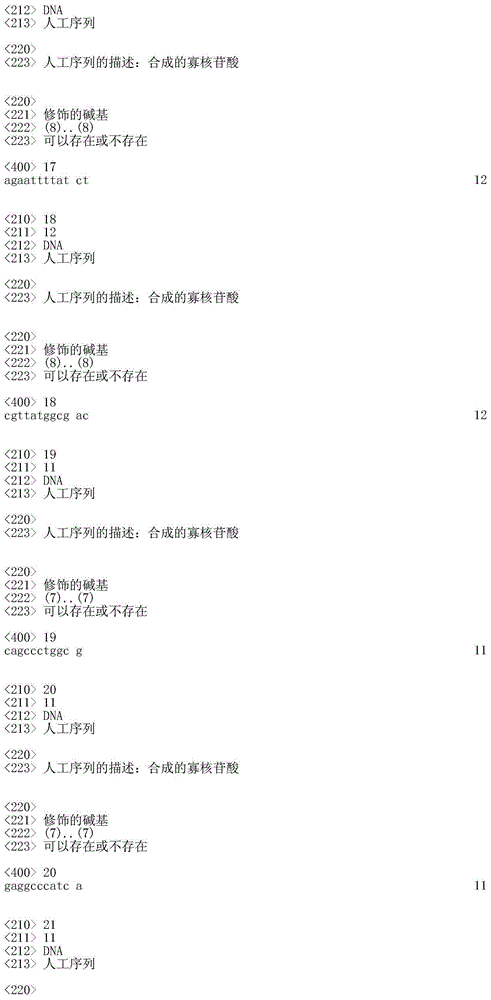


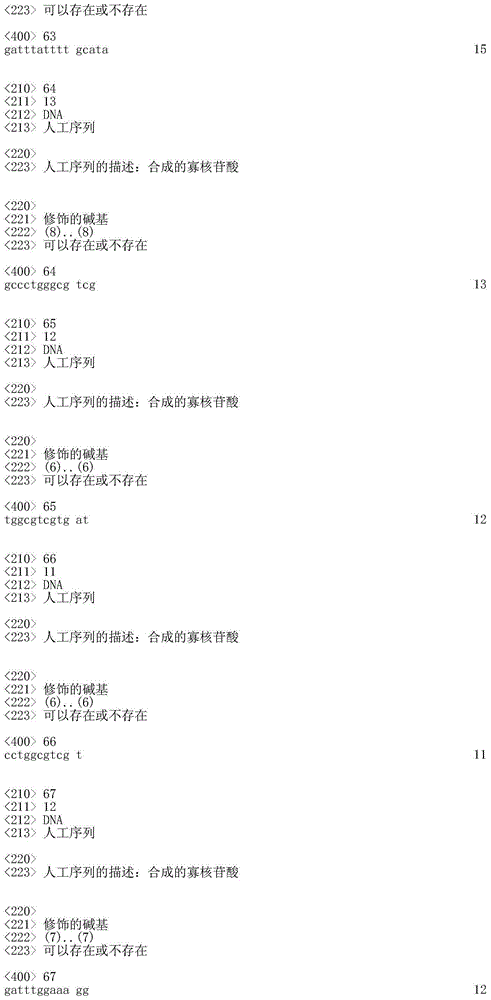
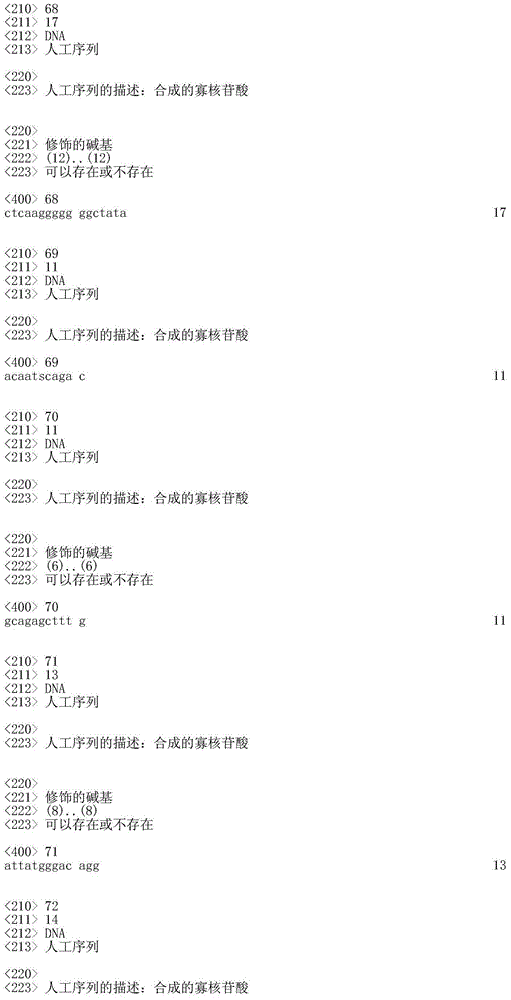
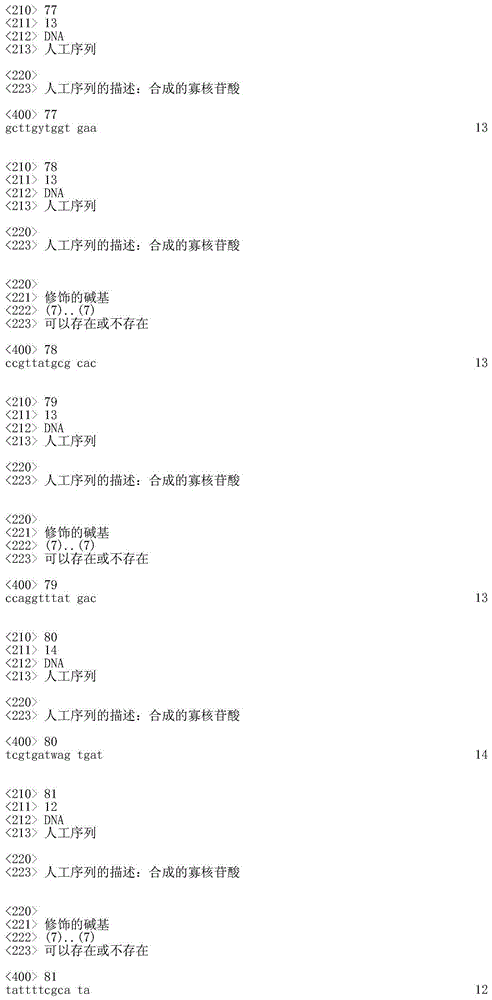
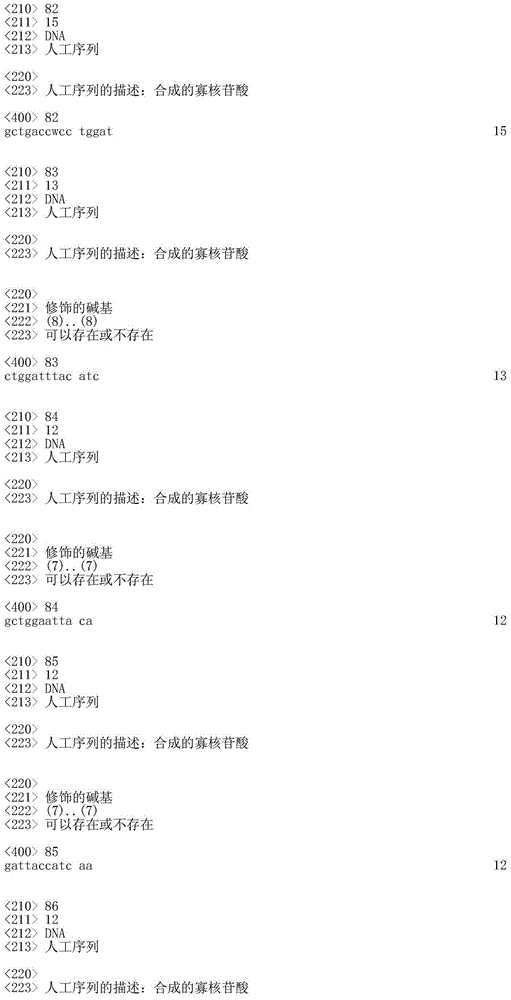
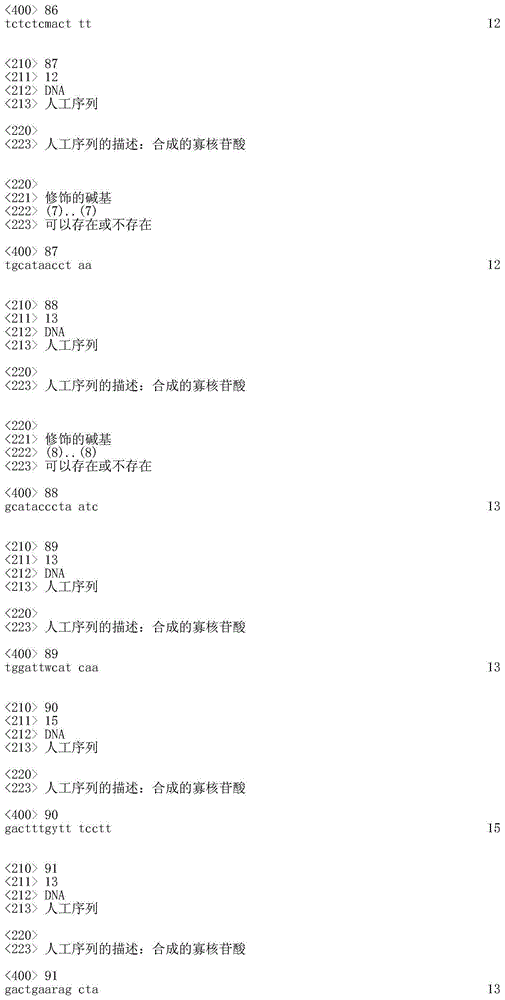

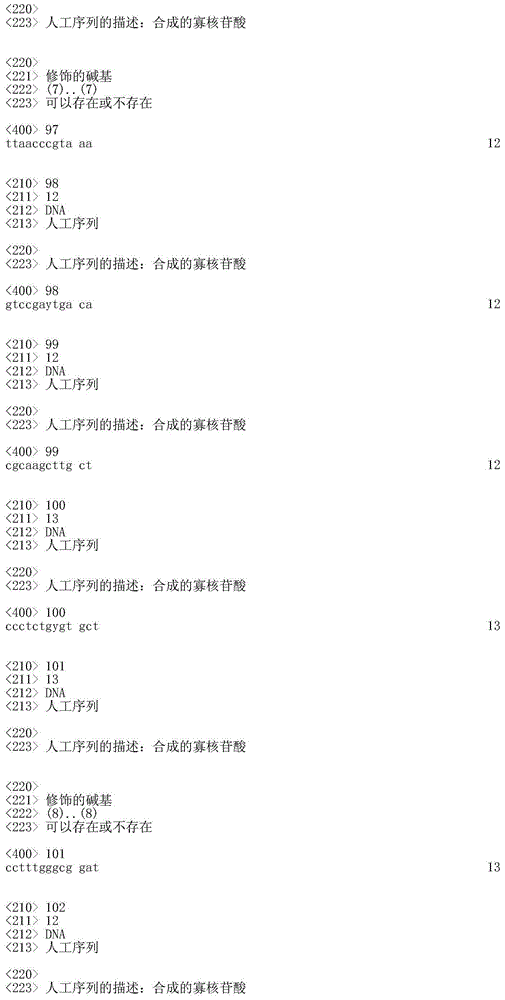

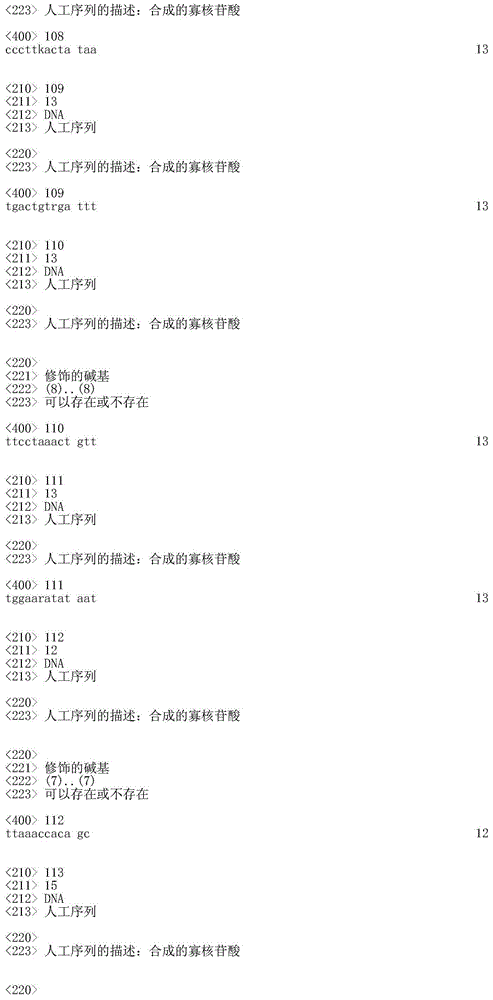
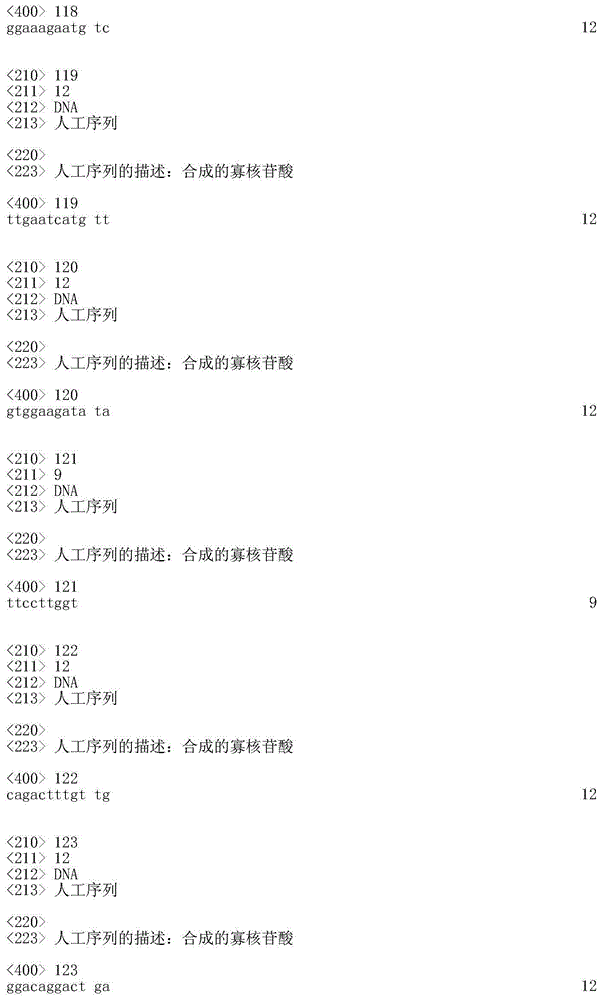
Claims (32)
Applications Claiming Priority (3)
| Application Number | Priority Date | Filing Date | Title |
|---|---|---|---|
| US201161449854P | 2011-03-07 | 2011-03-07 | |
| US61/449,854 | 2011-03-07 | ||
| PCT/US2012/028016 WO2012122239A1 (en) | 2011-03-07 | 2012-03-07 | MUTATOR ACTIVITY INDUCED BY MICRORNA-155 (miR-155) LINKS INFLAMMATION AND CANCER |
Publications (1)
| Publication Number | Publication Date |
|---|---|
| CN103561750A true CN103561750A (en) | 2014-02-05 |
Family
ID=46798544
Family Applications (1)
| Application Number | Title | Priority Date | Filing Date |
|---|---|---|---|
| CN201280018289.9A Pending CN103561750A (en) | 2011-03-07 | 2012-03-07 | Mutator activity induced by microRNA-155 (miR-155) links inflammation and cancer |
Country Status (7)
| Country | Link |
|---|---|
| US (3) | US8664192B2 (en) |
| EP (1) | EP2683387A4 (en) |
| JP (1) | JP2014509852A (en) |
| CN (1) | CN103561750A (en) |
| AU (1) | AU2012225506B2 (en) |
| CA (1) | CA2828772A1 (en) |
| WO (1) | WO2012122239A1 (en) |
Families Citing this family (13)
| Publication number | Priority date | Publication date | Assignee | Title |
|---|---|---|---|---|
| EP2479285B1 (en) | 2006-01-05 | 2014-05-14 | The Ohio State University Research Foundation | MicroRNA-based methods and compositions for the diagnosis and treatment of solid cancers |
| US7985584B2 (en) | 2006-03-20 | 2011-07-26 | The Ohio State University Research Foundation | MicroRNA fingerprints during human megakaryocytopoiesis |
| JP2010535473A (en) | 2007-08-03 | 2010-11-25 | ズィ、オハイオウ、ステイト、ユーニヴァーサティ、リサーチ、ファウンデイシャン | Superconserved region encoding ncRNA |
| JP5960060B2 (en) | 2009-11-23 | 2016-08-02 | ジ・オハイオ・ステート・ユニバーシティ | Substances and methods useful for influencing tumor cell growth, migration and invasion |
| CA2816603A1 (en) | 2010-11-12 | 2012-05-18 | The Ohio State University Research Foundation | Materials and methods related to microrna-21, mismatch repair, and colorectal cancer |
| EP2640368B1 (en) | 2010-11-15 | 2020-12-30 | The Ohio State University Research Foundation | Controlled release mucoadhesive systems |
| CN104364390B (en) | 2011-10-14 | 2016-08-24 | 俄亥俄州立大学 | Methods and materials related to ovarian cancer |
| CA2859430A1 (en) | 2011-12-13 | 2013-06-20 | Ohio State Innovation Foundation | Methods and compositions related to mir-21 and mir-29a, exosome inhibition, and cancer metastasis |
| CA2866052A1 (en) | 2012-01-20 | 2013-07-25 | The Ohio State University | Breast cancer biomarker signatures for invasiveness and prognosis |
| US20150275209A1 (en) * | 2012-10-22 | 2015-10-01 | The United States Of America, As Represented By The Secretary, Dept. Of Health And Human Service | Compositions and methods for enhancing cancer immunotherapy |
| CN103966328B (en) * | 2014-05-07 | 2016-05-25 | 济宁医学院 | MiRNA mark and the kit relevant to the pernicious transformation of knot rectitis |
| CN107530350A (en) | 2014-12-11 | 2018-01-02 | 哈佛理事会 | Inhibitors of necrosis and related methods |
| EP3303590A4 (en) | 2015-06-05 | 2019-01-02 | Miragen Therapeutics, Inc. | Mir-155 inhibitors for treating cutaneous t cell lymphoma (ctcl) |
Family Cites Families (170)
| Publication number | Priority date | Publication date | Assignee | Title |
|---|---|---|---|---|
| US4196265A (en) | 1977-06-15 | 1980-04-01 | The Wistar Institute | Method of producing antibodies |
| US4172124A (en) | 1978-04-28 | 1979-10-23 | The Wistar Institute | Method of producing tumor antibodies |
| US4608337A (en) | 1980-11-07 | 1986-08-26 | The Wistar Institute | Human hybridomas and the production of human monoclonal antibodies by human hybridomas |
| US4701409A (en) | 1984-11-15 | 1987-10-20 | The Wistar Institute | Detection of B-cell neoplasms |
| US4693975A (en) | 1984-11-20 | 1987-09-15 | The Wistar Institute | Human hybridroma fusion partner for production of human monoclonal antibodies |
| US5015568A (en) | 1986-07-09 | 1991-05-14 | The Wistar Institute | Diagnostic methods for detecting lymphomas in humans |
| US5202429A (en) | 1986-07-09 | 1993-04-13 | The Wistar Institute | DNA molecules having human BCL-2 gene sequences |
| US5198338A (en) | 1989-05-31 | 1993-03-30 | Temple University | Molecular probing for human t-cell leukemia and lymphoma |
| US5149628A (en) | 1989-11-15 | 1992-09-22 | Temple University | Methods for detecting bcl-3 gene in human leukemias |
| US6040140A (en) | 1991-12-11 | 2000-03-21 | Thomas Jefferson University | Methods for screening and treating leukemias resulting from all-1 region chromosome abnormalities |
| US5633135A (en) | 1991-12-11 | 1997-05-27 | Thomas Jefferson University | Chimeric nucleic acids and proteins resulting from ALL-1 region chromosome abnormalities |
| WO1993012136A1 (en) | 1991-12-11 | 1993-06-24 | Thomas Jefferson University | Detection and treatment of acute leukemias resulting from chromosome abnormalities in the all-1 region |
| CA2148350A1 (en) | 1992-10-29 | 1994-05-11 | Carlo Croce | Methods of detecting micrometastasis of prostate cancer |
| US5674682A (en) | 1992-10-29 | 1997-10-07 | Thomas Jefferson University | Nucleic acid primers for detecting micrometastasis of prostate cancer |
| WO1994026930A1 (en) | 1993-05-14 | 1994-11-24 | Thomas Jefferson University | Methods for screening and treating leukemias resulting from all-1 region chromosome abnormalities |
| US7175995B1 (en) | 1994-10-27 | 2007-02-13 | Thomas Jefferson University | TCL-1 protein and related methods |
| US5985598A (en) | 1994-10-27 | 1999-11-16 | Thomas Jefferson University | TCL-1 gene and protein and related methods and compositions |
| US5695944A (en) | 1995-05-05 | 1997-12-09 | Thomas Jefferson University | Modulation of bcl-2 phosphorylation |
| US5567586A (en) | 1995-05-18 | 1996-10-22 | Thomas Jefferson University | Methods of indentifying solid tumors with chromosome abnormalities in the ALL-1 region |
| US5928884A (en) | 1996-02-09 | 1999-07-27 | Croce; Carlo M. | FHIT proteins and nucleic acids and methods based thereon |
| US6242212B1 (en) | 1996-02-09 | 2001-06-05 | Thomas Jefferson University | Fragile histidine triad (FHIT) nucleic acids and methods of producing FHIT proteins |
| AU4003597A (en) | 1996-09-04 | 1998-03-26 | Howard Florey Institute Of Experimental Physiology And Medicine | Methods of diagnosing and treating cancer |
| US6187536B1 (en) | 1997-02-18 | 2001-02-13 | Thomas Jefferson University | Methods of identifying and detecting pancreatic cancer |
| CA2286328A1 (en) | 1997-04-04 | 1998-10-15 | The Texas A & M University System | Noninvasive detection of colonic biomarkers using fecal messenger rna |
| CA2335315A1 (en) | 1998-07-20 | 2000-01-27 | Thomas Jefferson University | Nitrilase homologs |
| US6255293B1 (en) | 1998-07-24 | 2001-07-03 | Yeda Research And Development Co., Ltd. | Prevention of metastasis with 5-aza-2′-deoxycytidine |
| US7141417B1 (en) | 1999-02-25 | 2006-11-28 | Thomas Jefferson University | Compositions, kits, and methods relating to the human FEZ1 gene, a novel tumor suppressor gene |
| JP2003508011A (en) | 1999-02-25 | 2003-03-04 | トマス・ジエフアーソン・ユニバーシテイ | Compositions, kits and methods relating to a novel tumor suppressor gene that is the human FEZ1 gene |
| WO2000055169A1 (en) | 1999-03-15 | 2000-09-21 | Thomas Jefferson University | TCL-1b GENE AND PROTEIN AND RELATED METHODS AND COMPOSITIONS |
| US6579857B1 (en) | 1999-06-11 | 2003-06-17 | Evanston Northwestern Healthcare Research Institute | Combination cancer therapy comprising adenosine and deaminase enzyme inhibitors |
| US7163801B2 (en) | 1999-09-01 | 2007-01-16 | The Burnham Institute | Methods for determining the prognosis for cancer patients using tucan |
| WO2001044466A1 (en) | 1999-12-16 | 2001-06-21 | Women's And Children's Hospital | Oxidoreductase gene associated with the fra16d fragile site |
| US6891031B2 (en) | 2000-02-18 | 2005-05-10 | The Regents Of The University Of California | Coordinate cytokine regulatory sequences |
| US20010026796A1 (en) | 2000-03-14 | 2001-10-04 | Croce Carlo M. | TCL1 enhances Akt kinase activity and mediates its nuclear translocation |
| CA2406366A1 (en) | 2000-04-11 | 2001-10-18 | Thomas Jefferson University | Muir-torre-like syndrome infhit deficient mice |
| US20020086331A1 (en) | 2000-05-16 | 2002-07-04 | Carlo Croce | Crystal structure of worm NitFhit reveals that a Nit tetramer binds two Fhit dimers |
| US7060811B2 (en) | 2000-10-13 | 2006-06-13 | Board Of Regents, The University Of Texas System | WWOX: a tumor suppressor gene mutated in multiple cancers |
| WO2002064171A1 (en) | 2001-02-12 | 2002-08-22 | Thomas Jefferson University | Adenoviral transduction of fragile histidine triad (fhit) into cancer cells |
| WO2002064172A2 (en) | 2001-02-12 | 2002-08-22 | Thomas Jefferson University | Fhit gene therapy prevents tumor development in fhit-deficient mice |
| US20040033502A1 (en) | 2001-03-28 | 2004-02-19 | Amanda Williams | Gene expression profiles in esophageal tissue |
| US20050176025A1 (en) | 2001-05-18 | 2005-08-11 | Sirna Therapeutics, Inc. | RNA interference mediated inhibition of B-cell CLL/Lymphoma-2 (BCL-2) gene expression using short interfering nucleic acid (siNA) |
| JP4371812B2 (en) | 2001-09-28 | 2009-11-25 | マックス−プランク−ゲゼルシャフト・ツア・フェルデルング・デア・ヴィッセンシャフテン・エー・ファオ | MicroRNA molecules |
| US7371736B2 (en) | 2001-11-07 | 2008-05-13 | The Board Of Trustees Of The University Of Arkansas | Gene expression profiling based identification of DKK1 as a potential therapeutic targets for controlling bone loss |
| GB0128898D0 (en) | 2001-12-03 | 2002-01-23 | Biotech Res Ventures Pte Ltd | Materials and methods relating to the stabilization and activation of a tumour suppressor protein |
| IL163711A0 (en) | 2002-03-08 | 2005-12-18 | Eisai Co Ltd | Macrocyclic compounds useful as pharmaceuticals |
| EP2241636A1 (en) | 2002-03-13 | 2010-10-20 | Genomic Health, Inc. | Gene expression profiling in biopsied tumor tissues |
| US20060084059A1 (en) | 2002-04-08 | 2006-04-20 | Tai-Tung Yip | Serum biomarkers in hepatocellular carcinoma |
| US20040078834A1 (en) | 2002-04-29 | 2004-04-22 | Croce Carlo M. | Human chronic lymphocytic leukemia modeled in mouse by targeted TCL1 expression |
| US7217568B2 (en) | 2002-05-31 | 2007-05-15 | The Board Of Trustees Of The Leland Stanford Junior University | Methods of identifying and isolating stem cells and cancer stem cells |
| US20050260639A1 (en) | 2002-09-30 | 2005-11-24 | Oncotherapy Science, Inc. | Method for diagnosing pancreatic cancer |
| US20050266443A1 (en) | 2002-10-11 | 2005-12-01 | Thomas Jefferson University | Novel tumor suppressor gene and compositions and methods for making and using the same |
| EP1581621A4 (en) | 2002-10-11 | 2006-07-05 | Univ Jefferson | NOVEL TUMOR SUPPRESSOR GENE, COMPOSITIONS AND METHODS OF MAKING AND USING SAME |
| US20040152112A1 (en) | 2002-11-13 | 2004-08-05 | Thomas Jefferson University | Compositions and methods for cancer diagnosis and therapy |
| US7250496B2 (en) | 2002-11-14 | 2007-07-31 | Rosetta Genomics Ltd. | Bioinformatically detectable group of novel regulatory genes and uses thereof |
| WO2004071464A2 (en) | 2003-02-12 | 2004-08-26 | Johns Hopkins University School Of Medicine | Diagnostic application of differentially-expressed genes in lympho-hematopoietic stem cells |
| WO2004079013A1 (en) | 2003-03-03 | 2004-09-16 | Arizona Board Of Regents On Behalf Of The University Of Arizona | Ecto-5’-nucleotidase (cd73) used in the diagnosis and the treatment of pancreatic cancer |
| US7183384B2 (en) | 2003-03-06 | 2007-02-27 | A & G Pharmaceutical, Inc. | Monoclonal antibody 7H11 reactive with human cancer |
| AU2003286741A1 (en) | 2003-05-02 | 2004-11-26 | Thomas Jefferson University | Methods and compositions for diagnosis and therapy of parkin-associated disorders |
| US20050069918A1 (en) | 2003-05-29 | 2005-03-31 | Francois Claret | JAB1 as a prognostic marker and a therapeutic target for human cancer |
| SG179291A1 (en) | 2003-06-18 | 2012-04-27 | Genelux Corp | Modified recombinant vaccinia viruses and other microorganisms, uses thereof |
| US7683036B2 (en) | 2003-07-31 | 2010-03-23 | Regulus Therapeutics Inc. | Oligomeric compounds and compositions for use in modulation of small non-coding RNAs |
| US8106180B2 (en) | 2003-08-07 | 2012-01-31 | Whitehead Institute For Biomedical Research | Methods and products for expression of micro RNAs |
| US20050037362A1 (en) | 2003-08-11 | 2005-02-17 | Eppendorf Array Technologies, S.A. | Detection and quantification of siRNA on microarrays |
| US8412541B2 (en) | 2003-08-14 | 2013-04-02 | Edda Technology, Inc. | Method and system for intelligent qualitative and quantitative analysis for medical diagnosis |
| US20050084883A1 (en) | 2003-08-25 | 2005-04-21 | The Johns Hopkins University School Of Medicine | Method of diagnosis and treatment of pancreatic endocrine neoplasms based on differential gene expression analysis |
| AU2004276823A1 (en) | 2003-09-22 | 2005-04-07 | Merck And Co., Inc | Synthetic lethal screen using RNA interference |
| CN1890382A (en) | 2003-09-24 | 2007-01-03 | 肿瘤疗法科学股份有限公司 | Method for diagnosing hepatocellular carcinomas |
| US20050186589A1 (en) | 2003-11-07 | 2005-08-25 | University Of Massachusetts | Interspersed repetitive element RNAs as substrates, inhibitors and delivery vehicles for RNAi |
| US20050164252A1 (en) | 2003-12-04 | 2005-07-28 | Yeung Wah Hin A. | Methods using non-genic sequences for the detection, modification and treatment of any disease or improvement of functions of a cell |
| AU2004305075A1 (en) | 2003-12-19 | 2005-07-07 | The Regents Of The University Of California | Methods and materials for assessing prostate cancer therapies |
| US20050256072A1 (en) | 2004-02-09 | 2005-11-17 | University Of Massachusetts | Dual functional oligonucleotides for use in repressing mutant gene expression |
| EP2295604B1 (en) | 2004-02-09 | 2015-04-08 | Thomas Jefferson University | Diagnosis and treatment of cancers with microRNA located in or near cancer-associated chromosomal features |
| CA2556435C (en) | 2004-02-13 | 2014-08-12 | The Rockefeller University | Anti-microrna oligonucleotide molecules |
| JP4980878B2 (en) | 2004-02-23 | 2012-07-18 | エラスムス ユニバーシティ メディカル センター ロッテルダム | Classification, diagnosis, and prognosis of acute myeloid leukemia by gene expression profiling |
| US7365058B2 (en) | 2004-04-13 | 2008-04-29 | The Rockefeller University | MicroRNA and methods for inhibiting same |
| EP1745150A4 (en) | 2004-04-20 | 2008-02-27 | Genaco Biomedial Products Inc | Method for detecting ncrna |
| WO2005111211A2 (en) | 2004-05-14 | 2005-11-24 | Rosetta Genomics Ltd. | Micronas and uses thereof |
| EP1771563A2 (en) | 2004-05-28 | 2007-04-11 | Ambion, Inc. | METHODS AND COMPOSITIONS INVOLVING MicroRNA |
| US7635563B2 (en) | 2004-06-30 | 2009-12-22 | Massachusetts Institute Of Technology | High throughput methods relating to microRNA expression analysis |
| US20060037088A1 (en) | 2004-08-13 | 2006-02-16 | Shulin Li | Gene expression levels as predictors of chemoradiation response of cancer |
| AU2005282731B2 (en) | 2004-09-02 | 2010-04-01 | Yale University | Regulation of oncogenes by microRNAs |
| US7642348B2 (en) | 2004-10-04 | 2010-01-05 | Rosetta Genomics Ltd | Prostate cancer-related nucleic acids |
| US7592441B2 (en) | 2004-10-04 | 2009-09-22 | Rosetta Genomics Ltd | Liver cancer-related nucleic acids |
| FR2877350B1 (en) | 2004-11-03 | 2010-08-27 | Centre Nat Rech Scient | IDENTIFICATION AND USE OF miRNAs INVOLVED IN THE DIFFERENTIATION OF CELLS FROM MYELOID LEUKEMIA |
| WO2008073922A2 (en) | 2006-12-08 | 2008-06-19 | Asuragen, Inc. | Functions and targets of let-7 micro rnas |
| ES2503739T3 (en) | 2004-11-12 | 2014-10-07 | Asuragen, Inc. | Procedures and compositions involving miRNA and miRNA inhibitor molecules |
| CA2590768A1 (en) | 2004-12-14 | 2006-06-22 | Alnylam Pharmaceuticals, Inc. | Rnai modulation of mll-af4 and uses thereof |
| US20060185027A1 (en) | 2004-12-23 | 2006-08-17 | David Bartel | Systems and methods for identifying miRNA targets and for altering miRNA and target expression |
| US20070099196A1 (en) | 2004-12-29 | 2007-05-03 | Sakari Kauppinen | Novel oligonucleotide compositions and probe sequences useful for detection and analysis of micrornas and their target mRNAs |
| WO2006081284A2 (en) | 2005-01-25 | 2006-08-03 | Rosetta Inpharmatics Llc | Methods for quantitating small rna molecules |
| US8071306B2 (en) | 2005-01-25 | 2011-12-06 | Merck Sharp & Dohme Corp. | Methods for quantitating small RNA molecules |
| US20070065840A1 (en) | 2005-03-23 | 2007-03-22 | Irena Naguibneva | Novel oligonucleotide compositions and probe sequences useful for detection and analysis of microRNAS and their target mRNAS |
| GB2425311A (en) | 2005-04-15 | 2006-10-25 | Ist Superiore Sanita | Micro RNA against kit protein |
| WO2006119266A2 (en) | 2005-04-29 | 2006-11-09 | Rockefeller University | Human micrornas and methods for inhibiting same |
| EP1904111A4 (en) | 2005-06-03 | 2009-08-19 | Univ Johns Hopkins | COMPOSITIONS AND METHODS FOR DECREASING MICROARN EXPRESSION FOR THE TREATMENT OF NEOPLASIA |
| US20070065844A1 (en) | 2005-06-08 | 2007-03-22 | Massachusetts Institute Of Technology | Solution-based methods for RNA expression profiling |
| US20060292616A1 (en) | 2005-06-23 | 2006-12-28 | U.S. Genomics, Inc. | Single molecule miRNA-based disease diagnostic methods |
| CN103866018B (en) | 2005-08-01 | 2016-05-25 | 俄亥俄州立大学研究基金会 | Be used for the method and composition based on MicroRNA of diagnosis, prognosis and the treatment of breast cancer |
| AU2006279906B2 (en) | 2005-08-10 | 2012-05-10 | Alnylam Pharmaceuticals, Inc. | Chemically modified oligonucleotides for use in modulating micro RNA and uses thereof |
| US20070213292A1 (en) | 2005-08-10 | 2007-09-13 | The Rockefeller University | Chemically modified oligonucleotides for use in modulating micro RNA and uses thereof |
| ES2523989T3 (en) | 2005-09-12 | 2014-12-03 | The Ohio State University Research Foundation | Compositions for the therapy of cancers associated with BCL2 |
| US20090270484A1 (en) | 2005-10-05 | 2009-10-29 | The Ohio State University Research Foundation | WWOX Vectors and Uses in Treatment of Cancer |
| US20070092882A1 (en) | 2005-10-21 | 2007-04-26 | Hui Wang | Analysis of microRNA |
| US7390792B2 (en) | 2005-12-15 | 2008-06-24 | Board Of Regents, The University Of Texas System | MicroRNA1 therapies |
| EP2479285B1 (en) | 2006-01-05 | 2014-05-14 | The Ohio State University Research Foundation | MicroRNA-based methods and compositions for the diagnosis and treatment of solid cancers |
| CA2635616A1 (en) | 2006-01-05 | 2007-07-19 | Carlo M. Croce | Microrna expression abnormalities in pancreatic endocrine and acinar tumors |
| JP5451077B2 (en) | 2006-01-05 | 2014-03-26 | ジ・オハイオ・ステイト・ユニバーシティ・リサーチ・ファウンデイション | MicroRNA-based methods and compositions for lung cancer diagnosis, prognosis and treatment |
| WO2007084485A2 (en) | 2006-01-13 | 2007-07-26 | Battelle Memorial Institute | Markers for assessing copd-related diseases |
| US7985584B2 (en) | 2006-03-20 | 2011-07-26 | The Ohio State University Research Foundation | MicroRNA fingerprints during human megakaryocytopoiesis |
| US20090324618A1 (en) | 2006-03-24 | 2009-12-31 | Armstrong Scott A | Novel signature self renewal gene expression programs |
| CA3024953A1 (en) * | 2006-04-03 | 2007-10-11 | Roche Innovation Center Copenhagen A/S | Pharmaceutical composition comprising anti-mirna antisense oligonucleotides |
| EP2023944A4 (en) | 2006-04-24 | 2011-10-05 | Univ Ohio State Res Found | PRE-B CELL PROLIEFERATION AND LYMPHOBLASTIC LEUKEMIA / HIGH GRADE LYMPHOMA IN MIR155 TRANSGENIC MICE |
| ES2447850T3 (en) | 2006-07-13 | 2014-03-13 | The Ohio State University Research Foundation | Methods and compositions based on micro-RNA for the prognosis and treatment of diseases related to the colon |
| EP2063887B1 (en) | 2006-08-30 | 2013-05-29 | The Regents of the University of Michigan | New small molecule inhibitors of mdm2 and the uses thereof |
| US20080193943A1 (en) | 2006-09-05 | 2008-08-14 | Abbott Laboratories | Companion diagnostic assays for cancer therapy |
| JP5426383B2 (en) | 2006-09-19 | 2014-02-26 | ジ・オハイオ・ステイト・ユニバーシティ・リサーチ・ファウンデイション | TCL1 expression regulated by miR-29 and miR-181 in chronic lymphocytic leukemia |
| AU2007299804A1 (en) | 2006-09-19 | 2008-03-27 | Asuragen, Inc. | MiR-200 regulated genes and pathways as targets for therapeutic intervention |
| AU2007299748A1 (en) | 2006-09-19 | 2008-03-27 | Asuragen, Inc. | miR-15, miR-26, miR -31,miR -145, miR-147, miR-188, miR-215, miR-216 miR-331, mmu-miR-292-3p regulated genes and pathways as targets for therapeutic intervention |
| EP2115138A2 (en) | 2006-09-19 | 2009-11-11 | Asuragen, Inc. | Micrornas differentially expressed in pancreatic diseases and uses thereof |
| JP5501766B2 (en) | 2006-11-01 | 2014-05-28 | ジ・オハイオ・ステイト・ユニバーシティ・リサーチ・ファウンデイション | MicroRNA expression signature to predict survival and metastasis in hepatocellular carcinoma |
| US8293684B2 (en) | 2006-11-29 | 2012-10-23 | Exiqon | Locked nucleic acid reagents for labelling nucleic acids |
| WO2008070082A2 (en) | 2006-12-04 | 2008-06-12 | The Johns Hopkins University | Stem-progenitor cell specific micro-ribonucleic acids and uses thereof |
| GB0624302D0 (en) * | 2006-12-05 | 2007-01-17 | Istituto Superiore Di Sanito | Micro RNA |
| CA2671194A1 (en) | 2006-12-08 | 2008-06-19 | Asuragen, Inc. | Mir-20 regulated genes and pathways as targets for therapeutic intervention |
| CA2671294A1 (en) | 2006-12-08 | 2008-06-19 | Asuragen, Inc. | Mir-21 regulated genes and pathways as targets for therapeutic intervention |
| CN101622349A (en) | 2006-12-08 | 2010-01-06 | 奥斯瑞根公司 | miR-20 regulated genes and pathways as targets for therapeutic intervention |
| US20090175827A1 (en) | 2006-12-29 | 2009-07-09 | Byrom Mike W | miR-16 REGULATED GENES AND PATHWAYS AS TARGETS FOR THERAPEUTIC INTERVENTION |
| AU2008211142A1 (en) | 2007-01-31 | 2008-08-07 | The Ohio State University Research Foundation | Mic orna-based methods and compositions for the treatment of acute myeloid leukemia |
| ATE553196T1 (en) | 2007-02-27 | 2012-04-15 | Rosetta Genomics Ltd | COMPOSITION AND METHOD FOR MODULATING CELL PROLIFERATION AND CELL DEATH |
| US8097427B2 (en) | 2007-03-16 | 2012-01-17 | Covalx Ag | Direct mass spectrometric analysis of drug candidates targeting protein complexes |
| EP2134874A4 (en) | 2007-04-10 | 2010-12-22 | Univ Nat Taiwan | PREDICTION OF SURVIVAL AFTER TREATMENT IN CANCER PATIENTS WITH MICRO-RNA |
| EP2610347B1 (en) | 2007-04-30 | 2015-04-15 | The Ohio State University Research Foundation | Methods of determining the prognosis of a subject with pancreatic cancer |
| US20090005336A1 (en) | 2007-05-08 | 2009-01-01 | Zhiguo Wang | Use of the microRNA miR-1 for the treatment, prevention, and diagnosis of cardiac conditions |
| US8697672B2 (en) * | 2007-05-16 | 2014-04-15 | California Institute Of Technology | Microrna inhibition for the treatment of inflammation and myeloproliferative disorders |
| US20090232893A1 (en) | 2007-05-22 | 2009-09-17 | Bader Andreas G | miR-143 REGULATED GENES AND PATHWAYS AS TARGETS FOR THERAPEUTIC INTERVENTION |
| US20090131354A1 (en) | 2007-05-22 | 2009-05-21 | Bader Andreas G | miR-126 REGULATED GENES AND PATHWAYS AS TARGETS FOR THERAPEUTIC INTERVENTION |
| WO2008154098A2 (en) | 2007-06-07 | 2008-12-18 | Wisconsin Alumni Research Foundation | Reagents and methods for mirna expression analysis and identification of cancer biomarkers |
| EP2559773B1 (en) | 2007-06-08 | 2015-04-22 | The Government of the United States of America as represented by the Secretary of the Department of Health and Human Services | Methods for determining a hepatocellular carcinoma subtype |
| CA2689974A1 (en) | 2007-06-08 | 2008-12-18 | Asuragen, Inc. | Mir-34 regulated genes and pathways as targets for therapeutic intervention |
| EP2167521A4 (en) | 2007-06-15 | 2011-11-23 | Univ Ohio State Res Found | ALL-1 ONCOGEN FUSION PROTEINS TO TARGE TREATMENT OF MICRO-RNA REGULATED BY DROSHA |
| CA2695184A1 (en) | 2007-07-31 | 2009-02-05 | The Ohio State University Research Foundation | Methods for reverting methylation by targeting dnmt3a and dnmt3b |
| JP2010535473A (en) | 2007-08-03 | 2010-11-25 | ズィ、オハイオウ、ステイト、ユーニヴァーサティ、リサーチ、ファウンデイシャン | Superconserved region encoding ncRNA |
| CA2696887C (en) | 2007-08-22 | 2016-06-28 | The Ohio State University Research Foundation | Methods and compositions for inducing deregulation of epha7 and erk phosphorylation in human acute leukemias |
| US20090061424A1 (en) | 2007-08-30 | 2009-03-05 | Sigma-Aldrich Company | Universal ligation array for analyzing gene expression or genomic variations |
| EP2183393B1 (en) | 2007-09-06 | 2014-06-11 | The Ohio State University Research Foundation | Microrna signatures in human ovarian cancer |
| CA2702241A1 (en) | 2007-10-11 | 2009-04-16 | The Ohio State University Research Foundation | Methods and compositions for the diagnosis and treatment of esophageal adenocarcinomas |
| EP2201112A4 (en) | 2007-10-26 | 2011-02-02 | Univ Ohio State Res Found | METHODS FOR IDENTIFYING INTERACTION OF THE "FRAGILE HISTIDINE TRIAD" GENE (FHIT) AND USES THEREOF |
| US20090123933A1 (en) | 2007-11-12 | 2009-05-14 | Wake Forest University Health Sciences | Microrna biomarkers in lupus |
| US8575121B2 (en) | 2007-11-12 | 2013-11-05 | The United States of America as represented by the Secetary of the Department of Health and Human Services | Therapeutic applications of p53 isoforms in regenerative medicine, aging and cancer |
| US20100323357A1 (en) | 2007-11-30 | 2010-12-23 | The Ohio State University Research Foundation | MicroRNA Expression Profiling and Targeting in Peripheral Blood in Lung Cancer |
| US8071562B2 (en) | 2007-12-01 | 2011-12-06 | Mirna Therapeutics, Inc. | MiR-124 regulated genes and pathways as targets for therapeutic intervention |
| US20090192114A1 (en) | 2007-12-21 | 2009-07-30 | Dmitriy Ovcharenko | miR-10 Regulated Genes and Pathways as Targets for Therapeutic Intervention |
| EP3239305A3 (en) | 2008-02-01 | 2017-11-29 | The General Hospital Corporation | Use of microvesicles in diagnosis and prognosis of medical diseases and conditions |
| EP2260110B1 (en) | 2008-02-08 | 2014-11-12 | Asuragen, INC. | miRNAs DIFFERENTIALLY EXPRESSED IN LYMPH NODES FROM CANCER PATIENTS |
| CA2716906A1 (en) | 2008-02-28 | 2009-09-03 | The Ohio State University Research Foundation | Microrna-based methods and compositions for the diagnosis, prognosis and treatment of gastric cancer |
| JP2011517932A (en) | 2008-02-28 | 2011-06-23 | ジ・オハイオ・ステイト・ユニバーシティ・リサーチ・ファウンデイション | MicroRNA signatures associated with human chronic lymphocytic leukemia (CCL) and uses thereof |
| ES2600165T3 (en) | 2008-02-28 | 2017-02-07 | The Ohio State University Research Foundation | MiR-32 antagonists to increase the response of prostate cancer to apoptosis |
| CN102007408A (en) | 2008-02-28 | 2011-04-06 | 俄亥俄州立大学研究基金会 | Microrna signatures associated with cytogenetics and prognosis in acute myeloid leukemia (aml) and uses thereof |
| EP2268832A2 (en) | 2008-03-06 | 2011-01-05 | Asuragen, INC. | Microrna markers for recurrence of colorectal cancer |
| US20090253780A1 (en) | 2008-03-26 | 2009-10-08 | Fumitaka Takeshita | COMPOSITIONS AND METHODS RELATED TO miR-16 AND THERAPY OF PROSTATE CANCER |
| EP2285960B1 (en) | 2008-05-08 | 2015-07-08 | Asuragen, INC. | Compositions and methods related to mir-184 modulation of neovascularization or angiogenesis |
| WO2009149418A2 (en) | 2008-06-06 | 2009-12-10 | Asuragen, Inc. | Novel compositions for the in vivo delivery of rnai agents |
| WO2009152300A1 (en) | 2008-06-11 | 2009-12-17 | The Government Of The United States Of America, As Represented By The Secretary Of The Department Of Health And Human Services | Use of mir-26 family as a predictive marker of hepatocellular carcinoma and responsiveness to therapy |
| ES2541442T3 (en) * | 2008-08-01 | 2015-07-20 | Roche Innovation Center Copenhagen A/S | MicroRNA-mediated modulation of colony stimulating factors |
| CA2734179A1 (en) | 2008-08-12 | 2010-02-18 | The Ohio State University Research Foundation | Micro-rna-based compositions and methods for the diagnosis, prognosis and treatment of multiple myeloma |
| WO2010059779A1 (en) | 2008-11-21 | 2010-05-27 | The Ohio State University Research Foundation | Tcl1 AS A TRANSCRIPTIONAL REGULATOR |
| EP2373815A4 (en) | 2008-12-05 | 2012-09-26 | Univ Ohio State Res Found | MICRO-RNA-RNA BASED METHODS AND COMPOSITIONS FOR DIAGNOSIS AND TREATMENT OF OVARIAN CARCINOMA |
| EP2401405A4 (en) | 2009-02-26 | 2013-10-16 | Univ Ohio State Res Found | MICROARN IN NON-SMOKERS AND METHODS AND RELATED MATERIALS |
| WO2010135714A2 (en) * | 2009-05-22 | 2010-11-25 | The Methodist Hospital Research Institute | Methods for modulating adipocyte expression using microrna compositions |
| CN103025384B (en) * | 2010-03-26 | 2016-04-20 | 俄亥俄州立大学 | Relate to the materials and methods of miR-155 for the adjustment of mispairing reparation and Genome stability |
-
2012
- 2012-03-07 CN CN201280018289.9A patent/CN103561750A/en active Pending
- 2012-03-07 WO PCT/US2012/028016 patent/WO2012122239A1/en not_active Ceased
- 2012-03-07 CA CA2828772A patent/CA2828772A1/en not_active Abandoned
- 2012-03-07 JP JP2013557819A patent/JP2014509852A/en active Pending
- 2012-03-07 AU AU2012225506A patent/AU2012225506B2/en not_active Ceased
- 2012-03-07 EP EP12755097.8A patent/EP2683387A4/en not_active Withdrawn
- 2012-03-07 US US13/414,084 patent/US8664192B2/en not_active Expired - Fee Related
-
2014
- 2014-03-03 US US14/195,141 patent/US20140187609A1/en not_active Abandoned
-
2016
- 2016-06-09 US US15/177,517 patent/US20160289683A1/en not_active Abandoned
Non-Patent Citations (2)
| Title |
|---|
| ESMERINA TILI, ET AL.: "Mutator activity induced by microRNA-155 (miR-155) links inflammation and cancer", 《PNAS》 * |
| SHUAI JIANG, ET AL.: "MicroRNA-155 Functions as an OncomiR in Breast Cancer by Targeting the Suppressor of Cytokine Signaling 1 Gene", 《CANCER RESEARCH》 * |
Also Published As
| Publication number | Publication date |
|---|---|
| WO2012122239A1 (en) | 2012-09-13 |
| US20130065938A1 (en) | 2013-03-14 |
| US20140187609A1 (en) | 2014-07-03 |
| CA2828772A1 (en) | 2012-09-13 |
| US20160289683A1 (en) | 2016-10-06 |
| AU2012225506B2 (en) | 2016-11-17 |
| AU2012225506A1 (en) | 2013-09-19 |
| EP2683387A4 (en) | 2014-09-03 |
| US8664192B2 (en) | 2014-03-04 |
| JP2014509852A (en) | 2014-04-24 |
| EP2683387A1 (en) | 2014-01-15 |
Similar Documents
| Publication | Publication Date | Title |
|---|---|---|
| US8664192B2 (en) | Mutator activity induced by microRNA-155 (miR-155) links inflammation and cancer | |
| EP3190186B1 (en) | Expression of mirnas in placental tissue | |
| EP2539357B1 (en) | Methods and compositions for the detection and treatment of cancer involving mirnas and mirna inhibitors and targets | |
| Bertero et al. | Tumor suppressor function of miR-483-3p on squamous cell carcinomas due to its pro-apoptotic properties | |
| EP2187895B1 (en) | Composition containing microrna-21 inhibitor for enhancing radiation sensitivity | |
| WO2021028081A1 (en) | New treatments involving mirna-193a | |
| JP2015214570A (en) | Composition for designing and developing universal anticancer drugs and vaccines | |
| JP2016521556A (en) | Compositions and methods for modulating FOXP3 expression | |
| JP7406278B2 (en) | Long non-coding RNA LETN as a tumor marker and therapeutic target | |
| JP7360705B2 (en) | Pharmaceutical composition for cancer treatment containing miRNA | |
| EP3322423A1 (en) | Micro-rna for the treatment of malignant solid tumors and metastasis | |
| WO2021231678A1 (en) | Reducing prominin2-mediated resistance to ferroptotic cell death | |
| CN113993588B (en) | cancer therapeutic agent | |
| EP2654801B1 (en) | Targeting glioma stem cells by sequence-specific functional inhibition of pro-survival oncomir-138 | |
| KR102143701B1 (en) | nc886 and/or PKR inhibitors as ancillary agents for anti-cancer drugs and methods to provide improved regimens for them | |
| CN111996259A (en) | Application of microRNA-3677-3p in medicine and diagnostics | |
| WO2011044504A1 (en) | Modulating levels of rna-binding proteins for the treatment of breast cancer | |
| US10760082B2 (en) | Cancer-treating pharmaceutical composition inhibiting expression of CCND3 or PAK2 gene | |
| Clark | Effect of morpholino-mediated knockdowns of oncofetal RNA-binding proteins on cancer cell biology. | |
| CA2680058C (en) | Induction of apoptosis and inhibition of cell proliferation through modulation of carnitine palmitoyltransferase 1c activity | |
| WO2021132309A1 (en) | Pharmaceutical composition | |
| JP2019165706A (en) | Medicine for treating or preventing cancer and biomarkers of cancer |
Legal Events
| Date | Code | Title | Description |
|---|---|---|---|
| C06 | Publication | ||
| PB01 | Publication | ||
| SE01 | Entry into force of request for substantive examination | ||
| SE01 | Entry into force of request for substantive examination | ||
| WD01 | Invention patent application deemed withdrawn after publication |
Application publication date: 20140205 |
|
| WD01 | Invention patent application deemed withdrawn after publication |